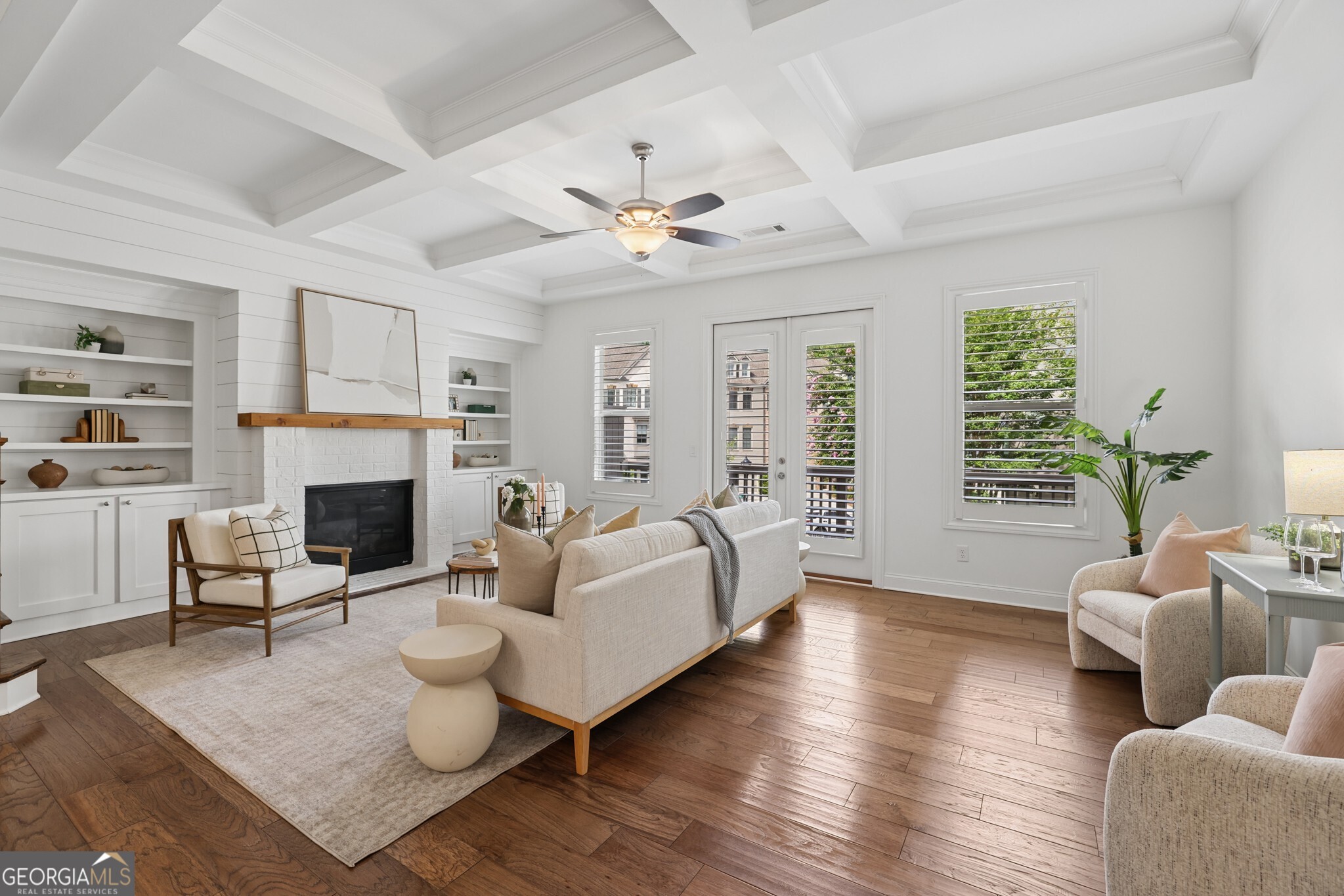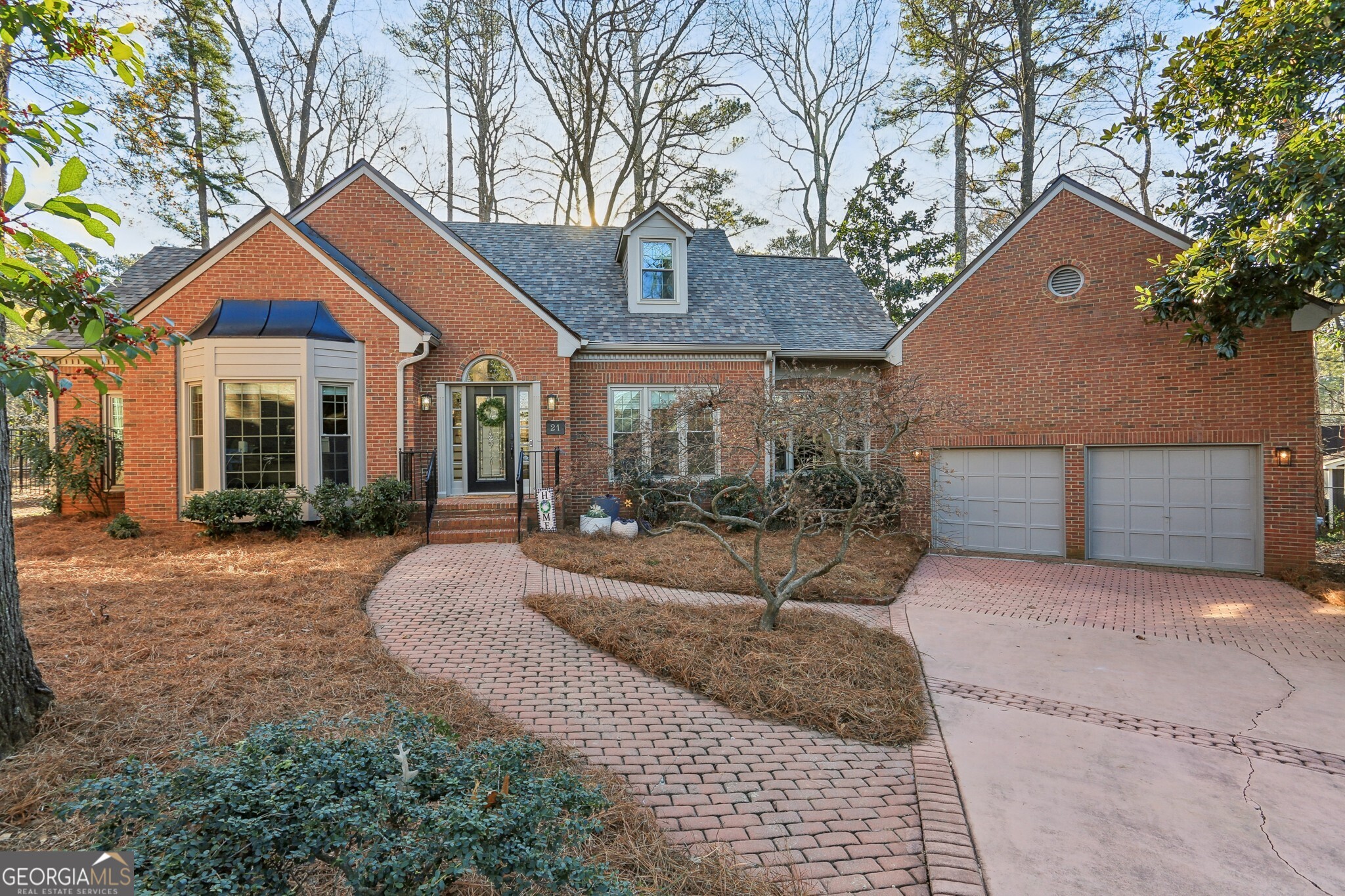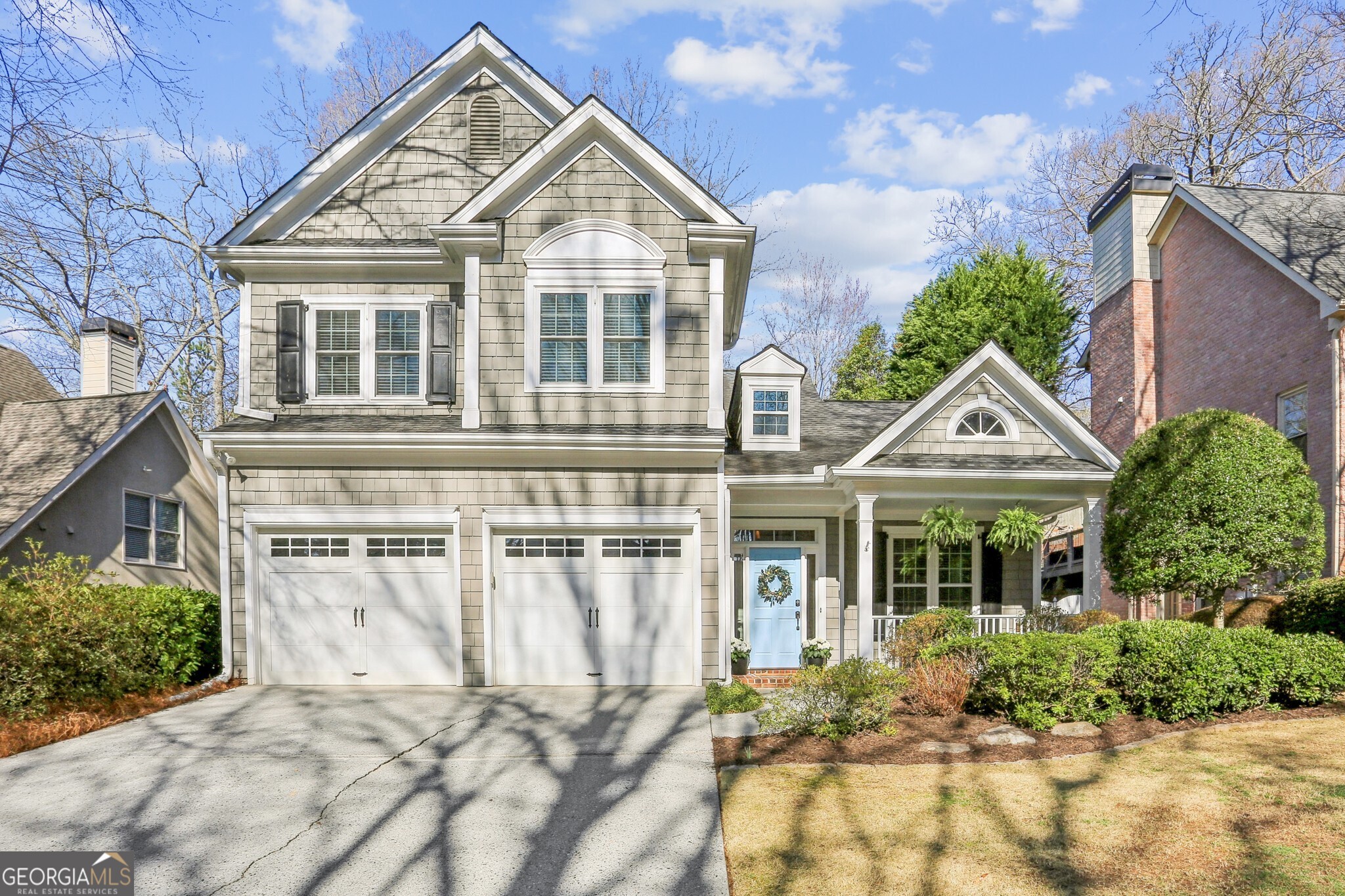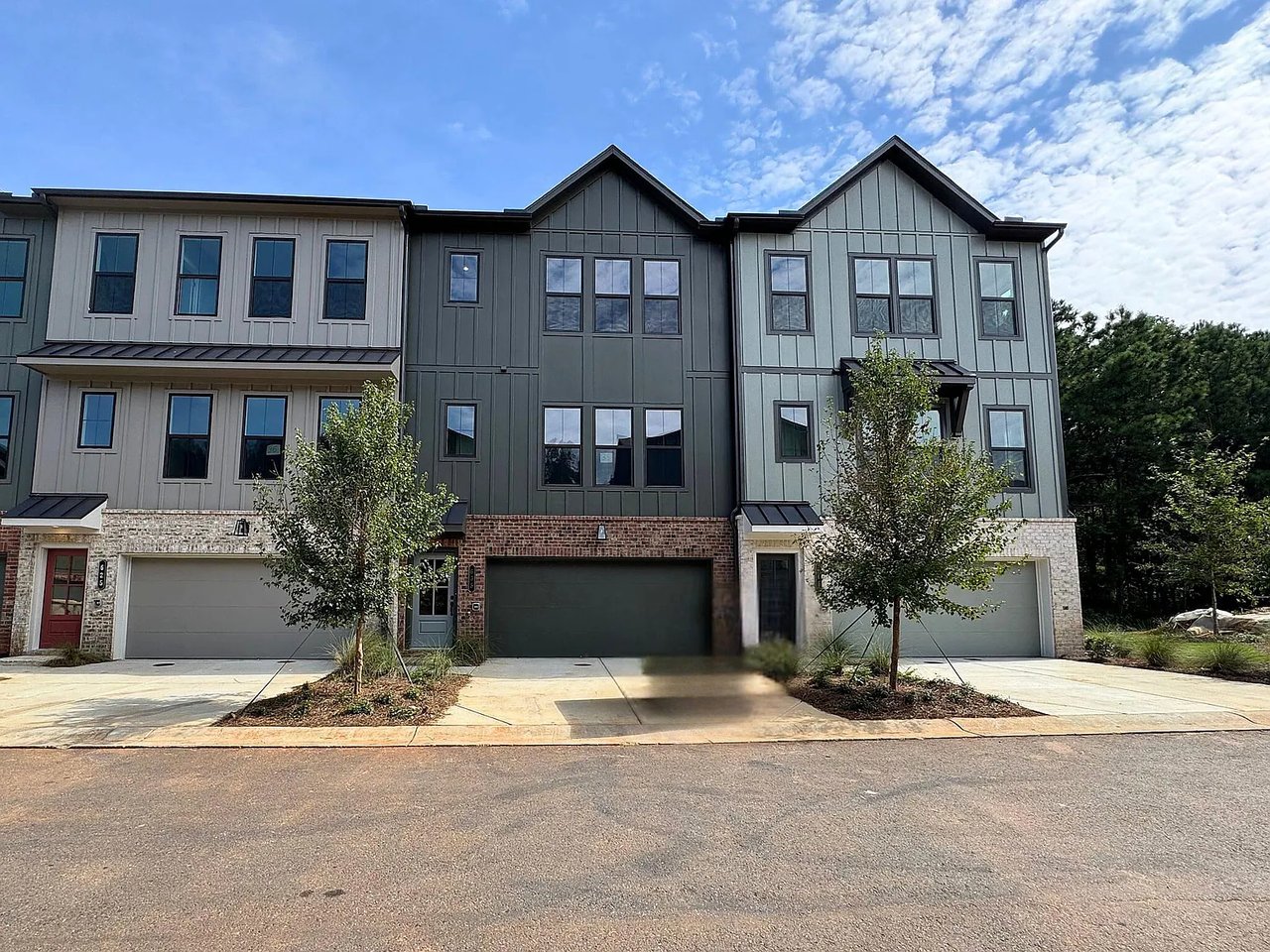
Atlanta is undergoing a massive urban evolution, cementing its status as the undisputed economic powerhouse of the American South. In 2026, navigating this sprawling metropolis requires more than just a GPS—it demands a strategic playbook. If you are preparing to plant roots in the Peach State this year, understanding the local landscape is your ultimate competitive advantage.
The city seamlessly blends urban energy with classic Southern hospitality, making it a highly desirable destination for all stages of life. As the local real estate landscape evolves, buyers naturally have questions about housing trends, geographic layouts, daily commutes, and overall lifestyle factors.
To help you make a well-informed decision, we have compiled detailed, factual answers to the top ten questions buyers are asking as they plan their move to Atlanta this year. From understanding the famous Perimeter to navigating the local job market and school systems, this comprehensive relocation guide is designed to set you up for success.
1. What is the Atlanta Housing Market Like in 2026?
Market Trends and Inventory Dynamics
The Atlanta real estate market is characterized by steady, resilient demand driven by consistent population growth and corporate expansions. While the rapid pace of previous years has normalized into a more balanced landscape, desirable neighborhoods still experience competitive conditions. For the three months ending May 2026, the median sale price of a home within the city limits of Atlanta sat at $429,238, representing a minor year-over-year cooling of 1.6% according to housing market reports from Redfin.
During this same period, homes spent a median of 54 days on the market, up slightly from 49 days the prior year. This shift has provided buyers with significantly more leverage during negotiations. According to data compiled by Redfin and the Atlanta Journal-Constitution, approximately 68.5% of buyers in the 29-county metro Atlanta region purchased their homes below the original list price in early 2026.
68.5% of buyers in the 29-county metro Atlanta region purchased their homes below the original list price in early 2026, with an average price reduction of 7.3%.
For those who successfully negotiated a discount, the average price reduction was 7.3%, which equates to shaving roughly $30,000 off a typical transaction. This increased negotiating power means that buyers are finding more opportunities to secure favorable terms than in previous years.
Home Styles and Architectural Diversity
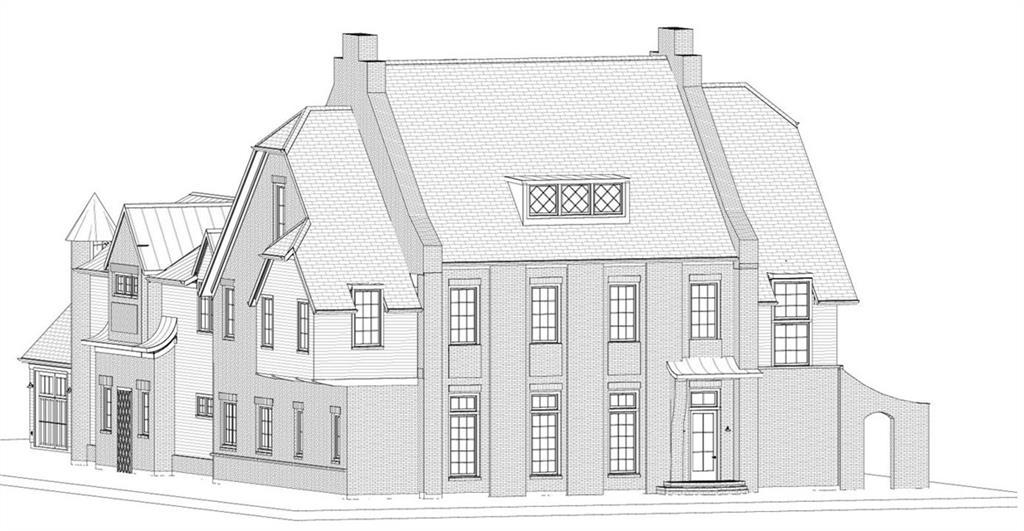
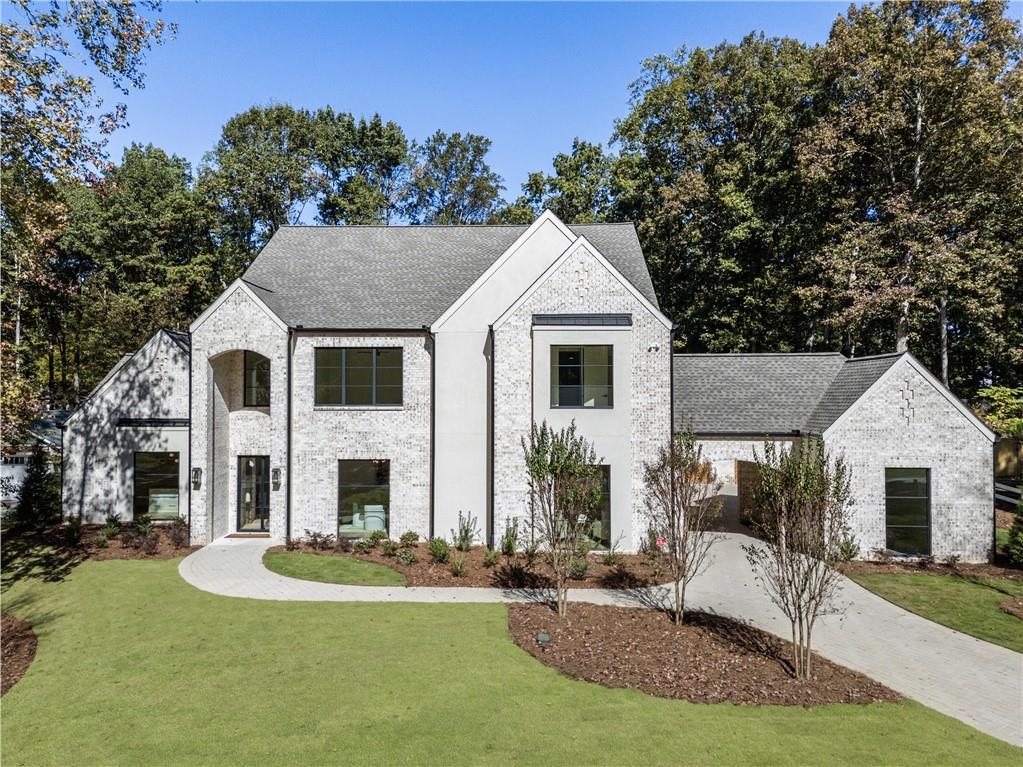
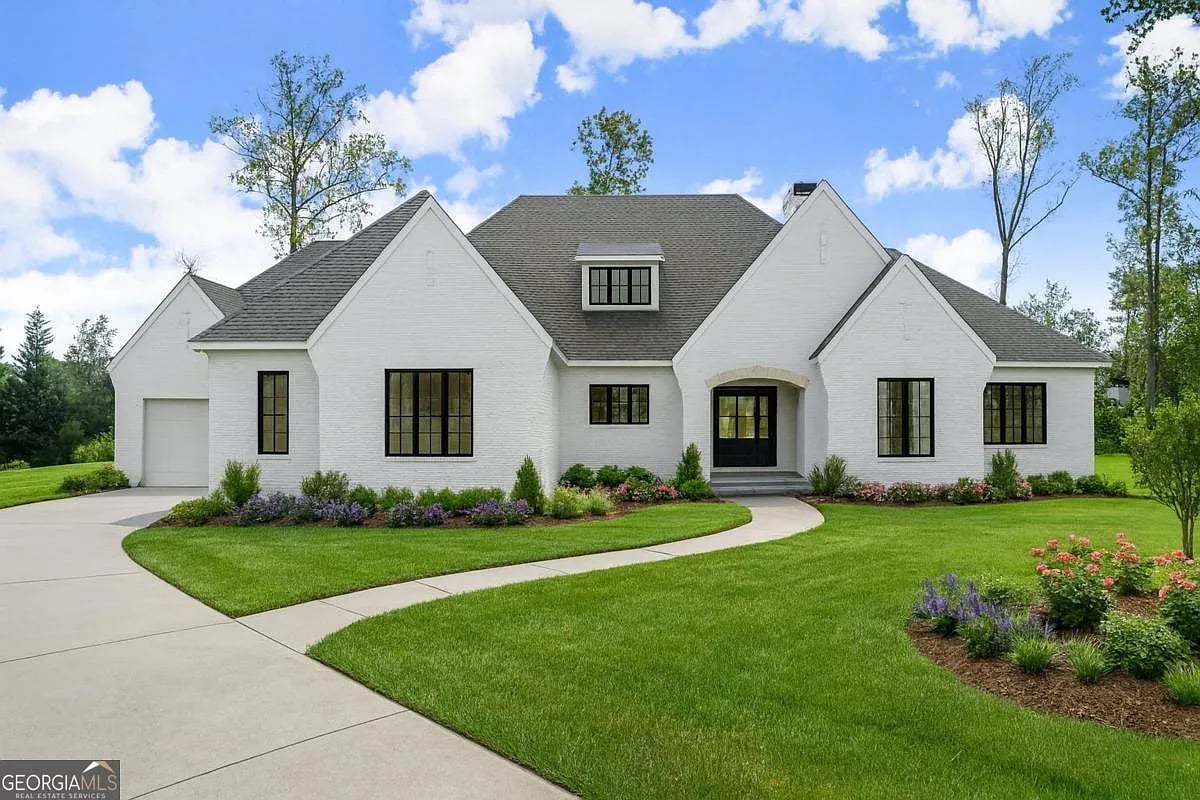
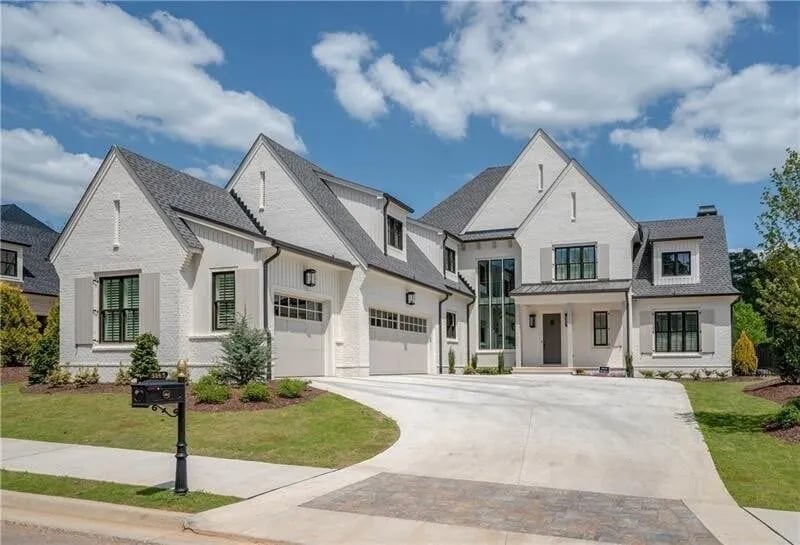
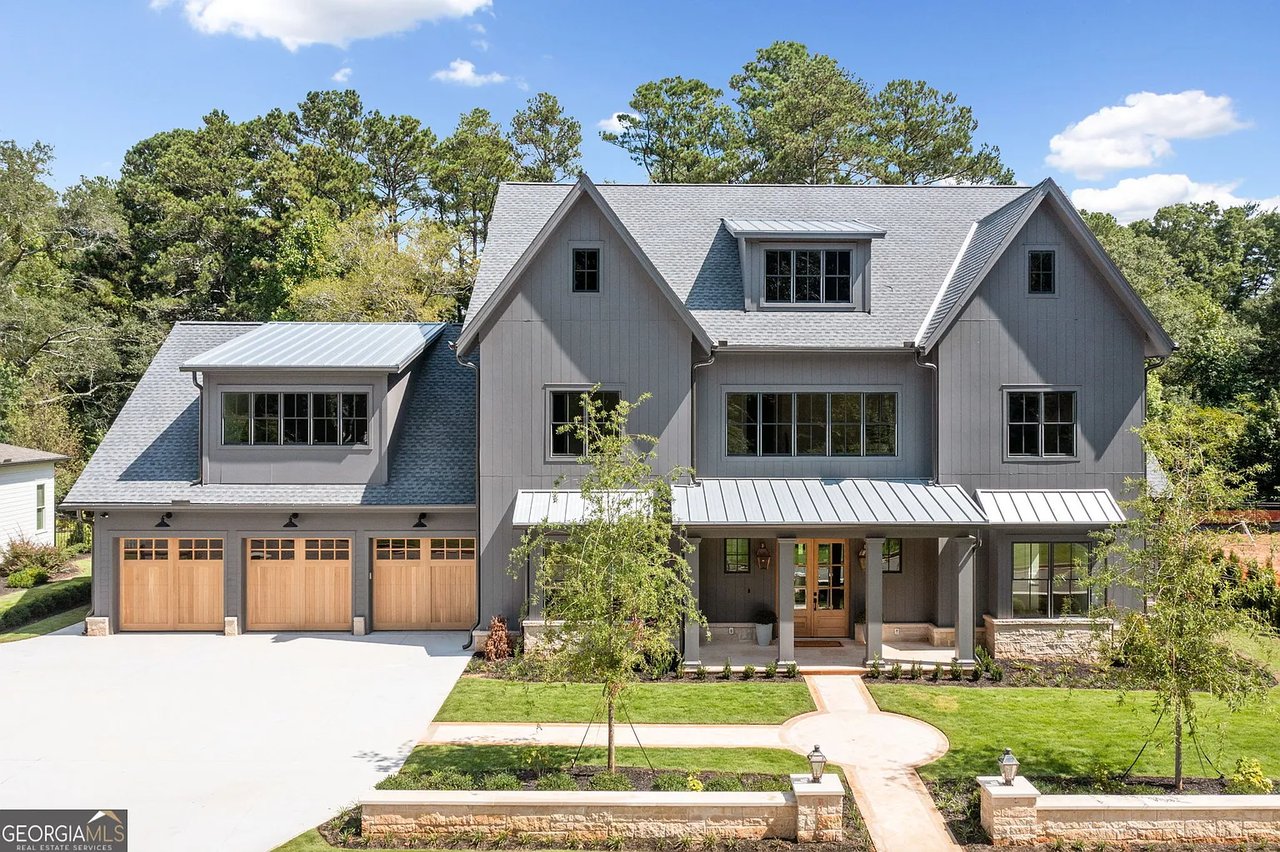
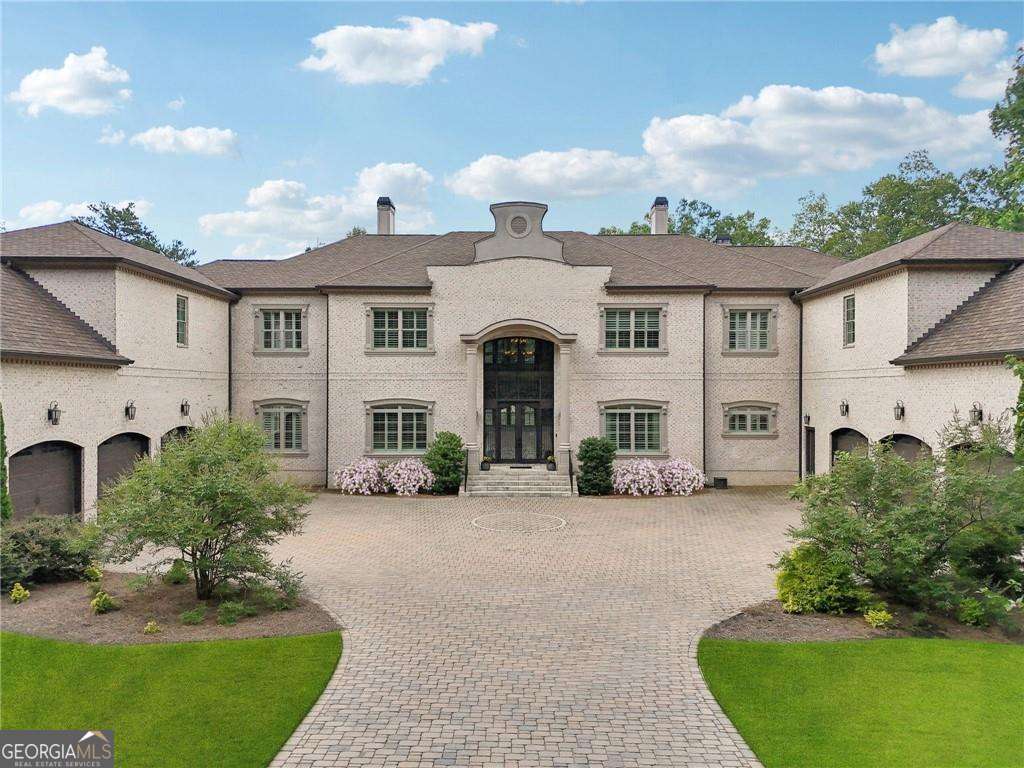
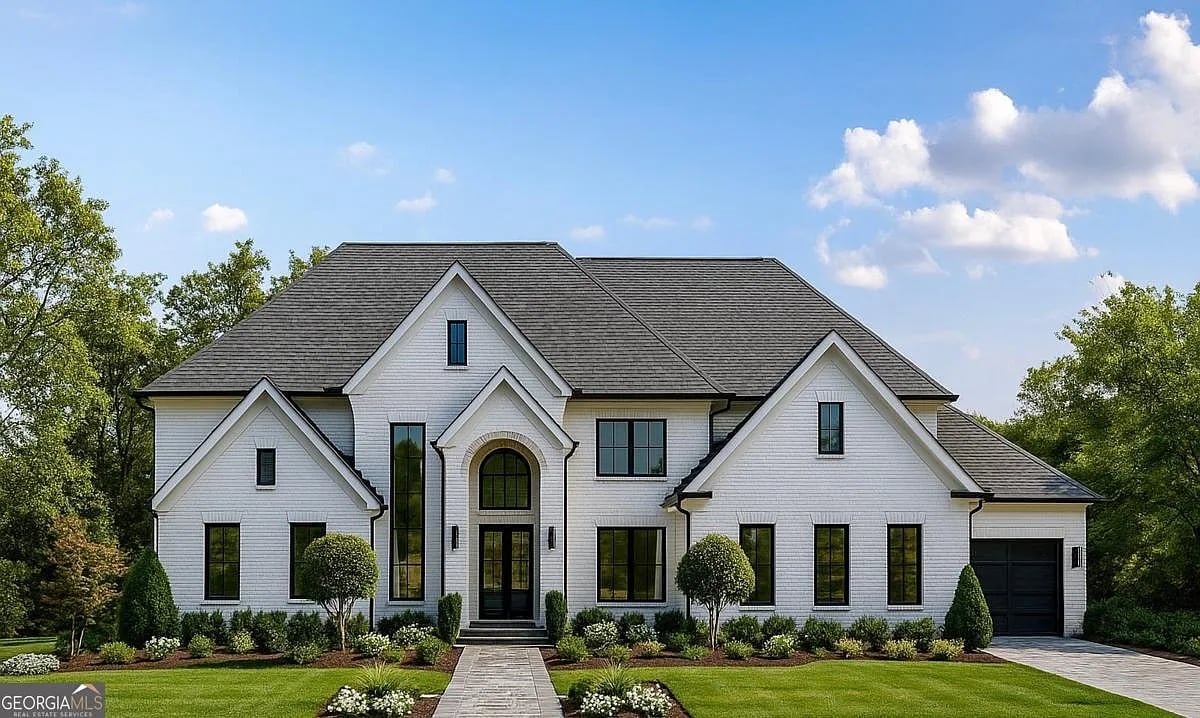
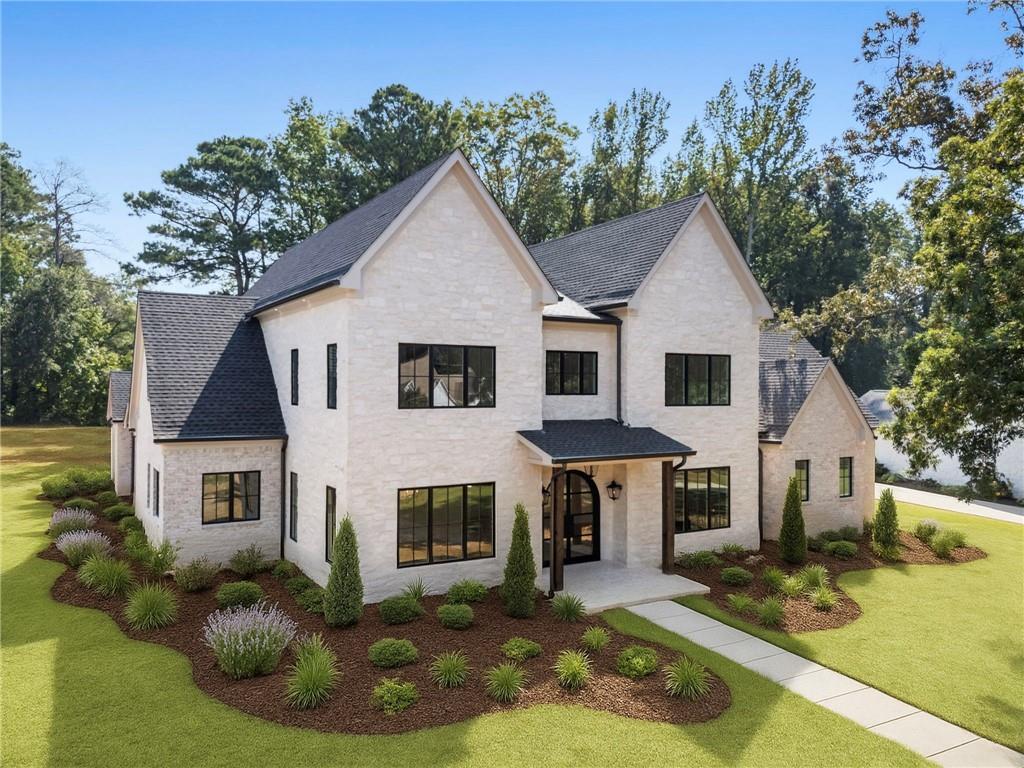
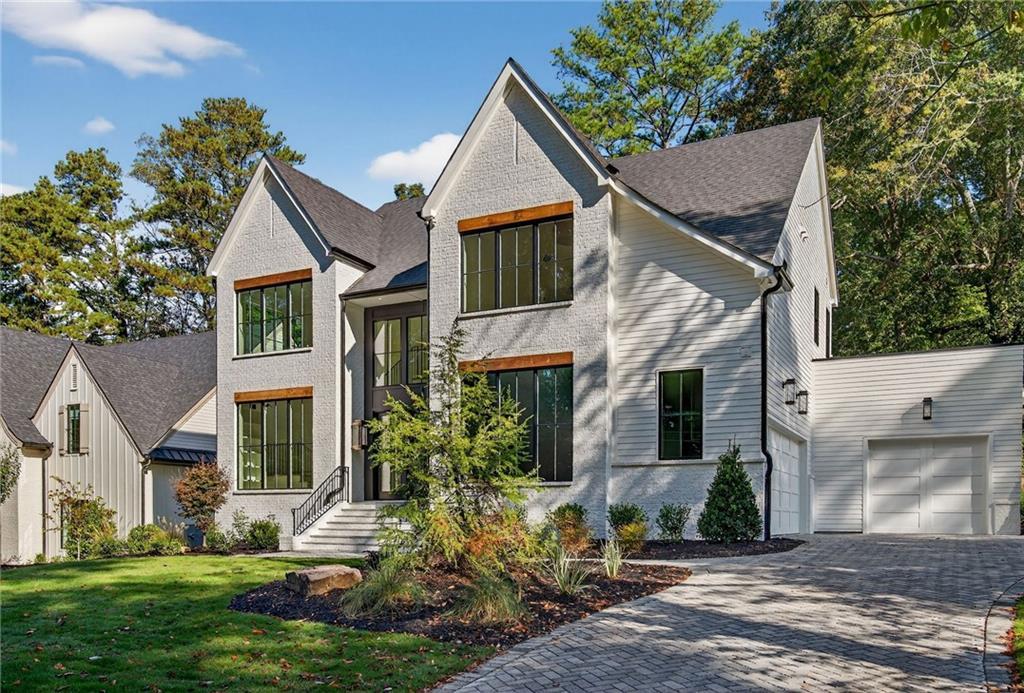
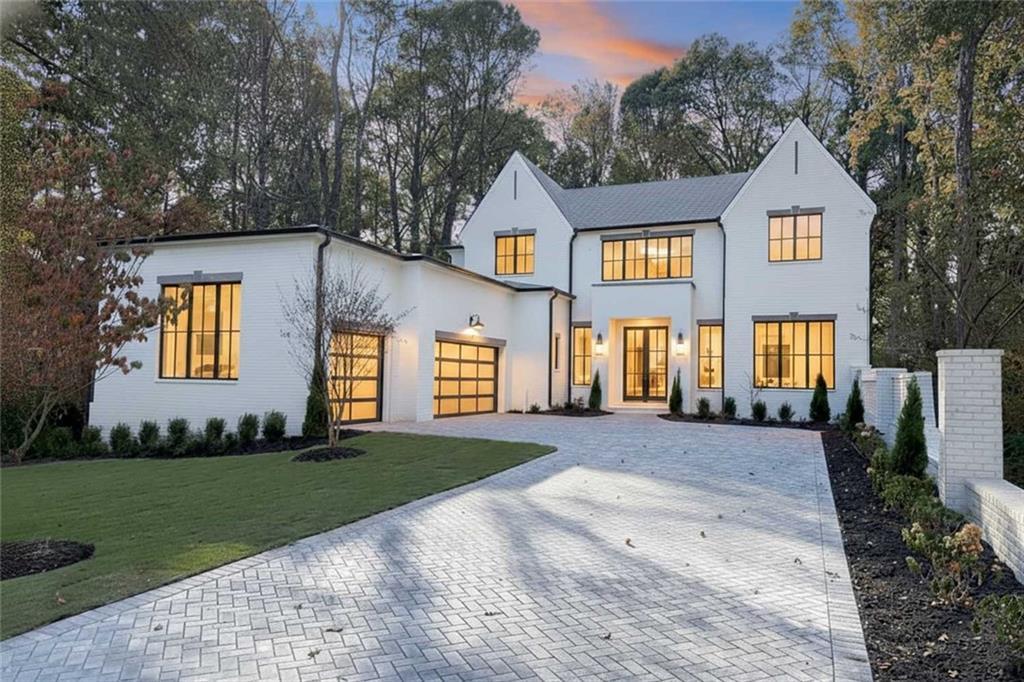
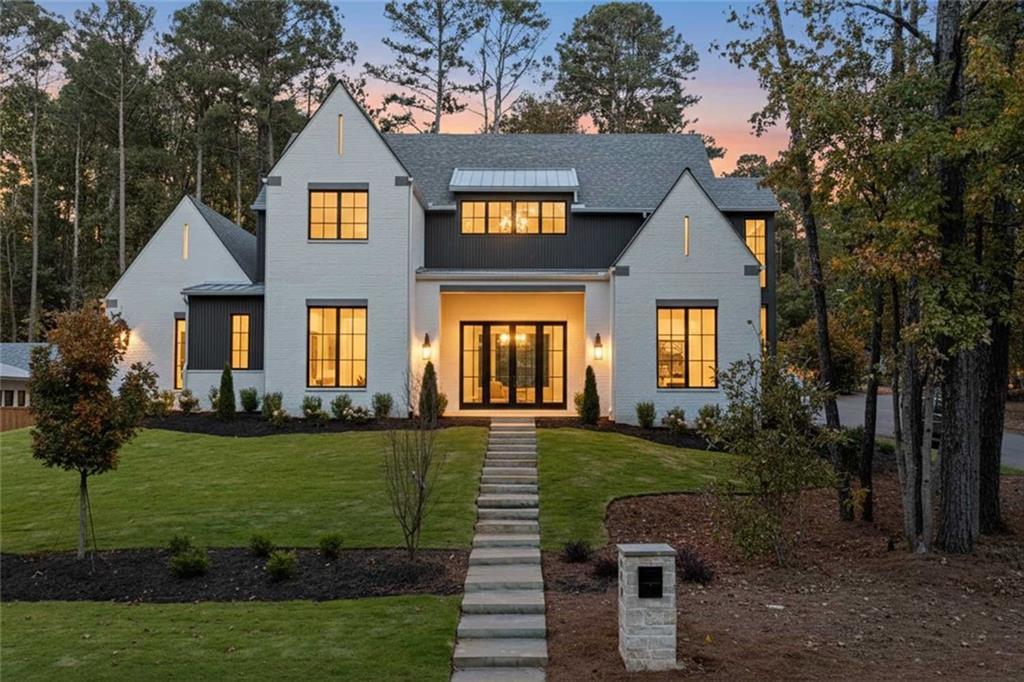
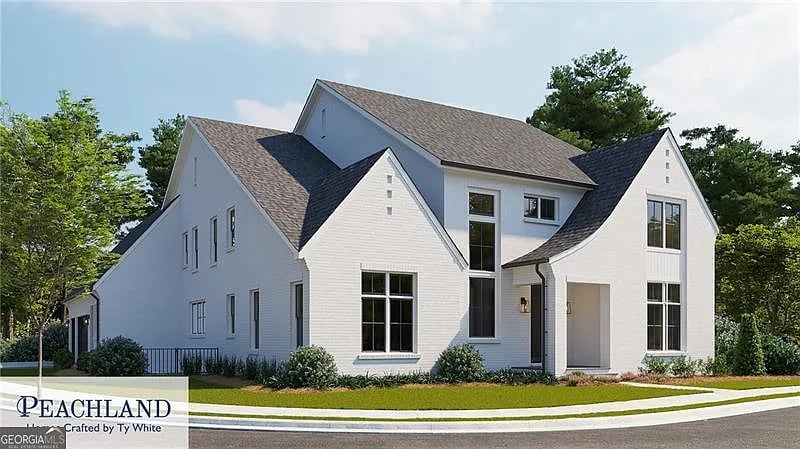
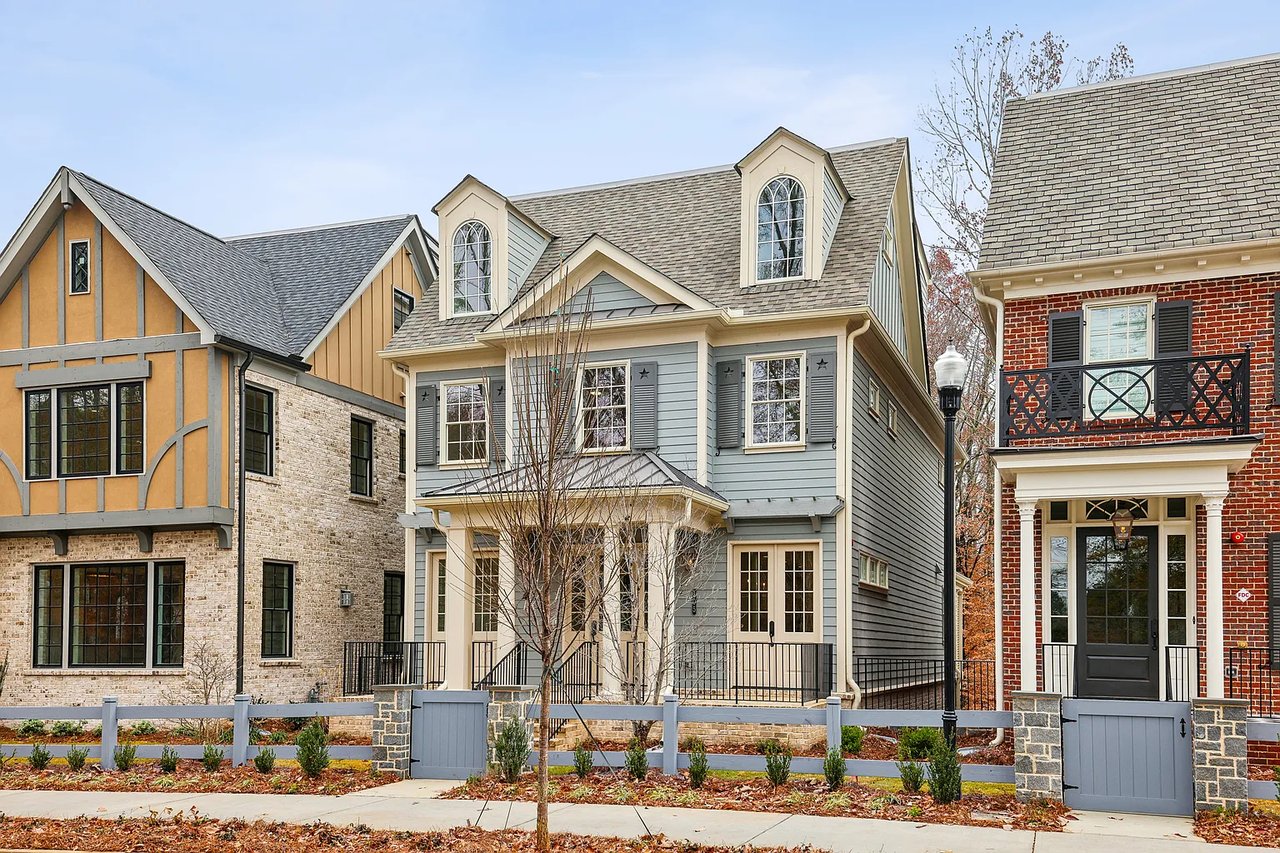
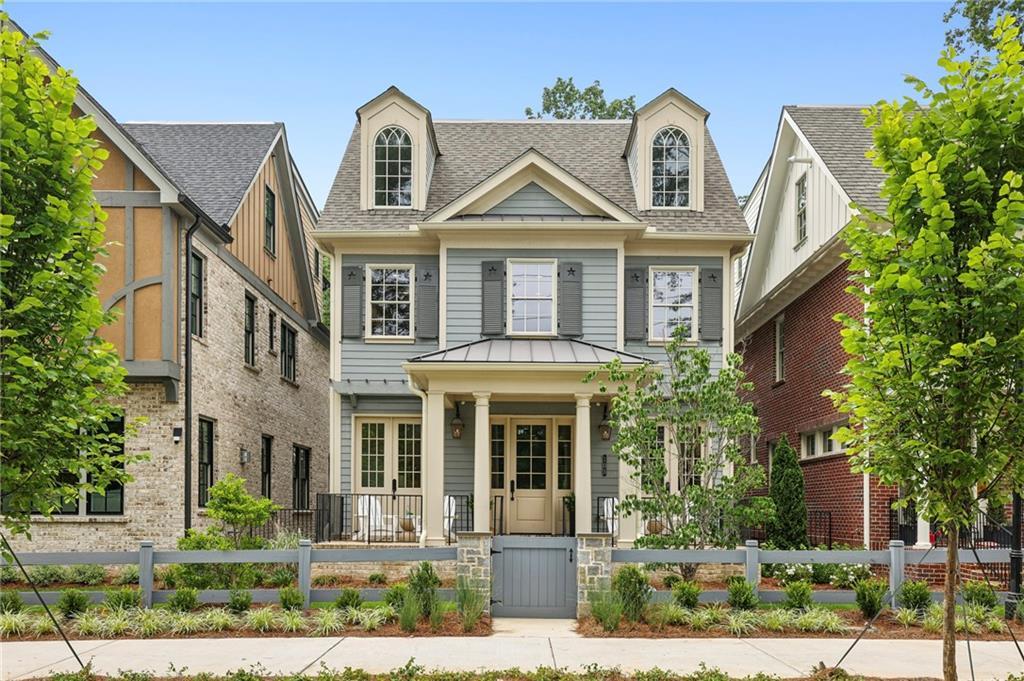
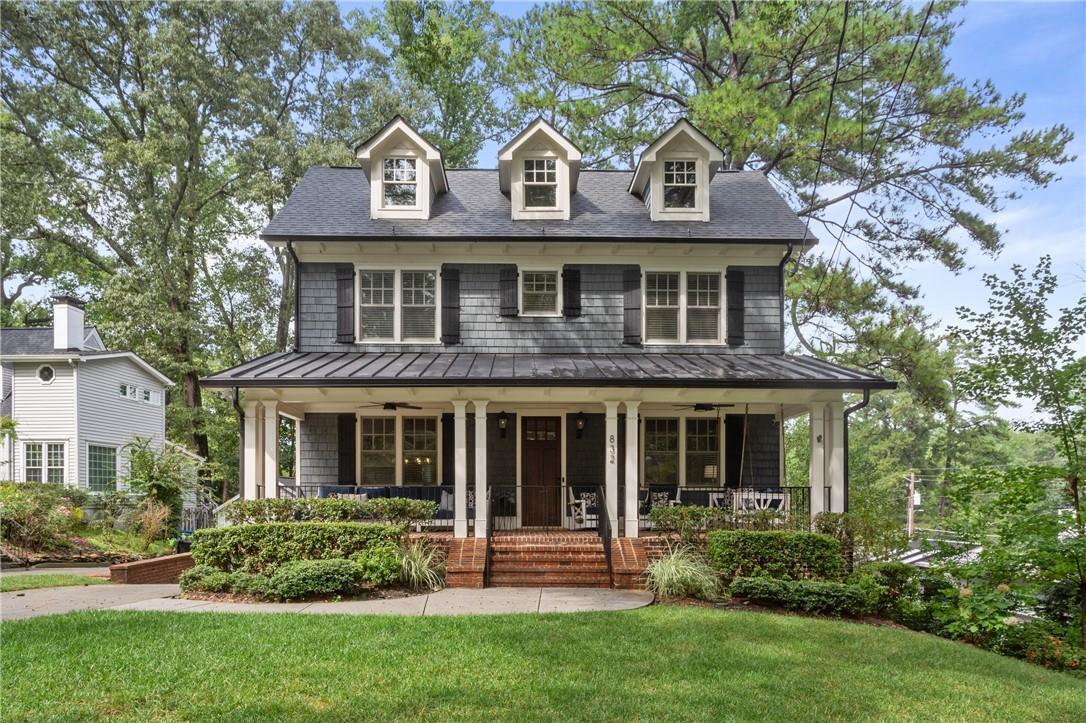
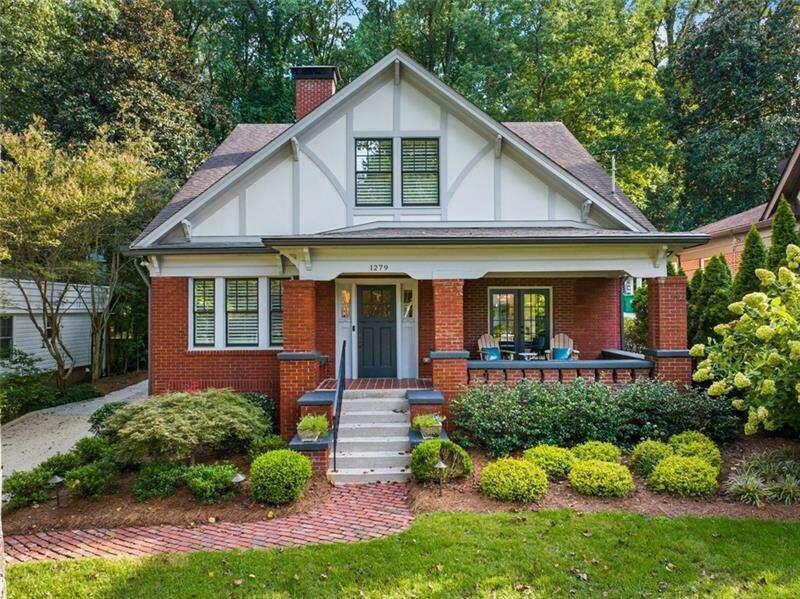
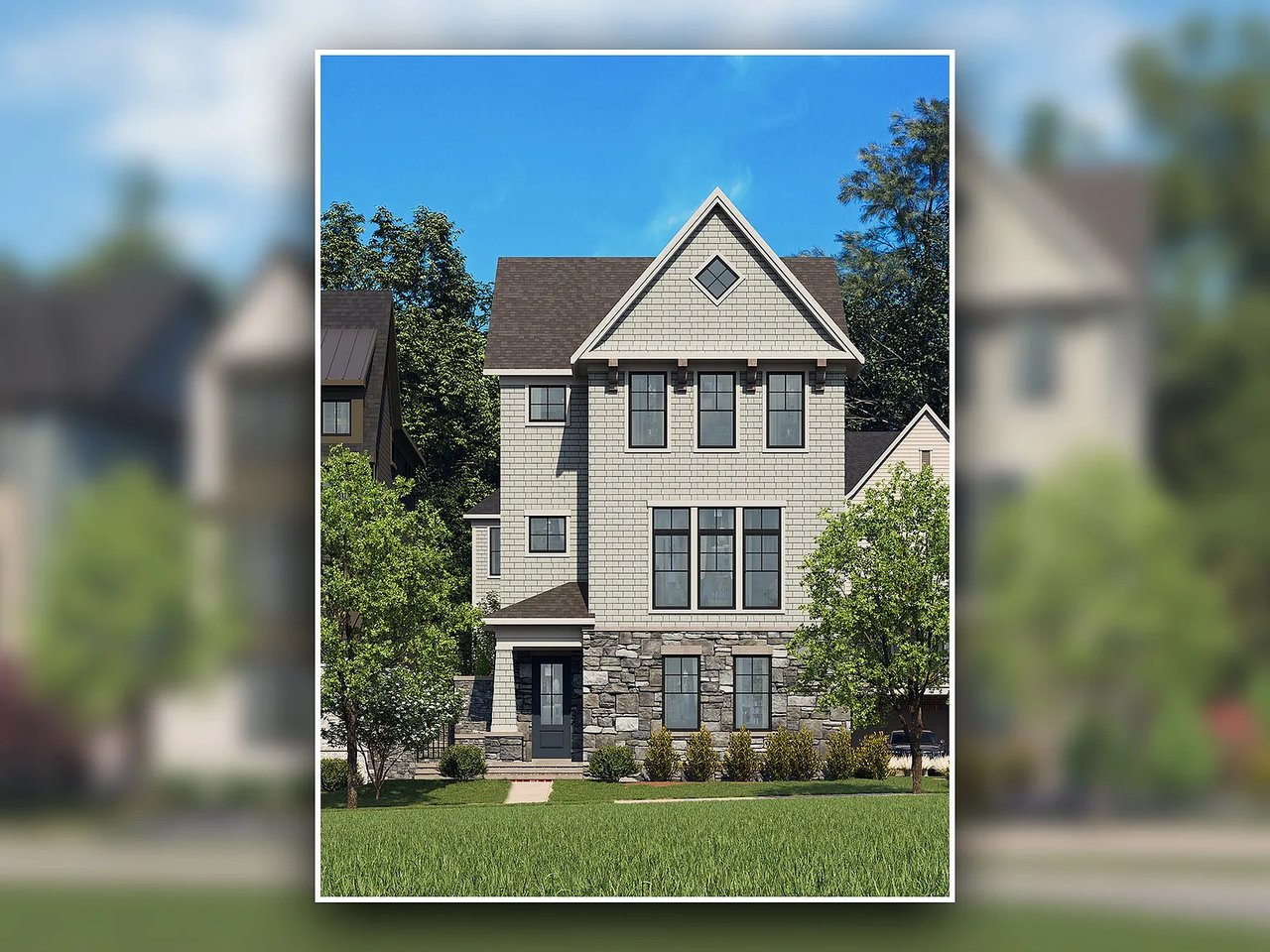
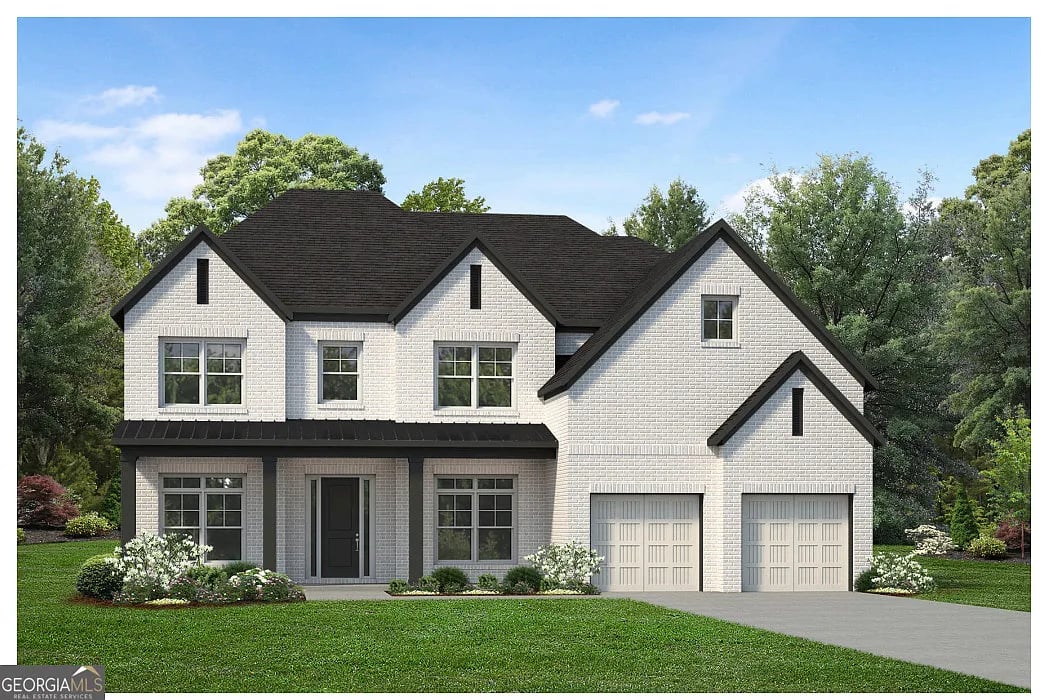
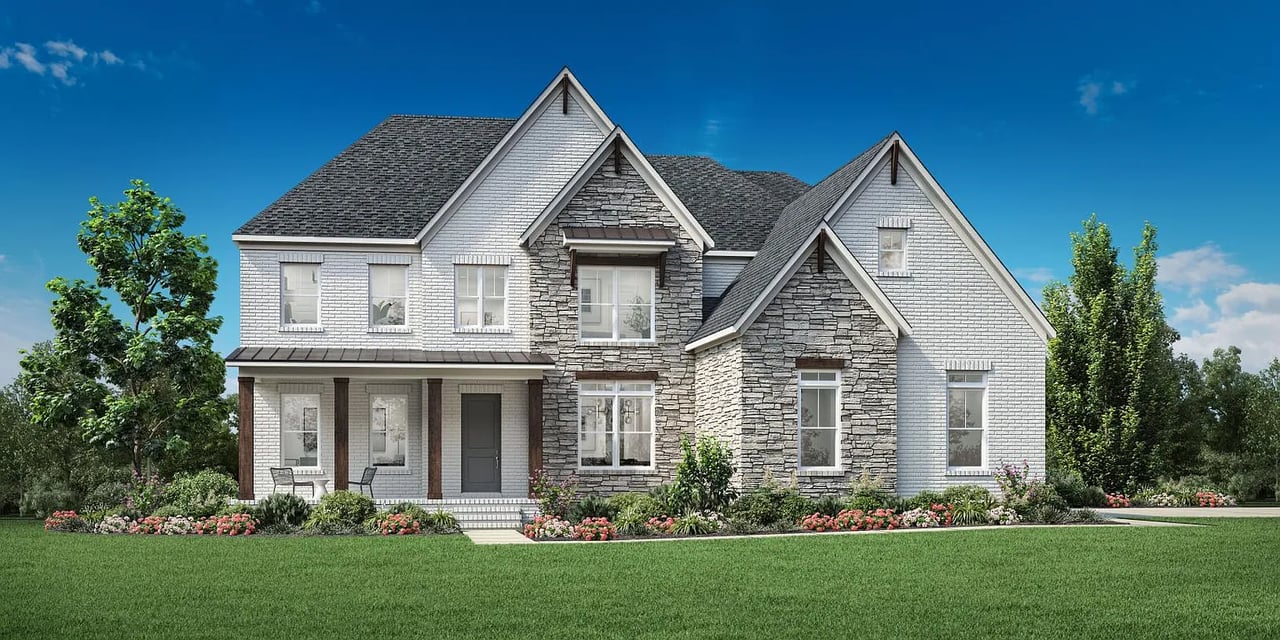
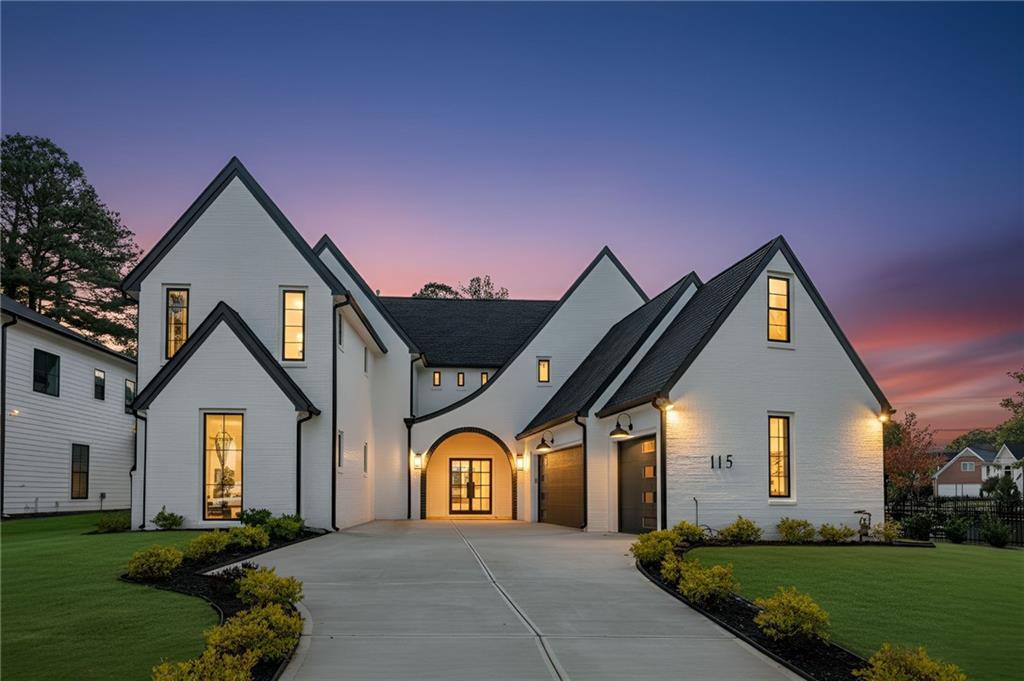
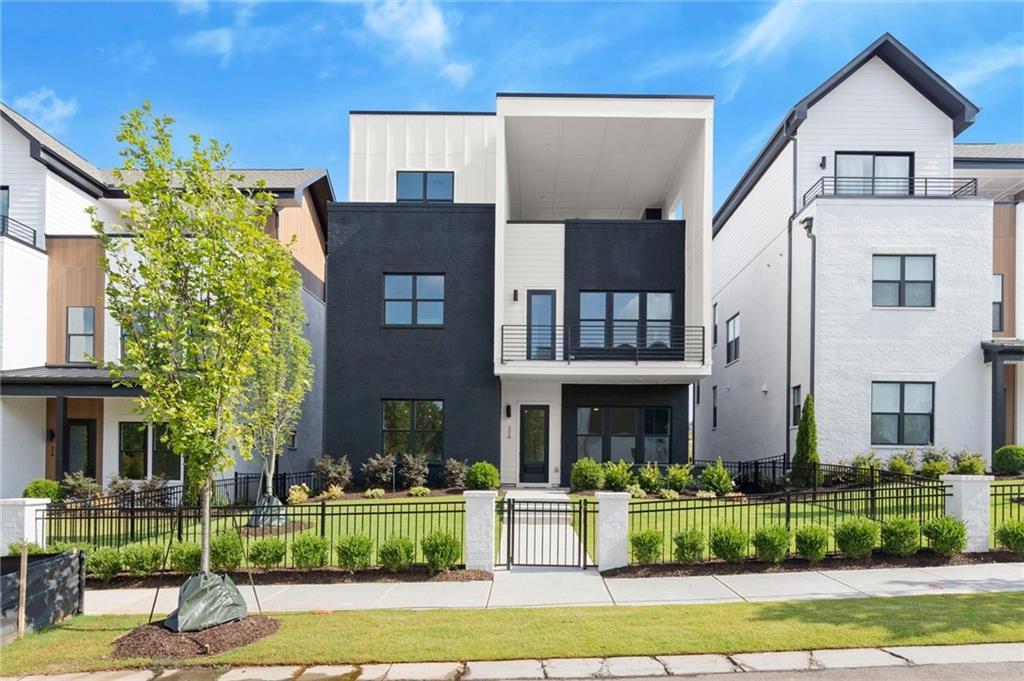
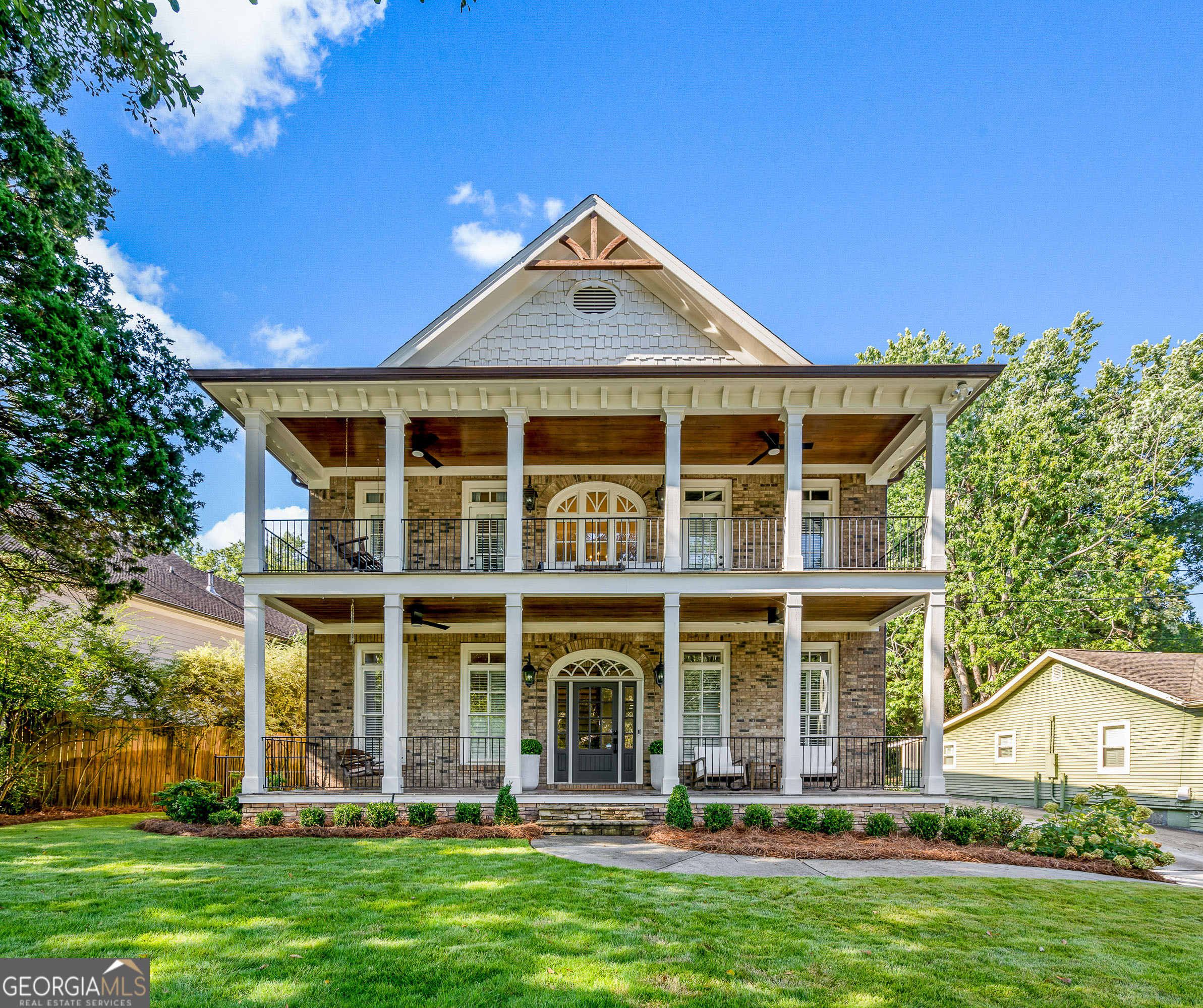
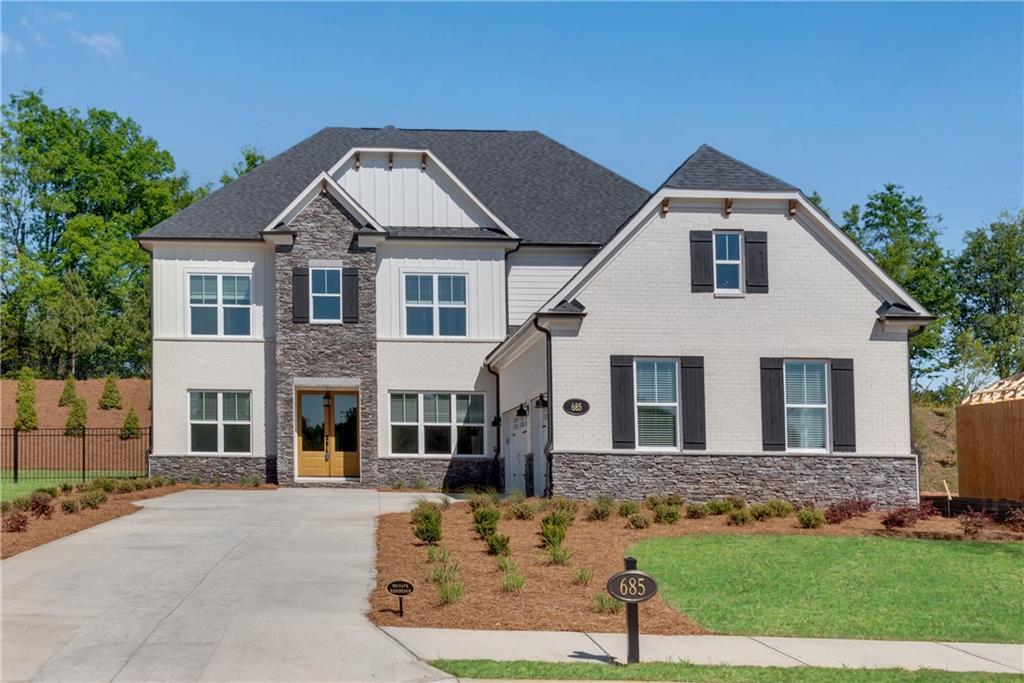
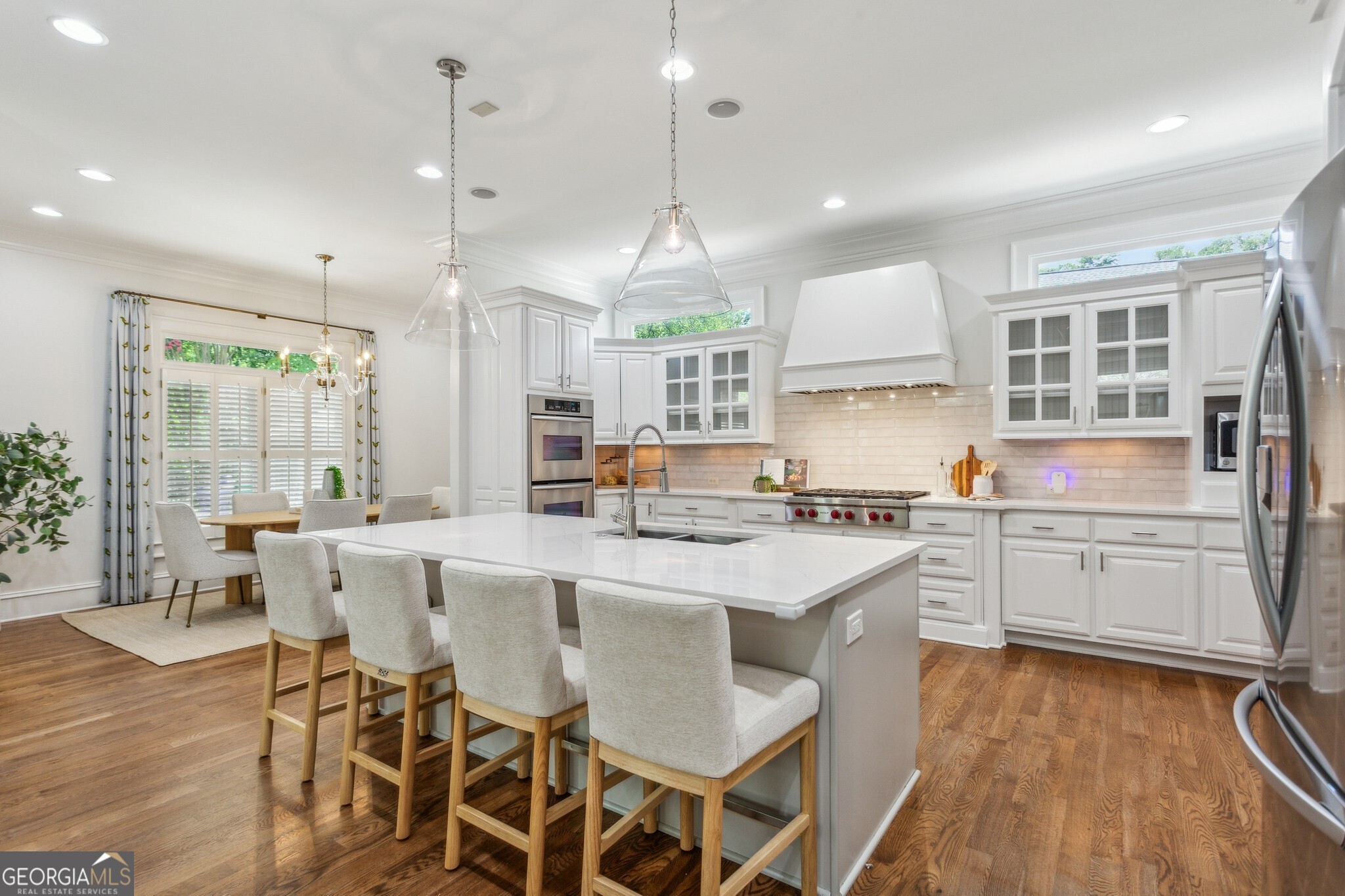
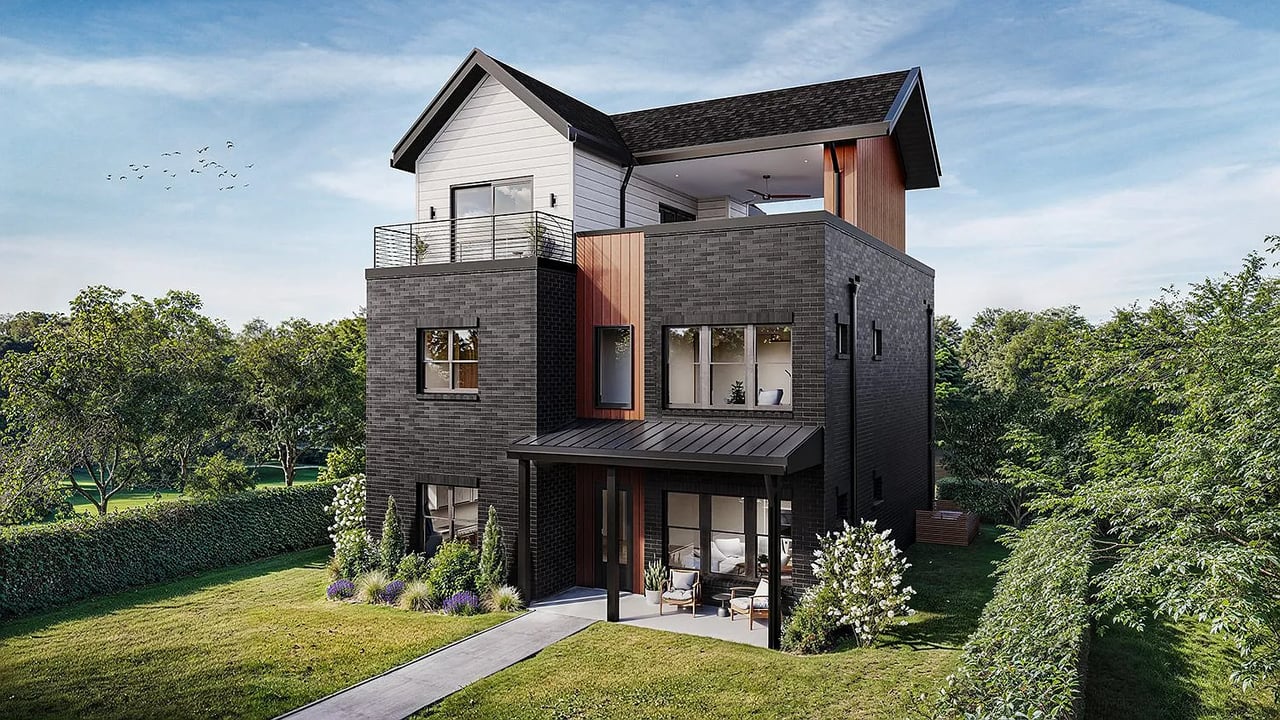
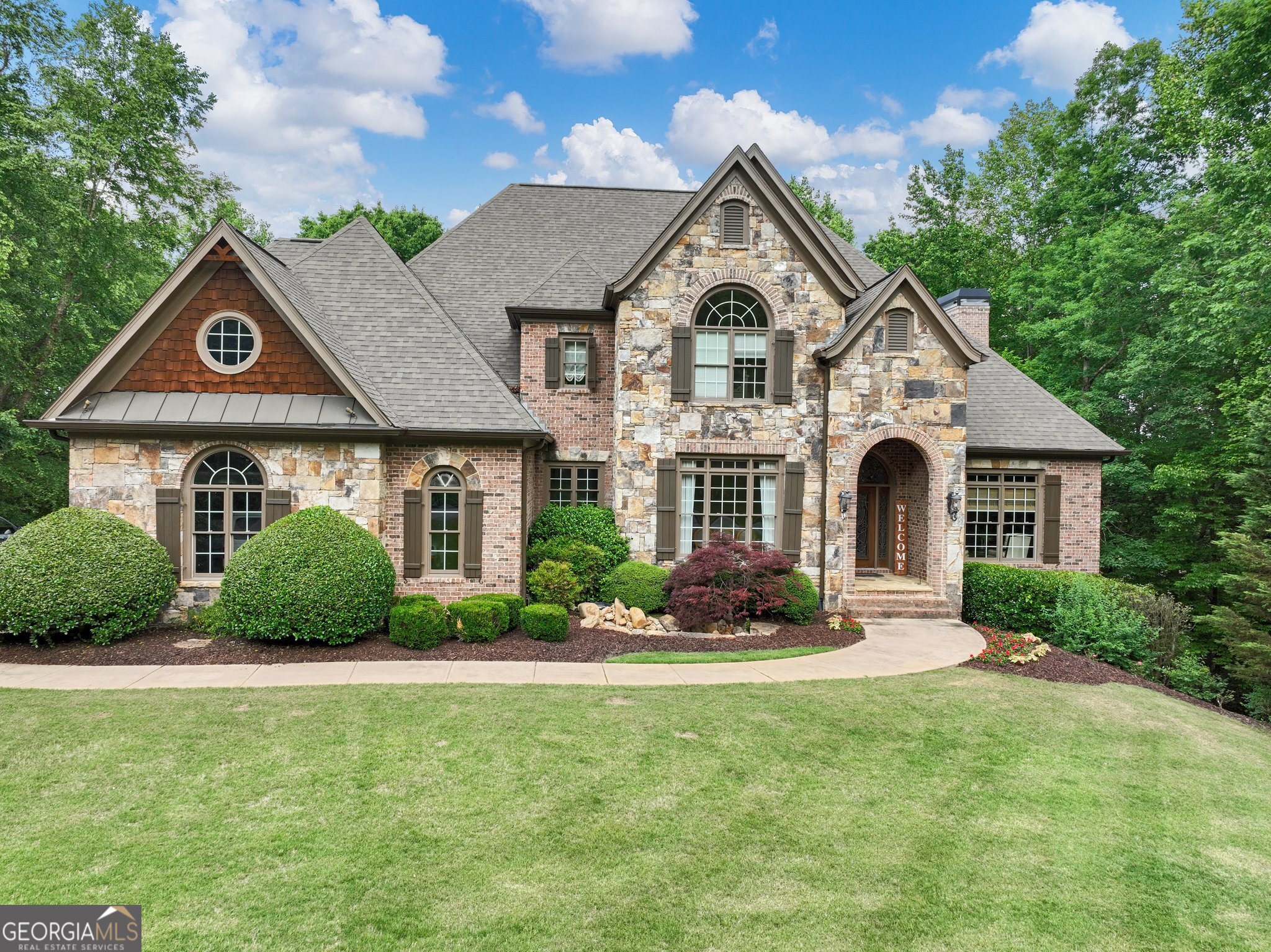
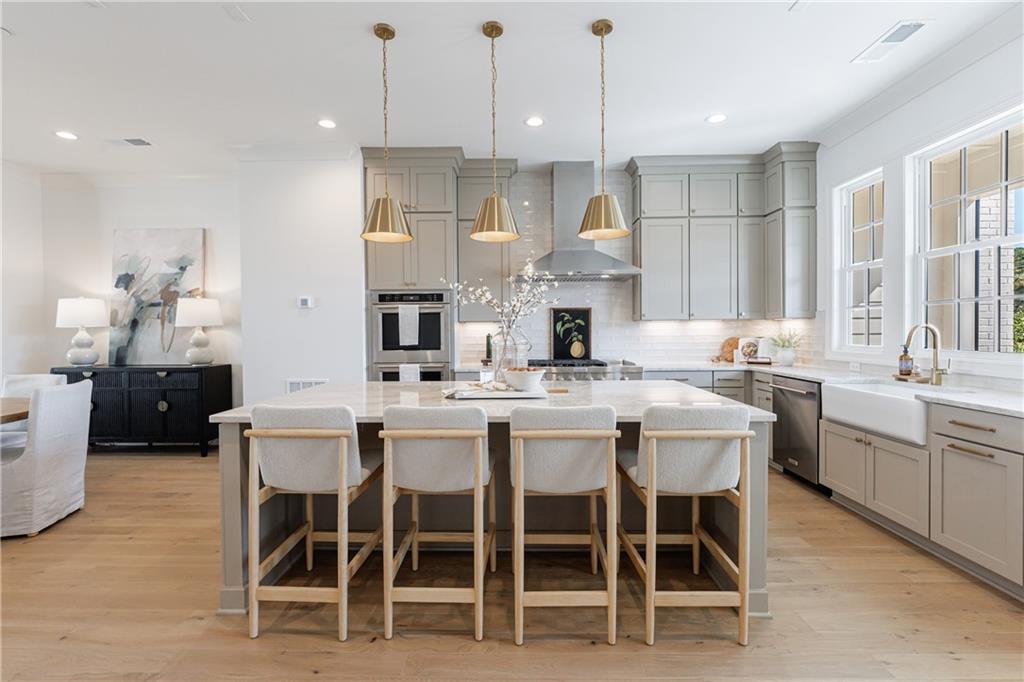
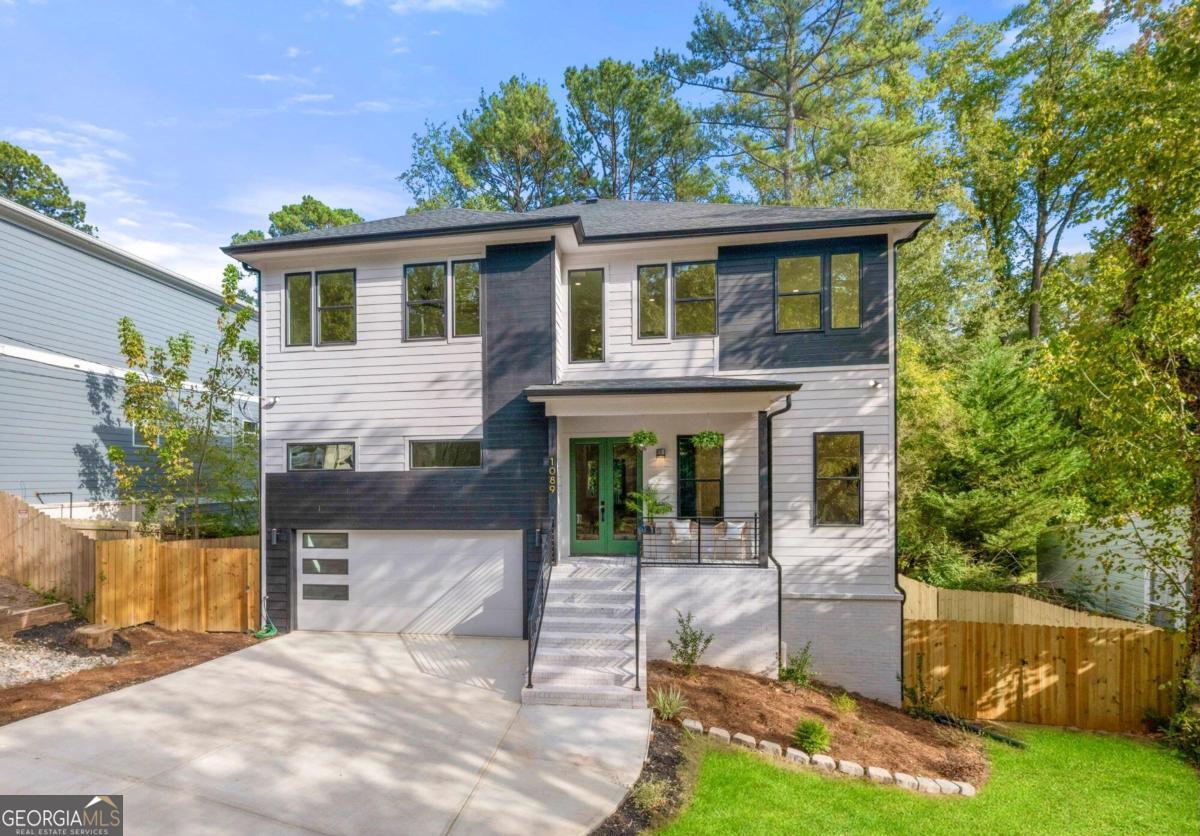
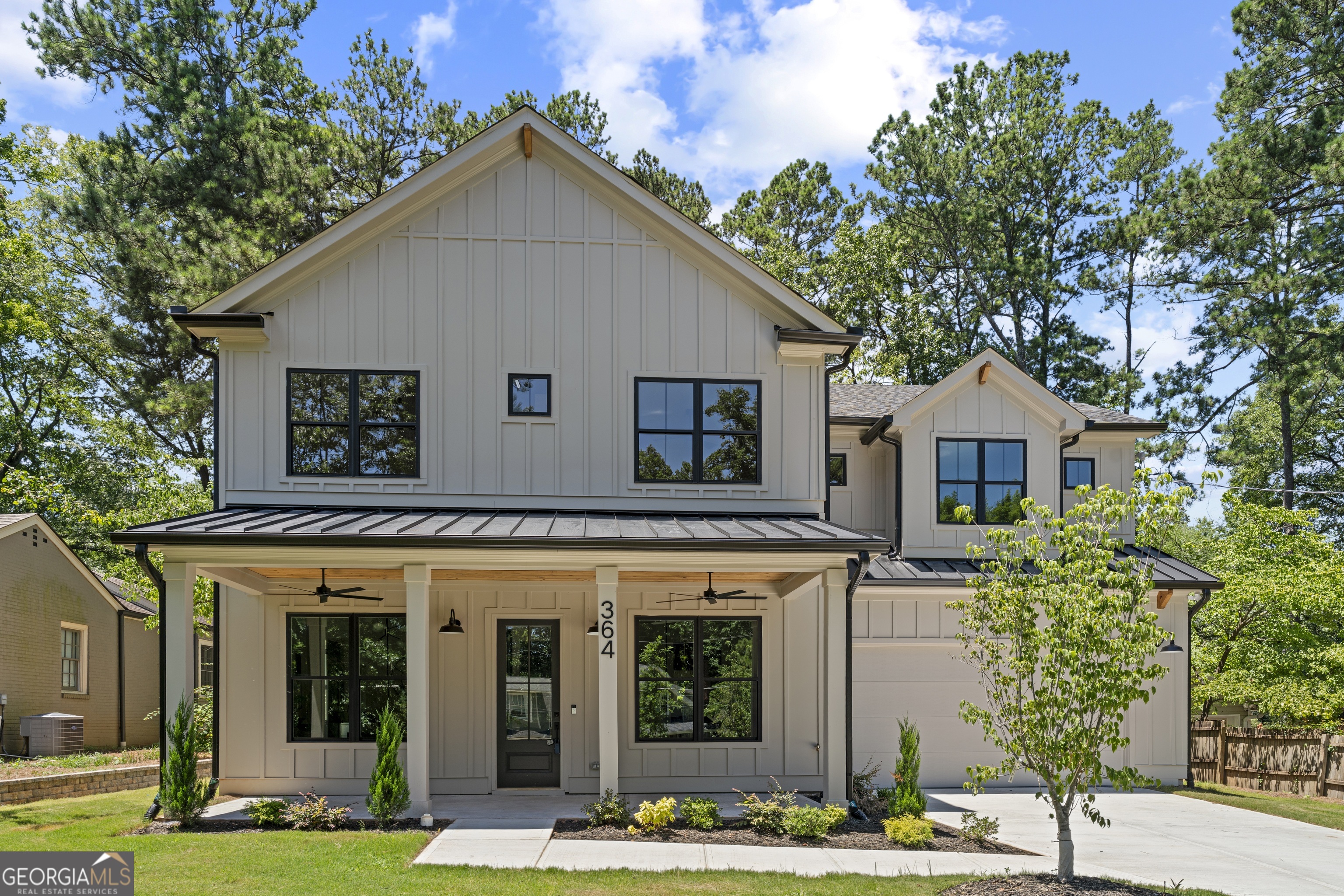
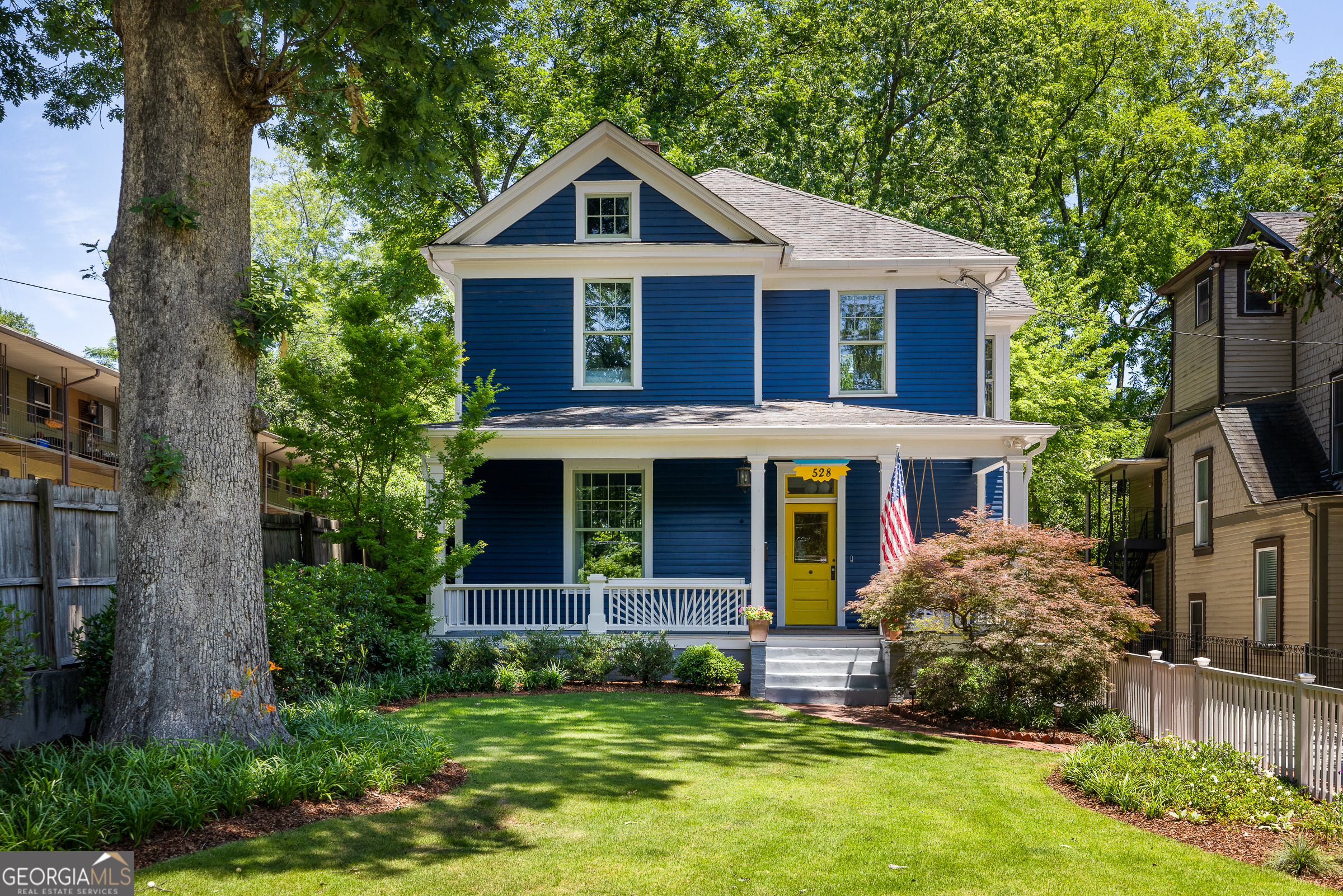
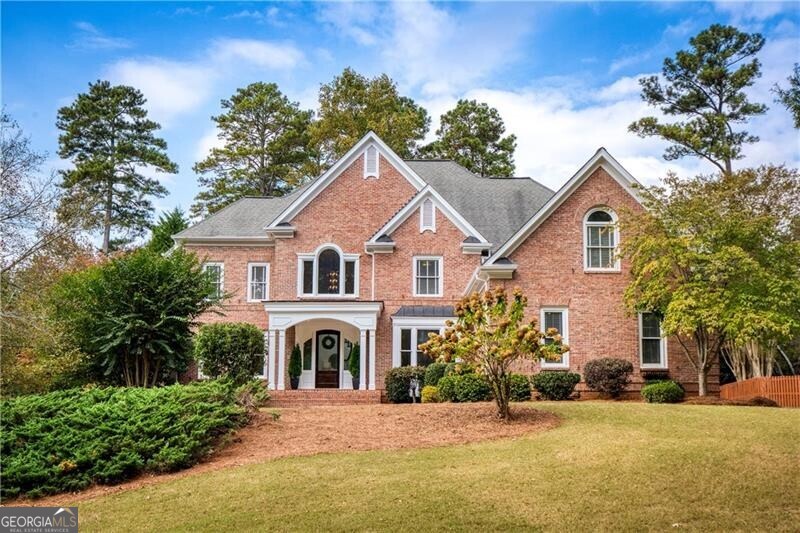
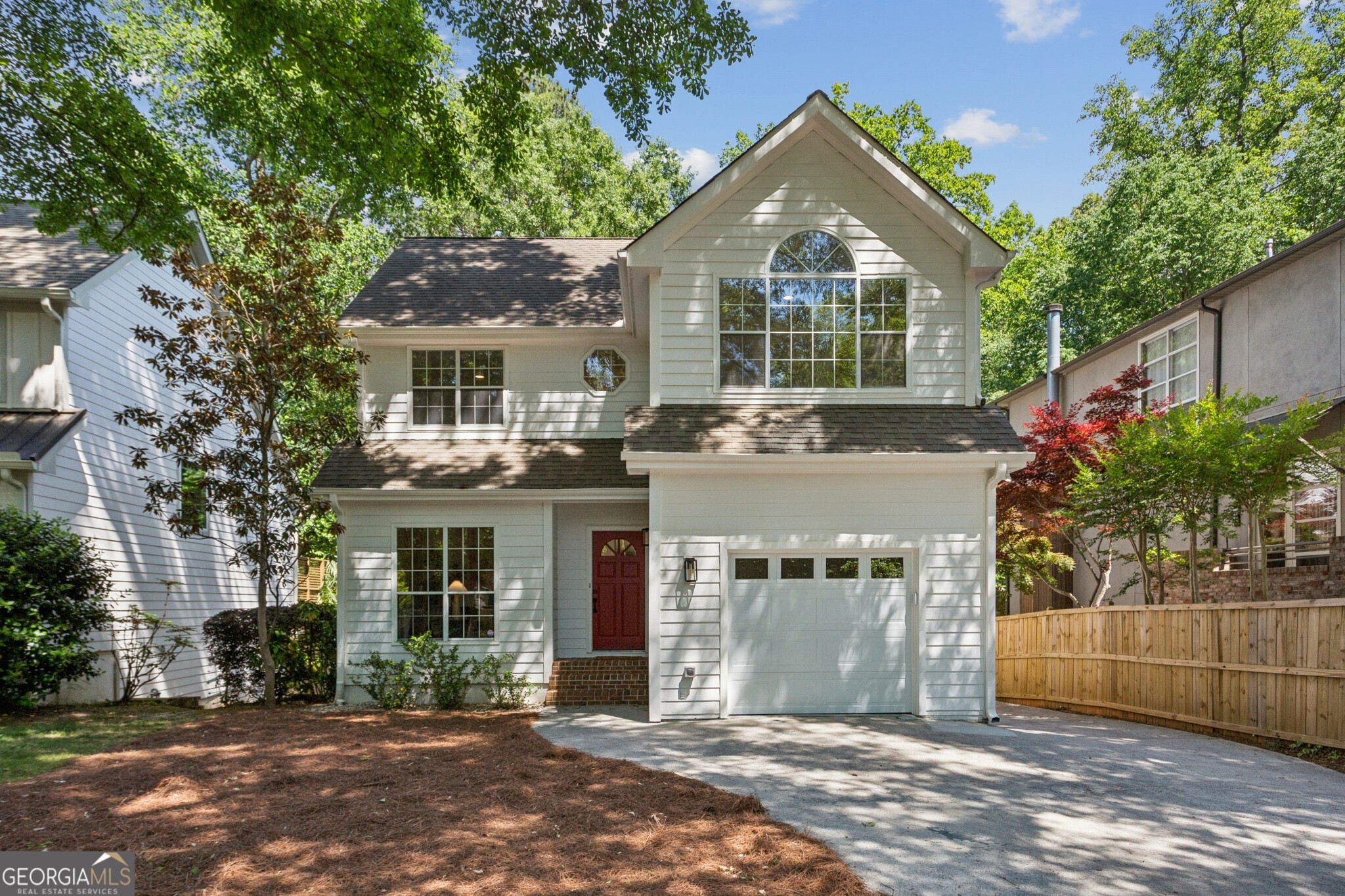
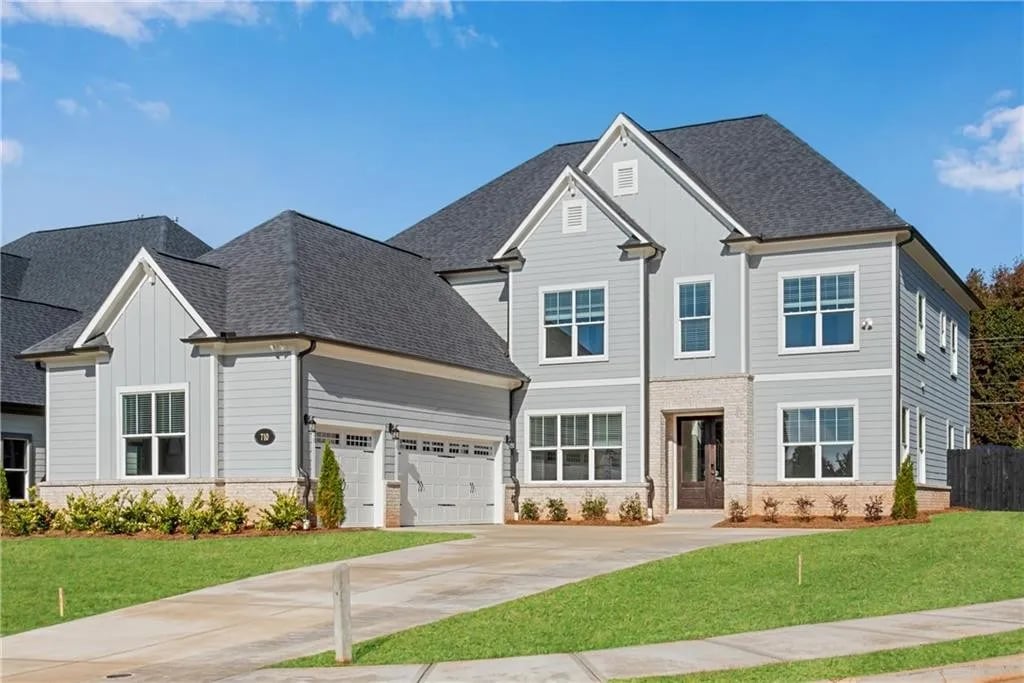
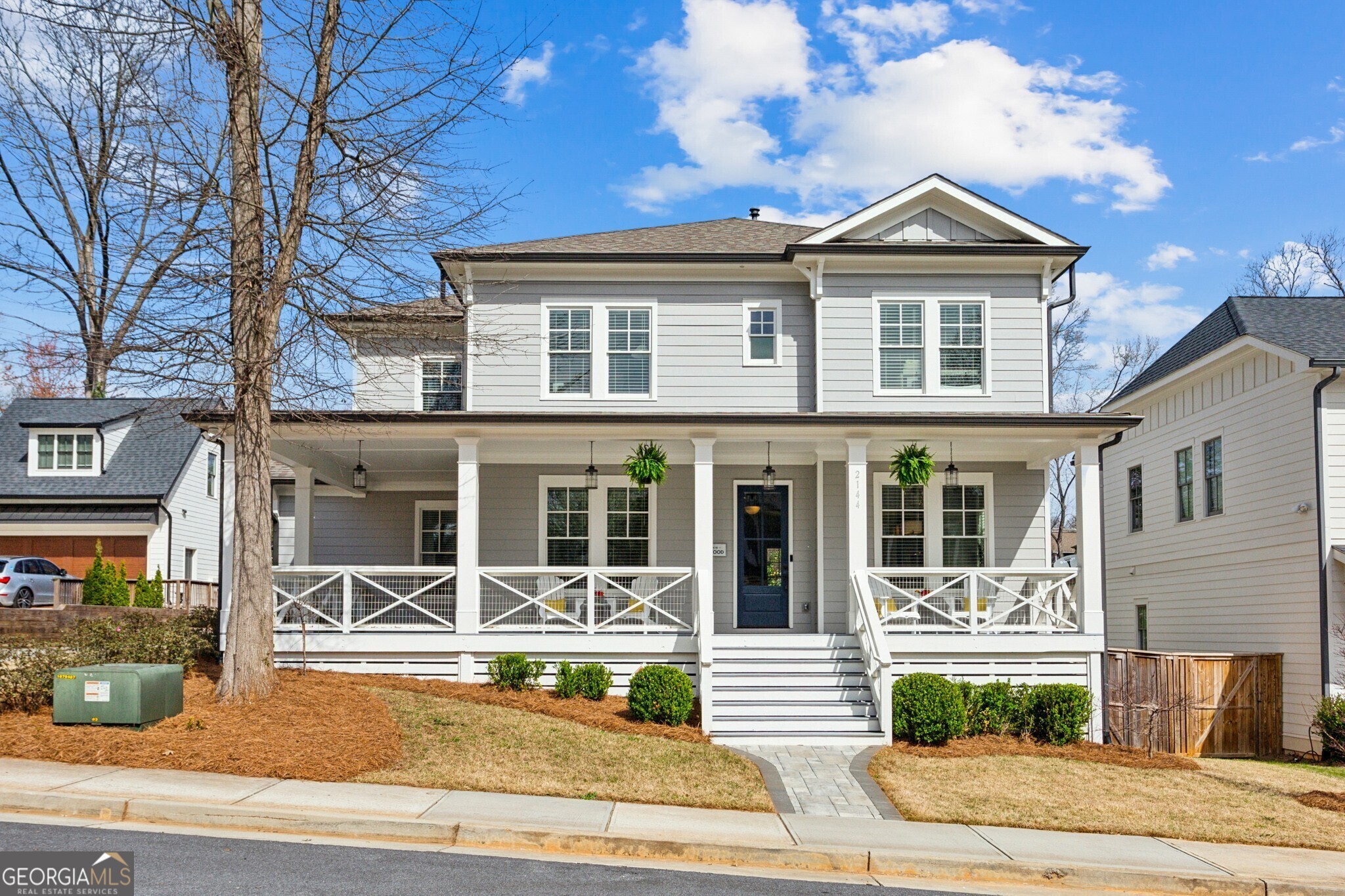
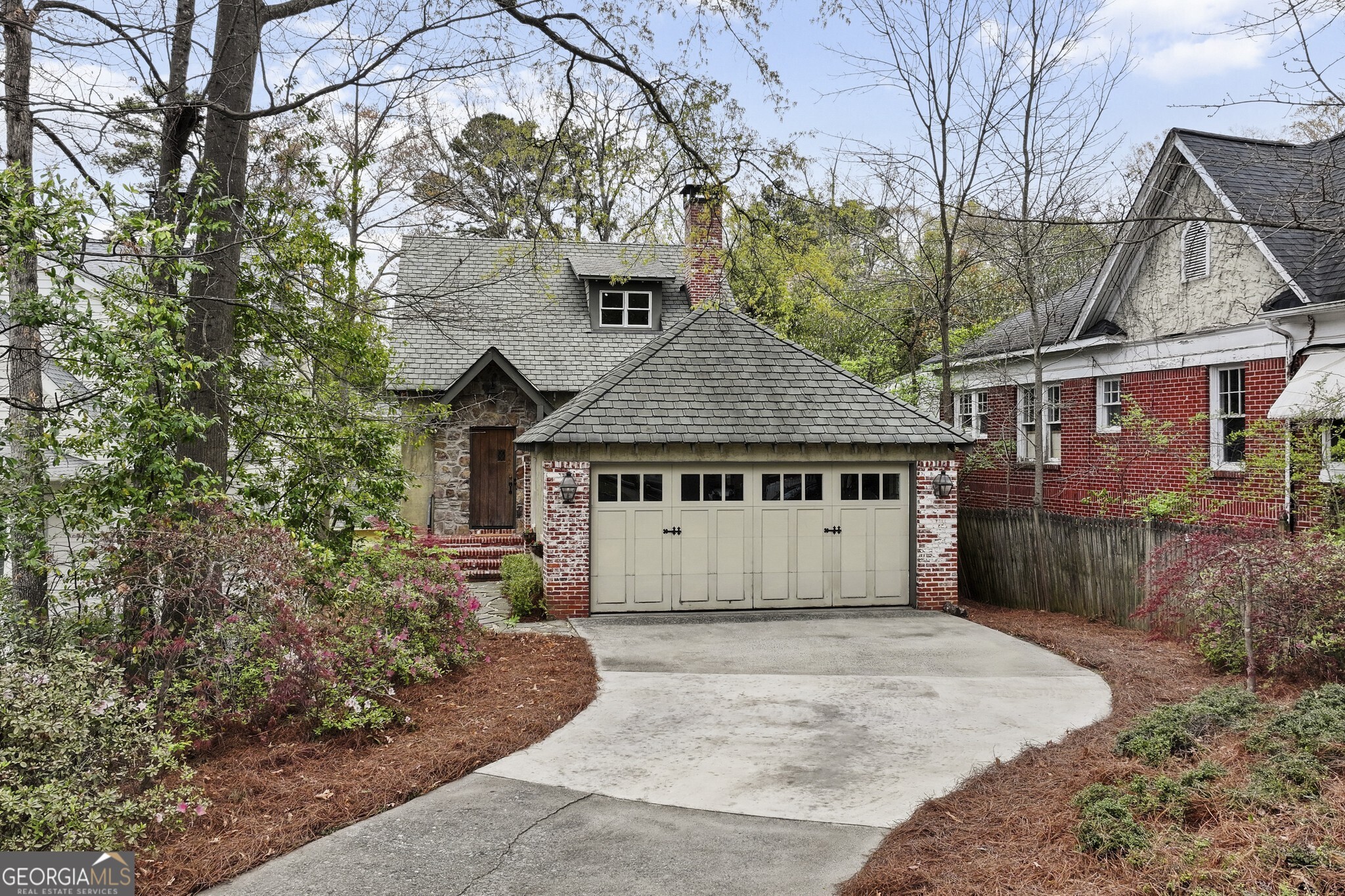
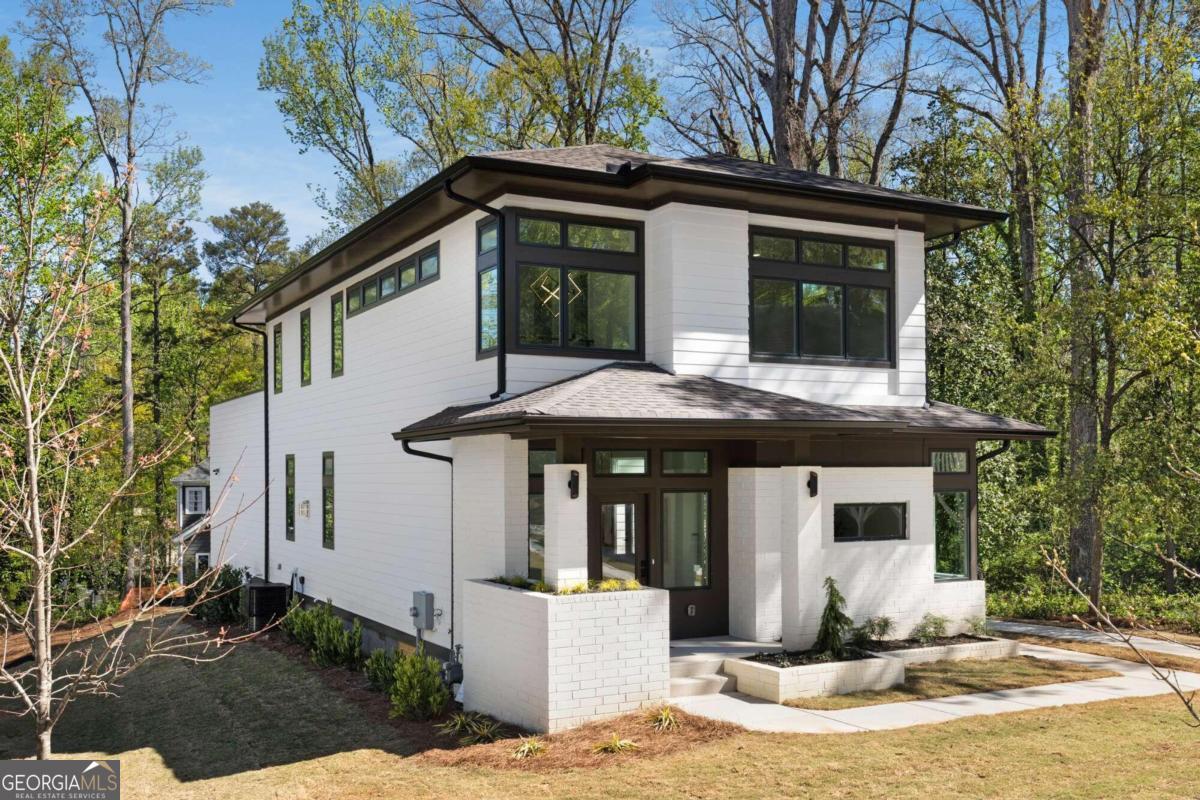
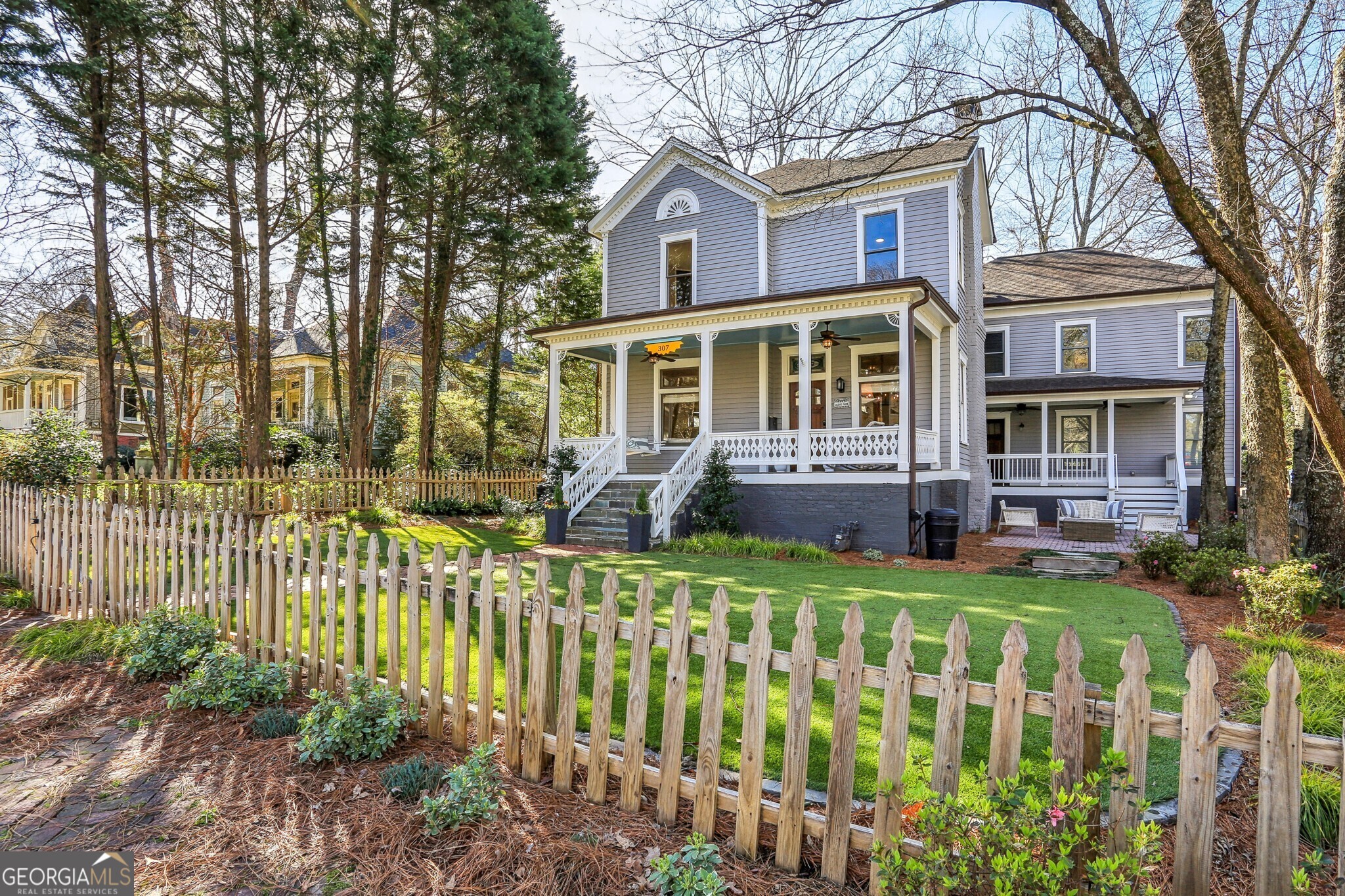
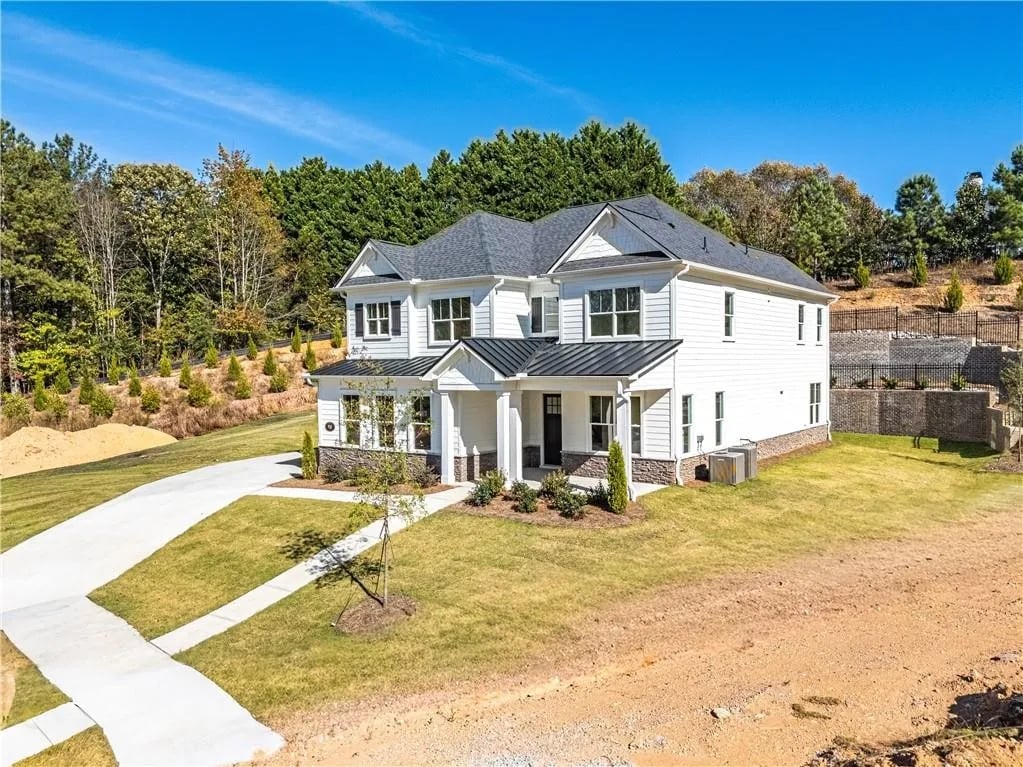
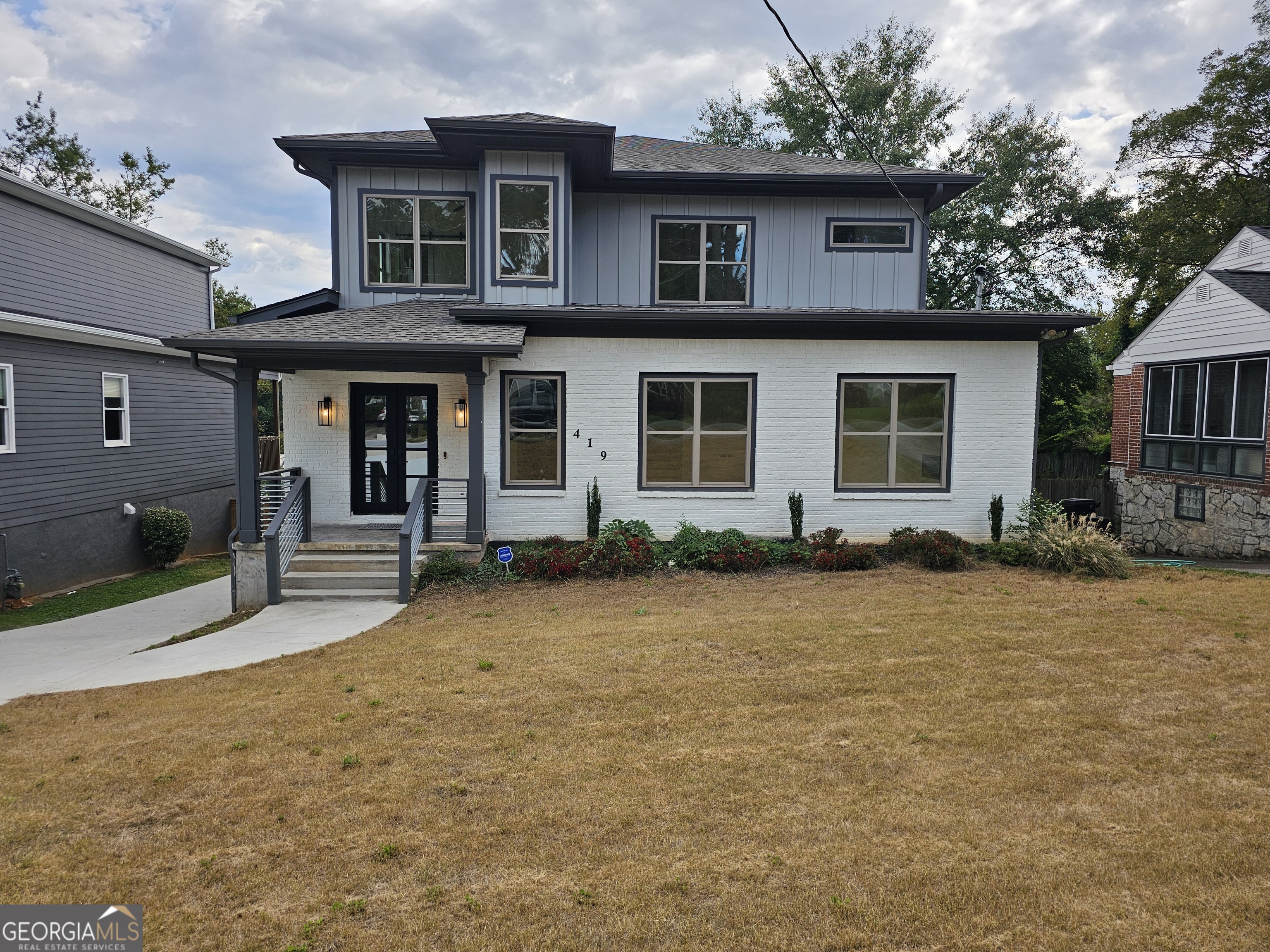
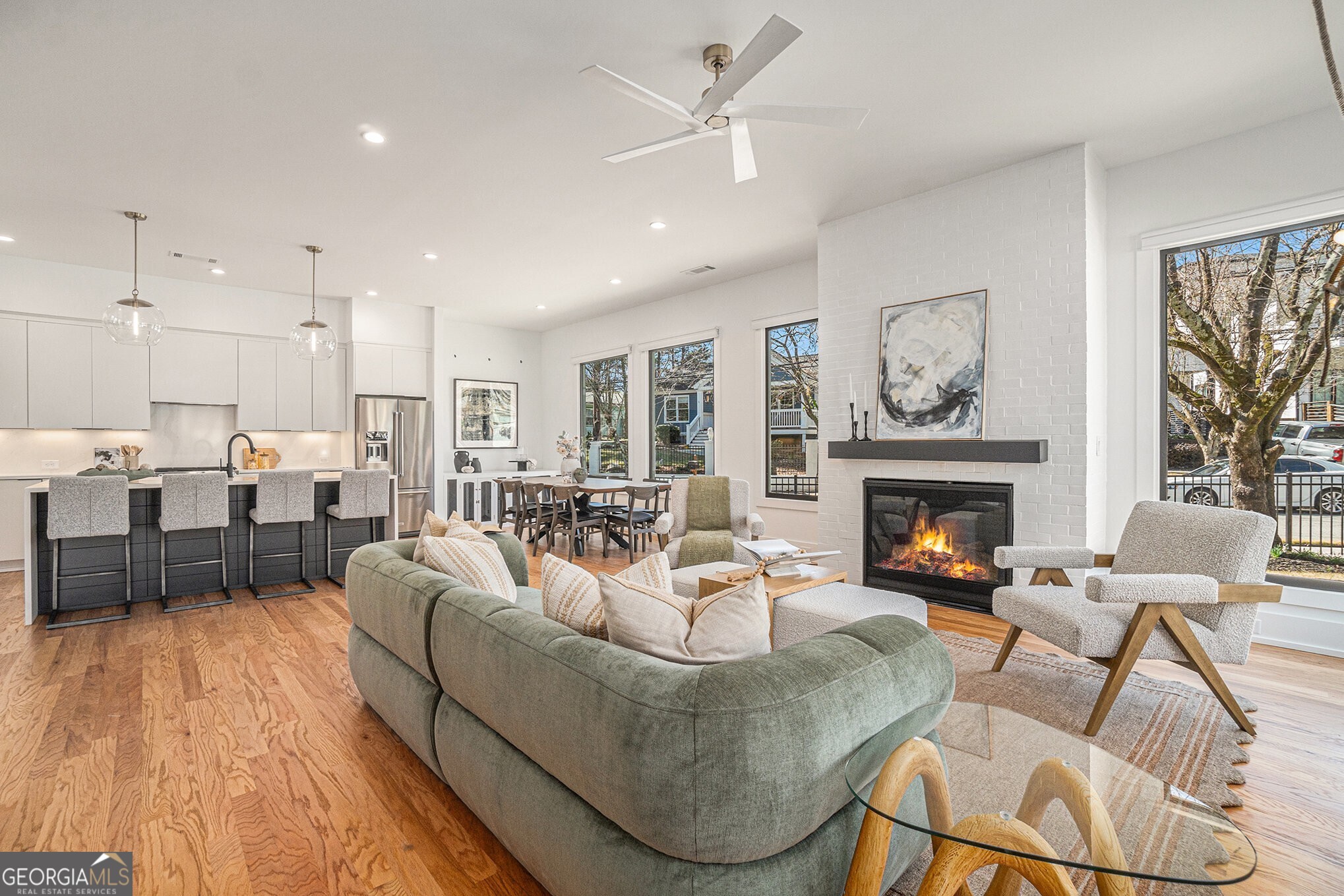
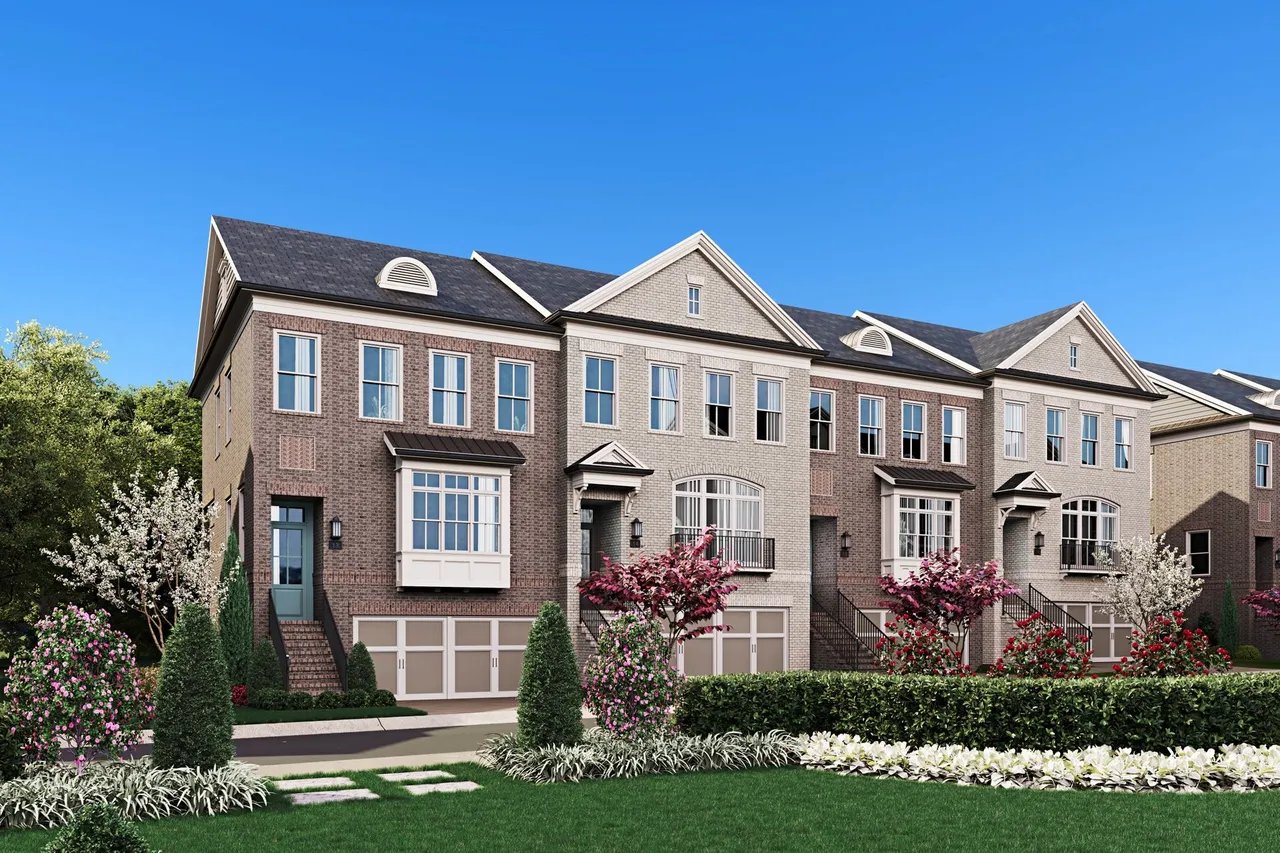
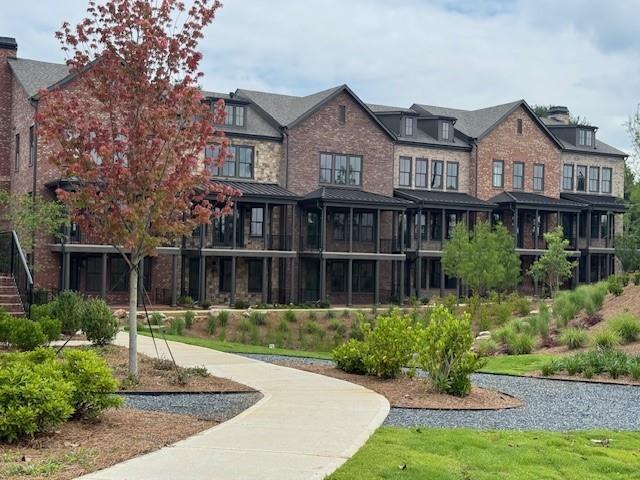
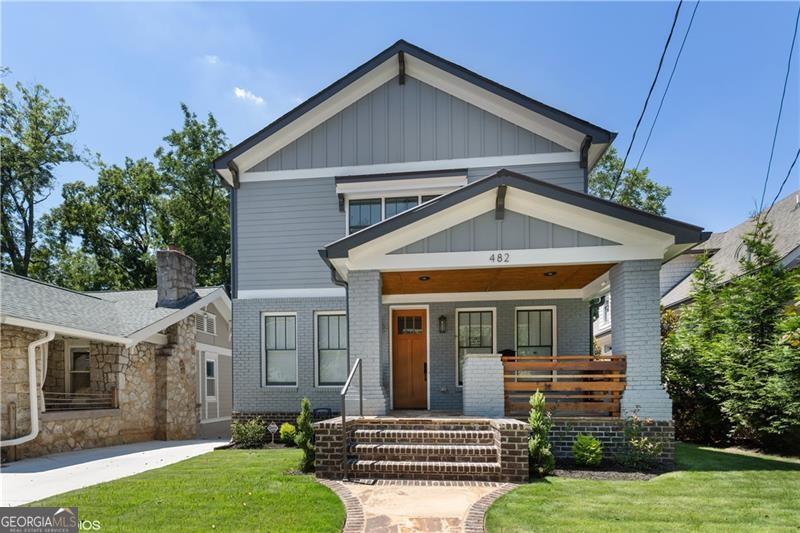
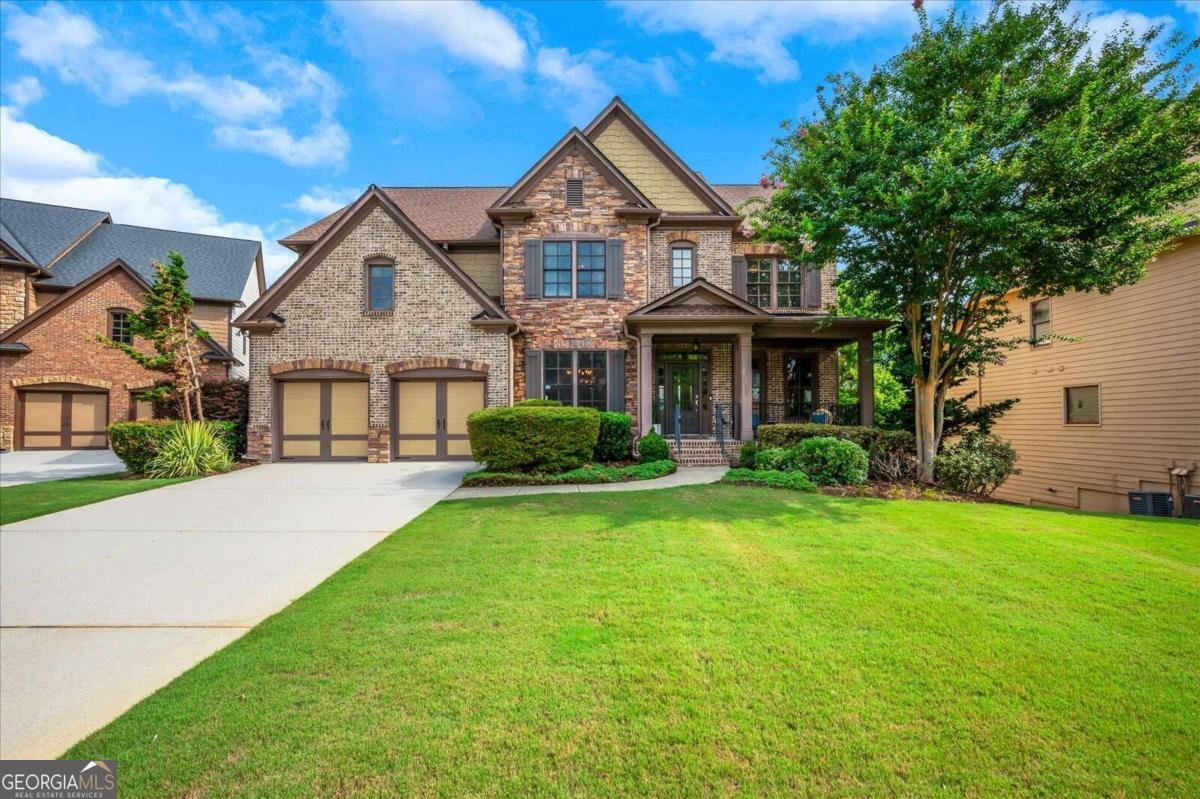
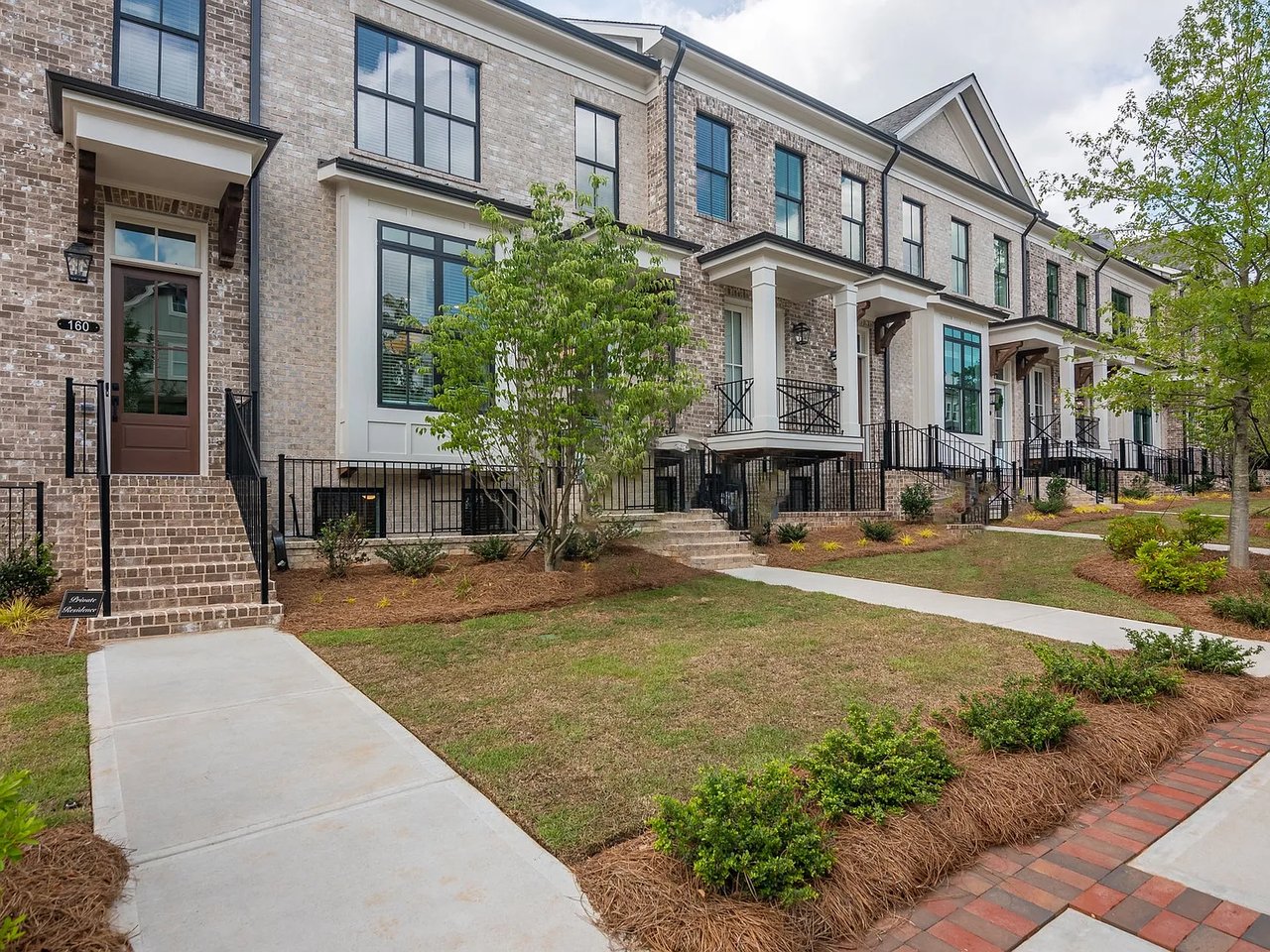
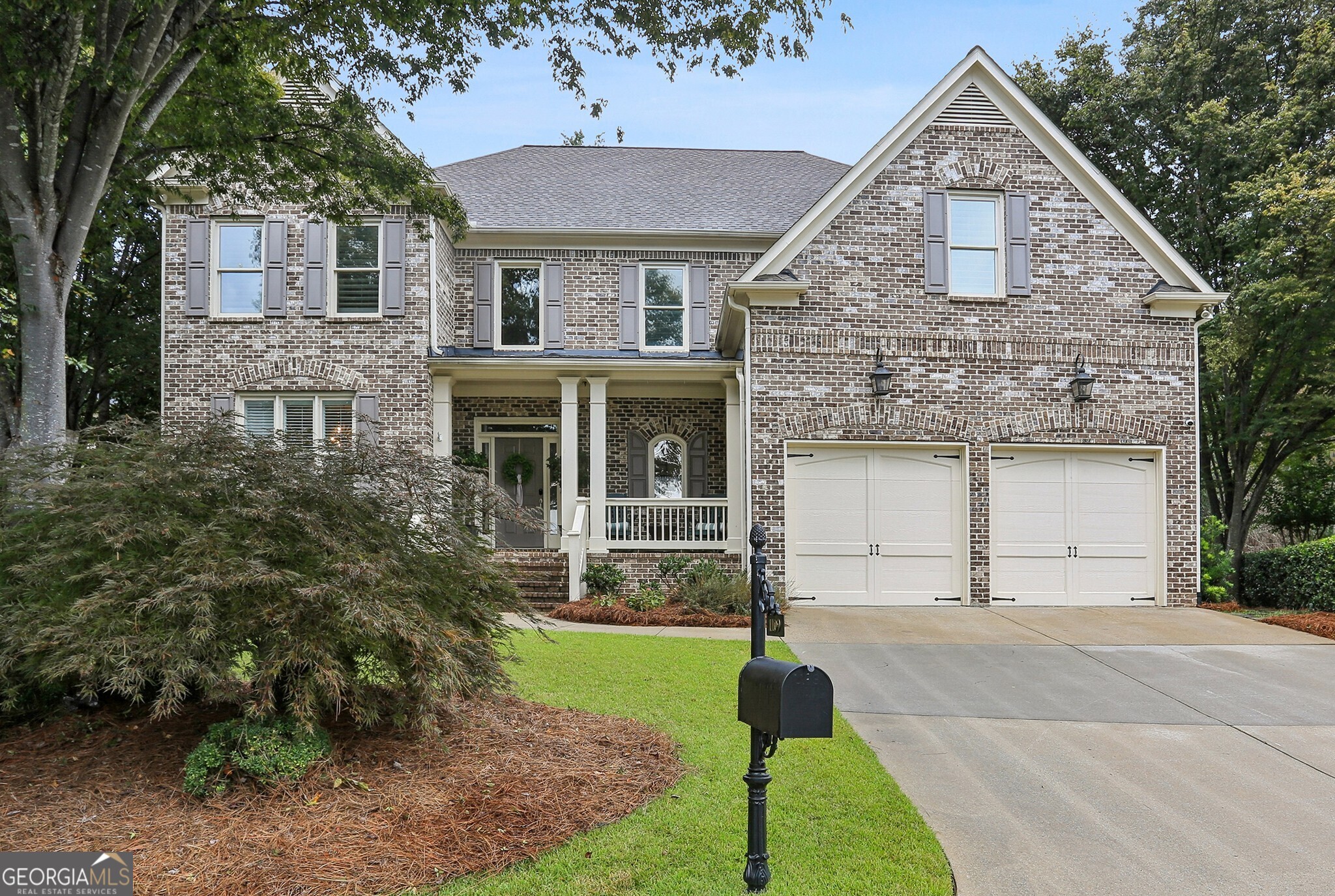
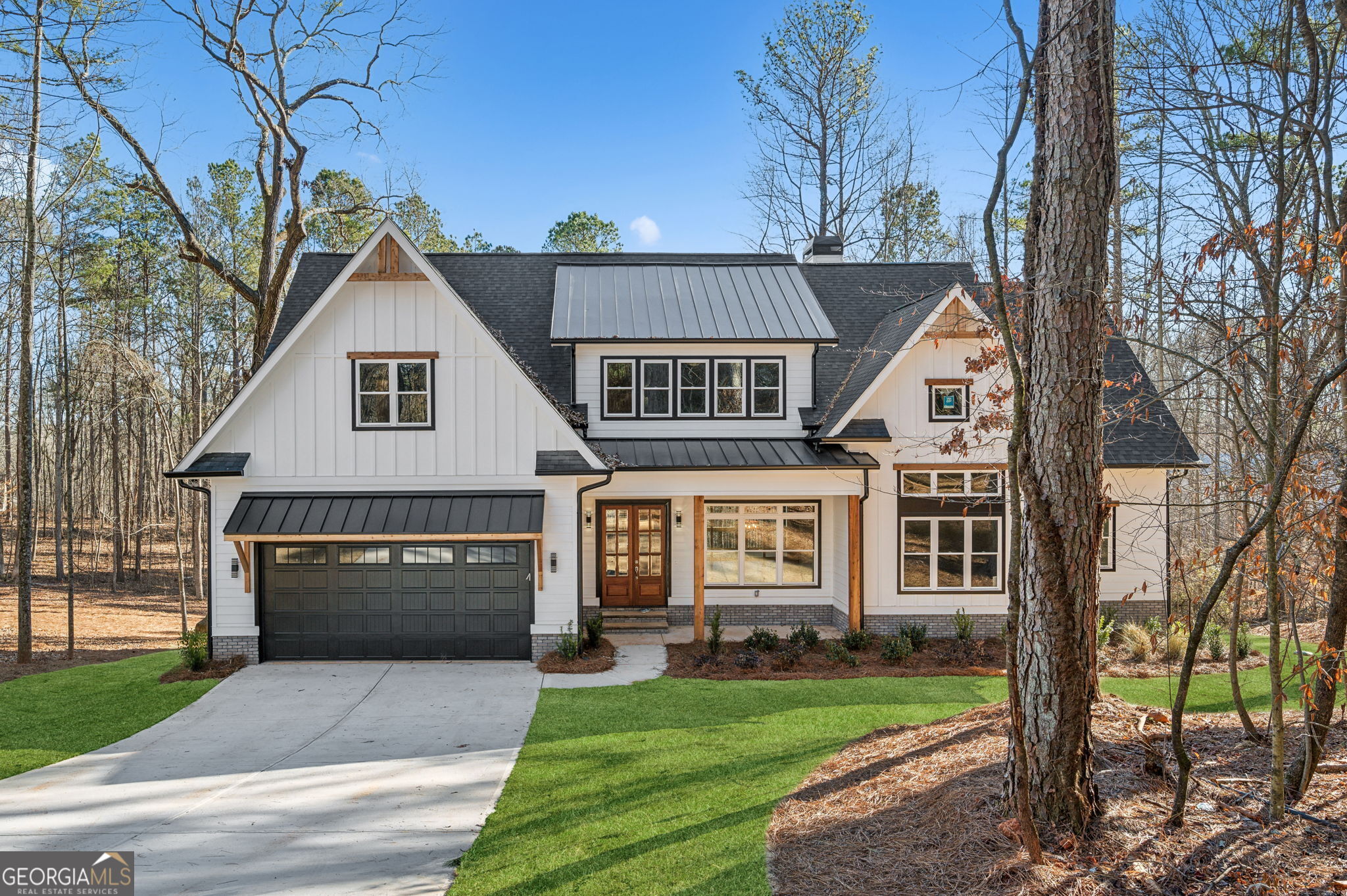
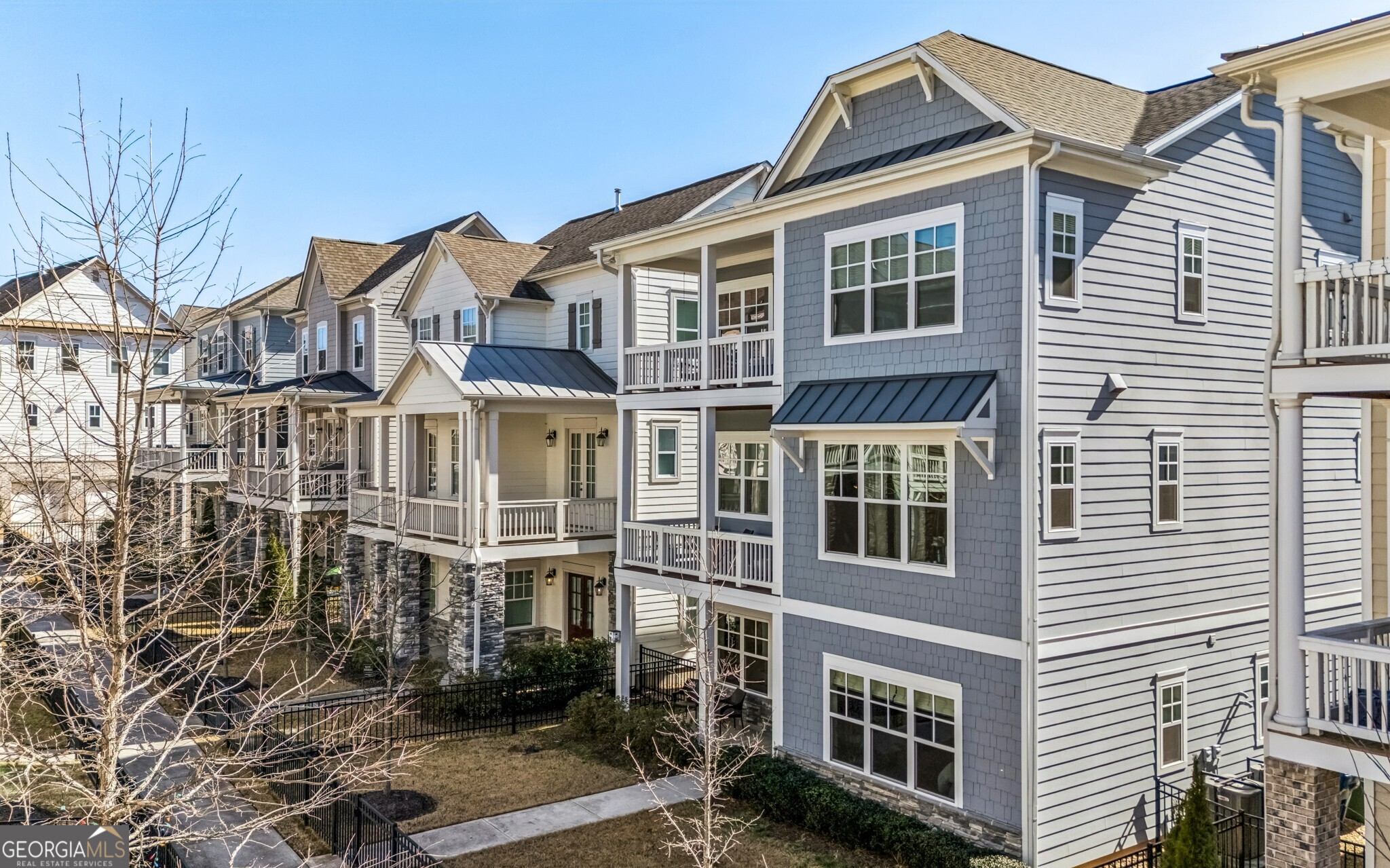
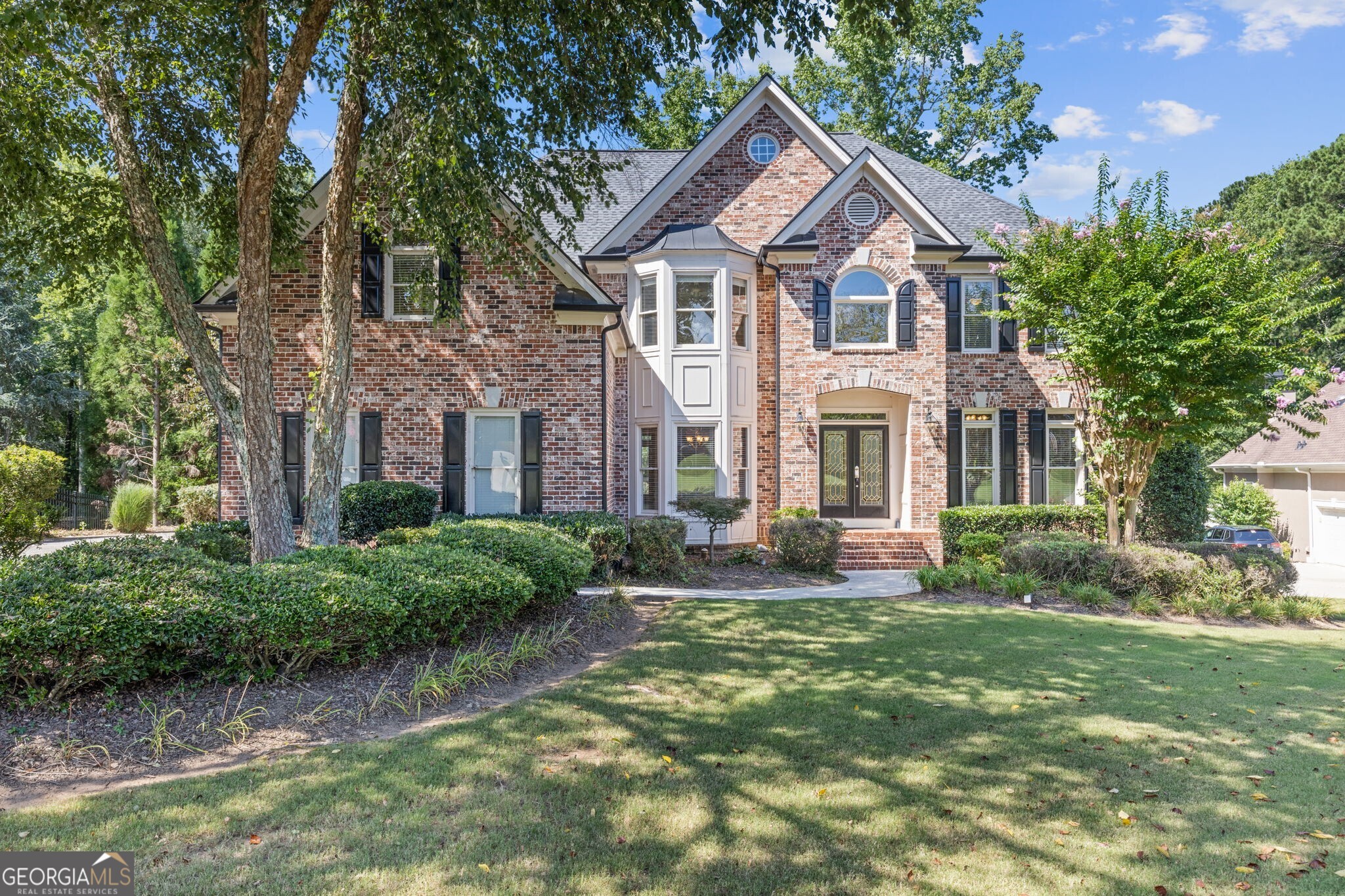
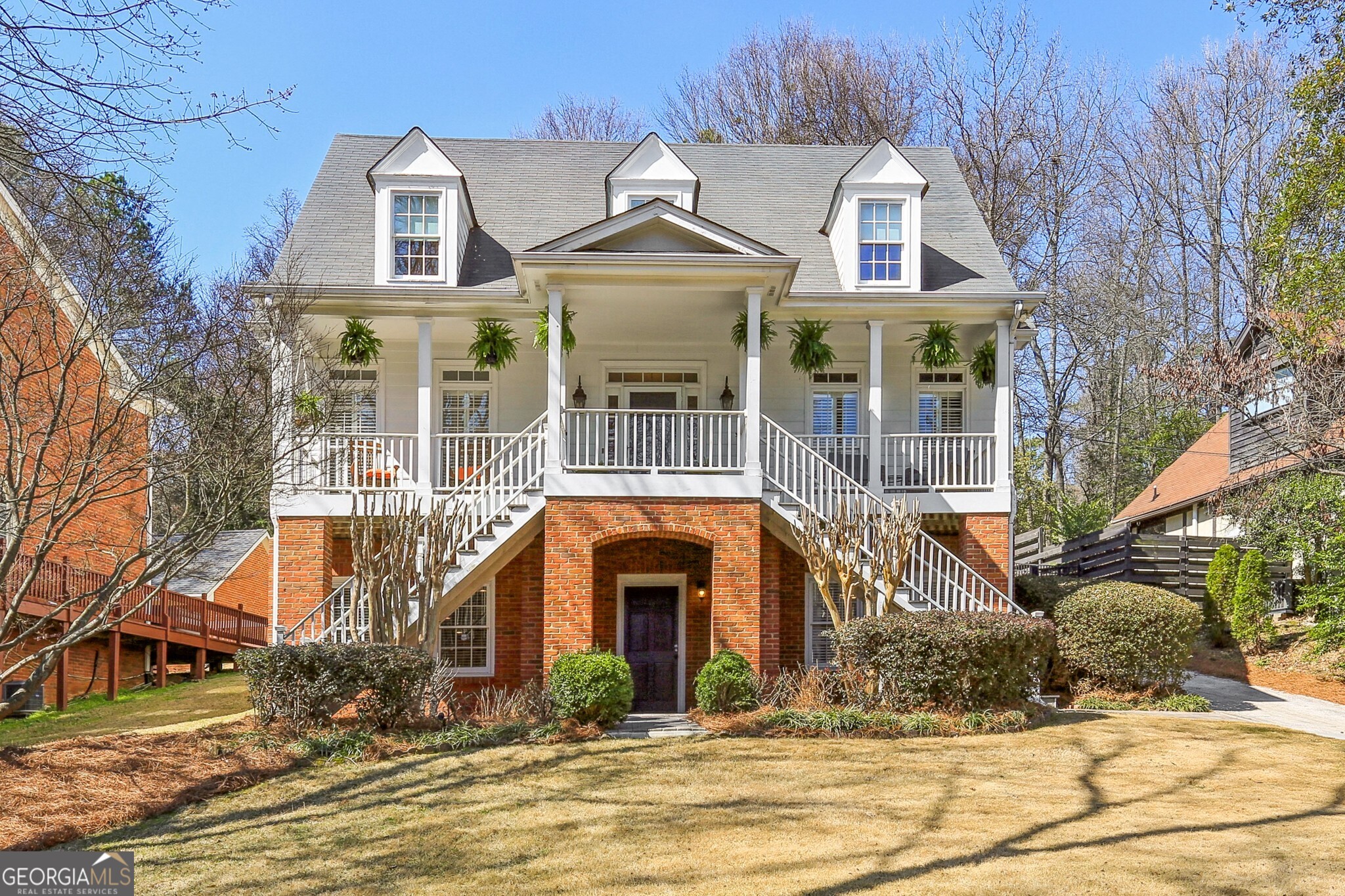
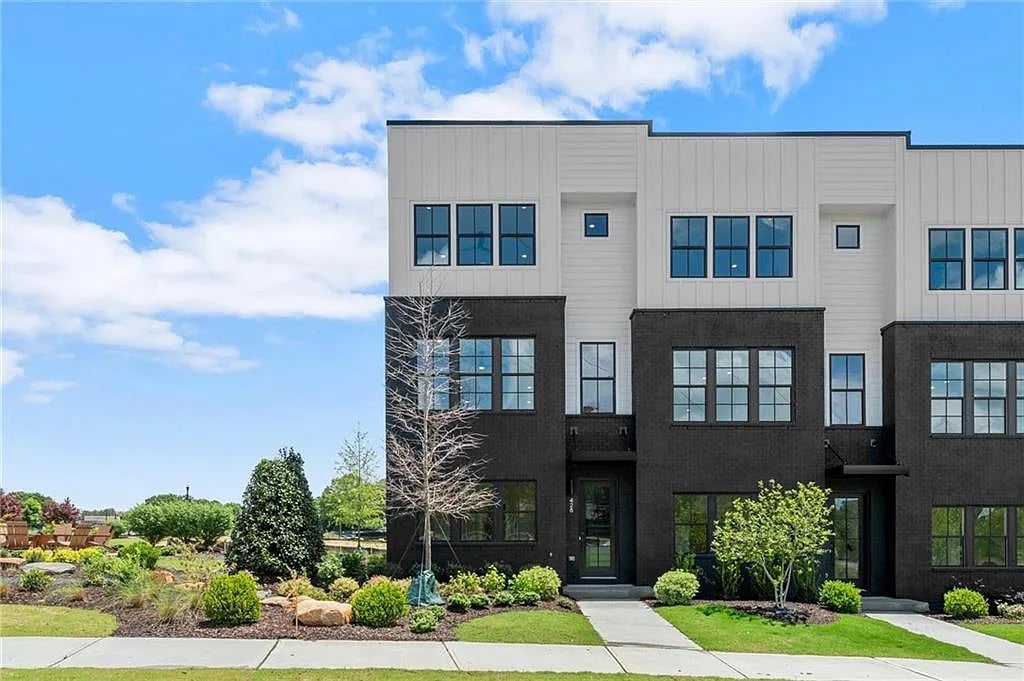
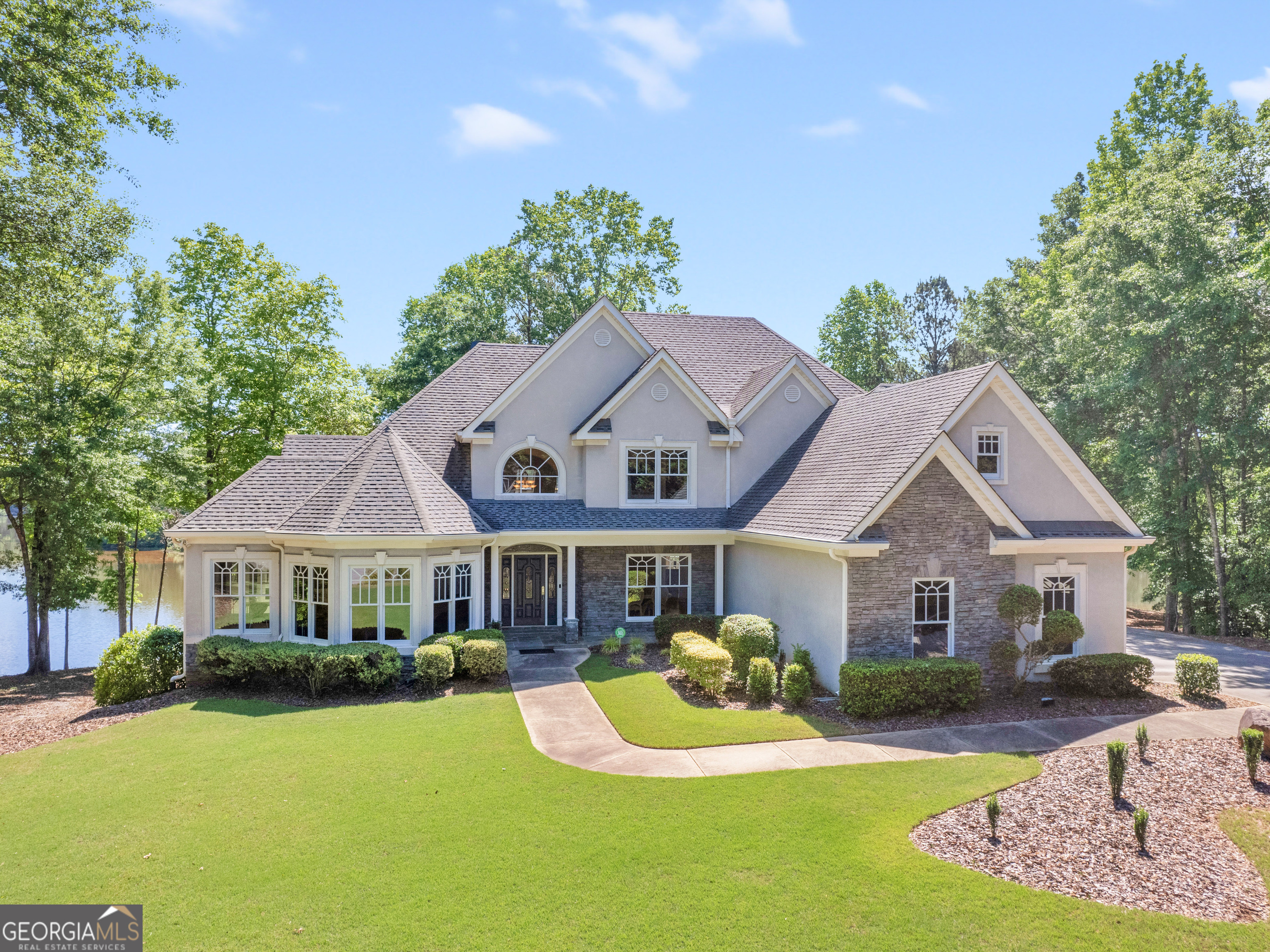
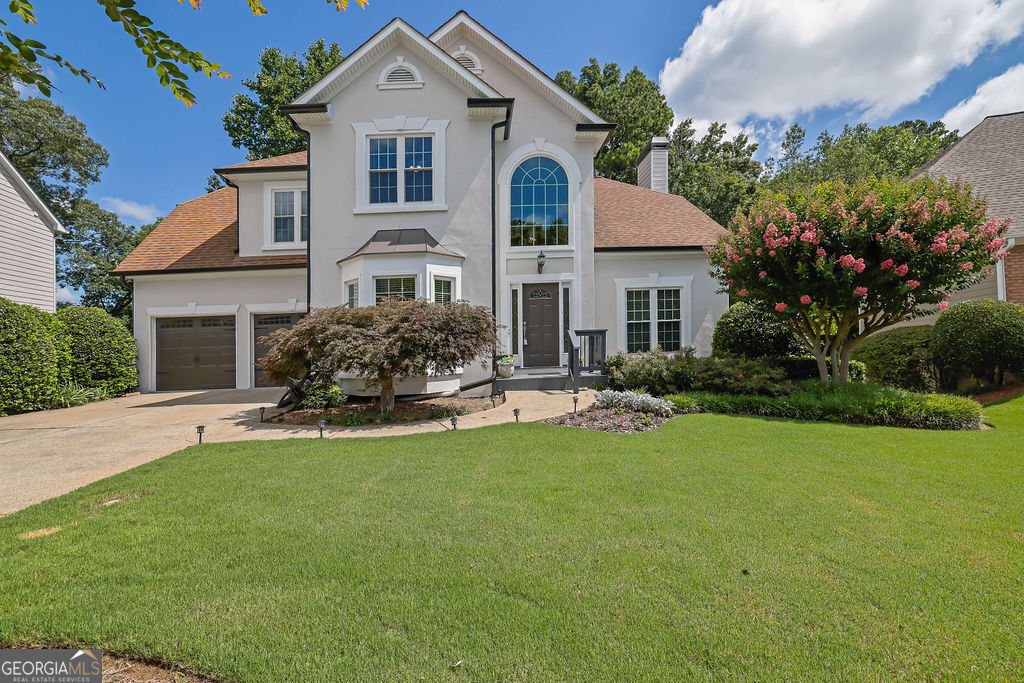
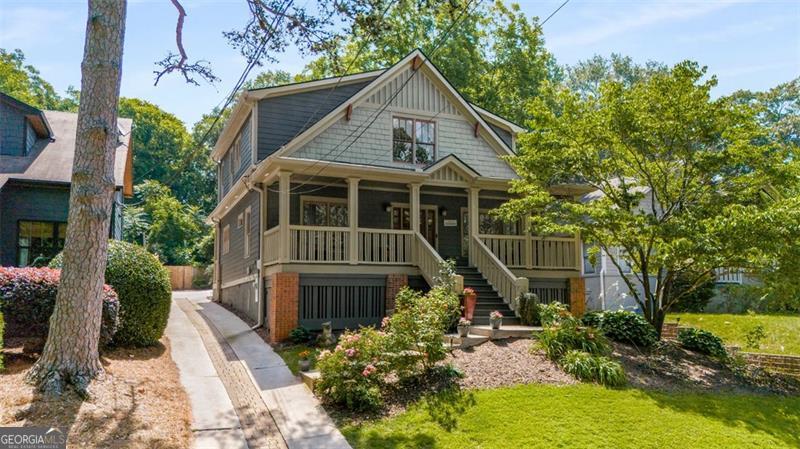
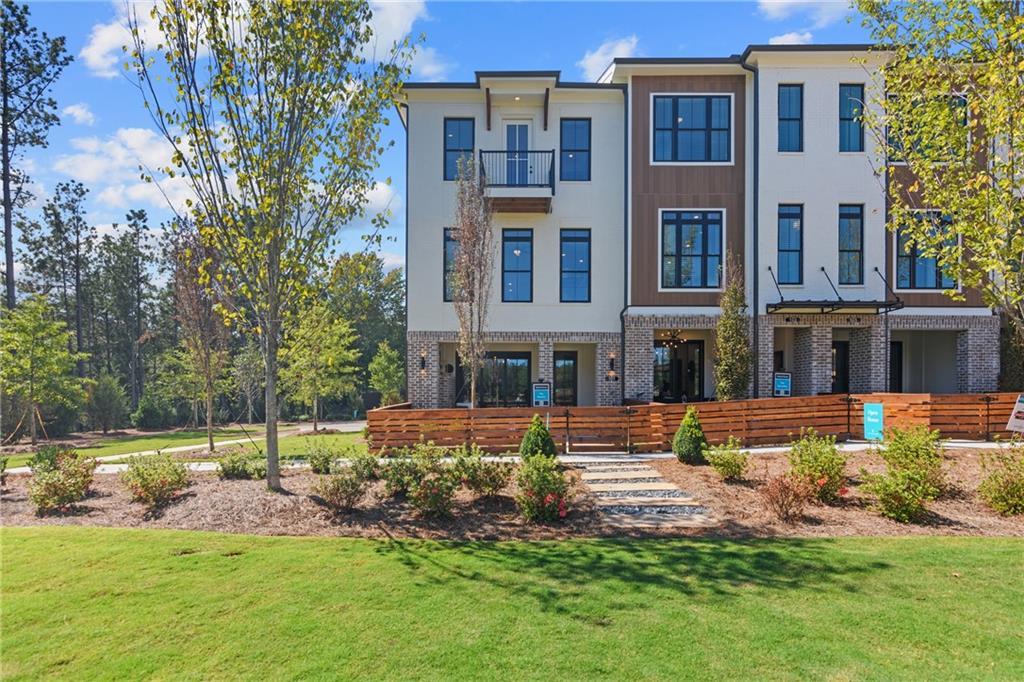
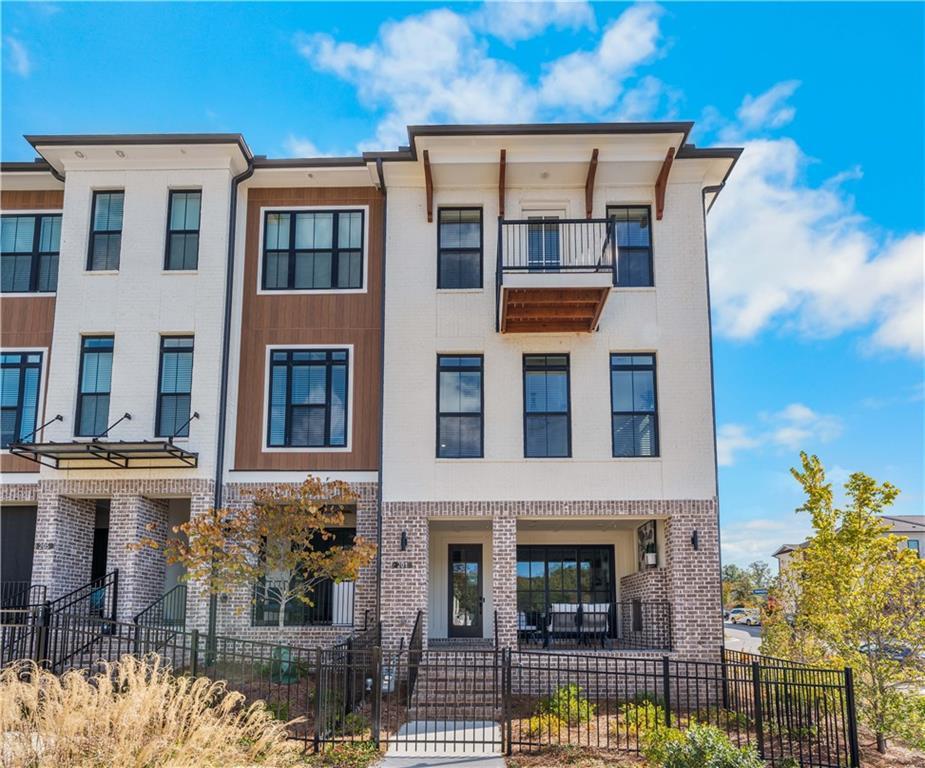
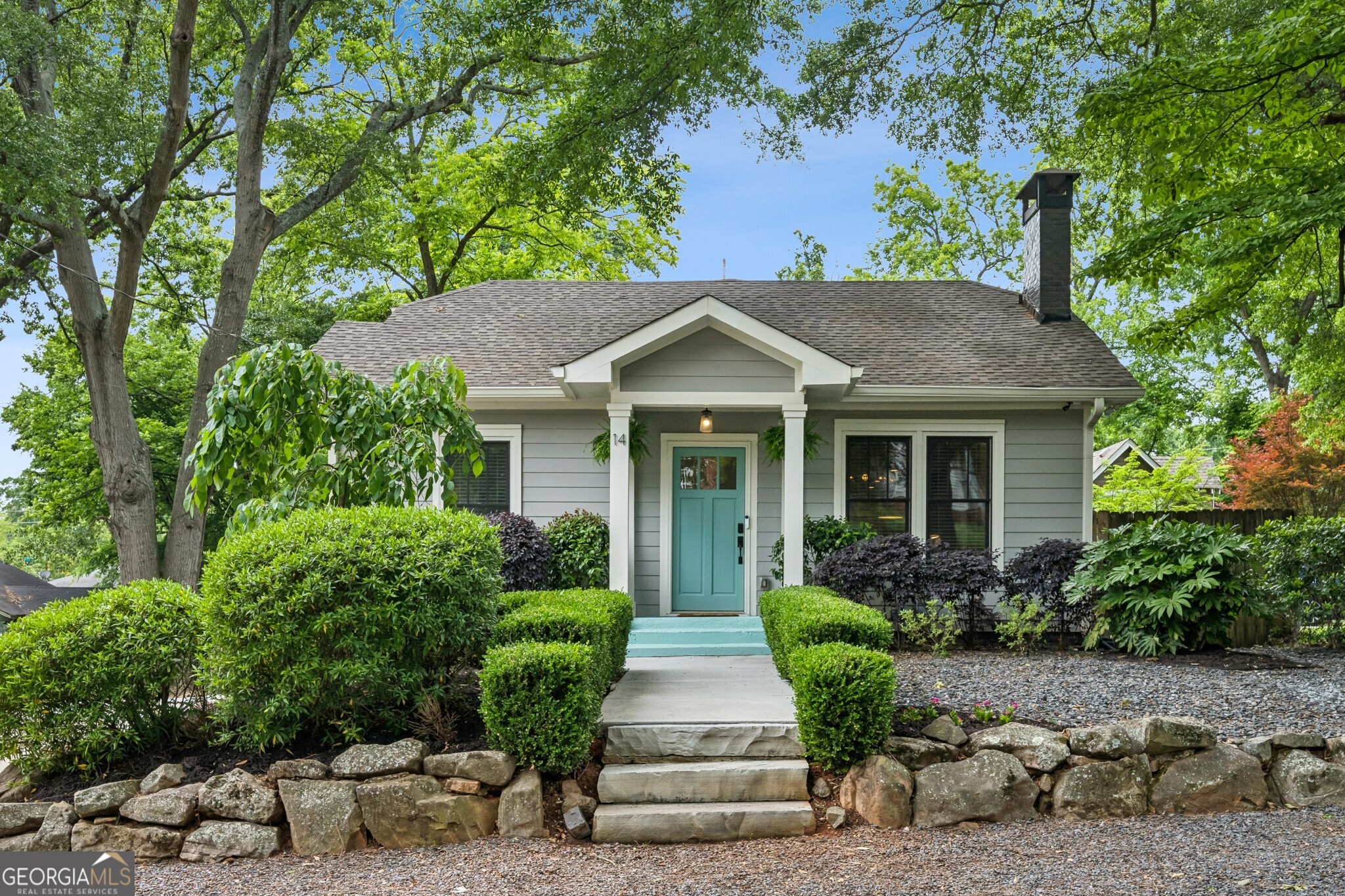
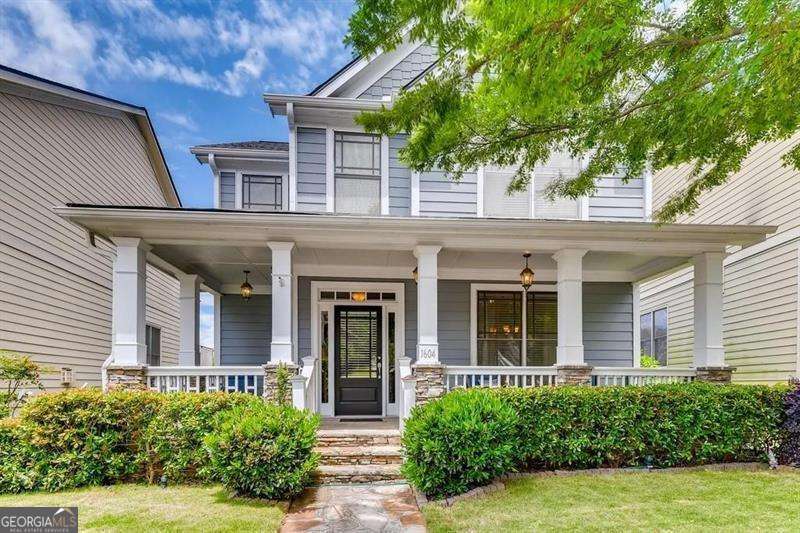
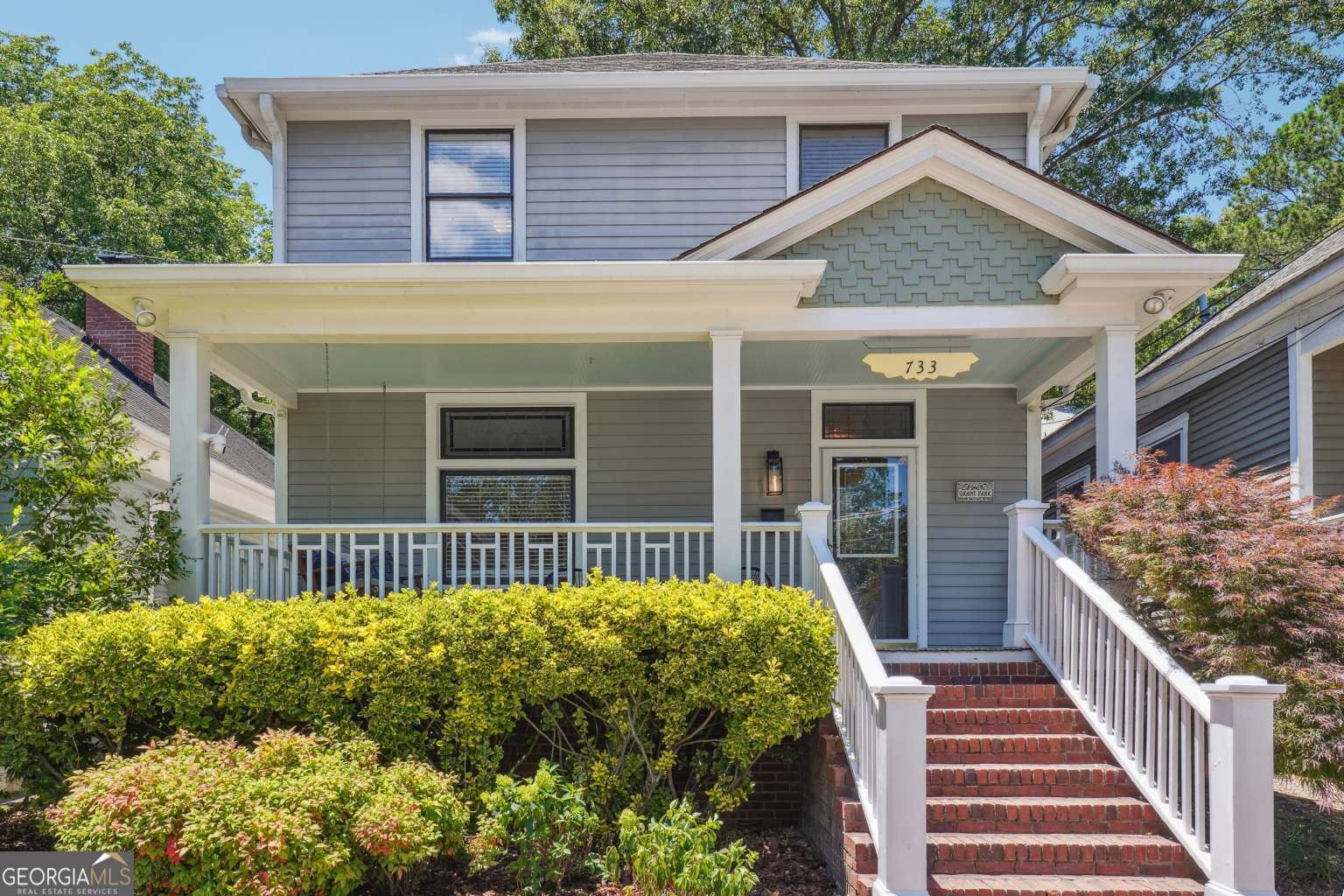
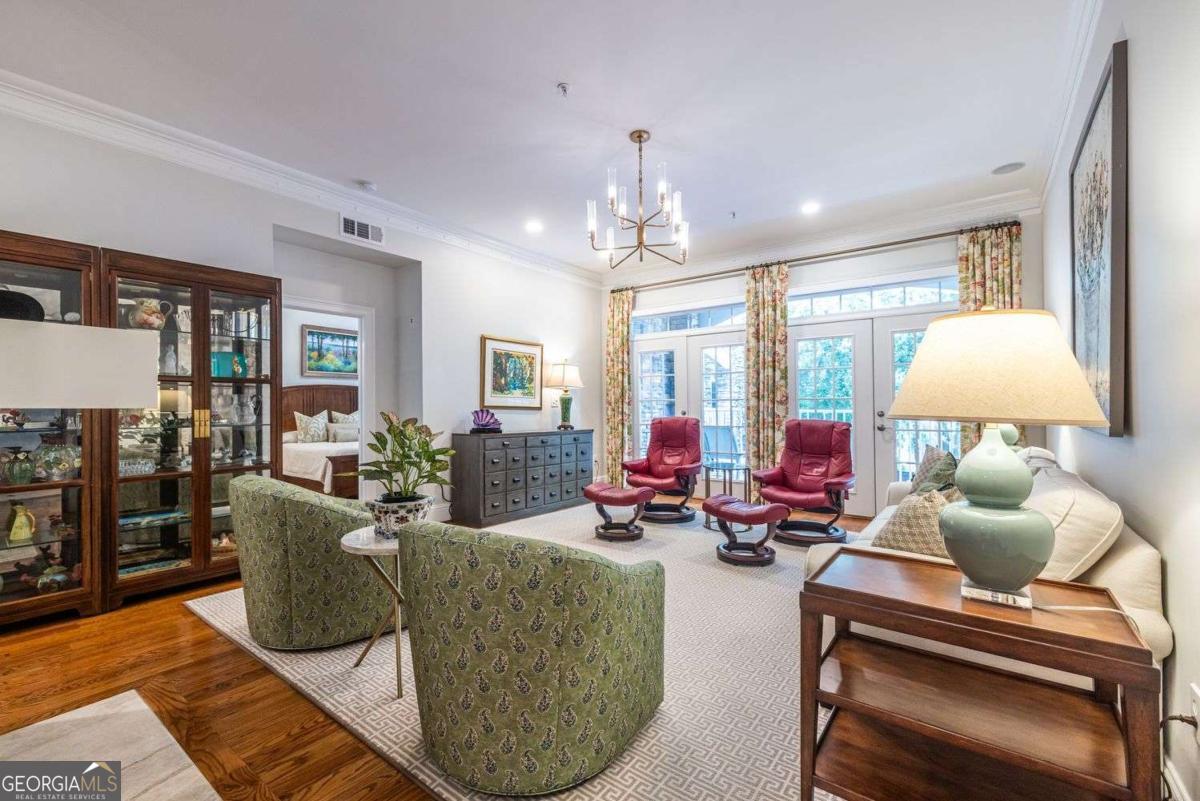
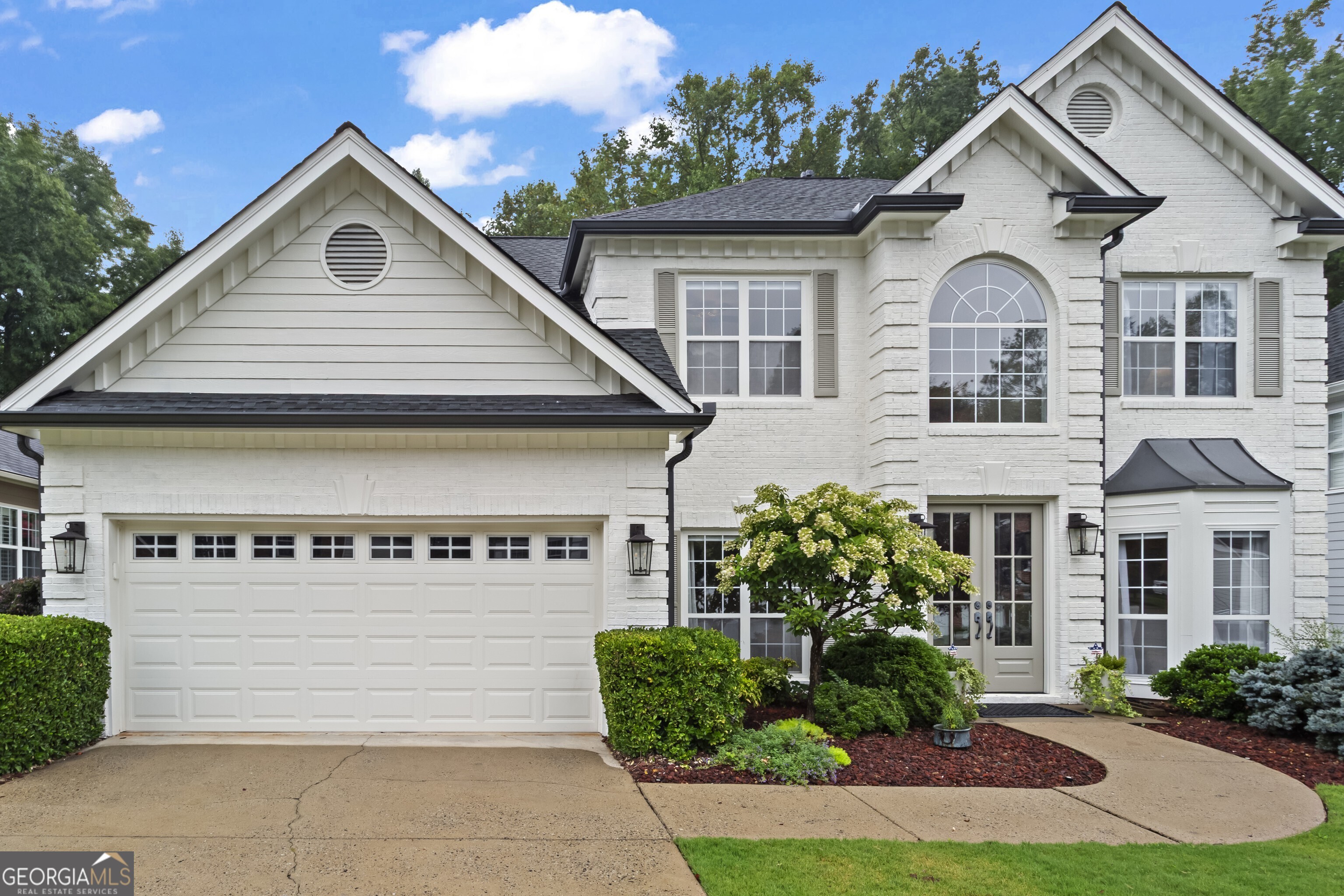
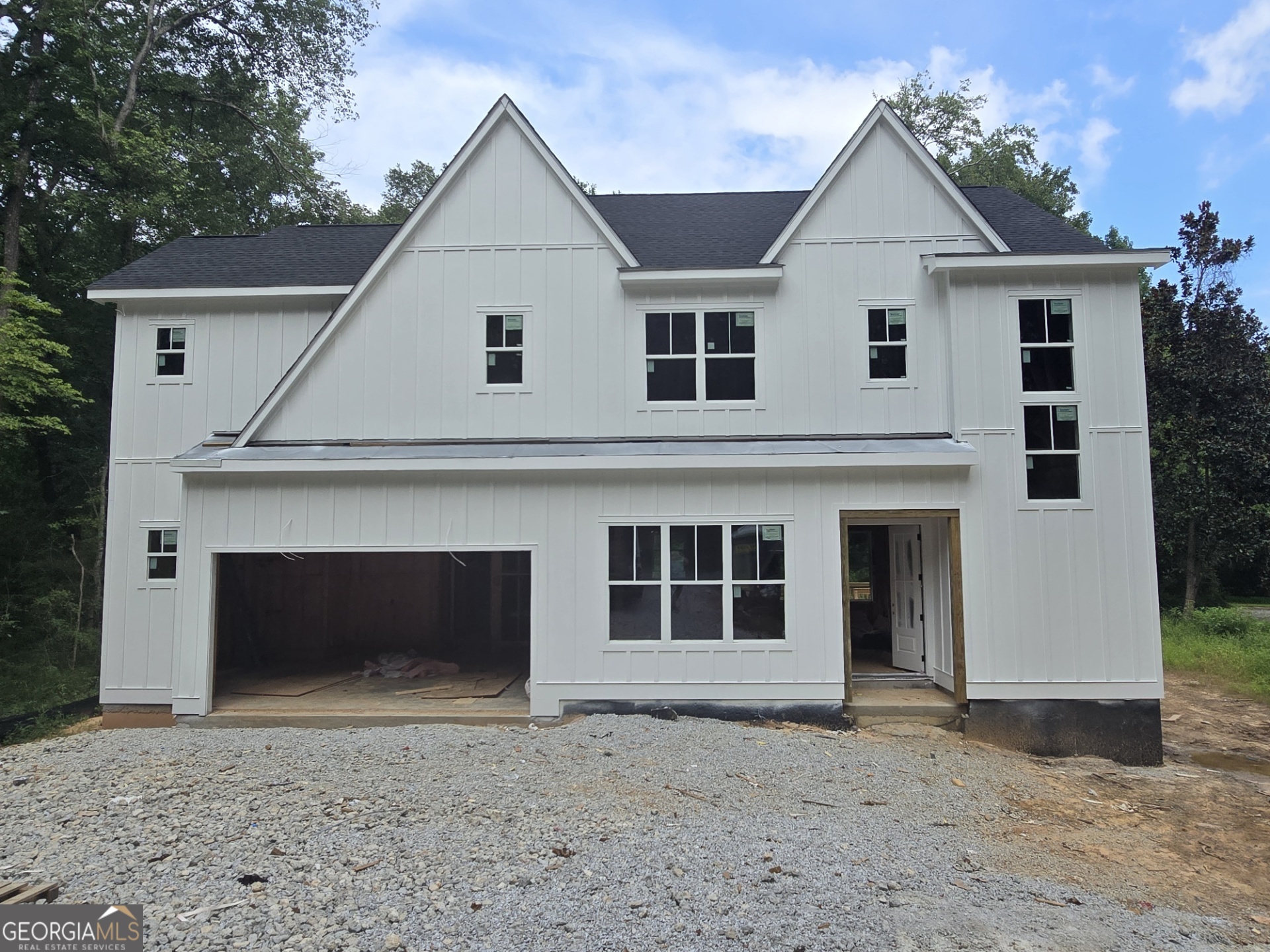
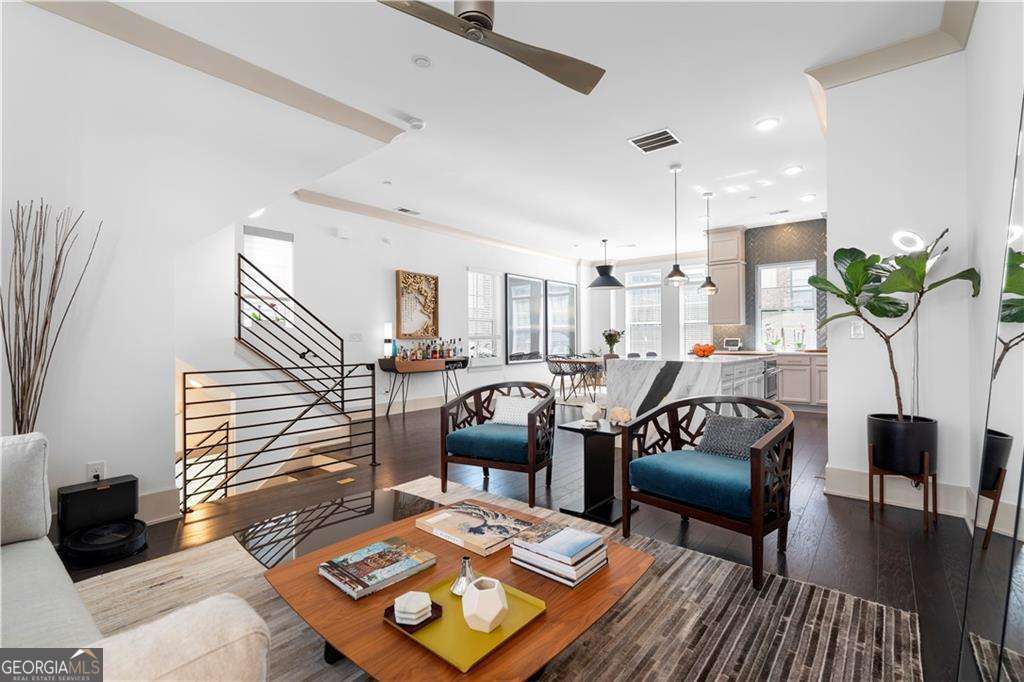
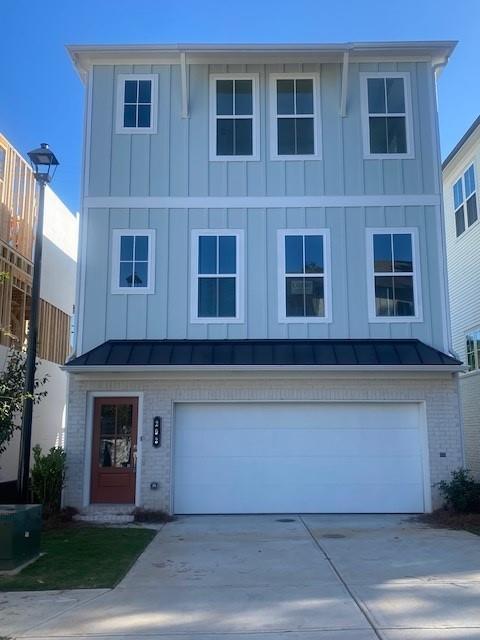
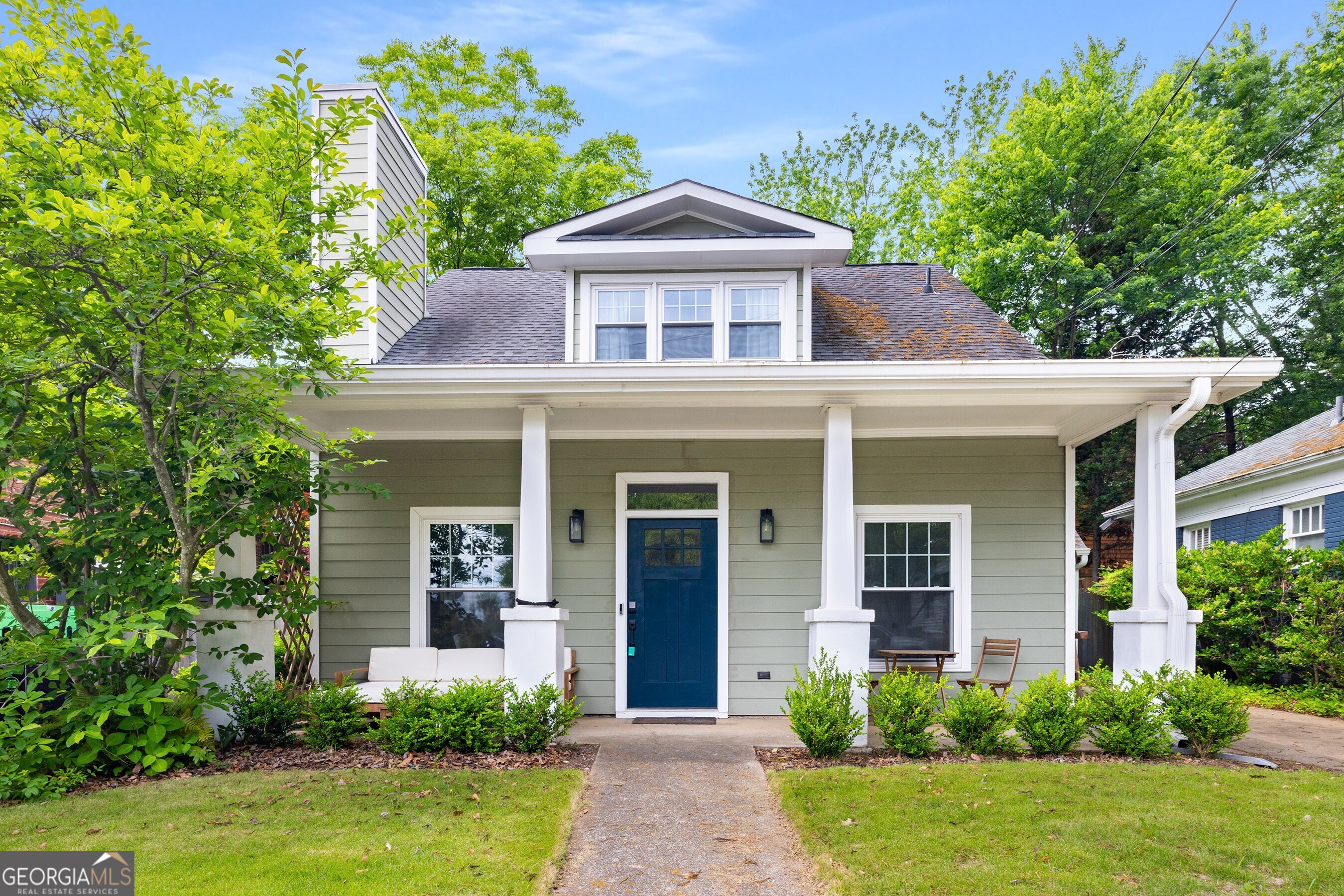
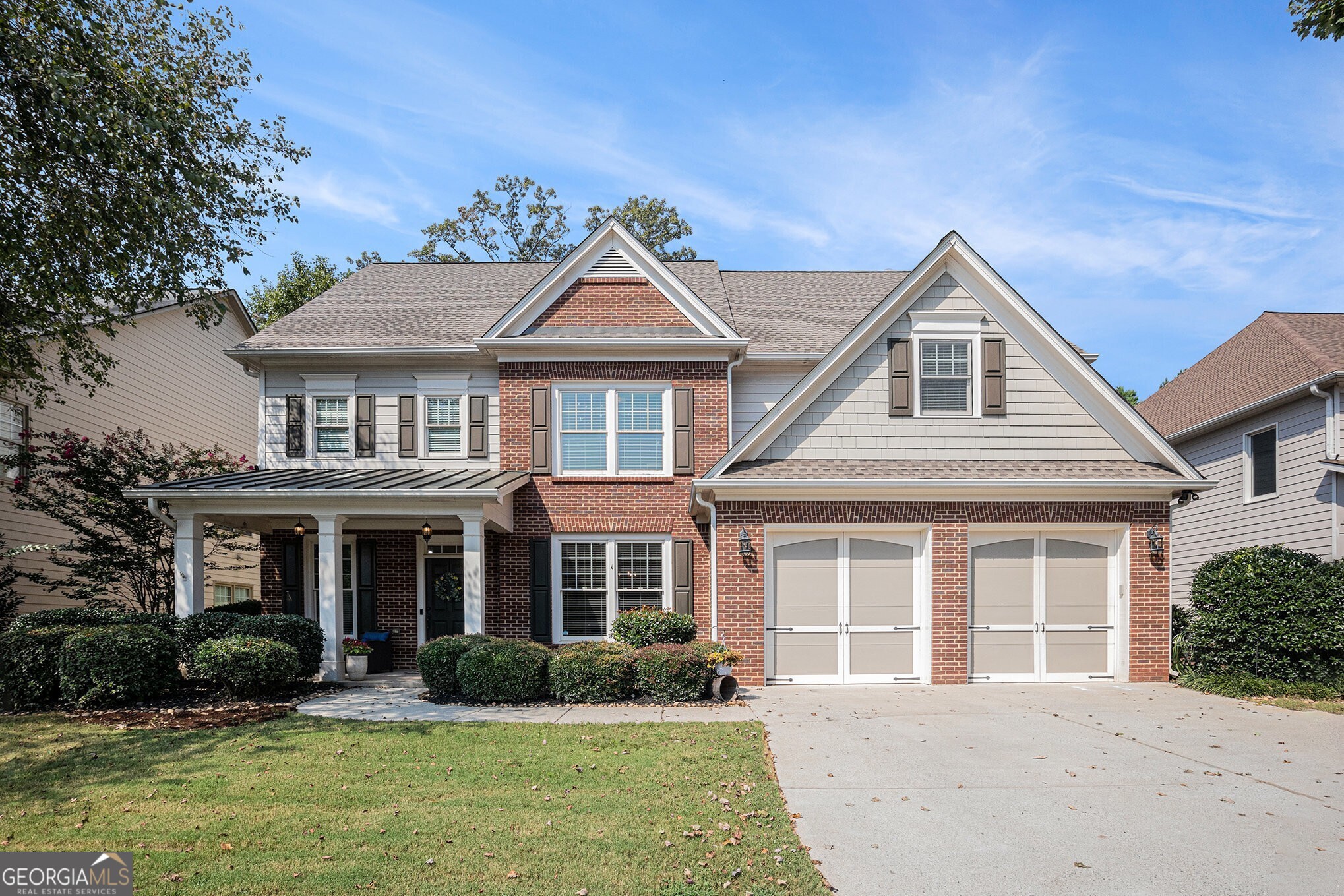
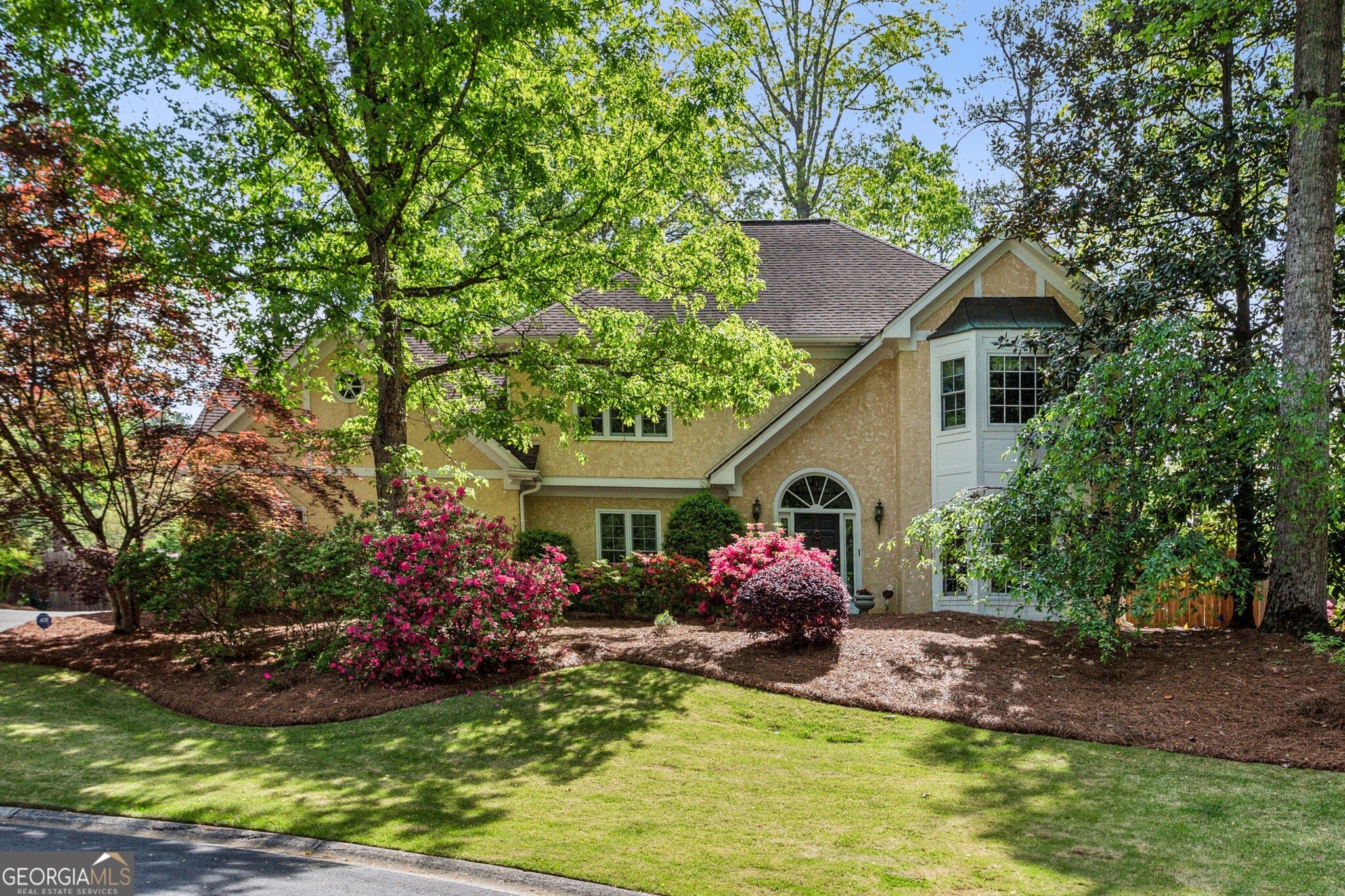
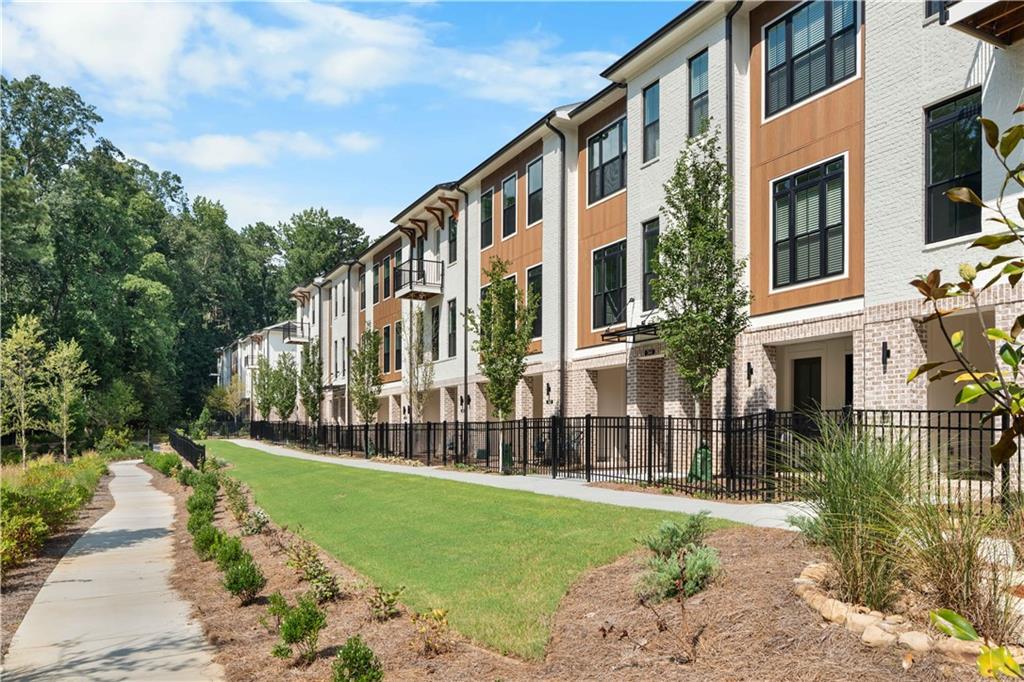
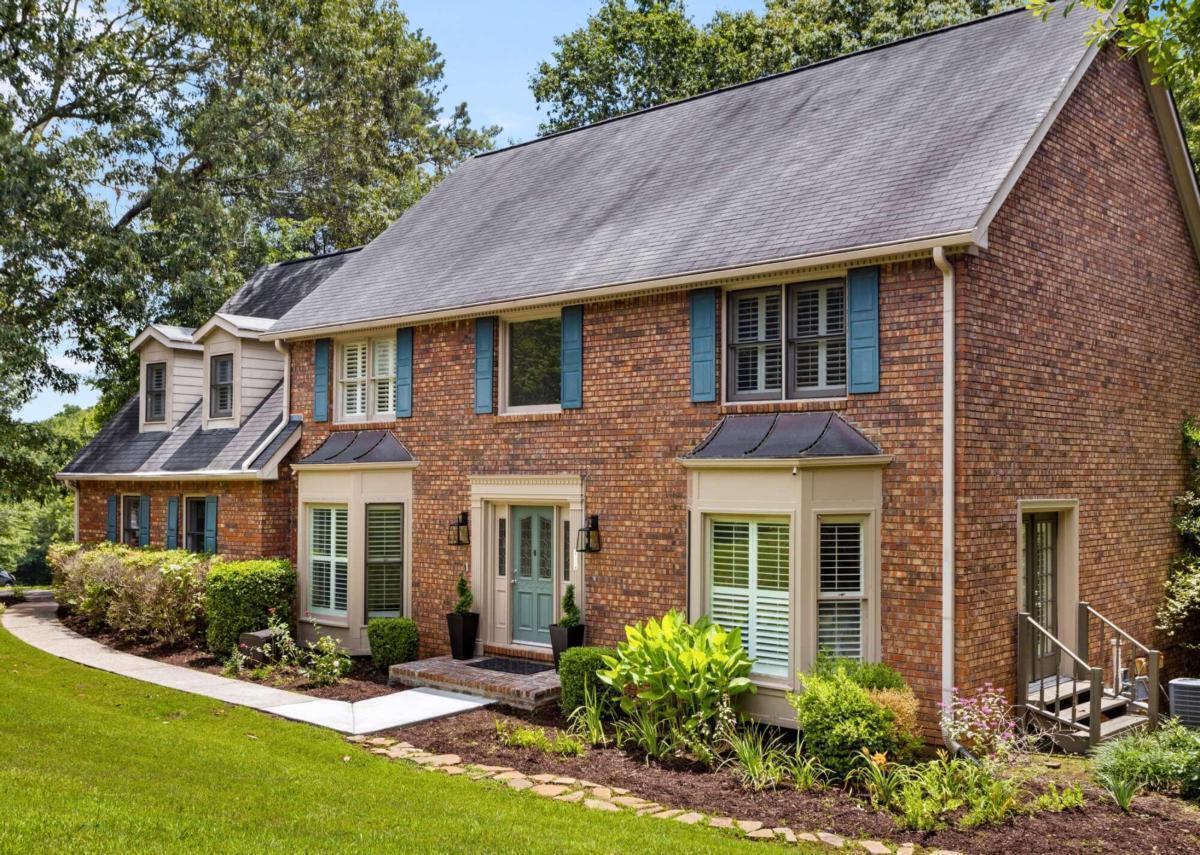
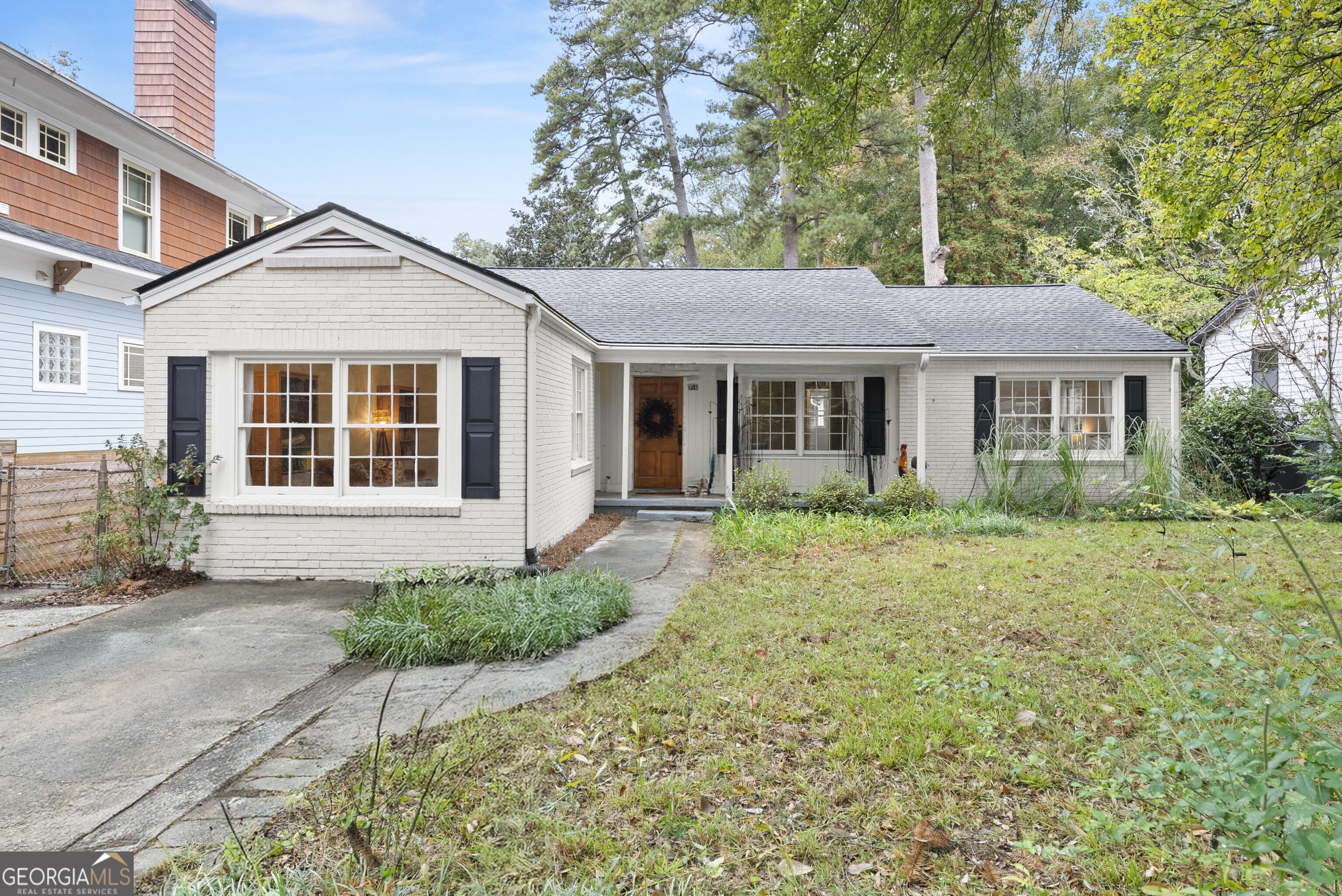
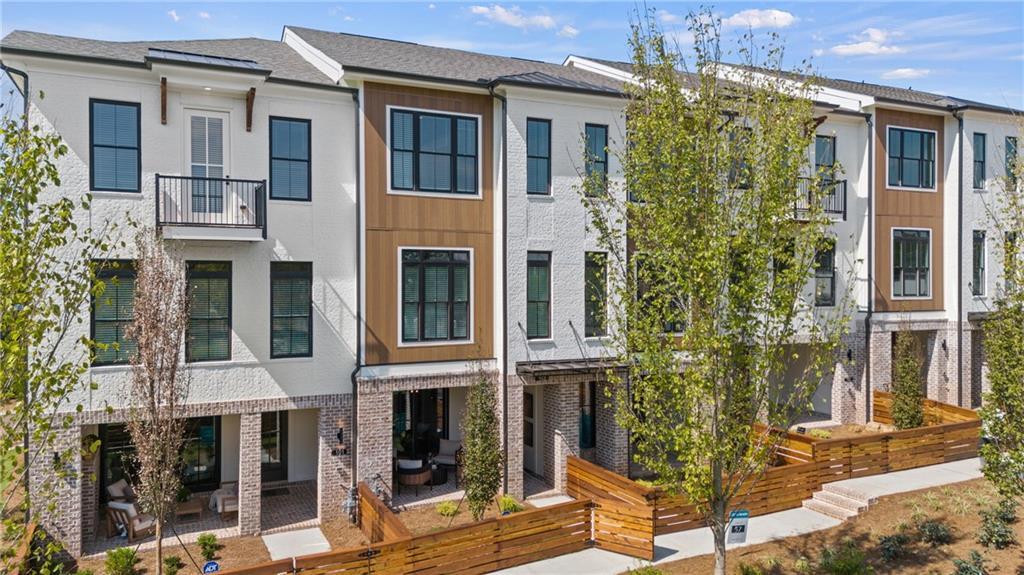
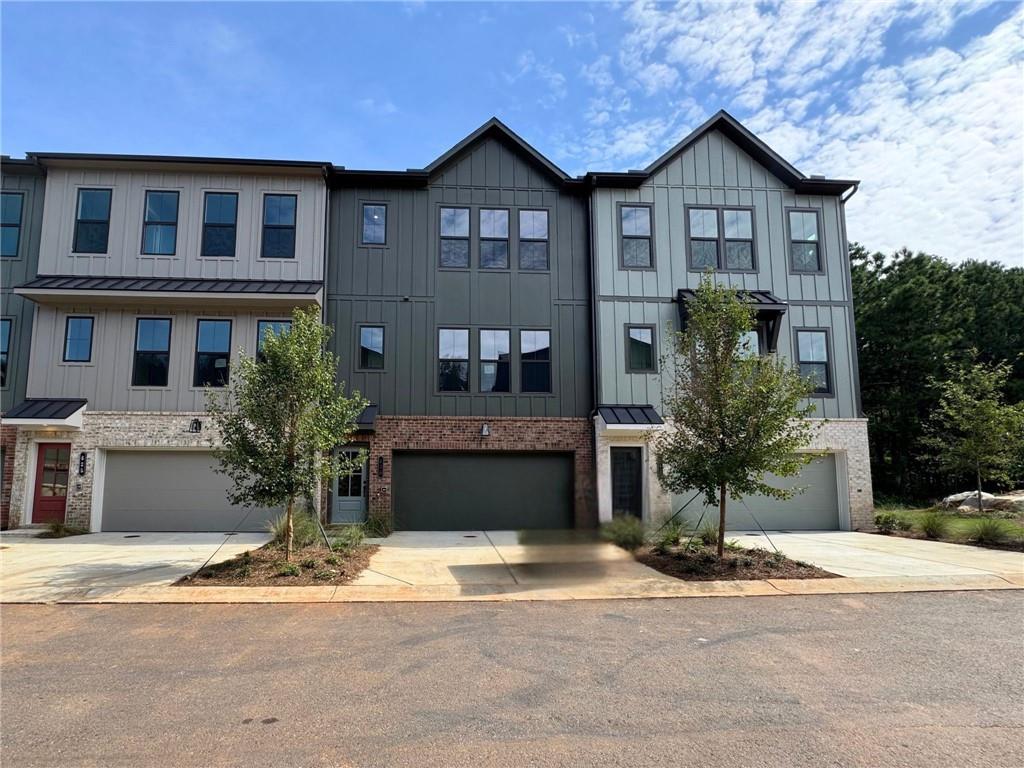
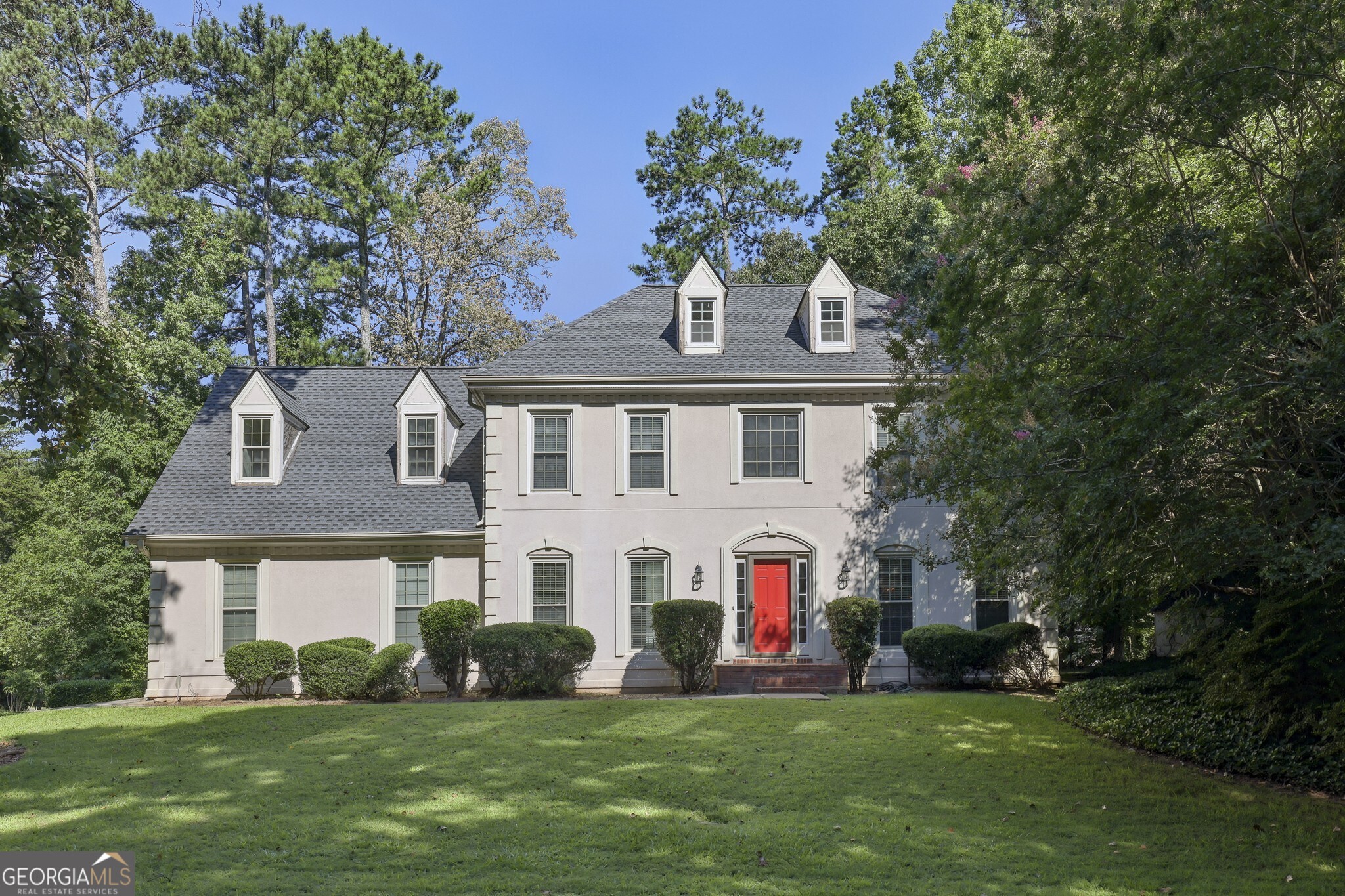
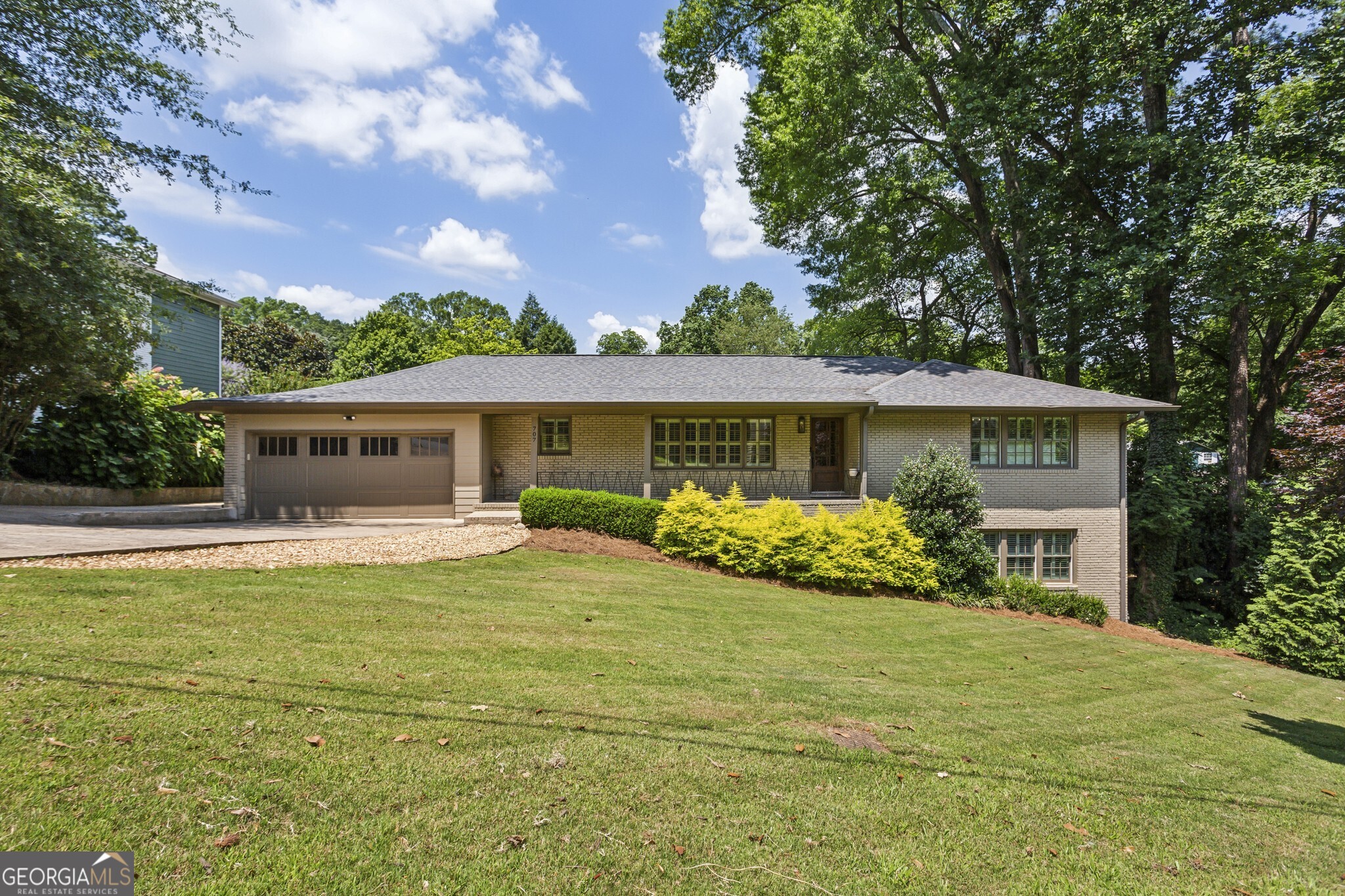
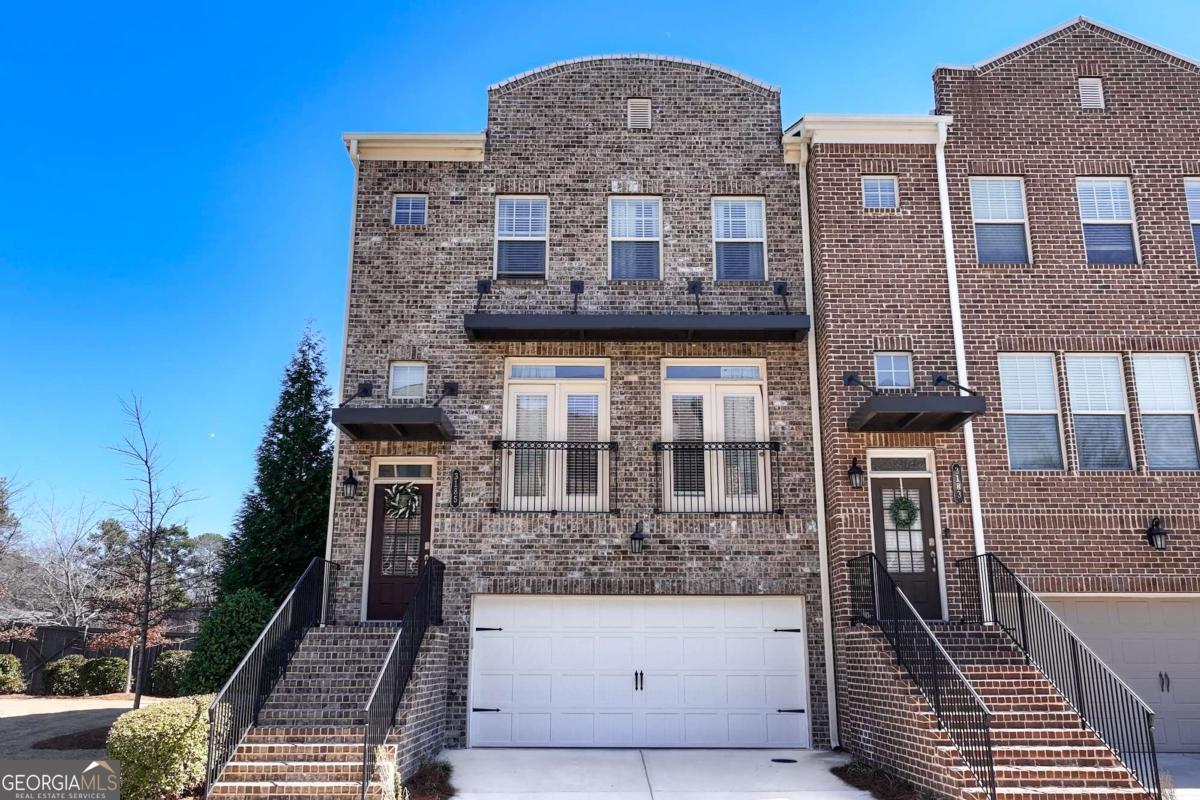
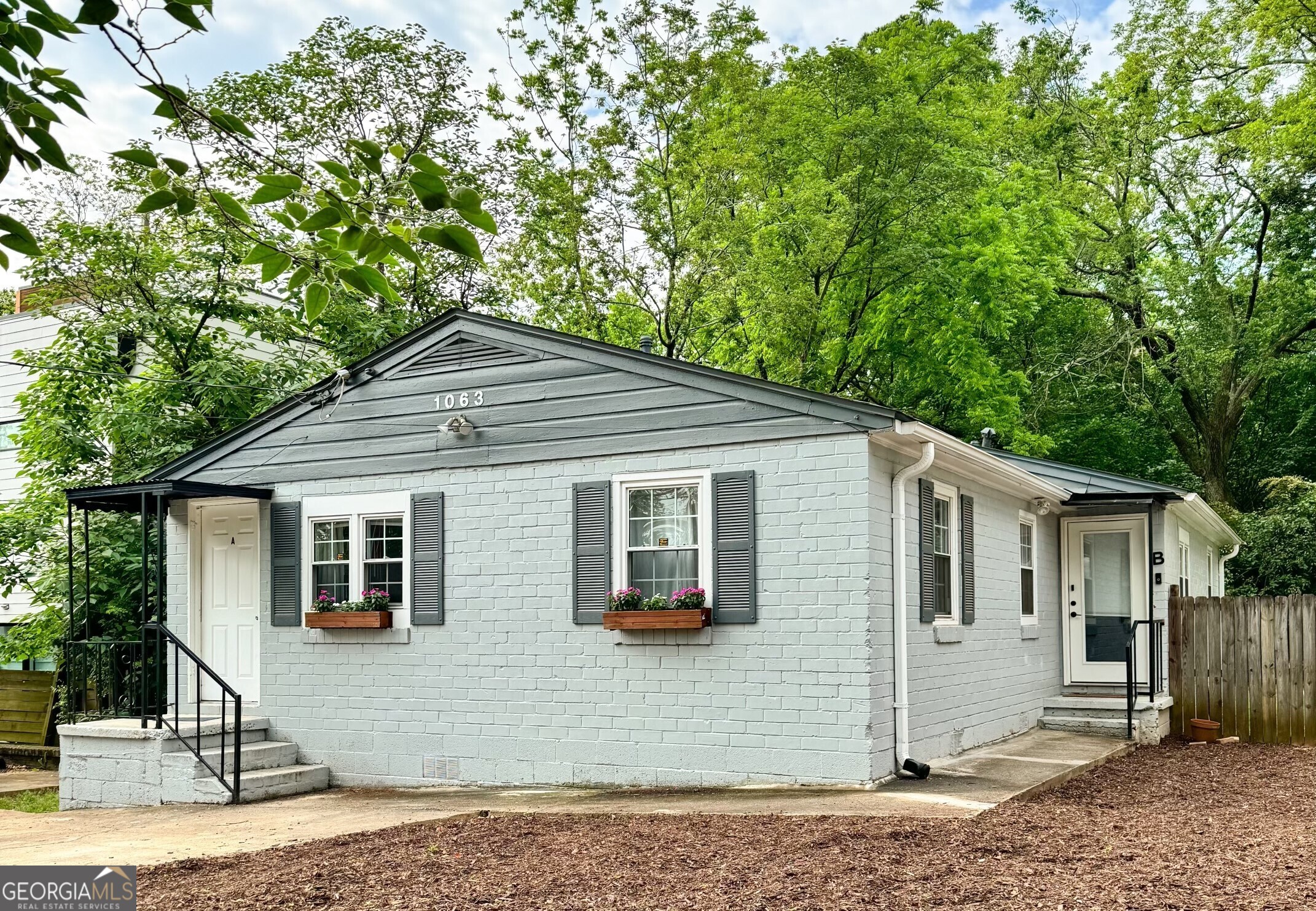
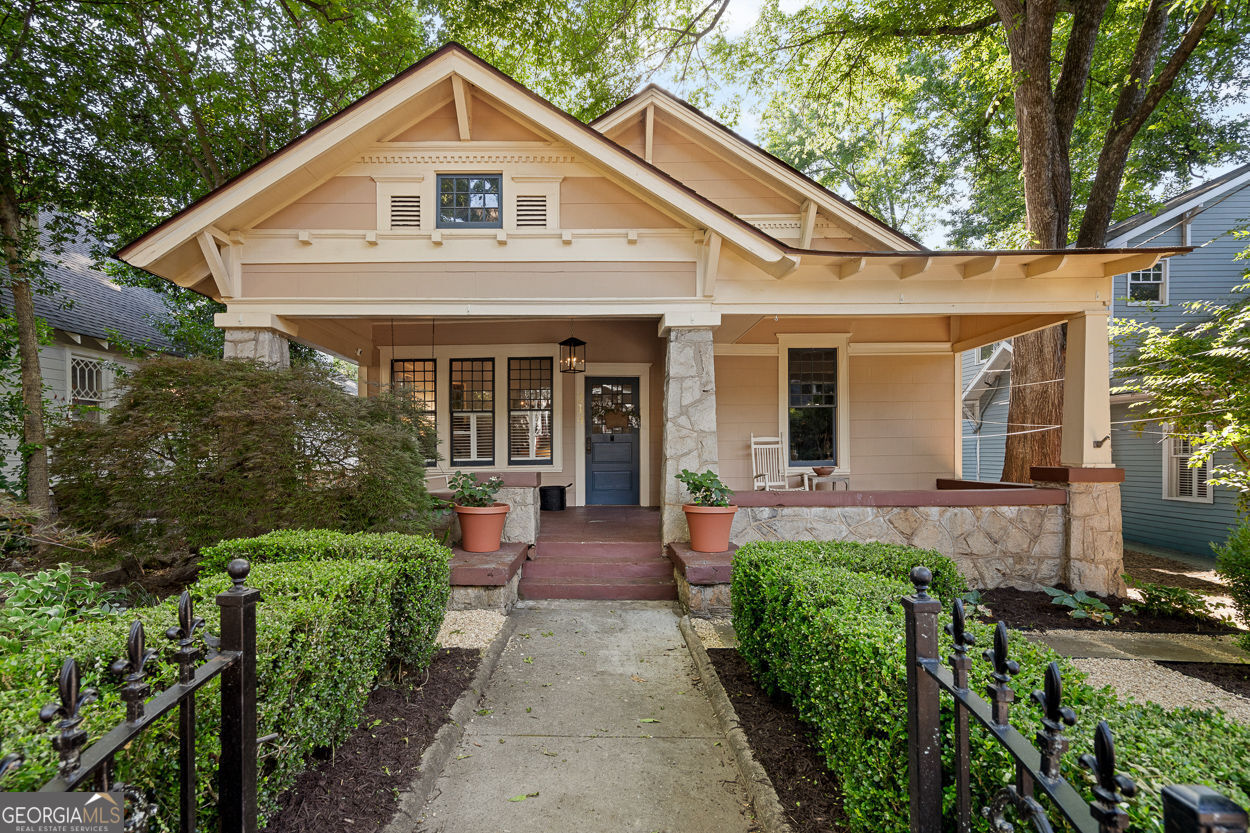
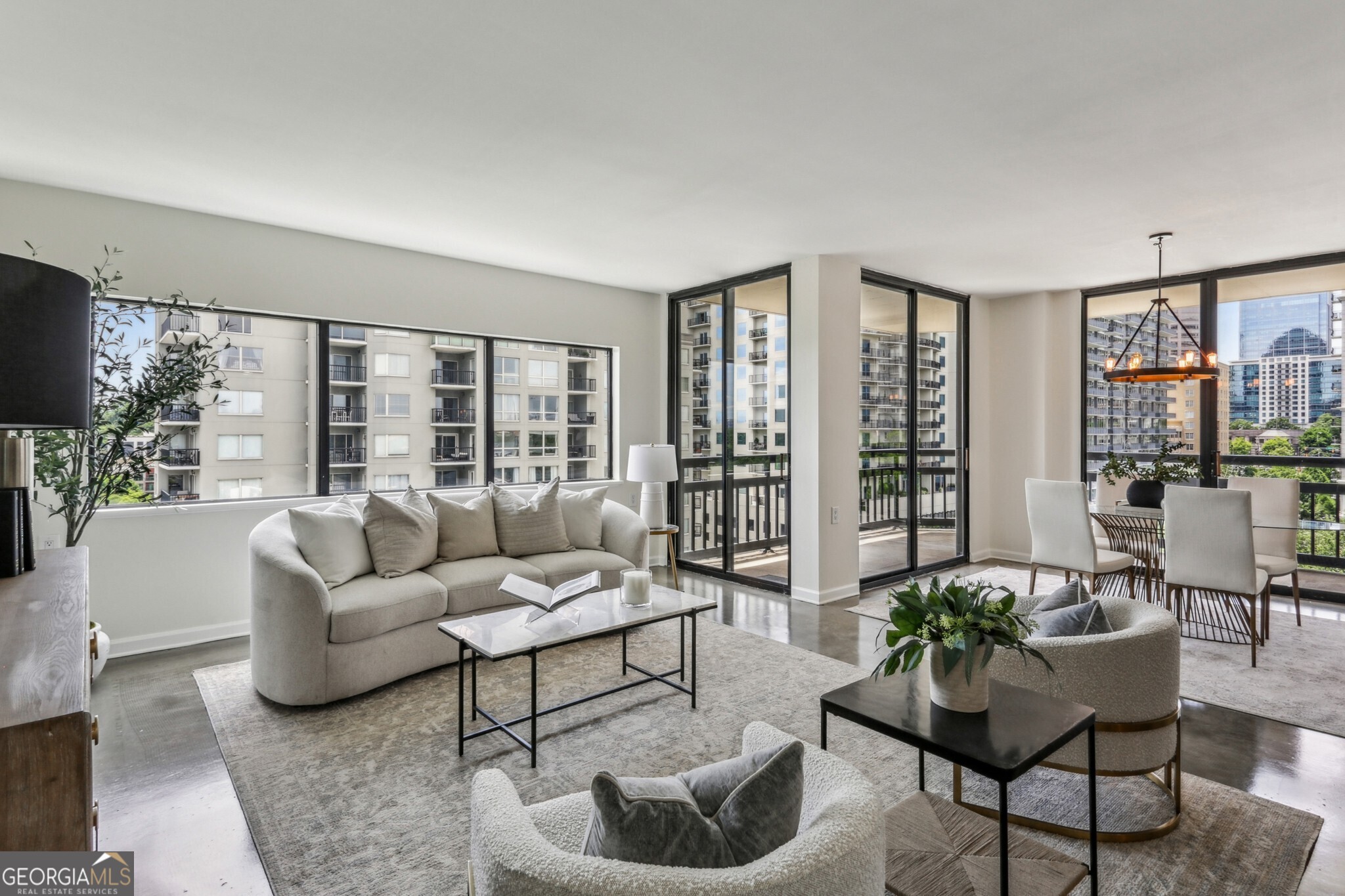
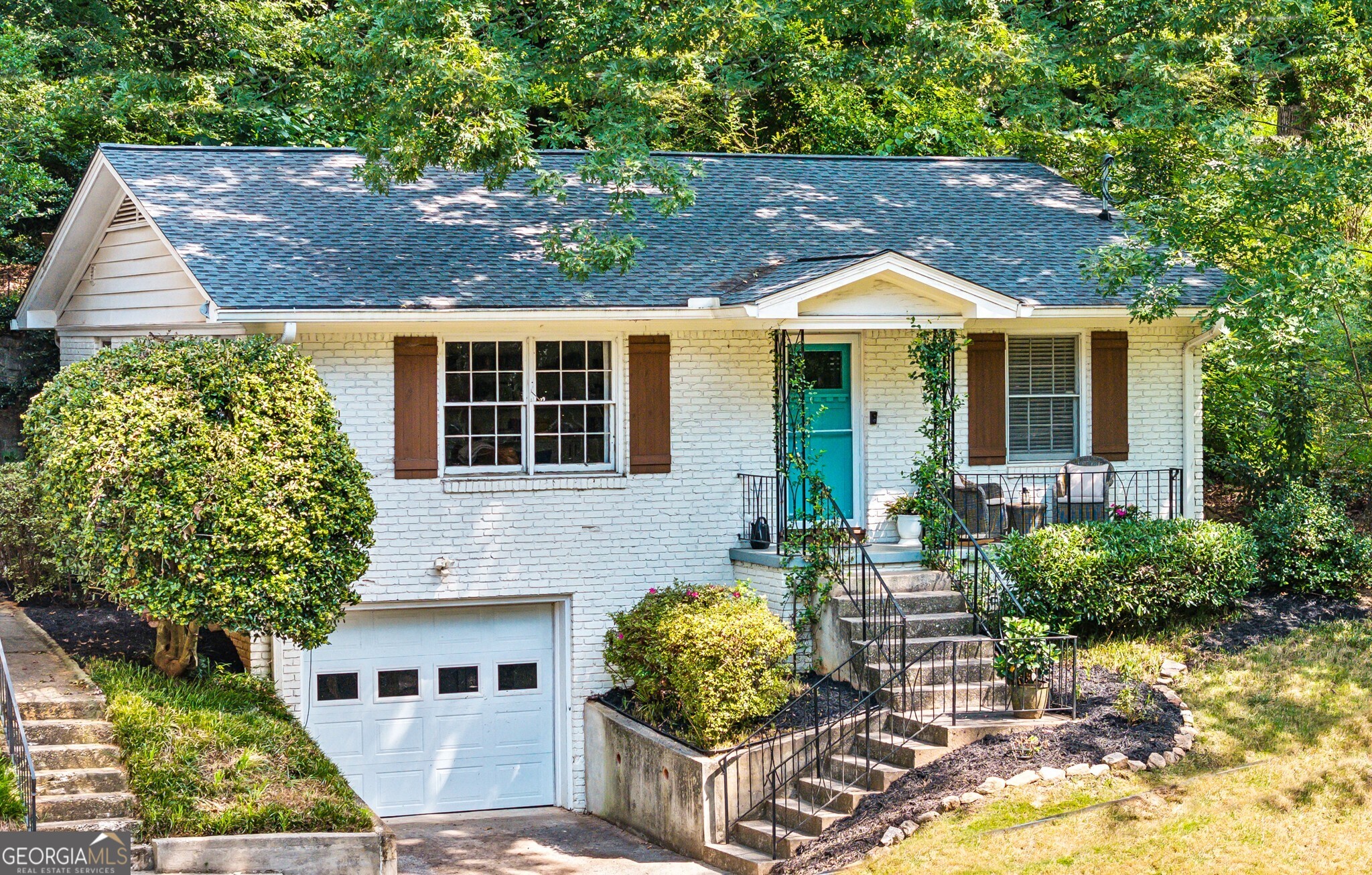
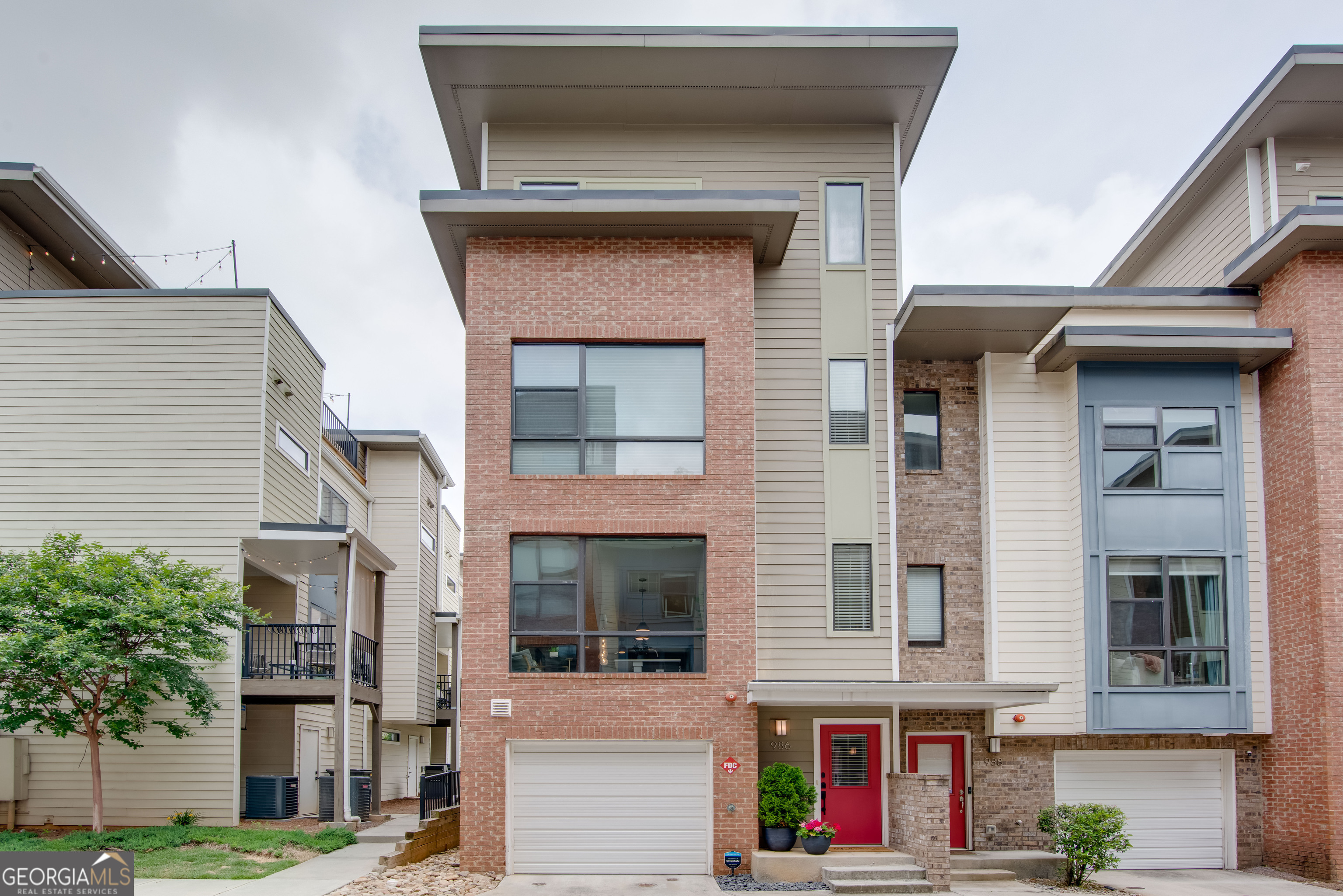
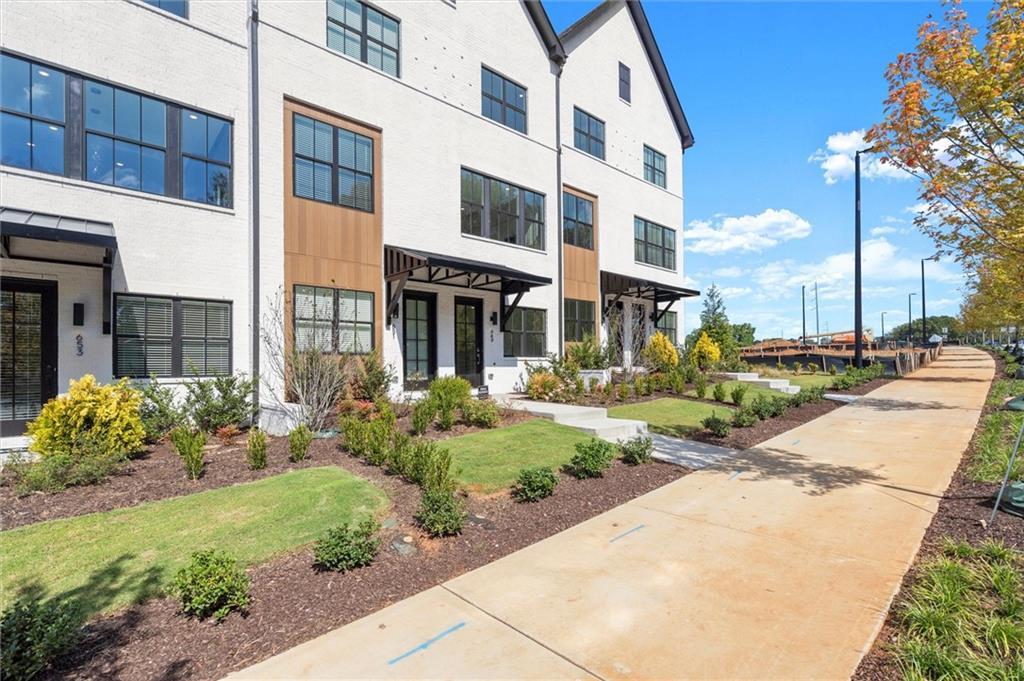
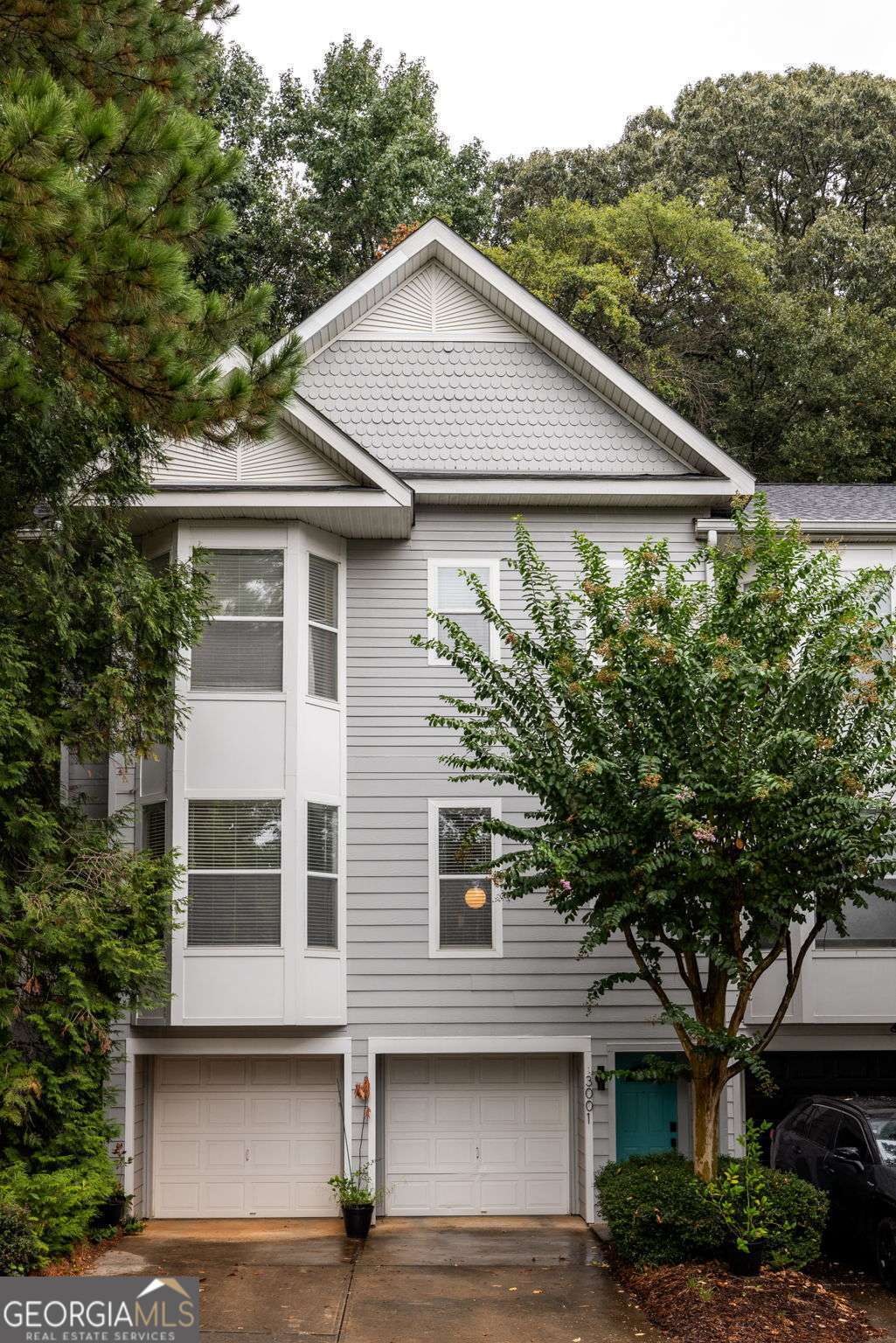
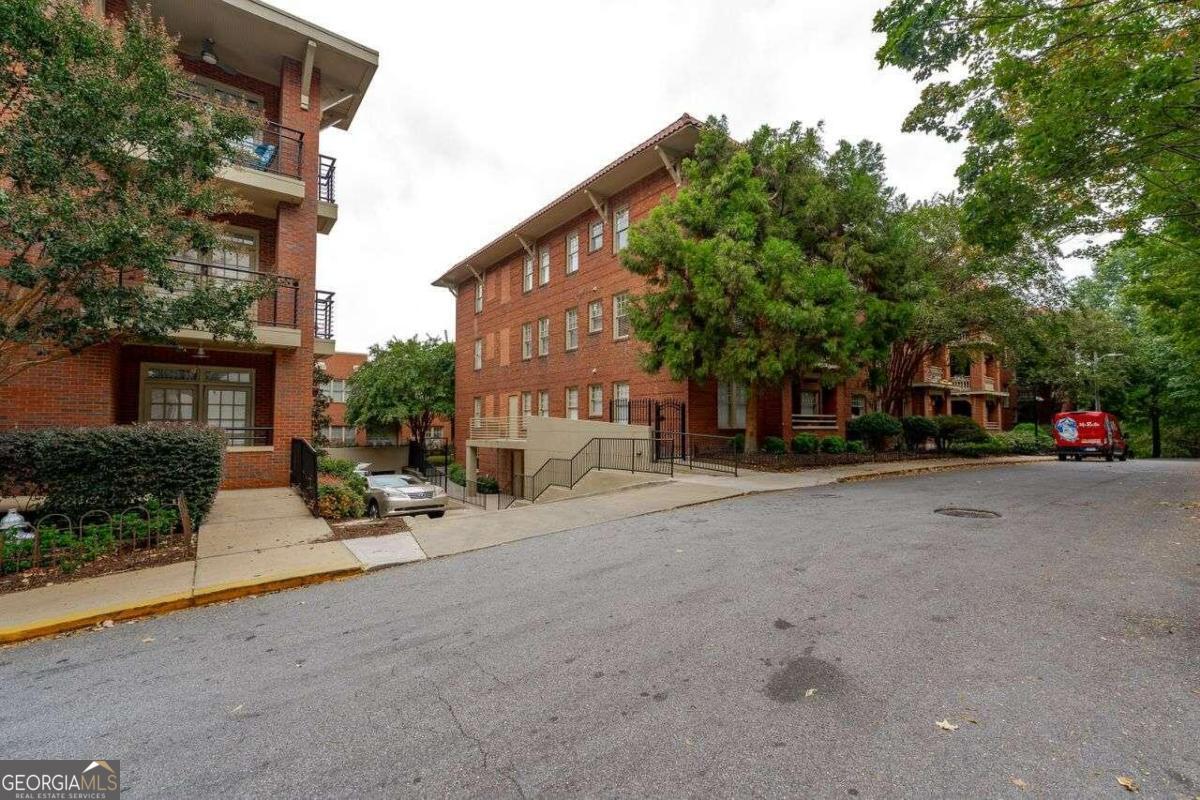
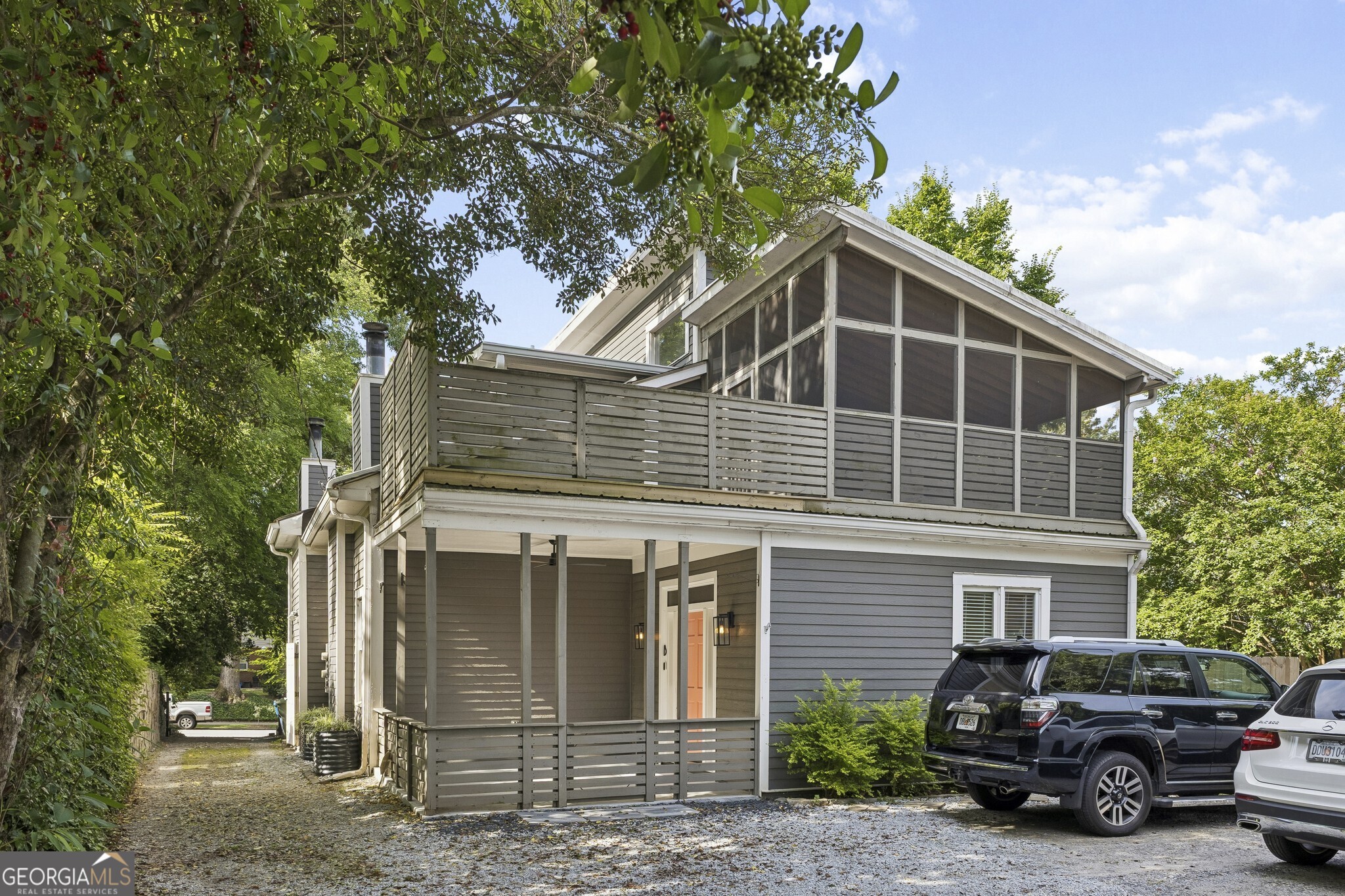
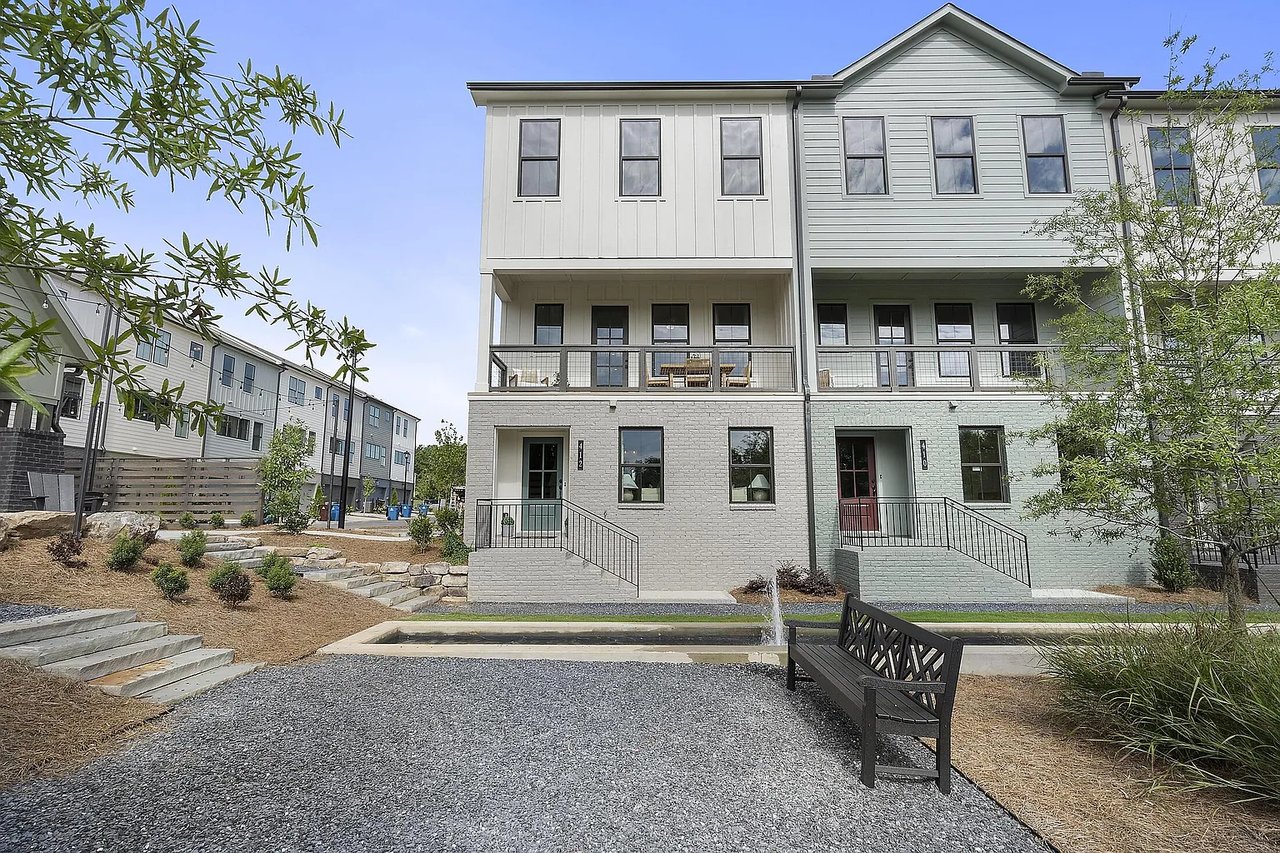
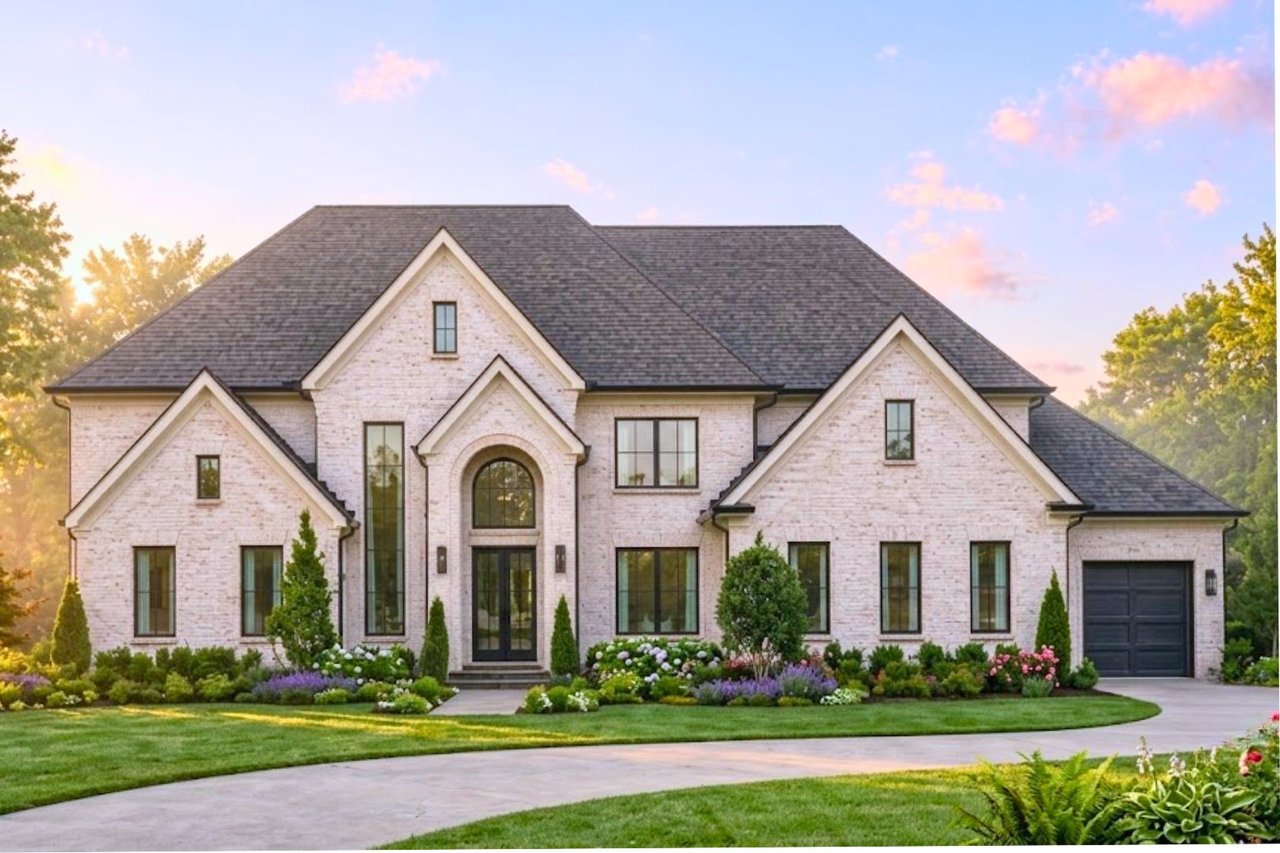
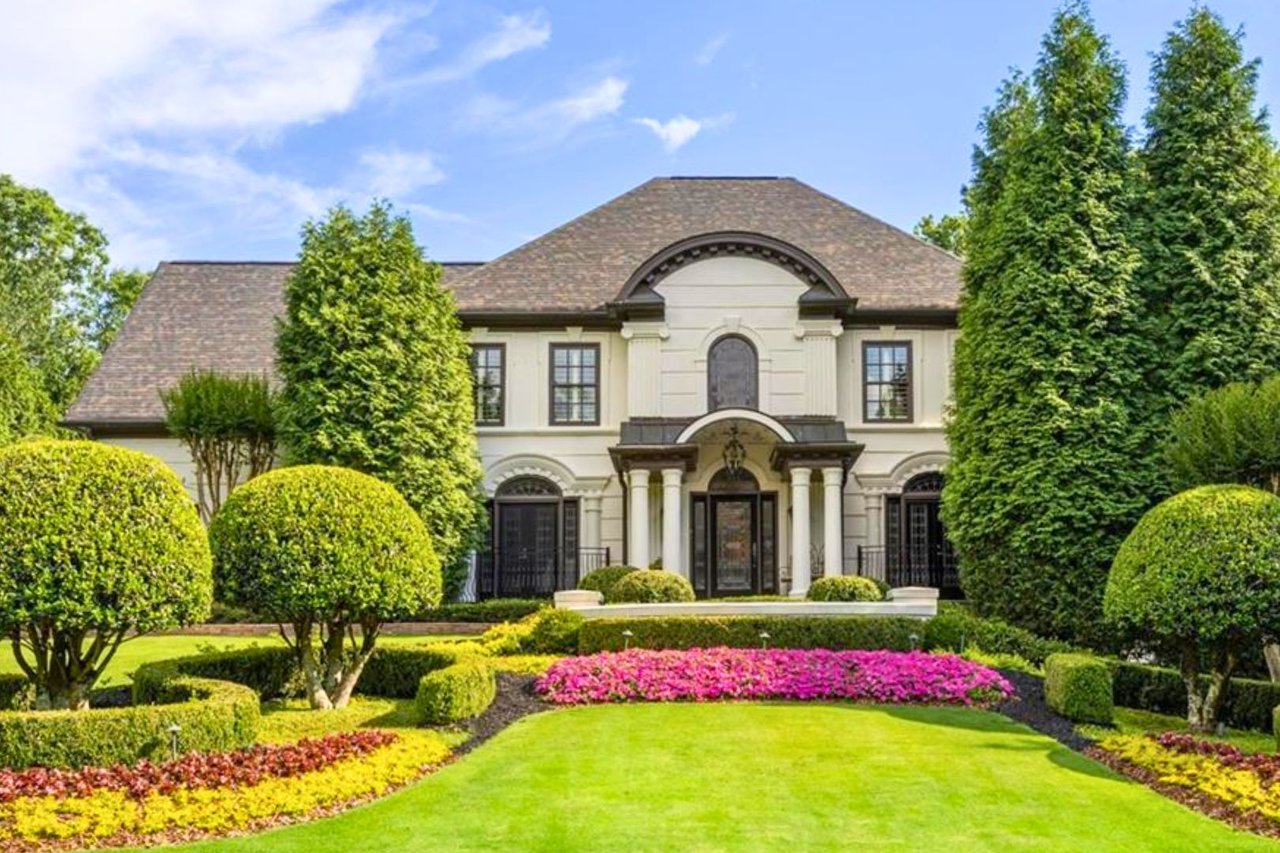
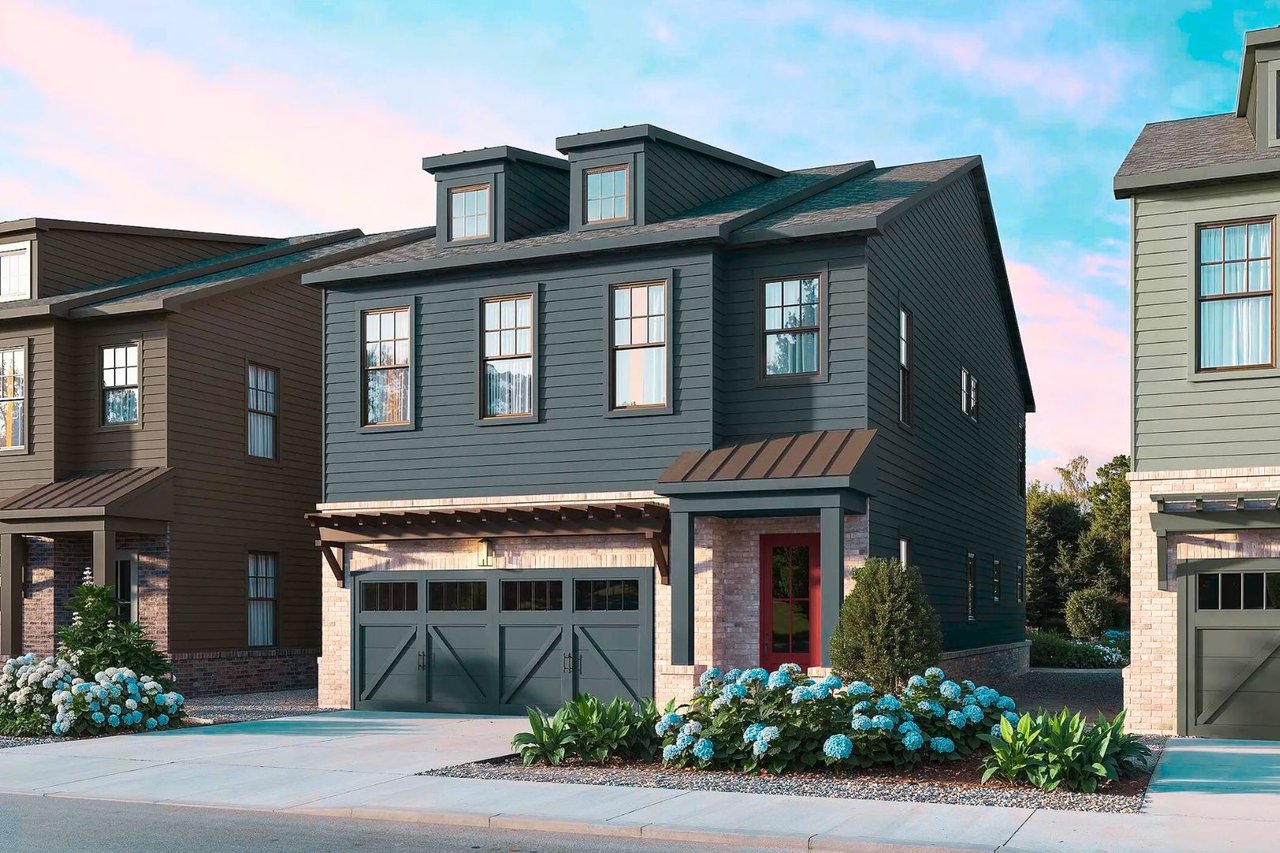
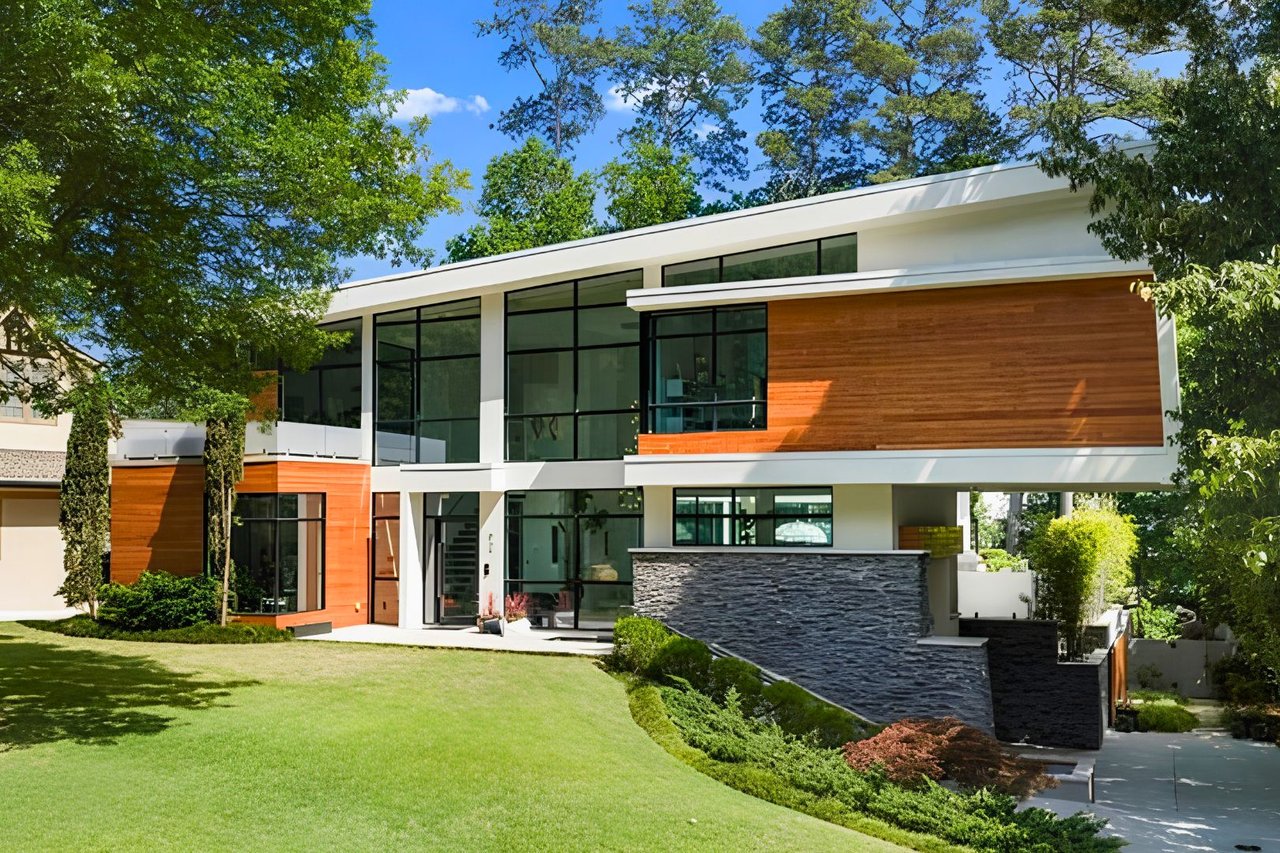
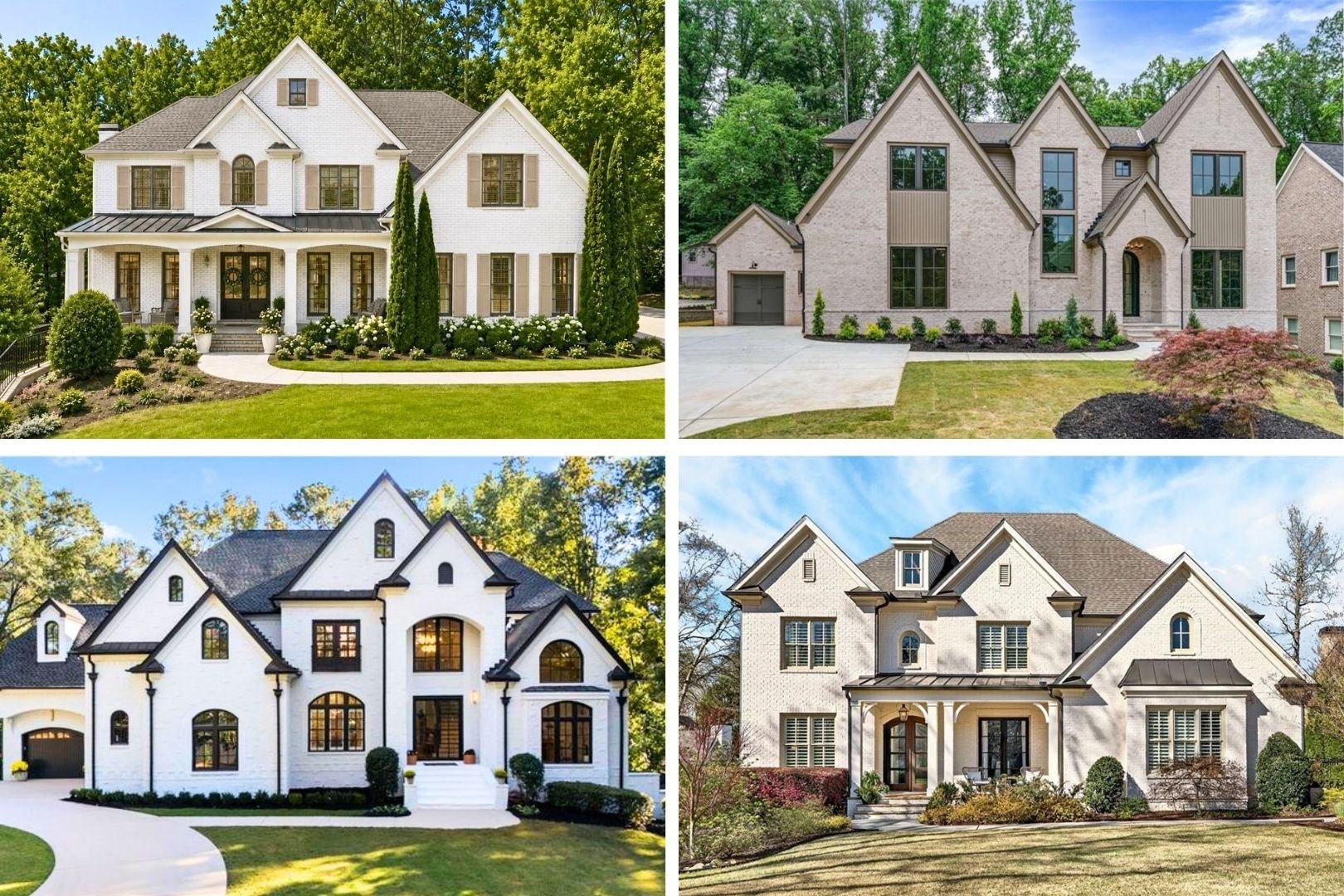
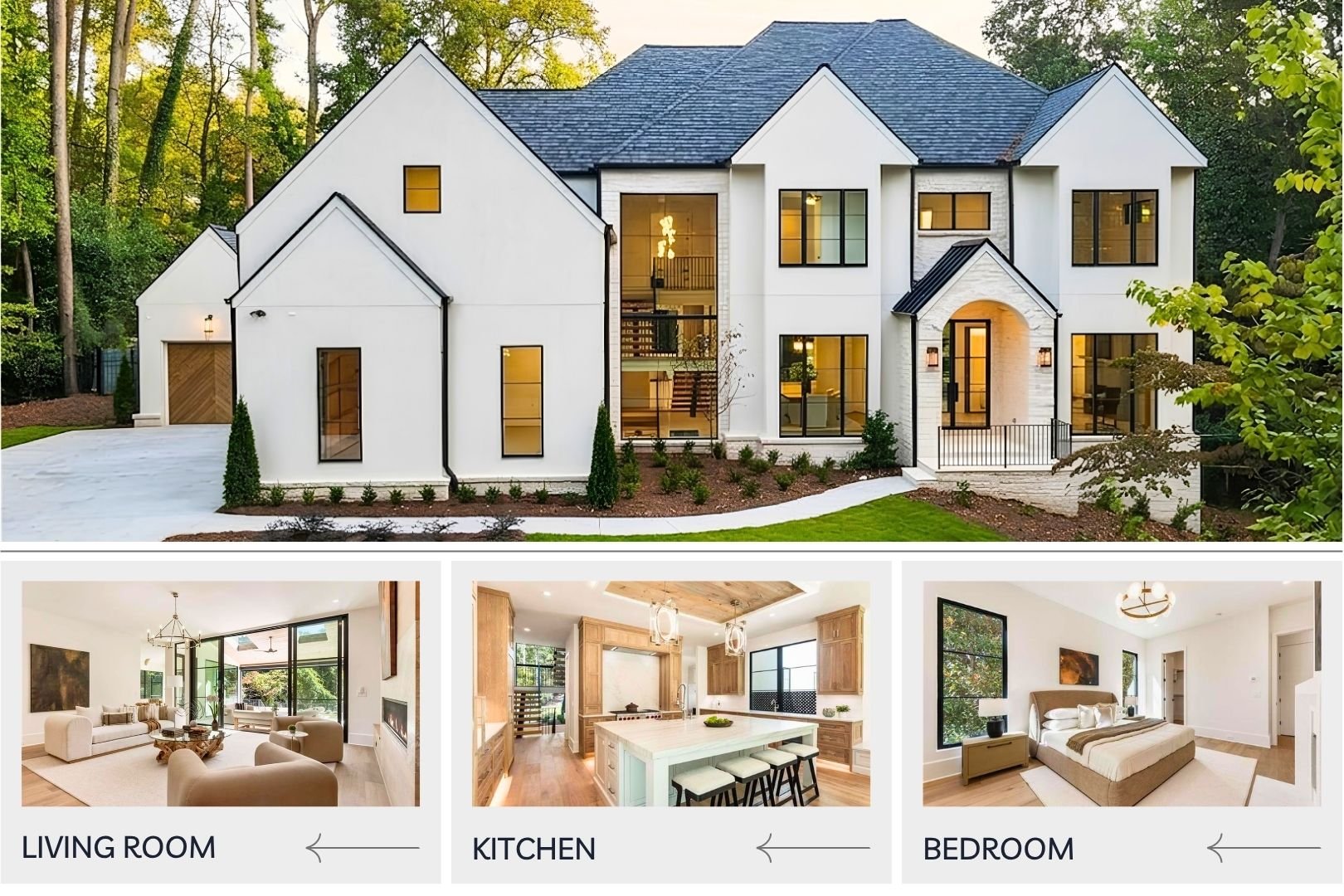
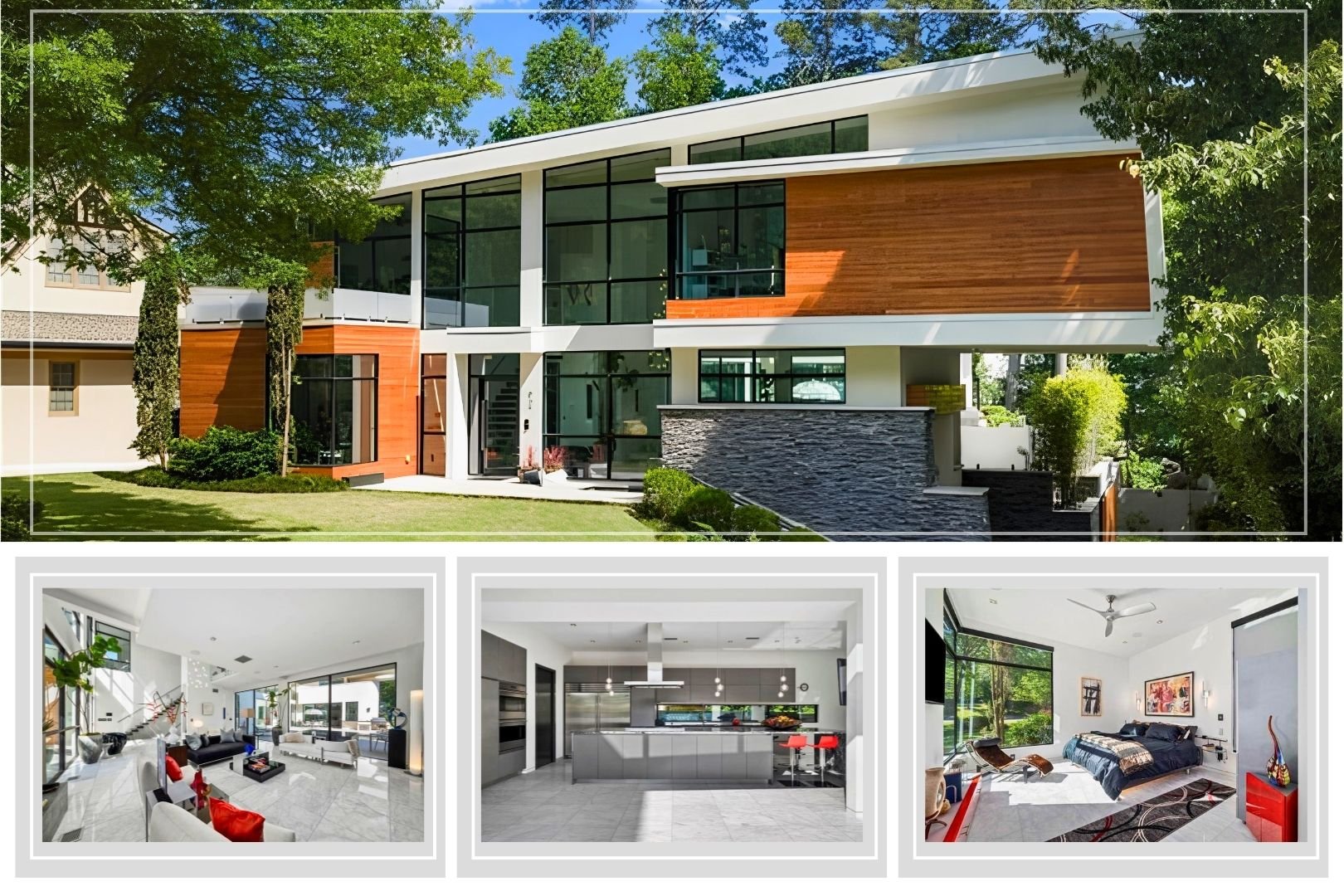
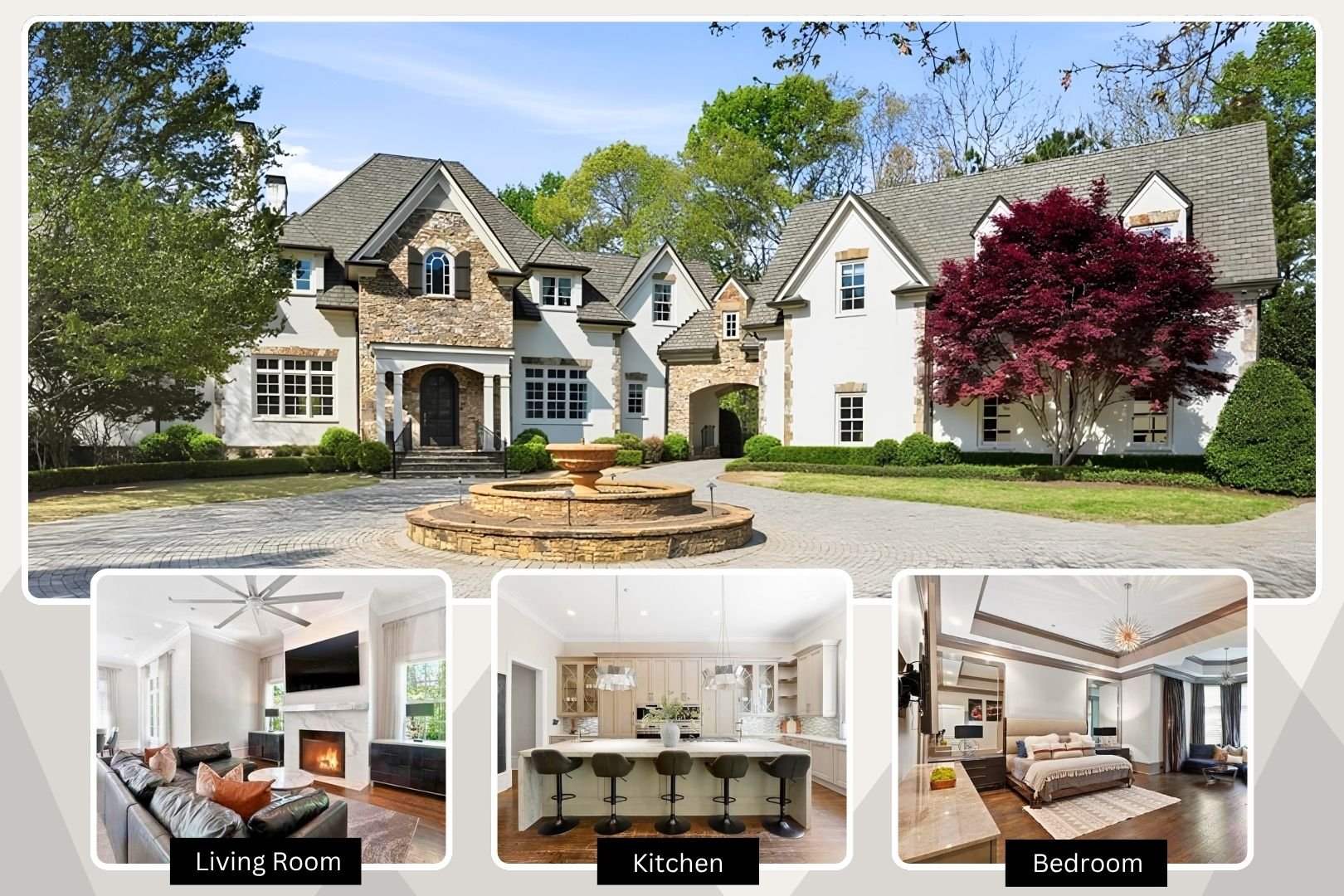
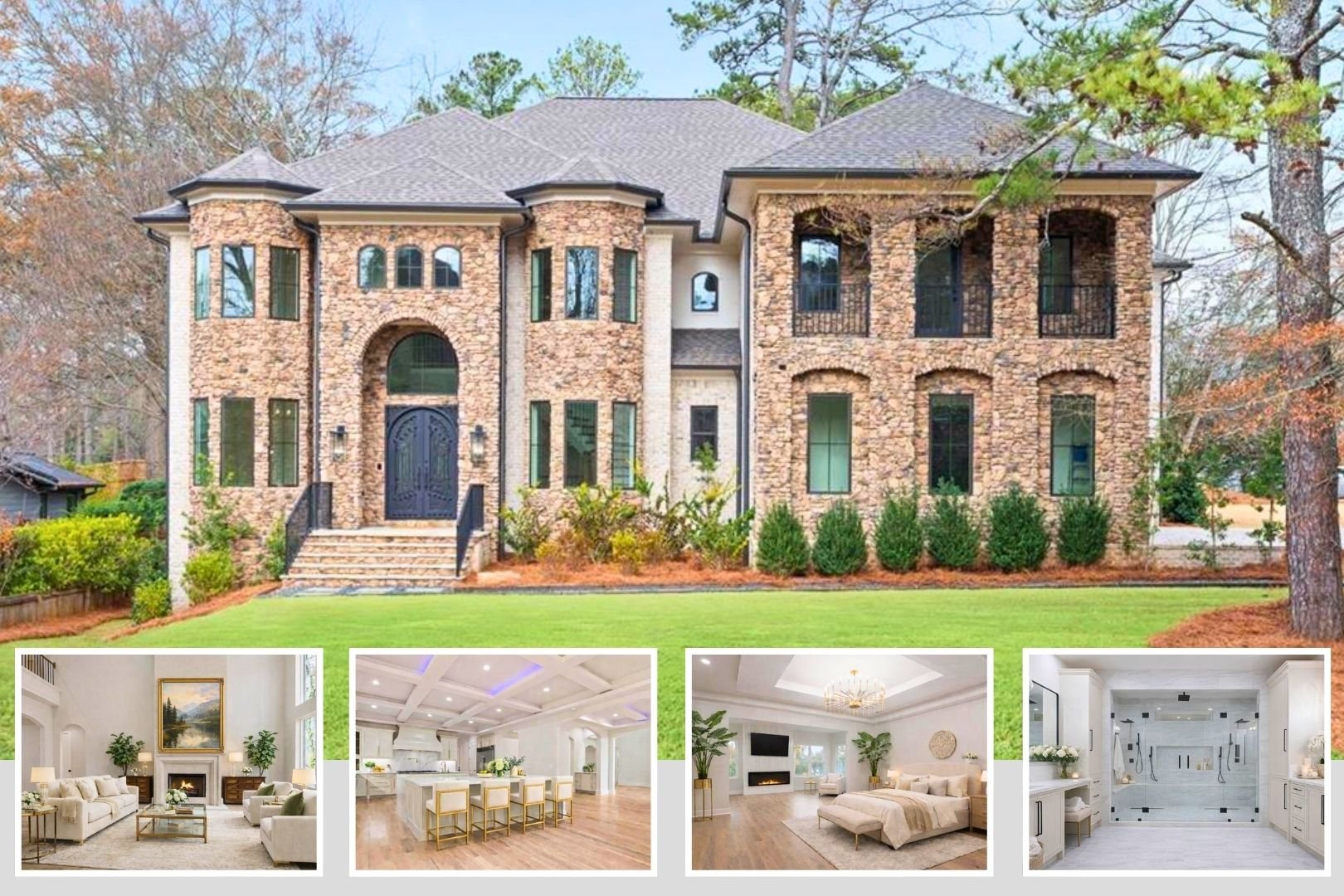
One of the most appealing aspects of buying a home in Atlanta is the rich architectural diversity across its neighborhoods. Within the city limits, you will find beautifully restored Craftsman bungalows in Kirkwood, historic Victorians in Inman Park, and sleek, modern high-rise condos in Midtown. If you prefer suburban living, northern communities feature spacious, traditional brick estates, modern farmhouse designs, and master-planned townhome communities that emphasize low-maintenance living.
Market Metric (Early 2026) | Value / Statistic |
|---|---|
Median Sale Price (City Limits) | $429,238 |
Median Days on Market | 54 Days |
Buyers Purchasing Below List Price | 68.5% |
Average Price Reduction | 7.3% (Approx. $30,000) |
2. What is the Difference Between ITP and OTP?
If you spend even a few minutes talking to Atlanta locals, you will quickly hear the terms ITP and OTP. This is Atlanta's most famous geographic divider, referencing Interstate 285, which forms a 64-mile loop around the city. This highway is known locally as The Perimeter, and where you choose to live relative to it will shape your daily lifestyle.
Inside the Perimeter (ITP): Urban Energy and Walkability
Living Inside the Perimeter generally appeals to buyers who crave urban energy, cultural amenities, and shorter daily commutes to downtown employment hubs. ITP neighborhoods like Midtown, Inman Park, and the Old Fourth Ward are highly walkable, featuring direct access to local dining, independent boutiques, and the Atlanta BeltLine. Homes here tend to be historic, unique, and situated on smaller lots, commanding a premium price per square foot due to the high demand for land and proximity to the city center.
Outside the Perimeter (OTP): Space, Suburbs, and Main Streets
Living Outside the Perimeter refers to the expansive suburban communities surrounding the Interstate 285 loop. Northern suburbs such as Roswell, Alpharetta, and Johns Creek, along with southern destinations like Peachtree City, offer a different pace of life. Buyers OTP are typically rewarded with larger lot sizes, more square footage for their budget, and access to massive county park systems.
Many of these suburban cities have invested heavily in creating lively, walkable Main Street downtown districts, giving residents a blend of suburban space and urban convenience.
Feature | Inside the Perimeter (ITP) | Outside the Perimeter (OTP) |
|---|---|---|
Primary Vibe | Urban, walkable, culturally dense. | Suburban, spacious, family-focused. |
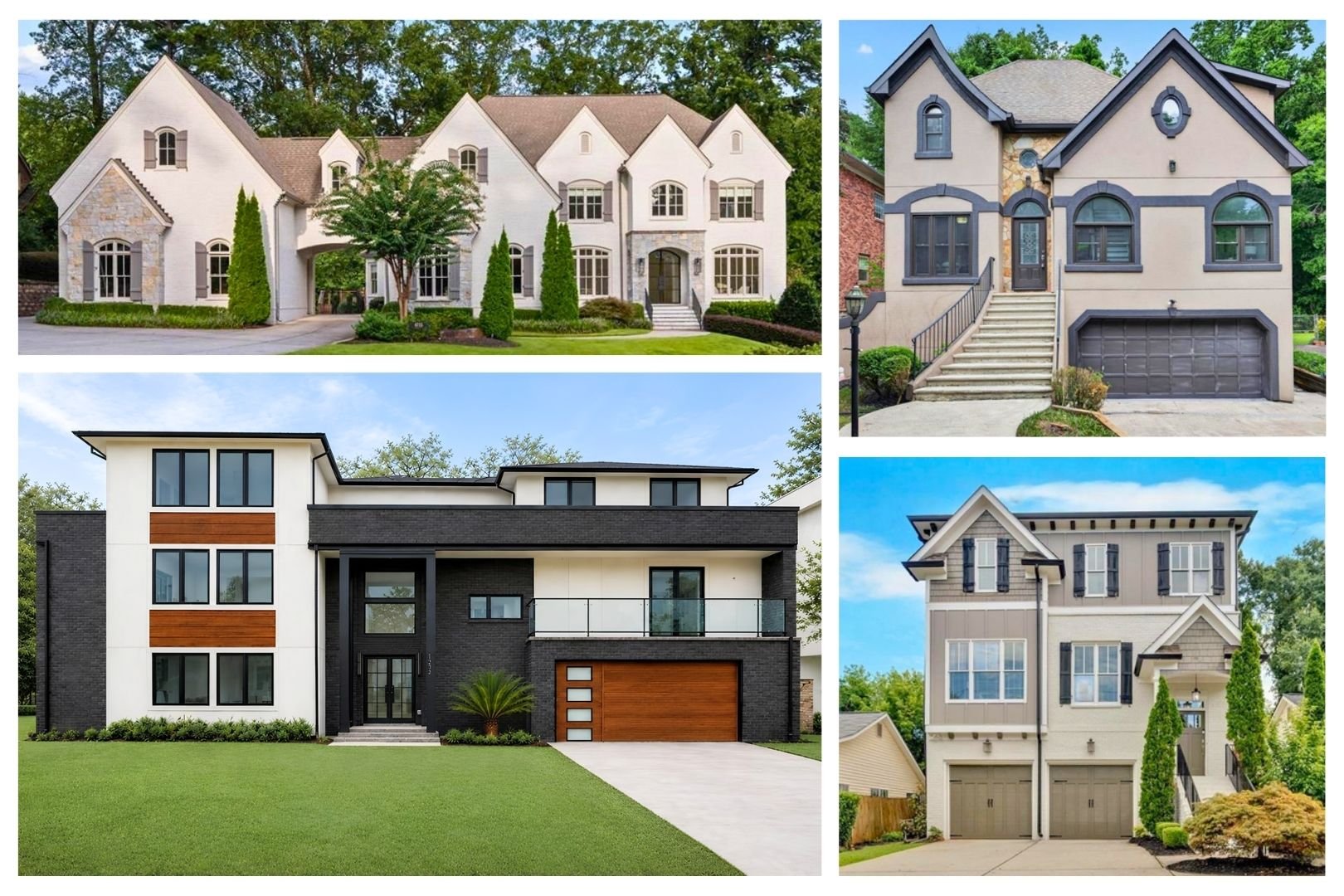
Housing Types | Historic bungalows, mid-rise lofts, townhomes. | Spacious brick estates, large yards, master-planned tracts. |
Key Communities | Midtown, Inman Park, Old Fourth Ward, Buckhead. | Alpharetta, Johns Creek, Milton, Peachtree City. |
3. How Bad is Atlanta Traffic, and What Are the Transit Options?

It is no secret that traffic is a major talking point in the Atlanta metro area. However, understanding the highway layout and utilizing alternative transit options can significantly ease your daily routine.
Navigating the Interstates and Commute Strategies
Atlanta's major interstate corridors include Interstate 75, Interstate 85, Georgia Route 400, and Interstate 20. These highways converge in the center of the city at what is known as the Downtown Connector. To manage your commute effectively, the golden rule in Atlanta is to live near where you work or plan a commute that goes against the primary flow of traffic.
For example, commuting from the city outward to a suburban office in the morning is often much faster than commuting from the suburbs into the city center. Planning your travel windows around peak hours can save you hours of transit time each week.
PRO TIP: When choosing a home in Atlanta, prioritize a commute that runs counter-flow to major traffic patterns. Commuting from the urban core outward to suburban employment hubs is often significantly faster than fighting the morning rush inward.

MARTA and Alternative Transportation
For those looking to bypass highway traffic altogether, the Metropolitan Atlanta Rapid Transit Authority, known as MARTA, is the region's principal public transit system. According to transit authority reports, MARTA operates 48 miles of heavy rail track and 38 train stations connecting Hartsfield-Jackson Atlanta International Airport to major commercial hubs like Downtown, Midtown, Buckhead, and Sandy Springs. This makes it highly convenient for airport commuters and sports fans heading to games downtown.
Additionally, the city has seen a substantial rise in alternative transportation infrastructure. Key developments include:
Dedicated bike lanes and scooter-sharing programs throughout the urban core.
Extensive multi-use pedestrian paths like the Atlanta BeltLine.
The newly launched MARTA Rapid Summerhill, a 5-mile Bus Rapid Transit line utilizing articulated electric buses to connect downtown Atlanta to the BeltLine.
The ATL Spoke autonomous shuttle pilot service, connecting transit riders to the BeltLine Southwest Trail and the local Lee and White streets district.
4. What is the Cost of Living in Atlanta?

While Atlanta has grown into a major international business hub, it continues to offer a highly attractive cost of living compared to other similarly sized metropolitan areas across the country.
Housing Costs and Property Taxes
According to data from the Council for Community and Economic Research and RentCafe, the overall cost of living in Atlanta sits approximately 4% below the national average. Housing remains the largest variable in your budget, but real estate costs in the Atlanta area are about 13% lower than the national average. This affordability allows buyers to get significantly more home for their money compared to coastal markets.
13% Lower: Housing costs in the Atlanta metropolitan area remain significantly more affordable than the national average, offering exceptional value for relocating buyers.
Property taxes in Georgia are assessed at the county level and are calculated based on 40% of the assessed fair market value of the home. In counties like Fulton, DeKalb, Cobb, and Gwinnett, tax rates are generally reasonable. Fortunately, many local municipalities and counties offer generous Homestead Exemptions for primary residences, which can significantly lower your annual property tax bill over time.
Daily Expenses and Utilities
Everyday living expenses in Atlanta, including groceries and healthcare, are generally in line with the national average. Utility costs run about 1% above the national average, primarily driven by the energy required to run air conditioning systems during the warm Georgia summers. However, winters are mild, meaning heating costs are typically moderate, keeping year-round utility budgeting highly predictable for new residents.
5. What are the Best Neighborhoods in Atlanta for Families and Professionals?
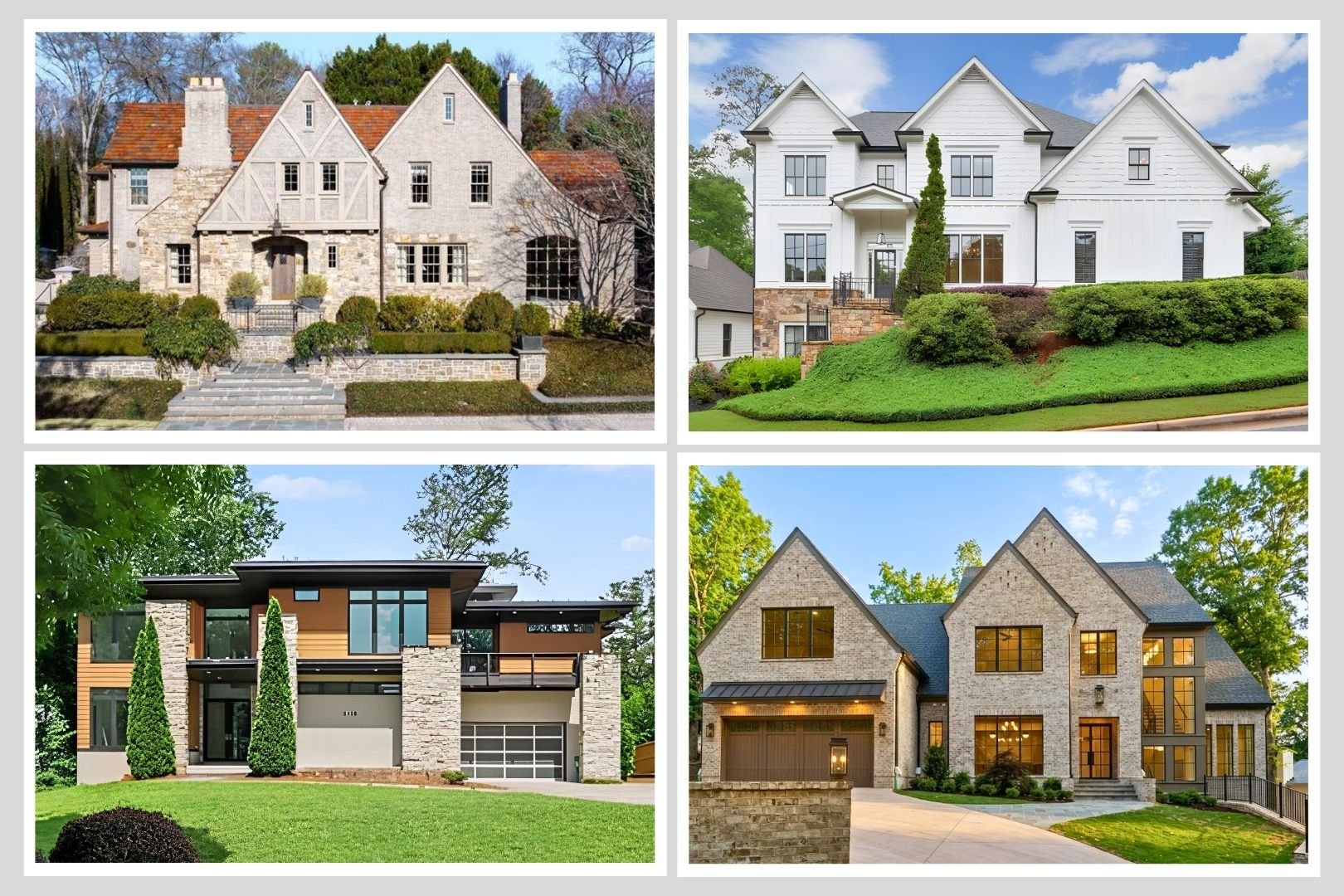
Atlanta is truly a city of neighborhoods, each offering its own distinct personality, architectural style, and community vibe.
Top Spots for Young Professionals and Creatives
Midtown is known as the heart of Atlanta's arts and technology scene, making it perfect for high-rise living and offering immediate walkability to corporate offices, Piedmont Park, and cultural institutions. For a more artistic spirit, neighborhoods like Cabbagetown and Reynoldstown feature a mix of industrial loft conversions, colorful historic cottages, and direct access to the Eastside Trail of the Atlanta BeltLine.
Premium Enclaves for Established Buyers
Renowned for its grand, tree-lined estates, upscale shopping districts, and historic architecture, Buckhead remains one of the city's most prestigious residential areas. If you prefer a historic, quiet atmosphere near academic institutions, Druid Hills features winding streets, massive oak trees, and elegant stone mansions situated near Emory University and the Centers for Disease Control and Prevention.
Top Suburban Communities for Families
Located north of the city, Alpharetta and Milton offer a beautiful blend of spacious suburban estates, excellent local parks, and high-end shopping and dining at the walkable Avalon development. On the east side of the metro, Decatur operates as an independent city within DeKalb County, highly celebrated for its walkable downtown square, independent bookstores, local festivals, and strong sense of community identity.
PRO TIP: If you are looking to maximize your budget while retaining city access, explore the OTP sub-markets that feature their own downtown districts. Cities like Alpharetta, Decatur, and Roswell offer incredible walkability and local dining without the premium price tags of the urban core.
6. What are the Education and School Options in Metro Atlanta?

Education is a top priority for families relocating to the area. Metro Atlanta showcases a highly diverse educational landscape with numerous public, charter, and private options designed to meet various learning styles.
Public School Districts
The metropolitan area is served by several large, well-resourced public school systems. Key districts include:
Atlanta Public Schools: Serves the city proper, supporting 49,878 students across 9 K-12 clusters, which includes 65 neighborhood schools and 18 charter schools.
Fulton County Schools: Encompasses both North and South Fulton, known for highly rated suburban schools and specialized STEM academies.
Cobb County School District: Features award-winning schools and robust extracurricular programs in the northwest suburbs.
Gwinnett County Public Schools: The largest school system in Georgia, celebrated for its diverse student body and innovative cluster models.
These districts offer various specialized programs, including dual-language immersion and International Baccalaureate tracks. They are known for their strong community support and modern facilities.
Private and Higher Education
For families considering private education, Metro Atlanta is home to an exceptional array of independent, parochial, and non-sectarian private schools. These institutions offer specialized curricula ranging from Montessori programs to rigorous college-preparatory tracks. Furthermore, the presence of world-class higher education institutions, such as Emory University, the Georgia Institute of Technology, and Georgia State University, continually infuses the local community with academic energy and cultural events.
7. What is the Job Market Like in Atlanta for 2026?

Atlanta's economy is incredibly diverse, ensuring that the local job market remains resilient and dynamic across multiple sectors. This economic strength is a major reason why the metro area continues to attract top talent from across the nation.
Fortune 500 Headquarters and Key Industries
Atlanta proudly hosts the headquarters of several world-famous companies, providing a stable foundation for employment. The metro area ranks as one of the top markets in the nation for corporate headquarters, tying for seventh nationally with 15 Fortune 500 companies based in the region according to Fortune and RealPage Market Analytics.
Major local employers include:
Delta Air Lines: Headquartered near the airport, serving as a massive global employer.
The Home Depot: Based in Cobb County, anchoring the retail and corporate landscape.
The Coca-Cola Company: A historic cornerstone of downtown Atlanta's economy.
United Parcel Service (UPS): Headquartered in Sandy Springs, leading the logistics sector.
Beyond these corporate anchors, Atlanta is a major hub for logistics, financial technology, biomedical research, and healthcare. It has also earned a reputation as a major hub of the film and television industry, supported by massive production facilities like Tyler Perry Studios and Trilith Studios. This industry diversity helps protect the local economy from downturns in any single sector.
3.2% Unemployment: The thriving economic ecosystem keeps the metro Atlanta unemployment rate exceptionally low, sitting at a healthy 3.2% as of early 2026.
The Tech and Startup Ecosystem
Centered around Midtown's Tech Square, Atlanta's technology sector is growing rapidly. The city's top-tier universities produce a steady stream of highly skilled graduates, drawing both established tech giants and innovative startups to the area. This thriving ecosystem keeps the metro Atlanta unemployment rate exceptionally low, sitting at a healthy 3.2% as of April 2026 according to the Bureau of Labor Statistics.
8. What is the Climate and Weather Really Like?

One of the greatest perks of living in Georgia is the climate, which offers residents the chance to enjoy outdoor activities almost year-round without the harsh, freezing winters of the North.
The Four Distinct Seasons
Atlanta experiences four beautifully defined seasons. Spring is spectacular, marked by blooming azaleas, dogwoods, and cherry blossoms, though newcomers should prepare for a brief but intense pollen season in late March. Summers are warm and humid, with high temperatures regularly reaching the low 90s, often punctuated by refreshing late-afternoon thunderstorms. Autumn brings crisp, comfortable air and stunning fall foliage that peaks in late October and November. Winters are remarkably mild, with daytime highs often reaching the 50s and only occasional light dustings of snow or brief winter weather.
The City in a Forest Canopy
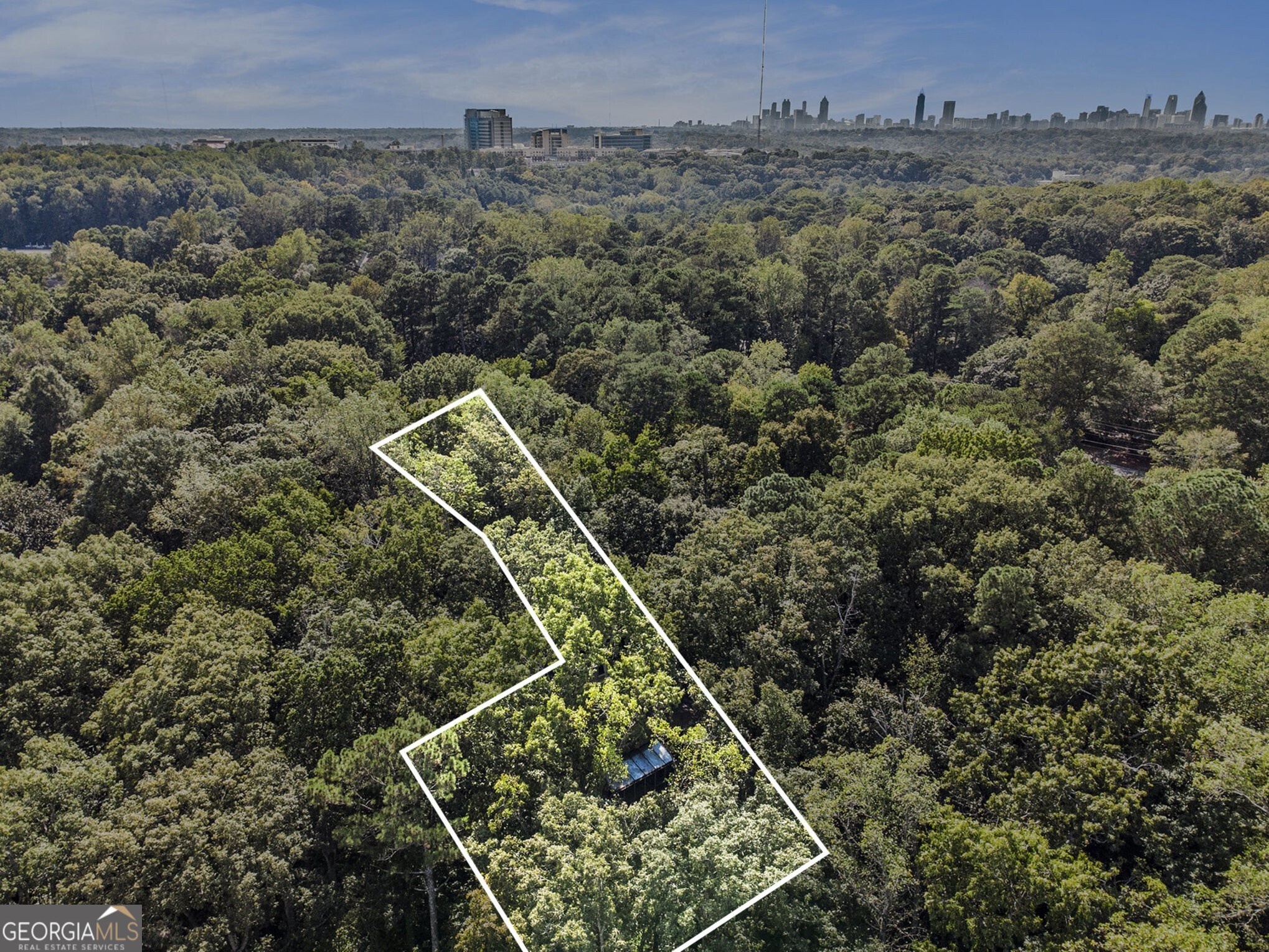
One of Atlanta's most unique geographic features is its tree canopy. Recognized as having the densest urban forest coverage of any major U.S. city, Atlanta's trees cover nearly 48% of the city. This massive canopy acts as a natural cooling agent during hot summer days, significantly reducing the urban heat island effect and providing beautiful, shaded neighborhood streets and parks throughout the year.
48% Tree Canopy: Known as the "City in a Forest," Atlanta features the densest urban forest coverage of any major U.S. city, offering exceptional natural shade and cooling.
9. What is the Atlanta BeltLine, and How Does It Impact Real Estate?
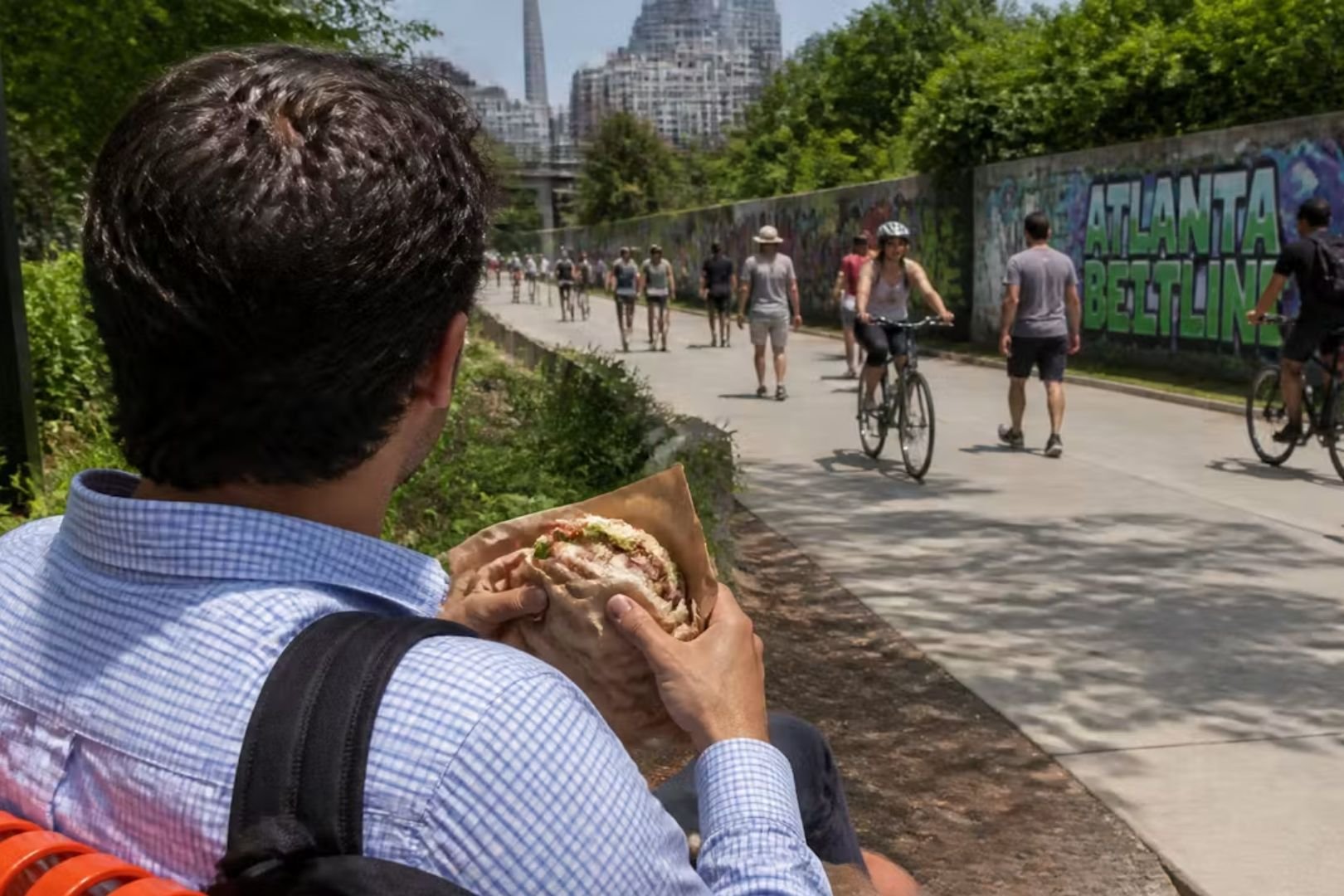
The Atlanta BeltLine is one of the most ambitious and transformative urban redevelopment and transit projects in the history of the United States, fundamentally changing how residents interact with the city.
Understanding the BeltLine Concept
Originally conceived as a graduate student's thesis at the Georgia Institute of Technology in 1999, the BeltLine is a planned 22-mile continuous loop of historic railroad corridors surrounding the city center. This corridor is being systematically converted into a network of multi-use pedestrian trails, public parks, and eventually, modern transit lines, connecting 45 historic intown neighborhoods.
Real Estate Premium Along the Trails
The completion of various trail segments has had a monumental impact on local real estate. Homes located within walking distance of completed portions, particularly the highly popular Eastside Trail and the rapidly developing Westside Trail, command a distinct price premium. According to project updates, the BeltLine has reached 13.6 miles of completed, paved trails, with ongoing construction projected to bring the continuous trail system to 16.7 miles.
13.6 Miles of completed, paved trails now connect historic Atlanta neighborhoods, with construction actively expanding the loop to 16.7 miles.
Living near the BeltLine offers residents an active, connected lifestyle where they can easily walk or bike to major commercial hubs. Highly popular adaptive-reuse developments like Ponce City Market and Krog Street Market sit directly on the BeltLine, offering residents a seamless blend of housing, dining, shopping, and recreation without ever needing to start a car.
10. How Do I Choose the Right Atlanta Suburb or Neighborhood?
With so many diverse areas to choose from, narrowing down your search in the Atlanta metropolitan area requires a structured approach tailored to your specific needs.
Define Your Commute and Lifestyle Priorities
Start by mapping out your primary workplace and identifying how much time you are willing to spend commuting each day. If you work in a hybrid or fully remote capacity, prioritize your daily lifestyle preferences. Ask yourself whether you prefer the walkable, high-energy environment of an ITP neighborhood or the quiet, spacious, park-centric feel of an OTP suburb.
Spend Time Exploring Local Main Streets
Before committing to a home purchase, schedule a few days to explore the area like a local. Walk the residential streets, visit the neighborhood parks, and spend an afternoon dining at local establishments. Exploring the unique Main Streets of places like Decatur, Roswell, or Alpharetta, or grabbing a bite at a historic spot like Mary Mac's Tea Room, will give you an authentic feel for the local community culture and help you find the neighborhood that truly feels like home.
Frequently Asked Questions About Moving to Atlanta GA

How far is Atlanta from the mountains and the coast?
Atlanta is ideally situated for weekend getaways. The beautiful Blue Ridge Mountains of North Georgia are just a 1.5 to 2-hour drive north, offering hiking, apple picking, and cozy cabin rentals. If you prefer the beach, the historic Atlantic coast, including Savannah and the Golden Isles, is about a 4 to 5-hour drive southeast.
What is the airport like for frequent travelers?
Hartsfield-Jackson Atlanta International Airport is one of the busiest and most efficient airports in the entire world. Serving as the primary hub for Delta Air Lines, the airport offers non-stop flights to nearly every major domestic and international destination. Having this global gateway in your backyard is an incredible perk for business travelers and vacationers alike.
Is Atlanta a pet-friendly city?
Yes, Atlanta is exceptionally pet-friendly! The city features numerous dedicated dog parks, such as the expansive Piedmont Dog Park, and a vast majority of local restaurants and breweries along the BeltLine welcome pets on their outdoor patios. The extensive trail systems also provide miles of scenic walking paths for you and your dog.

What is the local culinary and arts scene like?
Atlanta boasts a world-class, diverse culinary scene that ranges from international dining along Buford Highway to Michelin-recognized, chef-driven restaurants in Buckhead and Midtown. The city is also a major cultural hub, hosting the High Museum of Art, the historic Fox Theatre, and a thriving live music scene that spans historic venues across the city.
Are there good parks and outdoor recreation within the city limits?
Absolutely. In addition to Piedmont Park, which is often called Atlanta's Central Park, the city features the Atlanta Botanical Garden, Chastain Park, and the Chattahoochee River National Recreation Area, which offers miles of scenic hiking trails, kayaking, and rafting along the river.
Conclusion
Moving to Atlanta in 2026 offers an unparalleled opportunity to experience a unique blend of Southern hospitality, robust economic opportunity, and rich neighborhood cultures. By taking the time to understand the local housing market, geographic regions, and transit options, you can confidently take the next step toward finding your perfect home in this dynamic metropolitan area. If you are planning your move to the area in the near future, reach out to our team to connect with a local expert who can help guide you home.