Imagine waking up to the gentle rush of the Chattahoochee River before walking down a historic brick-paved street lined with award-winning, chef-driven restaurants. Roswell, Georgia, is not just another Atlanta suburb; it is a meticulously preserved 19th-century mill town that has evolved into North Fulton County's premier lifestyle destination. For those planning a move in 2026, this historic enclave offers an unmatched quality of life that seamlessly blends deep heritage with modern suburban luxury.
An attraction to the walkable historic downtown, the sprawling riverside parks, or the thriving local economy makes relocating here a premier lifestyle upgrade. The city successfully marries the warmth of a historic Southern town with the economic strength and modern infrastructure of a premier Metro Atlanta community.
To help you navigate your home-buying journey, we have compiled the ultimate 2026 relocation guide. This comprehensive resource answers the top ten questions buyers ask before making Roswell, GA, their permanent home.
Lifestyle and Community Vibe in Roswell
Q1: What makes Roswell different from other Atlanta suburbs?
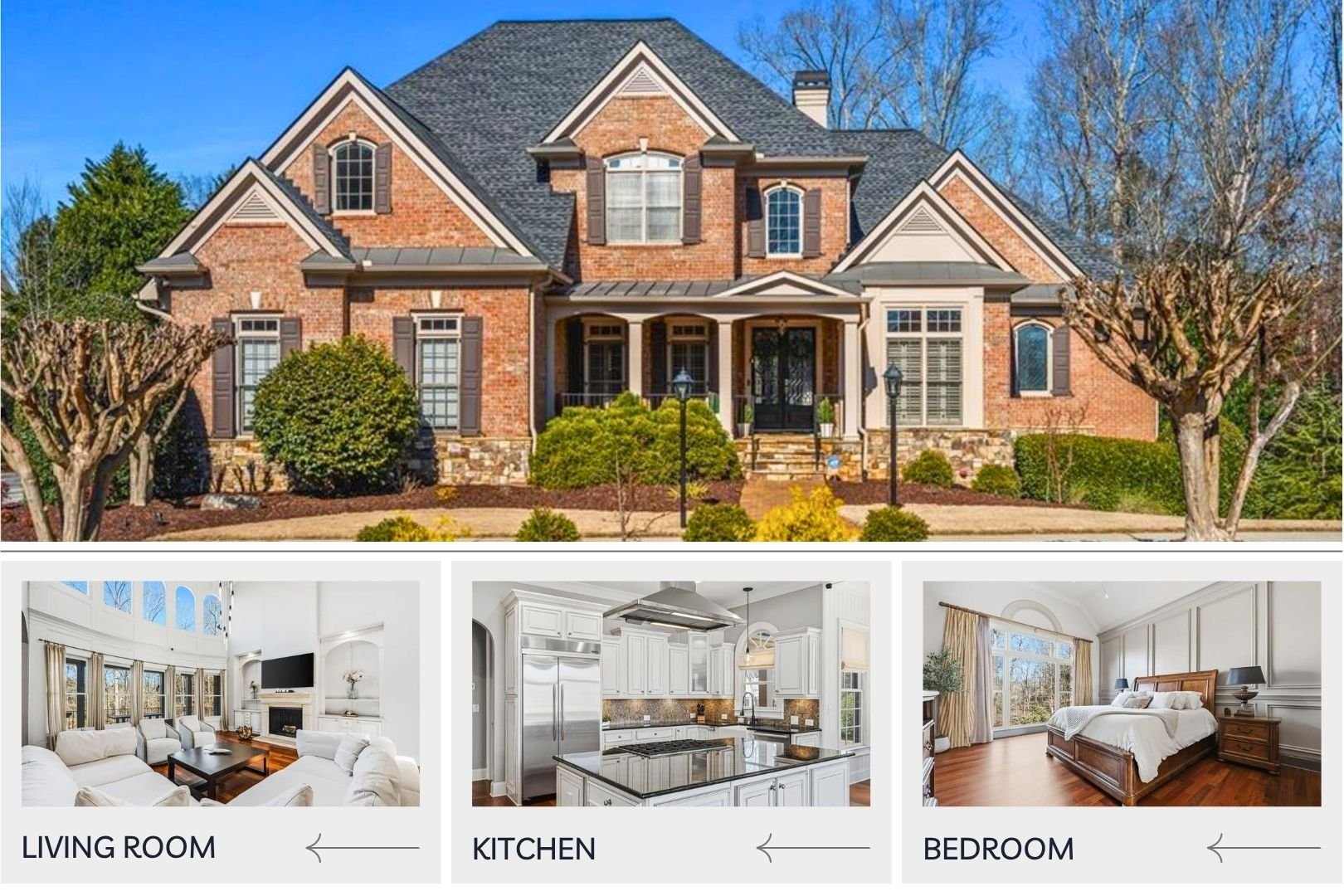
While many North Atlanta suburbs are defined by master-planned subdivisions and modern shopping strips, Roswell has a distinct, organic identity anchored by its historic past. Founded in the 1830s as a mill town, the city has painstakingly preserved its historic architecture, Greek Revival homes, and green spaces. This careful preservation gives the city an authentic character that is difficult to find in newer developments.
At the heart of Roswell’s unique vibe is the Canton Street Historic District. This walkable downtown corridor is lined with sidewalk cafes, local boutiques, art galleries, and chef-driven restaurants. Residents gather here for evening strolls, patio dining, and community events, giving Roswell an active, village-like atmosphere that feels highly connected and welcoming.
Unlike suburbs that empty out after business hours, Roswell’s downtown remains an active hub of energy throughout the week. The city’s commitment to supporting local businesses over national chains ensures that the shopping and dining options remain completely unique to the area. It is this perfect balance of historic charm and modern energy that sets Roswell apart from its neighbors.
Q2: What is there to do outdoors in Roswell?
For outdoor enthusiasts, Roswell is an absolute paradise. The city is defined by its extensive, award-winning park system and its direct connection to the Chattahoochee River. Water sports, hiking, and simple nature walks are easily accessible in parks that fit every lifestyle.
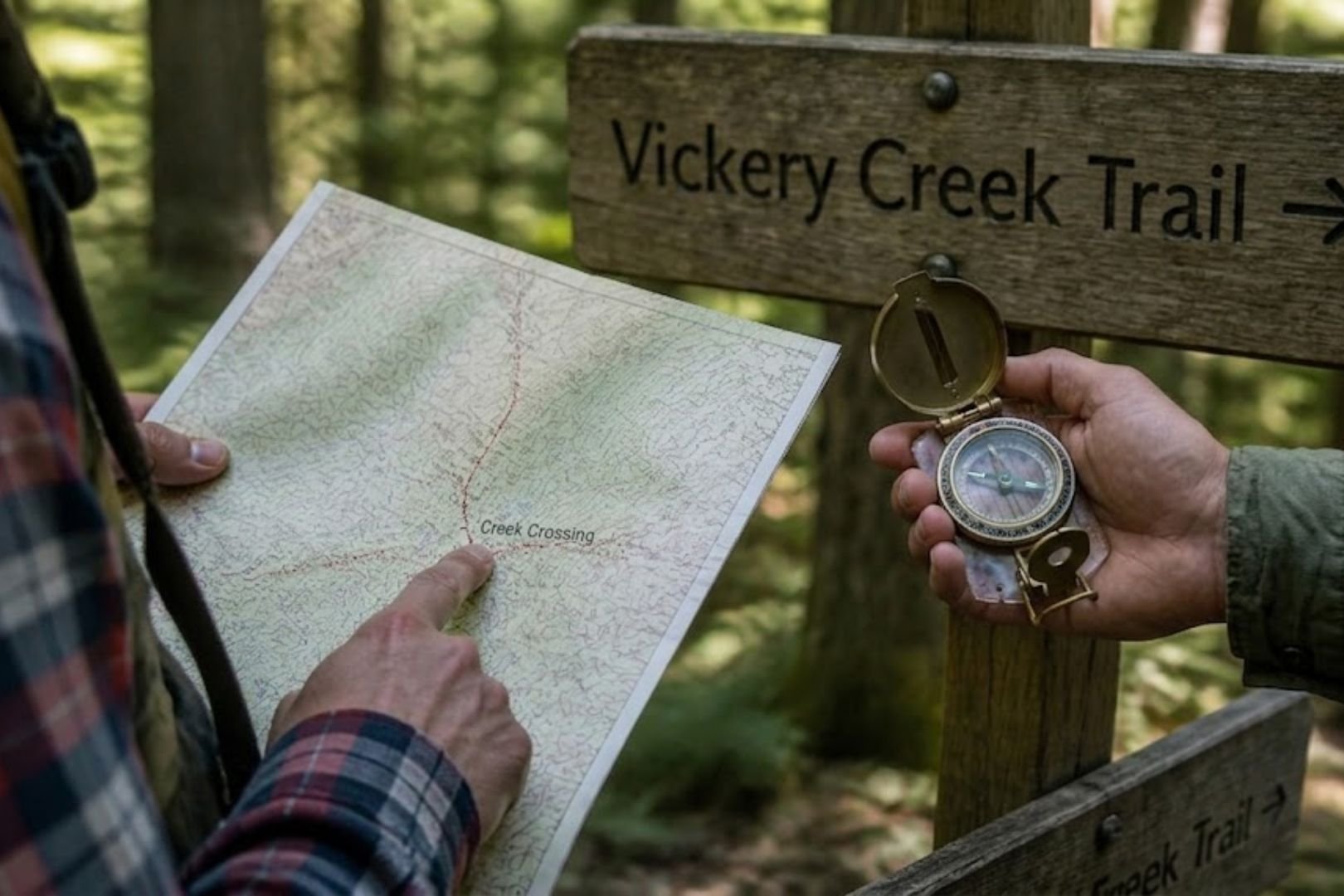
Over 100 acres of protected land and 7 miles of forested hiking trails await outdoor enthusiasts at the historic Vickery Creek Trail.
You can spend weekends exploring the Vickery Creek Trail, which features a historic covered bridge, scenic hiking paths, and the ruins of the old Roswell manufacturing mills. This pristine natural escape provides a quiet retreat right in the middle of the city. It represents one of the region's premier destinations for hiking and photography.
If you love water sports, Azalea Park is the local hub for kayaking, paddleboarding, and rowing along the Chattahoochee River. For a deeper connection to local ecology, the Chattahoochee Nature Center offers 127 acres of pristine forest, wetlands, and river boardwalks. The city's continuous commitment to expanding its multi-use trail networks ensures that green space is always just a short walk or bike ride away.
Navigating the Roswell, GA Real Estate Market
Q3: What are the current housing trends and home styles in Roswell?
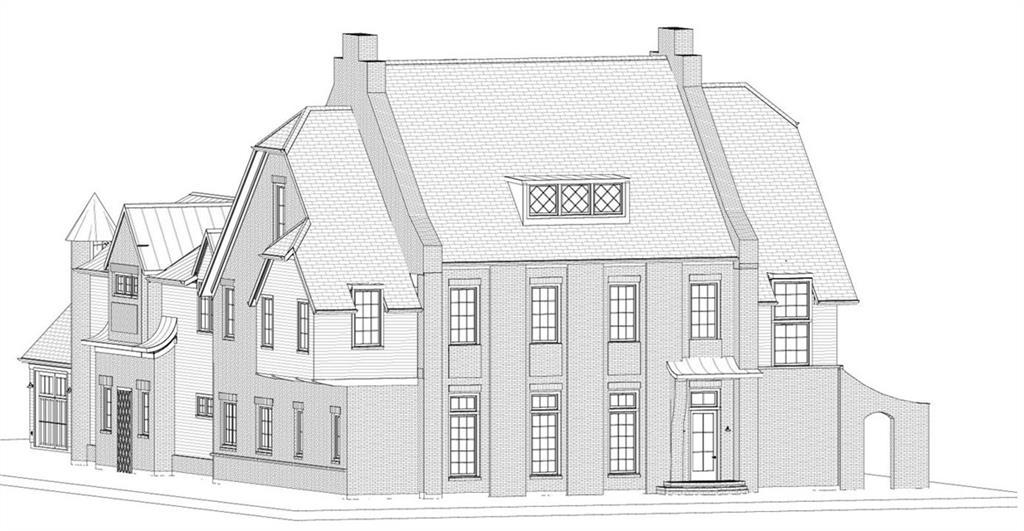
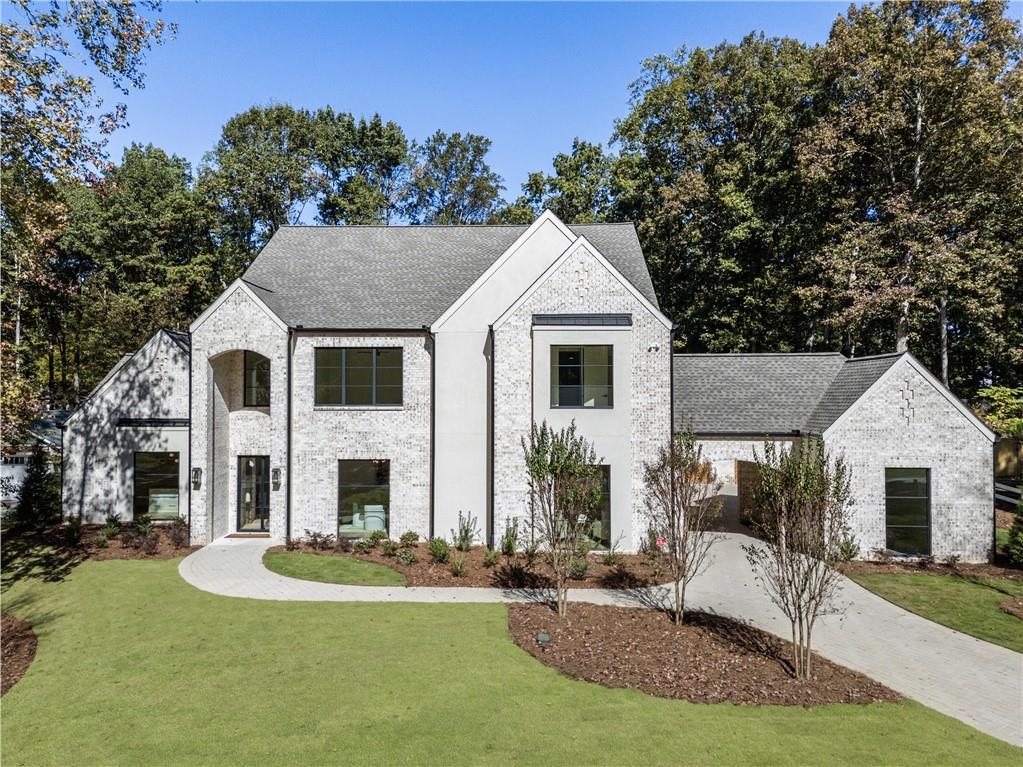
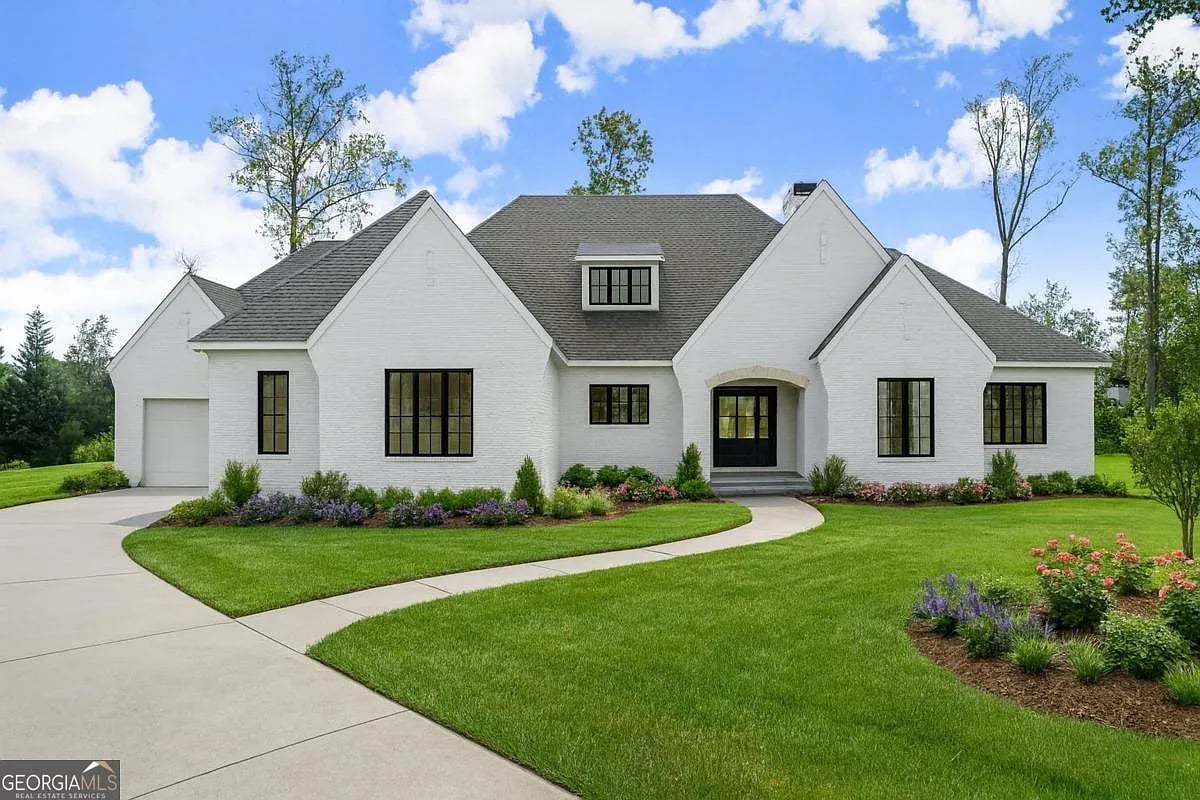
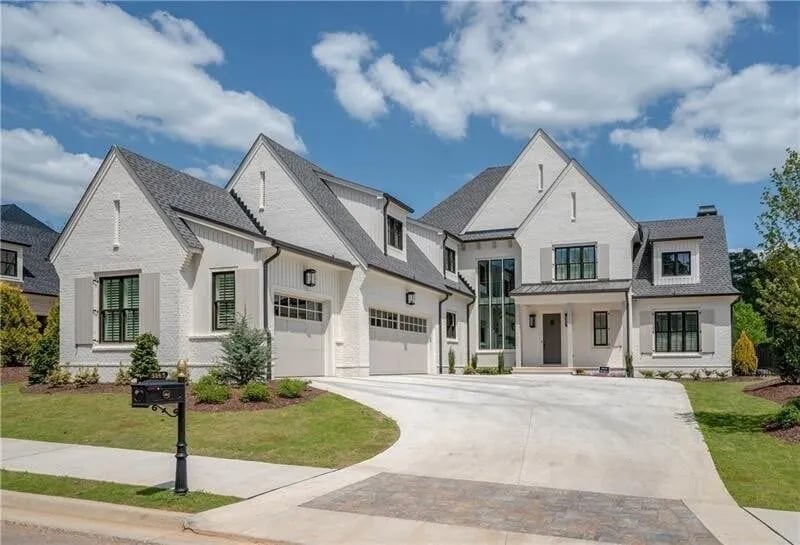
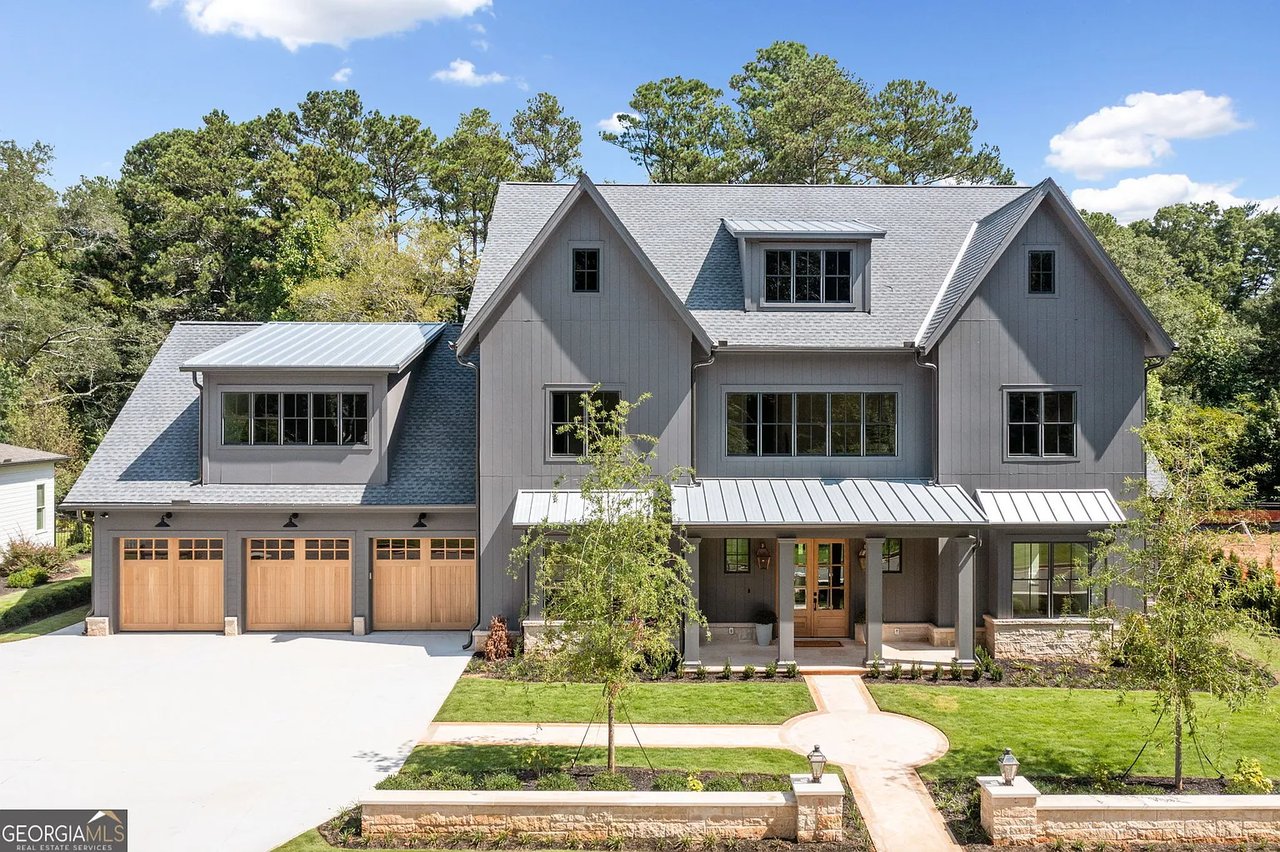
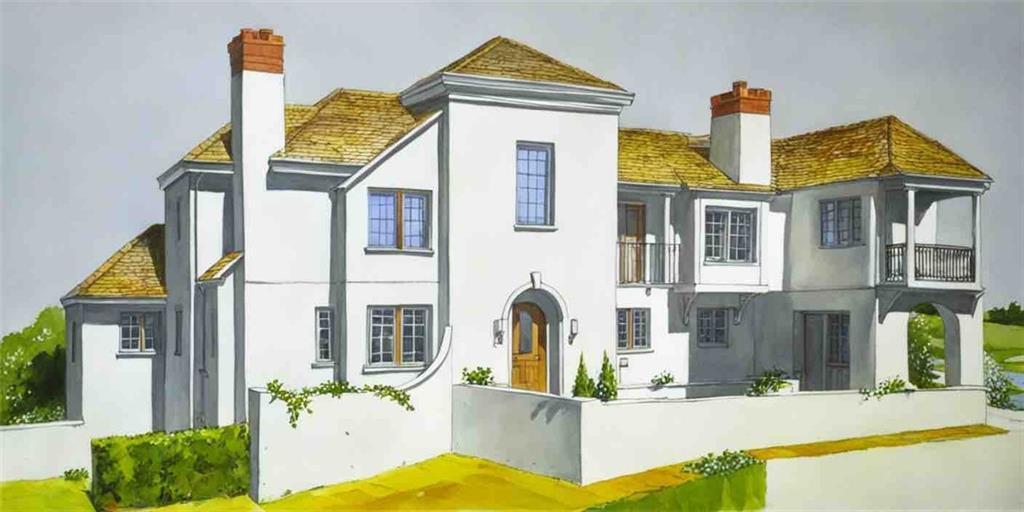
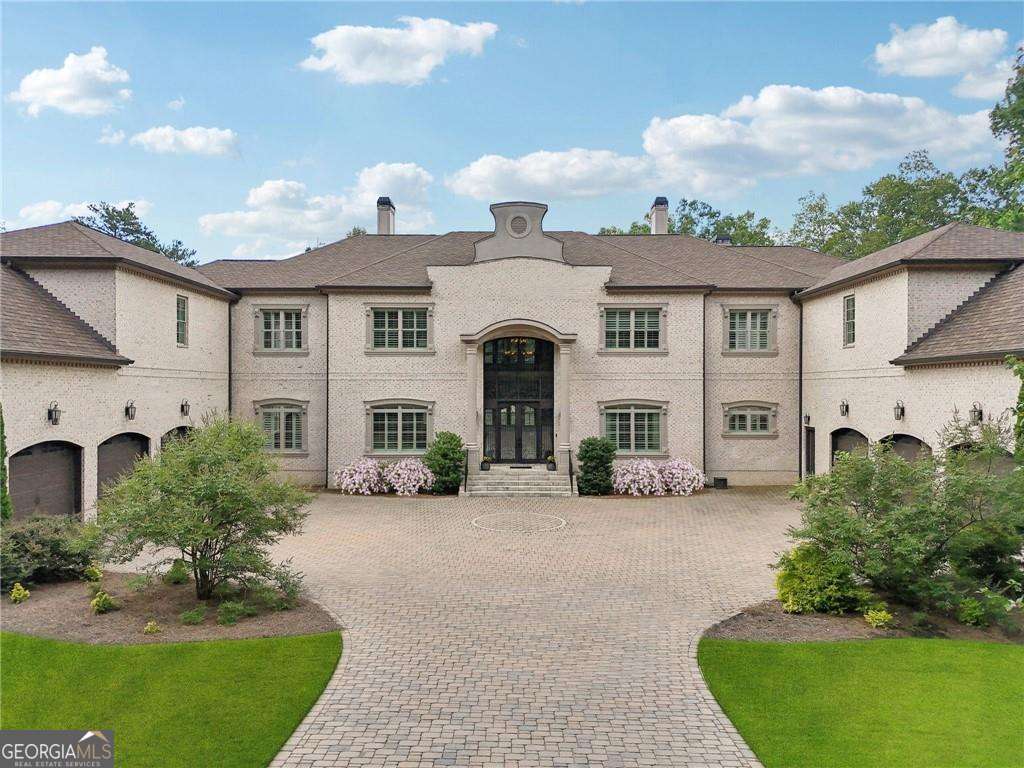
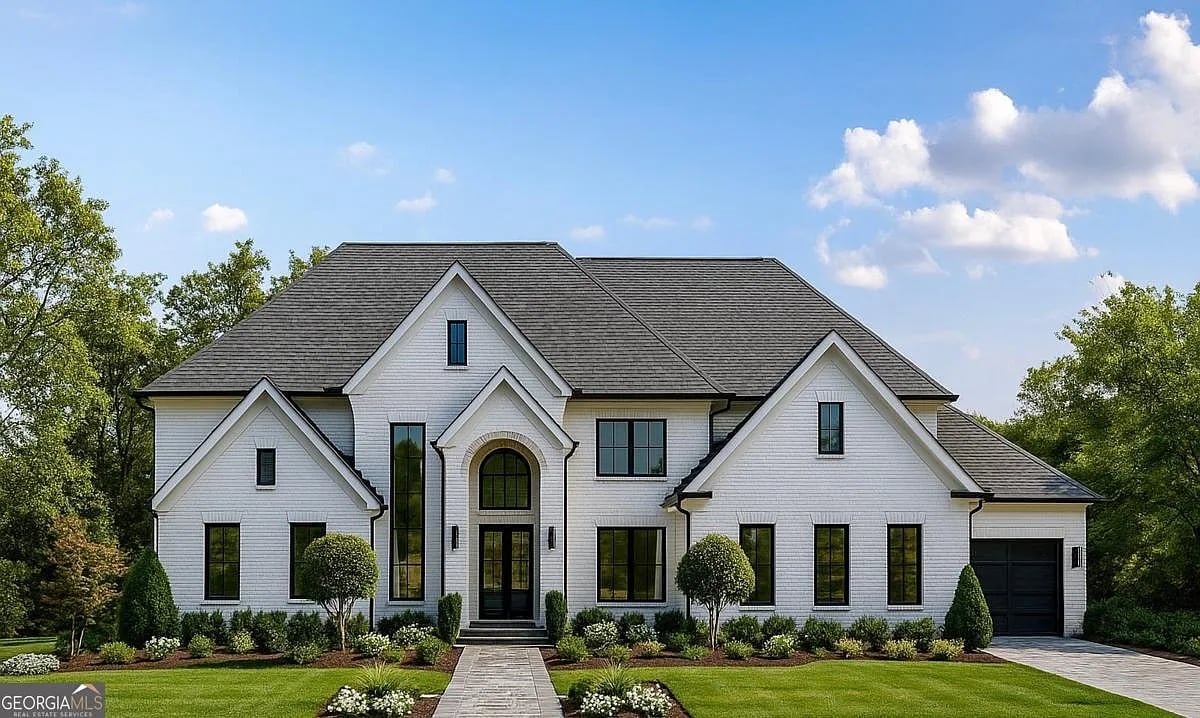
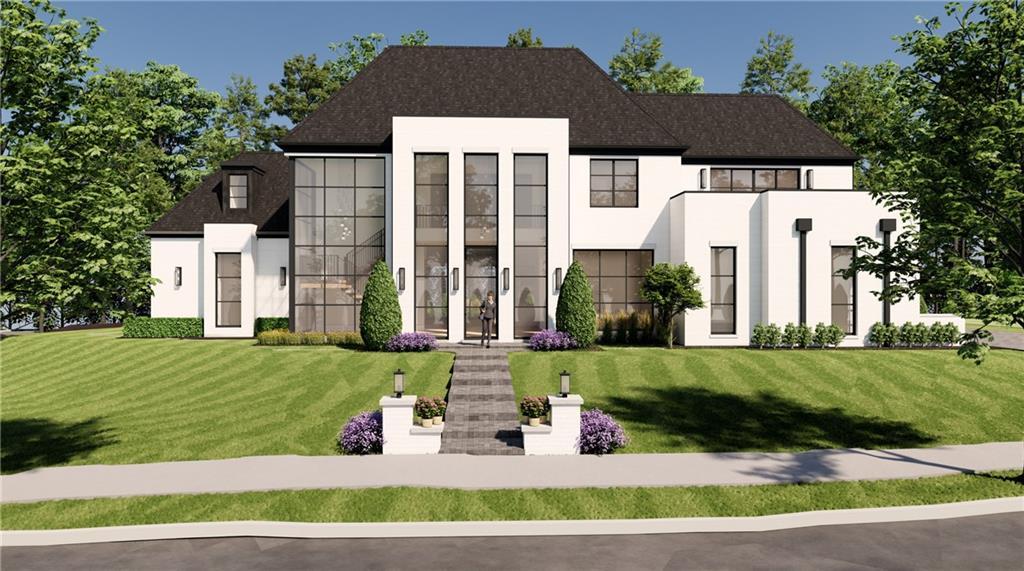
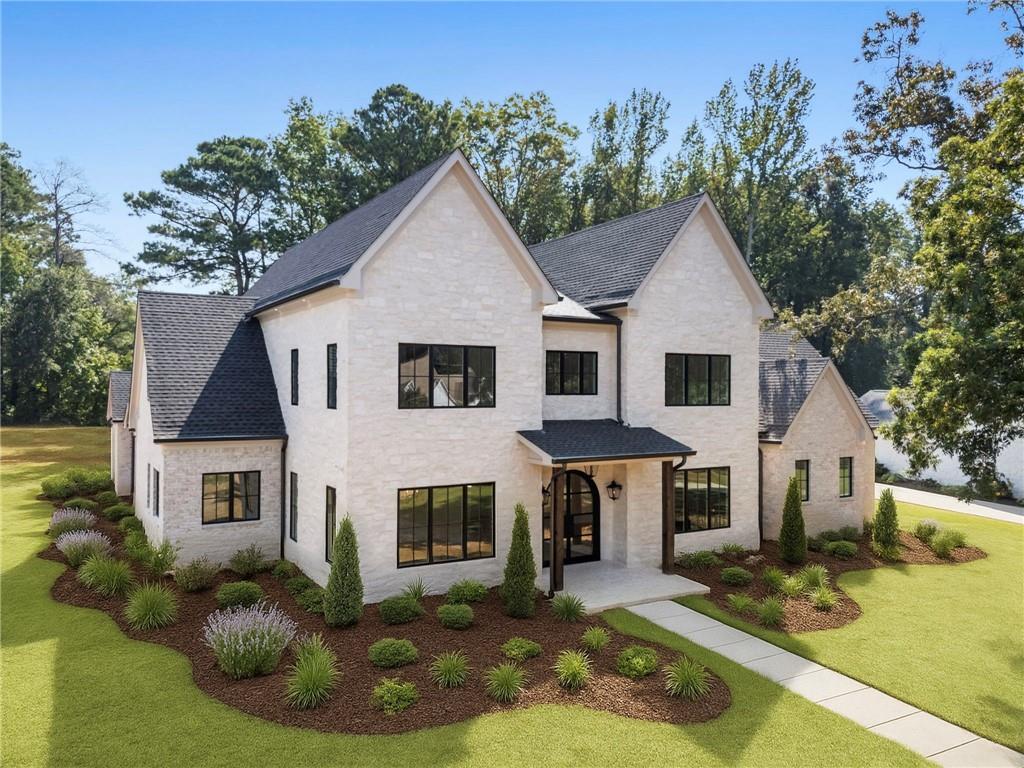
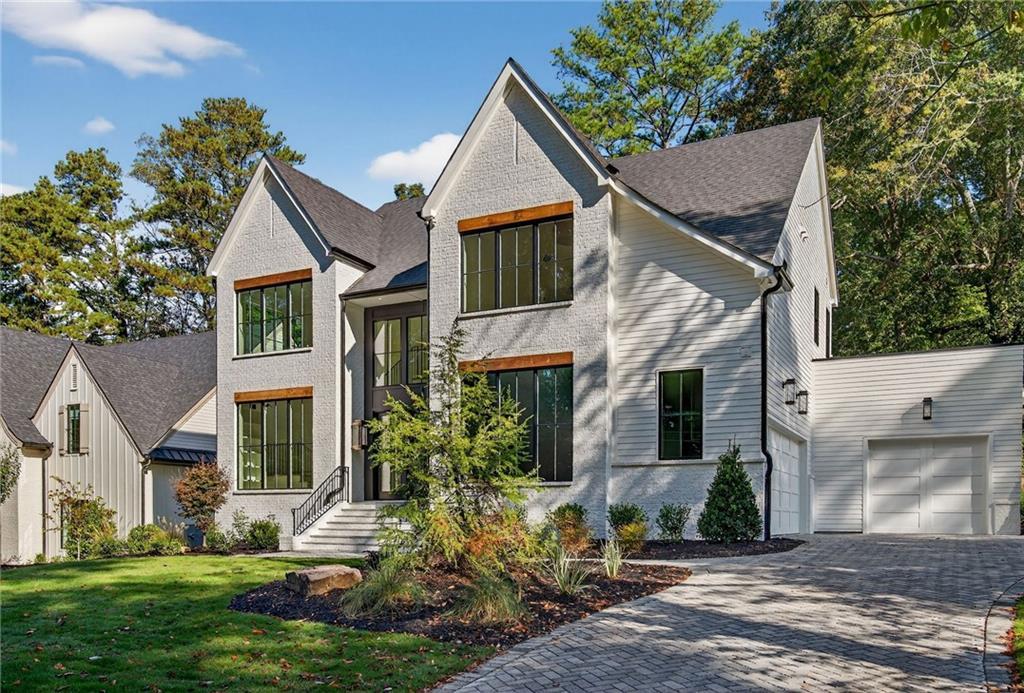
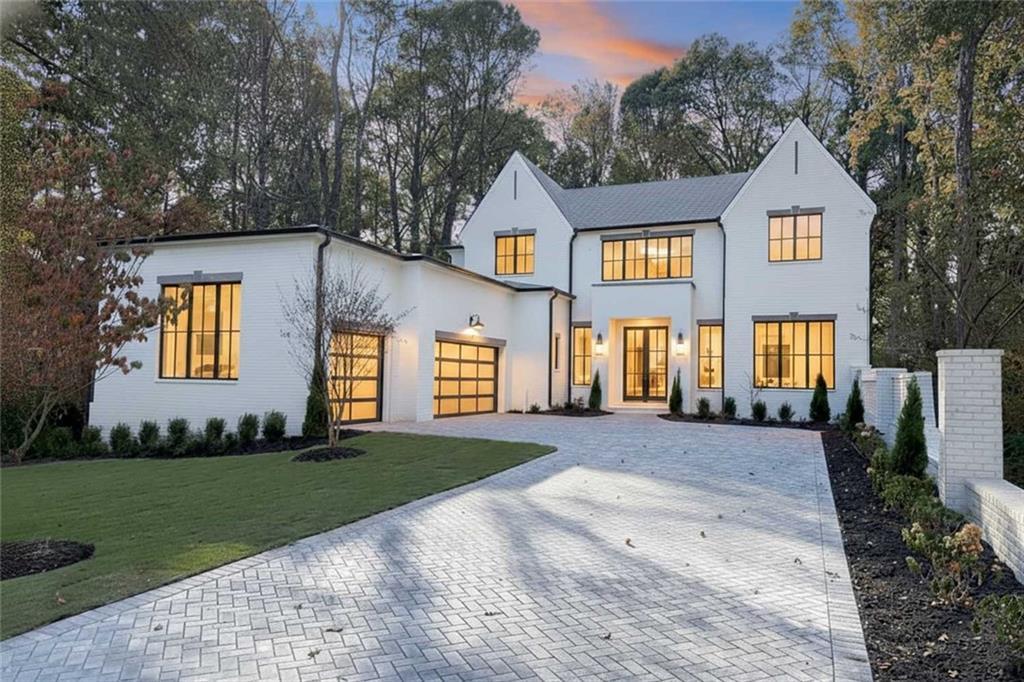
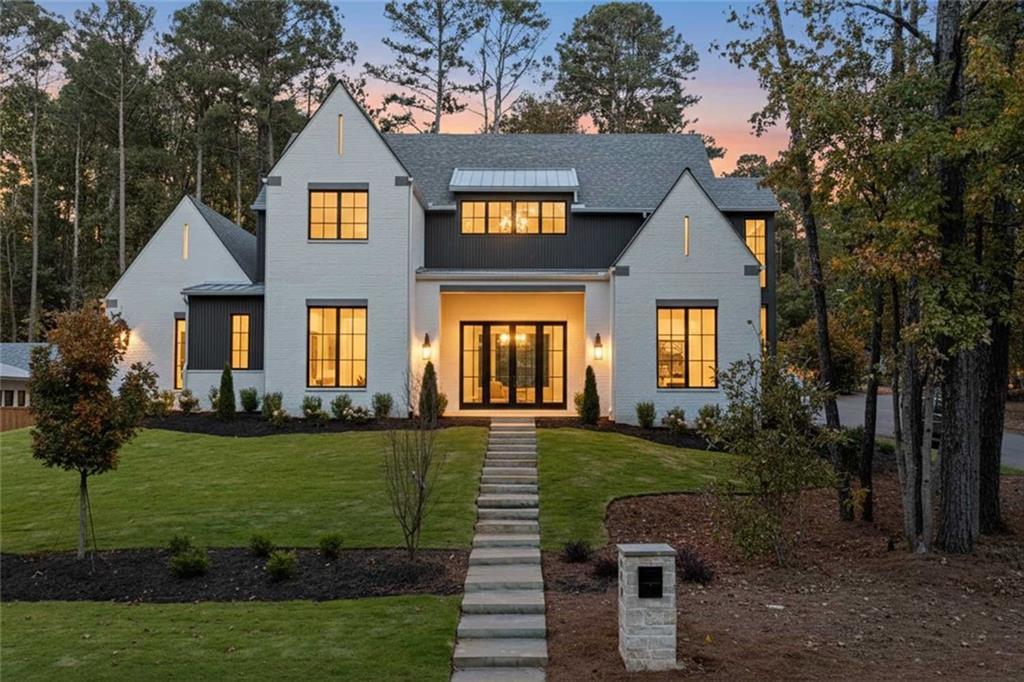
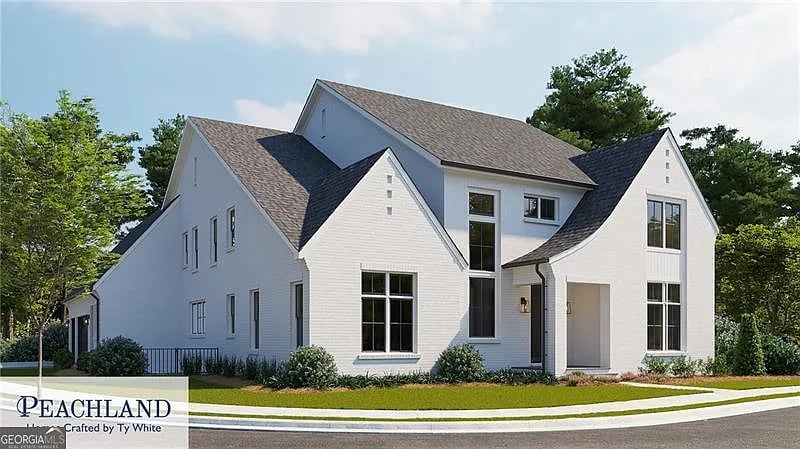
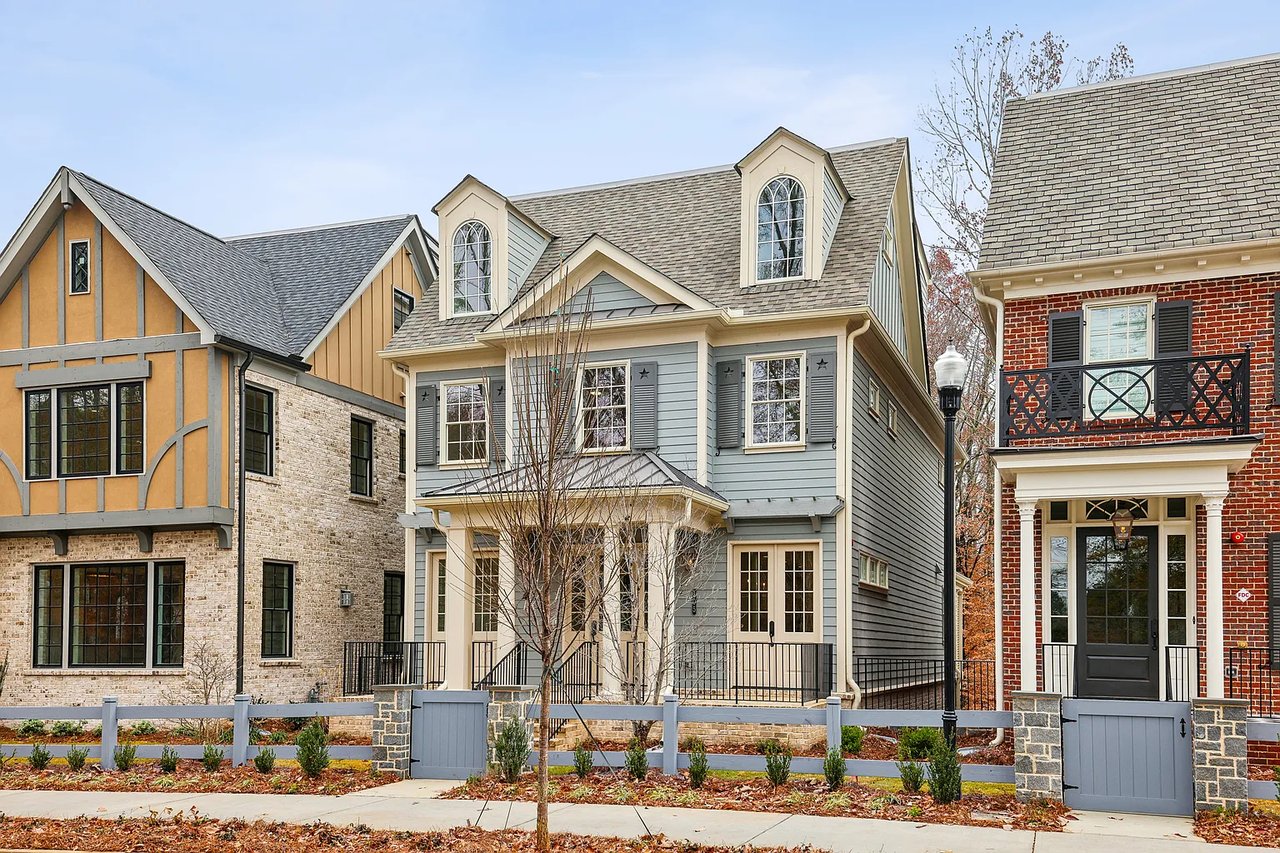
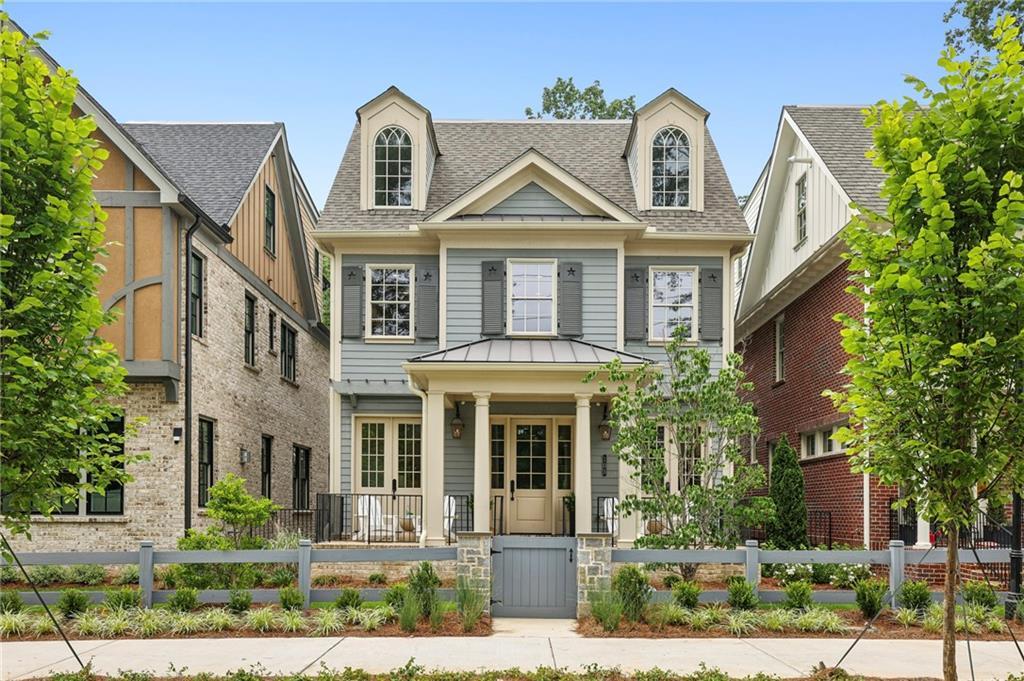
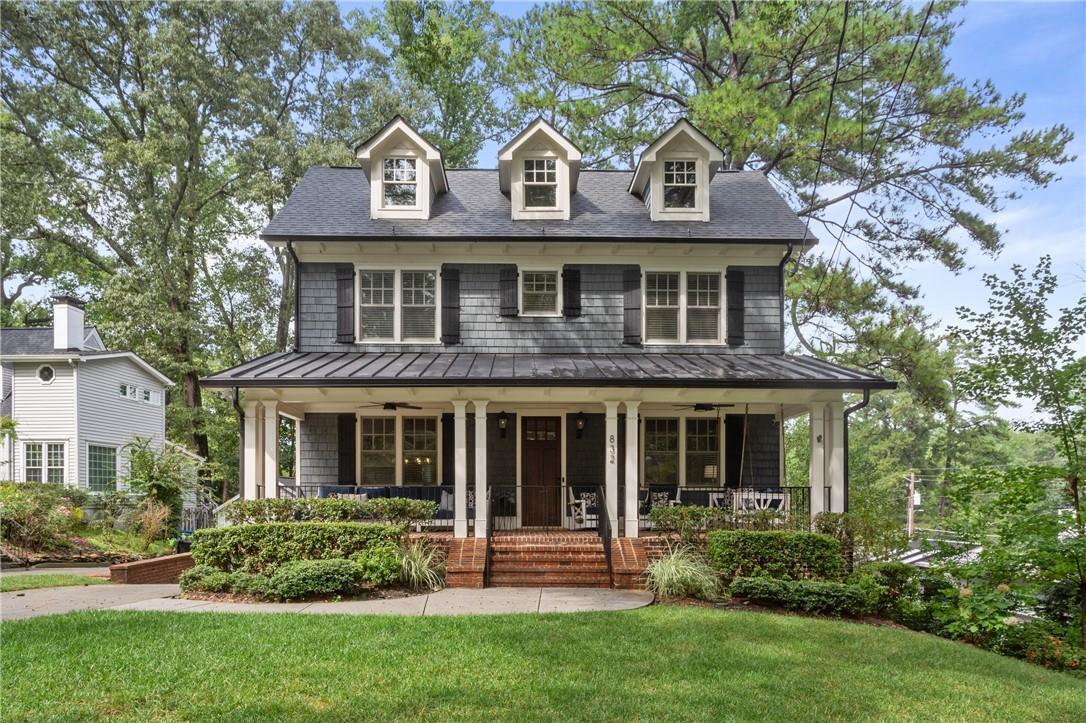
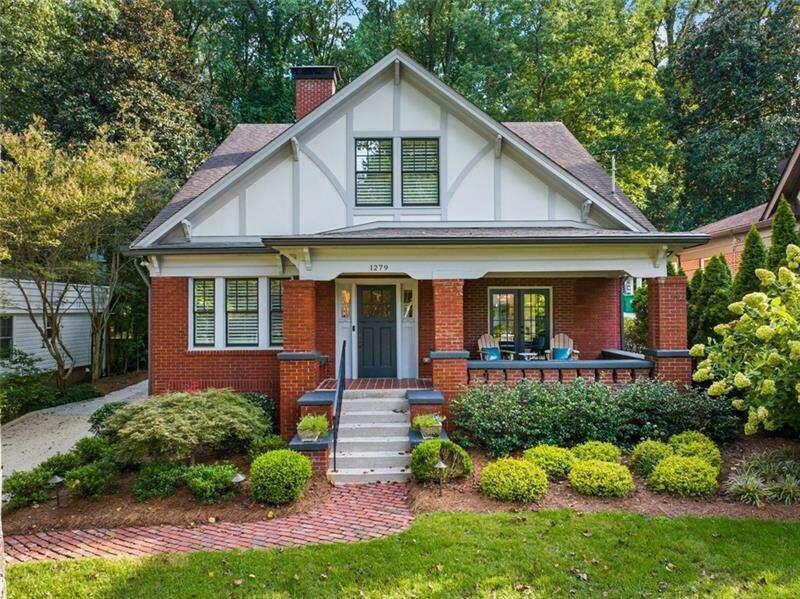
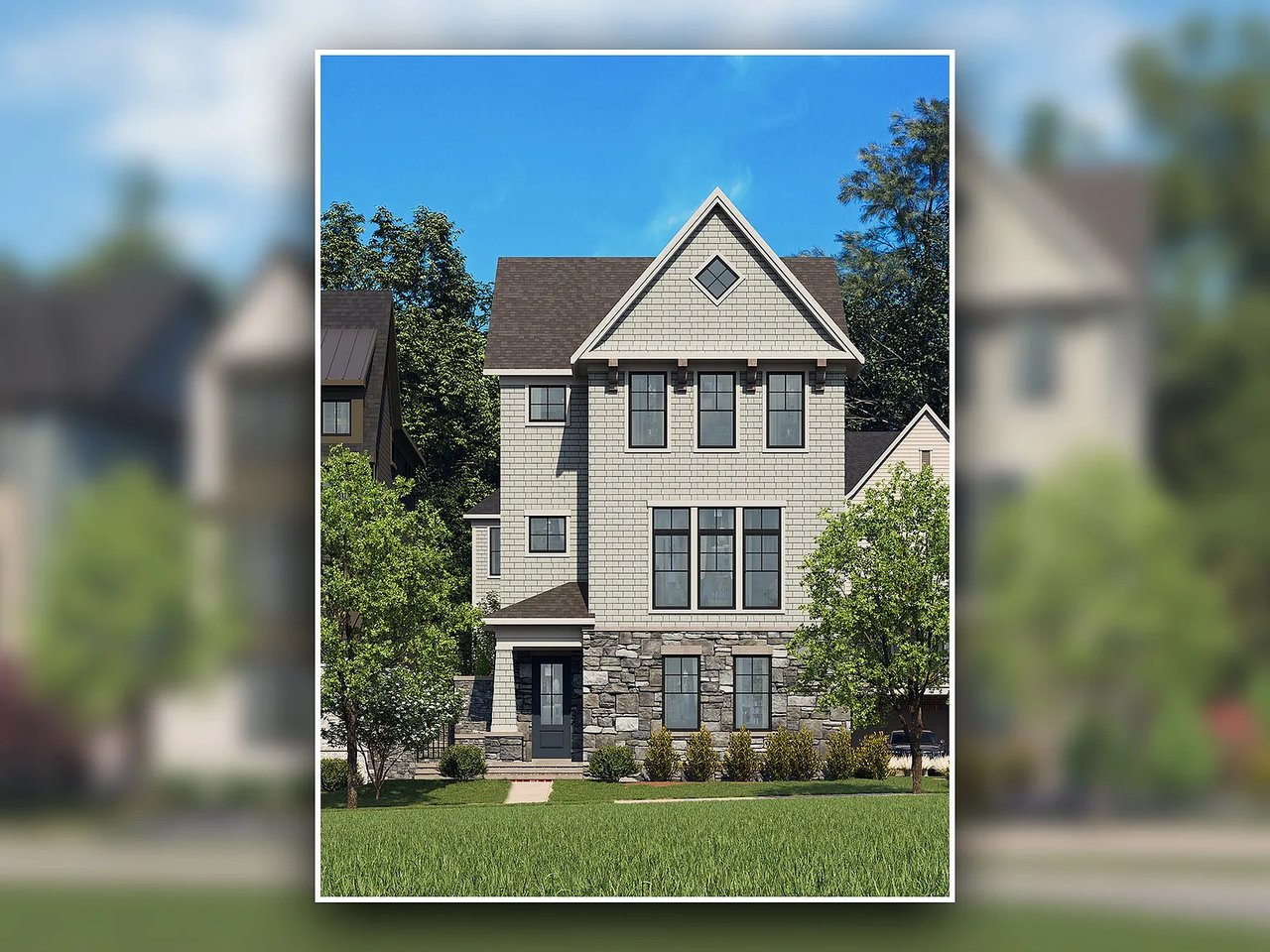
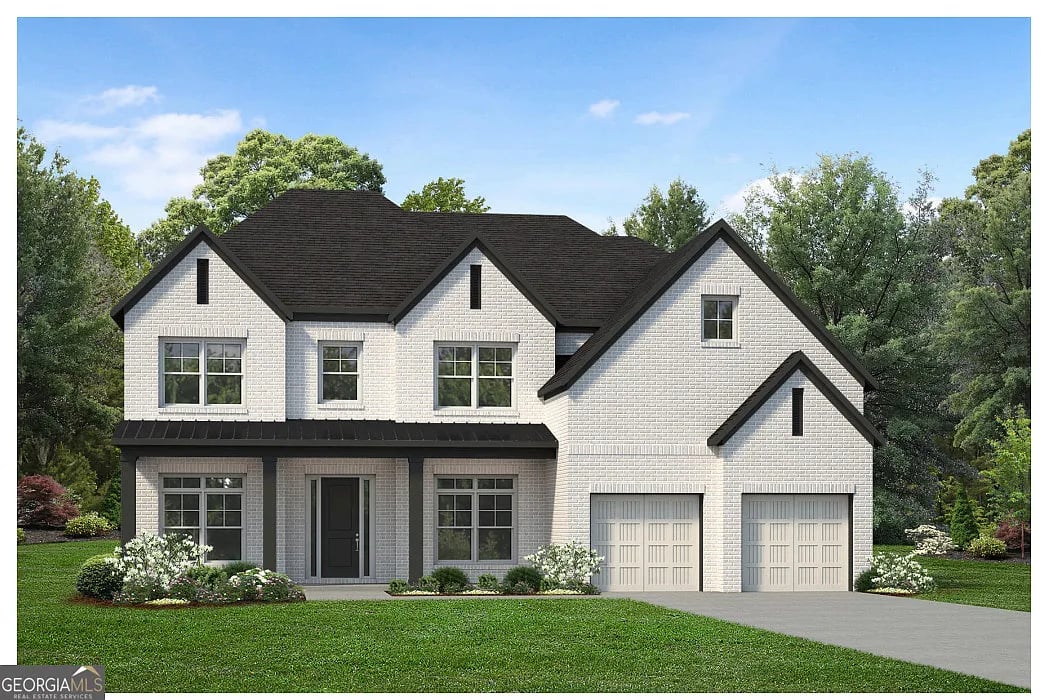
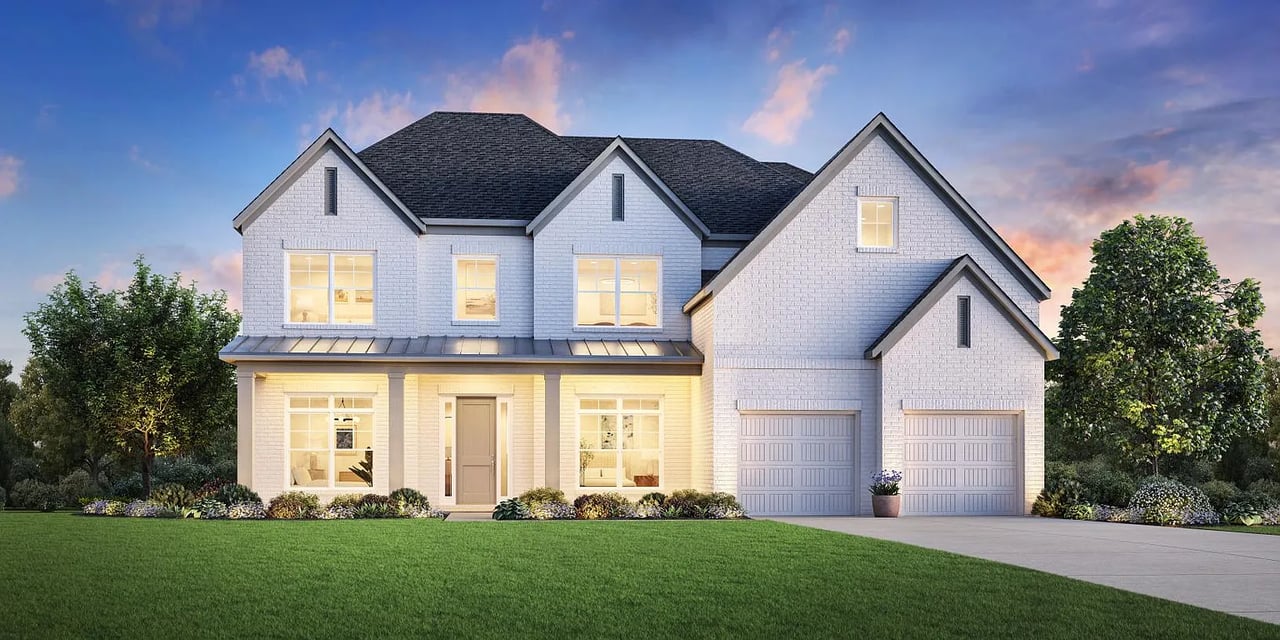
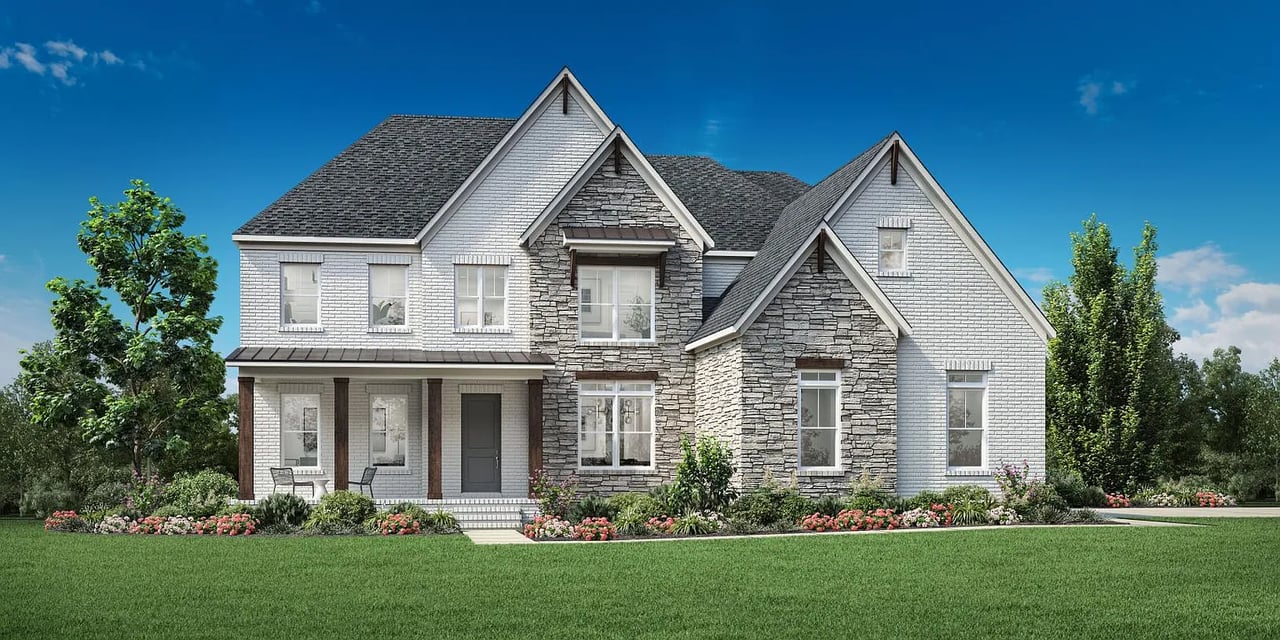
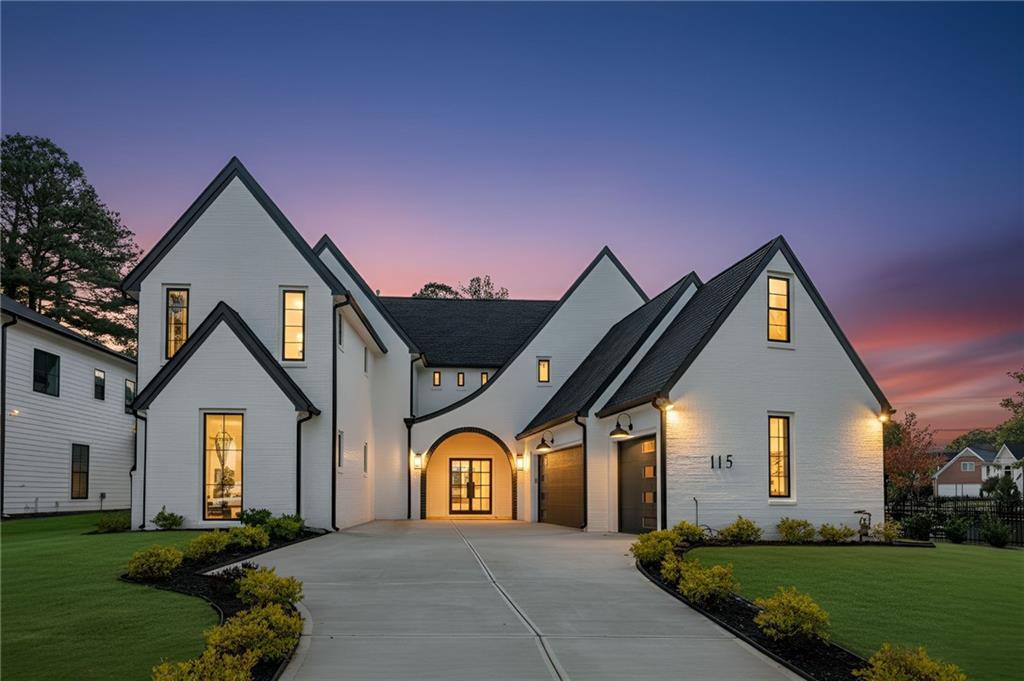
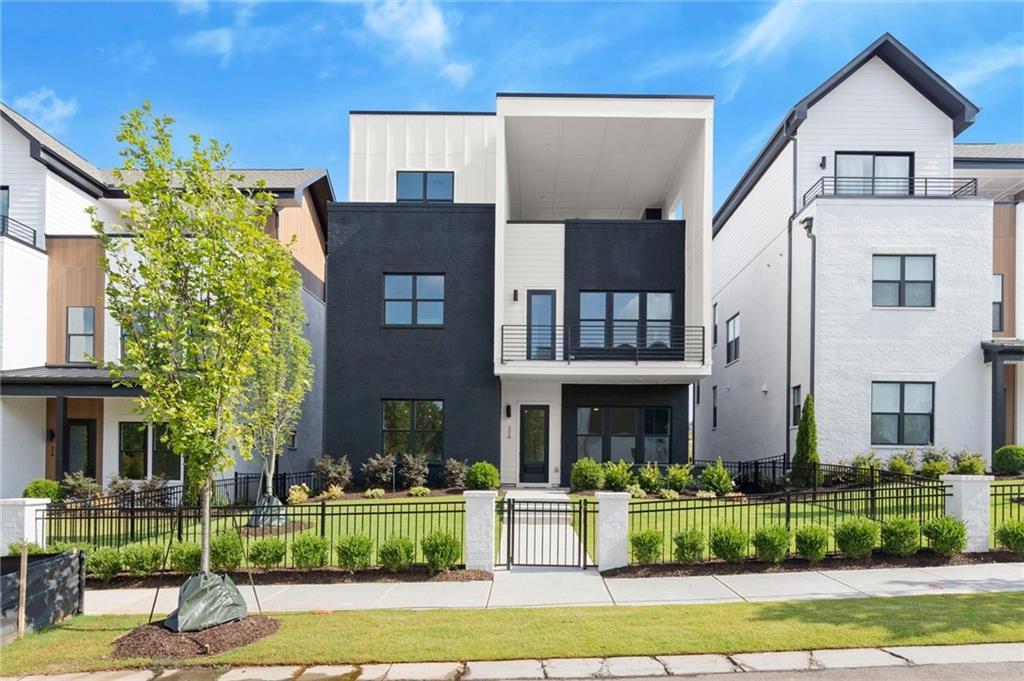
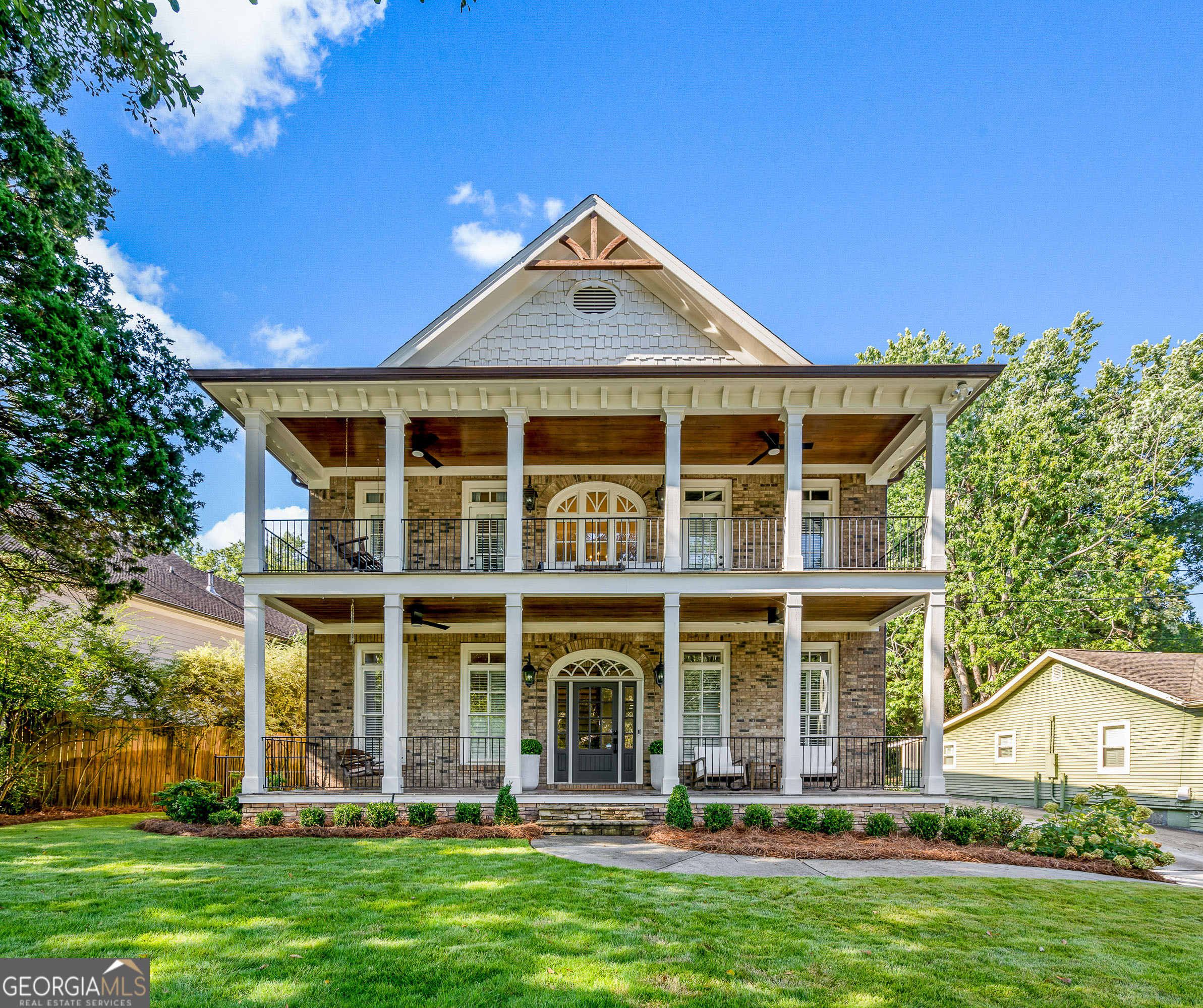
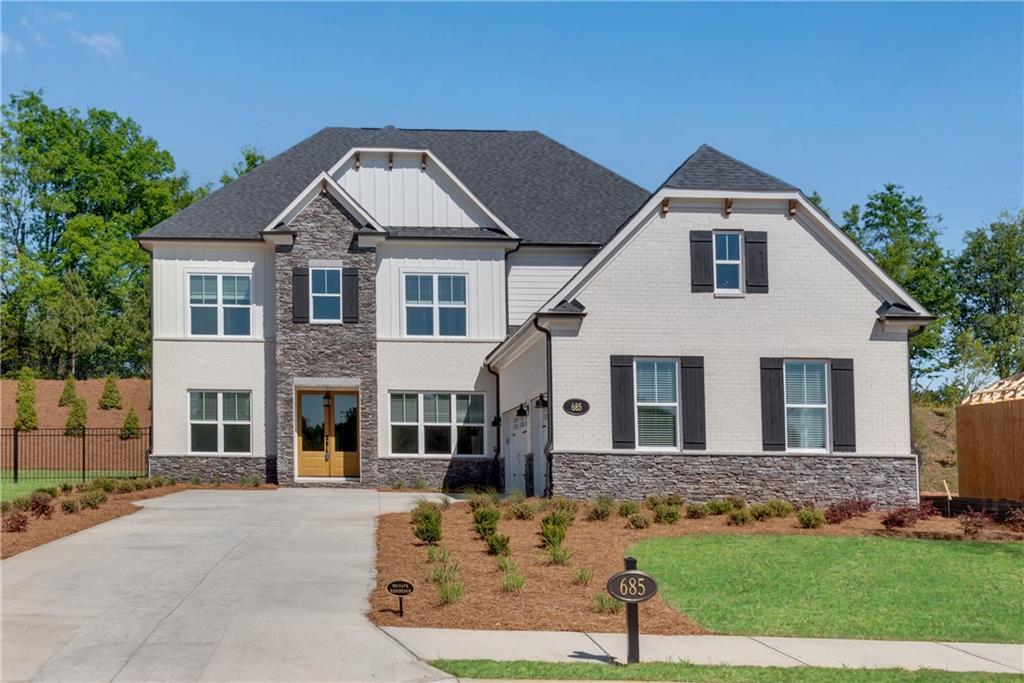
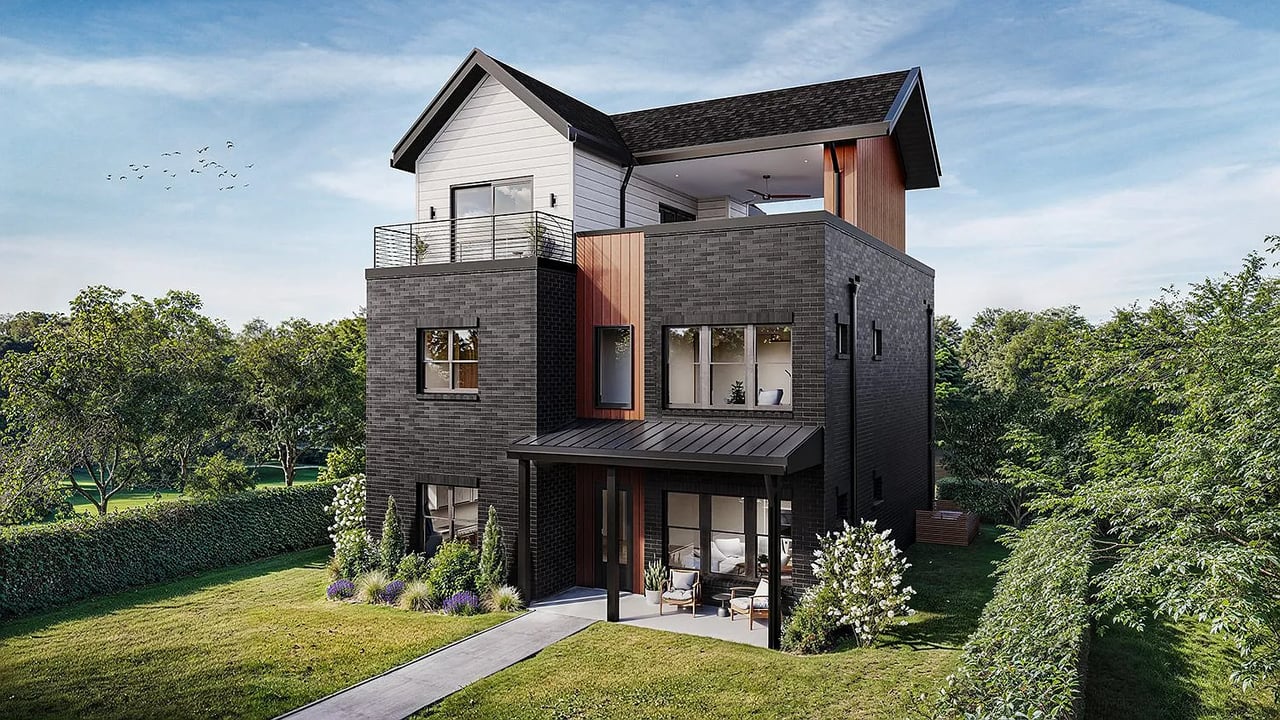
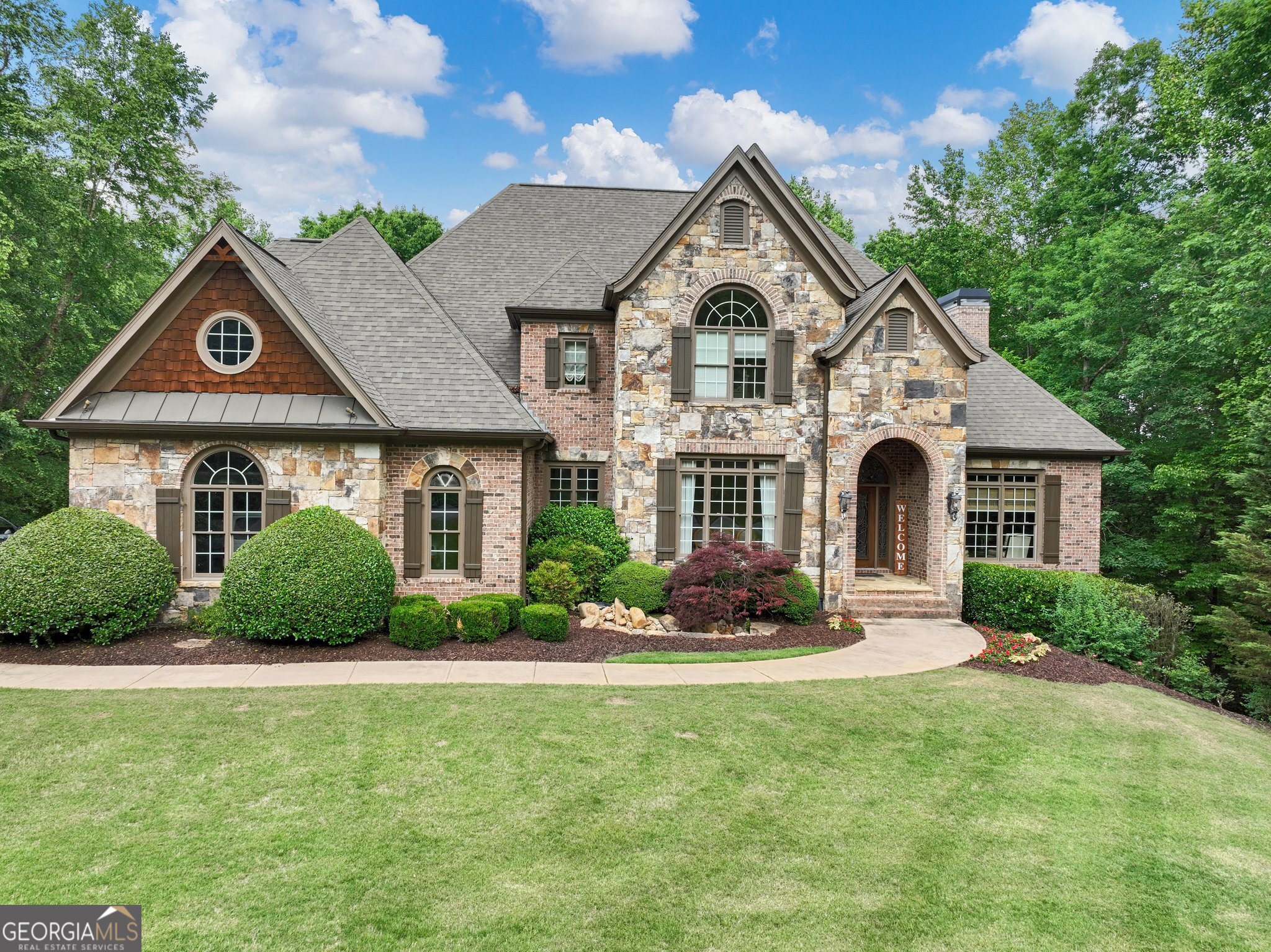
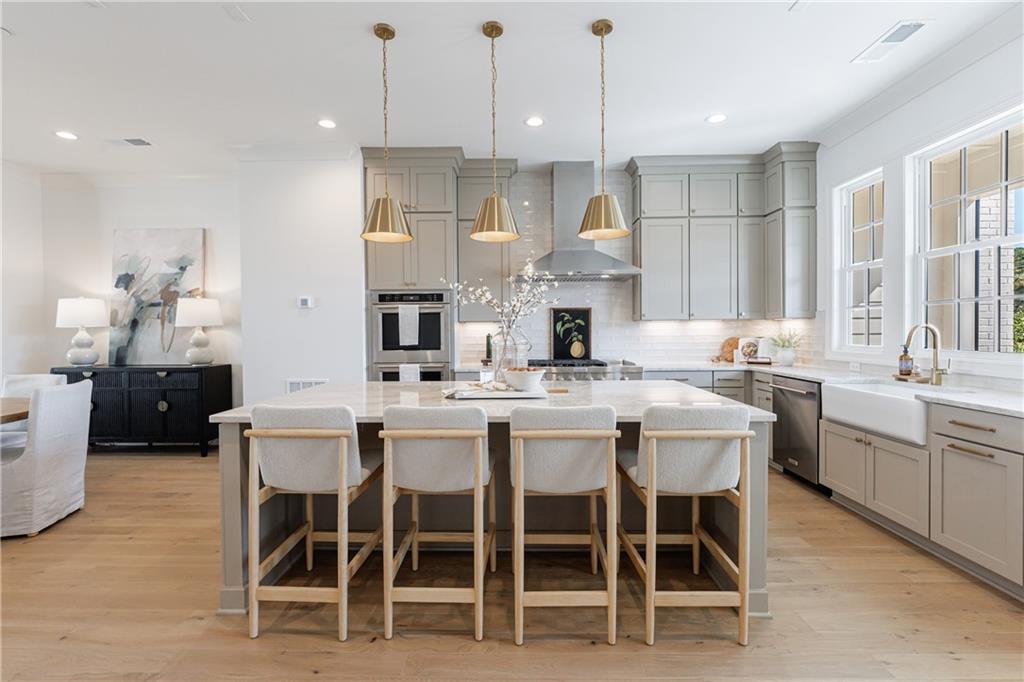
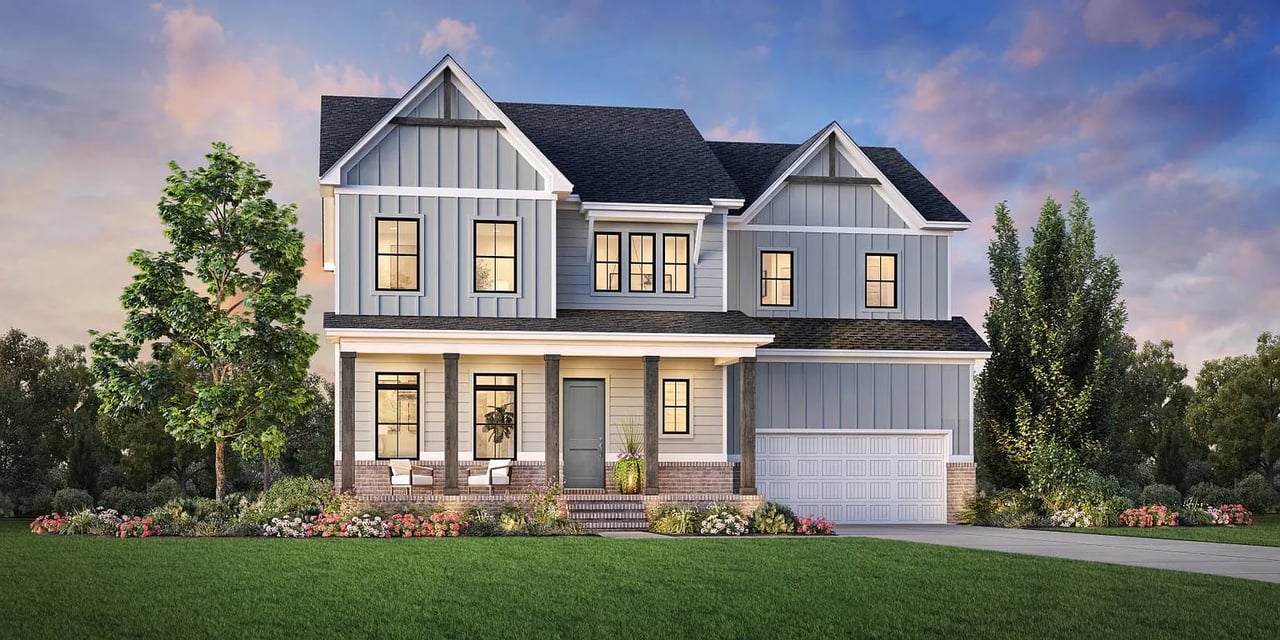
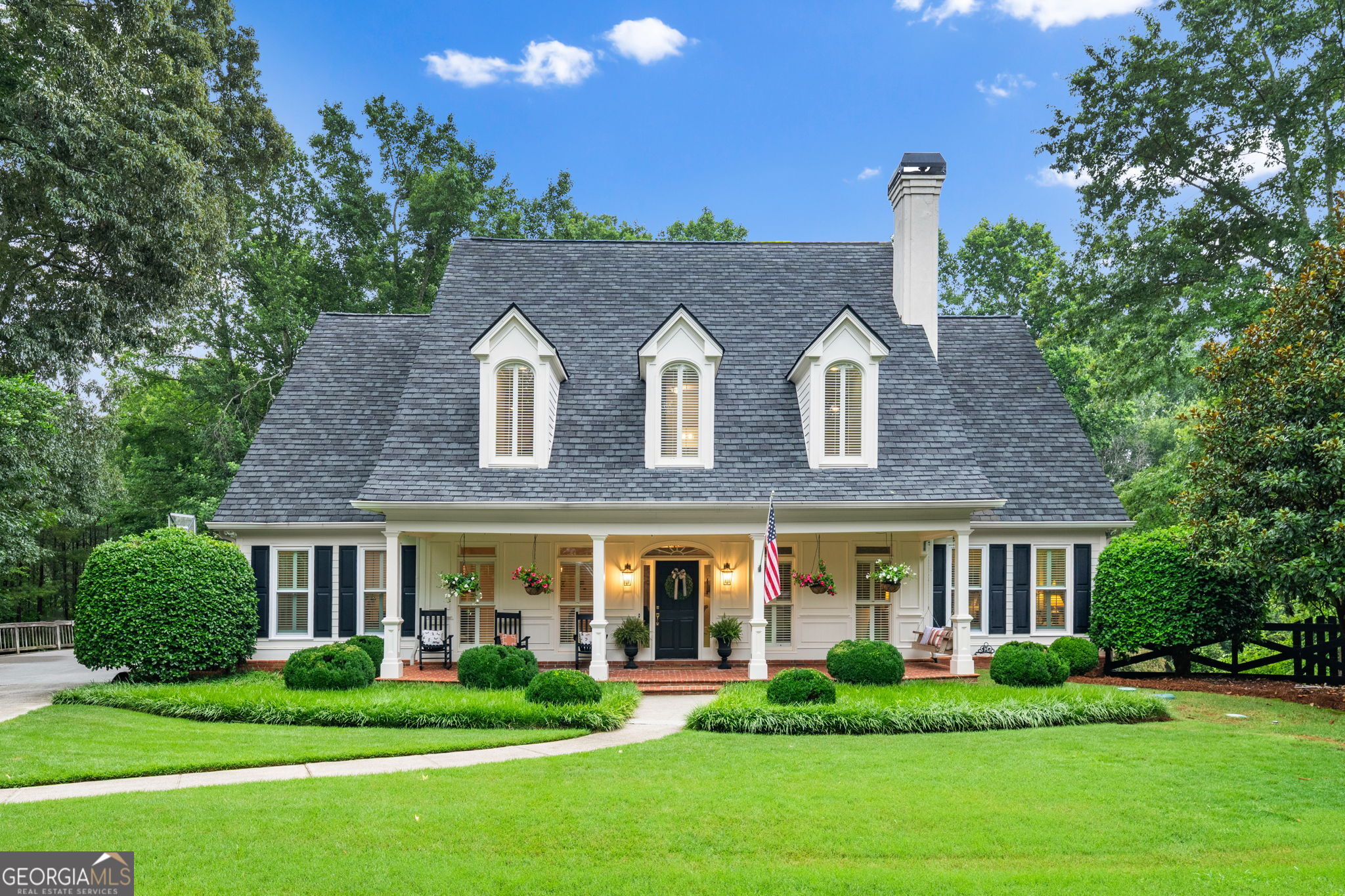
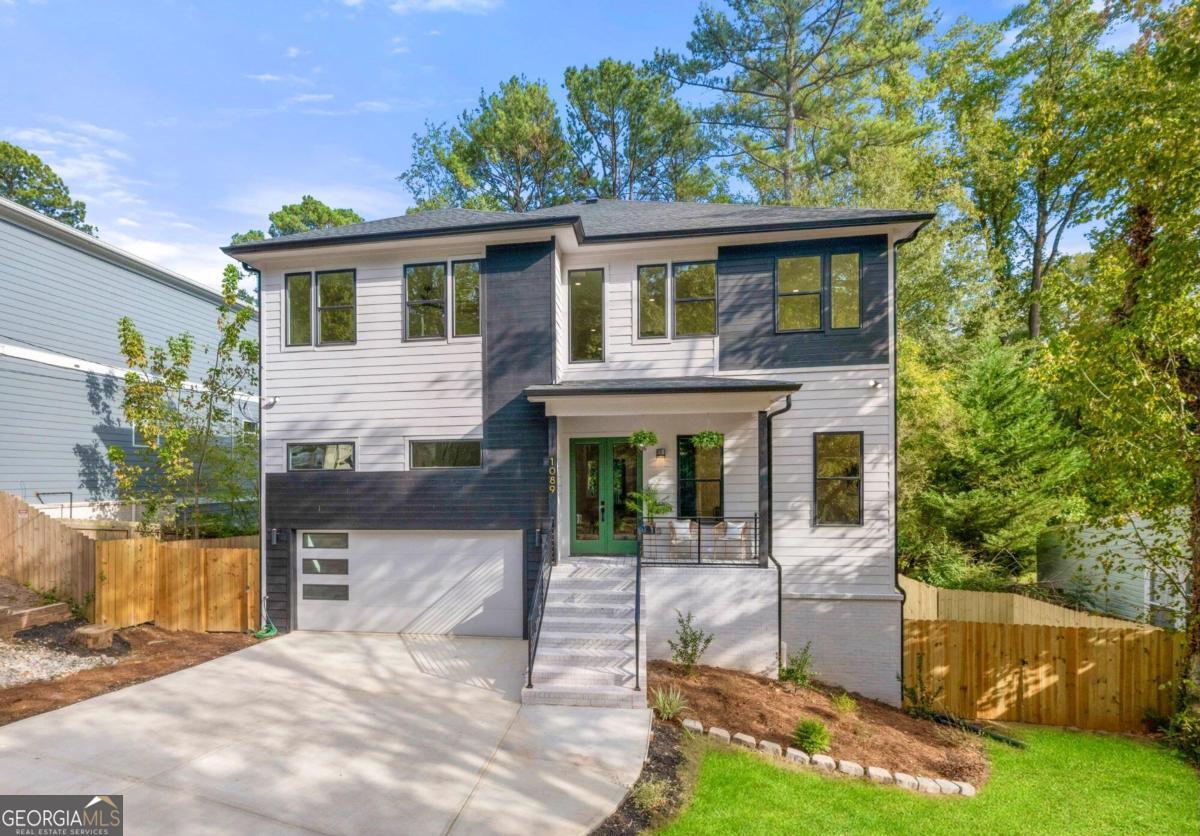
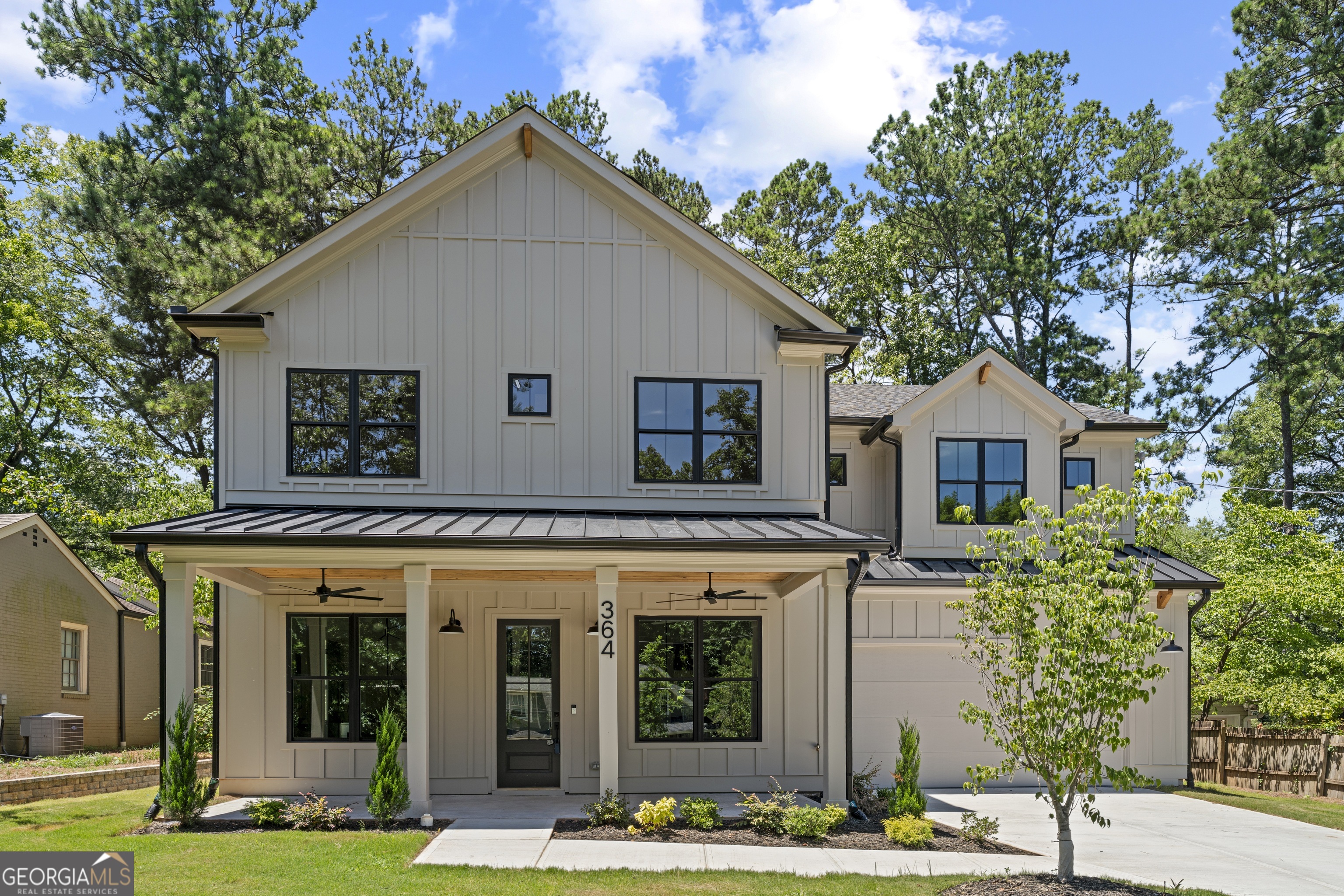
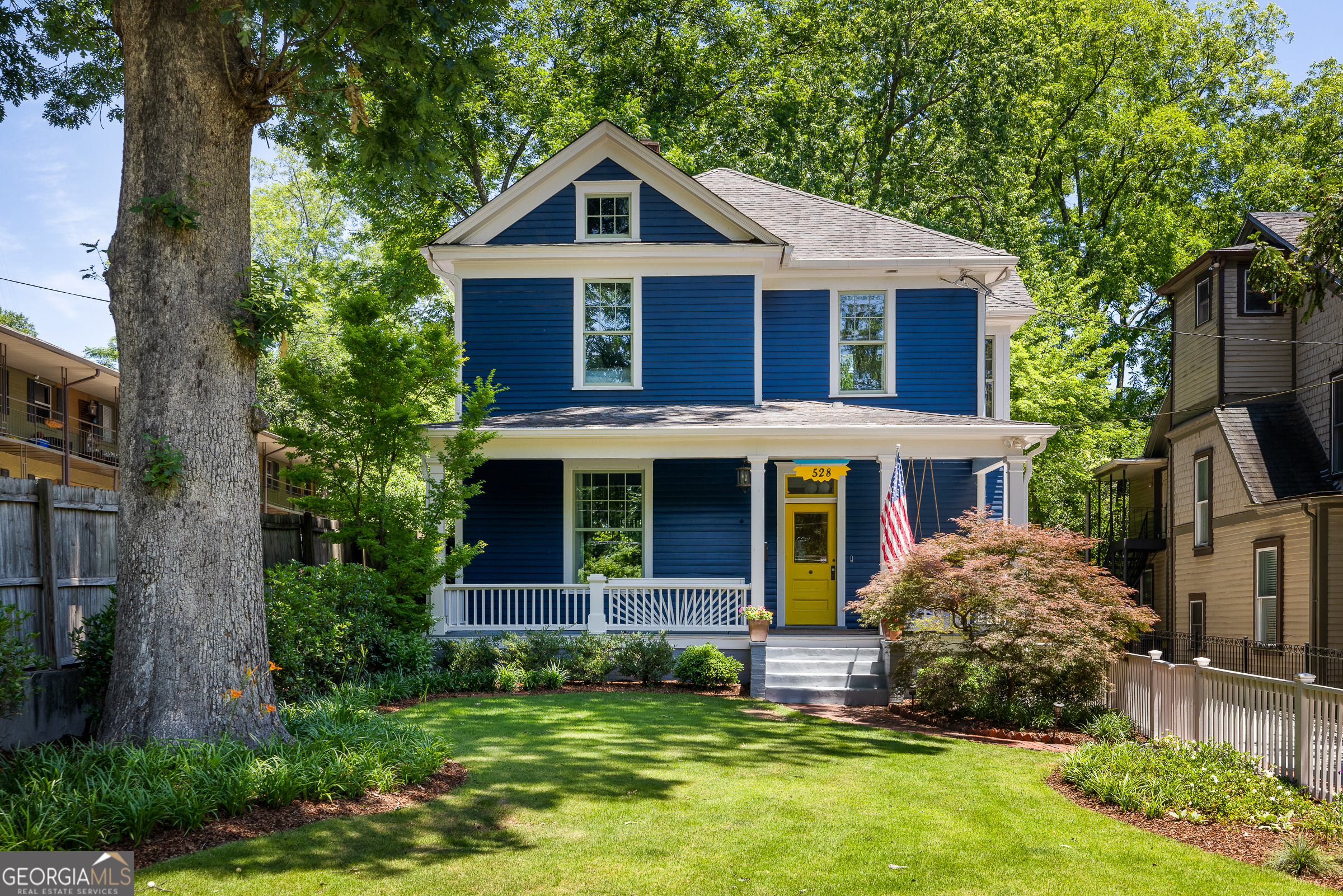
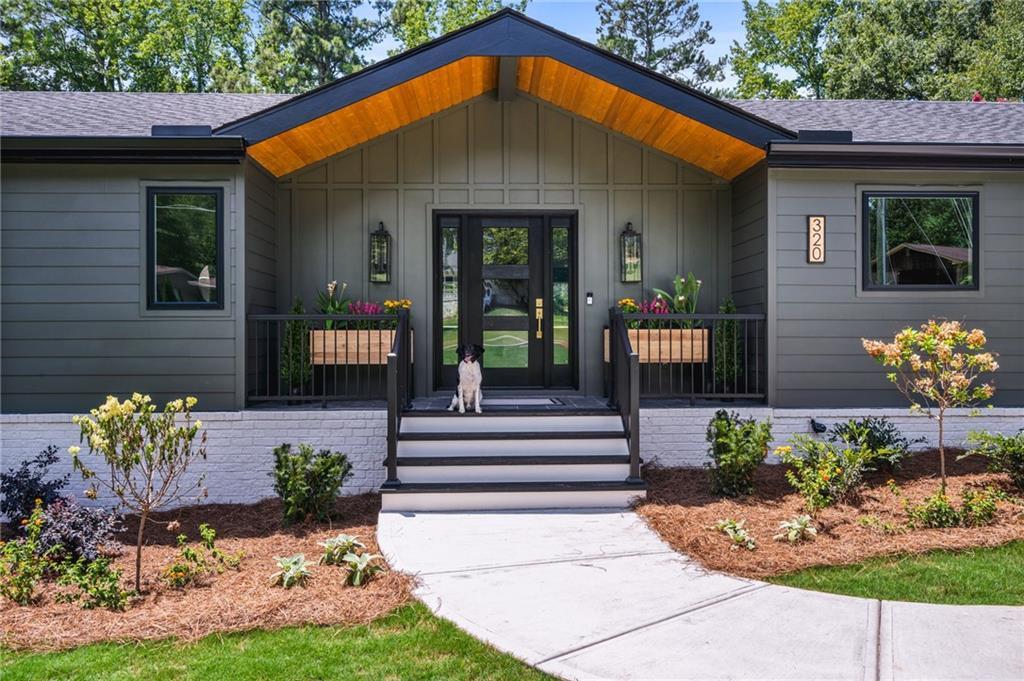
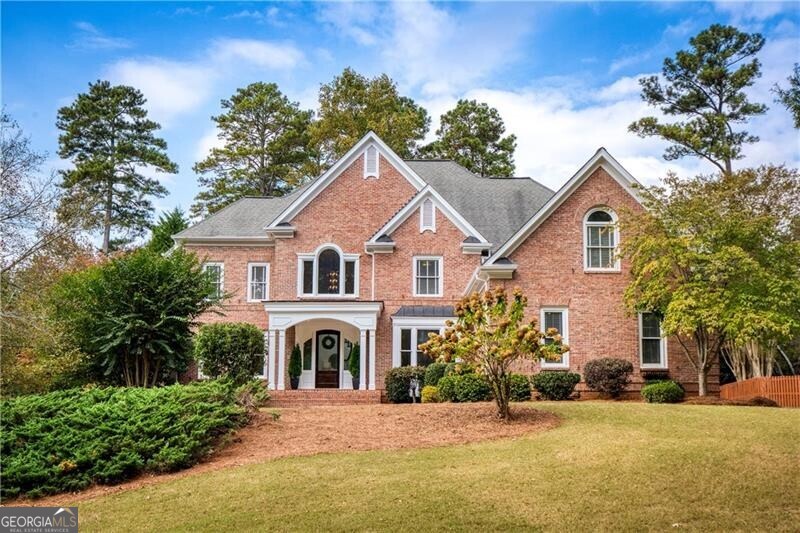
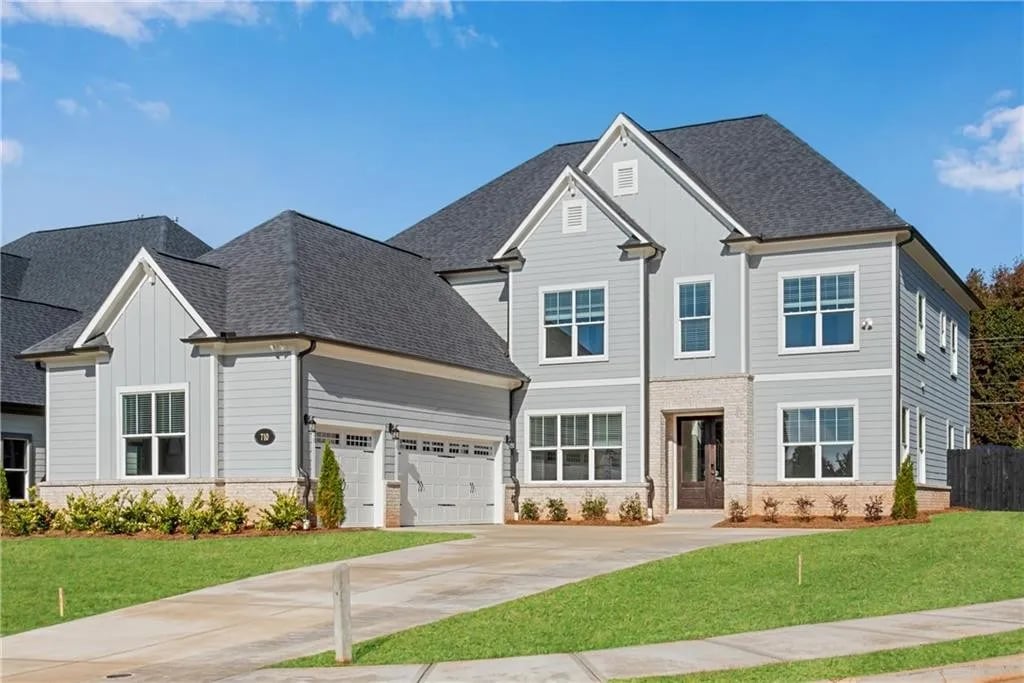
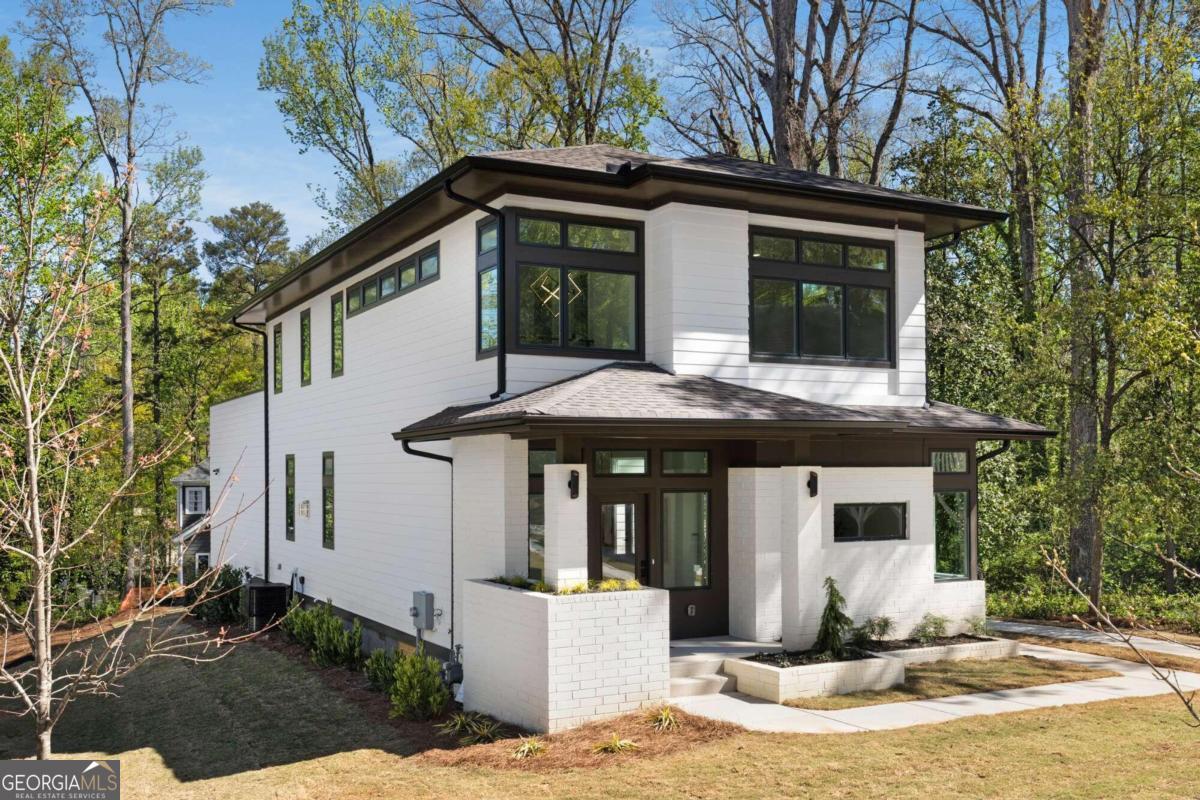
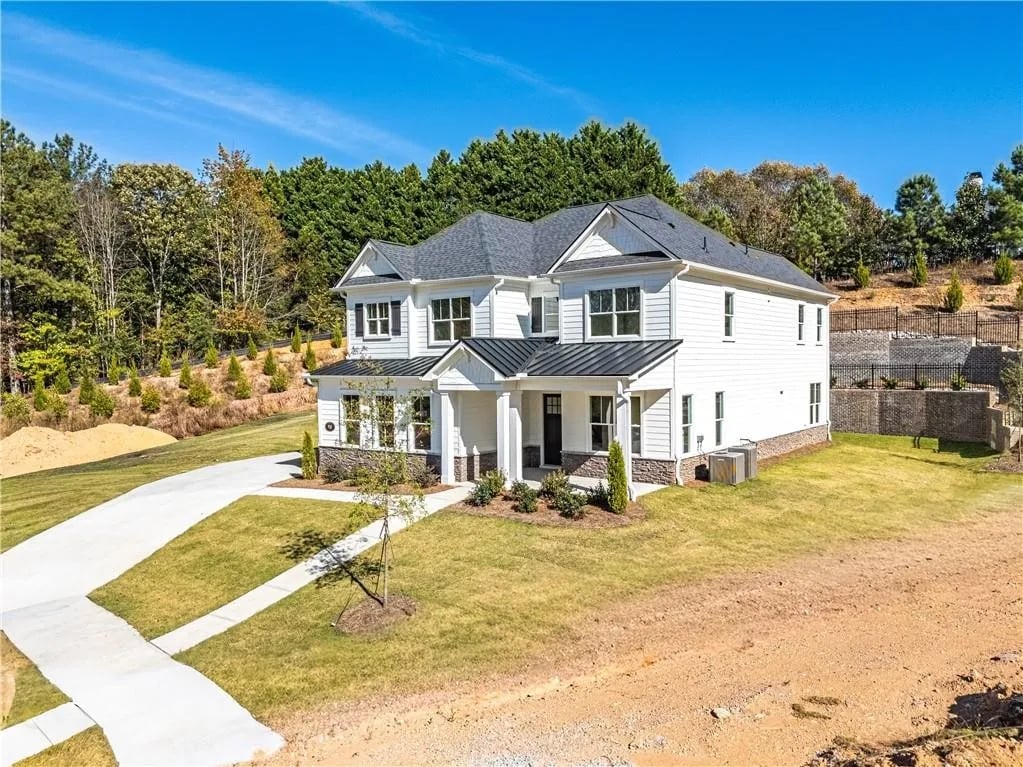
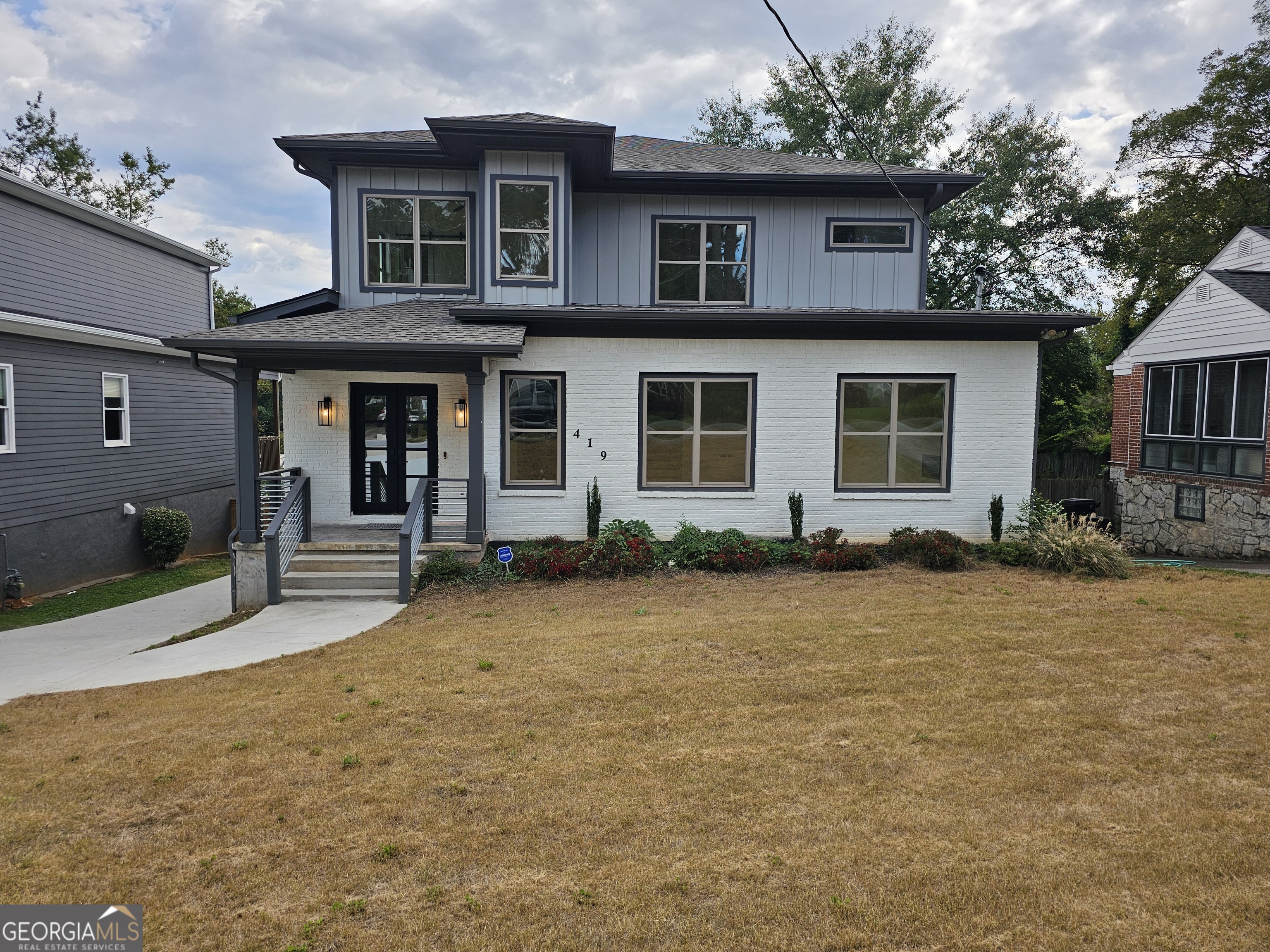
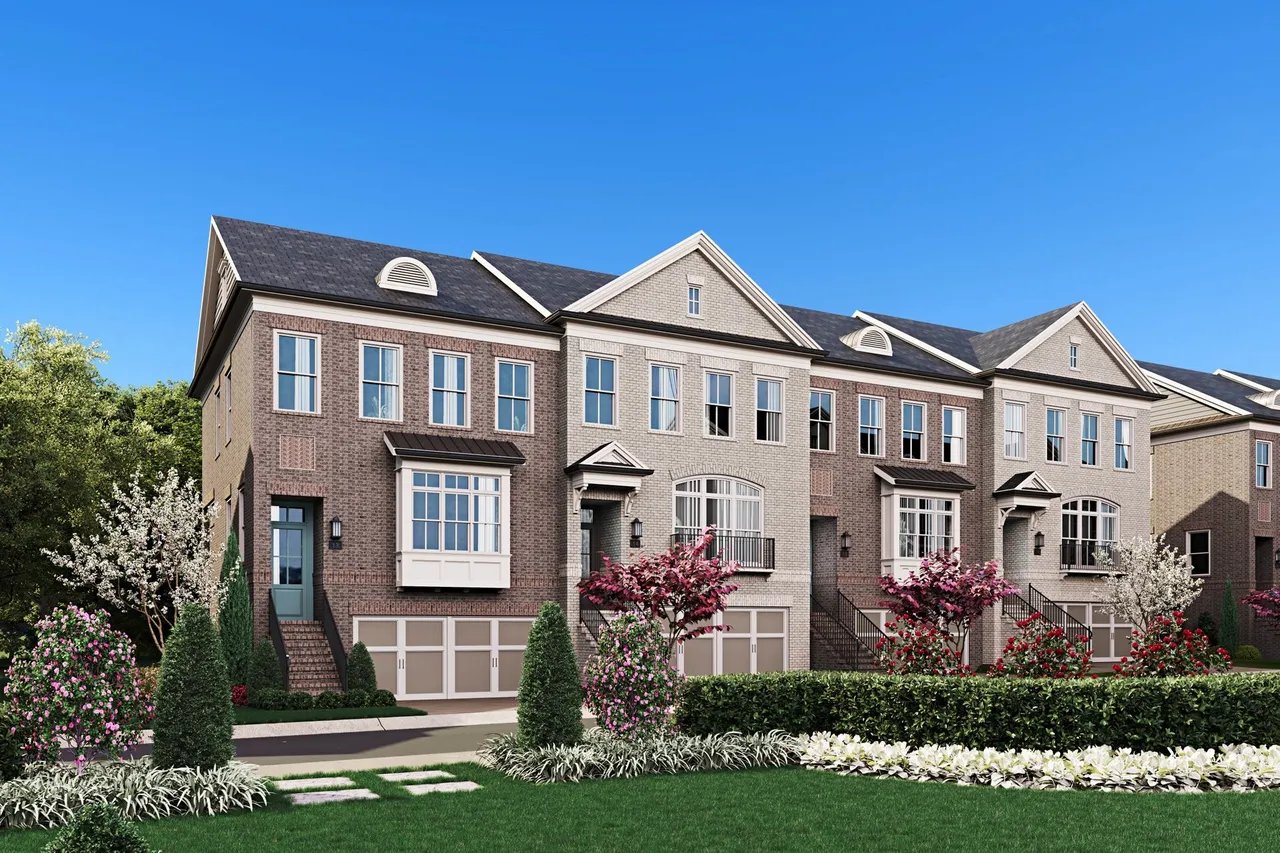
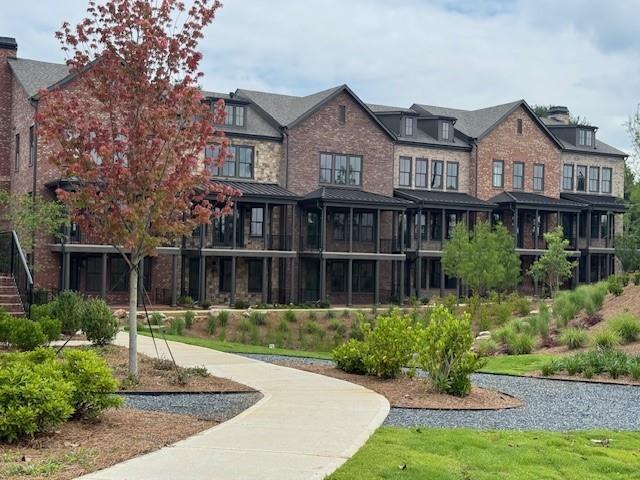
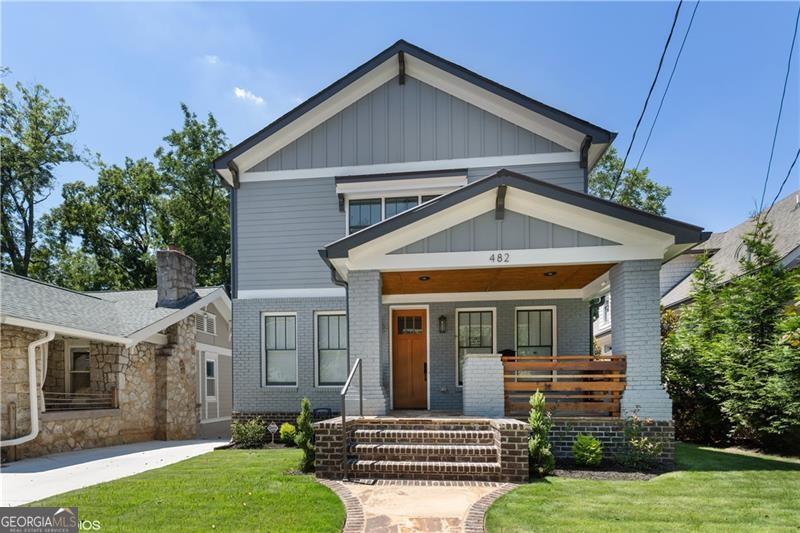
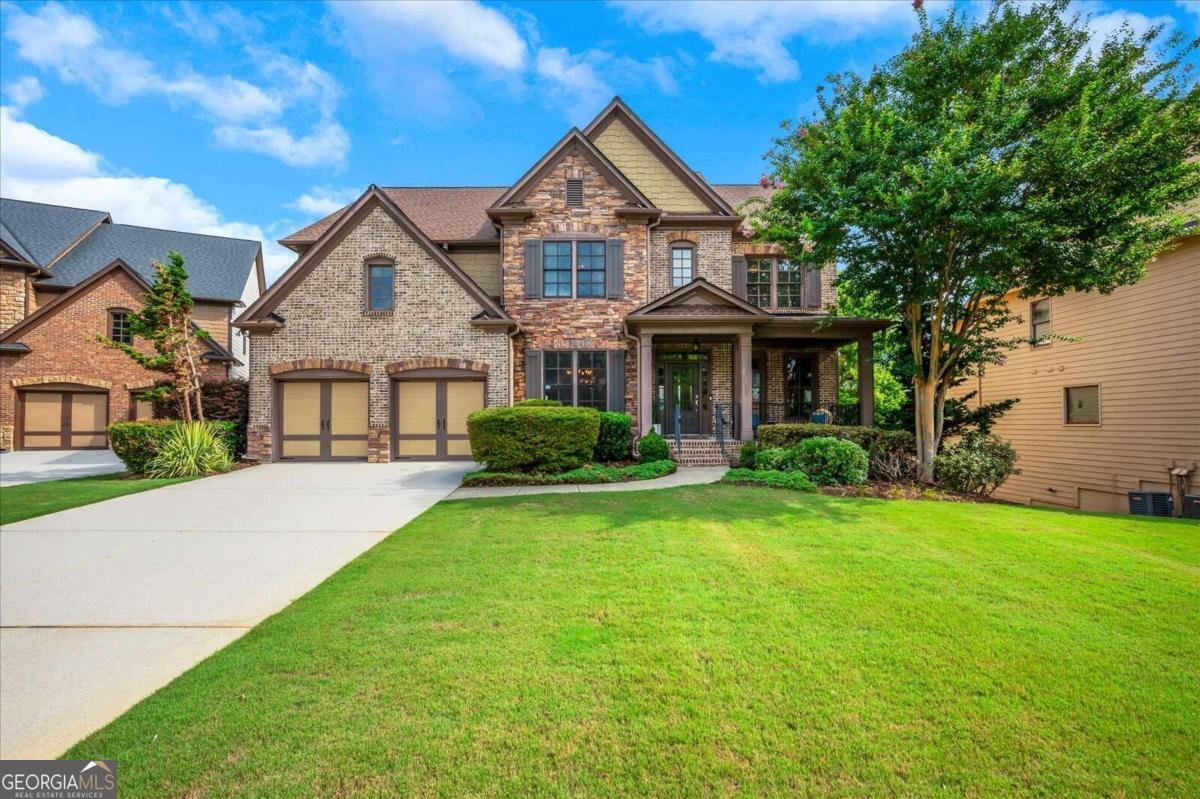
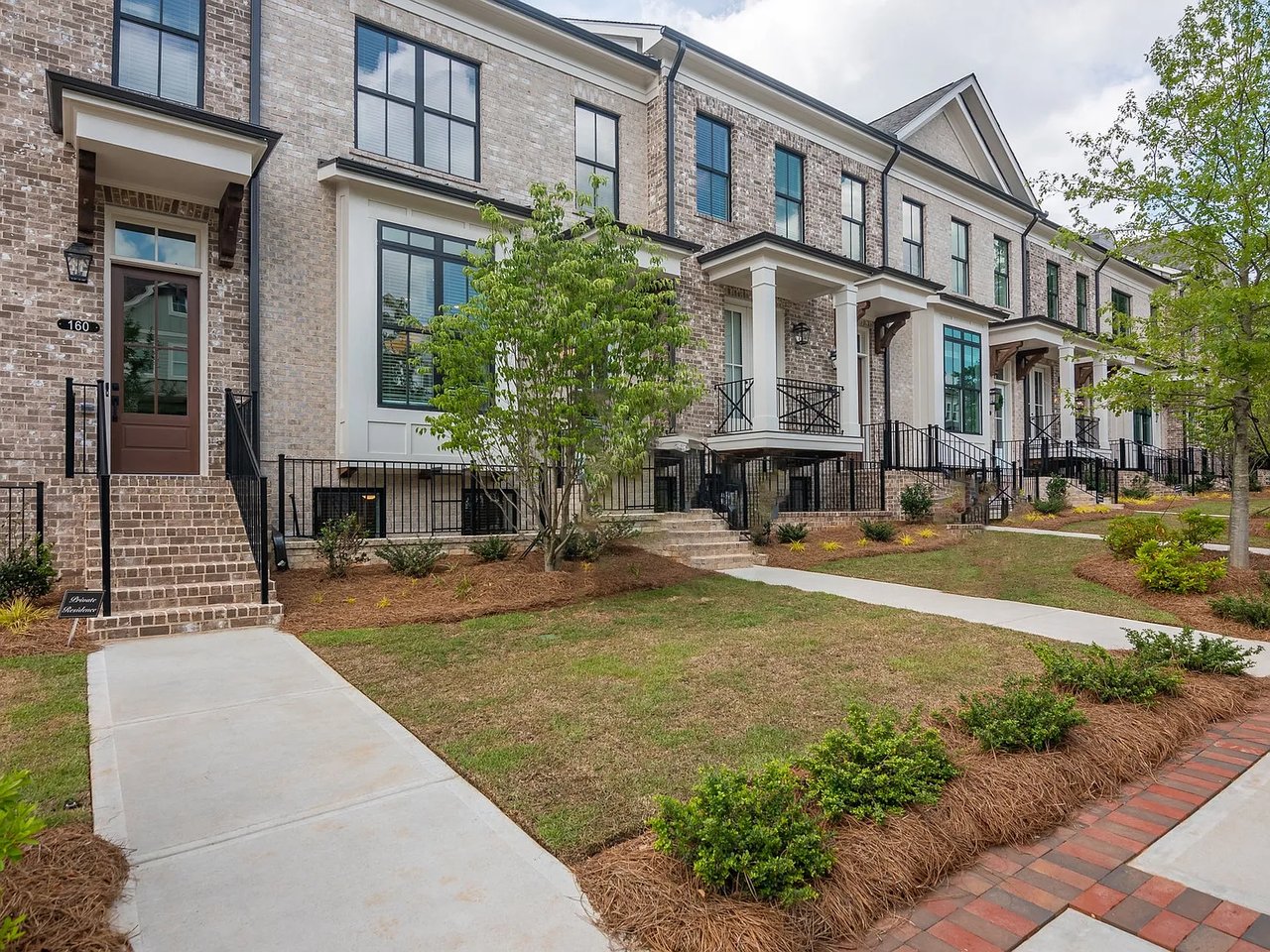
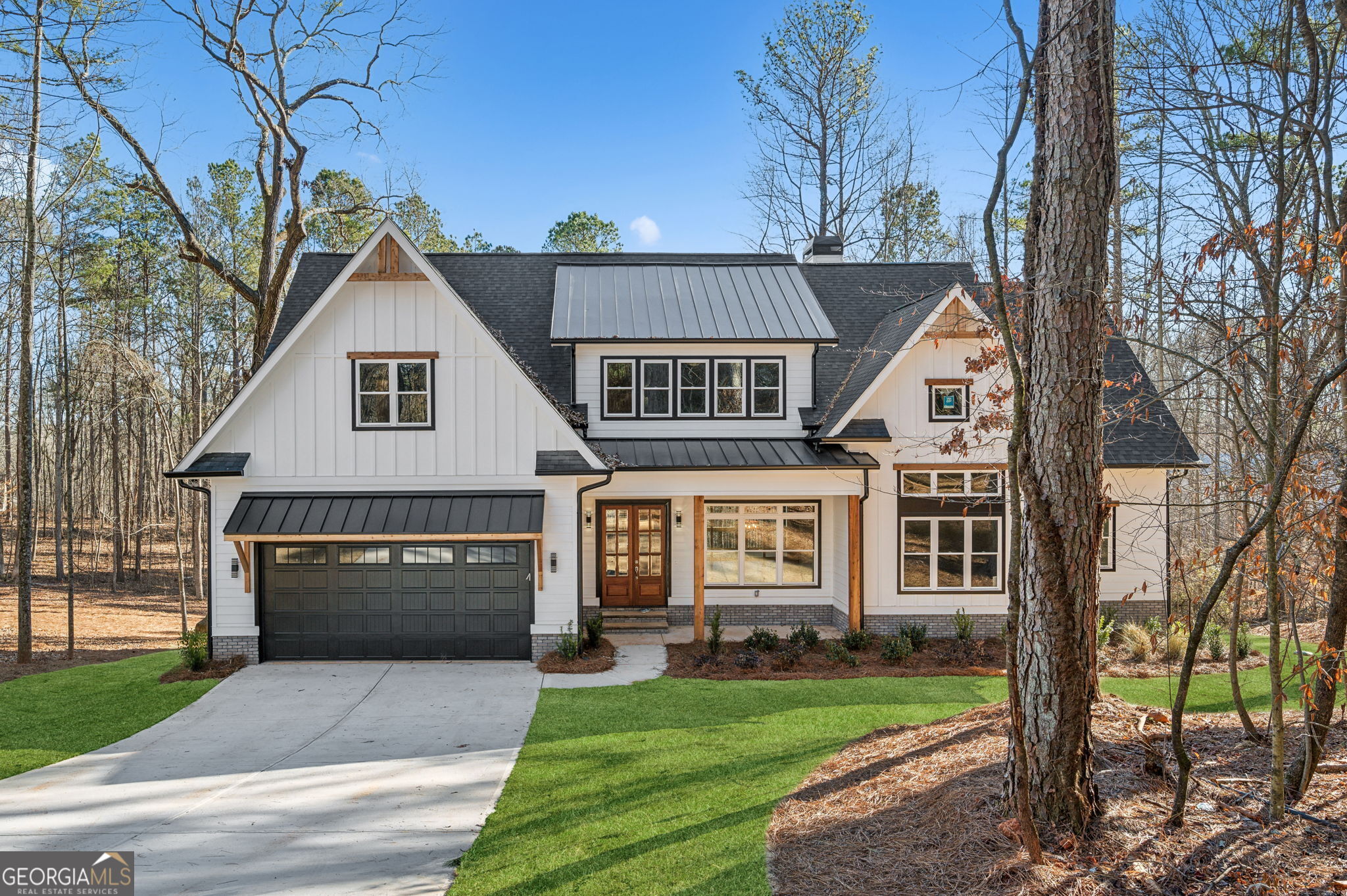
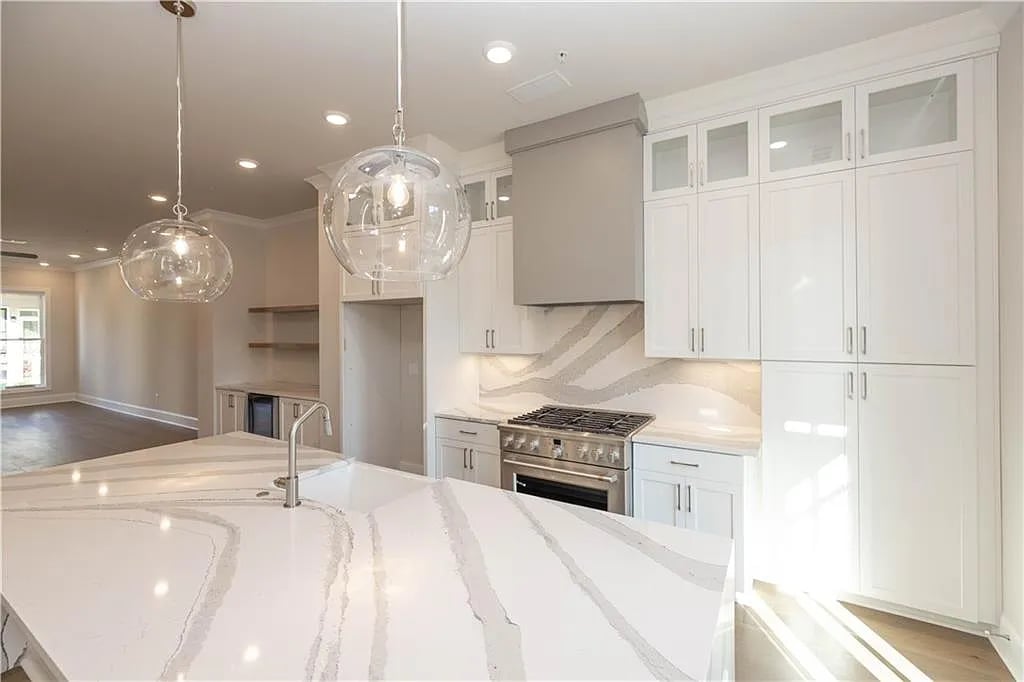
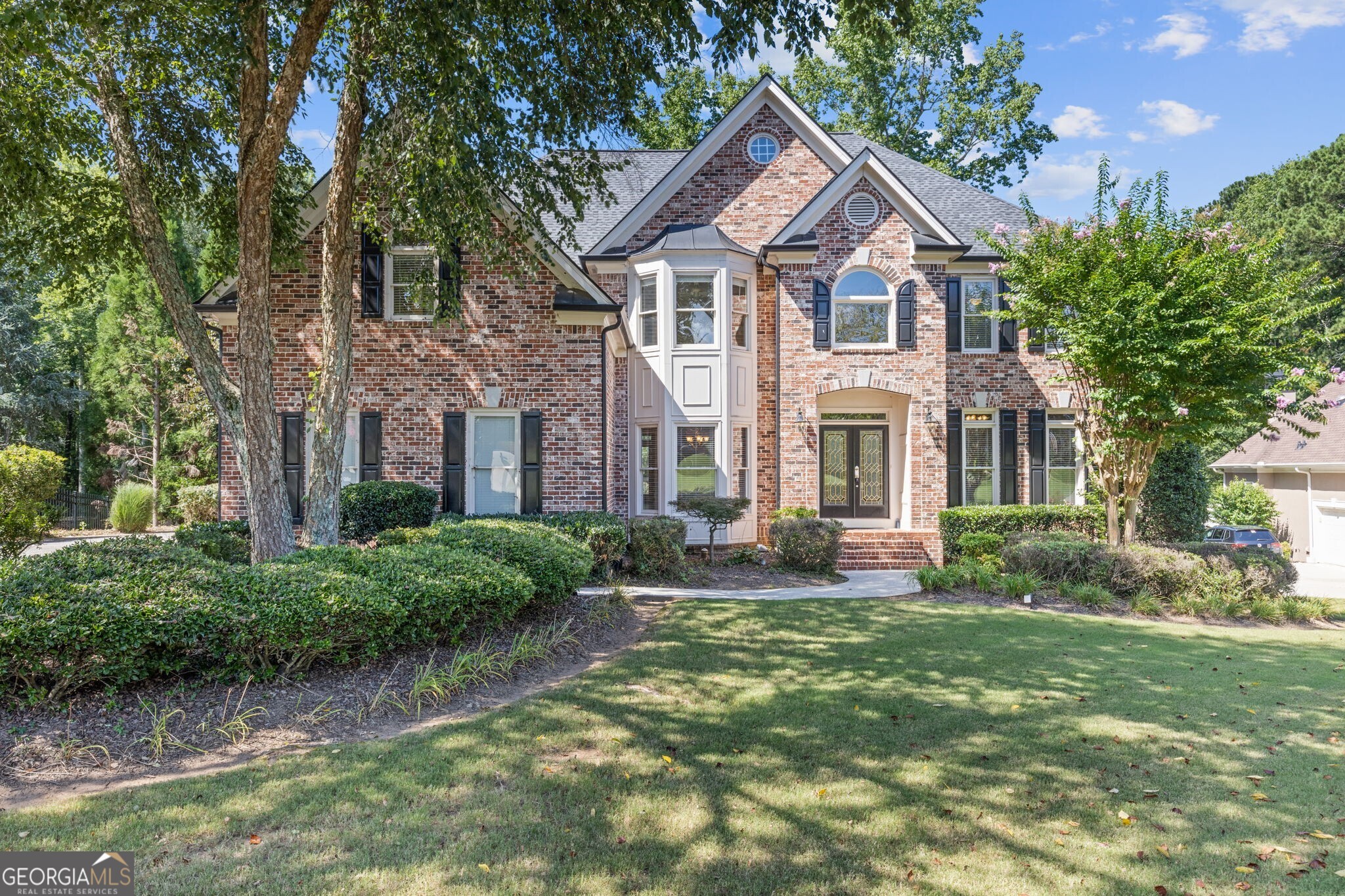
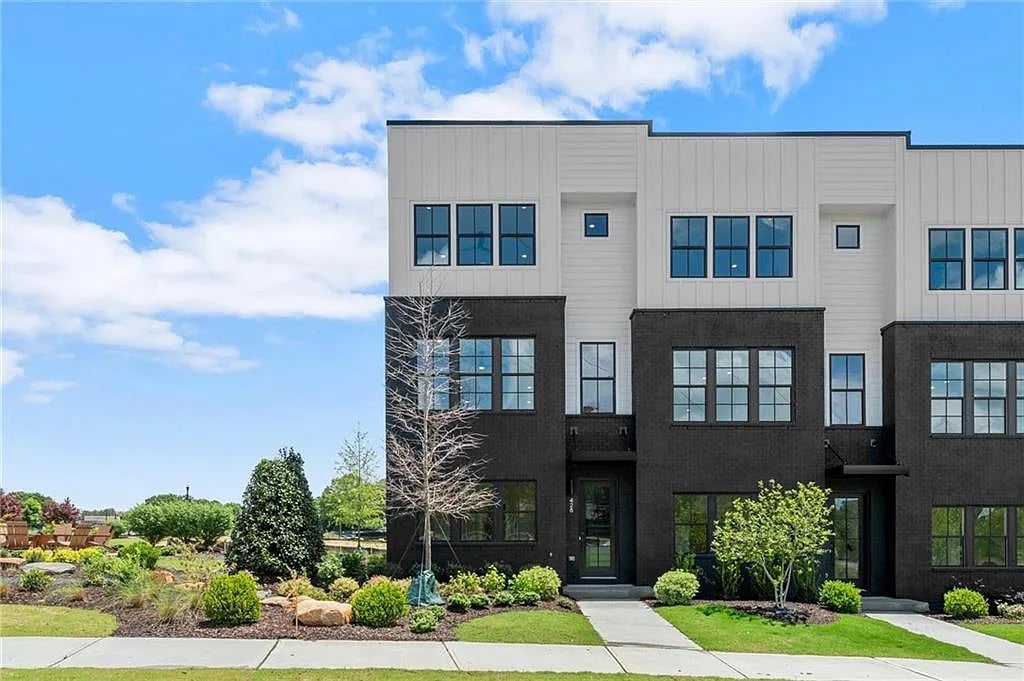
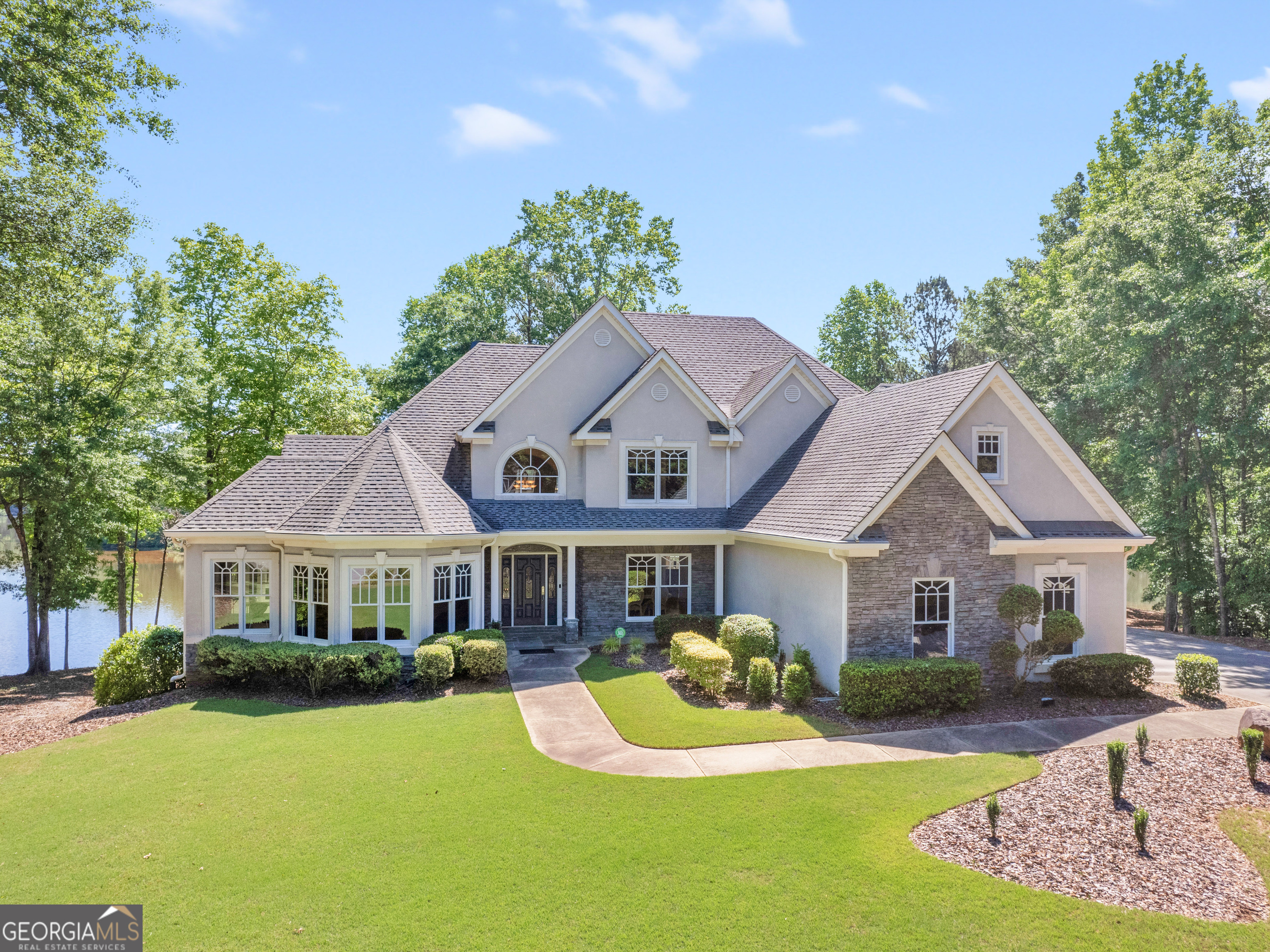
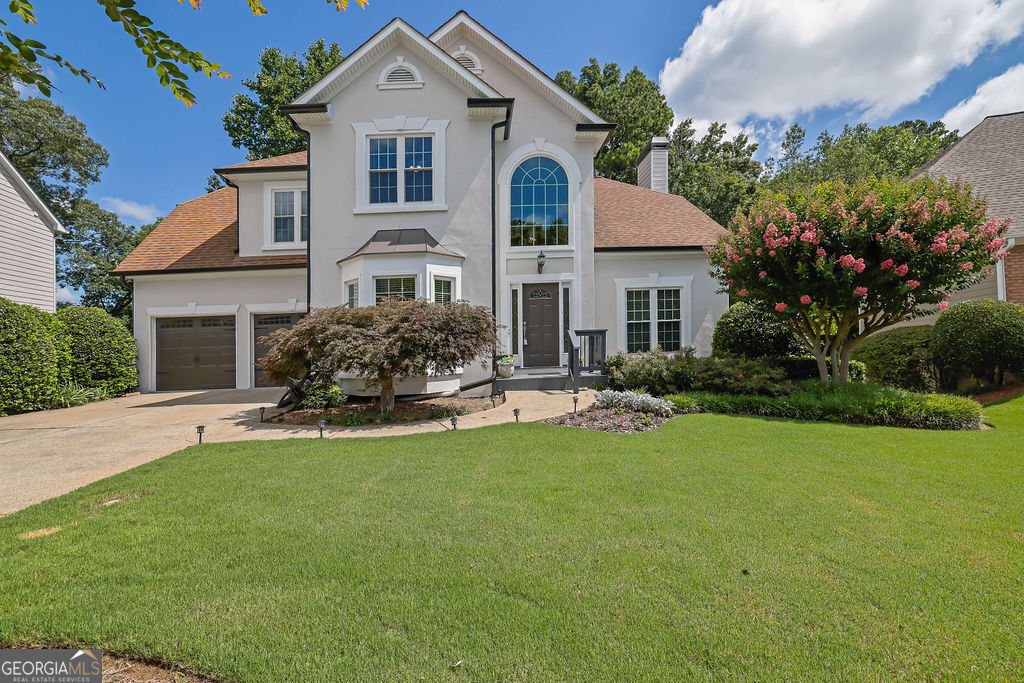
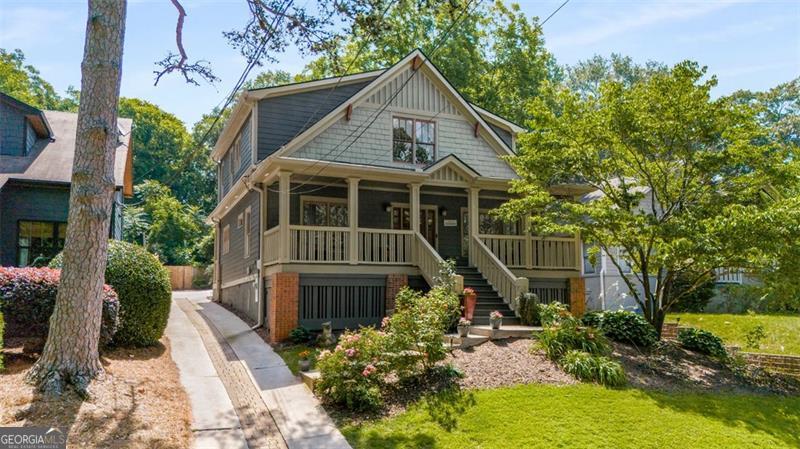
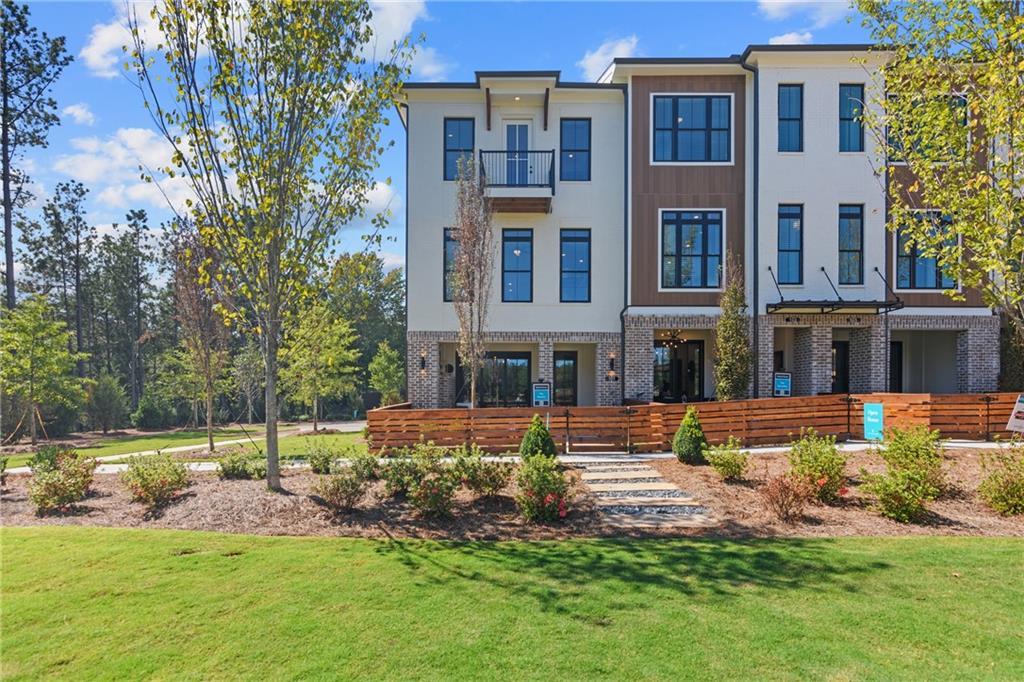
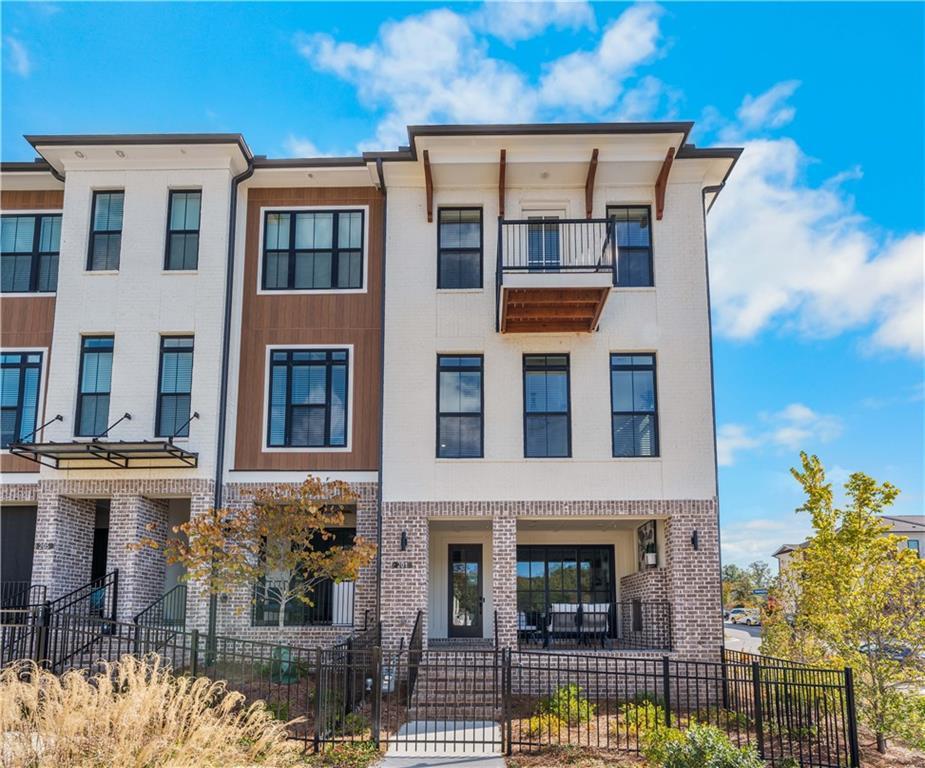
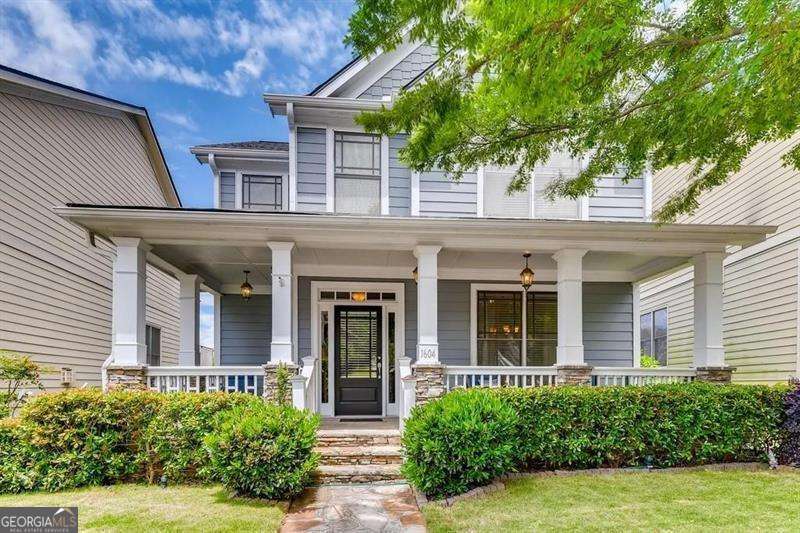
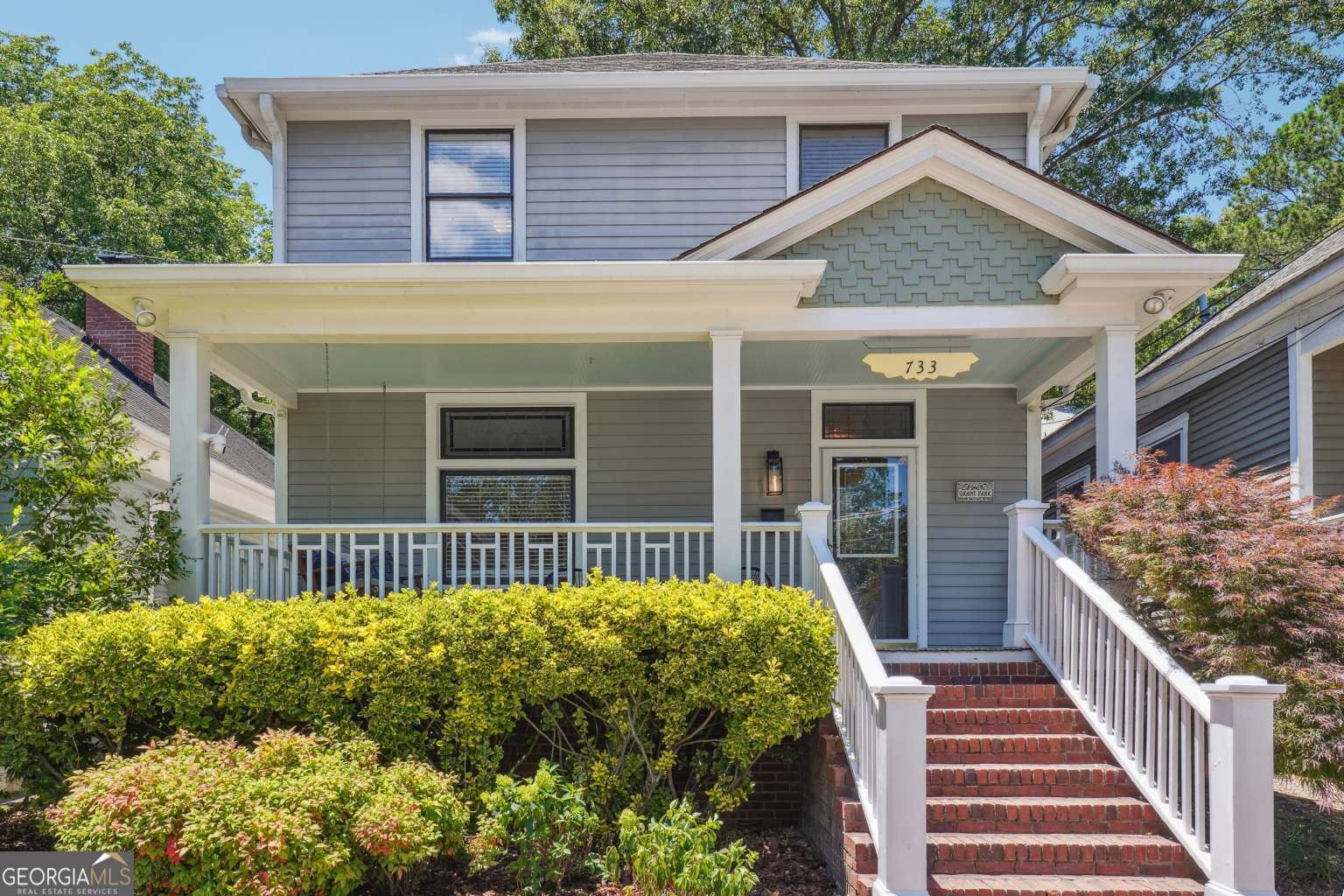
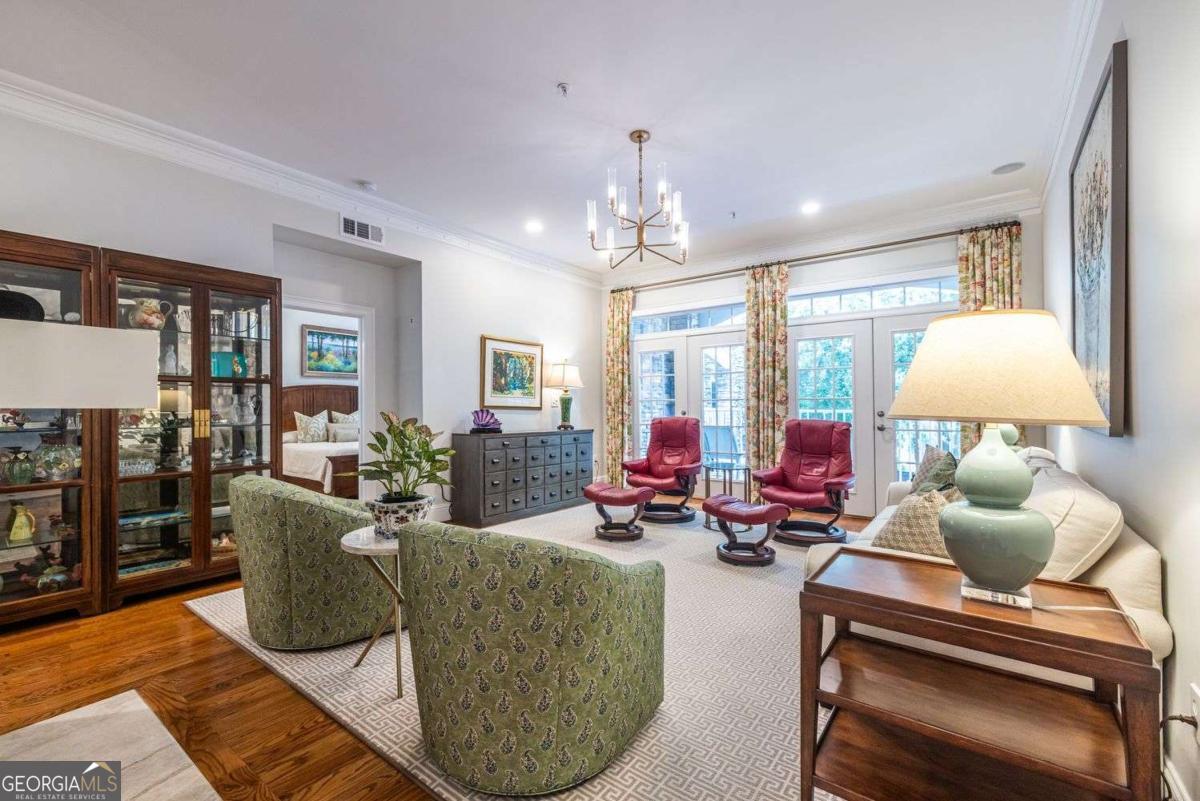
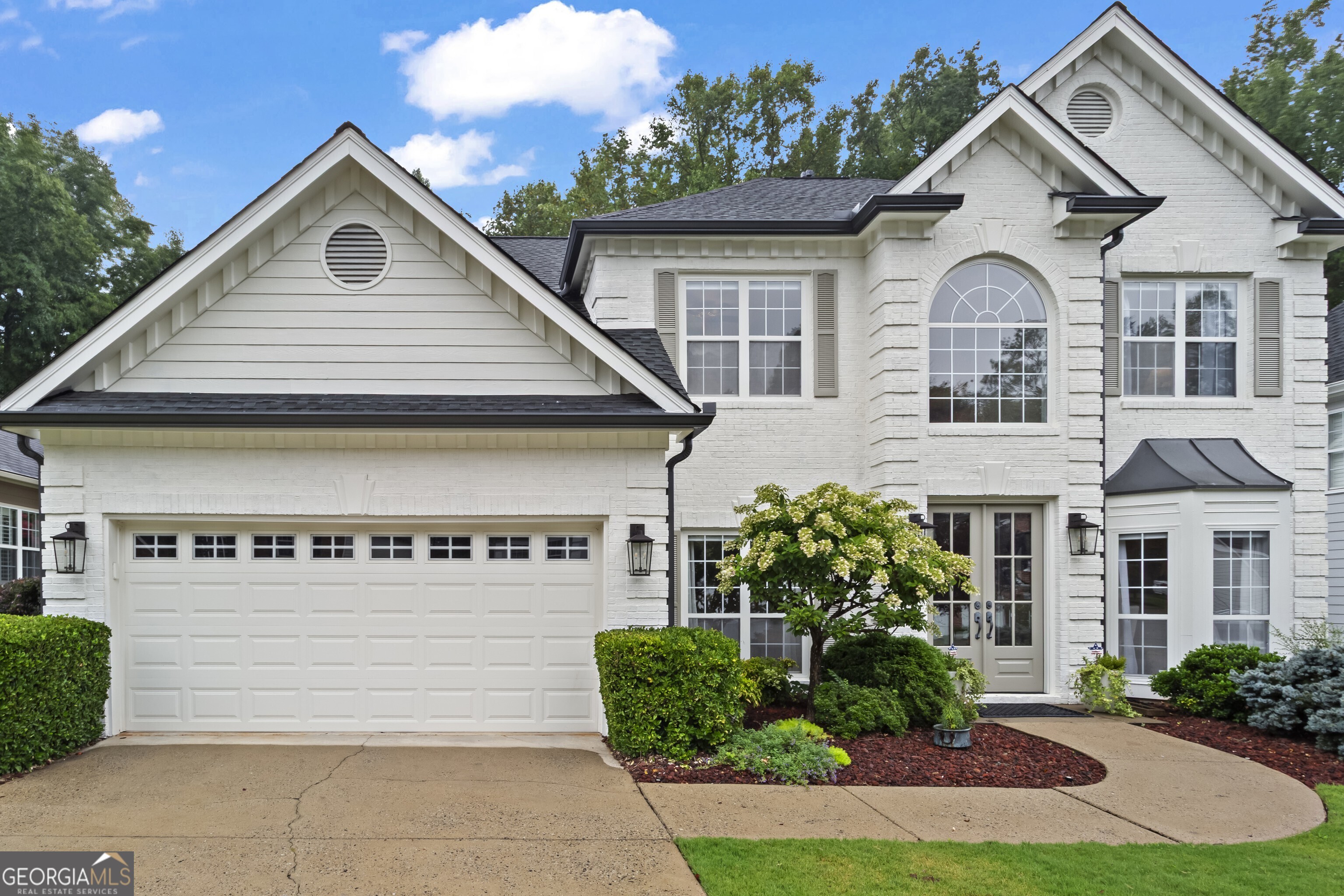
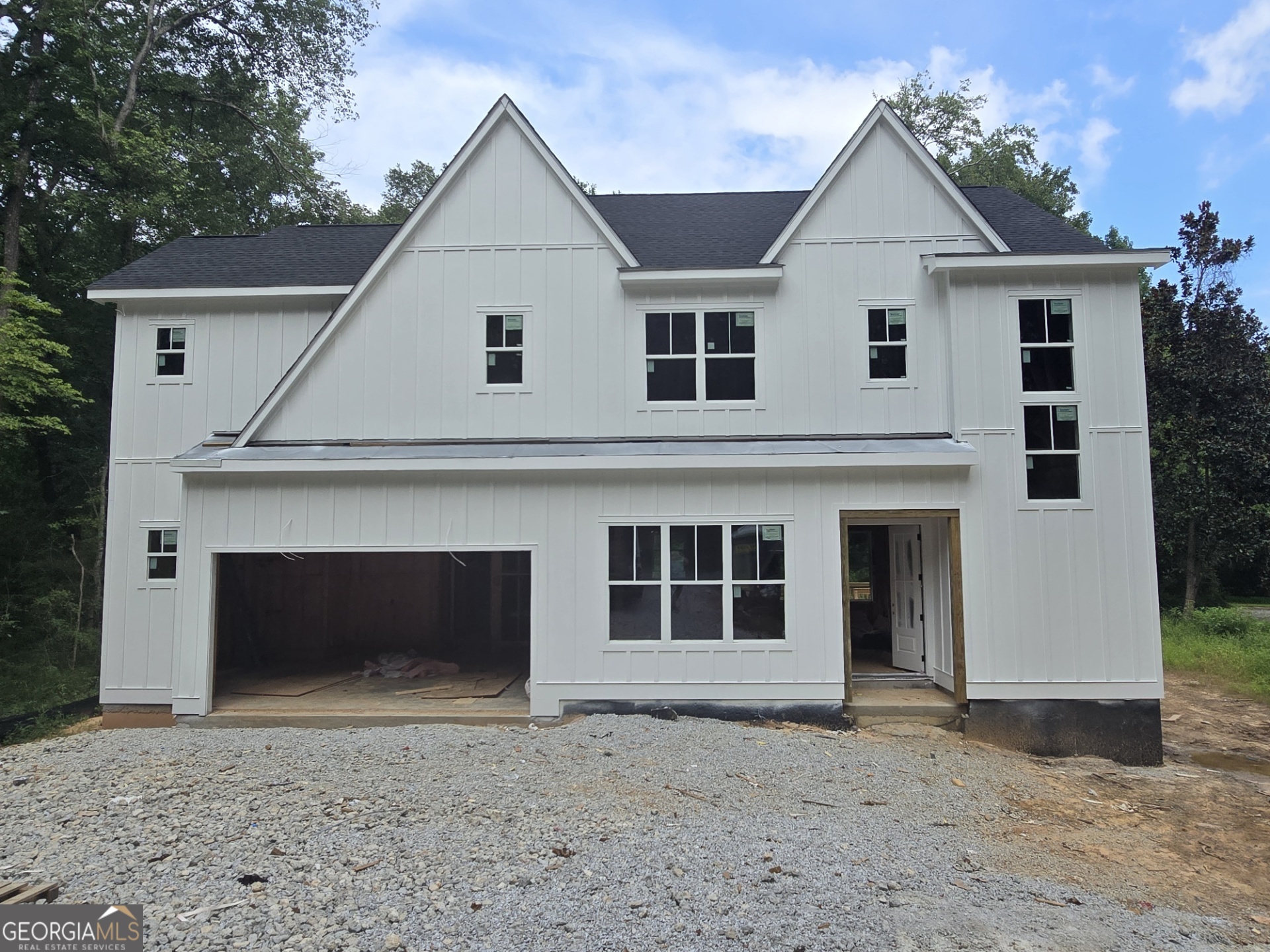
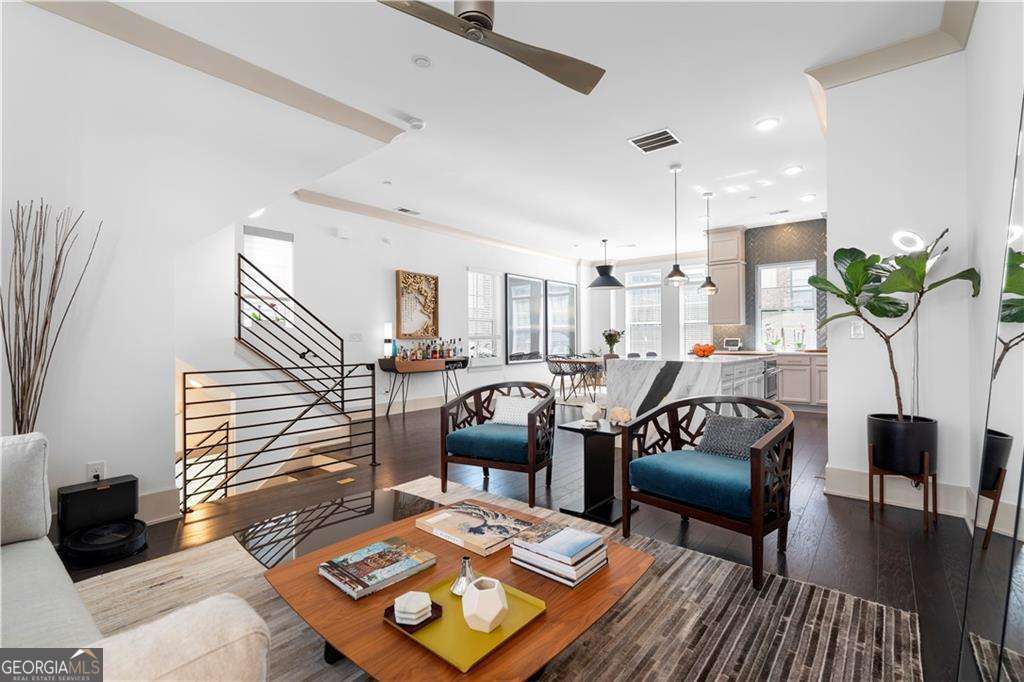
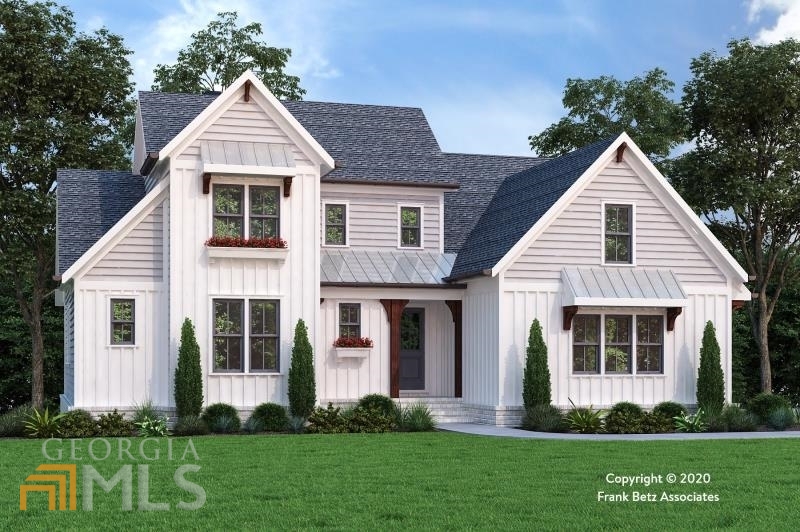
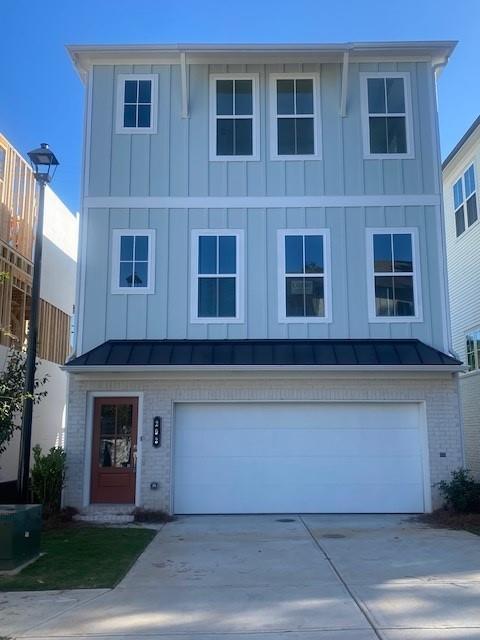
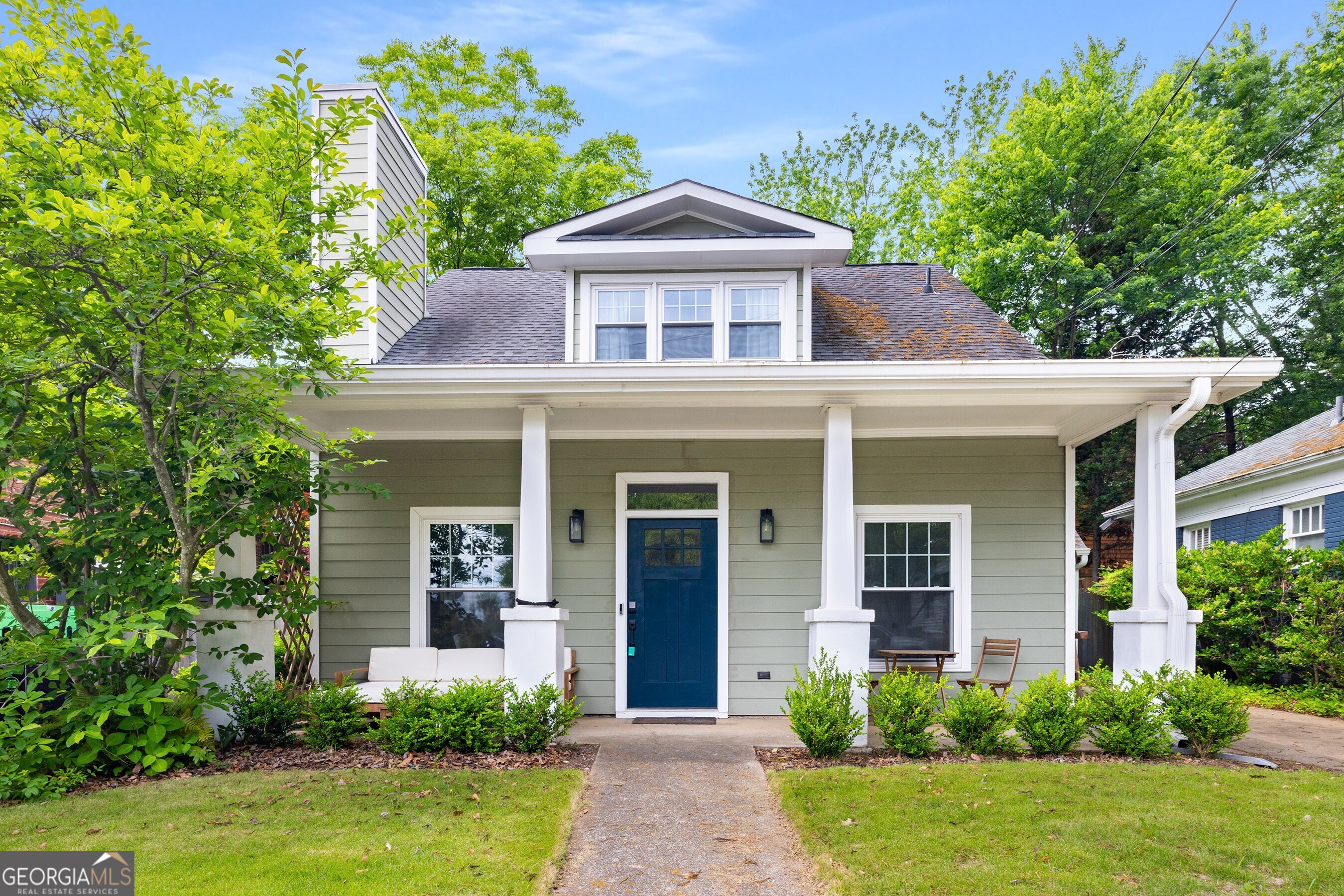
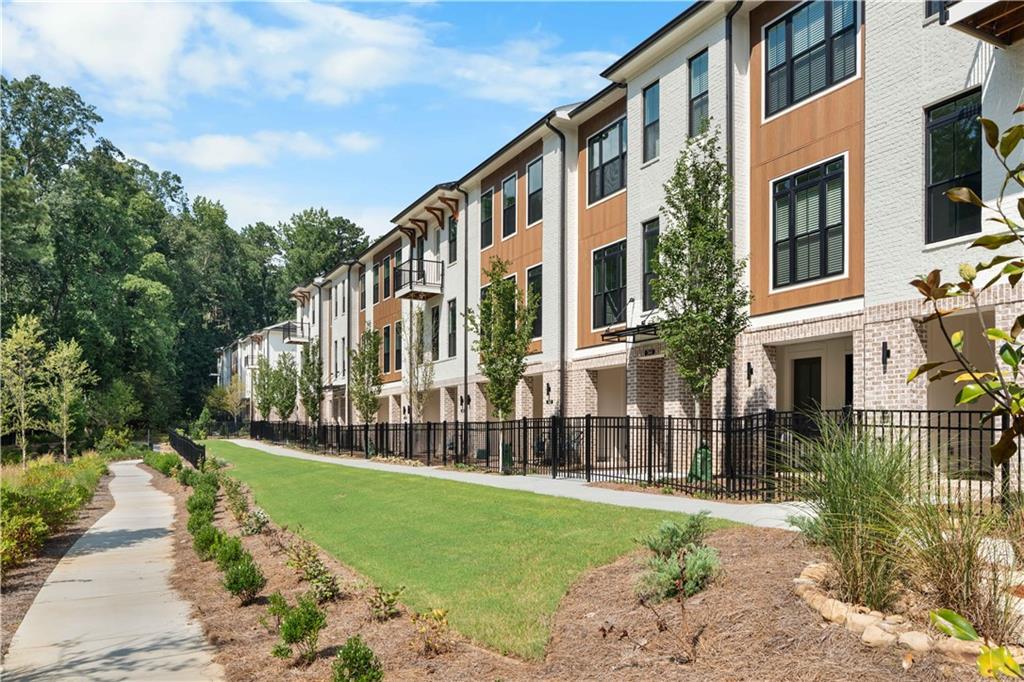
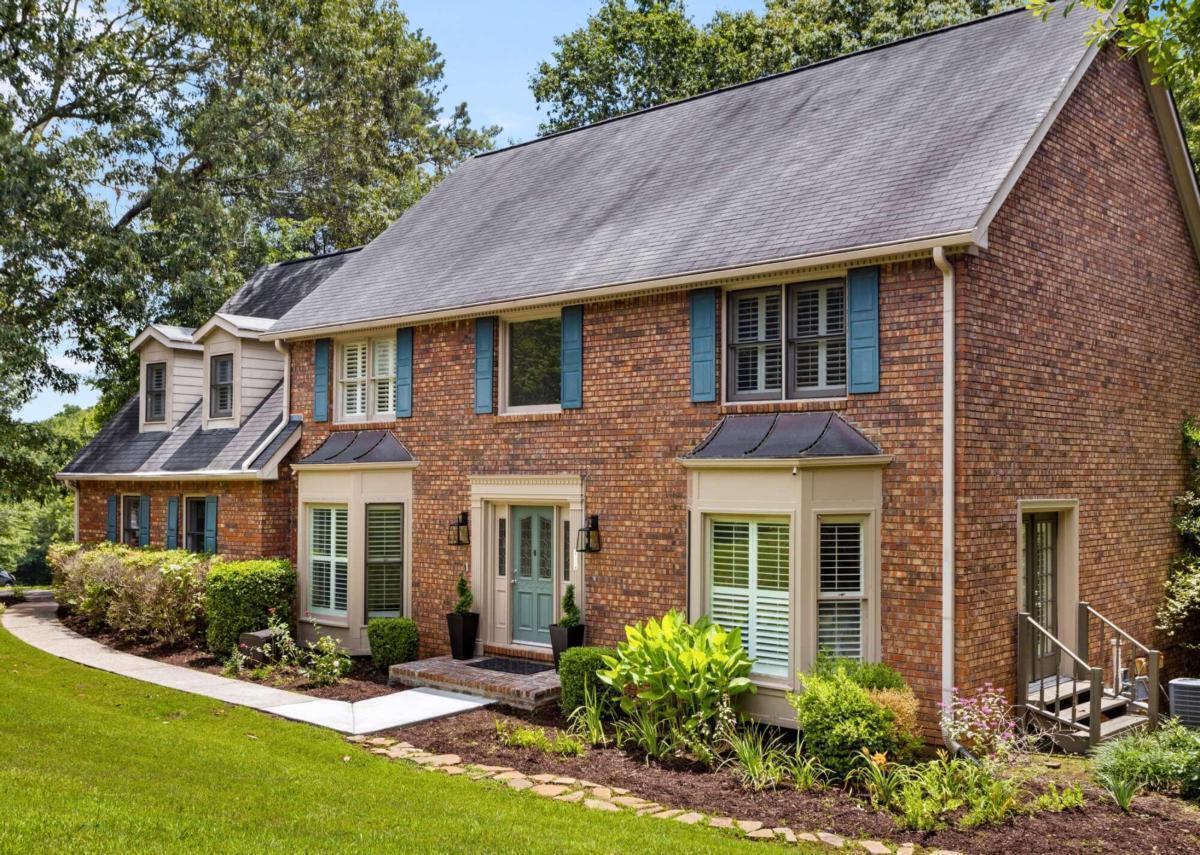
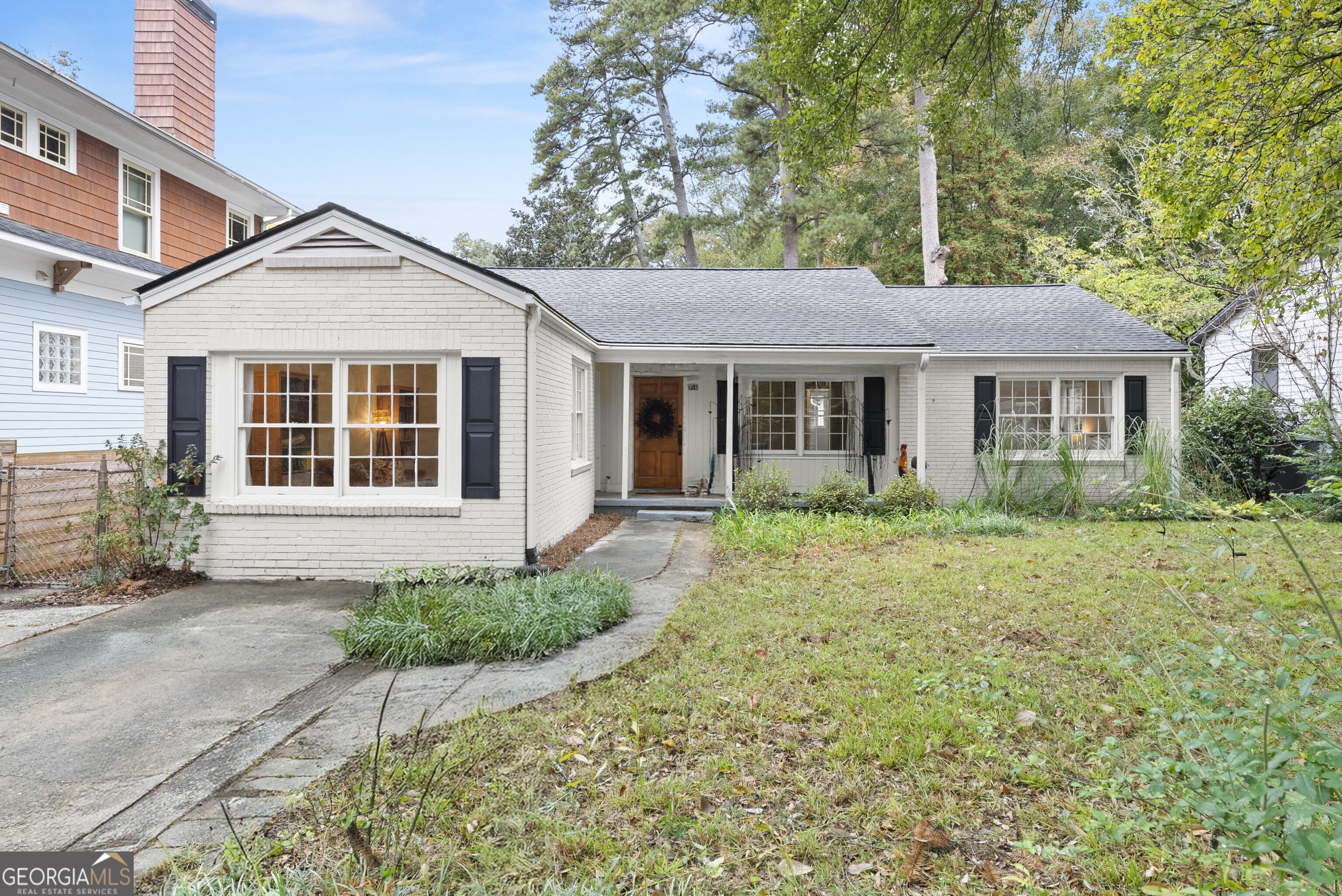
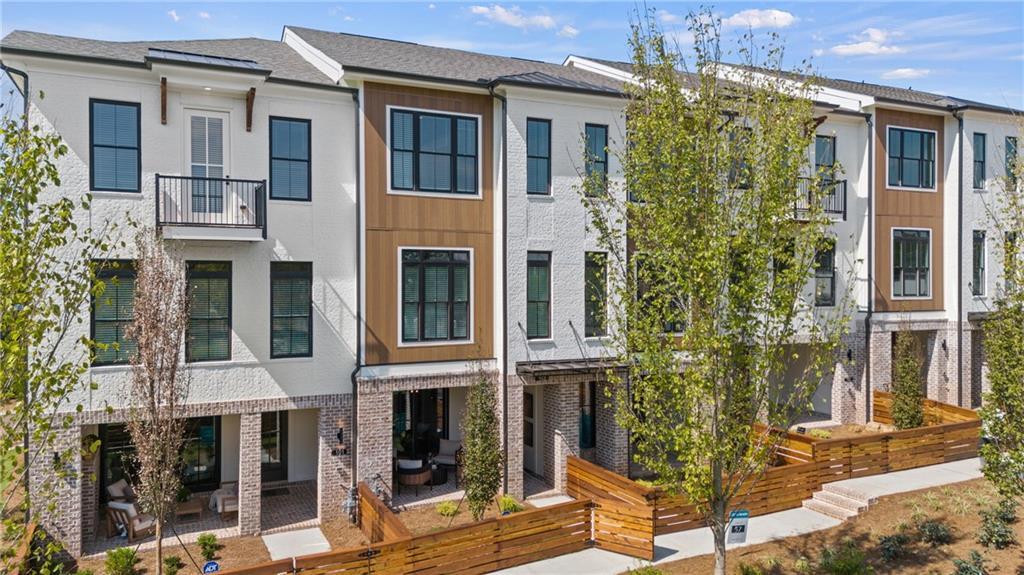
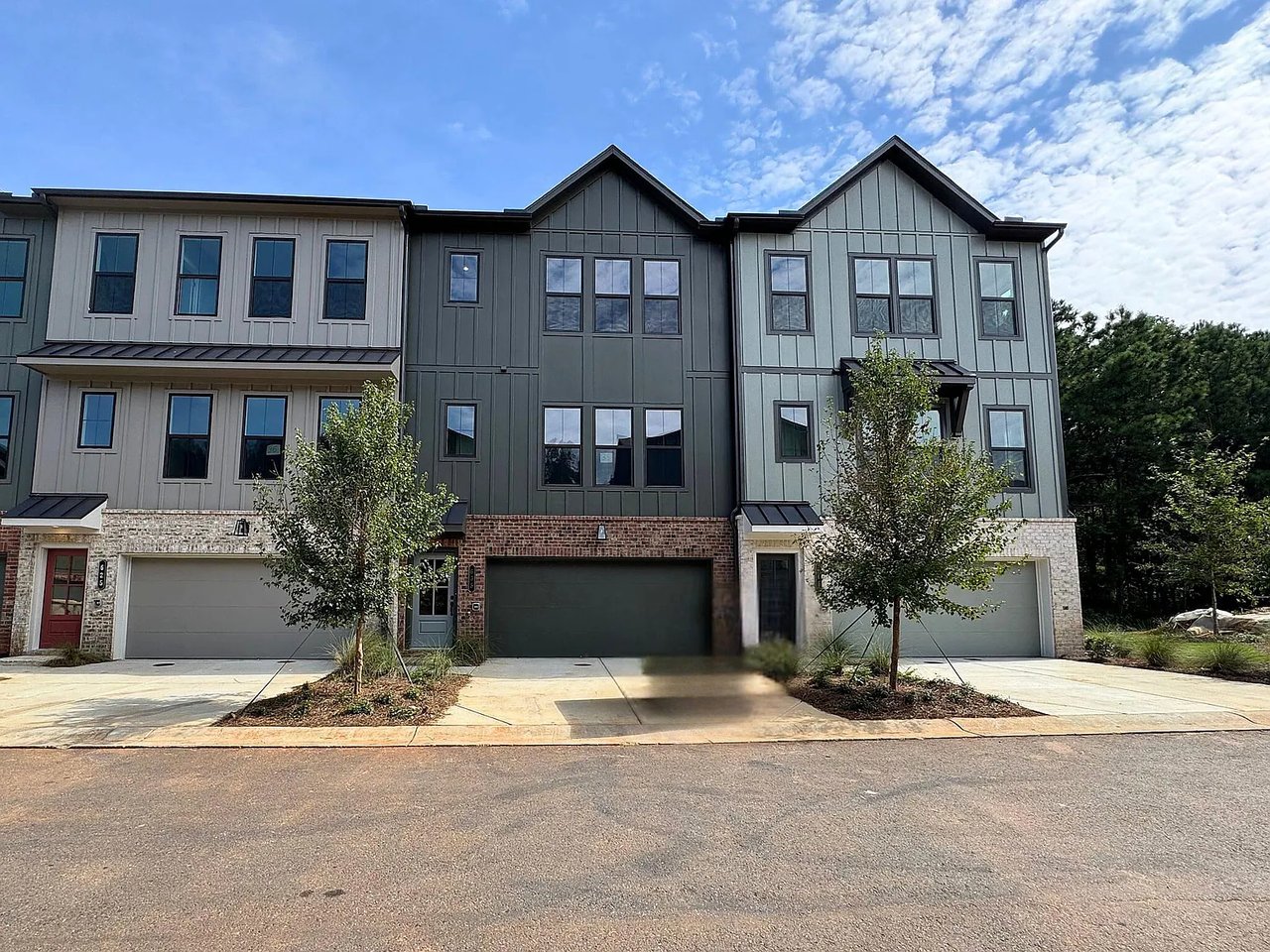
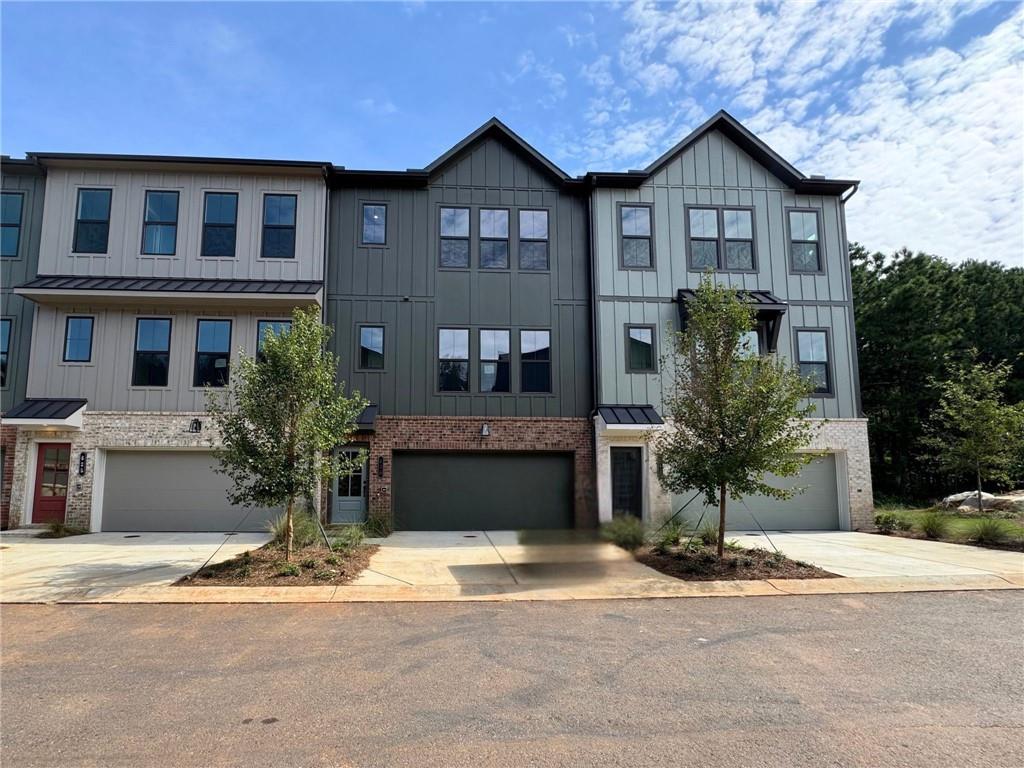
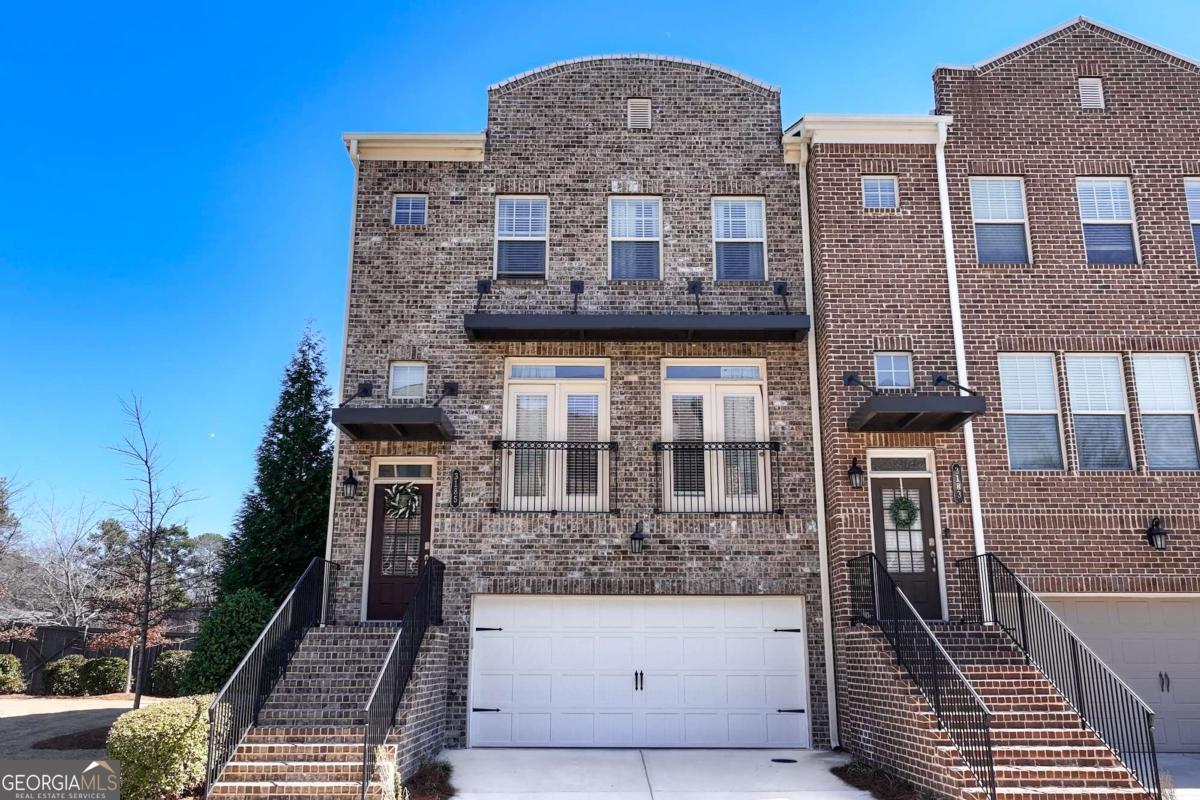
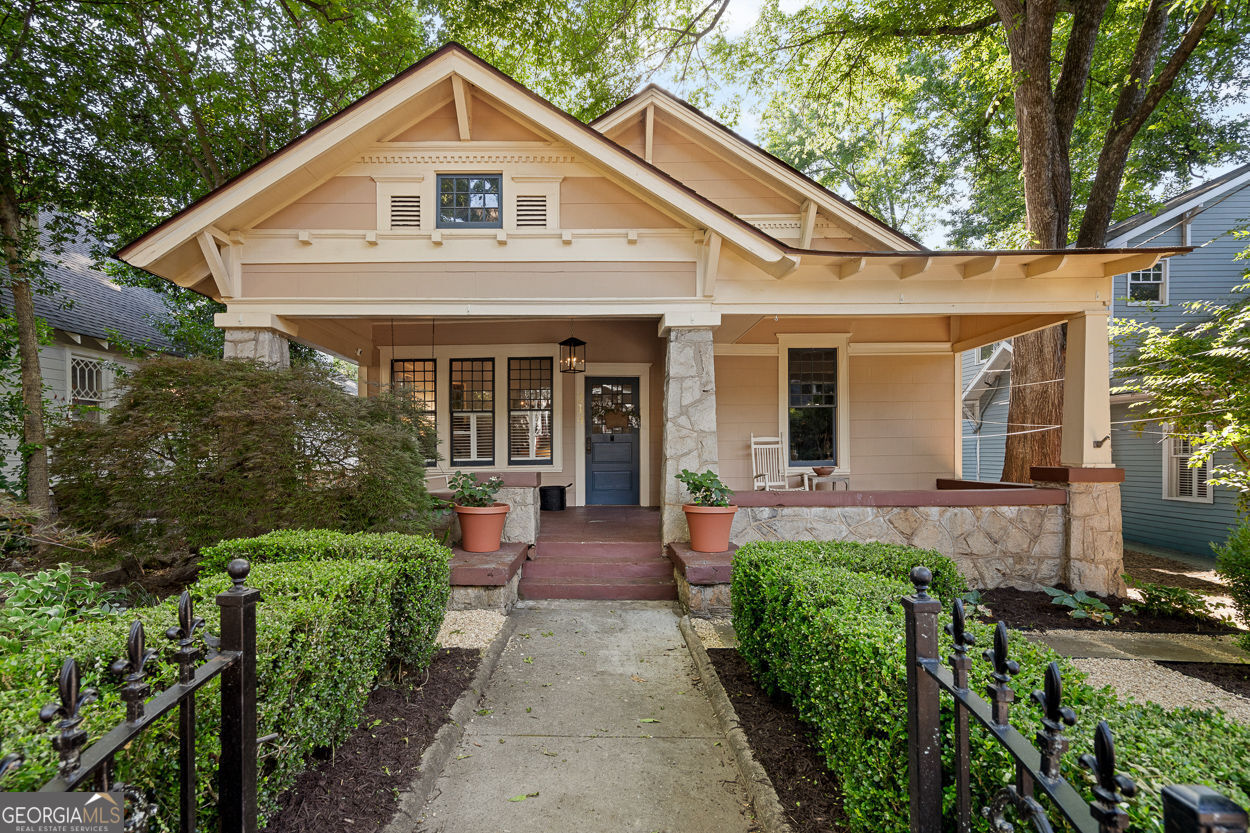
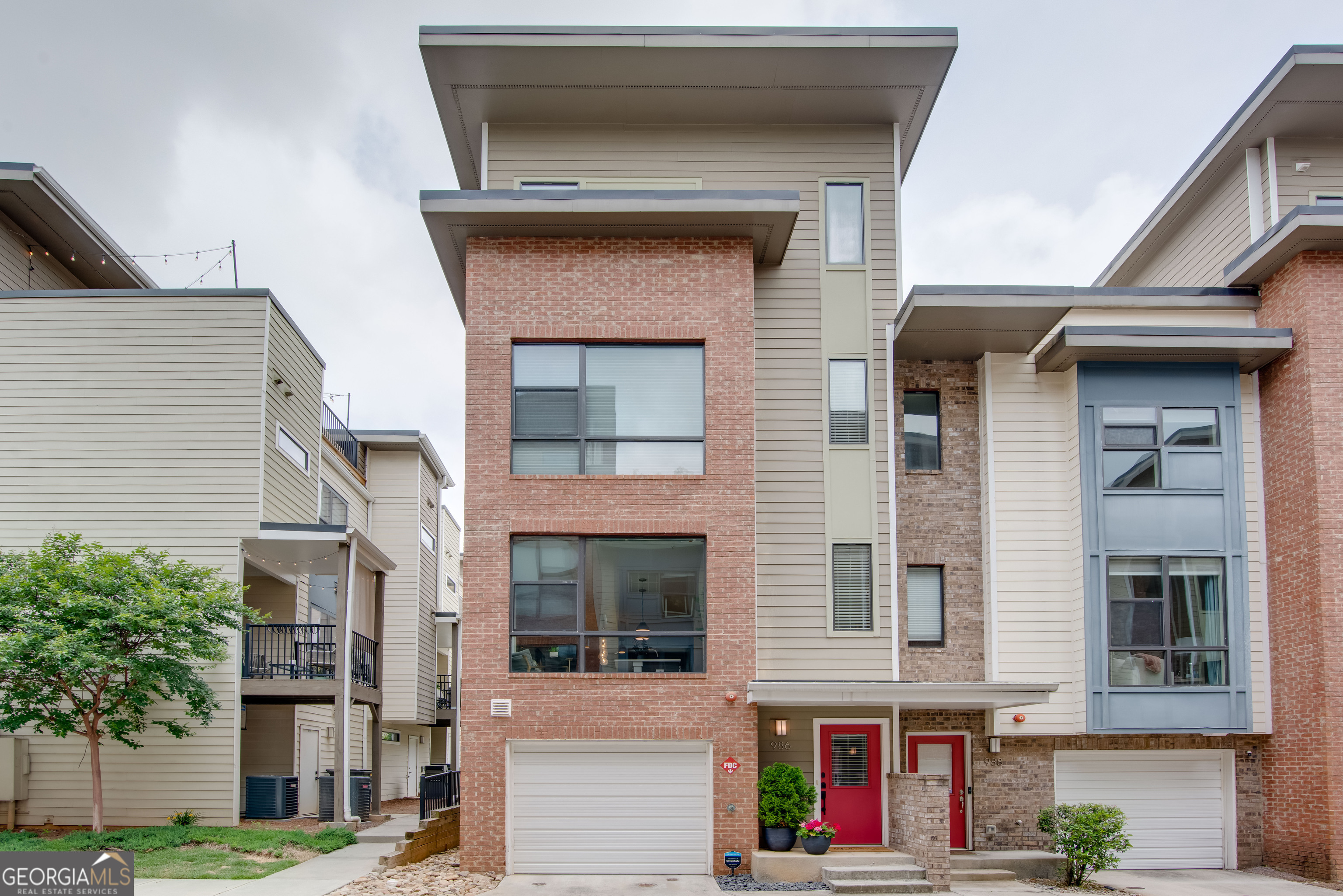
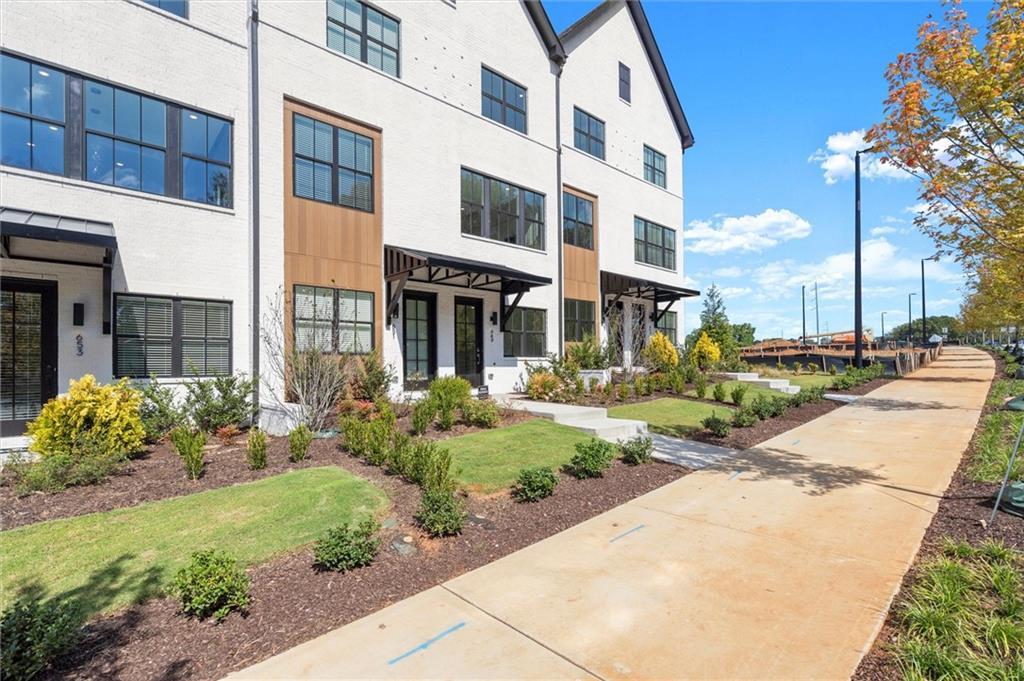
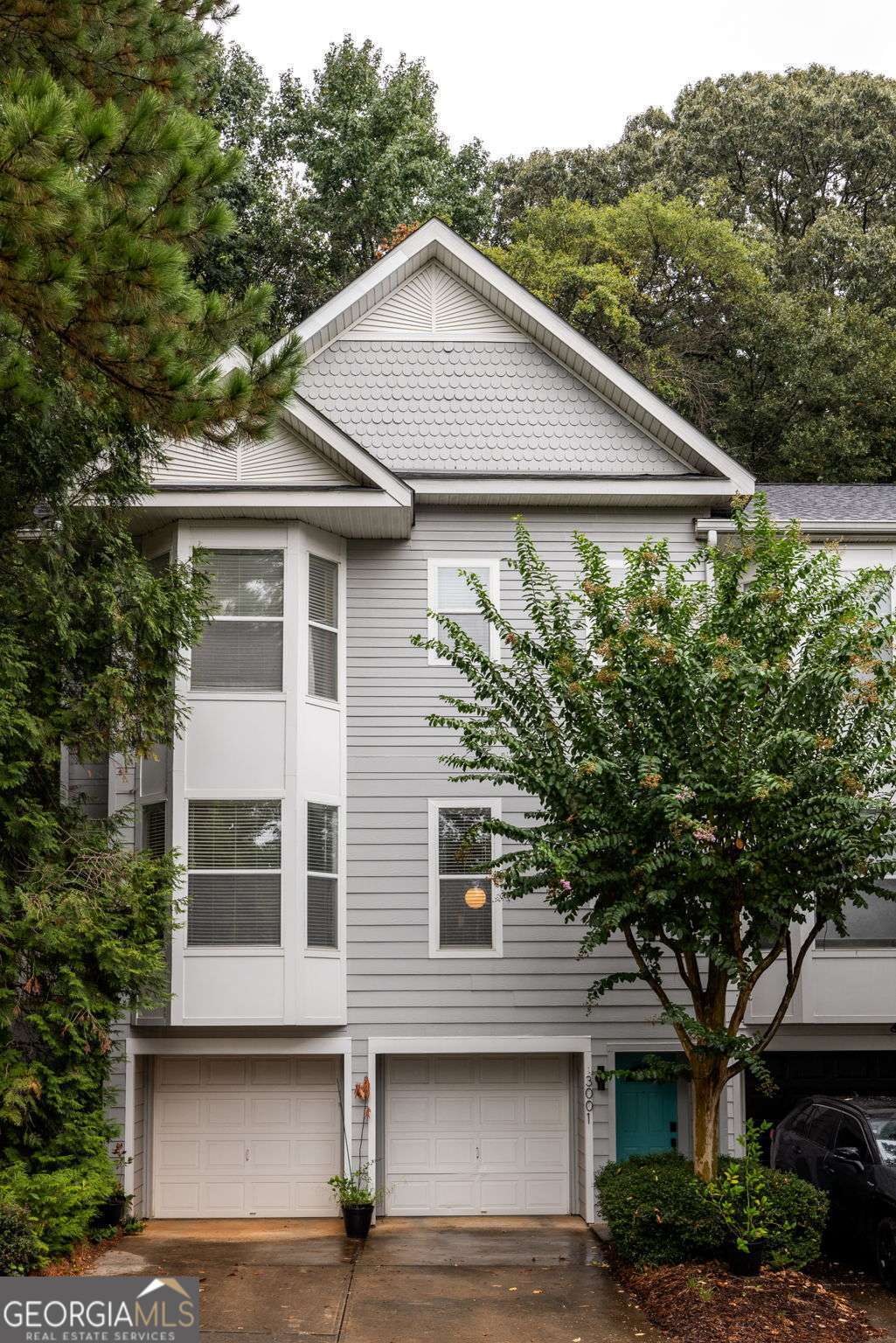
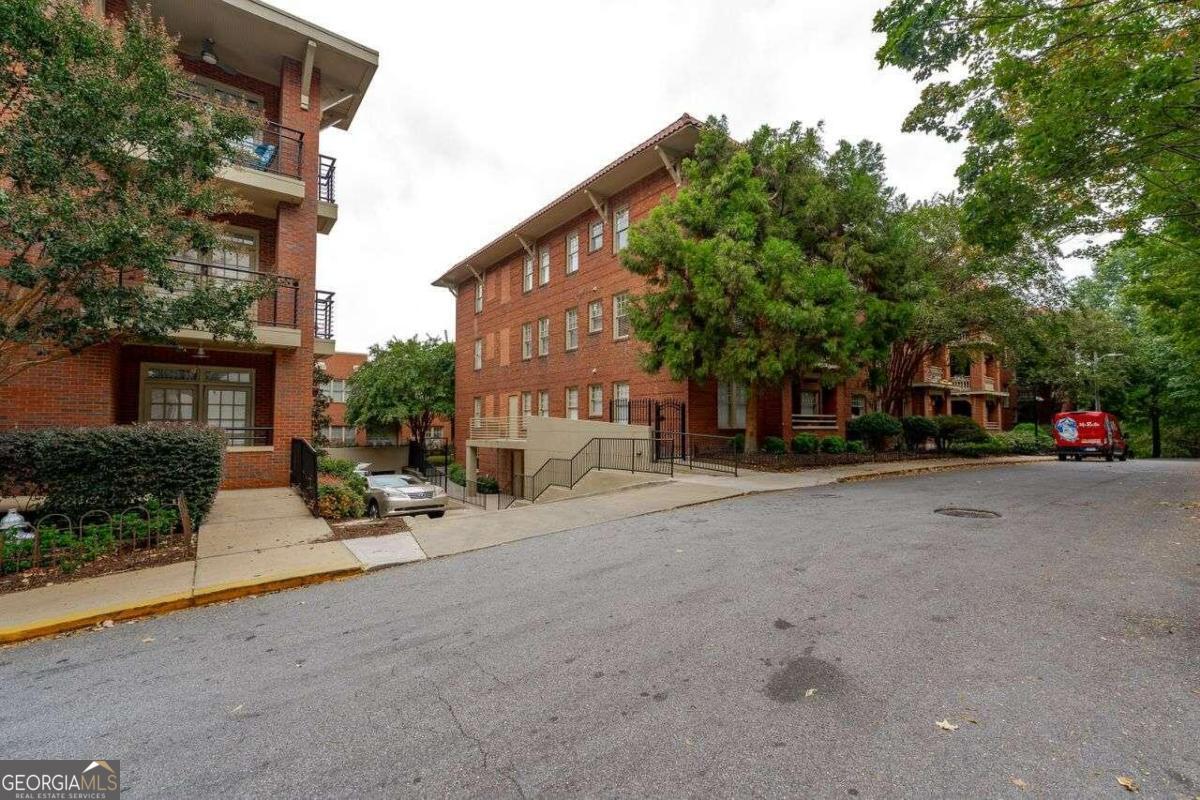
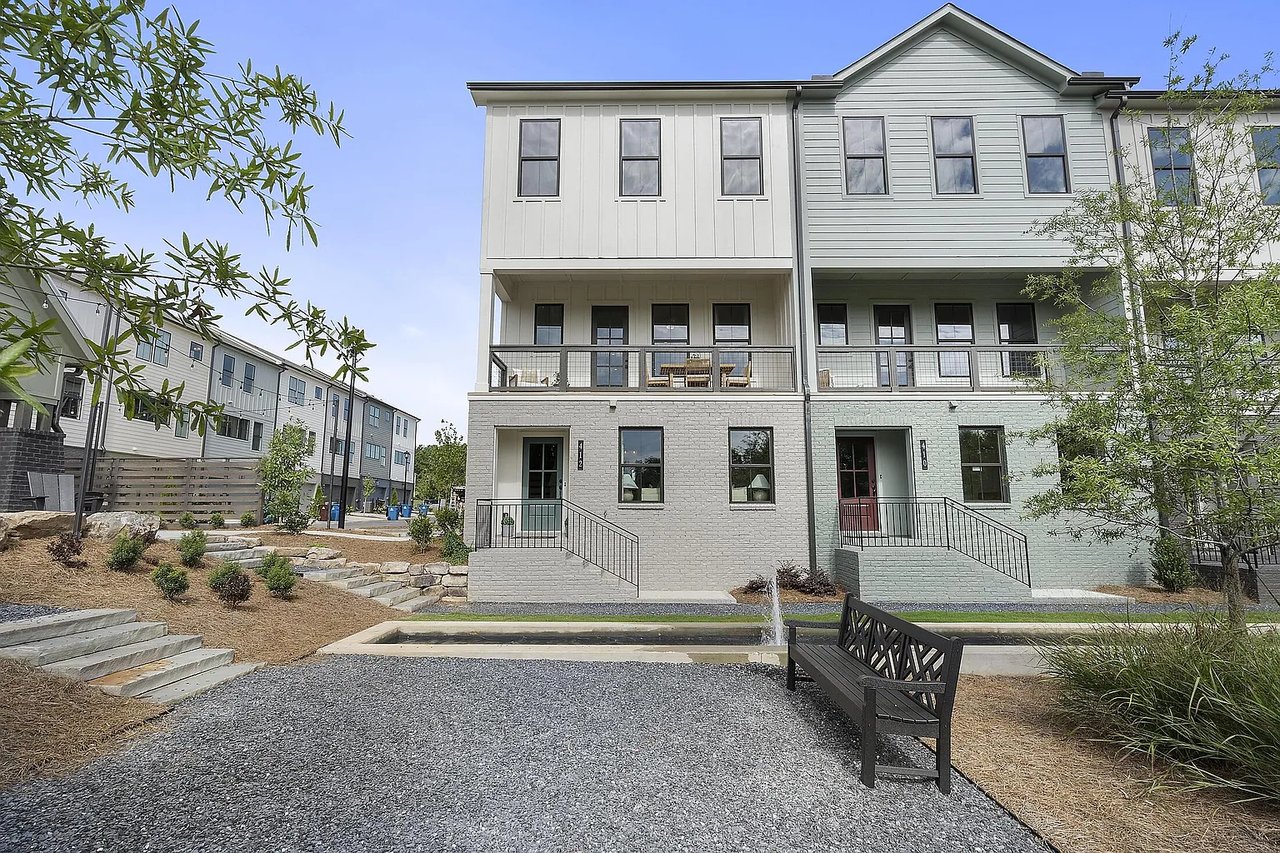
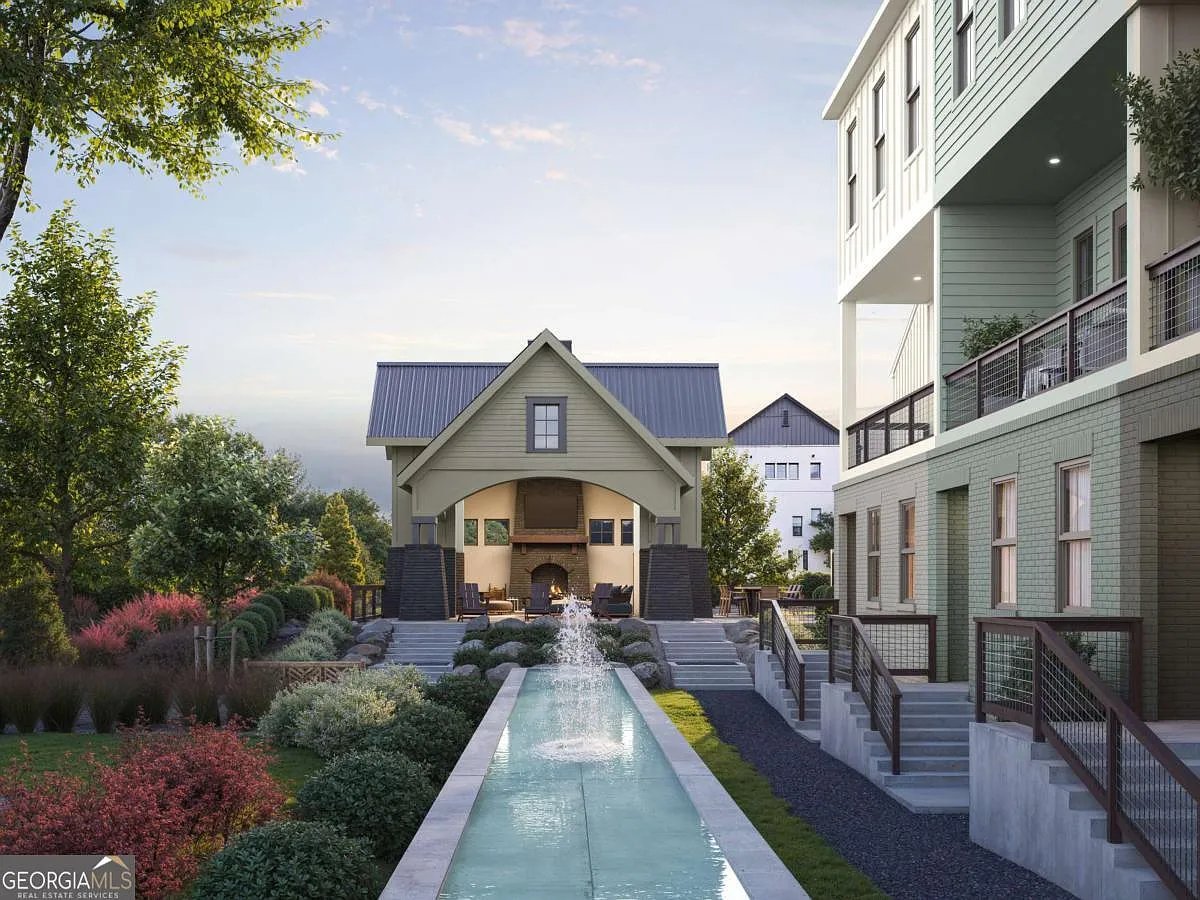
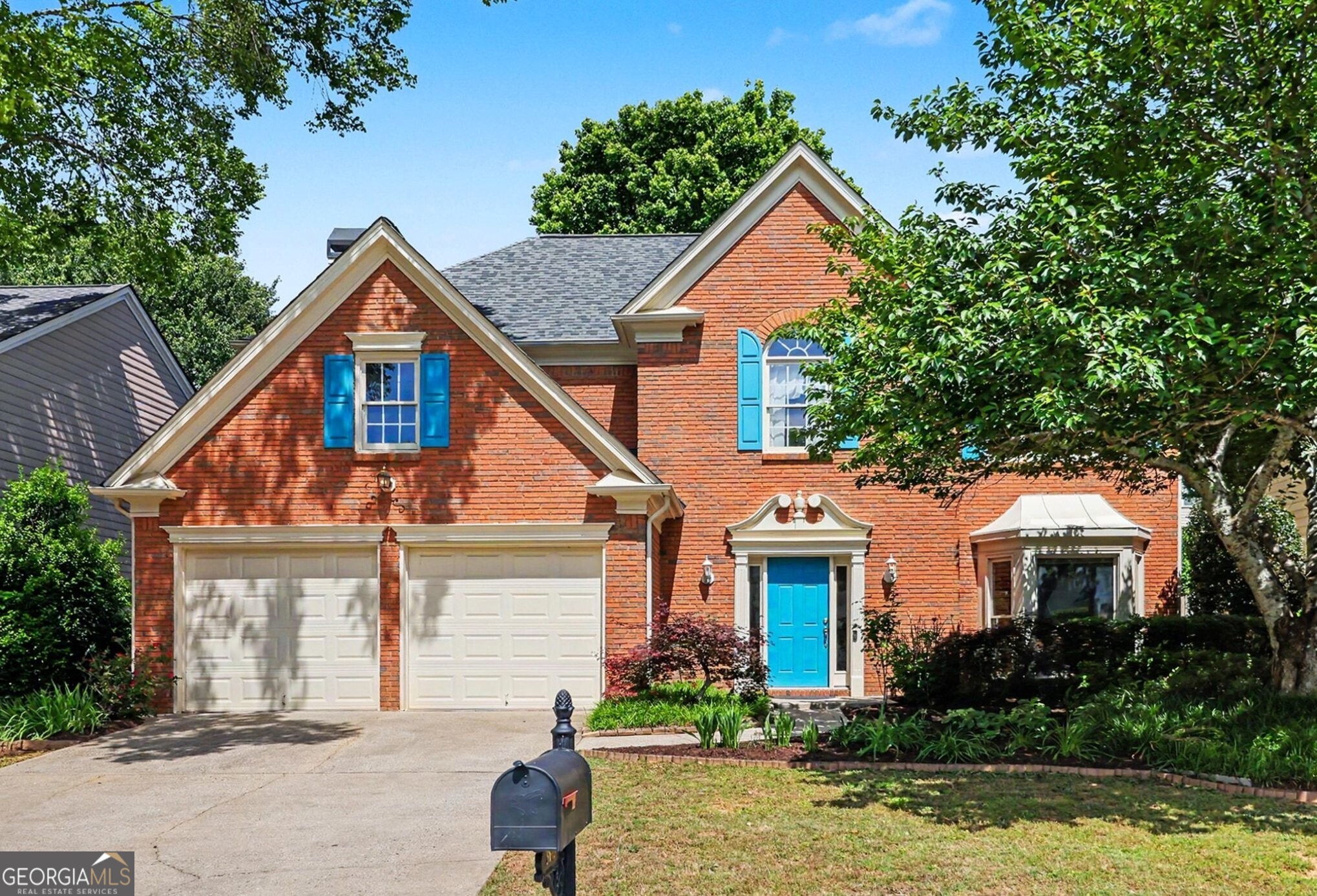
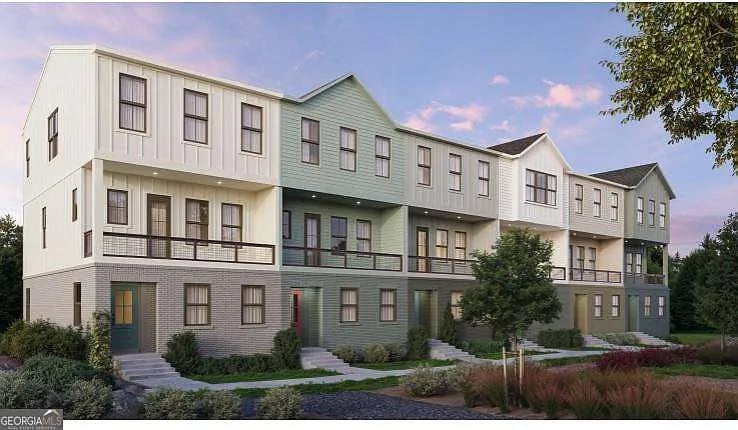
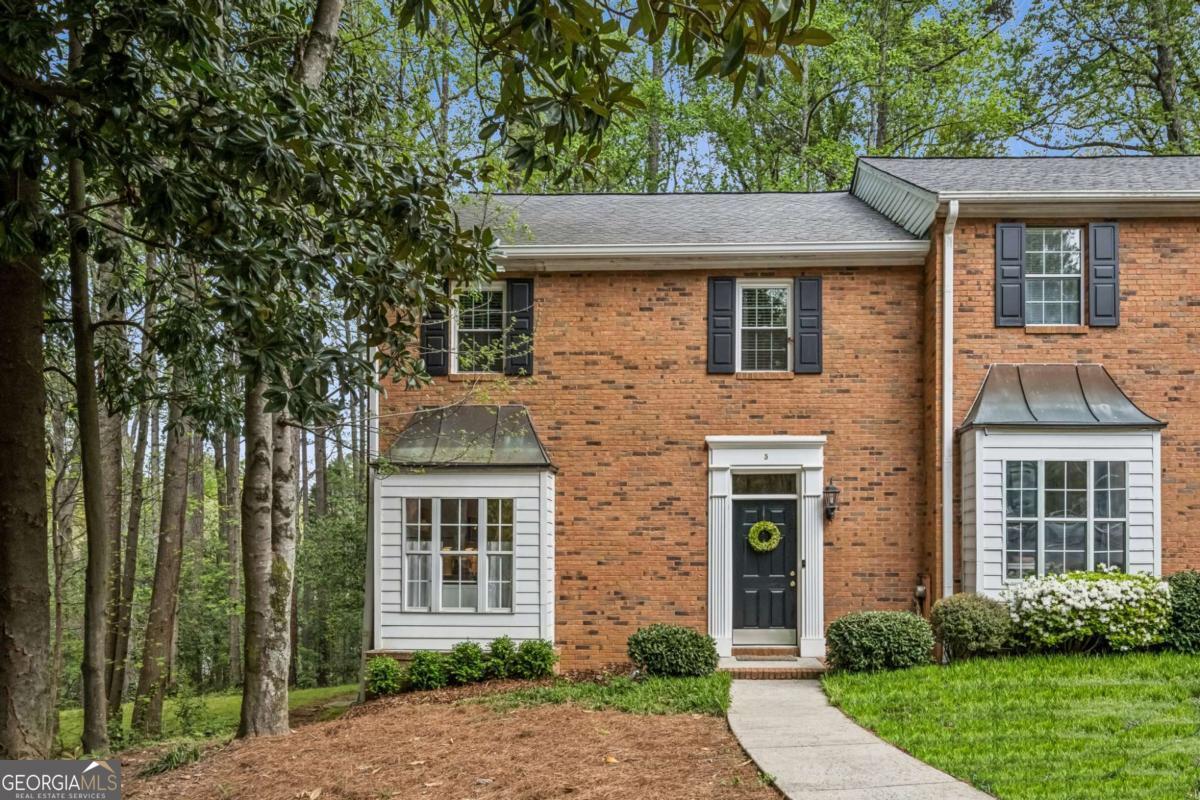
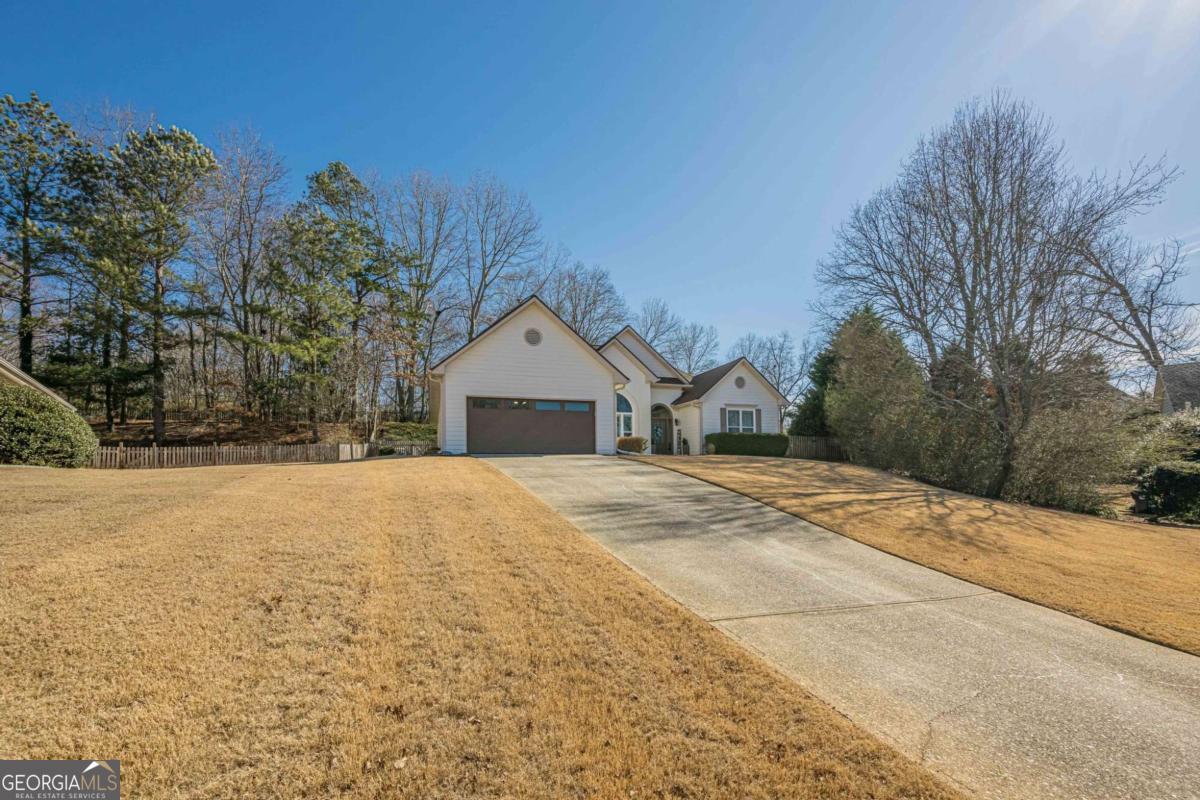
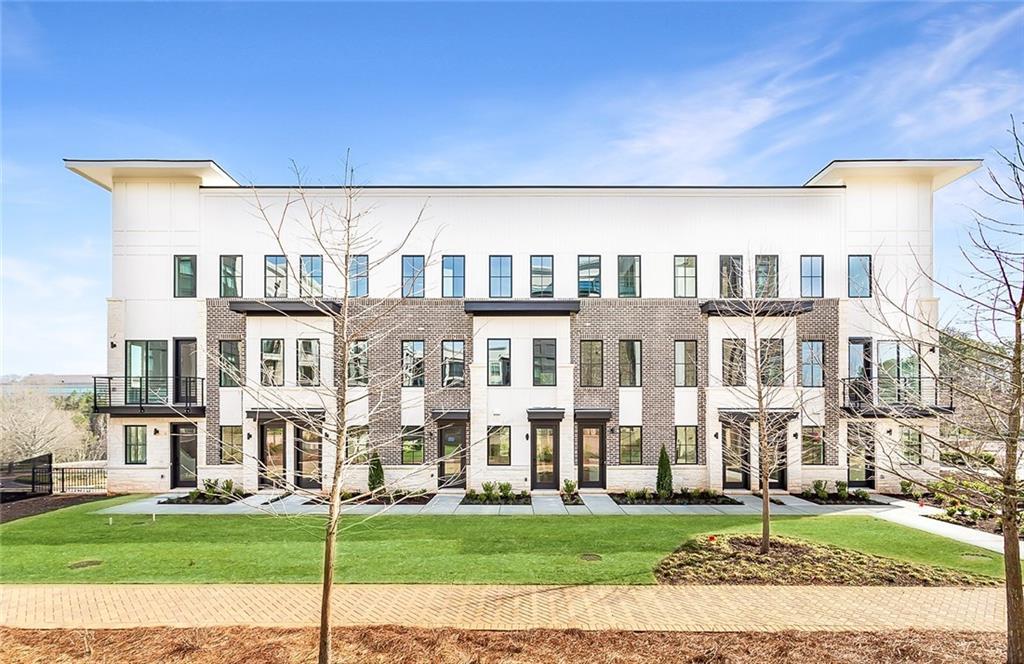
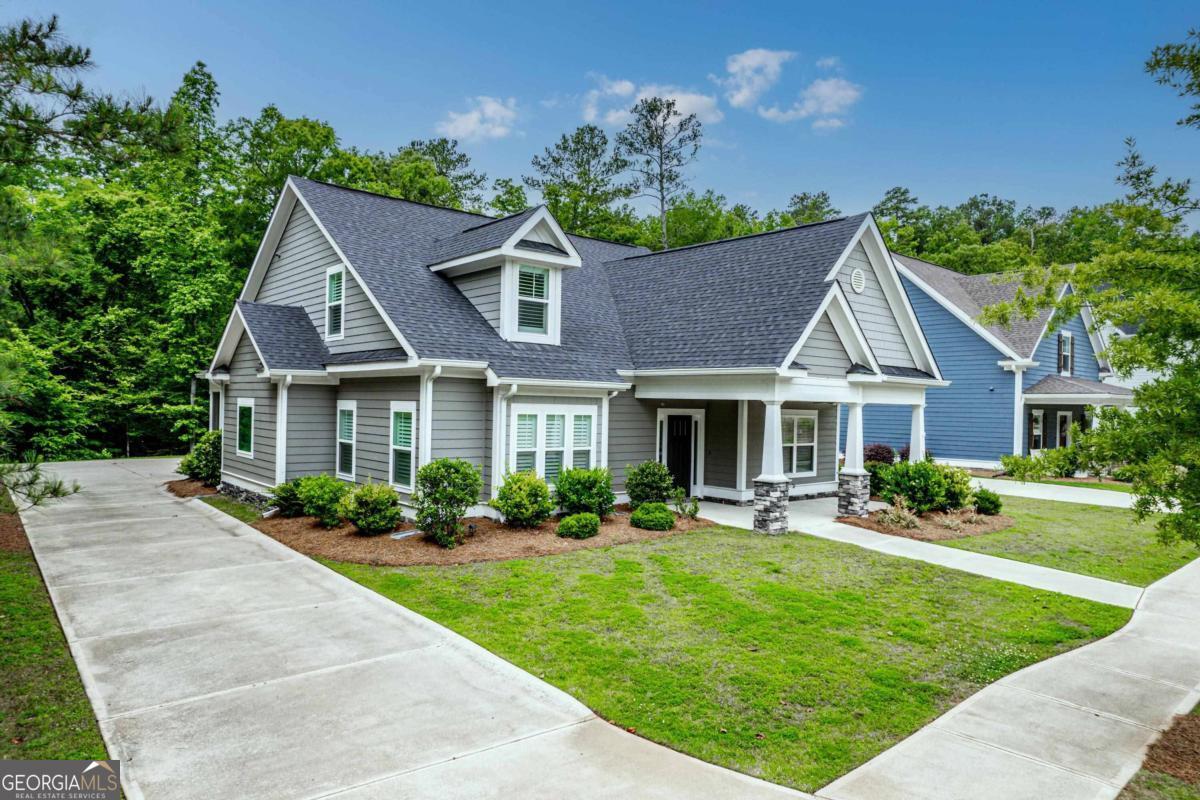
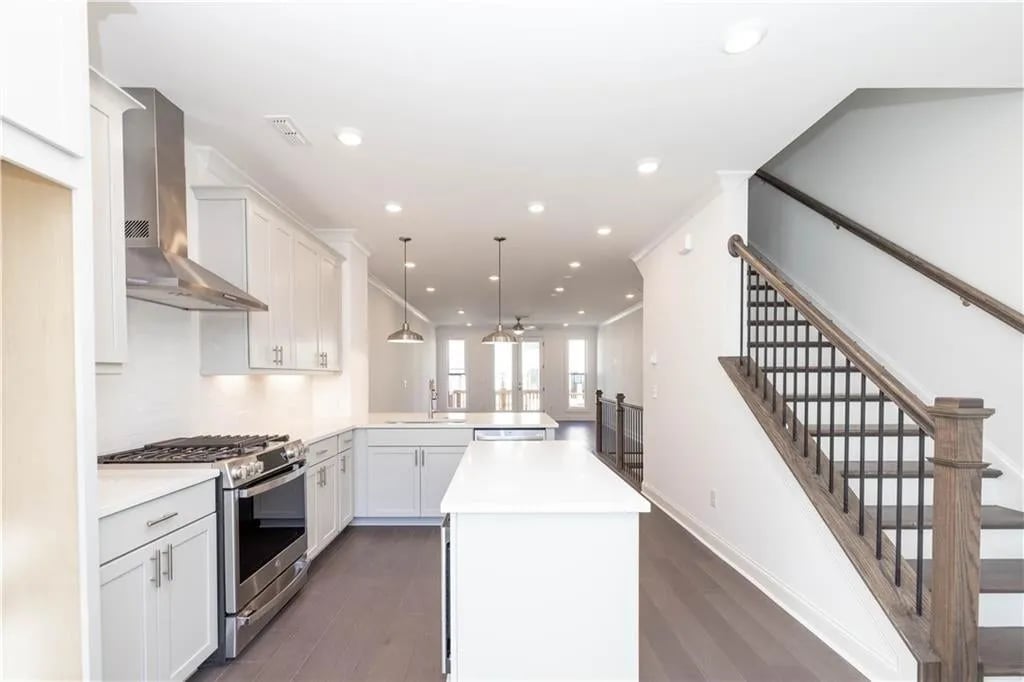
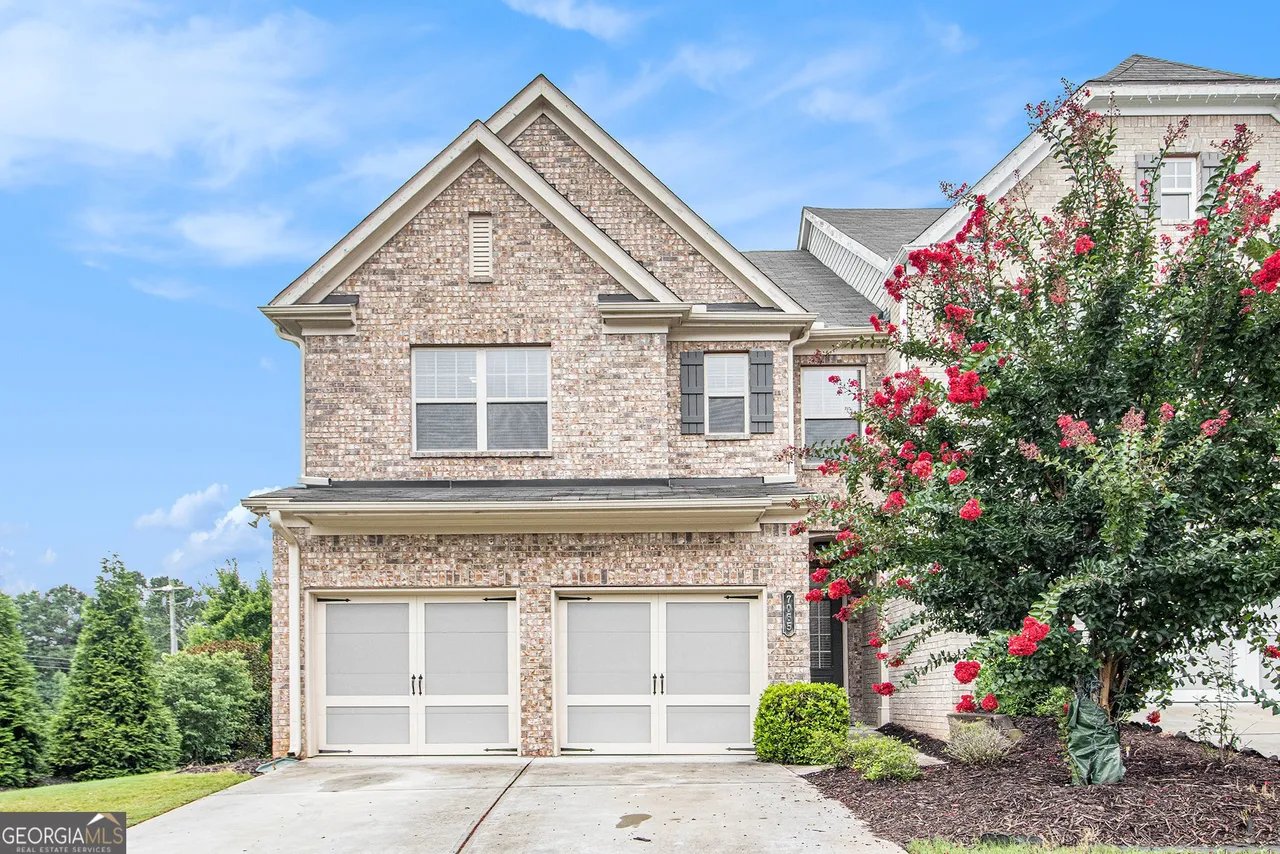
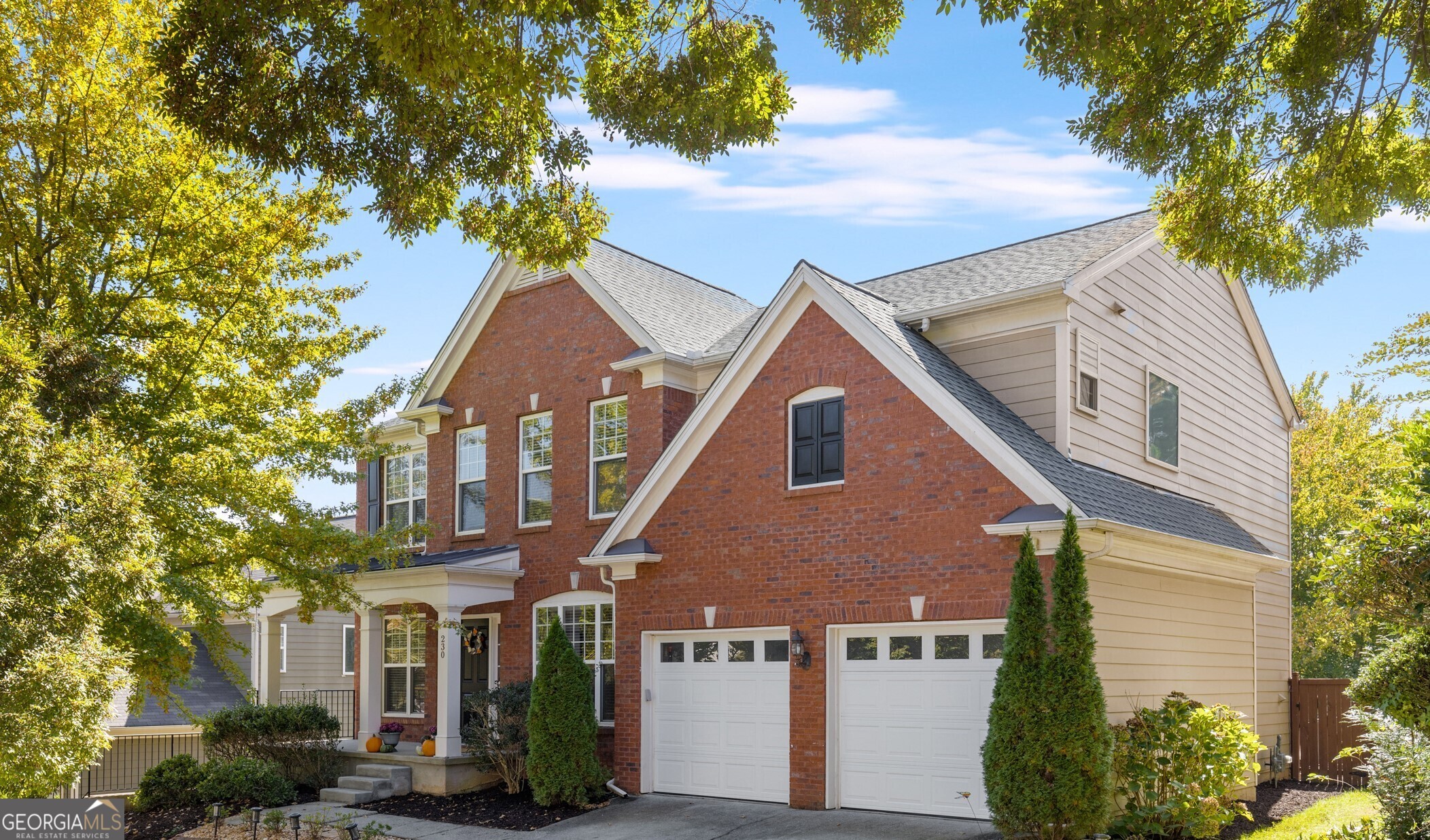
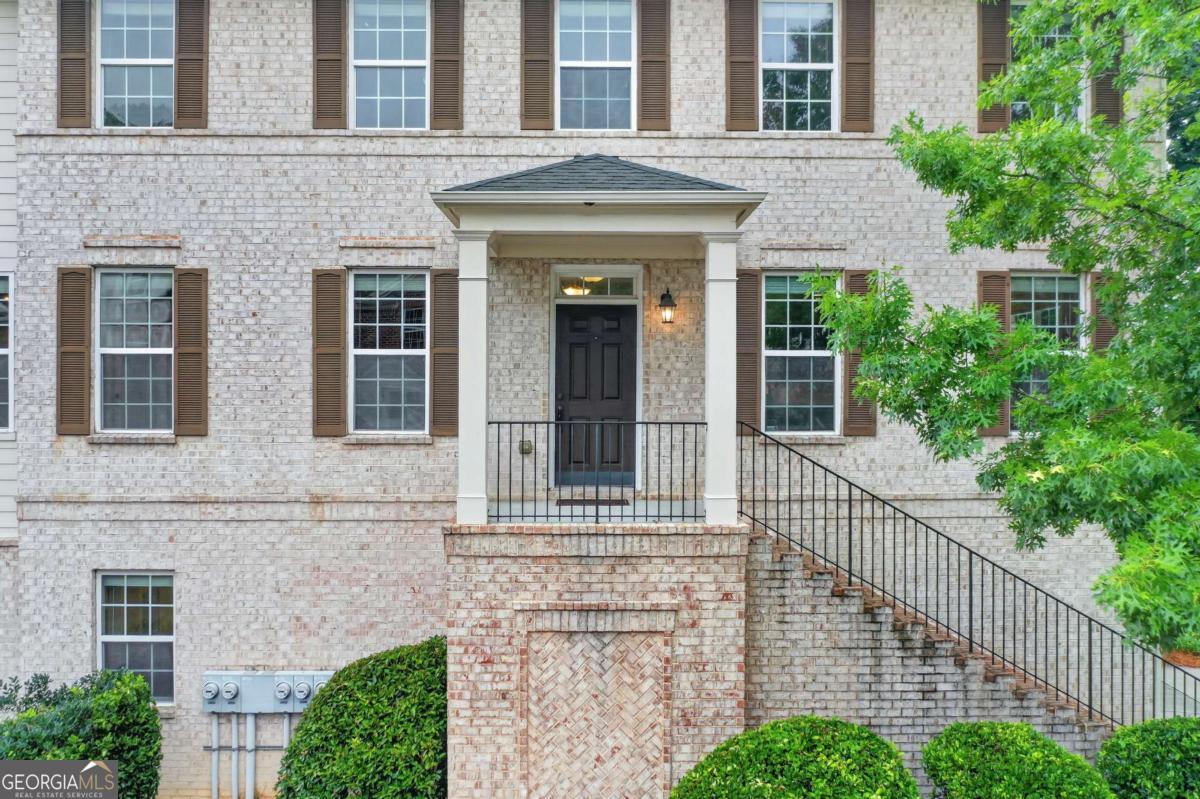
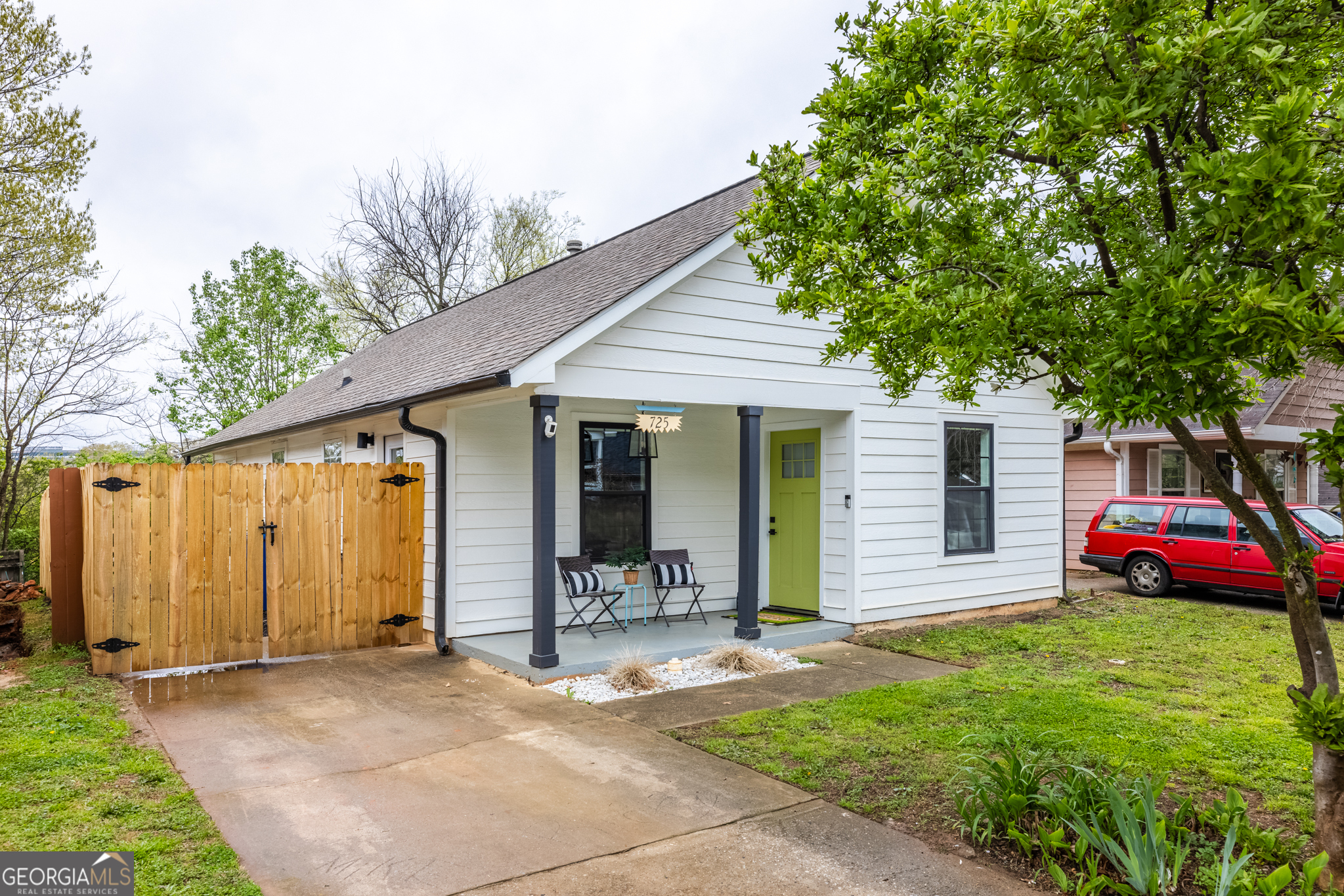
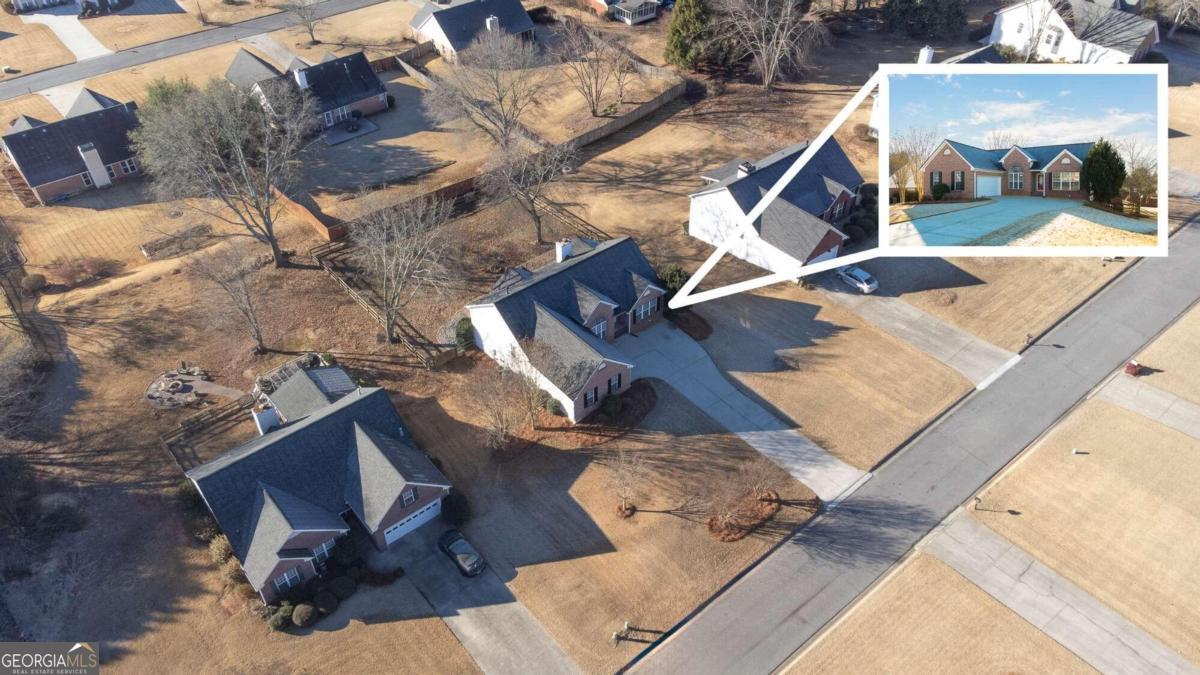
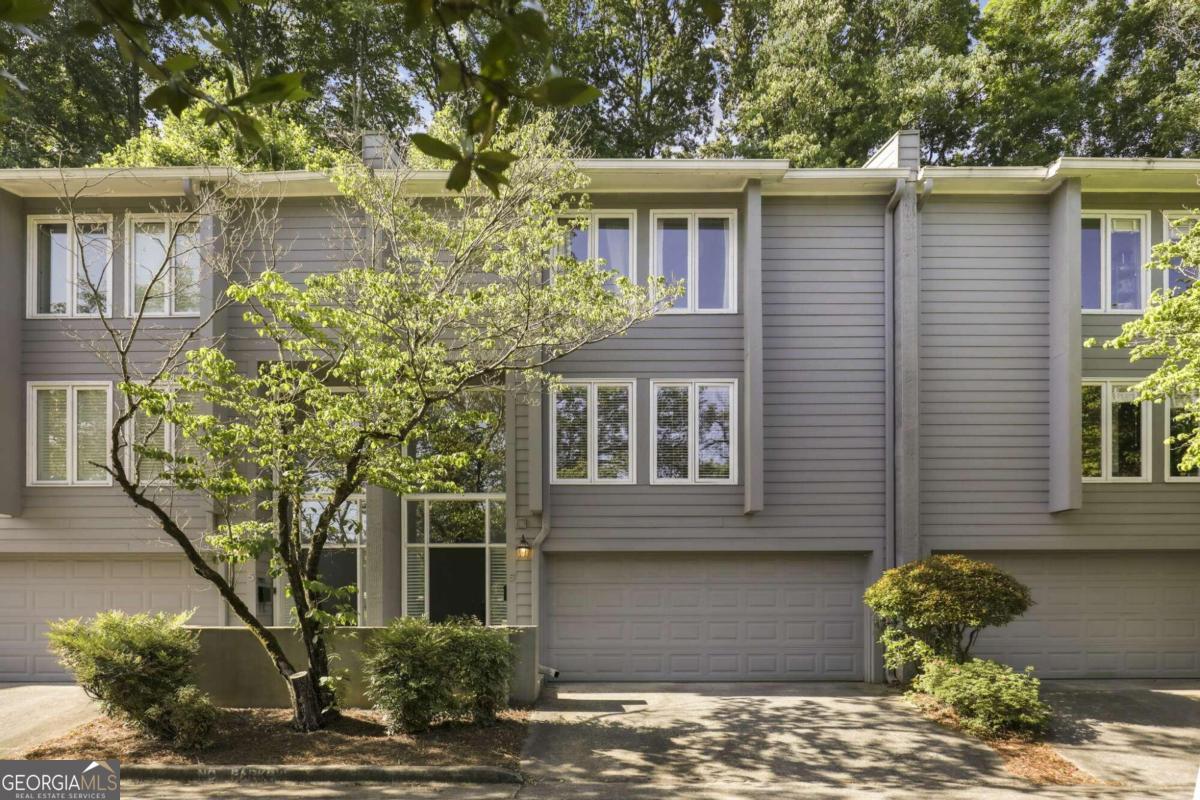
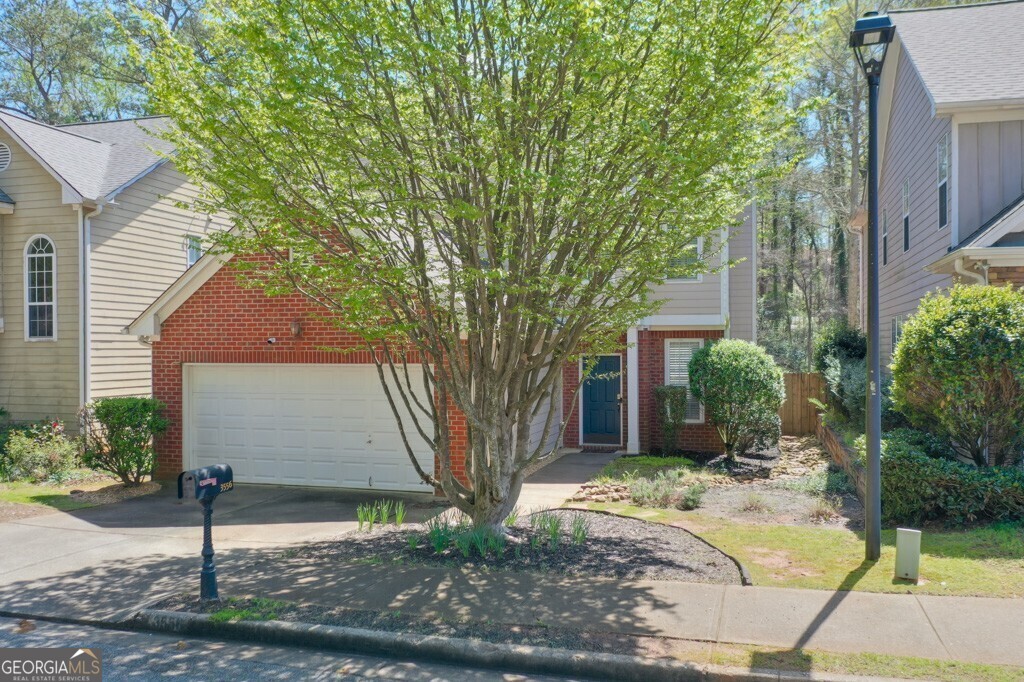
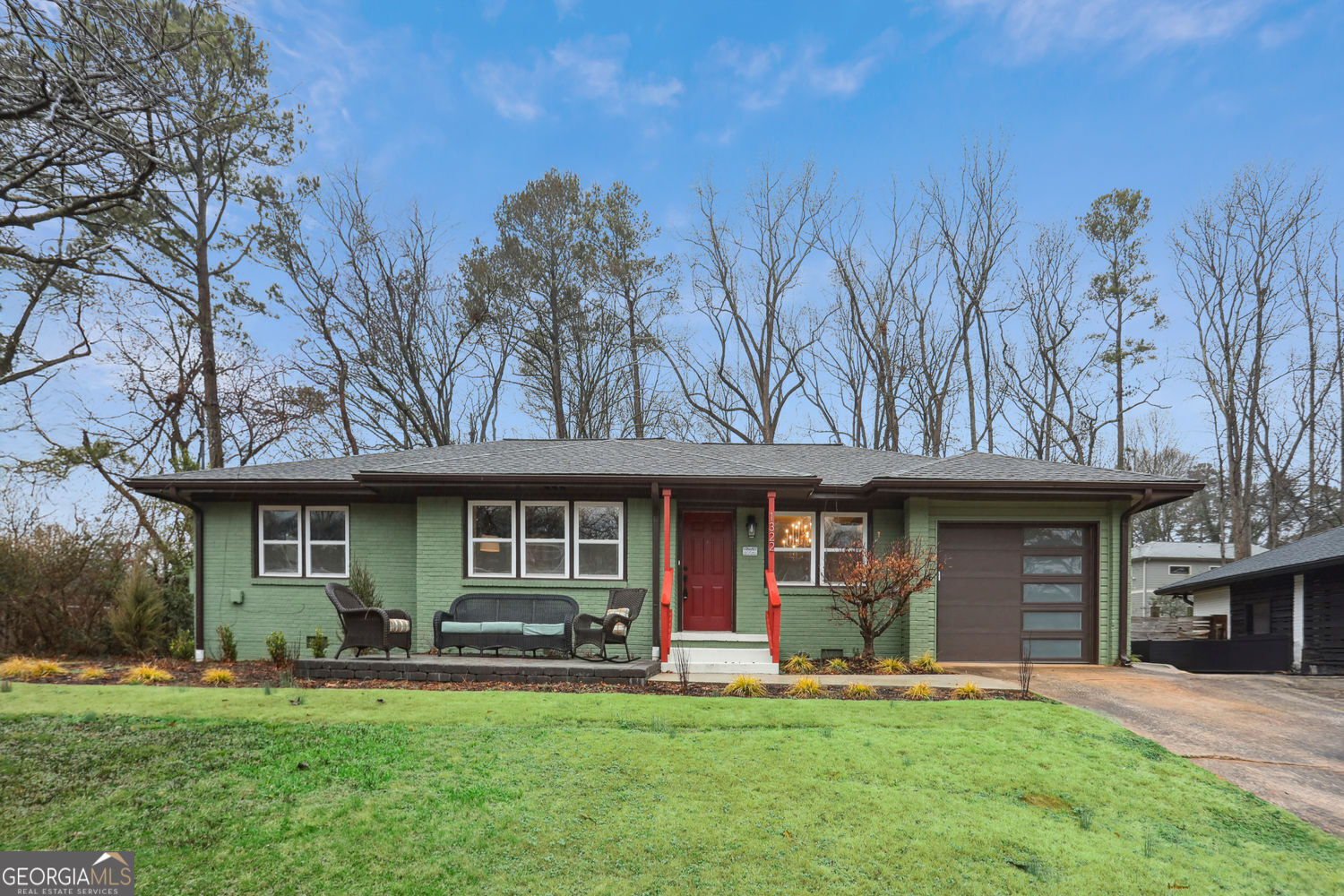
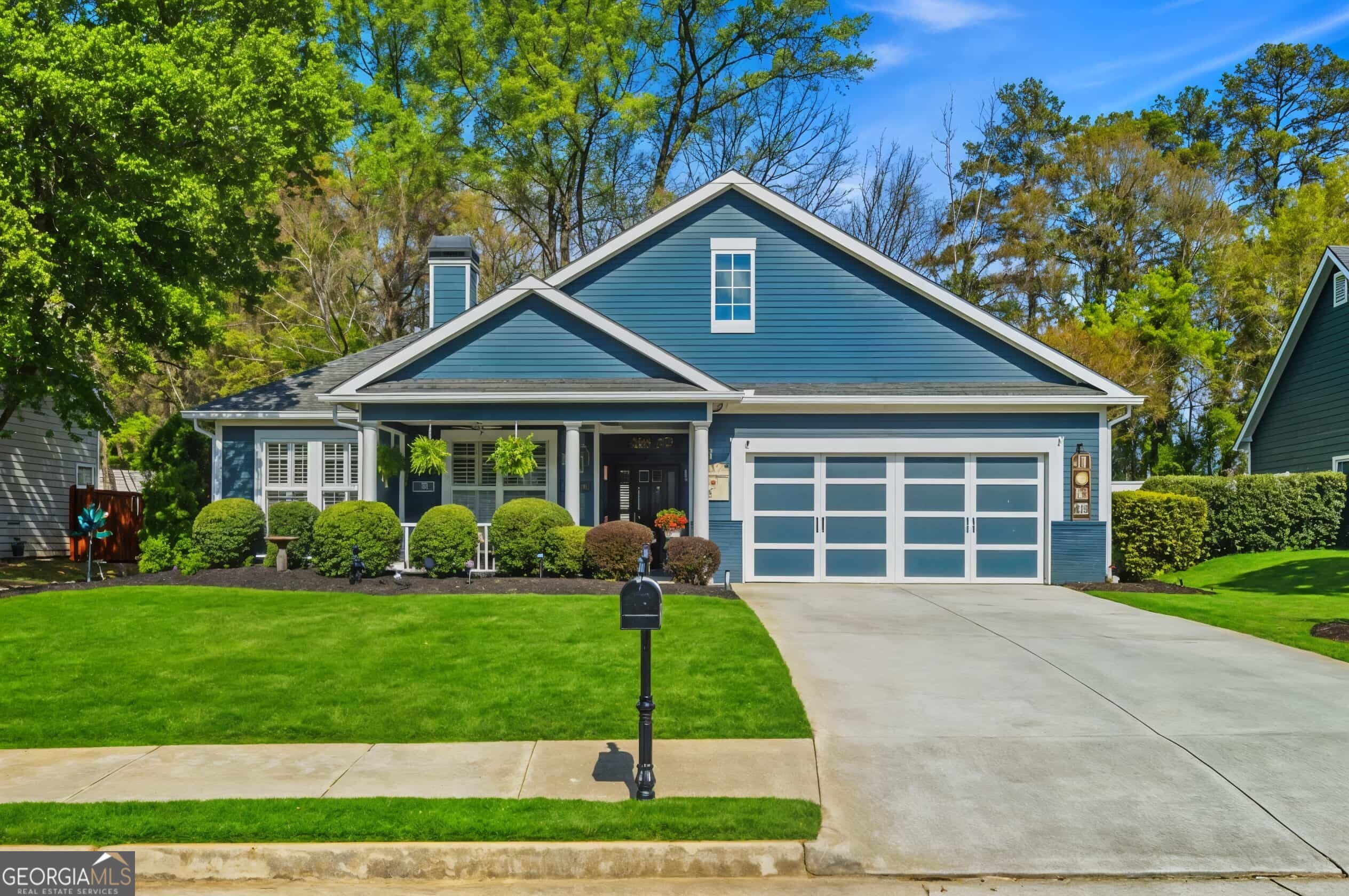
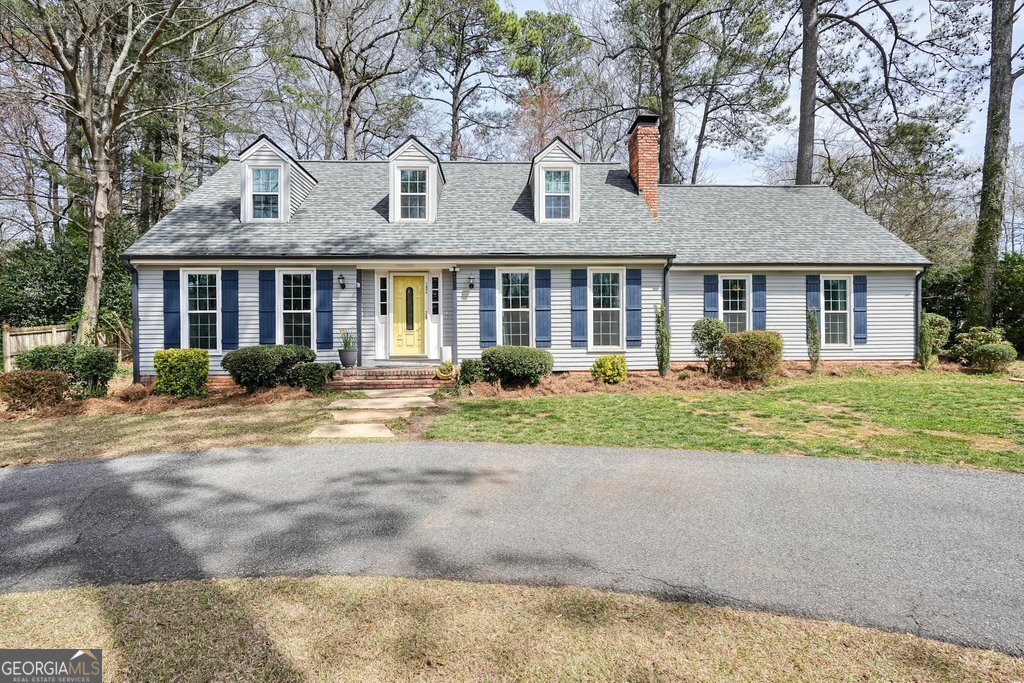
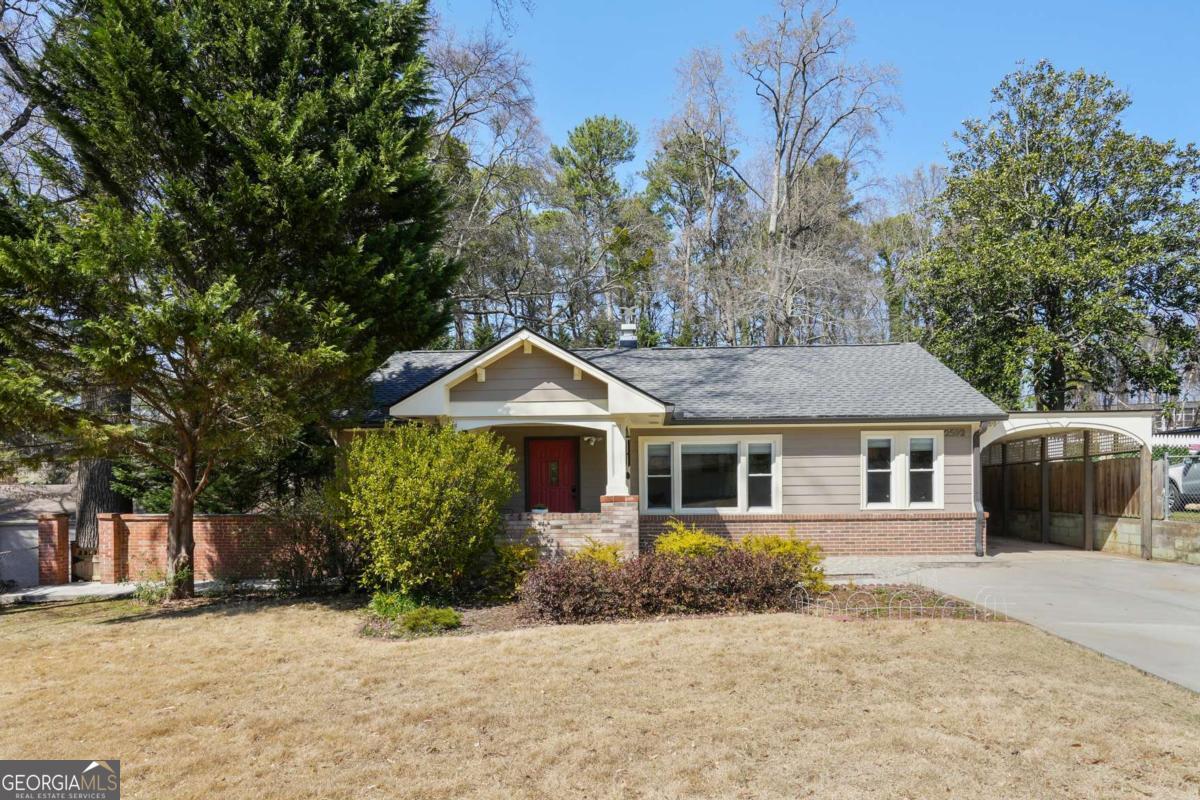
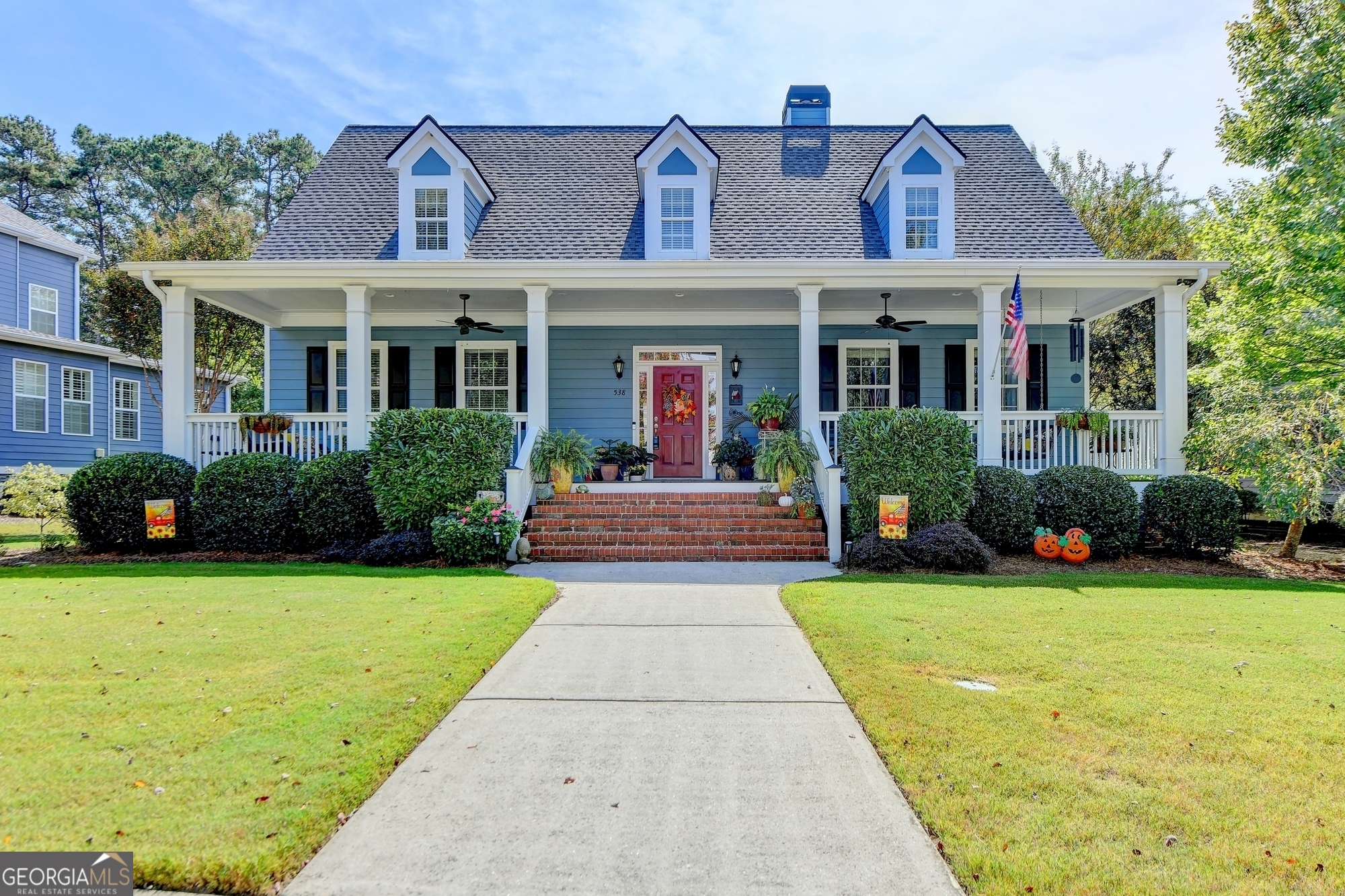
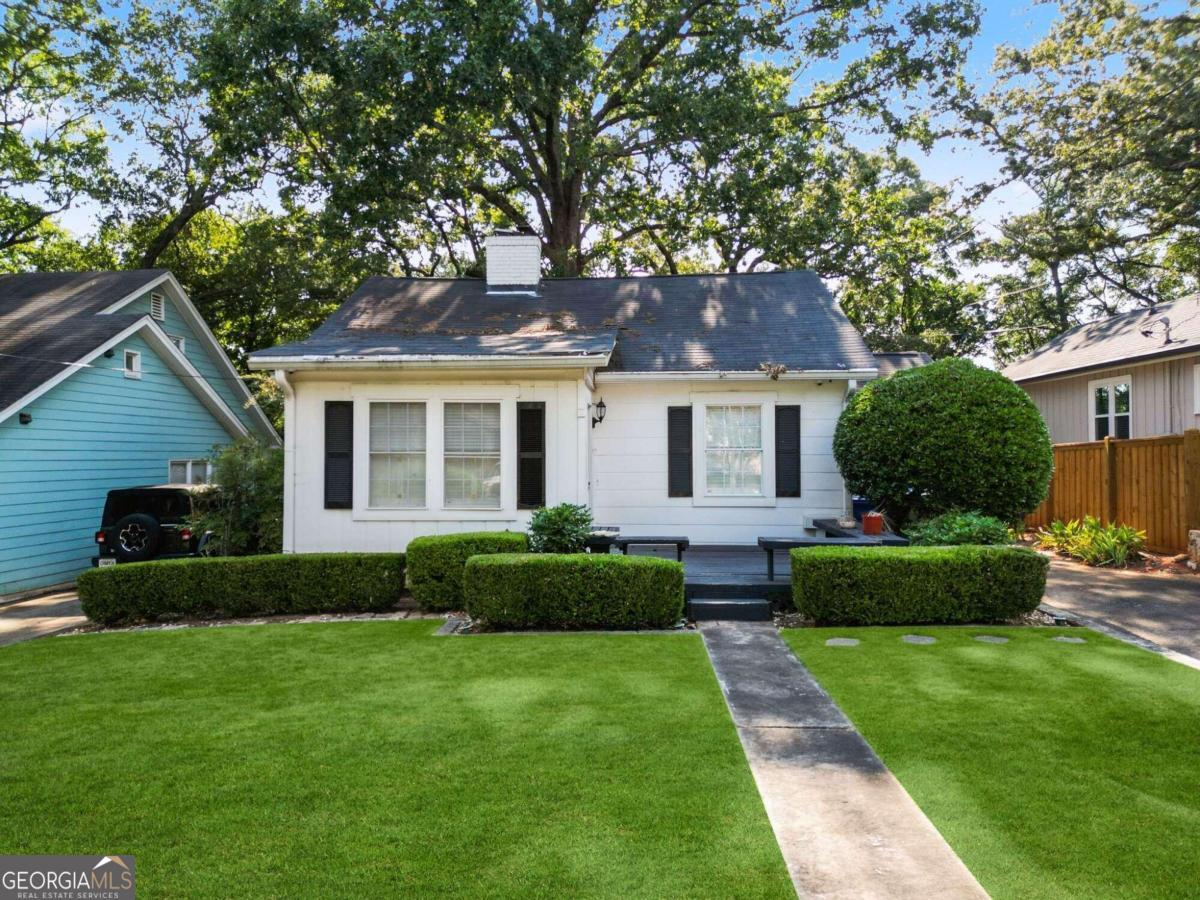
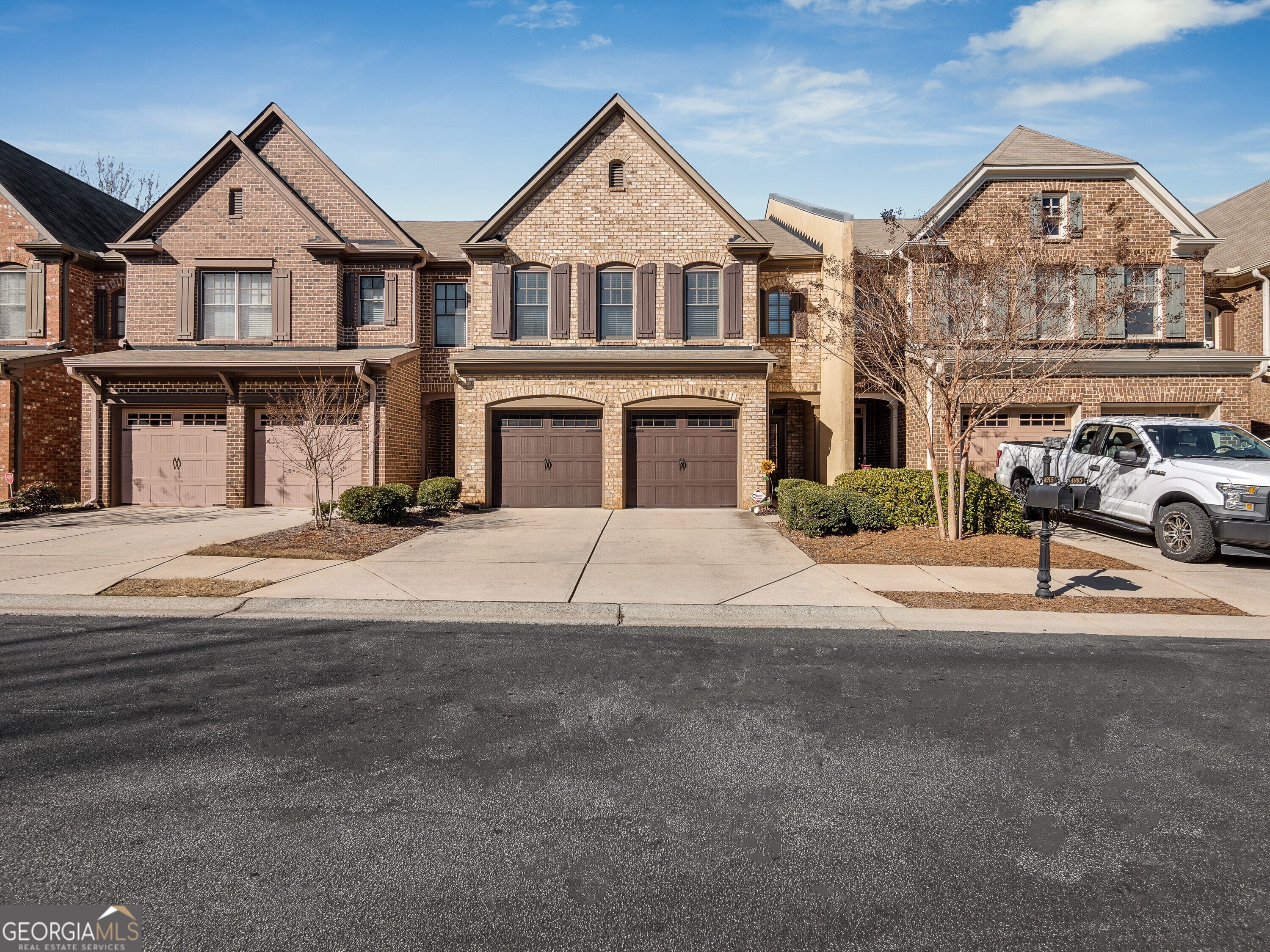
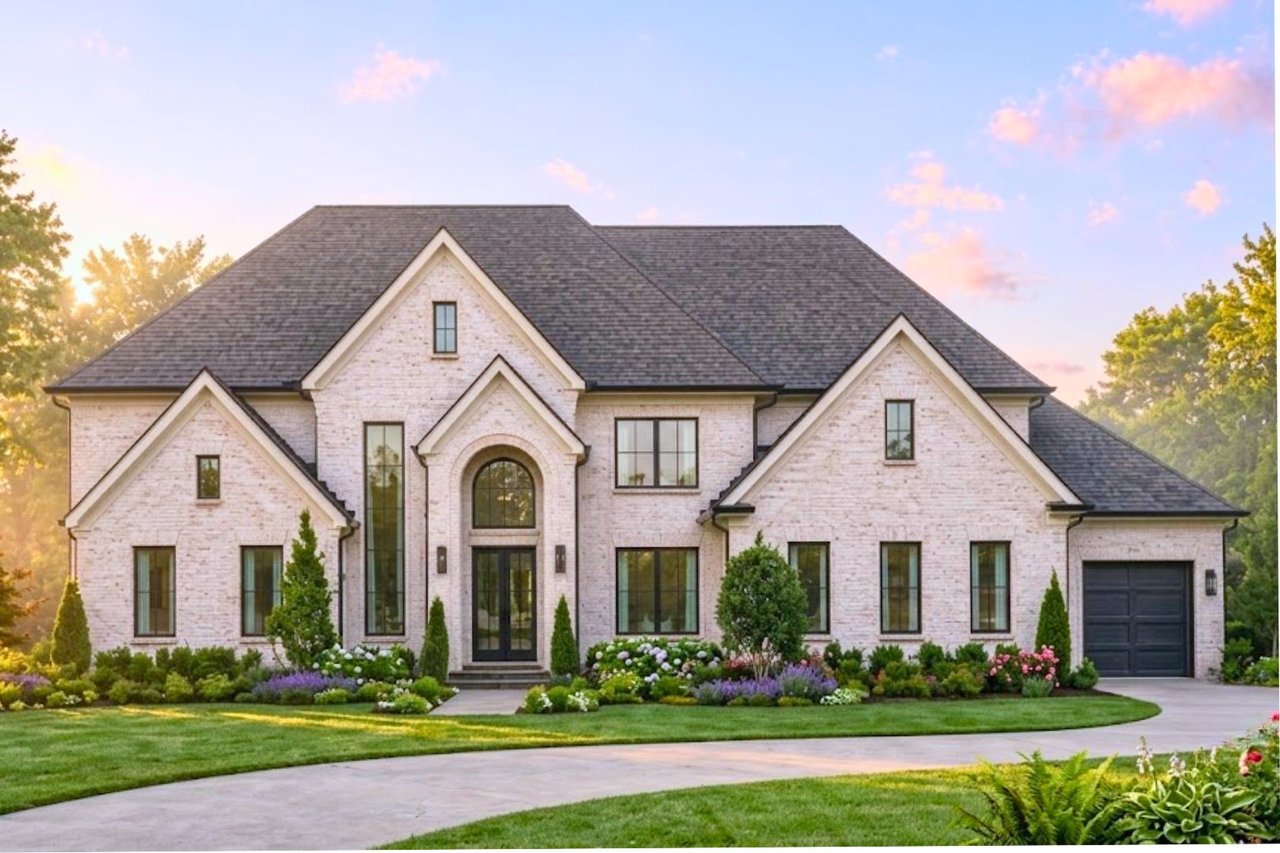
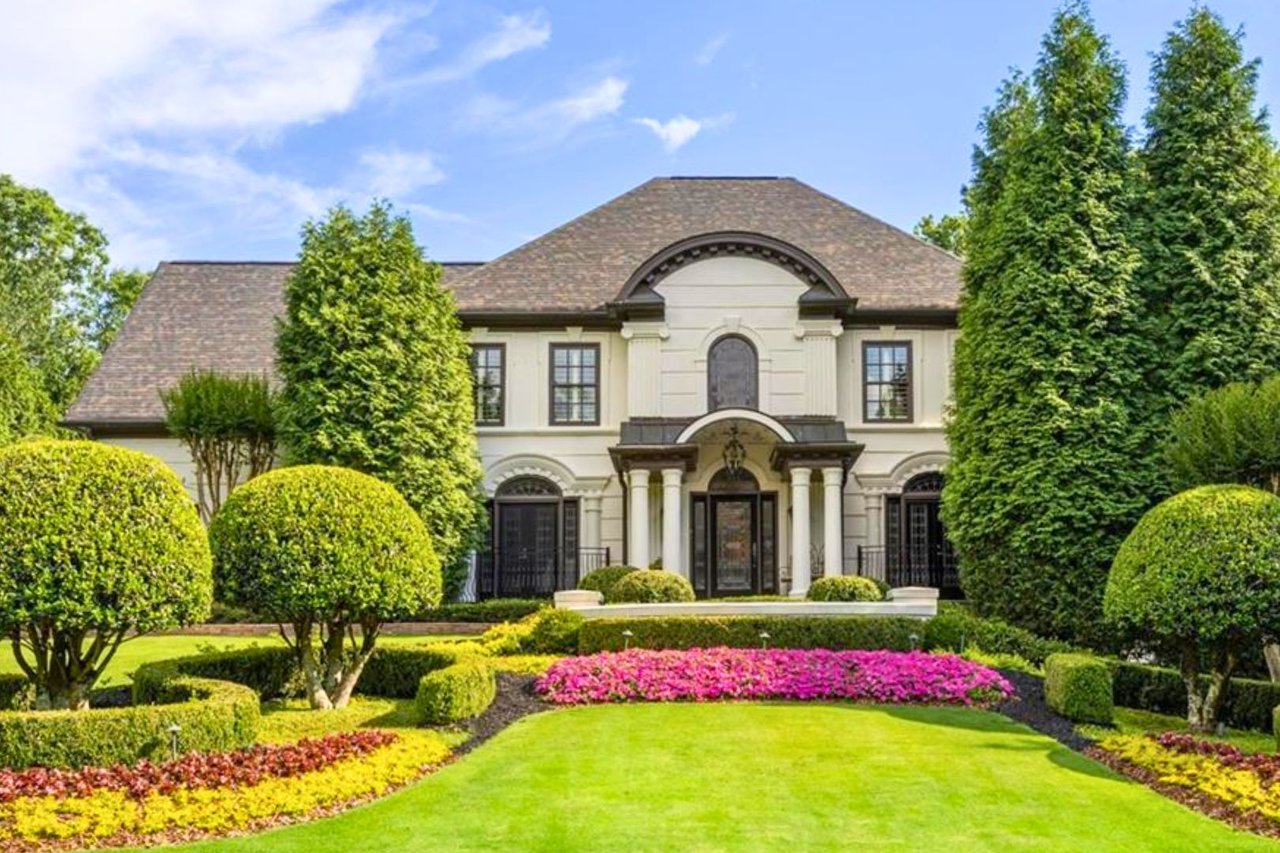
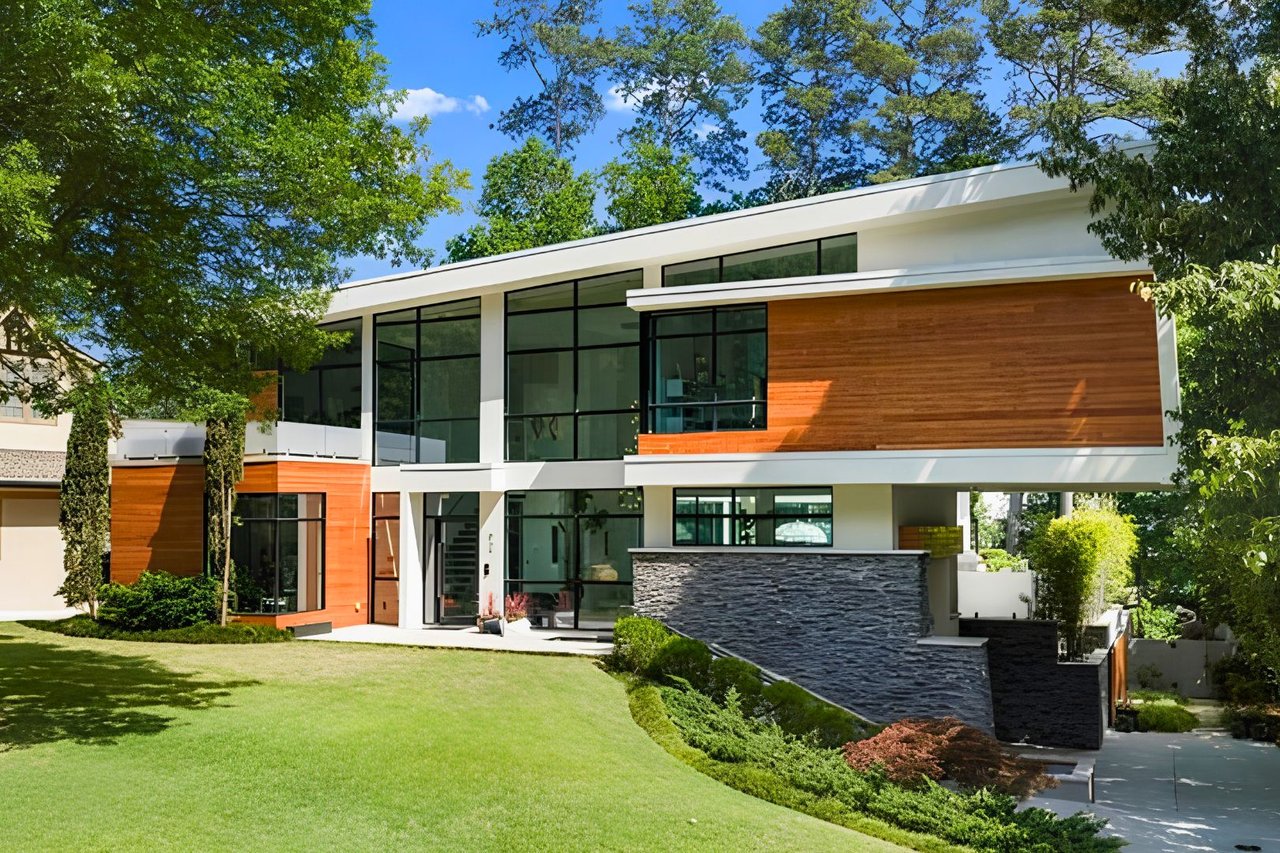
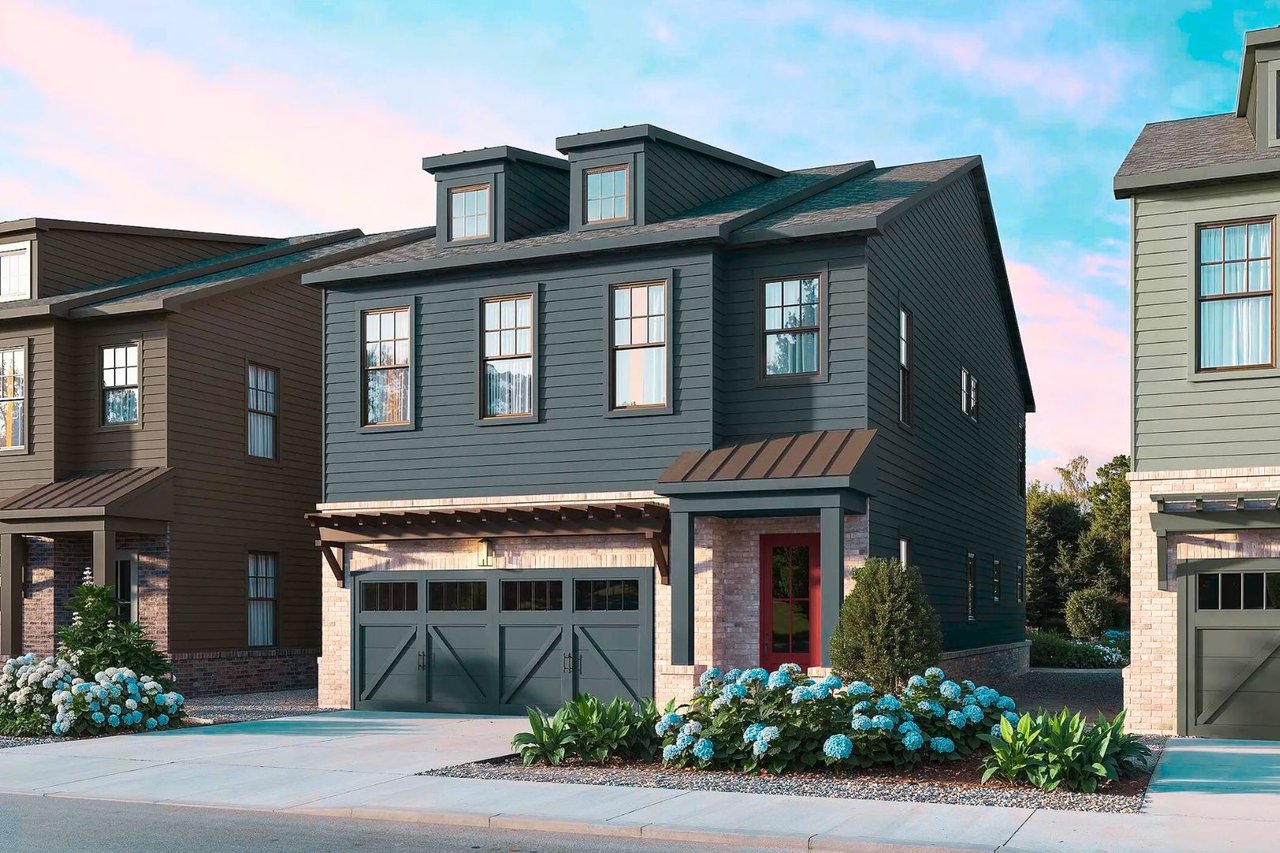
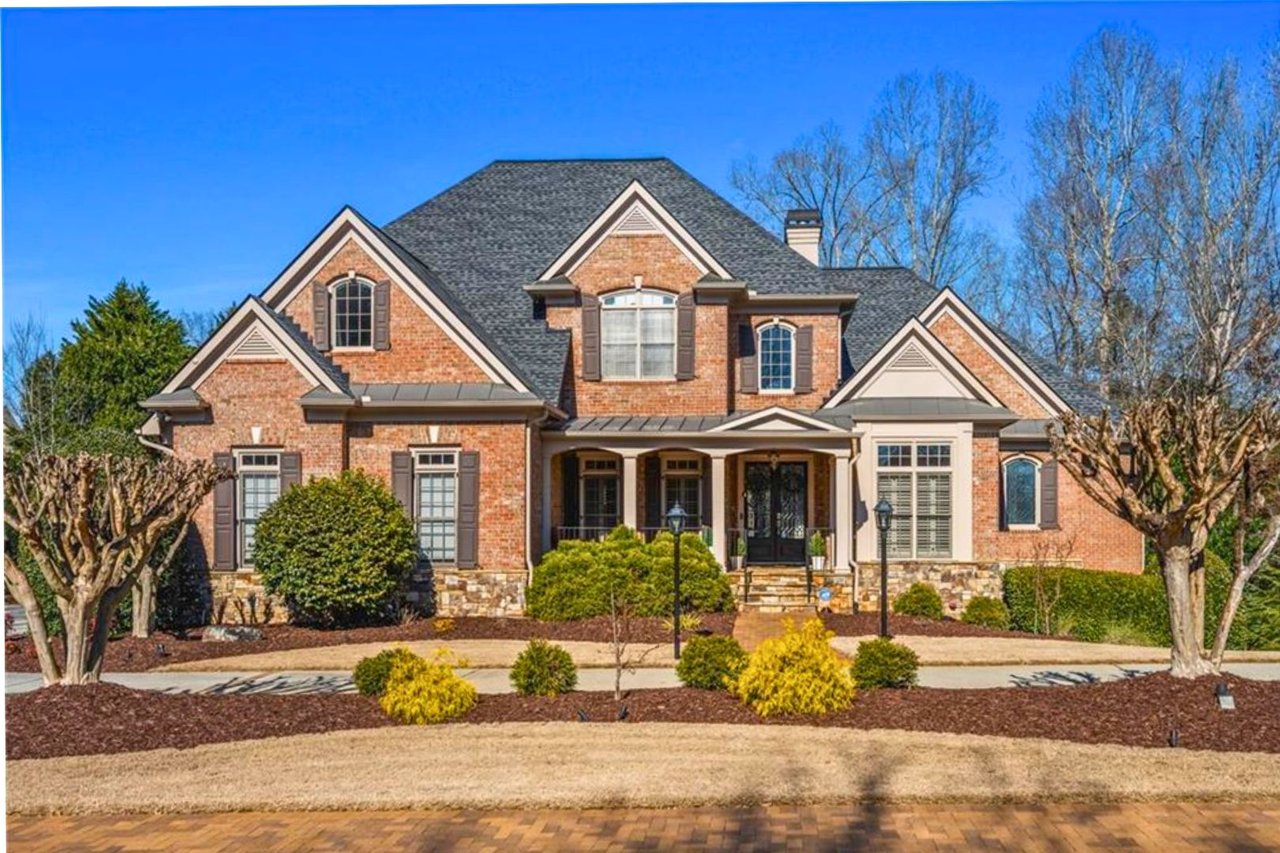
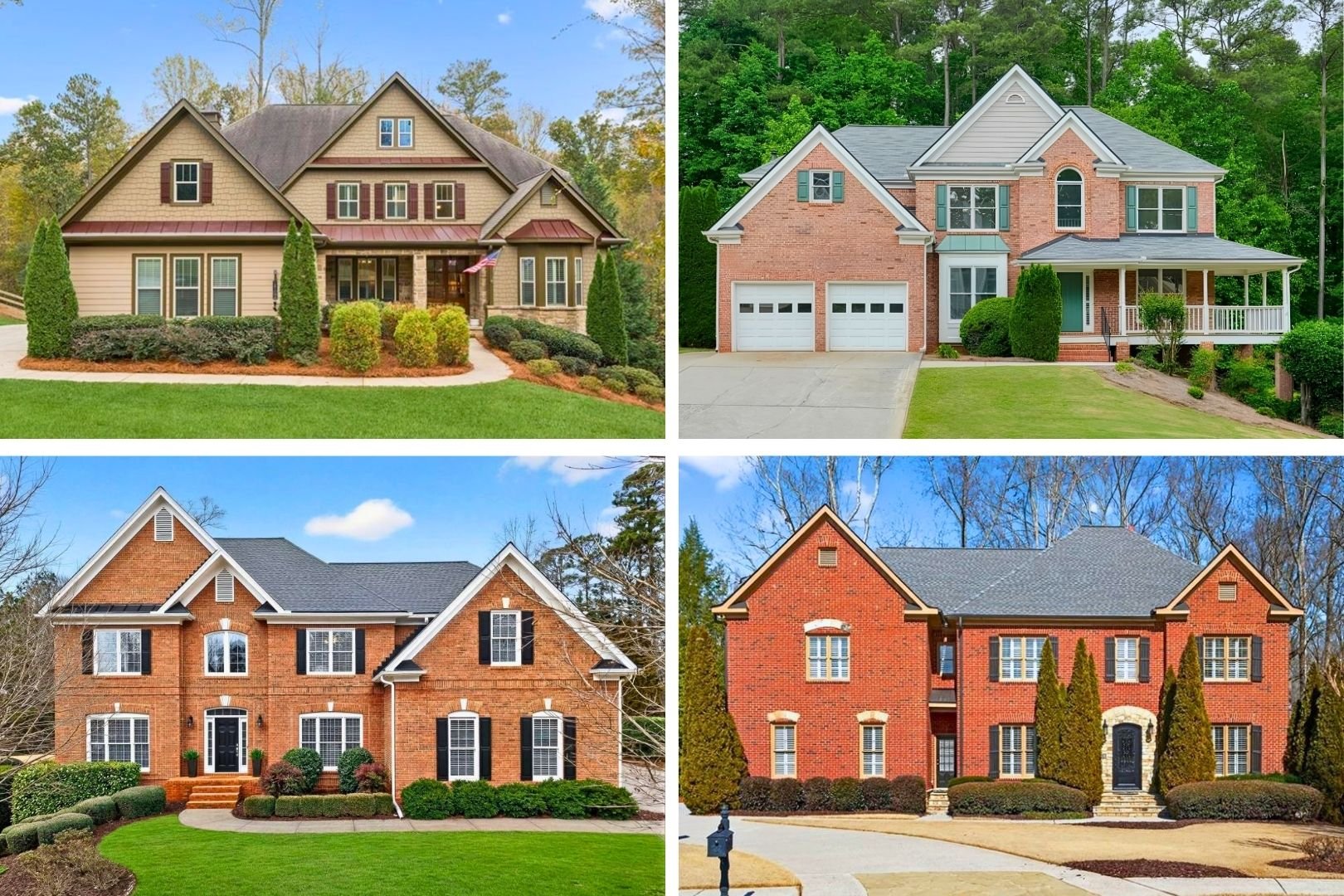
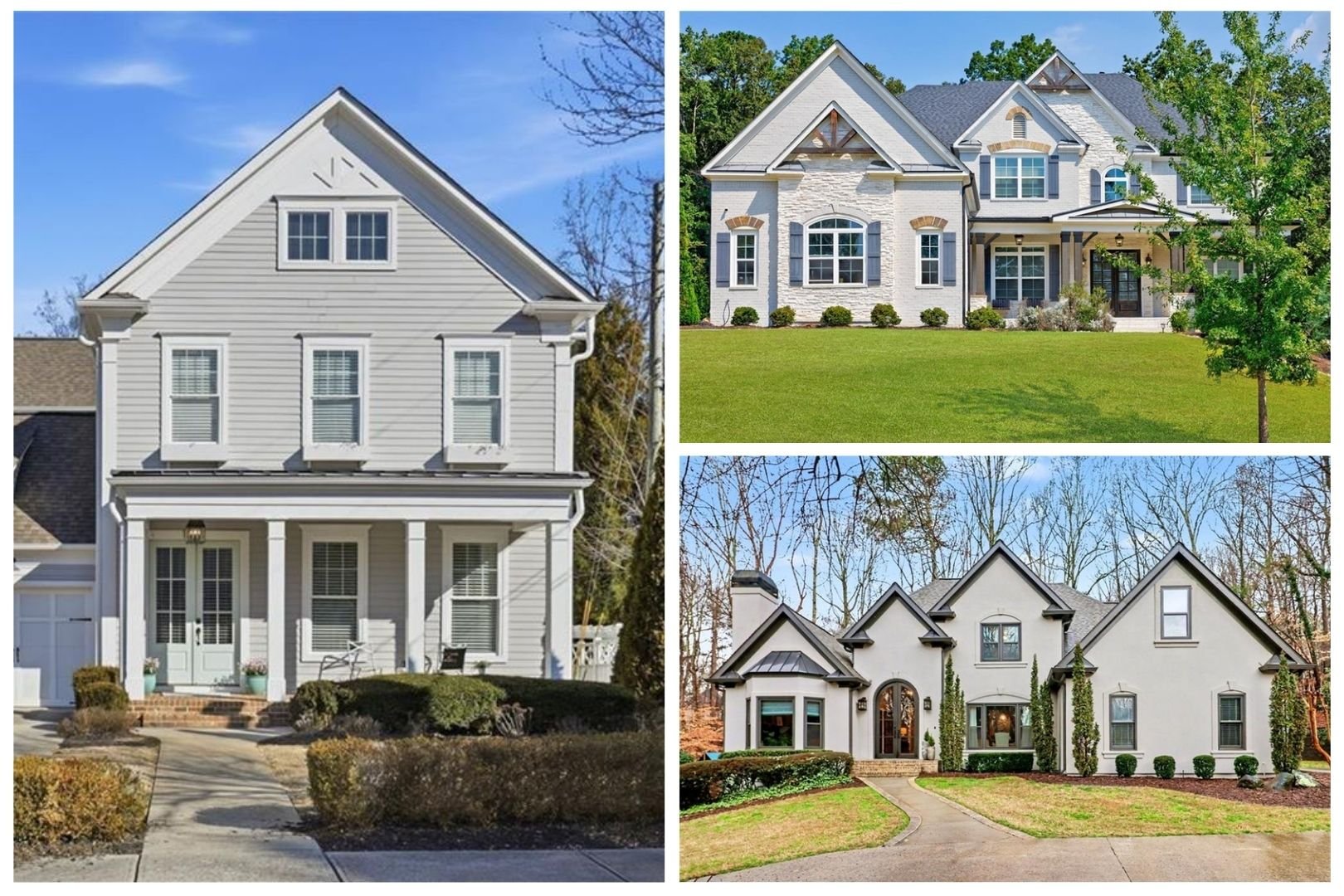
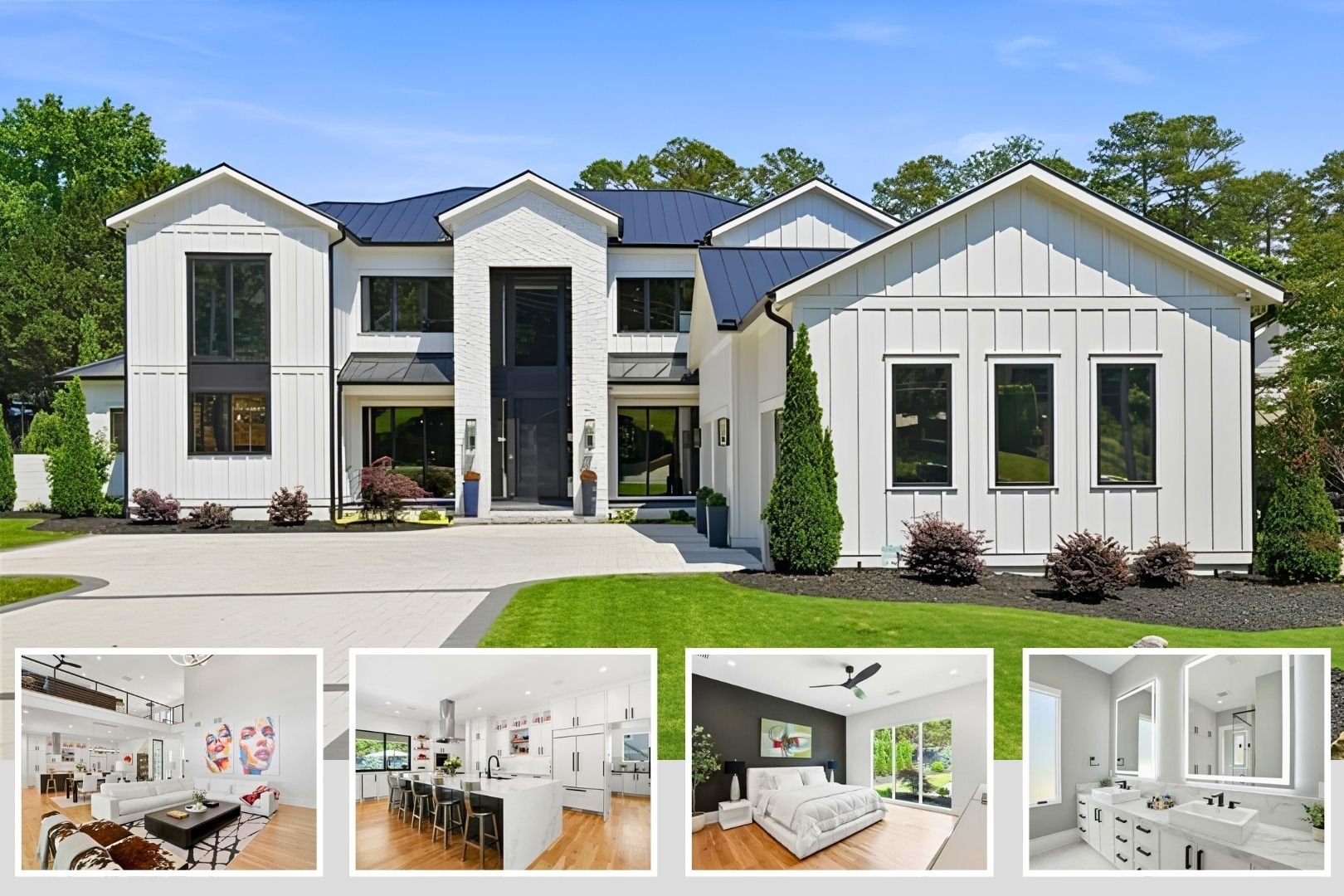
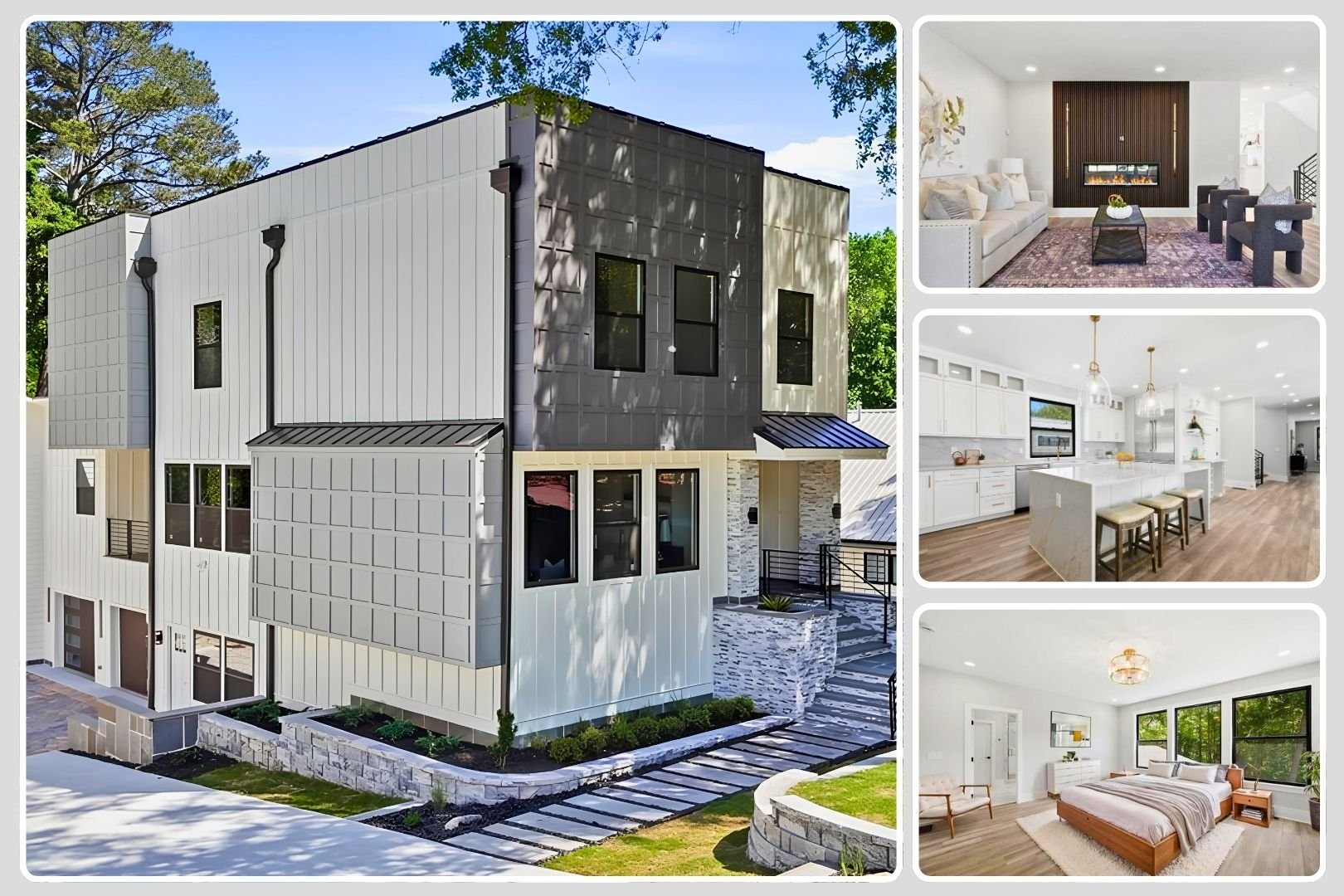
The Roswell housing market in 2026 showcases incredible architectural diversity. Buyers can choose from beautifully preserved mid-century ranch homes, modern Craftsman-style builds near downtown, luxury townhomes, and sprawling estate homes in established golf course communities. The market is healthy, active, and increasingly balanced for incoming buyers.
As a premium North Fulton market, home values reflect the high demand for this area. In early 2026, the overall median home sale price in Roswell sits at $629,623. The broader typical home value index is $662,209, representing a steady, sustainable 1.0% increase over the past year.
$629,623 is the median home sale price in Roswell for early 2026, paired with a typical home value index of $662,209.
Fortunately for relocating buyers, inventory levels have improved. The housing inventory supply has risen to a 3.9-month supply, up from 2.2 months in previous years. With over 400 active listings on the market, buyers have significantly more choices and negotiation leverage than in previous market cycles.
The median days on market averages between 27 and 33 days. This means well-priced homes still move quickly but allow reasonable time for due diligence.
PRO TIP: With a 3.9-month inventory supply, buyers in 2026 have more room to negotiate repairs and closing costs. Focus your search on homes that have been on the market for more than 25 days, where sellers are increasingly motivated to make concessions.
Q4: Which Roswell neighborhoods are most popular for relocators?
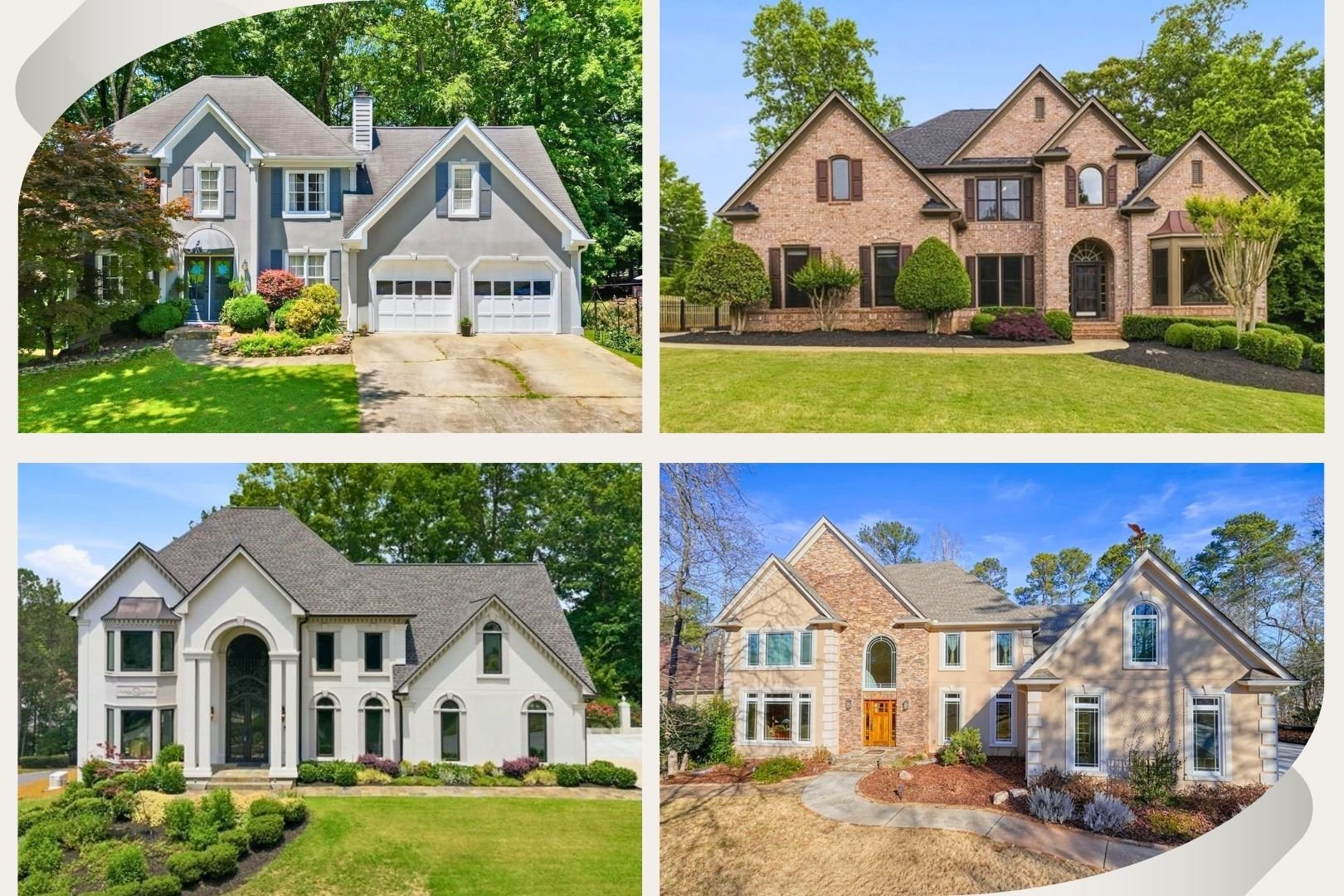
Depending on the lifestyle you are seeking, several neighborhoods consistently stand out to buyers. The city is geographically diverse, offering different price points and community styles depending on where you focus your search.
In West Roswell (Zip Code 30075), which is home to the Historic District and larger wooded lots, the median home price sits around $724,785. This area is ideal for those who prioritize walkability to Canton Street and appreciate historic charm. Neighborhoods immediately surrounding the downtown core offer custom builds and historic cottages that allow you to leave your car in the garage.
In East Roswell (Zip Code 30076), known for established swim/tennis subdivisions and highly accessible suburban living, the median home price is around $589,825. Neighborhoods like Edenwilde are highly popular here, offering excellent family-friendly amenities. Established, master-planned communities like Horseshoe Bend and Willow Springs are famous for golf course living, country club amenities, and active neighborhood associations.
Region (Zip Code) | Median Home Price | Key Characteristics | Notable Neighborhoods |
|---|---|---|---|
West Roswell (30075) | $724,785 | Historic District, walkable to Canton Street, larger wooded lots | Historic Downtown core, custom cottage builds |
East Roswell (30076) | $589,825 | Swim/tennis subdivisions, golf course living, highly accessible suburban layouts | Edenwilde, Horseshoe Bend, Willow Springs |
Commuting, Transit, and Employment Hubs
Q5: What is the commute like to Atlanta and nearby job centers?
Commuting from North Fulton County is highly manageable, thanks to Roswell’s strategic positioning. Georgia State Route 400 (GA-400) serves as the primary north-south artery, connecting Roswell directly to major employment corridors. This highway provides direct access to the Interstate 285 loop and downtown Atlanta.
The average commute time for Roswell residents is 26.9 minutes, which is highly favorable compared to the broader Metro Atlanta average. Commuting to the nearby technology hub of Alpharetta typically takes just 10 to 15 minutes. A commute south to the corporate offices in Sandy Springs or the Perimeter Center healthcare hub ranges from 15 to 25 minutes.
26.9 minutes is the average commute time for Roswell residents, significantly outperforming the broader Metro Atlanta average.
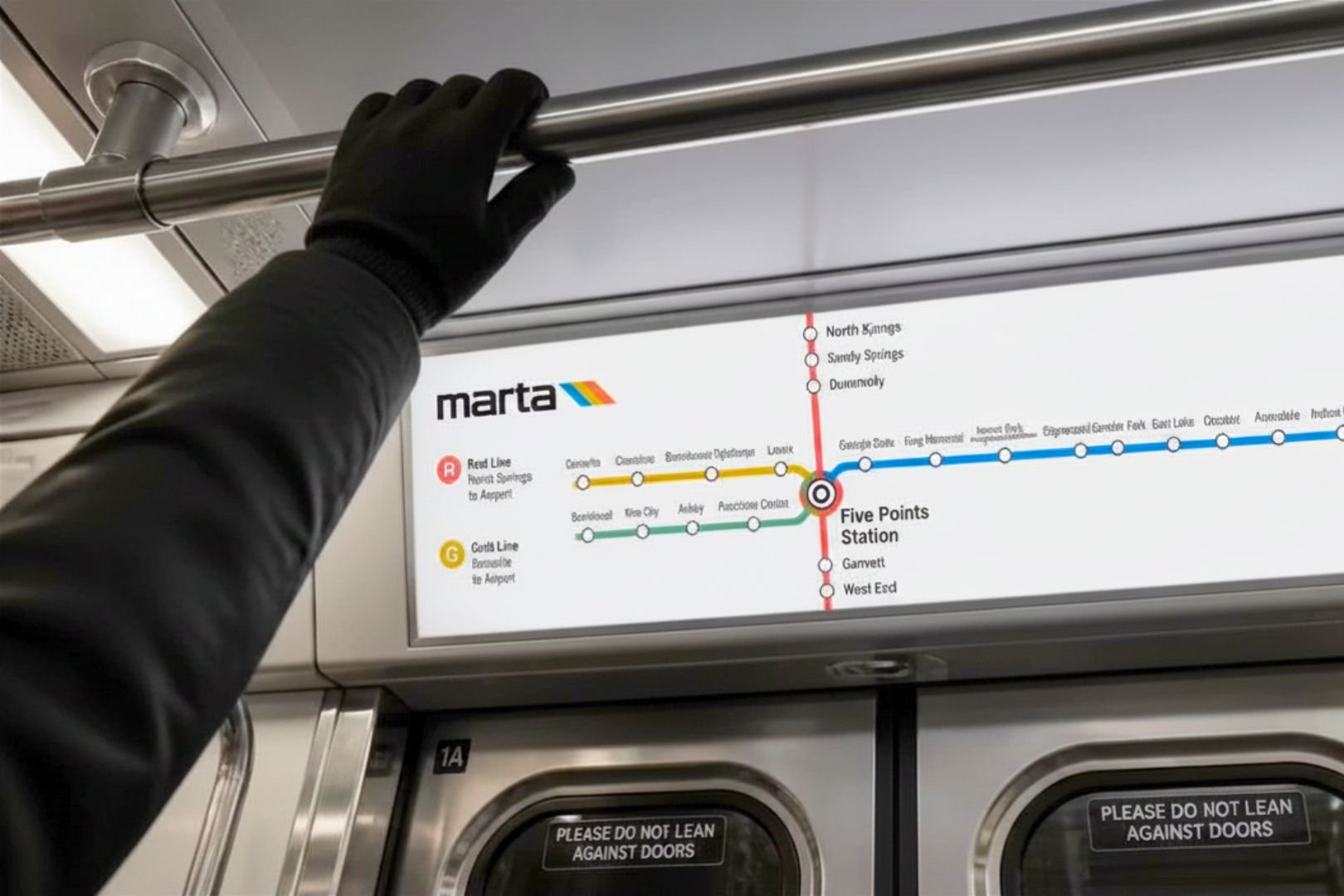
For those traveling to Downtown or Midtown Atlanta, the drive generally takes 35 to 50 minutes depending on traffic. Many local commuters choose to drive a few minutes south to the North Springs MARTA Station. This northern terminus of Atlanta’s rapid transit rail line allows riders to bypass highway traffic entirely when heading to the city center or the airport.
Q6: Are there major employment opportunities within Roswell itself?

Yes, Roswell maintains a highly successful local business environment of its own. The city has a robust labor force of 51,068 people and maintains an incredibly tight and resilient local economy, with a low 2.5% unemployment rate. This economic stability supports a high standard of living across the community.
Roswell's local economy is anchored by a labor force of 51,068 people and a remarkably low 2.5% unemployment rate.
The city is a significant regional healthcare and professional services hub. Its largest single employer is WellStar North Fulton Hospital, a 202-bed facility that provides approximately 1,100 full-time jobs. Additionally, the local economy is supported by a large concentration of professional, scientific, and technical services.
Roswell's active economic development organization, Roswell Inc, works continuously to attract corporate offices, tech startups, and retail businesses to the area. This proactive approach ensures a steady stream of local job opportunities. Residents also benefit from the city's close proximity to the tech corridors of neighboring Alpharetta and Dunwoody.
Education, Schools, and Family Life

Q7: What are the educational options for children in Roswell?
Roswell is served by the Fulton County School System, one of the largest and most established charter school systems in Georgia. The district is highly robust, serving approximately 87,019 students across 106 schools. This scale allows the district to offer extensive academic, athletic, and artistic resources.
The system is supported by a dedicated staff of over 14,000 full- and part-time employees, including more than 6,100 certified teachers. This strong staffing ratio ensures that local classrooms are well-supported. Public high schools serving the Roswell area include Roswell High School and Centennial High School, both of which offer comprehensive advanced placement courses and career-technical pathways.
In addition to public options, Roswell features several esteemed private, independent, and parochial schools within its city limits. These institutions provide local families with a diverse array of educational pathways to suit different learning styles. The depth of educational resources in the area remains a primary driver for families relocating to North Fulton County.
Q8: Is Roswell a family-friendly community?
Roswell is widely celebrated as one of the premier communities for families in the Southeast. The city's active Recreation and Parks department manages outstanding youth sports leagues, arts programs, and community centers. These programs provide year-round activities for children of all ages.
The central hub for family activity is the sprawling Roswell Area Park. This facility features extensive walking trails, modern playgrounds, tennis courts, and an Olympic-sized outdoor pool. The park serves as a daily gathering spot for local families and sports leagues.
Family traditions run deep in Roswell. The city hosts "Alive in Roswell", a massive, family-friendly monthly street festival held from April through October. This popular event features live music, food trucks, and local vendors, bringing neighbors together in the historic heart of the city.
Cost of Living and Future Growth
Q9: What is the cost of living like in Roswell?
Because of its high quality of life, excellent location, and strong demand, the cost of living in Roswell trends above the Georgia state average. This difference is primarily driven by the local housing market, where home values reflect the desirability of North Fulton County. However, this is balanced by the area's strong economic profile.
The local demographic is highly affluent, with a median household income of $128,654. The average household income in Roswell is $175,419, reflecting strong local purchasing power and economic stability.
$128,654 is the median household income in Roswell, with the average household income reaching $175,419.
Fulton County property taxes are assessed fairly, and residents receive exceptional value in return. These tax dollars directly fund highly responsive city services, beautifully maintained municipal parks, and top-tier public safety facilities. General utility and daily lifestyle costs align closely with the national average, making Roswell a stable and rewarding long-term investment.
Q10: What infrastructure updates or developments are coming to Roswell in 2026?
Roswell is actively investing in its future while carefully preserving its historic charm. Current public works and revitalization projects in 2026 focus heavily on pedestrian mobility, park connectivity, and downtown infrastructure. These projects are designed to enhance the daily lives of residents.
The city is continuing the expansion of the Roswell Loop, a multi-use pedestrian trail system designed to eventually connect residential neighborhoods directly to parks, schools, and the downtown historic district. This project encourages an active, car-free lifestyle for local families.
Roswell is also executing strategic parking and streetscape improvements in the Canton Street corridor. These initiatives aim to make the downtown area even more walkable and accessible, supporting local businesses while maintaining the historic architecture that makes the city so special. Additionally, park upgrades, such as the revitalization of the Roswell Area Park Pond, ensure that local green spaces remain exceptional for future generations.
PRO TIP: When shopping for a home, ask your agent about its proximity to the Roswell Loop trail. Proximity to this expanding trail system is expected to drive long-term property value premiums.
Frequently Asked Questions About Moving to Roswell, GA
How far is Roswell from Hartsfield-Jackson Atlanta International Airport?
Roswell is located approximately 30 to 45 miles north of the airport. Depending on the time of day and traffic, the drive typically takes between 45 and 60 minutes via GA-400 and Interstate 85. This makes business travel highly convenient.
Does Roswell have public transit access?
While there is no heavy rail station directly inside Roswell's city limits, the city is connected to the MARTA bus system. These local bus routes connect riders directly to the North Springs MARTA rail station just south of the city. This provides an easy transit link into Atlanta.
What is the weather like throughout the year in Roswell?
Roswell enjoys a classic four-season humid subtropical climate. Summers are warm and humid, with July afternoon highs averaging 87.5°F. Winters are mild to cool, with January overnight lows averaging around 29.1°F and daytime highs reaching the low 50s.
Precipitation is distributed relatively evenly throughout the year, averaging 49 to 54 inches annually. This results in gorgeous foliage in the autumn and lush, blooming green springs.
Are there historic preservation guidelines for owning a home in historic Roswell?
Yes. To maintain the unique architectural heritage of the city, properties located within the designated Historic District are subject to design guidelines managed by the Roswell Historic Preservation Commission (HPC). If you plan to purchase a historic home and make exterior modifications, you will work with the HPC to ensure the updates preserve the historic character of the neighborhood.
How pet-friendly is the city of Roswell?
Roswell is incredibly welcoming to pets. Many of the outdoor dining patios along Canton Street provide water bowls and treats for dogs. The city also features excellent off-leash facilities, such as the popular Leita Thompson Dog Park, alongside miles of pet-friendly walking trails.
Local Hotspots to Explore

When you visit Roswell to scout neighborhoods, make sure to stop by a few local favorites to experience the community firsthand:
Southern Comfort Food: Stop by Table & Main, a Michelin-recognized Southern tavern operating out of a beautifully restored historic homestead on Canton Street.
Authentic Italian: Enjoy handmade pasta and an award-winning wine list on the gorgeous garden patio at Osteria Mattone in the Historic District.
Irish Hospitality: Visit the bright red building of Mac McGee on Canton Street for a cozy, from-scratch pub experience featuring traditional fare.
Craft Beer & Community: Grab a pint at Gate City Brewing Company, Roswell's first craft brewery, which hosts live music and community events in a renovated historic space.
Conclusion

Relocating to Roswell, Georgia, in 2026 offers an unparalleled suburban lifestyle. It successfully marries the warmth of a historic Southern town with the economic strength, natural beauty, and modern infrastructure of a premier Metro Atlanta community. Residents drawn to the energetic weekends on Canton Street or the peaceful mornings along the Vickery Creek trails will find Roswell to be a remarkable place to call home.
If you are planning a move to the North Fulton area and want to explore the local real estate market further, please reach out to our team. We will connect you with a local expert who can guide you through the process.