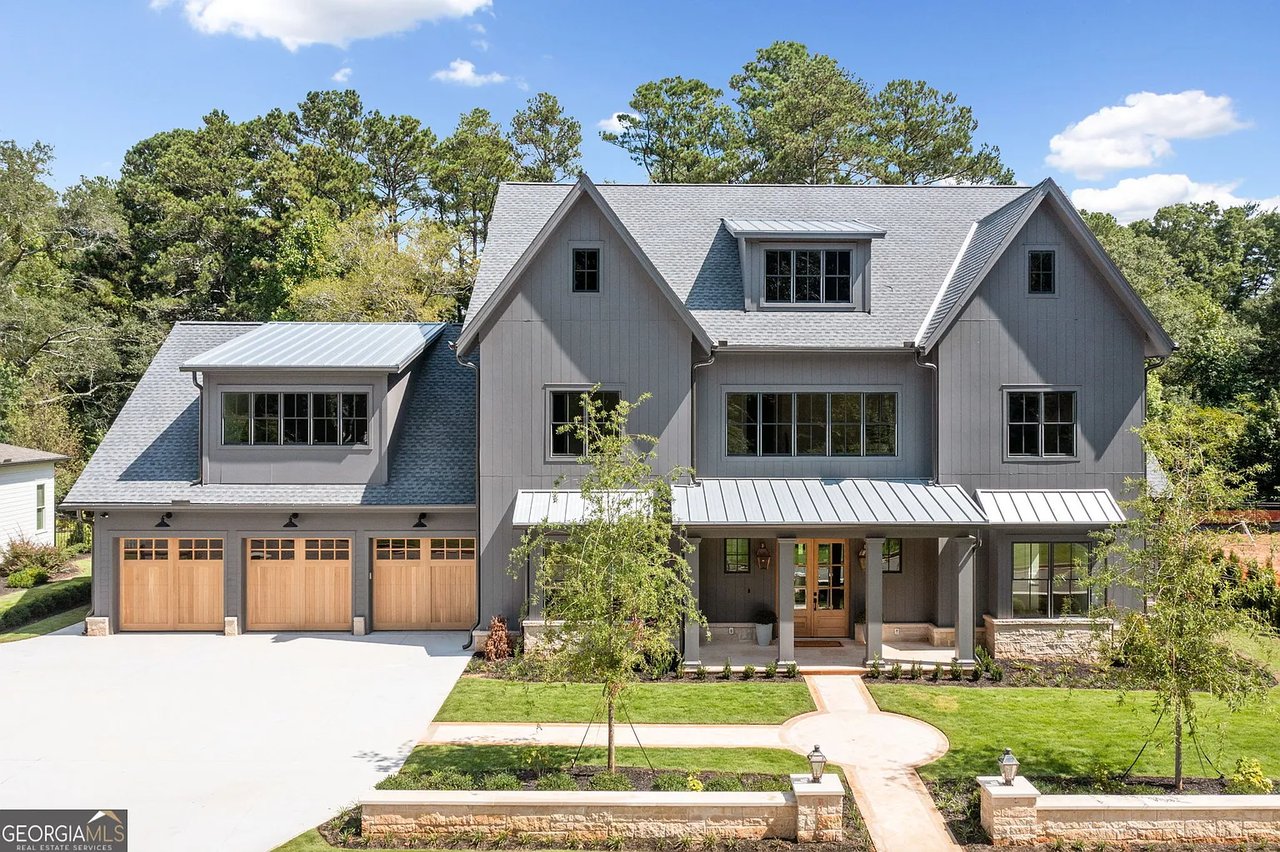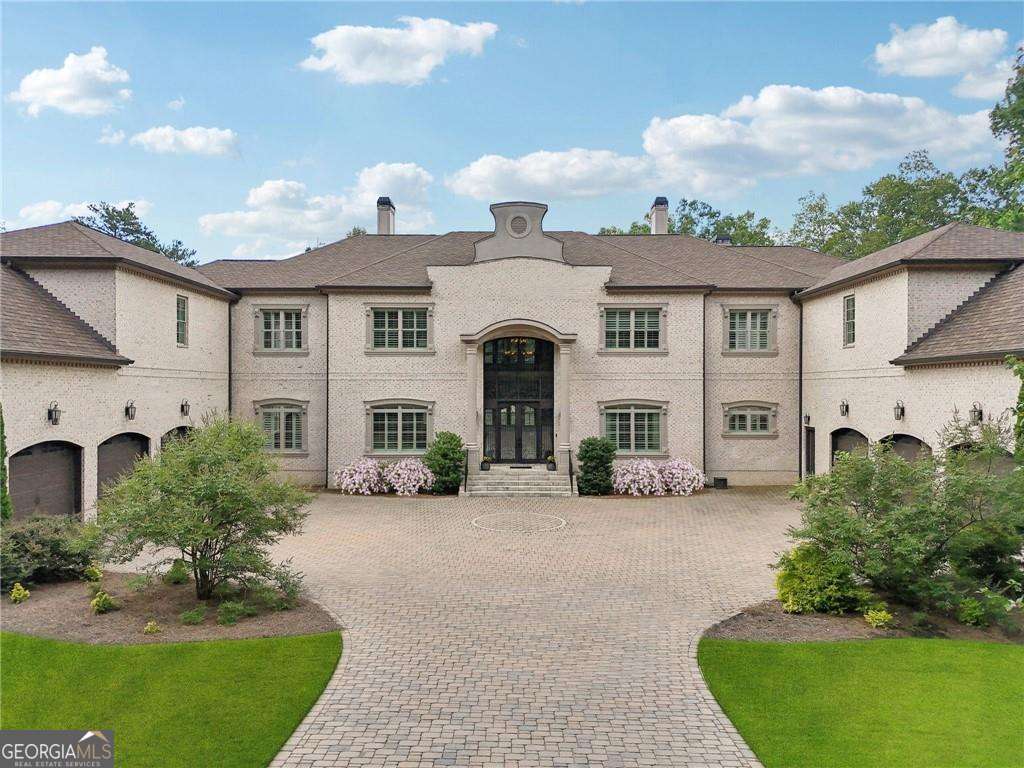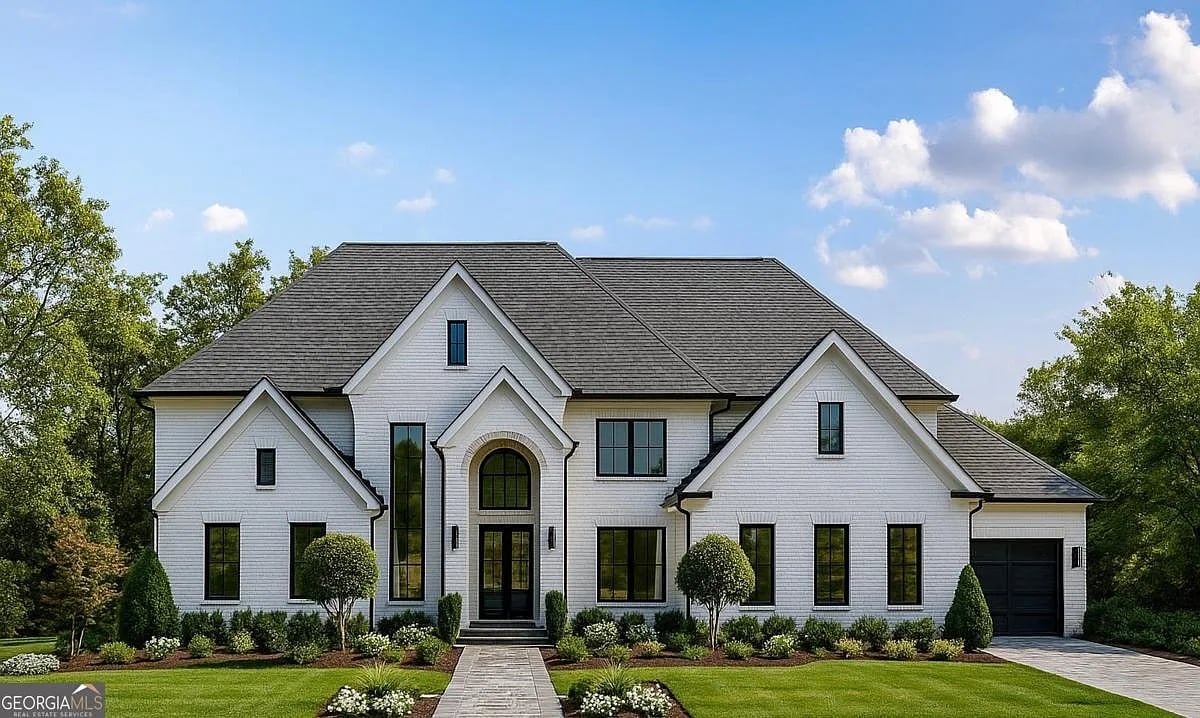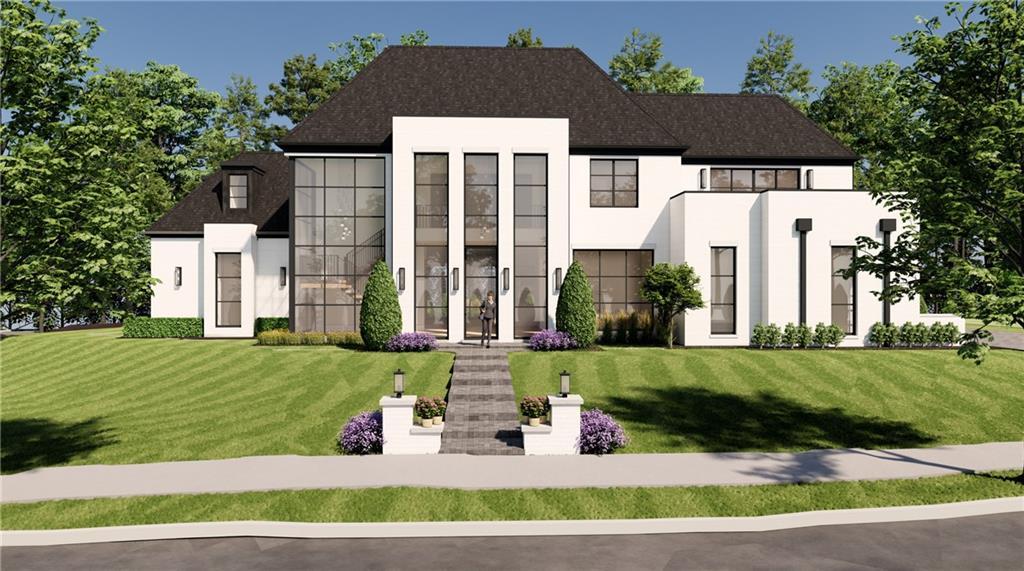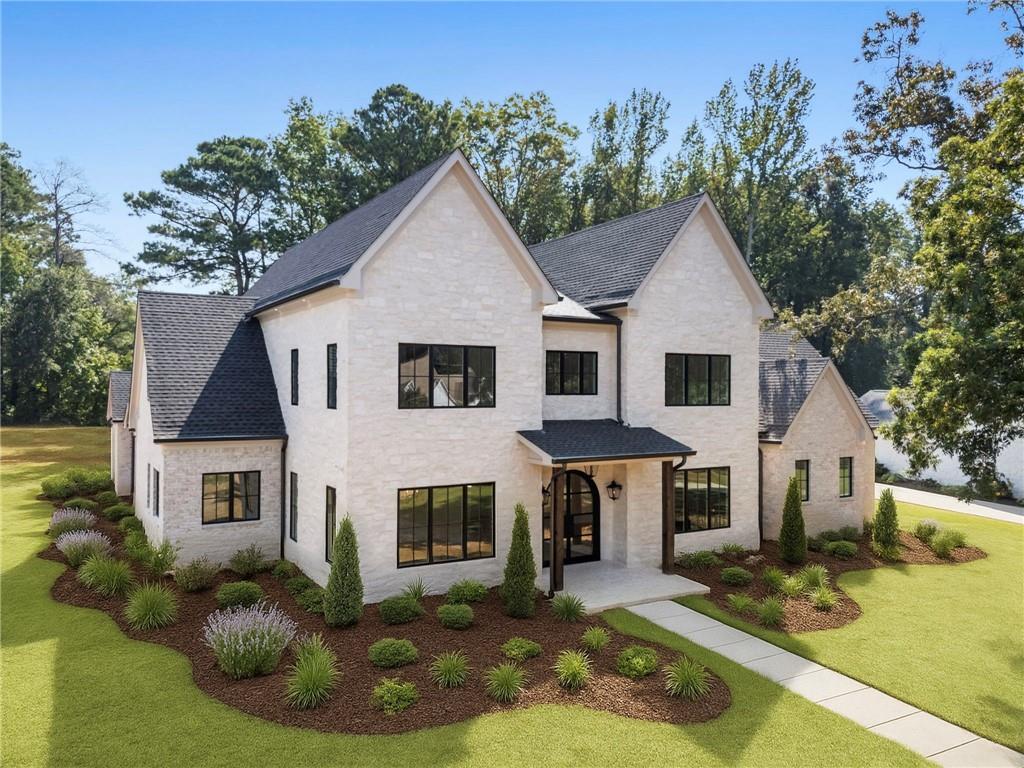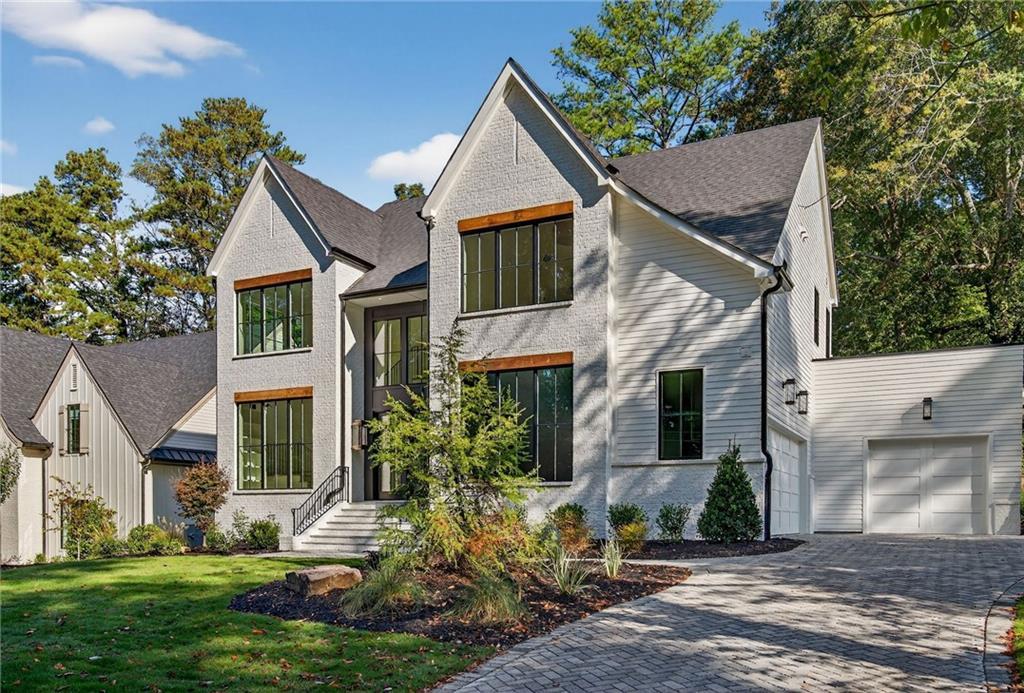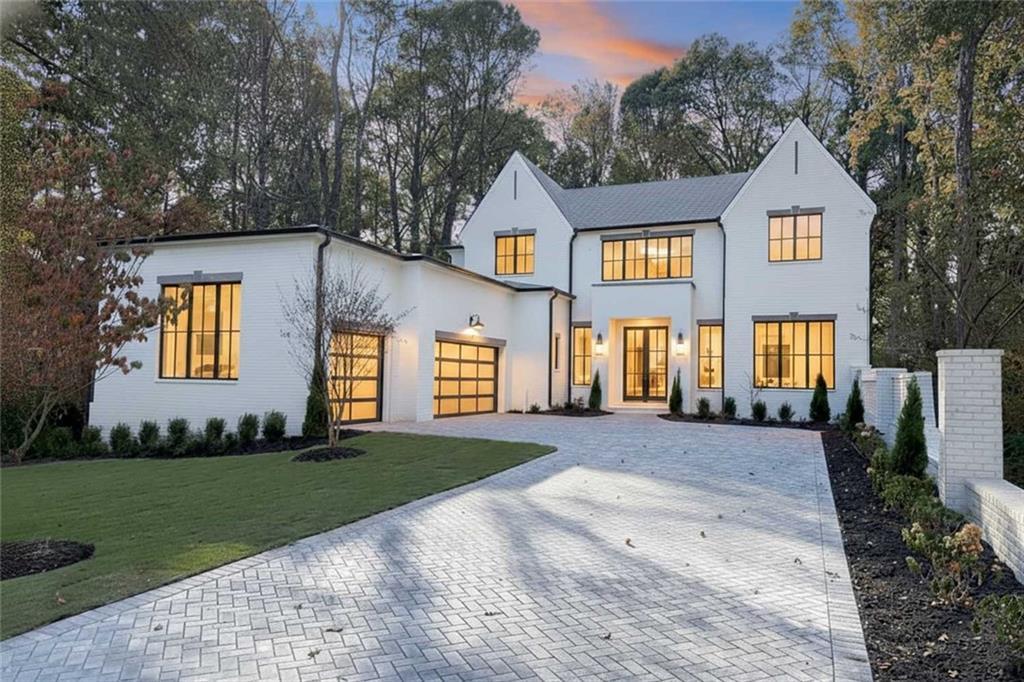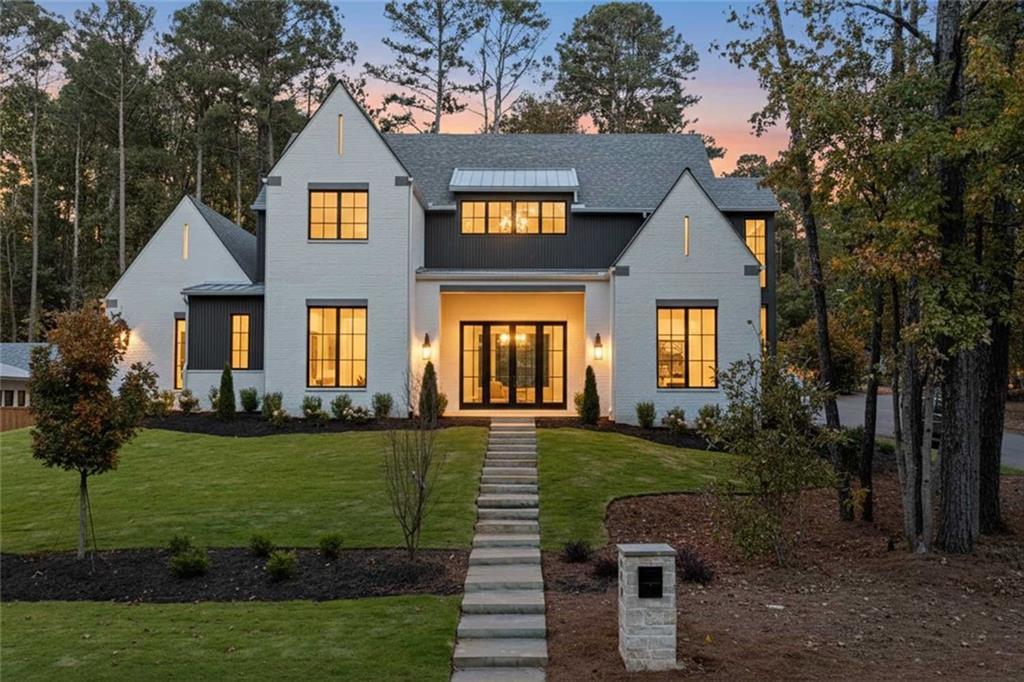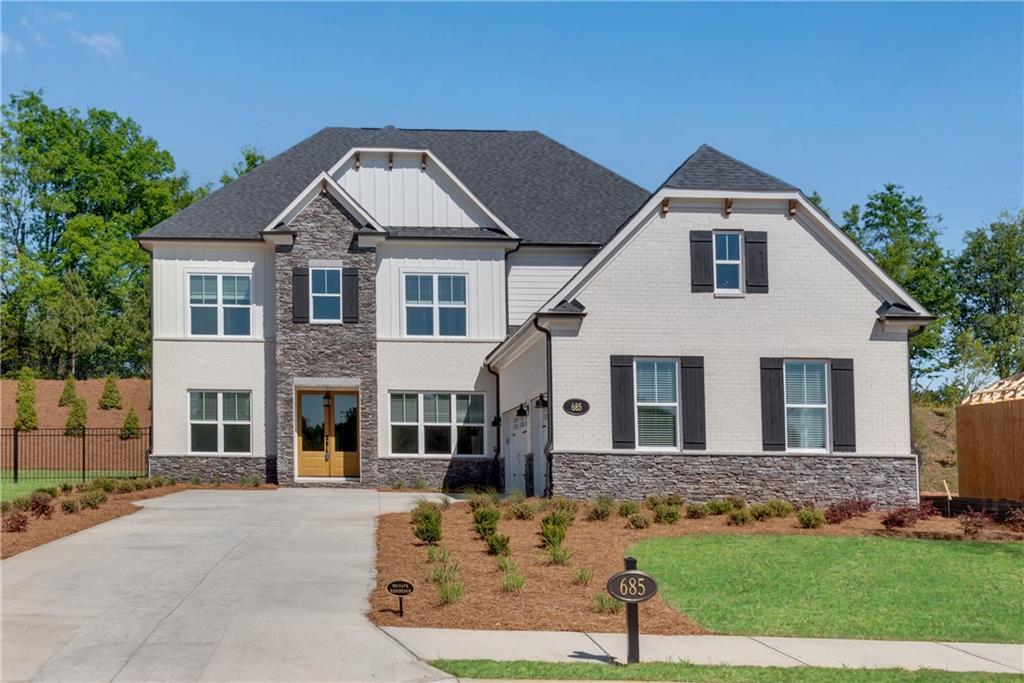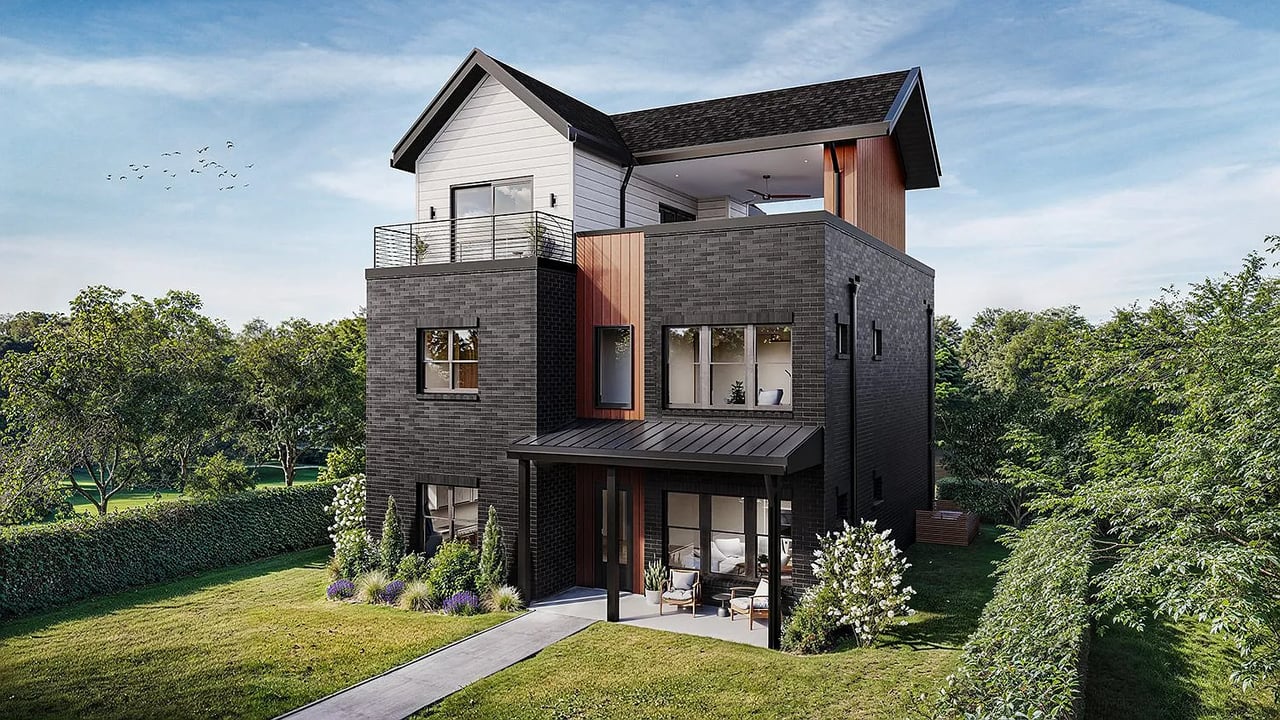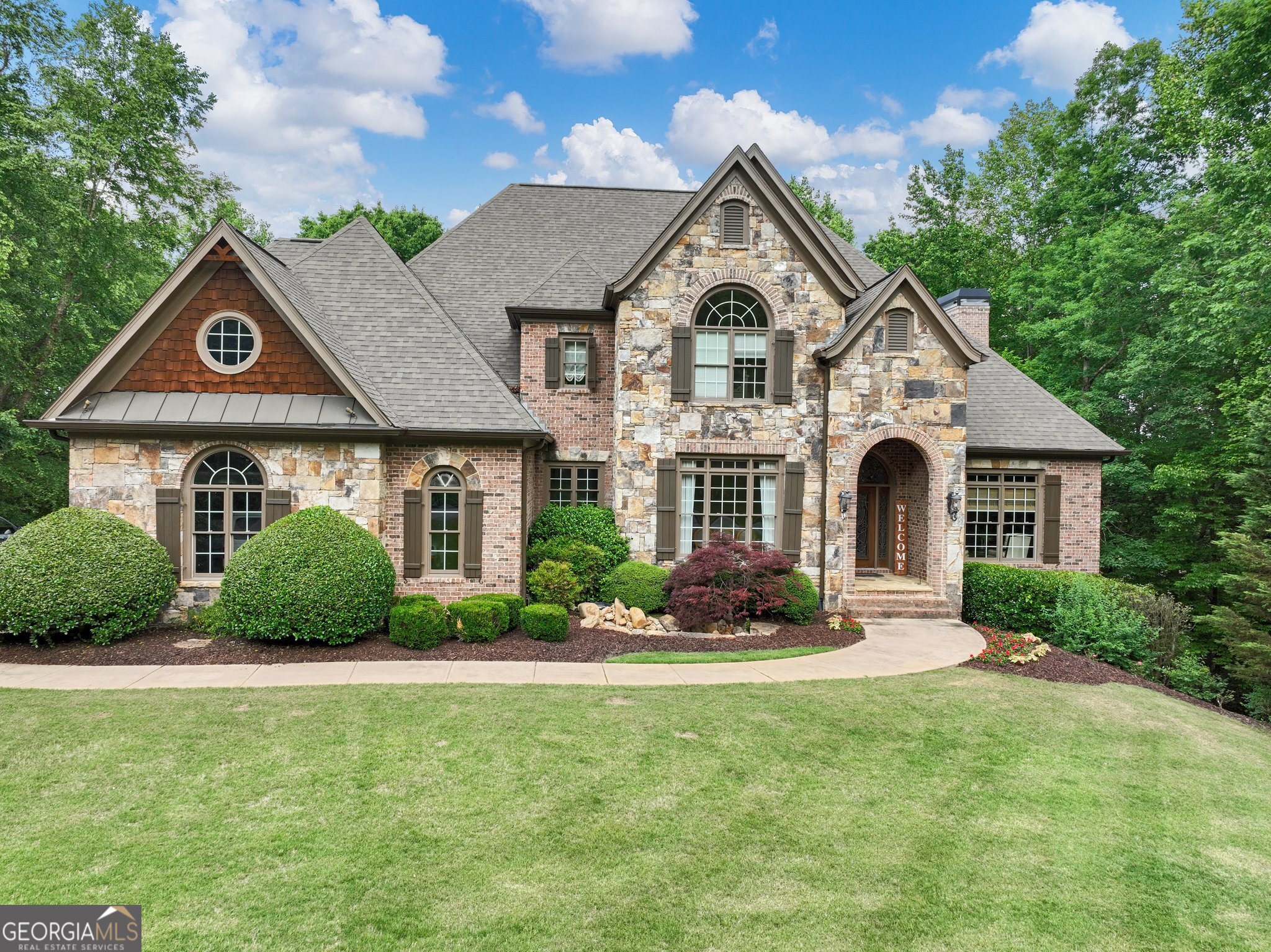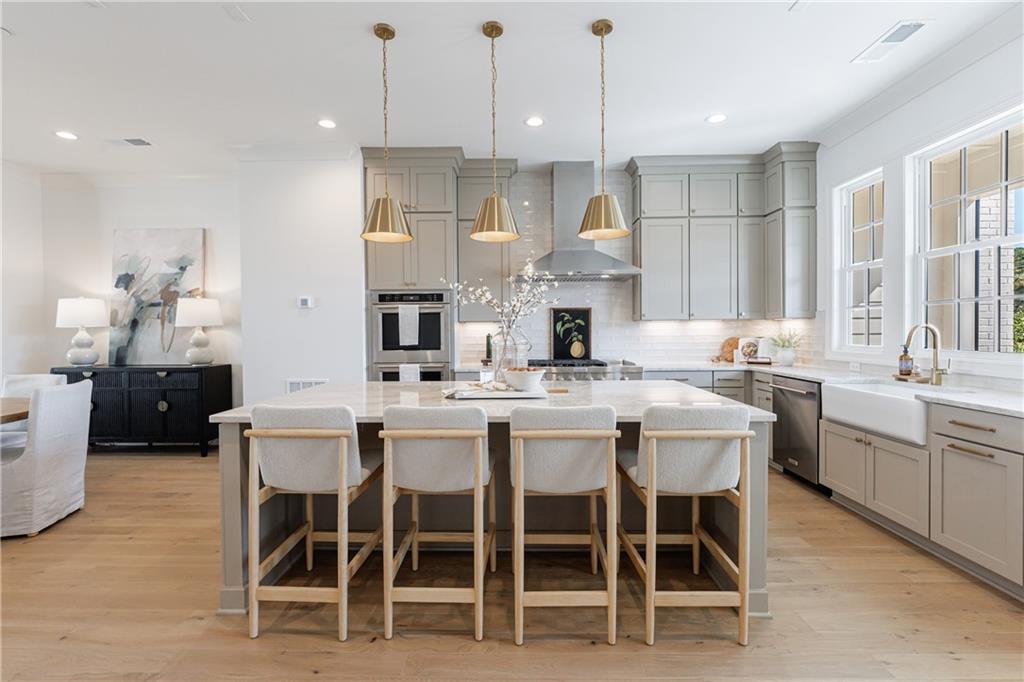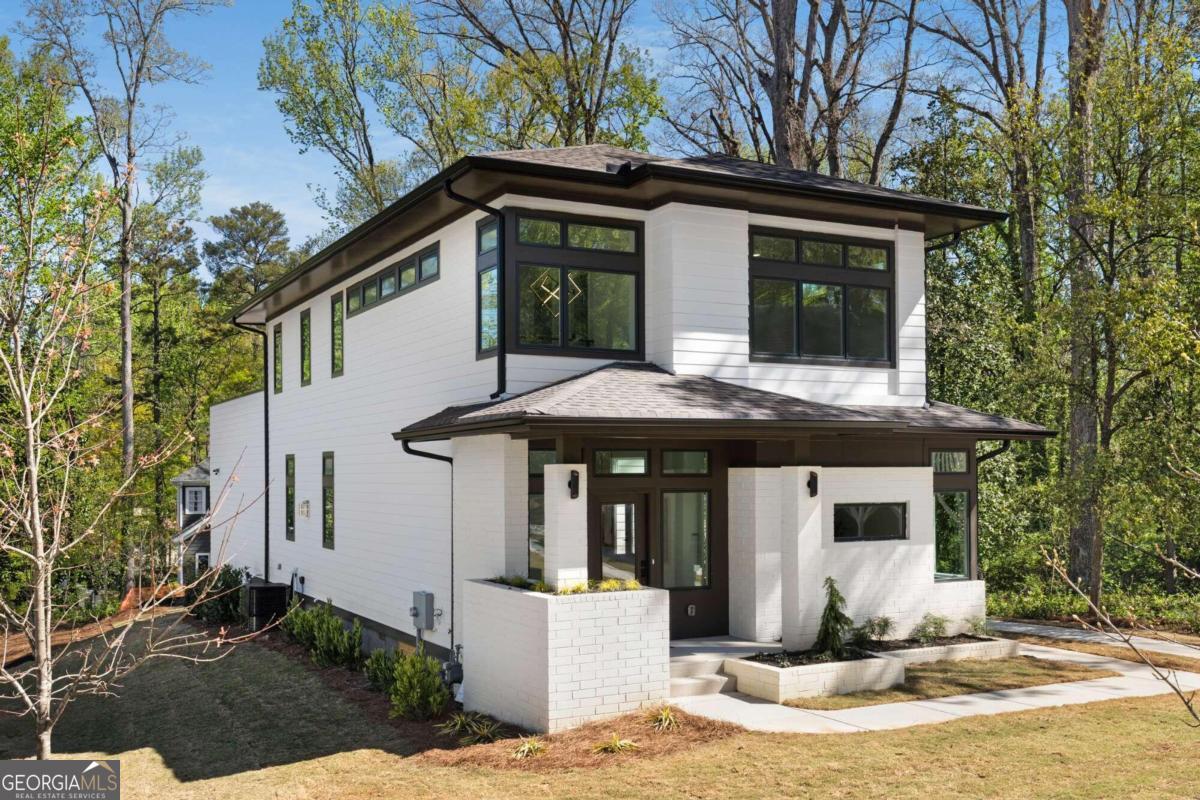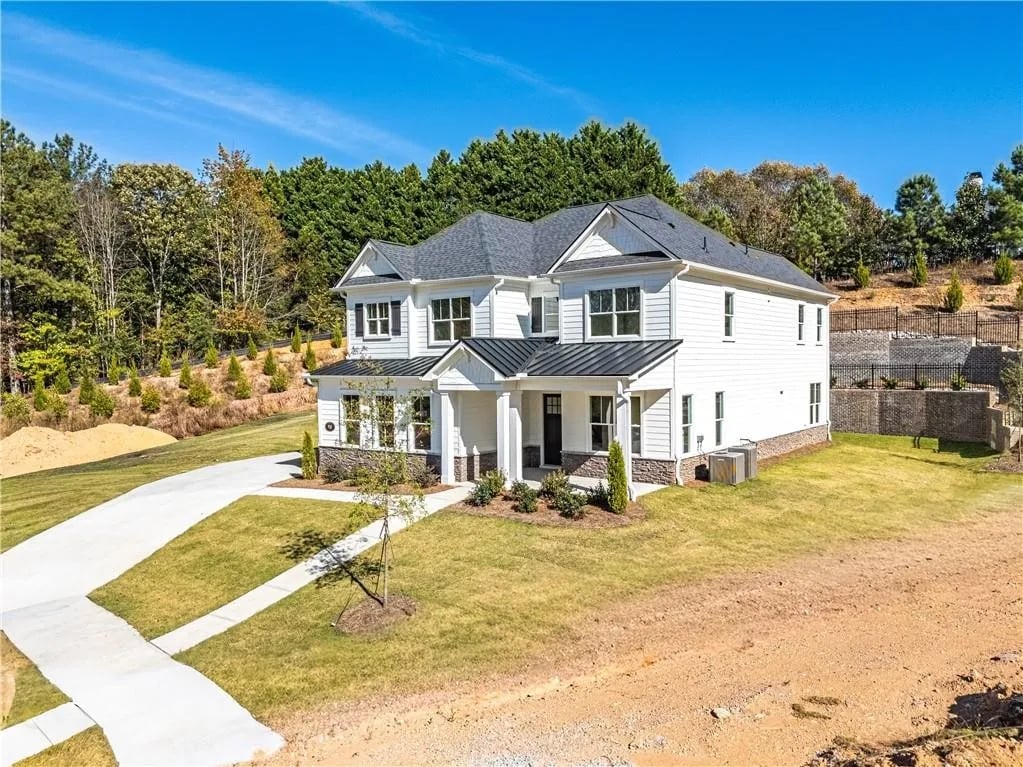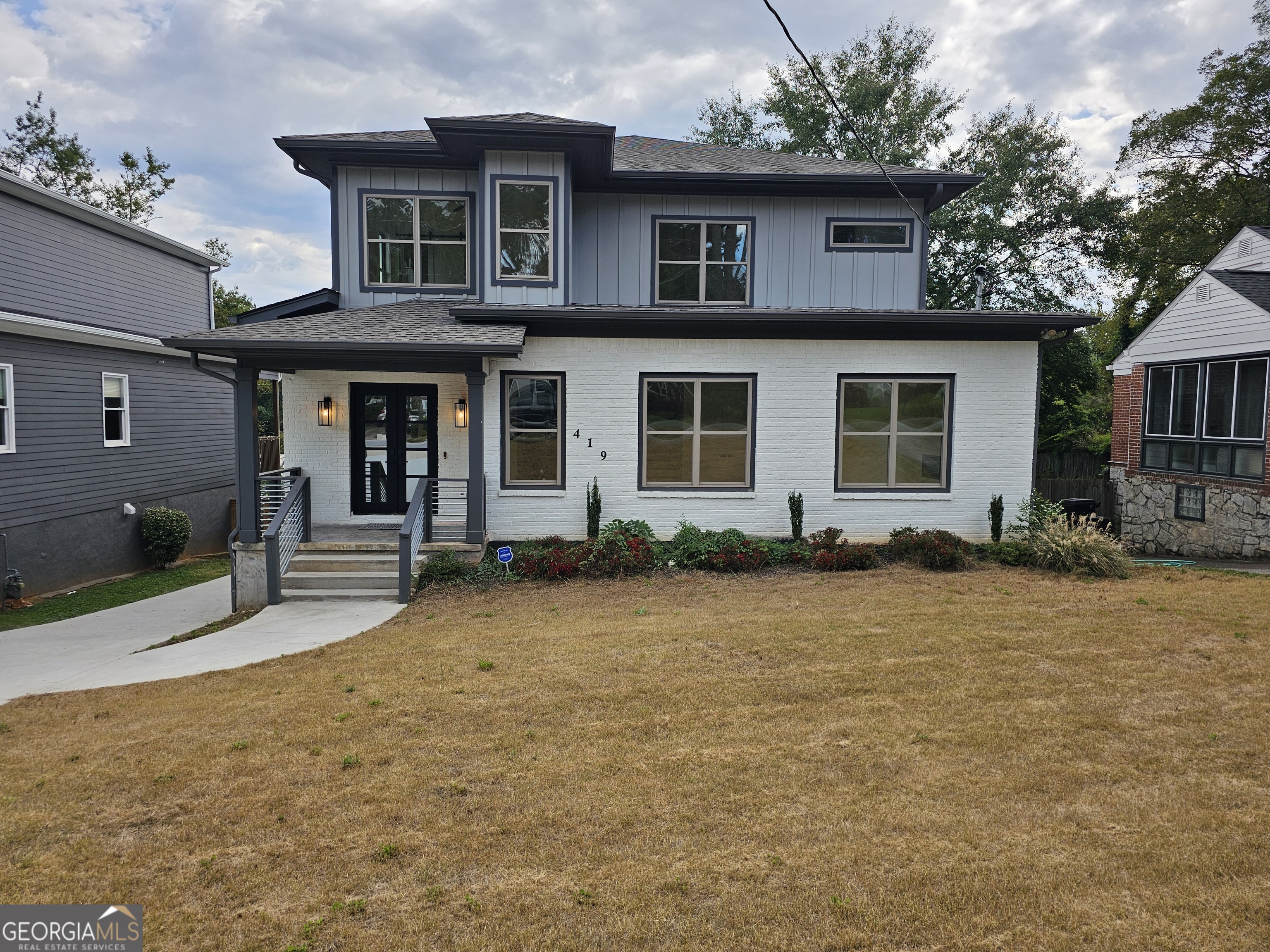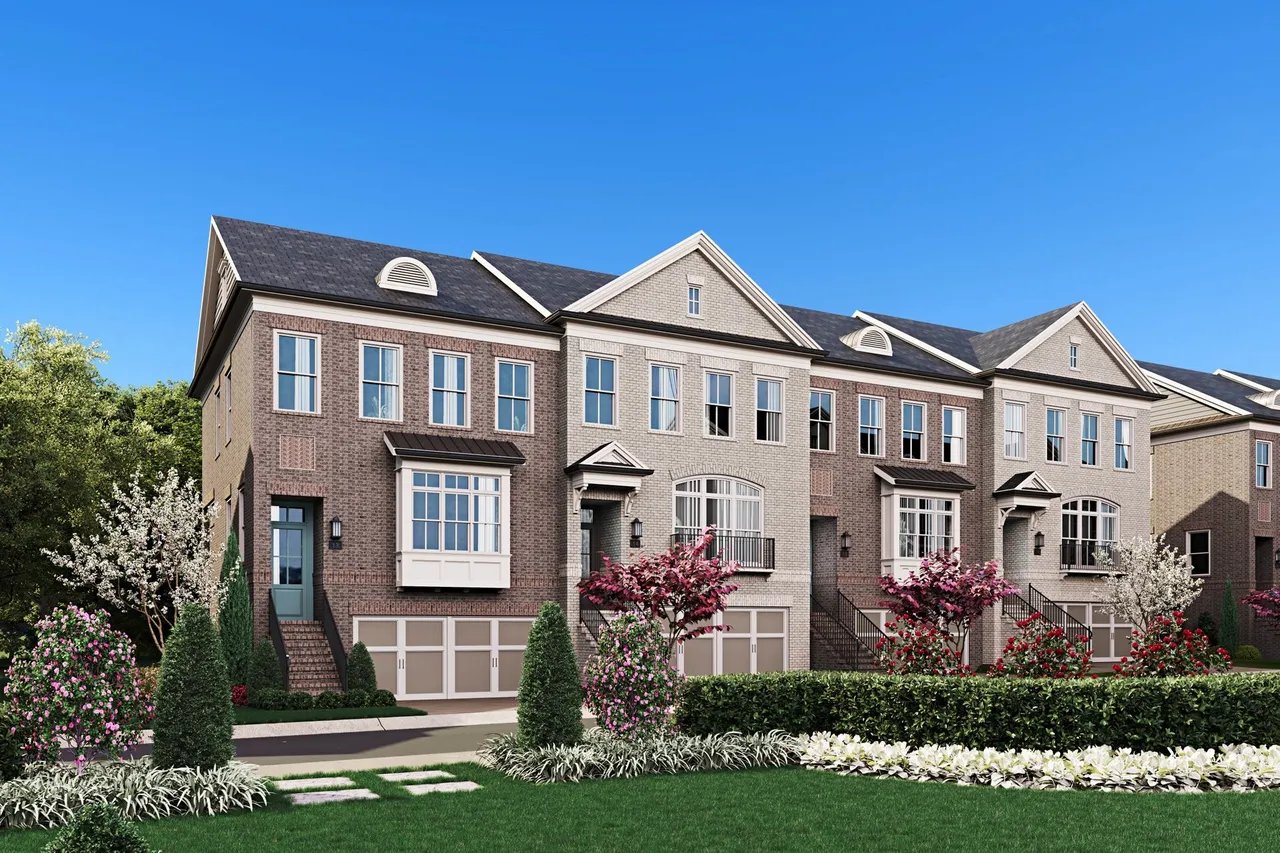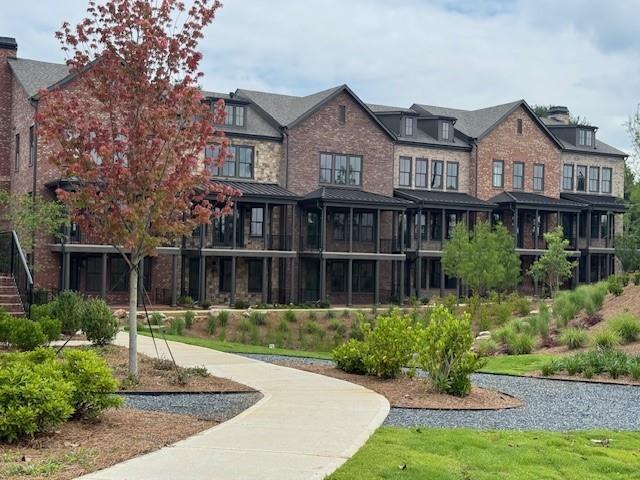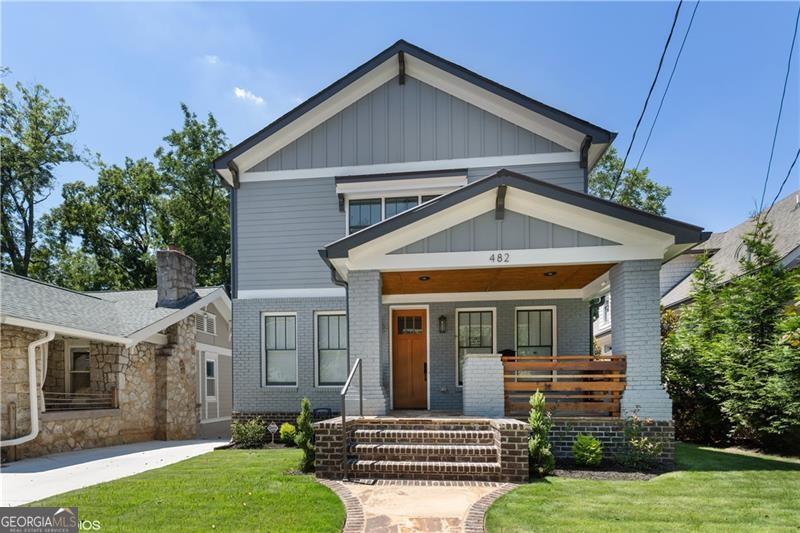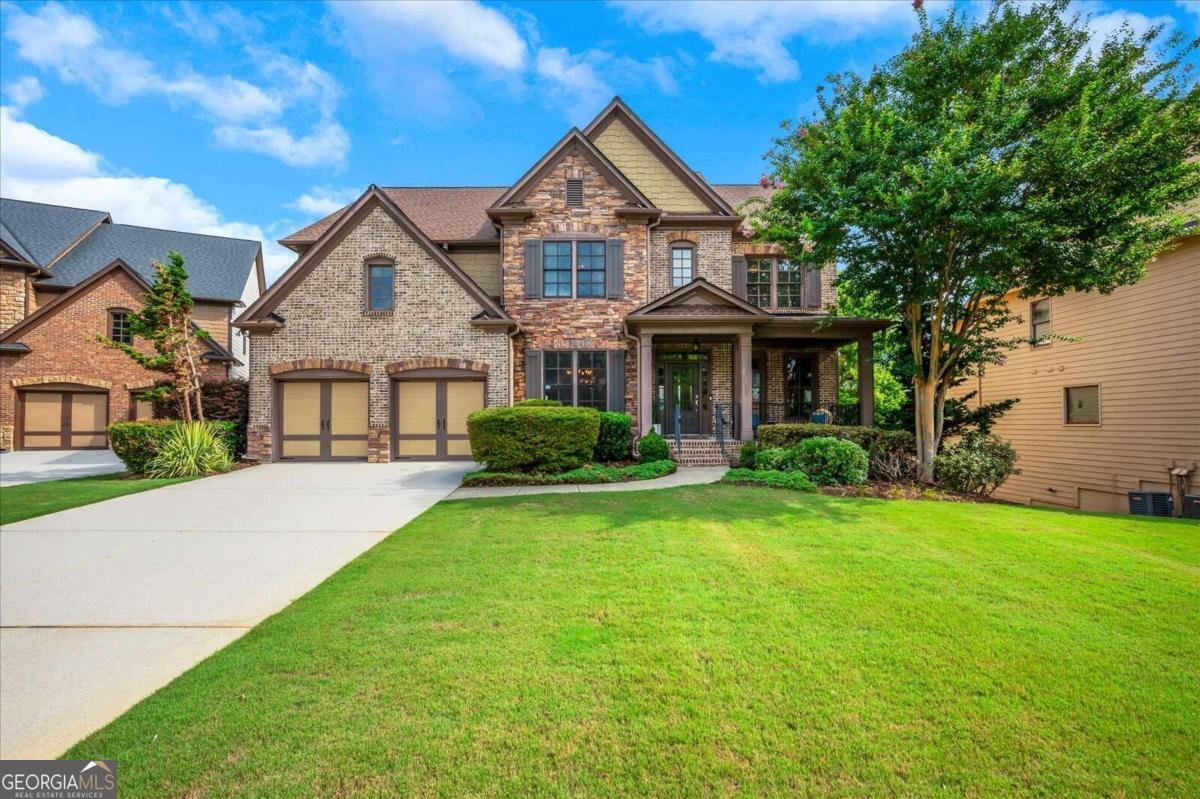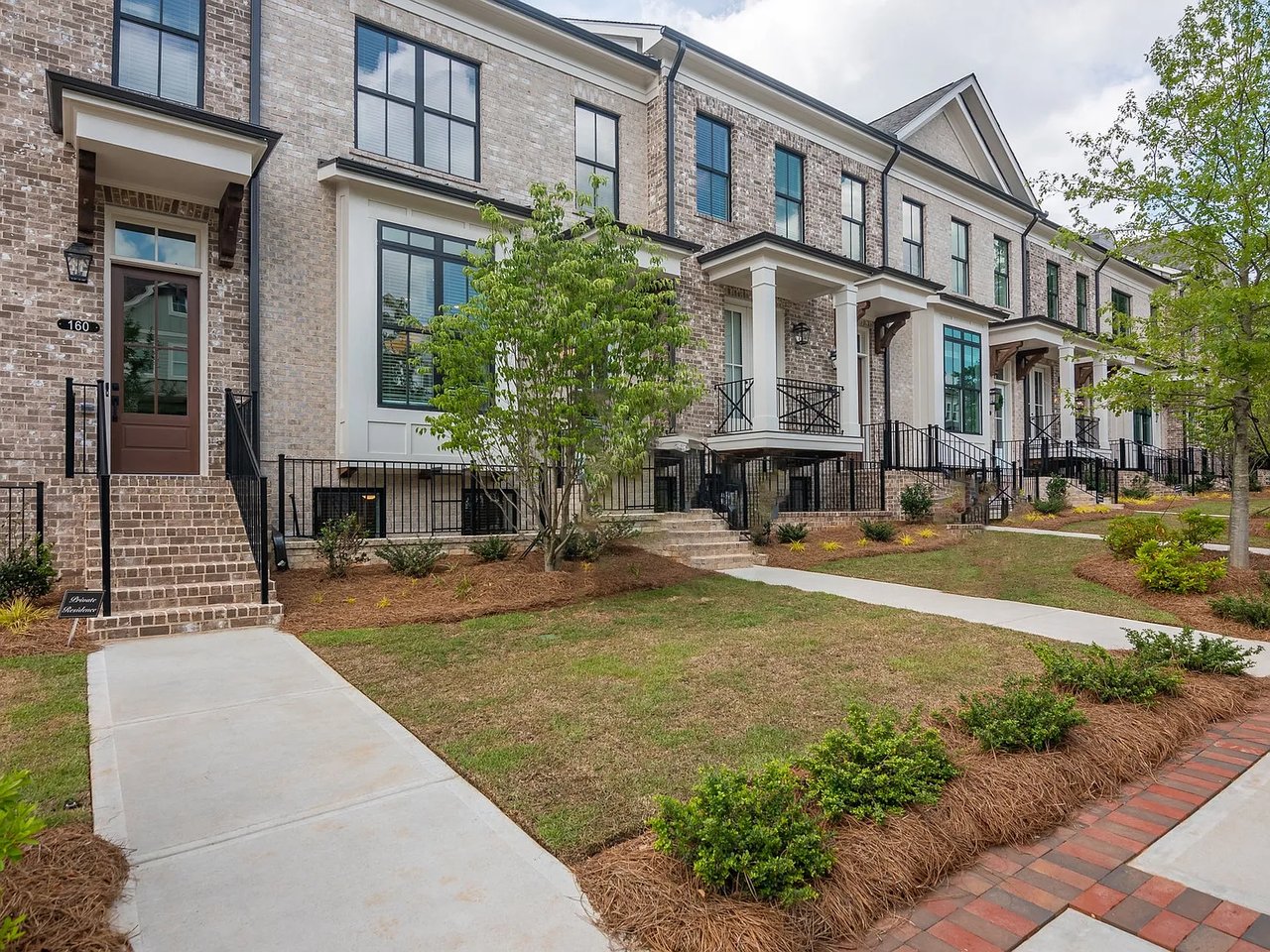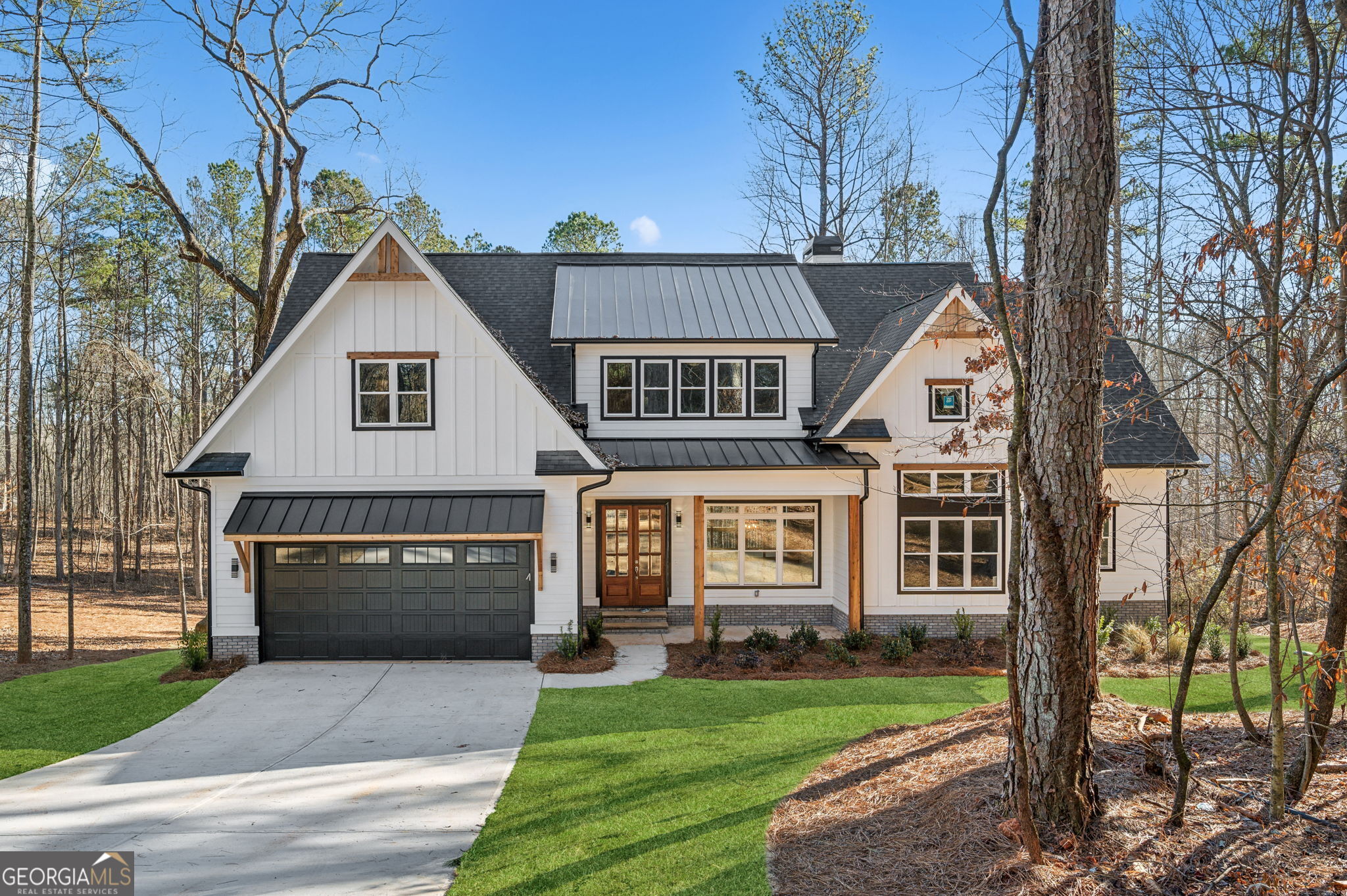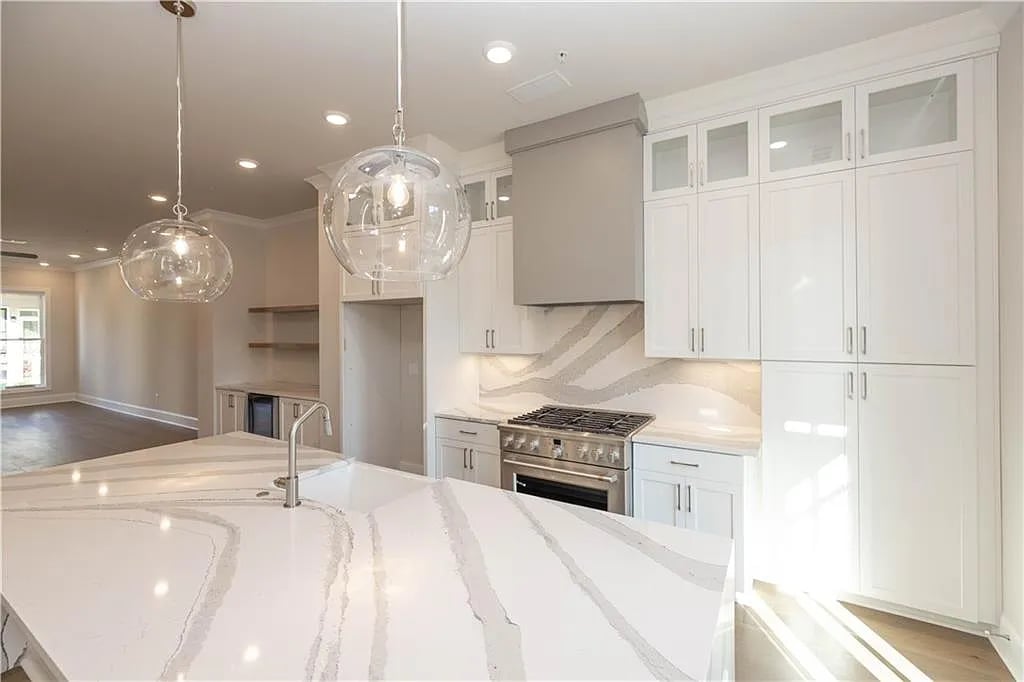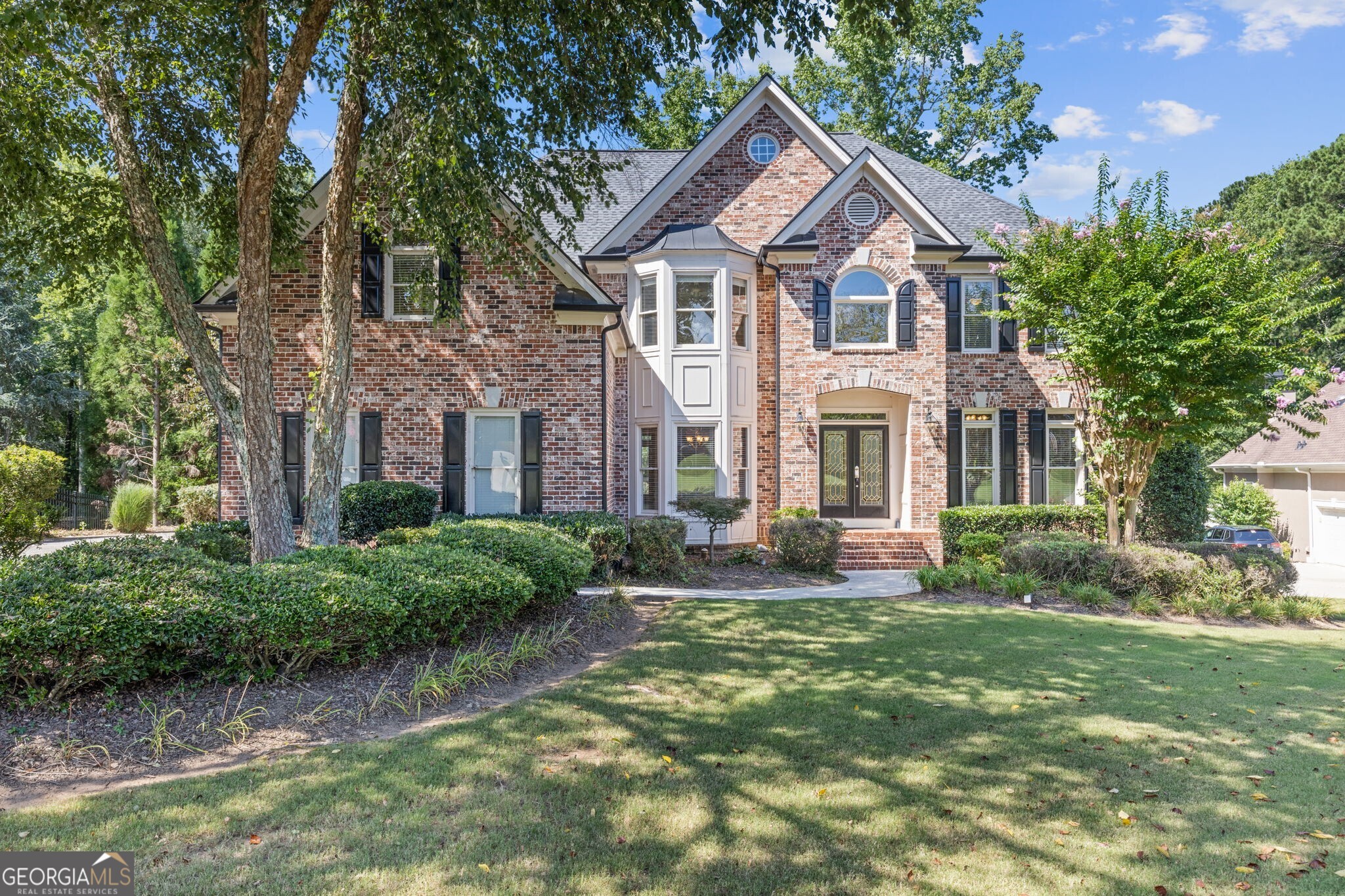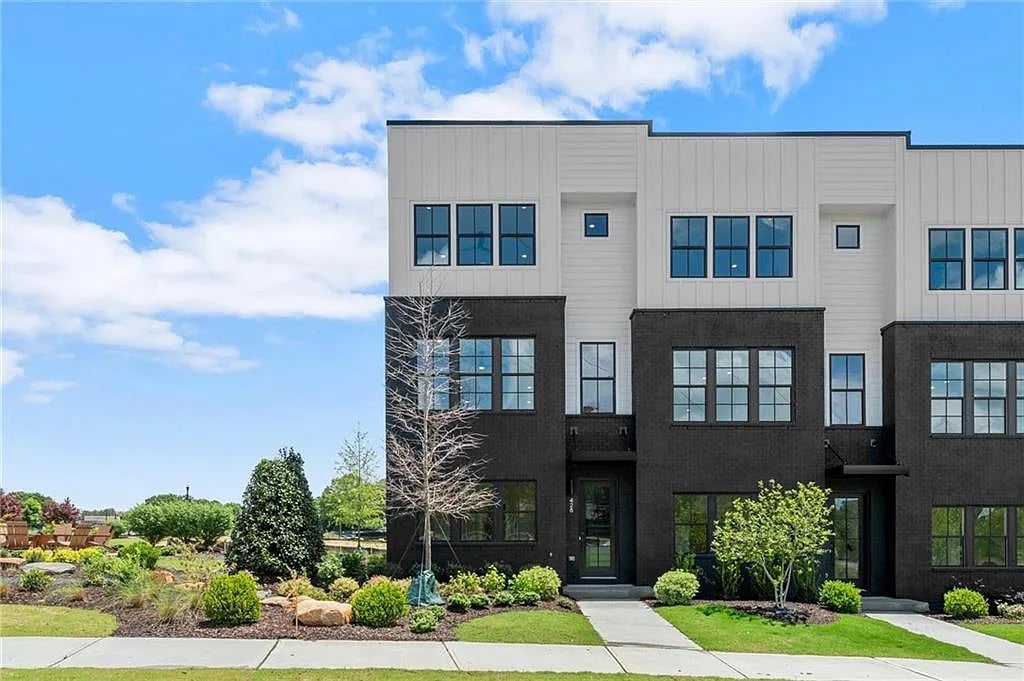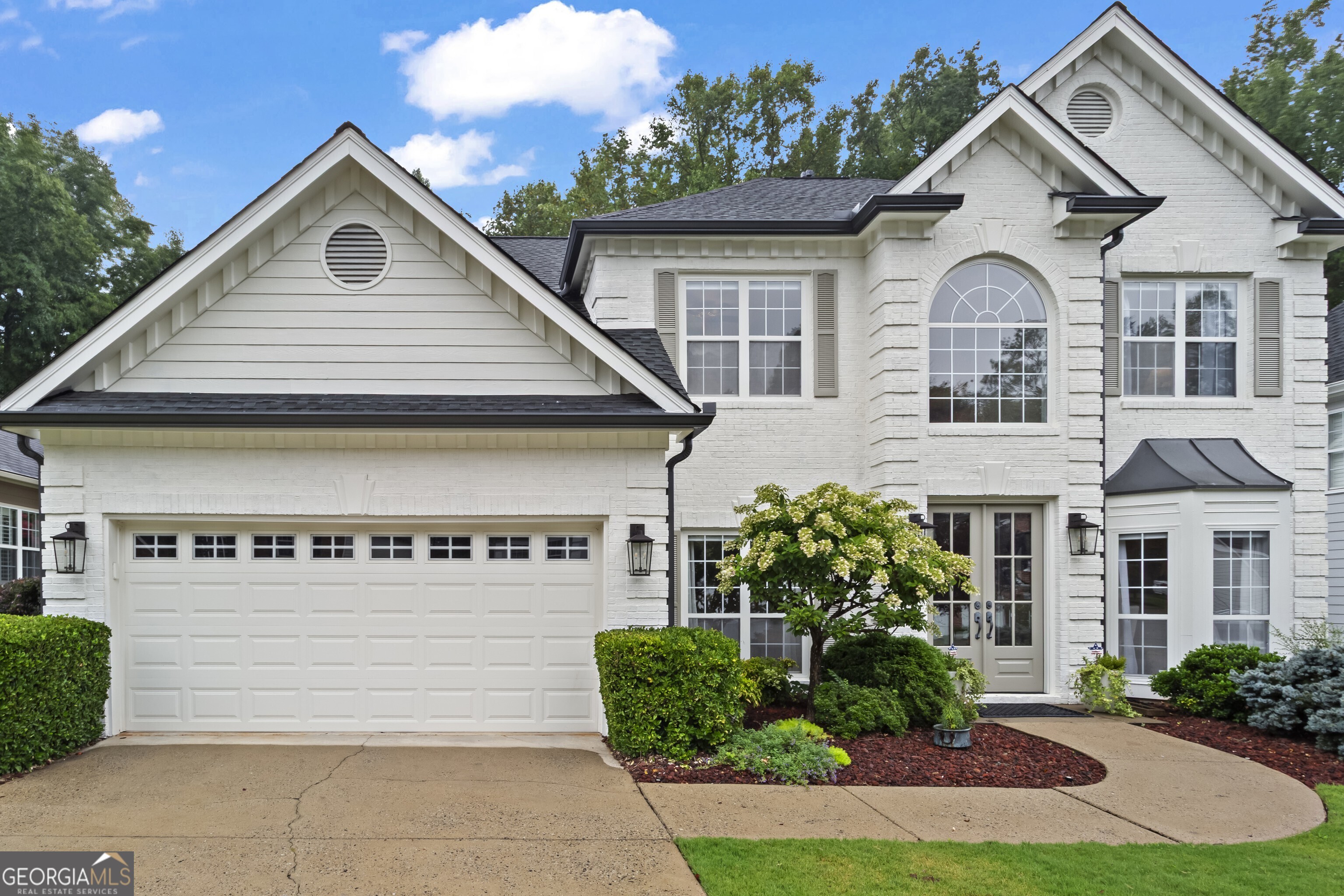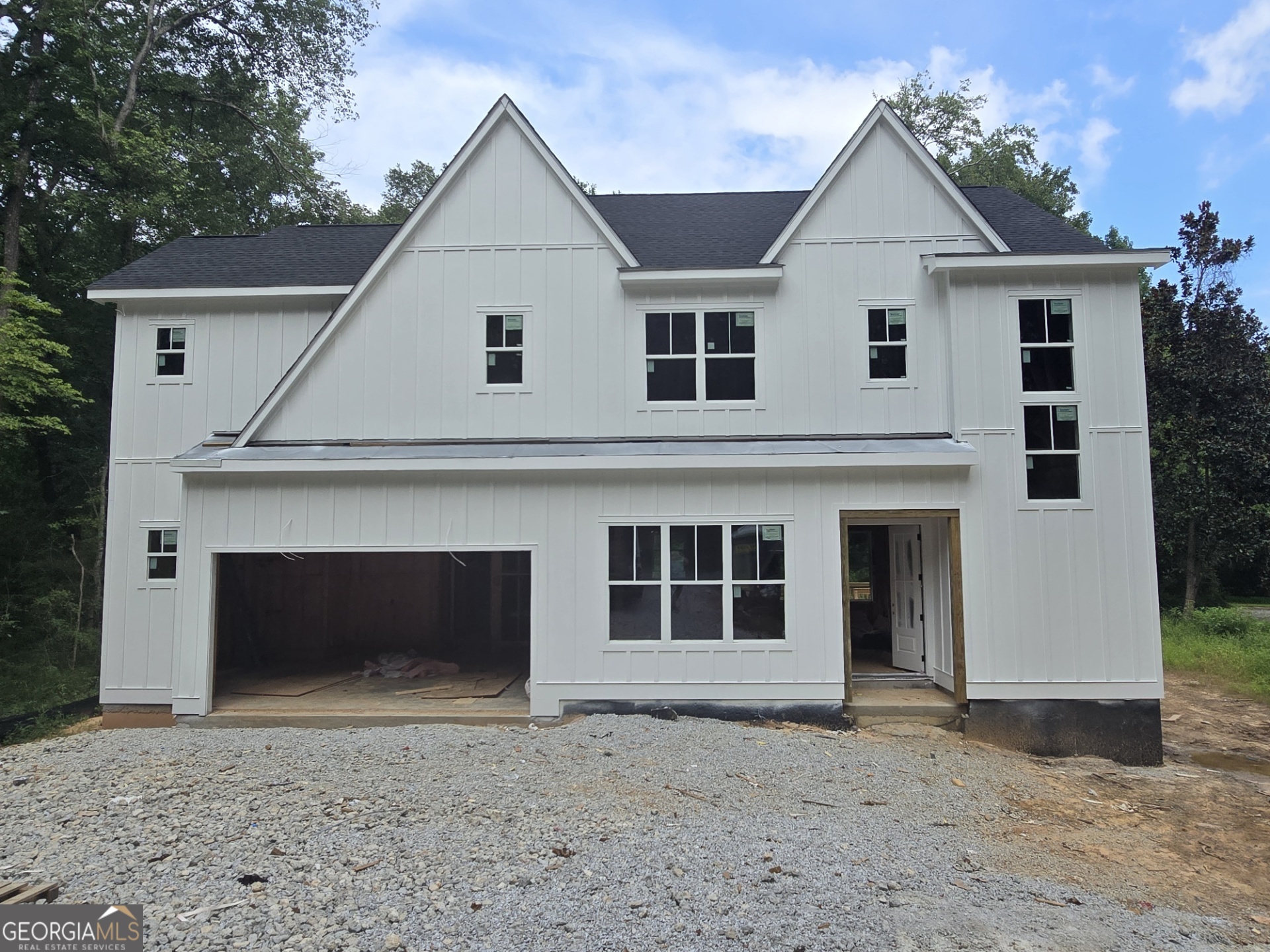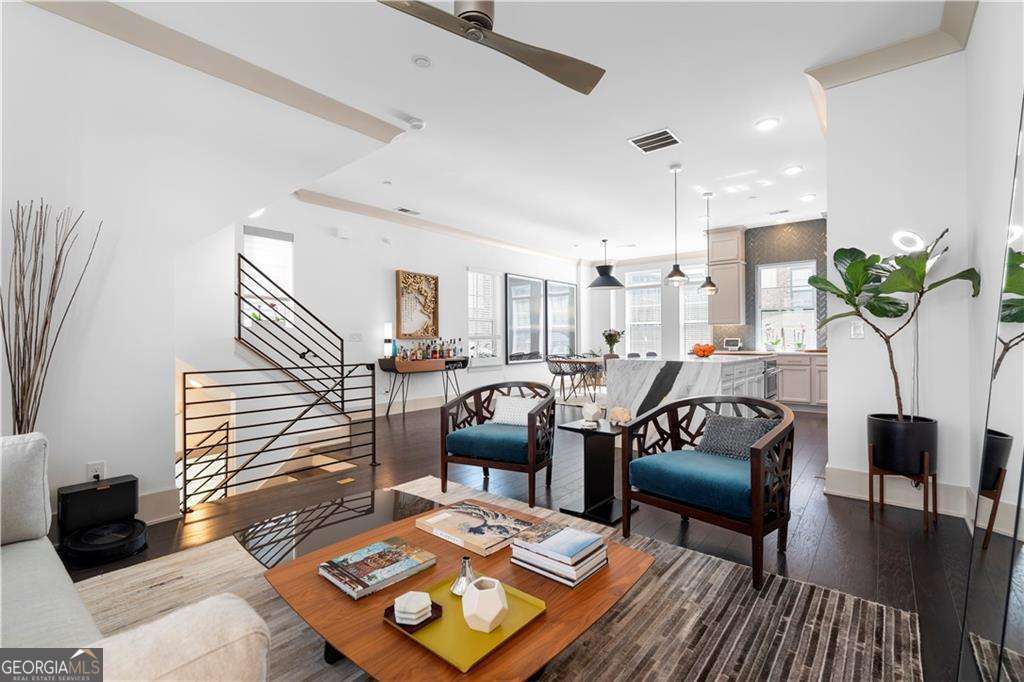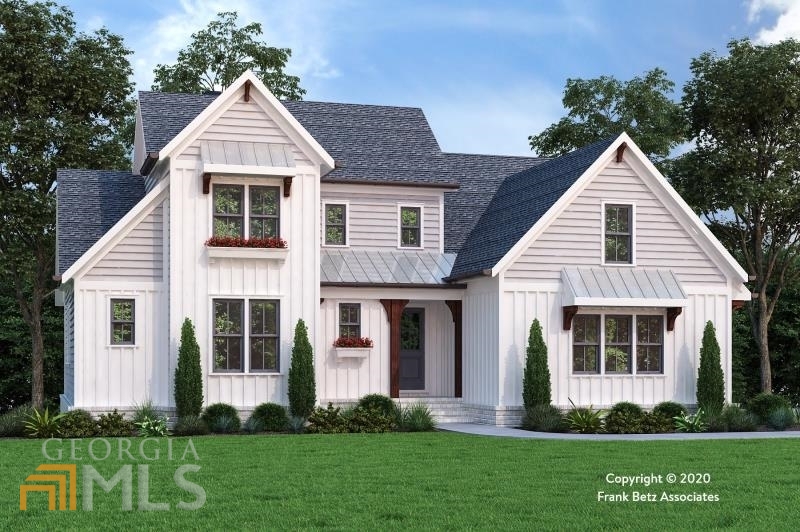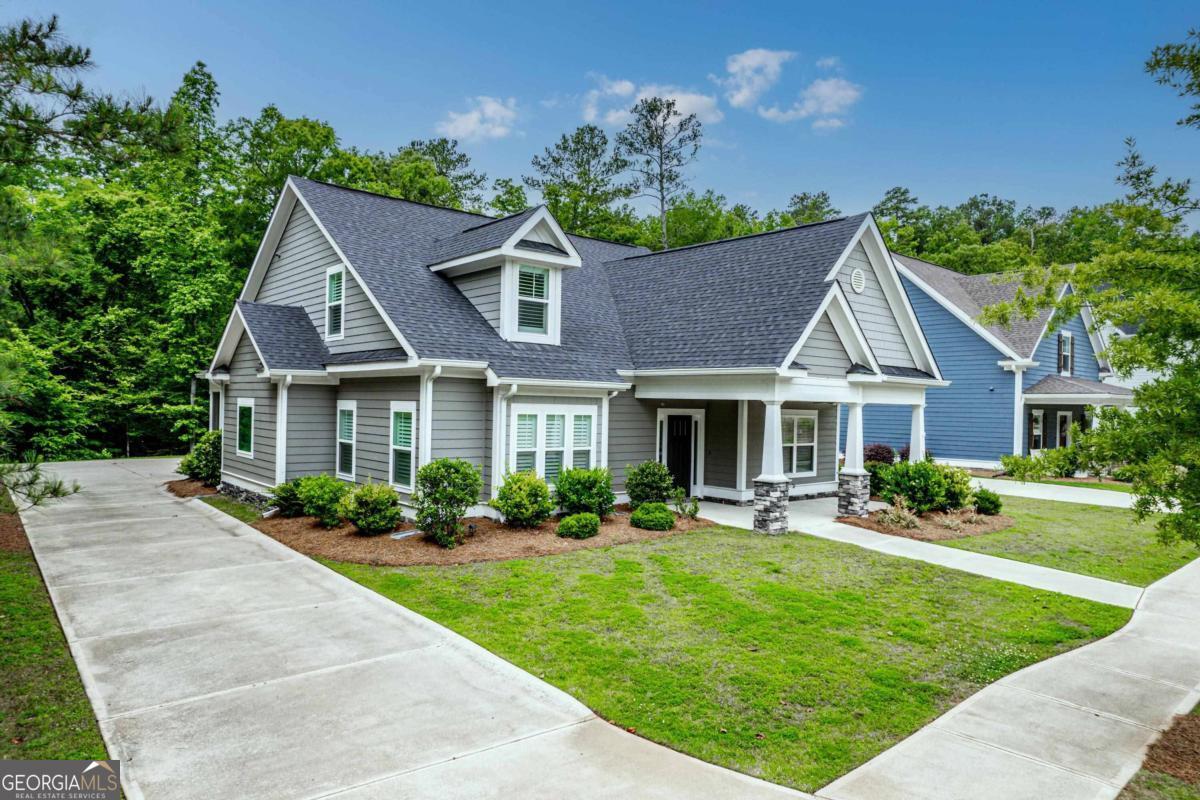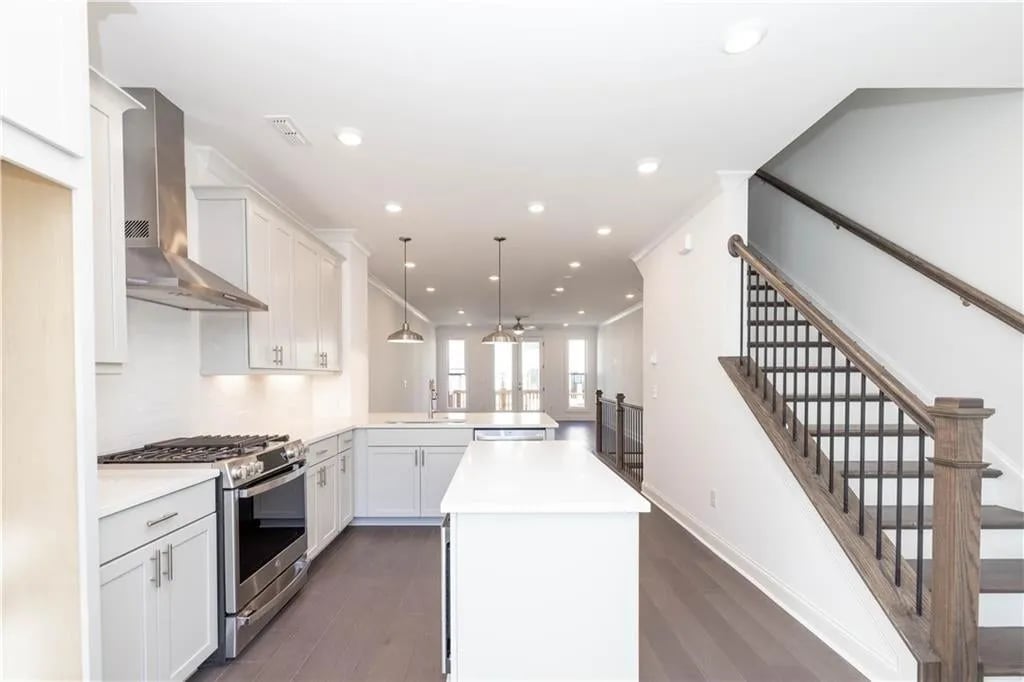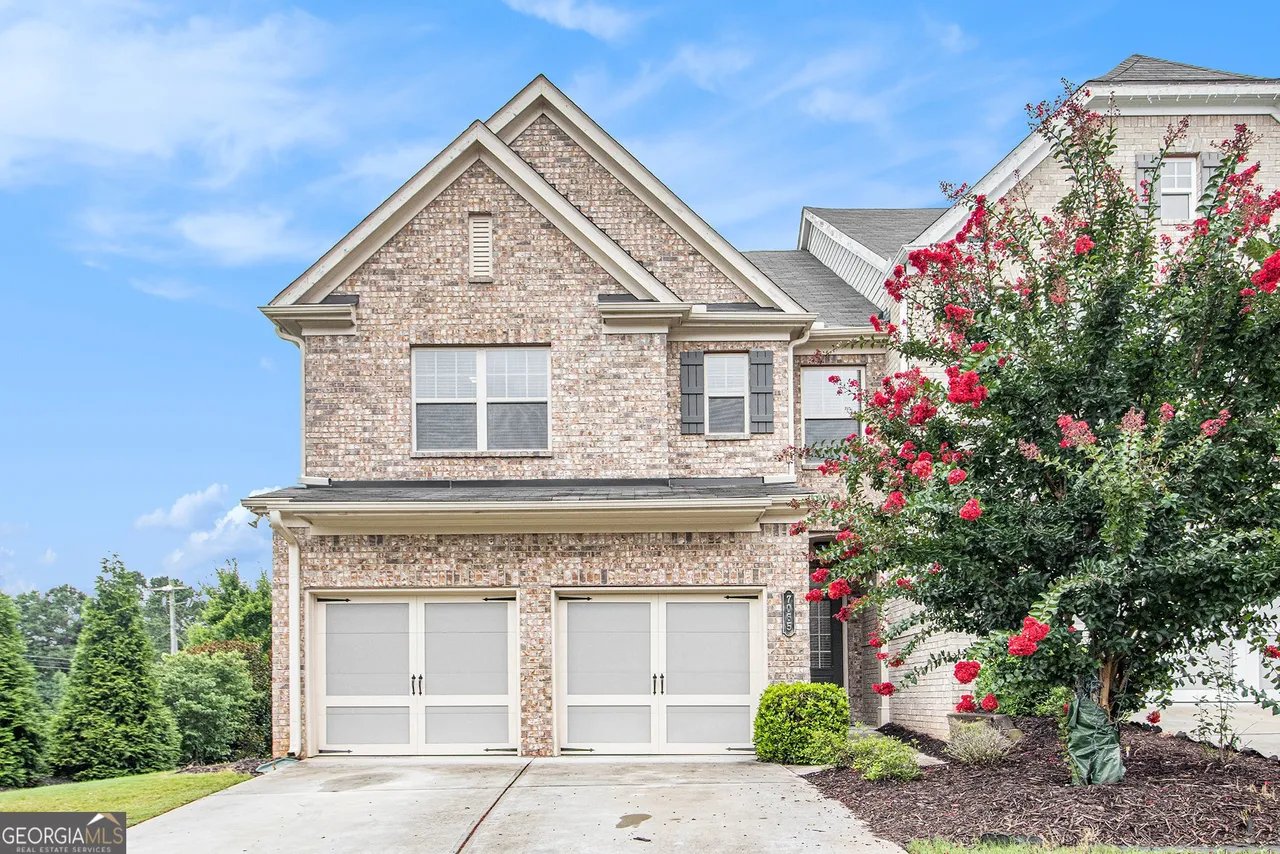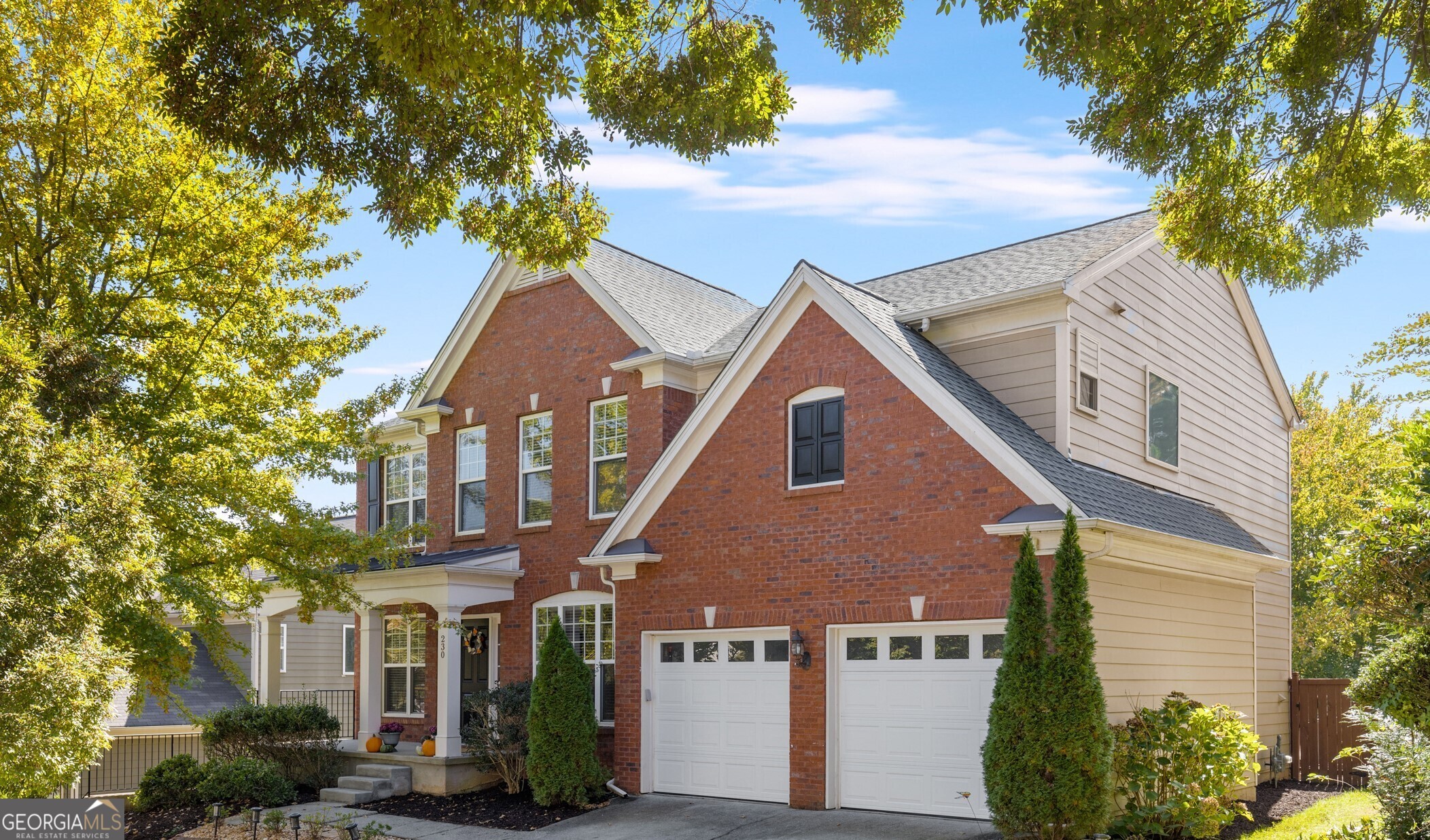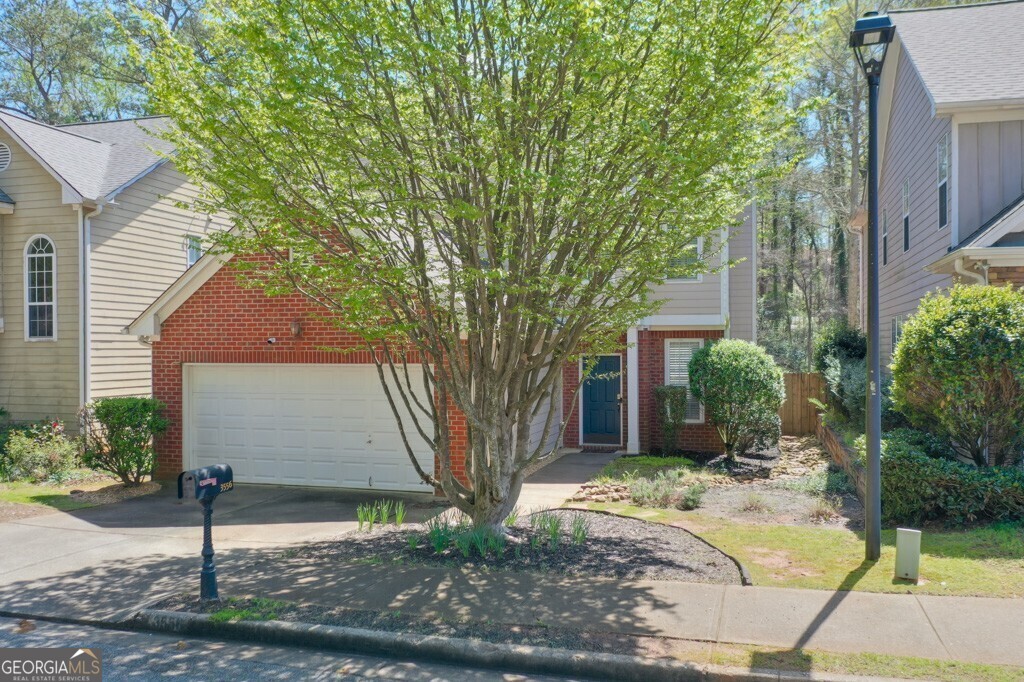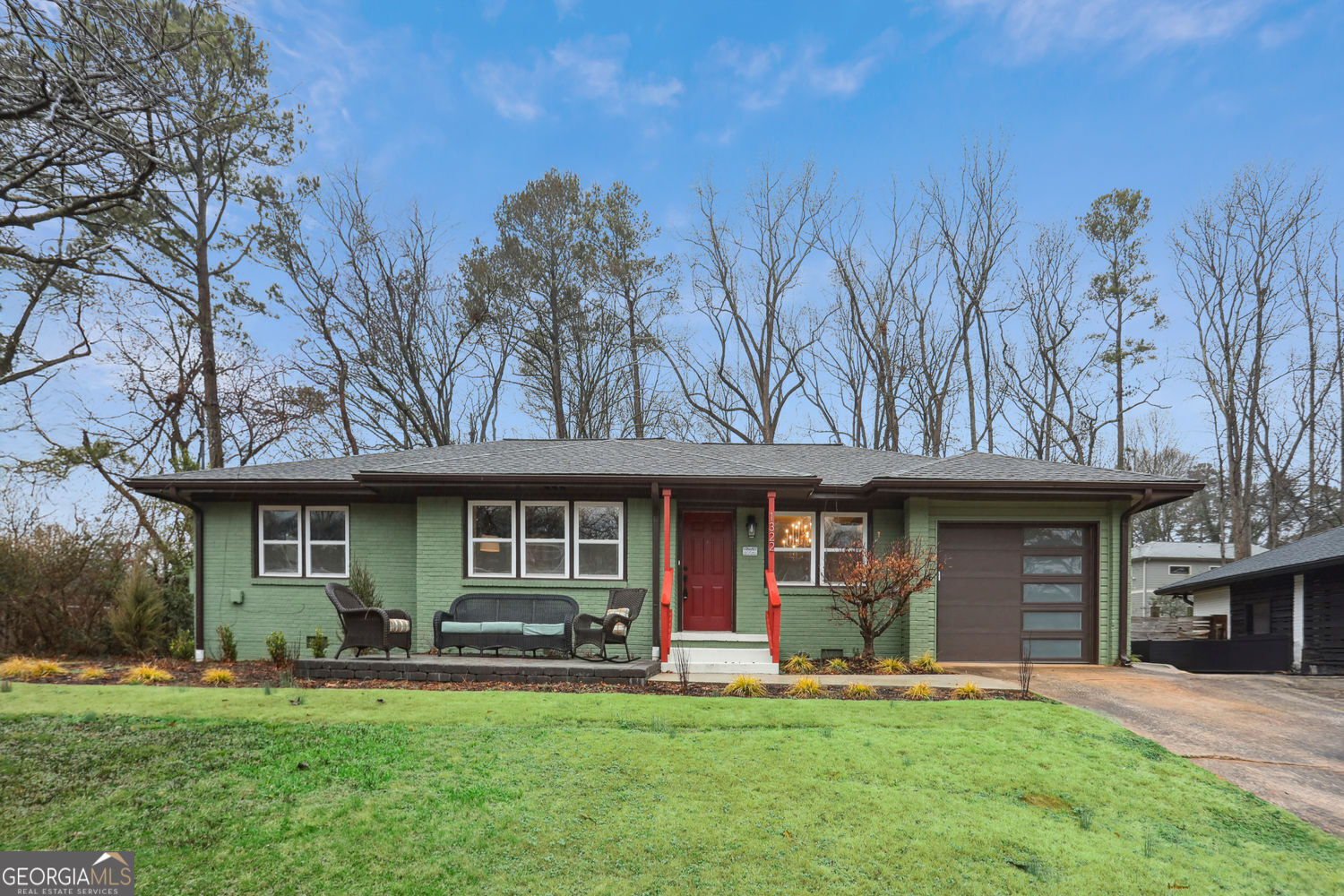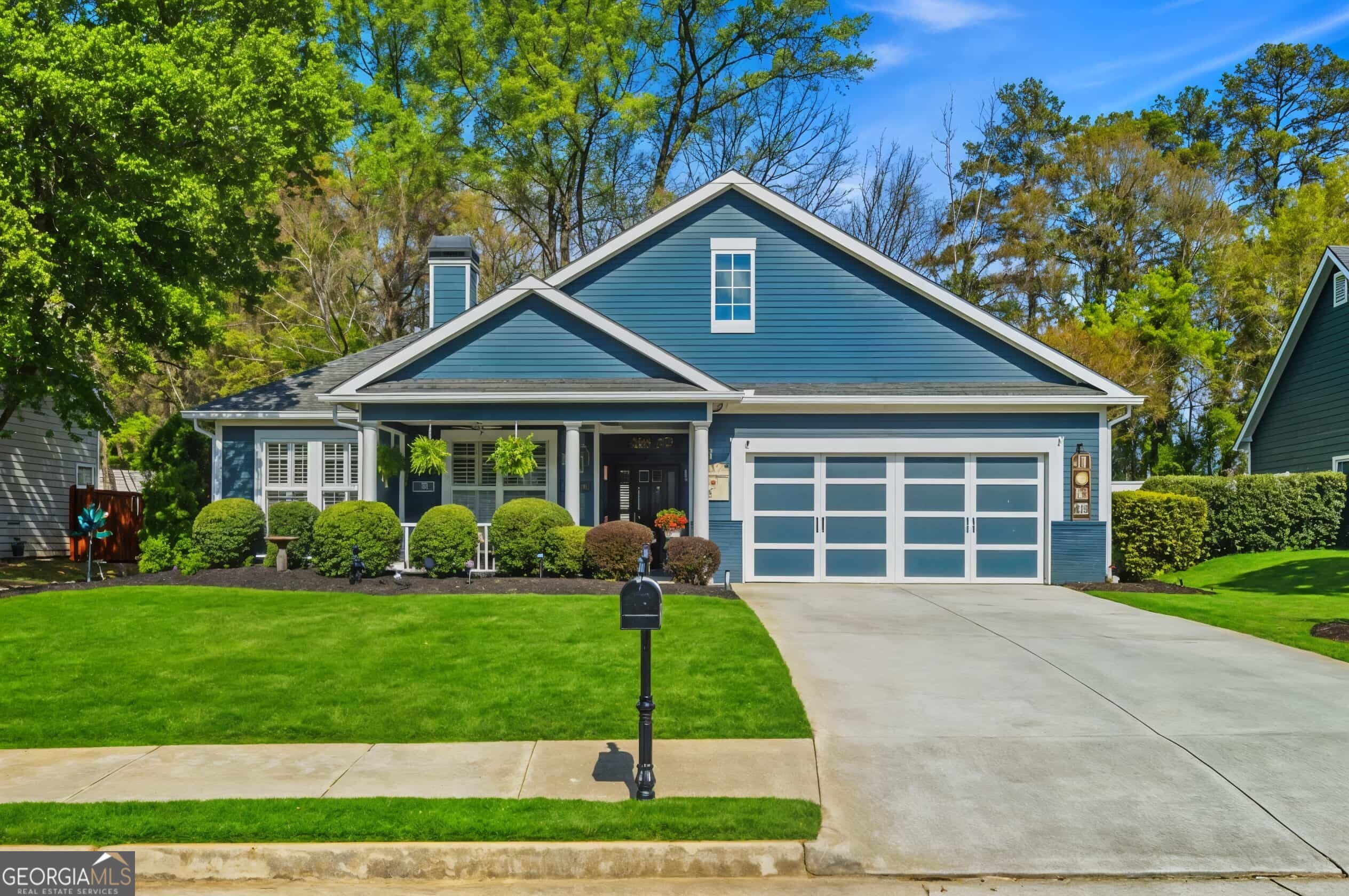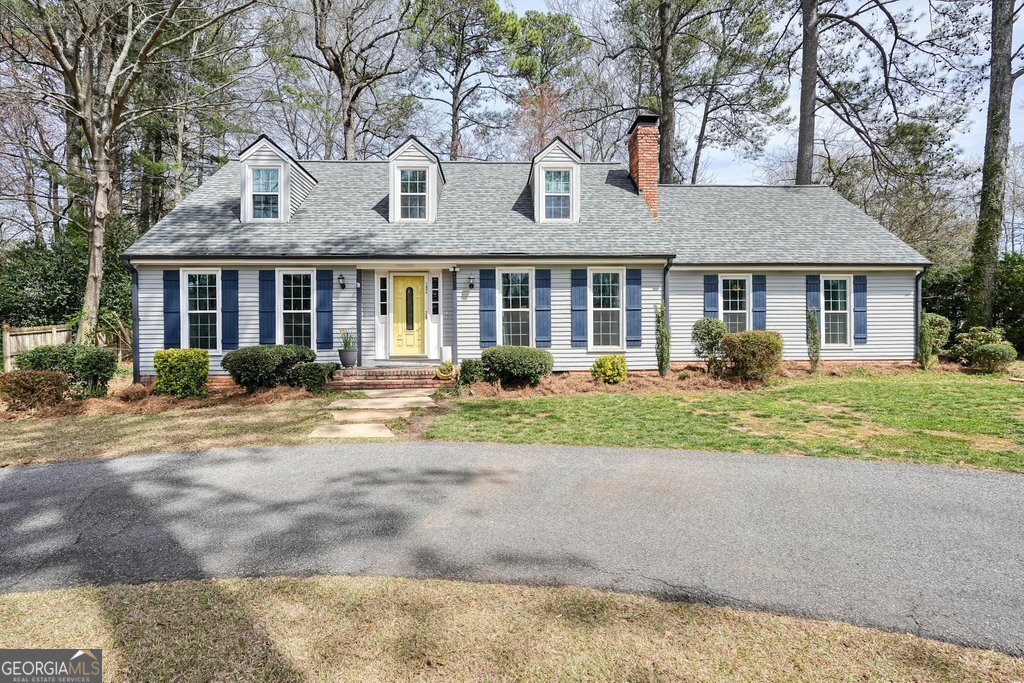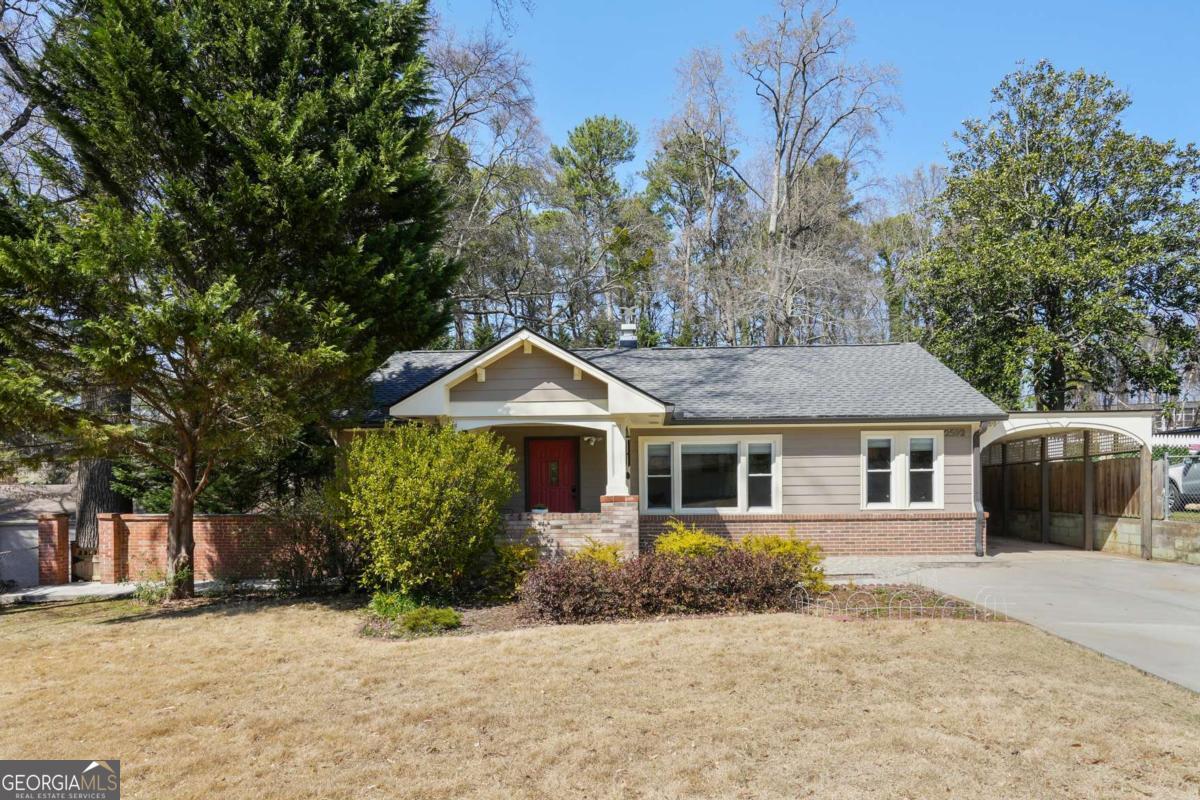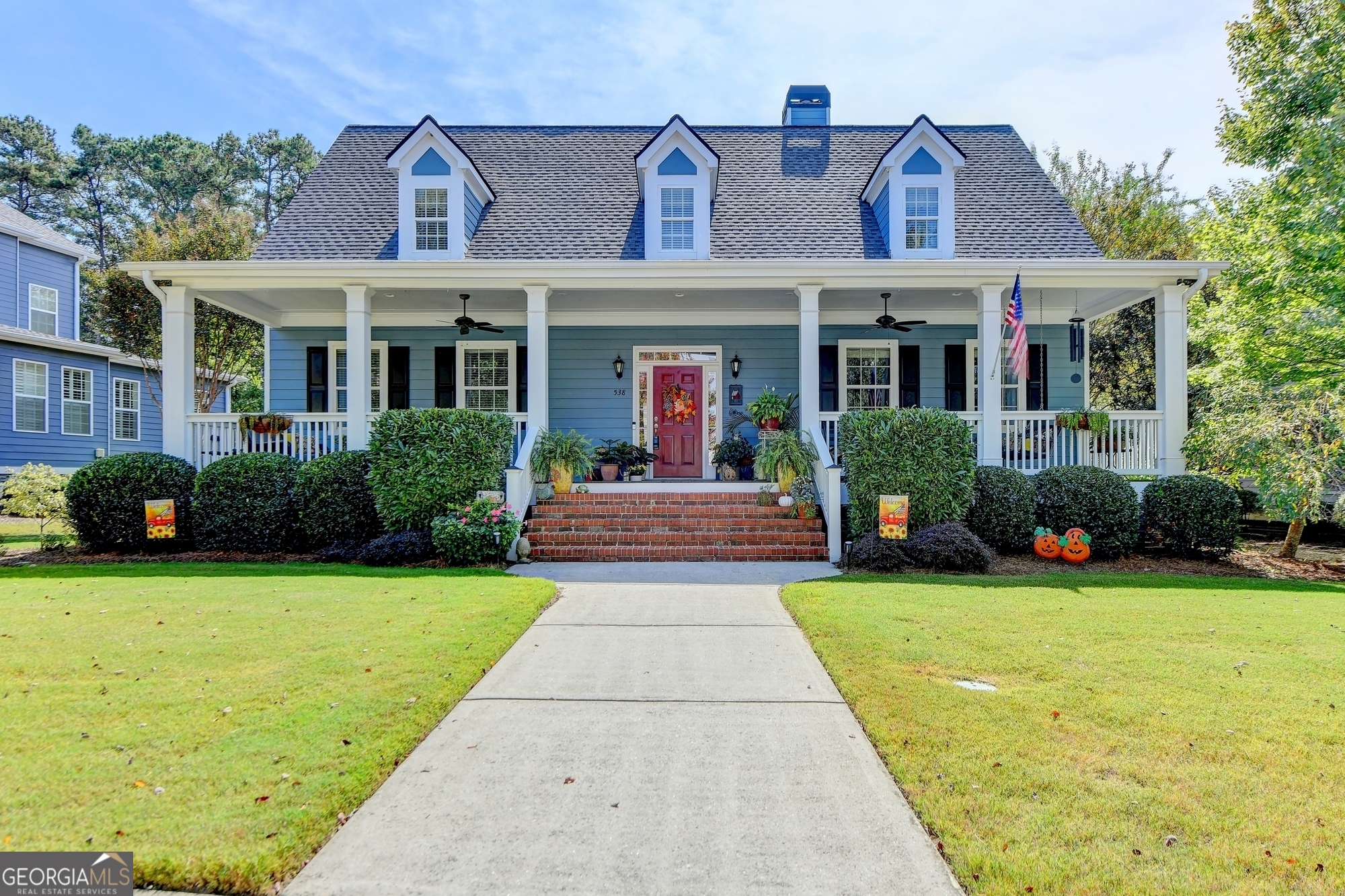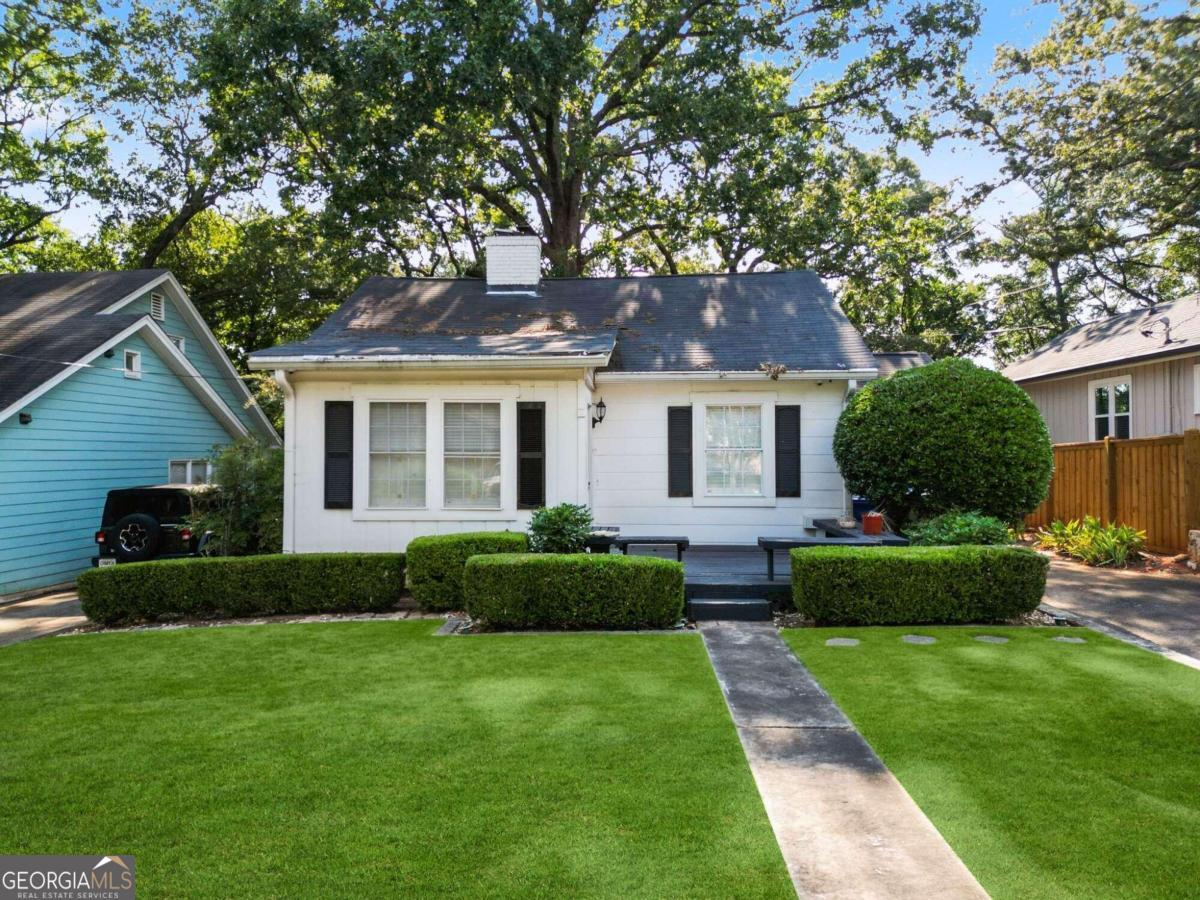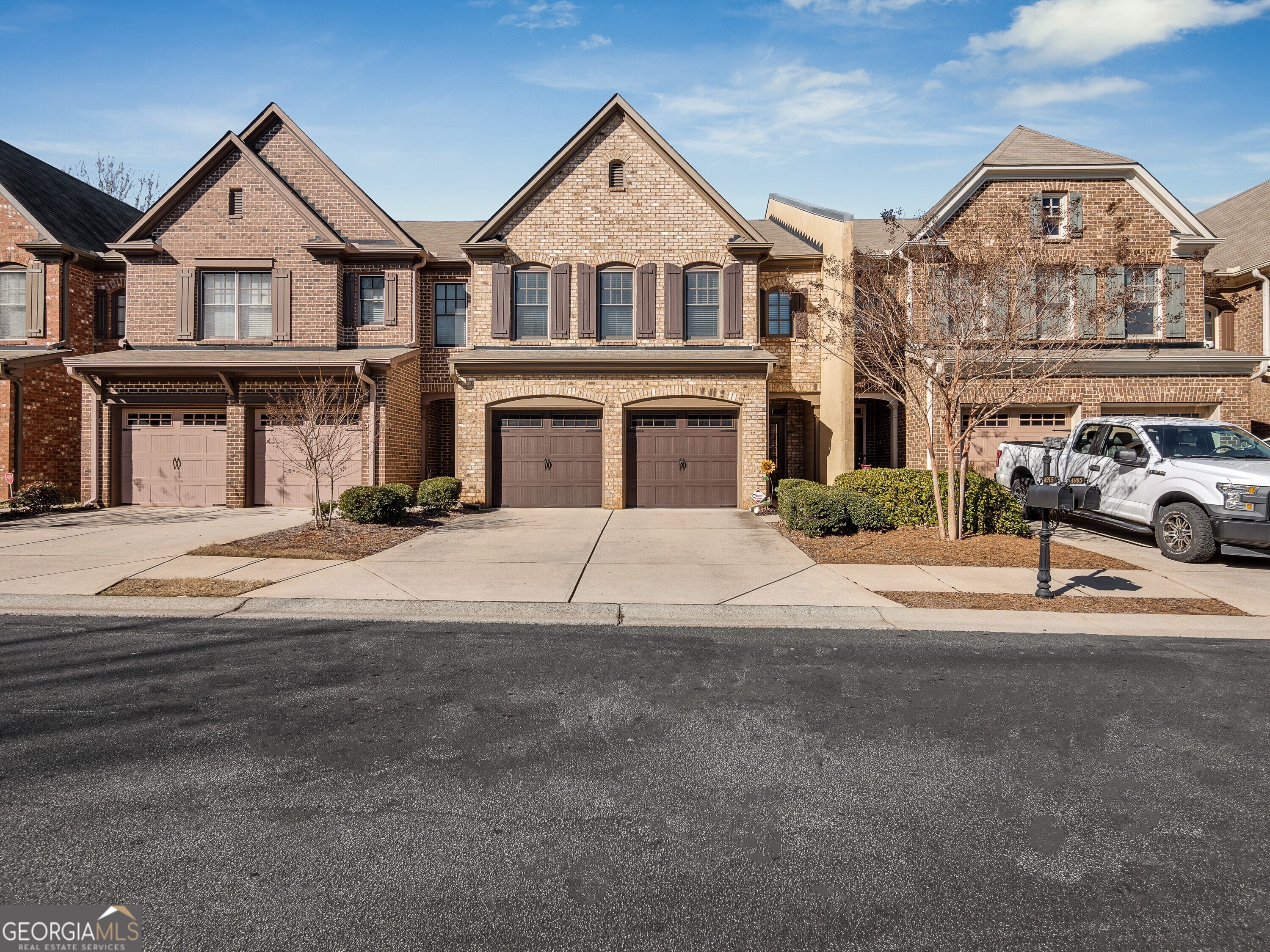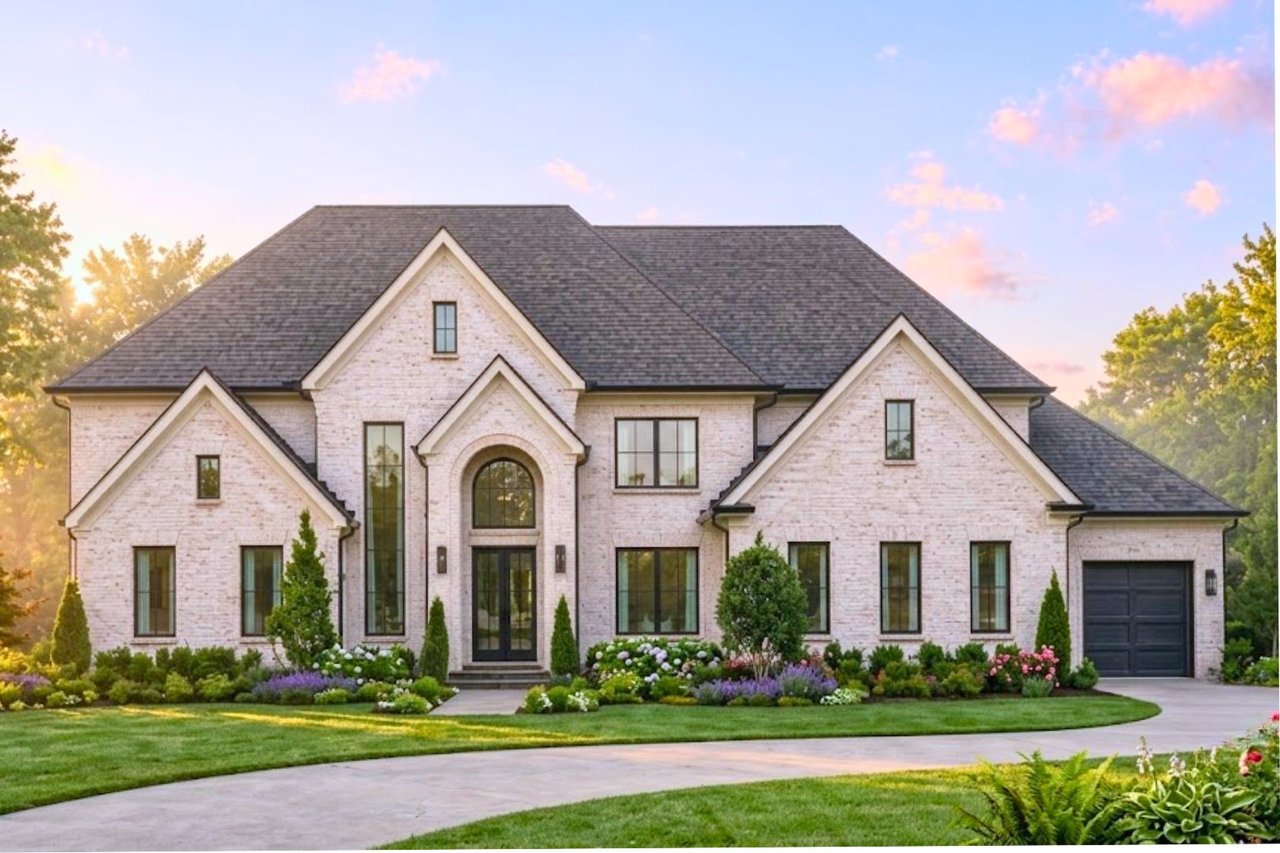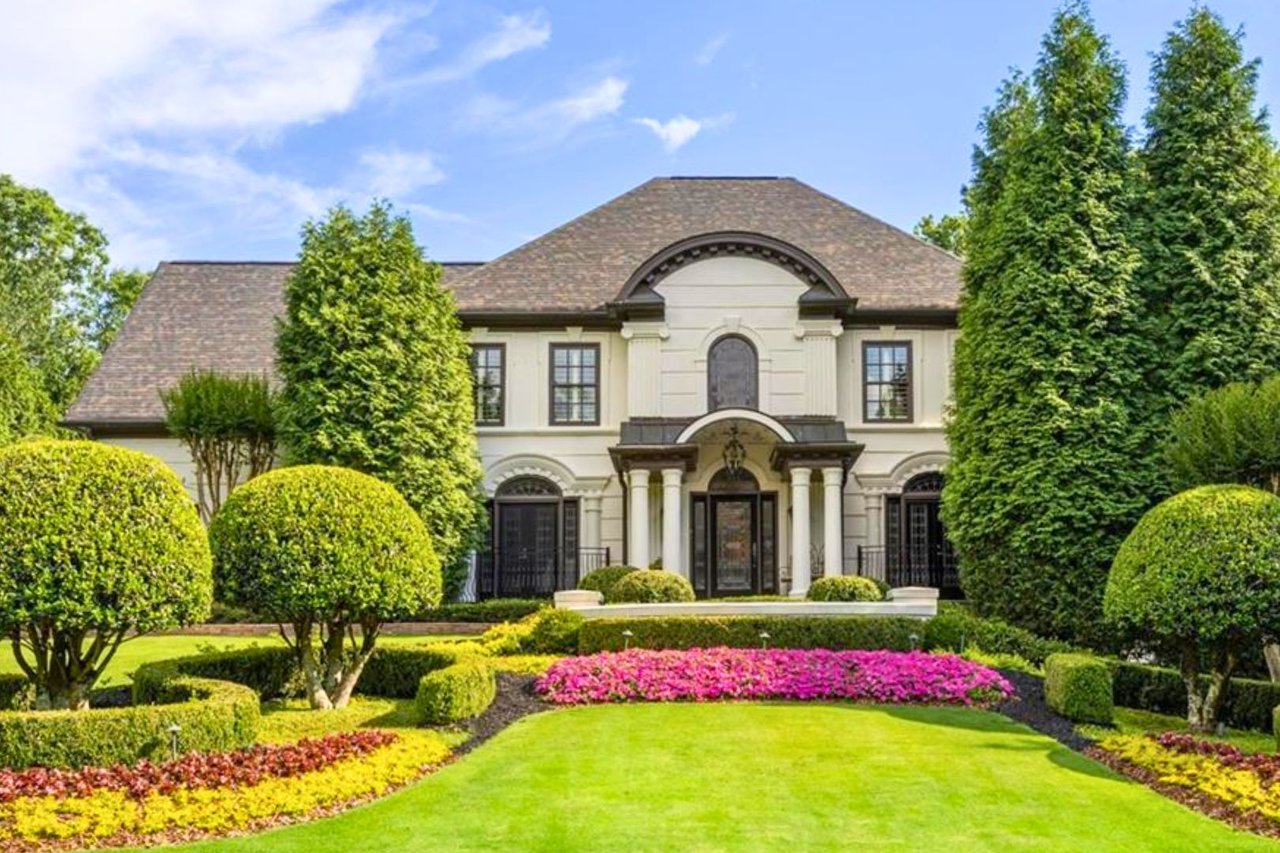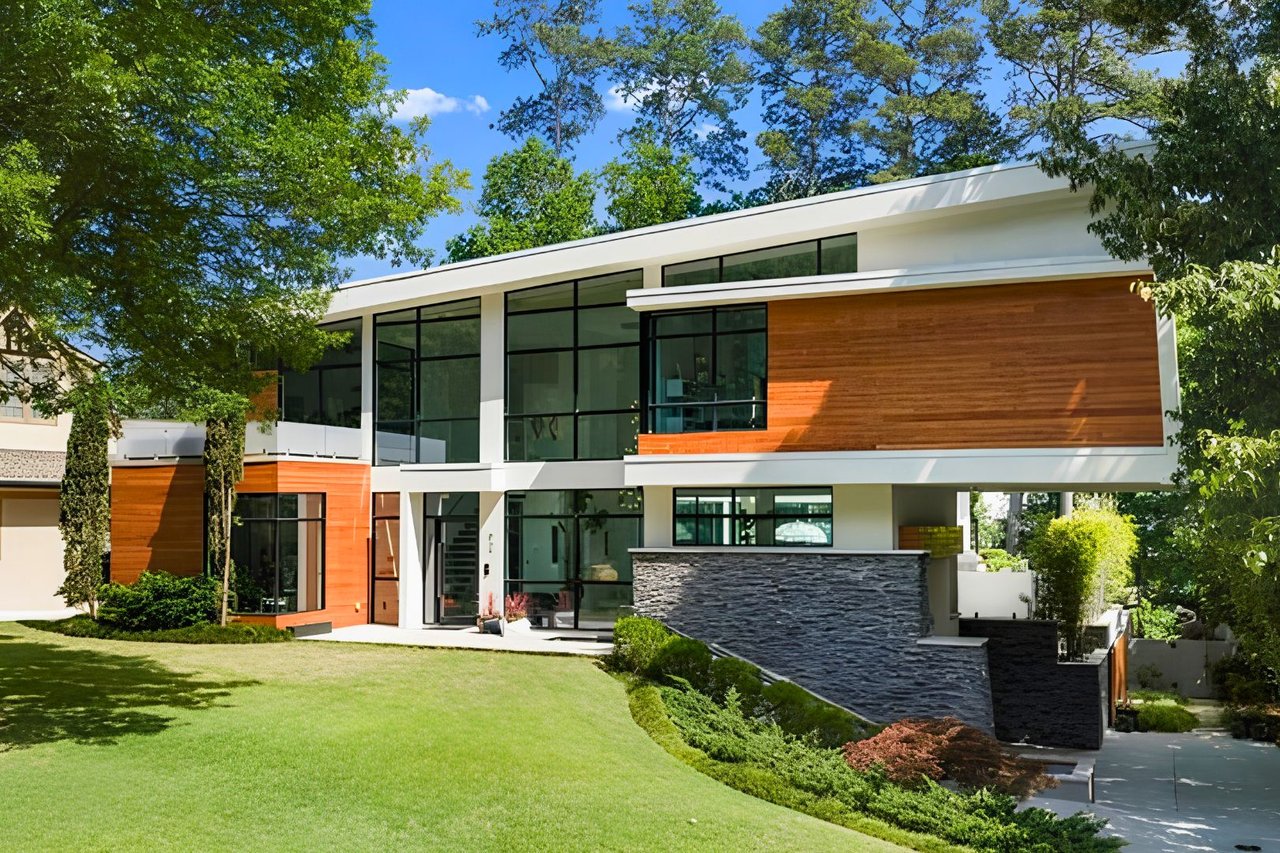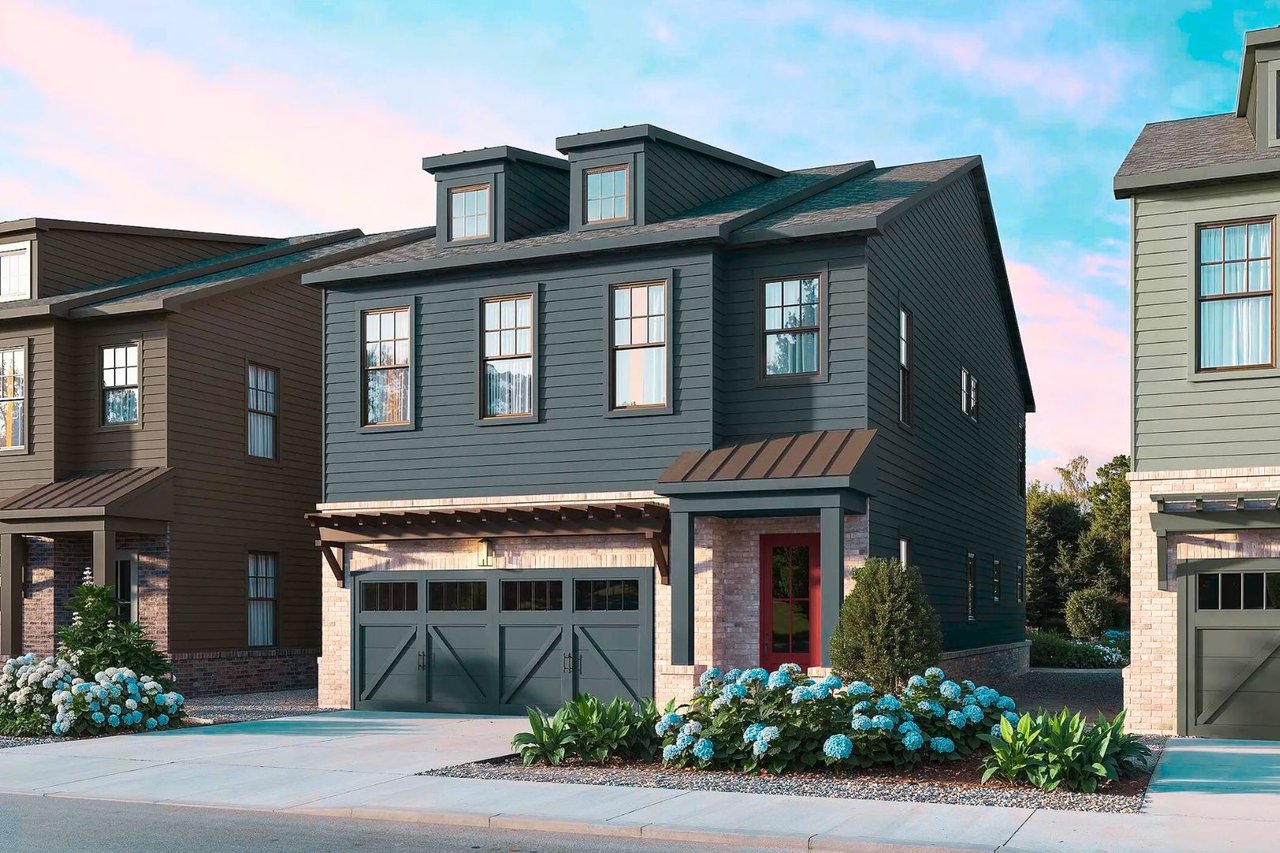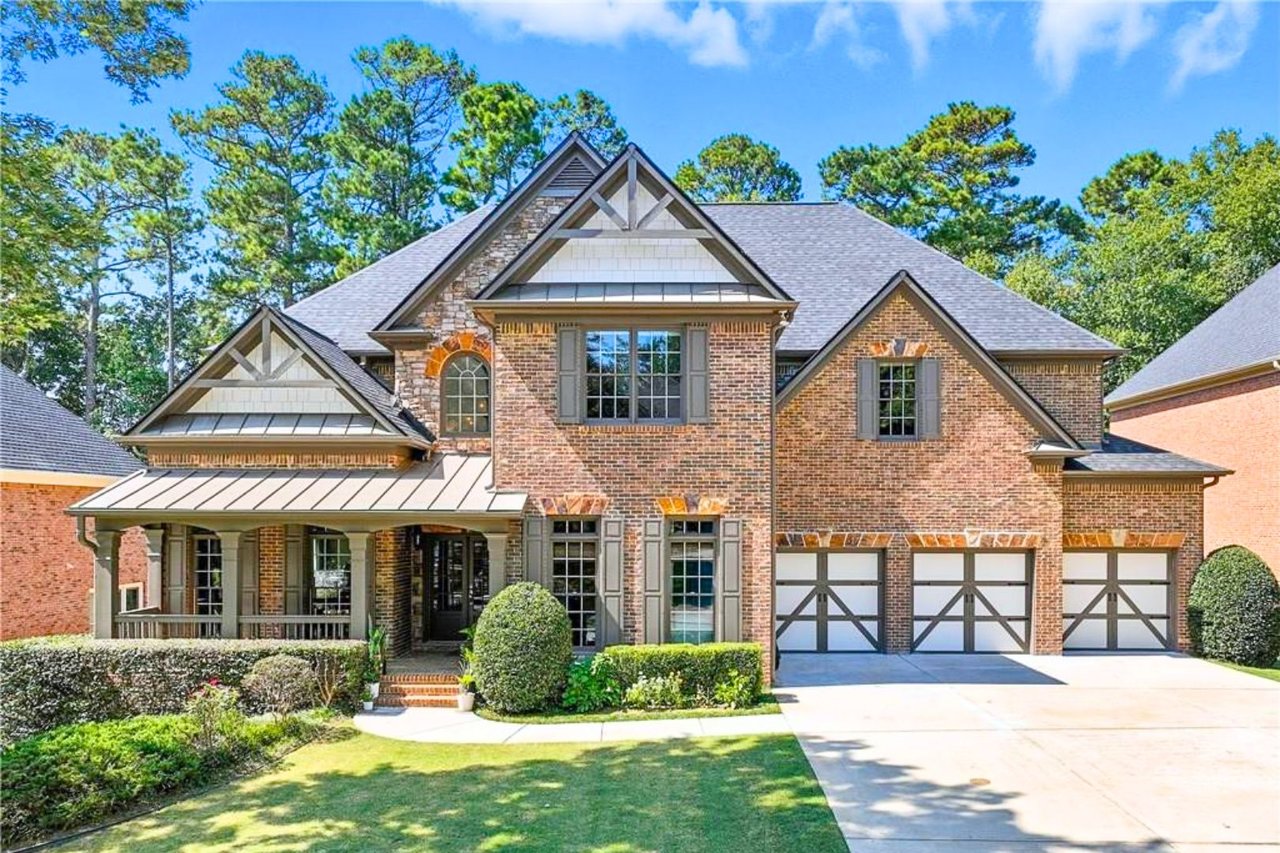
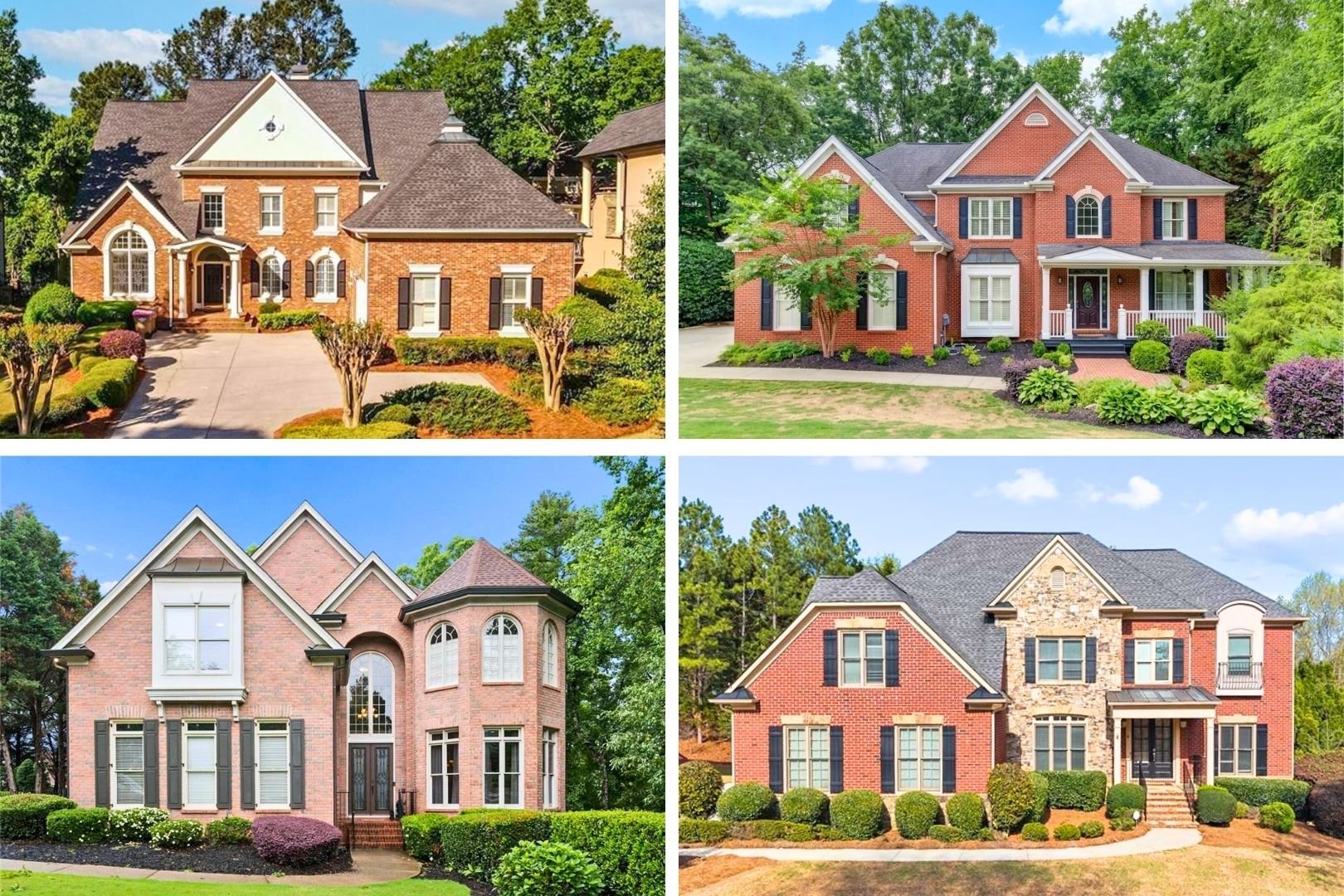
Duluth, Georgia has emerged as the undisputed crown jewel of Gwinnett County's real estate market, defying broader economic shifts with remarkable resilience. For strategic investors looking to secure high-performing suburban assets, this North Metro Atlanta powerhouse offers an unmatched combination of top-tier schools, corporate employment corridors, and high-yielding rental neighborhoods. The window to acquire premium Duluth properties before the next major appreciation cycle is open right now.
For buy-and-hold landlords seeking steady cash flow, value-add renovators, or portfolio managers aiming for sustainable appreciation, the latest 2026 data points to Duluth as a premier destination for strategic capital. This comprehensive guide breaks down Duluth's local economic drivers, key housing market metrics, rental demand, and top investment pockets. By analyzing the hard numbers alongside local lifestyle trends, we reveal why this Gwinnett County powerhouse continues to deliver outstanding results for real estate investors.
The Duluth, GA Economic Engine: Driving 2026 Housing Demand
A housing market is only as strong as the economy supporting it. Duluth’s real estate demand is underpinned by a robust, diversified local economy that ensures a highly qualified tenant pool and consistent upward pressure on home values.
Job Growth and Major Employment Corridors
Duluth is strategically positioned within Gwinnett County’s premier commercial corridors, offering immediate access to Interstate 85, Peachtree Industrial Boulevard, and the high-density Sugarloaf business district. The city features an exceptionally low unemployment rate of 2.7%, reflecting a highly active labor market and a resilient local economy. This economic stability makes it an incredibly attractive target for real estate capital.
Major Healthcare and Corporate Employers
Gwinnett County's employment ecosystem is anchored by massive healthcare and corporate operations, including Northside Hospital Duluth, which employs approximately 2,700 people. Additionally, Duluth serves as a prominent corporate headquarters hub, hosting two major Fortune 500 companies: AGCO Corporation and Asbury Automotive Group. This concentration of high-paying jobs in technology, healthcare, and professional services provides a continuous influx of middle- and upper-income professionals seeking local housing.
2.7% unemployment rate in Duluth, GA supports a highly resilient local economy and a reliable tenant pool.
Suburban Urbanism and Walkability
One of the most powerful trends shaping the 2026 real estate market is the rise of suburban urbanism. Modern renters and homebuyers are increasingly rejecting long commutes and congested city centers in favor of walkable, historic suburban downtowns that offer a true live-work-play lifestyle. Duluth has mastered this balance, creating a highly desirable destination that commands premium housing rates.
The Appeal of Downtown Duluth
Downtown Duluth—centered around the Town Green, an outdoor amphitheater, local boutiques, and a diverse array of highly-rated restaurants—has become the gold standard for suburban revitalization in metro Atlanta. Local favorites like Good Word Brewing & Public House, The Falling Rabbit, and Local on North draw visitors and residents alike to the active Parsons Alley district. Properties located within walking or short-biking distance of this central core command premium rental rates and enjoy near-zero vacancy rates, as tenants prioritize community connectivity and cultural amenities.
Analyzing the 2026 Duluth GA Real Estate Market Numbers
For investors, success lies in the numbers. The current data reflects a stabilized market that favors disciplined buyers who can negotiate favorable terms without the frantic bidding wars of previous years.
Median Sales Prices and Appreciation Trends
According to recent housing market data, the median sales price of a home in Duluth is $488,708. The average overall home value in Duluth stands at $447,344, which represents a minor, stabilizing year-over-year adjustment of -2.6%. This price normalization provides a highly attractive entry window for investors to acquire properties at more reasonable valuations before the next long-term growth cycle begins.
$447,344 average home value in Duluth represents a stabilizing entry point for investors looking to capture long-term equity growth.
Regional Price Comparisons
To understand Duluth's premium positioning, it is helpful to consider regional comparisons. Duluth’s average home value is roughly 34% higher than the Georgia state average of $333,559, illustrating the high-demand nature of this Gwinnett County submarket. However, while Duluth commands a premium compared to the state, it remains highly accessible compared to neighboring luxury enclaves like Johns Creek, where average home values exceed $723,000. This relative affordability allows investors to achieve stronger cash-on-cash returns and higher cap rates than they would in more expensive adjacent cities.
Inventory Levels and Days on Market (DOM)
The pace of the Duluth market has settled into a healthier rhythm, giving buyers more room to conduct thorough due diligence. Inventory levels in Duluth have climbed to a balanced 2.5 to 3.5 months of supply, which is a welcome change for investors who were previously shut out by a lack of choices. This balanced inventory level prevents drastic price drops while ensuring that well-maintained, correctly priced assets retain their value over time.
The Active 30096 Zip Code
Homes in Duluth now sell in a median of 44 days on the market, compared to much faster turnarounds during the peak of the previous year. In the active 30096 zip code, there are approximately 186 active single-family listings, representing a balanced but lean supply environment. This extended marketing time gives buyers ample room to perform physical due diligence, negotiate repairs, and secure favorable financing terms without the pressure of immediate, blind bidding wars.
Rental Market Dynamics: Yields and Tenant Demographics
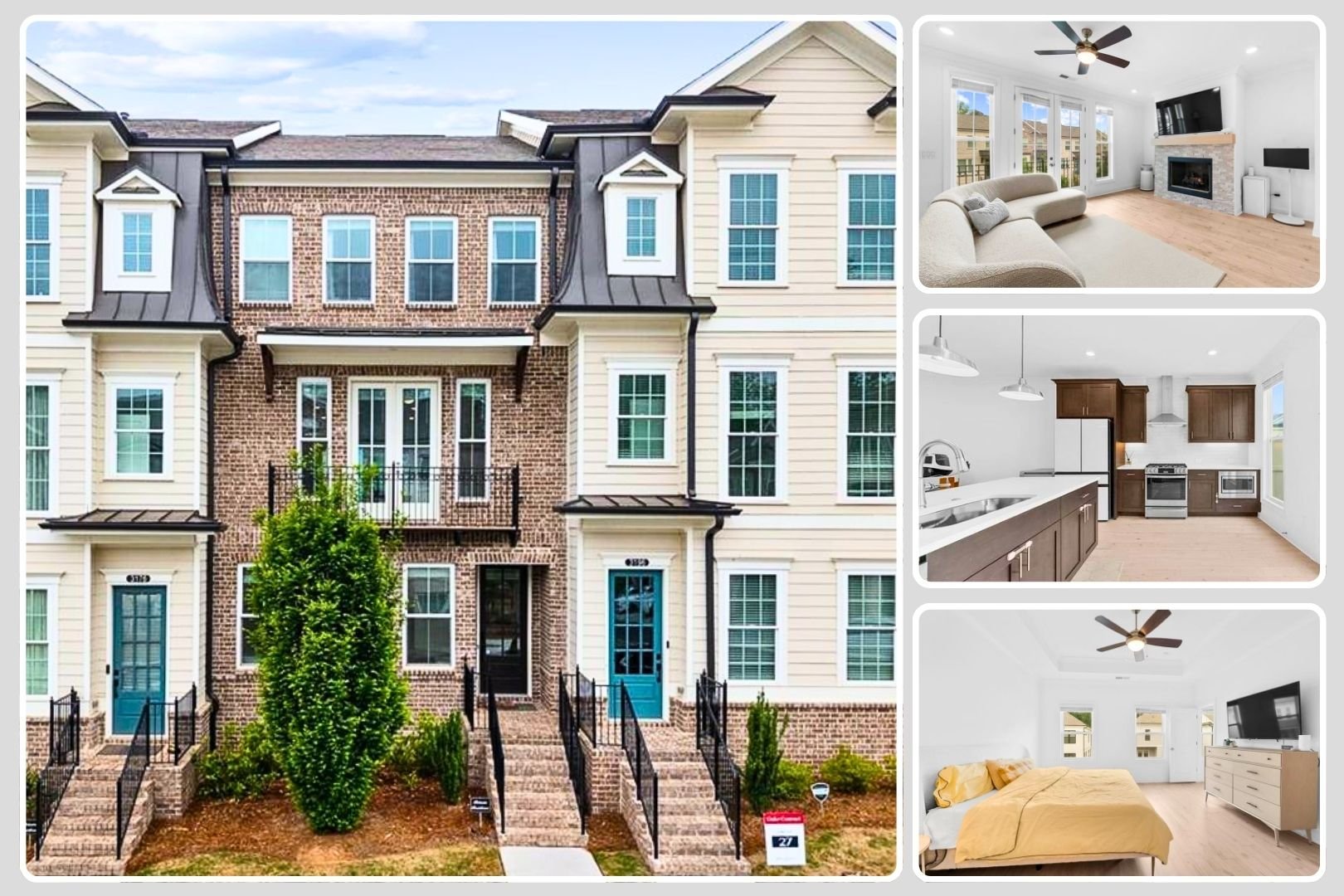
Duluth’s rental market is characterized by high demand, stable rent growth, and low tenant turnover—three critical components of a highly profitable real estate portfolio.
Single-Family Rental (SFR) Demand
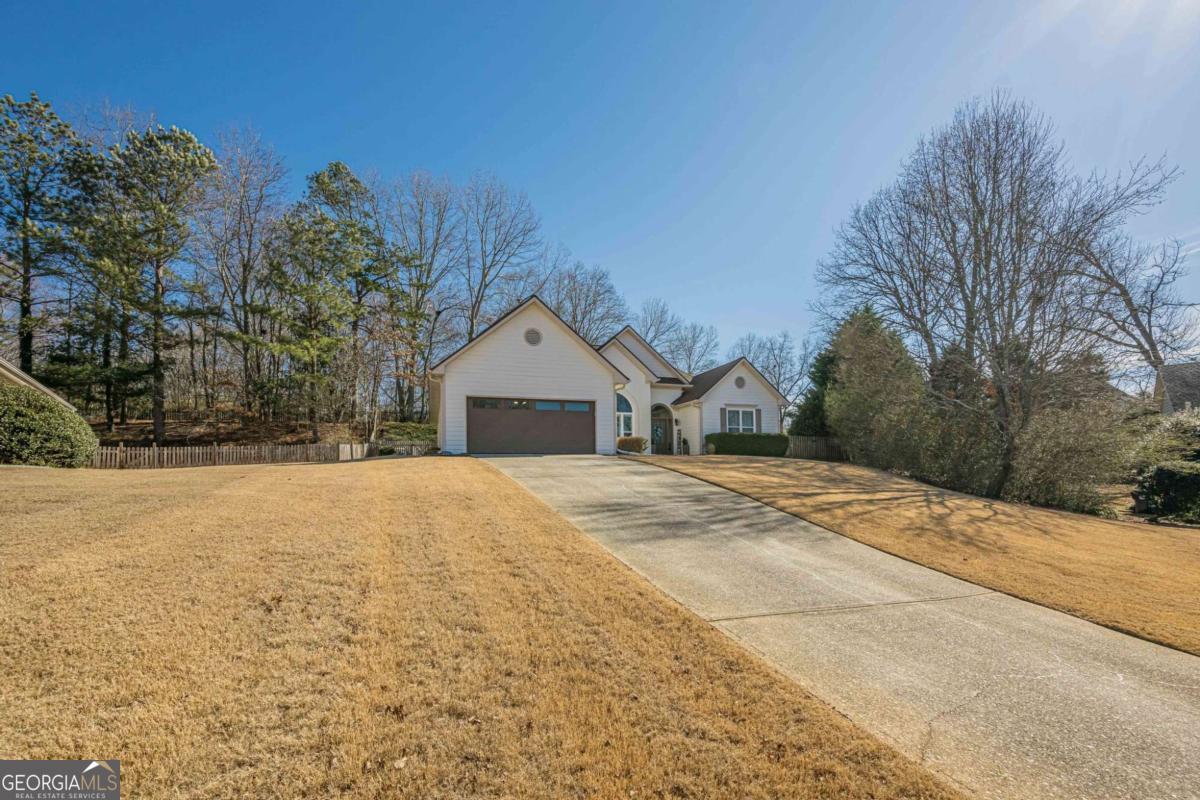
While multifamily assets have their place in a diversified portfolio, the single-family rental (SFR) sector in Duluth is exceptionally robust. Families and young professionals relocating from denser urban areas heavily favor the space, privacy, and suburban yards that Duluth’s detached homes offer. This preference has created a highly competitive rental market for single-family properties.
Rental Yields and Zip Code Performance
In Duluth's southern sector (Zip Code 30096), the median monthly rental price stands at $1,657. Highlighting the resilience of the rental sector over the sales market, rental rates in this zip code have actually risen by 0.55% year-over-year, even as home sales prices experienced minor corrections. For larger 3-bedroom and 4-bedroom single-family detached homes, median rents routinely range from $2,200 to over $2,800 per month, providing solid rental yields for buy-and-hold investors.
Gwinnett County Public Schools and Family-Tenant Stability
A primary driver behind Duluth's rental market stability is the Gwinnett County Public Schools (GCPS) system. GCPS is the largest school district in Georgia, serving more than 182,000 students across 142 school facilities, including 81 elementary schools, 29 middle schools, and 24 high schools. The district is highly regarded for its diverse, specialized educational programs that attract families from all over the country.
PRO TIP: When investing in Duluth, target properties zoned for the highly rated Duluth High School or Peachtree Ridge High School clusters. Homes in these school zones command a 10-15% rent premium and experience significantly lower tenant turnover.
Educational Infrastructure as a Value Driver
The district is recognized statewide for its extensive educational resources, offering 63 Career Pathways leading to high-demand technical and professional certifications, alongside dual-language immersion programs and state-of-the-art STEM and robotics curriculums. Local schools within the Duluth cluster—including Duluth High School, Coleman Middle School, and Berkeley Lake Elementary—draw thousands of families to the area annually. For real estate investors, the presence of this massive educational infrastructure translates directly to tenant stability. Families who move to Duluth to place their children in Gwinnett County schools typically sign multi-year leases and remain in place for several years, drastically reducing vacancy rates, turnover costs, and wear-and-tear.
Top Neighborhoods and Pockets for Duluth Real Estate Investing
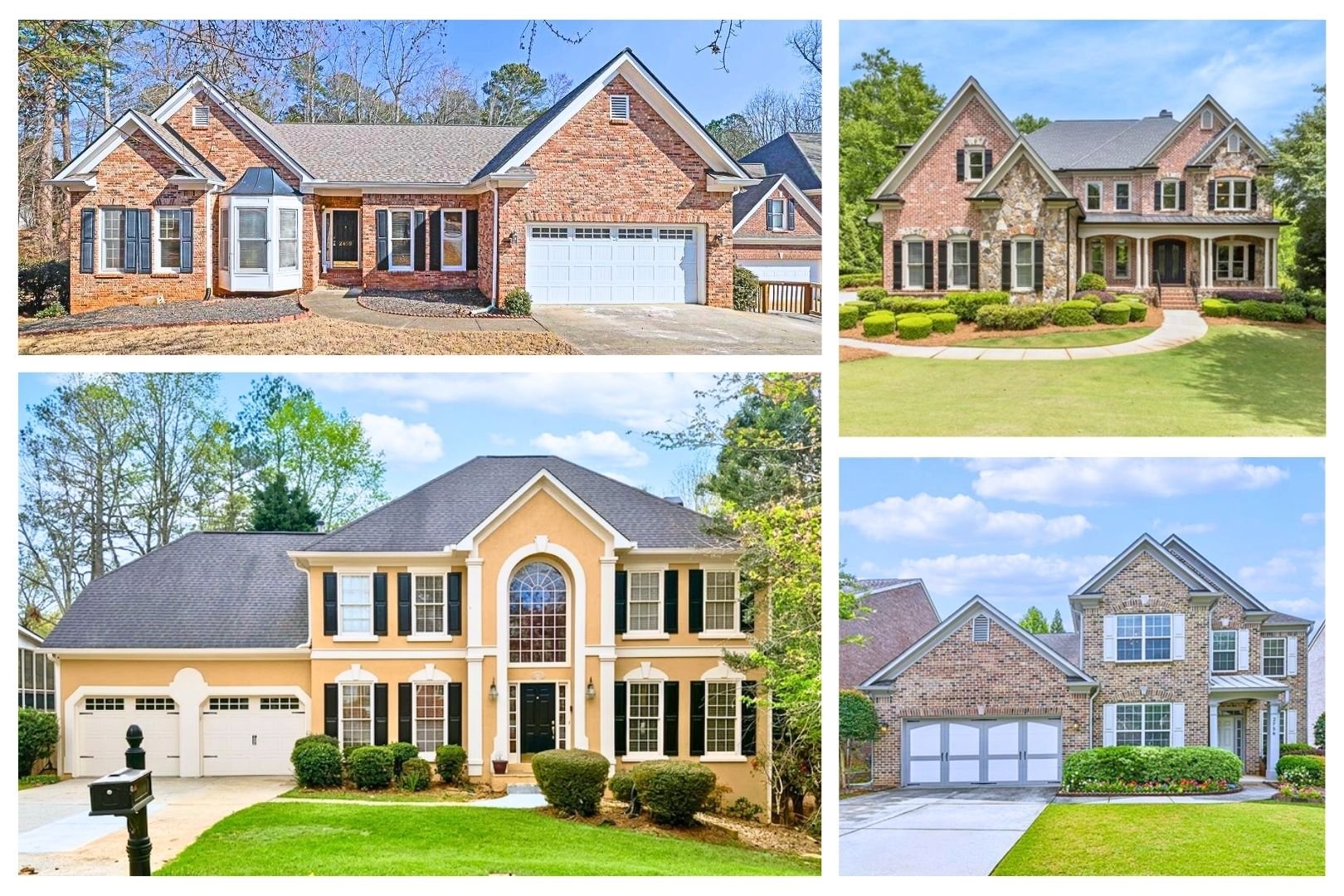
Duluth is not a monolith; different geographic pockets offer distinct risk-and-return profiles for investors. Understanding these nuances is key to aligning your acquisition strategy with your financial goals.
Neighborhood / Pocket | Key Property Types | Core Investment Strategy |
|---|---|---|
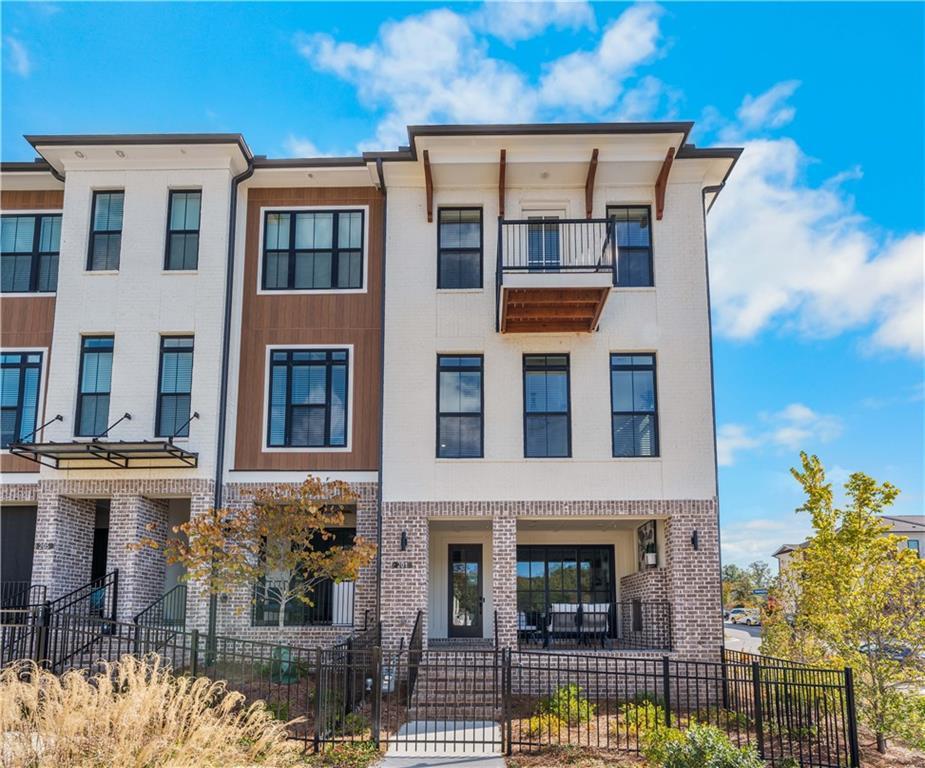
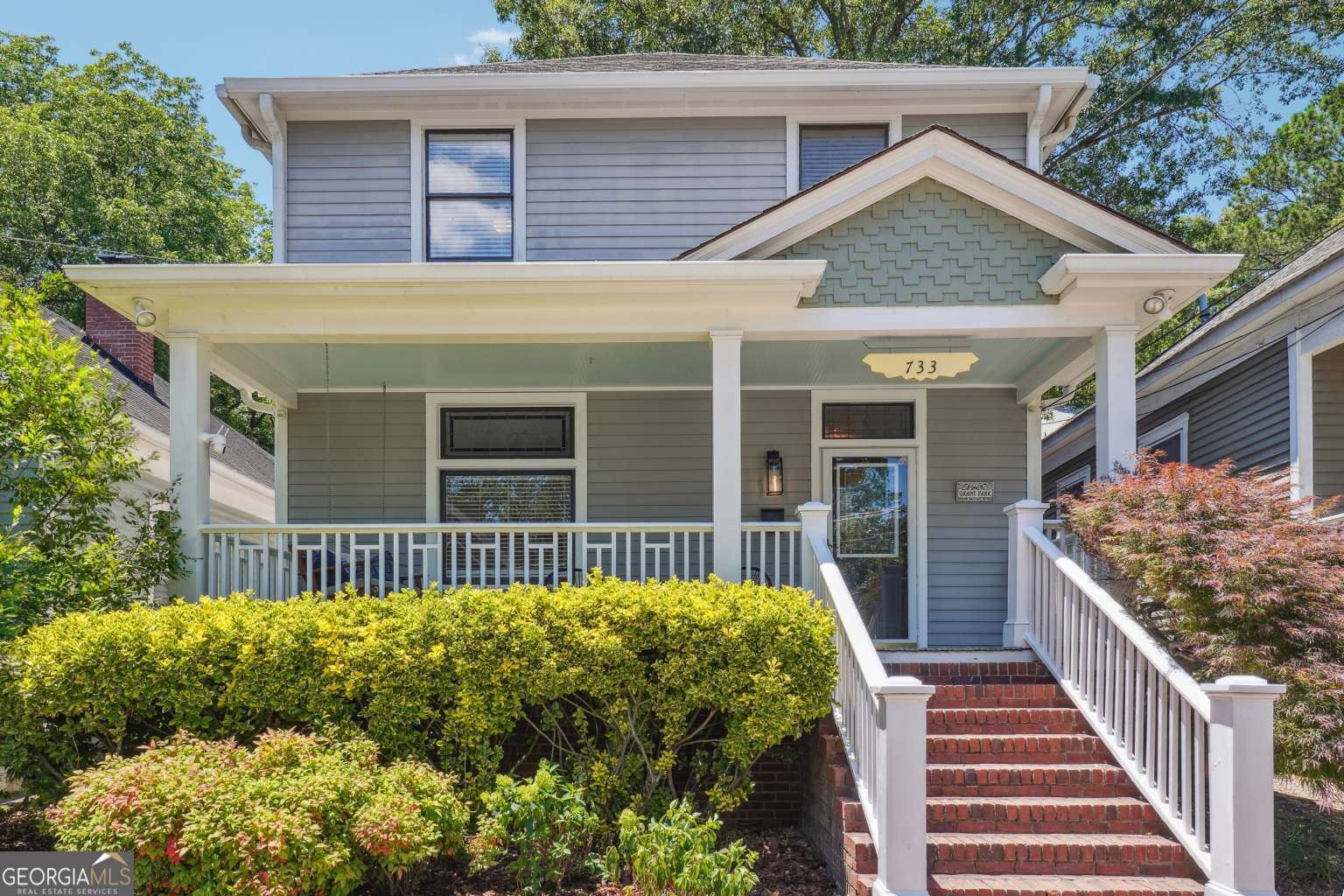
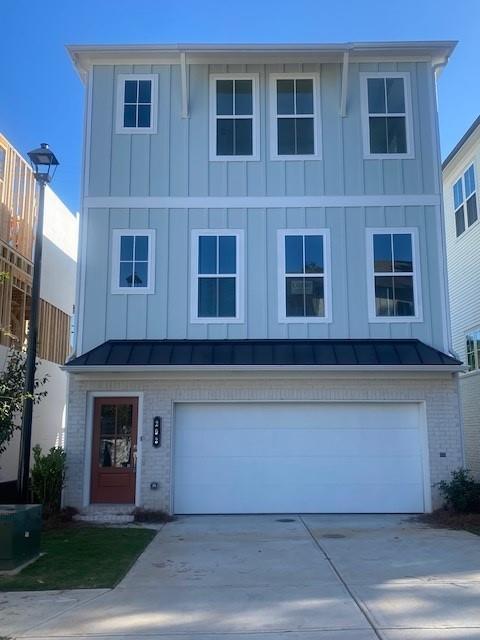
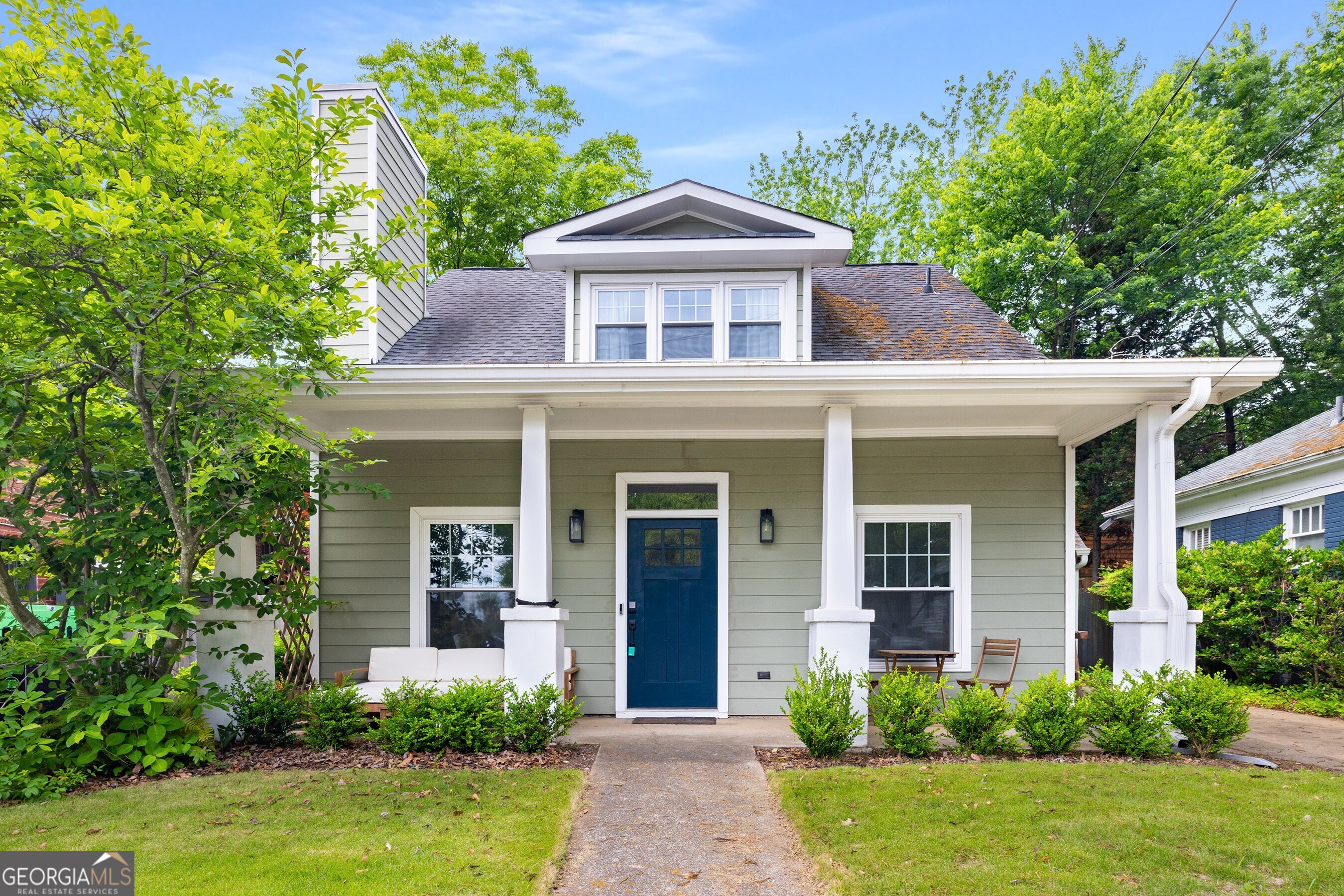
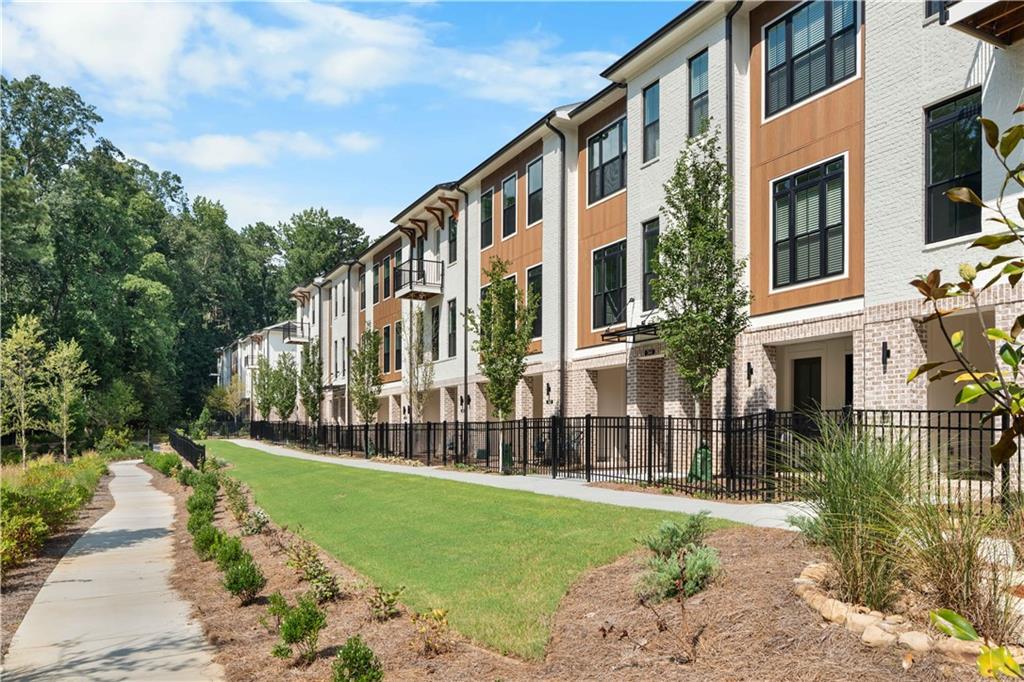
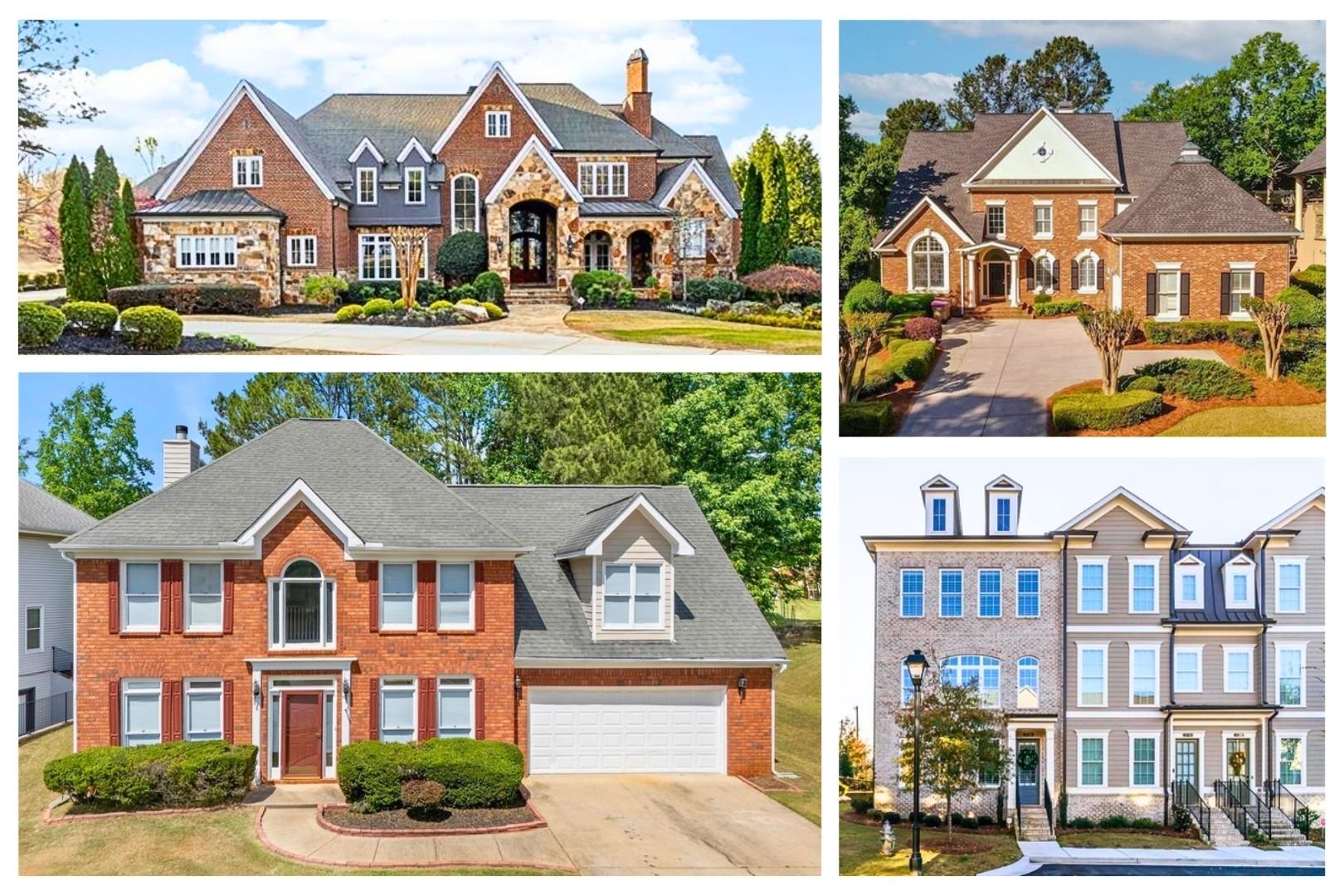
Downtown & Historic District | Townhomes, historic bungalows, newer infill builds | Premium rental yields, high walkability, and strong long-term appreciation. |
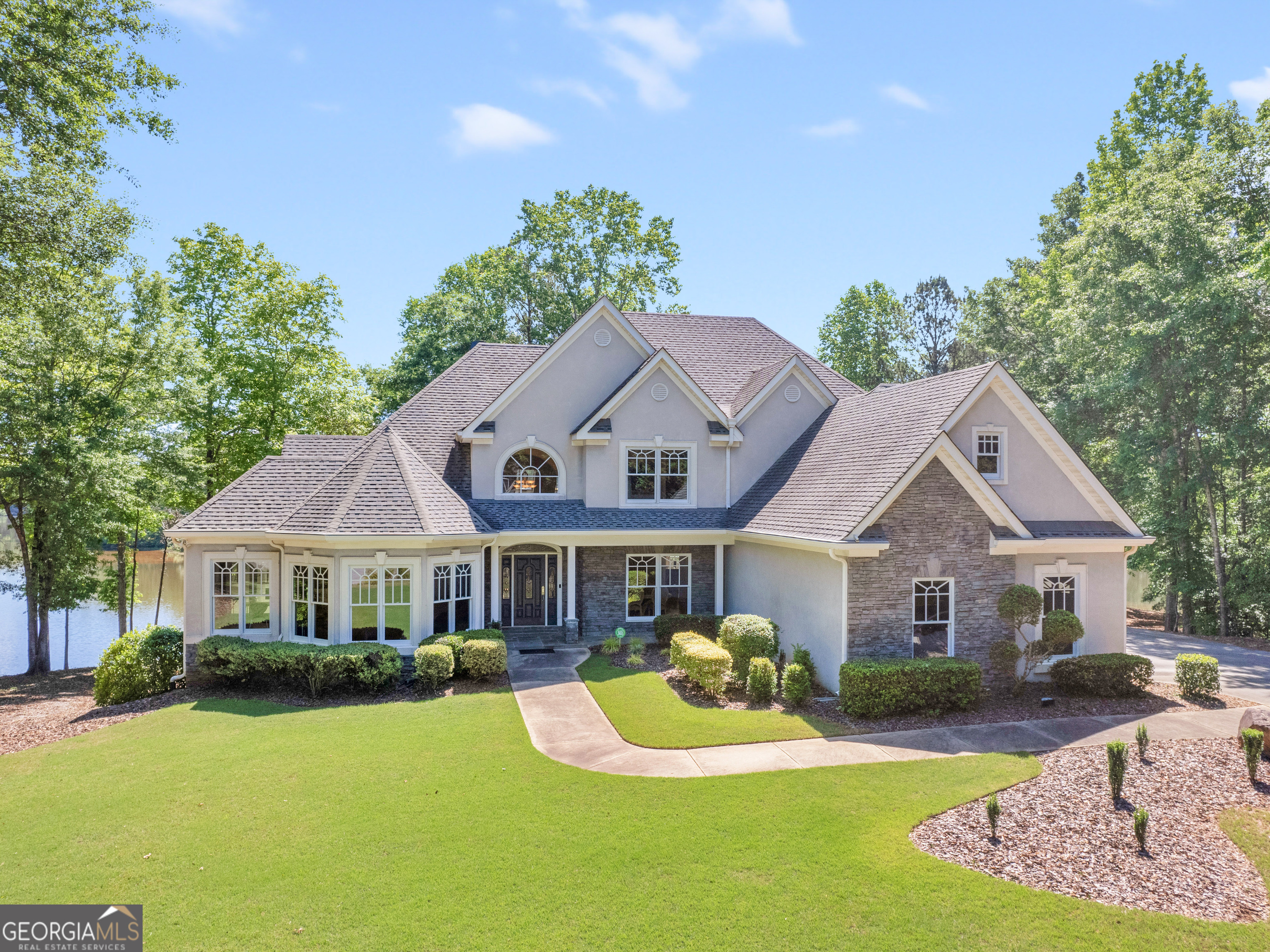
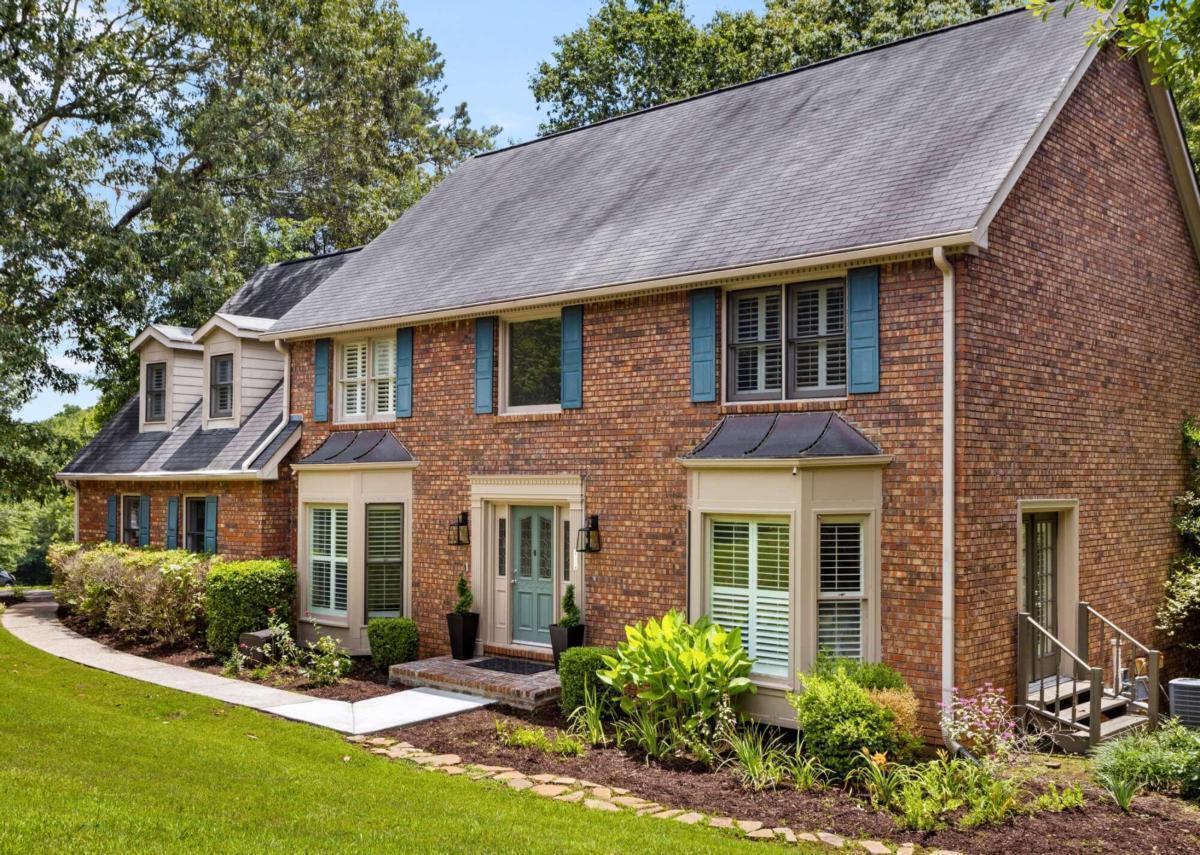
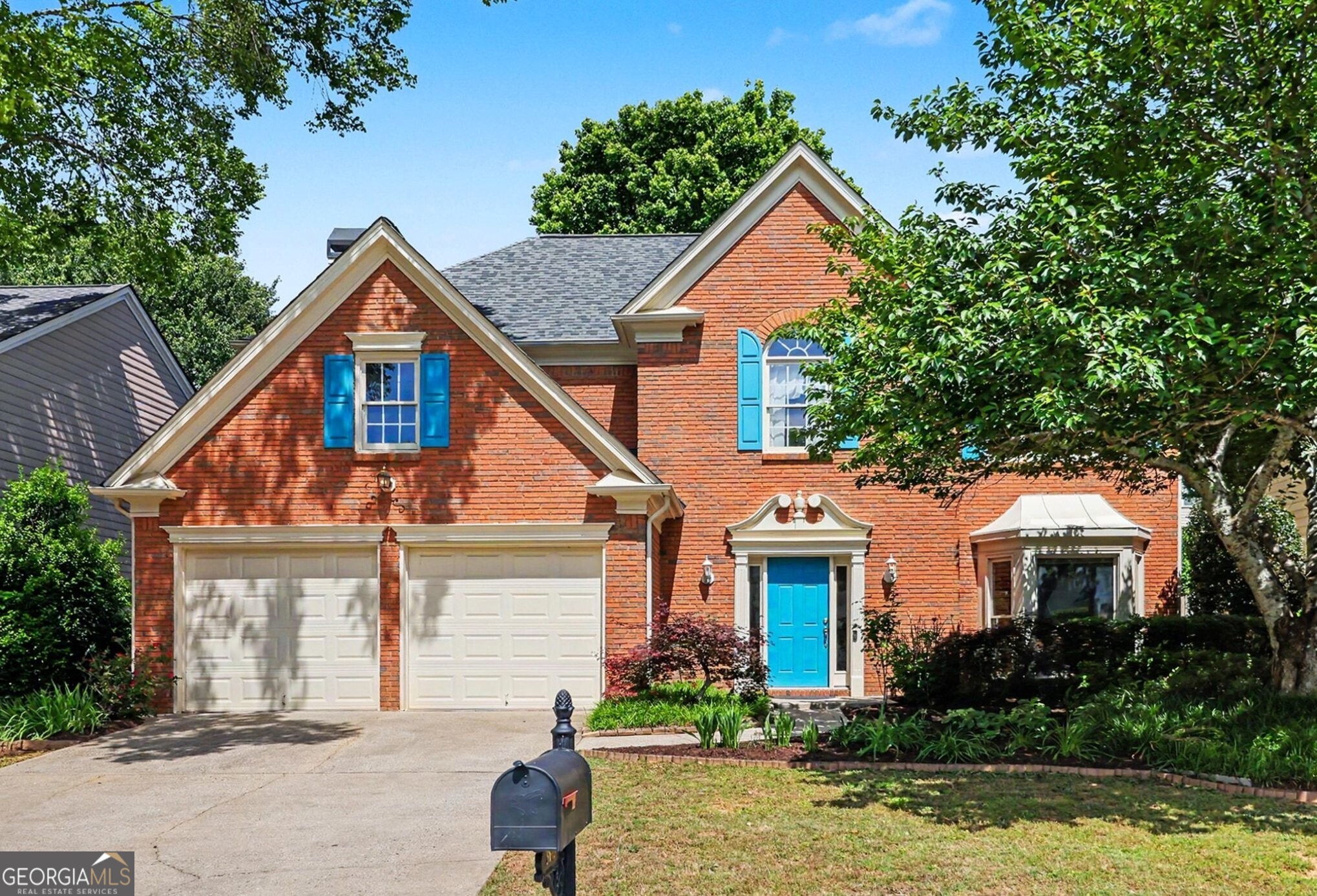
Sugarloaf & Executive Subdivisions | Large executive brick homes, gated estates | Luxury tier, executive rentals, corporate relocations, and wealth preservation. |
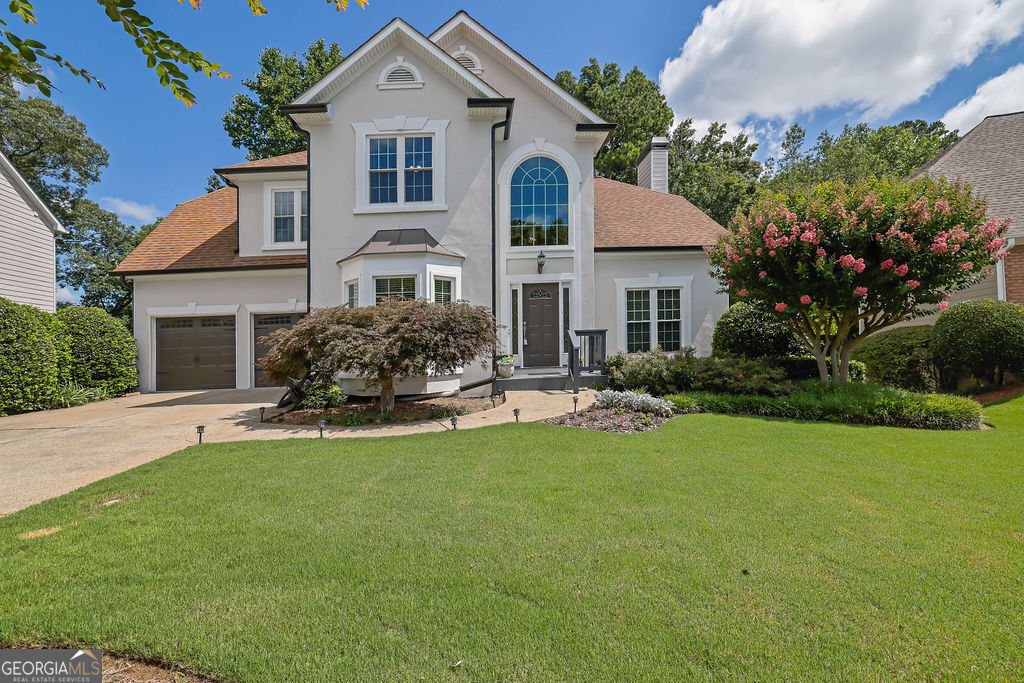
Peachtree Industrial Corridor | Established mid-tier subdivisions (1980s/90s builds) | Value-add, cosmetic renovations, fix-and-flips, and high-yield rentals. |
Downtown Duluth & Historic District
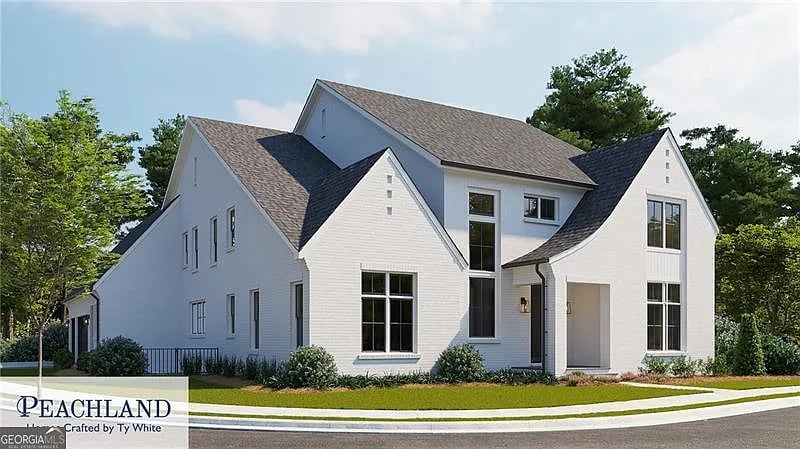
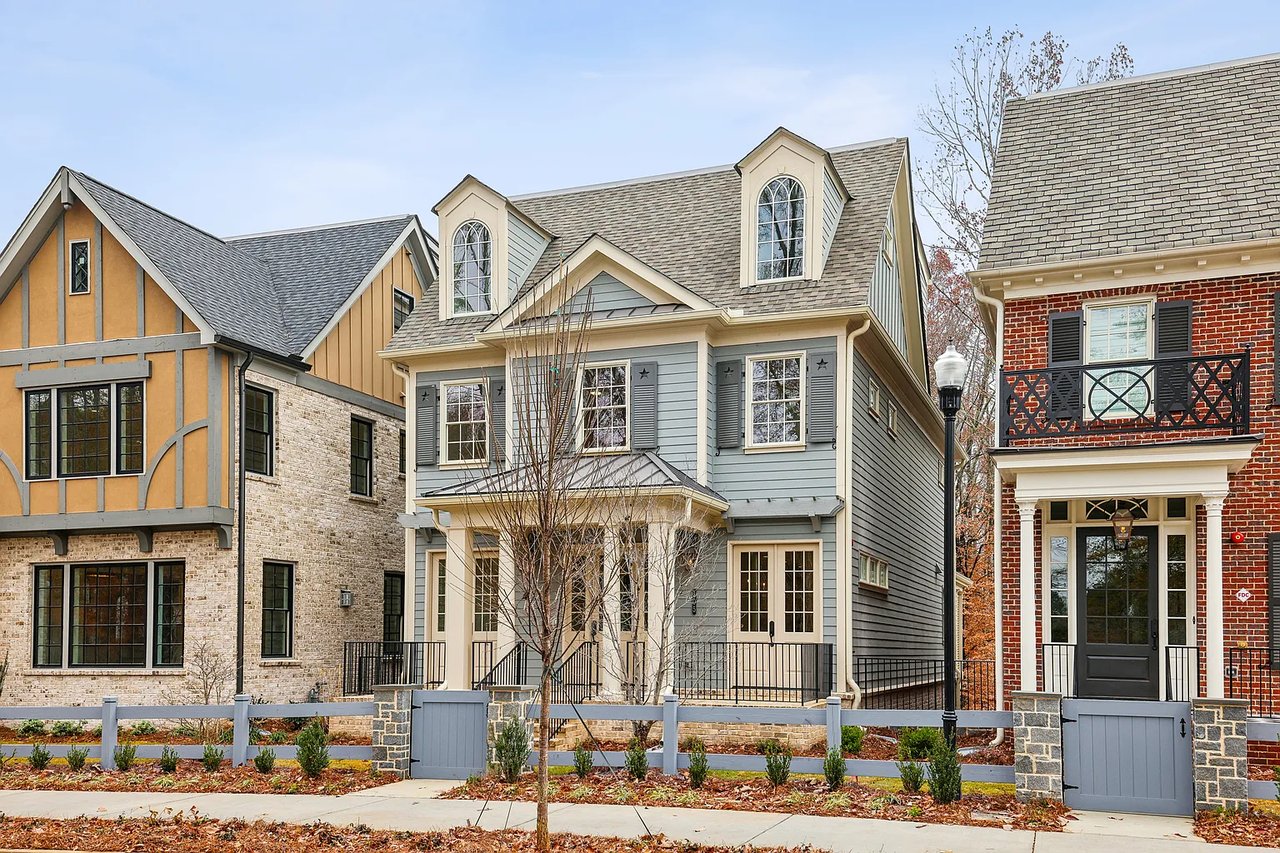
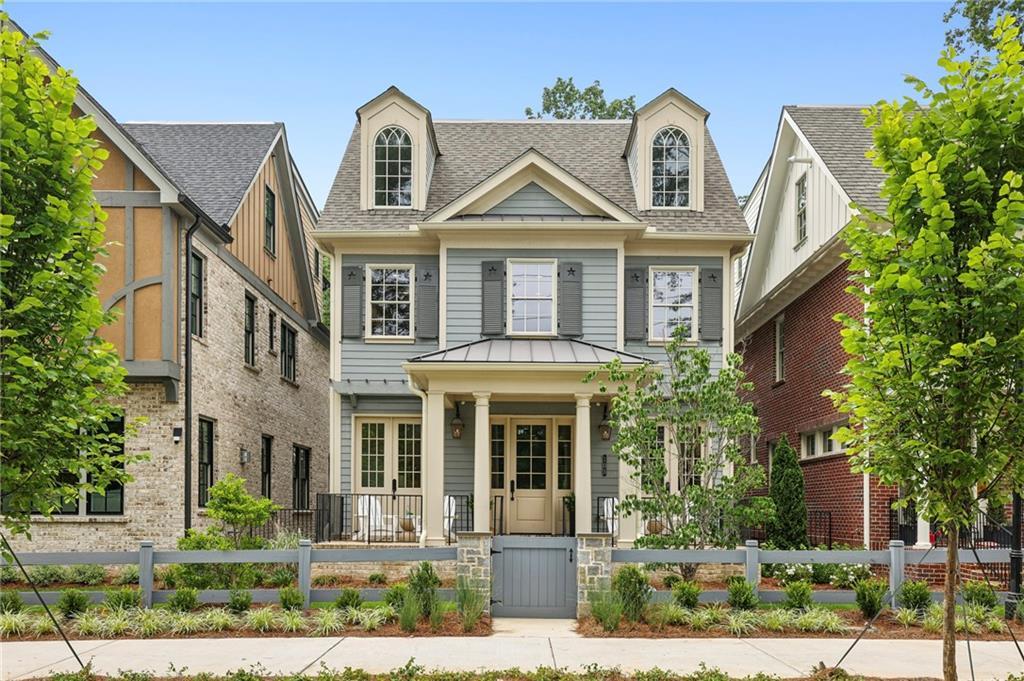
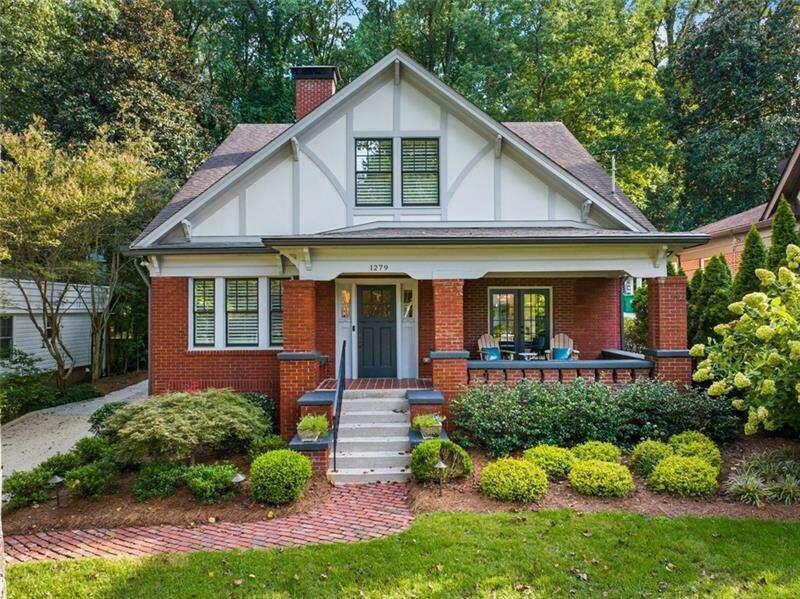
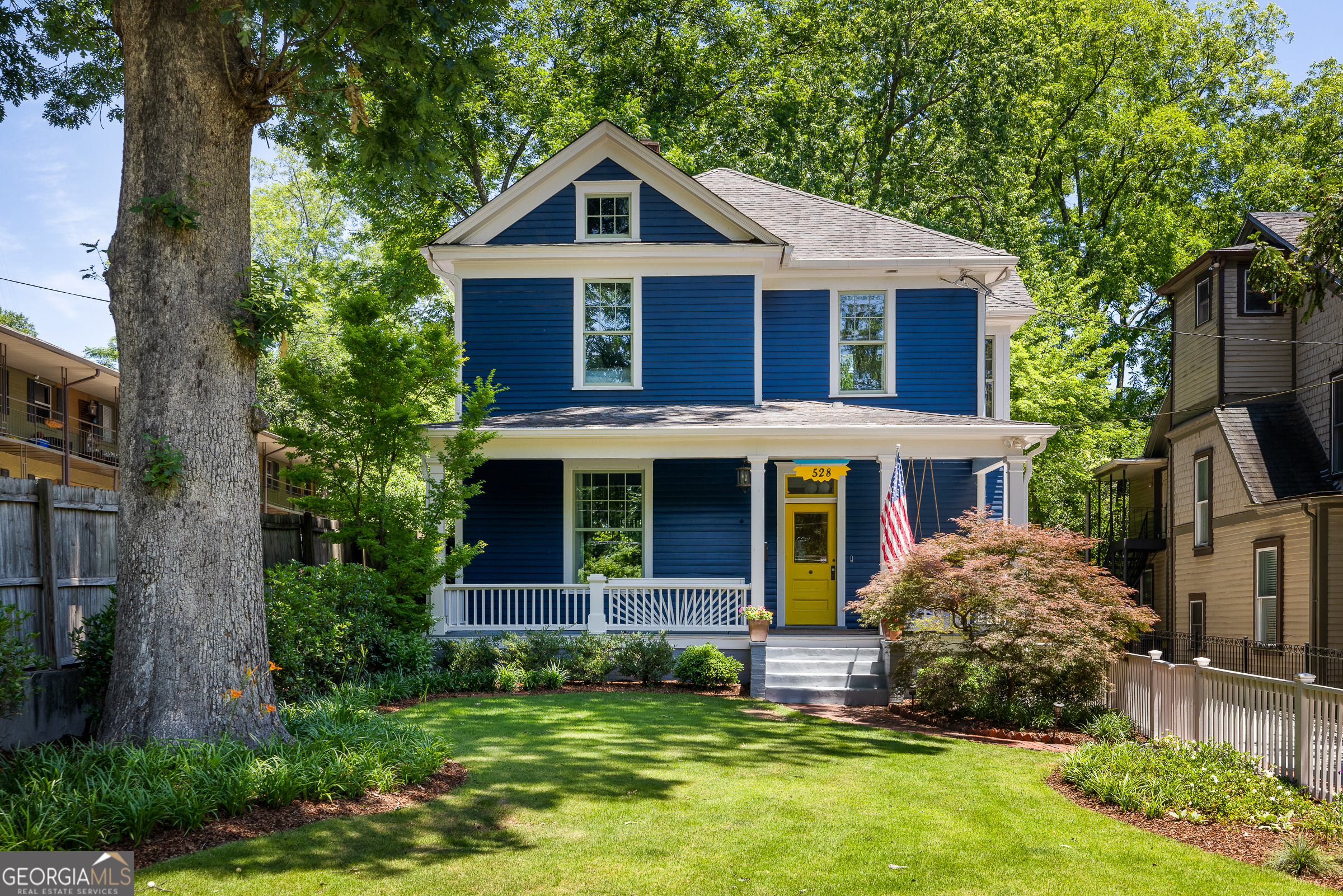
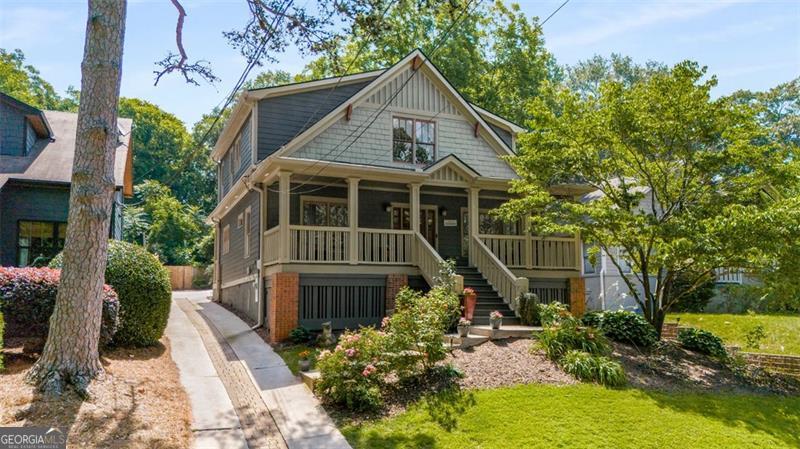
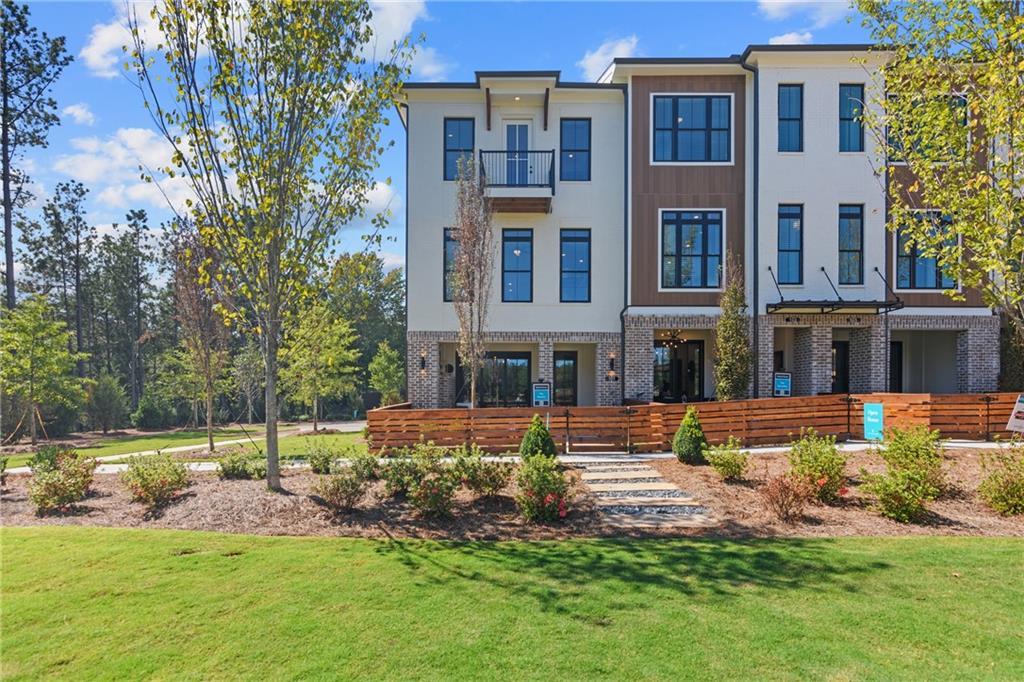
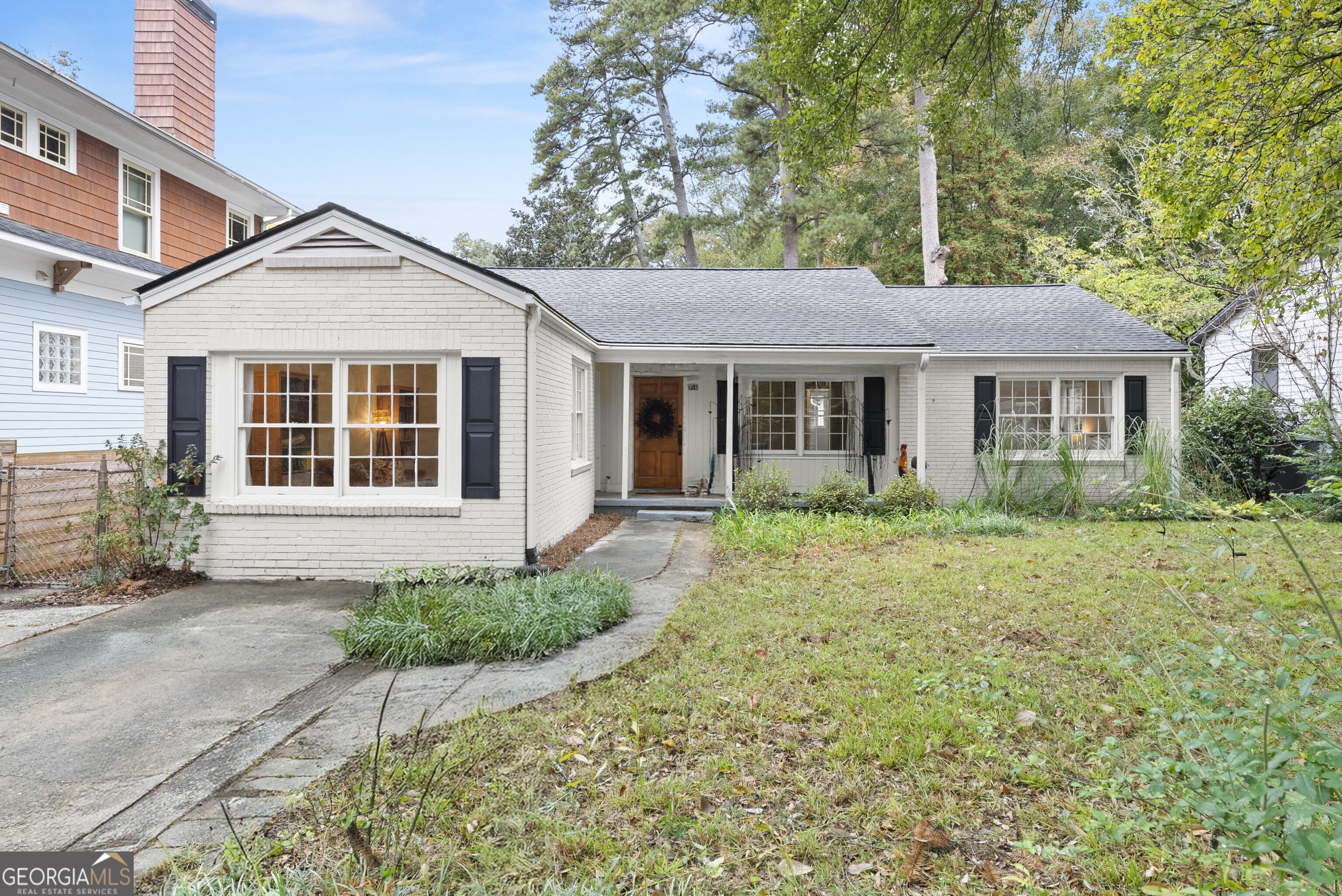
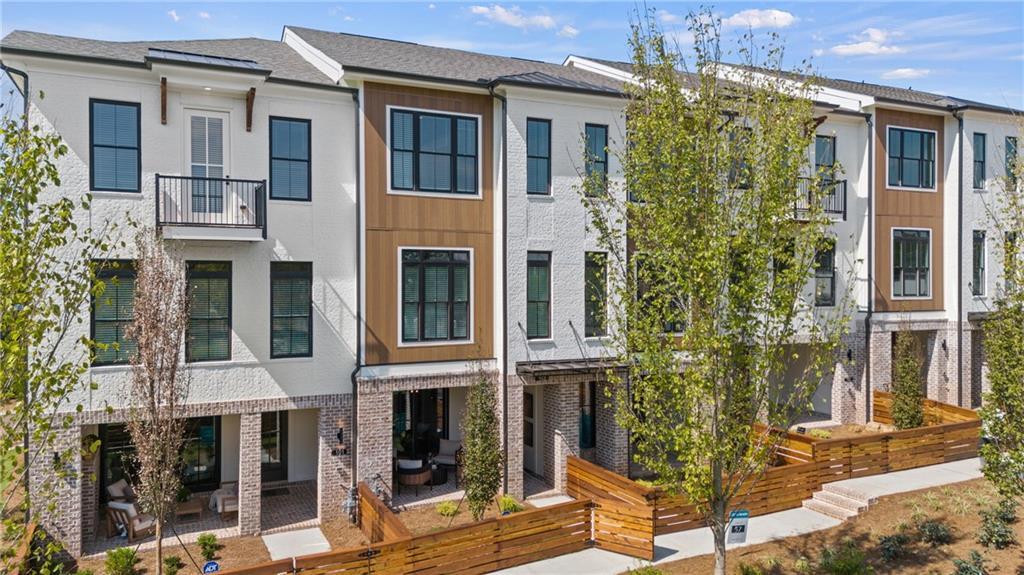
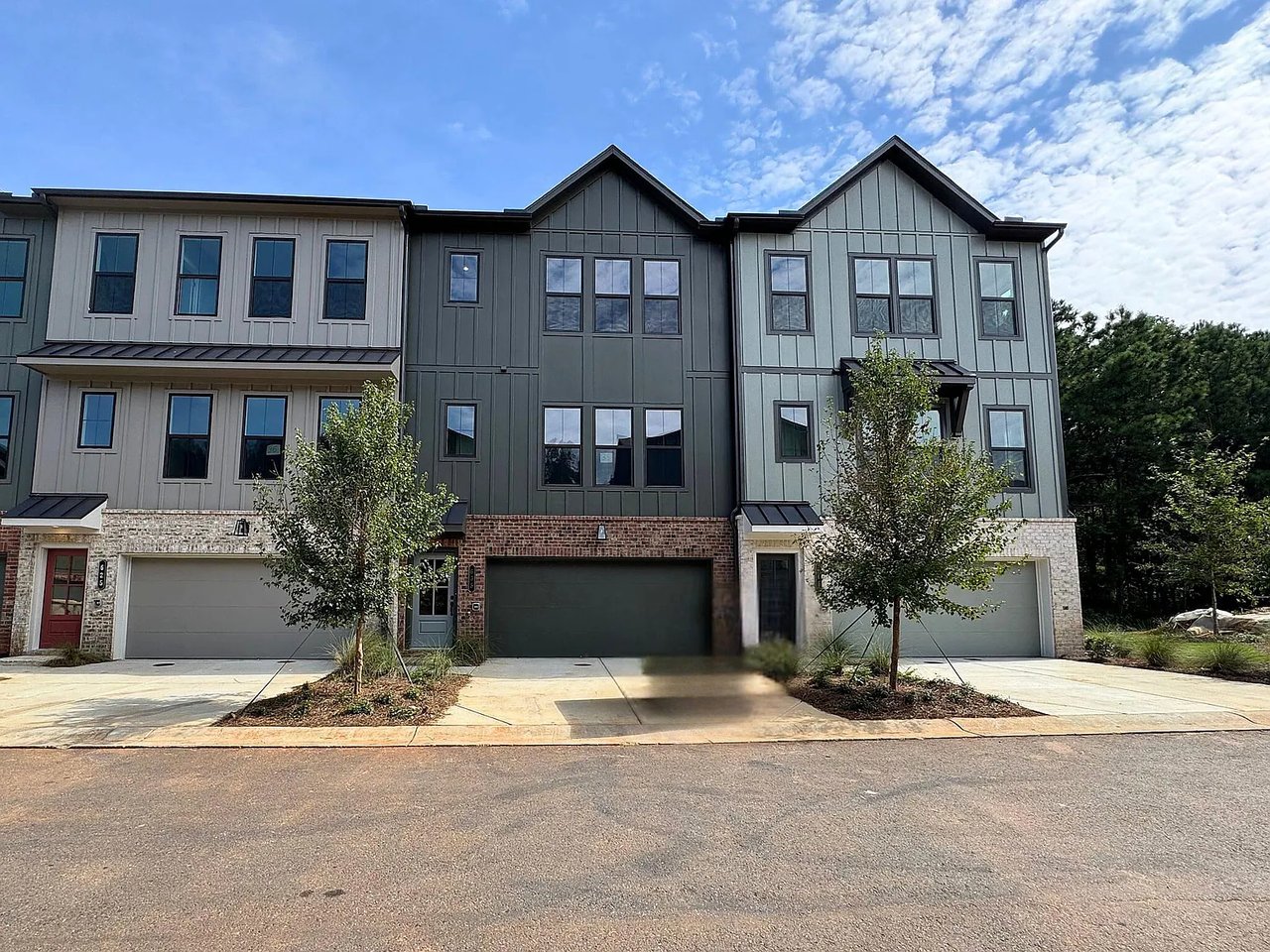
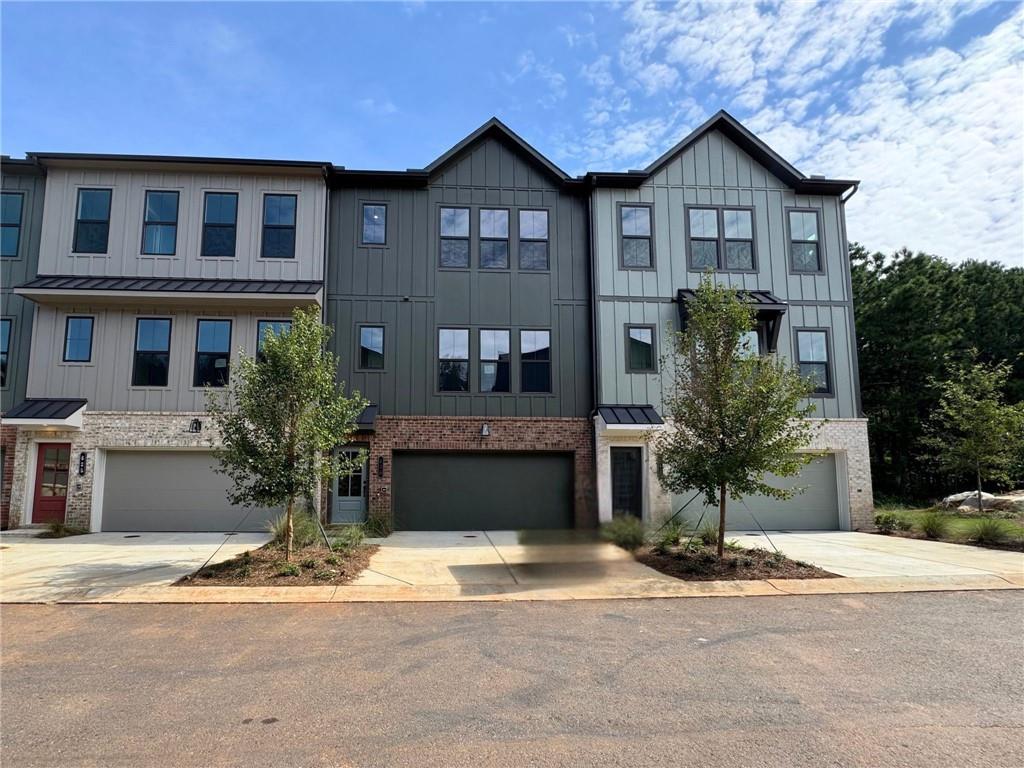
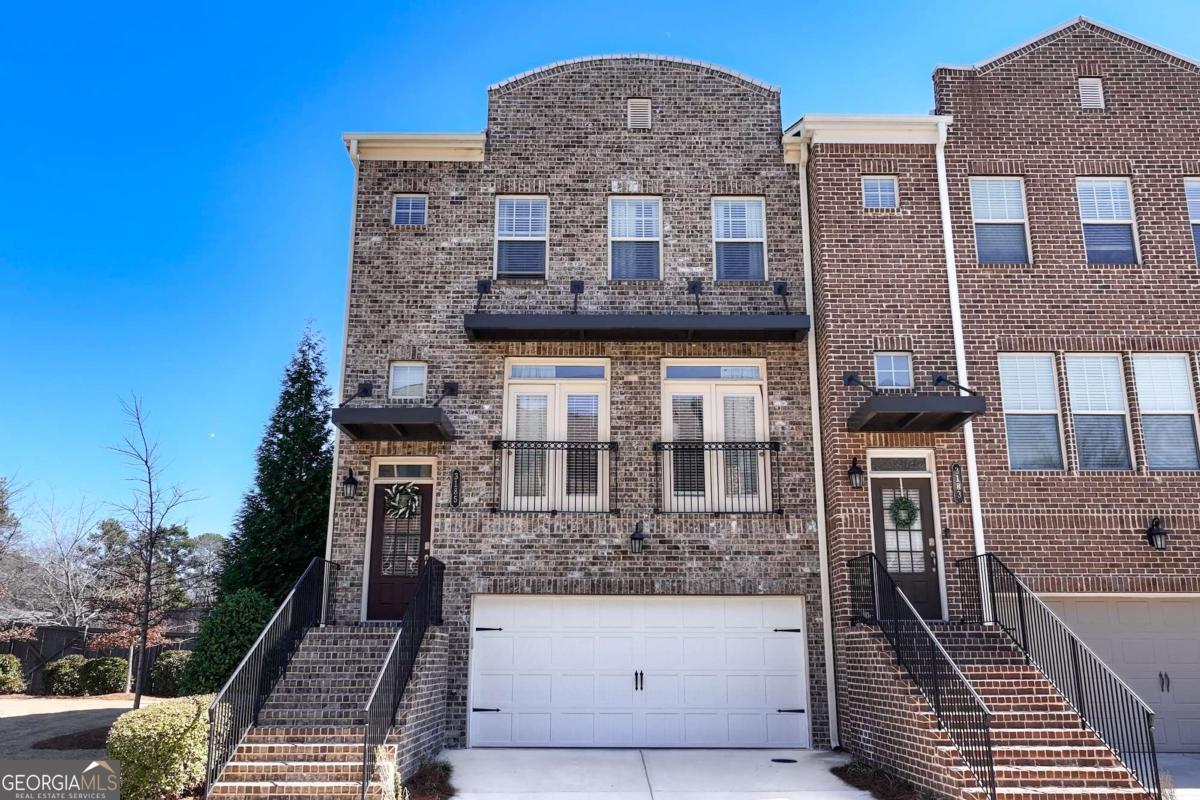
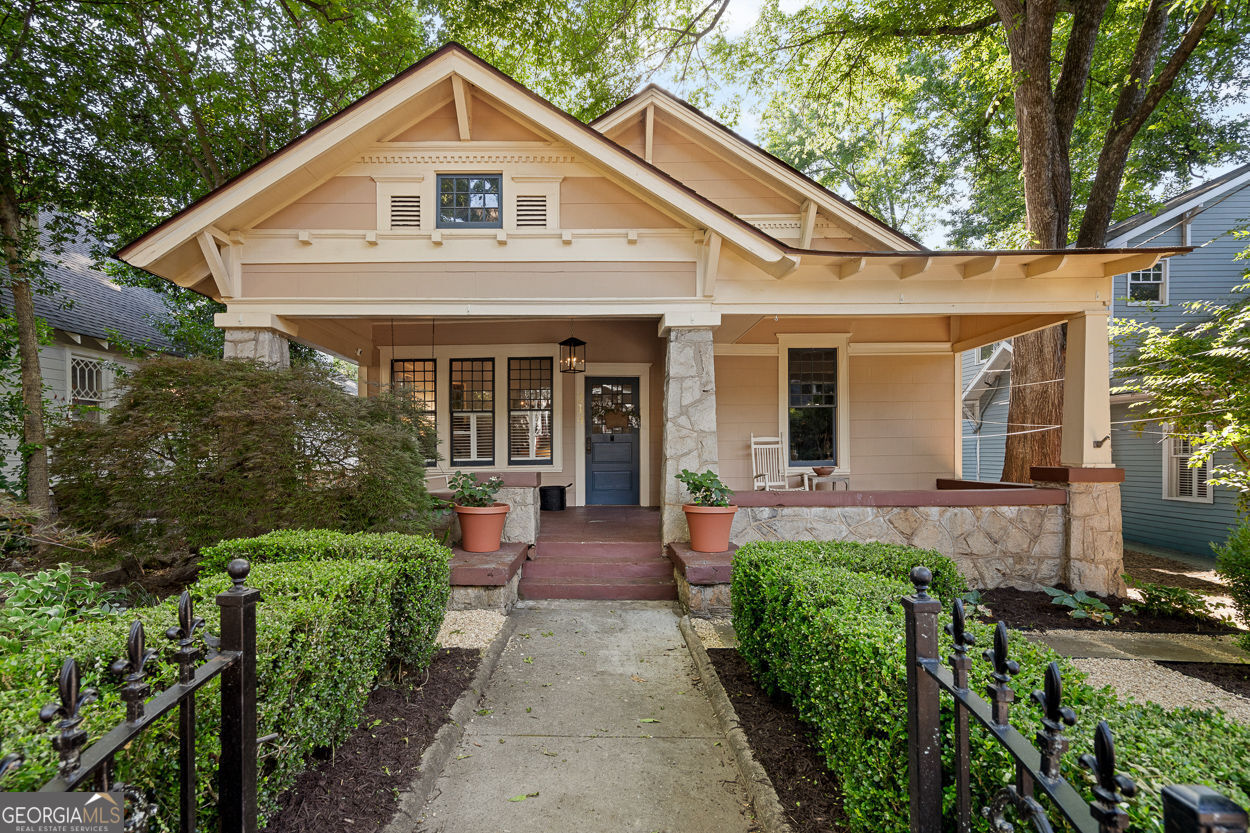
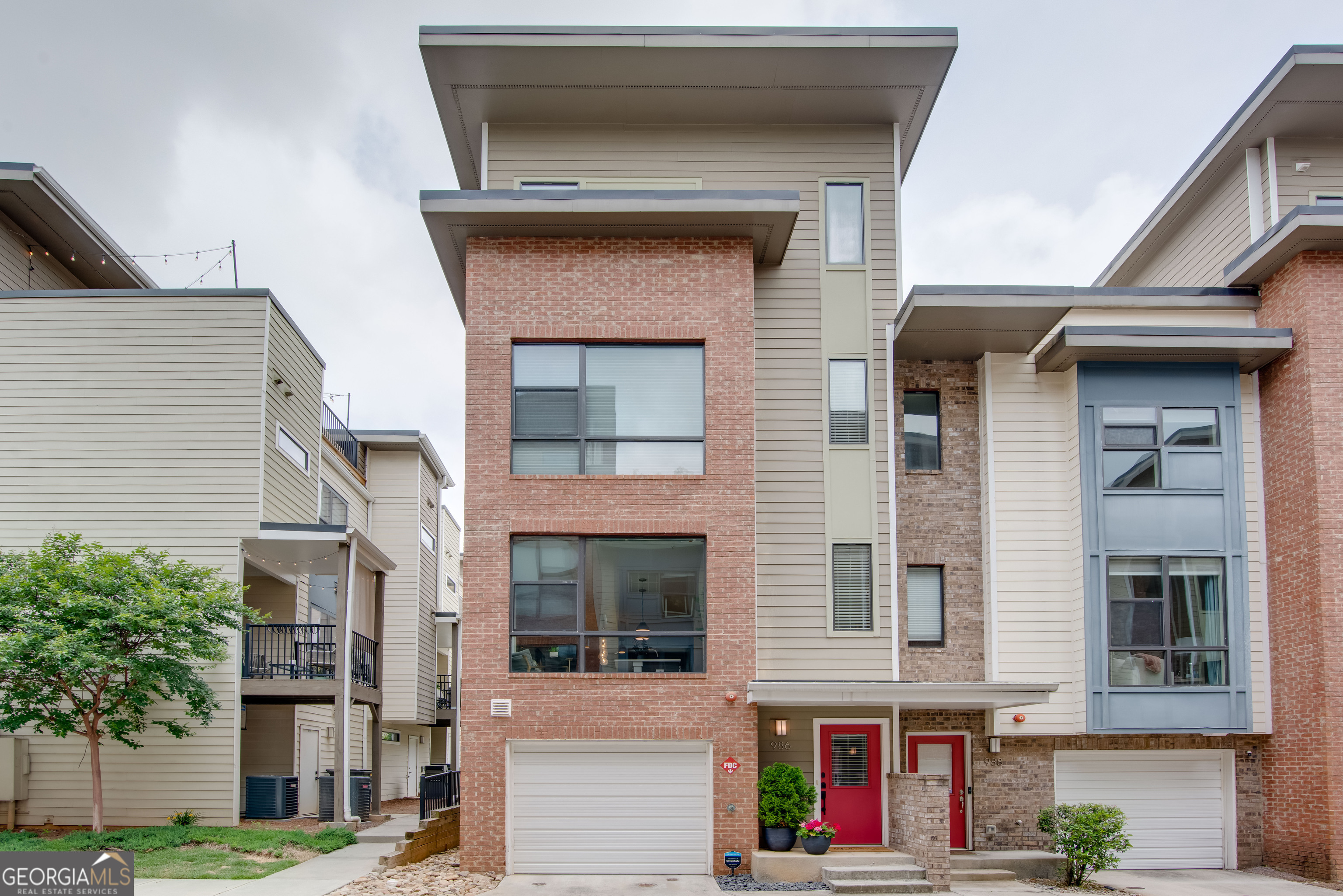
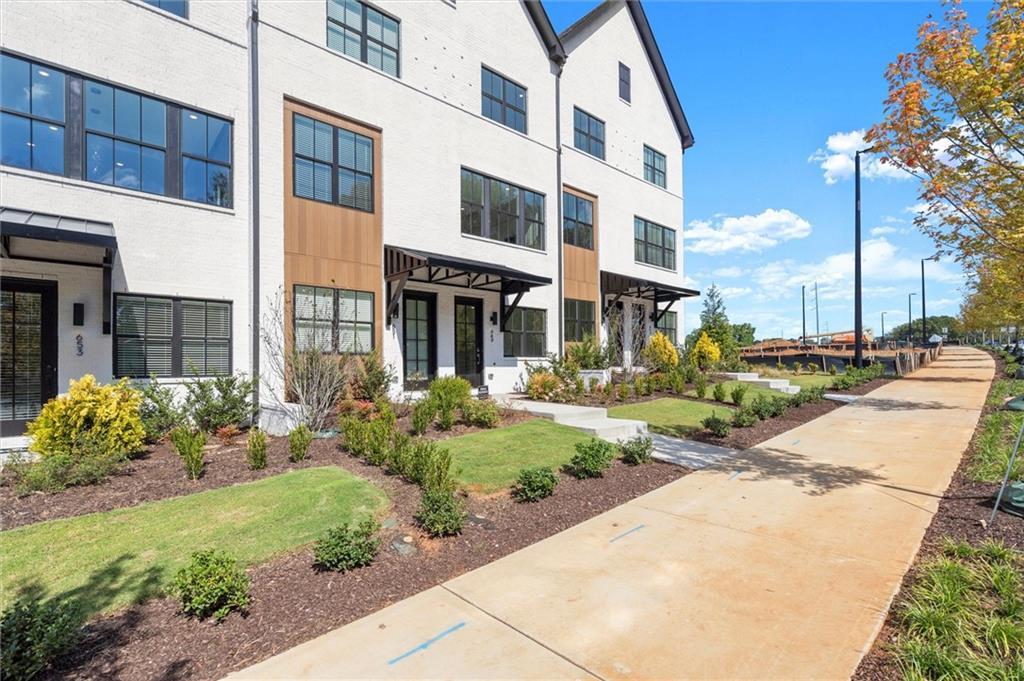
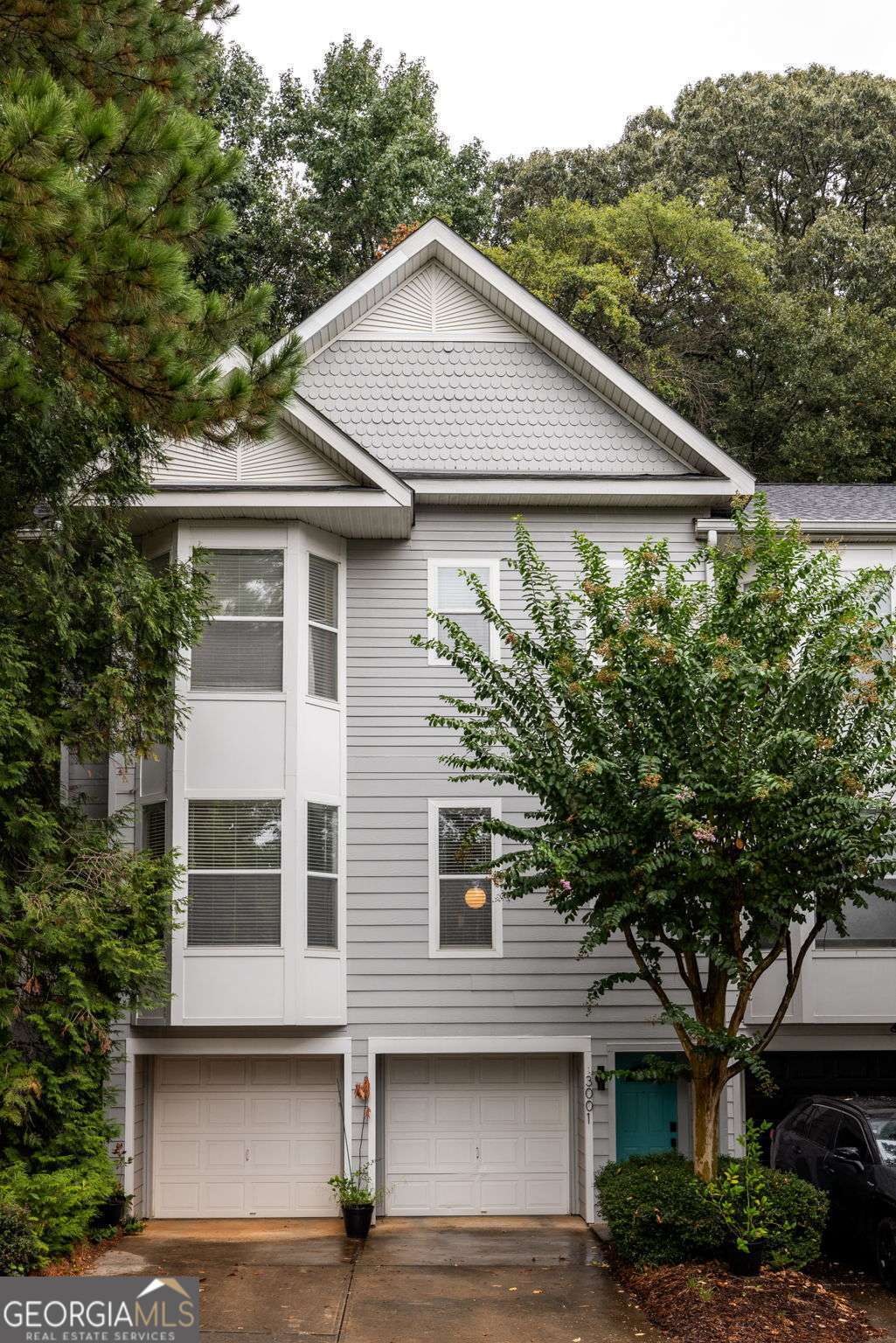
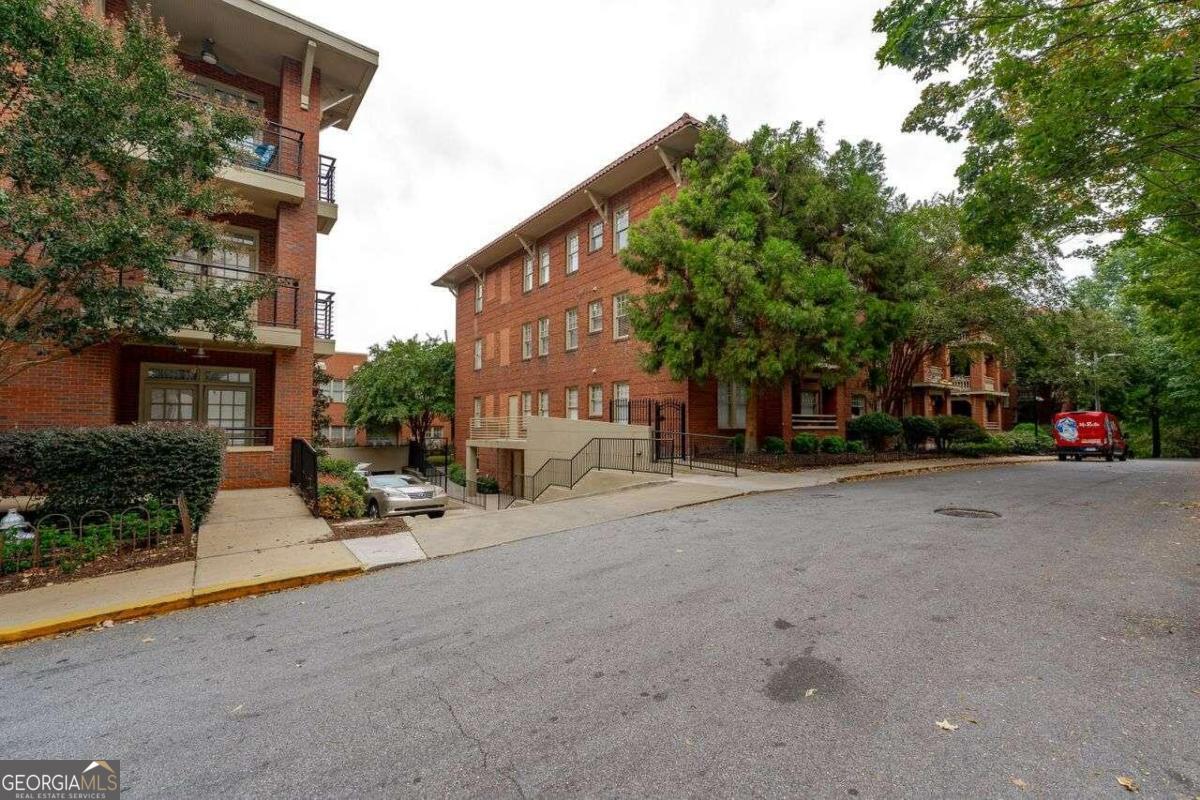
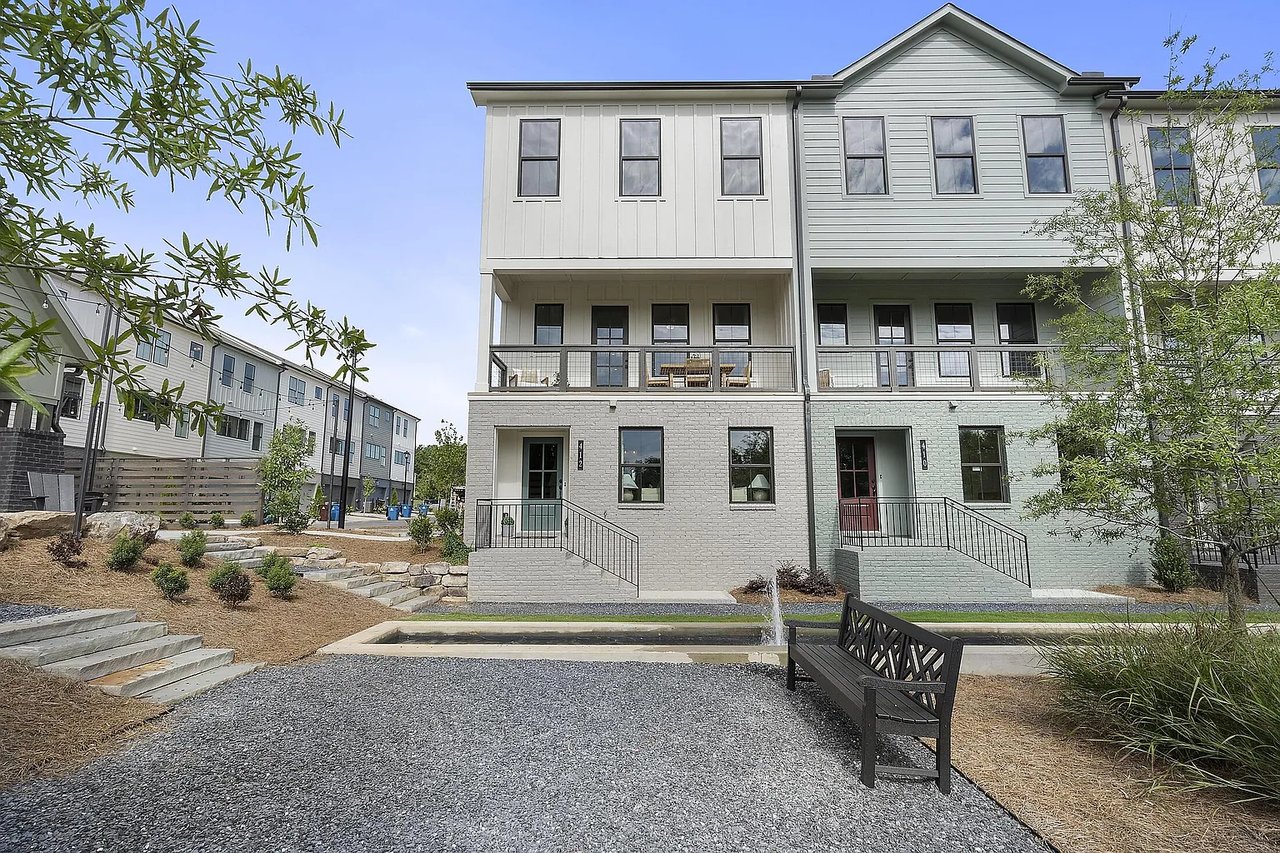
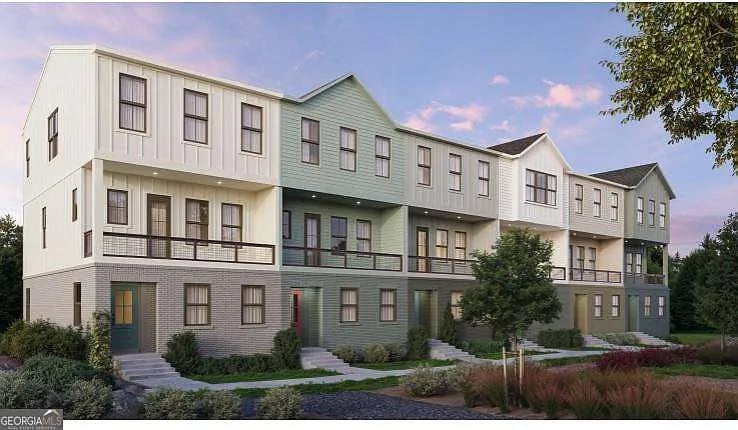
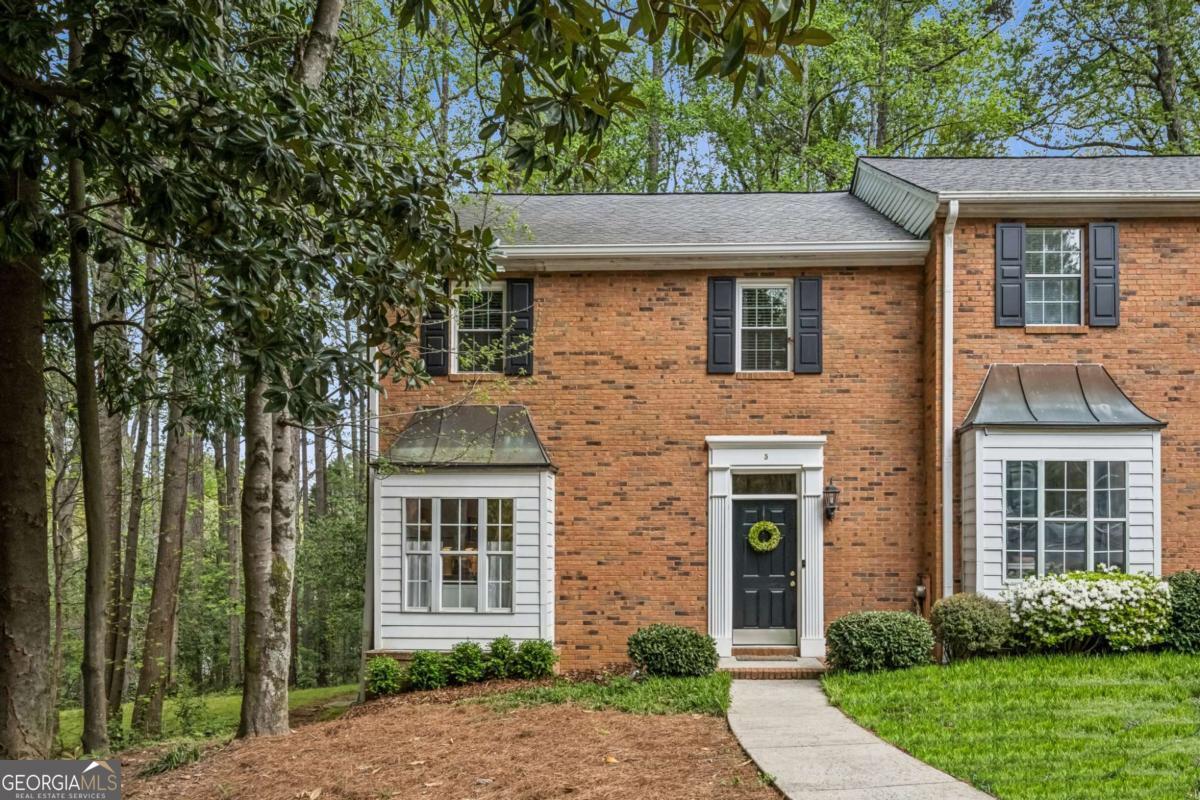
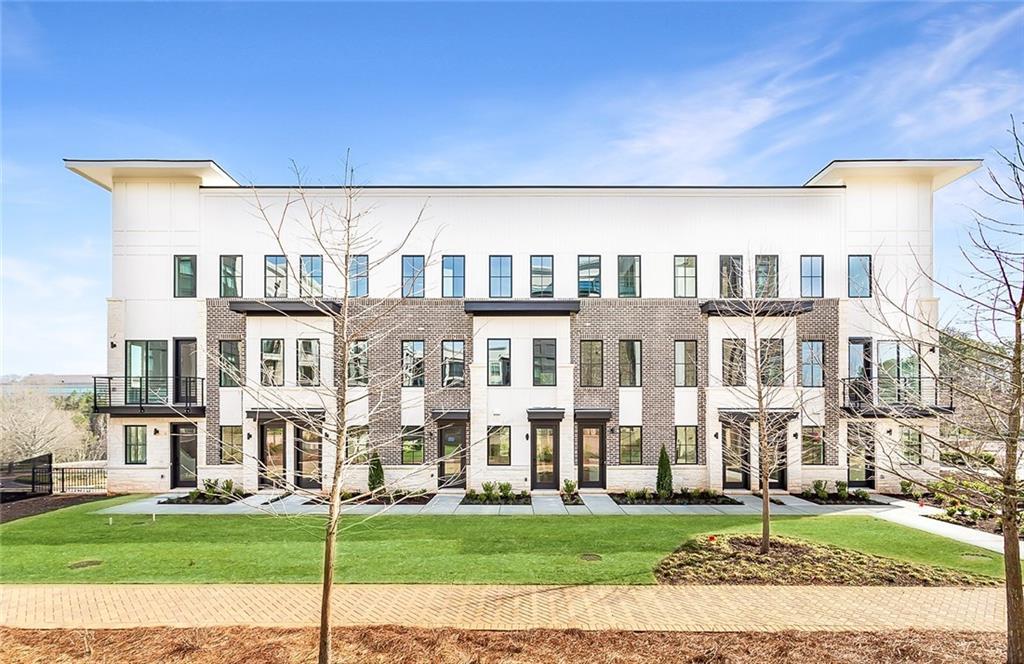
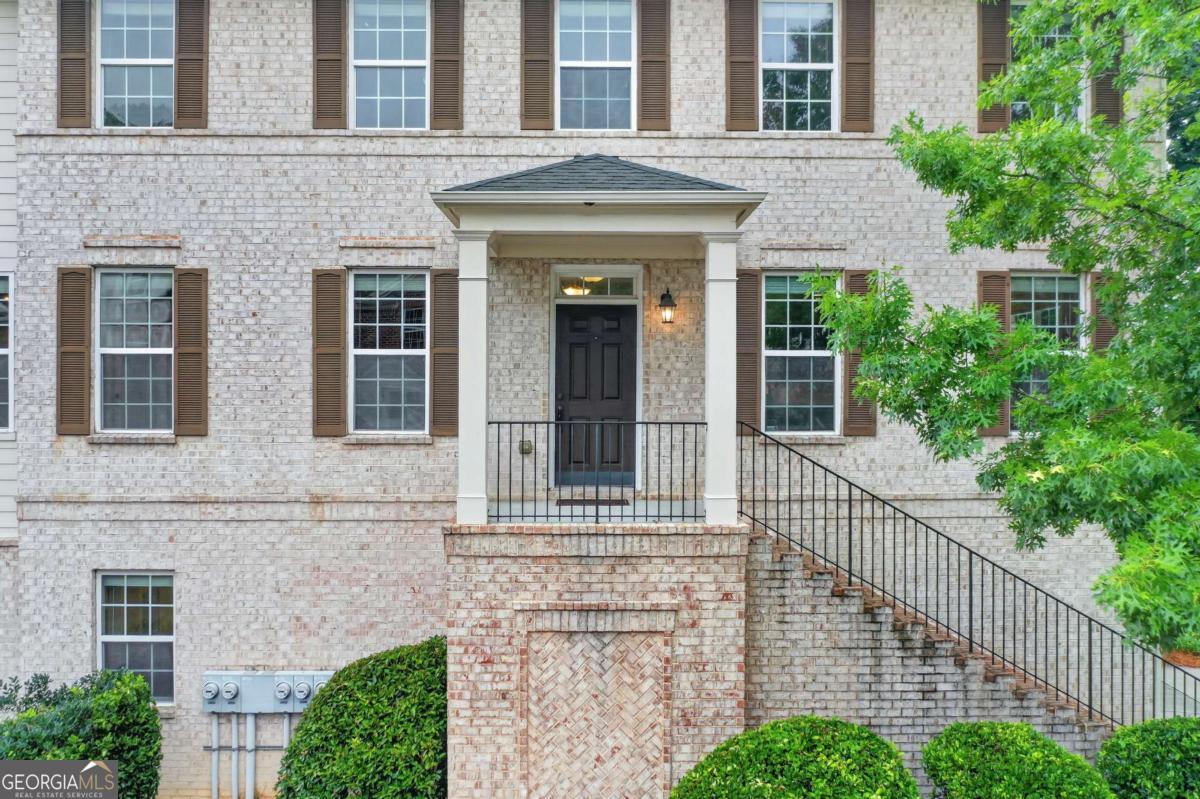
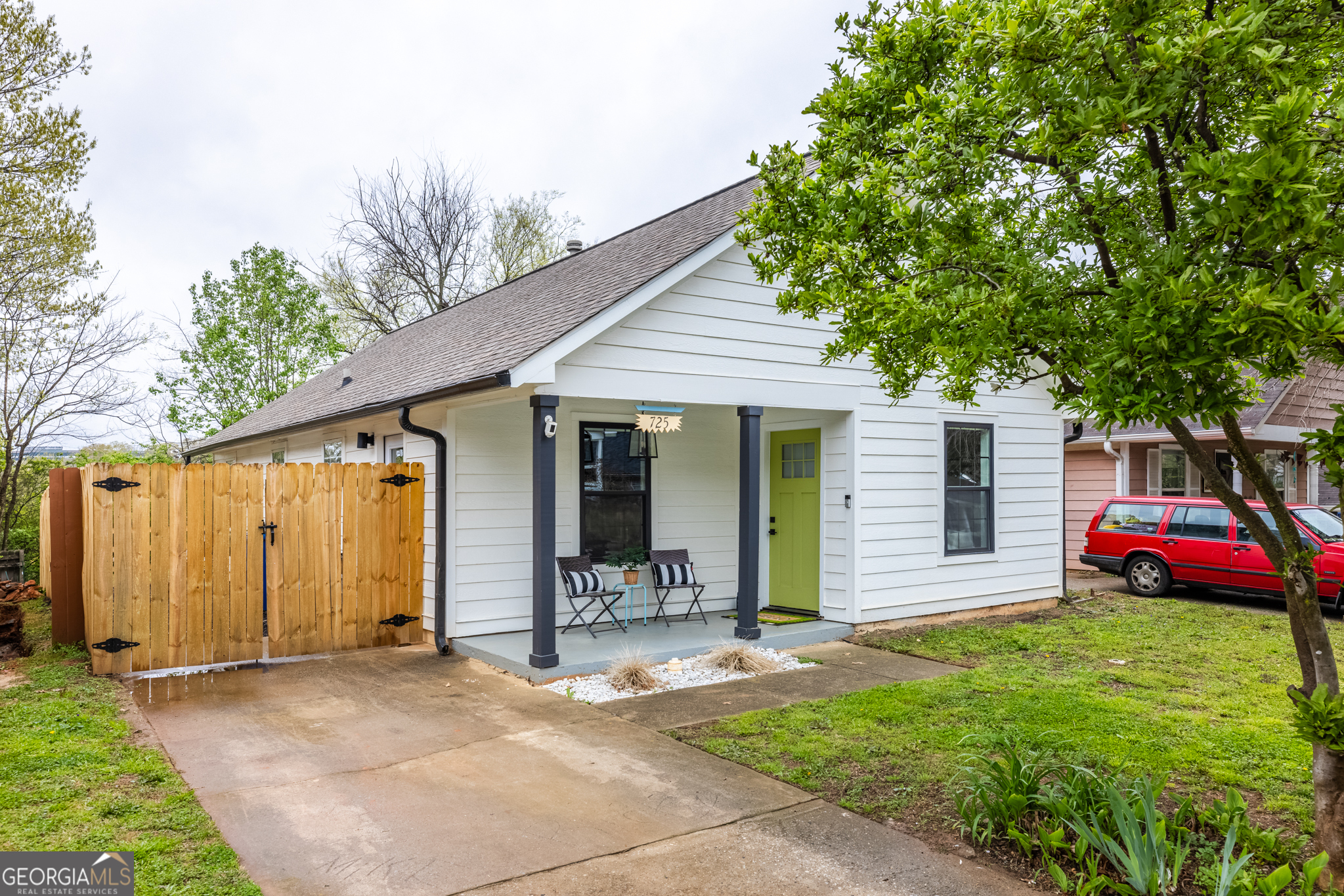
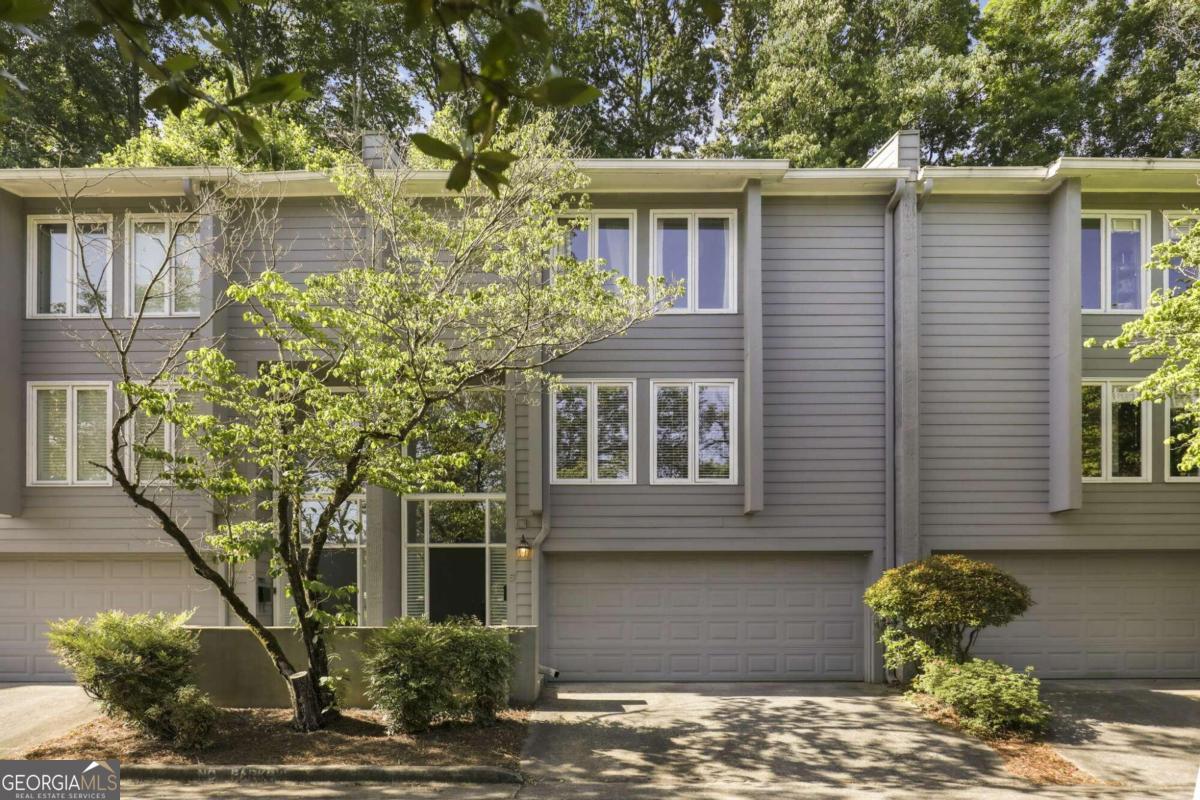
This area is characterized by high demand for townhomes, historic single-family bungalows, and newer infill builds. Its walkability to local restaurants, shopping, and community events makes it highly attractive to young professional tenants willing to pay a premium for lifestyle convenience. Investors here enjoy premium rental rates and excellent long-term appreciation potential, with some of the highest rent-per-square-foot metrics in Gwinnett County.
Cultural Draws of the Historic Core
The cultural draw of this pocket is unmatched. Residents can easily walk to local breweries, boutique shops, and cultural venues like Eddie Owen Presents at the Red Clay Music Foundry. This active civic core ensures that properties in the historic district maintain their desirability through all economic cycles, making it a low-risk option for long-term wealth preservation.
Sugarloaf Country Club & Executive Subdivisions
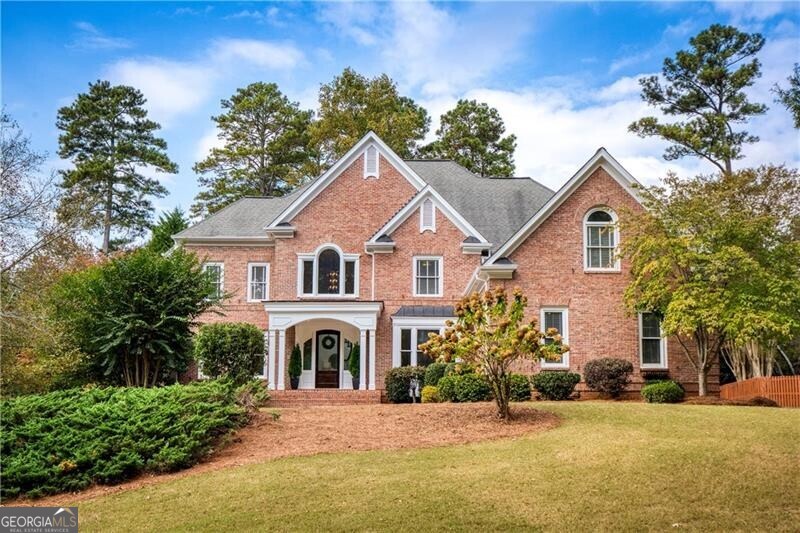
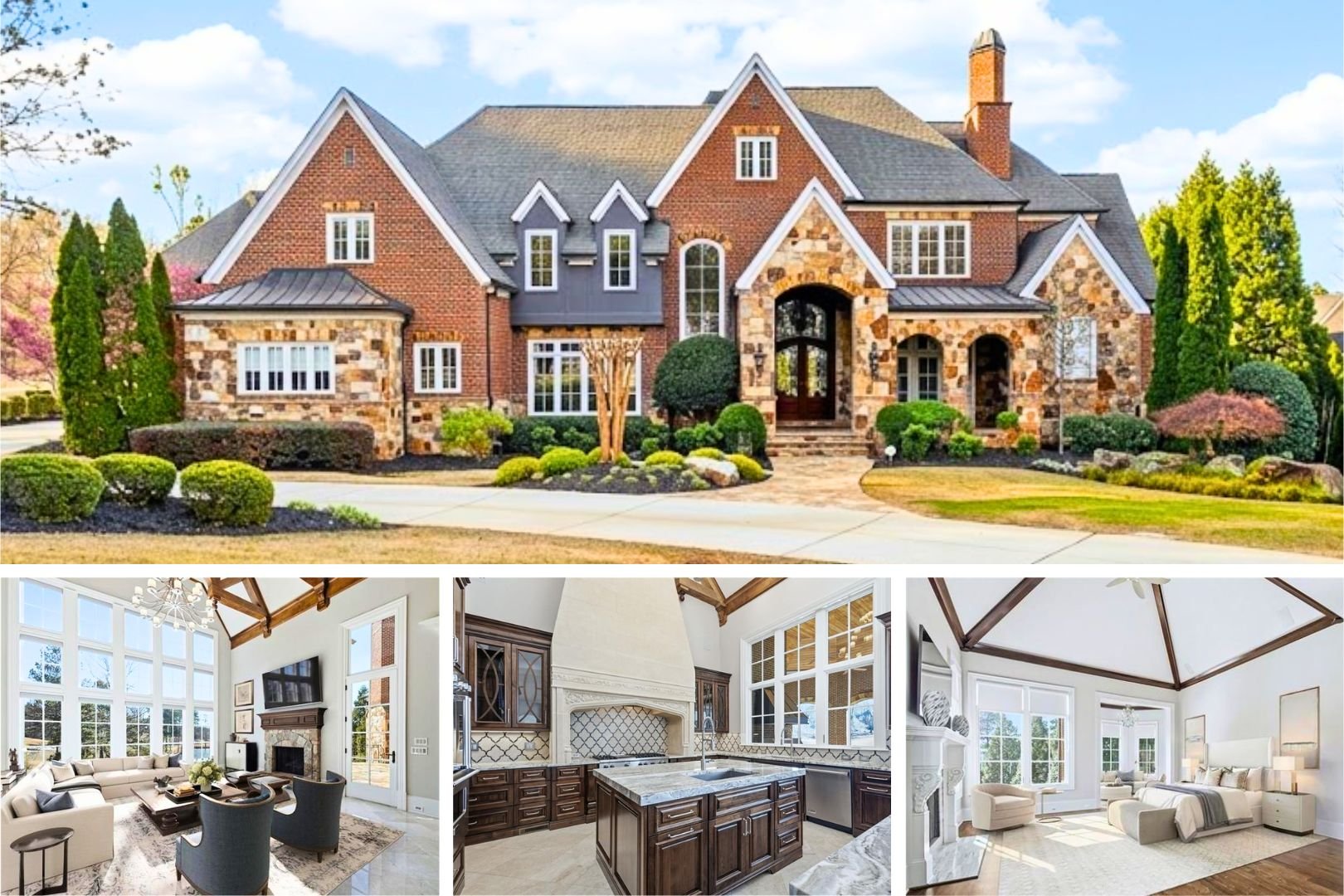
Located primarily in the northern portion of Duluth (Zip Code 30097), this luxury tier features an average home value of $723,669. Properties in this pocket are ideal for high-end executive rentals and corporate relocation housing, serving the influx of out-of-state professionals moving to work at nearby corporate headquarters. These gated communities offer top-tier security, golf course access, and expansive floor plans.

Entertainment and High-End Amenities
This prestigious corridor is situated near massive entertainment hubs like the Gas South District and The Hudgens Center for Art & Learning. While the entry price is significantly higher, properties in the Sugarloaf area cater to corporate executives, medical professionals, and professional athletes looking for premium, secure housing. This segment provides excellent opportunities for investors focused on high-end leasing and long-term asset appreciation.
Peachtree Industrial & Berkeley Lake Border Corridors
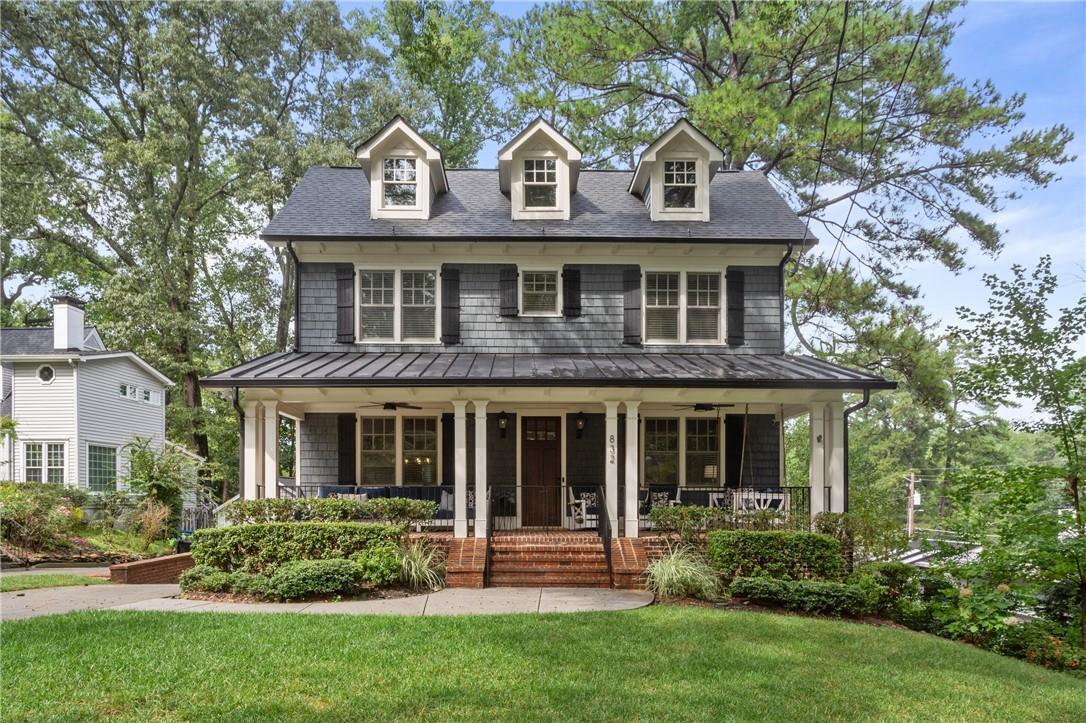
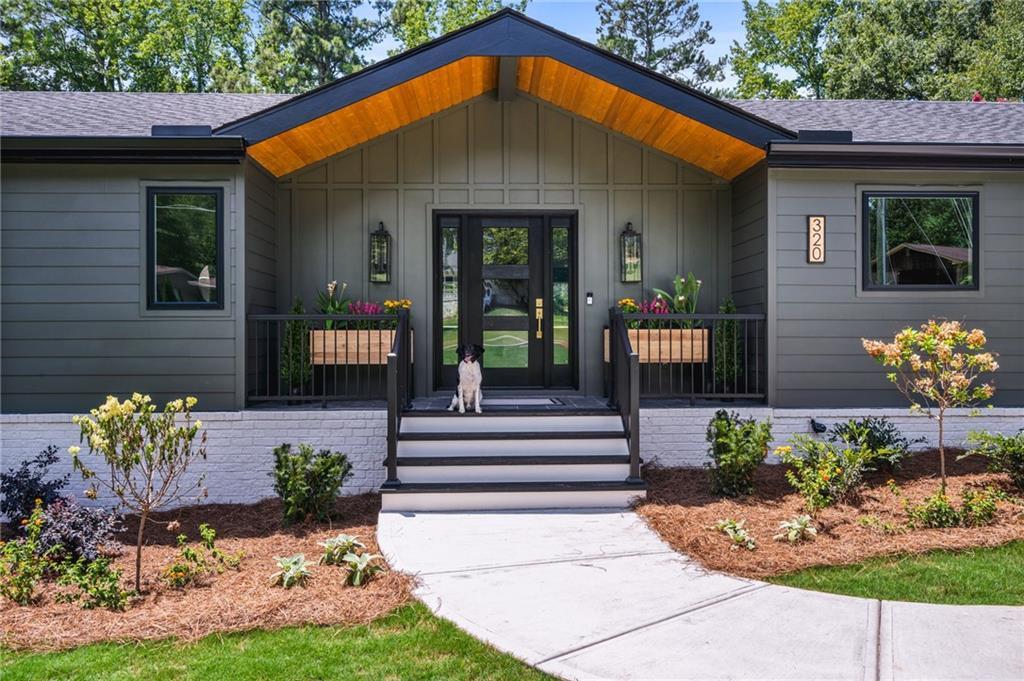
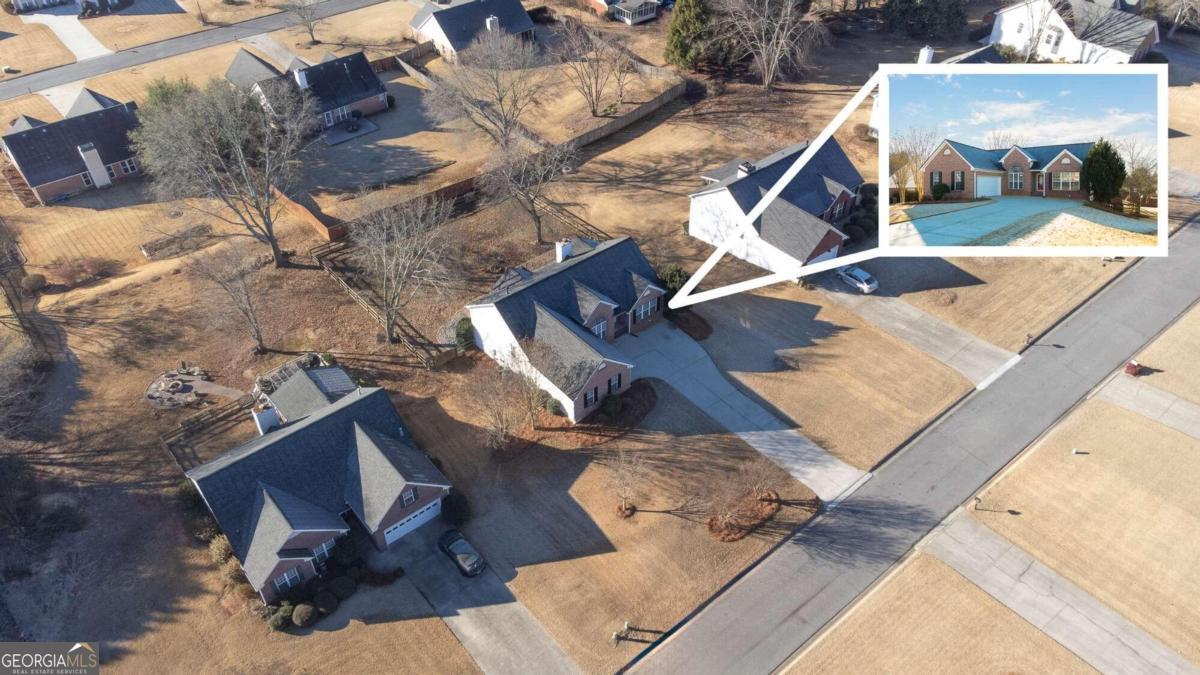
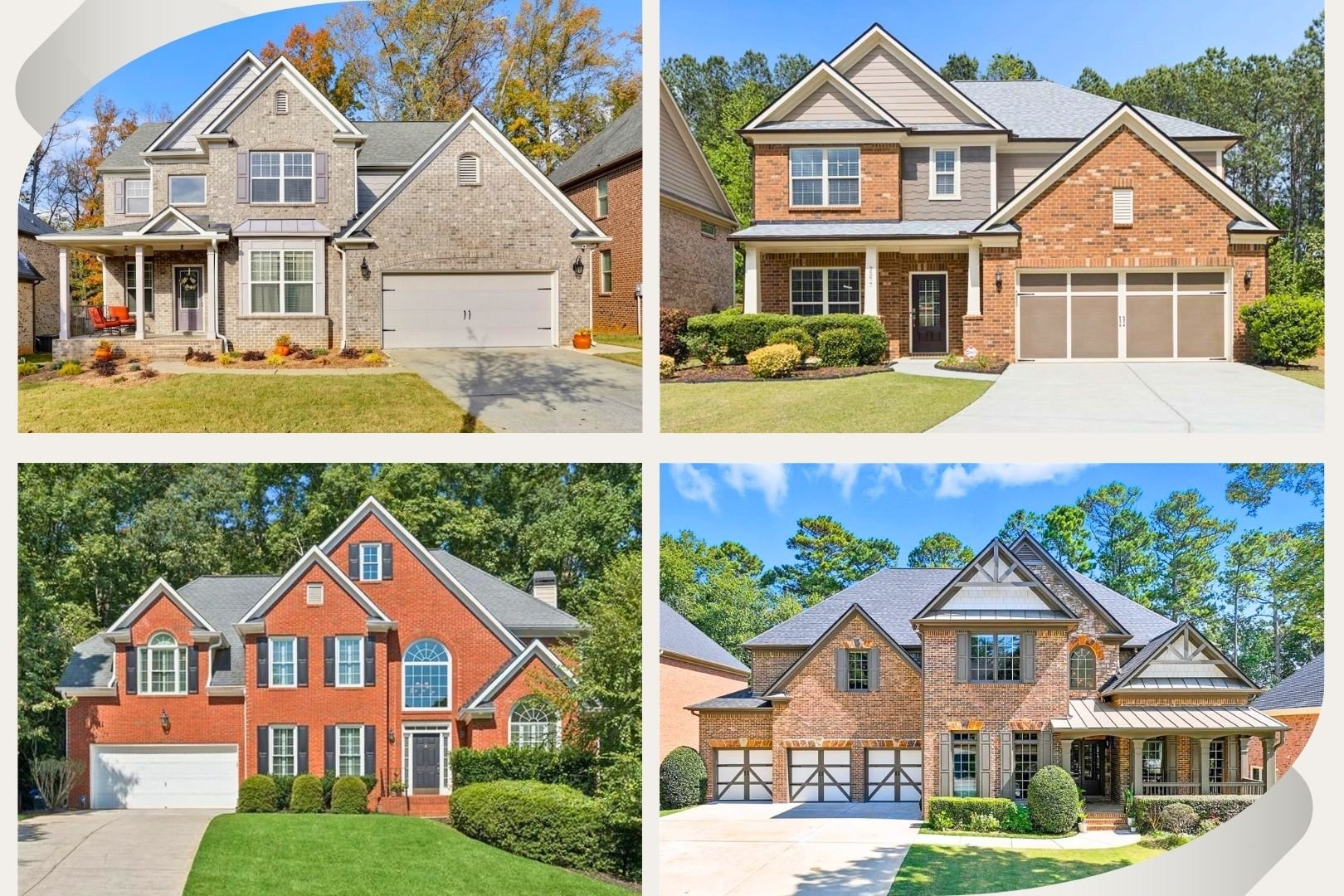
Mainly situated in Zip Code 30096, where the average home value is a more accessible $417,794. This pocket is filled with established, mid-tier subdivisions built primarily in the 1980s and 1990s. It represents the sweet spot for value-add investors looking to maximize their cash-on-cash returns. Properties here are prime targets for cosmetic renovations or long-term rental conversions.
Value-Add Opportunities and Parks
These neighborhoods offer lower entry prices and spacious lots, often featuring mature landscaping and quiet streets. Many homes in this corridor feature older finishes, making them prime targets for modern upgrades that immediately force equity appreciation and command higher market rents. Additionally, residents in this area enjoy proximity to beautiful local amenities like McDaniel Farm Park and the Southeastern Railway Museum, adding to the long-term appeal of the location.
Strategic Investment Approaches for Duluth in 2026
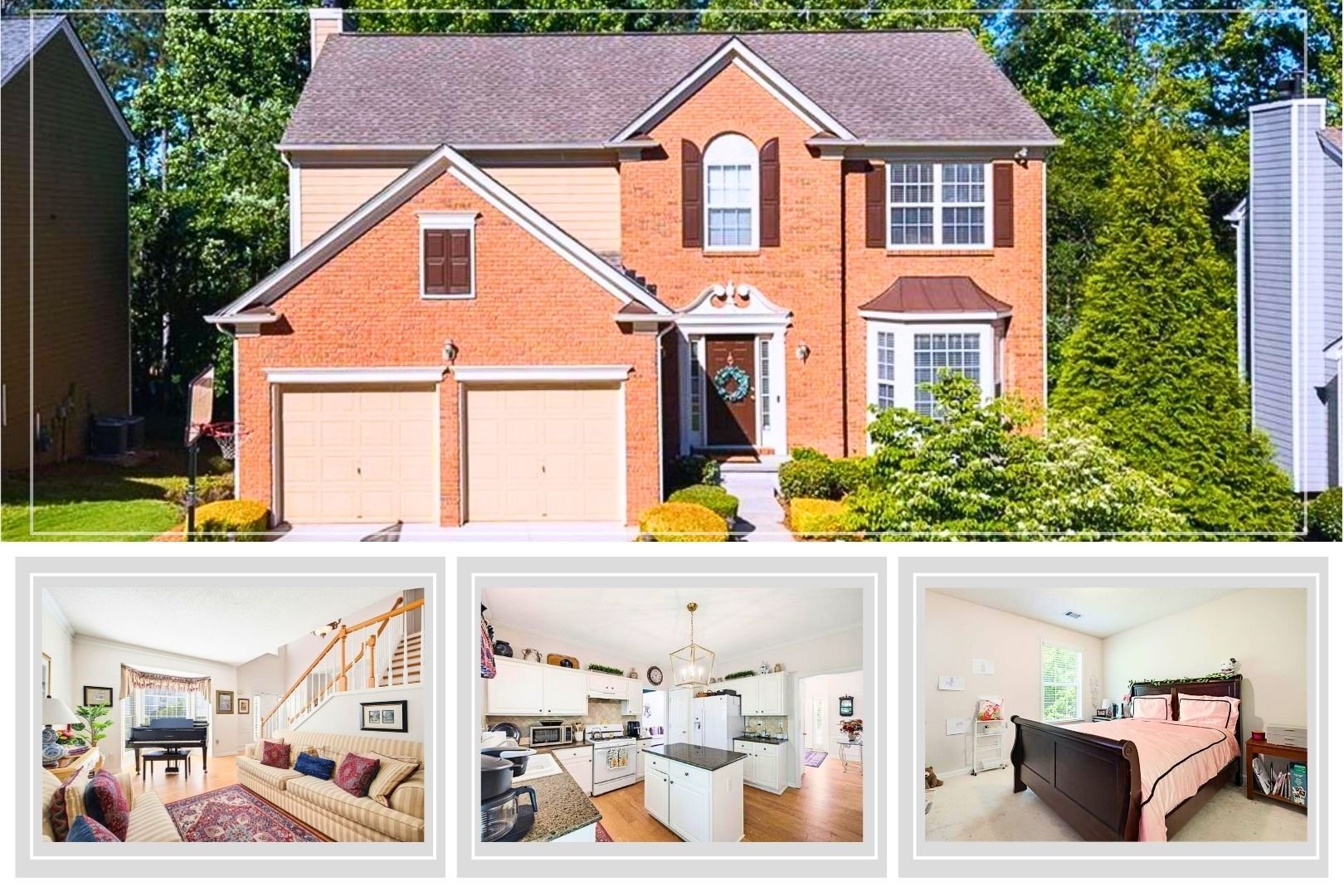
To maximize returns in the current market, investors should align their acquisitions with Duluth's unique demographic shifts and economic trends.
Long-Term Buy-and-Hold Strategy
Duluth’s demographic fundamentals strongly support a long-term buy-and-hold strategy. The city has a stable population of approximately 32,350 residents within Gwinnett County, which is rapidly approaching nearly one million people. This steady population growth ensures a consistent, long-term demand for housing across all price points.
Household Income and Financial Resilience
Crucially, Duluth's median household income stands at $95,331—which is 19.1% higher than the Georgia state median of $79,991. This high-income demographic ensures that tenants are financially resilient, reducing the risk of rent defaults and ensuring stable, predictable cash flow for landlords. By acquiring mid-tier single-family homes and letting Gwinnett County's strong demographics drive consistent rental increases, buy-and-hold investors can build substantial long-term wealth.
PRO TIP: Look for homes built in the 1980s or 1990s with unfinished basements. Converting these into daylight basements or in-law suites can instantly boost your property value and provide a dual-income stream from a single asset.
House Hacking and Multi-Generational Properties
Duluth is a beautifully diverse, multicultural community. Demographic data reveals that 30.9% of Duluth residents are foreign-born, and 38.3% of households speak a language other than English at home. This rich cultural diversity drives a strong local demand for multi-generational living arrangements and flexible housing designs.
Flexible Housing Solutions
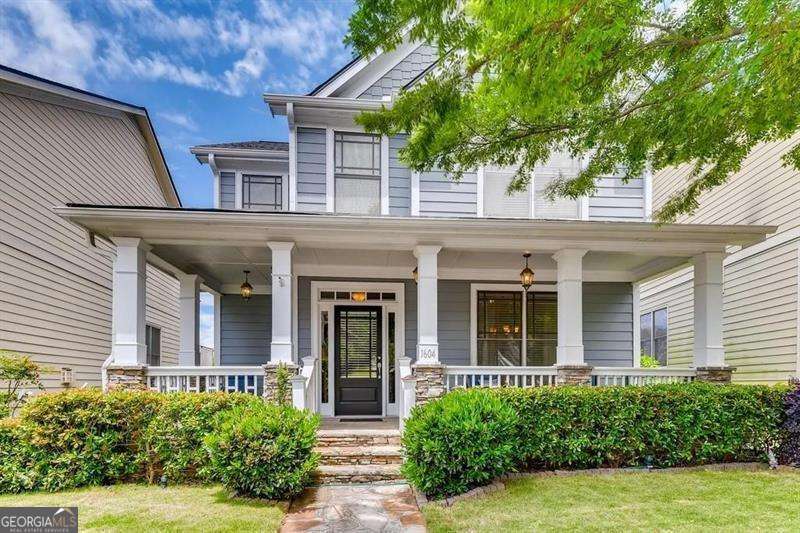
Savvy investors can target single-family homes with finished daylight basements, separate kitchenettes, or accessory dwelling units (ADUs). These properties are highly sought after by multi-generational families and are perfect for house hacking strategies, where an owner-occupant rents out a portion of the home to significantly offset their mortgage. This approach is particularly effective in Duluth's high-rent environment, allowing buyers to build equity rapidly while minimizing their monthly living expenses.
Frequently Asked Questions (FAQs) About Duluth, GA Real Estate Investing

Is Duluth, GA a buyer's or seller's market in 2026?
The 2026 market is highly balanced. With inventory sitting between 2.5 and 3.5 months and days on market hovering around 44 days, buyers are no longer forced to make rushed decisions and can negotiate favorable terms, such as seller concessions or repair credits. However, low overall inventory levels prevent it from sliding into a buyer's market, ensuring that property values remain stable and protect investor equity.
What are the typical property tax rates in Gwinnett County for investors?
In Georgia, property taxes are assessed at 40% of the property's fair market value. For a property located inside the city limits of Duluth, the tax bill is calculated using a combination of millage rates, including the Gwinnett County General Fund, Gwinnett County Public Schools, and the City of Duluth municipal rate, bringing the total combined millage rate to approximately 38.15 mills. Investors must note that non-owner-occupied rental properties do not qualify for Gwinnett’s Homestead Exemption, meaning the full, unexempted millage rate must be factored into net operating income (NOI) calculations.
Which property types perform best in the Duluth rental market?
Three- to four-bedroom single-family detached homes with fenced backyards consistently perform the best. These homes attract stable, long-term family tenants who want to establish roots within the Gwinnett County Public Schools district. This demographic typically signs multi-year leases, resulting in lower vacancy rates, minimal wear-and-tear, and higher net operating income compared to smaller, transitionary apartments.
Are there strict HOA regulations in Duluth subdivisions?
Yes. A significant portion of Duluth’s suburban housing stock is located within master-planned subdivisions managed by Homeowners Associations (HOAs). Many of these HOAs enforce strict leasing covenants, which may include caps on the total percentage of rented homes allowed in the neighborhood, or require a waiting period before a property can be leased. Investors must thoroughly review the community's Covenants, Conditions, and Restrictions (CC&Rs) during their contract due diligence period to ensure the property can be used as a rental.
How does Duluth's public transit and commute times affect property values?
Duluth offers excellent regional connectivity via major thoroughfares like Peachtree Industrial Boulevard and Interstate 85, allowing residents to utilize Gwinnett County Transit for local and commuter bus routes. The mean commute time for Duluth residents is a highly manageable 29.9 minutes. Proximity to these major transit corridors supports robust property values, as local residents can easily commute to major employment hubs in Buckhead, Midtown, and Downtown Atlanta.
Conclusion

Investing in Duluth, Georgia real estate in 2026 offers a compelling combination of risk mitigation and long-term wealth building. Backed by Gwinnett County's robust job market, a low unemployment rate of 2.7%, a high median household income of $95,331, and the massive Gwinnett County Public Schools system, the city continues to attract premier tenant demographics. As market numbers normalize and days on market extend to 44 days, strategic investors have a unique window of opportunity to acquire high-performing assets that will yield steady cash flow and reliable appreciation for years to come.
If you are looking to expand your investment portfolio or explore the diverse housing options in this thriving market, please reach out to our team to discuss your real estate goals.