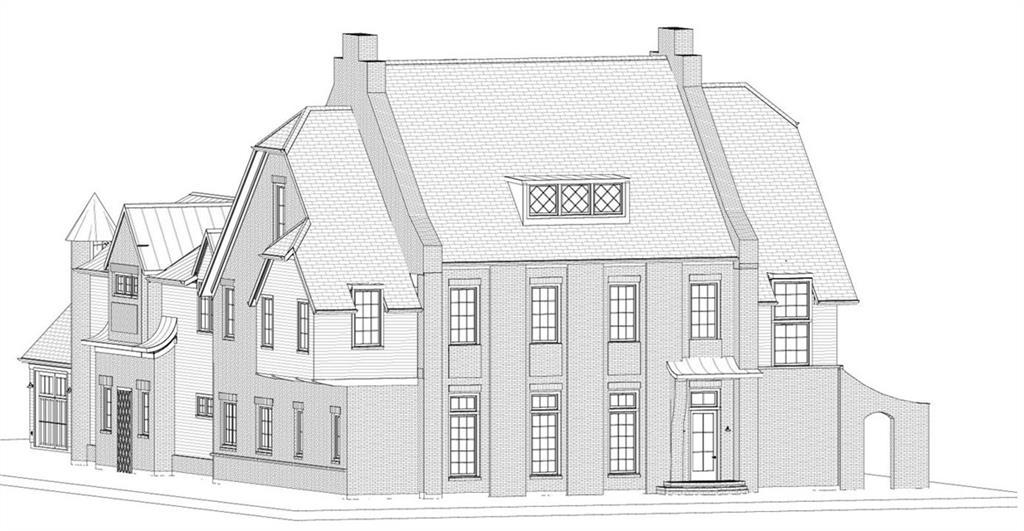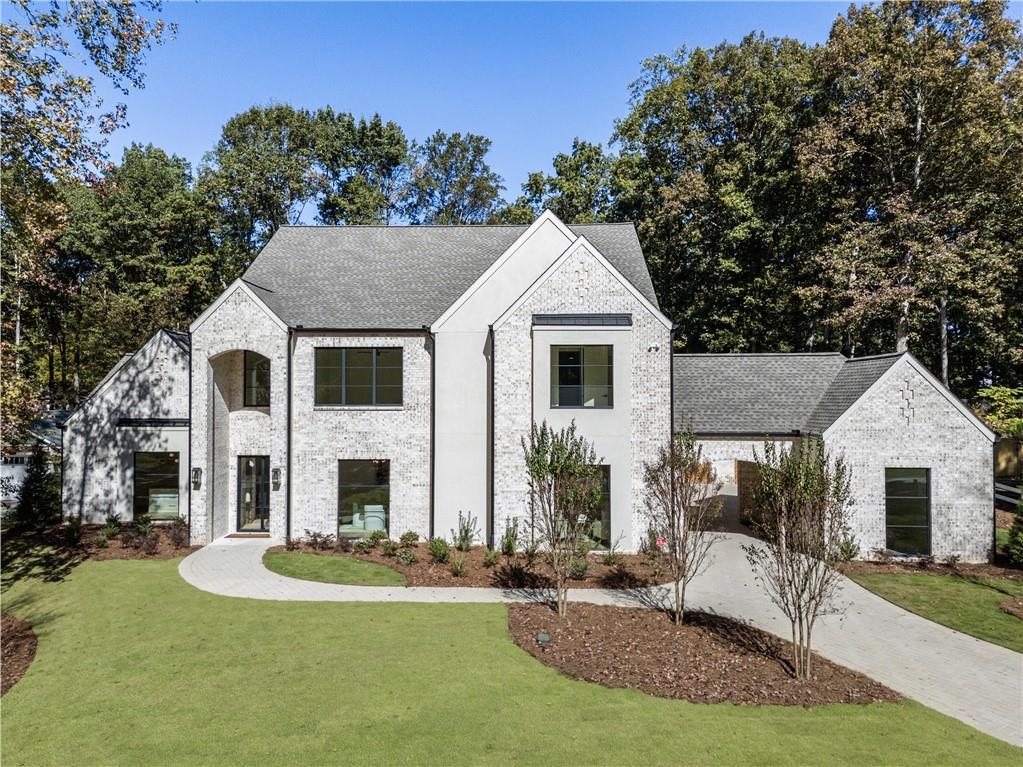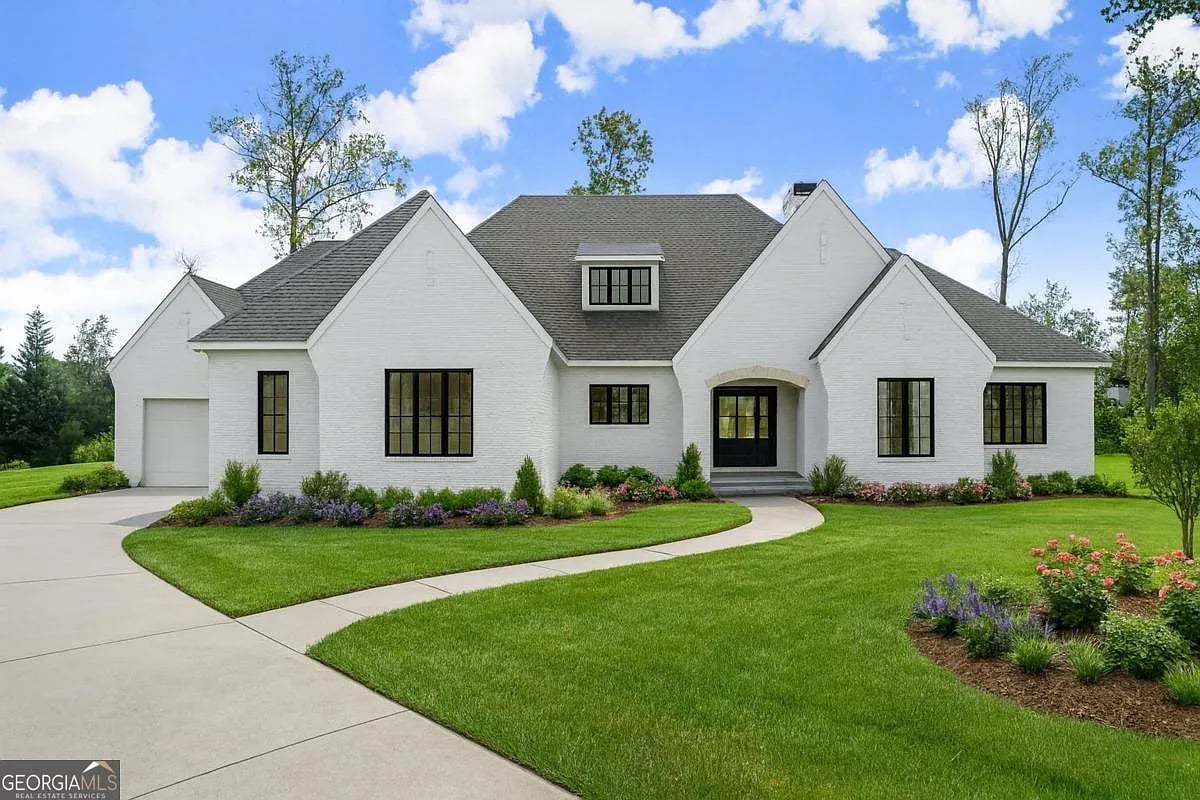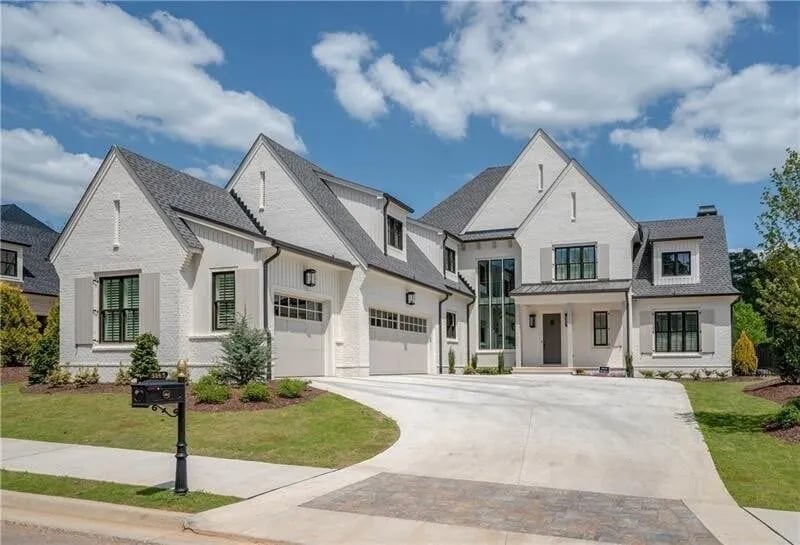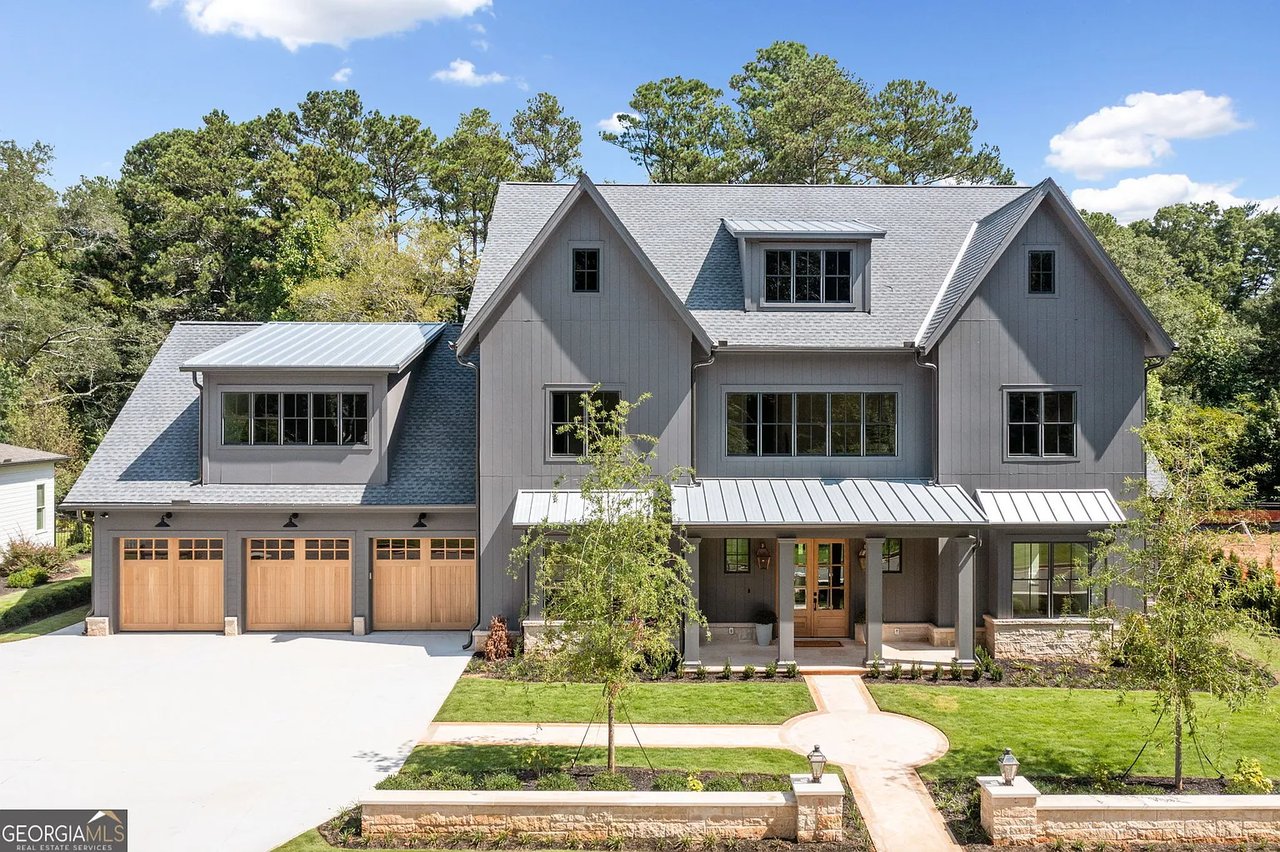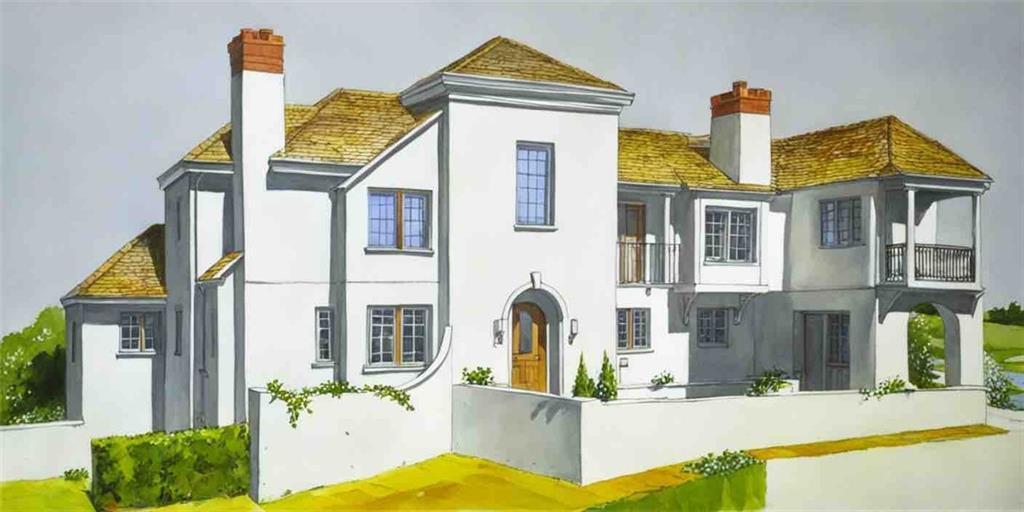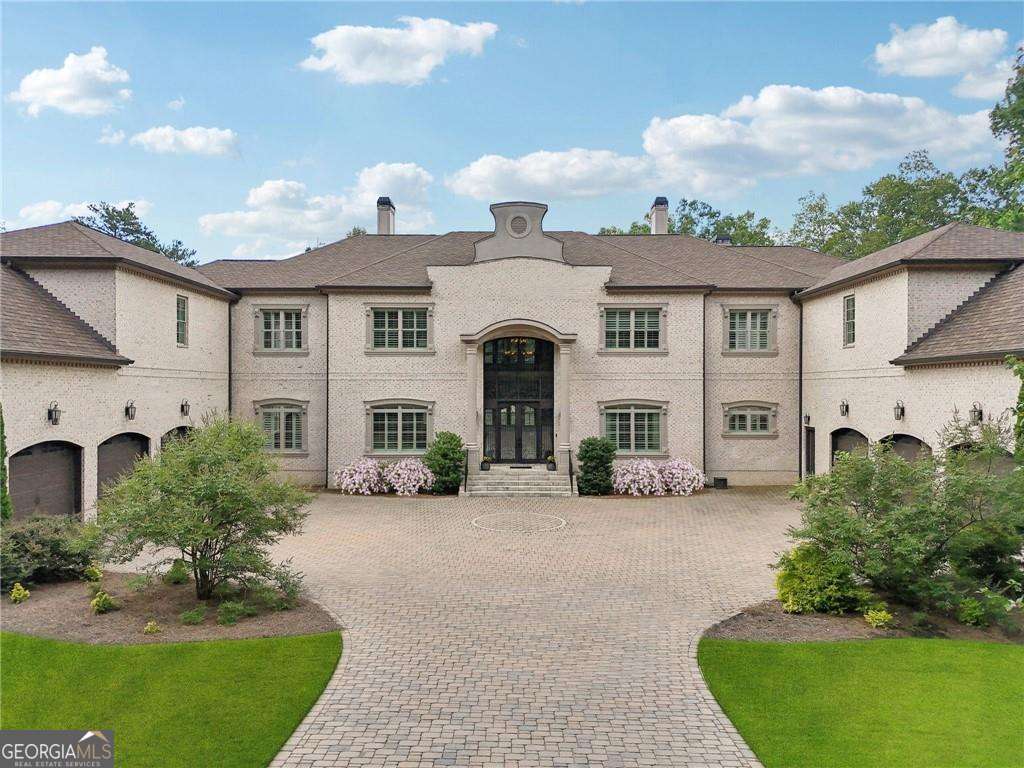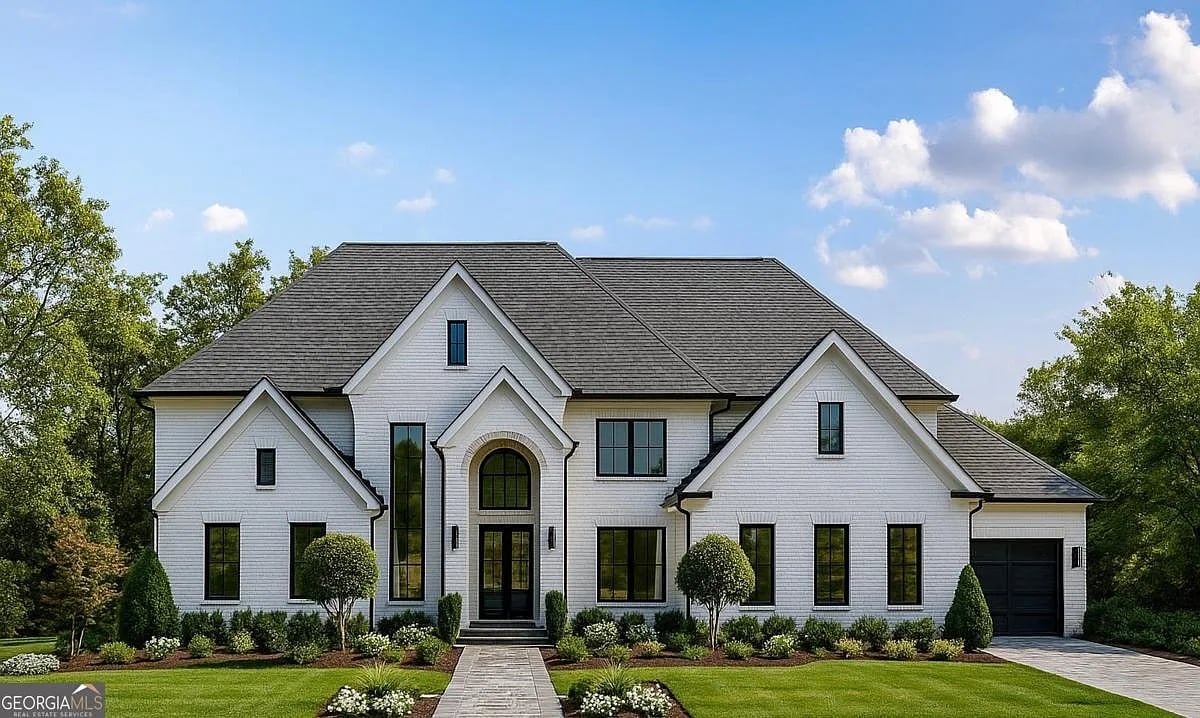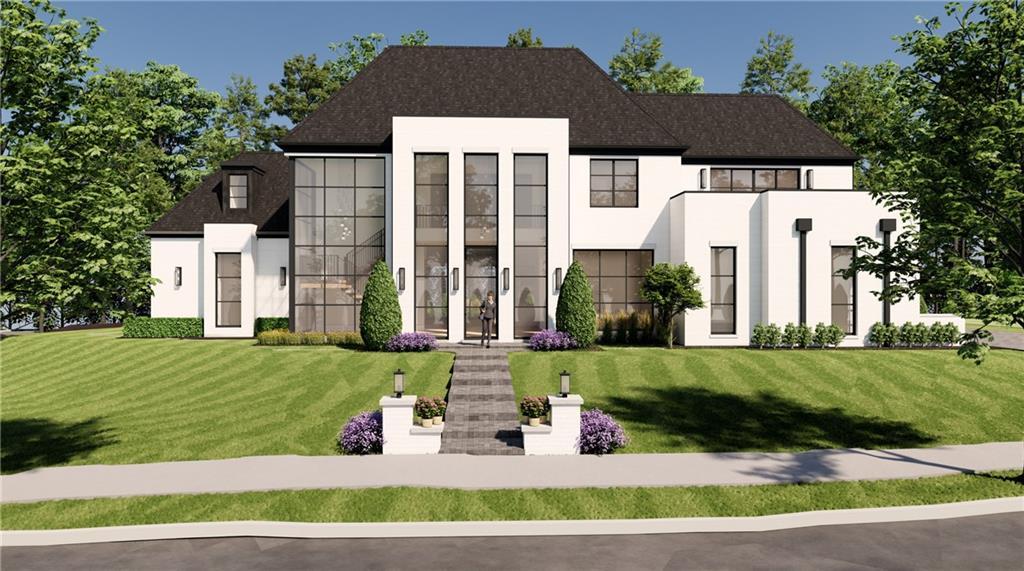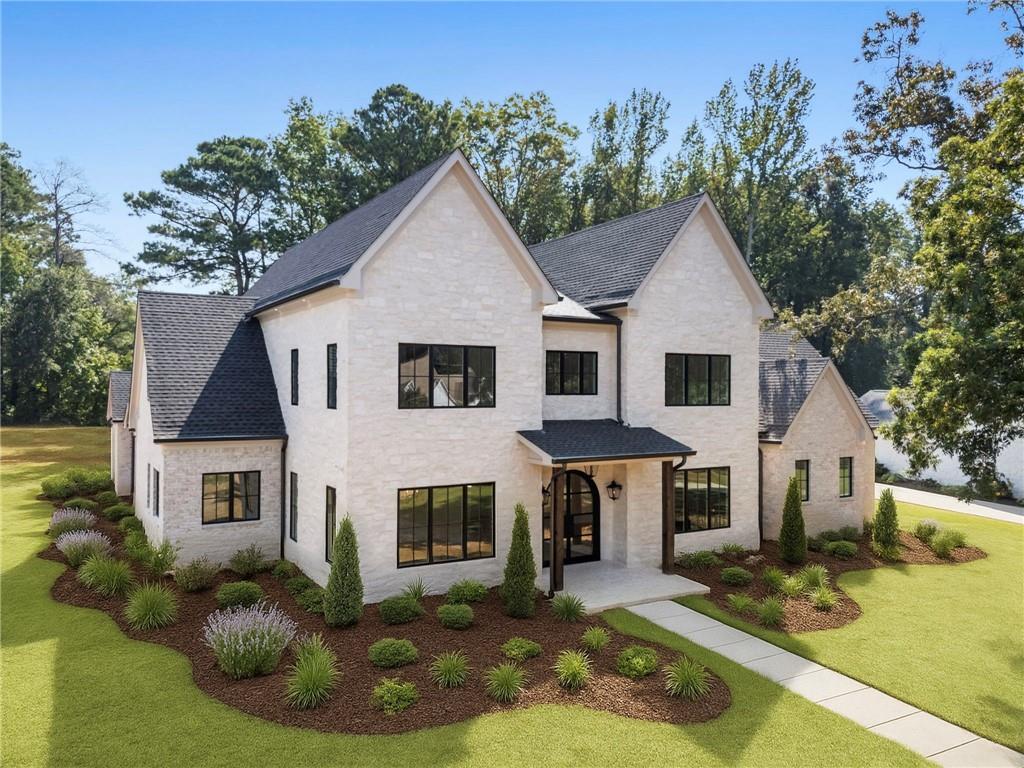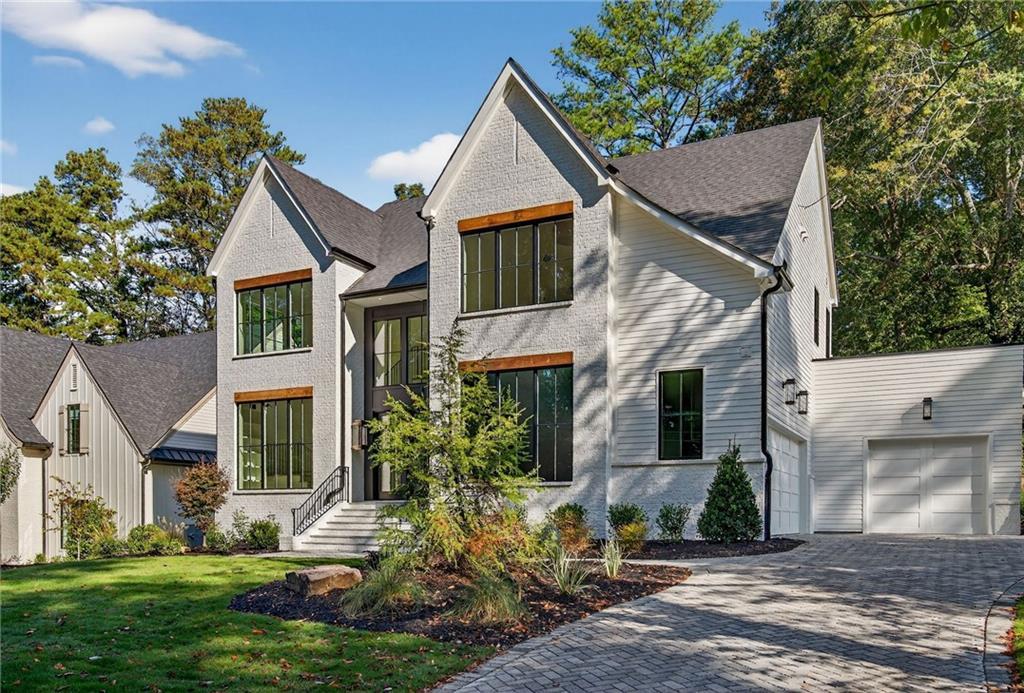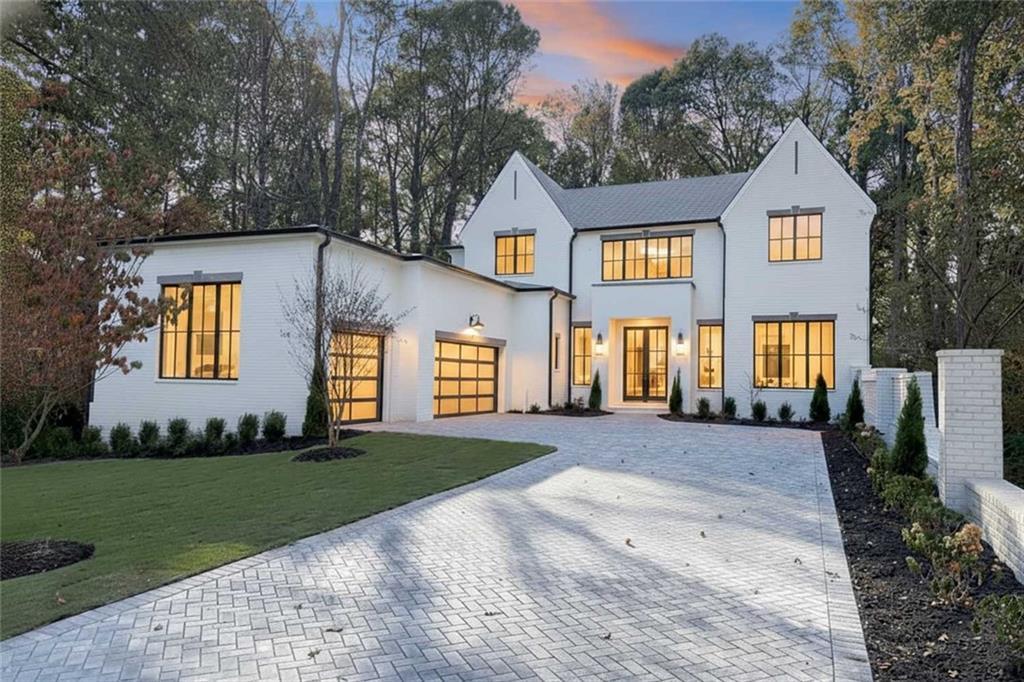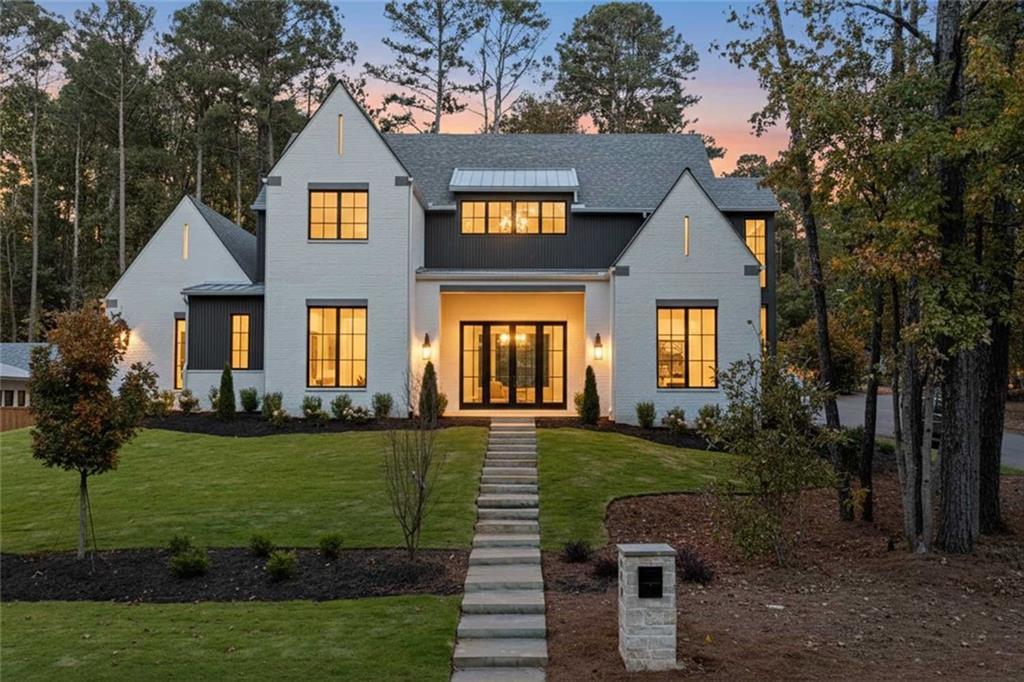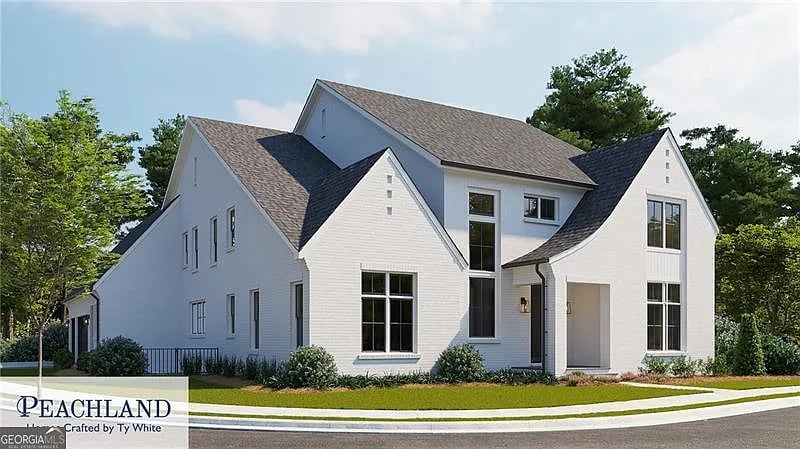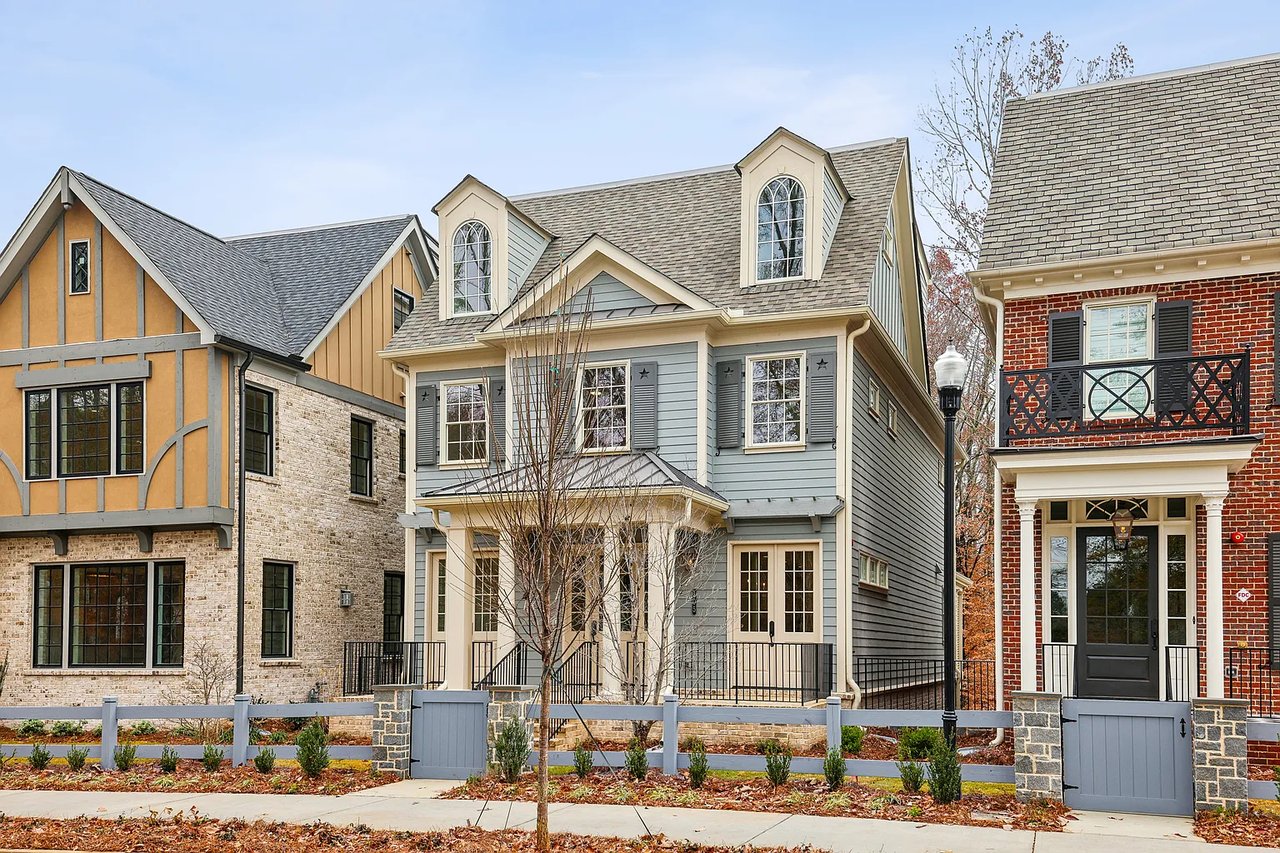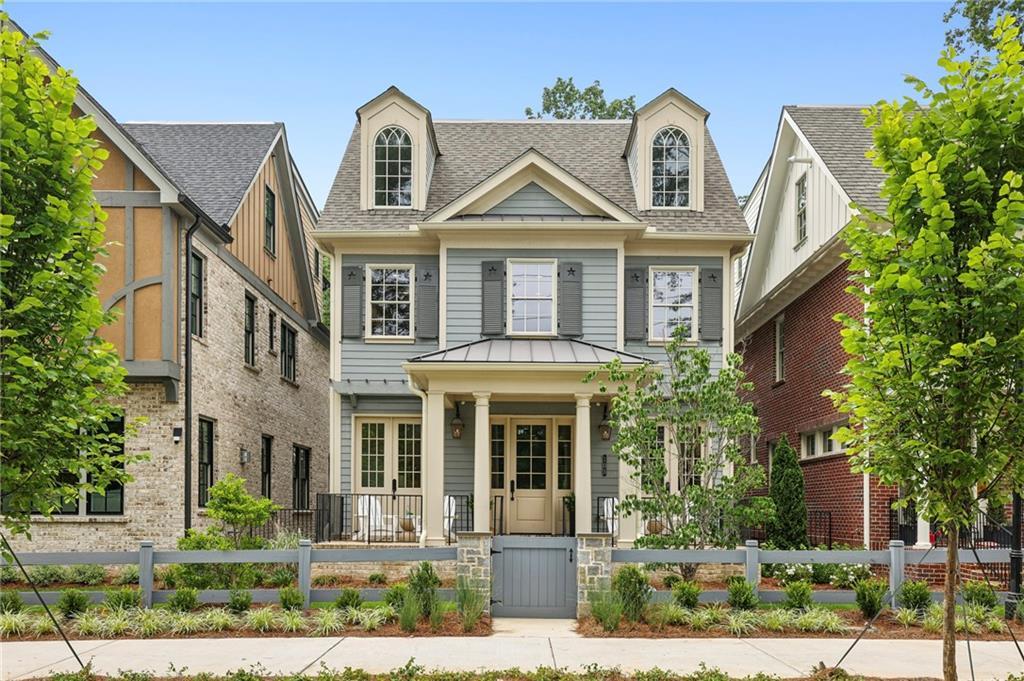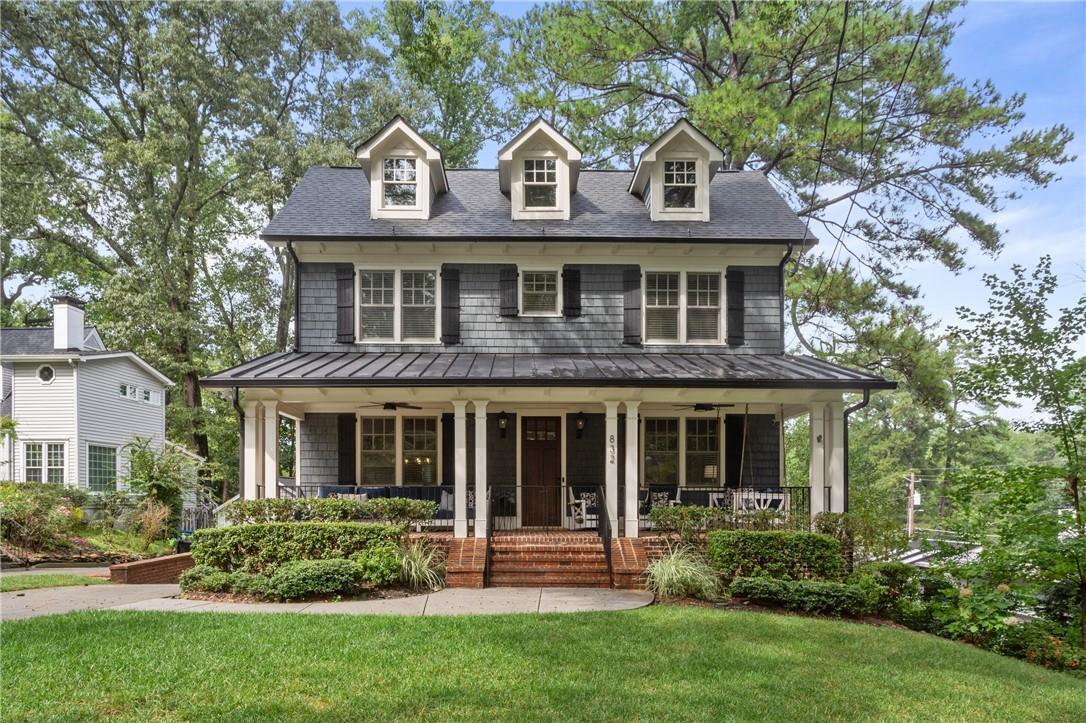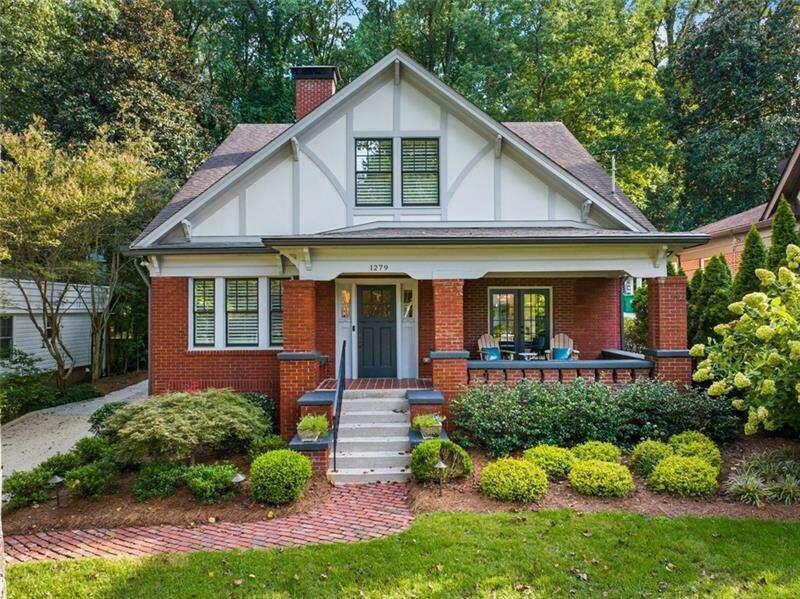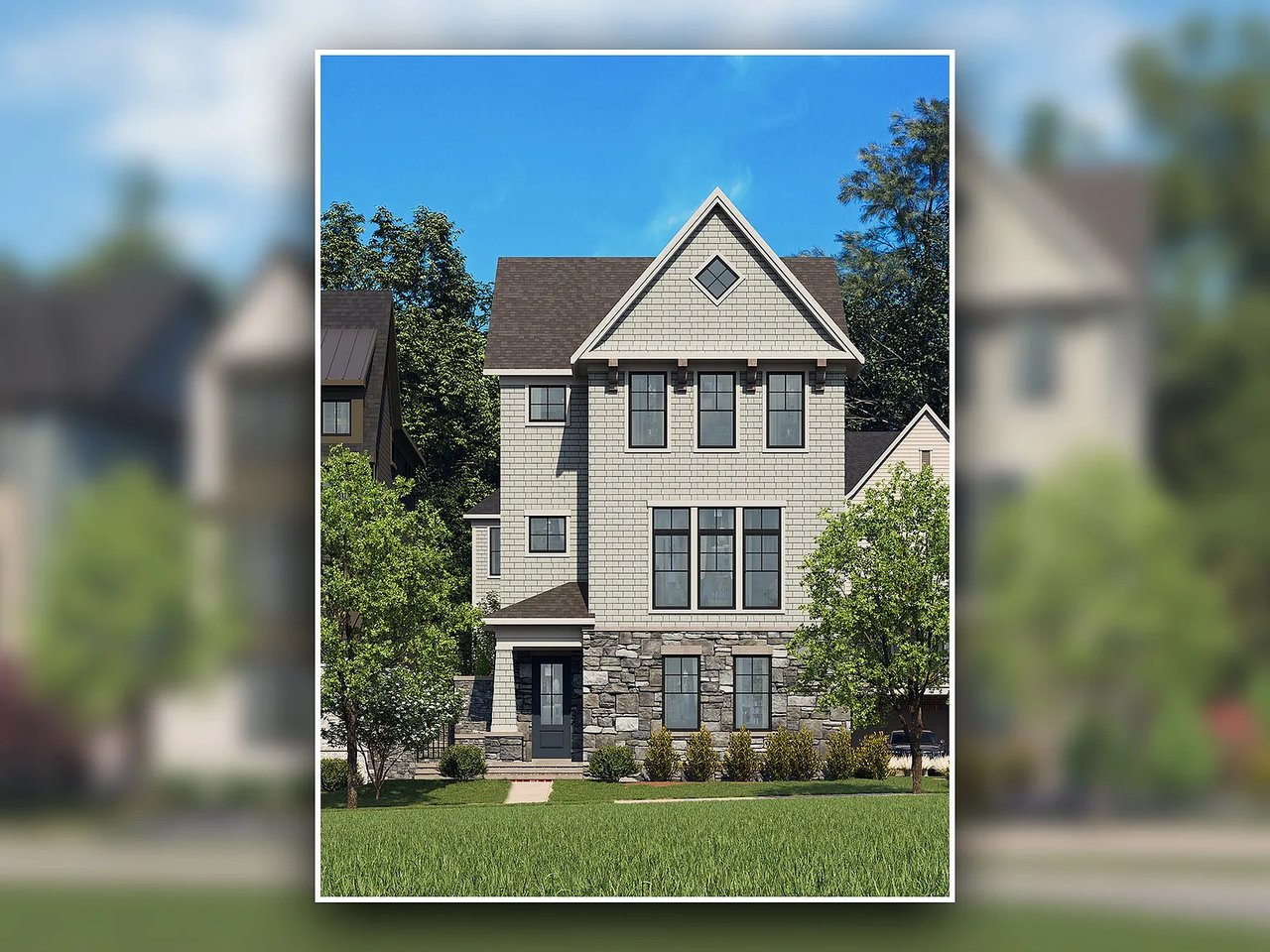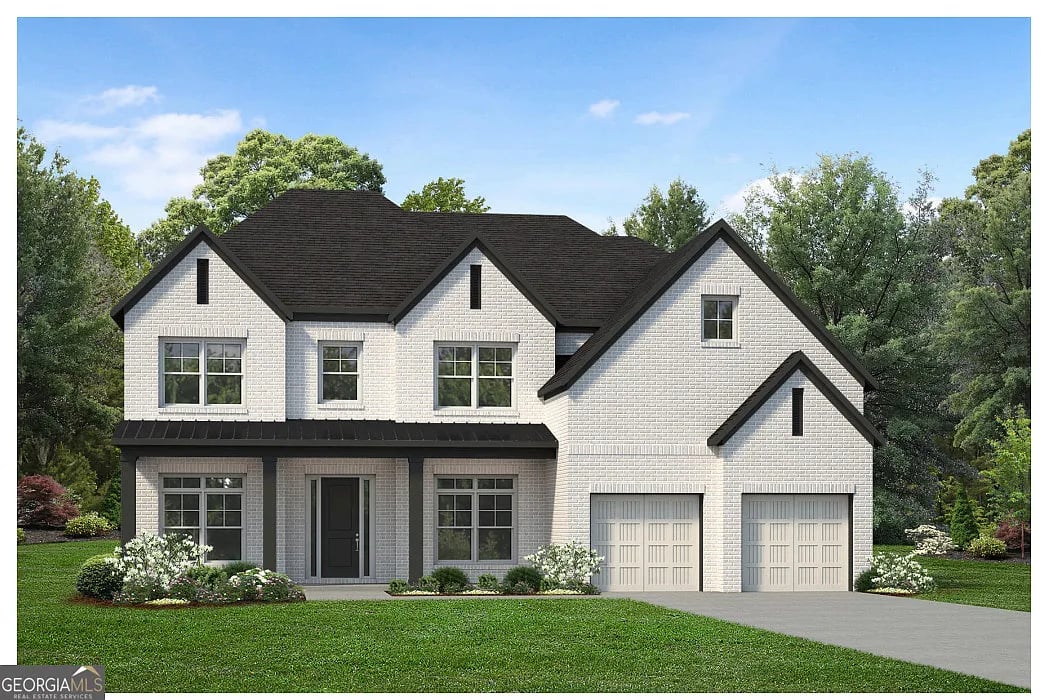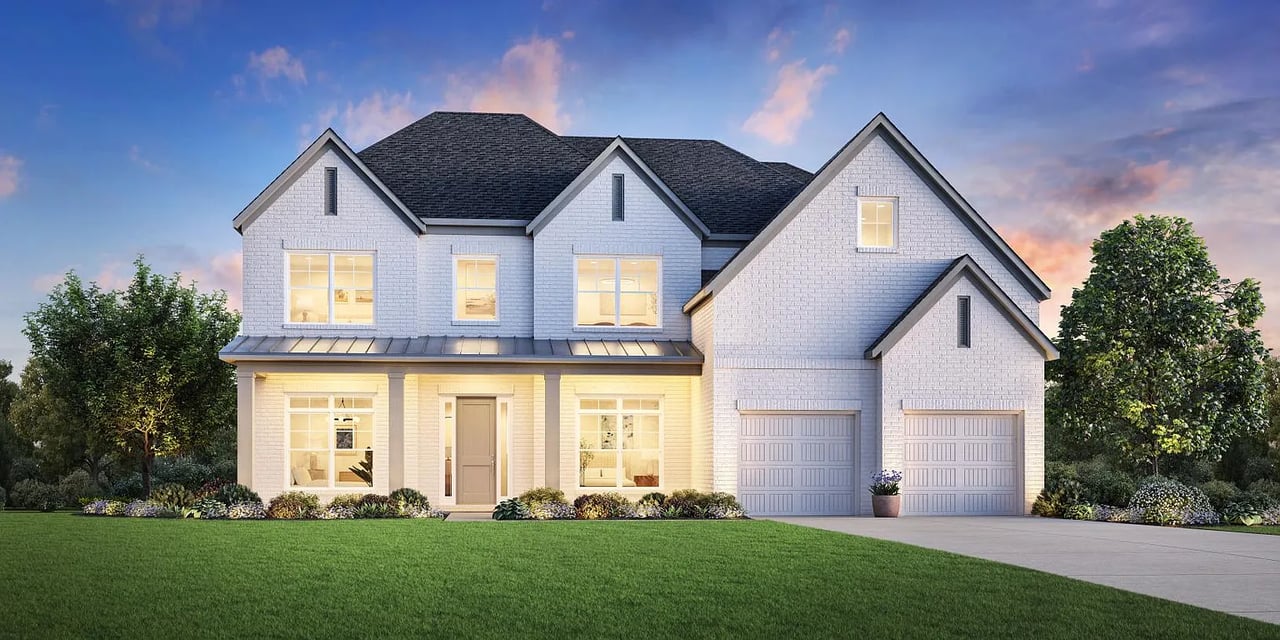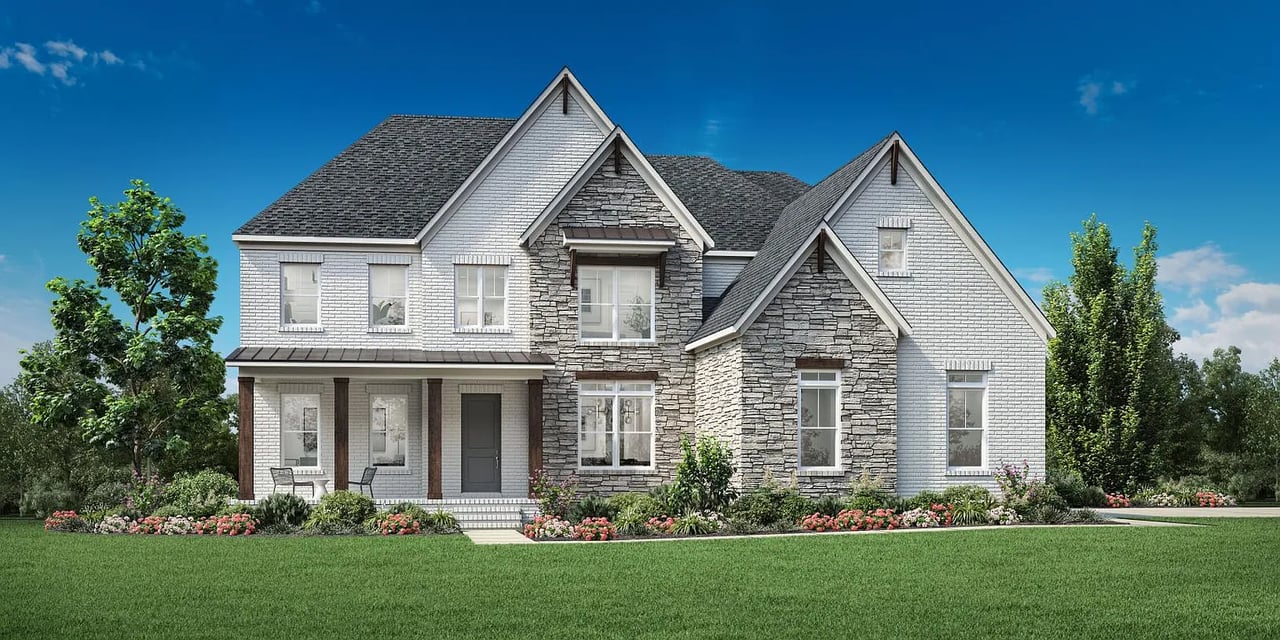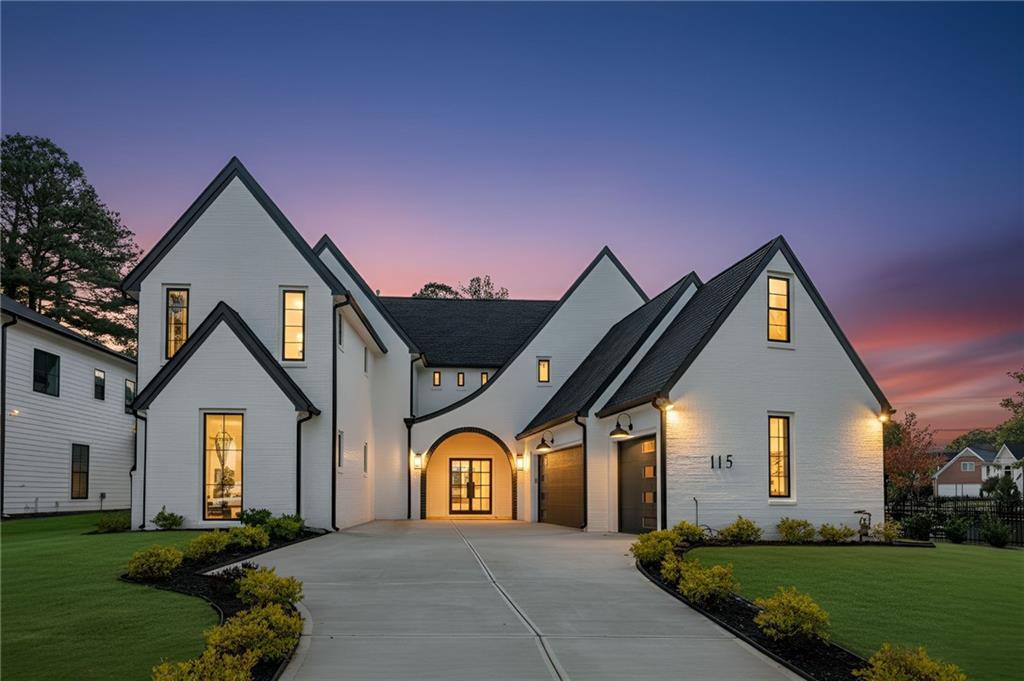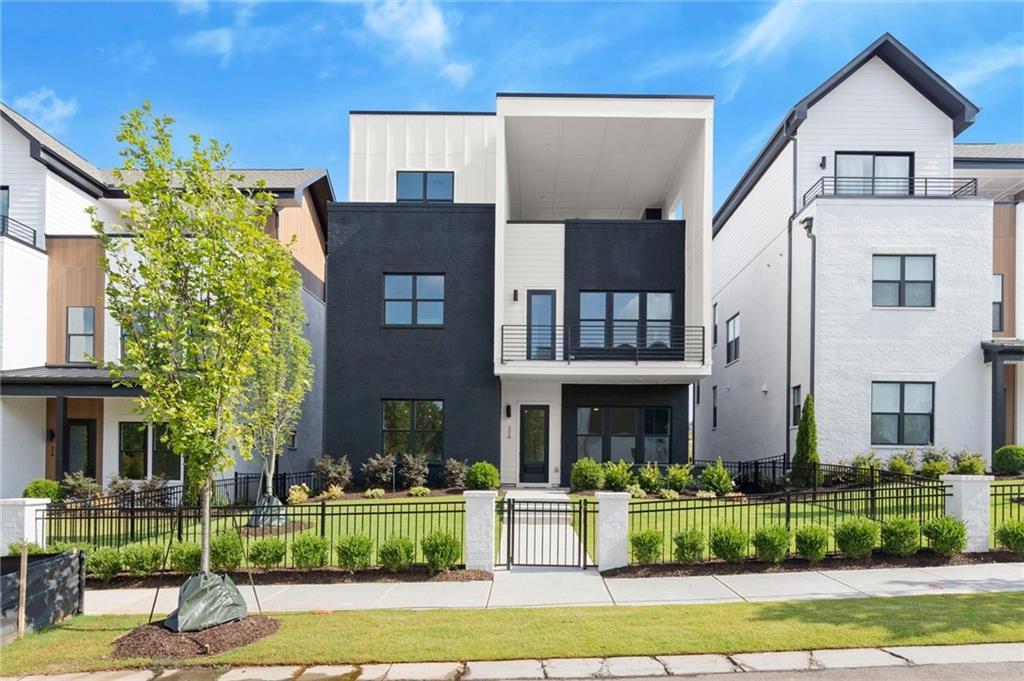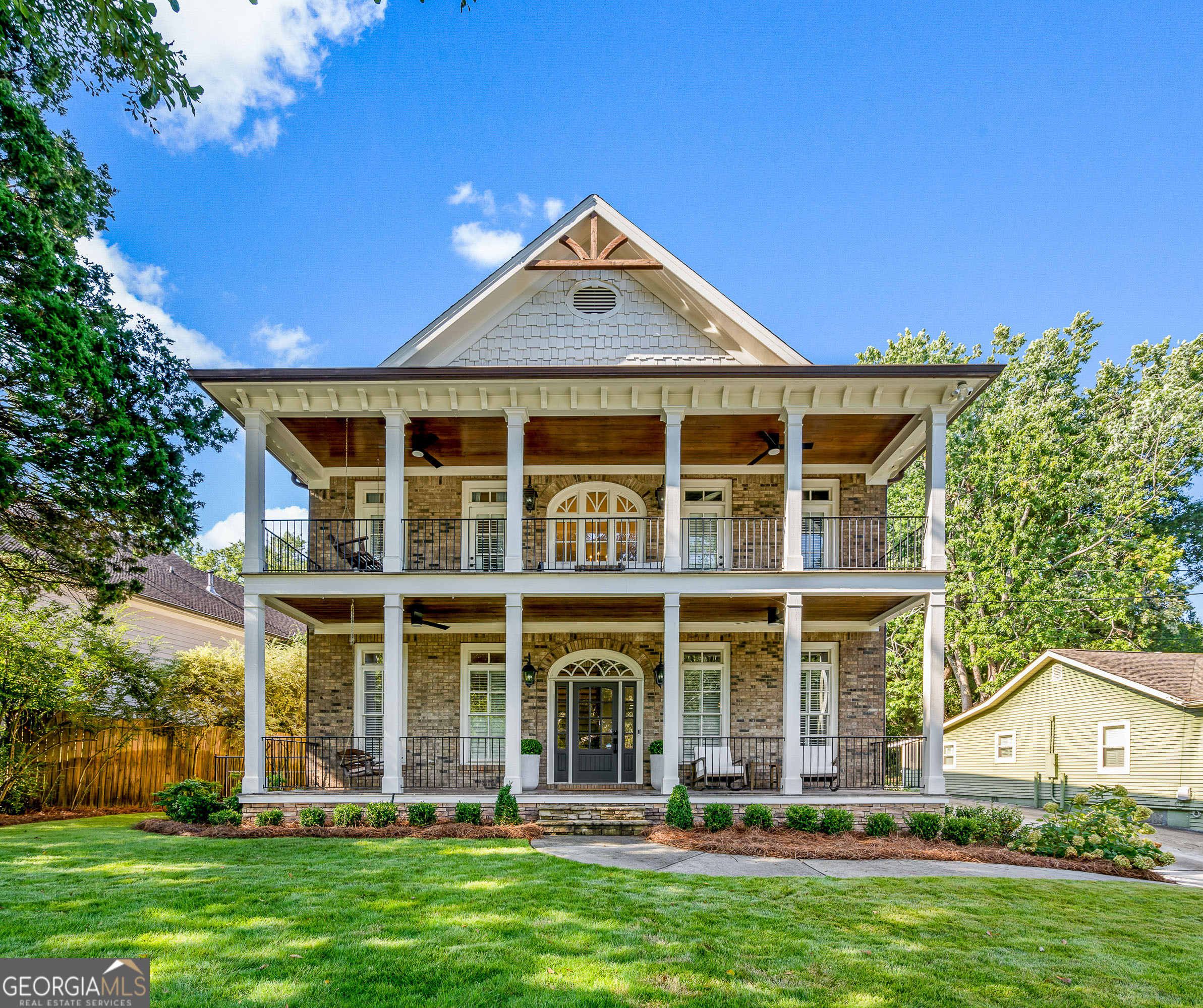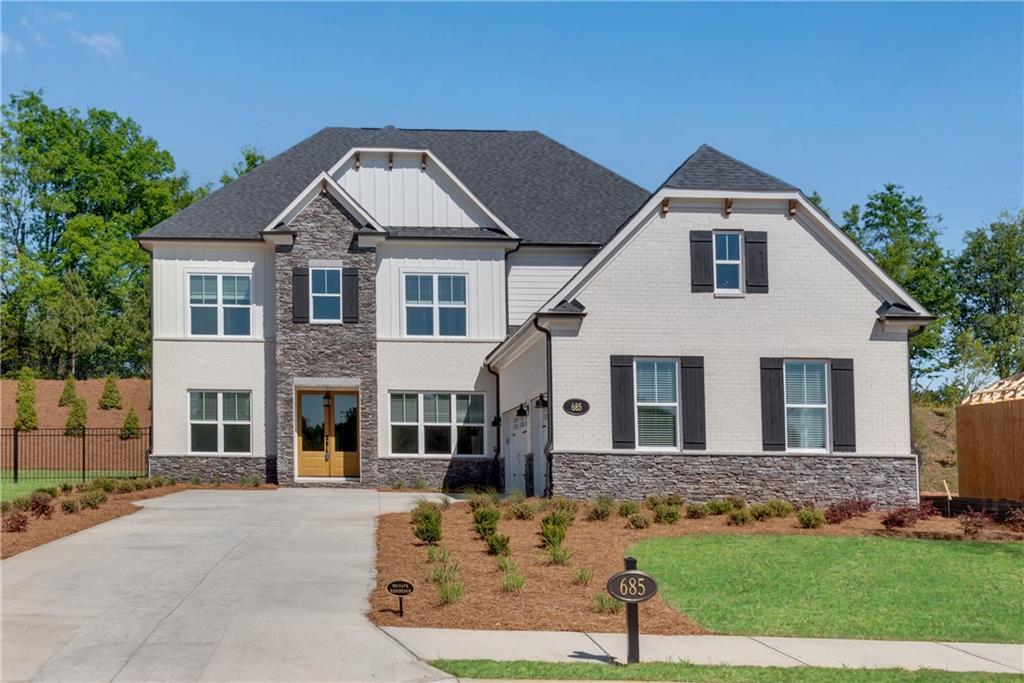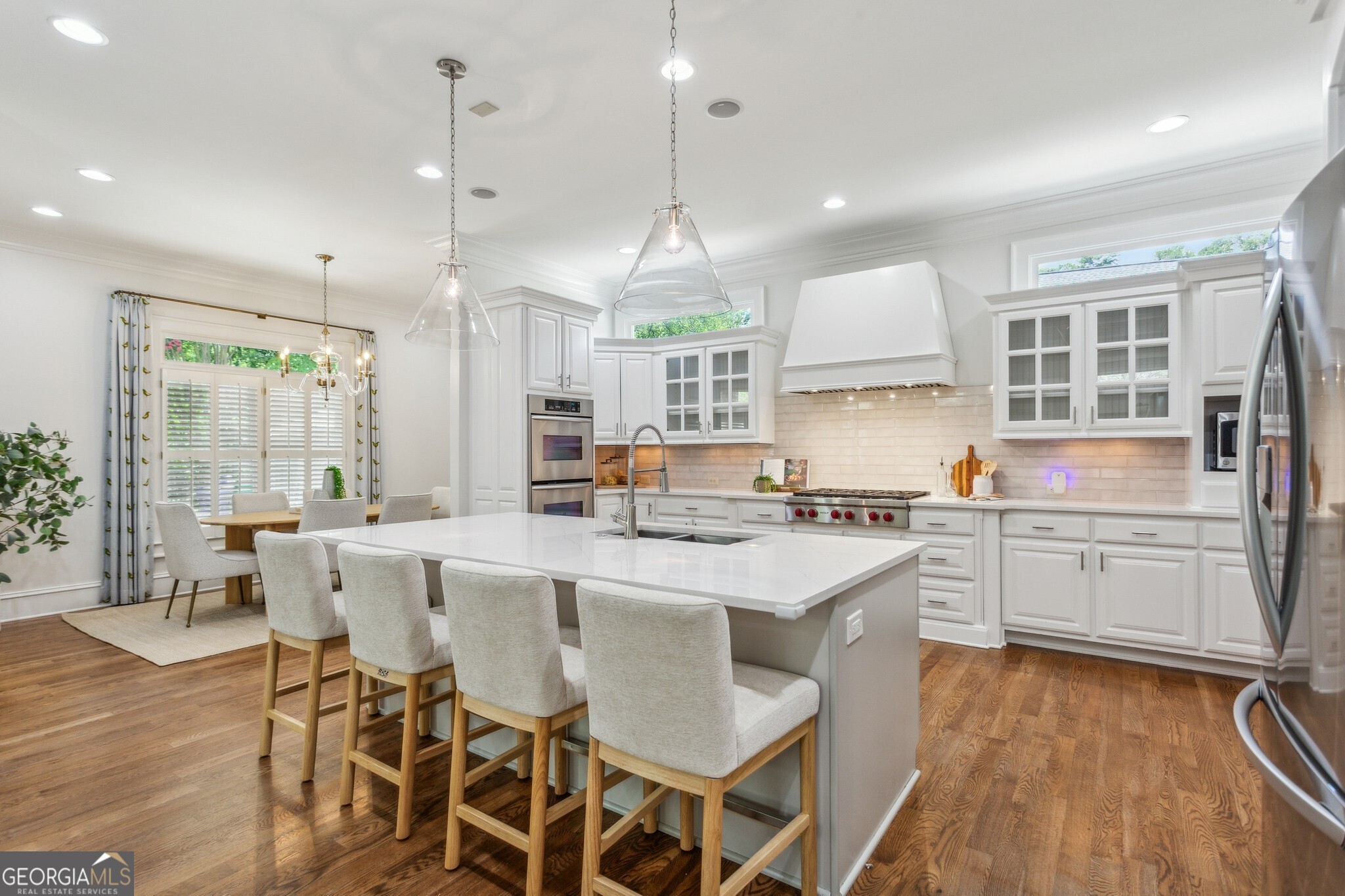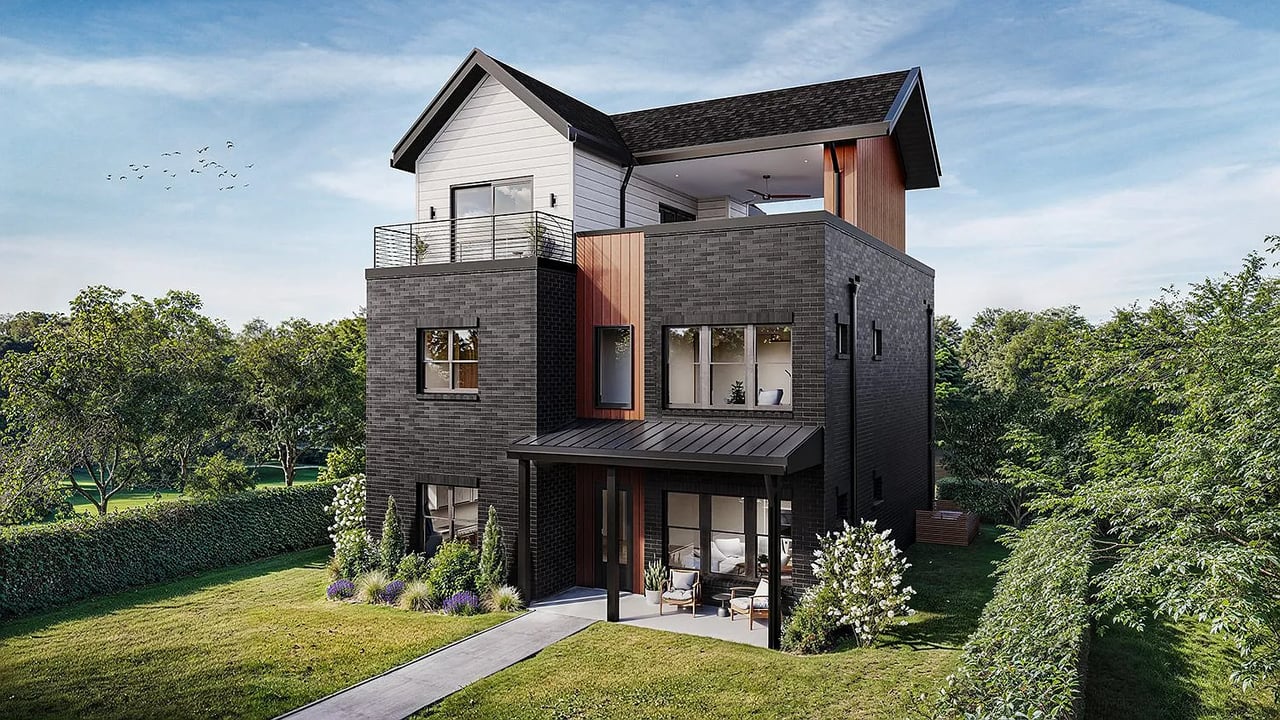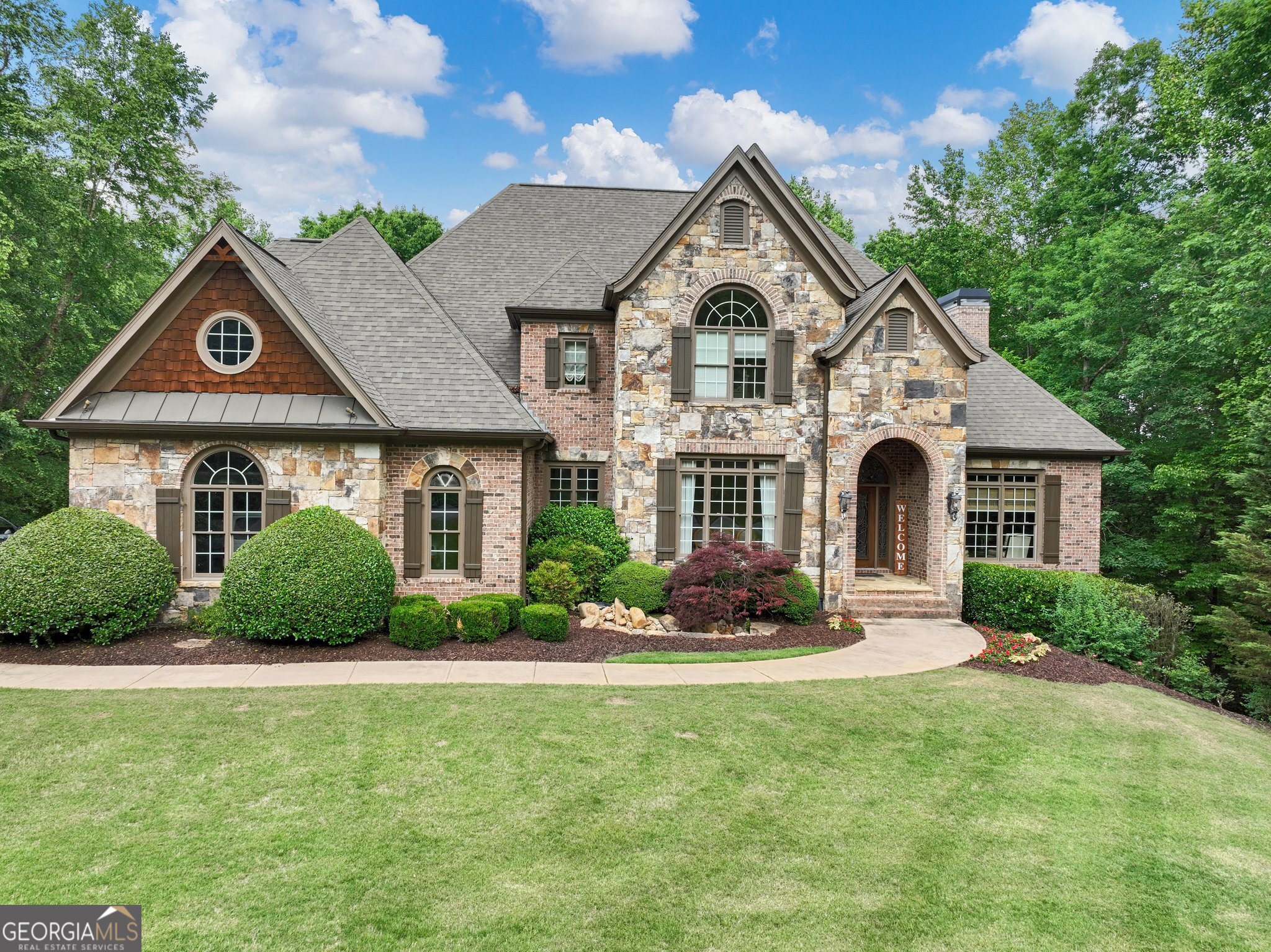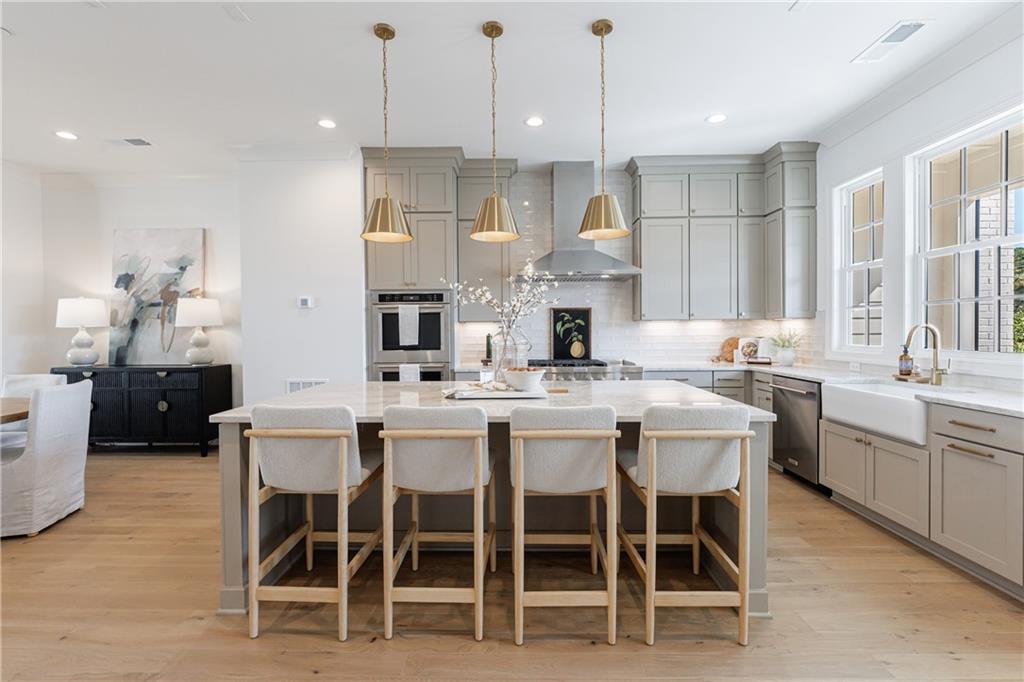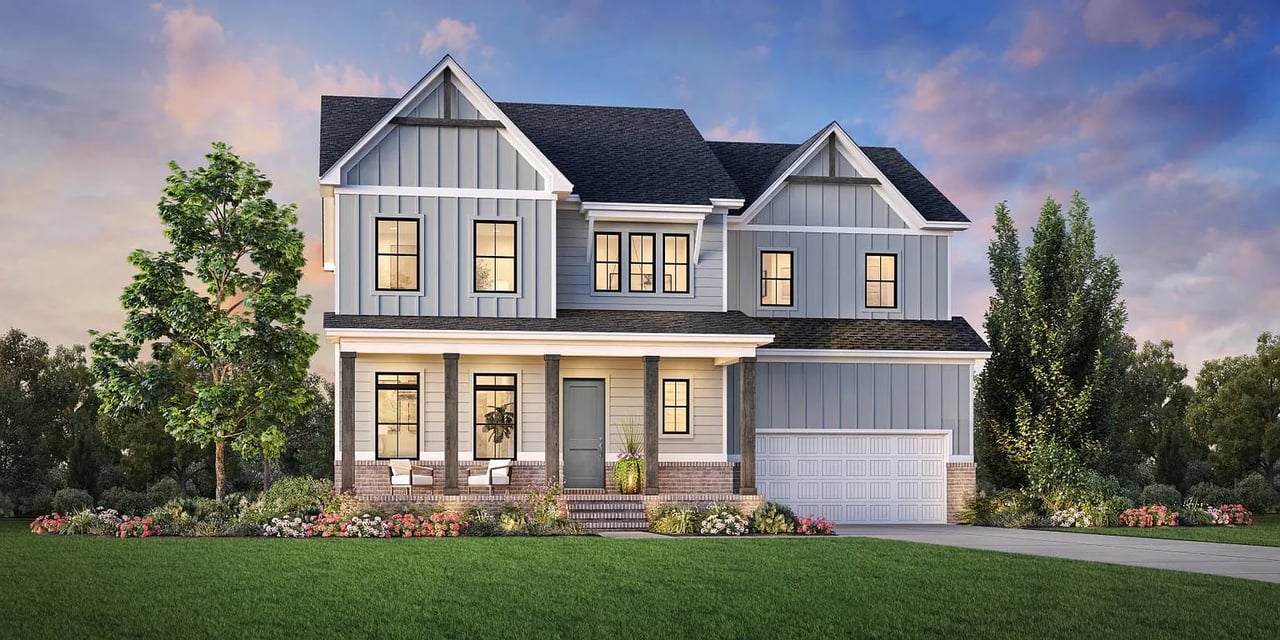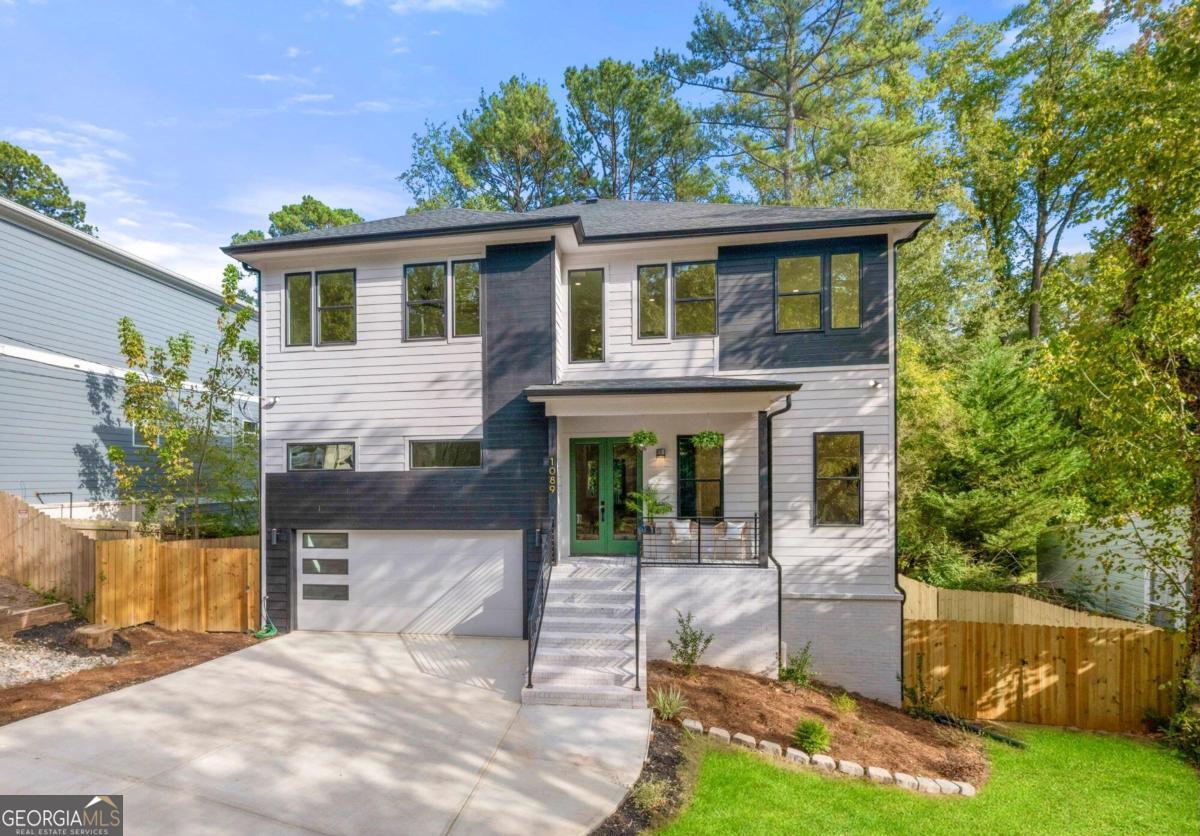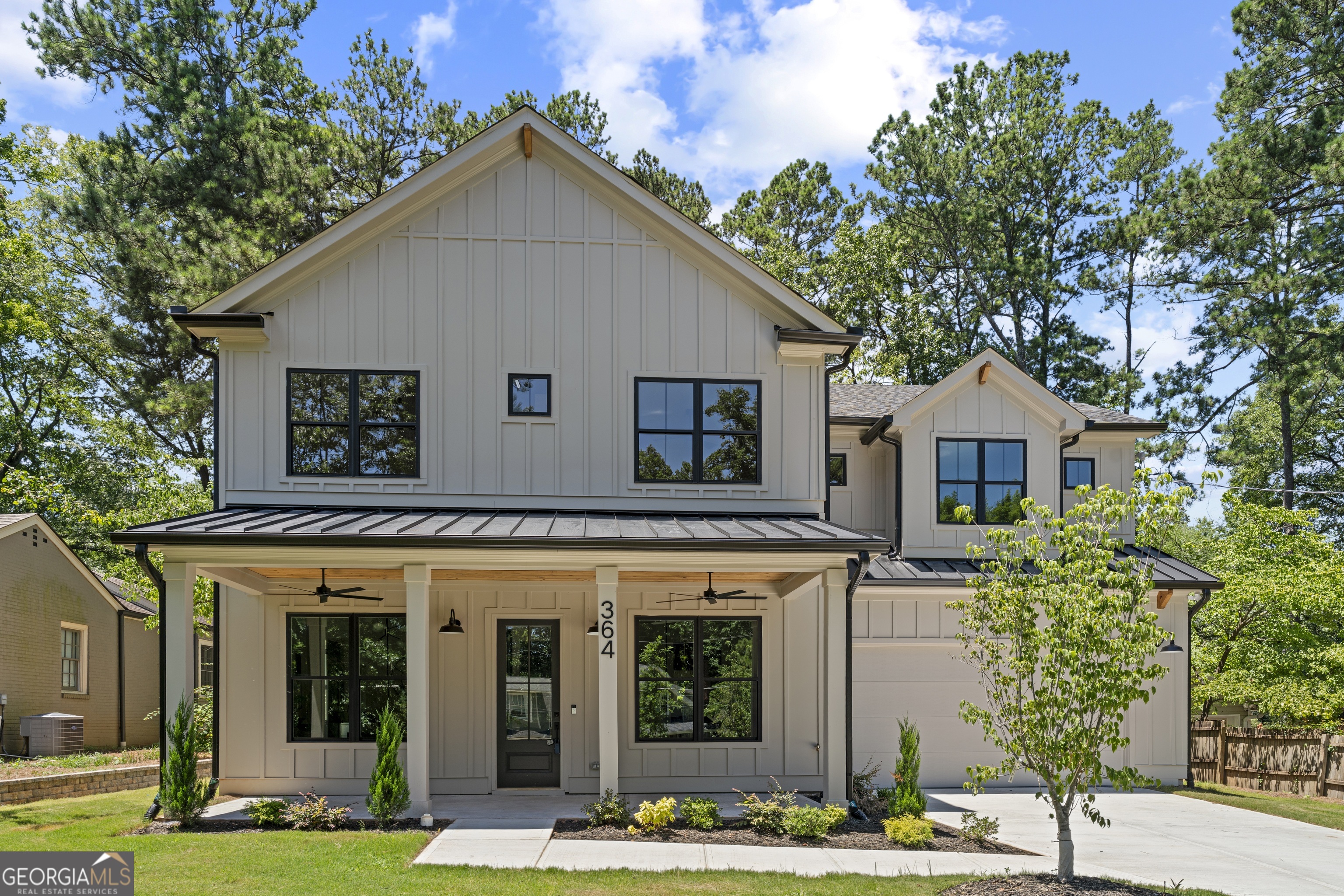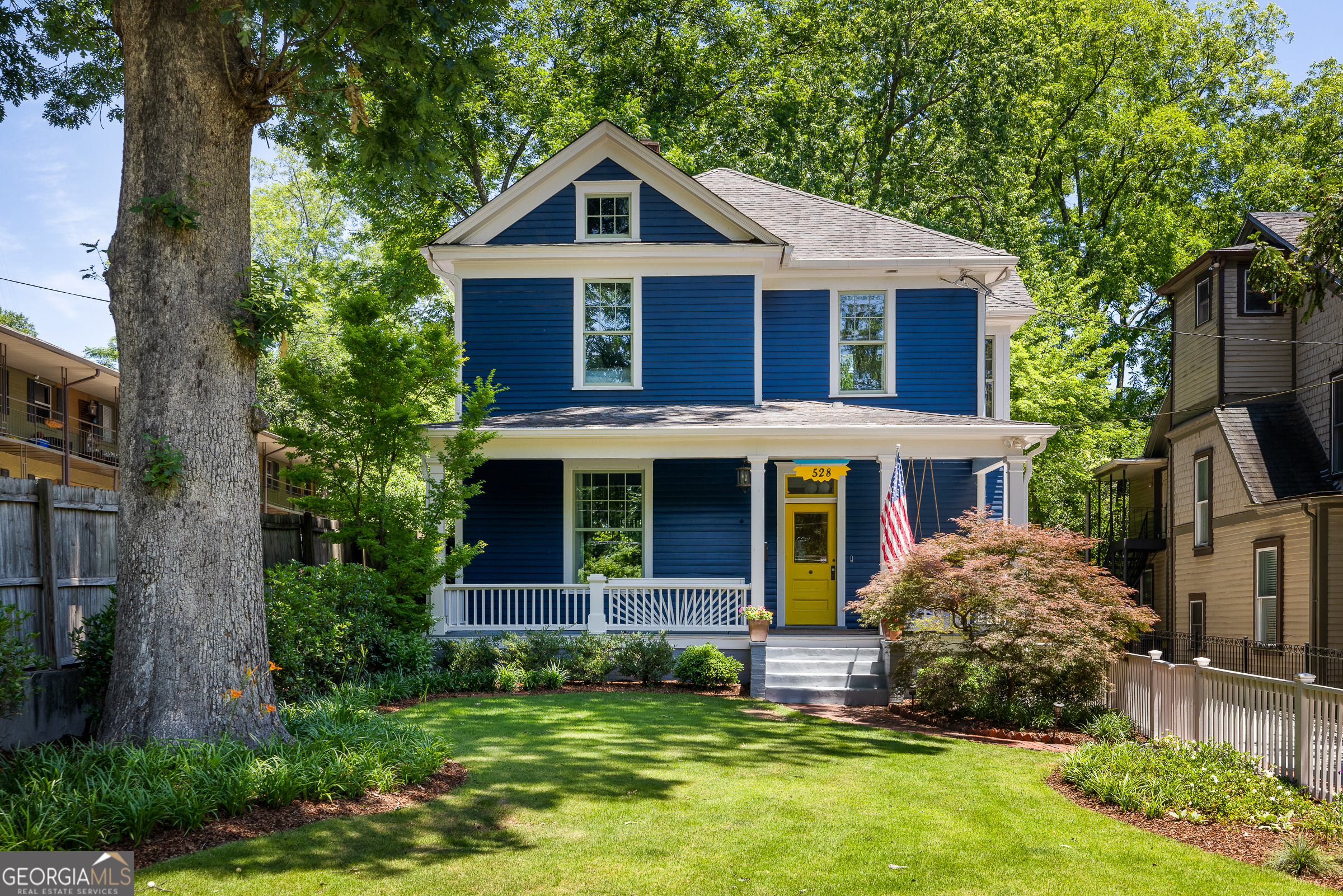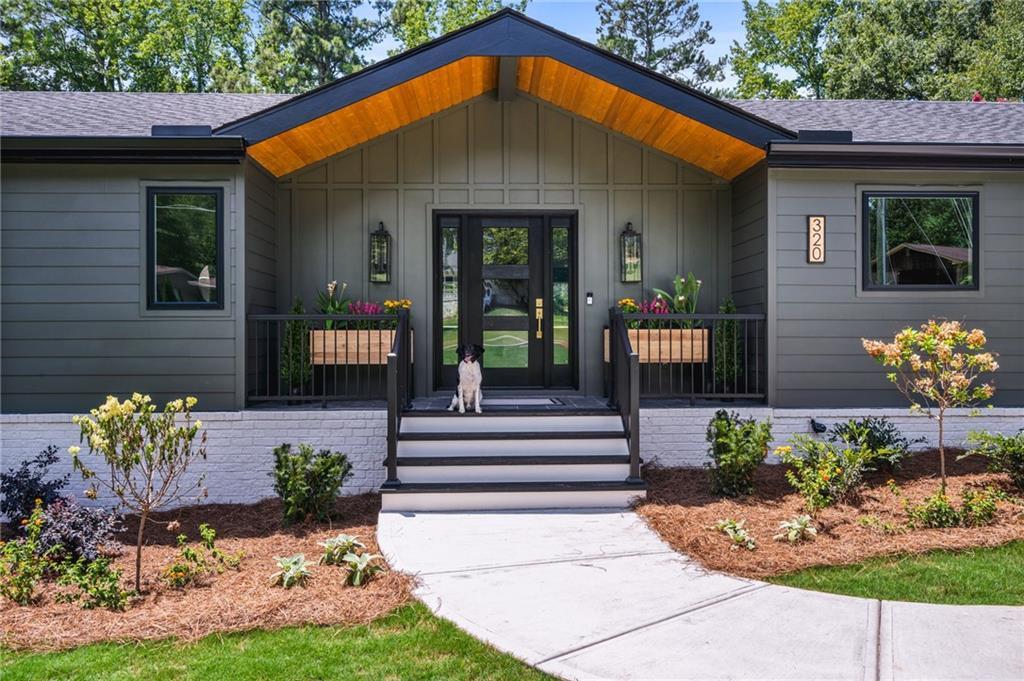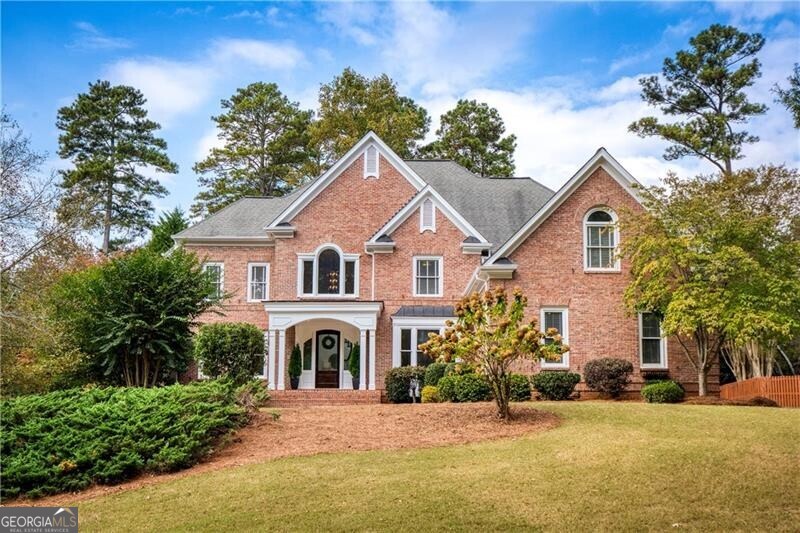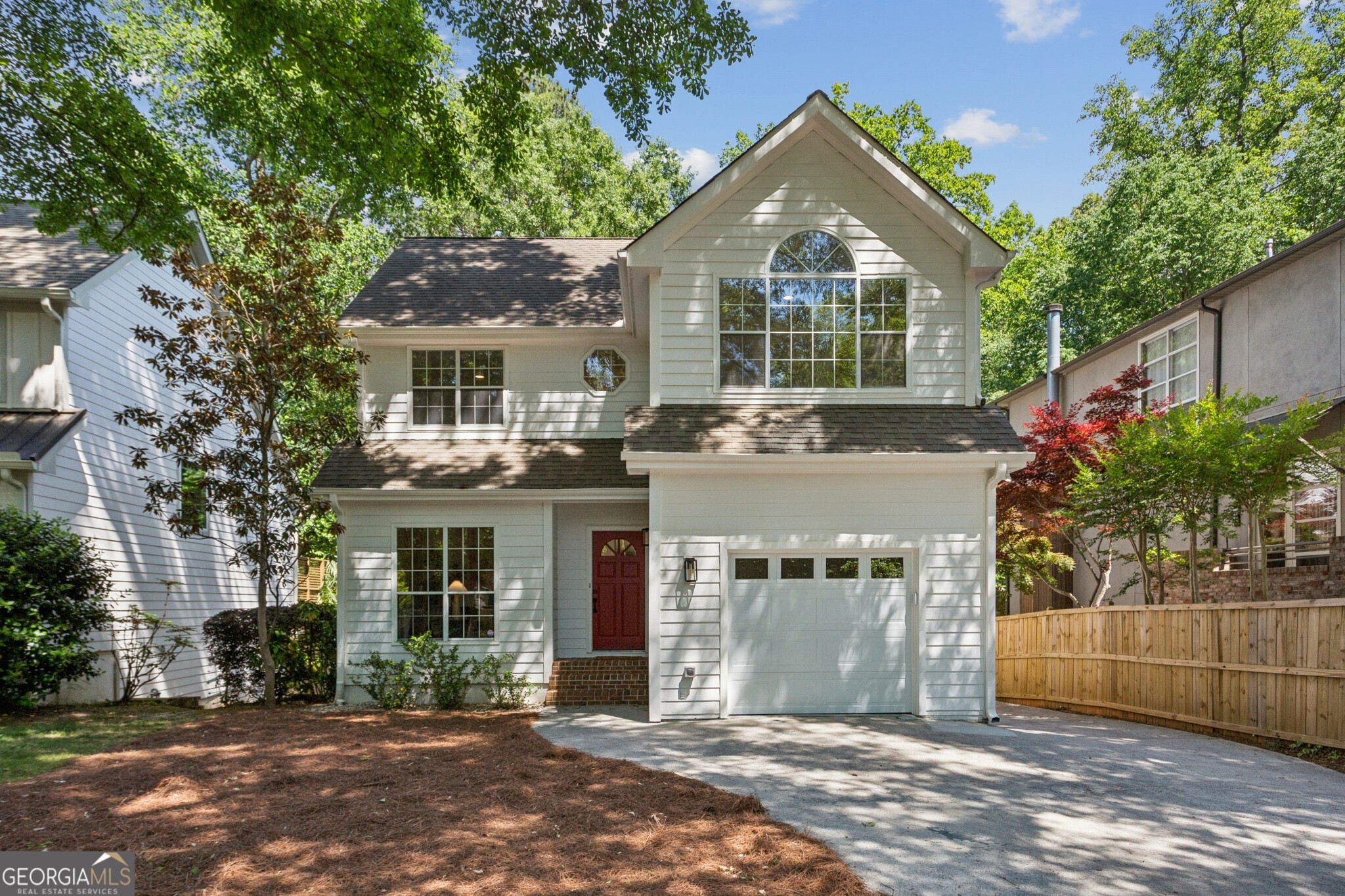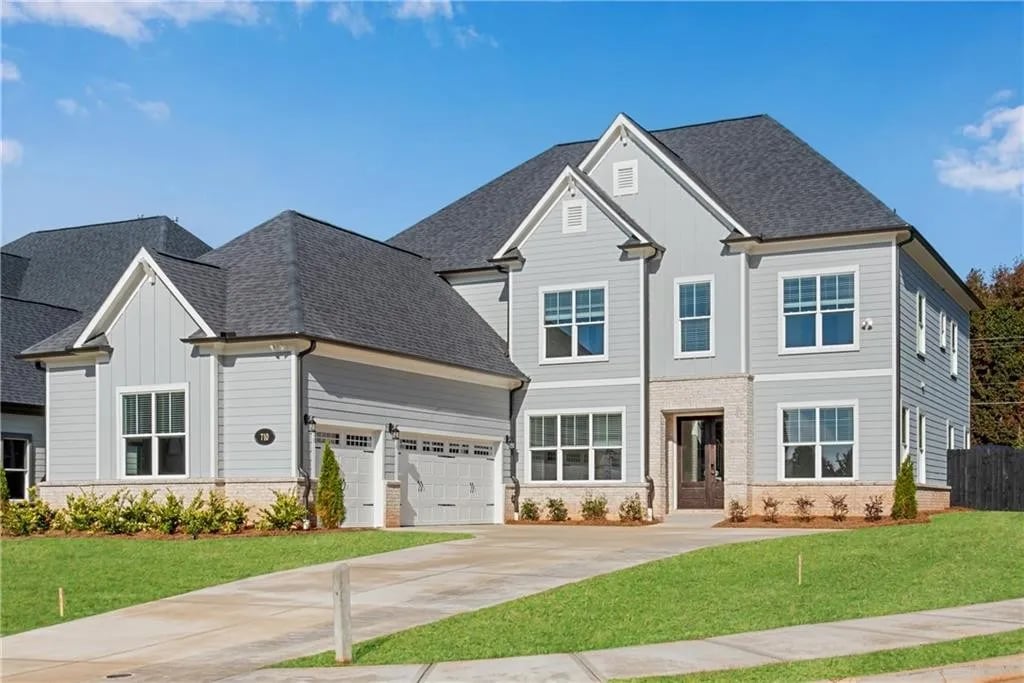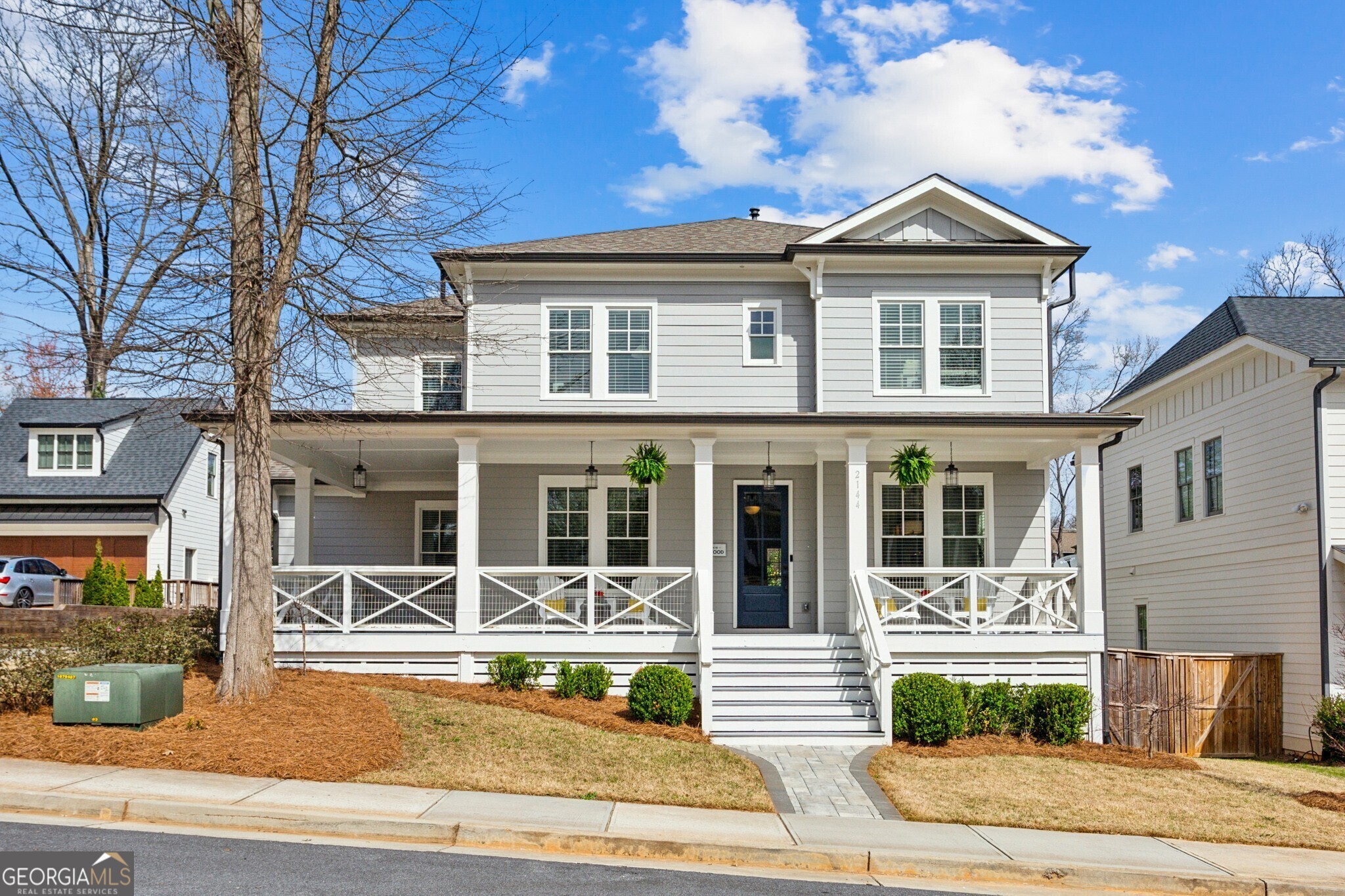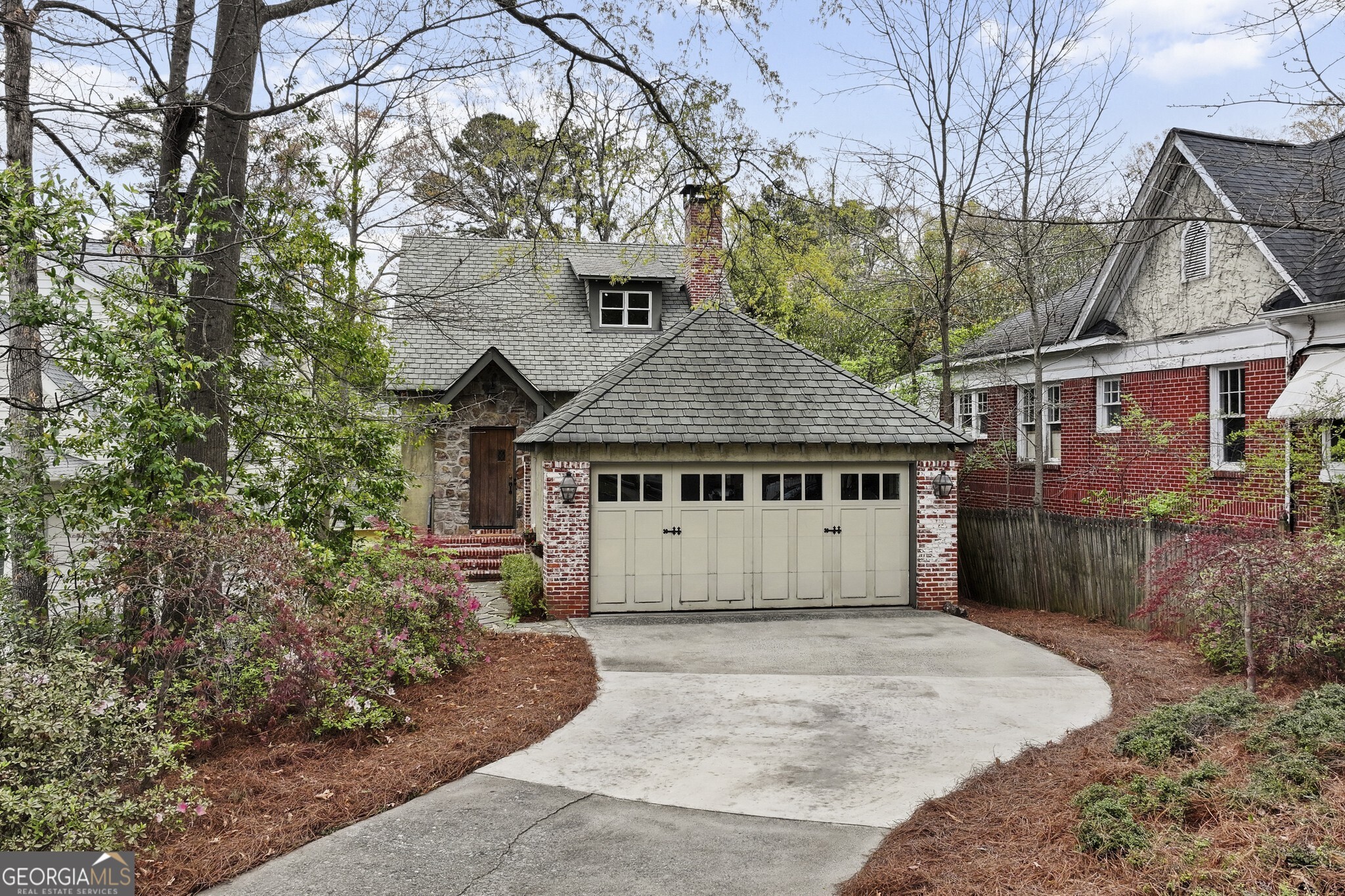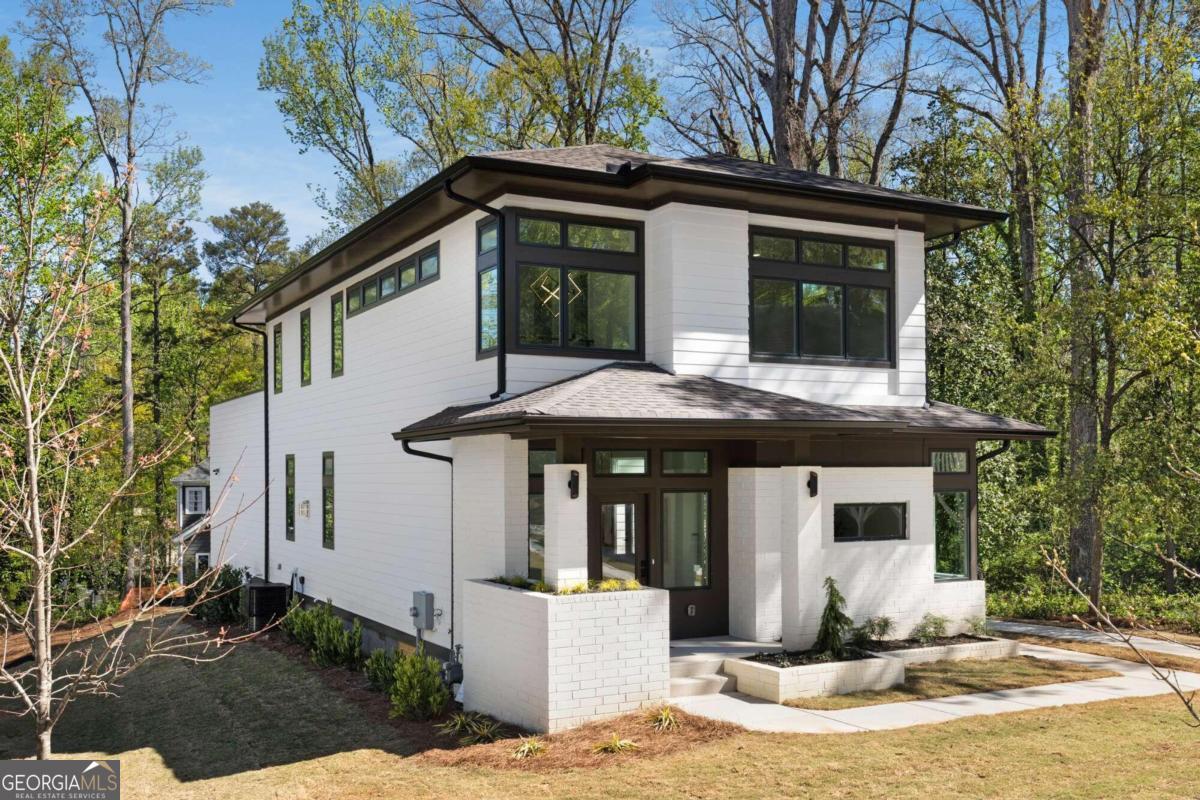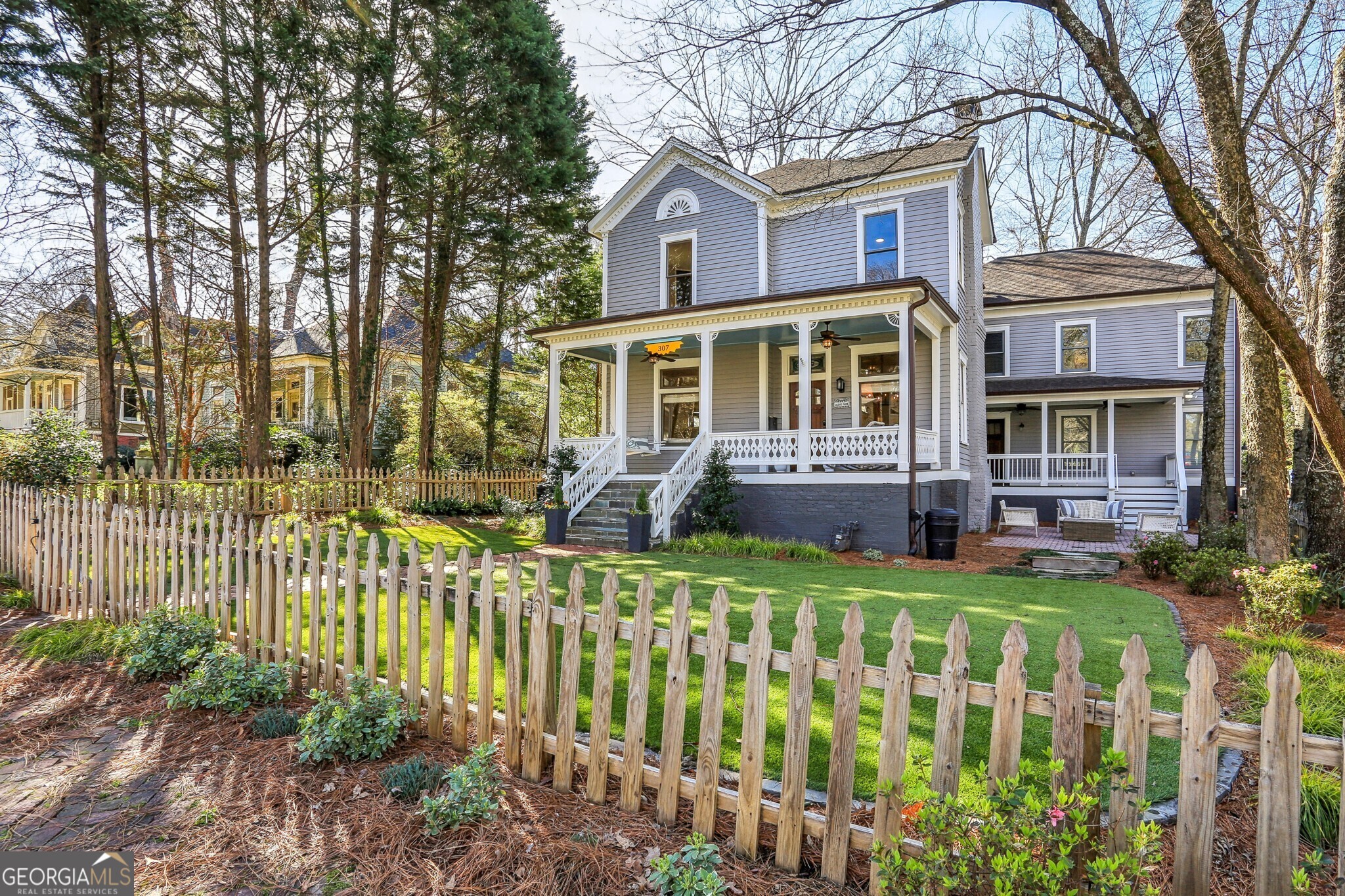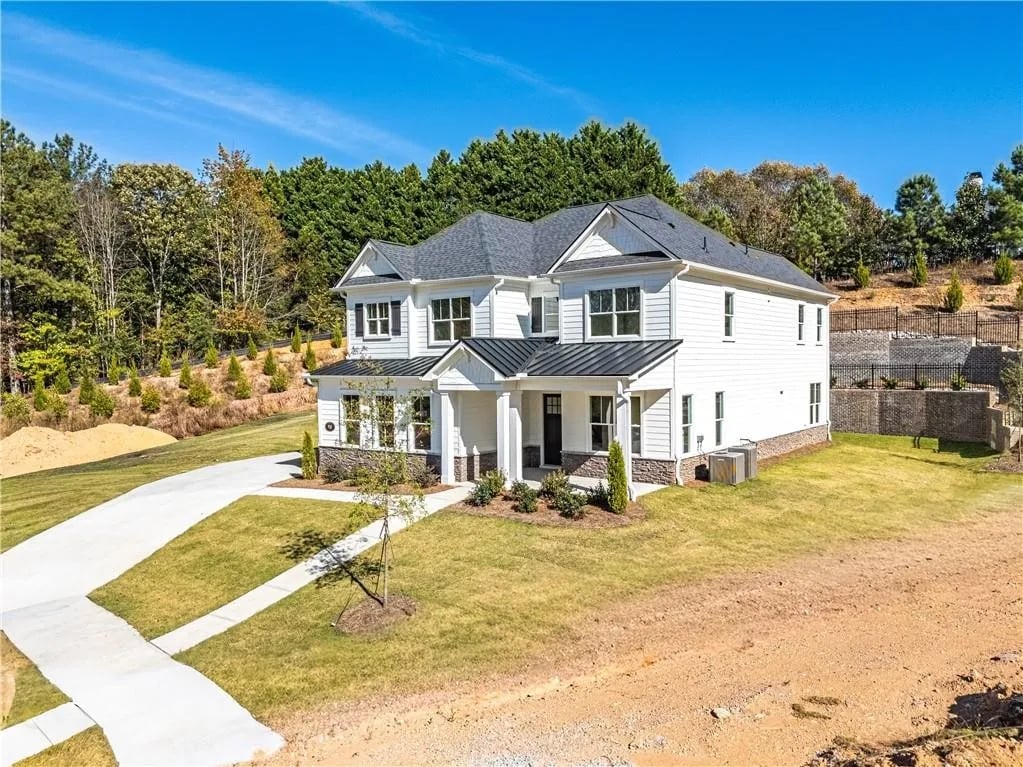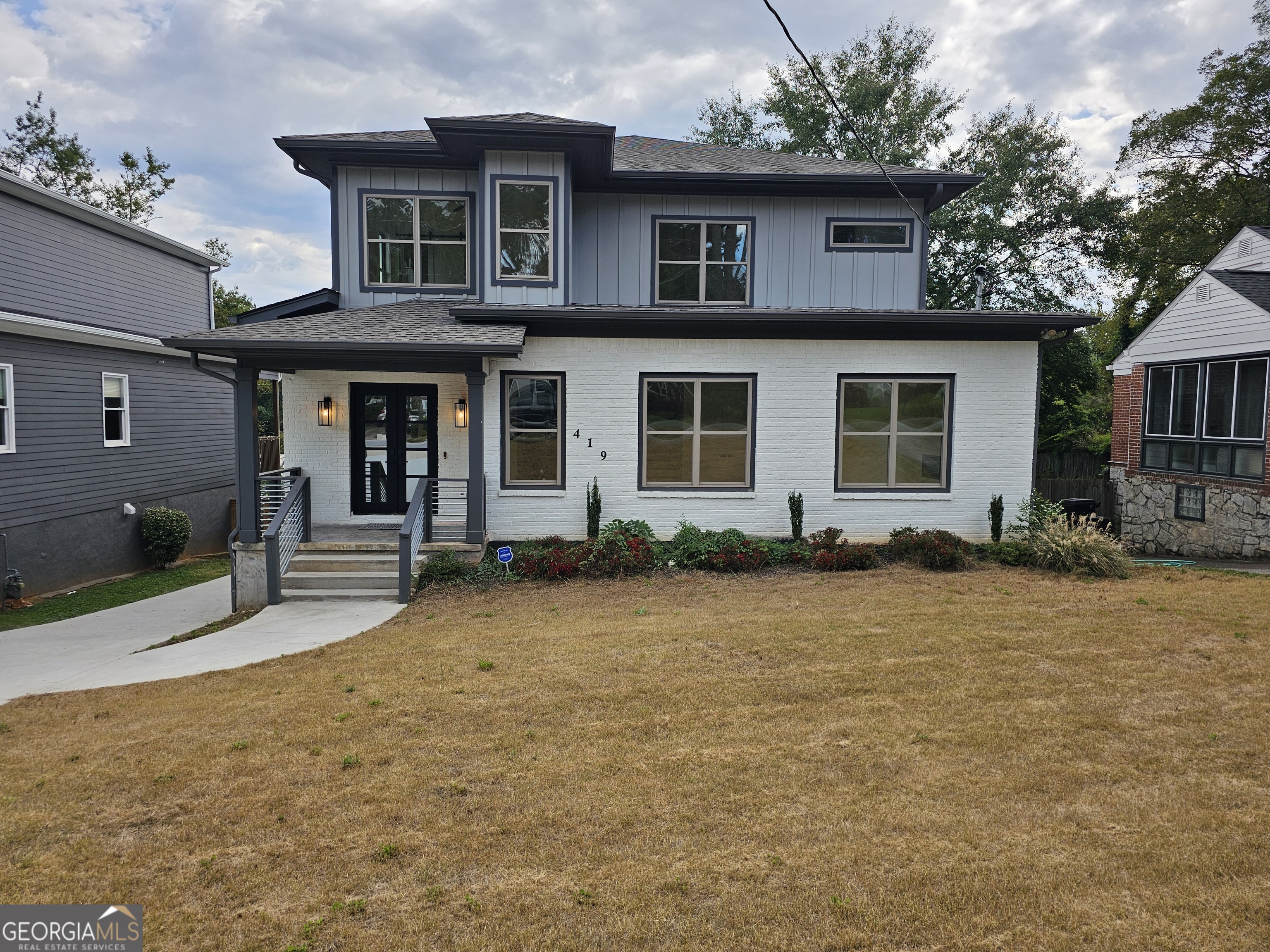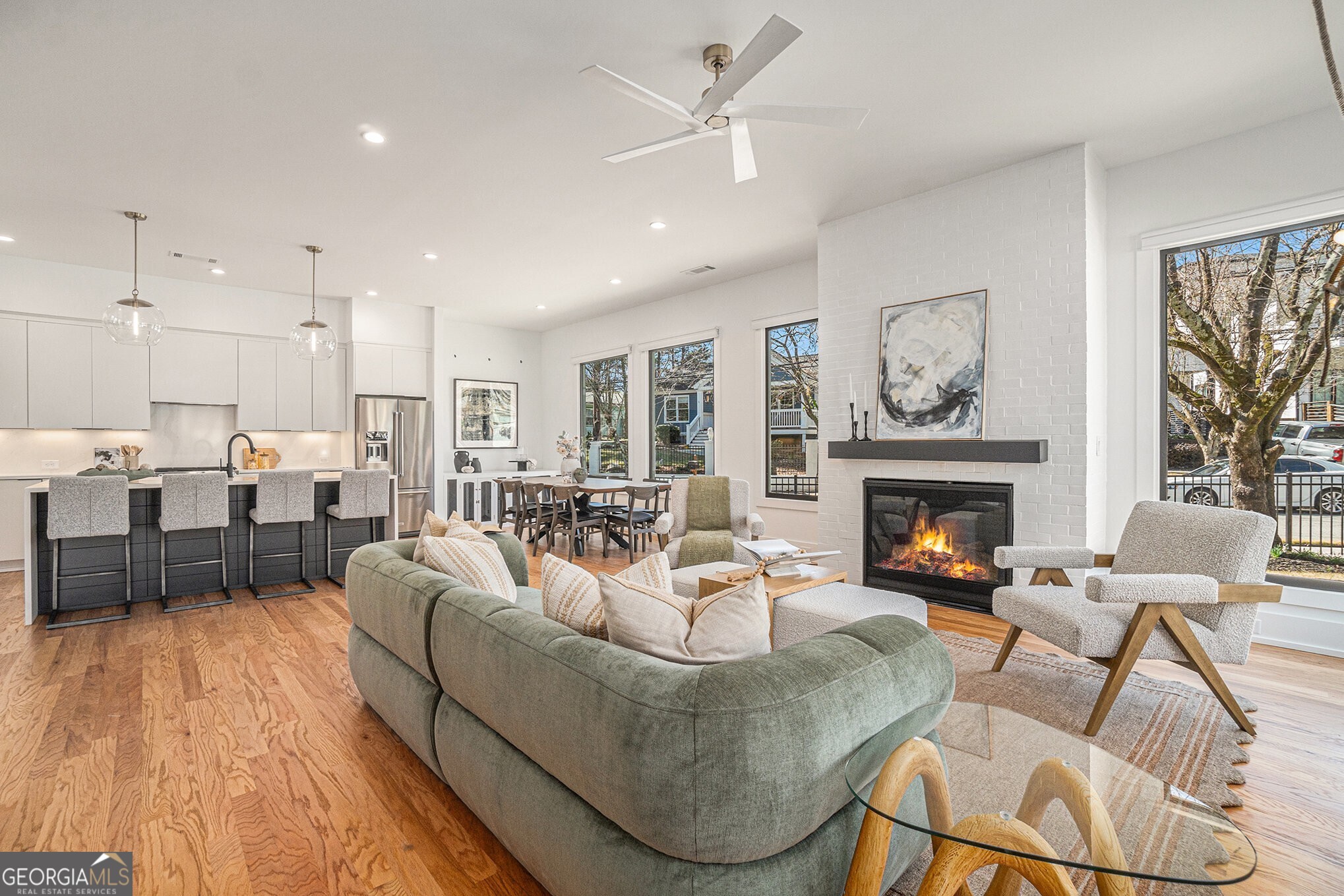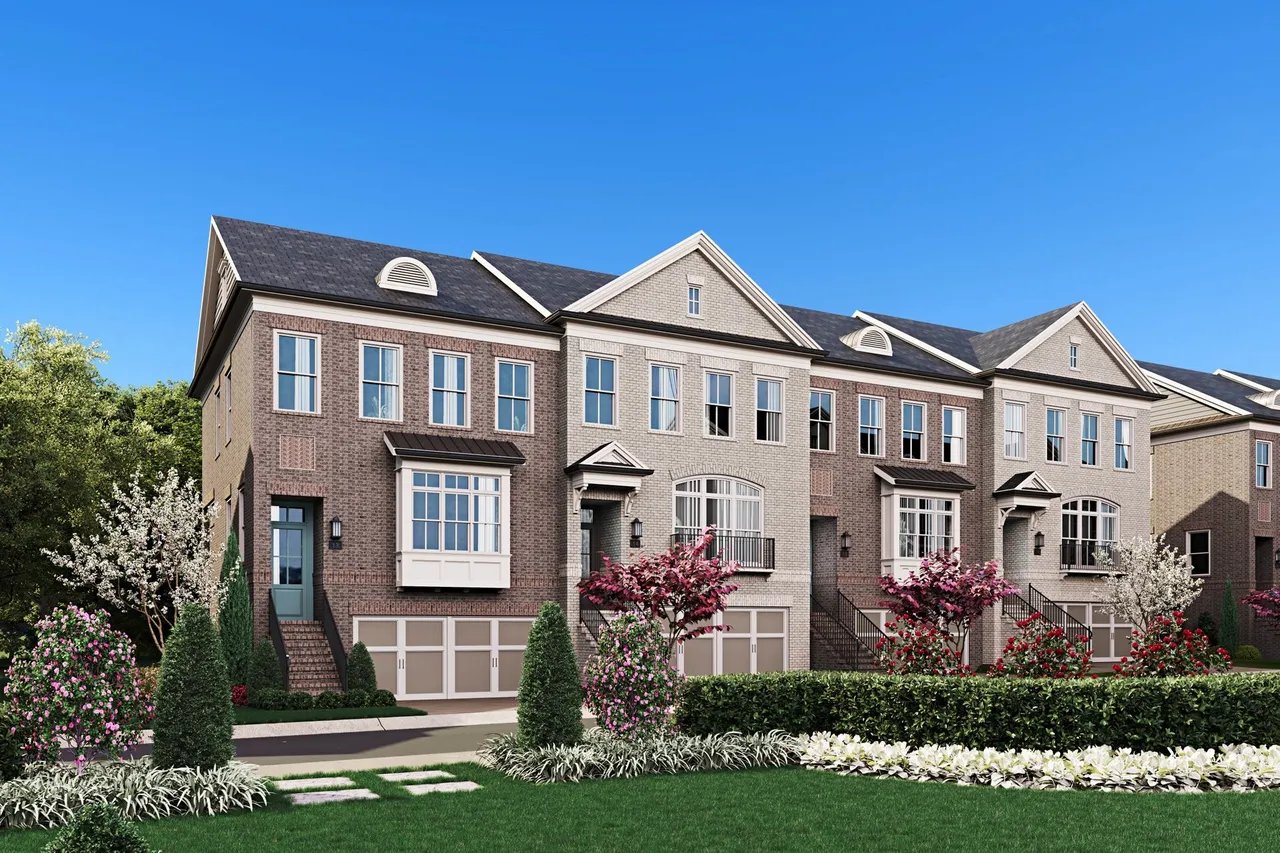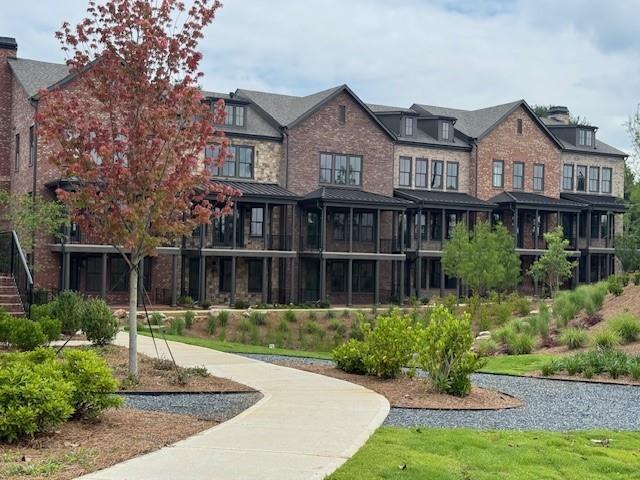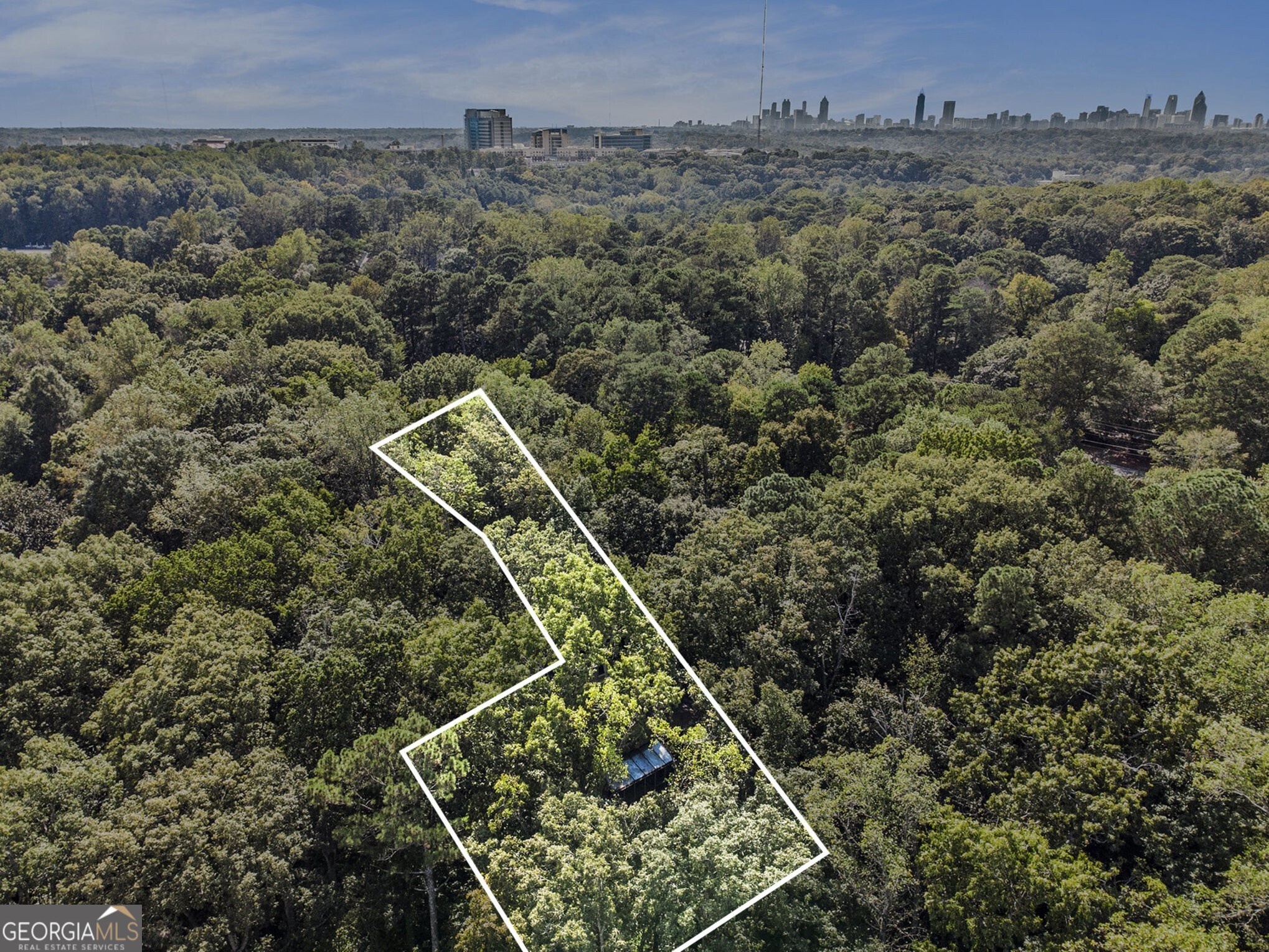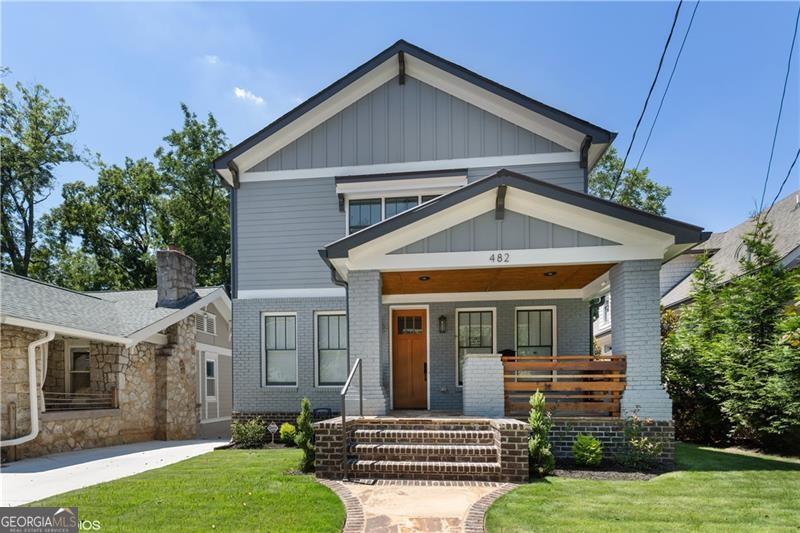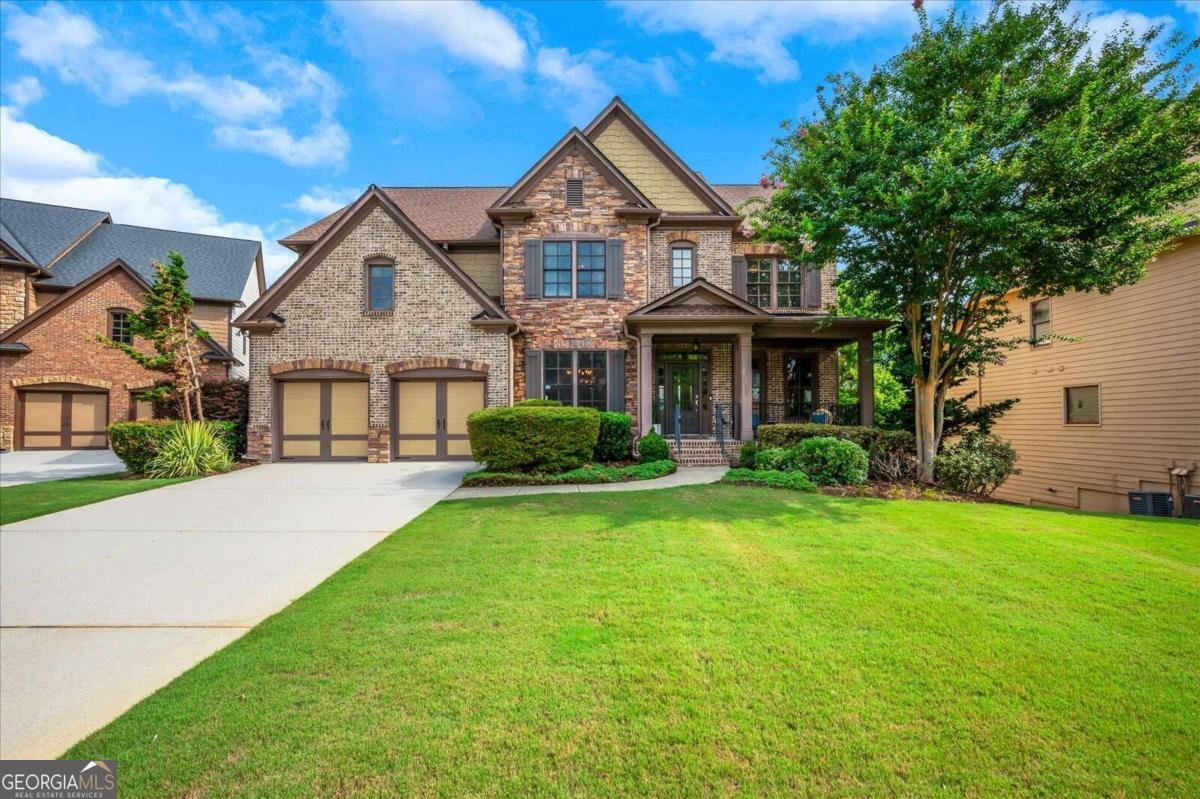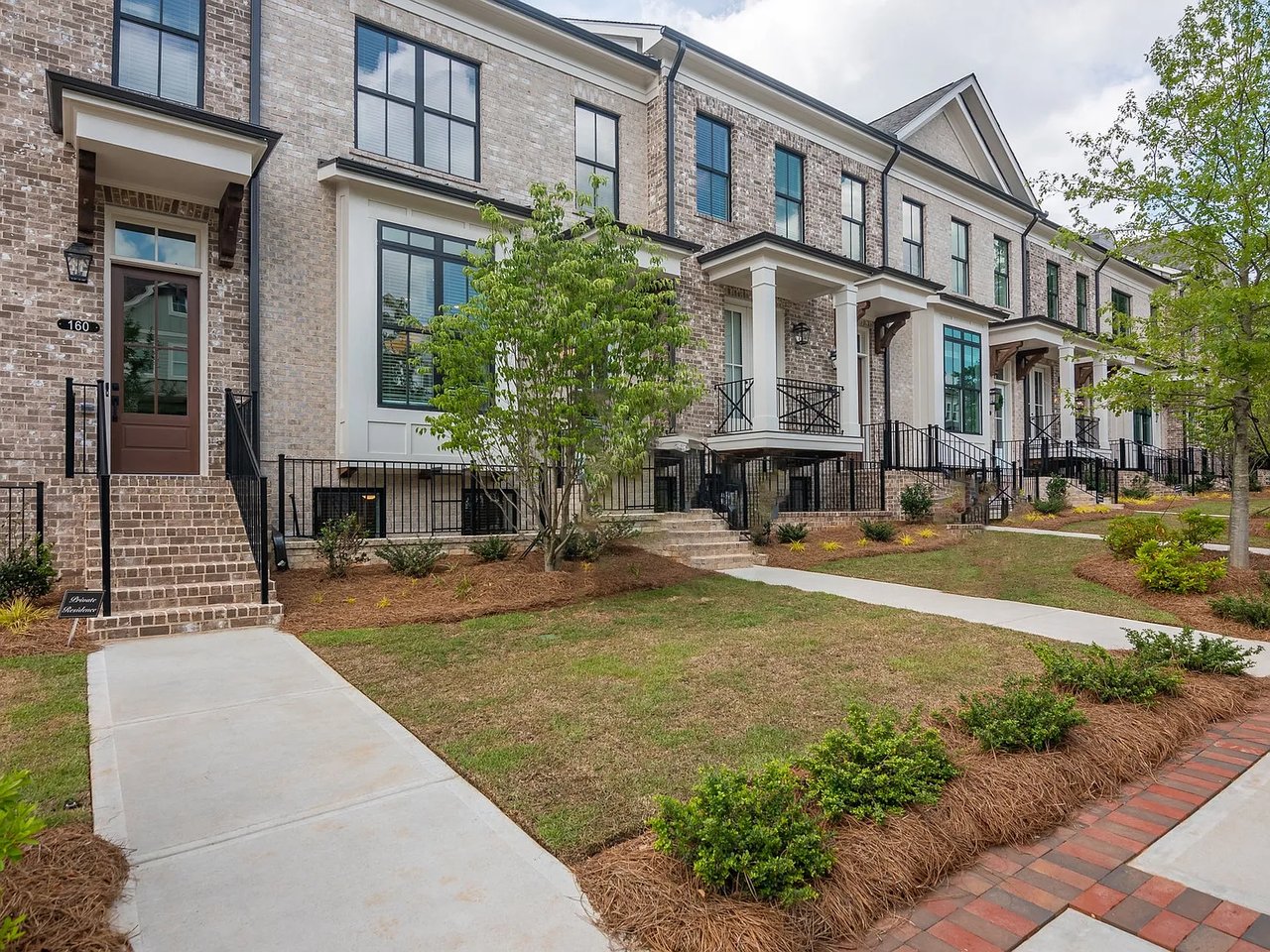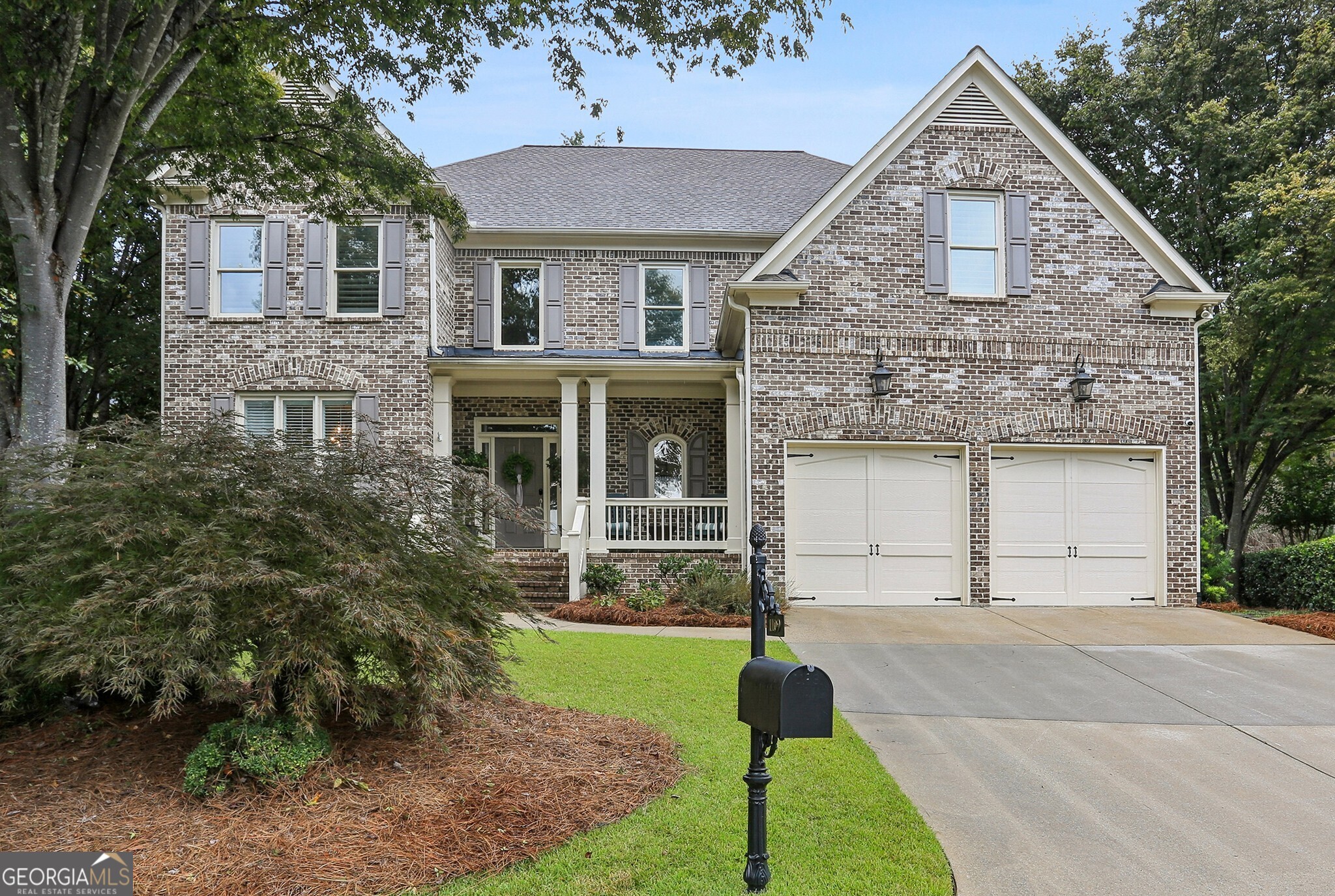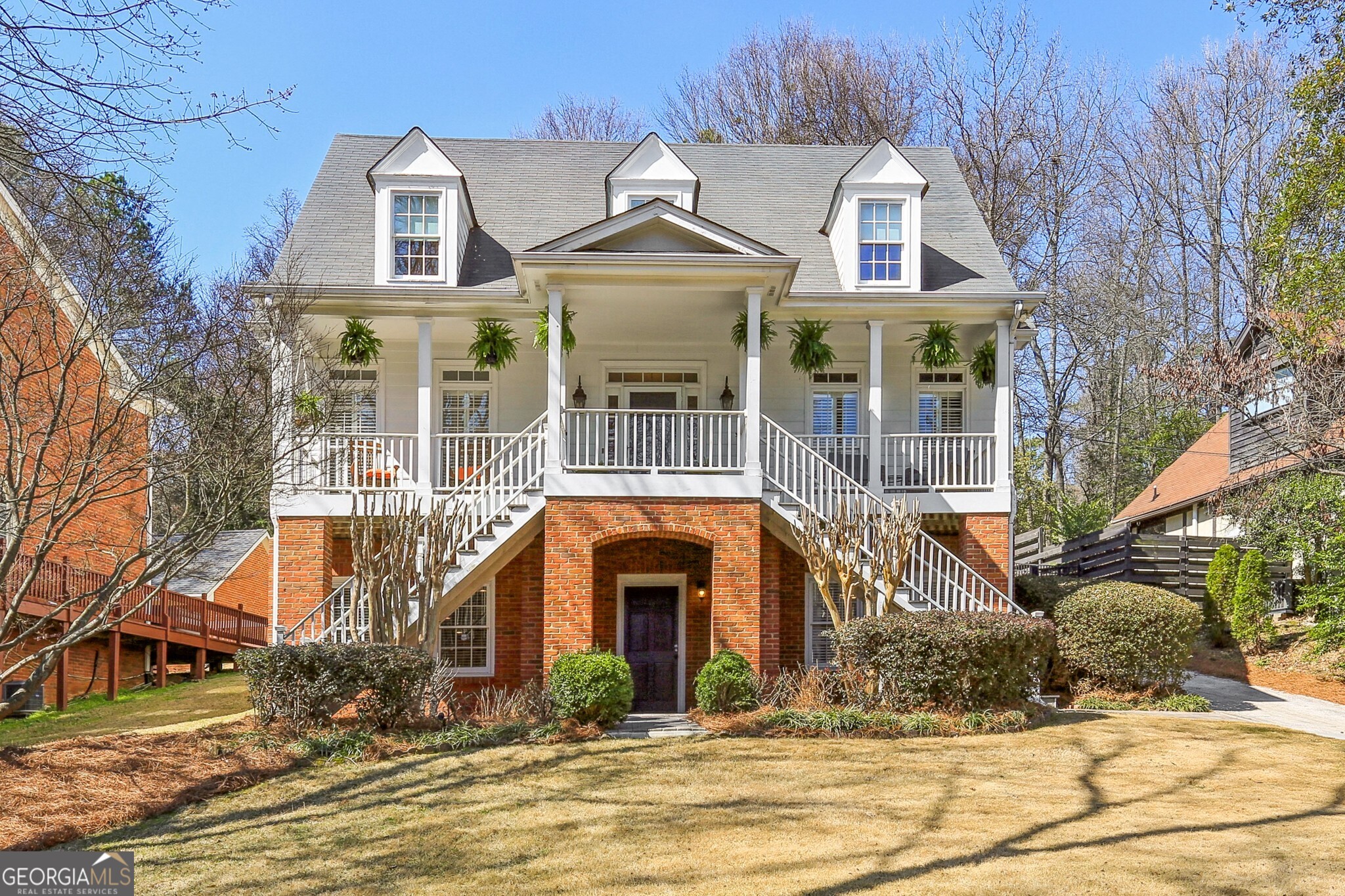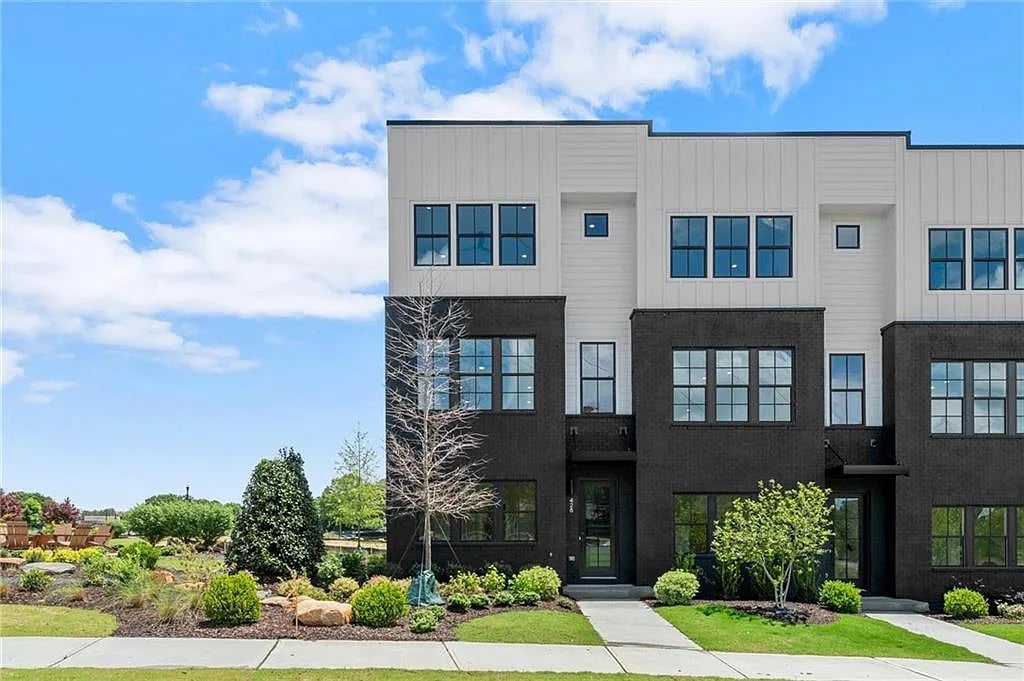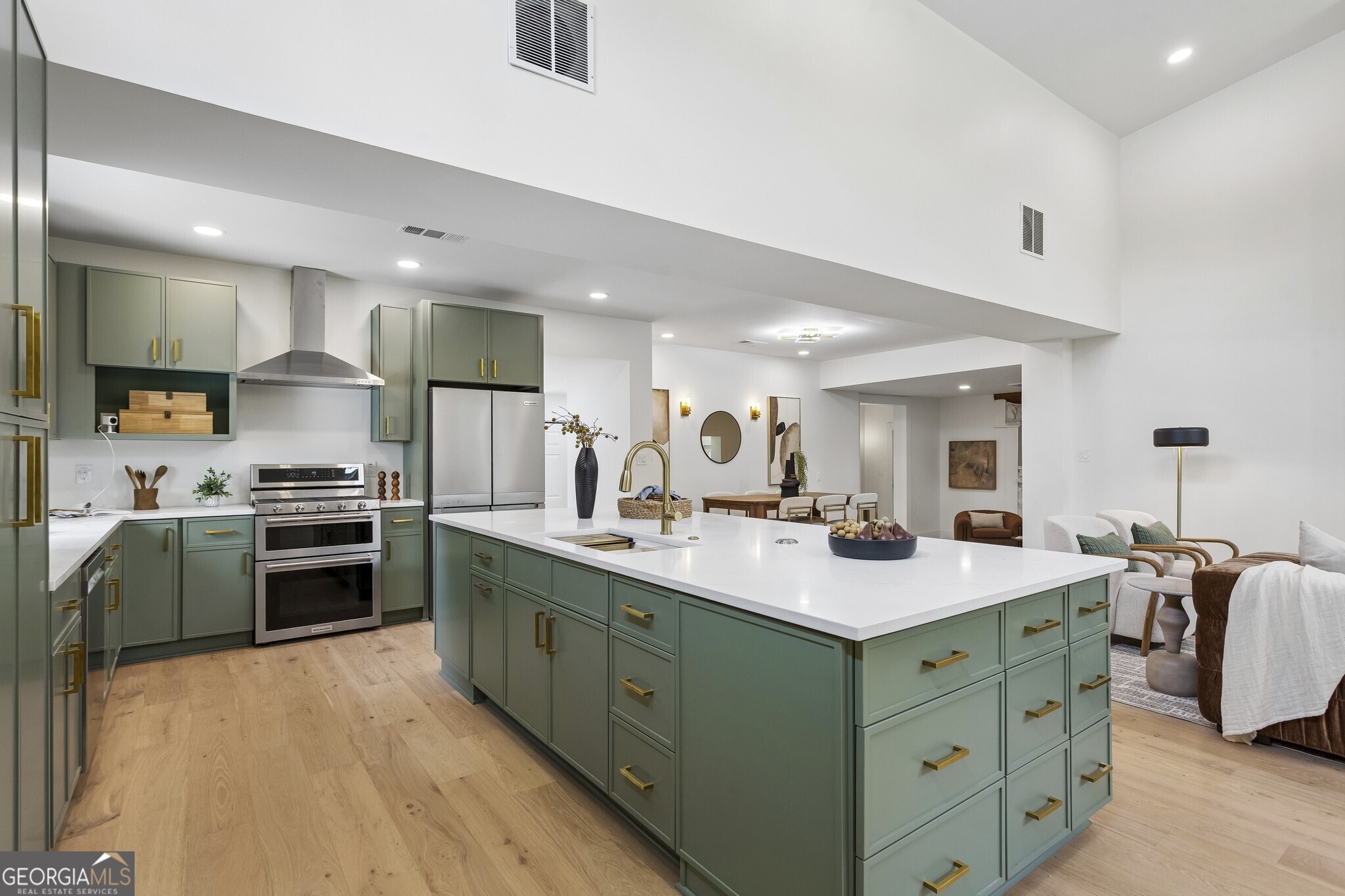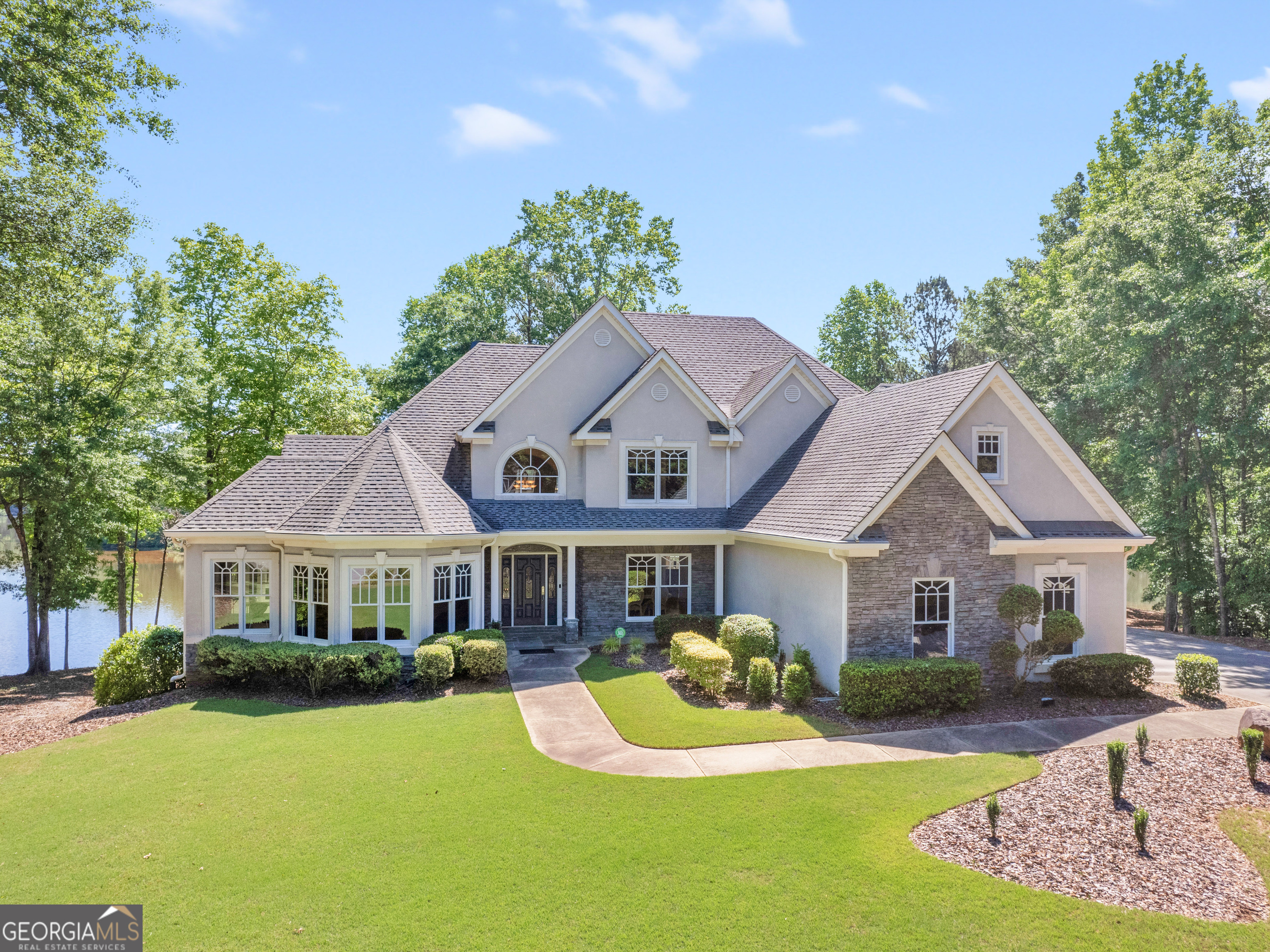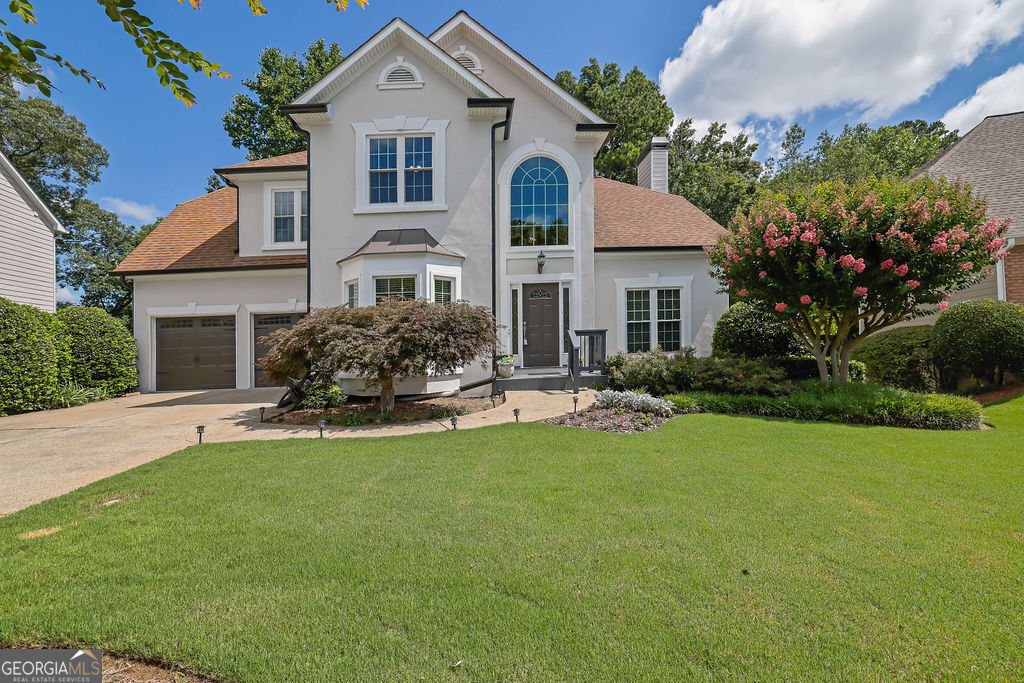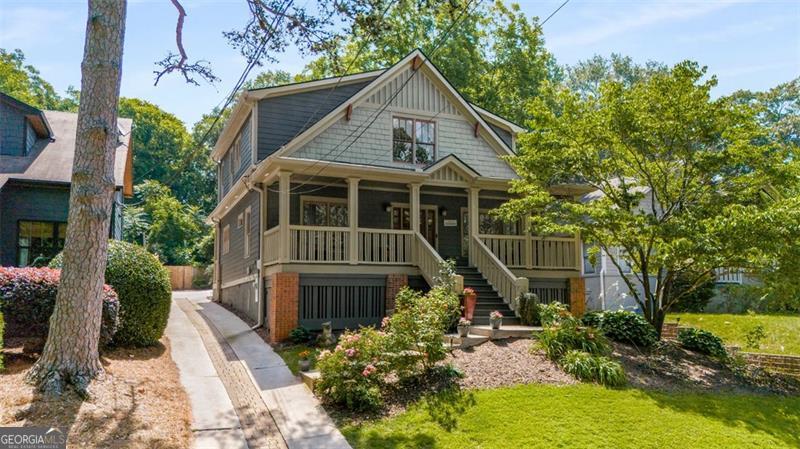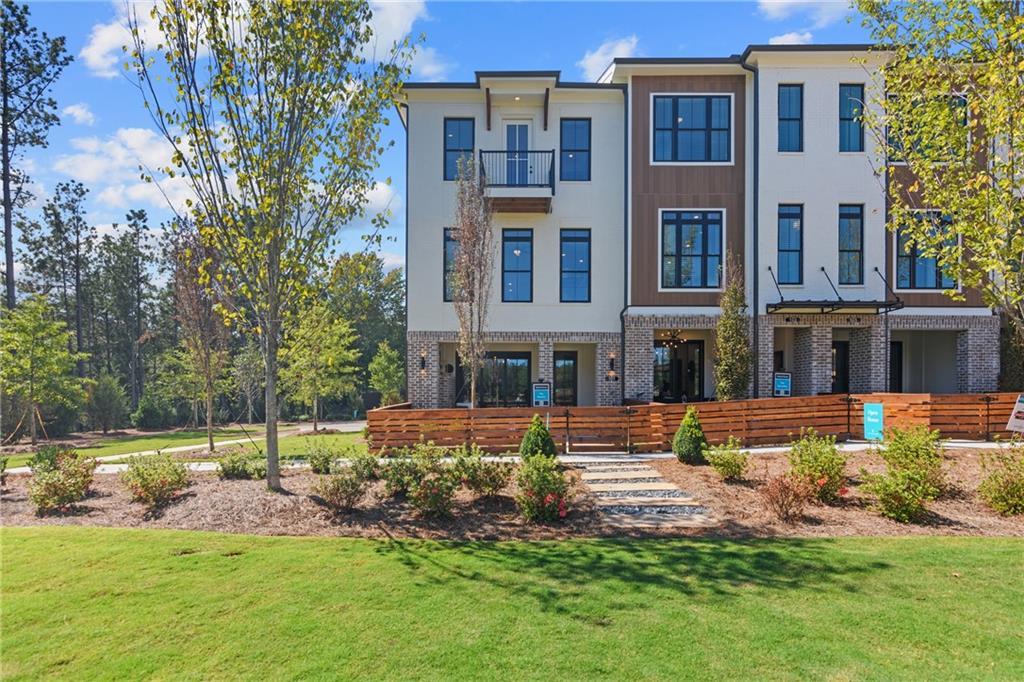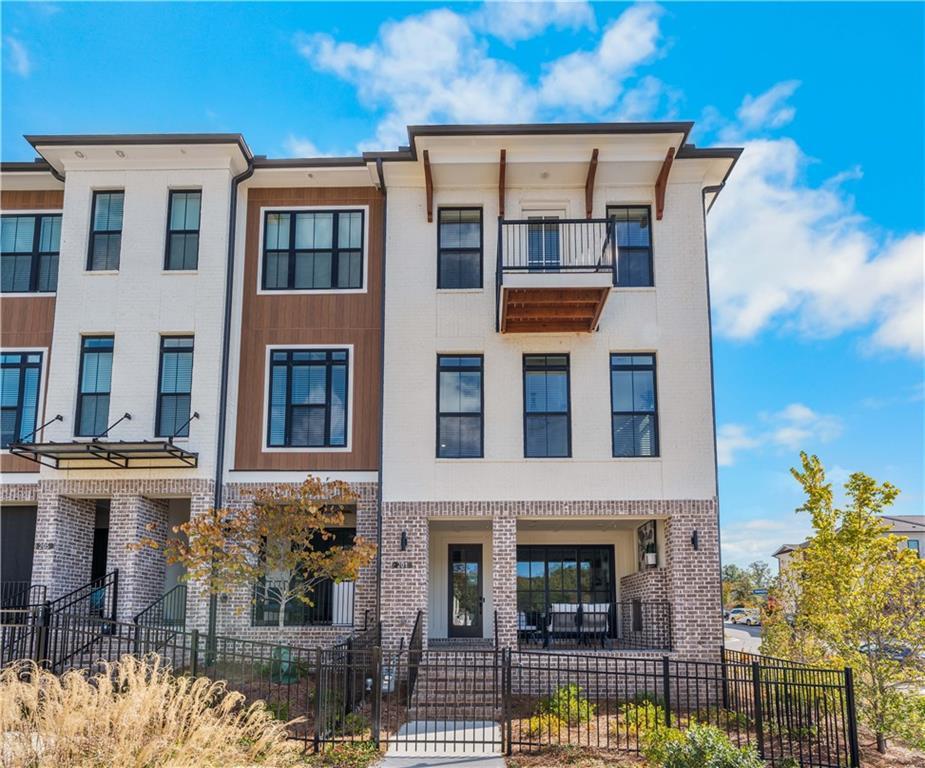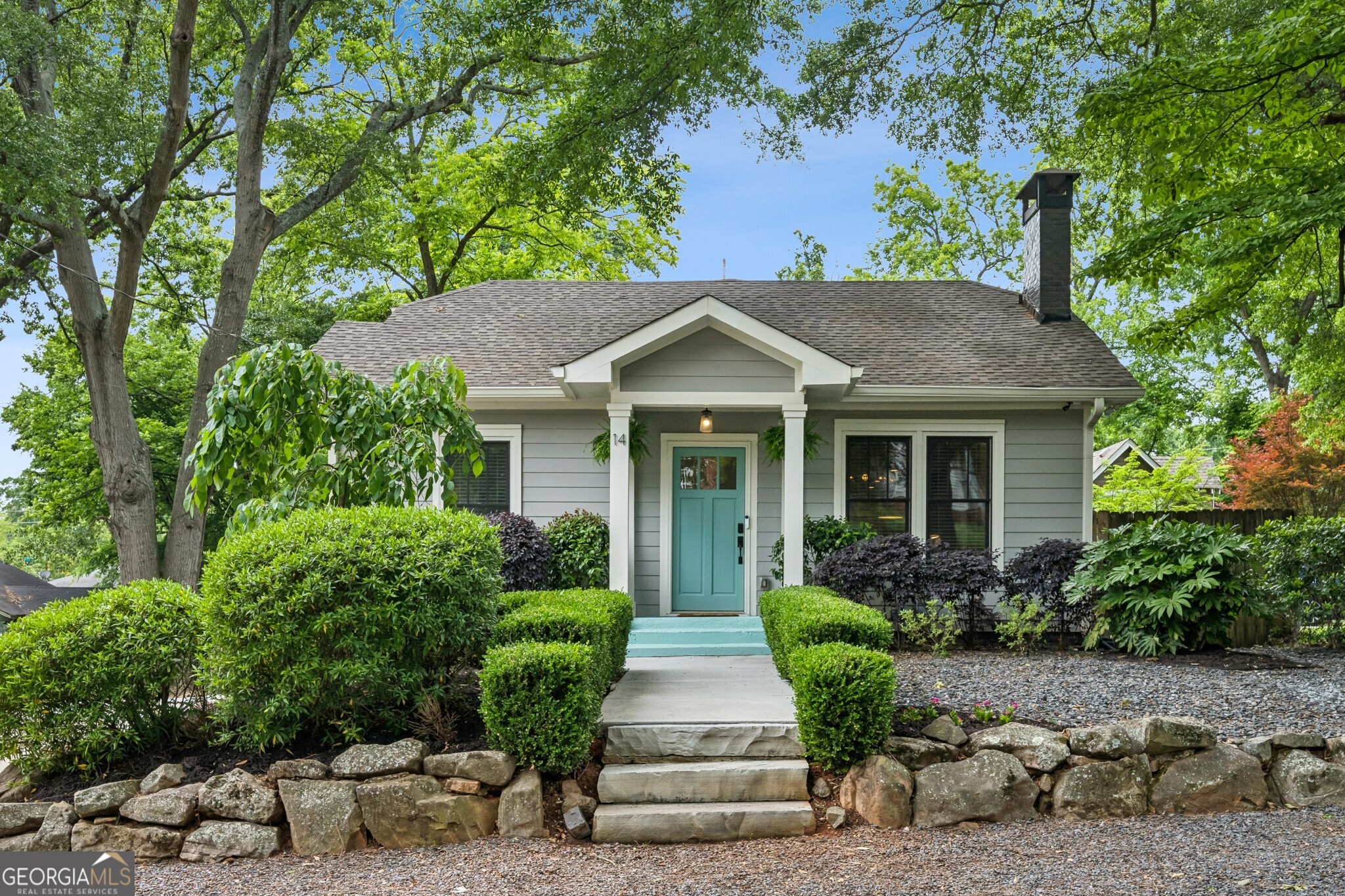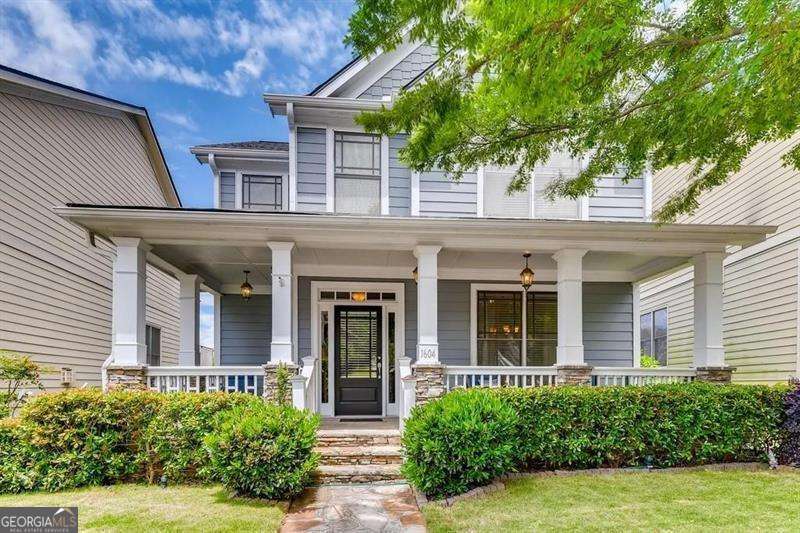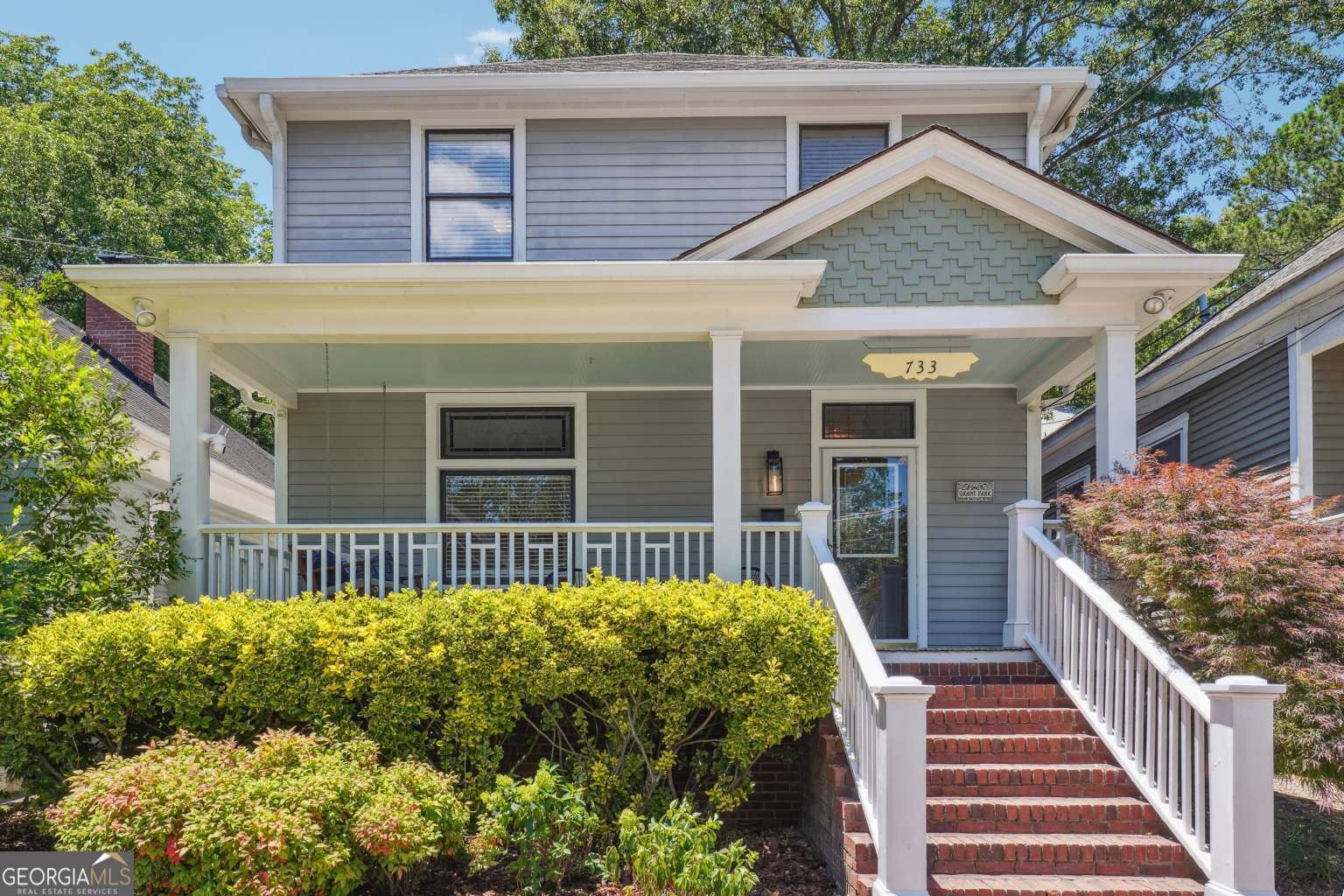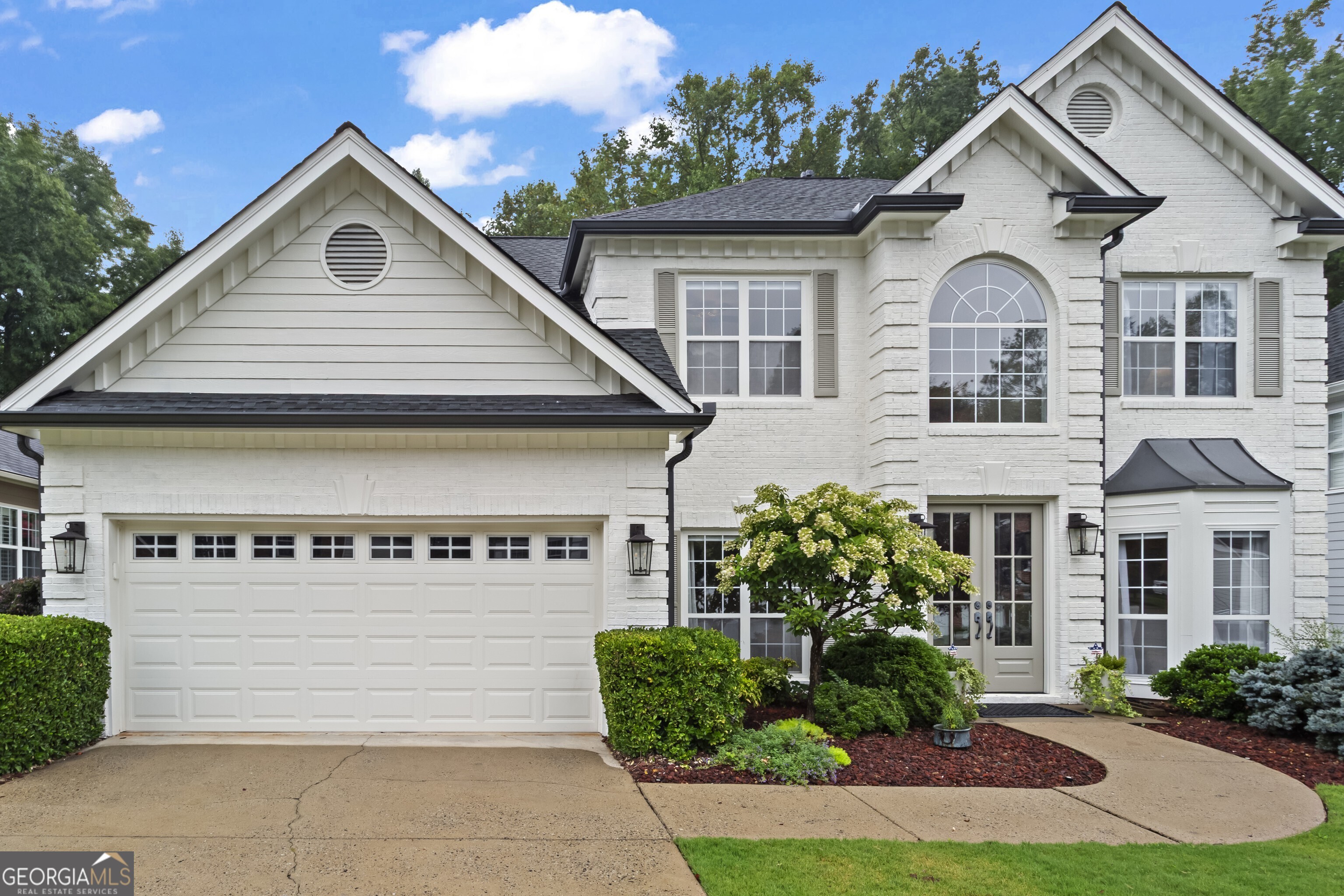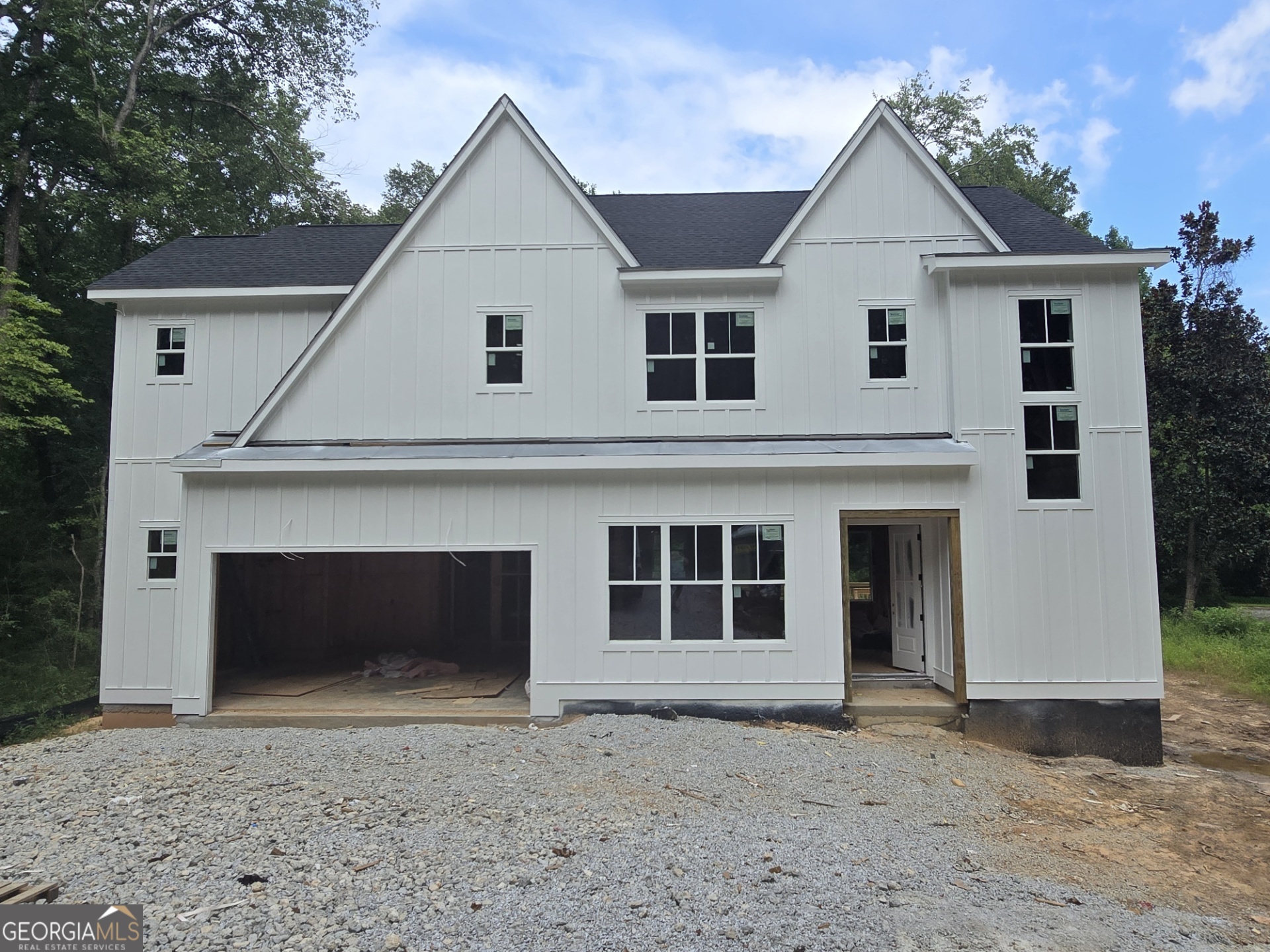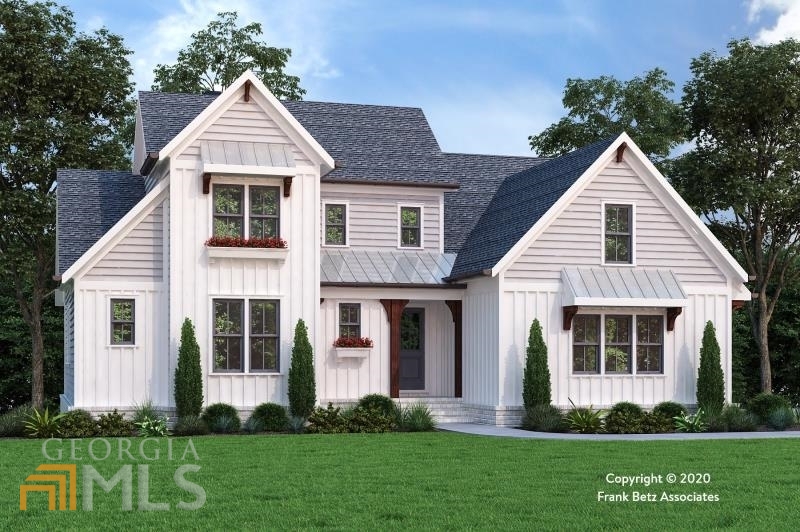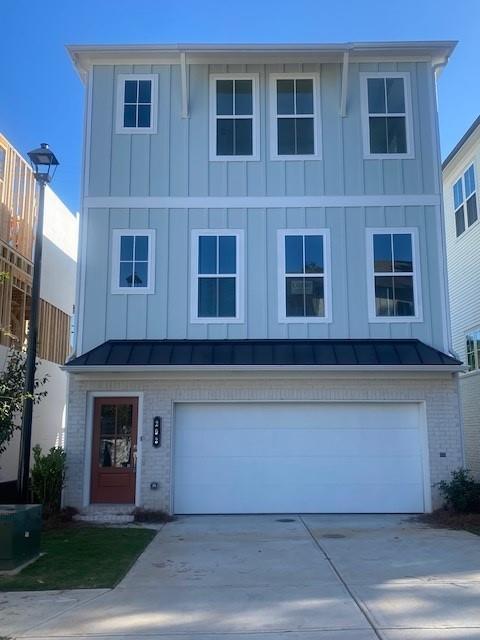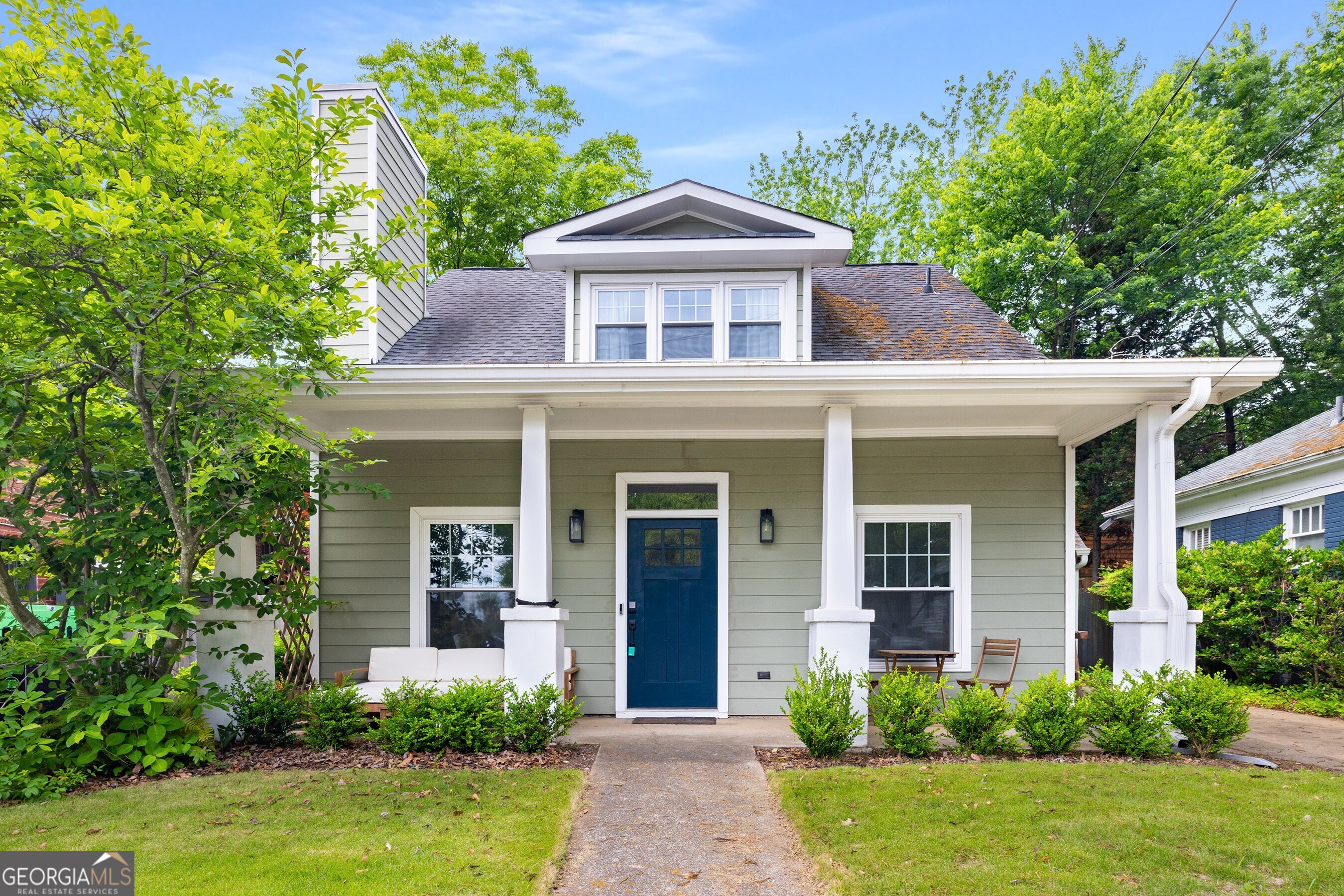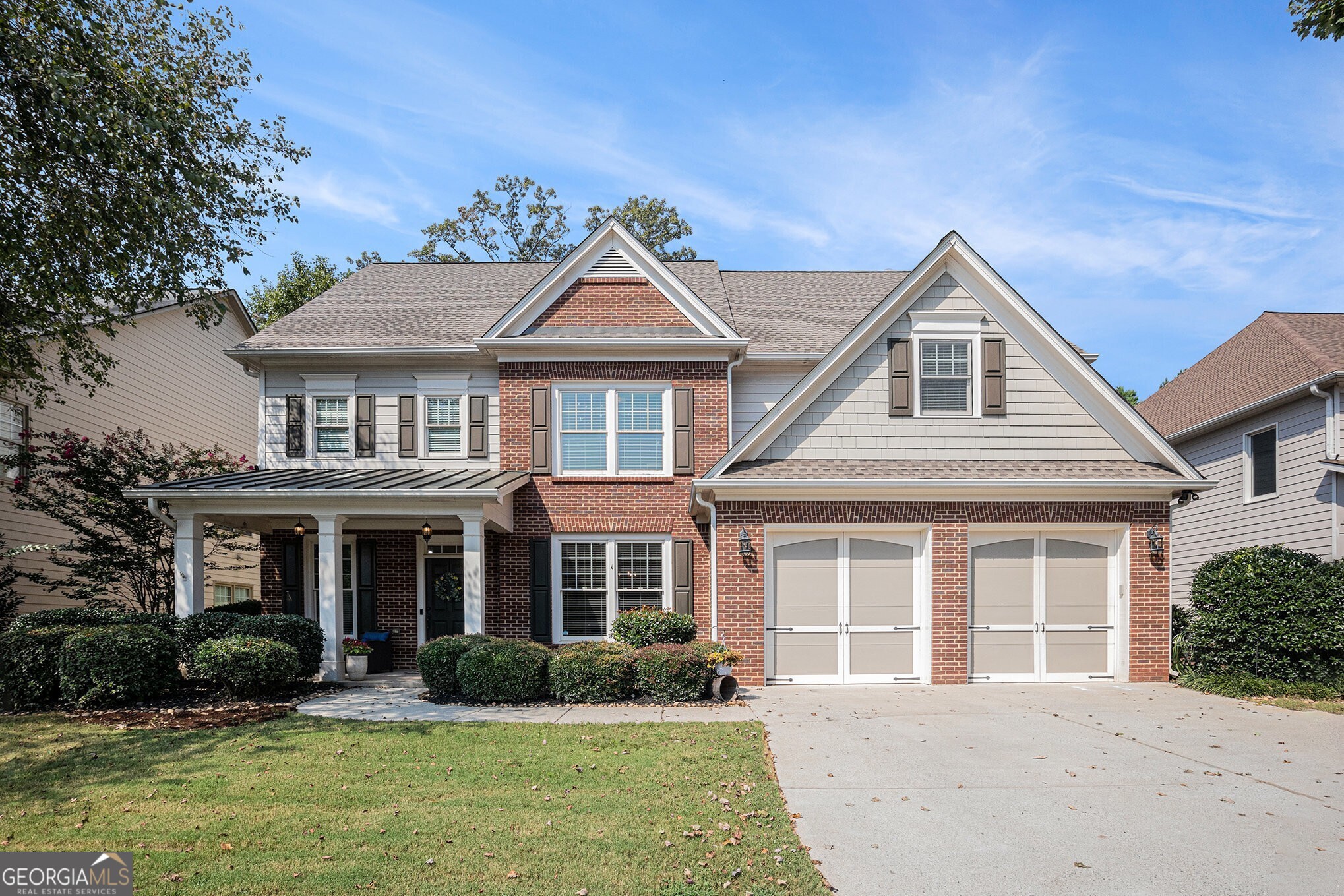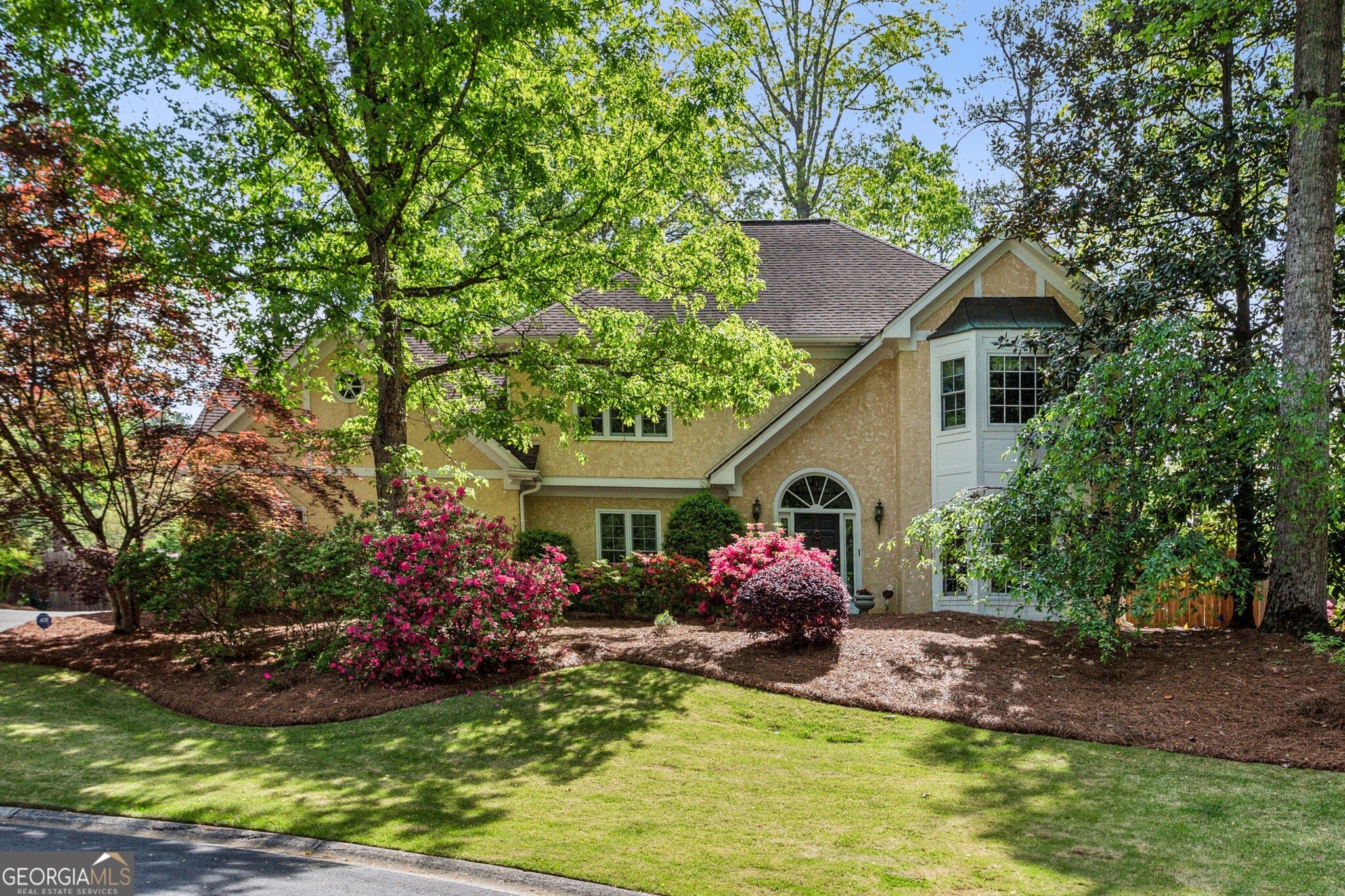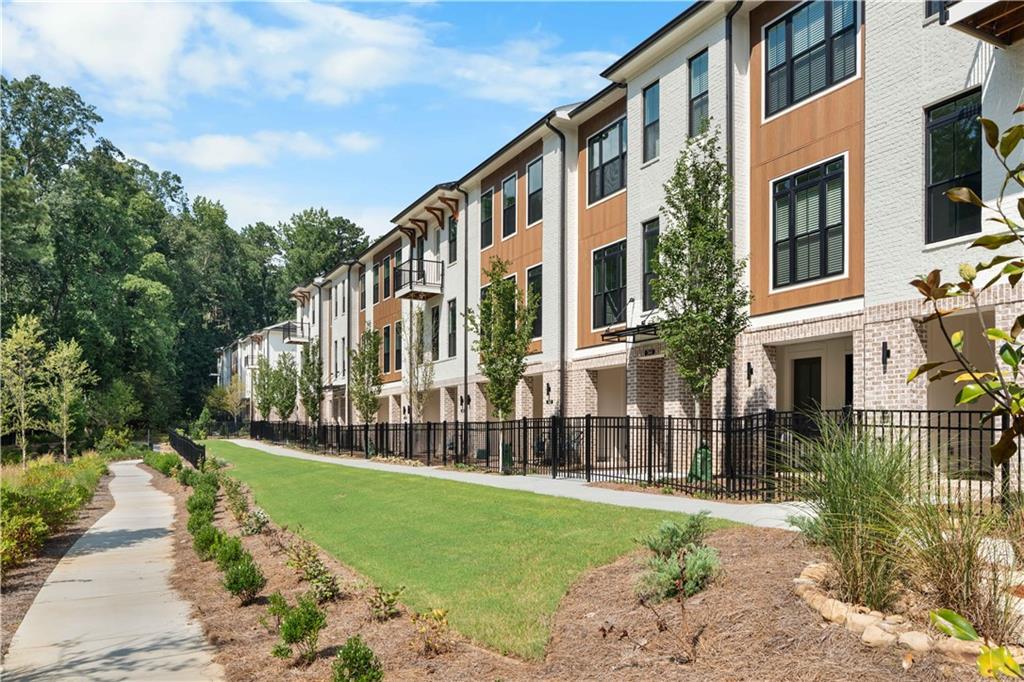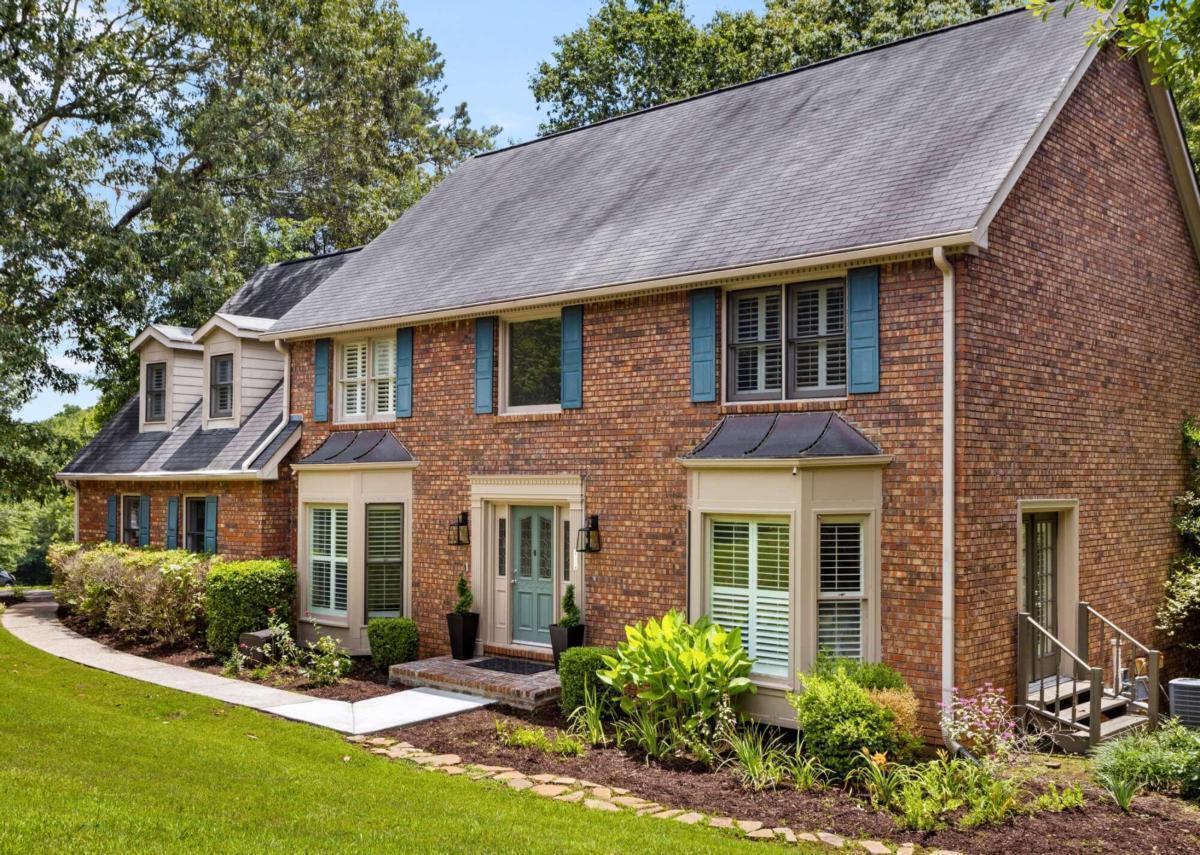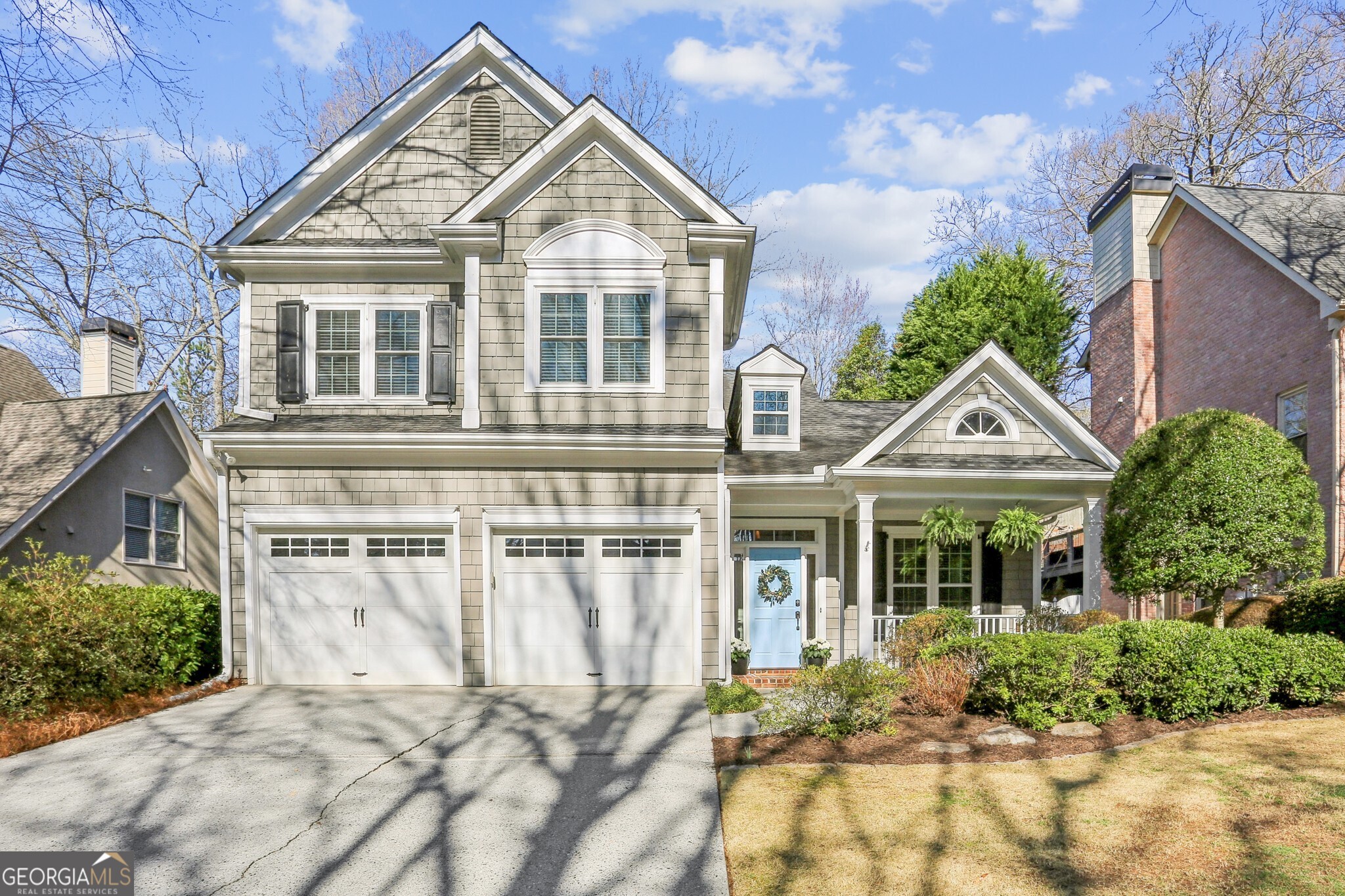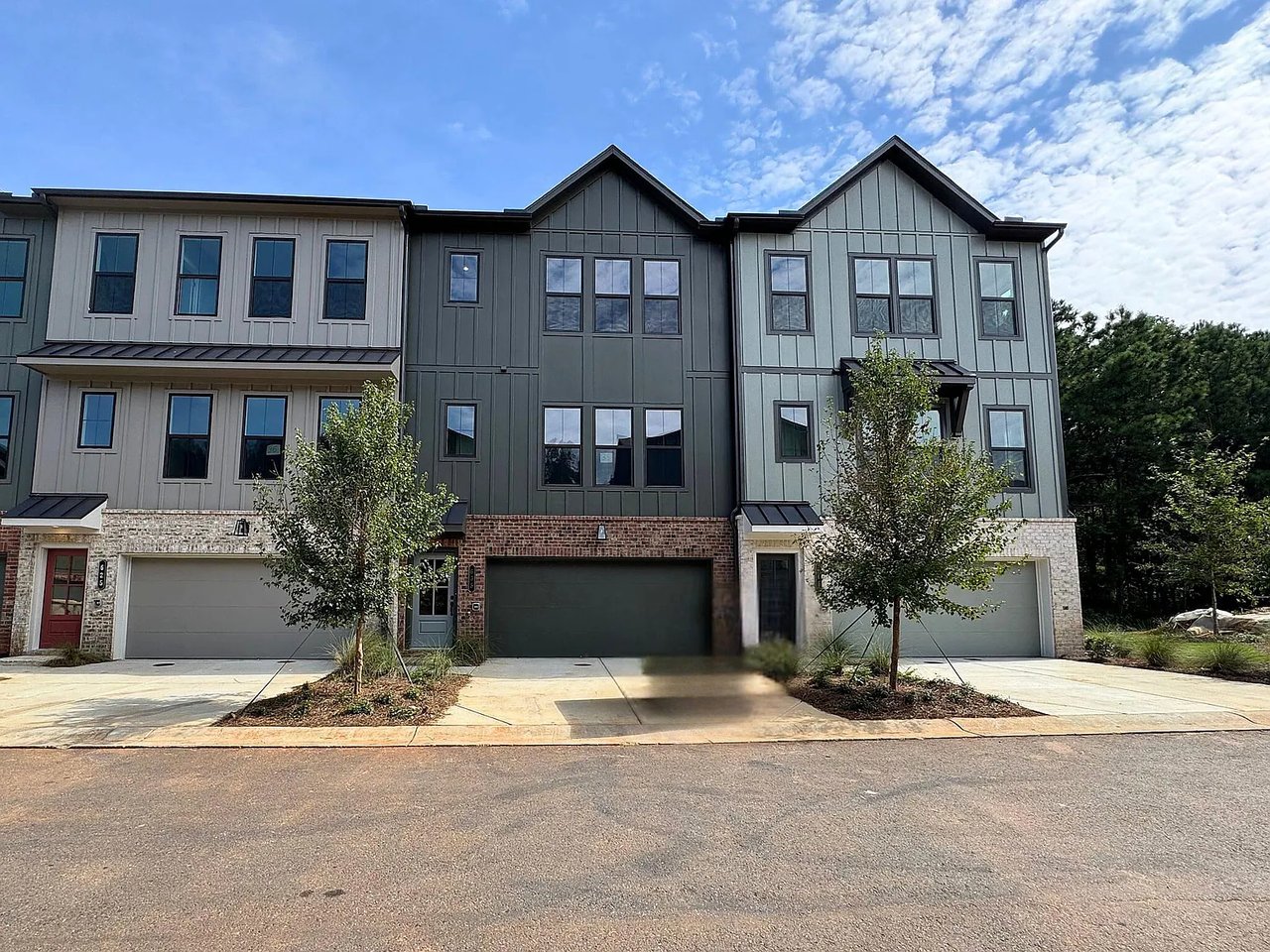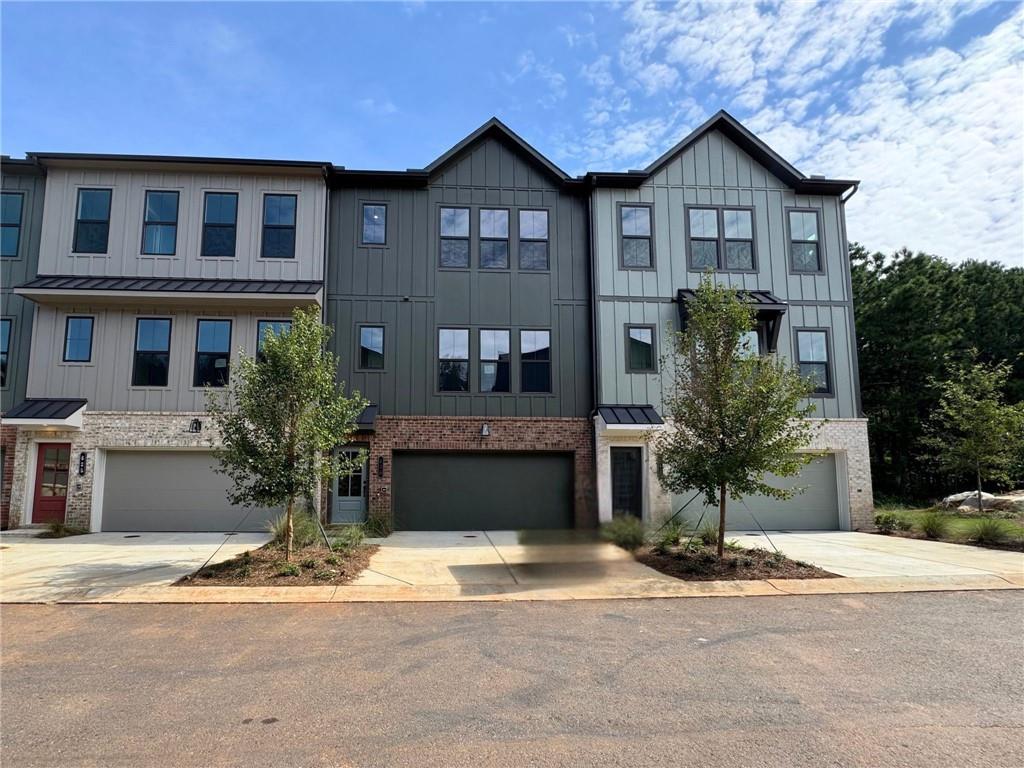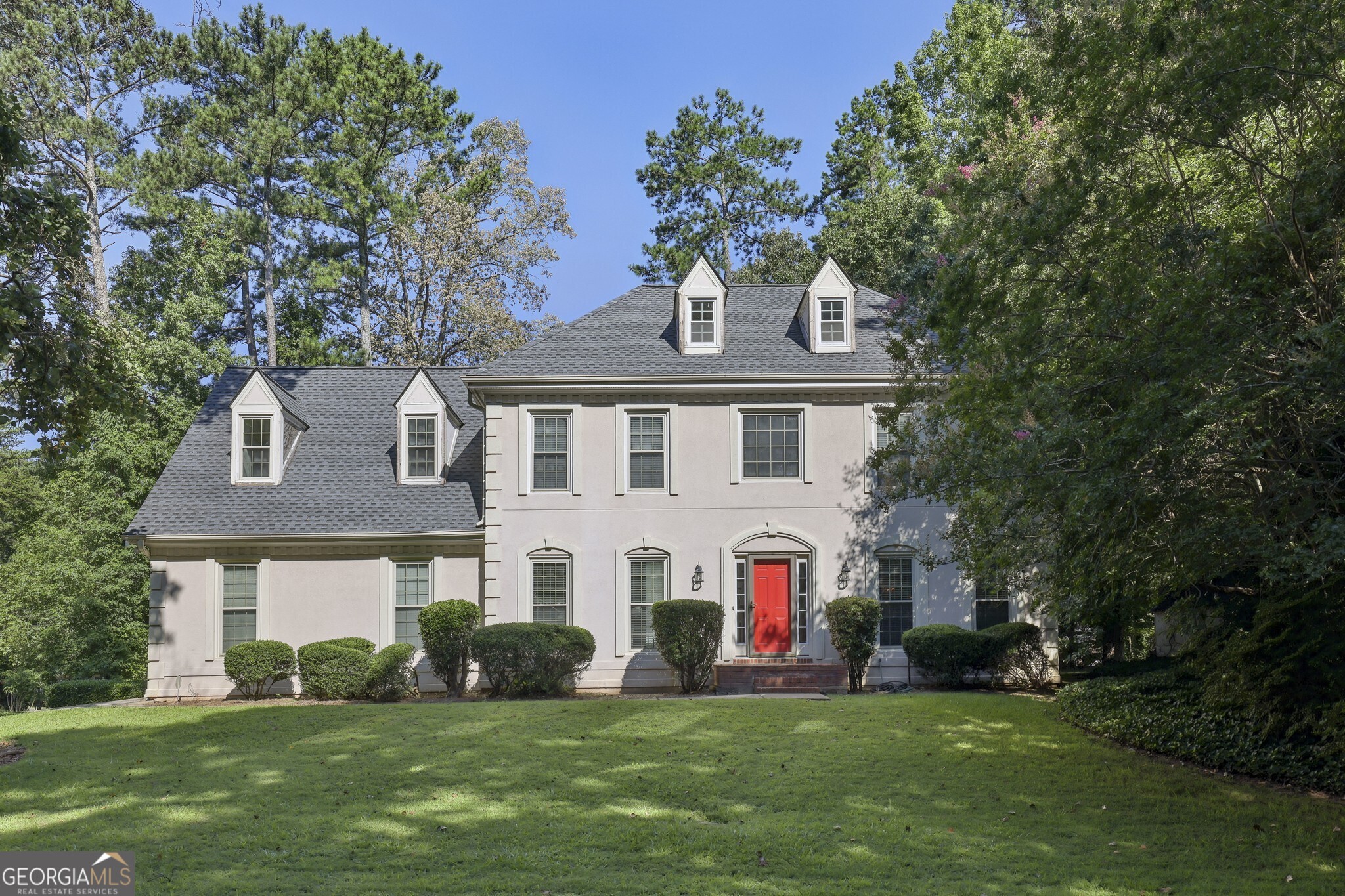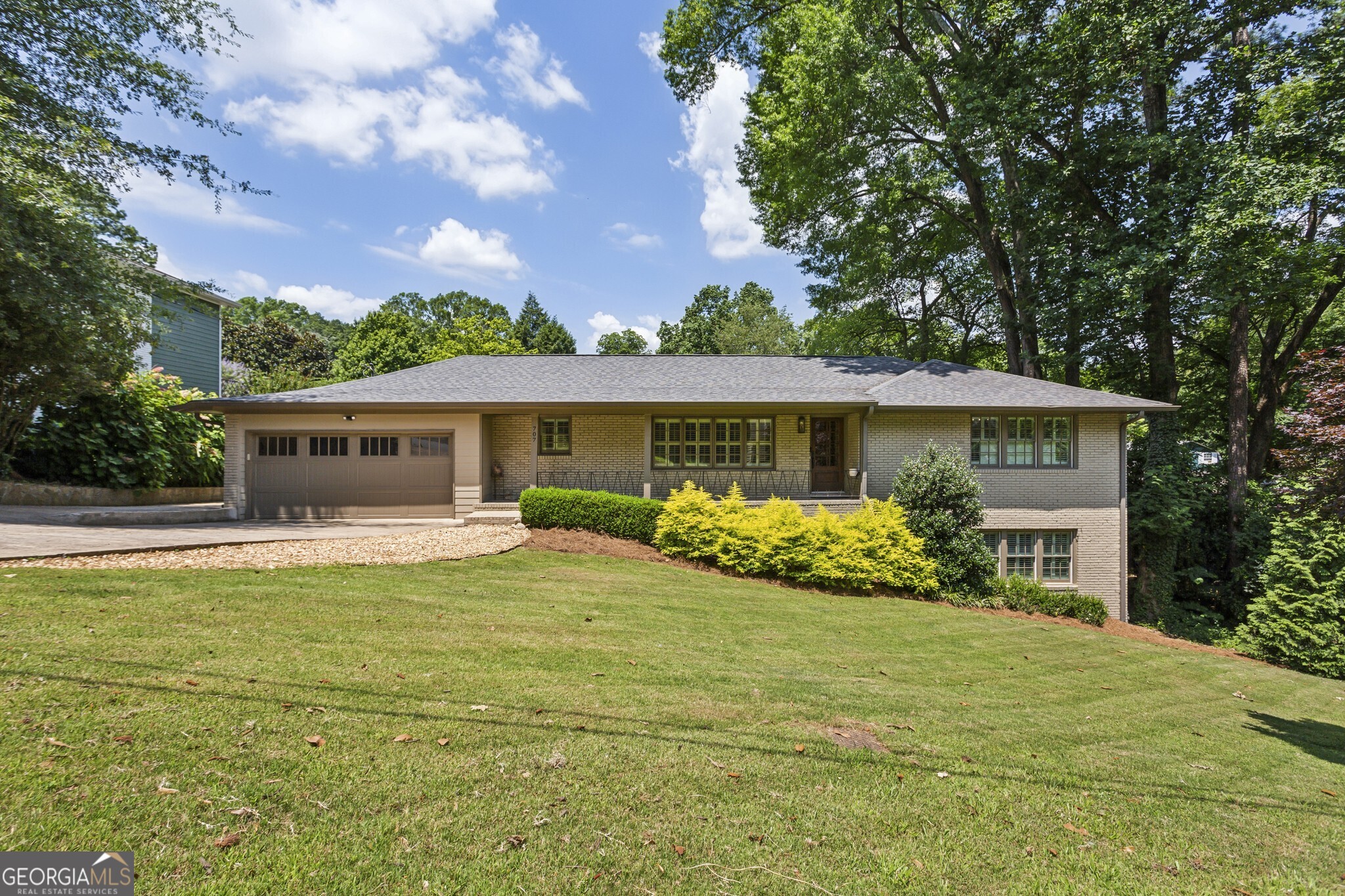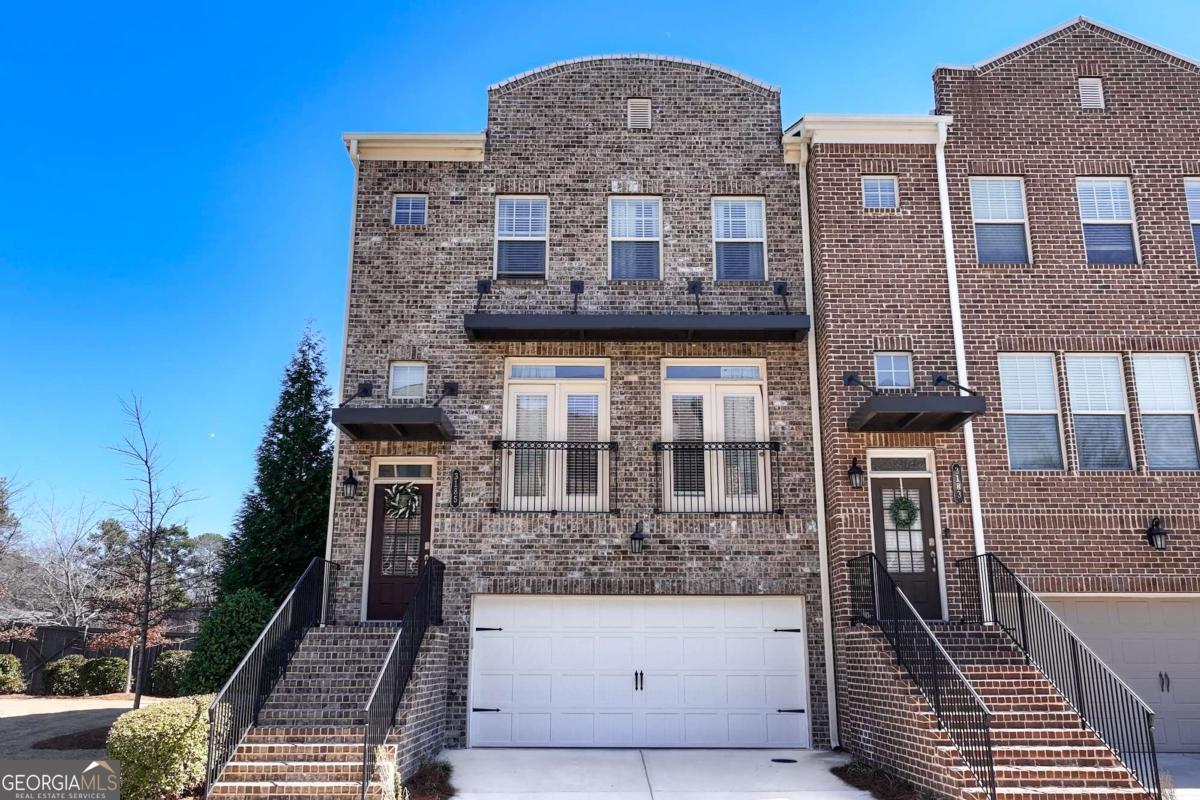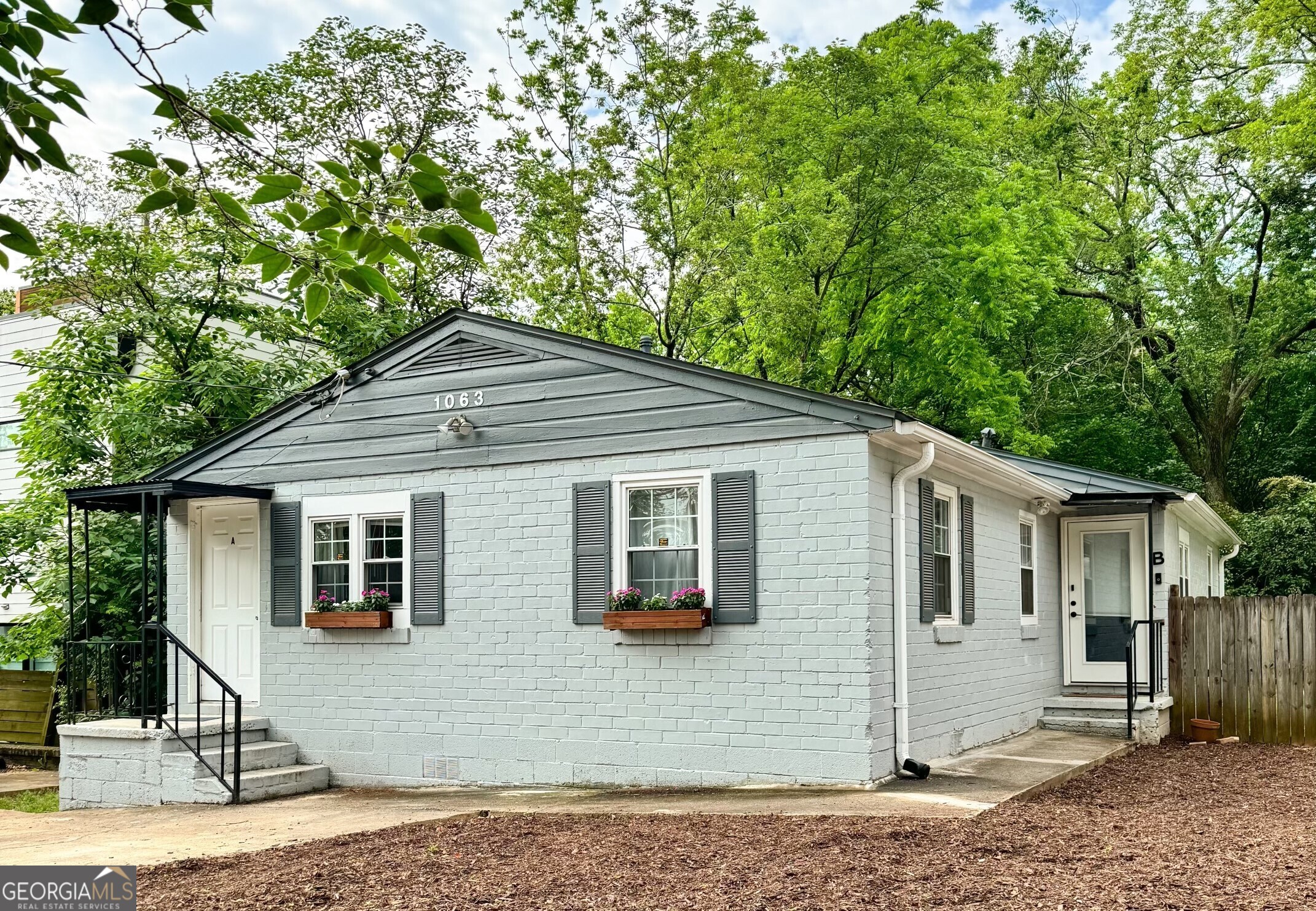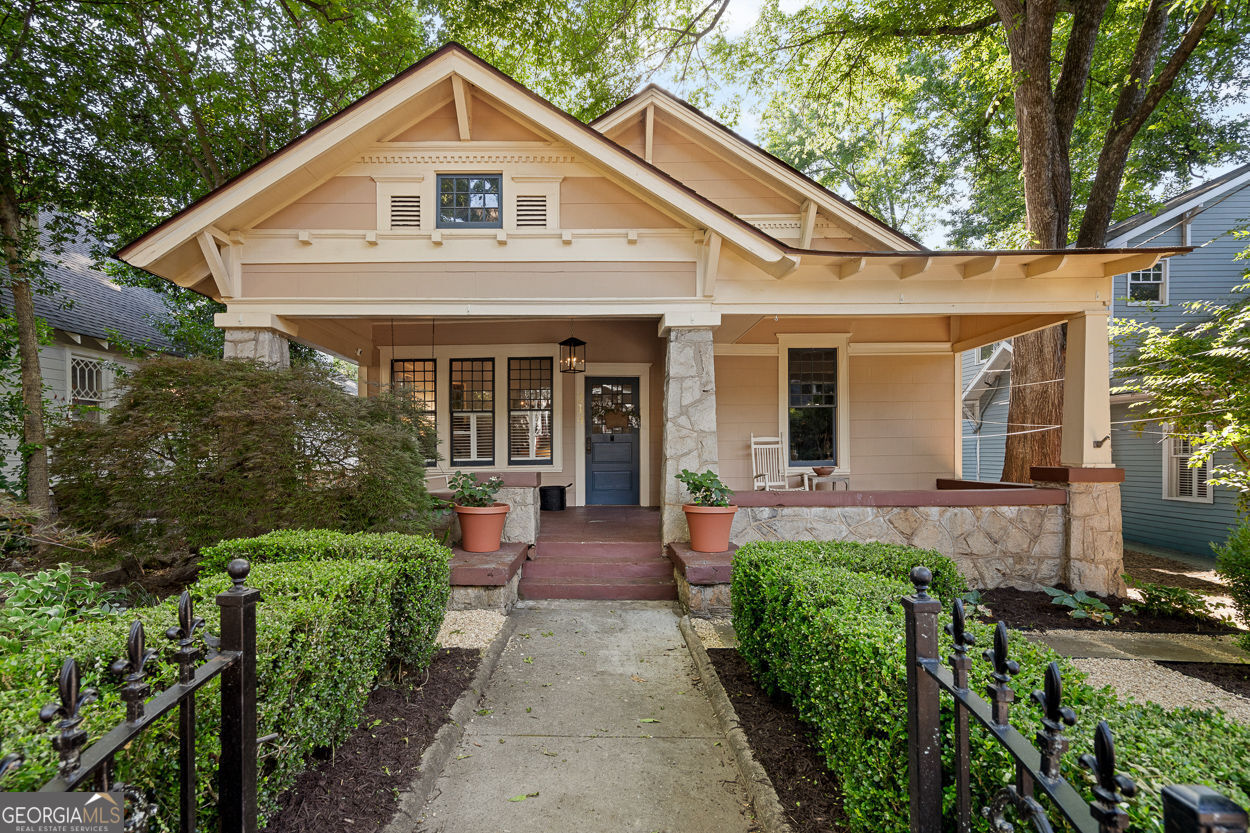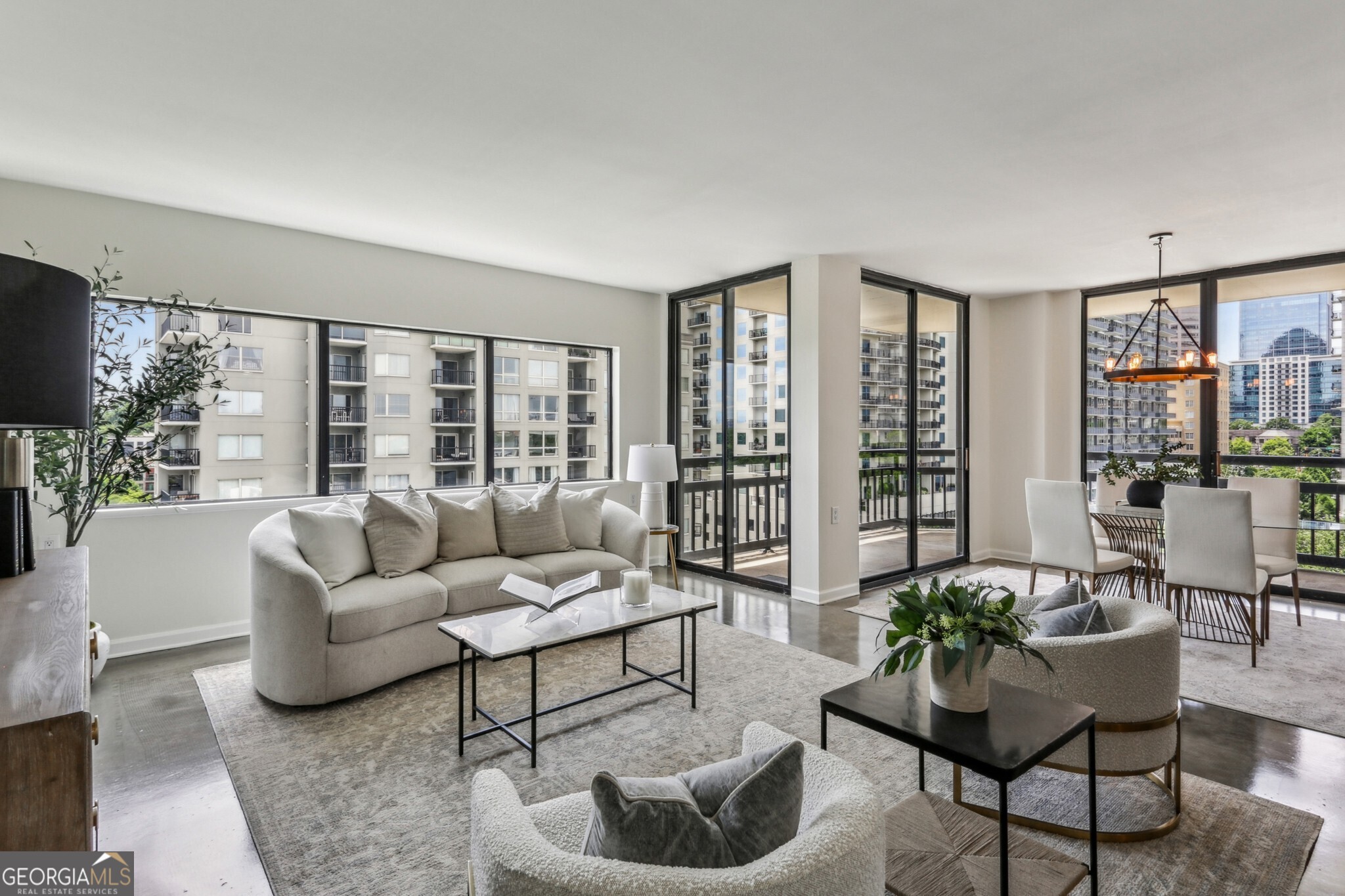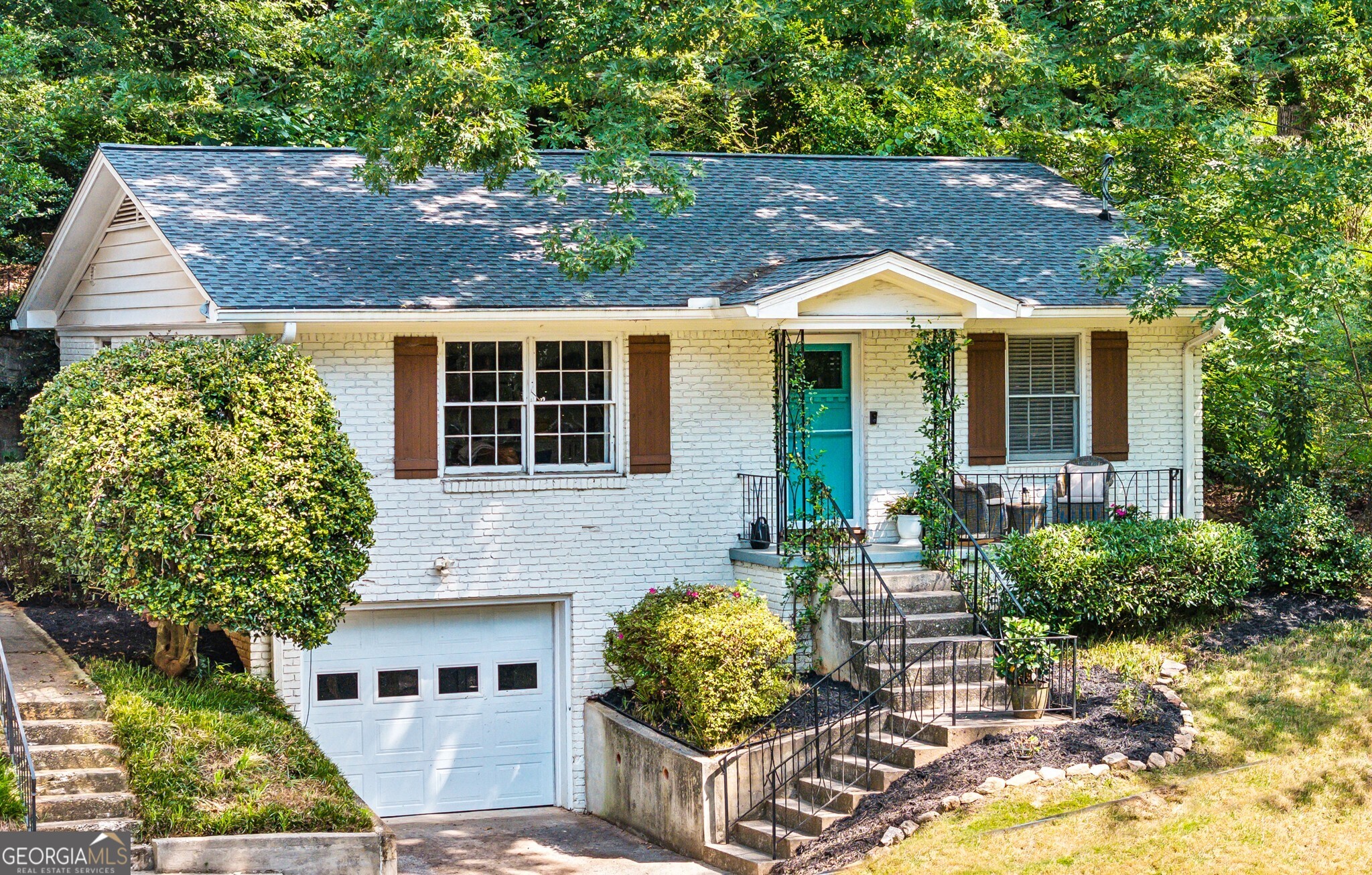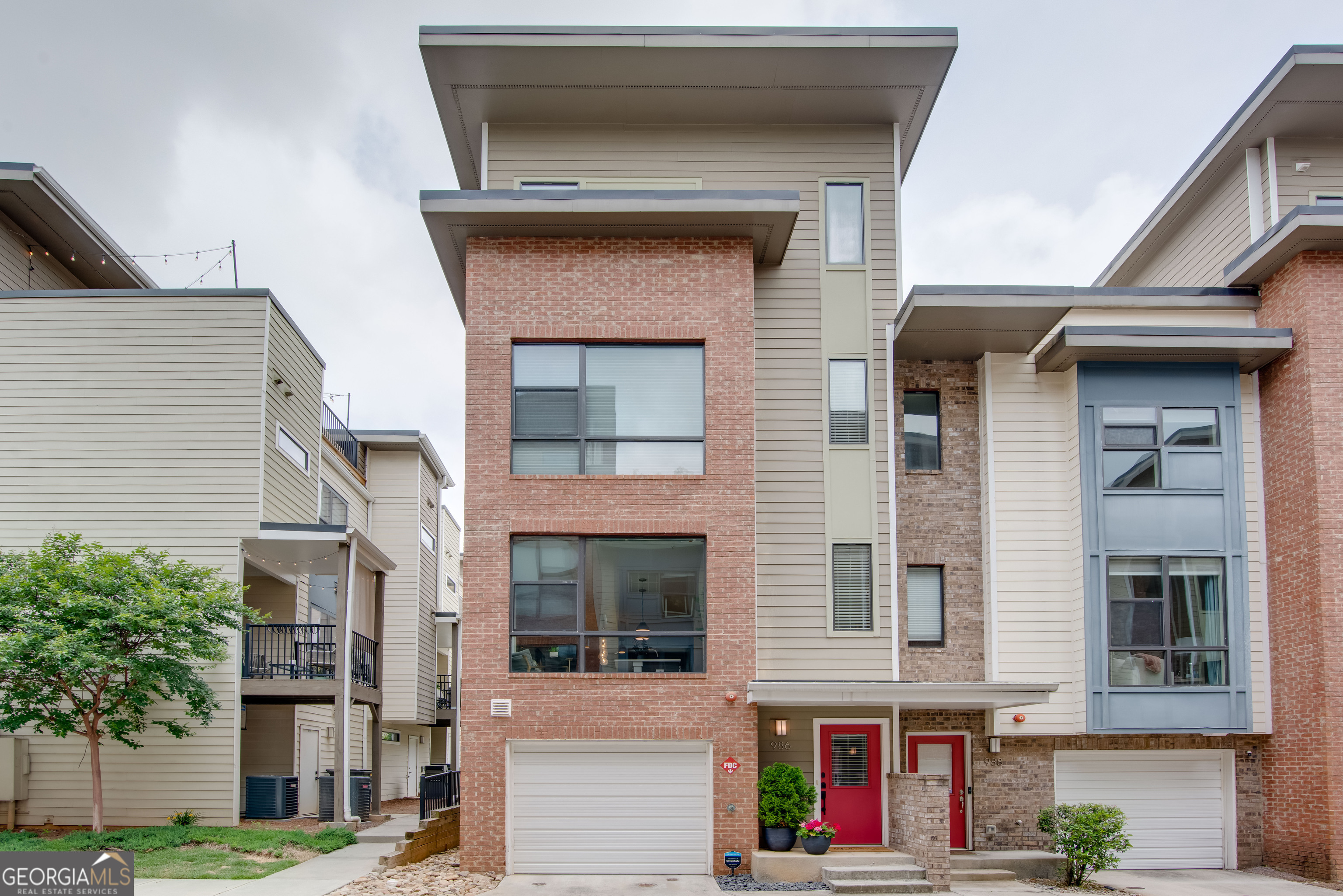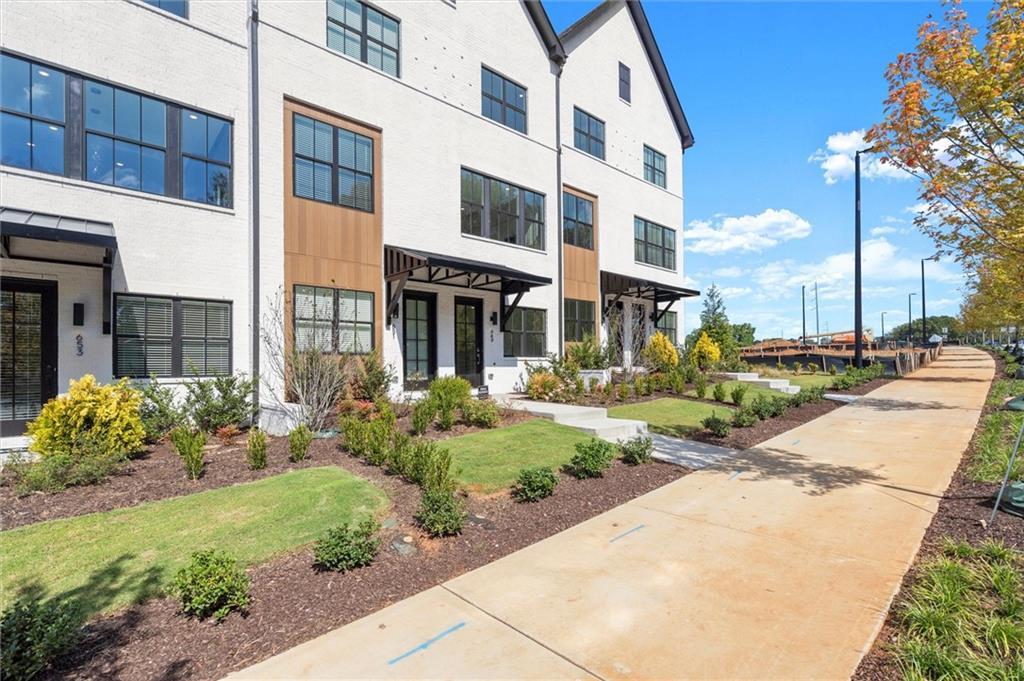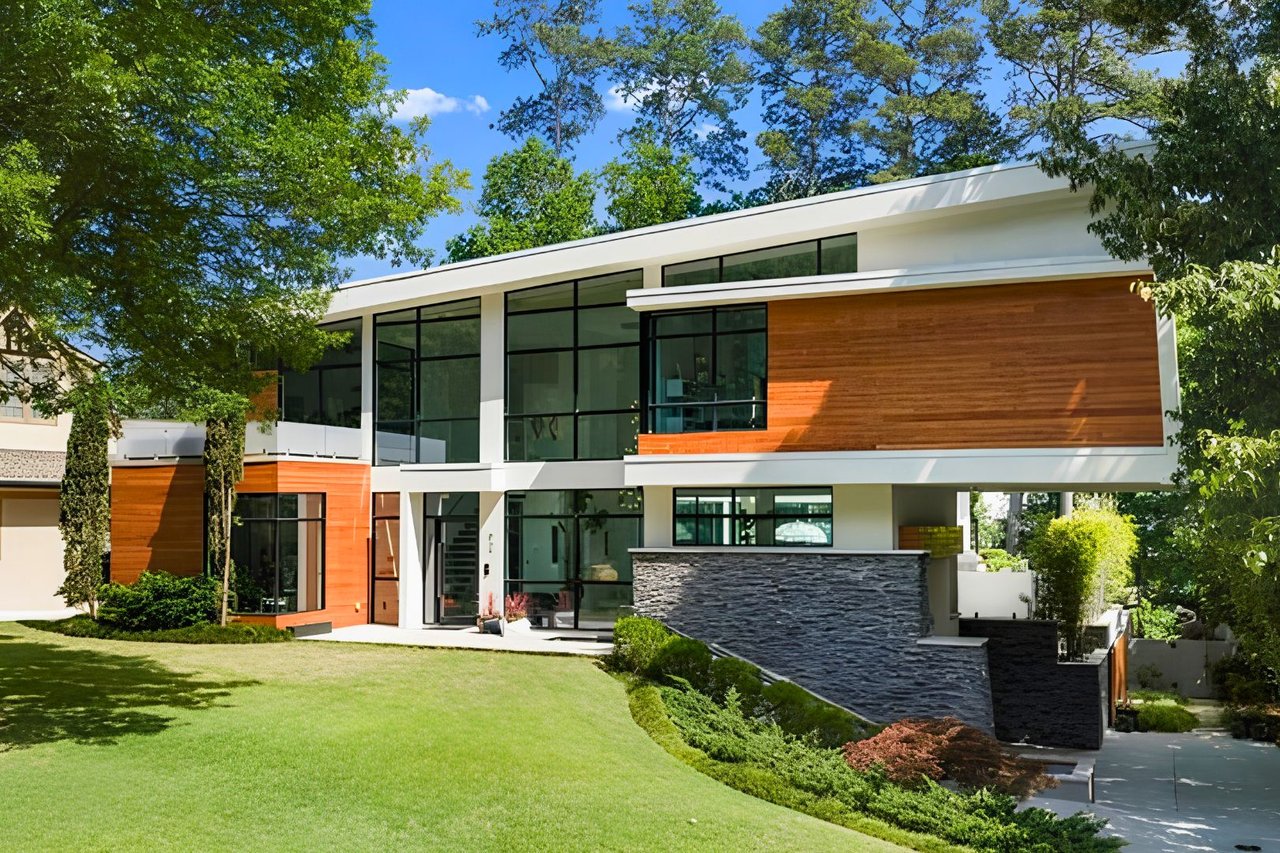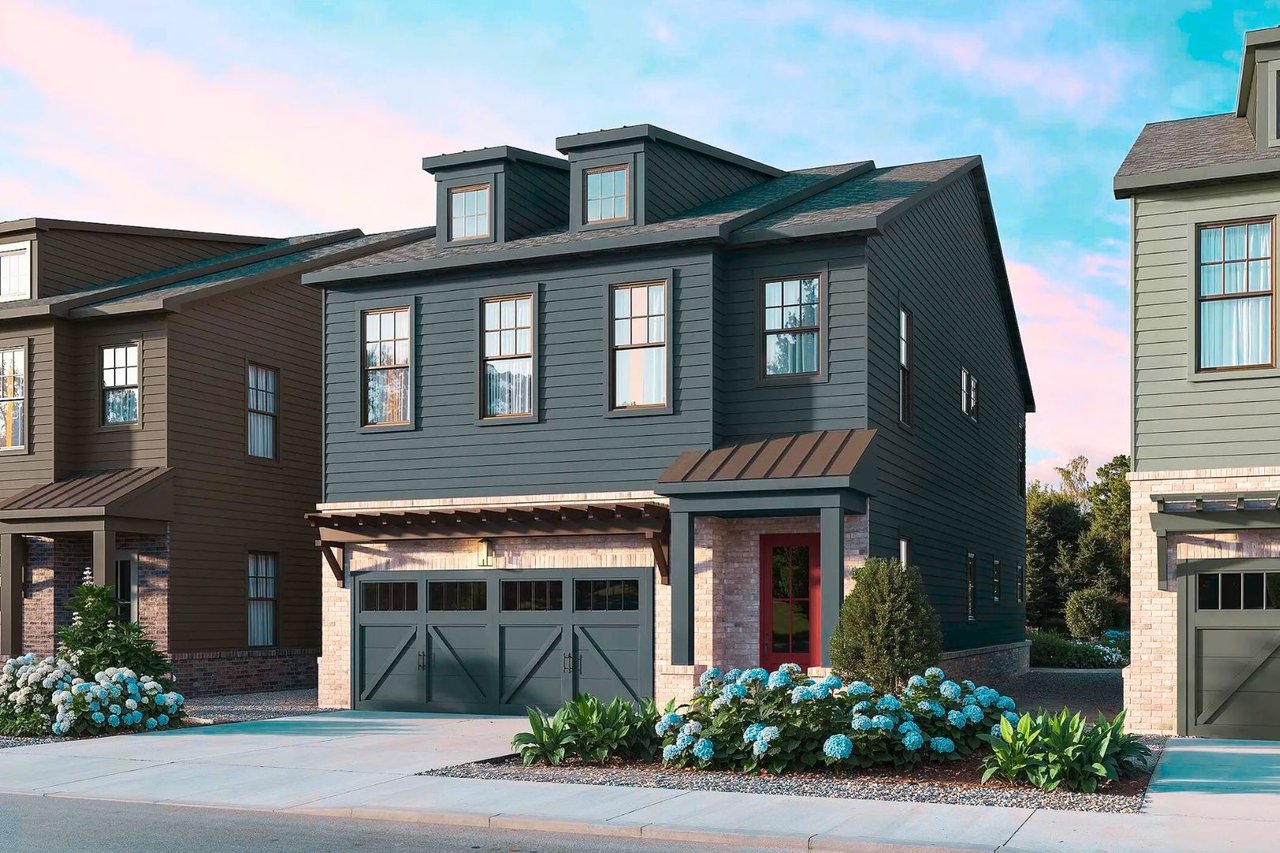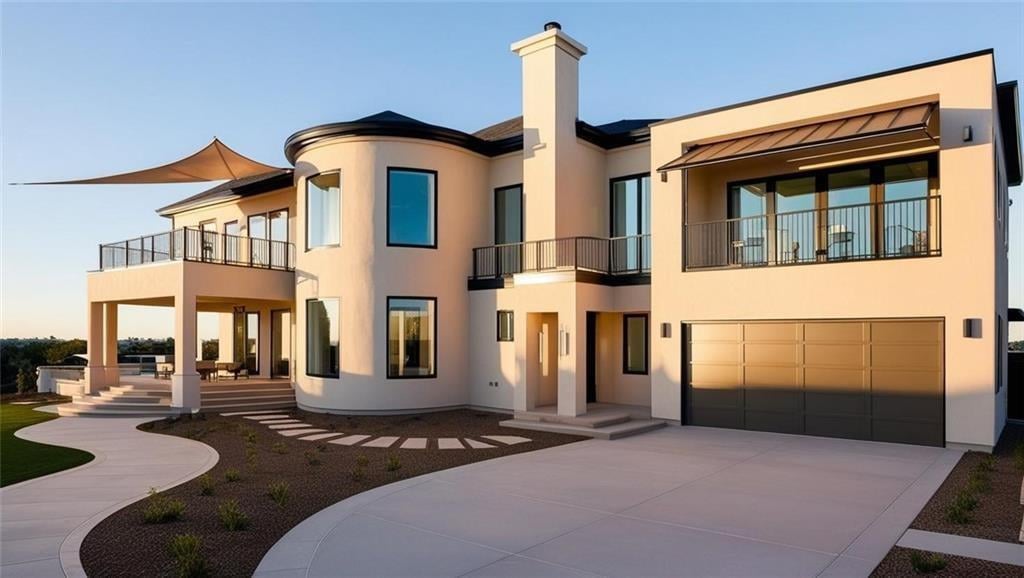
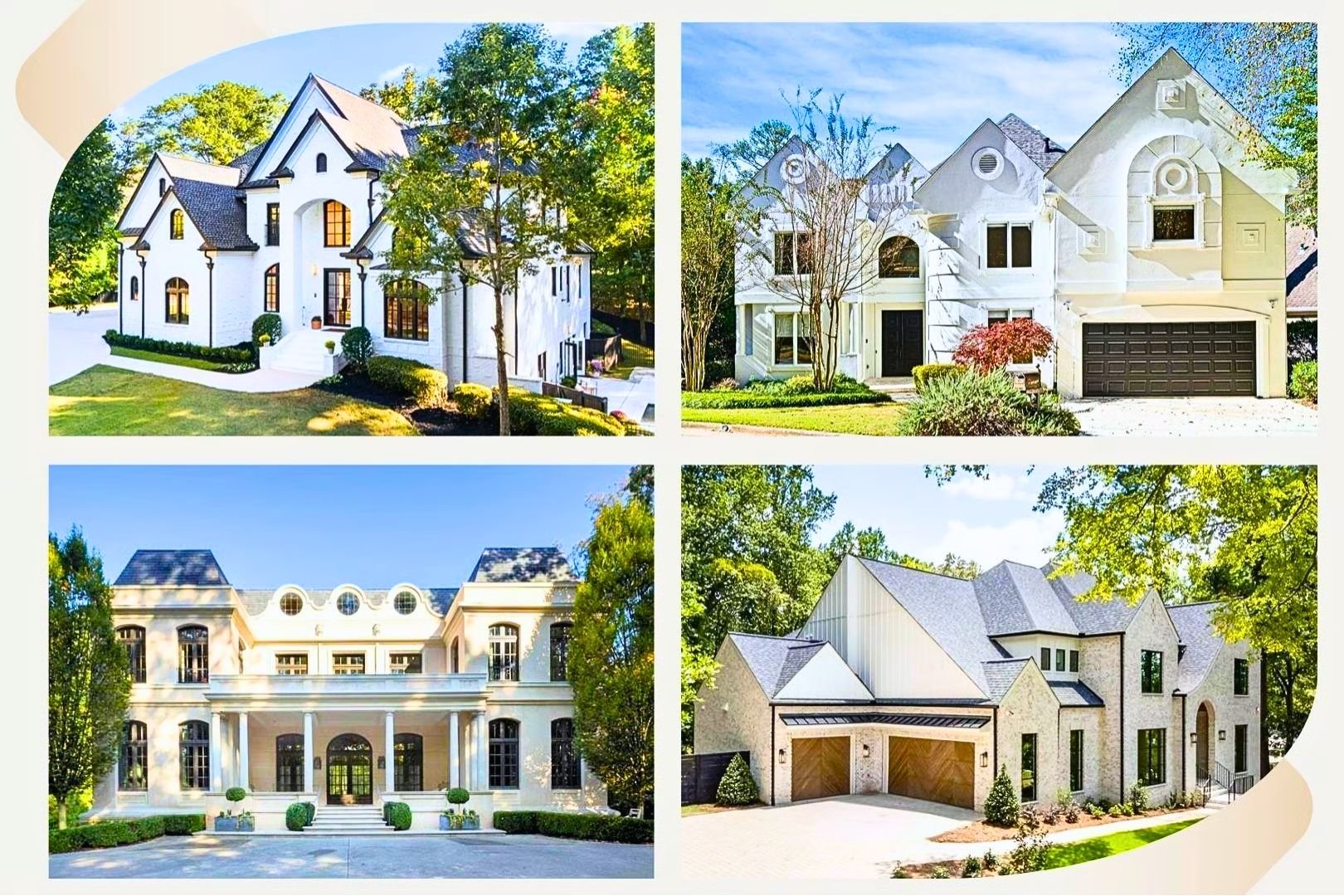
Buckhead is one of the Southeast's most coveted residential addresses — and in 2026, finding new construction here requires a fundamentally different strategy than buying a new build in Alpharetta or Cumming. There are no sprawling subdivisions, no new phases of spec homes releasing every quarter. New construction in Buckhead is a surgical pursuit, and that's exactly what makes it worth understanding deeply before you commit.
By the end of this guide, you'll know where new construction is actually happening right now, what it realistically costs, how to vet a builder, and how to move from lot evaluation to move-in day without the most common — and expensive — mistakes.
Why Buckhead Remains One of Atlanta's Most Competitive Markets for New Construction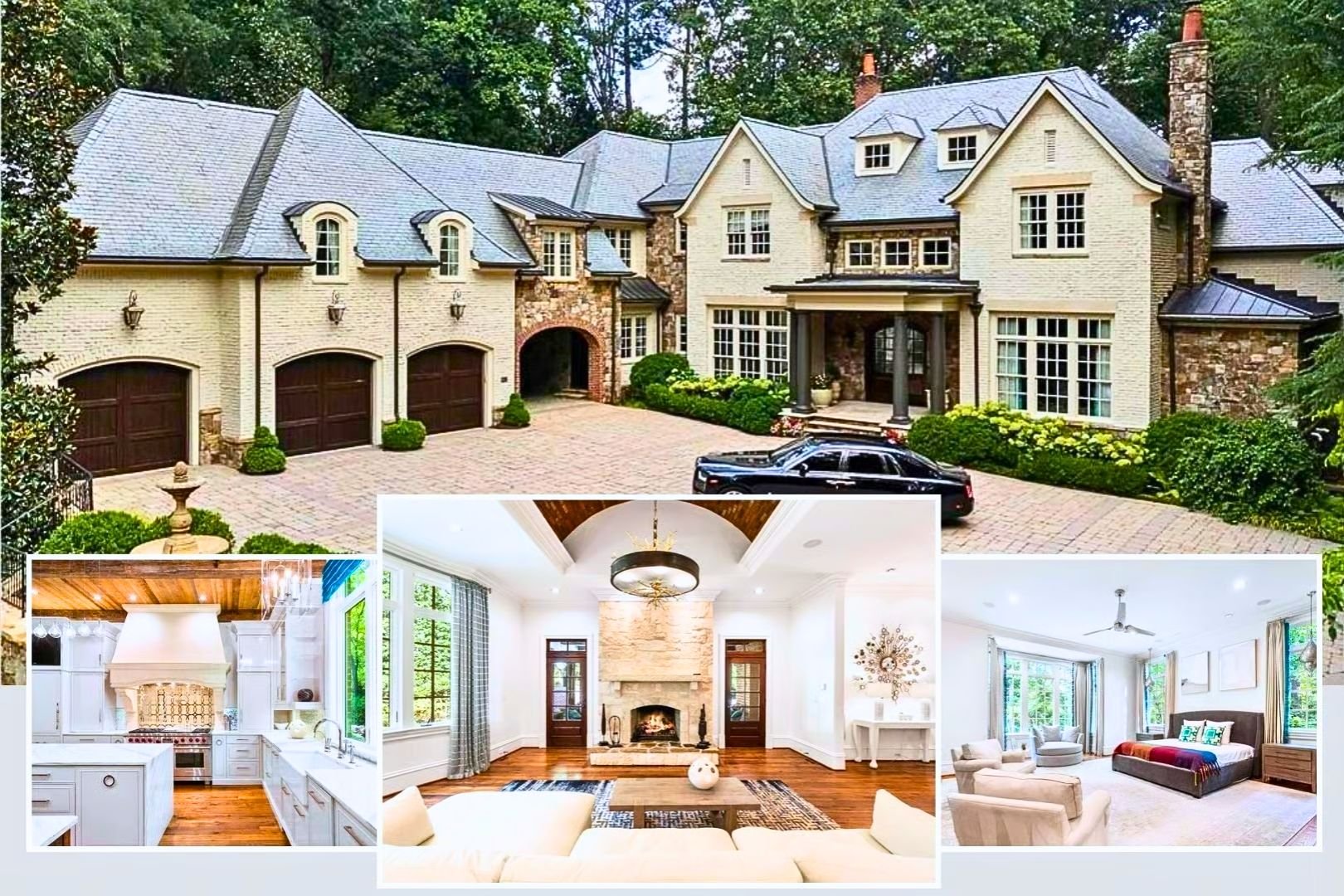
Location, Lifestyle, and Long-Term Value
Buckhead sits in the northern portion of the City of Atlanta within Fulton County, anchored near the intersection of Peachtree Road and Lenox Road along the GA-400 and I-285 corridor. That position gives residents fast access to Atlanta's most significant employment centers — Midtown's technology and finance offices to the south, Buckhead's own Class A office towers along Peachtree Road, and the Cumberland/Galleria employment district to the west.
The Buckhead office submarket encompasses approximately 10 to 12 million square feet of office space — one of the largest non-downtown office concentrations in the Southeast. Major employers including Cox Enterprises and Intercontinental Hotels Group maintain significant presence in this corridor. The Atlanta metro area added approximately 60,000 to 70,000 jobs in 2023, with 2024 growth continuing at a meaningful pace — sustained labor market expansion that has supported housing demand at the top of the market.
~$615,000–$650,000 — Buckhead's median sold home price across all product types, with luxury single-family homes frequently transacting well above $1 million and new construction commanding a meaningful premium above that baseline.
The lifestyle infrastructure here is among the most developed within Atlanta's residential neighborhoods. Lenox Square and Phipps Plaza anchor one of the Southeast's premier retail corridors on Peachtree Road. Buckhead Village has evolved into a sophisticated dining destination — restaurants like Aria and St. Cecilia exemplify the level of culinary investment this neighborhood attracts.
Chastain Park, one of Atlanta's largest urban parks at 268 acres, sits squarely in the heart of the neighborhood. It offers an 18-hole public golf course, public tennis courts, equestrian facilities at the Chastain Horse Park, walking trails, a swimming pool, and the beloved outdoor amphitheater that brings live music to the community through the warmer months. Homes have been moving in roughly 30 to 45 days on market — competitive, but not the frenzied pace seen in Atlanta's outer suburbs — which reflects a buyer pool that is deliberate, financially capable, and specific about what they want.
Why New Construction in Buckhead Is Different Than the Suburbs
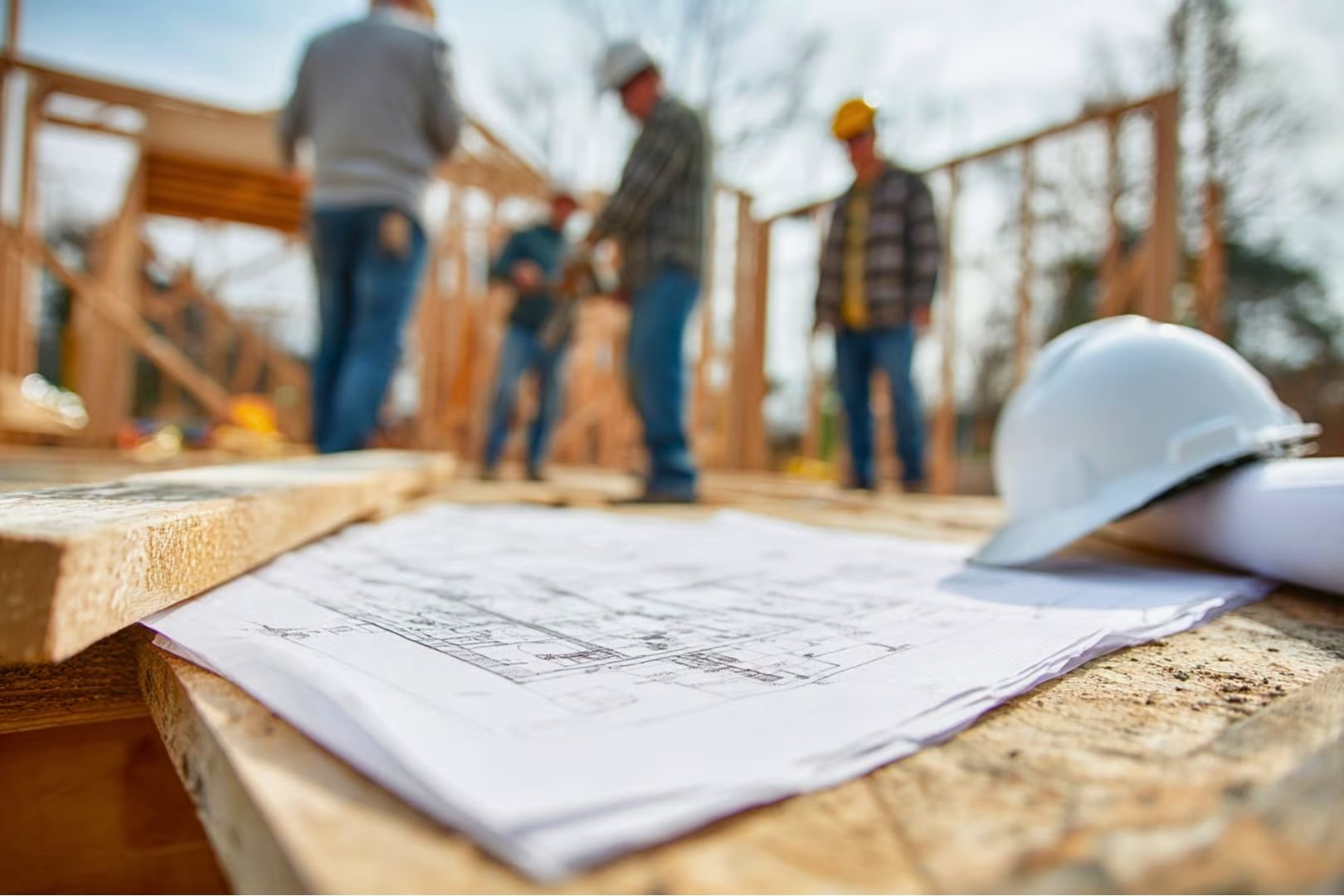
Here is the fundamental reality that shapes everything else in this guide: Buckhead is an infill market. The City of Atlanta issues approximately 3,000 to 3,500 single-family and small residential building permits annually across the entire city, spread across dozens of neighborhoods — making Buckhead-specific new construction genuinely scarce in any given year.
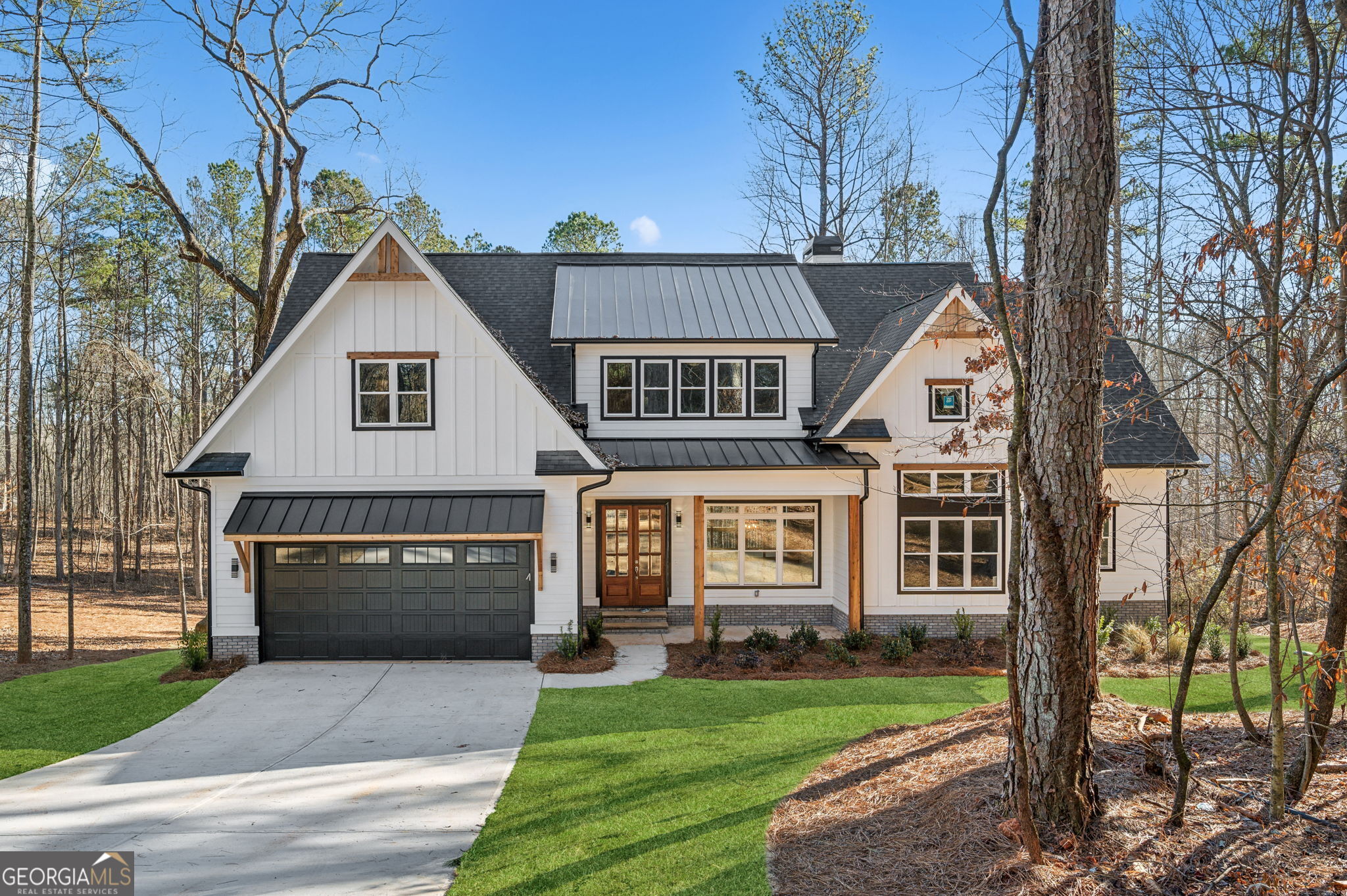
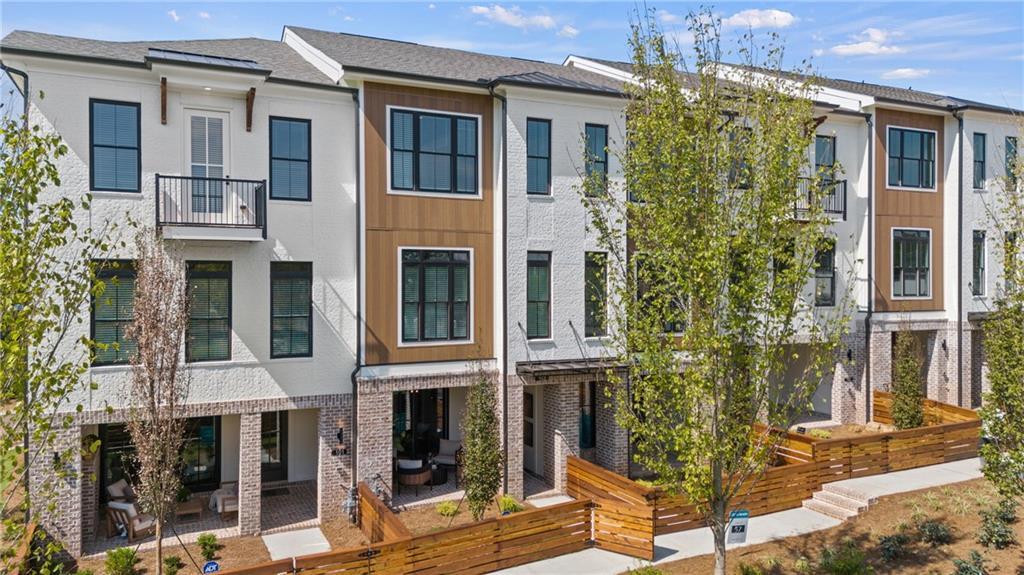
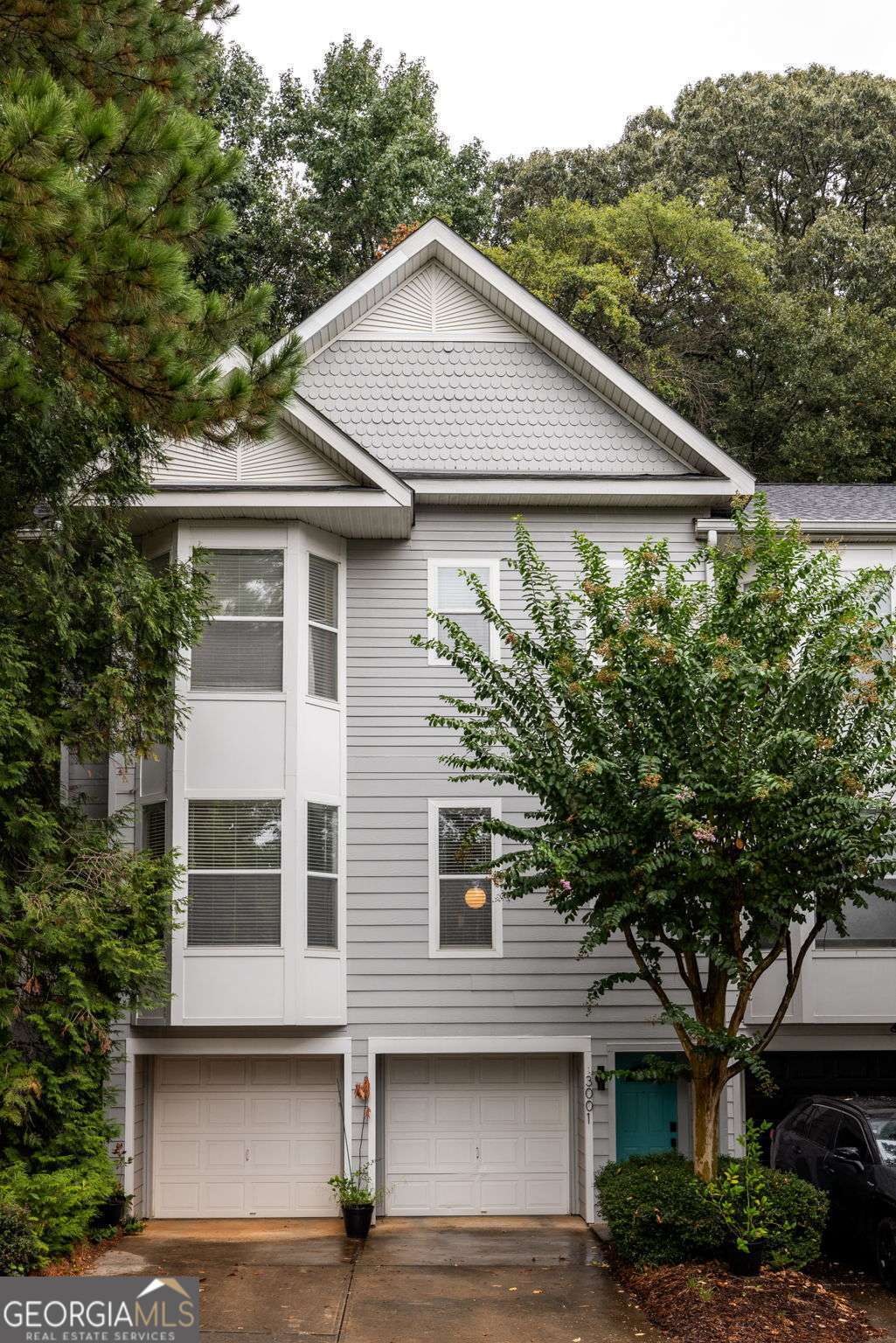
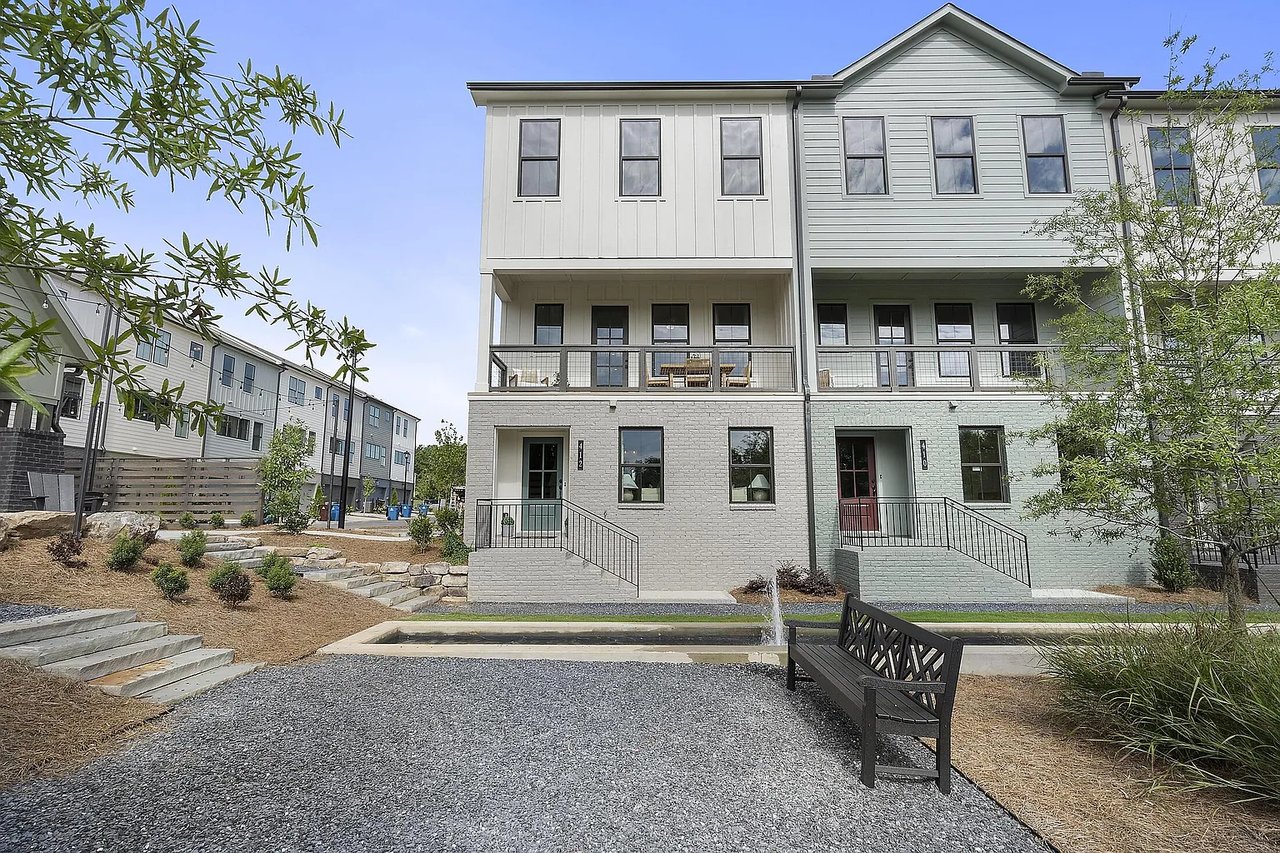
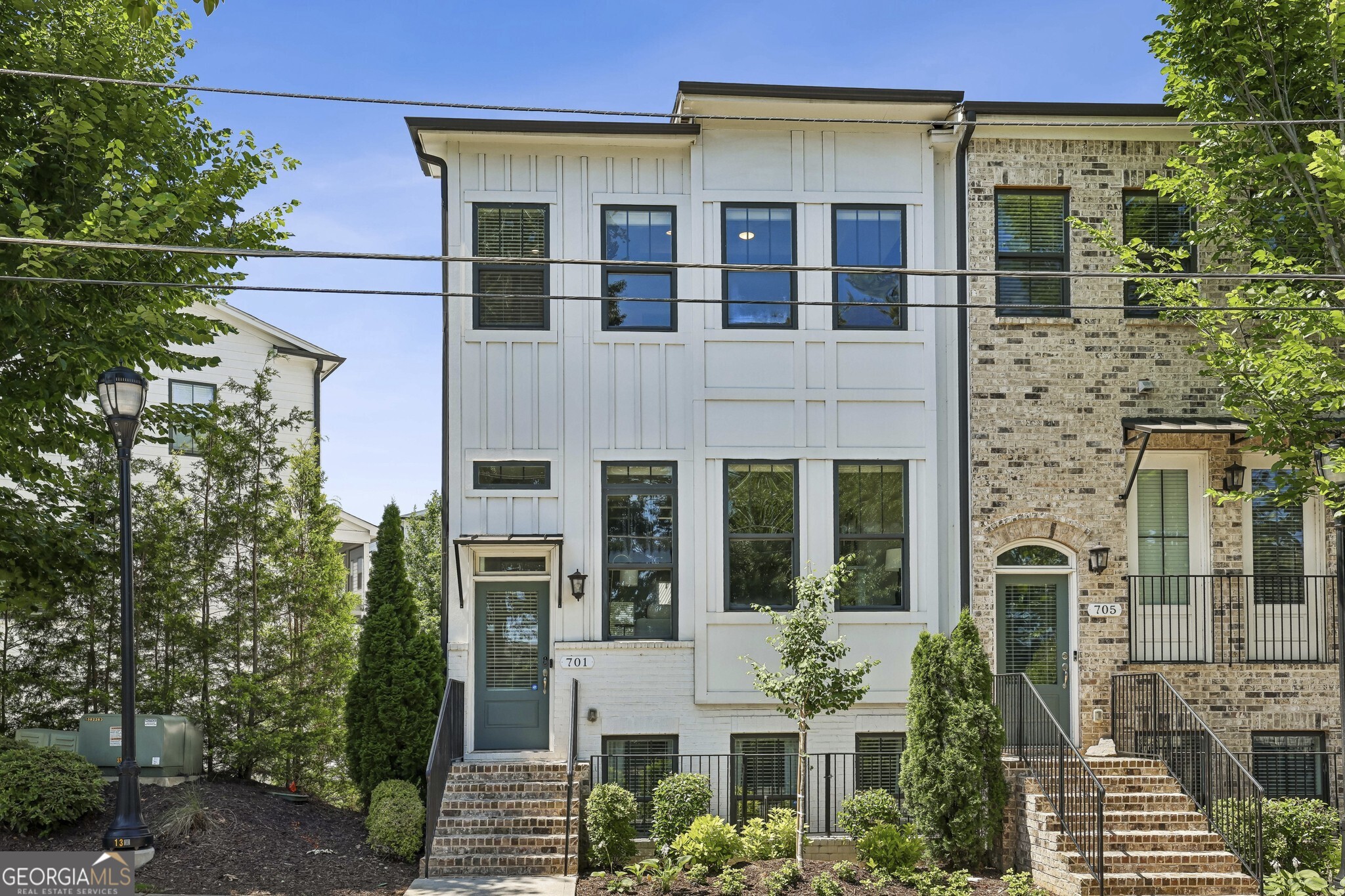
What exists instead is a patchwork of opportunities — teardown-rebuild scenarios on lots where older homes have reached the end of their useful life, small boutique townhome developments on former commercial or underutilized parcels, and the occasional custom home community assembled through patient land acquisition. That scarcity is a value driver as much as a challenge. When supply is structurally constrained, well-executed new construction in Buckhead tends to hold and appreciate in ways that higher-inventory markets simply cannot guarantee.
Where New Construction Is Actually Happening in Buckhead in 2026
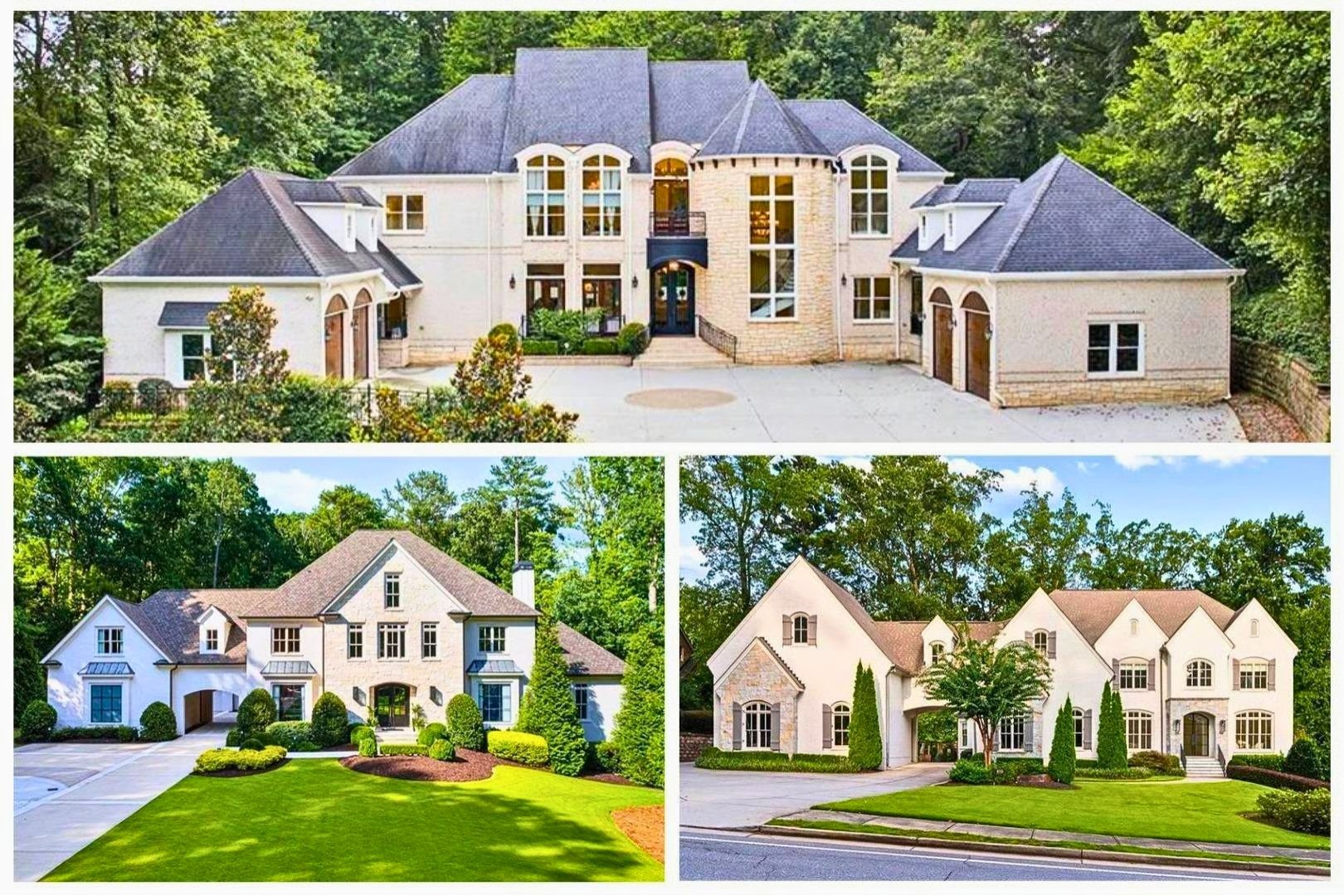
Infill Lots and Teardown Opportunities in Core Buckhead
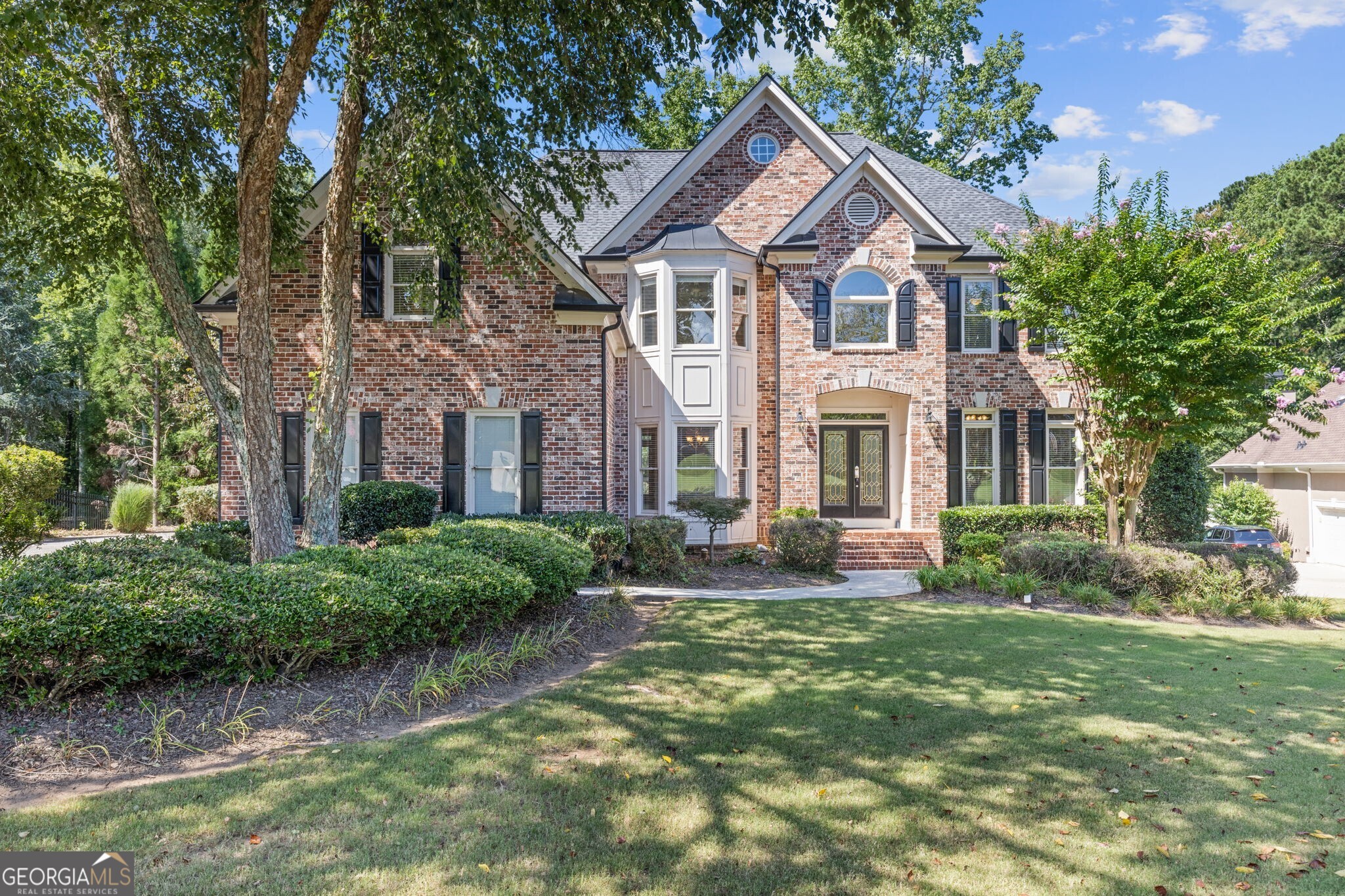
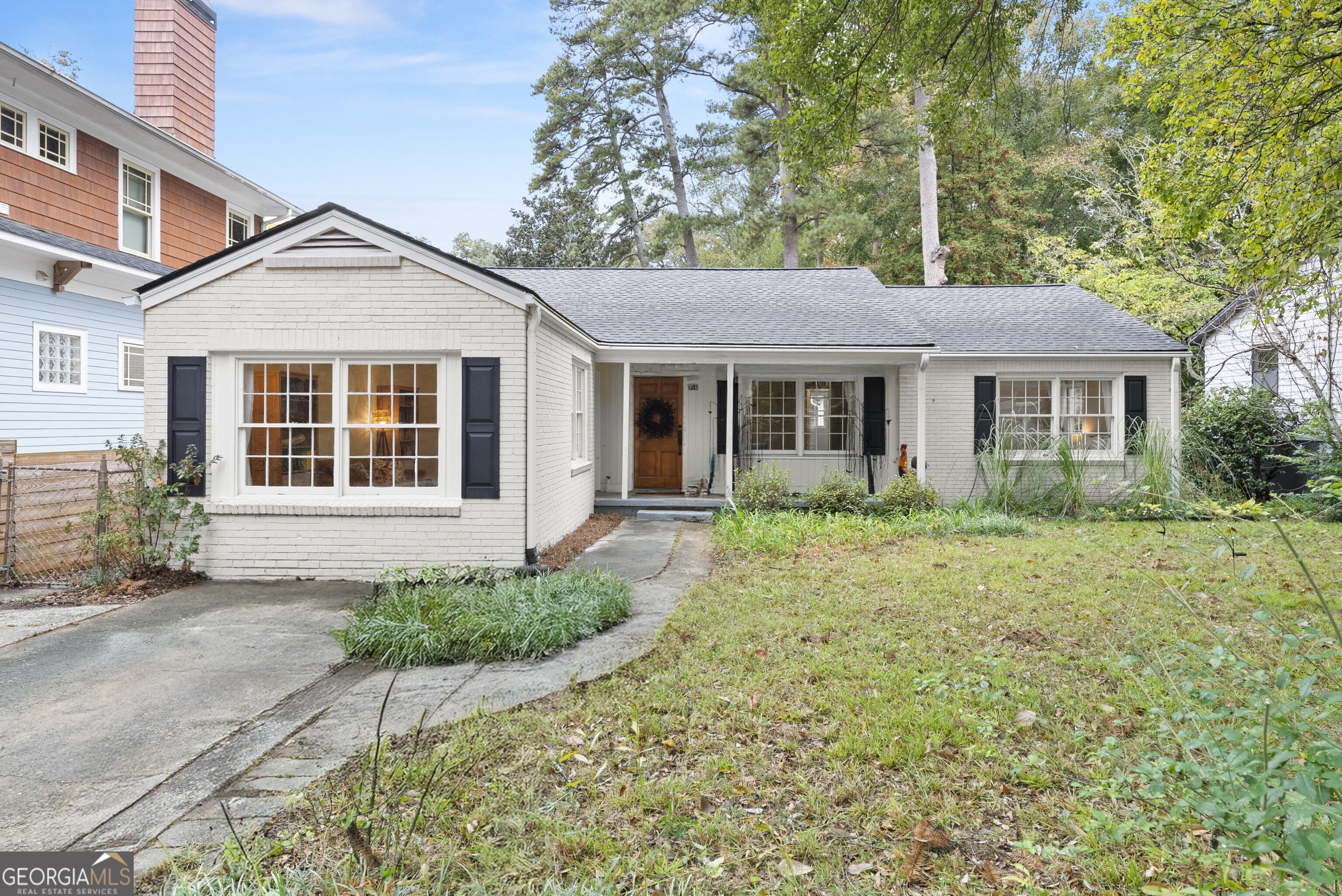
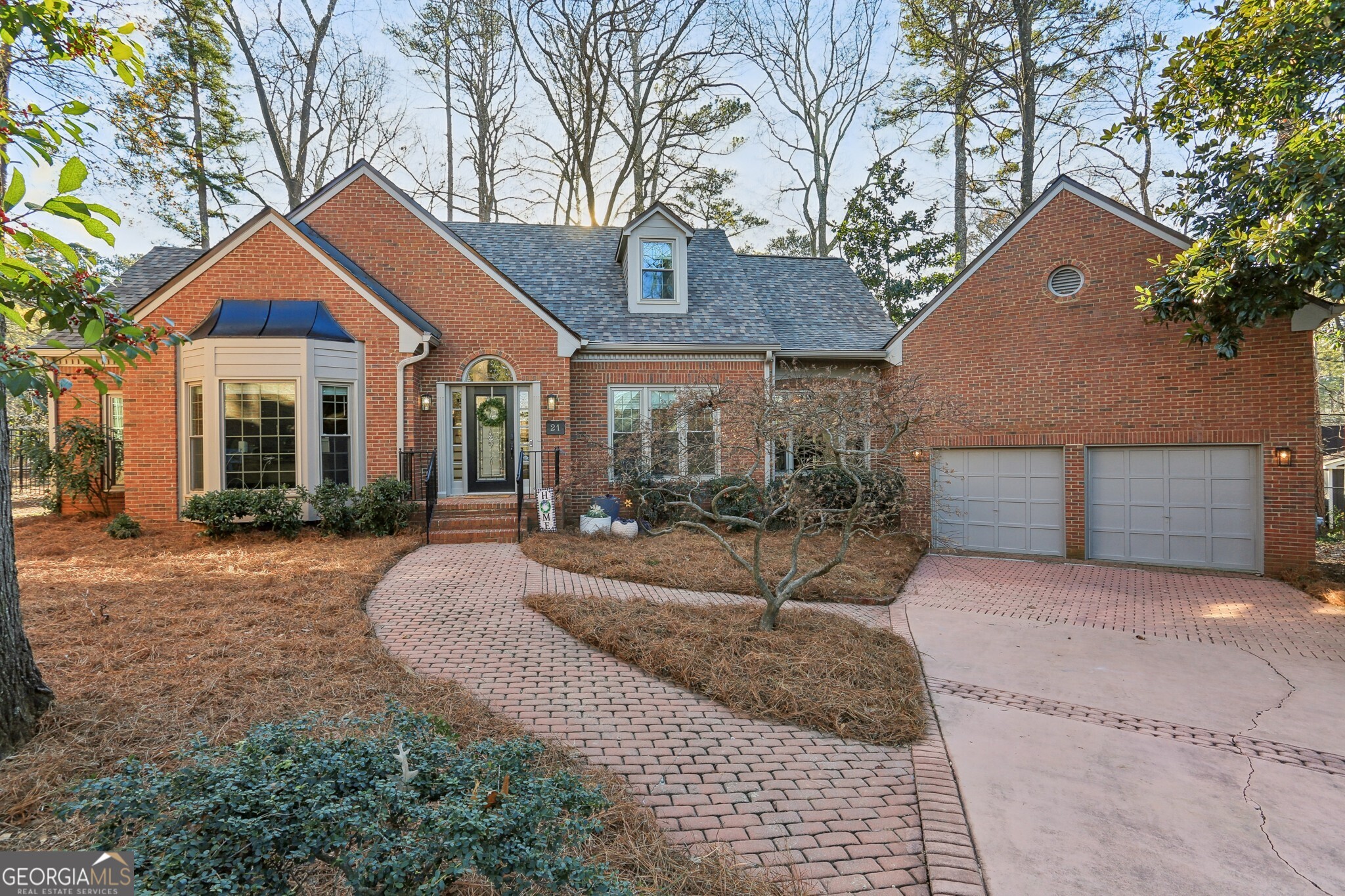
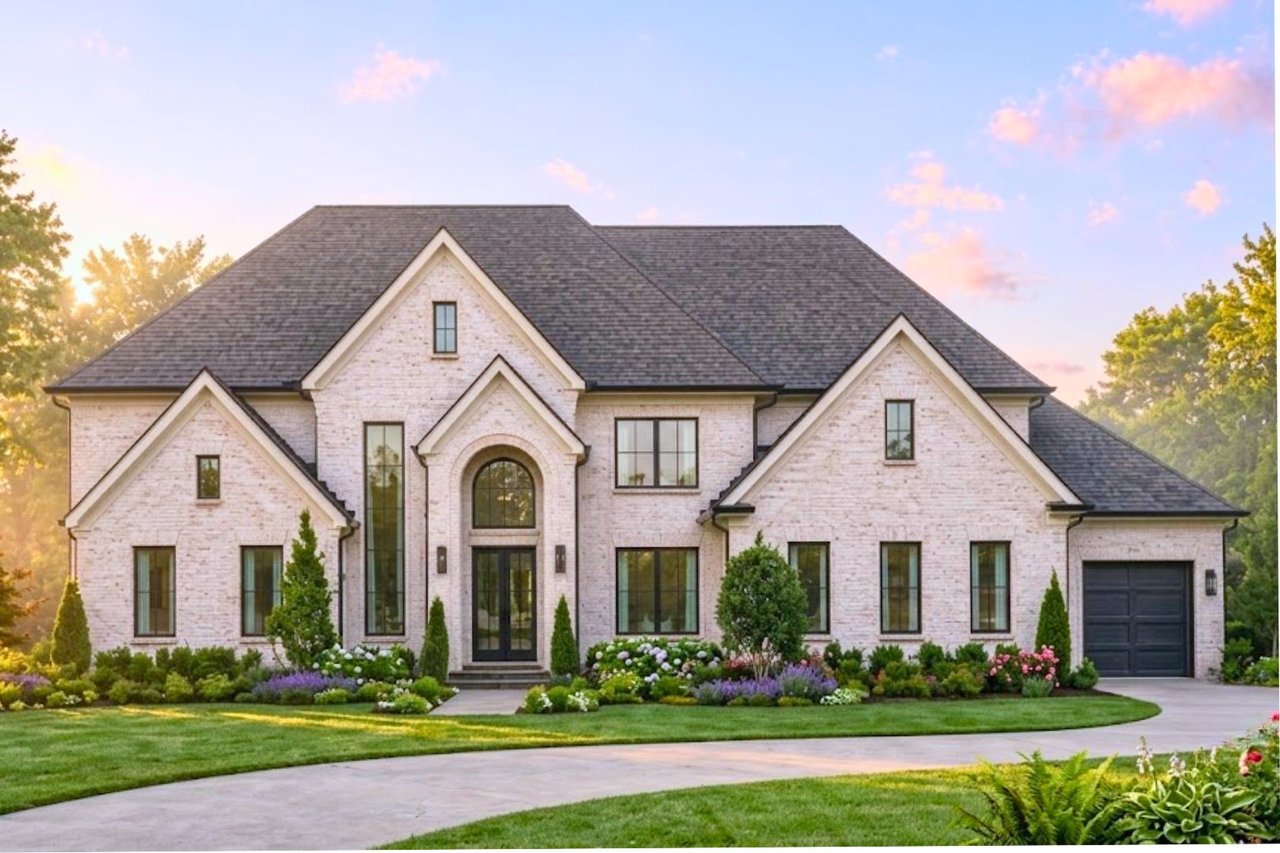
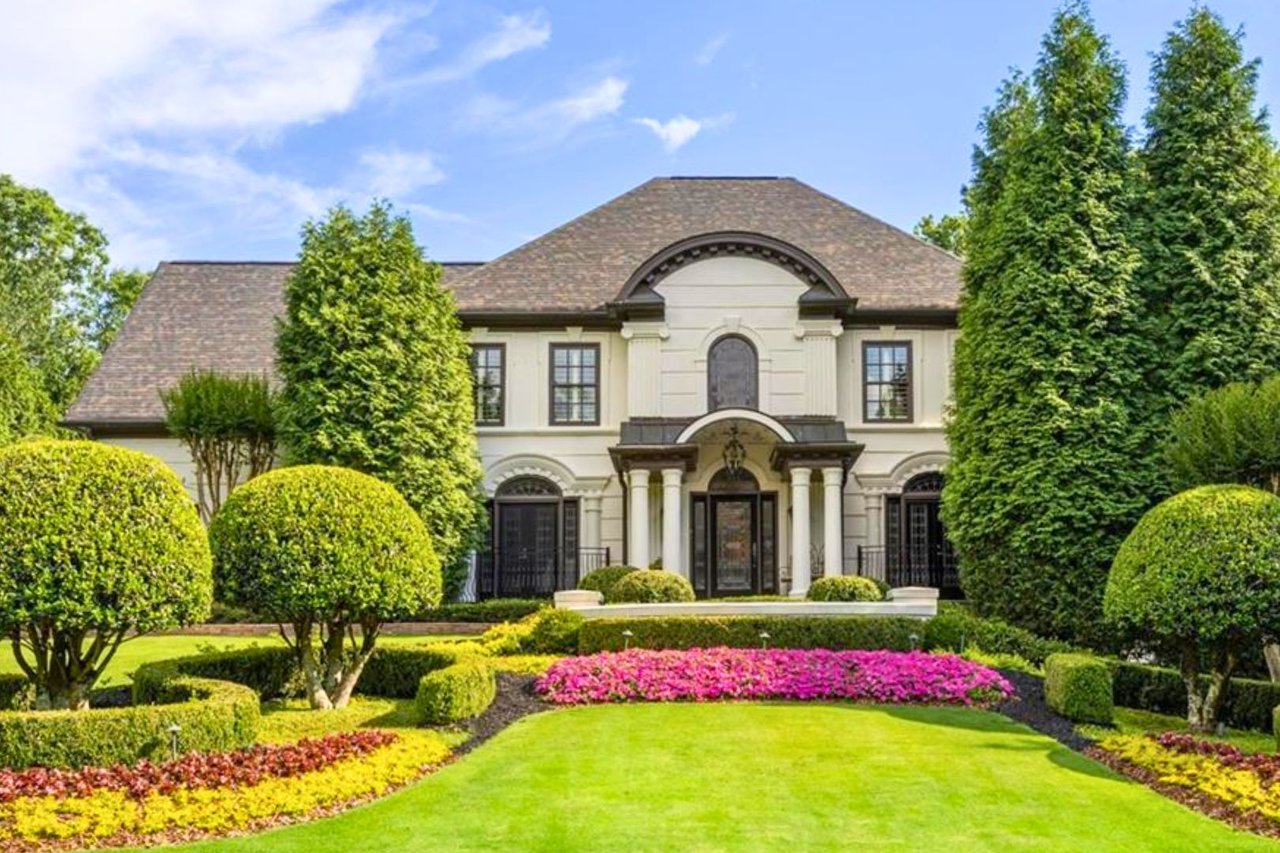
The teardown-rebuild model has shaped Buckhead's residential evolution for the better part of two decades, and it remains the dominant path to new construction in the neighborhood's most coveted pockets. The Tuxedo Park neighborhood — characterized by large lots, mature tree canopy, and some of Atlanta's most architecturally significant older homes — continues to see selective teardown activity where land values have meaningfully outpaced the value of aging structures.
The West Paces Ferry Road corridor, the Haynes Manor area, and neighborhoods immediately surrounding Chastain Park represent similar zones of infill opportunity. Buyers pursuing this route typically purchase the lot separately, often through a competitive process, then engage a custom builder independently. That requires more coordination — but it also provides the highest degree of design control available anywhere in the Buckhead market.
Boutique New Construction Communities Near Buckhead
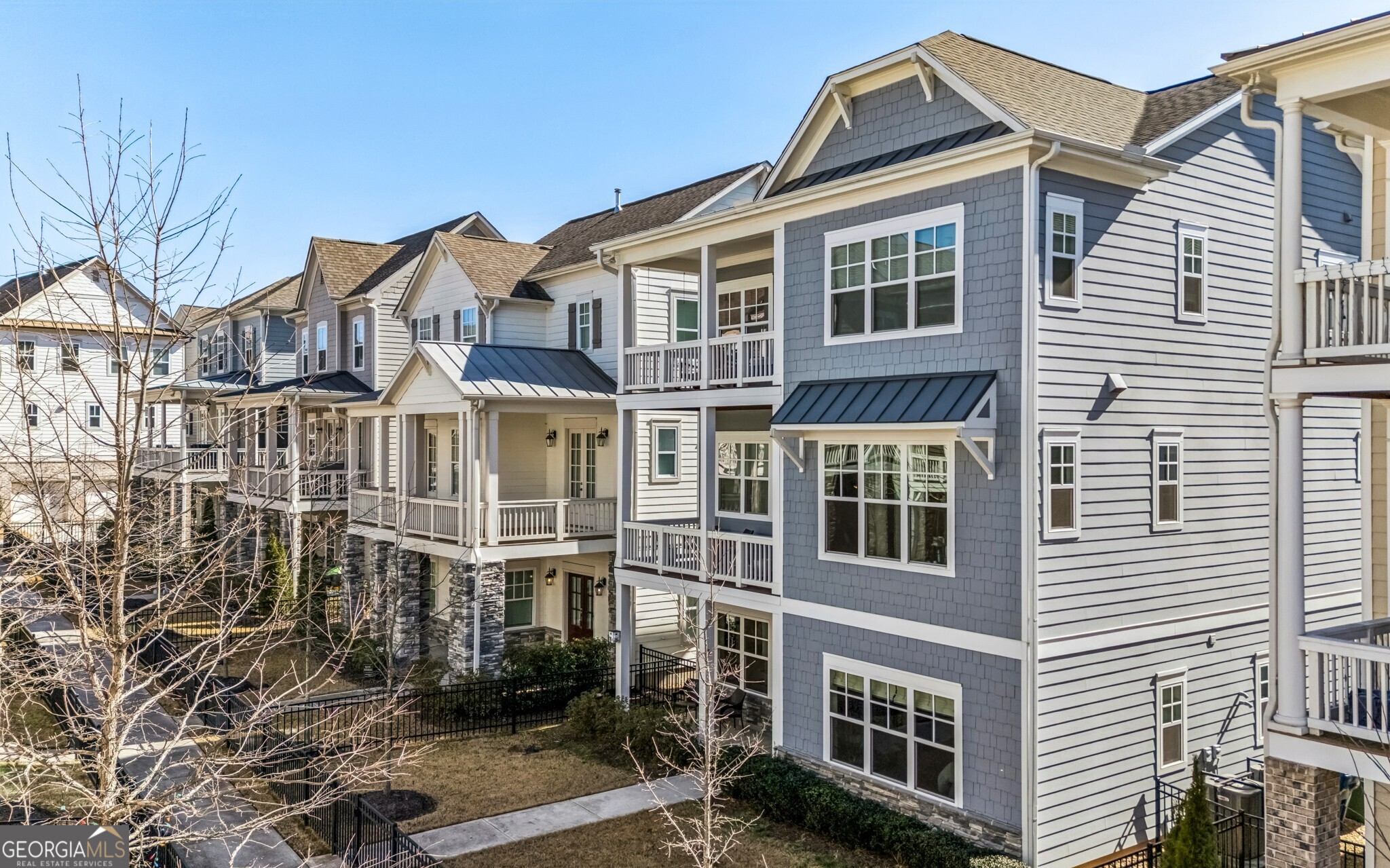
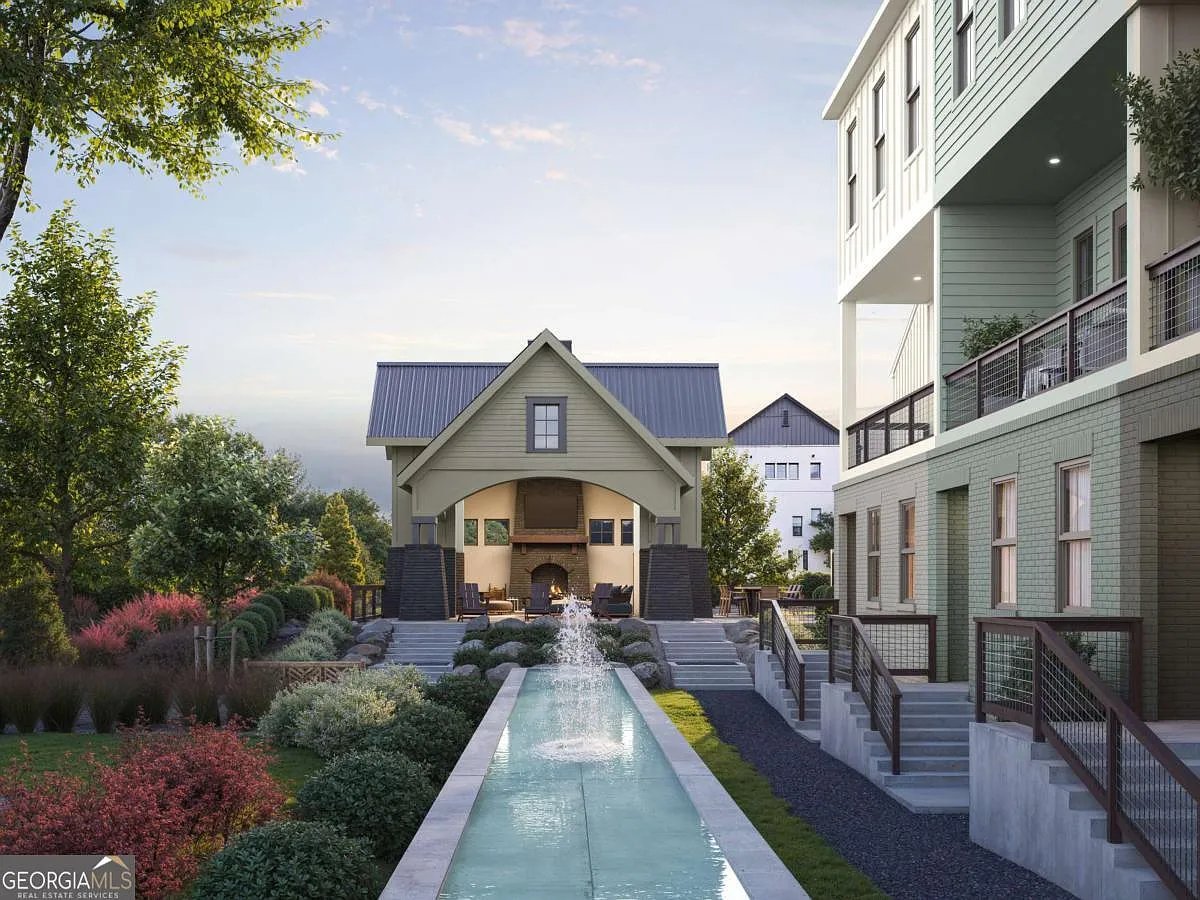
For buyers who want a new build with a Buckhead-proximate address and more predictable availability, the adjacent communities of Brookhaven, Sandy Springs, and the Vinings corridor offer active boutique development. Brookhaven — now its own city just east of Buckhead in DeKalb County — has seen consistent townhome and small-scale single-family new construction activity, with the area around Town Brookhaven serving as a strong lifestyle anchor for that community.
Sandy Springs, directly north along GA-400, offers additional infill activity and some of the most active luxury builder presence in the immediate north Atlanta market, with price points and finishes that serve buyers who want Buckhead-caliber quality with slightly greater availability.
Custom Lots vs. Spec Homes: What's Available in the Buckhead Market
Understanding the three tiers of new construction product is essential before you begin your search:
- Spec homes are constructed on the builder's own timeline and sold finished or near-finished. Inventory is limited in Buckhead but does exist, particularly within smaller boutique townhome communities.
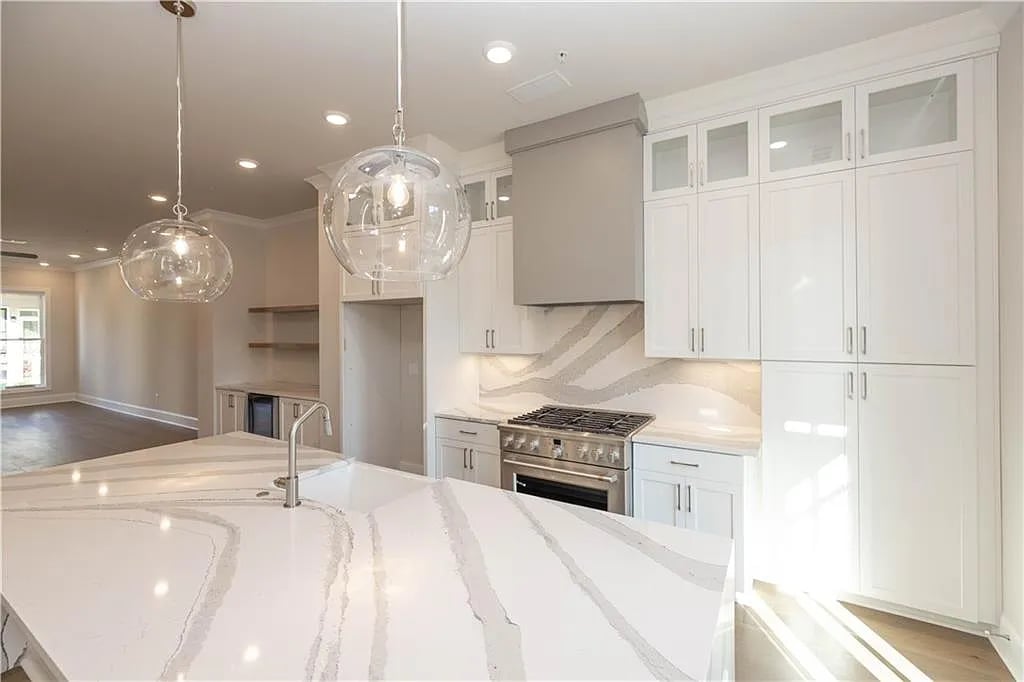
- Semi-custom homes give buyers the builder's floor plan and structural framework while allowing selection of finishes, fixtures, and some design elements within the builder's established options.
- Fully custom homes mean the buyer controls the lot, engages an architect independently, and selects a general contractor to execute a design built entirely around their specific vision.
Given Buckhead's infill nature, fully custom and semi-custom projects dominate the market. Production builders who operate large-scale suburban communities are largely absent from core Buckhead.
Understanding the Cost of New Construction in Buckhead, Georgia

Land and Lot Costs in Buckhead
Land is the cost variable that most surprises buyers new to Buckhead's new construction market. In desirable pockets — Tuxedo Park, the Chastain Park periphery, the West Paces Ferry corridor — raw lot prices for teardown properties regularly range from $400,000 to well over $1.5 million before a single shovel breaks ground, depending on lot size, location, and the demolition requirements of any existing structure.
Buyers sometimes approach the teardown market expecting relative value because they're starting with an unimproved site. Experienced local professionals will correct that assumption quickly.
Construction Costs Per Square Foot in 2026
The 2026 construction cost environment in Atlanta's luxury market reflects the cumulative effects of elevated material costs, labor market tightening, and supply chain normalization that has been gradual rather than sudden.
$275–$350 per square foot — the entry point for luxury custom home construction in Buckhead, with builds involving bespoke millwork, full smart home integration, wine cellars, home theaters, and resort-quality exterior spaces reaching $400–$500+ per square foot.
These are construction cost figures only. They do not include land acquisition, soft costs, or carrying costs during the build period.
Hidden Costs Buyers Often Overlook
Beyond land and construction, buyers should budget for a meaningful category of costs that are easy to underestimate in the initial planning phase. Several deserve specific attention:
- Permitting and plan review fees through the City of Atlanta Department of City Planning are not trivial for large custom homes.
- Utility connection and infrastructure work on infill lots can surface unexpected costs depending on the lot's existing service capacity.
- Architect and design fees on a fully custom home typically run 8% to 15% of the total construction cost.
- Builder's risk insurance is required during the construction period.
- Property taxes continue to accrue on the land throughout the build — a carrying cost extending over a 12- to 18-month window in most Buckhead custom projects.
Given Buckhead's position within both Fulton County and City of Atlanta tax jurisdiction, the combined property tax millage rate runs approximately 35 to 36 mills — a figure that becomes very significant once the completed home's assessed value is established. Millage rates are set annually, so buyers should verify the current rate at time of purchase.
💡 Pro Tip: Ask your builder for a detailed soft-cost estimate before signing anything. Buyers who focus only on the per-square-foot construction number routinely underestimate total project cost by 20% or more once land, design, permitting, insurance, and carrying costs are added in.
Choosing the Right Builder for Your Buckhead New Construction Home

Custom Builders vs. Production Builders: Which Is Right for Buckhead?
The Buckhead and intown Atlanta new construction market is served almost entirely by custom and semi-custom regional builders rather than national production builders. Firms with established reputations building in Buckhead, Sandy Springs, and Brookhaven typically bring deep relationships with local subcontractors, genuine familiarity with the City of Atlanta's permitting process, and a portfolio of comparable luxury builds you can actually visit and evaluate. When vetting a builder for a Buckhead project, that local track record carries more weight than national brand recognition.
Questions to Ask Every Builder Before Signing a Contract
Before any contract is signed, push for direct, specific answers to these six questions:
- How many homes have you built specifically in Buckhead or intown Atlanta, and can I visit completed examples?
- Will you provide references from at least three recent clients, and may I contact them directly without the builder present?
- Who holds the general contractor's license and who is physically on-site each day?
- What is your warranty structure — what's covered, for how long, and what is the claims process?
- How do you handle change orders and budget overruns — what triggers a cost adjustment and how is it documented in writing?
- What is your realistic timeline for a project of this scope, and what has caused delays on your most recent completed builds?
Why a Real Estate Agent Still Matters with New Construction
A common misconception among buyers is that new construction is a direct transaction — builder to buyer — and that independent representation is unnecessary. Builder contracts are drafted by the builder's attorneys to protect the builder's interests, full stop.
A buyer's agent experienced in Buckhead new construction brings knowledge of which contract clauses are negotiable, how to structure contingencies appropriately, how to read a builder's draw schedule, and how to respond effectively when construction timelines slip or specifications deviate from what was agreed. In a market where a single project may represent $2 million to $5 million or more in committed capital, professional representation is not an optional expense — it is risk management.
The New Construction Process in Buckhead from Contract to Closing
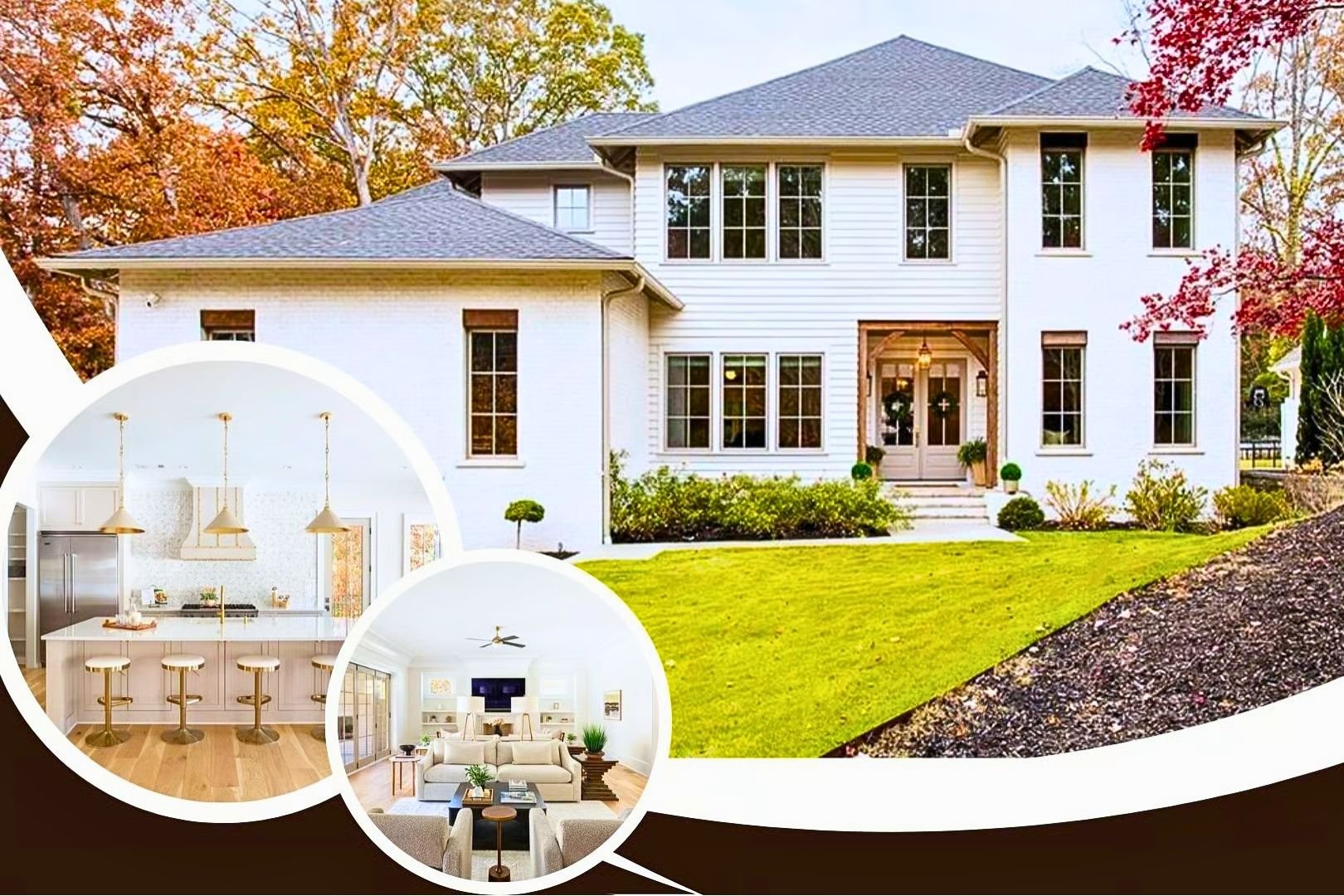
Phase 1: Site Selection, Lot Purchase, and Builder Selection
The process typically begins with identifying and evaluating available lots — in Buckhead, that often means working through brokers who specialize in infill land or monitoring teardown listings closely as they emerge. Due diligence on any Buckhead lot must include a survey, soil testing, a full title search, review of any deed restrictions or HOA covenants, and a zoning analysis under the City of Atlanta's residential classifications to confirm what can actually be built at what density, height, and setback. This phase typically runs one to three months from initial identification through lot closing, depending on deal complexity and the competitiveness of the specific acquisition.
Phase 2: Design, Permitting, and Pre-Construction
Once the lot is secured and a builder and architect are engaged, plans are submitted to the City of Atlanta Department of City Planning for residential building permits. Plan for three to six months from design completion to permit issuance for a complex custom home — and that timeline can extend further depending on the city's review queue and the complexity of any zoning overlay requirements specific to the Buckhead location.
Atlanta's residential zoning code — which includes R-1 through R-5 classifications and various overlay districts within different parts of Buckhead — shapes what can be designed. Early coordination between the architect and a local land use attorney can prevent costly redesigns late in the process.
Phase 3: Construction and Builder Draw Schedule
Active construction moves through a defined sequence: site preparation and foundation, structural framing, rough mechanical systems including plumbing, electrical, and HVAC, insulation and drywall, interior and exterior finishes, and final systems commissioning. Buyers using a construction loan will manage a draw schedule that releases funds to the builder at defined milestone completions — understanding this structure before signing is essential, particularly for first-time new construction buyers.
Beyond city inspections, engaging an independent third-party inspector at foundation, framing, and pre-drywall stages is one of the highest-value investments a buyer can make during this phase. For a fully custom luxury home in Buckhead, active construction typically spans nine to fourteen months.
💡 Pro Tip: Don't skip the pre-drywall inspection. Once walls are closed, deficiencies in framing, insulation, or rough mechanical work become significantly more expensive to identify and correct. An independent inspector at this stage costs a few hundred dollars — and can save tens of thousands.
Phase 4: Final Walk-Through, Punch List, and Closing

Before closing, conduct a thorough, unhurried walk-through of every space in the home with a detailed written punch list documenting every incomplete item, cosmetic flaw, or system needing attention. The critical discipline: ensure punch list items are resolved before the closing date, not promised as post-closing repairs. Once funds transfer, the builder's urgency to complete outstanding items diminishes considerably.
The Certificate of Occupancy issued by the City of Atlanta is the legal document confirming the home is complete and habitable. It is required before you may legally move in, and closing should not occur without it confirmed and in hand.
Living in Buckhead — What Your New Construction Home Gets You Access To

Schools: Public and Private Options
Choosing Buckhead for new construction is not only a real estate decision — it is a decision about the texture of daily life. Atlanta Public Schools serves the Buckhead area, and the neighborhood's proximity to several of Atlanta's most respected private institutions gives families a genuine range of strong educational options. Several stand out:
- The Westminster Schools on West Paces Ferry Road is consistently regarded as one of the Southeast's premier college preparatory institutions.
- Pace Academy, also on West Paces Ferry Road, offers a strong K–12 college prep environment.
- Atlanta International School near Chastain Park provides an IB World curriculum for families seeking an international educational framework.
- Holy Innocents' Episcopal School, located near the Sandy Springs border on Mount Vernon Highway, rounds out a deep private school landscape within easy reach of most Buckhead neighborhoods.
For families staying within Atlanta Public Schools, North Atlanta High School serves much of Buckhead and holds a 7 out of 10 rating on GreatSchools, consistently performing among the district's stronger traditional high schools.
Parks, Trails, and Daily Life
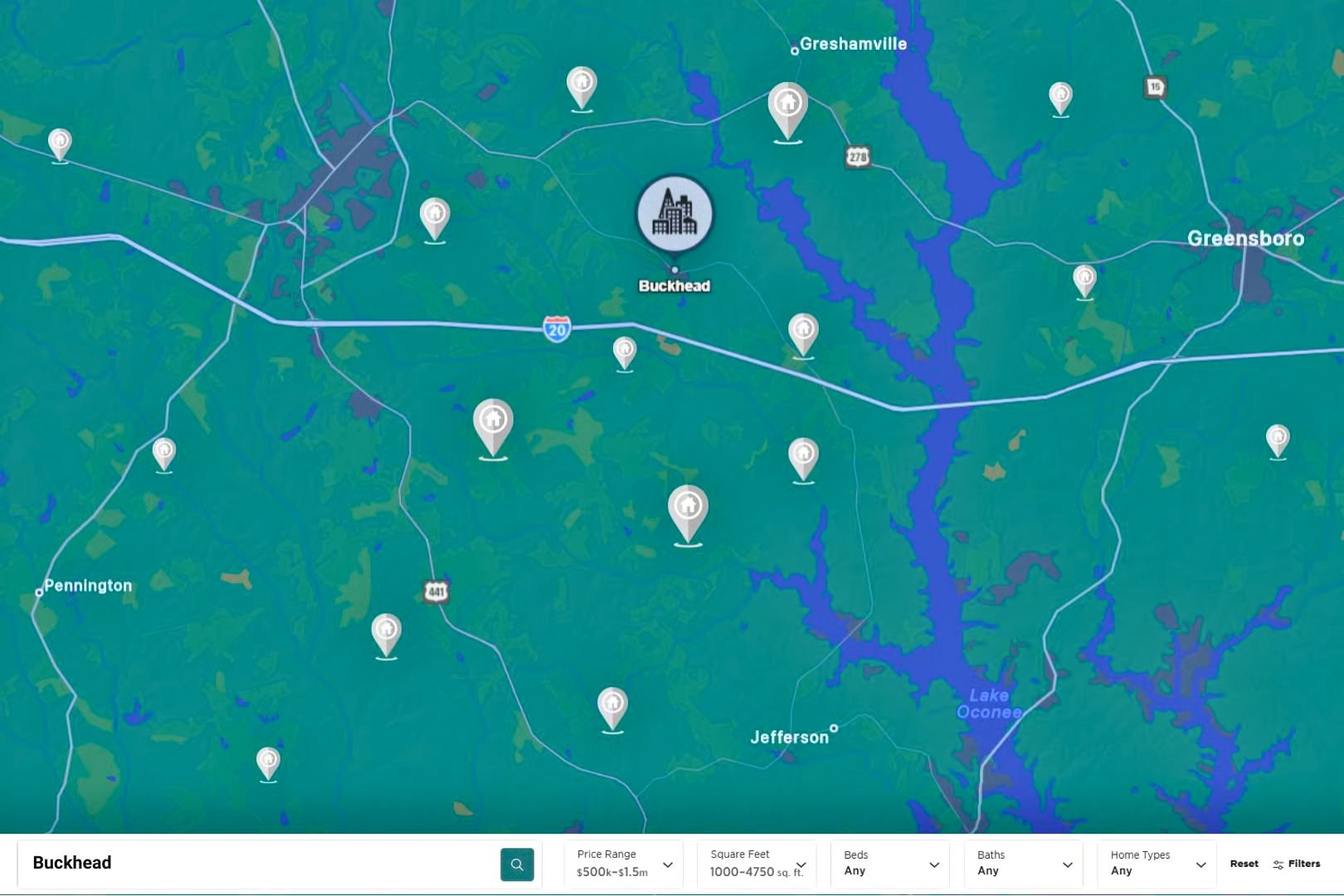
The quality-of-life infrastructure is dense and walkable. Chastain Park's 268 acres encompass an 18-hole public golf course, public tennis facilities, the Chastain Horse Park equestrian center, extensive walking and running trails, a public swimming pool, and the outdoor amphitheater that draws music fans from across Atlanta throughout the summer season. The nearby Bobby Jones Golf Course on Woodward Way adds another highly regarded public golf option within the neighborhood itself.
104 million+ passengers moved through Hartsfield-Jackson Atlanta International Airport in 2023 — and Buckhead's position on GA-400 puts that airport roughly 30 to 40 minutes away, a genuine selling point for the executive and corporate buyer audience this neighborhood consistently attracts.
The Atlanta BeltLine — with over 35 miles of completed multi-use trails across its citywide network as of late 2024, with a full loop corridor planned at approximately 22 miles encircling the city — continues to expand connectivity that enhances walkability across Atlanta's urban core. Ongoing projects benefit Buckhead's connectivity southward toward Midtown, strengthening the neighborhood's link to one of the metro's most dynamic corridors.
Frequently Asked Questions About New Construction in Buckhead, Georgia
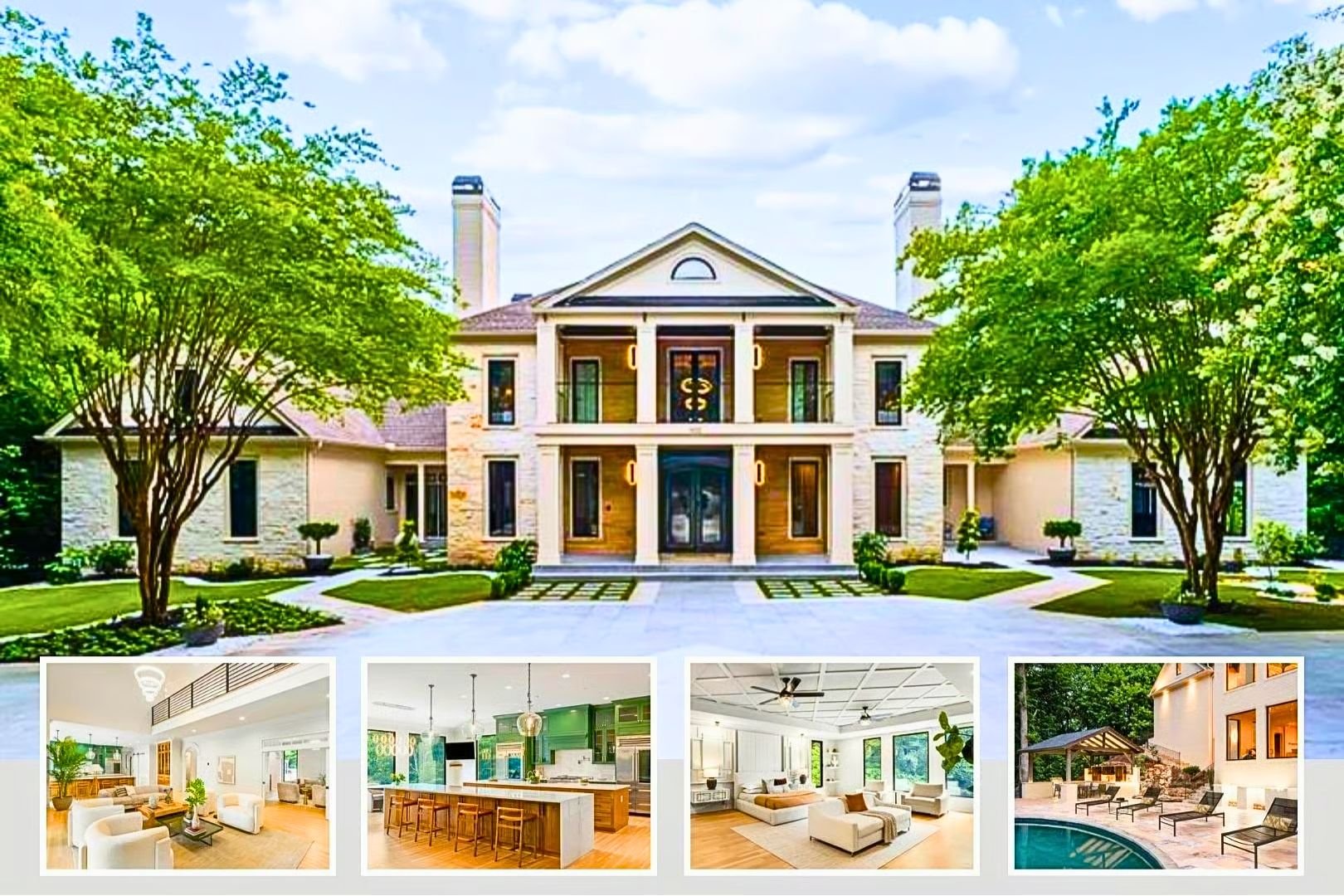
How long does it take to build a custom home in Buckhead, Georgia?
From lot purchase through Certificate of Occupancy, most buyers should plan for 18 to 24 months on a fully custom Buckhead home, accounting for design development, City of Atlanta permitting, and active construction. Spec or semi-custom homes on already-permitted lots can close significantly faster — sometimes within nine to twelve months — making them a more practical option for buyers with a near-term move-in timeline.
Is new construction more expensive than buying a resale home in Buckhead?
Generally yes. Buckhead's infill market means new construction carries a meaningful premium over comparable resale homes, driven by high land acquisition costs, current labor and material pricing, and buyer demand for modern systems and finishes. The meaningful offsets are builder warranties, current energy-efficiency standards, and substantially lower near-term maintenance costs compared to purchasing an older home — even a well-maintained one.
Do I need my own real estate agent when buying new construction in Buckhead?
Yes, and this point is worth emphasizing strongly. Builder contracts are drafted by the builder's legal team to protect the builder's interests. An experienced local buyer's agent with Buckhead new construction knowledge can identify problematic contract language, negotiate meaningful protections, help you interpret the draw schedule, and advocate effectively when timelines, specifications, or budgets deviate from what was originally agreed.
What are the property tax implications of a new construction home in Buckhead?
New construction in Buckhead falls under both Fulton County and City of Atlanta tax jurisdiction. Properties are reassessed once the completed home's value is established, and buyers should anticipate a substantial increase in their tax obligation compared to what was assessed on the land or any prior structure. Consulting a local real estate attorney or CPA before closing — and understanding the combined millage rate of approximately 35 to 36 mills, which is set annually and should be verified at time of purchase — is strongly advisable before finalizing budget assumptions.
Are there HOA requirements for new construction in Buckhead neighborhoods?
This varies significantly by specific location. Some boutique new construction communities and townhome developments carry active HOAs with monthly or annual dues and design review requirements. Infill lots in established older neighborhoods may be subject to deed restrictions without any formal HOA structure. Due diligence on this question is essential before purchasing any lot or signing a builder contract — the answer meaningfully affects both ongoing costs and the design flexibility available during construction.
The Bottom Line on New Construction in Buckhead in 2026
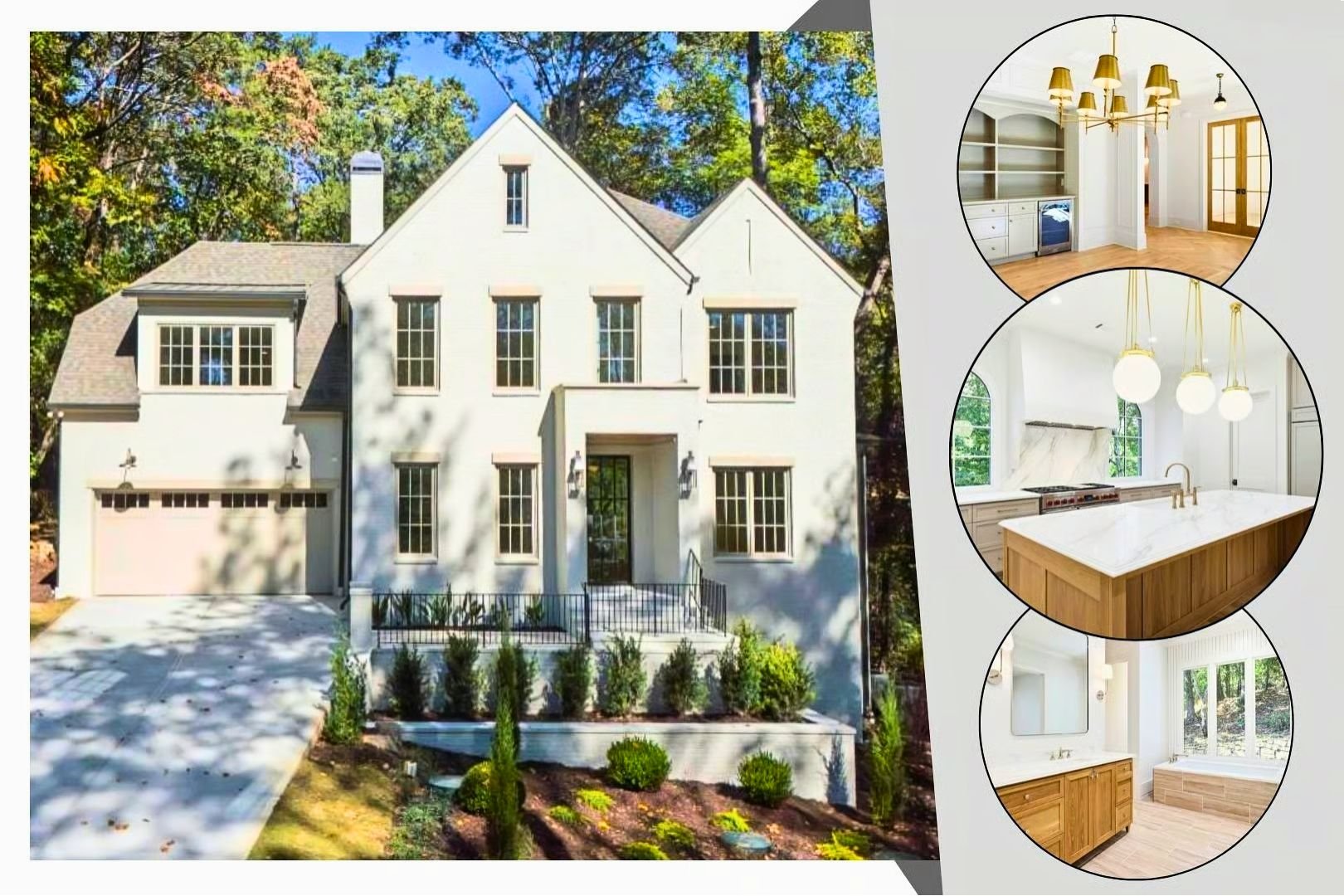
Buckhead's enduring appeal as one of the Southeast's most coveted residential addresses is not accidental — it is the product of genuine location advantages, deep lifestyle infrastructure, a strong employment corridor, and a long track record of holding value through market cycles. New construction here in 2026 is not easy to find, not inexpensive to execute, and not a process suited for buyers who want to move quickly without understanding what they're committing to.
For buyers who approach it with the right knowledge, the right builder relationships, and experienced professional support on their side, it represents one of Atlanta's most compelling opportunities to own a home that reflects exactly what you want — in exactly the right place.
If you're ready to explore new construction opportunities in Buckhead, we'd love to help — reach out to us and let's start the conversation.