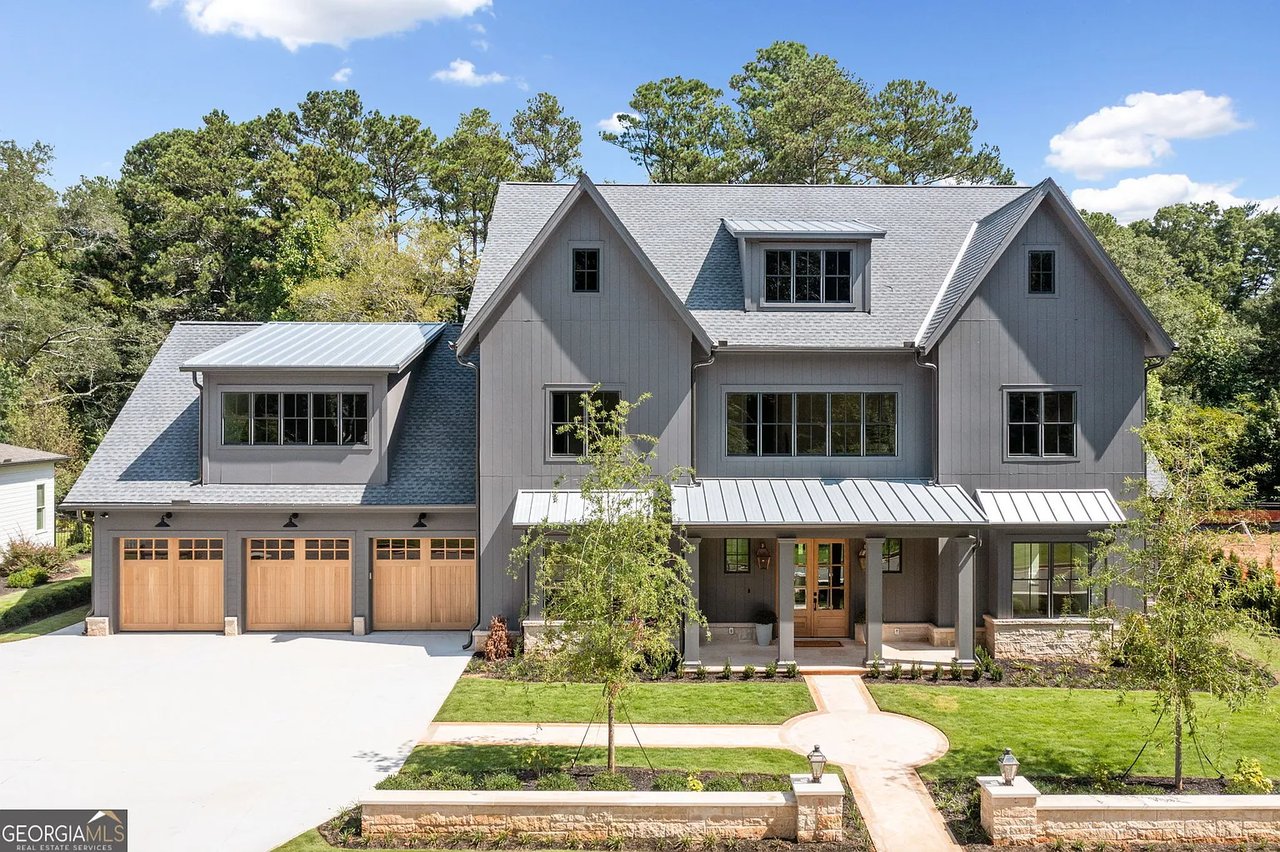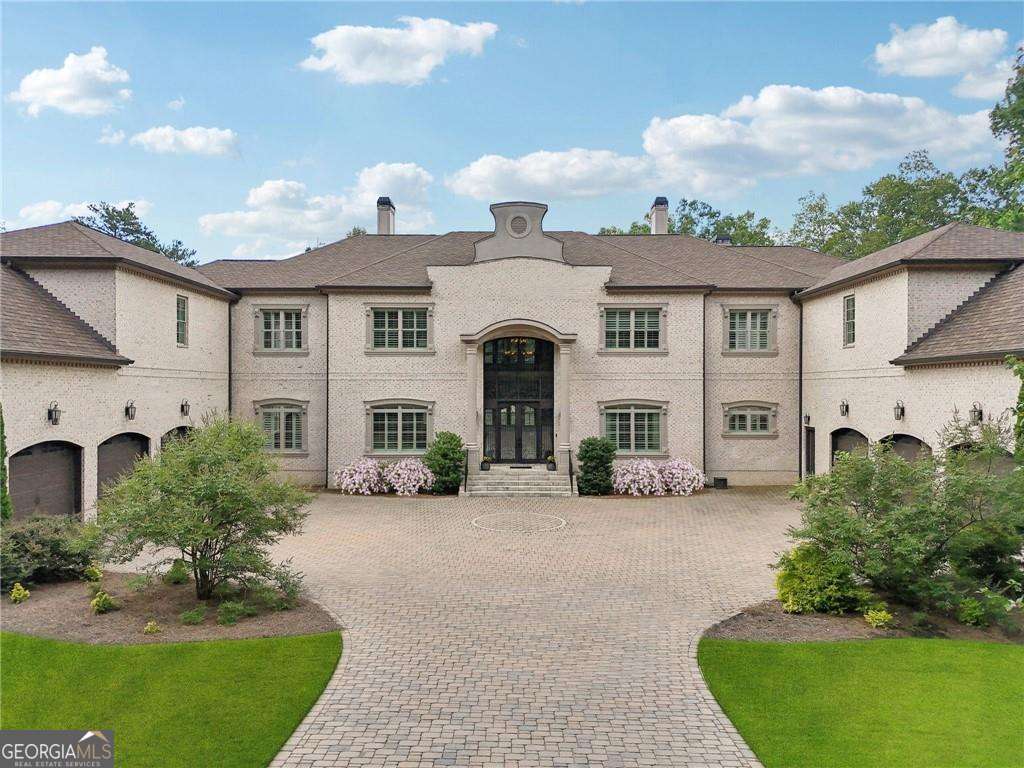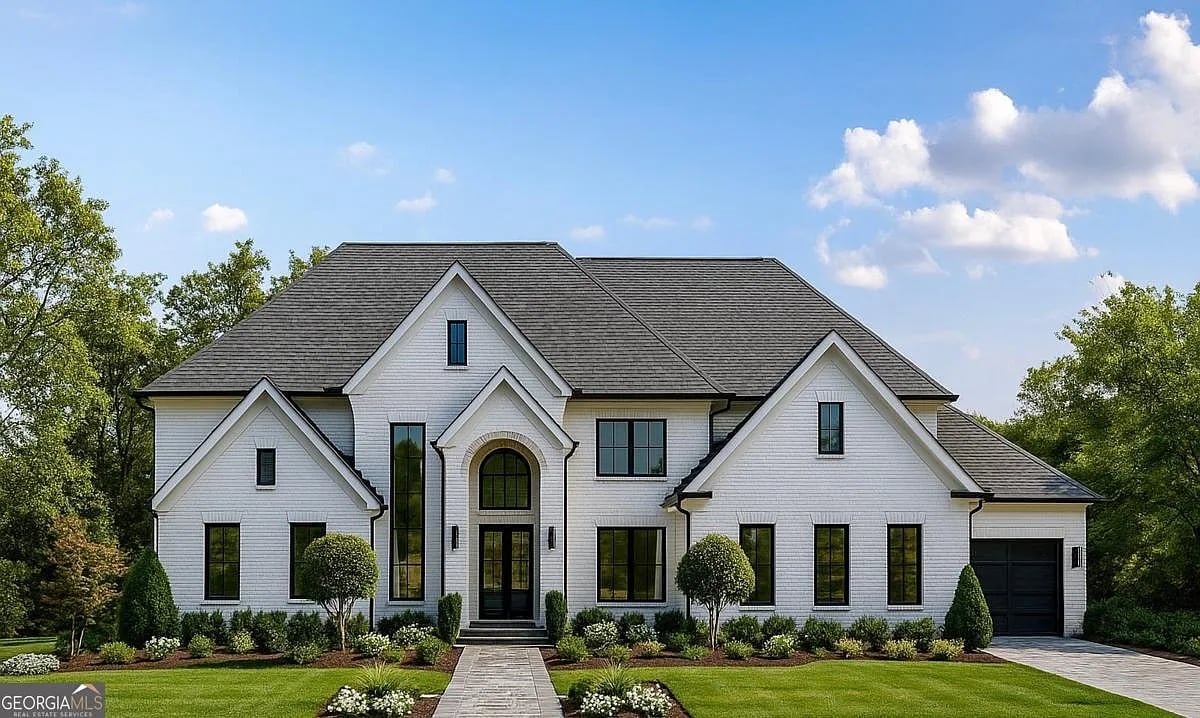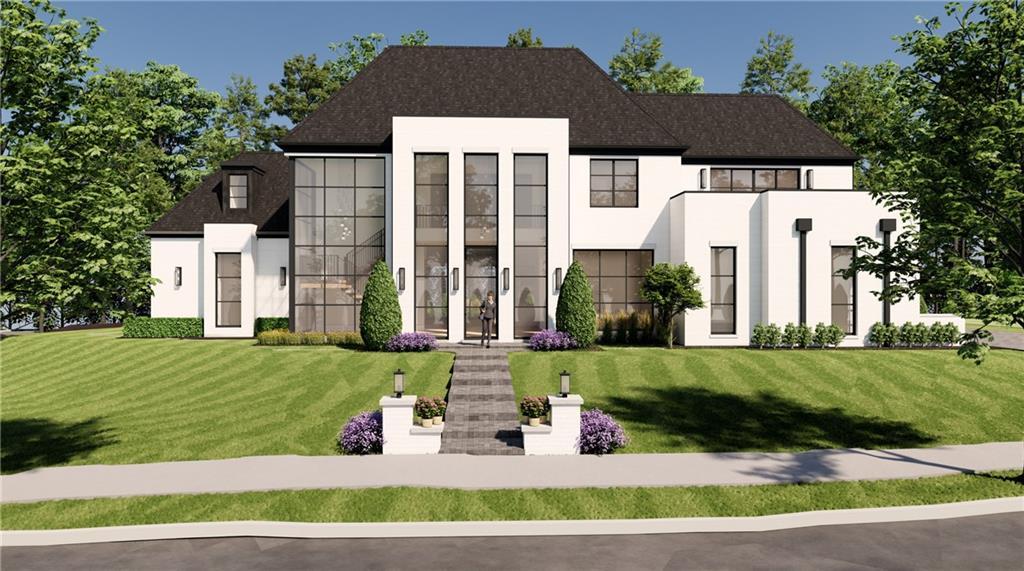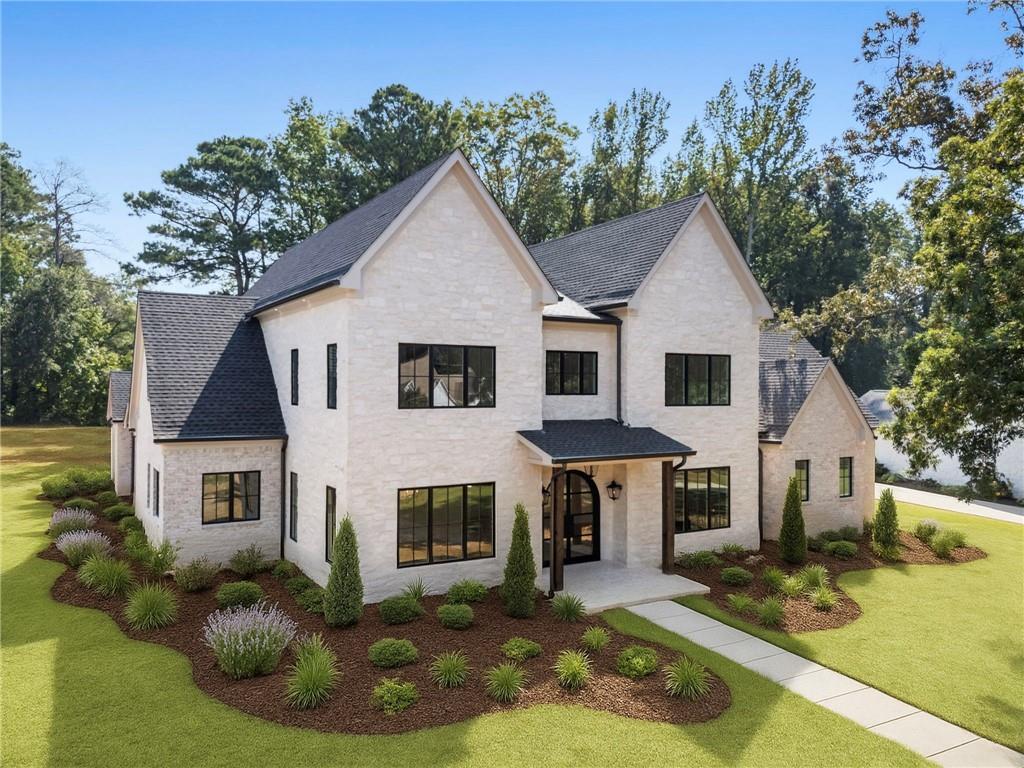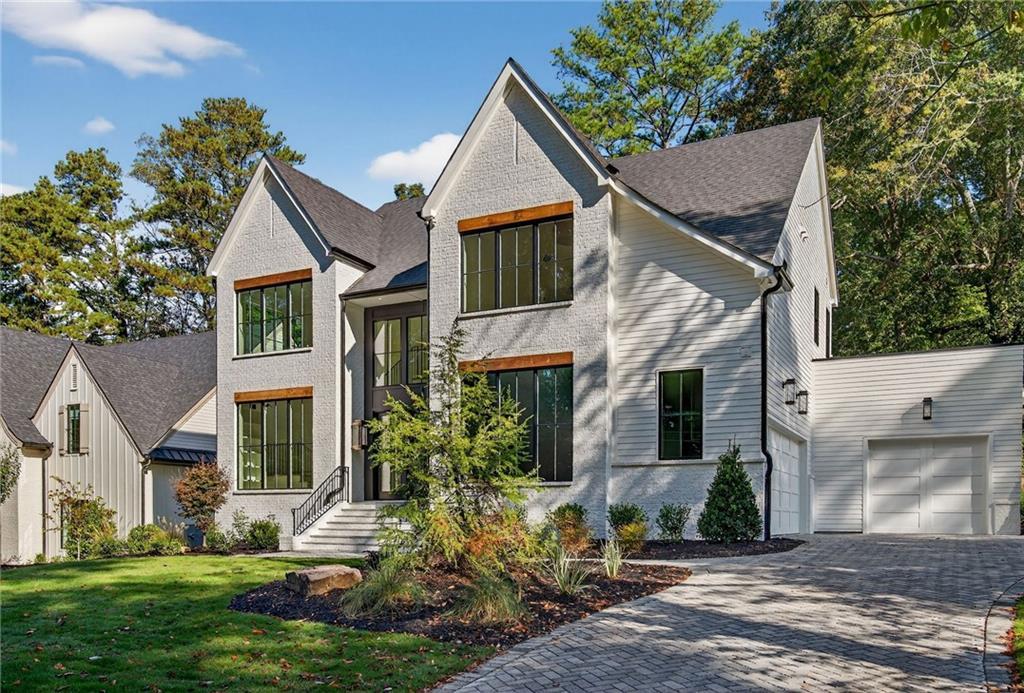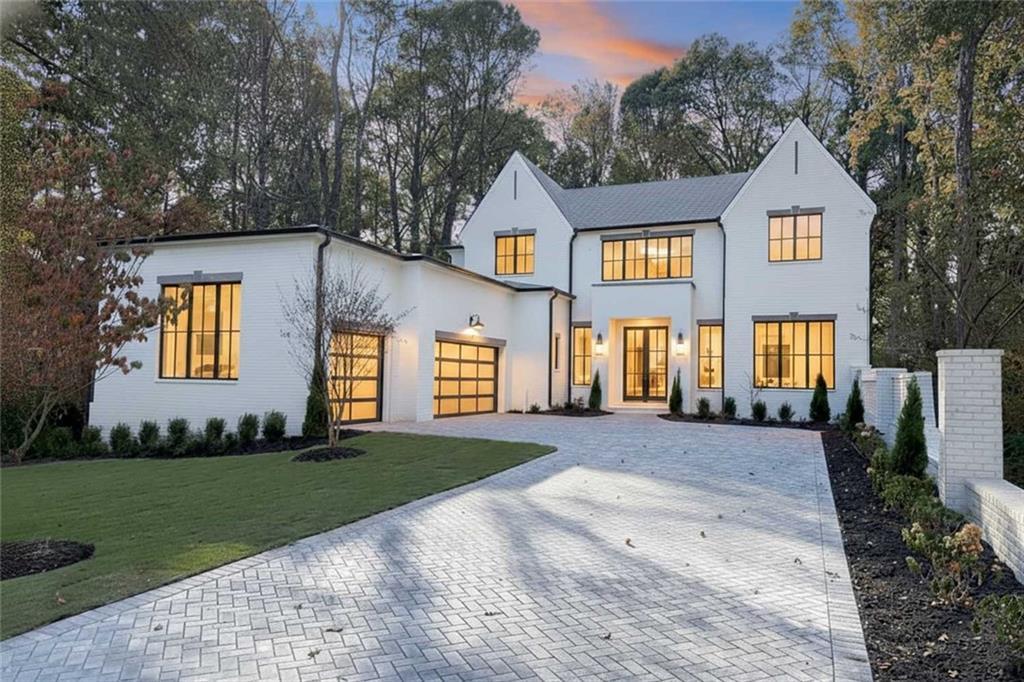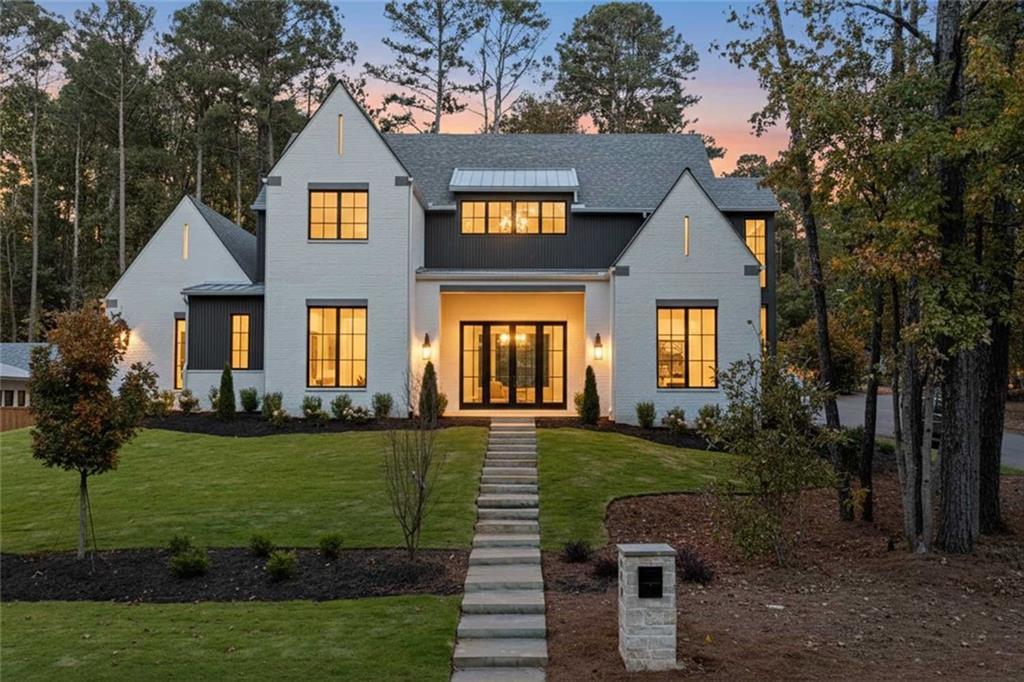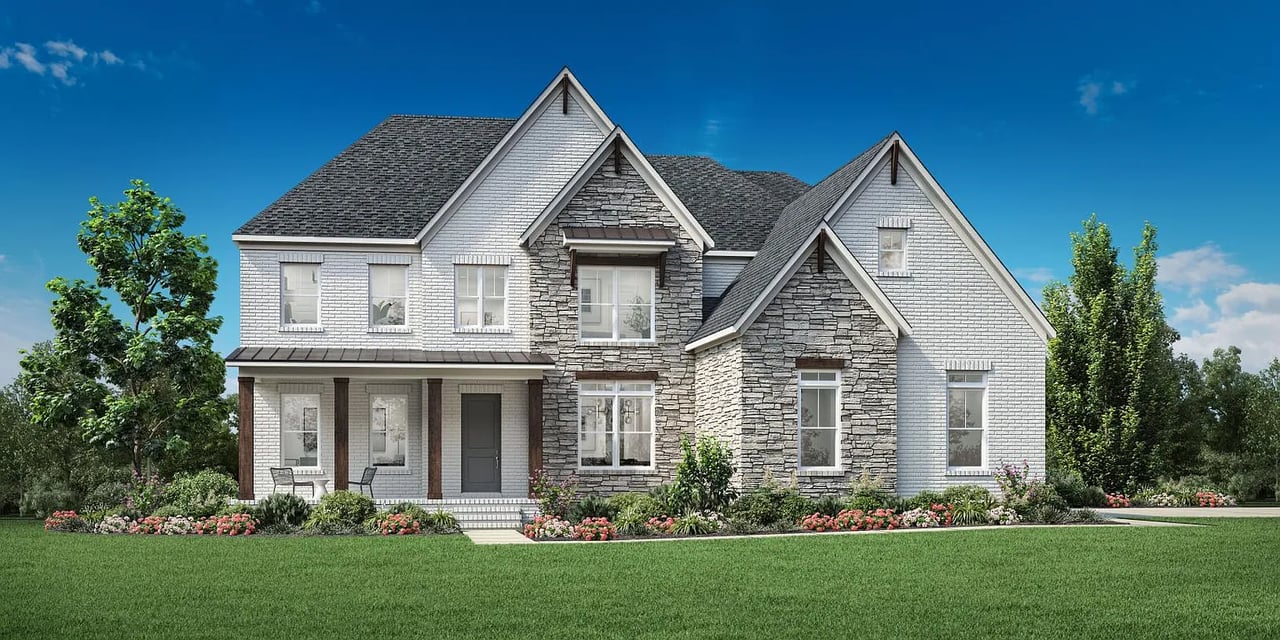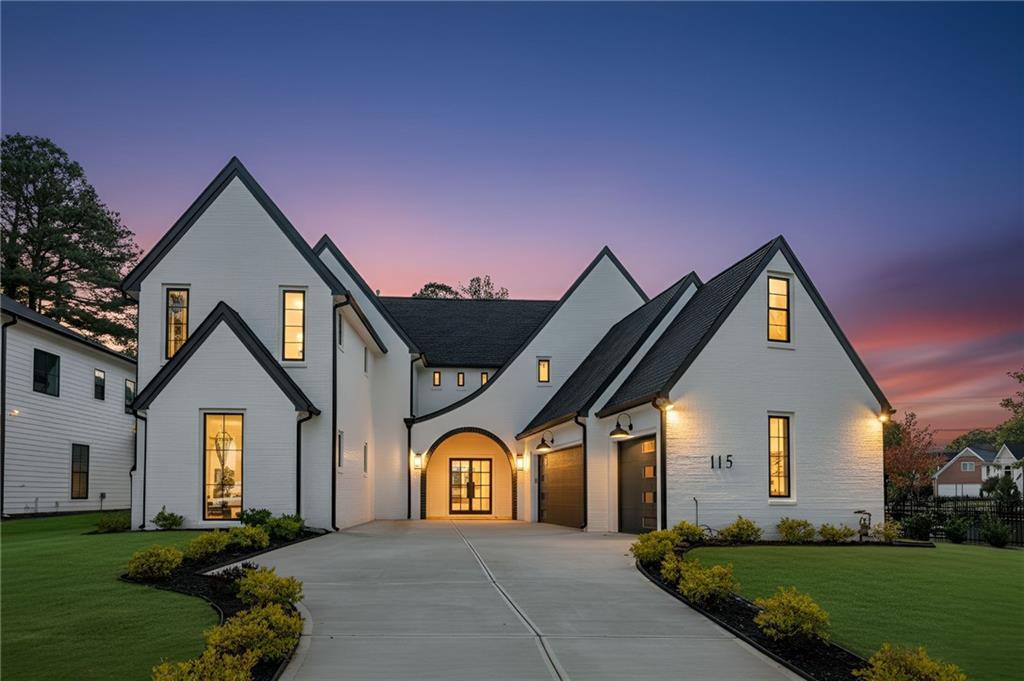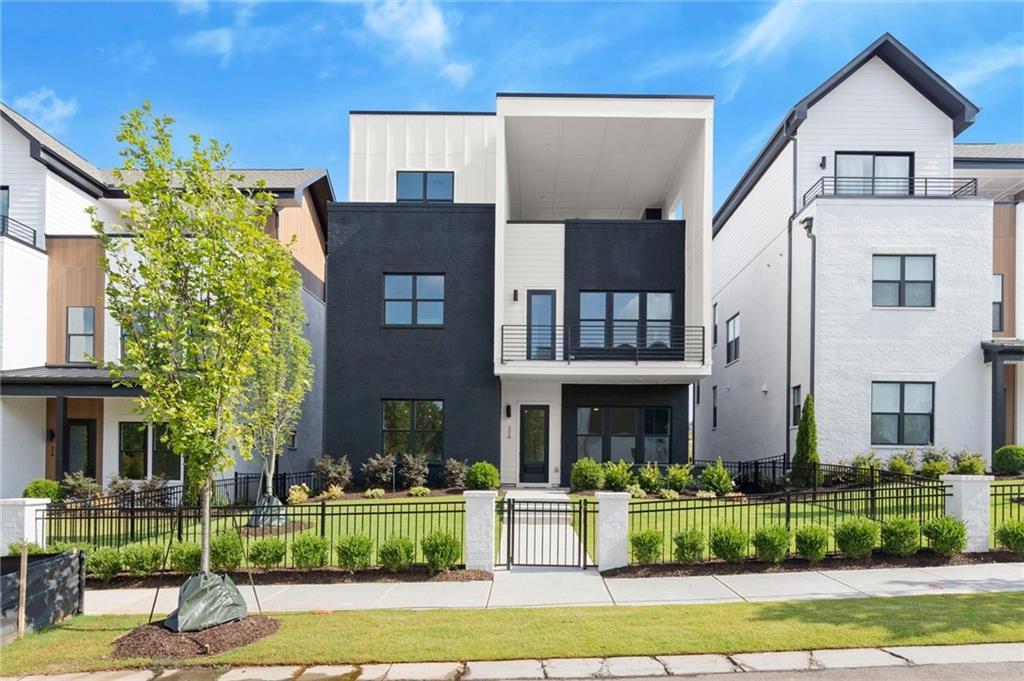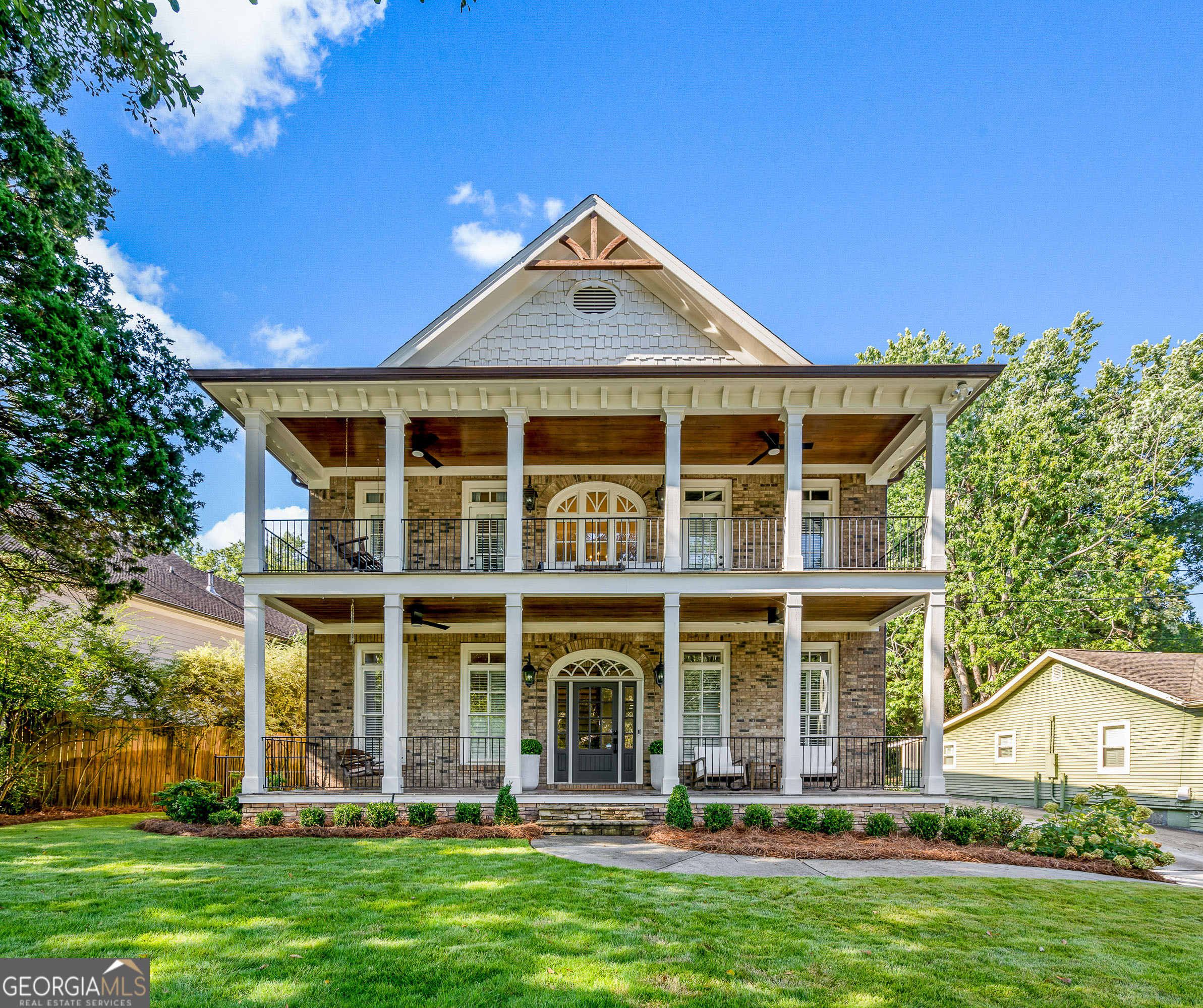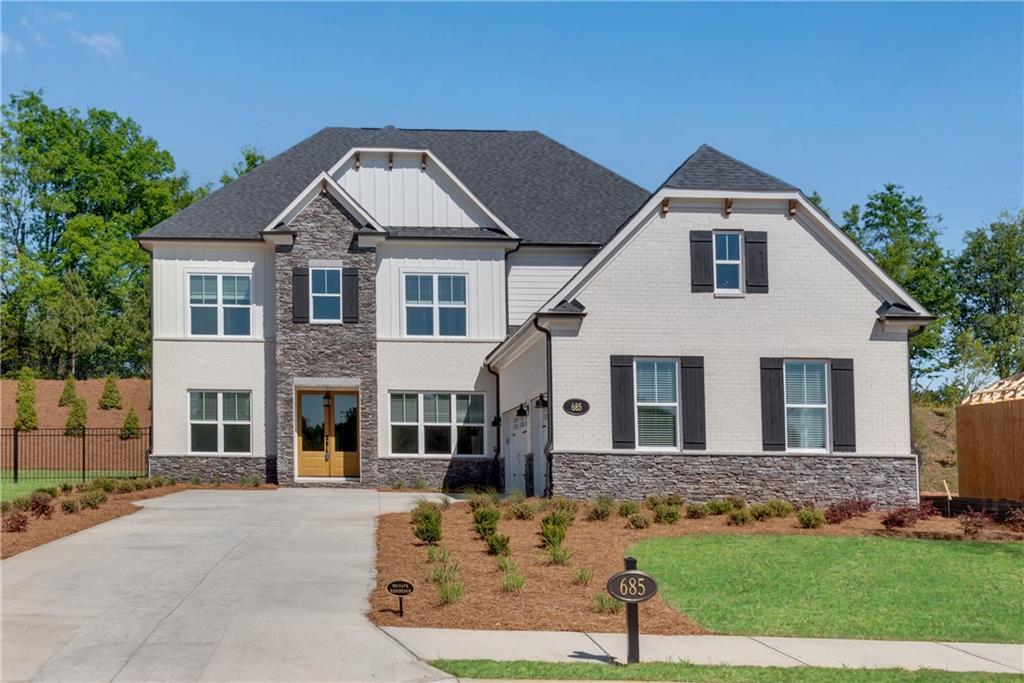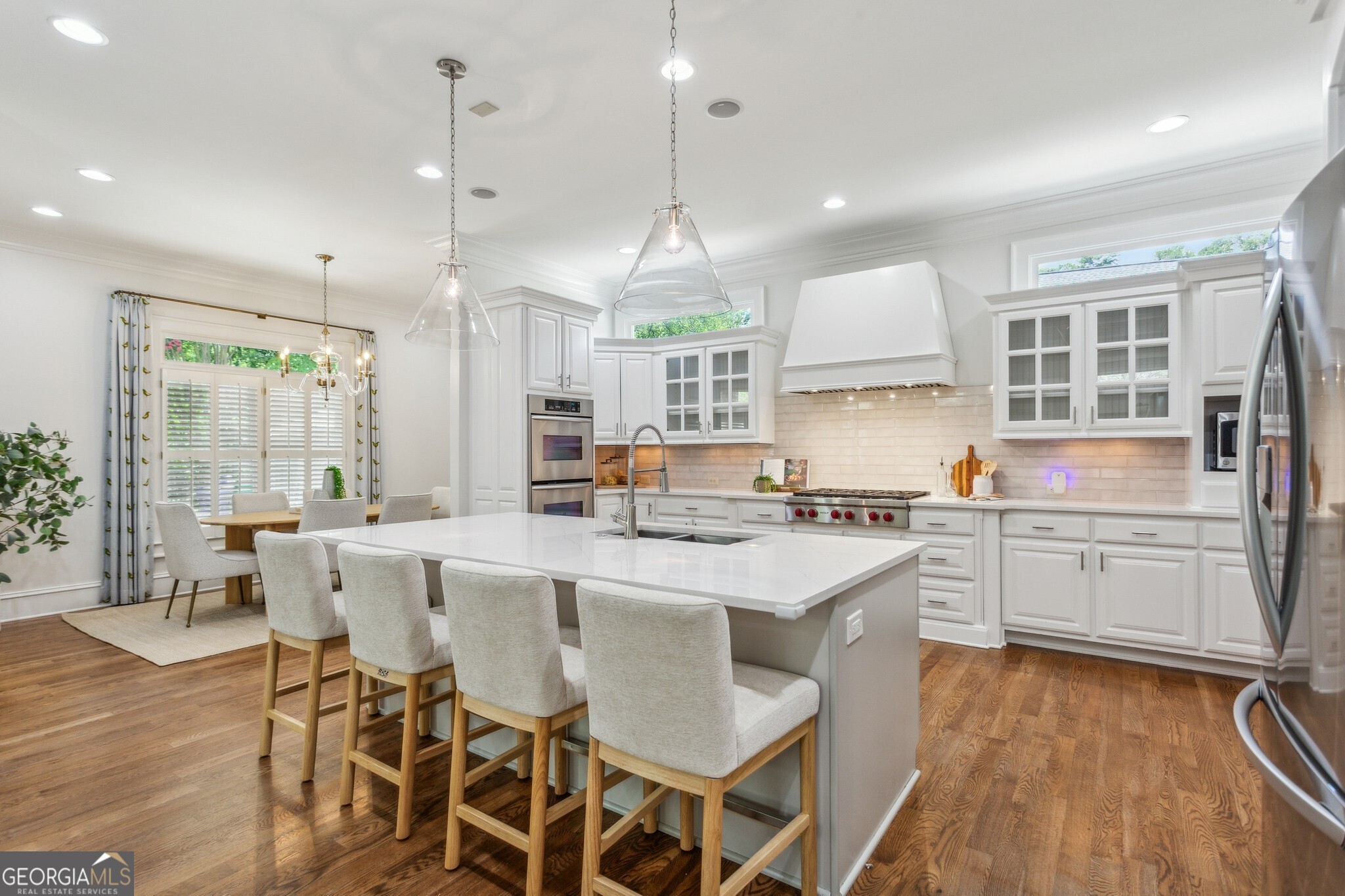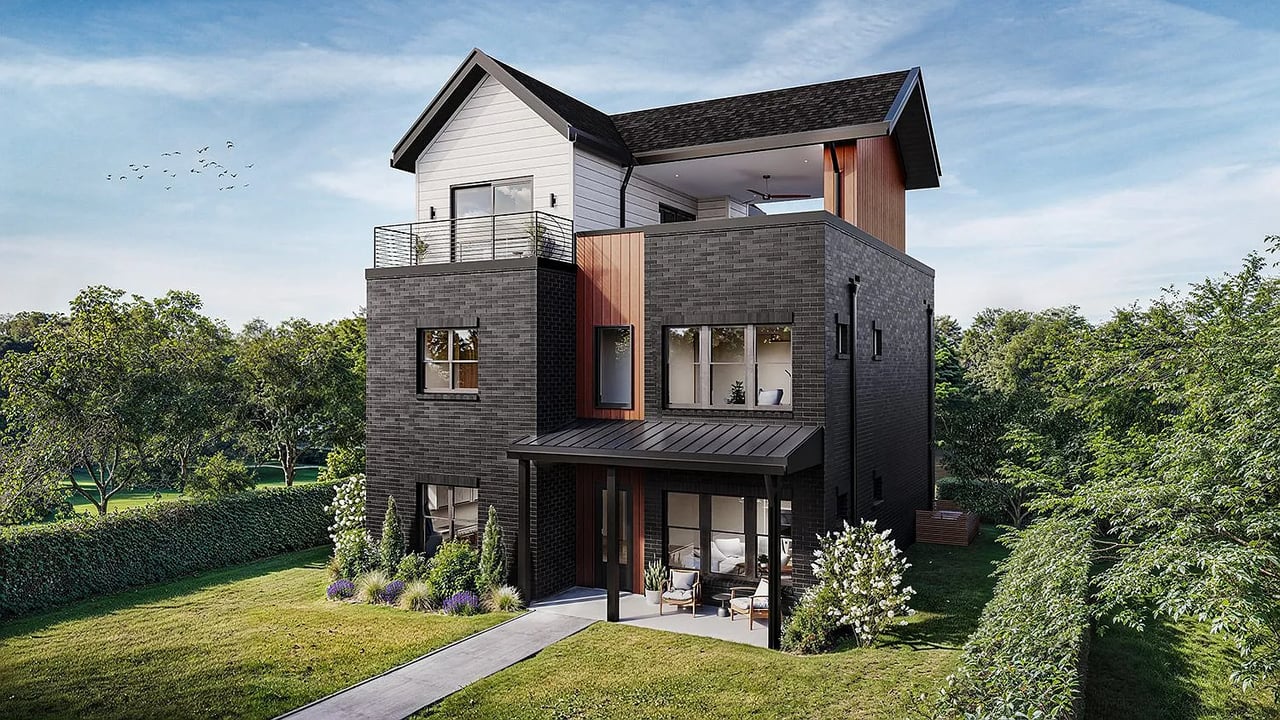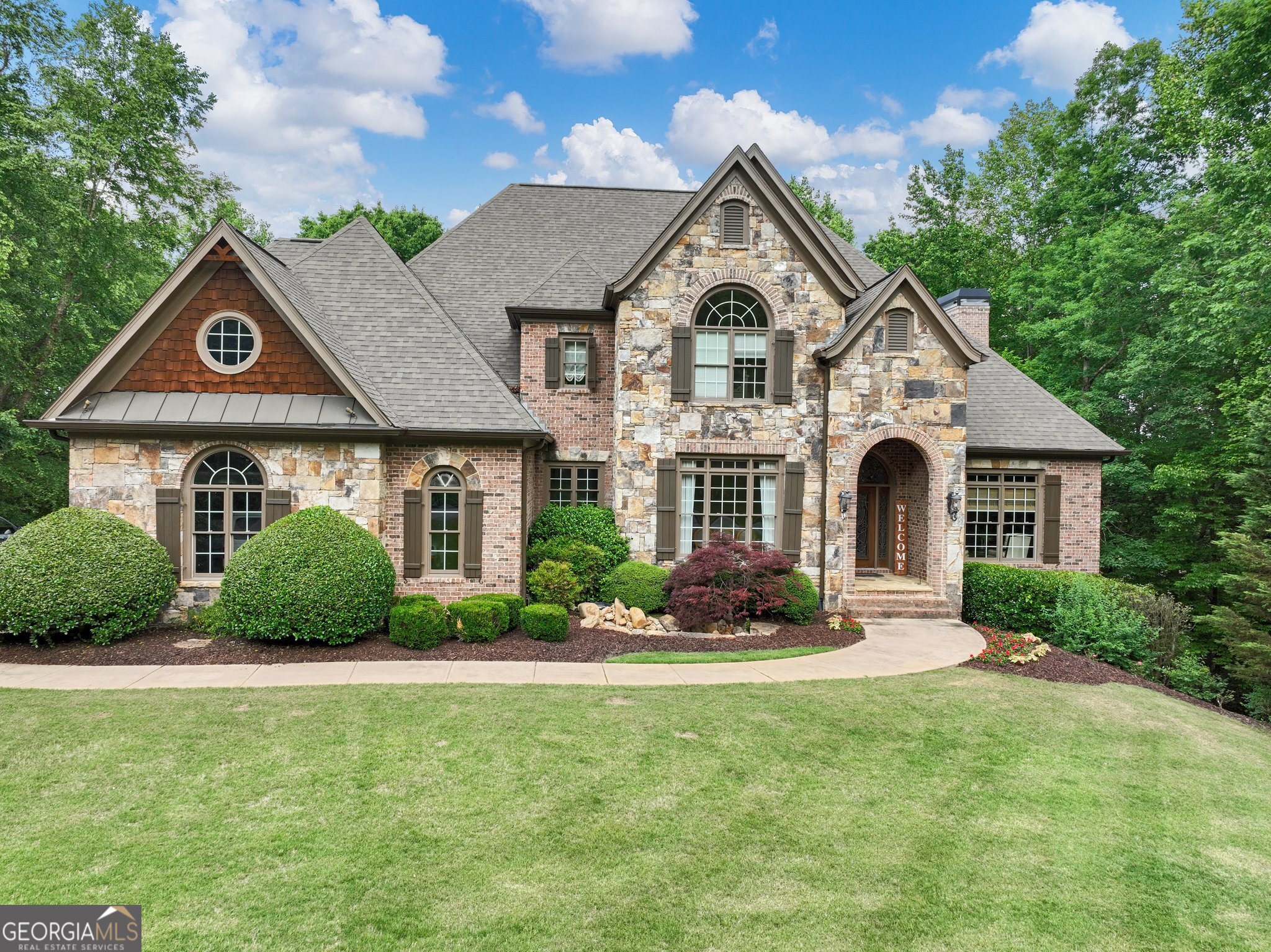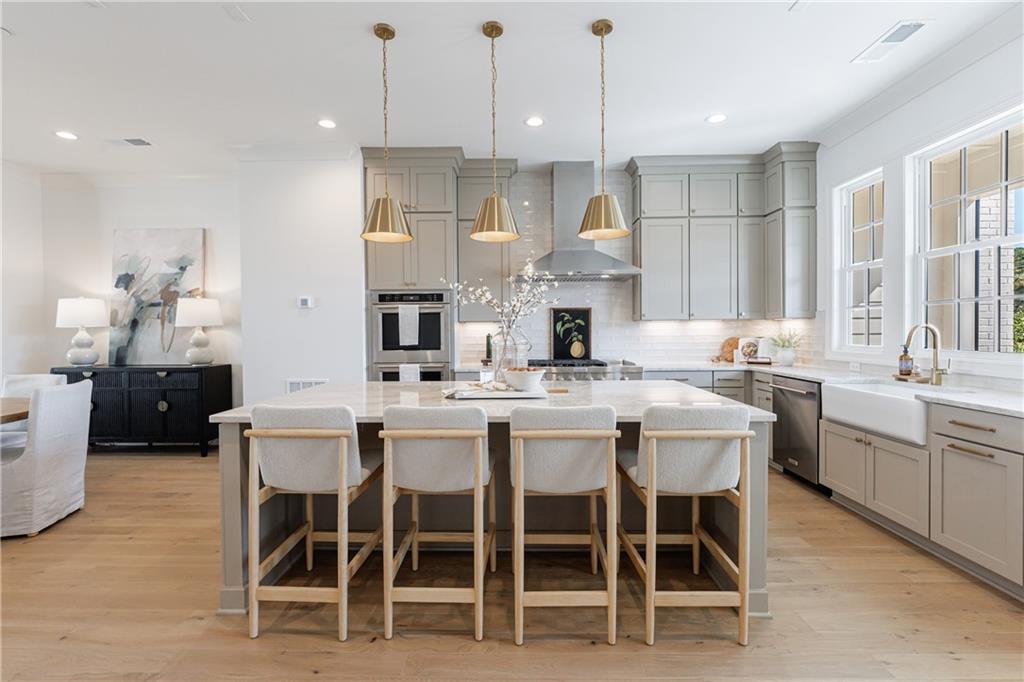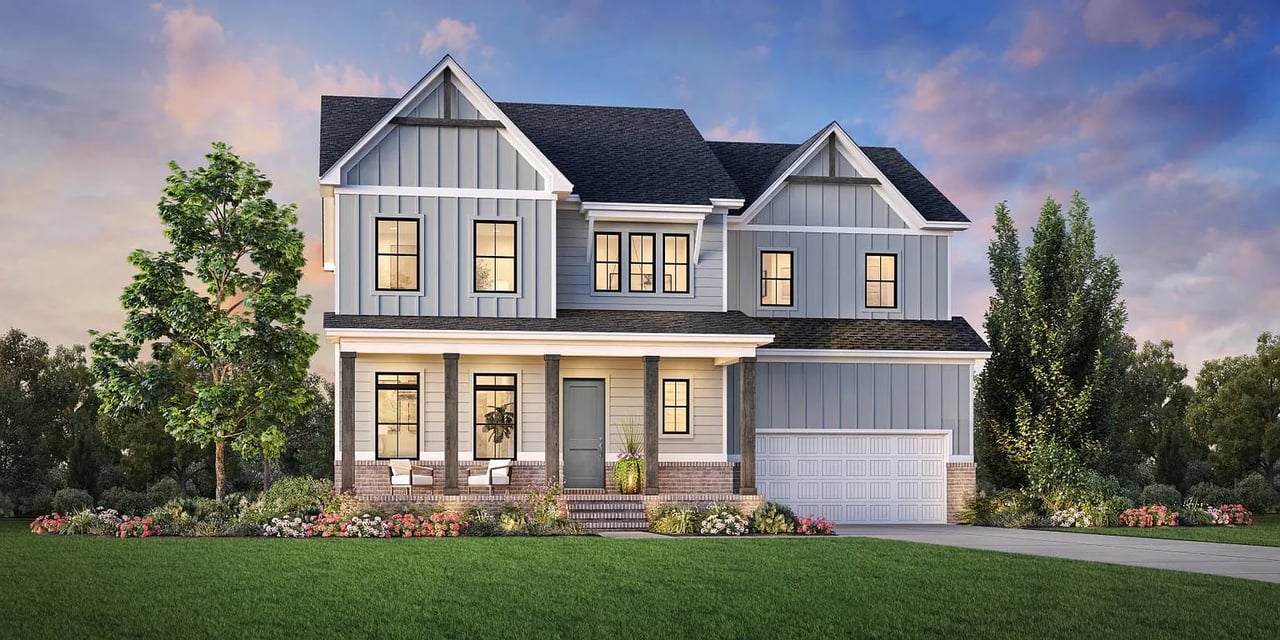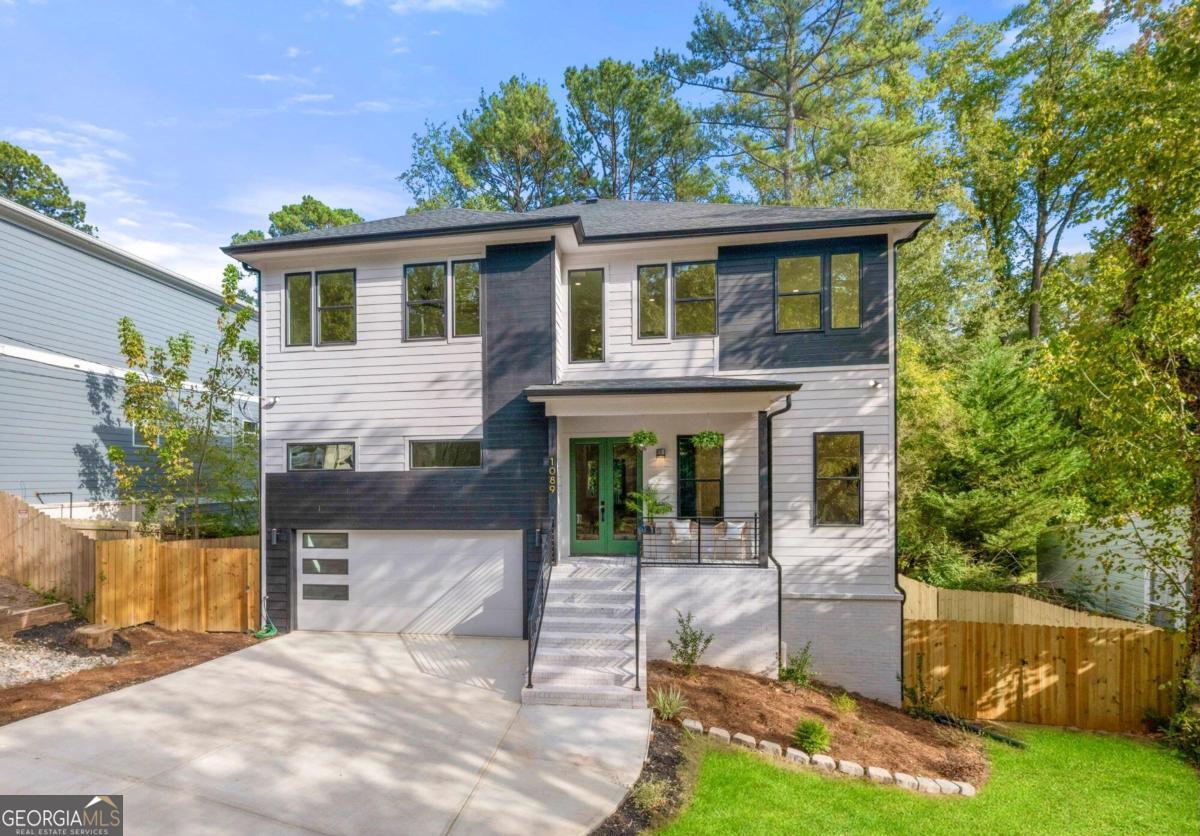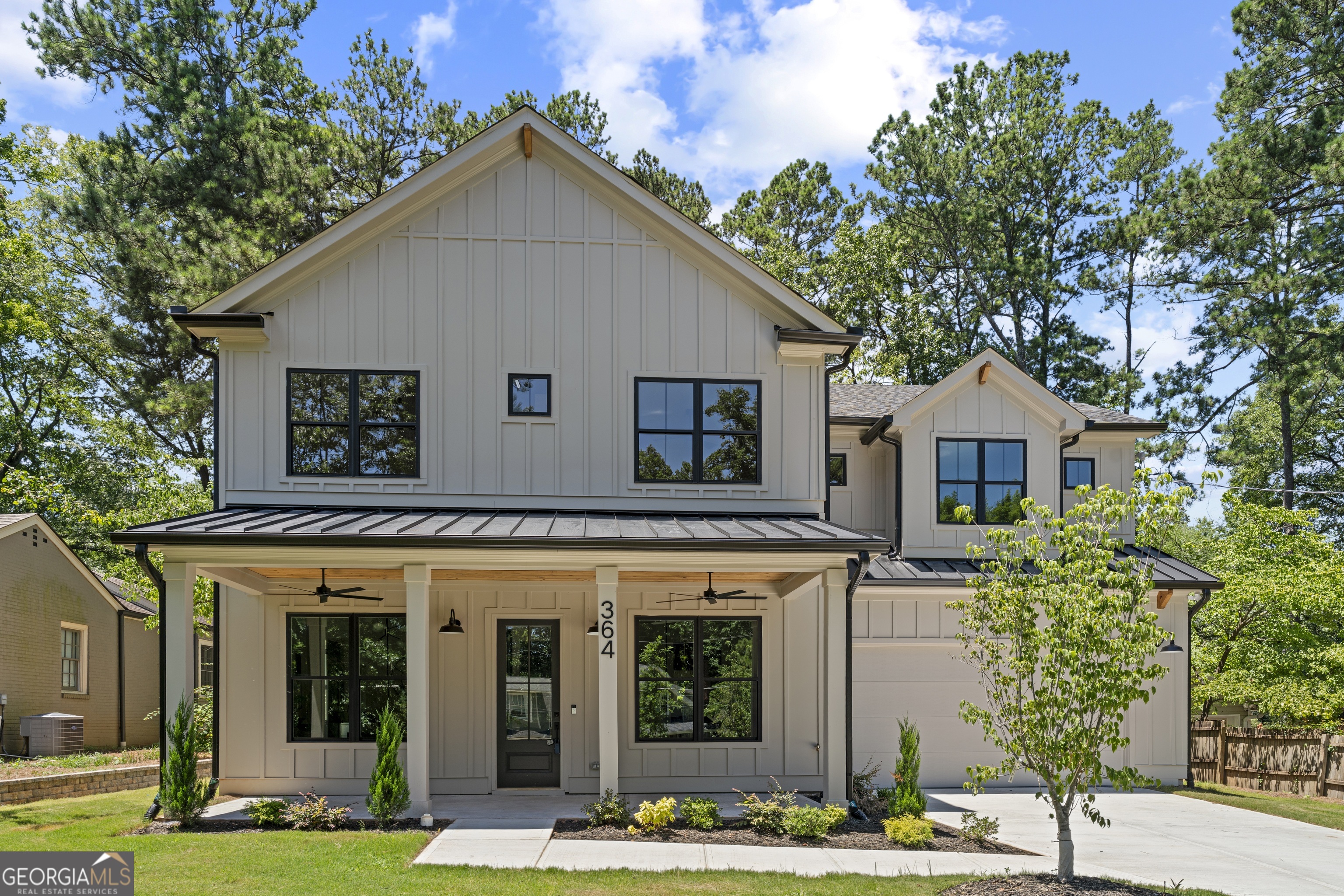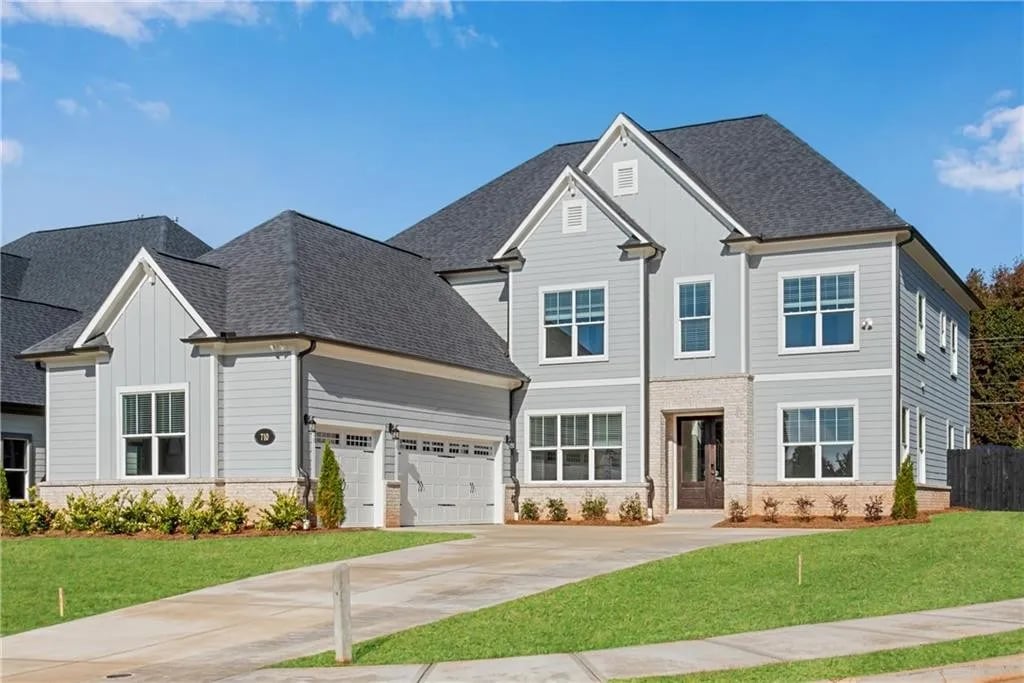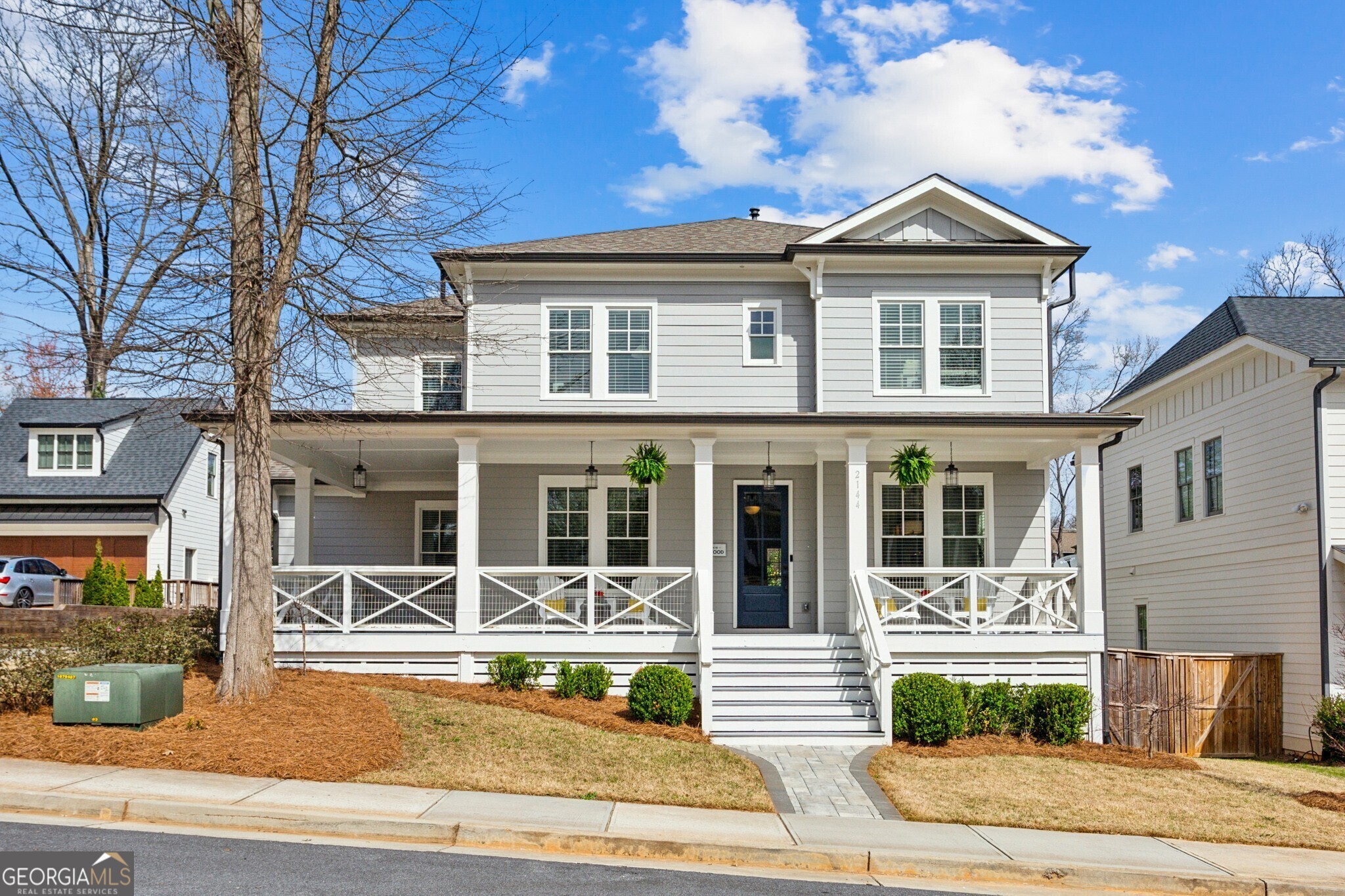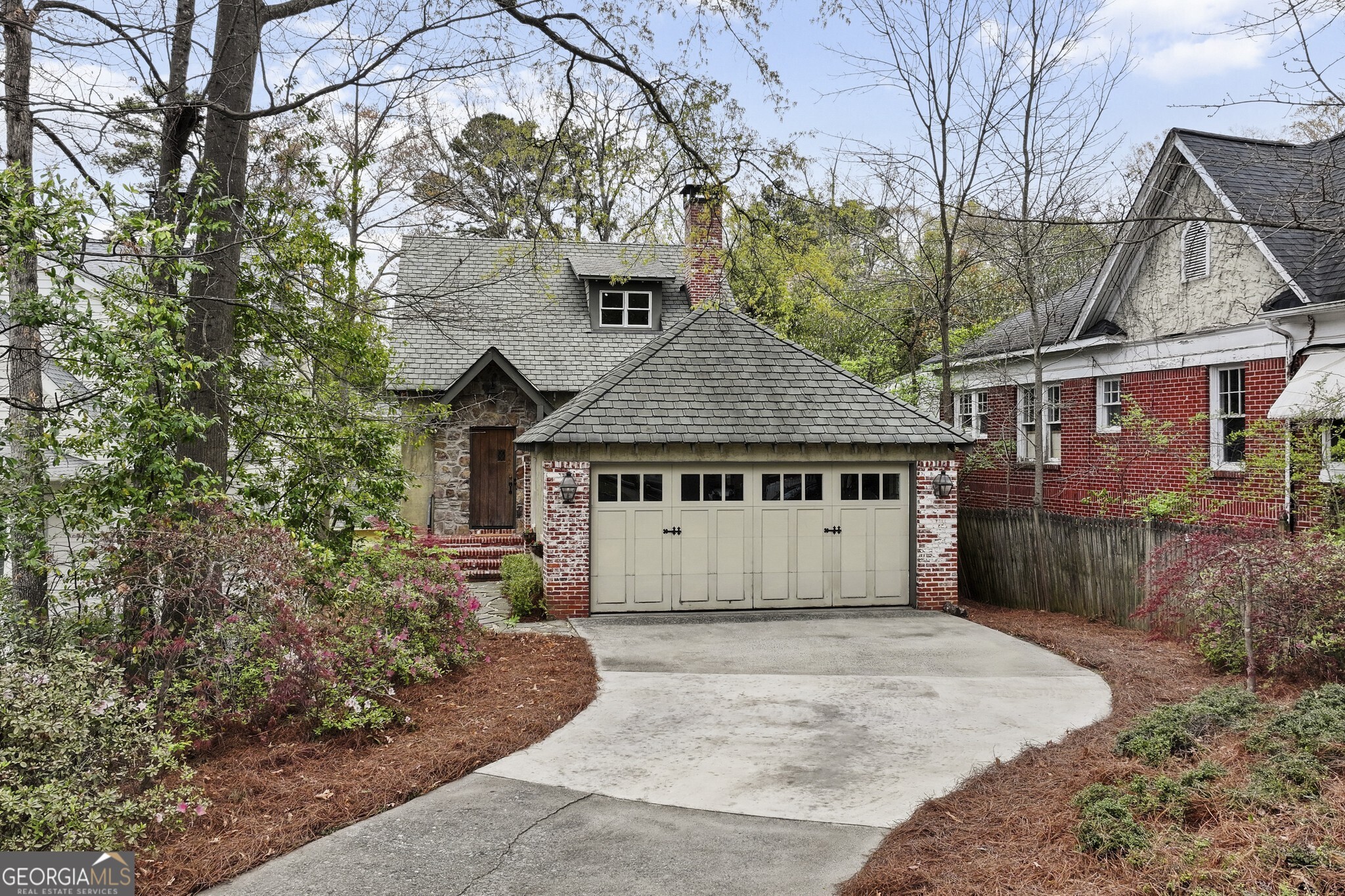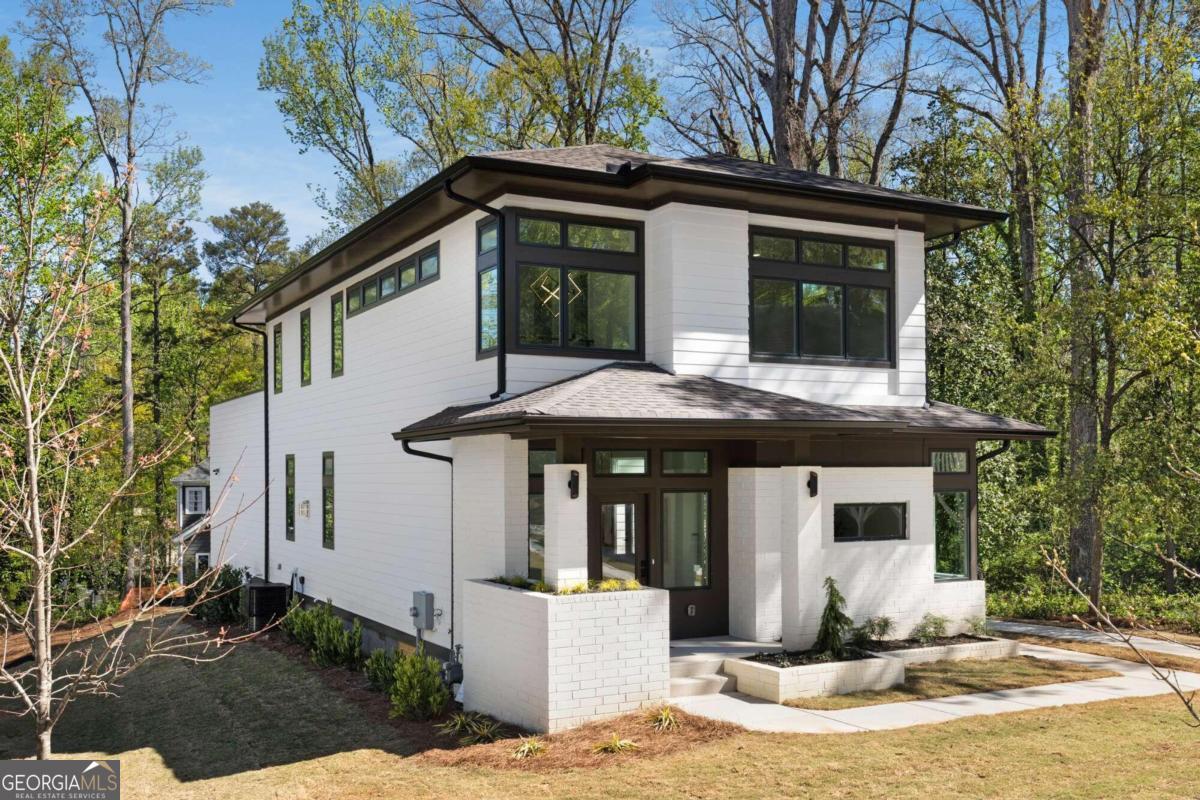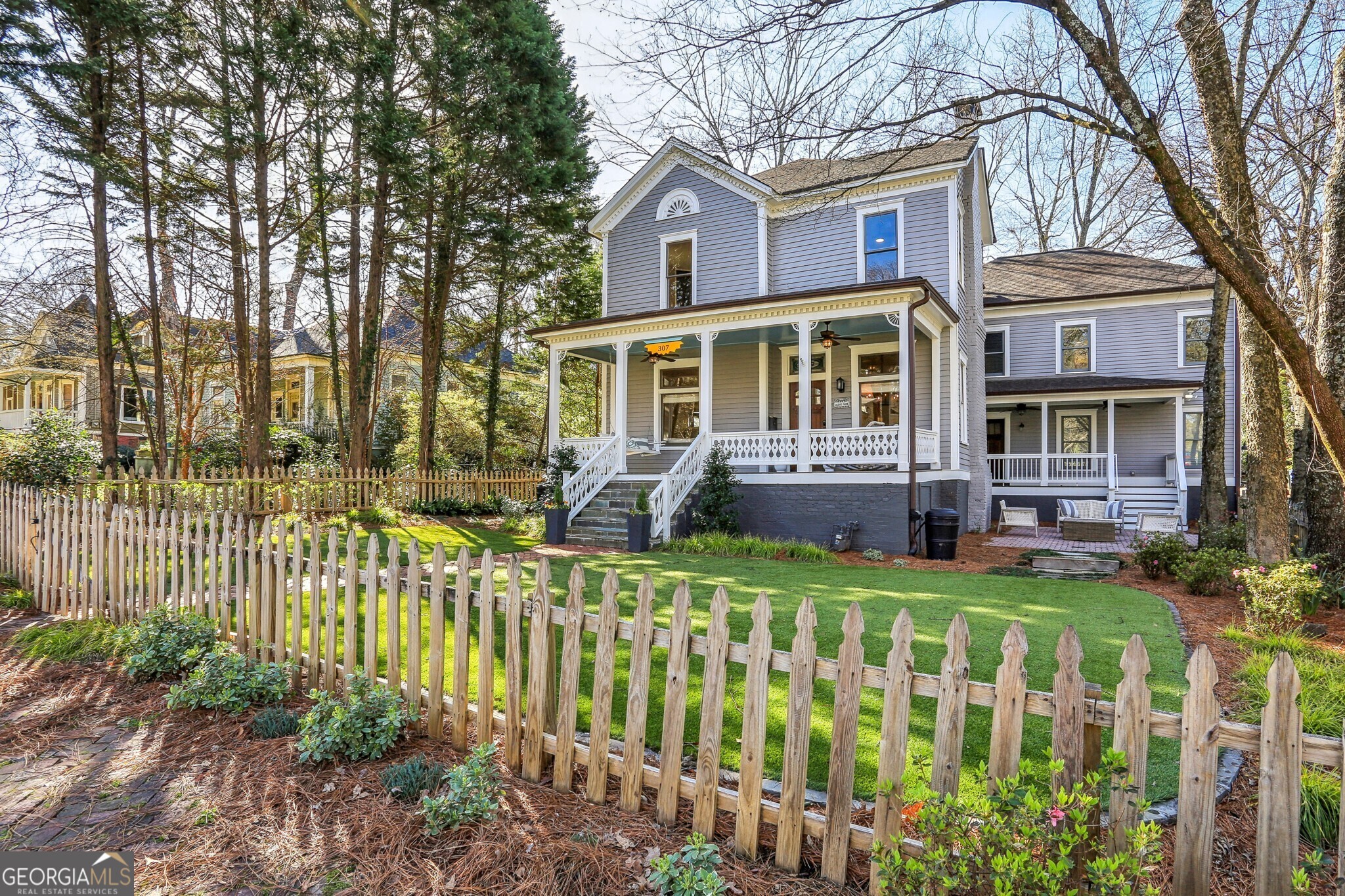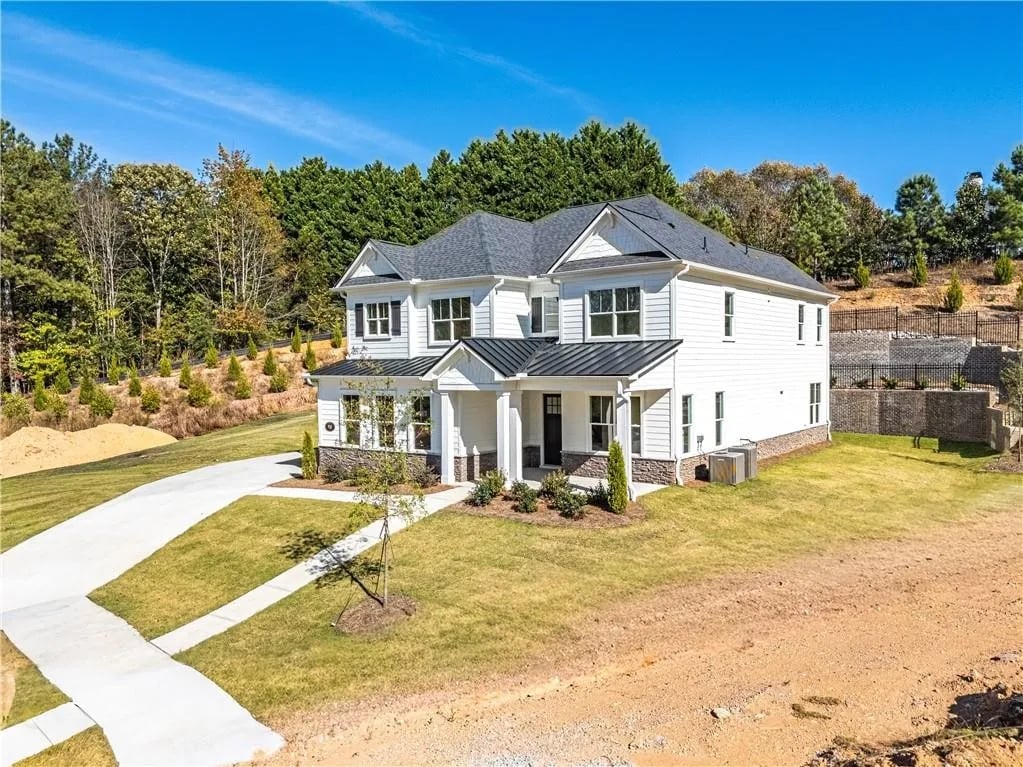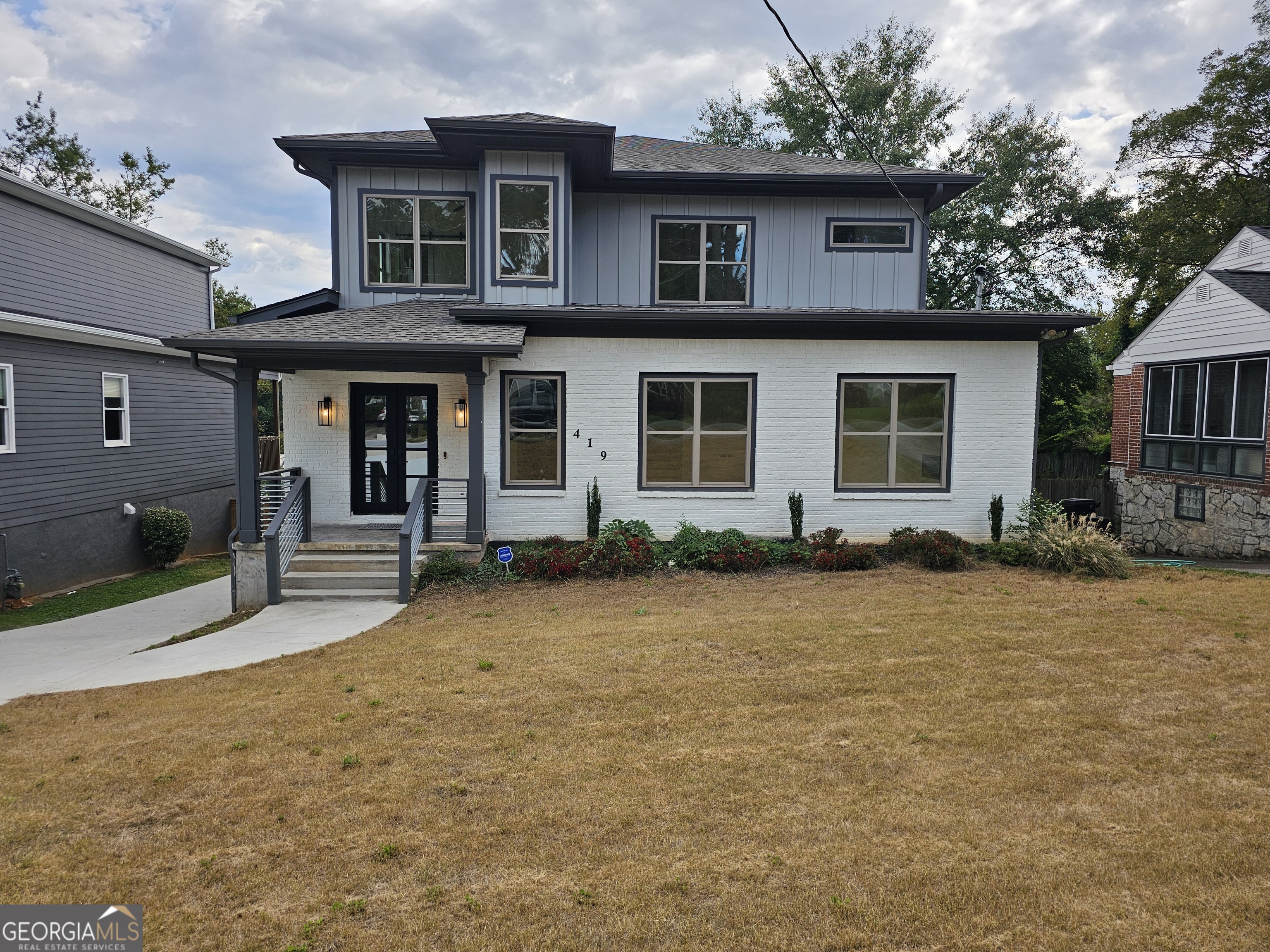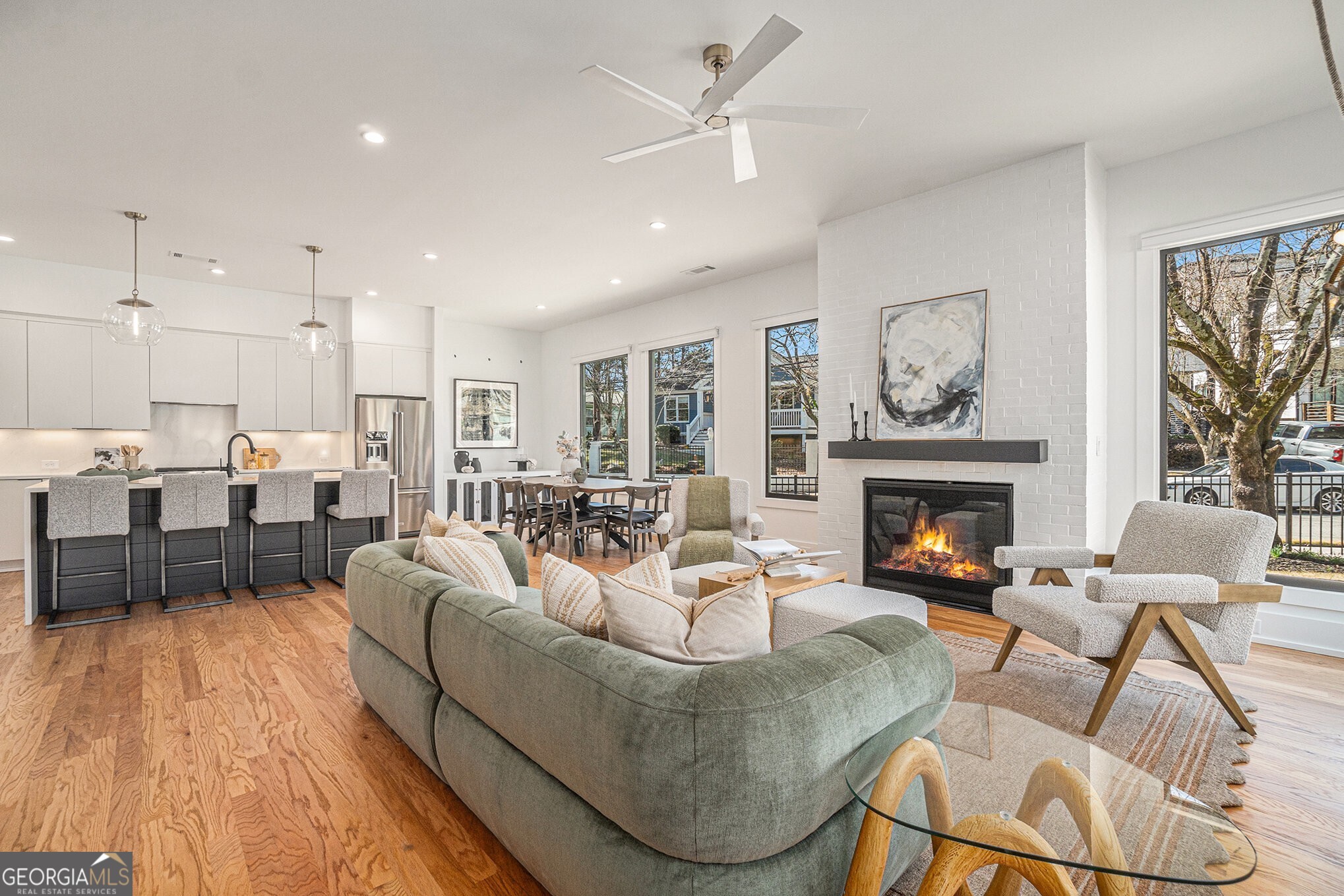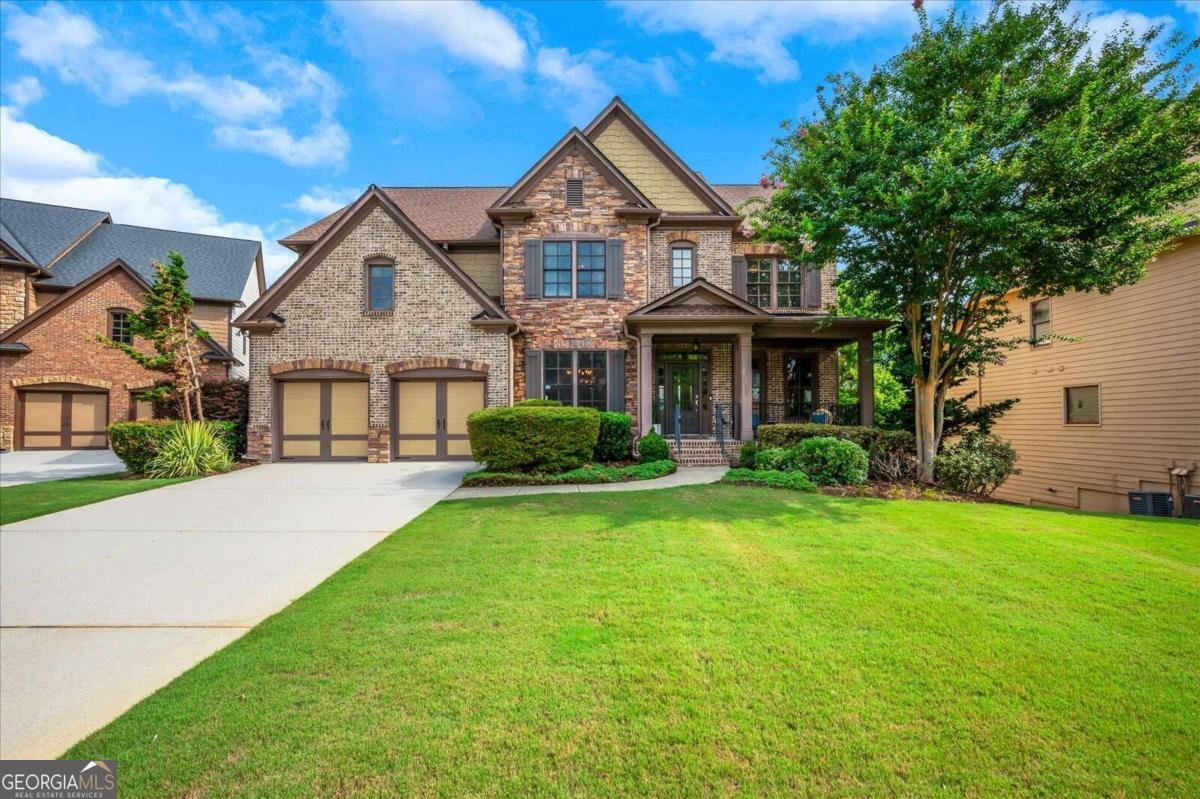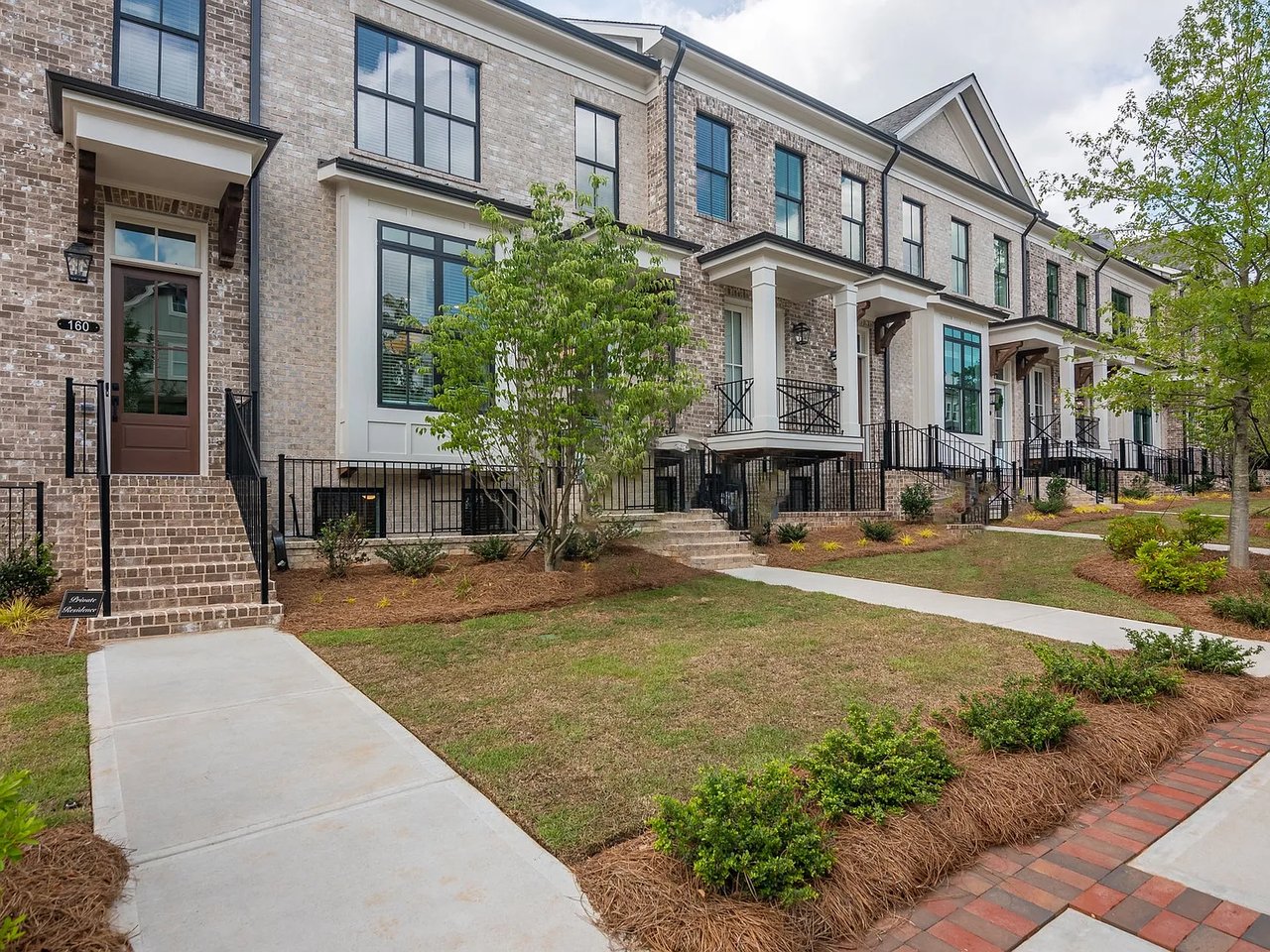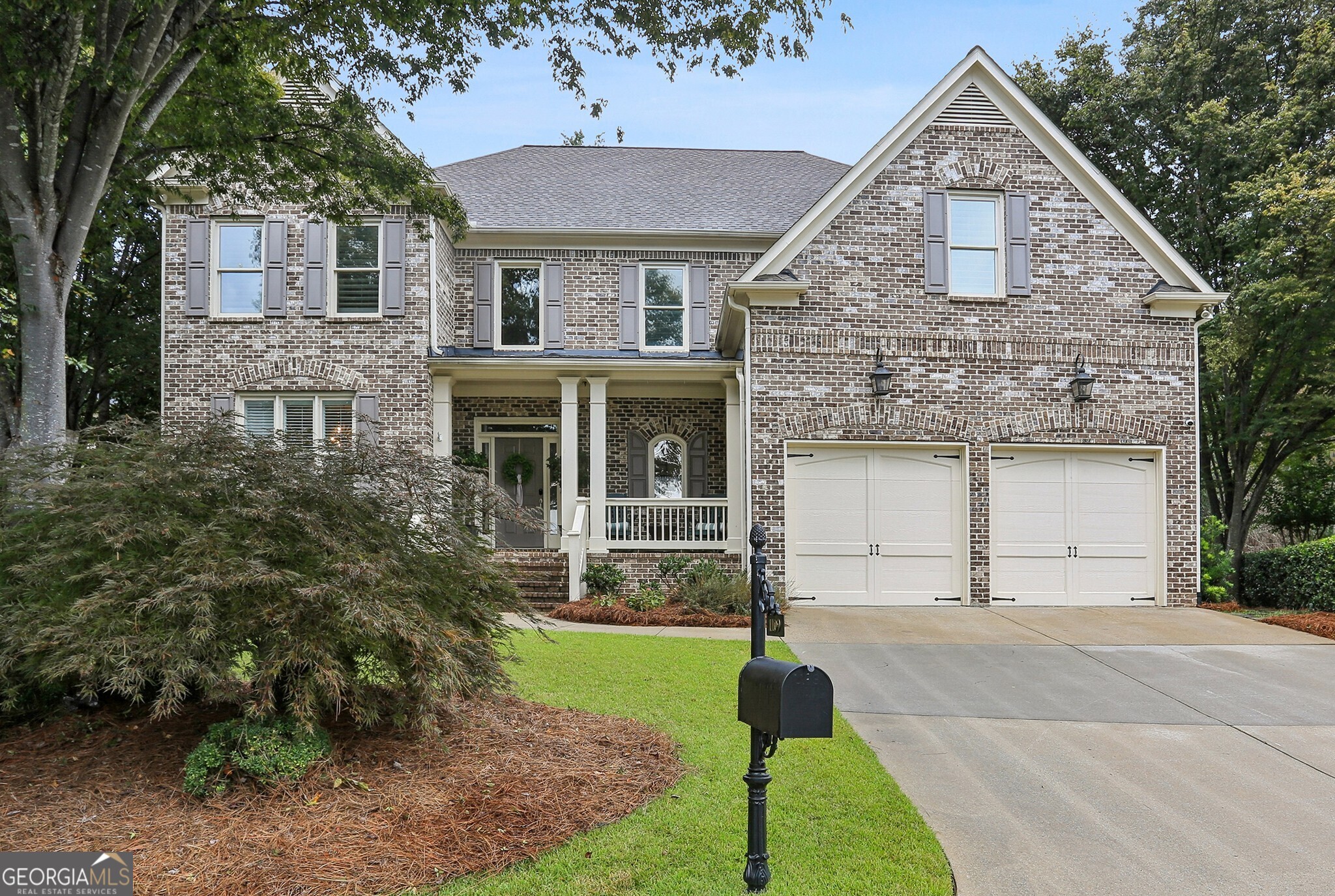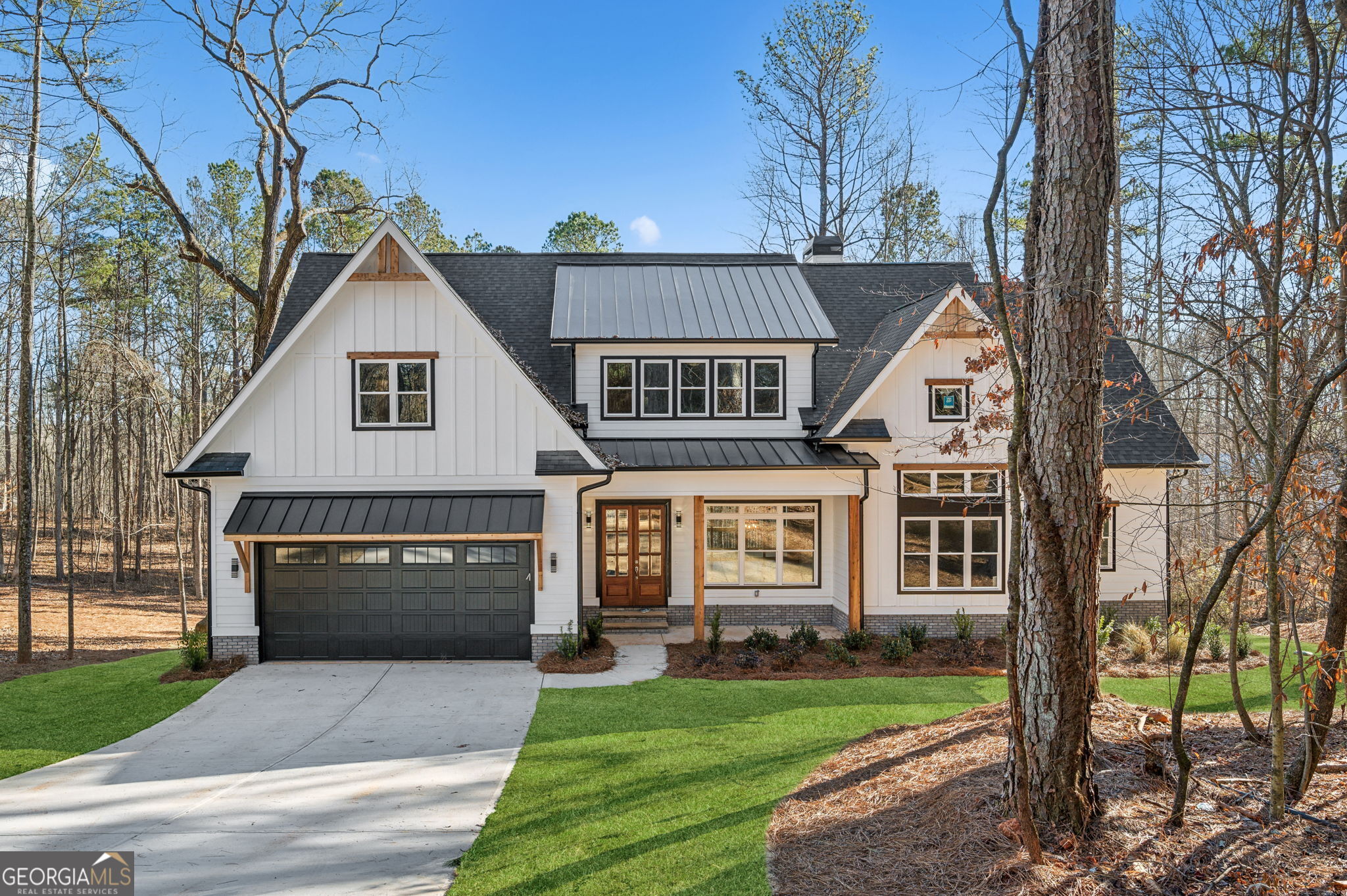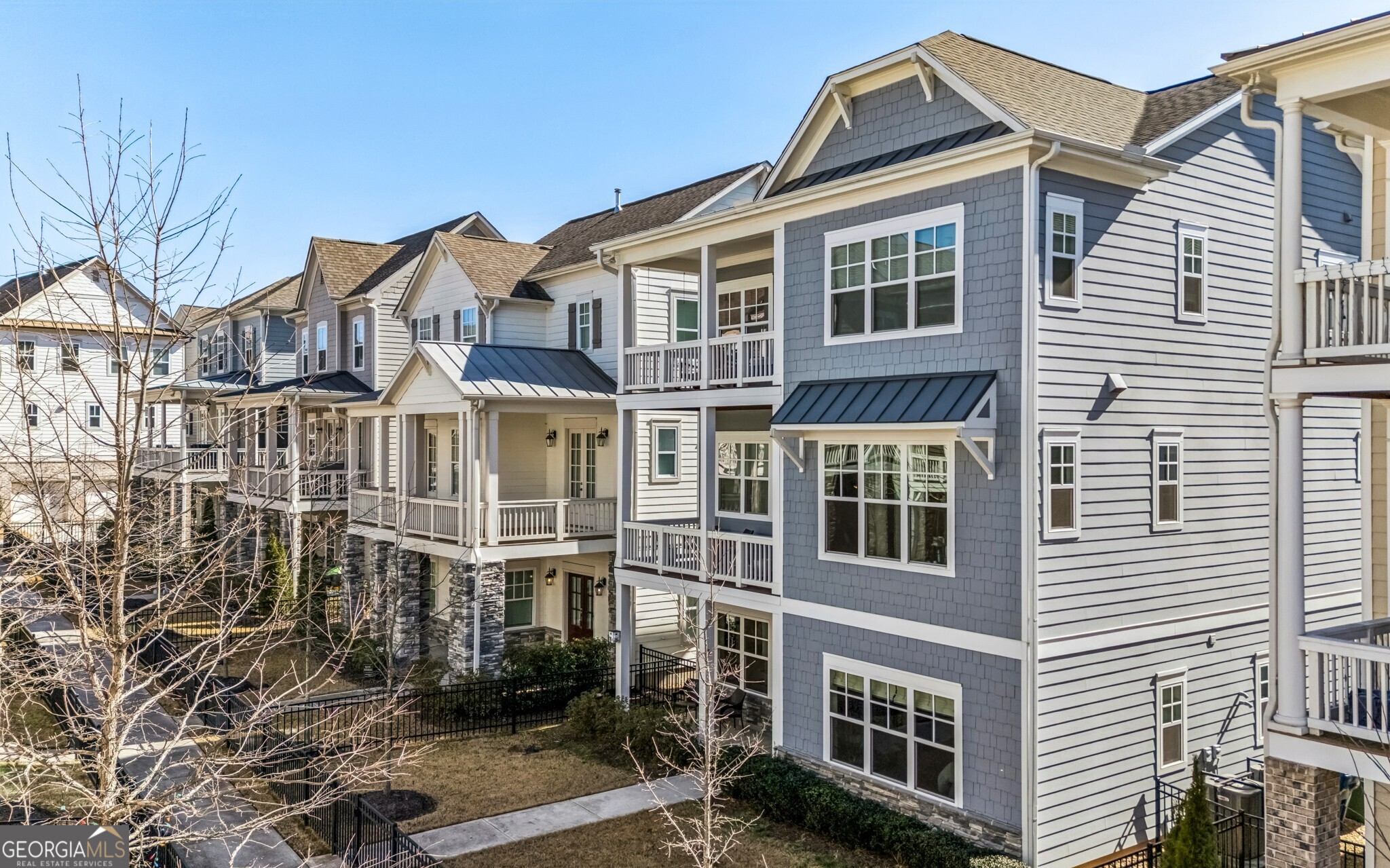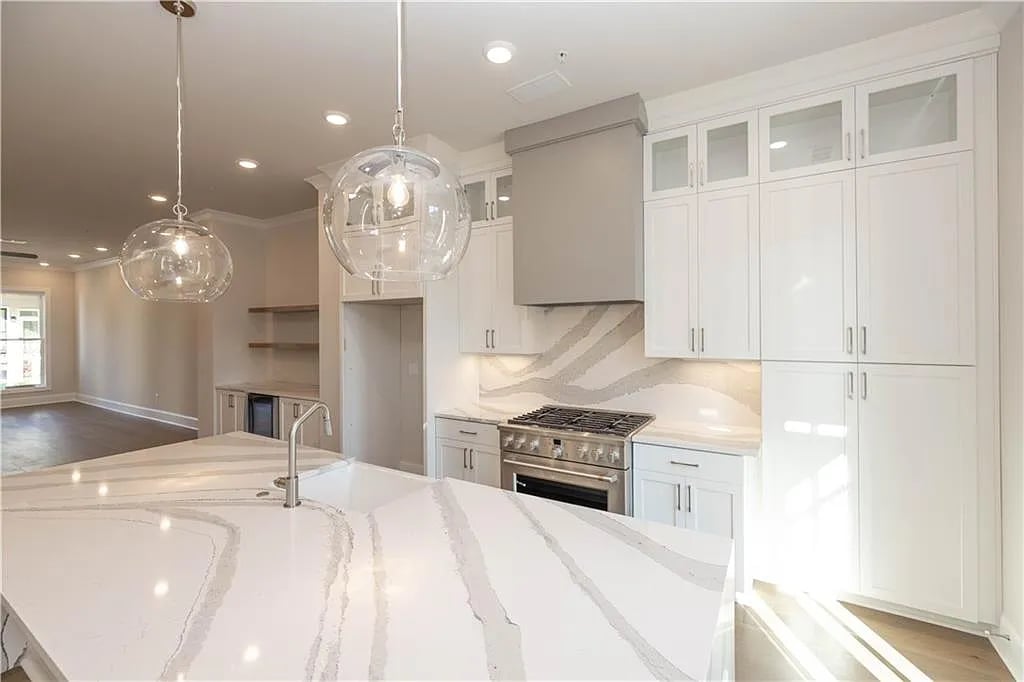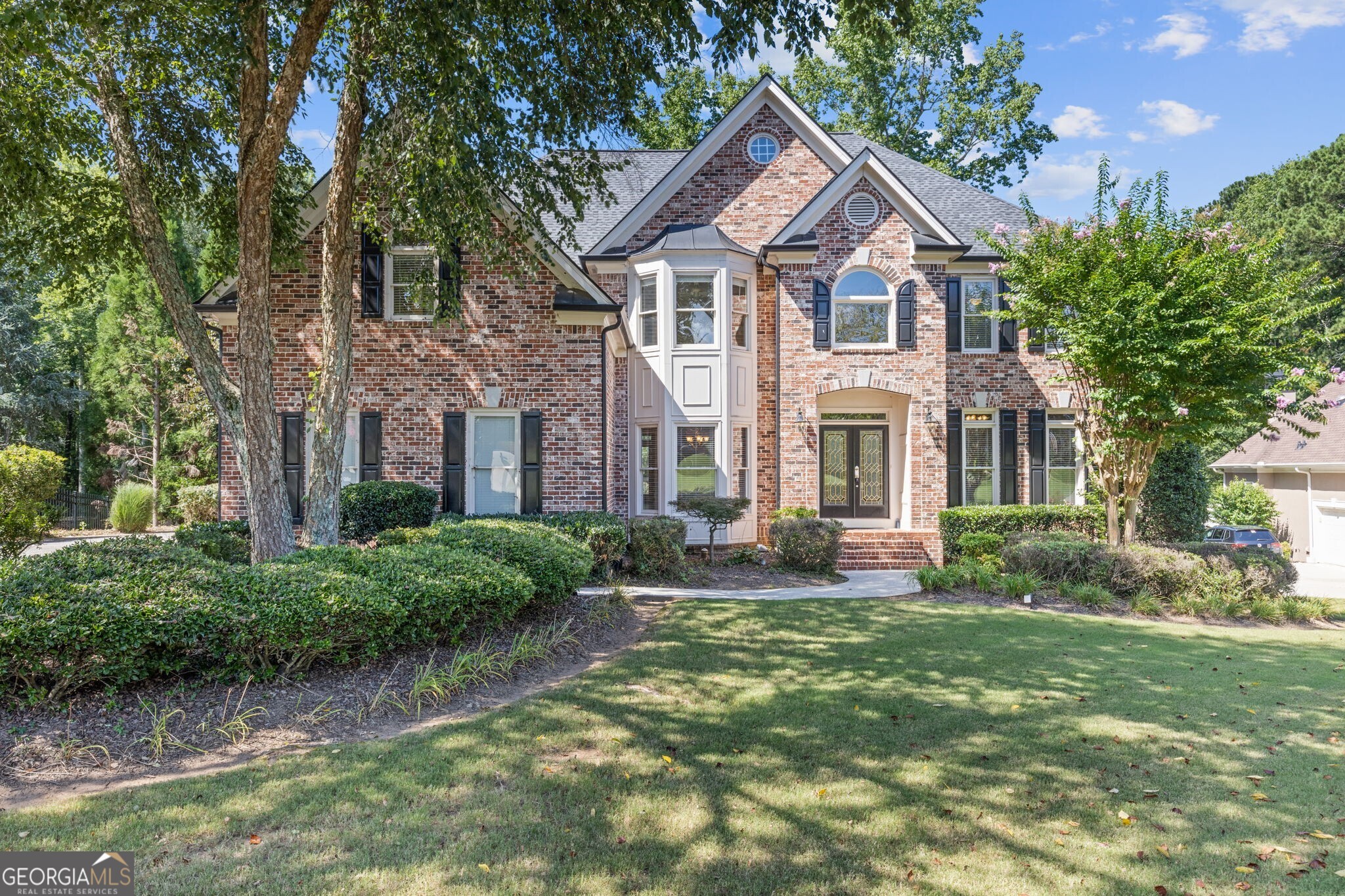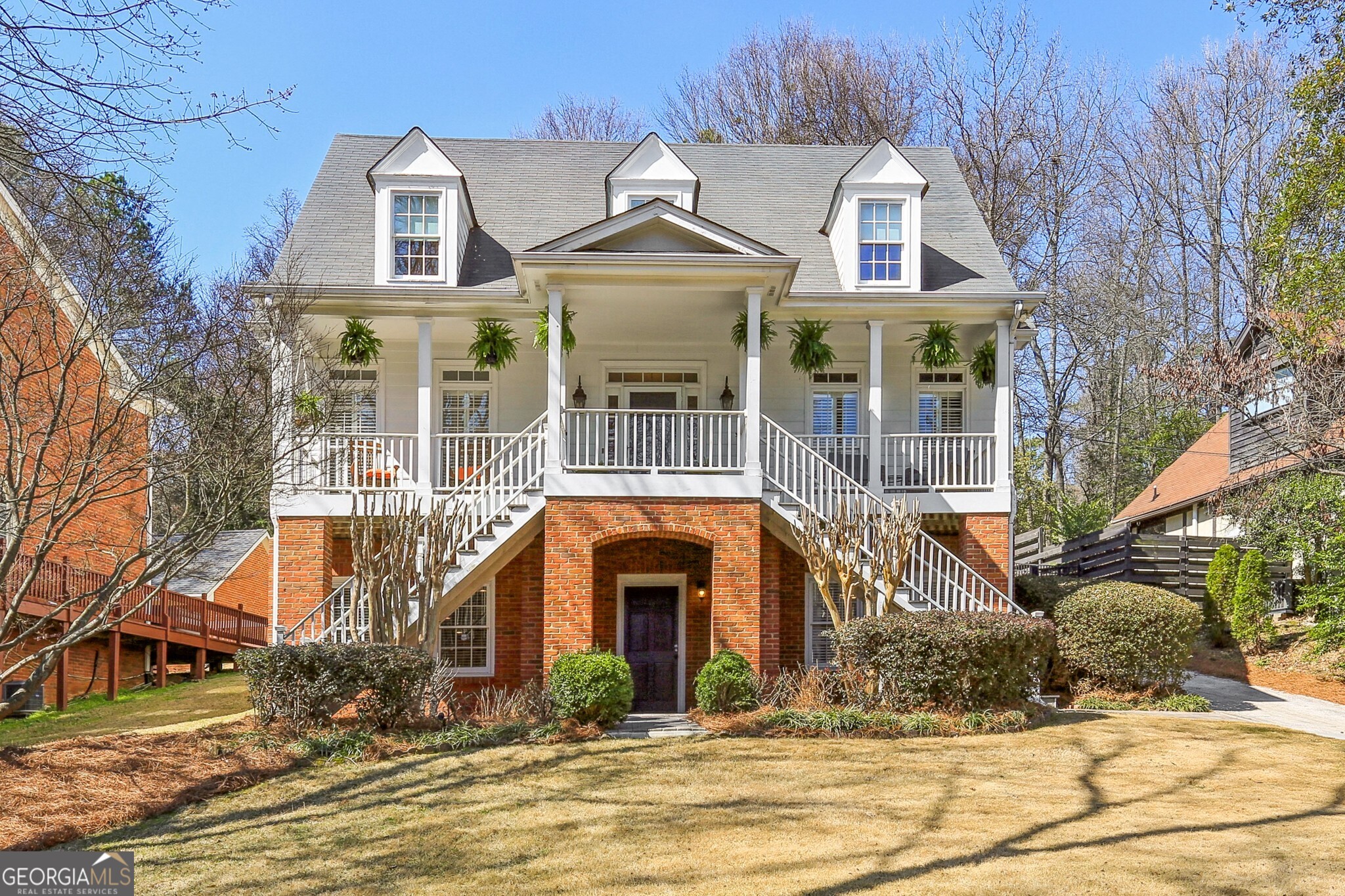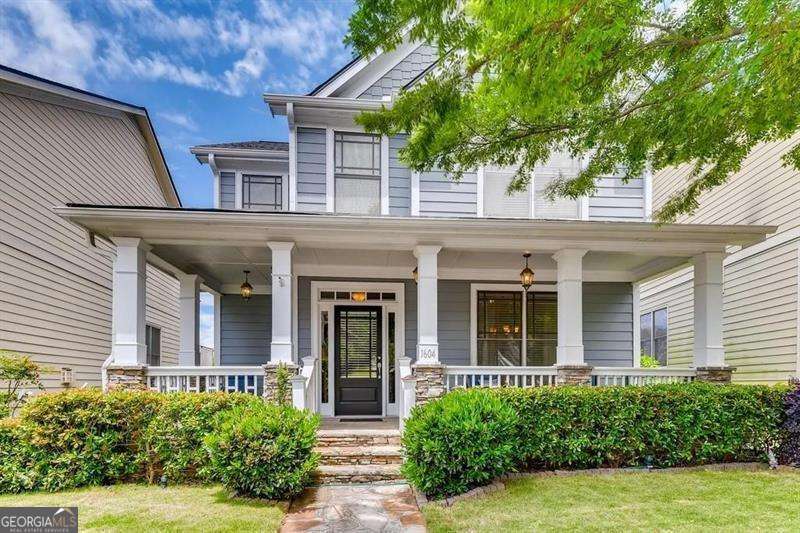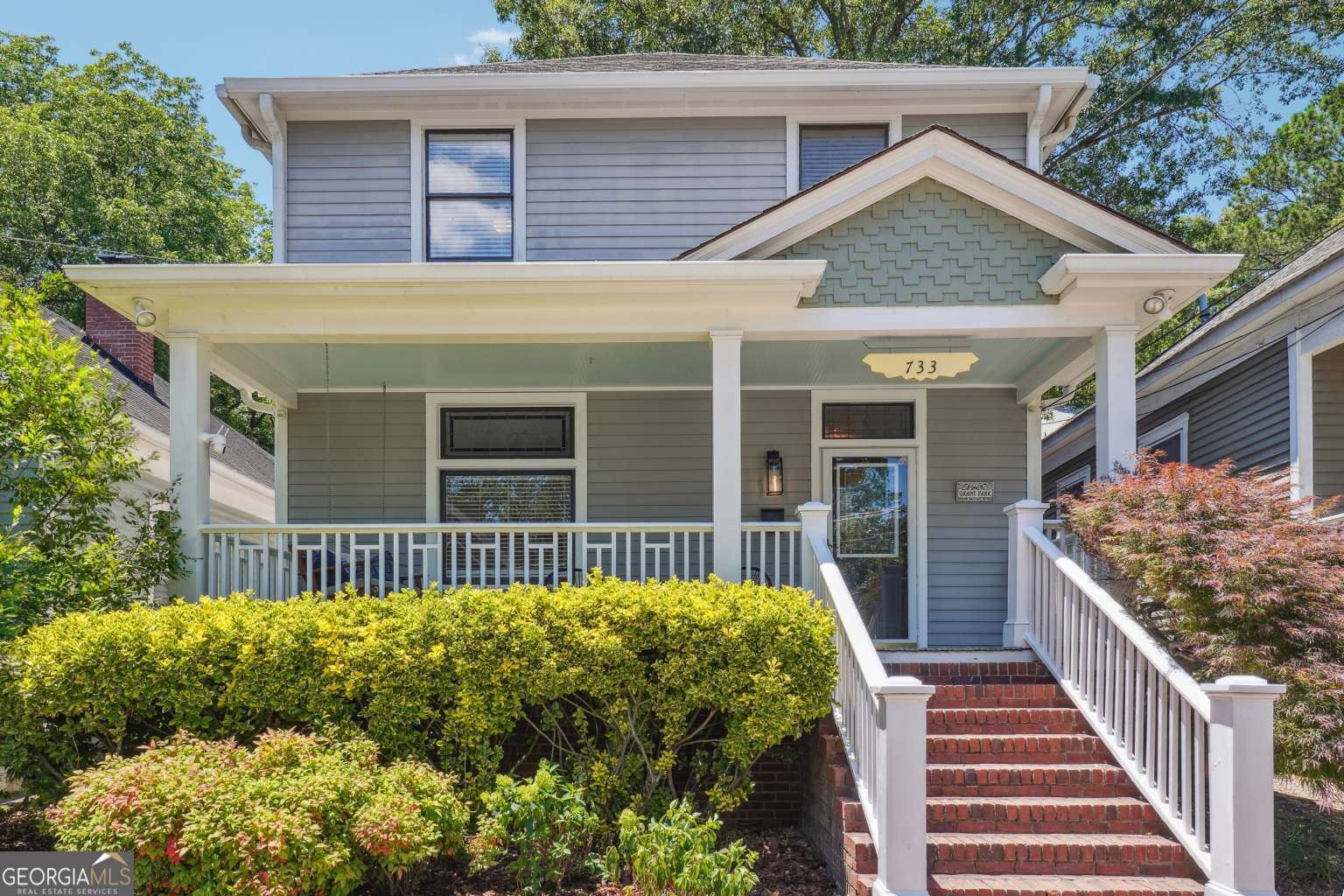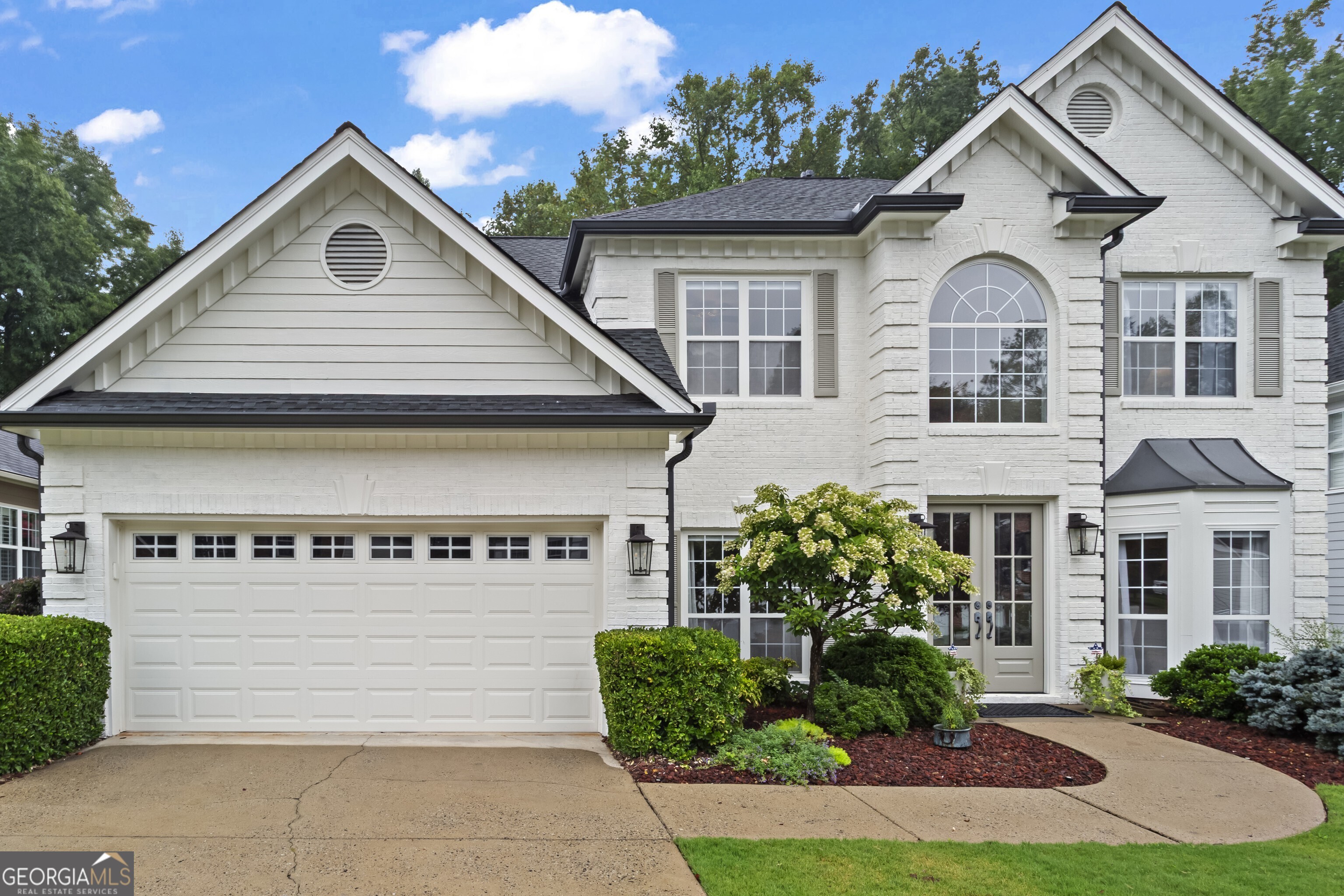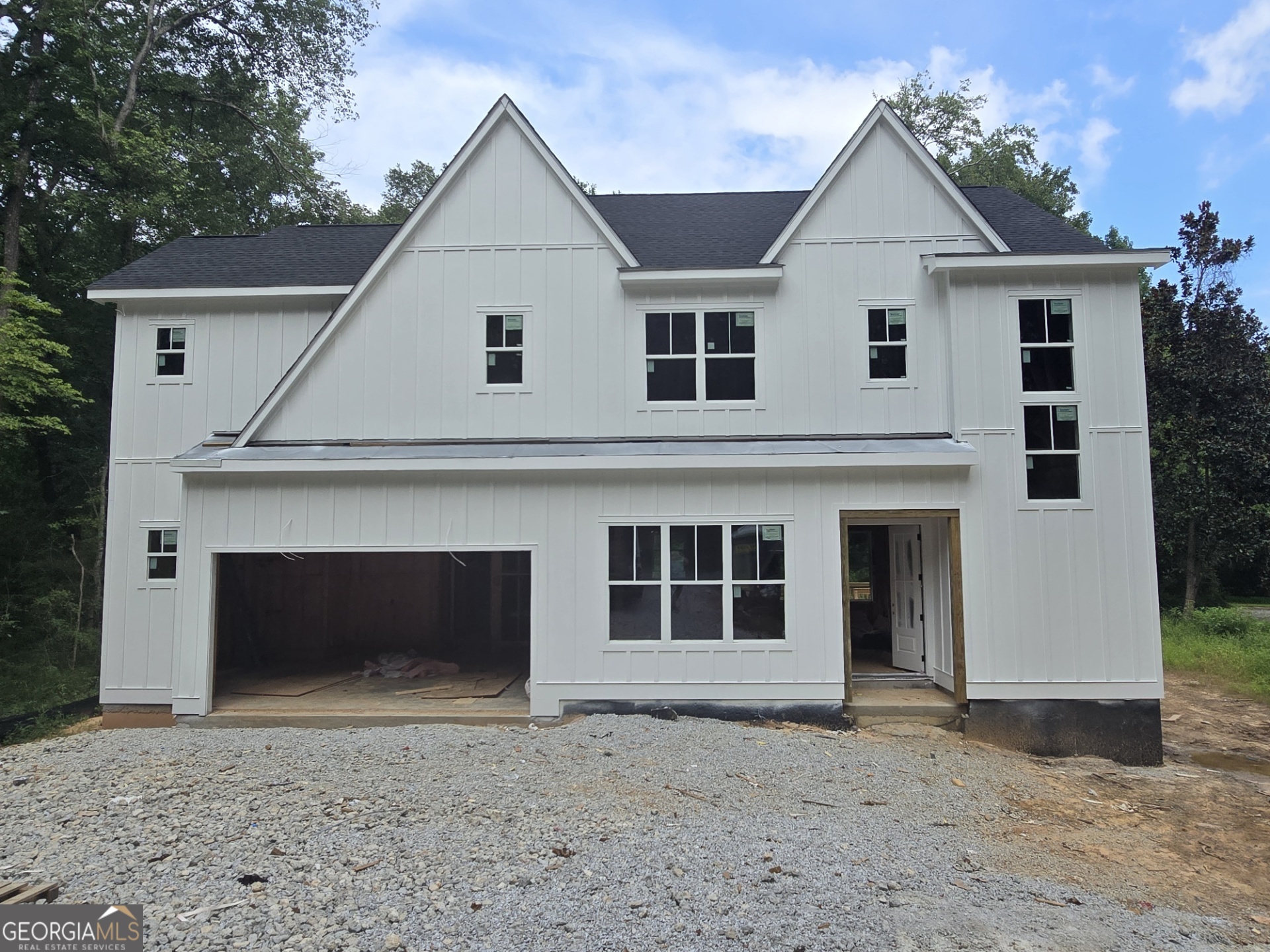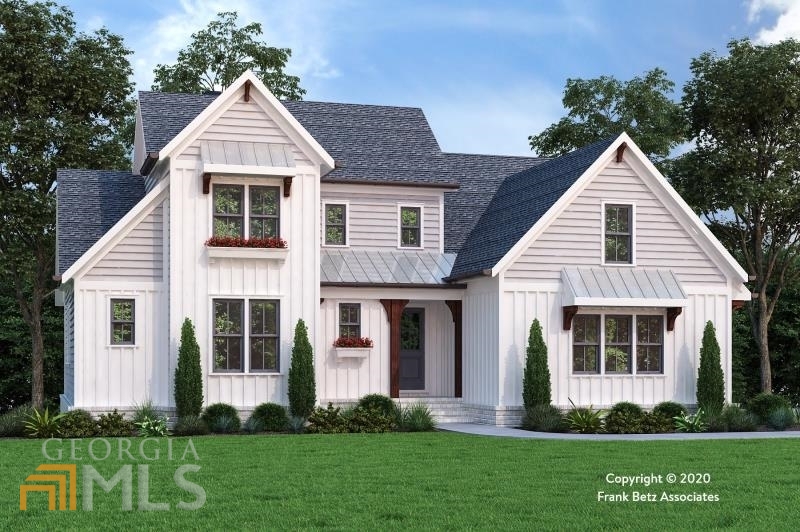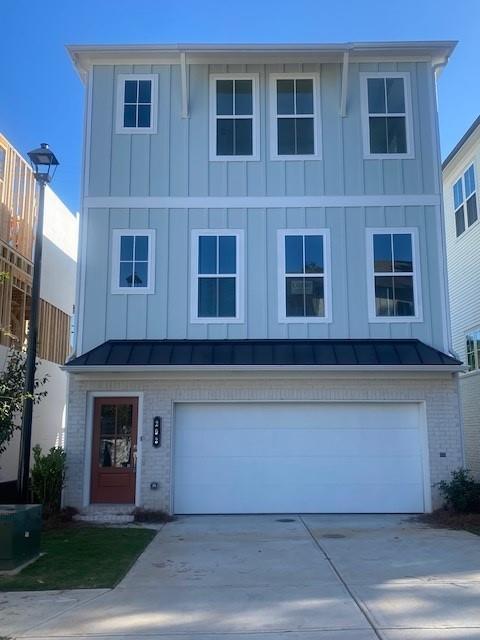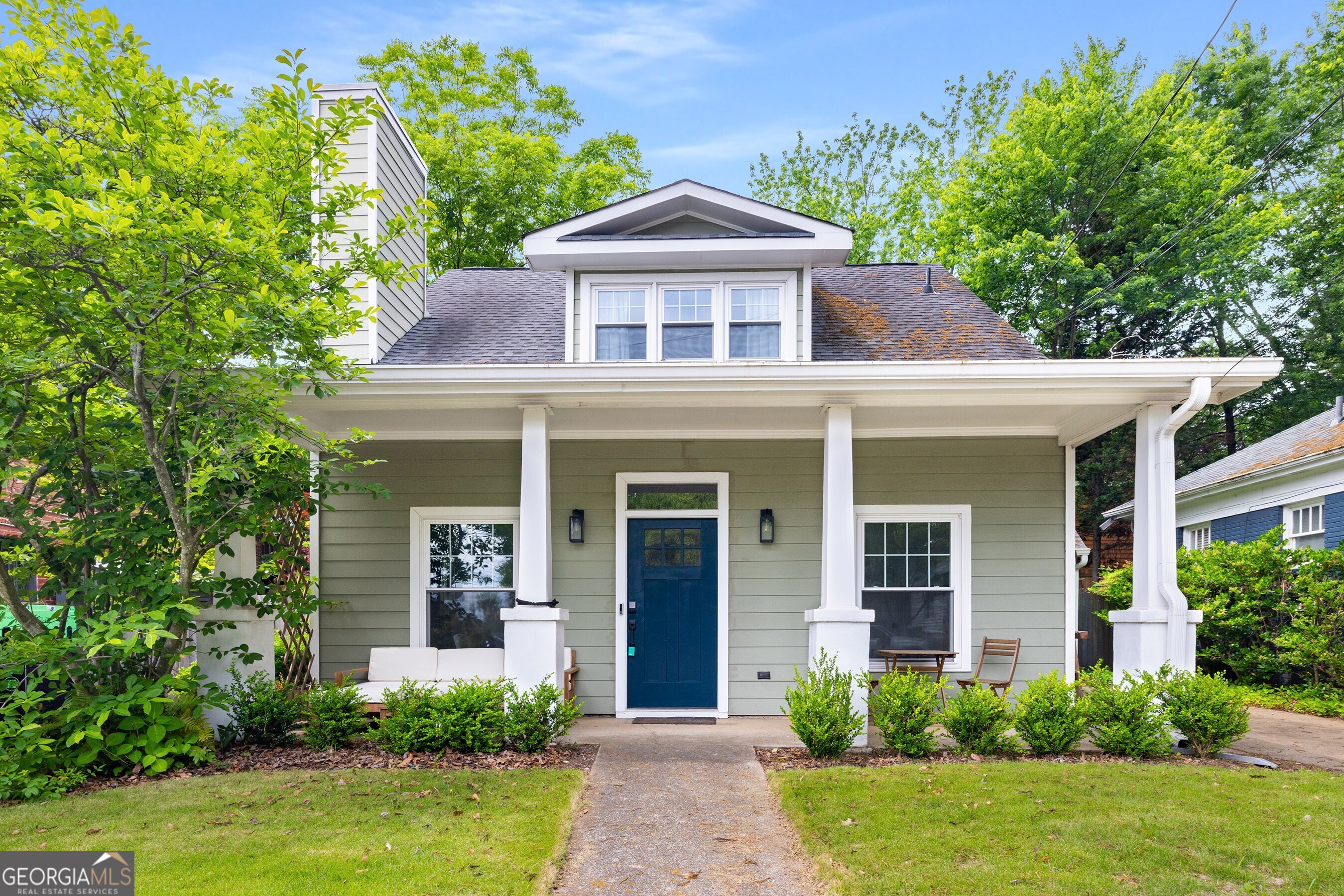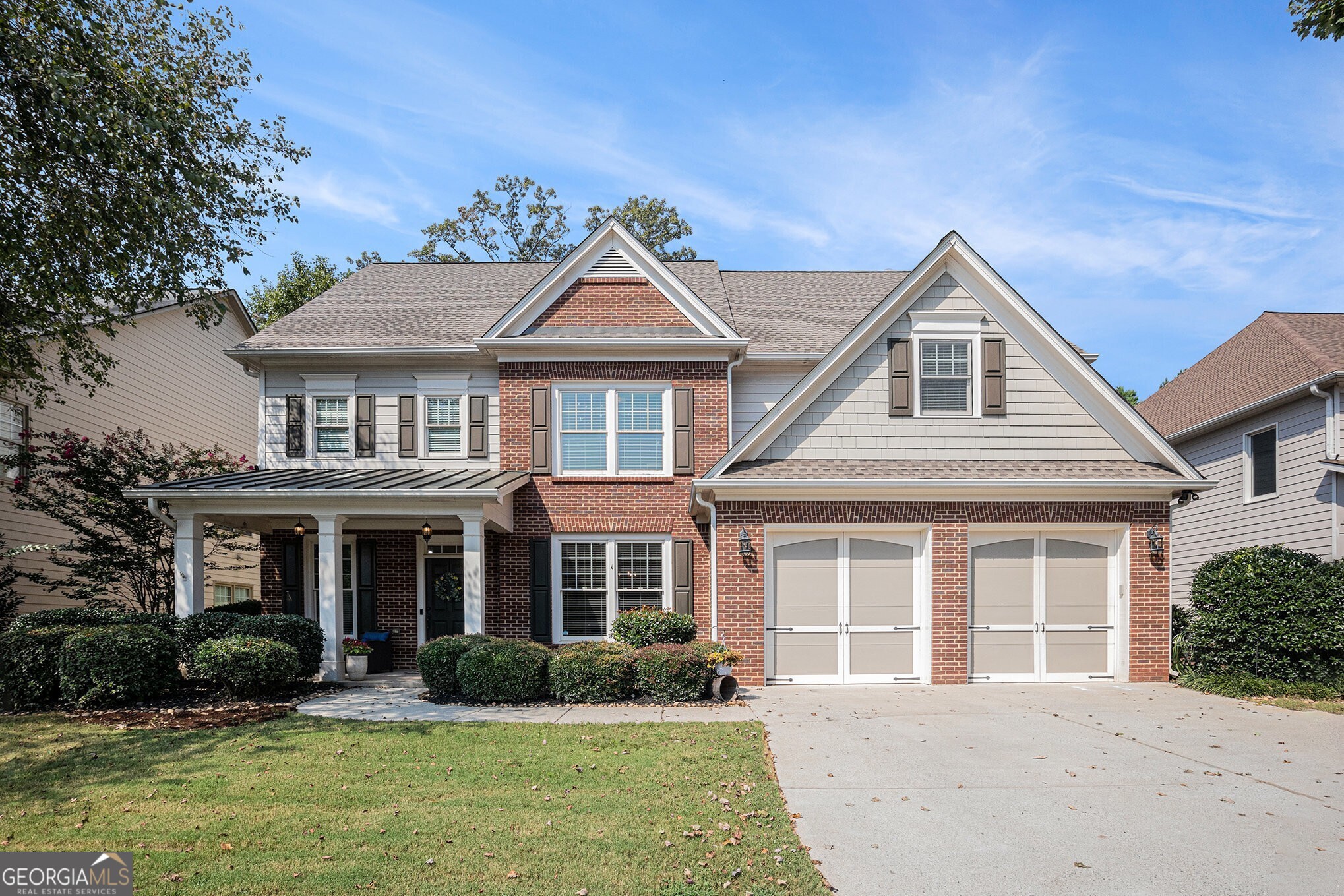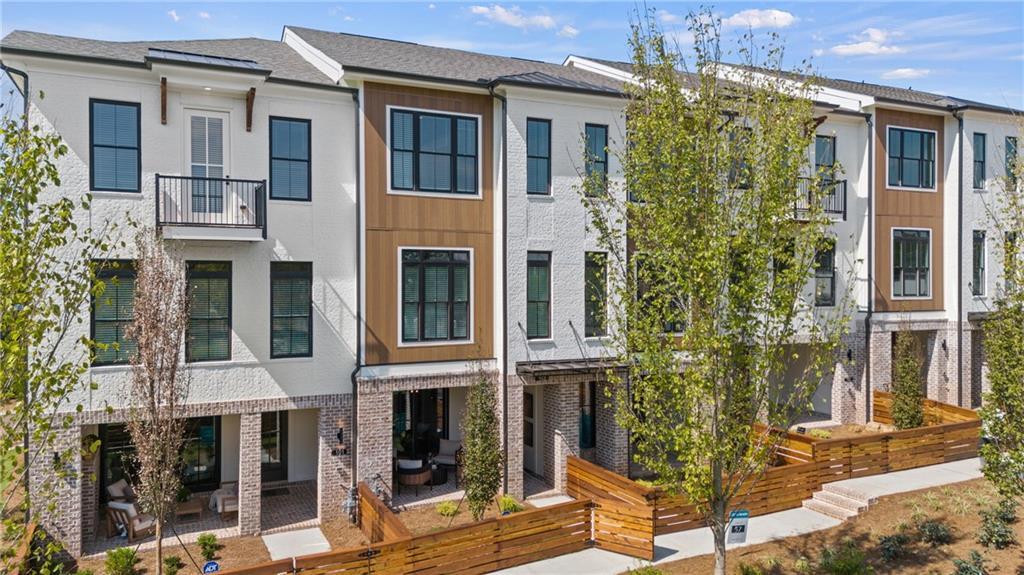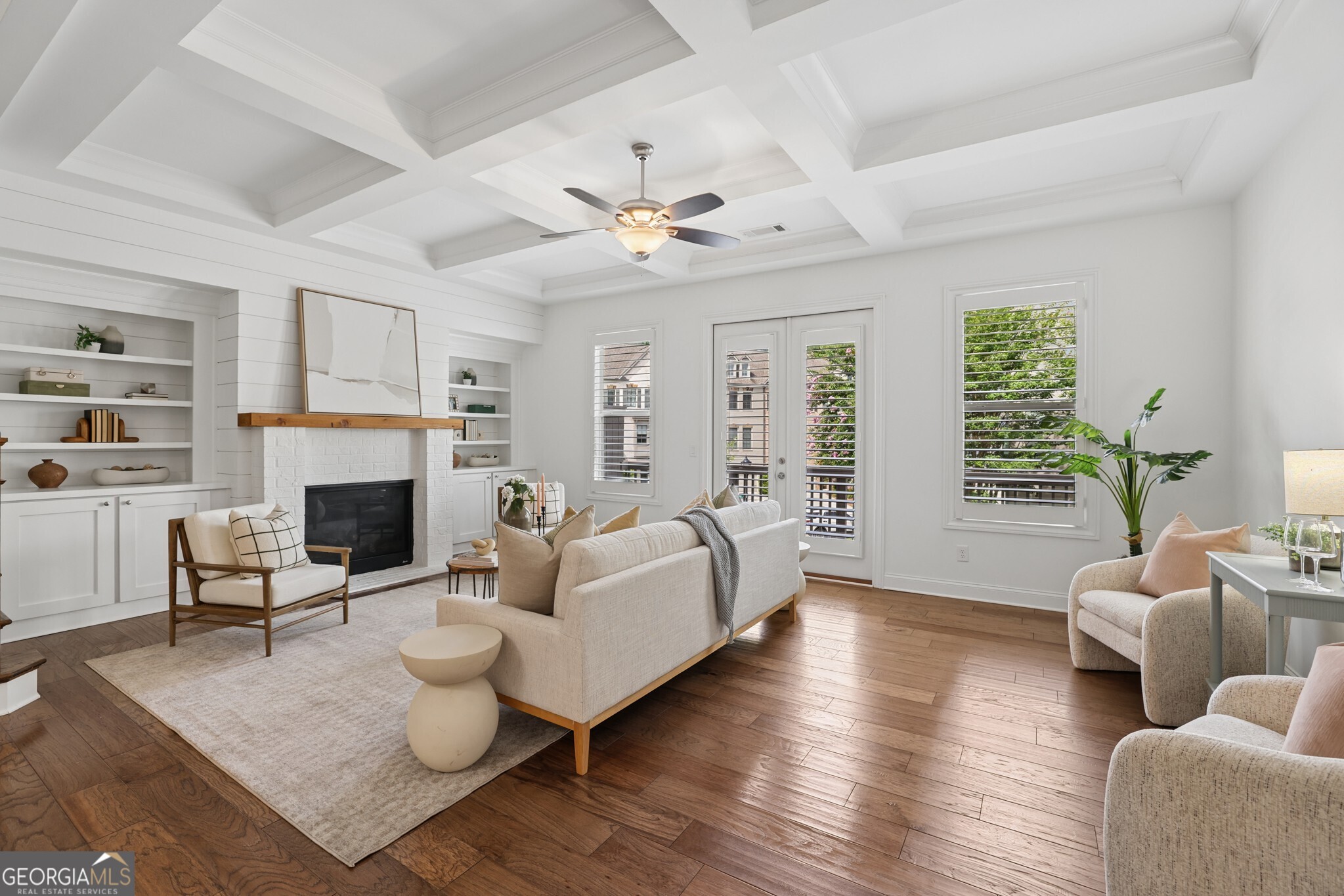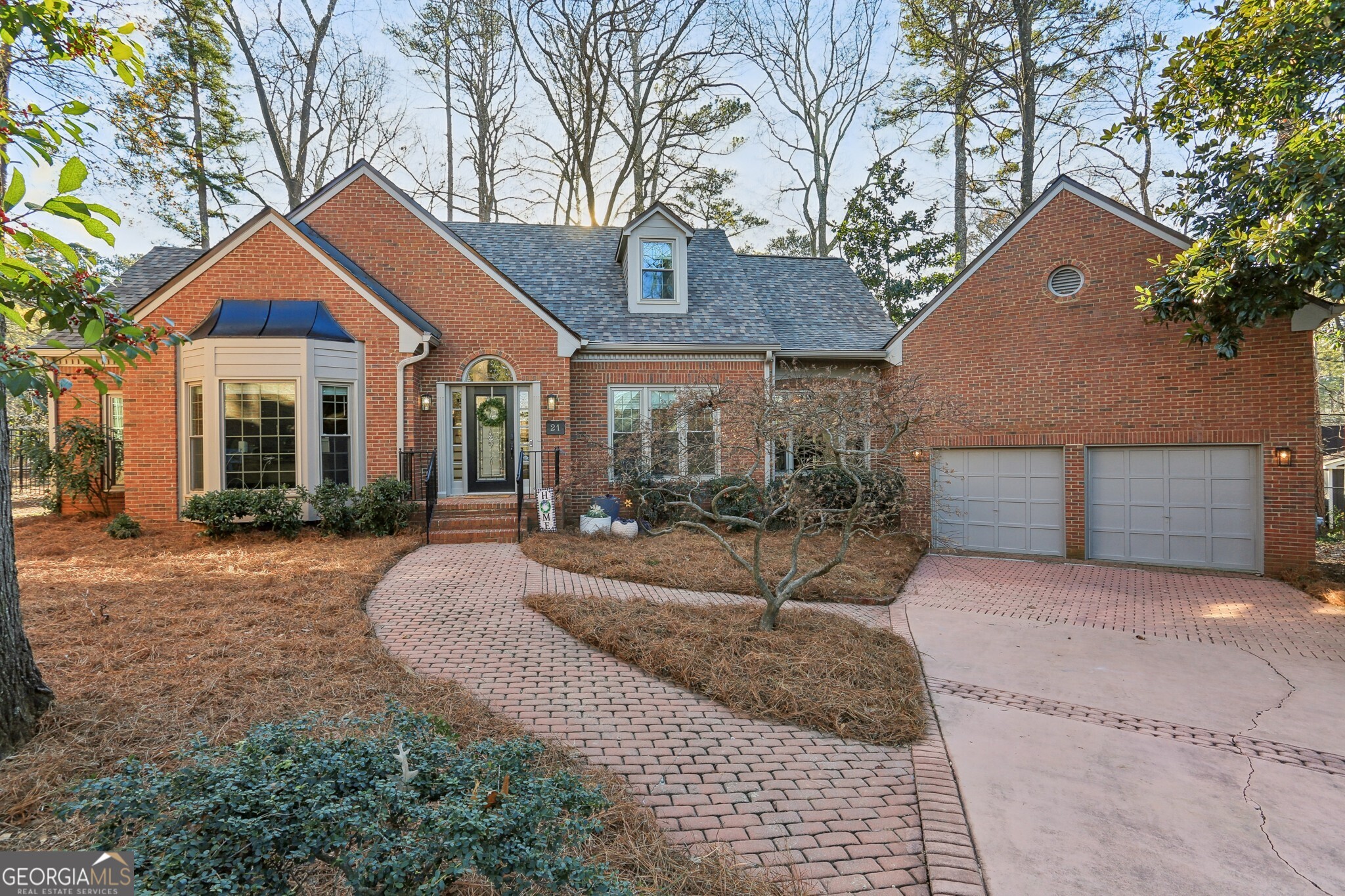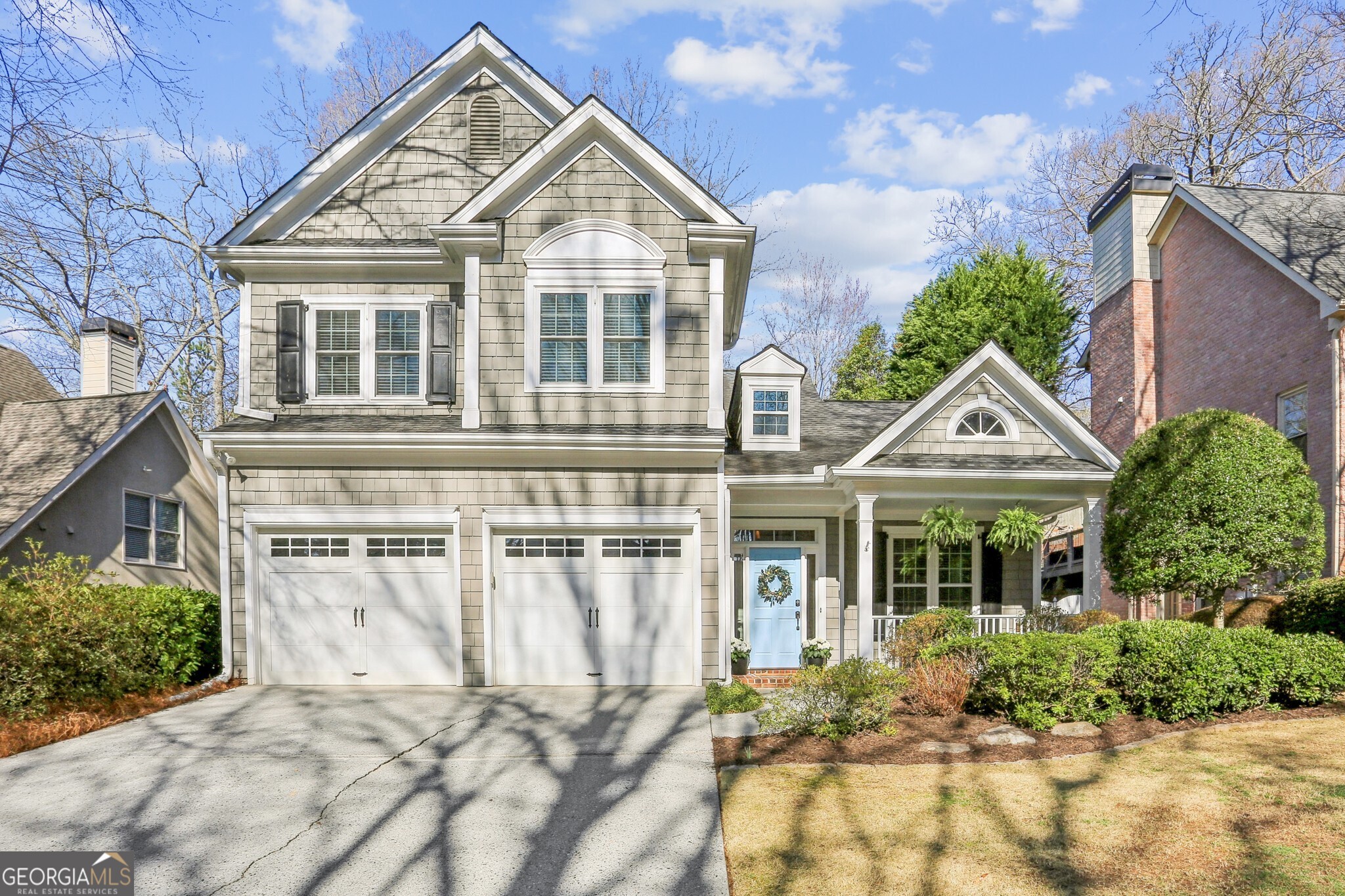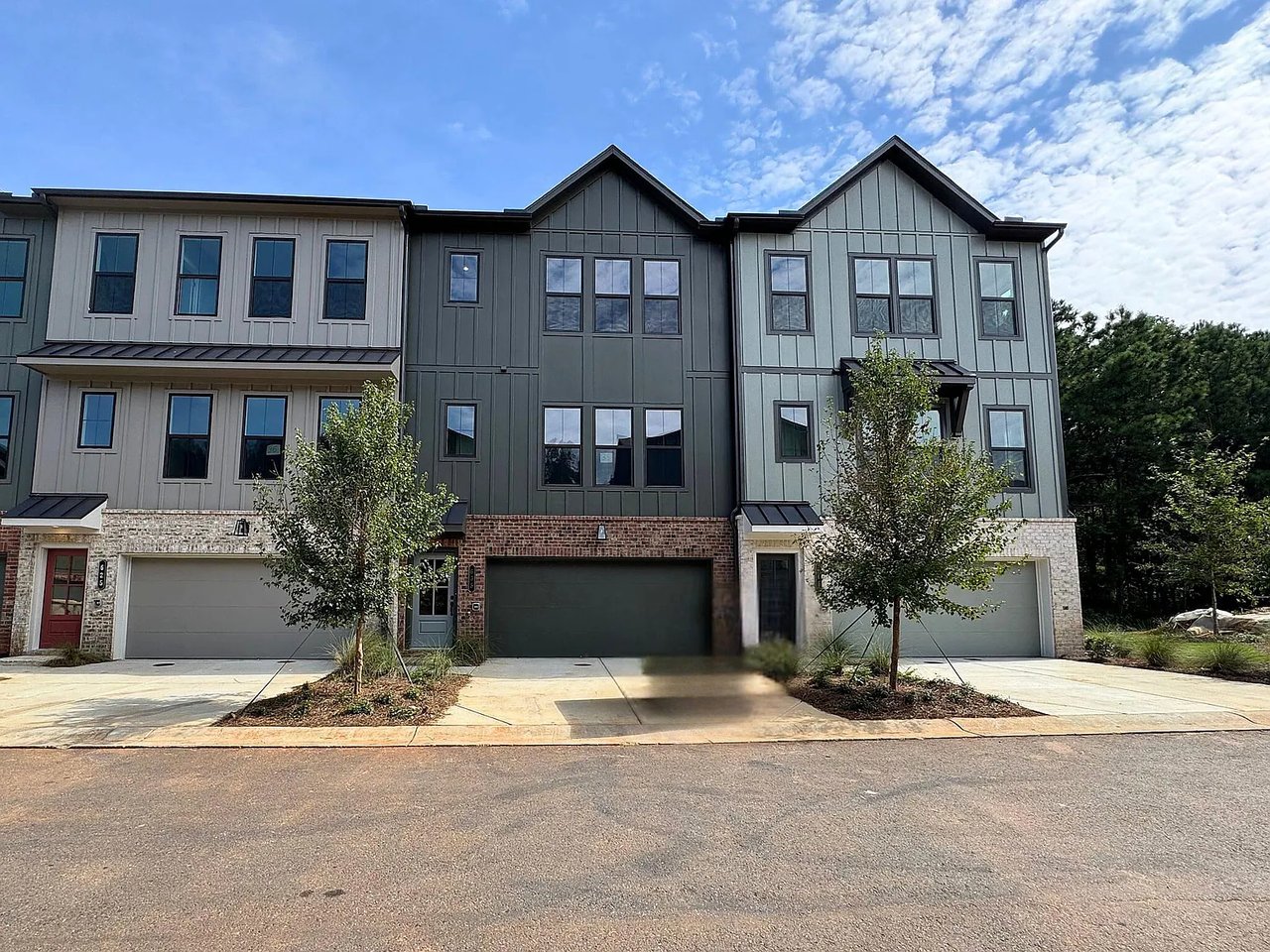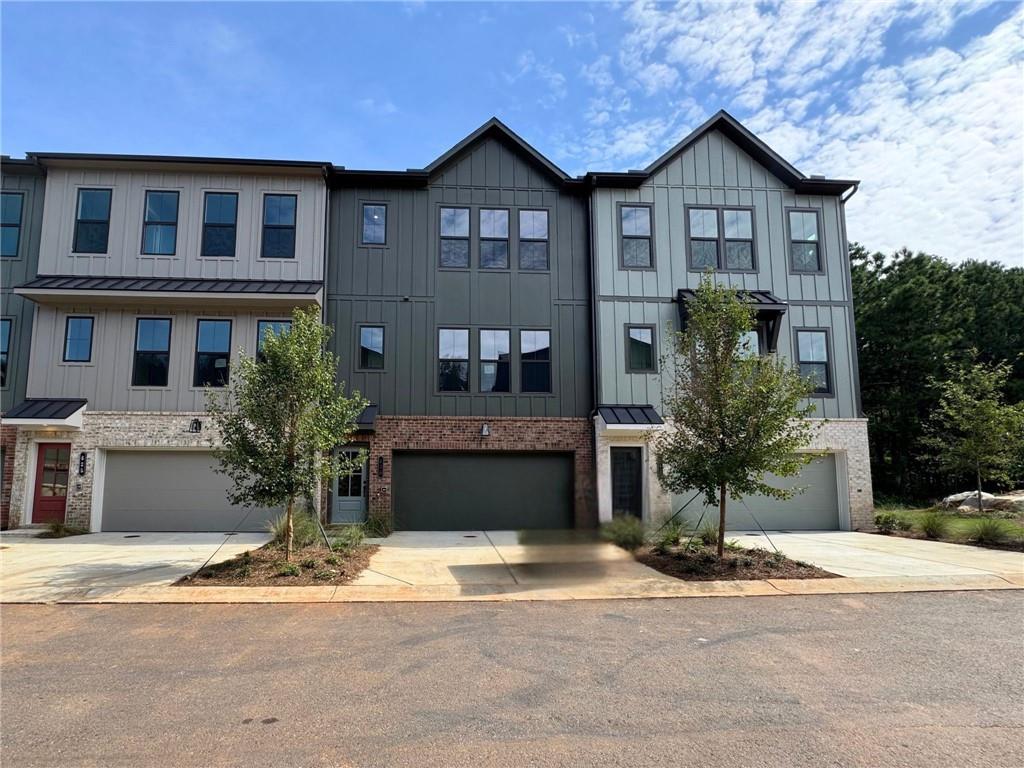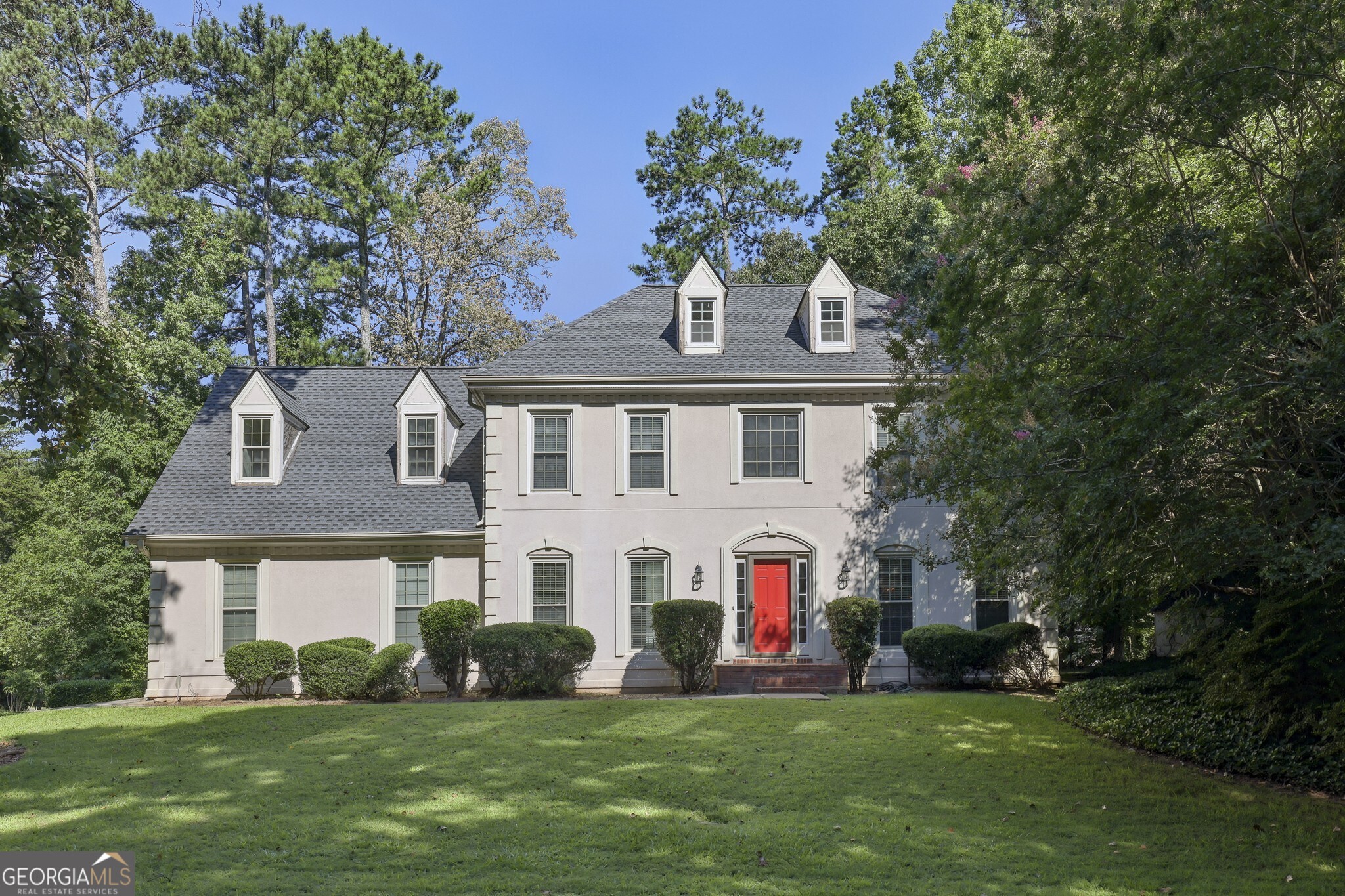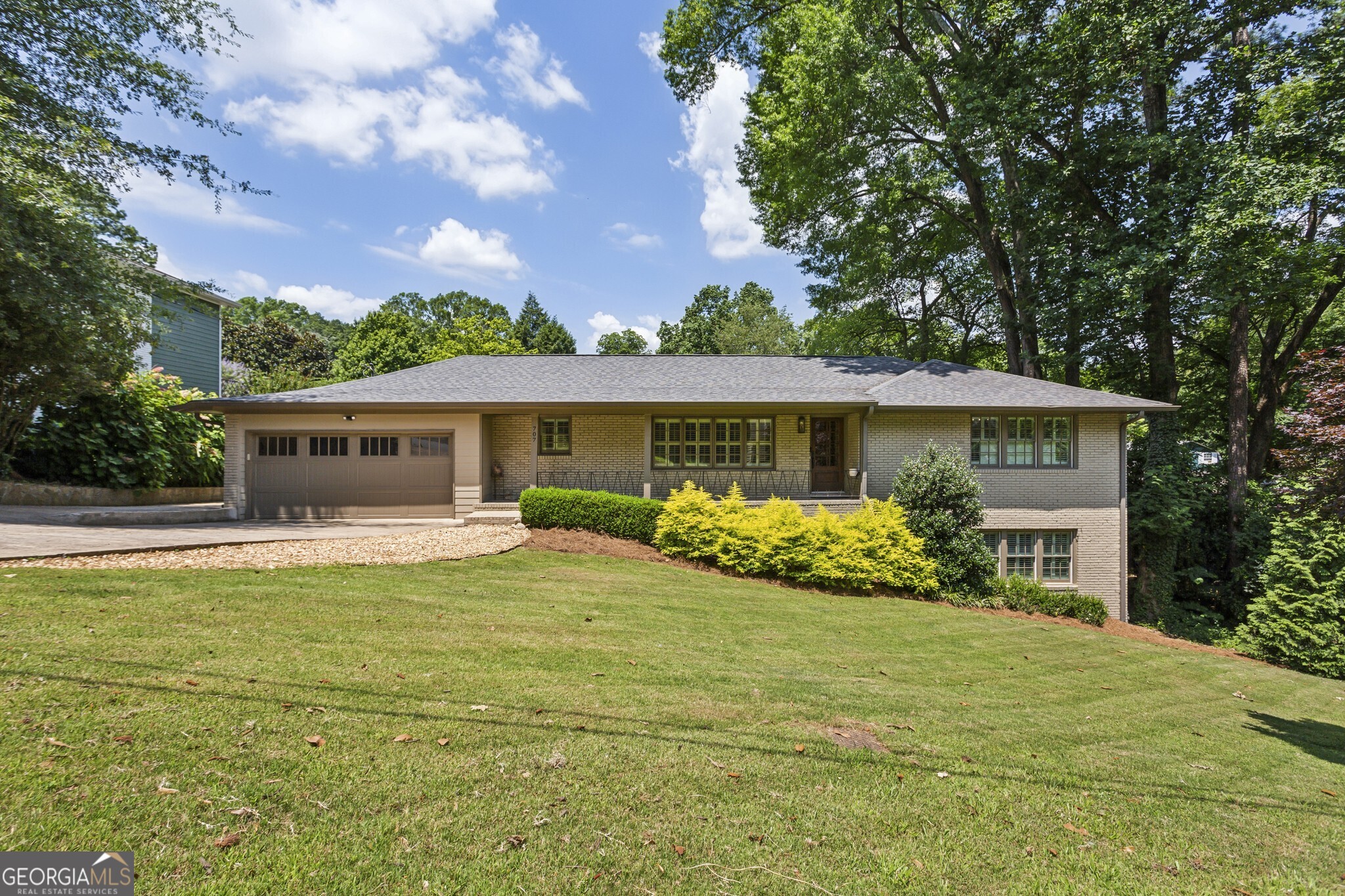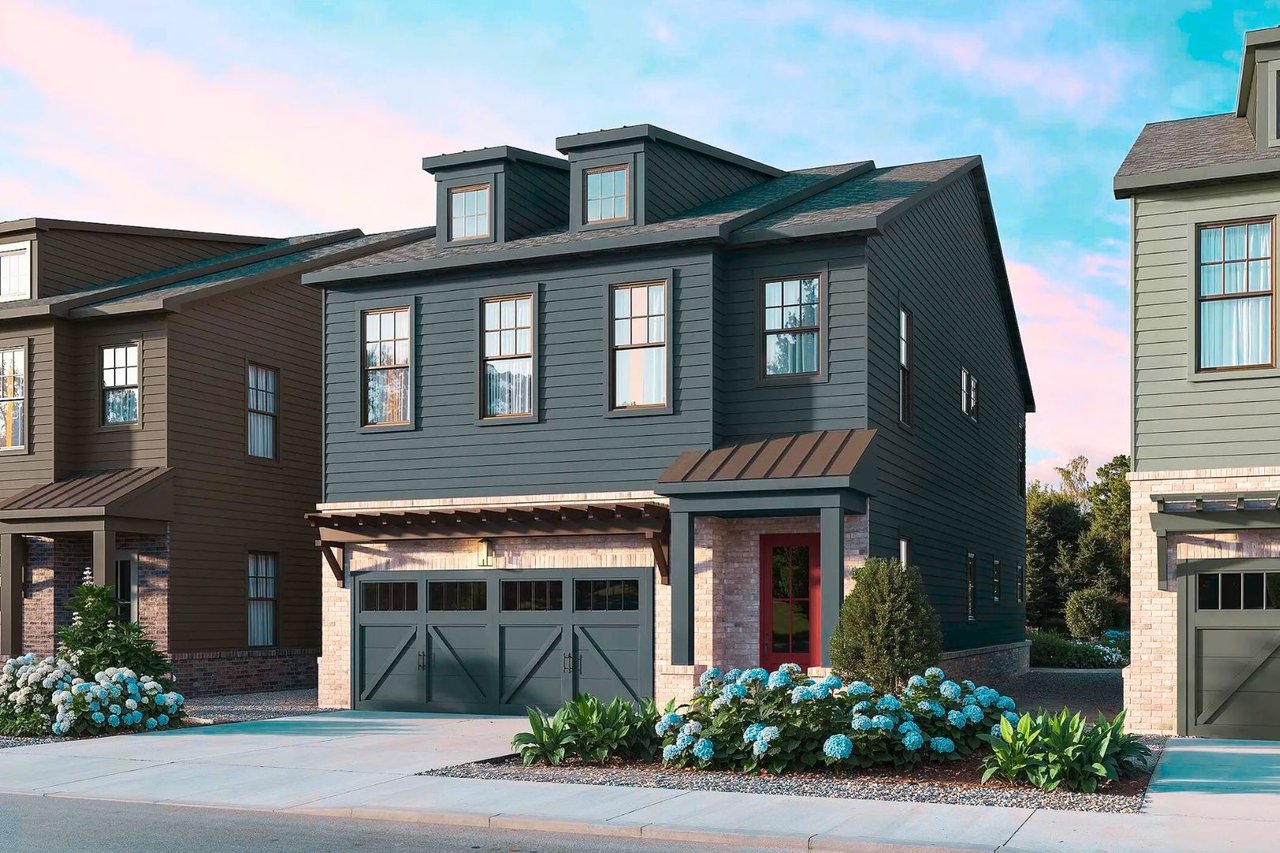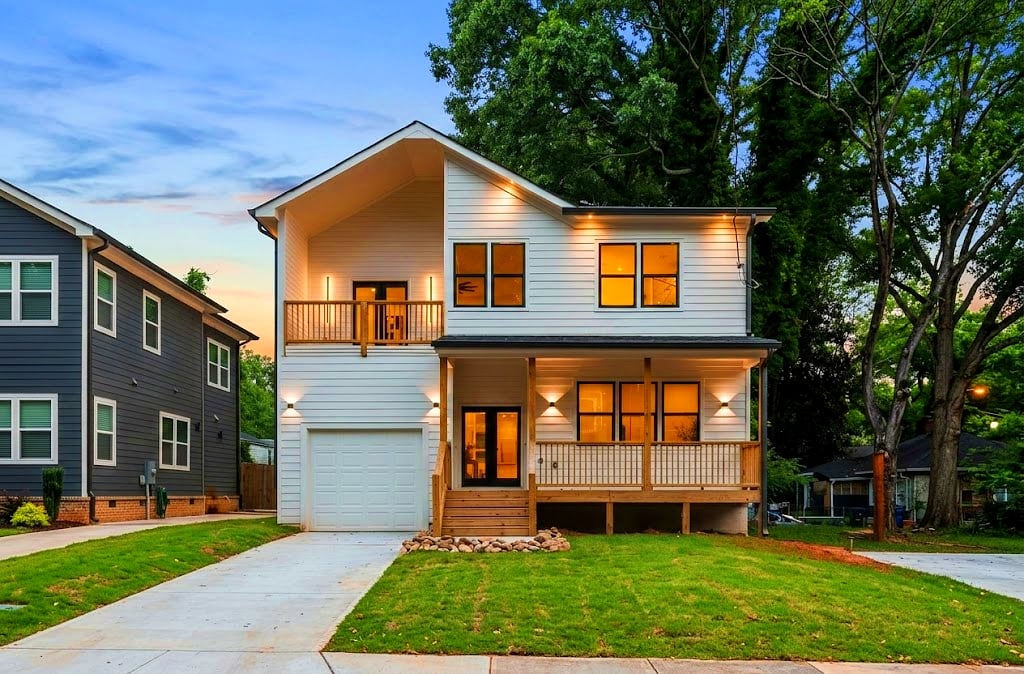
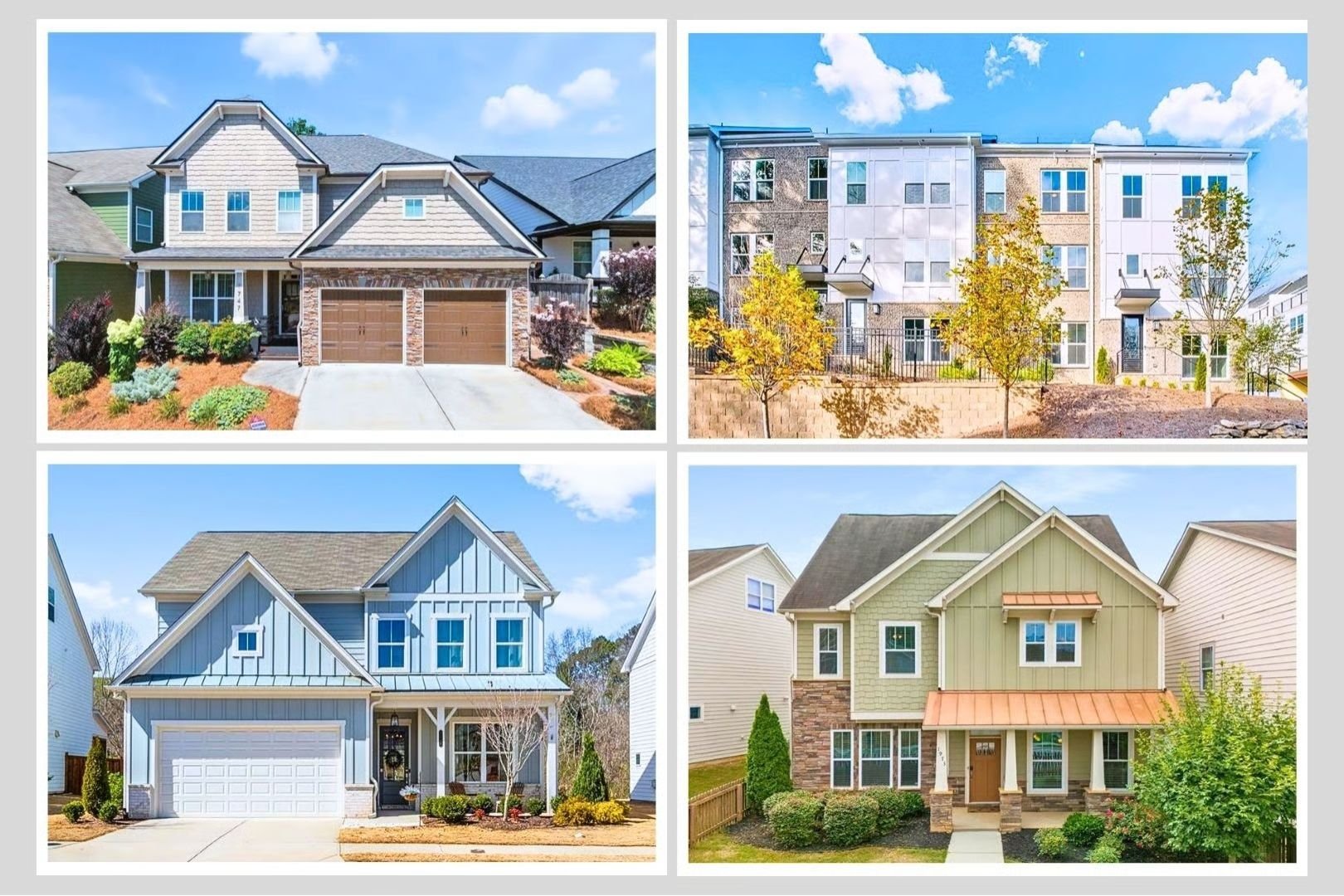
West Atlanta is in the middle of one of the most significant residential development surges the metro has seen in years — and buyers right now have more new construction choices on Atlanta's west side than at any point in the past decade. From the newly incorporated city of Mableton in western Cobb County to master-planned communities stretching along the I-20 corridor into Douglasville and south toward Fairburn, this is a market that rewards buyers who know where to look.
The Atlanta-Sandy Springs-Alpharetta MSA issued tens of thousands of single-family building permits in 2024 alone, according to the U.S. Census Bureau Building Permits Survey — and a meaningful share of that activity is concentrated in the western corridors. If you're drawn by competitive pricing, modern home designs, strong community amenities, and convenient access to Atlanta's core via I-20 and I-285, this guide walks you through the top communities, what builders are offering, and how to approach the search with real confidence.
Why West Atlanta Is One of the Metro's Fastest-Growing New Construction Corridors
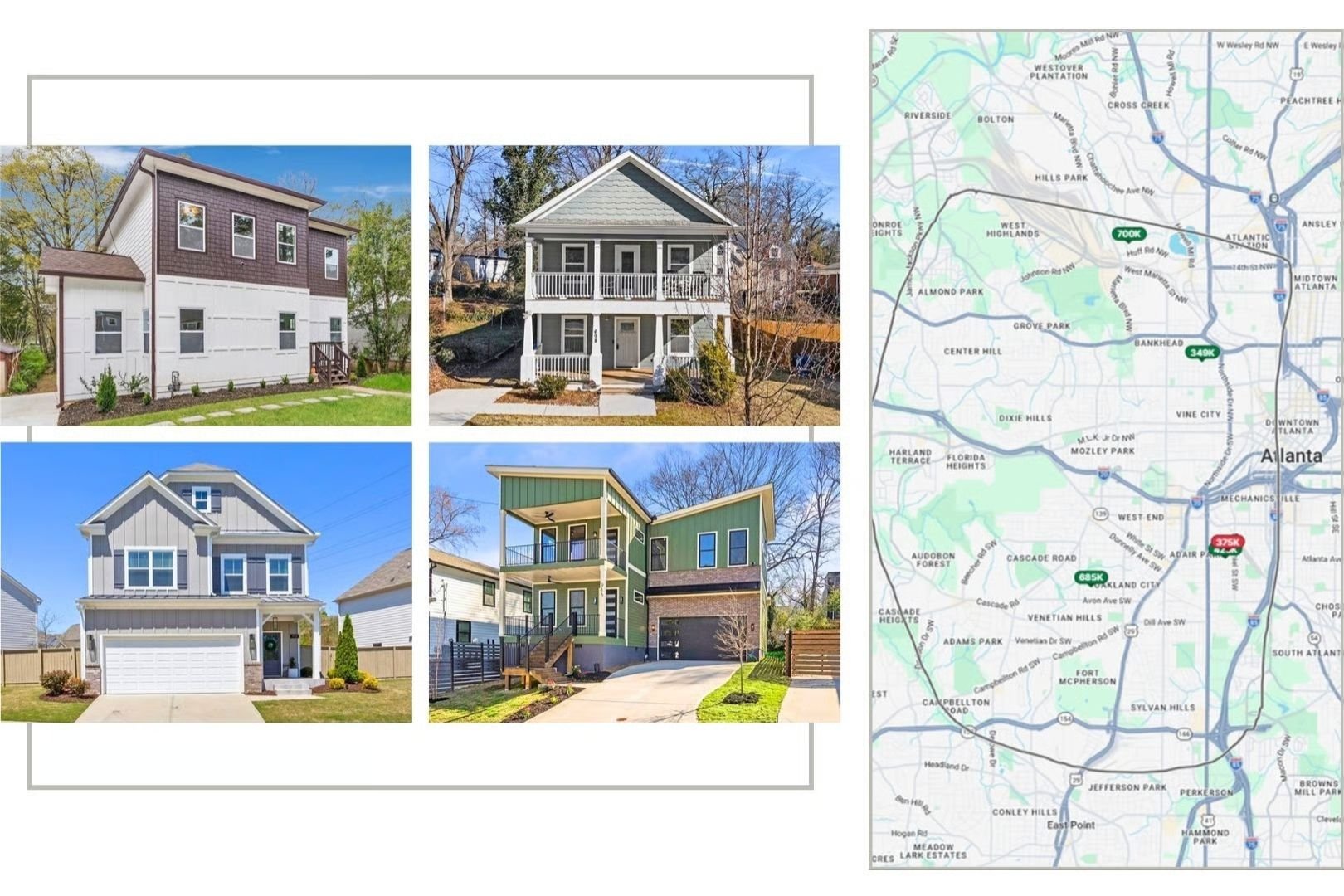
Understanding why West Atlanta is attracting sustained builder interest helps buyers see beyond individual listings and grasp the full picture — which ultimately supports smarter long-term decisions. Georgia consistently ranks among the leading states in the Southeast for single-family housing starts, according to the U.S. Census Bureau and the Georgia Department of Community Affairs, with the Atlanta MSA accounting for the overwhelming majority of that activity.
Infrastructure and Connectivity Driving Growth
West Atlanta's growth story starts with its road network. The I-20 west corridor provides direct access to downtown Atlanta, while I-285 creates a convenient loop connection to employment centers throughout the metro. Commute times from communities in Mableton to downtown Atlanta hover around 20–25 minutes under normal traffic conditions — competitive with northern suburb options that carry significantly higher price tags.
Proximity to Hartsfield-Jackson Atlanta International Airport is an underappreciated driver. The airport supports approximately 63,000 on-airport jobs and generates an estimated $34.8 billion in annual economic impact for the region, according to the Atlanta Department of Aviation's economic impact study.
Airline professionals, logistics workers, cargo specialists, and frequent business travelers often strongly prefer to live within a reasonable drive, making South Fulton and Fairburn particularly attractive for that buyer profile. Economic development activity in Douglas and South Fulton Counties has also been steady and growing, with distribution centers, film production facilities, and commercial development all fueling job creation that feeds residential demand throughout the corridor.

Value Proposition Compared to Other Atlanta Quadrants
The northern suburbs — Alpharetta, Milton, and the Cherokee County corridor — remain deeply popular, but median new home prices in those markets can run $150,000–$200,000 higher than comparable homes in the West Atlanta corridor.
The Atlanta-Sandy Springs-Alpharetta MSA carried a median existing home sale price of approximately $385,000–$395,000 in 2024, per the National Association of Realtors and Georgia MLS data. In Douglas County, new construction has been actively available starting in the low $300,000s — meaning buyers often get more square footage, newer community infrastructure, and modern floor plans for the same or lower budget.
This isn't a secondary market by default. It's a deliberate value play in a metro where land costs and builder competition are doing real work on behalf of the buyer.
Top New Home Communities in Mableton and the Cobb County West Corridor
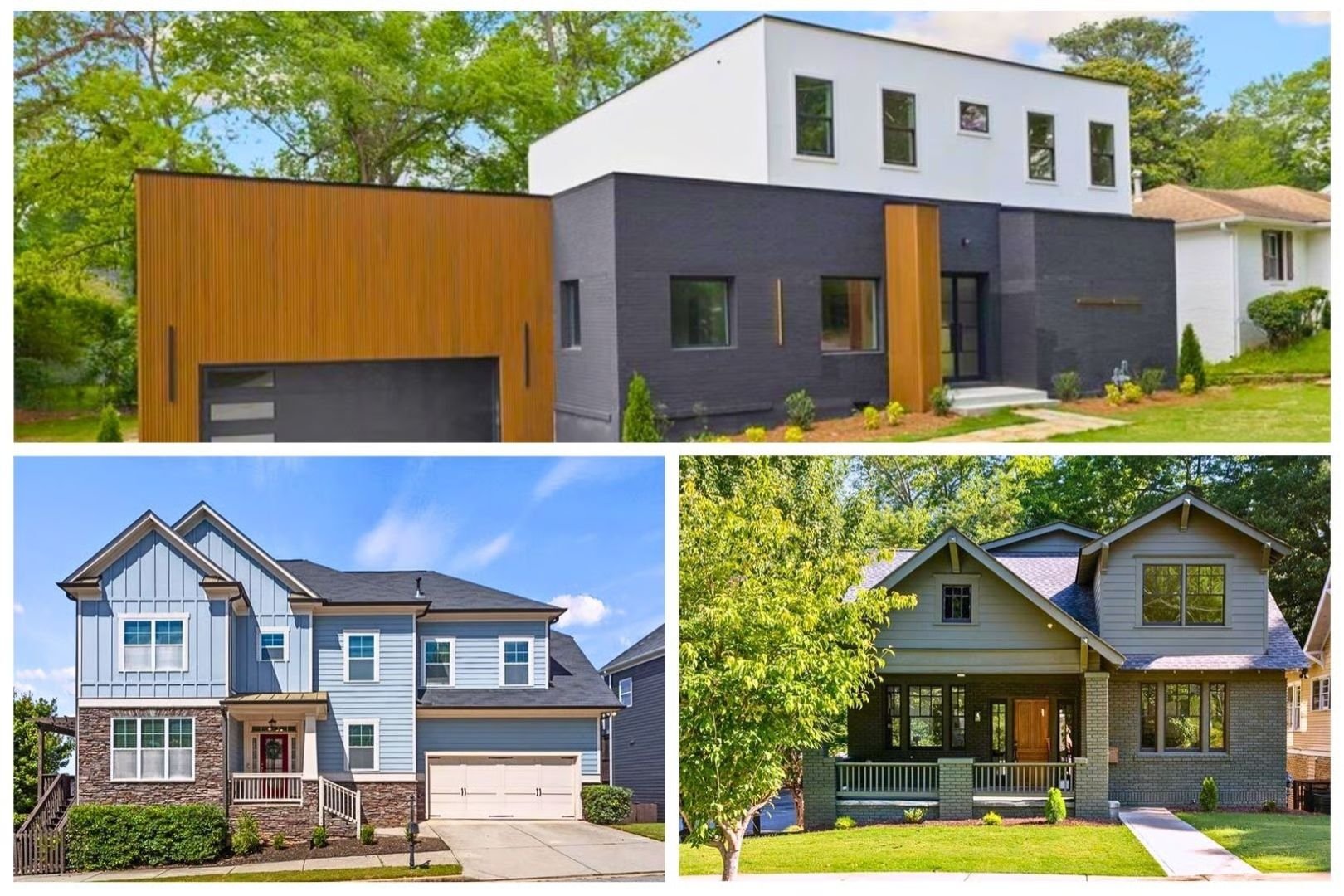
The Mableton area and western Cobb County represent one of the most active and visible new construction zones in the entire West Atlanta market. Cobb County's population reached 766,149 as of the 2020 U.S. Census — an increase of approximately 11.3% from 2010 — reflecting the sustained residential demand that has made western Cobb such productive ground for new development.
What's Being Built in Mableton
Mableton became Georgia's newest incorporated city on January 1, 2023, entering that status with an estimated population of approximately 65,000–68,000 residents, according to Georgia General Assembly legislative analysis. The city government is actively building out its municipal identity and community planning infrastructure, which adds a compelling layer of civic investment to an already strong residential market.
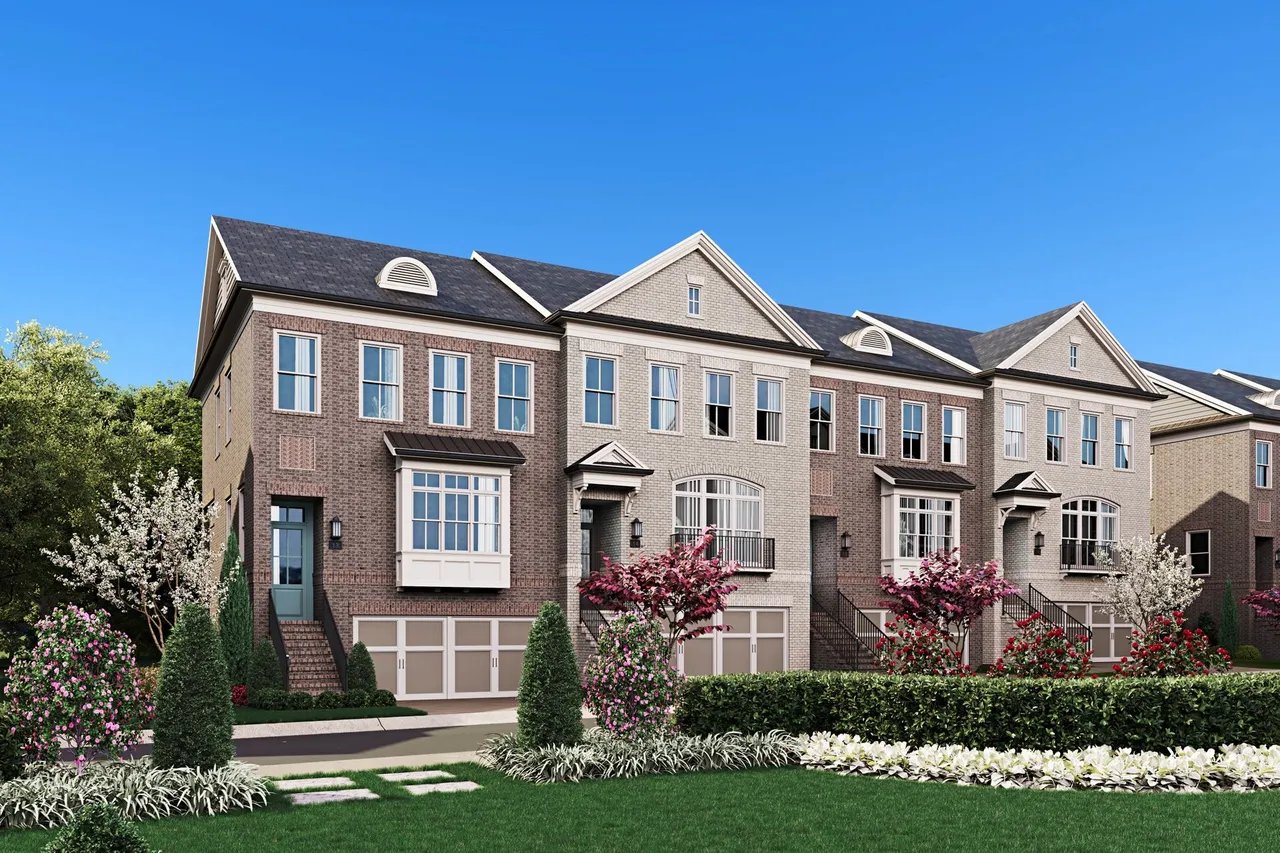
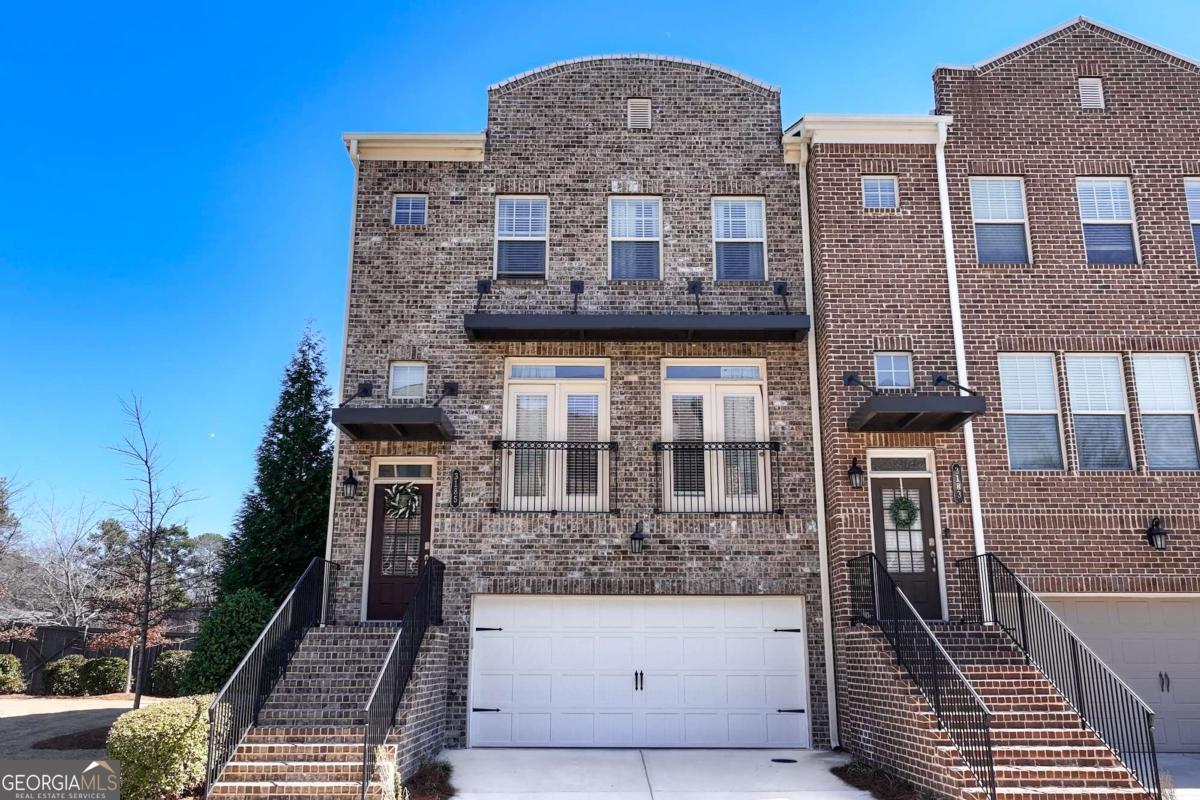
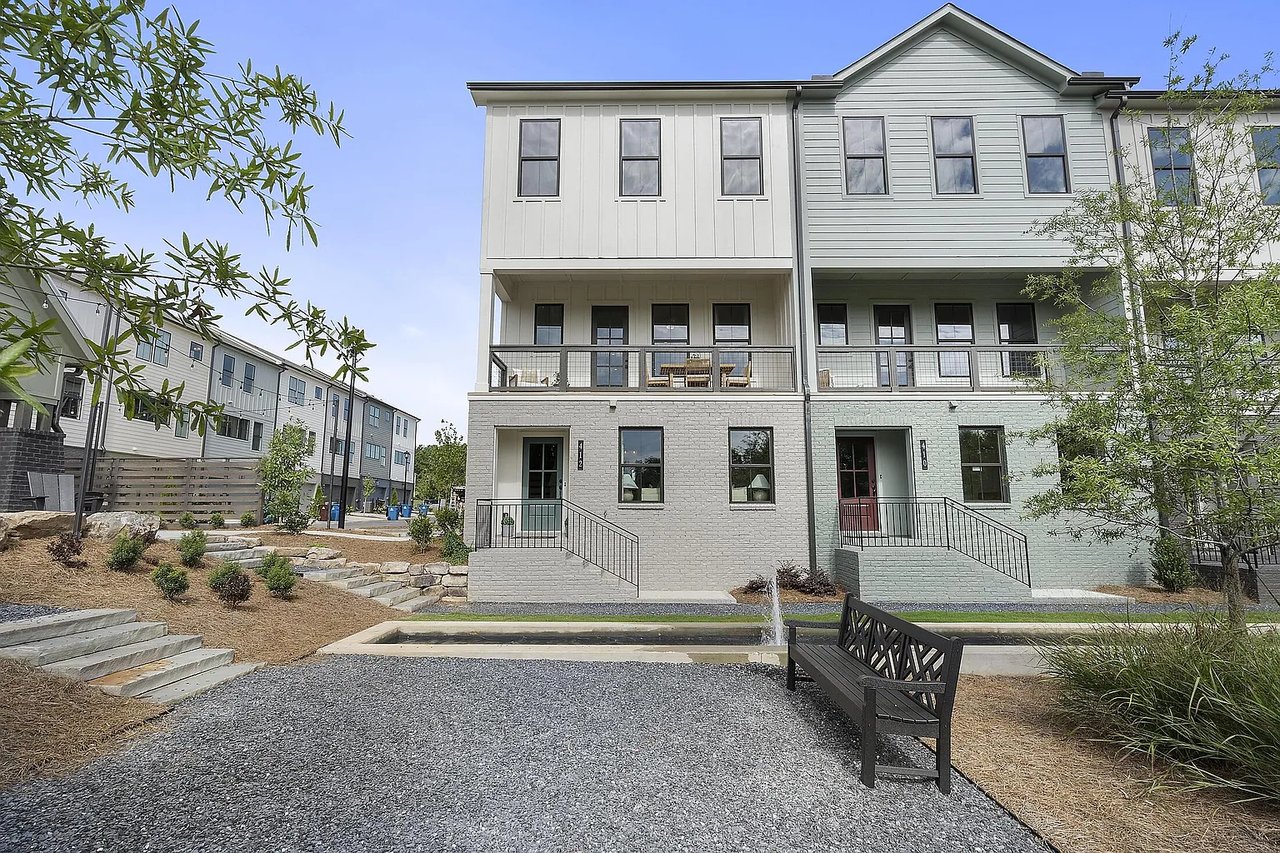
National production builders including D.R. Horton, LGI Homes, and Smith Douglas Homes have maintained an active presence in the broader western Cobb corridor, offering a range of product types from affordable townhome communities to larger detached single-family neighborhoods. Here's what buyers typically find across the price spectrum:
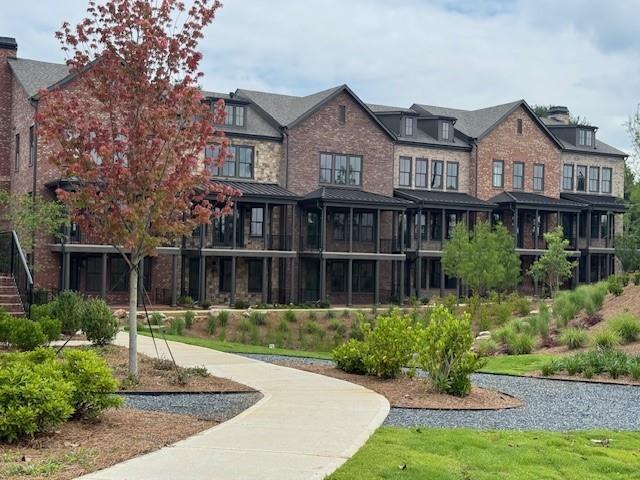
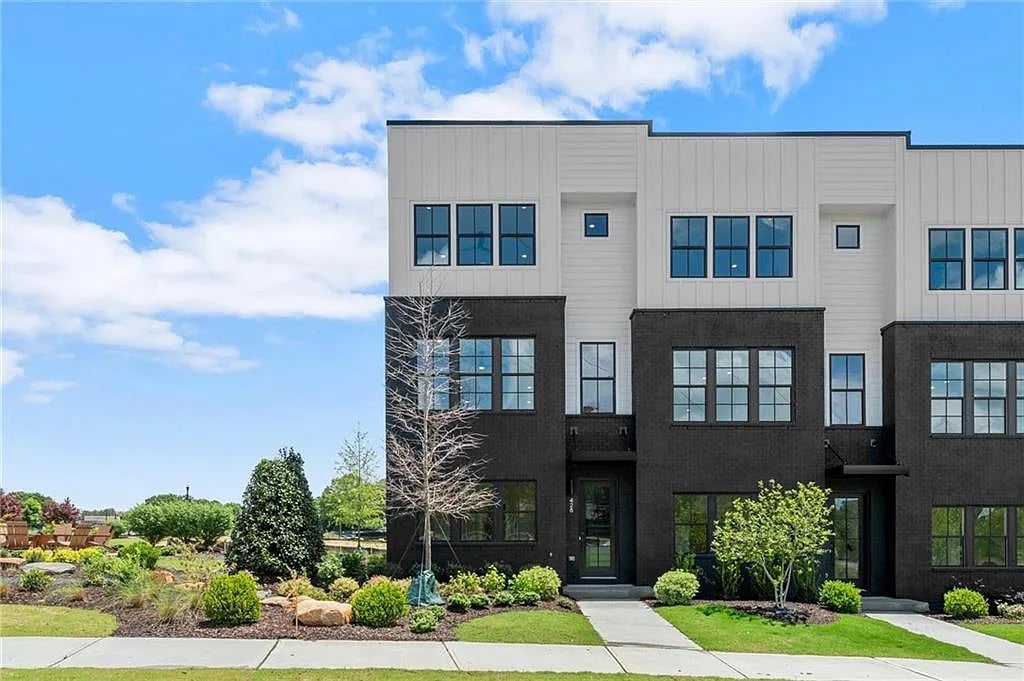
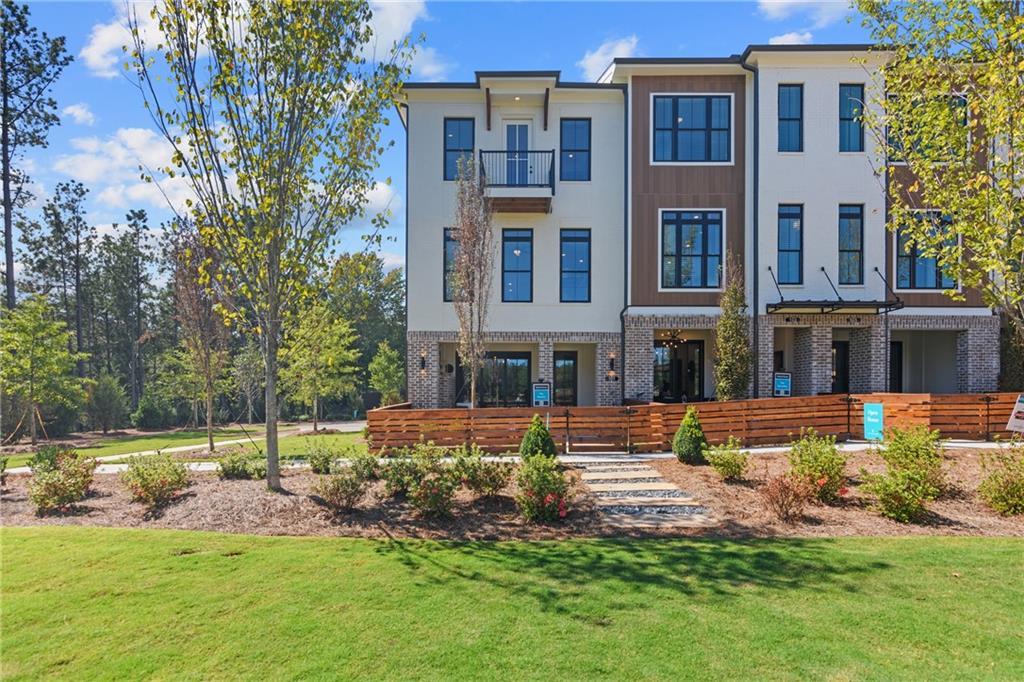
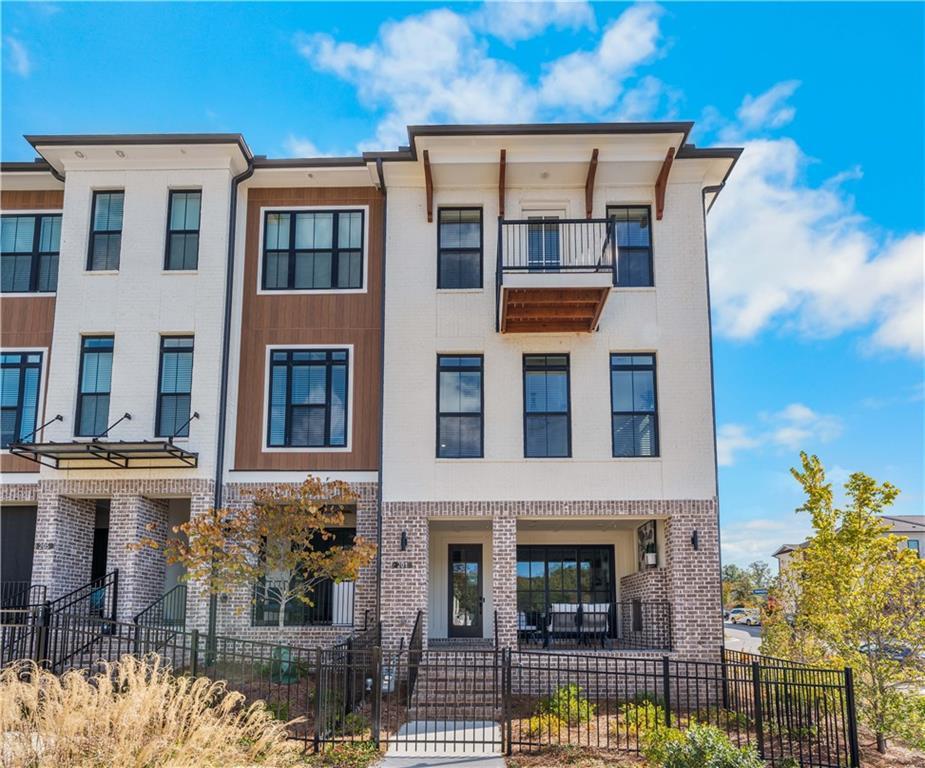
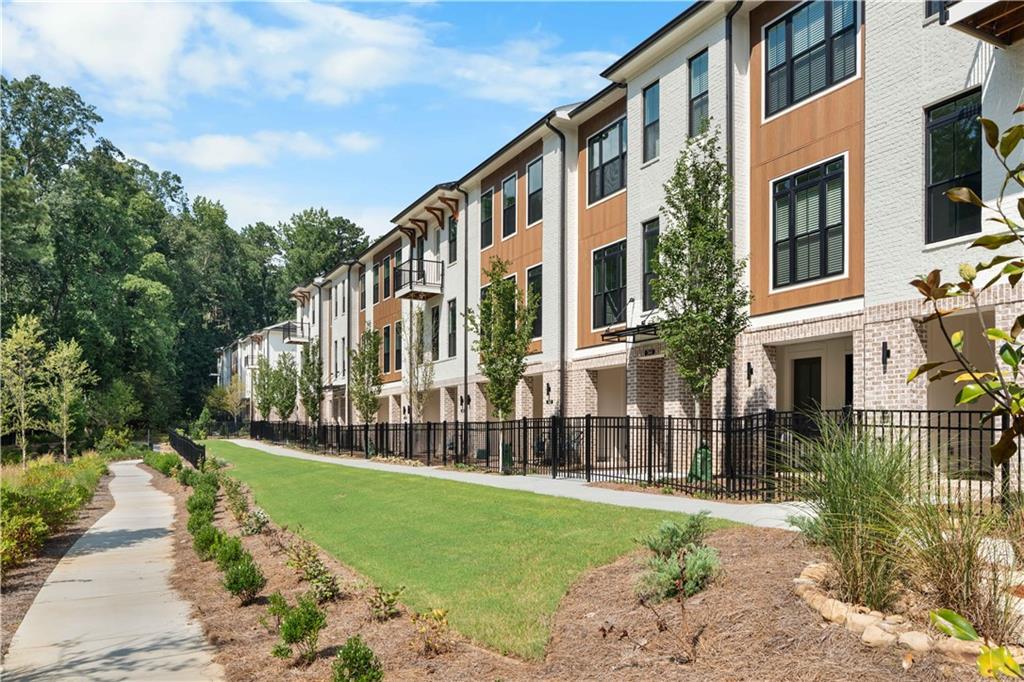
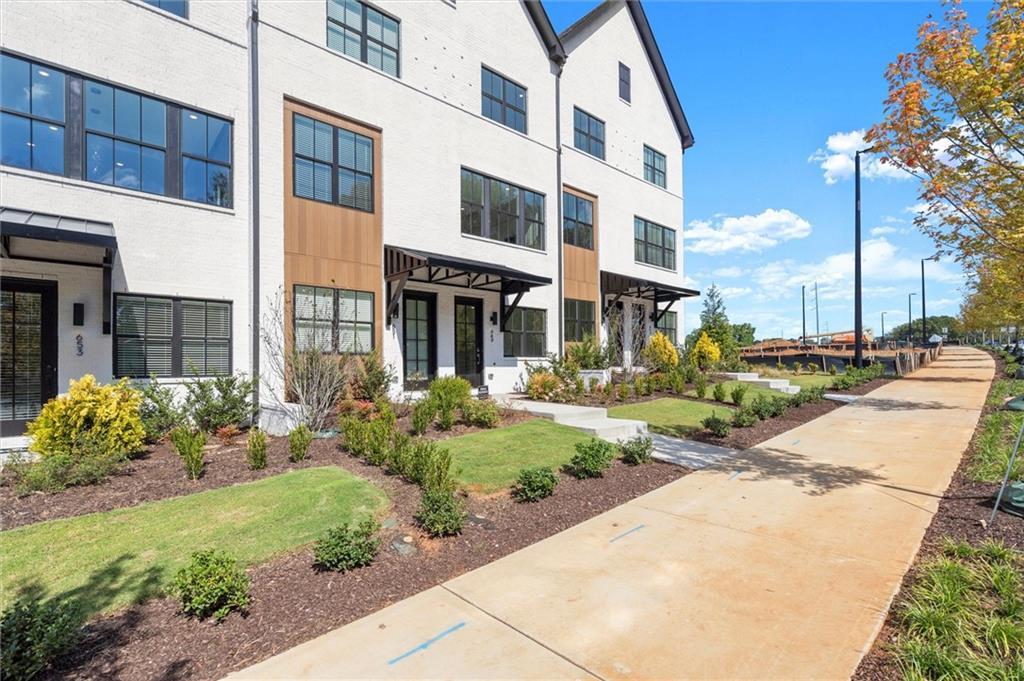
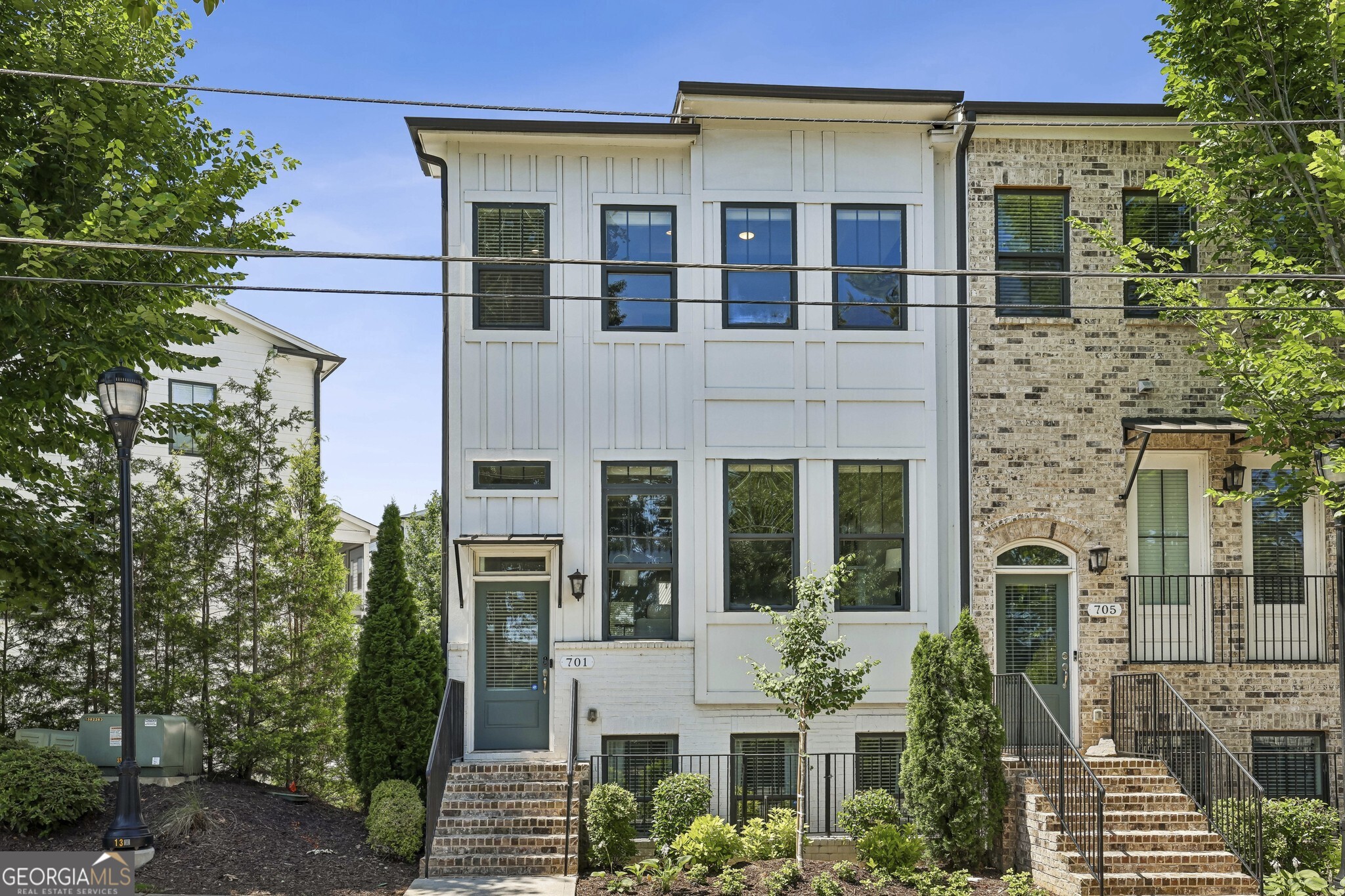
- Entry-level townhomes starting in the upper $200,000s, generally around 1,400 square feet — a strong option for first-time buyers looking to minimize exterior maintenance.
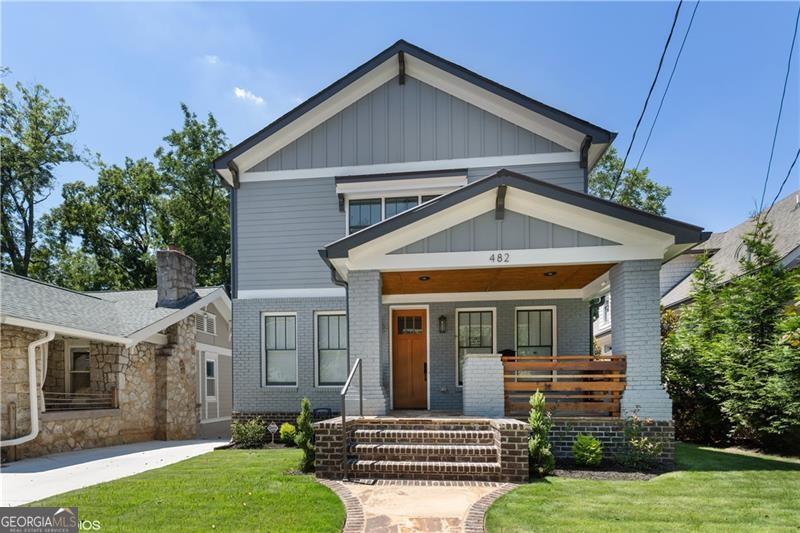
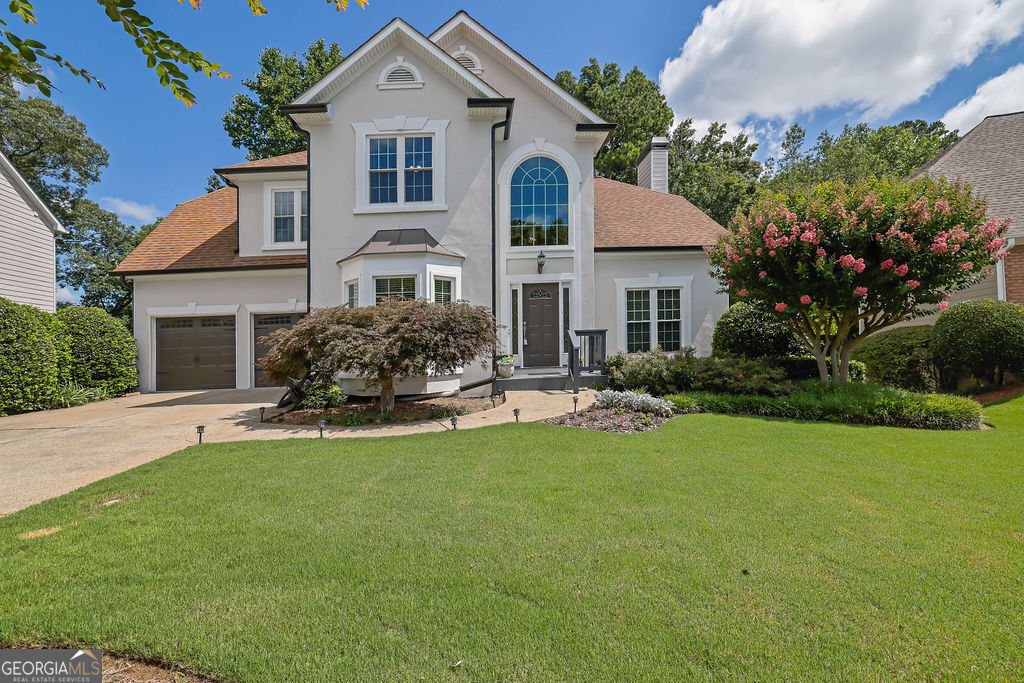
- Mid-range single-family homes in the mid-$300,000s to low $400,000s, typically ranging from 1,800 to 2,400 square feet with standard amenity packages.
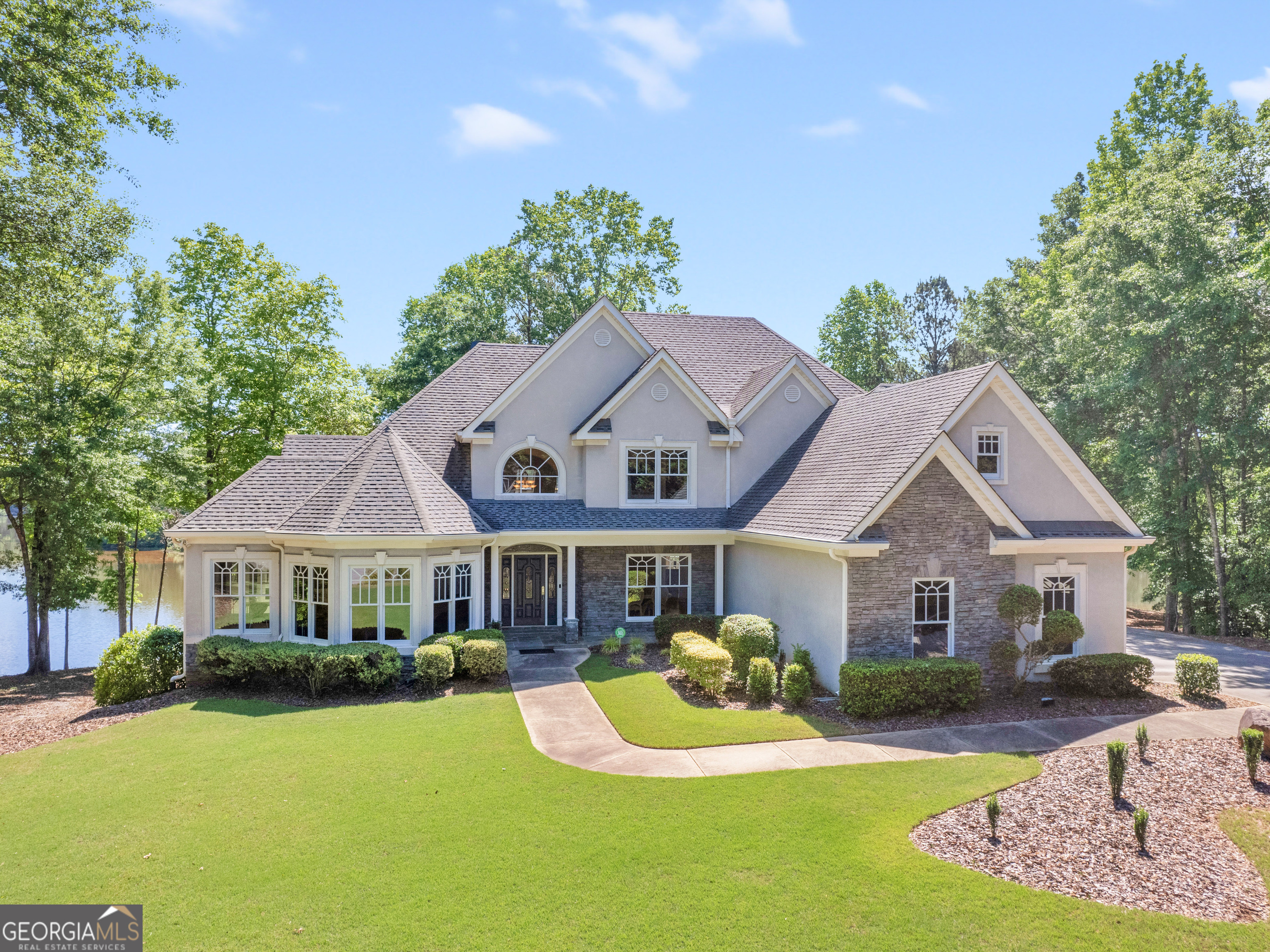
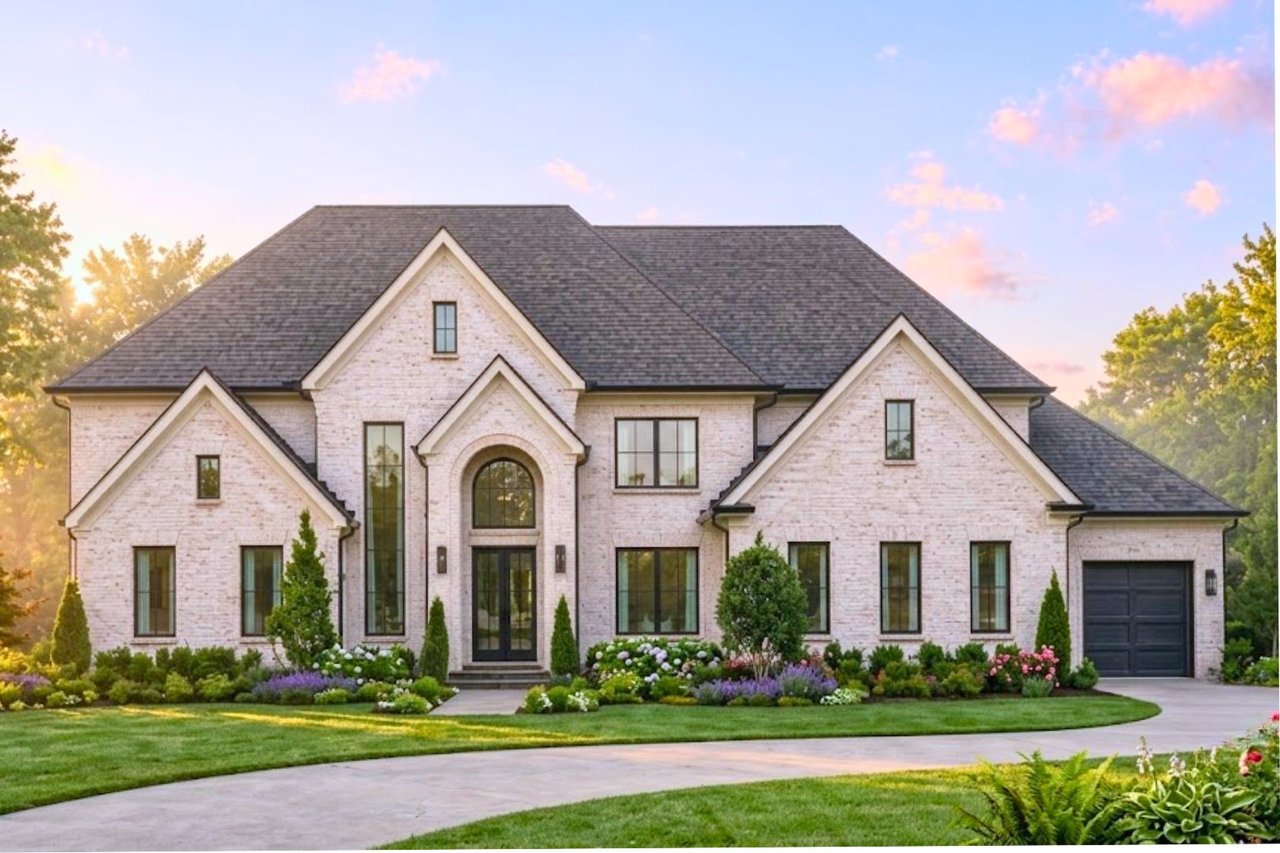
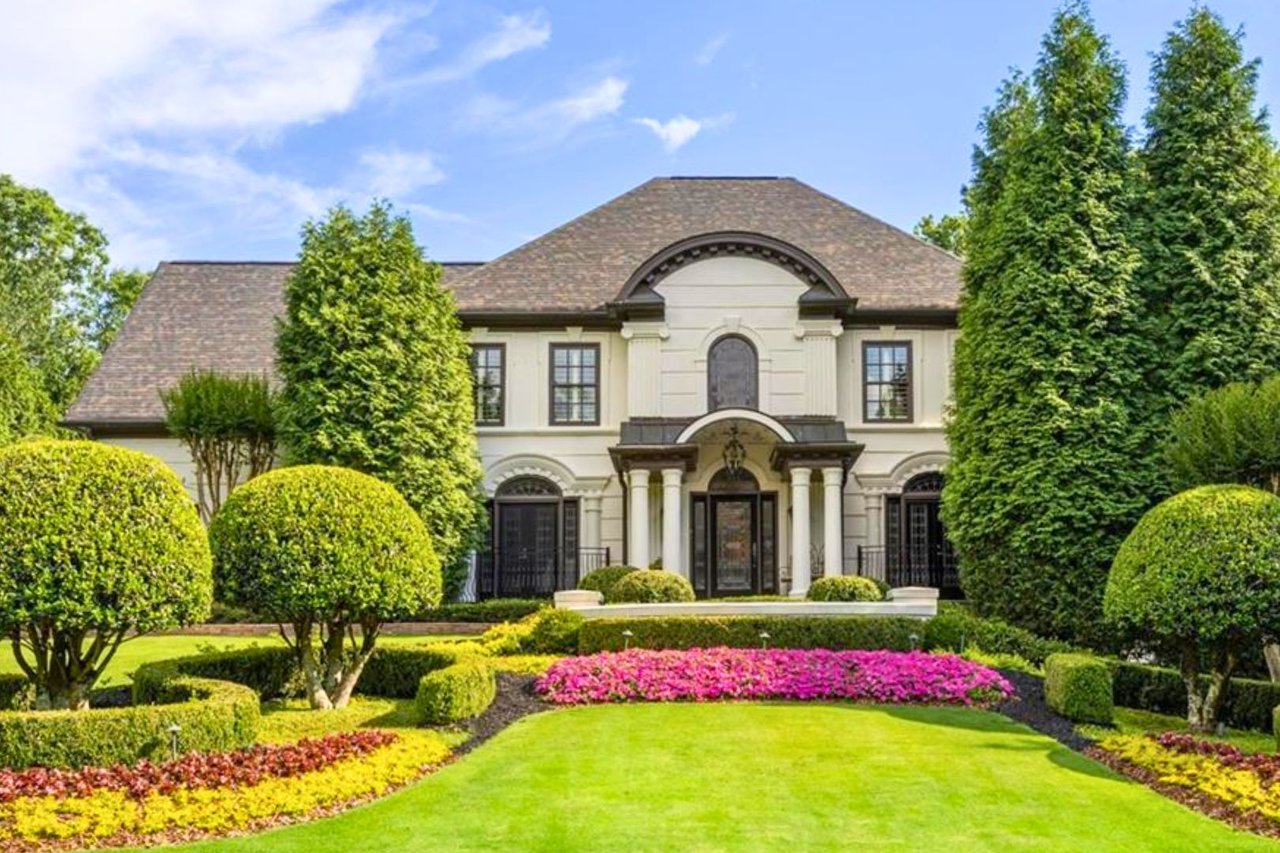
- Premium single-family communities in the mid-$400,000s and above, often exceeding 2,800 square feet with full resort-style amenities.
One of the strongest lifestyle amenities anchoring the Mableton area is the Silver Comet Trail — a 61.5-mile paved multi-use trail running from Smyrna to the Alabama state line, per the Georgia Department of Transportation and PATH Foundation. Multiple access points exist throughout western Cobb, and communities within biking or walking distance of the trail consistently market that proximity. Research on trail-adjacent real estate has consistently shown measurable property value premiums, making Silver Comet access a concrete advantage rather than an abstract perk.
Pro Tip: When touring communities near the Silver Comet Trail, ask the builder's sales agent exactly which trail access point is closest and how residents typically reach it — some require a short drive rather than a direct walk, which matters if trail access is a deciding factor for your household.
School Districts and Family Amenities
Families buying in western Cobb are served by the Cobb County School District, one of Georgia's largest public school systems, serving approximately 107,000–110,000 students across more than 110 schools. The district has historically performed well under Georgia's accountability framework, earning strong ratings from the Georgia Department of Education — verify the current district designation directly at the Georgia DOE website, as ratings are updated annually.
Beyond schools, Cobb County's parks infrastructure is well-developed in this corridor. The Riverside EpiCenter in Smyrna — a major county recreation complex featuring a natatorium, gyms, athletic fields, and event facilities — is one of the region's stronger community recreation investments. Retail access along the Mableton corridor has improved substantially as commercial development follows residential growth.
New Home Communities Along the I-20 West Corridor — Douglasville and Lithia Springs
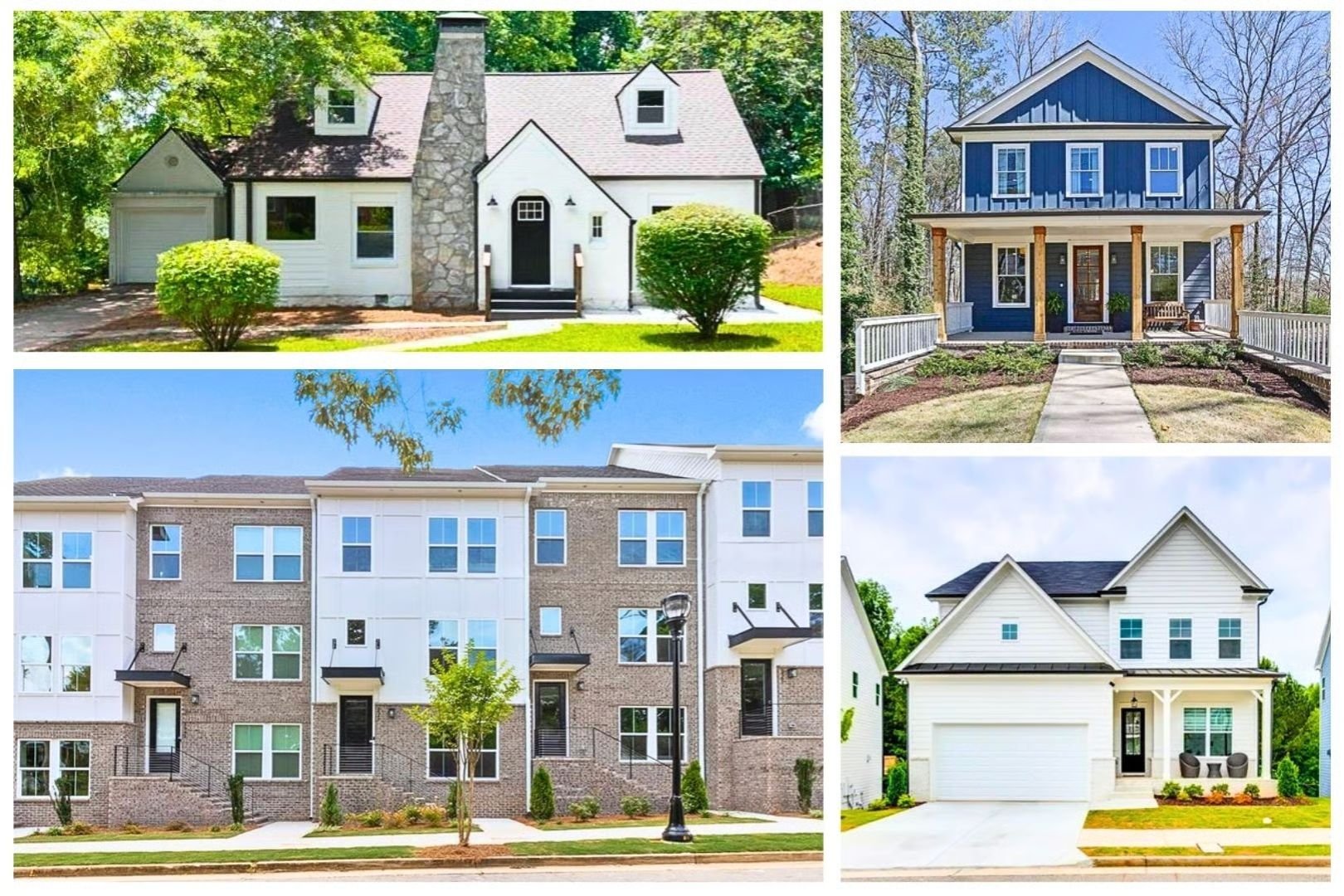
Douglas County has long been one of the Atlanta metro's most consistent affordable new construction markets, and it continues to be a primary destination for first-time buyers, relocating families, and move-up buyers seeking more home for their budget. The county's population reached approximately 161,600 residents as of the 2020 U.S. Census, reflecting roughly 14% growth from the 2010 count of 132,403 — a trajectory that shows no signs of reversing.
Douglasville's Master-Planned Communities
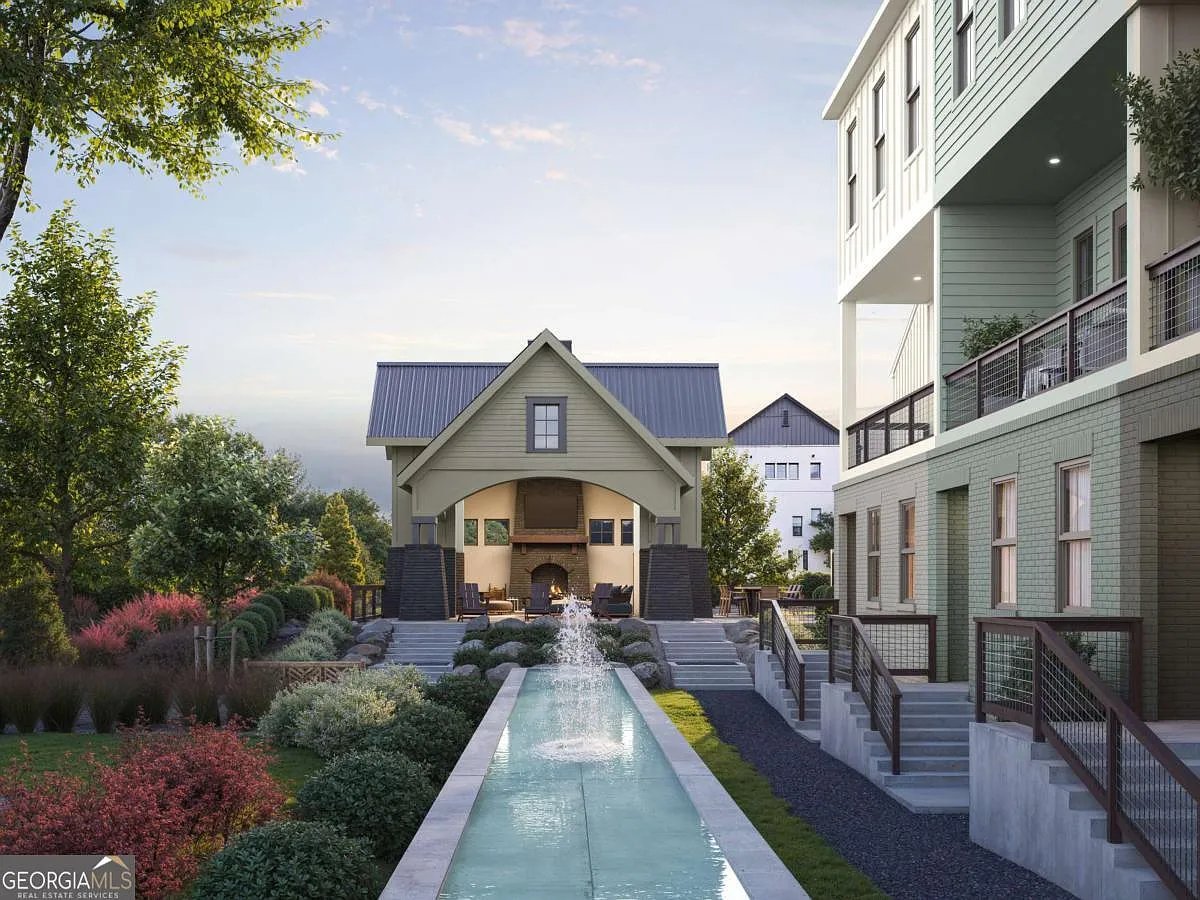
Douglasville offers some of the most well-developed master-planned community infrastructure in the entire West Atlanta corridor. Established communities in areas like Chapel Hills and Tributary have set a high bar for what buyers can expect. A typical mid-range community here includes:
- Resort-style pools and clubhouses
- Walking and jogging trails throughout the neighborhood
- Dog parks and community green spaces
- Thoughtfully designed streetscapes that create genuine neighborhood character
Builder variety in Douglasville is broader than many buyers expect. National production builders like D.R. Horton and Century Communities have been active here, but the market also includes regional builders offering more personalization. Price points range from the low $300,000s for entry-level single-family to $500,000 and above in larger, more amenity-rich communities — giving the market a useful ladder for buyers at different budget levels. Douglas County's median household income of approximately $72,500 (per the U.S. Census Bureau's 2022 American Community Survey) reflects a buyer base with genuine purchasing power to support this range.
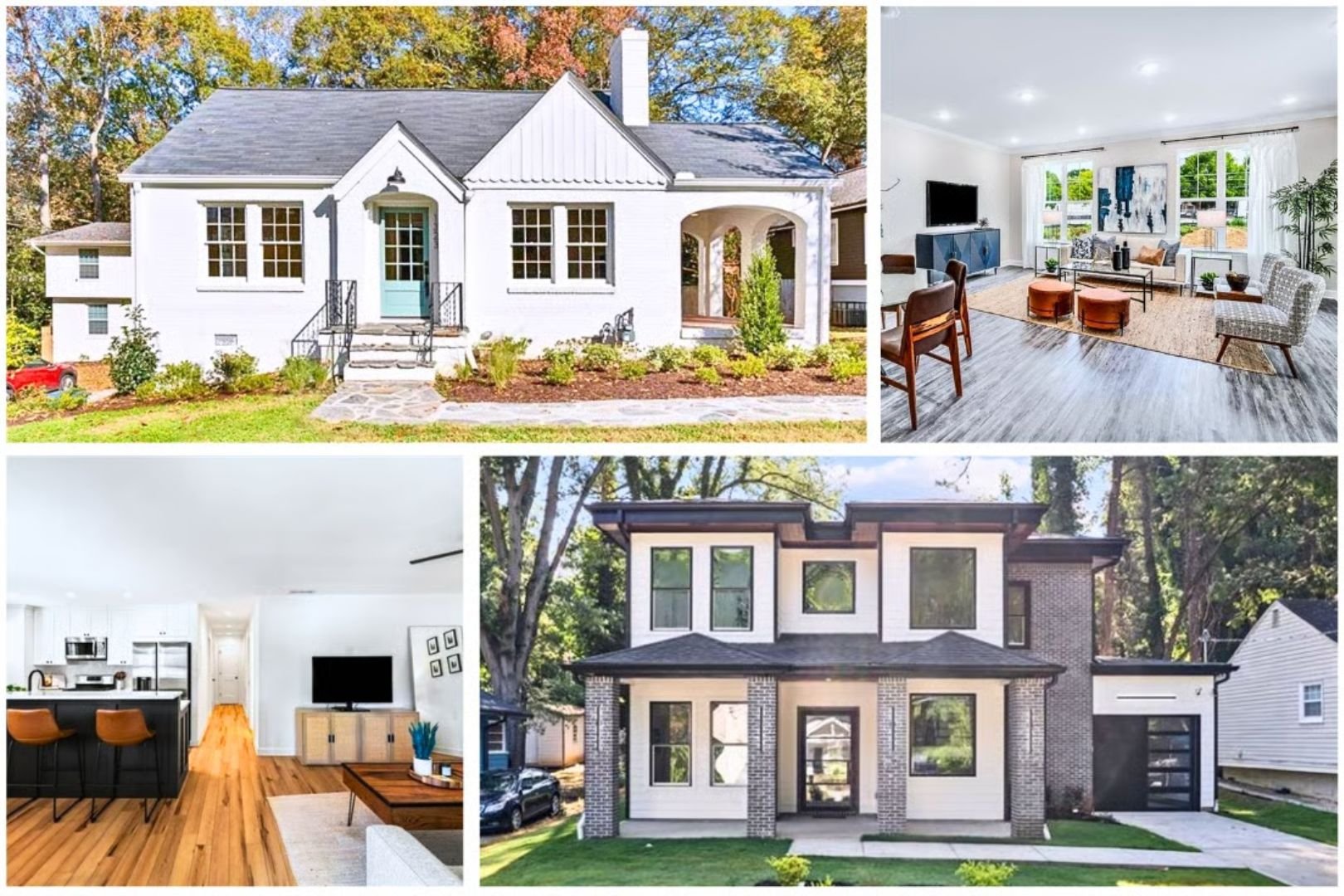
Lithia Springs and Austell New Construction
Lithia Springs and Austell sit closer to the I-20/I-285 interchange, offering buyers the affordability of Douglas County with a slightly shorter commute profile into the city. Active new construction in these areas tends toward smaller-scale communities and infill development rather than large master-planned campuses — but the trade-off is proximity. Buyers in Lithia Springs can often reach Atlanta's core within 20–30 minutes depending on their specific destination.
Austell is also home to Six Flags Over Georgia, a major regional theme park directly on I-20 that functions as both a family lifestyle amenity and a consistent employment anchor for the surrounding area. It's a West Atlanta landmark that underscores the corridor's established identity as a family-oriented market.
Douglas County Schools and Community Resources
The Douglas County School System serves approximately 26,000–27,000 students, according to district and Georgia Department of Education data, and has made meaningful investments in newer school campuses in areas experiencing residential growth. Buyers should always verify current and anticipated school assignments directly with the builder and district, particularly in newer developments where attendance zones may still be evolving.
Perhaps the most remarkable lifestyle asset unique to the I-20 west corridor is Sweetwater Creek State Park in Lithia Springs. This 2,549-acre state park draws hundreds of thousands of visitors annually, per Georgia Department of Natural Resources visitor data, and features:
- Dramatic creek gorges and ruins of a Civil War-era textile mill
- Hiking trails ranging from easy walks to challenging terrain
- Kayaking, fishing, and camping — all minutes from active residential communities
It's a competitive advantage that no amount of northern suburb development can replicate. Buyers who discover it often cite it as a deciding factor.
South Fulton and Fairburn — New Construction with a City Connection
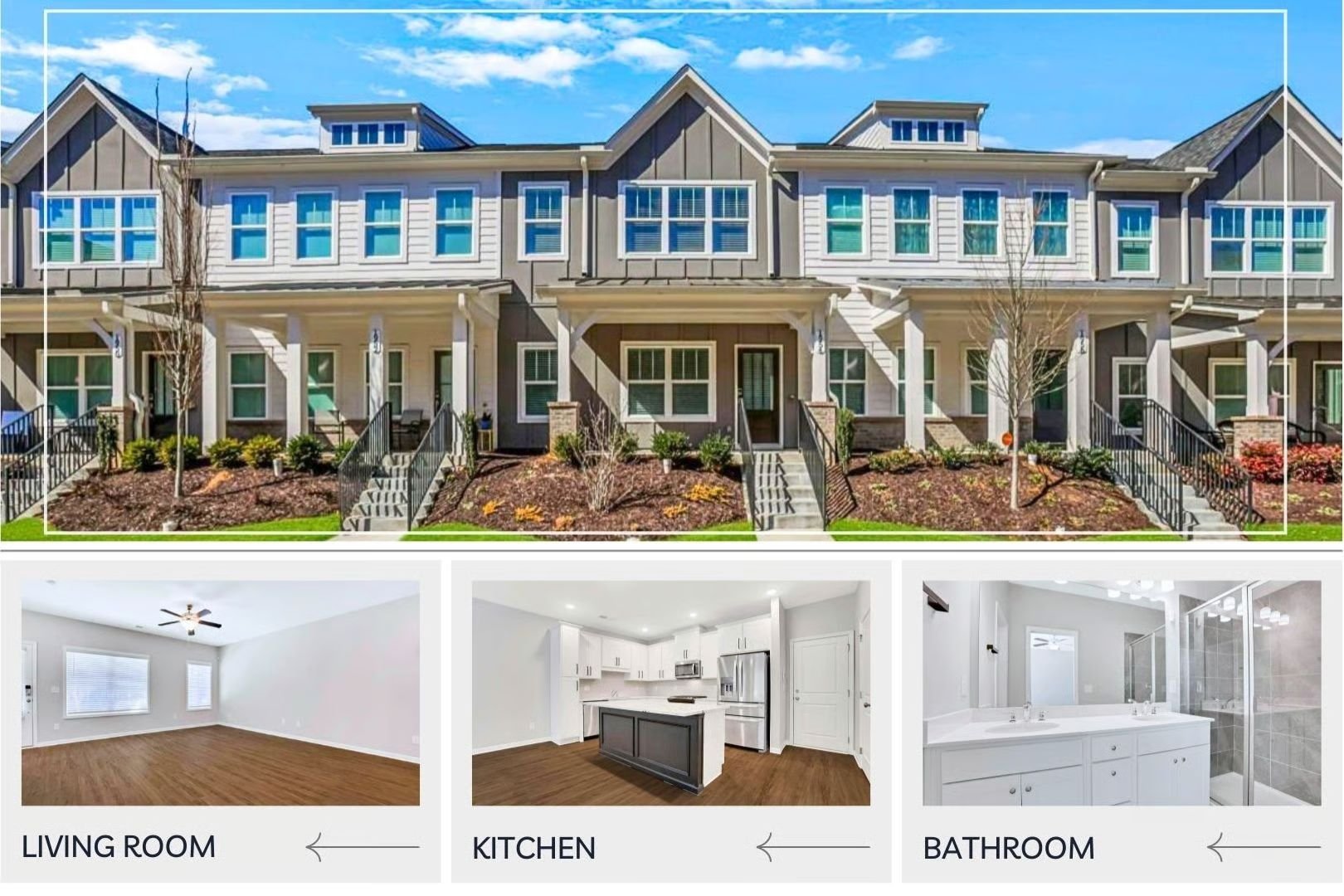
The southern end of the West Atlanta new construction market adds a Fulton County address, strong airport proximity, and an increasingly active development pipeline to the mix. The City of South Fulton had a population of approximately 107,436 as of the 2020 U.S. Census, making it one of the largest cities in Fulton County — a fact that signals substantive market depth, not a fringe location.
What South Fulton Offers New Home Buyers
South Fulton, incorporated in 2017, has been actively working to attract development and investment, particularly near Camp Creek Parkway and the Cascade Road corridor. Builders have responded with both townhome and single-family new construction, often at price points that undercut comparable product in other parts of Fulton County while still delivering the benefits of a Fulton County address and strong Atlanta connectivity.
The Camp Creek Marketplace area provides solid retail and dining infrastructure that supports daily convenience for residents. The Georgia Department of Community Affairs also administers homebuyer assistance programs — including down payment assistance — that are particularly useful for first-time buyers entering this market. Investigate current program availability and eligibility early in the process, as funding windows open and close throughout the year.
Fairburn and Palmetto New Communities
Fairburn and Palmetto represent the outer edge of the West Atlanta new construction zone, pushing south along the I-85 corridor. Communities here tend to offer larger lots and a decidedly suburban character — appealing to buyers who prioritize space and are comfortable with a 35–50 minute drive to Atlanta's core.
For buyers in aviation or logistics industries centered on Hartsfield-Jackson, Fairburn's location can actually represent an unusually short work commute while delivering maximum home-for-dollar value. That combination is genuinely difficult to find anywhere else in the Atlanta metro, and it's one reason builder activity in Fairburn has grown steadily, with some of the most accessible entry price points in the broader market.
What to Look for When Choosing a New Home Community in West Atlanta
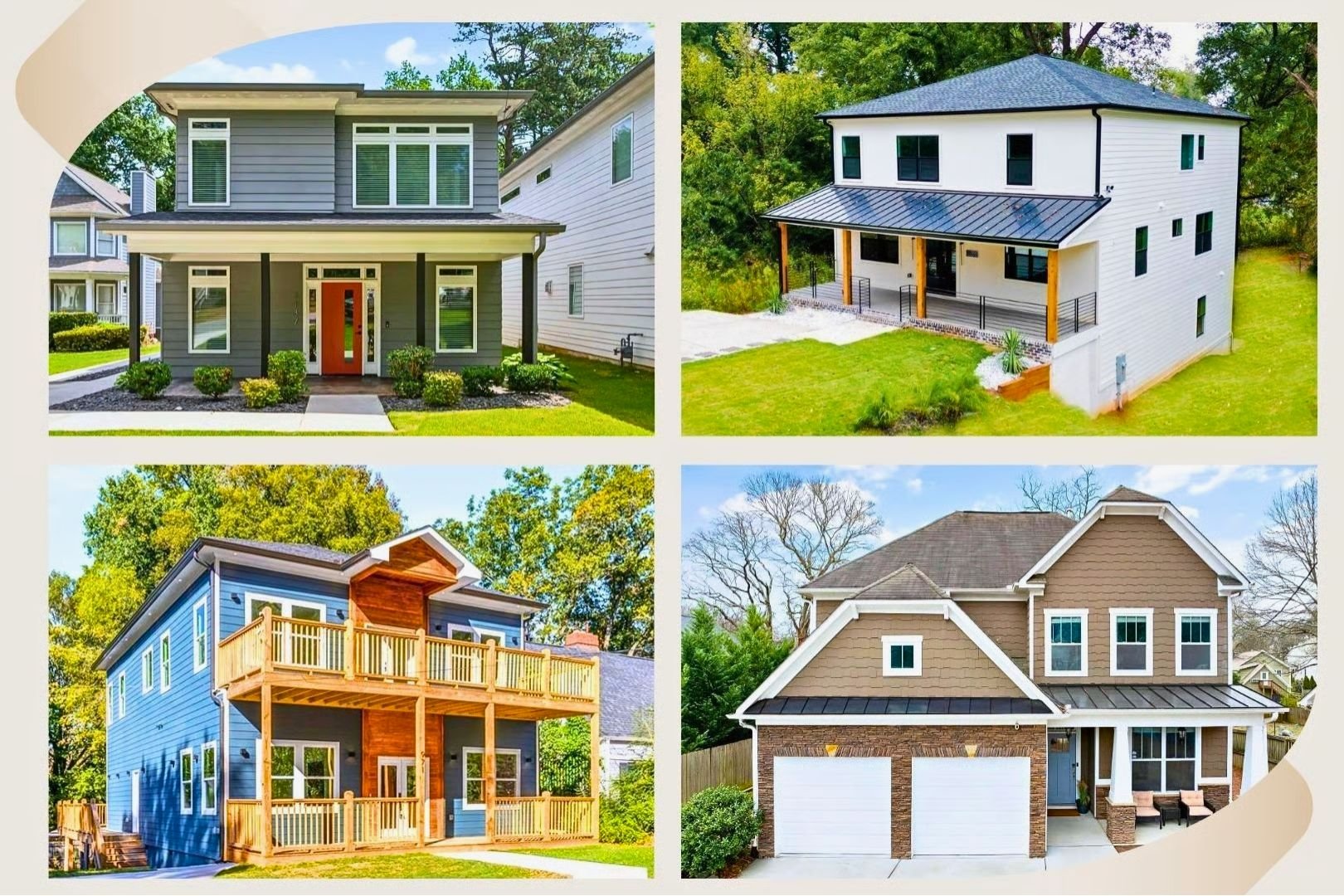
Once you've identified areas of interest, the evaluation process shifts from geography to specifics. Knowing the right questions to ask gives buyers a significant advantage, particularly in a market with this much builder activity.
Evaluating the Builder
Production builders — the large national companies active throughout West Atlanta — offer efficiency, standardized quality controls, and deep incentive programs, but typically less flexibility on finishes and floor plans. Regional or semi-custom builders offer more personalization but may have longer timelines or more variable incentive structures. Neither is inherently superior; the right fit depends on what the buyer values most.
Key questions to ask any builder before signing:
- What does the warranty program cover, and for how long?
- What quality control inspections happen during the build?
- What is a realistic construction timeline? (Typically six to ten months from contract to close in the current Atlanta market.)
The on-site sales team represents the builder, not you — which is precisely why having independent buyer representation matters even when purchasing from a builder's model home. In virtually all cases, the builder pays the buyer's agent commission, so independent representation costs you nothing while providing meaningful advocacy throughout the process.
Pro Tip: Always schedule a third-party home inspection before your final walk-through, even on brand-new construction. Builders operate at scale, and independent inspectors routinely catch items worth addressing before closing — at no cost to your negotiating position.

Community Amenities and HOA Considerations
Master-planned communities in West Atlanta vary considerably in their amenity packages. Always review the actual amenity list in the community documents rather than relying on marketing materials alone. Here's how the tiers typically break down:
| Community Tier | Typical Amenities | Typical HOA (Monthly) |
|---|---|---|
| Entry-Level Single-Family | Pool, playground | $50–$100 |
| Mid-Range Single-Family | Pool, trails, dog park, clubhouse | $100–$150 |
| Premium Single-Family | Resort pool, fitness center, sports courts, event lawn | $150+ |
| Townhome Communities | Pool, common areas, exterior maintenance included | $200–$350 |
Before purchasing, ask for the HOA's financial statements, reserve fund balance, and any pending special assessments. A financially healthy HOA protects your investment; an underfunded one becomes a long-term liability.
Timing the Market and Understanding Incentives
Builders use incentives strategically, and understanding how they work gives buyers real leverage. Common incentive packages in the current Atlanta market include:
- Mortgage rate buydowns that reduce your monthly payment for the first few years or the life of the loan
- Closing cost assistance ranging from $5,000 to $20,000 or more, often tied to using the builder's preferred lender
- Design center credits toward upgrades in flooring, cabinetry, and fixtures
End of quarter and end of year are historically the strongest negotiating windows, as builders work to meet sales targets. Getting pre-approved before visiting model homes is not optional — it's tactical. Pre-approval establishes credibility with the builder's sales team, clarifies exactly what price range works for your situation, and positions you to move quickly when the right home and incentive package align.
Is West Atlanta the Right New Home Market for You?
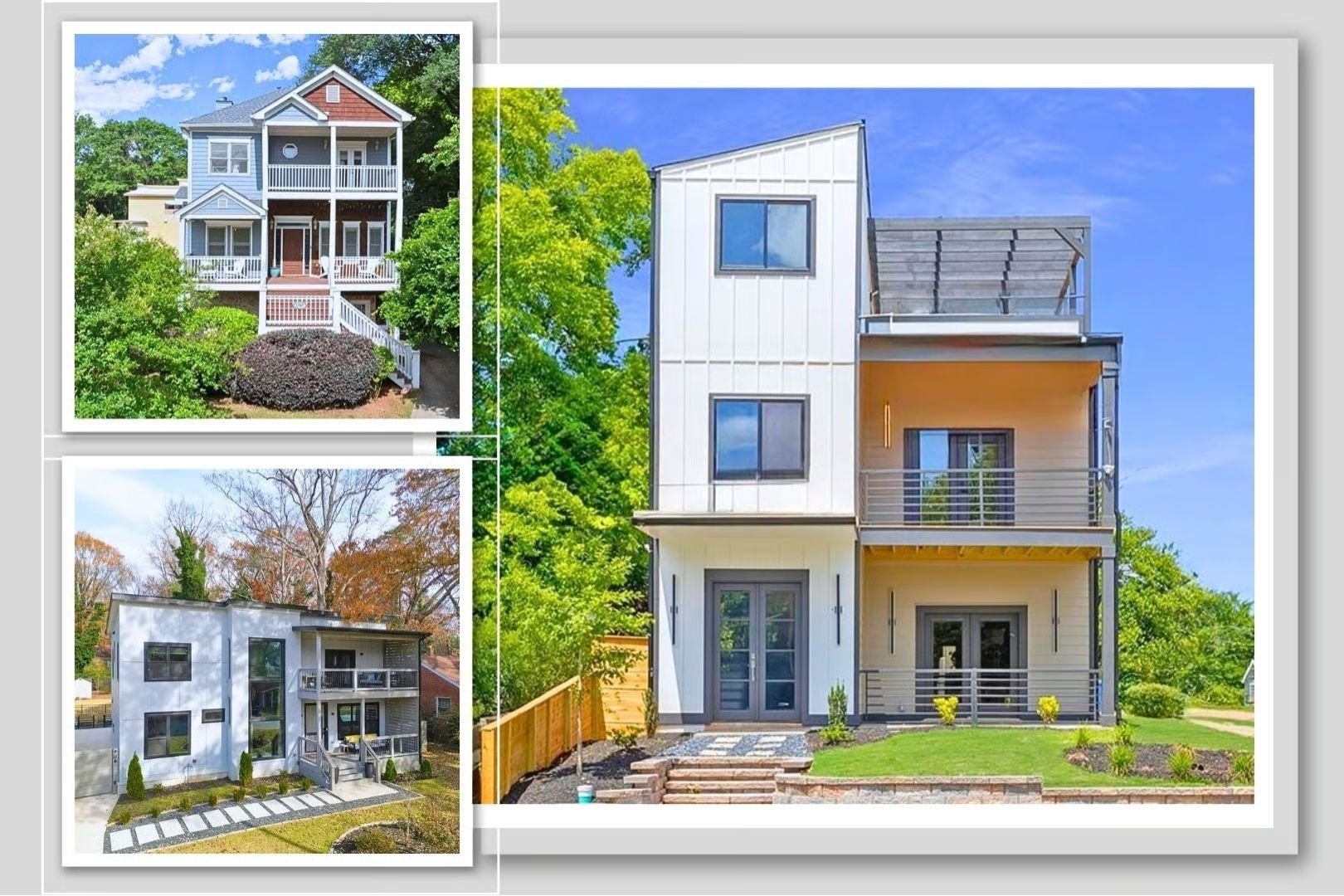
West Atlanta new construction makes the strongest case for three overlapping buyer profiles:
- First-time buyers who want a quality new home without the price premium of the northern suburbs
- Relocating families and professionals who prioritize modern construction, good schools, and community amenities over urban walkability
- Move-up buyers already in the Atlanta metro who want more home, newer infrastructure, and master-planned community living without leaving the area entirely
The honest trade-offs are worth acknowledging. Some communities — particularly in Douglasville and Fairburn — carry longer commutes to Buckhead or Midtown than buyers might prefer, and the urban walkability of intown Atlanta neighborhoods is absent from most of these communities by design. They are suburban places built for suburban lifestyles, and buyers should embrace that reality clearly.
What West Atlanta offers in return is substantial: newer construction, more square footage, stronger community amenities at accessible price points, and a long-term growth trajectory supported by infrastructure investment, sustained population influx, and economic development activity that continues to outpace much of the metro.
The Atlanta MSA adds approximately 75,000–100,000 net new residents per year, according to U.S. Census Bureau population estimates. The western corridors are well-positioned to absorb a meaningful share of that demand for years to come.
For the right buyer, West Atlanta isn't a compromise. It's the strategy.
Frequently Asked Questions About New Home Communities in West Atlanta
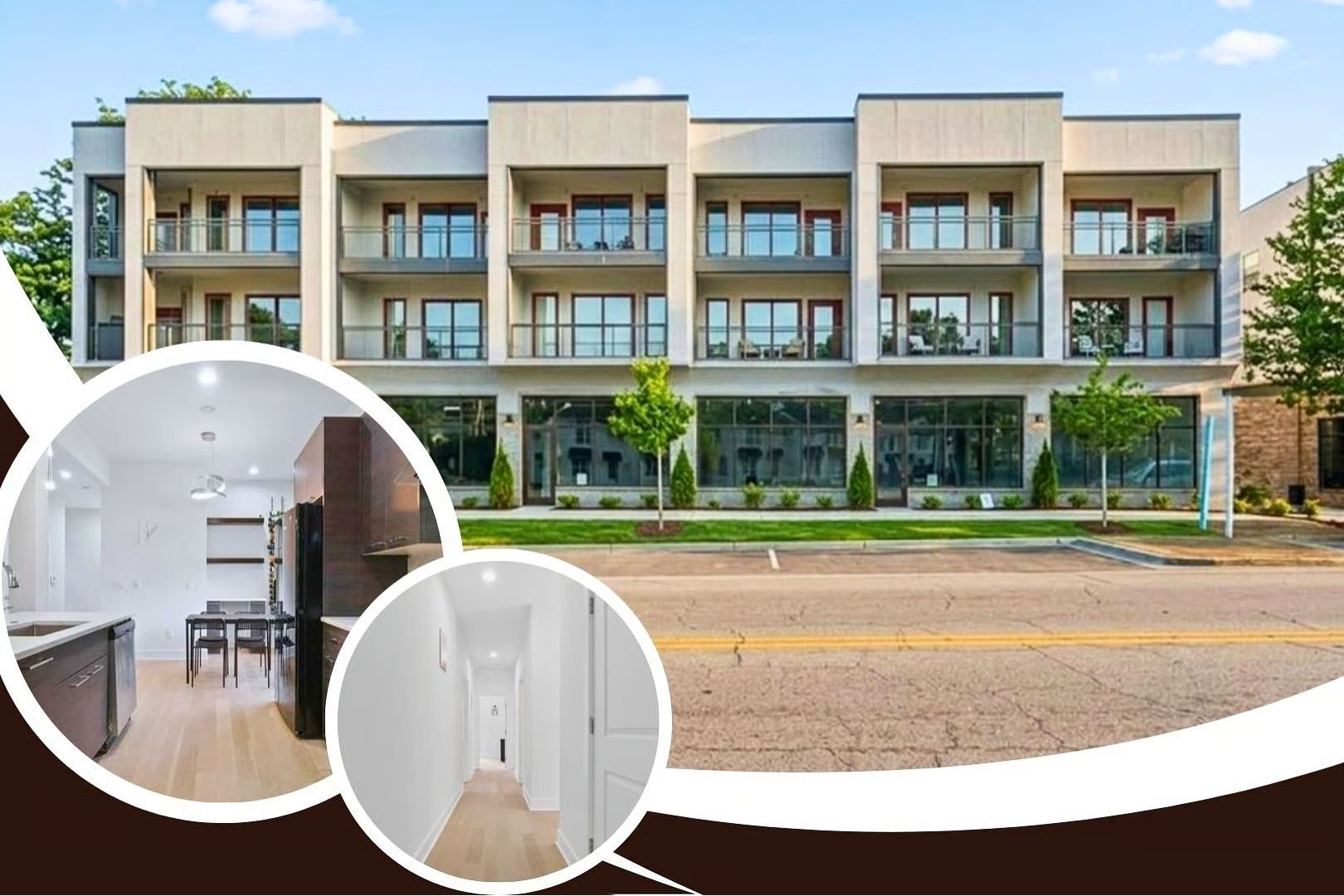
What is the average price of a new construction home in West Atlanta?
Price ranges vary meaningfully across the corridor. Douglas County — covering Douglasville and Lithia Springs — offers some of the most accessible entry points, with new construction available from the low $300,000s for detached single-family homes. Western Cobb communities around Mableton typically range from the mid-$300,000s into the mid-$400,000s and above depending on community and home size. South Fulton and Fairburn generally fall in the low-to-mid $300,000s. Townhomes in any of these markets typically come in below detached single-family pricing, and all ranges can shift with builder incentives, available lot premiums, and broader market conditions.
Which West Atlanta communities are best for families with school-age children?
Families focused on school quality most frequently look at western Cobb County communities served by the Cobb County School District, which has historically earned strong ratings under Georgia's accountability system. Confirm the current district designation directly at the Georgia Department of Education website, as ratings are updated annually. The Douglas County School System has also been investing in newer facilities as residential growth expands. School quality is highly campus-specific, and attendance zone boundaries in growing areas can shift as new neighborhoods absorb students — always verify current and anticipated school assignments directly with the builder and the relevant district before purchasing.

How far is West Atlanta new construction from downtown Atlanta?
Commute distances vary across the corridor. Here's a quick reference based on normal traffic conditions:
| Area | Estimated Commute to Downtown Atlanta | Primary Route |
|---|---|---|
| Mableton / Western Cobb | 20–25 minutes | I-20, I-285 |
| Douglasville / Lithia Springs | 30–40 minutes | I-20 |
| South Fulton (Camp Creek area) | 25–35 minutes | I-285, Camp Creek Pkwy |
| Fairburn / Palmetto | 35–50 minutes | I-85 |
Peak-hour traffic can add meaningful time to any of these estimates. Do test drives at your actual commute hour before finalizing a community decision.
Do I need my own real estate agent when buying a new construction home in West Atlanta?
Yes — and this point deserves emphasis. The sales agents at a builder's model home represent the builder's interests, not yours. They are professional salespeople whose job is to sell that community's homes at the builder's preferred terms. Having an independent buyer's agent provides advocacy, market context, contract review, and negotiating support throughout the process. In virtually all cases, the builder pays the buyer's agent commission, meaning independent representation costs you nothing out of pocket while adding meaningful protection at every stage of the transaction.
What amenities are common in West Atlanta master-planned communities?
A typical mid-range master-planned community in West Atlanta includes a resort-style swimming pool, walking and jogging trails, a dog park, a clubhouse or pavilion for community events, and a playground. Higher-end communities add fitness centers, sports courts, and more elaborate pool environments. Entry-level communities may offer a more modest package. Always review the community's recorded amenity list and HOA documents before purchasing — what's shown in the model home's marketing materials and what's contractually guaranteed can differ.
Are there new construction townhomes available in West Atlanta?
Townhome communities are one of the more active product segments in West Atlanta new construction, particularly in the Mableton and western Cobb corridor and in South Fulton. Townhomes typically come in at lower price points than detached single-family homes in the same area — often in the $250,000–$350,000 range — making them a compelling option for first-time buyers and those looking to minimize exterior maintenance responsibilities. HOA fees for townhome communities are generally higher than single-family HOAs due to included exterior maintenance, so factor that monthly cost into your overall budget calculation from the start.
Conclusion
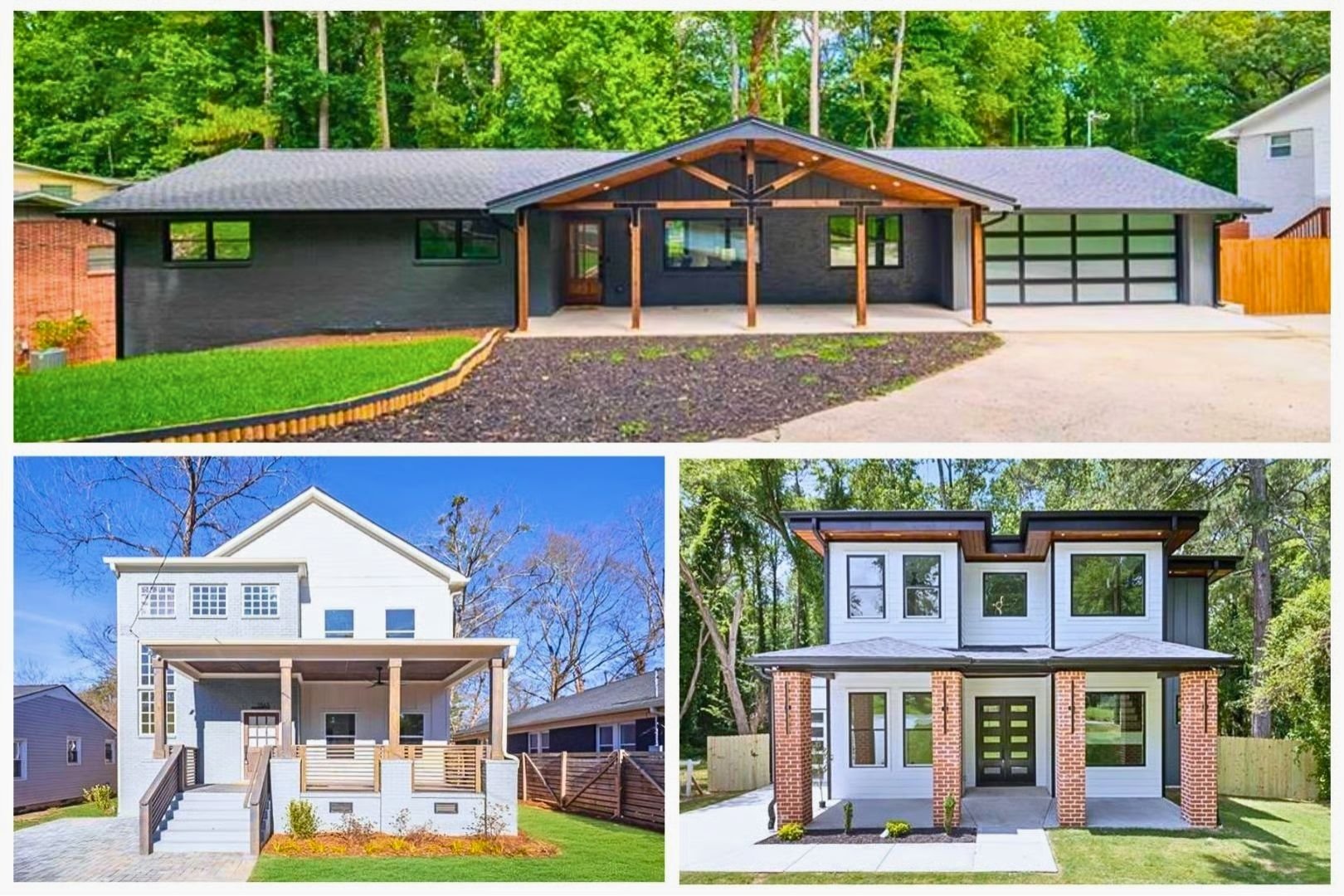
West Atlanta's new home community landscape is diverse, actively growing, and offers compelling value across multiple buyer profiles and price points. The infrastructure is in place, builders are active across all price points, and the long-term demand fundamentals continue to support West Atlanta as one of the most strategically sound new construction markets in the entire metro.
The Silver Comet Trail access in Mableton, the master-planned depth of Douglasville, the irreplaceable natural setting of Sweetwater Creek State Park, the Fulton County connectivity of South Fulton and Fairburn — each part of this corridor brings something distinct to the table. The right community depends entirely on how you live, where you work, and what your household values most.
Ready to explore new home communities in West Atlanta? Reach out and let's find the right fit for you.