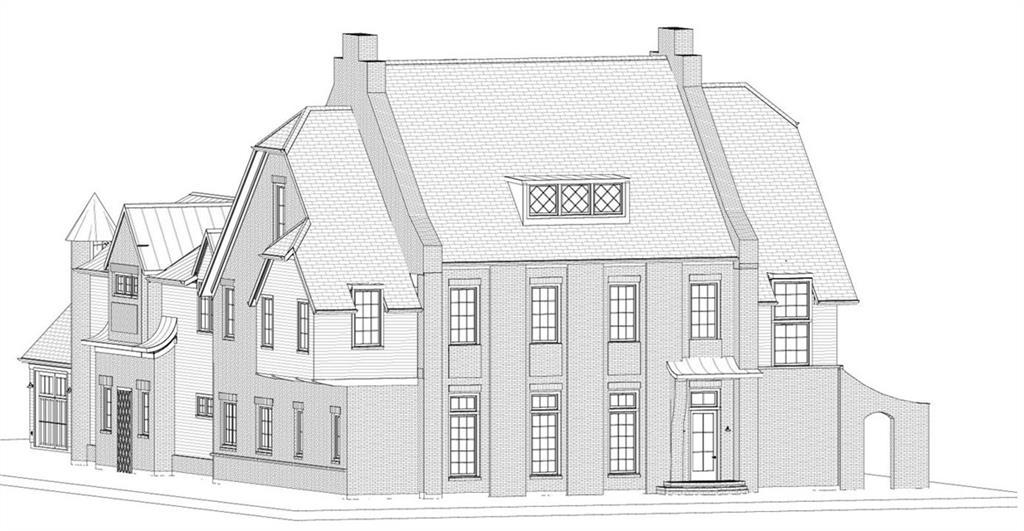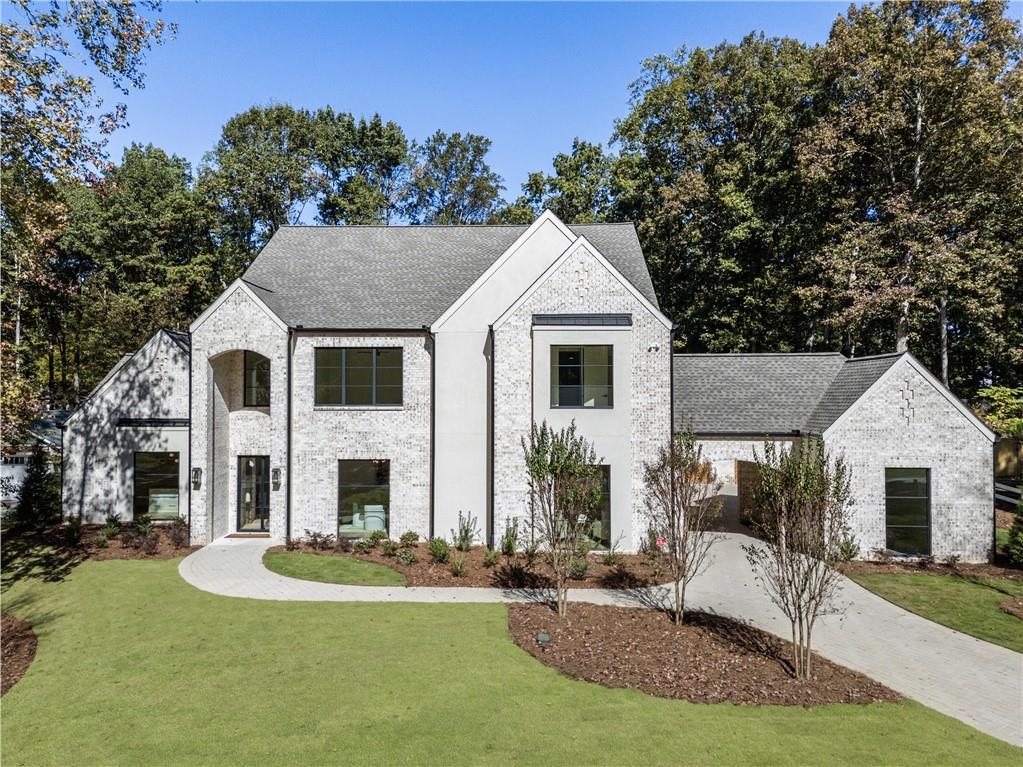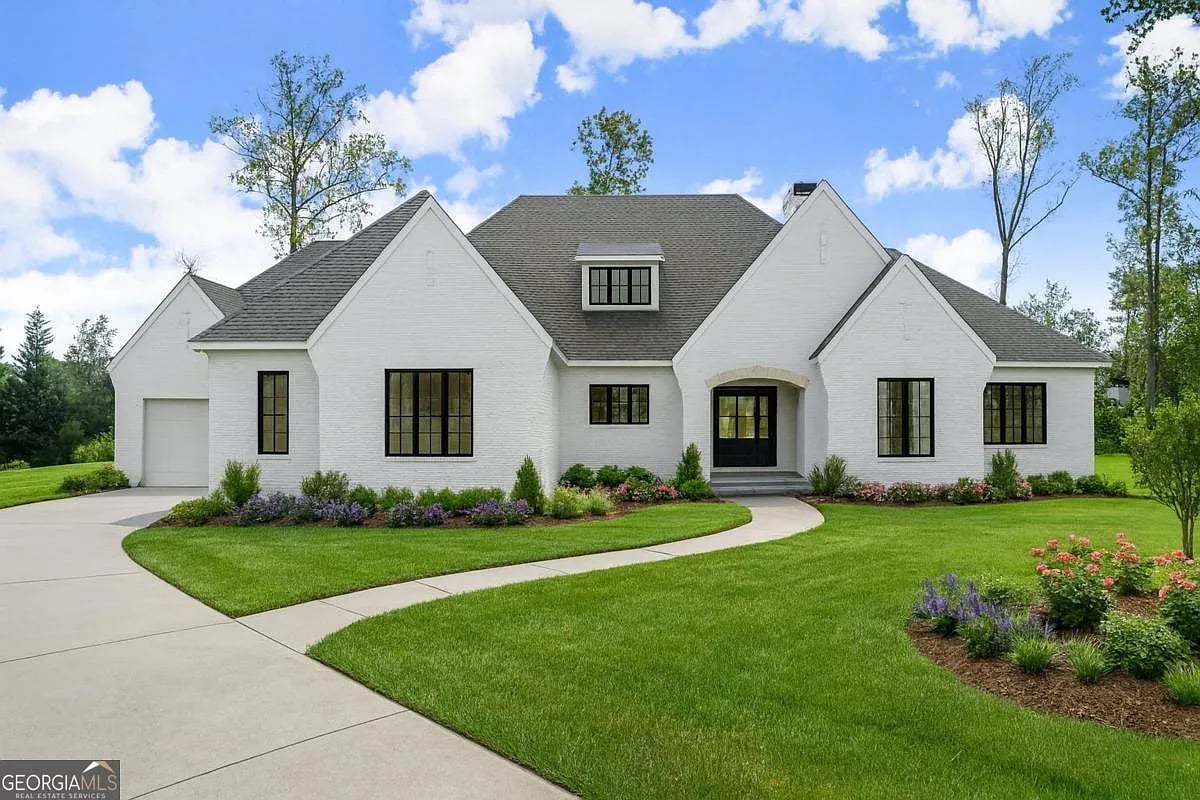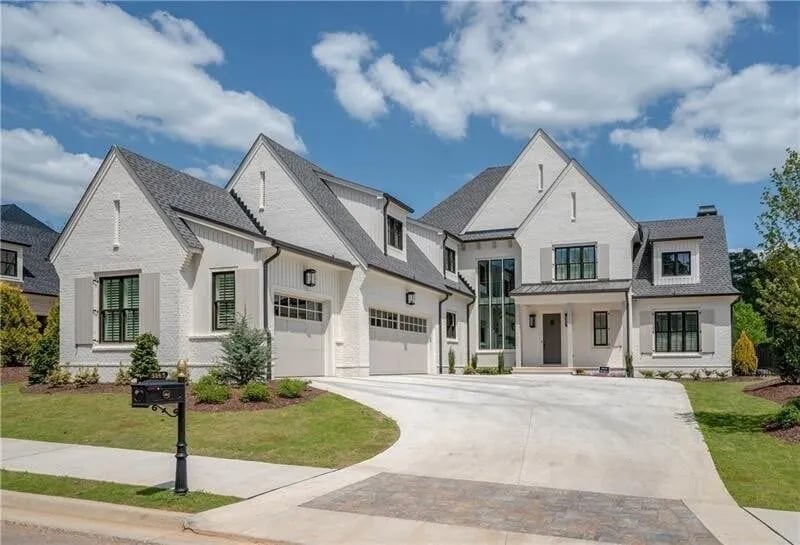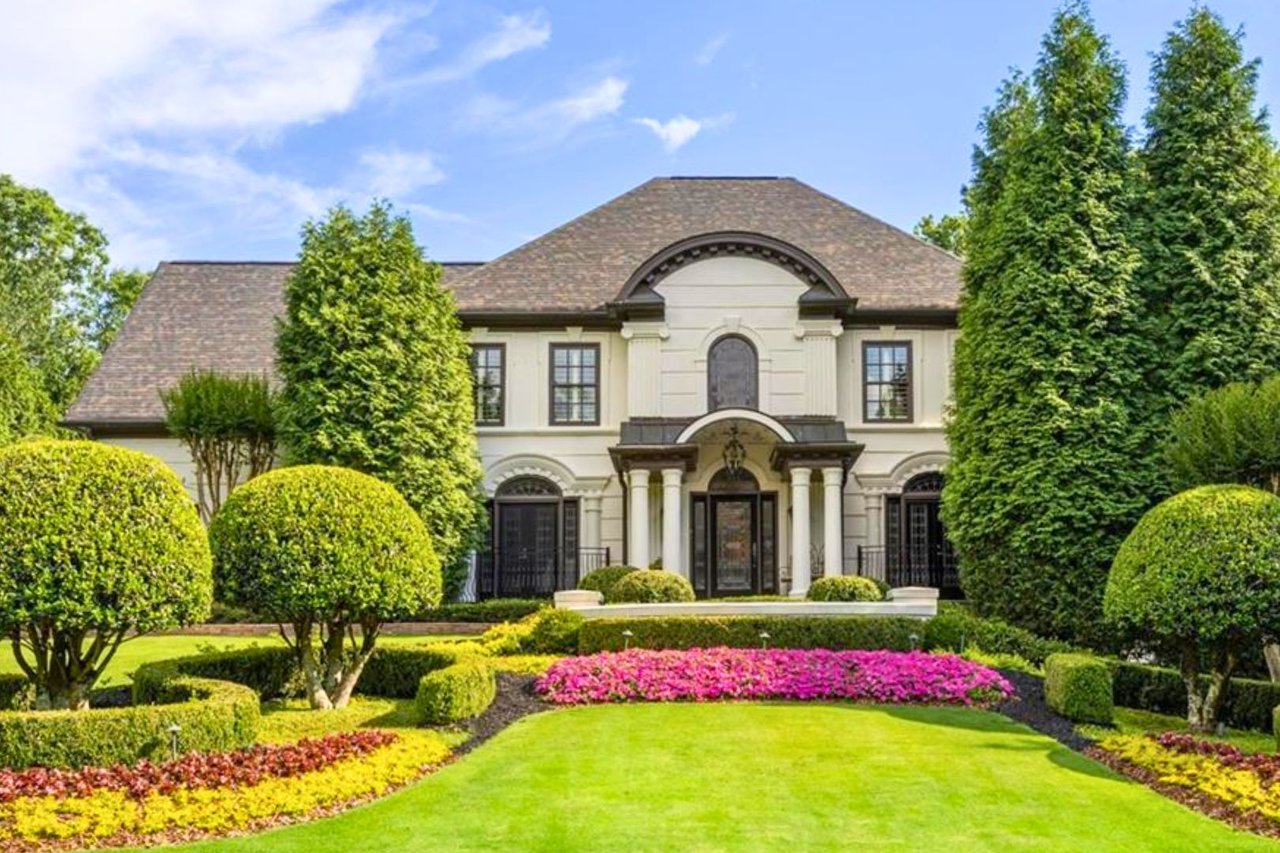
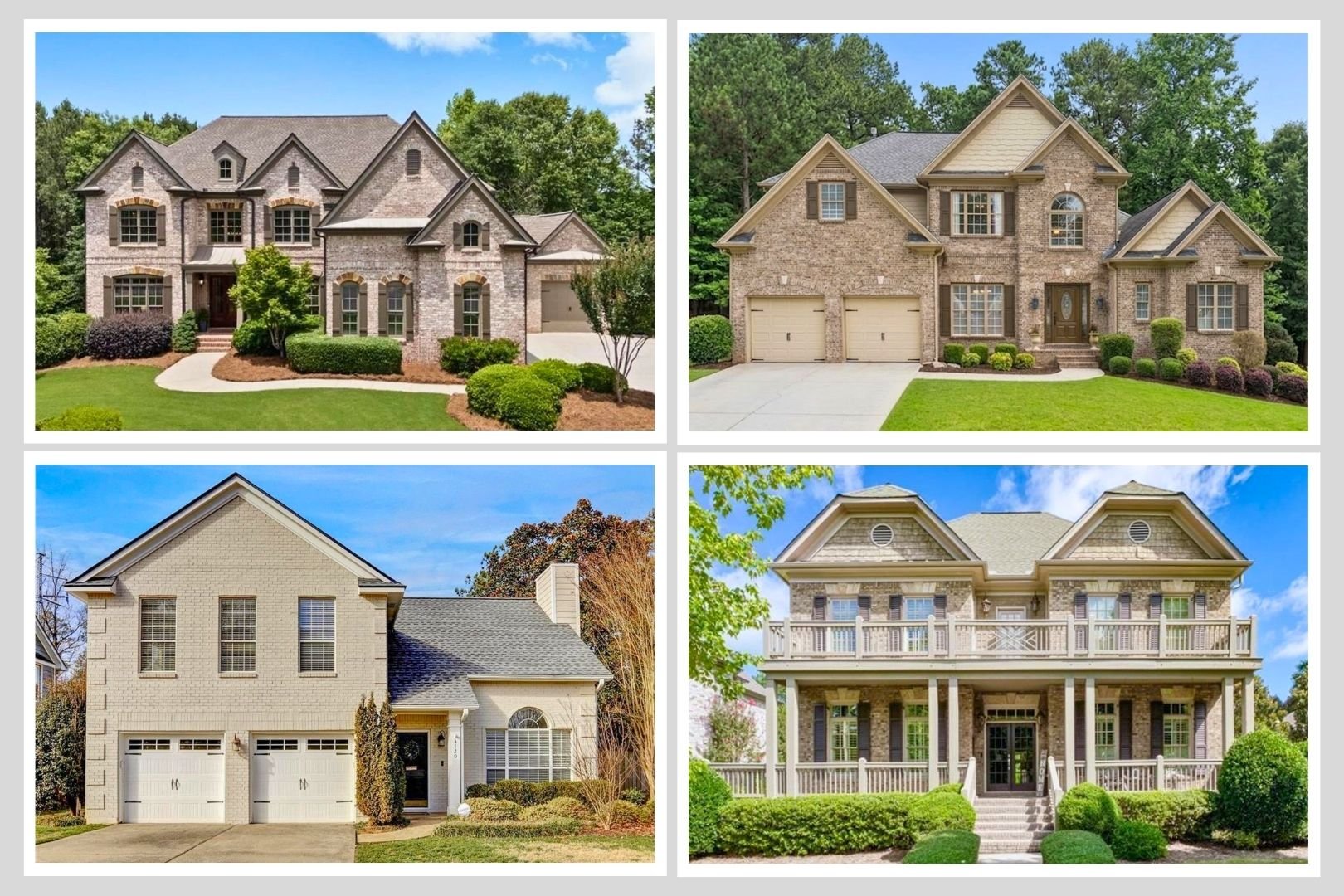
The geographic duel of North Atlanta comes down to a high-stakes choice: the close-in, transit-connected prestige of Dunwoody versus the hyper-modern, tech-fueled luxury of Alpharetta. For buyers navigating the 2026 housing landscape, this decision shapes far more than your morning commute.
It dictates your daily lifestyle, your neighborhood social circles, and the long-term appreciation of your real estate investment. This analytical guide dissects the housing velocity, neighborhood micro-cultures, and economic drivers of these two suburban powerhouses to help you secure your ideal home.
Choosing between these two markets requires a close look at what makes each unique. We will compare the classic, close-in convenience of Dunwoody with the sprawling, modern tech-centric lifestyle of Alpharetta.
Geographic Location and Commuting to Atlanta

Your daily routine, weekend plans, and tolerance for traffic will heavily influence where you decide to buy. While both cities sit north of Atlanta's urban core, their proximity to major highways, transit networks, and employment centers differs significantly.
24.9 minutes is the highly competitive average commute time for Dunwoody residents, significantly beating the metro Atlanta average.
Dunwoody: The Perimeter Advantage and MARTA Access
Situated in northern DeKalb County, Dunwoody sits directly on the "top end" of the Interstate 285 perimeter, bordering Sandy Springs and Brookhaven. This strategic location offers unparalleled proximity to Atlanta’s core, making it a favorite for professionals who need to travel into the city frequently.
A drive to Midtown or Downtown Atlanta by car typically takes 20 to 30 minutes under normal traffic conditions, though rush hour can extend this window.
Dunwoody's true crown jewel for commuters is its direct transit access. The Dunwoody MARTA Station, located on the Red Line, allows residents to hop on a train and reach Buckhead, Midtown, or Hartsfield-Jackson International Airport without having to battle highway traffic.
This makes Dunwoody the ideal close-in suburb, offering a peaceful, tree-lined retreat that remains deeply connected to the energy of the city.
Alpharetta: The North Fulton Tech Corridor
Located roughly 25 miles north of downtown Atlanta, Alpharetta is positioned along the Georgia 400 corridor in North Fulton County. Commuting from Alpharetta to Midtown Atlanta relies heavily on GA-400, which can experience heavy traffic during peak hours.
During morning rush hours, a drive down to the city center can take anywhere from 50 to 75 minutes, though off-peak drives are a manageable 35 to 45 minutes.
2.5% is the local unemployment rate in Alpharetta, driven by the massive corporate technology presence along the GA-400 corridor.
However, many Alpharetta residents do not commute to Atlanta at all. Known as the Silicon Valley of the South, Alpharetta is a massive employment hub in its own right, housing hundreds of major technology, healthcare, and corporate offices.
If you live and work in the North Fulton area, you will rarely find a reason to travel south of the Chattahoochee River.
The Commute Comparison: Highway Battles vs. Rail Transit
For buyers who must report to physical offices in Buckhead or Downtown Atlanta multiple times a week, the geographical difference between these two cities is night and day.
Dunwoody residents can utilize back roads like Peachtree Dunwoody Road or Mount Vernon Road to bypass highway standstills entirely. Alpharetta residents are largely beholden to the flow of GA-400, though the continuous expansion of express lanes has offered some relief.
If your professional life centers around remote work or the local tech corridor, Alpharetta offers a self-contained ecosystem where your car rarely leaves a five-mile radius.
Real Estate Markets and Housing Styles in 2026
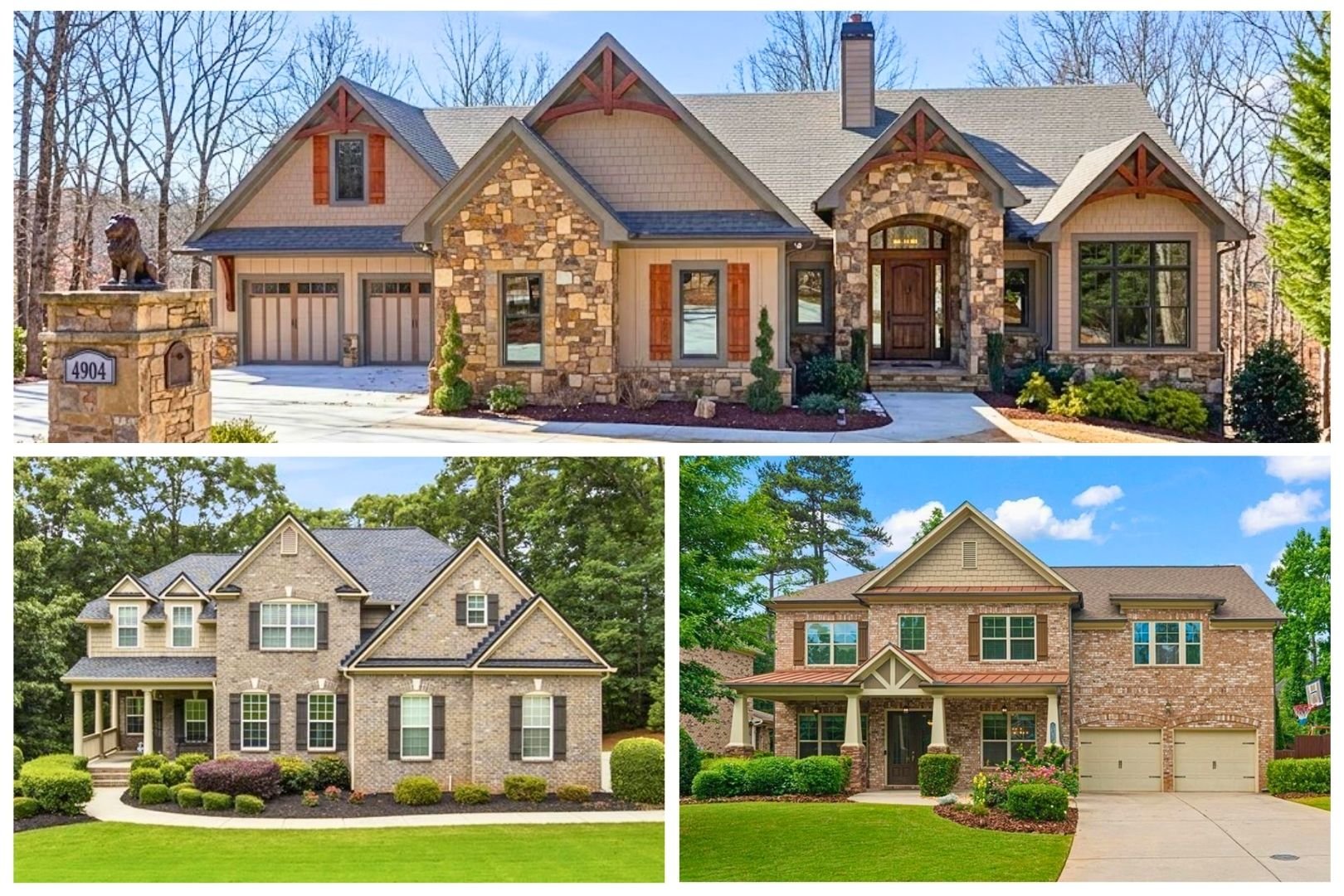
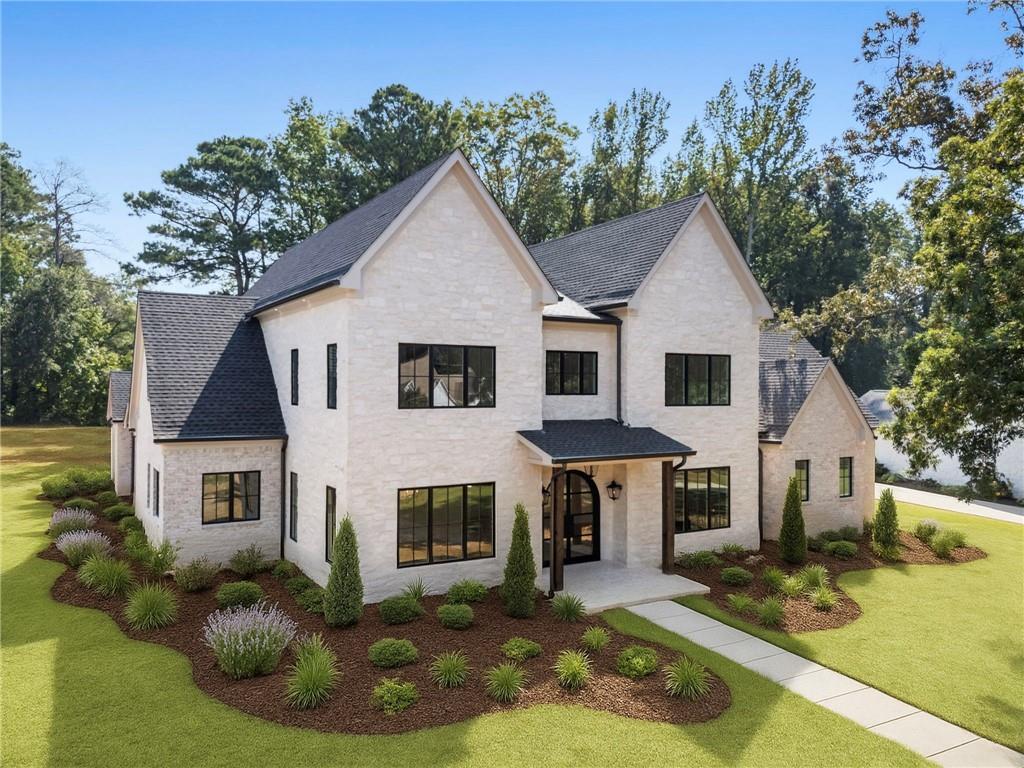
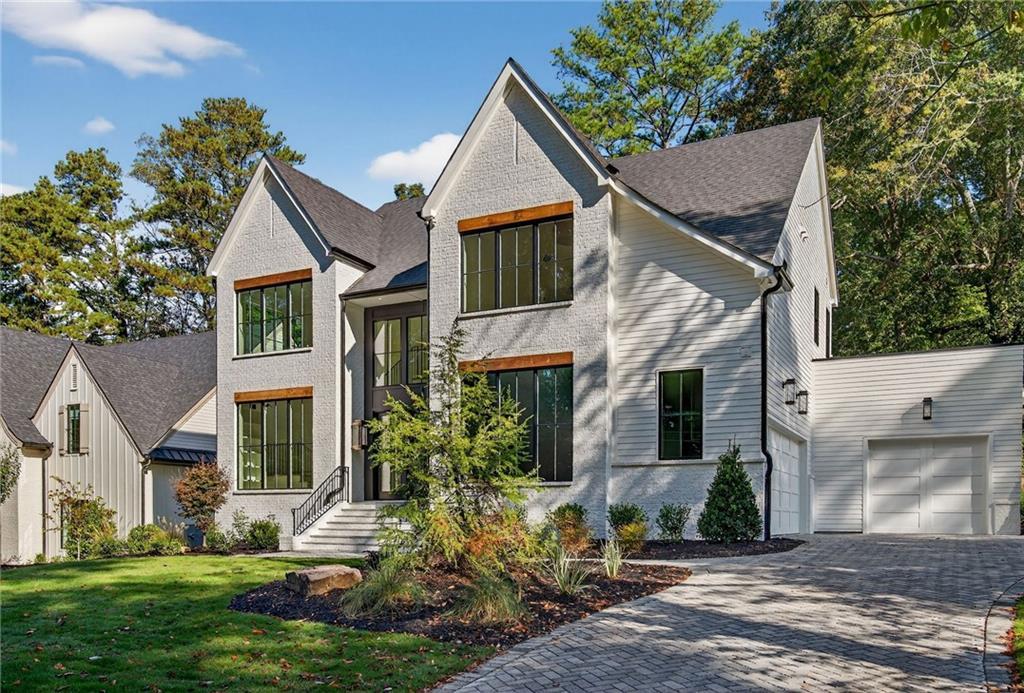
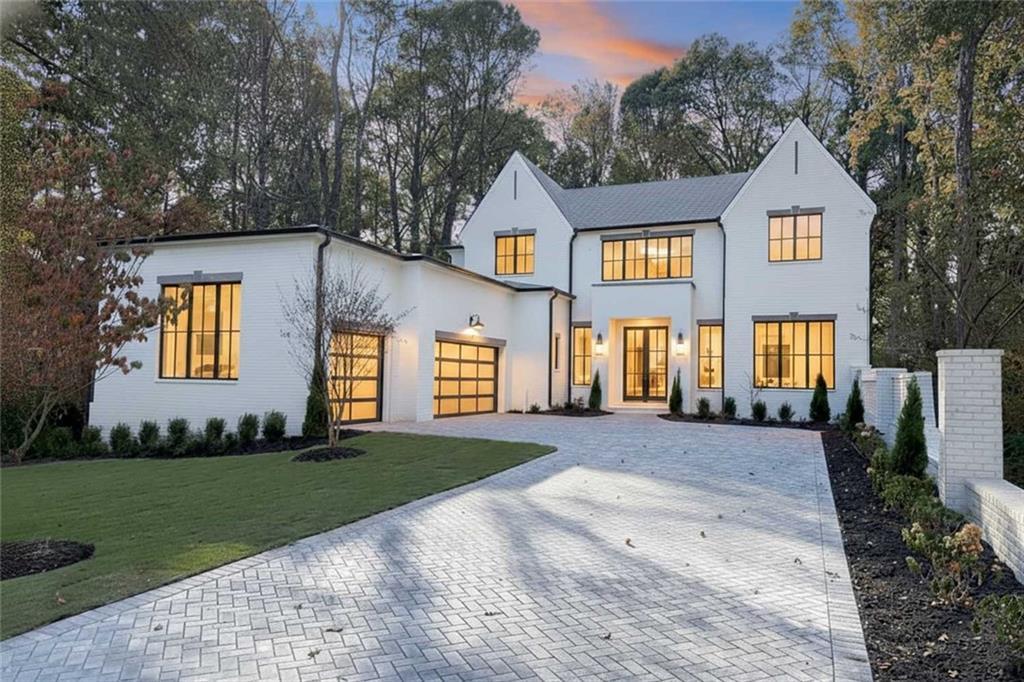
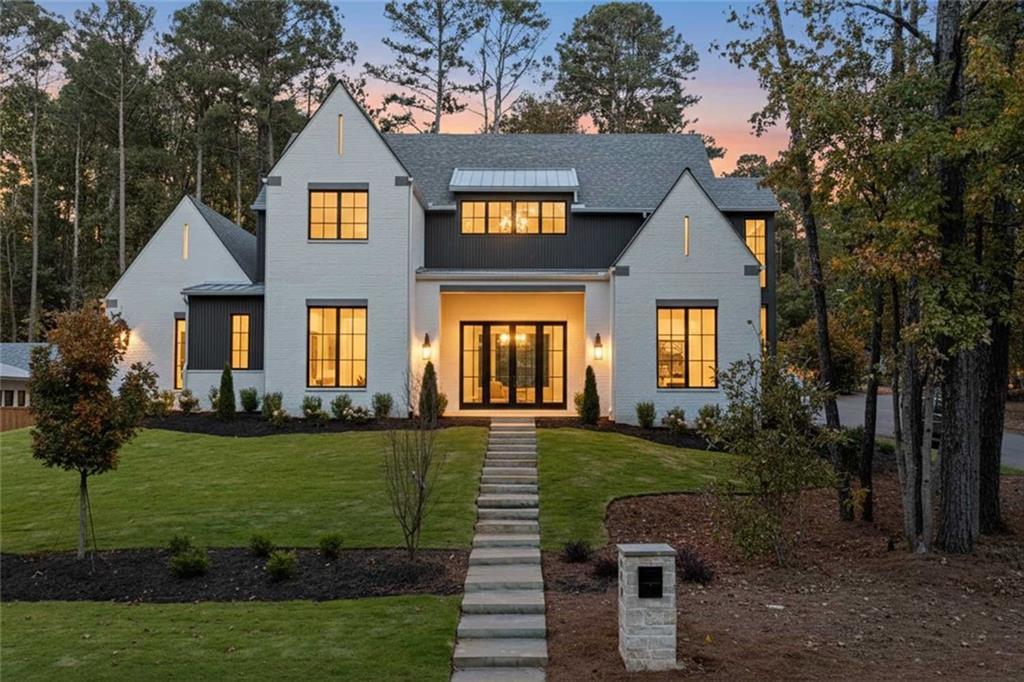
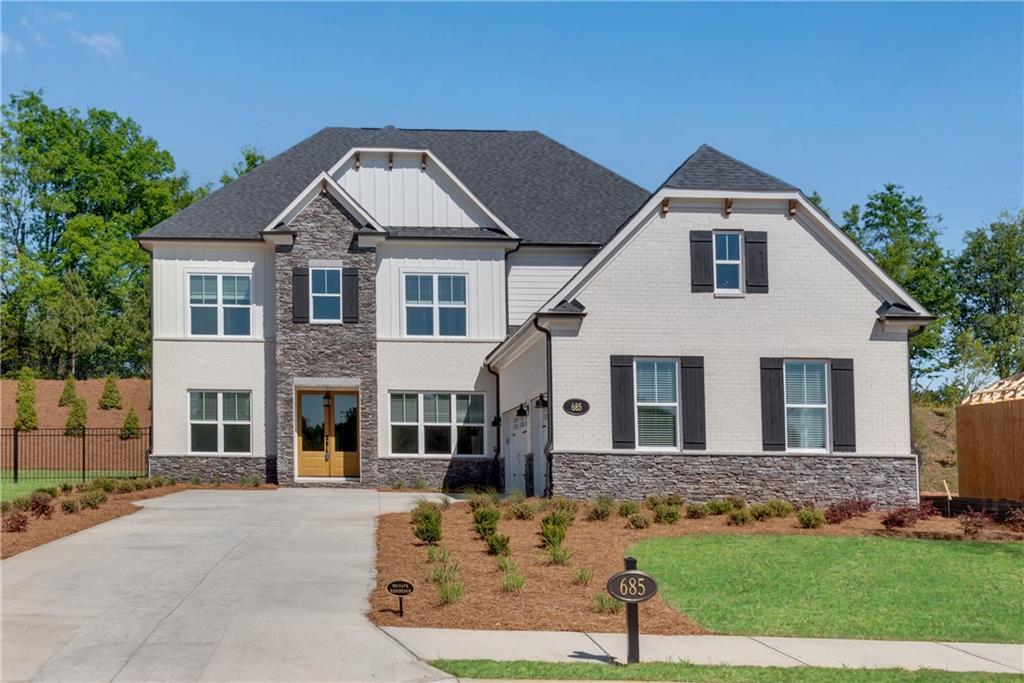
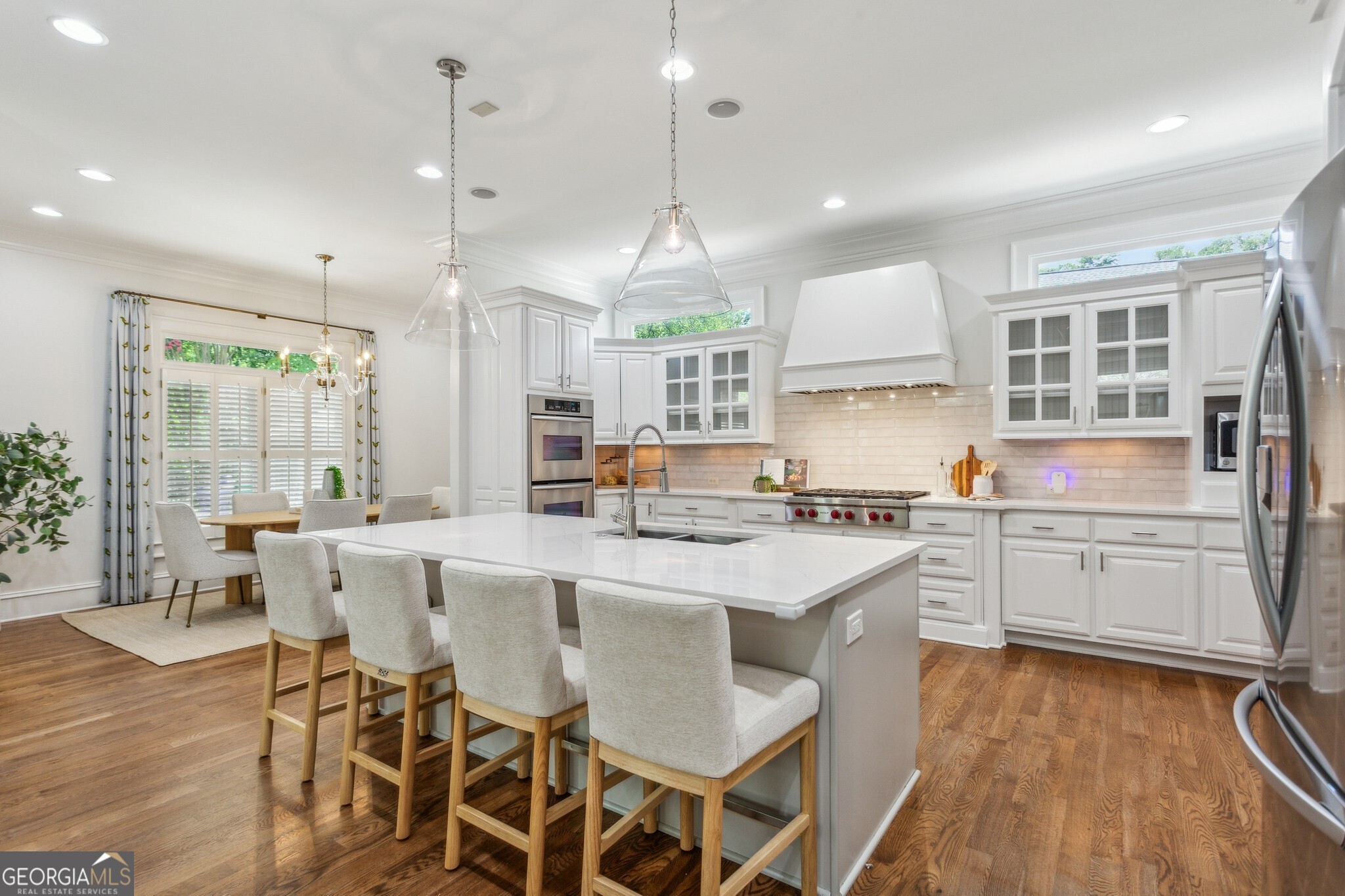
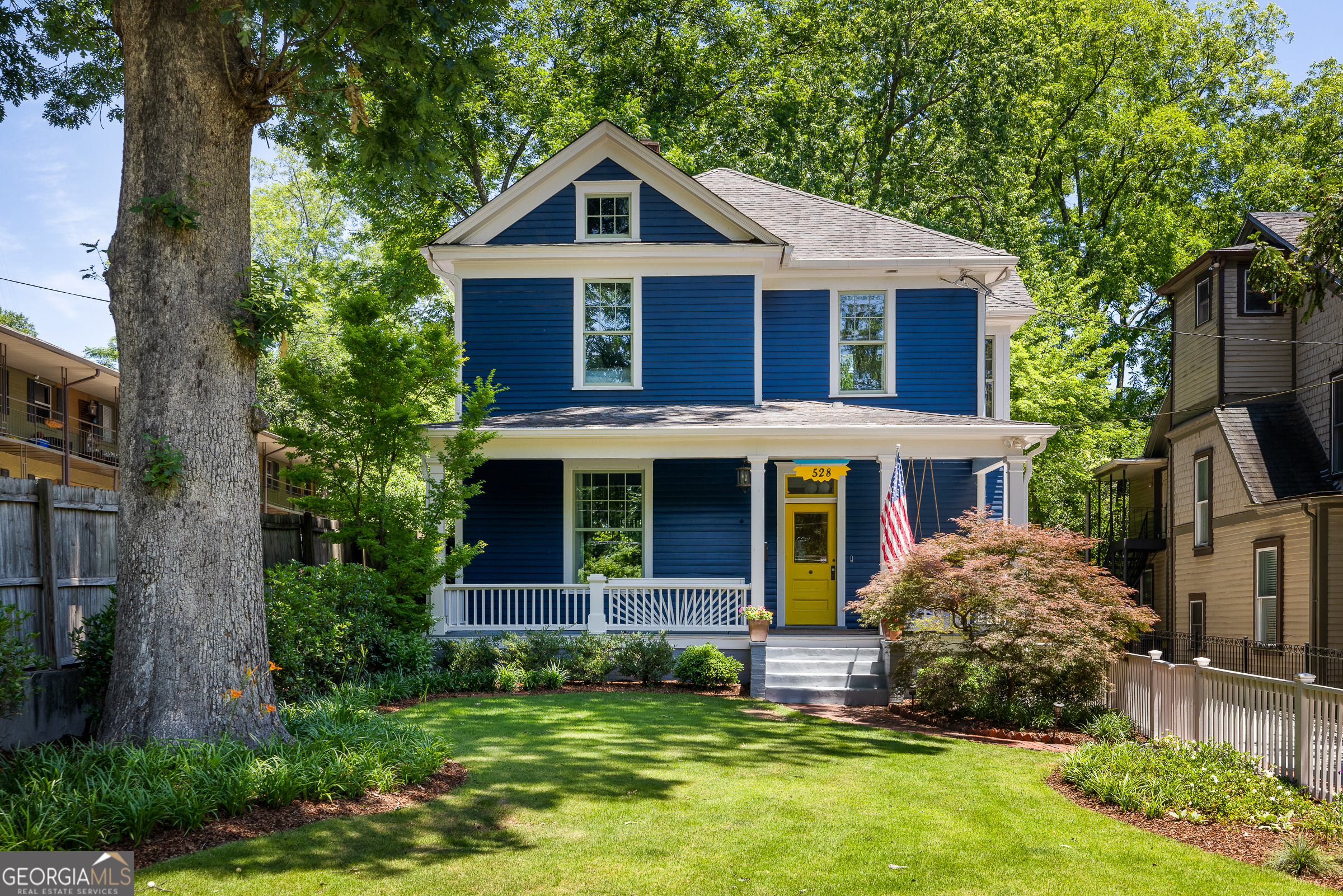
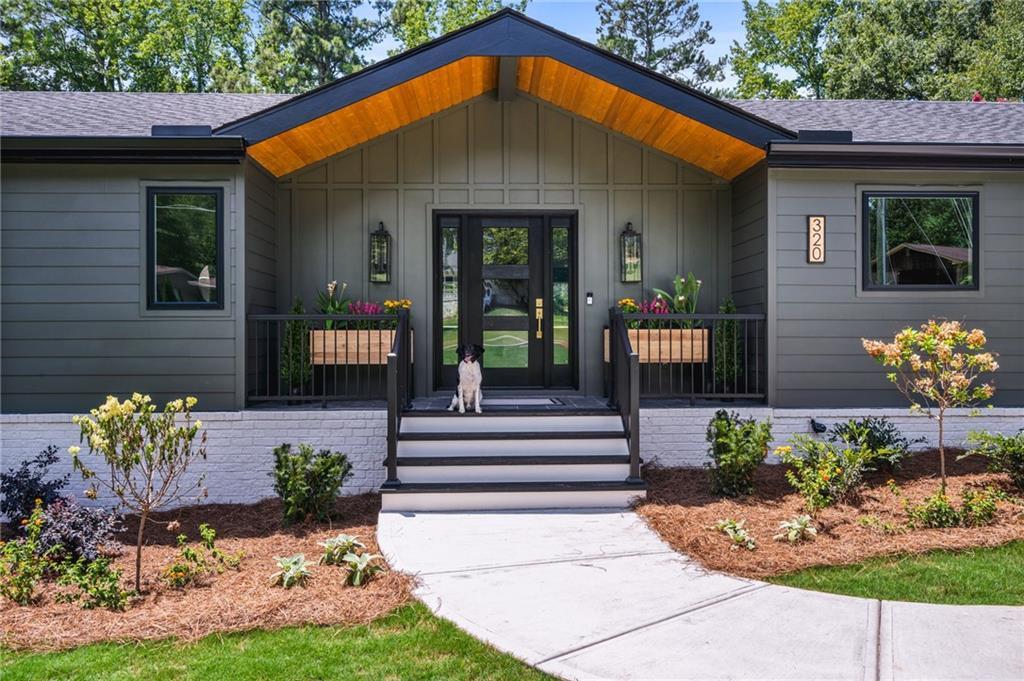
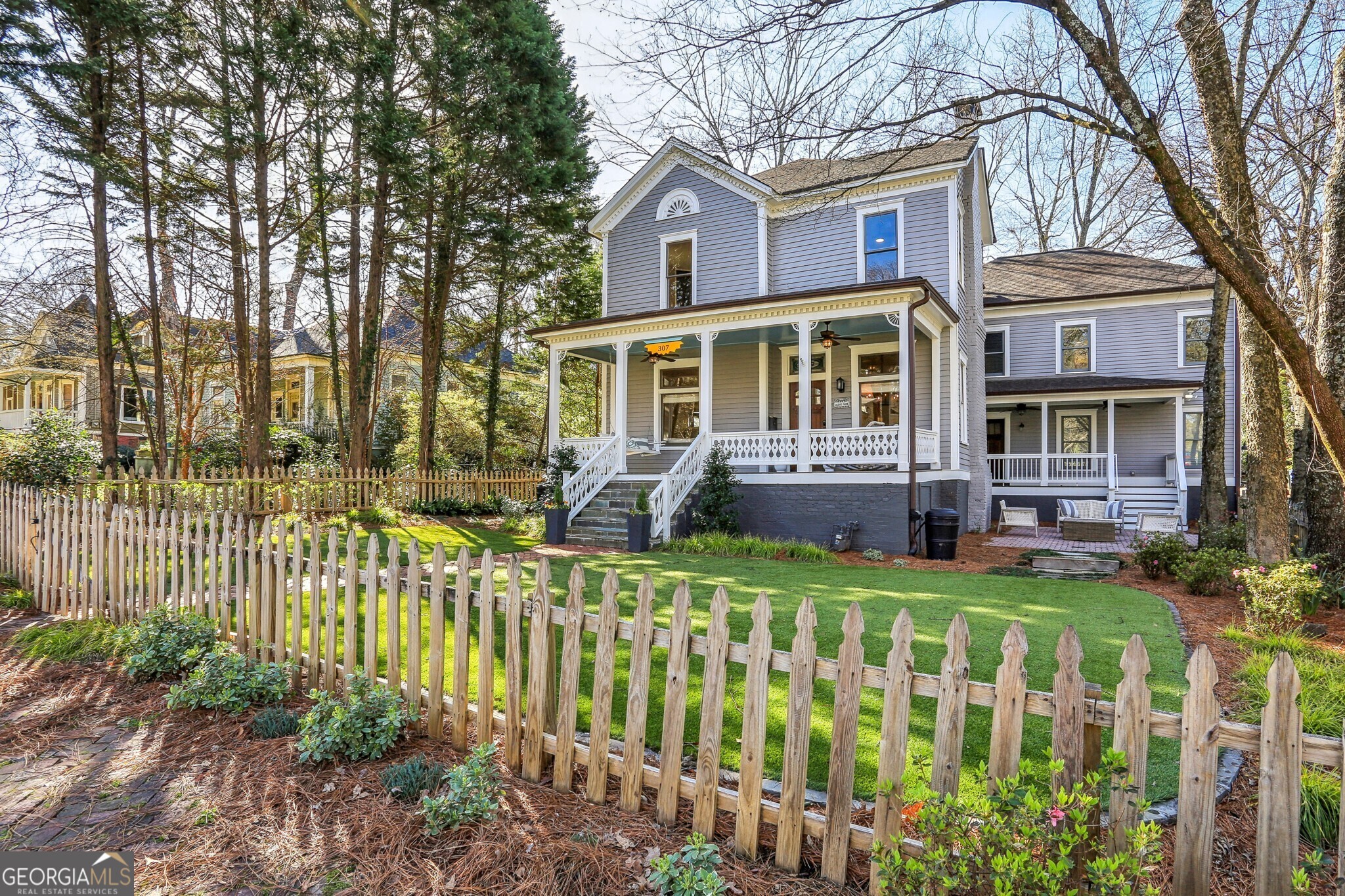
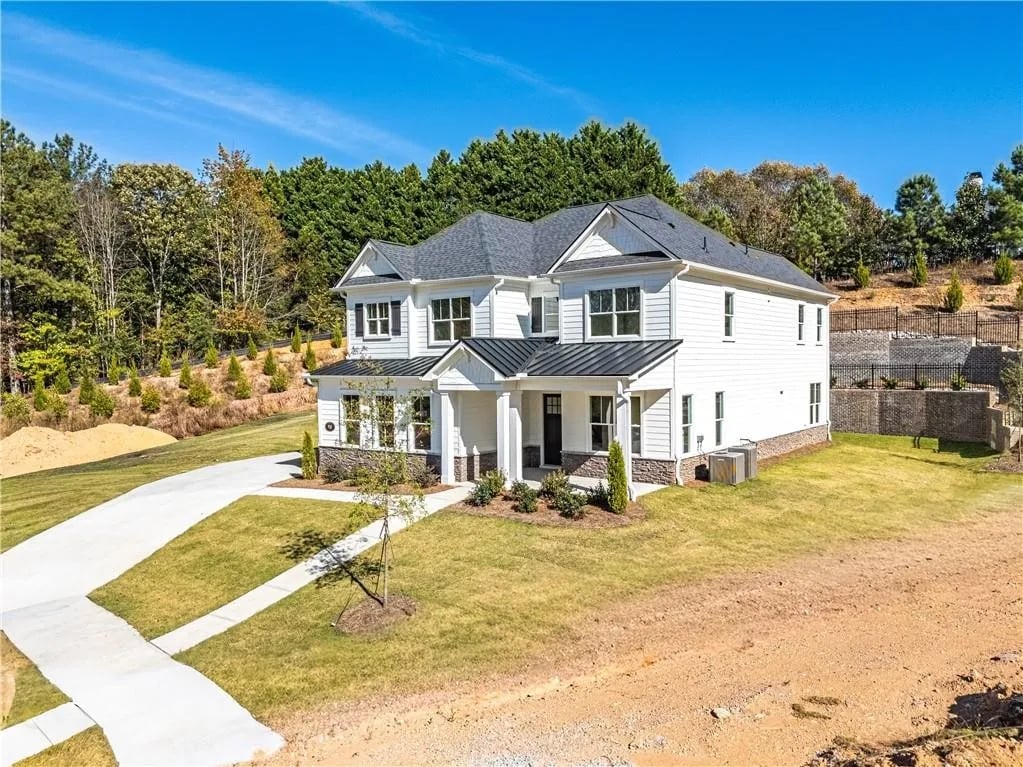
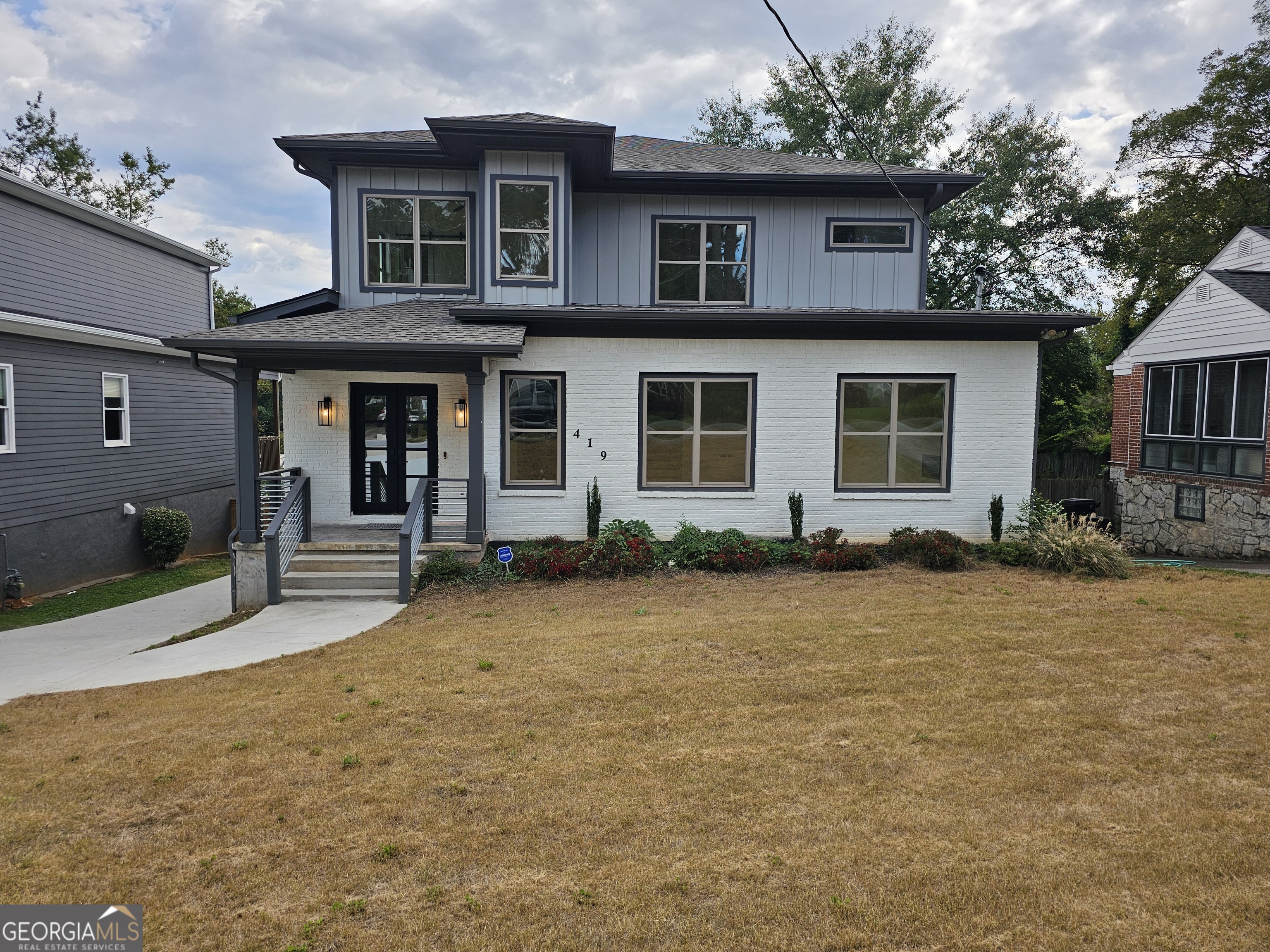
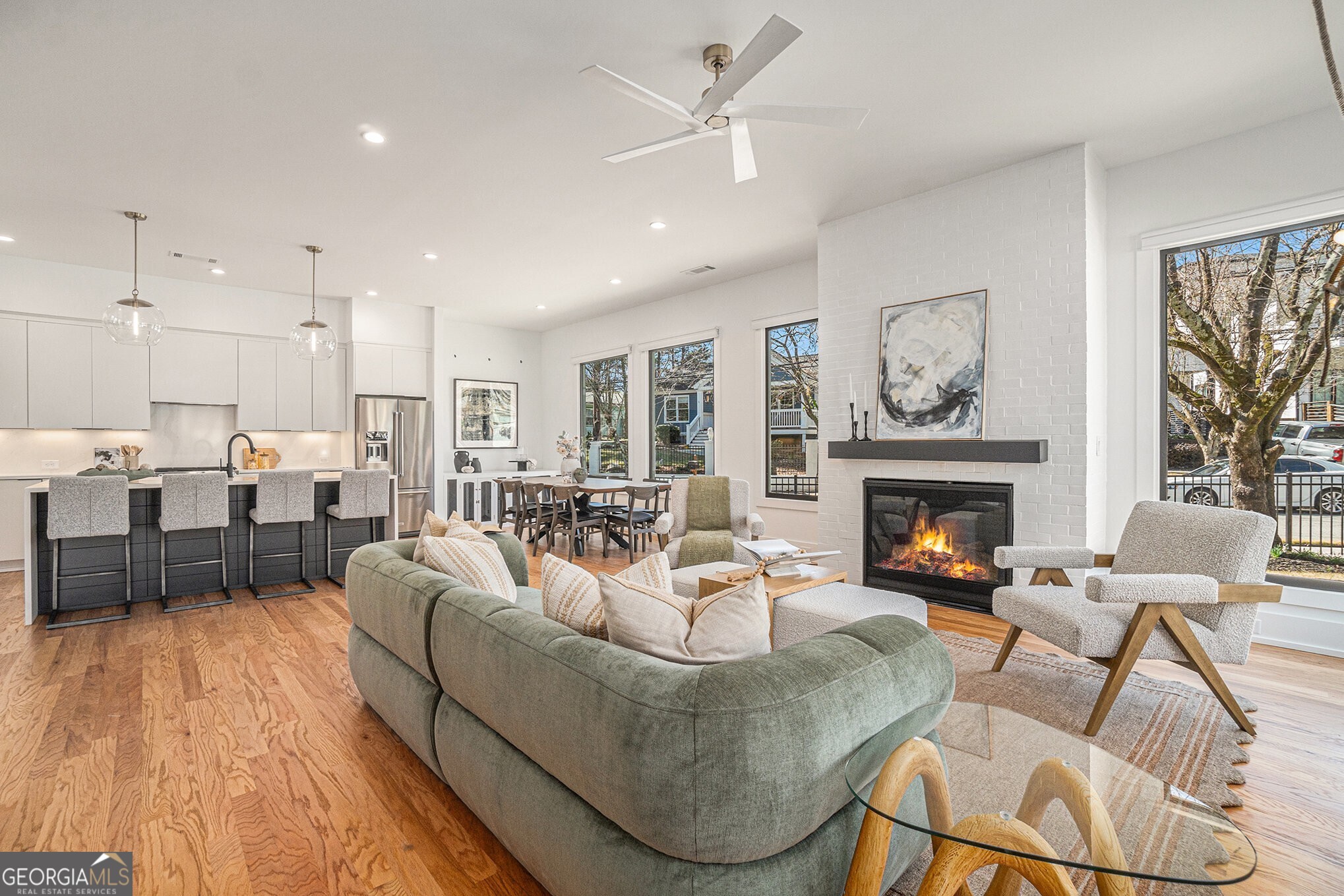
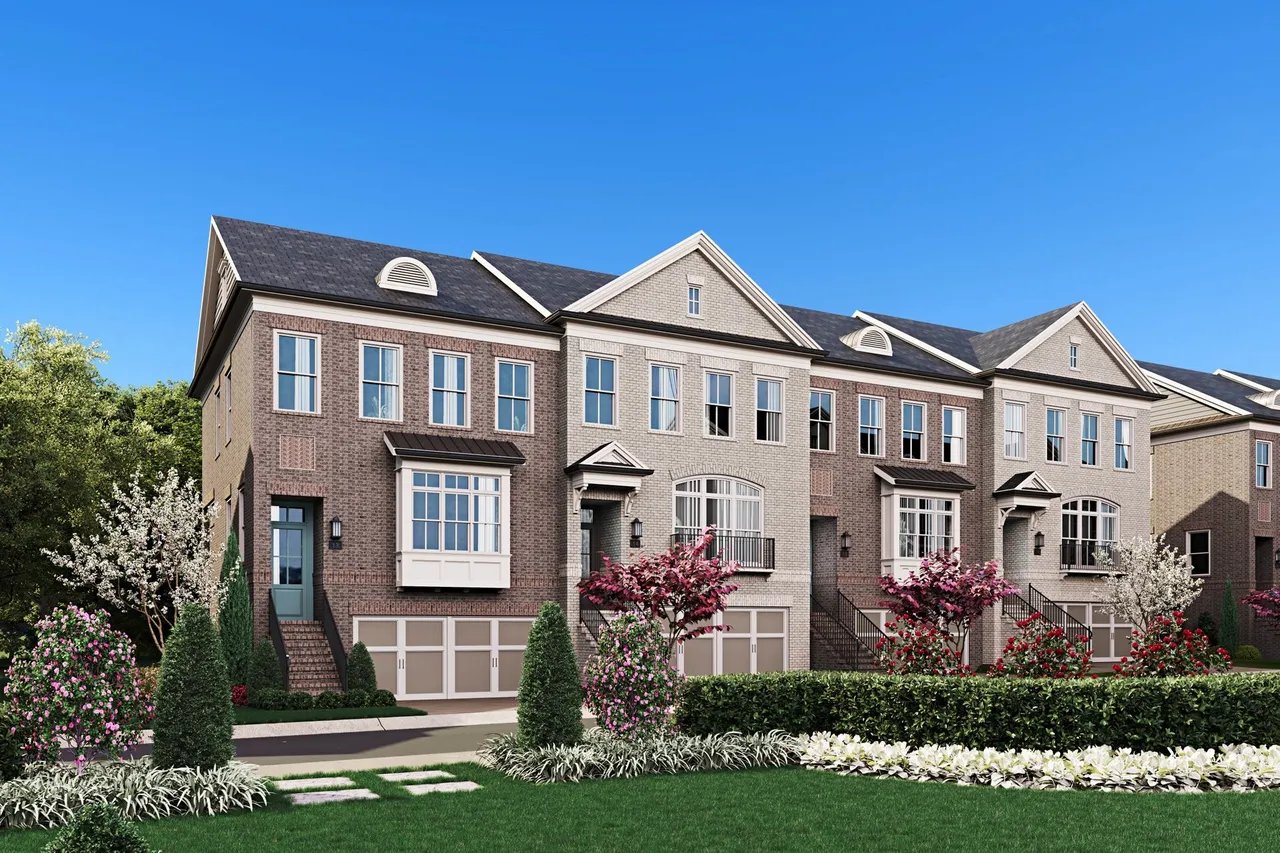
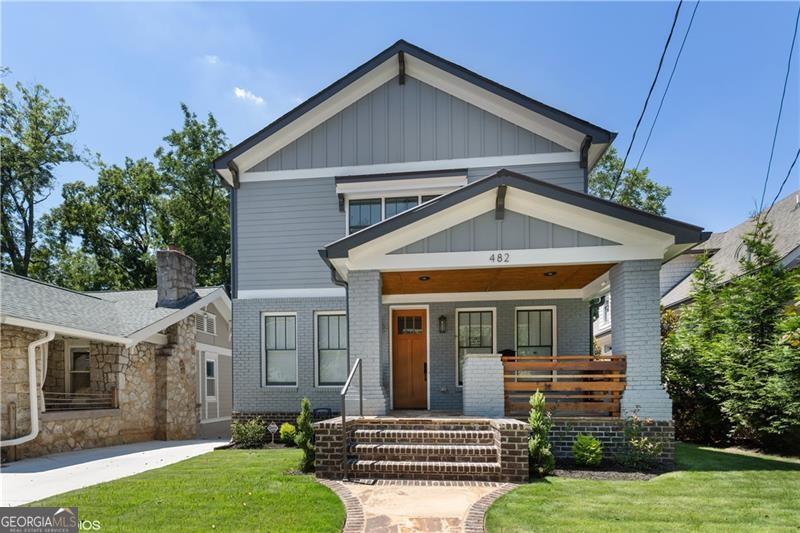
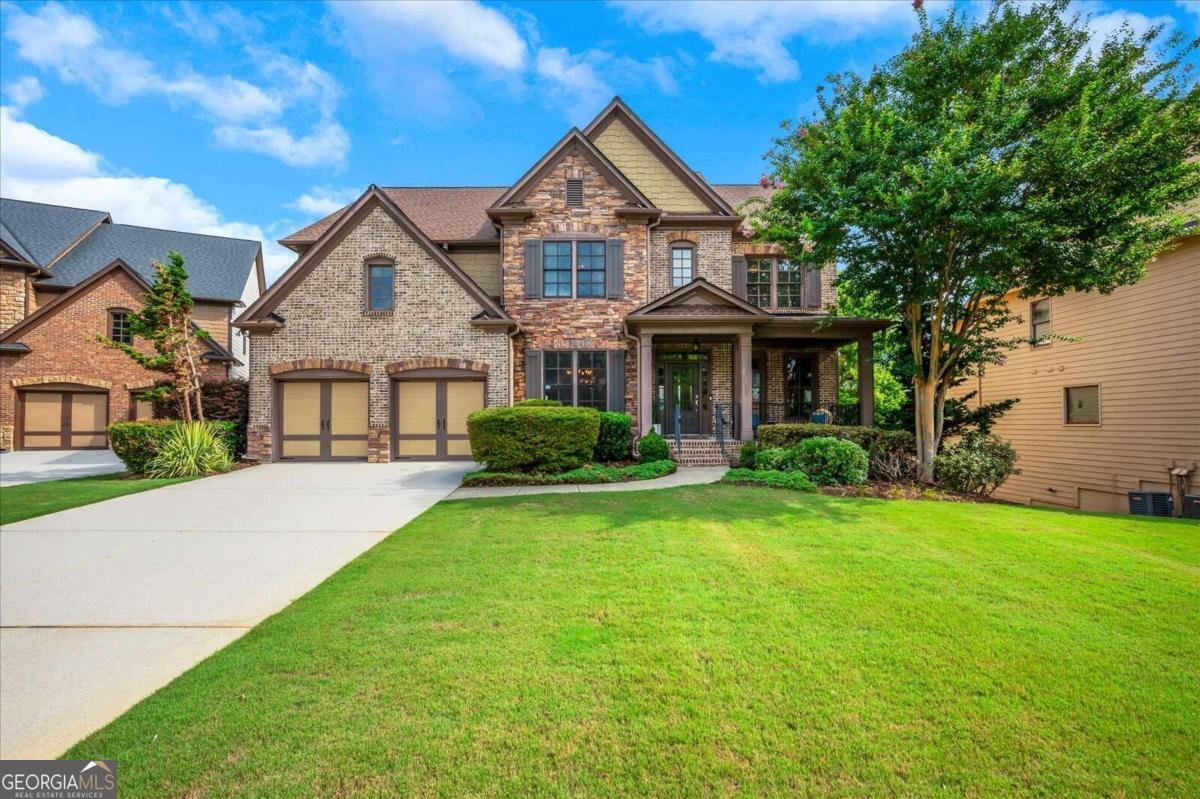
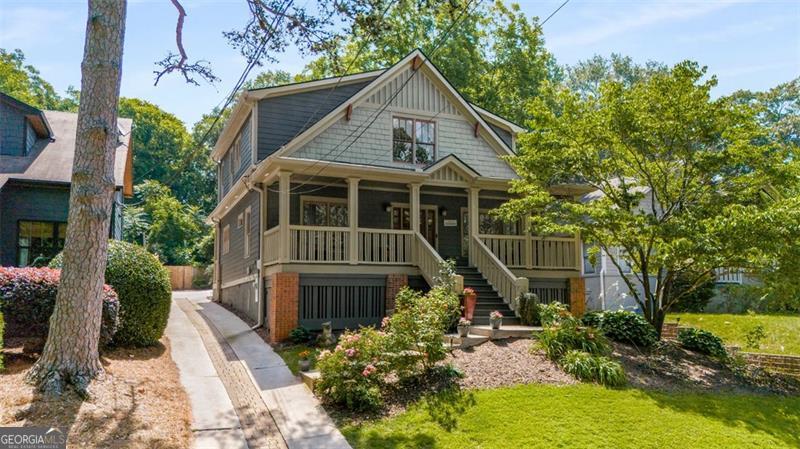
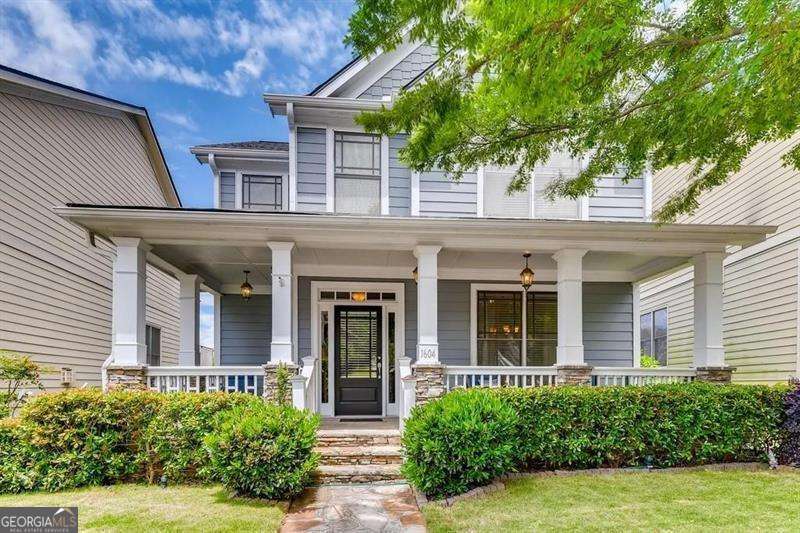
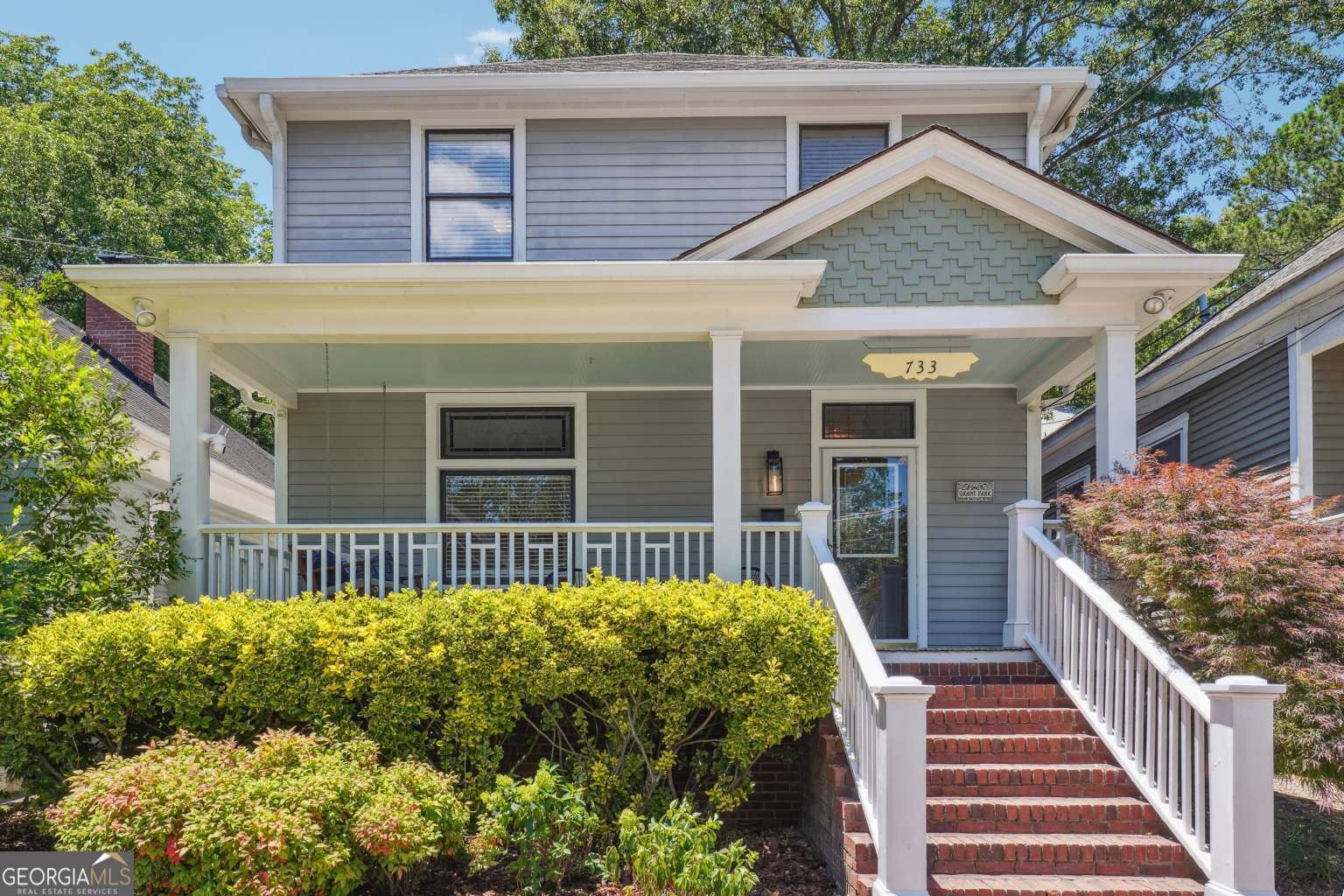
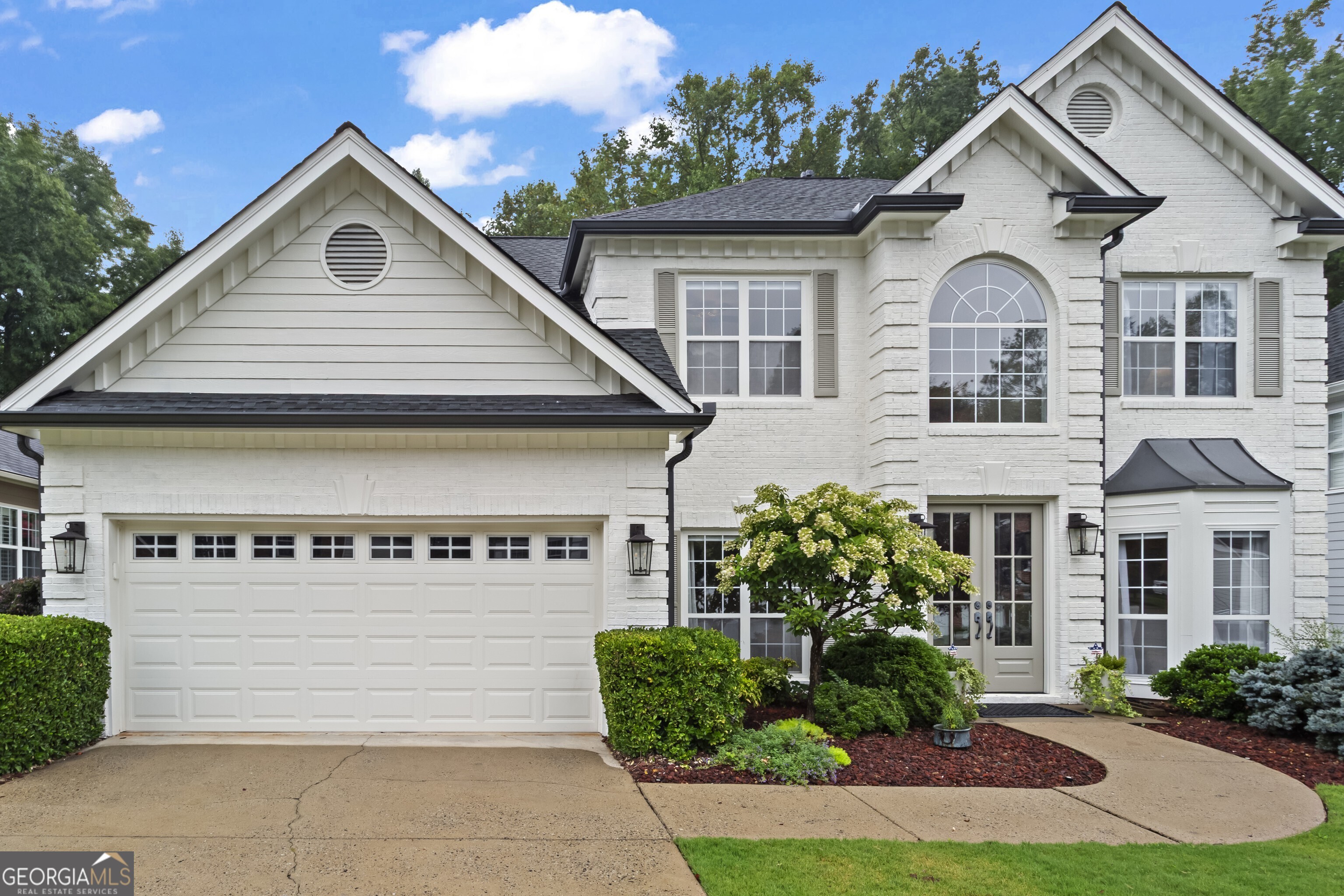
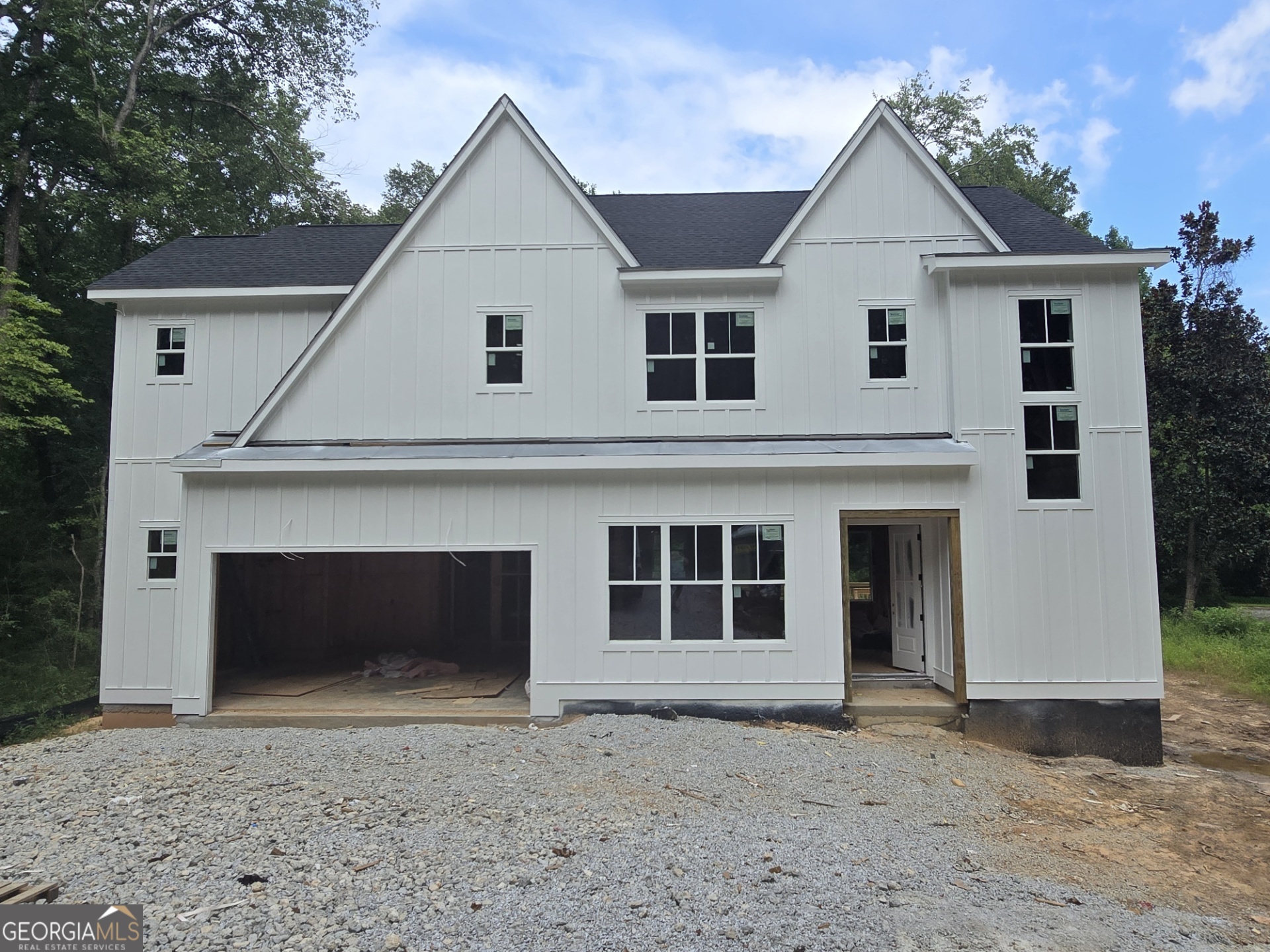
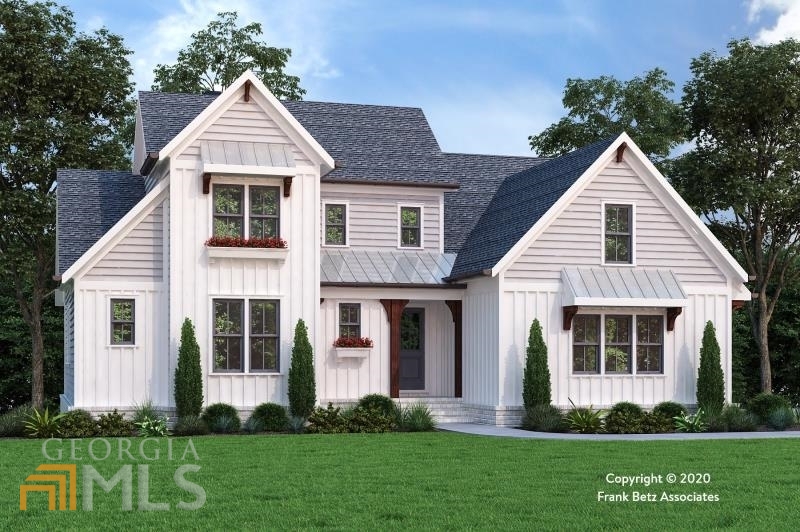
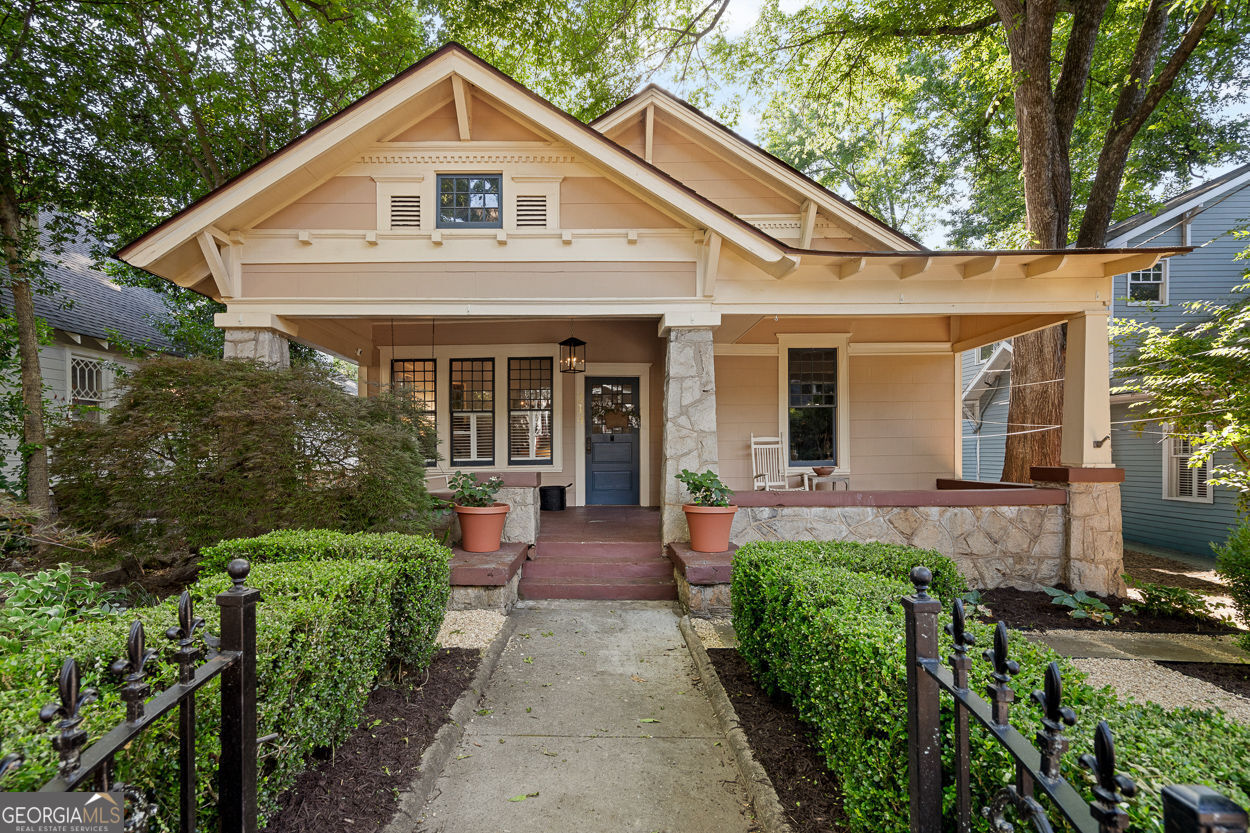
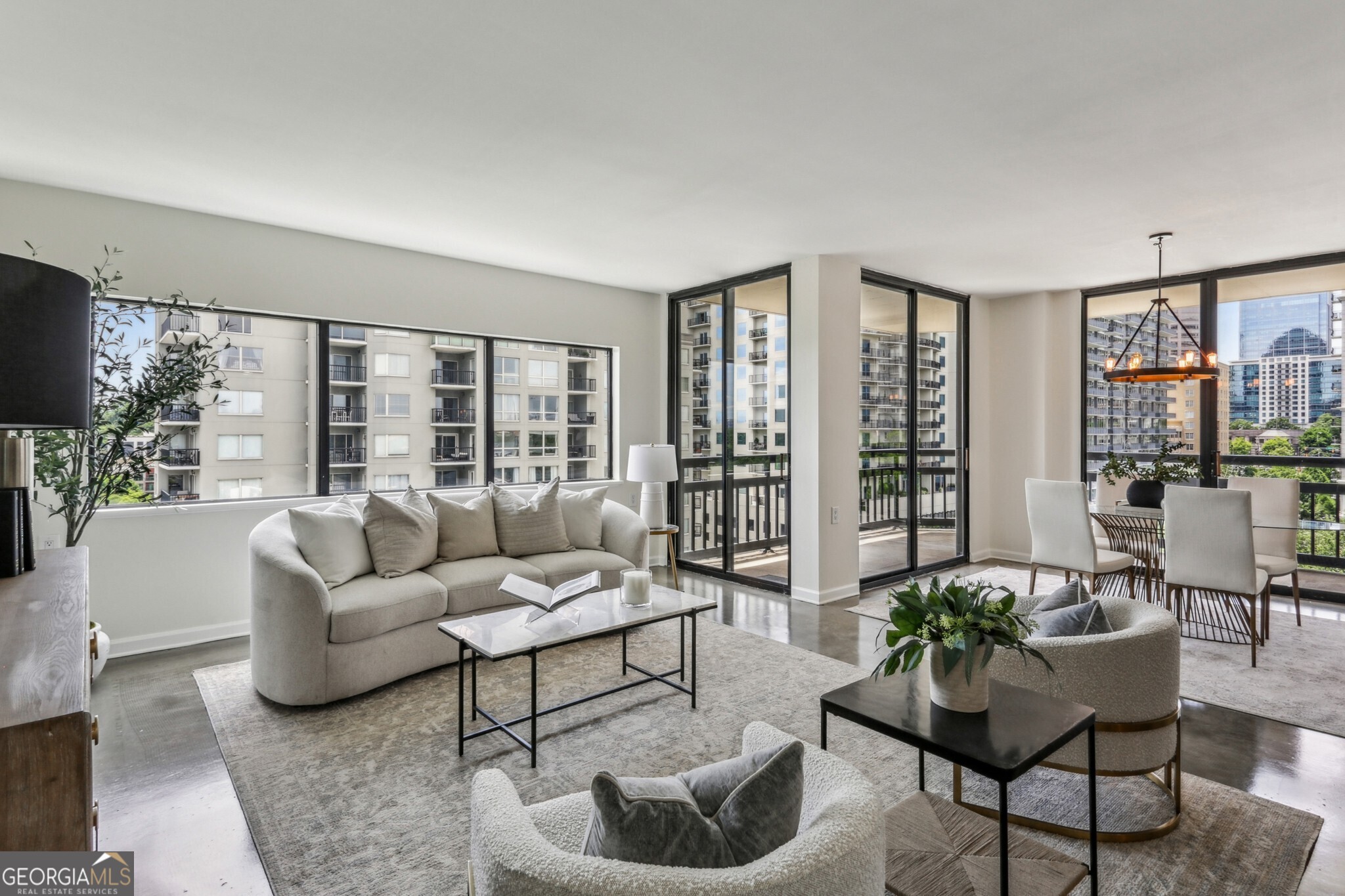
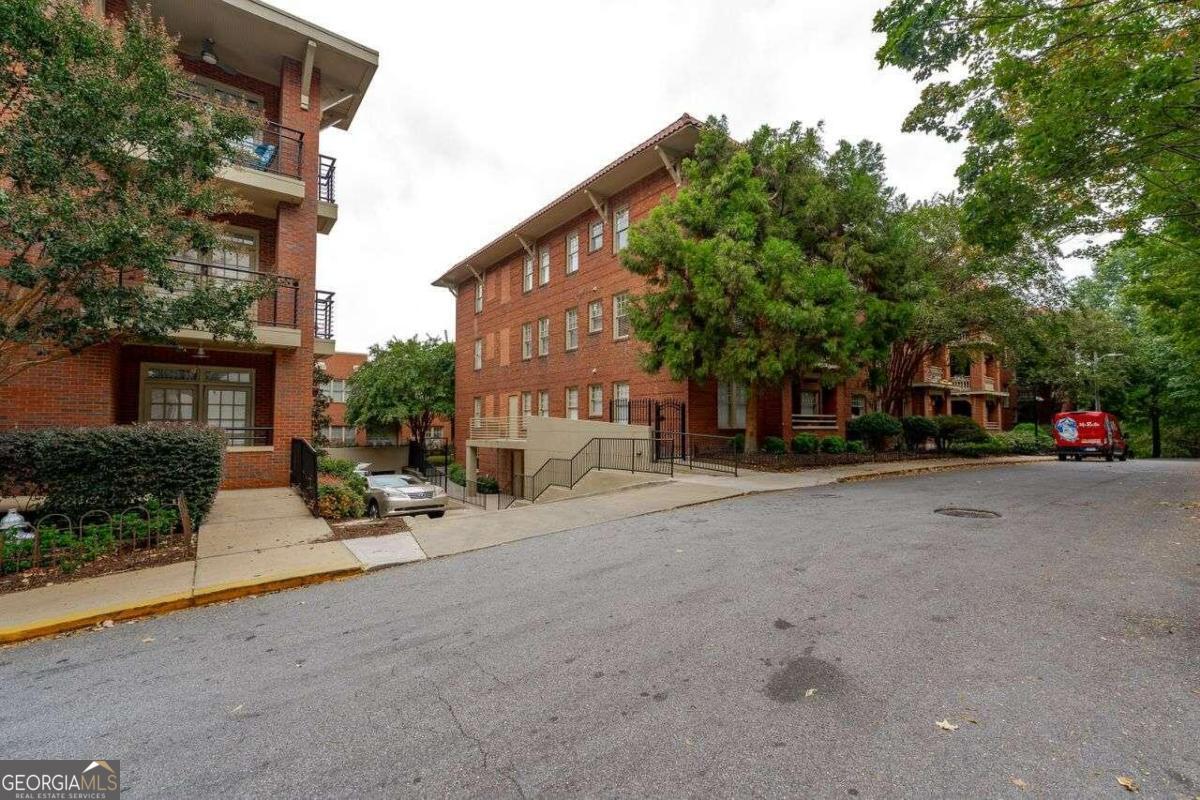
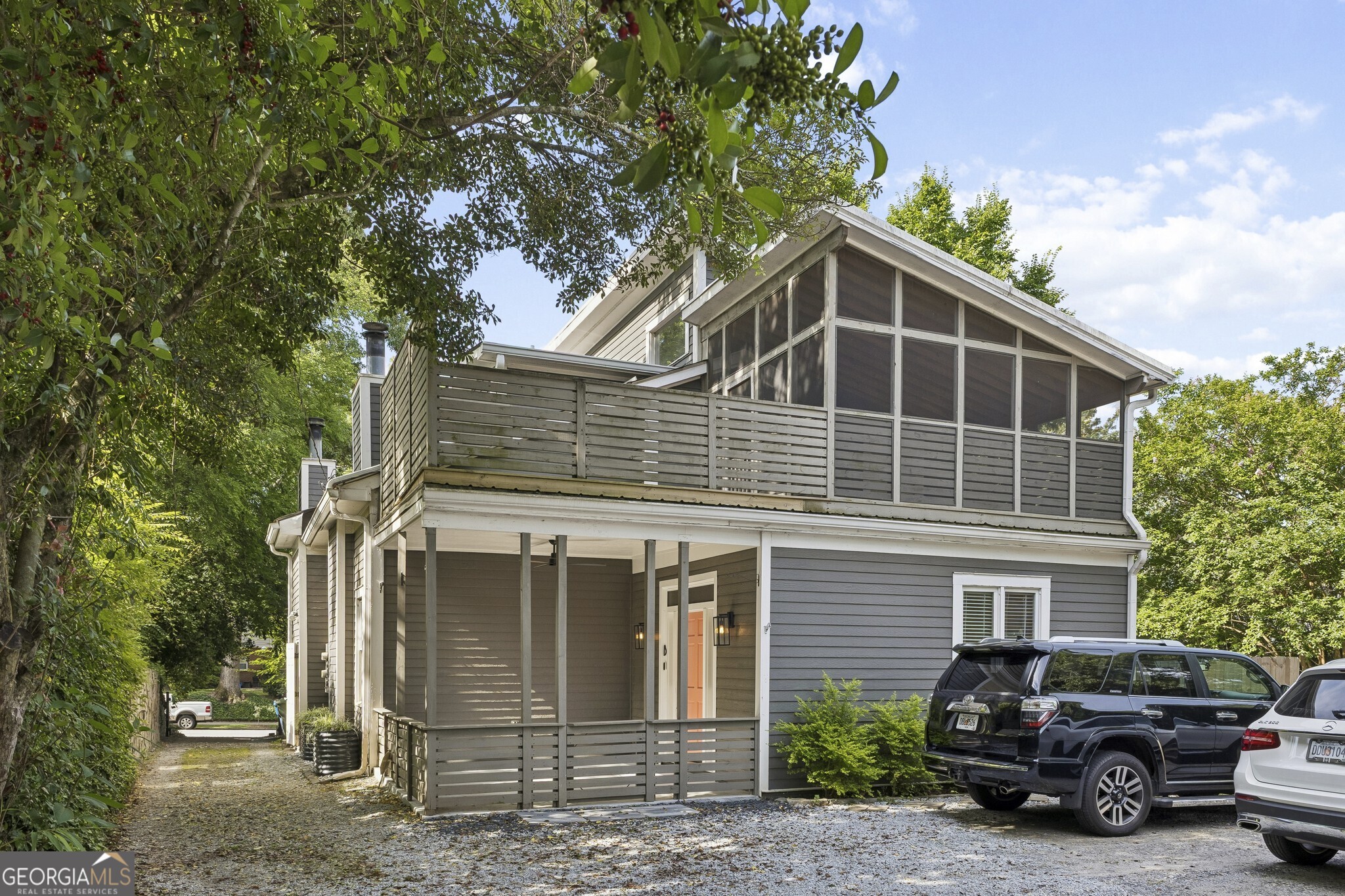
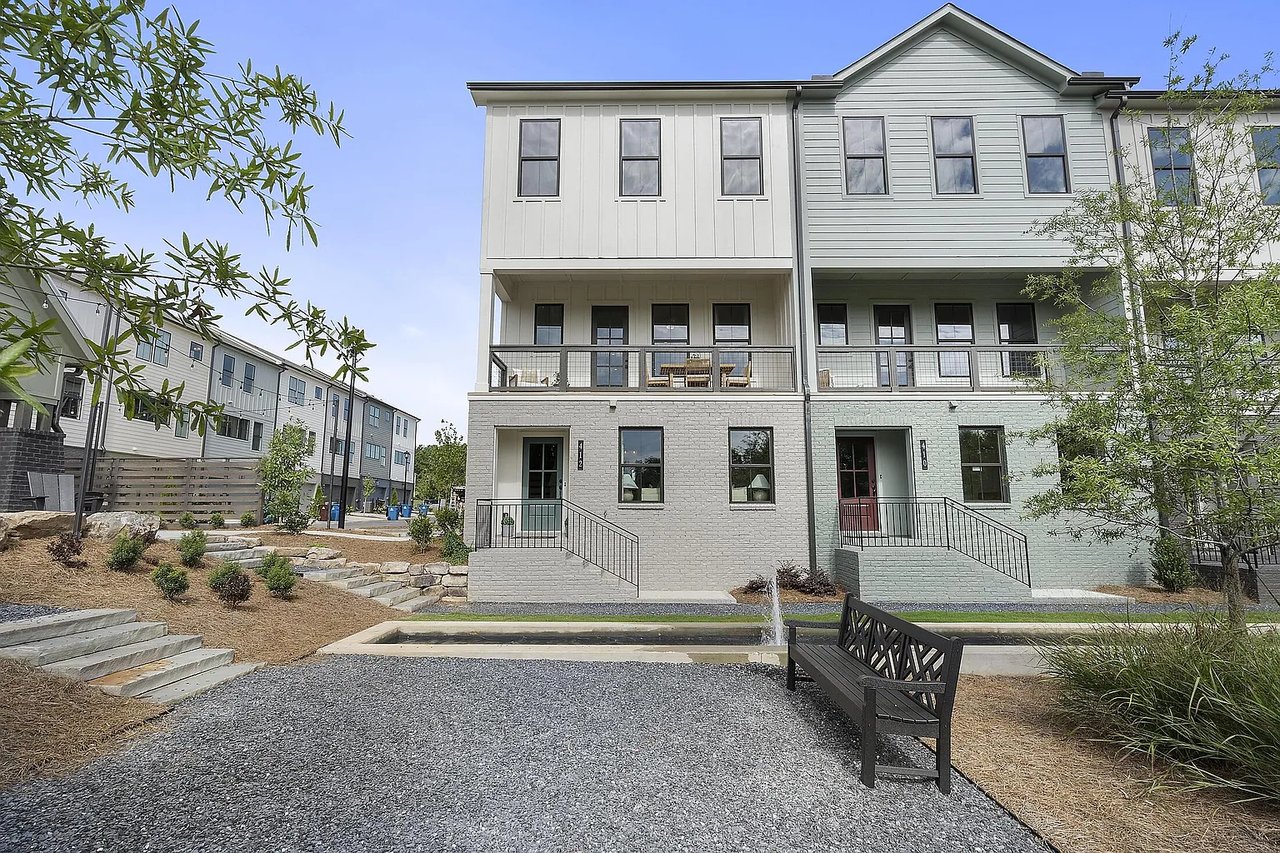
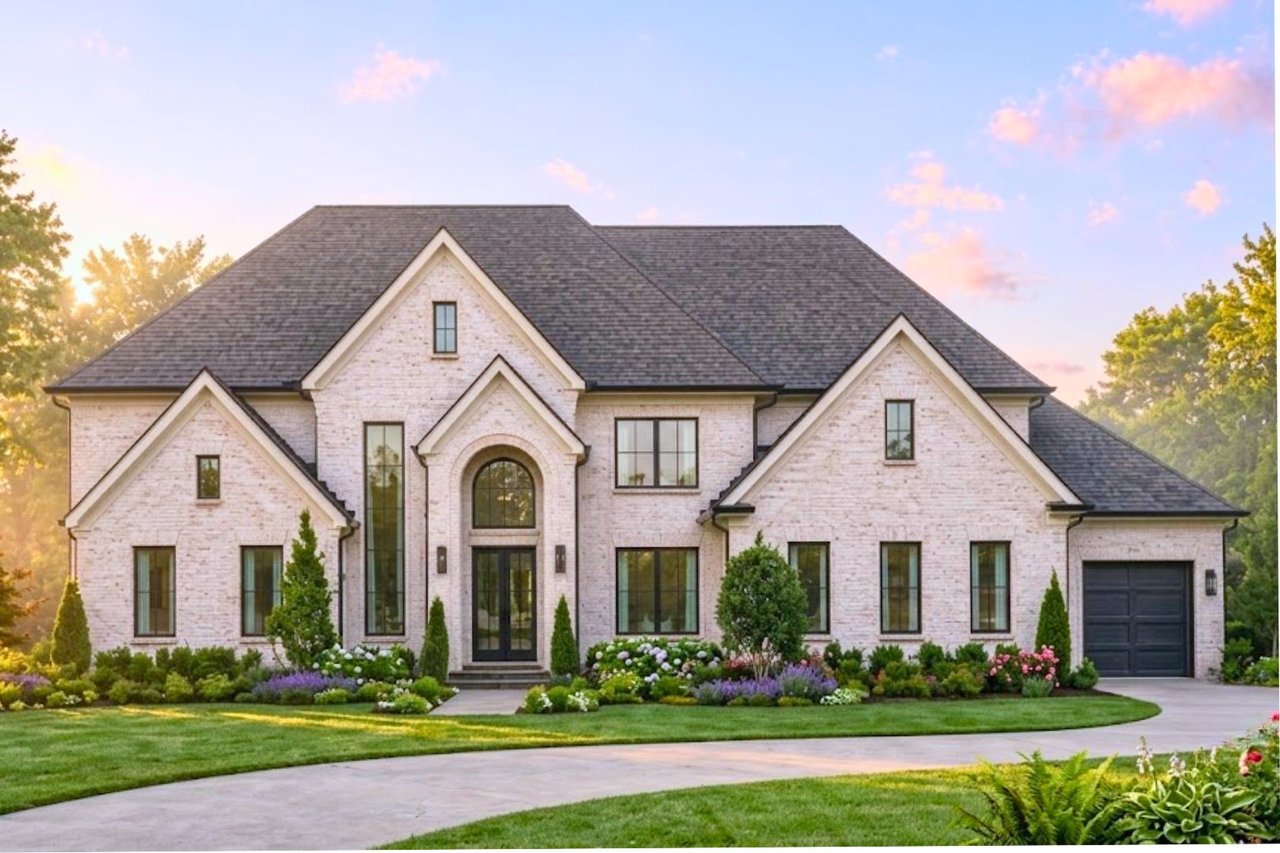
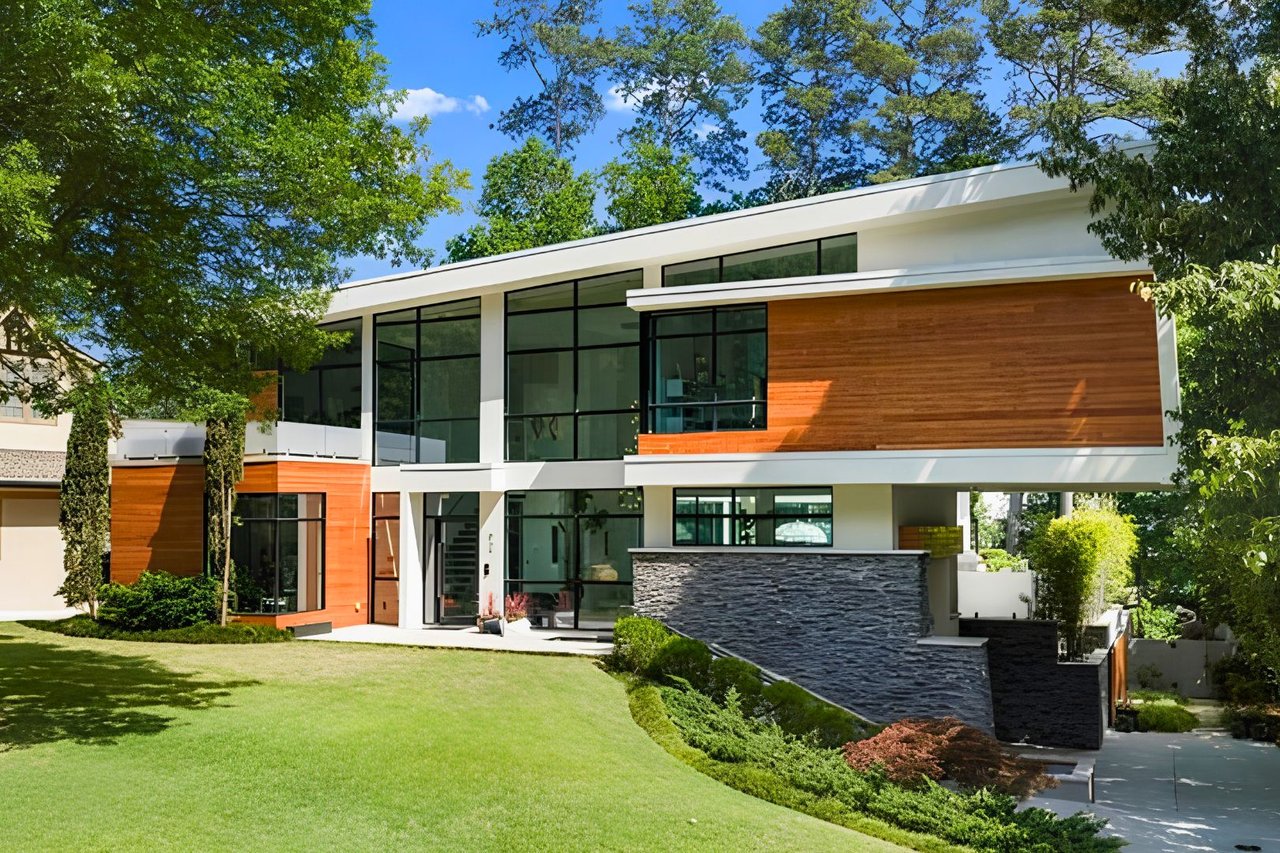
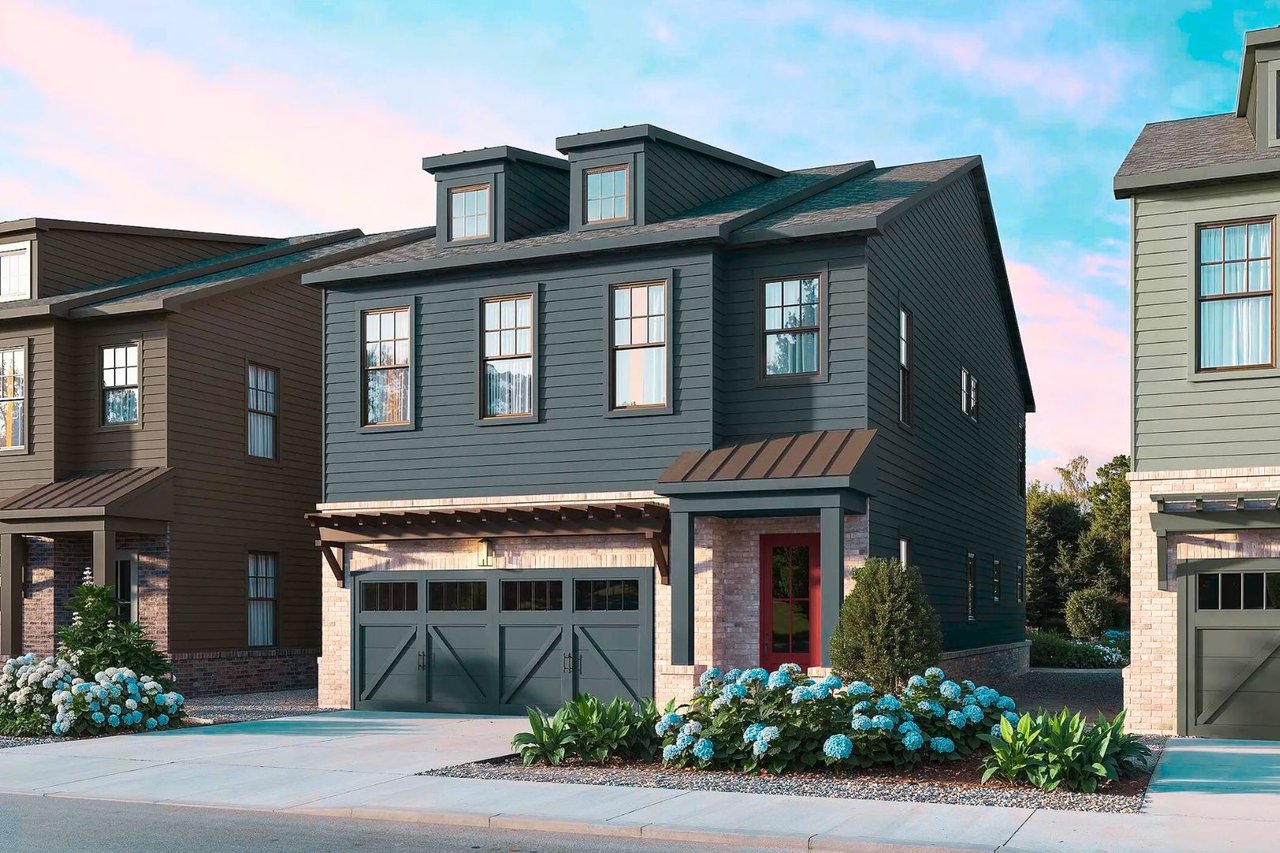
The architectural landscape of these two cities reflects their historical development eras. Dunwoody offers established, mid-century charm, while Alpharetta leans toward modern luxury, new construction, and master-planned convenience.
16 days is the median time a home spends on the market in Dunwoody, highlighting the intense demand and limited inventory in this established suburb.
Alpharetta Housing: Modern Luxury, Townhomes, and Master-Planned Communities
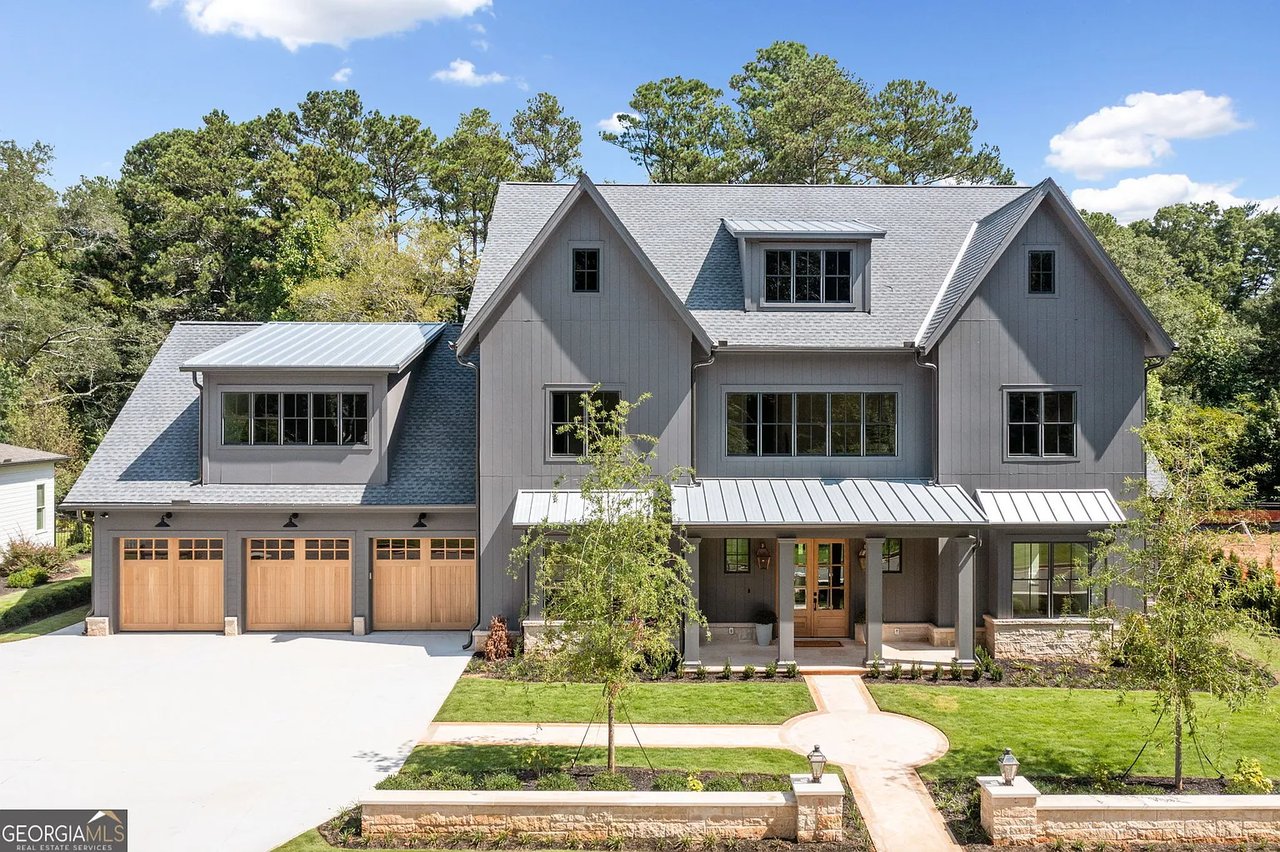
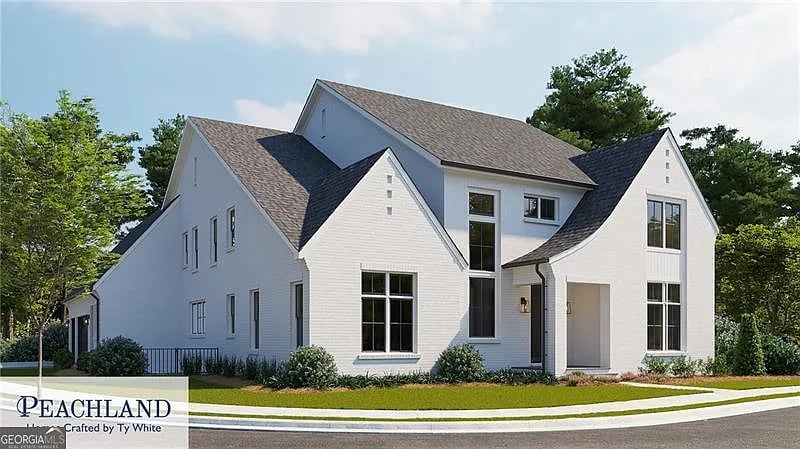
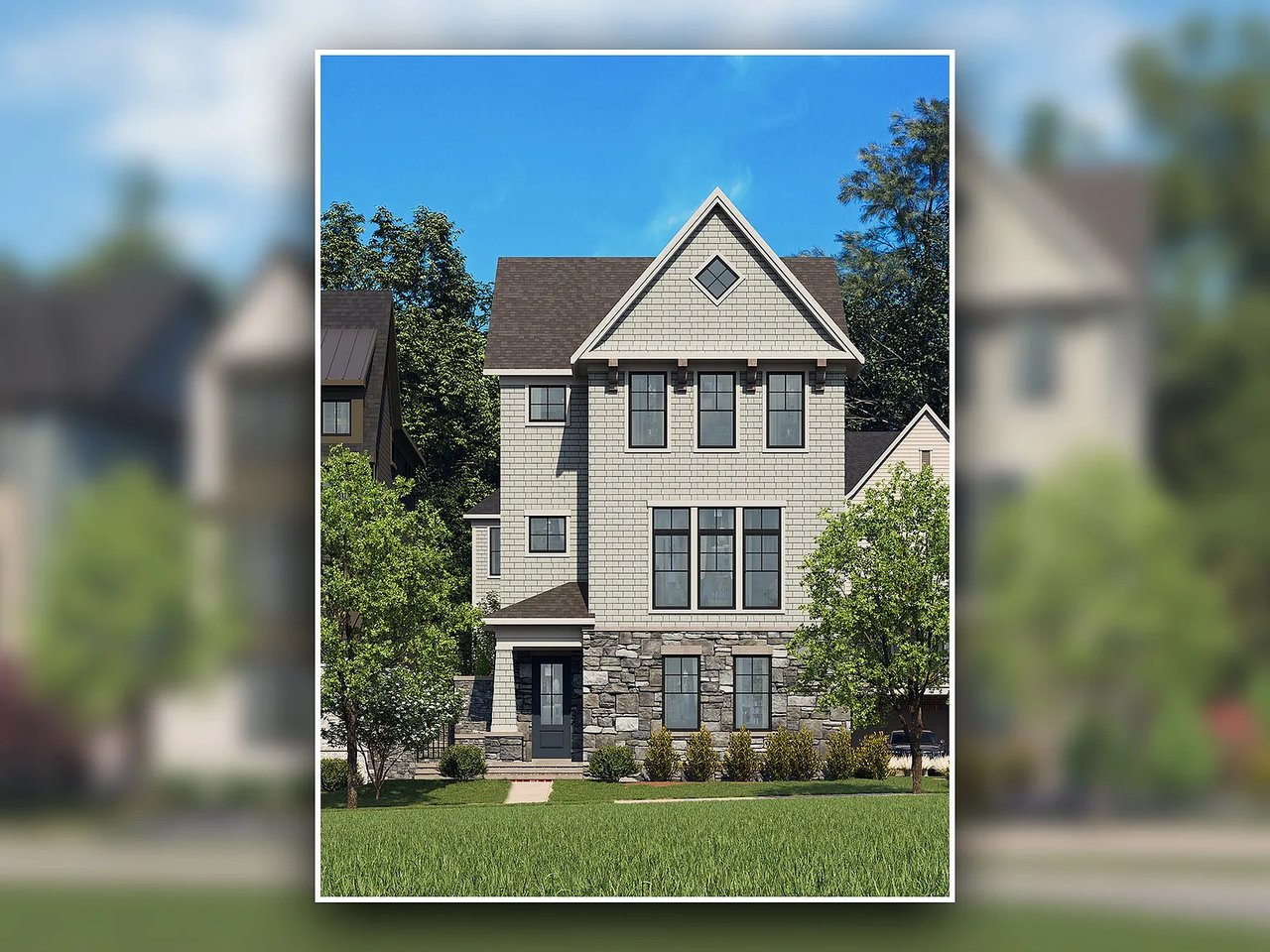
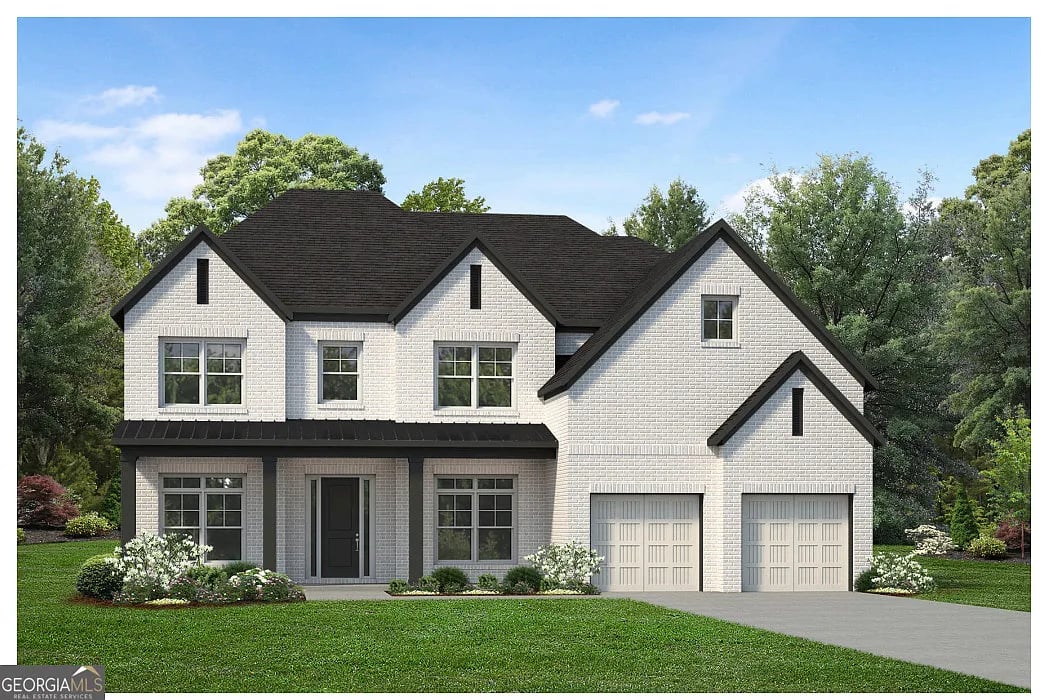
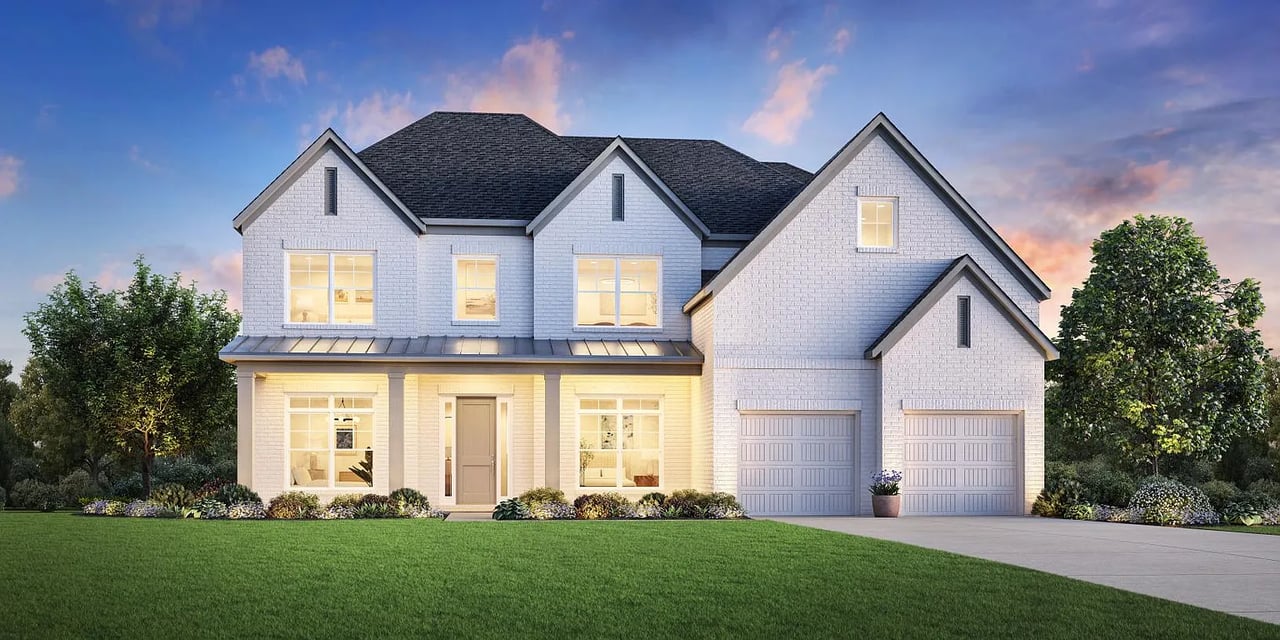
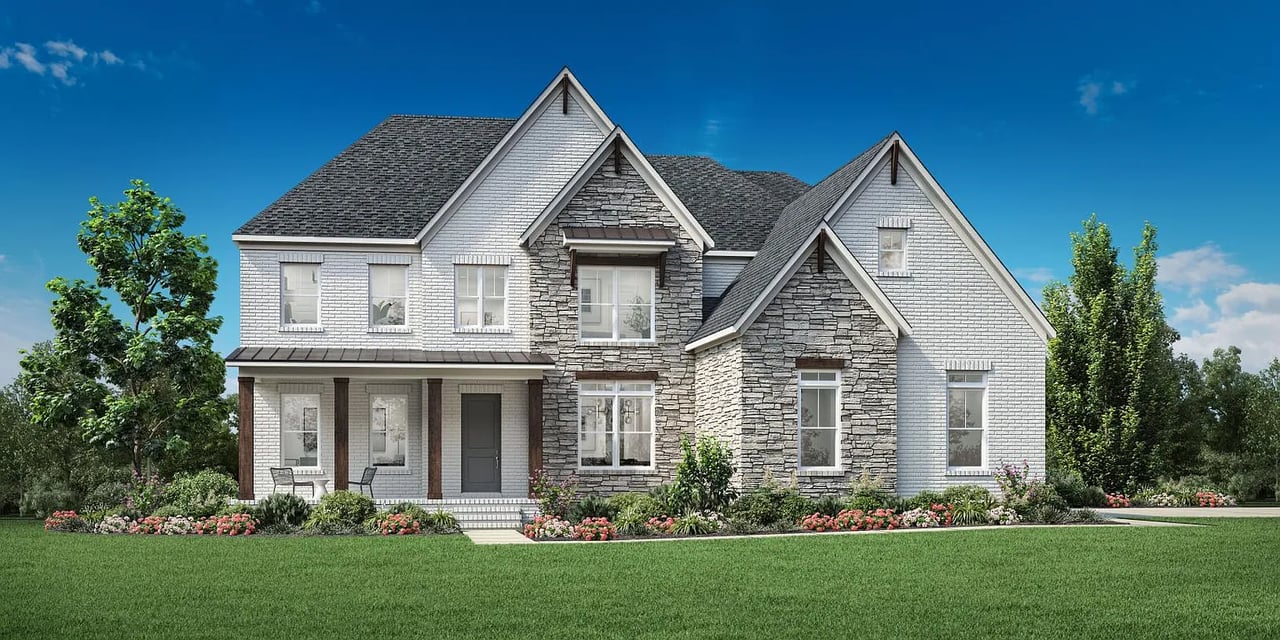
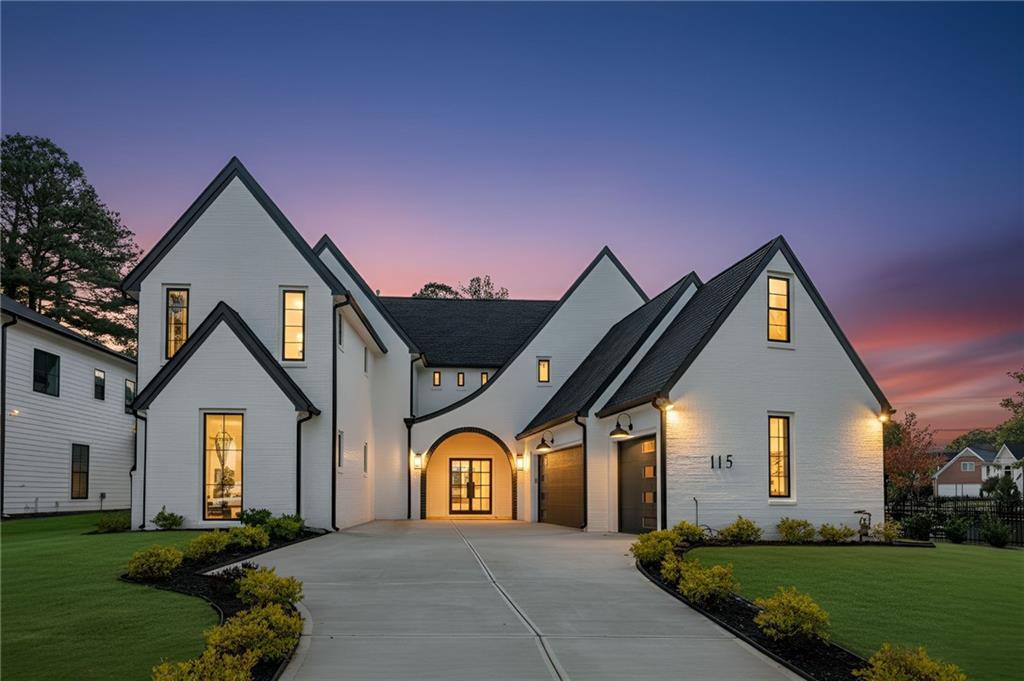
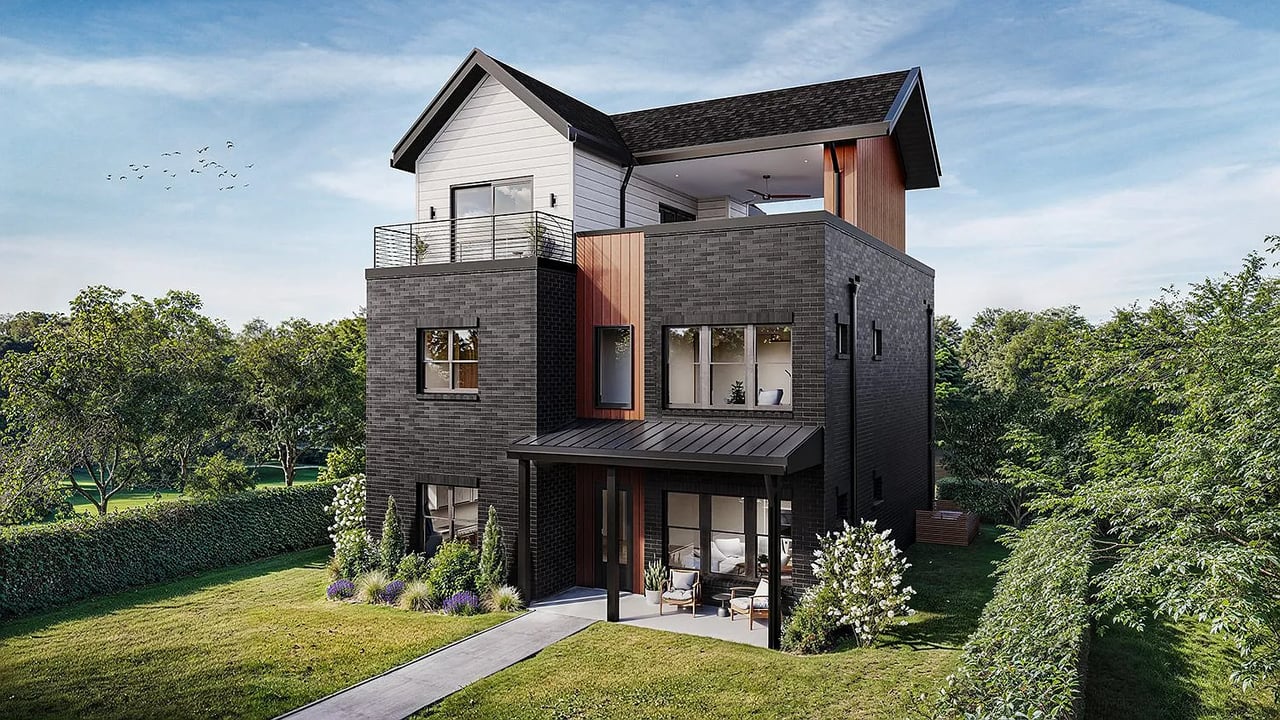
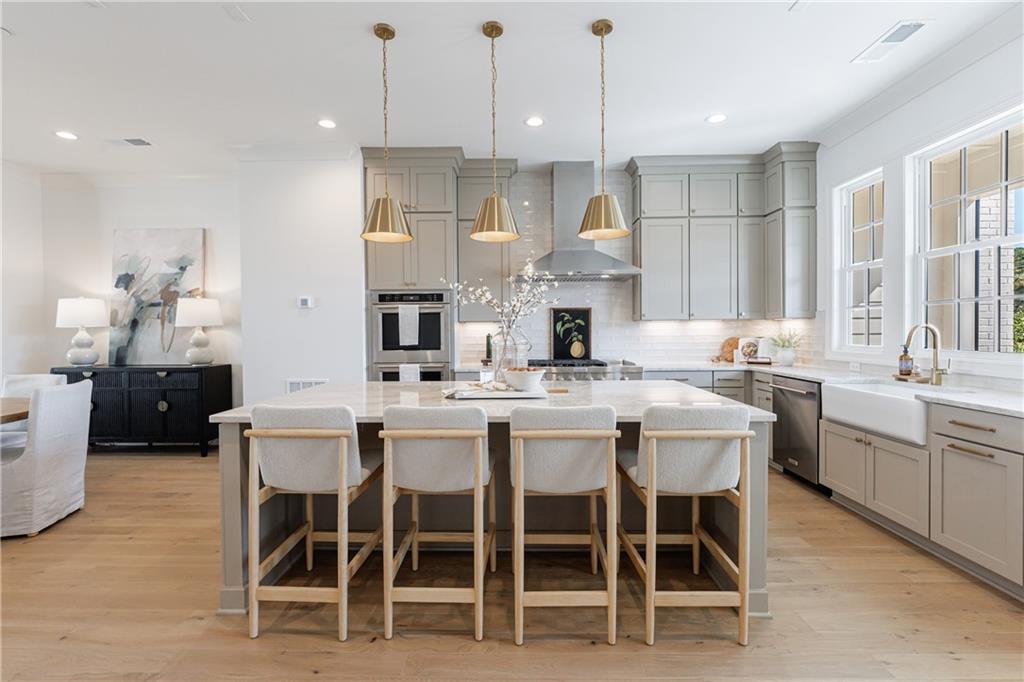
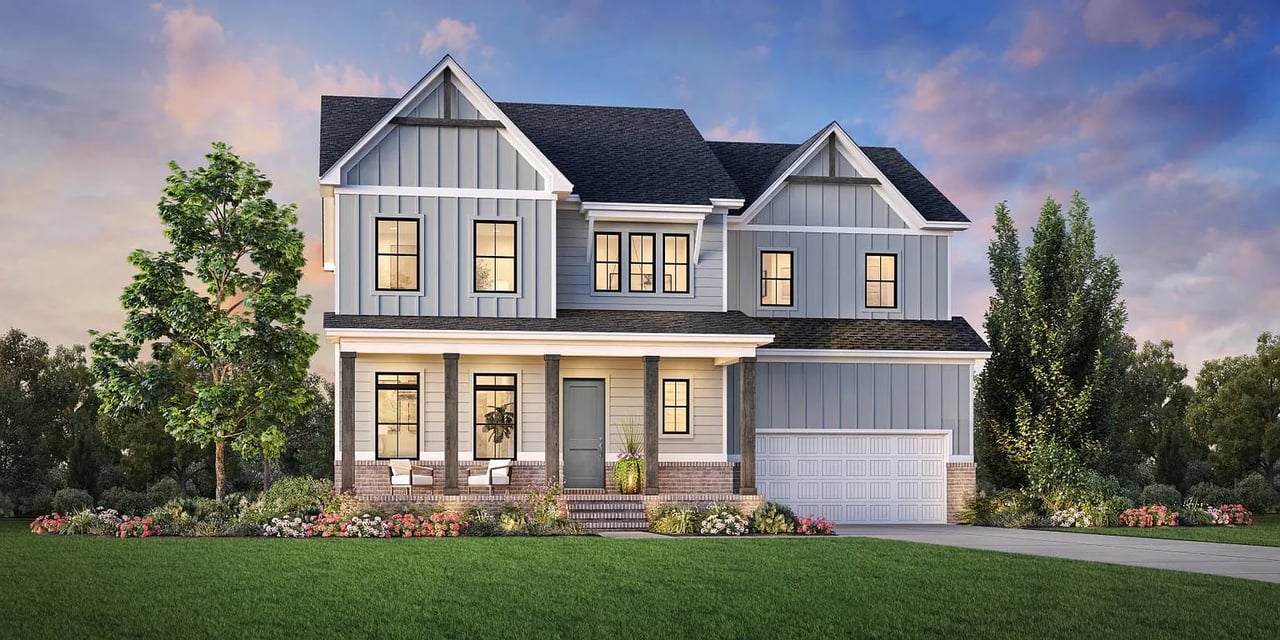
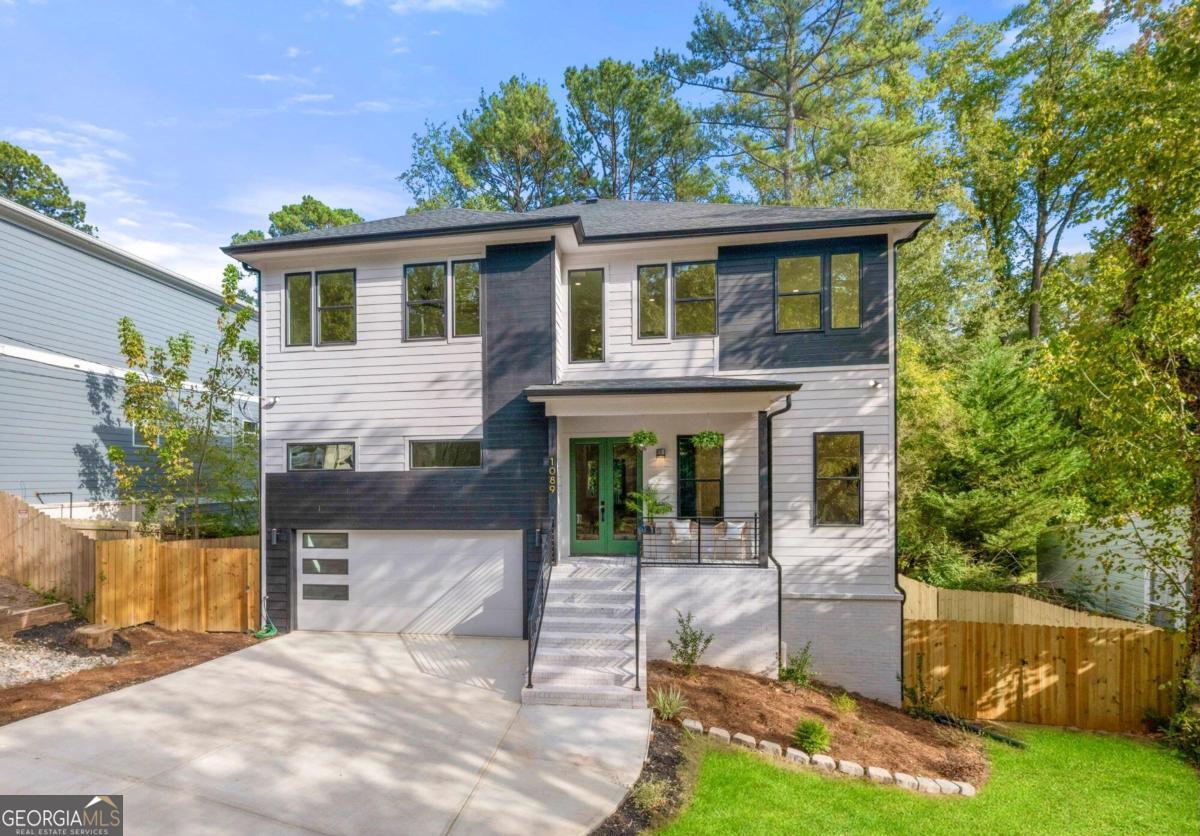
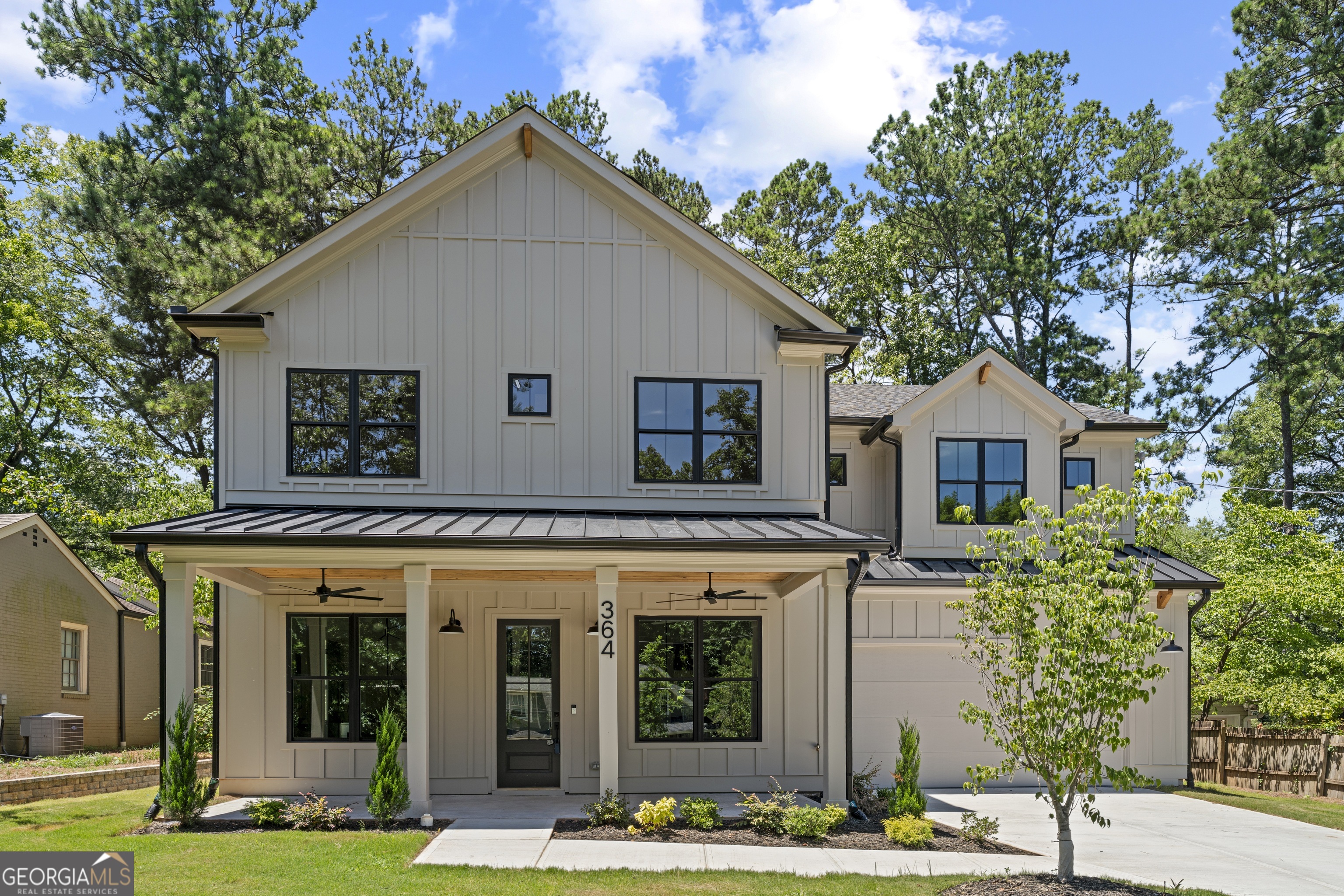
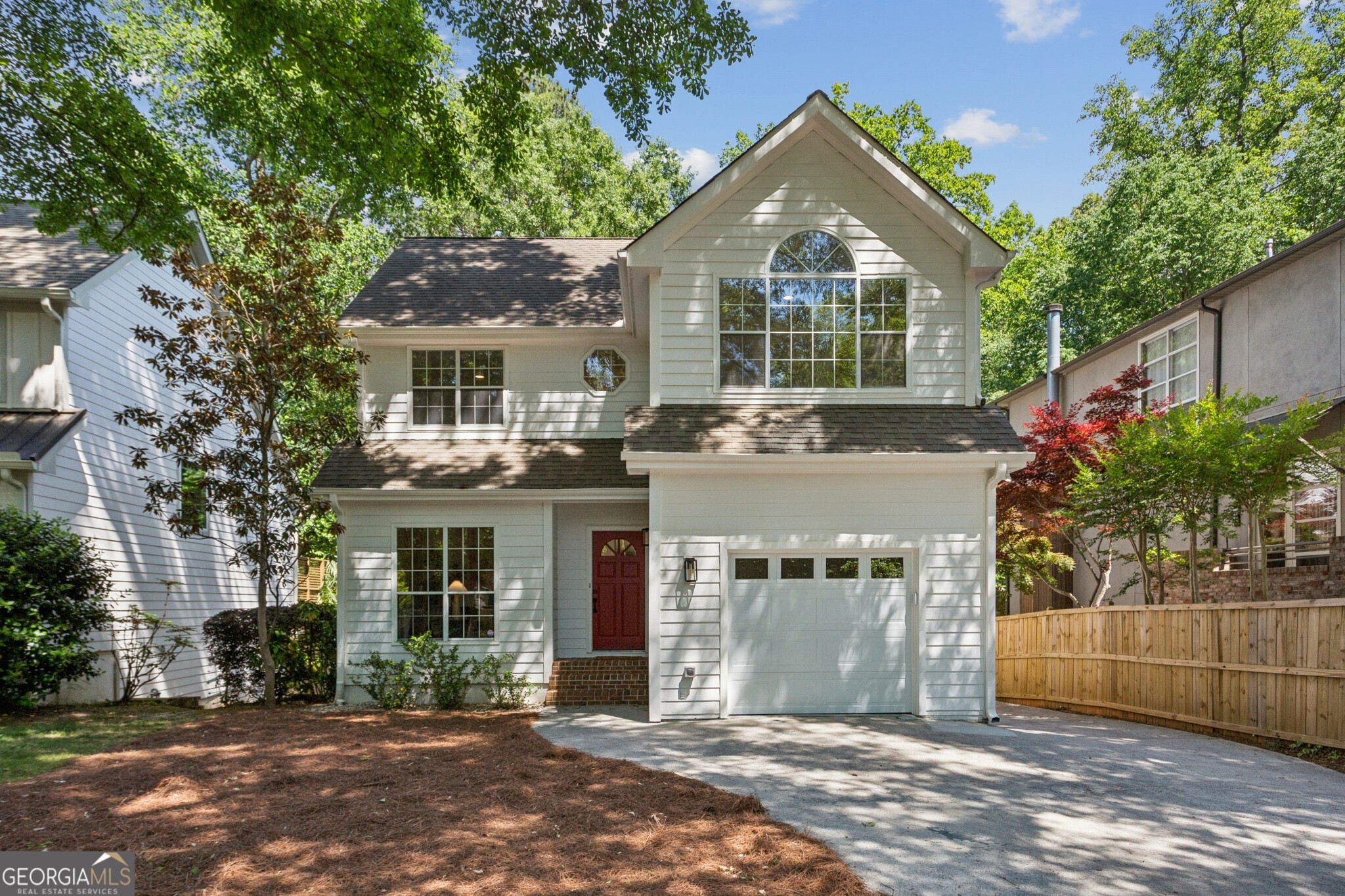
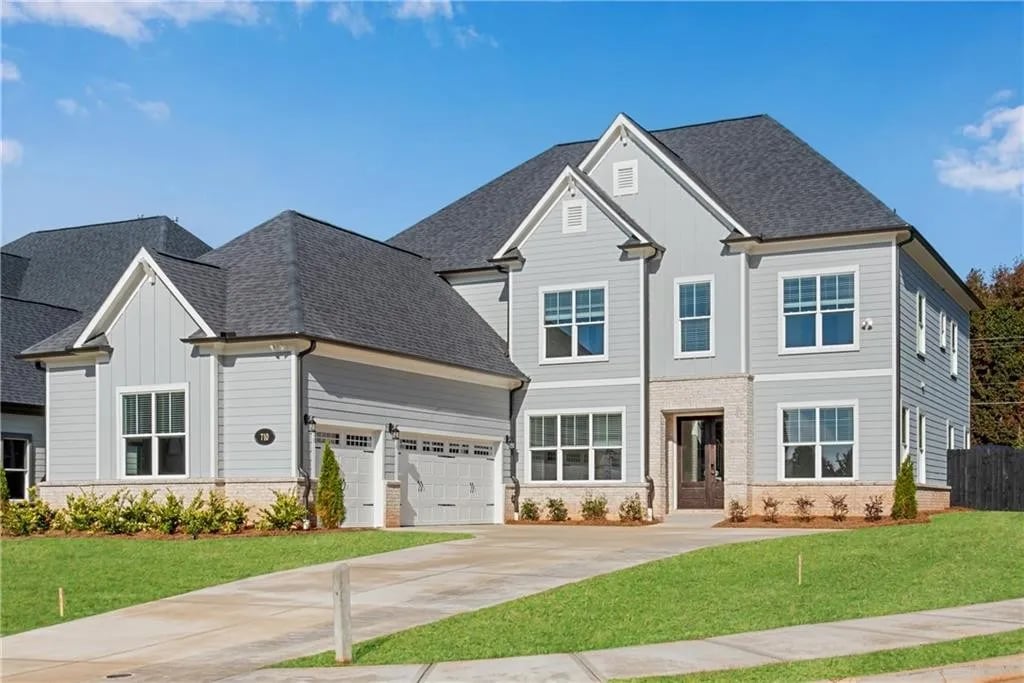
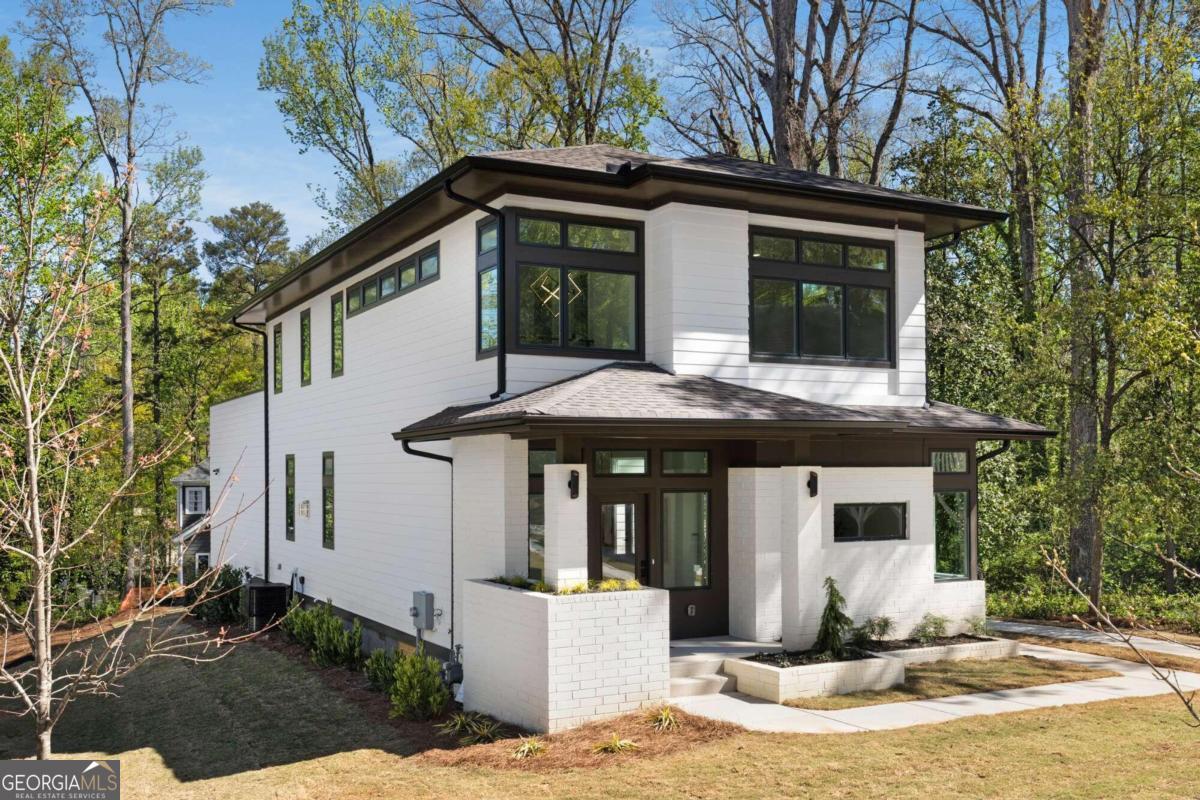
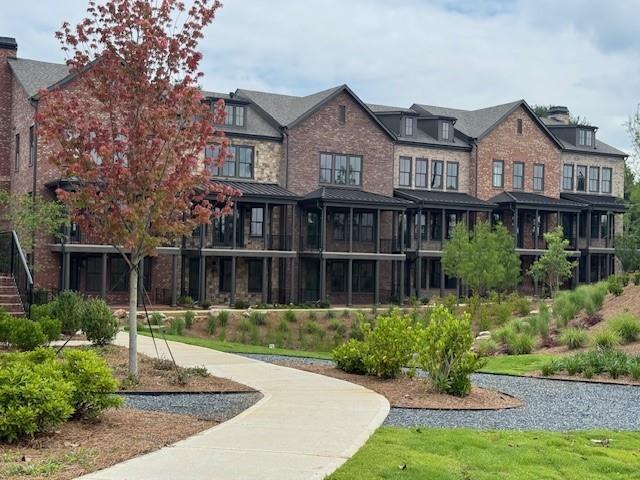
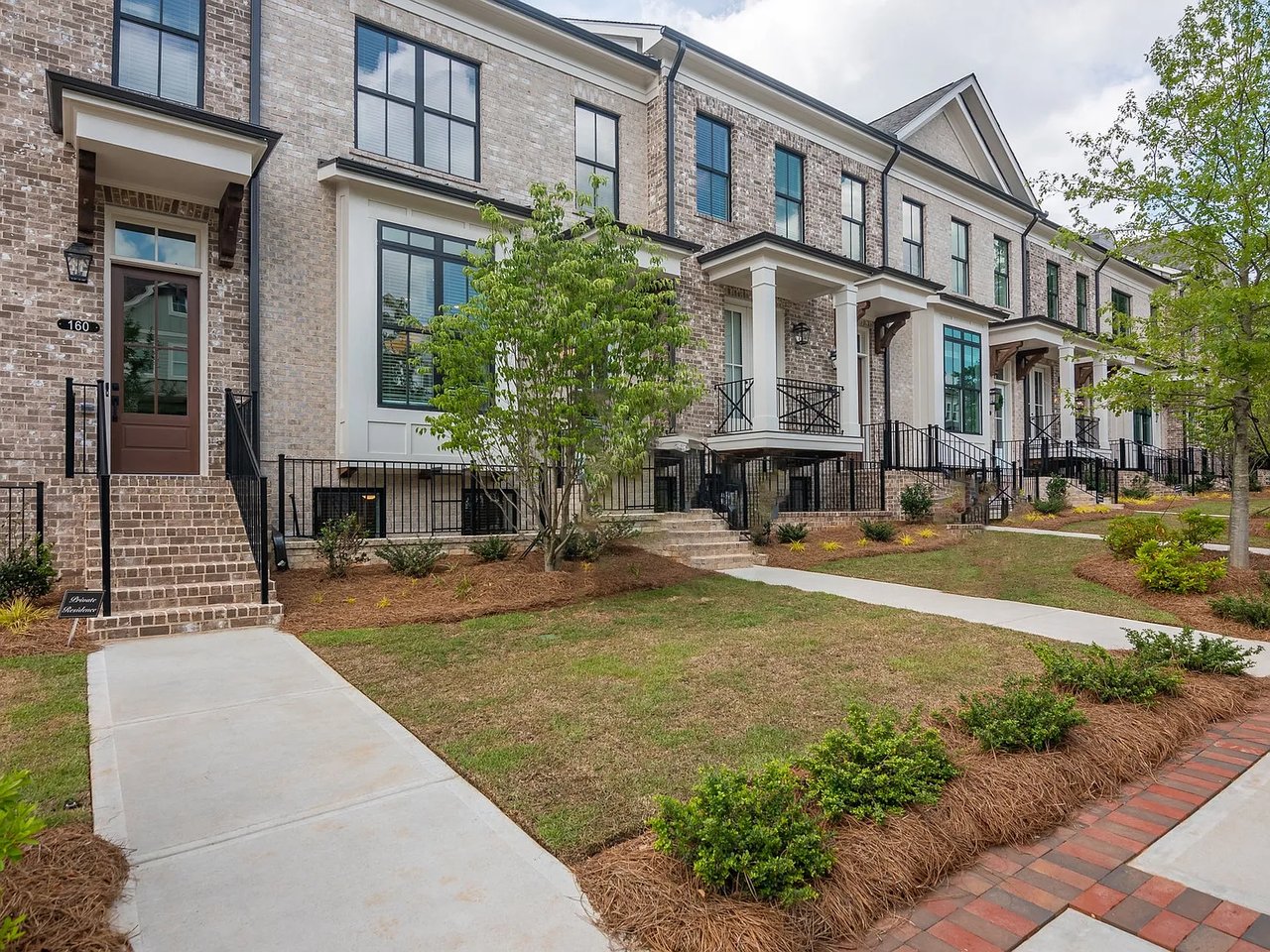
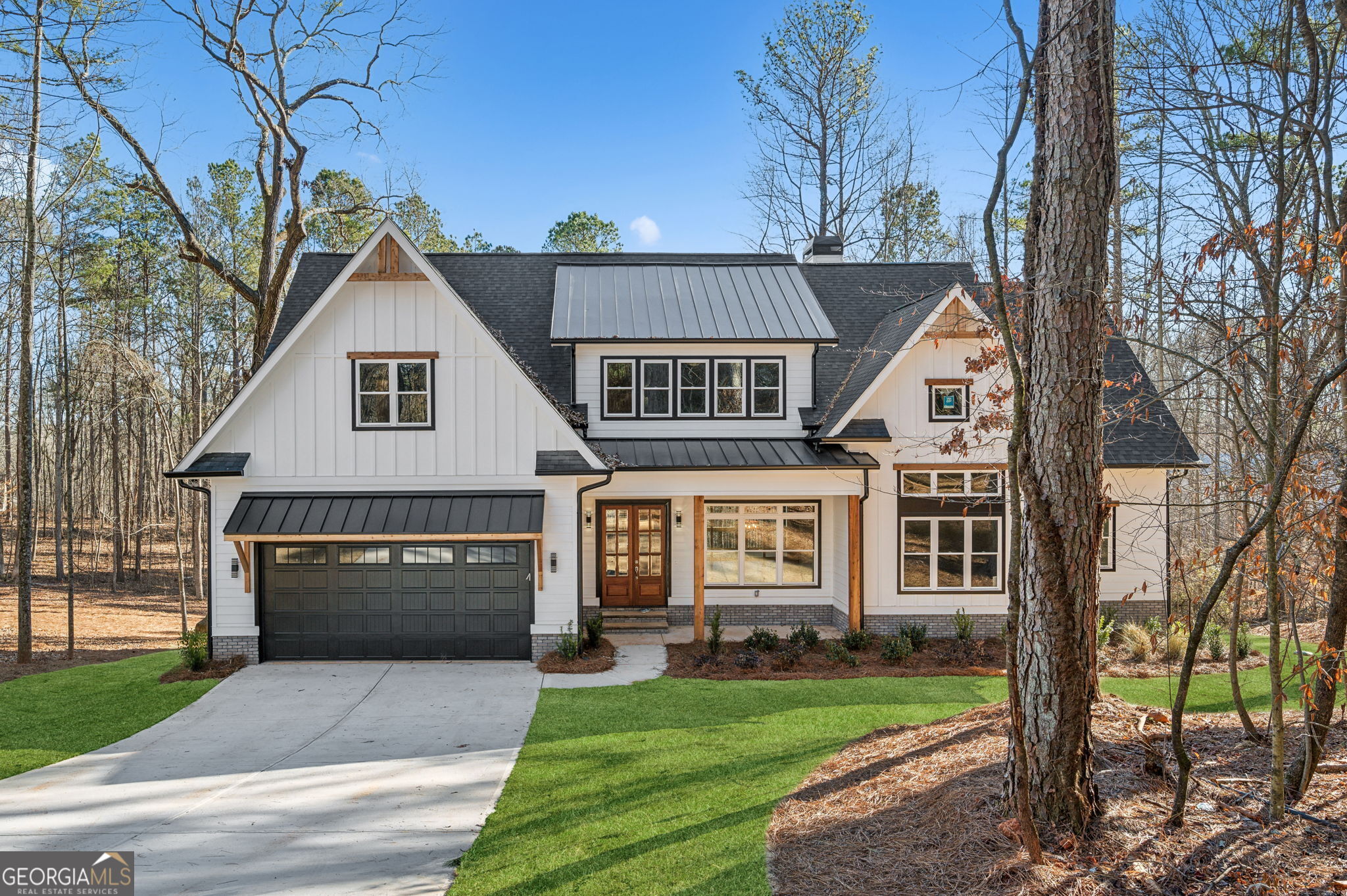
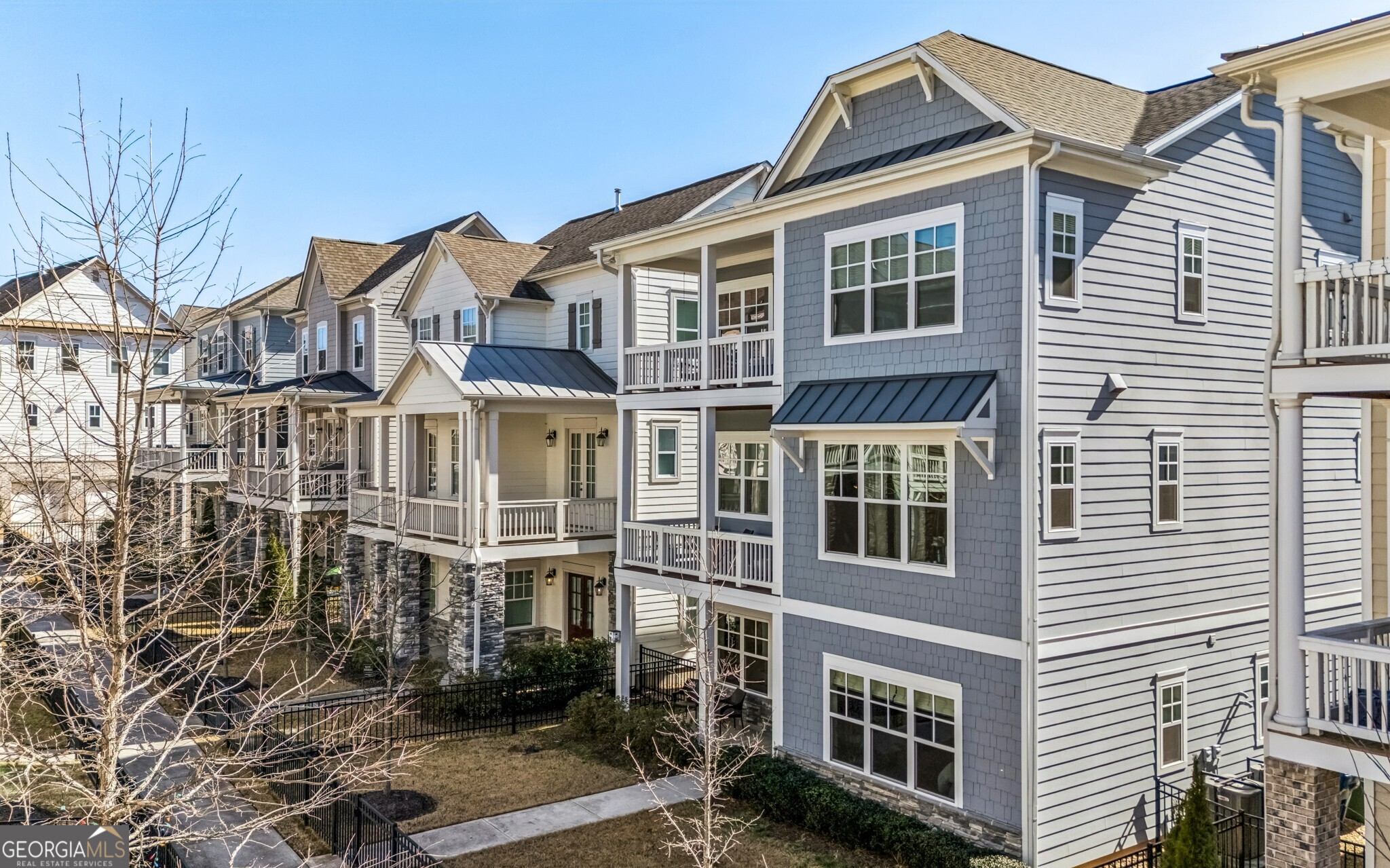
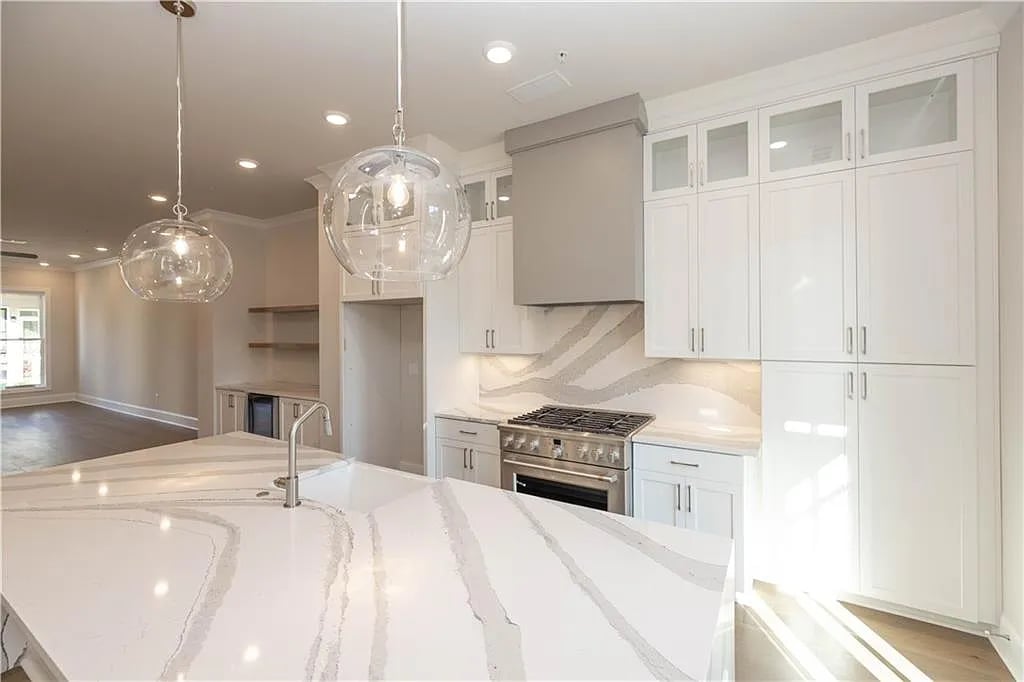
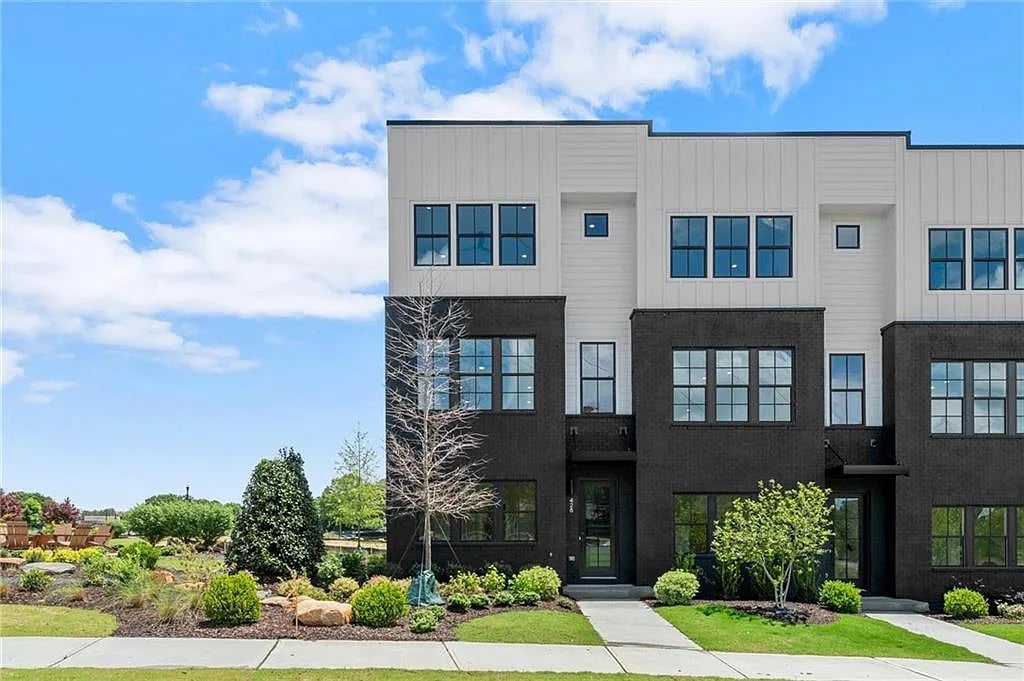
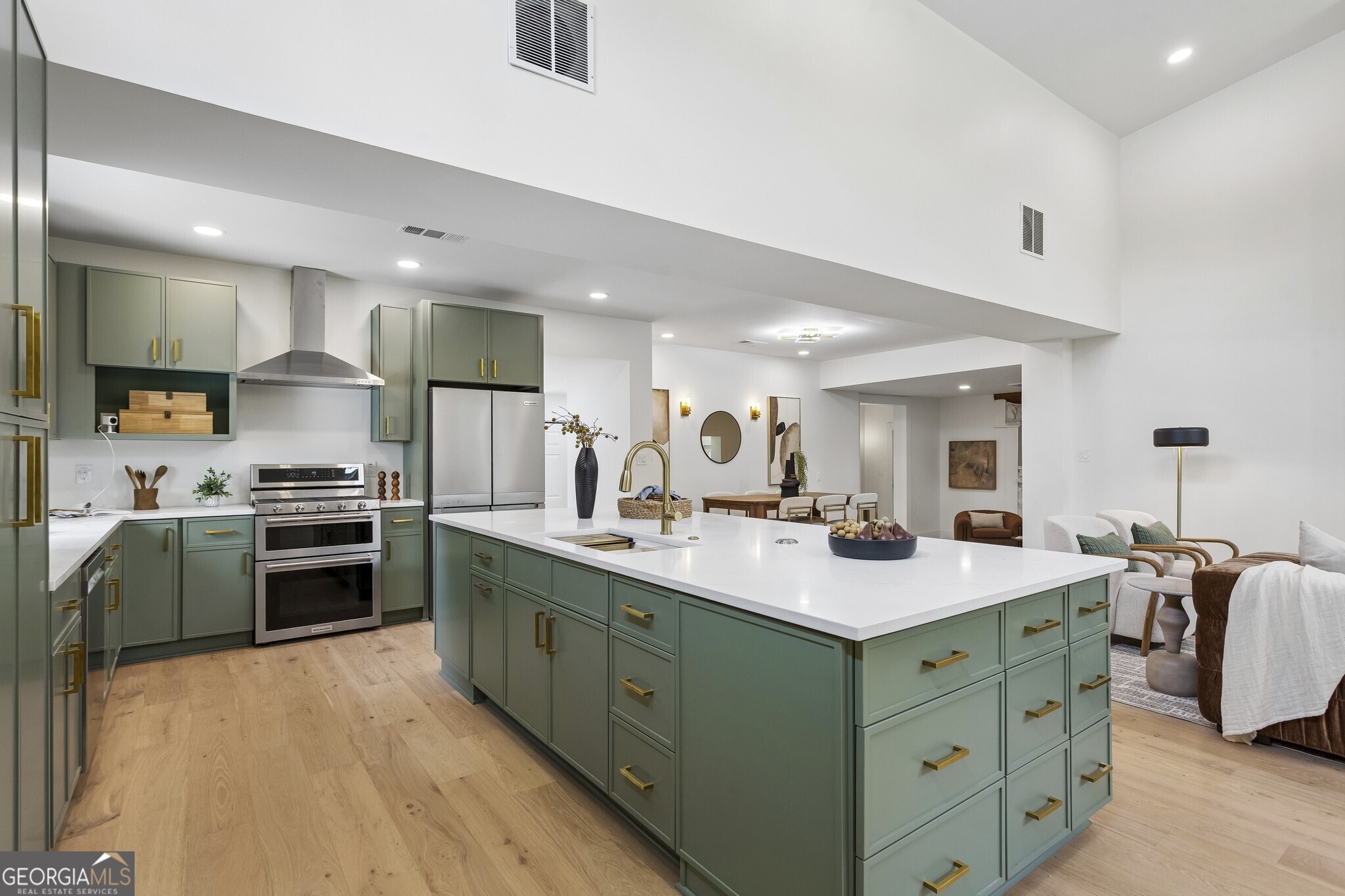
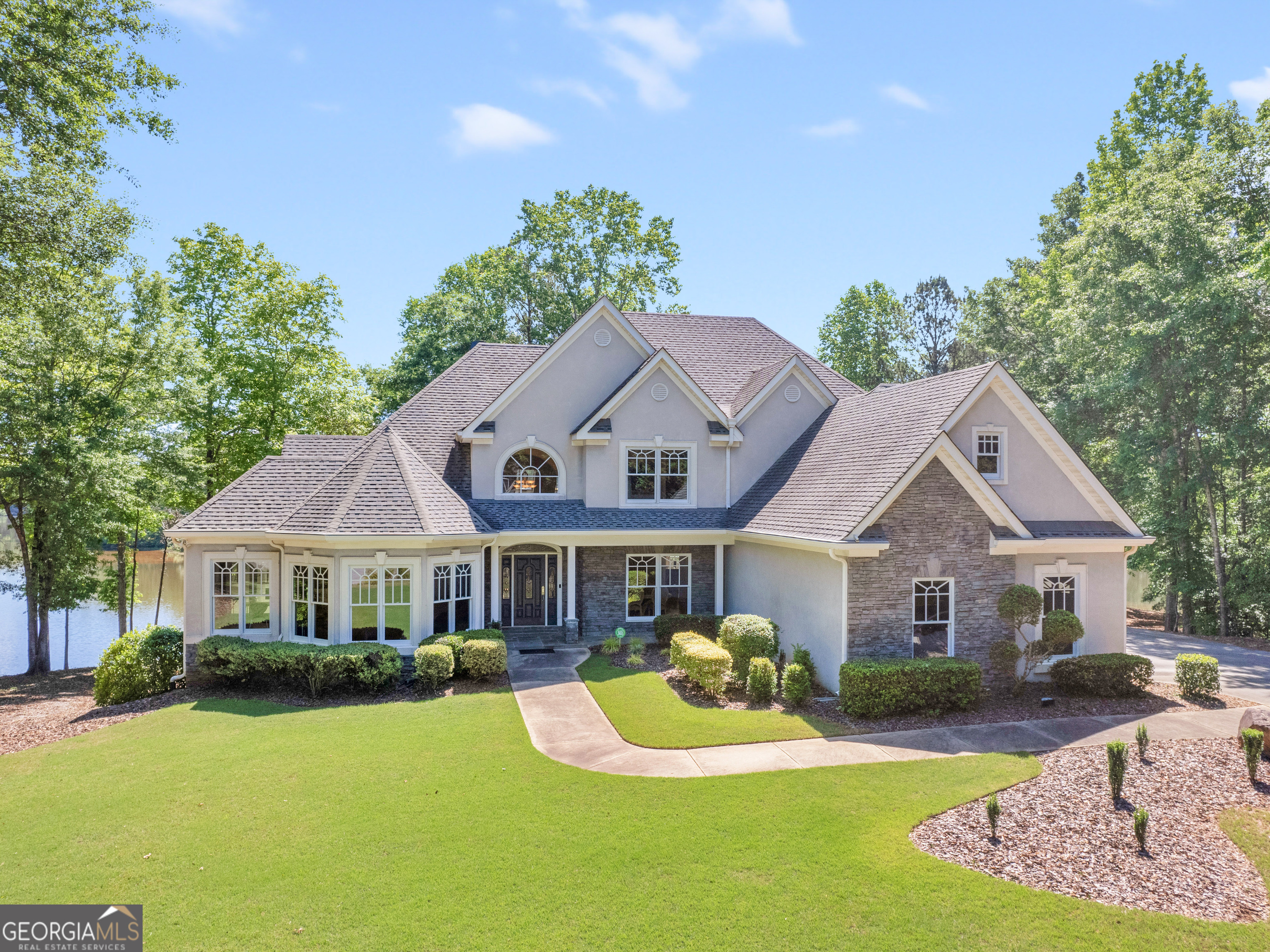
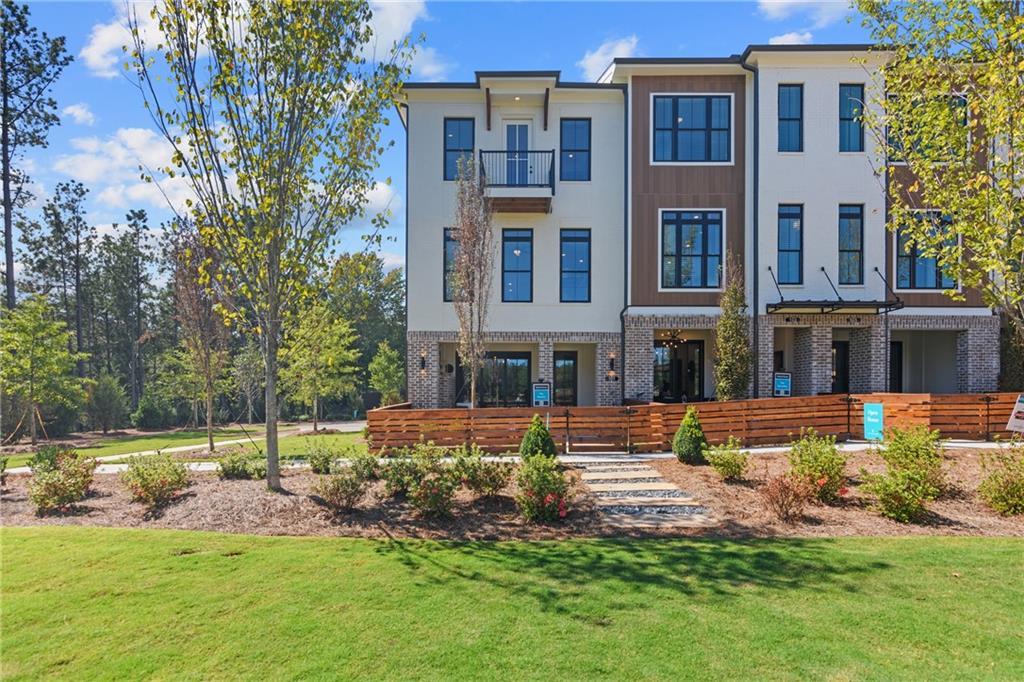
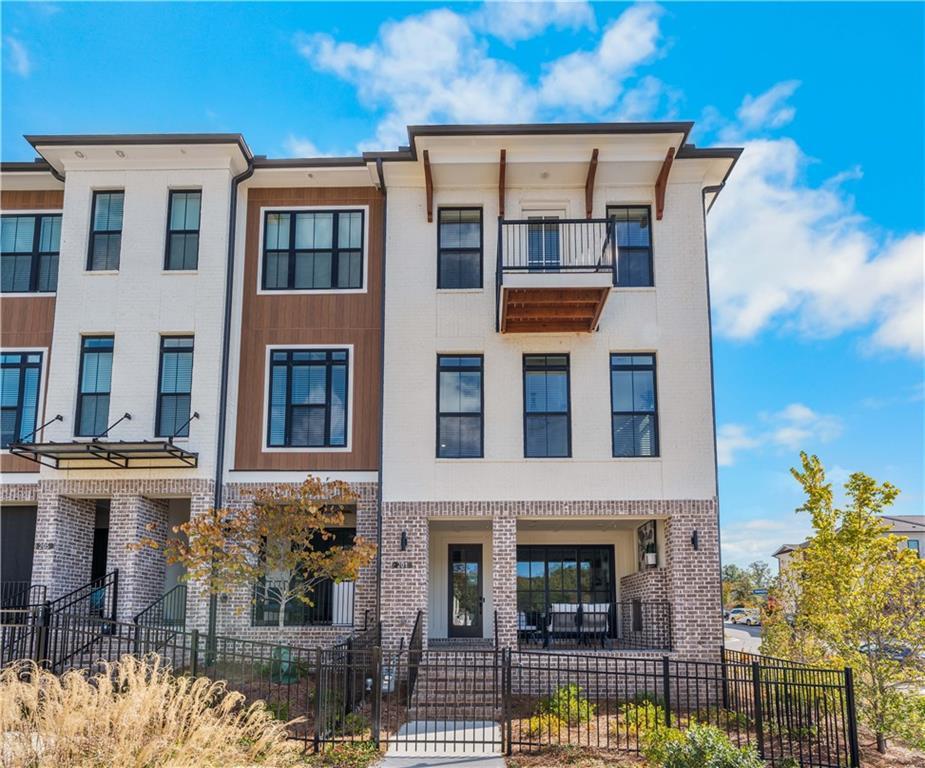
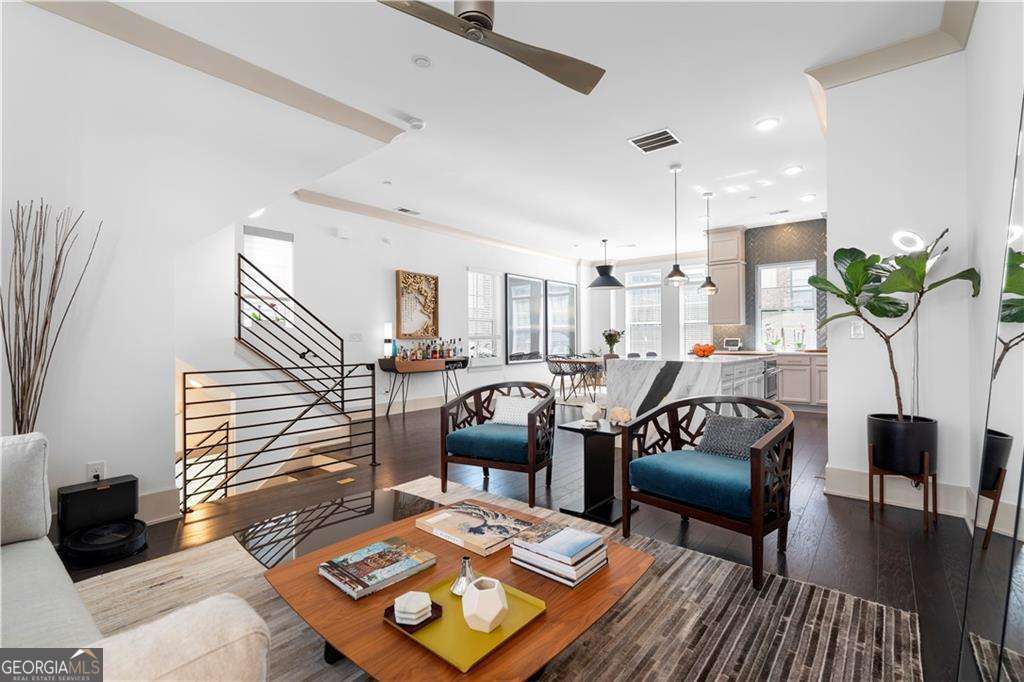
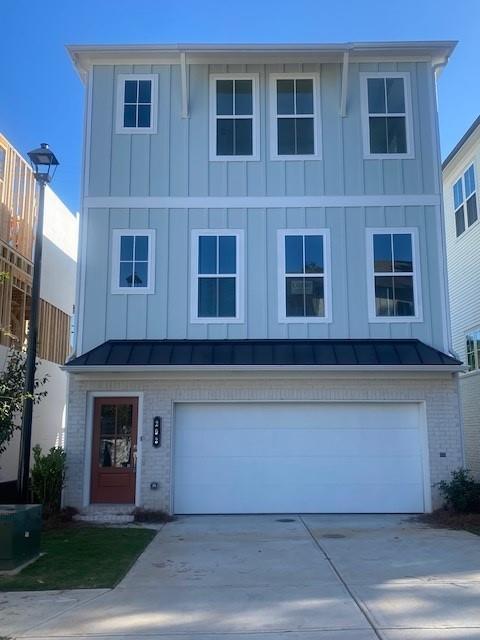
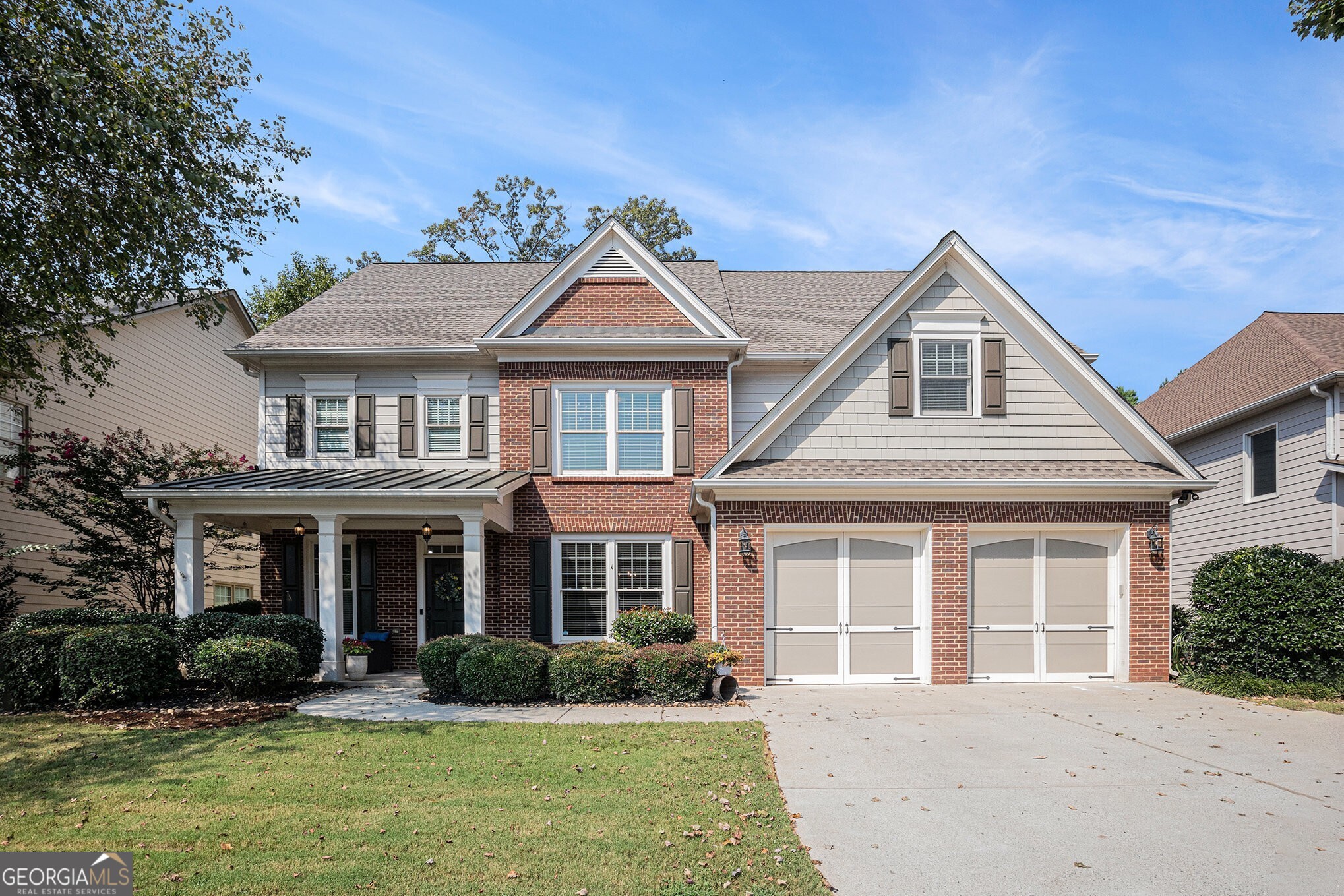
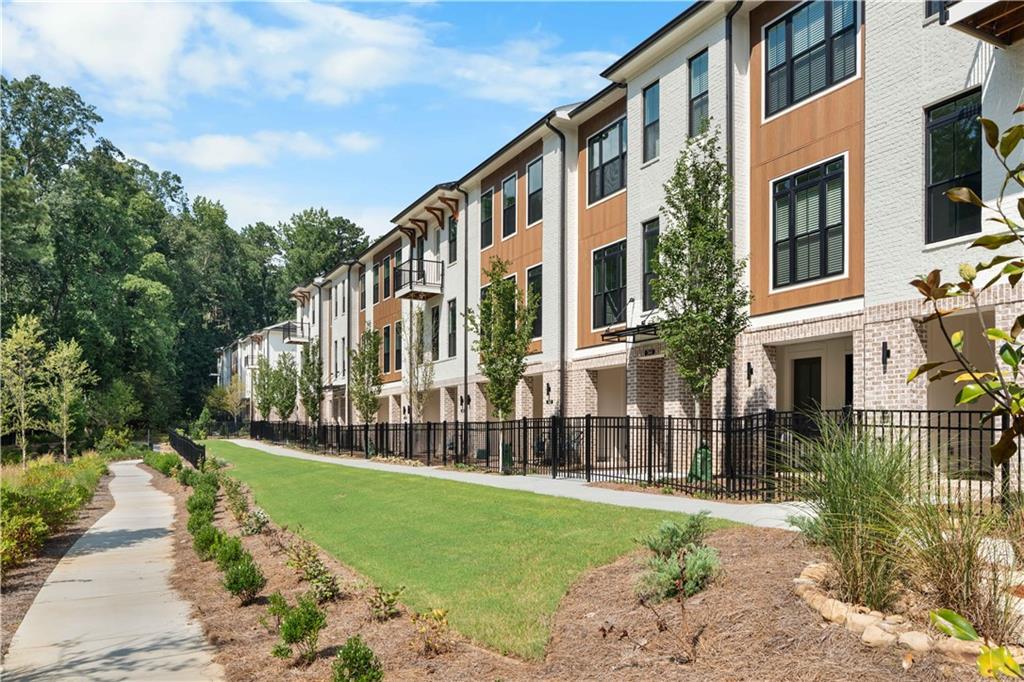
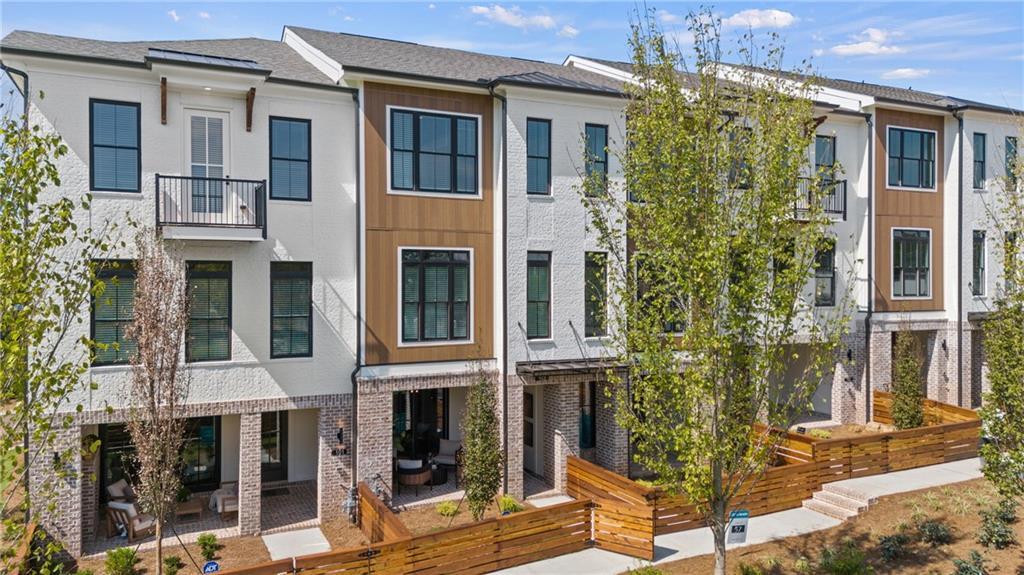
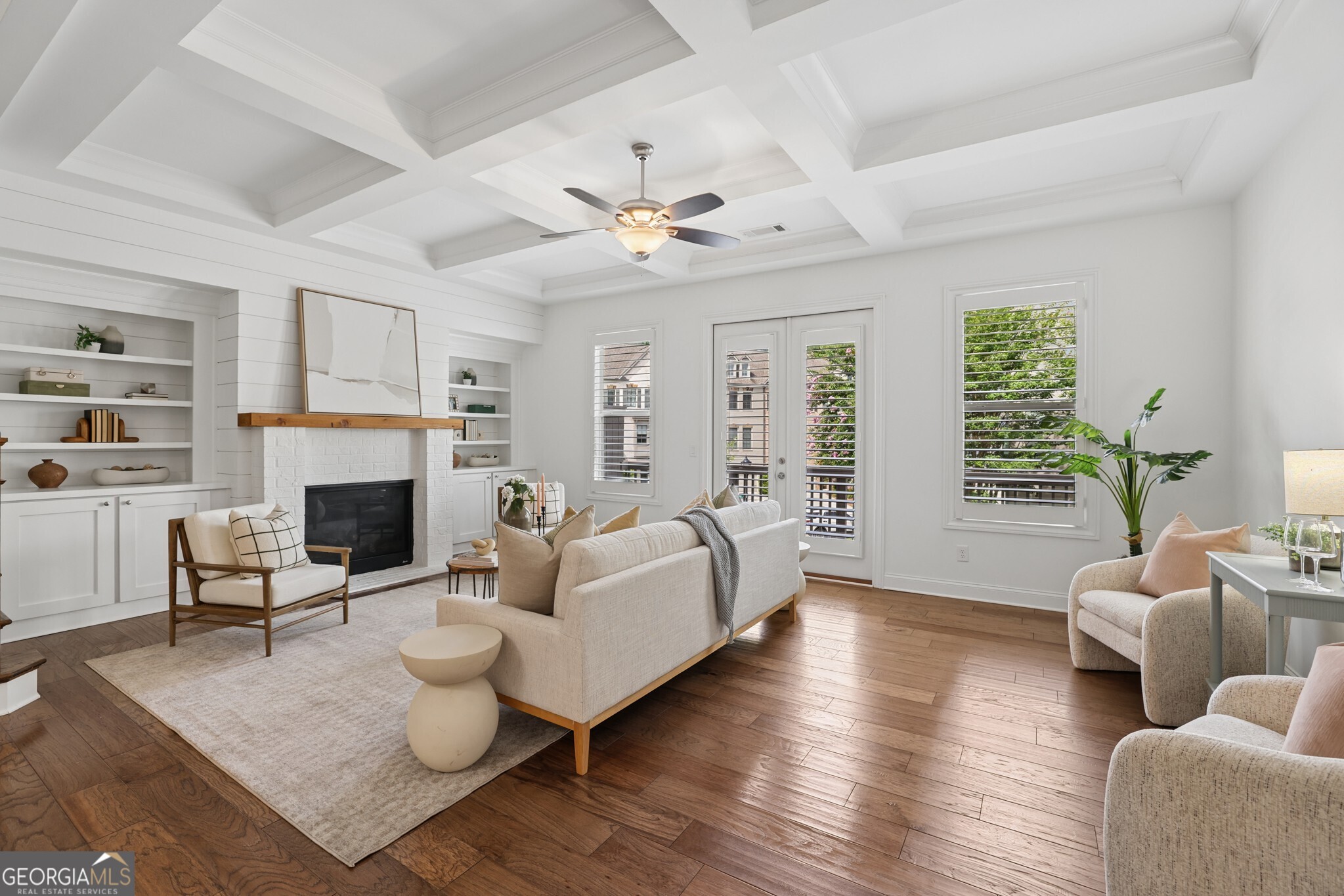
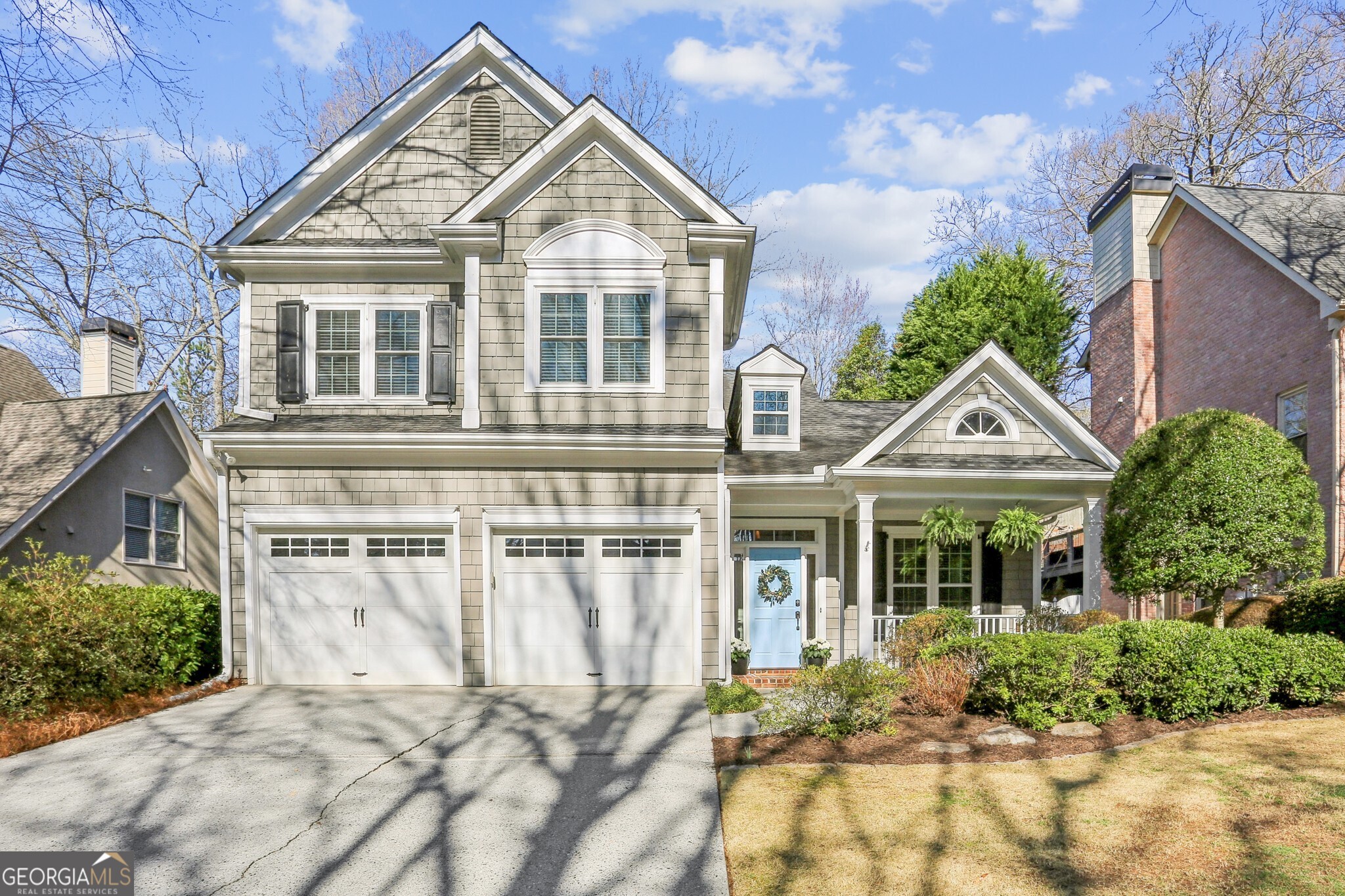
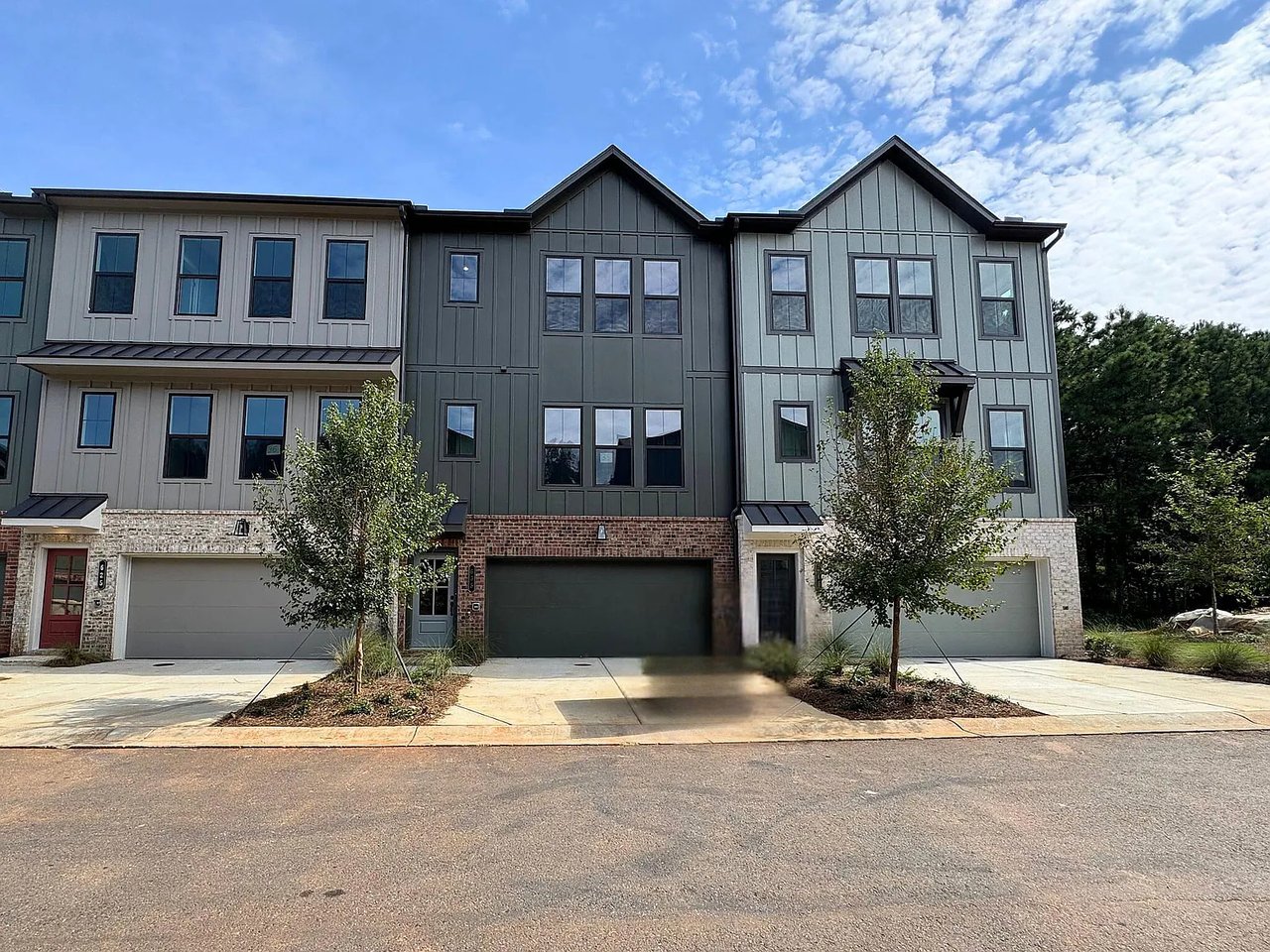
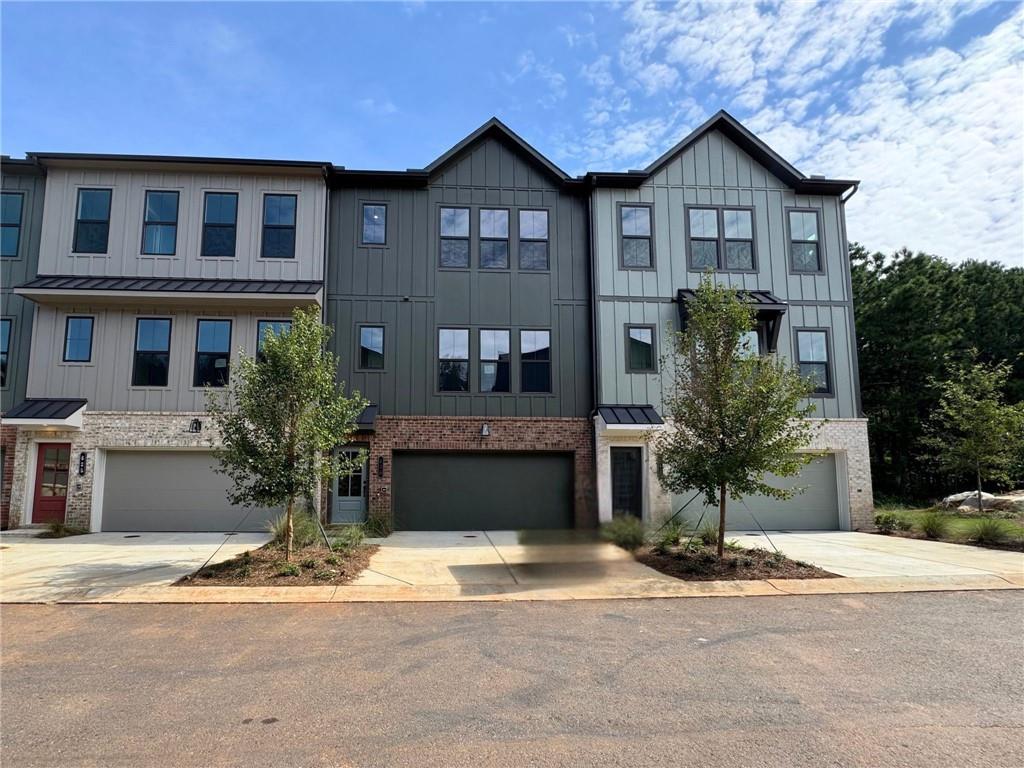
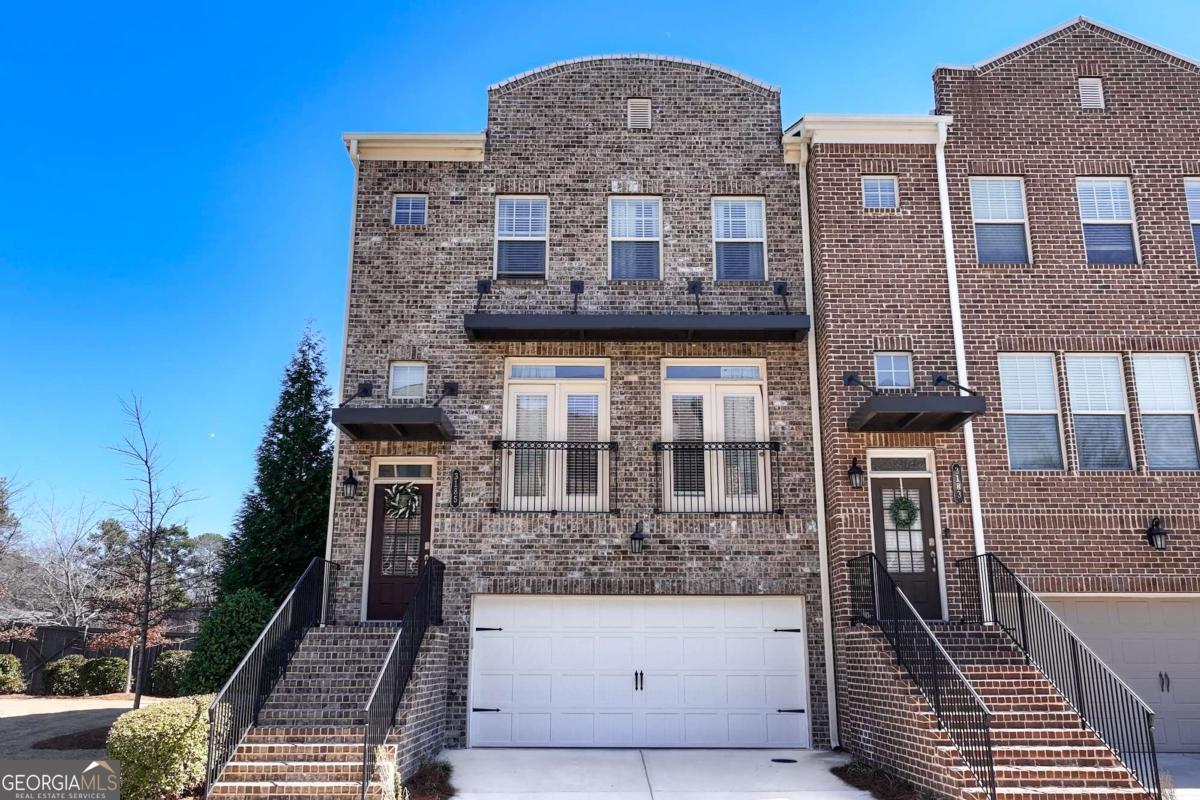
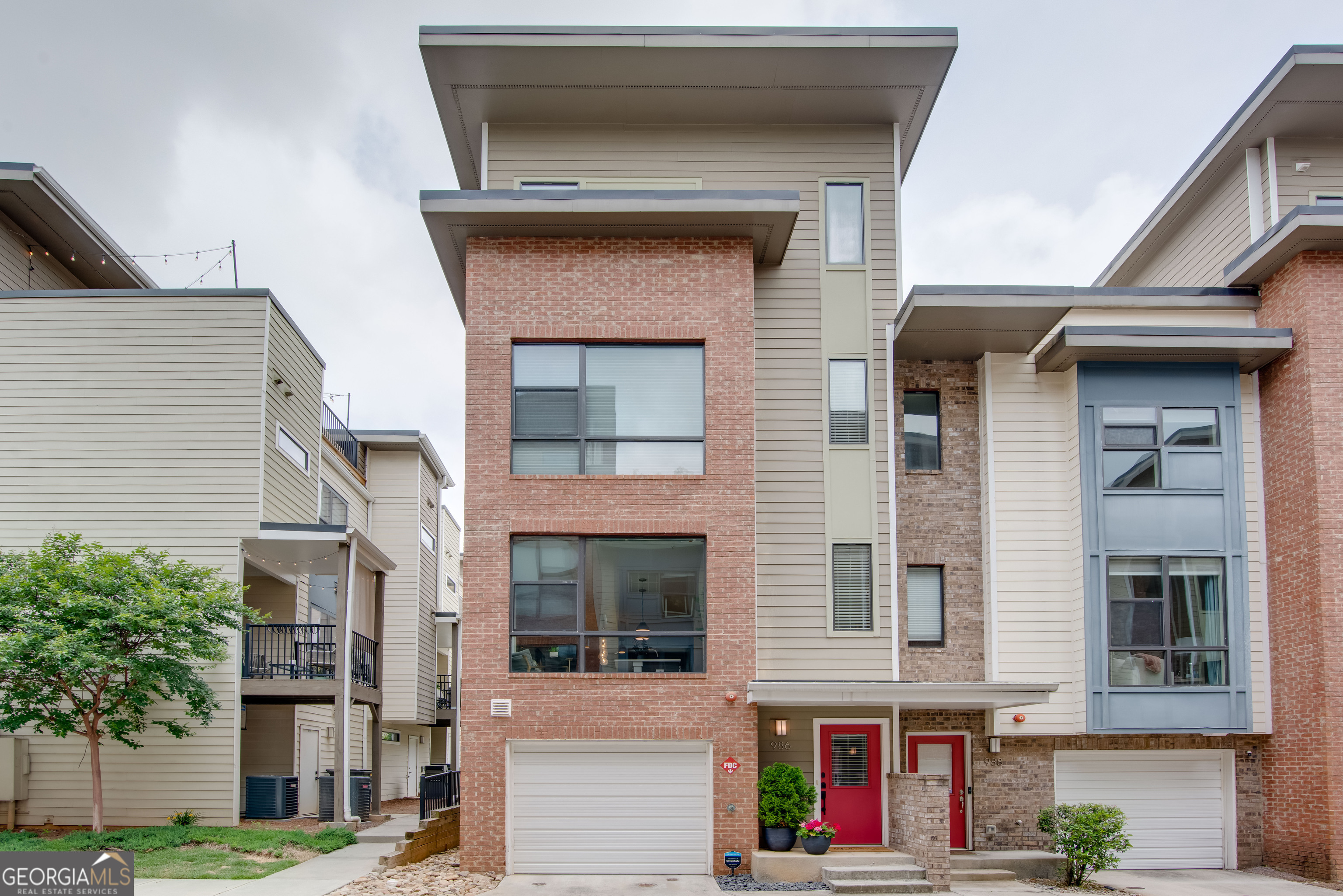
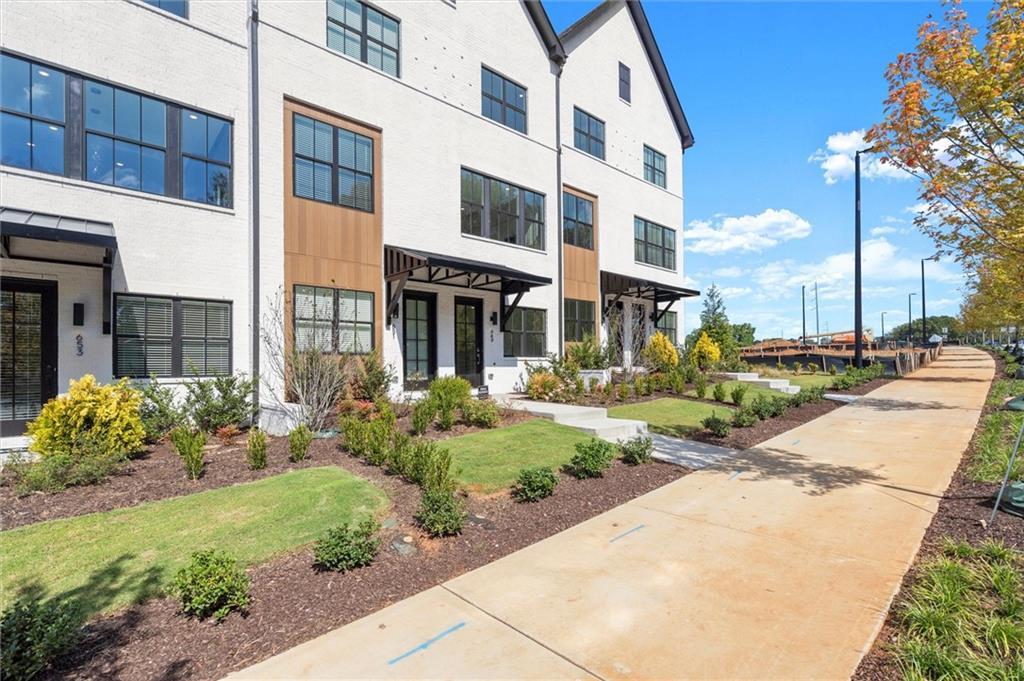
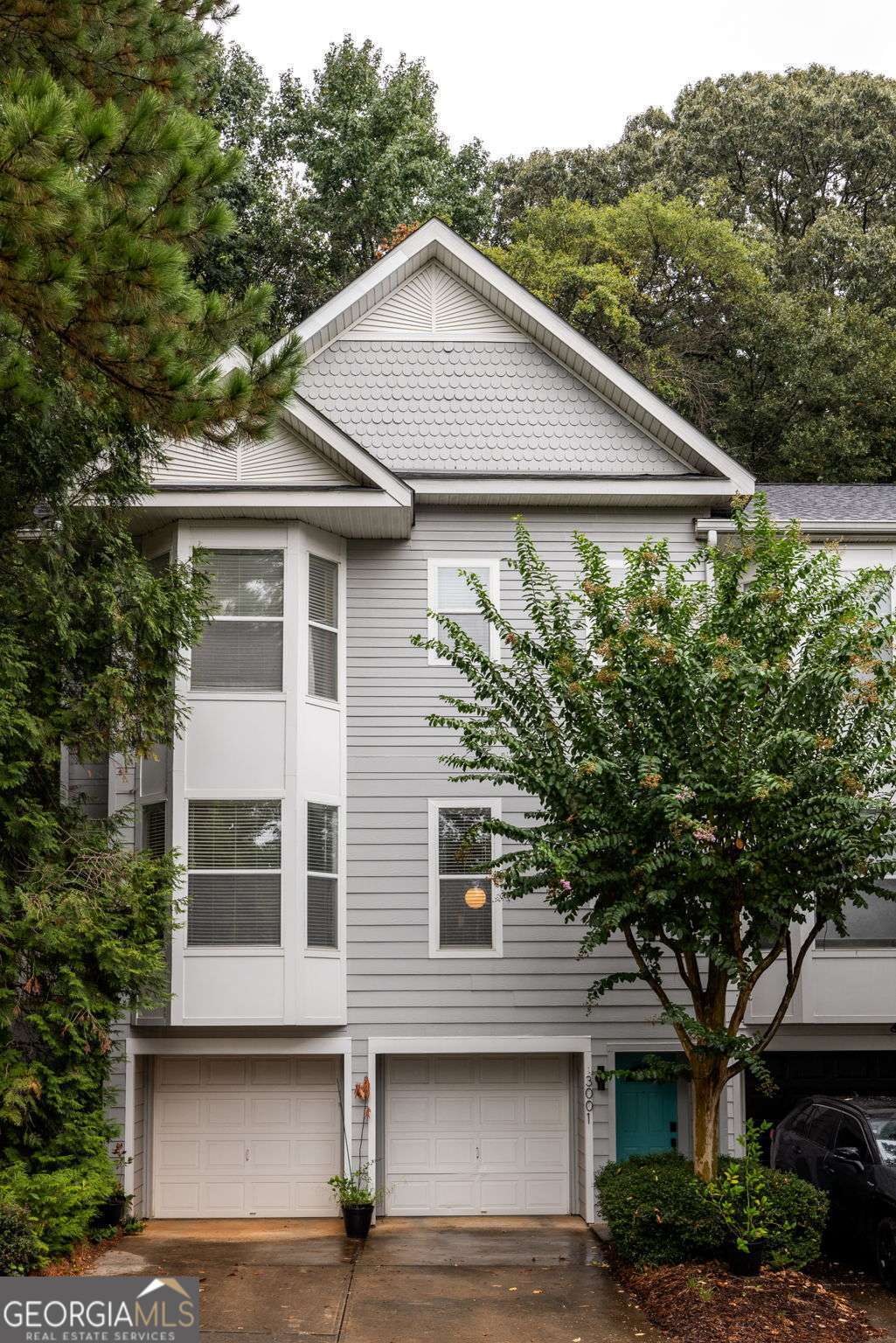
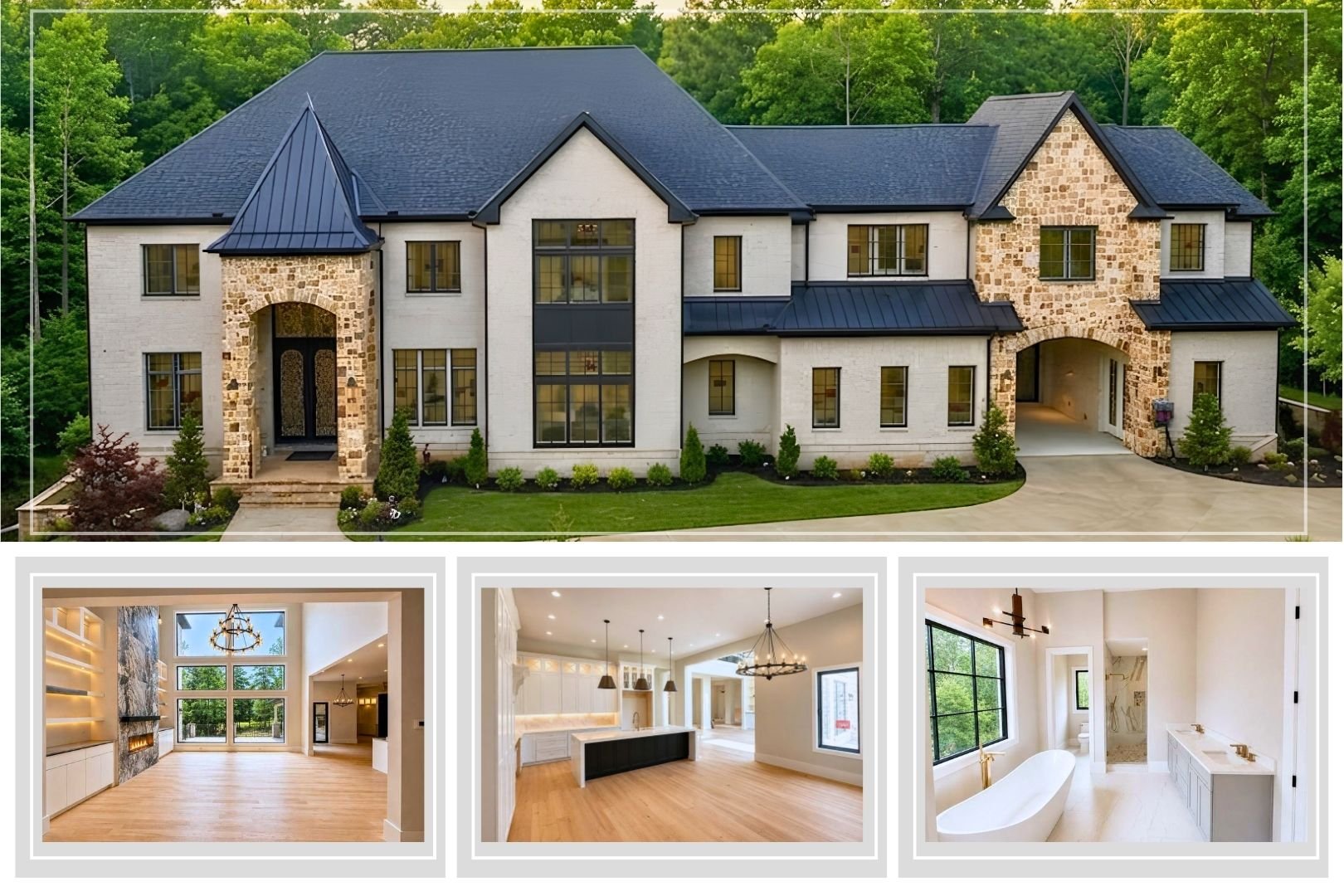
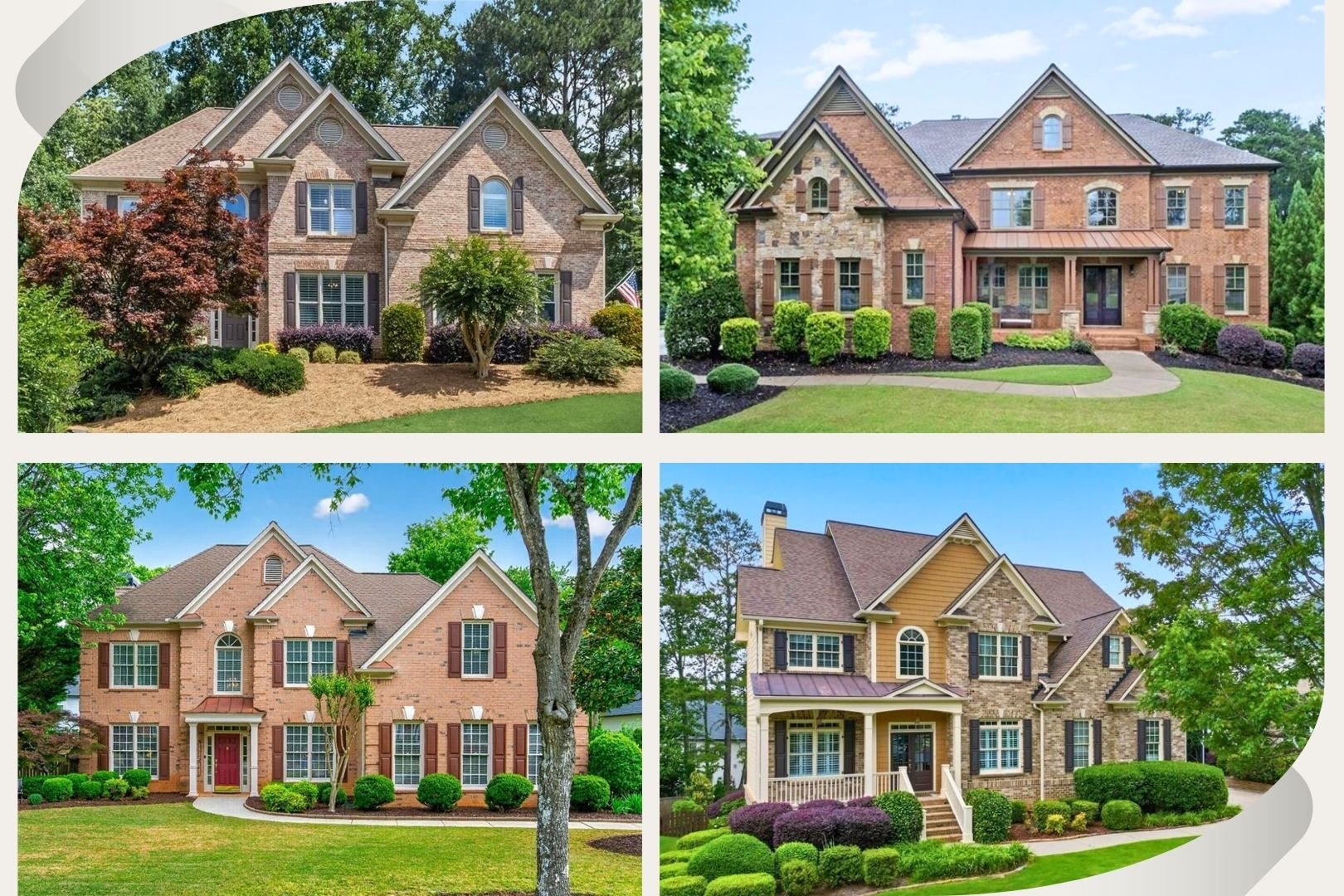
Alpharetta’s housing inventory is heavily characterized by newer construction, modern farmhouse designs, luxury lock-and-leave townhomes, and sprawling custom estates.
Master-planned communities like Windward feature resort-style amenities, private golf courses, and private lake access, catering to buyers who desire a neighborhood-centric lifestyle.
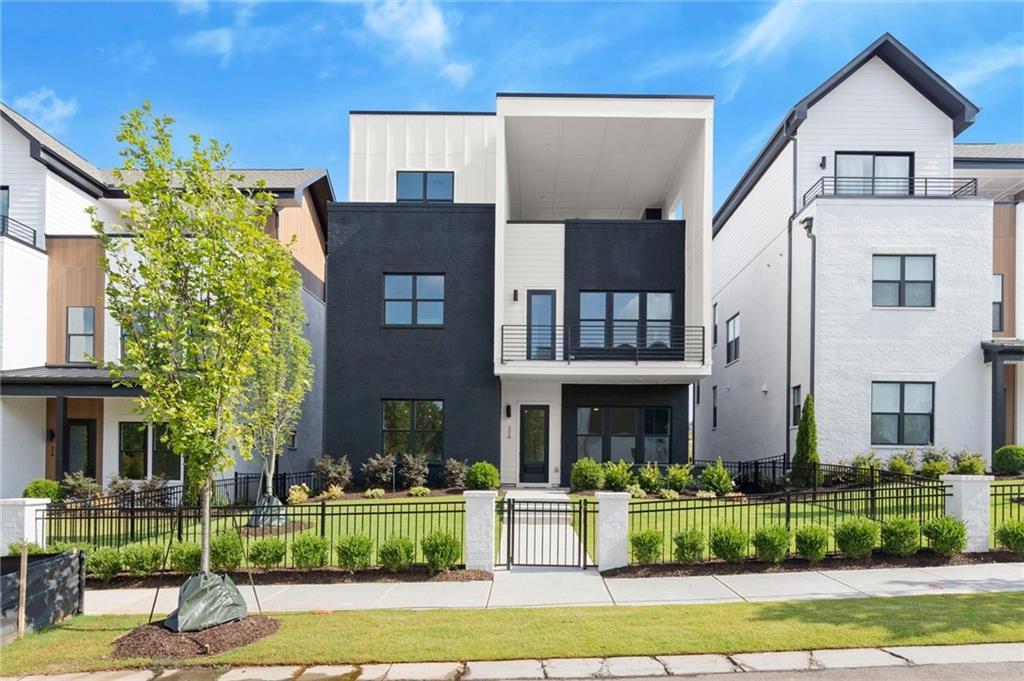
There is also a strong market trend toward high-density luxury living, particularly townhomes and single-family properties clustered around walkable mixed-use developments.
According to local MLS market data, the median single-family home price in Alpharetta stands at $764,542. While the market has shown signs of stabilizing, with the median price softening by 8.4% year-over-year, demand remains exceptionally high for properties near the historic downtown loop.
Homes in Alpharetta spent a median of 31 days on the market, with approximately 254 homes sold during recent tracking periods, indicating a highly active yet increasingly balanced environment for buyers.
Dunwoody Housing: Mid-Century Ranch Homes and Swim/Tennis Subdivisions
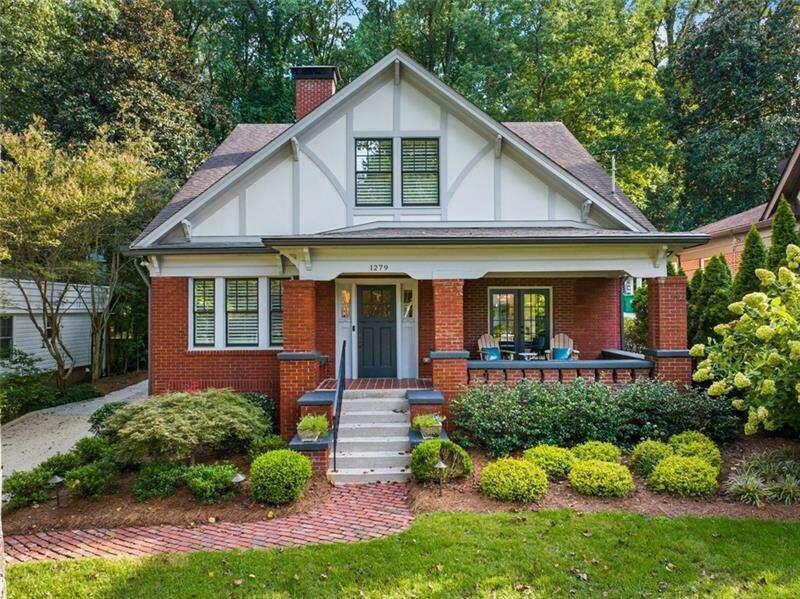
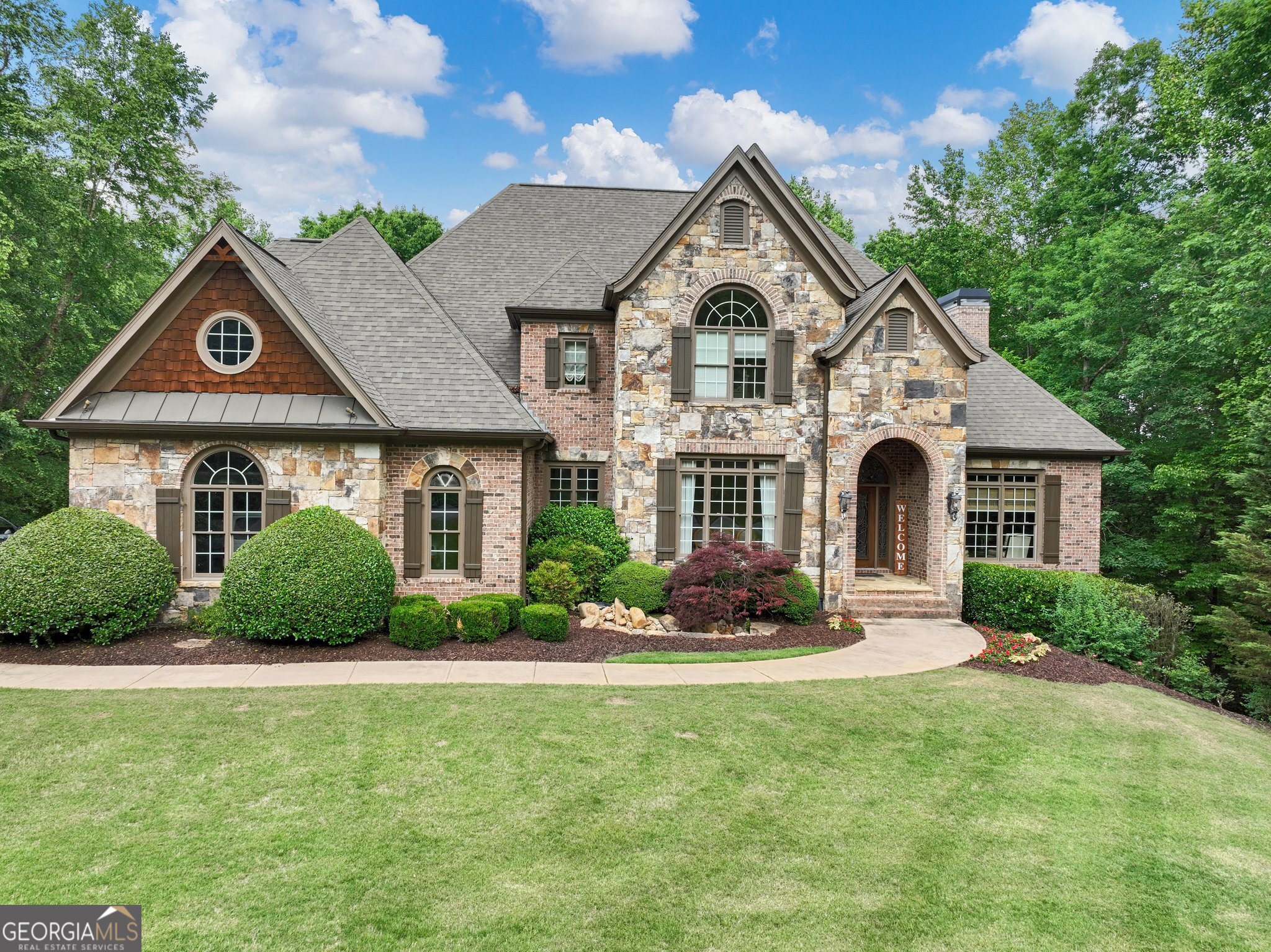
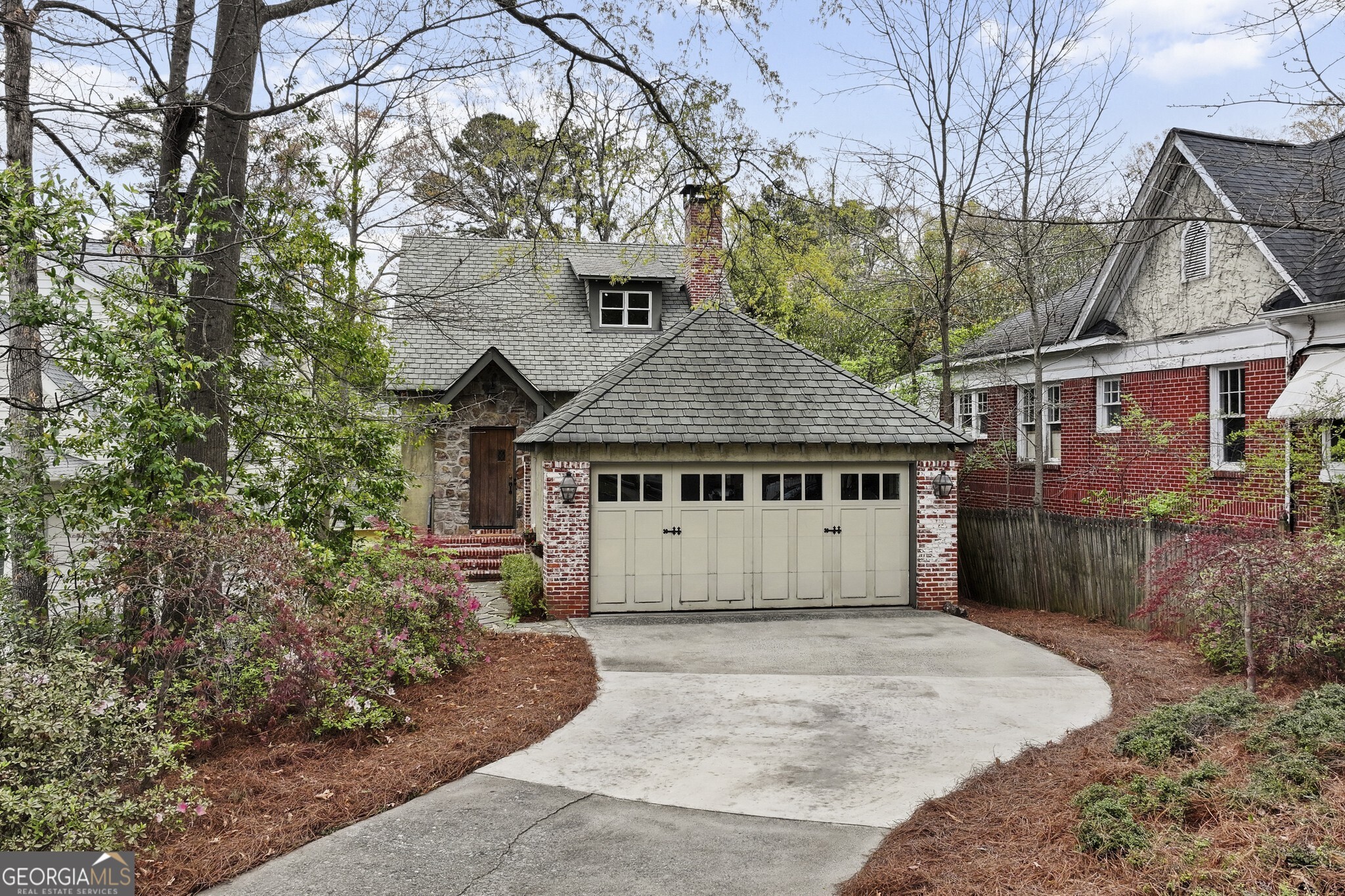
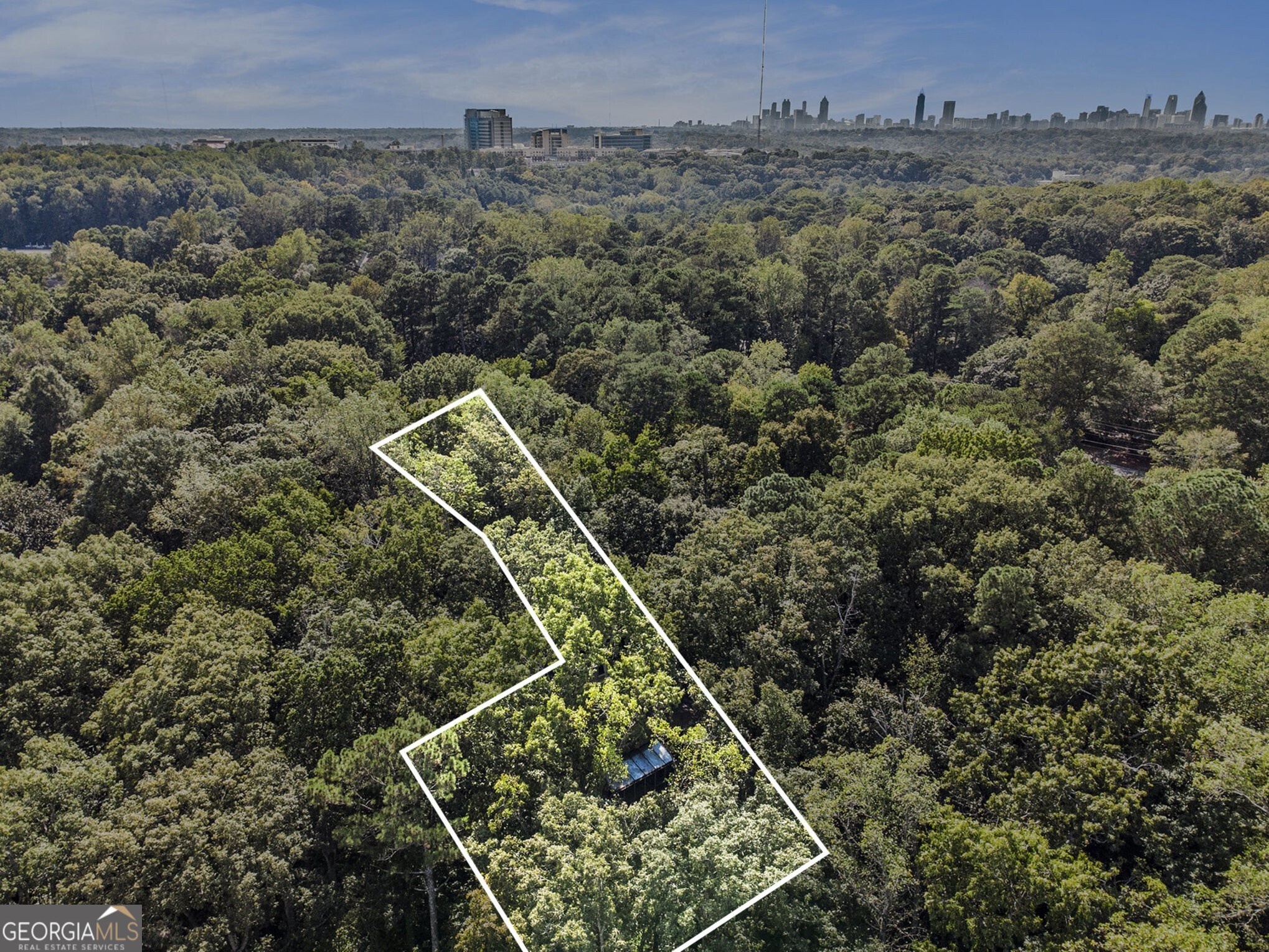
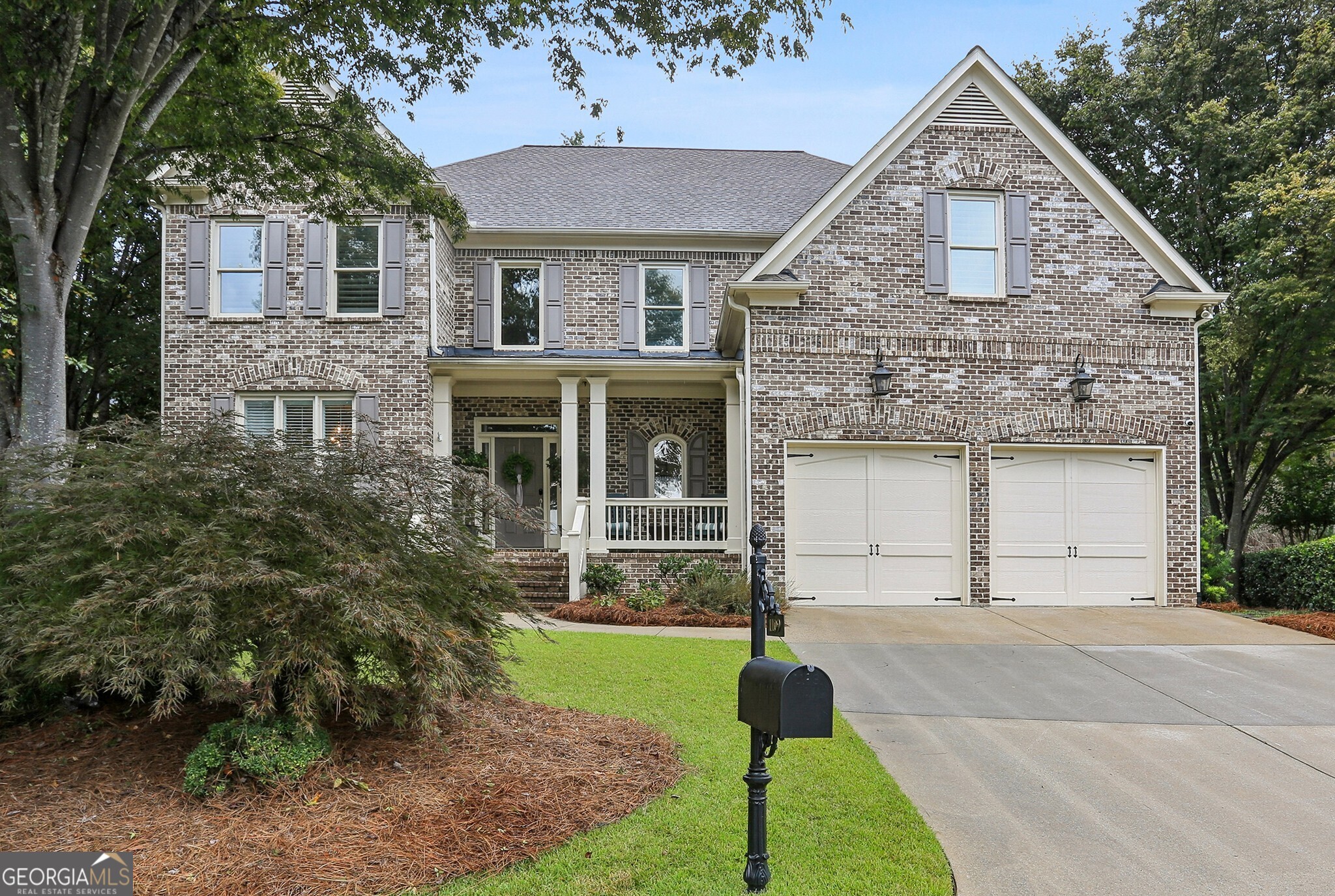
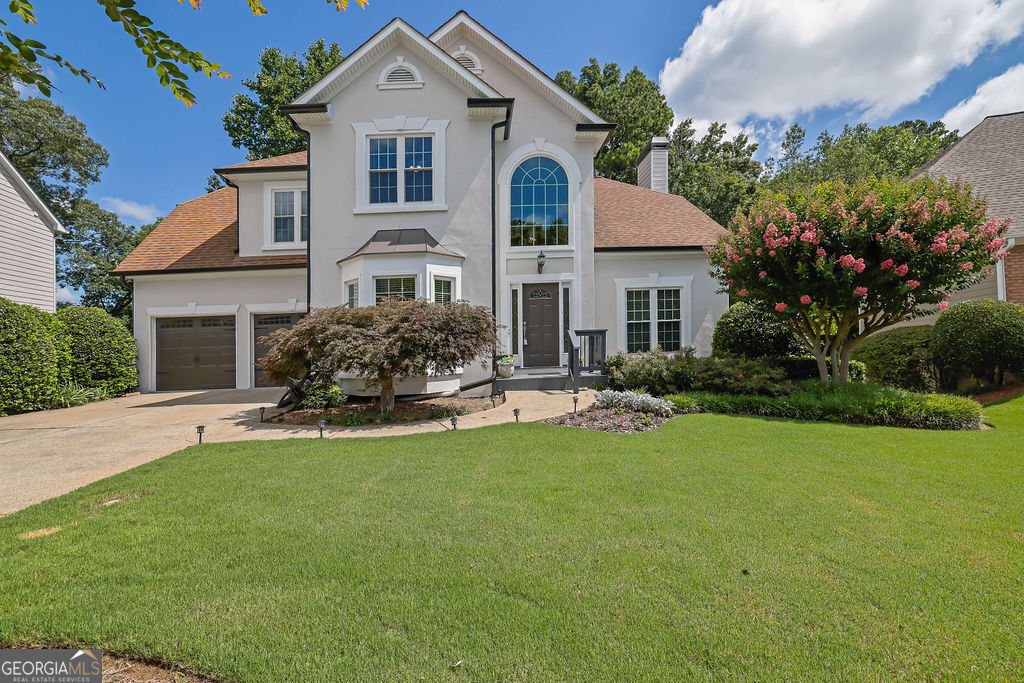
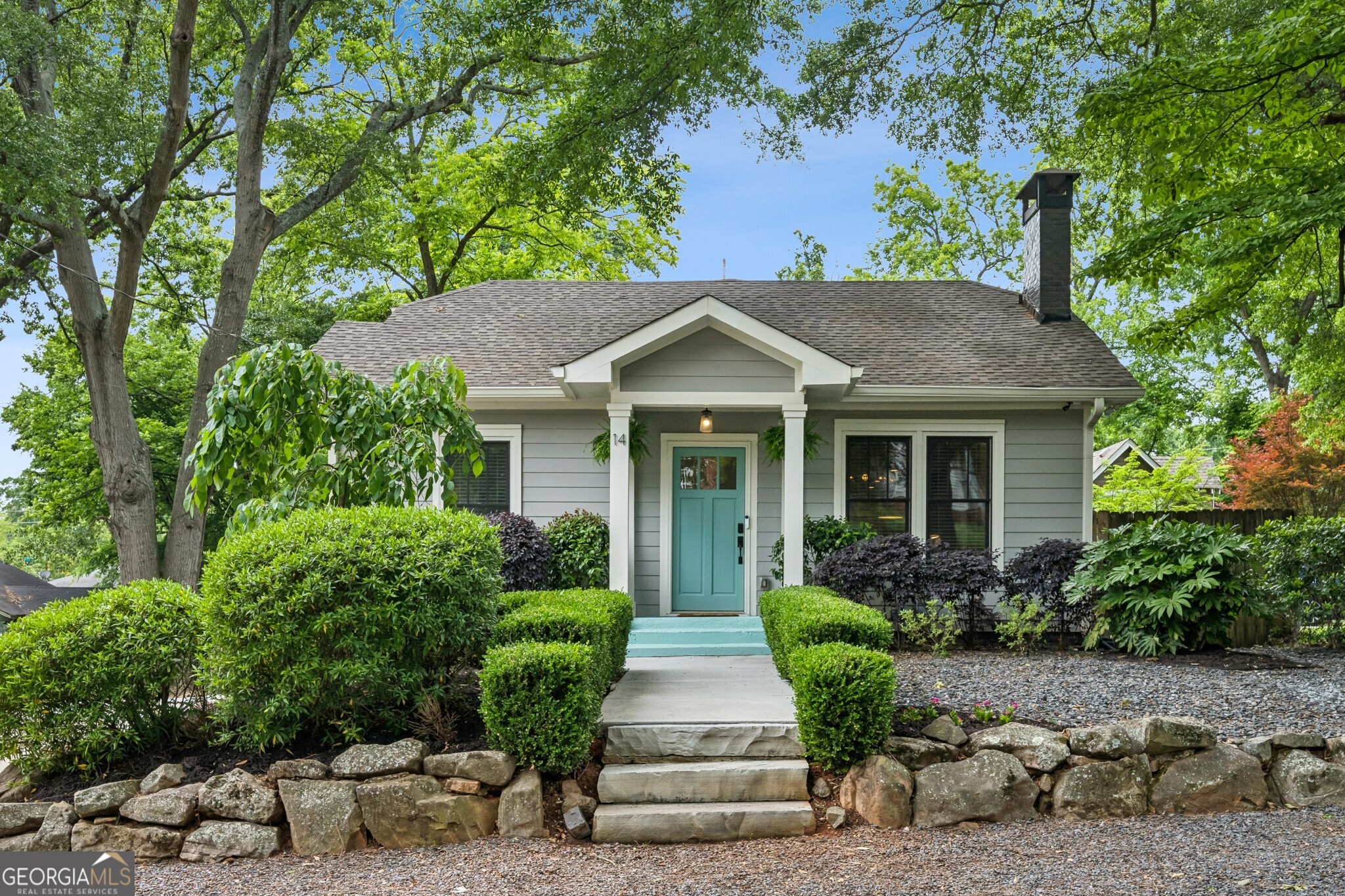
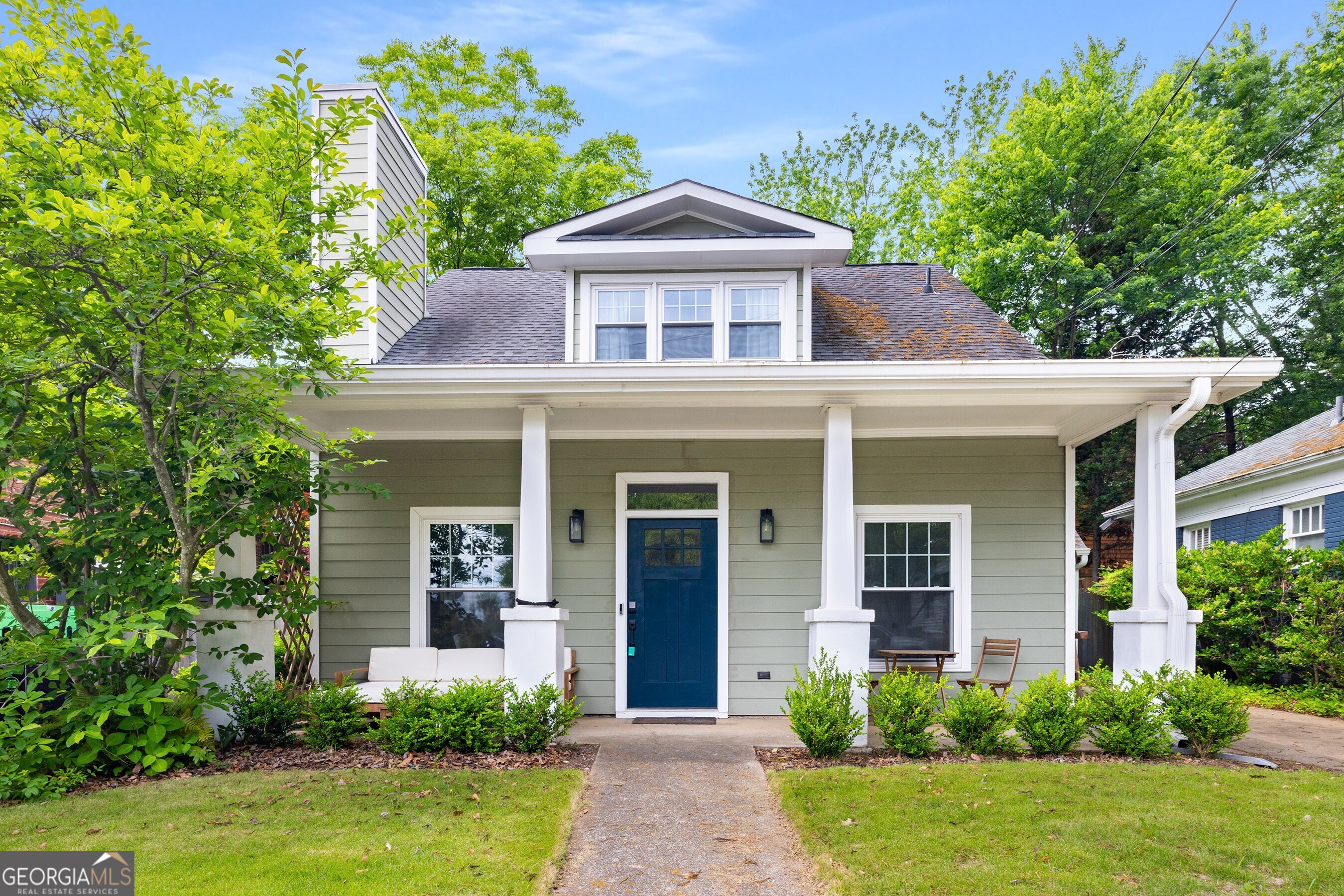
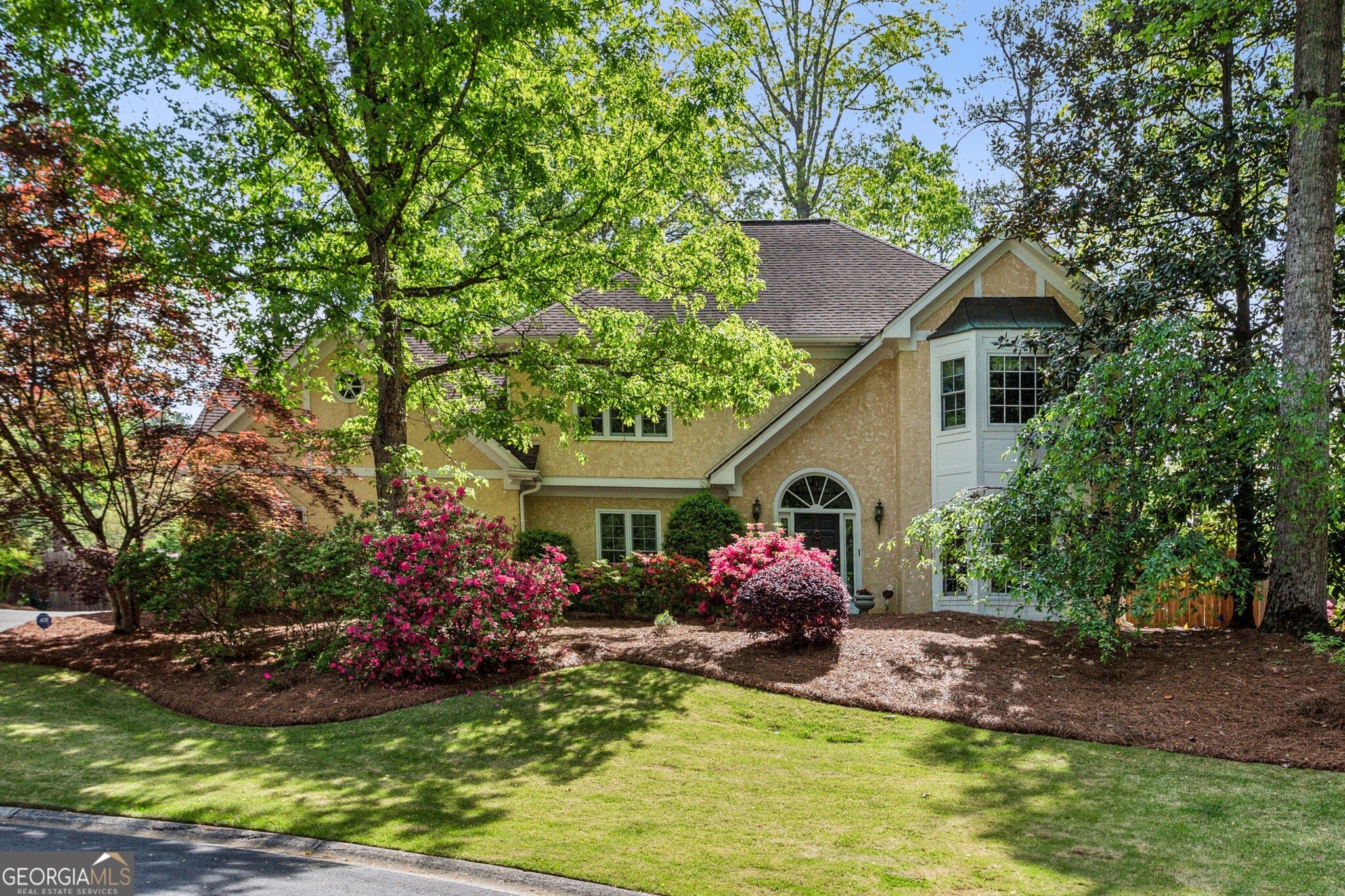
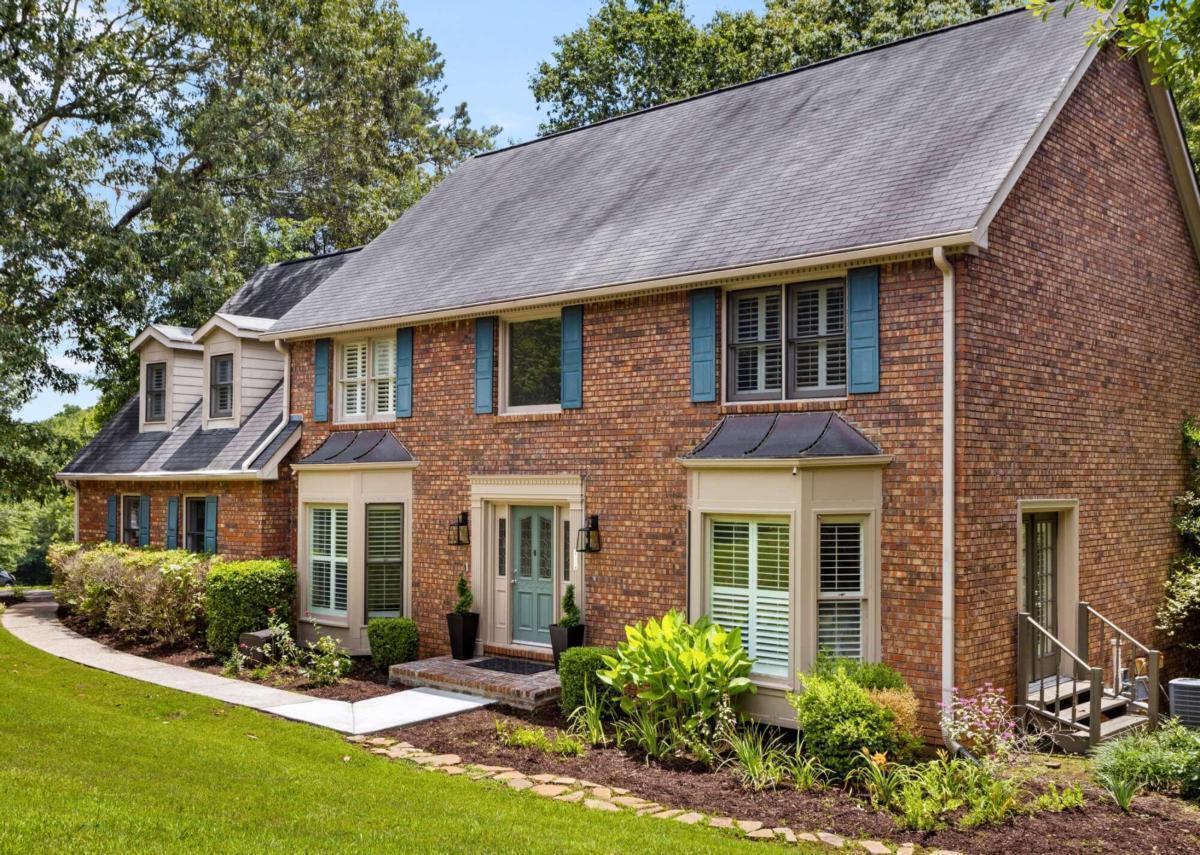
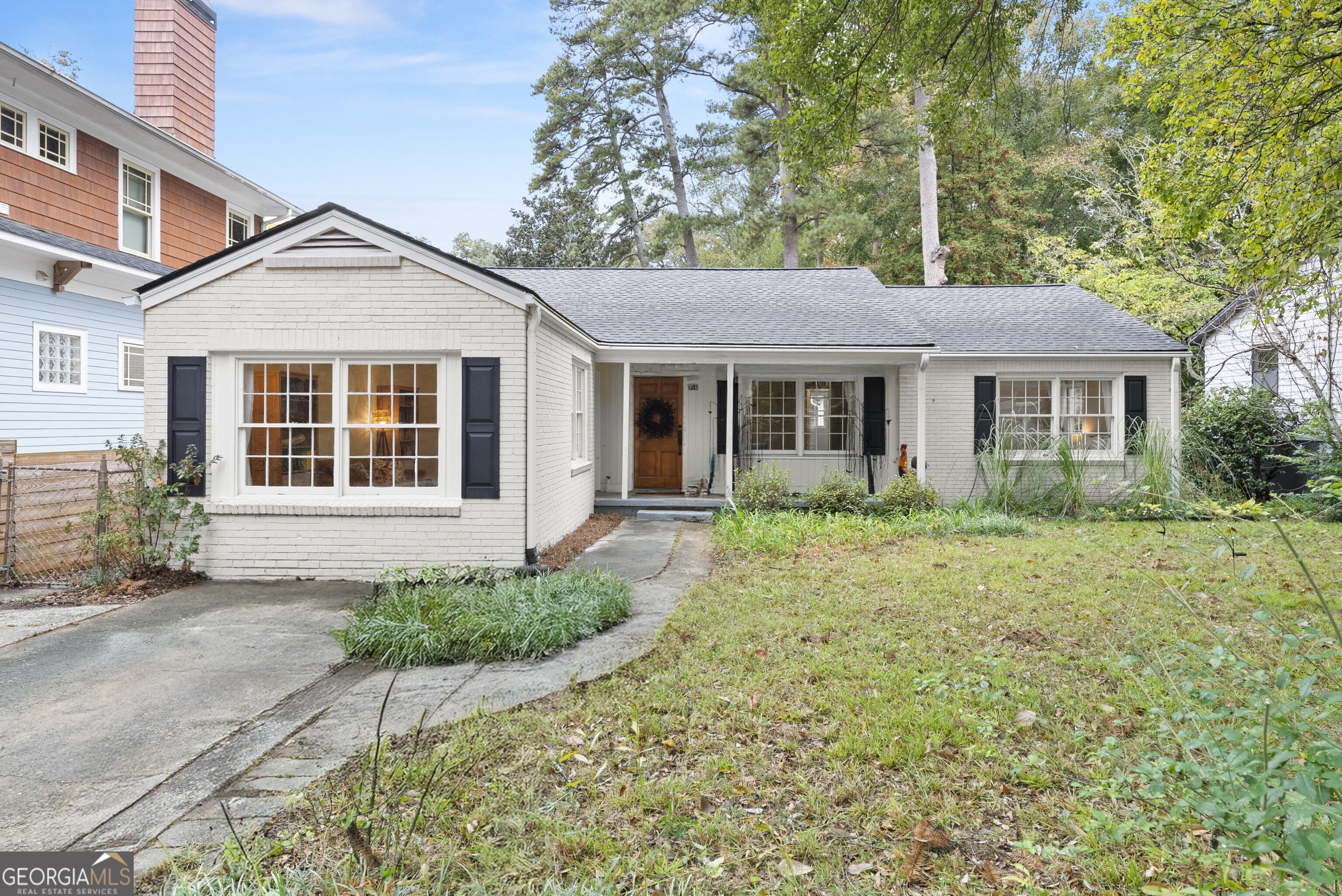
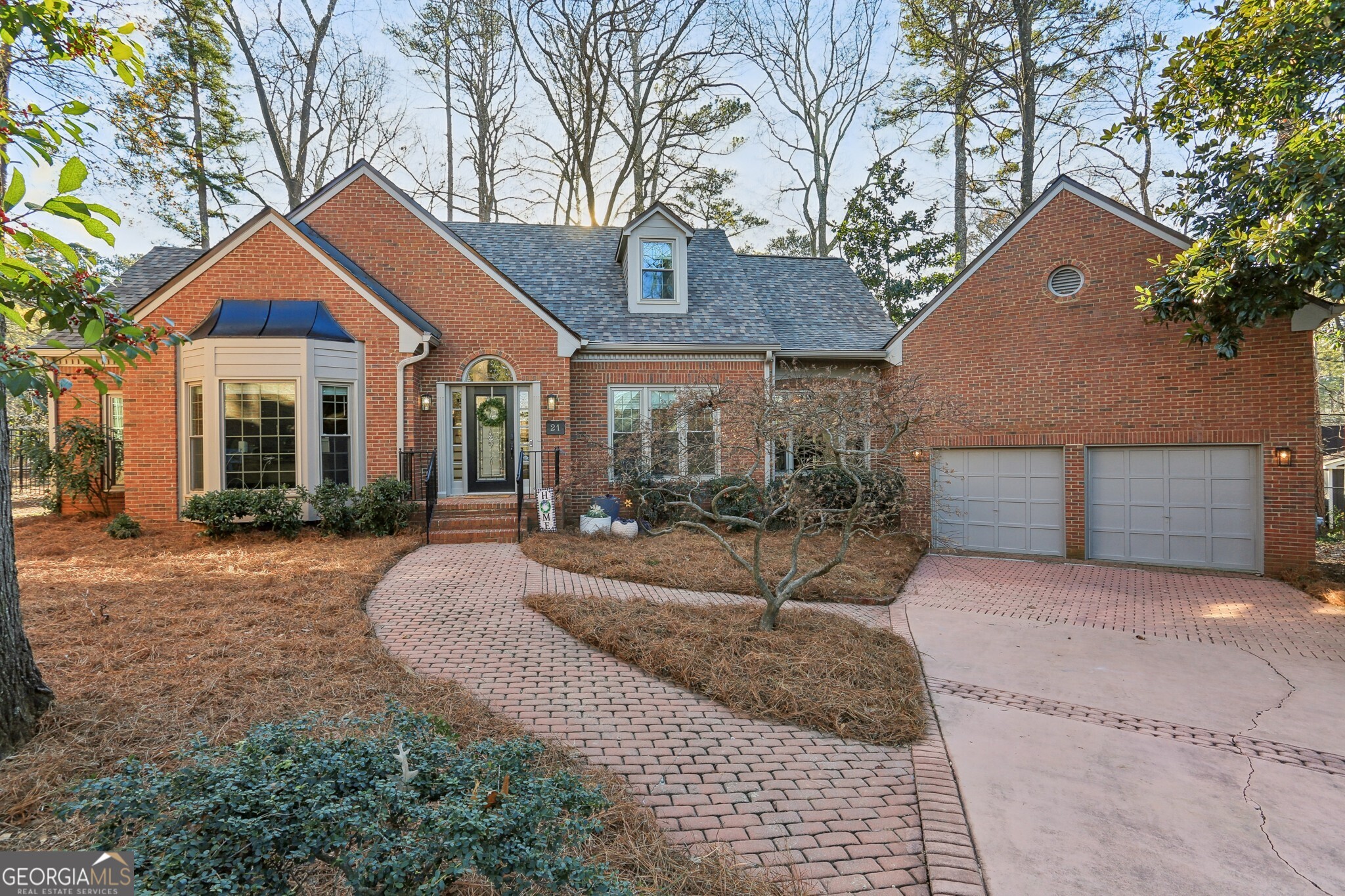
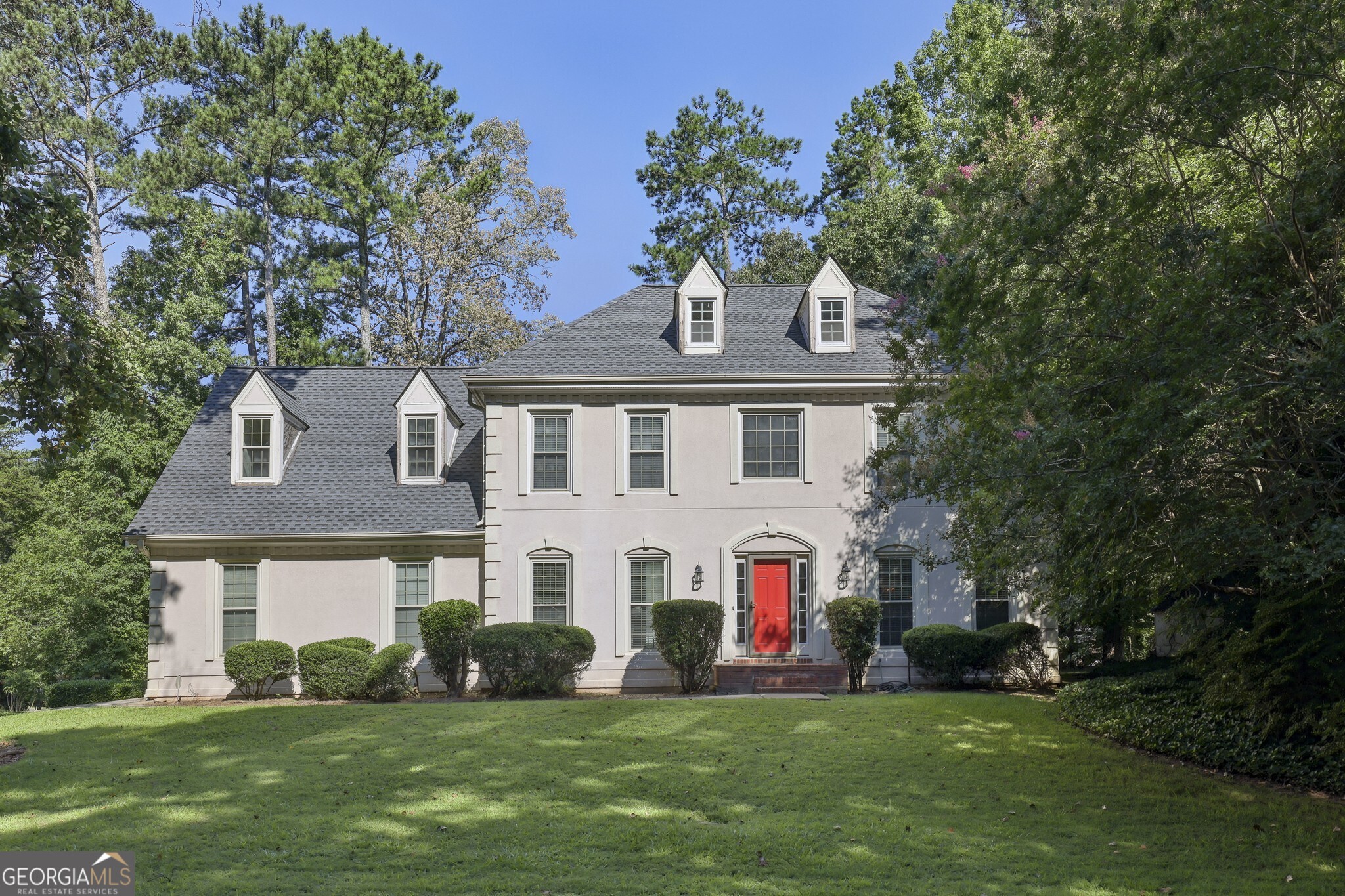
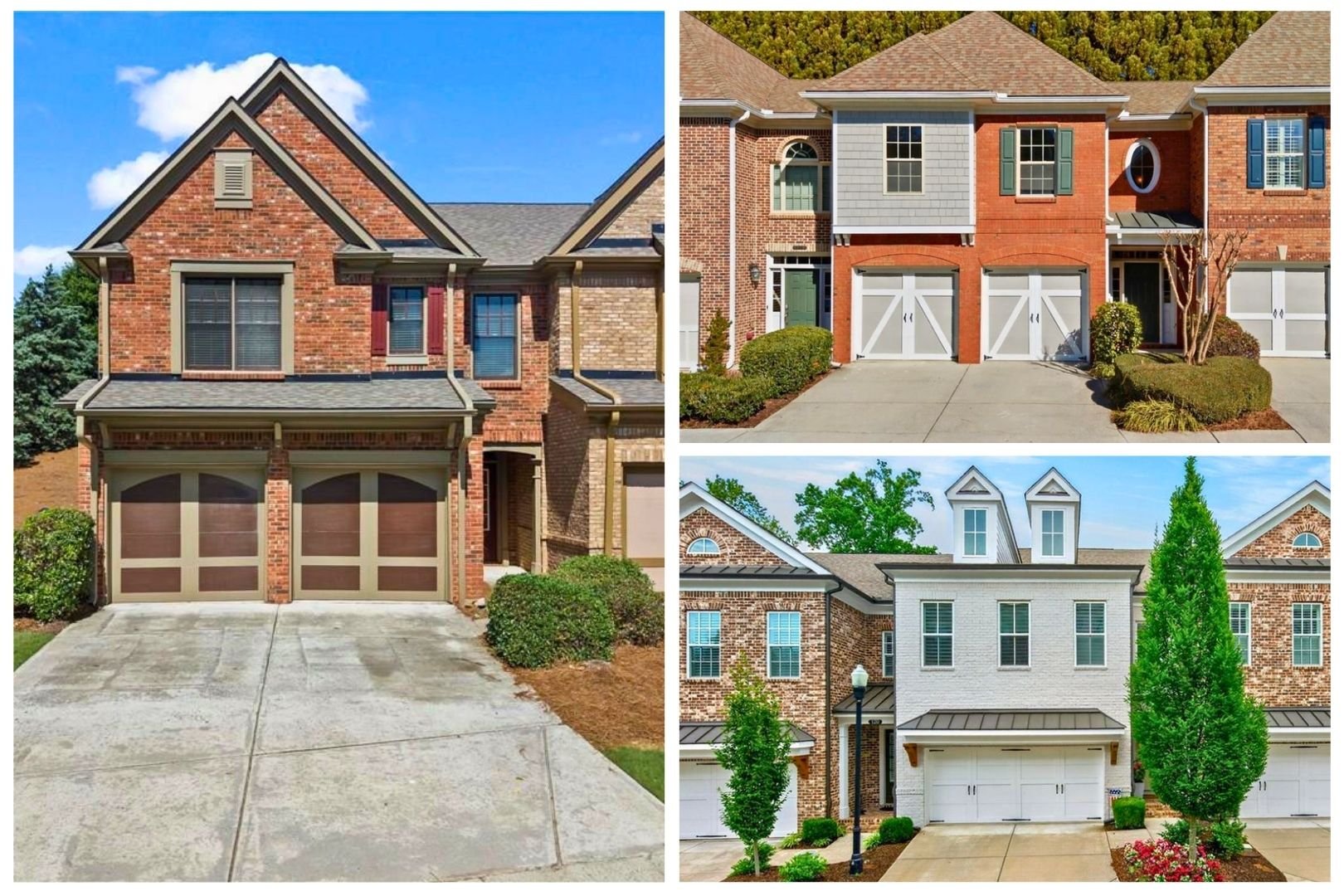
In contrast, Dunwoody is famous for its mature, leafy neighborhoods characterized by large, private lot sizes and towering hardwood trees.
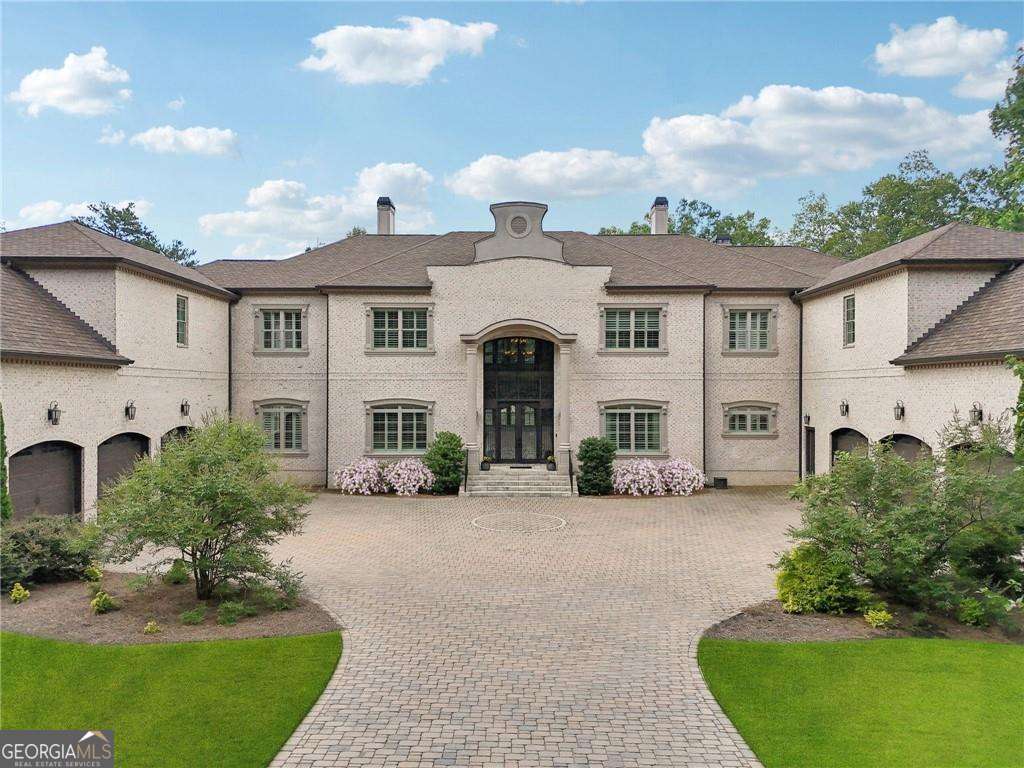
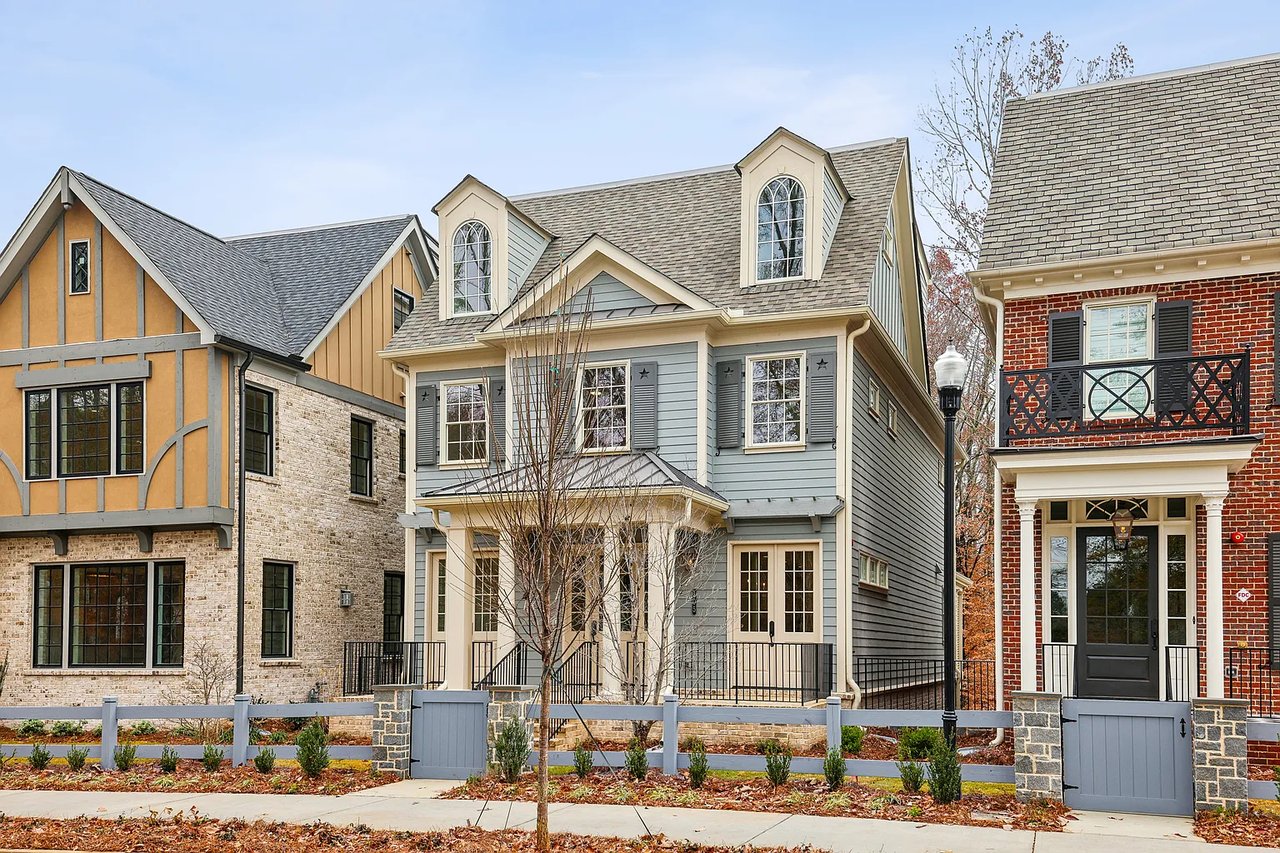
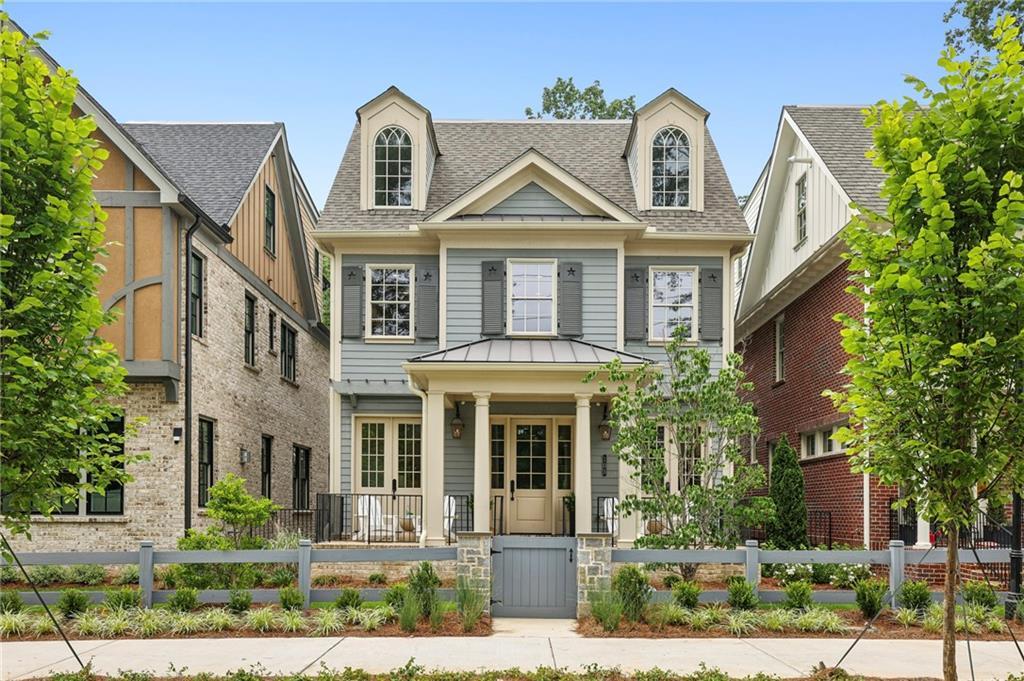
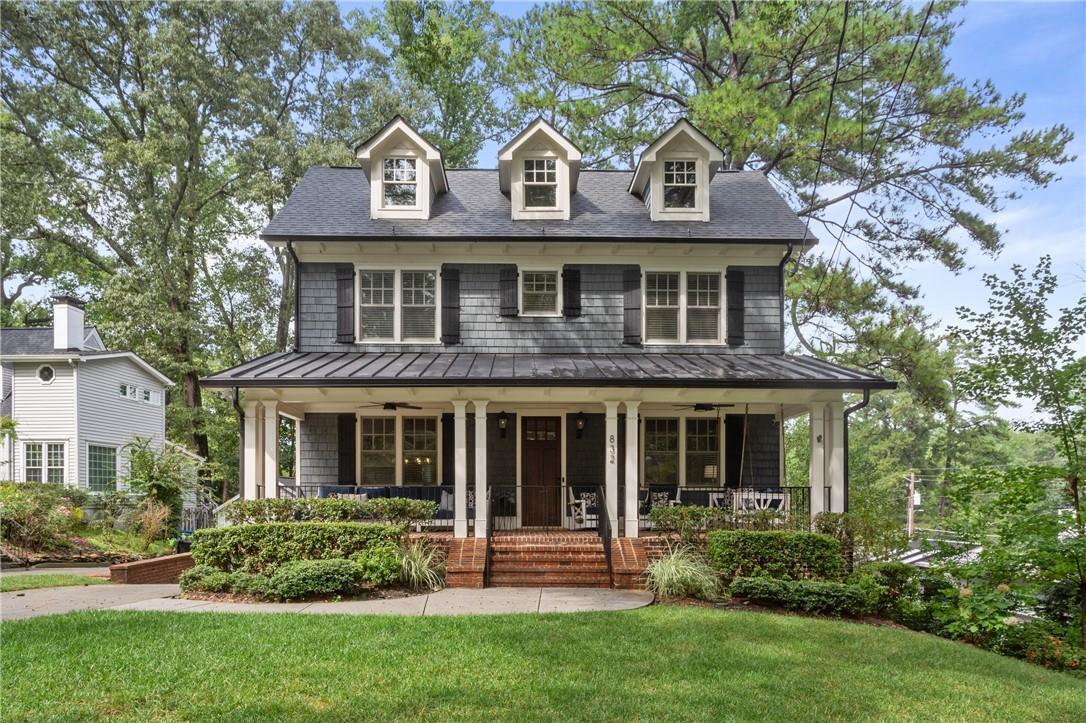
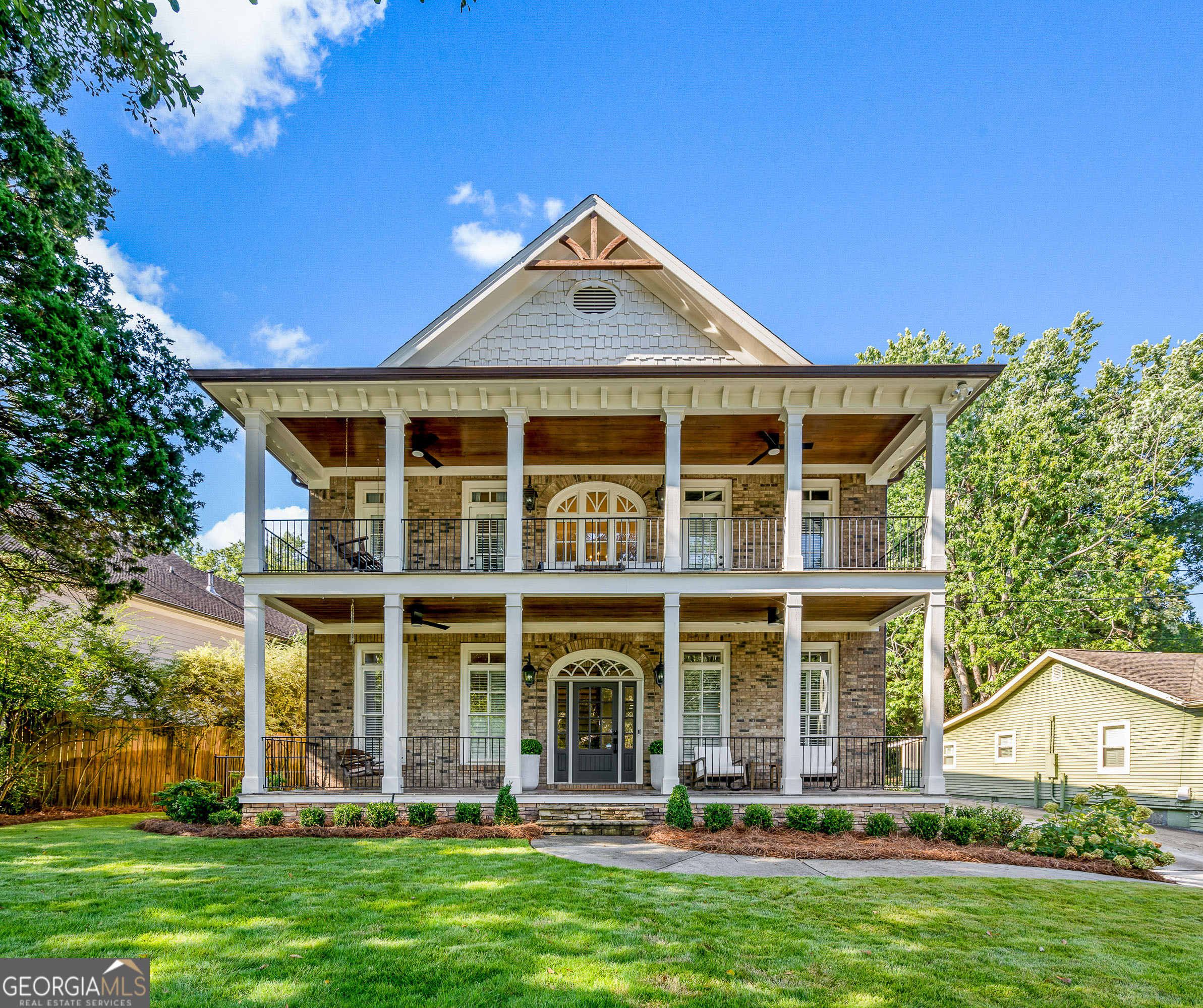
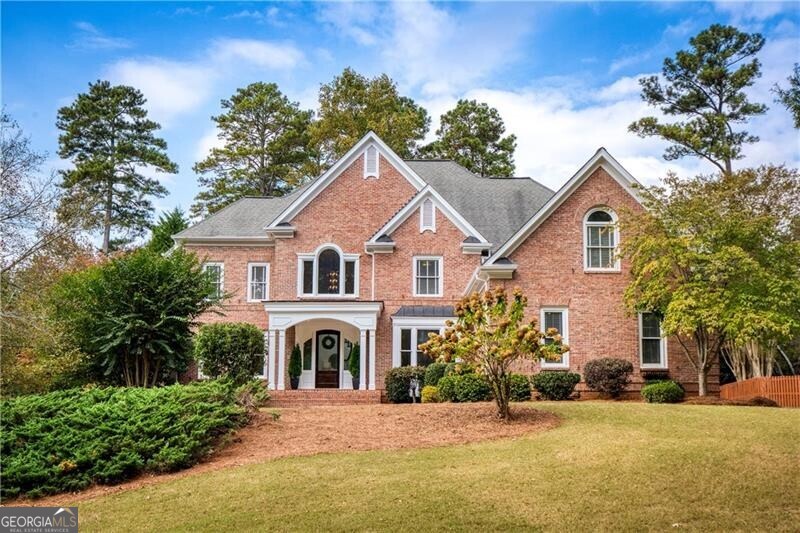
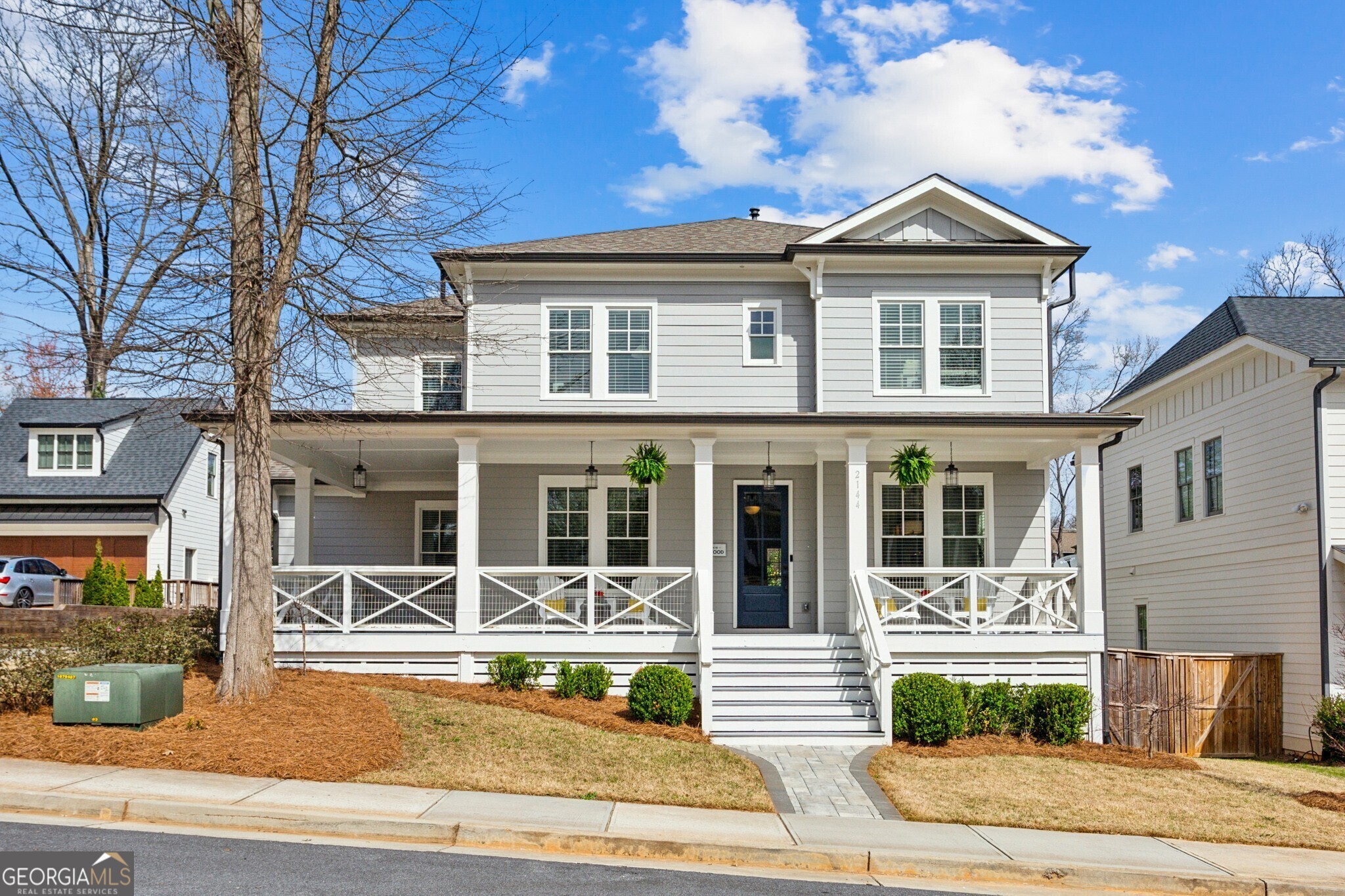
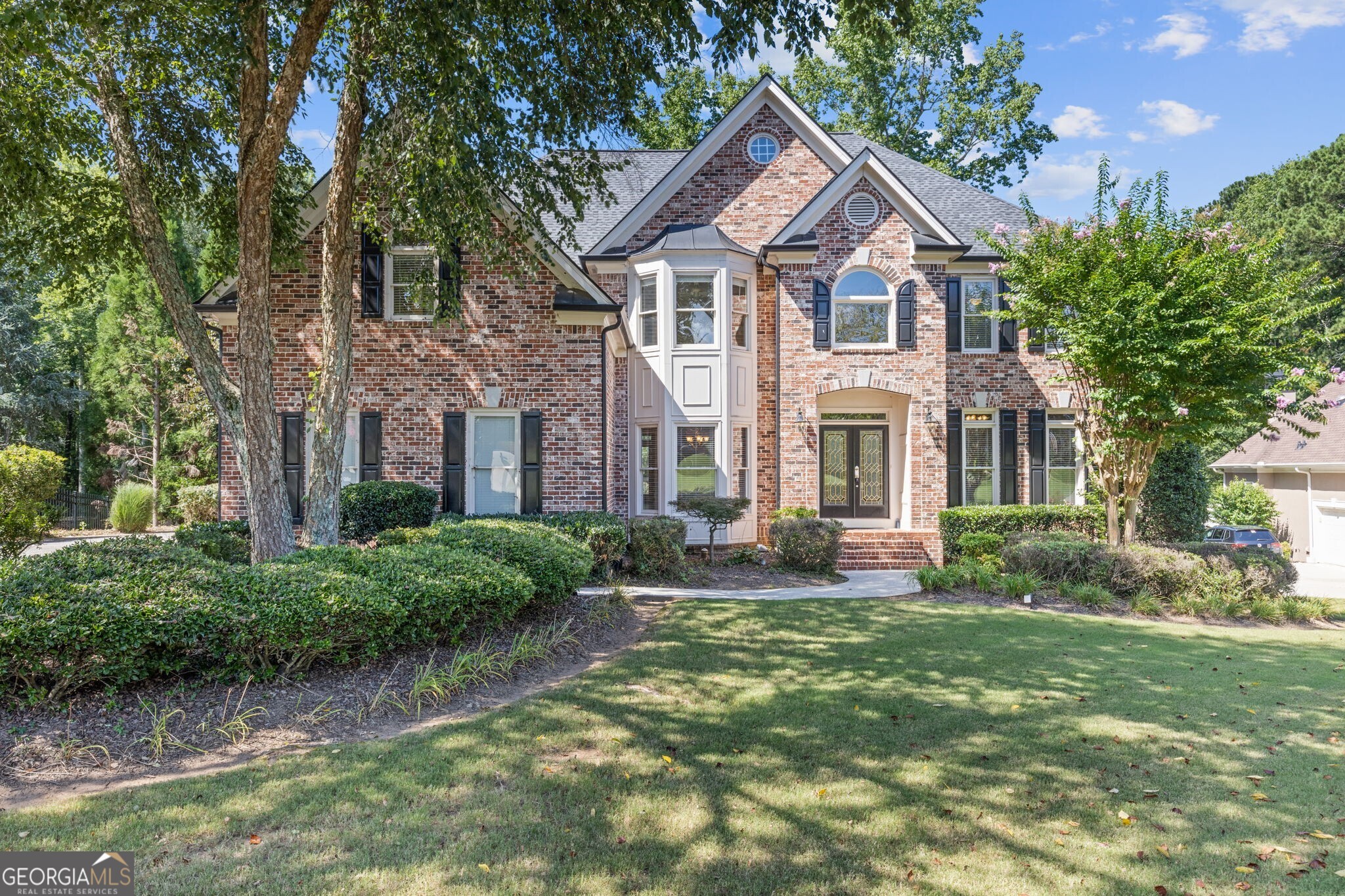
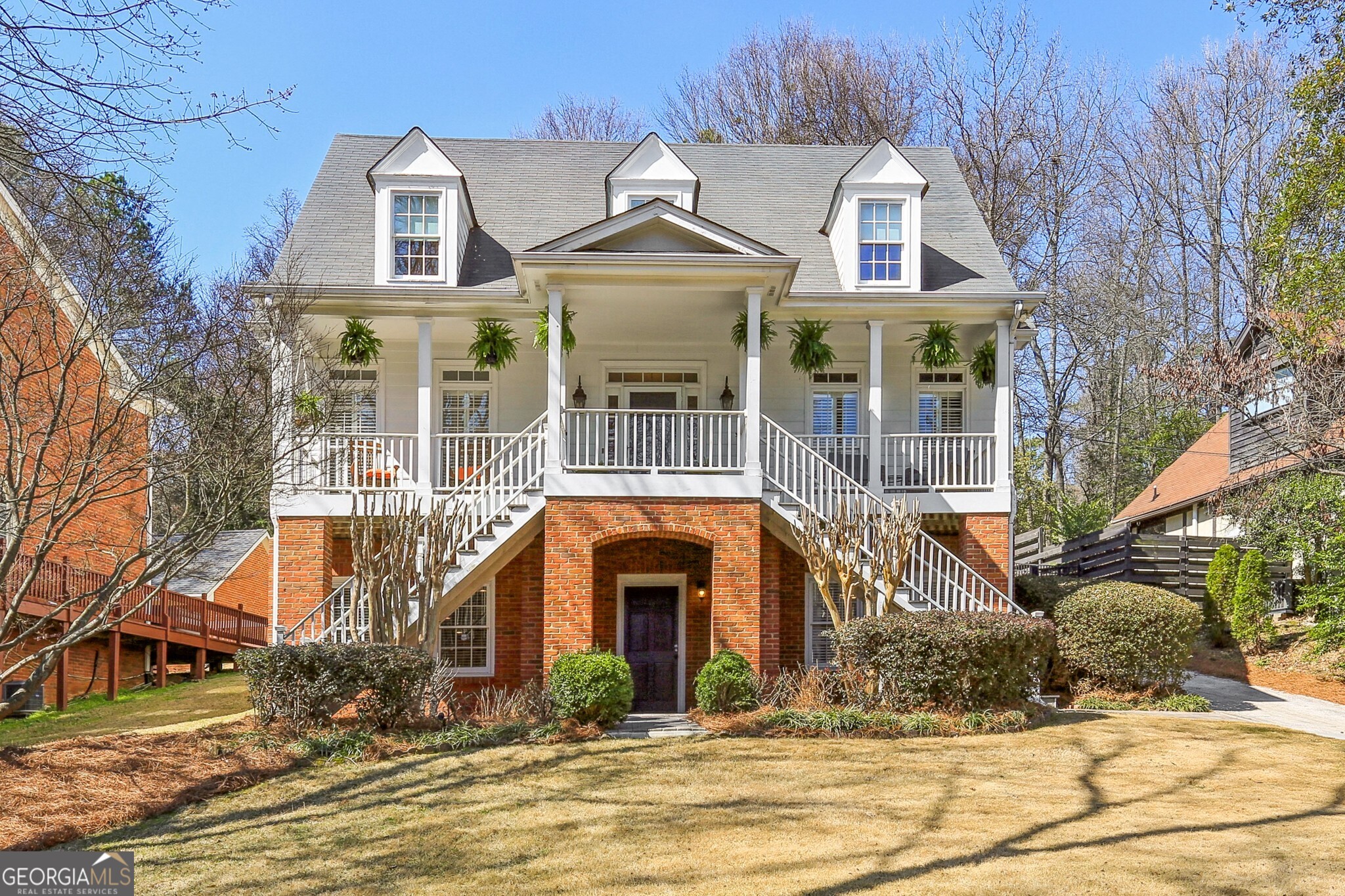
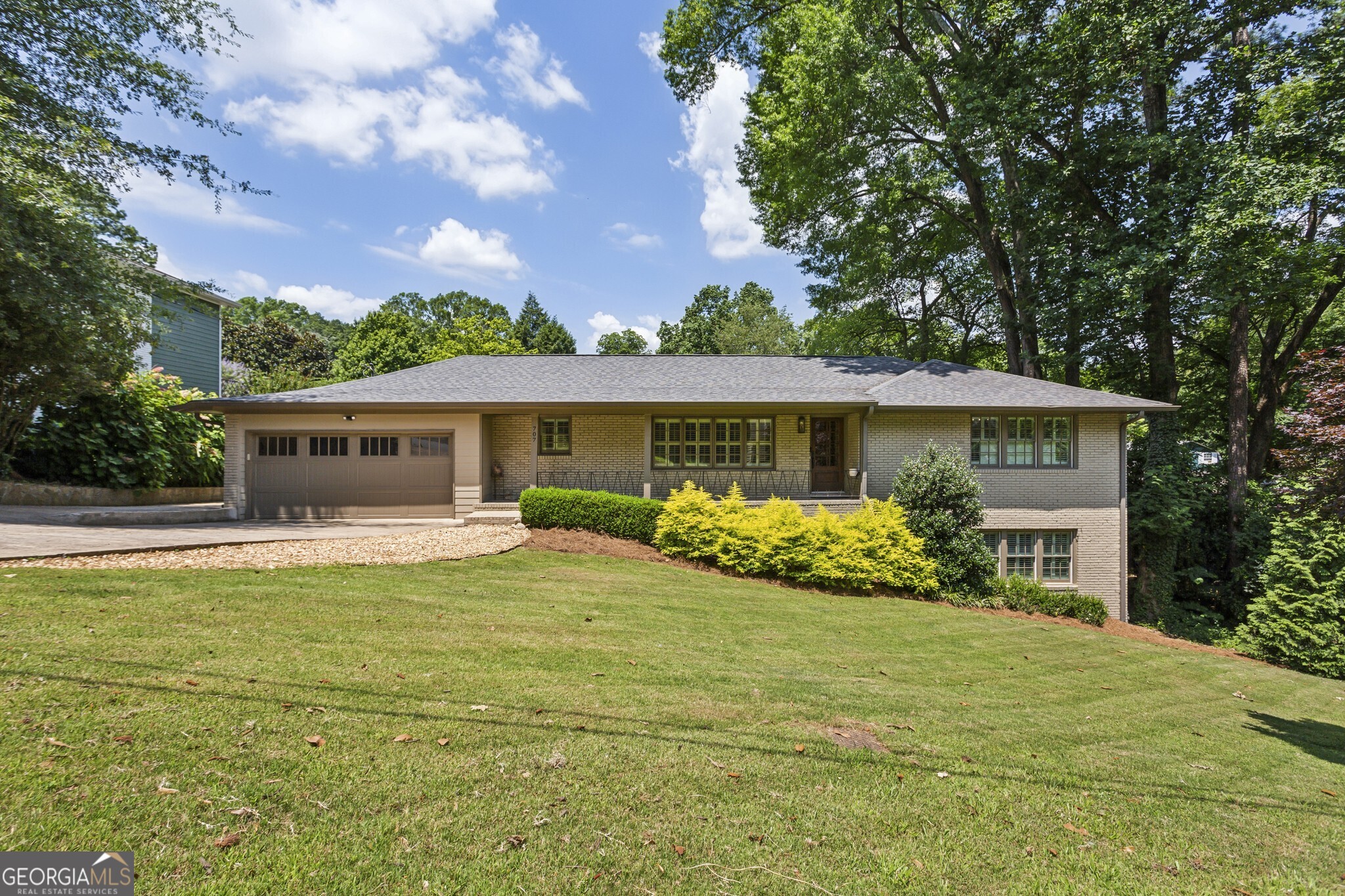
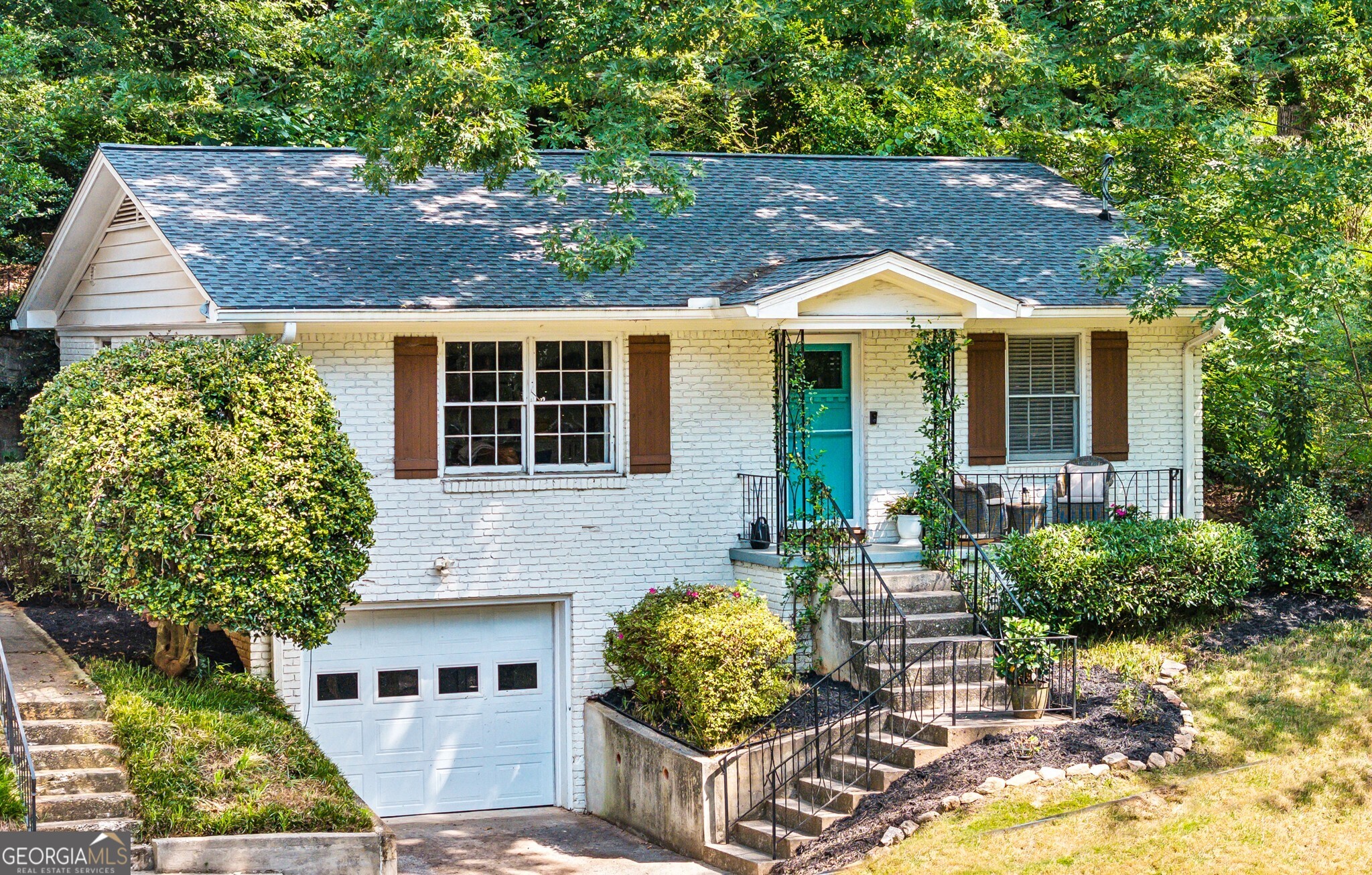
The primary architectural styles here include mid-century modern split-levels, classic brick colonials, and traditional two-story homes built in the 1970s and 1980s.
A defining feature of Dunwoody's real estate culture is its active voluntary or mandatory swim/tennis club associations, such as those in Dunwoody Club Forest or The Branches, which serve as the primary neighborhood social hubs.
The Dunwoody real estate market remains highly competitive due to its limited inventory and proximity to the city. The median home sale price in Dunwoody is $712,074, representing a steady 5.1% year-over-year increase.
Inventory moves incredibly quickly here, with homes selling in a median of just 16 days. This rapid pace reflects high demand from buyers who love classic homes with character and are eager to renovate or purchase beautifully updated properties.
Comparative Market Analysis
To help visualize how these two markets stack up side-by-side, consider the following key housing metrics for 2026:
Market Metric | Alpharetta, GA | Dunwoody, GA |
|---|---|---|
Median Home Price | $764,542 | $712,074 |
Median Days on Market | 31 Days | 16 Days |
Dominant Architecture | Modern Craftsman, New Construction, Luxury Townhomes | Mid-Century Modern, Traditional Brick Colonials, Split-Levels |
Lot Character | Manicured, Master-Planned, Moderate Sizes | Wooded, Sprawling, Established Canopies |
Primary Neighborhood Type | HOA-governed, Amenity-rich developments | Swim/Tennis Club subdivisions (often voluntary) |
PRO TIP: In Dunwoody, pay close attention to the status of the neighborhood swim and tennis club. Many of these clubs have multi-year waitlists for non-residents, so purchasing a home with an deeded share or an active membership transfer can save you years of waiting.
Downtown Vibes and Lifestyle: Avalon vs. Dunwoody Village

Both cities have poured immense resources into creating walkable social centers, giving residents plenty of options for weekend dining, shopping, and entertainment.
Alpharetta’s Dynamic Downtown and Avalon
Alpharetta offers a dual-core lifestyle experience that is hard to match in the Southeast. First is Avalon, a premier 86-acre resort-style, mixed-use development featuring high-end retail, chef-driven restaurants, a luxury hotel, and a central green space.
This green space serves as a community anchor, hosting outdoor yoga in the summer and ice skating in the winter.
Avalon has redefined suburban living, bringing an upscale, urban energy directly to North Fulton.
Just a short walk or bike ride away via the Alpha Loop is Downtown Alpharetta, a walkable historic district filled with local boutiques, craft breweries, and rooftop dining.
Residents flock to the Alpharetta Town Green for major concerts, seasonal festivals, and the popular weekly Farmers Market.
For a unique night out, you can visit The Ginger Room for afternoon tea in one of the city's oldest historic buildings, grab a local pint at Currahee Brewing Company, or enjoy upscale coastal fare at Lapeer Steak & Seafood.
Dunwoody Village and Spruill Gallery
Dunwoody’s social heart lies in Dunwoody Village, historic for its distinctive Williamsburg-style colonial architecture.
Recent revitalization efforts have transformed the village into an open-air gathering space featuring family-friendly courtyards, craft beverages, and outdoor dining.
This redevelopment has successfully introduced a modern touch to the classic center while preserving its historic identity.
A local favorite is Bar{n} booze {n} bites, a cozy indoor-outdoor wine and whiskey bar that acts as a lively neighborhood living room.
For a taste of local history, residents love visiting the E. 48th Street Market, a family-run authentic Italian grocery and deli that has been serving up fresh mozzarella and legendary subs since 1986.
Dunwoody also has a rich arts culture, anchored by the Spruill Center for the Arts and the historic Spruill Gallery, home to the iconic "Everything Will Be OK" mural that perfectly captures the city's close-knit community spirit.
Parks, Recreation, and Outdoor Amenities

Getting outside is easy in both municipalities, as both cities prioritize green spaces, natural preservation, and recreational programming for all ages.
Alpharetta's Green Spaces: Wills Park and the Big Creek Greenway
Alpharetta has built an award-winning park system designed for active lifestyles and sports enthusiasts.
Wills Park, spanning approximately 120 acres in the heart of the city, is Alpharetta's premier recreational hub.
It features a newly renovated, $5.47 million competition pool, 10 baseball fields, tennis courts, playgrounds, and a dedicated 50-acre Equestrian Center that hosts local and national horse shows.
For those who prefer a longer journey, the Big Creek Greenway offers a scenic, 9-mile paved multi-use trail that winds through wetlands and woodlands.
It is a favorite local destination for road biking, running, and walking, providing a peaceful, car-free corridor that connects Alpharetta to neighboring Roswell.
Dunwoody's Natural Retreats: Brook Run Park and Dunwoody Nature Center
Dunwoody's green spaces focus on community gathering, natural beauty, and preserving the canopy of the forest.
At approximately 110 acres, Brook Run Park is the largest park in Dunwoody and the surrounding region.
It is a signature destination featuring a massive playground, a 2-mile paved loop trail, a custom skate park, synthetic turf sports fields, a community garden, and the Treetop Quest aerial obstacle course.
The park's state-of-the-art amphitheater also hosts popular outdoor summer concert series, drawing neighbors together under the stars.
For a quieter escape, the Dunwoody Nature Center offers a peaceful 22-acre sanctuary located in the woods behind Dunwoody Village.
It features quiet hiking trails, a scenic creek, educational programming, and hammock gardens, providing a quiet escape from the surrounding suburban environment.
Education and Schools: Fulton County vs. DeKalb County

For families prioritizing education, both cities are supported by large, well-resourced school districts alongside premier private options. Both systems are highly regarded for preparing students for higher education.
Fulton County Schools in Alpharetta
Public schools in Alpharetta are part of the Fulton County School System, which is highly regarded for its academic achievements.
Local public high schools, such as Alpharetta High School and Milton High School, are recognized for their rigorous college preparatory curricula, extensive Advanced Placement (AP) courses, and robust fine arts and athletic programs.
The district also offers specialized STEM academies and career-technical pathways, supported by active parent-teacher organizations and strong community involvement.
For families seeking private alternatives, the North Fulton corridor provides easy access to top-tier private institutions like Mount Pisgah Christian School and Saint Francis School.

DeKalb County Schools in Dunwoody
Dunwoody public schools are administered by the DeKalb County School District, which serves a diverse student population.
Dunwoody High School serves as the central public high school hub for local teenagers, known for its strong academic programs, active sports teams, and deep roots in the local community.
The school's Academy of Finance and mass communication programs offer students unique, real-world career training before they even set foot on a college campus.
Additionally, Dunwoody's location along the I-285 corridor provides convenient access to some of metro Atlanta’s most prestigious private independent schools, including Marist School, Mount Vernon School, and Wesleyan School.
PRO TIP: When evaluating schools in either district, look beyond simple test scores. Explore the depth of their extracurricular offerings, as both Fulton and DeKalb county schools in these areas feature nationally recognized robotics, debate, and athletic programs that provide critical advantages for college admissions.
FAQ: Navigating the Alpharetta vs. Dunwoody Decision
Q1: How far apart are Alpharetta and Dunwoody?
A: They are roughly 12 to 15 miles apart, connected primarily by GA-400. Depending on the time of day and traffic, the drive between the two cities takes about 20 to 30 minutes.
Q2: Which city has better public transit options to downtown Atlanta?
A: Dunwoody has a clear advantage. It features its own MARTA rail station (Dunwoody Station), which provides direct train service into Buckhead, Midtown, Downtown Atlanta, and the airport. Alpharetta transit users typically drive south to the North Springs MARTA station or utilize regional express bus lines.
Q3: What is the main architectural difference between homes in these two areas?
A: Dunwoody is famous for its mid-century modern ranch homes, traditional split-levels, and classic brick colonials built in the 1960s and 1970s. Alpharetta features a higher volume of newer construction, master-planned luxury developments, and modern townhomes.

Q4: Are there major corporate headquarters in these areas?
A: Yes, both are economic powerhouses. Dunwoody is home to the Perimeter Center corridor, hosting major corporate headquarters in finance, insurance, and technology. Alpharetta is known as North Fulton's technology hub, housing over 700 tech firms and corporate offices.
Q5: Which city is more walkable?
A: Both offer walkable pockets, but in different ways. Alpharetta has an expansive, highly walkable downtown district seamlessly integrated with Avalon. Dunwoody offers excellent neighborhood walkability, where residents can easily walk to local swim/tennis clubs, while Dunwoody Village serves as a localized, walkable retail and dining hub.
Q6: How do property taxes compare between the two cities?
A: Alpharetta is located in Fulton County, while Dunwoody is in DeKalb County. Historically, DeKalb County property taxes can be slightly higher than Fulton County, but both cities offer various homestead exemptions that can significantly lower your annual tax bill if the property is your primary residence.
Conclusion: Making Your Choice for 2026
Ultimately, the choice between Alpharetta and Dunwoody depends on your personal lifestyle priorities and professional setup.
Choose Dunwoody if you want a shorter commute to Atlanta, value direct MARTA rail access, prefer established neighborhoods with mature trees, and love the classic swim/tennis community culture.
Choose Alpharetta if you want a high-energy, self-contained suburban lifestyle, prefer newer construction and modern luxury townhomes, want to live near the upscale culinary and retail scene of Avalon, and plan to work in the North Fulton tech corridor.
If you are planning a move to the North Atlanta area in 2026 and want to explore these neighborhoods in person, please reach out to our team to start your home search.