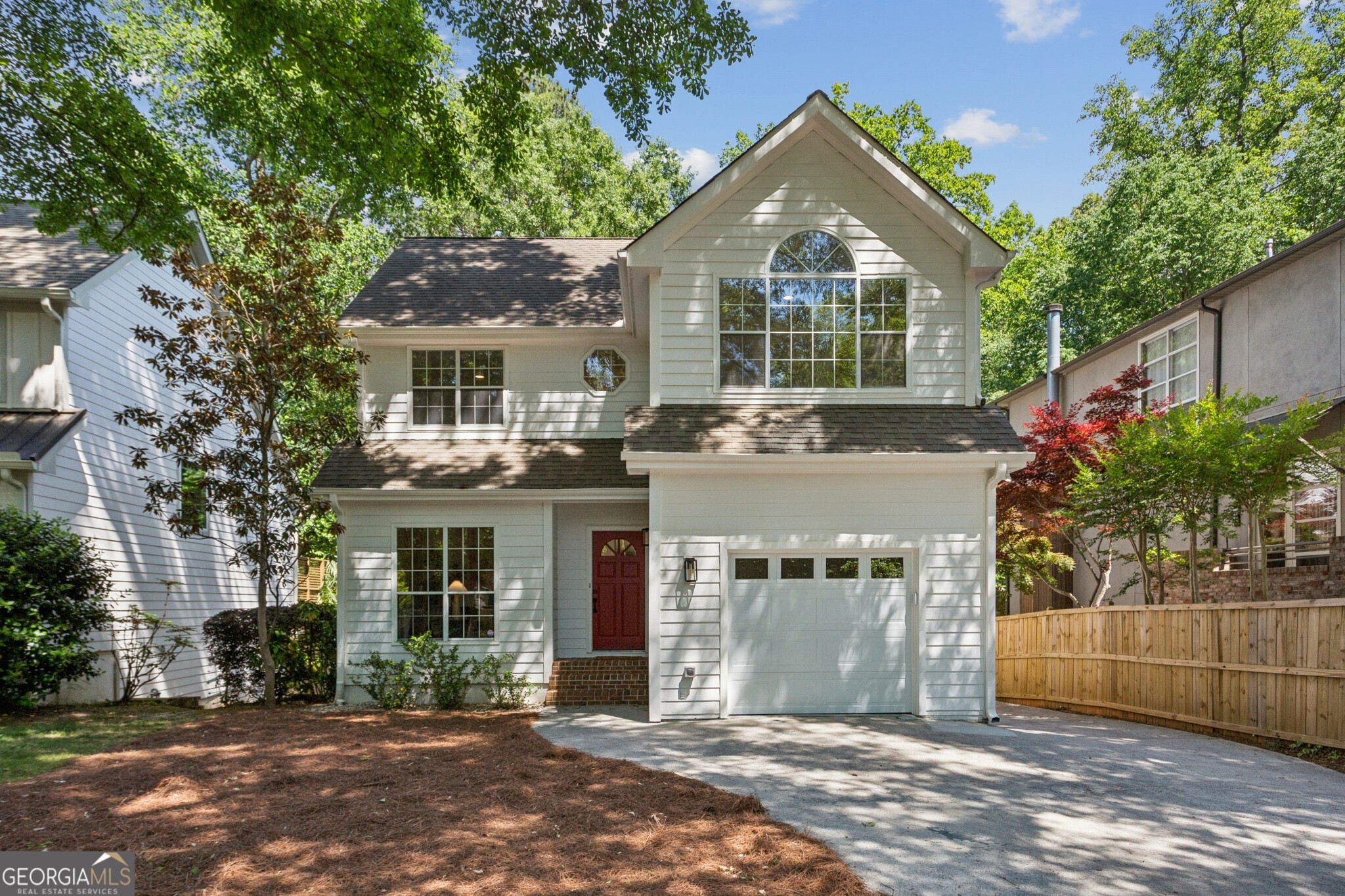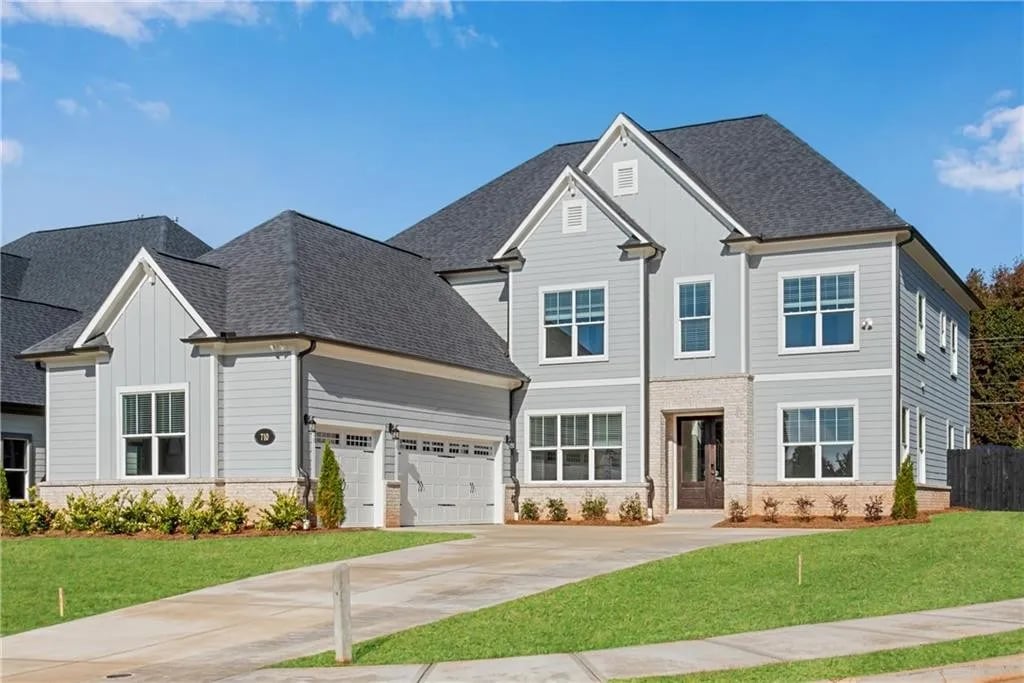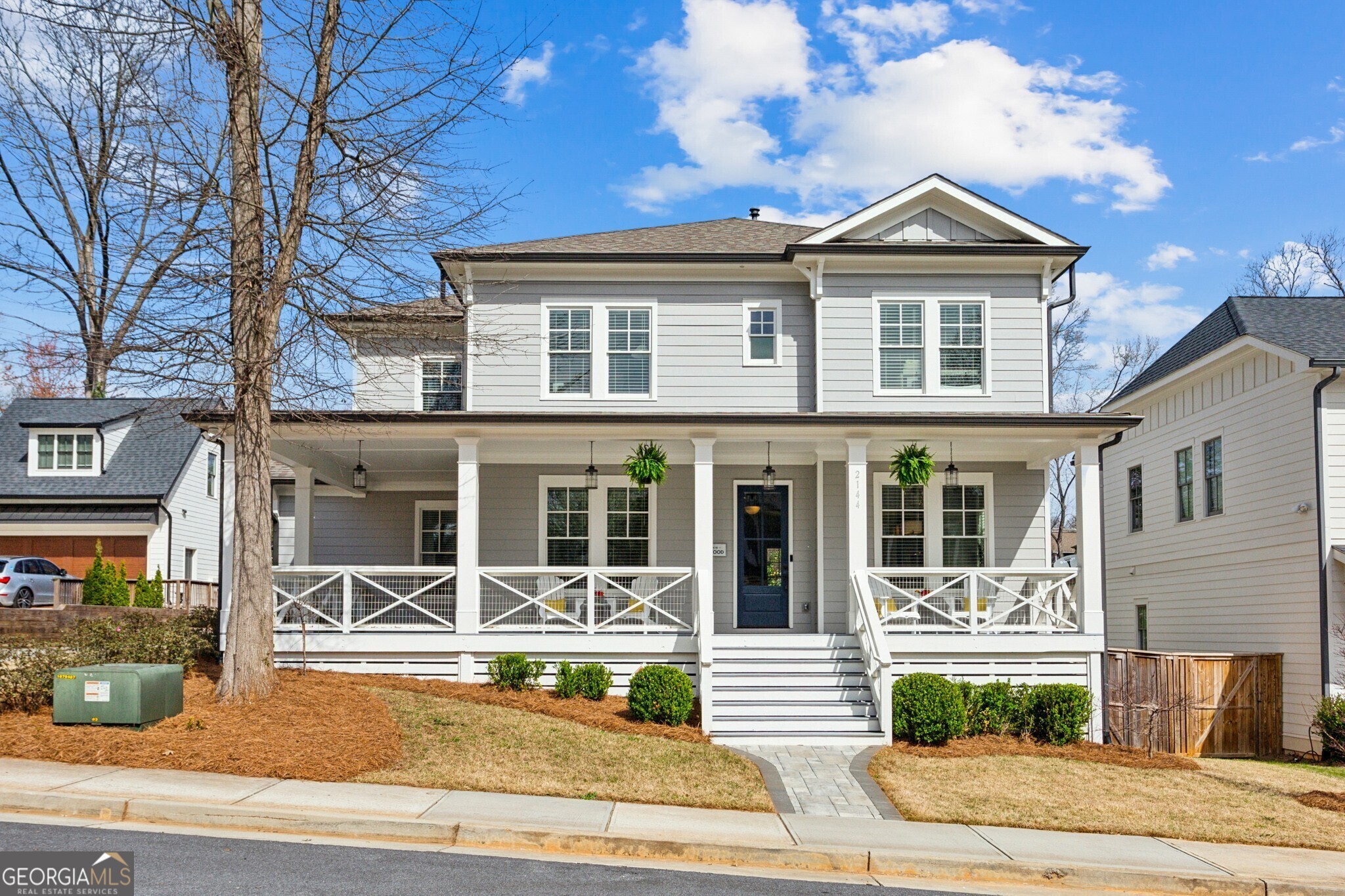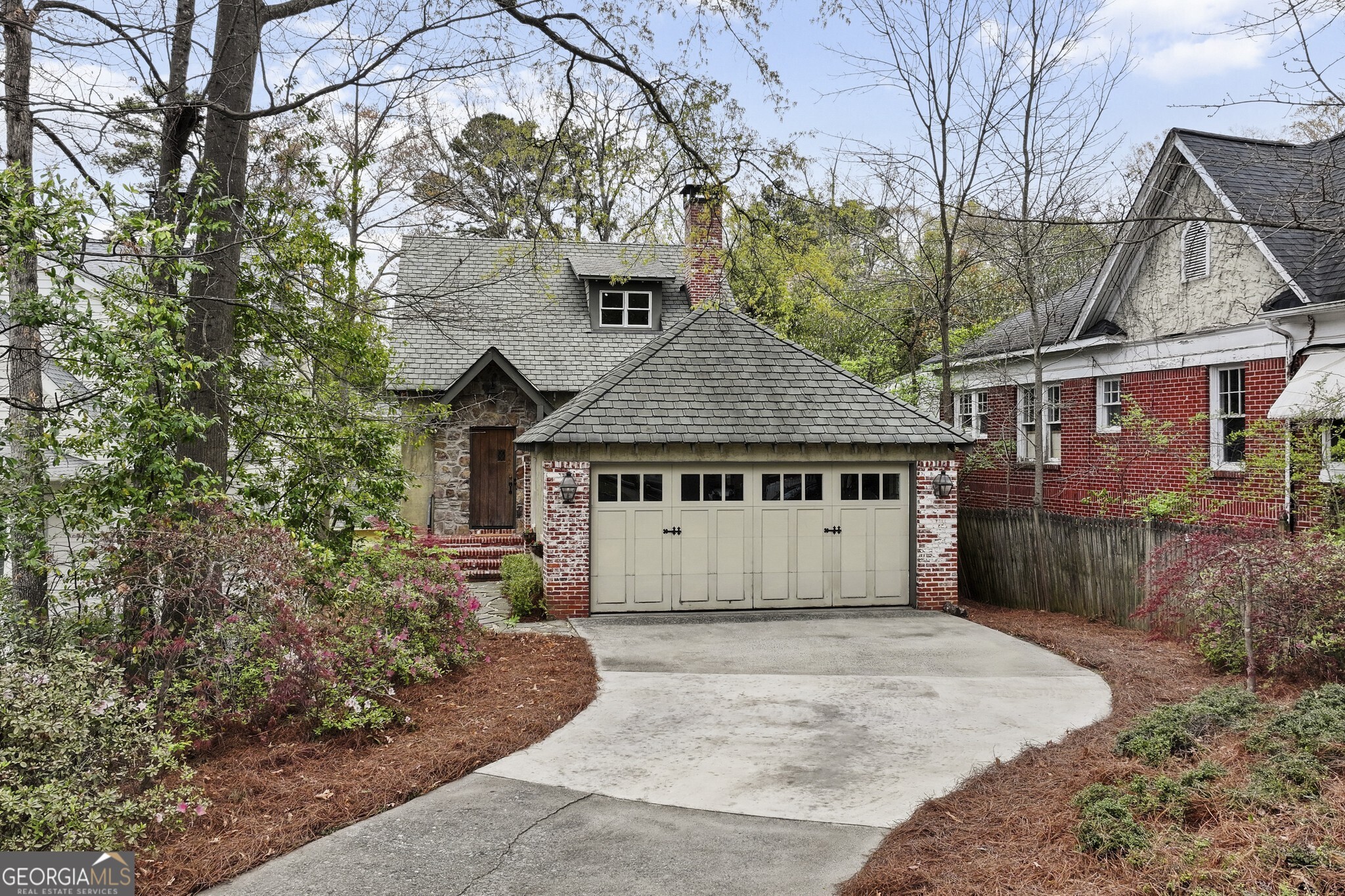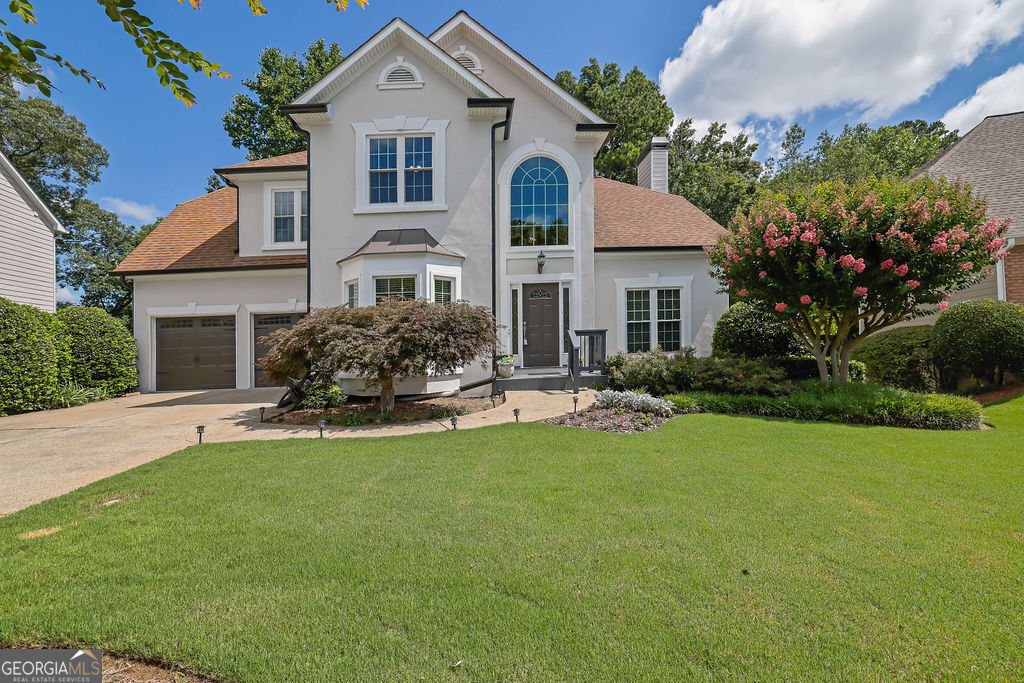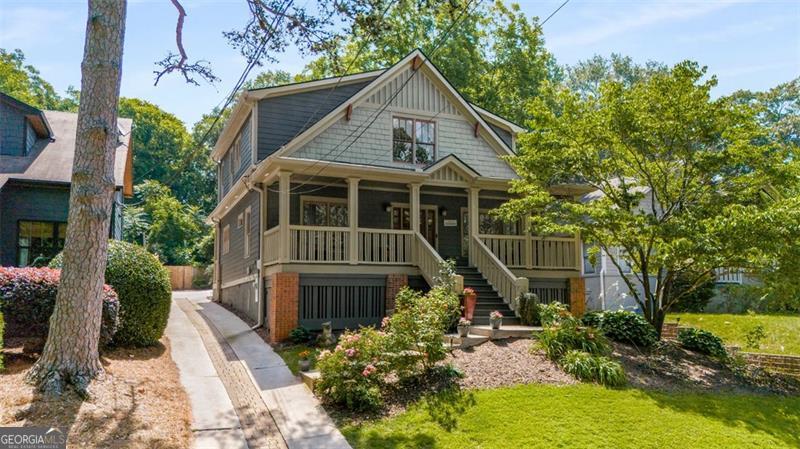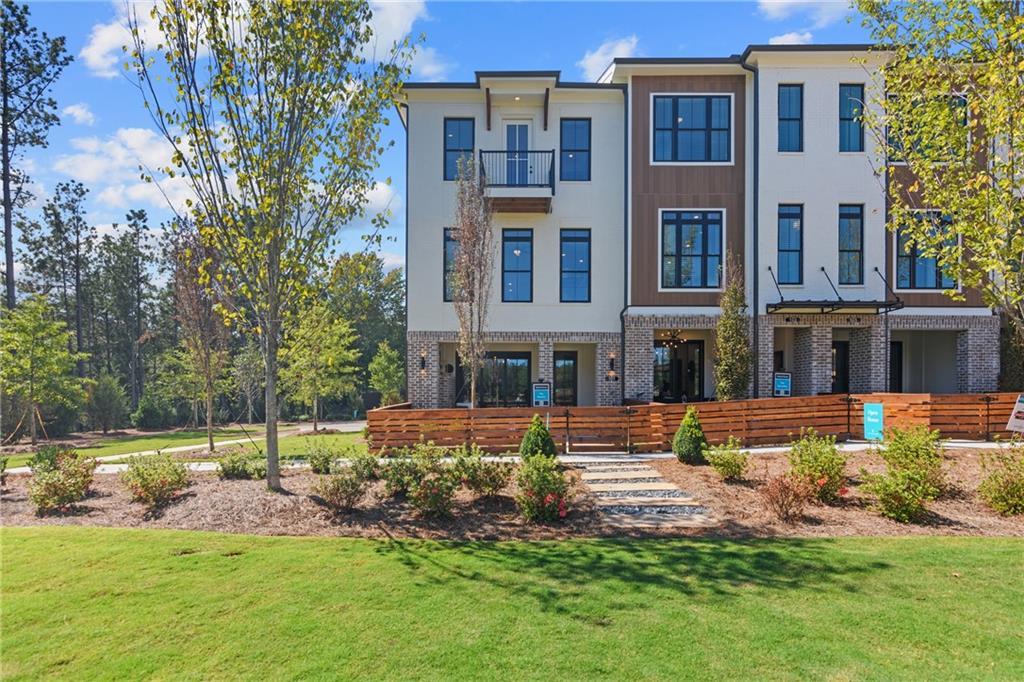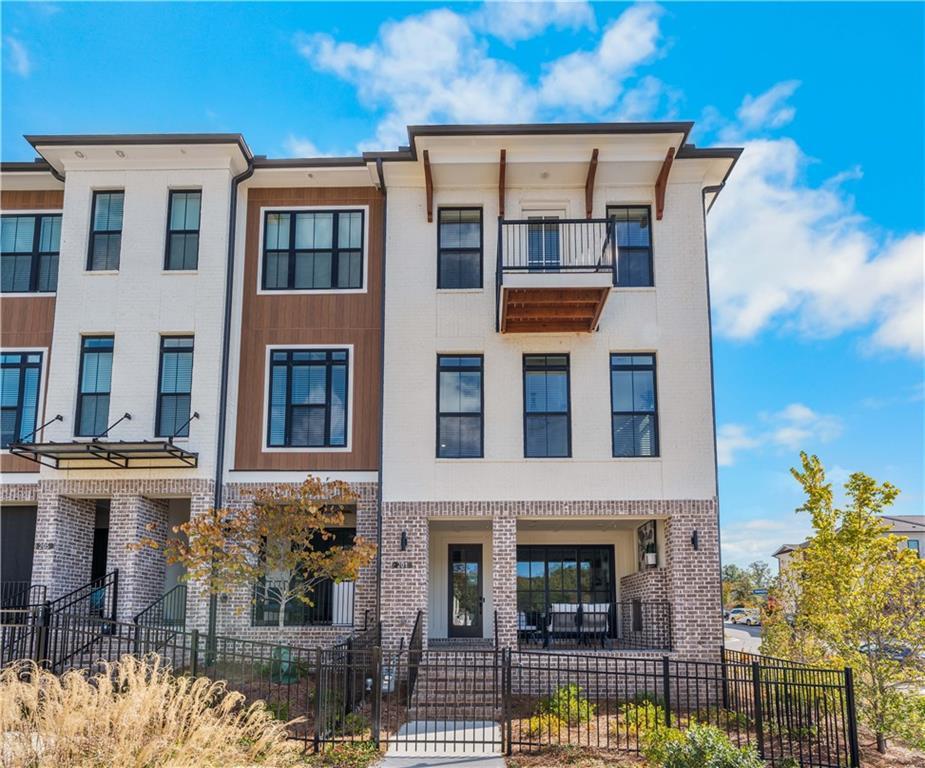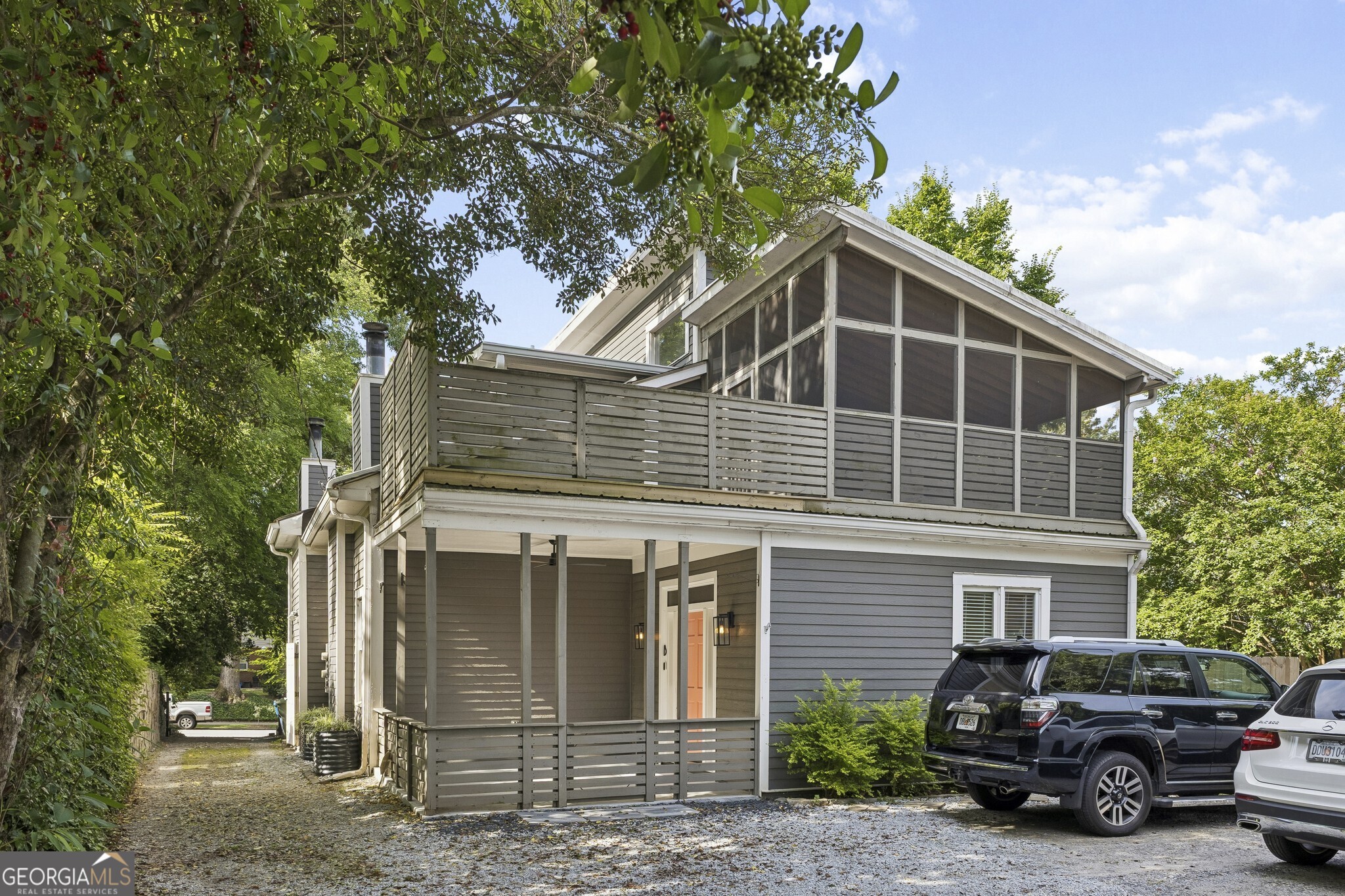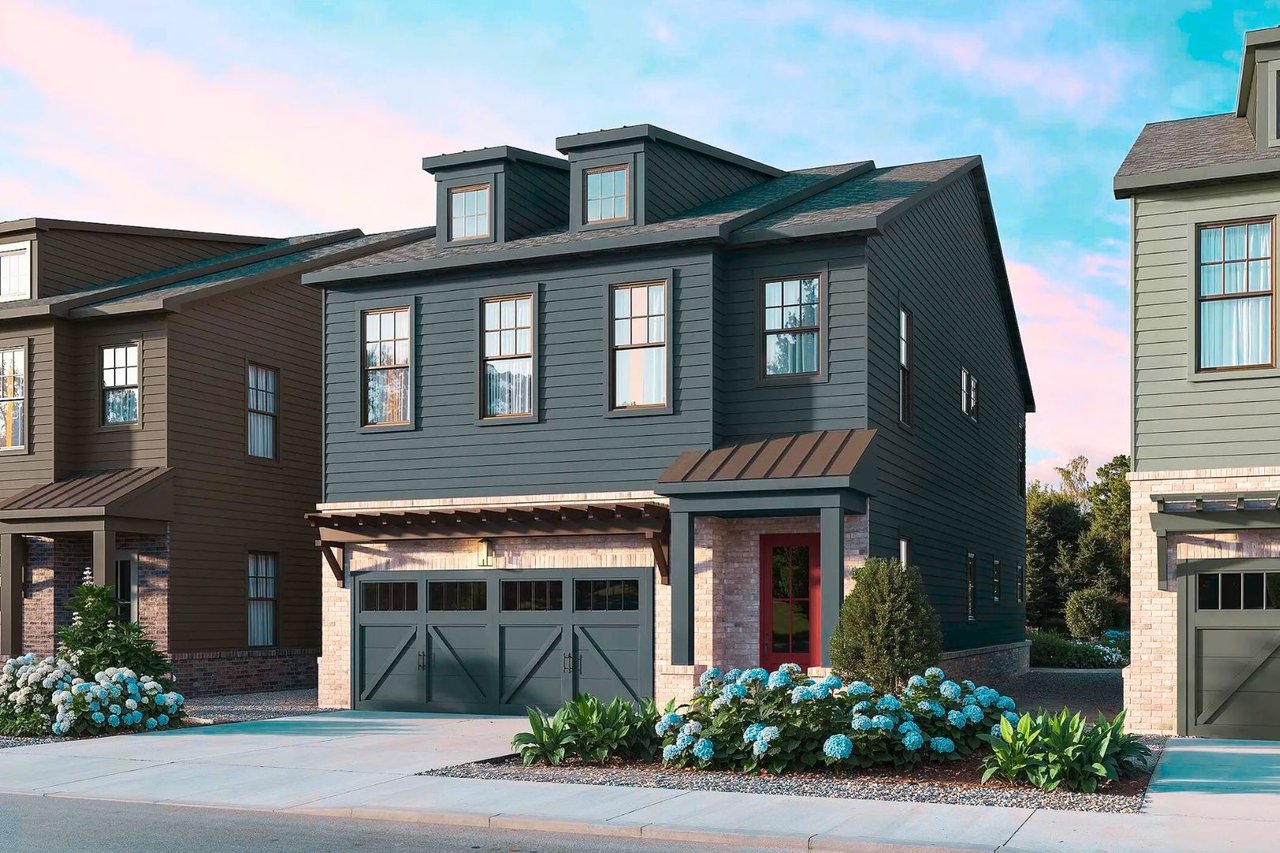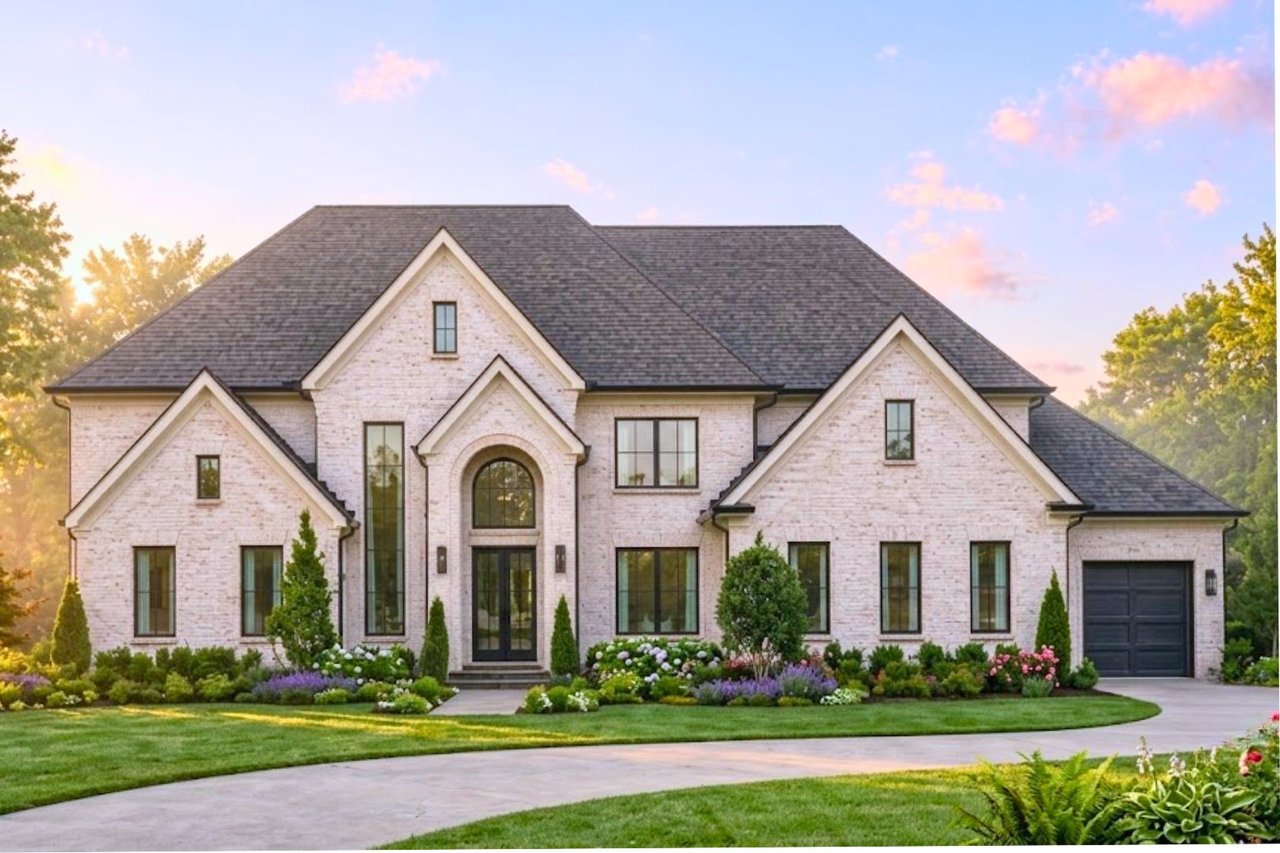
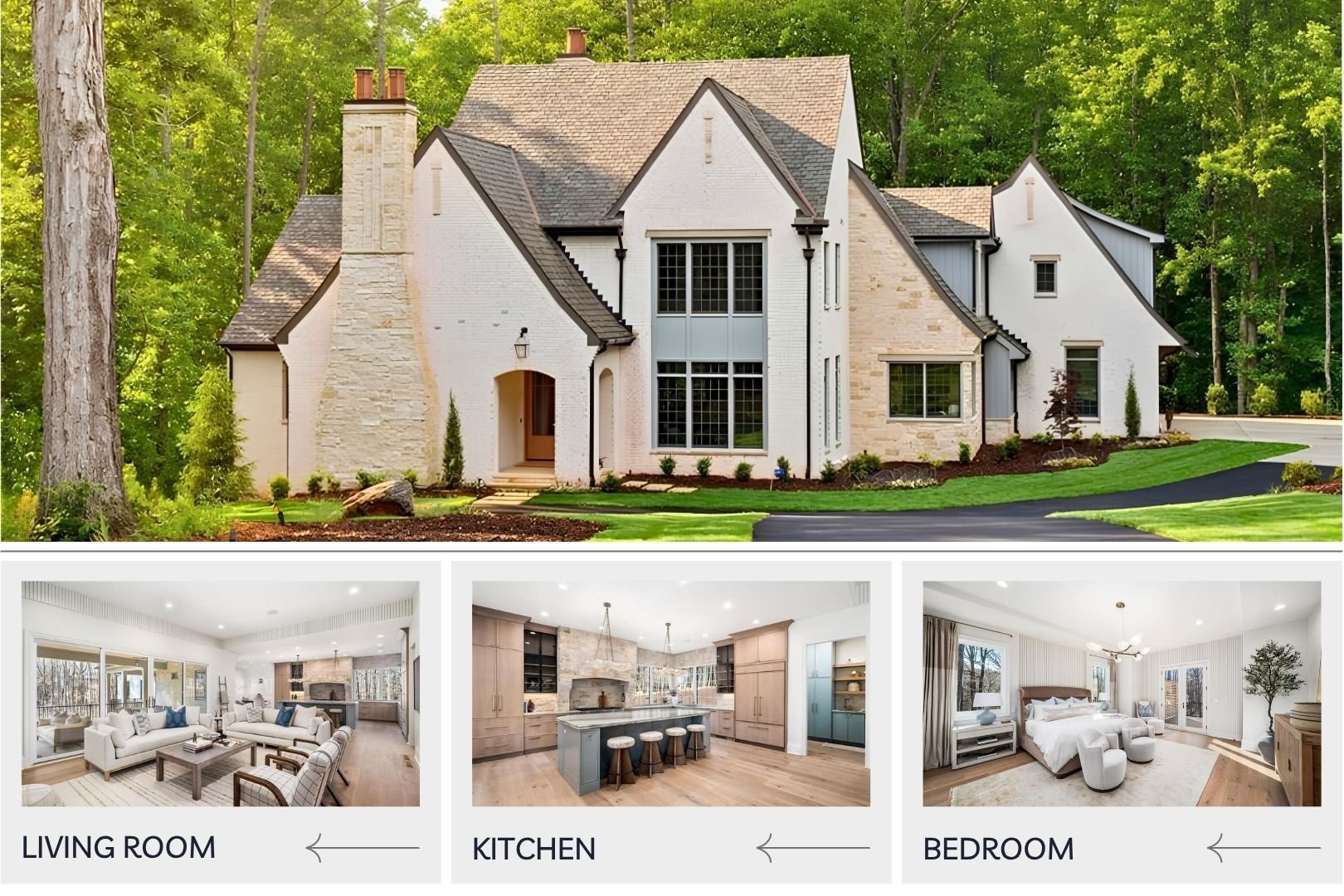
Gravel roads flanked by pristine three-rail fences cut through rolling pastures where million-dollar equestrian steeds graze under a preserved Georgia canopy. This is Milton, Georgia—an ultra-exclusive North Atlanta enclave where agricultural heritage is fiercely protected by law. Here, the frantic pace of the Atlanta metro completely dissolves into a quiet, luxury sanctuary.
Incorporated in December 2006, Milton has successfully transitioned from quiet agricultural land into an ultra-wealthy residential enclave while preserving its historic pastoral identity. With an estimated population of 41,268 residents in 2026, Milton attracts high-net-worth individuals, corporate executives, relocating families, and equestrian enthusiasts who refuse to compromise on privacy, space, or convenience.
This 2026 buyer’s guide provides an honest, analytical look at Milton’s custom home market, strict zoning codes, elite neighborhood enclaves, and practical buying considerations. It is designed to help you make a highly informed investment in one of the Southeast's most exclusive real estate markets.
$171,295 is the median household income in Milton, which stands as more than double the national average and supports one of the most stable luxury economies in the state.
The Unique Appeal of Milton, GA: Where Equestrian Heritage Meets Modern Luxury

Milton’s unique municipal identity is defined by a deliberate, long-term mission: to prevent high-density suburban sprawl and protect the natural landscape. The result is a highly coveted "rural-chic" lifestyle that feels worlds away from the city, yet remains accessible to Metro Atlanta's economic hubs. The local government and active community work hand-in-hand to ensure that progress does not come at the expense of preservation.
The Crabapple District: Milton's Walkable Downtown Core
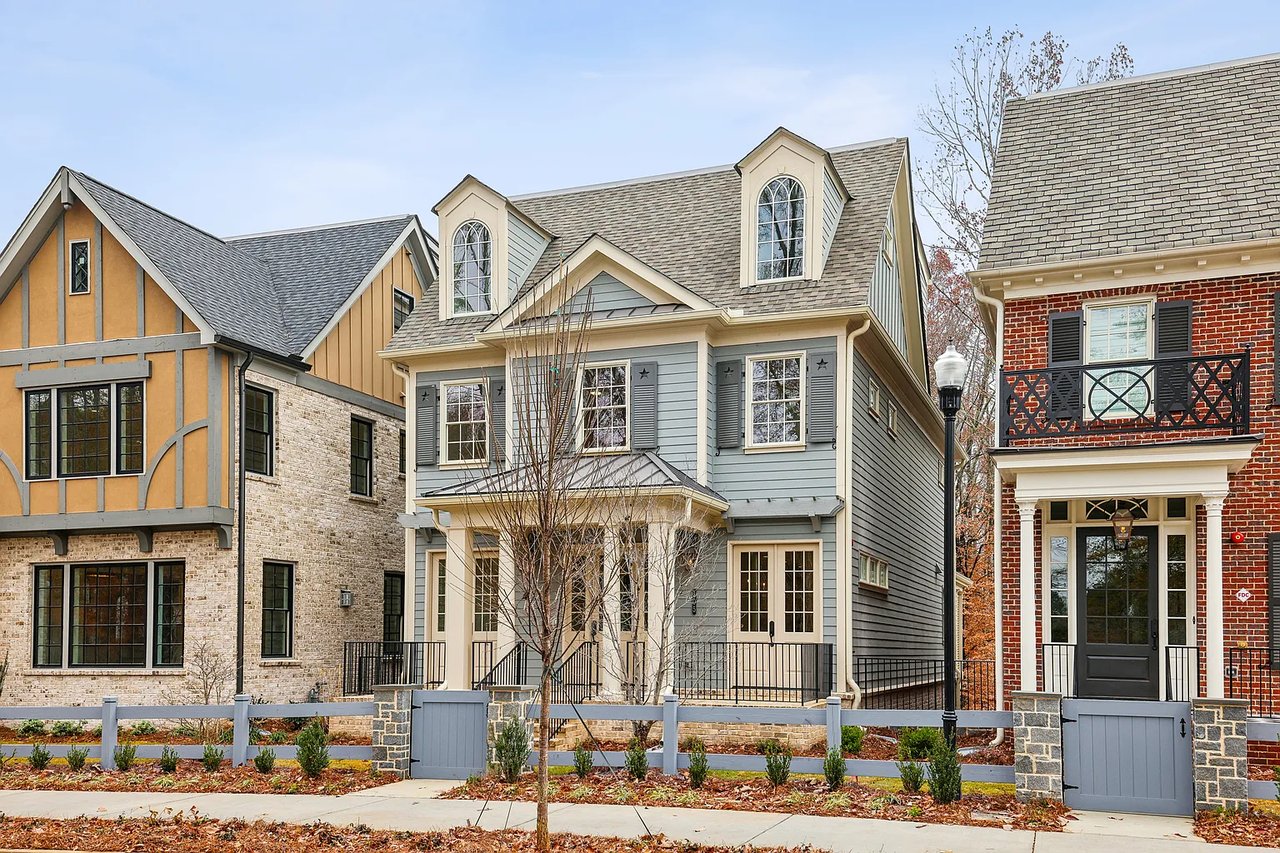
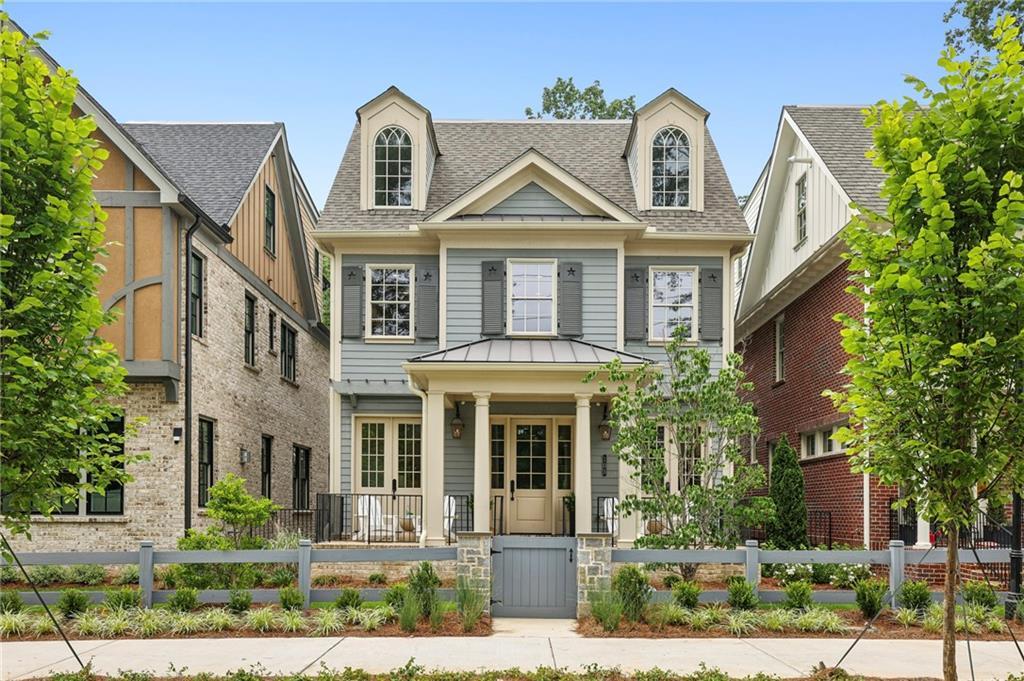
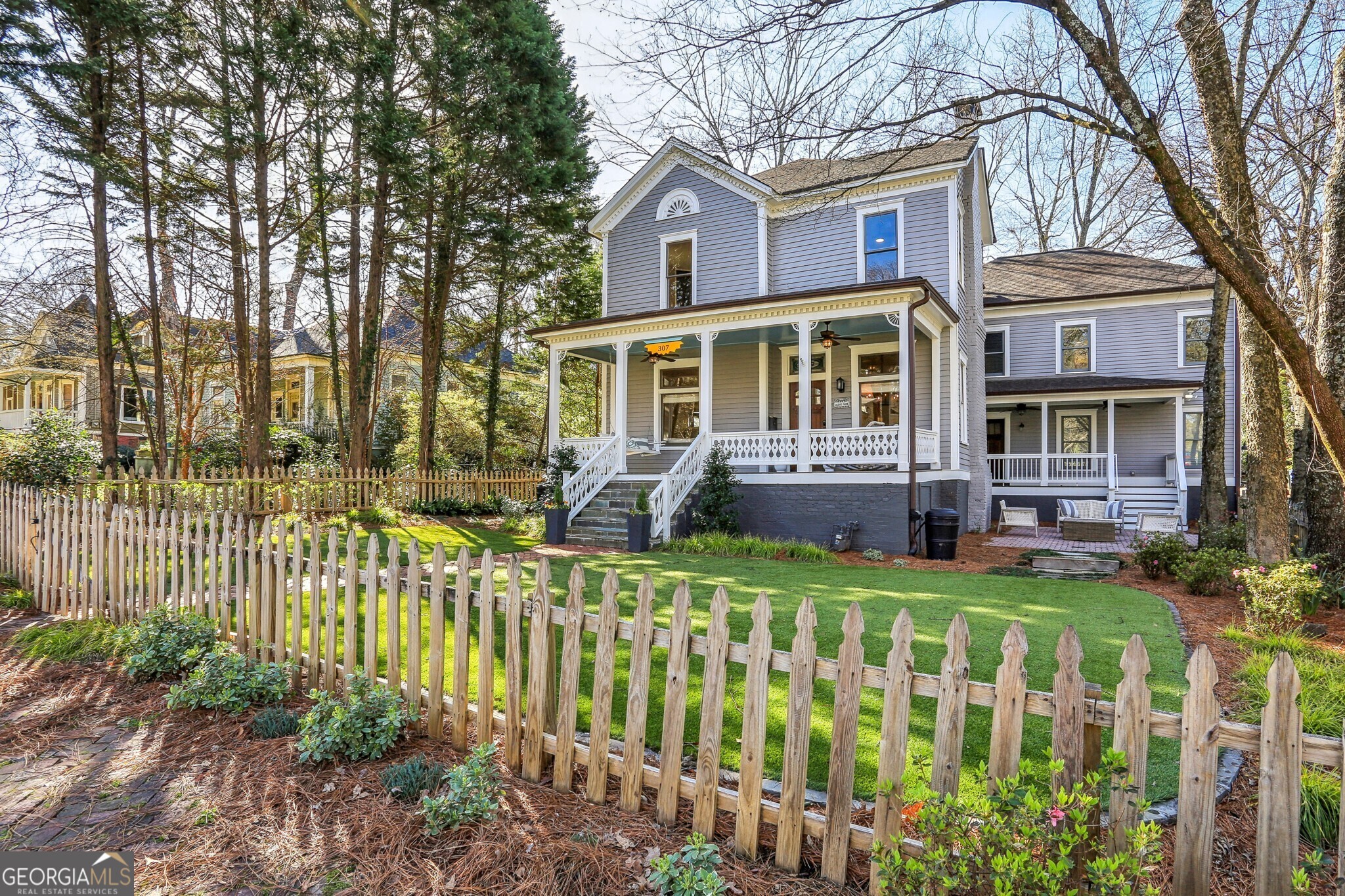
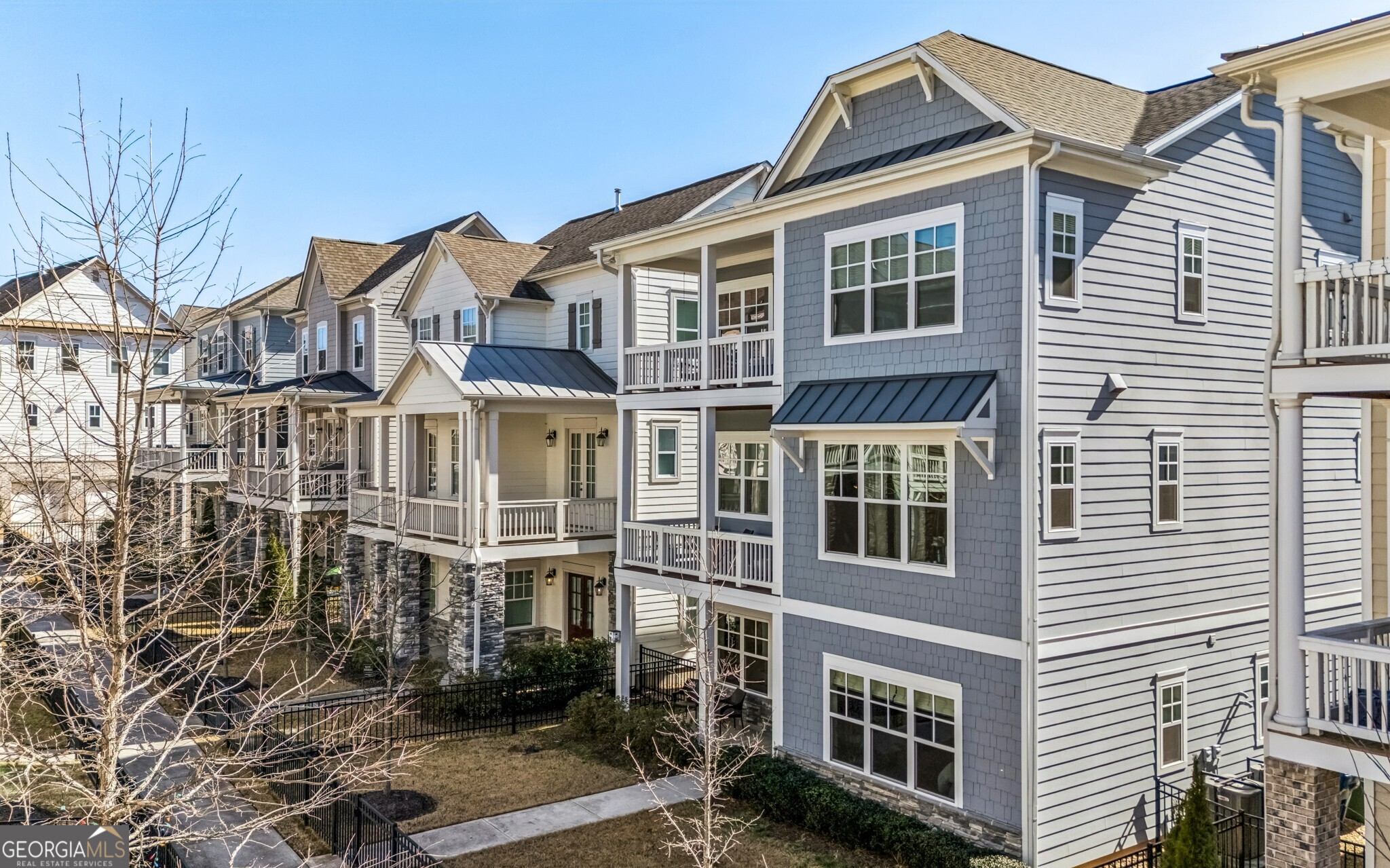
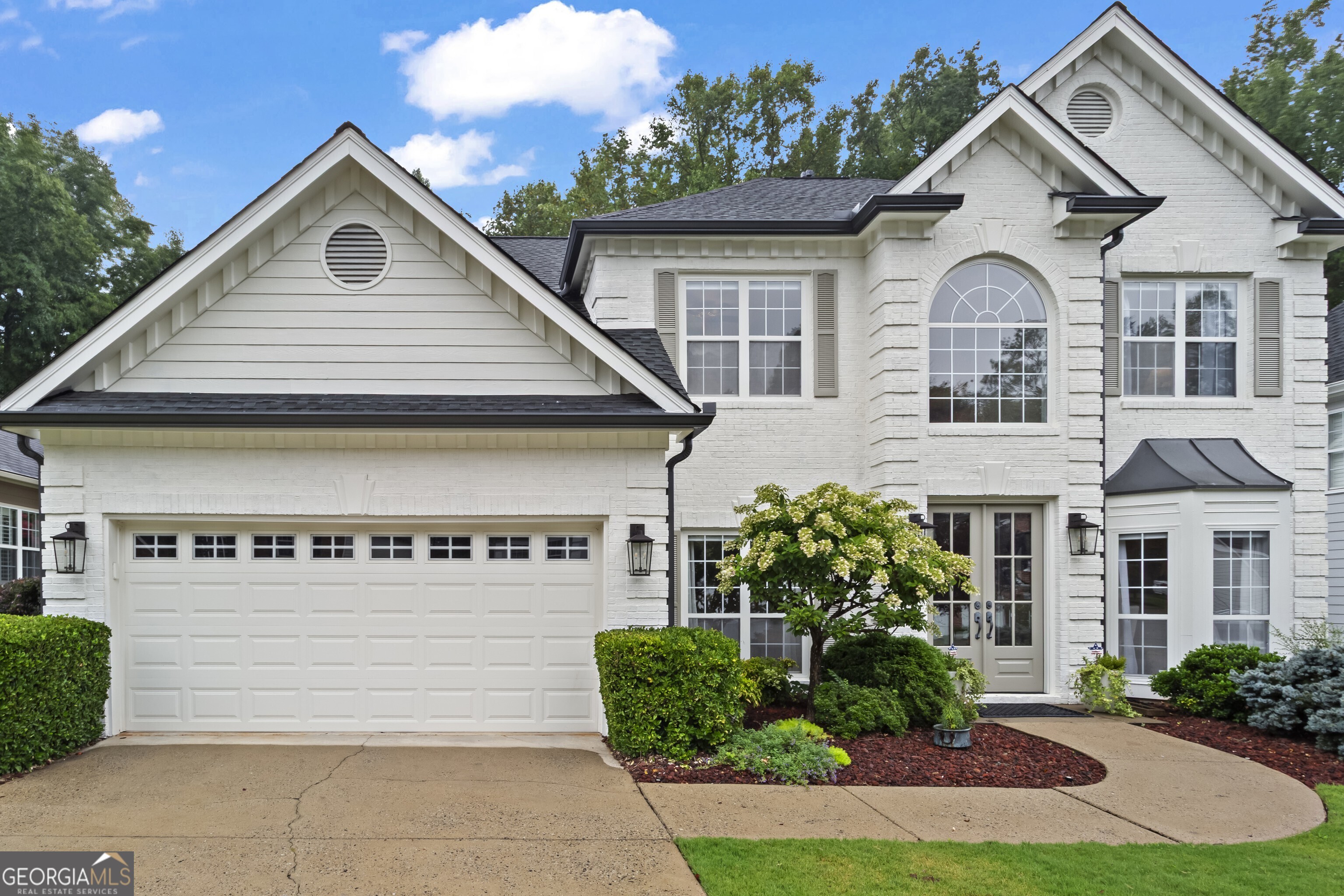
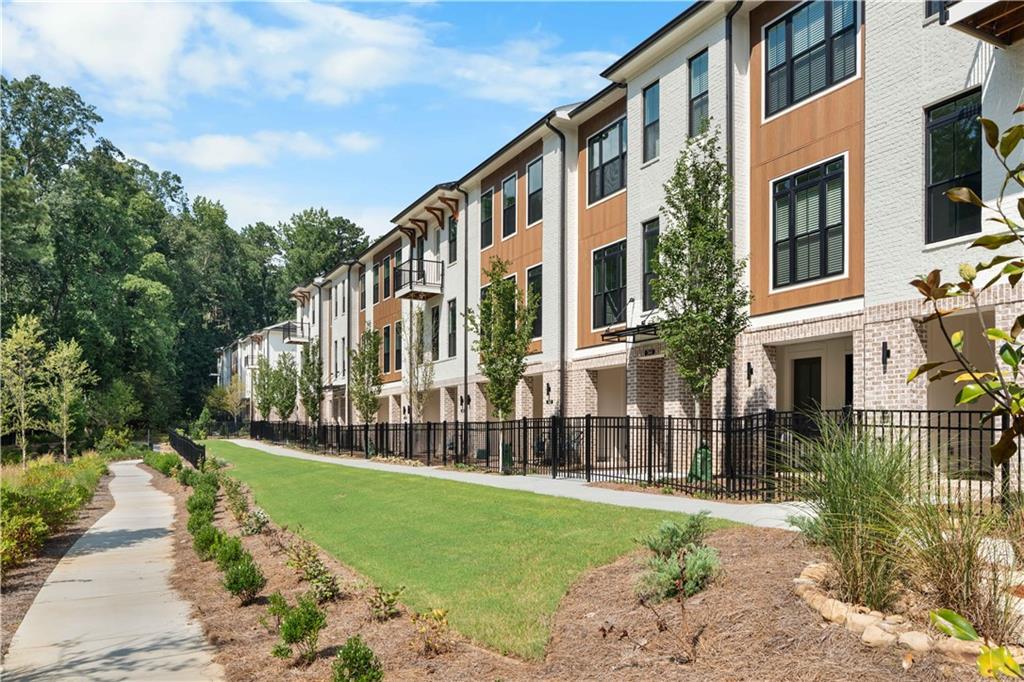
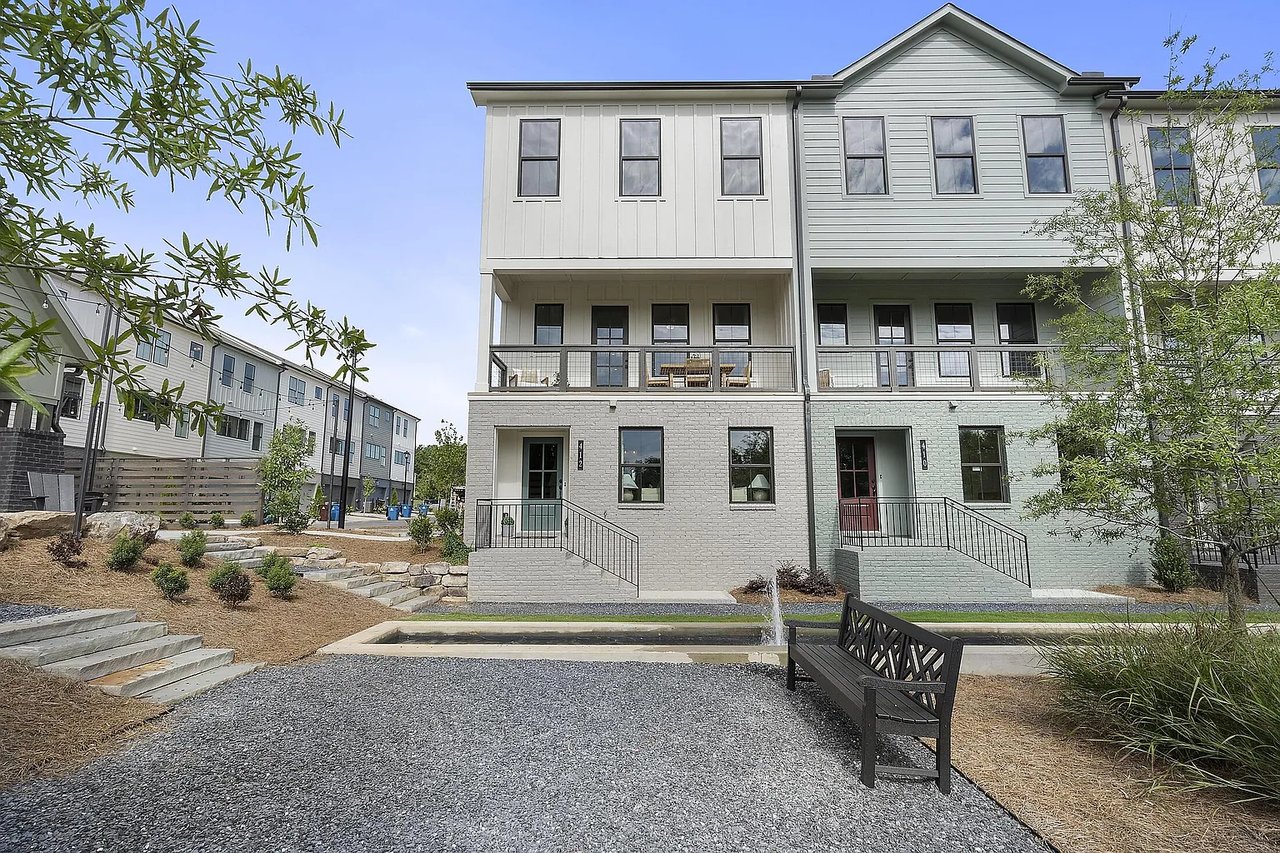
Unlike traditional sprawling suburbs, Milton features a highly curated, walkable downtown core known as the Crabapple District. Designed with historic Southern architecture in mind, Crabapple features brick-paved sidewalks, gas lanterns, pocket parks, and high-end boutiques. The area is an active community hub where residents gather for seasonal festivals and weekend farmers markets.
The dining scene here is celebrated for its local flavor and high quality. Establishments like Milton's Cuisine & Cocktails serve contemporary Southern fare out of a beautifully restored 150-year-old farmhouse. For a more relaxed setting, residents enjoy the authentic, cozy atmosphere of Olde Blind Dog Irish Pub or the family-friendly environment of B&B Tavern Crabapple.
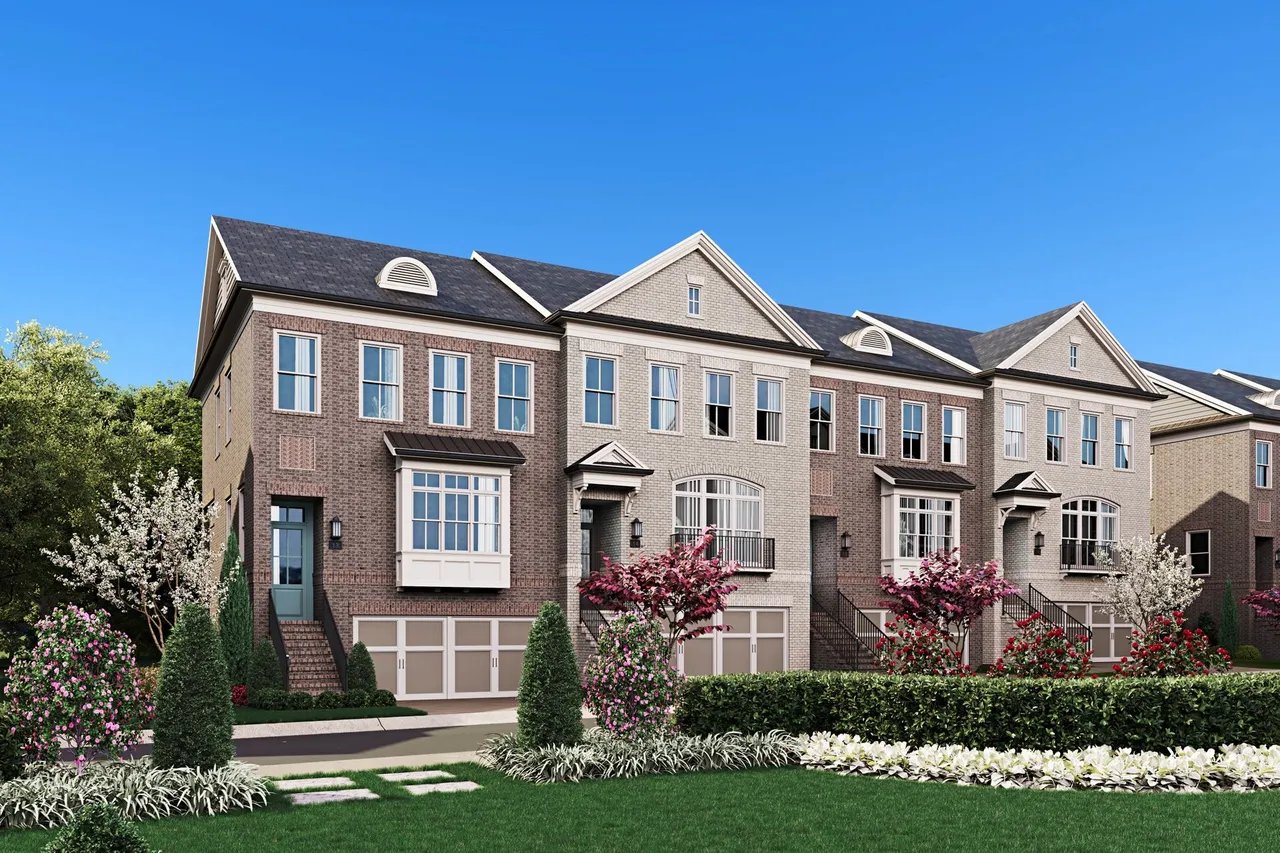
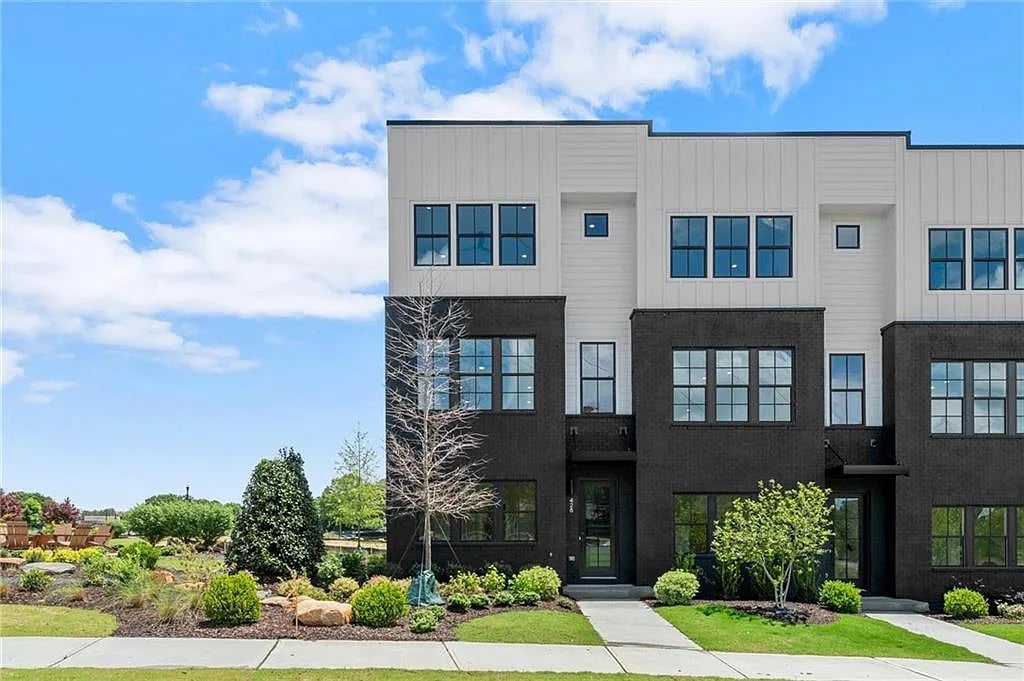
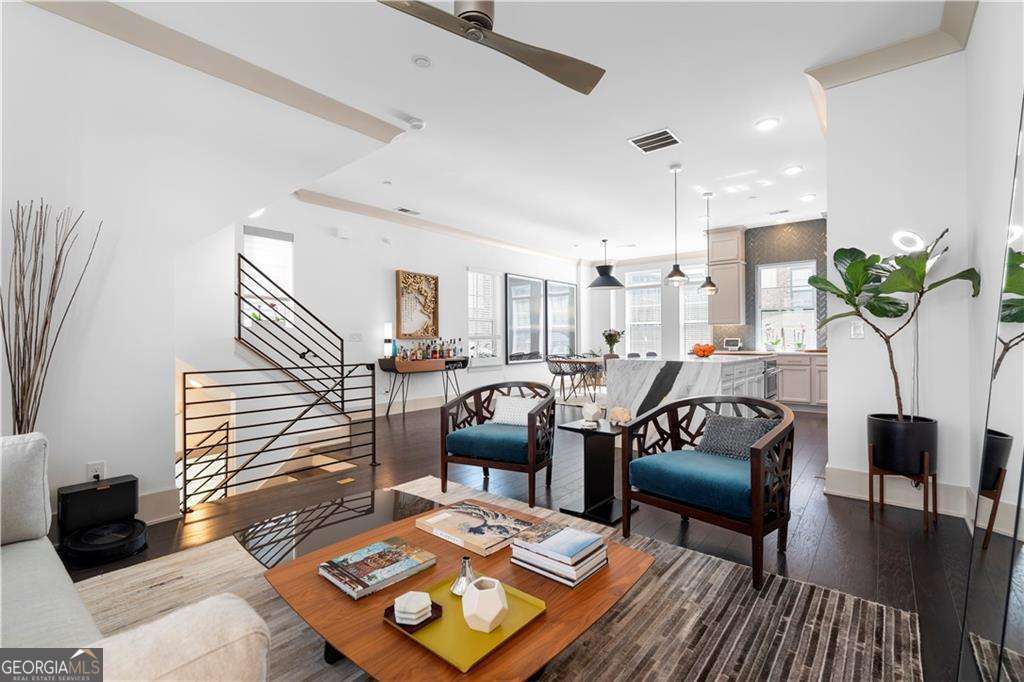
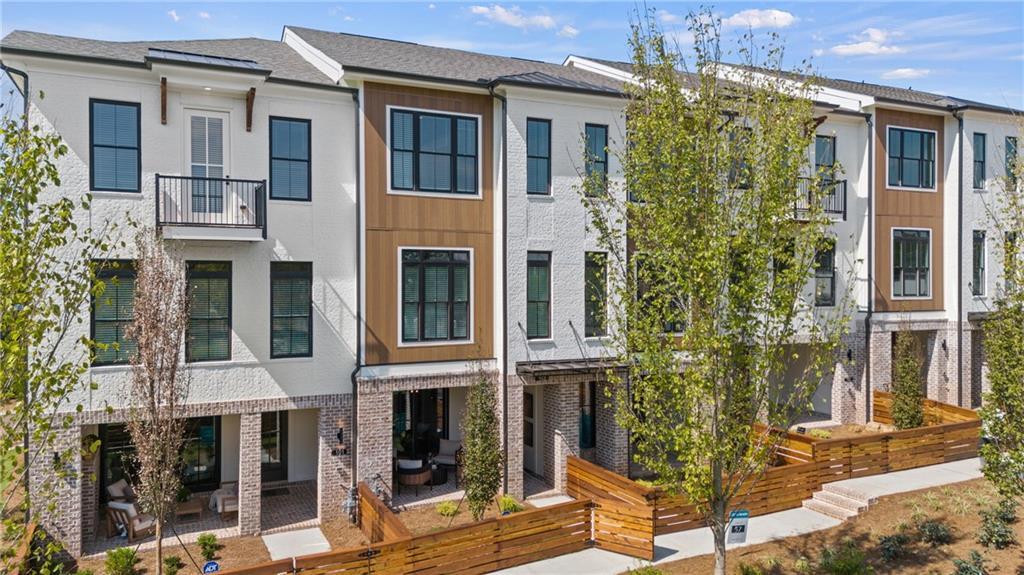
According to recent market data, the Crabapple housing market remains highly competitive. The median sale price for its luxury townhomes and single-family residences sits at $899,500, reflecting the premium placed on walkability and architectural charm.
Preservation and Zoning: Why Milton's Large Lots are Protected
Zoning is the primary shield that protects Milton's property values and rural character. According to the City of Milton’s Unified Development Code, approximately 85% of the city’s 39.11 square miles of land is agriculturally zoned (AG-1). Furthermore, more than 90% of the entire city is classified as low or very low-density residential.
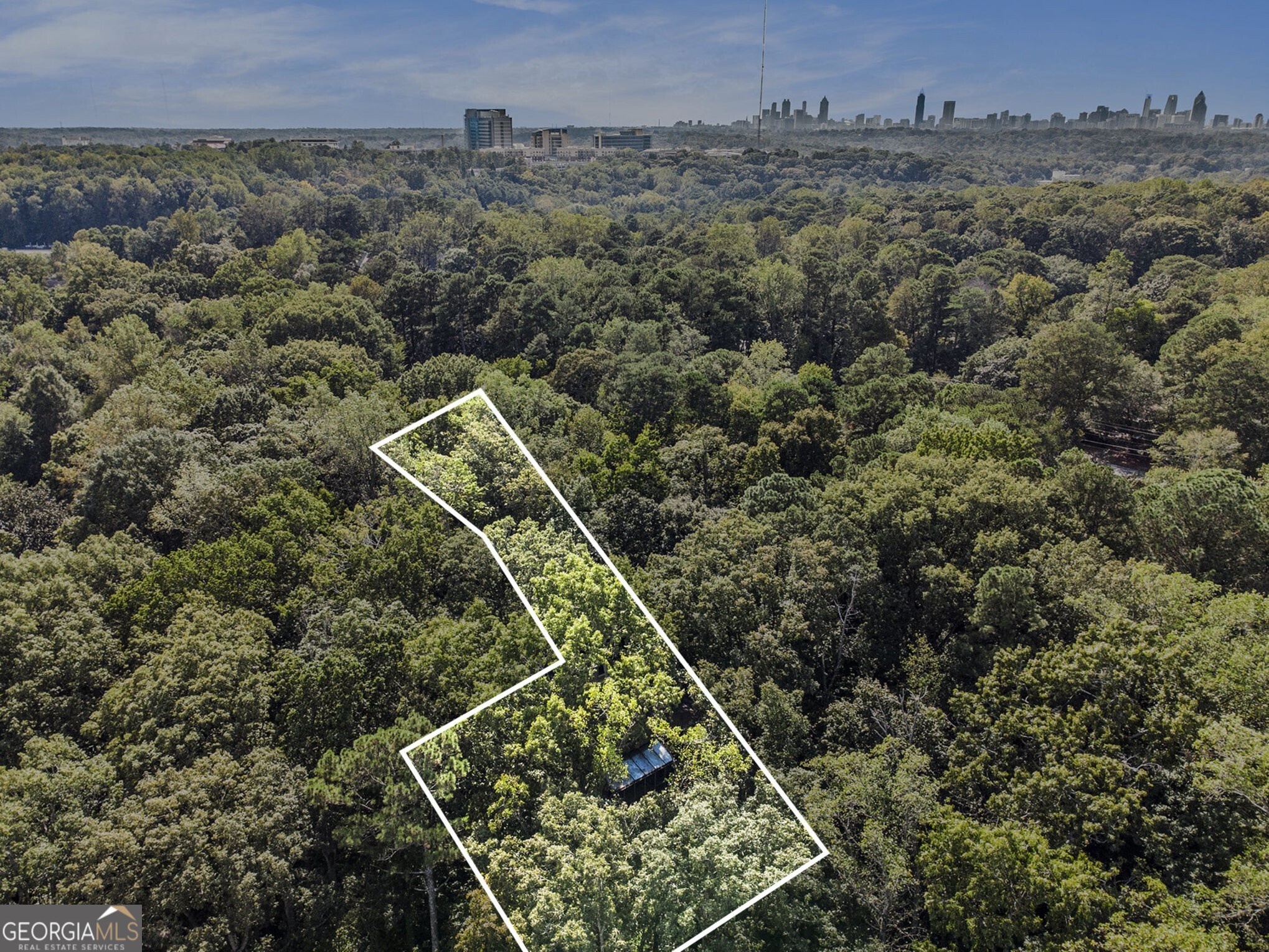
Under Milton's strict AG-1 zoning laws, residential lots must be a minimum of 1 acre for properties with paved road frontage. Properties located on unpaved or gravel roads require a minimum of 3 acres to build. To maintain a spacious, open aesthetic, the city recently increased the minimum lot width at the building line for newly platted AG-1 lots from 100 feet to 150 feet. These stringent regulations prevent high-density overdevelopment, ensuring that luxury estates retain their privacy, mature tree canopies, and long-term asset value.
85% of Milton's total land area is protected under AG-1 zoning, ensuring the city's signature rural landscape remains untouched by commercial sprawl.
Top Luxury Neighborhoods and Enclaves in Milton for 2026
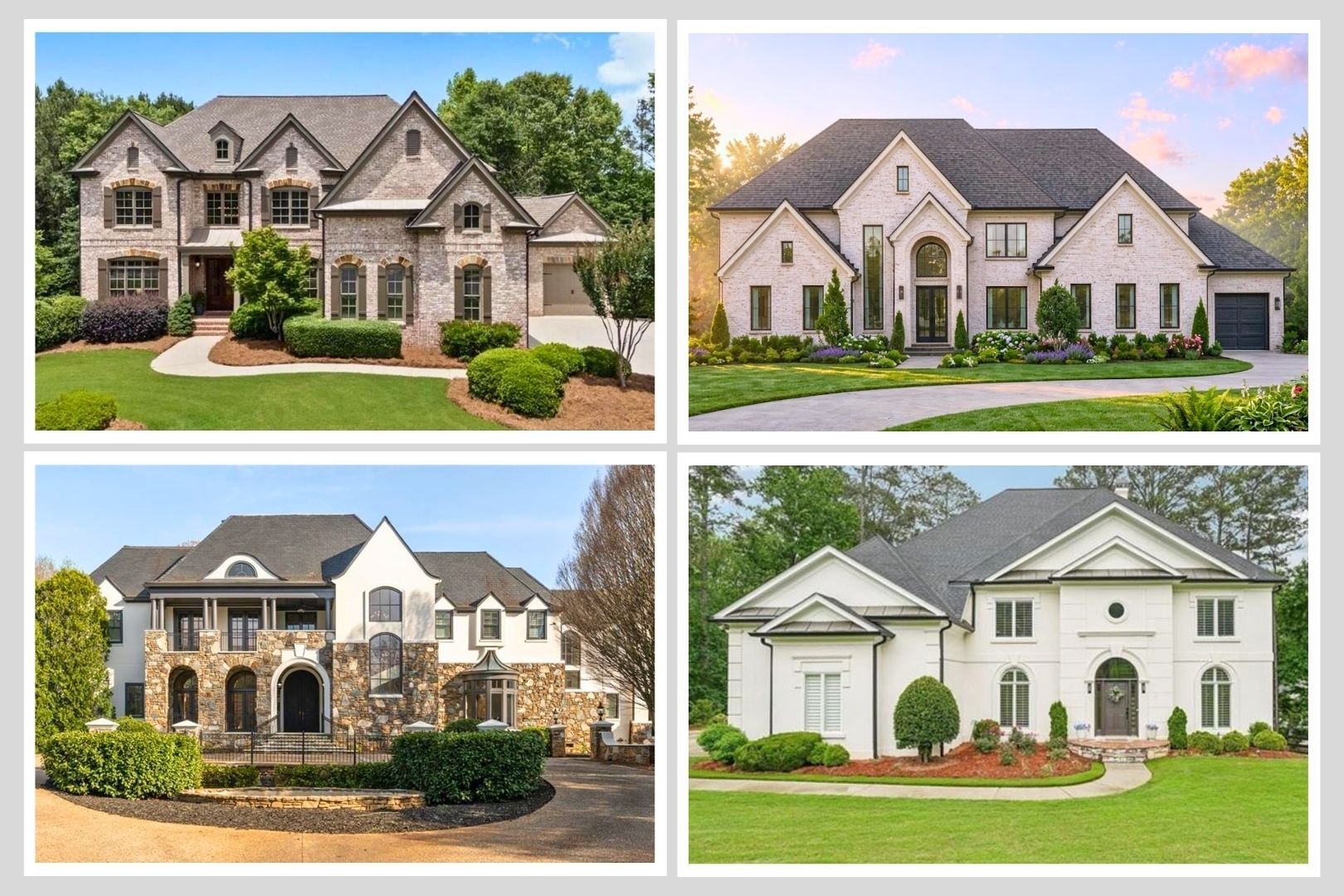
Milton offers a diverse range of luxury living options, from highly secure gated golf course communities to custom modern farmhouses on private acreage. Each neighborhood has its own distinct personality, catering to different high-end lifestyles. Understanding these nuances is key to finding the perfect fit for your family.
The Manor Golf and Country Club
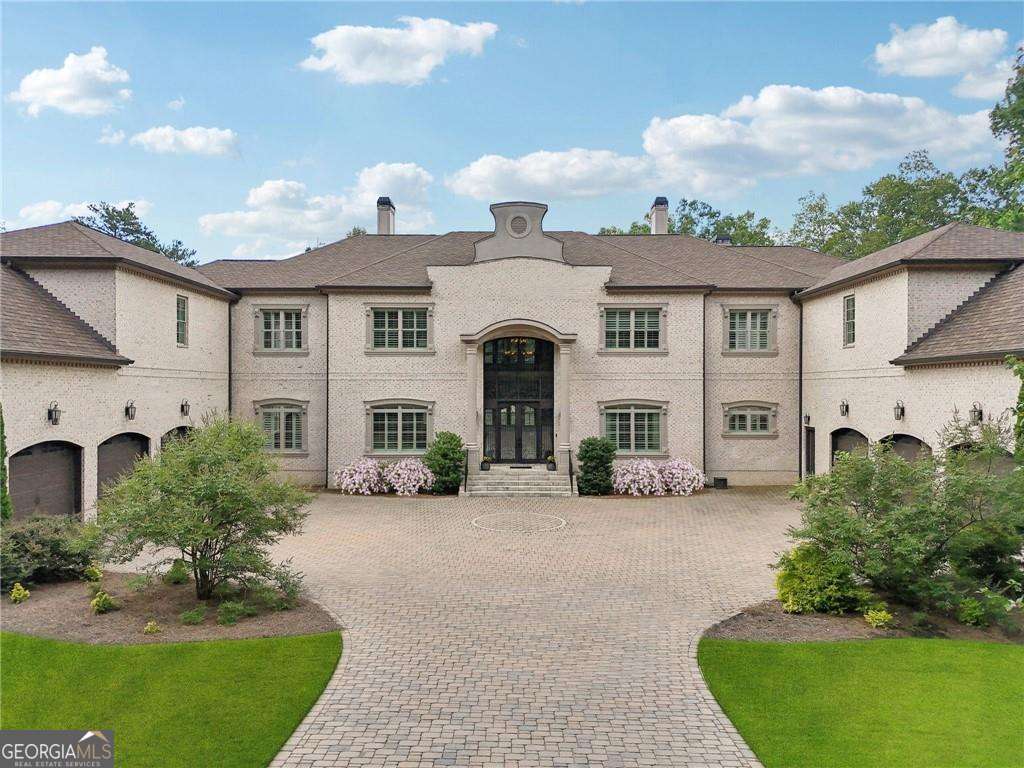
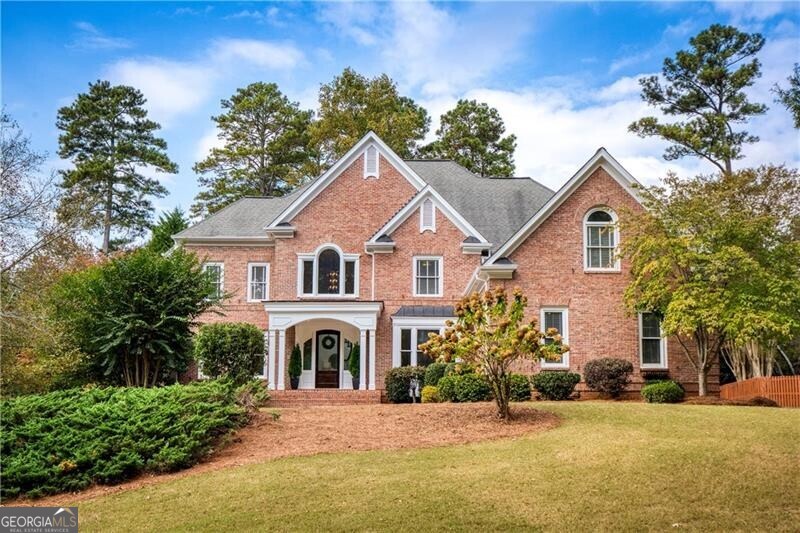
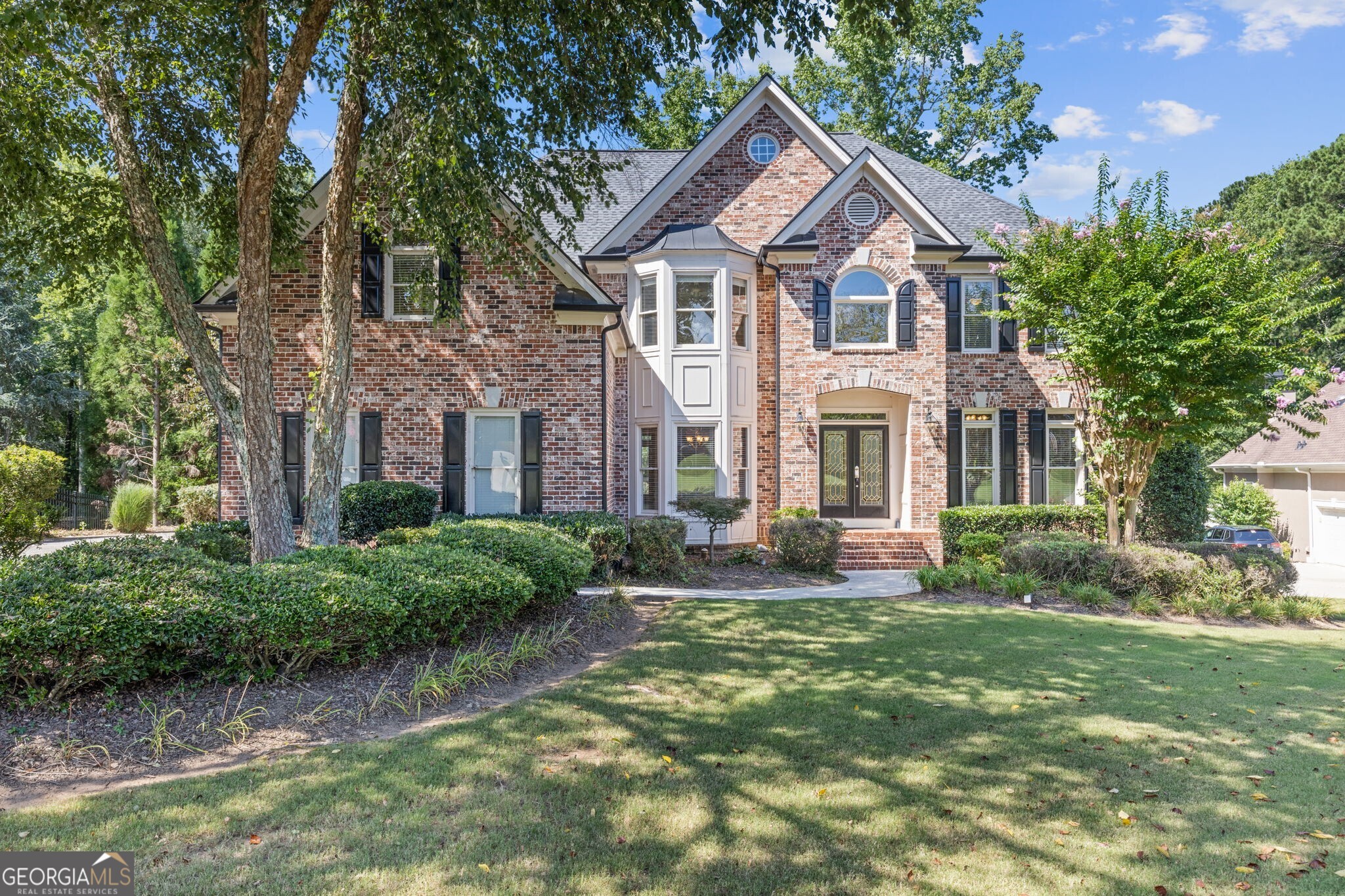
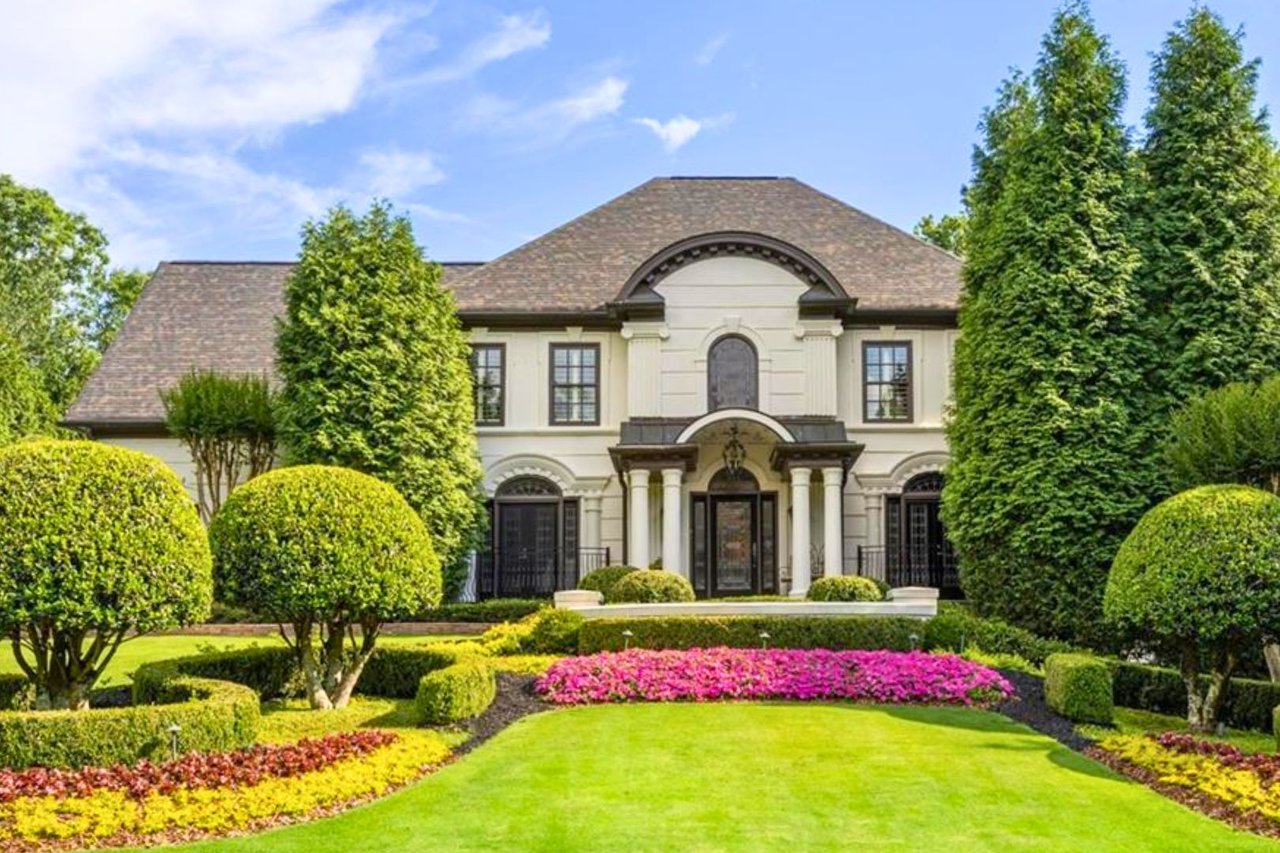
As Milton’s premier gated community, The Manor Golf and Country Club features grand custom estates set against an 18-hole Tom Watson-designed championship golf course. Residents enjoy world-class tennis facilities, including both indoor and outdoor courts, as well as junior Olympic swimming pools and a state-of-the-art fitness center. The stately clubhouse serves as the social heart of the neighborhood, offering fine dining and year-round community events. Homes in this exclusive enclave represent the upper echelon of the North Atlanta market, with prices frequently ranging from $3 million to over $10 million.
Sweetapple and Blackwood Hills
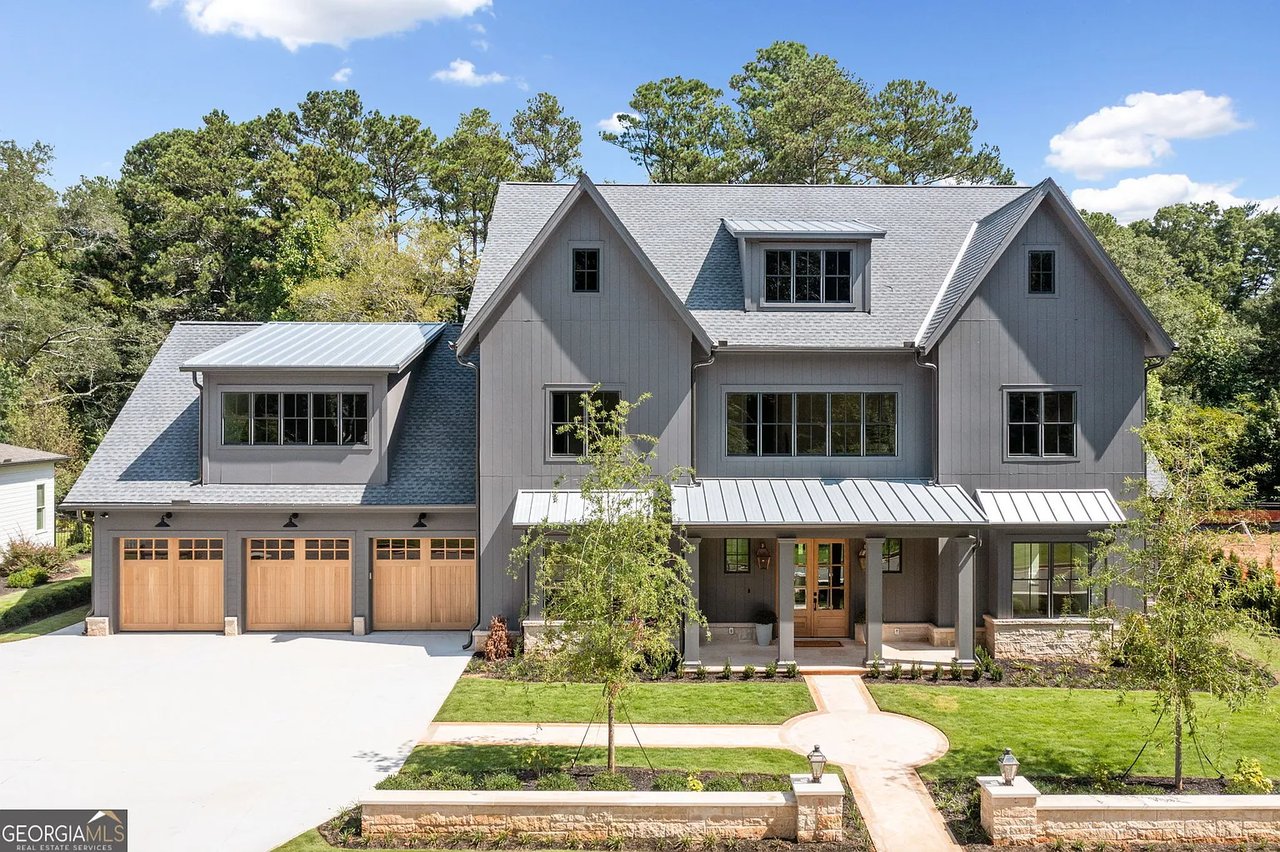
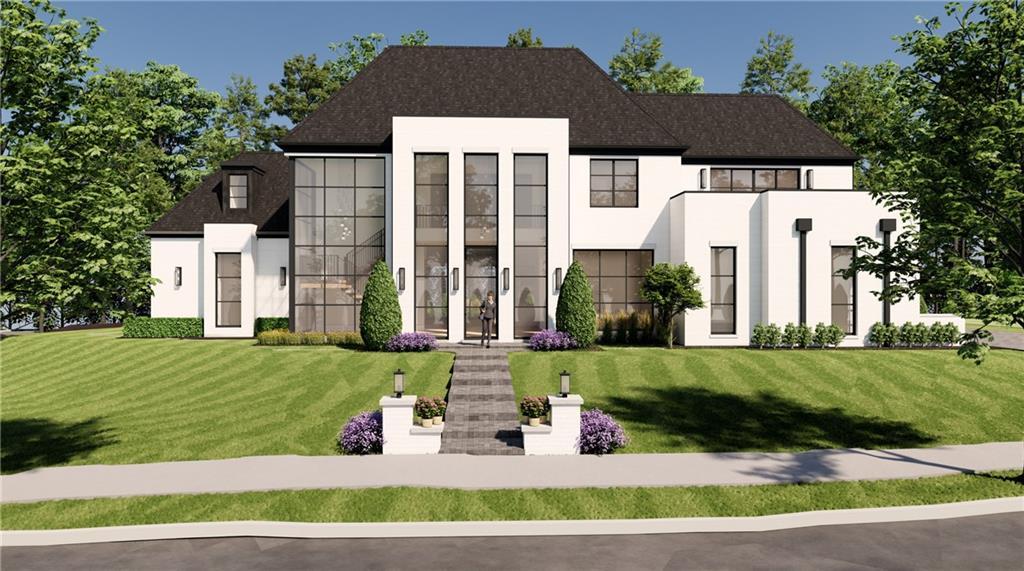
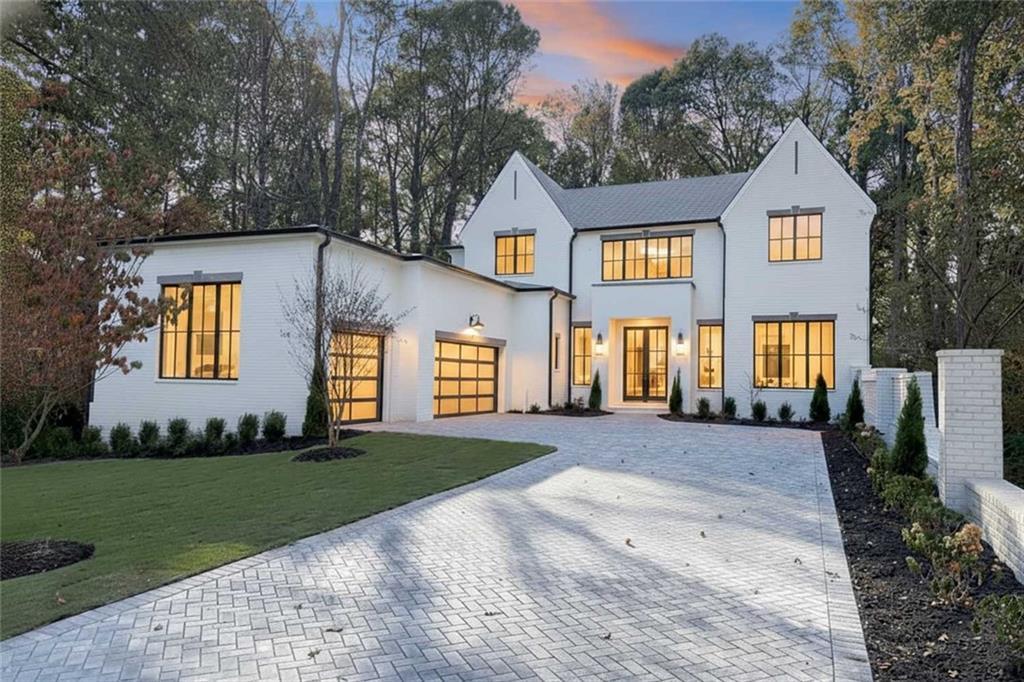
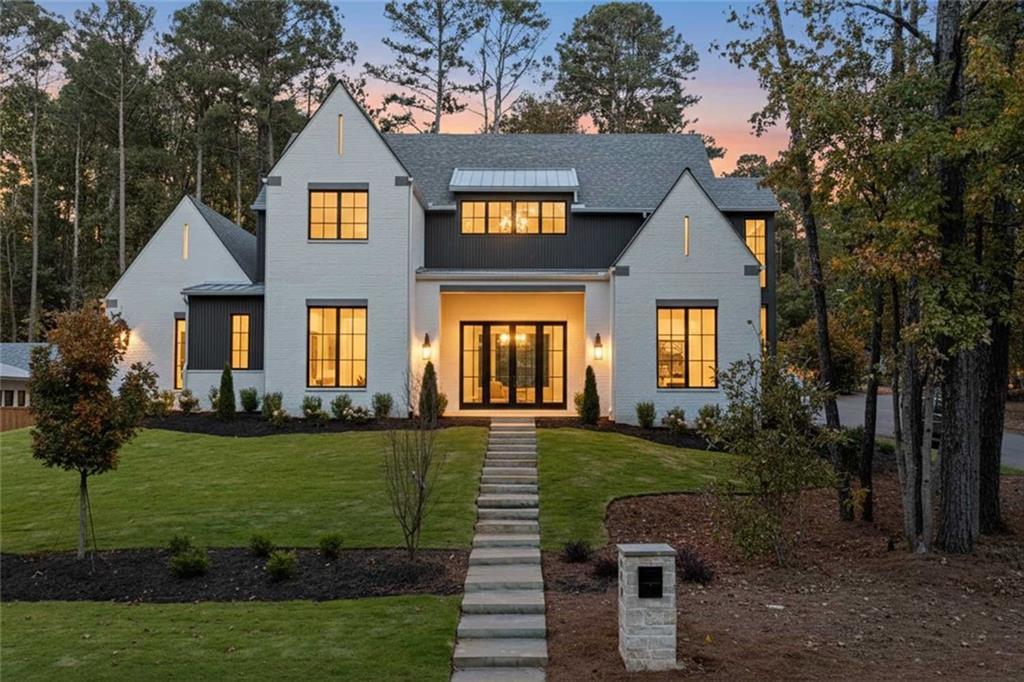
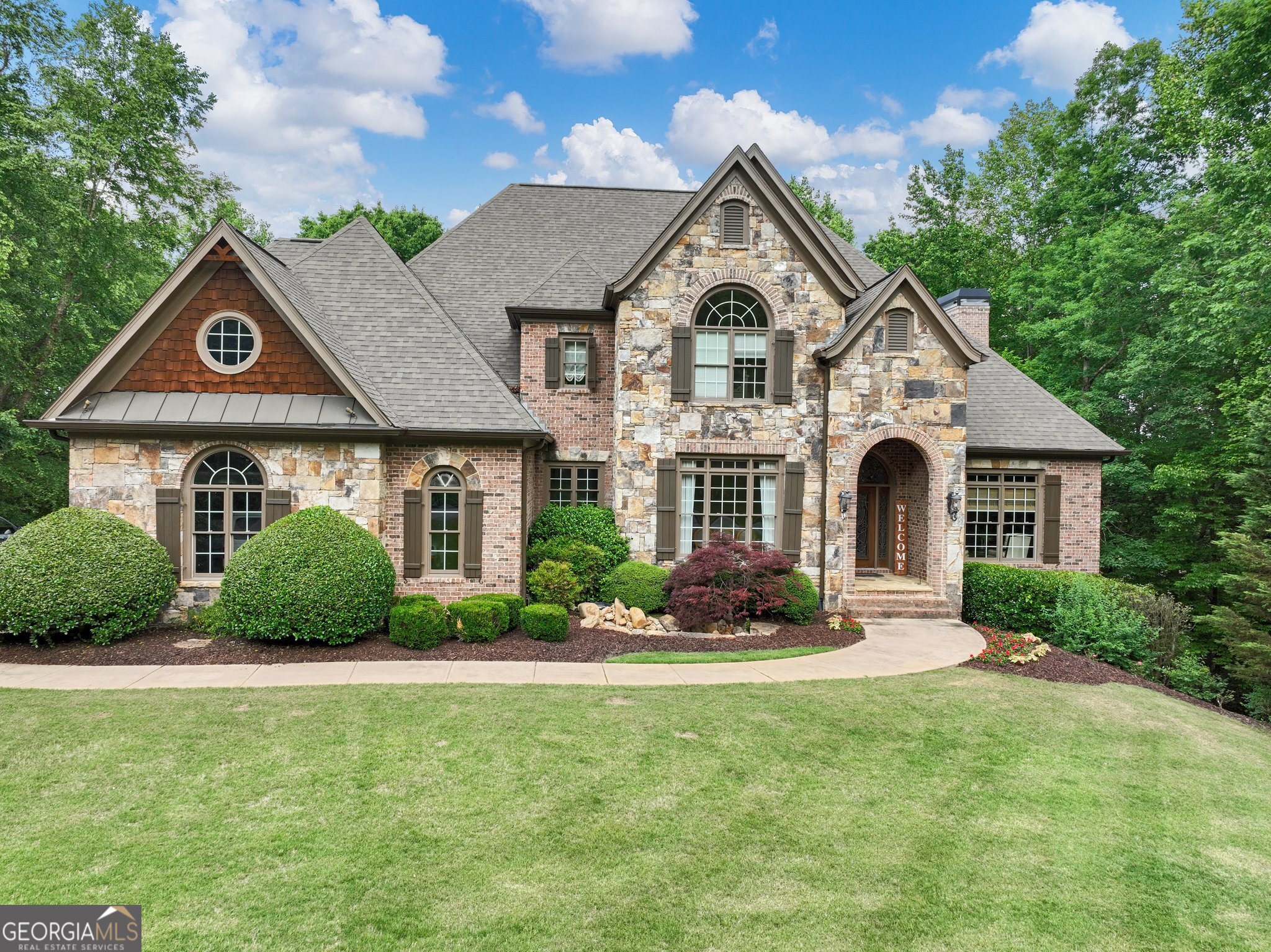
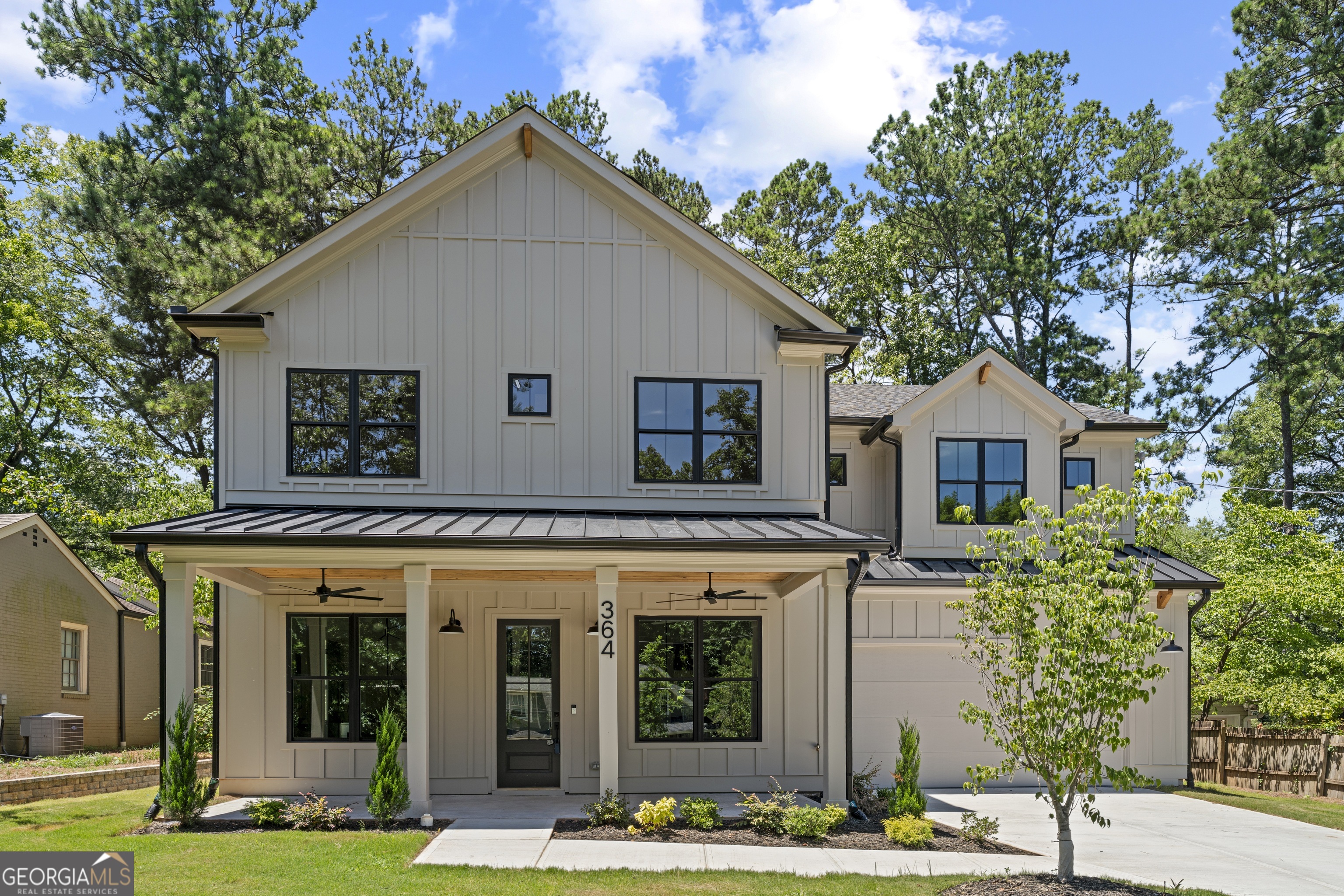
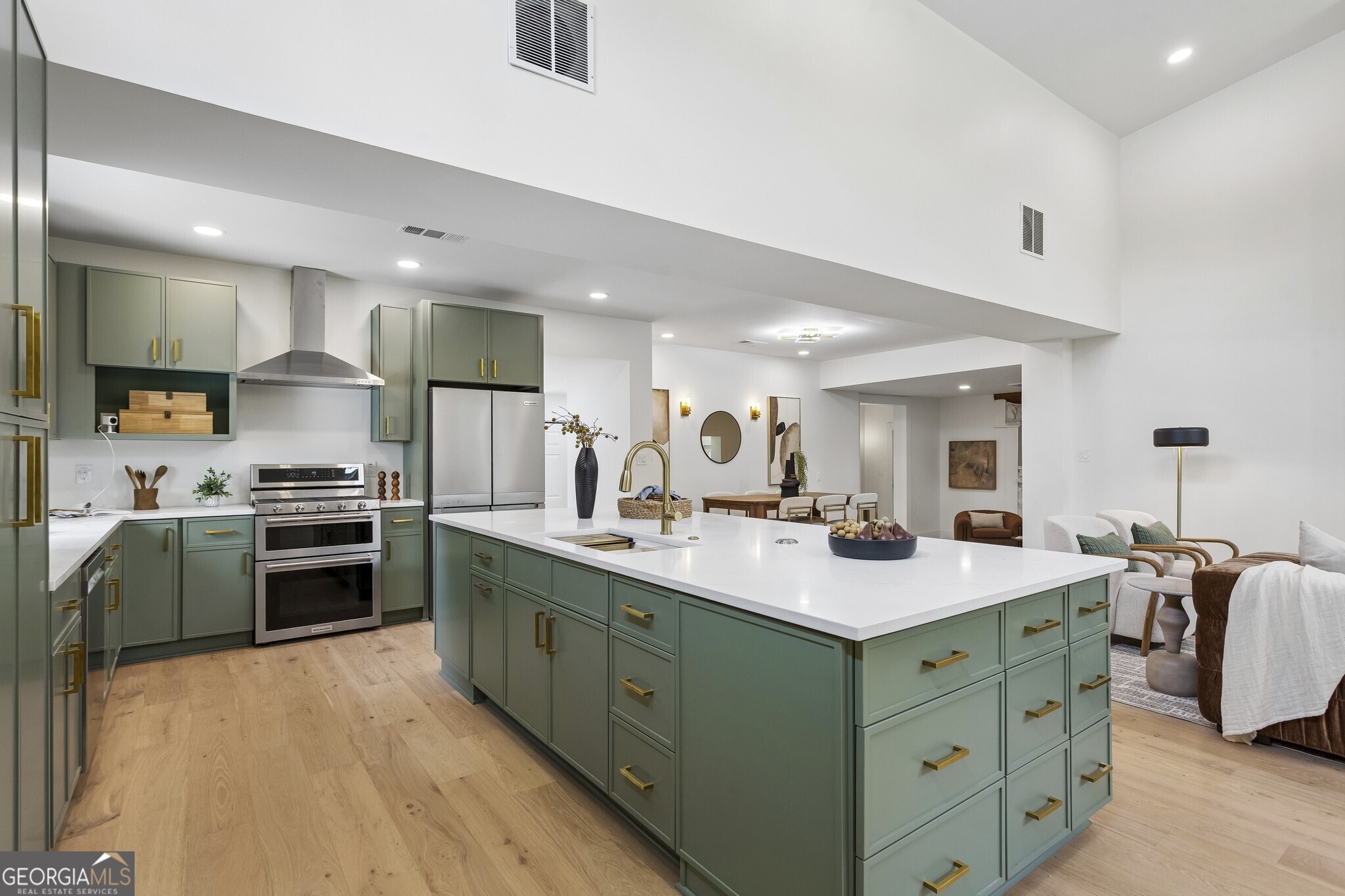
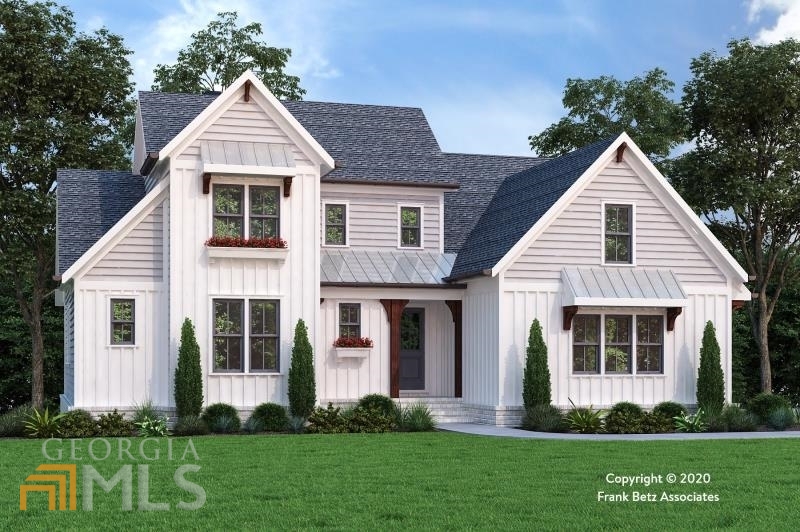
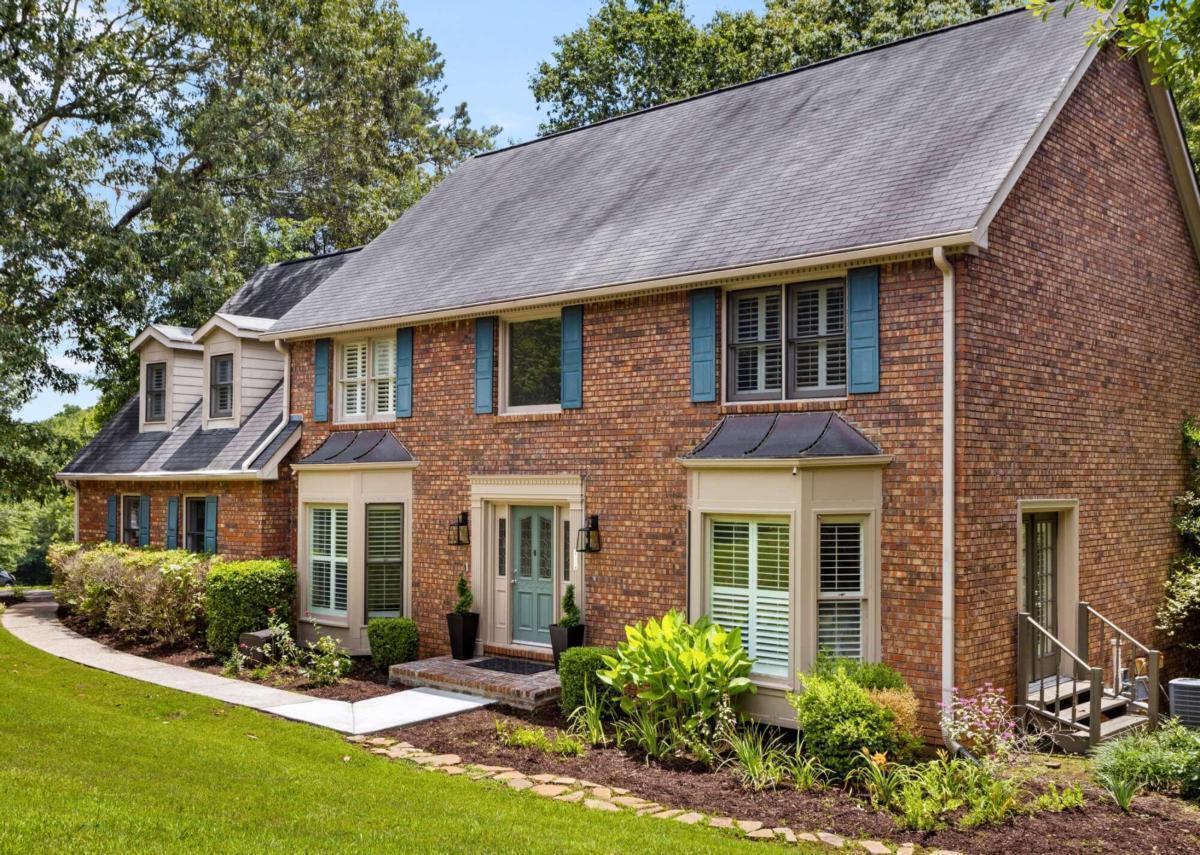
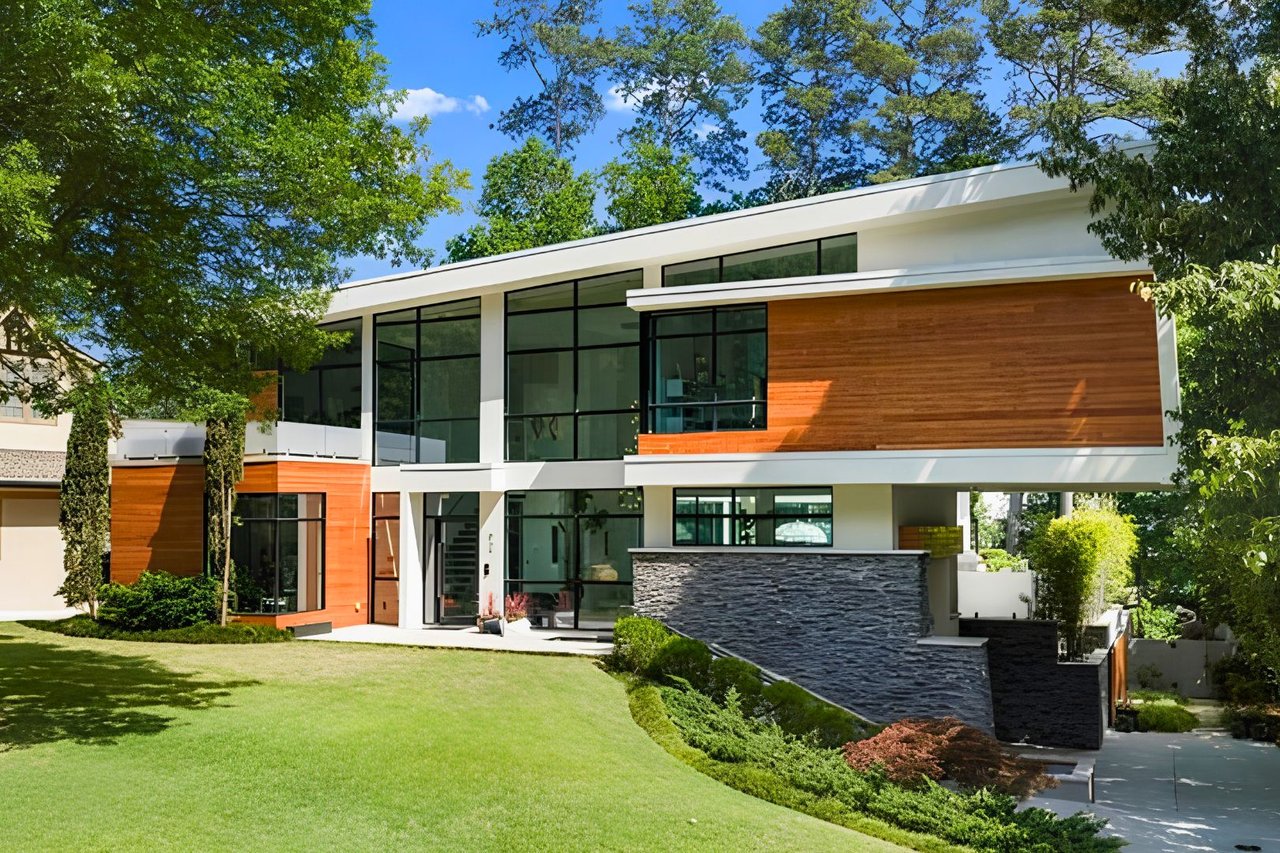
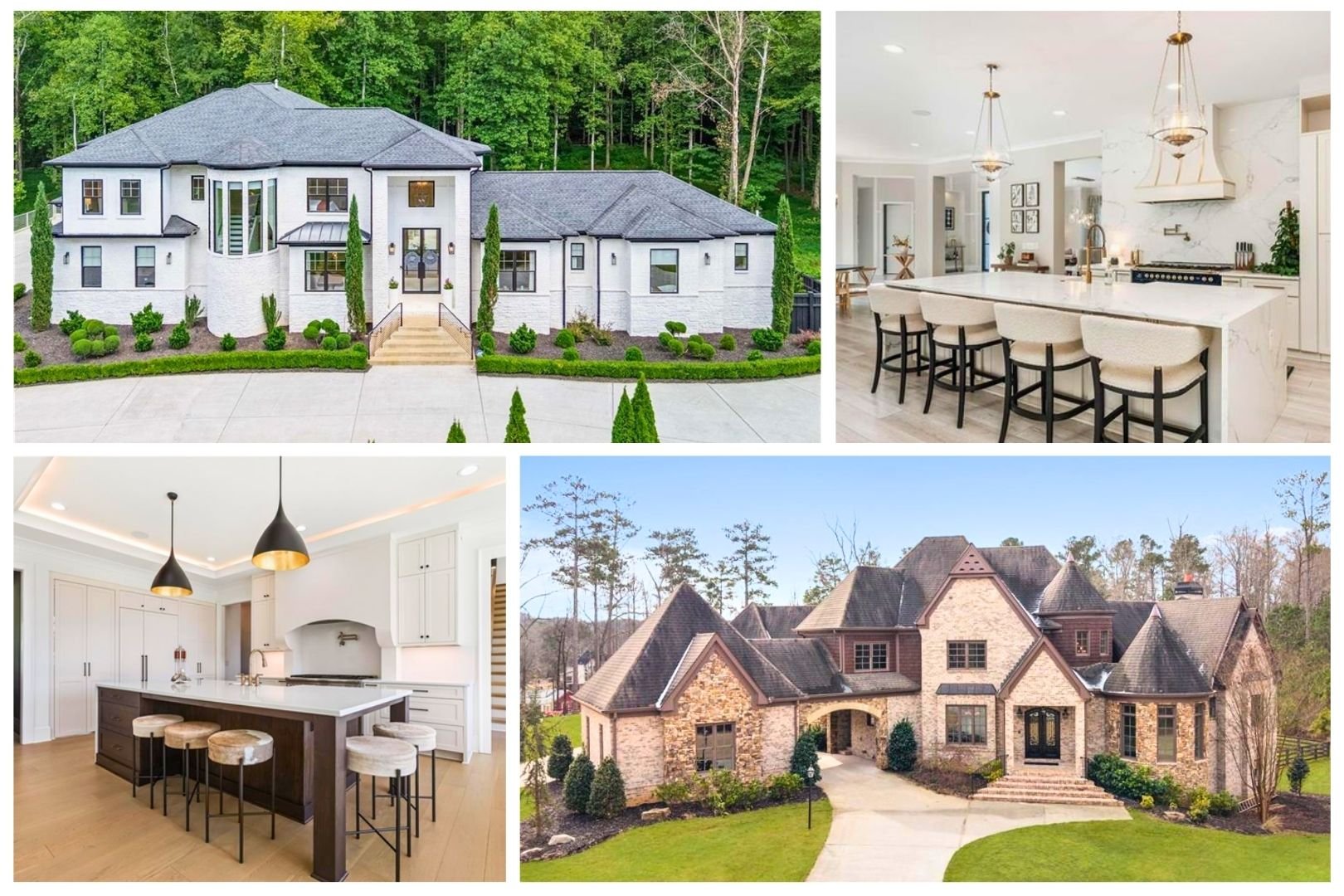
For buyers seeking contemporary architecture with a nod to the area's pastoral roots, neighborhoods like Sweetapple and Blackwood Hills are highly sought after. These communities are renowned for custom-built modern farmhouses and transitional estates situated on estate-sized lots. They emphasize sustainable, high-end building practices, open-concept floor plans, and deep integration with the surrounding natural landscape. Large windows and open layouts allow residents to enjoy panoramic views of the rolling Georgia hills from the comfort of their homes.
Birmingham Road and Wood Road Equestrian Estates
If your goal is ultimate seclusion, the non-subdivision luxury market along Birmingham Road and Wood Road is unmatched. This area is characterized by scenic, designated canopy roads, private gated driveways, and sprawling multi-acre legacy estates. With more than 200 active horse farms scattered throughout the city, these corridors are the heart of Milton's equestrian heritage. Properties here offer the space and infrastructure required for private stables, riding arenas, and lush pastures without the restrictions of a traditional homeowners association.
Neighborhood / Area | Average Price Range | Minimum Lot Size | Primary Appeal |
|---|---|---|---|
The Manor Golf & Country Club | $3.0M – $10.0M+ | 1.0 Acre | Gated security, championship golf, resort amenities |
Sweetapple & Blackwood Hills | $1.8M – $3.5M | 1.0 – 2.0 Acres | Modern farmhouses, sustainable building, wooded lots |
Birmingham & Wood Road Corridors | $2.5M – $8.0M+ | 3.0 – 15.0+ Acres | Equestrian acreage, no HOA, ultimate privacy |
Navigating the Milton, GA Luxury Real Estate Market in 2026
The luxury market in Milton is highly competitive, characterized by discerning buyers who view their homes as both private sanctuaries and long-term financial assets. Navigating this market requires an understanding of changing buyer preferences and local inventory conditions. Working with a knowledgeable local advisor is essential to secure the right property.
Architectural Trends: Modern Farmhouse Evolution and Transitional Estates
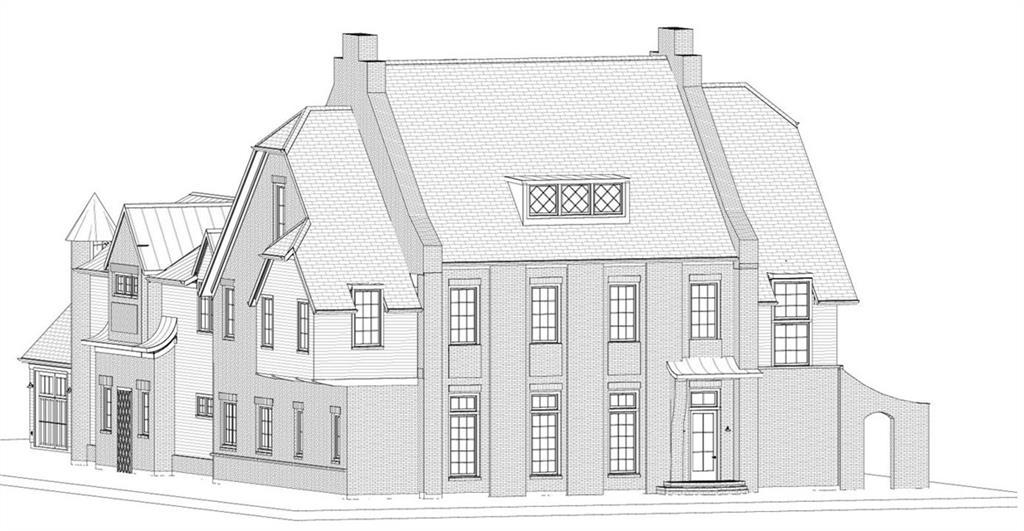
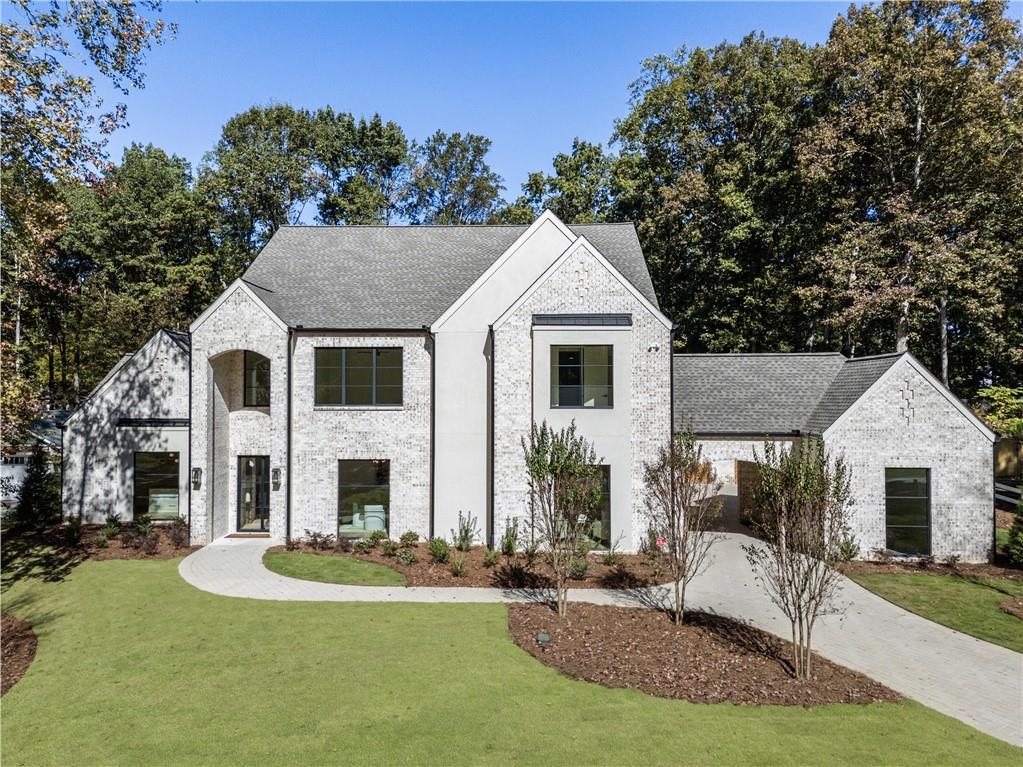
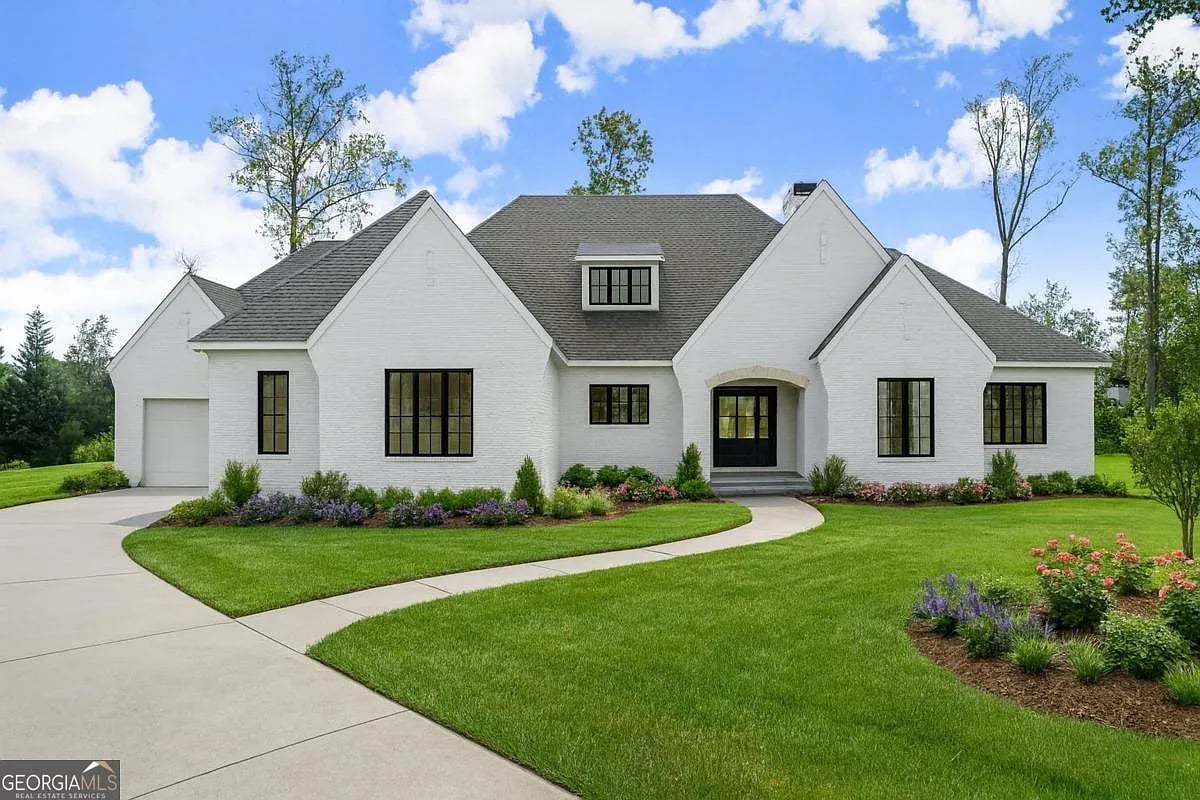
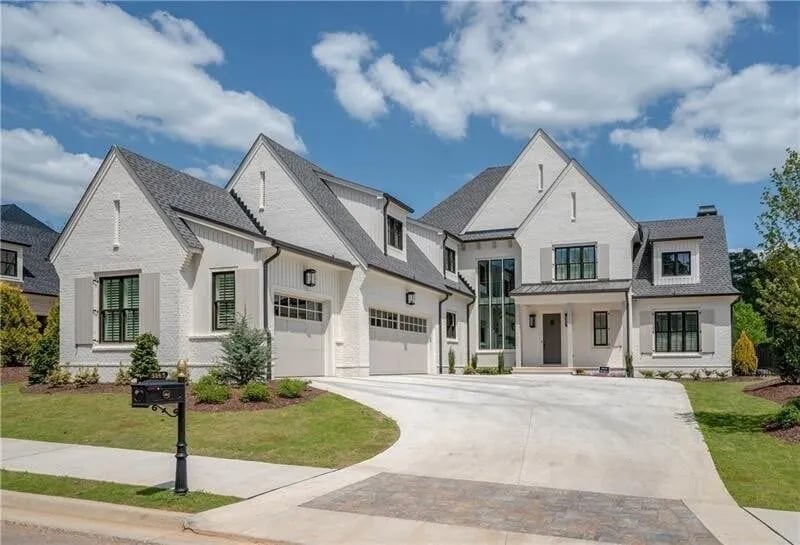
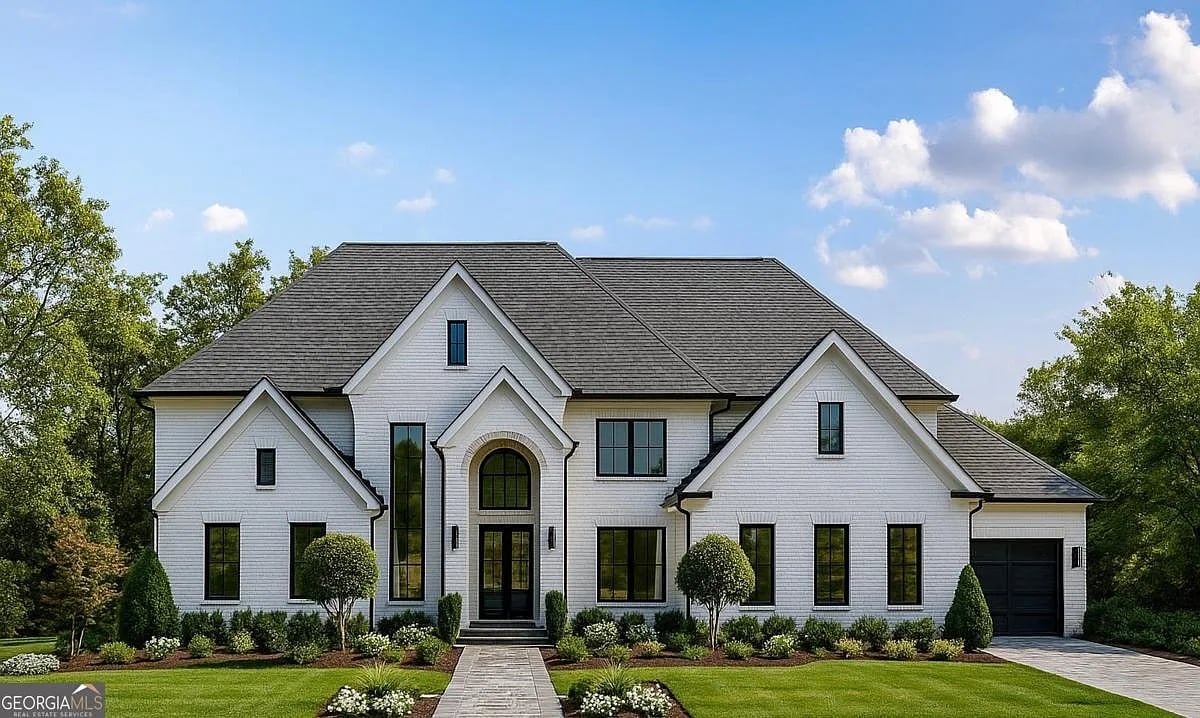
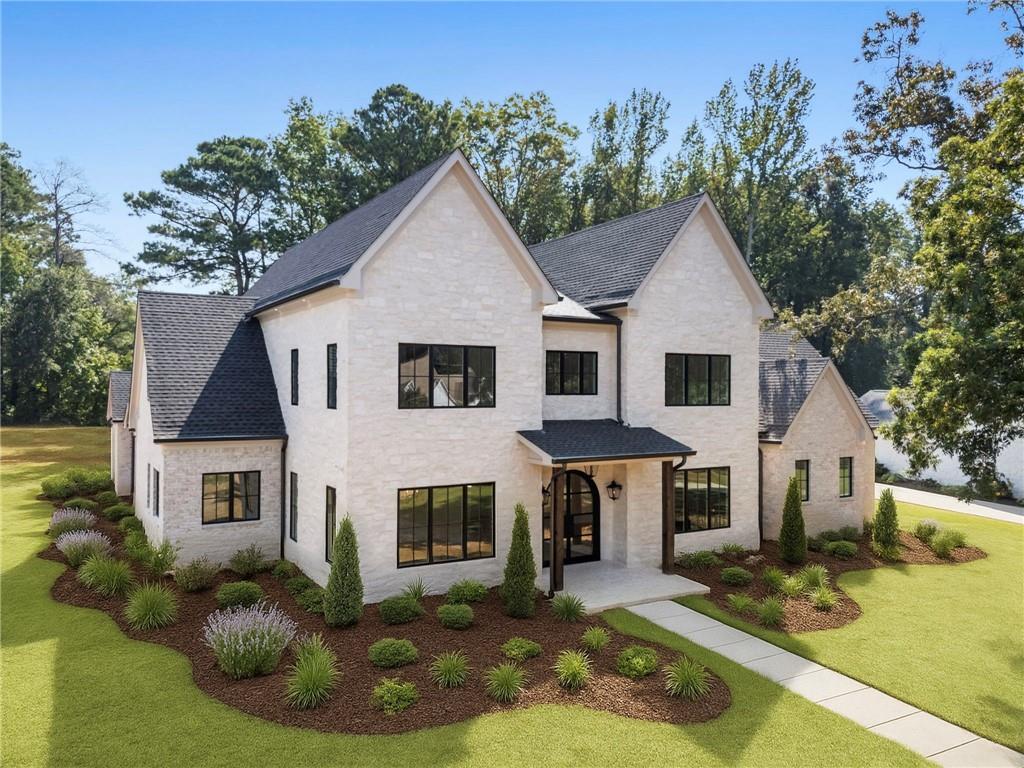
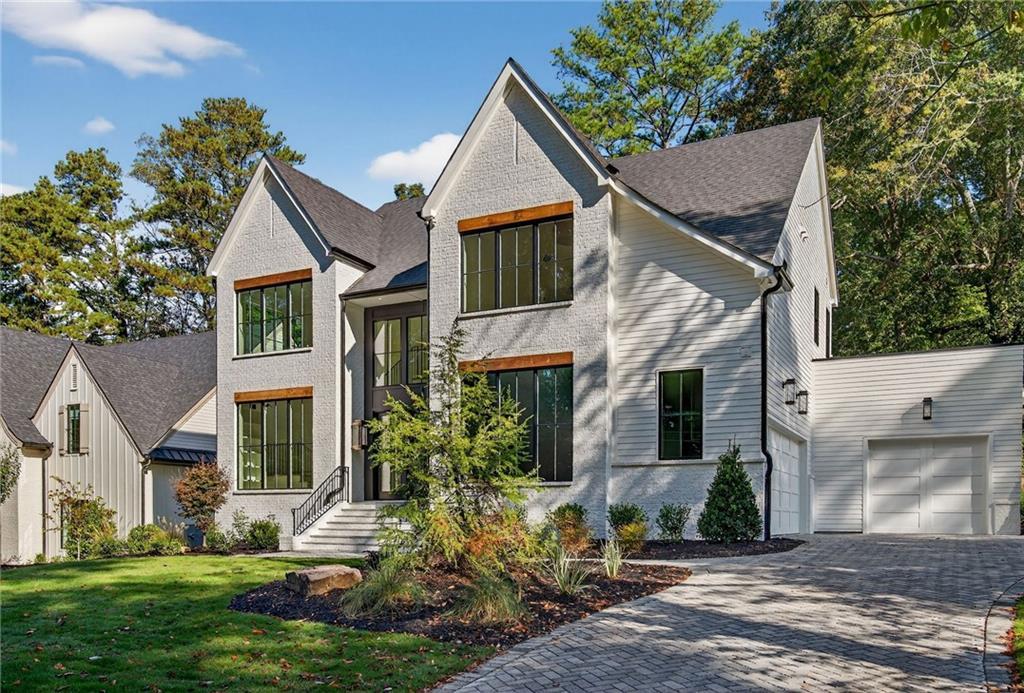
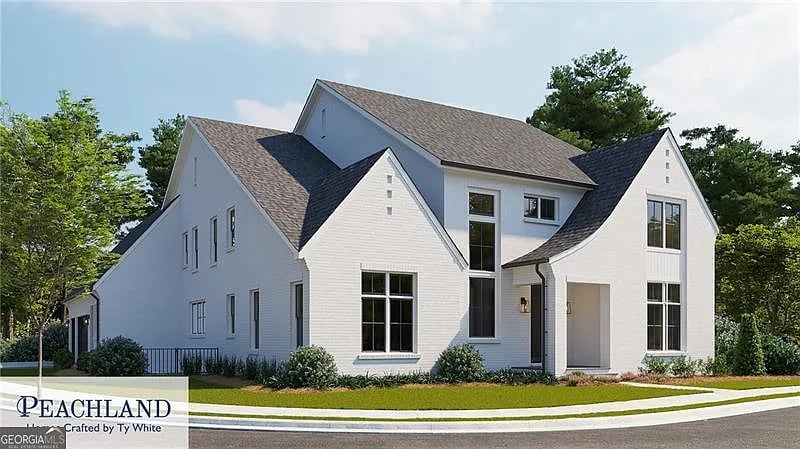
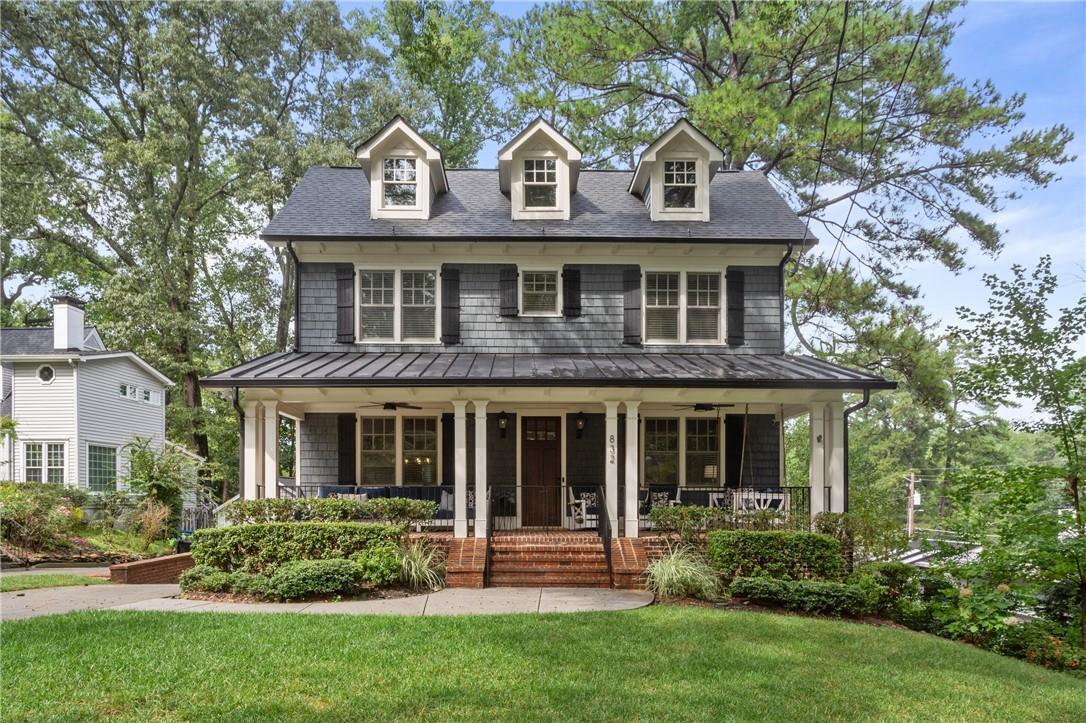
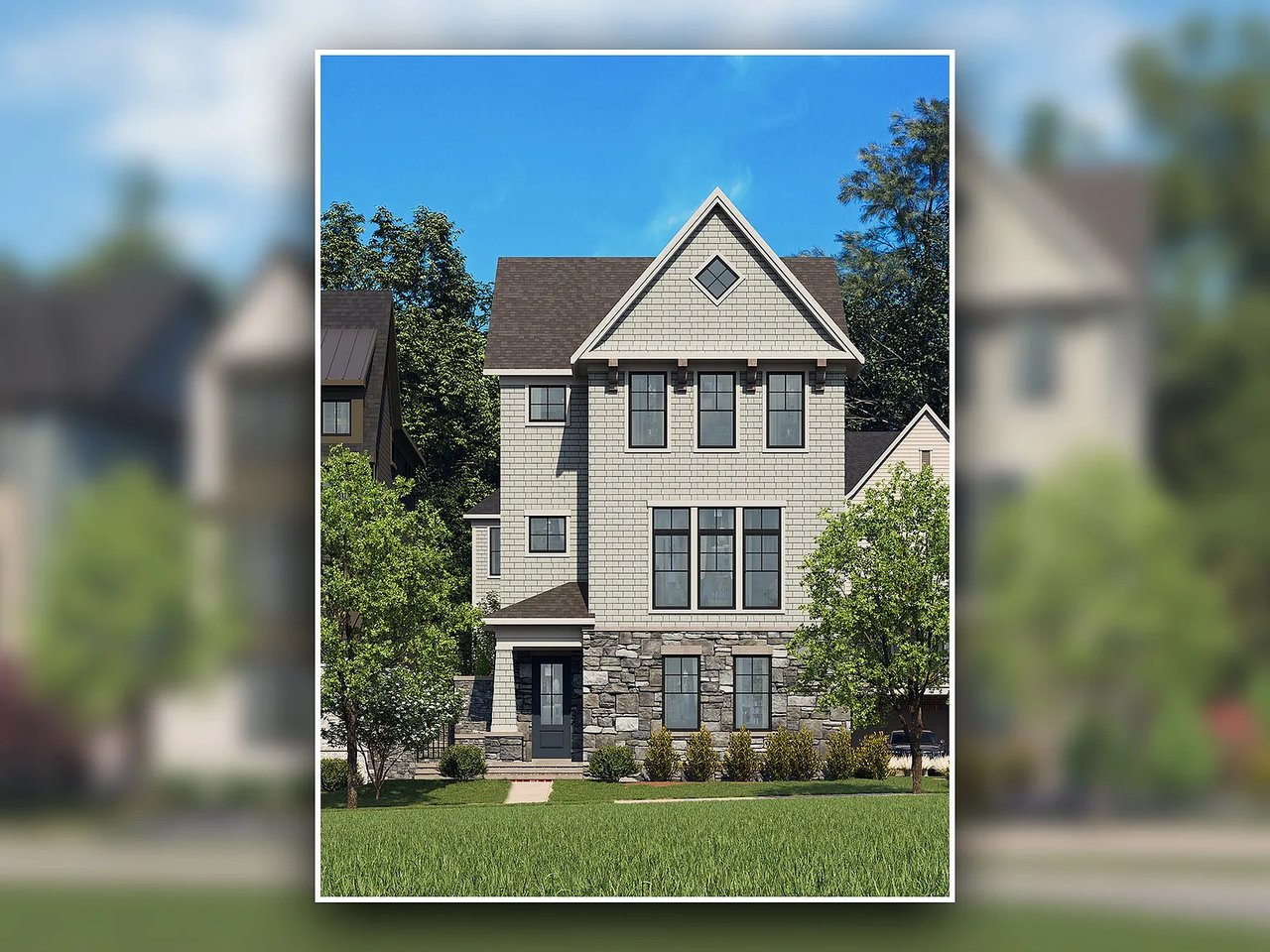
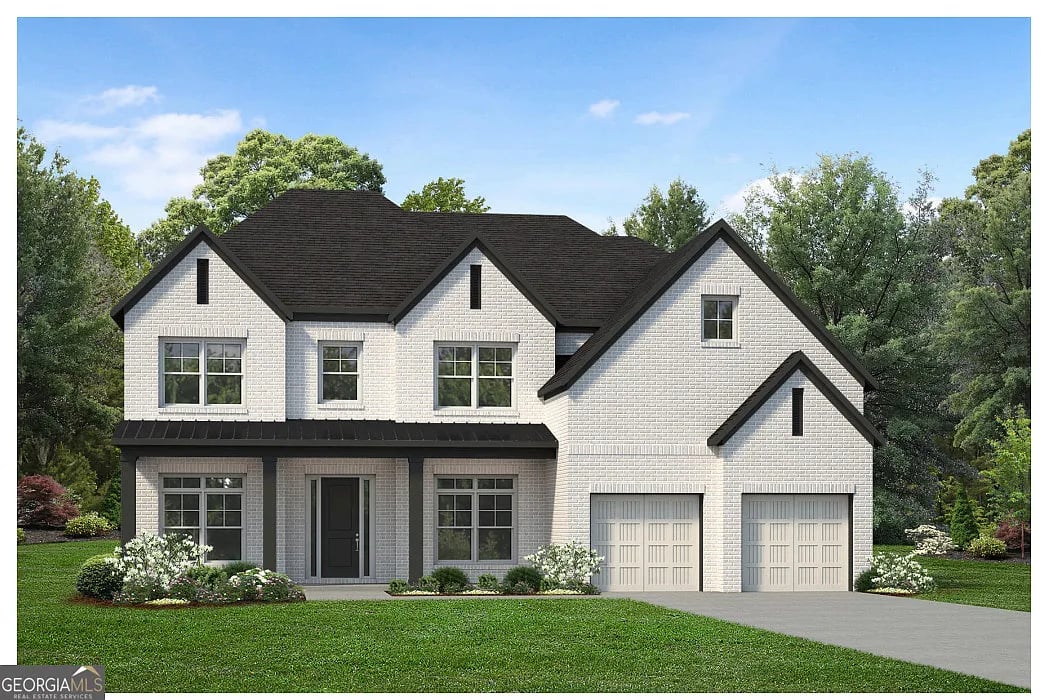
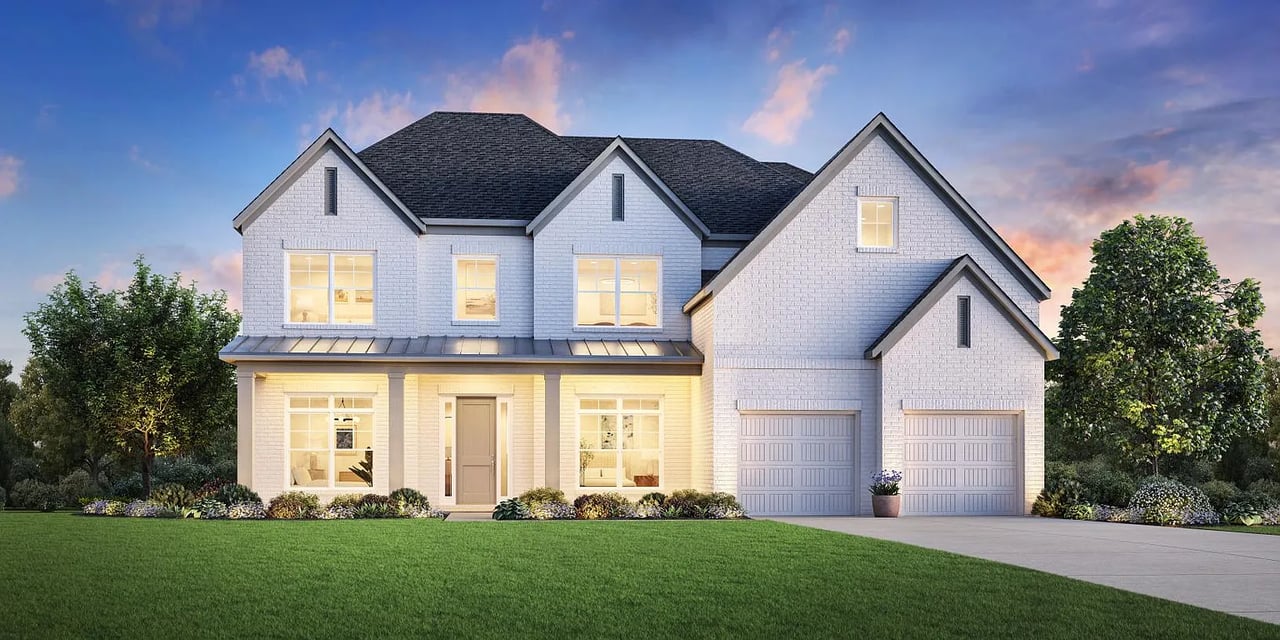
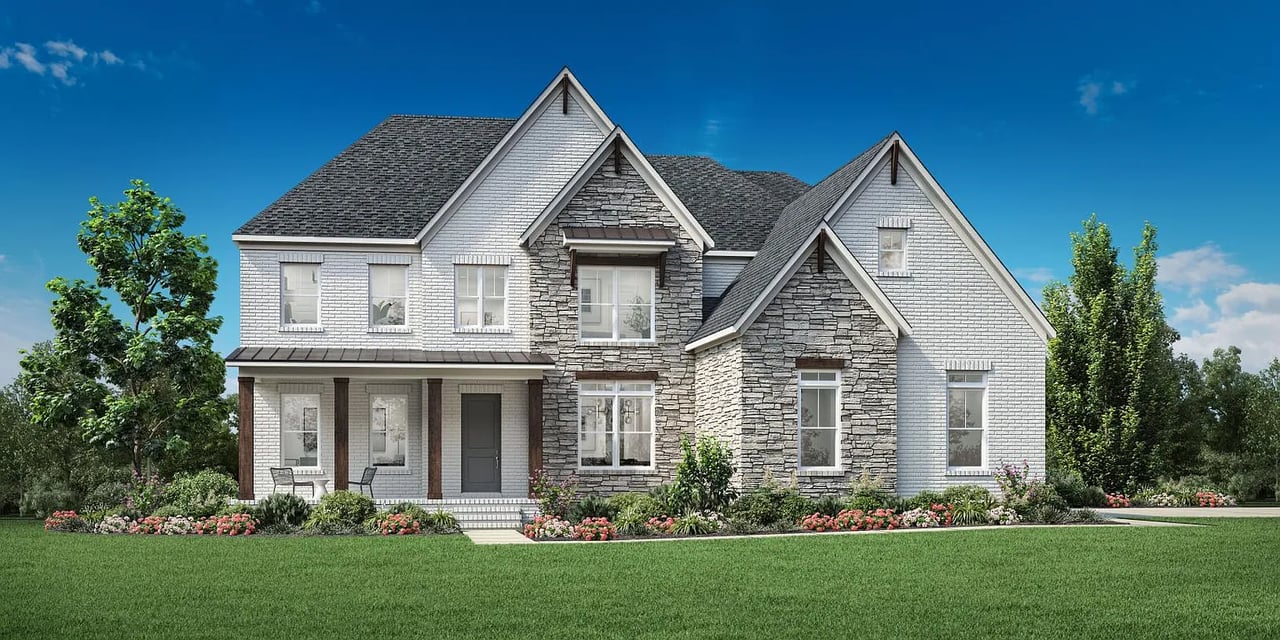
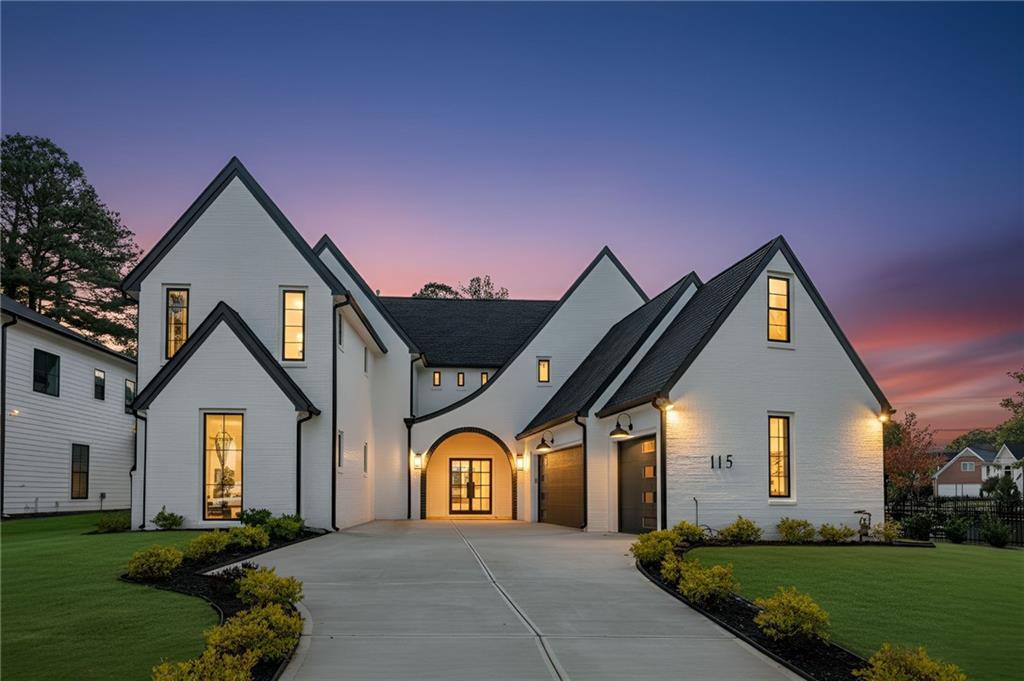
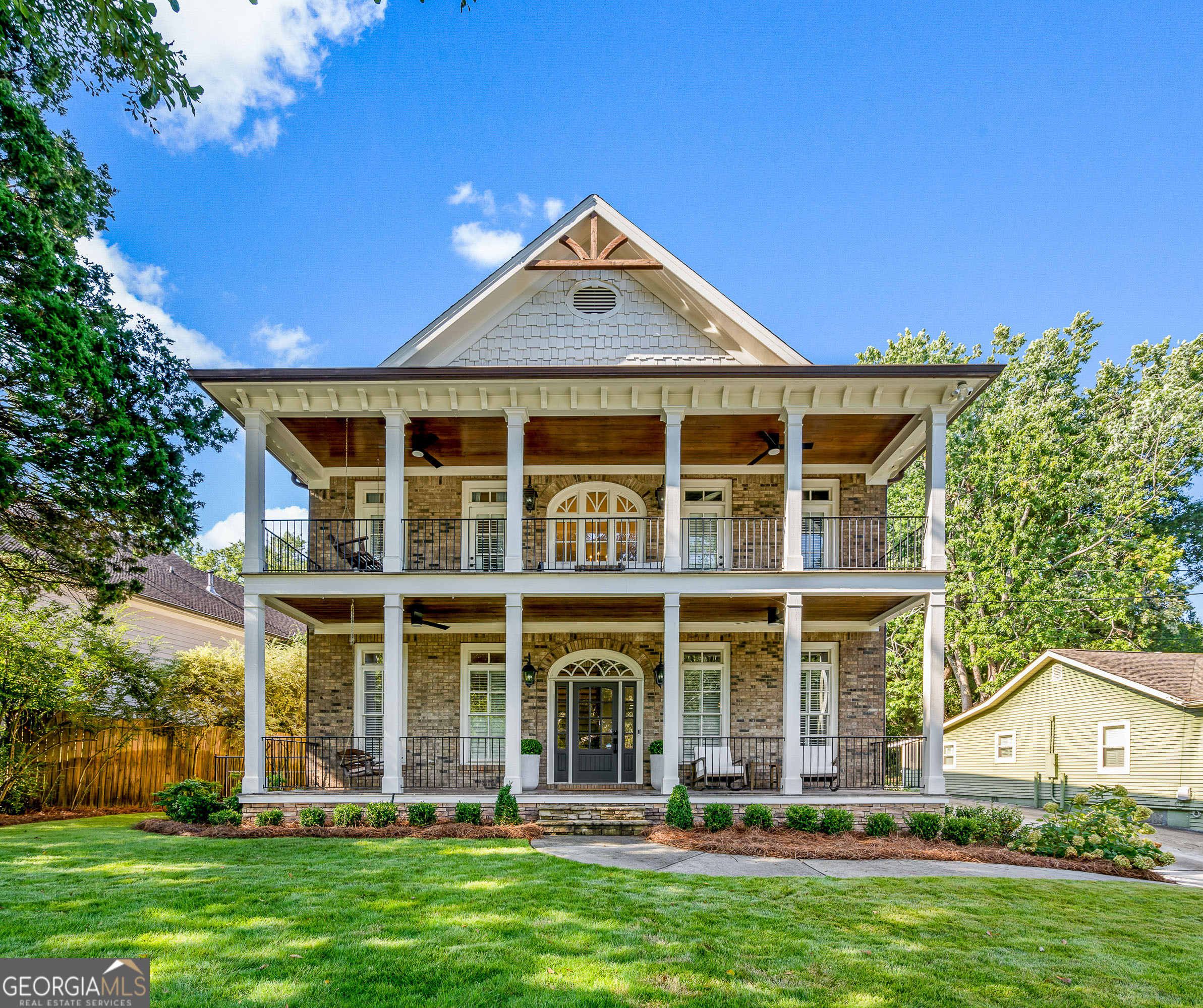
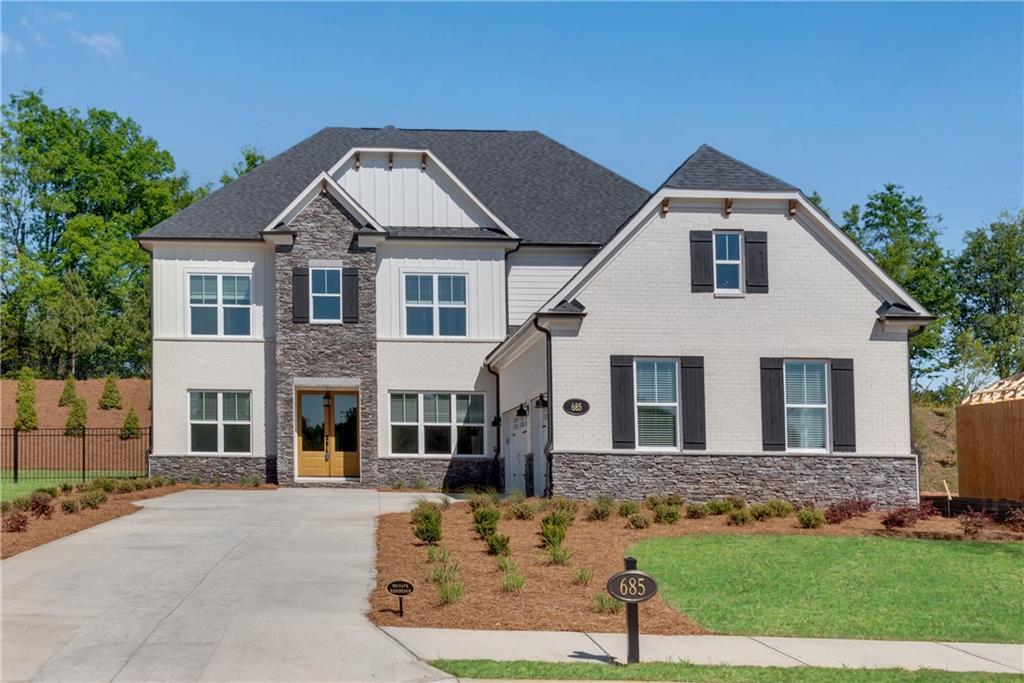
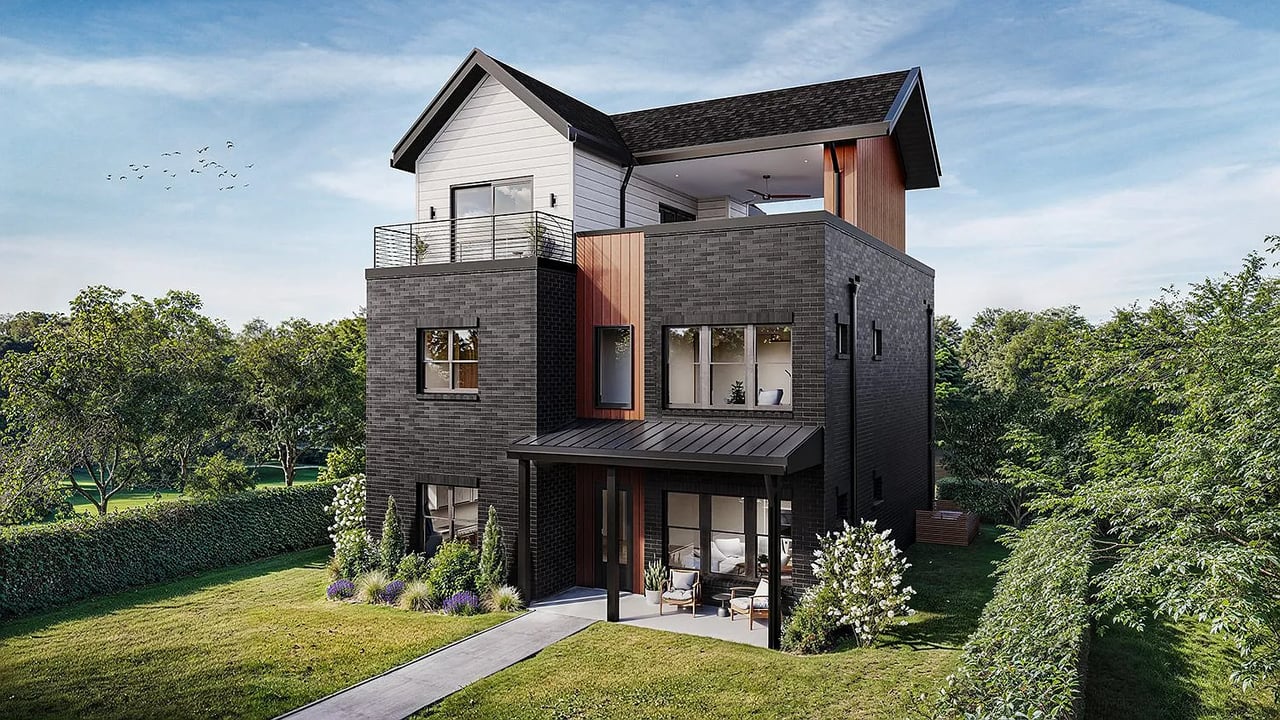
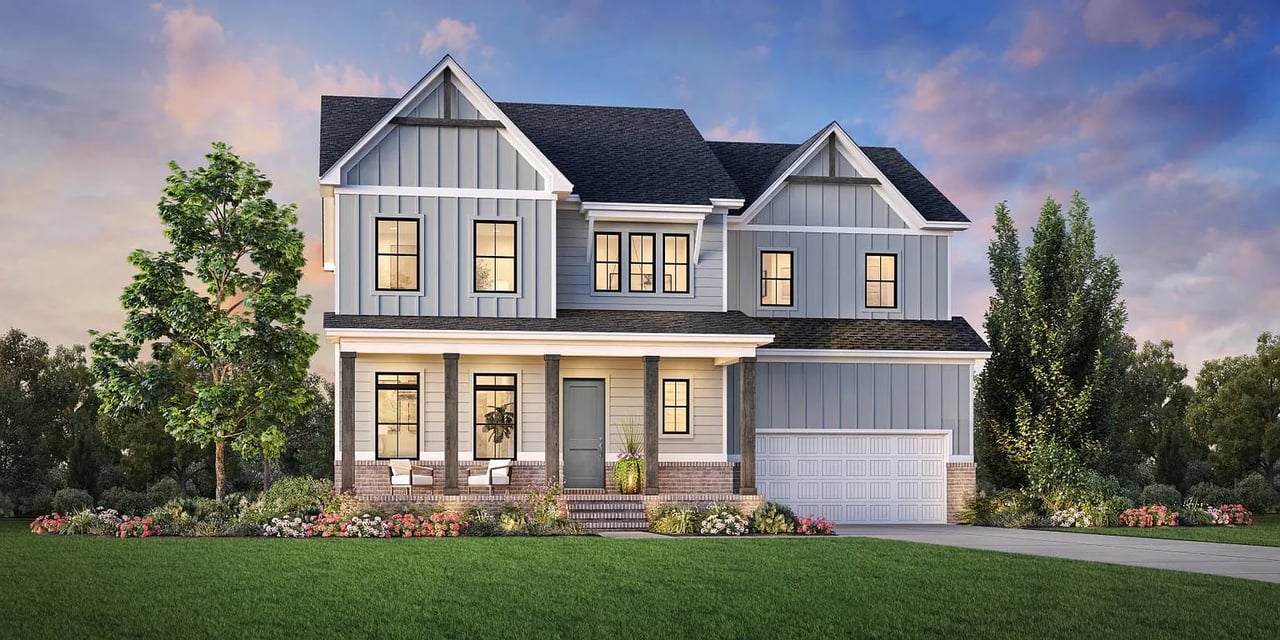
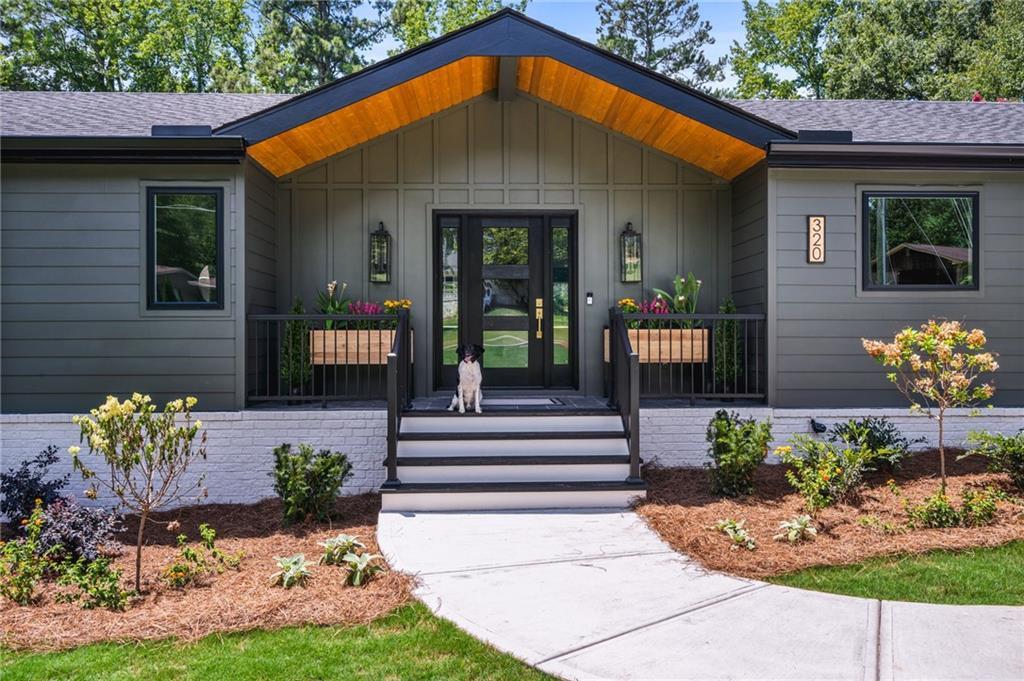
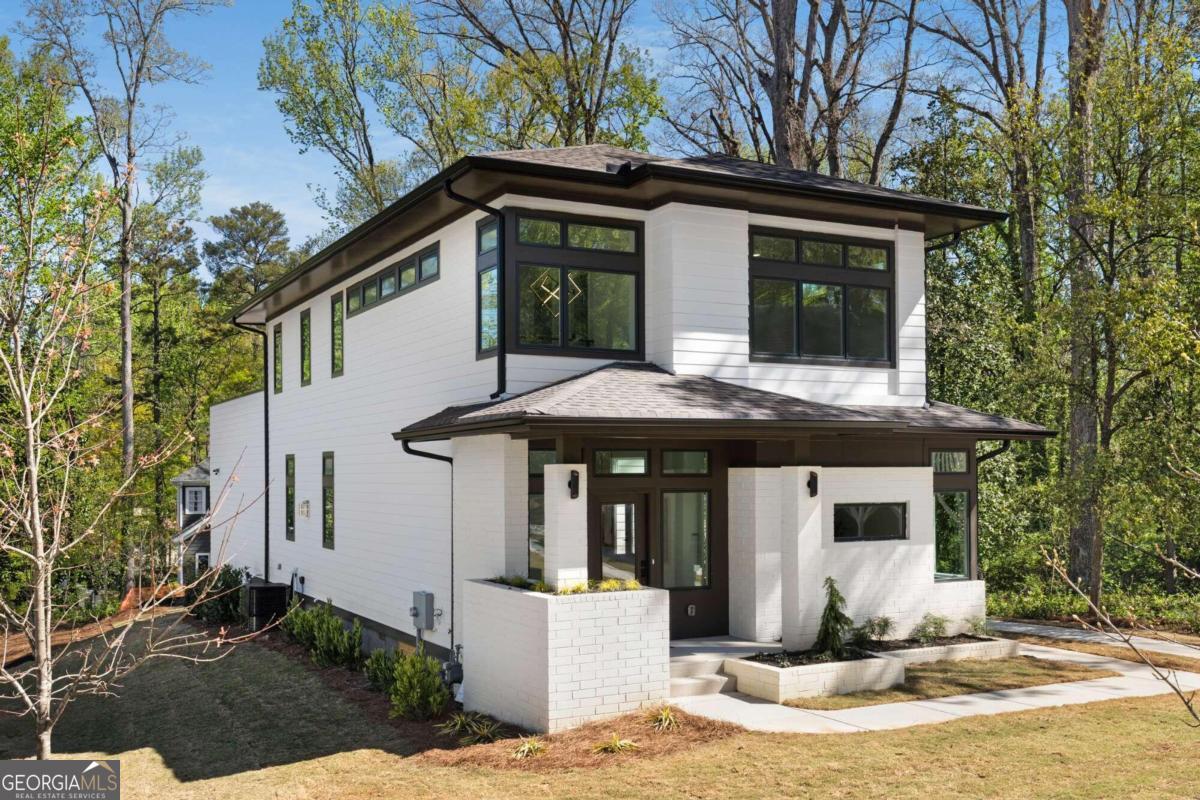
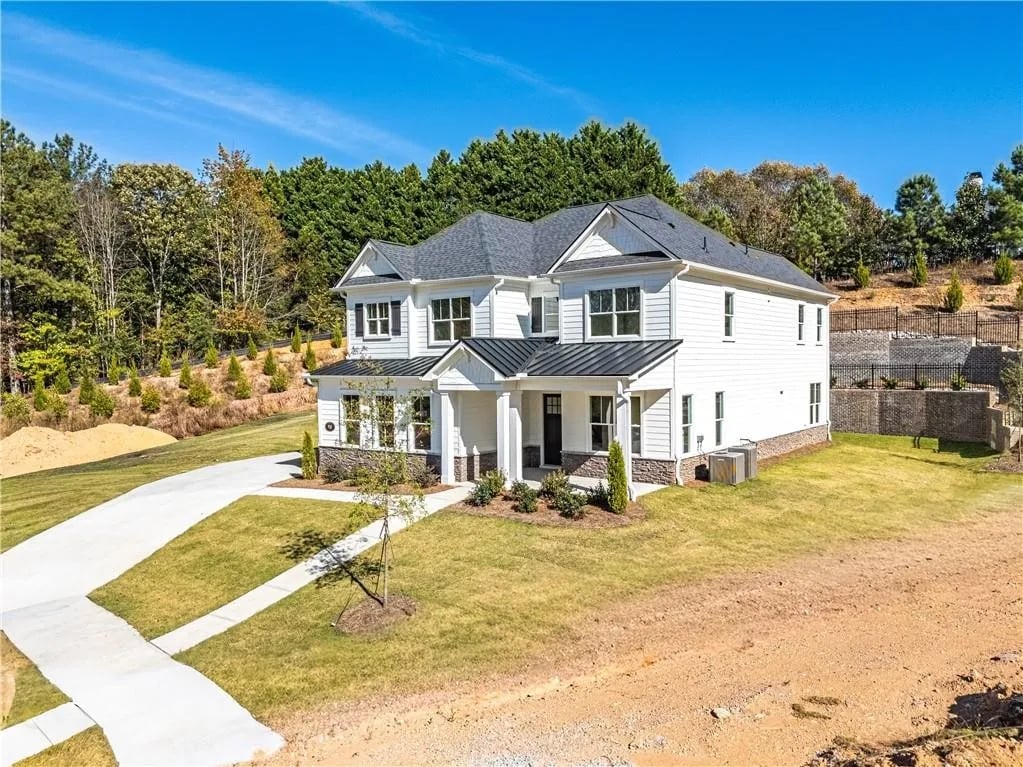
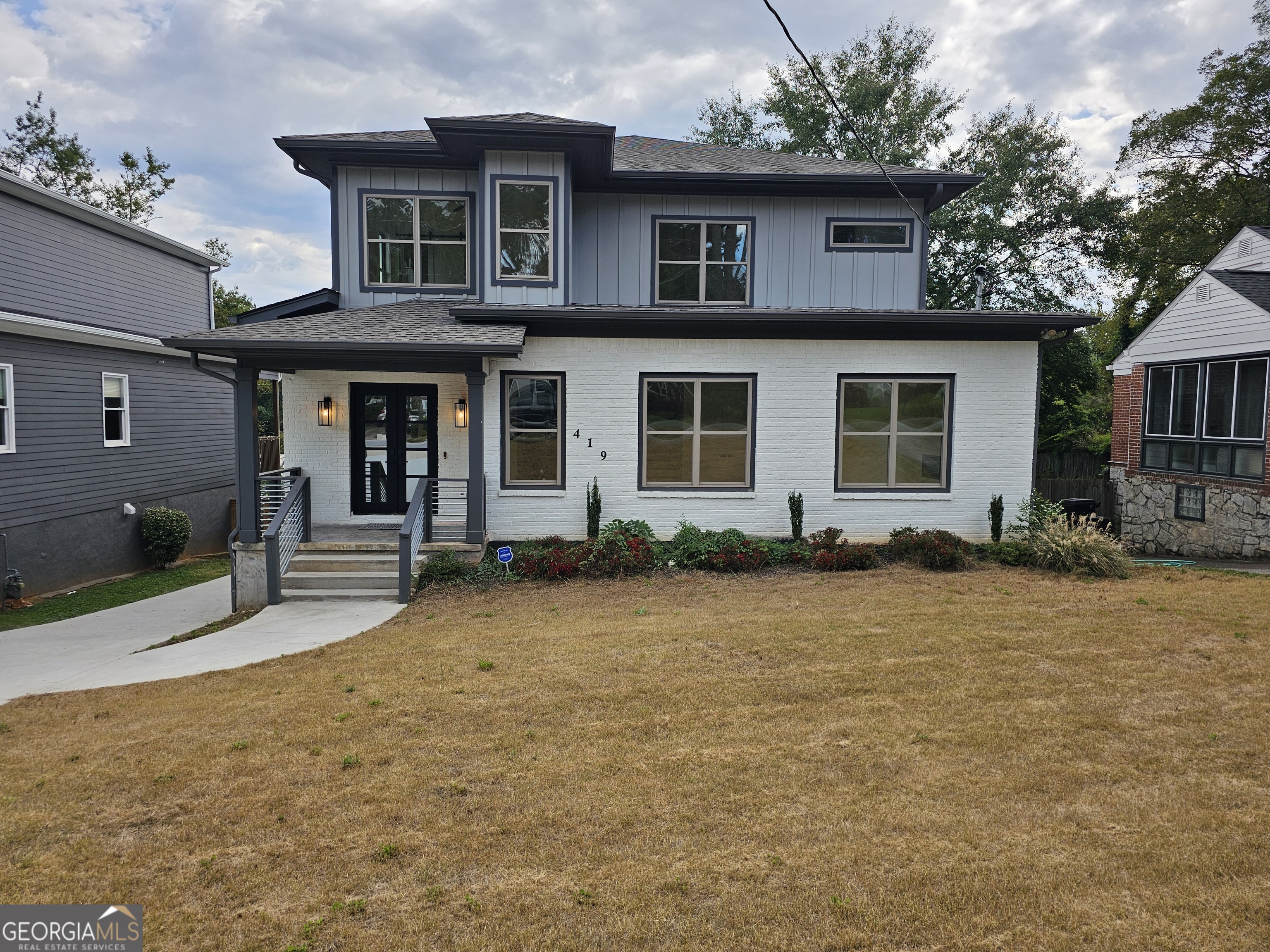
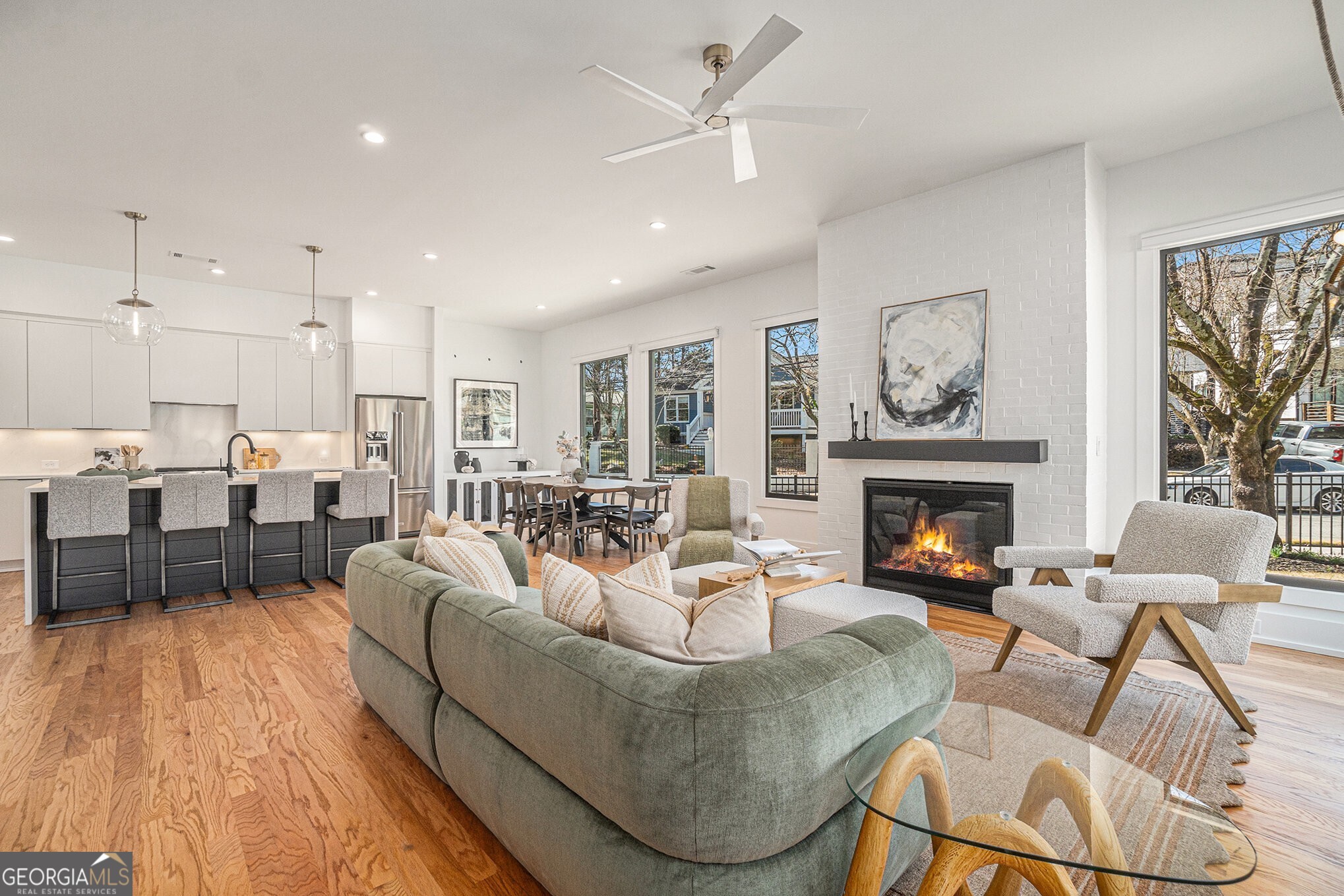
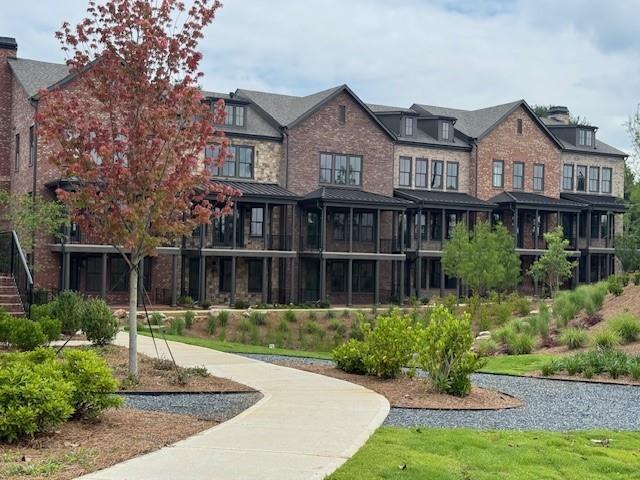
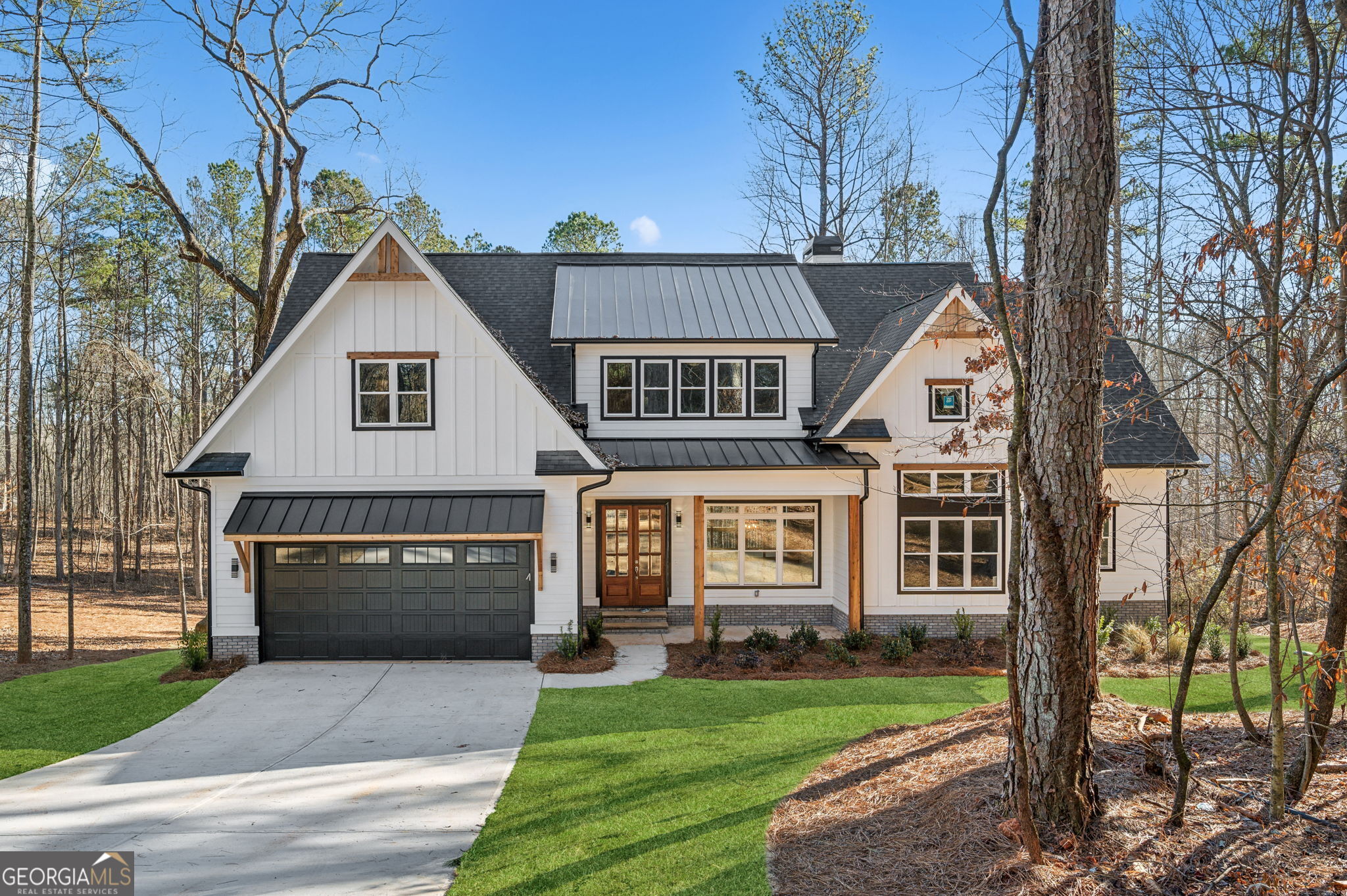
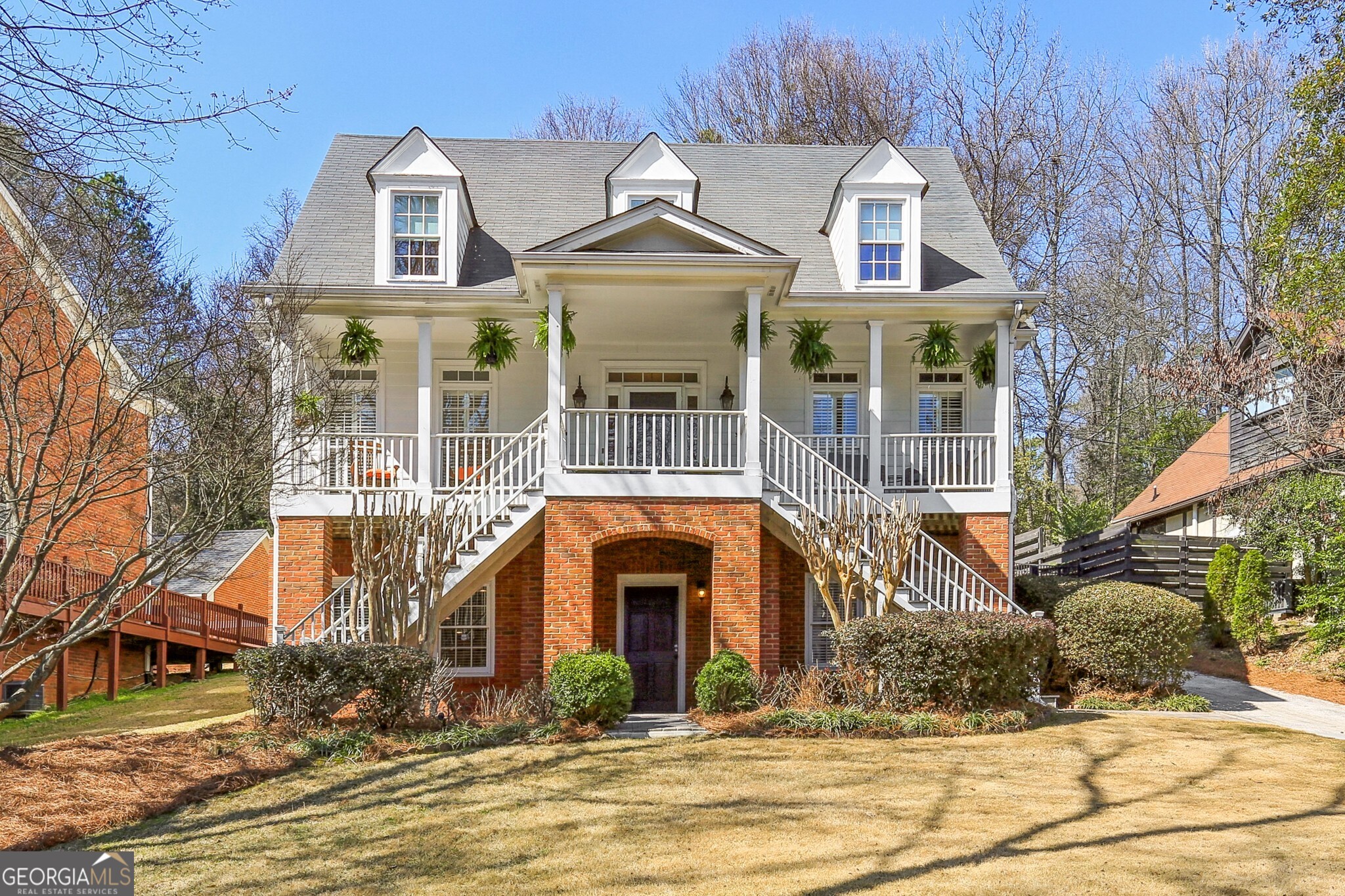
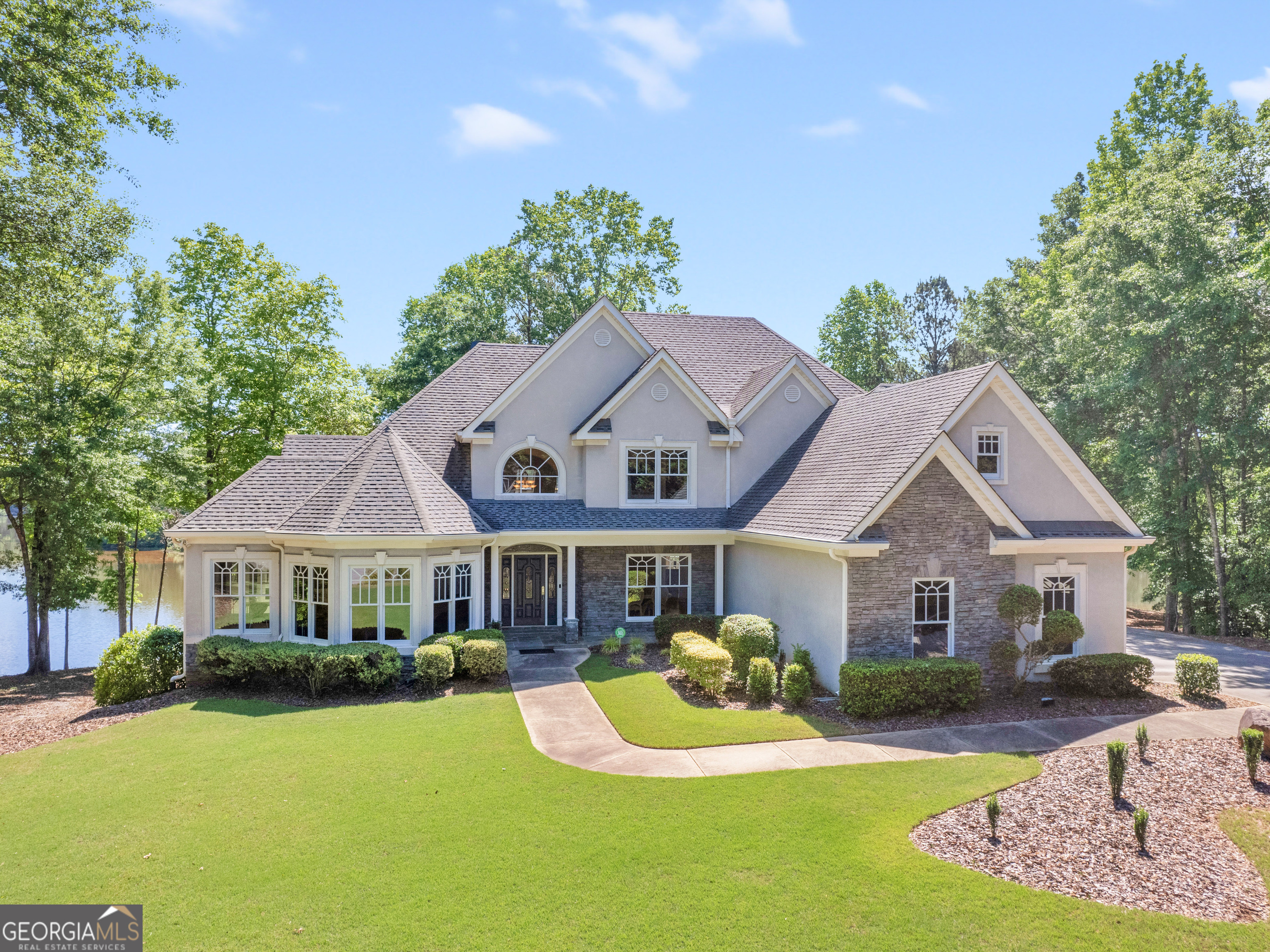
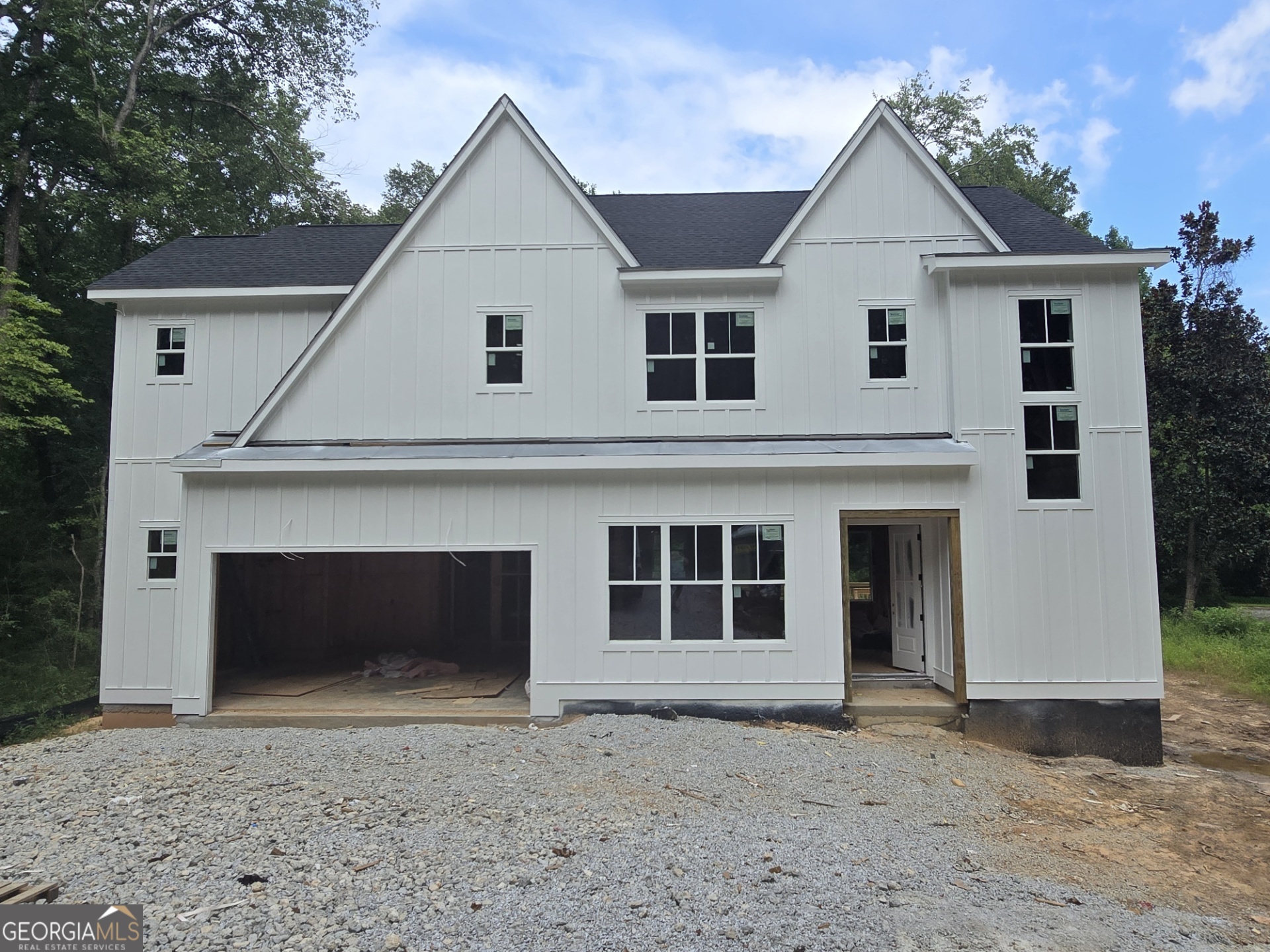
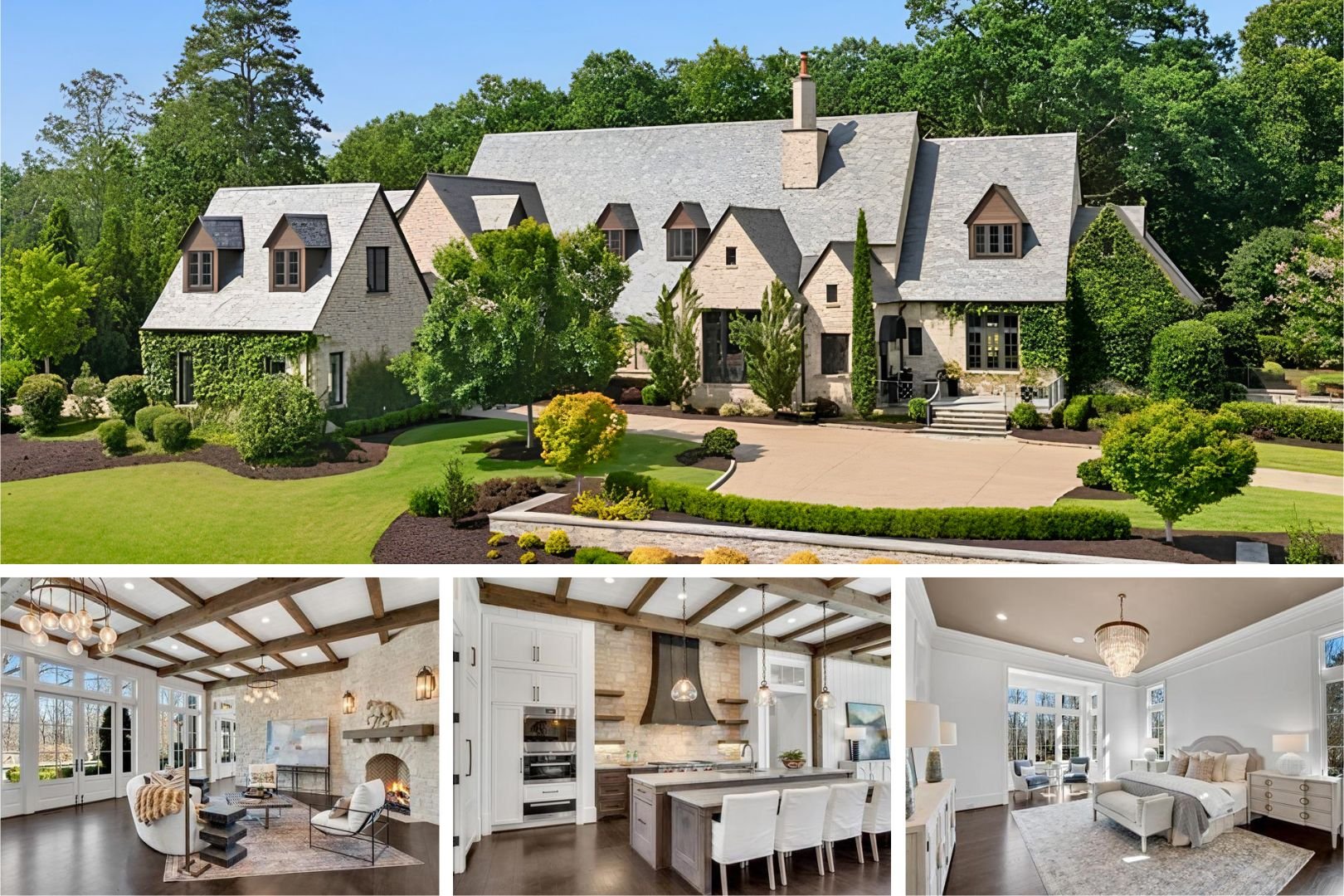
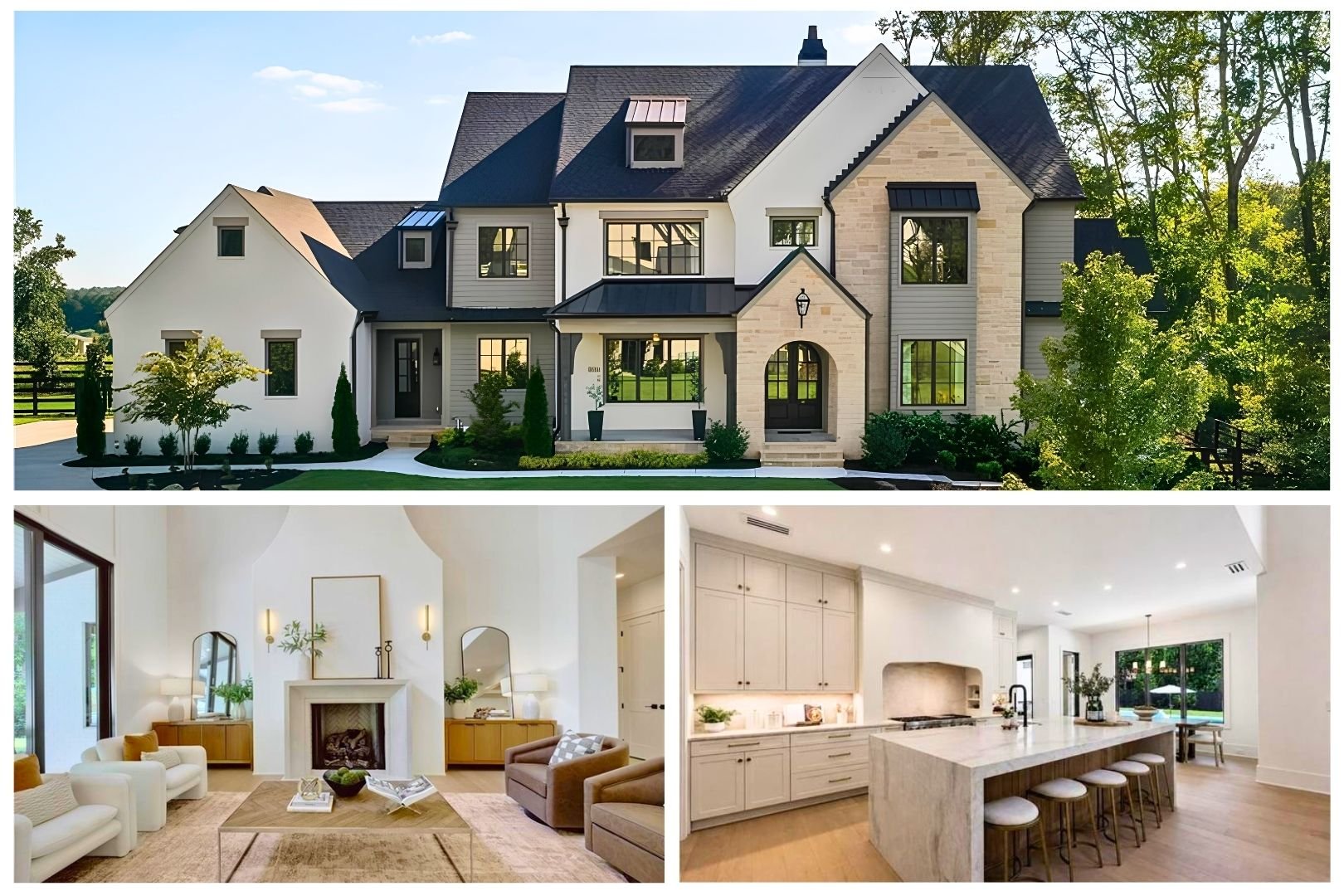
In 2026, architectural preferences in Milton are experiencing a clear evolution. While the classic, all-white modern farmhouse remains a popular local staple, luxury buyers are increasingly gravitating toward transitional estates. These designs blend clean, contemporary lines with warmer, organic elements like natural stone facades, heavy timber accents, and copper gas lanterns.
The primary design focus is on seamless indoor-outdoor integration. High-end listings frequently feature retractable glass walls that open to vaulted outdoor pavilions, complete with fully equipped outdoor kitchens, infinity-edge pools, and custom fire features. This allows residents to enjoy the beautiful Georgia seasons in comfort and style.
Inventory Dynamics: Custom Builds vs. Existing Luxury Estates
Milton's real estate market remains highly competitive due to limited land availability and high demand. On average, homes in Milton sell after just 32 days on the market, reflecting the strong demand for quality properties. Buyers must be prepared to act decisively when premium properties become available.
For buyers looking to build a custom estate, navigating Milton's strict architectural design review boards and environmental guidelines can be a detailed process. Custom construction timelines typically range from 18 to 24 months from ground-breaking to completion. Purchasing an existing estate in established neighborhoods offers a faster path to residency, though premium properties often receive multiple competitive offers.
15.8% year-over-year increase in Milton's median home sales price, pushing values to an average of $1,129,324.
PRO TIP: If you plan to build custom, hire a builder with established relationships in Fulton County. Milton's tree canopy ordinances and land-disturbance permits are among the strictest in Georgia, and an experienced local builder can save you months of design delays.
Lifestyle, Education, and Amenities in North Fulton County

Relocating to Milton is as much about embracing a refined, active lifestyle as it is about acquiring exceptional real estate. The area offers a perfect balance of outdoor recreation, academic excellence, and high-end convenience. It is a community where active living and relaxation go hand-in-hand.
Educational Excellence: Fulton County Schools and Private Options
Relocating families are consistently drawn to Milton's exceptional educational landscape. Public schools serving the area—including Milton High School and Cambridge High School—are part of the Fulton County School District. As the fourth-largest school system in Georgia, the district serves approximately 87,019 students across 106 schools. These public schools are highly regarded for their robust Advanced Placement (AP) courses, STEM programs, and championship-winning athletic departments.
For families seeking private education, prestigious independent academies are located in and around the area. King's Ridge Christian School offers a rigorous college-preparatory curriculum in a supportive environment. St. Francis Schools and Mill Springs Academy provide highly personalized, specialized learning environments tailored to individual student needs. These institutions provide strong community support for extracurricular, arts, and youth athletic programs.
Parks, Recreation, and Outdoor Living

An active, outdoor lifestyle is woven into the fabric of daily life in Milton. Residents enjoy access to unique local parks that emphasize passive recreation and nature preservation. Birmingham Park is known for its miles of scenic equestrian and hiking trails winding through dense hardwood forests.
Bell Memorial Park serves as the city's premier active-use facility, offering state-of-the-art baseball fields, multi-purpose turf fields, playgrounds, and walking paths. Providence Park offers a peaceful, 42-acre wooded retreat featuring a scenic lake, a public fishing pier, and an ADA-accessible paved trail loop. The city’s dedication to green space ensures that natural beauty is always just a few minutes from your doorstep.
High-End Dining and Shopping in Nearby Alpharetta
While Milton preserves its quiet, pastoral character, residents enjoy immediate access to world-class suburban conveniences. Located just 5 miles away in neighboring Alpharetta, the Avalon development and Downtown Alpharetta offer premier luxury shopping and dining. Residents can spend the day browsing premium retailers like Apple, Lululemon, and various upscale boutiques.
The culinary scene in Alpharetta features award-winning, chef-driven dining options that satisfy any palate. This proximity allows Milton residents to enjoy a secluded estate lifestyle without sacrificing metropolitan convenience. It truly offers the best of both worlds: peace and privacy at home, with vibrant city life just minutes away.
Key Considerations Before Buying Luxury Property in Milton

Purchasing property in a semi-rural luxury market requires a different set of due diligence steps than buying in a traditional suburban subdivision. Buyers must be aware of local infrastructure and regulatory nuances to ensure their long-term plans are achievable. Working with a specialized real estate team can help you navigate these details seamlessly.
Understanding Septic vs. Sewer in Rural Milton
One of the most critical technical nuances for luxury buyers to understand is that a large portion of Milton’s acreage properties rely on private septic systems rather than municipal sewer lines. Because septic system capacities are strictly tied to the number of bedrooms in a home, this can impact future renovation plans.
If you are purchasing an estate with plans to add a guest house, a pool house, or a large resort-style swimming pool, it is critical to evaluate the septic system's location and capacity. A soil perk test and a clear understanding of the septic field's boundaries are essential steps during your due diligence period. Verifying soil mapping with Fulton County Environmental Health ensures your future expansion plans are structurally viable.
PRO TIP: Always request the original septic permit and "as-built" drawing from the seller. If you plan to build a pool, the location of the reserve lines (the backup septic field) can severely restrict where you can dig on your property.
HOA Regulations and Equestrian Zoning Laws
For buyers interested in keeping livestock, it is essential to look beyond the property lines. While the city's AG-1 zoning is highly supportive of equestrian uses, individual Homeowners Association (HOA) covenants may place strict limits or outright prohibitions on keeping horses or building detached structures. Always have your real estate advisory team thoroughly review the HOA bylaws and agricultural easements before finalizing an offer.
Outside of AG-1 zones, Milton’s animal-control ordinances cap the number of horses, mules, or cows at a maximum of five per premises. The University of Georgia (UGA) Extension recommends approximately 2 acres of managed pasture per mature horse to ensure animal health and land sustainability. Conducting early due diligence on both municipal zoning and HOA restrictions is vital before closing on a property.
Frequently Asked Questions About Moving to Milton, GA

What makes Milton different from neighboring Alpharetta?
While Alpharetta has embraced a more suburban-dense, high-tech, and urban-walkable identity, Milton focuses almost exclusively on low-density preservation. Milton features larger lot sizes, protected agricultural lands, and an abundance of horse farms. This offers a quieter, more private lifestyle while still utilizing Alpharetta's excellent commercial amenities.
Are there gated communities in Milton, GA?
Yes, Milton features several premier gated communities for buyers seeking extra security and shared amenities. Neighborhoods like The Manor Golf and Country Club, Greystone, and Litchfield Hundred offer custom-built estates, gated access, and private recreational facilities.
What is the average lot size for luxury homes in Milton?
Due to the city's zoning regulations, the minimum lot size for residential properties in AG-1 zones is 1 acre. However, many luxury estates, modern farmhouses, and equestrian properties in Milton range from 2 to over 10 acres, providing substantial privacy and space.
How far is Milton, GA from downtown Atlanta and Hartsfield-Jackson Airport?
Milton is located approximately 30 miles north of downtown Atlanta and about 15 miles north of the Perimeter Center business district. Under normal driving conditions, a commute to downtown Atlanta or Midtown takes roughly 35 to 45 minutes. Driving to Hartsfield-Jackson Atlanta International Airport typically takes 50 to 60 minutes via Georgia 400. According to the U.S. Census Bureau, Milton residents have an average commute time of 28 minutes.
What are the equestrian rules for property owners in Milton?
The City of Milton is highly protective of its equestrian heritage and features a dedicated Equestrian Committee to support local farm owners. Local zoning laws permit horse ownership on residential properties, typically requiring a minimum of one acre of pasturage per horse. There are also specific setback requirements for barns and riding arenas to ensure the comfort of neighboring properties.
Conclusion

Milton, Georgia, represents a rare and highly successful experiment in municipal preservation. For the luxury homebuyer in 2026, it offers an exceptional lifestyle where you do not have to choose between acreage and convenience, or between privacy and community. It is a place where custom architecture meets scenic beauty, creating a highly protected sanctuary.
Backed by an exceptionally strong economy—featuring a median household income of $171,295 and a low local unemployment rate of 2.3% as of April 2026—purchasing a home here is not just a real estate transaction, but an investment in a highly protected, upscale lifestyle.
If you are planning a move to the North Atlanta area and want to explore the exceptional properties Milton has to offer, please contact our team to begin your luxury home search.