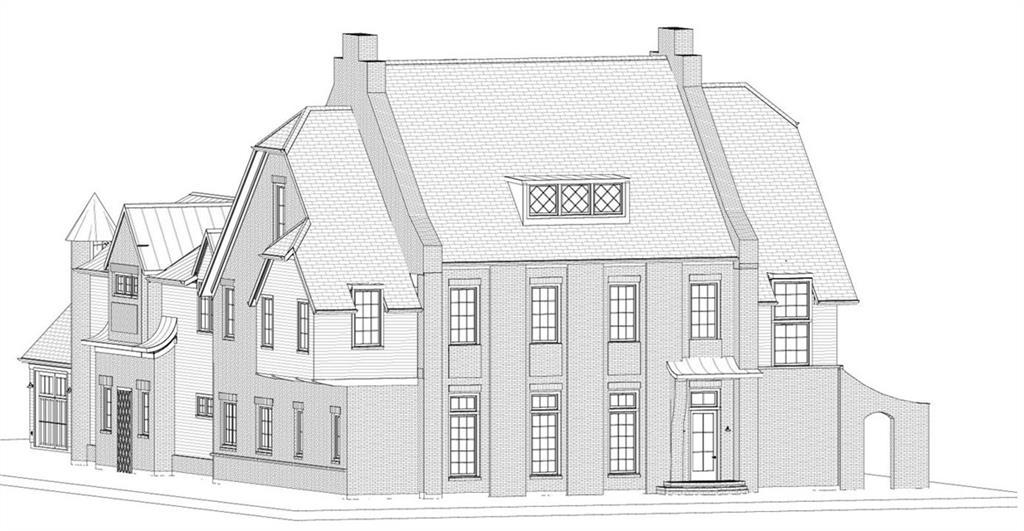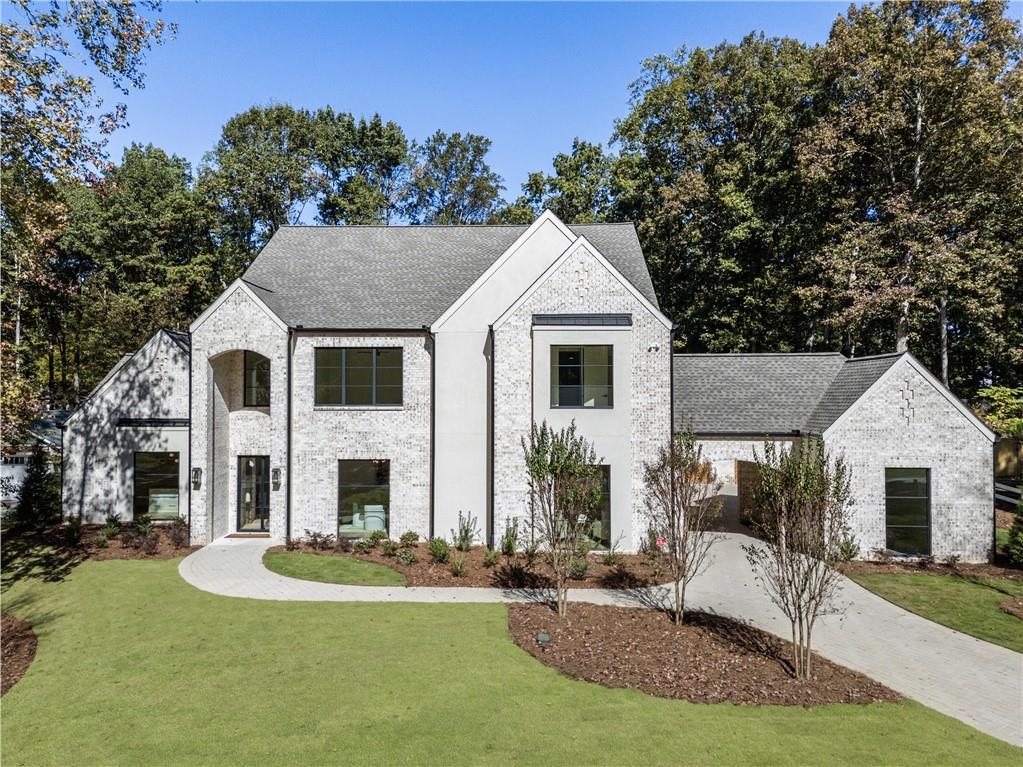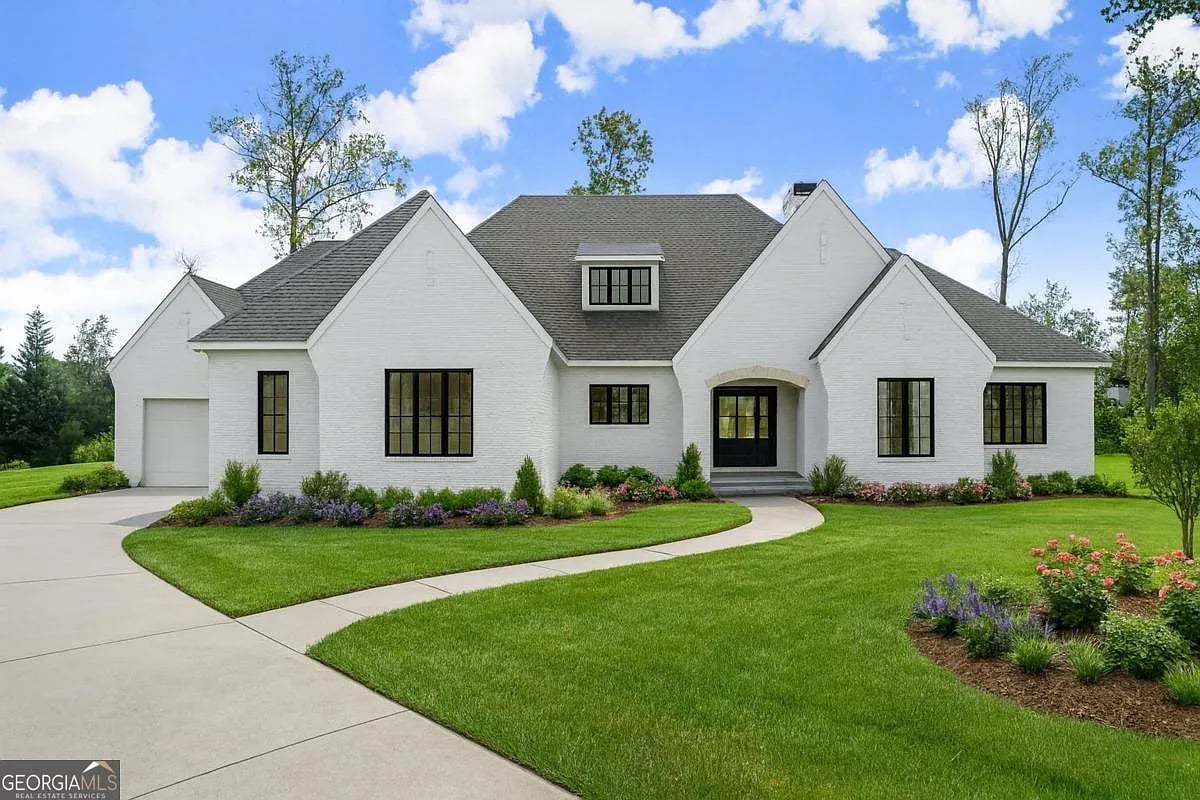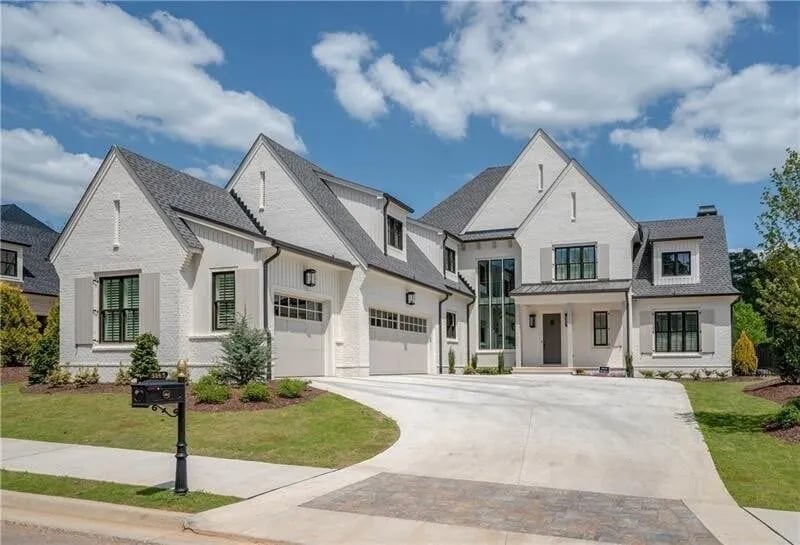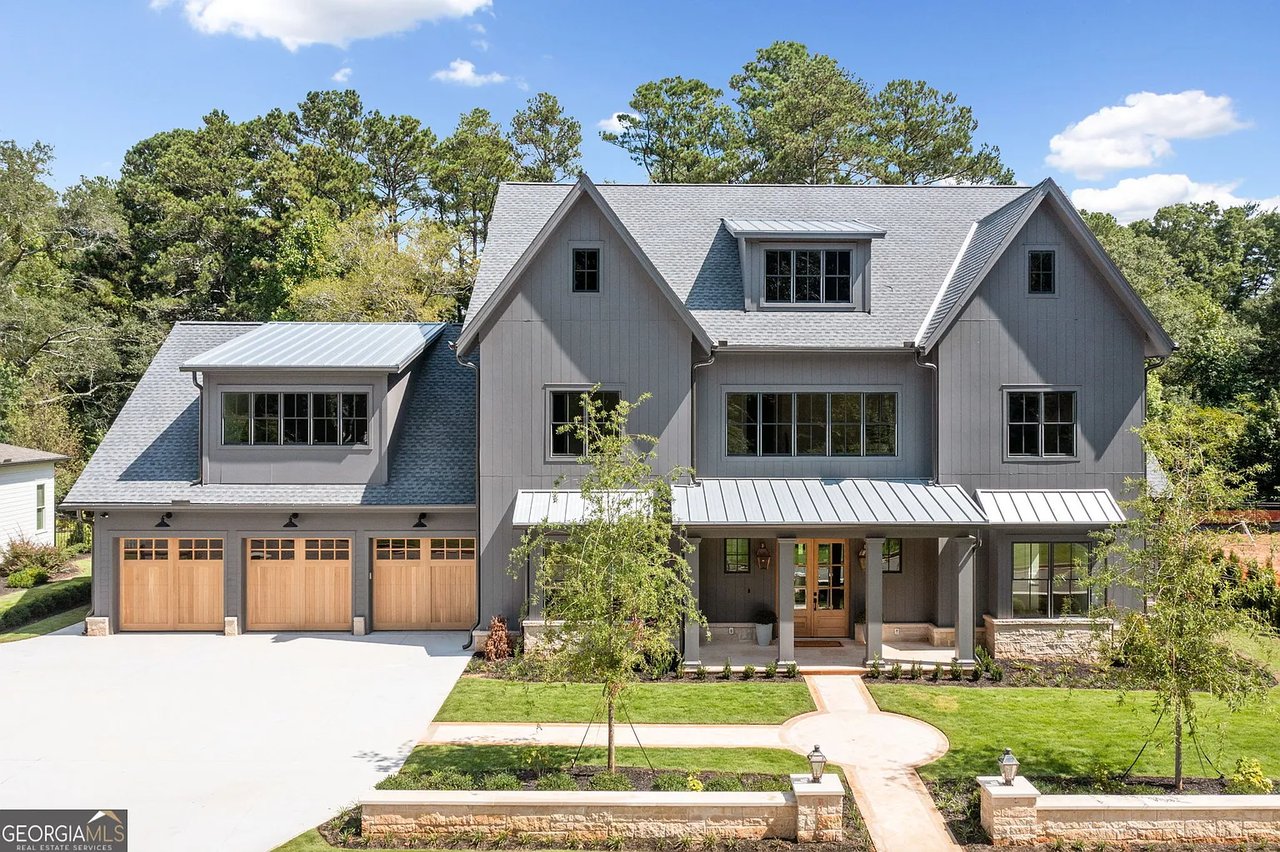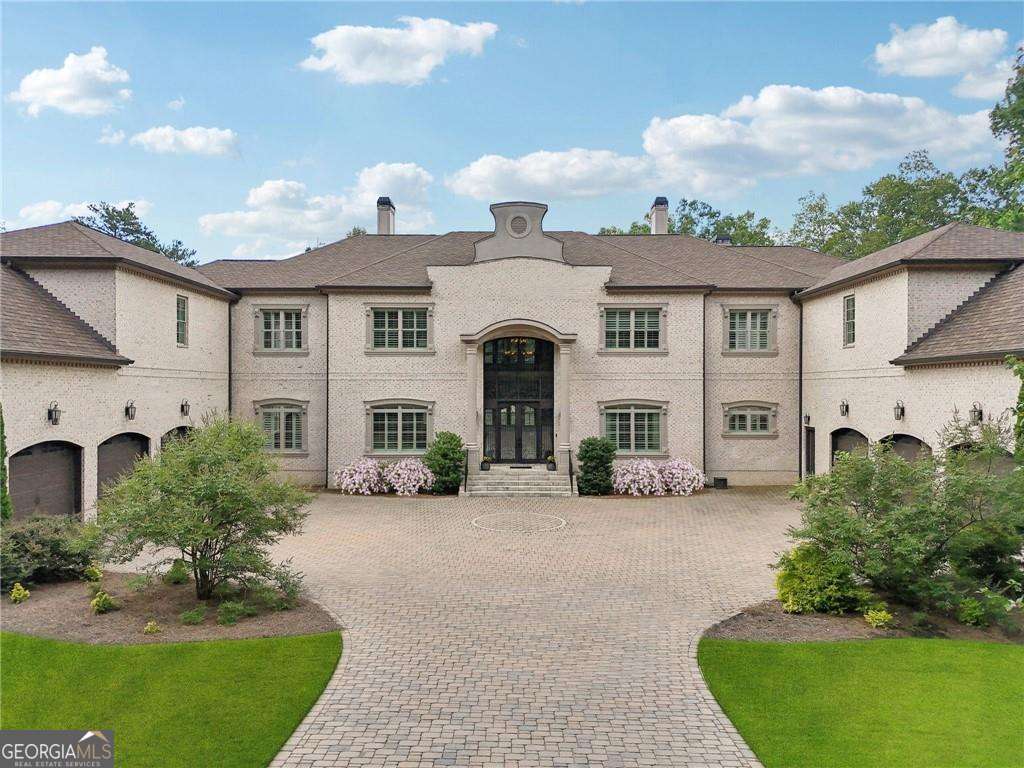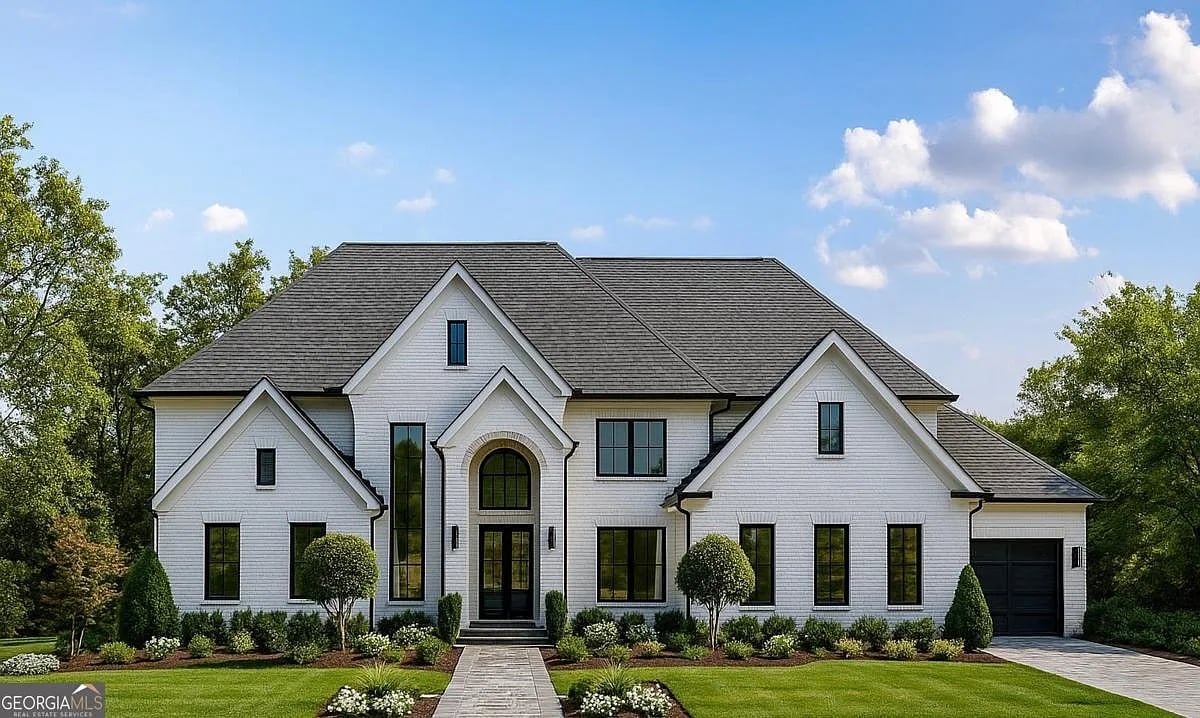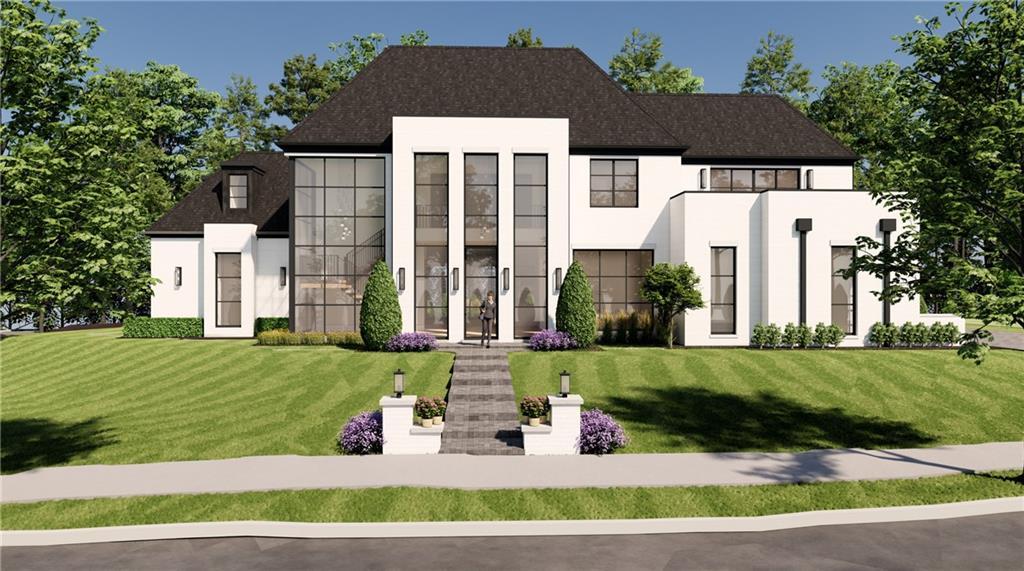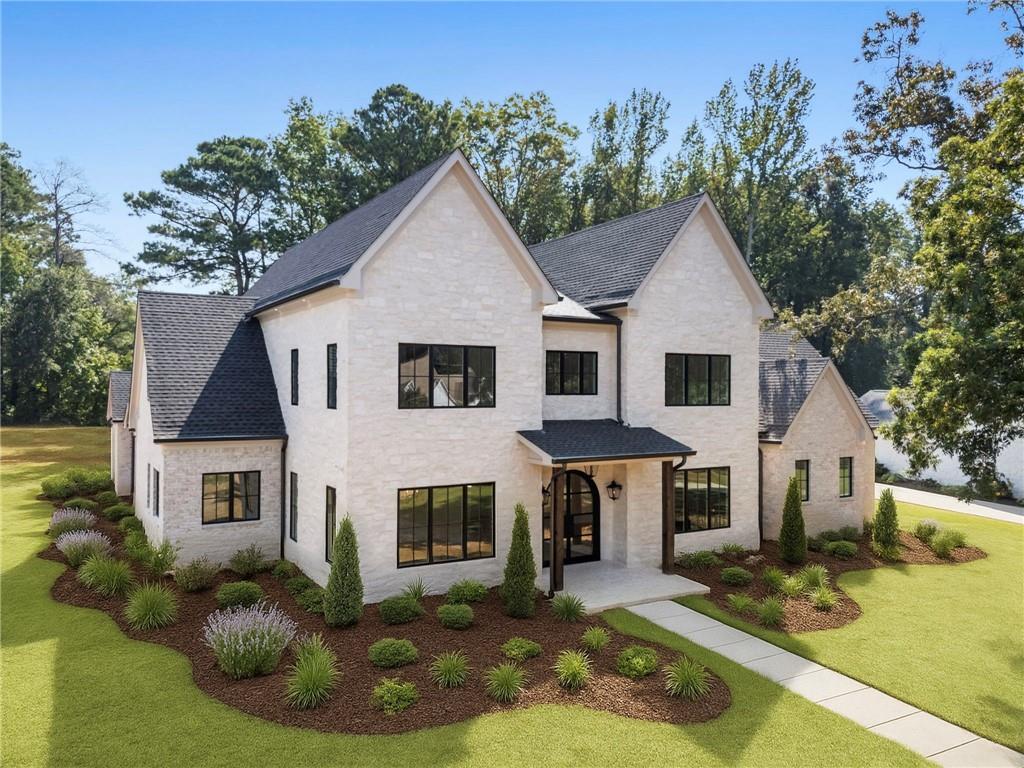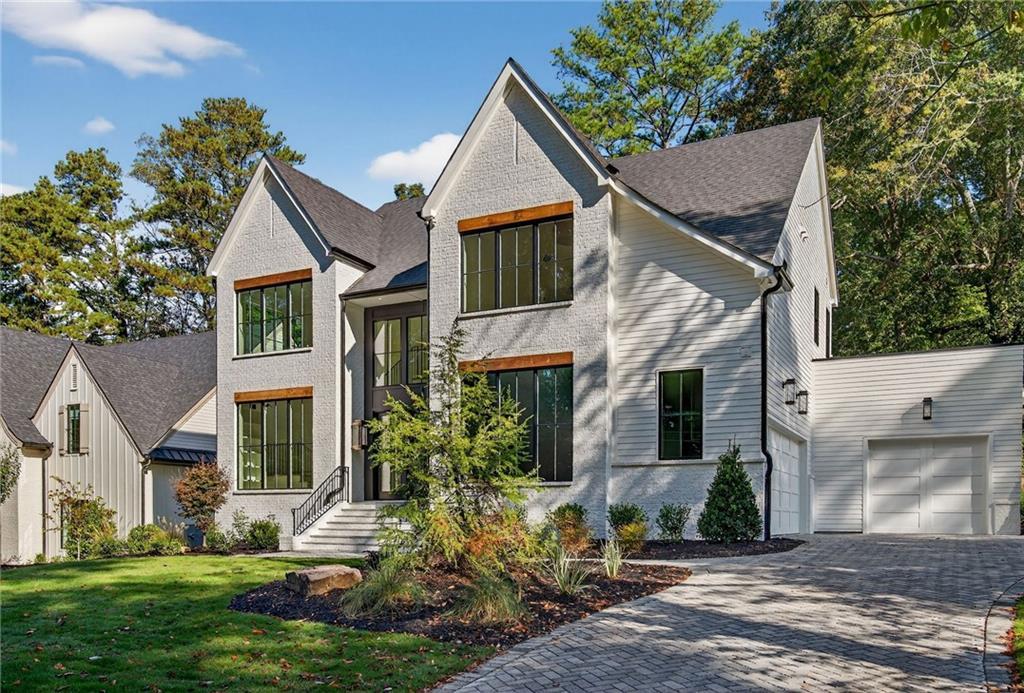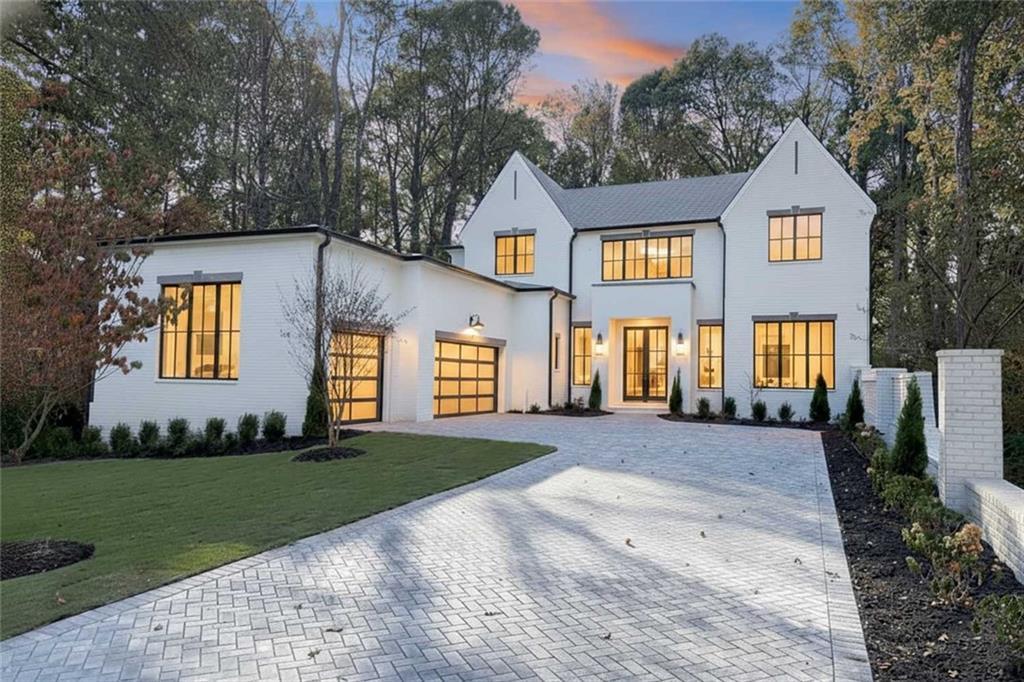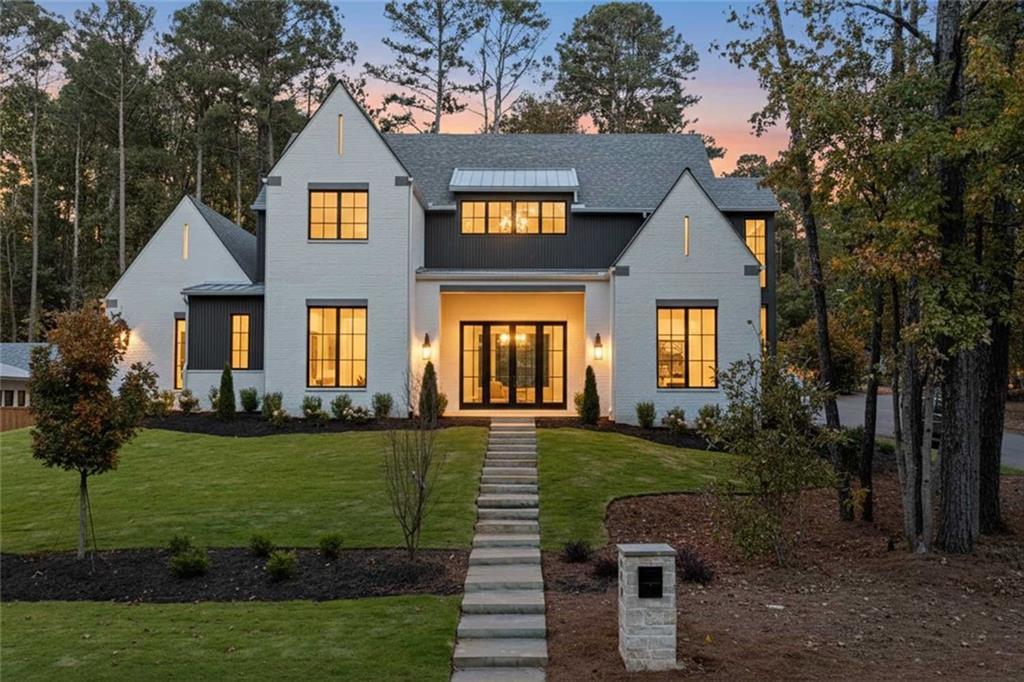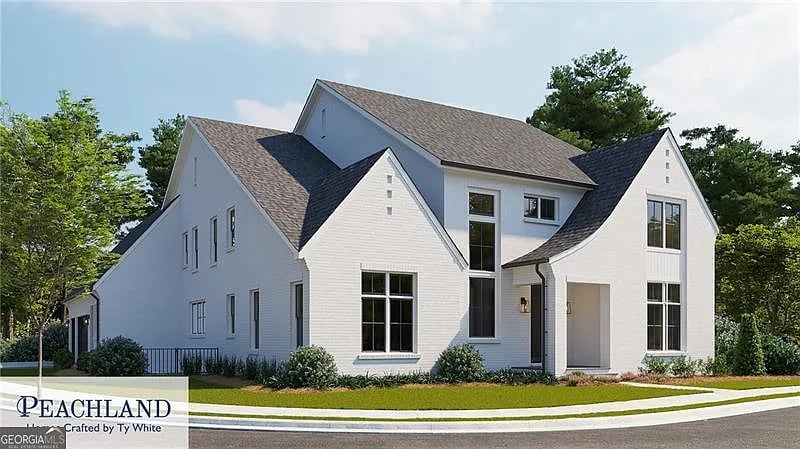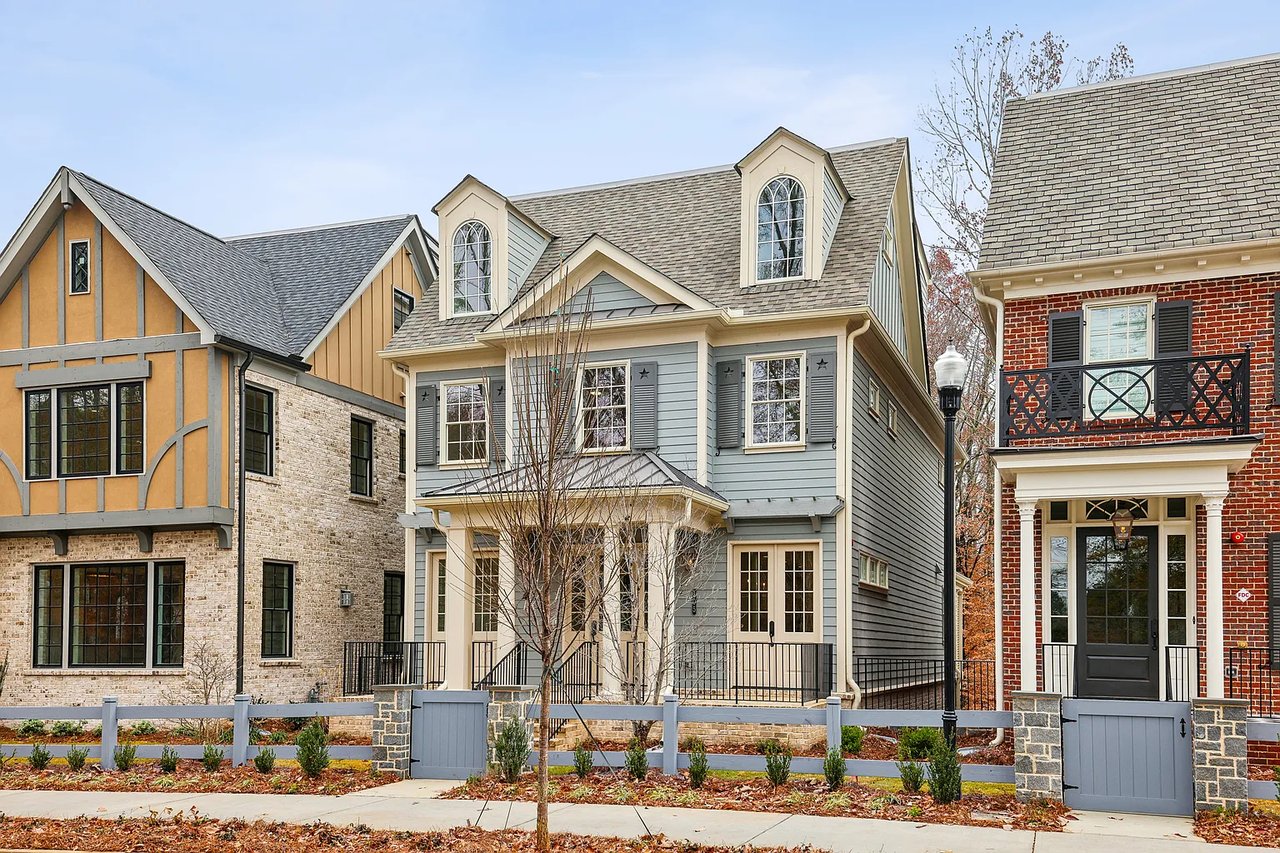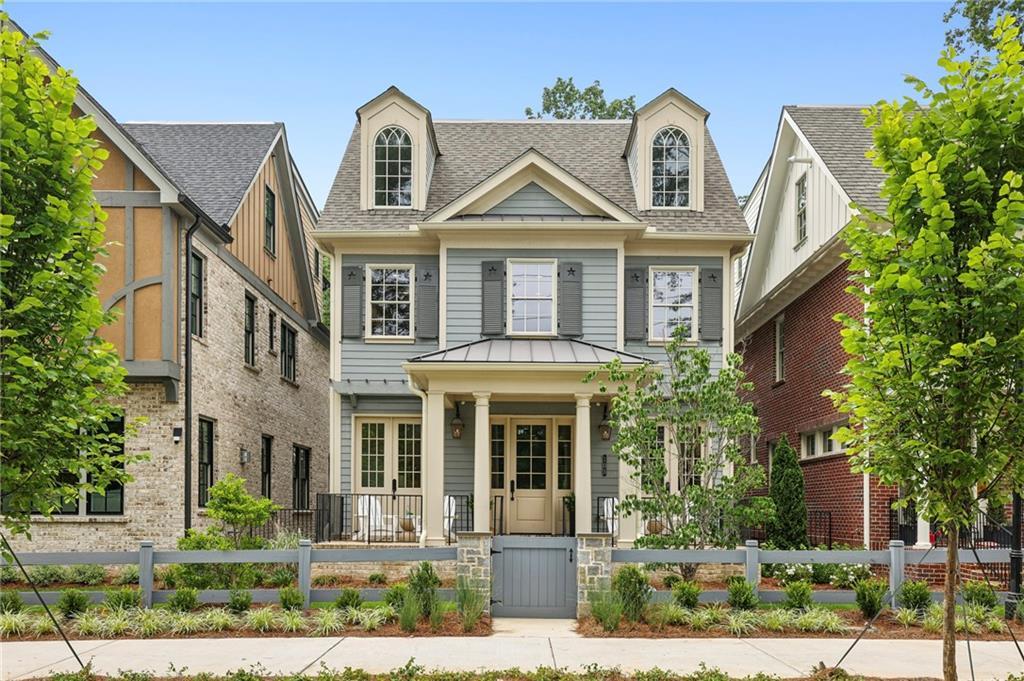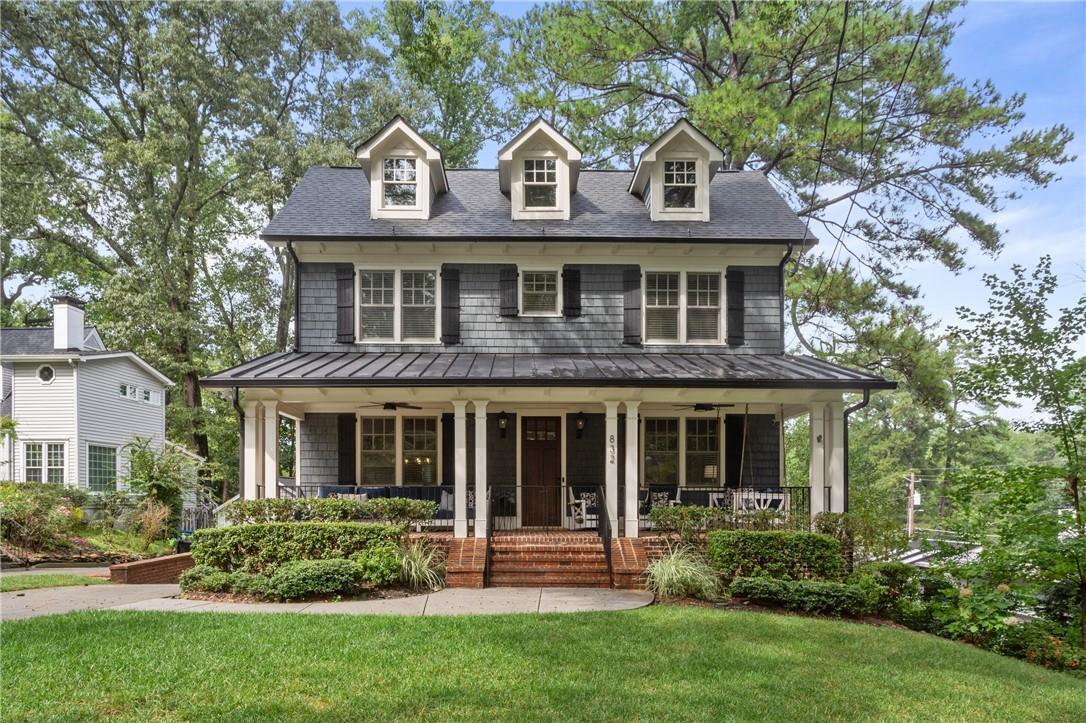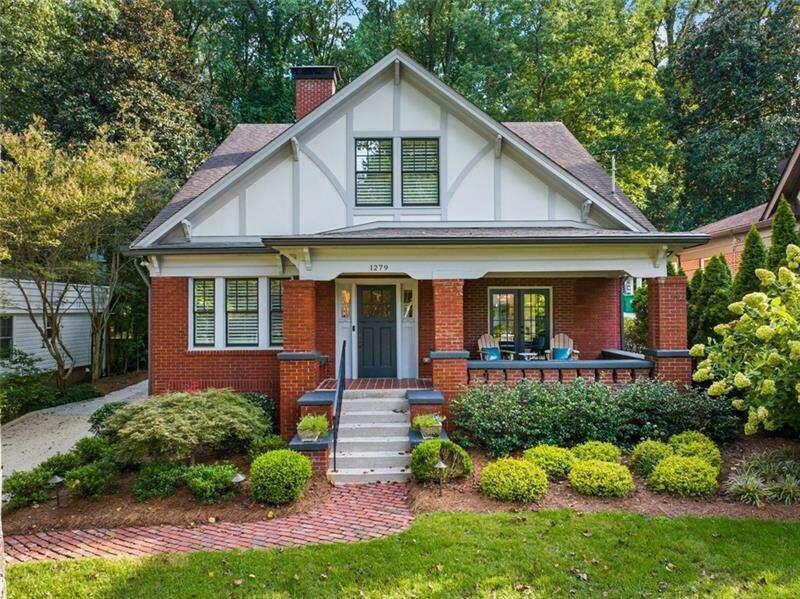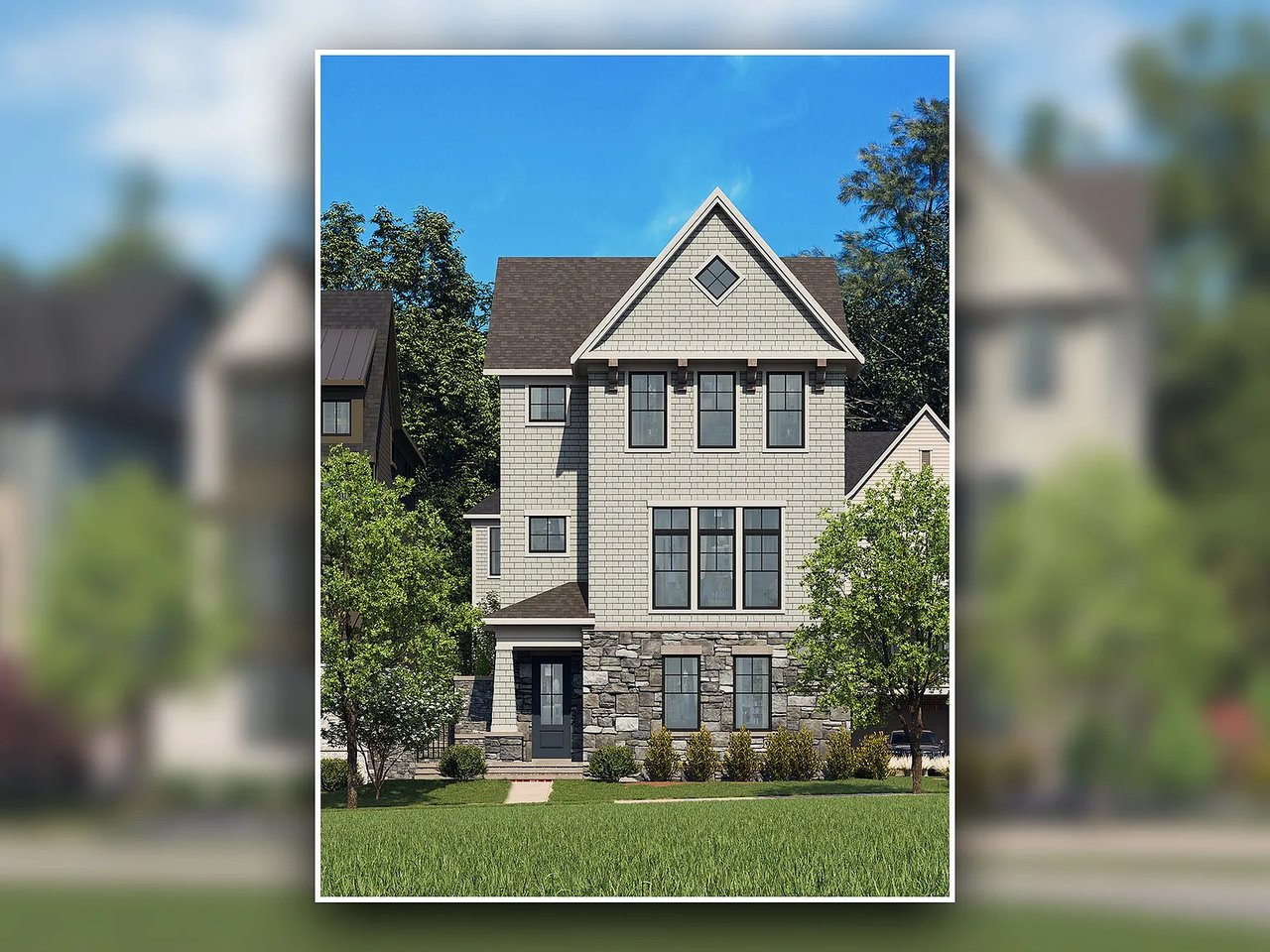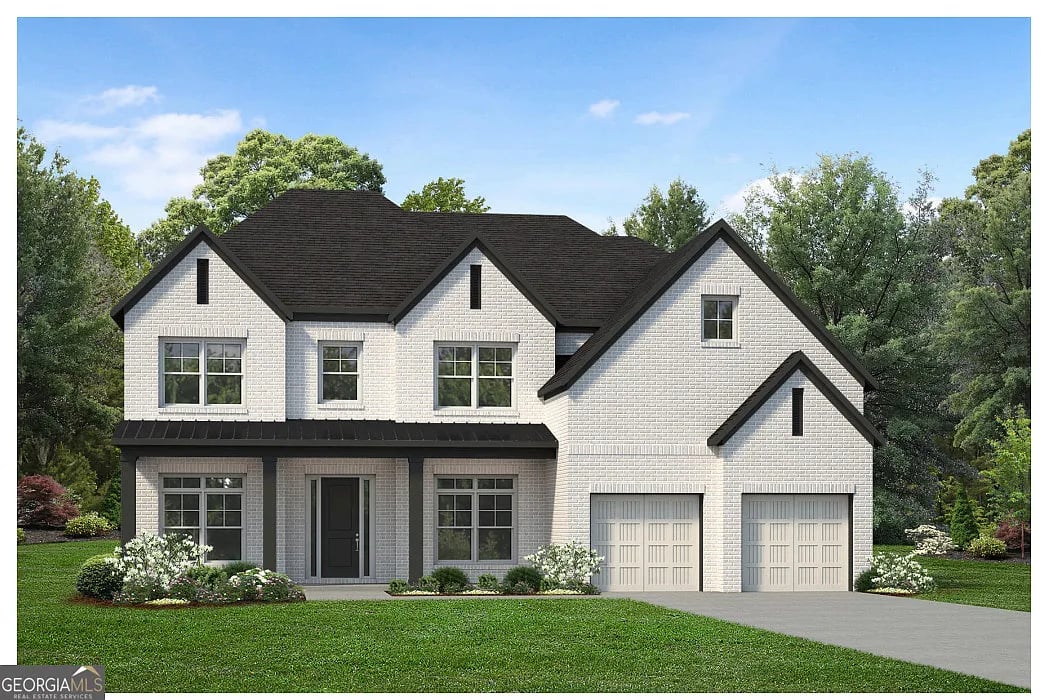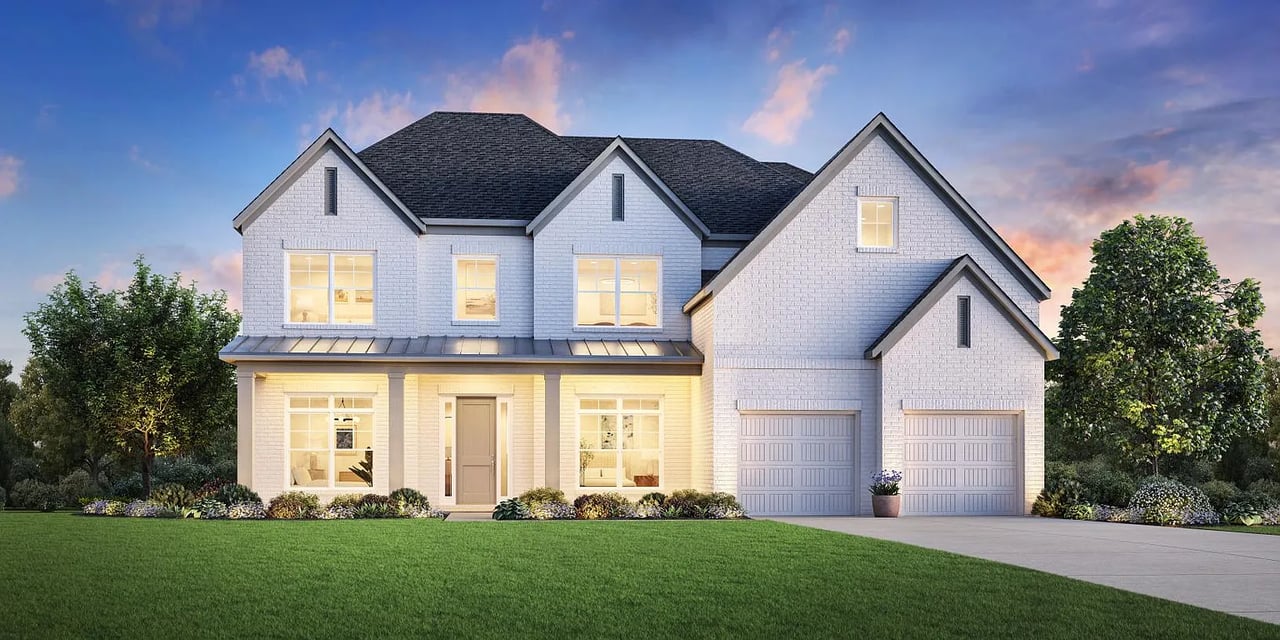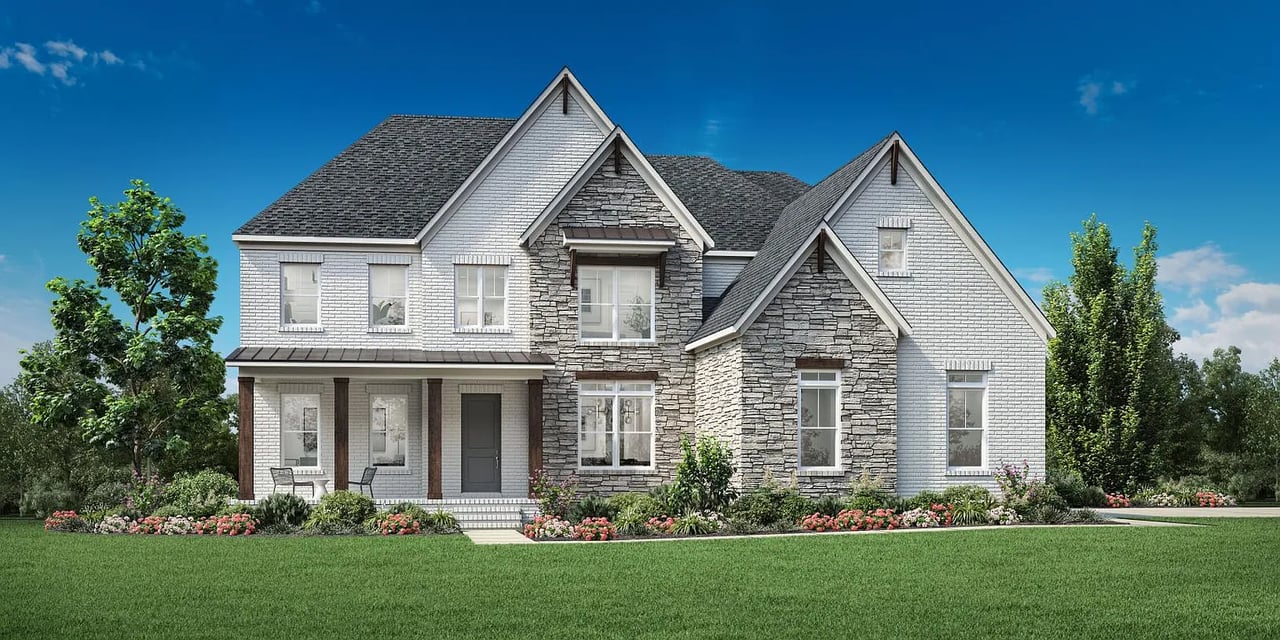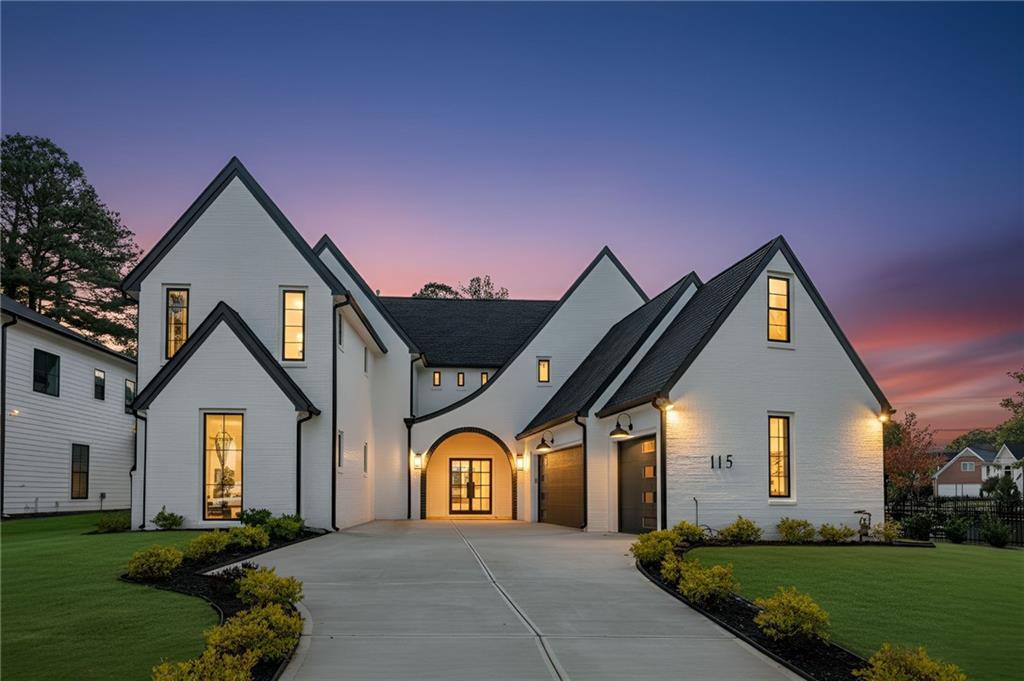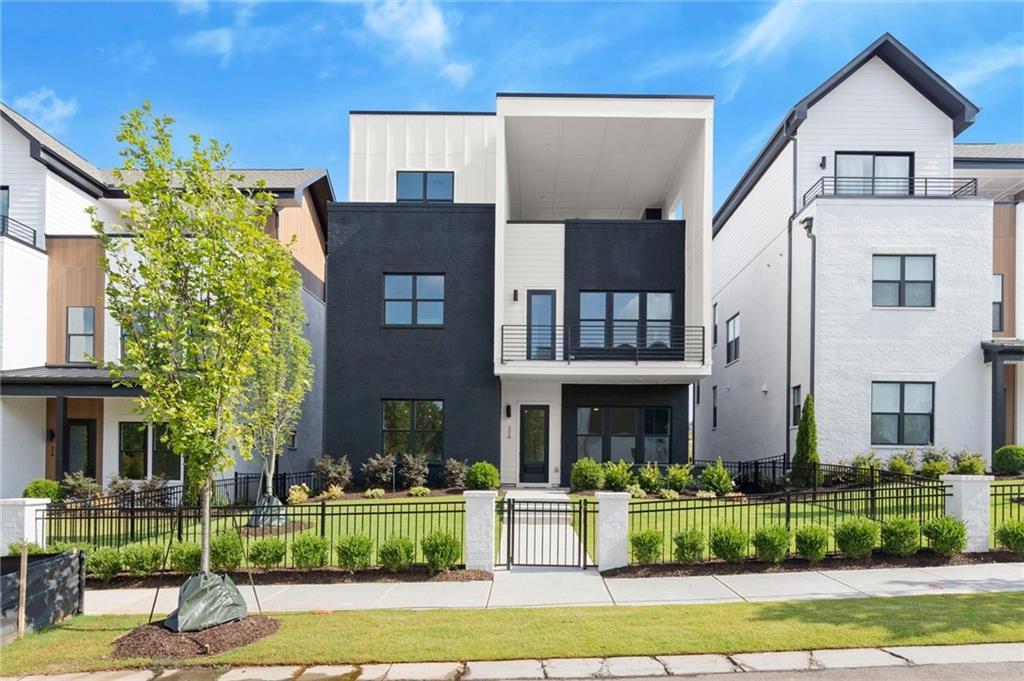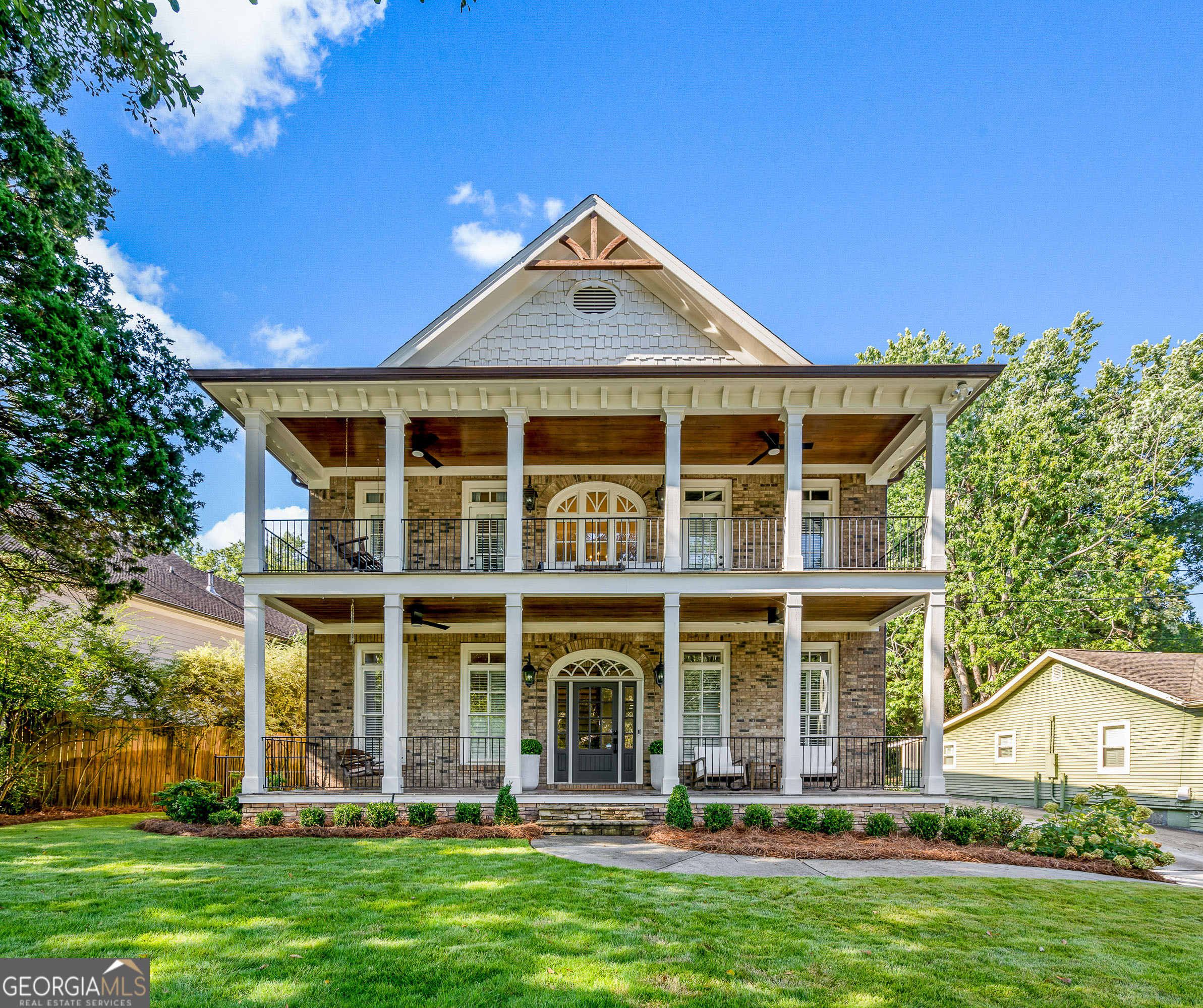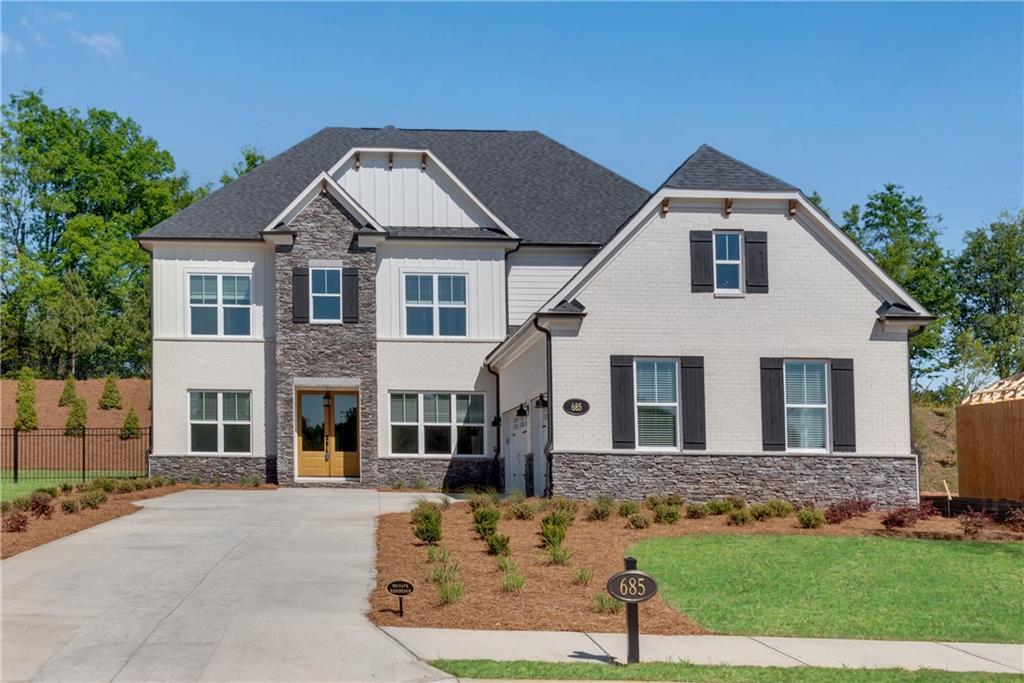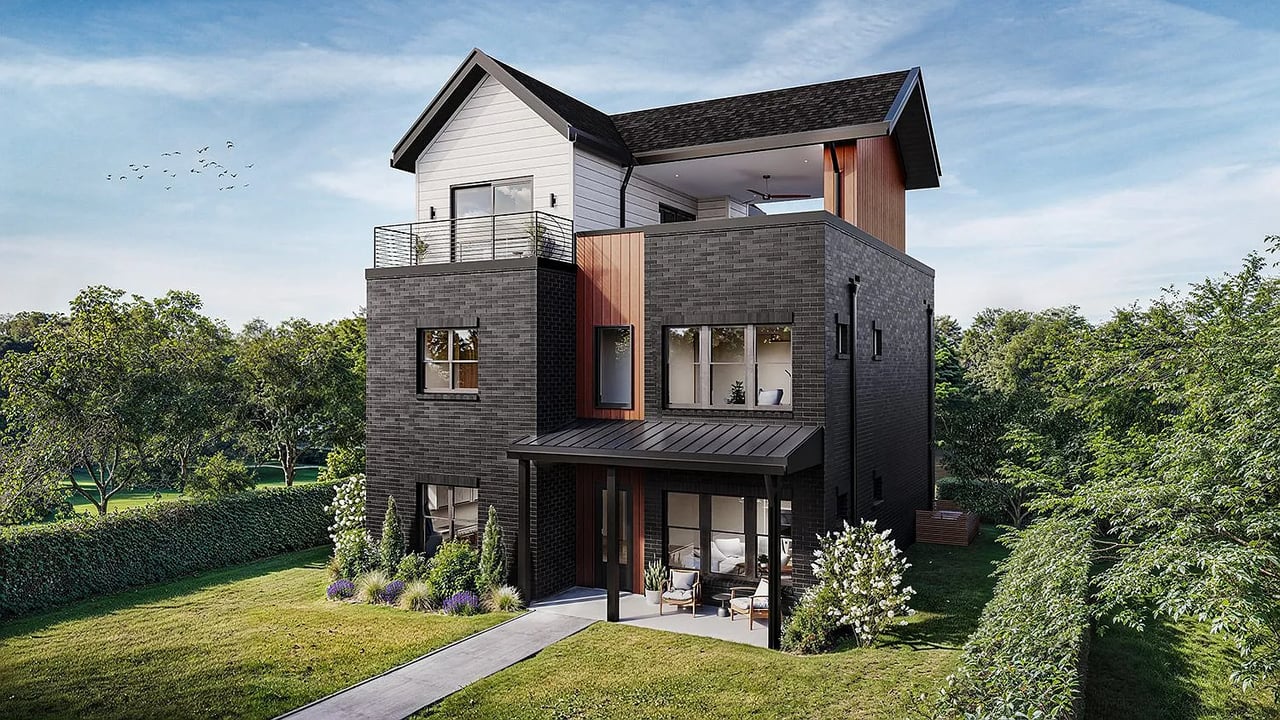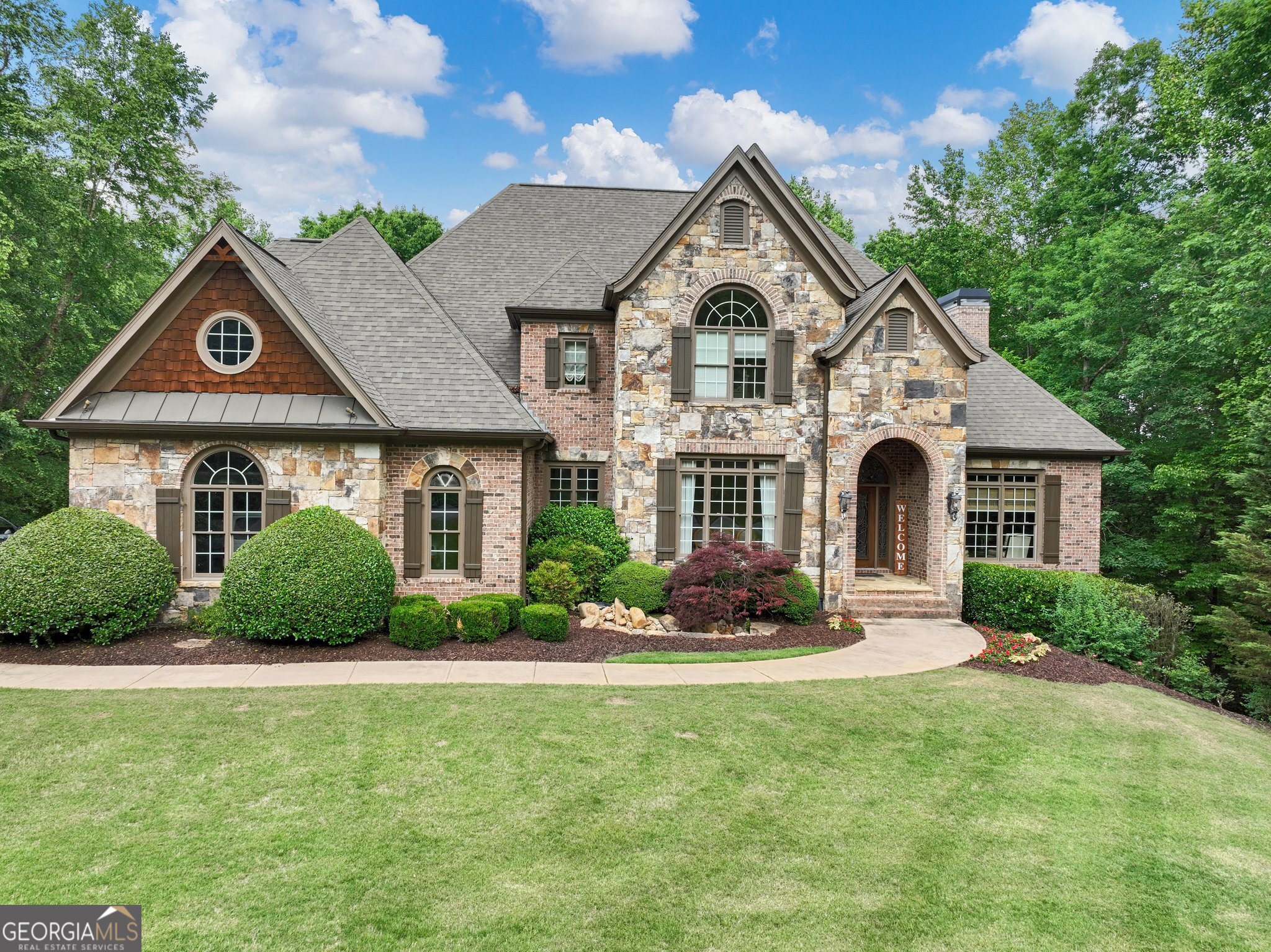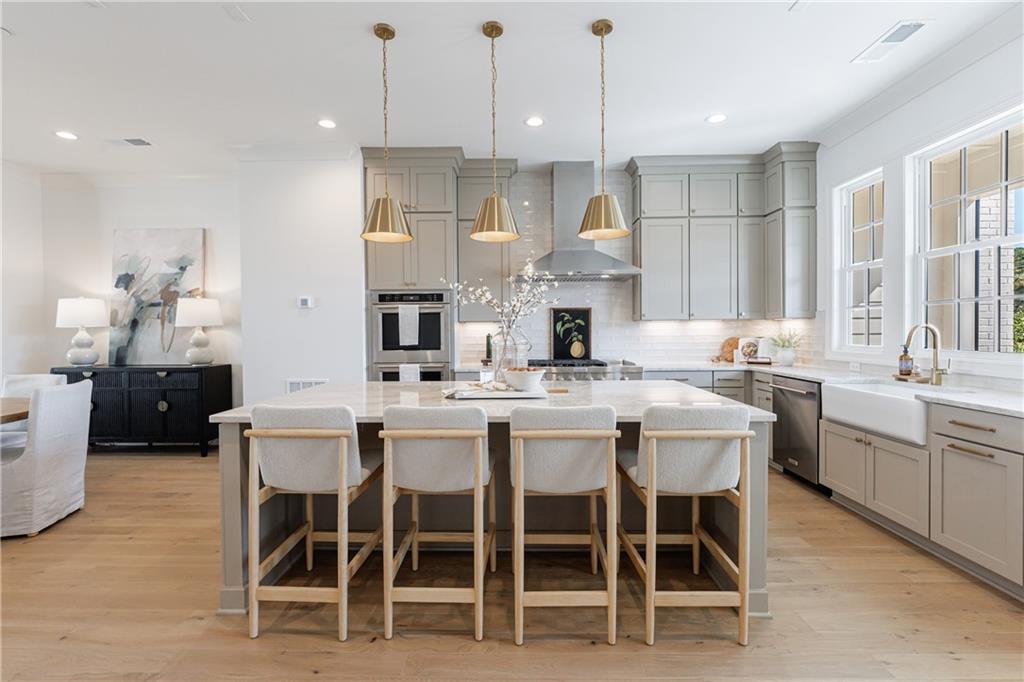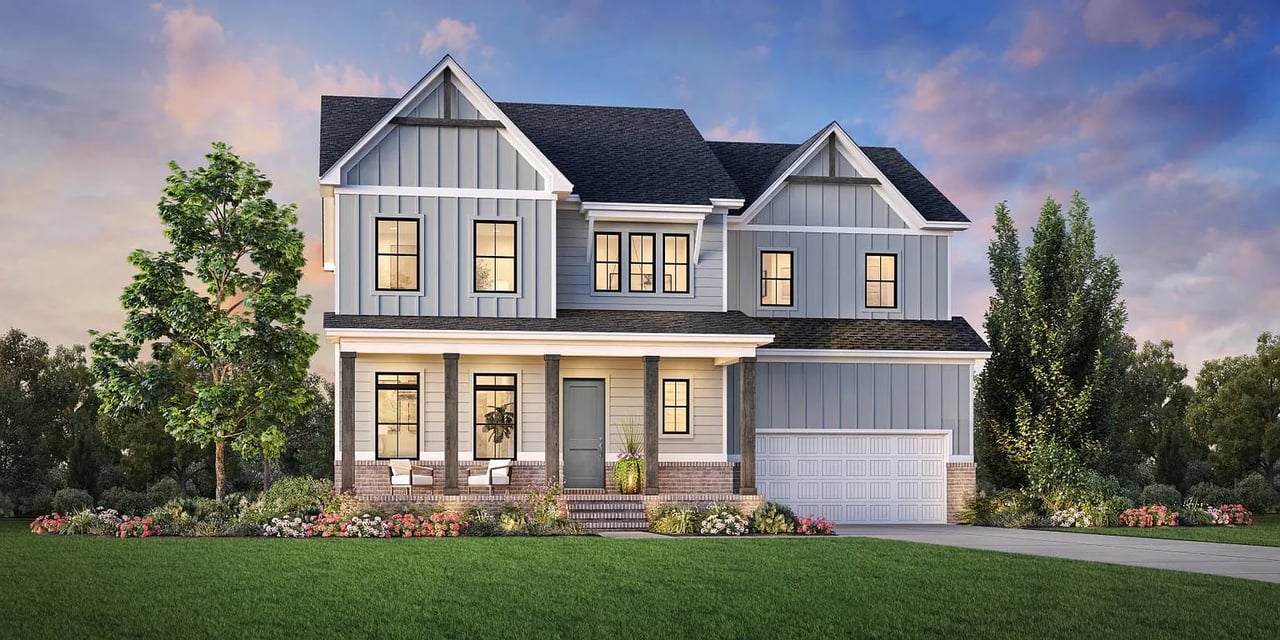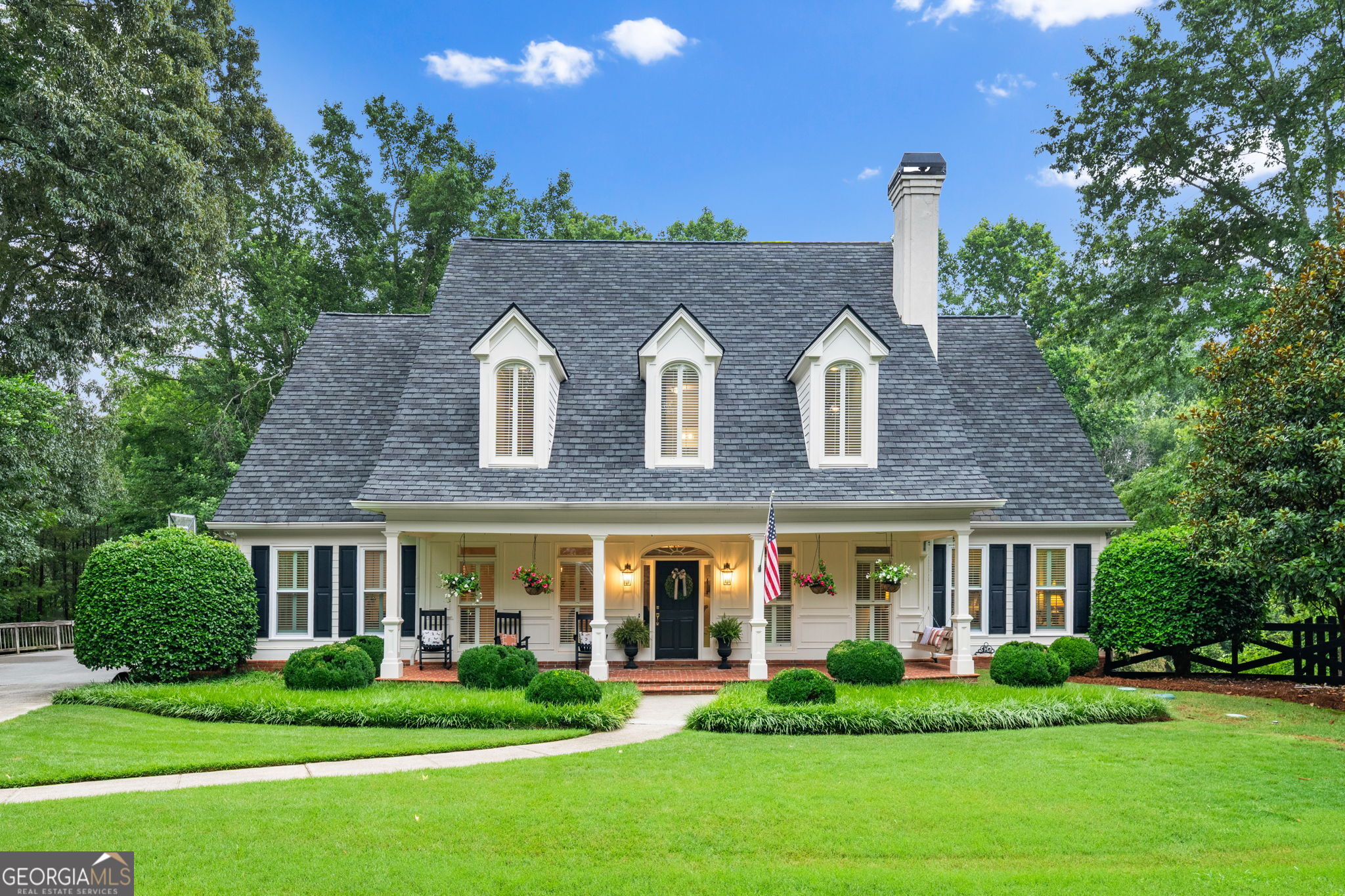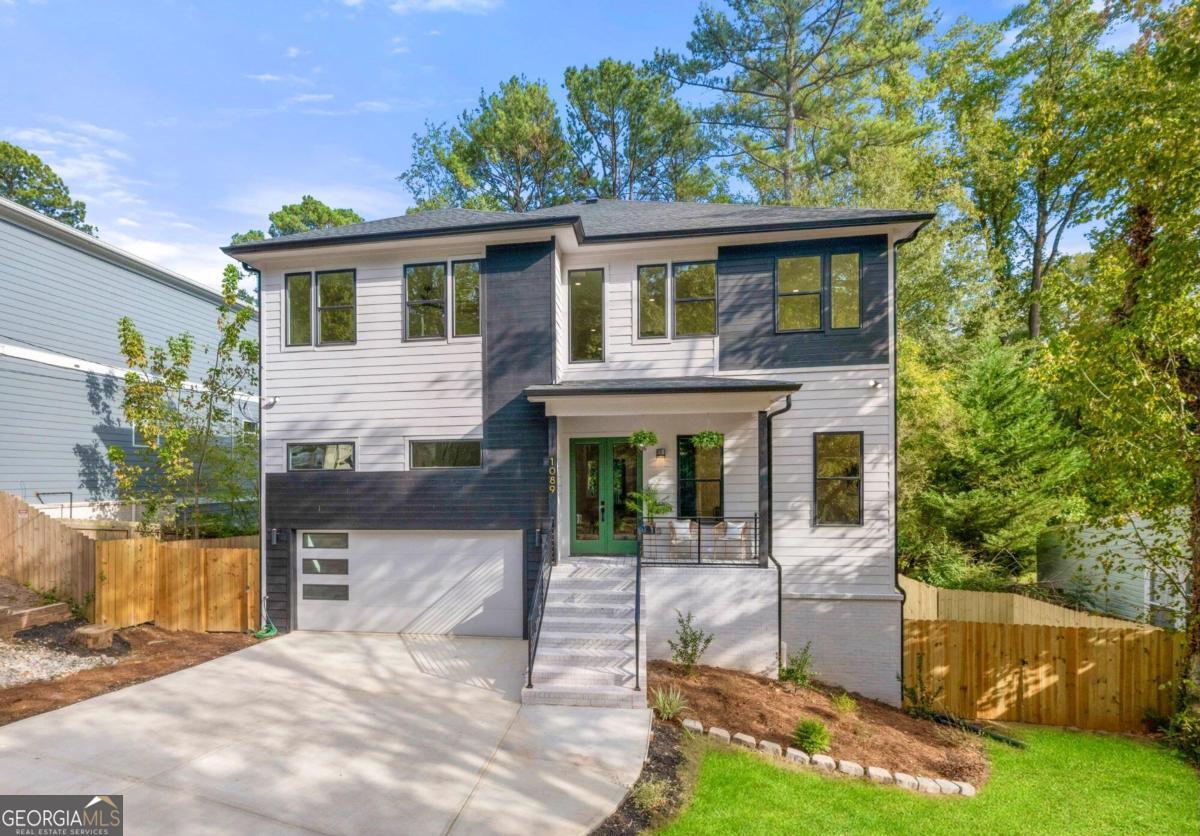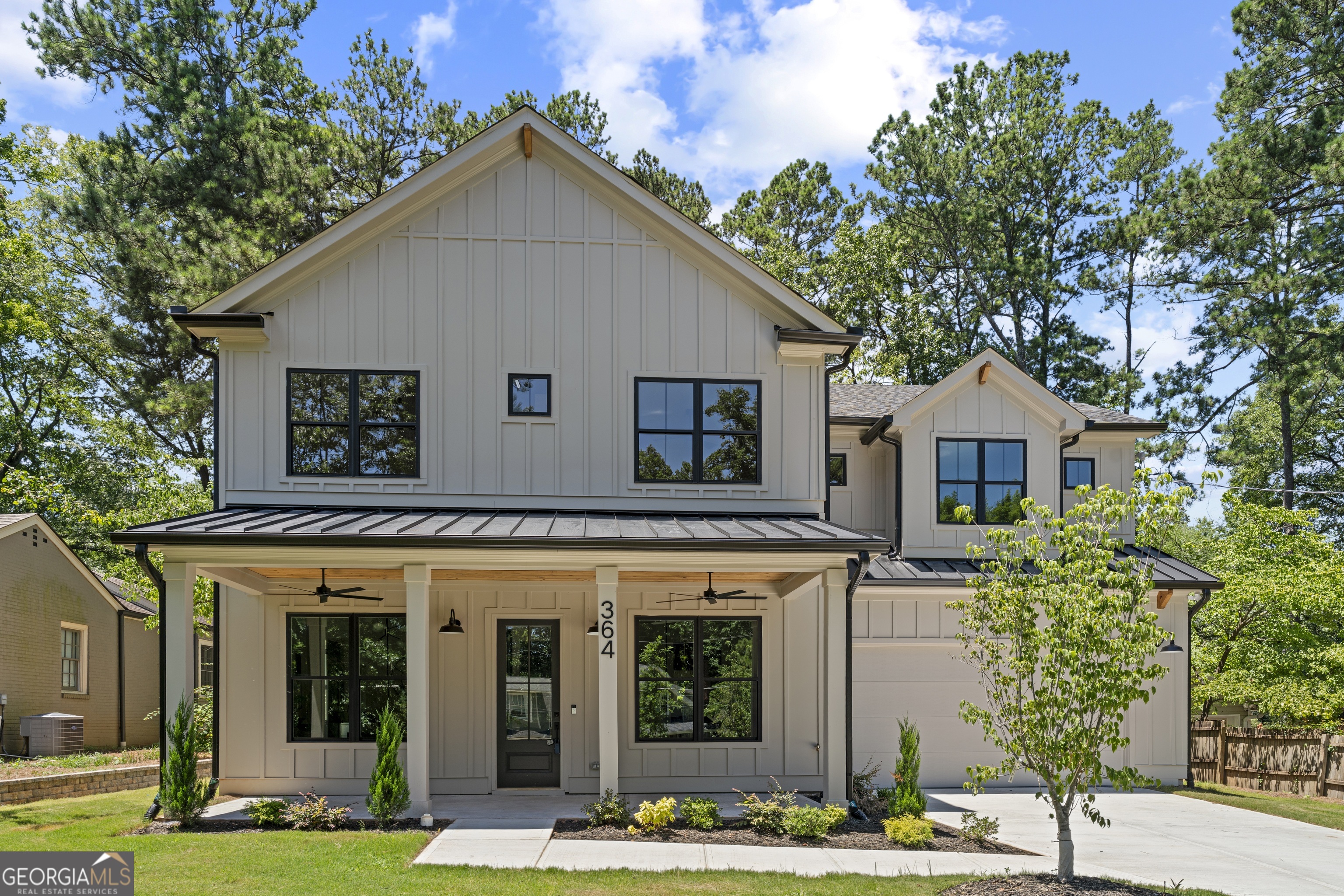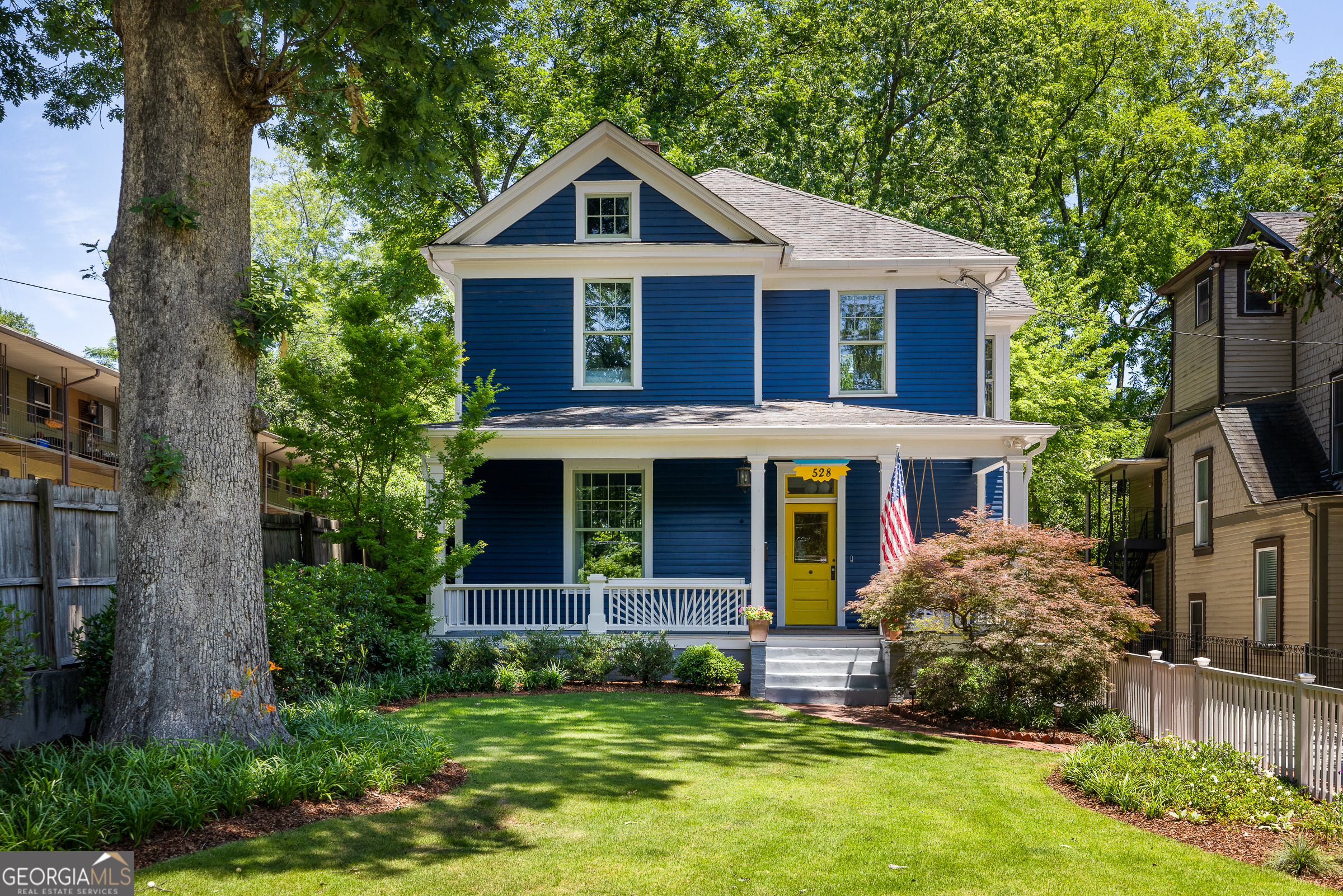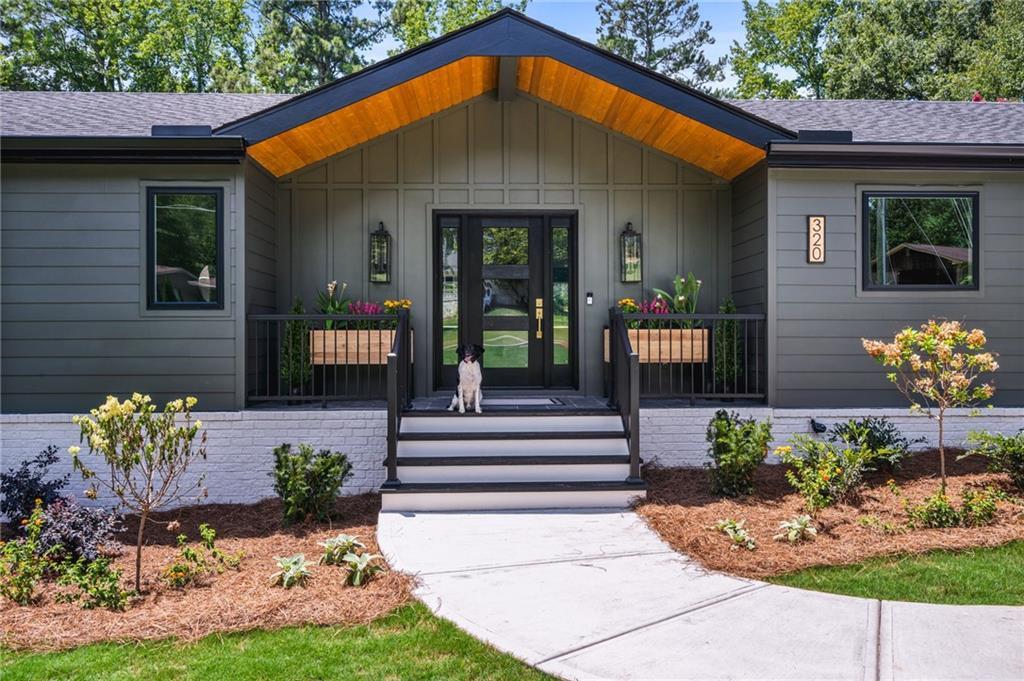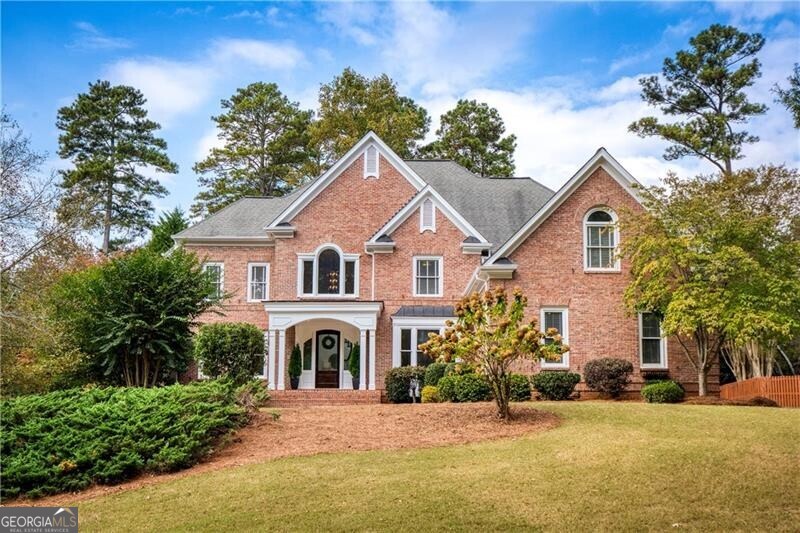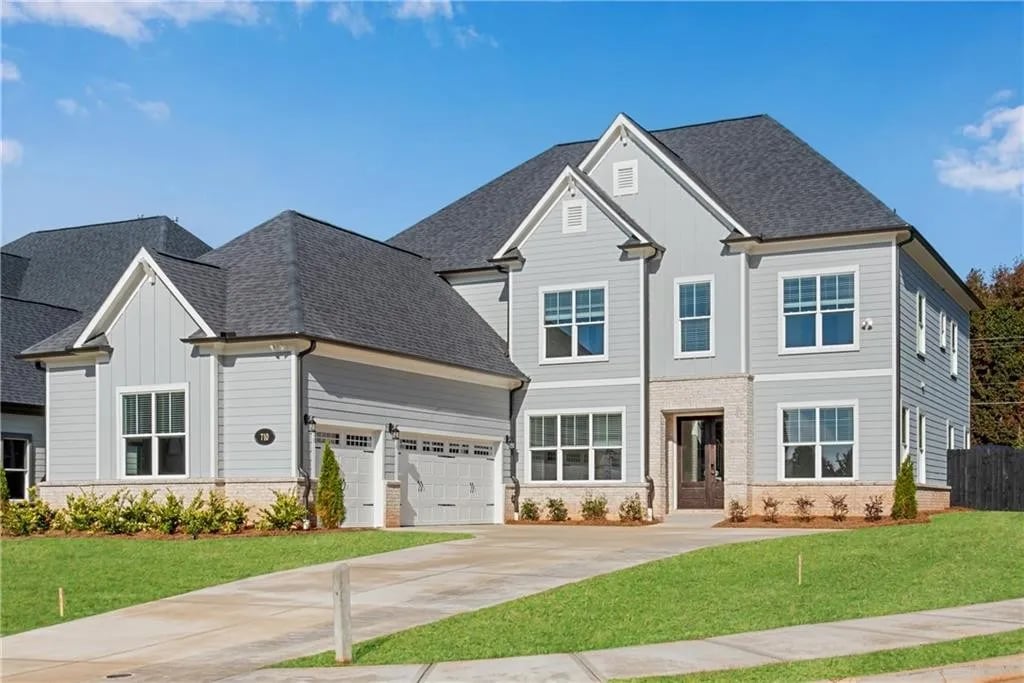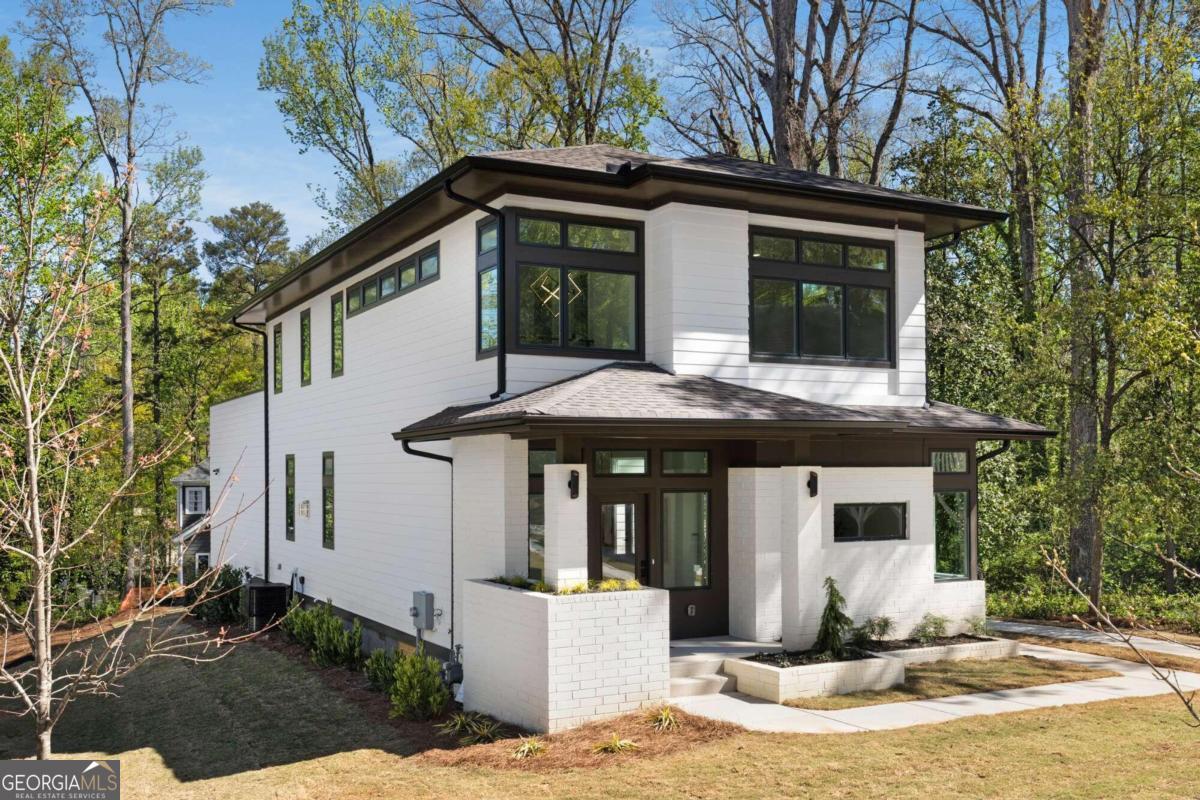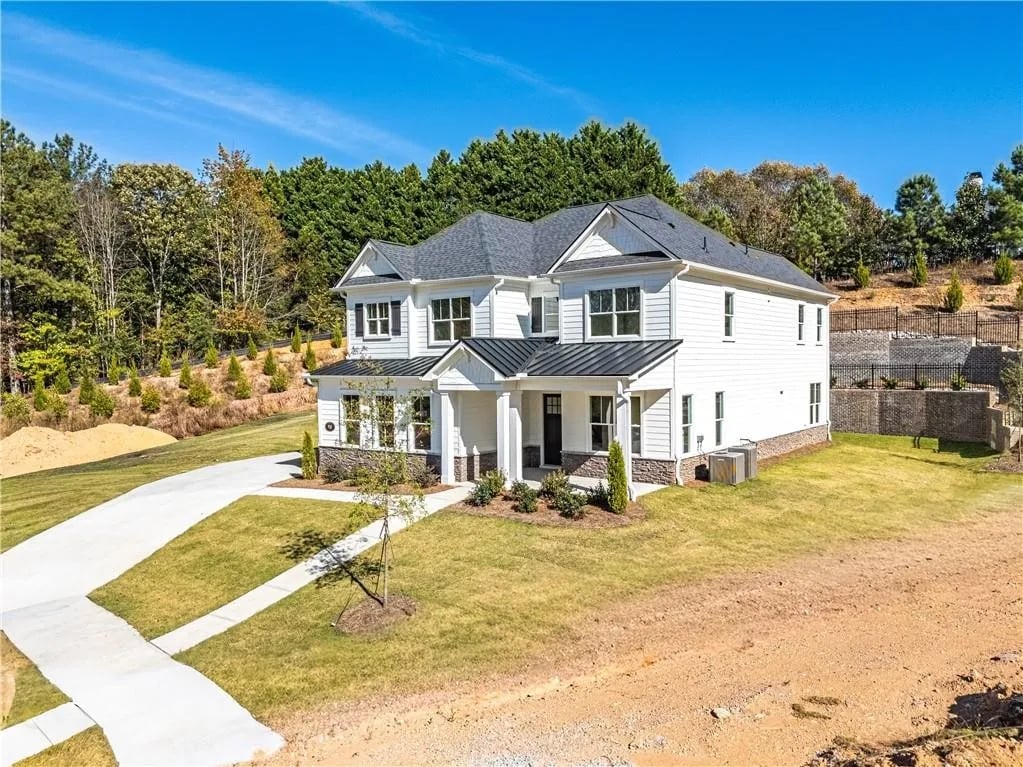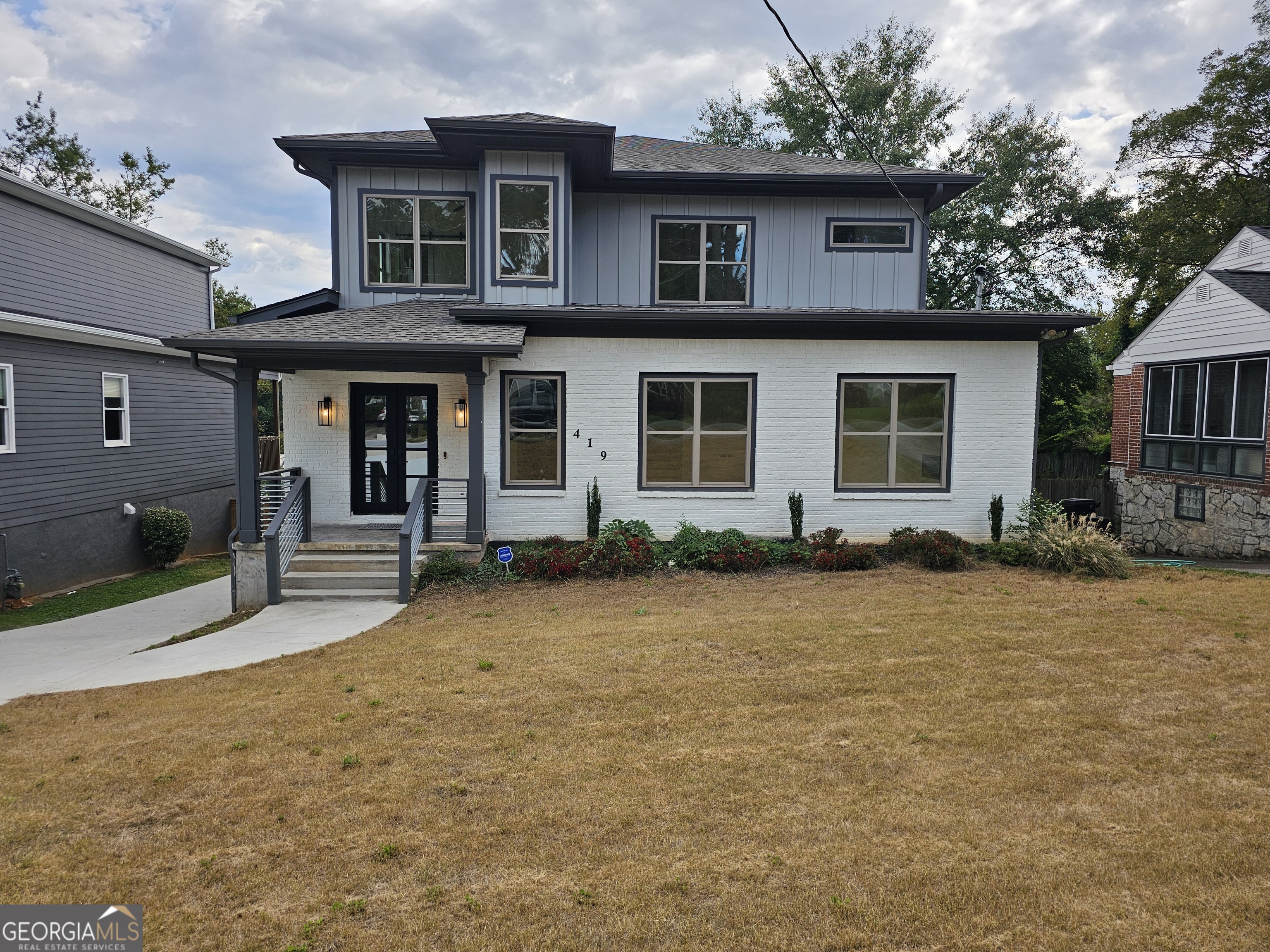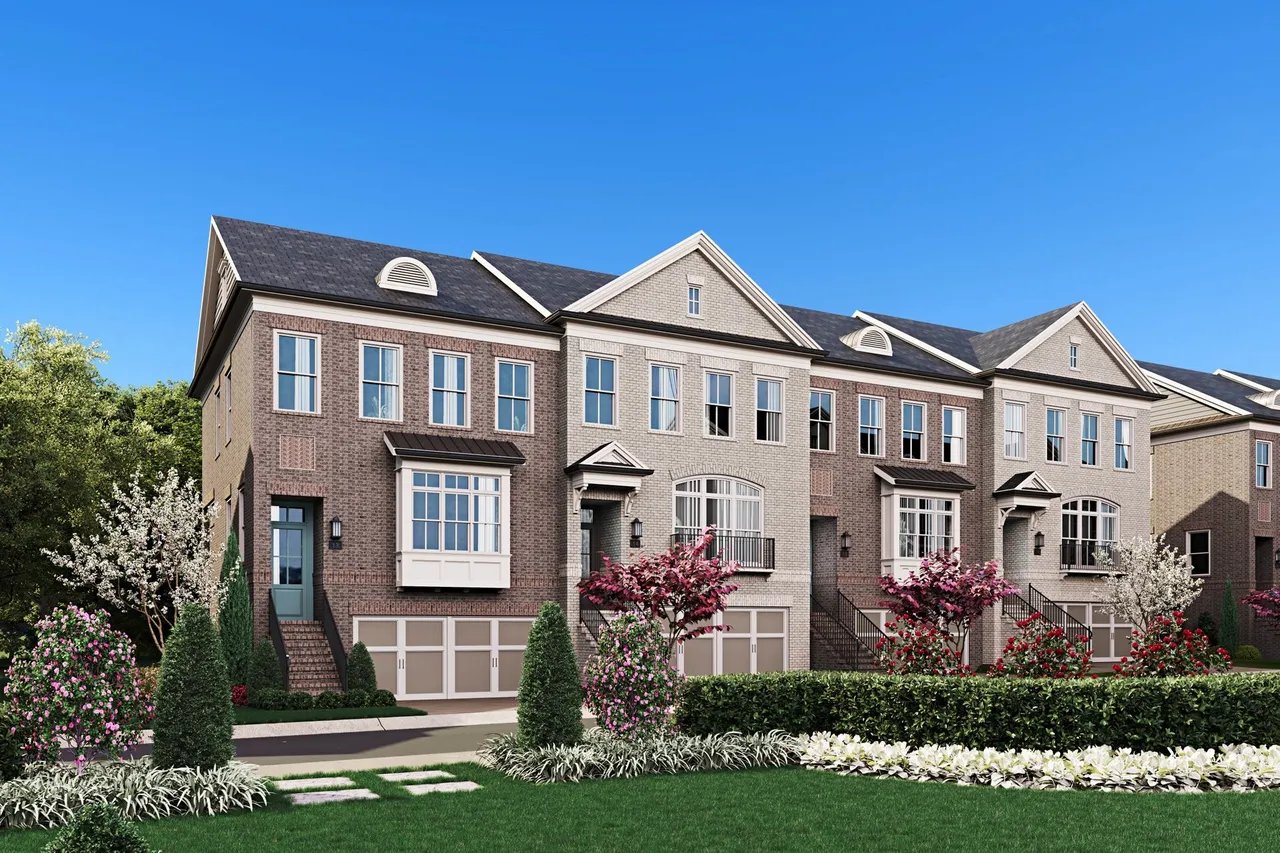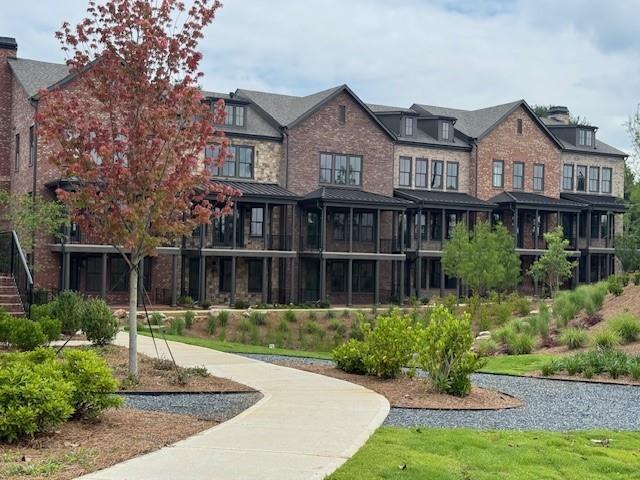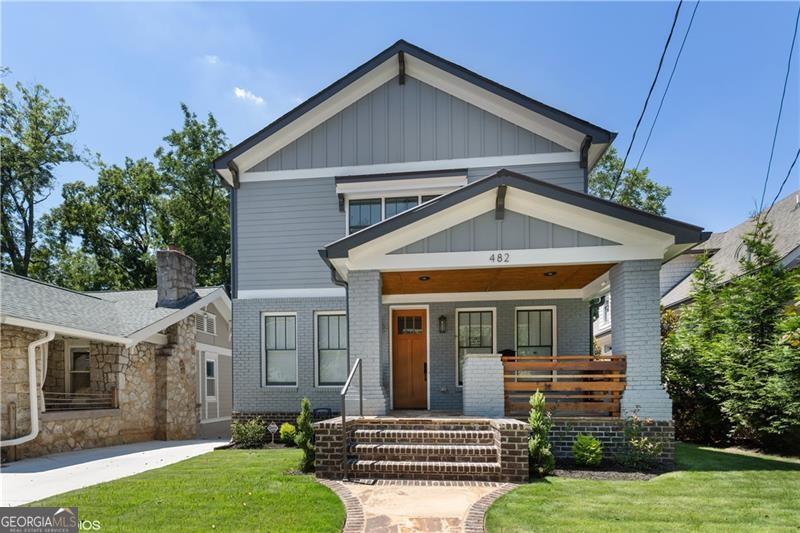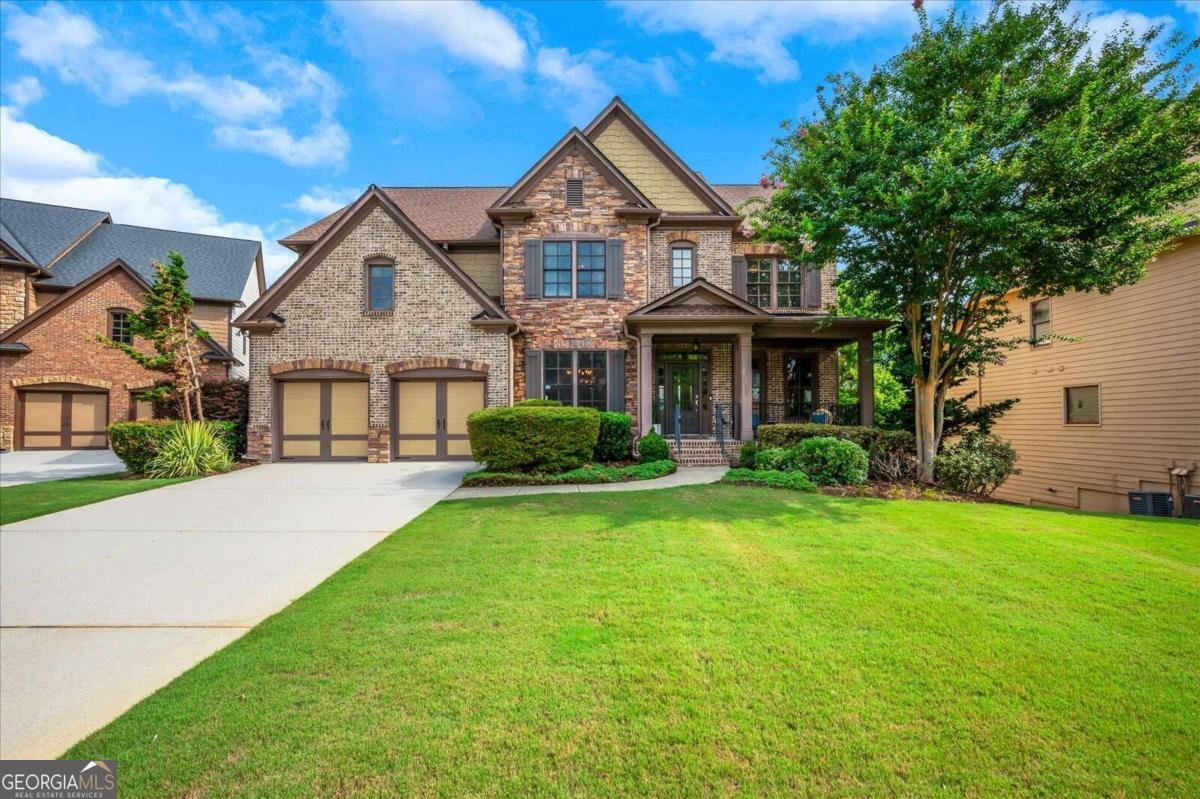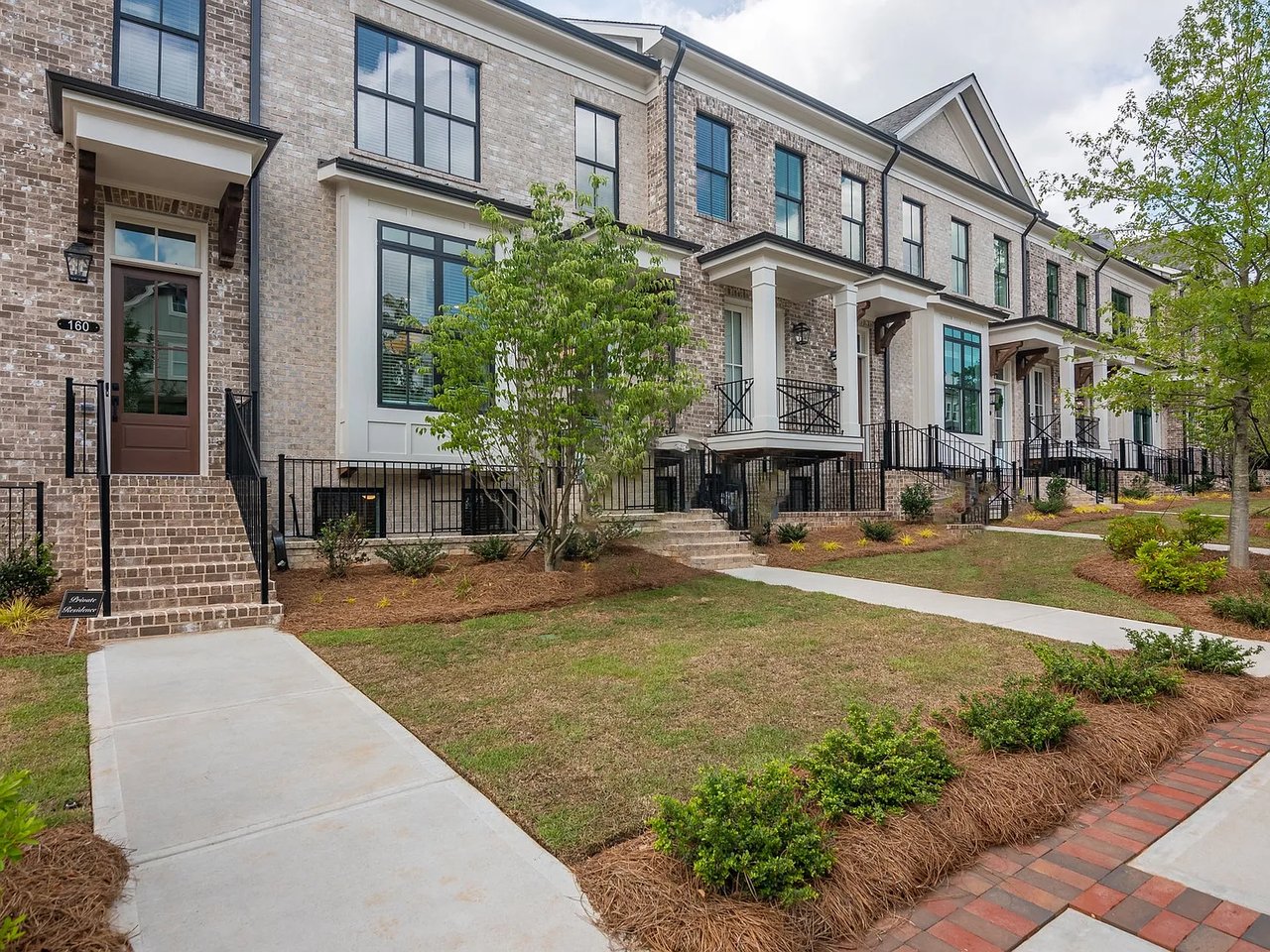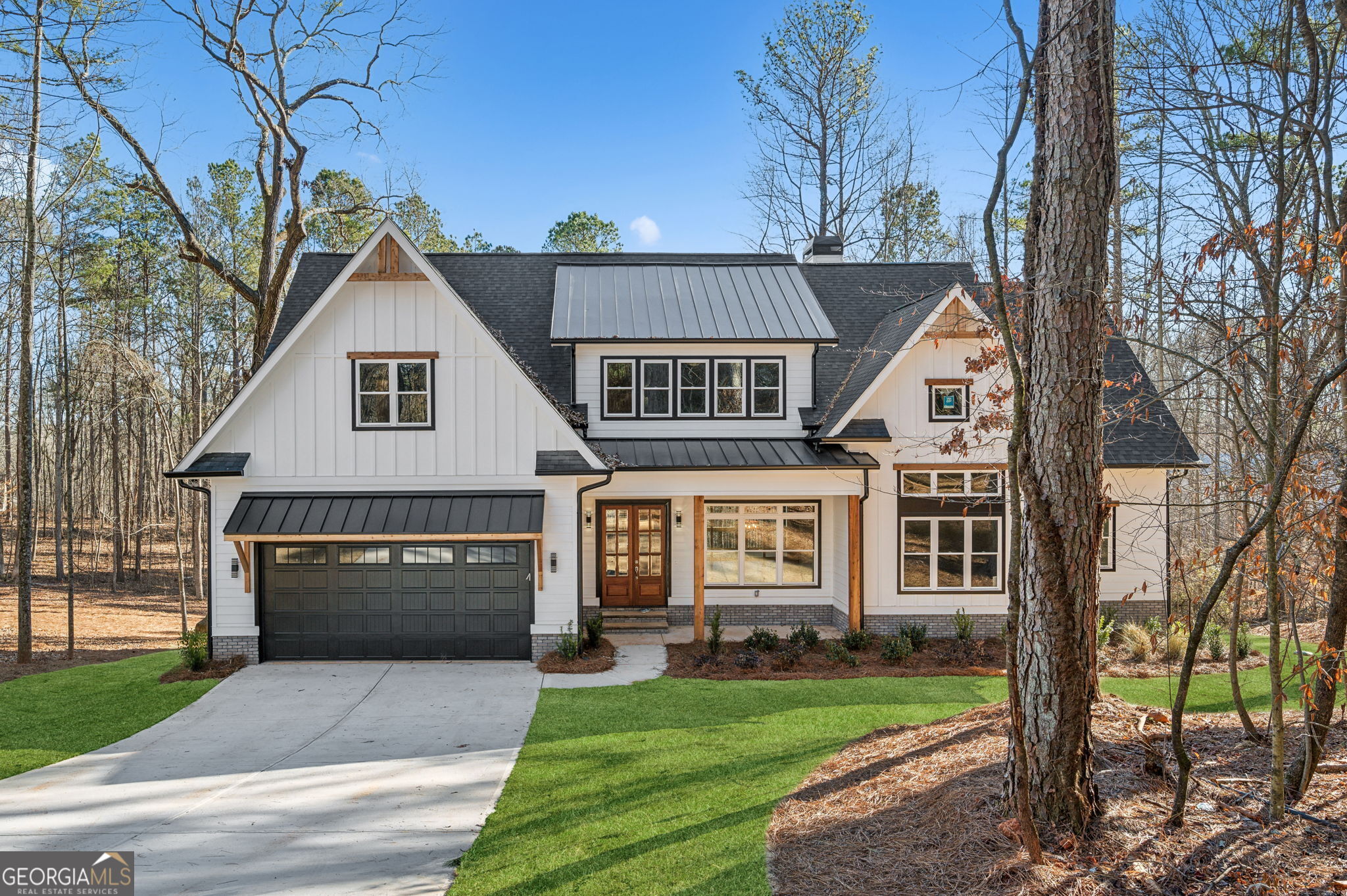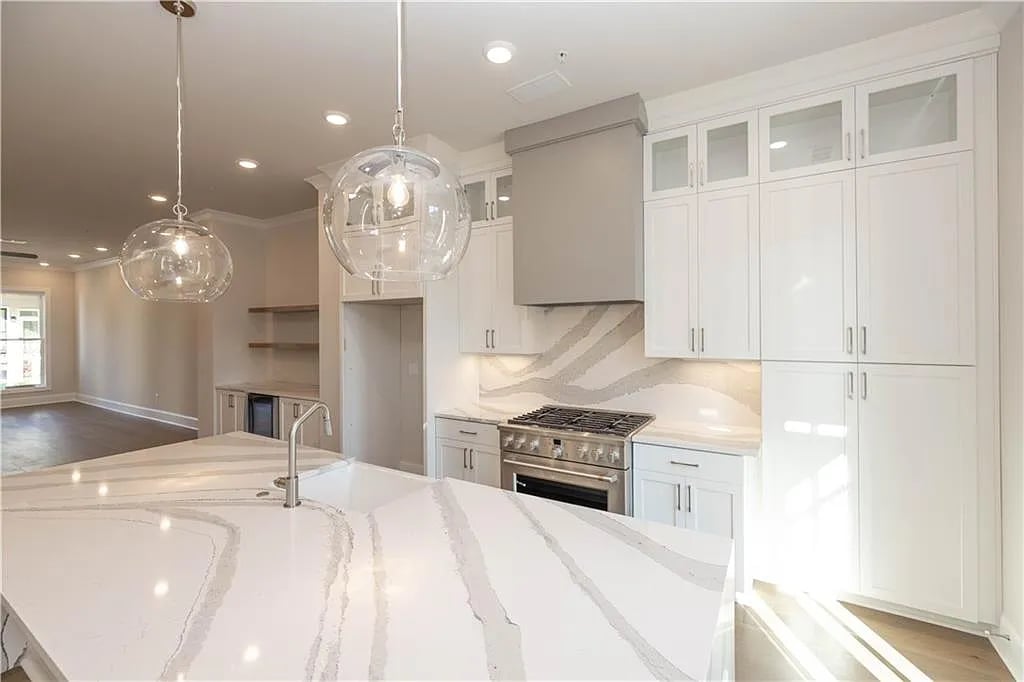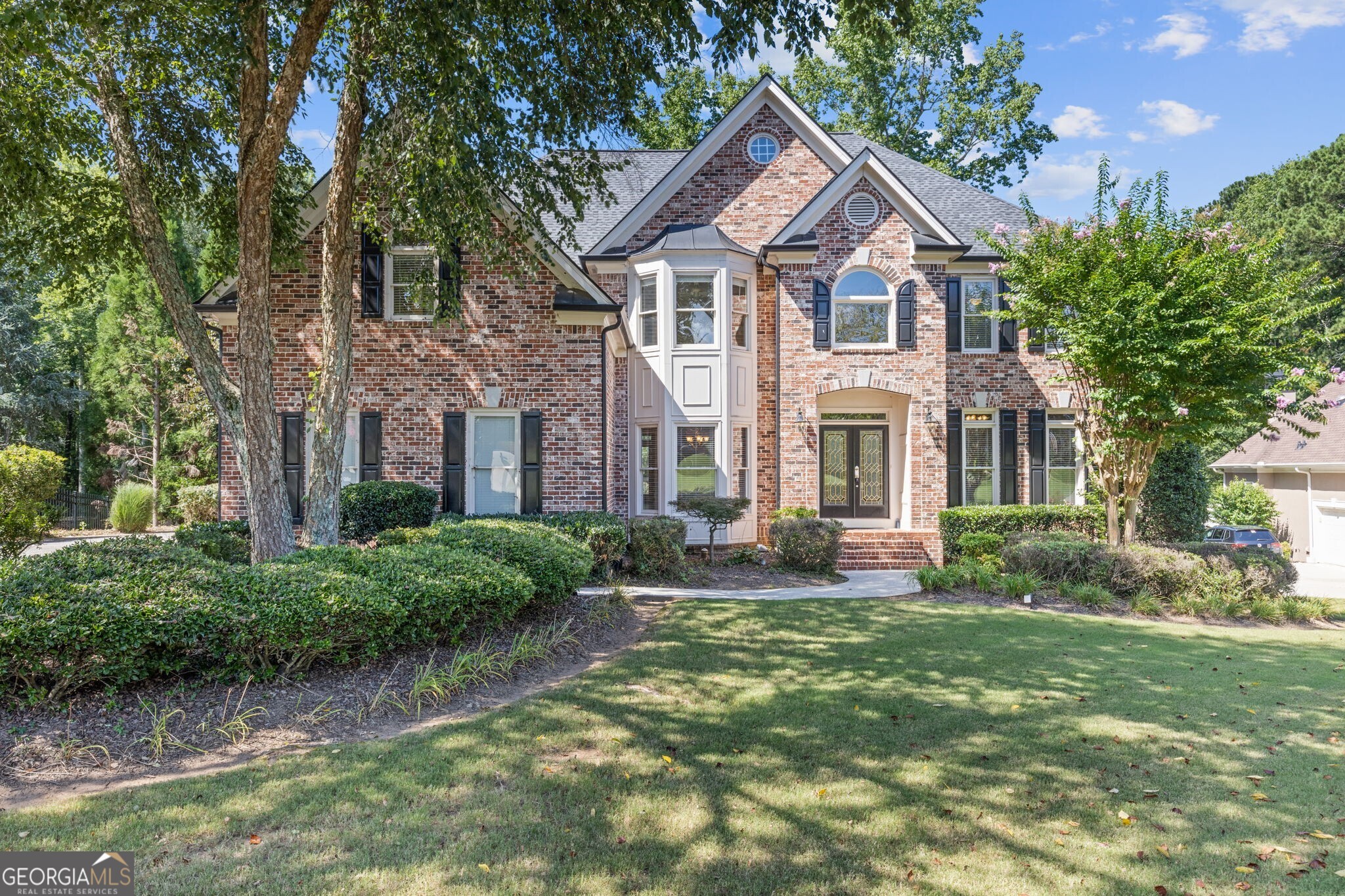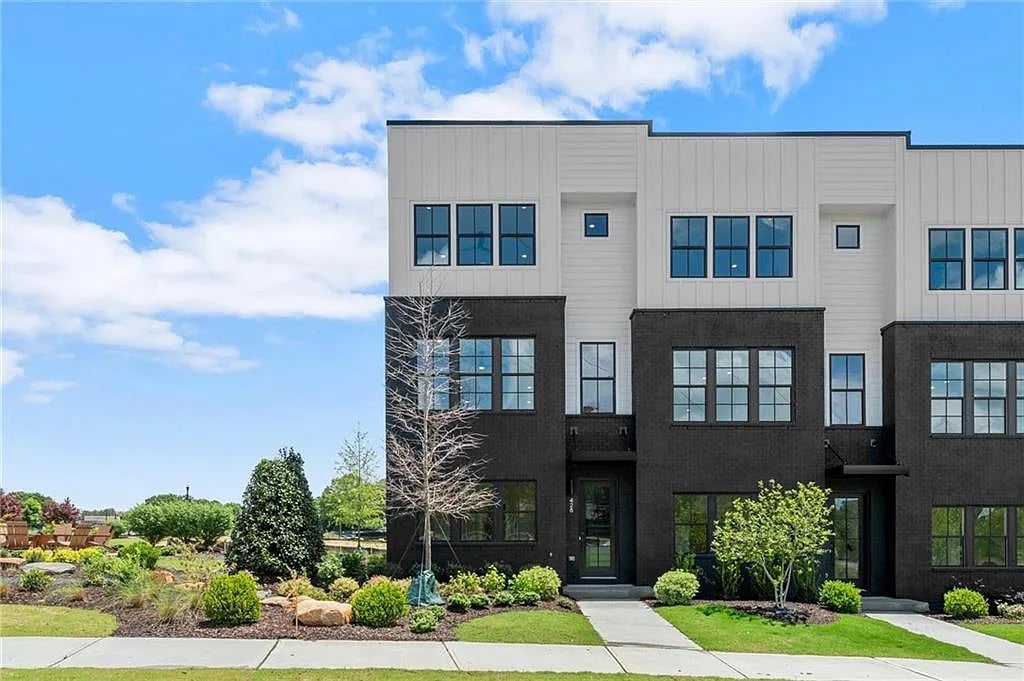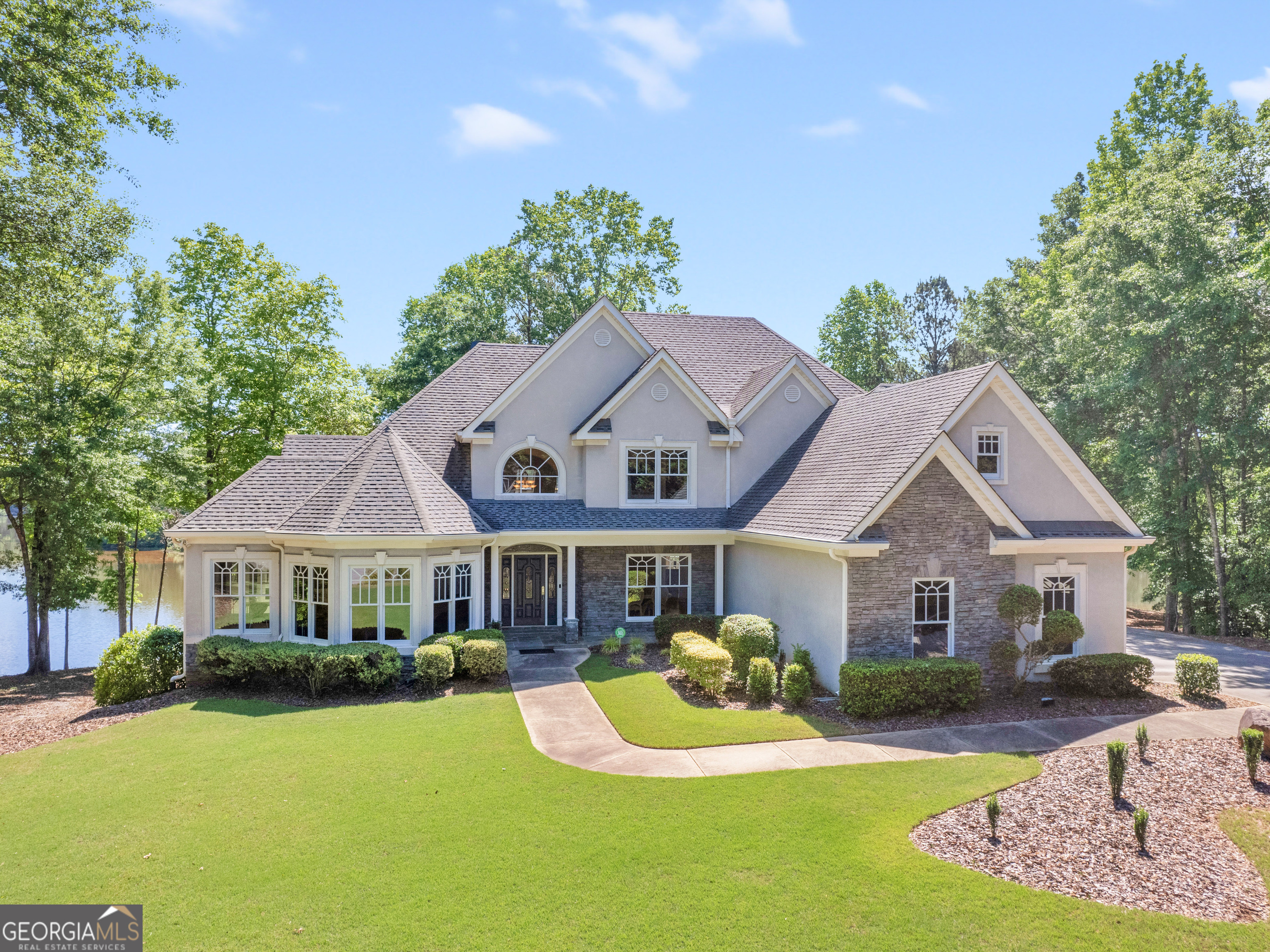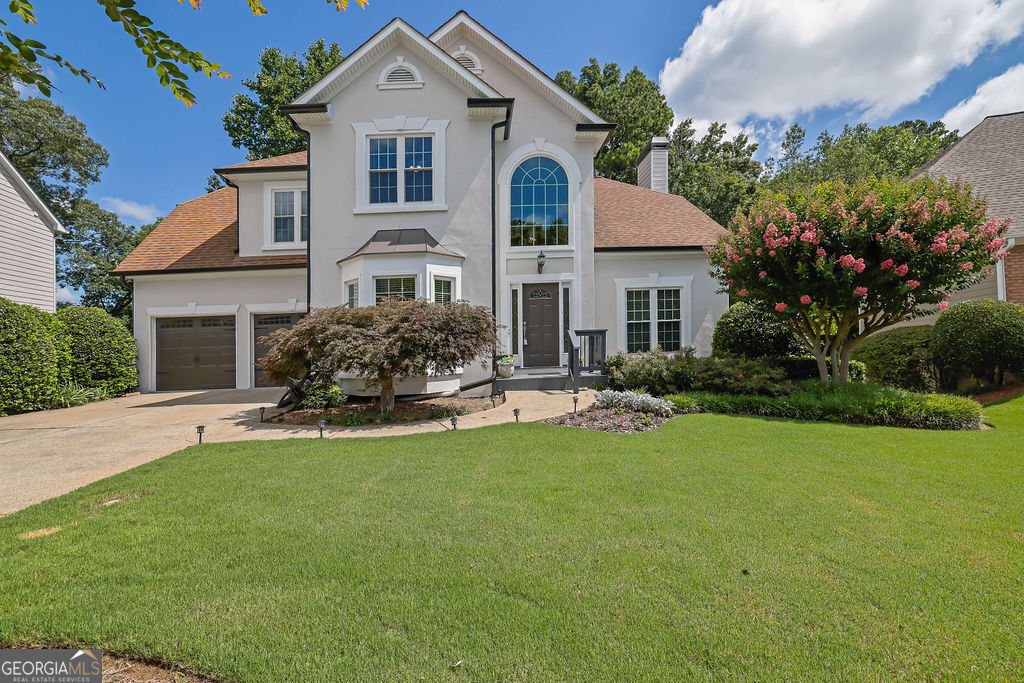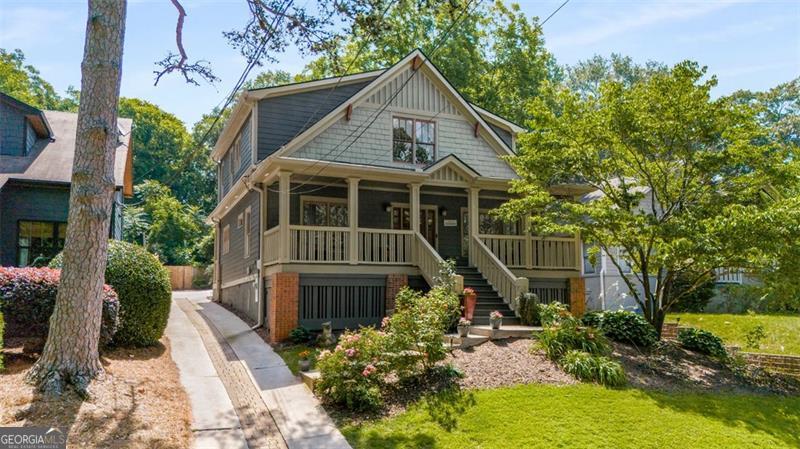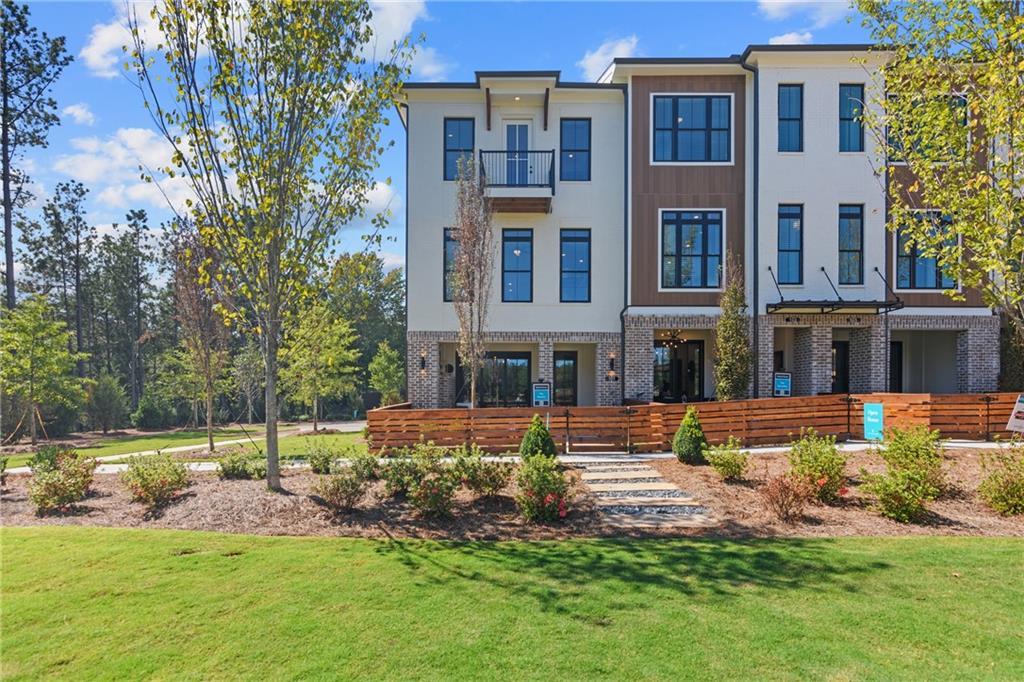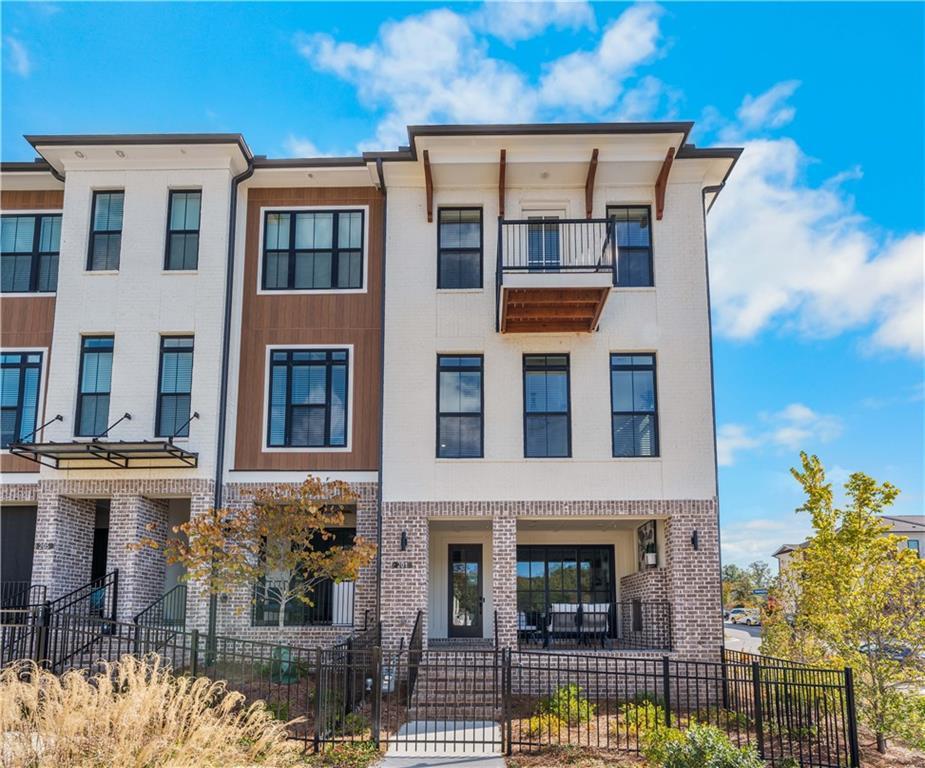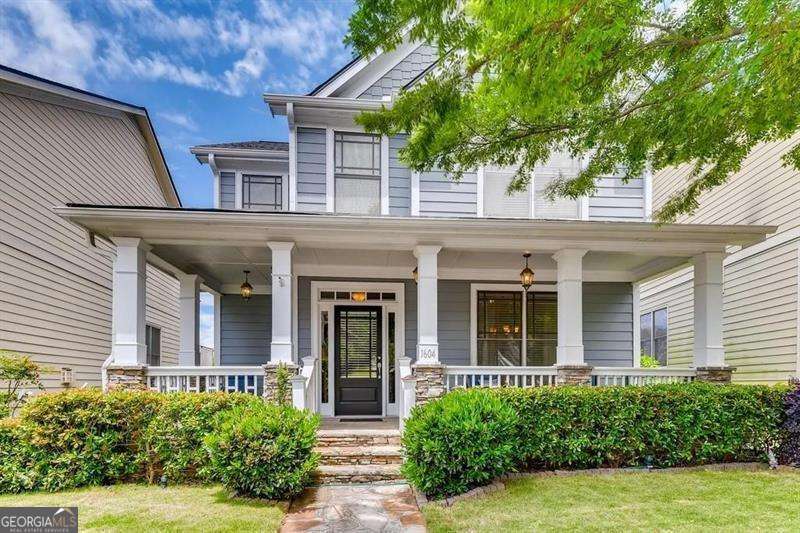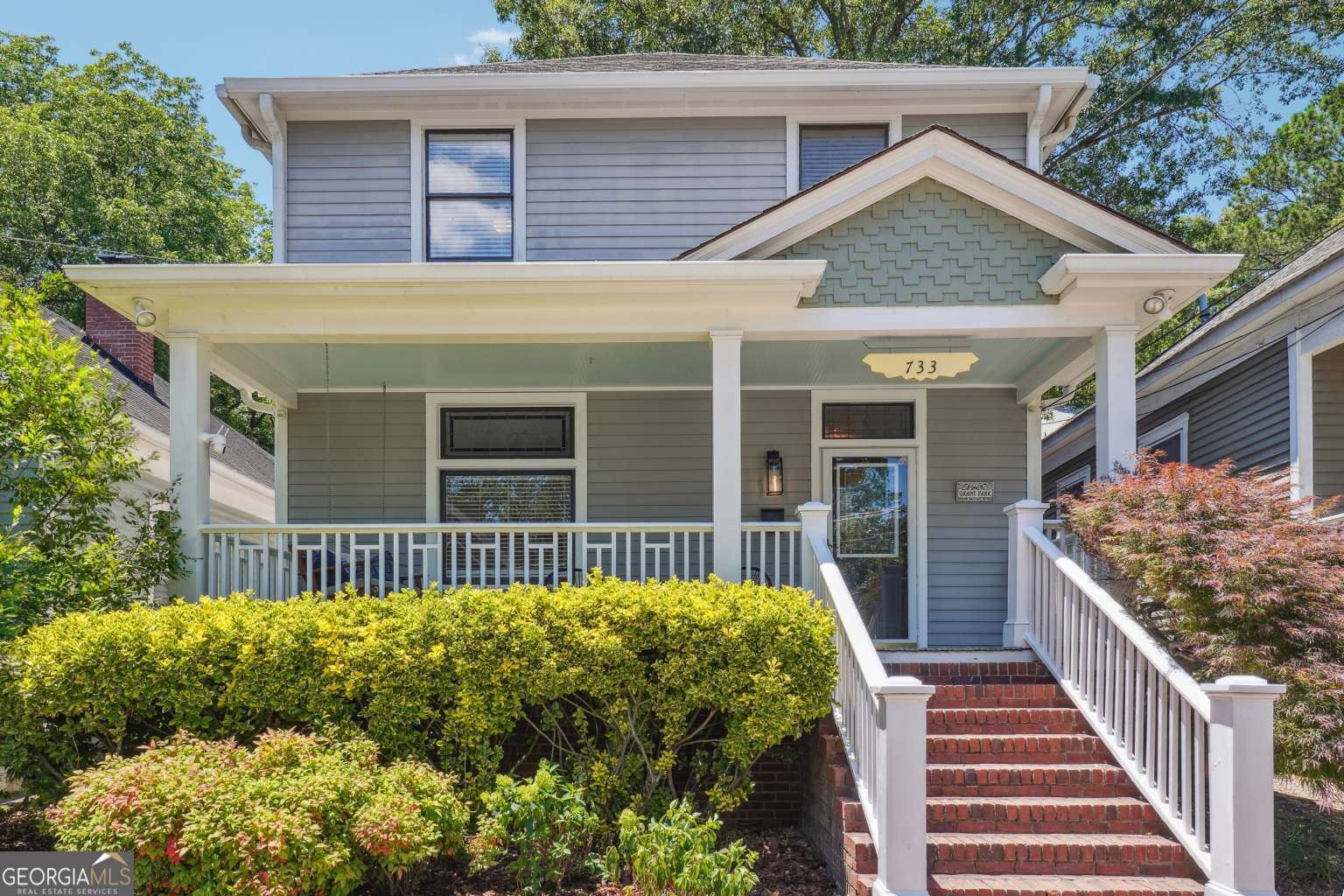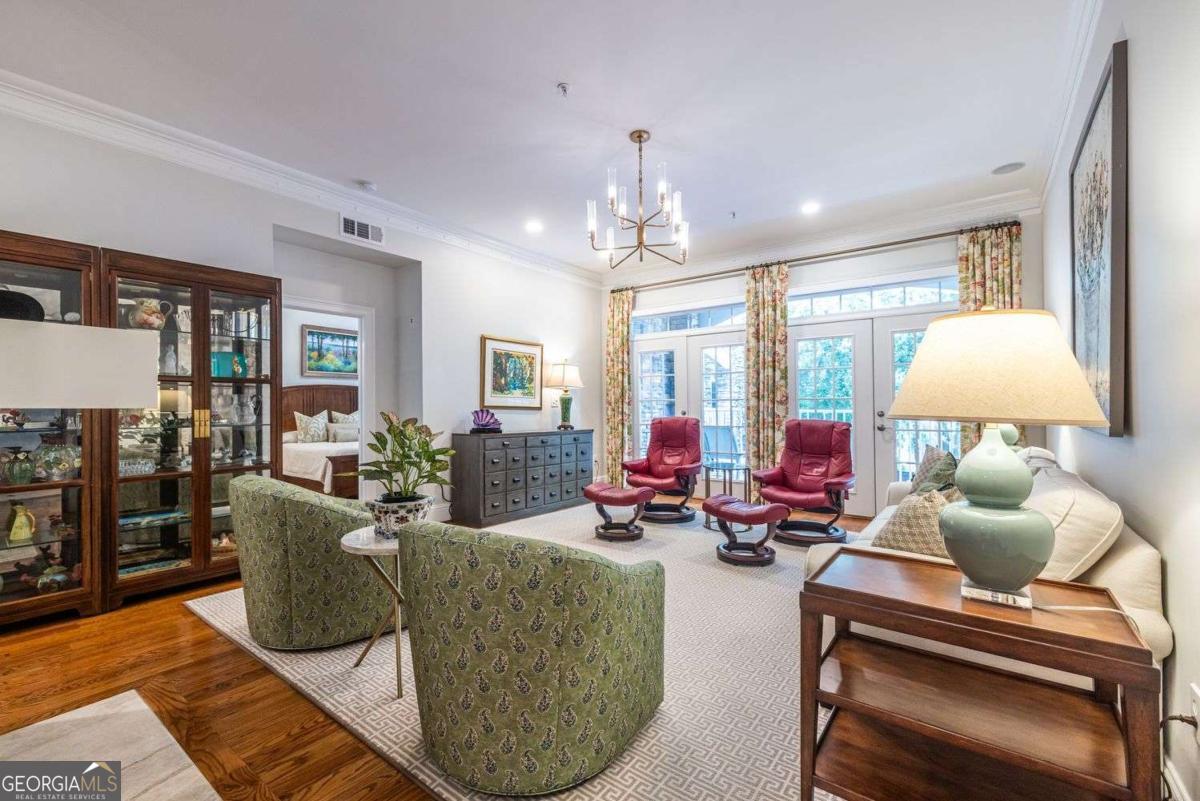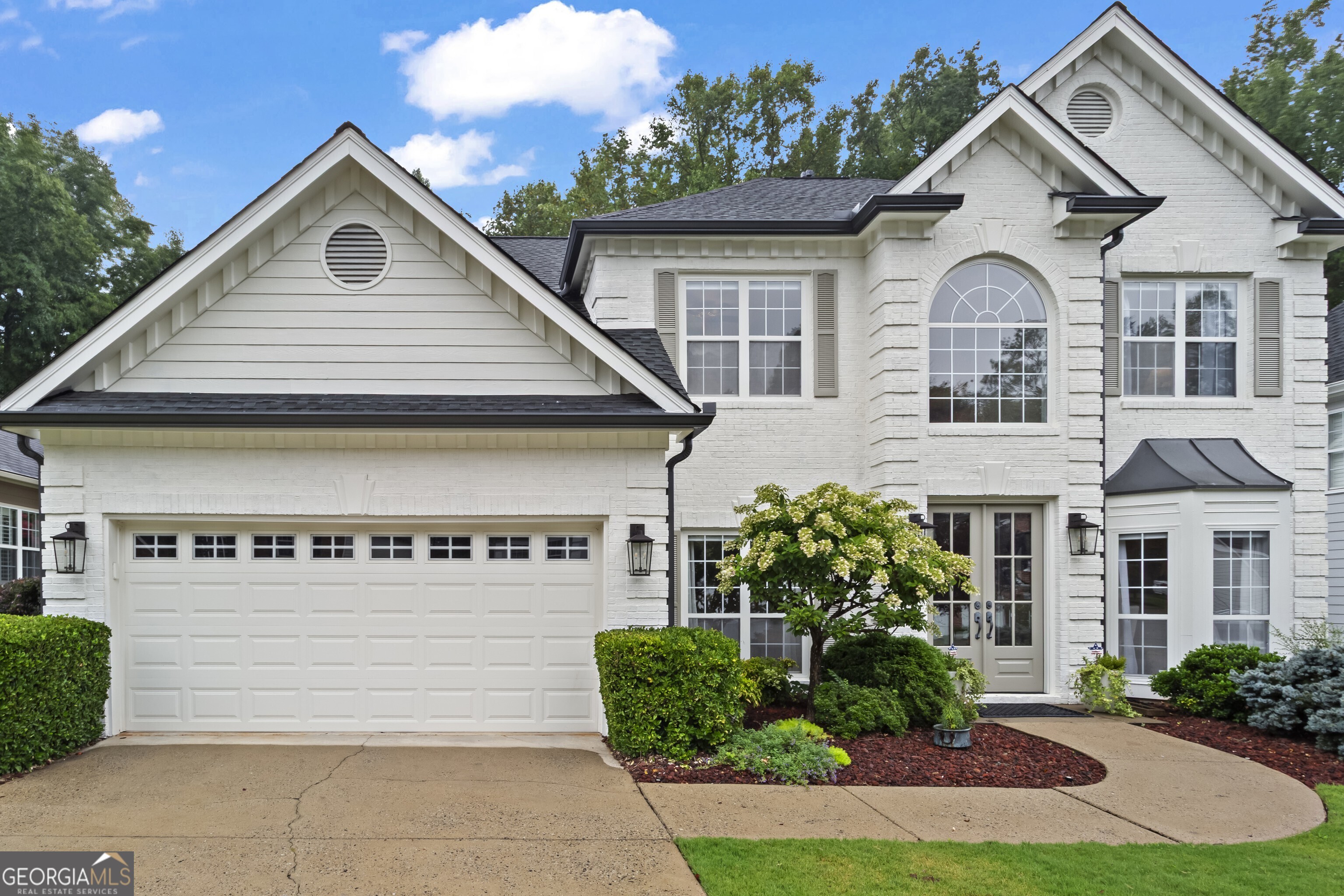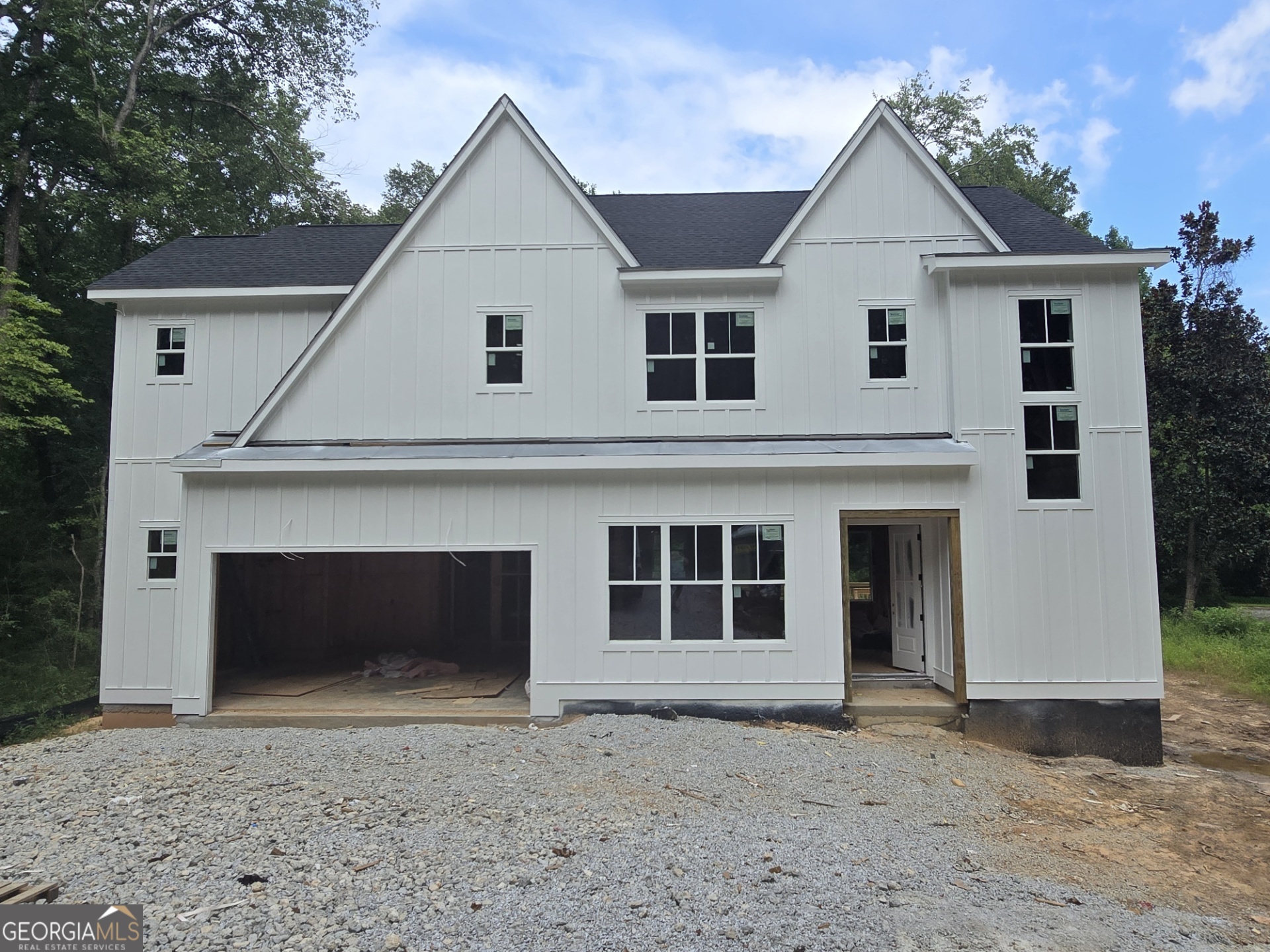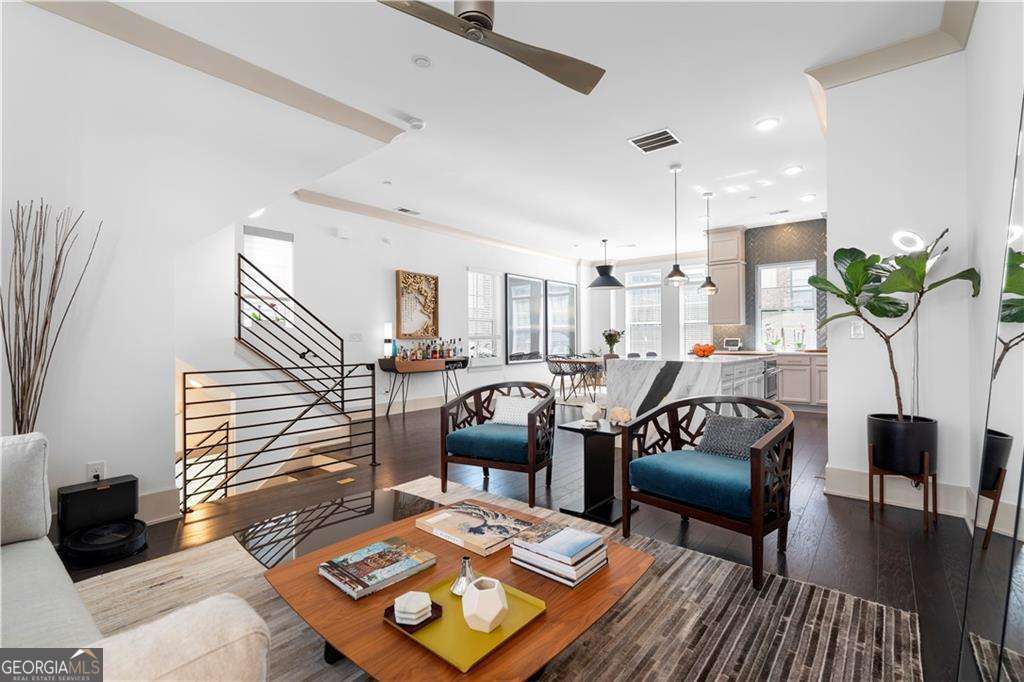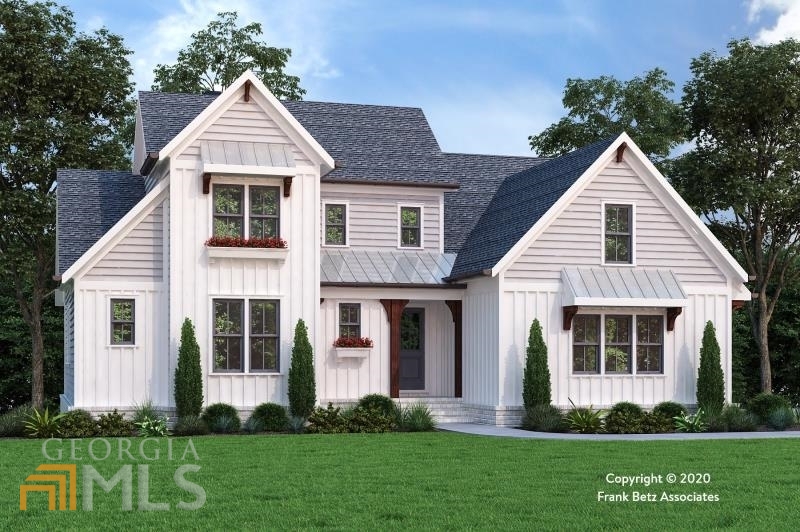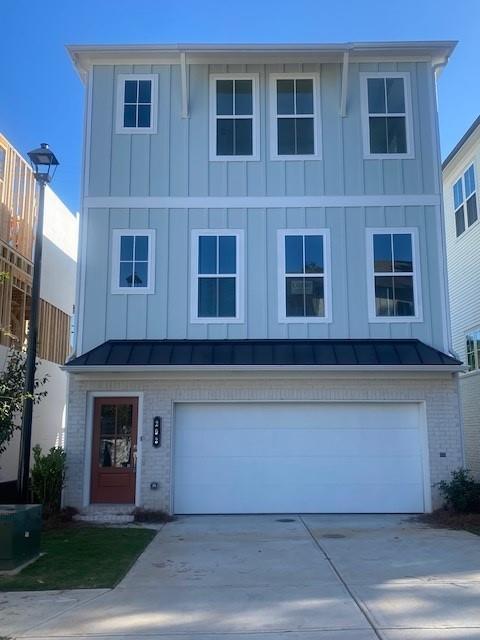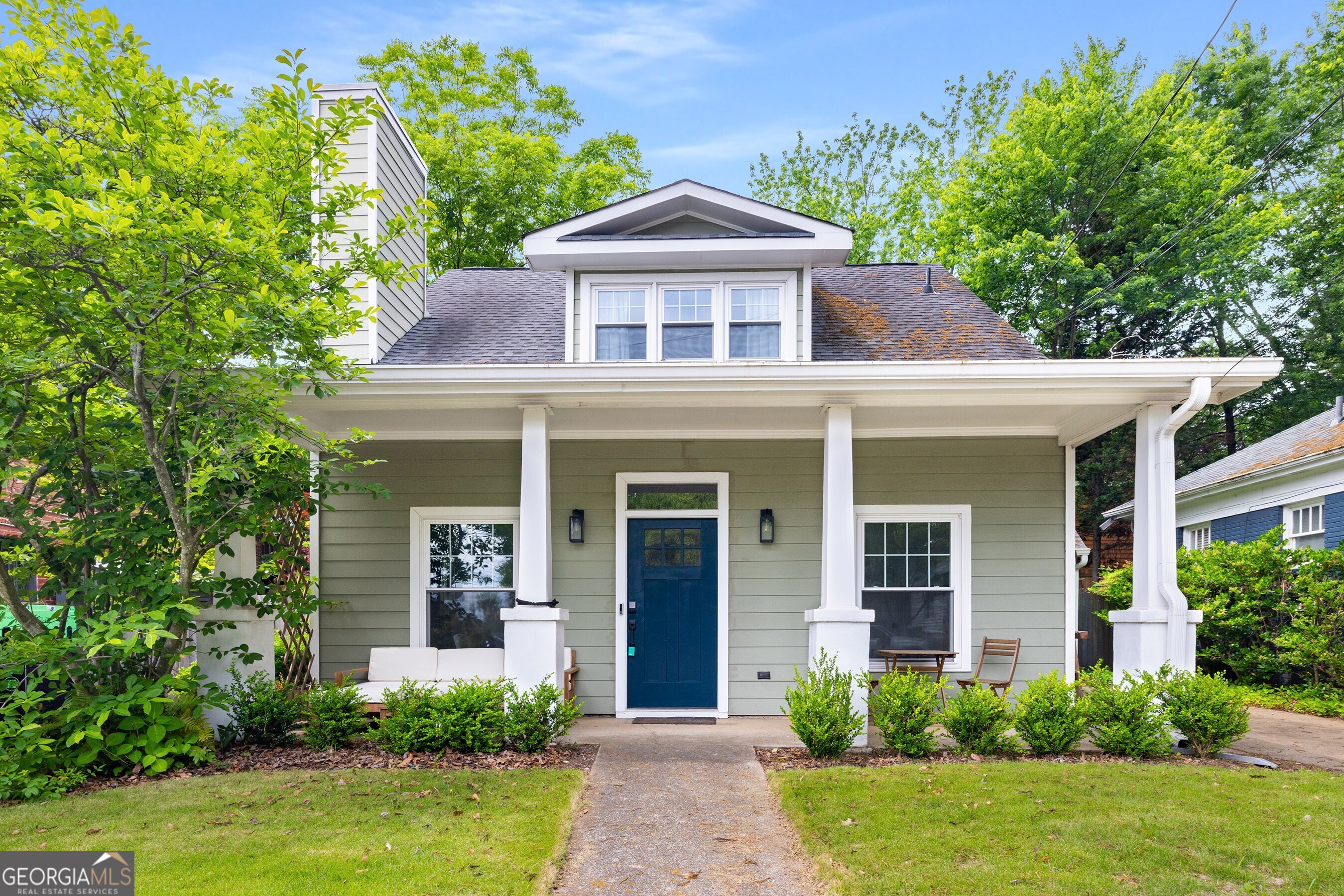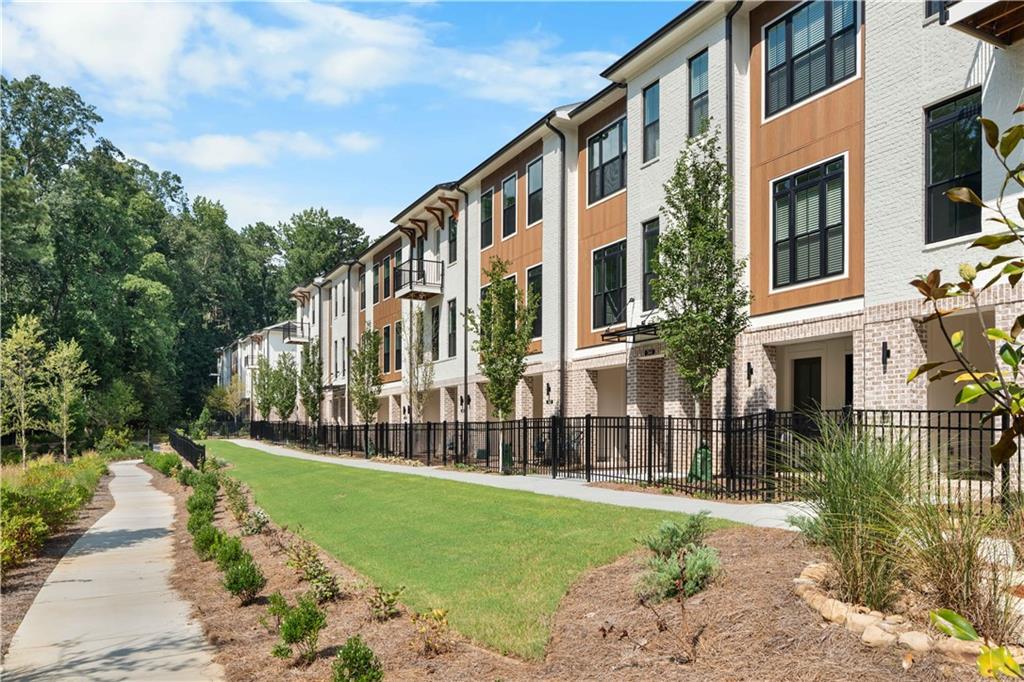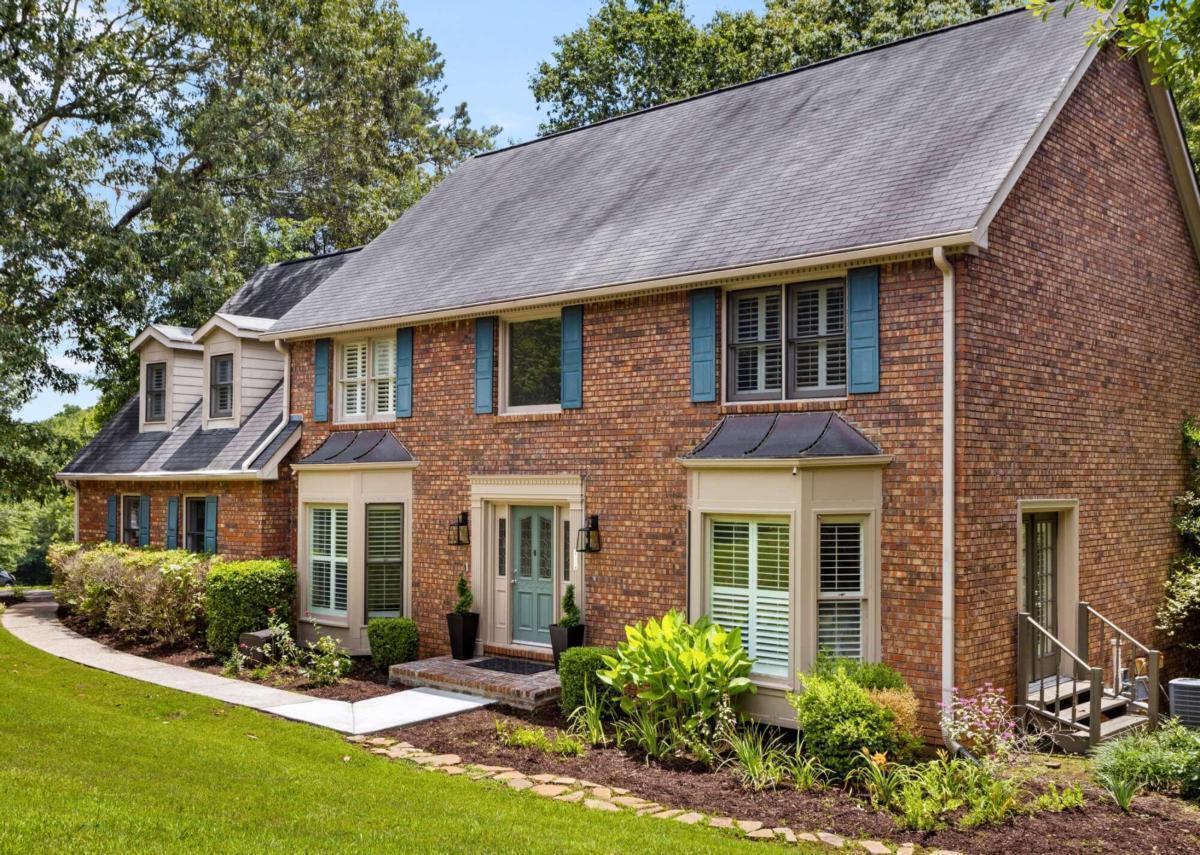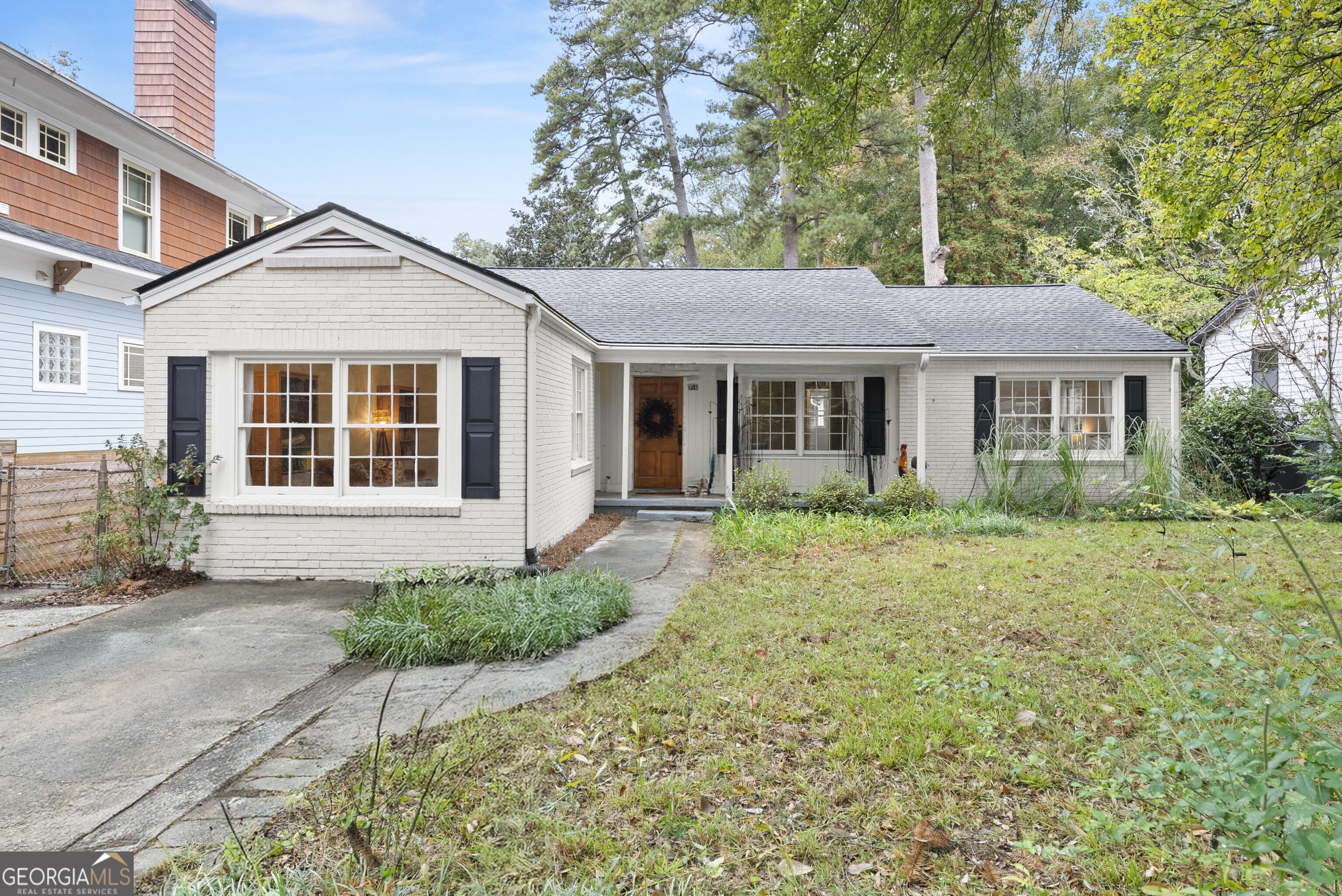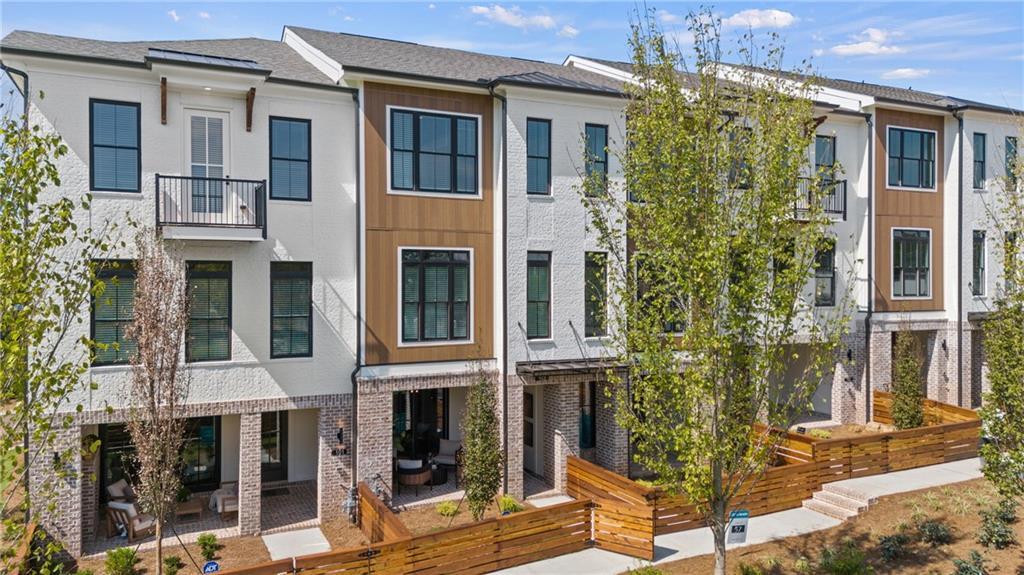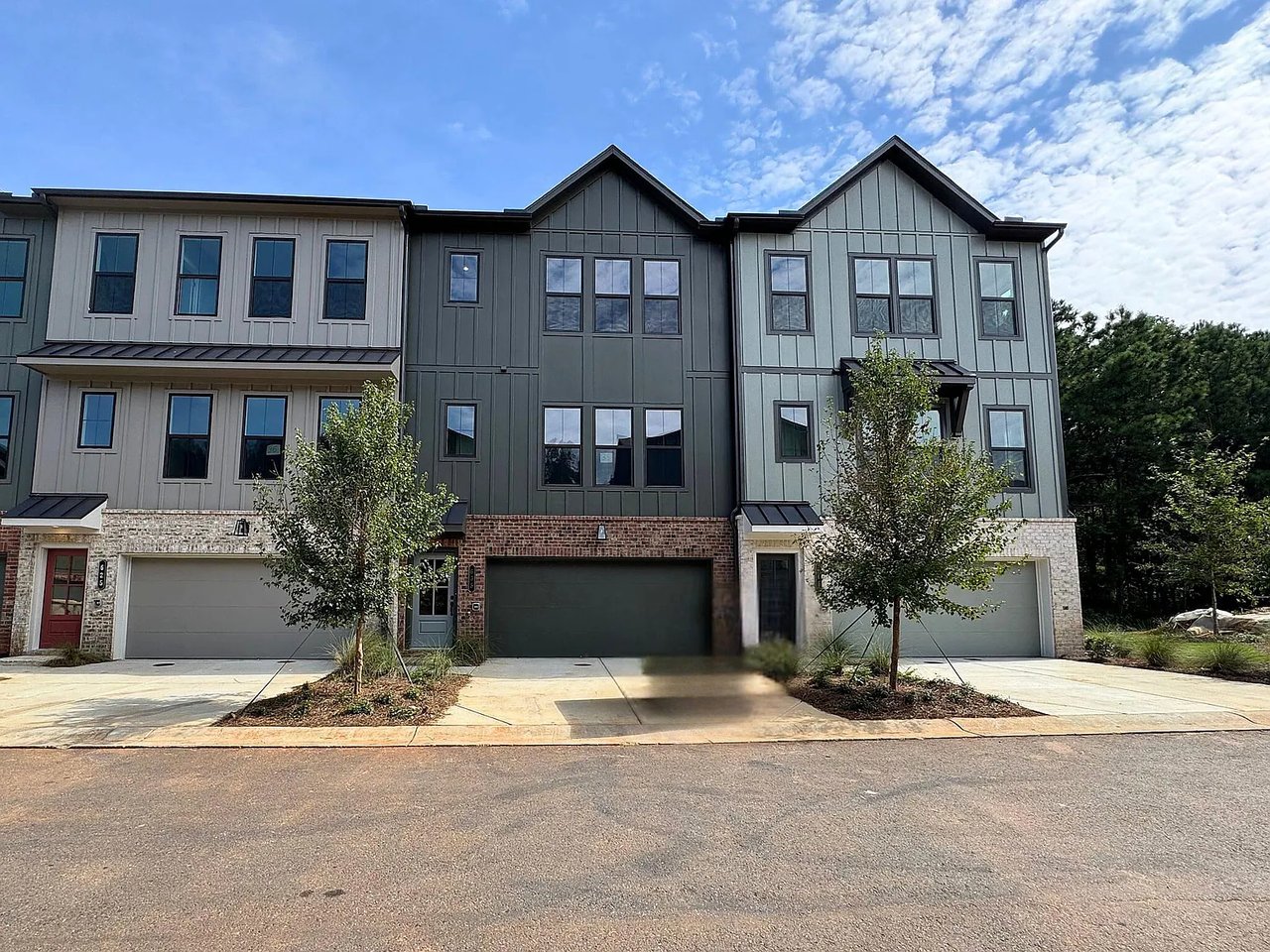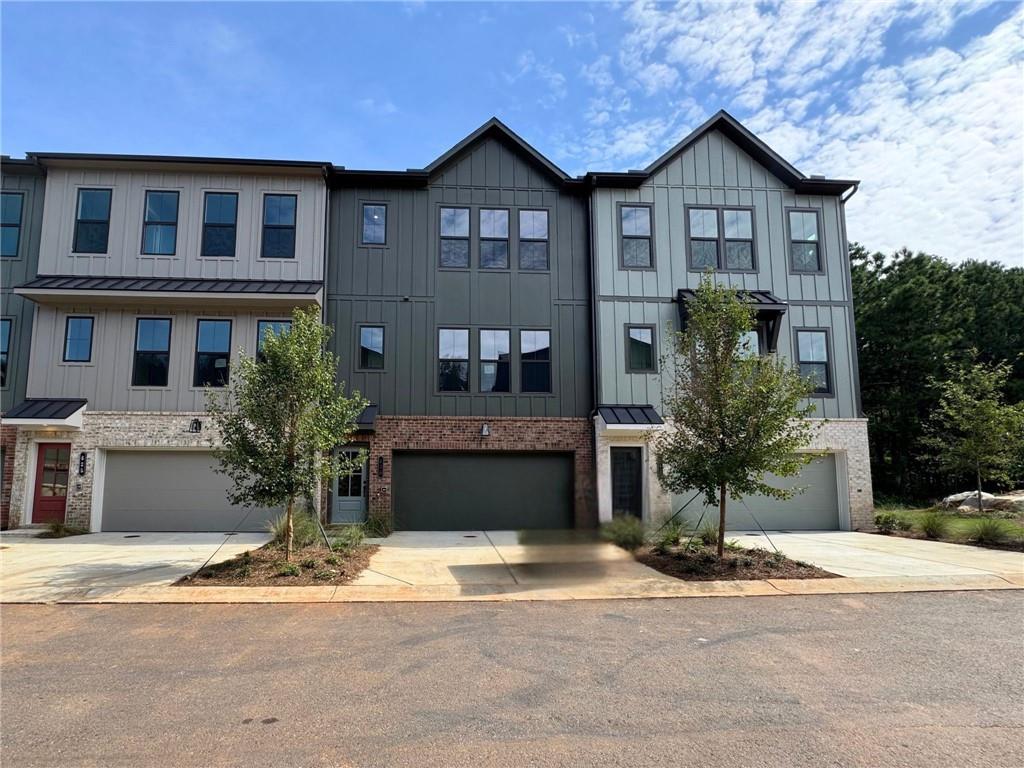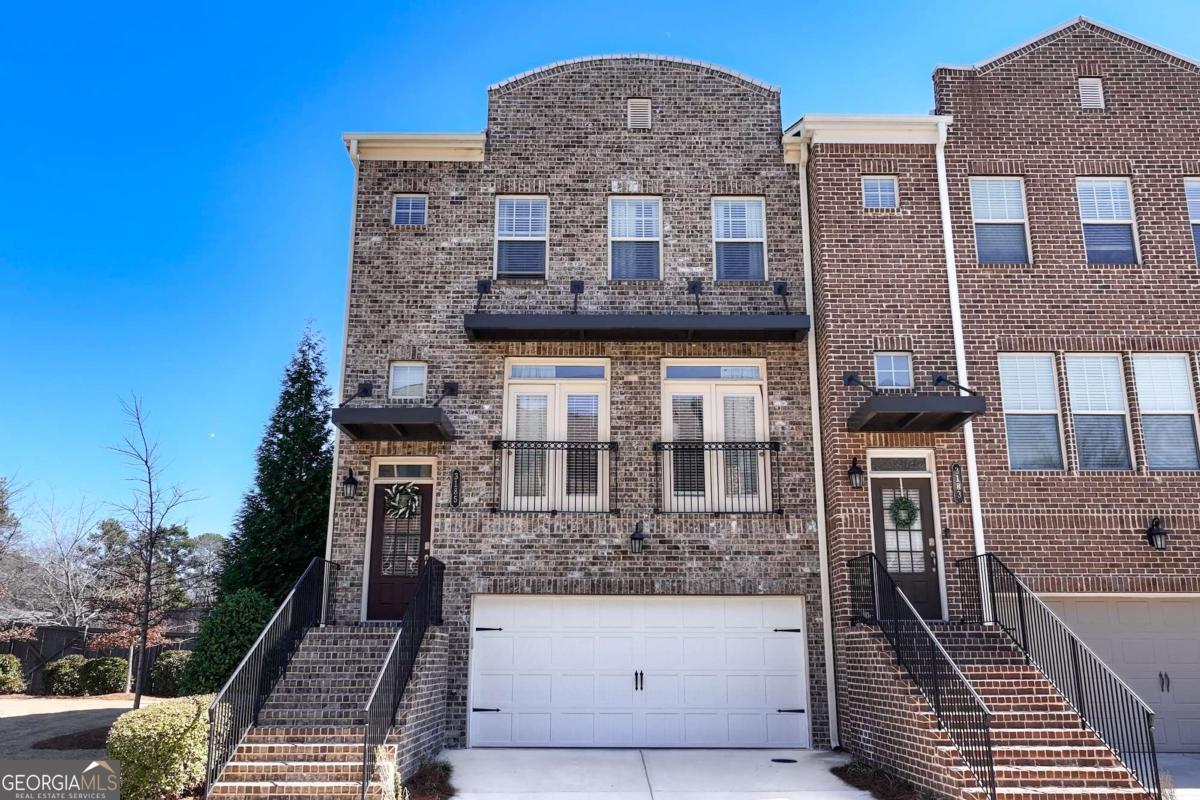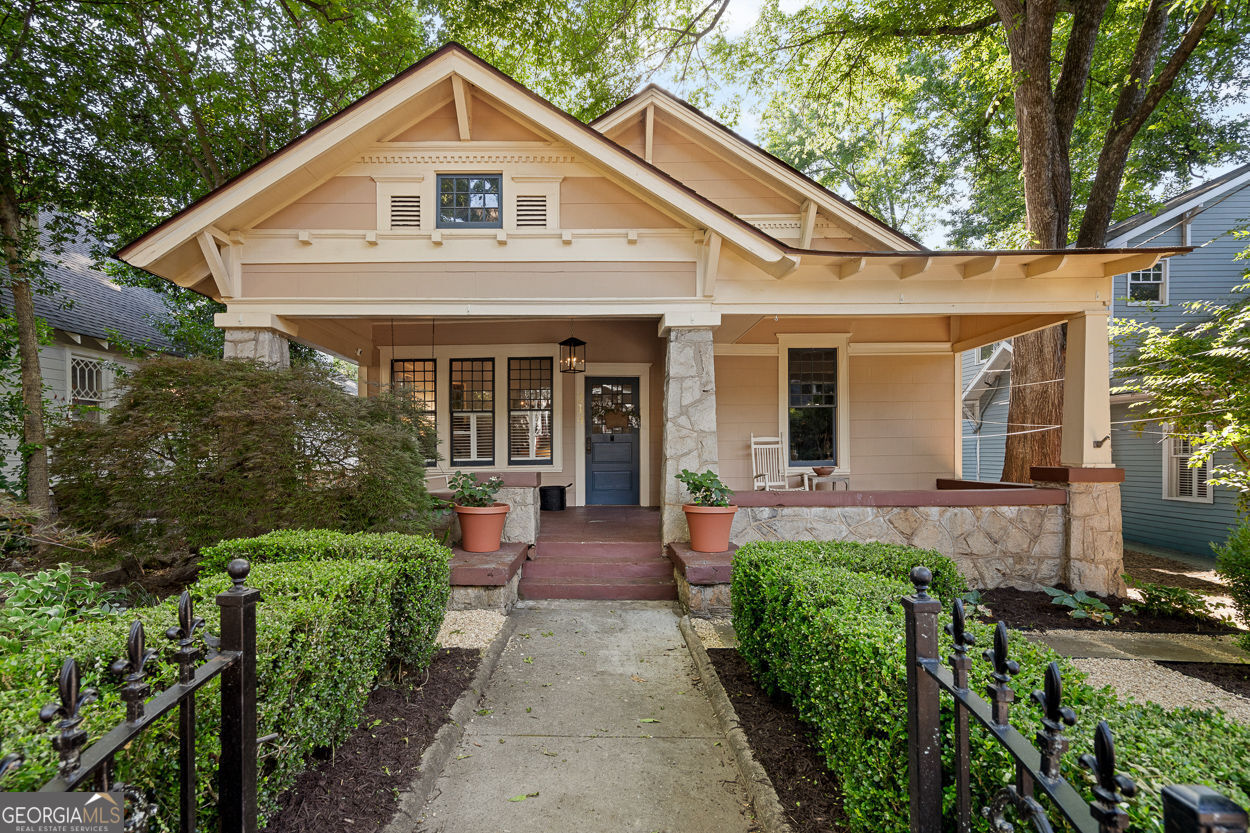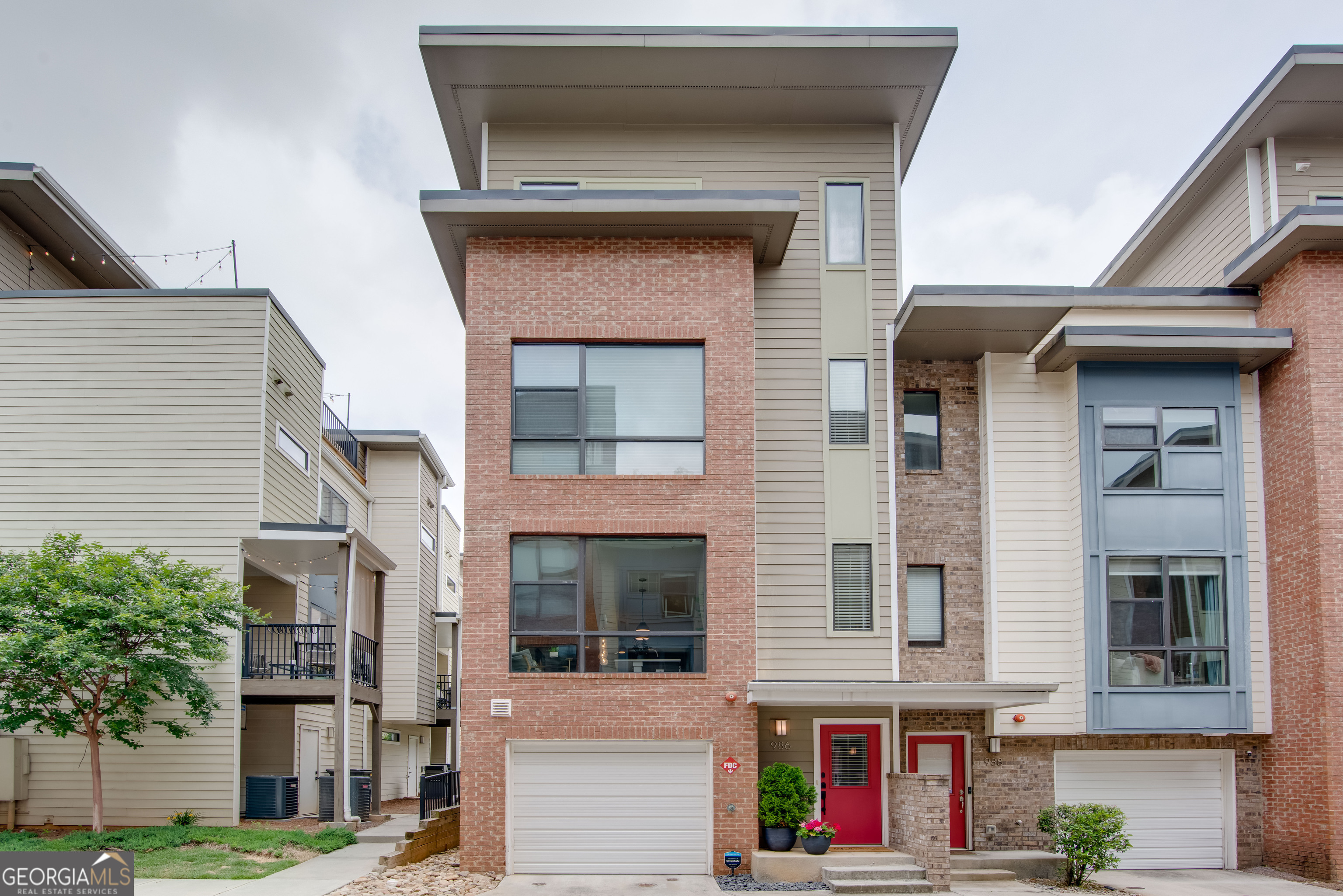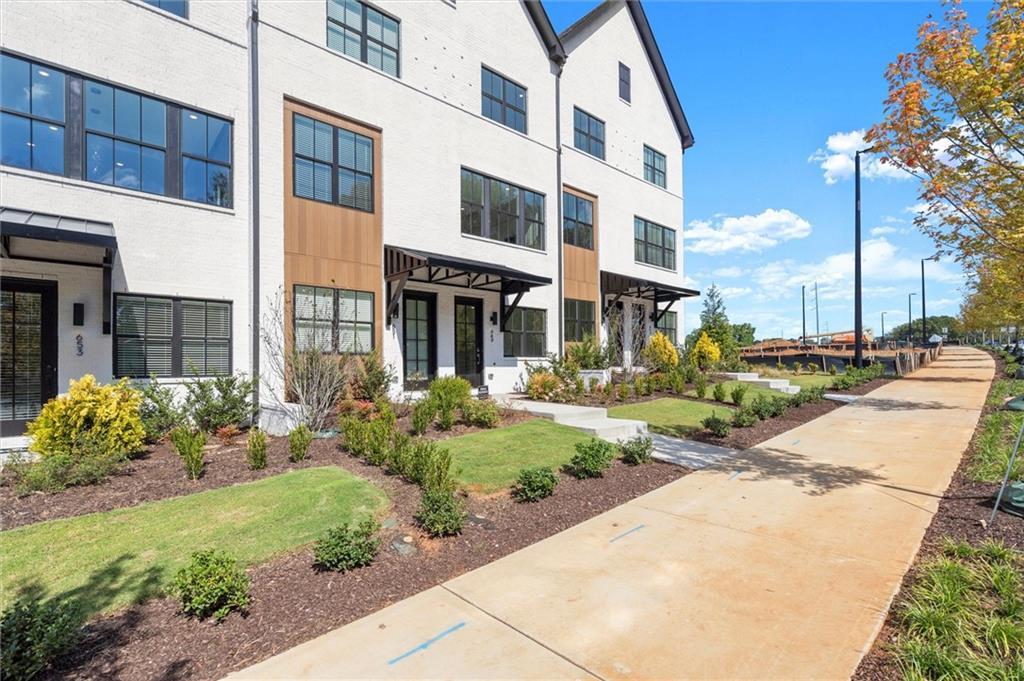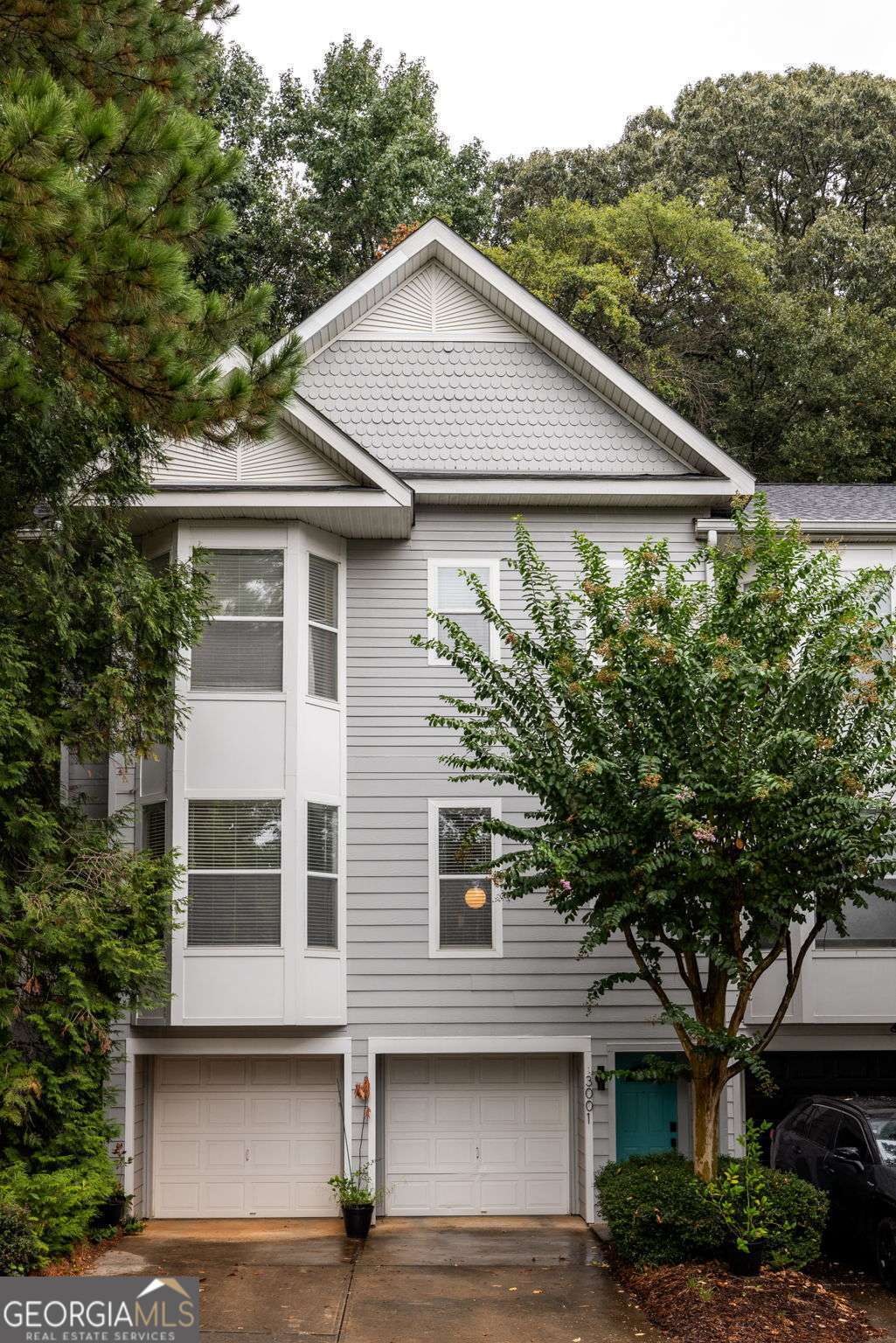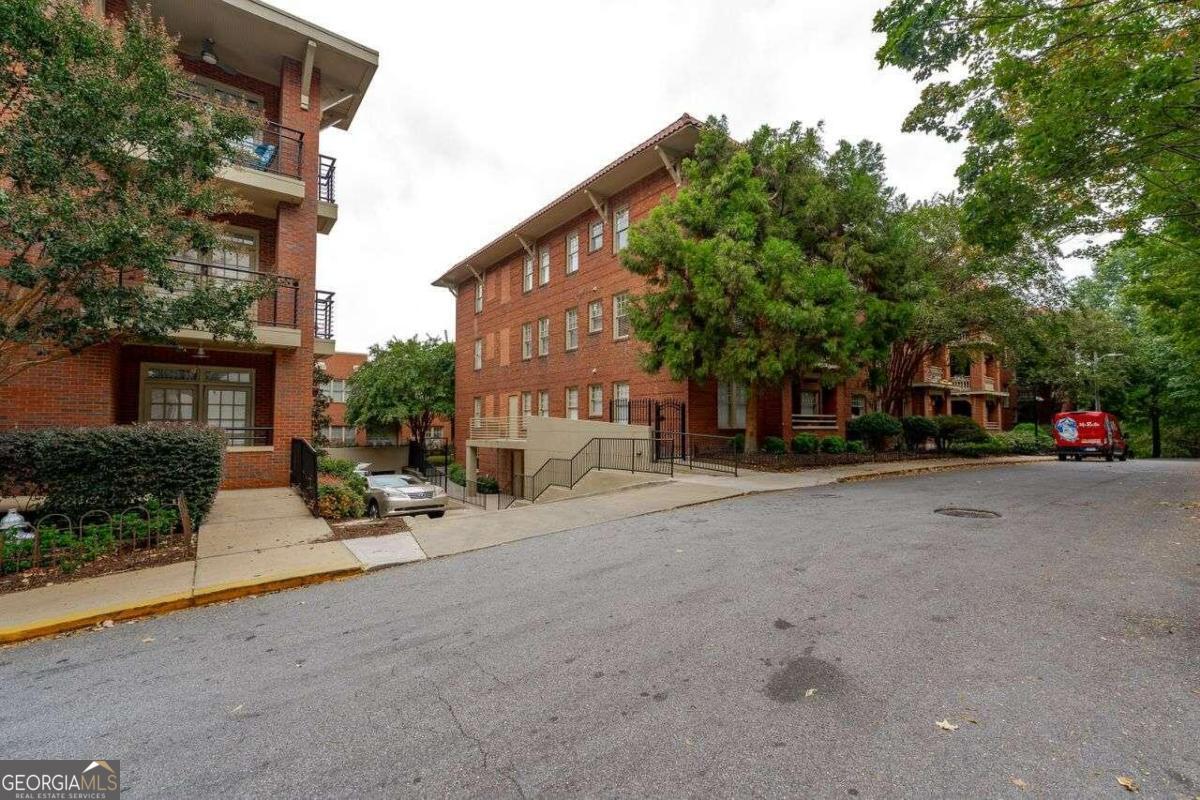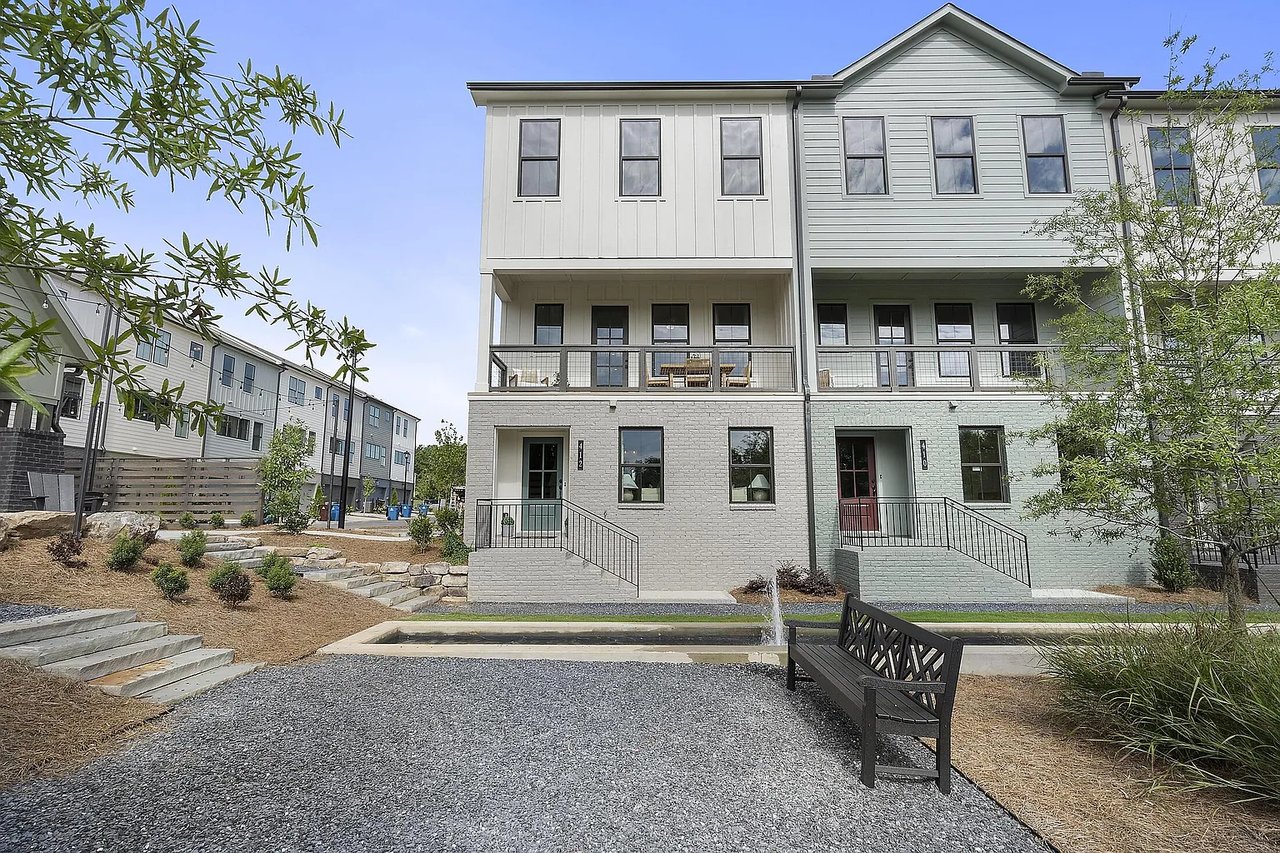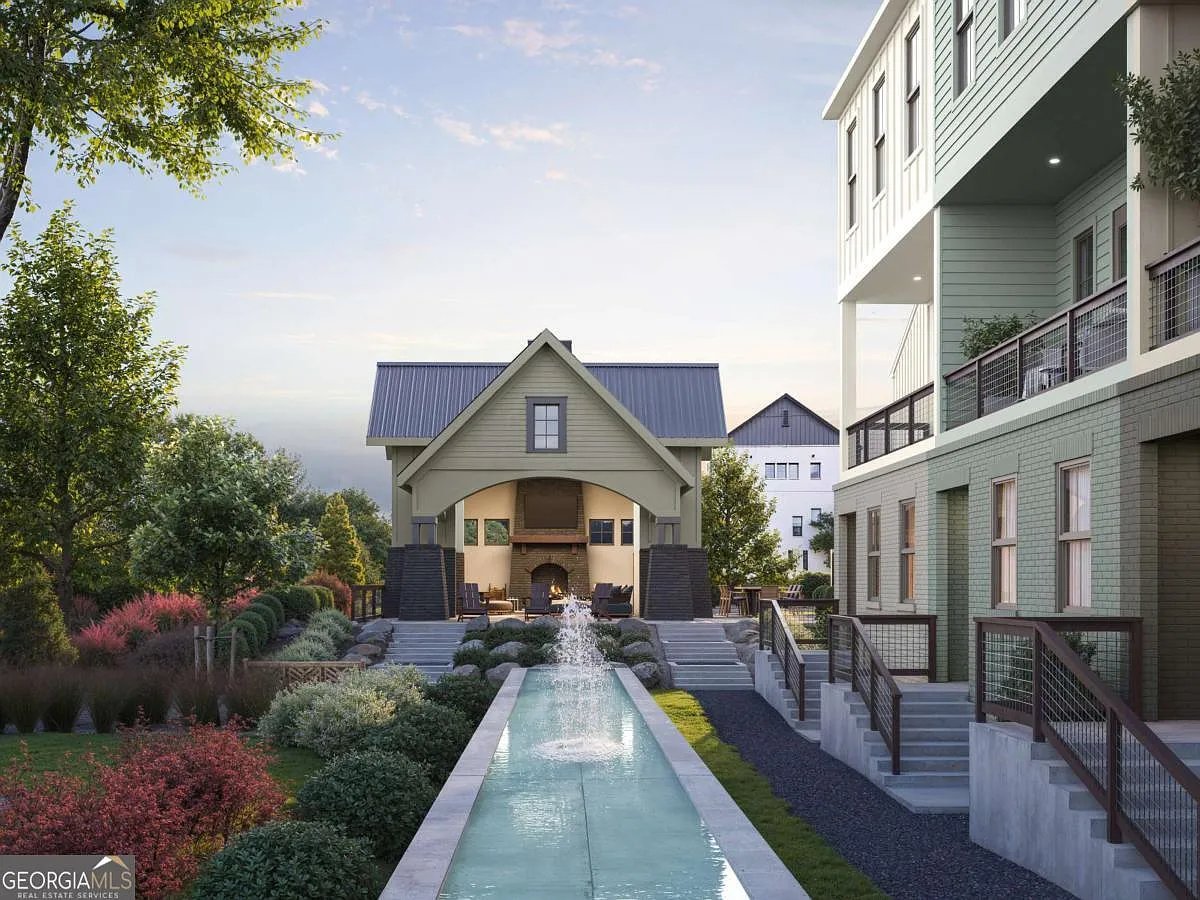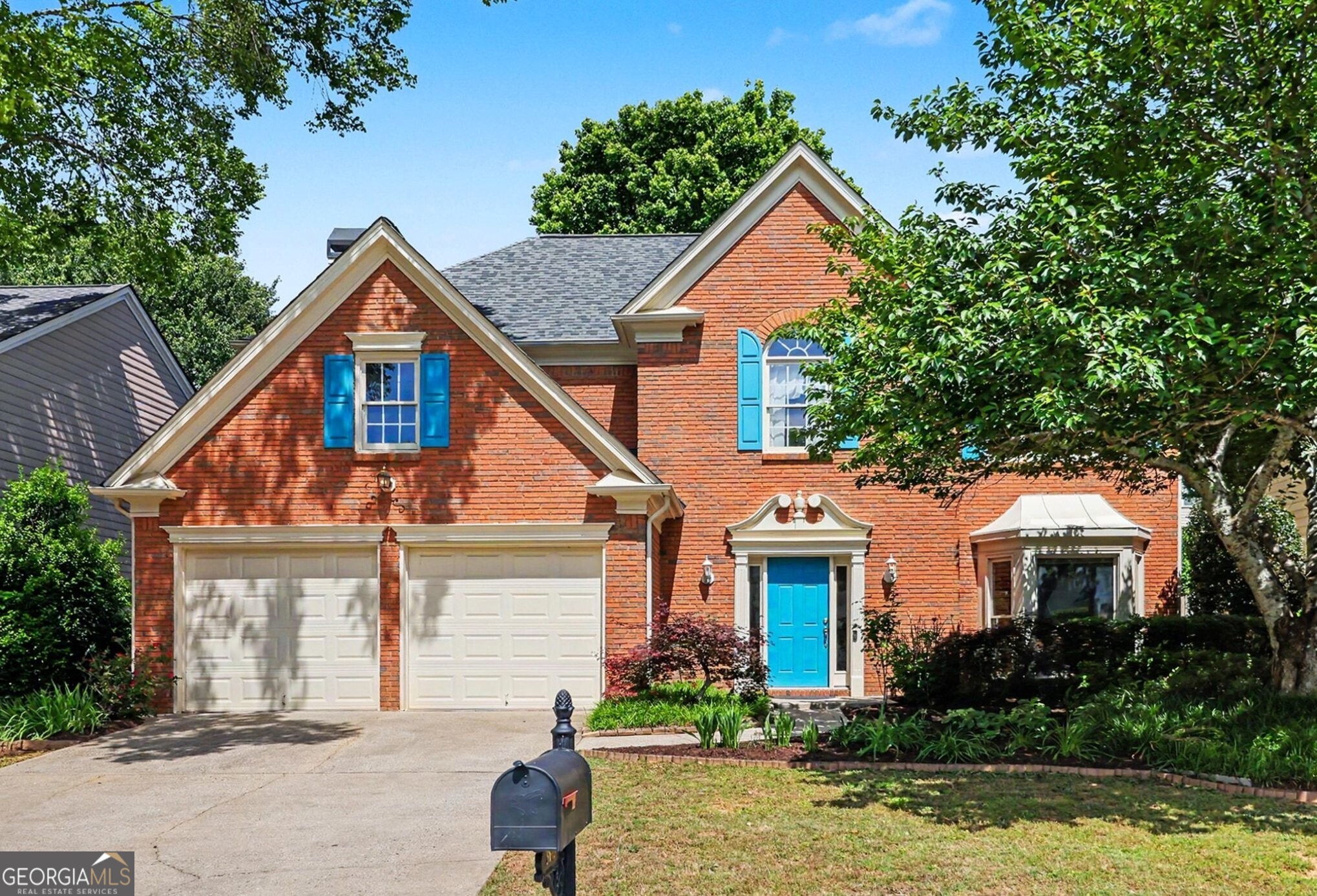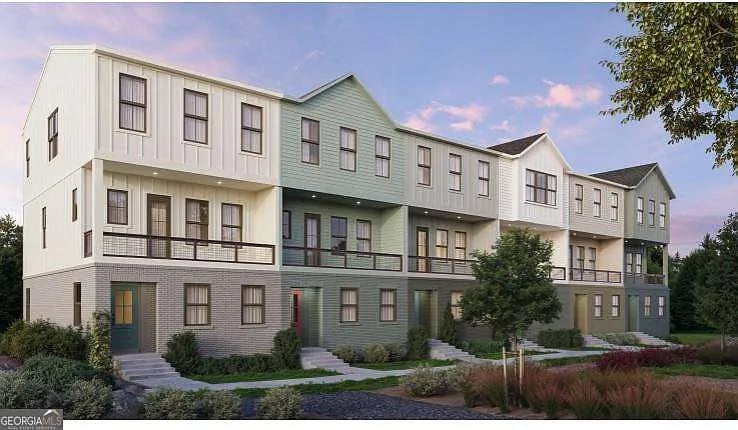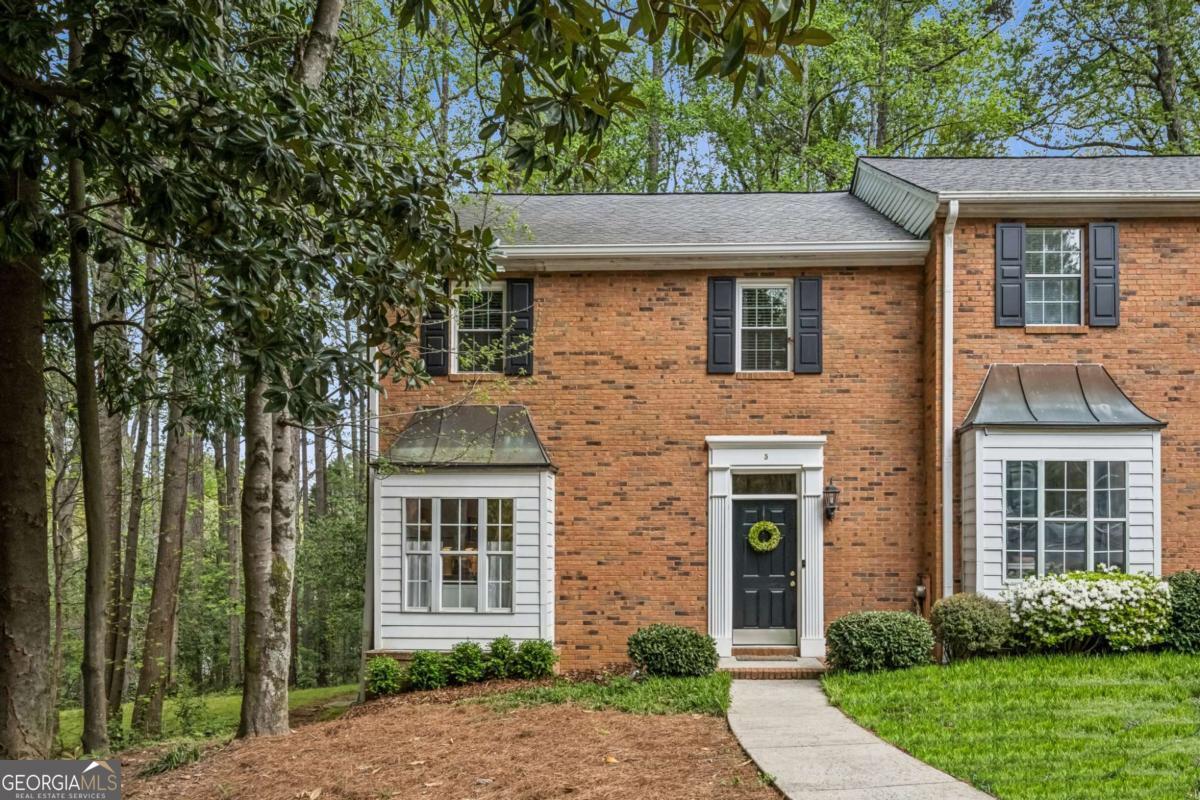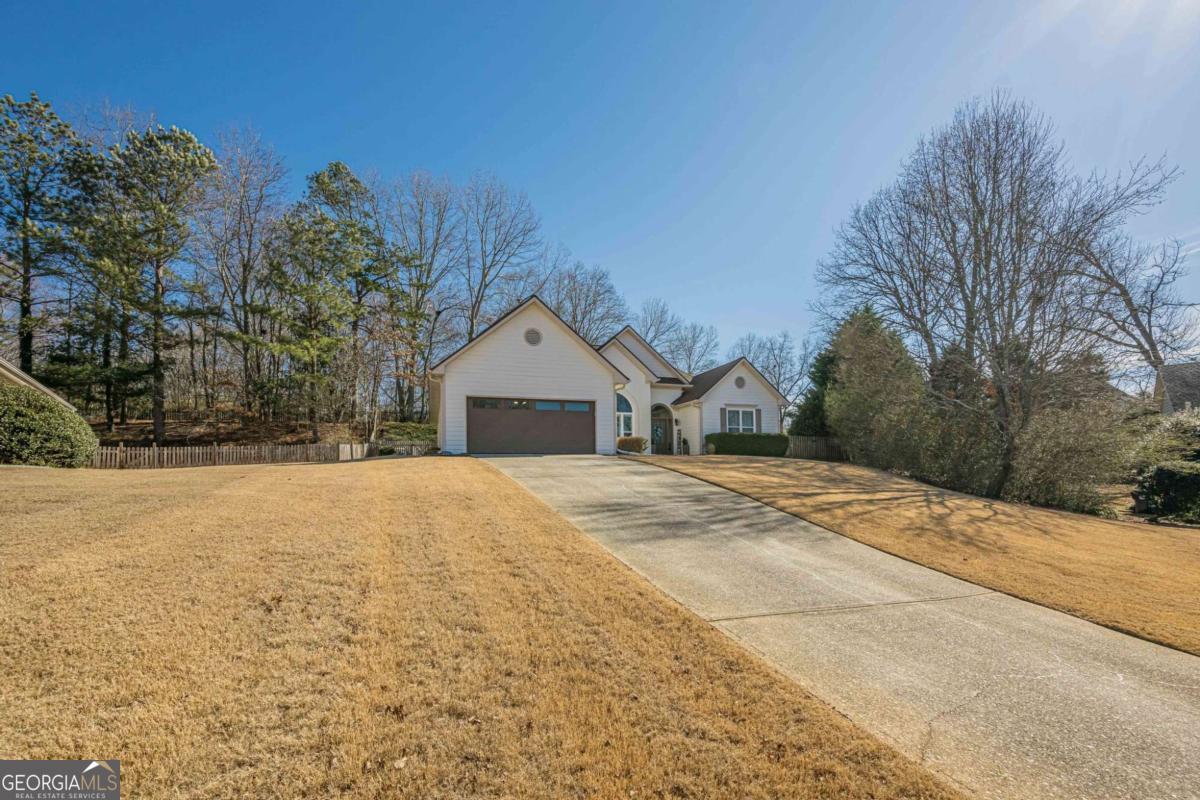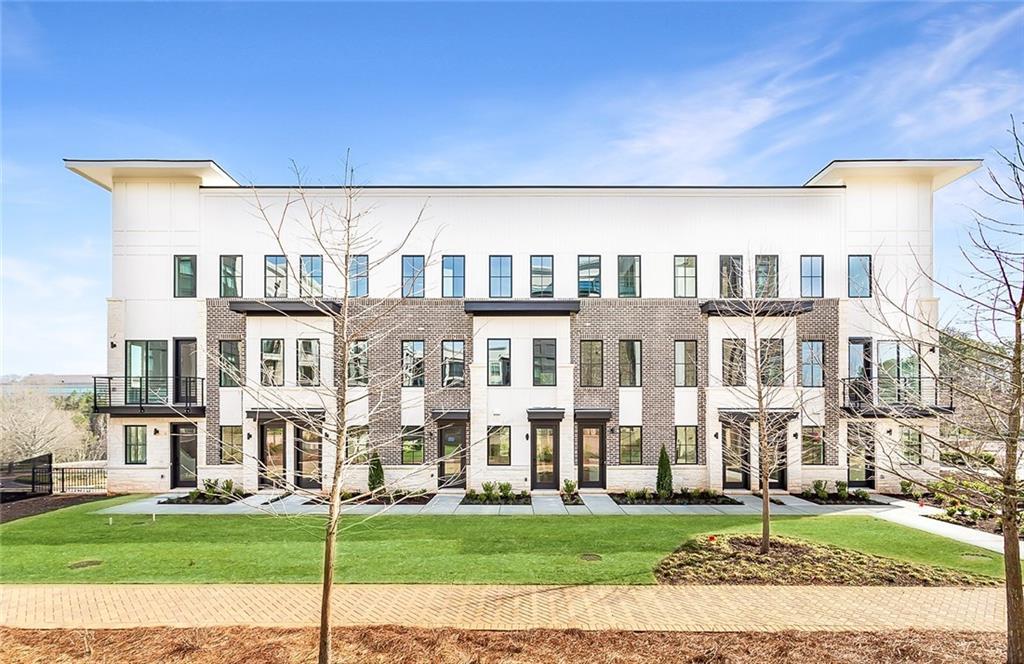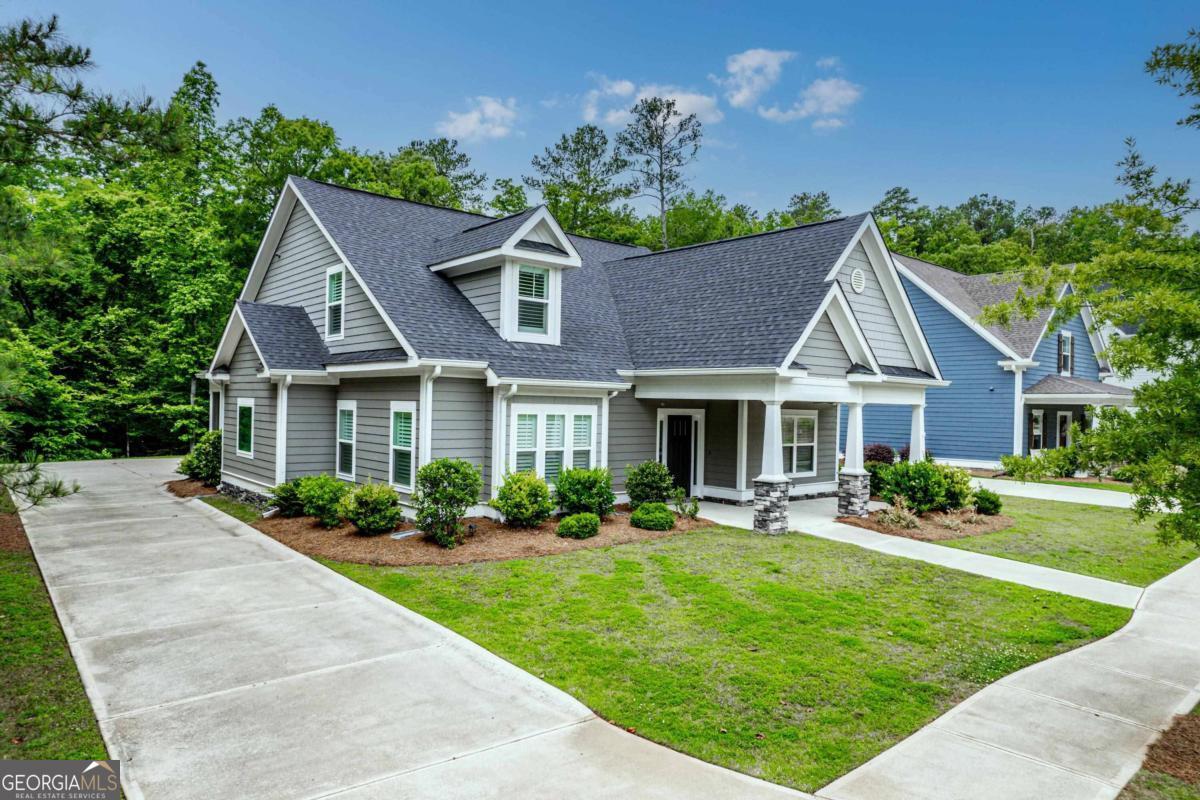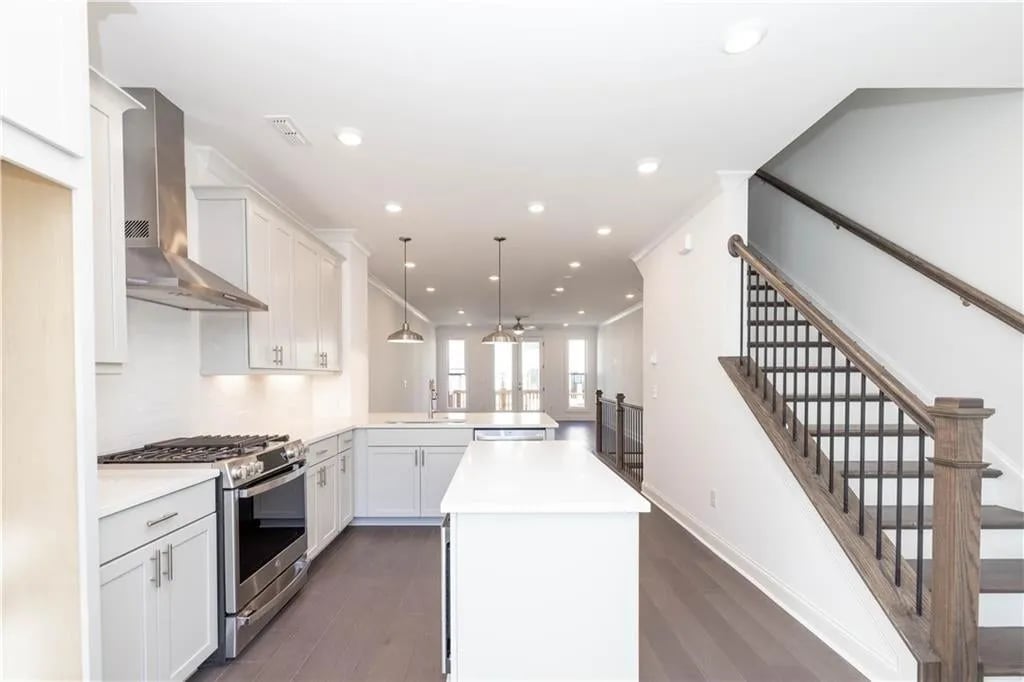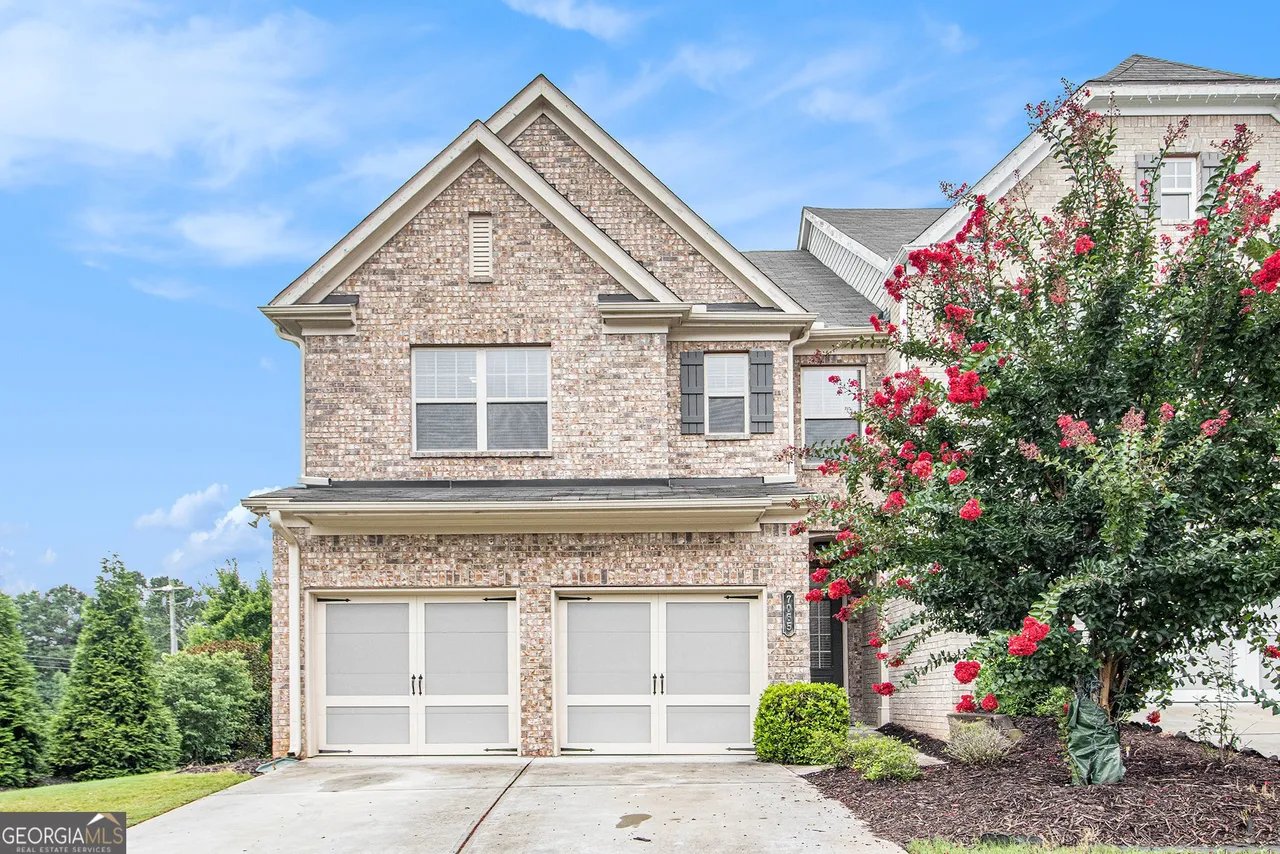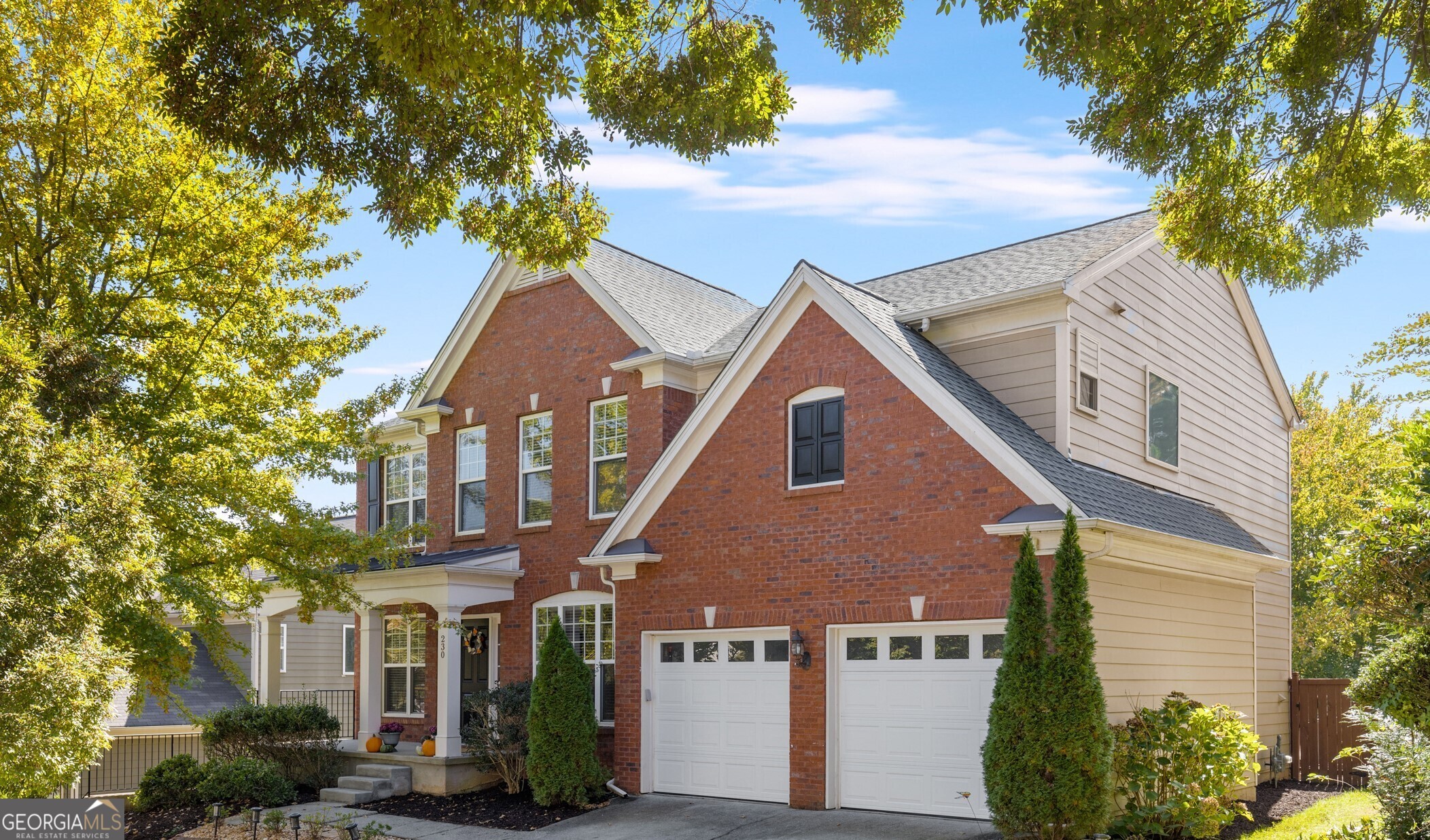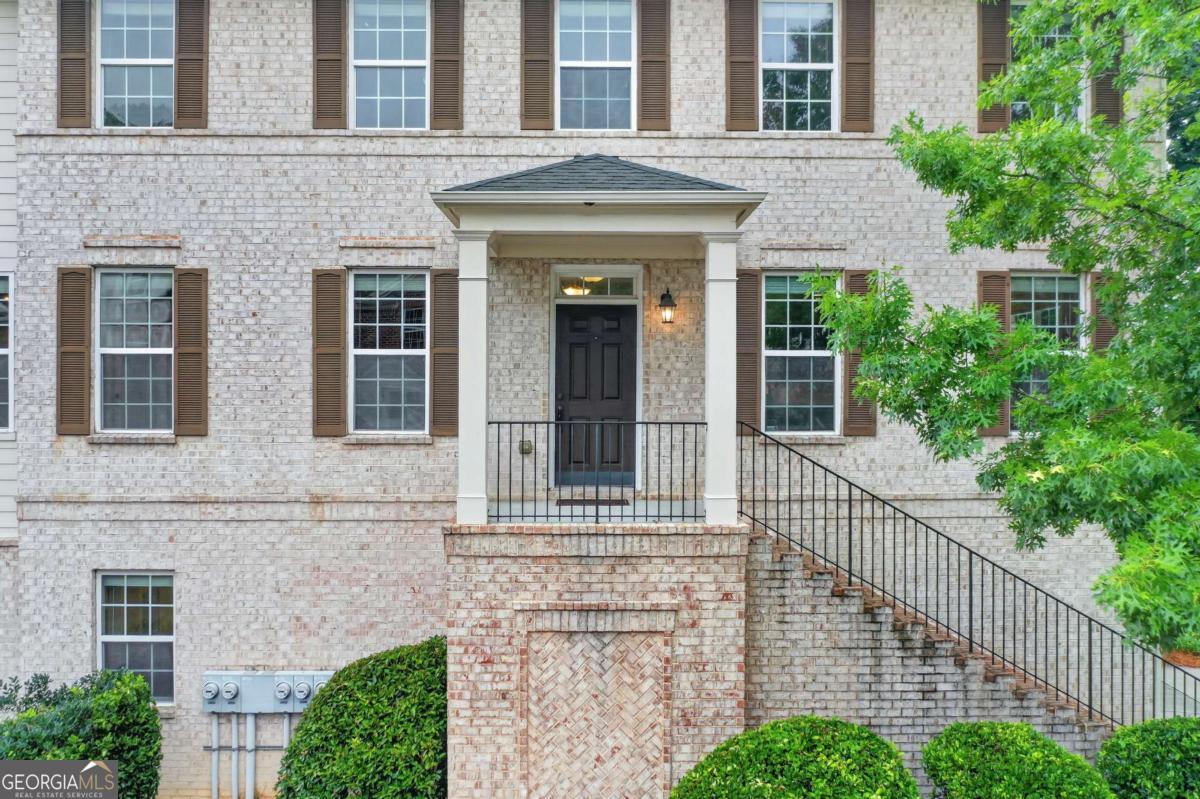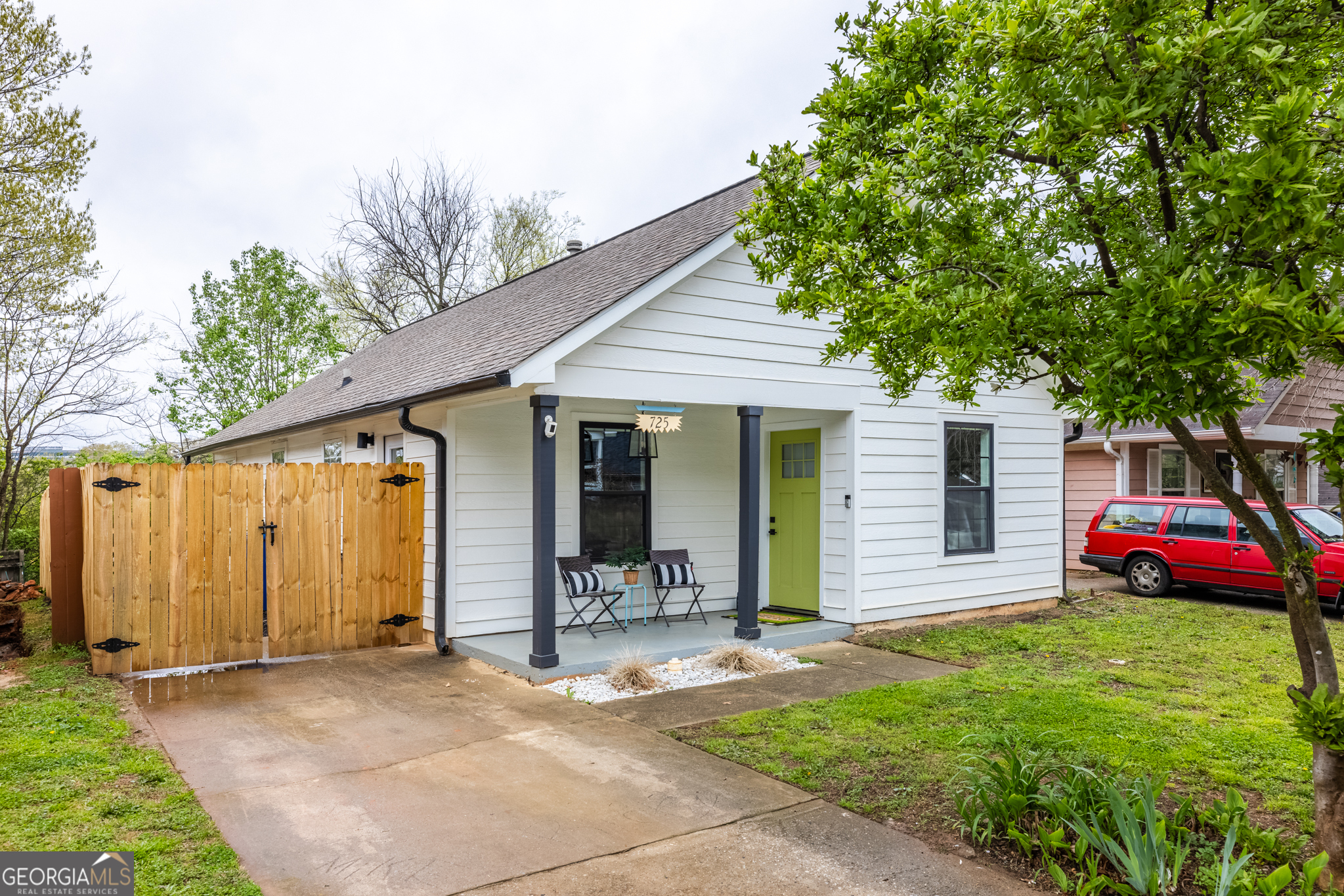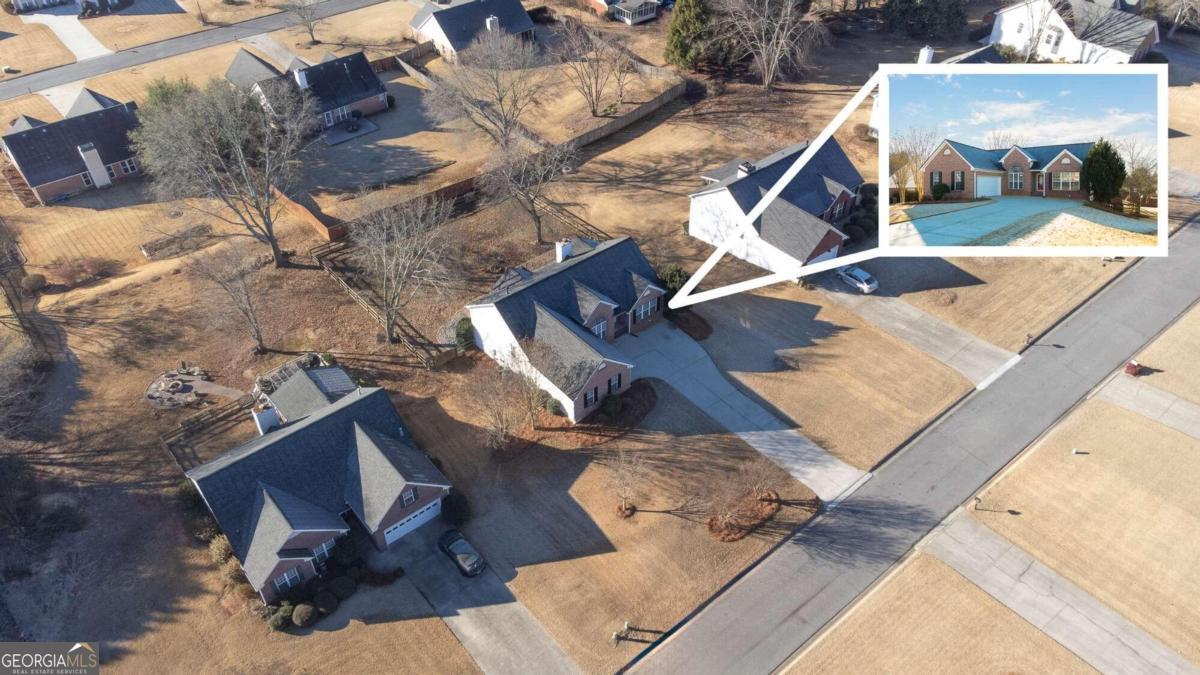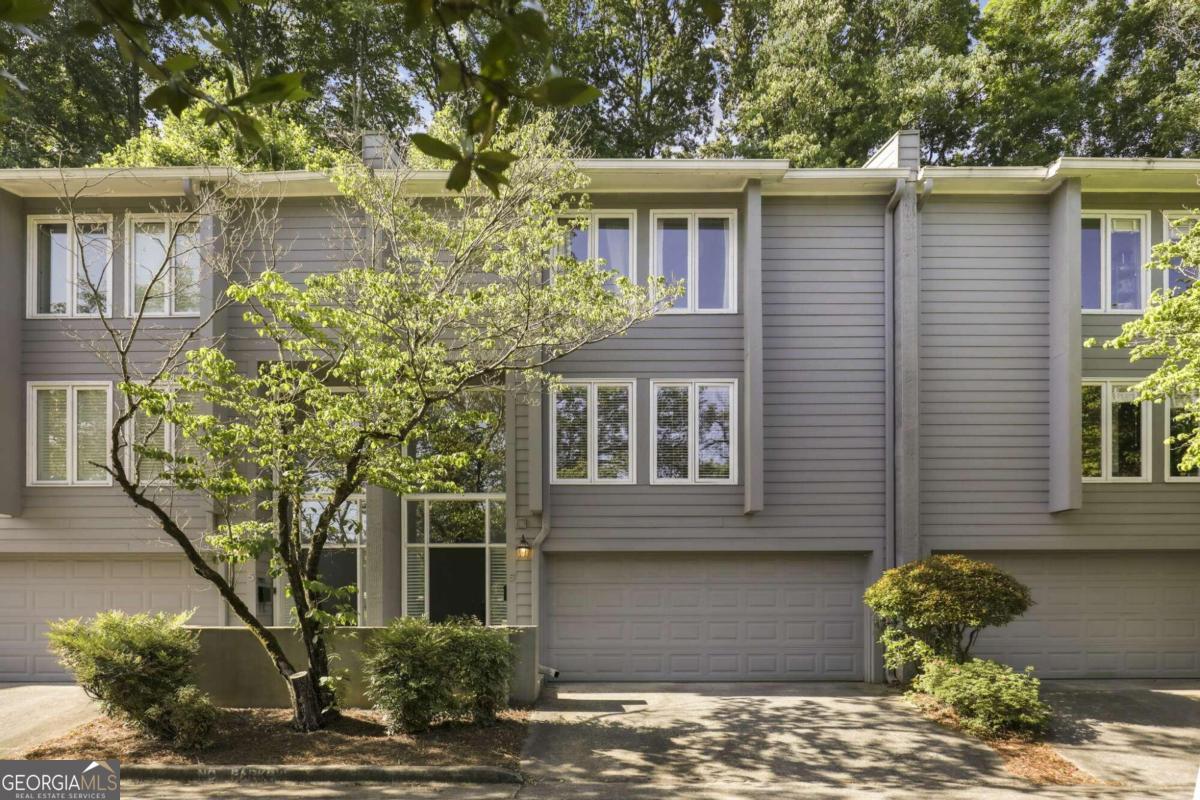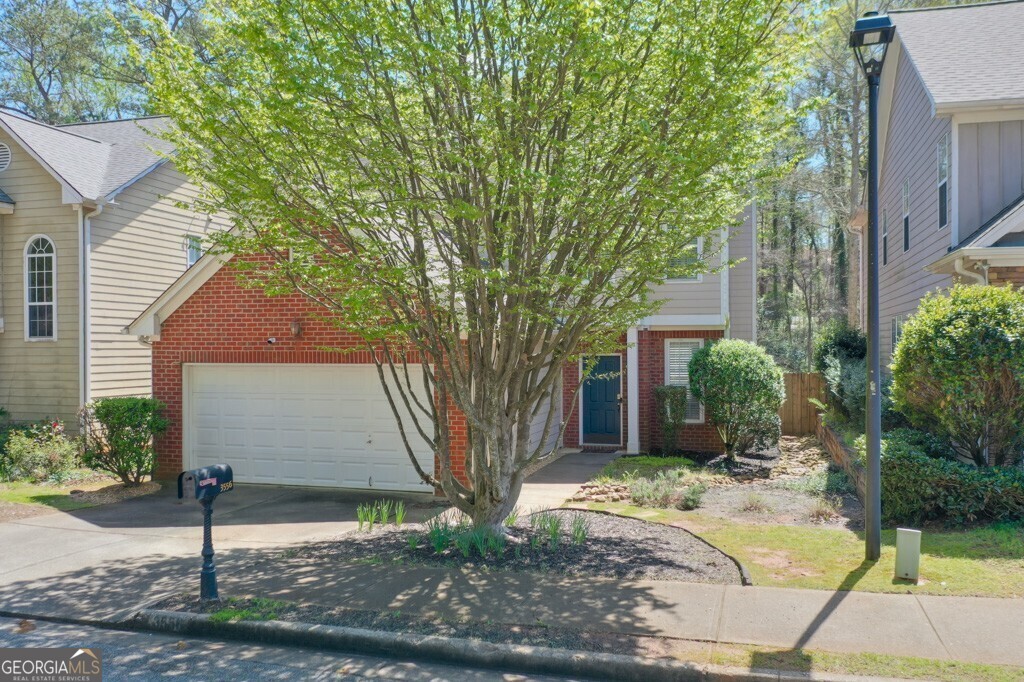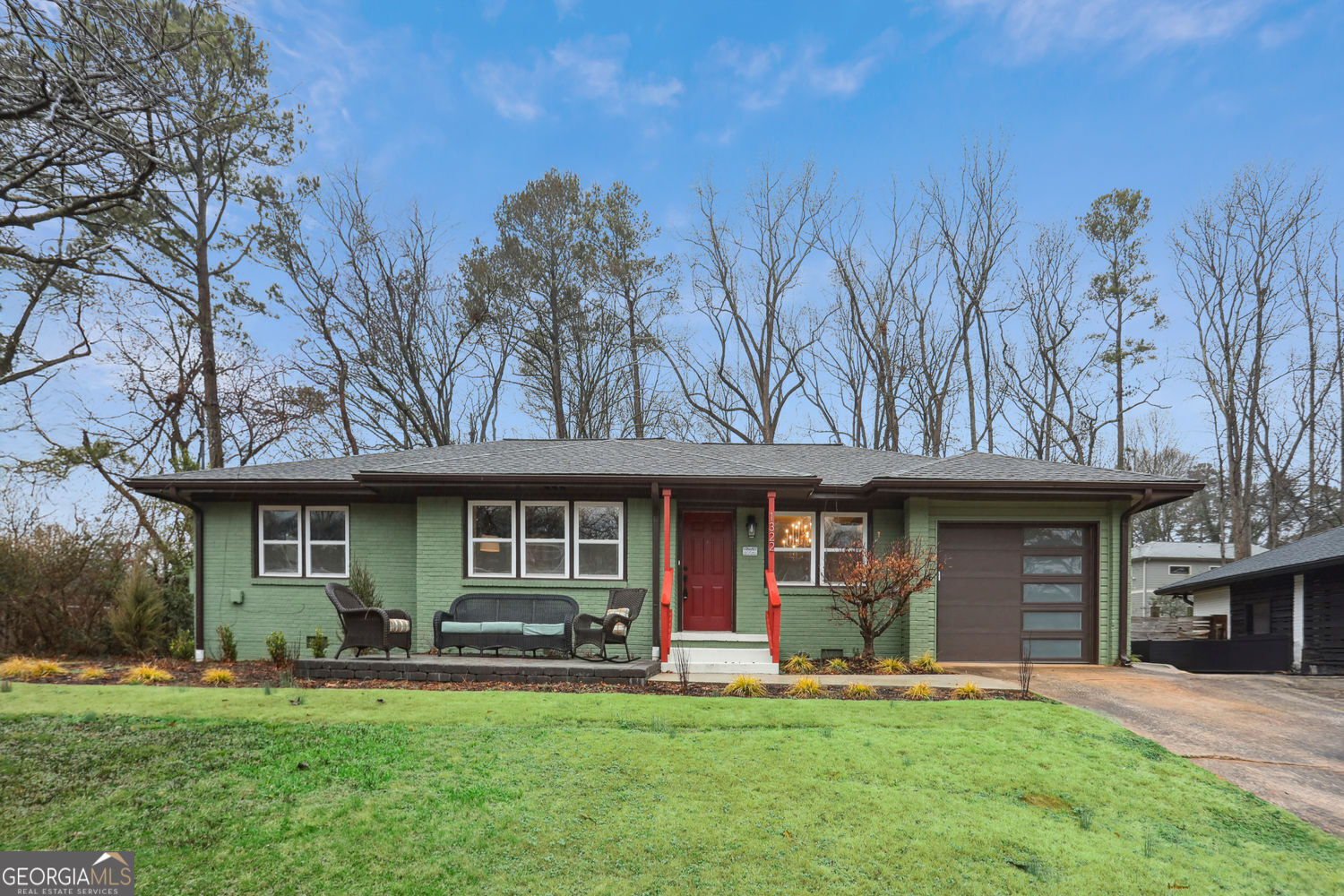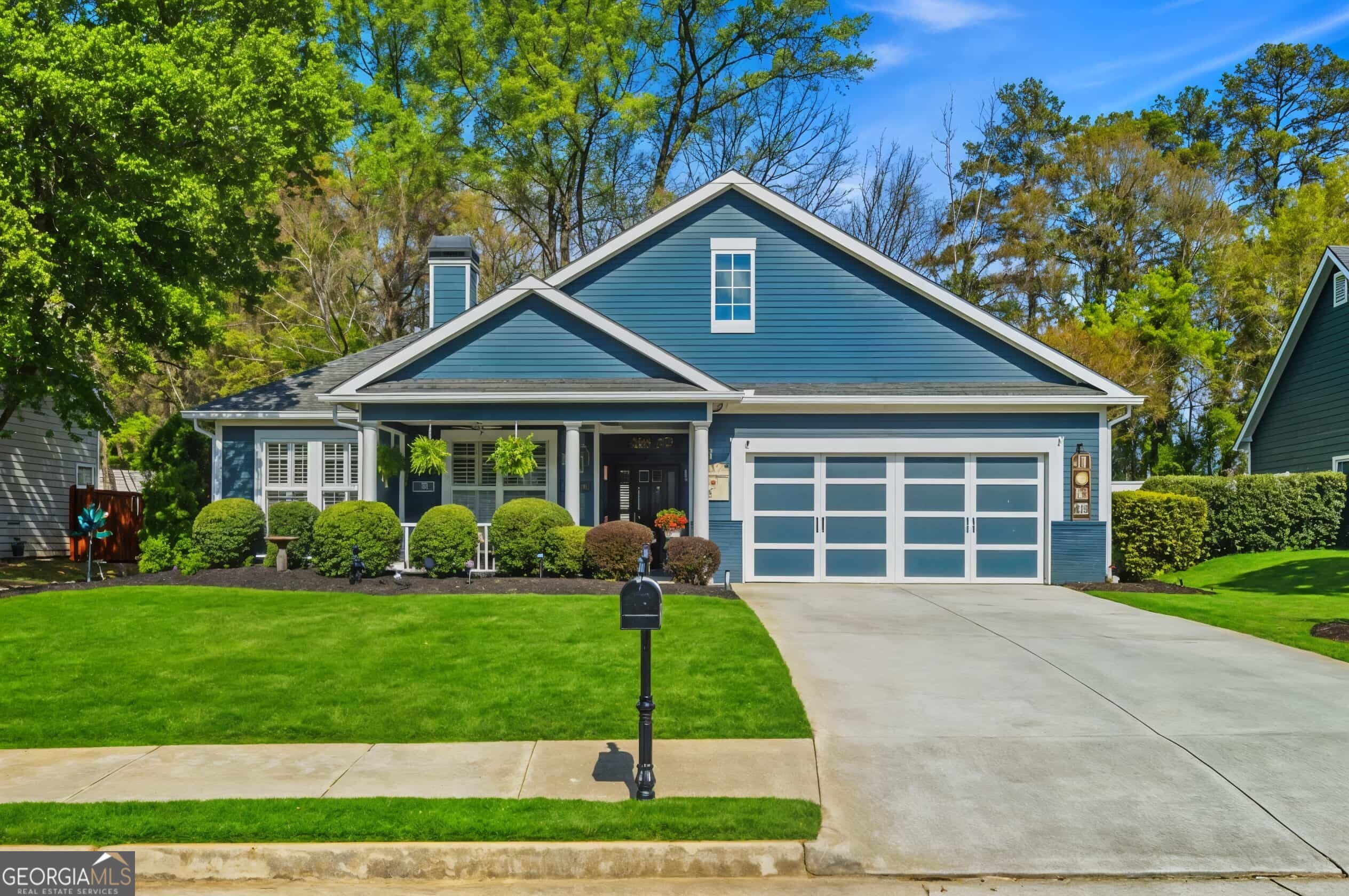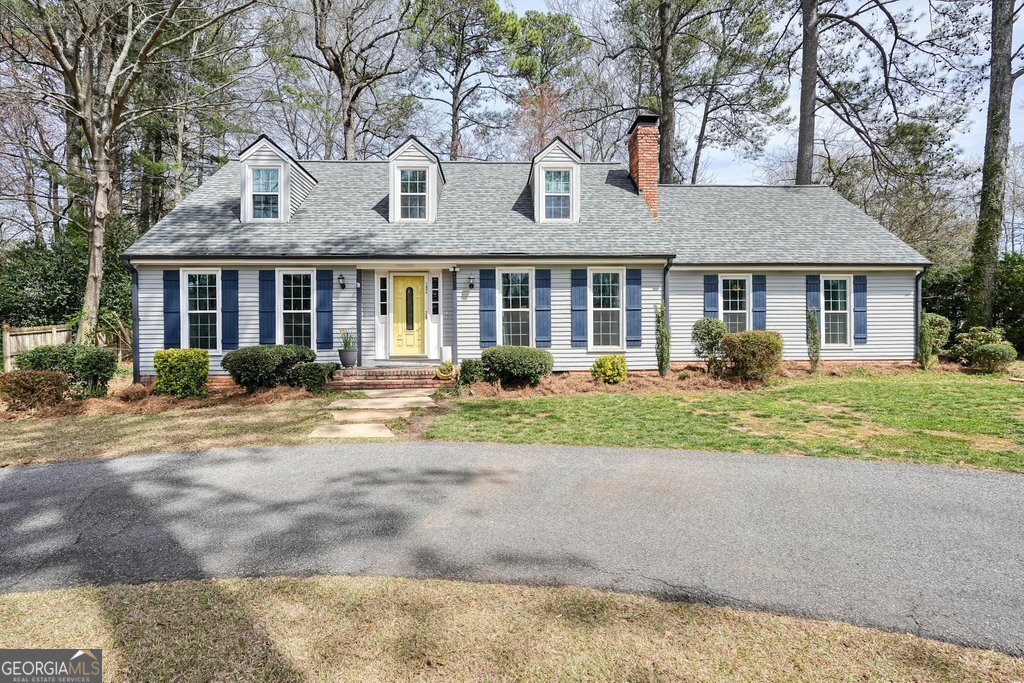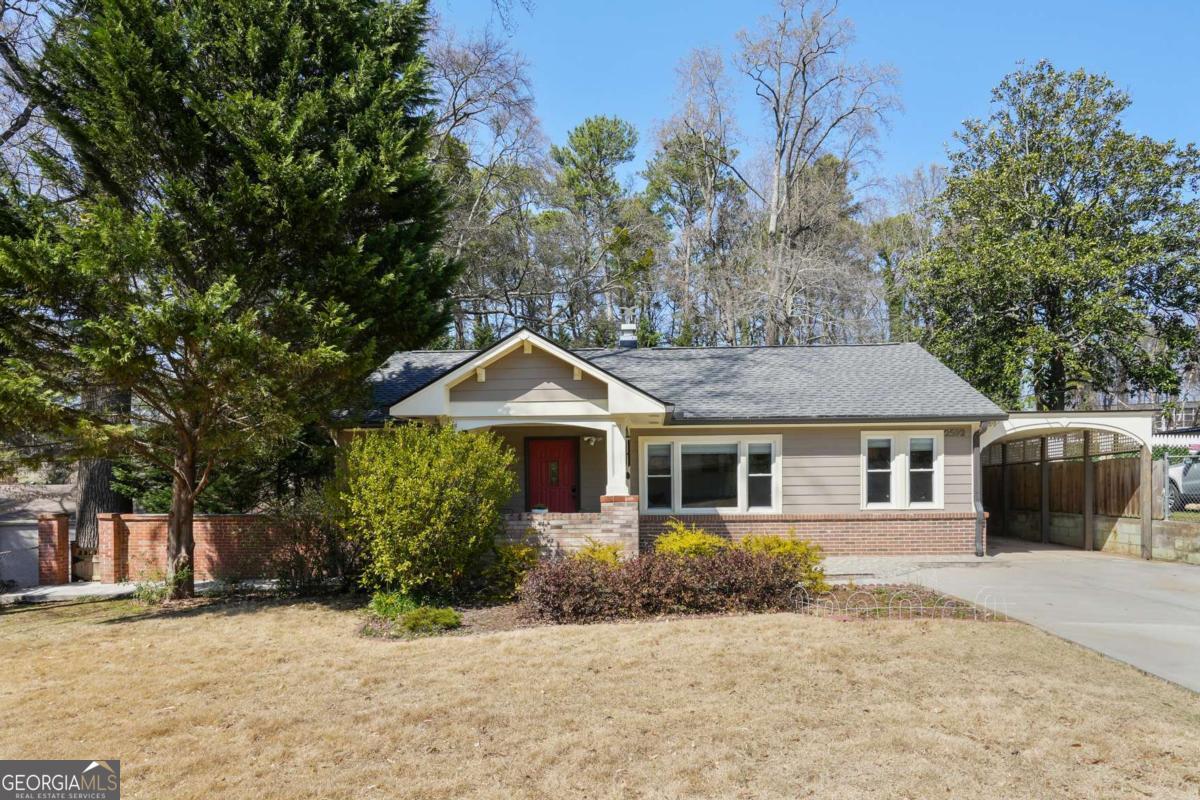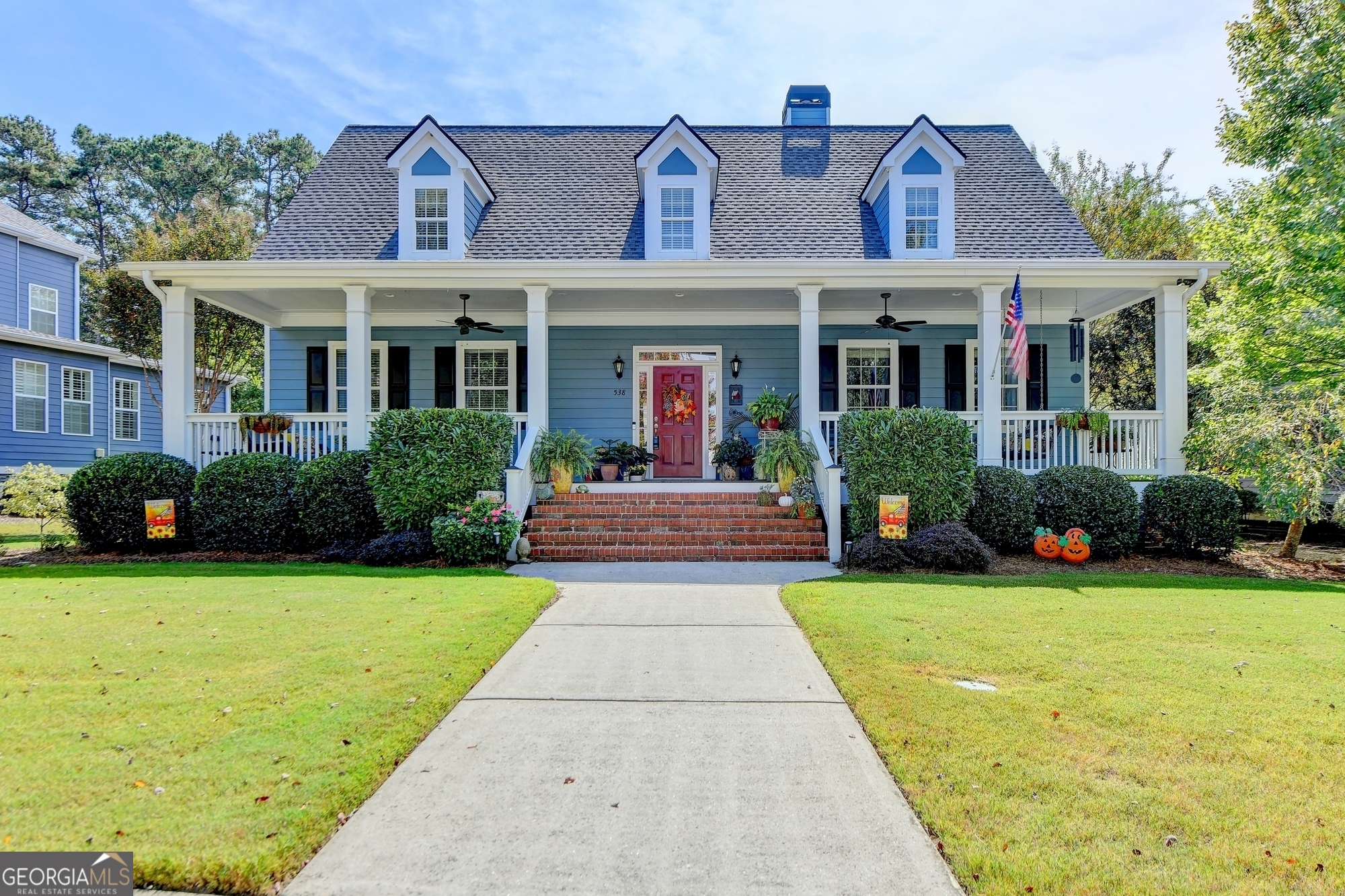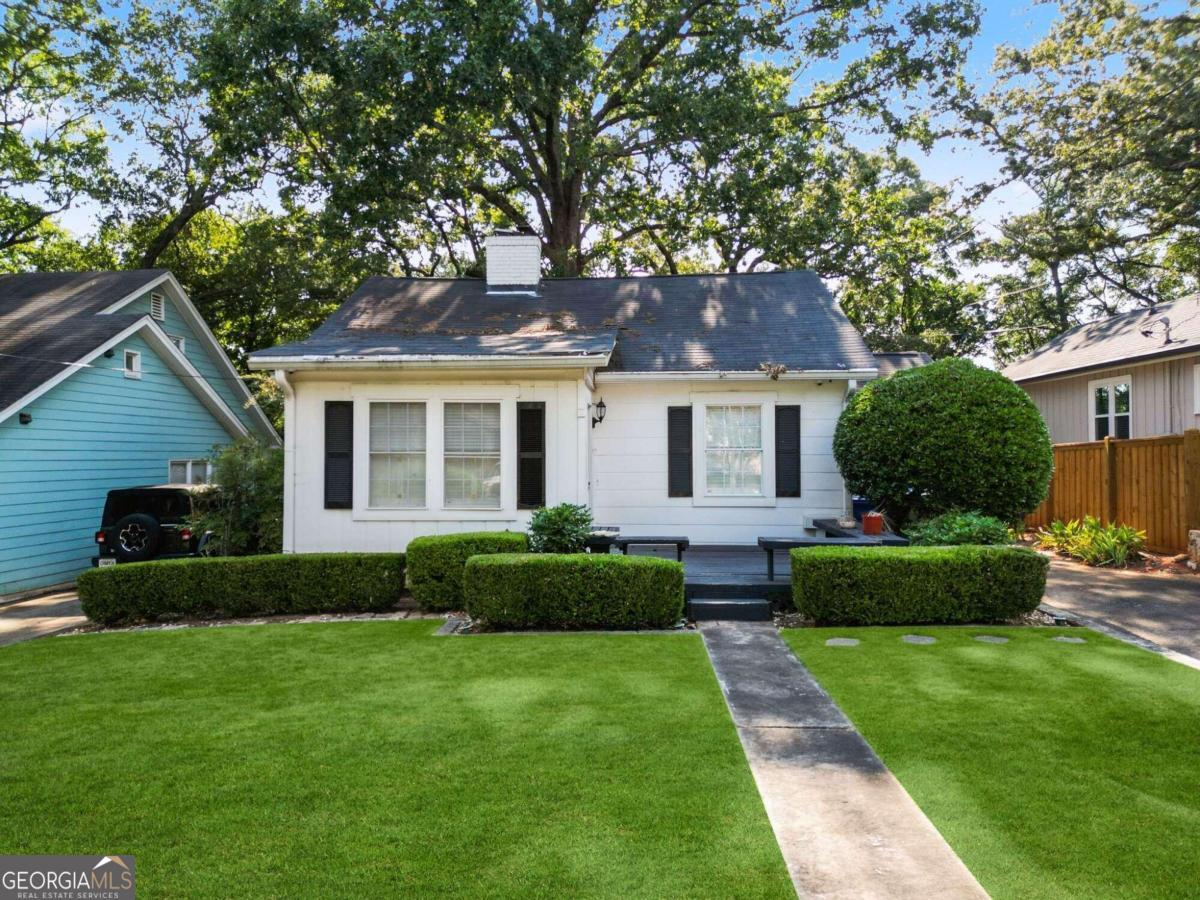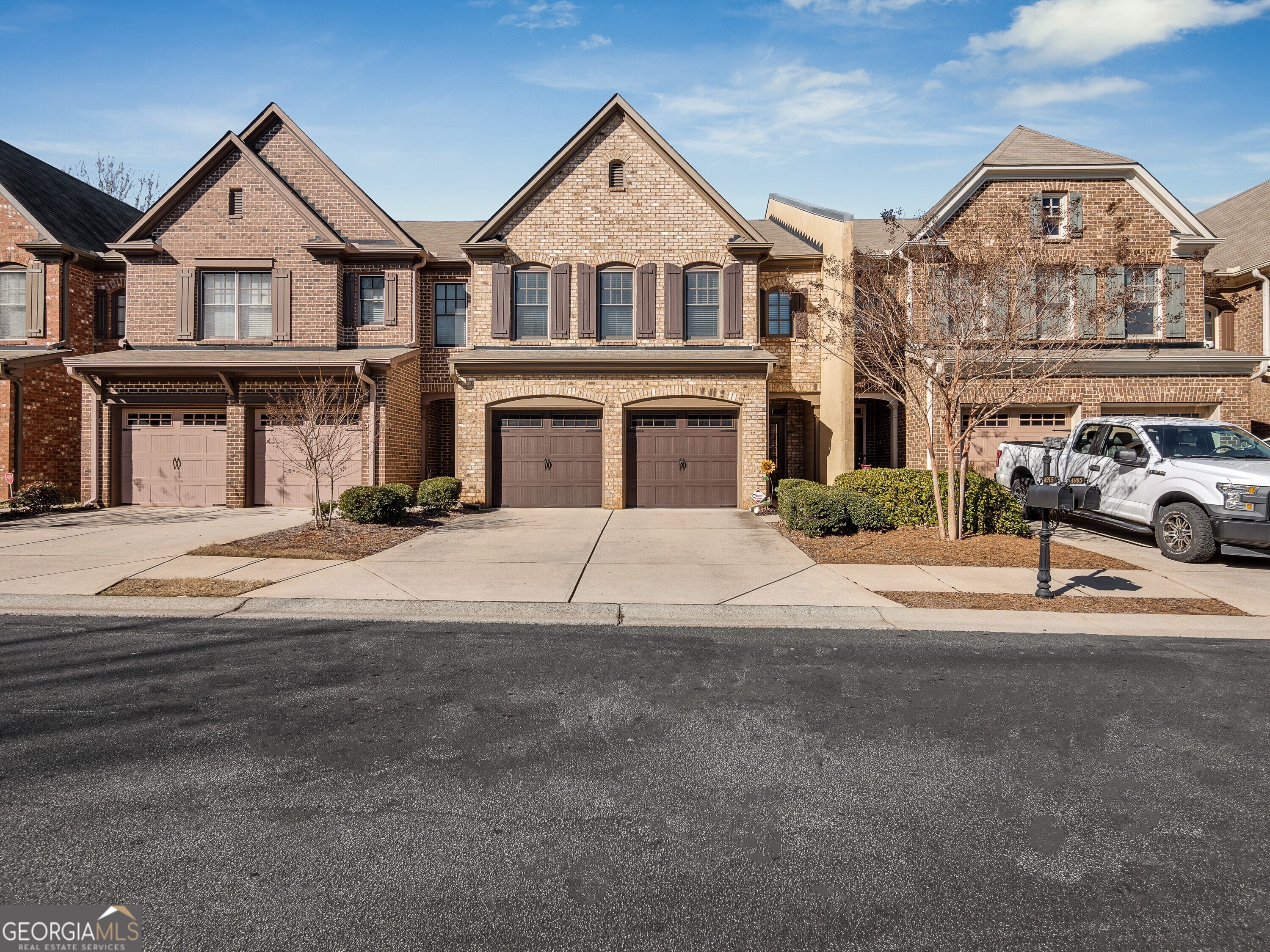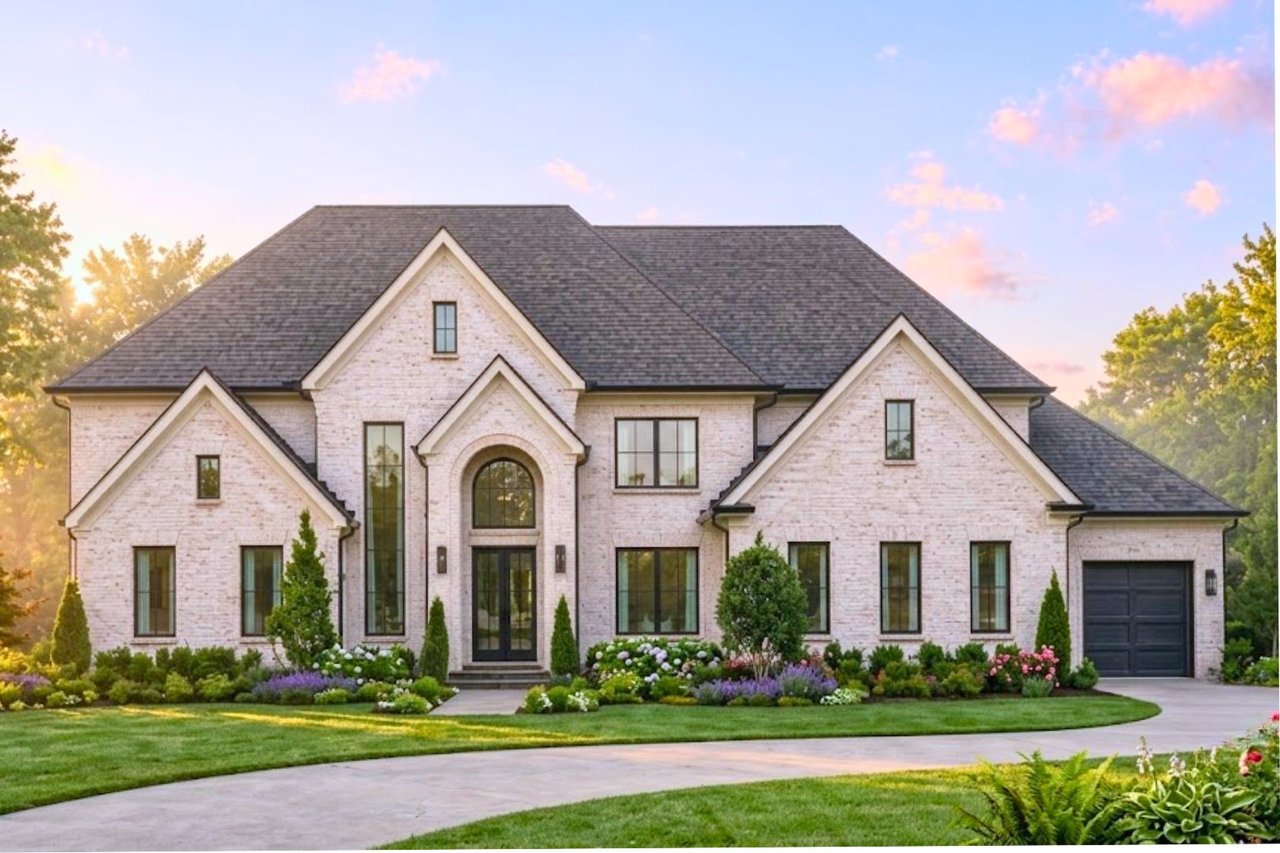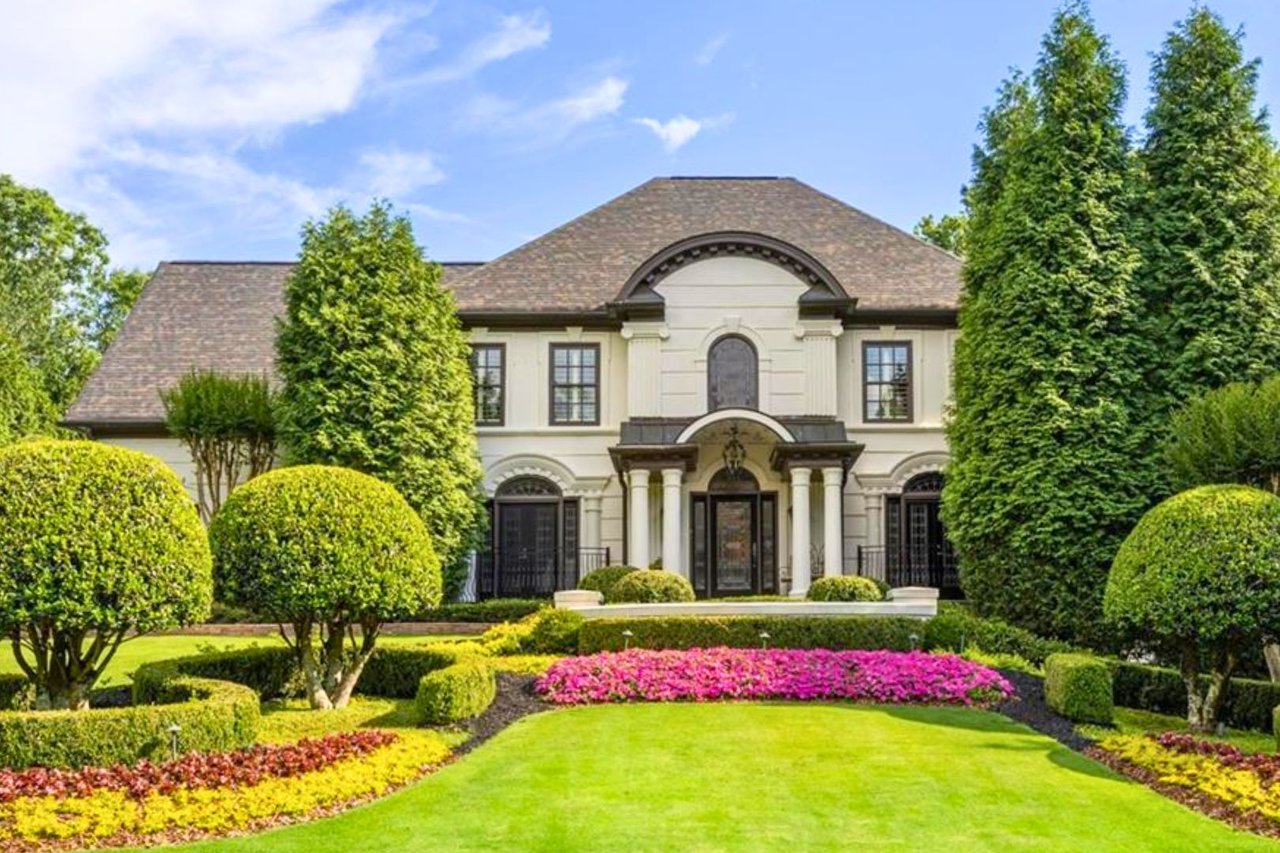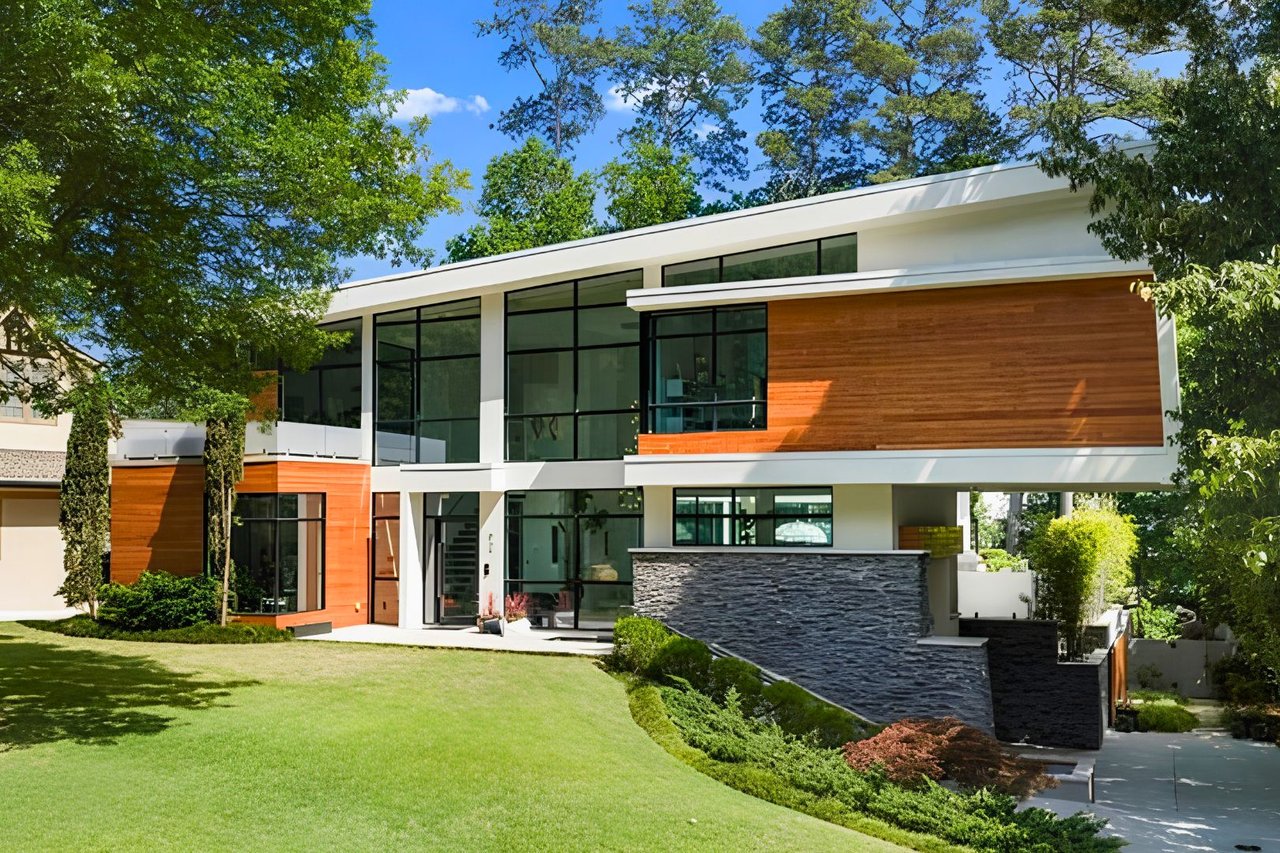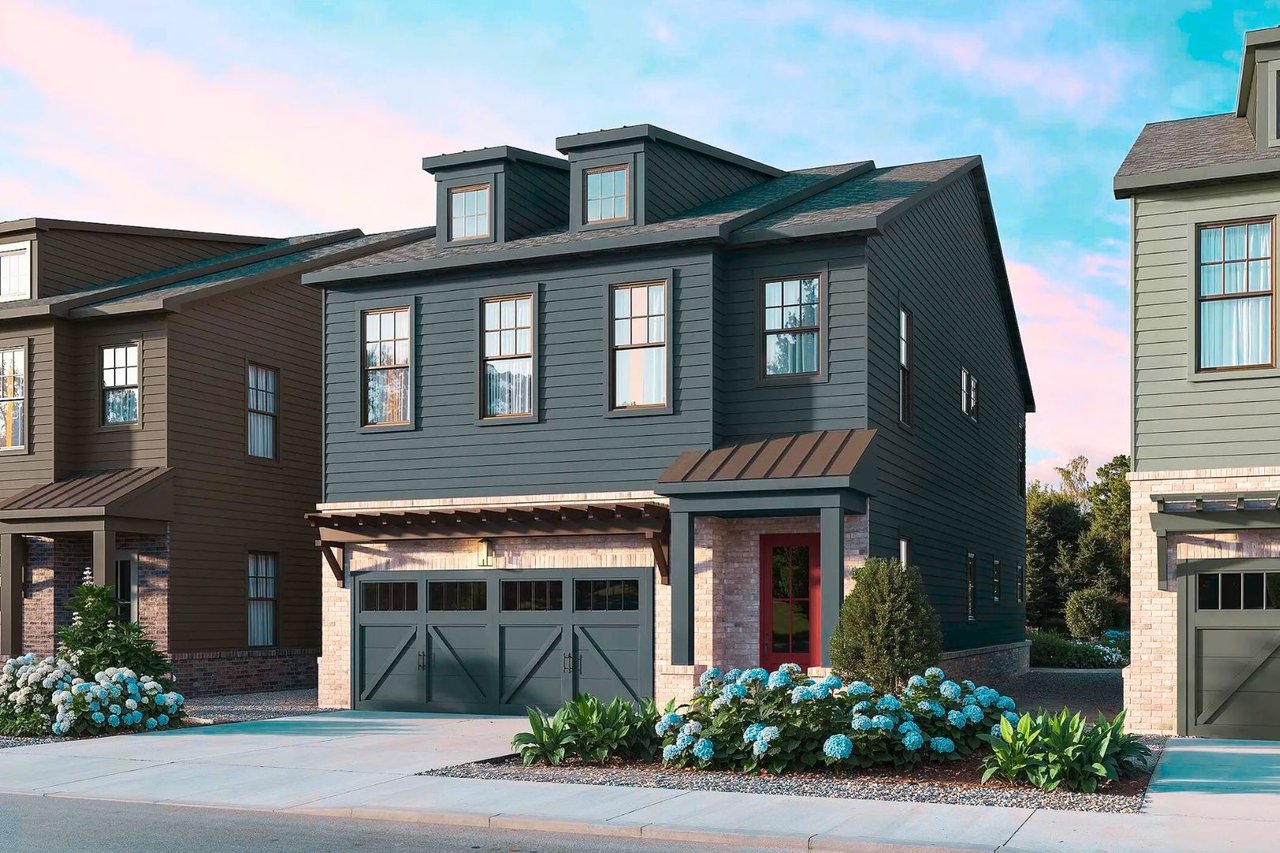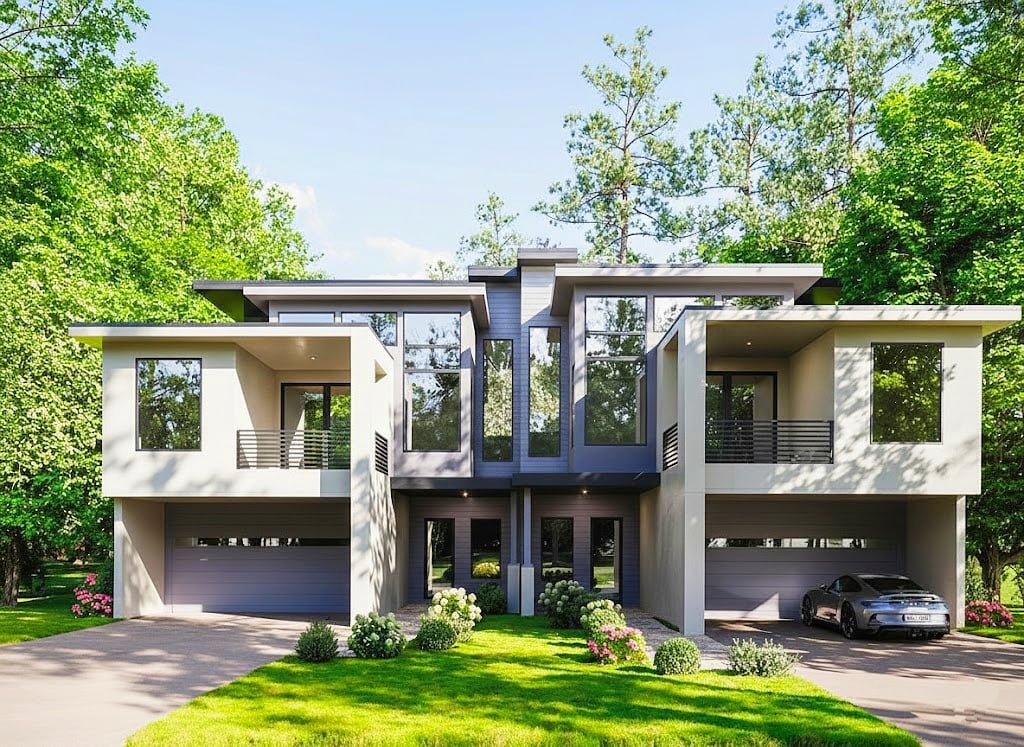
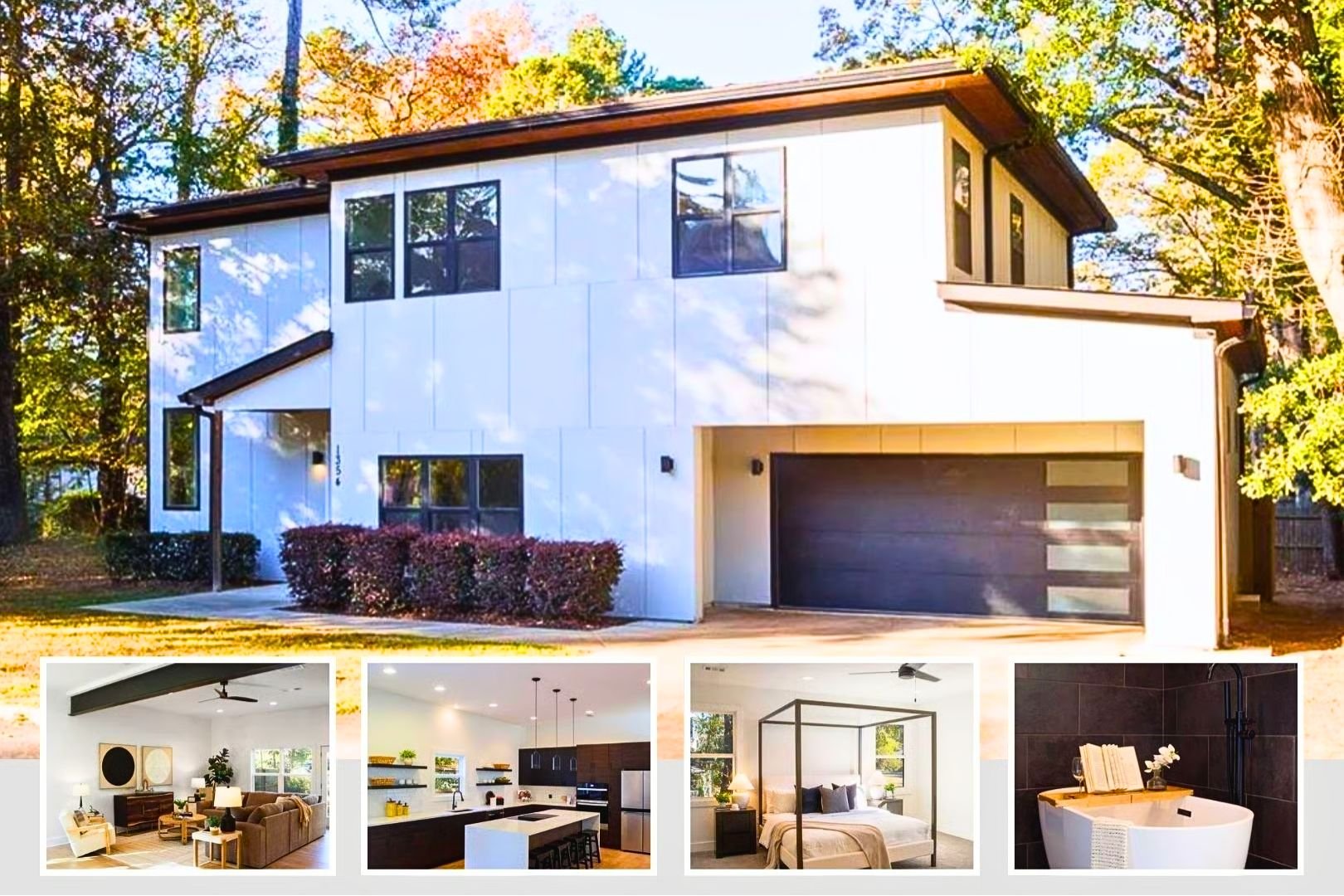
Atlanta's east side is recording some of the strongest new construction volume in the entire metro — and buyers who move now are positioned to get ahead of the curve. From infill builds on the tree-lined streets of Kirkwood to master-planned communities spreading across the Stonecrest and Lithonia growth zones along I-20 East, east Atlanta's new build market is impossible to ignore in 2025.
This guide breaks down exactly where the growth is happening, what's powering it, and what you need to know before starting your search — whether you're a first-time buyer priced out of intown Atlanta, a remote worker craving a dedicated home office, or an investor tracking where appreciation is building.
Why East Atlanta Is Having a New Construction Moment
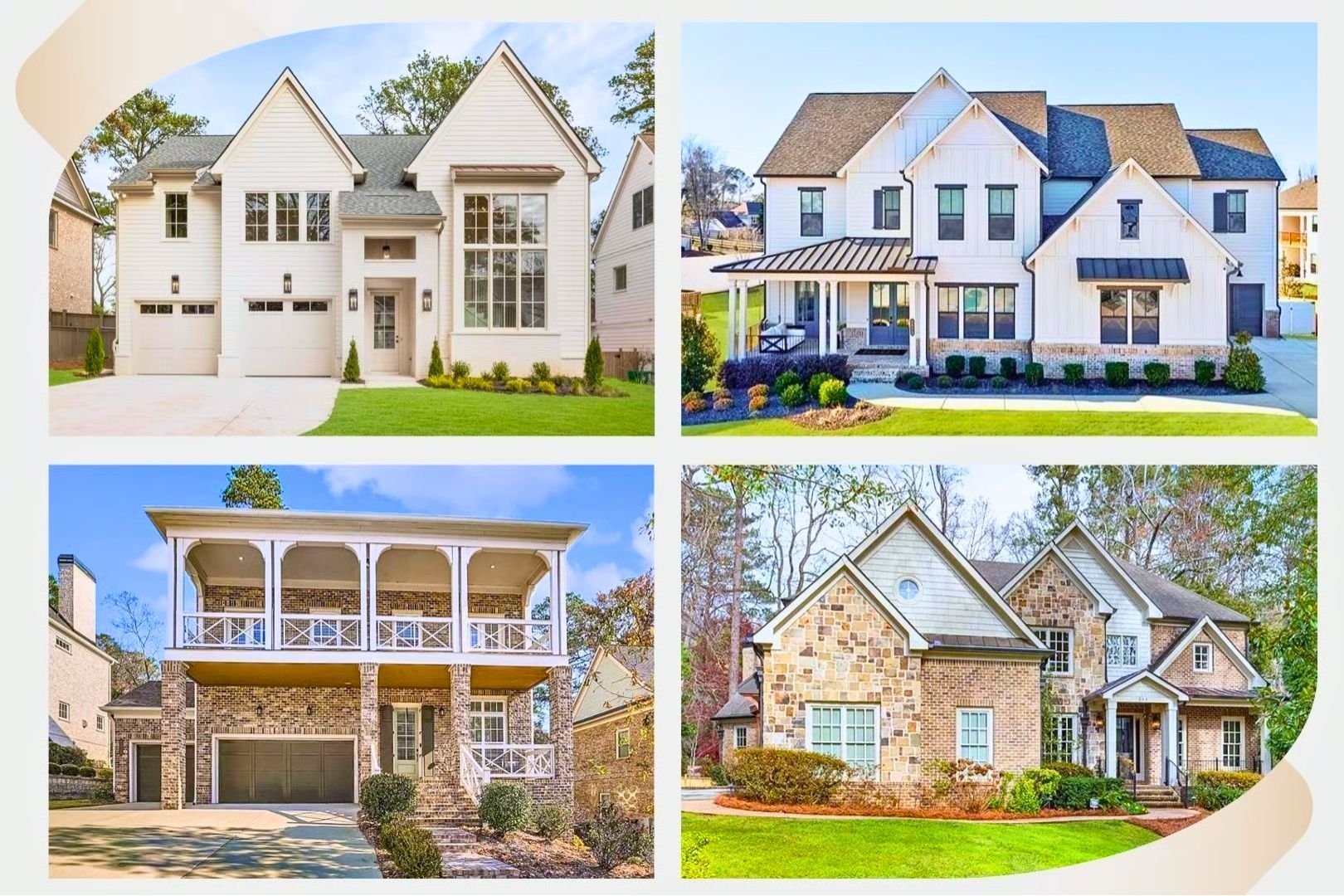
The Affordability Advantage Over North Atlanta
East Atlanta's most compelling headline is the price gap. The metro Atlanta median home sale price sat at approximately $400,000 as of early 2025, according to Atlanta Realtors Association market data — but new construction in DeKalb and Rockdale Counties consistently comes to market well below that benchmark.
DeKalb County's median new construction price generally lands in the $340,000–$360,000 range. Rockdale County runs roughly $300,000–$320,000.
Lower land costs and strong lot availability in OTP corridors like Stonecrest and Lithonia give builders room to price competitively. The result is product that delivers modern finishes, open floor plans, and energy-efficient construction — with entry prices still starting in the low-to-mid $300s in the right zip codes. For buyers watching comparable homes in north Atlanta push well into the $500s and $600s, the east side represents genuine value without sacrificing quality.
Atlanta ranked among the top markets nationally for new residential building permits in 2023, with approximately 28,000 to 32,000 total residential permits issued across single-family and multifamily construction, per U.S. Census Bureau data. A significant share of that activity concentrated in suburban and outer-ring counties including DeKalb and Rockdale — exactly the corridors where east Atlanta's new construction story is unfolding right now.
💡 Pro Tip: If you're comparing east Atlanta to north Atlanta submarkets, look beyond the base price. Factor in lot size, square footage per dollar, and HOA fees — the east side frequently wins on all three metrics.
Infrastructure and Investment Driving Demand

The affordability story is only part of what's pulling buyers east. Infrastructure investment is doing the rest of the work. The City of Stonecrest, incorporated in 2016 and home to approximately 55,000 residents per recent Census Bureau estimates, has actively courted commercial and residential development as part of its economic growth strategy — and the results are visible along the I-20 East corridor.
The Atlanta BeltLine's Eastside Trail — one of the most-used urban trails in the Southeast, with annual user counts across the entire BeltLine trail system exceeding three million as of 2022 and 2023 — is expanding eastward and improving connectivity to communities like Kirkwood and Edgewood already in strong demand. Memorial Drive corridor redevelopment continues to add density and commercial activity between intown Atlanta and the DeKalb County line.
DeKalb County's population reached approximately 757,000–763,000 as of 2023, growing at a consistent one to two percent annually. That sustained demand underpins every new construction project on the east side.
For buyers who travel frequently, proximity to Hartsfield-Jackson Atlanta International Airport via I-20 is a practical lifestyle advantage that north-side suburbs simply can't match.
The Stonecrest and Lithonia Corridor — East Atlanta's New Construction Epicenter
Why Builders Are Bullish on Stonecrest
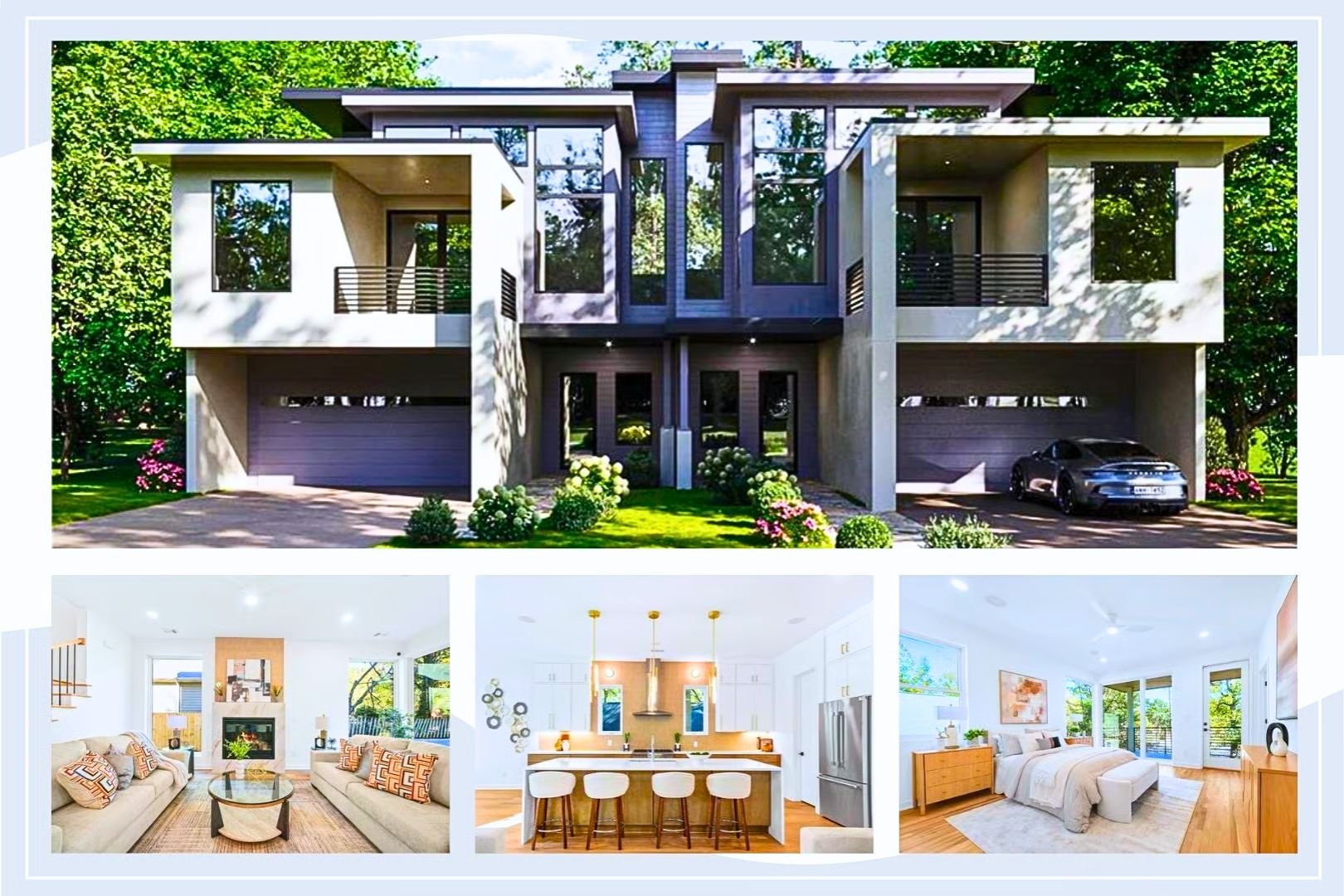
If there's one address that defines east Atlanta's new construction boom right now, it's the Stonecrest and Lithonia corridor spanning zip codes 30038 and 30058. National and regional builders — including D.R. Horton, LGI Homes, Smith Douglas Homes, and Century Communities — have been active here, drawn by available land, a city government motivated to support development, and a buyer pool that is both deep and growing.
The product range is broader than many buyers expect. Townhome communities designed for first-time buyers and downsizers sit alongside larger single-family detached homes on generous lots that would be prohibitively expensive closer to the city core. The City of Stonecrest's Community Improvement District is directing public investment along the US-278 and I-20 East corridors — making this one of the few east-side submarkets where public and private investment are moving in the same direction simultaneously. That alignment is exactly the kind of signal experienced buyers look for when evaluating long-term appreciation potential.
What Buyers Get Here
In the Stonecrest and Lithonia zone, buyers can typically find new construction single-family homes ranging from roughly 1,600 to 3,200 square feet, with pricing that often lands between the low $300s and mid $400s depending on builder, elevation, and upgrade selections. Community amenities frequently include:
- Swimming pools and clubhouses for year-round recreation
- Walking and nature trails within the community
- Proximity to Stonecrest Mall for retail and dining
- Minutes-away access to Arabia Mountain National Heritage Area — a federally designated heritage area encompassing approximately 40,000 acres in DeKalb and Rockdale Counties, with miles of trails and unique geology
I-20 access makes the commute to downtown Atlanta manageable, and the combination of competitive new construction pricing with strong outdoor recreation and commercial amenities makes the Stonecrest and Lithonia corridor the most compelling volume market on Atlanta's east side right now.
Schools Serving This Area
Families buying new construction in this corridor are served by the DeKalb County School District — the third-largest school district in Georgia, serving approximately 97,000 students across more than 130 schools as of the 2023–2024 school year. Schools in this zone include:
- Lithonia High School
- Salem Middle School
- Arabia Mountain High School, which operates with a distinctive educational partnership tied to the Arabia Mountain National Heritage Area — a genuinely uncommon feature that sets this area apart for families weighing both quality of life and learning environment
Tucker, Stone Mountain, and the GA-78 Corridor
Infill and Teardown Rebuilds in Tucker
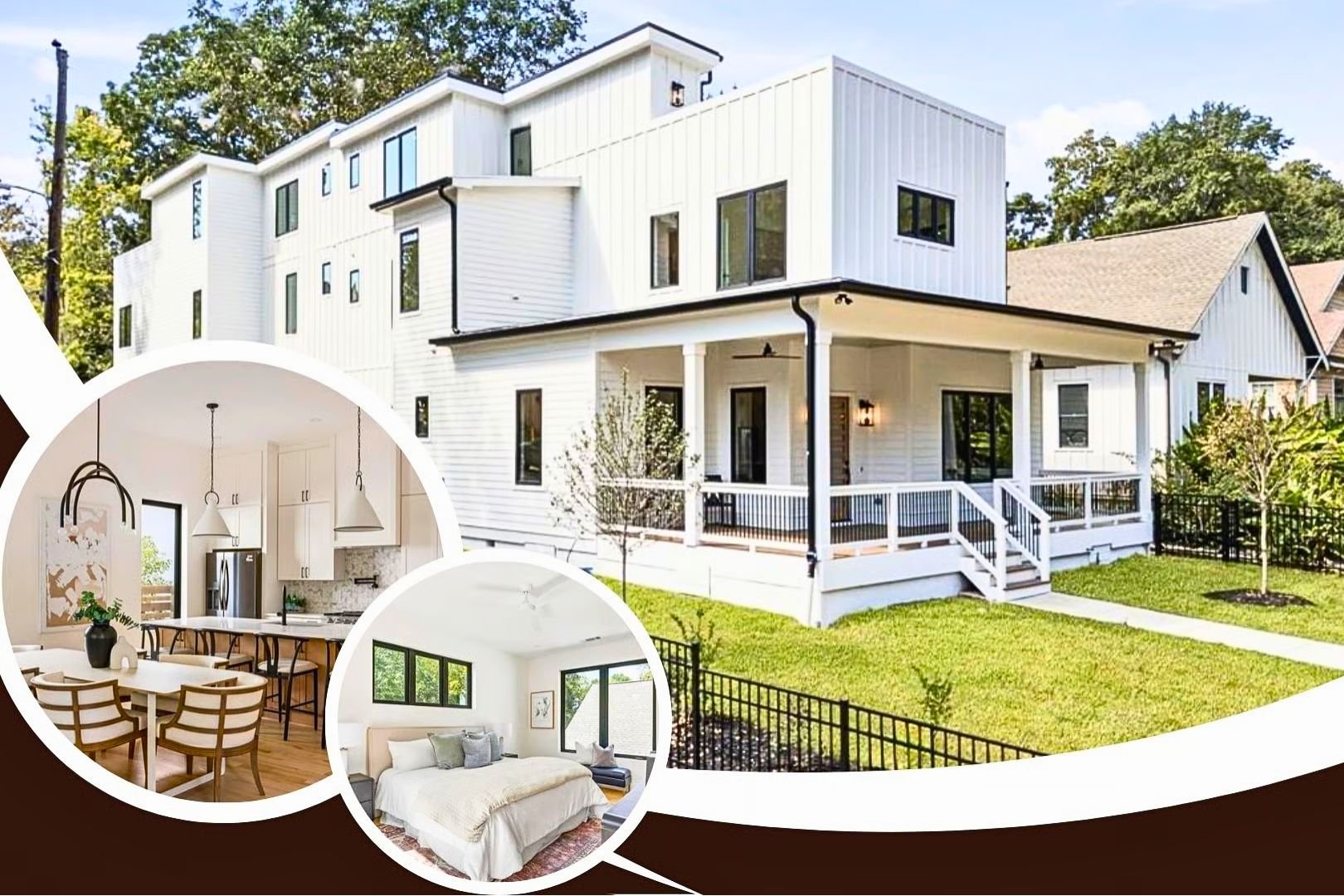
Tucker occupies an interesting position in east Atlanta's new construction landscape. With an estimated population of approximately 35,000 to 37,000 residents and a median household income of roughly $72,000 to $76,000 — above the DeKalb County median — Tucker is an established community with its own downtown district, tight lot inventory, and a strong sense of neighborhood identity.
That means Tucker doesn't have the large tracts of available land that fuel master-planned development in Stonecrest. What it does have is a steady stream of infill opportunity — teardown-rebuilds and vacant lot development that brings new construction finishes to an already walkable, amenity-rich environment. Buyers who want a newer home without sacrificing proximity to Tucker's local restaurants, parks, and the employer pull of nearby Emory University and Children's Healthcare of Atlanta find this submarket particularly compelling.
DeKalb County's unemployment rate of approximately four to four and a half percent as of mid-to-late 2024 reflects a stable employment base anchored in part by these institutions. That stability translates directly into sustained housing demand in communities like Tucker that sit within easy reach of both campuses.
Stone Mountain and the Quiet Appreciation Story
Stone Mountain is the east corridor's quieter value play. New construction is beginning to appear here alongside substantial renovation activity, and buyers who look carefully will find opportunities for larger lots and newer home product at prices well below what comparable square footage costs in Tucker or ITP Atlanta.
Stone Mountain Park — operated by the State of Georgia and one of metro Atlanta's most visited attractions — functions as a genuine lifestyle amenity for surrounding residents. Its trails, lake, and recreational facilities are effectively in the backyard for buyers in this area. Days on market for new and renovated product in Stone Mountain have tightened as buyers discover the value proposition.
The broader Atlanta metro averaged approximately 40–55 days on market as of early 2025 — up modestly from the sub-30-day pace of 2021 and 2022, but still reflecting competitive conditions in high-demand submarkets like Stone Mountain.
The appreciation window here is open. It isn't indefinitely so.
Kirkwood, Edgewood, and East Atlanta Village — Infill New Construction Inside the Perimeter
The Infill New Build Landscape ITP
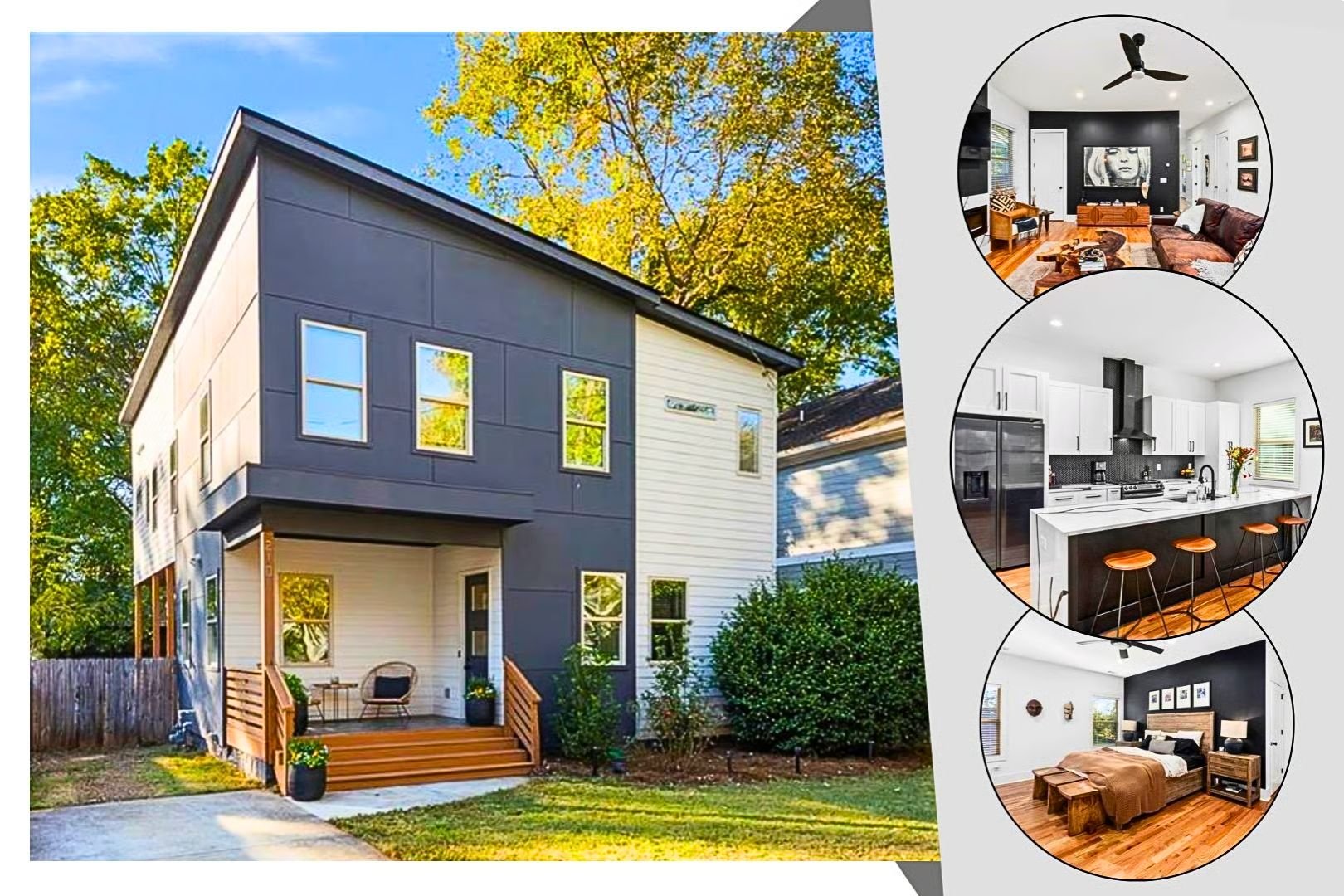
Inside the perimeter, east Atlanta's new construction story is fundamentally different in character. In Kirkwood, Edgewood, and the pockets surrounding East Atlanta Village, builders aren't working with large tracts — they're working lot by lot, replacing aging or vacant structures with craftsman-style detached homes, modern farmhouse designs, and small-lot luxury builds that push into the upper price ranges.
Zip codes 30317 and 30316 are where you'll find this activity. Median home prices here ranged from approximately $400,000 to $500,000 or more as of 2024, with new construction infill product frequently listed above $500,000 depending on size and finishes. Price per square foot here is notably higher than anything OTP — which reflects the reality that buyers in this zone aren't comparison-shopping against Stonecrest. They're paying for intown location, walkability, and access to one of Atlanta's most densely amenitized neighborhood clusters. The trade-off is conscious and deliberate.
The Lifestyle Draw

What buyers get in ITP east Atlanta is access to a lifestyle that's difficult to replicate further out. The BeltLine Eastside Trail connects these neighborhoods to Ponce City Market, Inman Park, and the broader 22-mile BeltLine loop in progress. East Atlanta Village's independent restaurant, bar, and music venue scene gives the area a distinct identity — neighborhood institutions like Argosy and The EARL have been anchors of the Village's character for years and continue to define what makes this cluster of streets feel genuinely different from anywhere else in the metro.
Kirkwood's walkable streets and tight-knit community culture have made it one of Atlanta's most sought-after intown neighborhoods for well over a decade. For buyers who want new construction finishes without trading away the energy of intown Atlanta, this is the submarket that delivers — at a price that reflects exactly how much demand that combination generates.
💡 Pro Tip: In ITP east Atlanta, timing matters more than in OTP corridors. Infill lots are finite, and the best new construction product in Kirkwood and Edgewood moves quickly. Get pre-approved and tour early — don't wait for the perfect listing to appear.
What to Know Before You Buy New Construction in East Atlanta

Understanding Builder Contracts and Incentives
New construction contracts are structurally different from resale transactions, and east Atlanta buyers should go in prepared. Builders routinely offer closing cost incentives tied to using their preferred lender — these can be meaningful, but buyers should still compare loan terms independently before committing. Upgrade packages can add quickly to a base price, and timelines on to-be-built homes are estimates, not guarantees.
Having independent buyer representation in a new construction transaction costs you nothing as a buyer and gives you an advocate whose interests are aligned with yours, not the builder's.
The Inspection Question
Even brand-new homes warrant a third-party inspection. Builder quality control varies, and a pre-drywall inspection — conducted before interior walls are closed — can catch framing, plumbing, and electrical issues that would be expensive to address after closing. A final walkthrough inspection before closing is equally important.
Don't skip these steps because the home is newly constructed. The newness of a home is not a substitute for independent verification.
HOA Considerations in New Communities
The majority of new construction communities in east Atlanta's OTP corridors are governed by homeowners associations. HOA fees, rules, and reserve funds vary widely across communities and builders. Before signing a purchase contract, take these steps:
- Request the full HOA documents and read them carefully
- Review the monthly fee structure and what it covers
- Ask about reserve fund health — underfunded reserves can mean special assessments later
- Understand enforcement rules for landscaping, exterior modifications, and rentals
Some communities carry modest, maintenance-light fees. Others carry significant monthly obligations. Knowing the difference before you're under contract protects you from an unpleasant financial surprise after closing.
East Atlanta New Construction at a Glance
| Submarket | Typical Price Range | Construction Type | Key Draw |
|---|---|---|---|
| Stonecrest / Lithonia | Low $300s – Mid $400s | Master-planned, volume builders | Best affordability, widest builder selection, Arabia Mountain access |
| Tucker | Mid $300s – Mid $400s+ | Infill, teardown-rebuilds | Established downtown, proximity to Emory and CHOA |
| Stone Mountain | Low–Mid $300s | New builds + renovation | Larger lots, quiet value play, Stone Mountain Park access |
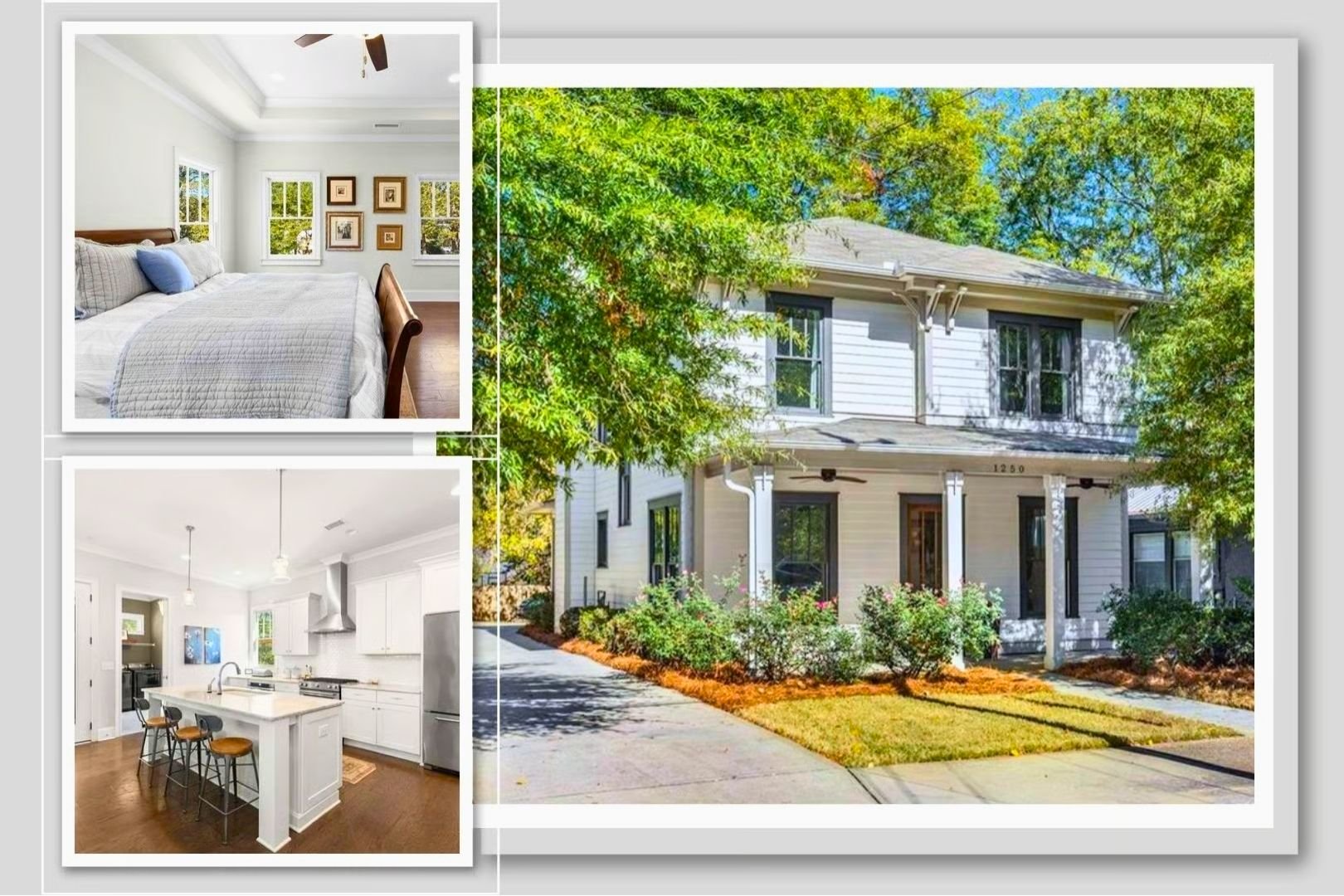
| Kirkwood / Edgewood / EAV | $400,000 – $500,000+ | Infill, lot-by-lot custom | BeltLine access, intown walkability, Village amenities |
The Stonecrest and Lithonia corridor remains east Atlanta's highest-volume new construction market — offering the most square footage, the widest builder selection, and the most accessible price points, typically starting in the low-to-mid $300s. Commutes to downtown Atlanta run roughly 30 to 40 minutes via I-20, and Arabia Mountain's trails paired with Stonecrest Mall's retail options give these communities a well-rounded lifestyle profile. For families, Arabia Mountain High School's distinctive heritage-area educational partnership is a meaningful differentiator in the DeKalb County School District.
Tucker and Stone Mountain offer an established middle-ground: community character, proximity to major employers like Emory University and Children's Healthcare of Atlanta, and new construction product that trends higher in Tucker and more accessible in Stone Mountain. The Atlanta metro median household income of approximately $76,000 to $79,000 — modestly above the national figure — means the buyer pool pursuing product in both submarkets is real and sustained.
ITP east Atlanta — Kirkwood, Edgewood, and East Atlanta Village — is for buyers who won't compromise on intown access and are willing to pay accordingly. The BeltLine's continued expansion only strengthens the long-term appreciation case for these zip codes.
Frequently Asked Questions About New Construction in East Atlanta
What is the most affordable area for new construction in east Atlanta?
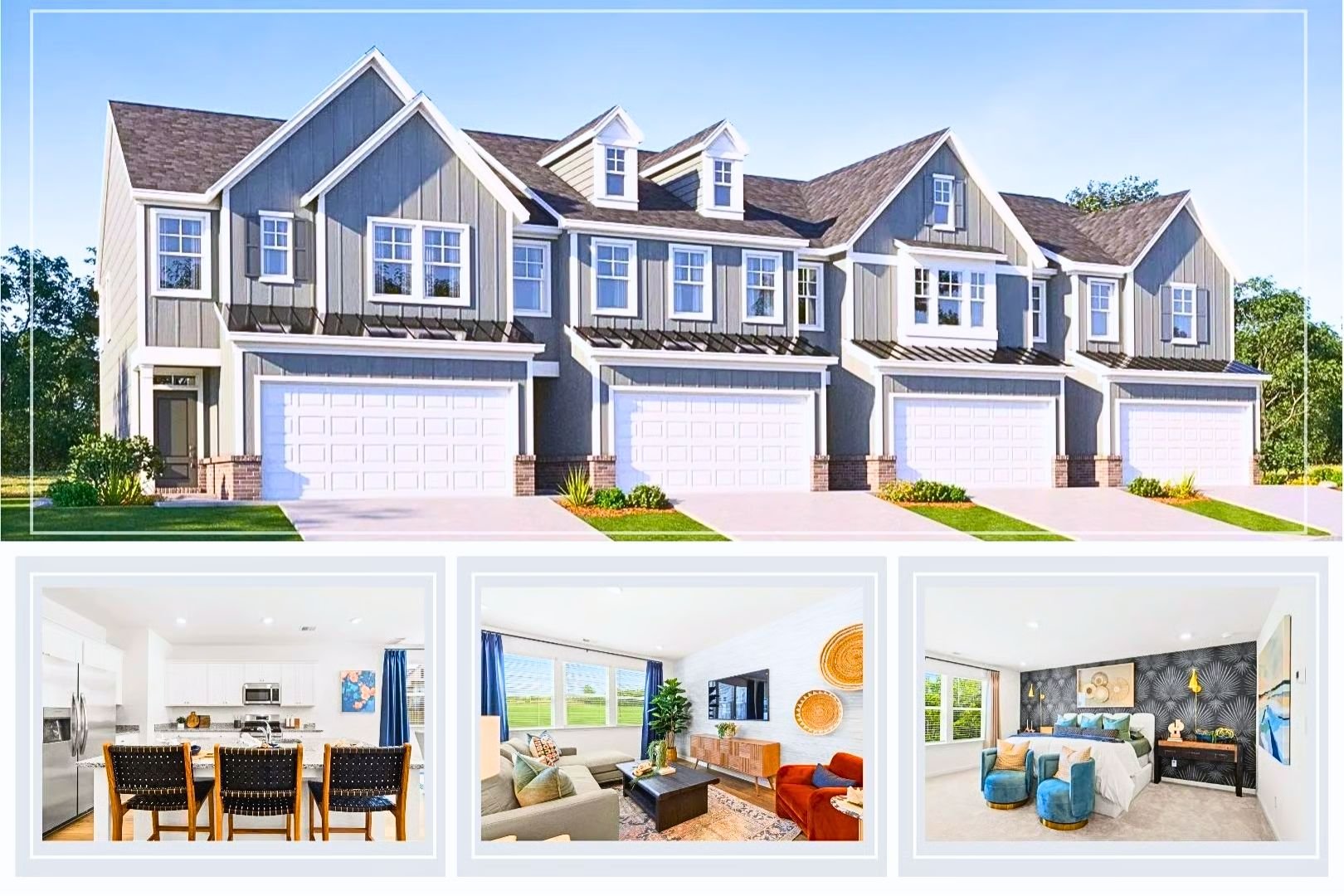
The Stonecrest and Lithonia corridor along I-20 East is consistently the most accessible entry point for new construction in the east Atlanta metro. Product from national builders like LGI Homes and Smith Douglas Homes can start in the low-to-mid $300s depending on floor plan, elevation, and current builder incentives — making this the area where first-time buyers and value-focused buyers tend to concentrate their search.
Are there new construction townhomes available in east Atlanta?
Yes. Townhome product is available both inside and outside the perimeter. ITP neighborhoods like Edgewood and pockets near East Atlanta Village have seen townhome infill development alongside detached homes. OTP, communities in Tucker and Stonecrest include townhome offerings, often positioned as the most accessible price point within a given community. Styles, square footage, and HOA structures vary significantly between these products, so touring a range before committing to a submarket is well worth the time.
How long does it typically take to close on a new construction home in east Atlanta?
It depends on whether you're purchasing a quick move-in home or a to-be-built contract. Quick move-in homes — inventory homes already complete or nearly complete — can close in as little as 30 to 60 days. To-be-built contracts, where you select a lot and floor plan and the home is built to order, typically carry timelines of 6 to 12 months depending on the builder's current backlog and supply chain conditions. Ask your builder for a specific projected closing window in writing and build reasonable flexibility into your plans.
Do new construction homes in east Atlanta include warranties?
Yes. Most builders offer a standard warranty structure, though specifics vary by builder and should be reviewed carefully before signing. The typical framework includes:
- A one-year workmanship warranty covering defects in materials and labor
- A two-year systems warranty covering mechanical systems like HVAC, plumbing, and electrical
- A ten-year structural warranty covering major structural defects
Review the warranty documents before signing your purchase contract rather than assuming a standard package applies.
What are the top builders active in east Atlanta's new construction market?
National builders with active or recent communities in east Atlanta's growth corridors include D.R. Horton, LGI Homes, Smith Douglas Homes, and Century Communities — most active in OTP submarkets along I-20 East, particularly in the Stonecrest and Lithonia corridor. Inside the perimeter, smaller custom and semi-custom builders are more common, working infill lots in Kirkwood, Edgewood, and the streets surrounding East Atlanta Village where the project scale doesn't typically attract national production builders.
Is east Atlanta a good investment for new construction buyers?
The east side's appreciation fundamentals are strong relative to the rest of the metro. Infrastructure investment through the Stonecrest CID and BeltLine expansion, proximity to major employment anchors at Emory University and Children's Healthcare of Atlanta, relative affordability compared to north Atlanta, and sustained population growth in DeKalb County all support a positive long-term outlook. That said, individual results depend heavily on specific submarket, builder, price point, and holding period. Working with a local real estate professional who knows the east-side market before making investment decisions is strongly advisable.
The Bottom Line
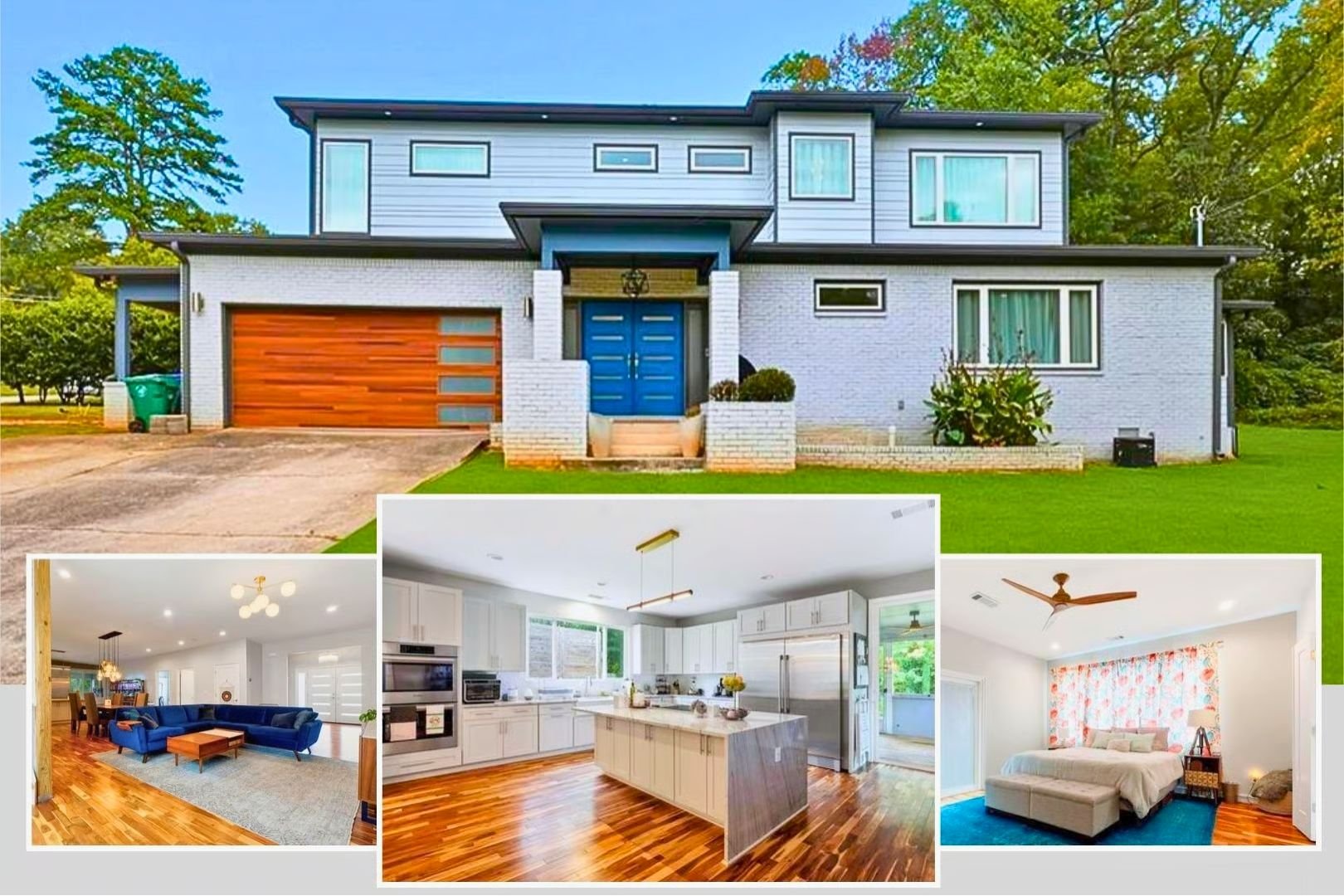
East Atlanta's new construction landscape in 2025 is genuinely diverse — spanning price points from the accessible entry-level communities in Stonecrest to the premium infill builds of Kirkwood and East Atlanta Village, and covering lifestyle profiles from quiet suburban to walkable intown. That range is exactly what makes this market worth paying close attention to right now.
Inventory in the strongest corridors moves at a pace that rewards preparation. Buyers who arrive with market knowledge and professional guidance consistently find themselves better positioned than those who discover these communities after the best opportunities have already closed.
If you're ready to explore new construction homes in east Atlanta, reach out to our team — we'd love to help you find the right community for your next chapter.