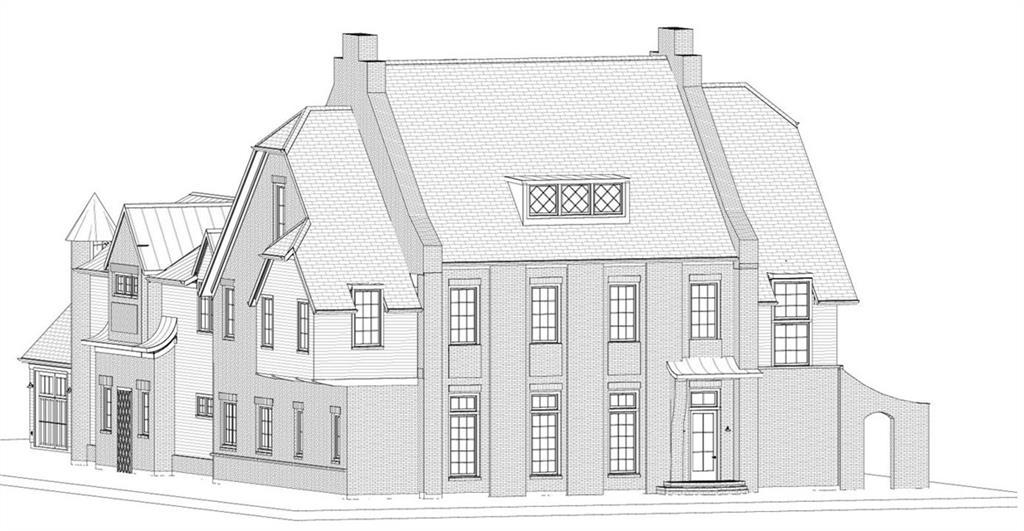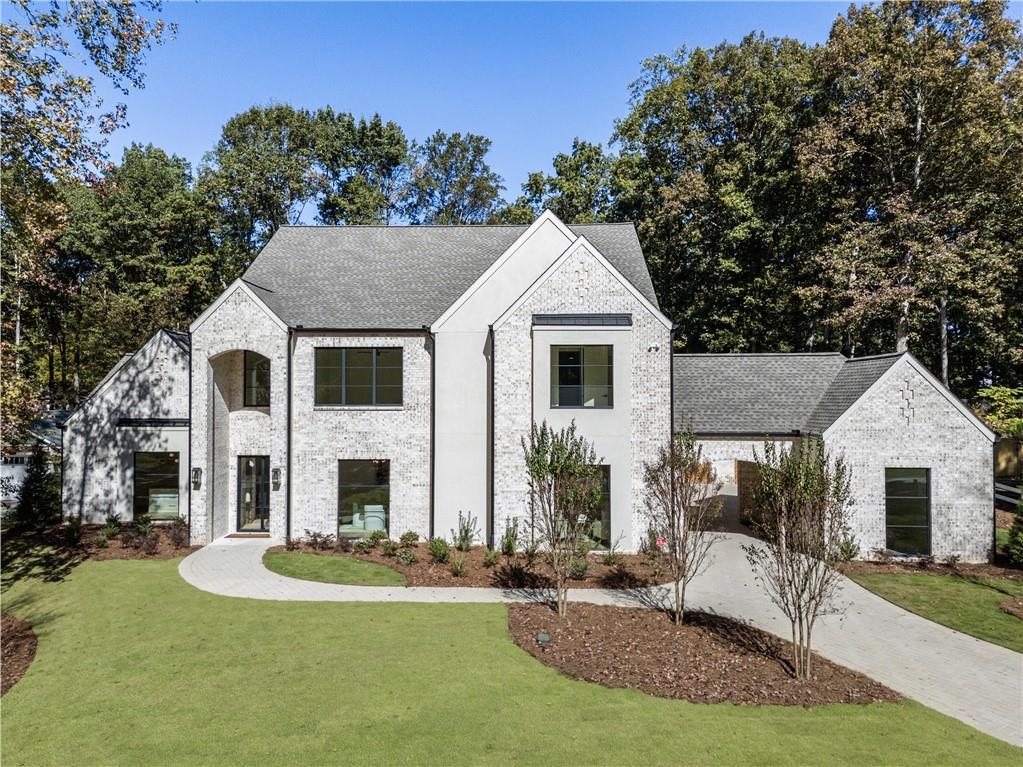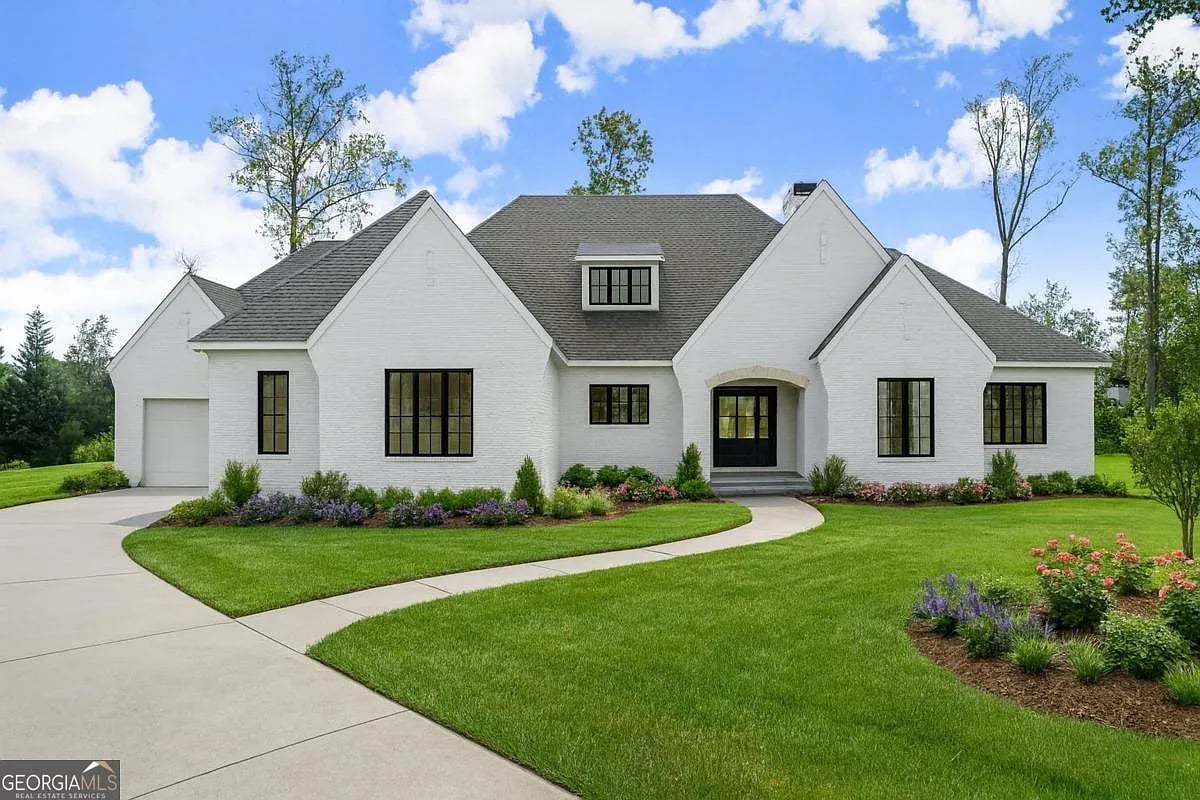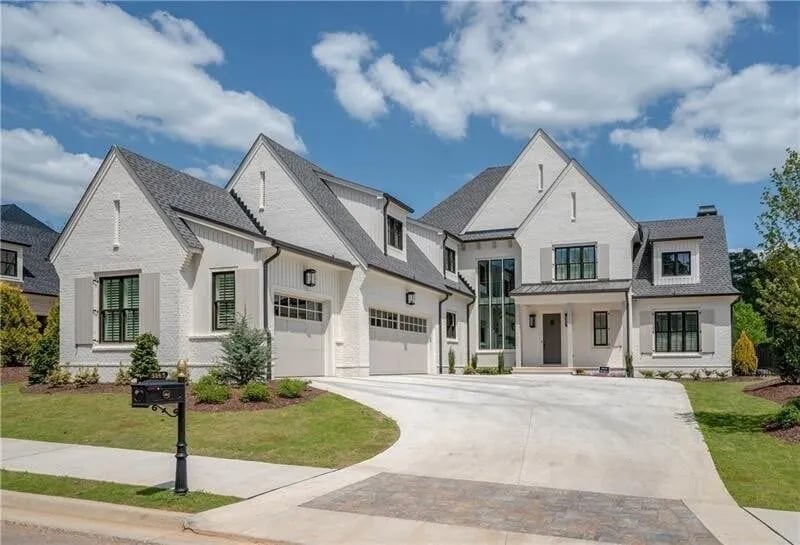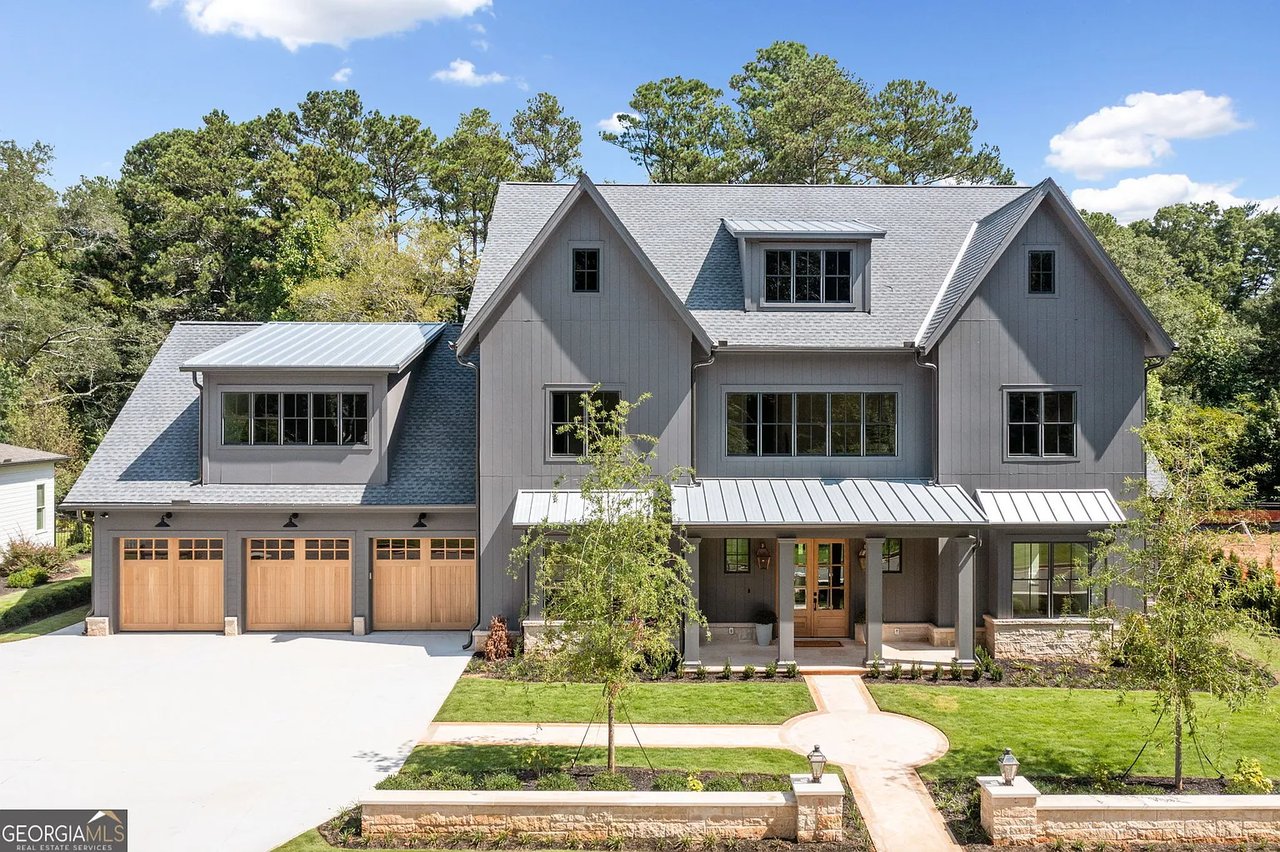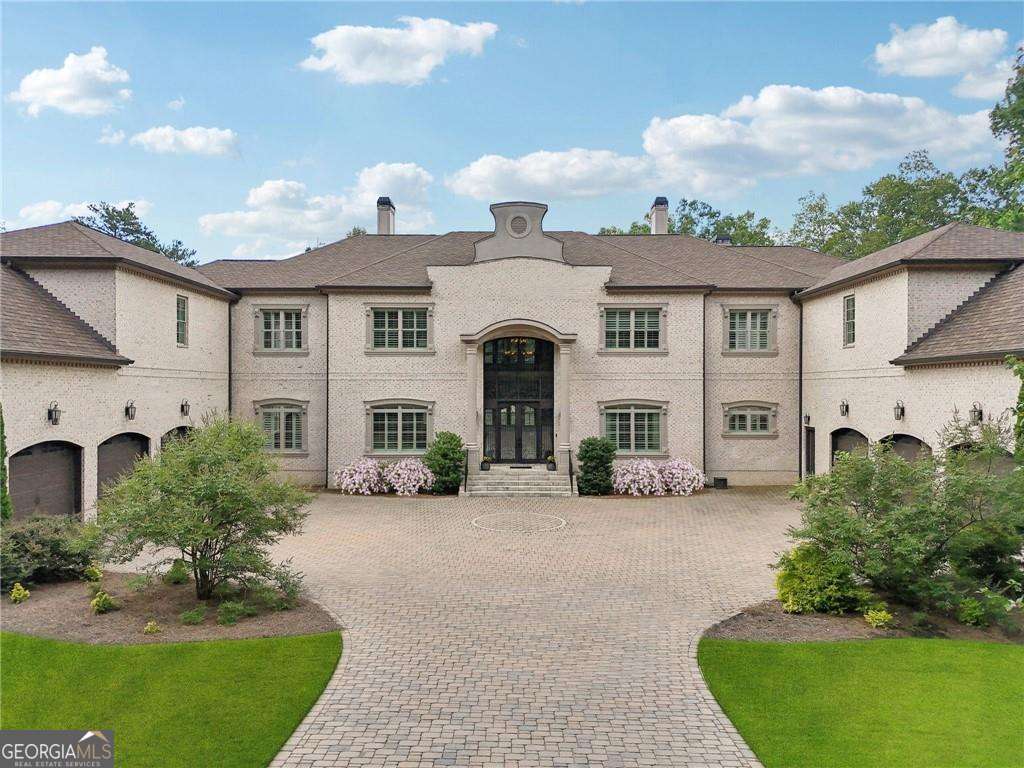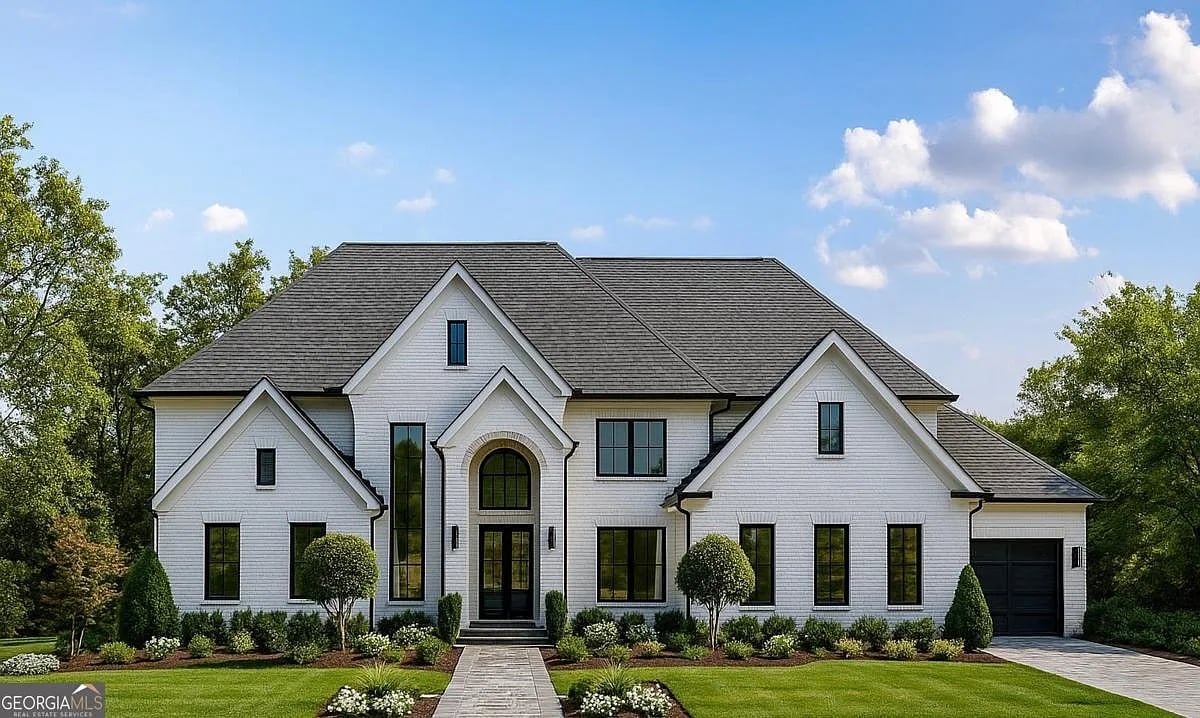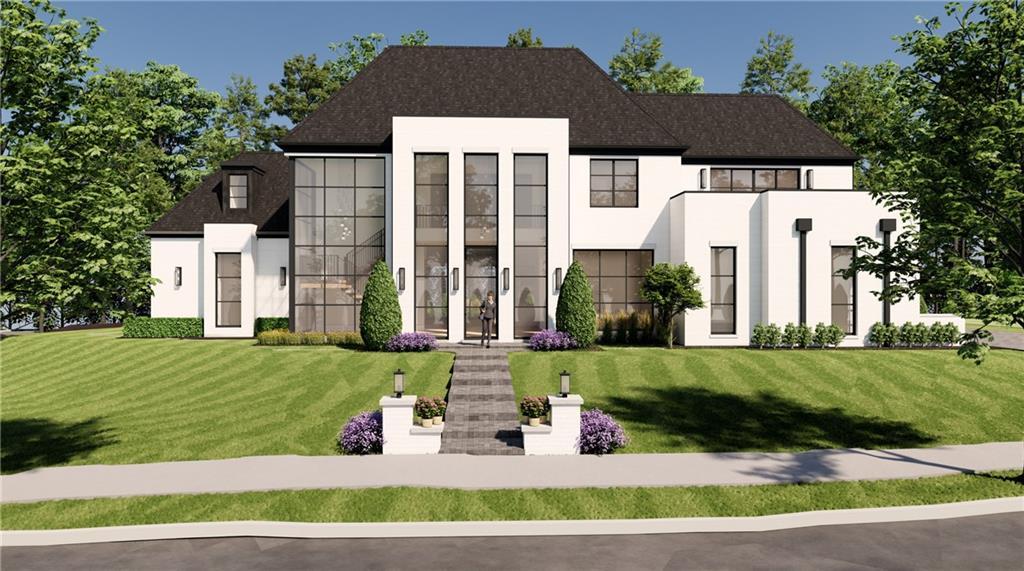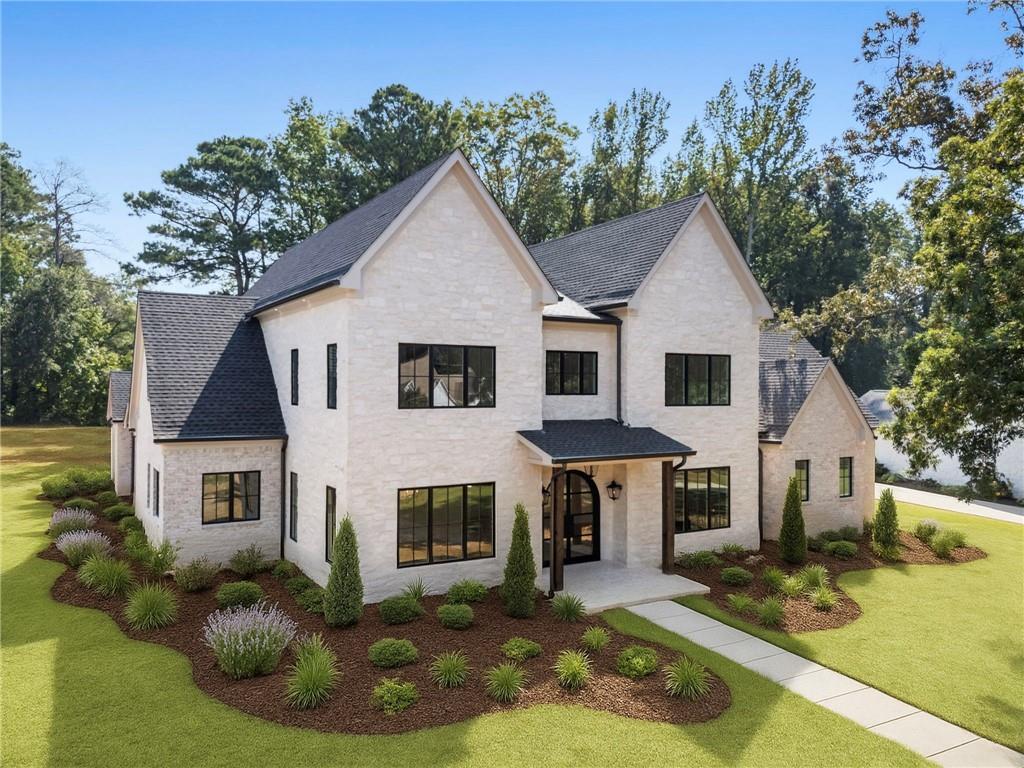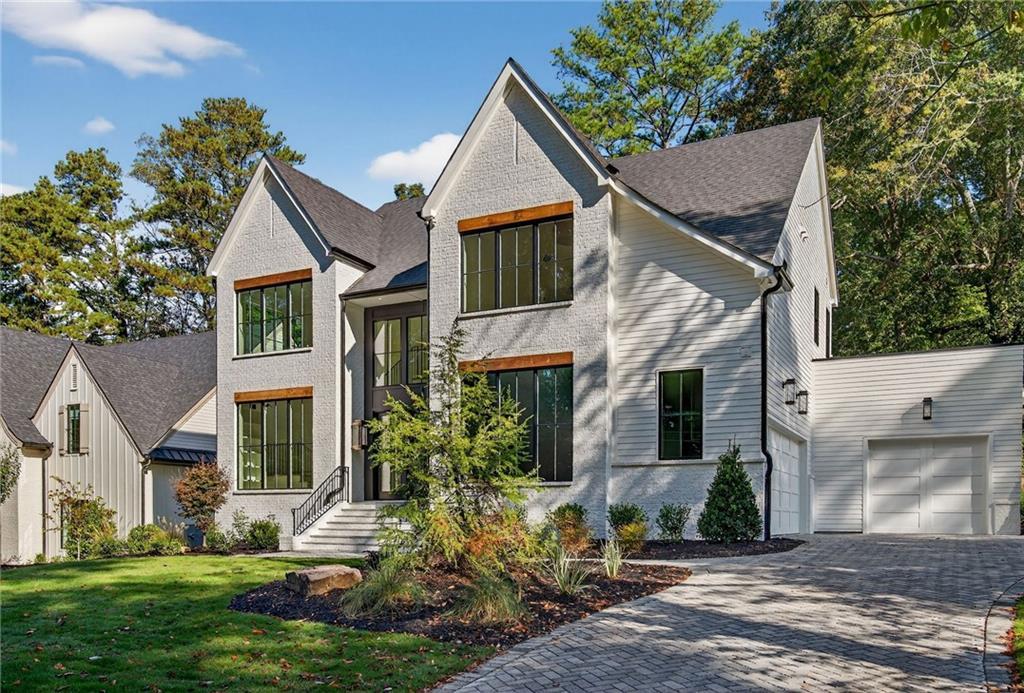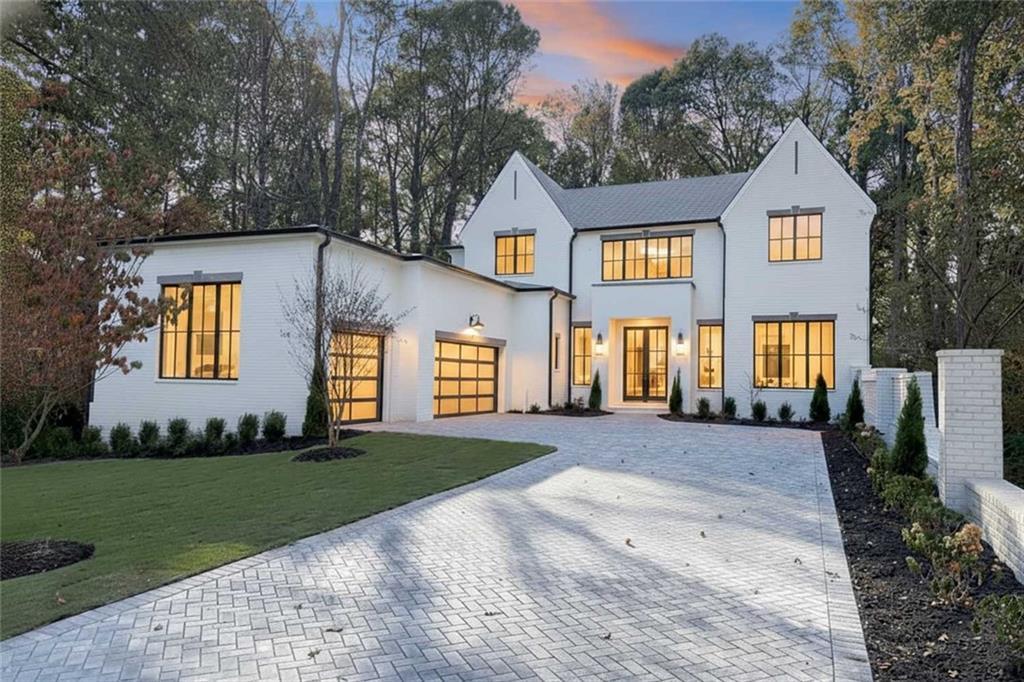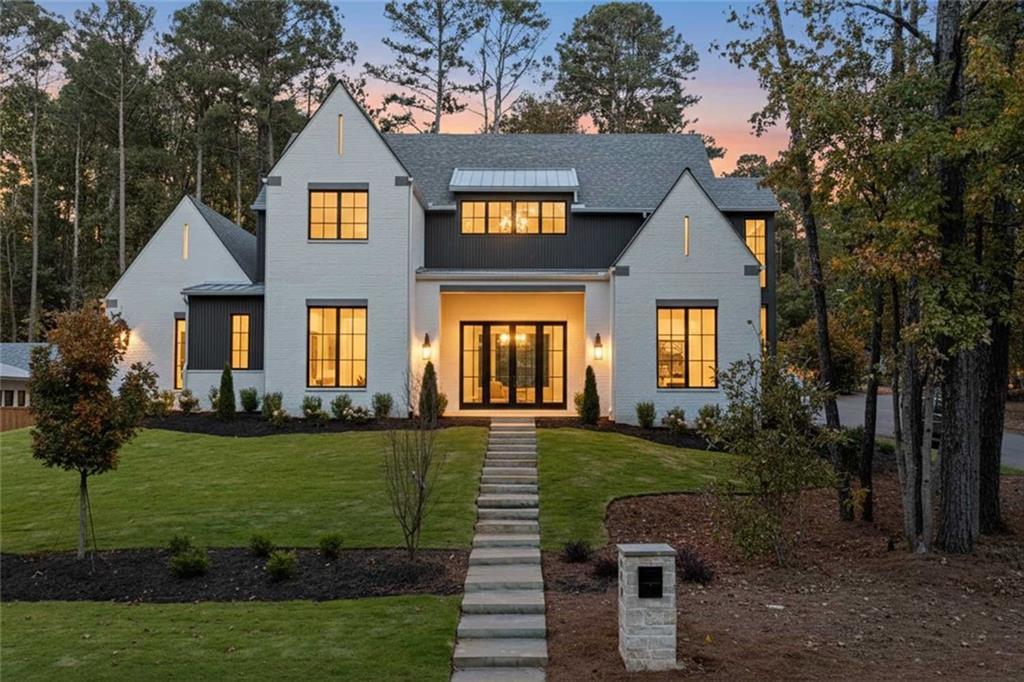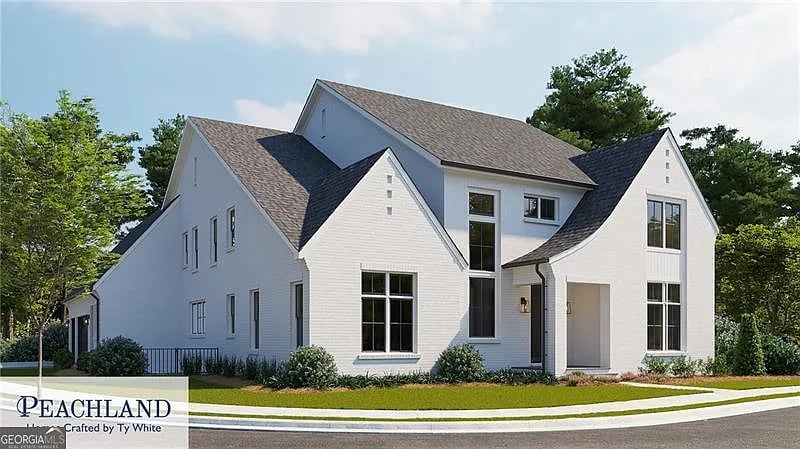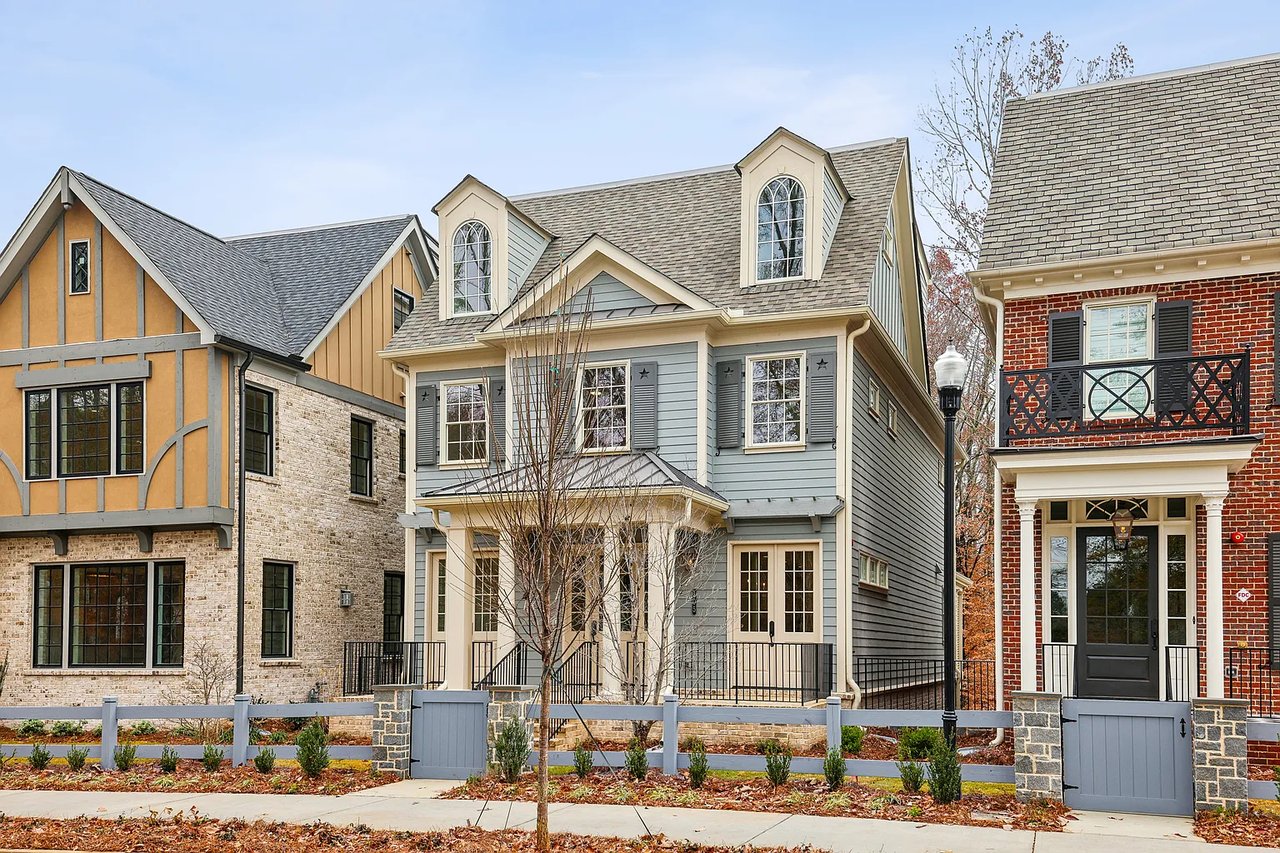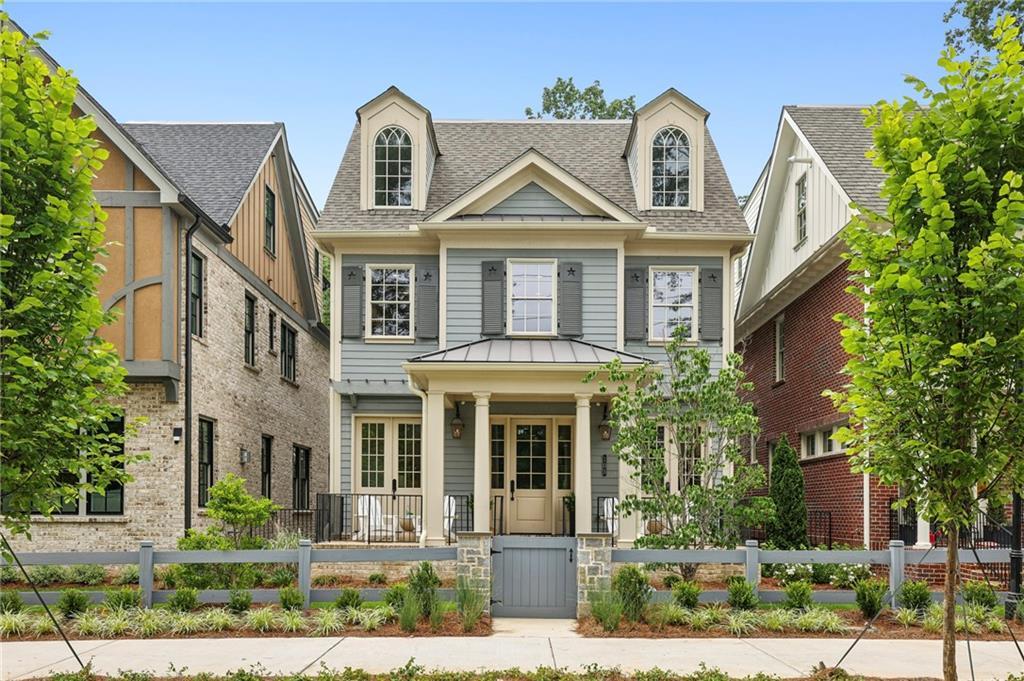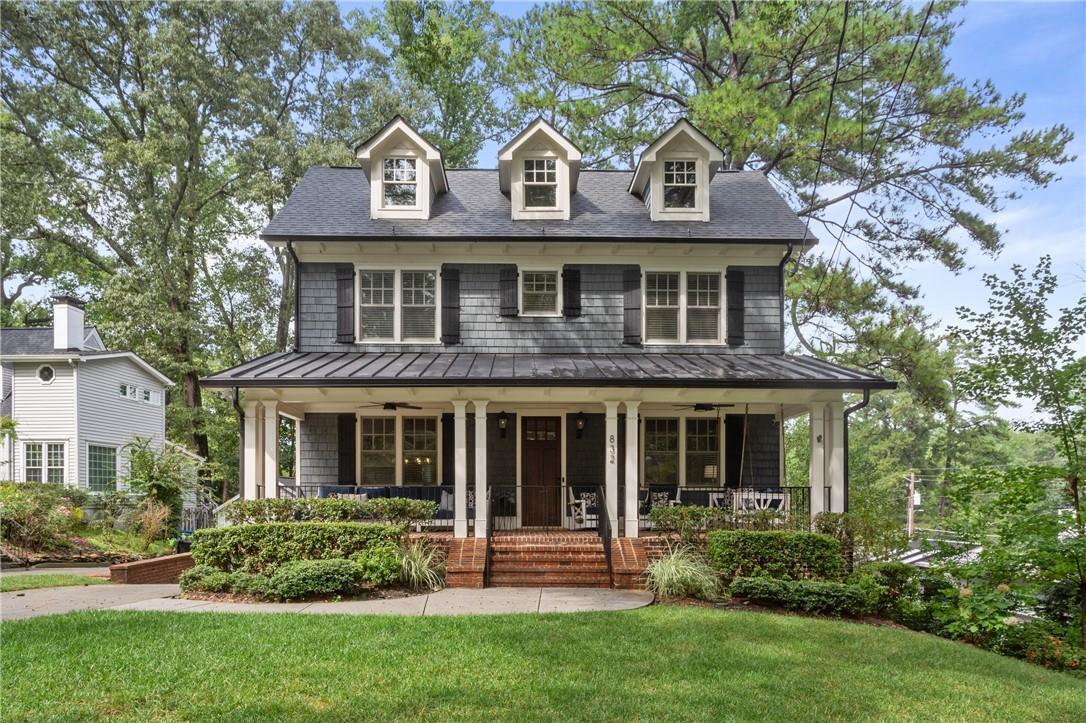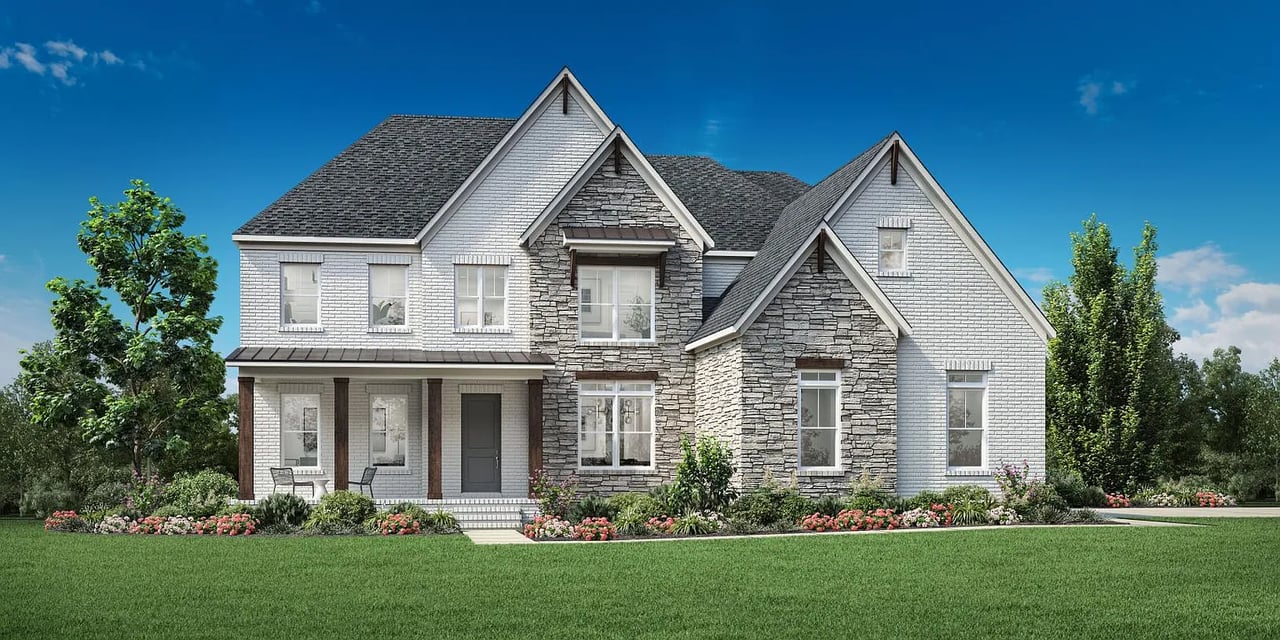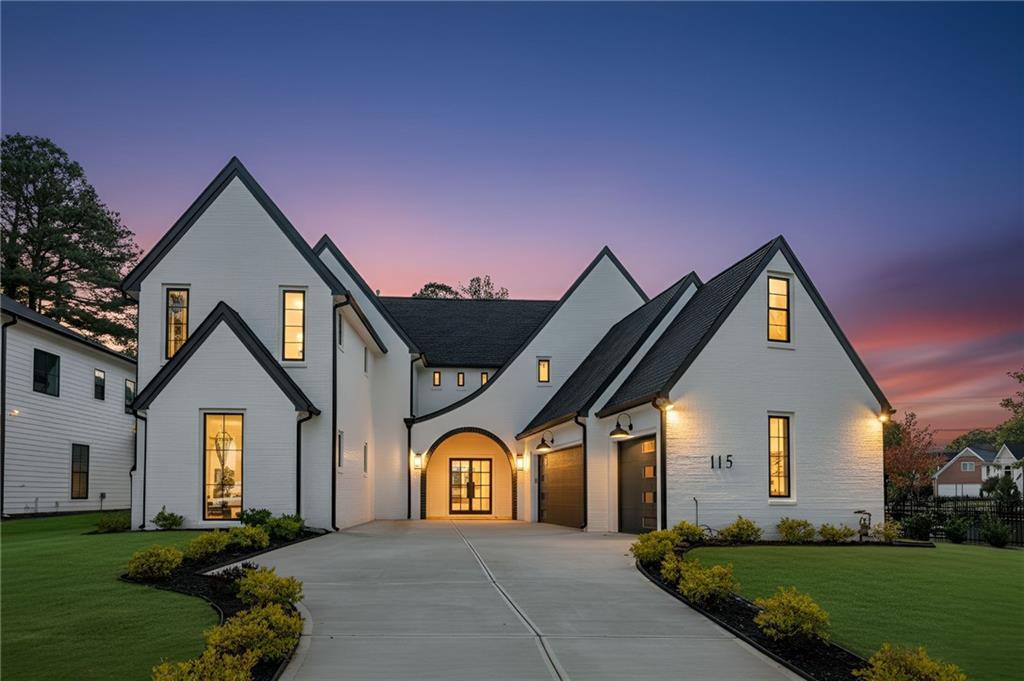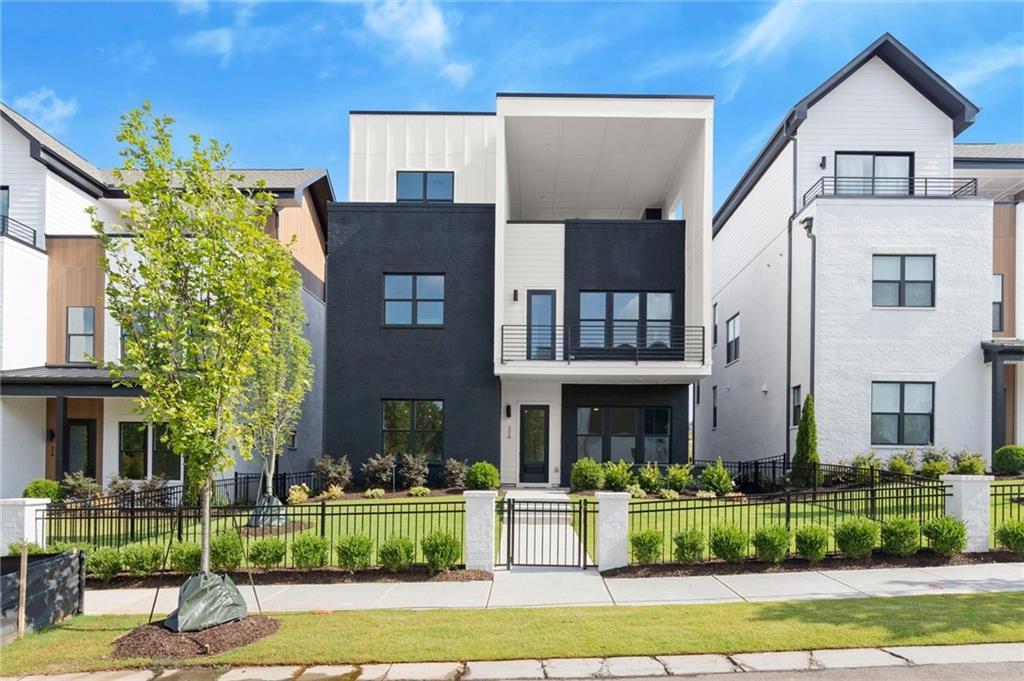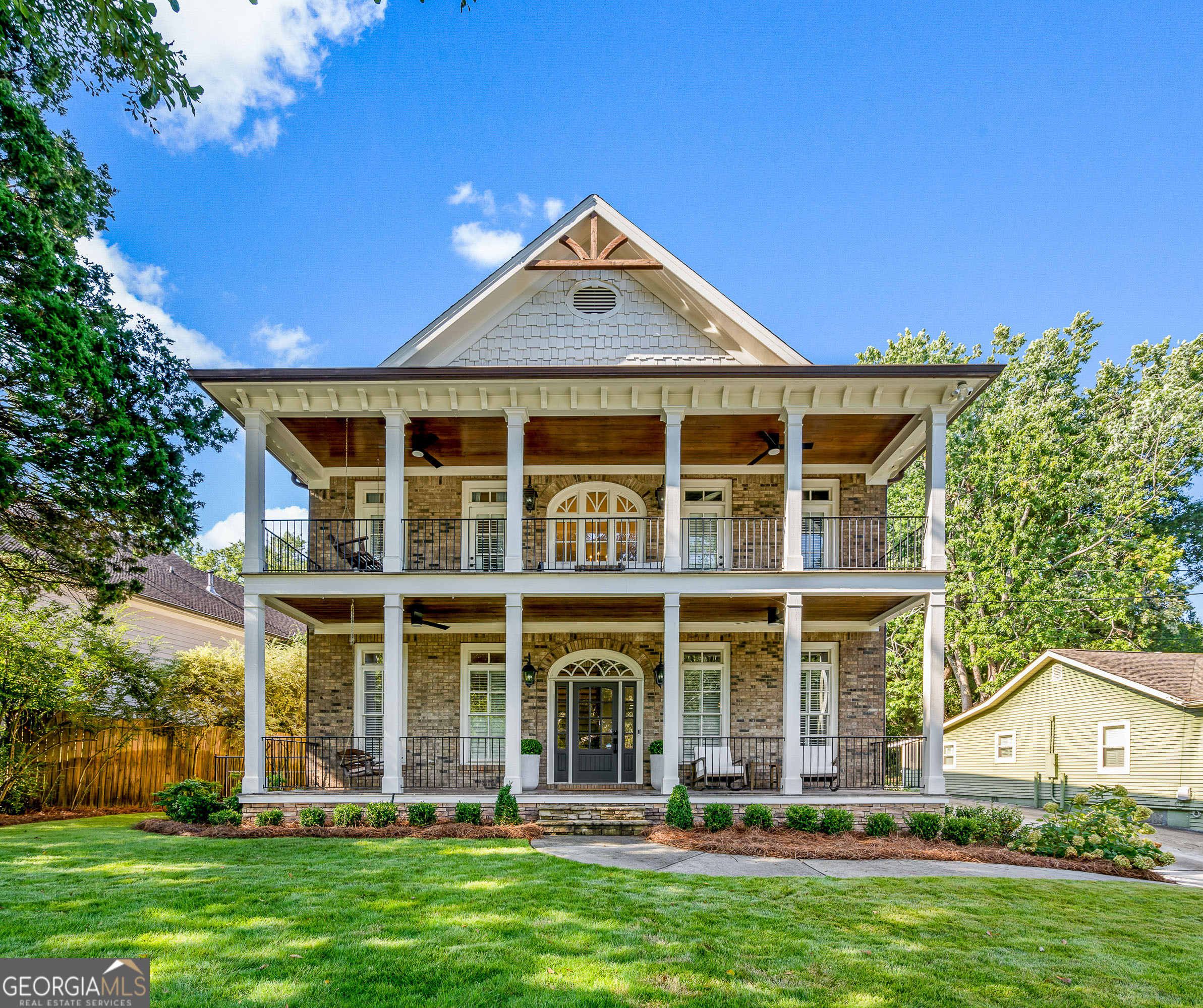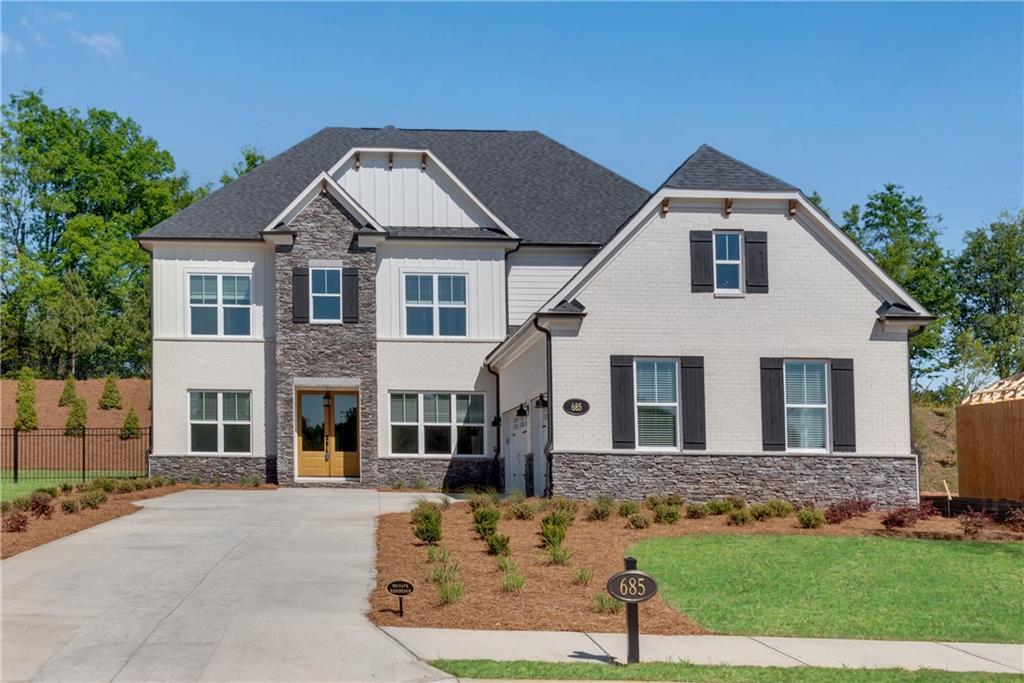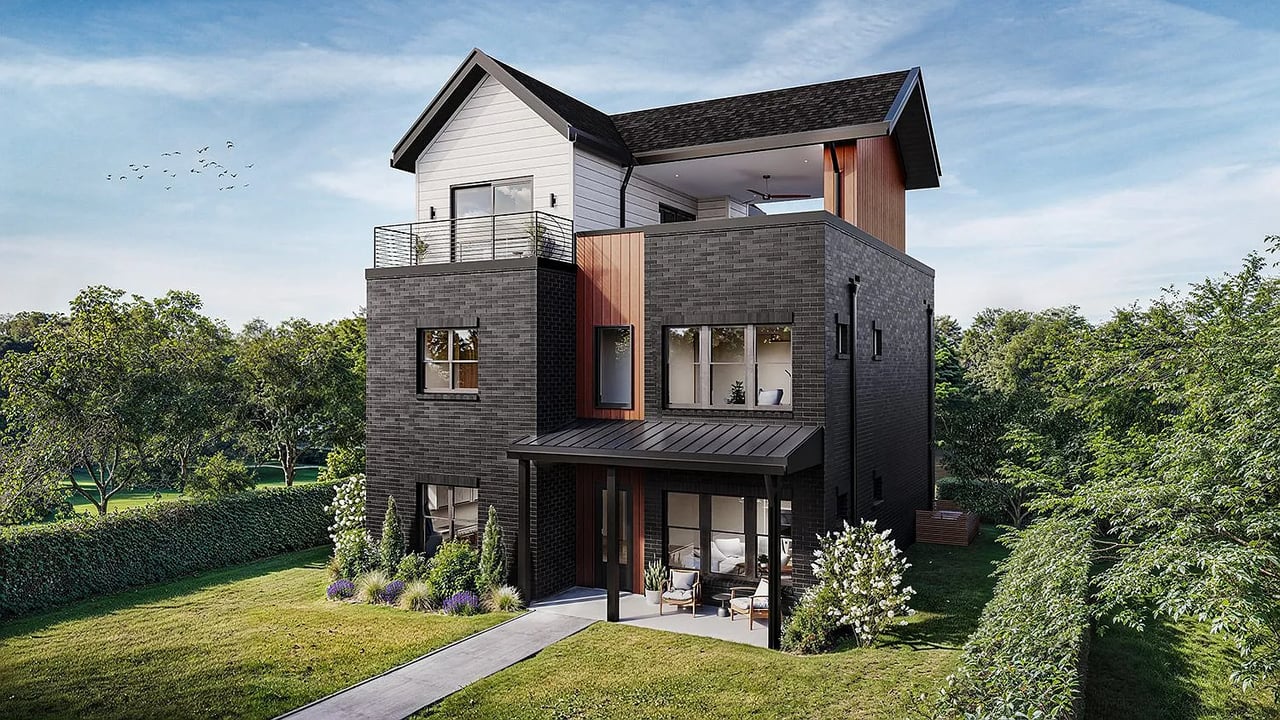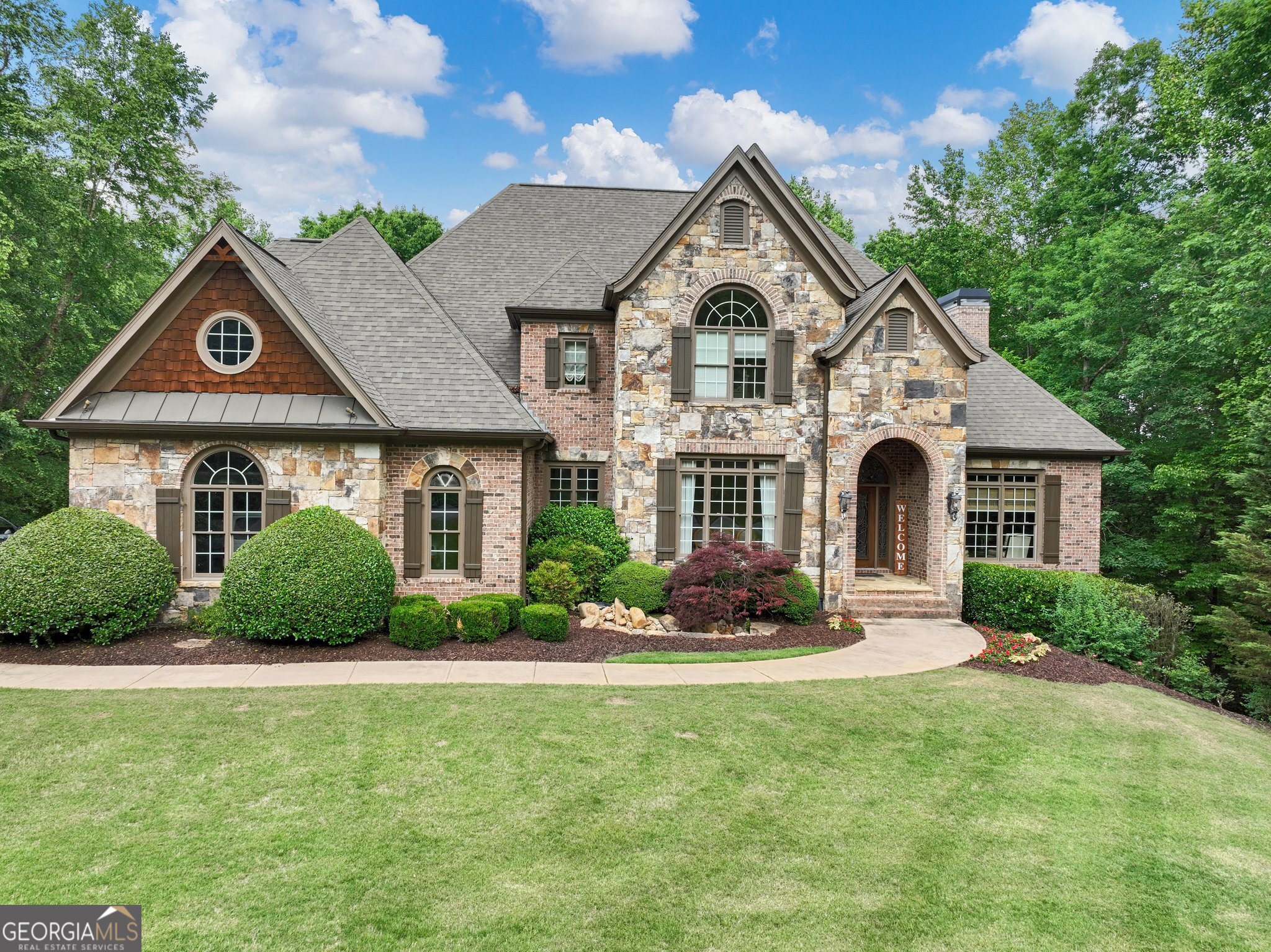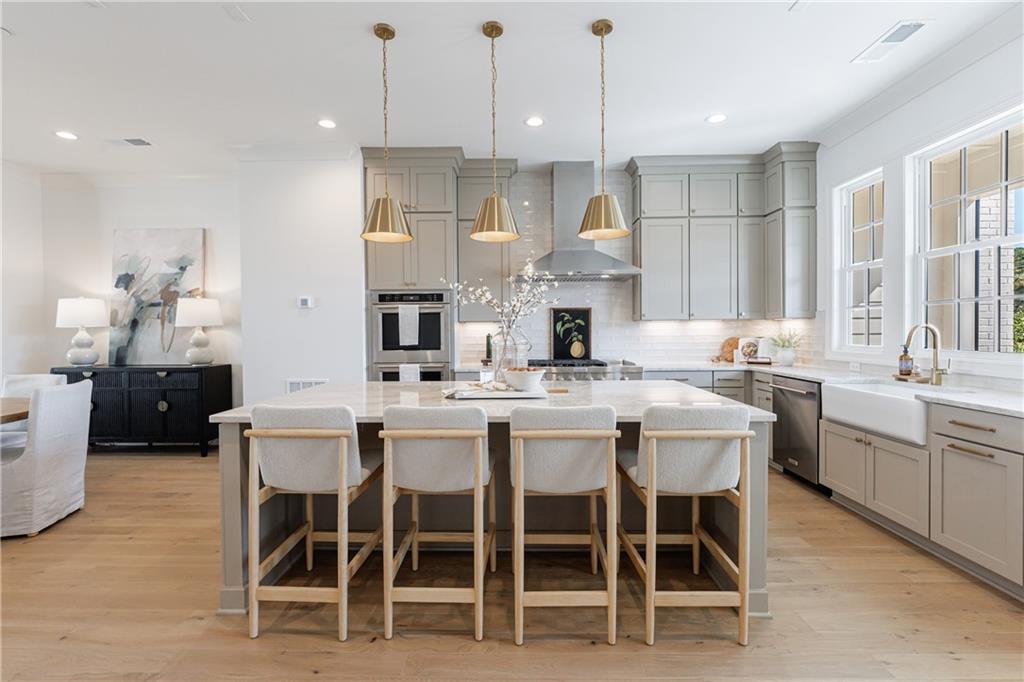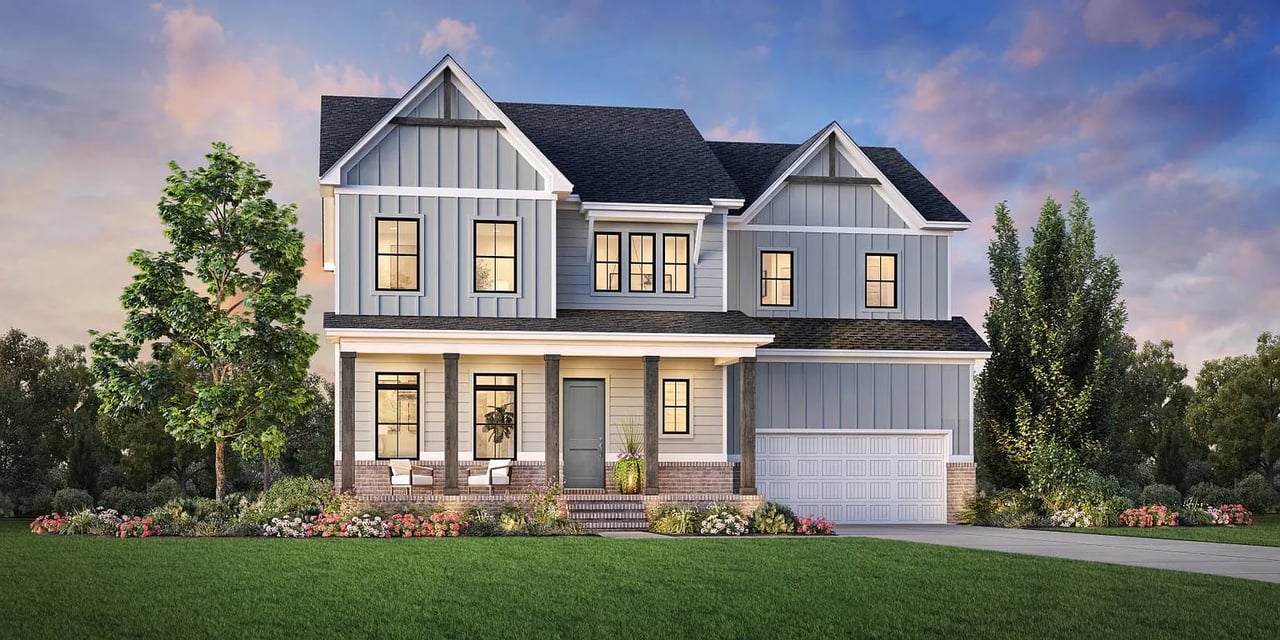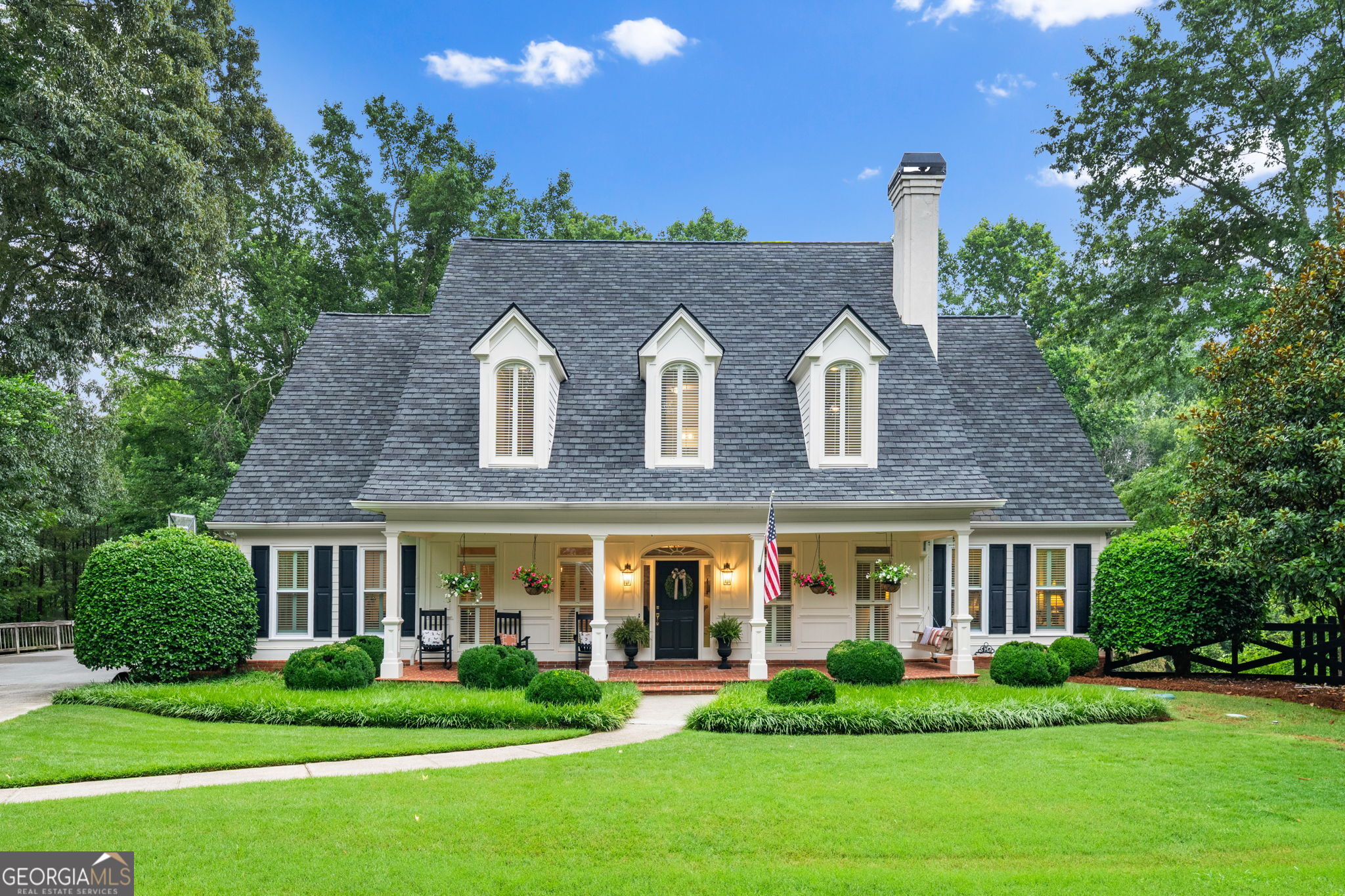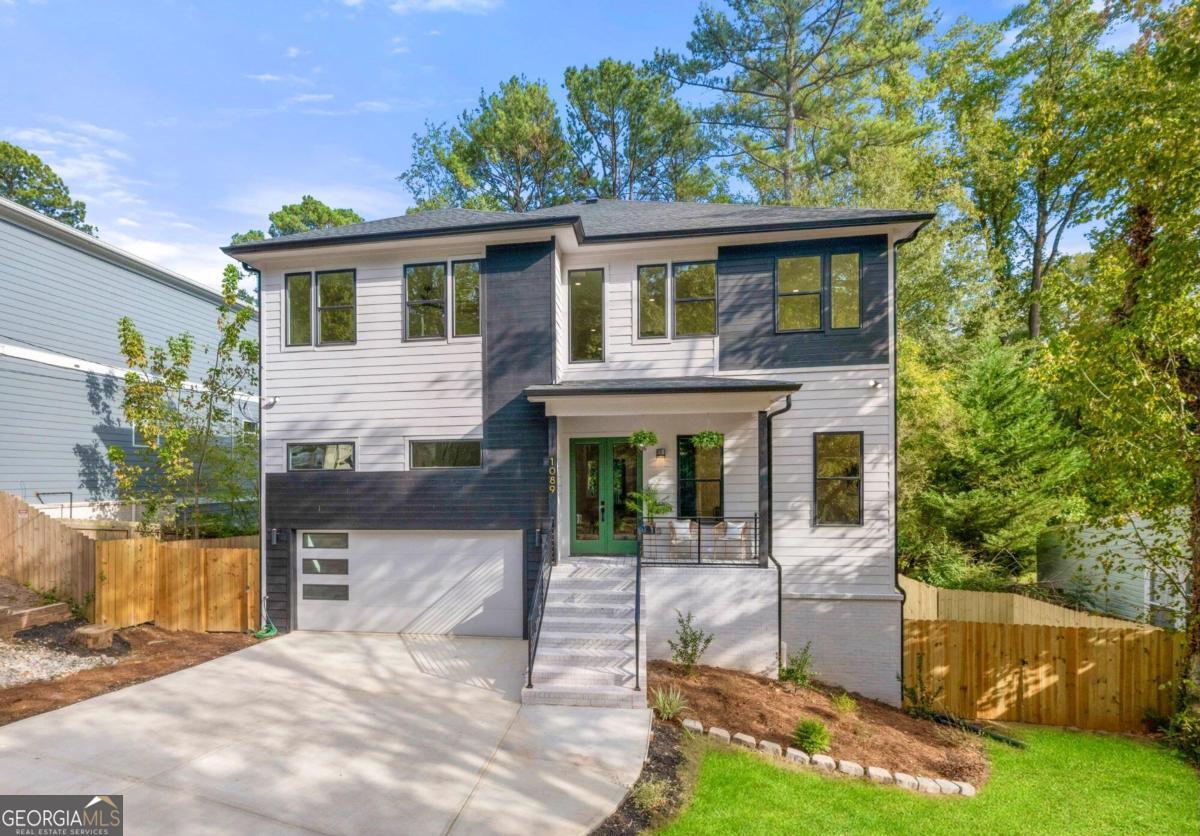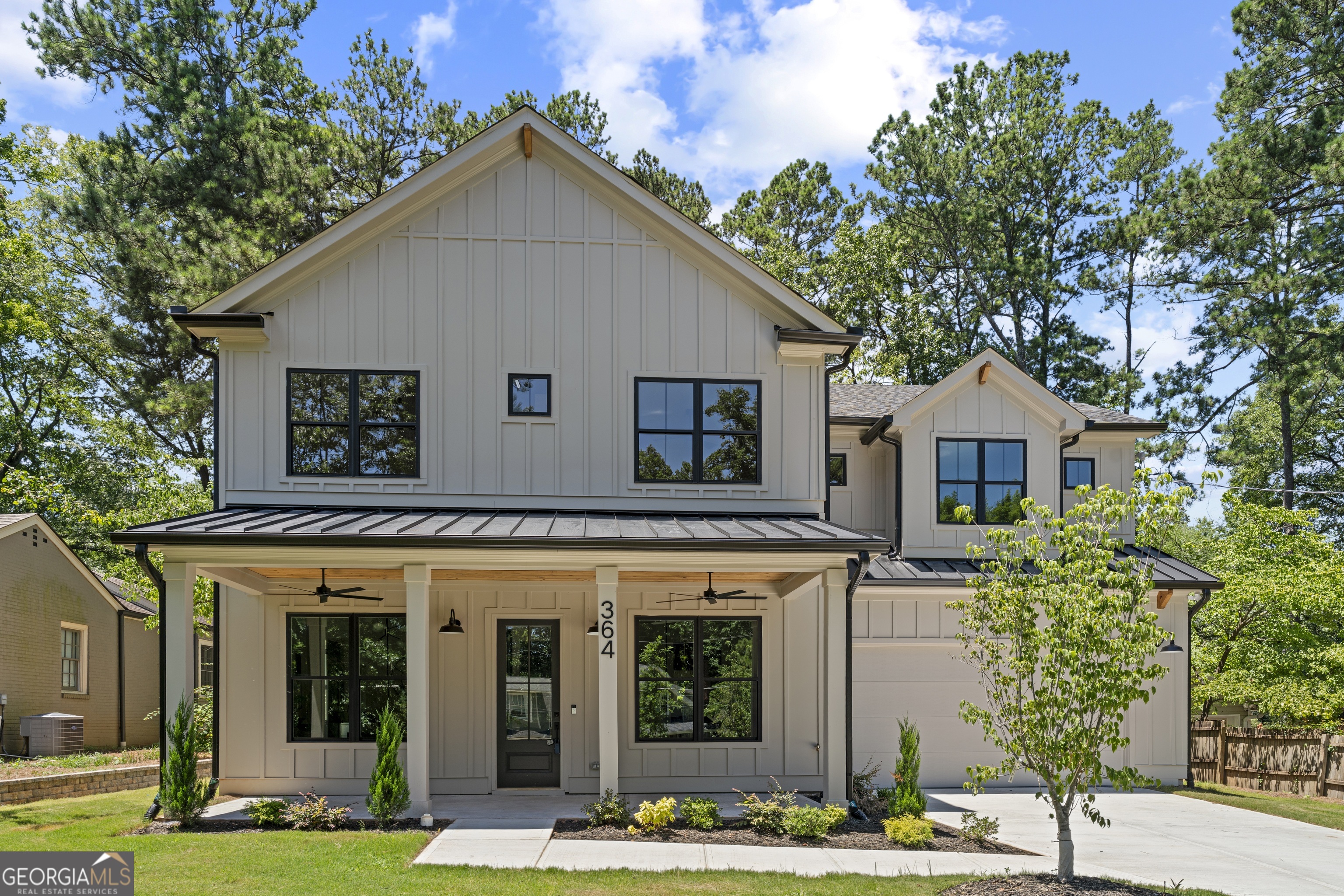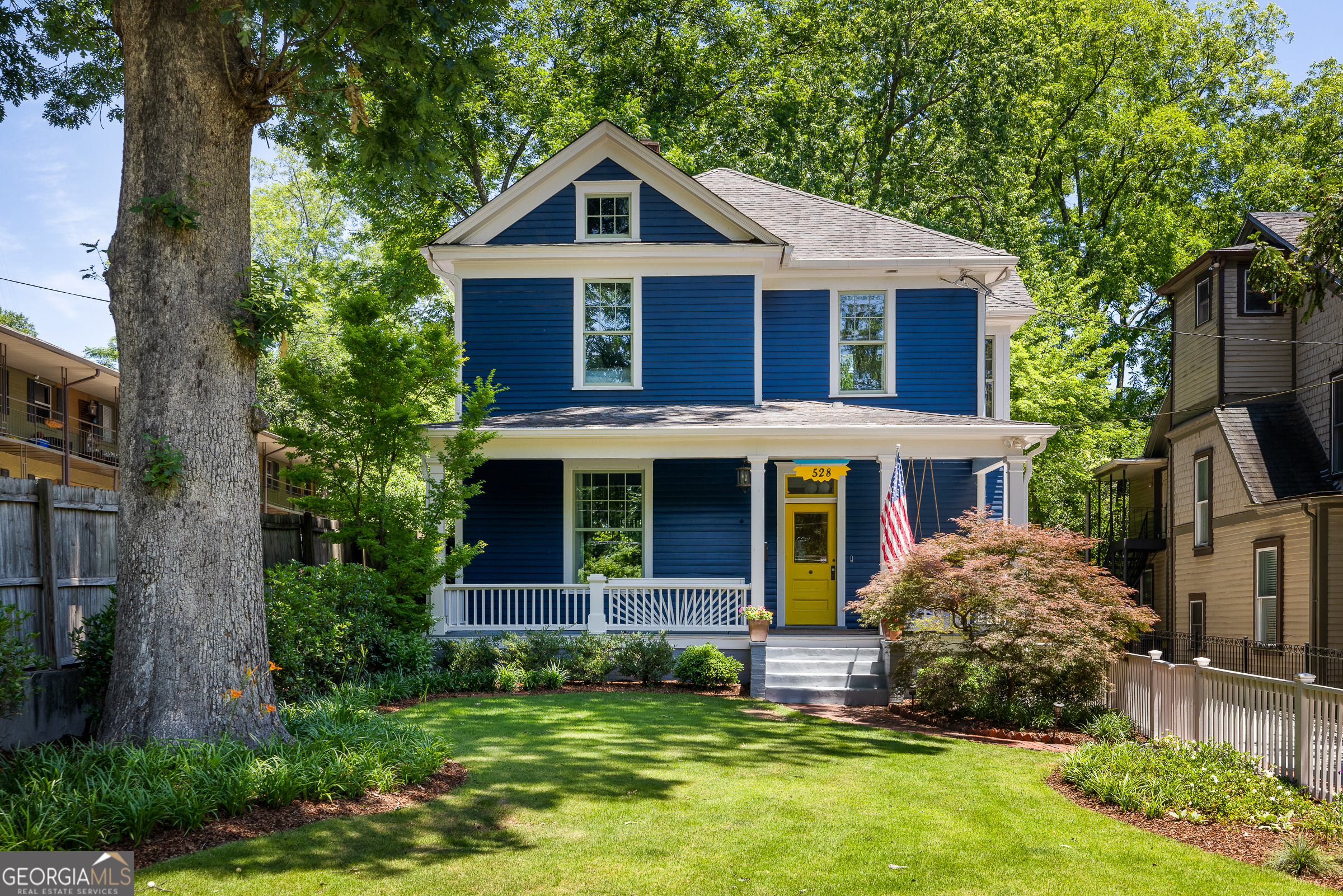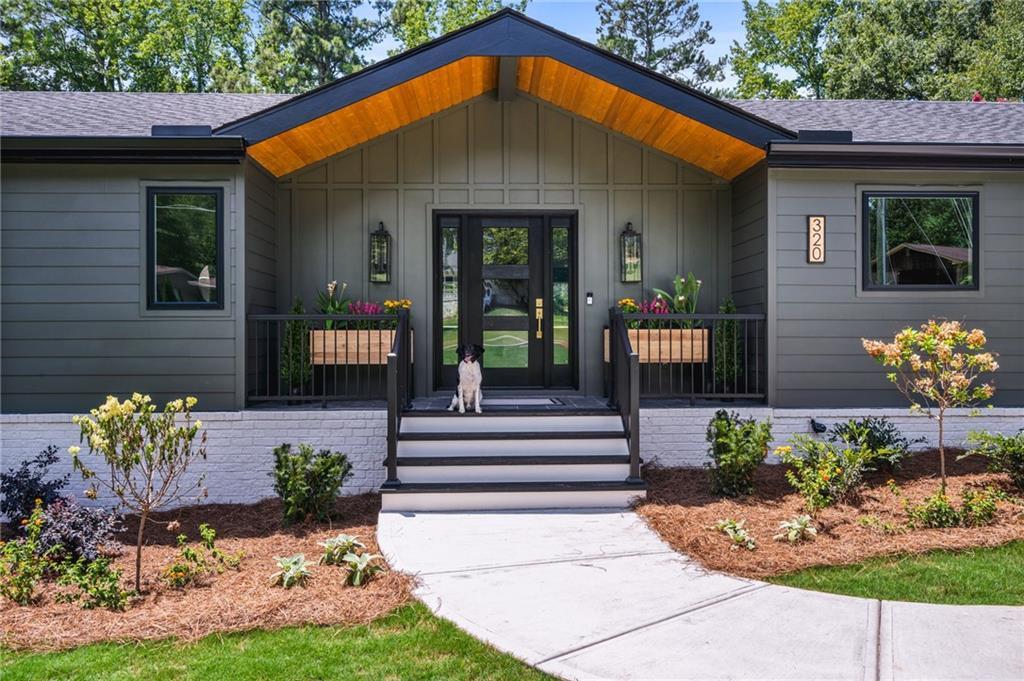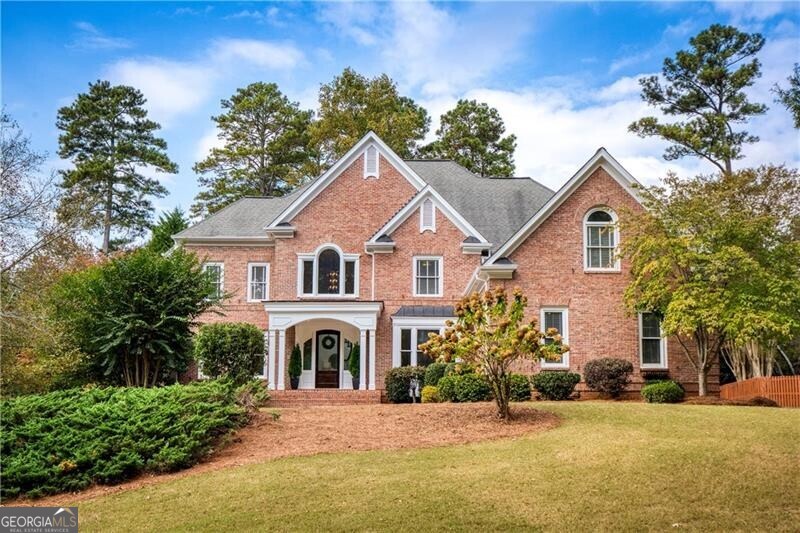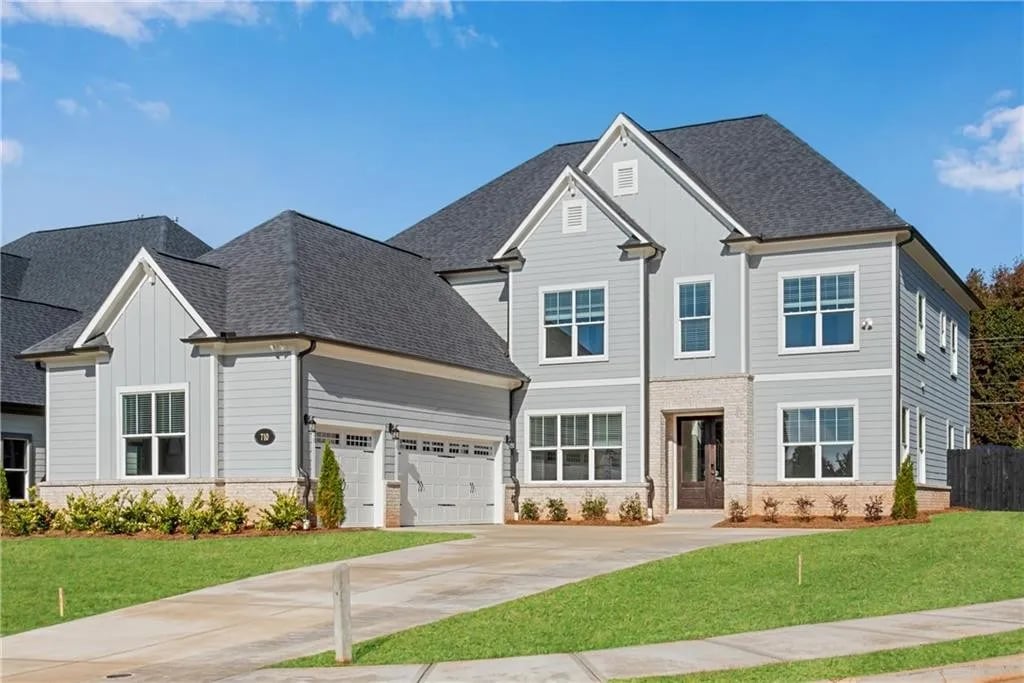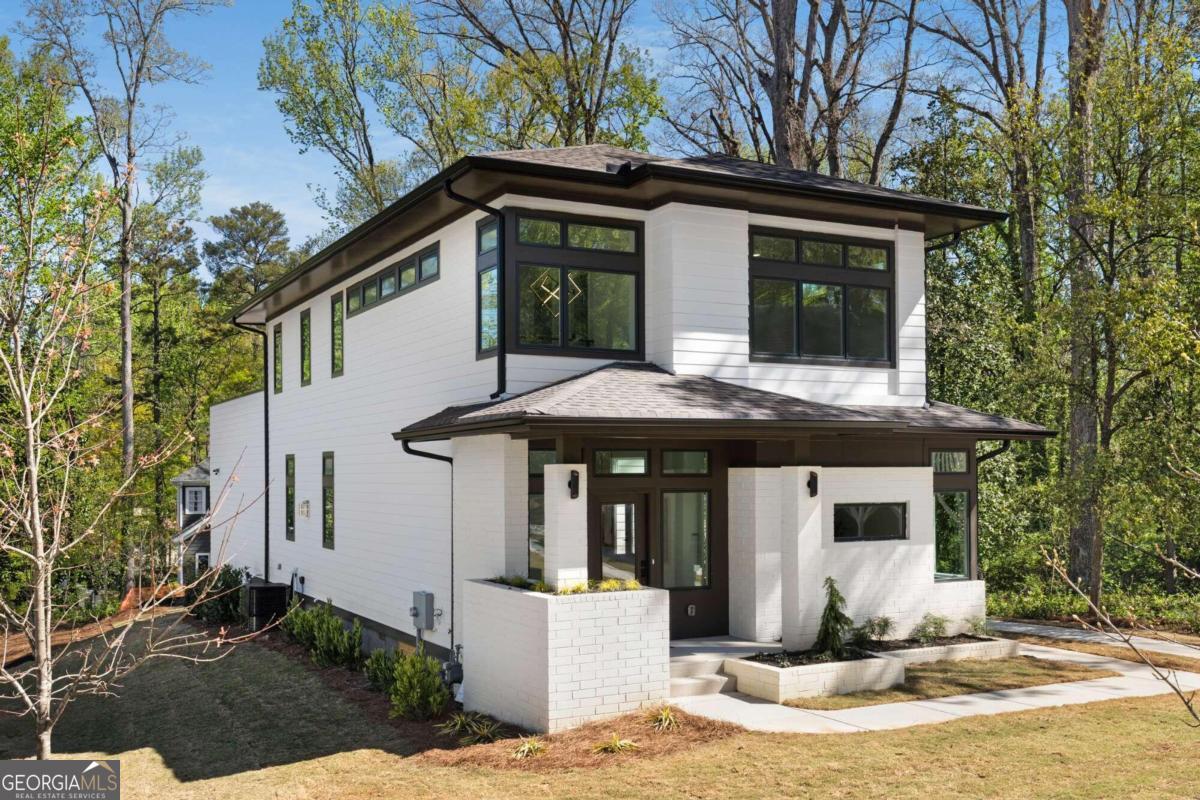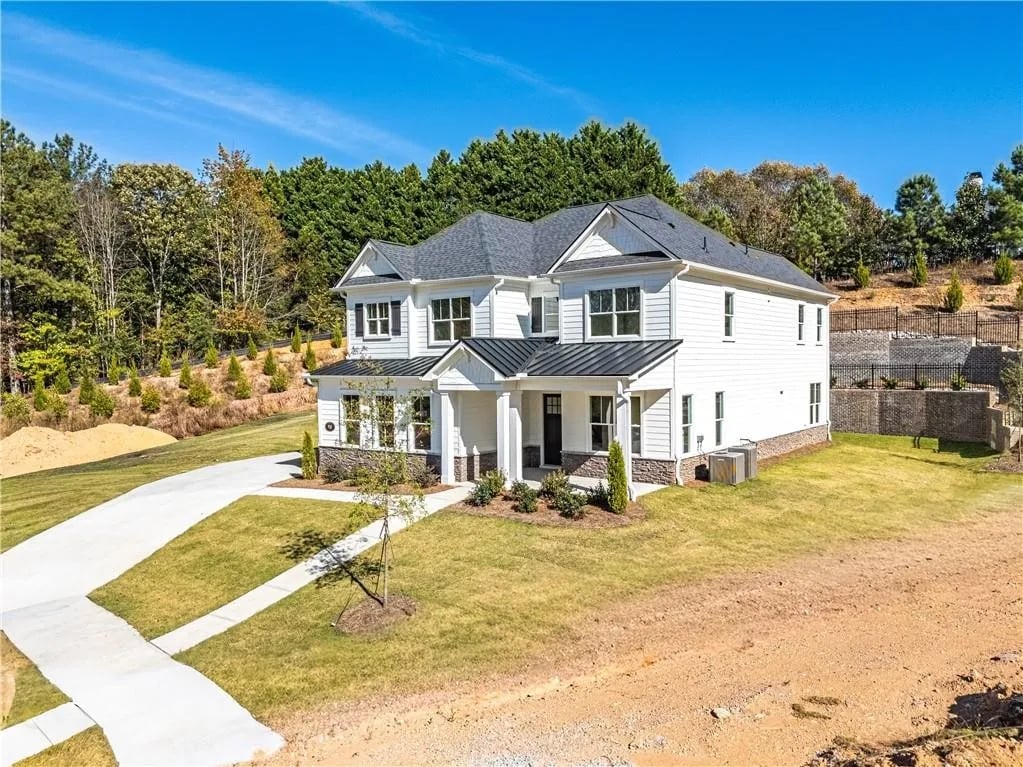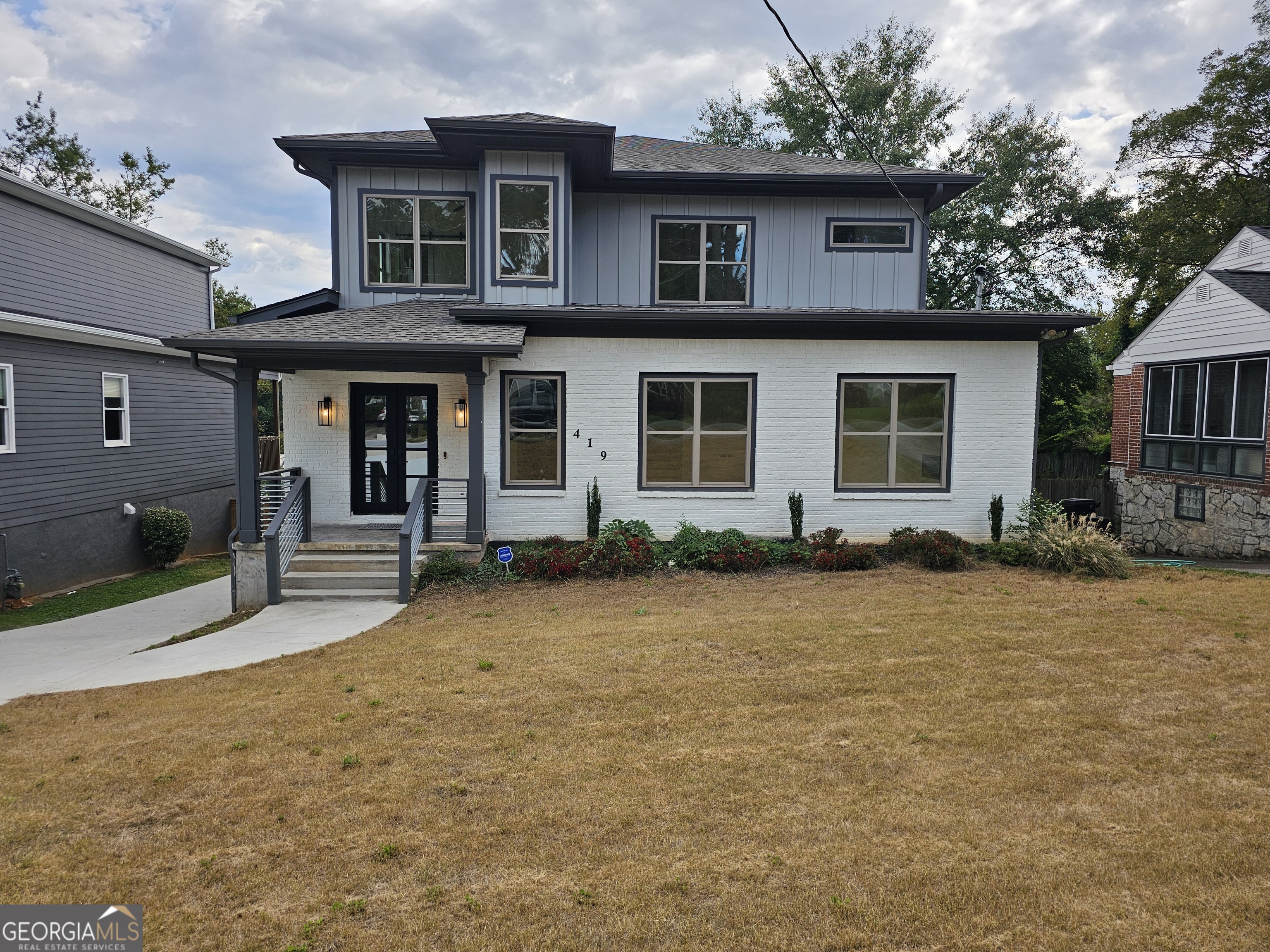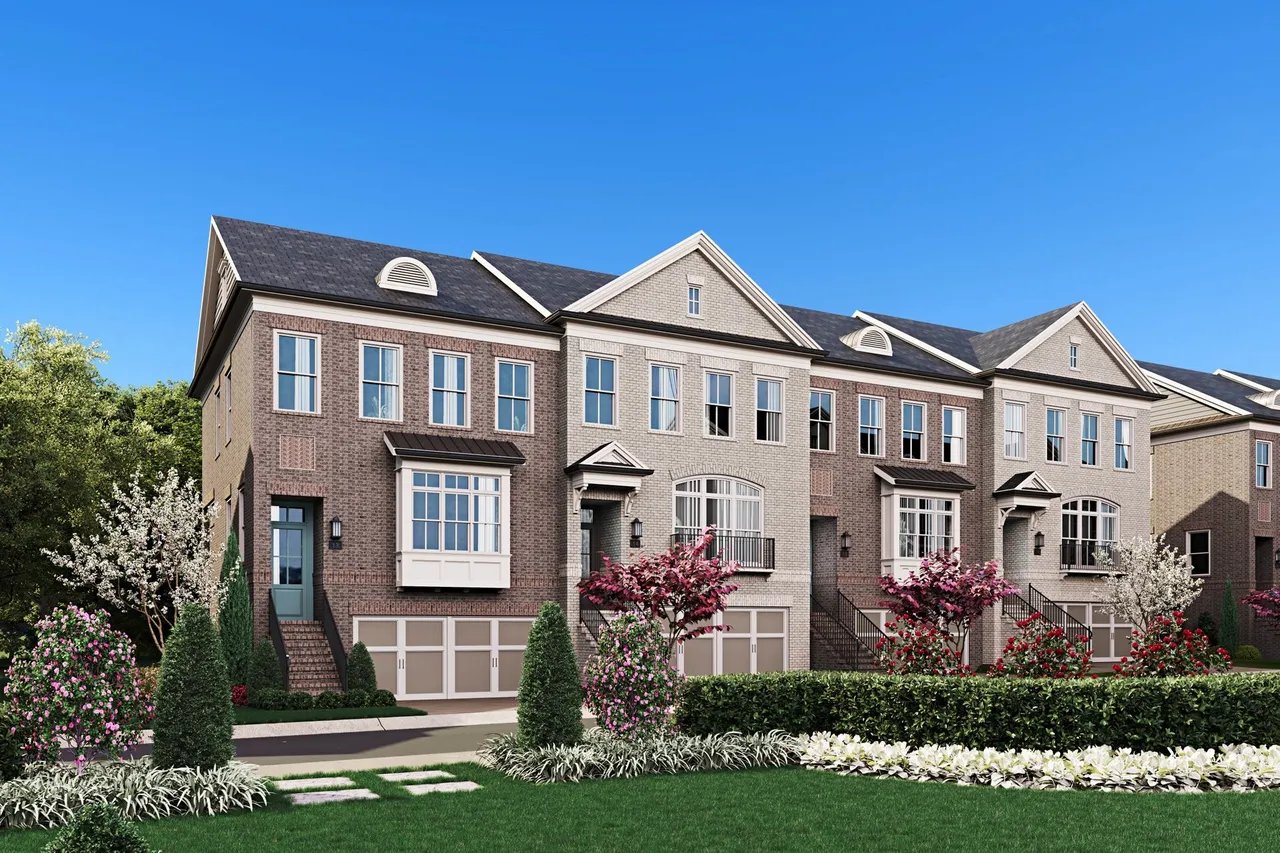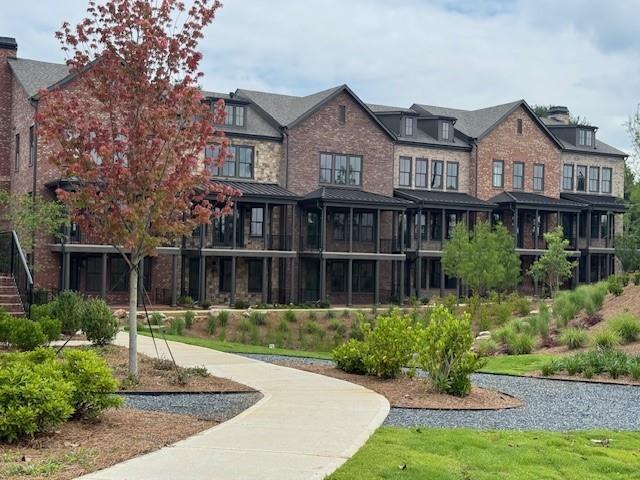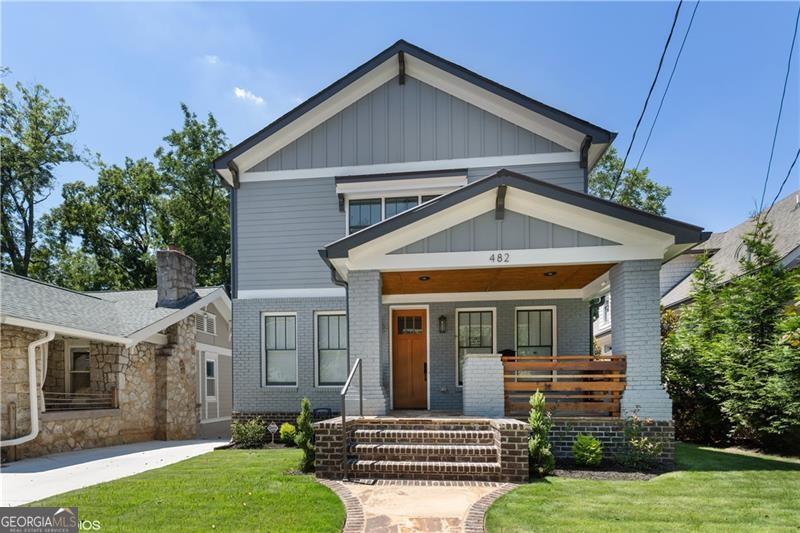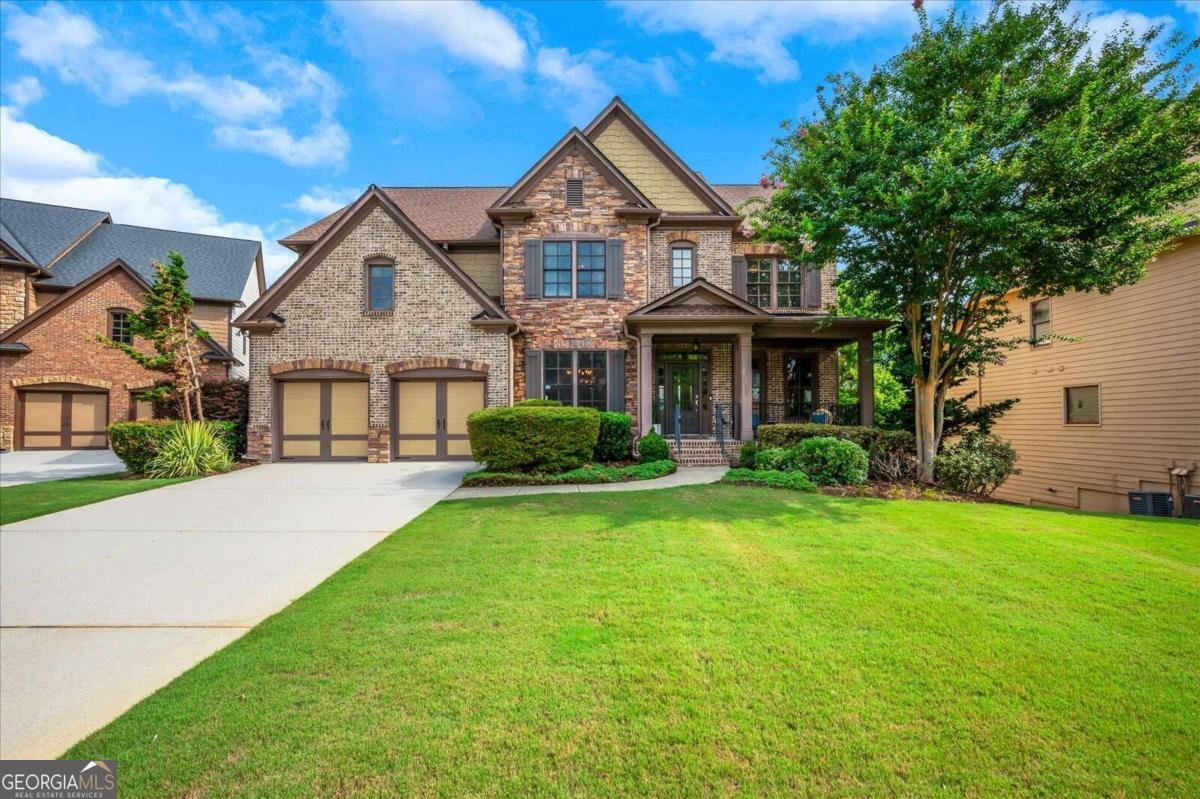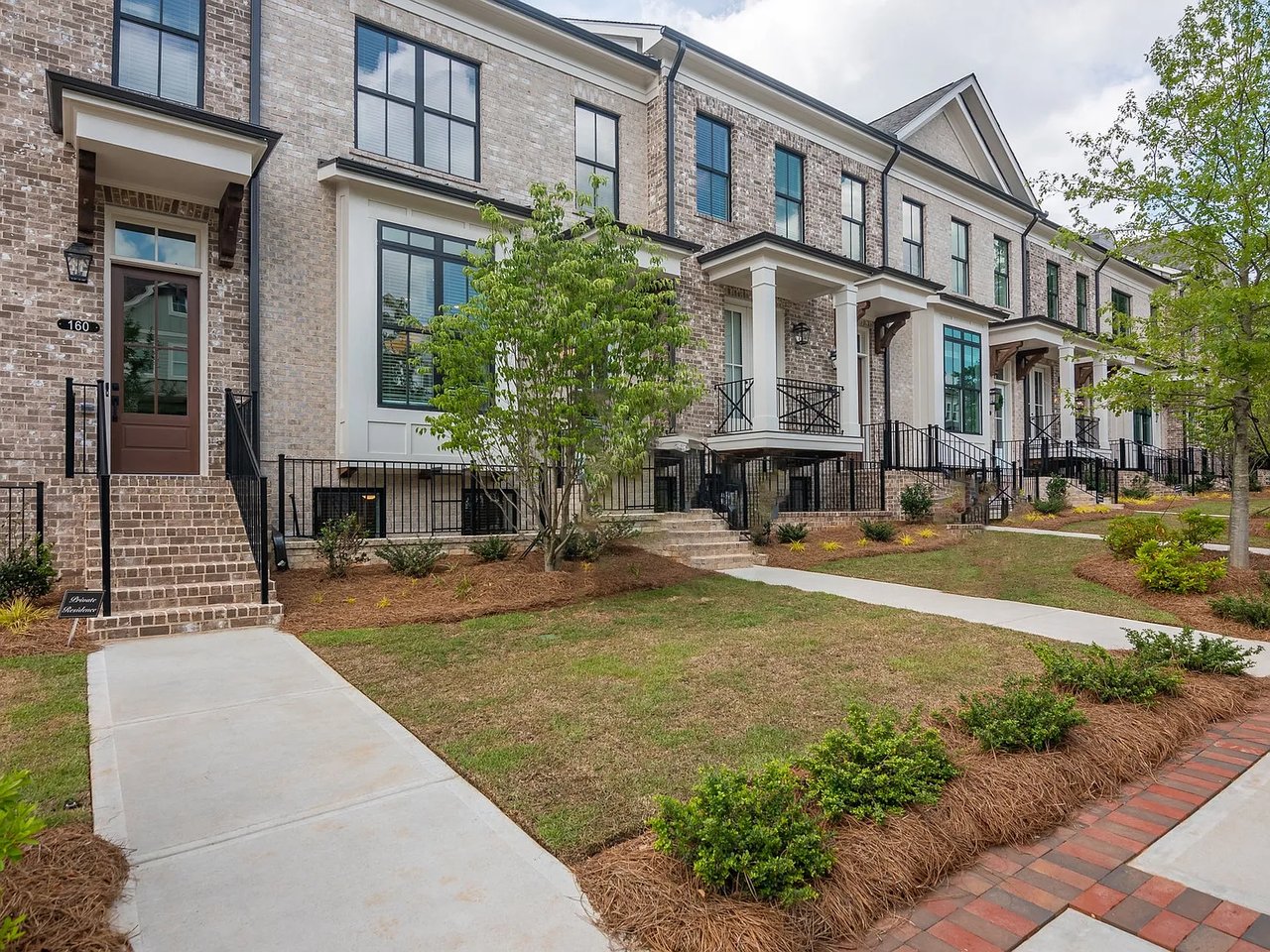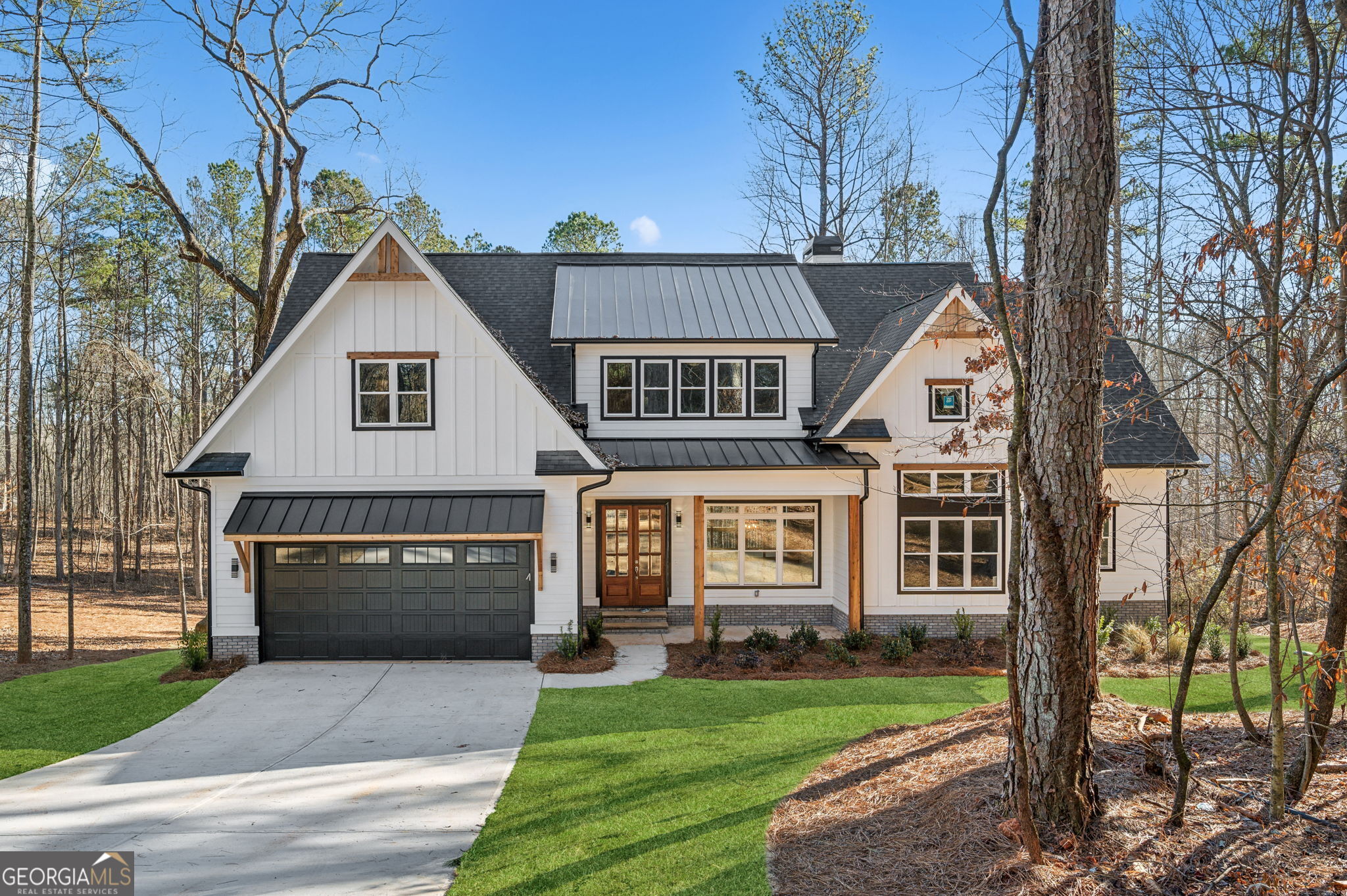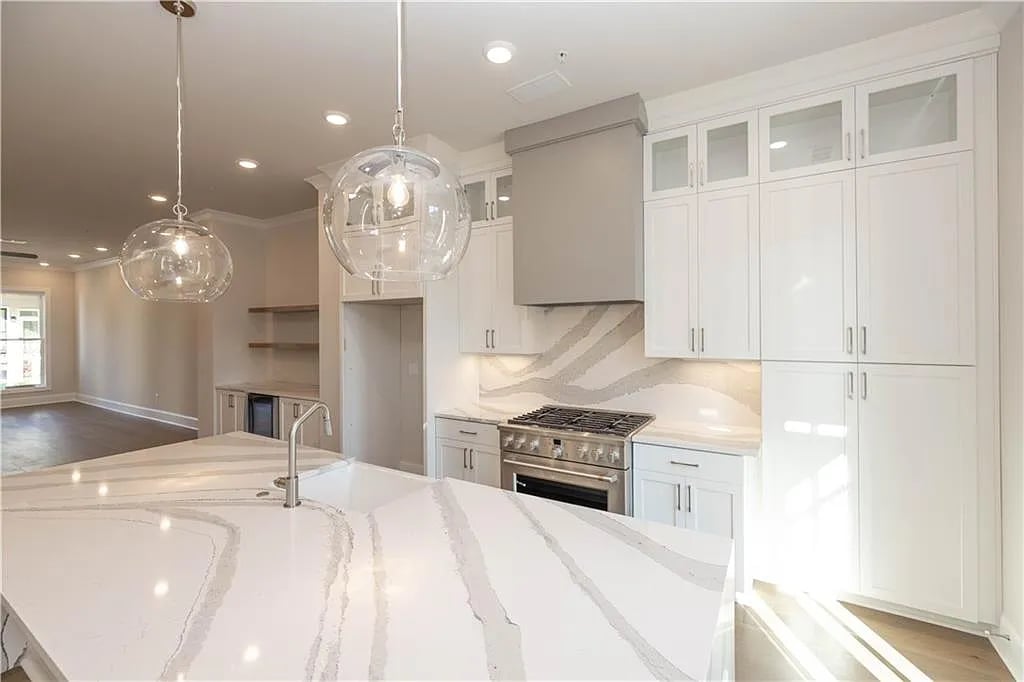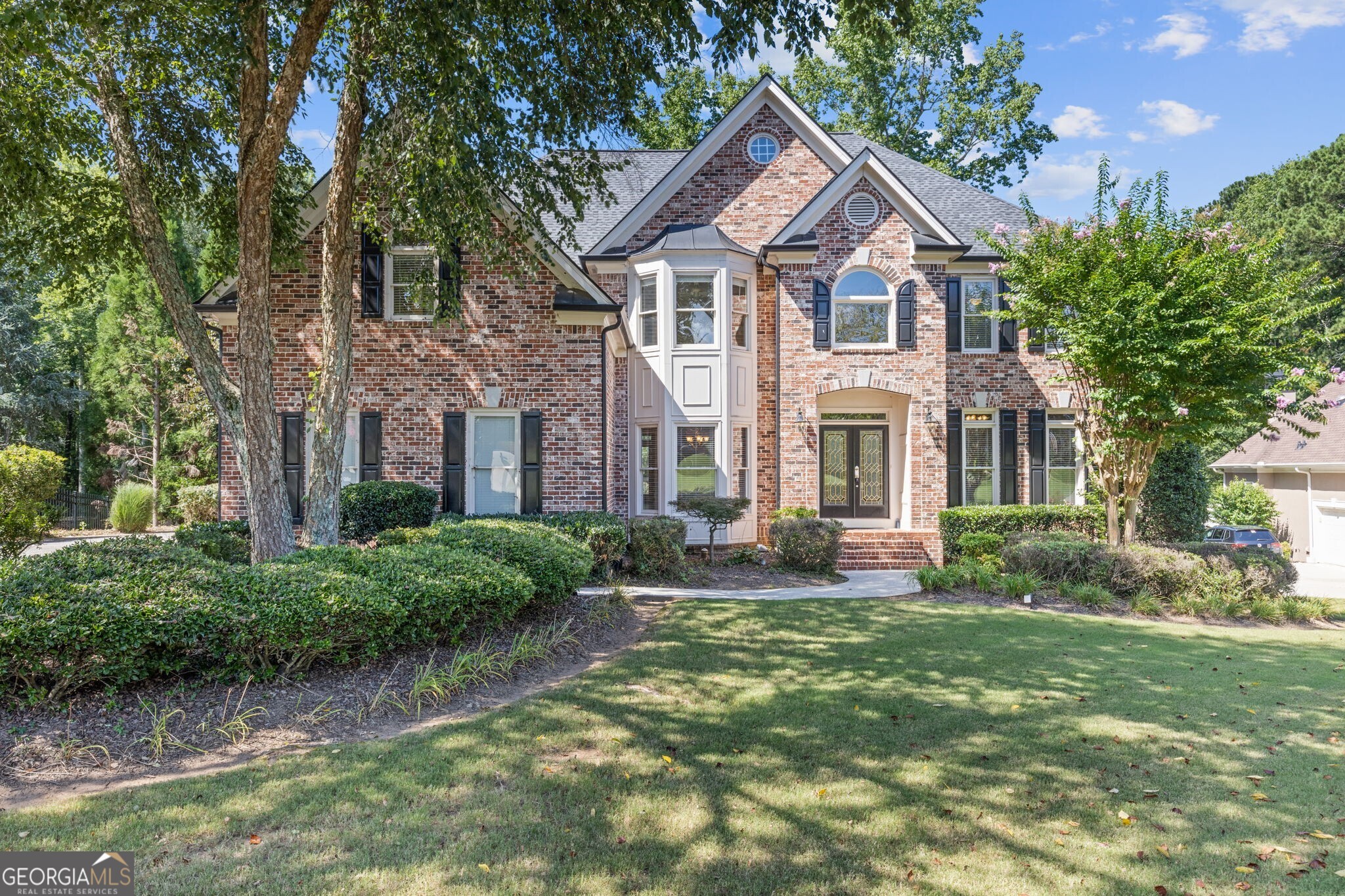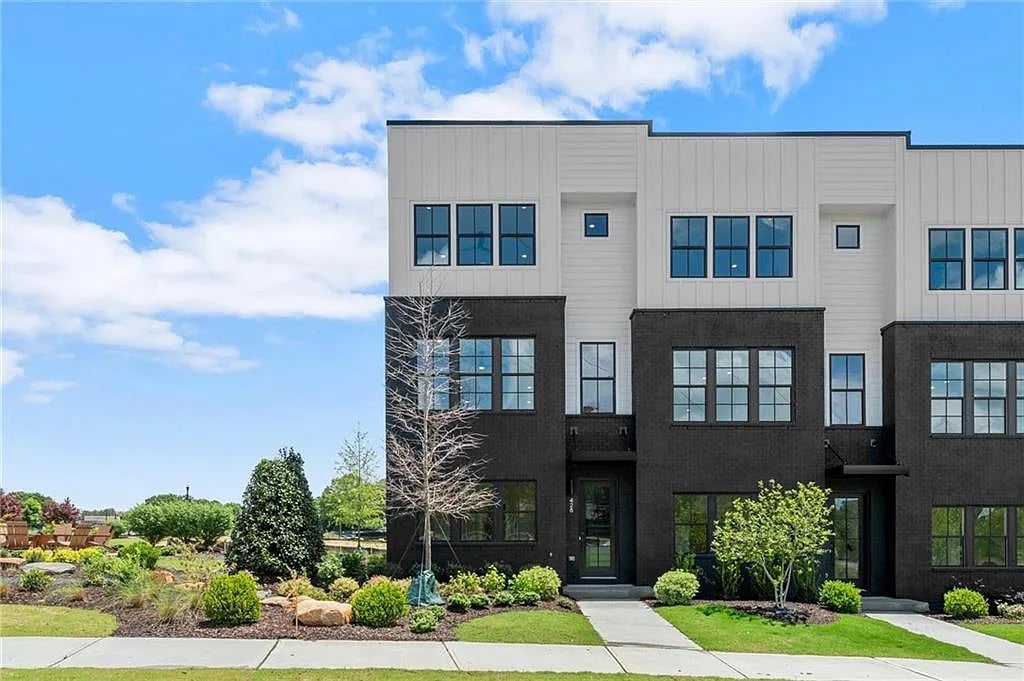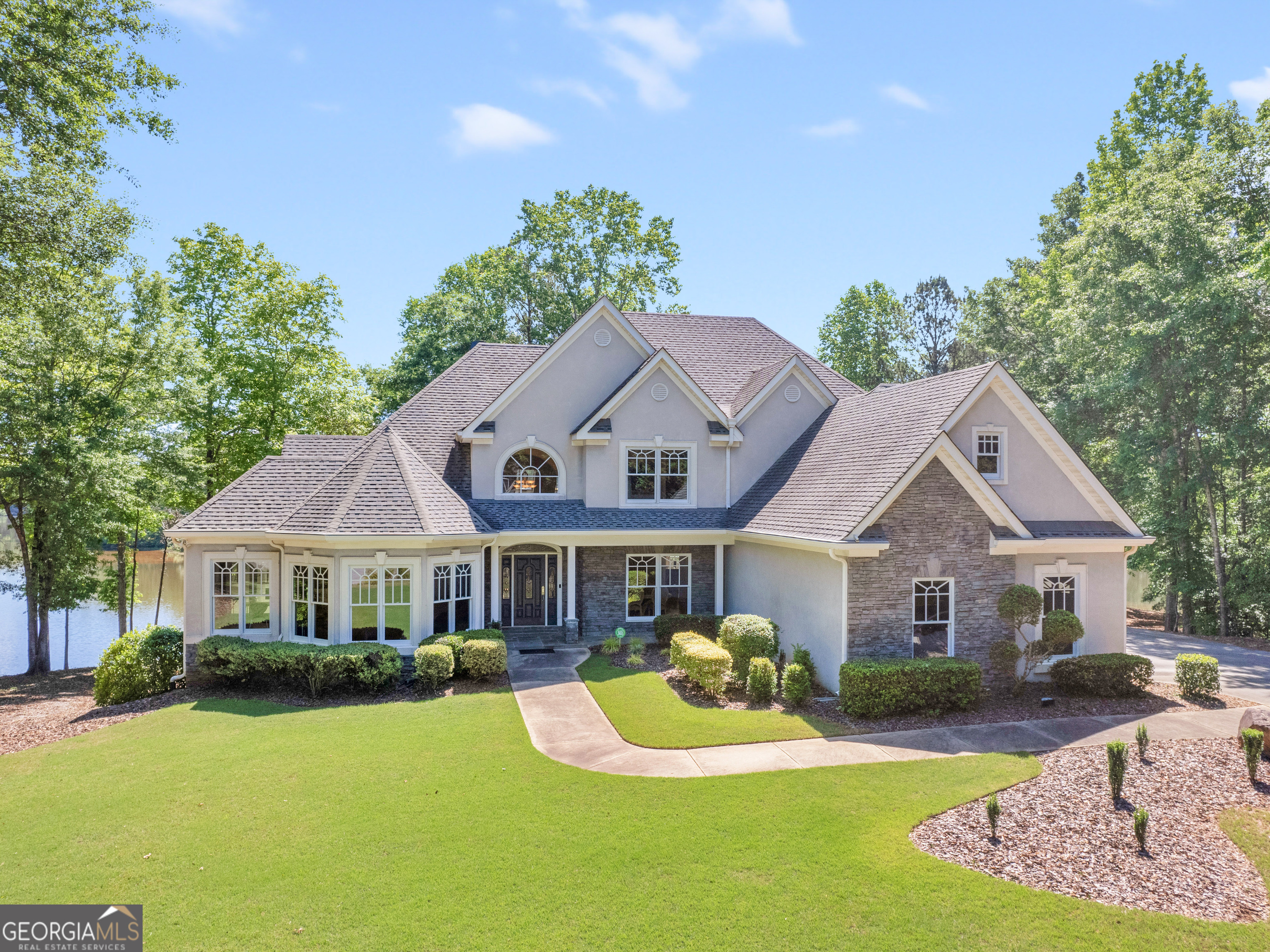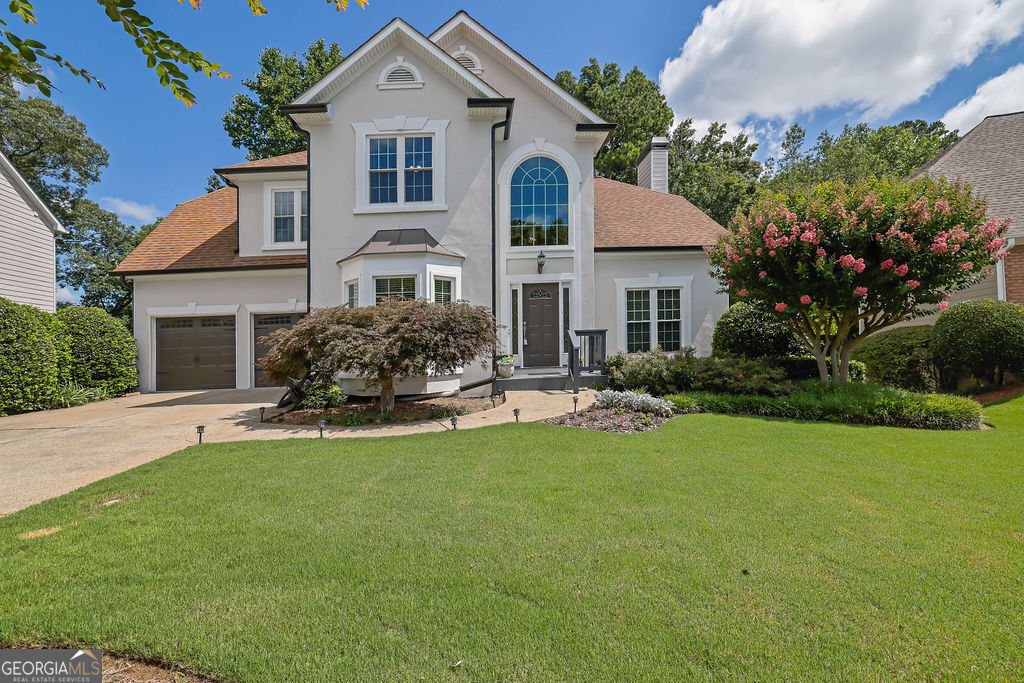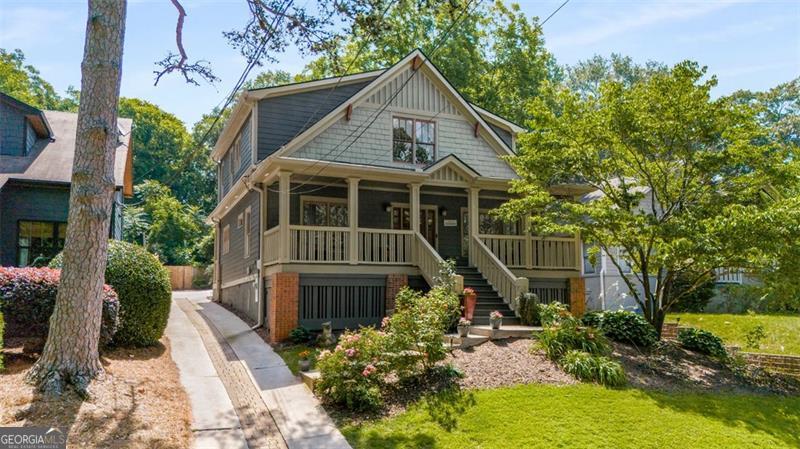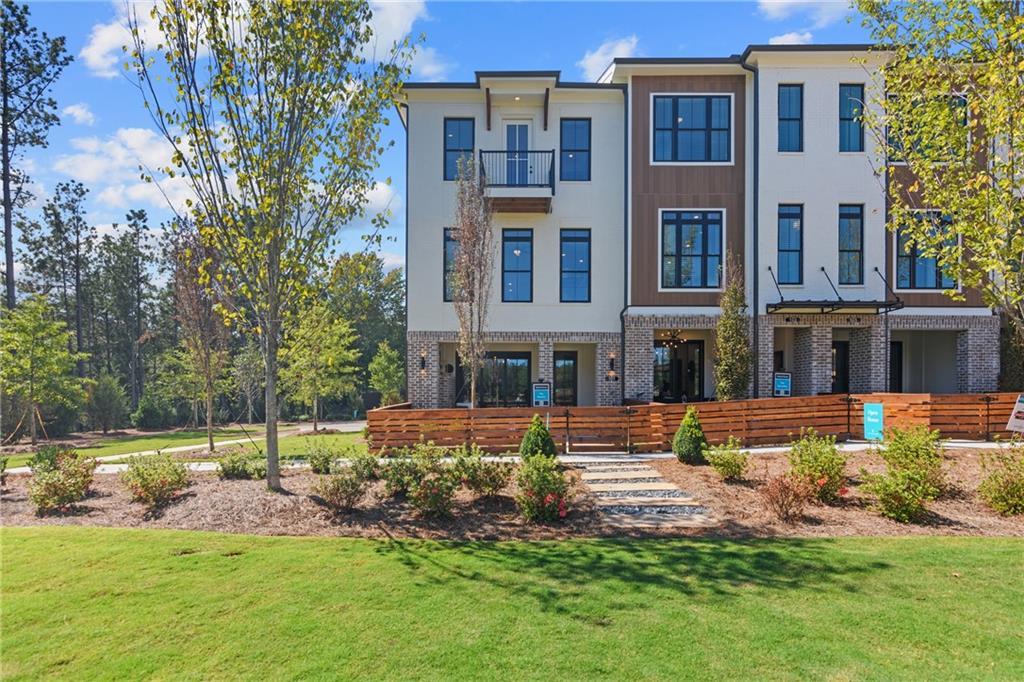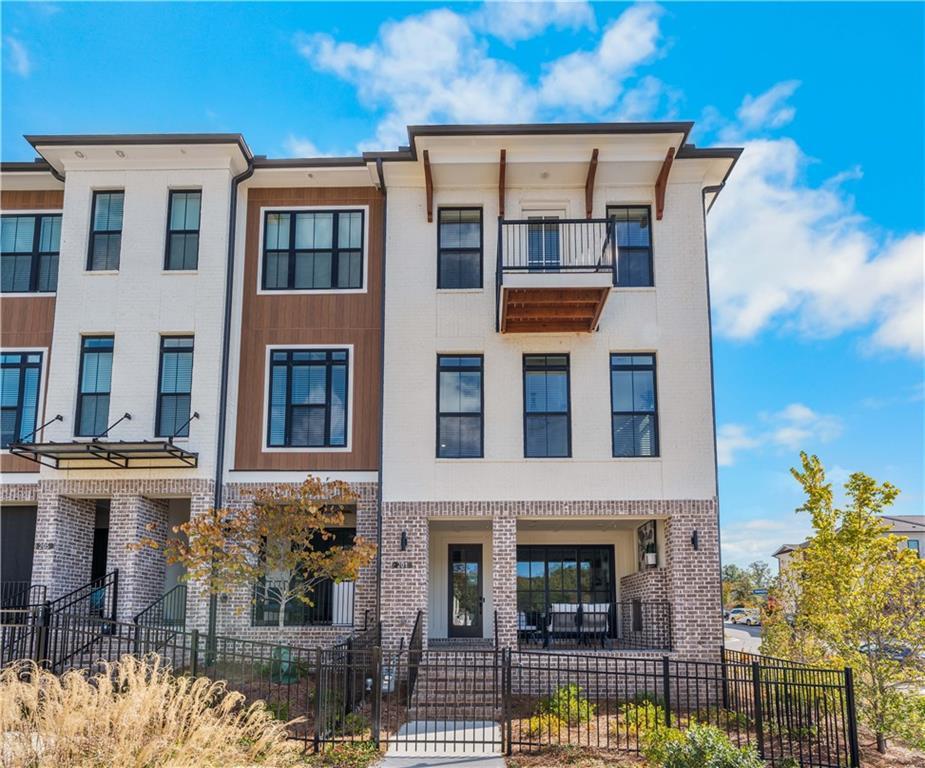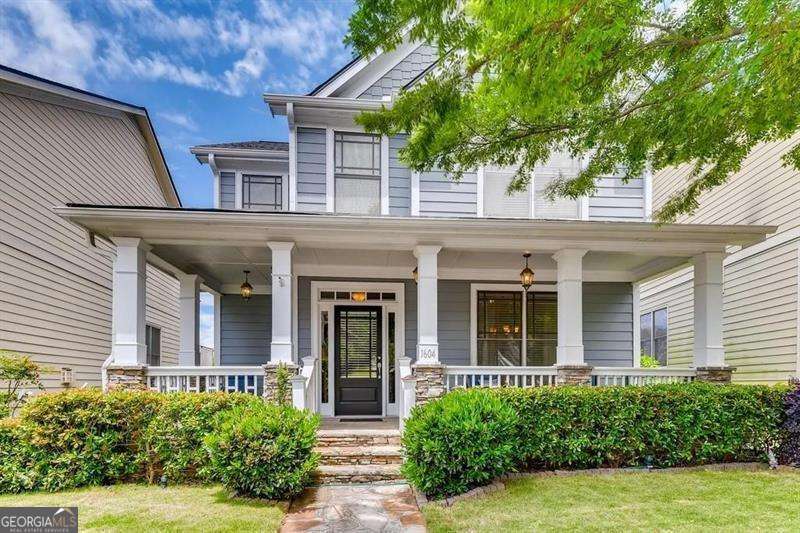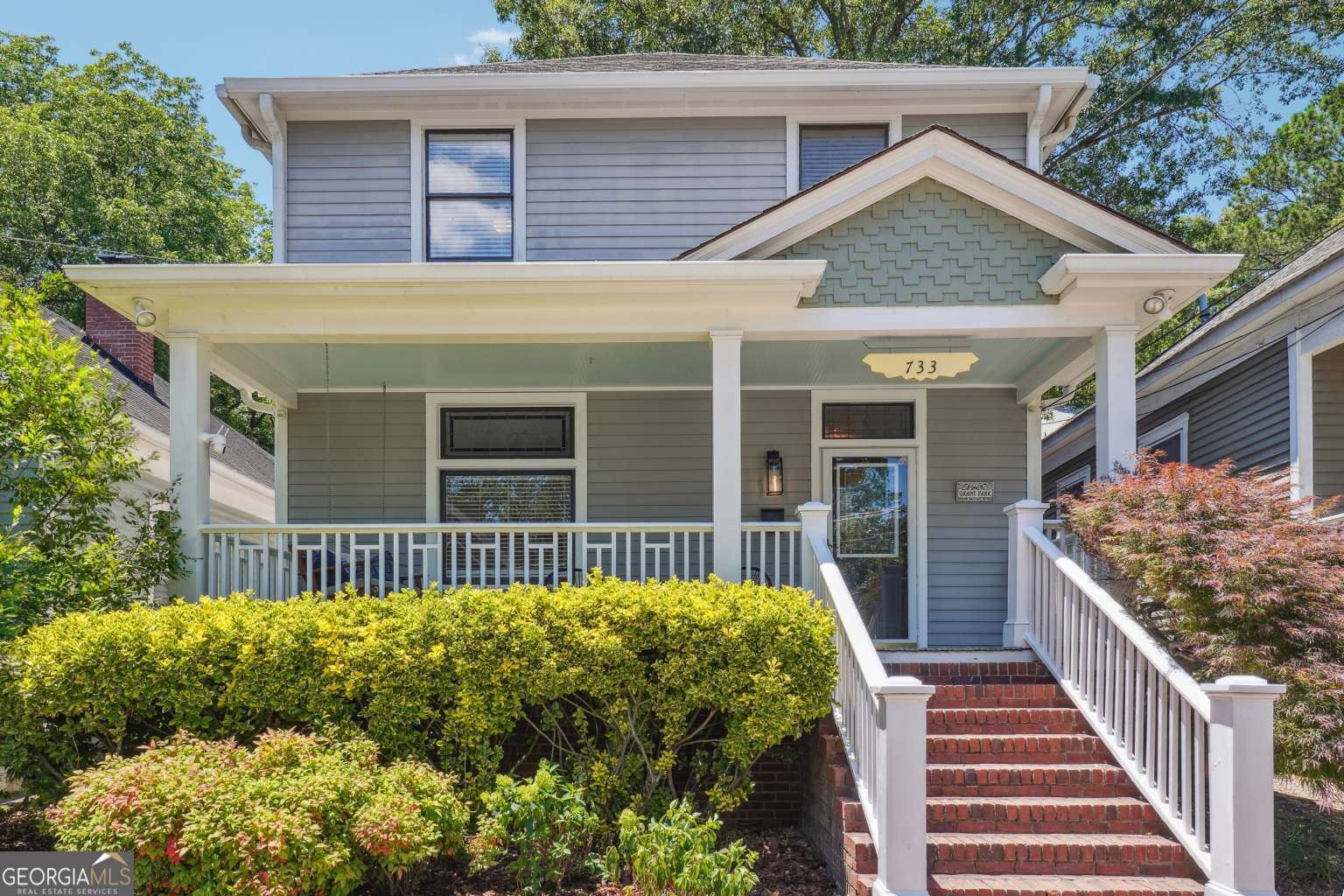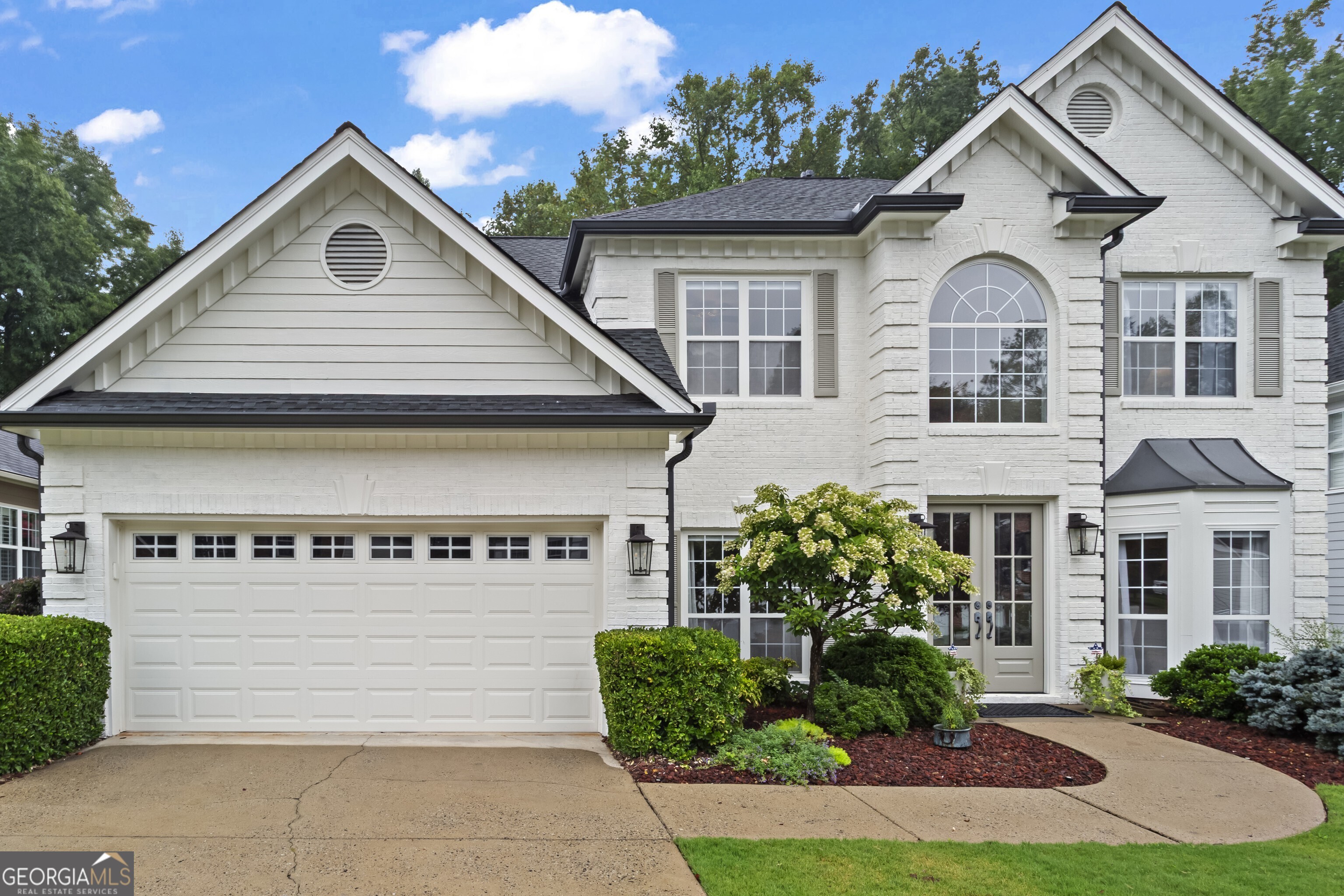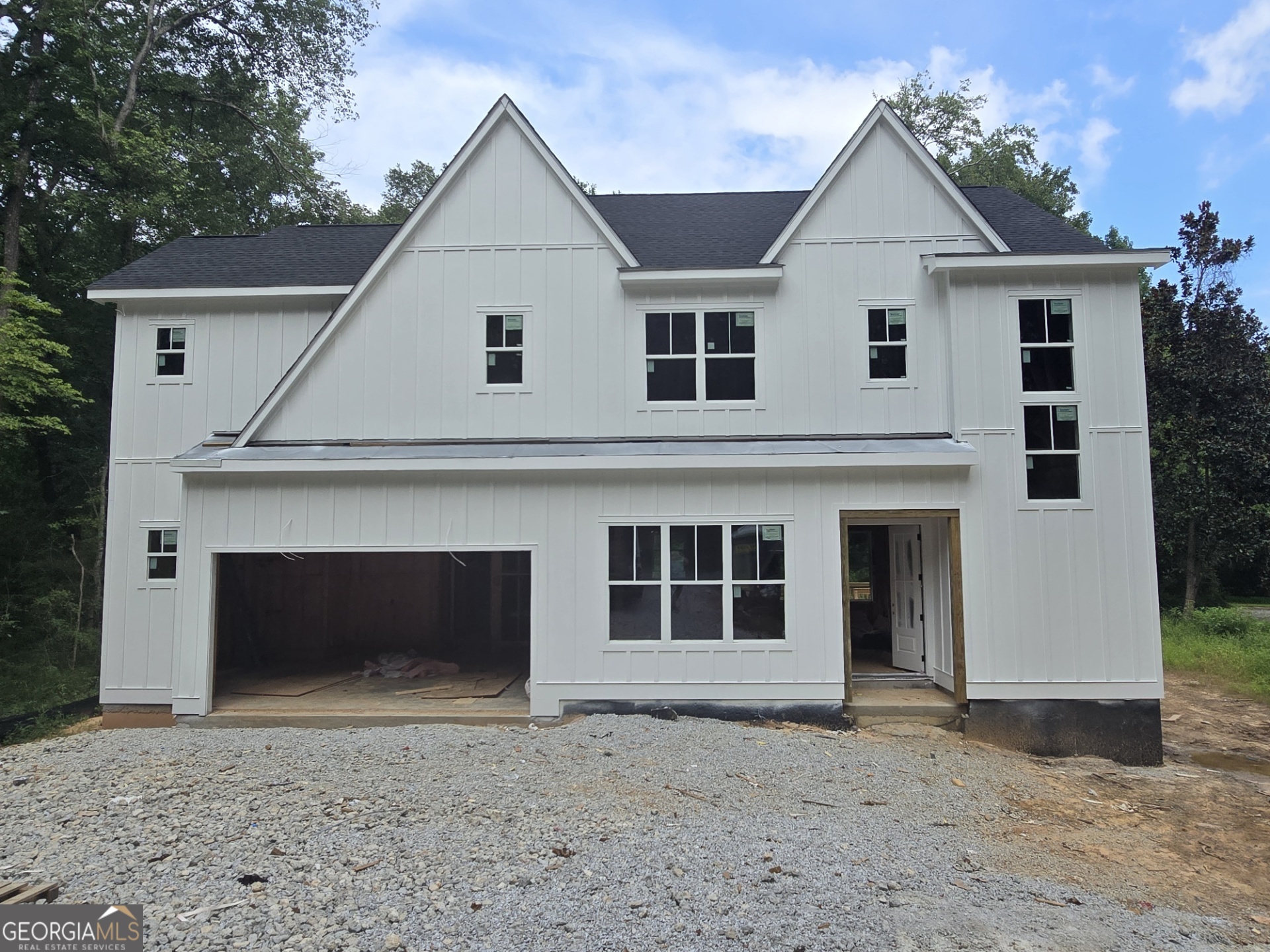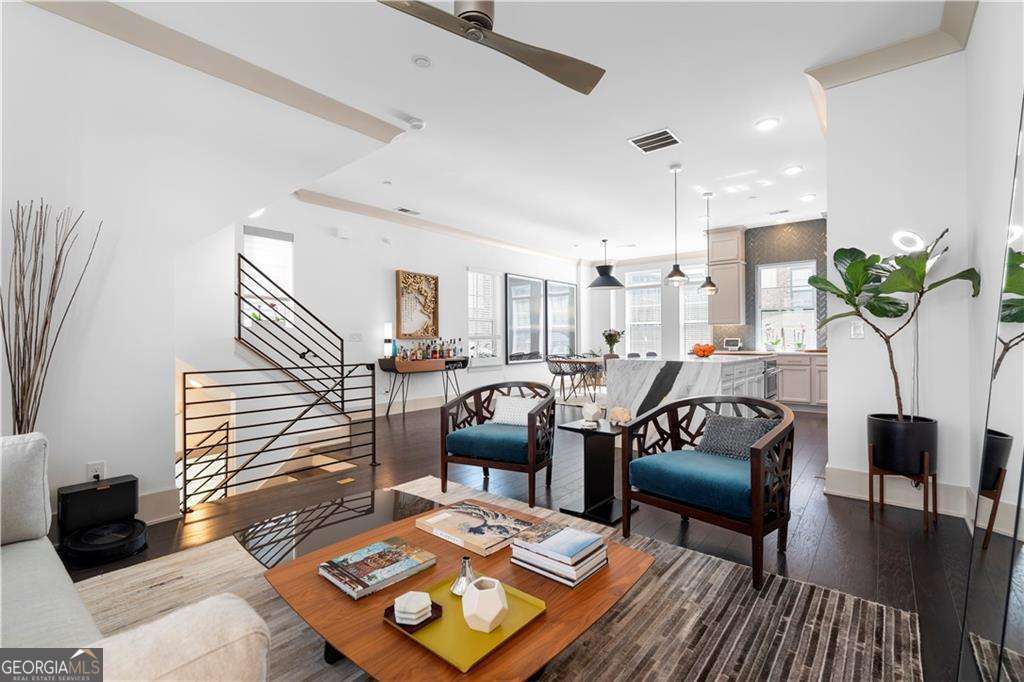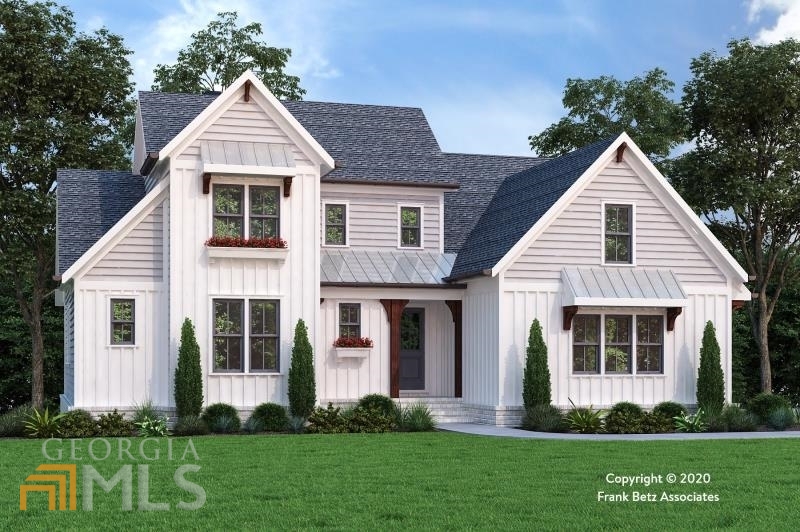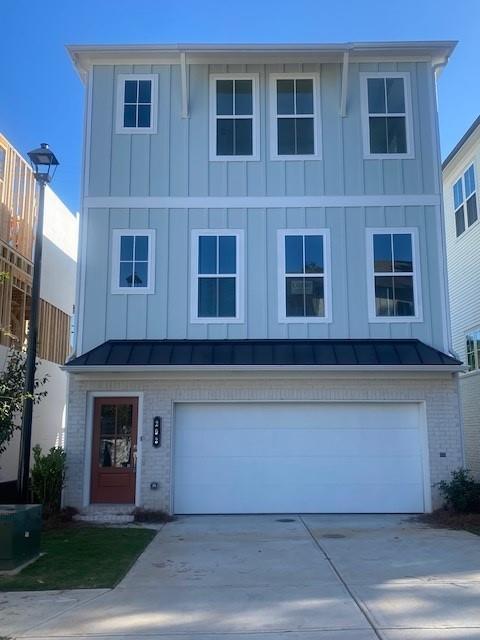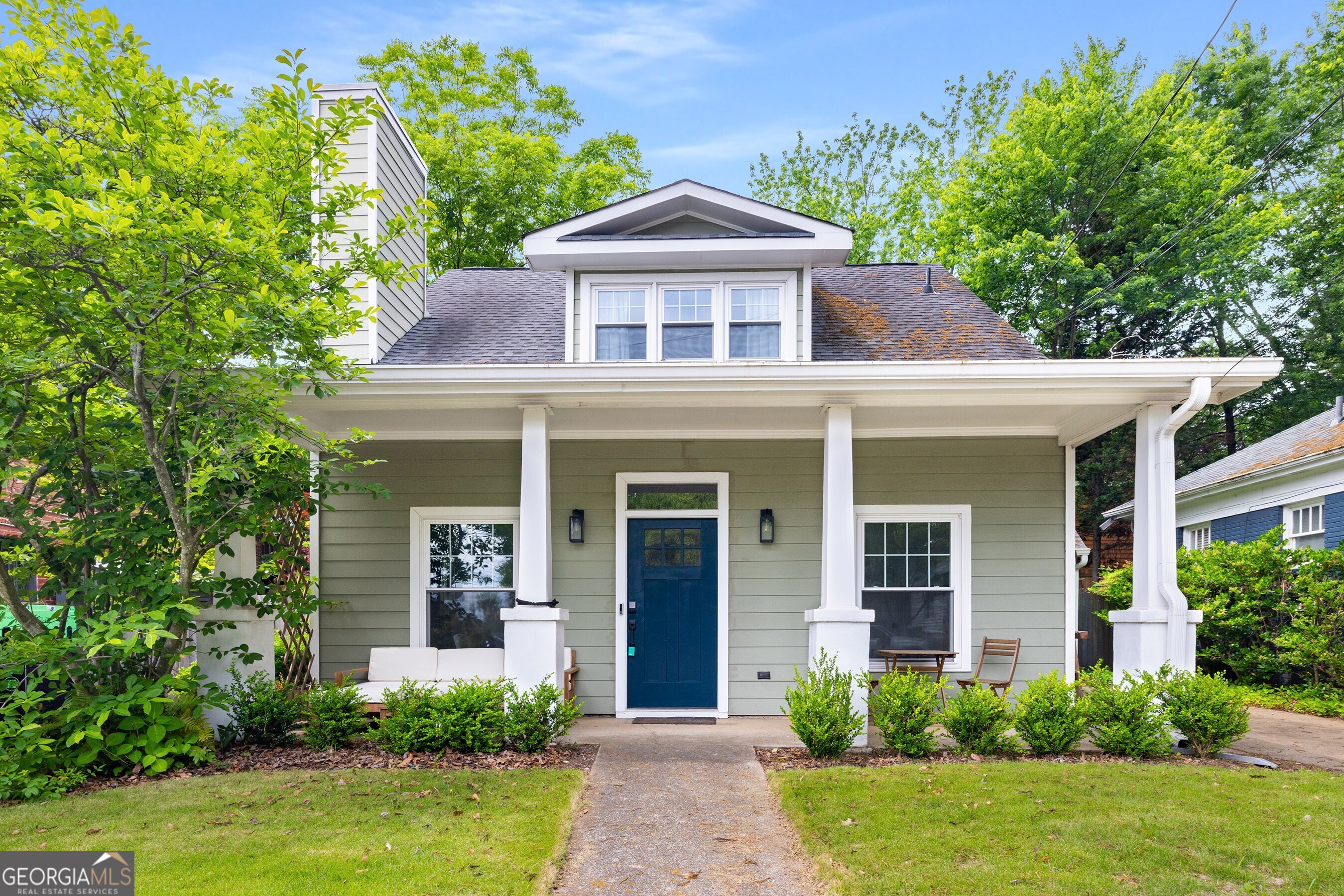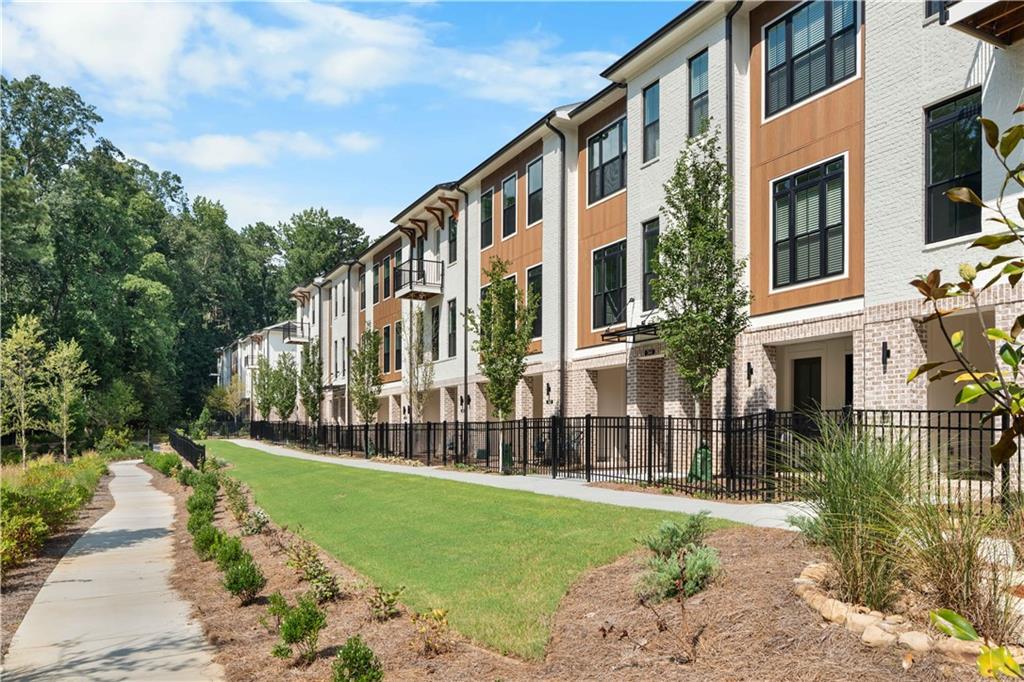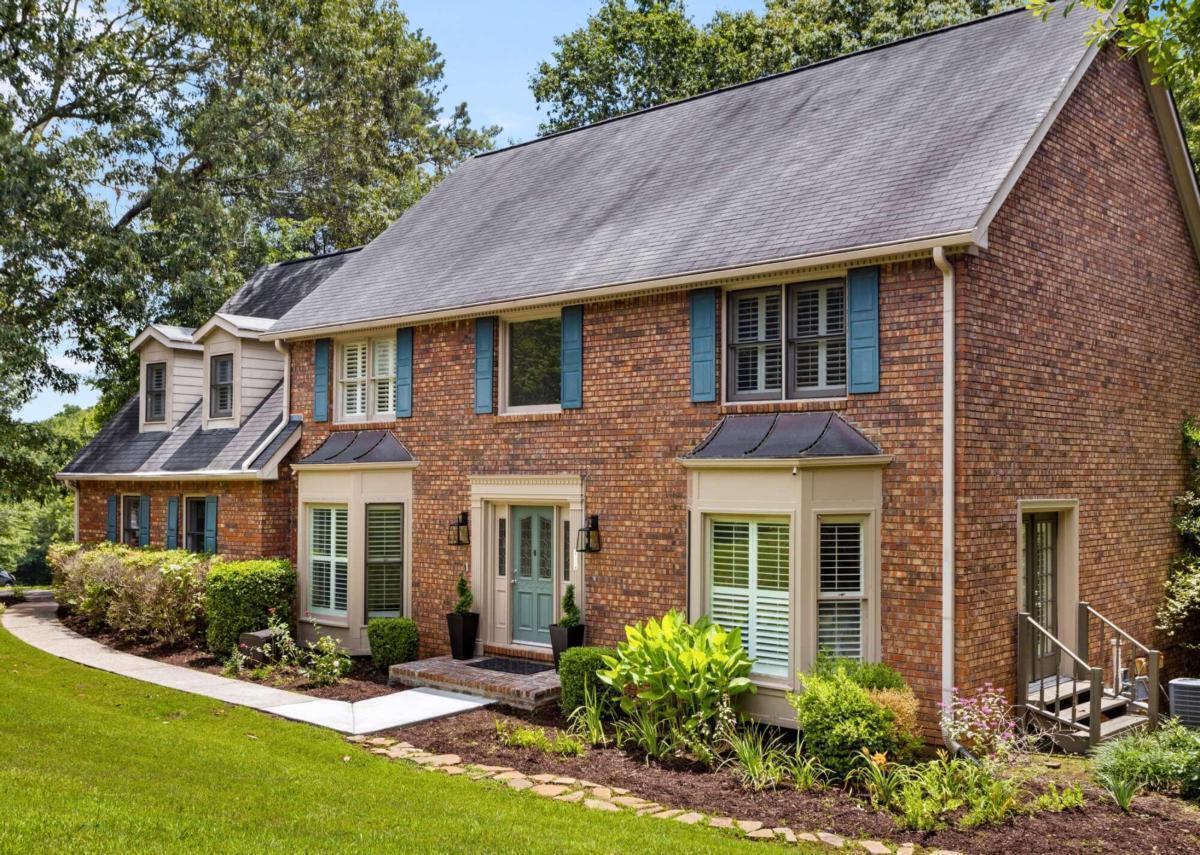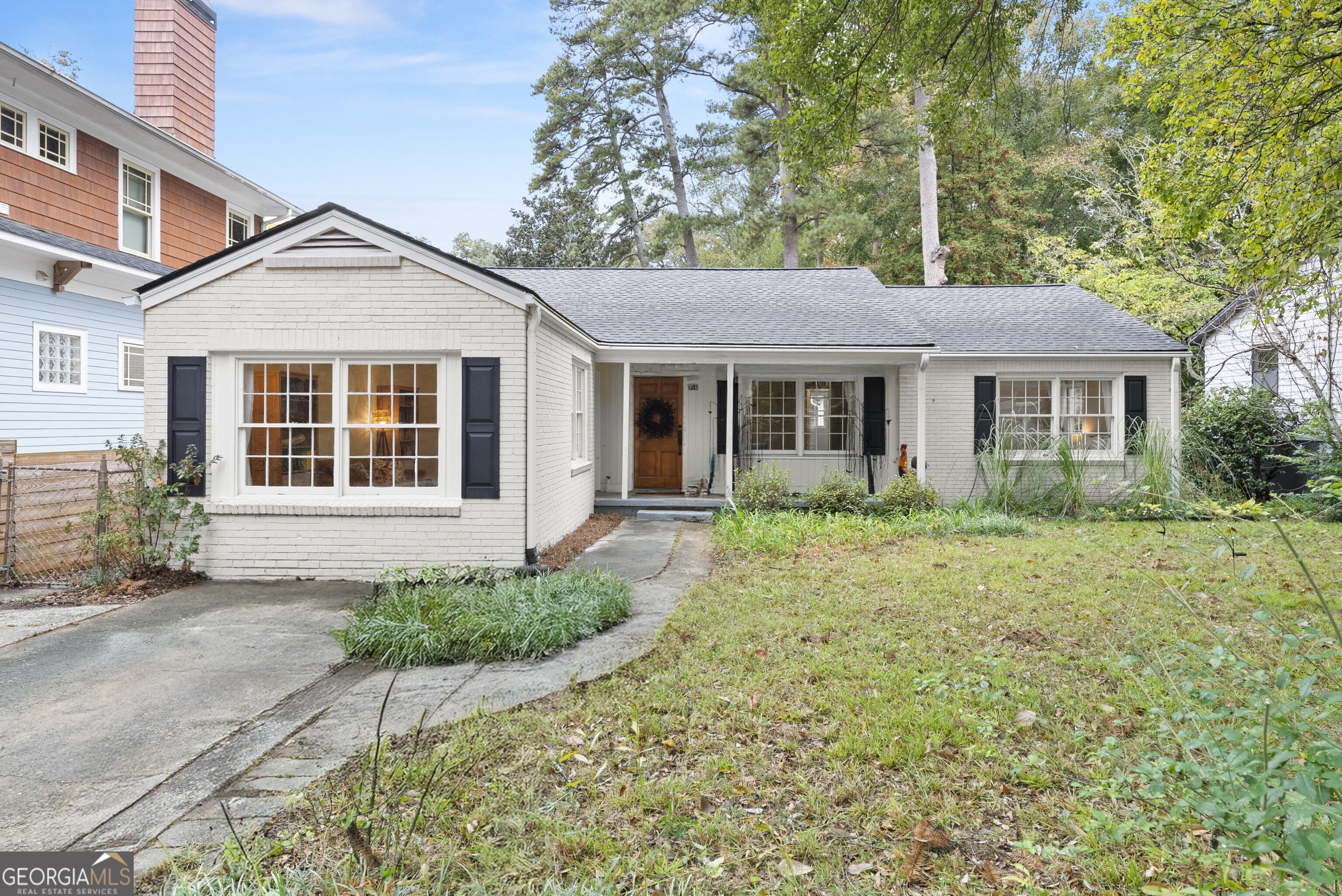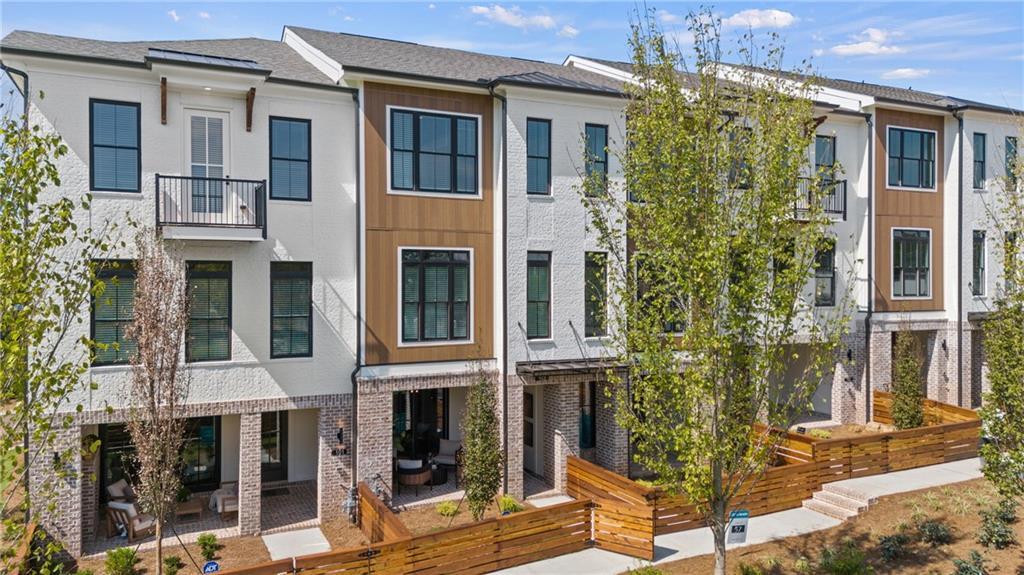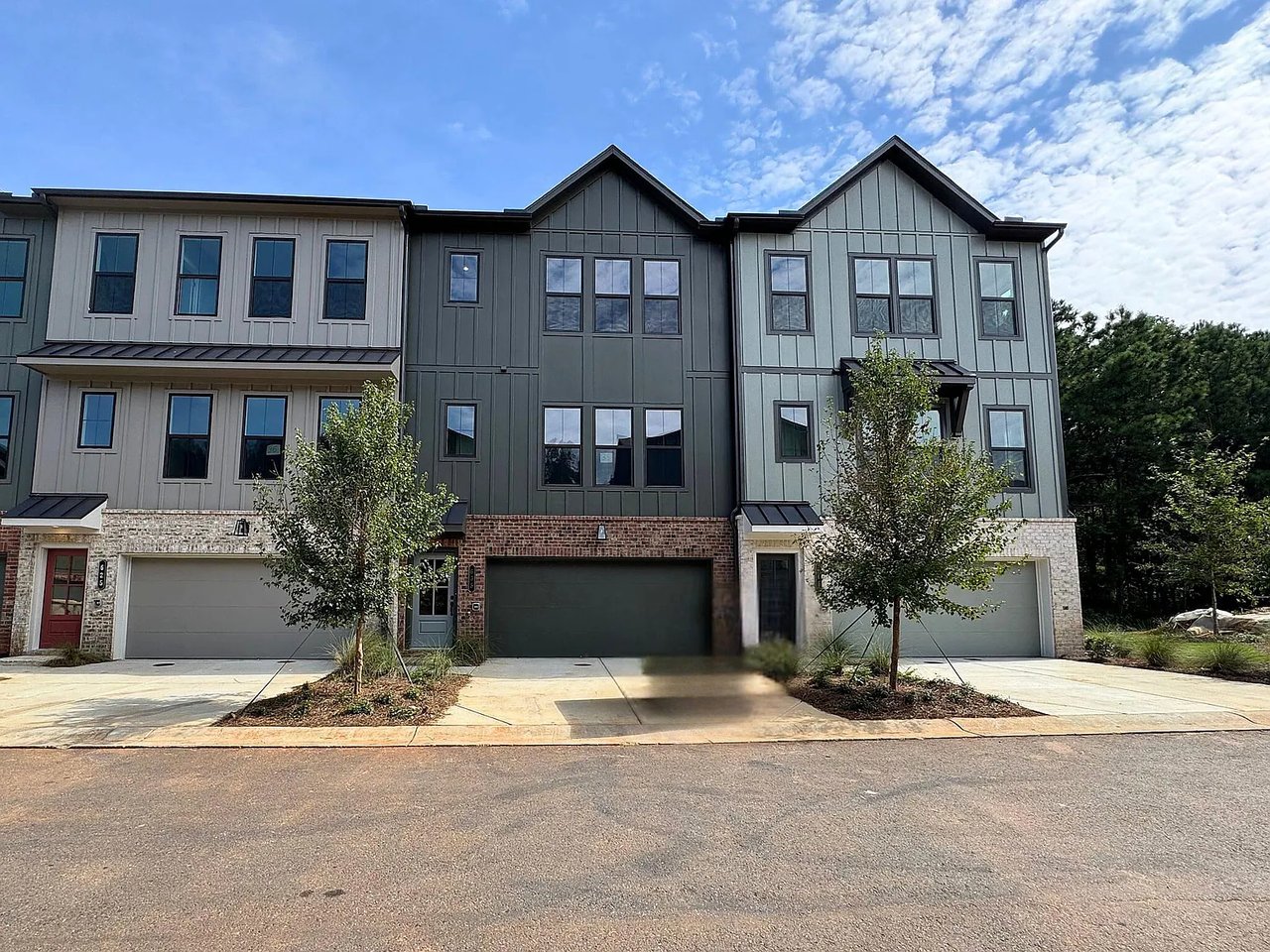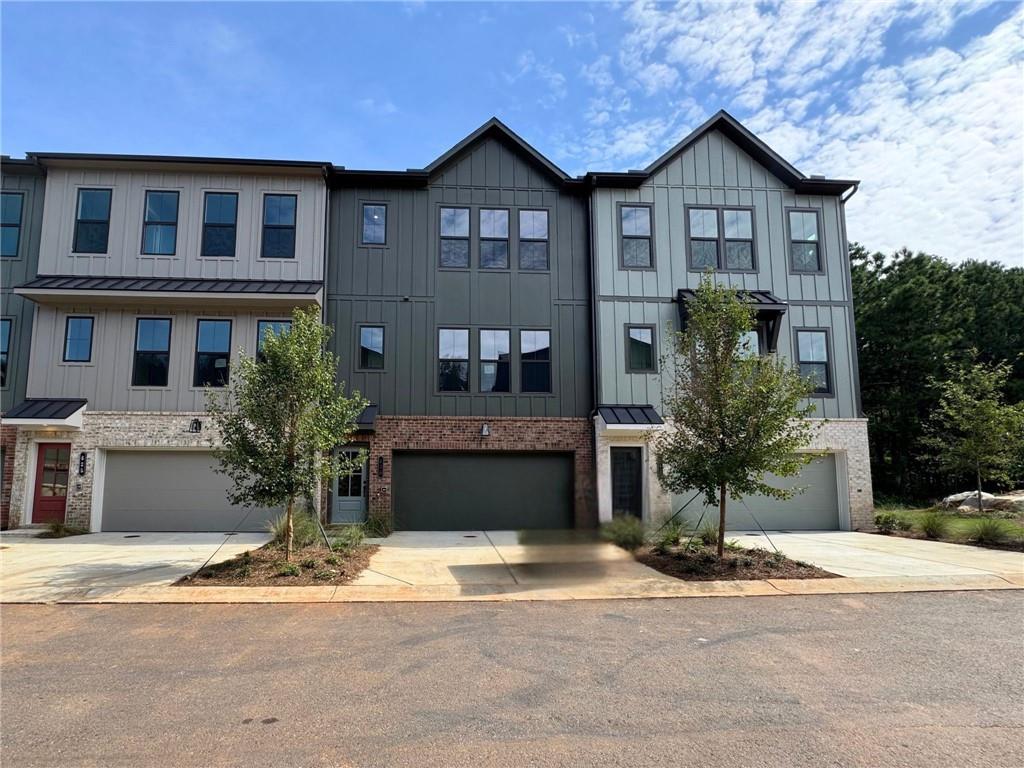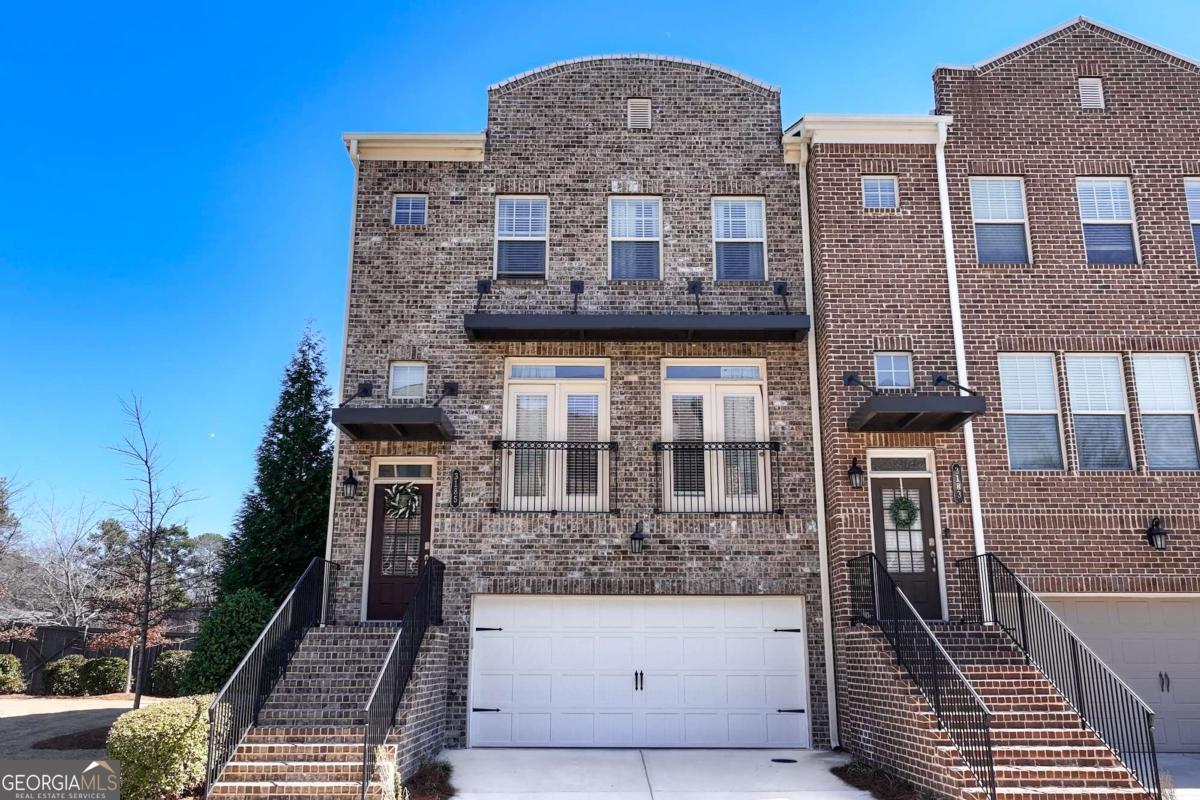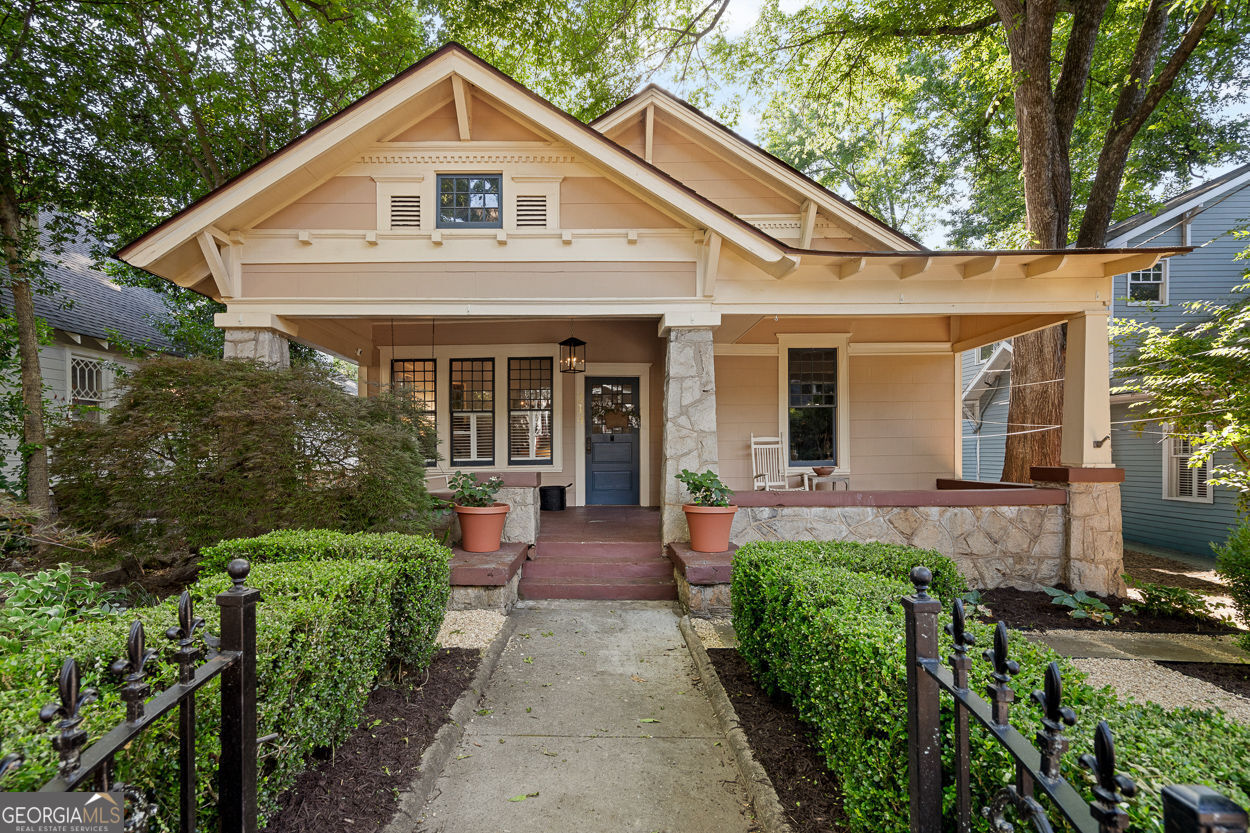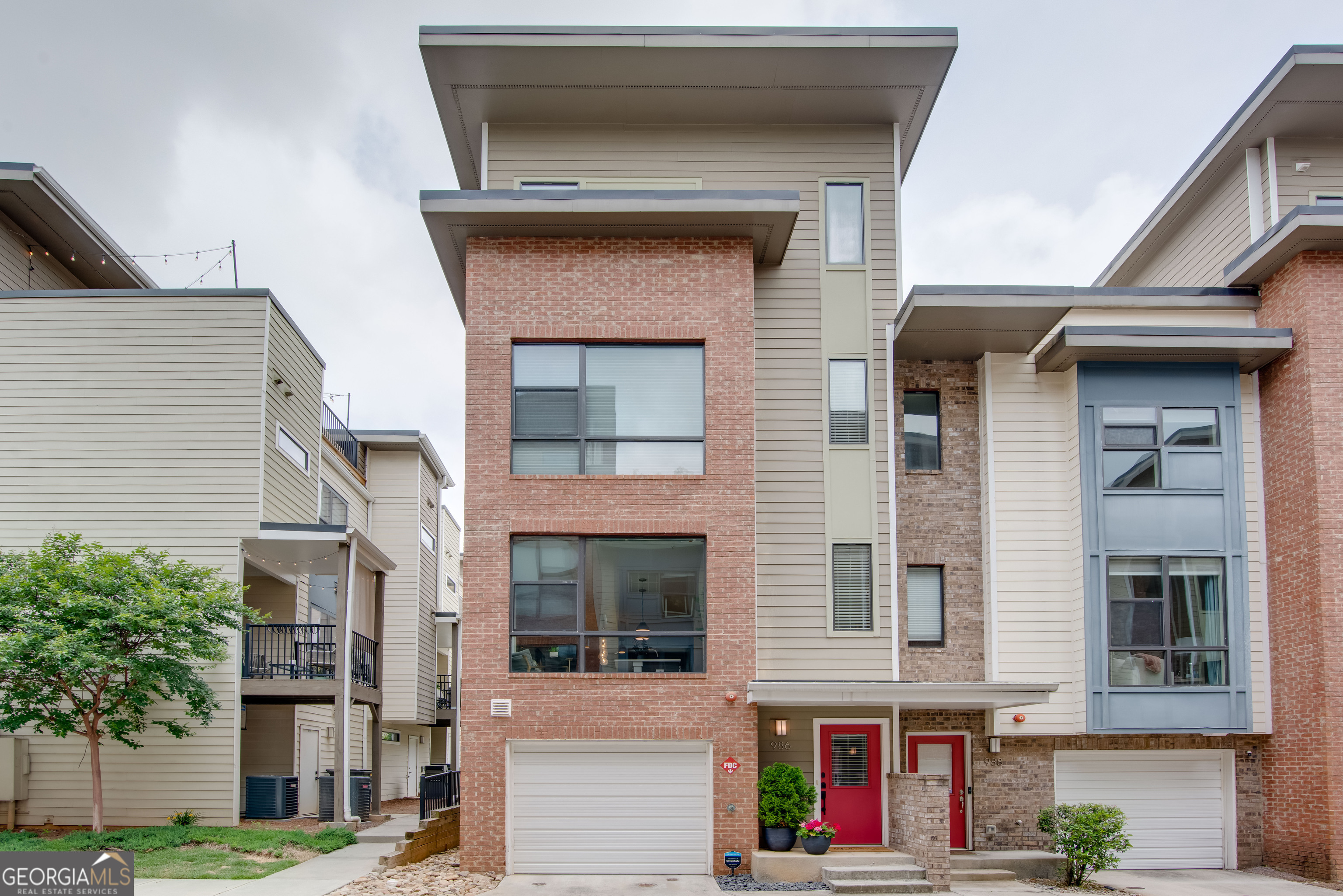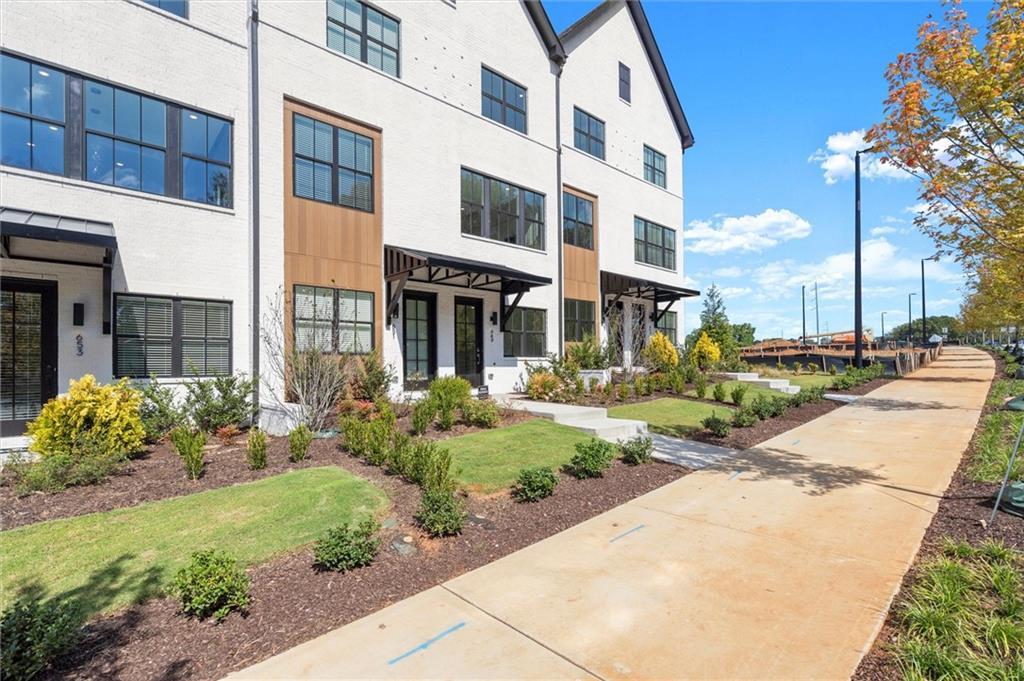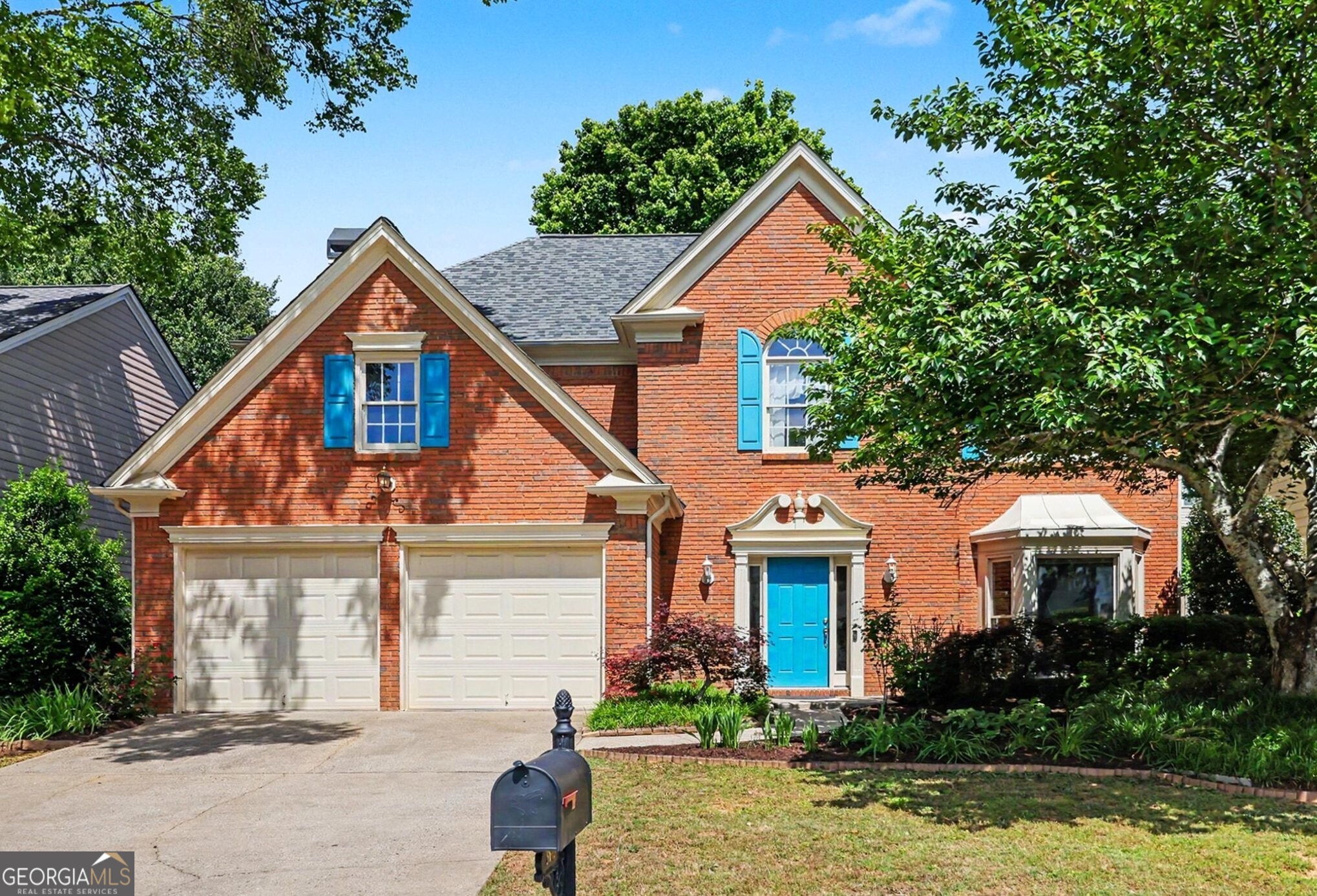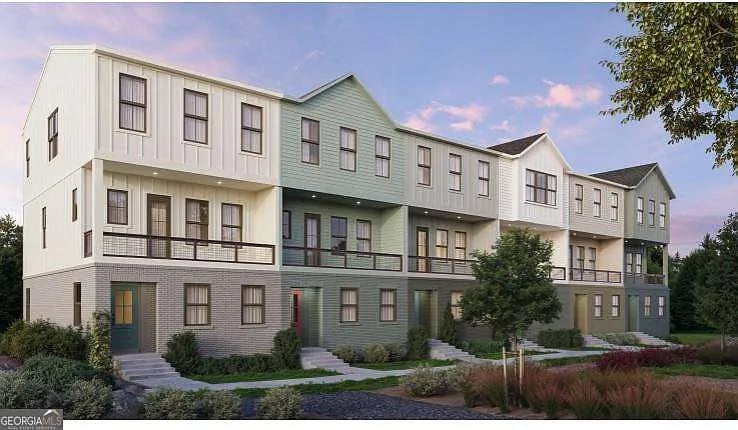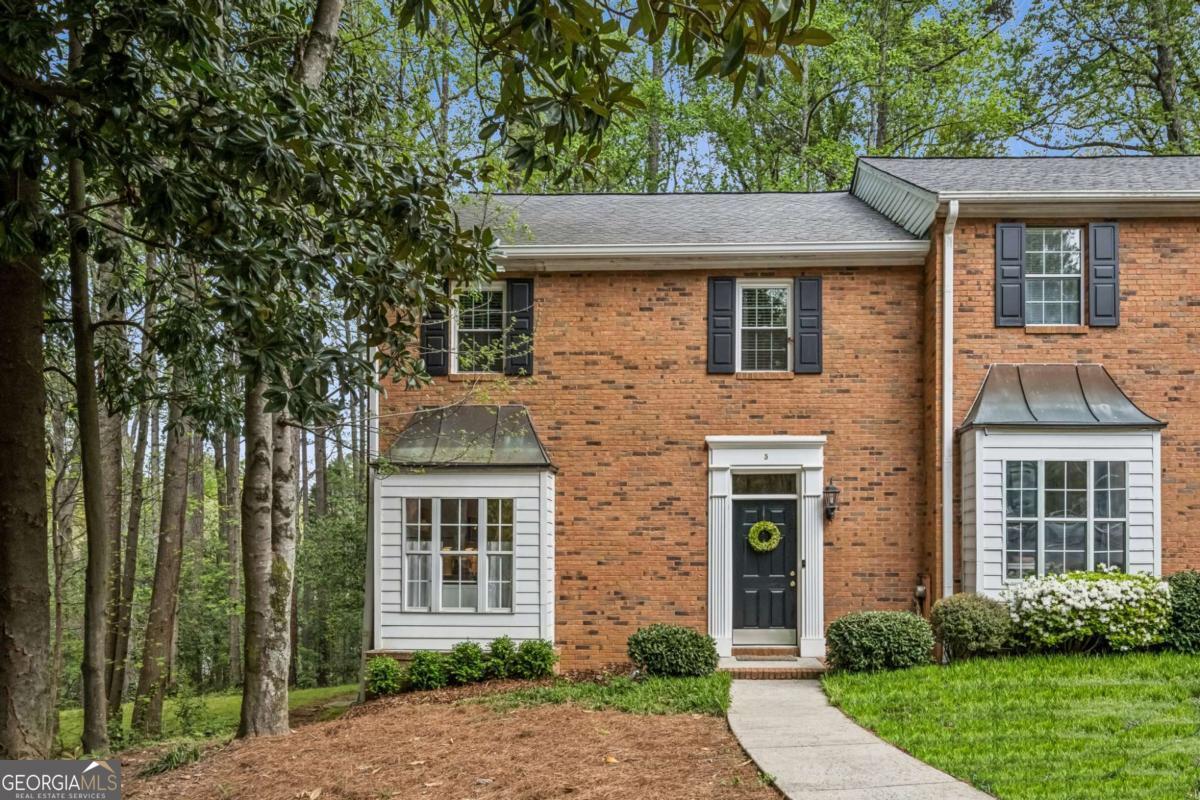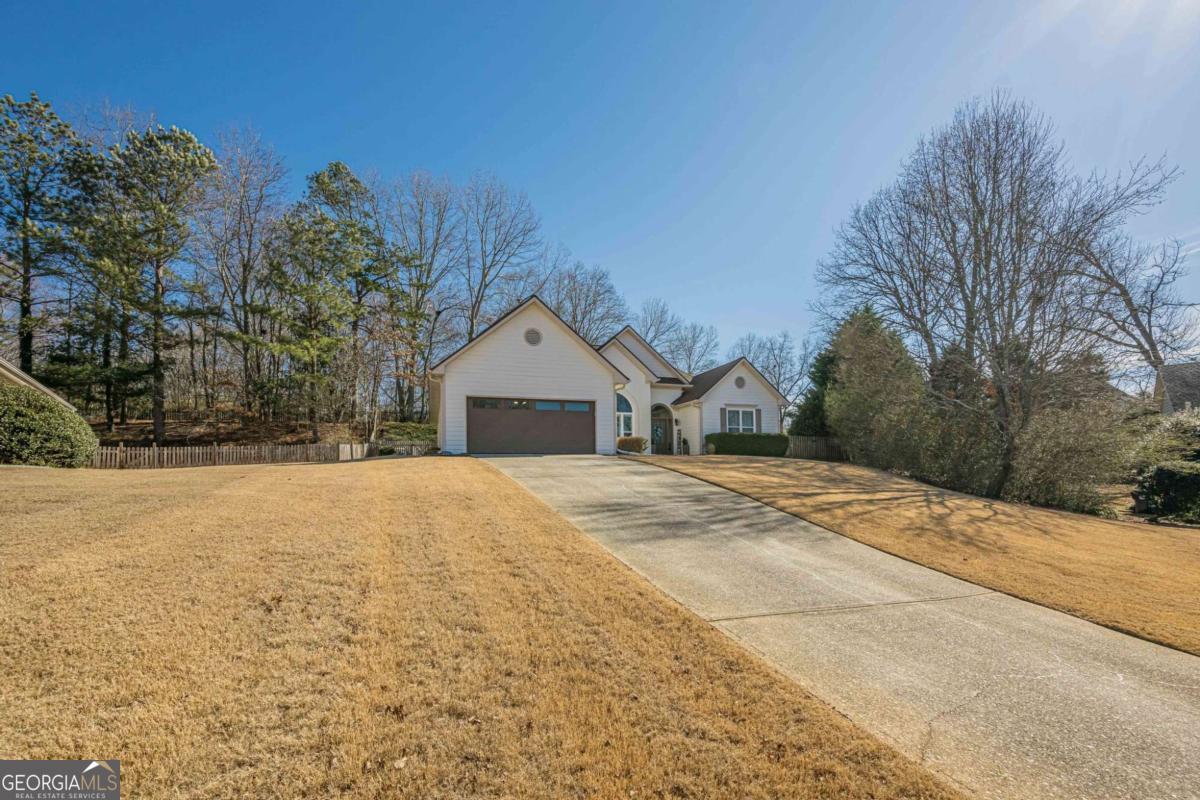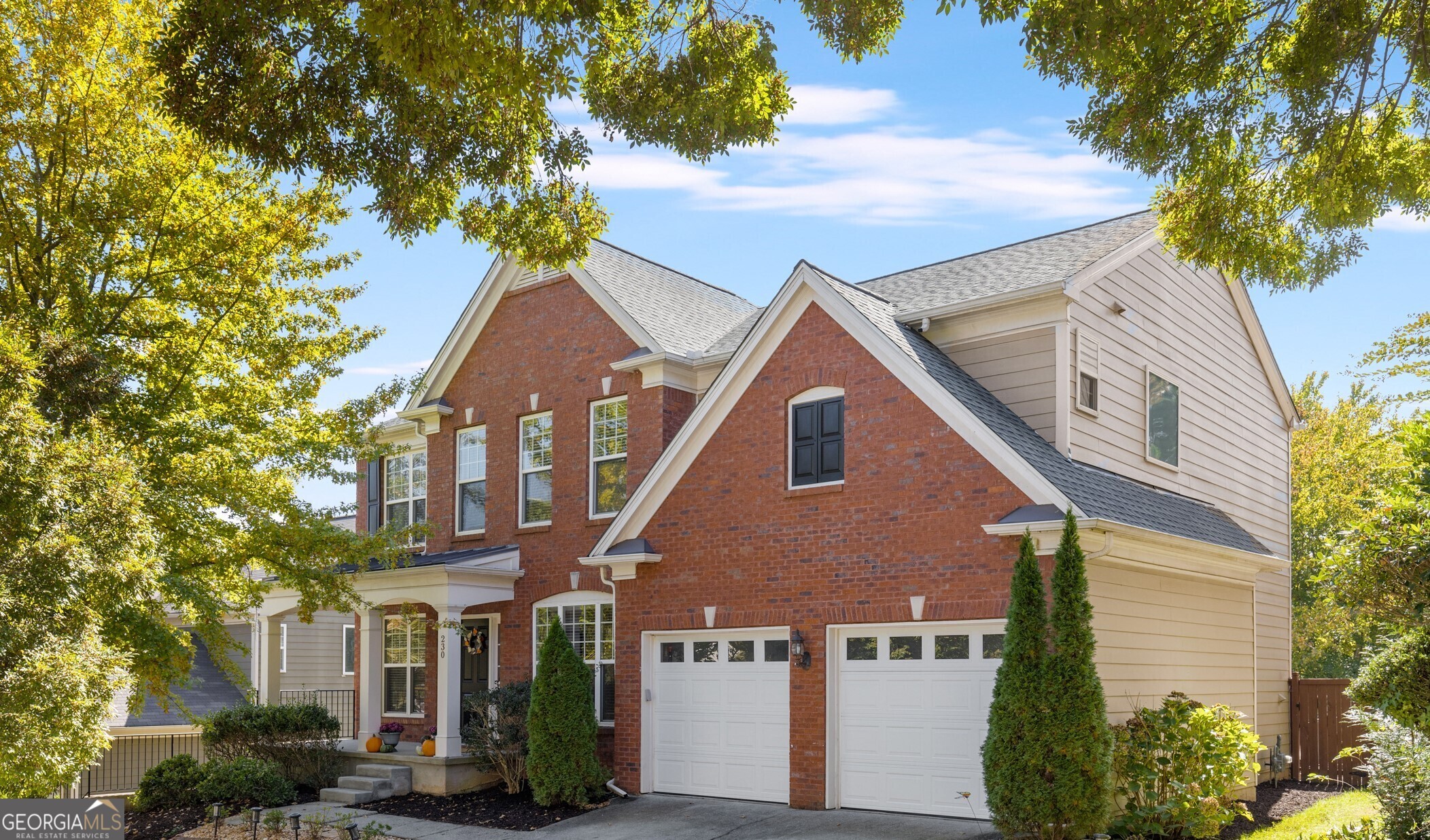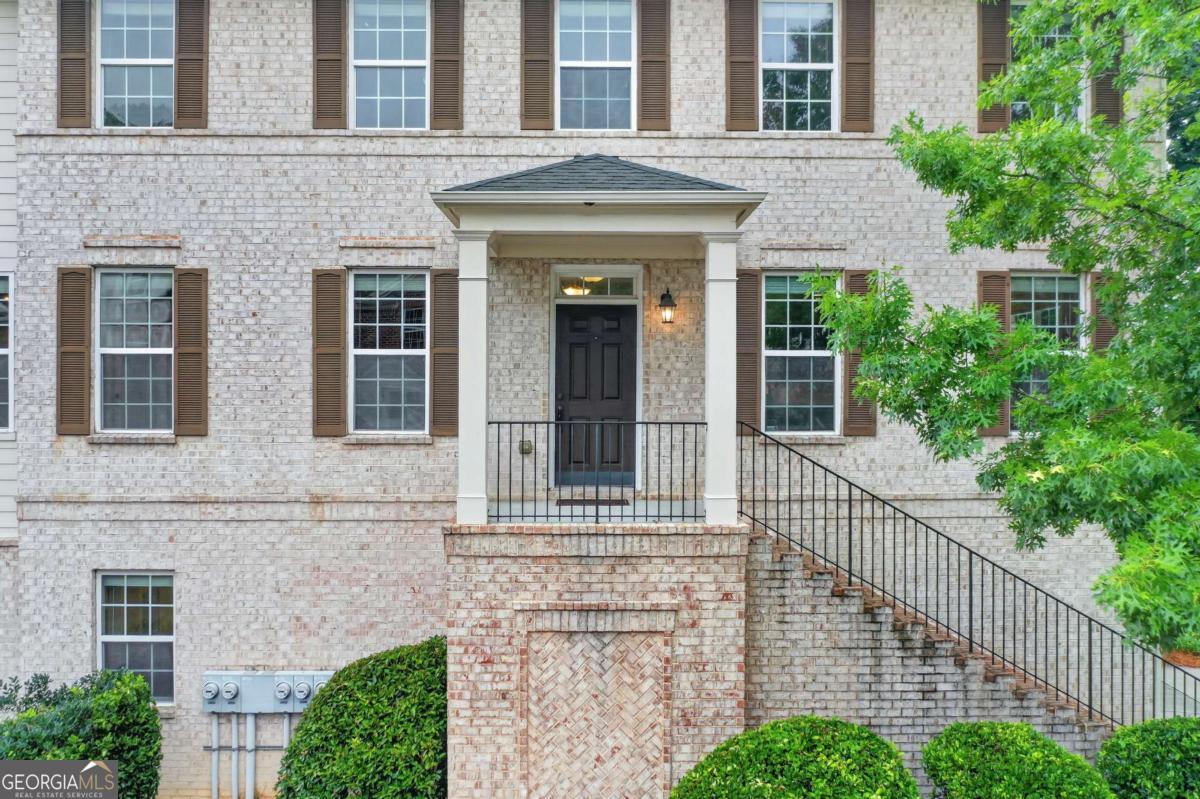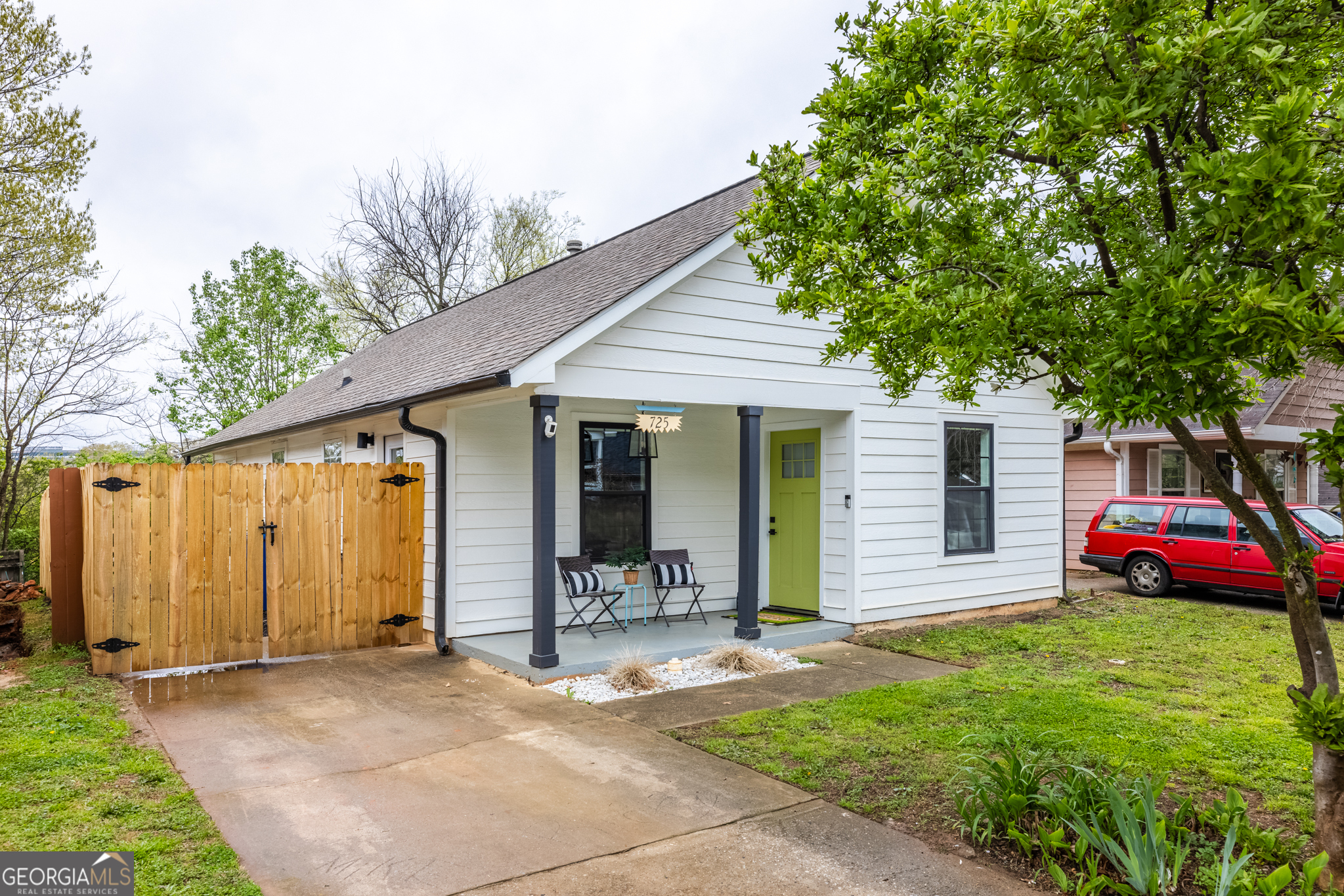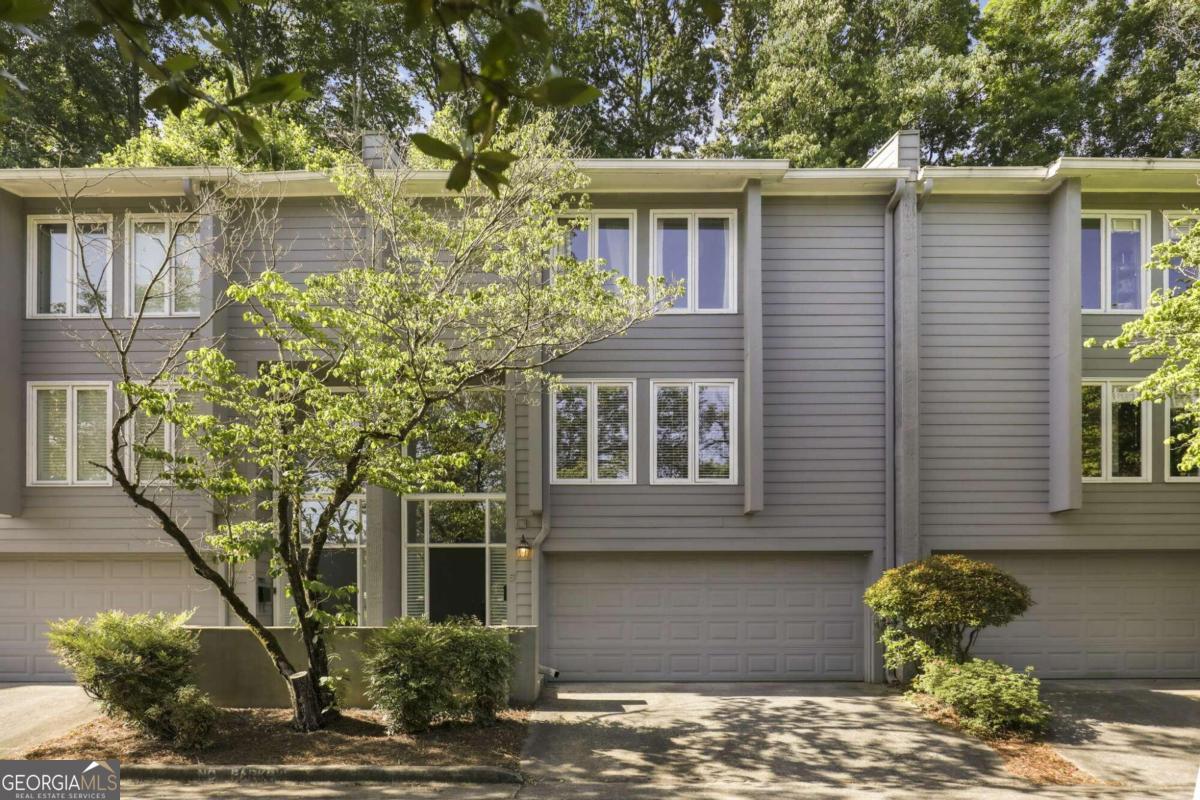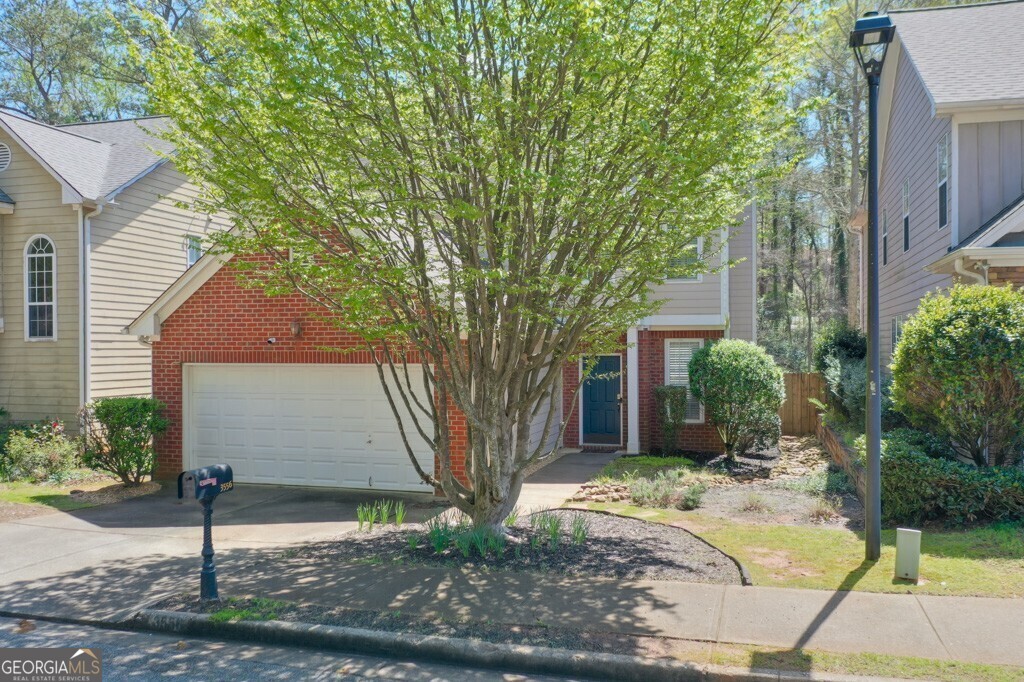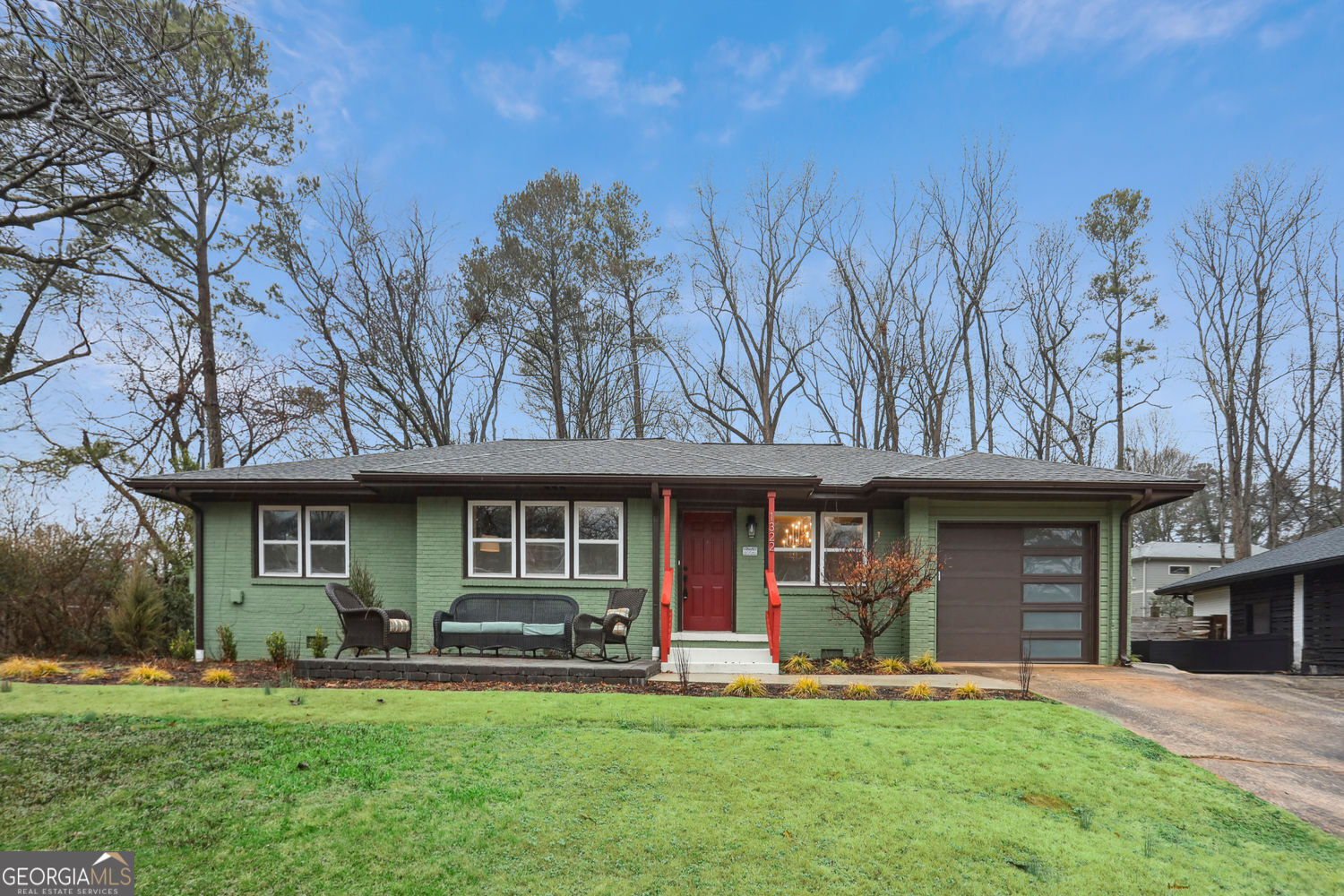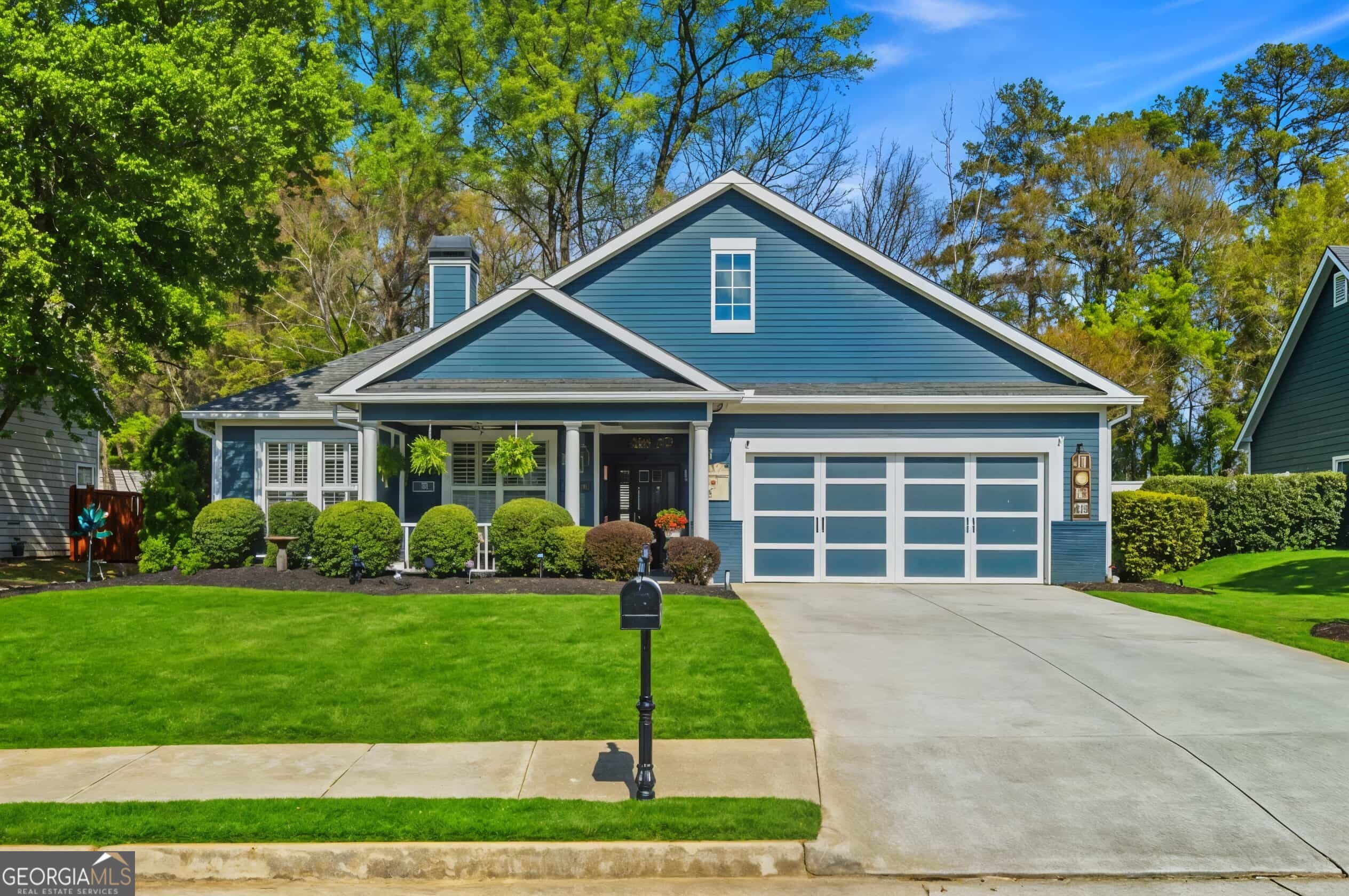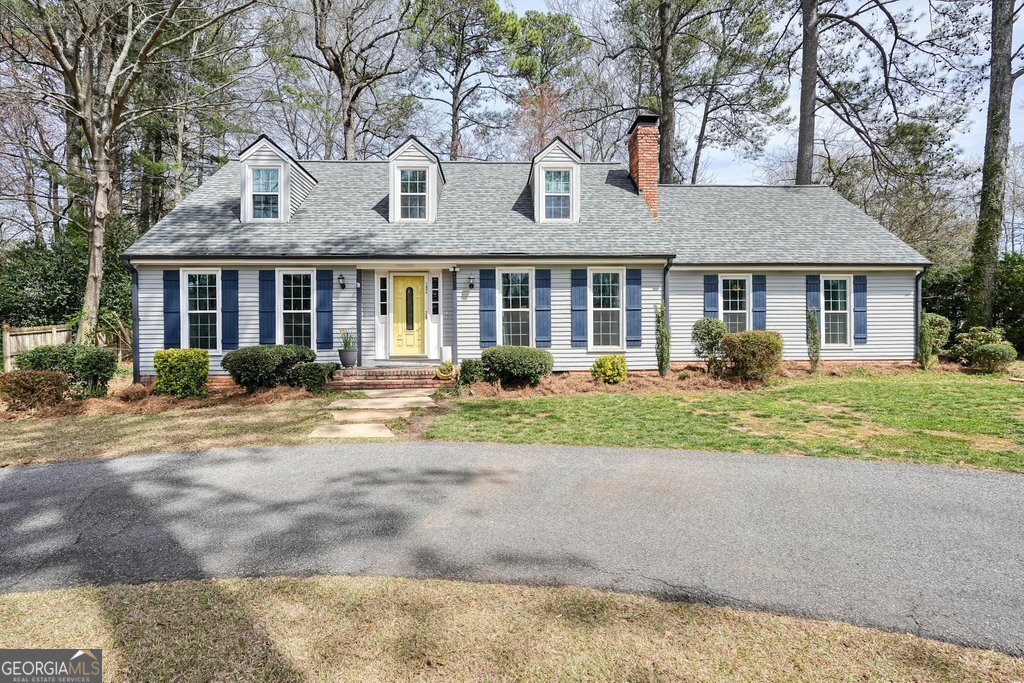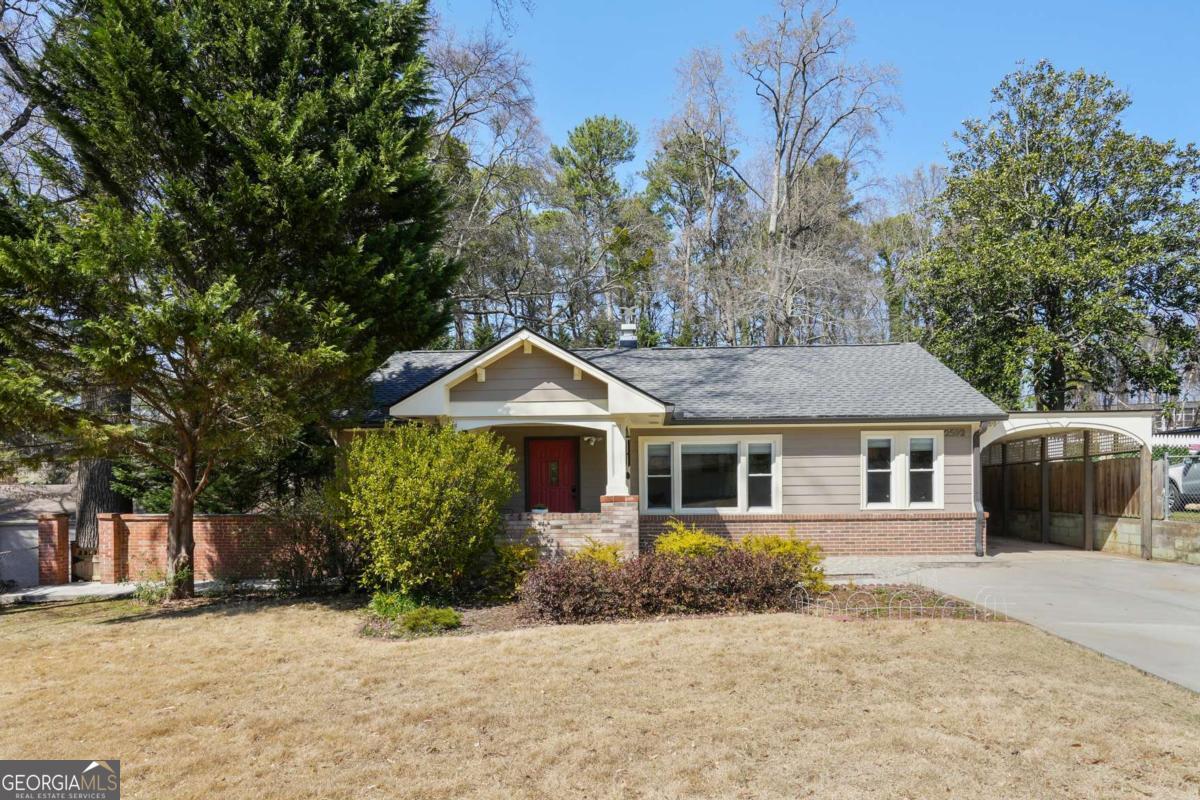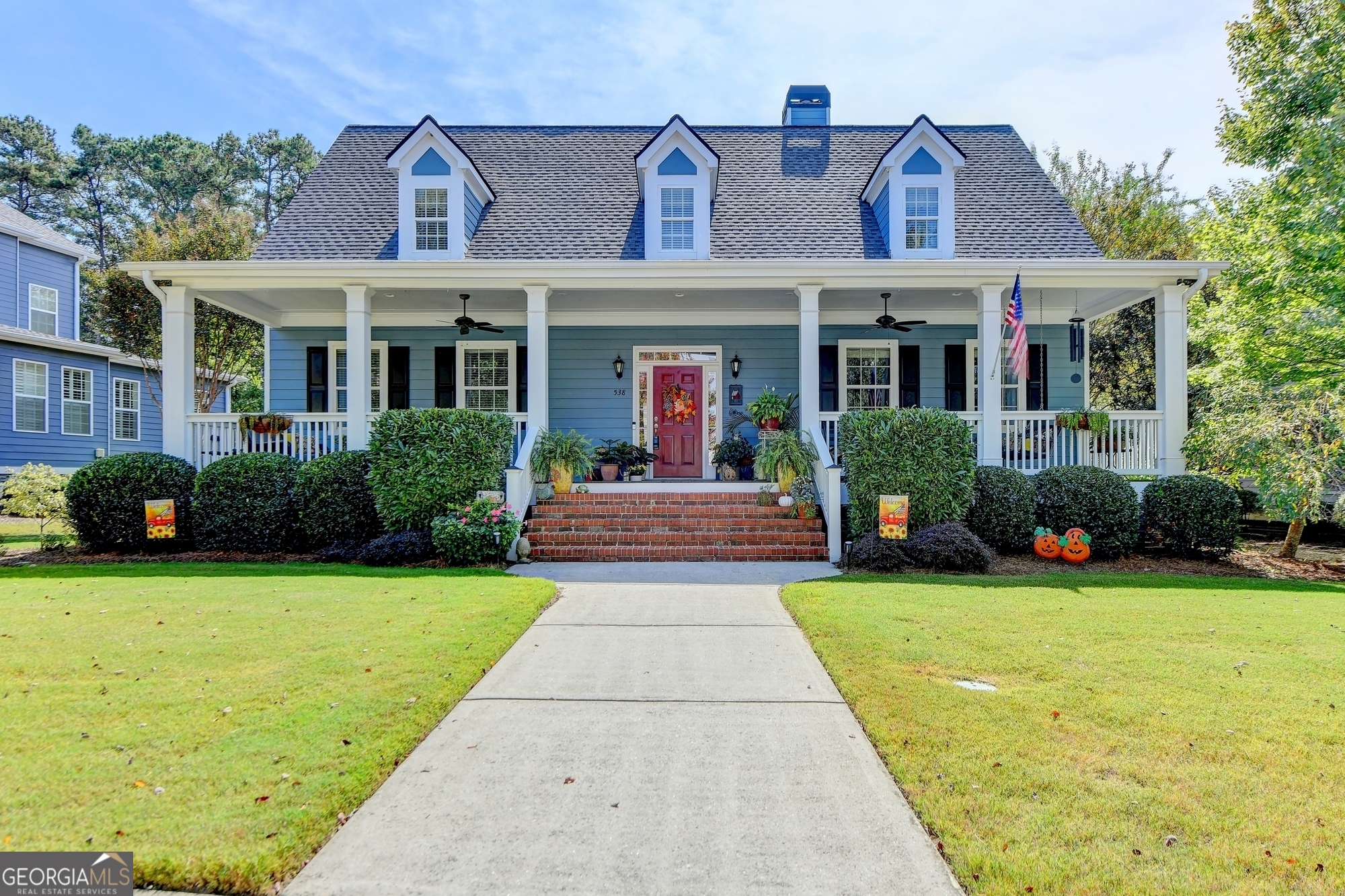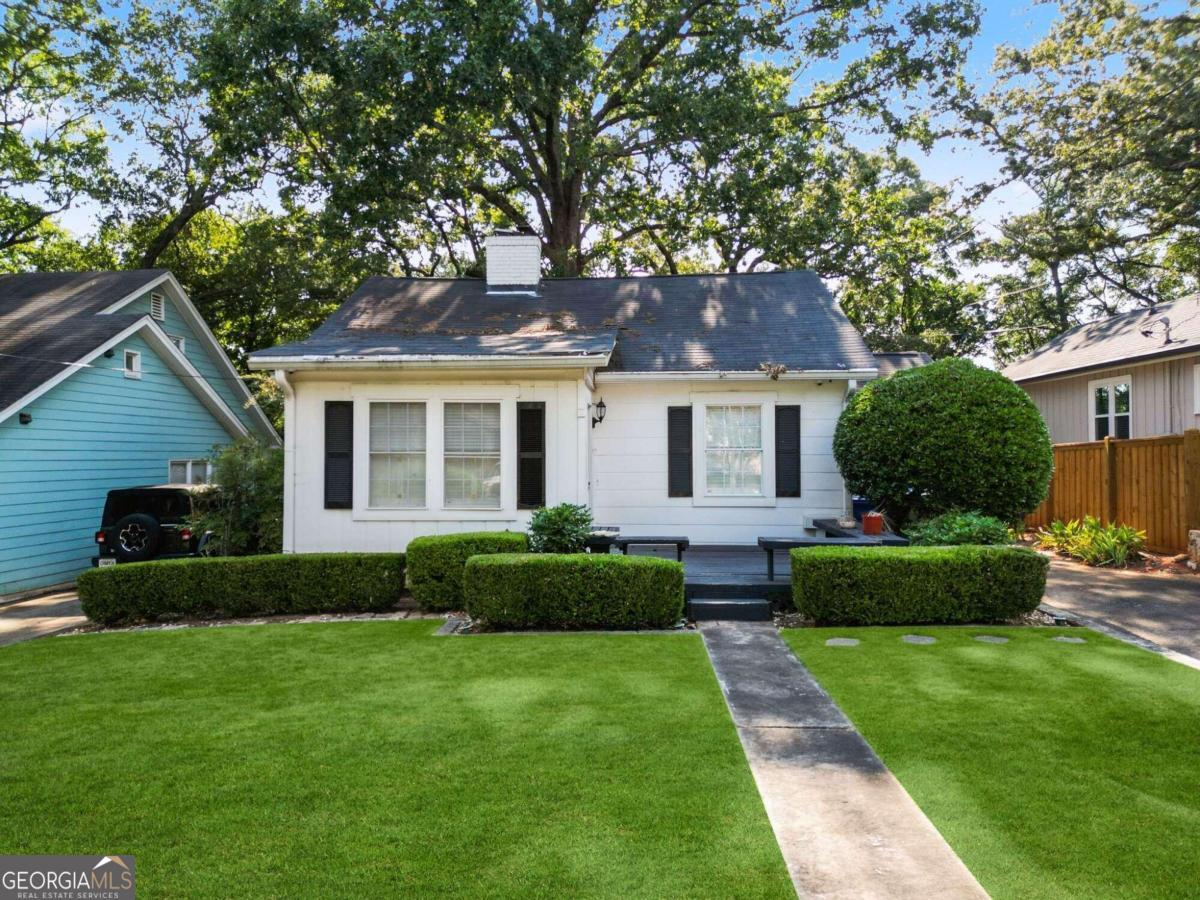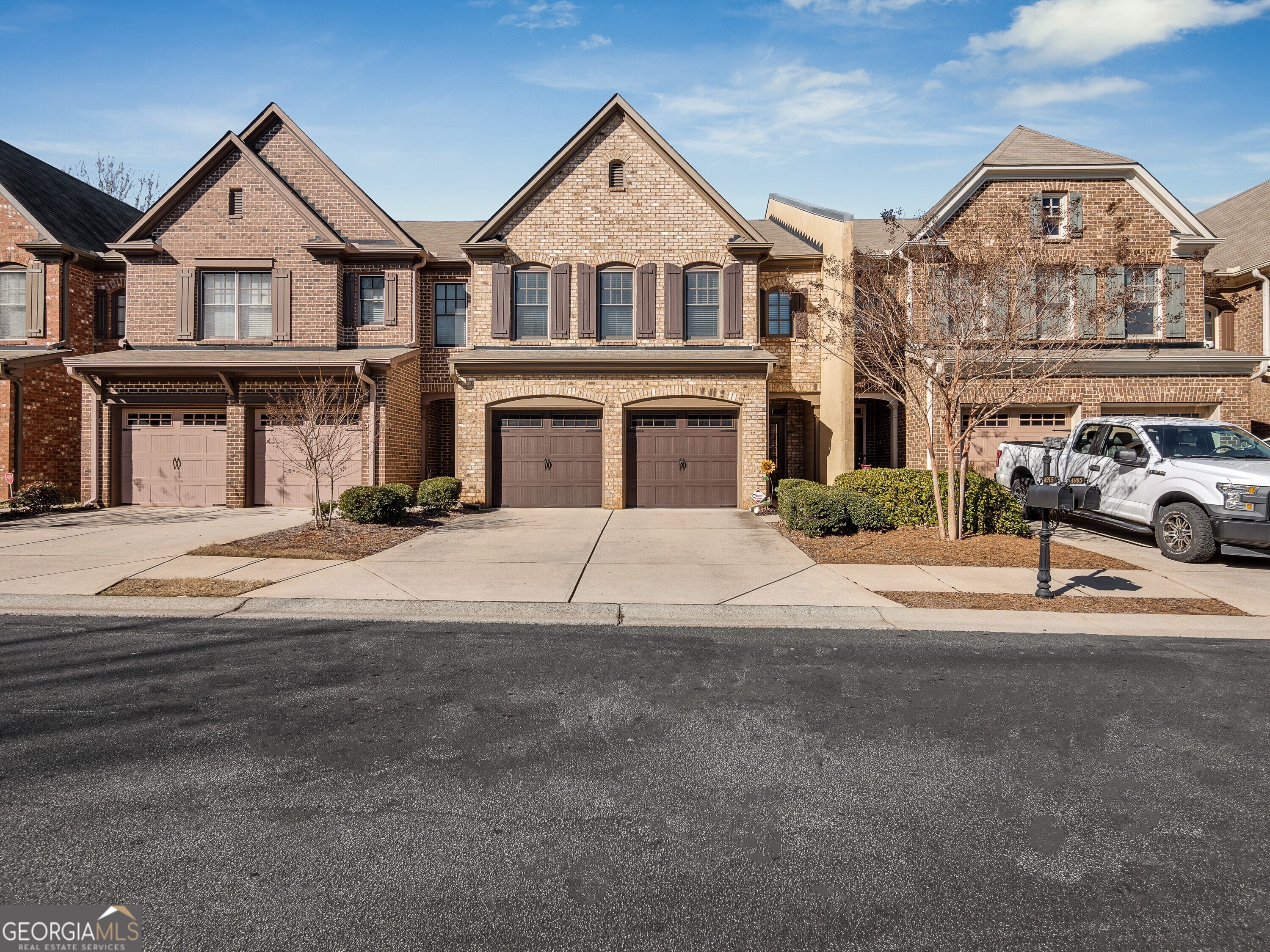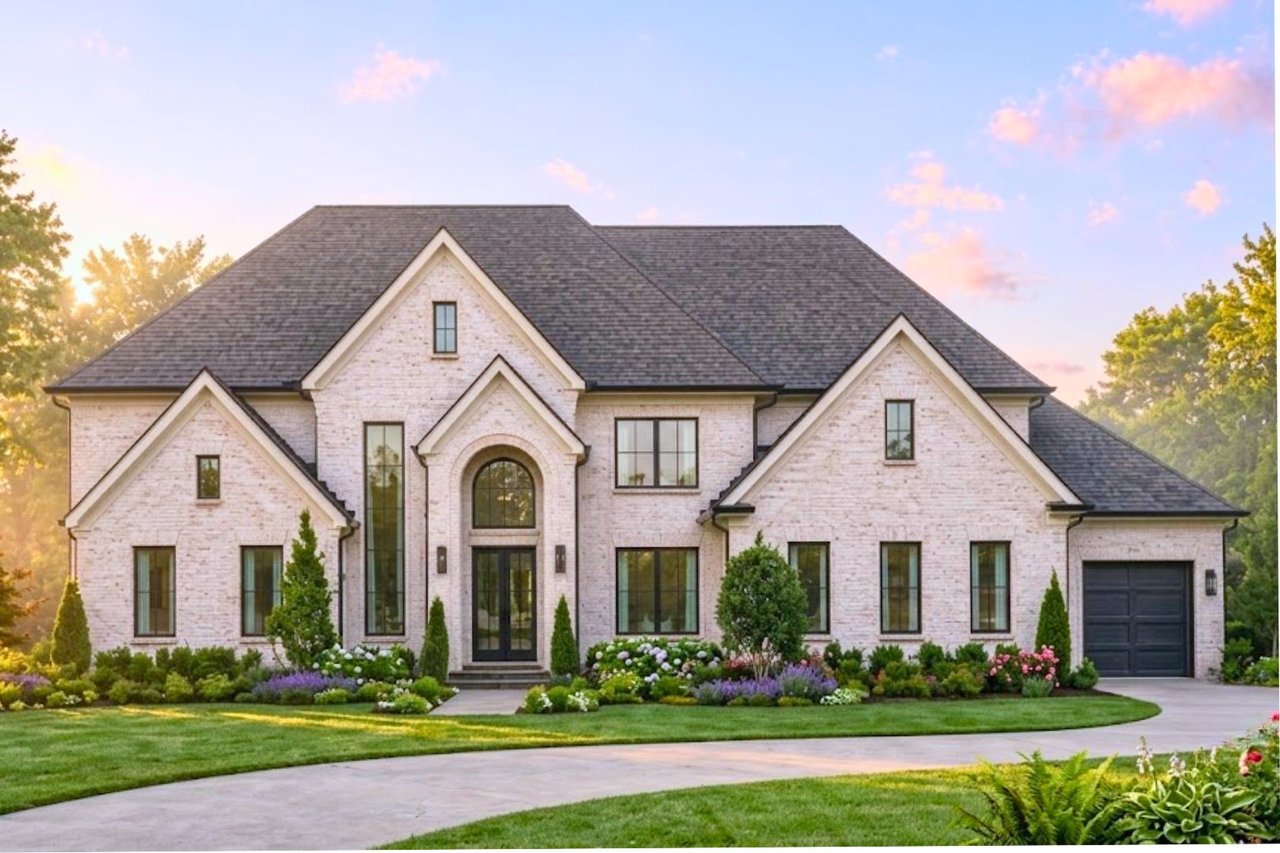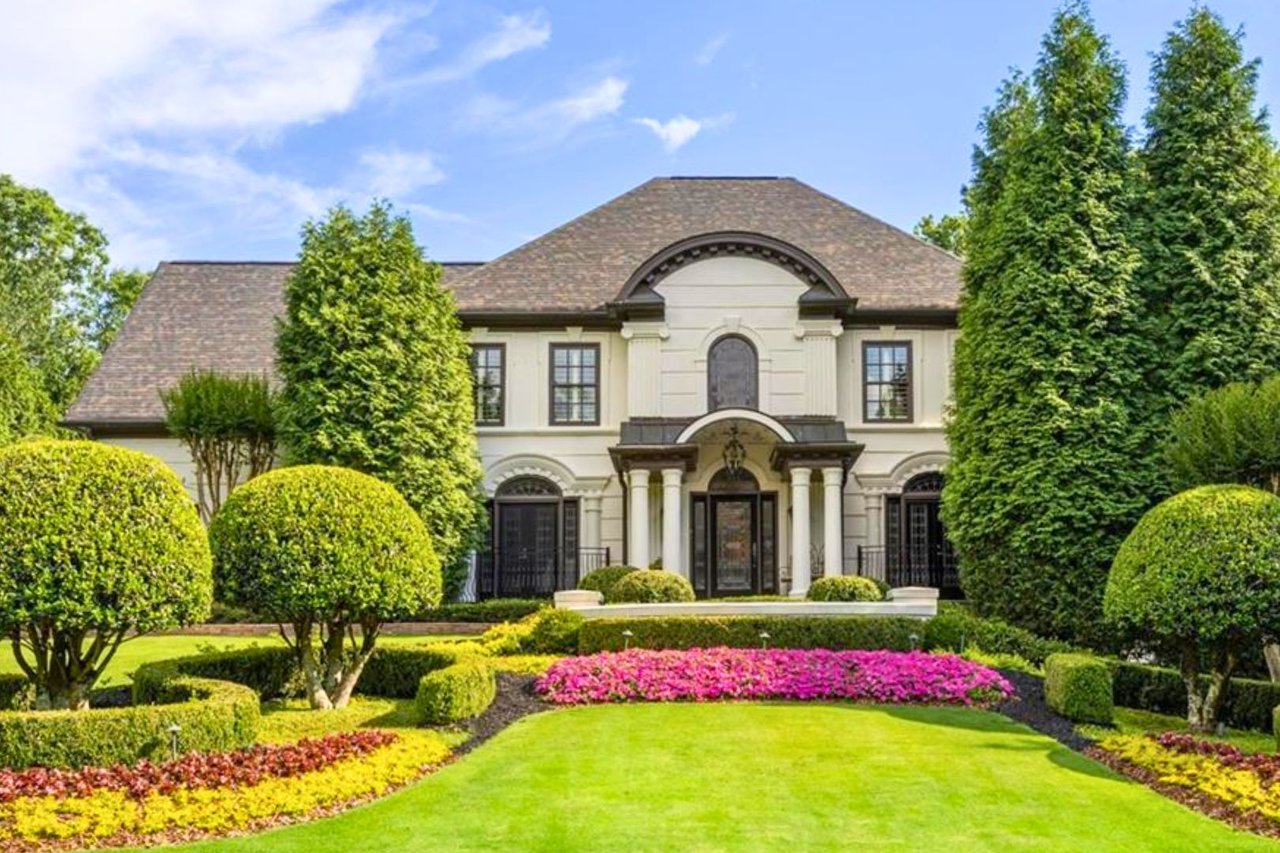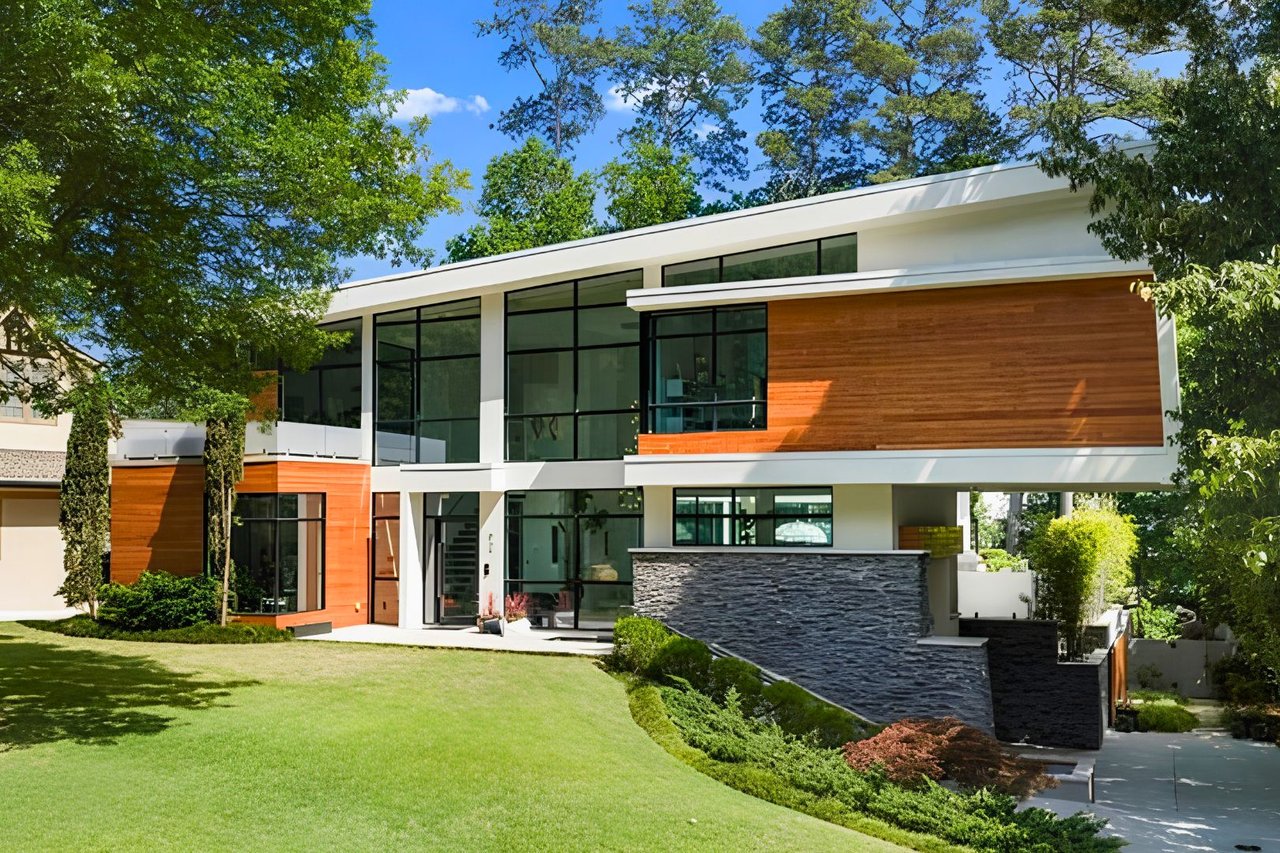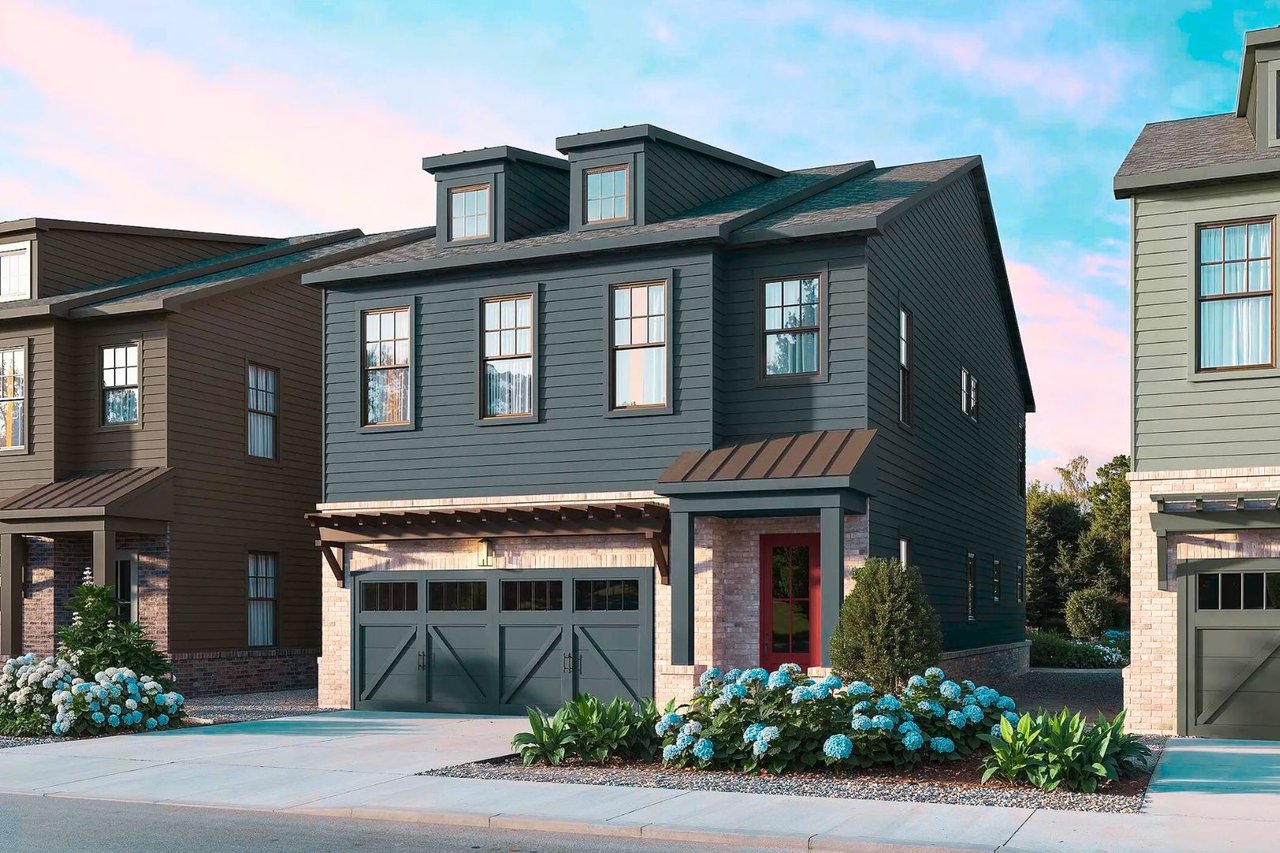
Atlanta buyers are caught in a genuine standoff: resale inventory in the most desirable neighborhoods remains stubbornly thin, and the competition for move-in-ready properties in places like Decatur, Smyrna, and Buckhead continues to wear down even the most patient buyers. More people are asking a different question altogether — instead of fighting over existing homes, should I just build one?
The answer depends heavily on where you want to live in the metro, how much timeline flexibility you genuinely have, and what your finances can support. This blog walks through the real costs of building in Atlanta right now, the state of the builder market, the honest advantages and drawbacks of new construction, and how to decide which path actually fits your situation.
Understanding Atlanta's Current Housing Market
Resale Inventory and Price Pressure
The Atlanta metro's resale market has been defined by limited supply for several years running. According to the Atlanta Realtors Association, the median home sale price in the Atlanta metro was approximately $395,000 to $410,000 as of early 2025 — and well-priced listings in intown neighborhoods like Virginia-Highland, Candler Park, and Grant Park routinely draw multiple offers within days of hitting the market.
35–42 days — Atlanta metro average days on market in early 2025. A notable cooling from the sub-10-day frenzy of 2021, but still a competitive environment for buyers.
The deeper issue is supply. Months of inventory in the Atlanta metro sits at approximately 2.5 to 3.5 months as of early 2025, well below the 6-month threshold that typically signals a balanced market. That persistent gap between what buyers want and what is available has pushed more people toward new construction as a way to sidestep the bidding war dynamic entirely.
Why Atlanta's Growth Is Fueling New Construction Demand
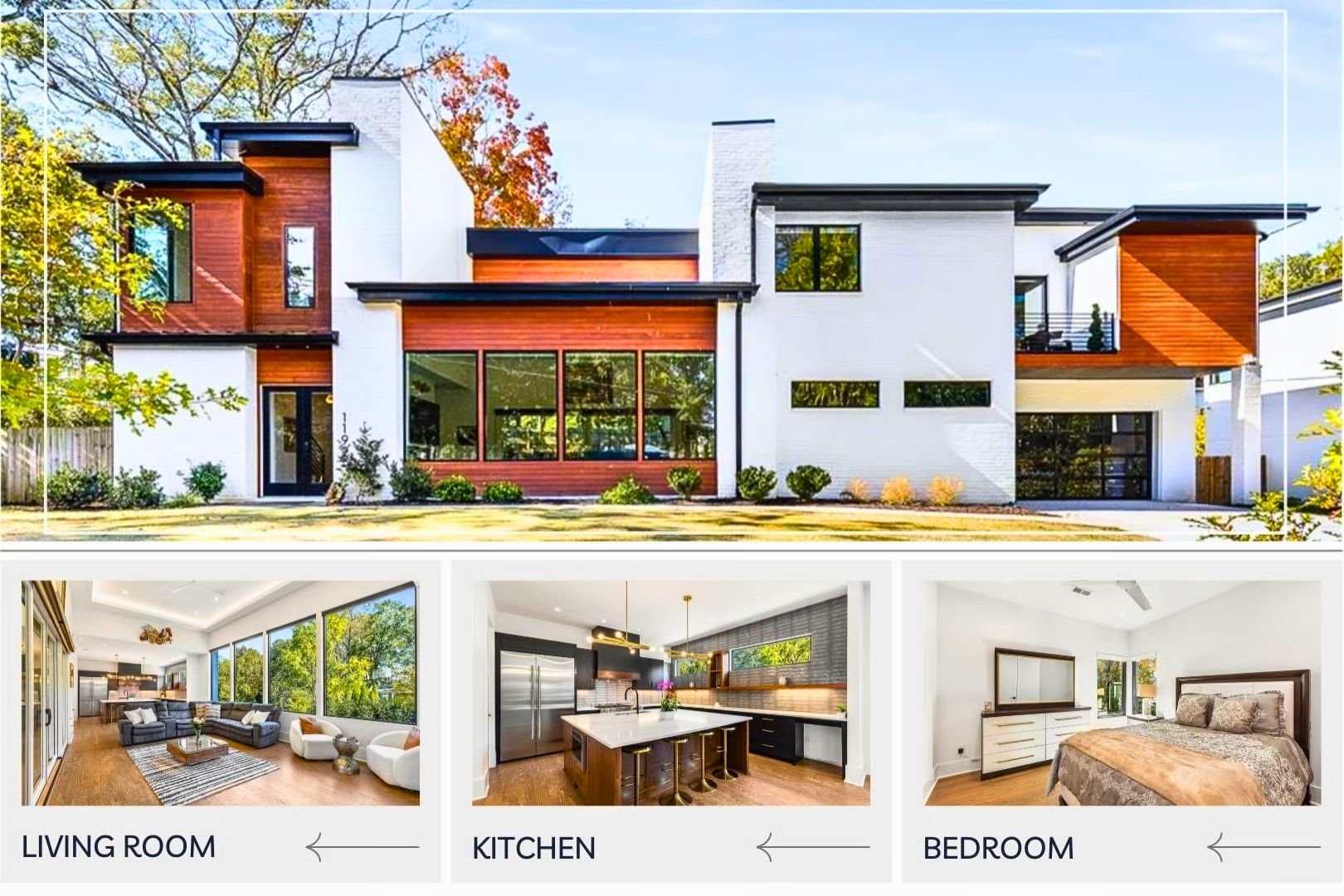
Atlanta continues to post strong population growth. The metro has surpassed 6.3 million residents — making it one of the ten largest metro areas in the country — and has been adding an estimated 70,000 to 80,000 residents per year in recent years. Georgia has consistently ranked among the top five to six states for net domestic in-migration, with the Atlanta MSA capturing the majority of that growth.
6.3 million+ — Atlanta metro population, adding roughly 70,000–80,000 residents annually and ranking among the nation's top metros for domestic in-migration.
Major corporate anchors — Delta Air Lines, Coca-Cola, Home Depot, and a growing roster of technology and financial services firms — continue to draw high-earning households into the region. The metro is home to more than a dozen Fortune 500 headquarters, one of the largest concentrations in the Southeast, and that employment foundation creates durable, sustained housing demand.
The result is builder activity pushing outward into communities like Cumming in Forsyth County, Woodstock and Canton in Cherokee County, and McDonough in Henry County, where land is available and infrastructure investment is following population growth.
The Real Costs of Building a Home in Atlanta Right Now

Land and Lot Costs Across Atlanta Submarkets
Where you want to build has an enormous impact on your total project budget. Intown lots in neighborhoods like East Atlanta, the Pittsburgh community, or emerging areas on the Westside command significant premiums — often $150,000 to $300,000 or more for a buildable lot before construction even begins. In many of these neighborhoods, available land is genuinely scarce.
Move further into the northern suburbs along GA-400 or the western corridors near Marietta and Kennesaw, and land costs become considerably more manageable. Finished, utility-served lots in Cherokee County communities typically range from $60,000 to $150,000 depending on size, topography, and the specific community — making the overall math on a new build far more accessible for buyers with geographic flexibility.
Construction and Material Costs in 2025
Material costs have retreated meaningfully from their pandemic-era peaks. Lumber prices, which spiked to over $1,700 per thousand board feet at their May 2021 high, have normalized to approximately $350 to $450 per thousand board feet by late 2024. That trajectory has moved in buyers' favor.
For a standard production new home in the Atlanta suburbs, plan on the following cost ranges by build type:
| Build Type | Cost Per Sq Ft | Notes |
|---|---|---|
| Production / Standard | $130–$175 | Base build, standard finishes |
| Semi-Custom | $175–$275 | Upgraded selections, structural modifications |
| Fully Custom | $275+ | Design complexity, premium materials, site-specific conditions |
These figures do not include land, site preparation, permitting, or landscaping — all of which add meaningfully to the total project cost.
Construction Loans vs. Traditional Mortgages
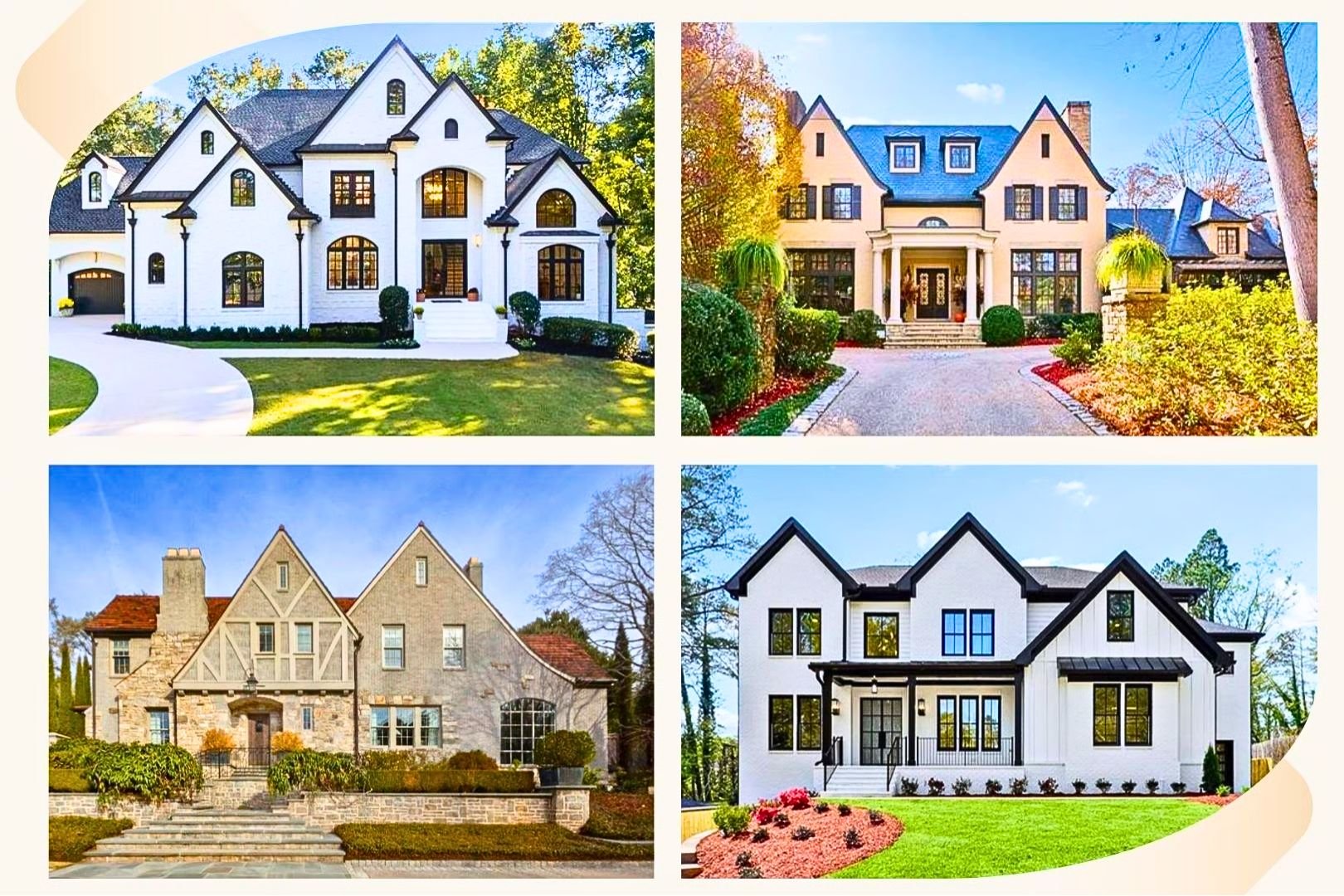
Building a home requires a different financing structure than purchasing an existing one. Most buyers use a construction-to-permanent loan, which funds the build through draws as work is completed and then converts to a standard mortgage at project completion. During the construction phase, borrowers typically pay interest only on drawn amounts — but those rates are variable and tied to the prime rate, which matters significantly in the current environment.
As of early 2025, construction-to-permanent loan rates in Georgia have generally ranged from approximately 7.5% to 9.0% depending on the lender, loan structure, and borrower credit profile. Construction loans are typically priced 0.5% to 1% above standard 30-year fixed mortgage rates, reflecting the additional complexity and risk involved.
Pro Tip: Before committing to a project budget, work through the construction loan math carefully with a lender who specializes in construction financing — not just standard mortgages. The variable rate exposure during the build phase can meaningfully affect your total cost.
Atlanta's New Home Builder Landscape
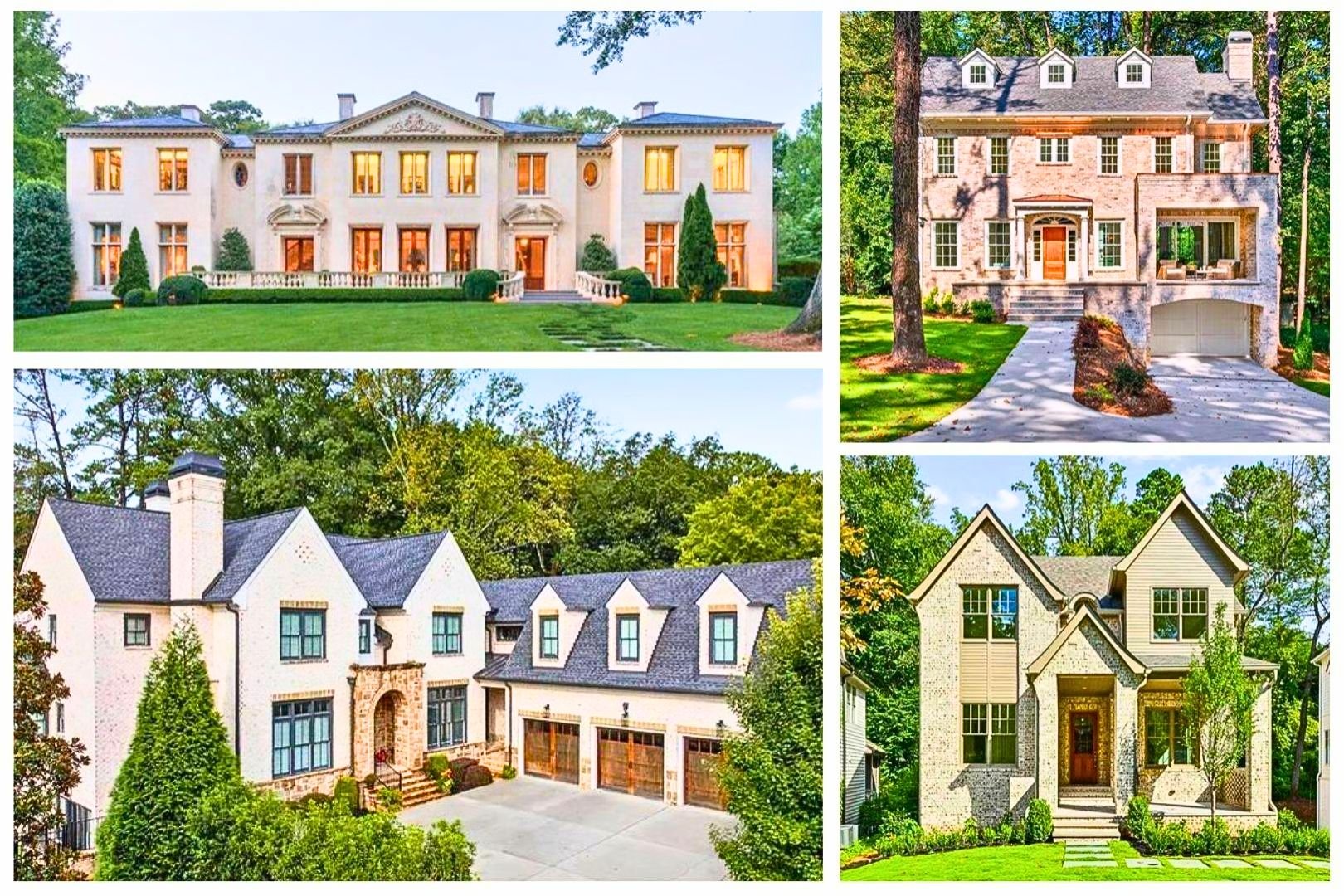
Major Builders Active in the Atlanta Metro
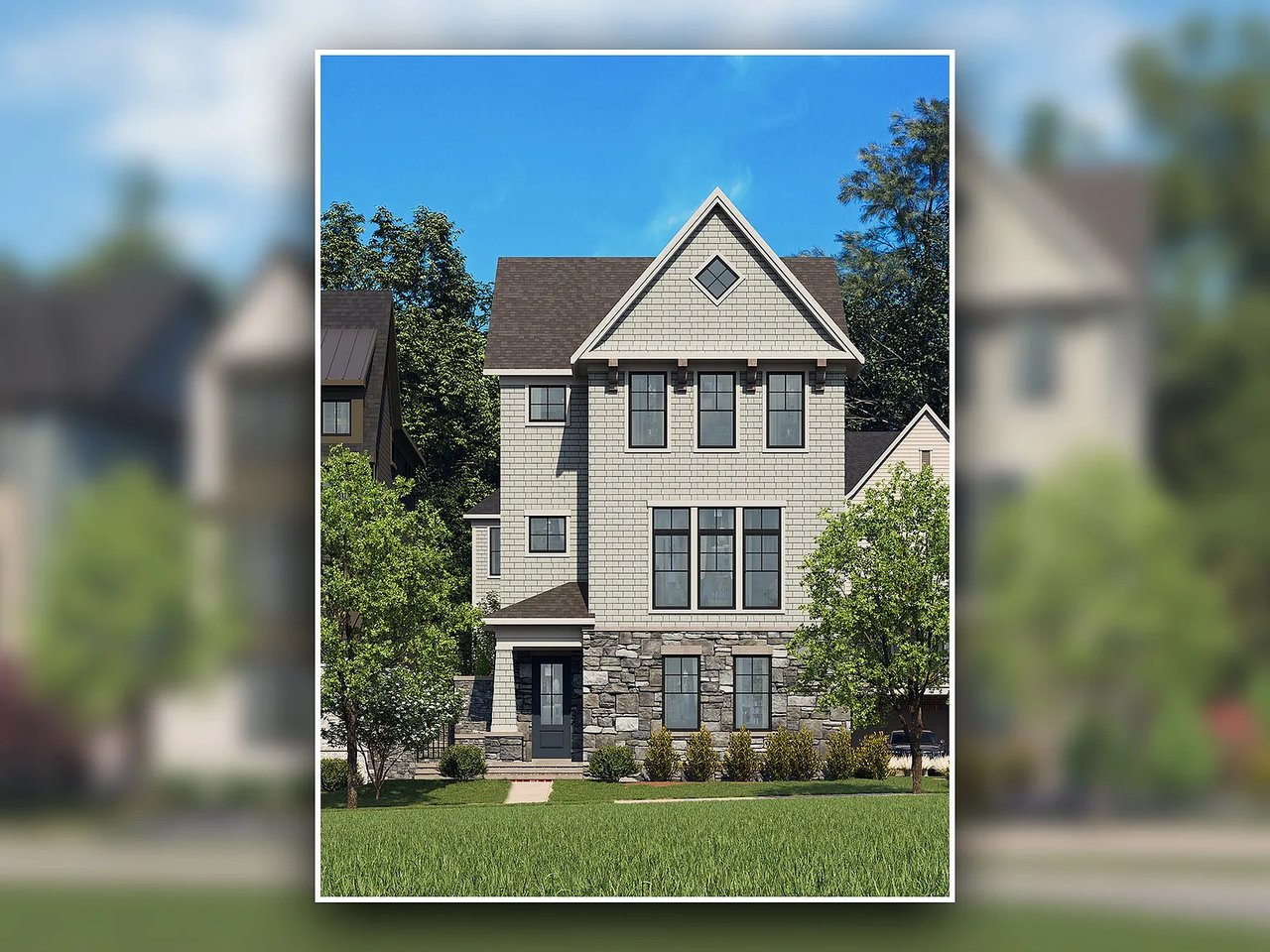
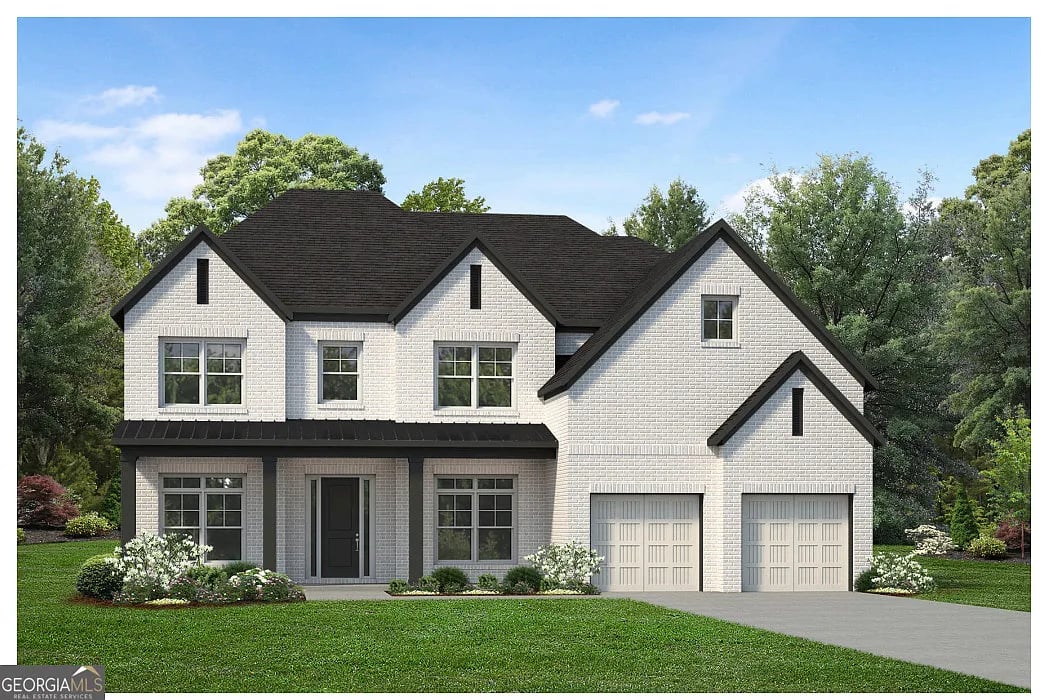
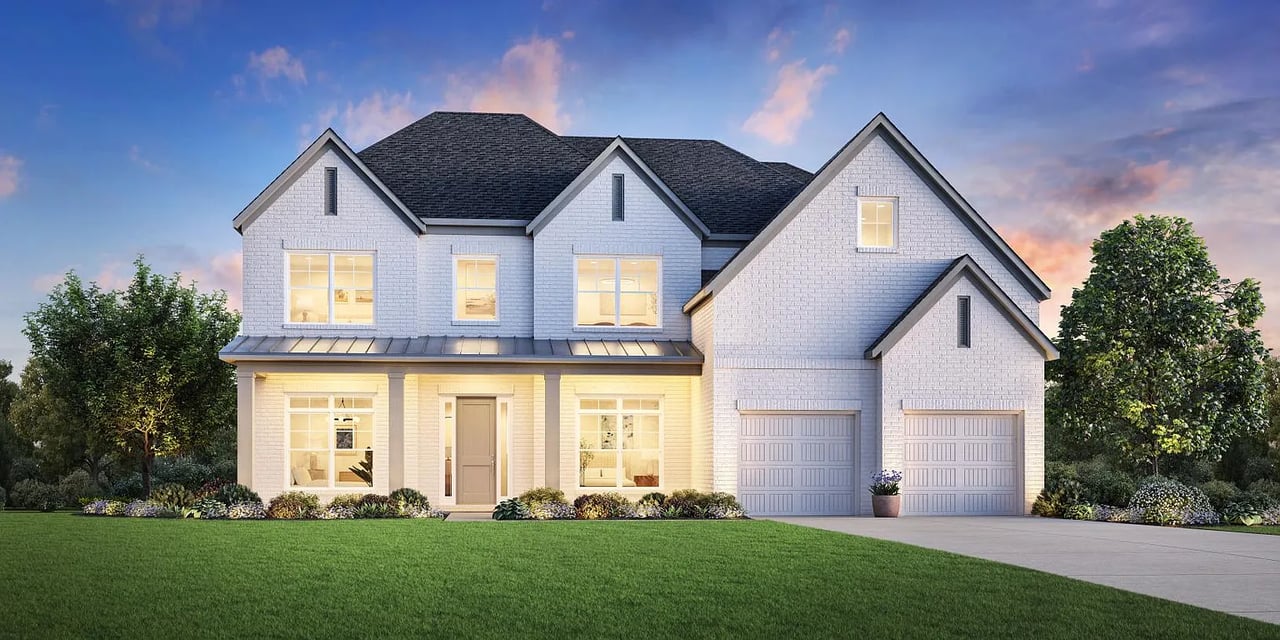
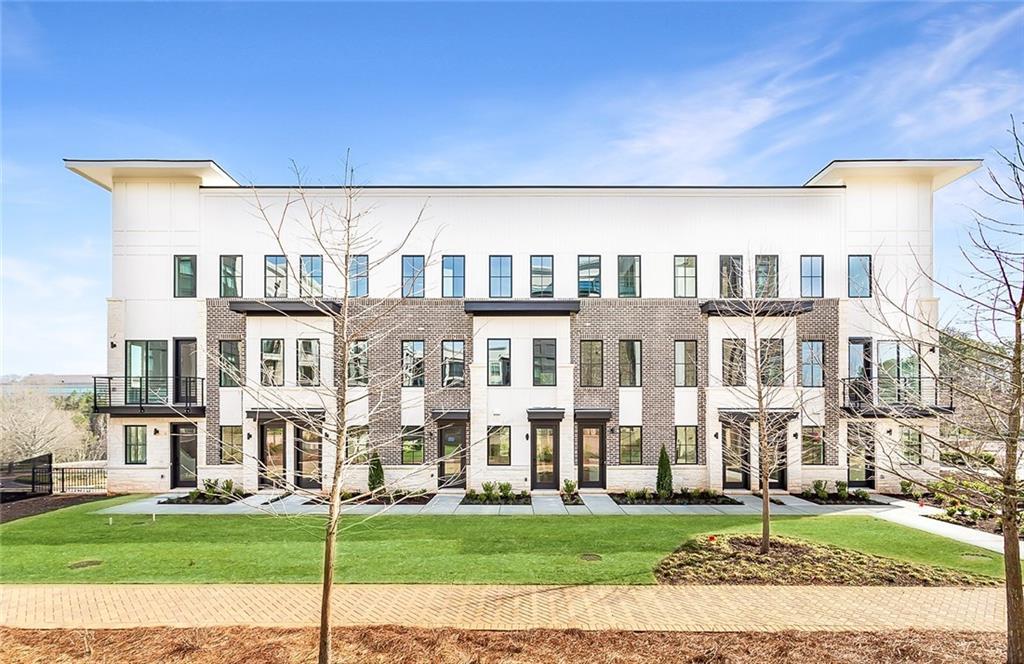
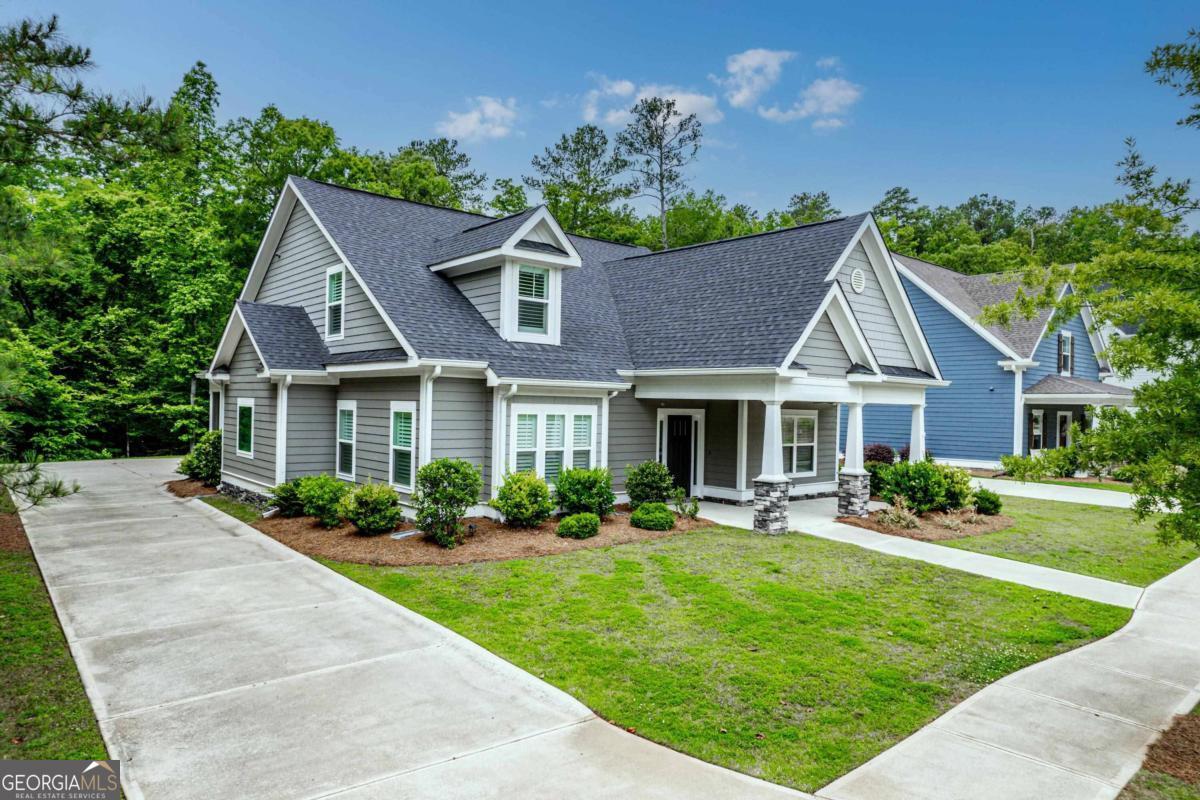
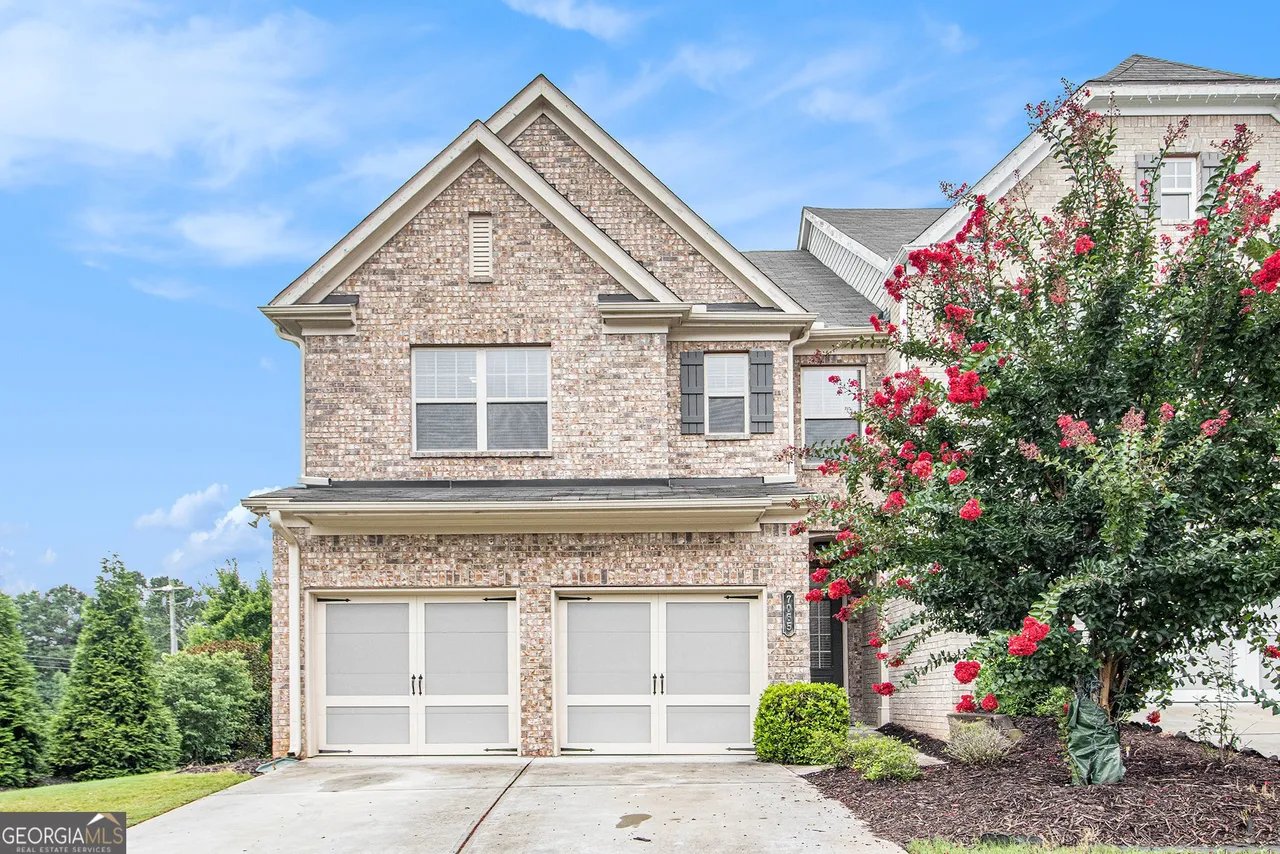
Atlanta is one of the strongest new construction markets in the country, and builder competition here is genuine. National production builders — including D.R. Horton, Pulte Homes, Meritage Homes, Smith Douglas Homes, and Century Communities — all operate active communities across the metro.
35,000–40,000 single-family building permits were recorded in the Atlanta MSA in 2023, consistently ranking it among the top five metros nationally for single-family permit volume.
These builders have also responded to buyer hesitation in the current rate environment by rolling out incentives that were largely absent during the frenzied market of 2020 to 2022. According to NAHB Housing Market Index data from 2024, approximately 60% to 64% of builders nationally reported offering sales incentives — a trend strongly reflected in Atlanta, where the following have become standard tools builders use to maintain sales velocity:
- Mortgage rate buydowns that can reduce a buyer's effective interest rate by one to two percentage points
- Closing cost credits applied at settlement
- Design center upgrade packages included with the base contract
Where New Construction Communities Are Growing
The most active new construction corridors in the Atlanta metro are concentrated in several distinct areas. Along GA-400 north of the city, Alpharetta, Milton, and Cumming continue to see substantial builder activity driven by employer proximity and highly rated school systems. Fulton County Schools serves approximately 90,000 students across more than 100 schools, and campuses in the northern Fulton corridor consistently rank among Georgia's top performers.
The western suburbs — Smyrna, Marietta, and Kennesaw — offer a mix of production and semi-custom options with strong connectivity to both downtown Atlanta and the Cumberland employment corridor. In the southeast, Stockbridge and McDonough in Henry County represent some of the most accessible new construction entry points in the metro, with competitive pricing and interstate access to the city.
For buyers committed to intown living, infill construction opportunities do exist in emerging neighborhoods like Pittsburgh, Westview, and portions of the Westside — though at considerably higher price points and with far fewer available options.
The Genuine Advantages of Building New in Atlanta
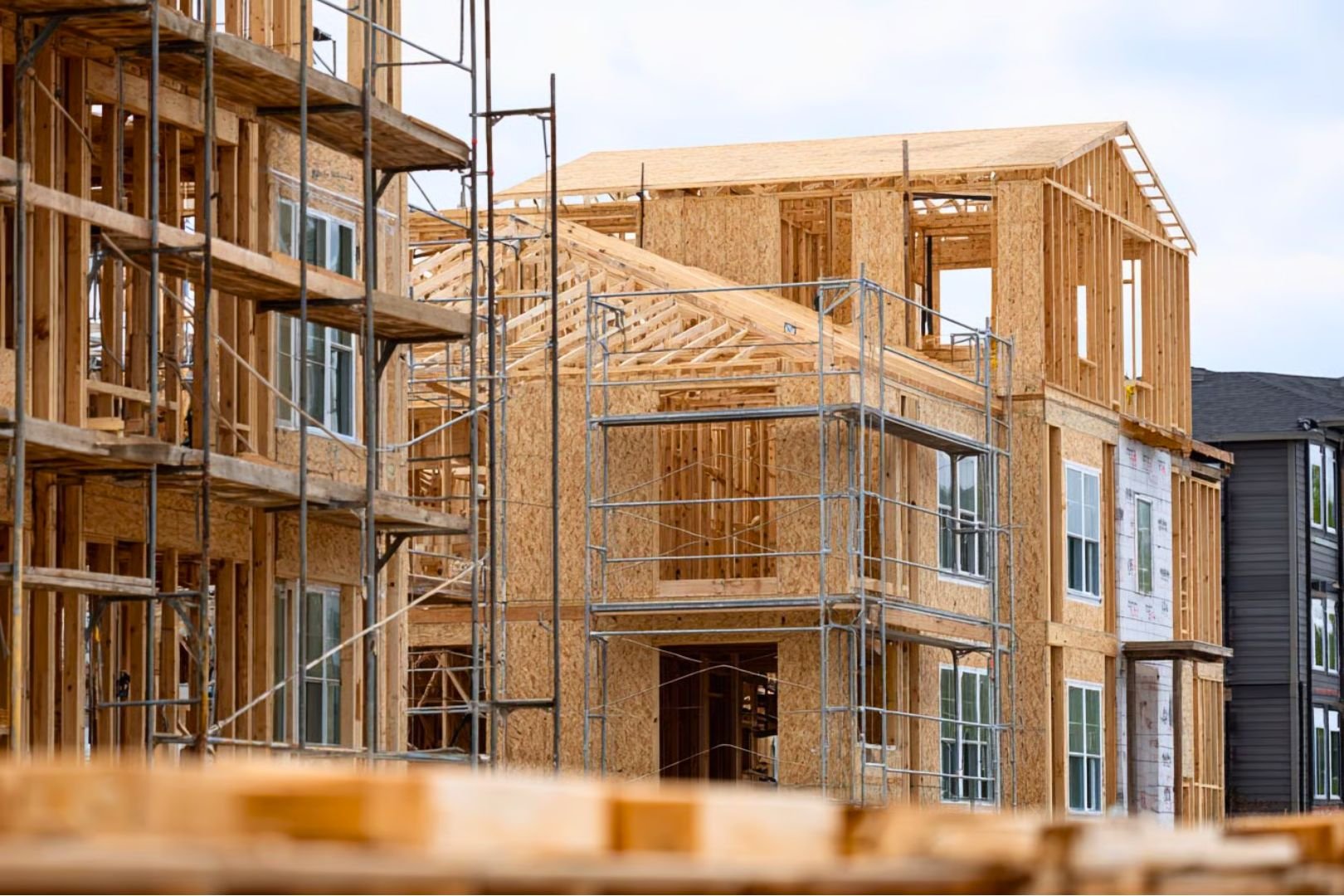
There are real, substantive reasons why new construction makes sense for the right buyer. Modern new construction in Georgia must meet current energy codes, and the U.S. Department of Energy estimates that homes built to current International Energy Conservation Code standards use approximately 30% to 50% less energy than homes built before 2000. For a buyer planning to stay for ten or more years, that translates to meaningful cumulative savings on utility costs — a factor worth including in any financial comparison against resale.
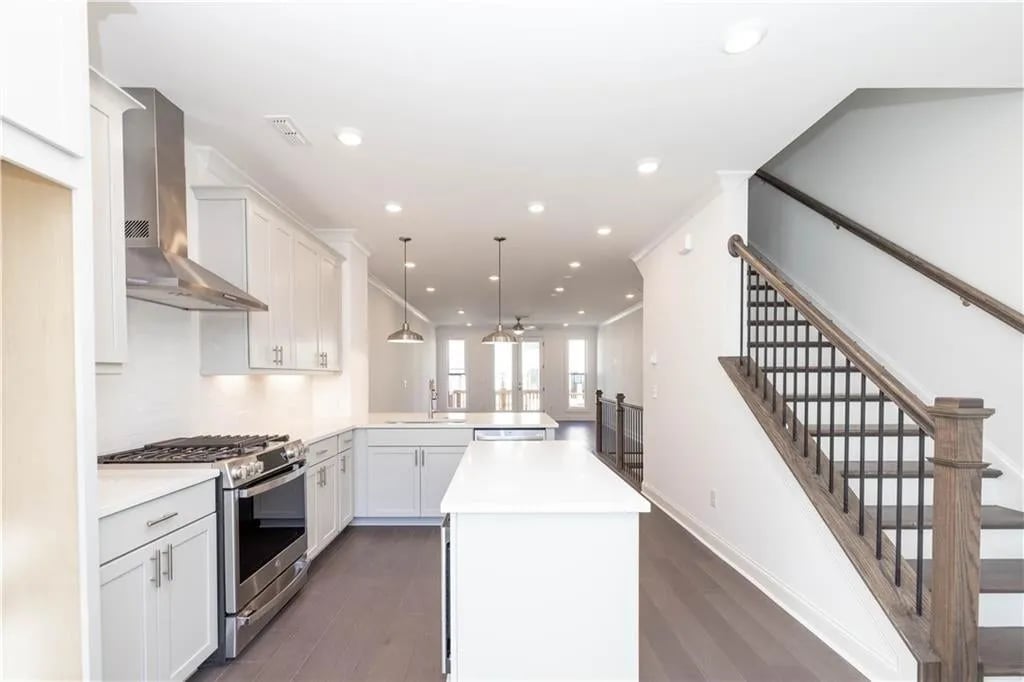
Beyond efficiency, building new gives you the ability to customize layout, finishes, and features to match how you actually live. New builds also come with builder warranty coverage, typically structured as follows:
- 1 year on workmanship
- 2 years on systems (electrical, plumbing, HVAC)
- 10 years on structural components
No resale transaction can replicate that protection. And in a market where competing on existing homes continues to be emotionally exhausting, the ability to simply choose a plan, select your finishes, and wait for delivery has a very real appeal.
The Honest Challenges of Building in Atlanta Today

None of this means building a home in Atlanta is uncomplicated. Construction timelines are consistently longer than buyers expect going in. Production builders in the Atlanta suburbs are generally running 8 to 14 months from contract to closing, and custom and semi-custom builds frequently take 14 to 24 months from design to delivery. Permitting delays in high-growth counties like Forsyth and Cherokee can add meaningful additional time to both categories.
Cost overruns are a real risk on custom builds. Builder contracts need to be reviewed carefully for allowance amounts, change order policies, and escalation language — ideally with input from a real estate attorney and an experienced buyer's agent before you sign. Managing a build remotely is also a genuine logistical challenge, particularly for relocating buyers coordinating from another state while managing their current living situation.
There is also the geographic reality that some of Atlanta's most beloved neighborhoods simply do not have meaningful land available for new construction. Buyers anchored to Druid Hills, Morningside, Inman Park, or Ansley Park will find that new construction is largely not a realistic option — and resale will be their path regardless of how the new construction math looks elsewhere in the metro.
Pro Tip: Budget a minimum of two to three months of schedule buffer beyond whatever timeline your builder quotes at contract signing. High-growth counties in the Atlanta metro have consistently run longer than national averages due to permitting volume and inspection scheduling backlogs.
Build or Buy — How to Decide What's Right for You in Atlanta
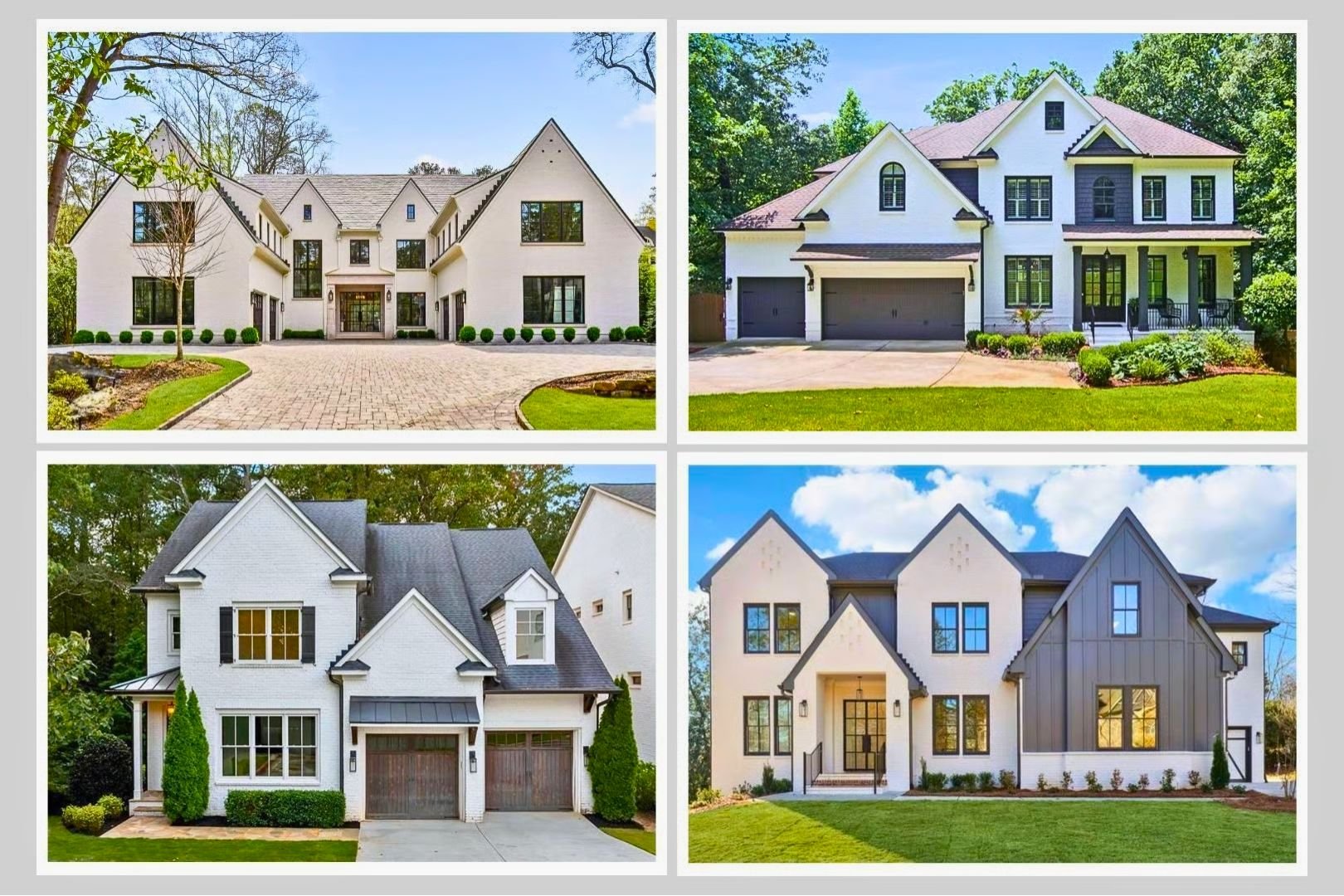
Questions to Ask Yourself Before You Build
Before committing to new construction, be honest with yourself about a few key questions. How flexible is your move-in timeline — genuinely? Can you absorb a 12-month build that runs to 16 months without a crisis? Do you have strong clarity on the submarket or community where you want to live, or are you still exploring options?
Also consider your financial readiness for a construction loan, including variable rate exposure during the build phase. And ask yourself whether you have specific preferences about layout, finishes, or features that resale homes in your target Atlanta area consistently fail to deliver. If the answer to most of these is yes, new construction deserves serious consideration.
When Buying an Existing Atlanta Home May Be the Better Choice
Resale is clearly the right answer for buyers who need to be in a home within six months. It's also the stronger path for those targeting specific school districts — like the City of Decatur system — where new construction options are essentially nonexistent, and for buyers whose budget is better optimized for an established neighborhood than a new suburban community.
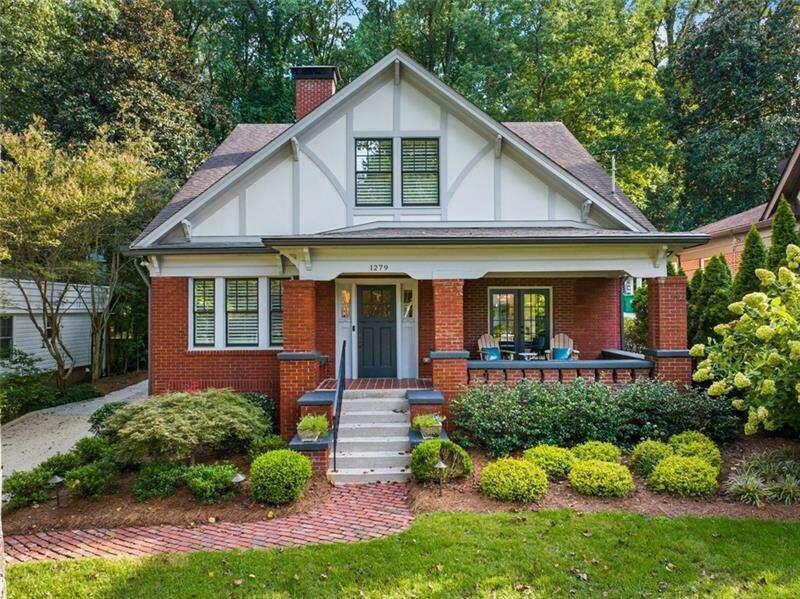
Mature, in-demand Atlanta communities like Morningside, Druid Hills, and Candler Park offer walkability, established tree canopy, architectural character, and BeltLine proximity that new construction in the outer suburbs simply cannot replicate. For buyers for whom those qualities matter most, resale is the clear path forward.
When Building Probably Makes More Sense
New construction in Atlanta makes the most sense for a buyer with a genuine timeline of 12 months or more, strong preferences around customization and modern construction standards, and a target area in one of the metro's growth corridors in North Fulton, Cherokee, or Henry County. The energy efficiency gains, the warranty protection, the avoidance of bidding wars, and the ability to get exactly what you want all deliver the most value when you have the time and the horizon to see them through. A planned stay of at least seven to ten years is the sweet spot where the financial case becomes most compelling.
Frequently Asked Questions About Building a Home in Atlanta
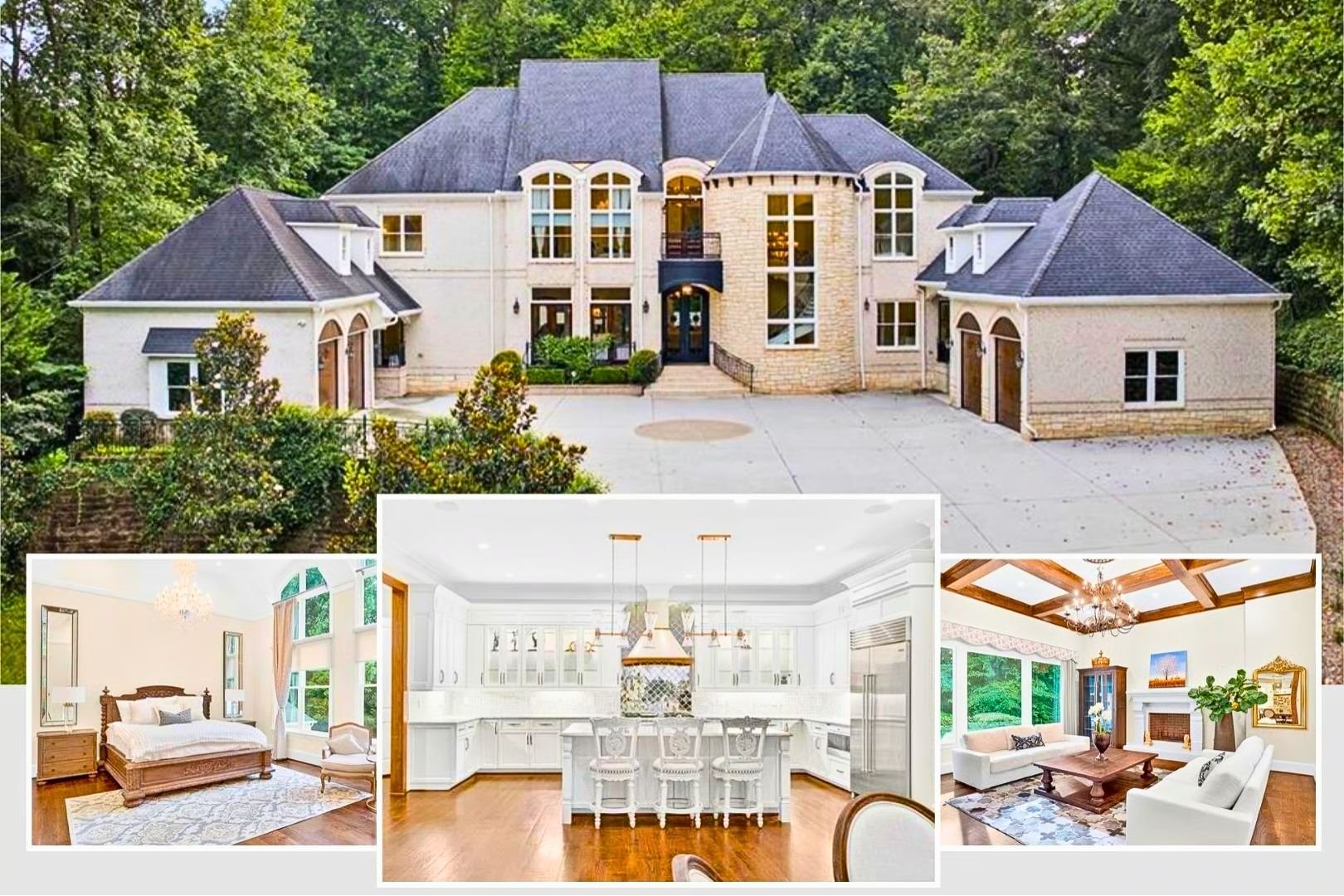
How long does it take to build a home in Atlanta, GA?
Production builder timelines in the Atlanta metro currently range from roughly 8 to 14 months from contract signing to closing, depending on the builder and the community's backlog. Custom and semi-custom builds typically take 14 to 24 months, and sometimes longer for complex projects. Permitting timelines in high-growth counties like Forsyth and Cherokee have been adding weeks or months beyond those baselines, so build meaningful schedule buffer into your planning from the start.
What is the average cost per square foot to build a home in Atlanta?
For standard production new construction in Atlanta suburbs, generally expect $130 to $175 per square foot for the base build. Semi-custom homes with upgraded selections and structural modifications typically run $175 to $250 per square foot, and fully custom builds can range from $250 per square foot into considerably higher territory depending on design complexity, material specifications, and site conditions. These figures exclude land, site preparation, permitting, and landscaping — all of which add to the total project cost.
Are Atlanta home builders offering incentives right now?
Yes, and meaningfully so. Many builders operating across the Atlanta metro are currently offering mortgage rate buydowns that can reduce a buyer's effective interest rate by one to two percentage points, along with closing cost credits and design center upgrade packages. These incentives vary by community and change frequently as builders adjust to sales velocity. Working with an experienced buyer's agent gives you visibility into what is currently being offered and helps you negotiate effectively.
Do I need a real estate agent to buy new construction in Atlanta?
You are not required to have one, but it is strongly in your interest to bring one. A buyer's agent in a new construction transaction is typically compensated by the builder, costing you nothing. What you receive in return is a professional who can review the builder's contract before you sign, advocate on your behalf throughout the construction process, clarify what is and is not included in the base price, and provide accountability at each build phase. The builder's on-site sales representative works for the builder — not for you.
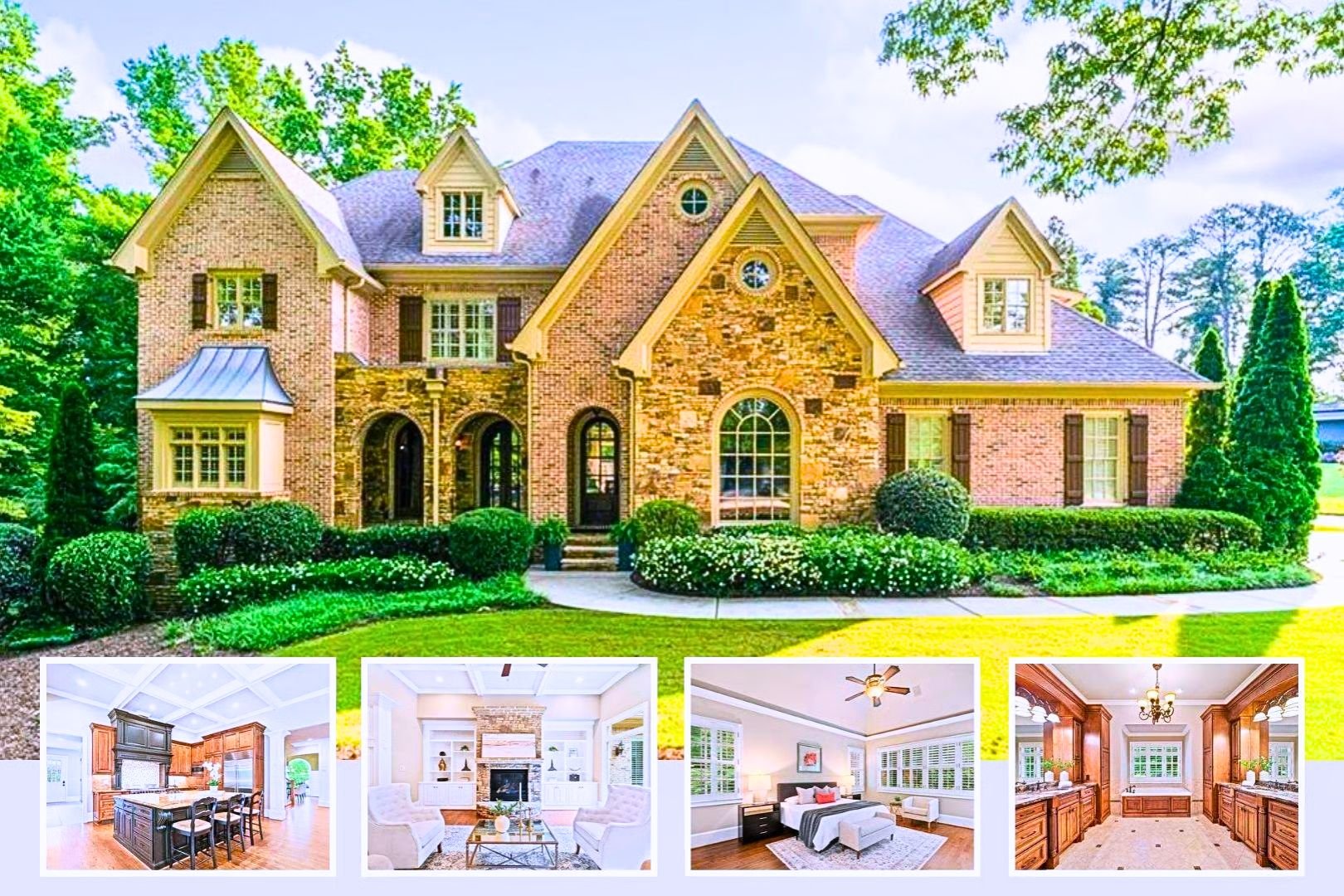
What are the best areas in Atlanta for new construction homes?
The most active new construction markets in the Atlanta metro right now include the northern suburbs along GA-400 — Alpharetta, Milton, and Cumming — as well as the western corridor encompassing Smyrna, Marietta, and Kennesaw. Southeastern growth communities in Stockbridge and McDonough offer some of the metro's most accessible price points for new builds. For buyers committed to intown living, limited infill construction exists in emerging neighborhoods like Pittsburgh and Westview, though at significantly higher costs and with far fewer available options.
What should I watch out for when building a new home in Atlanta?
The most important cautions center on contract clarity and realistic expectations. Understand exactly what is and is not included in your builder's base price before falling in love with a model home's finishes — upgrades can add tens of thousands of dollars to the contract price. Review the builder's change order and escalation provisions carefully. Build timeline contingency into your financial and living plans rather than assuming the schedule will hold. And invest in independent third-party inspections at each major phase — framing, pre-drywall, and final walkthrough — regardless of what the builder's internal quality control process includes.
The Bottom Line on Building in Atlanta

Building a home in Atlanta in 2025 can be a genuinely smart move for the right buyer in the right circumstances. Atlanta's growth trajectory is real and durable, builder competition is creating incentive opportunities that simply did not exist a few years ago, and the ability to customize and build to modern energy and construction standards delivers real long-term value. Clear eyes about cost, timeline, and geographic flexibility are what separate a great outcome from a frustrating one.
For buyers with a flexible timeline of a year or more, specific preferences the resale market is consistently failing to meet, and a target area in one of Atlanta's active growth corridors, the new construction landscape right now offers more genuine opportunity than it has in several years. For buyers anchored to established intown neighborhoods or working with a tighter move-in window, a well-chosen resale home in a community like Decatur, Smyrna, or East Atlanta remains an excellent path forward.
Whatever stage you are at in this decision, we would love to help you think it through — reach out and let's talk about what makes the most sense for your specific situation and goals.