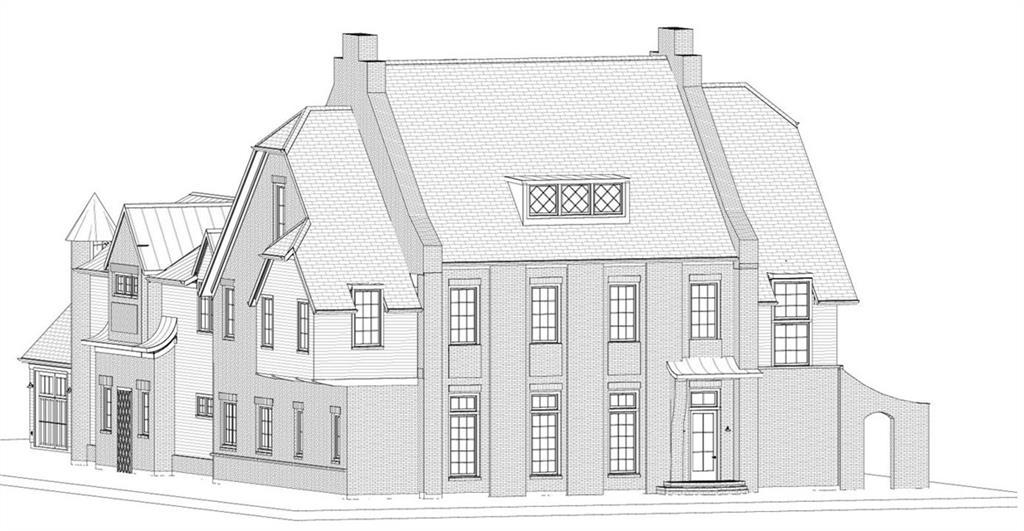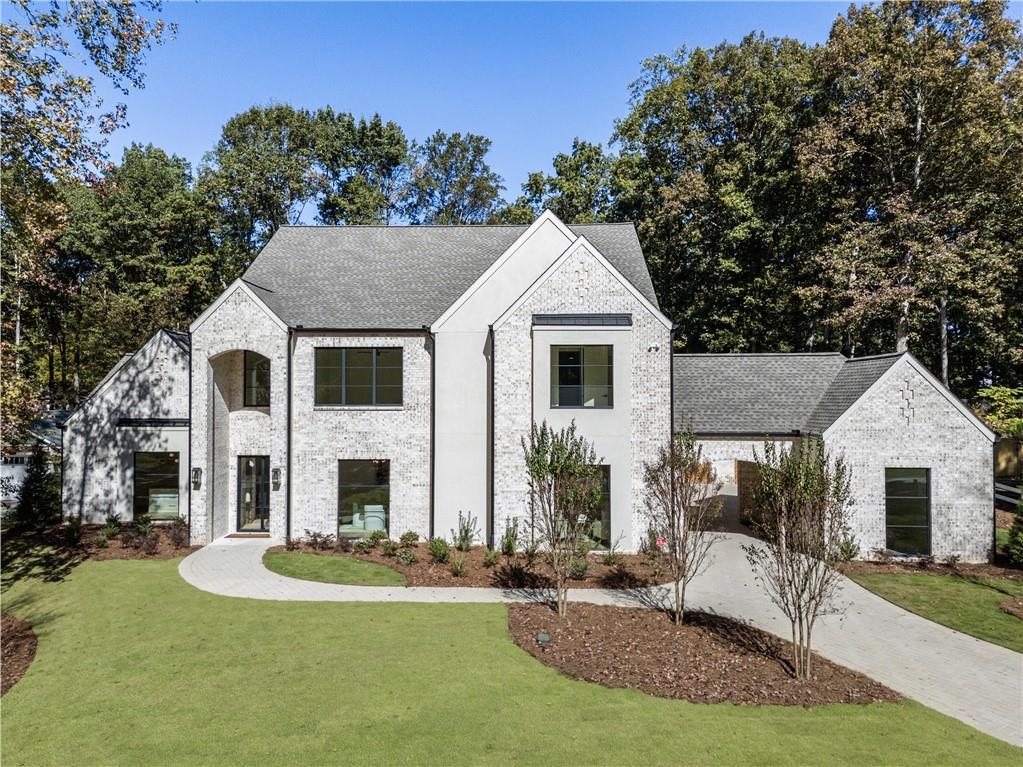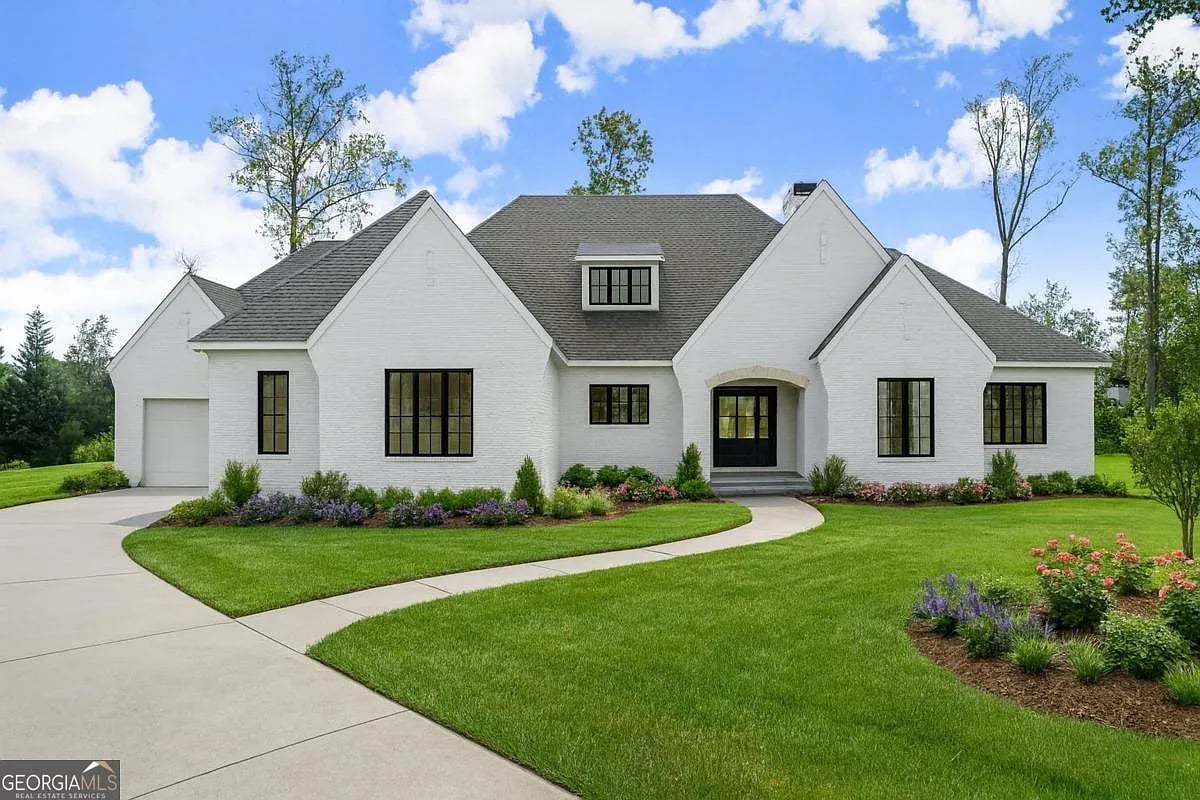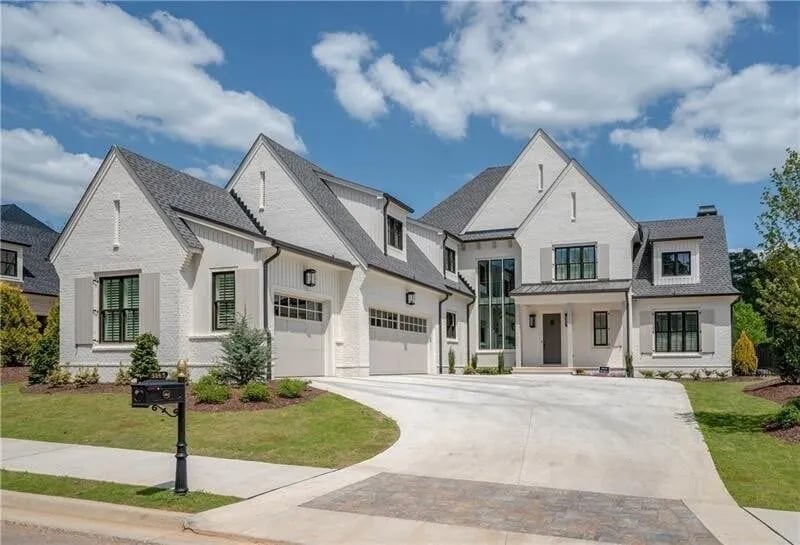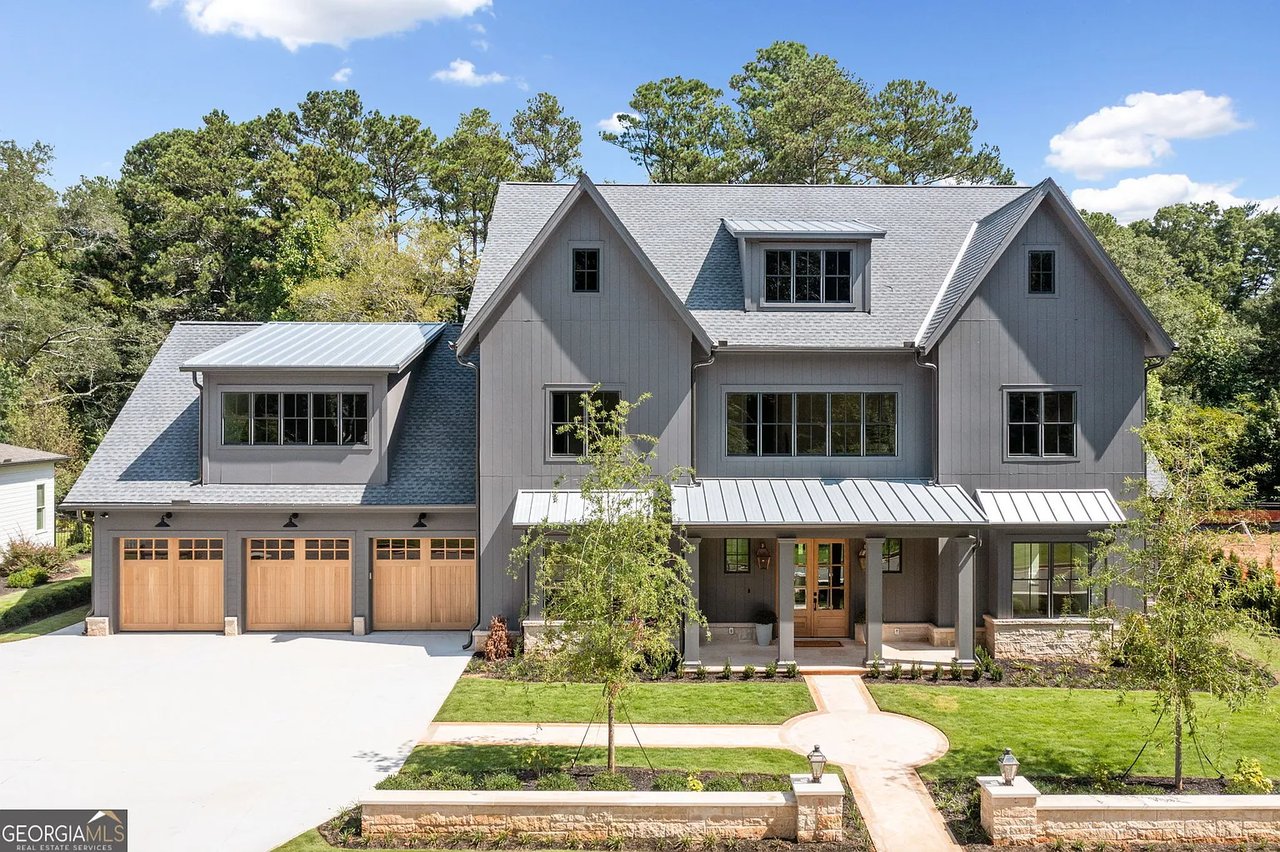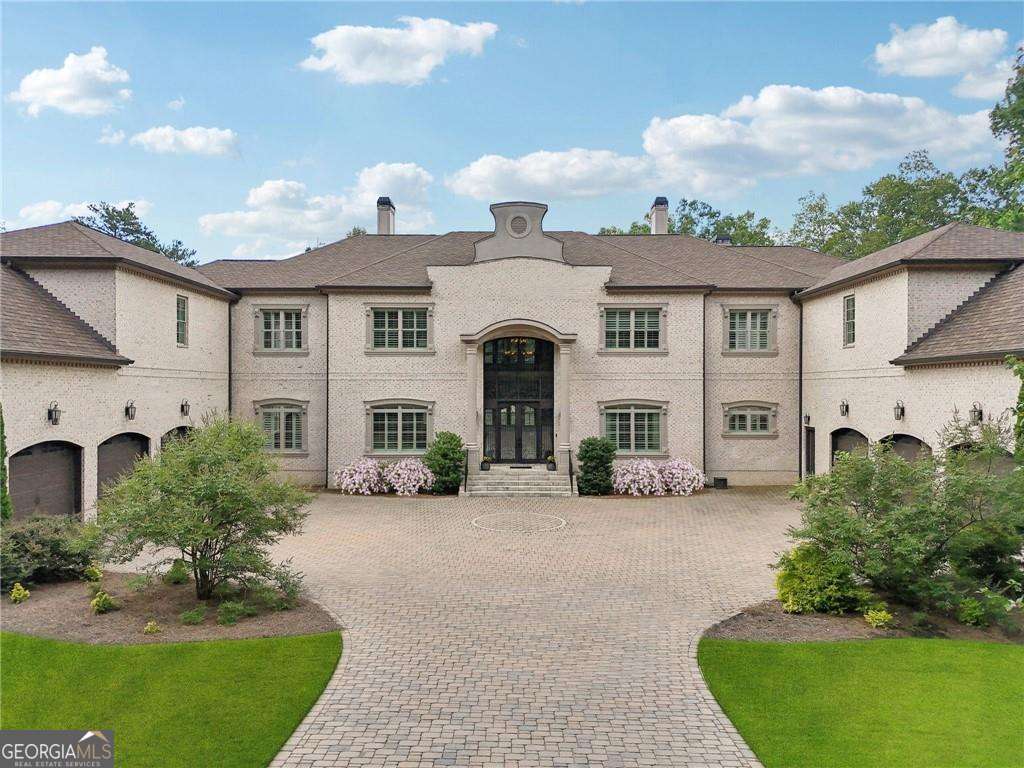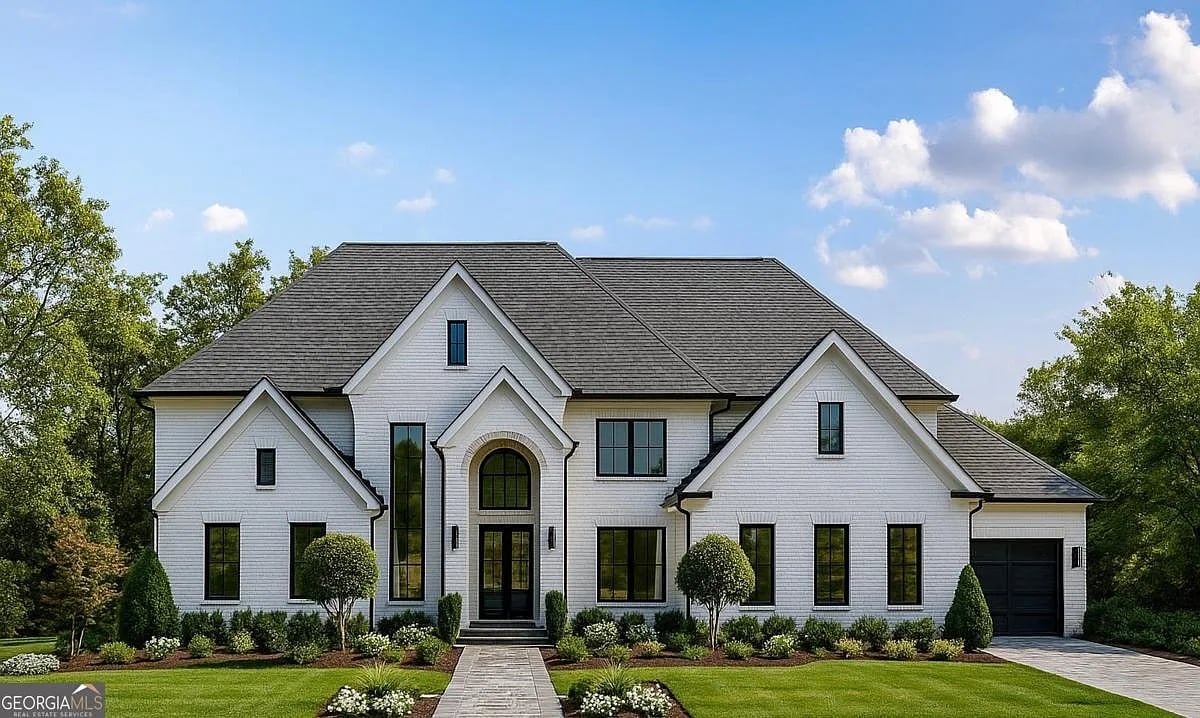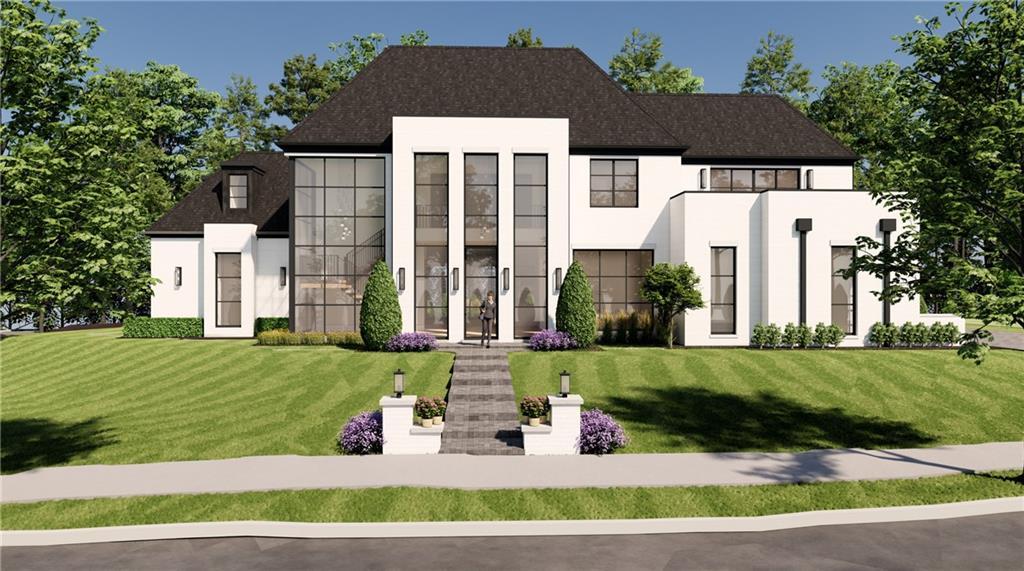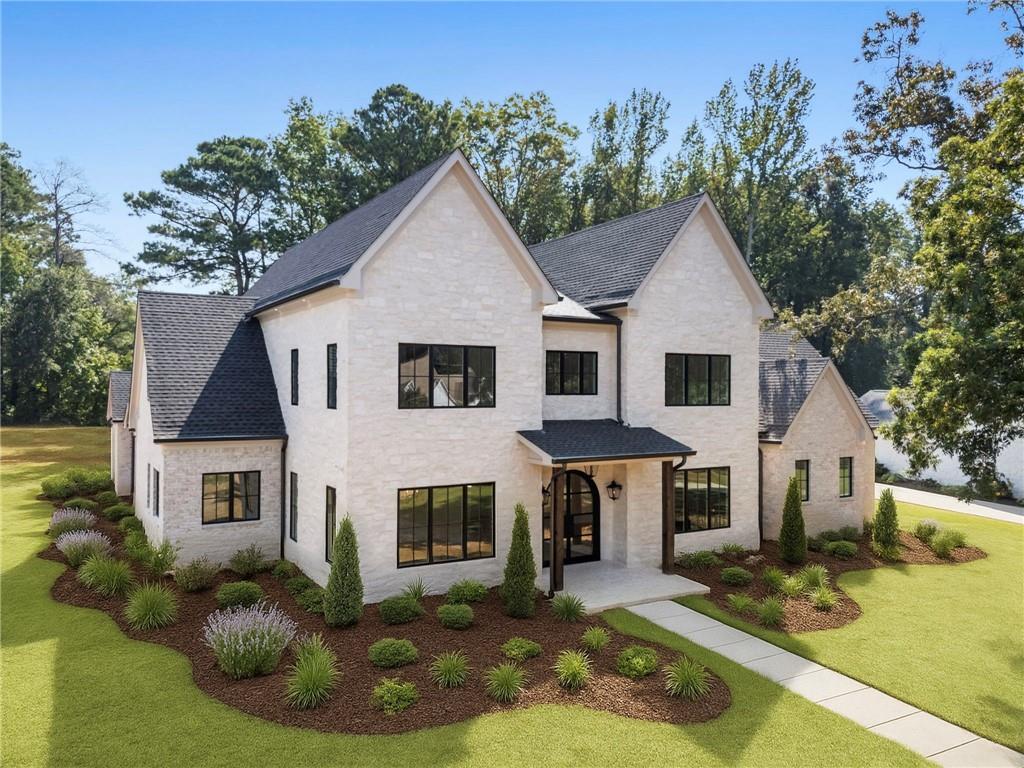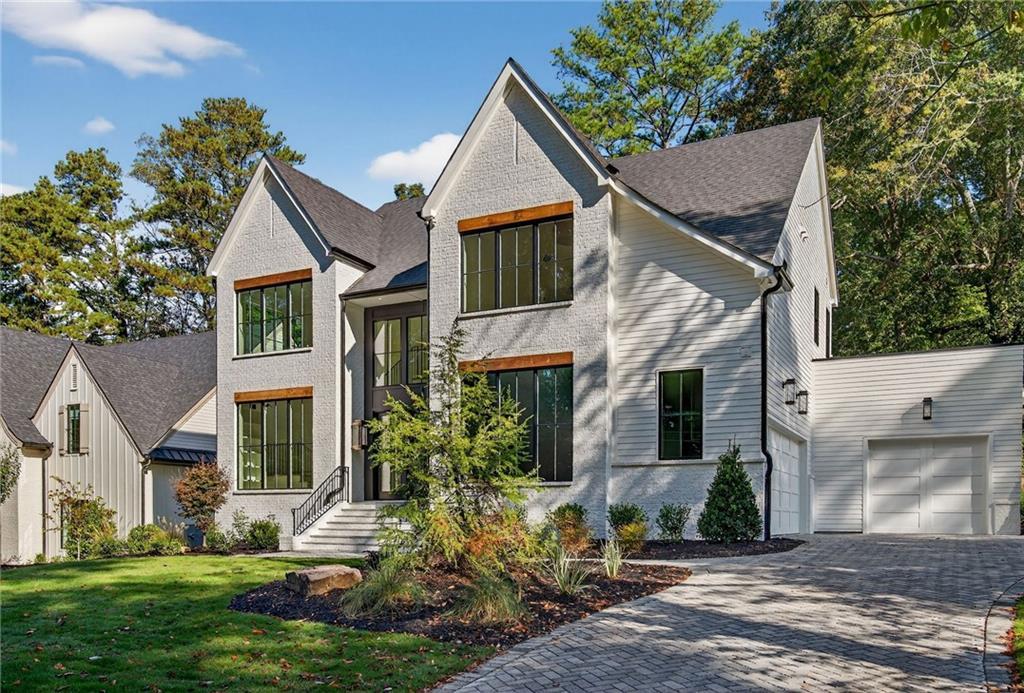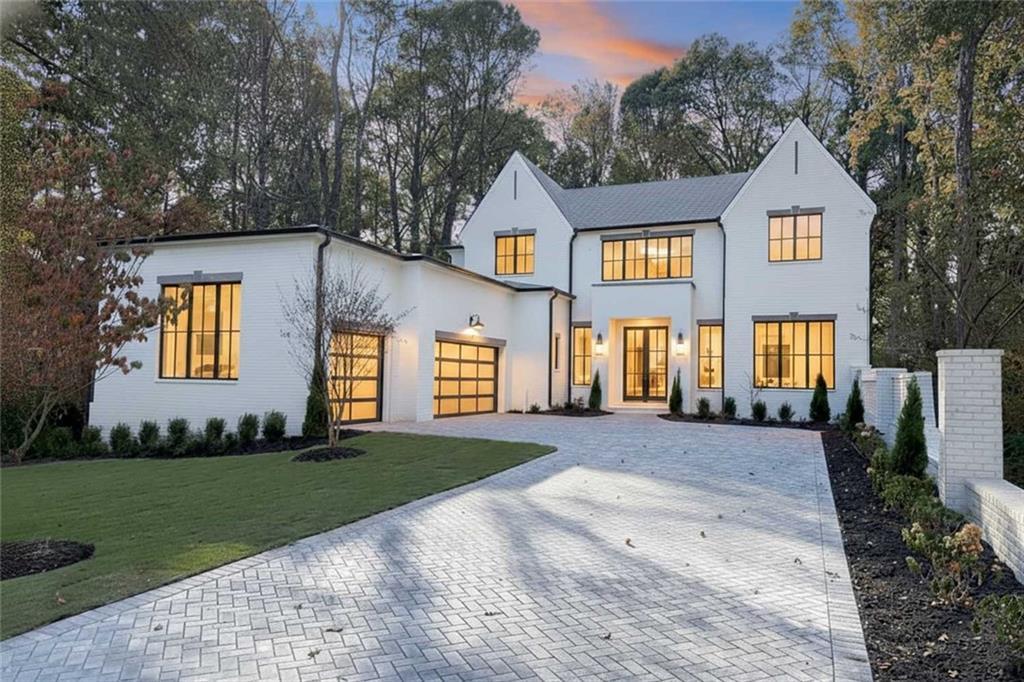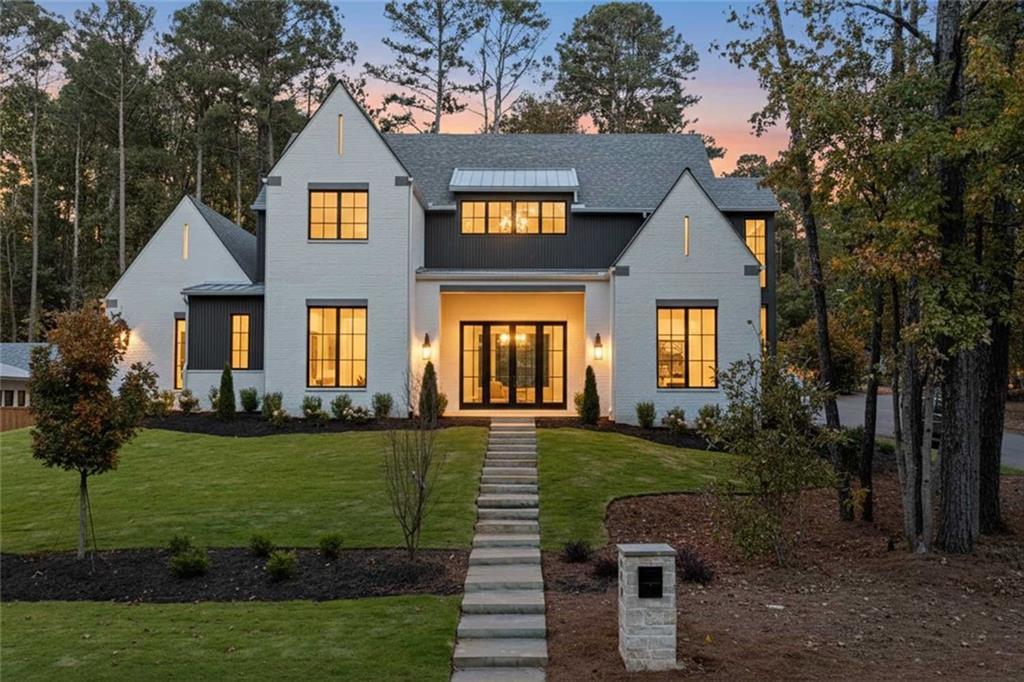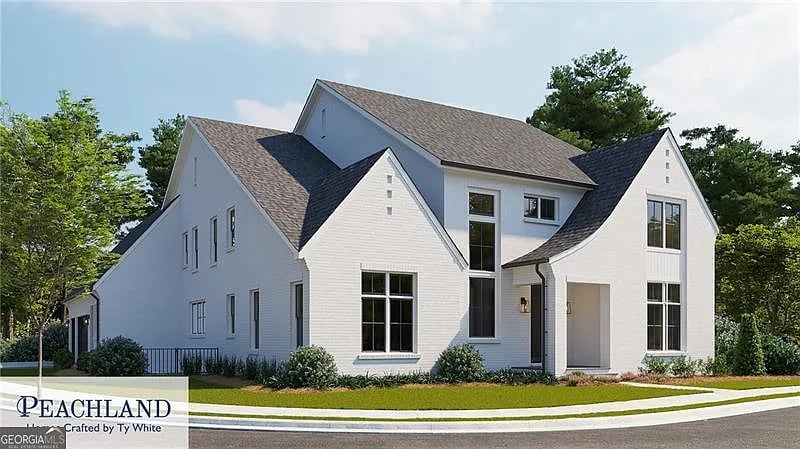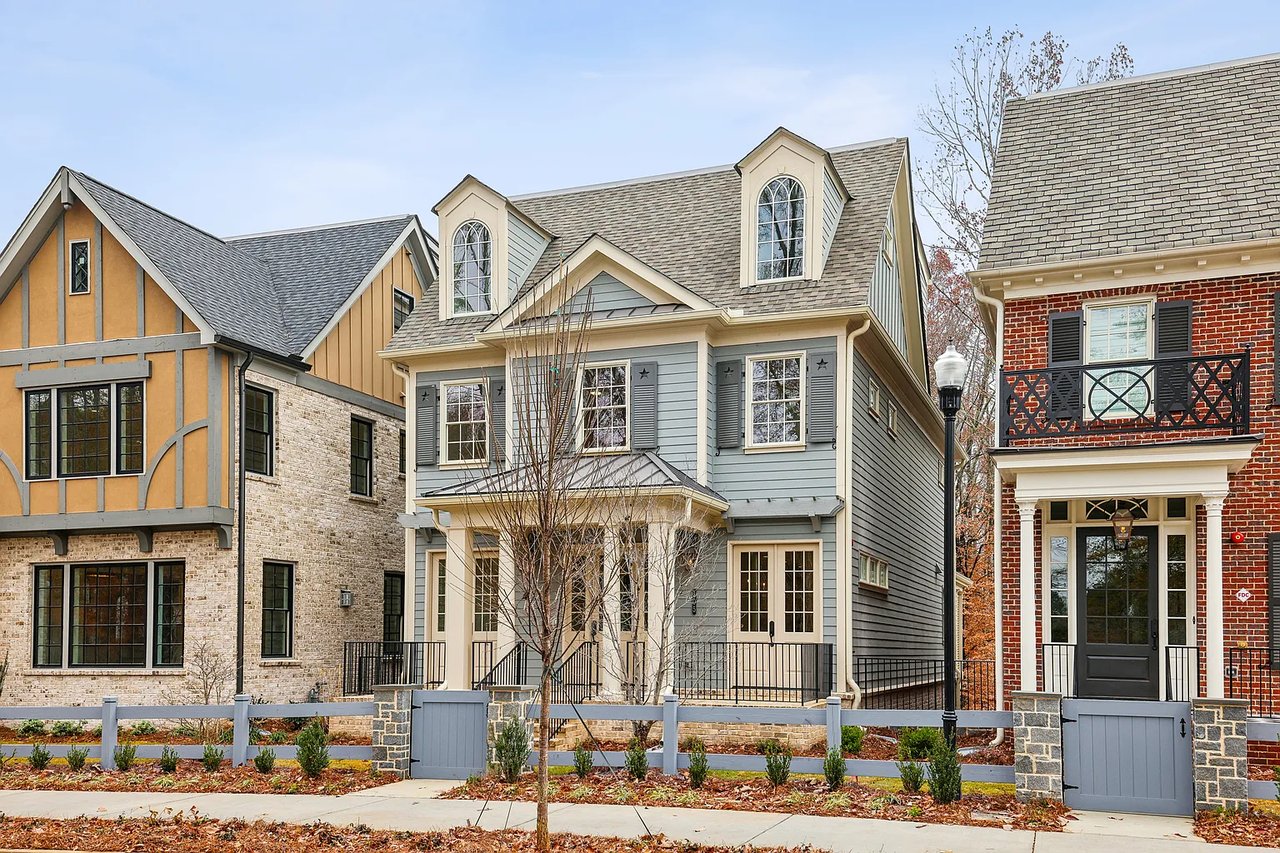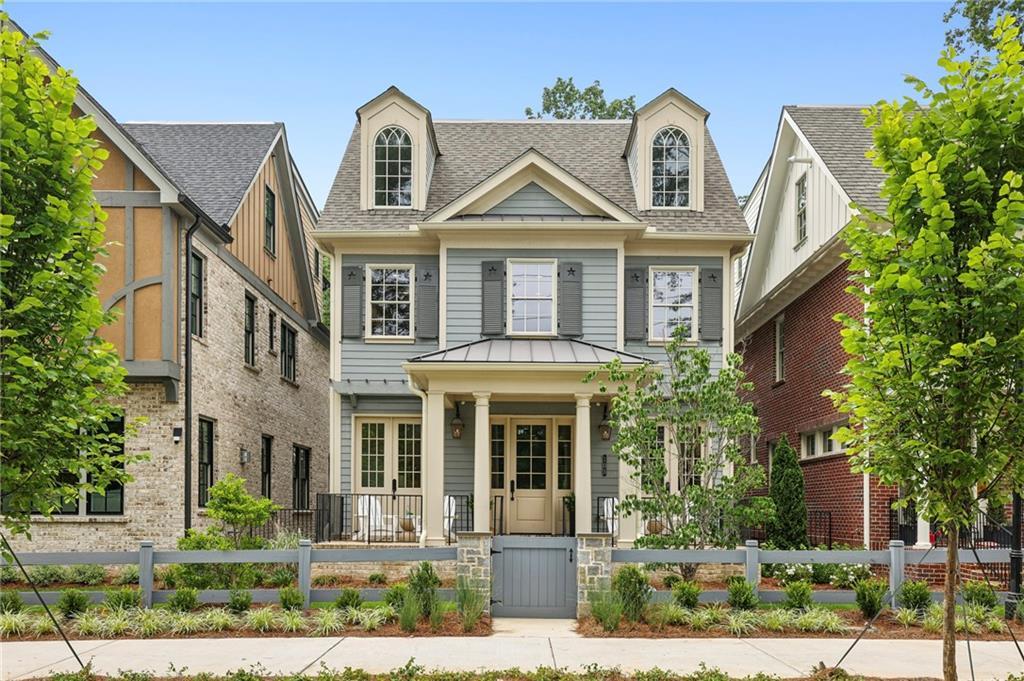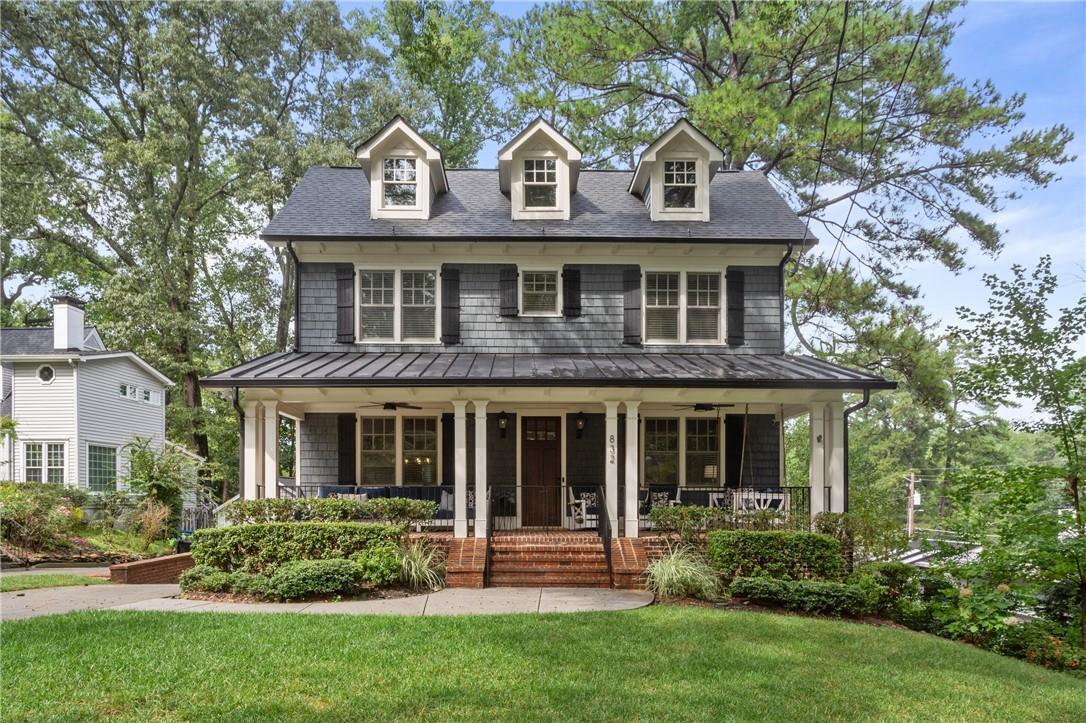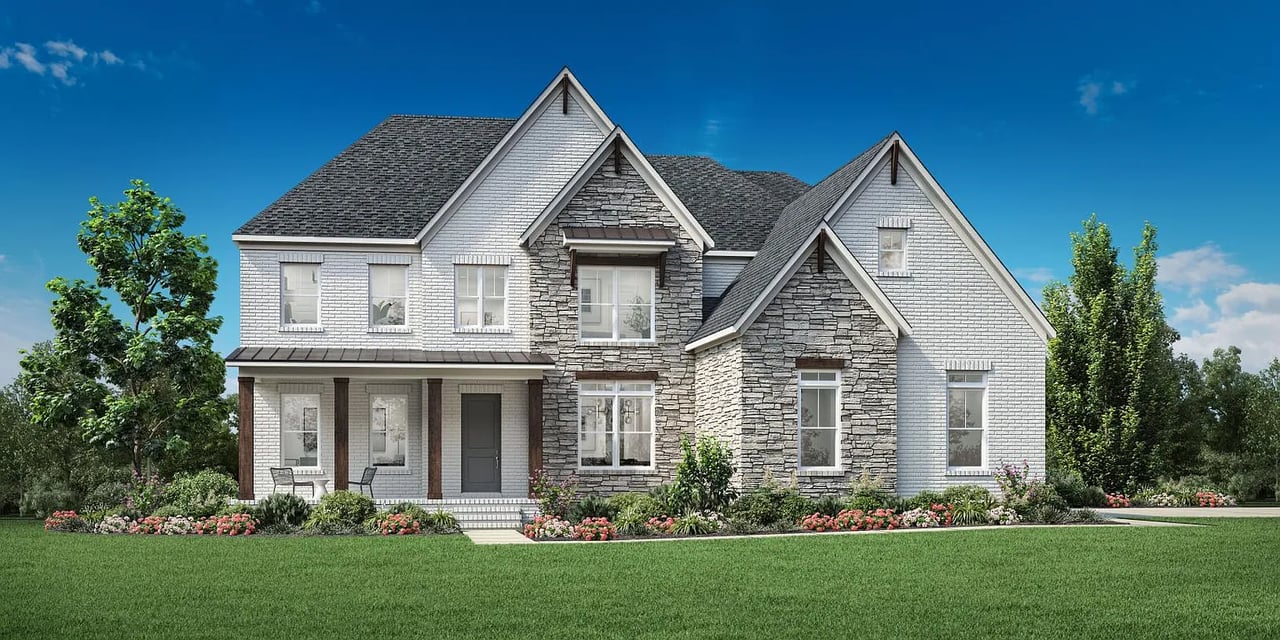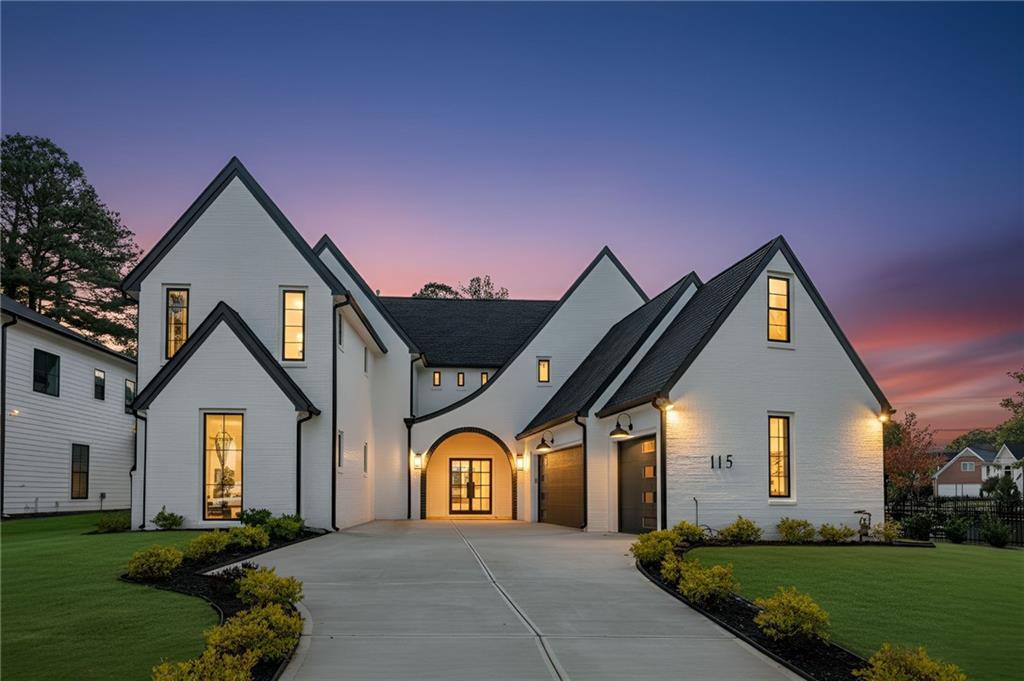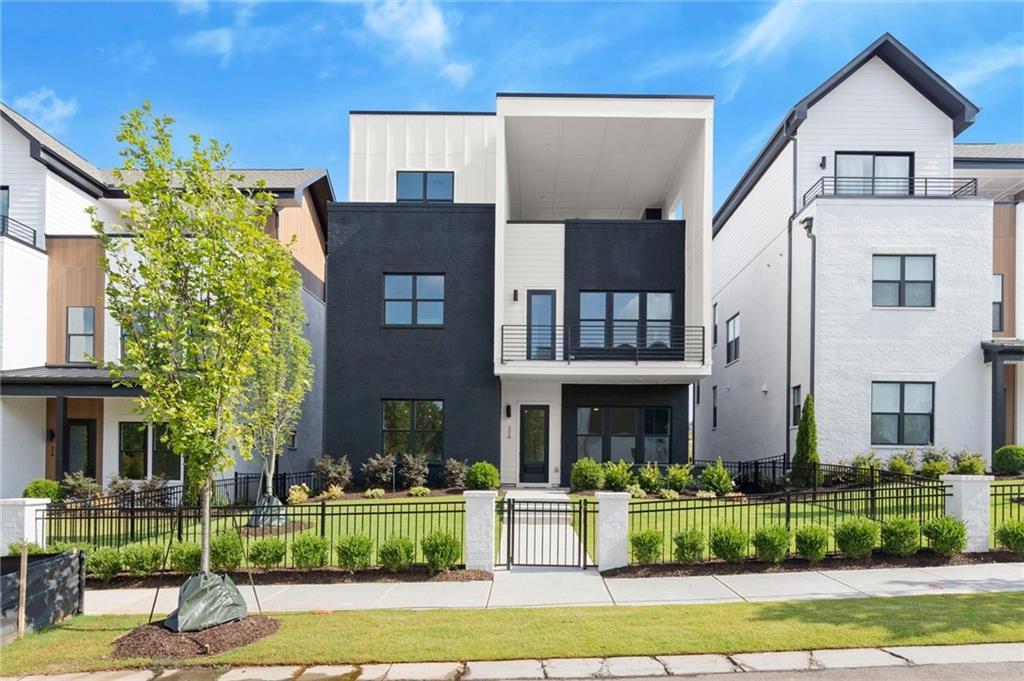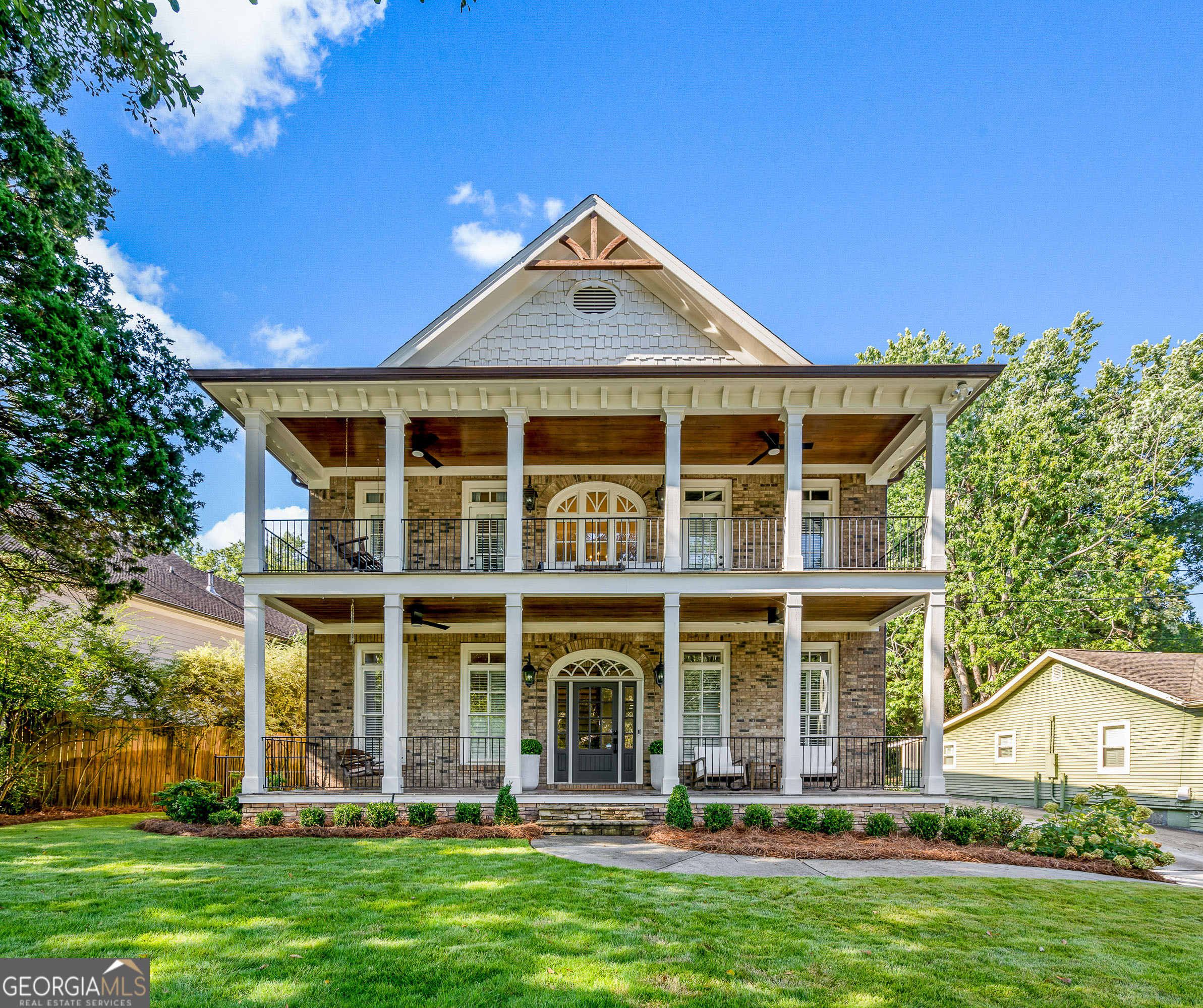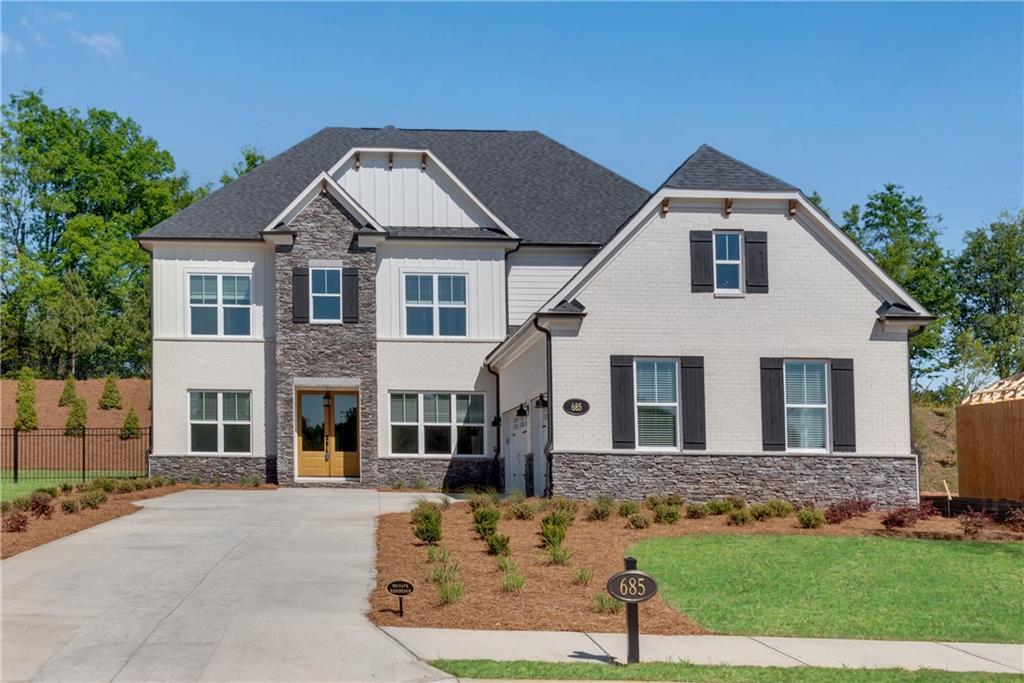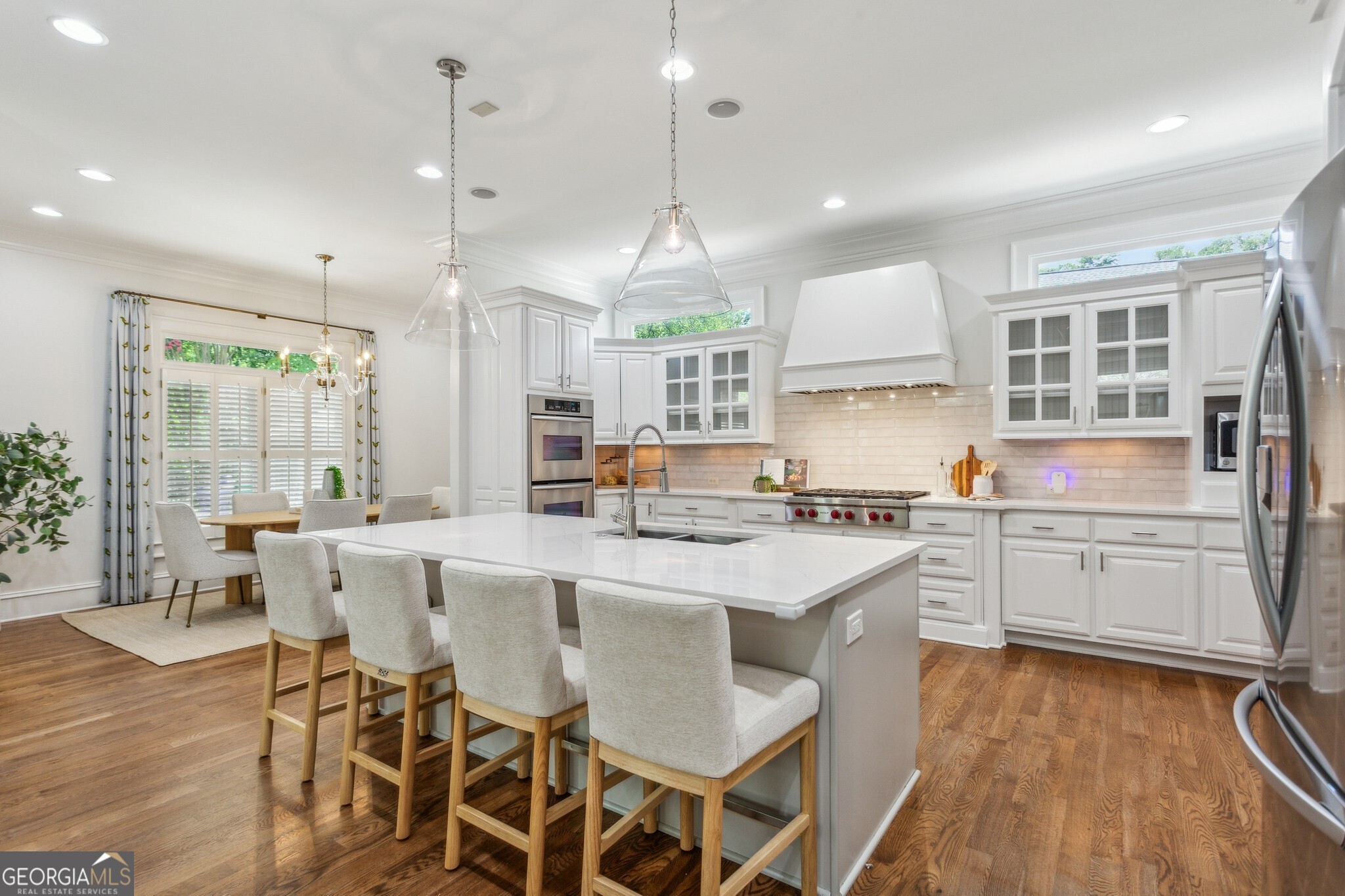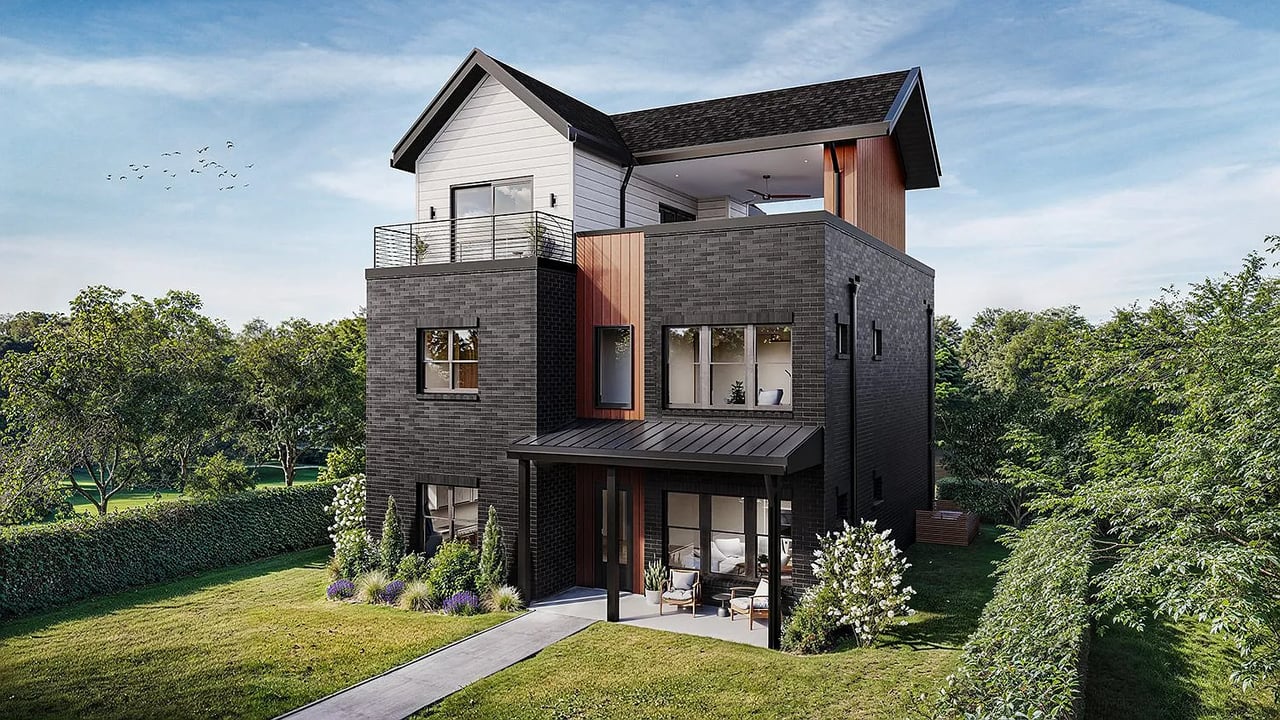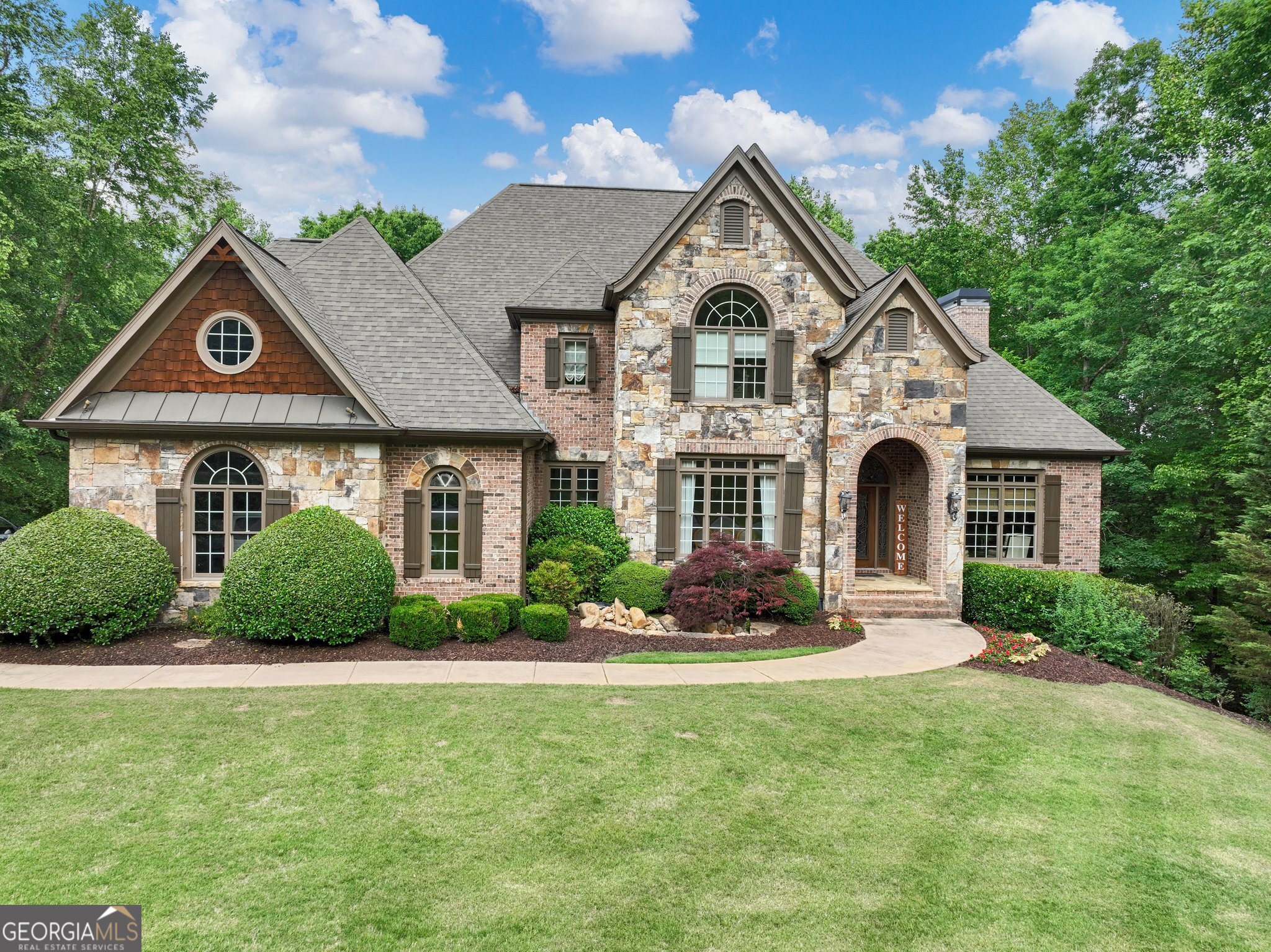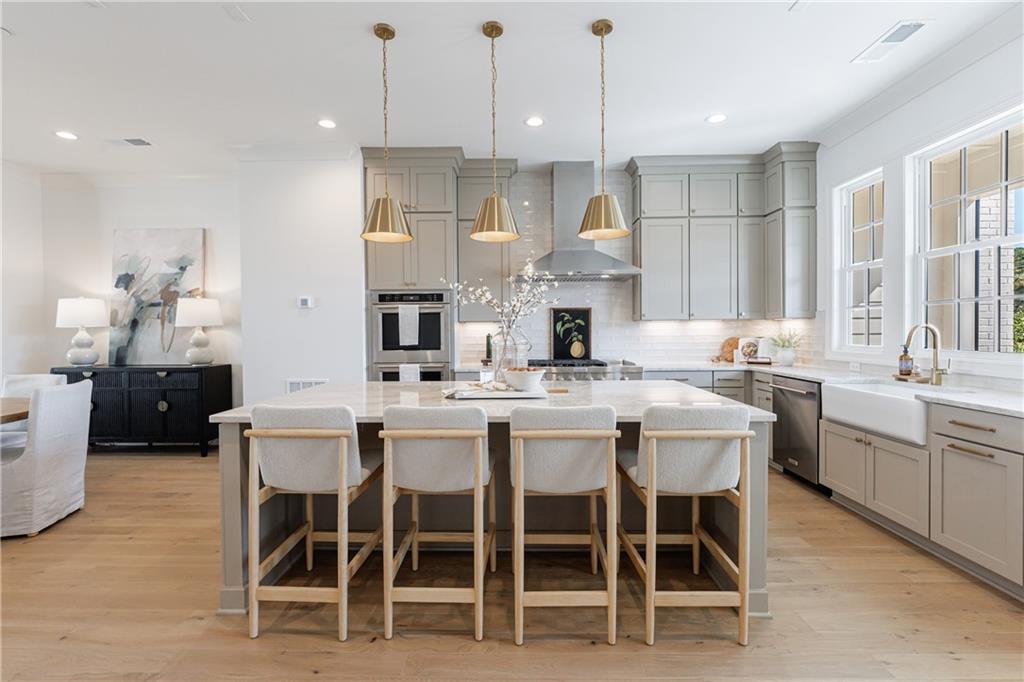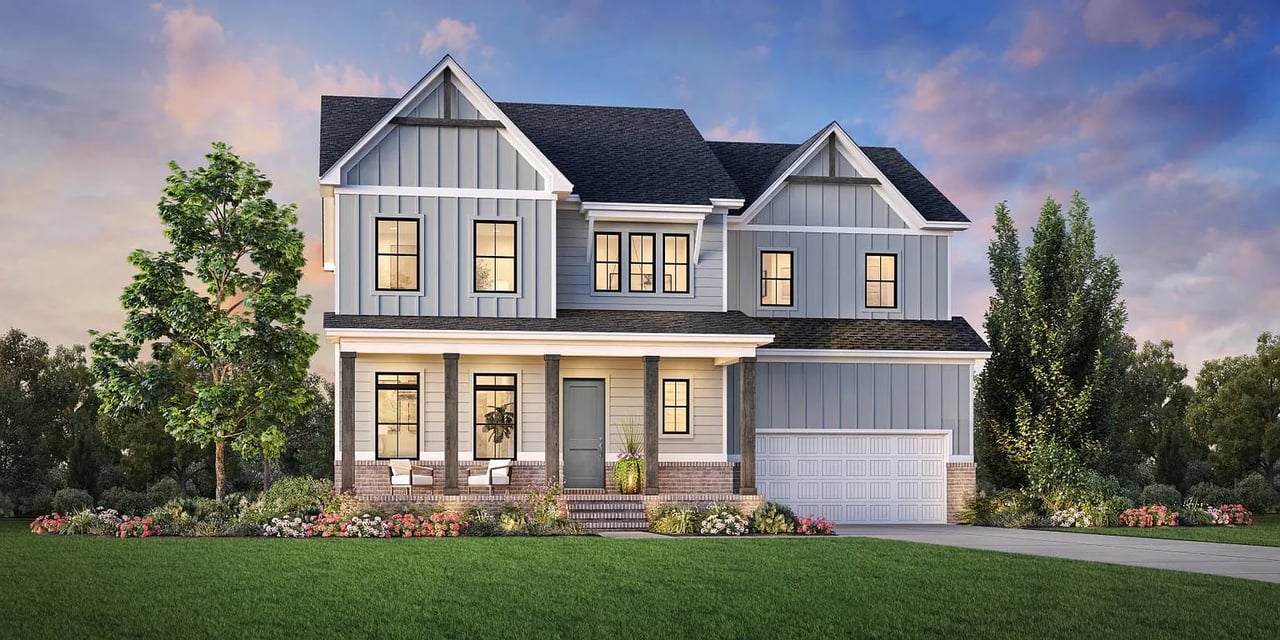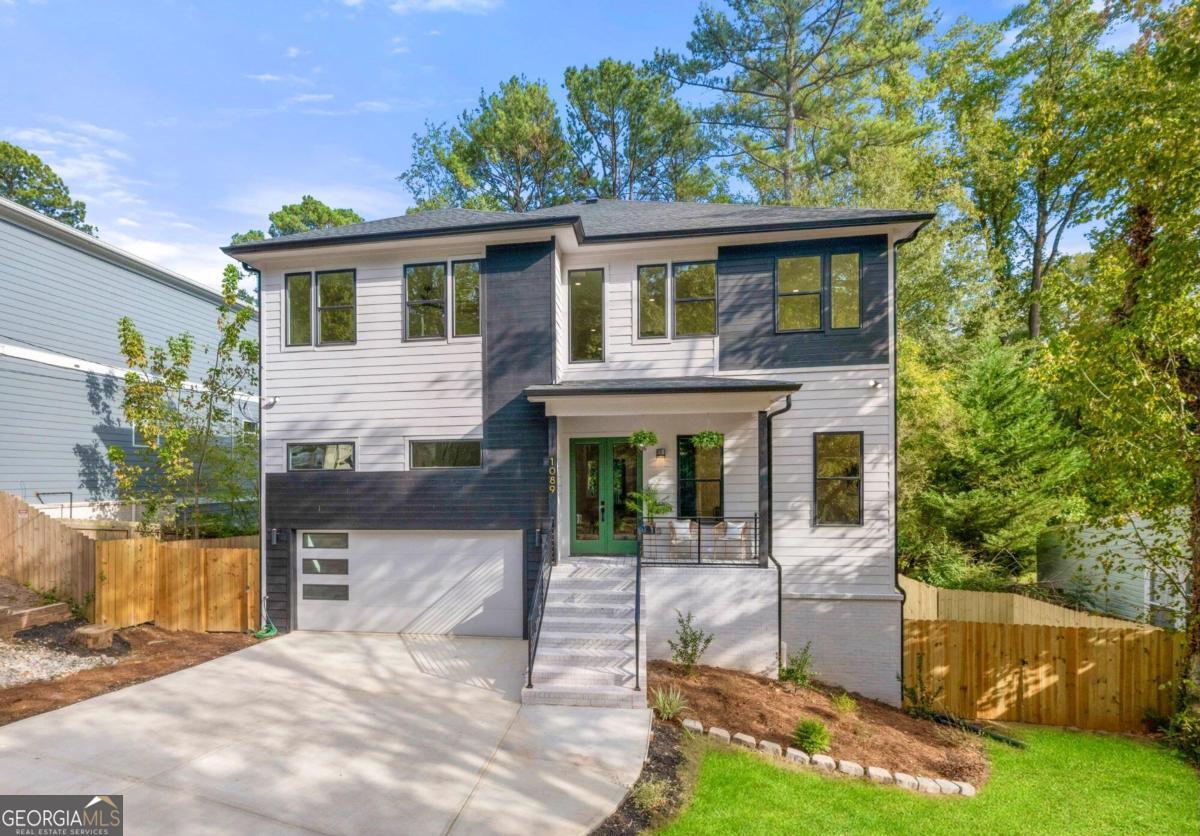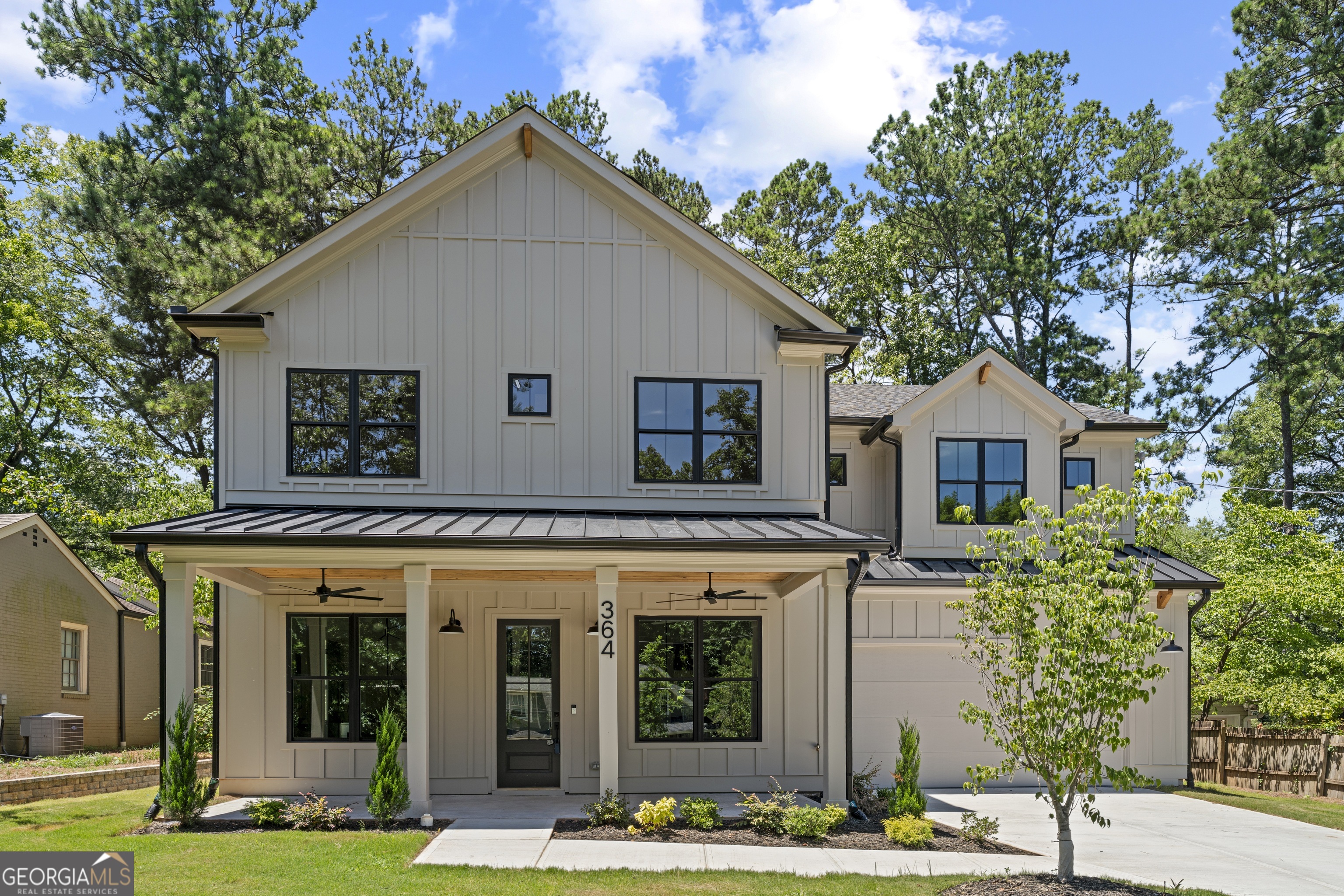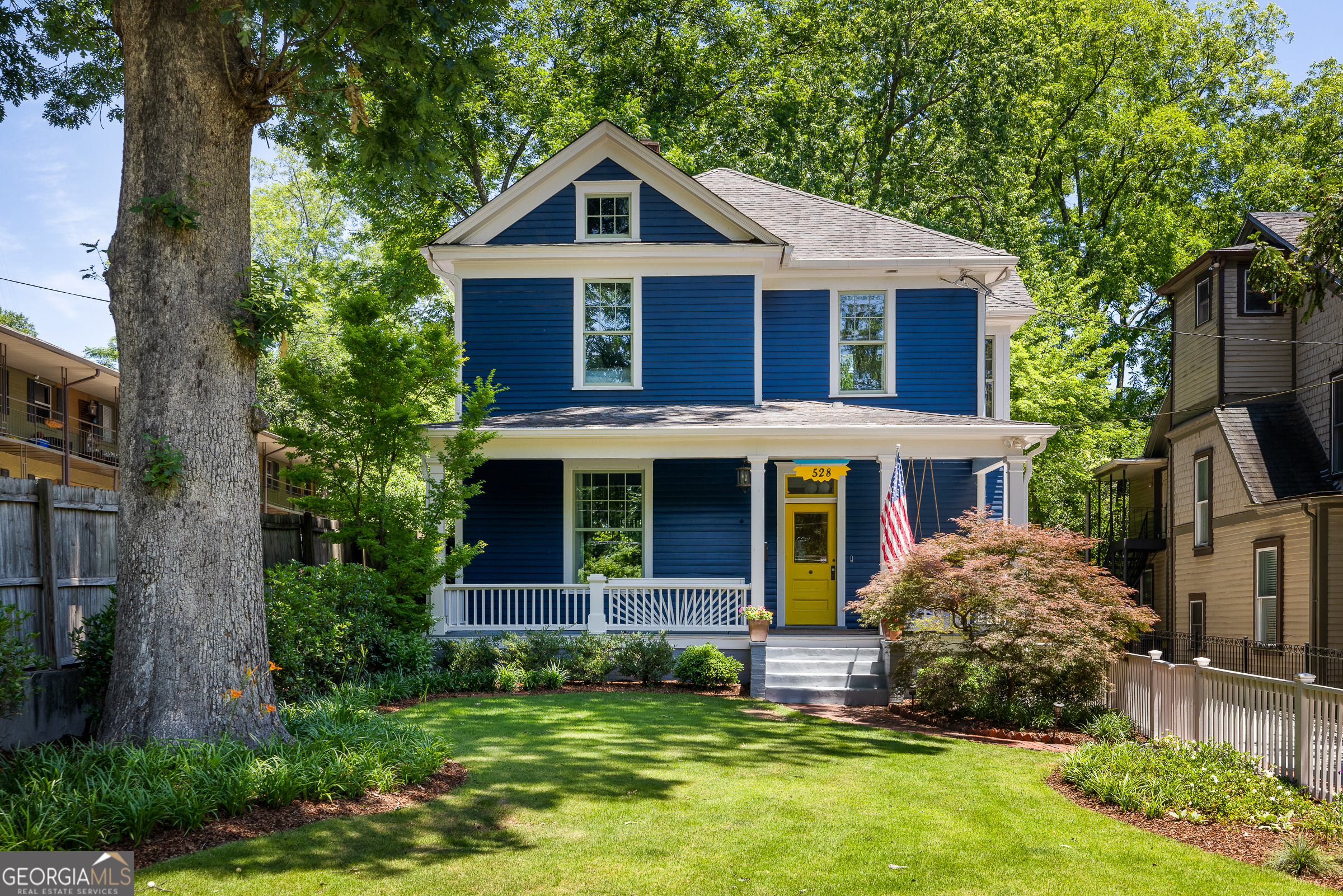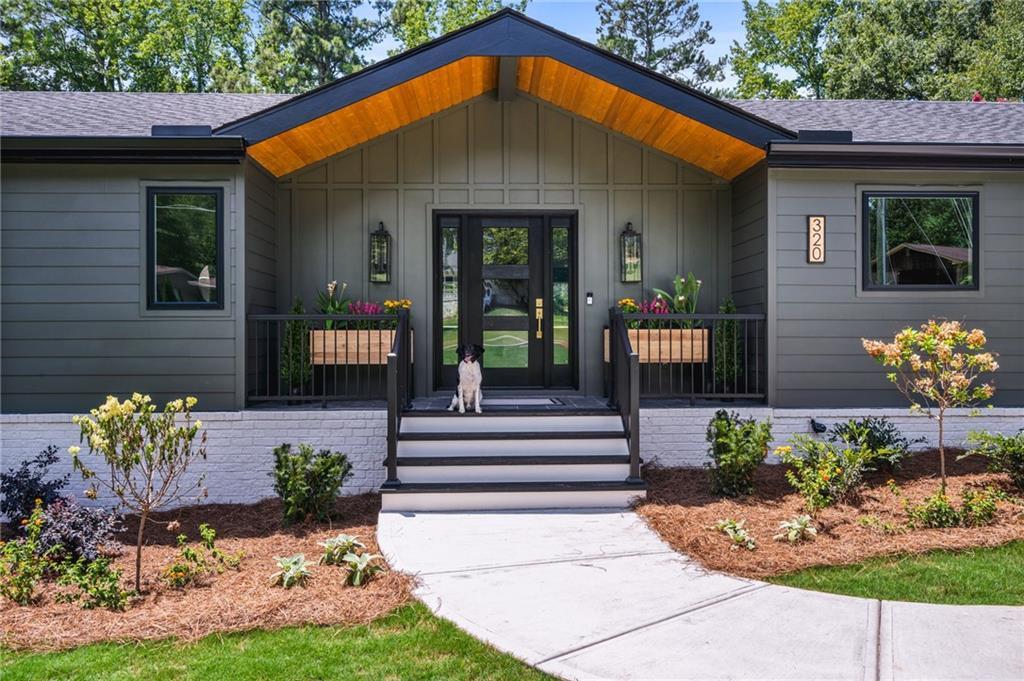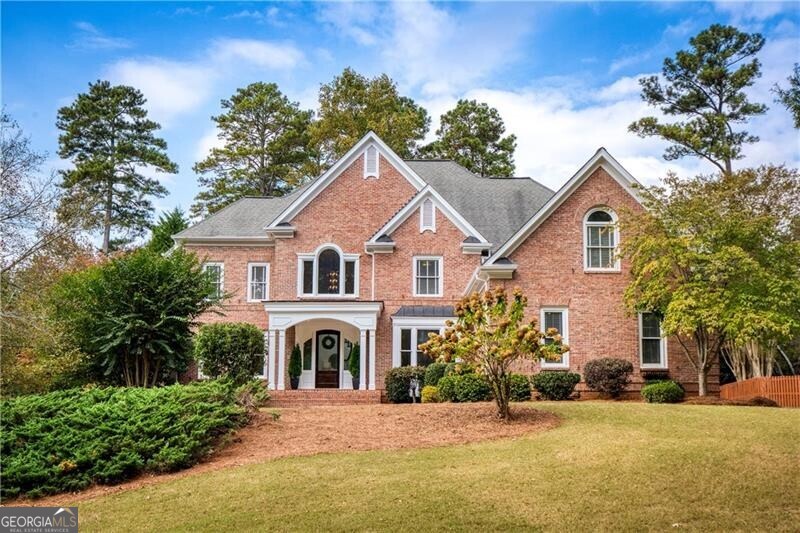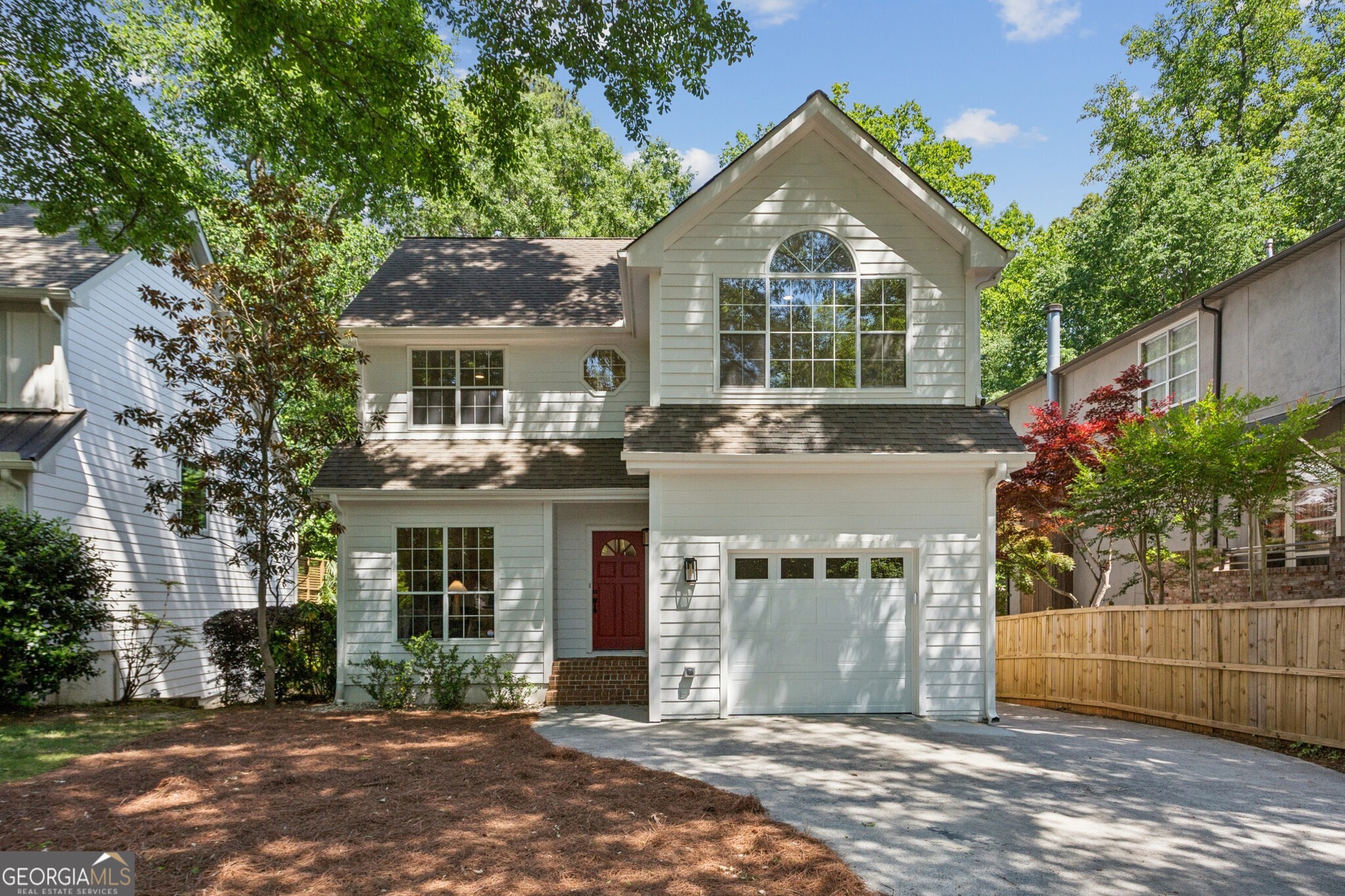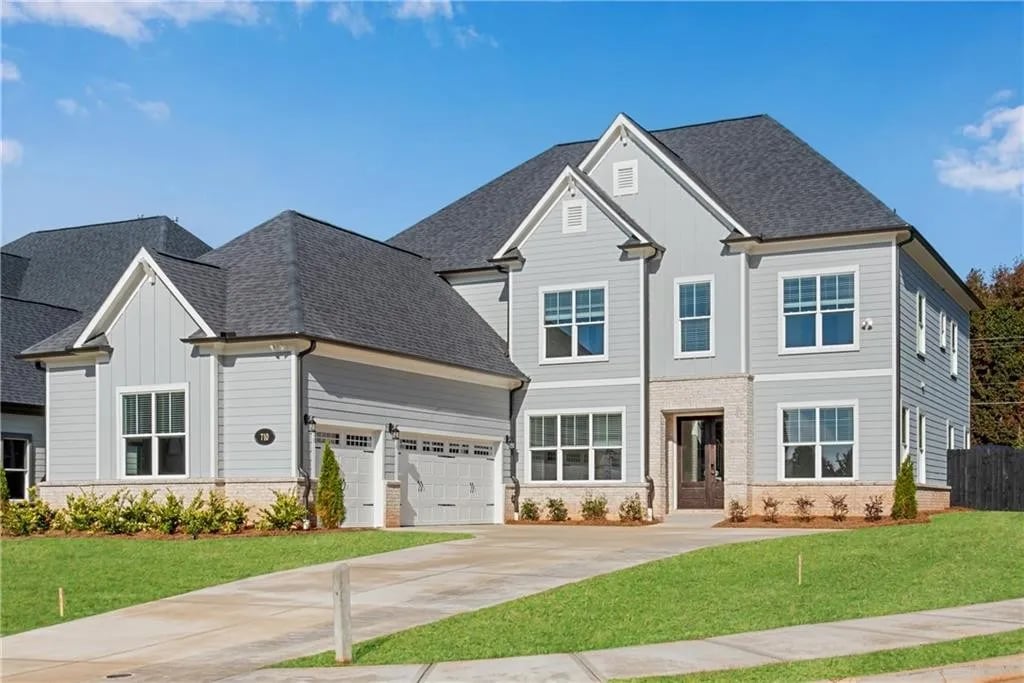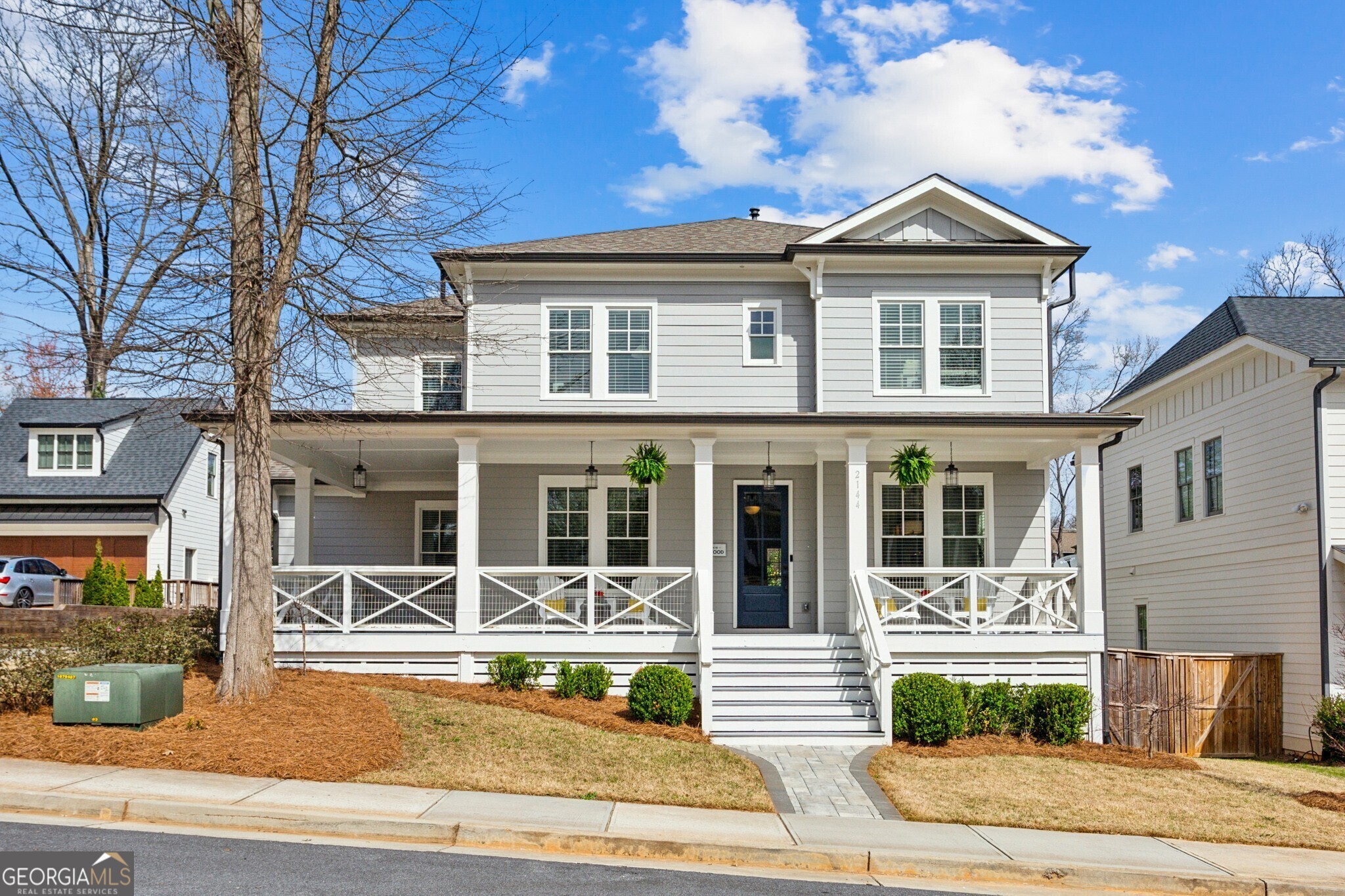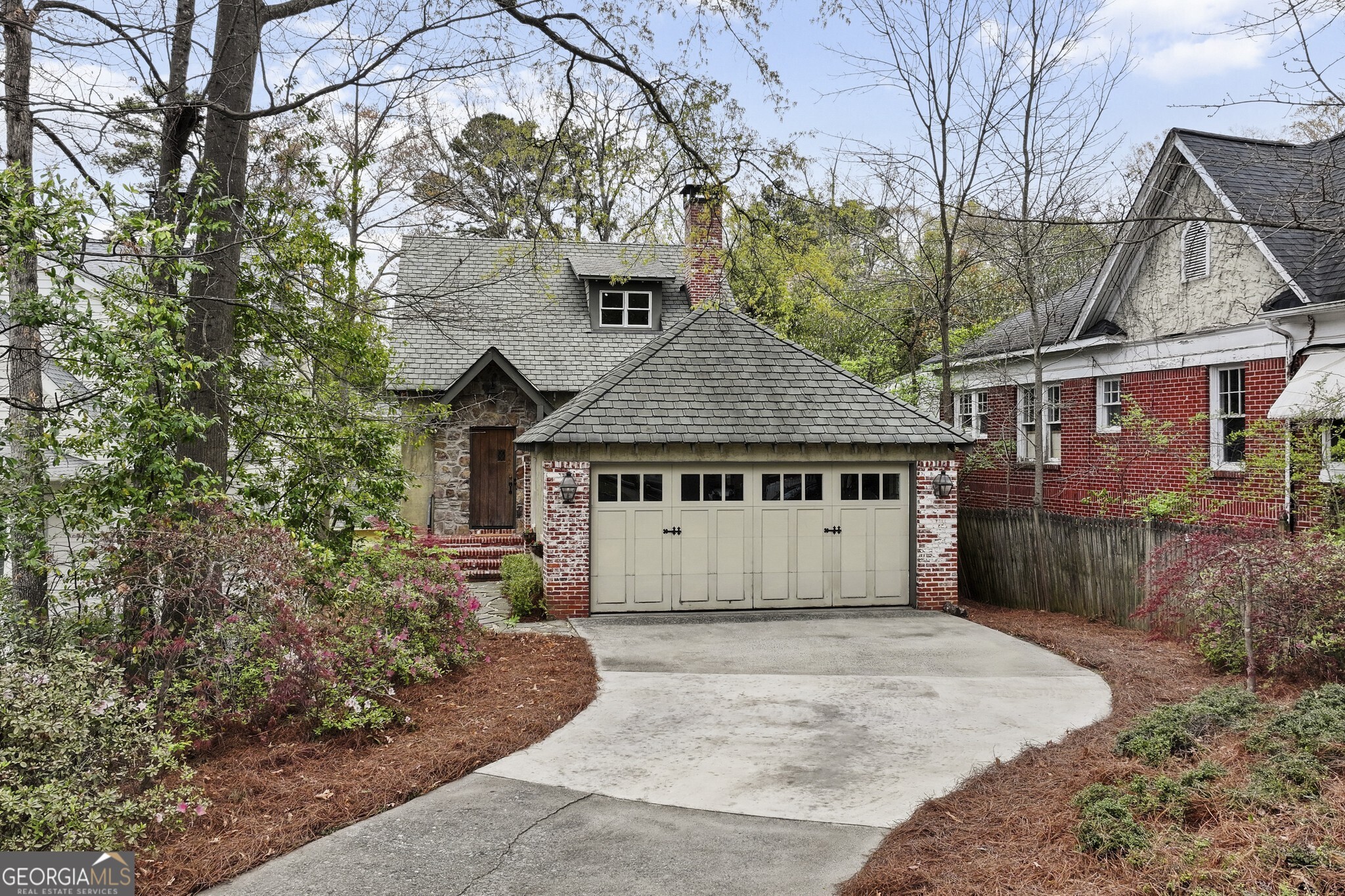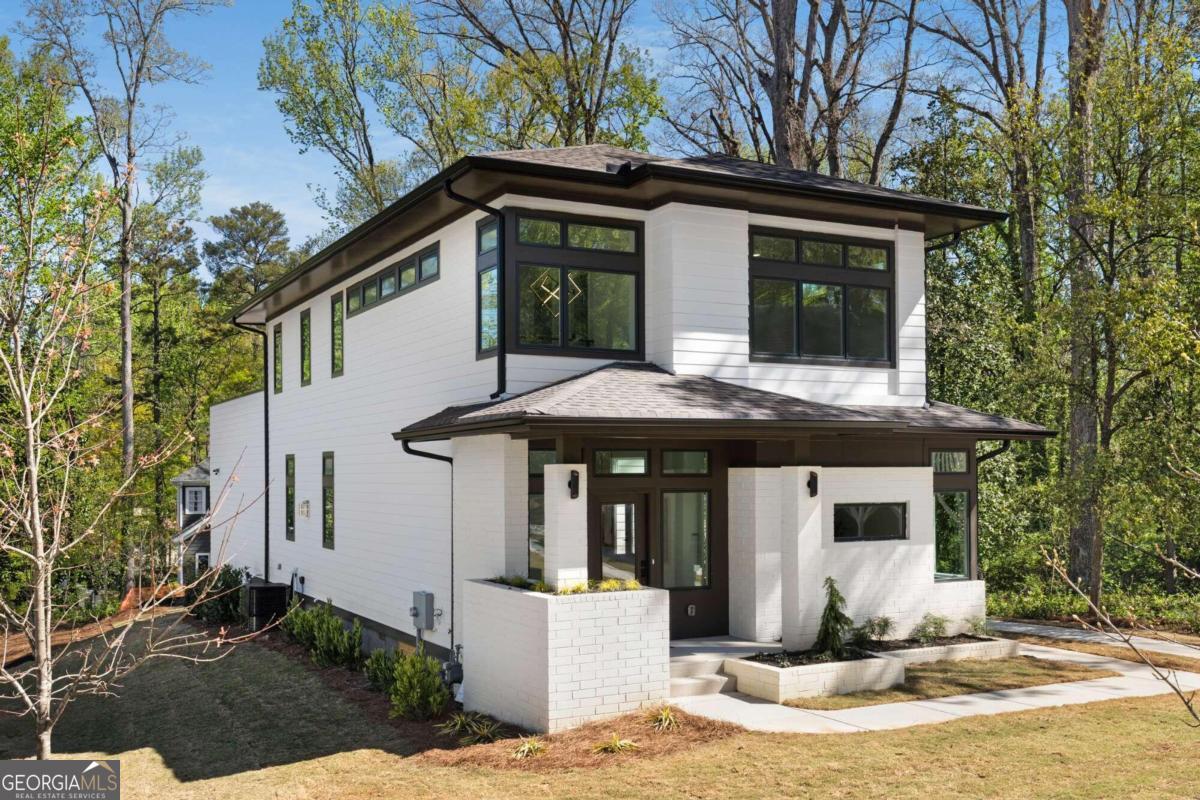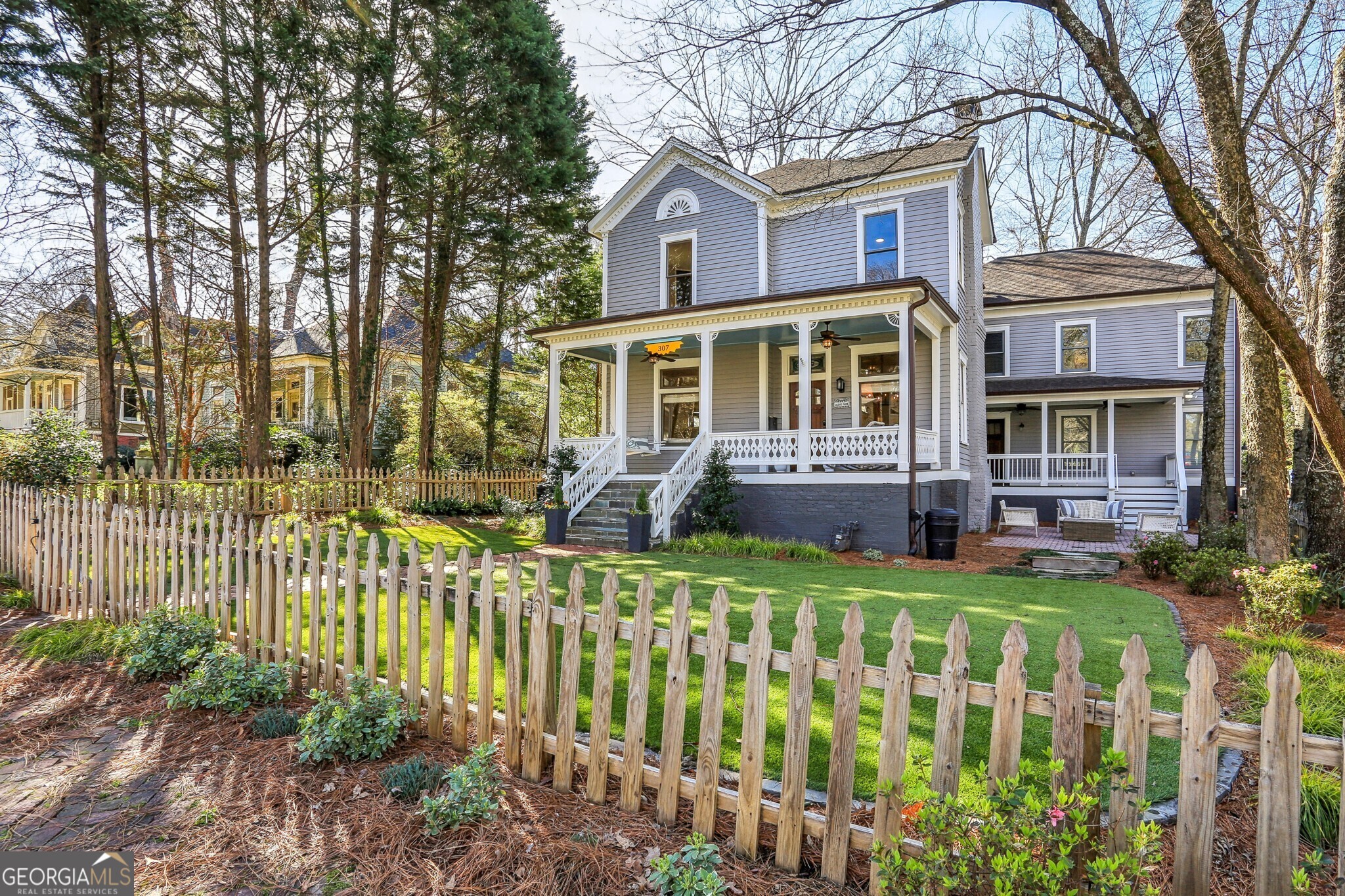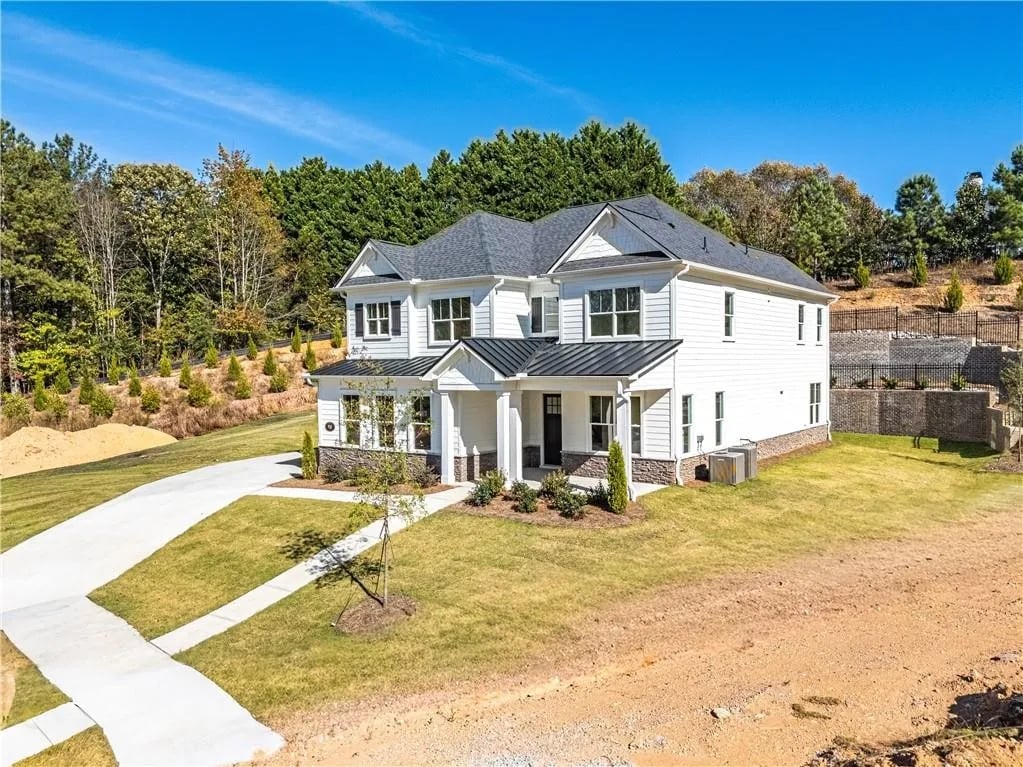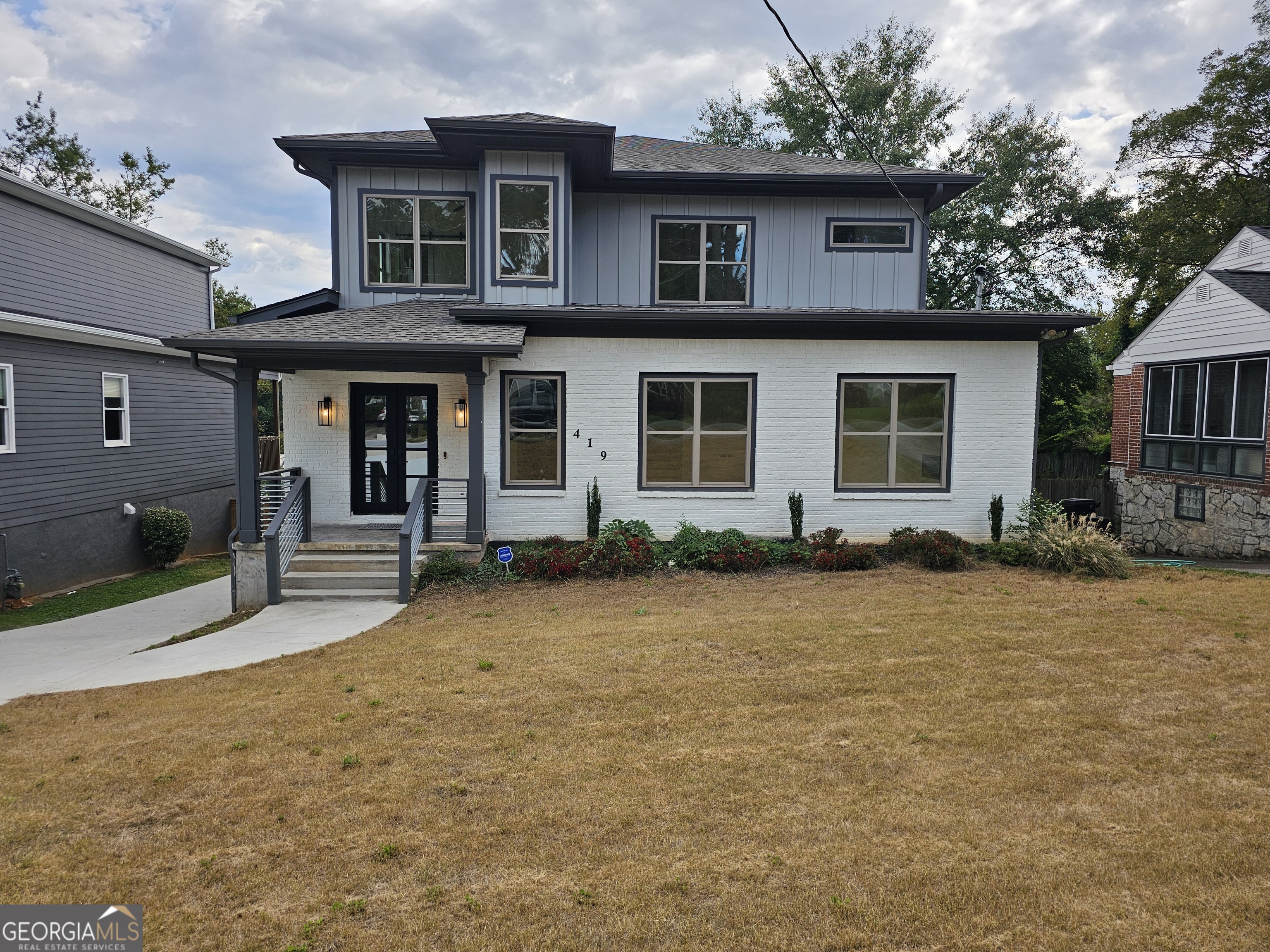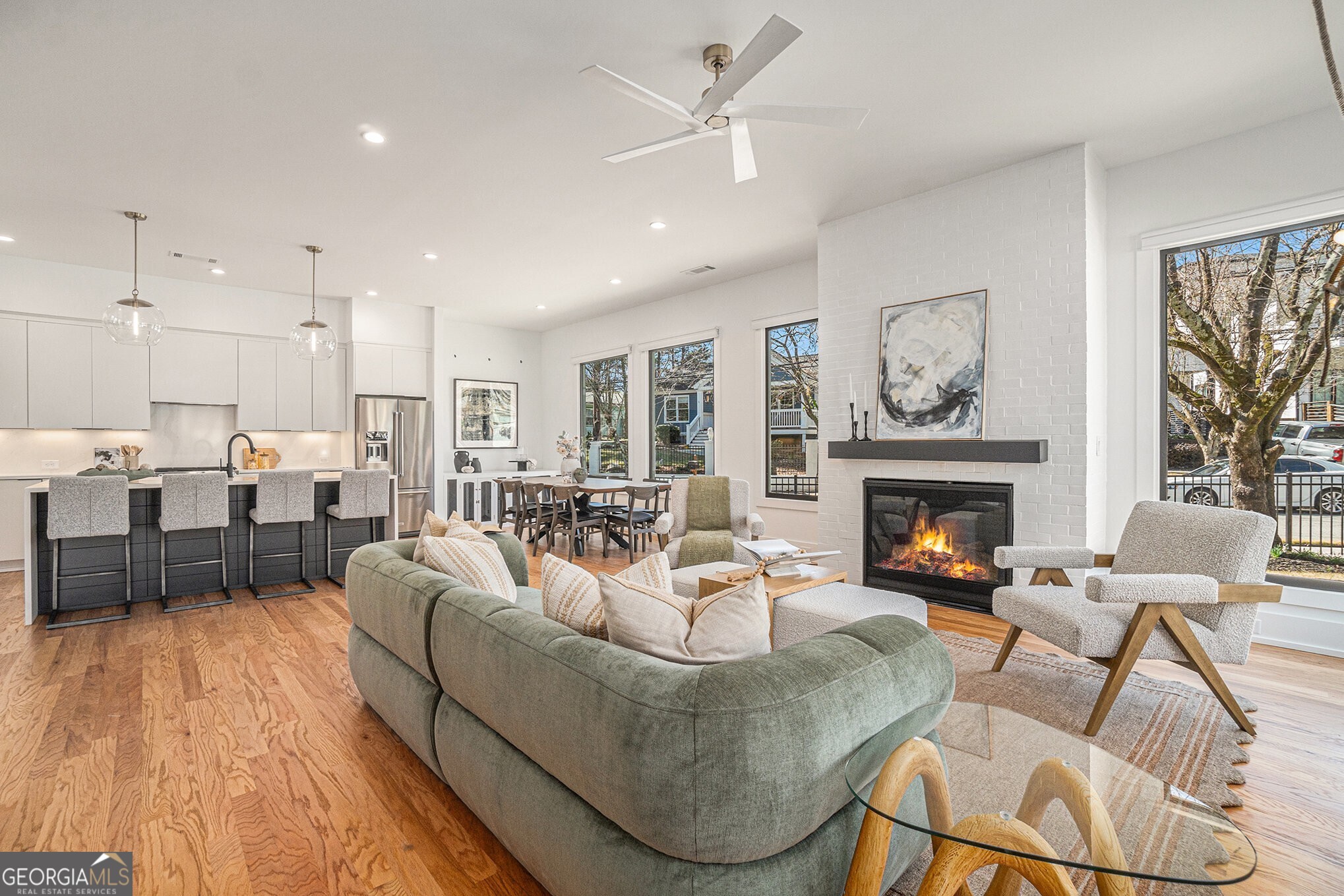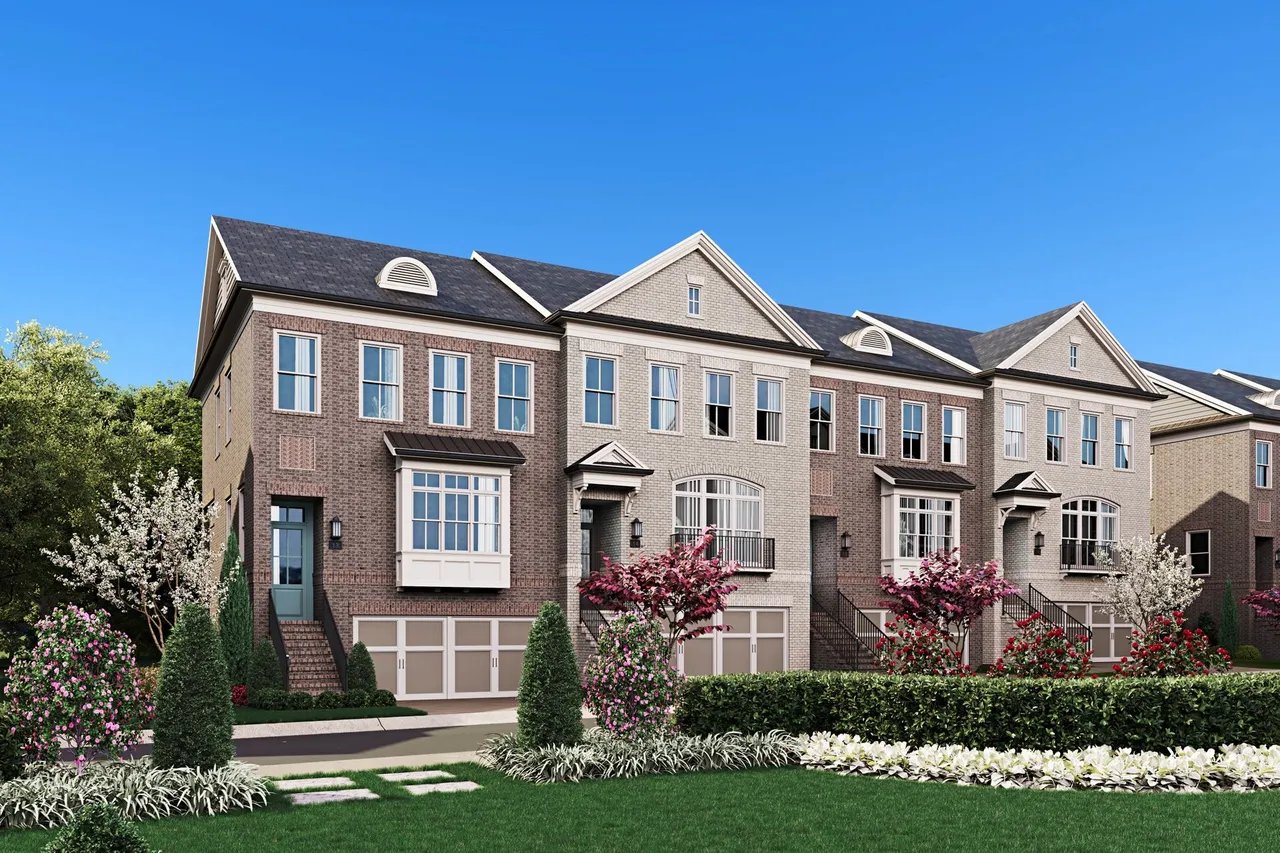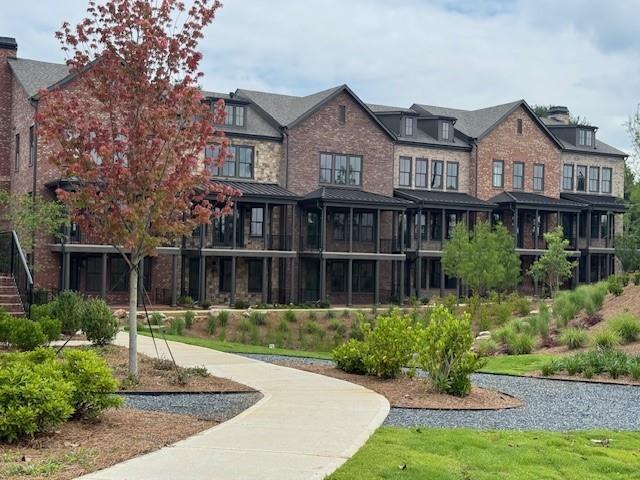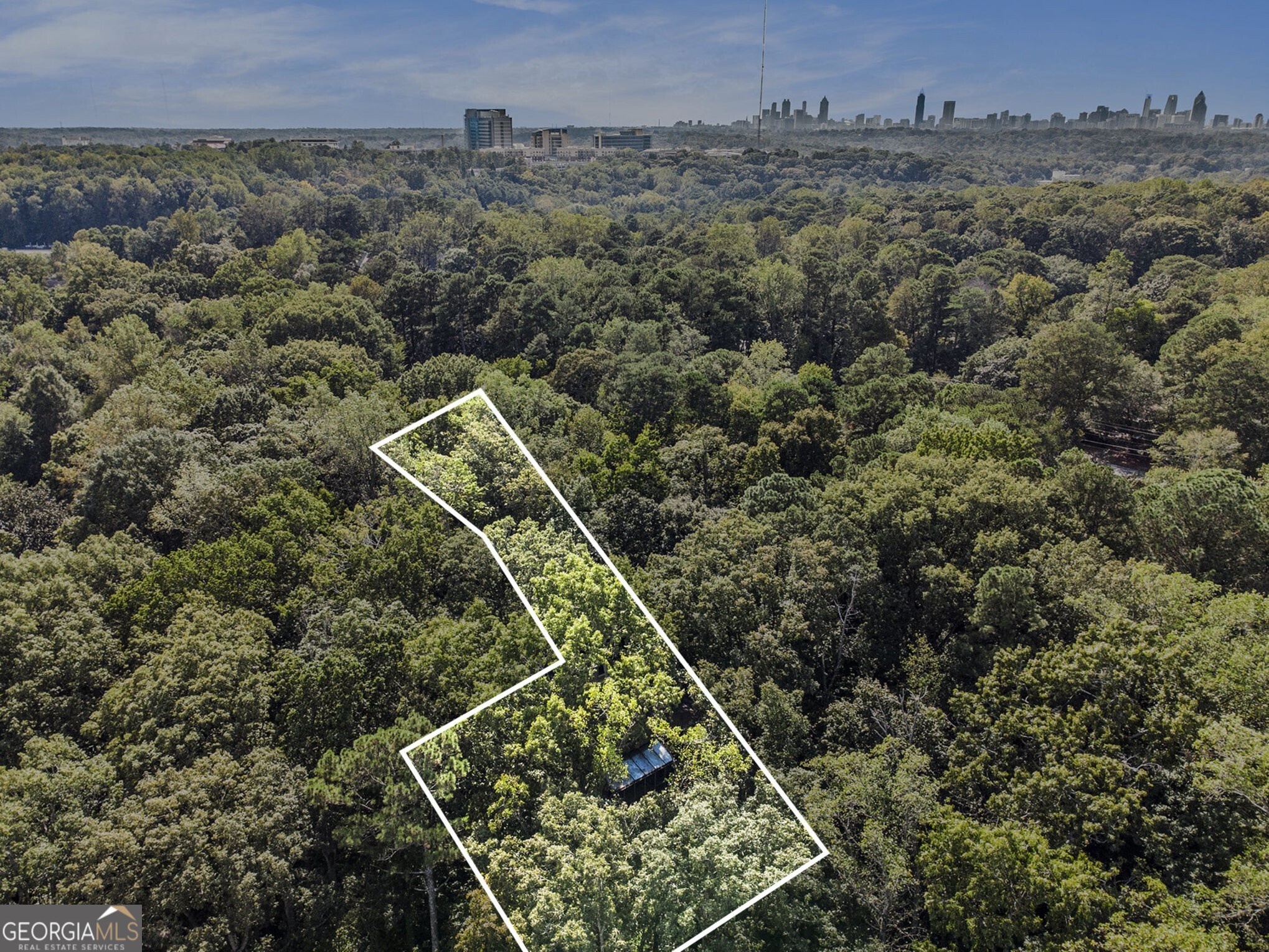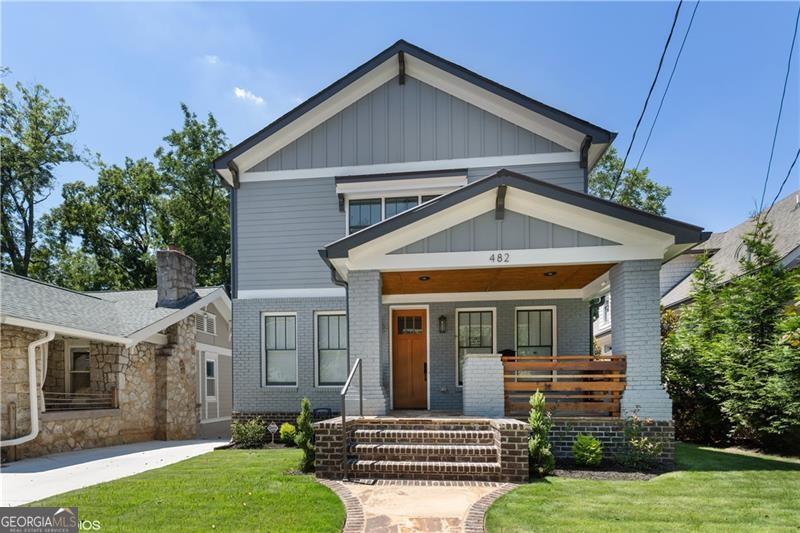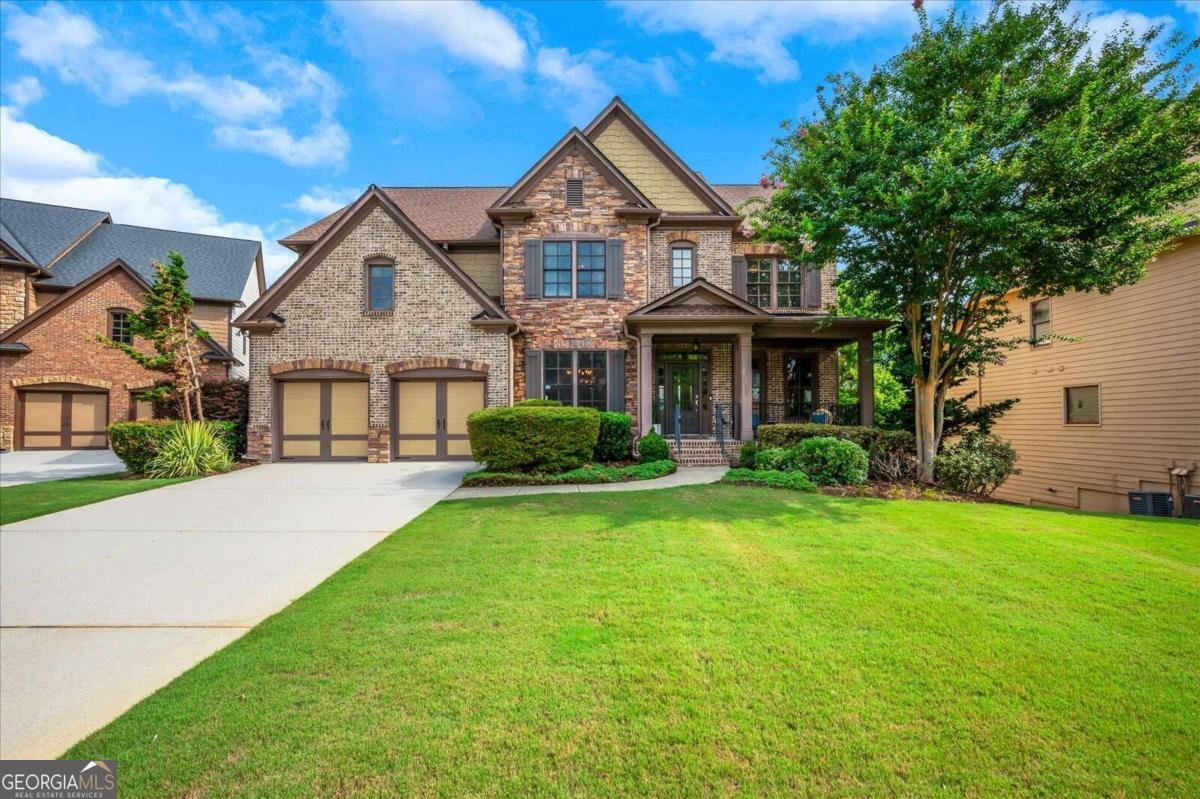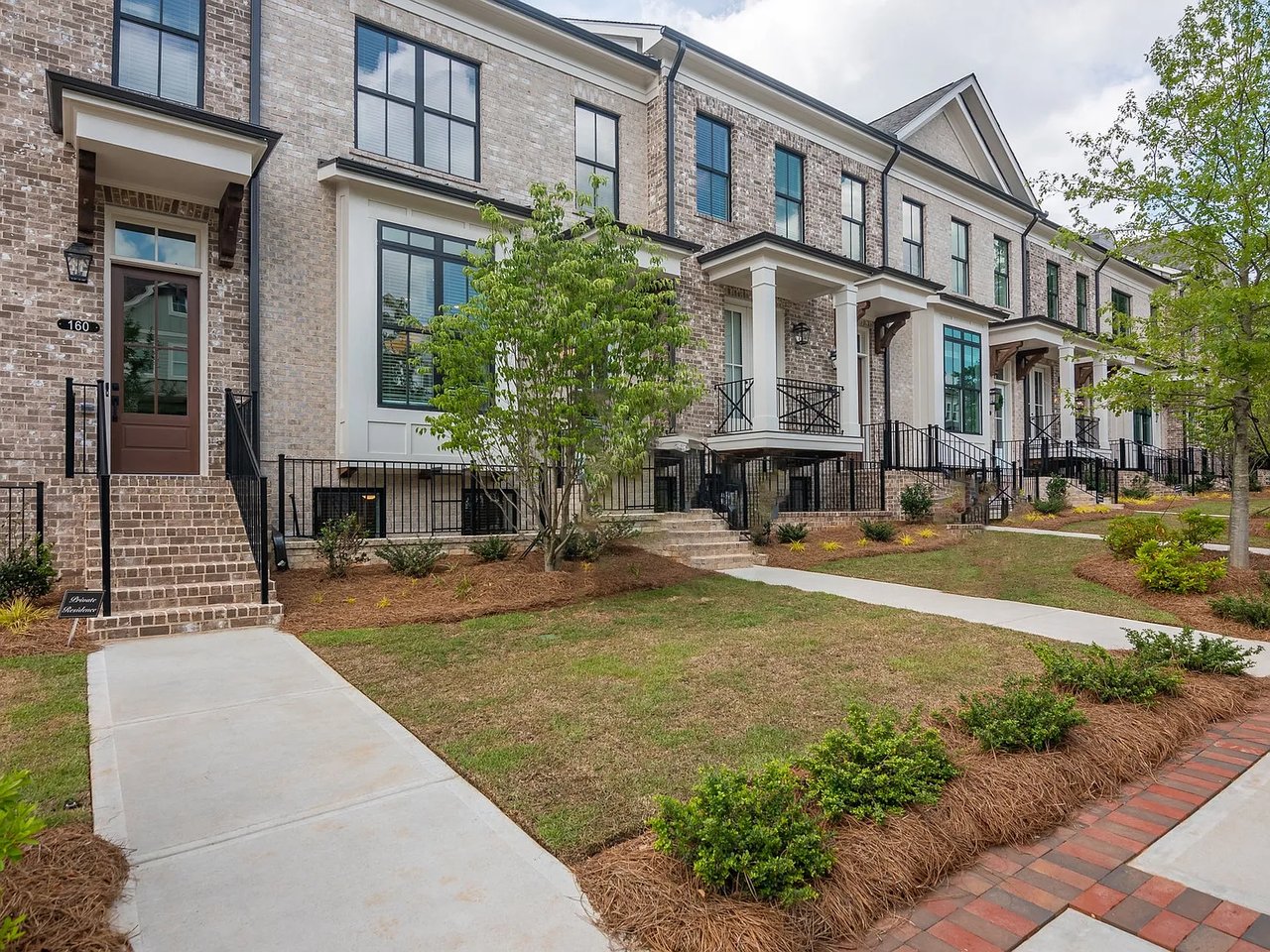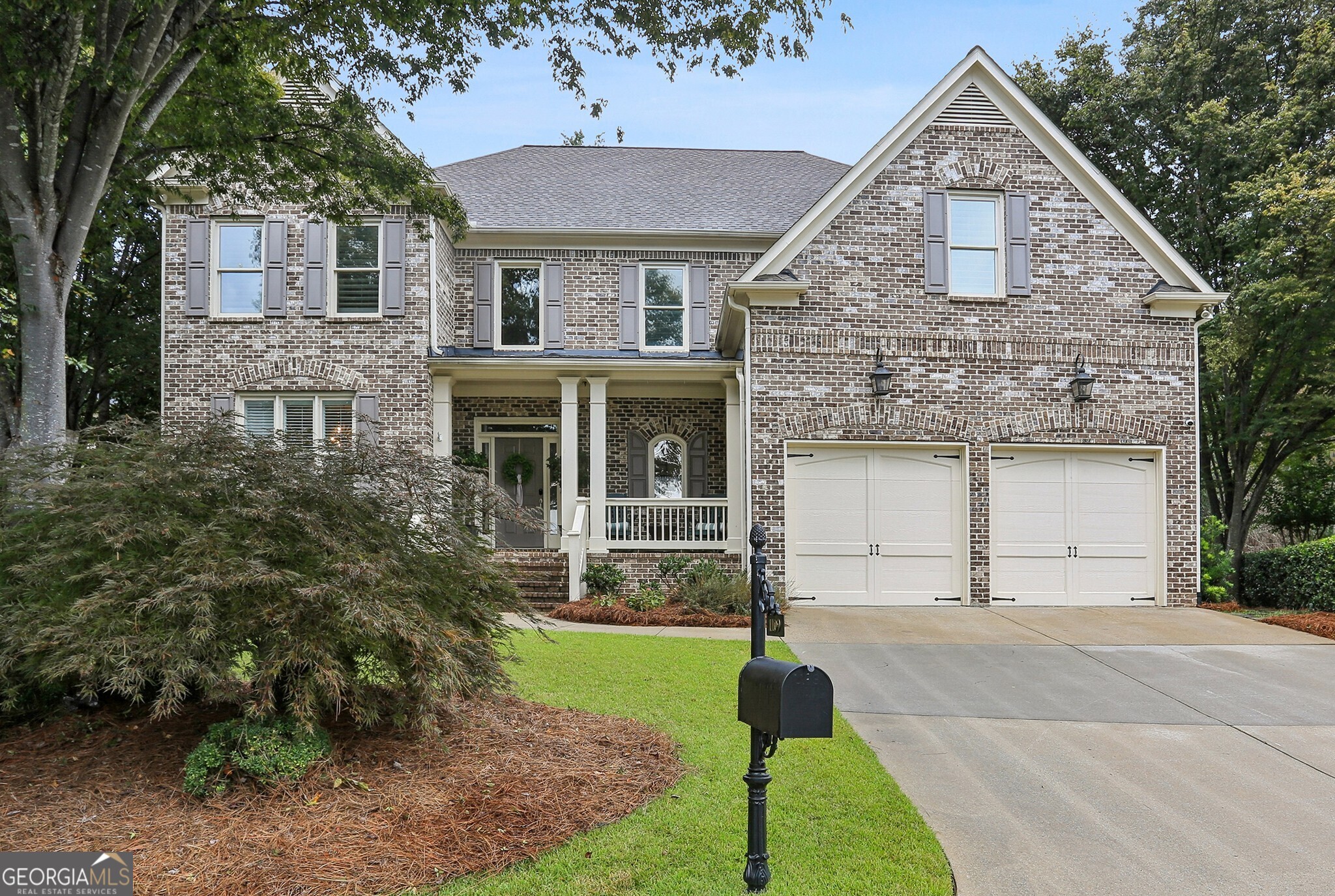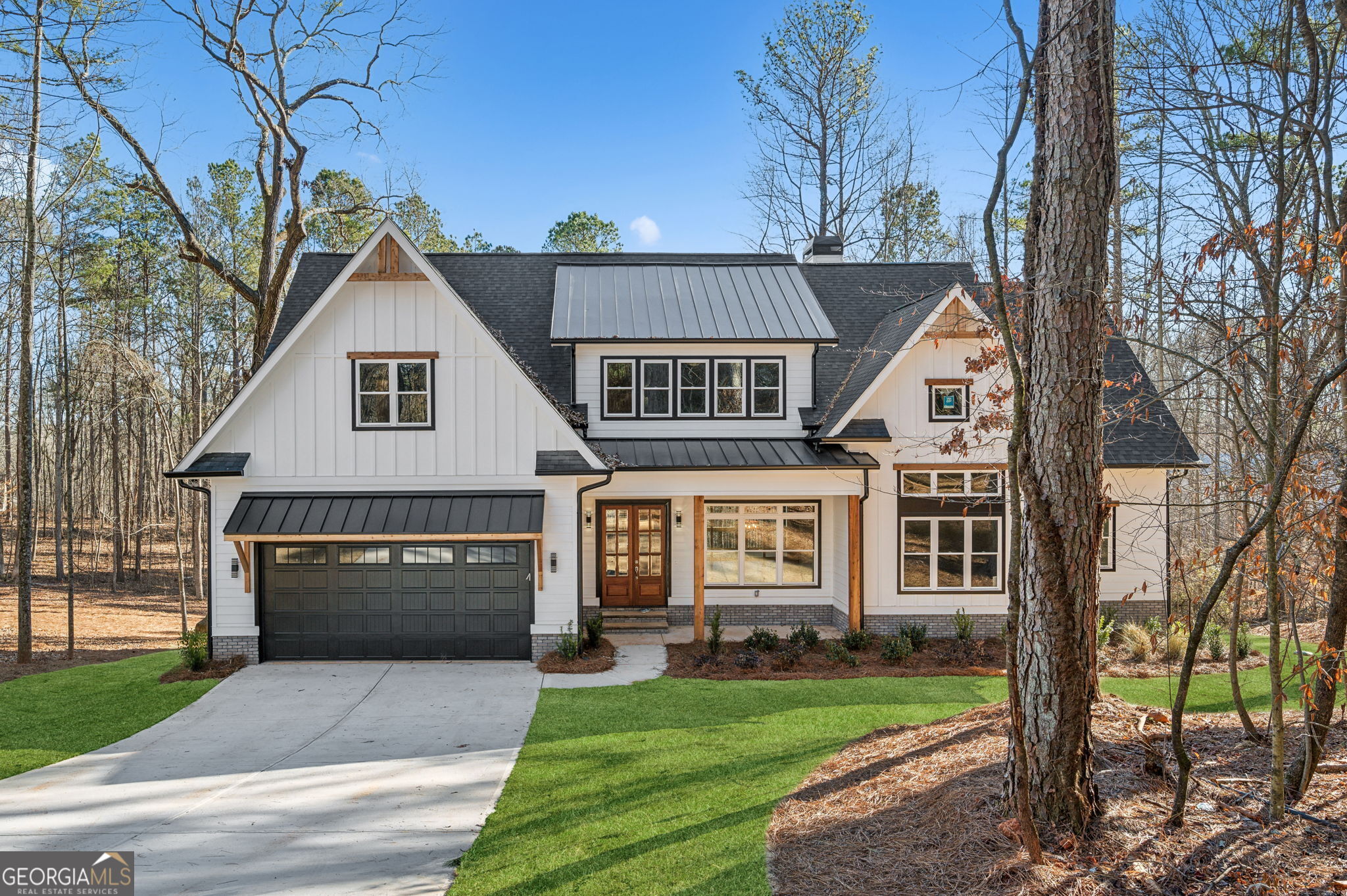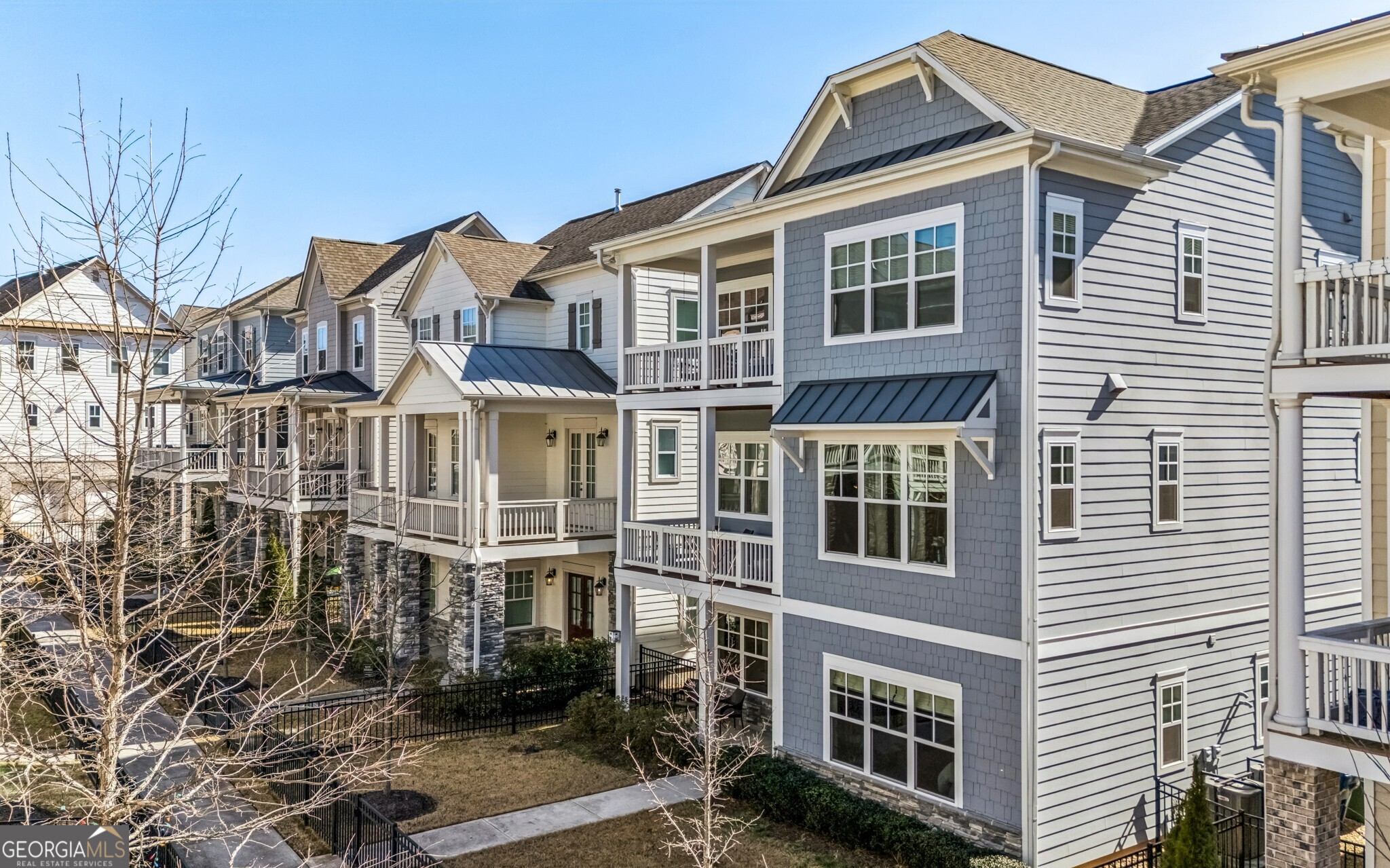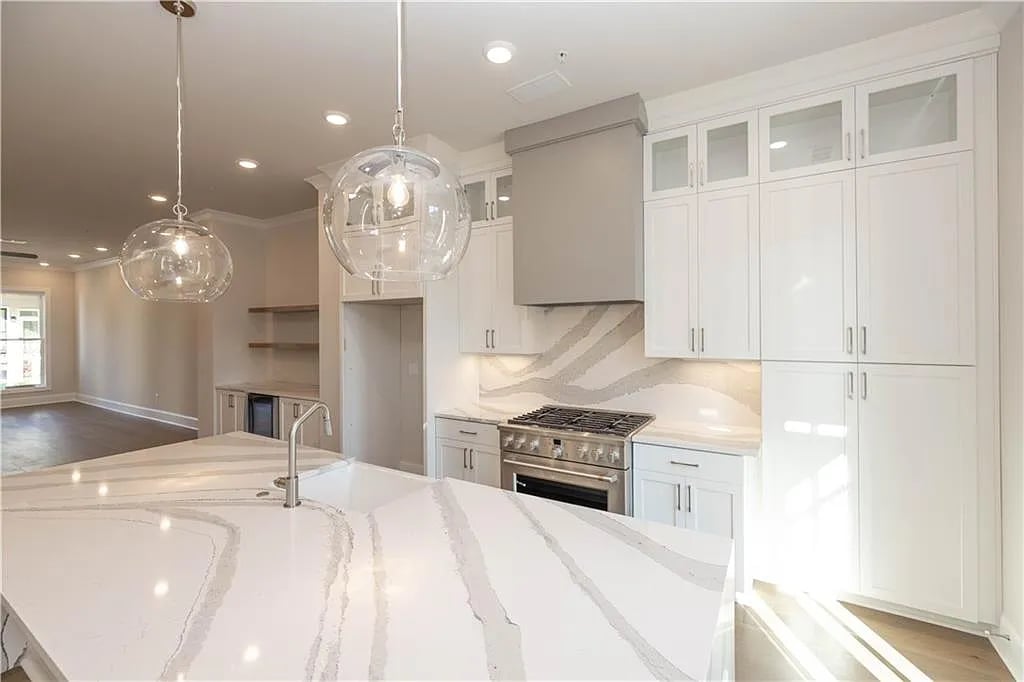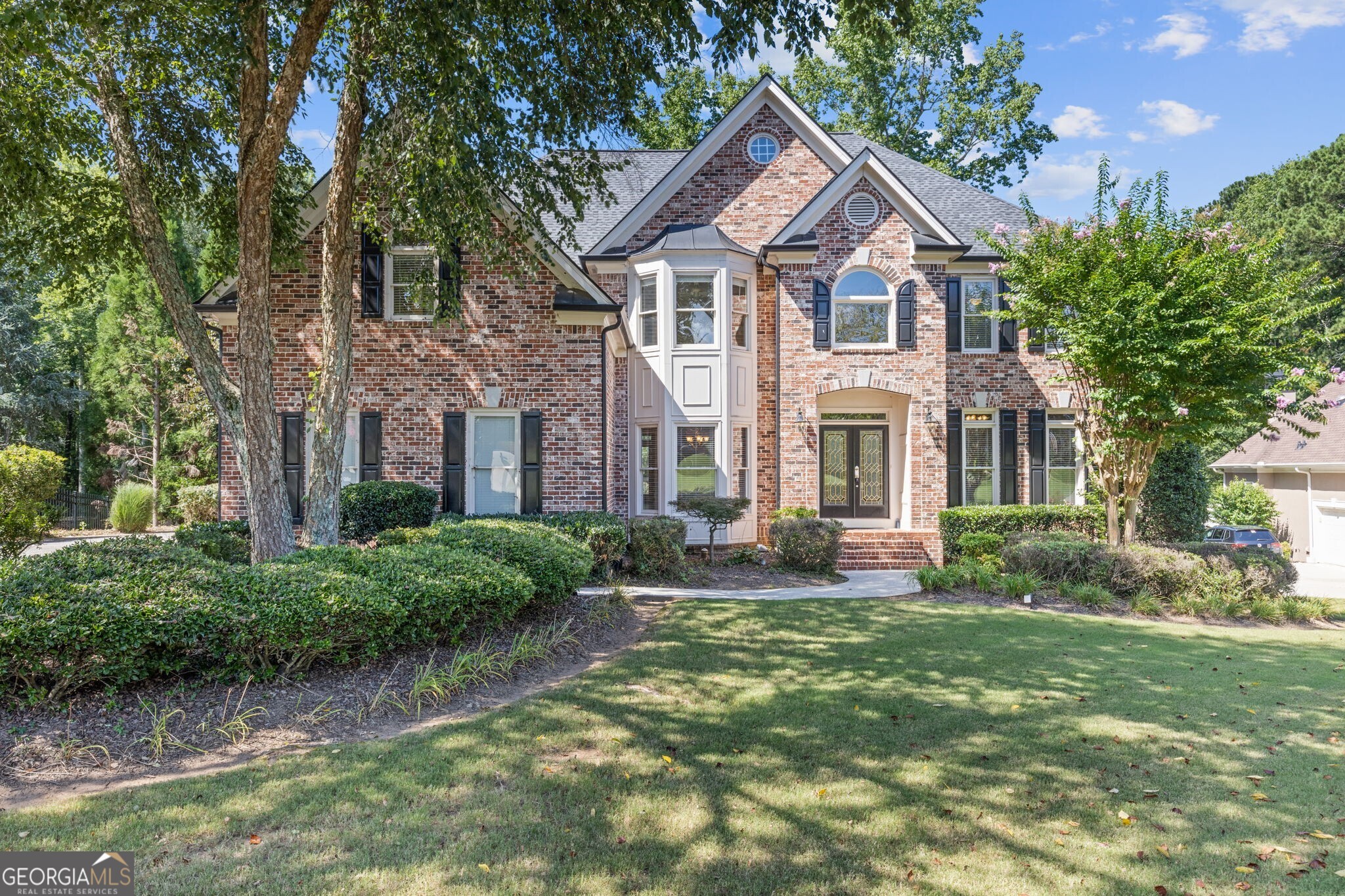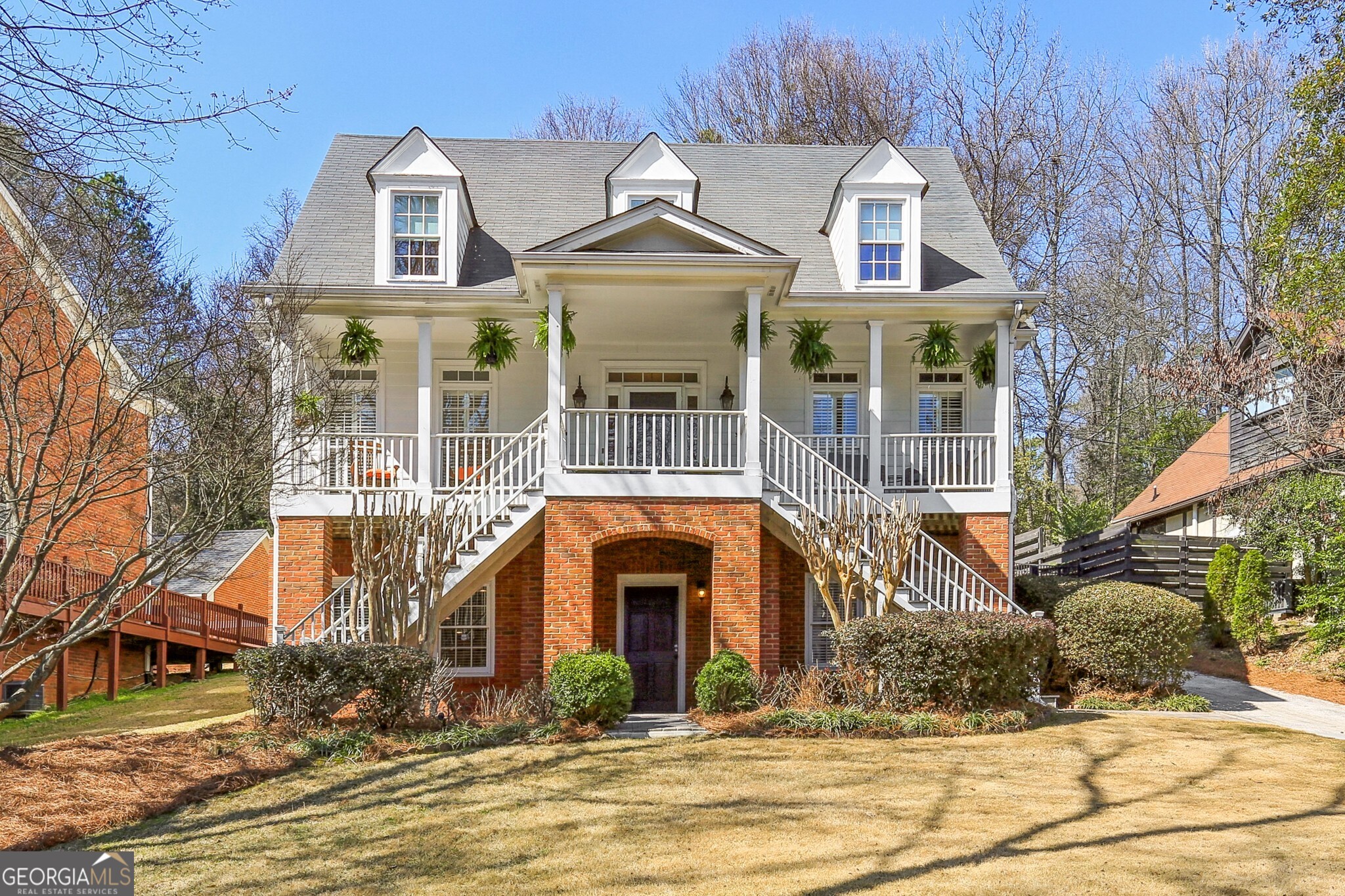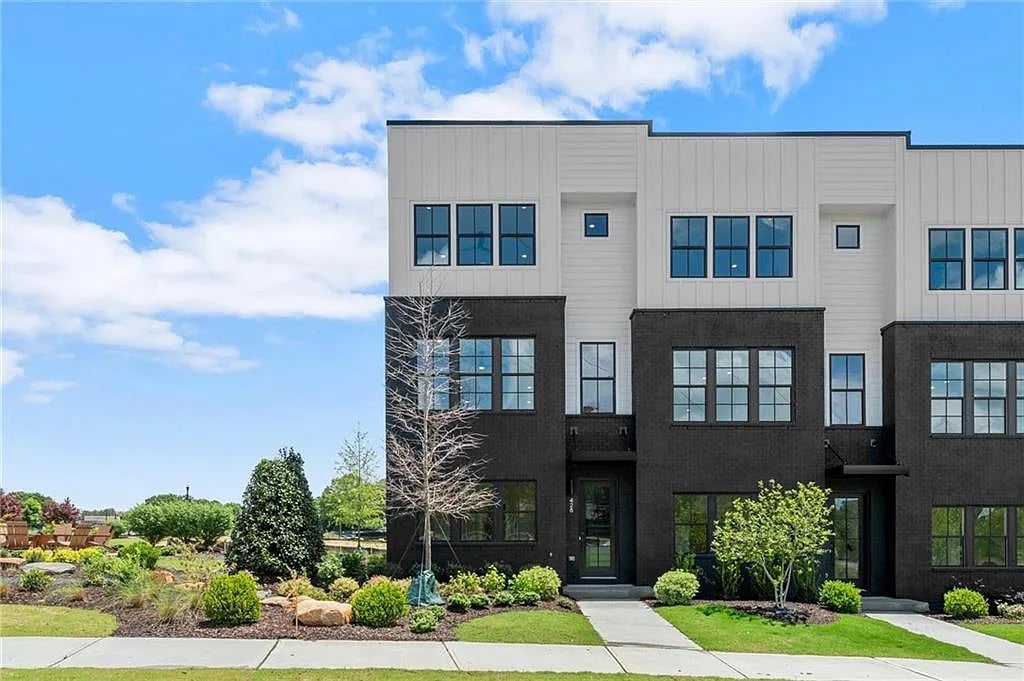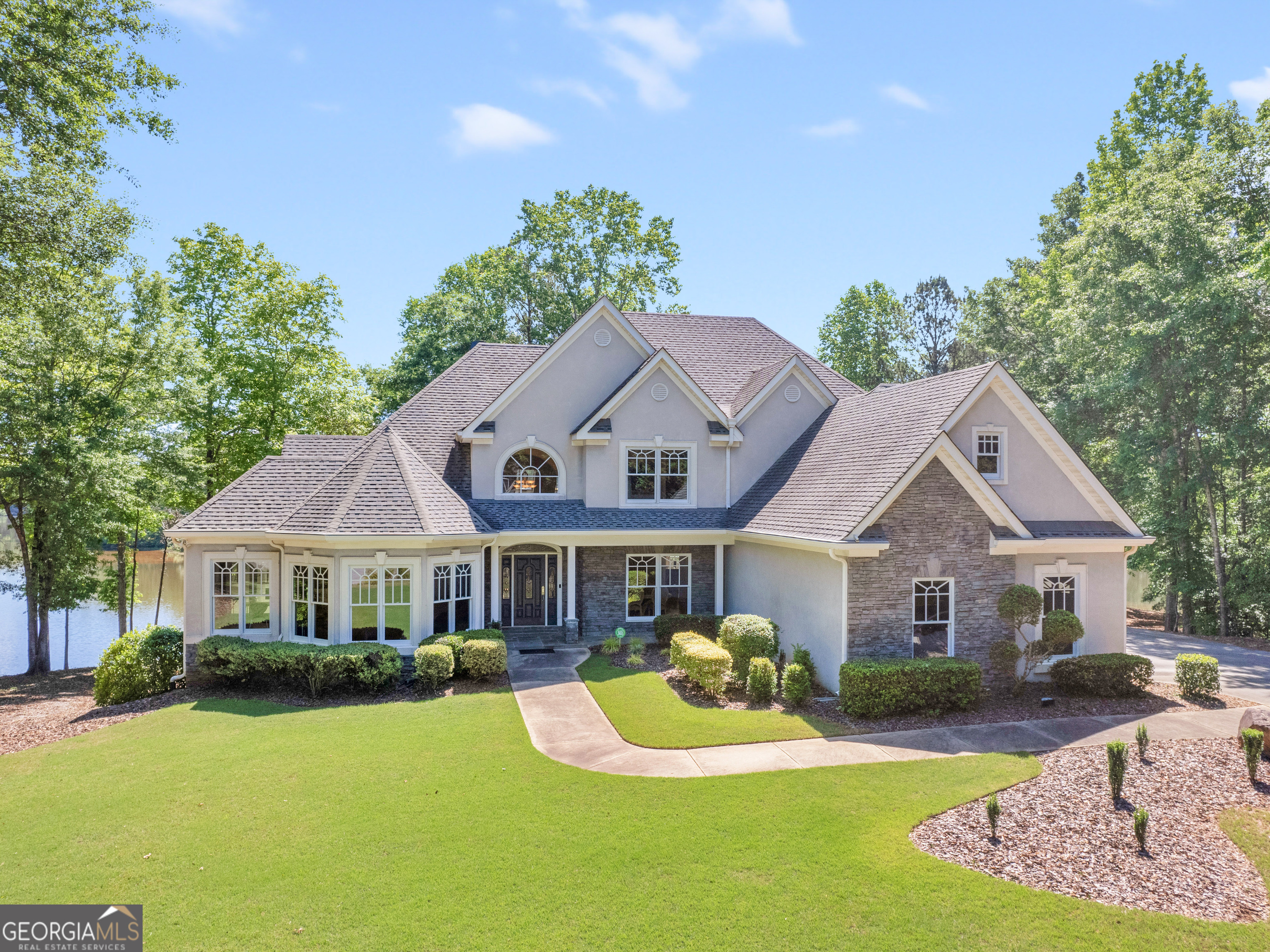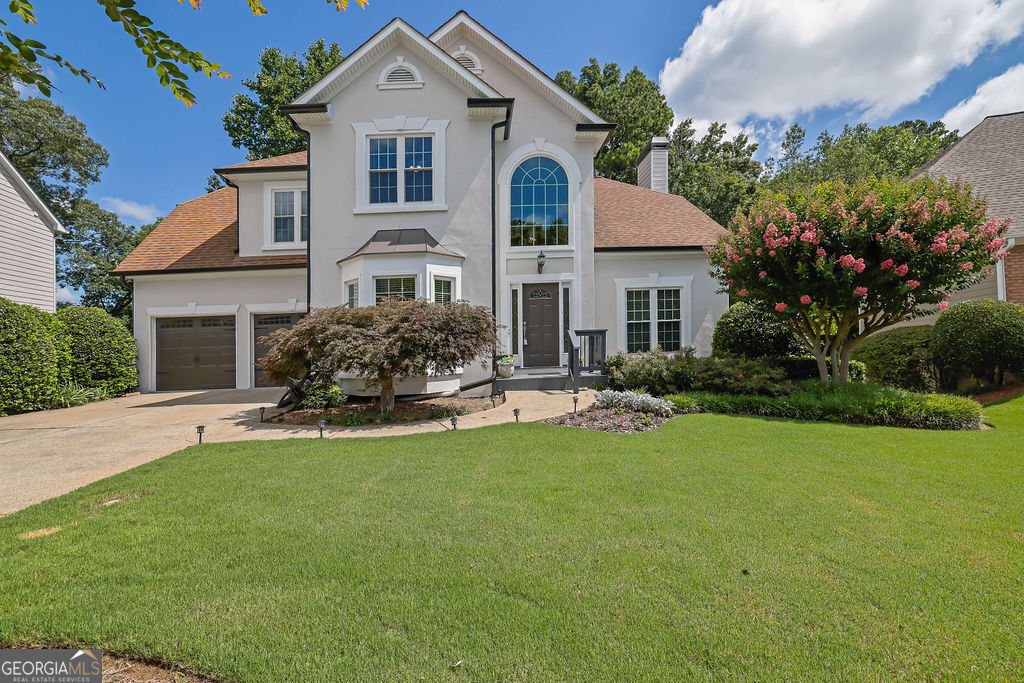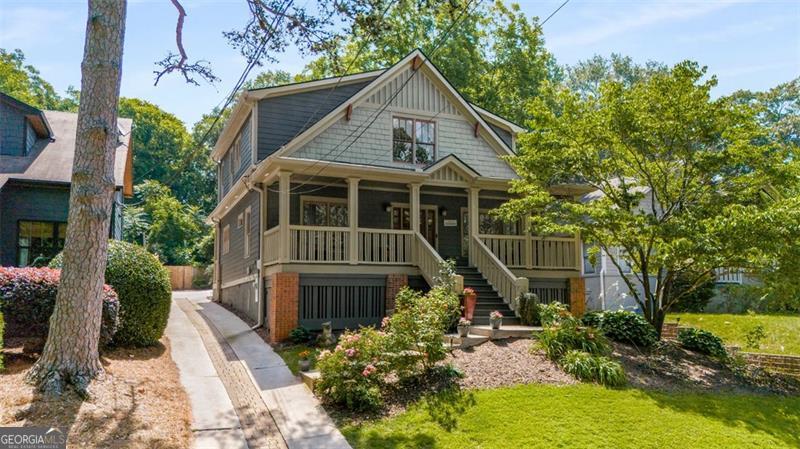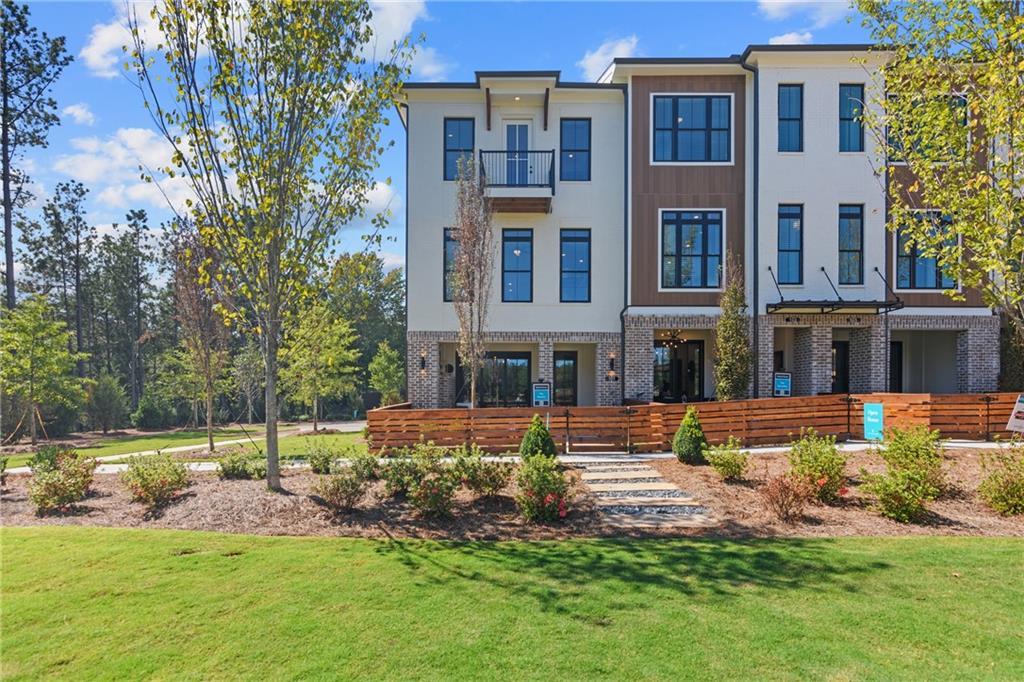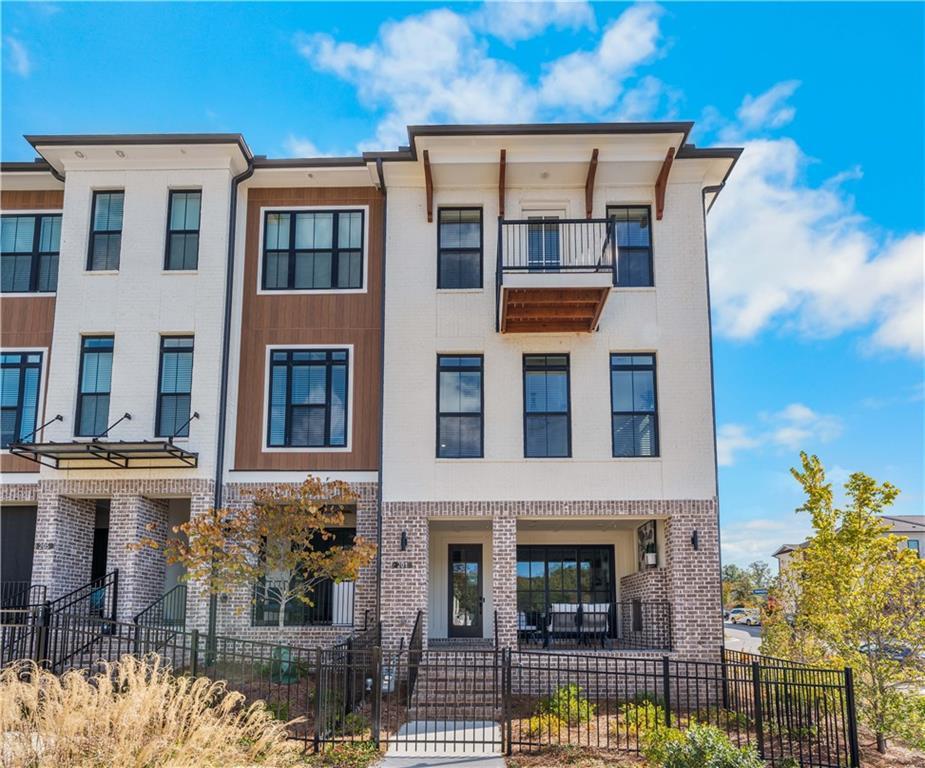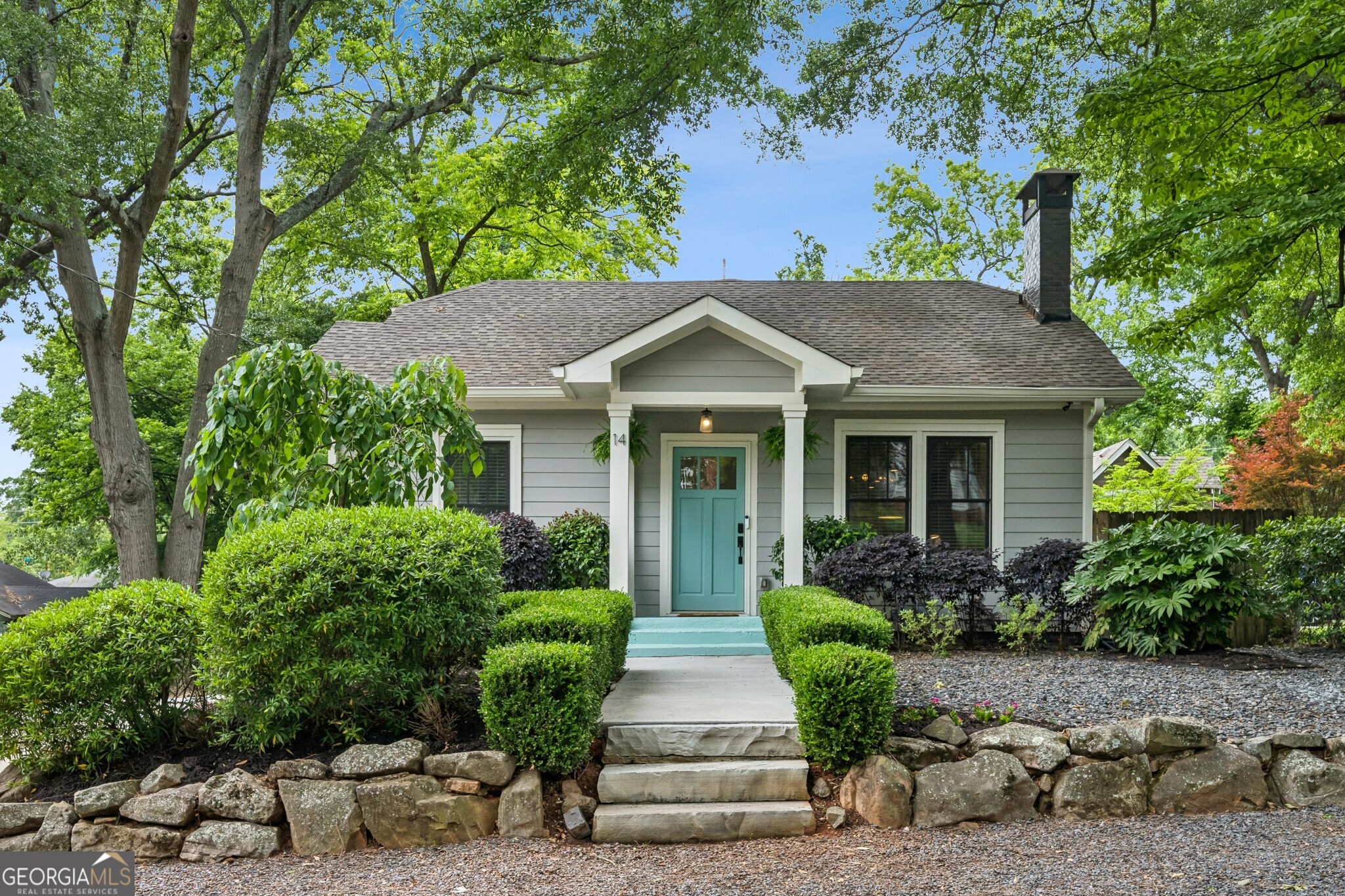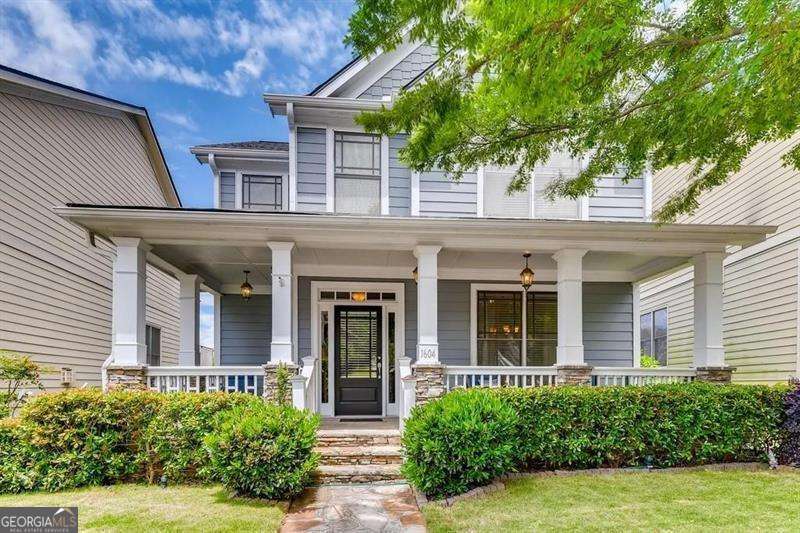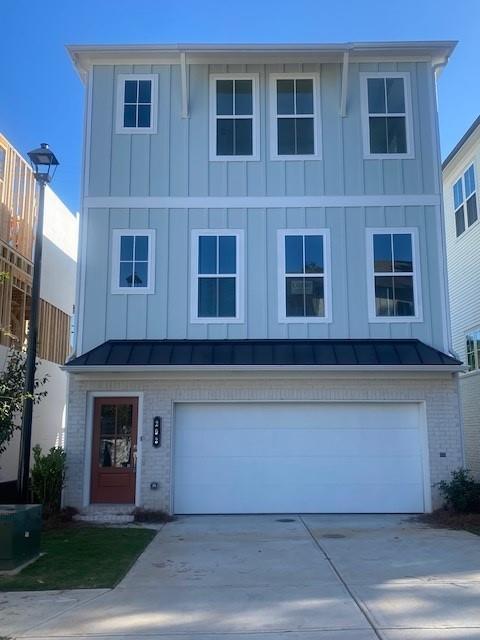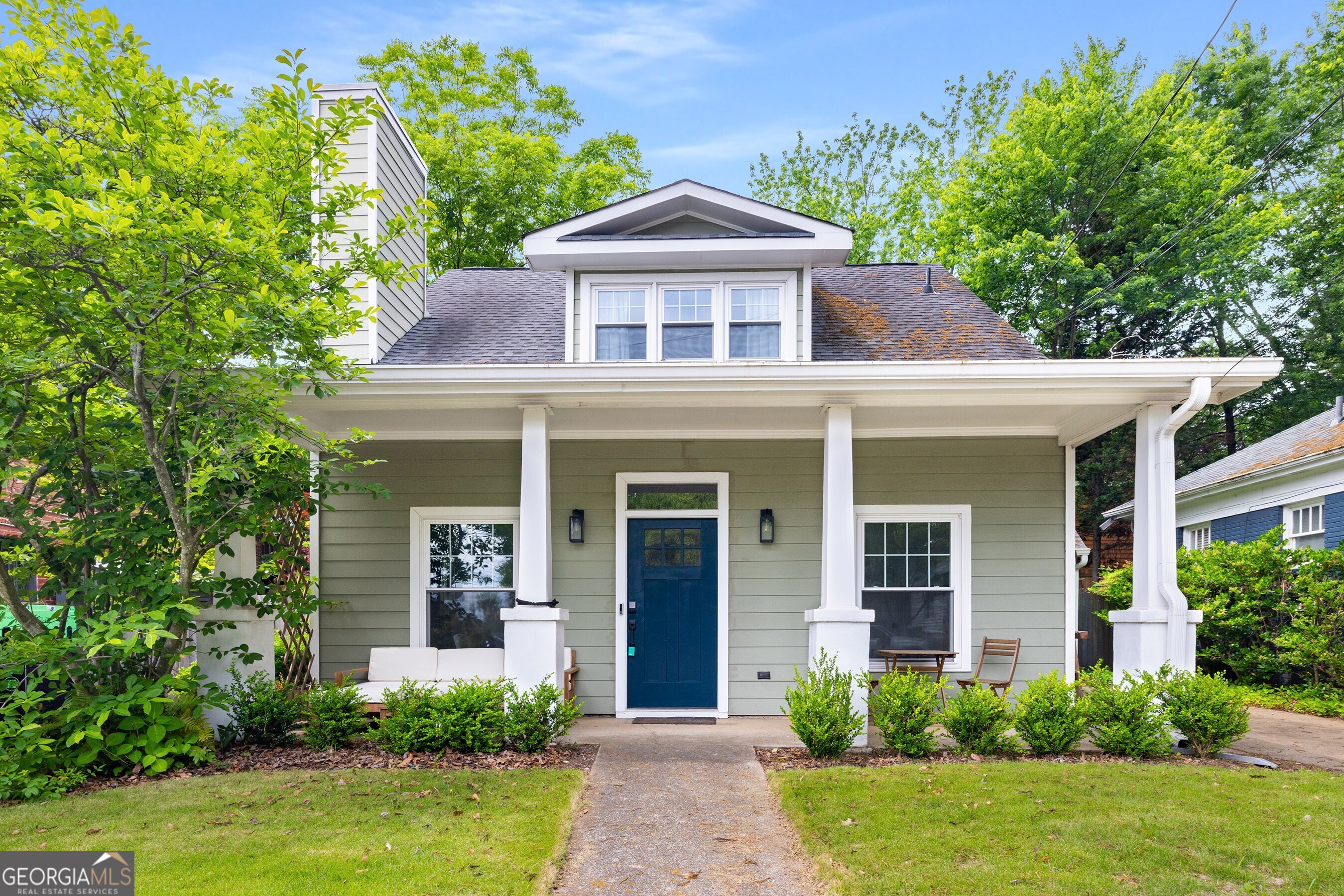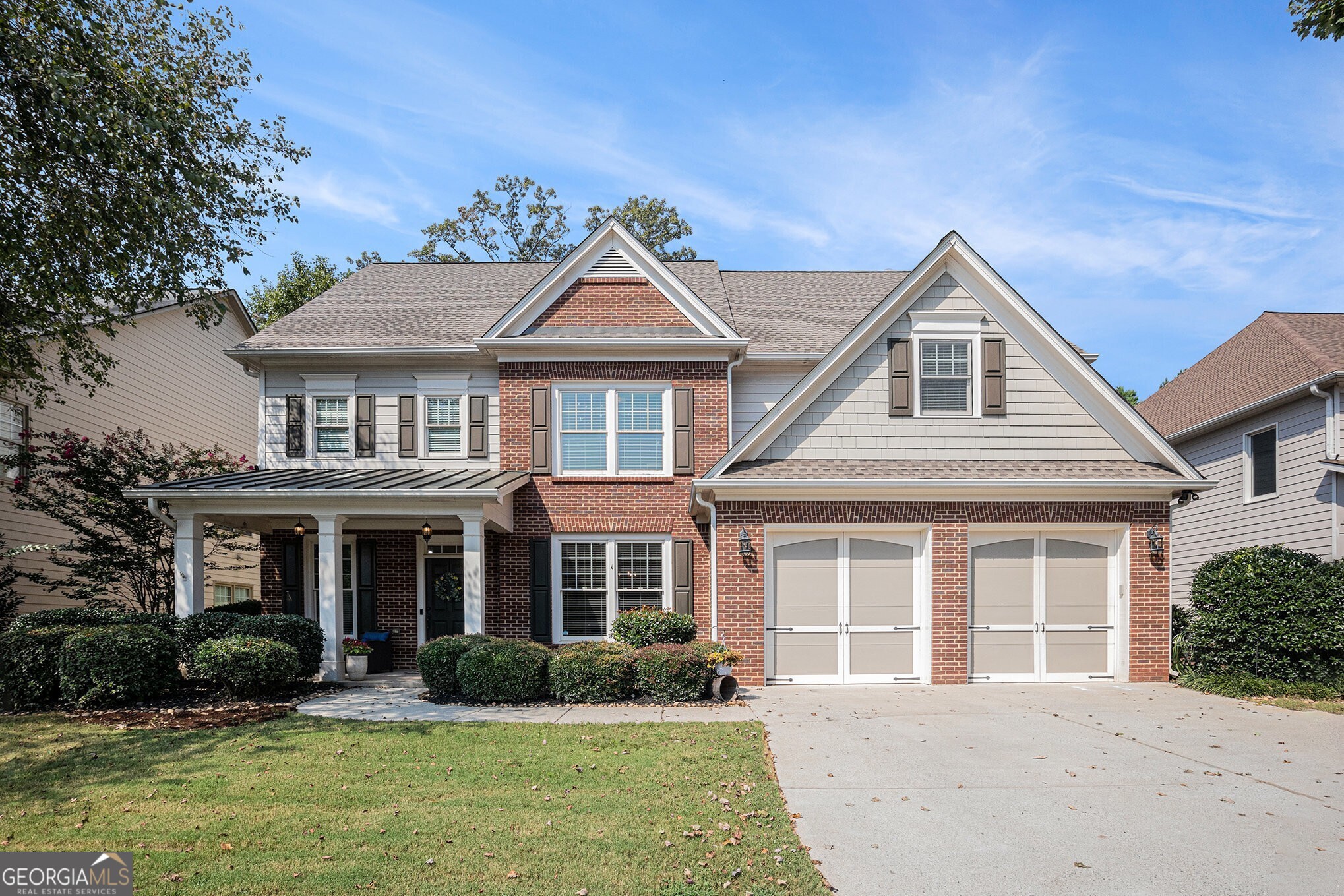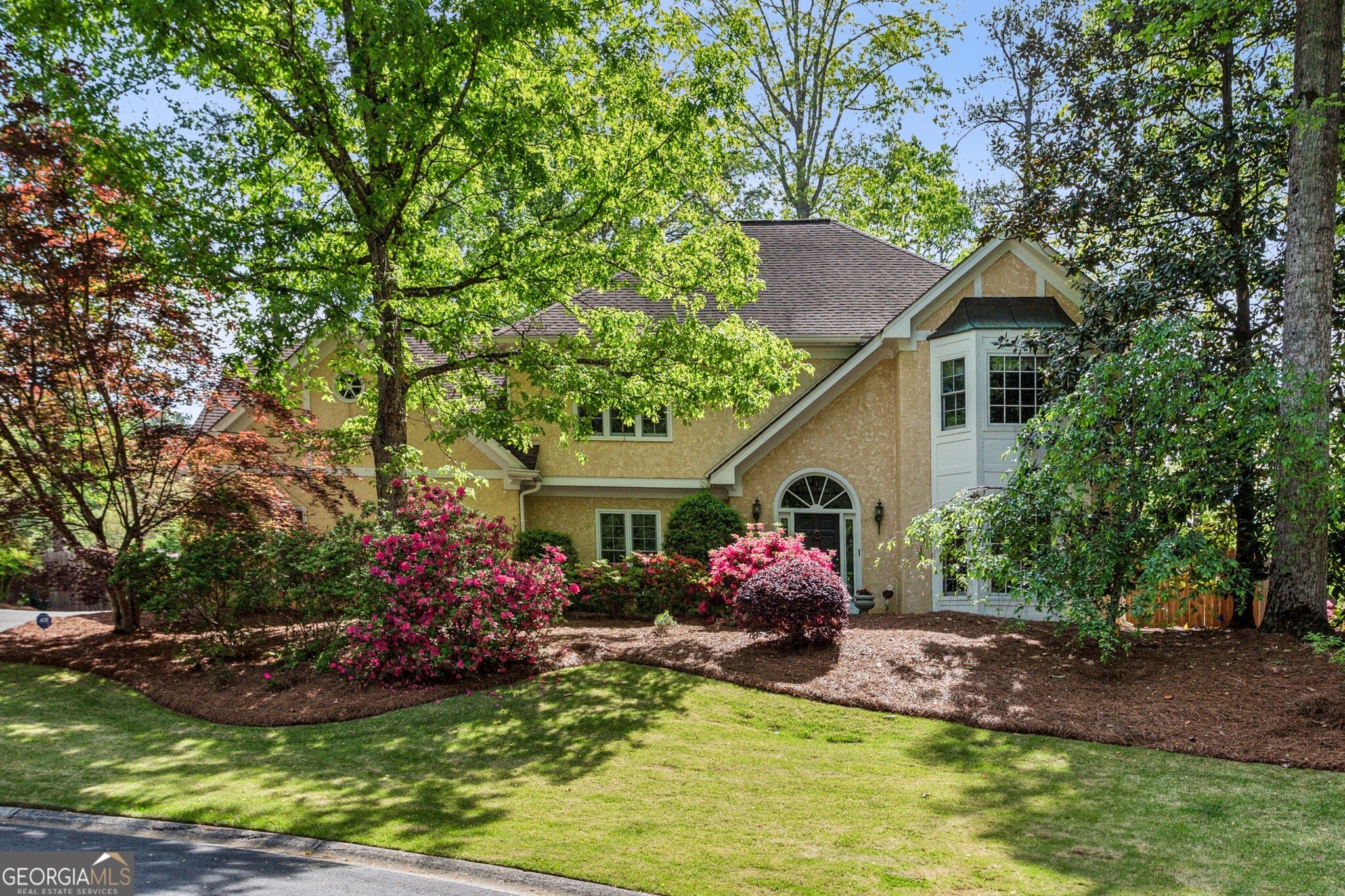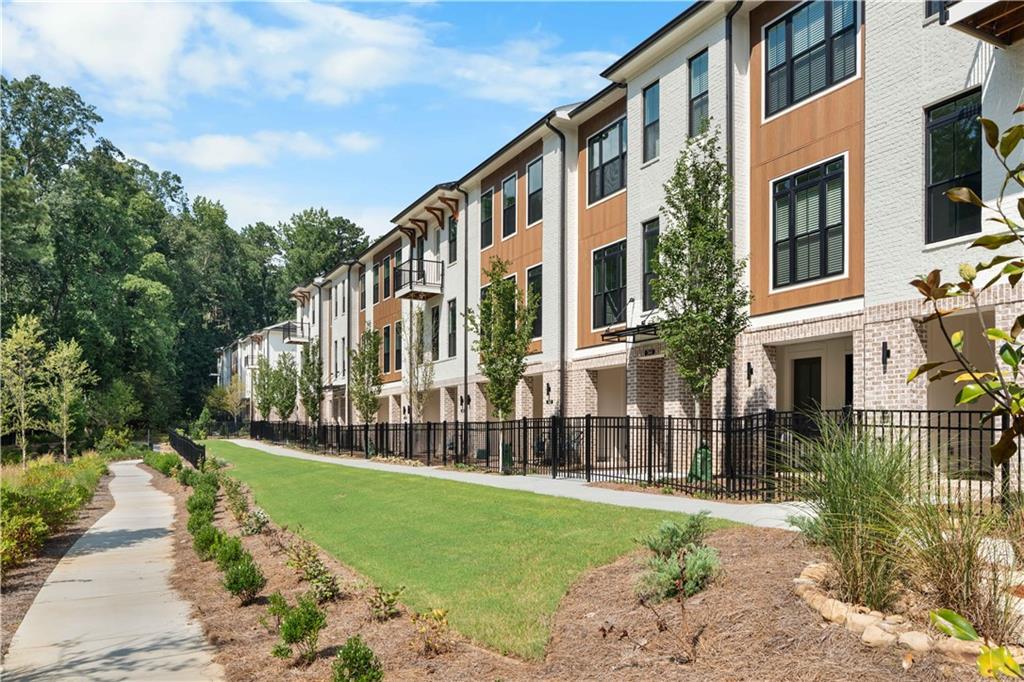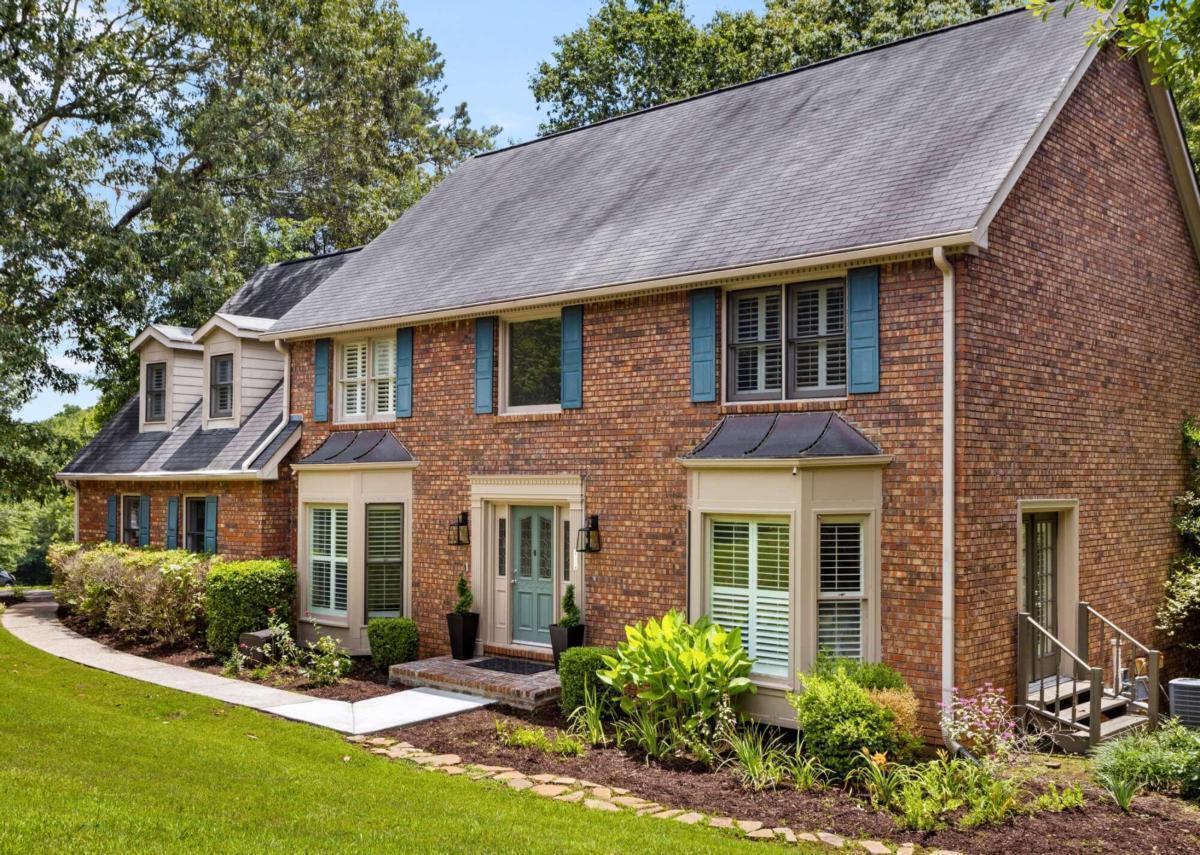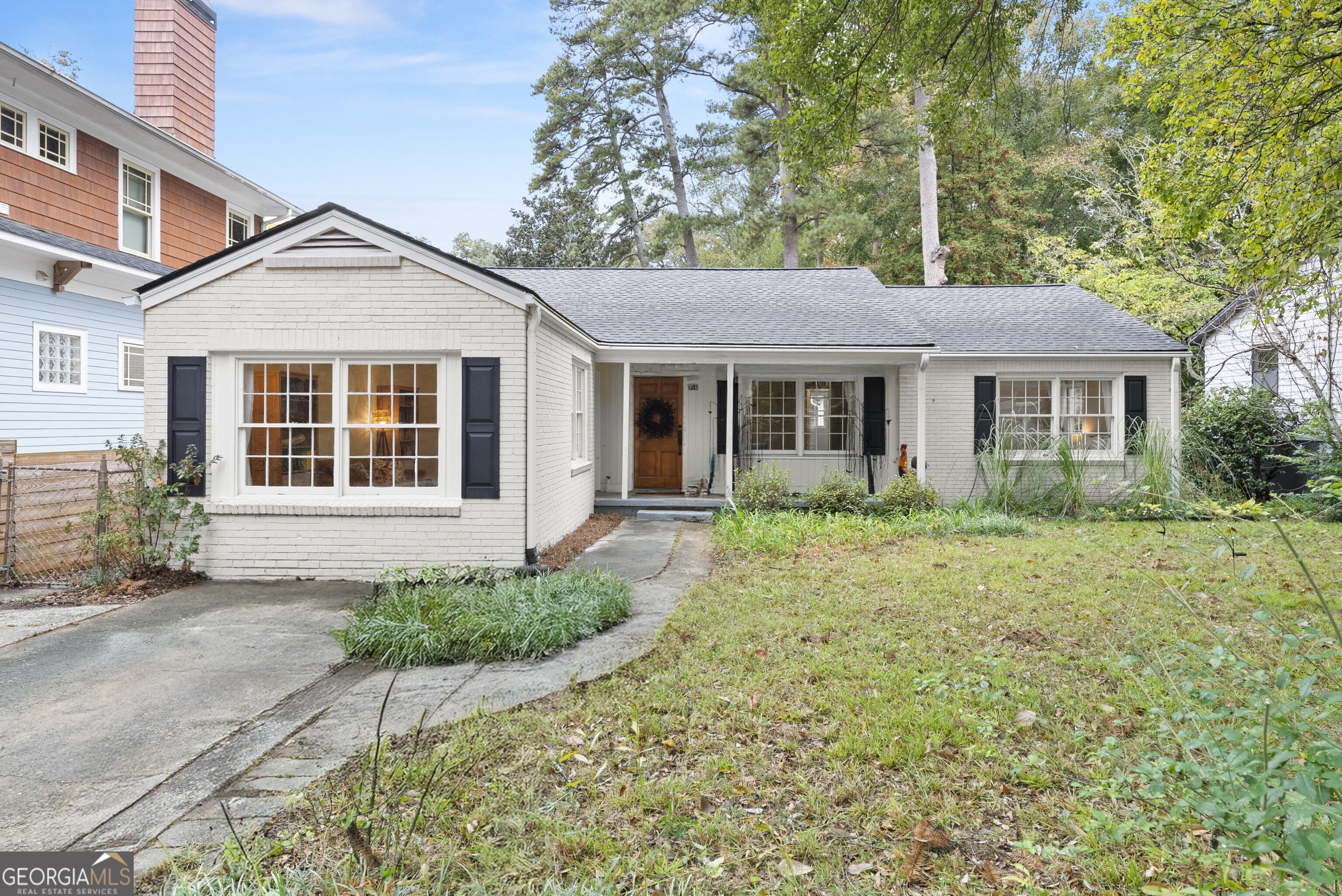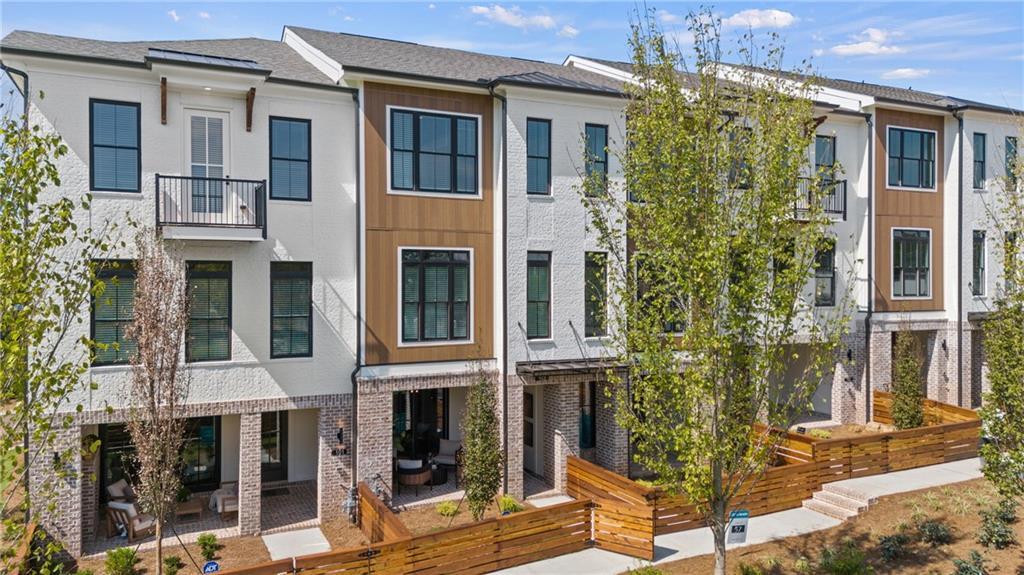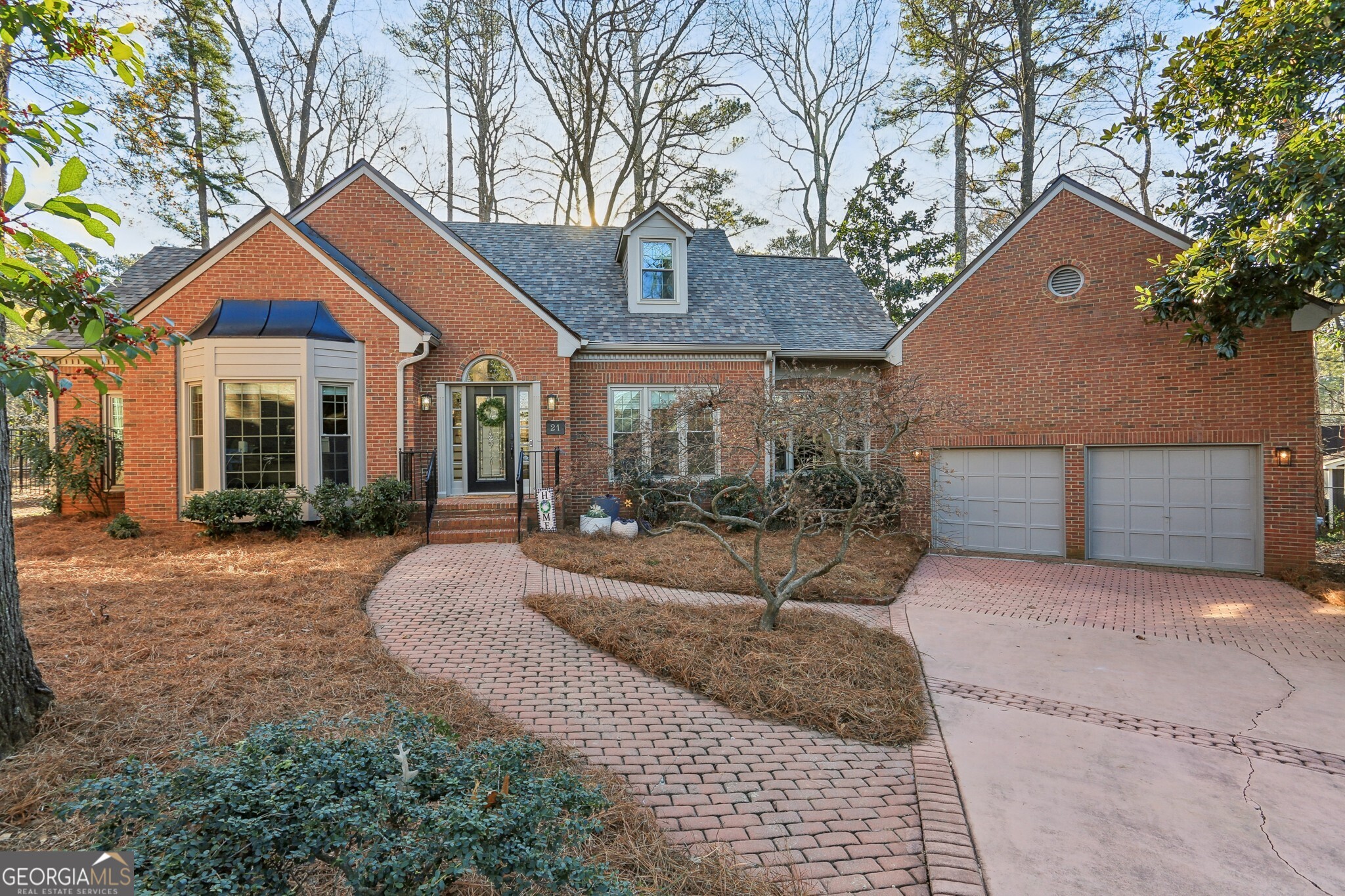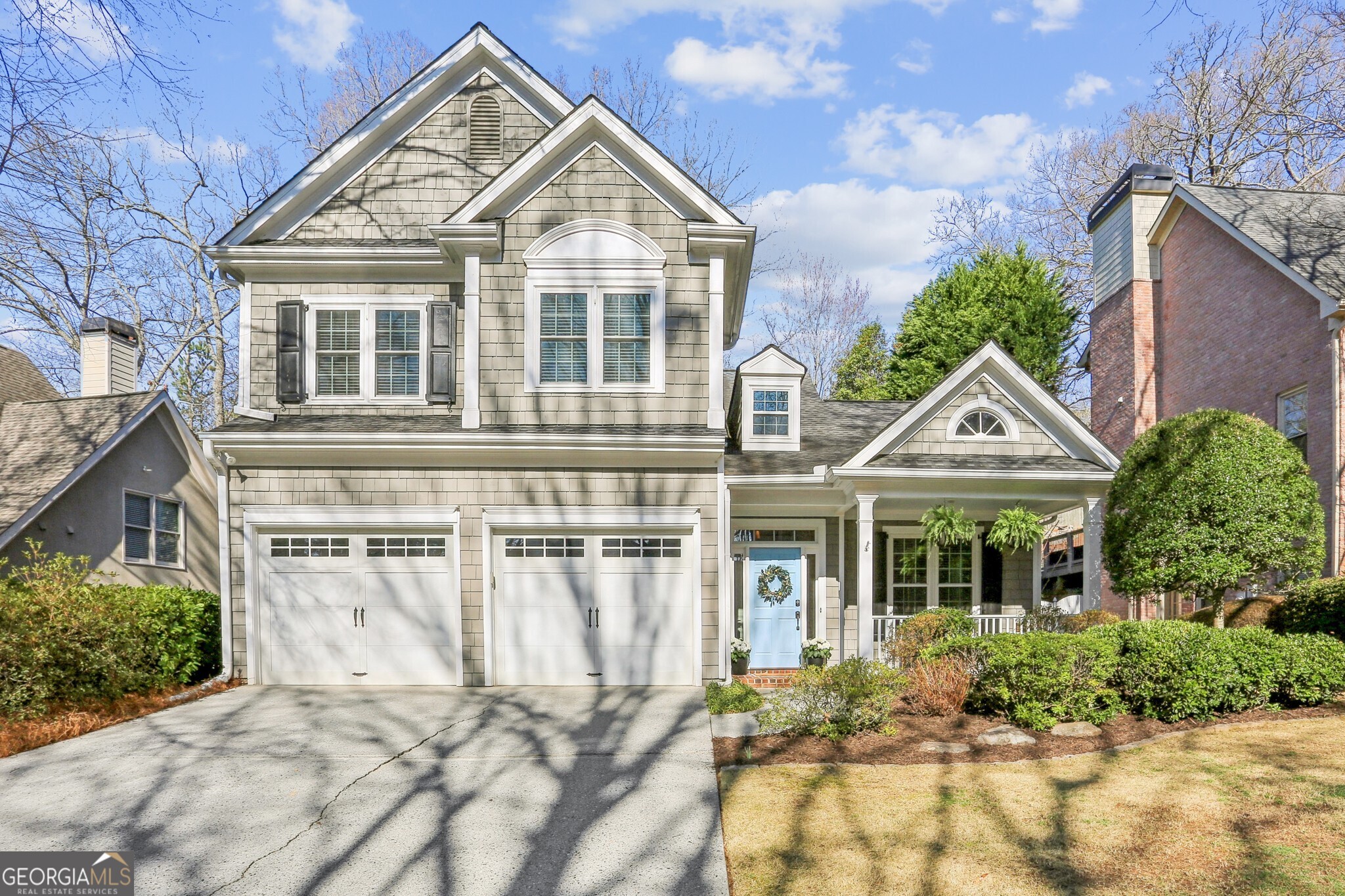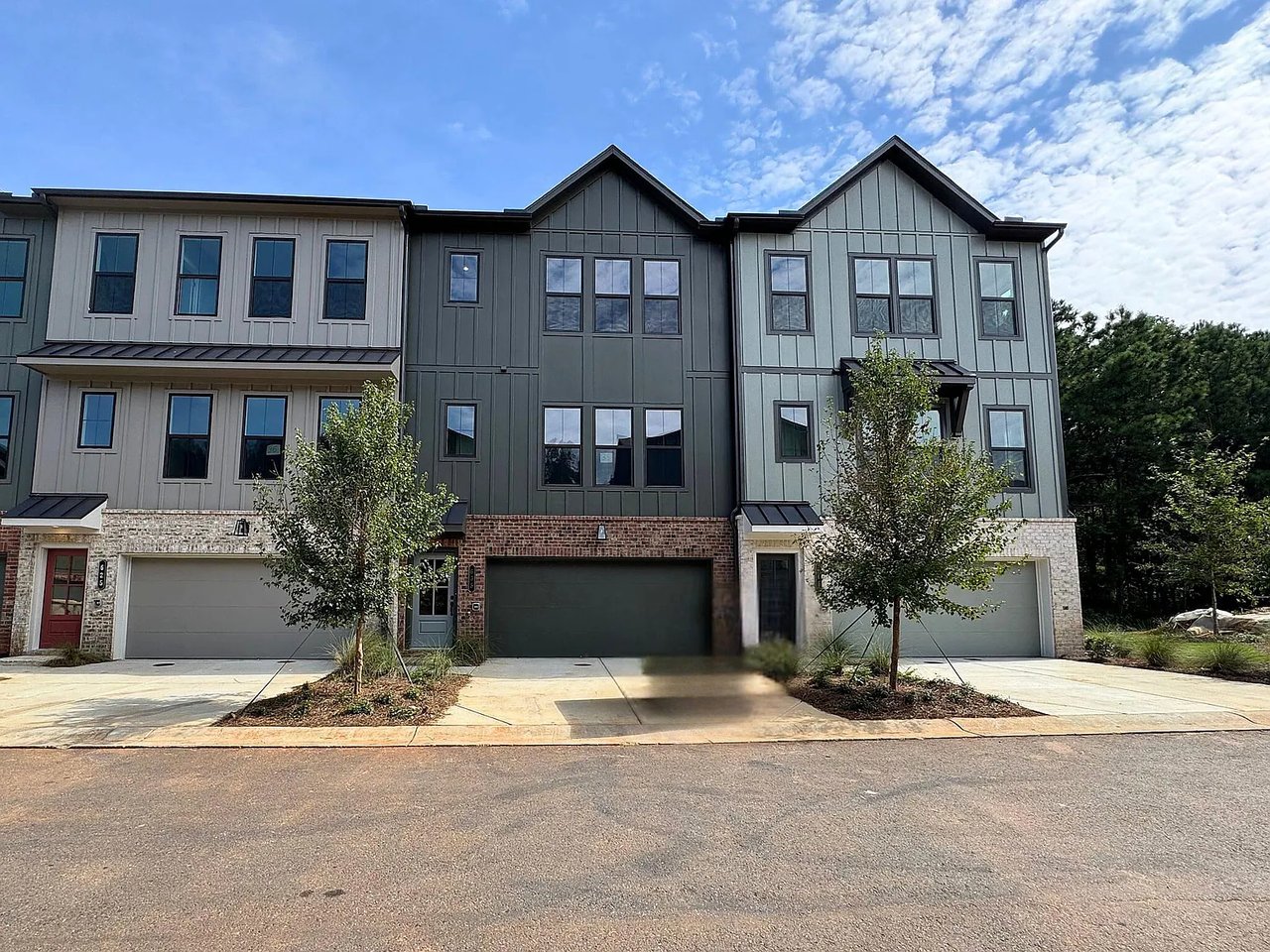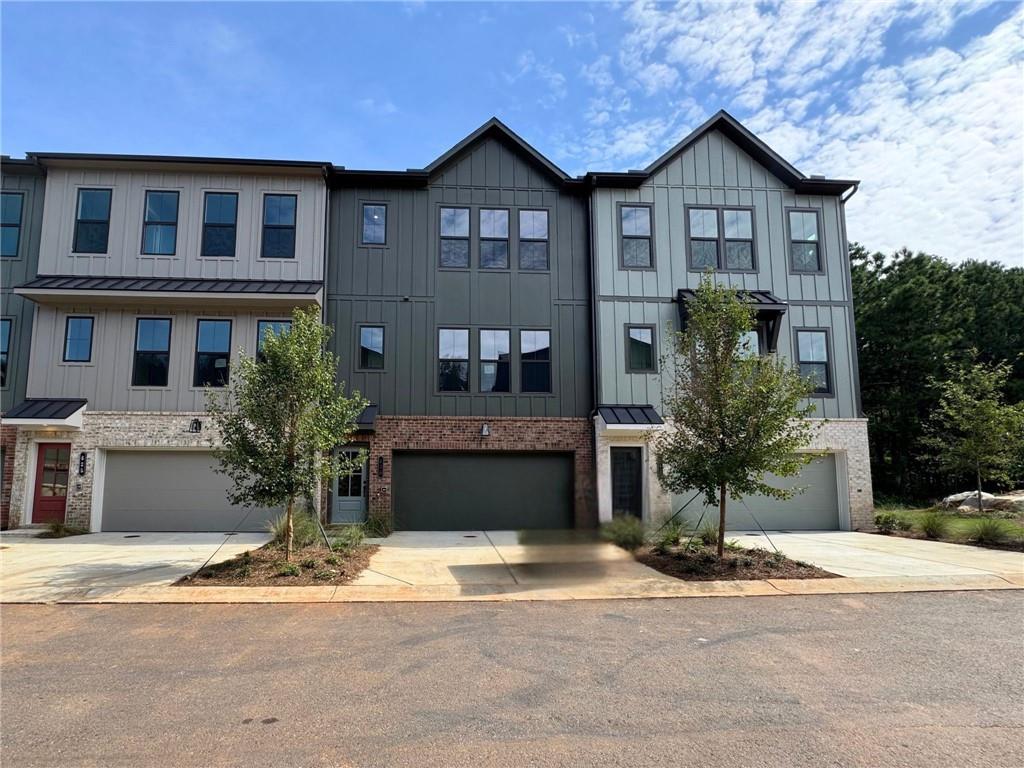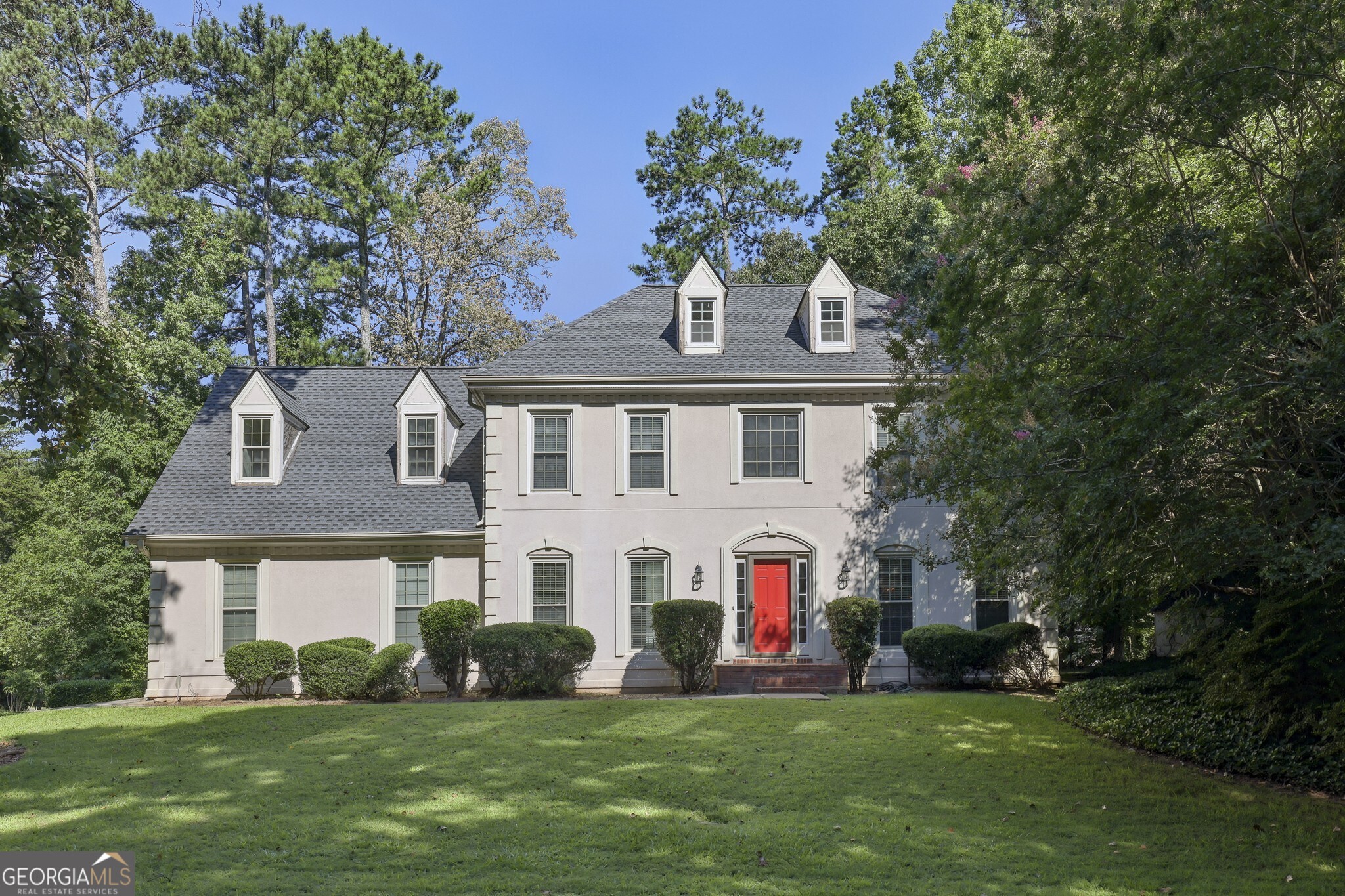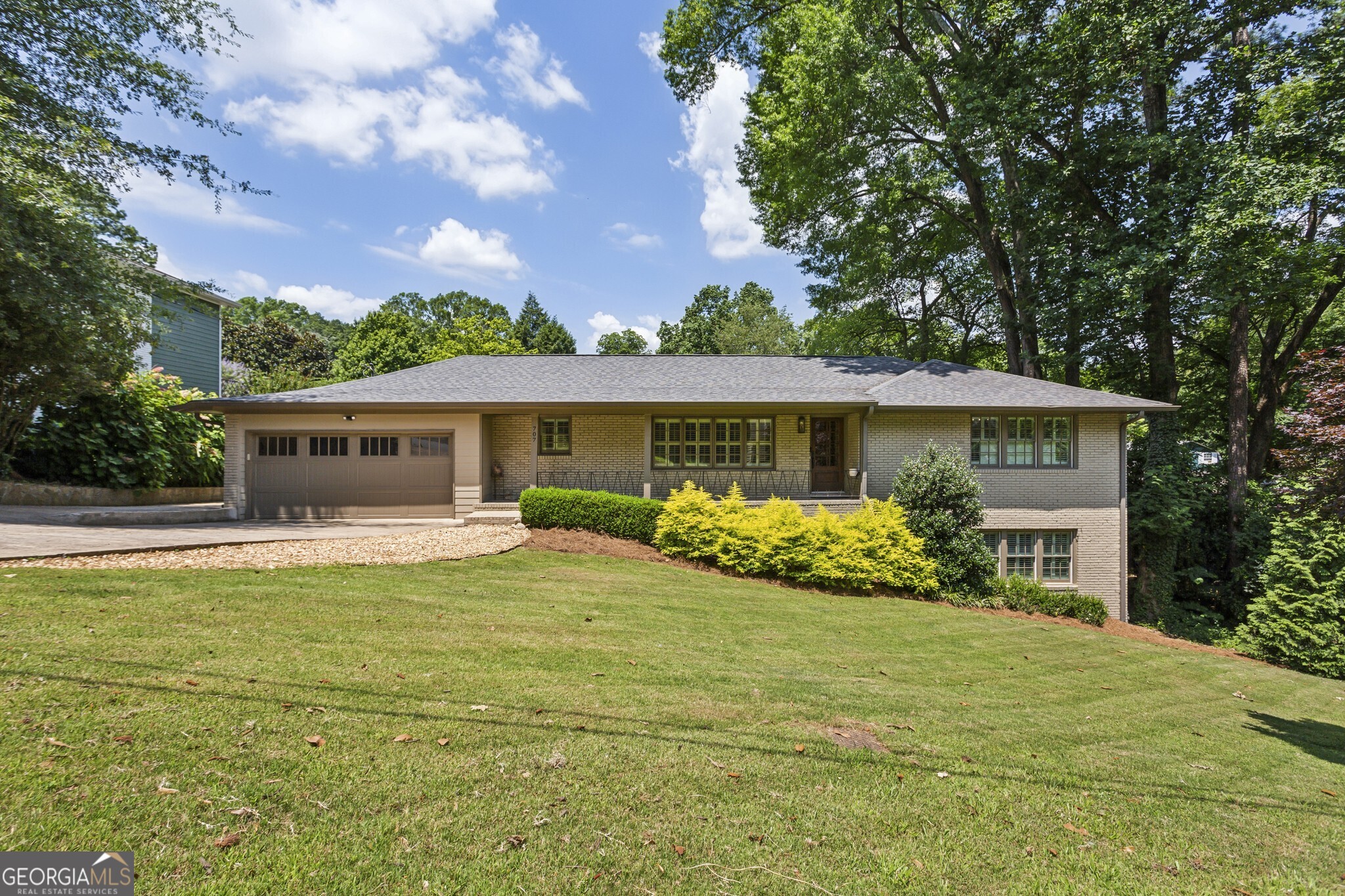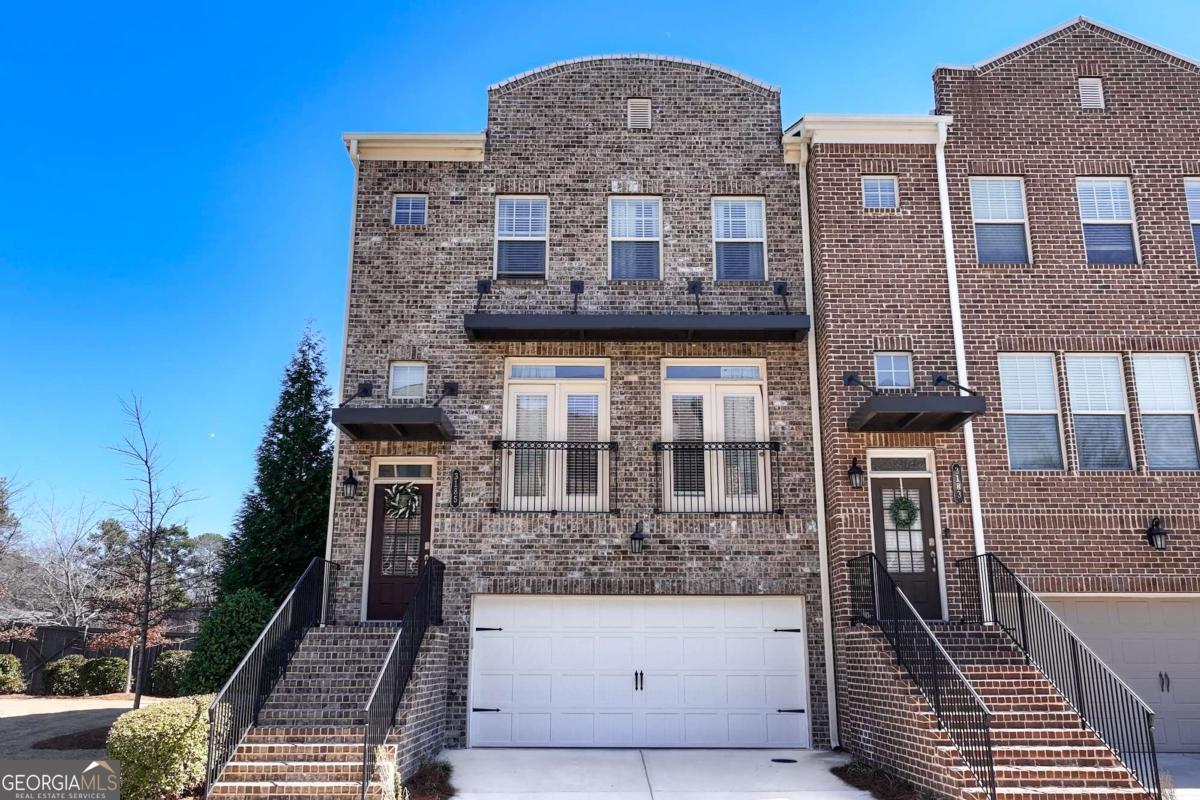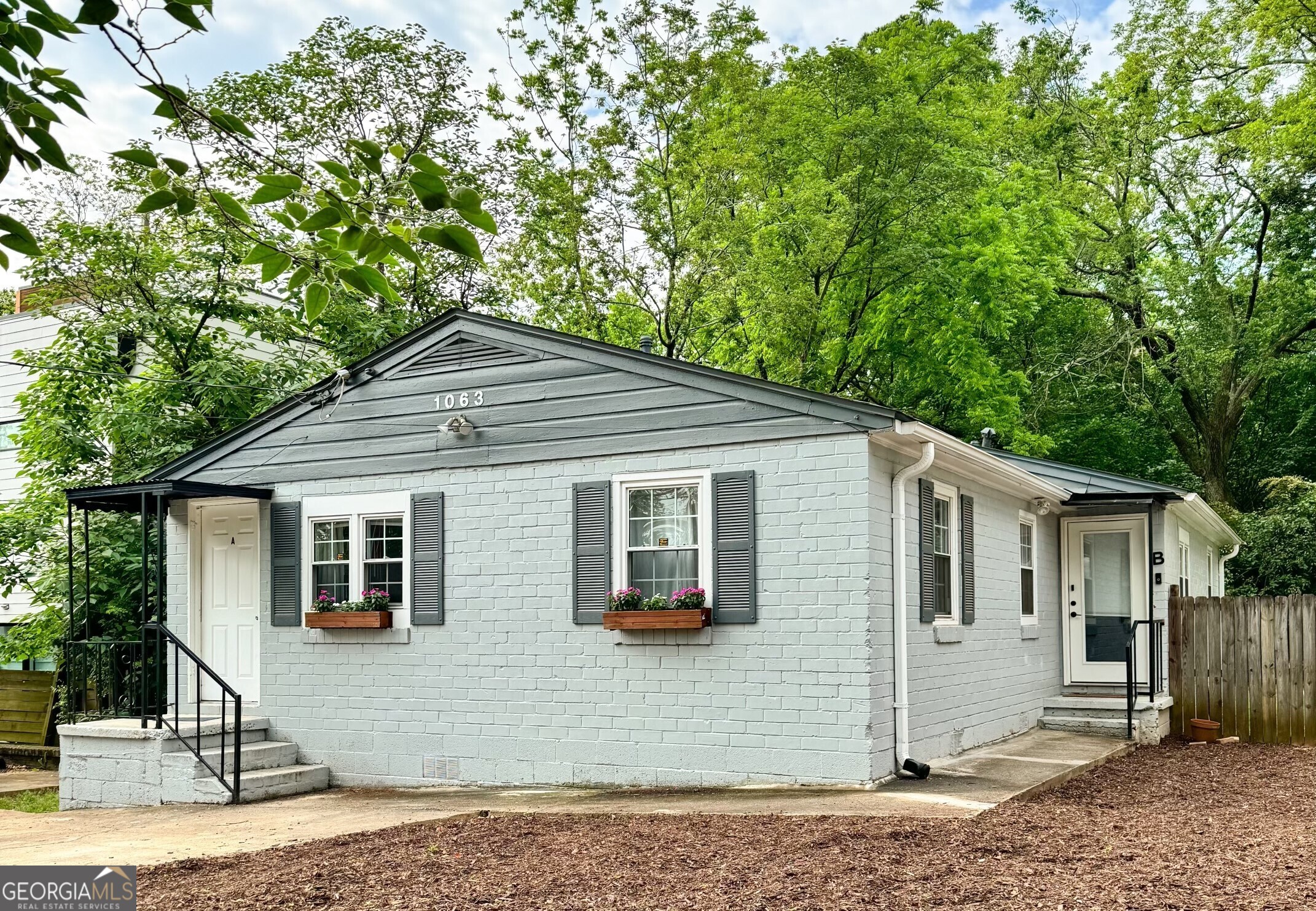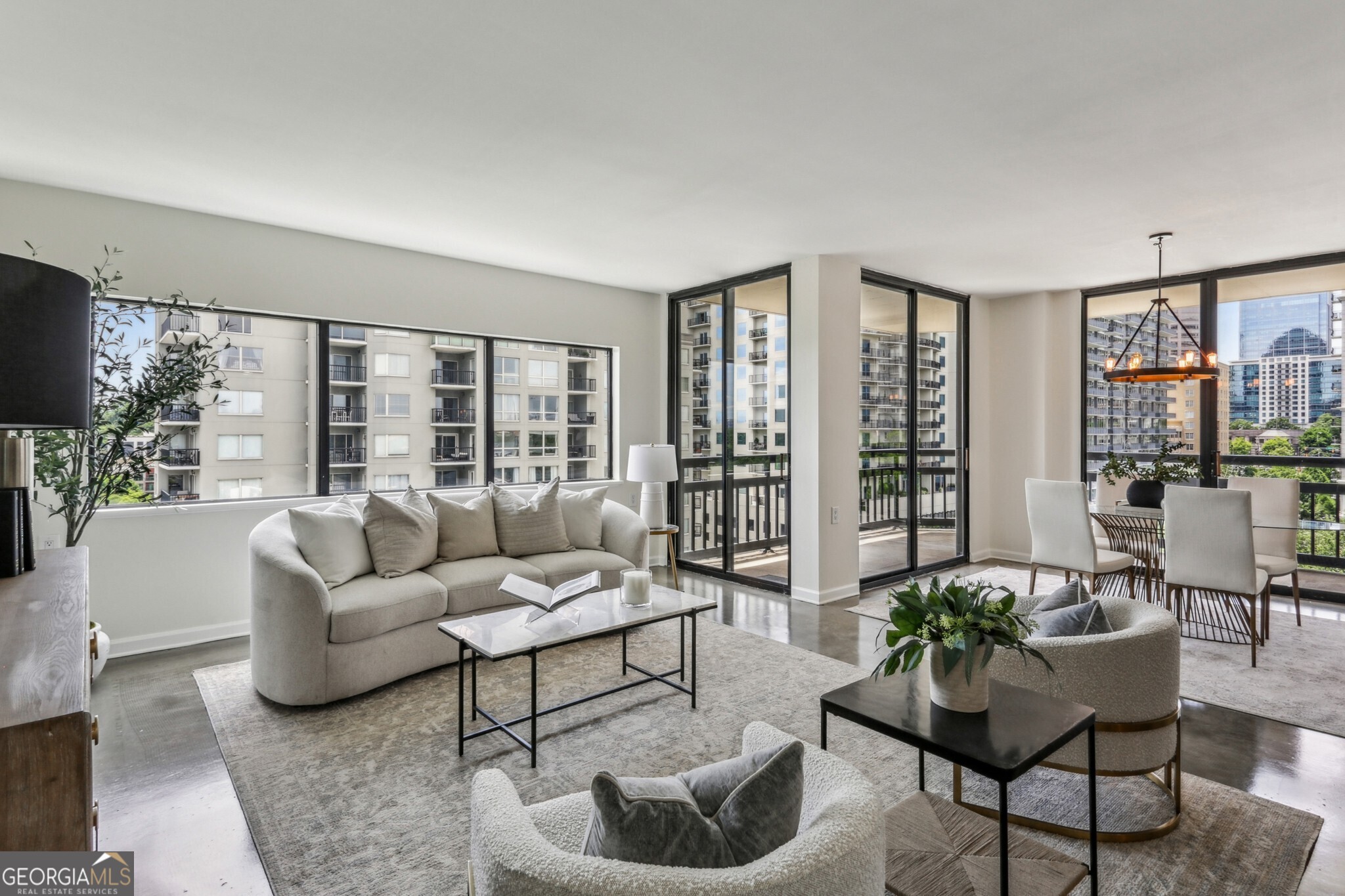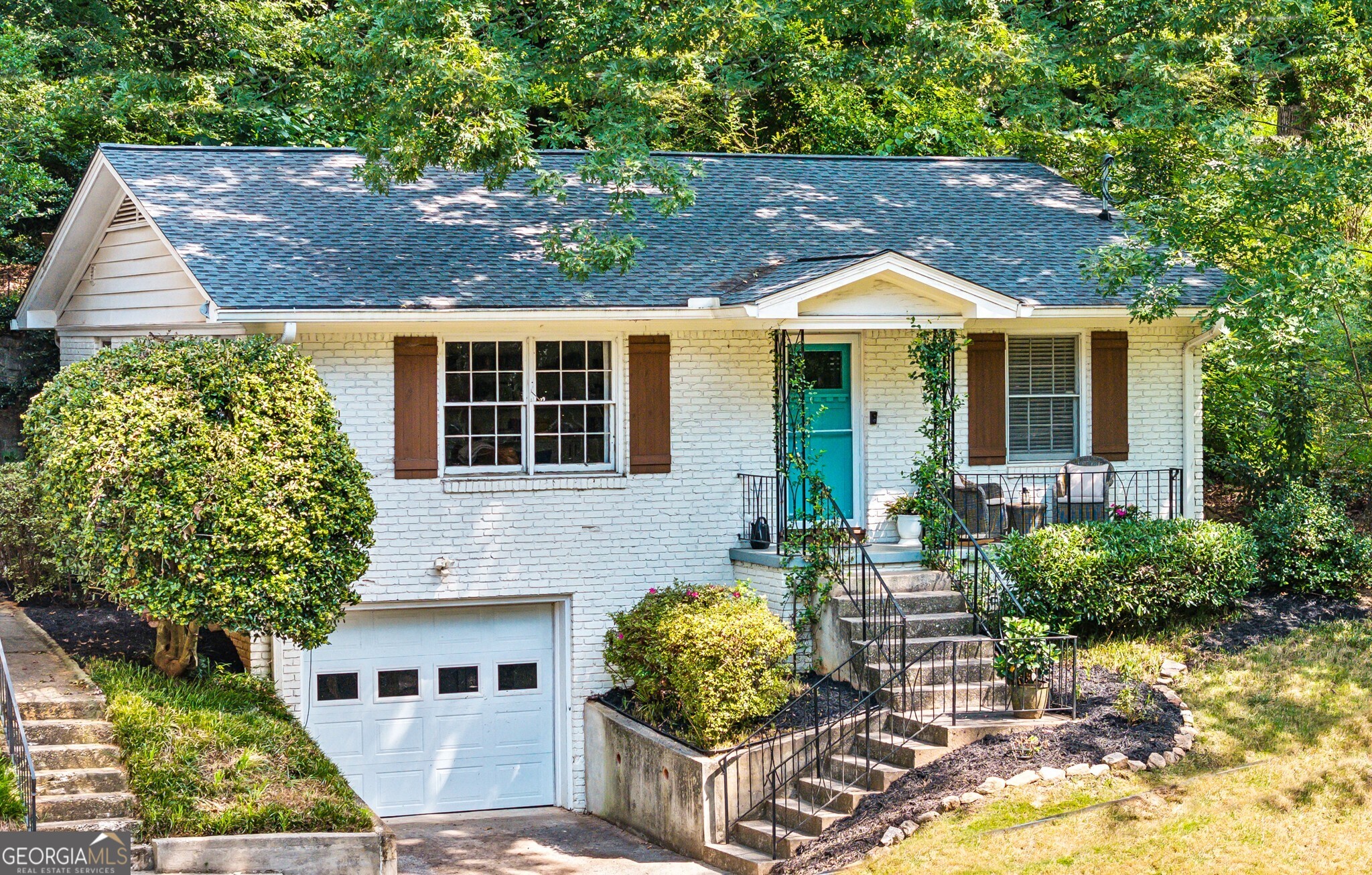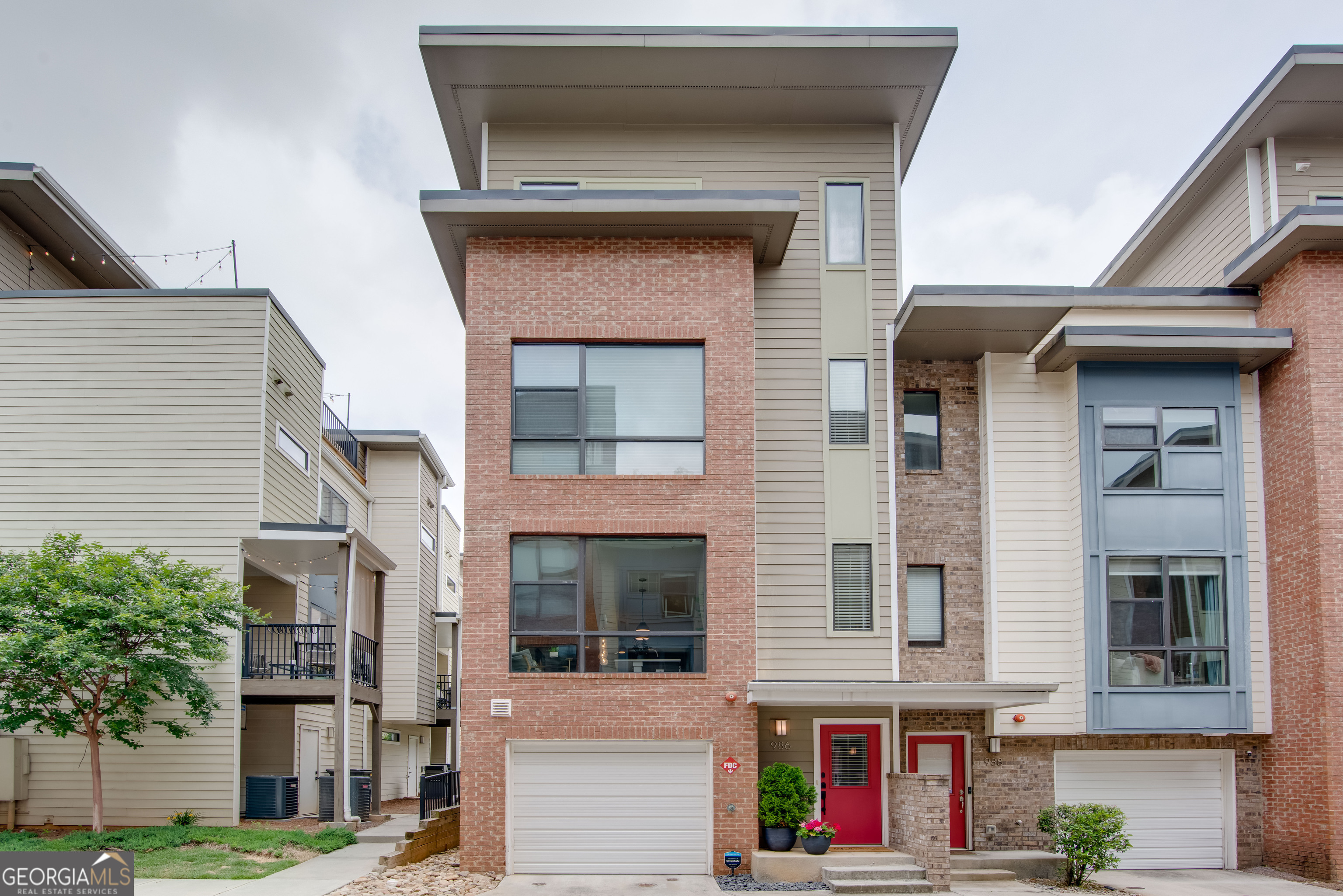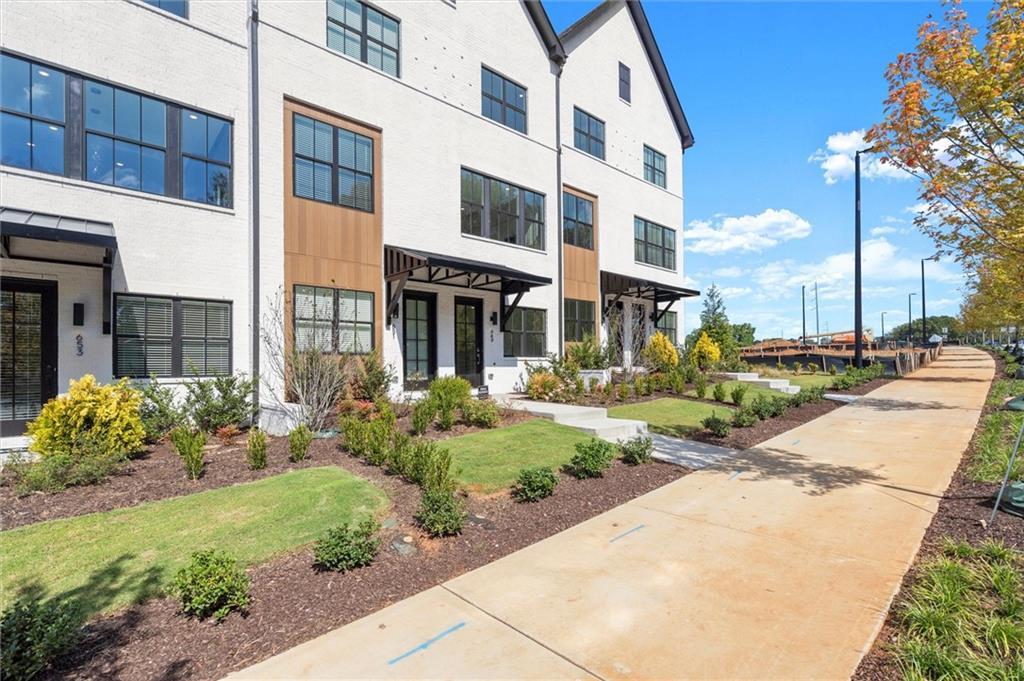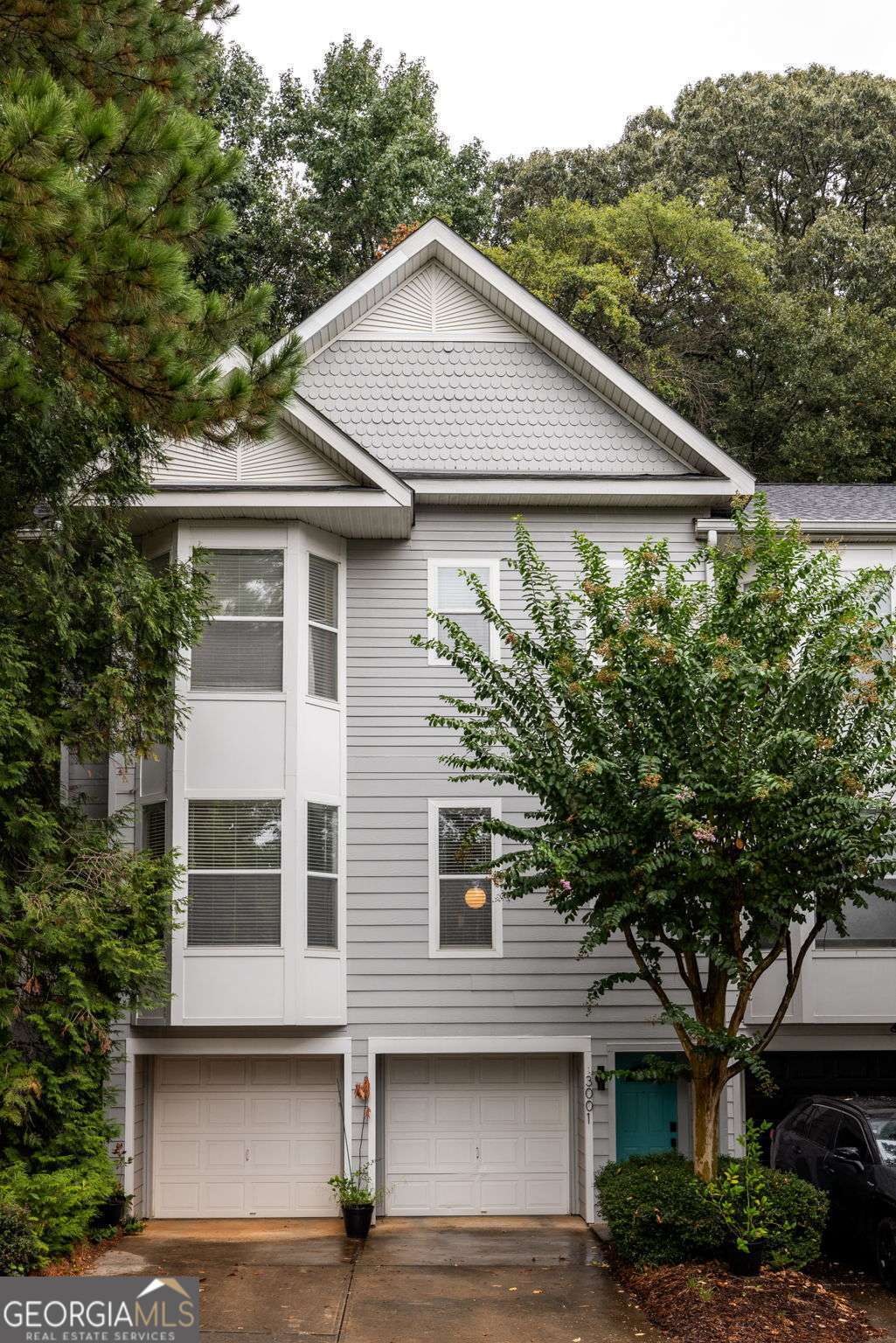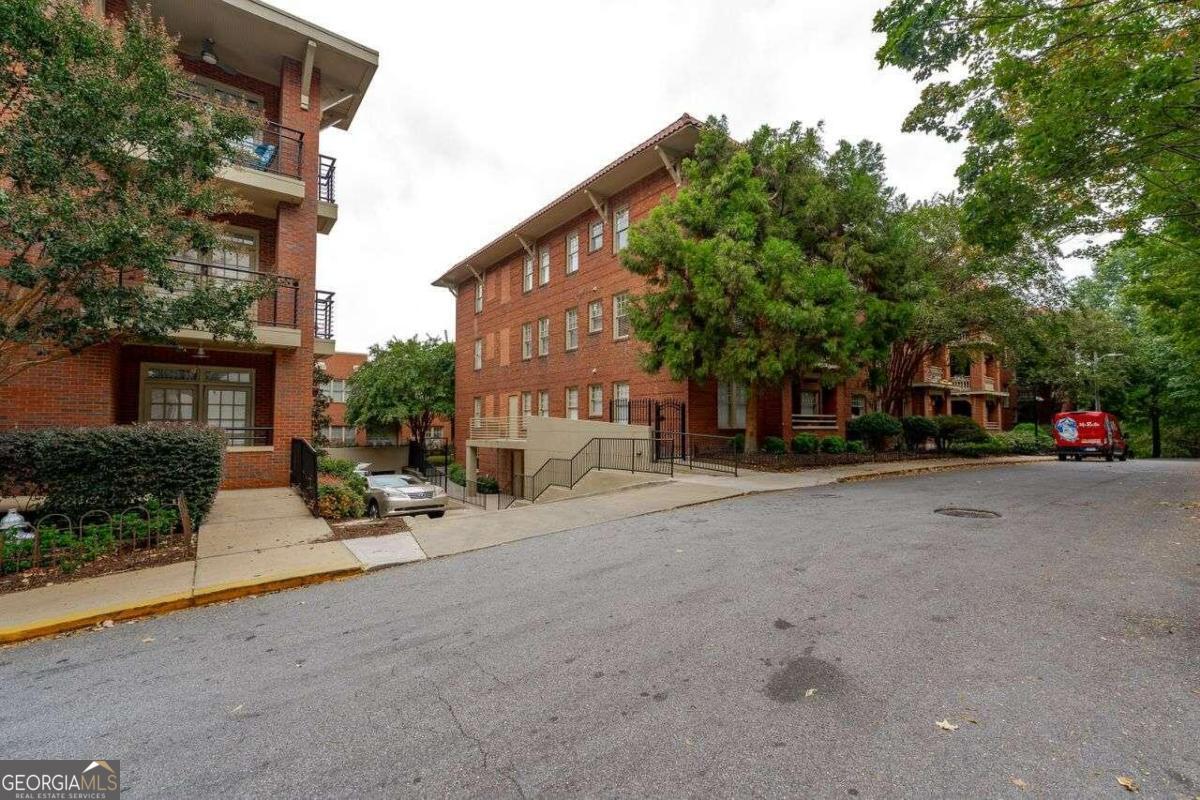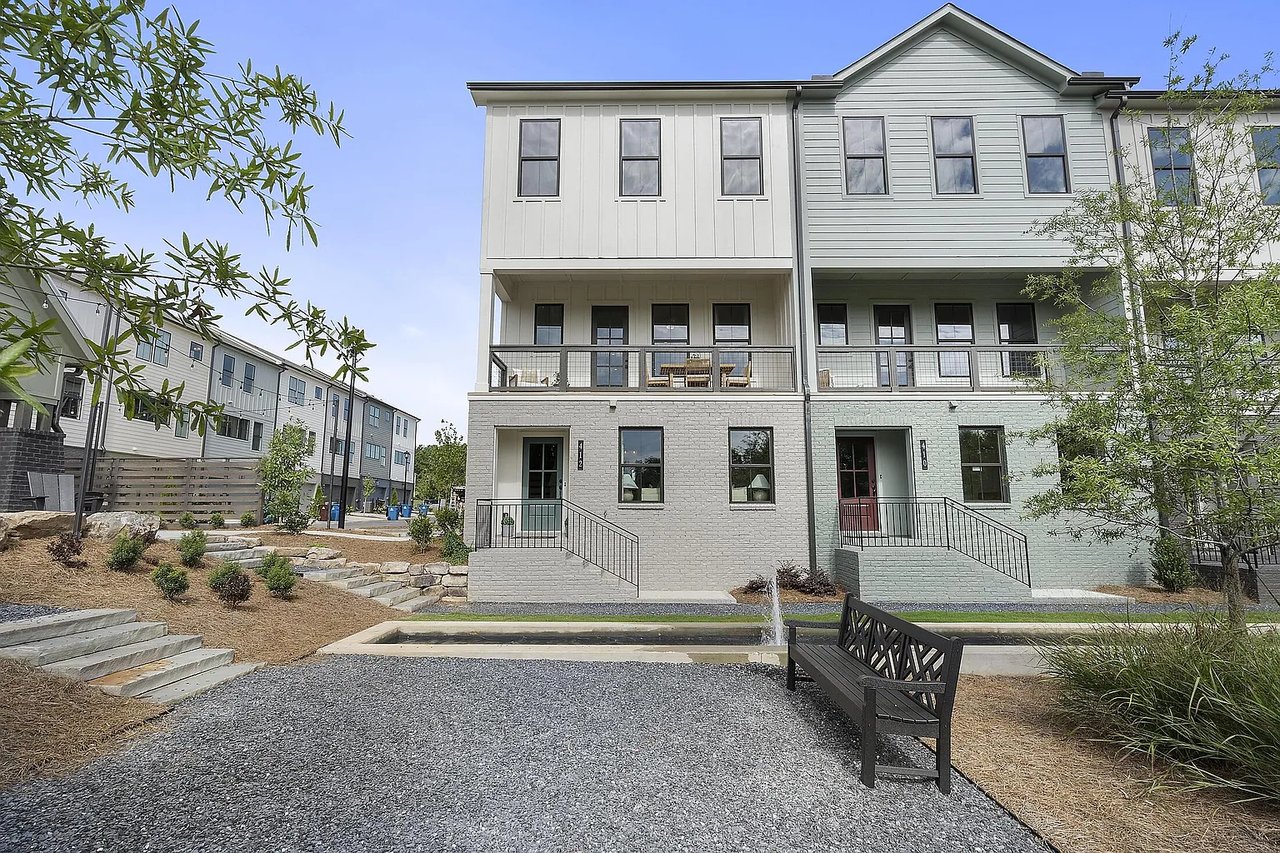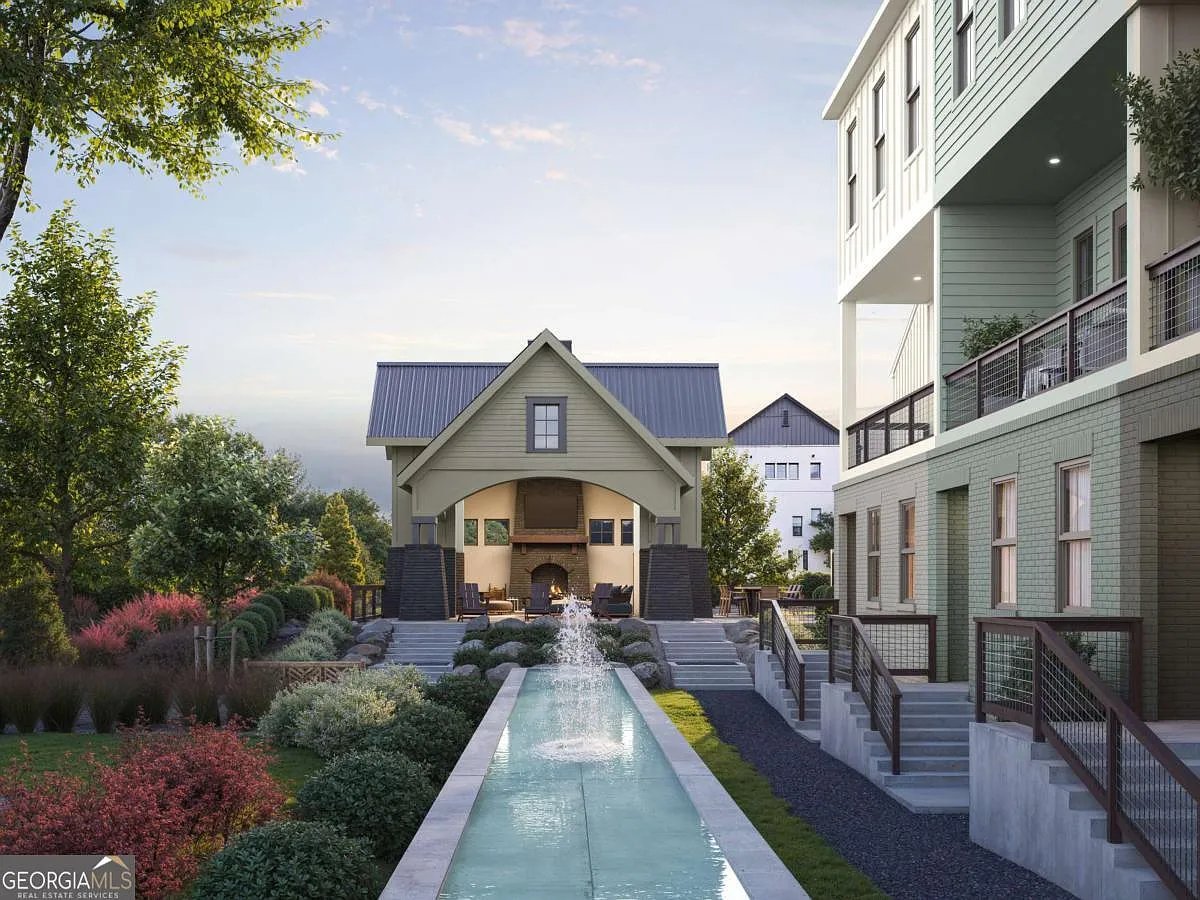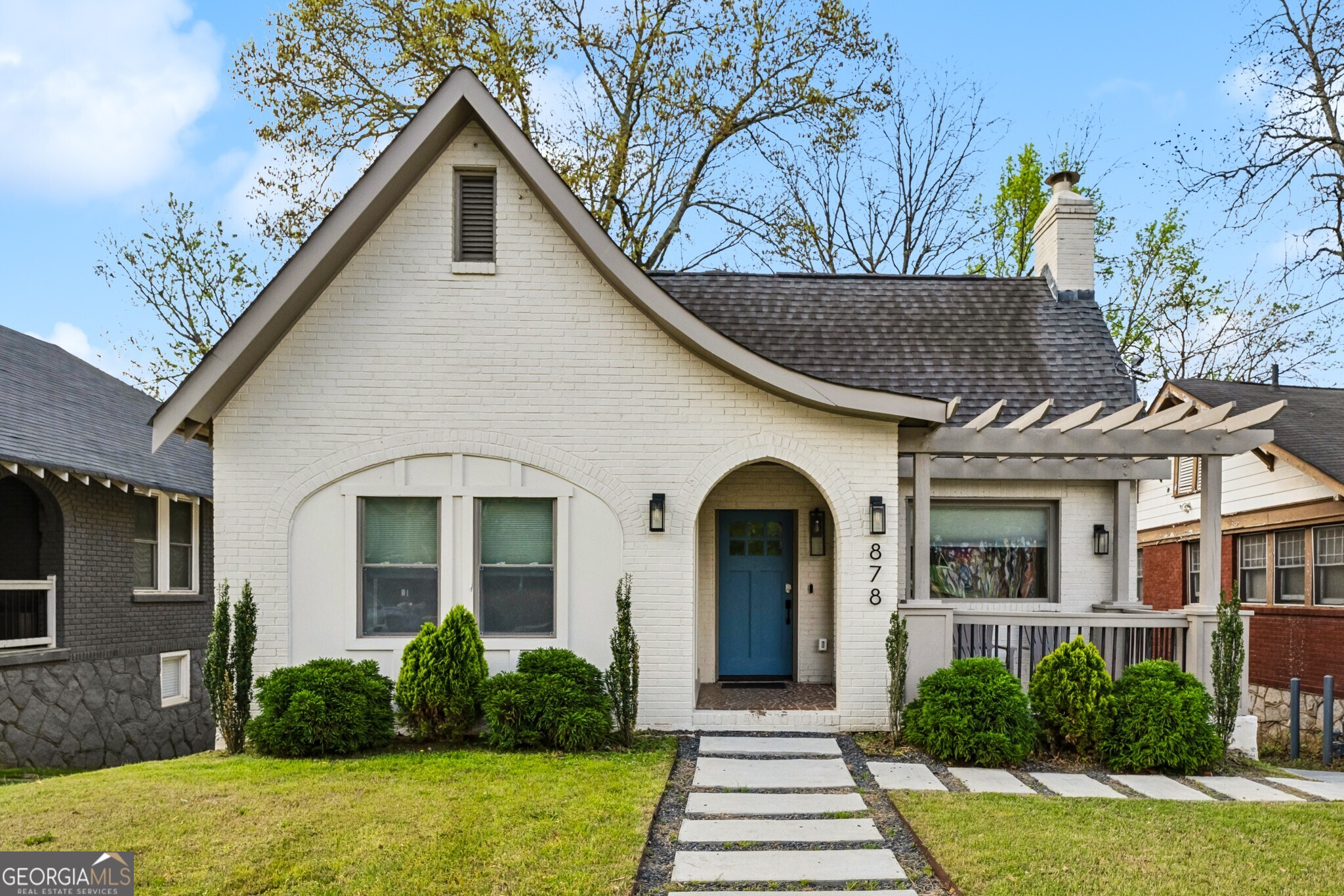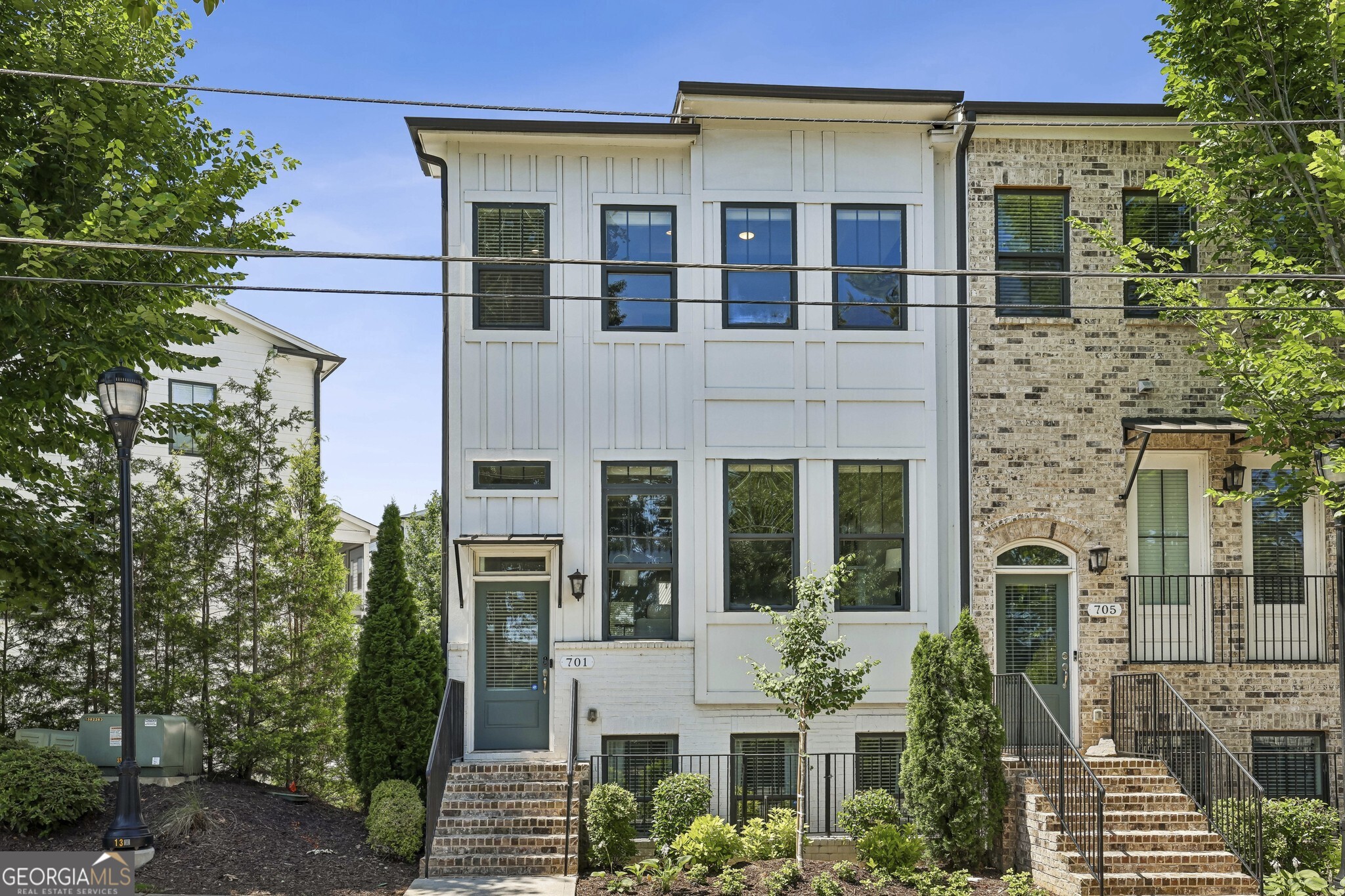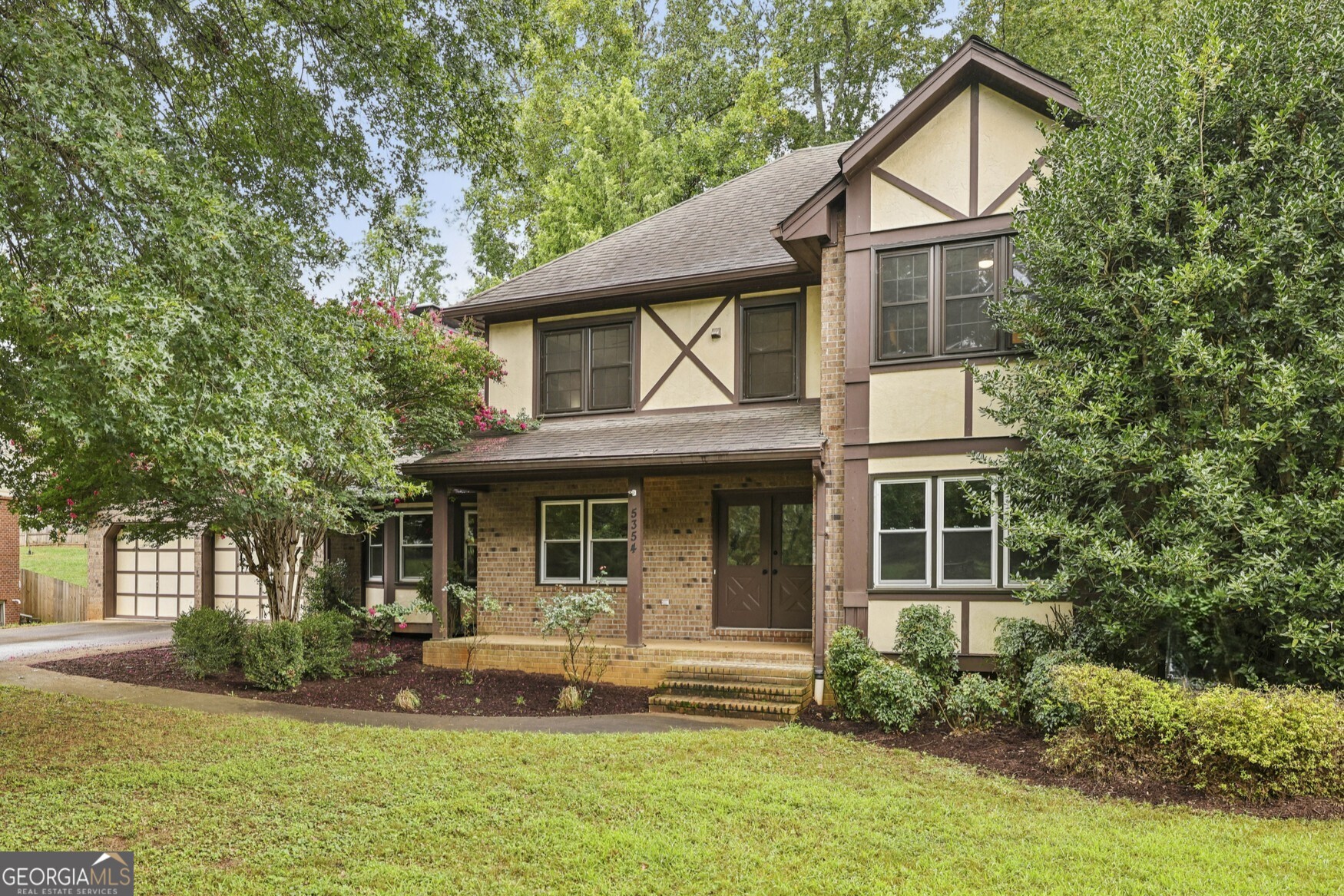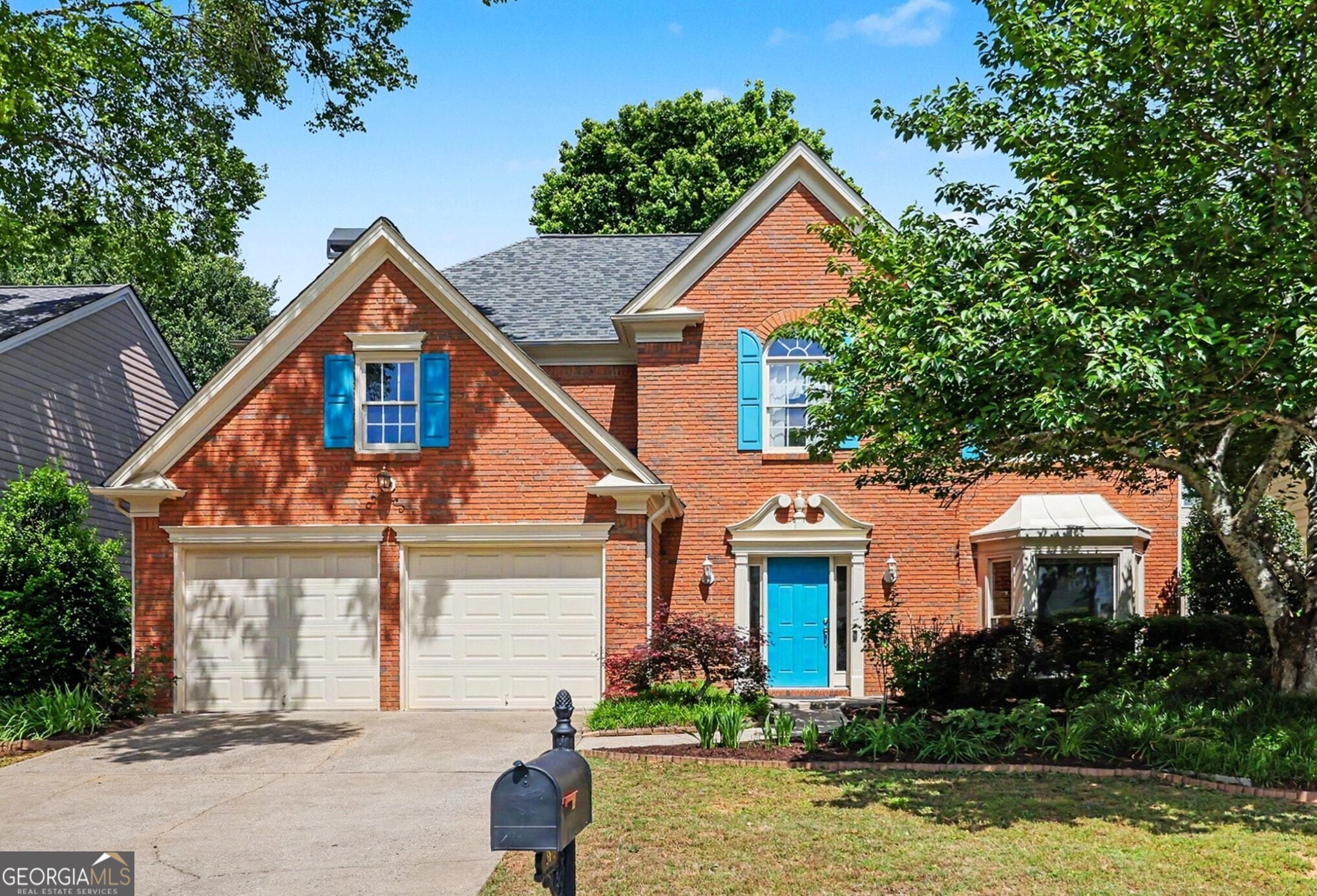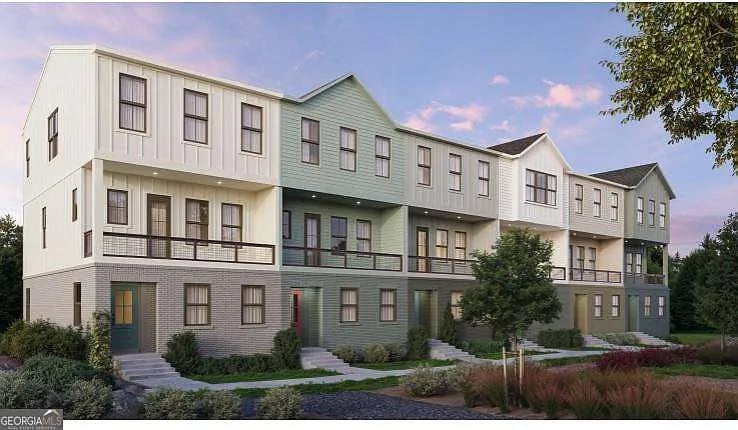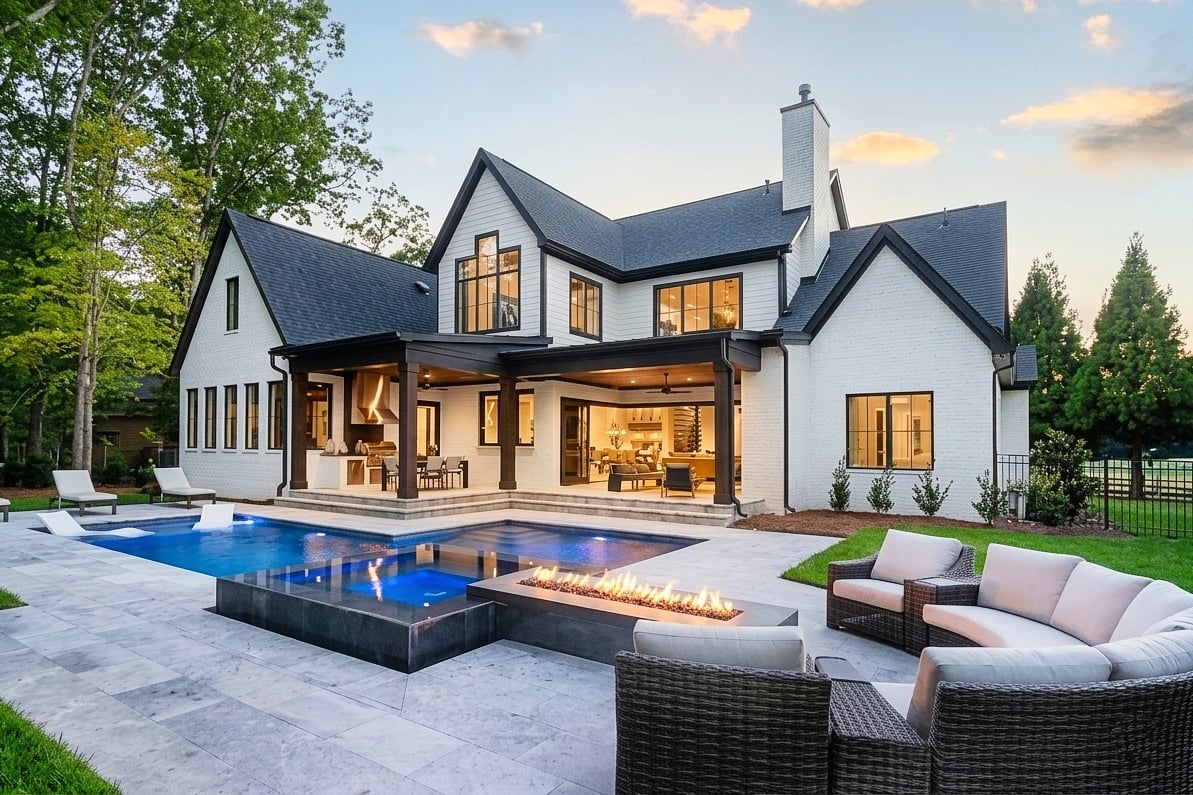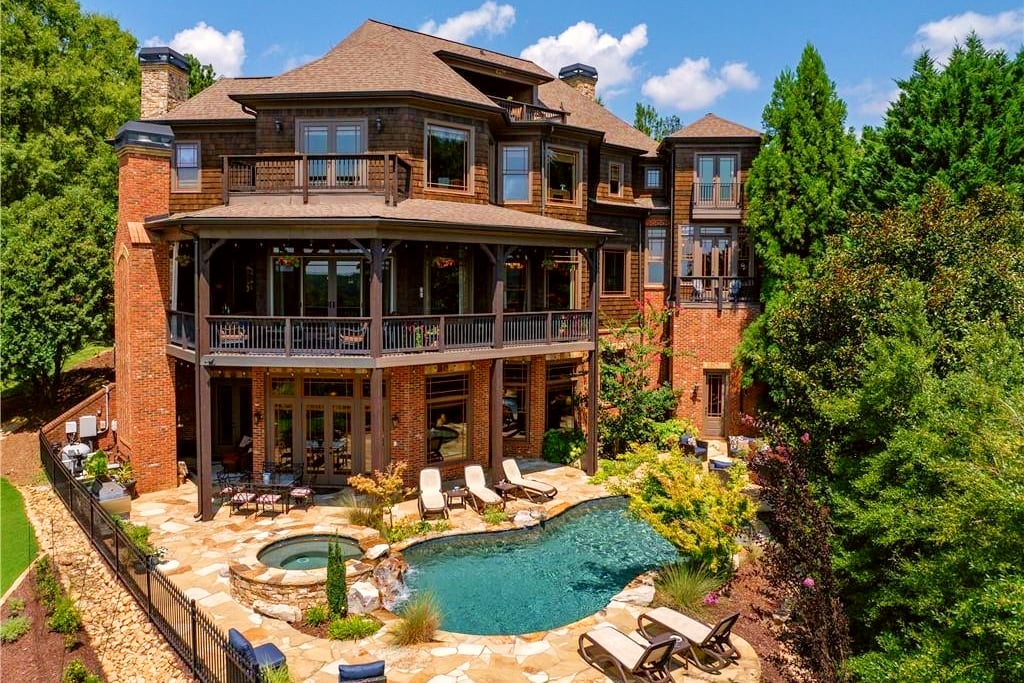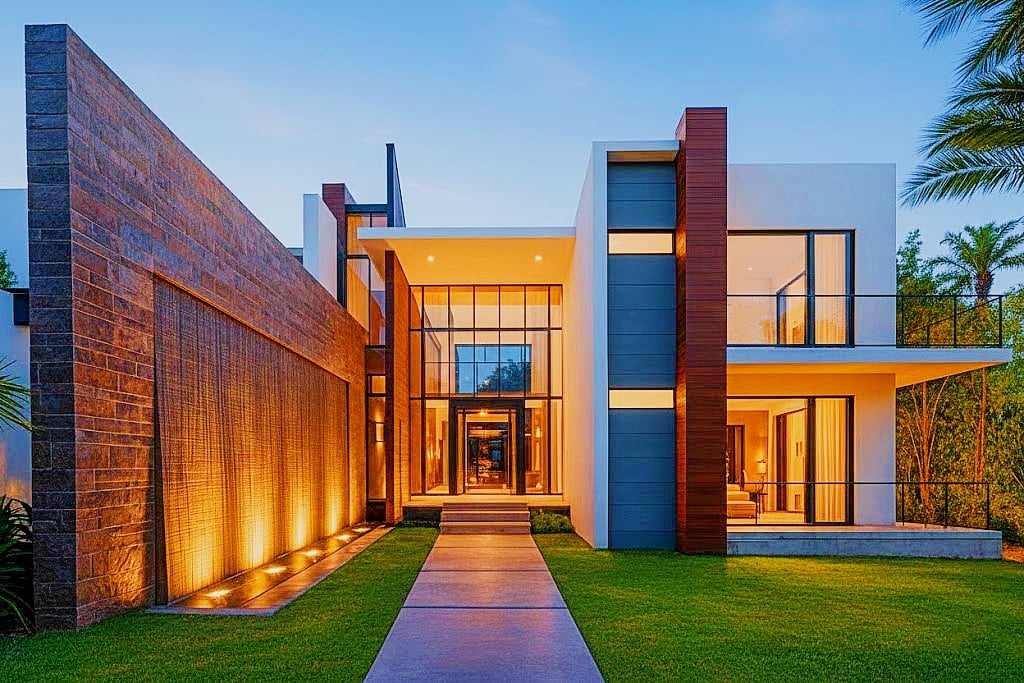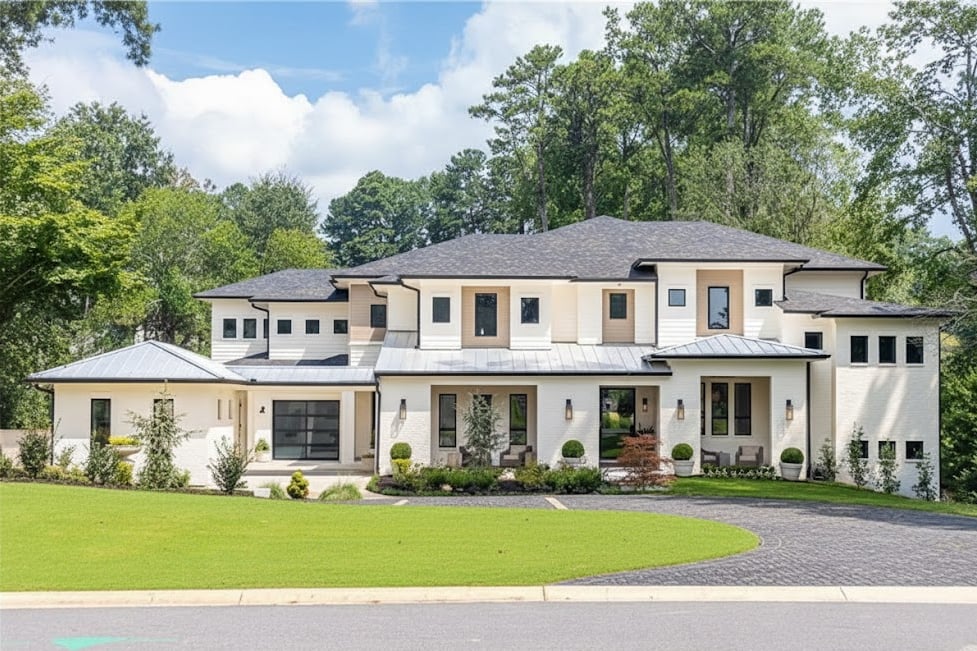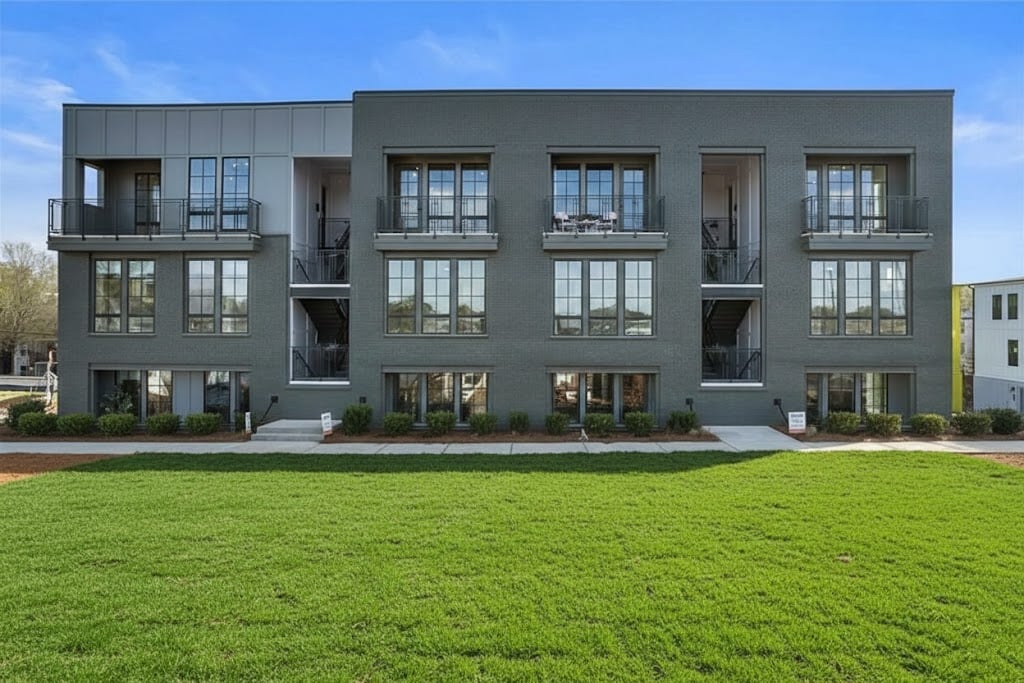

Atlanta's resale market has become one of the most competitive in the Southeast — and buyers are feeling it. Limited inventory, multiple-offer situations, and prices that have climbed steadily for years have left many wondering if homeownership in the metro is still within reach. It is — and Atlanta's surrounding communities offer a growing pipeline of new construction neighborhoods with modern floor plans, builder warranties, and price points that remain genuinely accessible, particularly in the $250,000–$400,000 range.
This guide walks you through where to look, what to budget, how the builder process works, and what questions to ask before you sign anything.
Why Atlanta's New Construction Market Is Worth Your Attention

The Resale Market vs. New Construction Reality
Atlanta's existing home inventory has been under significant pressure for years. The Atlanta–Sandy Springs–Roswell MSA population reached approximately 6.3 million residents as of 2023 — placing it among the 8th to 10th largest metropolitan areas in the United States — and it has grown faster than housing supply in many intown and close-in suburban markets.
$395,000–$410,000 — the approximate median resale home price range across the Atlanta metro through late 2024 and into early 2025, depending on report scope, with days on market generally running in the mid-30s to low-40s. Verify current figures directly with the Atlanta REALTORS® Association market brief.
When a well-priced resale home hits the market in a desirable zip code, it frequently draws multiple offers within days — often above asking price, with buyers waiving contingencies and escalating aggressively. That pace leaves budget-conscious buyers almost no room to breathe.
New construction offers a fundamentally different experience. The price is the price. The timeline, while sometimes extended, is predictable. And the product — a home no one has ever lived in, built to current energy codes with modern mechanical systems — comes with a builder warranty and without the surprise repair bills that so frequently accompany older resale homes. For buyers who can be flexible on location and patient with the process, Atlanta's outer-ring suburbs represent one of the most compelling new construction markets in the South.

The Builder Advantage in Today's Market
One of the most underappreciated aspects of Atlanta's current new construction landscape is the level of incentives production builders are offering to move inventory.
According to NAHB monthly builder surveys conducted throughout 2024, approximately 60–62% of builders nationwide reported offering sales incentives, with mortgage rate buydowns being the most commonly reported incentive among builders in the South region.
In the Atlanta metro, those incentives have been real and meaningful — closing cost contributions, design center credits, and permanent or temporary rate buydowns that can translate to tens of thousands of dollars in practical value for the buyer. Builders want to sell homes and close communities on schedule, and that motivation creates genuine leverage — particularly on spec homes where the builder carries costs every month a completed home sits unsold.
Pro Tip: Focus your search on spec homes — completed or nearly complete homes the builder has already constructed. These represent the highest builder motivation and the strongest negotiating position, particularly on incentives and closing timelines.
Where to Find Affordable New Builds in the Atlanta Metro

South Fulton and Fairburn
The South Fulton and Fairburn corridor has emerged as one of the most active areas for affordable new construction within Fulton County itself — a meaningful distinction, since most buyers assume Fulton County new builds are priced well beyond reach. Communities developing along and near the Campbellton Road and Veterans Memorial Highway corridors offer entry-level and mid-range homes generally priced in the $250,000–$350,000 range (approximate figures subject to current market conditions).
The practical appeal of this corridor is strong. Hartsfield-Jackson Atlanta International Airport — one of the world's busiest — is a major nearby employer and commute destination for aviation, hospitality, and logistics workers throughout the south metro. The Camp Creek Marketplace area provides substantial retail anchoring. For buyers who want to remain in Fulton County while stretching their housing dollar, this corridor delivers in a way that intown Atlanta simply cannot.
Douglasville and Austell (Douglas County)
Douglas County consistently ranks among the strongest value plays in the entire Atlanta metro for new construction. The county's population has reached approximately 157,000 residents as of 2023 Census estimates, reflecting consistent growth and a well-established suburban base that has attracted a wide range of production builders. Floor plans here run the gamut — from compact townhomes to four-bedroom single-family homes on generous lots. I-20 serves as the primary commute artery, connecting Douglasville directly to Atlanta's western side with a drive that works well for buyers who work remotely even part of the time.
Arbor Place Mall anchors the retail landscape, and the commercial base along the I-20 corridor has expanded steadily alongside residential growth. Sweetwater Creek State Park — offering hiking trails through a historic mill ruin, lakeside fishing, and hundreds of acres of protected forest just outside Lithia Springs — gives Douglas County residents access to remarkable natural scenery within minutes of most new subdivisions. The variety of communities actively selling here means buyers have genuine options across floor plan sizes and price brackets.

Stonecrest and Lithonia (DeKalb County)
For buyers who want to stay on Atlanta's eastern side, the Stonecrest and Lithonia area in outer DeKalb County represents an increasingly active new construction corridor. The Stonecrest area has seen real infrastructure investment and retail development in recent years, with The Mall at Stonecrest anchoring a growing base of national retailers and dining options. I-20 east provides the primary commute connection to downtown and midtown Atlanta.
Arabia Mountain National Heritage Area is the standout lifestyle amenity for this corridor — a remarkable protected landscape of exposed granite monadnocks, seasonal wildflowers, and multi-use trails that surprises first-time visitors with its scale and beauty. For buyers with family or employment ties to the eastern side of the metro, Stonecrest and Lithonia offer modern construction at price points well below what intown DeKalb commands. Buyers should confirm current permit and community data directly with builders active in the area.
Covington and Newton County
Newton County, anchored by the city of Covington, has become one of the most discussed new construction markets feeding Atlanta's outer commuter belt. The county's population grew by approximately 11.8% between 2010 and 2020, reaching roughly 111,000 residents, and has continued expanding through 2023 estimates. New construction communities have proliferated across the Covington area, delivering modern single-family homes that often provide more square footage per dollar than anything available closer to the city — typically accessible via Highway 278 or the I-20 corridor heading west toward Atlanta.
What distinguishes Covington from many outer-ring communities is its genuine character. The historic downtown square — lined with independent restaurants, local shops, and well-preserved civic buildings — gives the city a grounded sense of place that feels earned rather than manufactured. Covington has also developed a notable identity as a filming location, with productions including The Vampire Diaries (2009–2017) filming extensively in the city. For buyers prepared to embrace the commute, Newton County delivers some of the best value in the entire metro.
Palmetto and the South Metro Corridor
Palmetto and the broader south metro corridor — including the Chattahoochee Hills area — represent an emerging market with active subdivision development and lower buyer competition than established markets to the north and east. The area retains a rural character with open land and a slower pace that appeals to buyers seeking breathing room after years in denser suburban environments.
Serenbe, the nationally recognized intentional community and resort located just south of Palmetto, has elevated the entire corridor's profile considerably. While Serenbe itself is a distinct and separately priced product, its presence signals the area's broader desirability and has contributed to growing buyer interest in the Chattahoochee Hills area. For buyers drawn to natural surroundings, lower density, and a south Fulton County location, Palmetto warrants serious consideration.
What Does Affordable Actually Mean in Atlanta's New Build Market?

Breaking Down the Price Tiers
| Price Tier | Typical Product | Square Footage | Key Trade-offs |
|---|---|---|---|
| $250,000–$320,000 | Townhomes or smaller single-family homes, 2–3 BR | 1,400–1,800 sq ft (approx.) | Standard-grade finishes, limited design center options, smaller lots |
| $320,000–$400,000 | Larger single-family homes, more lot size options | 2,000–2,800 sq ft (approx.) | Greater design flexibility, community amenities (pools, trails, clubhouses) |
All homes in both tiers are built to current energy and building codes and come with builder warranties. Price ranges cited here are approximations subject to current market conditions — verify pricing directly with builders during your search.
Understanding Base Price vs. Total Price
One of the most common surprises for first-time new construction buyers is the gap between a builder's advertised base price and the actual contract price signed at the table. Before you tour a single model home, understand where costs can climb:
- Lot premiums for preferred positions — cul-de-sacs, larger lots, wooded views — can add $5,000–$30,000 or more before a single upgrade is selected.
- Design center selections — flooring, cabinetry, countertops, and lighting packages — can add another $15,000–$50,000 depending on choices and the builder's pricing structure.
- A practical rule of thumb: budget an additional 10–20% above the base price to arrive at a realistic estimate of total contract cost.
This is one of the most concrete areas where a buyer's agent earns their value — helping prioritize which upgrades add resale value, which are overpriced through the builder's design center, and how to approach selections strategically rather than emotionally.
Builder Incentives and How to Use Them
Builder incentives in the Atlanta market most commonly appear as mortgage rate buydowns through a preferred lender, closing cost contributions, or design center credits. These incentives are genuinely valuable — but they come with conditions worth understanding. Rate buydown incentives are typically tied to using the builder's preferred lending partner, which may or may not offer the most competitive overall loan terms.
Buyers should always obtain an outside financing quote for comparison, and ask explicitly whether incentives can be preserved when working with an independent lender. A knowledgeable buyer's agent will help navigate this negotiation with the builder's sales team.
Pro Tip: Get the outside lender comparison in writing before your design center appointment — not after. Once you've emotionally committed to upgrades, it's much harder to objectively weigh the true cost of staying with the builder's preferred lender.
Navigating the New Construction Buying Process in Atlanta

Working with a Buyer's Agent on New Construction
A persistent and costly misconception among first-time new construction buyers is that they don't need independent representation when purchasing directly from a builder. The builder's on-site sales representative is a skilled, knowledgeable professional — but they represent the builder's interests. A buyer's agent works exclusively for you: reviewing the builder's contract (typically written to favor the builder), identifying red flags, negotiating where possible, and advocating throughout the entire process.
In virtually all Atlanta-area new construction purchases, the builder covers the buyer's agent's commission — meaning the buyer receives professional representation at no direct cost.
The Build Timeline: What Atlanta Buyers Should Expect
Build timelines vary considerably based on where a home stands in the construction process at contract signing. Here's what to expect across the three most common scenarios:
- Spec homes (completed or near-complete): can close in as few as 30 to 90 days.
- Homes partially under construction at signing: typically close within three to six months.
- True to-be-built homes (construction not yet started): generally require six to twelve months from contract to closing, sometimes longer.
Buyers with hard move-in deadlines — lease expirations, school enrollment windows — should discuss timing explicitly with the builder's sales team and build contingency time into their planning from the start.
New Construction Inspections — Don't Skip This Step

Builder warranties are real and meaningful, but they are not a substitute for an independent professional inspection. New homes regularly contain construction defects, mechanical issues, and insulation gaps that municipal inspectors operating on tight schedules may not catch. The two most valuable inspection moments in a new build are:
- The pre-drywall inspection — when structural, plumbing, electrical, and mechanical systems are visible before walls close.
- The final walkthrough inspection — conducted just before closing, with a third-party inspector working exclusively for you.
Most Atlanta-area production builders will accommodate both at the buyer's request. Don't leave either moment on the table.
Schools, Amenities, and Community Life in Atlanta's Affordable New Build Corridors

School Districts to Know
The featured corridors are served by four primary school districts:
- Fulton County Schools — South Fulton and Palmetto communities
- Douglas County School System — Douglasville and Austell
- DeKalb County School District — Stonecrest and Lithonia
- Newton County Schools — Covington and surrounding areas
Each district operates a range of campuses with varying programs and offerings. Buyers are encouraged to research individual schools through the Georgia Department of Education, visit campuses directly, and speak with current community residents. School assignments can also vary by subdivision address within a district, so confirming specific zoning with the relevant district office before making school-based decisions is essential.
Retail, Dining, and Daily Conveniences
National retail reliably follows residential development, and in most of Atlanta's growth corridors, that follow-through has already occurred:
- The Mall at Stonecrest anchors the east DeKalb corridor with major retailers and dining.
- Arbor Place Mall serves the Douglas County market along the I-20 corridor.
- Camp Creek Marketplace provides substantial retail anchoring for South Fulton and Fairburn residents.
- Covington's historic downtown square offers a genuine mix of independent dining and local shops that complements national chain growth along Highway 278.
Many newer communities also have planned commercial development phased to open alongside or shortly after residential buildout — worth asking builders about when evaluating a specific neighborhood.
Parks, Green Space, and Outdoor Life
Atlanta's affordable new build corridors offer genuinely strong access to outdoor recreation. Sweetwater Creek State Park near Lithia Springs — one of Georgia's most visited parks — delivers hiking through a historic textile mill ruin, lake fishing, and kayaking within easy reach of Douglas County's new subdivisions. Arabia Mountain National Heritage Area near Lithonia offers a somewhat surprising landscape of exposed granite monadnocks, seasonal wildflowers, and multi-use trails. Chattahoochee River access points throughout the south metro, managed by the National Park Service, extend outdoor options further.
Within most mid-range new construction communities, HOA-maintained amenities — pools, walking trails, playgrounds, dog parks — are standard features that add daily quality-of-life value without requiring a drive.
Key Questions to Ask Before You Sign With an Atlanta Builder

Walking into a builder's model home without a prepared set of questions is one of the most common mistakes buyers make. The model home experience is deliberately aspirational — every surface is upgraded, every room is staged, and the sales environment is designed to create excitement. Before signing anything, work through these questions carefully, ideally alongside your buyer's agent:
- What specifically is included in the base price, and what triggers an upgrade charge?
- What is the current estimated build timeline from contract signing to closing, and what circumstances typically cause delays?
- If you use an outside lender rather than the builder's preferred lender, do you forfeit incentives — and if so, how does the math compare across both options?
- What warranty is included, and what is the actual process for filing a claim if a problem arises after closing?
- What HOA fees apply, and what do they cover?
- What is the community's total planned buildout, how many lots and phases remain, and what does the builder's track record look like for completing communities on schedule?
Frequently Asked Questions About Affordable New Construction in Atlanta

What is the most affordable area for new construction homes in the Atlanta metro?
Douglas County, Newton County, and the South Fulton corridor consistently rank among the most budget-friendly areas for new construction in the Atlanta metro. Douglas County offers a strong combination of builder variety, lot size options, and I-20 access. Newton County delivers some of the best square footage per dollar in the metro, though buyers should be comfortable with a longer commute. South Fulton is notable for offering new construction within Fulton County at price points that would be impossible to find closer to Atlanta's urban core. All of these markets shift with broader conditions, so researching active communities directly is always the right starting point.
Can I negotiate the price on a new construction home in Atlanta?
In most cases, production builders hold firm on advertised base prices, which are set at a community level. Meaningful negotiation happens regularly in other areas, though — upgrade packages, closing cost contributions, rate buydown incentives, and lot premiums are all areas where buyers, particularly those purchasing spec inventory, can frequently secure favorable terms. Builders carrying unsold completed homes are especially motivated, since every month a finished home sits unsold represents carrying costs they would prefer to eliminate.
Do I need a buyer's agent to purchase a new construction home in Atlanta?
You are not required to use a buyer's agent, but choosing not to have one is rarely in your best interest. The builder's on-site sales representative works for the builder. A buyer's agent works exclusively for you — reviewing the contract, flagging unfavorable terms, negotiating where possible, and advocating throughout the process. In virtually all Atlanta-area new construction transactions, the builder covers the buyer's agent commission, meaning you receive professional representation at no direct cost to you.

How long does it take to build a new home in the Atlanta area?
It depends on where the home stands in the construction process when you sign your contract. Spec homes — completed or nearly completed — can close in 30 to 90 days. Homes partially under construction at signing typically close in three to six months. True to-be-built homes generally require six to twelve months from contract signing to closing, sometimes longer depending on trade availability, permit processing at the county level, and material lead times. Request the builder's current build schedule in writing and build a buffer into your planning whenever possible.
Are new construction homes in Atlanta energy-efficient?
Most production builders in the Atlanta metro build to current Georgia energy code standards as a baseline — a floor that is meaningfully more stringent than codes from even a decade ago. Georgia has adopted the 2021 International Energy Conservation Code (IECC) with Georgia-specific amendments as its state minimum standard residential energy code; verify the current code cycle with the Georgia Department of Community Affairs. Many Atlanta-area builders additionally offer or meet ENERGY STAR certification, with specific requirements varying by program version and climate zone. Features such as low-E double-pane windows, higher R-value insulation, and programmable thermostats are standard or readily available in most communities at the mid-range price tier and above.
What credit score do I need to buy a new construction home in Atlanta?
General benchmarks for common loan types:
- FHA loans: minimum score of 580 with a 3.5% down payment, or 500–579 with a 10% down payment.
- Conventional loans: minimum of 620 generally required, with meaningfully better rates available at 740 and above.
The FHA loan limit for a single-family home in the Atlanta–Sandy Springs–Roswell MSA is set at $649,750 for 2025, which covers the full range of affordable new builds discussed in this guide. Credit score is only one factor in loan qualification — debt-to-income ratio, employment history, and down payment source all matter as well. Speaking with a qualified lender early in the process, before visiting model homes, is the single most productive step a prospective buyer can take.
The Opportunity Is Real — and It's Worth Exploring

Atlanta's new construction market isn't a consolation prize for buyers who couldn't win a bidding war — it's a genuine opportunity in its own right. The metro's outer communities offer modern homes, builder warranties, energy-efficient construction, and price points that remain within reach for first-time buyers, growing families, and value-focused buyers of all kinds.
BLS data for the Atlanta–Sandy Springs–Roswell MSA reflects strong annual job growth and an economic foundation that has consistently supported residential expansion across the metro's outer corridors. Buyers comparing Atlanta to other Sun Belt metros will find the overall cost picture competitive — particularly when factoring in the range of price points available in the growth corridors detailed in this guide, value that remains difficult to match in comparable markets across the region.
Every buyer's situation is different, and navigating builder contracts, community selection, and the full new construction process is significantly easier with experienced local guidance alongside you. If you're ready to explore what's available — or just want to talk through where to start — reach out to our team. We'd be glad to help you find the right fit.