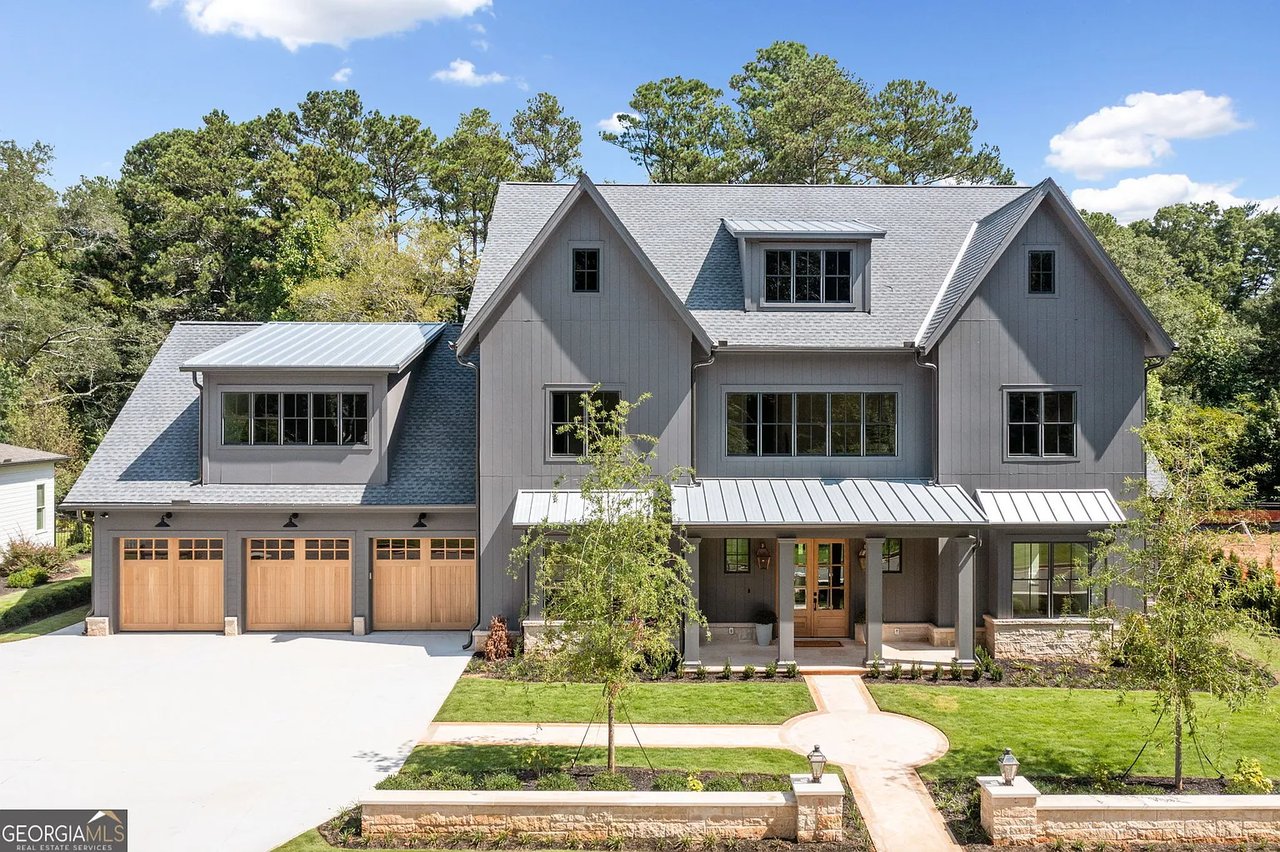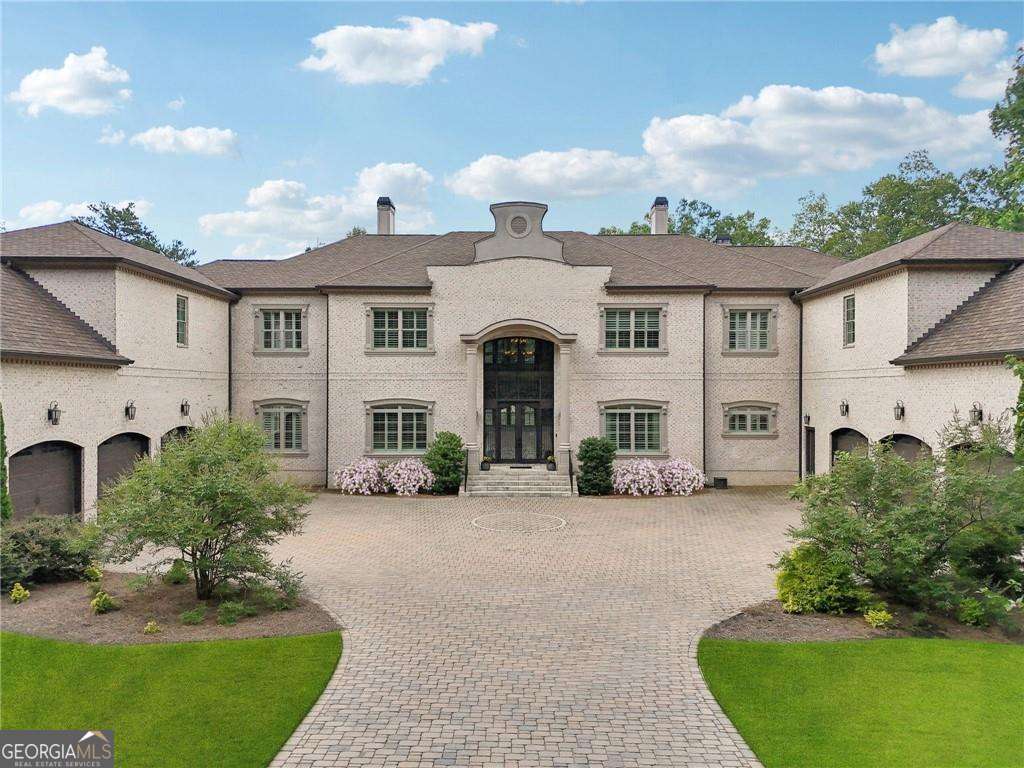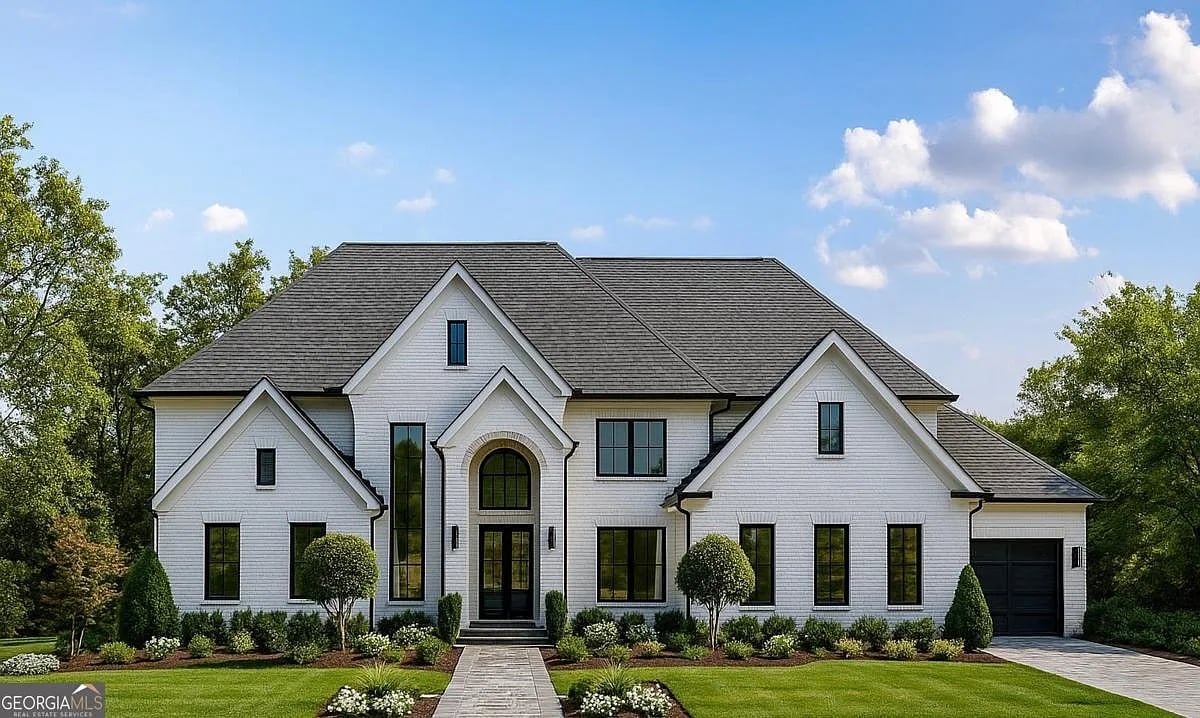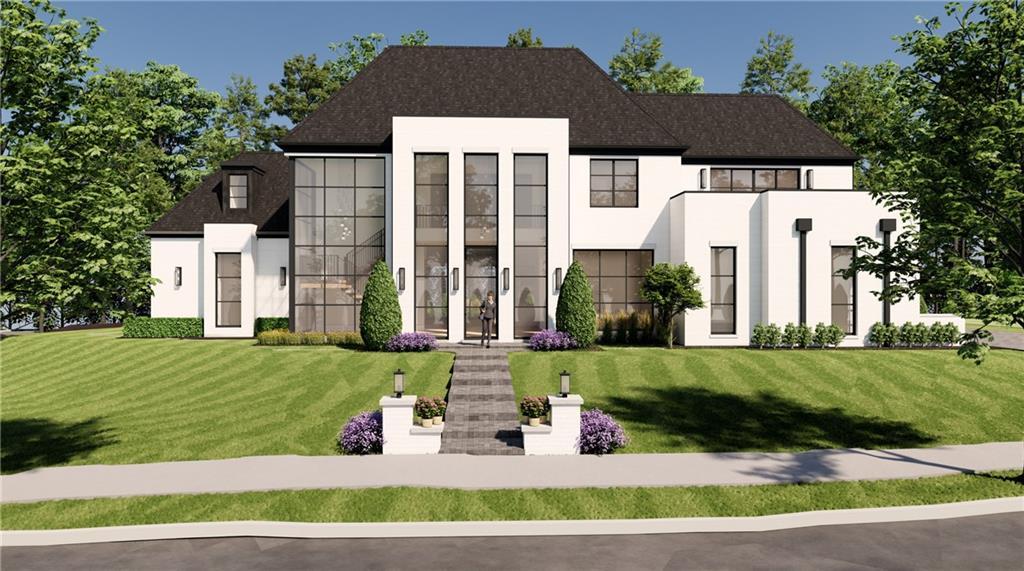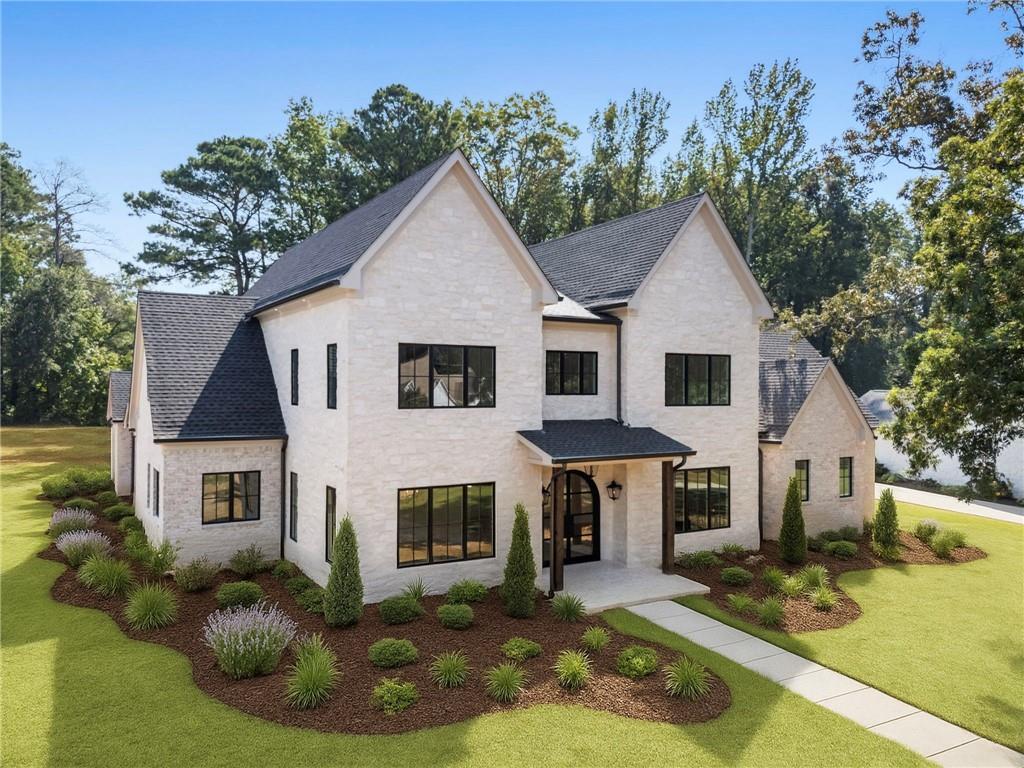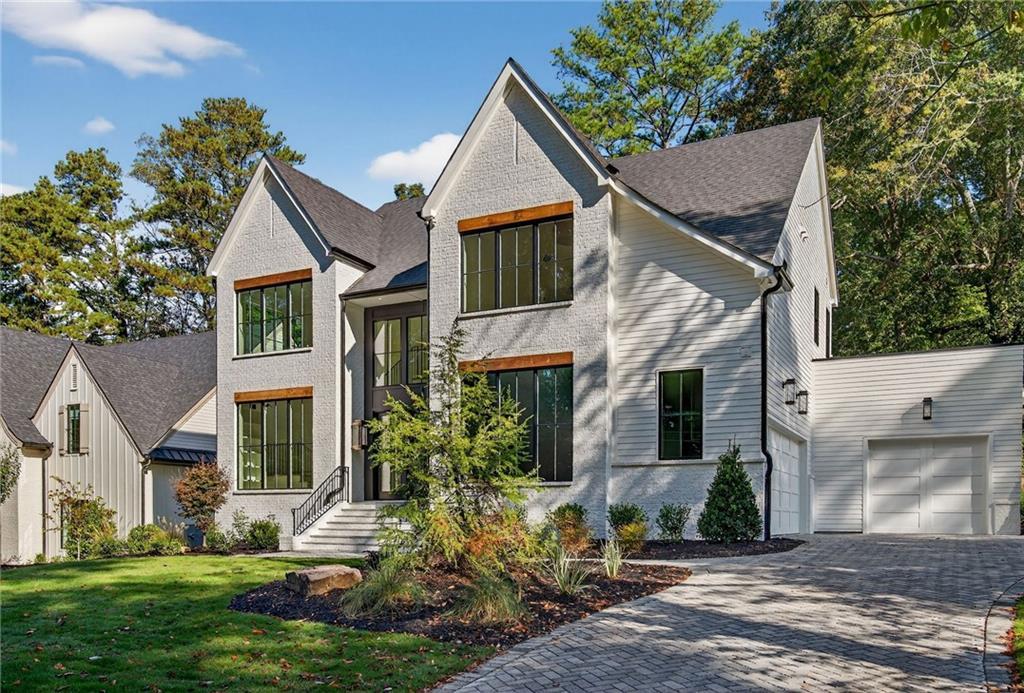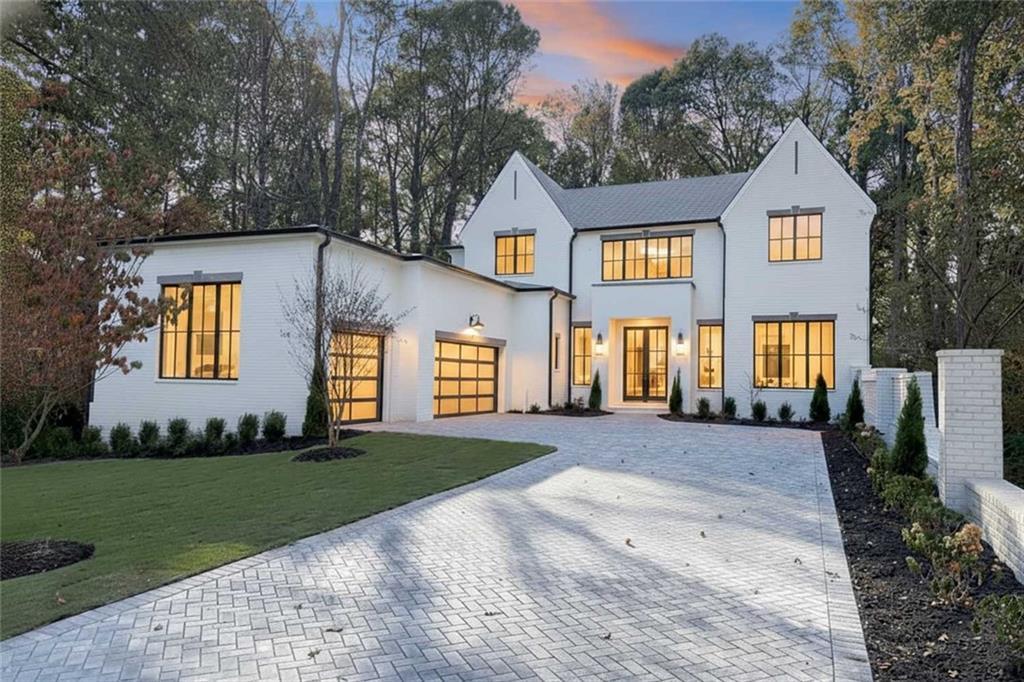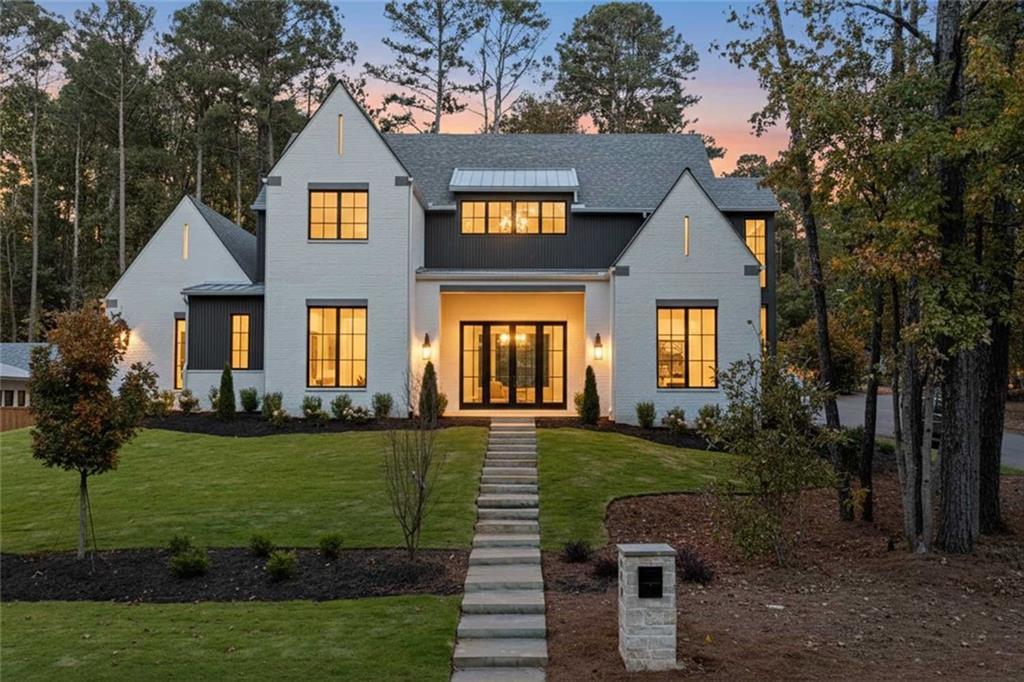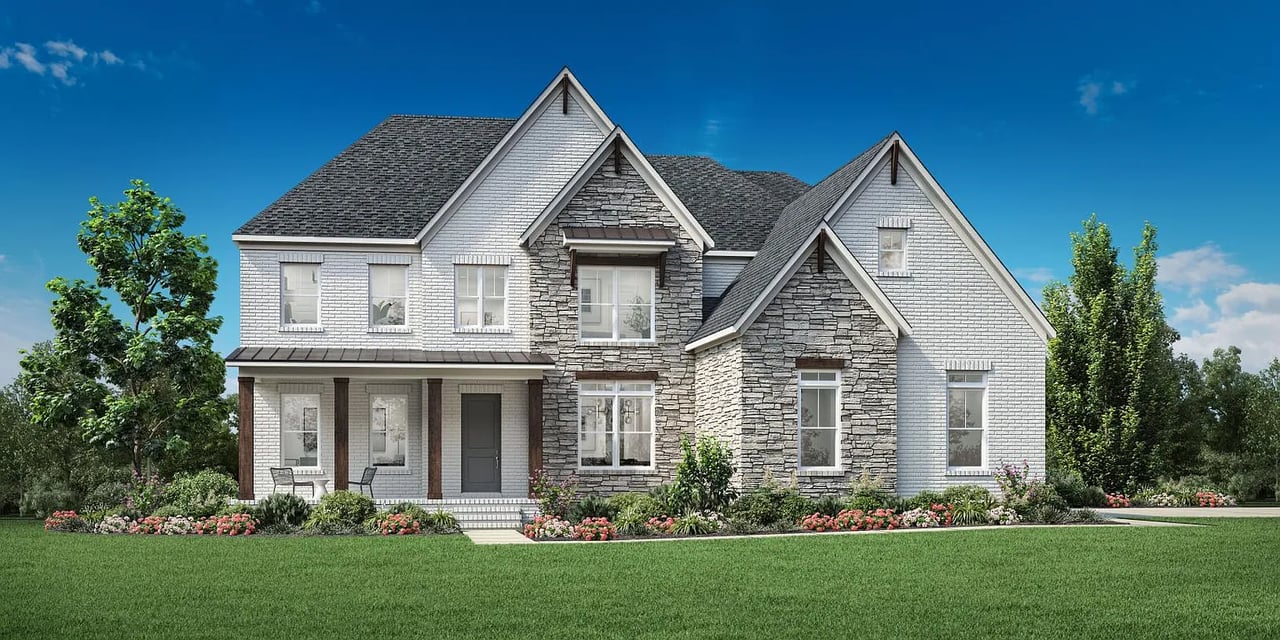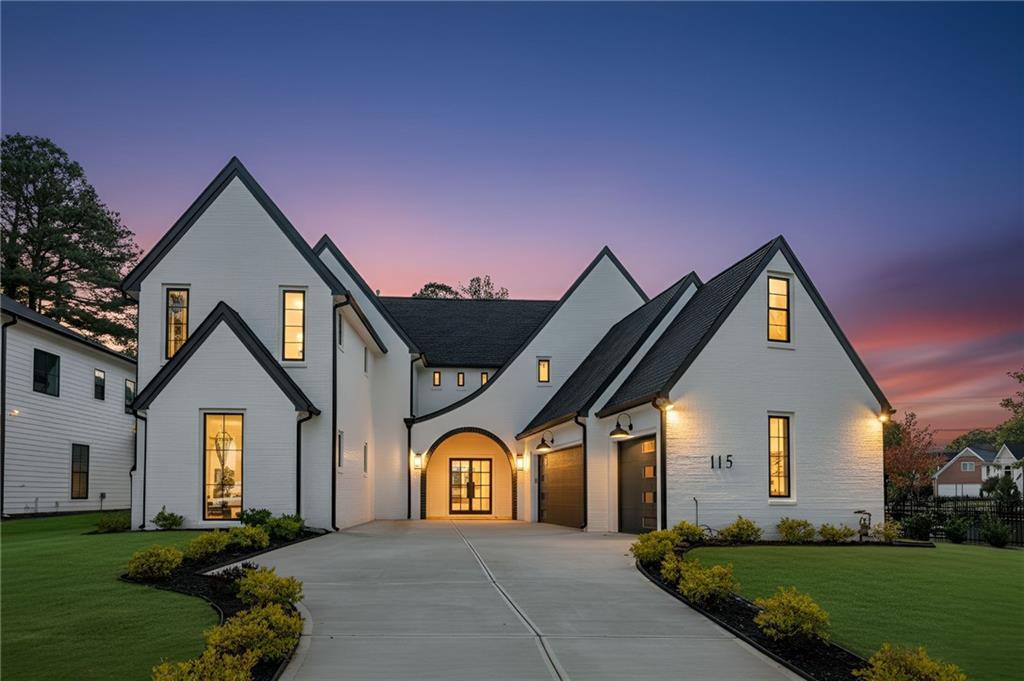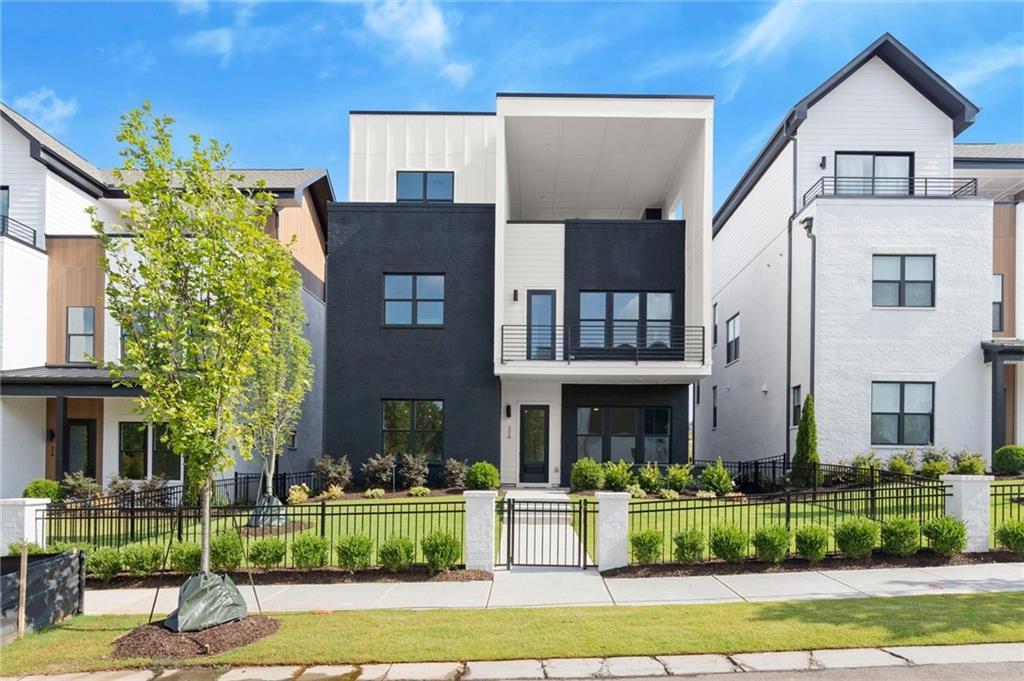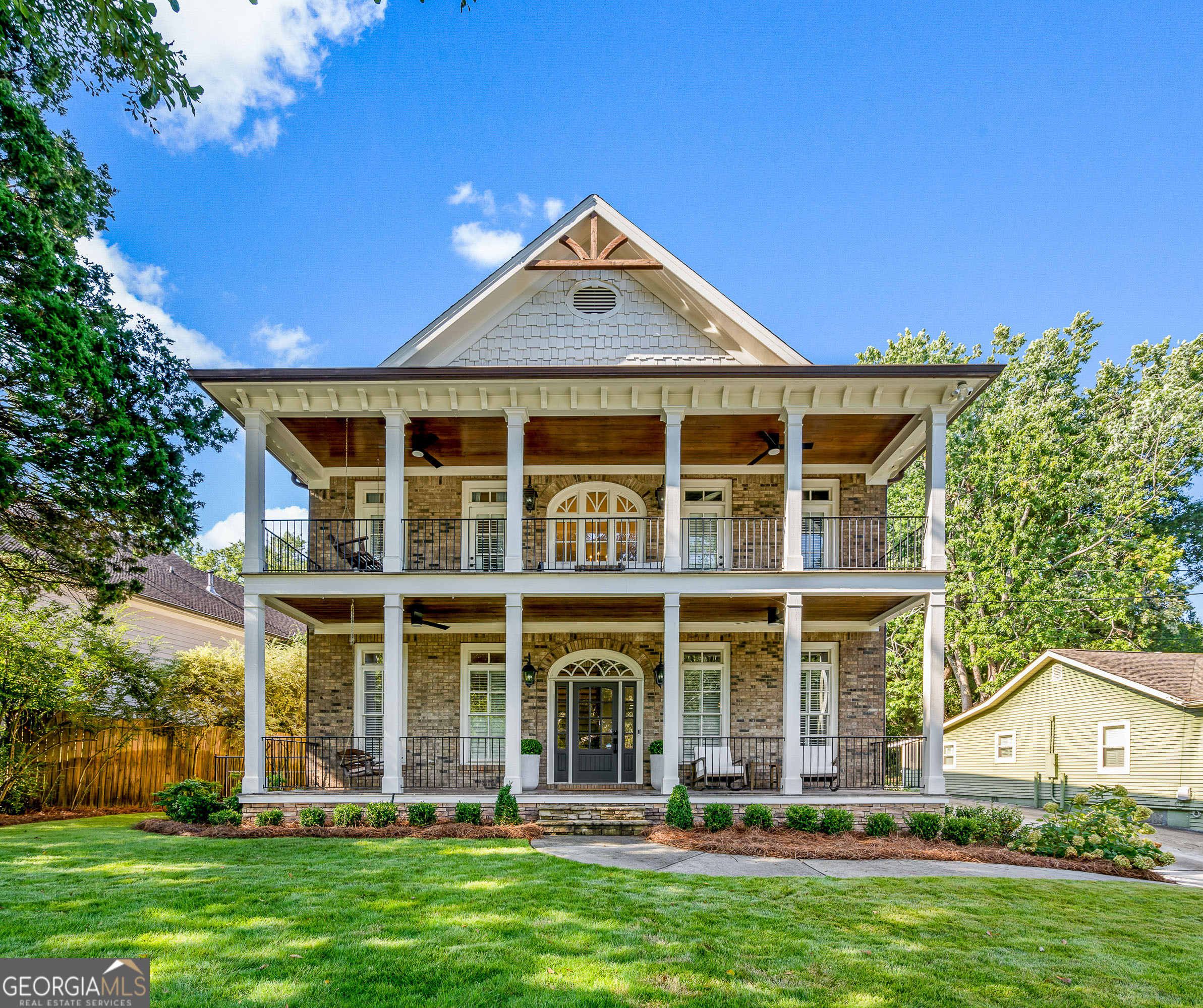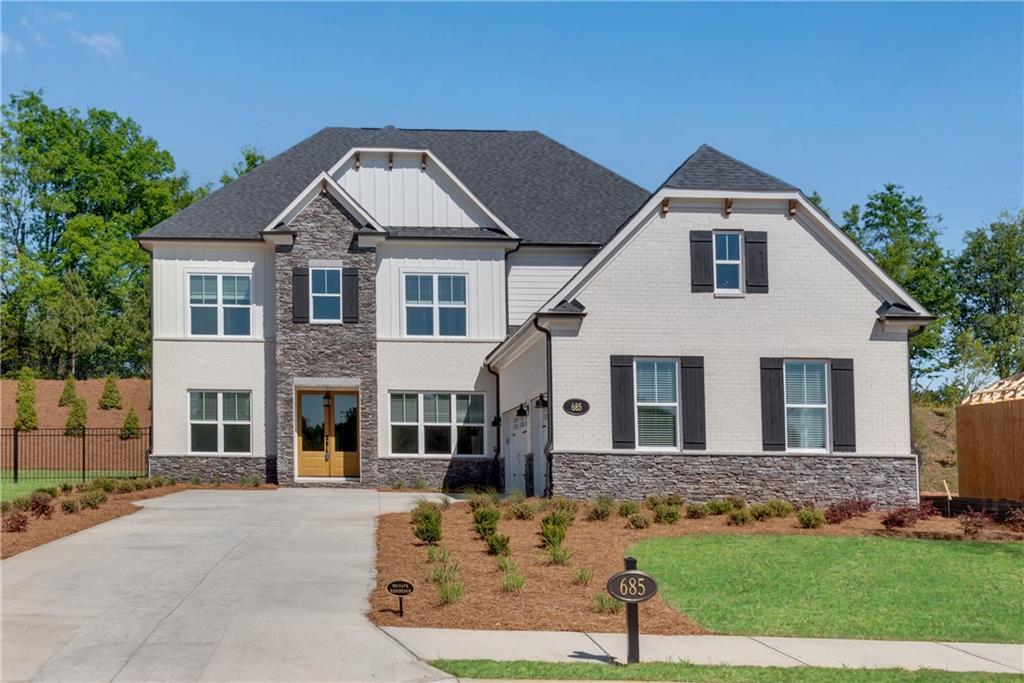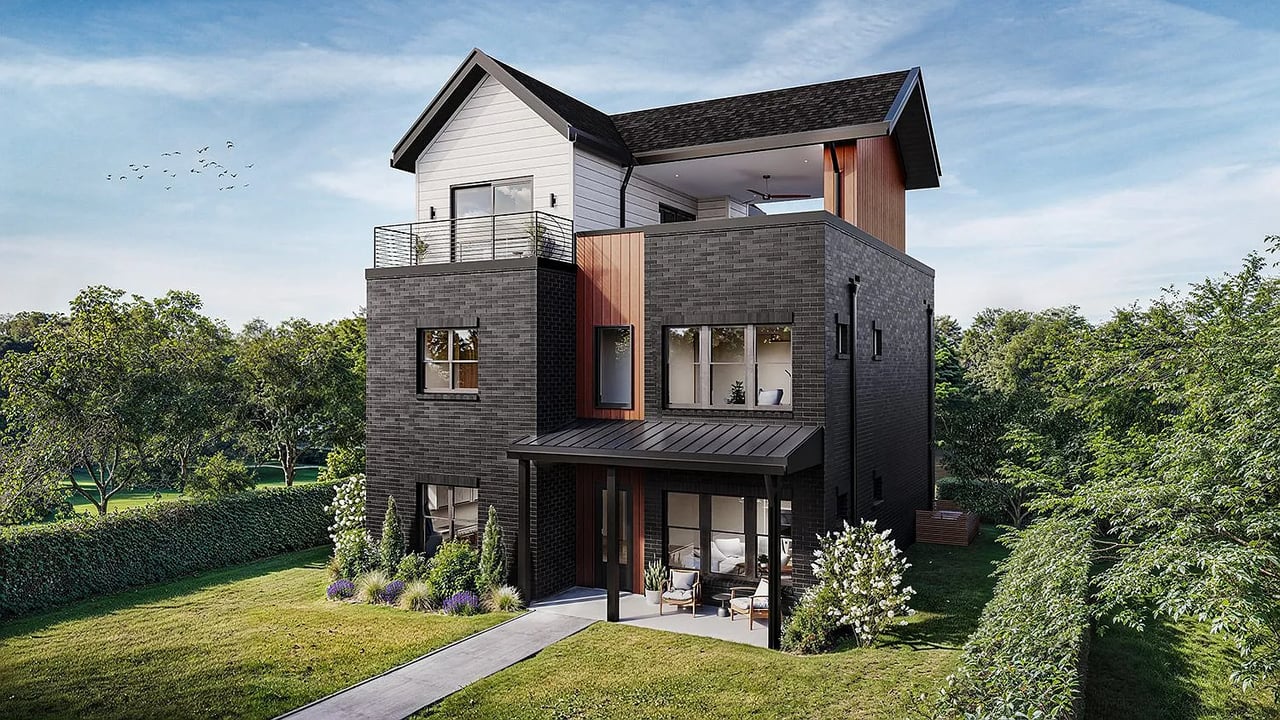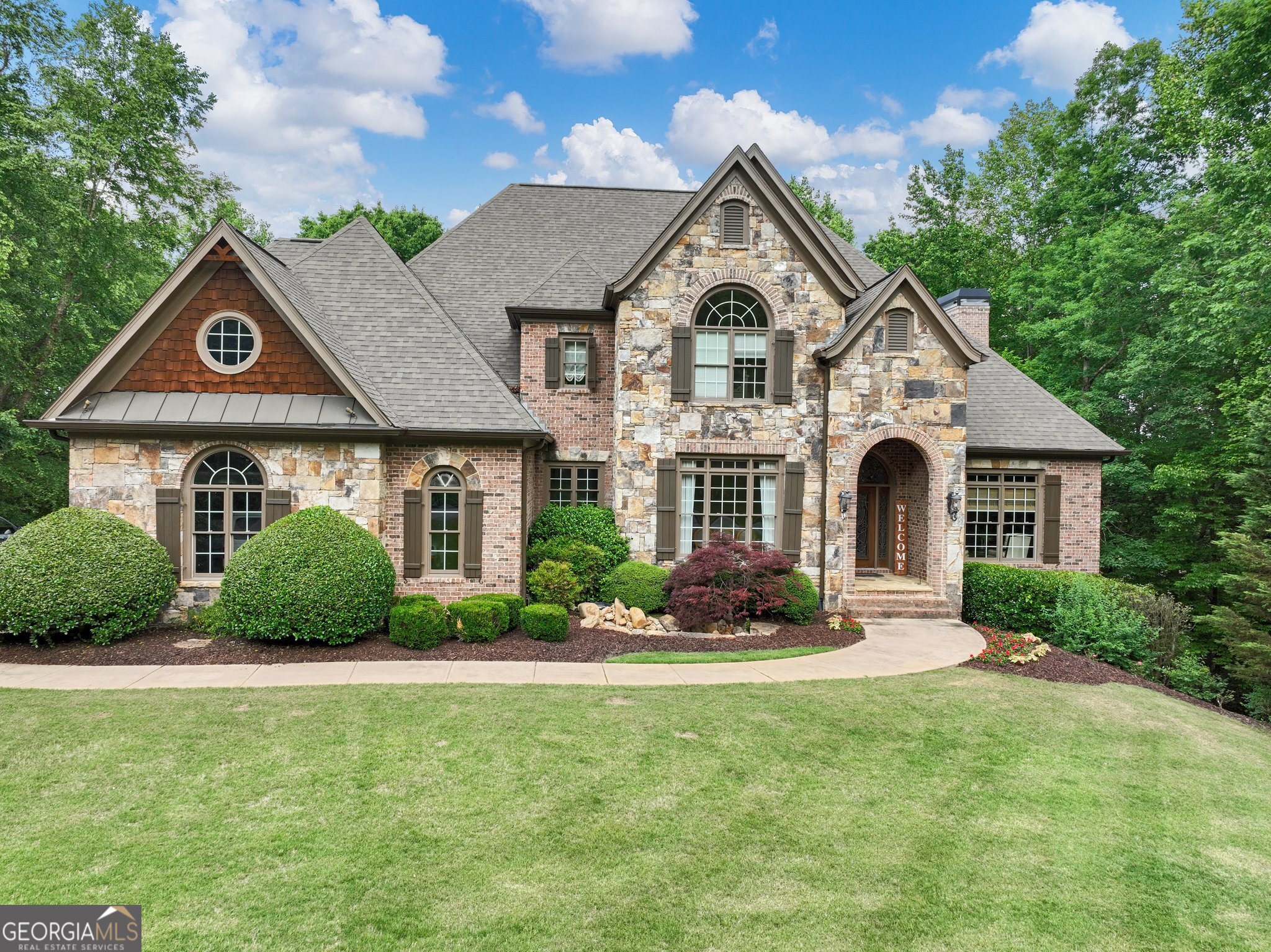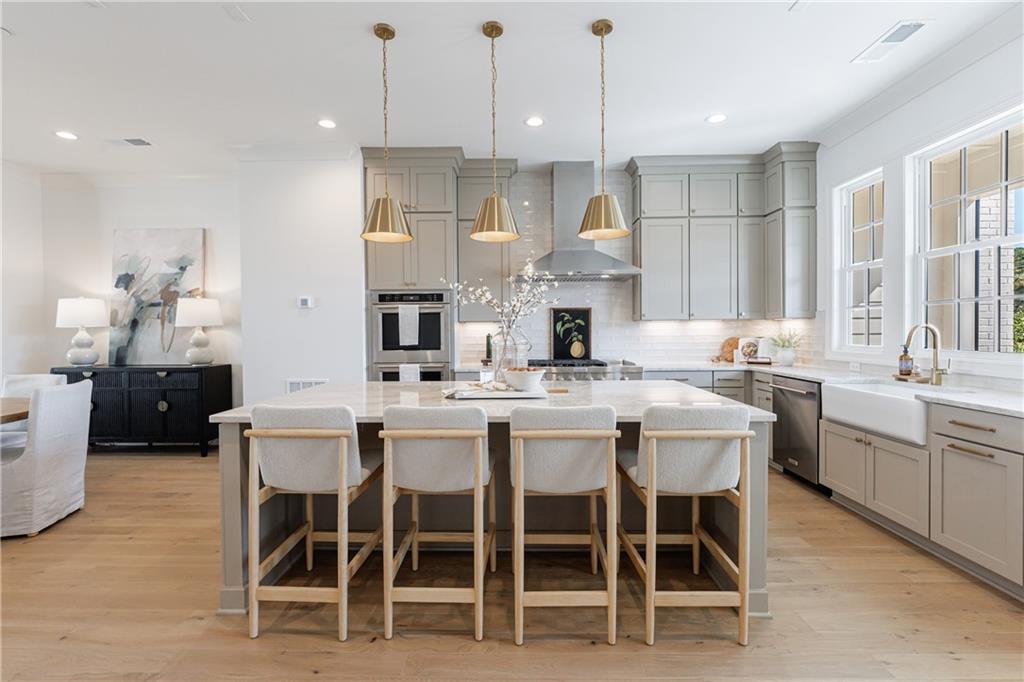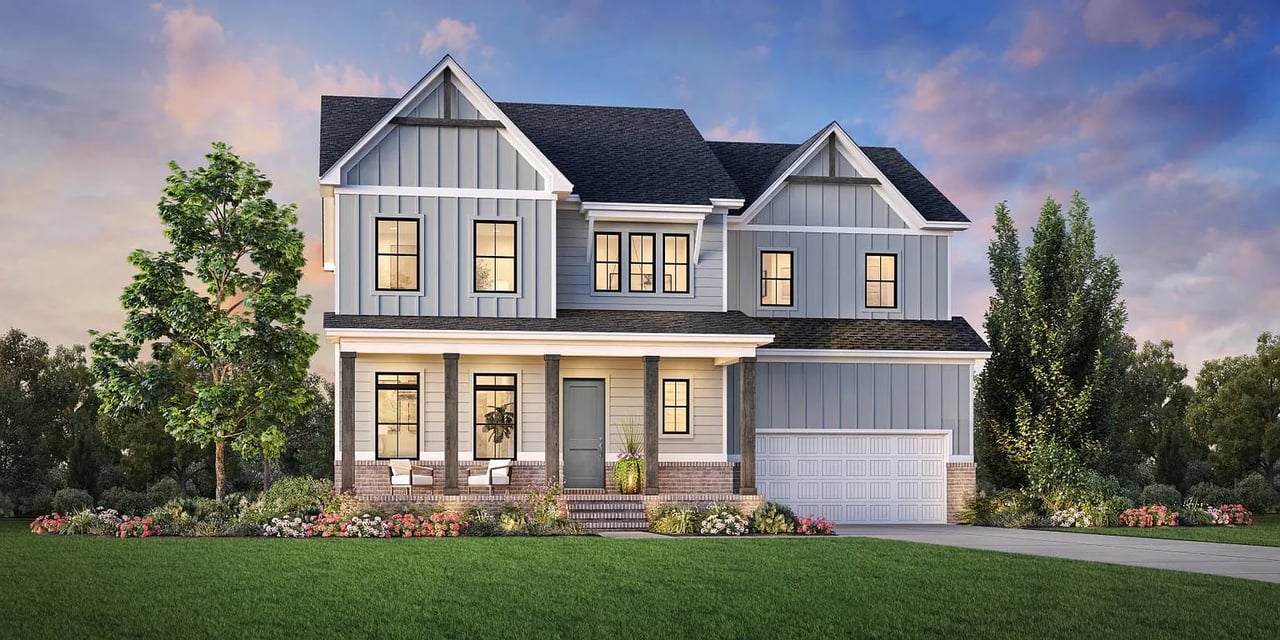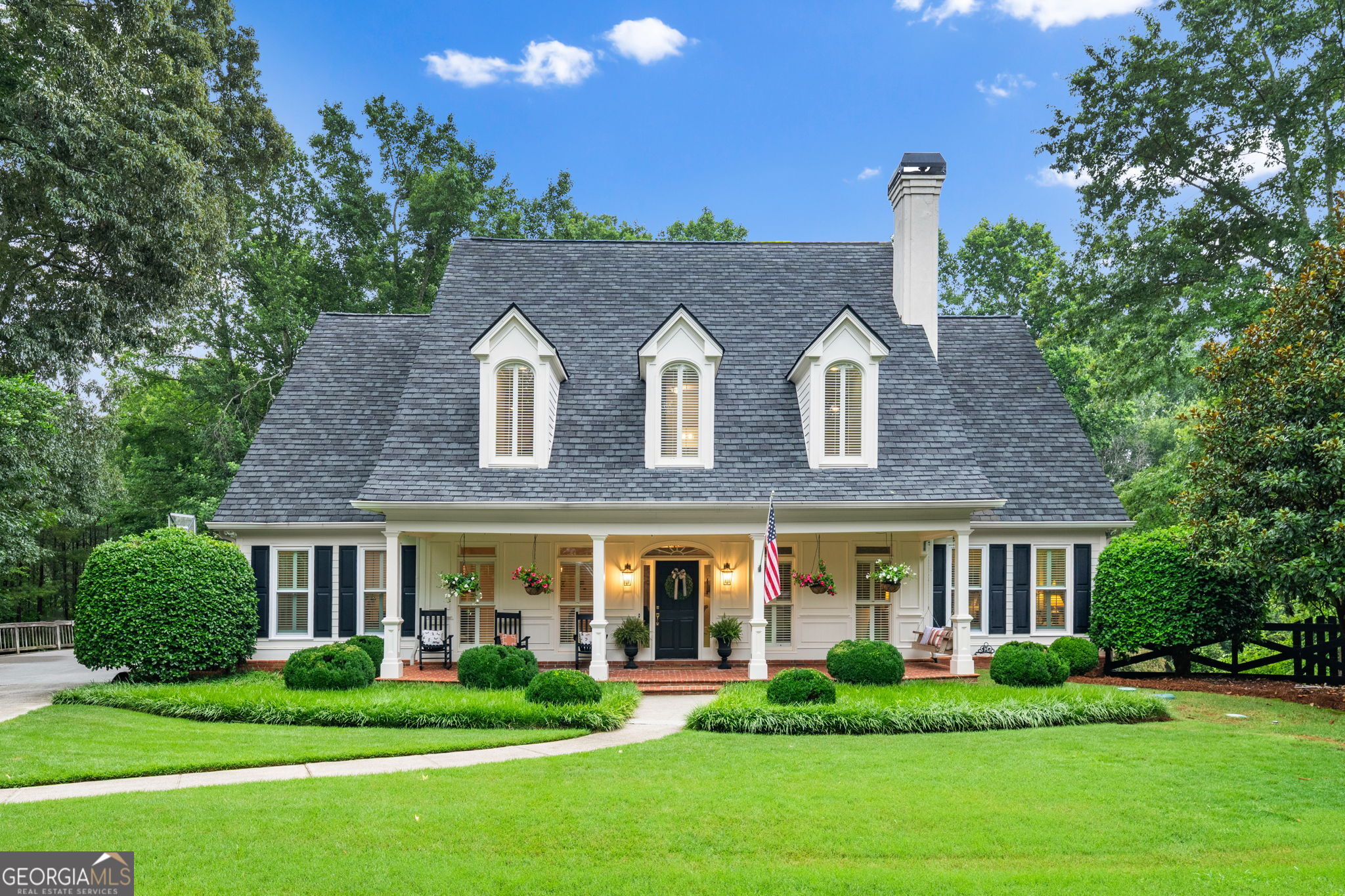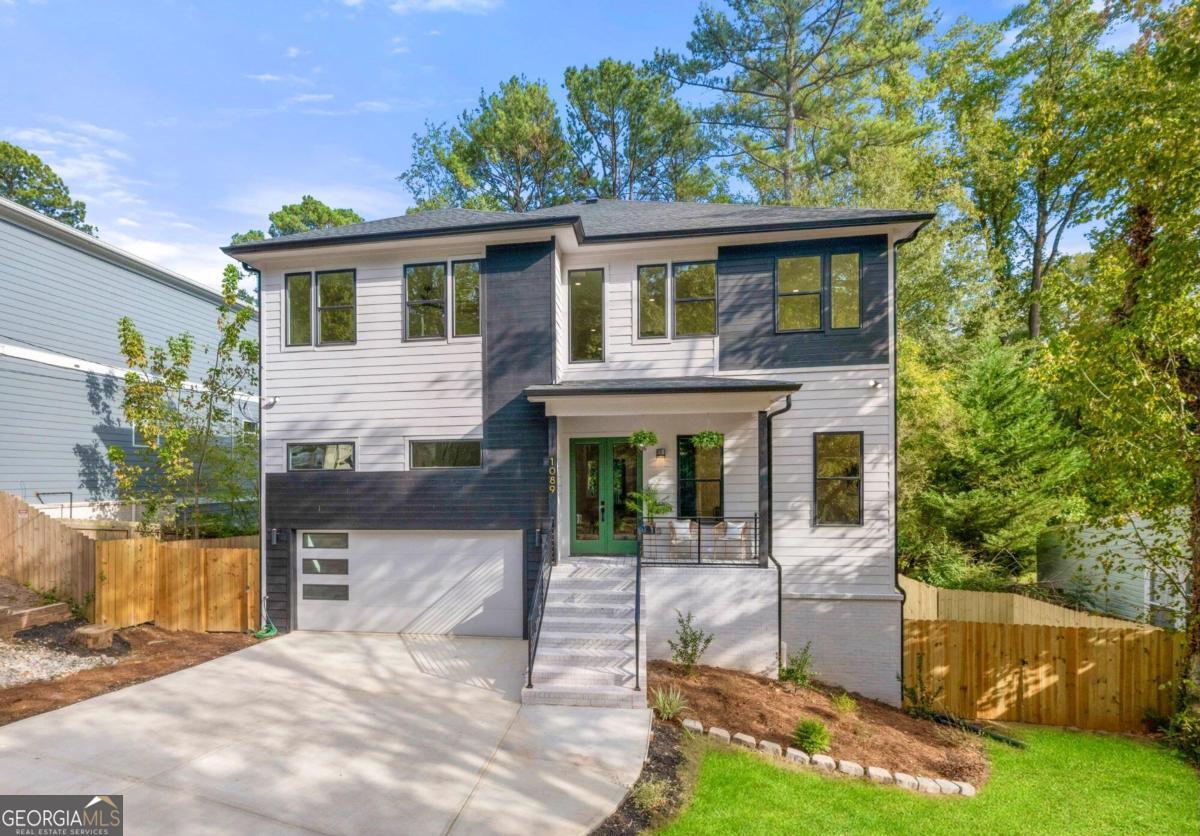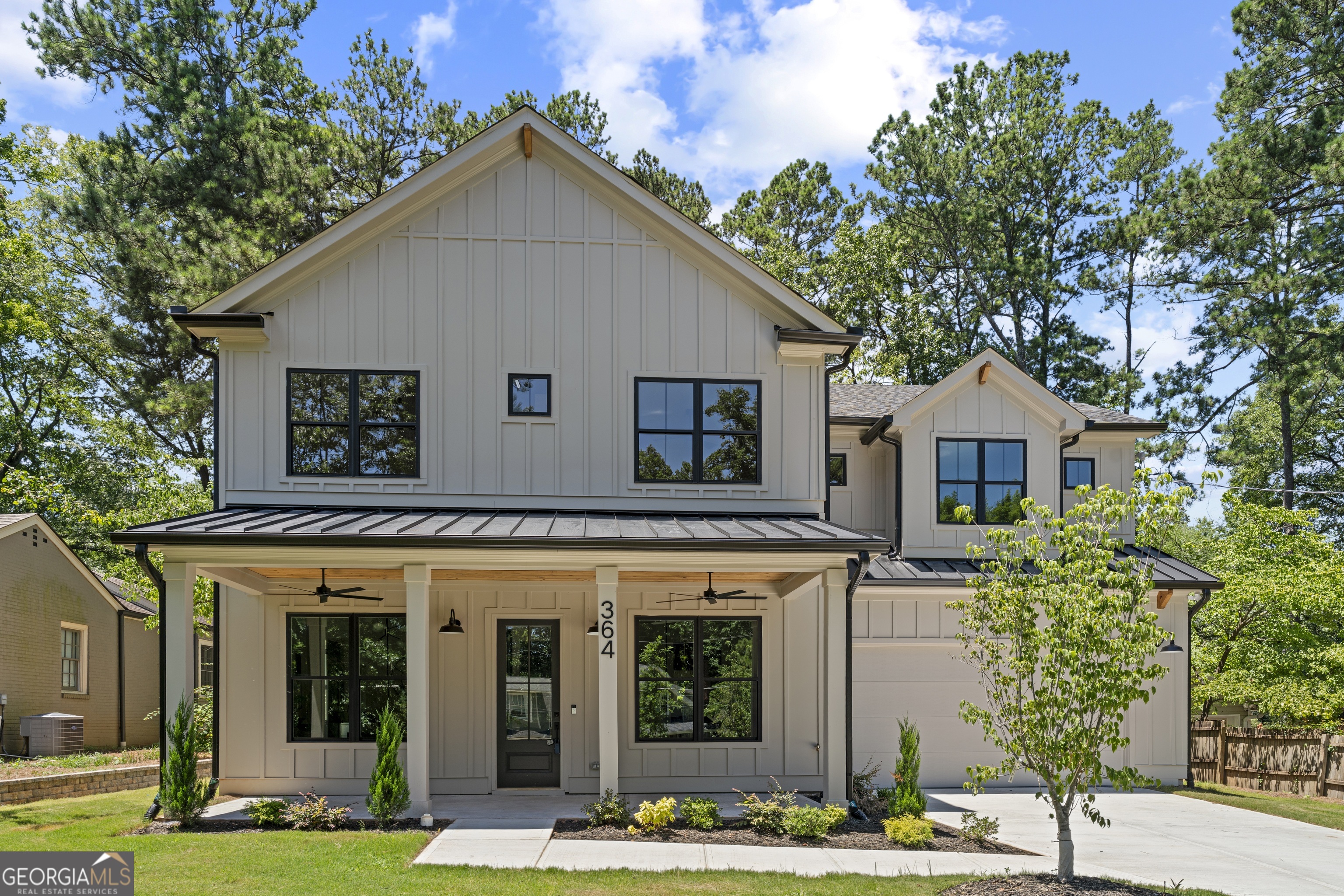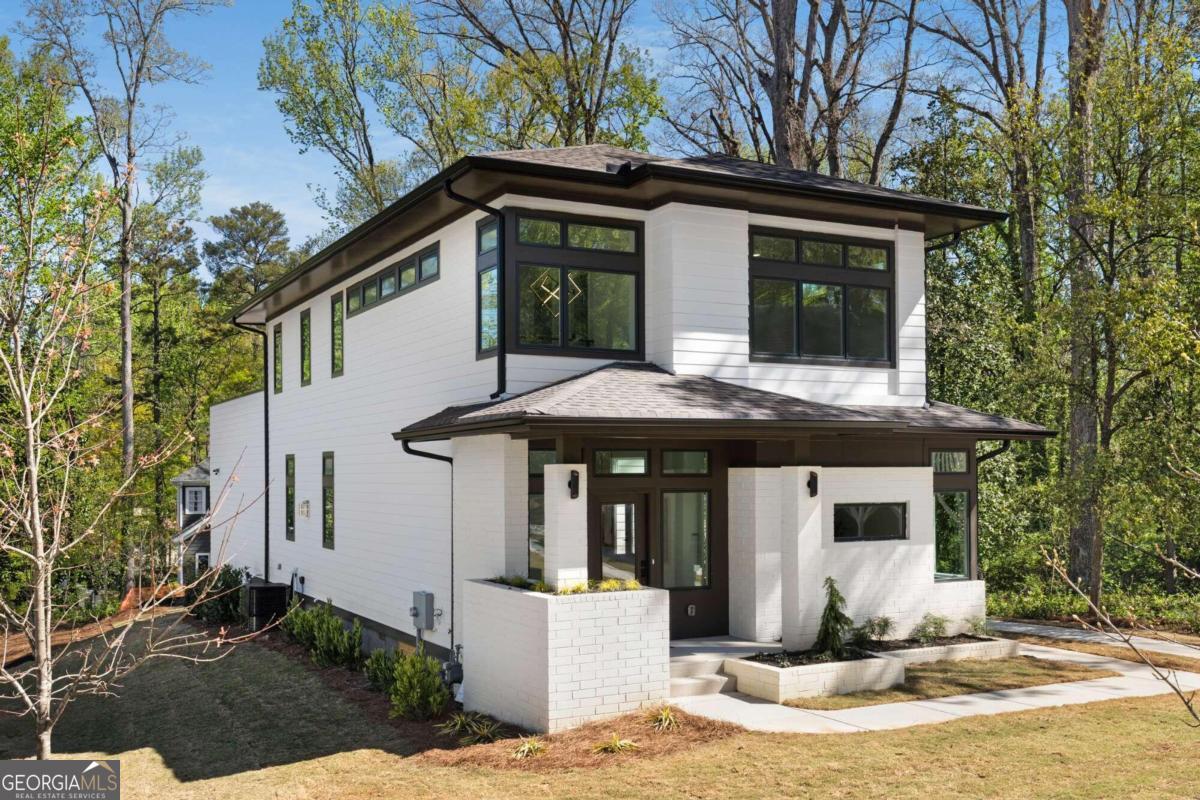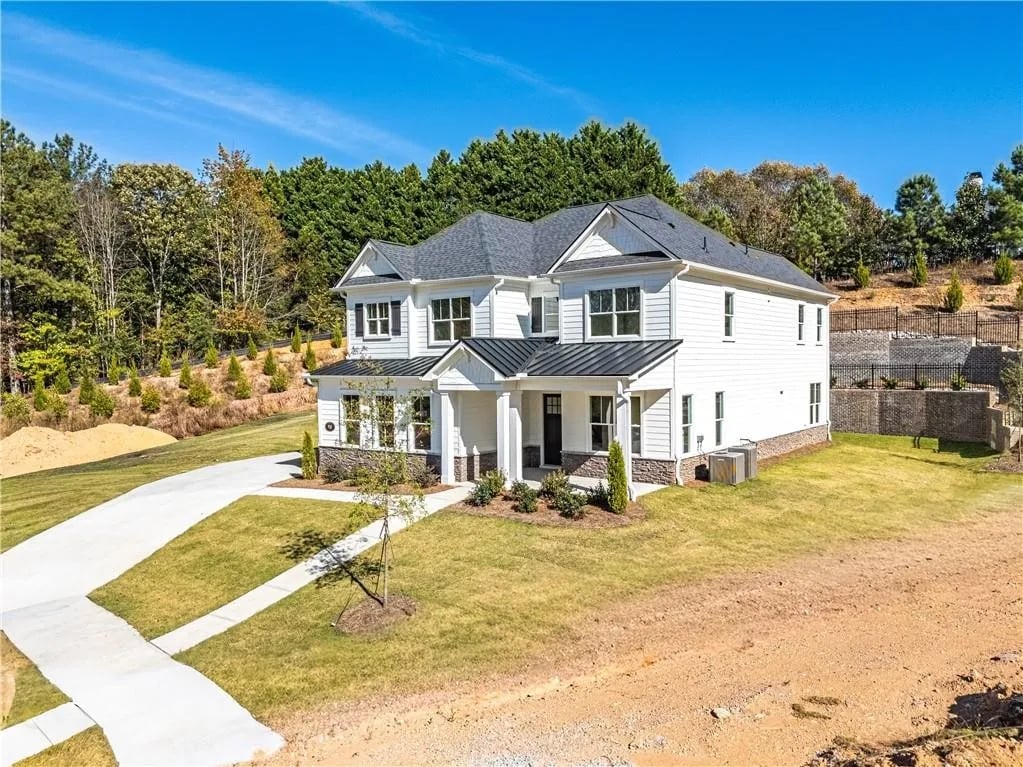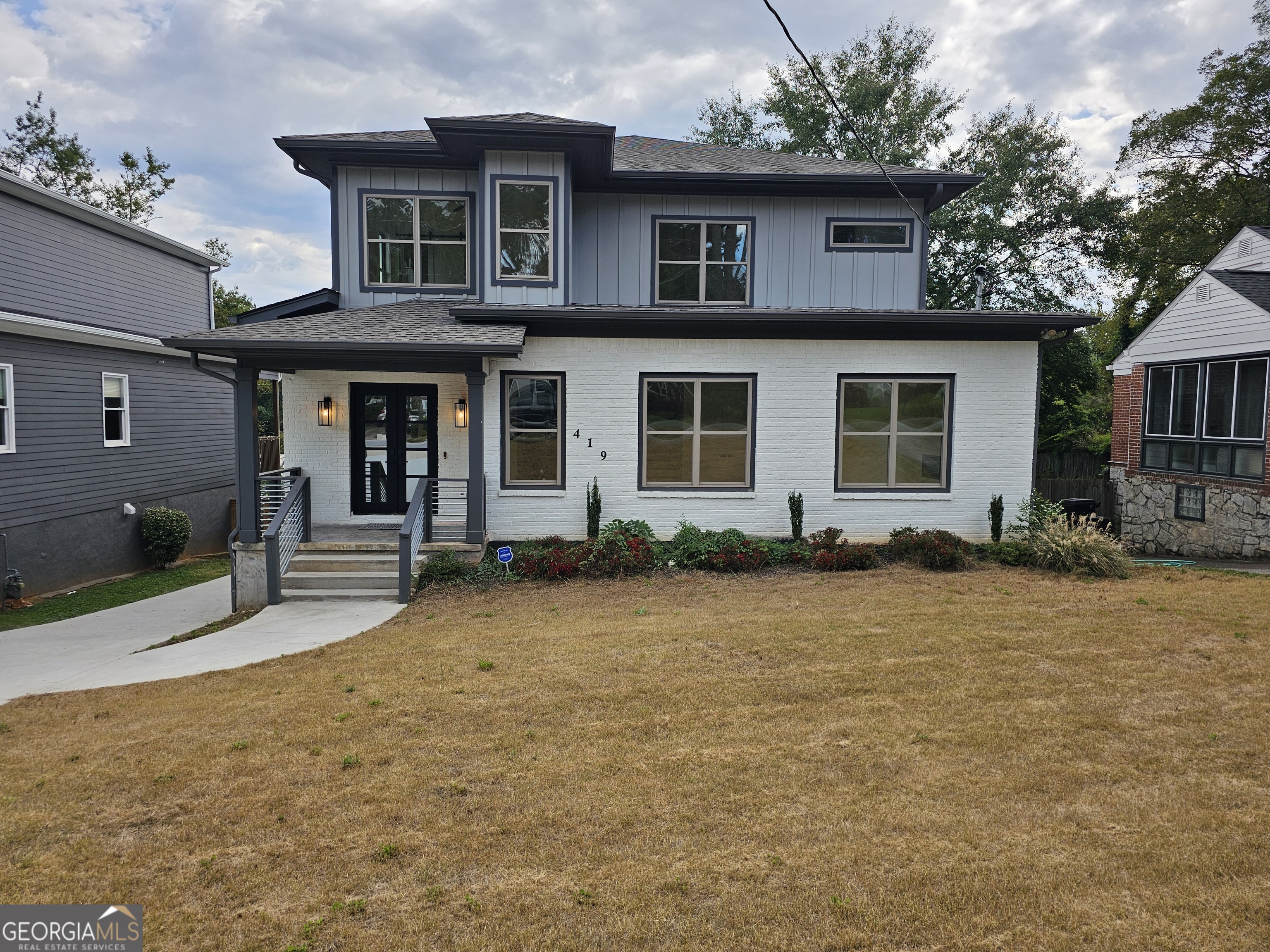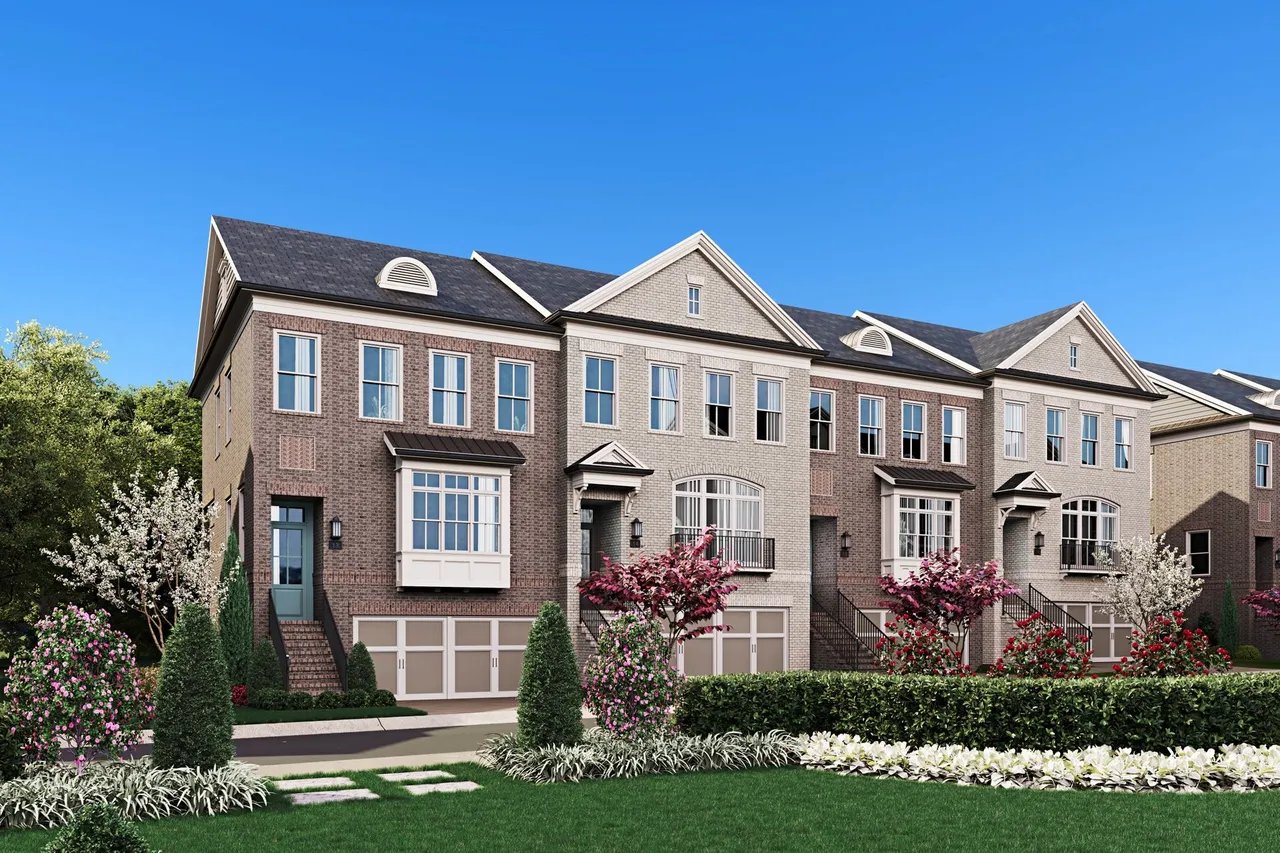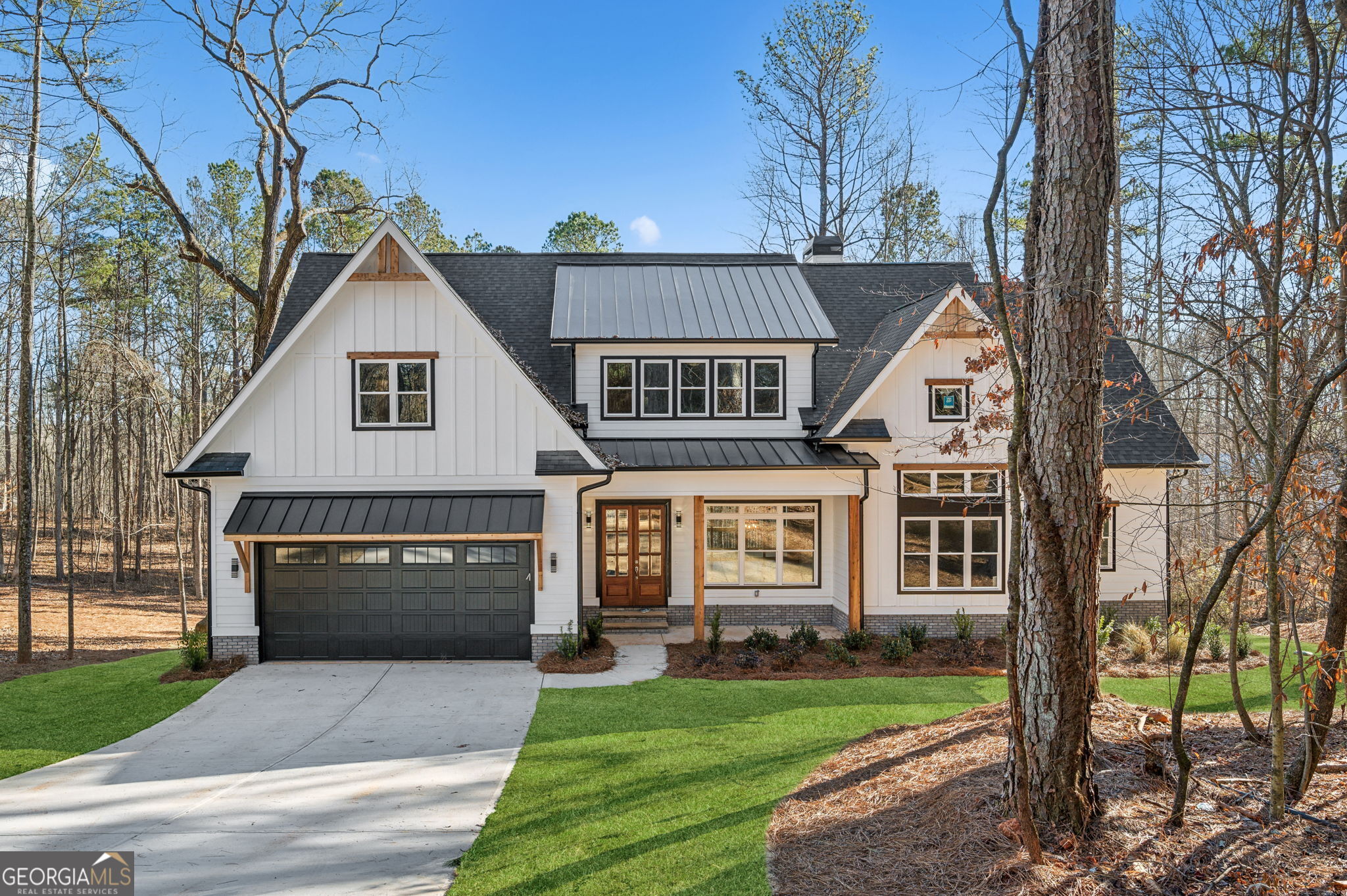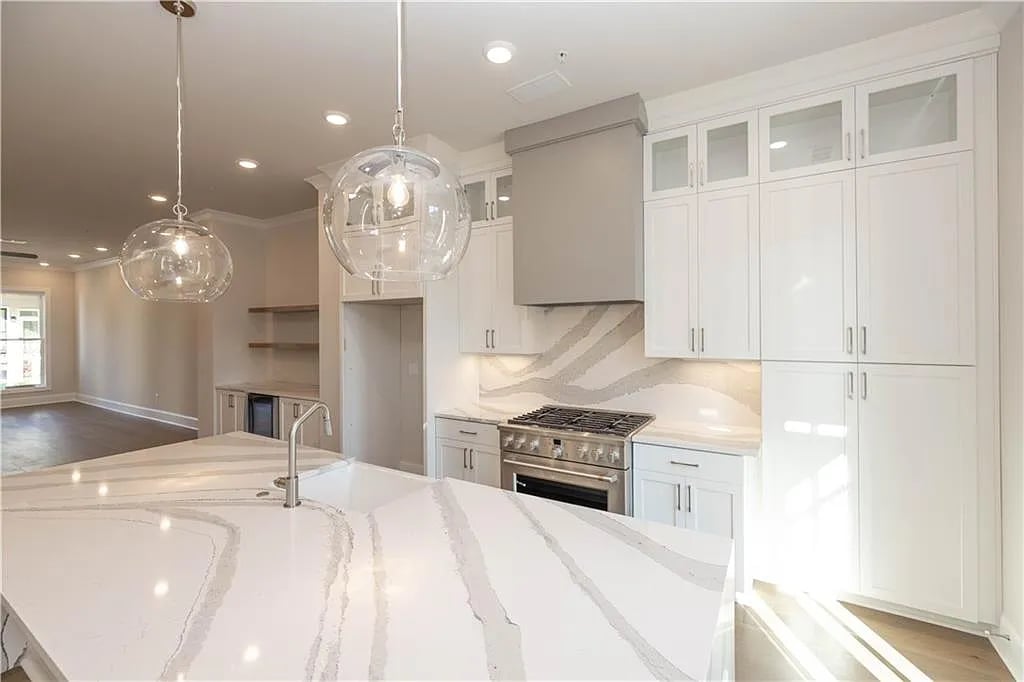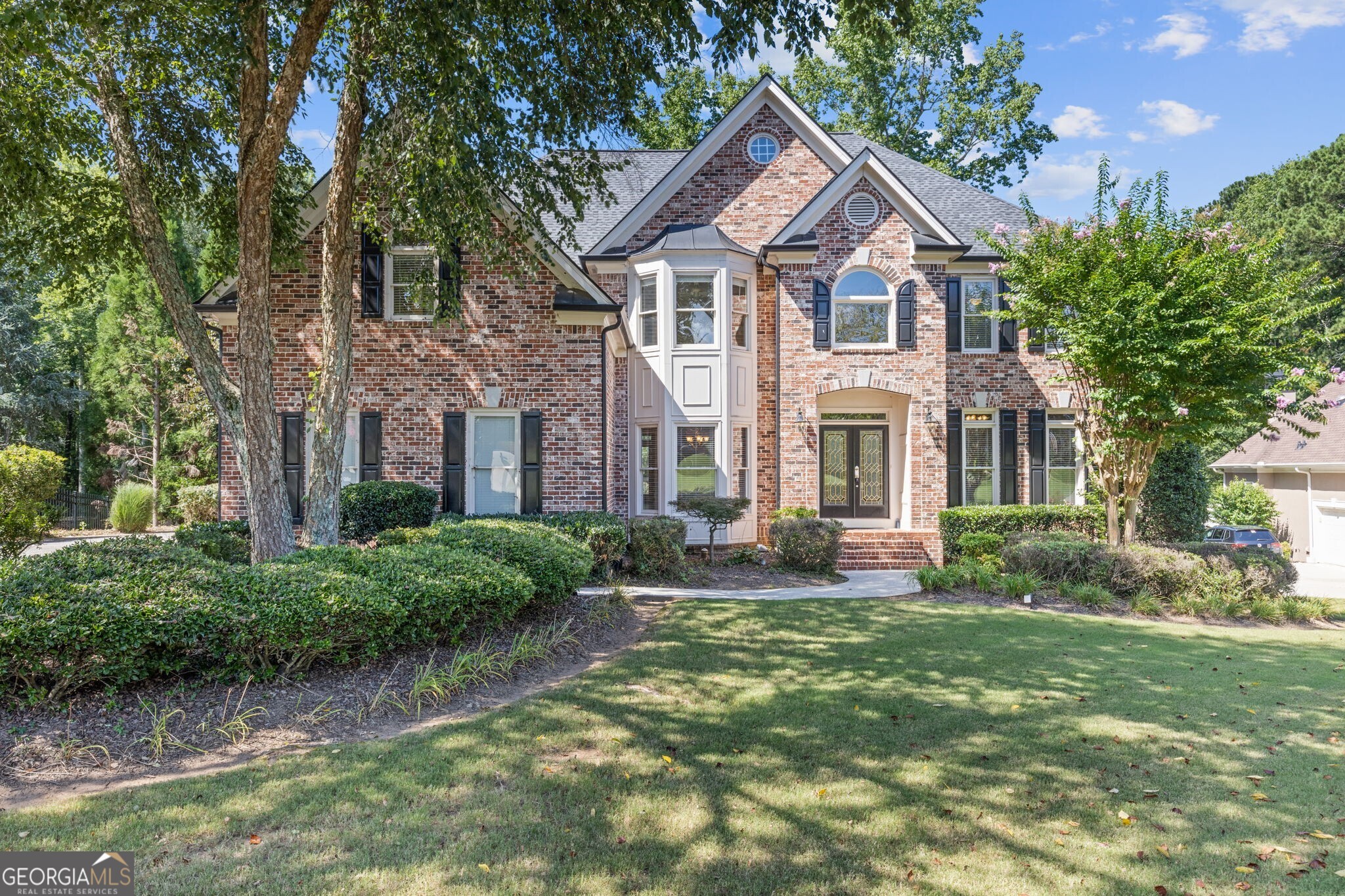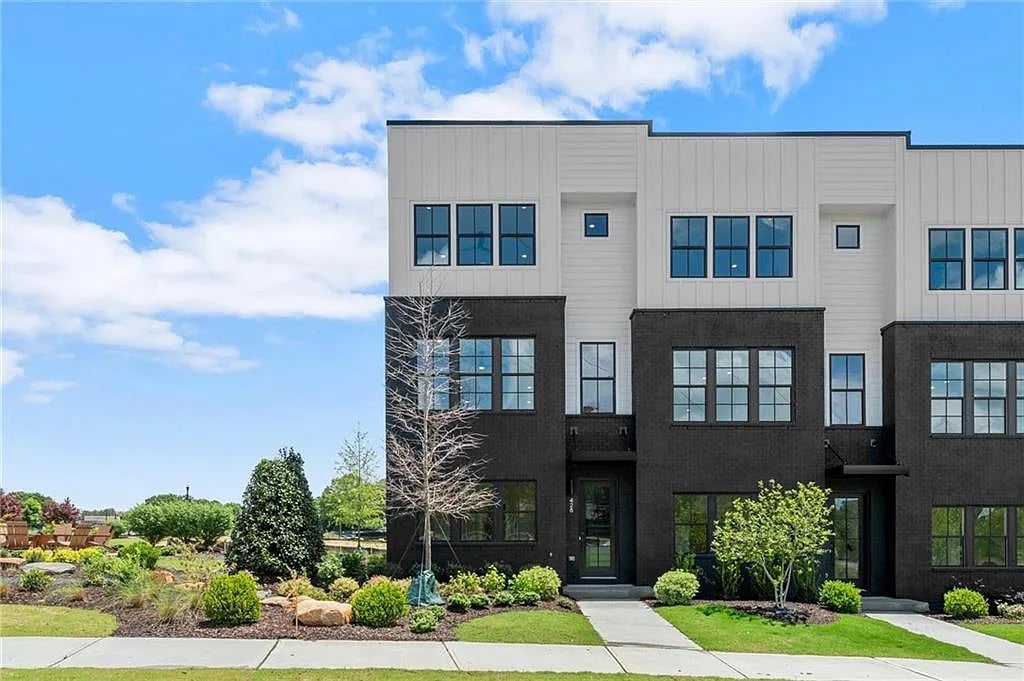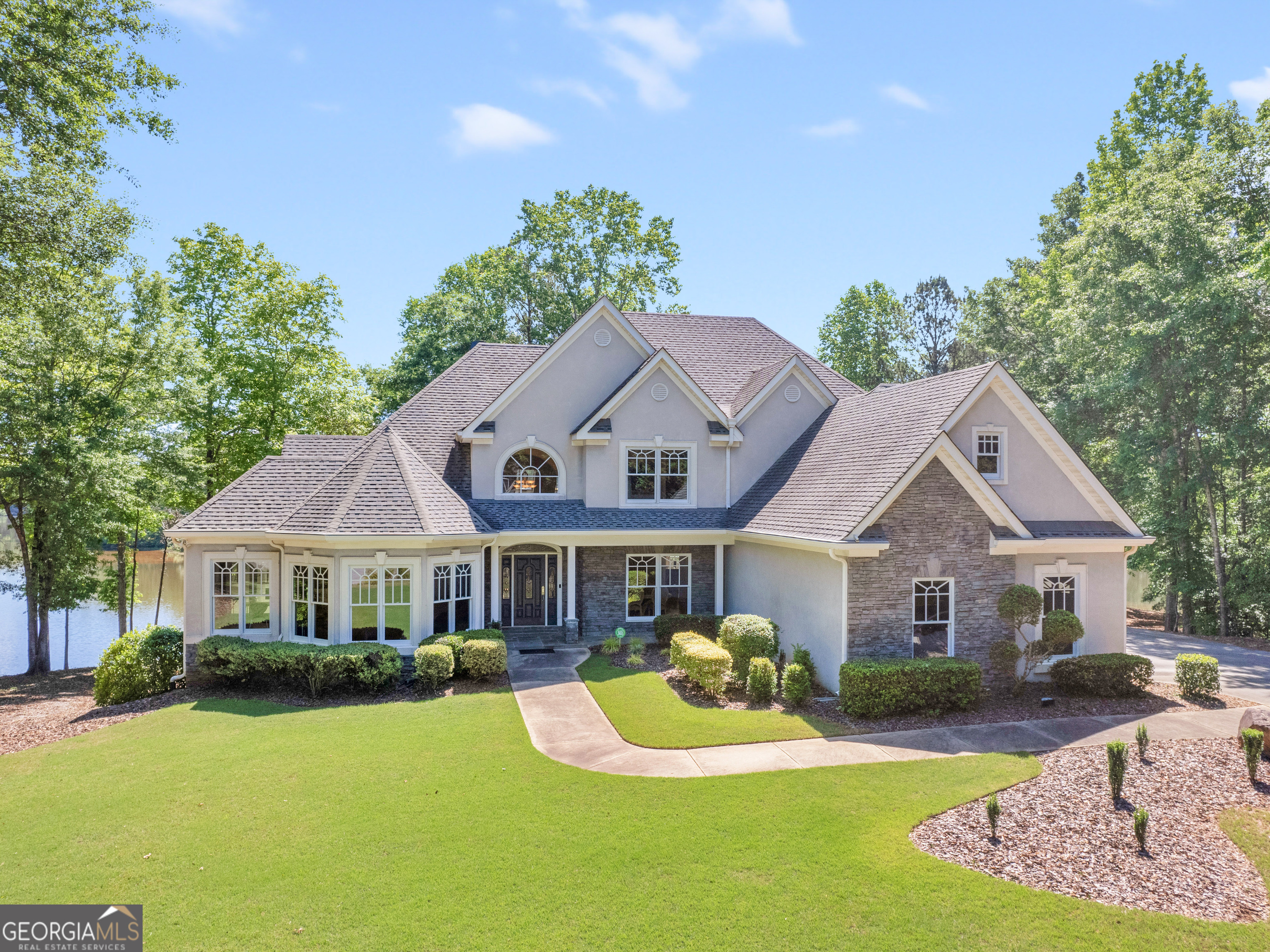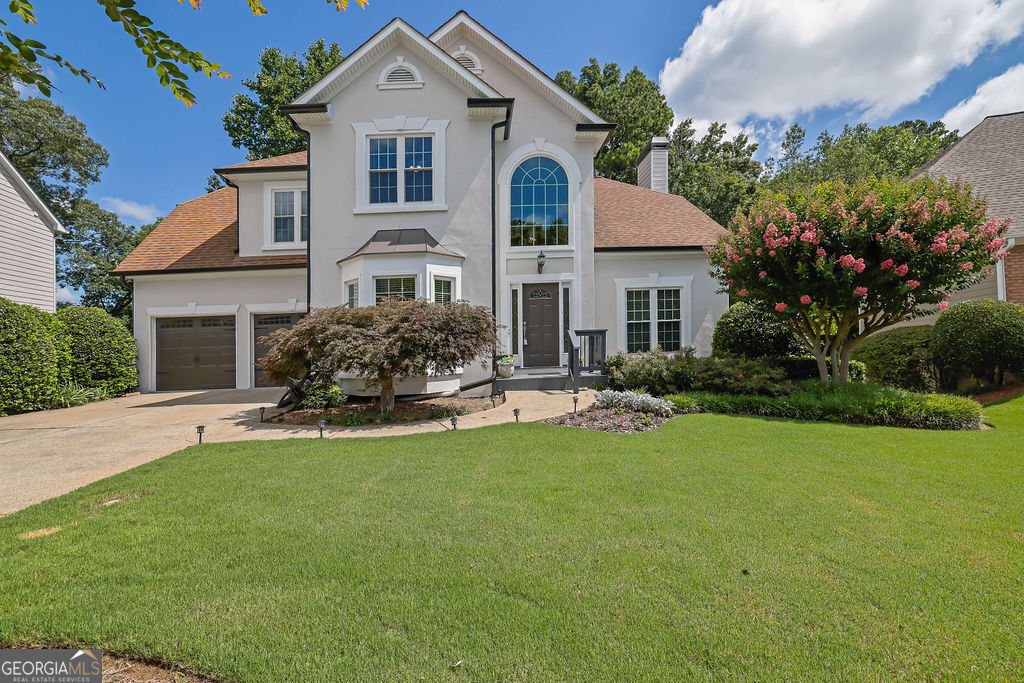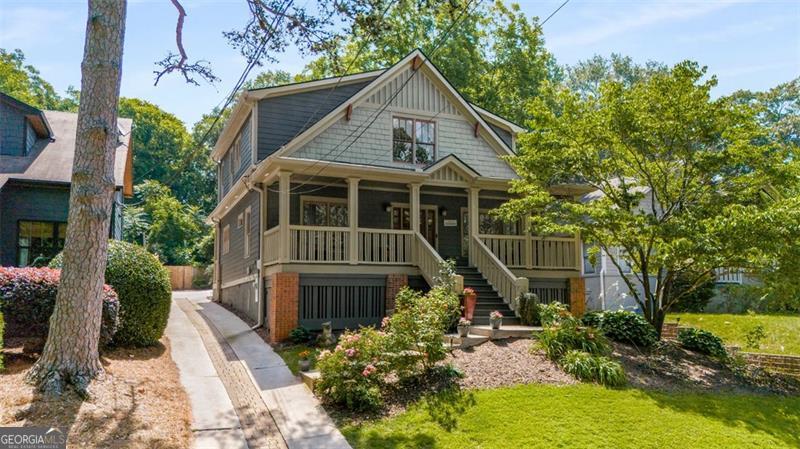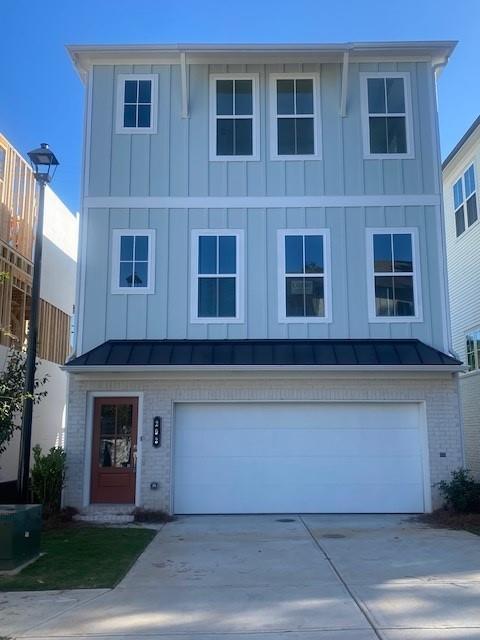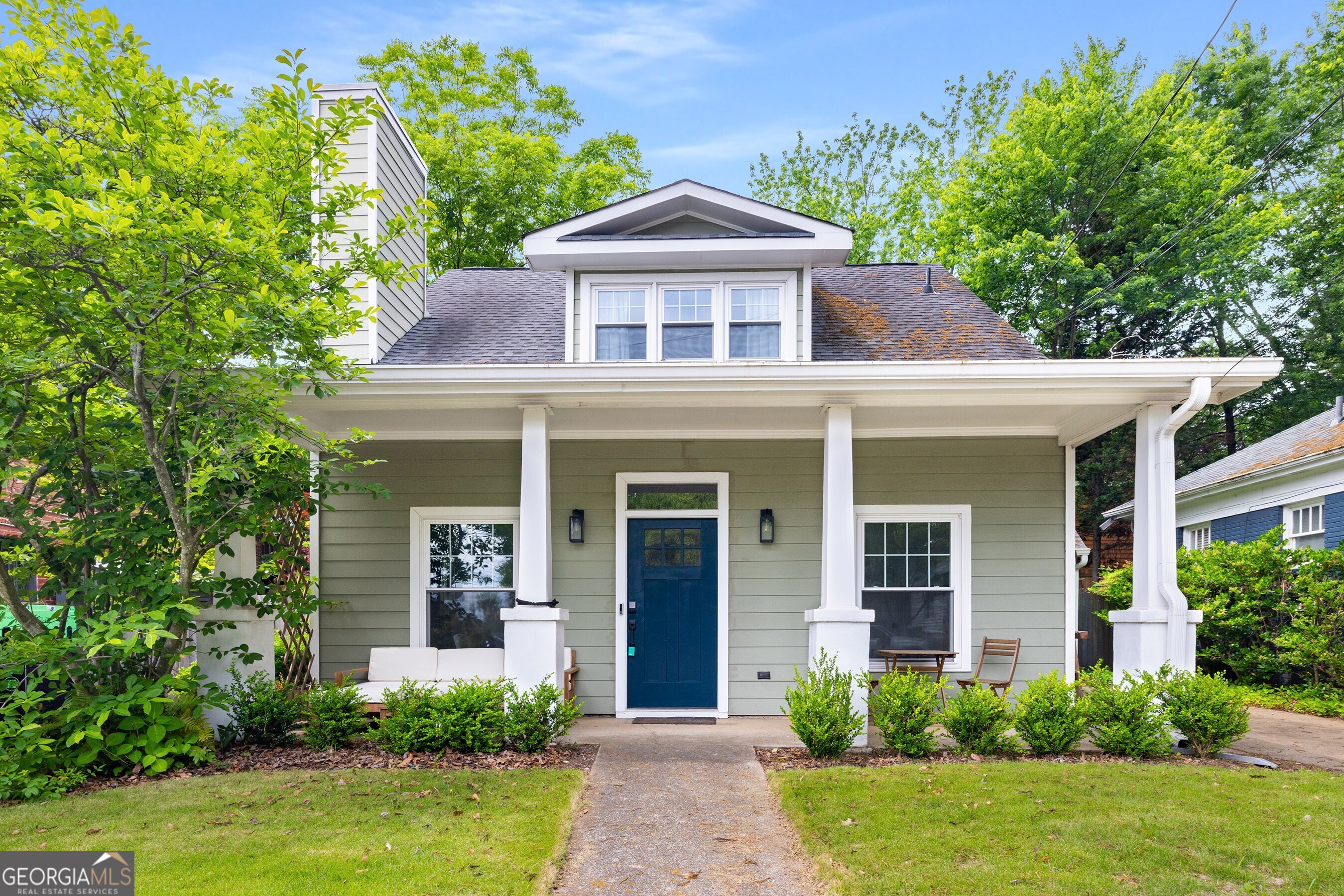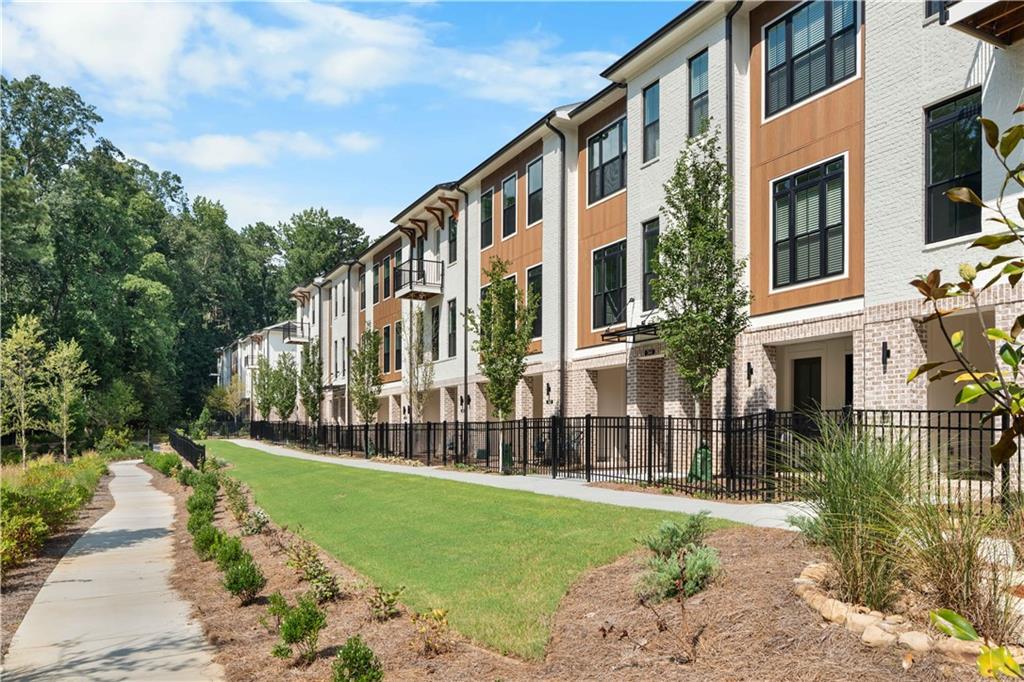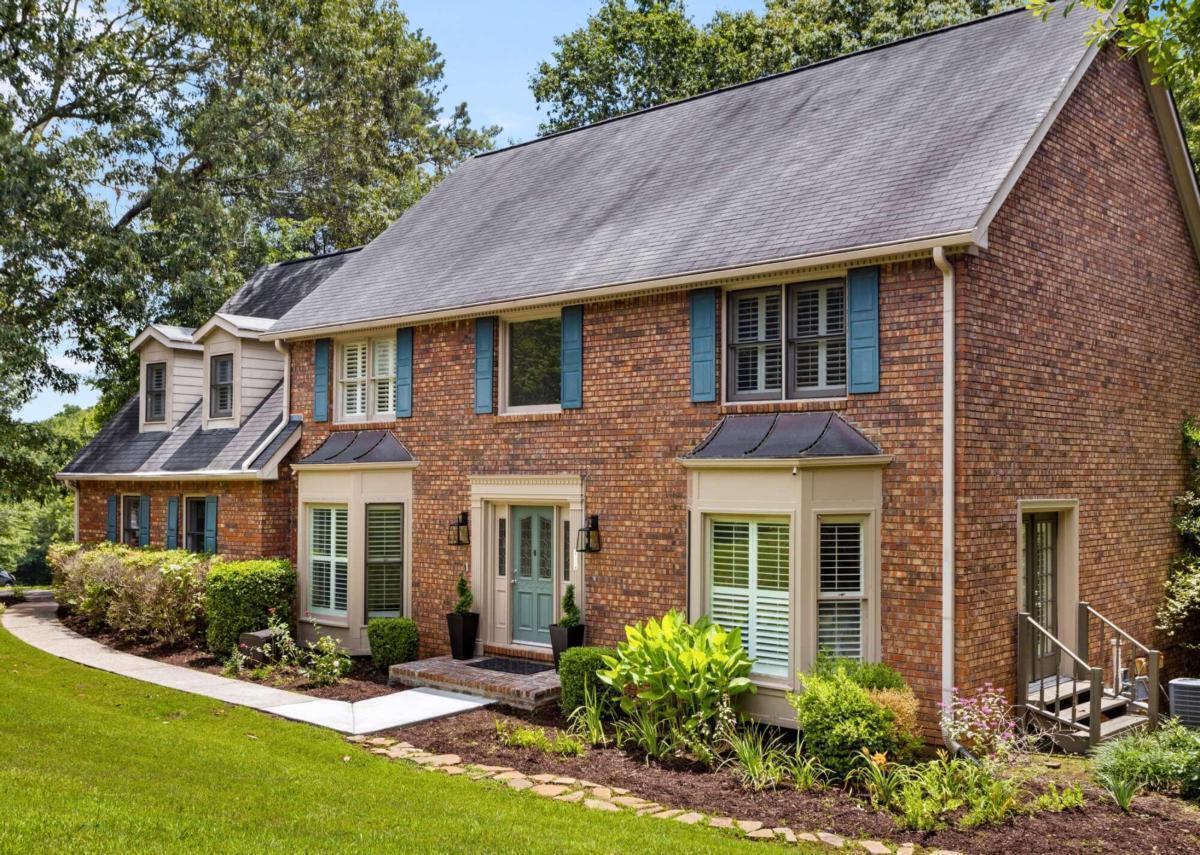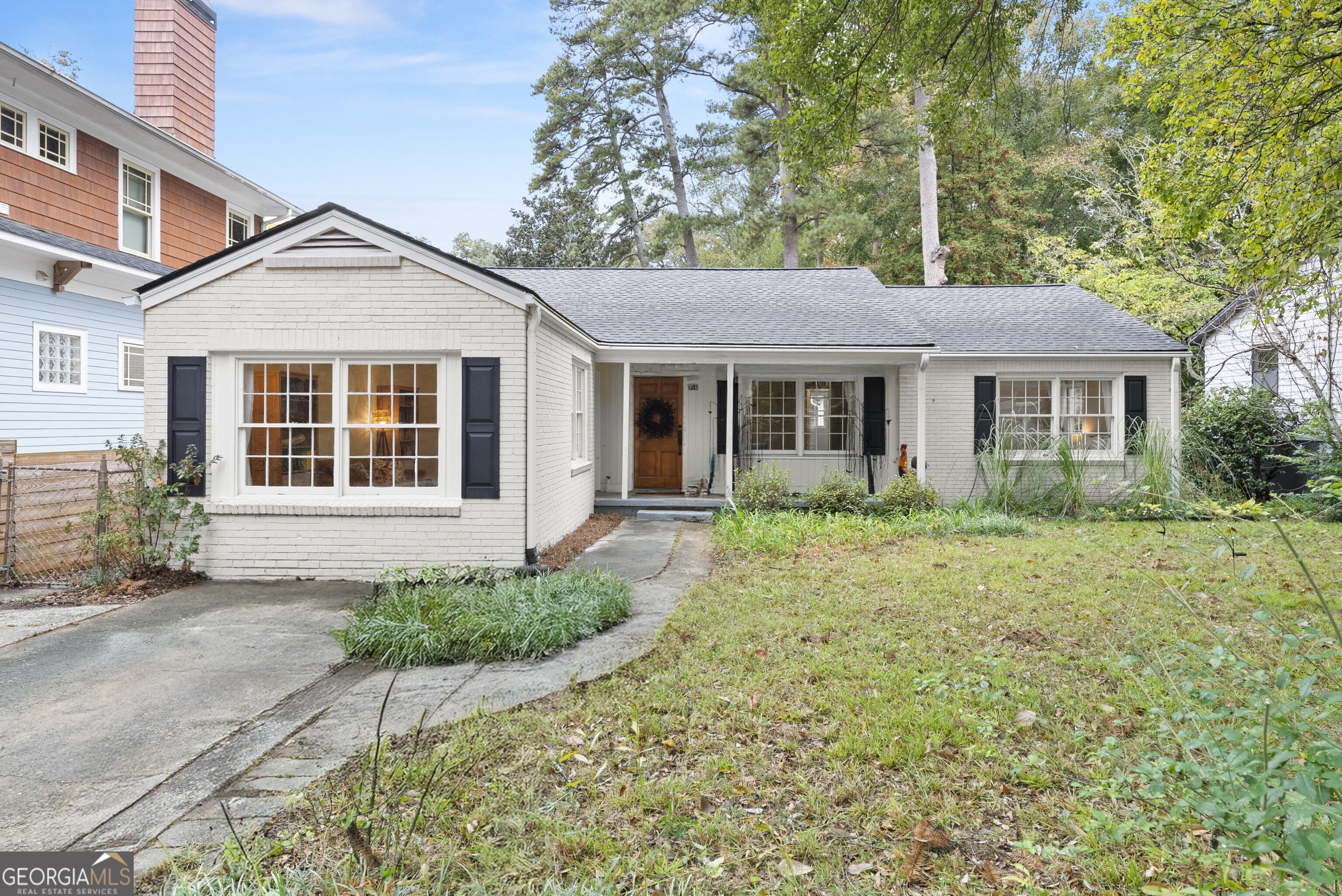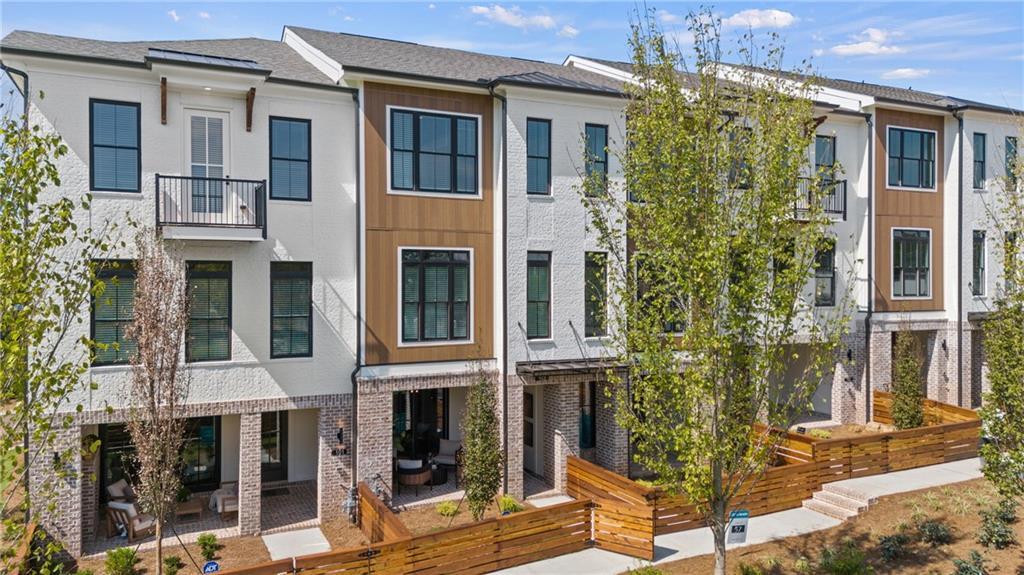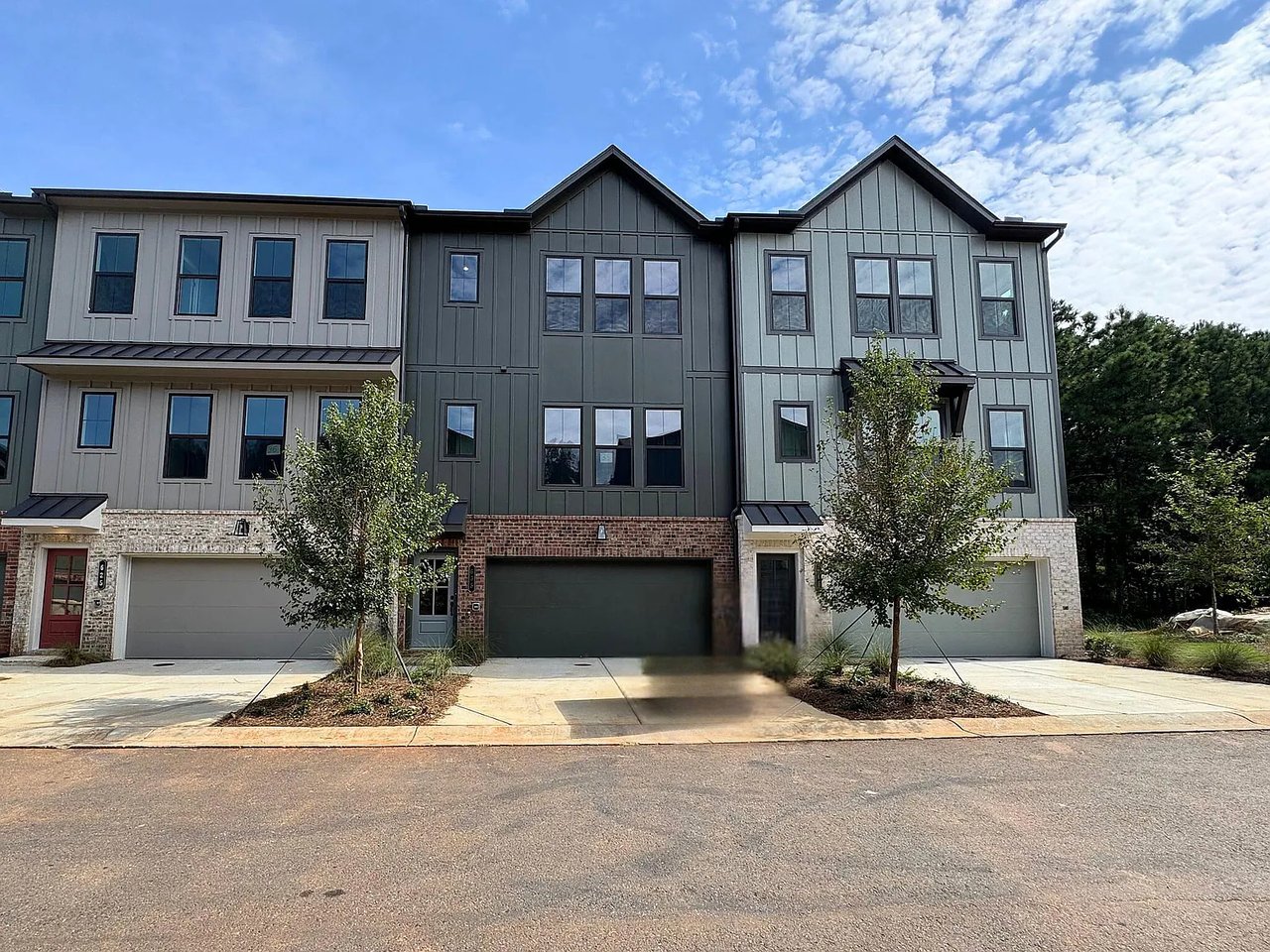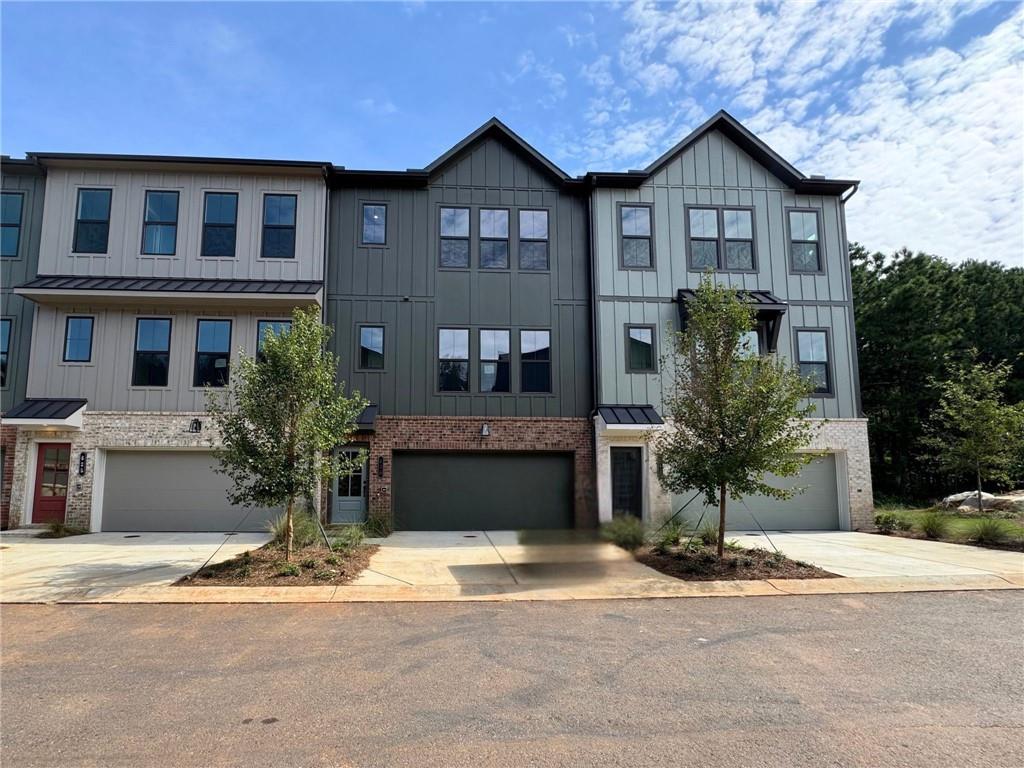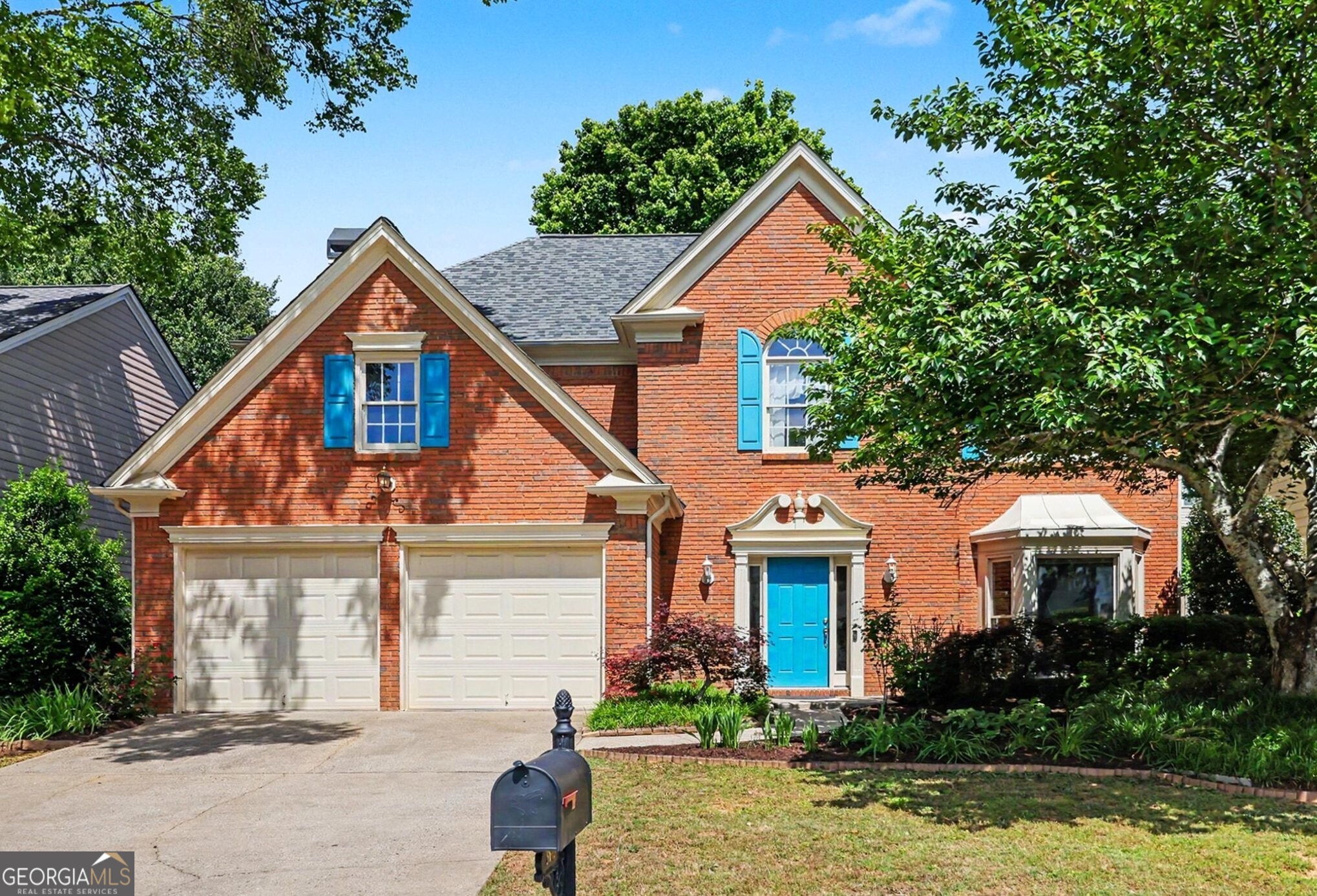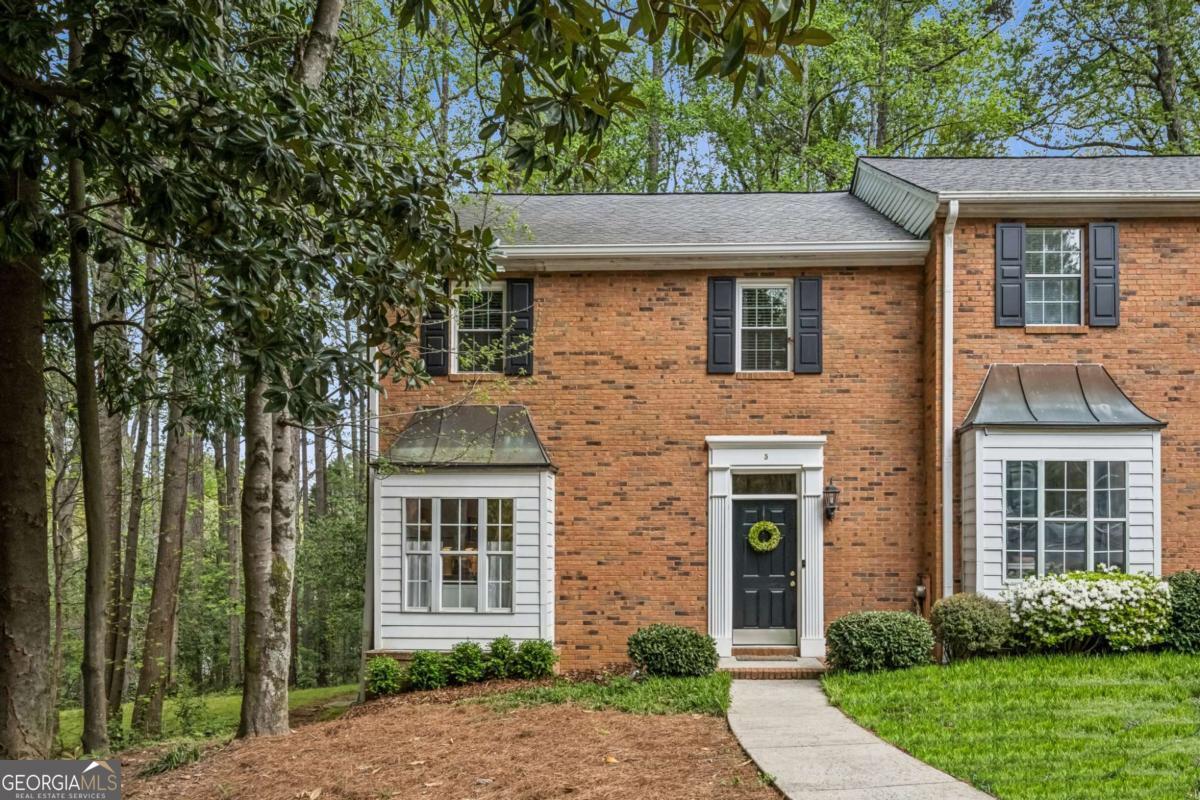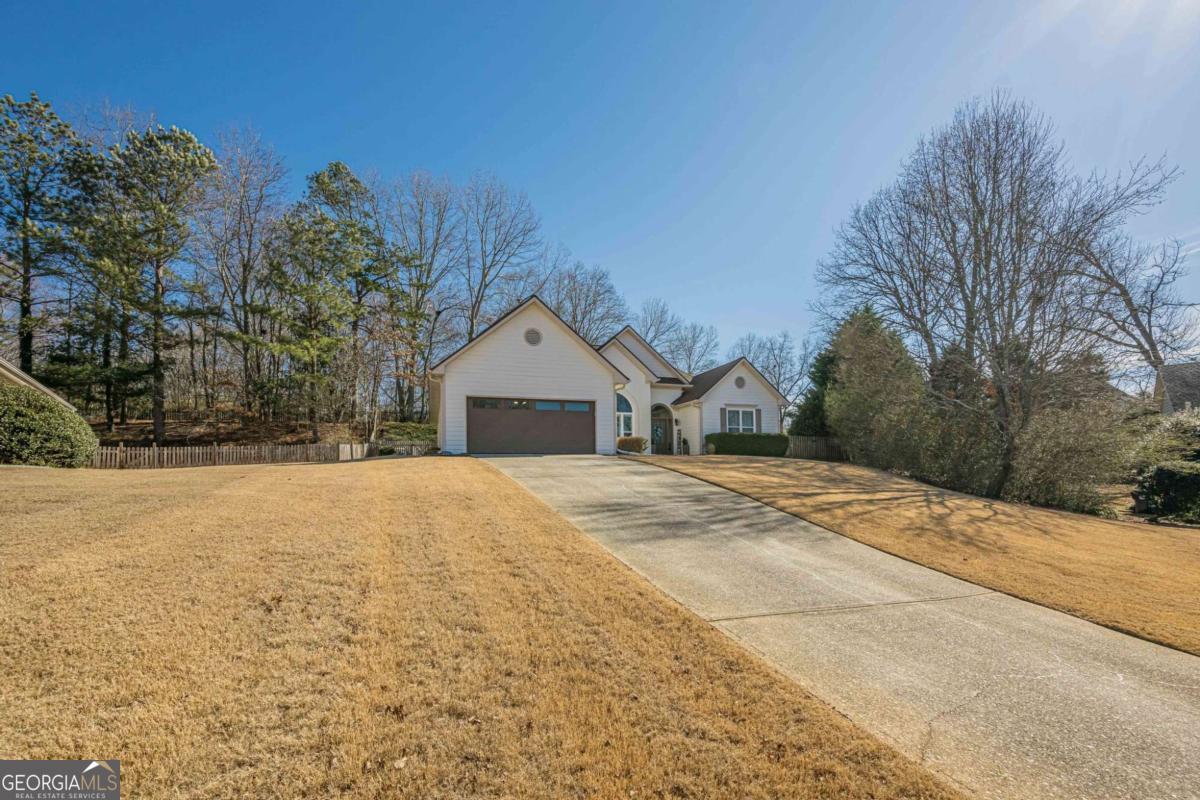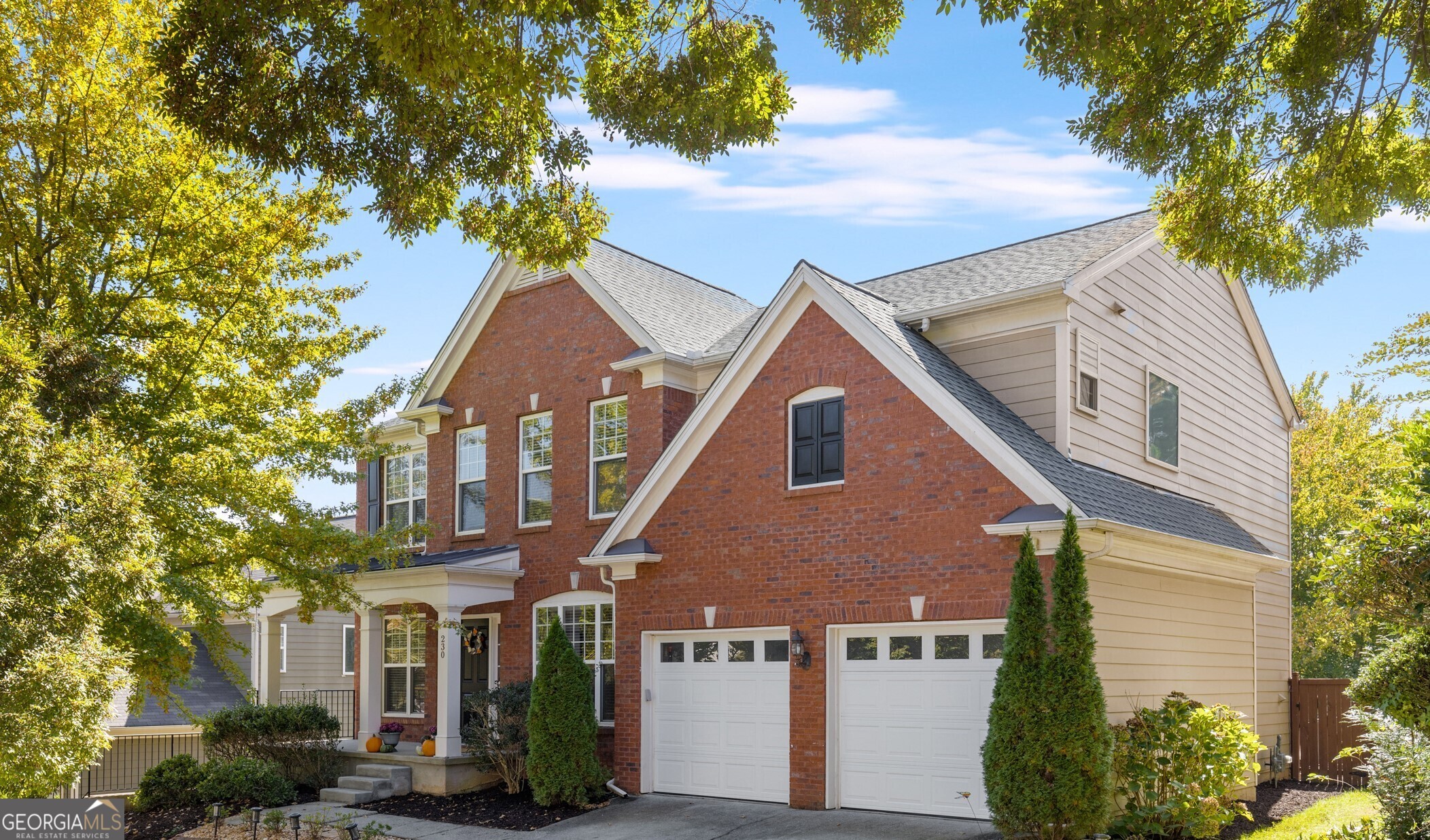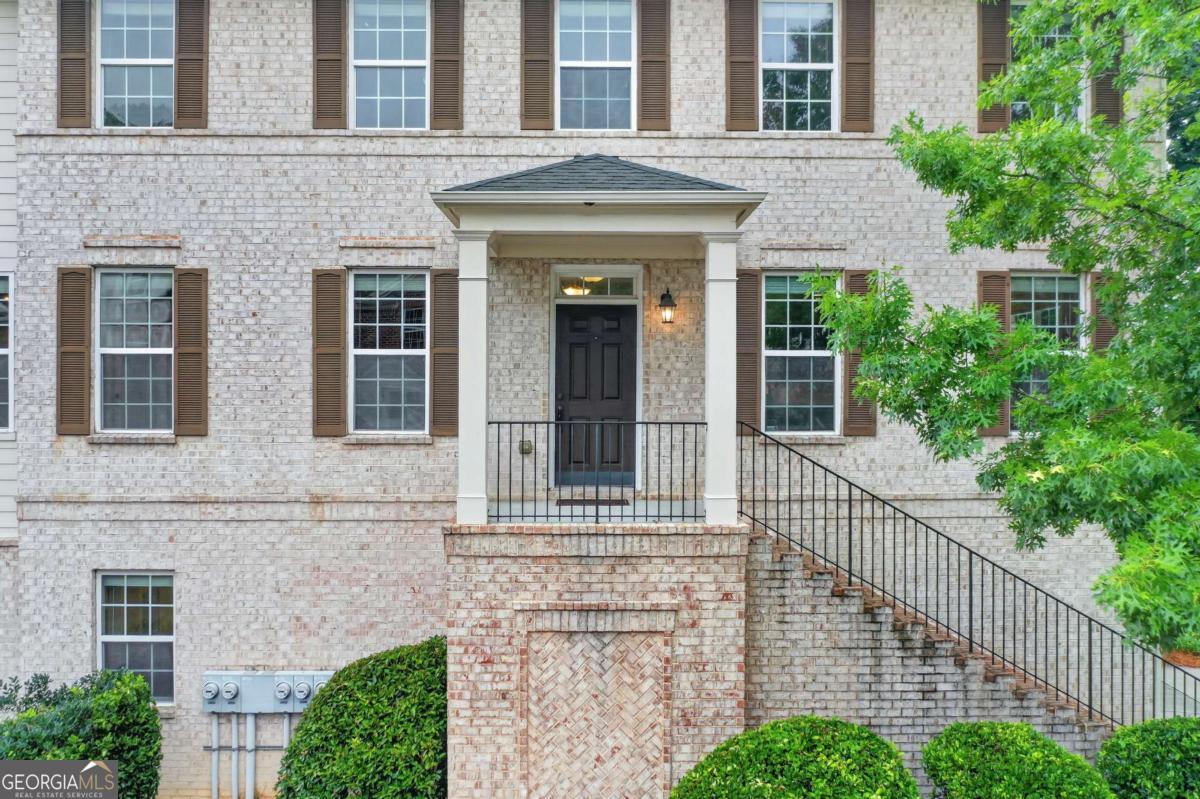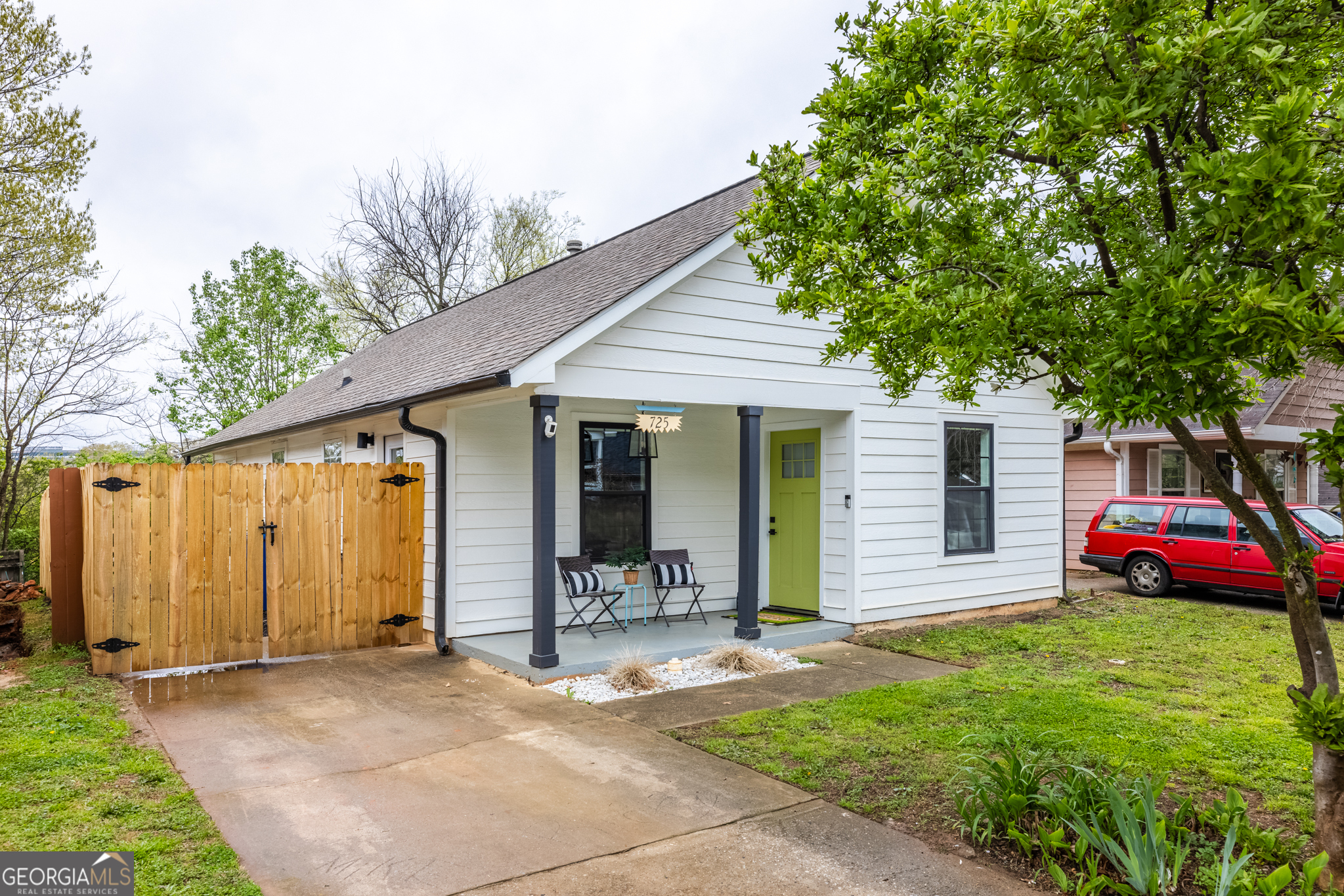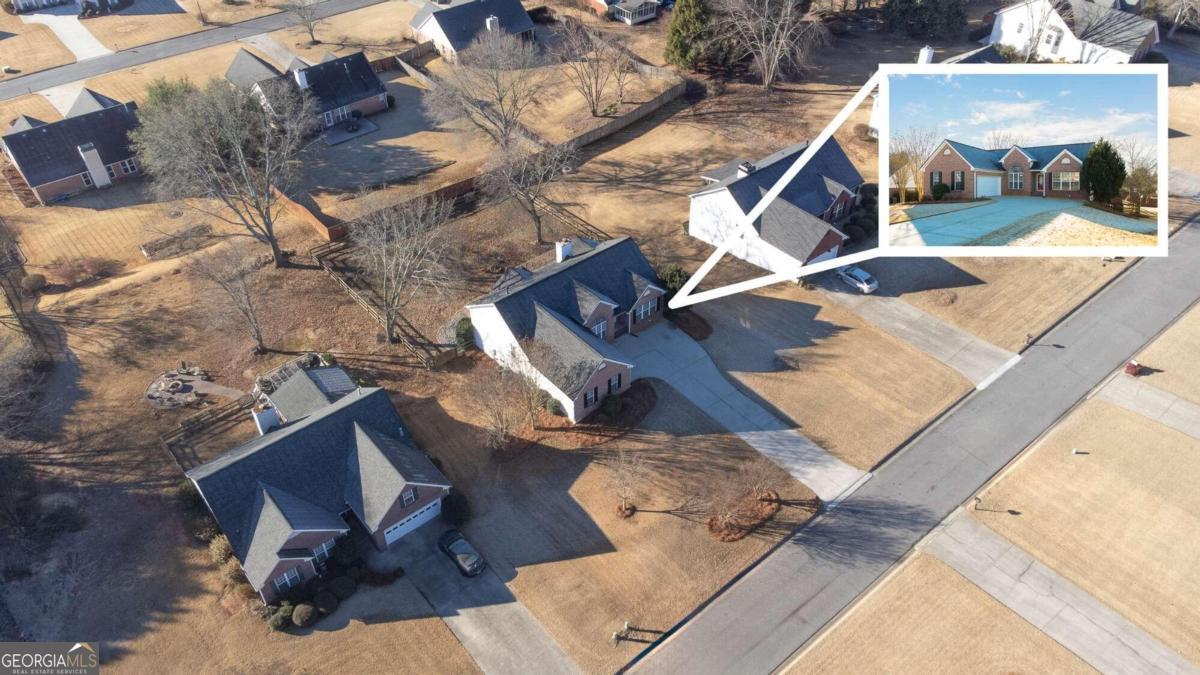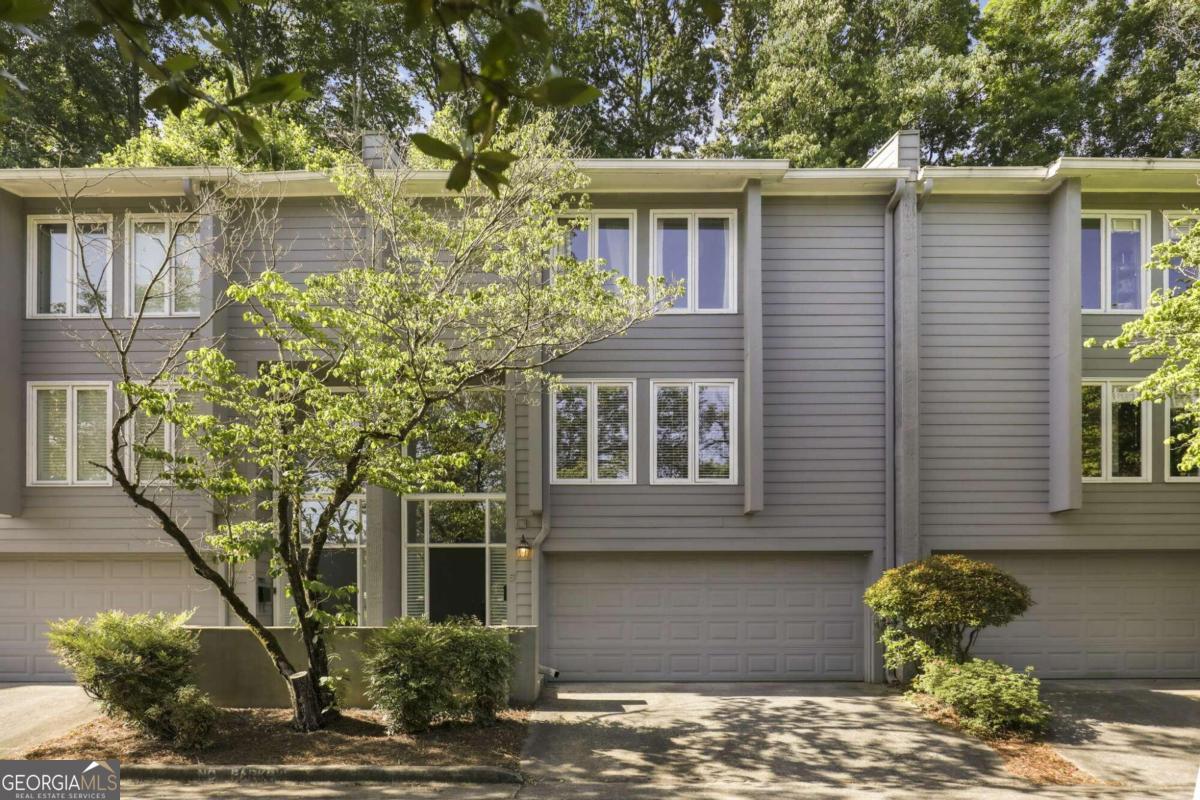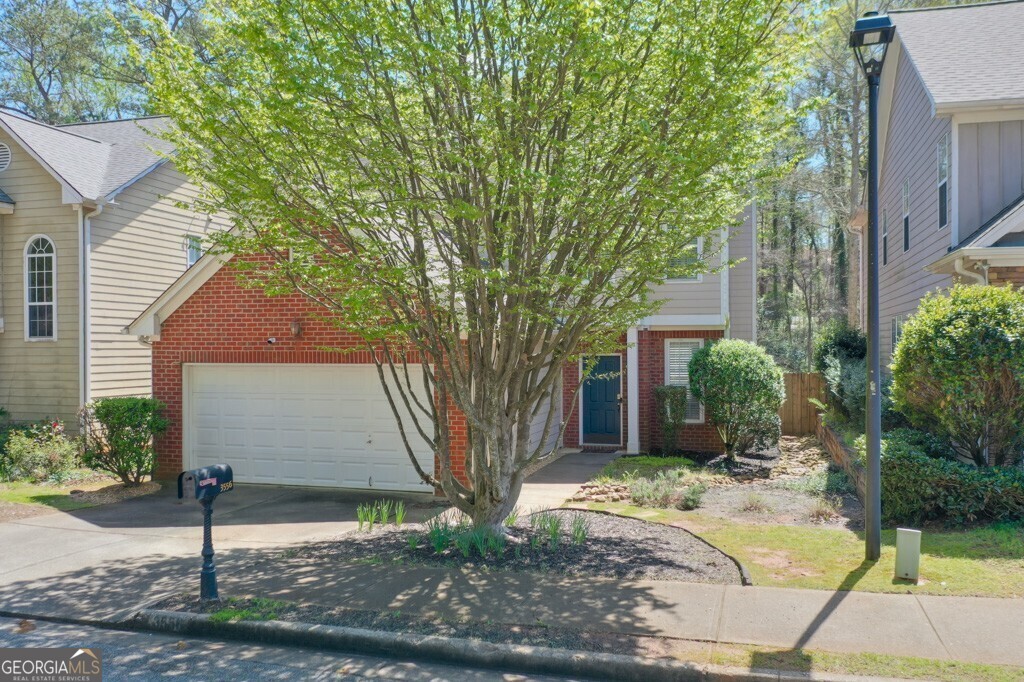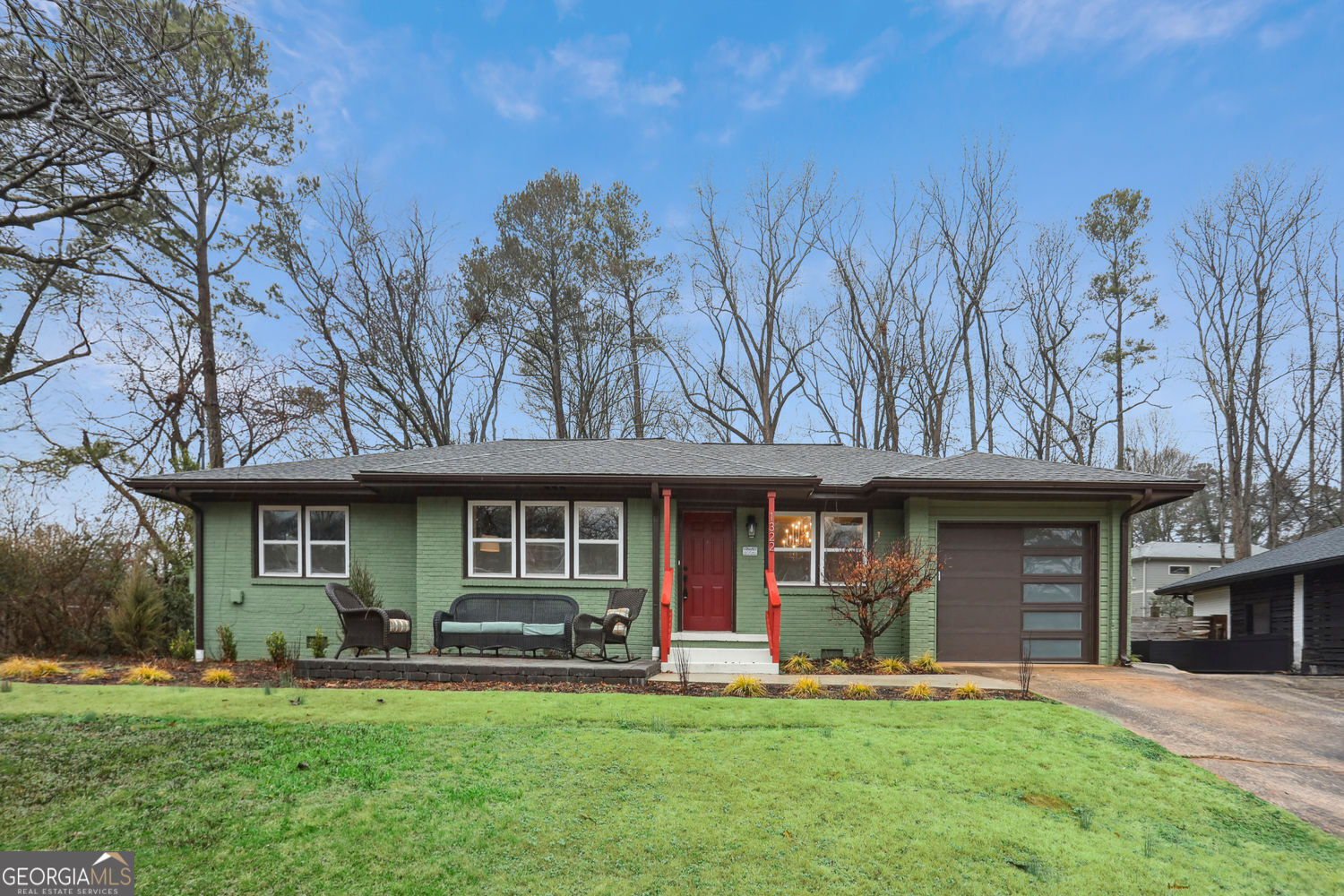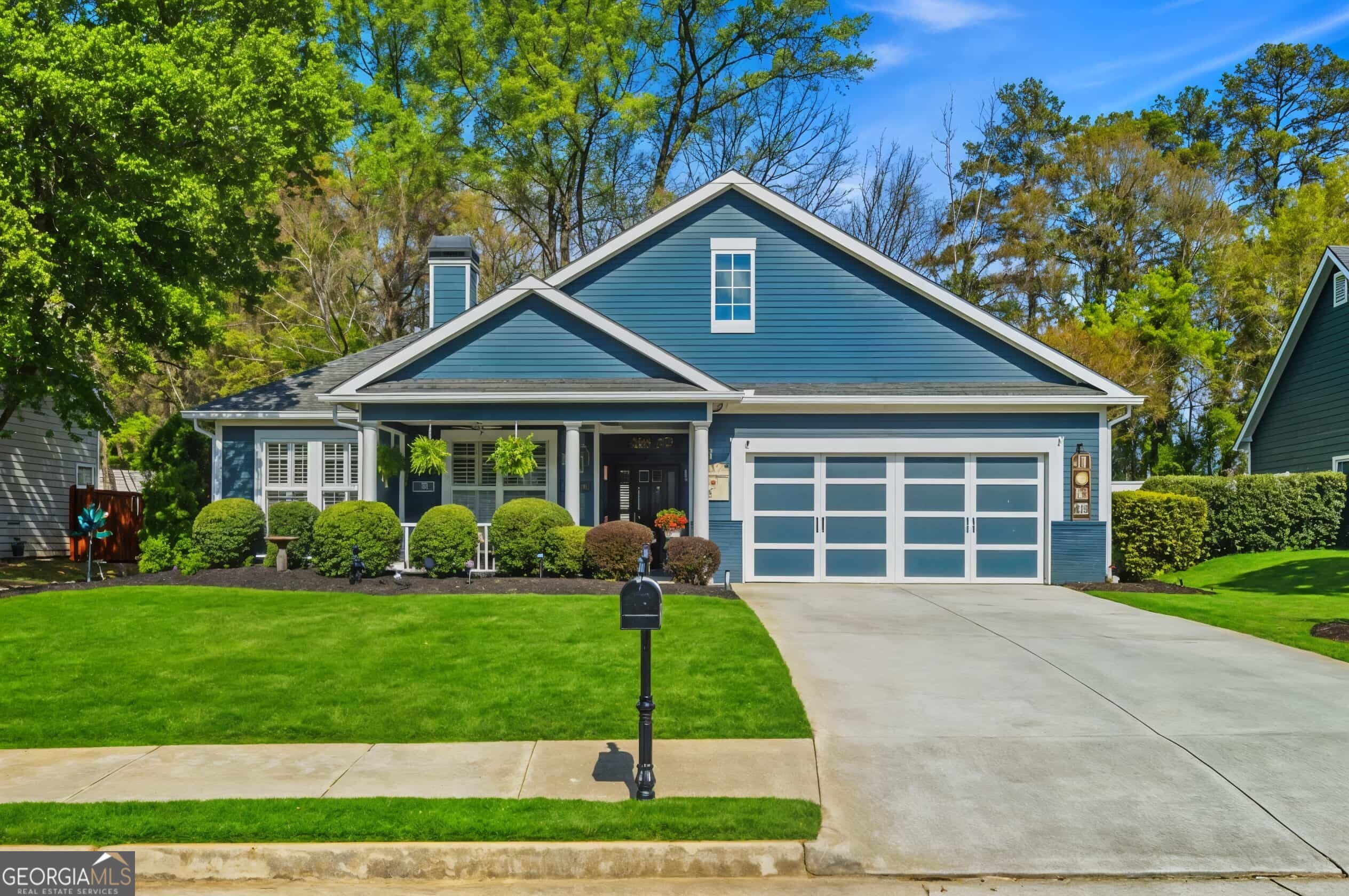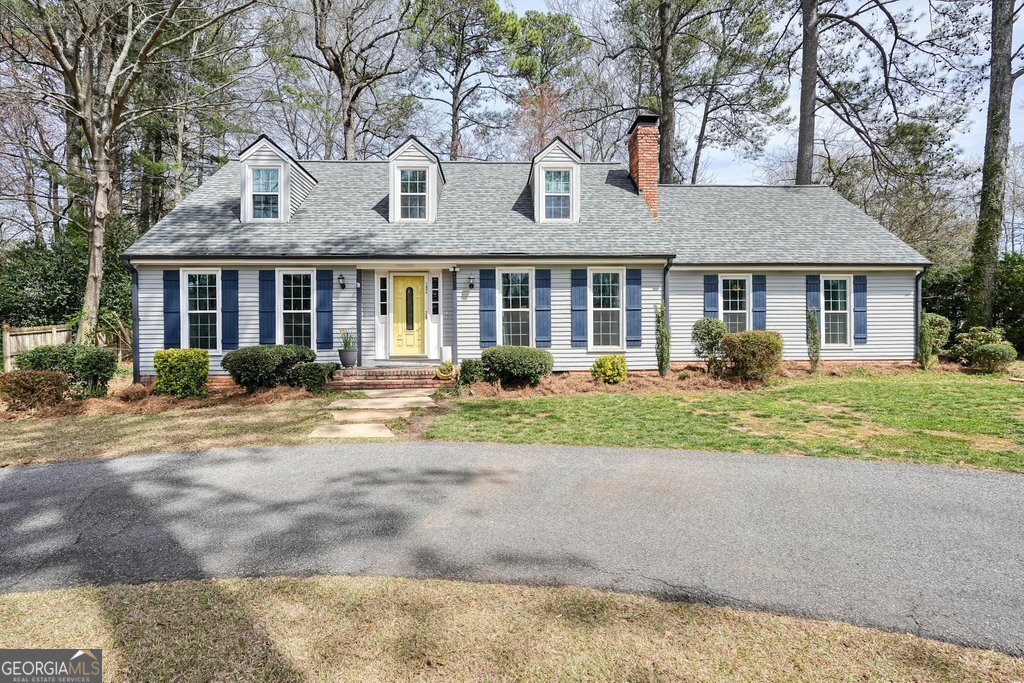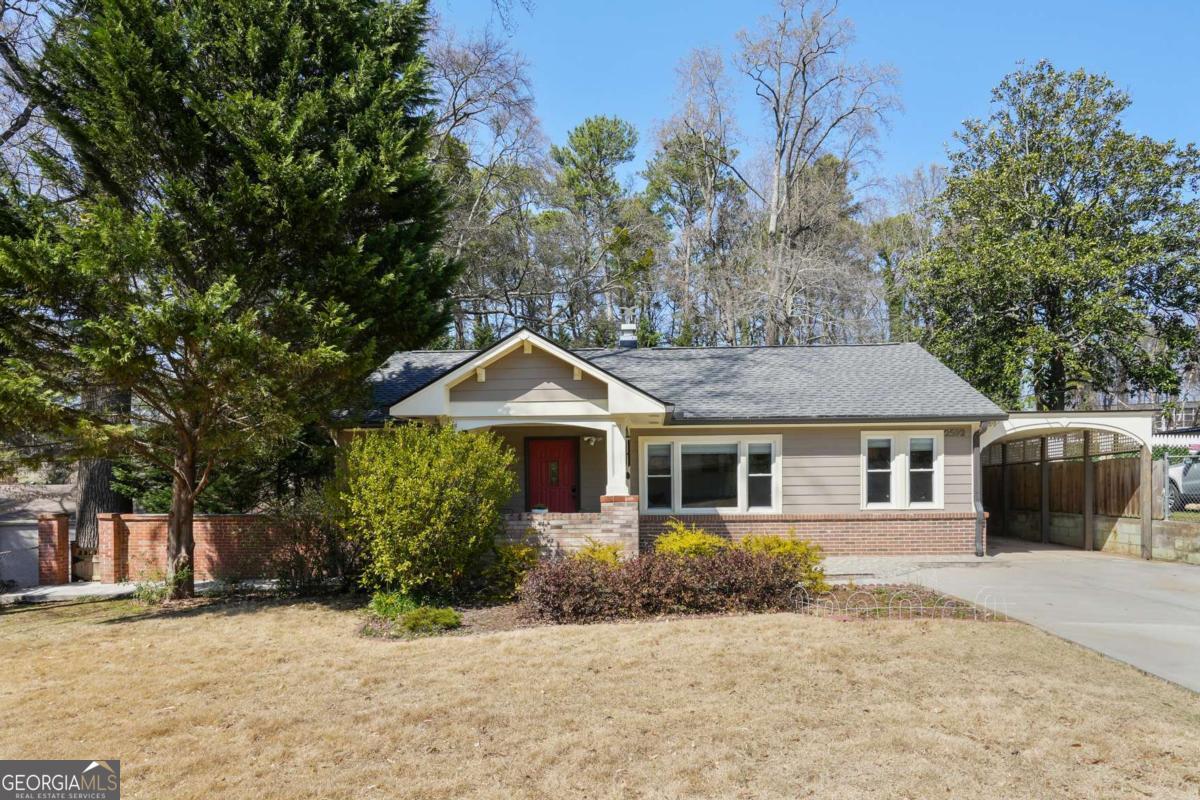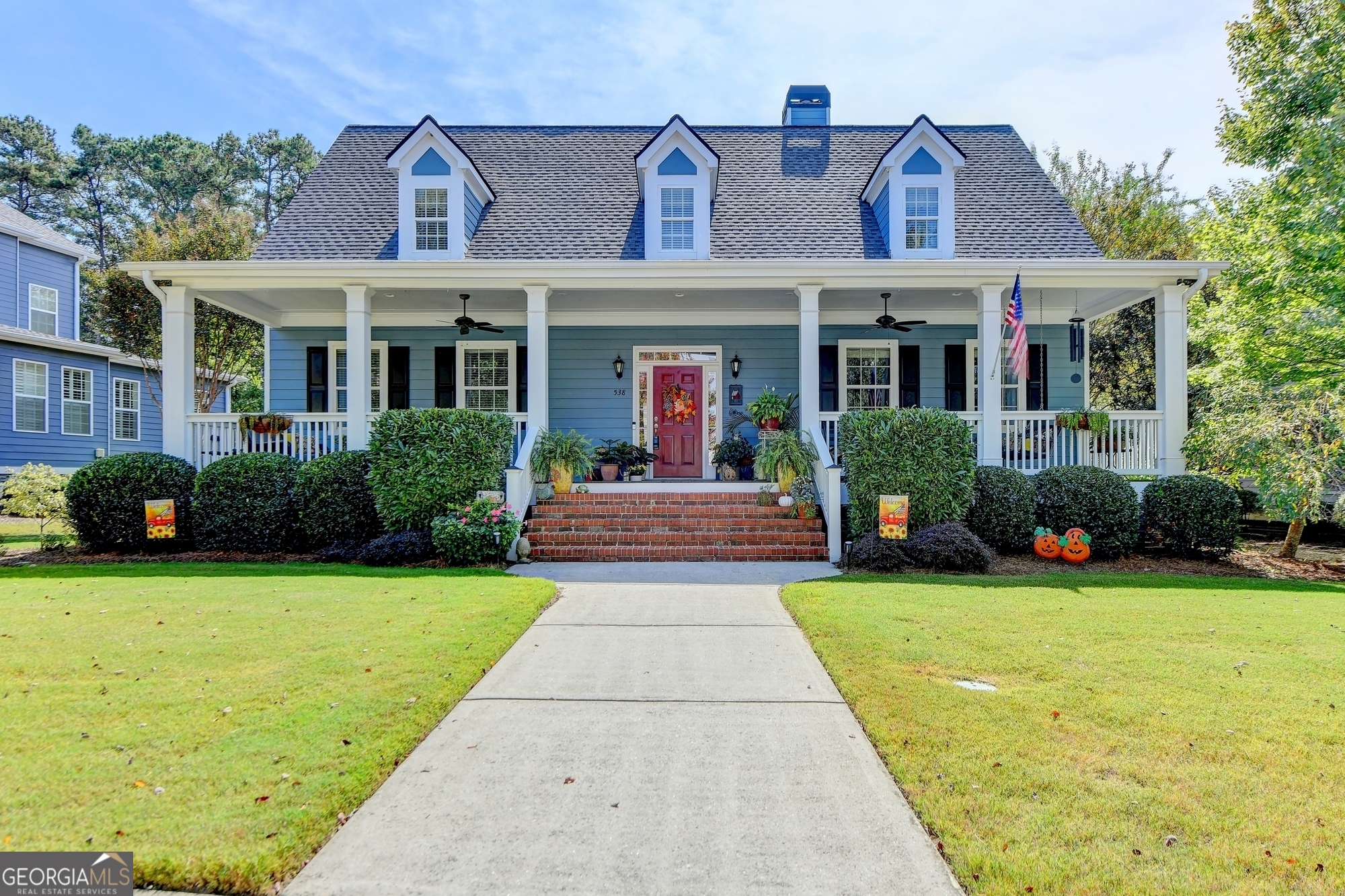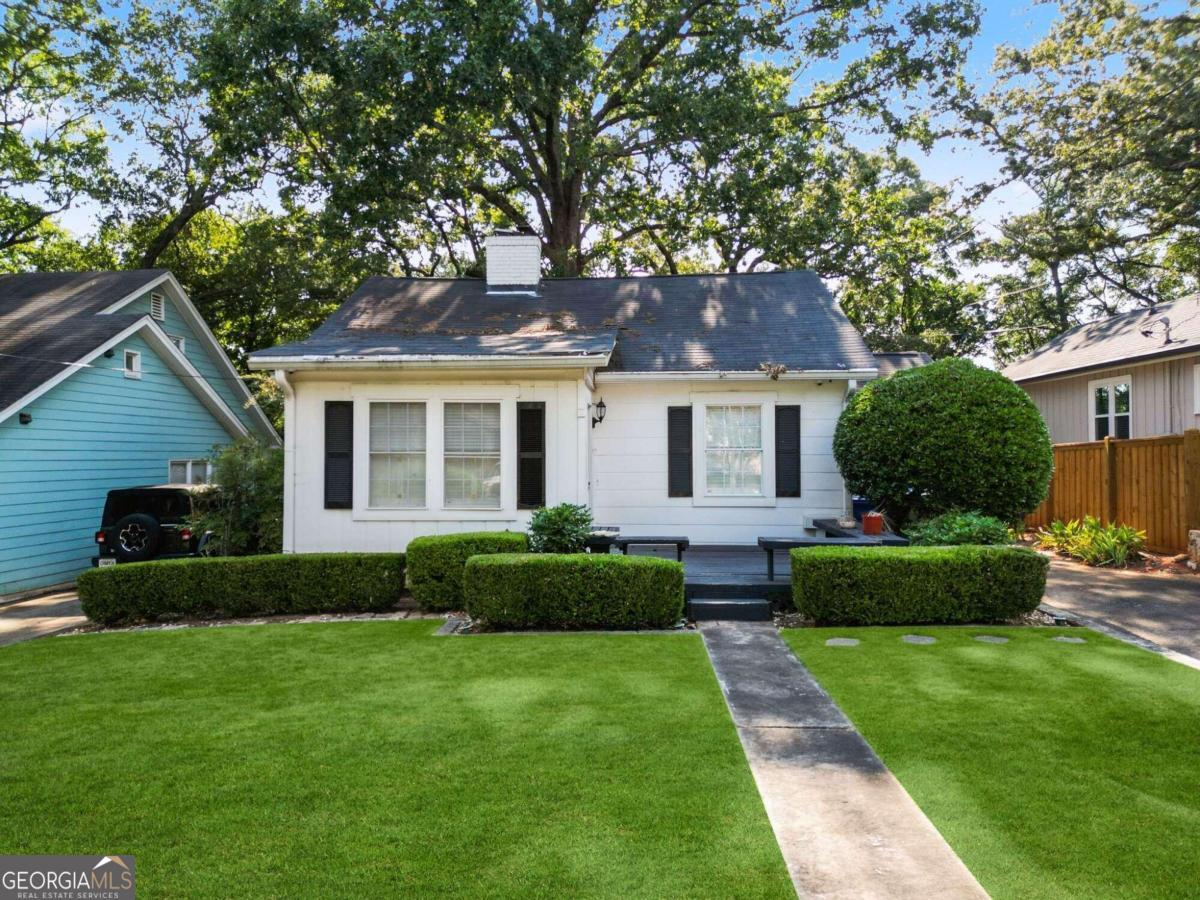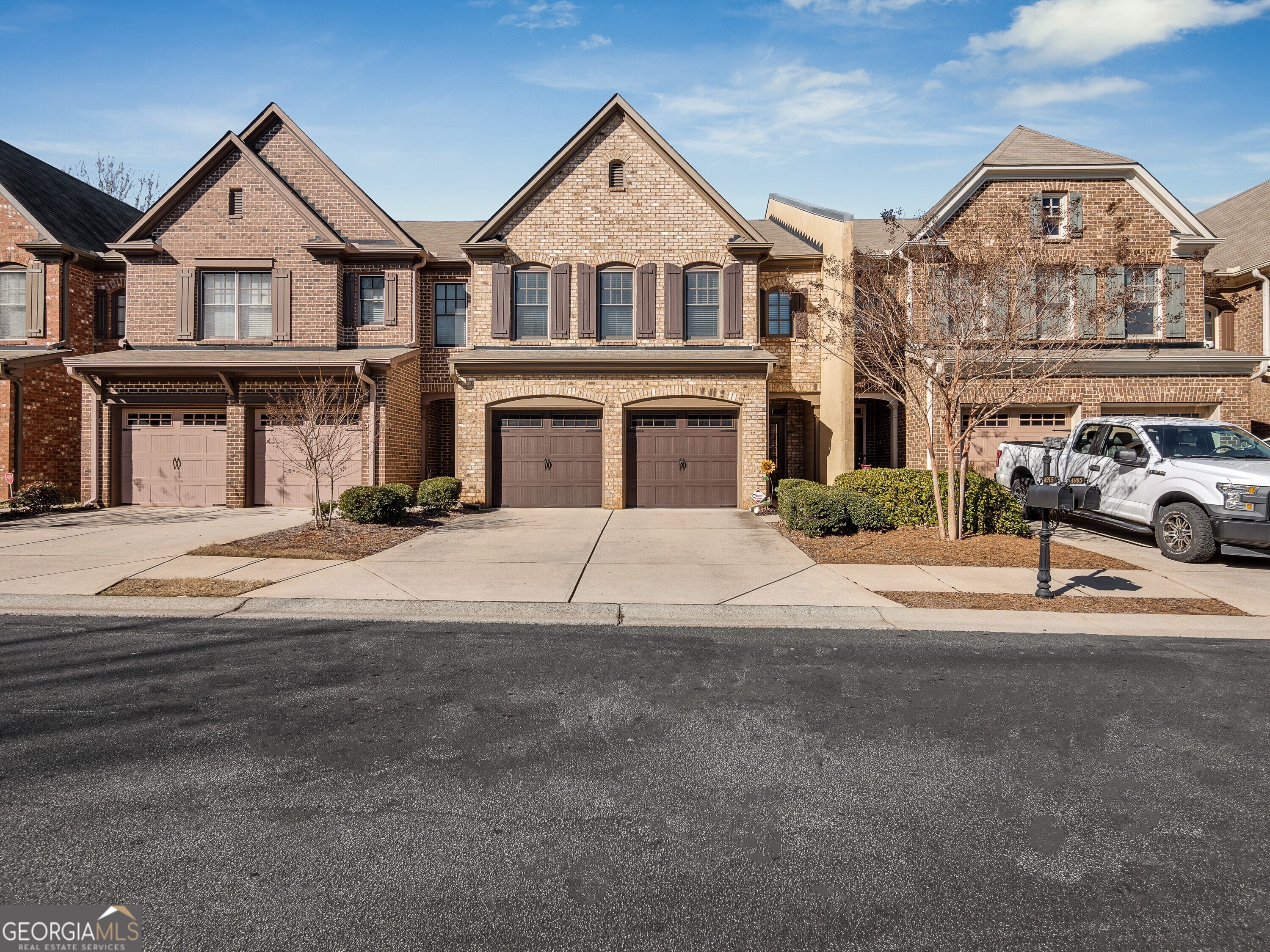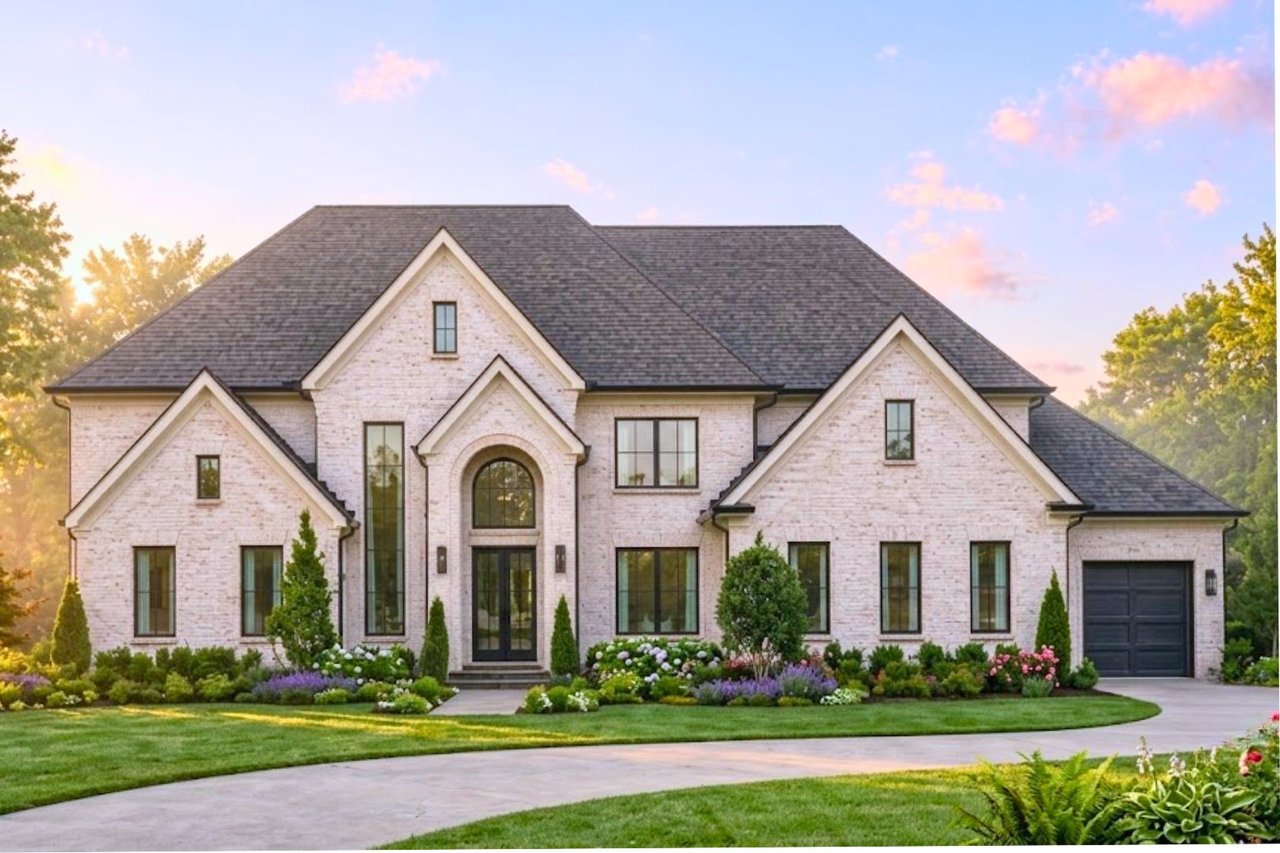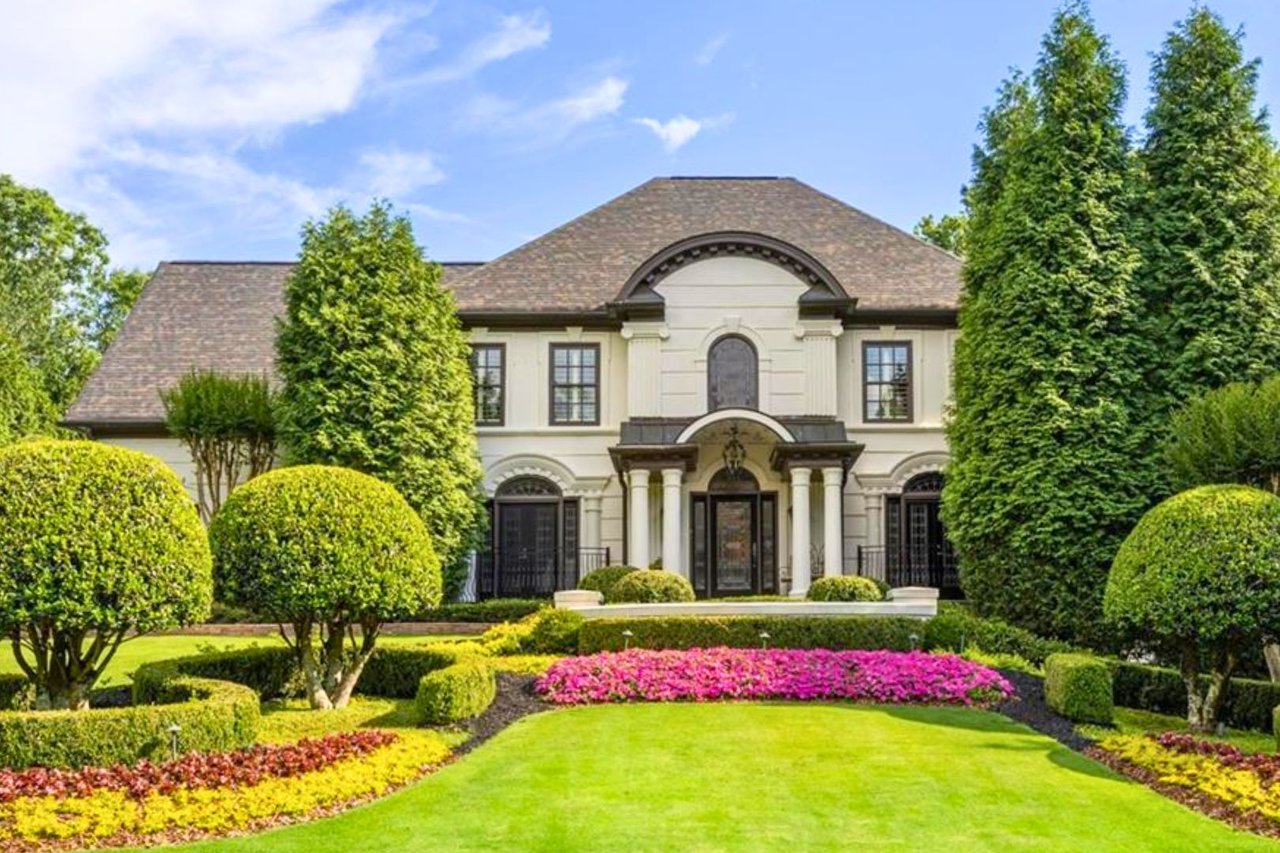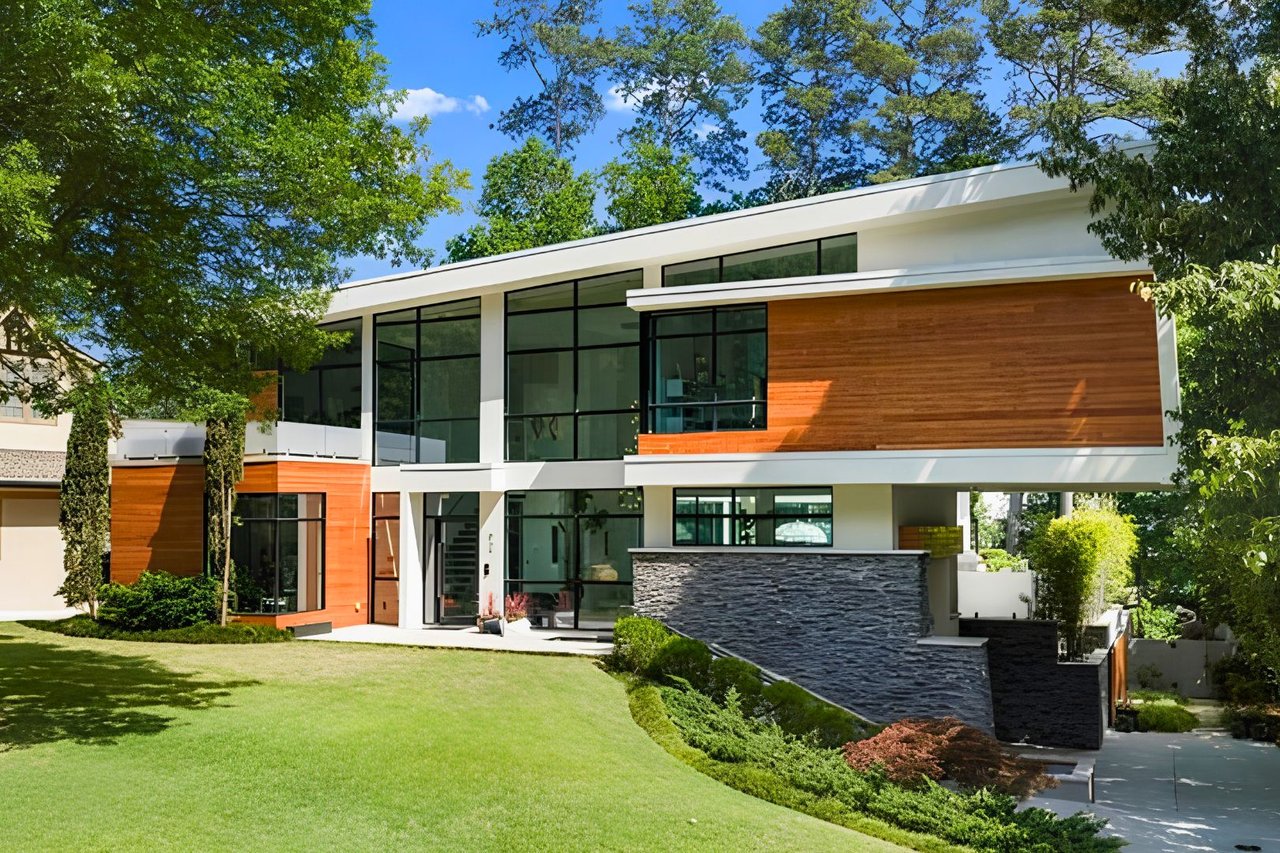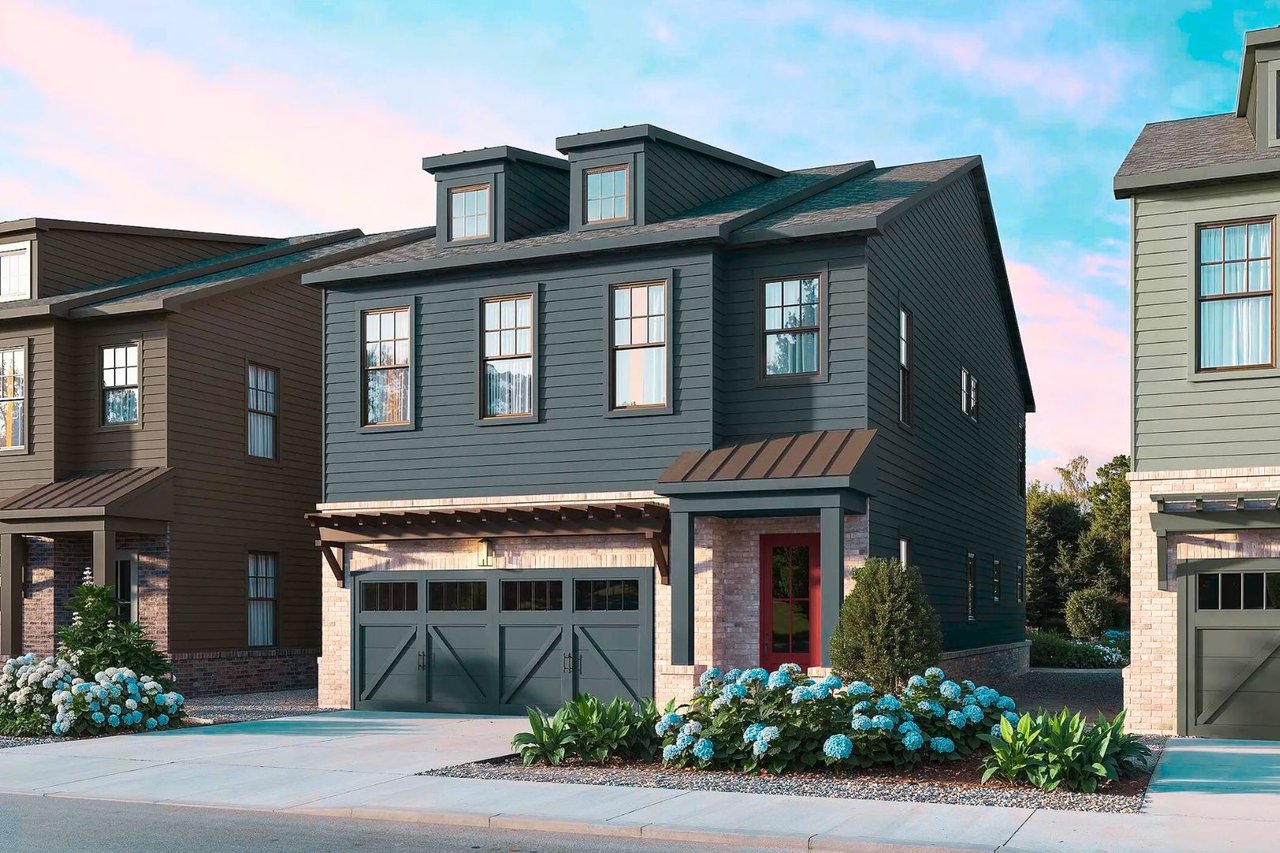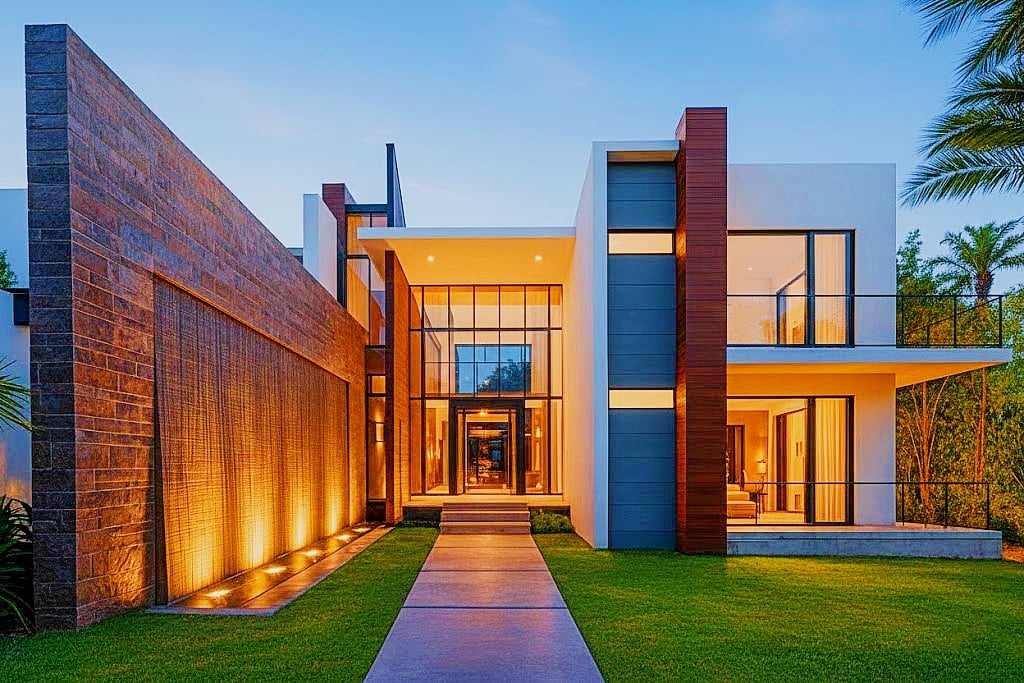
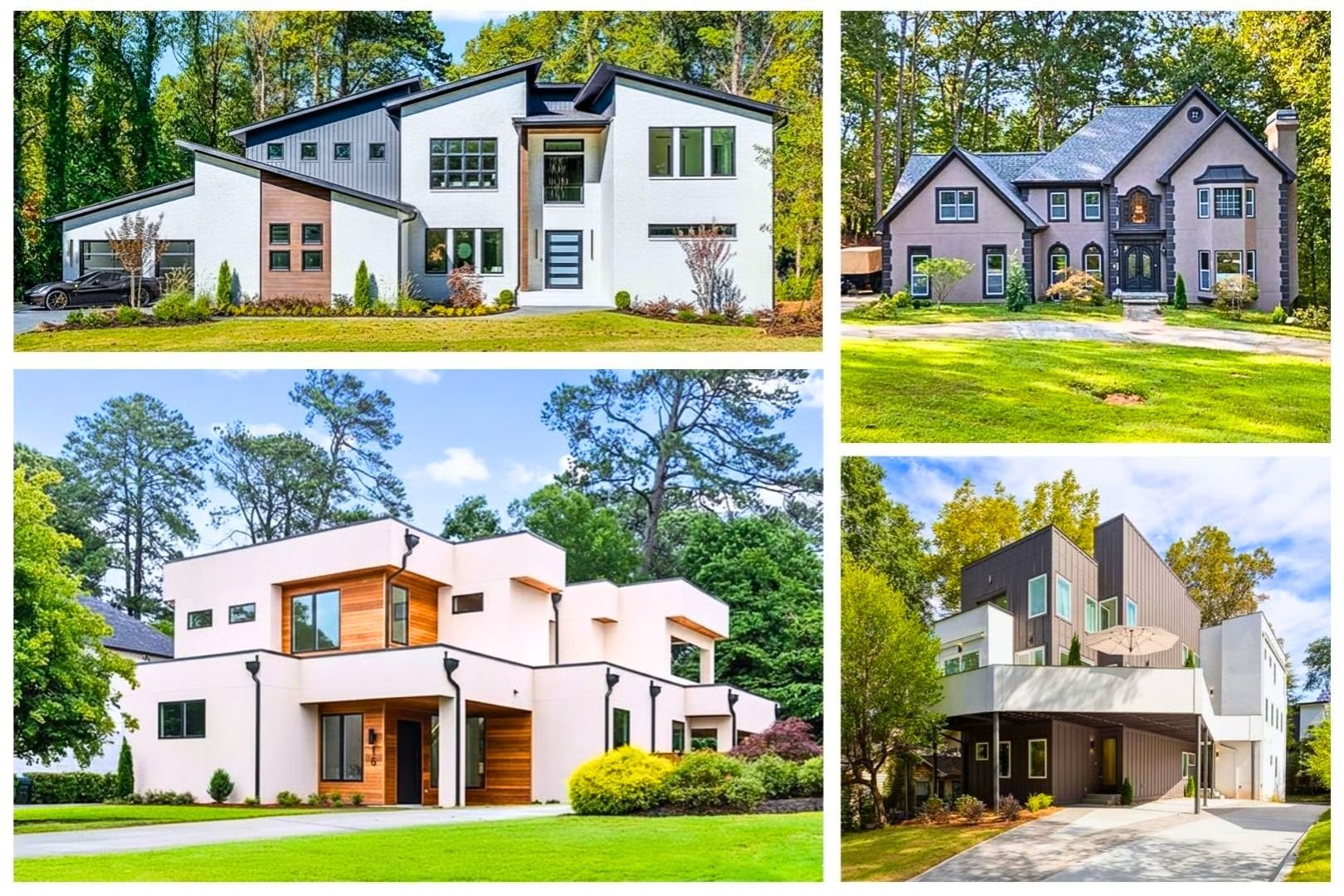
Atlanta issued approximately 28,000 to 30,000 residential permits across the metro in 2024 — and knowing that number doesn't tell you much unless you know where to look. This metro is too geographically diverse for a one-size-fits-all answer, so this guide breaks the Atlanta market into five distinct regional corridors — Northside, Eastside, Westside/Cobb, Southside, and Intown — so you can match your budget, commute tolerance, and lifestyle priorities to the region that actually fits your life.
Why Atlanta Remains One of the Southeast's Top New Construction Markets
Population Growth and Builder Demand
Atlanta's sustained population growth is the engine behind its new construction market. The Atlanta MSA reached an estimated 6.3 million residents as of 2023 — roughly the ninth or tenth largest metro in the country — and added more than 75,000 residents between 2022 and 2023 alone. That pace keeps builders active across every price point.
Corporate relocations and expansions continue to fuel demand. The metro added approximately 60,000 to 70,000 jobs in 2023, anchored by major employers including Delta Air Lines, Home Depot, UPS, Google, Microsoft, and Salesforce. That employment diversity — spread across the Northside tech corridor, the Southside airport hub, and the Westside business district — means different buyer profiles are actively purchasing in different parts of the metro at the same time.
75,000+ new residents joined the Atlanta metro between 2022 and 2023 — one of the highest single-year gains of any metro in the Southeast.
What Makes New Construction Appealing in 2026
Buyers frustrated by resale competition have a real alternative here. Atlanta's active listing supply sat at roughly 2.5 to 3.5 months metro-wide as of late 2024 — well below the 5 to 6 months that defines a balanced market — and builder incentive packages have responded accordingly. Mortgage rate buydowns, closing cost contributions, and design center credits are now standard, particularly on spec inventory.
Most Georgia builders offer a 1-2-10 warranty structure — one year on workmanship and materials, two years on mechanical systems, and ten years on structural defects — often backed by third-party warranty insurers. Buyers should confirm warranty terms in their specific builder contract, as Georgia does not mandate this structure by statute.
$390,000–$410,000 — Atlanta's median new construction price as of Q3 2024, modestly below the national median of $420,000–$430,000 for the same period.
That relative affordability is one reason relocating professionals continue to target Atlanta over peer metros in the Southeast and beyond.
Northside Atlanta and the Northern Suburbs — Cherokee, Forsyth, and North Fulton
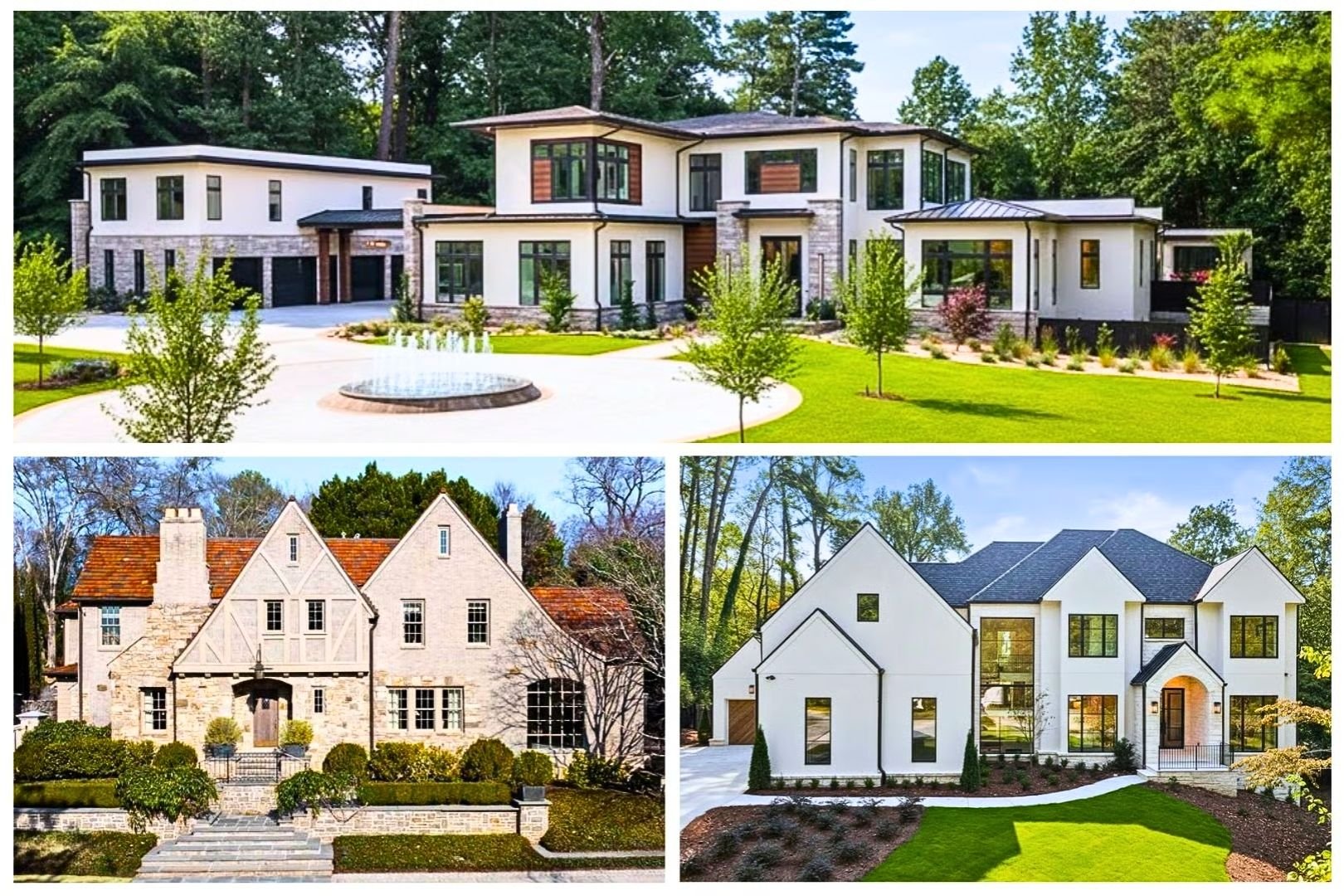
The northern corridor remains the single most active new construction zone in the metro. Top-ranked schools, strong employment access via GA-400 and I-575, and a steady influx of relocating families have kept builder pipelines full for years — and 2026 is no different.
Cherokee County — Canton and Ball Ground
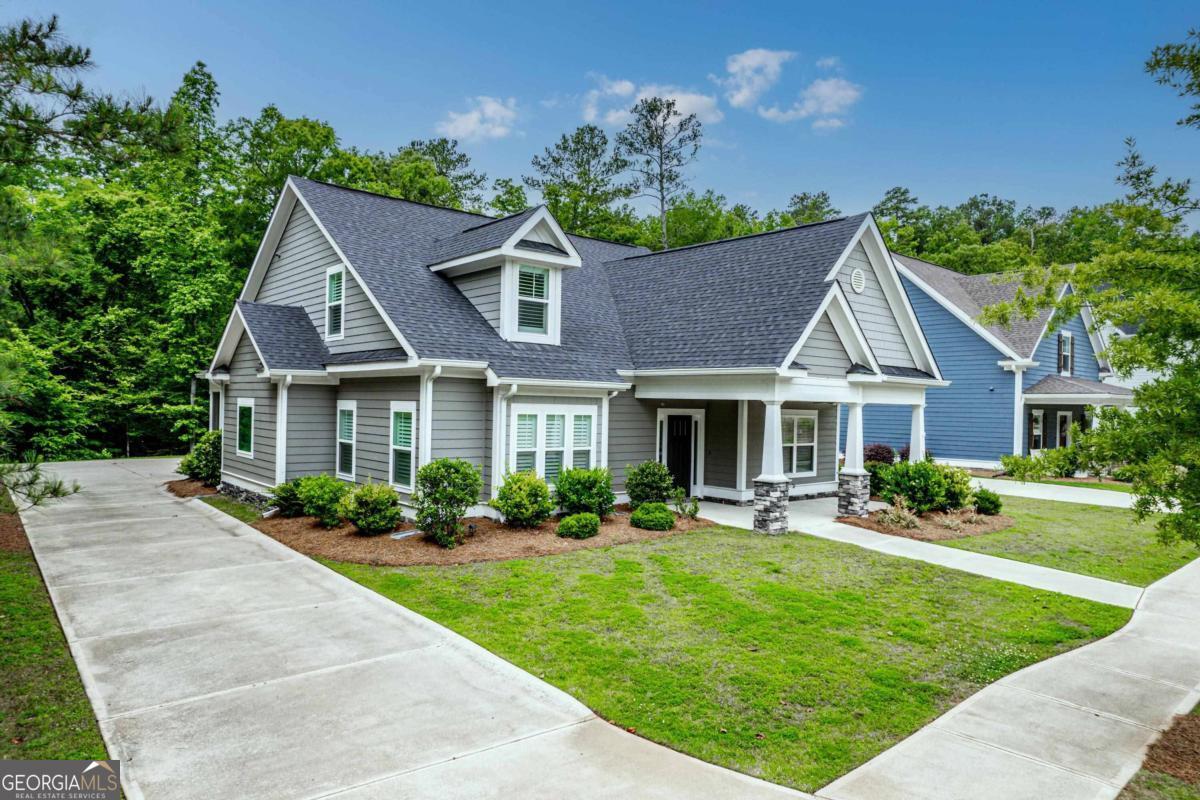
Cherokee County consistently ranks among the highest-volume new construction counties in Georgia. The range of available product is genuinely wide — from entry-level townhomes and starter single-family homes in the mid-$300Ks to executive communities well into the $600Ks and beyond. Downtown Canton has developed a walkable Main Street with local restaurants, breweries, and retail that sets it apart from typical suburban corridors.
The outdoor lifestyle here is a real differentiator. Lake Allatoona and Red Top Mountain State Park provide year-round recreation within minutes of most Cherokee communities, and the county's trail network continues to expand. Cherokee County School District earned an A-minus overall grade and ranked among the top 15 school districts in Georgia on Niche's 2024 rankings, serving approximately 43,000 students. Quick access to I-575 and the Northwest Corridor Express Lanes keeps commutes to Cumberland and Midtown manageable for buyers willing to navigate Atlanta traffic strategically.
Forsyth County — Cumming and South Forsyth
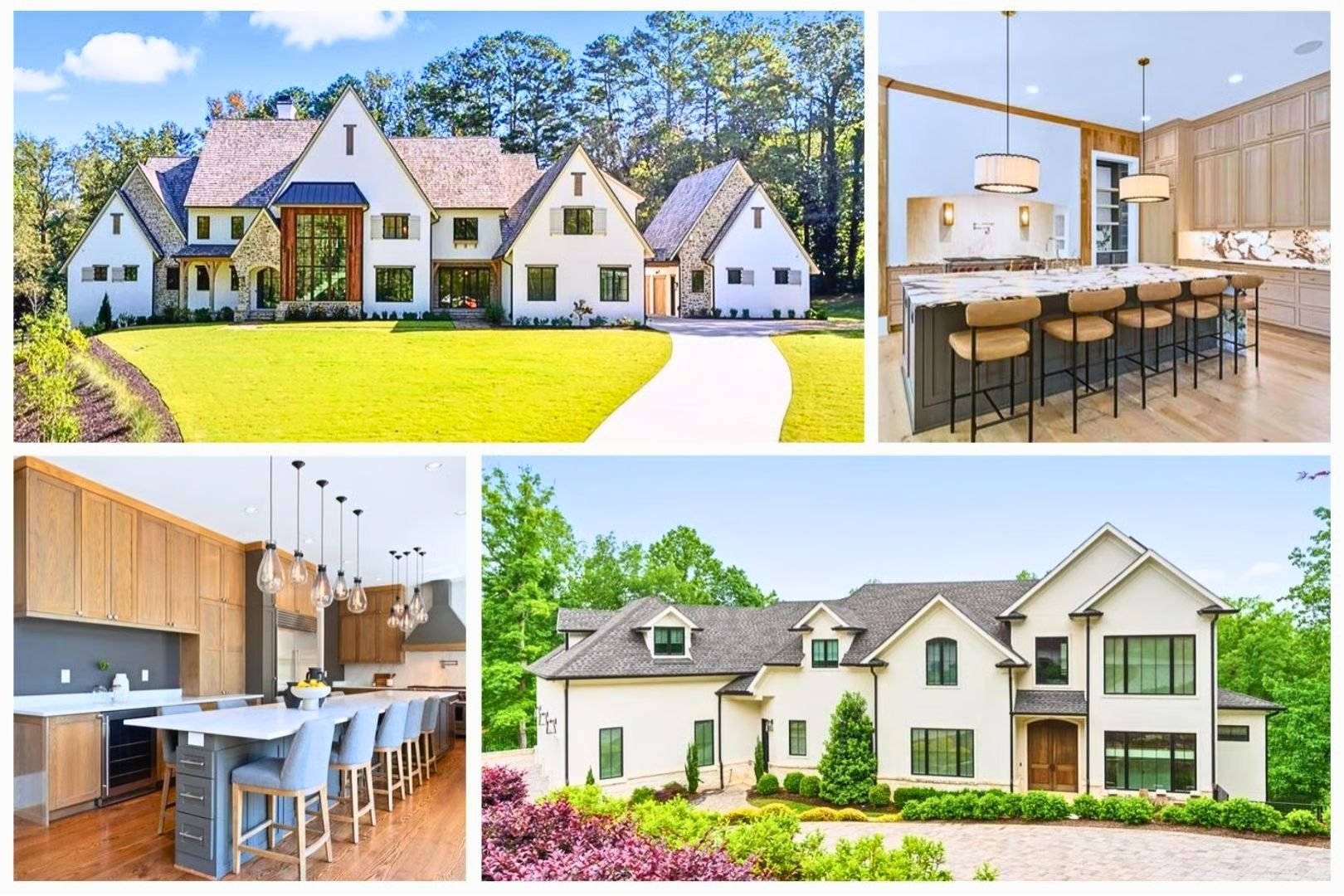
Forsyth County's growth has been extraordinary. The county reached approximately 272,000 to 278,000 residents as of 2023 with an annual growth rate of approximately 4.3%, placing it among the top 25 fastest-growing large counties in the nation over the past decade. The appeal is clear on paper — and even clearer on the ground.
Forsyth County Schools ranked number one in Georgia with an A-plus overall grade on Niche's 2024 rankings, serving approximately 50,000 to 52,000 students. The Cumming City Center mixed-use development has established a retail and dining core that anchors the county's commercial life, while GA-400 provides direct access to Alpharetta, Sandy Springs, and Buckhead. New construction spans active master-planned communities from the mid-$400Ks into the $700Ks and above, depending on builder tier and community positioning.
Lake Lanier's southern tip sits within the county, adding a waterfront lifestyle dimension few other Atlanta suburbs can match. South Forsyth in particular draws significant demand from buyers who want the county's school quality with relatively shorter commutes into the GA-400 technology corridor.
North Fulton — Alpharetta, Milton, and Roswell
Land scarcity defines the new construction conversation in North Fulton. Alpharetta, Milton, and Roswell are largely built out, which means new construction here takes the form of infill communities, townhome developments, and small-lot single-family projects rather than the large master-planned communities found further north. Price points reflect that scarcity — townhomes in the Avalon mixed-use corridor and surrounding Alpharetta neighborhoods often start in the mid-$500Ks, while detached new construction in Milton skews toward the luxury segment.
What buyers receive in return is direct access to Alpharetta's technology employment base, walkable retail and dining in the Avalon district, and some of the strongest long-term appreciation fundamentals in the metro. For buyers relocating for tech-sector employment along the GA-400 corridor, new construction in North Fulton offers the shortest possible commute — and in Atlanta, commute distance carries very real daily value.
Gwinnett County and the Eastern Corridor — Buford, Dacula, and Braselton
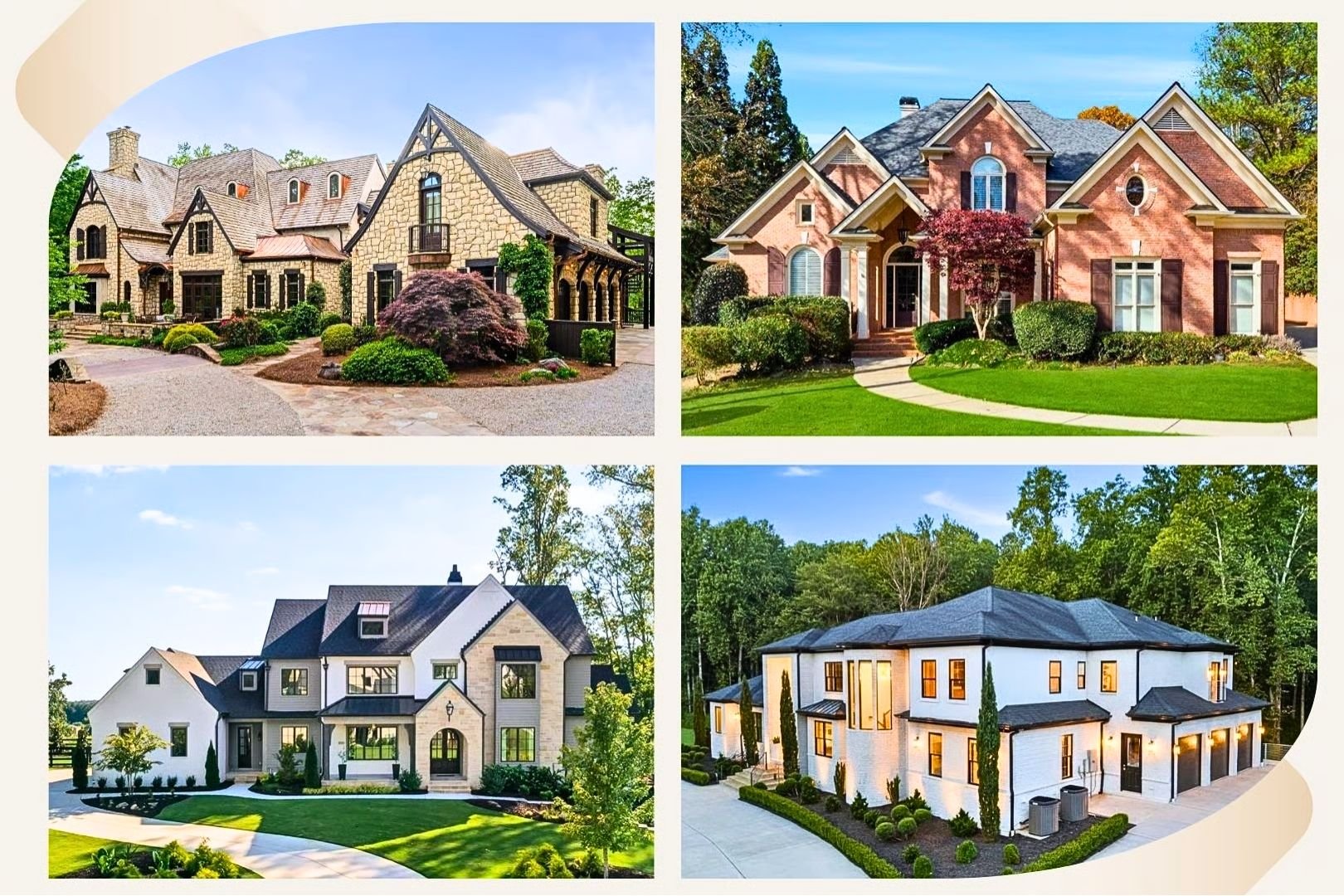
Gwinnett County Overview
Gwinnett County is Georgia's second most populous county, with a population exceeding 975,000 as of 2023 — the largest suburban county in the Atlanta metro. Its job base has diversified meaningfully over the past decade, with distribution, healthcare, and professional services employment reducing pure commuter dependency. Gwinnett County Public Schools serve a large and growing student population and offer a range of specialized academies and programs that attract families from across the metro.
Buford, Sugar Hill, and Braselton
The northern Gwinnett and Hall County corridor has become one of the more compelling new construction zones in the eastern metro. Lake Lanier's eastern shores create a lifestyle draw that's difficult to replicate at comparable price points, and active builder communities in the area offer more square footage per dollar than buyers will typically find on the Northside. The Mall of Georgia retail node in Buford anchors a strong commercial corridor, and I-985 provides a direct route toward I-85 and the broader metro.
Hall County, just north of Gwinnett, has seen growing builder interest in the Gainesville area as buyers push further northeast for value. This corridor consistently delivers more home for the money than comparable communities on the Northside — a fact that's starting to show up in permit volume.
Dacula and Hoschton
Dacula and Hoschton have evolved well beyond their exurban origins. Growing retail corridors, new dining options, and improving community infrastructure have shifted the perception of the eastern I-85 corridor considerably. Families seeking newer, larger homes with manageable commutes to Gwinnett's employment clusters and access to GCPS schools have made this corridor increasingly competitive with alternatives further north and west.
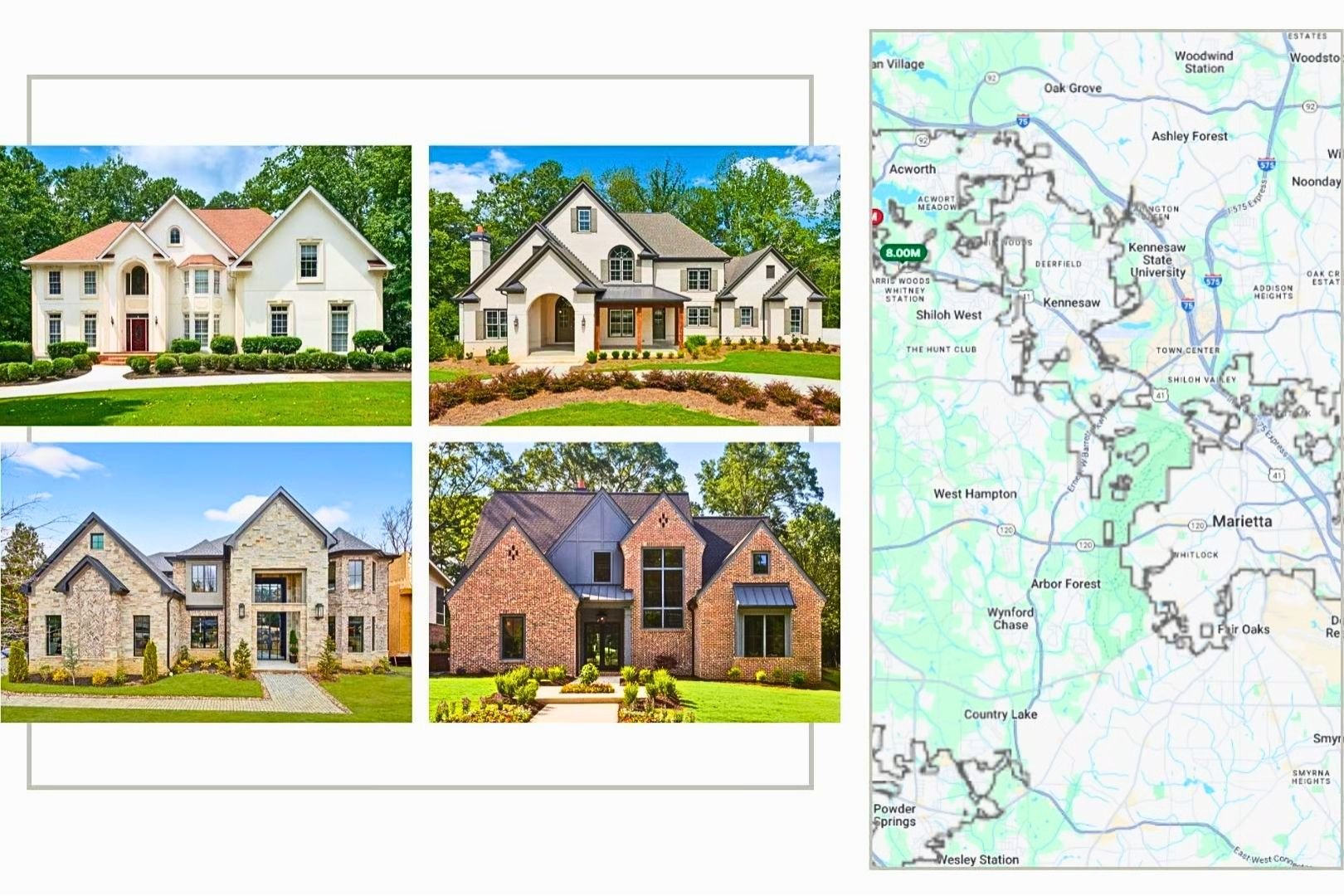
Cobb County and the Westside — Marietta, Acworth, and Kennesaw
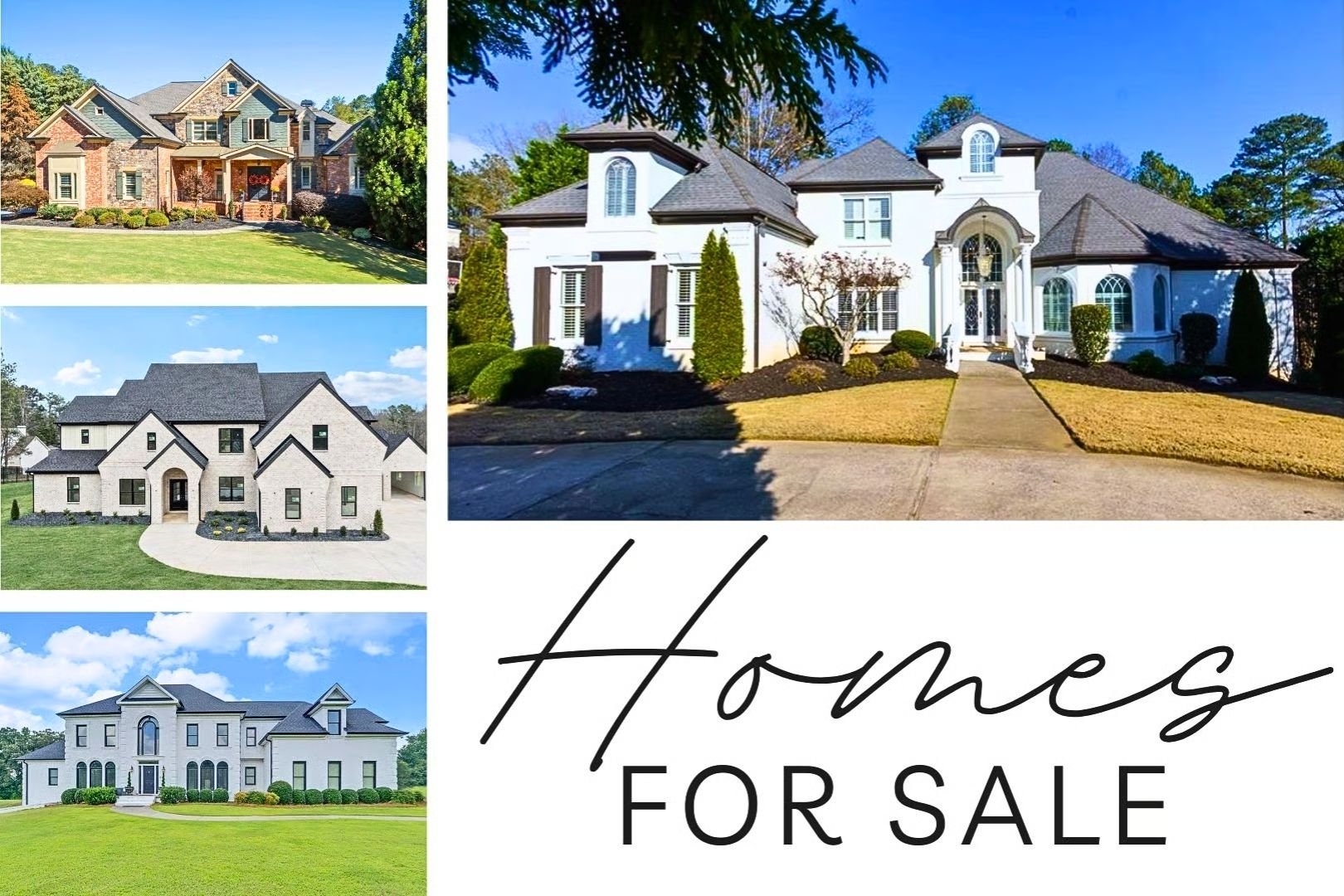
Cobb County's New Construction Landscape
Cobb County offers something the northern suburbs sometimes can't: genuine proximity to Atlanta paired with solid lifestyle infrastructure. Acworth and Kennesaw are the volume leaders for new construction in the county, with active builder communities offering single-family homes across a broad price range. The I-75/I-575 corridor and the Northwest Corridor Express Lanes give Cobb commuters a real, functional tool for managing Atlanta traffic.
Kennesaw Mountain National Battlefield Park anchors an outdoor recreation identity that's easy to overlook when evaluating Cobb purely on commute metrics — the park's trail system is a genuine daily amenity for nearby residents. Lake Allatoona's southern access points are within easy reach, and The Battery Atlanta, the mixed-use entertainment and retail district surrounding Truist Park, has become a regional destination that adds meaningful lifestyle texture to the western suburbs.
Marietta and Smyrna — Infill and Townhome Growth
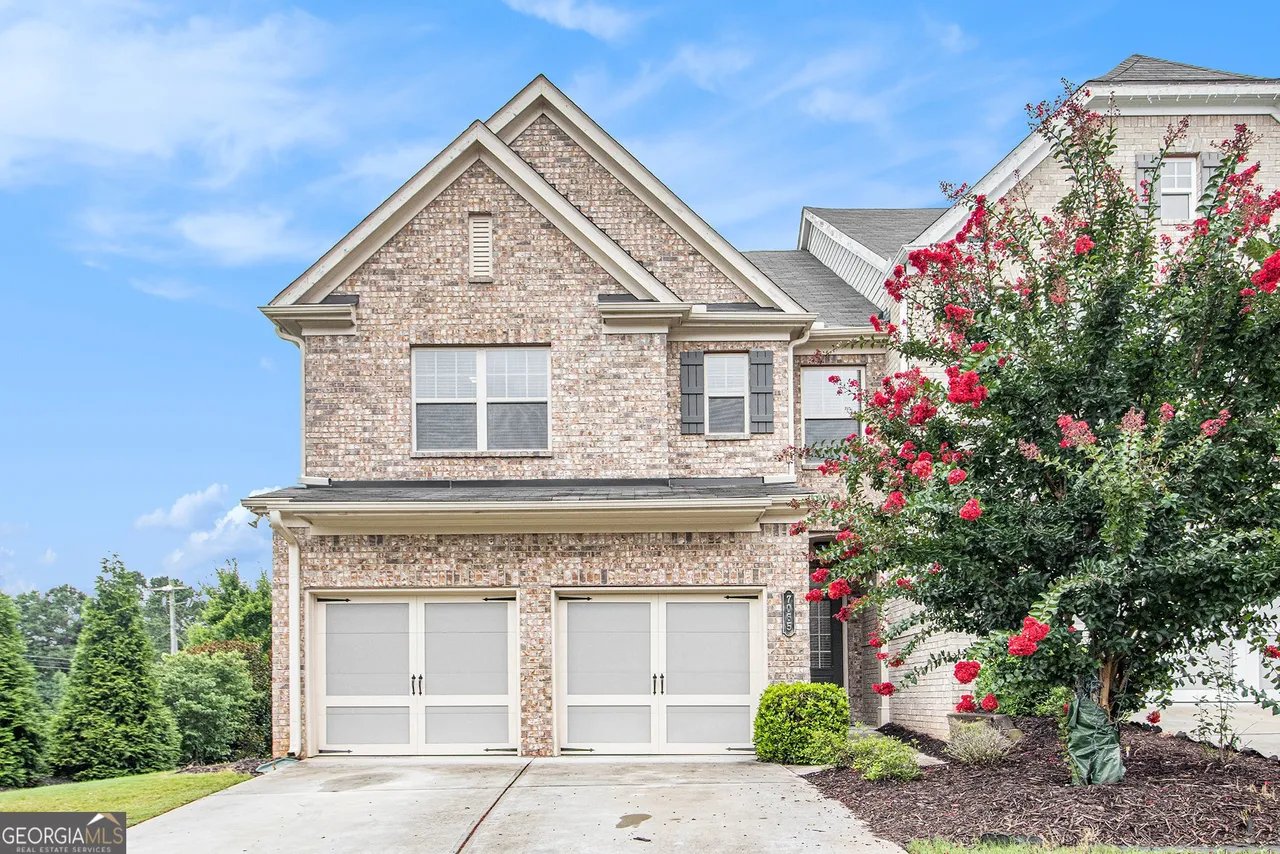
Smyrna and west Marietta are seeing a different kind of new construction activity: townhome and small-lot infill development driven by proximity to The Battery, the Cumberland employment district, and ultimately Midtown Atlanta via I-75. Buyers who want walkability, newer construction, and a shorter commute — but don't prefer full urban density — are increasingly finding their answer here. Price points are more elevated than the outer Cobb markets, but are justified by the location premium.
Paulding County — A Value Frontier
For buyers willing to trade commute time for space and price, Paulding County's Dallas and Hiram areas offer some of the most affordable new construction in the western metro corridor. Builder activity in Paulding has grown steadily as infrastructure improvements extend westward. This market appeals most strongly to buyers who work remotely, work non-traditional schedules, or have employment in the Cartersville or west Cobb areas.
The Southside — Henry, Clayton, and Fayette Counties
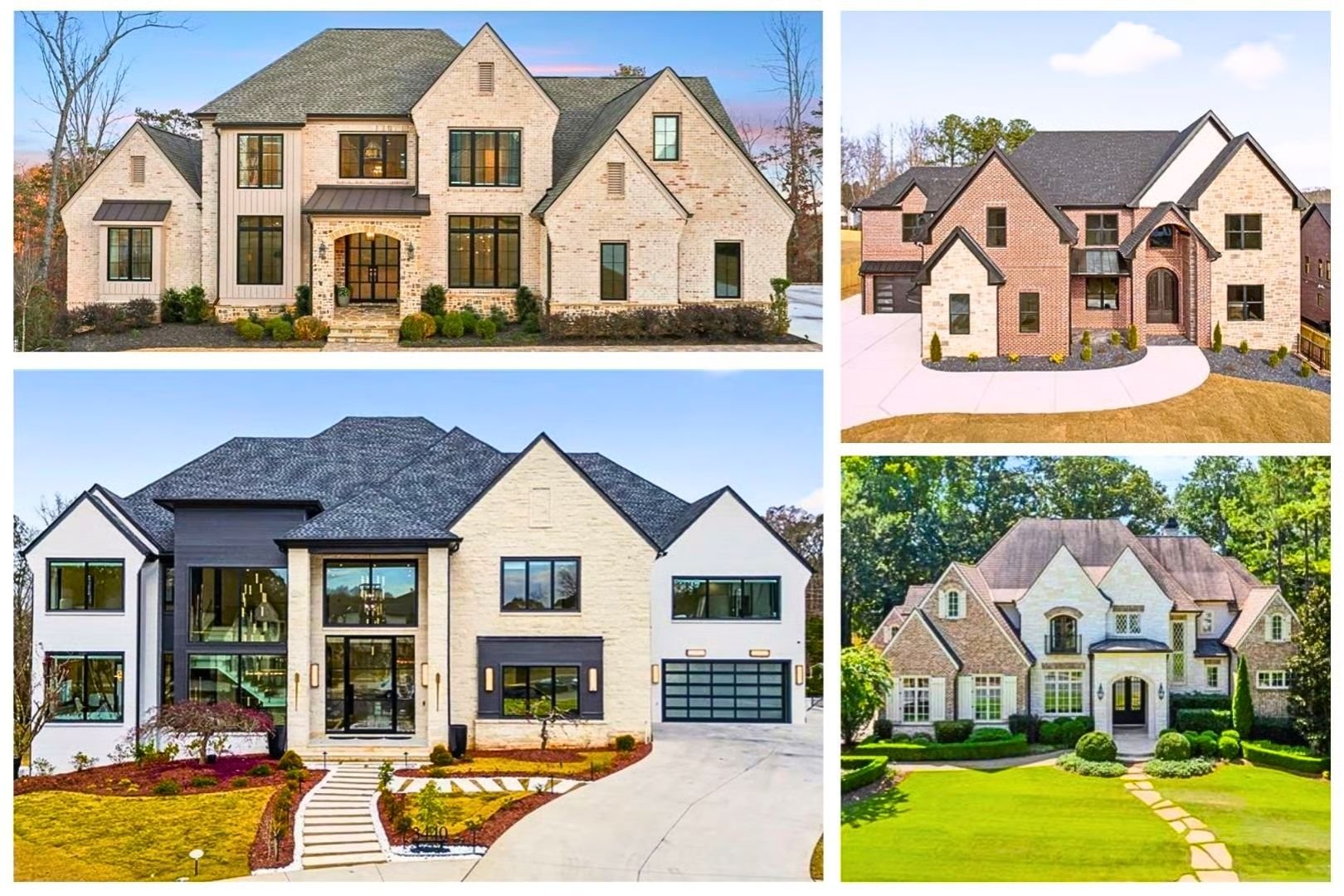
The Southside is one of the most frequently overlooked new construction corridors in the Atlanta metro. That gap between perception and value closes fast once you look at permit volume and price points — and buyers focused exclusively on the northern suburbs are often surprised by what they find here.
Henry County — Stockbridge, McDonough, and Locust Grove
Henry County consistently ranks among the top five metro Atlanta counties by residential permit volume, and the evidence is easy to see on the ground. Active builder communities across Stockbridge, McDonough, and Locust Grove represent some of the most substantial new home production happening in the Southeast. National and regional builders maintain a strong presence, with price points often starting in the low-to-mid $300Ks for entry-level single-family — making Henry one of the most accessible new construction options in the metro.
For buyers employed in aviation, logistics, hospitality, and the industries clustered around Hartsfield-Jackson, Henry County offers a southside commute that cuts against Atlanta's notorious northside congestion. I-75 south provides direct, often less congested access to the airport employment corridor.
Top 5 — Henry County's consistent ranking among metro Atlanta counties by residential permit volume, a number that surprises most buyers who have focused their search on the Northside.
Fayette County — Fayetteville and Peachtree City
Fayette County occupies a distinct niche in the southside market — more established in character than Henry, with selective new construction that reflects the county's desirability and relative land constraints. Peachtree City's celebrated golf cart path network spans approximately 90 miles of dedicated paths connecting neighborhoods, schools, shops, and parks — a genuinely unique lifestyle that has built fierce community loyalty for decades.
Fayette County Schools earned an A overall grade and consistently rank among the top 15 school districts in Georgia, serving approximately 21,000 students. That school quality, combined with Peachtree City's one-of-a-kind community character, makes Fayette one of the southside's most compelling options for families.
Clayton County — Emerging Opportunities
Clayton County sits closest to Atlanta proper among the southside counties, and its new construction market is most accessible to investment-minded buyers and first-time buyers prioritizing price point. Infrastructure investment tied to airport expansion and the county's ongoing revitalization has begun shifting perceptions. The proximity advantage to both the airport employment corridor and downtown Atlanta is a legitimate selling point that the county's pricing doesn't always reflect.
Intown Atlanta and Close-In Suburbs — New Construction Inside and Near the Perimeter
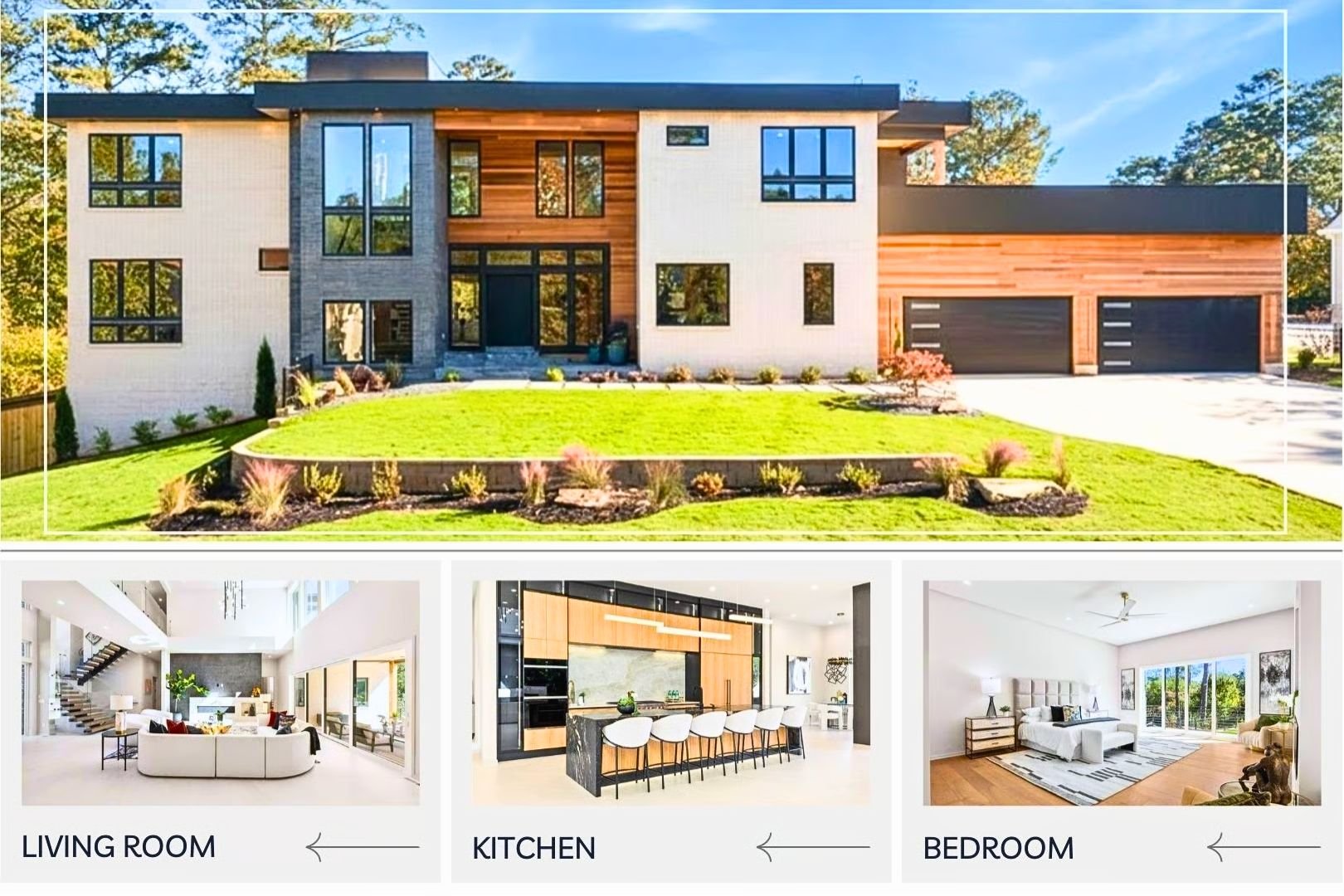
Intown New Construction — Townhomes and Infill Communities
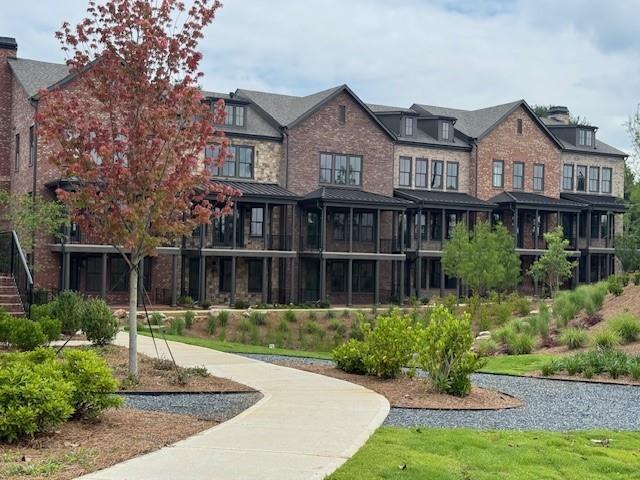
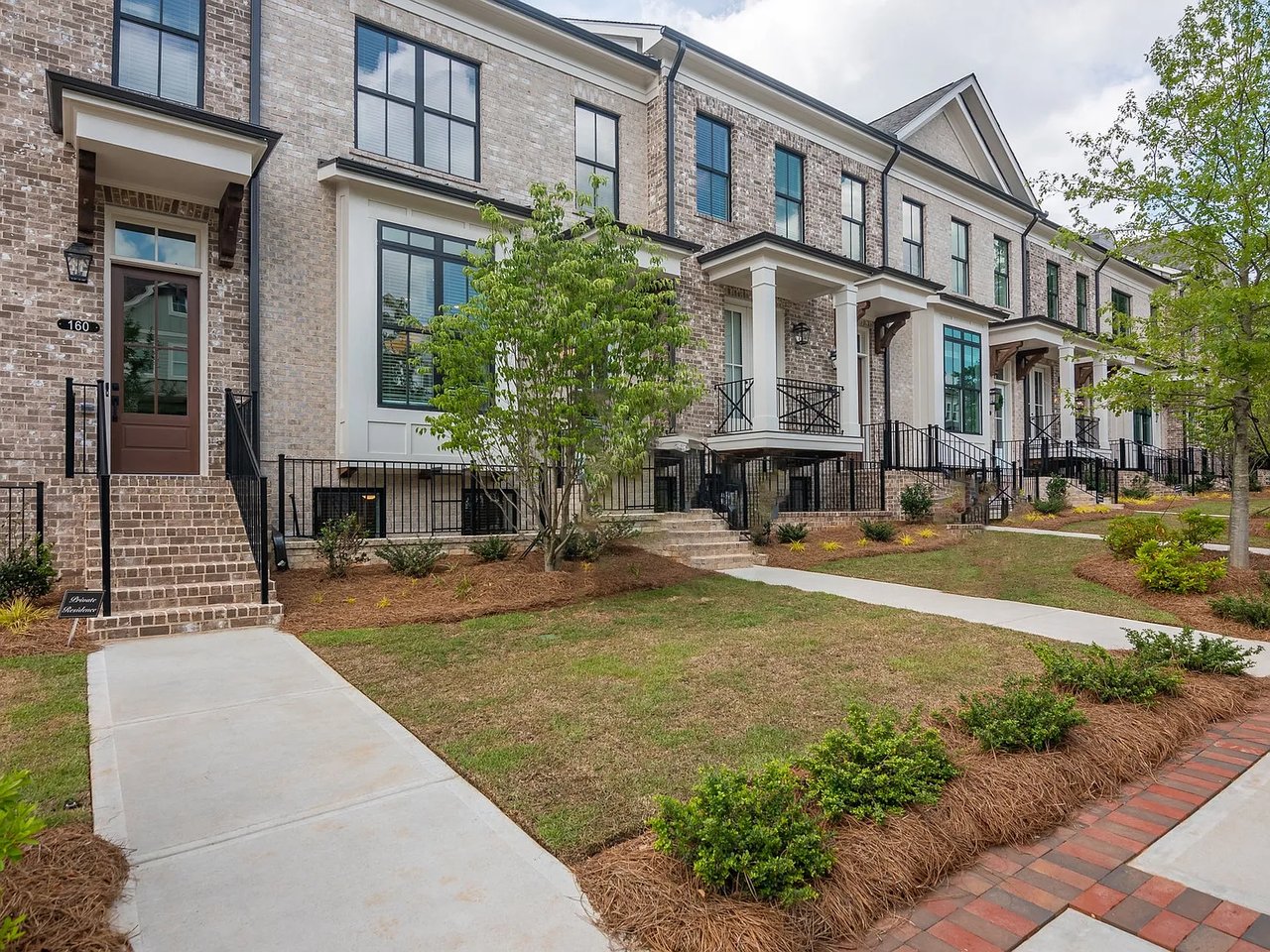
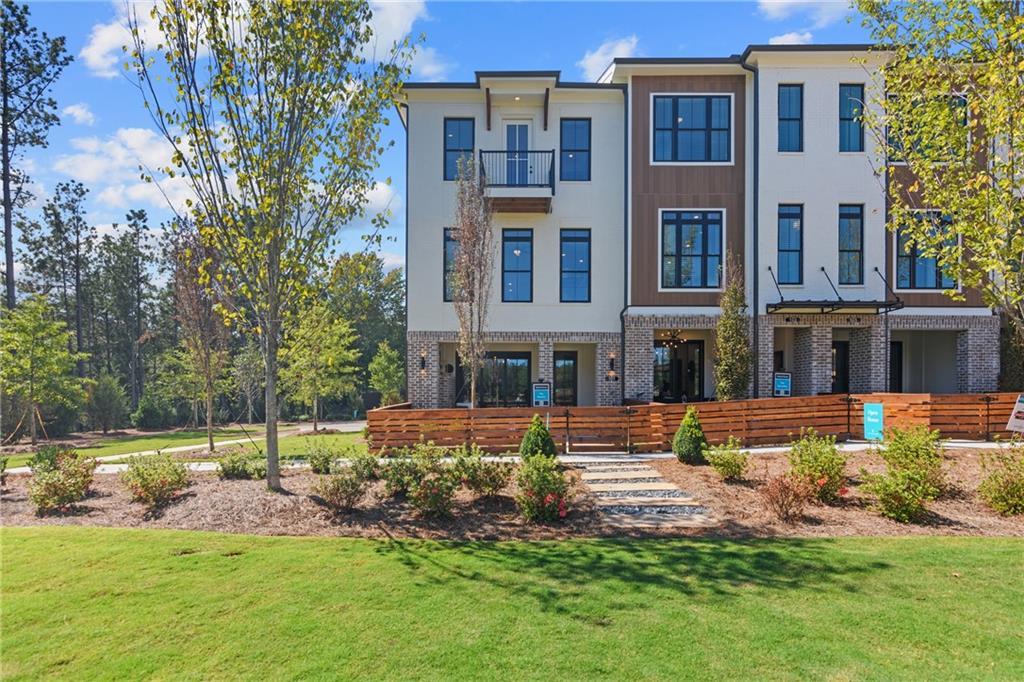
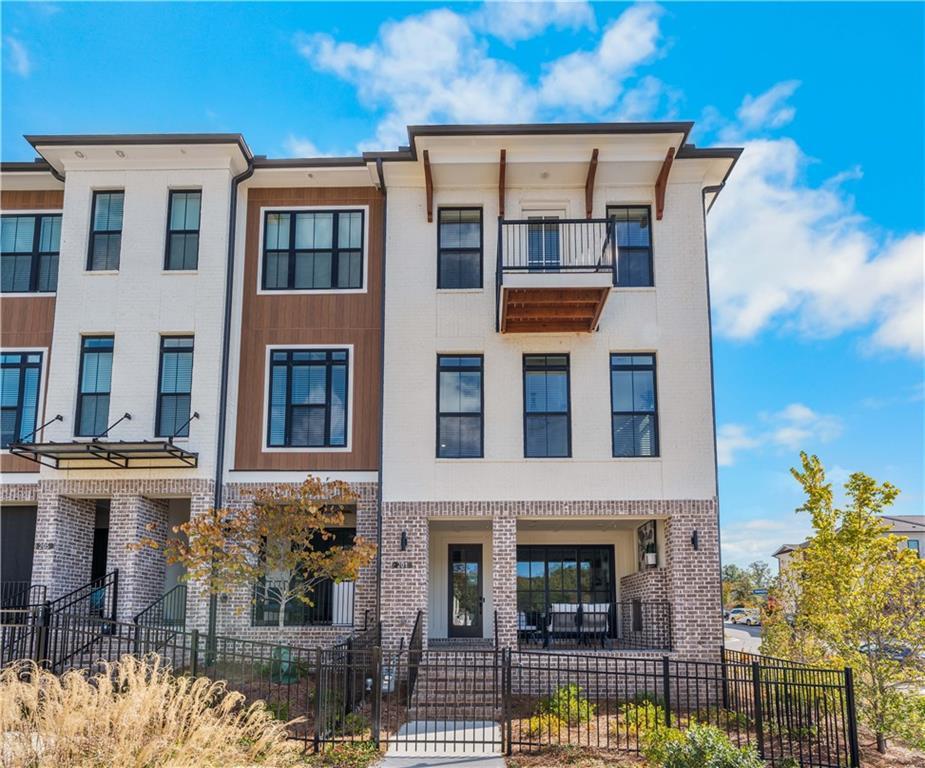
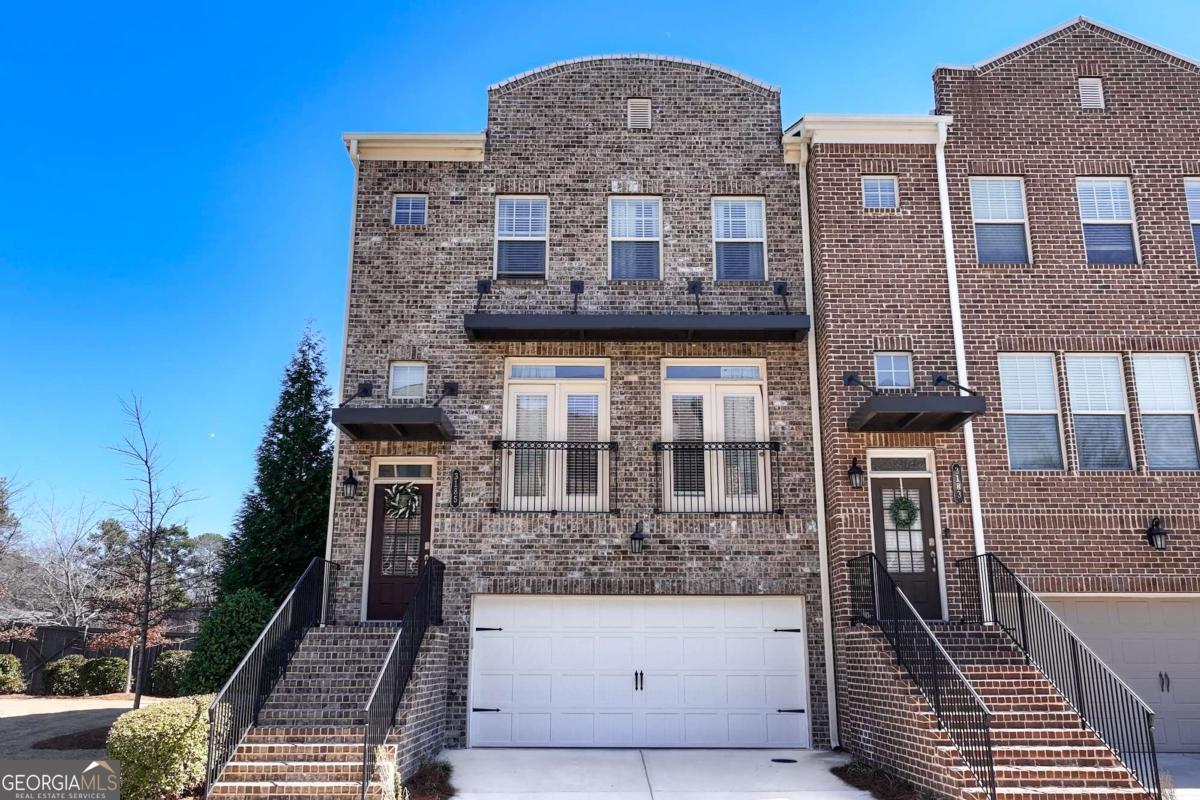
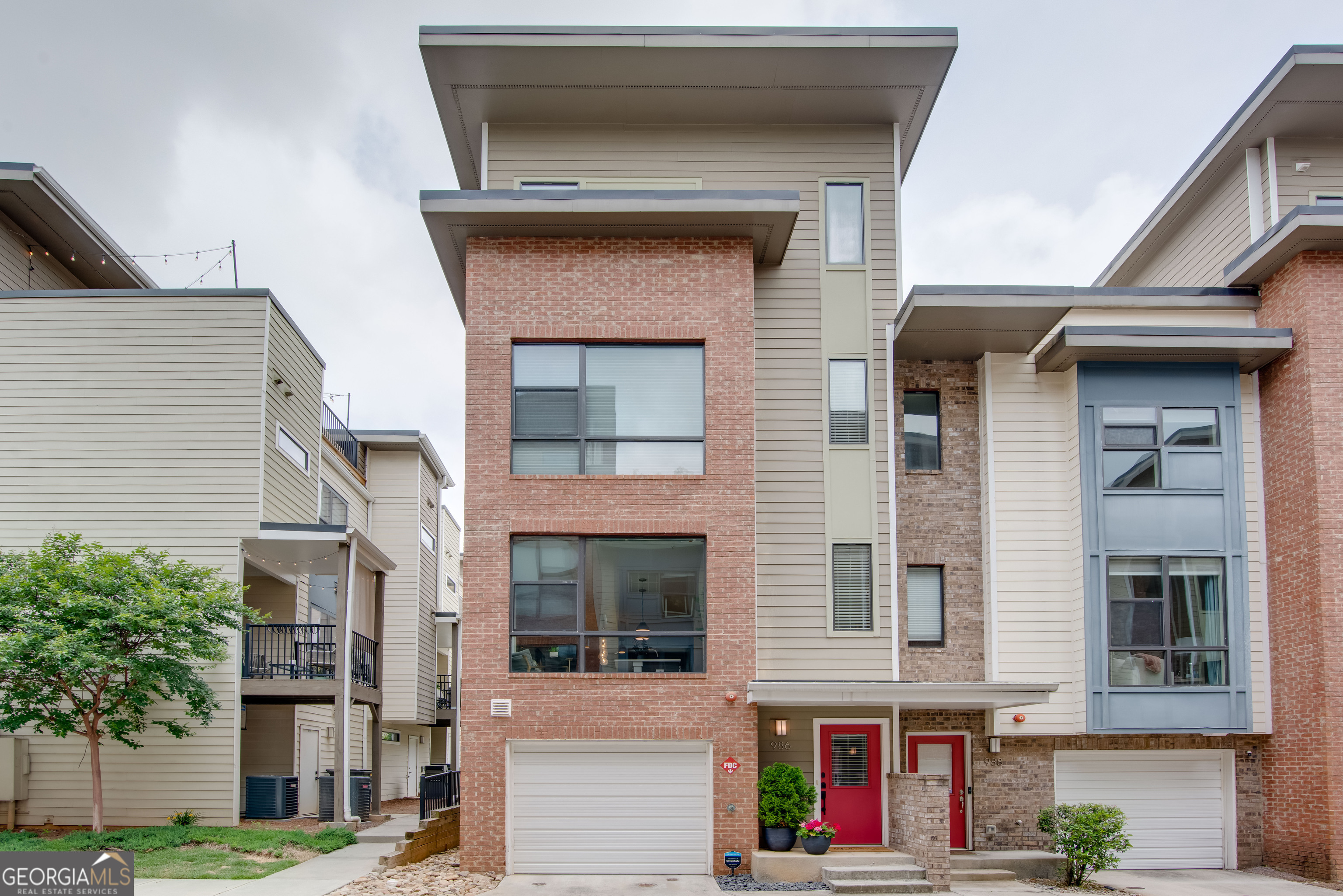
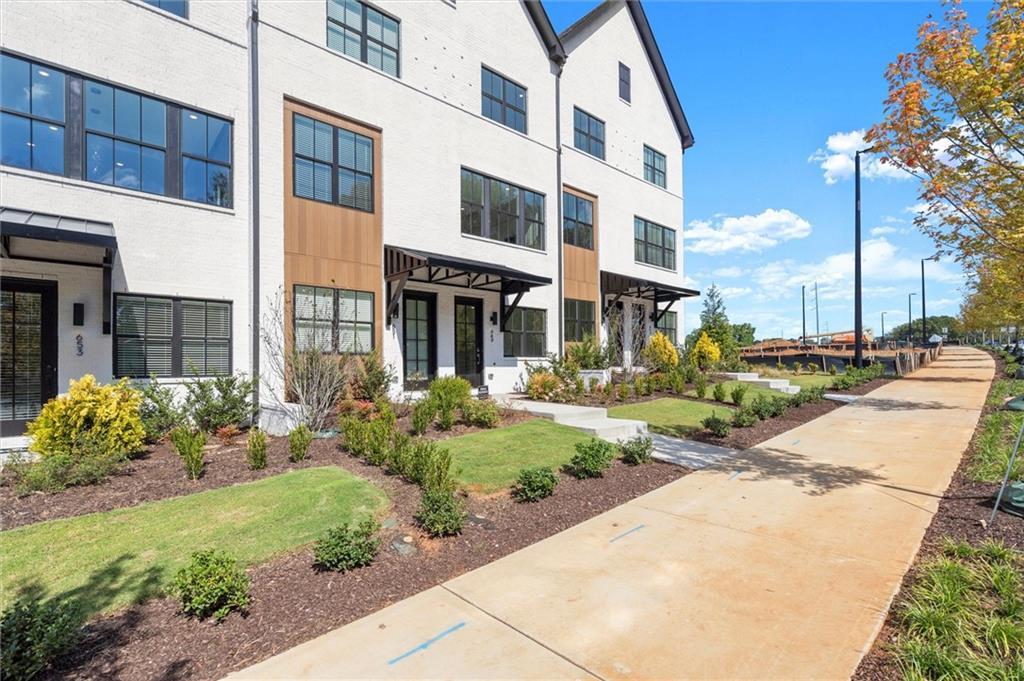
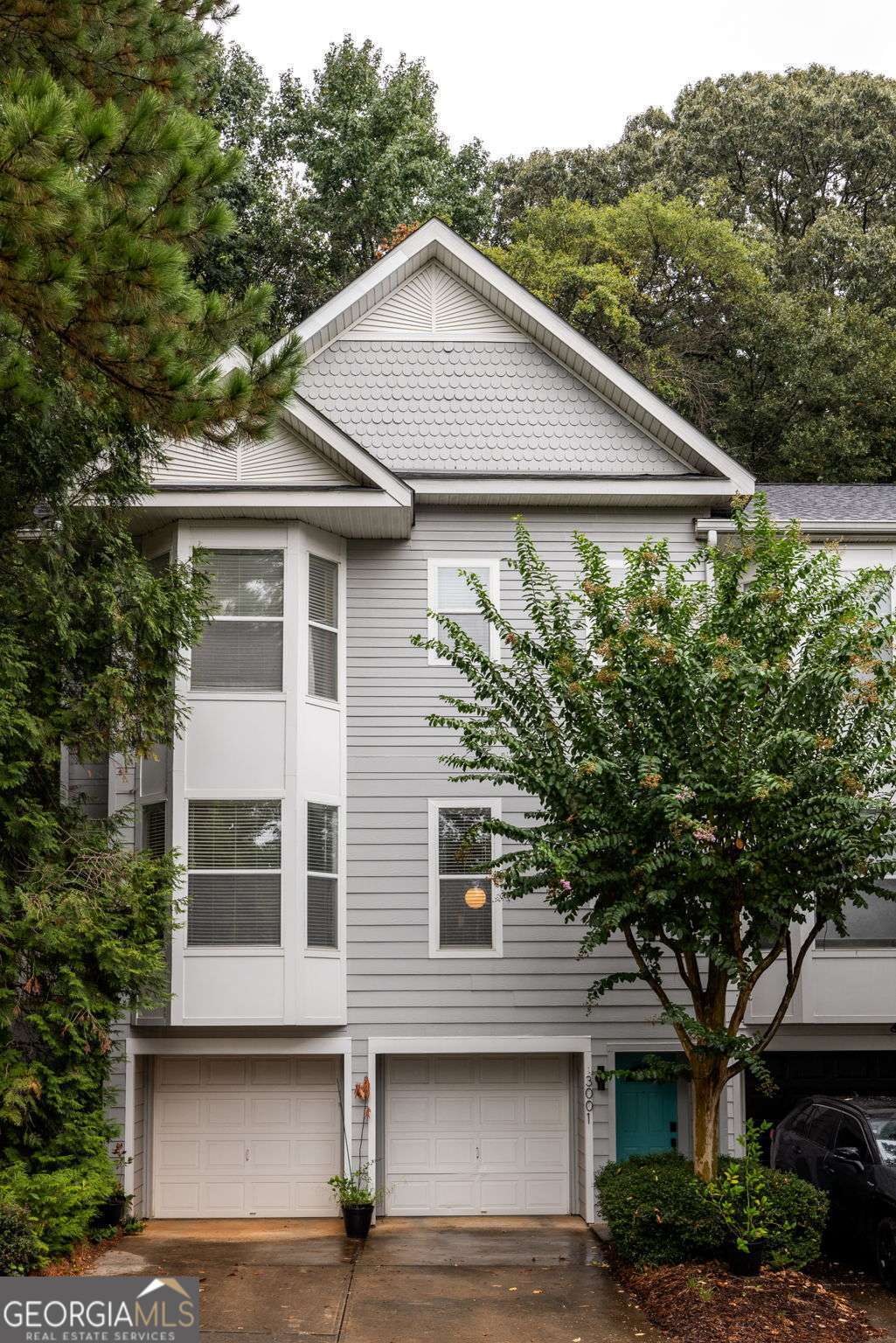
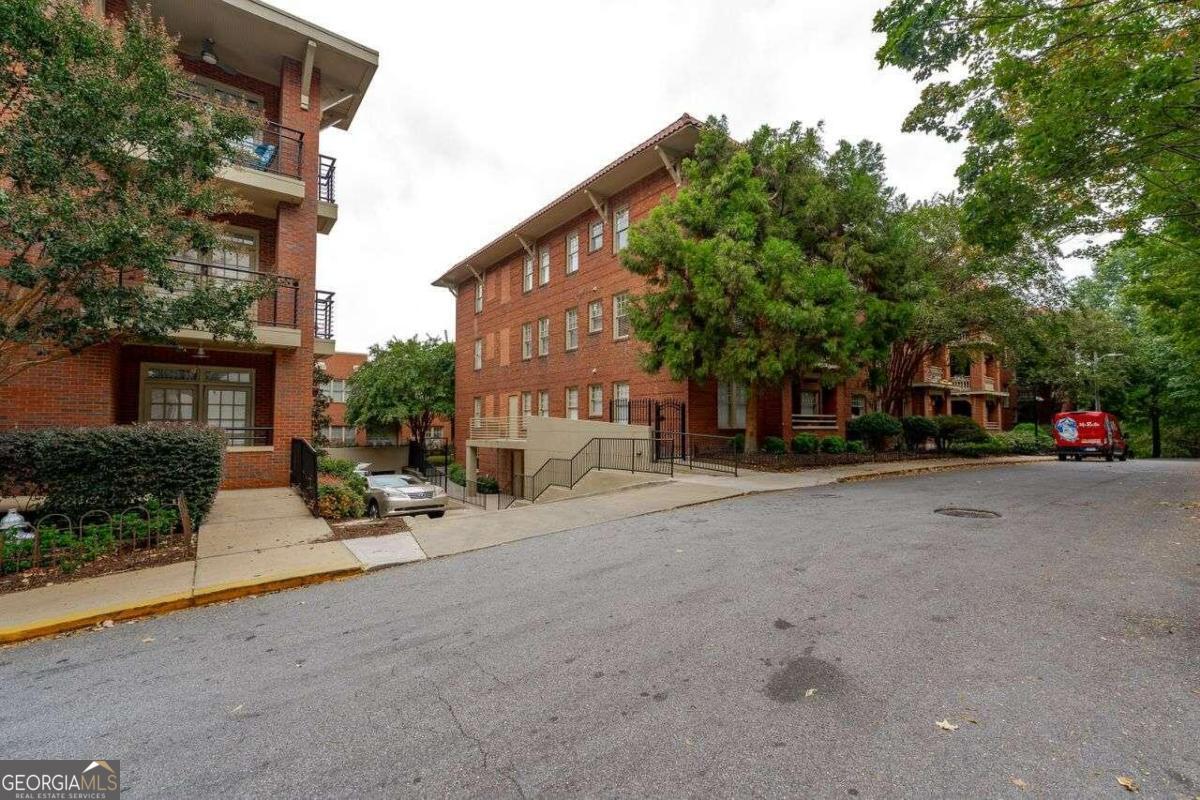
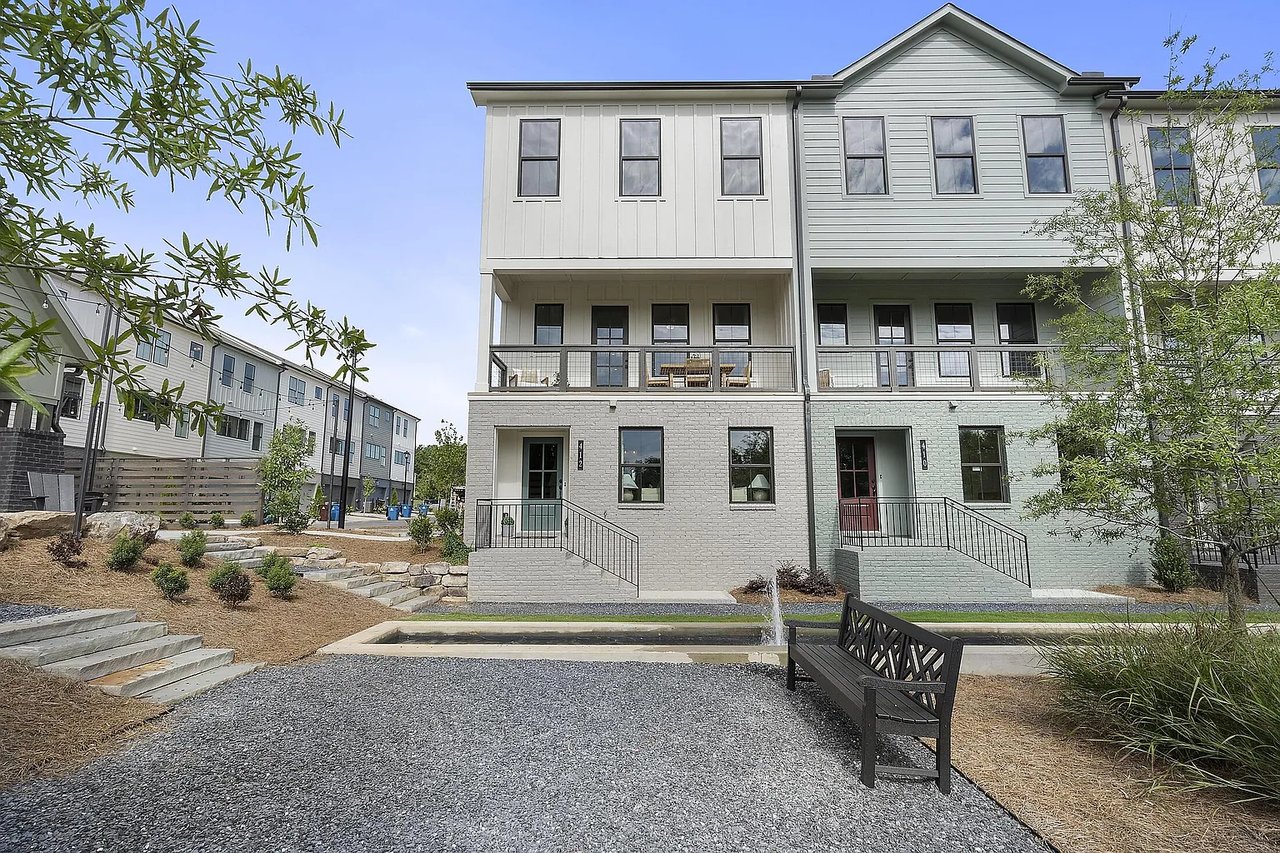
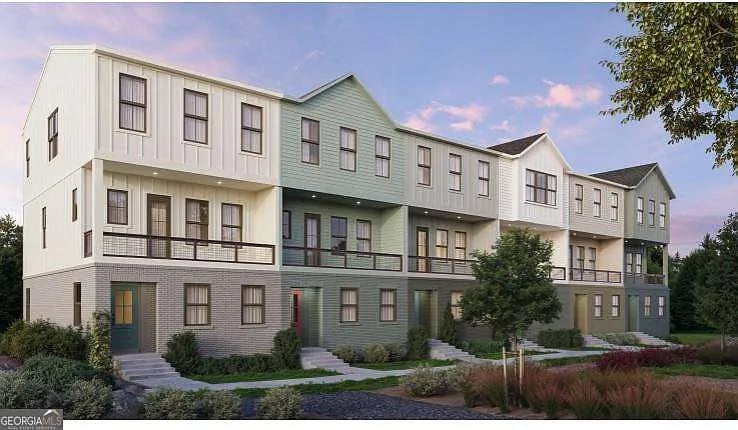
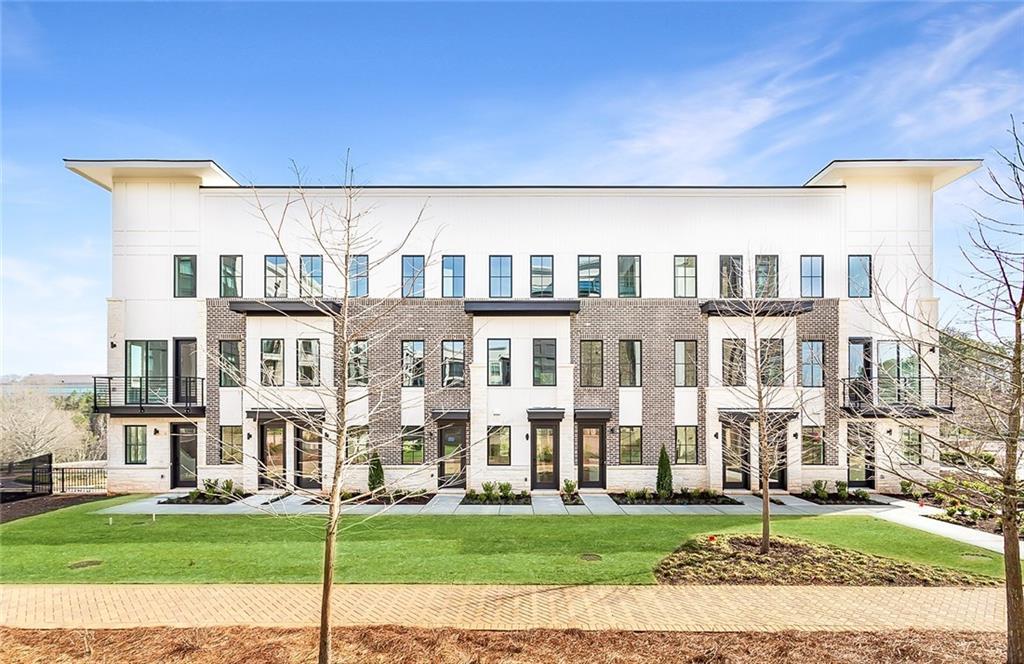
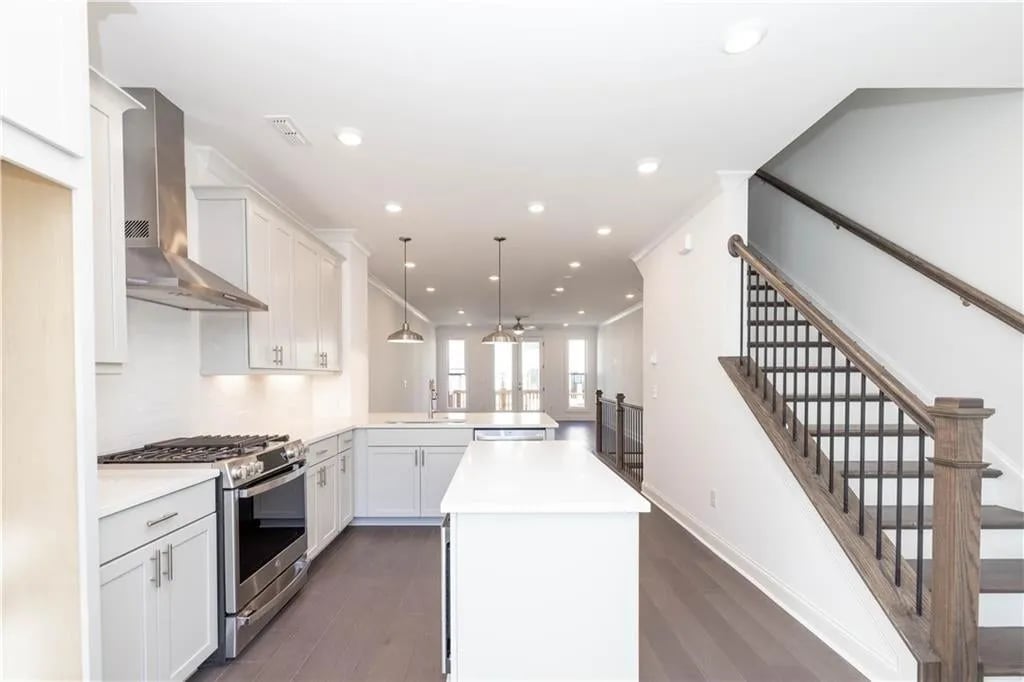
New construction inside and immediately adjacent to the perimeter looks fundamentally different from what buyers find in the outer suburbs. Intown Atlanta's active infill development is concentrated in townhome and stacked flat products in neighborhoods like West Midtown, the West End, Reynoldstown, Grant Park, and East Atlanta — many within walking or cycling distance of the Atlanta BeltLine trail system. The BeltLine's ongoing expansion continues to catalyze infill development along its corridors, and builders have responded with projects emphasizing rooftop decks, modern finishes, and walkable access to Atlanta's best dining and arts destinations.
Trade-offs are real and worth naming directly. Square footage per dollar is significantly lower than suburban alternatives, per-square-foot costs are higher, and HOA fees in many intown communities are substantial. New construction townhomes in BeltLine-adjacent corridors typically start in the mid-$400Ks and extend to $700,000 and above in premium locations.
Pro Tip: If you're considering intown new construction, factor HOA fees and potential CDD assessments into your monthly budget before falling in love with a model unit. The gap between purchase price and true monthly carrying cost can be significant in some BeltLine-adjacent communities.
Decatur, Tucker, and Stone Mountain — DeKalb County Options
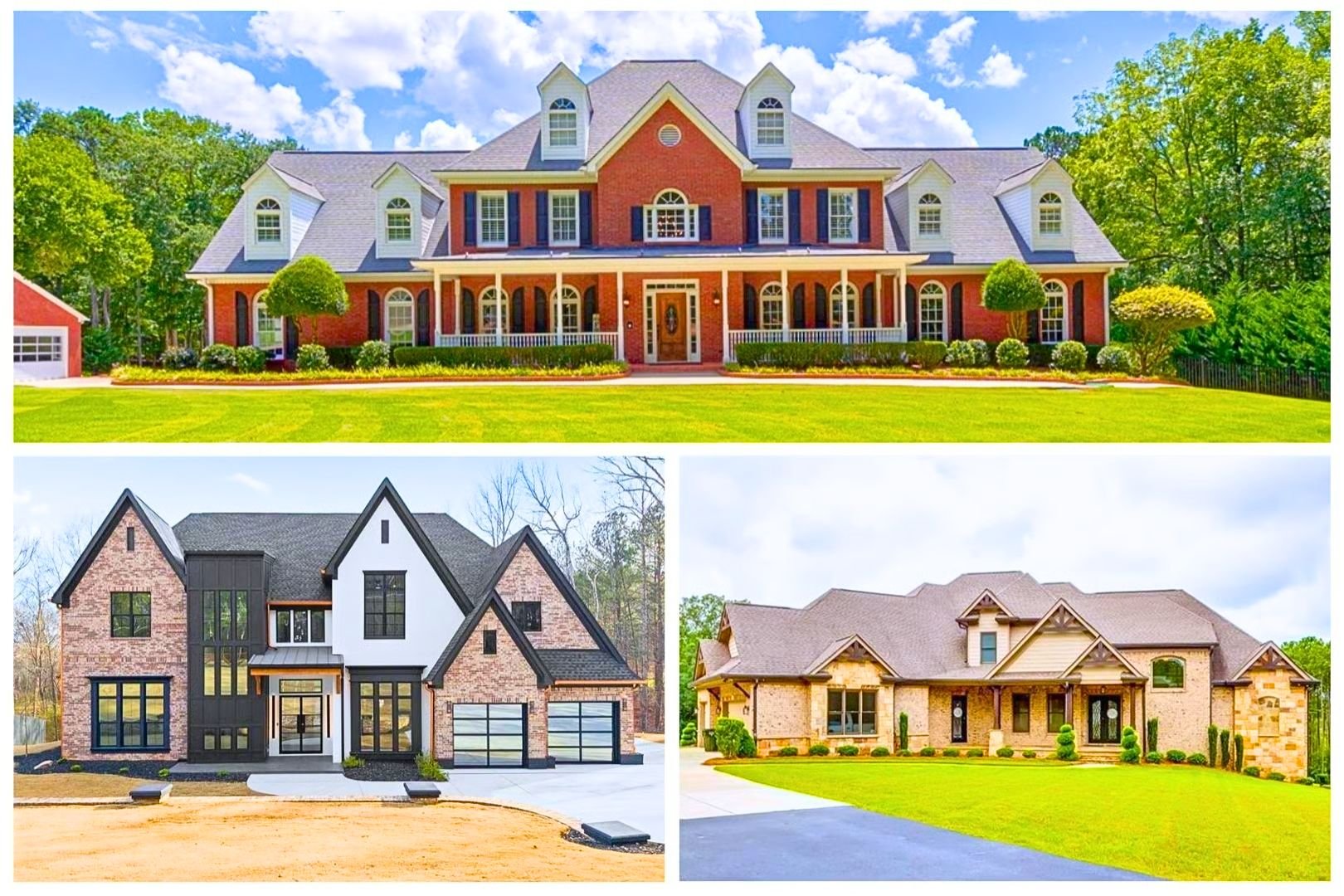
Close-in DeKalb County offers infill single-family and townhome new construction for buyers who want suburban character without the outer-perimeter commute. Decatur occupies the premium tier — a walkable, nationally recognized small city with its own school system, a beloved downtown, and new construction that reflects its desirability. Tucker and Stone Mountain offer more accessible price points for buyers who want DeKalb's I-285 and US-78 connectivity without Decatur's premium.
Both communities have seen growing builder interest as buyers compete aggressively for close-in inventory across the metro. DeKalb's connectivity advantage— I-285 access in multiple directions and proximity to I-20 — is a practical asset that outer-perimeter buyers sometimes underestimate until they're living further out.
Tips for Buying New Construction in Atlanta in 2026
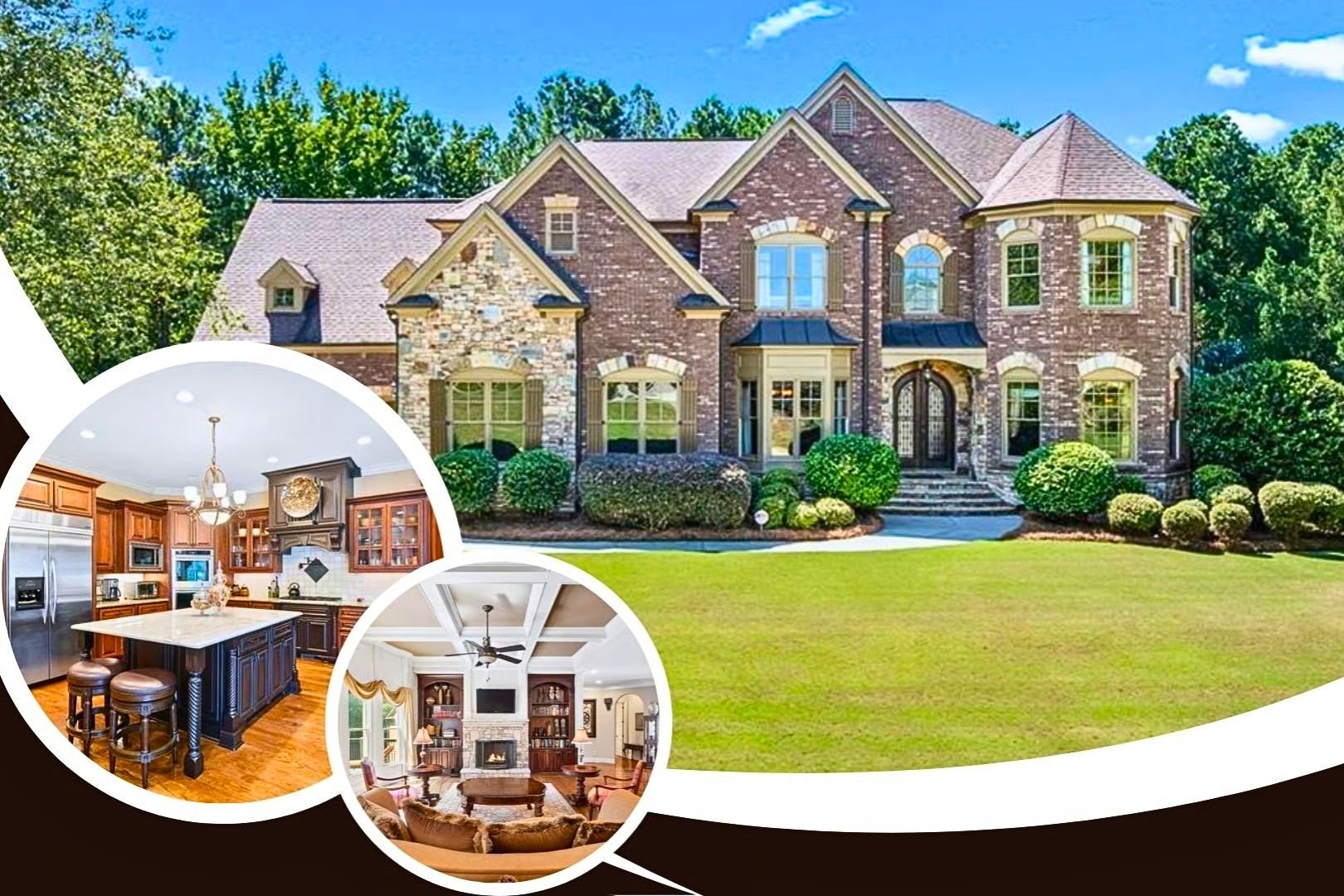
Before you visit a model home and fall in love with the upgrade kitchen, a few practical guidelines worth keeping in mind:
- Always bring your own buyer's agent. Builder sales representatives work for the builder. A buyer's agent represents your interests in contract negotiation, incentive discussions, and due diligence — and in most cases costs you nothing, as builders typically compensate buyer's agents directly. Register your agent before your first builder visit, as most builders require this for compensation eligibility.
- Understand the difference between spec and to-be-built. Spec homes are complete or nearly complete and offer faster move-in. To-be-built contracts allow more customization but typically carry 6 to 14 month build timelines in current Atlanta market conditions.
- Ask about incentives upfront. Builder incentives in 2026 commonly include mortgage rate buydowns, closing cost contributions, and design center upgrade credits. These vary by community and sales pace and are worth discussing at your first visit.
- Get an independent inspection. Many builders offer a 1-2-10 warranty structure, but that protection doesn't replace a third-party inspection. Hire an independent inspector with new construction experience before closing, and confirm the specific warranty terms in your builder contract.
- Read the HOA and CDD documents carefully. Many Atlanta master-planned communities carry both standard HOA fees and Community Development District assessments, which can add meaningfully to your monthly carrying costs.
- Test your commute before you commit. Atlanta traffic is not theoretical — it is a daily reality. Drive your prospective commute at actual rush hour before signing a contract. The difference between a 7 AM and 9 AM drive in some corridors can be 45 minutes each way.
Pro Tip: Ask the builder's sales team directly whether current incentives apply to spec homes, to-be-built contracts, or both. Incentive programs often differ by inventory type, and the best deals on rate buydowns are frequently tied to homes the builder needs to move quickly.
Frequently Asked Questions

Which part of Atlanta has the most new construction homes in 2026?
Cherokee, Forsyth, Henry, and Gwinnett counties consistently rank among the highest-volume new construction counties in the metro. At the community level, Canton, Cumming, McDonough, Locust Grove, and Buford are among the most active markets. The Northside attracts the most buyer attention, but Henry County on the Southside is a genuine volume leader that buyers focused on the northern suburbs often overlook.
What is the average price of a new construction home in Atlanta in 2026?
The metro-wide average can be misleading without regional context. Entry-level new construction in Henry, Paulding, and Clayton counties often starts in the low-to-mid $300Ks, while luxury new construction in Milton and premium Alpharetta corridors extends well above $1 million. A realistic mid-range for a single-family new construction home in an active suburban community — Forsyth, Cherokee, or northern Gwinnett — tends to fall in the $450,000 to $650,000 range, though market conditions continue to shift.
Is it better to buy new construction or resale in Atlanta right now?
It depends on your priorities. The two paths offer genuinely different trade-offs:
| New Construction | Resale |
|---|---|
| Builder incentives (rate buydowns, closing credits) | Established neighborhoods with mature landscaping |
| Warranty coverage (typically 1-2-10 structure) | Faster and more certain move-in timelines |
| Modern energy efficiency and updated finishes | Competitive pricing in specific pockets |
| Ability to personalize during build phase | No builder timeline or construction delays |
| 6–14 month build timeline for to-be-built homes | Limited resale inventory in many corridors |
Both paths have merit. The right choice depends on your specific timeline and lifestyle needs.
Do I need a real estate agent to buy new construction in Atlanta?
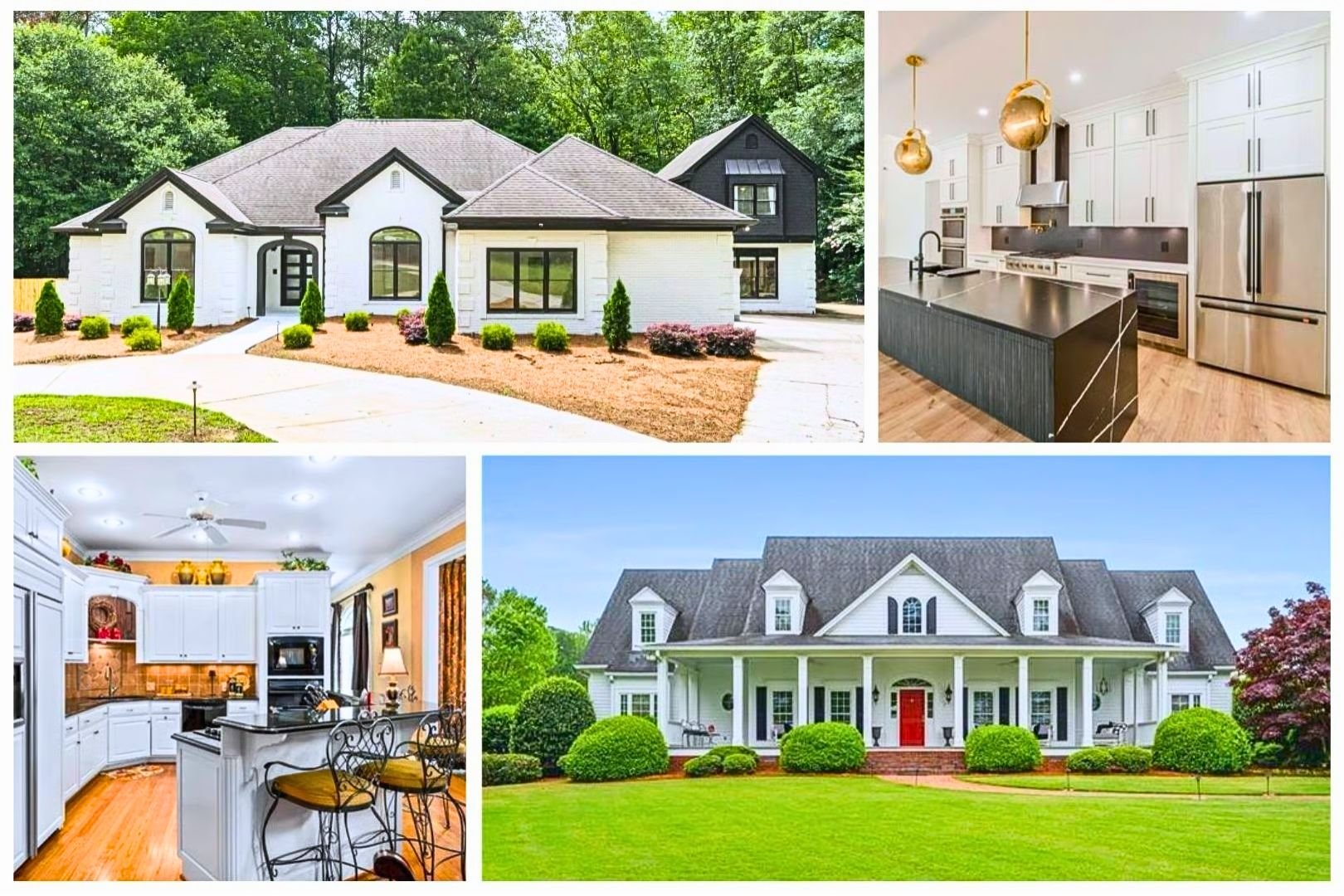
Yes — and it typically costs you nothing as a buyer. Many buyers walk into model homes without representation, not realizing that the on-site sales agent works exclusively for the builder. An independent buyer's agent can help you negotiate incentives, review the builder's purchase contract (which is a builder-drafted document that strongly favors the builder), and serve as your advocate throughout the process.
Which Atlanta suburbs have the best schools near new construction communities?
Forsyth County Schools and Cherokee County Schools consistently rank among Georgia's top districts and drive enormous buyer demand. Fayette County Schools and portions of Cobb County, particularly in the Kennesaw and Acworth corridors, also perform strongly. Gwinnett County Public Schools serve a much larger population and offer strong specialized programs within a more complex district. School district information should always be verified directly with the county, as attendance zones can change and proximity does not guarantee assignment.
How long does it take to build a new home in Atlanta?
In current Atlanta market conditions, to-be-built timelines typically range from 6 to 14 months from contract to close, depending on the builder, community, customization level, and supply chain conditions. Spec homes — already under construction or complete — can close in 30 to 60 days in some cases. Always ask the builder's sales team for a current timeline estimate at contract, and build flexibility into your plans if you have a lease expiration or existing home sale to coordinate around.
Conclusion
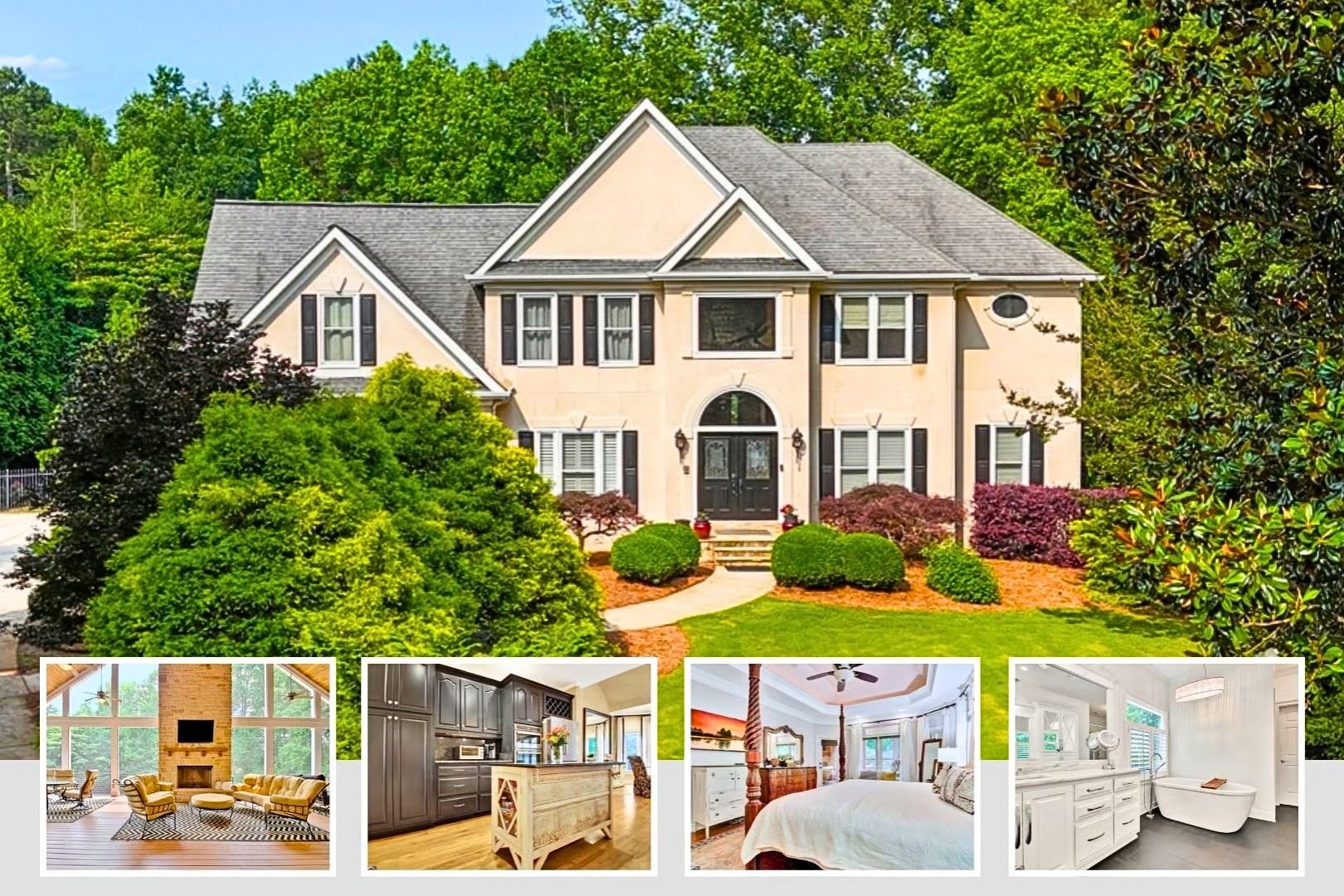
Atlanta's new construction market in 2026 is not a single market — it's five distinct regional stories happening simultaneously across one of the largest and most geographically complex metros in the South. The Northside delivers top-ranked schools, strong long-term appreciation fundamentals, and the metro's deepest builder activity. The Southside offers the most accessible price points with underrated proximity to major employment. The Eastside combines family-friendly community character with lake lifestyle access that few metros can match at comparable price points. The Westside balances suburban space with genuine proximity to Atlanta's urban core. Intown delivers modern new construction for buyers who refuse to trade city life for square footage.
Atlanta's median home price of approximately $385,000 across all home types as of Q4 2024 remains below the national median, and the metro's cost of living is approximately at or modestly below the national average — a combination that continues to make this market a compelling destination for relocating professionals and growing families alike. No single region is right for every buyer, but one of them is almost certainly right for you.
Starting your search or ready to tour communities this weekend — reach out anytime. We're happy to help you navigate Atlanta's new construction landscape and find the right fit.