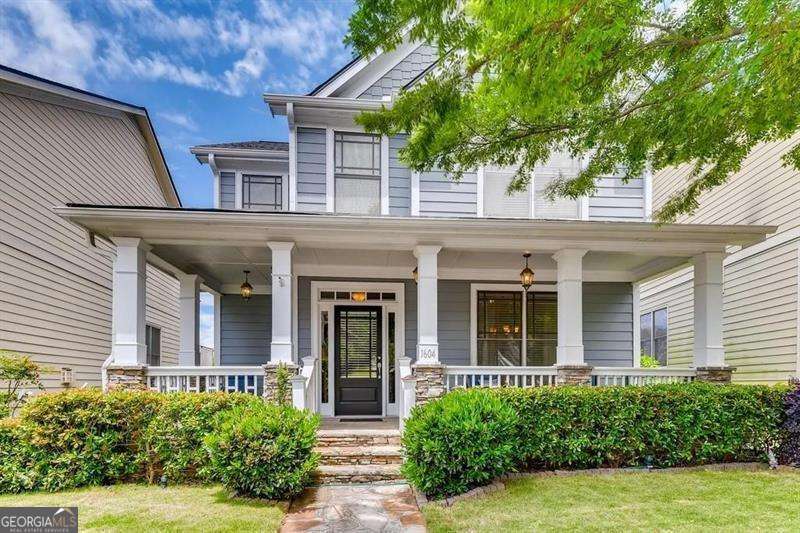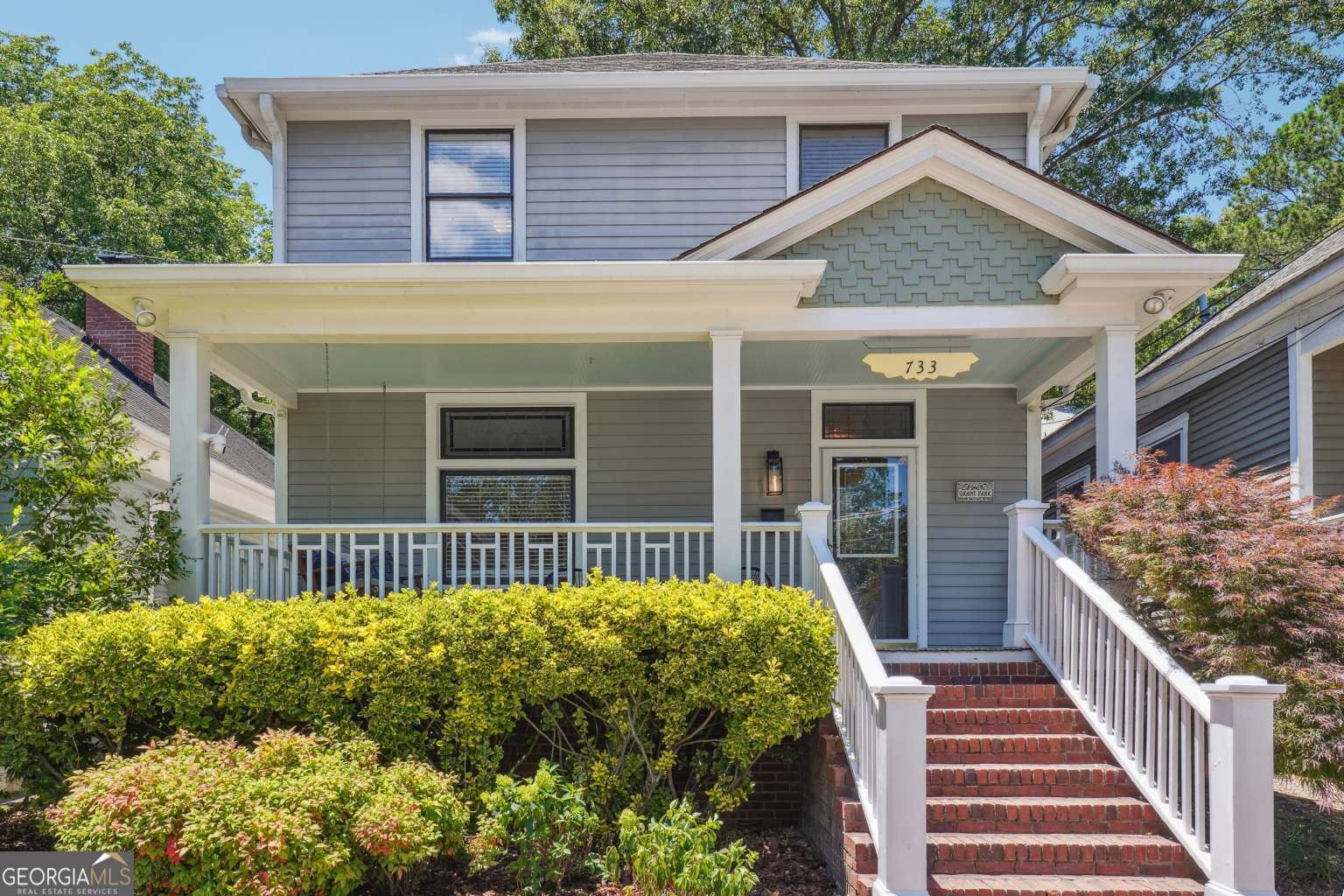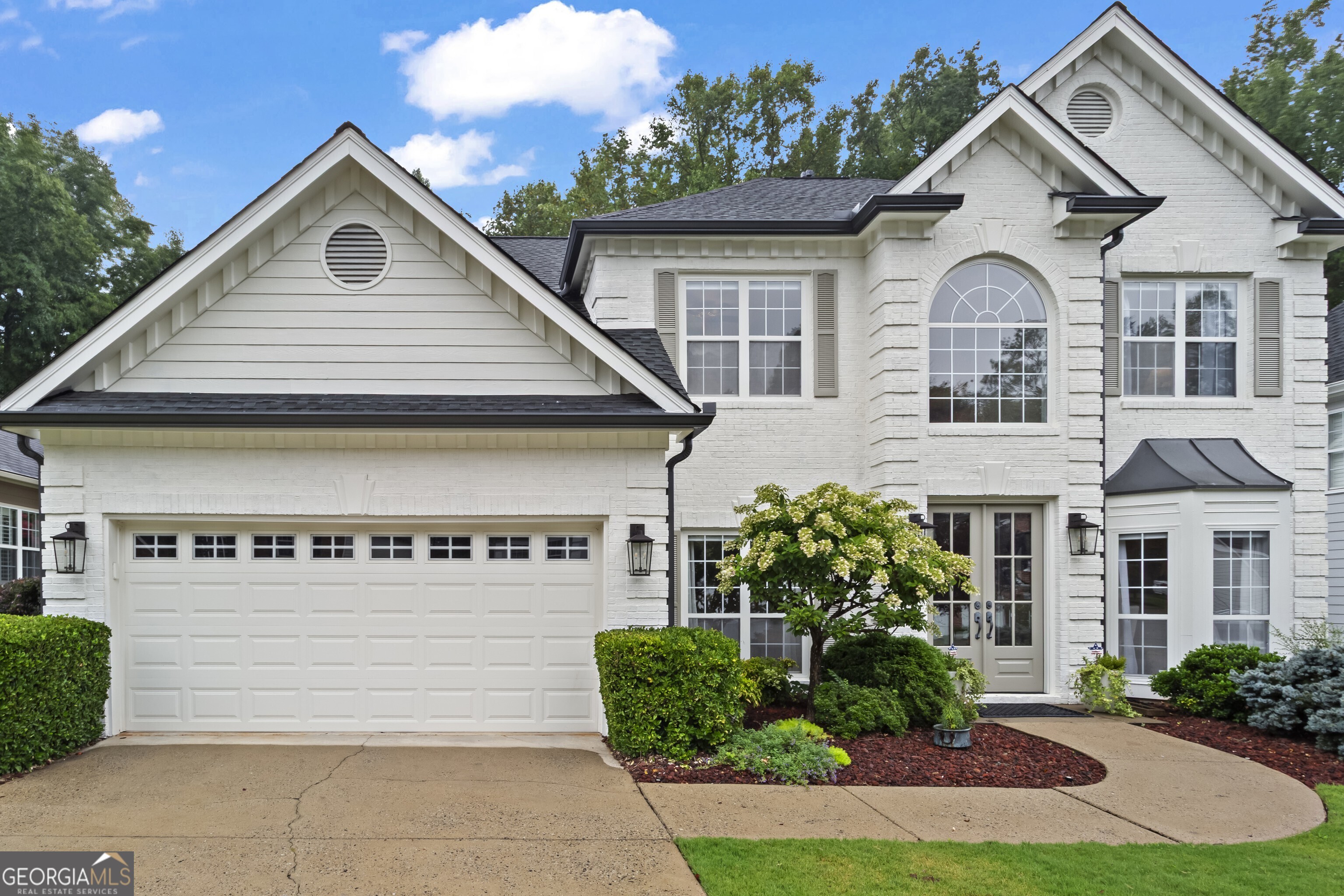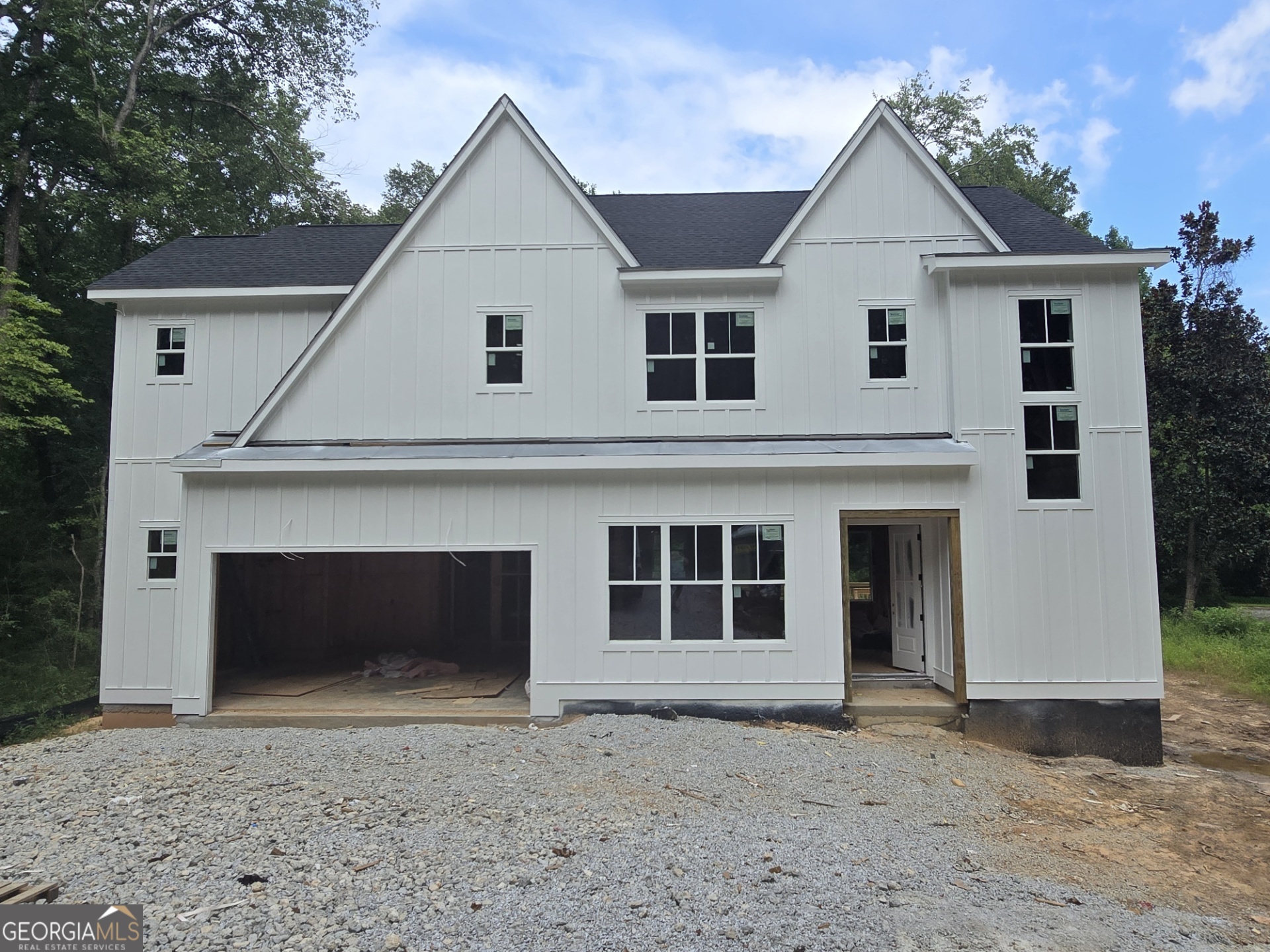
Gainesville, Georgia has quietly become one of Northeast Georgia's most compelling destinations for new home buyers — and the numbers back it up. Lake Lanier on one side, the Blue Ridge foothills on the other, and a straight shot down I-985 to Atlanta: this is a market where real lifestyle meets real value, and serious buyers are taking notice.
Over the past decade, Hall County has built an economic and demographic foundation that most comparable markets simply don't have. What follows is an honest look at why buyers from across Georgia and beyond are paying close attention to Gainesville right now.
Gainesville's Location Is a Genuine Strategic Advantage
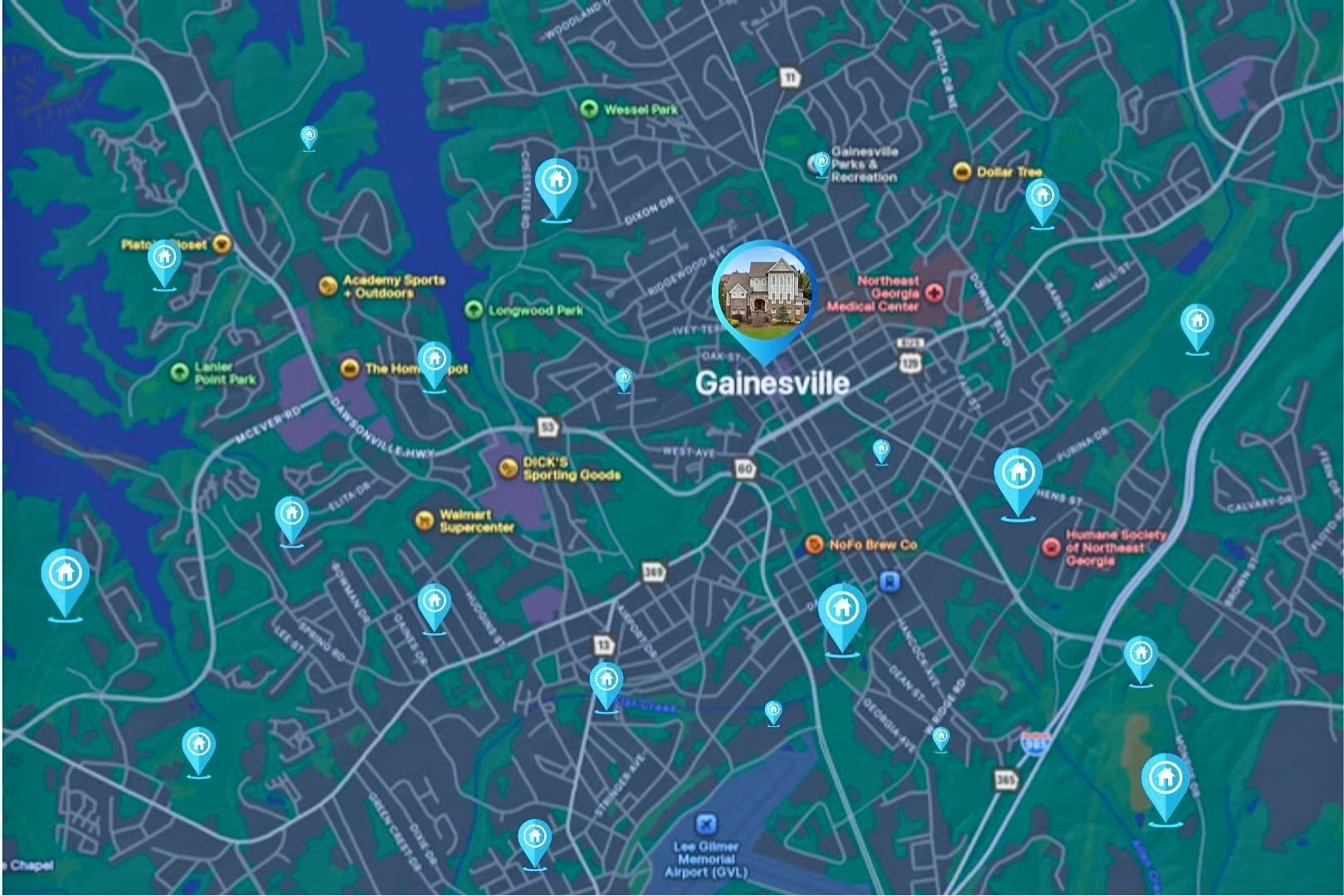
Before lifestyle or price, location is the story. Gainesville sits approximately 50 to 53 miles northeast of Atlanta — a realistic option for commuters, hybrid workers, and anyone who needs periodic Atlanta access without paying Atlanta prices or navigating Atlanta traffic five days a week.
The I-985 Corridor and Atlanta Access
The I-985 corridor is the backbone of Gainesville's commuter appeal. It runs directly south into I-85, connecting drivers to the broader Atlanta metro with a straightforward drive. Under normal off-peak conditions:
- Gainesville to Atlanta's northern suburbs (Buford, Braselton, the I-985/I-85 interchange): roughly 25 to 40 minutes
- Gainesville to downtown Atlanta: typically 60 to 75 minutes off-peak
- Peak-hour commutes: can push to 90 minutes or more depending on origin and destination
- US-23 and SR-365: provide additional arterial connections for regional commuters
The remote work shift has meaningfully extended how far buyers are willing to look from an employer's office. For someone commuting two or three days a week rather than five, Gainesville's distance from Atlanta stops feeling like a compromise and starts feeling like a calculated advantage — more space, better price per square foot, and a quality of life that a comparable budget simply cannot buy closer in.
Gateway to Northeast Georgia
Gainesville is also the urban anchor of Northeast Georgia's mountain corridor. Dahlonega, the gateway to North Georgia wine country and Appalachian Trail access, sits about 30 miles north. Helen is roughly 45 minutes away, and Amicalola Falls State Park is within an hour.
Living here means having the services and convenience of a real city while enjoying weekend access to some of the Southeast's most scenic recreation. That dual access to both metro Atlanta and the mountains is a combination very few Georgia cities can genuinely claim.
Economic Growth Is Fueling Housing Demand

Gainesville's housing growth is not speculative. It is being driven by a genuine, diversified employment base that has made Hall County one of the more economically stable counties in Georgia.
Hall County's population grew 23.5% between 2010 and 2020 — from 179,684 to 221,956 — and has continued climbing past 230,000 by Census Bureau 2023 ACS estimates, placing it consistently among Georgia's top 15 to 20 fastest-growing counties by numeric population gain.
Hall County's Major Employers and Job Sectors
Northeast Georgia Medical Center anchors the local healthcare economy in a significant way. With its main campus in Gainesville, NGMC operates as one of the largest hospital systems in Georgia outside the Atlanta metro — standing as consistently one of Hall County's largest single employers, with thousands of employees across its system and operations. The system has continued expanding its facilities and specialty services, drawing healthcare workers and professionals who need to live within a reasonable commute of Gainesville.
The food processing and poultry industry represents another deep employment layer. Hall County and the surrounding Northeast Georgia region are nationally recognized in this sector, with major operations supporting supply chain, logistics, and manufacturing jobs throughout the corridor. Beyond those traditional anchors, the county has seen meaningful growth in:
- Professional services
- Construction trades
- Logistics and distribution — particularly along the I-985 corridor, where land availability and highway access have attracted warehouse and fulfillment operations

Population Growth and What It Means for Buyers
This matters to buyers not just as a market signal, but as a quality-of-life indicator. When a county grows at this pace, it attracts investment in schools, roads, retail, and healthcare capacity. The infrastructure that makes a community genuinely livable tends to follow sustained population inflow — and Gainesville is seeing exactly that dynamic play out right now.
For buyers evaluating long-term home value, population growth into a well-located, amenity-rich market is one of the more reliable foundation stones available.
Pro Tip: Don't just look at where the population is now — look at where it's going. Hall County's consistent ranking among Georgia's fastest-growing counties by numeric gain signals sustained demand, not a one-cycle spike. That trajectory matters when you're making a long-term investment.
Lake Lanier and the Lifestyle That Drives Demand
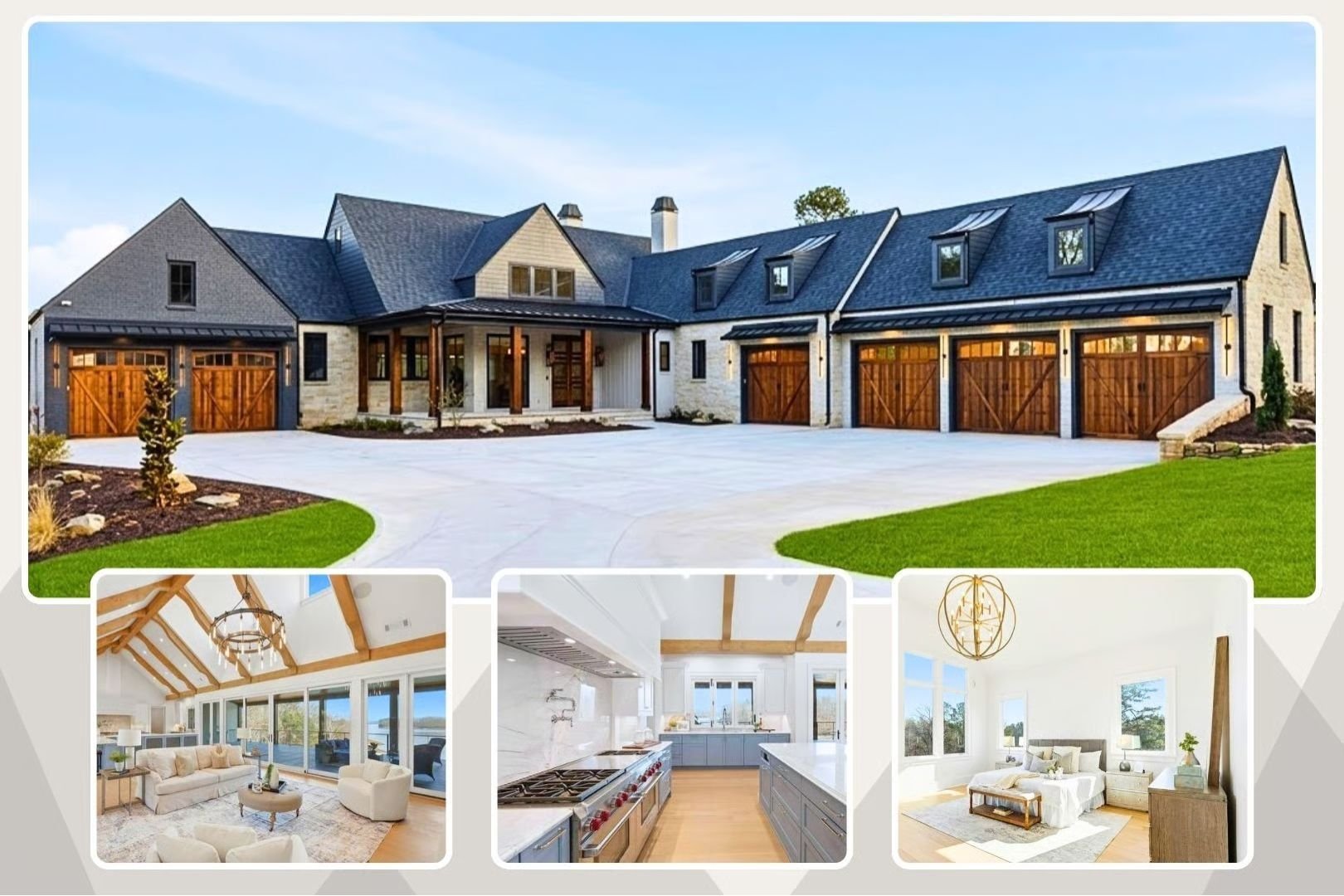
If the commute case makes Gainesville logical, Lake Lanier makes it emotional — and in most home-buying decisions, the emotional case is what closes it.
Living on or Near Lake Lanier
Lake Sidney Lanier is one of the most visited recreational lakes in the United States, and Gainesville sits directly on its northern and eastern shores.
692+ miles of shoreline and approximately 38,000 surface acres span parts of Hall, Forsyth, Gwinnett, and Dawson counties — making Lake Lanier a constant, accessible backdrop to daily life in Gainesville.
Residents have access to multiple marinas along the Gainesville shoreline — including Gainesville Marina and Aqualand Marina — for boating and boat storage, waterfront parks for casual recreation, and a general quality of life that is genuinely difficult to replicate at a comparable price point elsewhere in Georgia. Fishing, paddleboarding, kayaking, and evening cruises are not vacation activities for Gainesville residents. They are Tuesday evening activities.
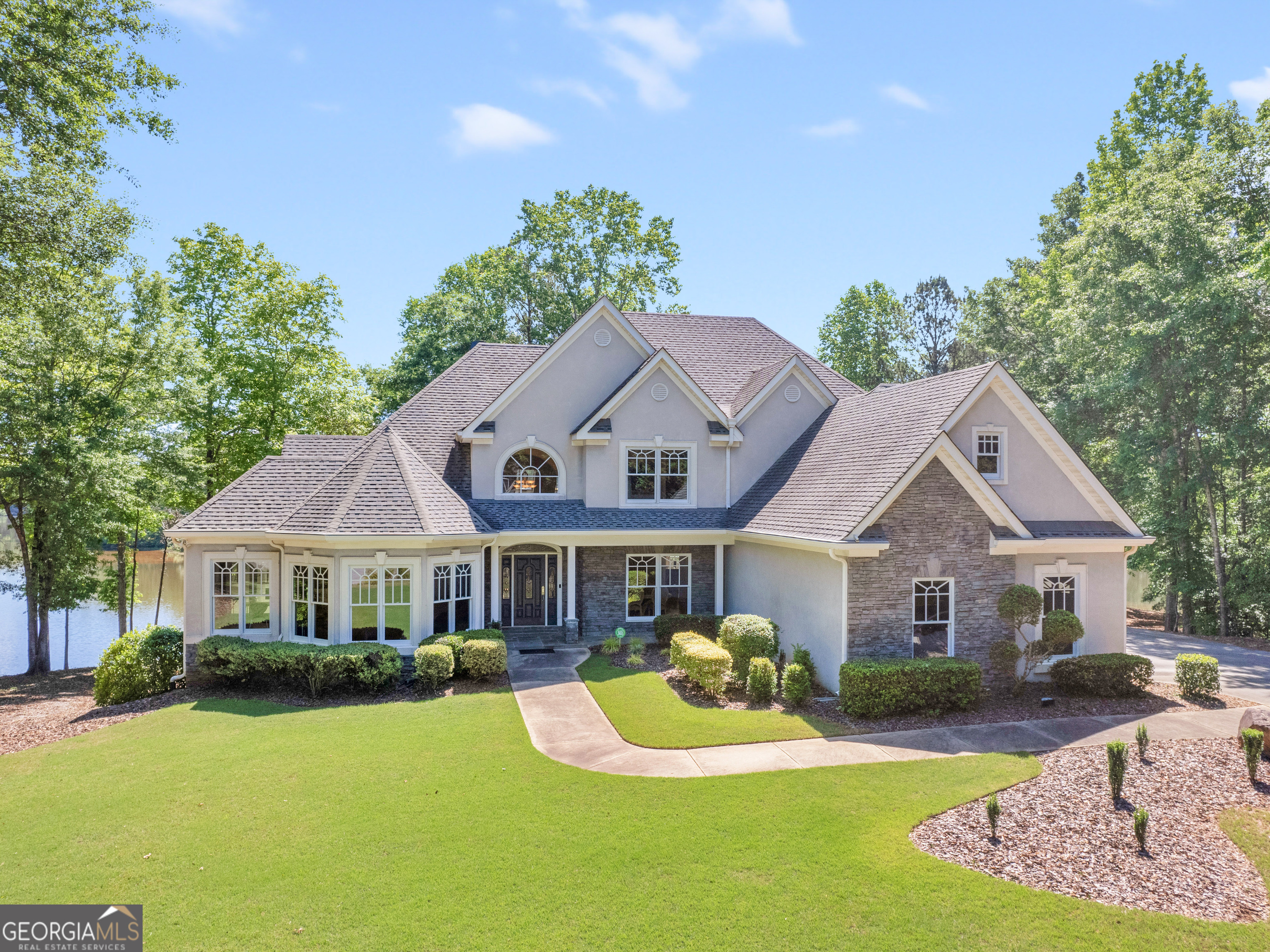
New construction near the lake draws premium buyer interest, and communities with lake proximity or lake access tend to move faster than those further inland.

Outdoor Recreation Beyond the Lake
Gainesville's outdoor appeal extends well beyond the water. Don Carter State Park, located on the lake's upper arm in northern Hall County, covers approximately 1,318 acres and offers camping, hiking trails, fishing piers, and beach areas — all managed by the Georgia Department of Natural Resources and easily accessible from Gainesville.
The Elachee Nature Science Center provides additional hiking trails and environmental programming along Elachee Creek near Lake Lanier — a resource that families with children find particularly valuable. The Blue Ridge foothills begin their ascent just north of town, meaning the landscape shifts from lake lowlands to rolling forested hills within minutes of leaving the city. Outdoor-minded buyers consistently name that variety of terrain as a deciding factor.
A Downtown Square With Character and Momentum
Gainesville's downtown square has evolved meaningfully in recent years. The historic courthouse square anchors a growing concentration of local restaurants, boutique retail, and community gathering spaces — giving the city a town square environment that distinguishes it from purely suburban alternatives in the region.
The Georgia Mountains Center, Gainesville's primary event and convention venue, hosts performances, community events, and public gatherings that reinforce a genuine sense of civic life. Brenau University's historic main campus, positioned directly in the downtown district, contributes further to the cultural and educational character of the area.
New Construction Activity — What's Being Built and Where
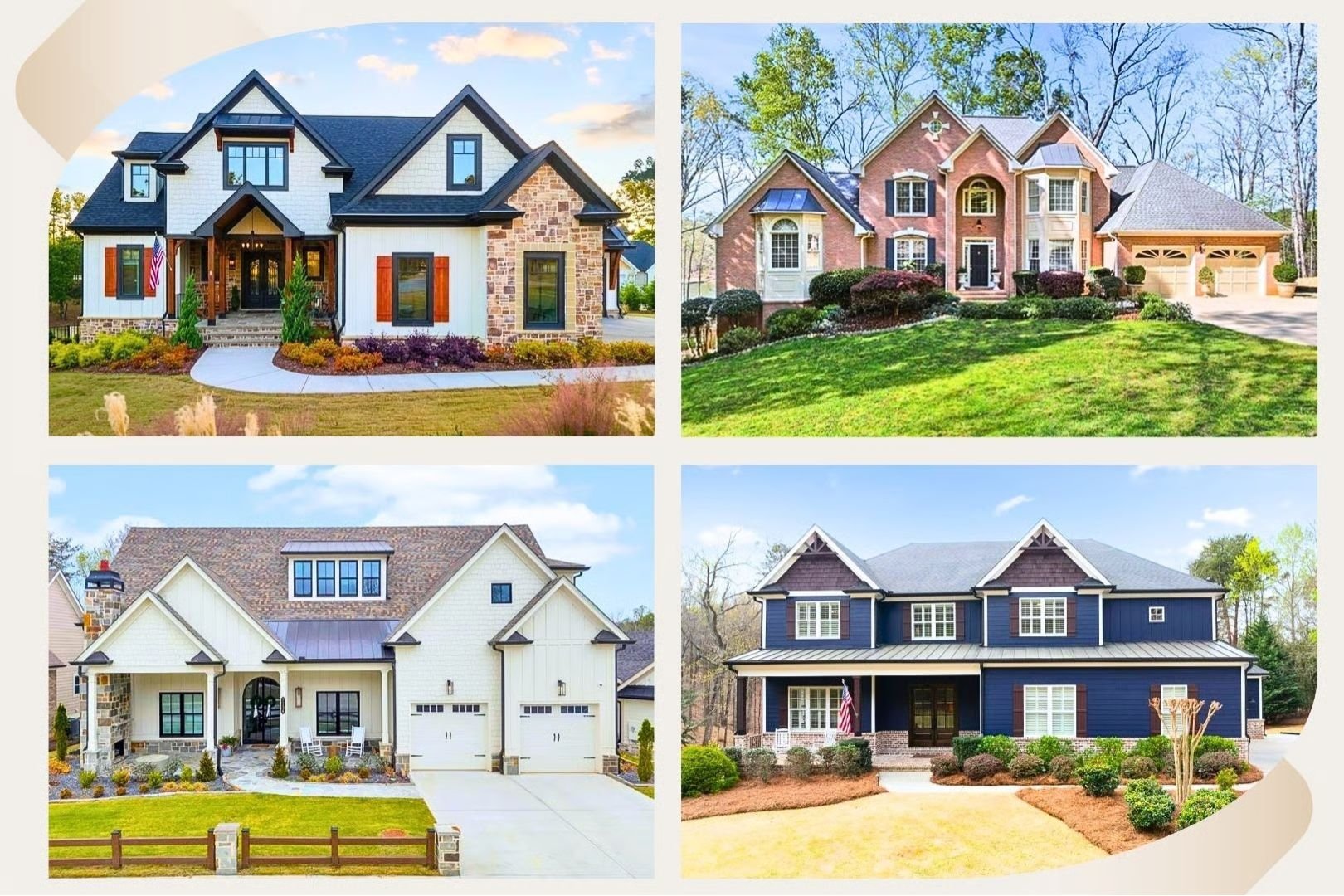
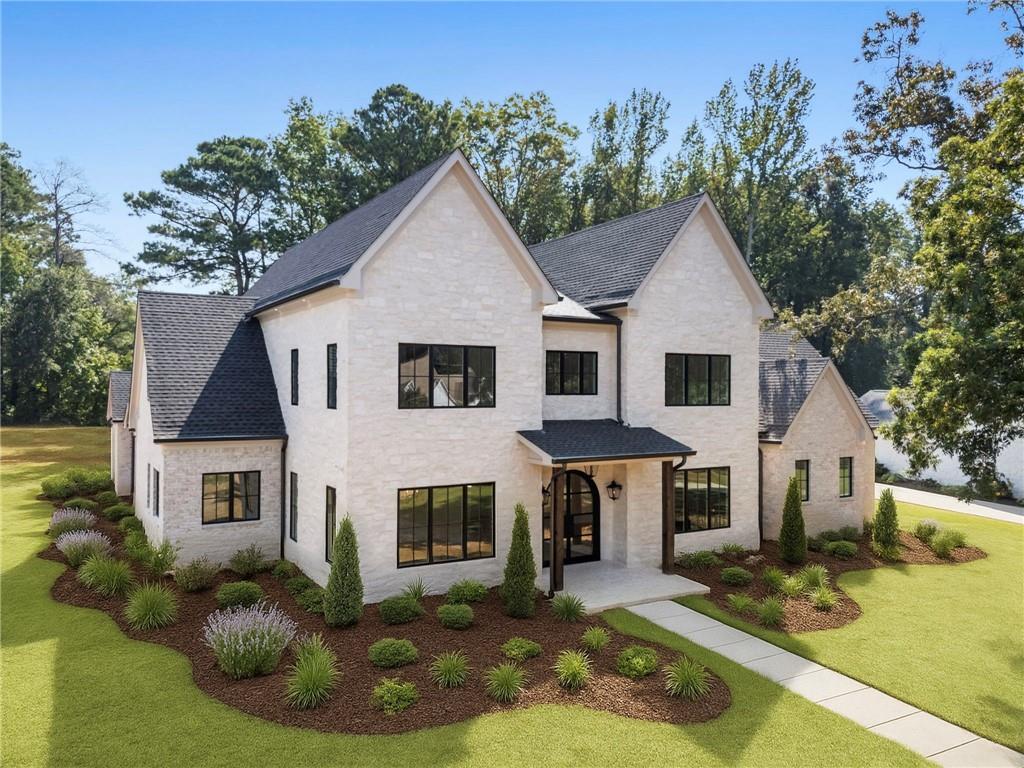
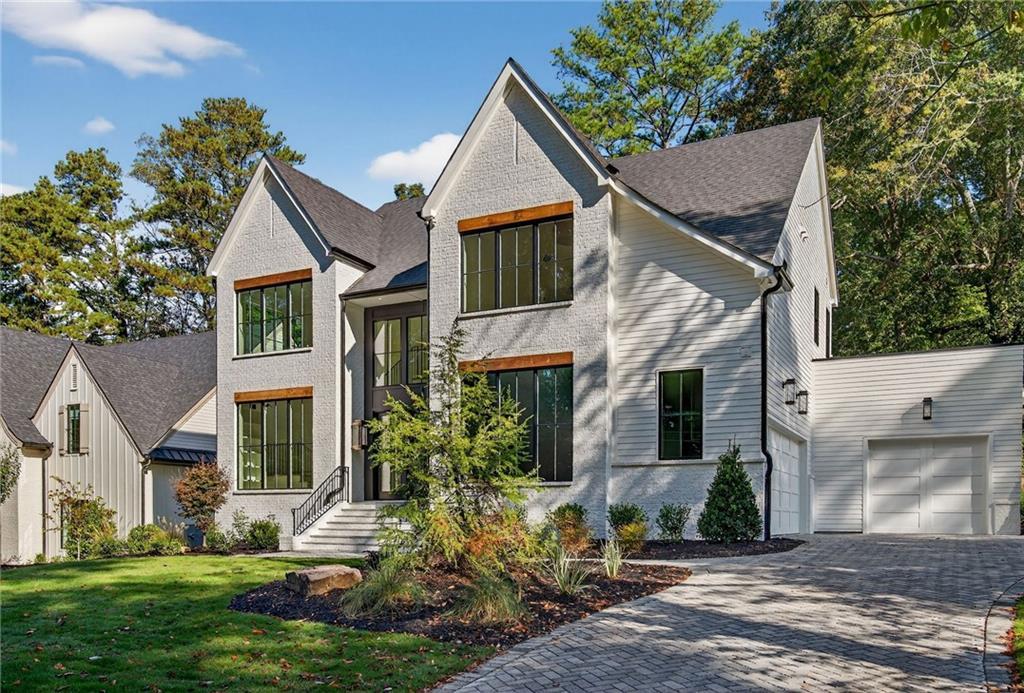
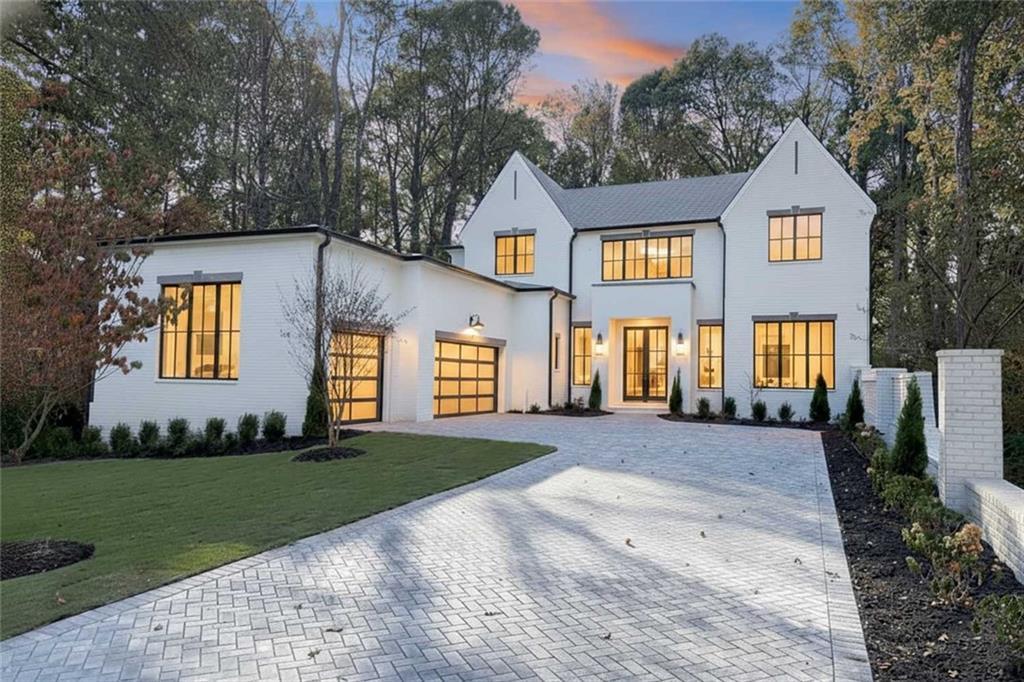
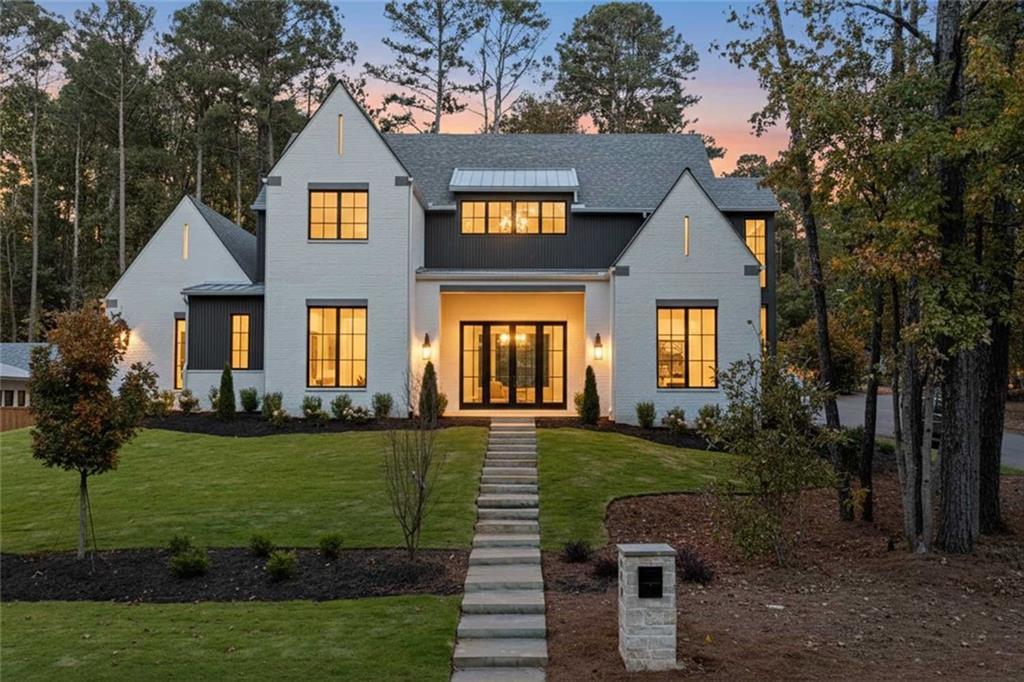
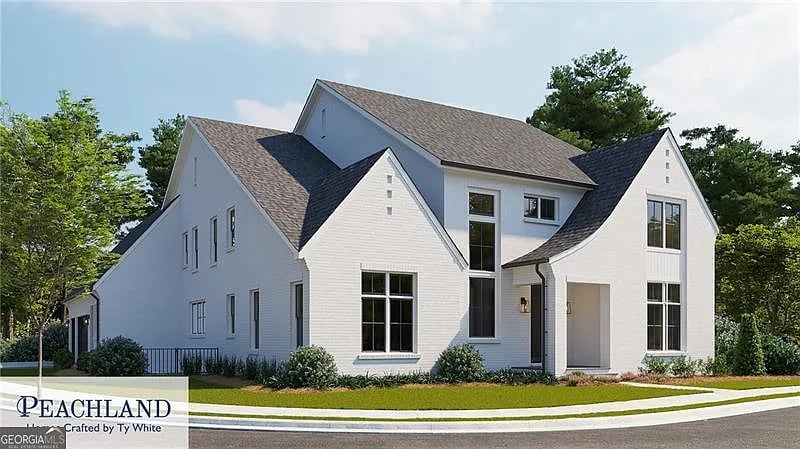
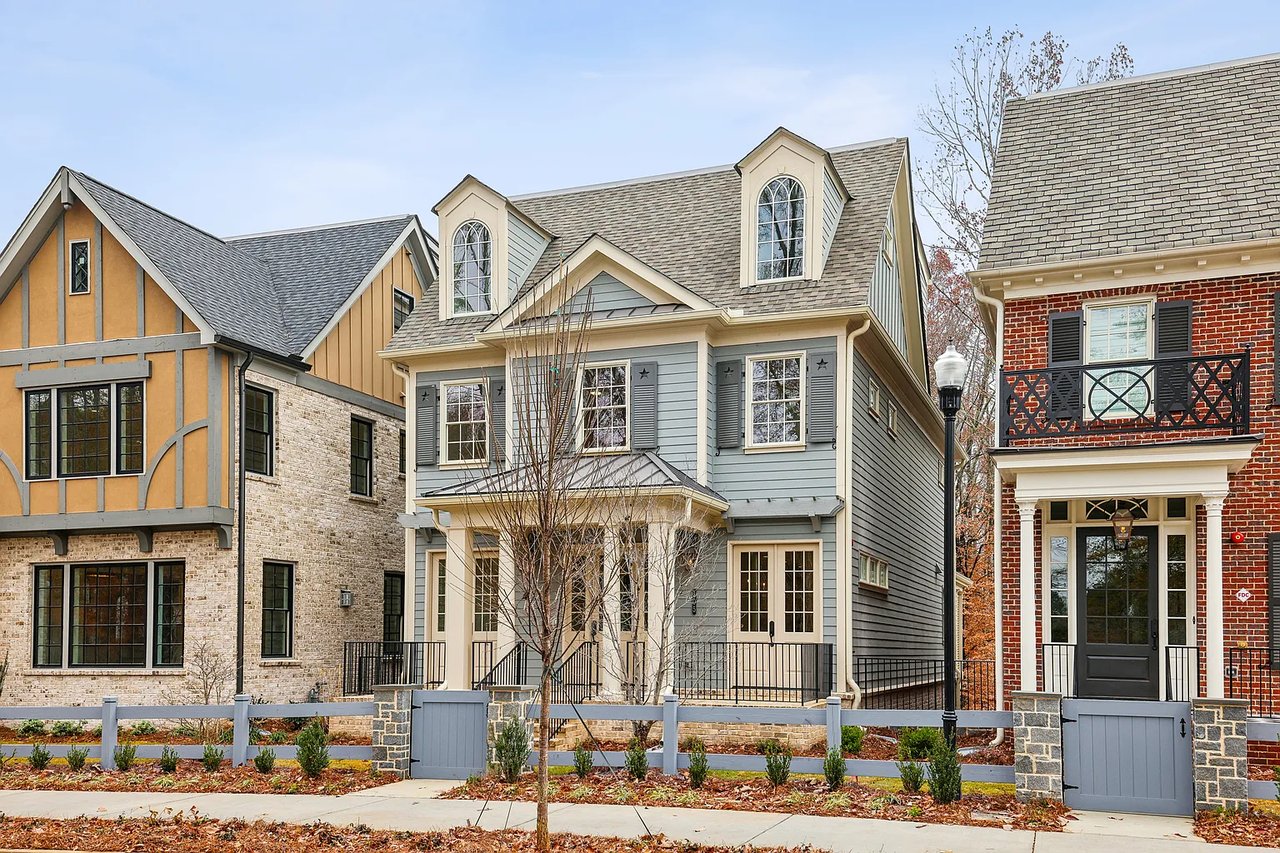
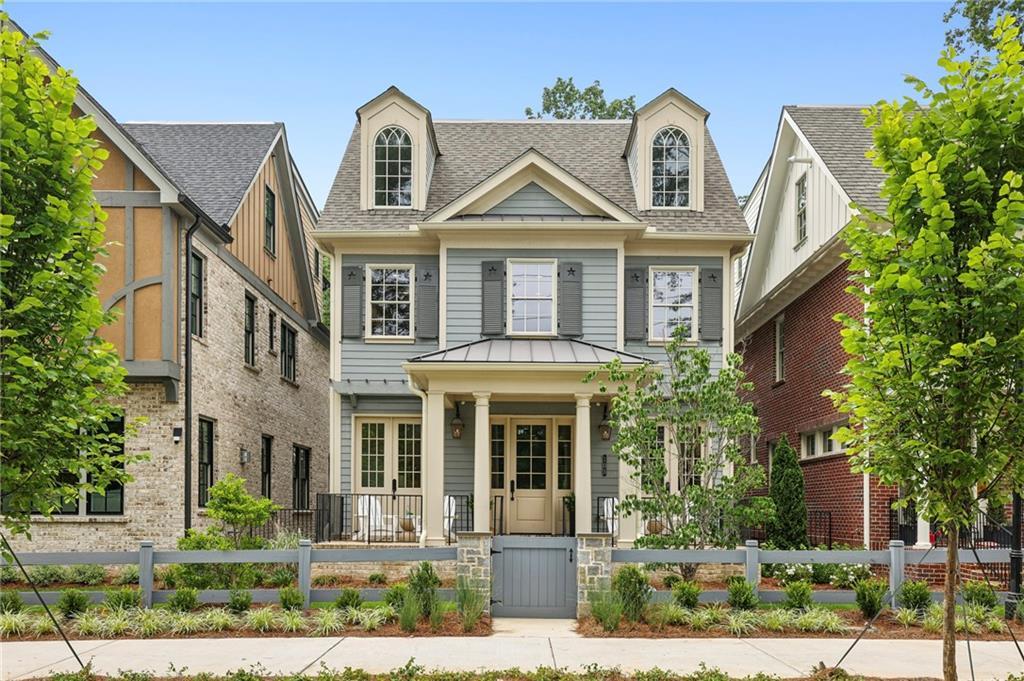
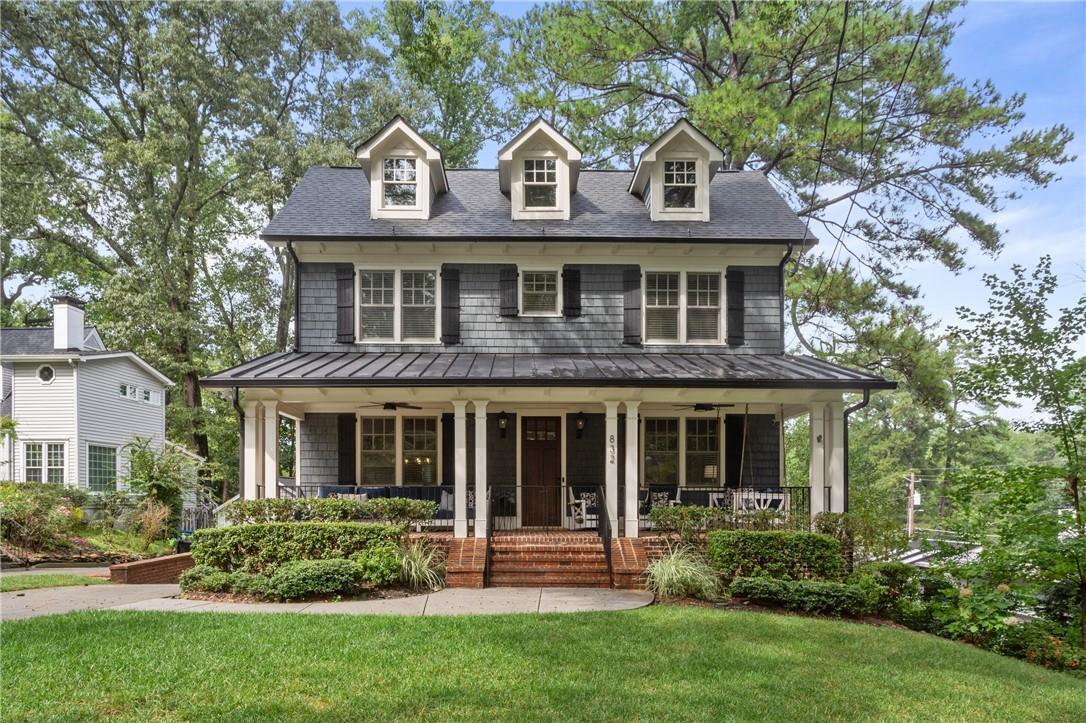
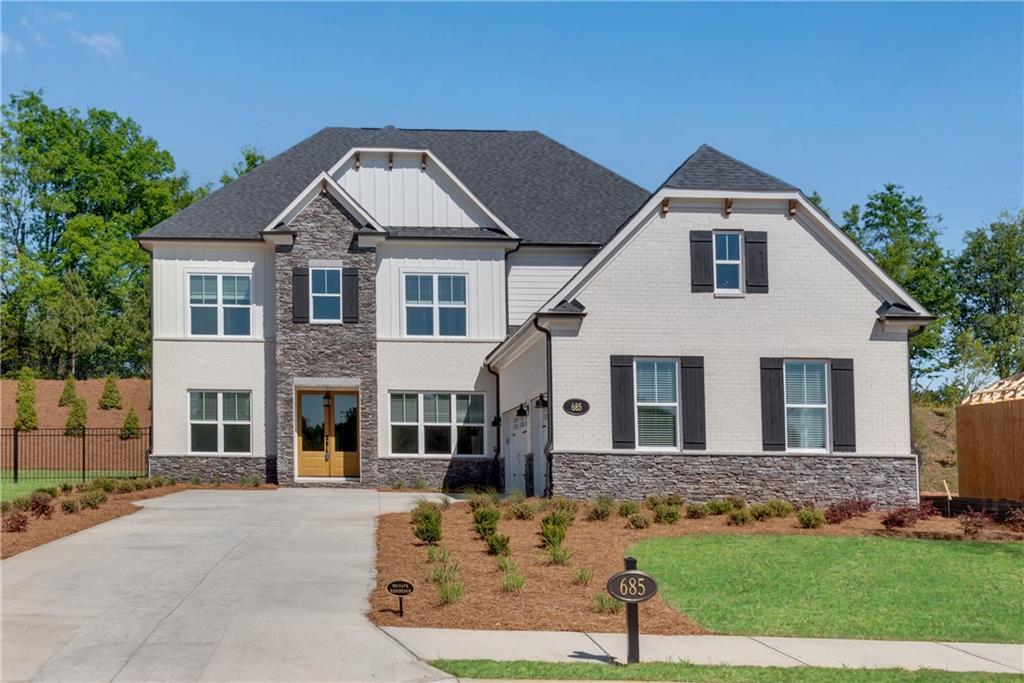
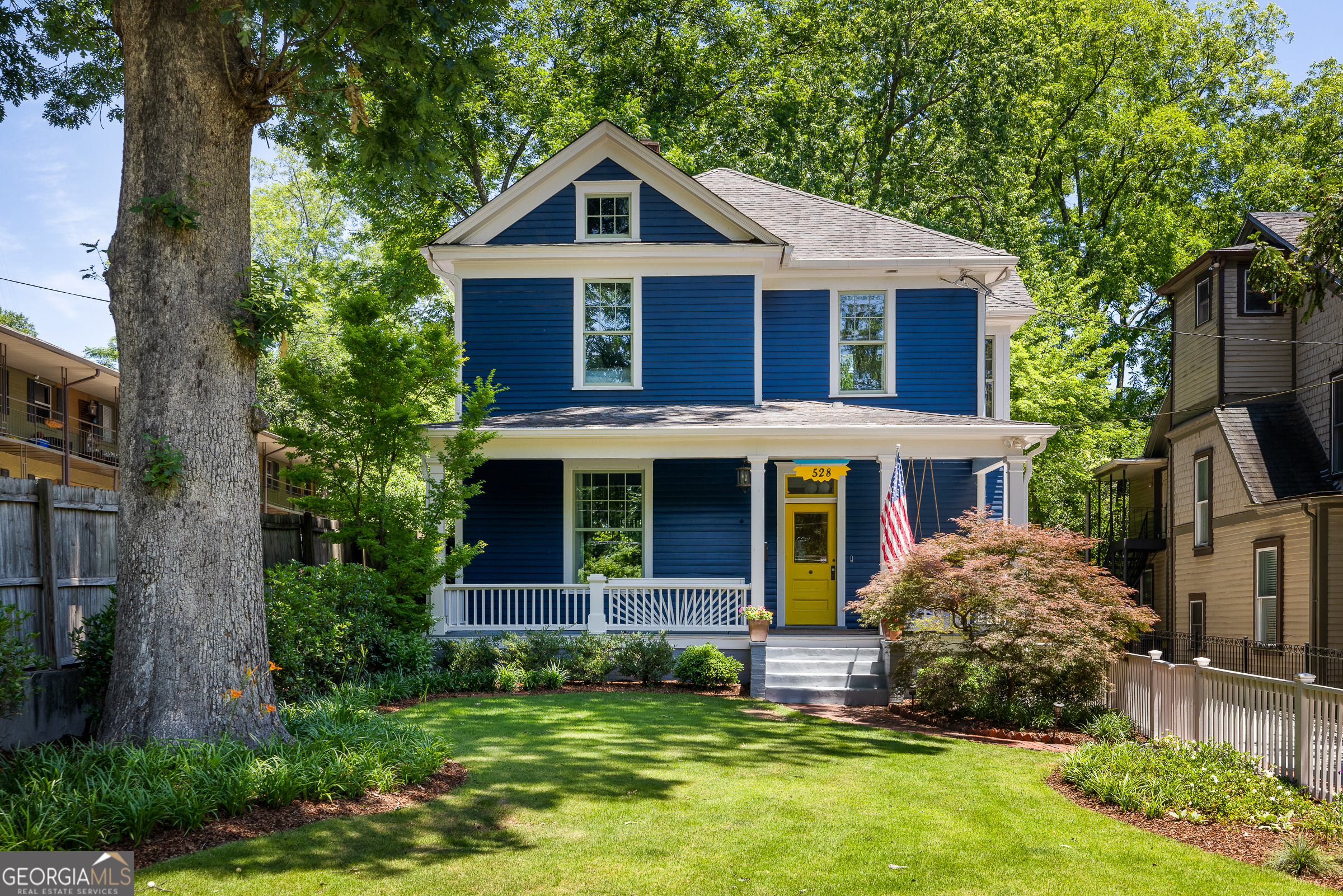
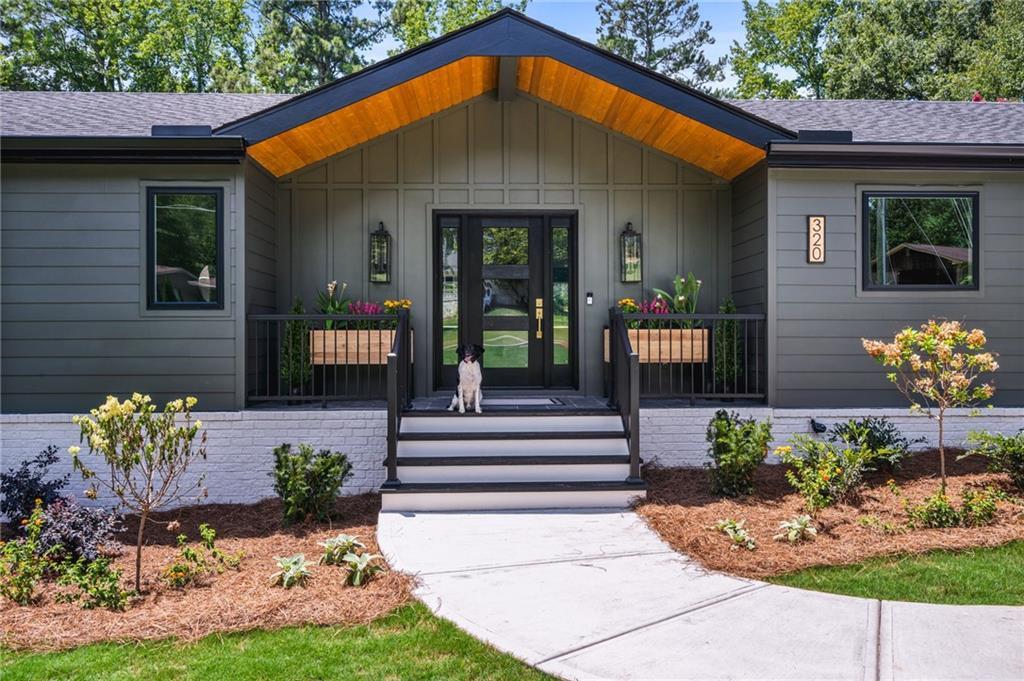
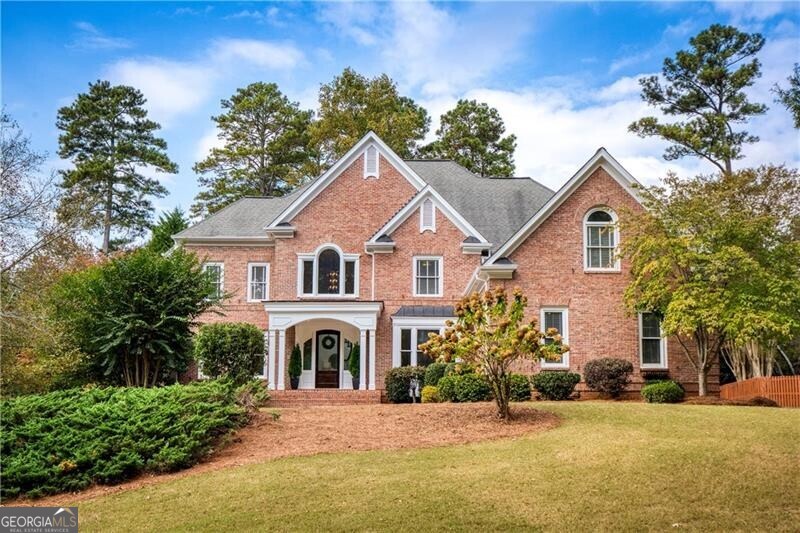
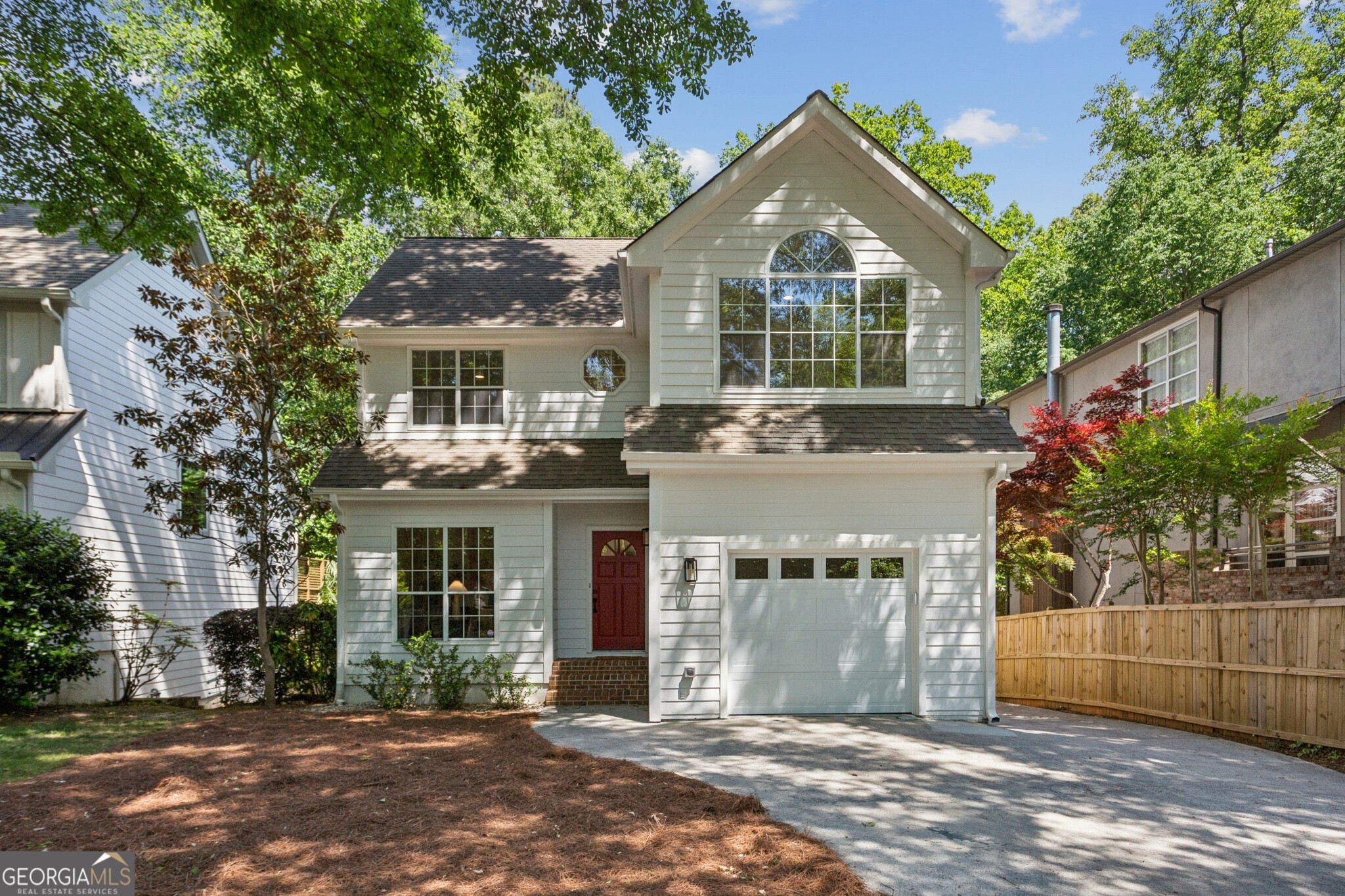
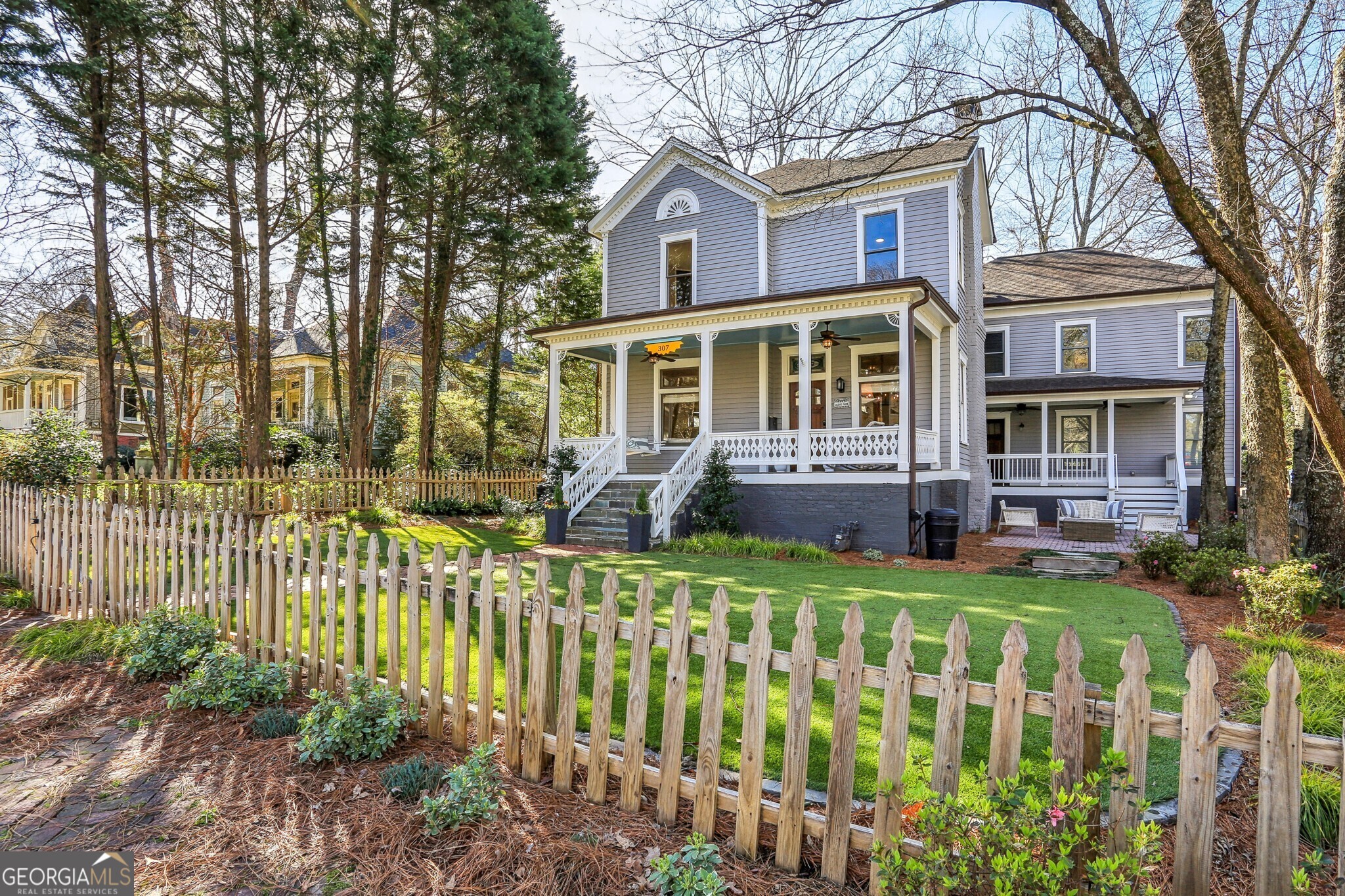
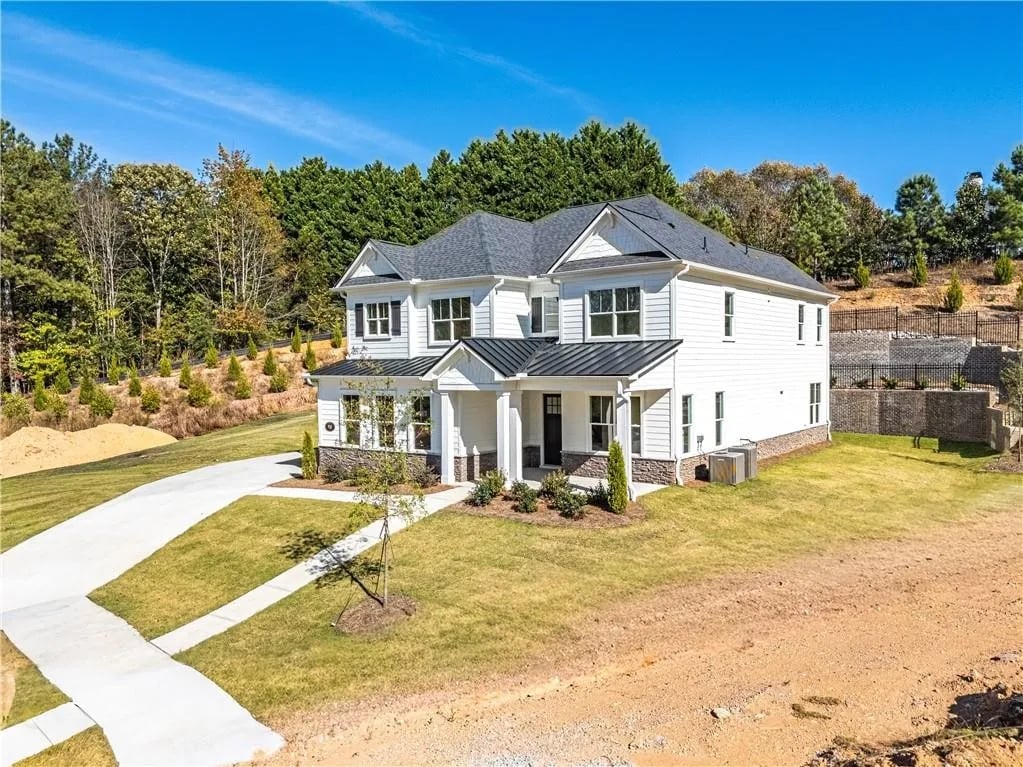
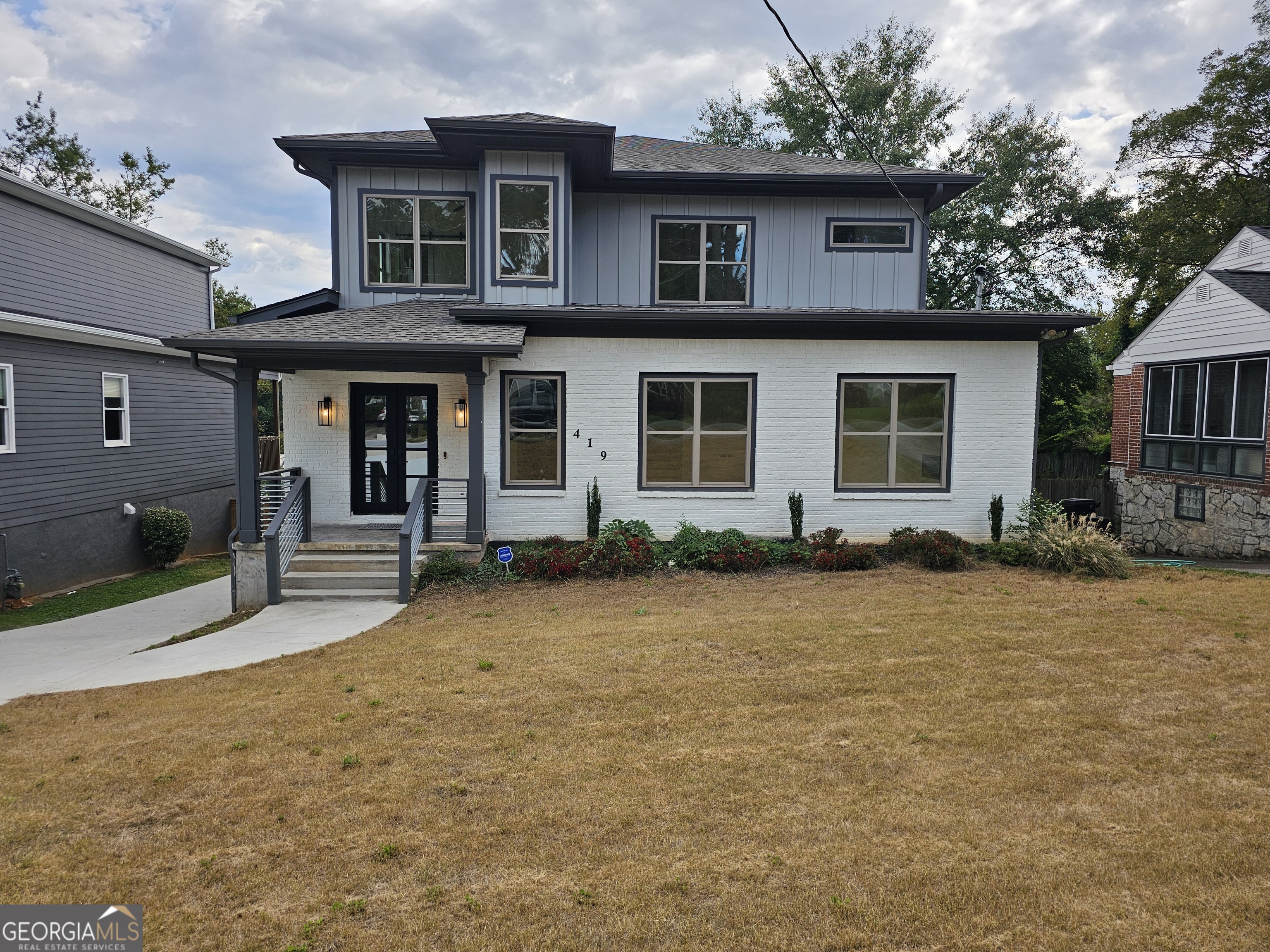
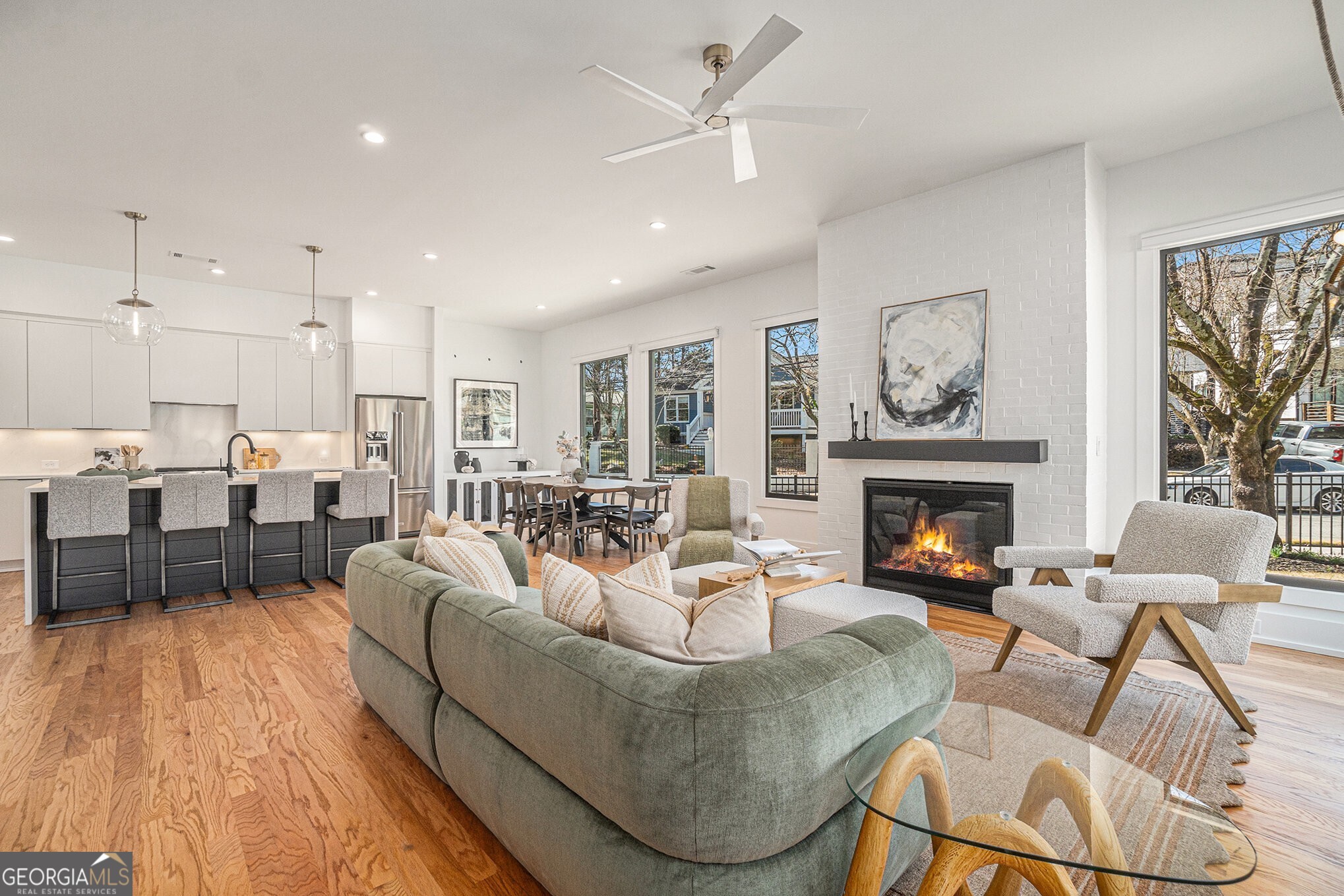
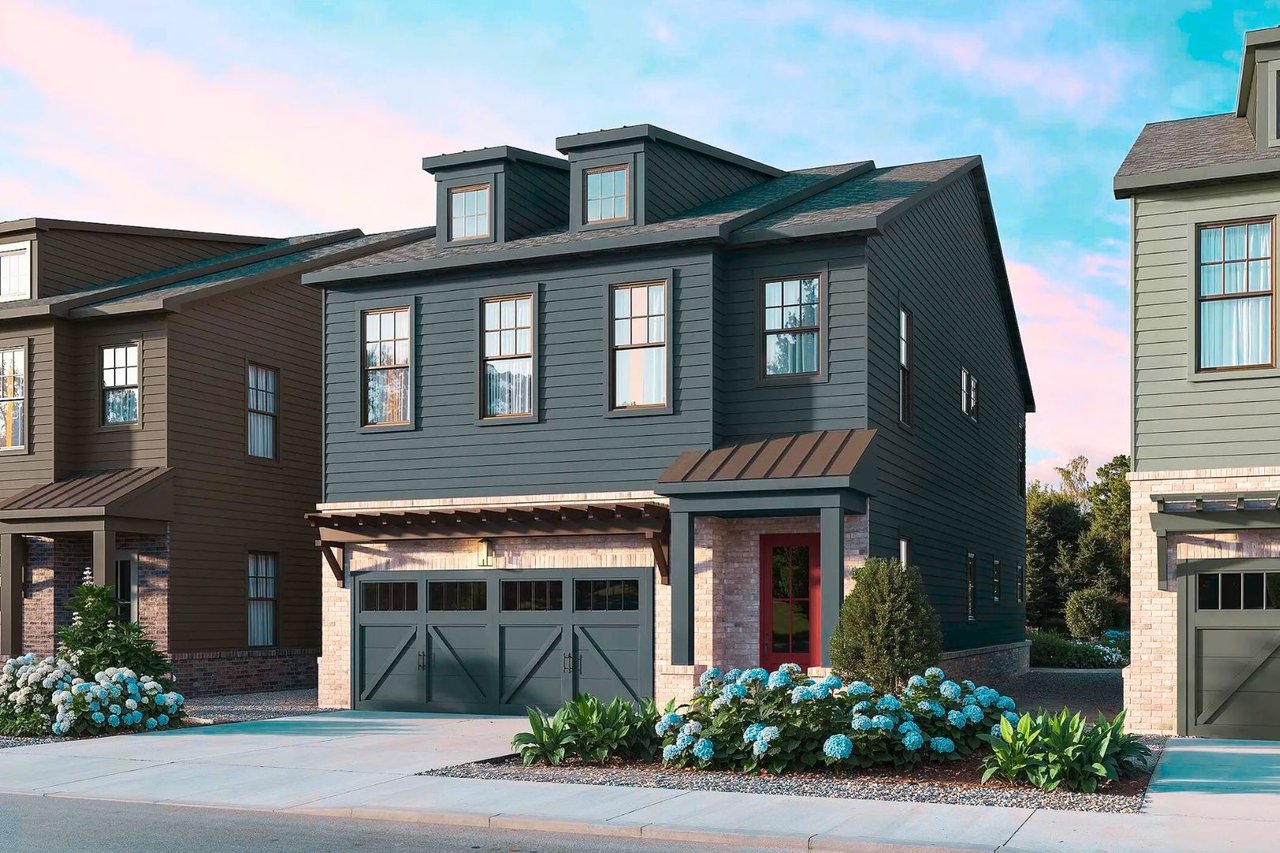
For buyers specifically seeking new construction, Gainesville and the surrounding Hall County corridor represent one of the more active markets in Northeast Georgia. Builder activity here reflects real demand, not overbuilding, and the variety available spans a wide range of buyer profiles.
Active Growth Corridors in Hall County
Residential development has clustered along several key corridors:
- SR-53/Mundy Mill Road: Consistent builder activity with strong community development momentum
- McEver Road toward Oakwood and Flowery Branch: A spine for new community development that balances highway access with proximity to Gainesville and Hall County's broader school system
- The Gainesville-Flowery Branch-Oakwood triangle: The southern and western arc of Hall County along I-985 — particularly active, serving buyers who want the Hall County lifestyle with strong commuter access south toward metro Atlanta
What Buyers Are Finding in New Construction Here
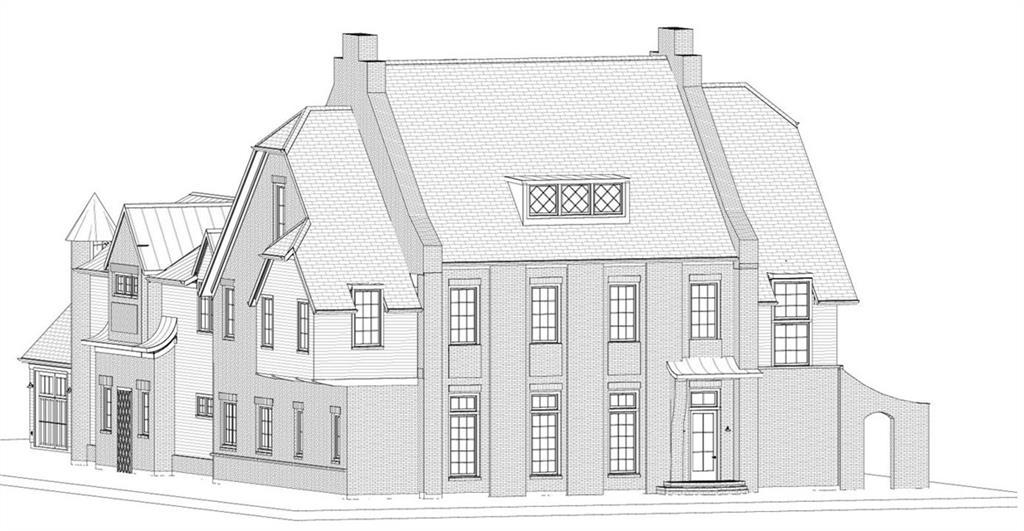
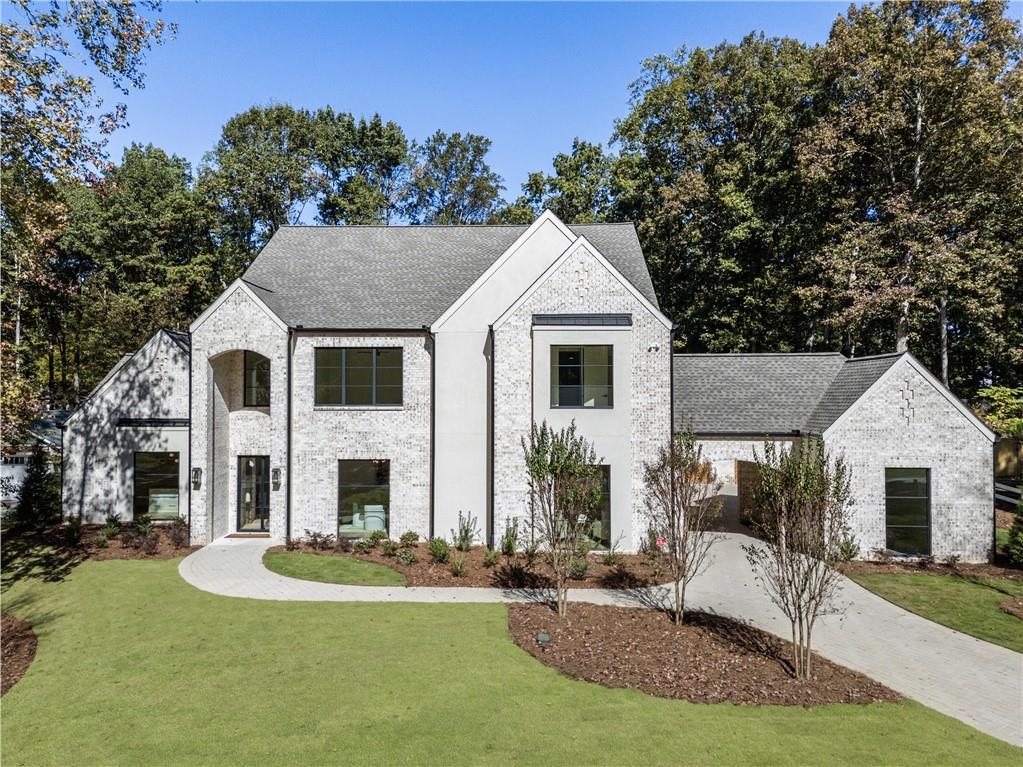
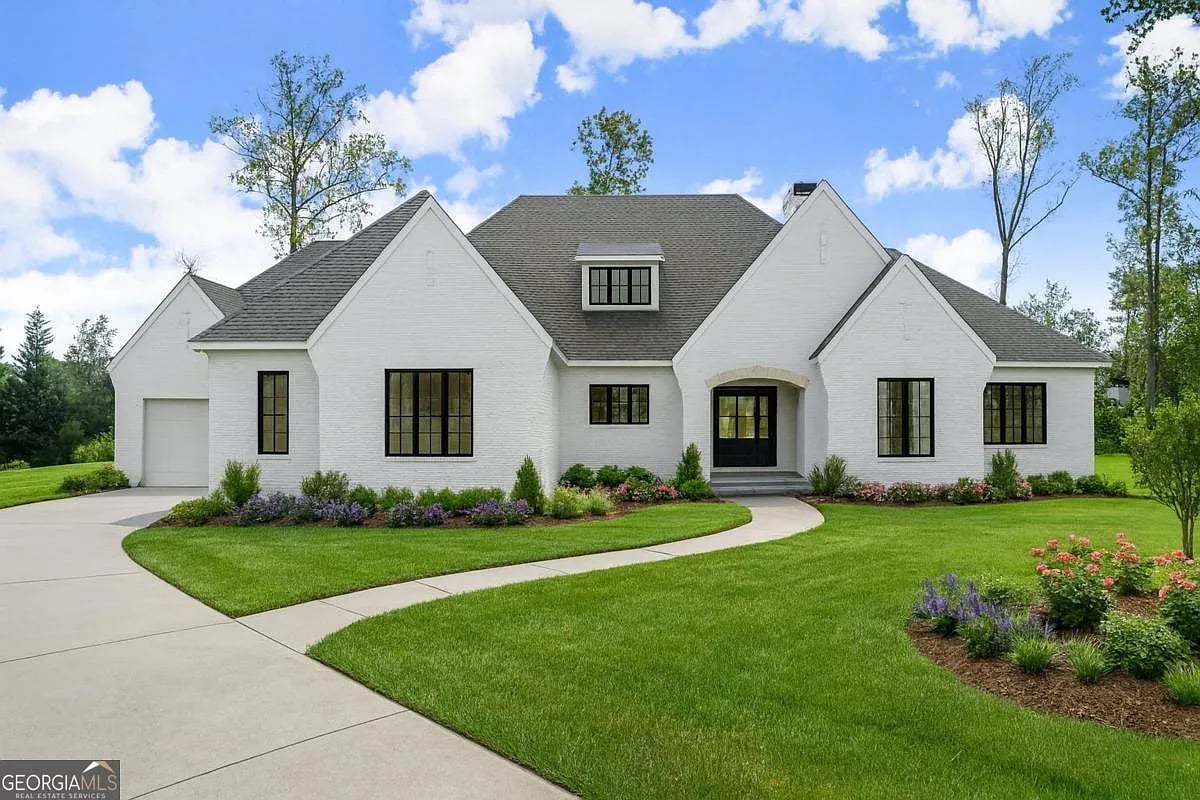
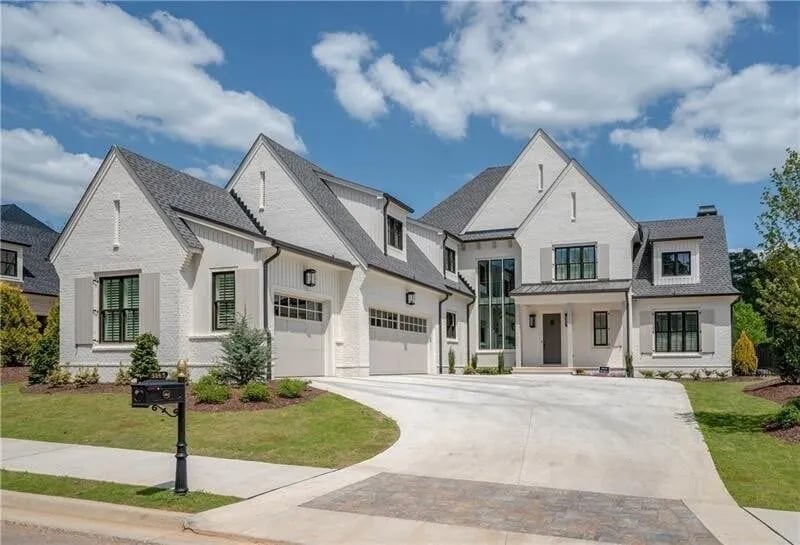
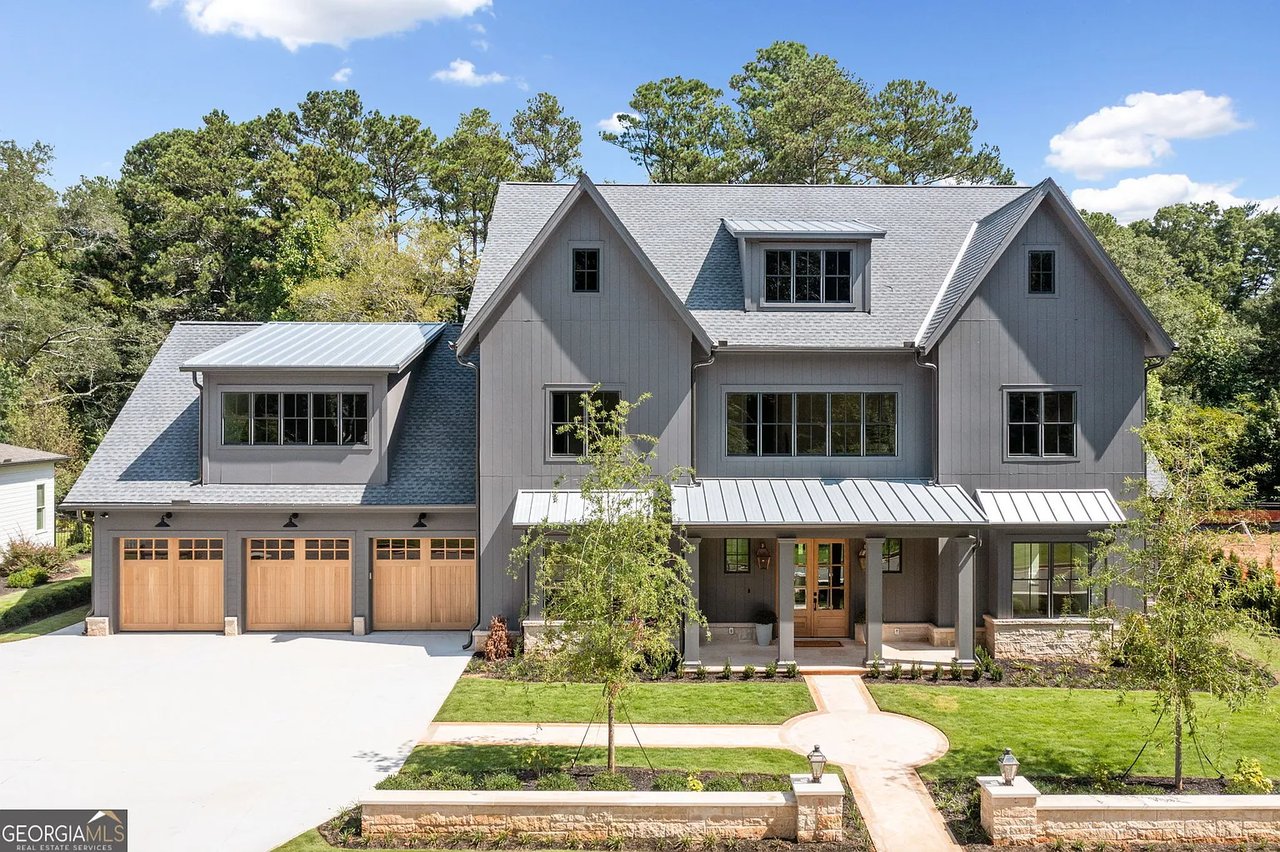
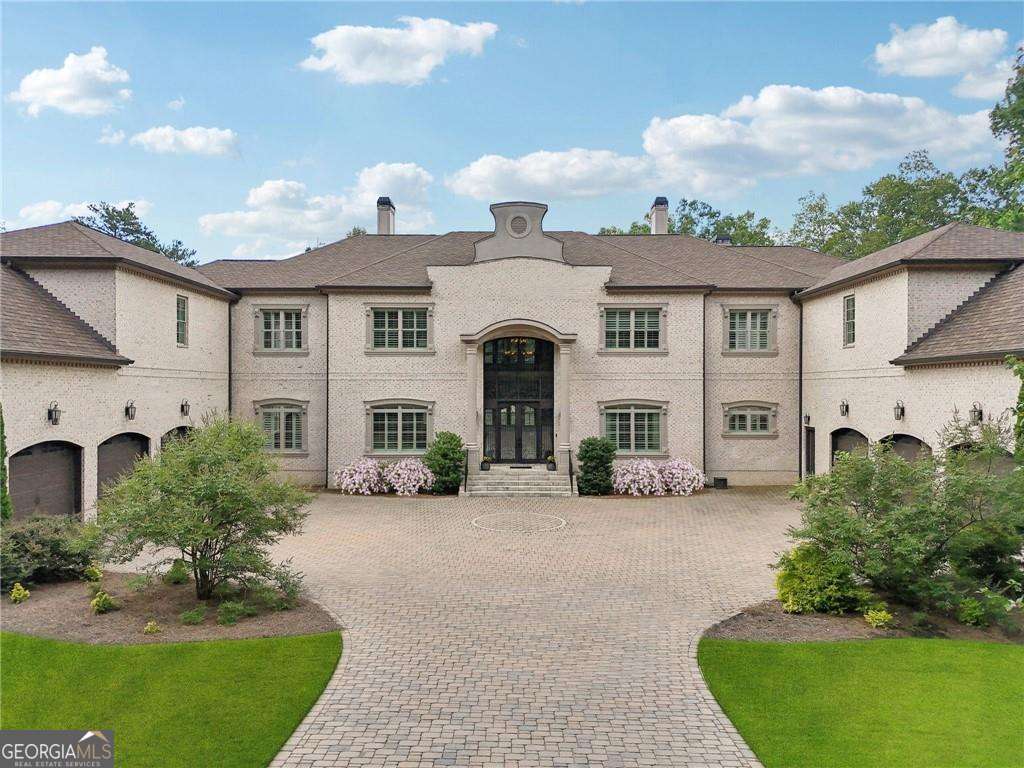
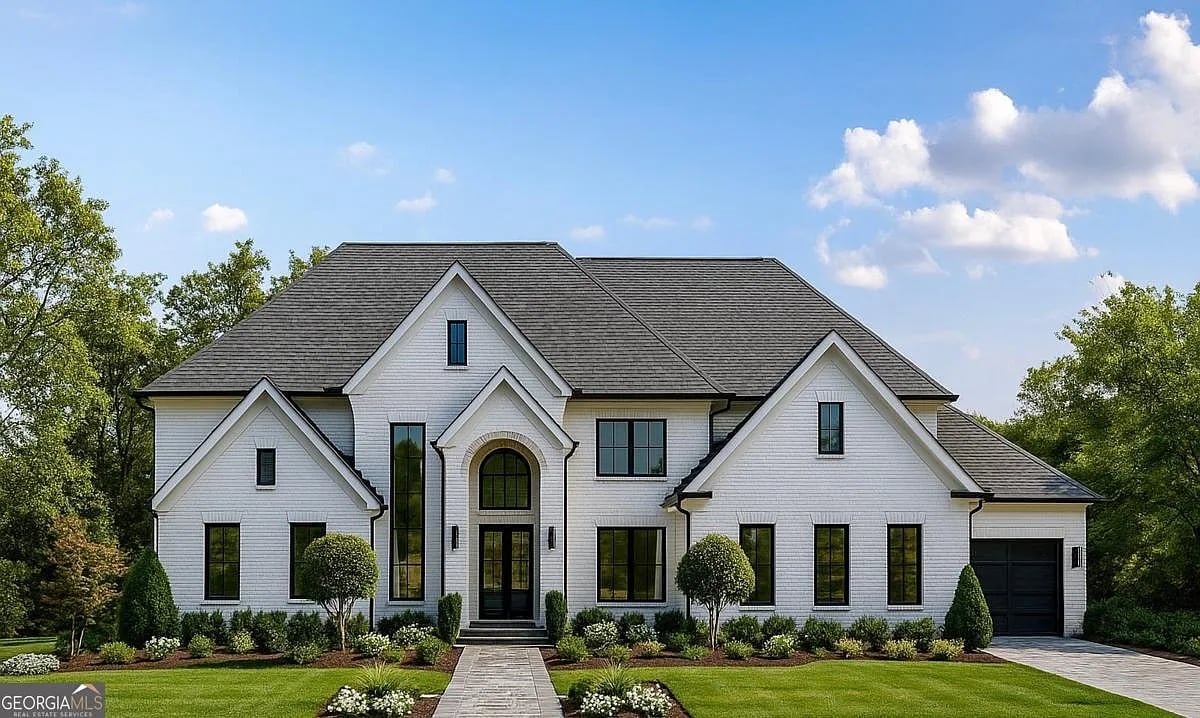
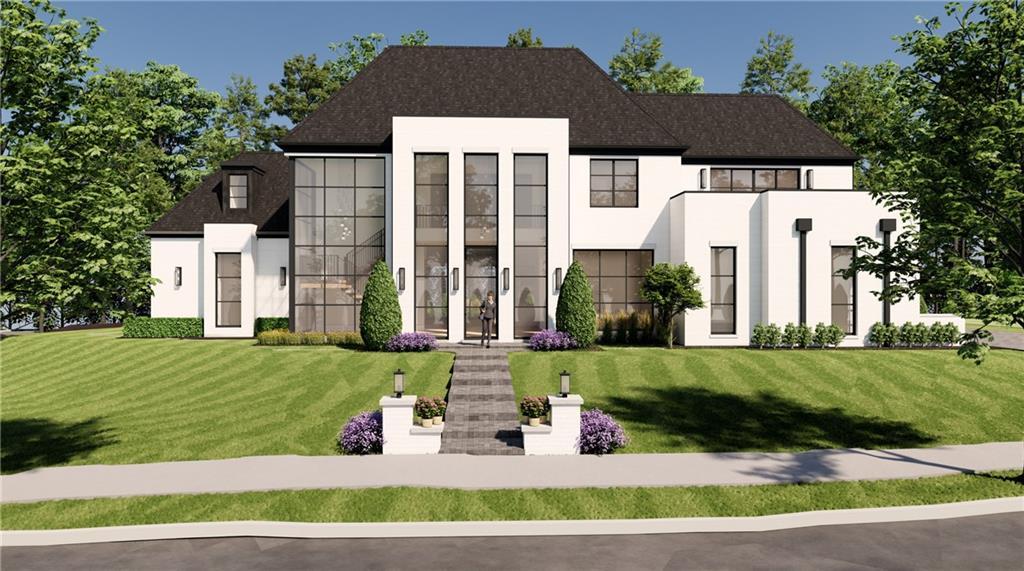
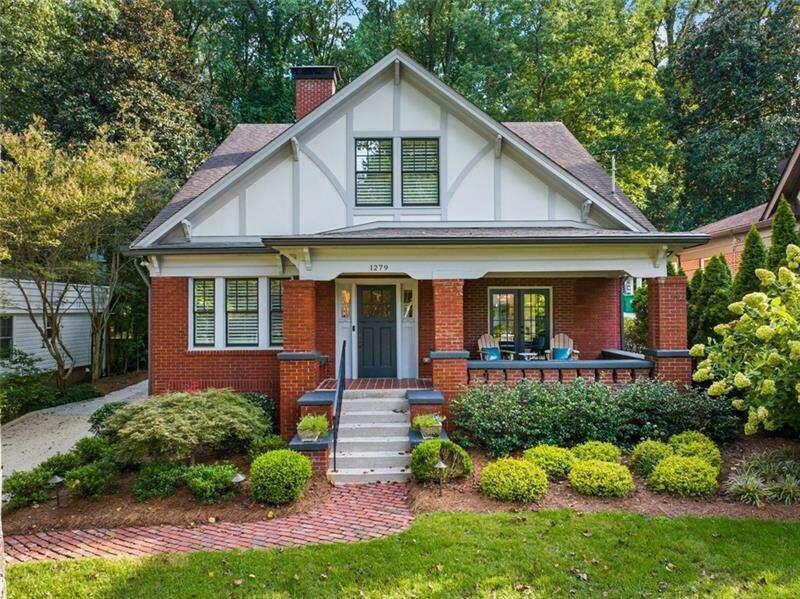
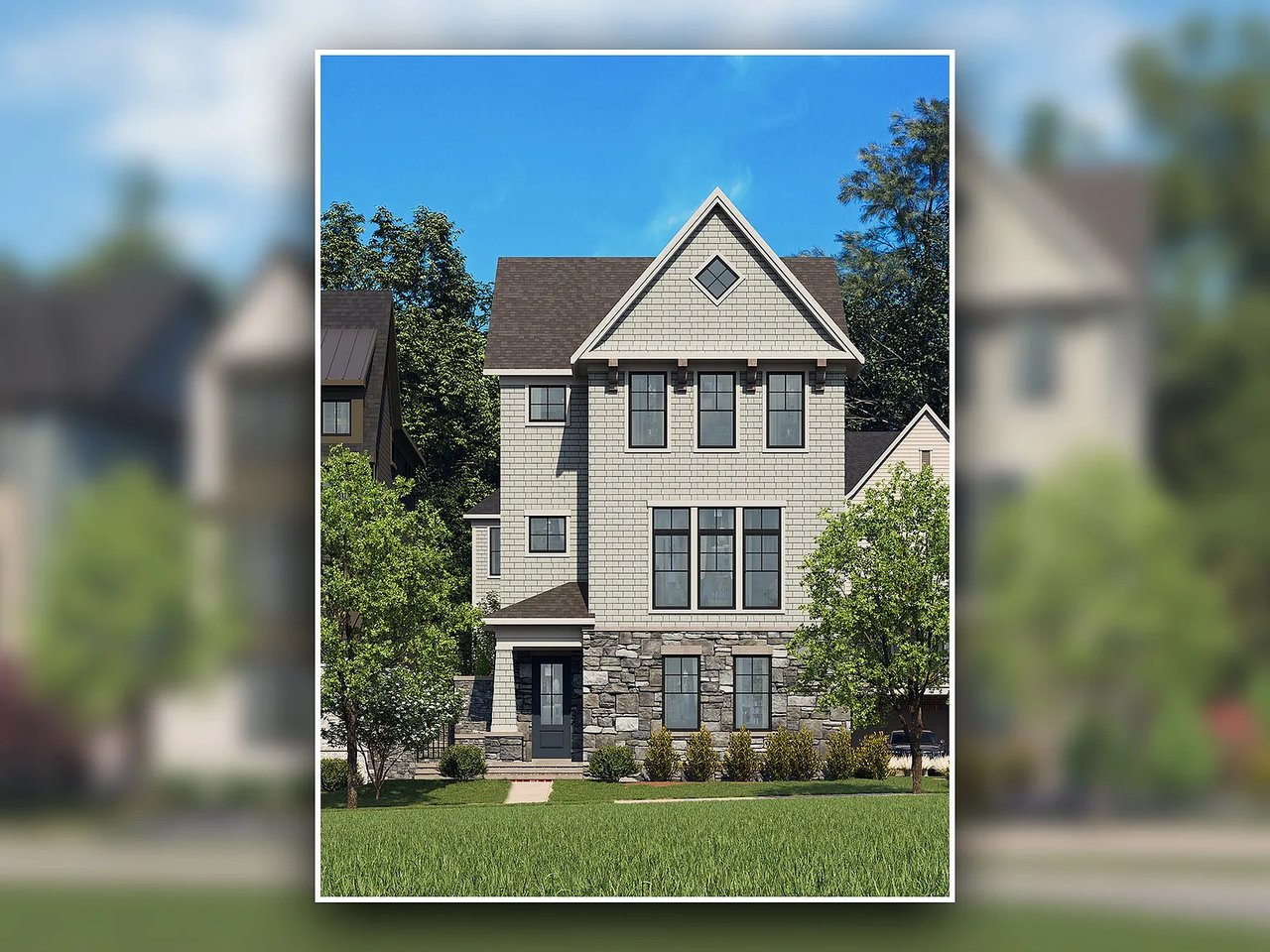
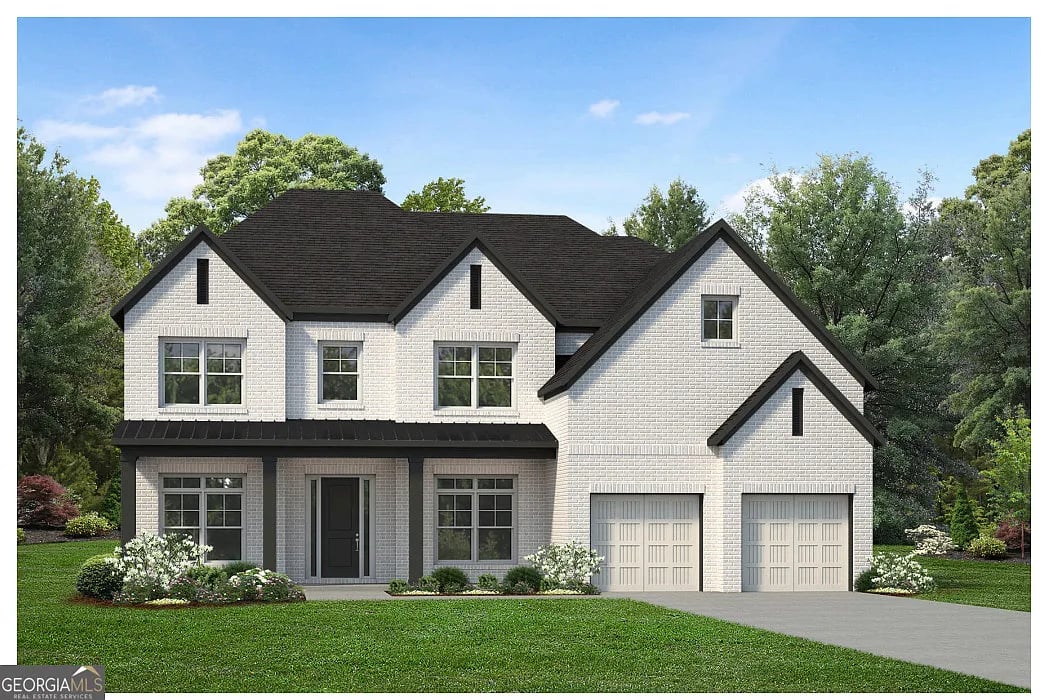
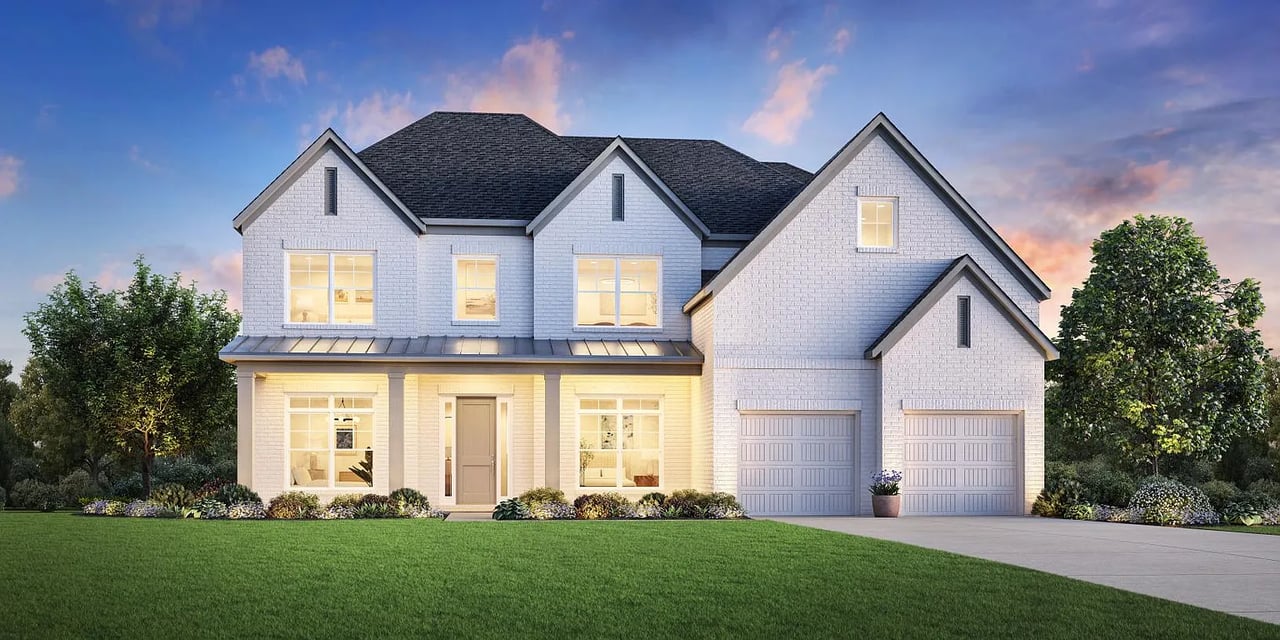
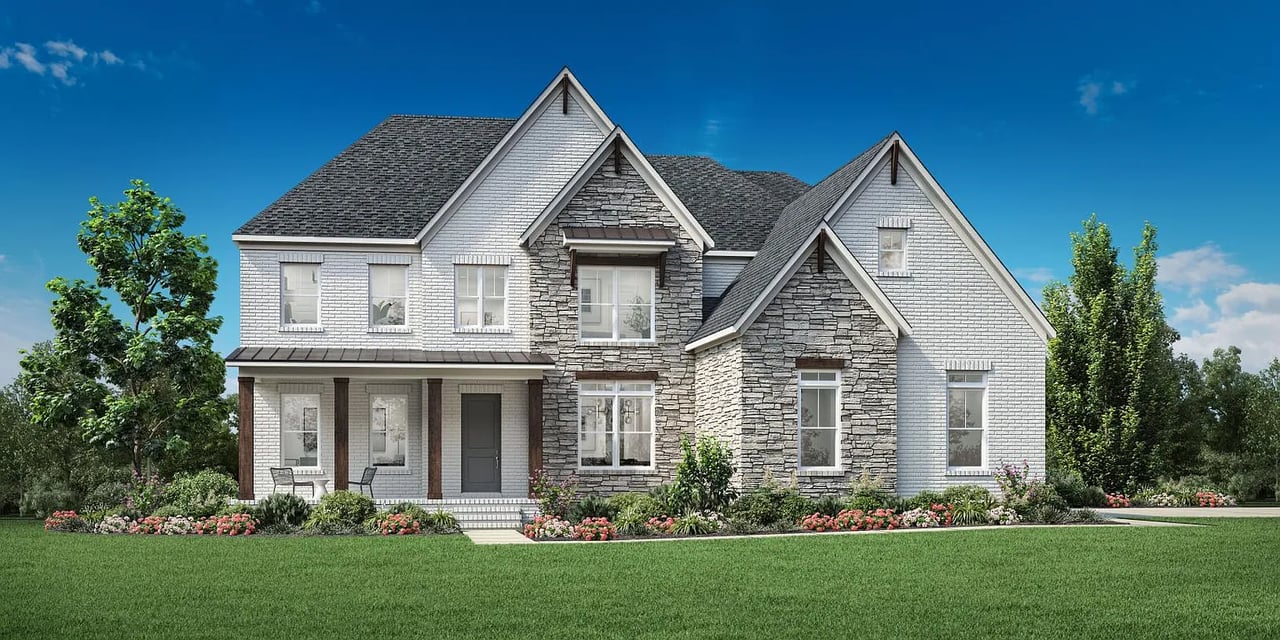
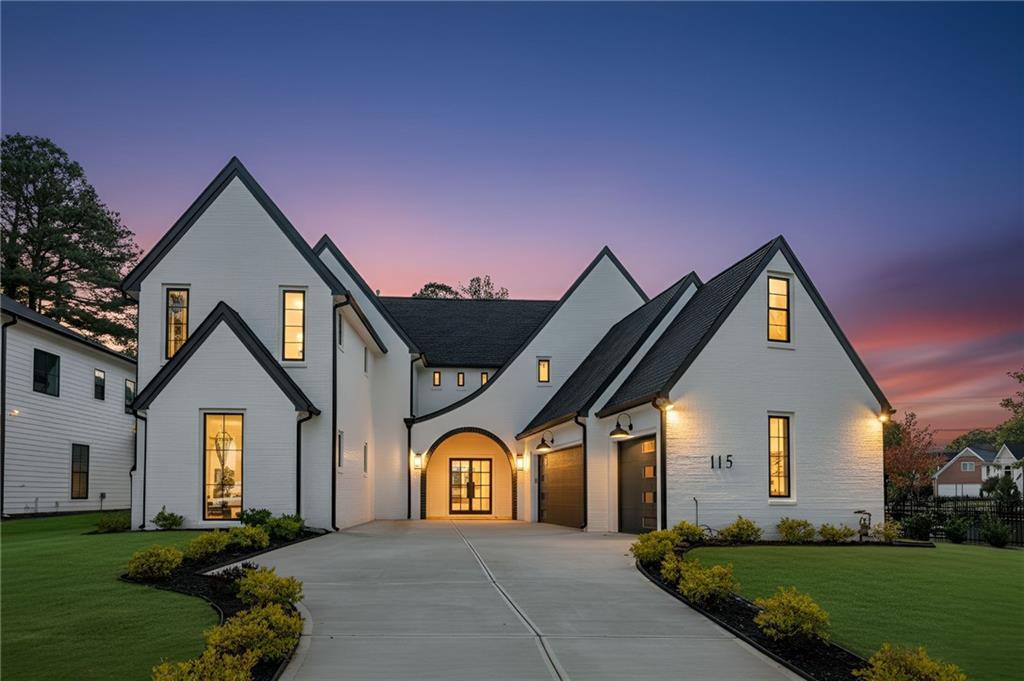
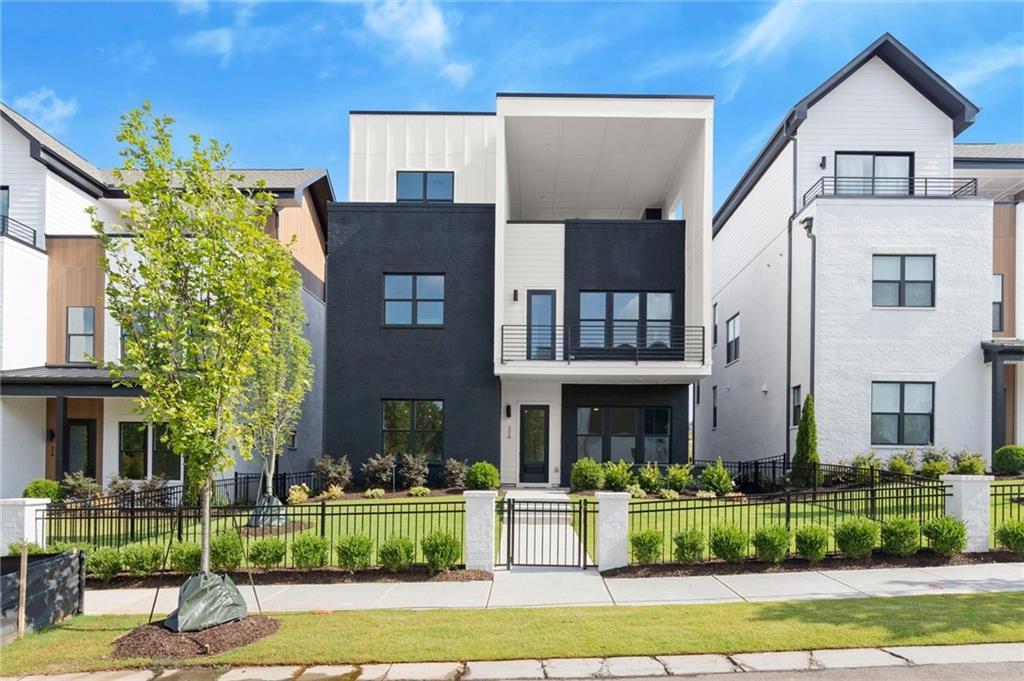
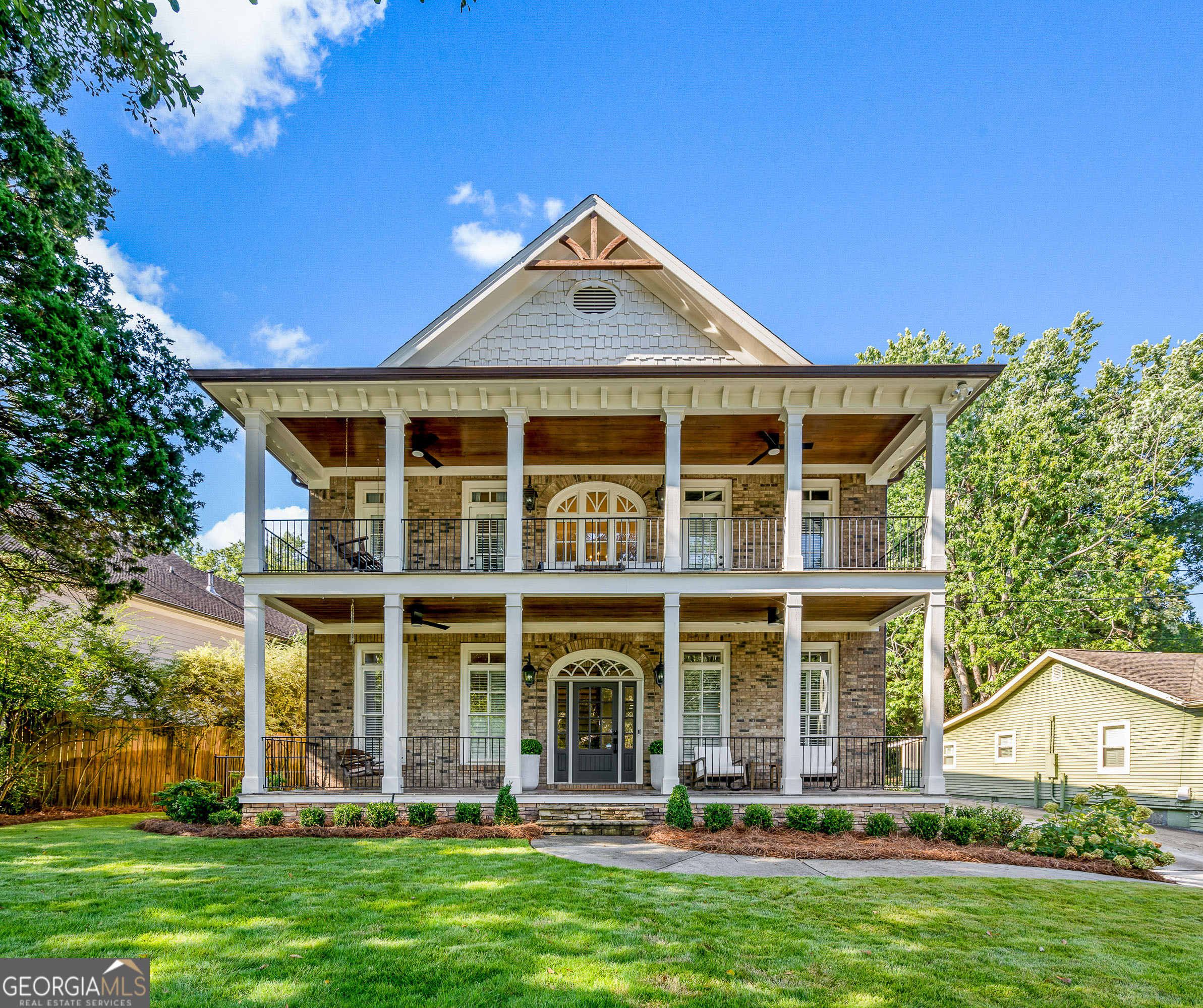
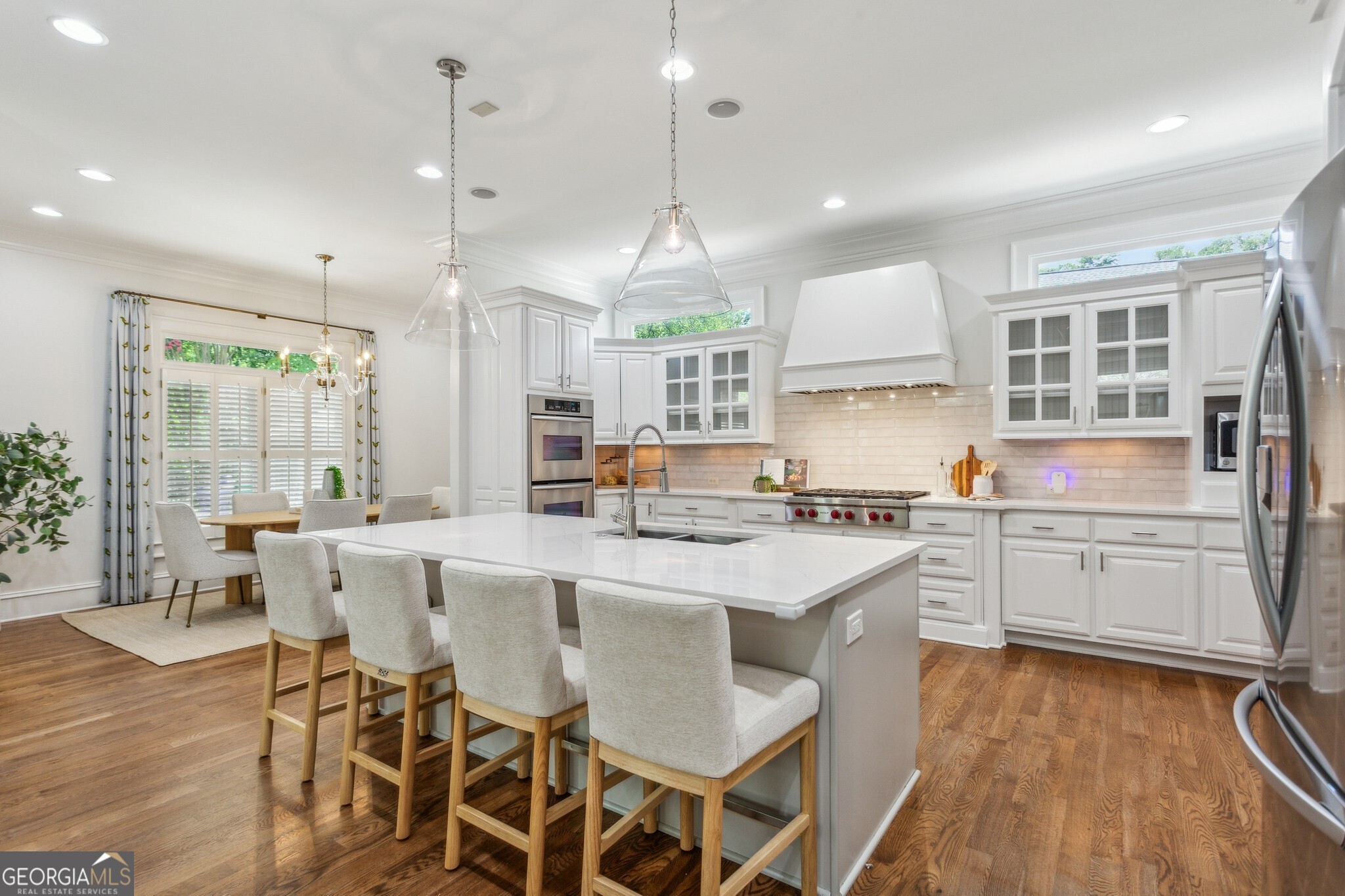
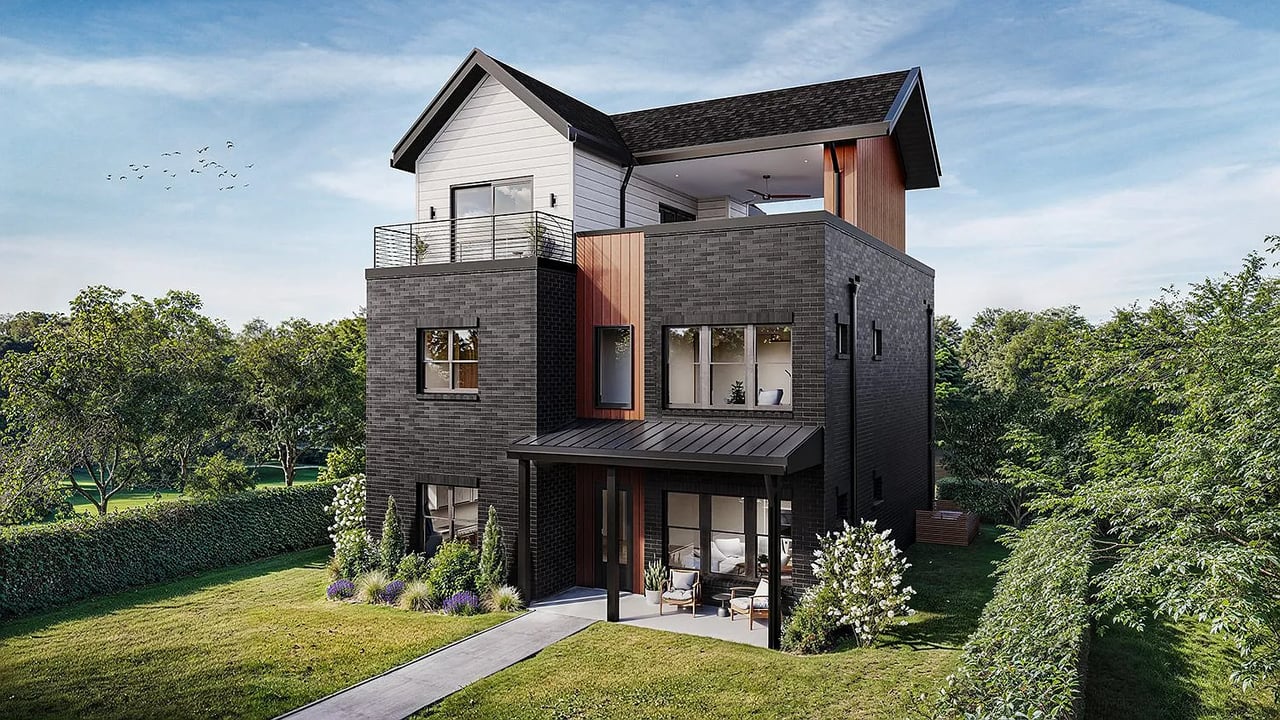
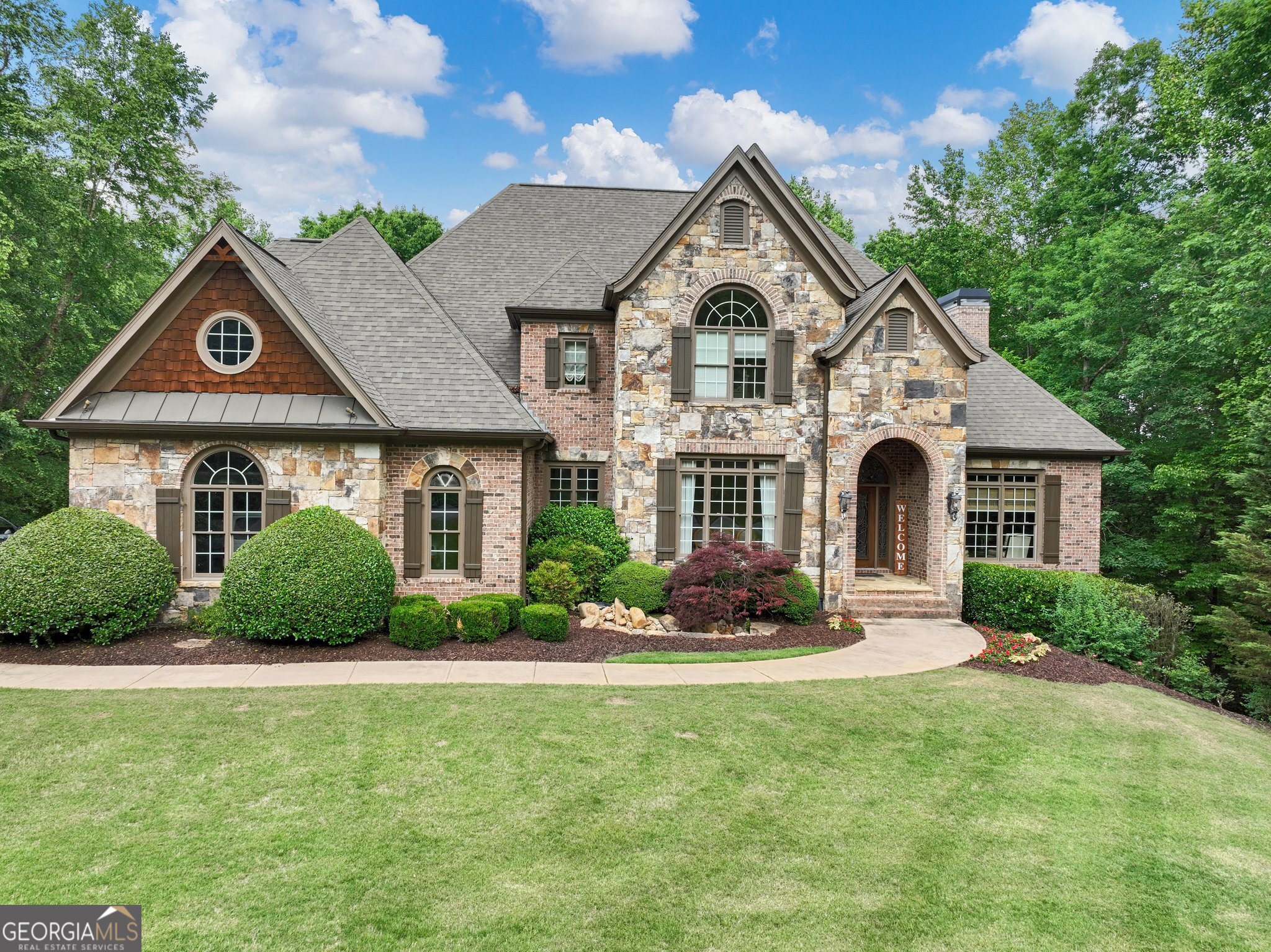
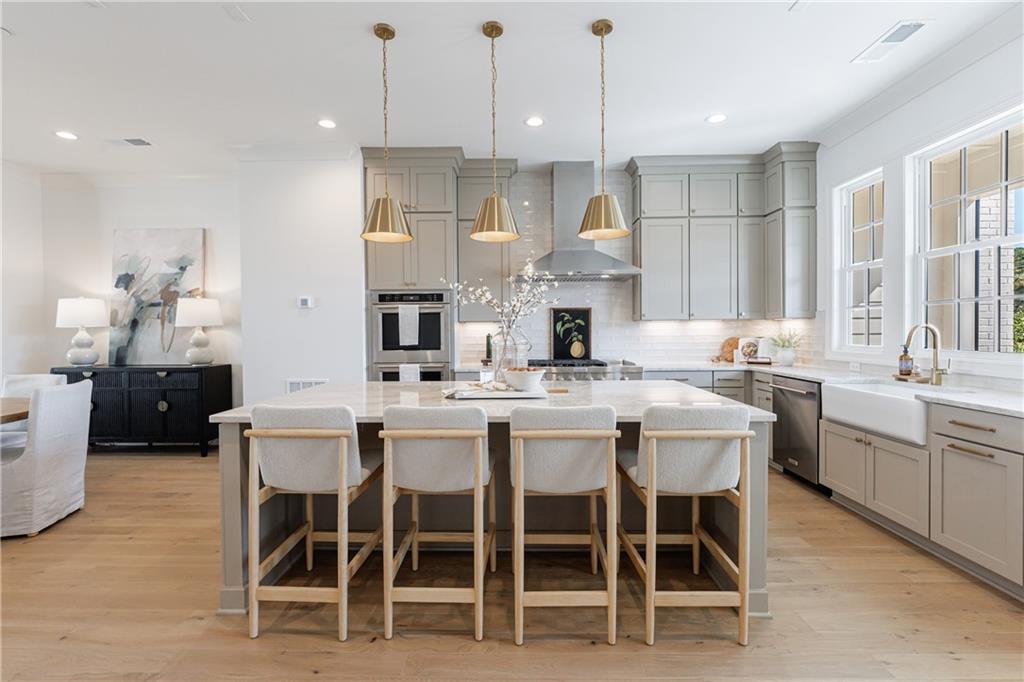
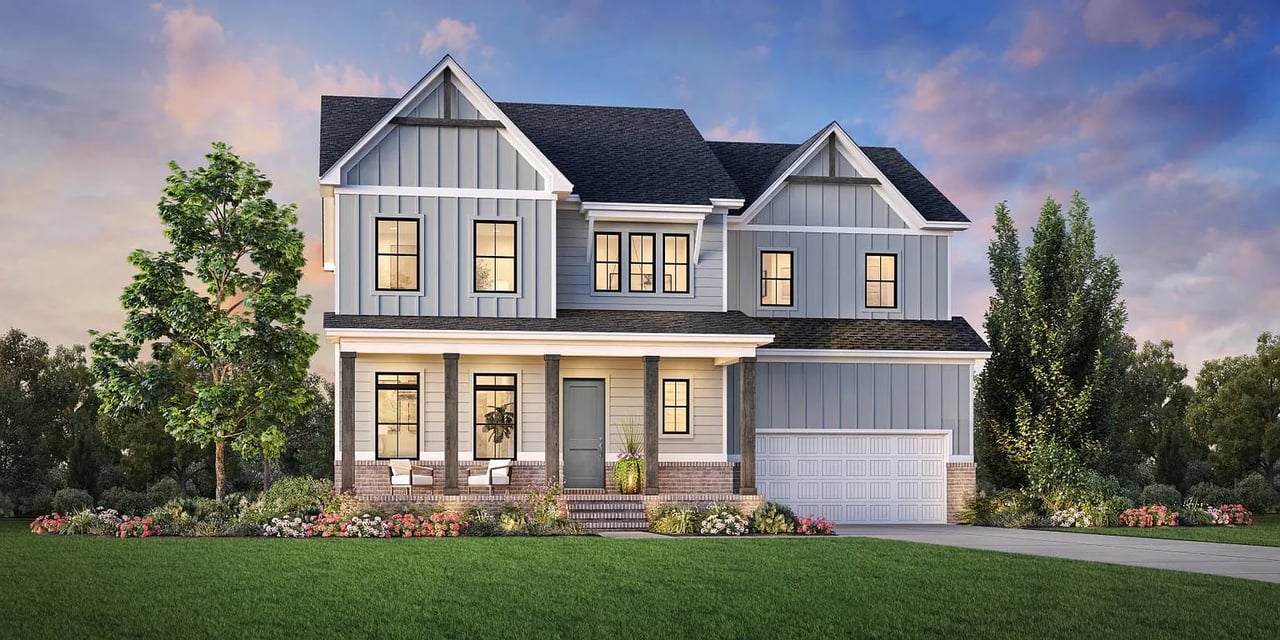
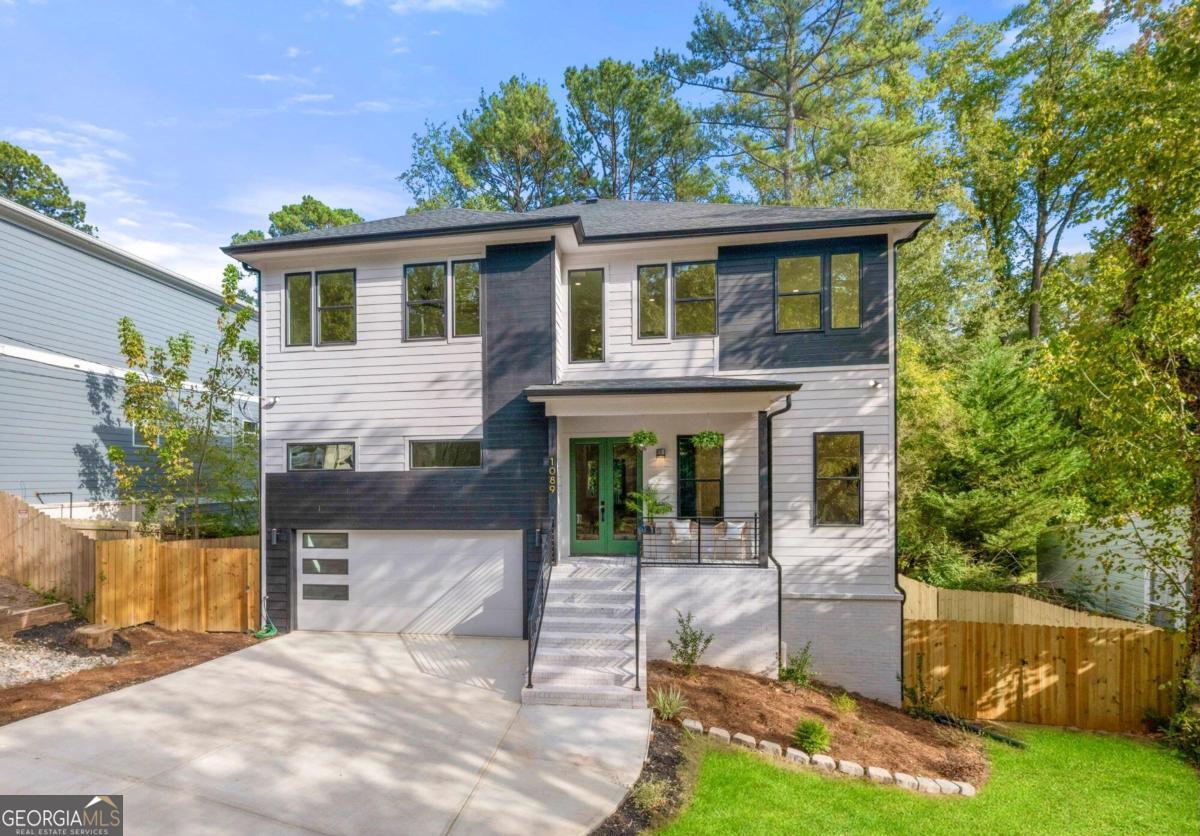
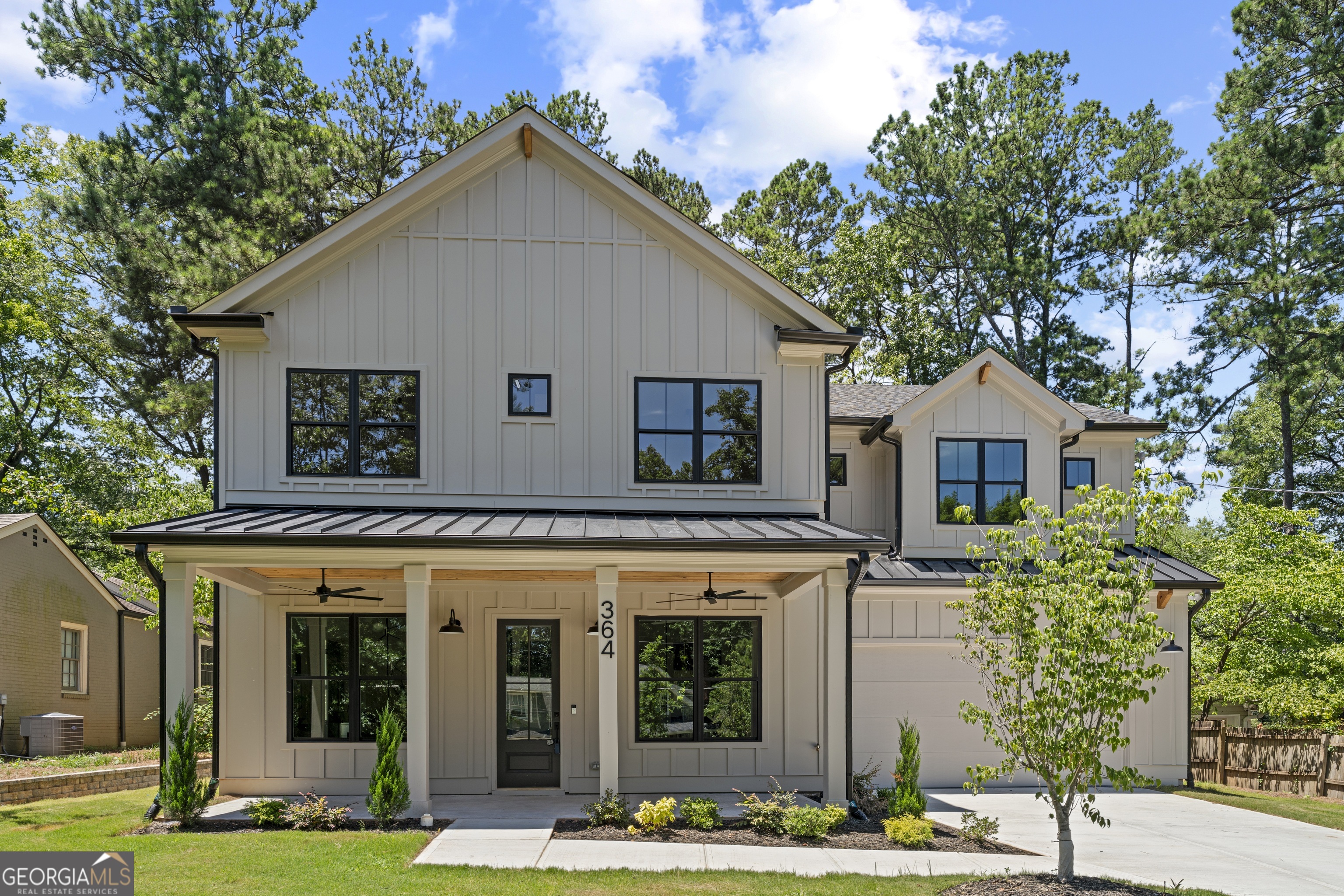
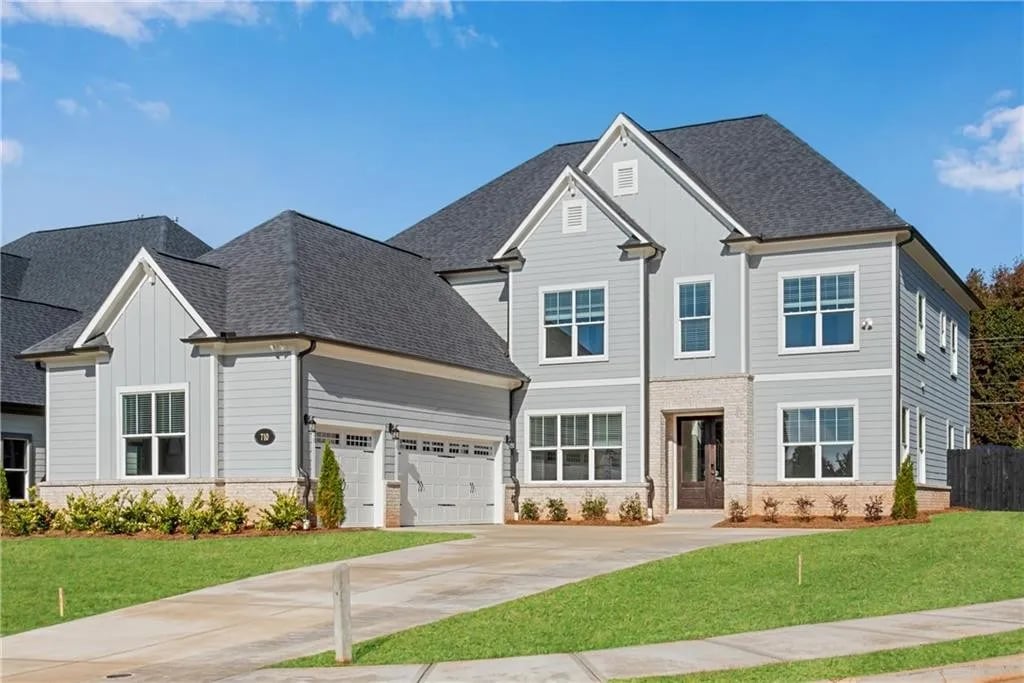
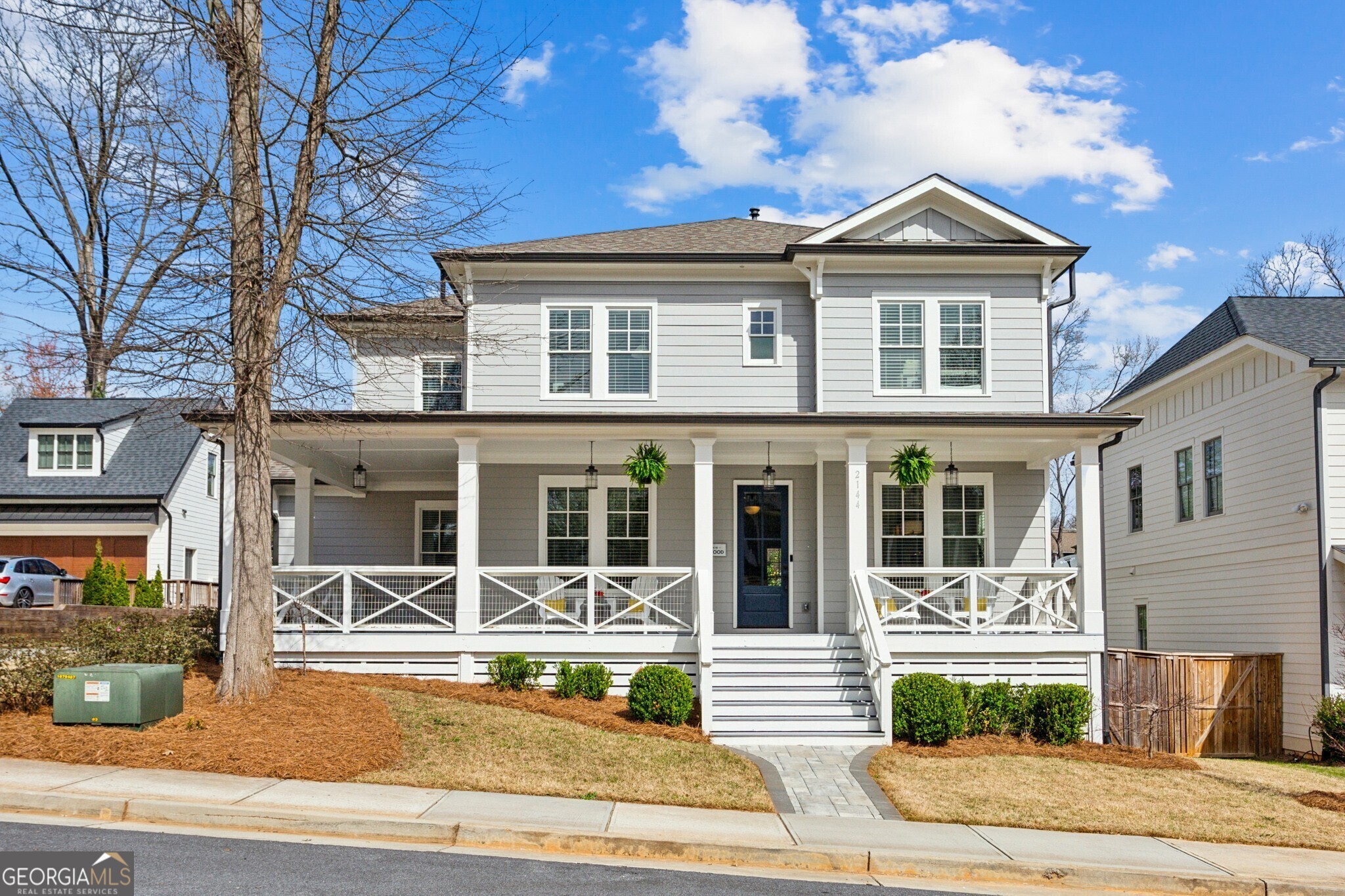
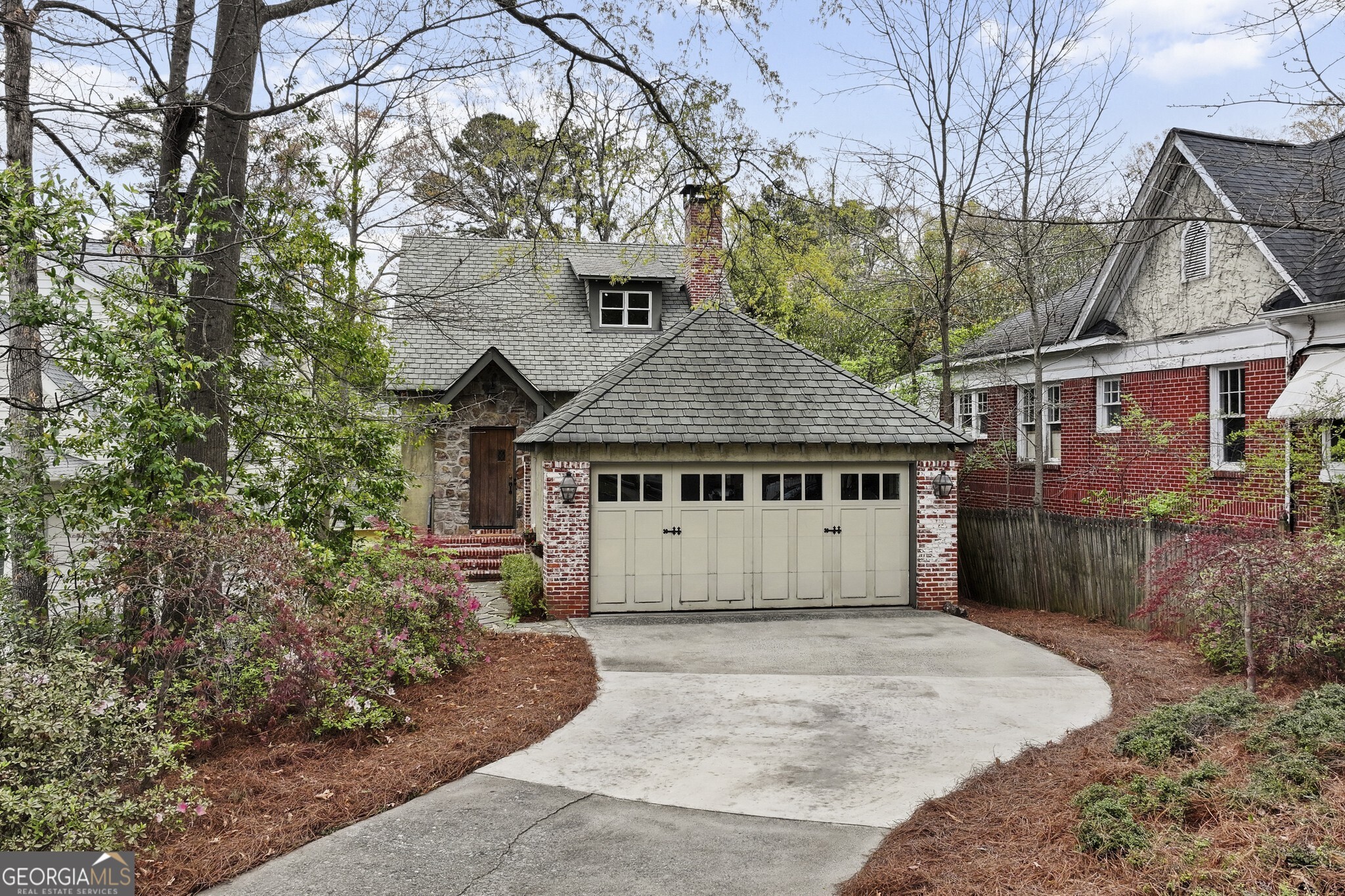
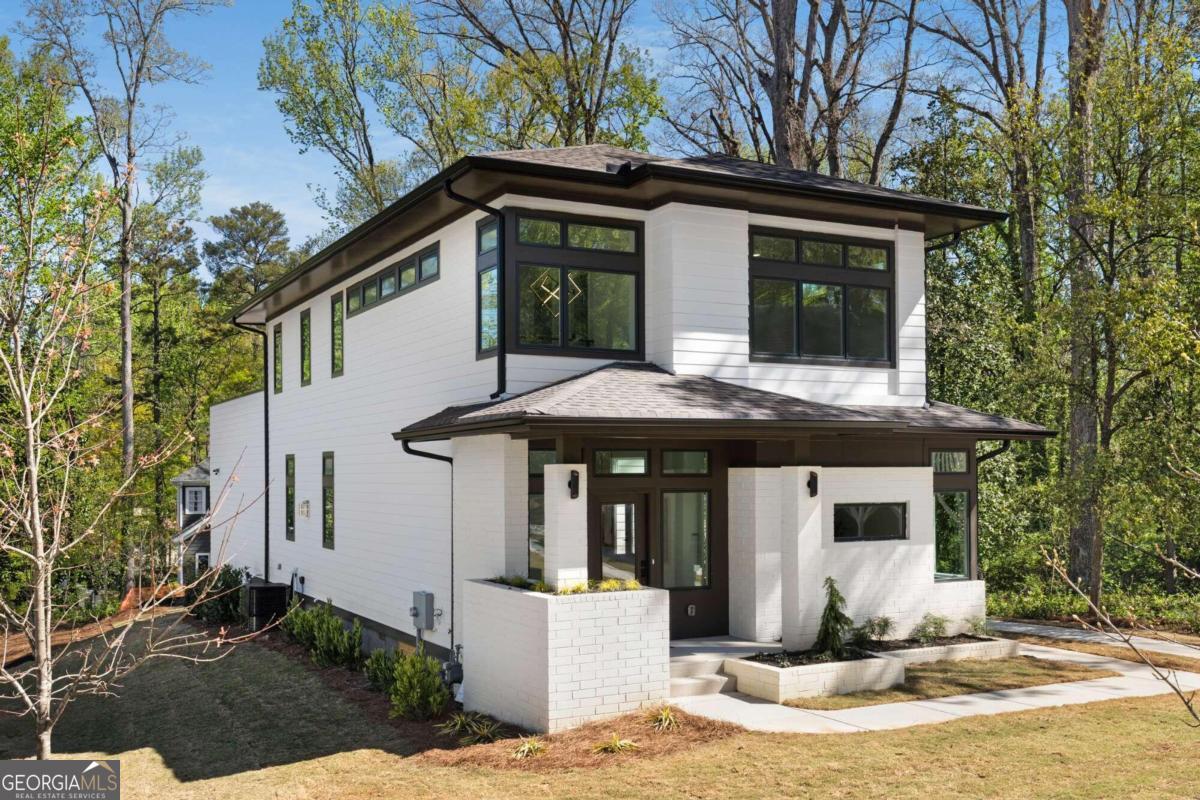
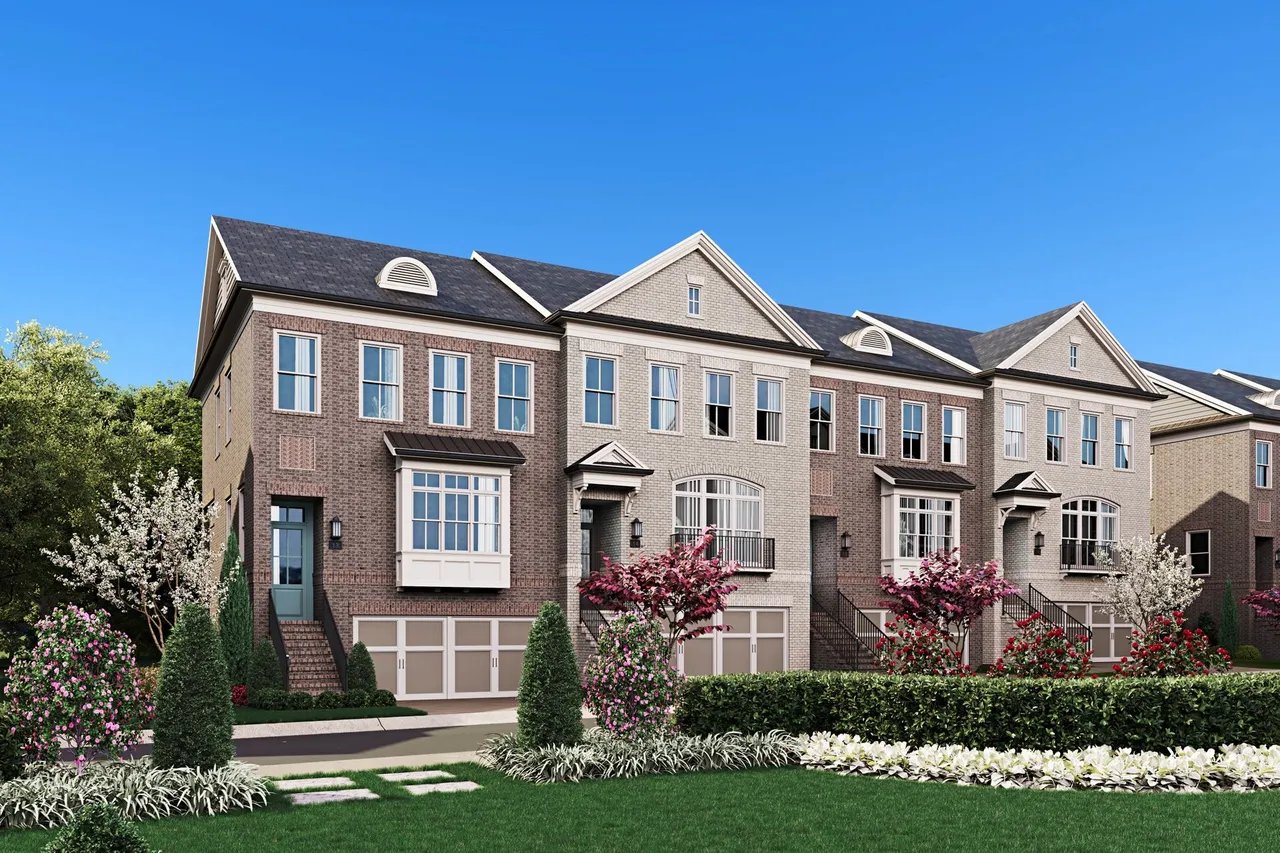
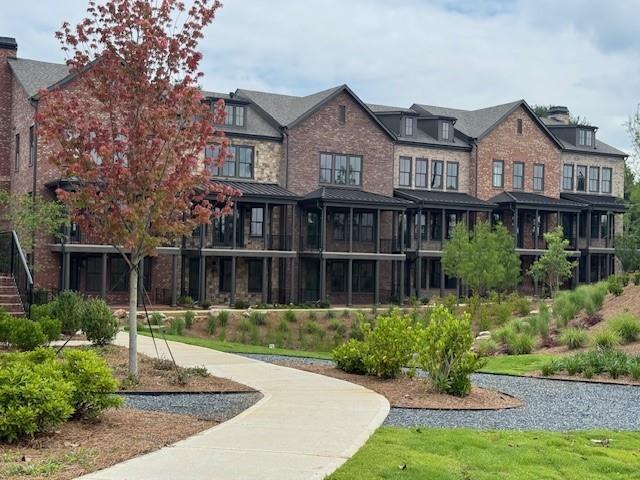
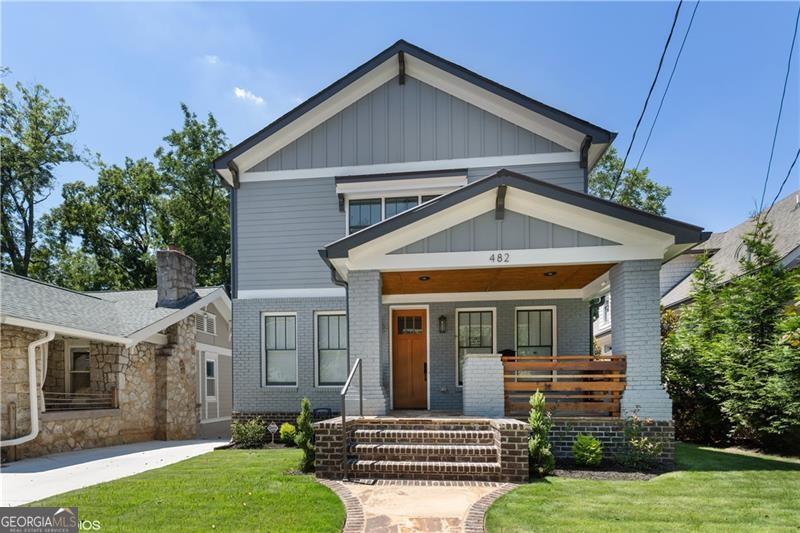
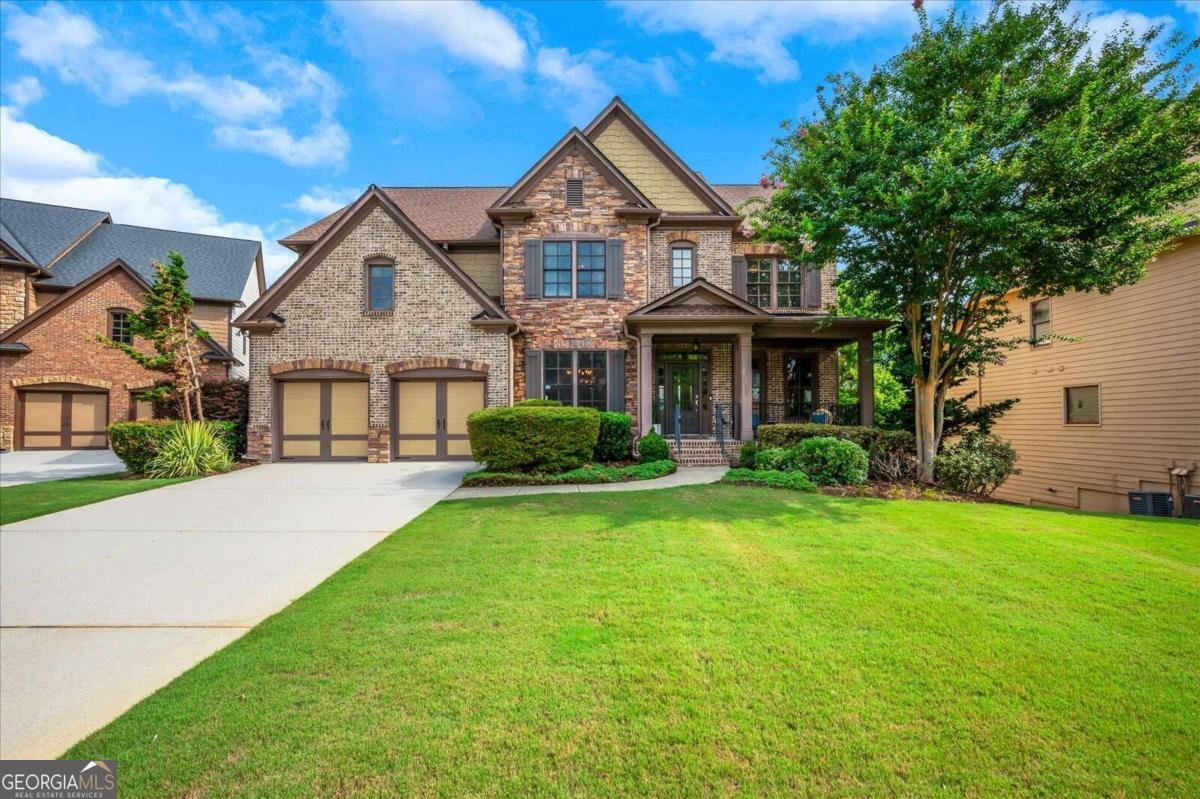
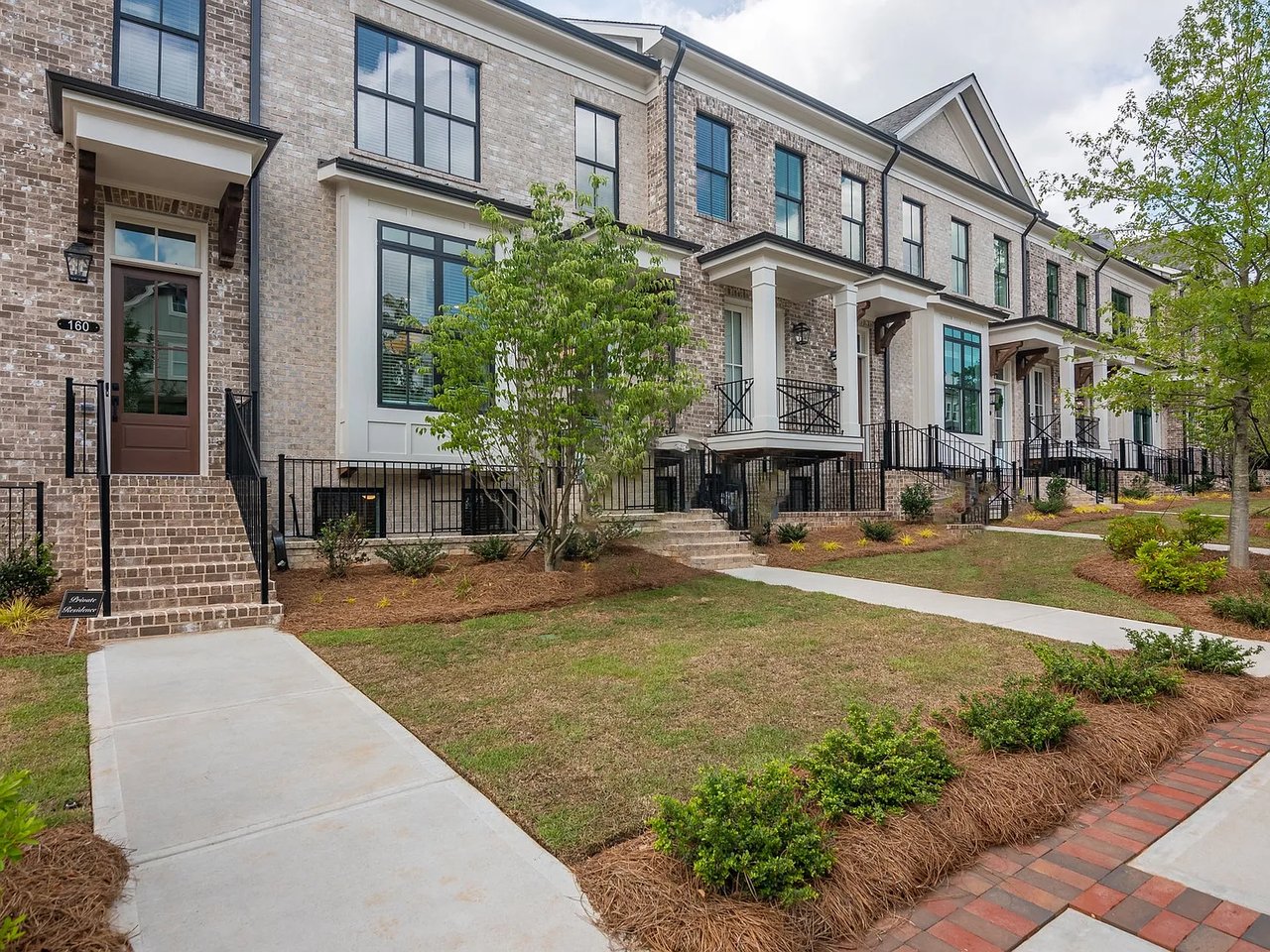
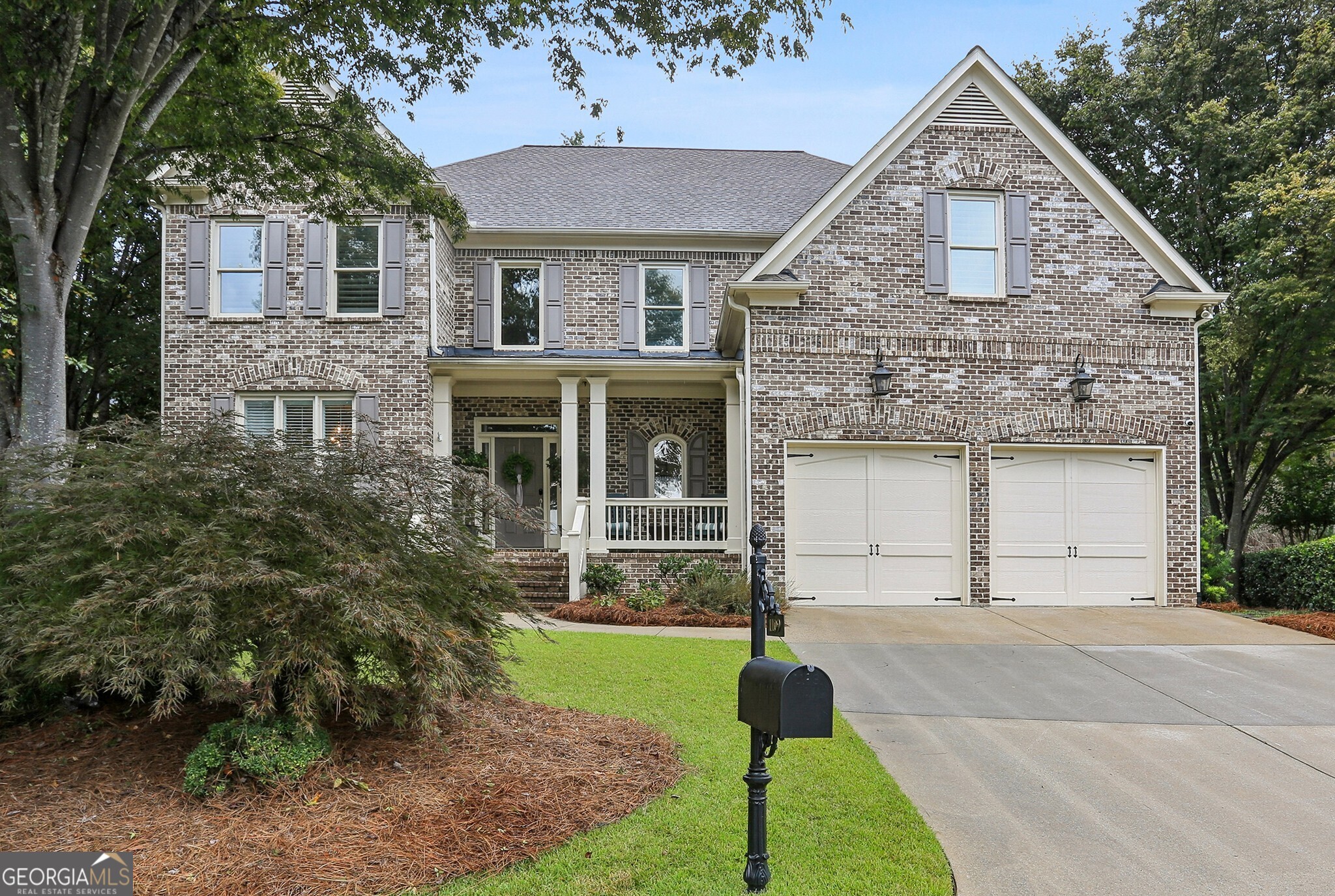
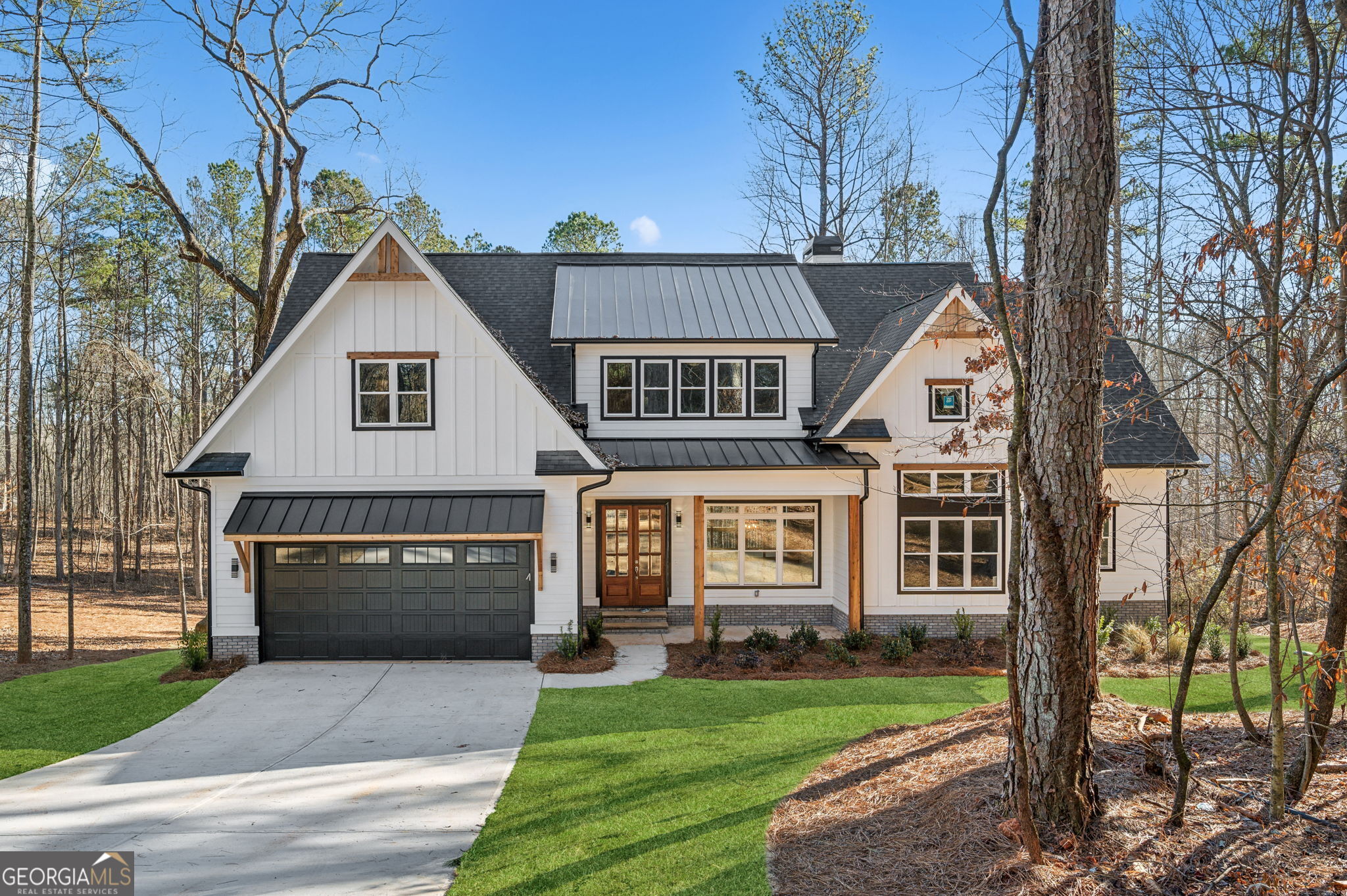
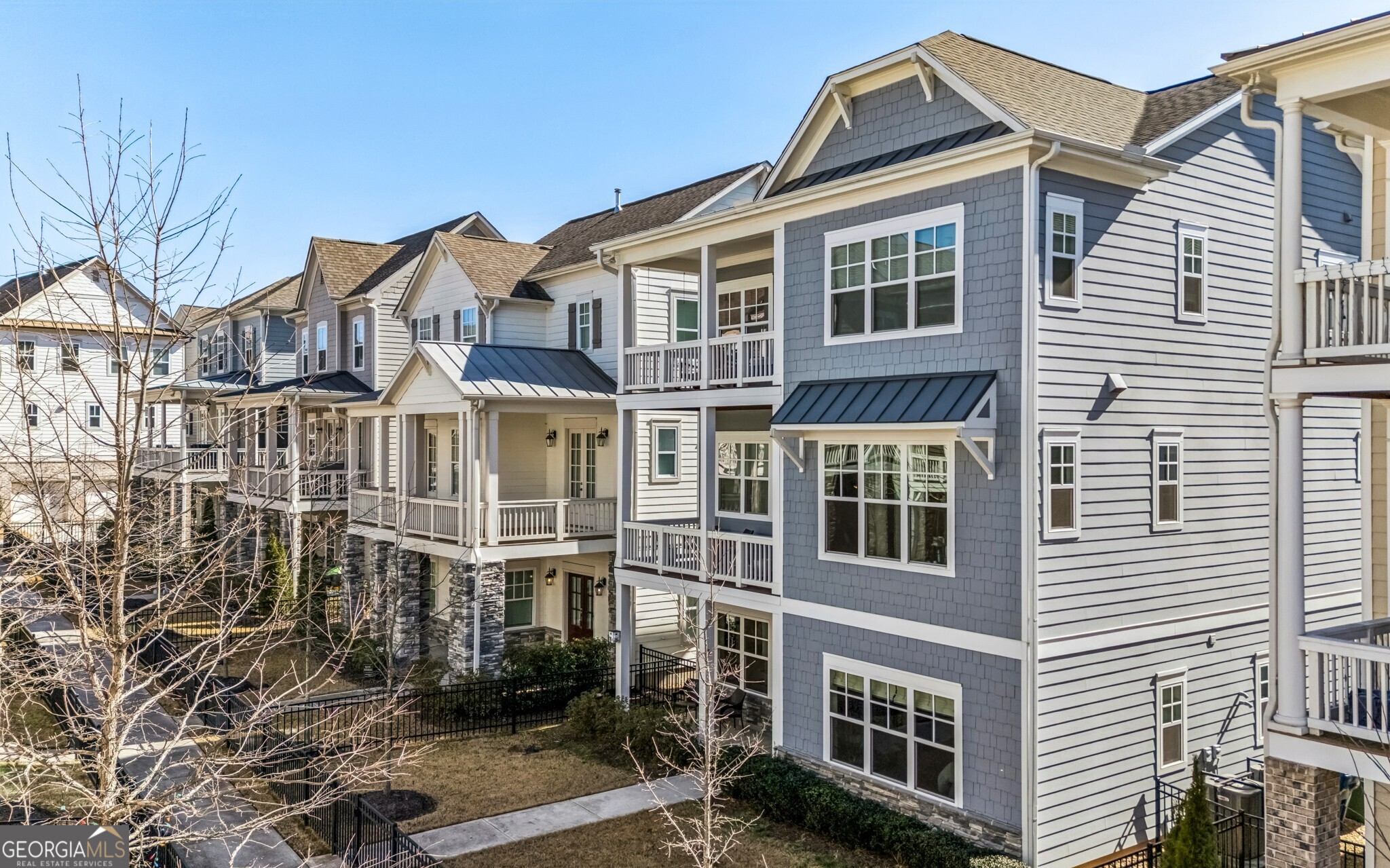
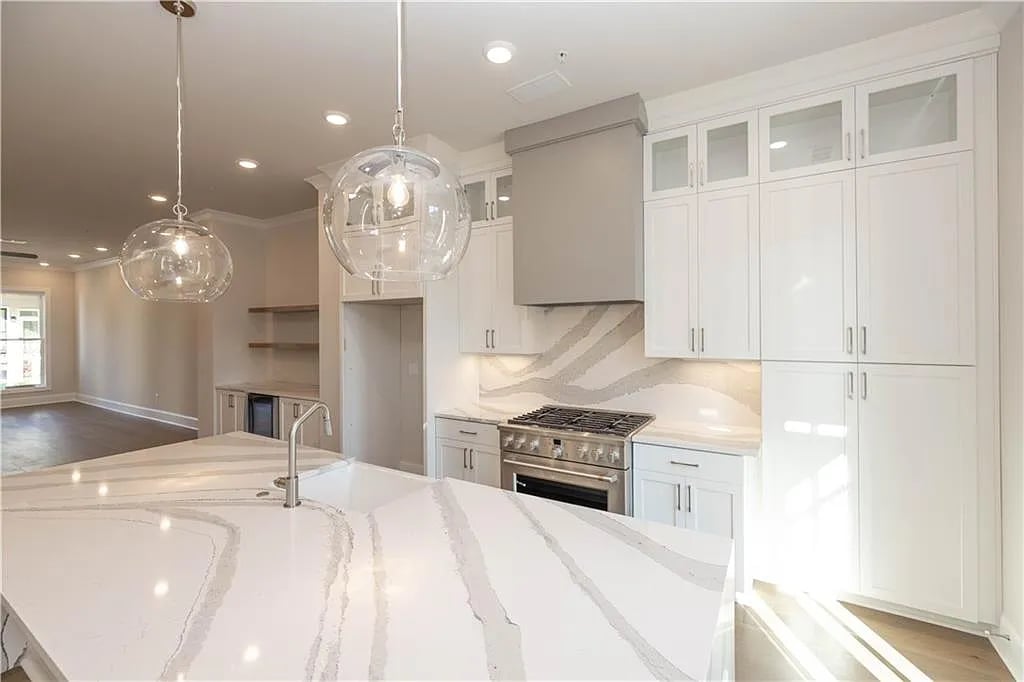
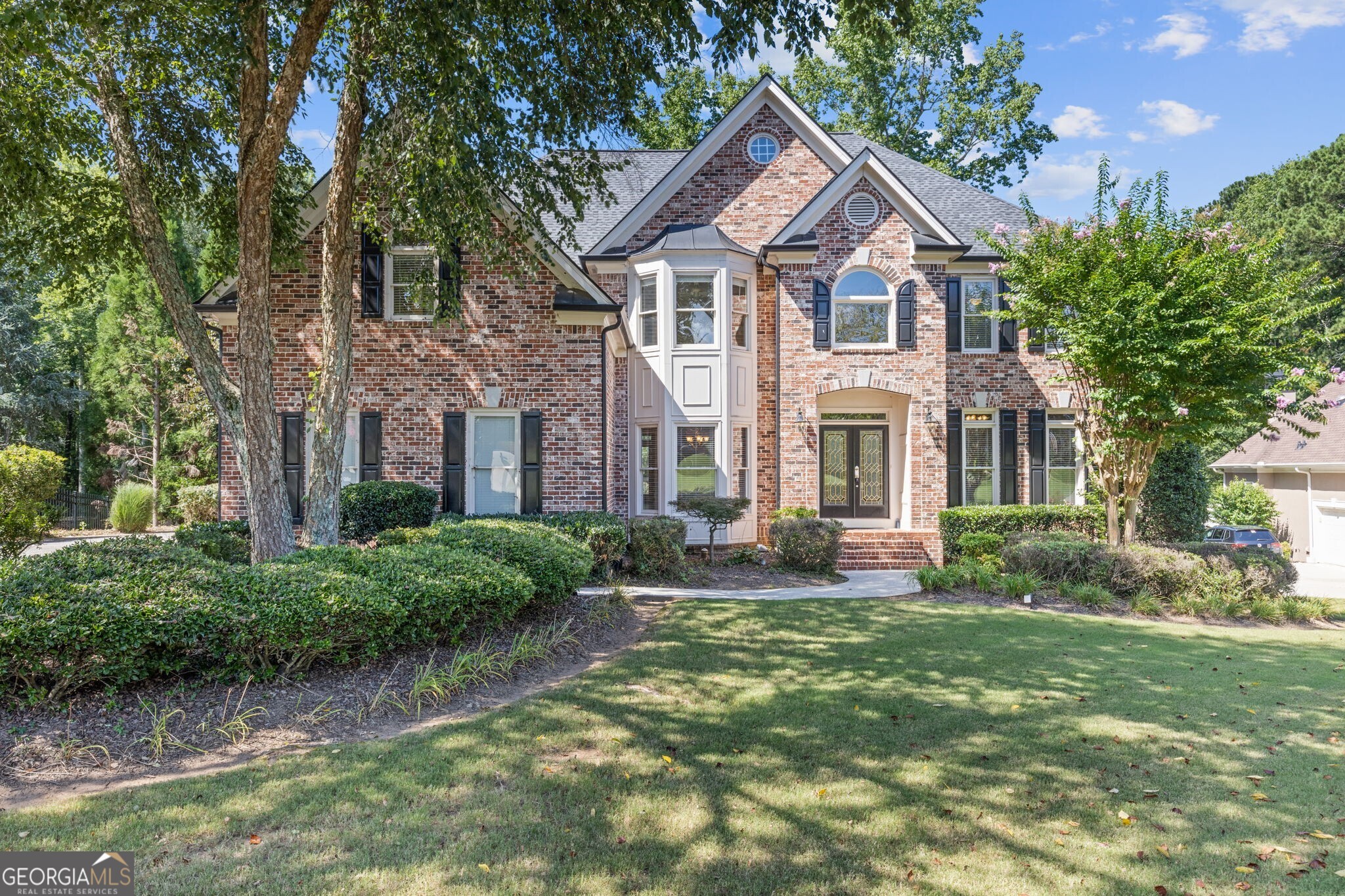
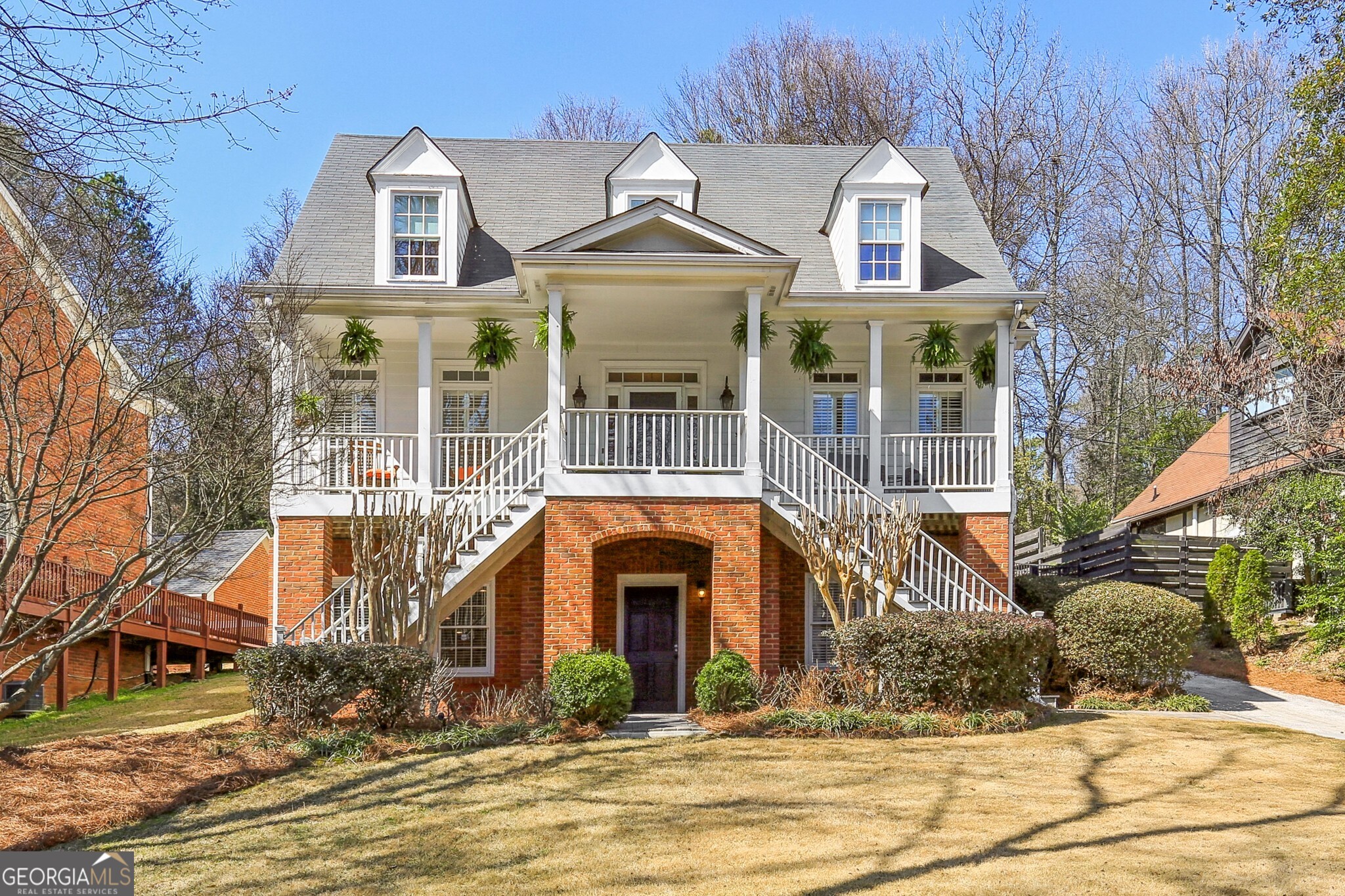
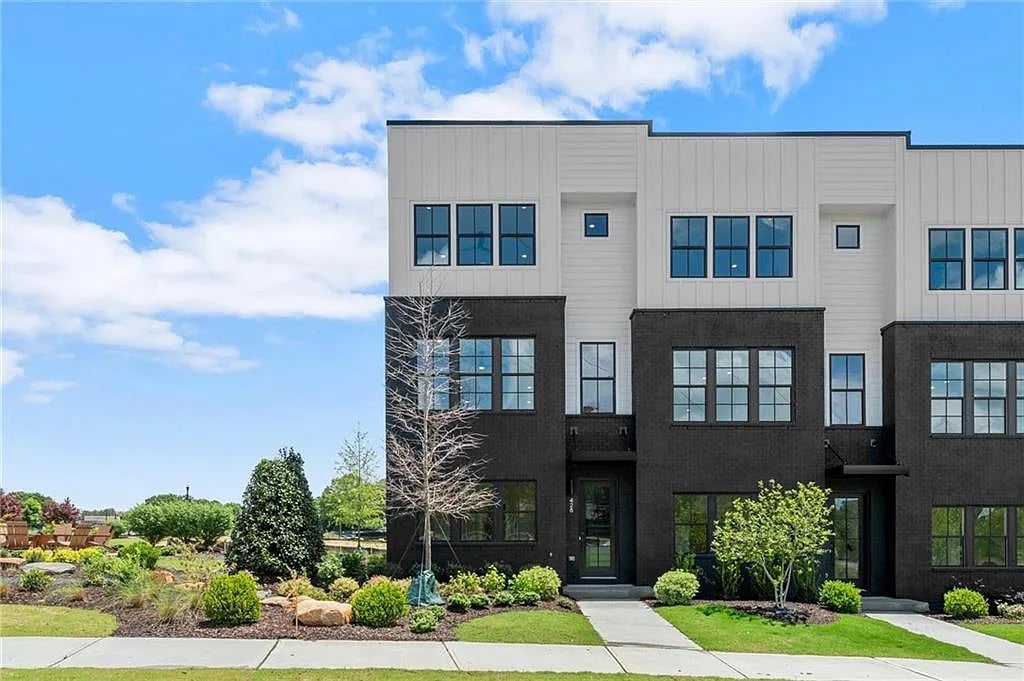
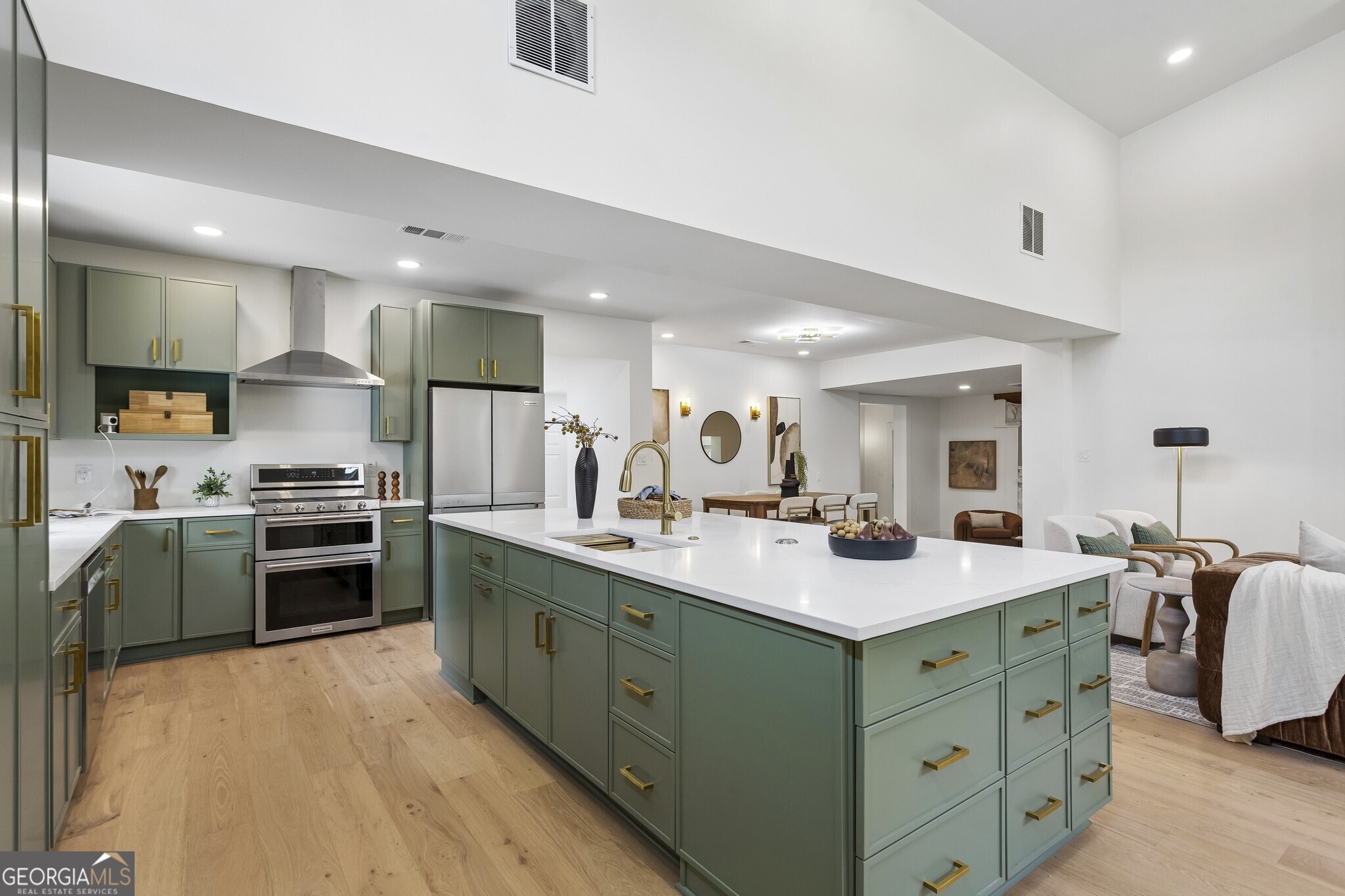
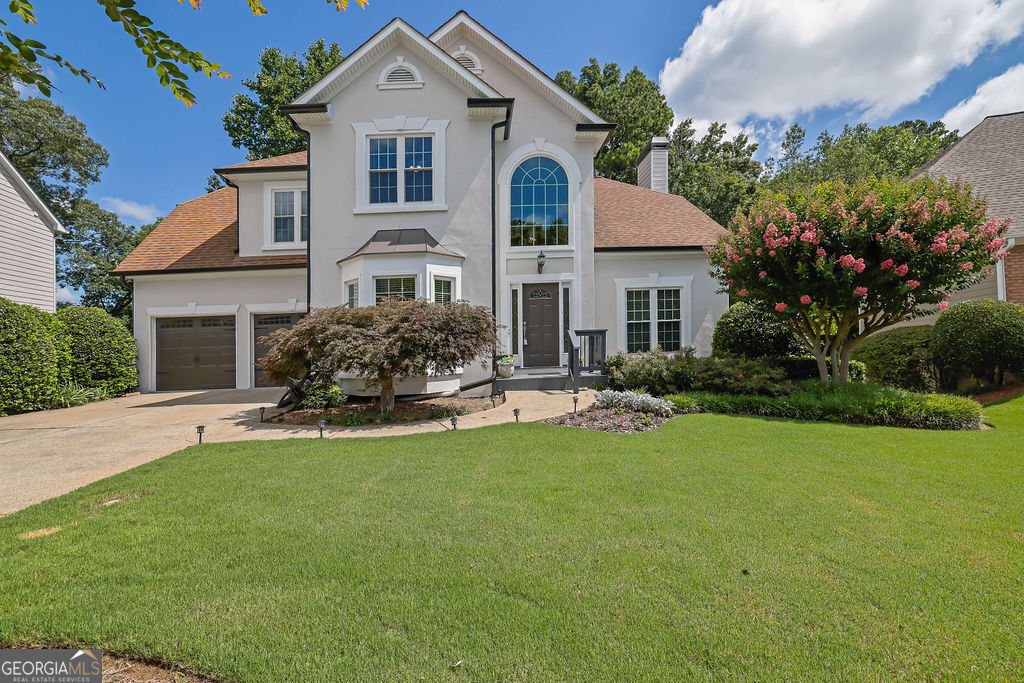
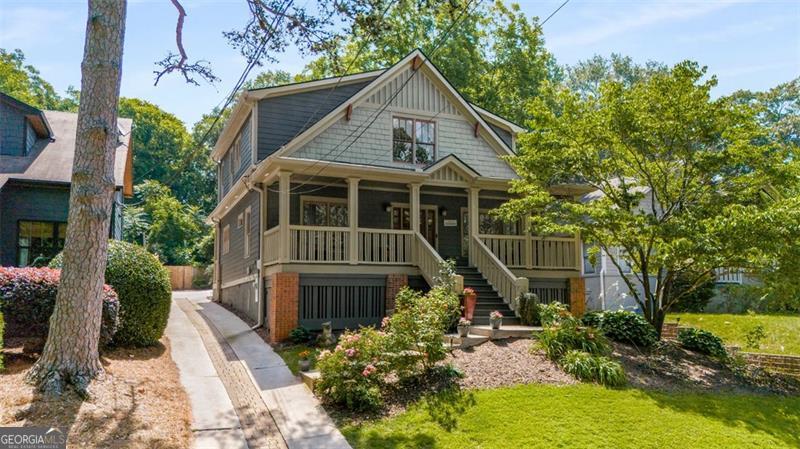
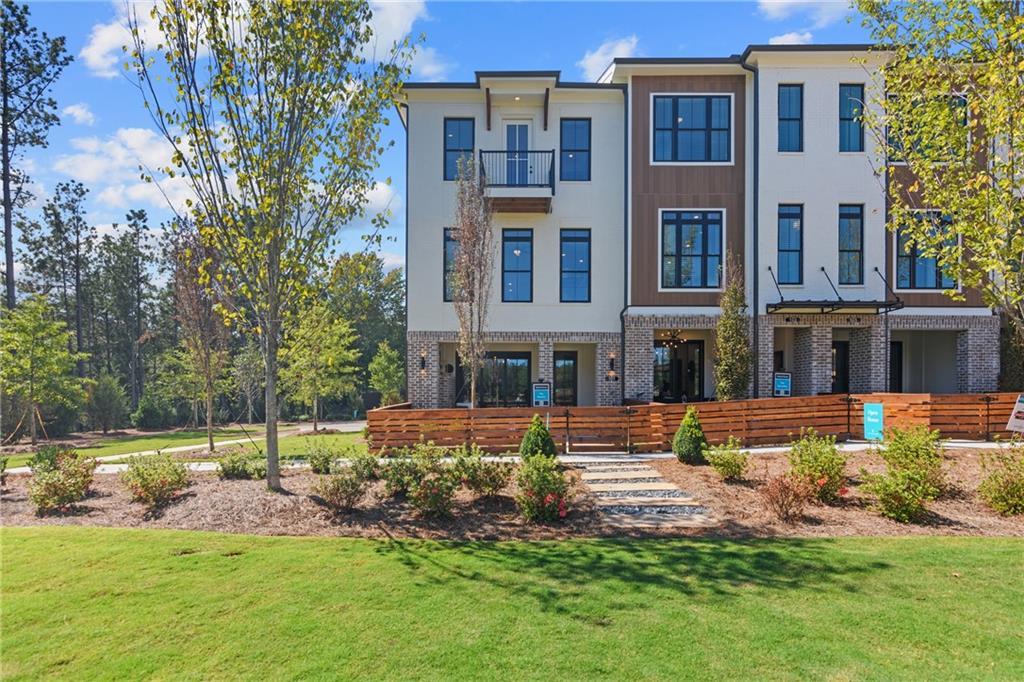
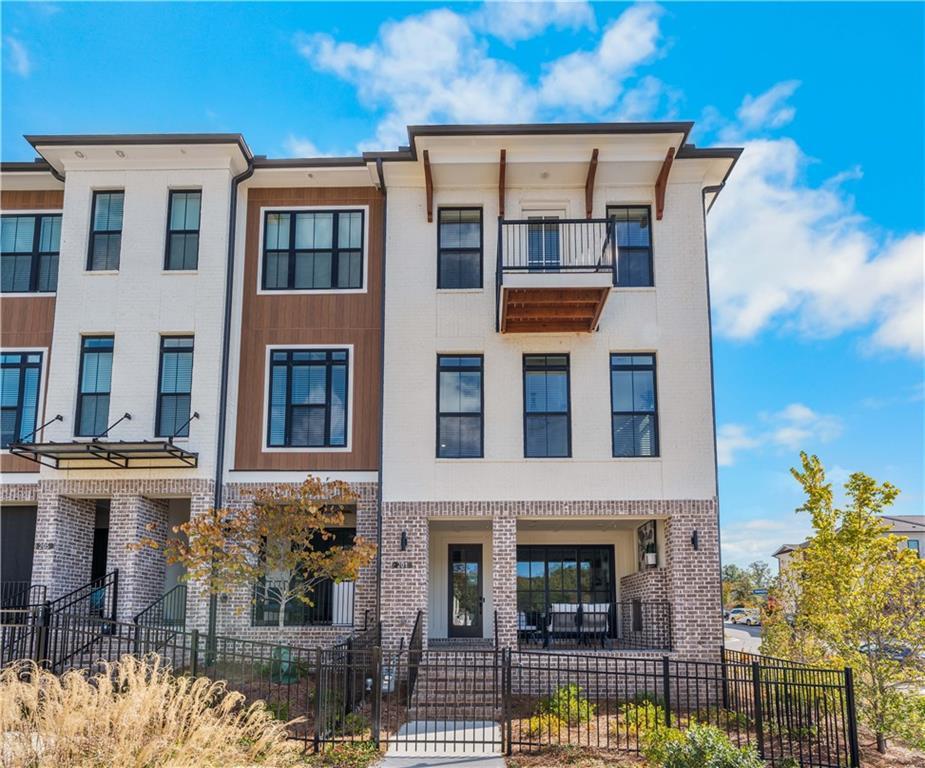
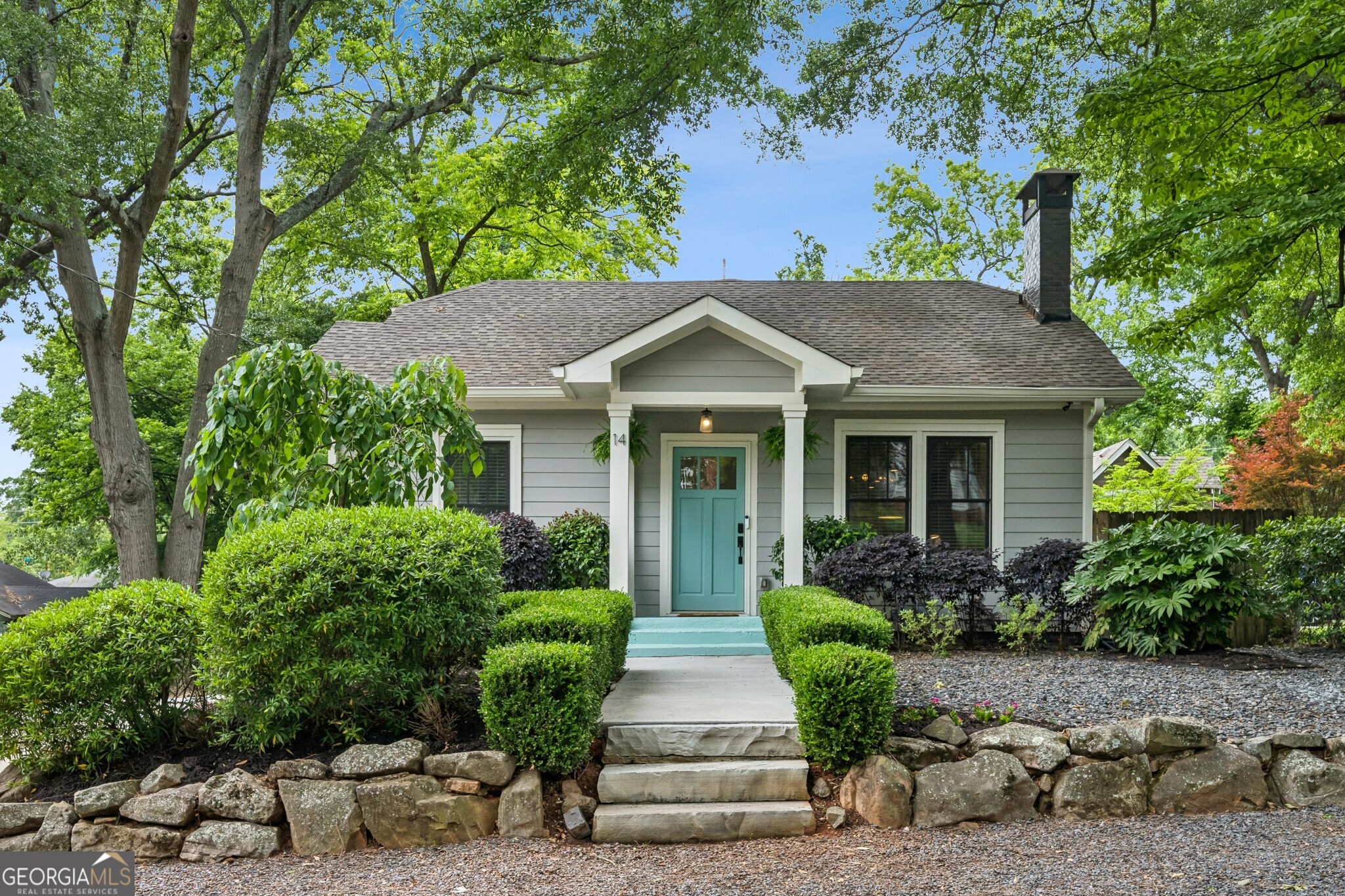
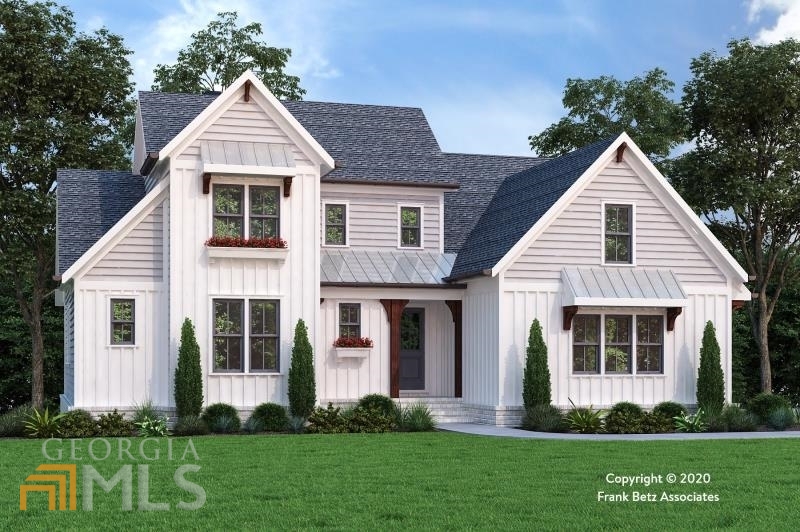
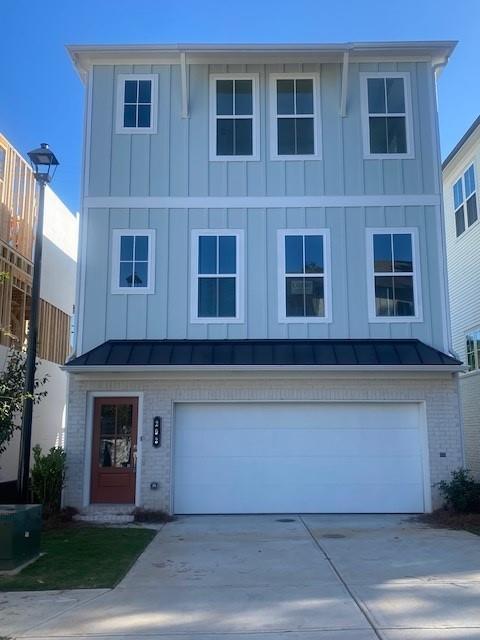
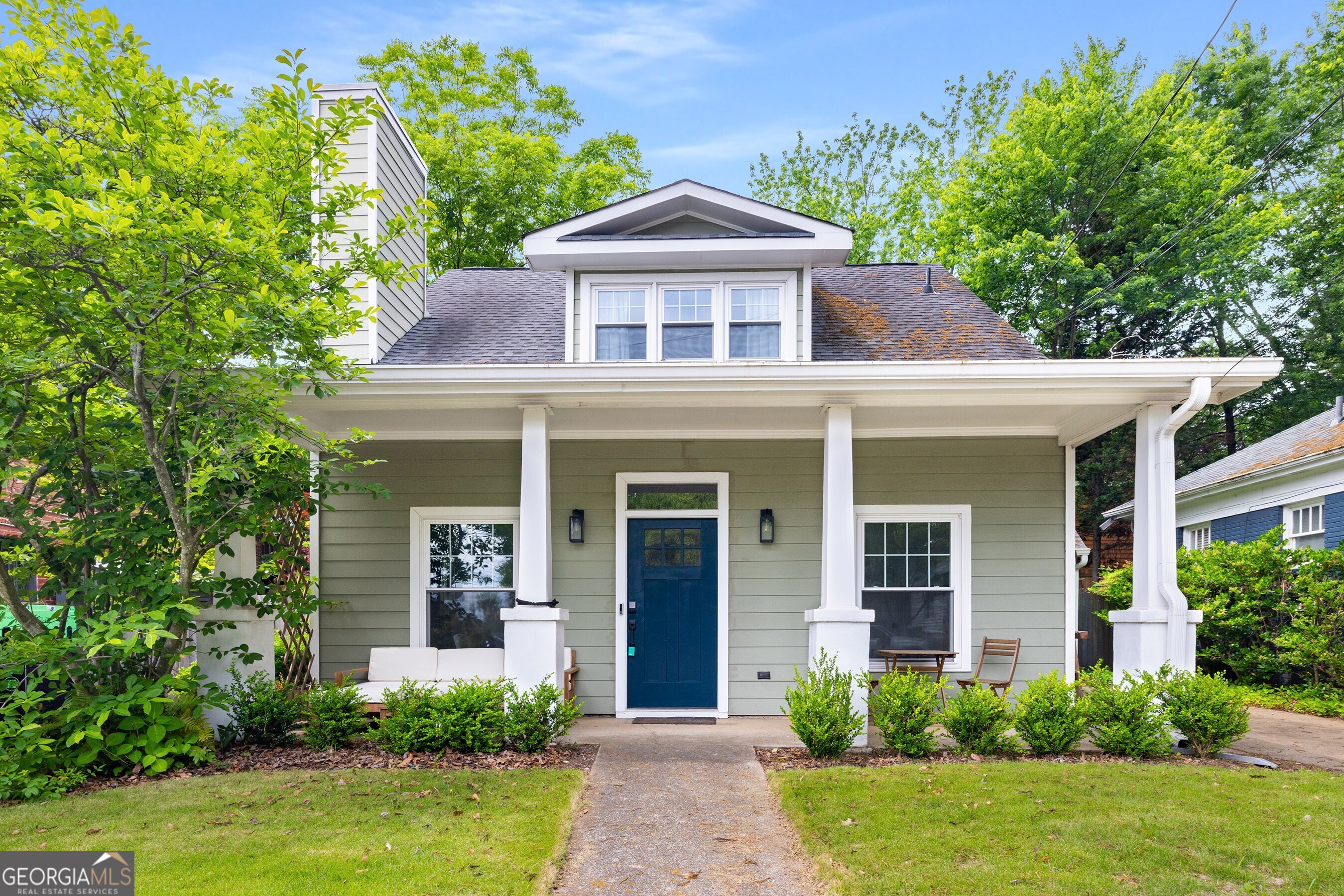
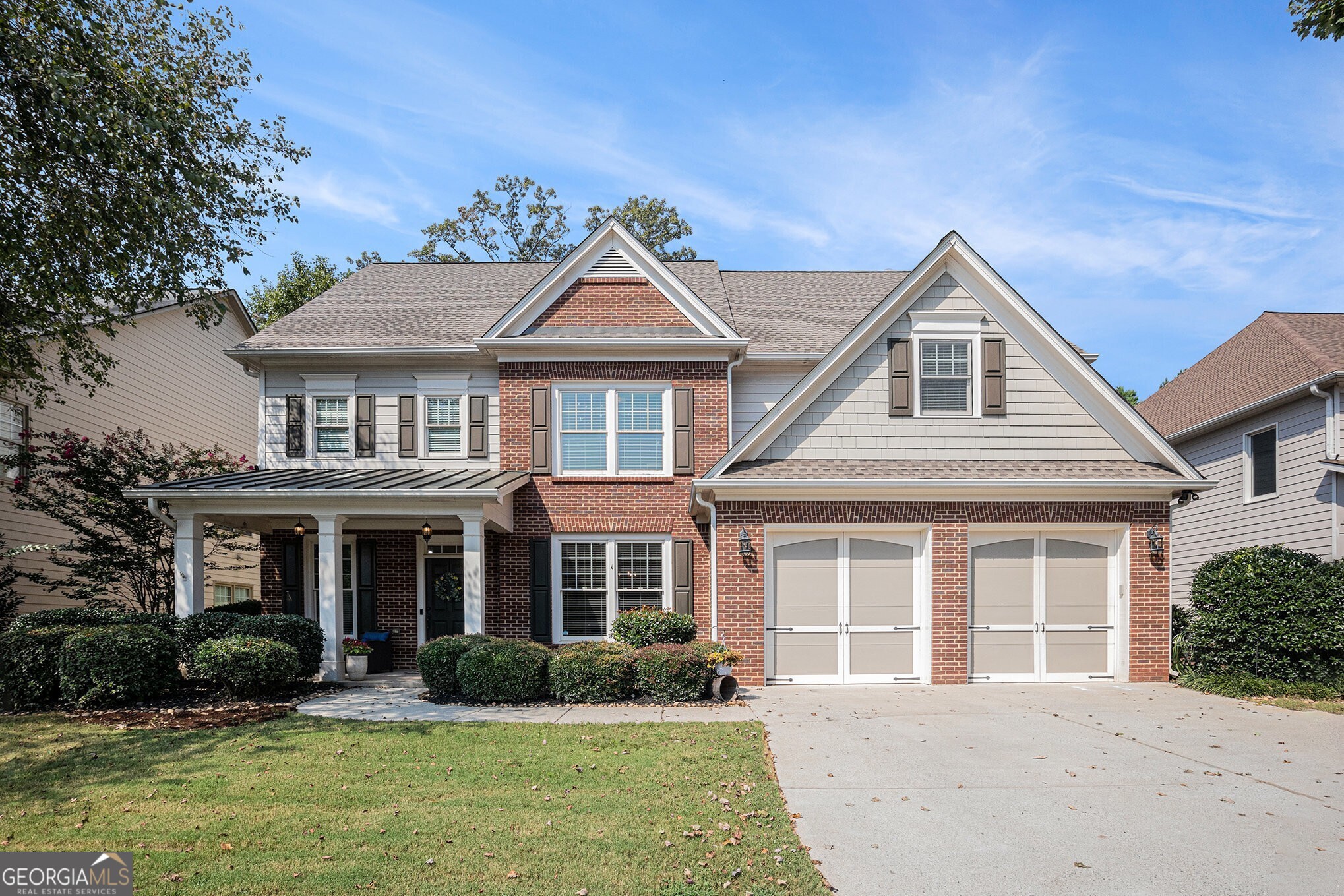
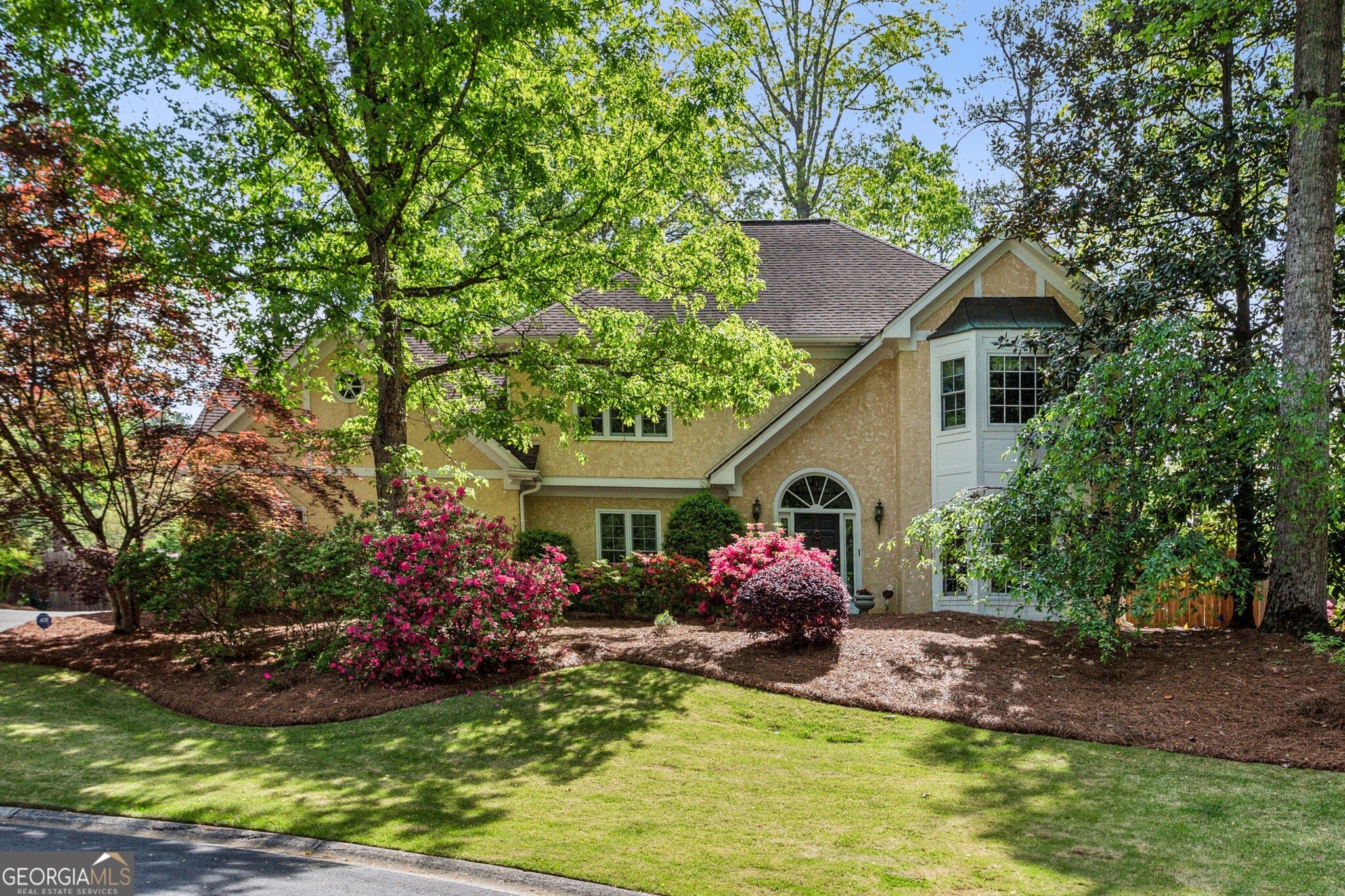
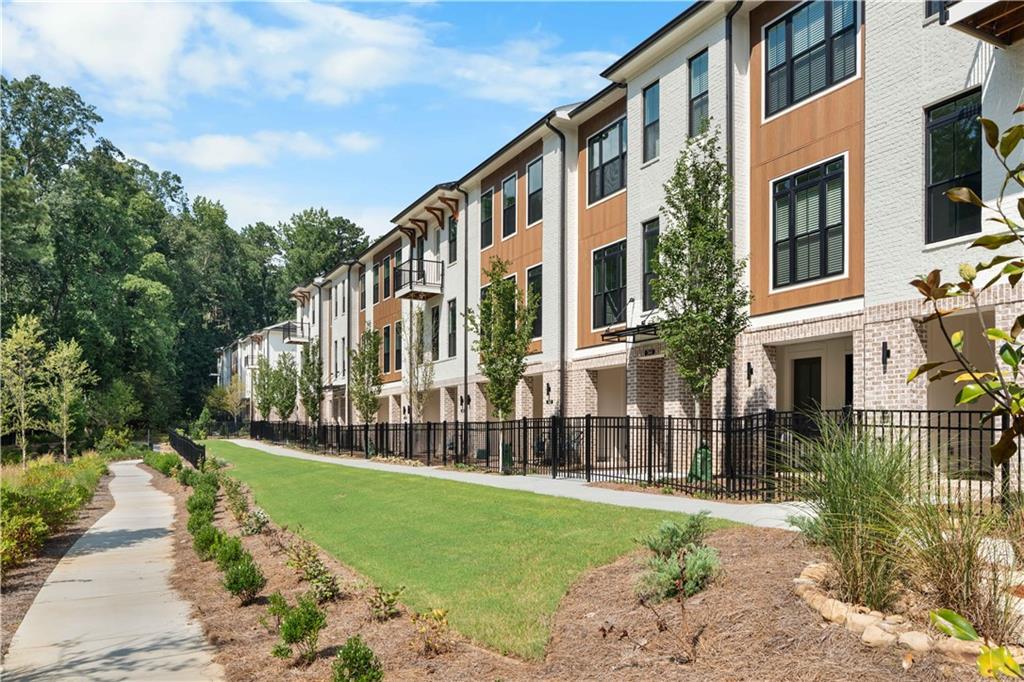
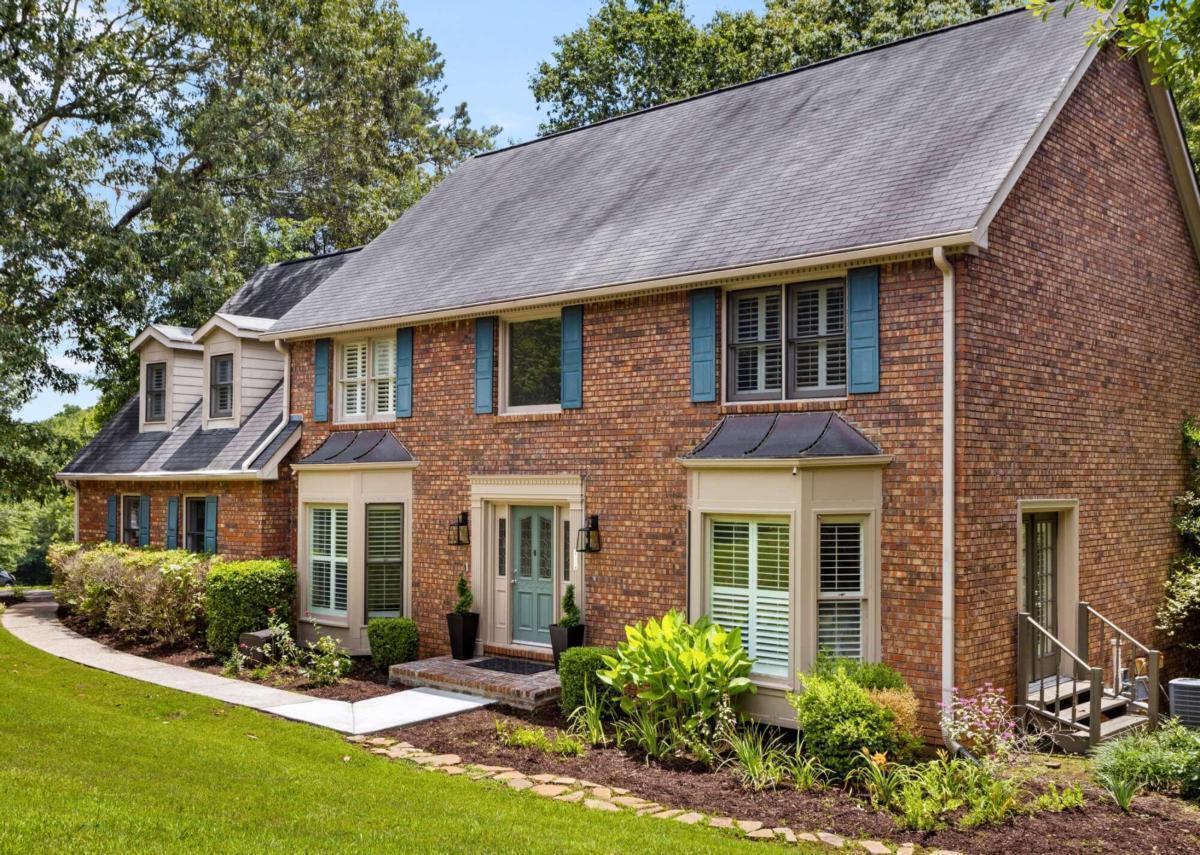
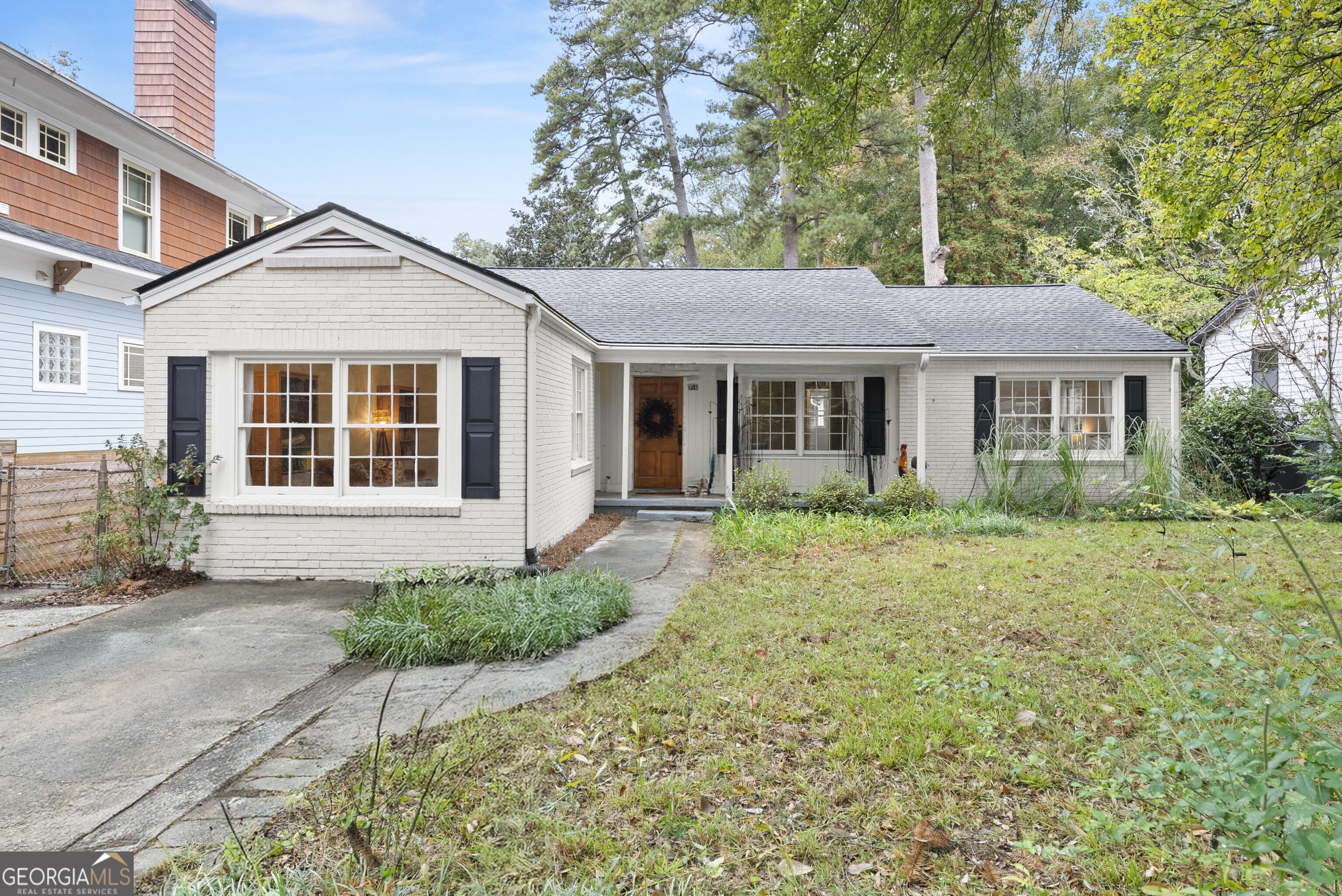
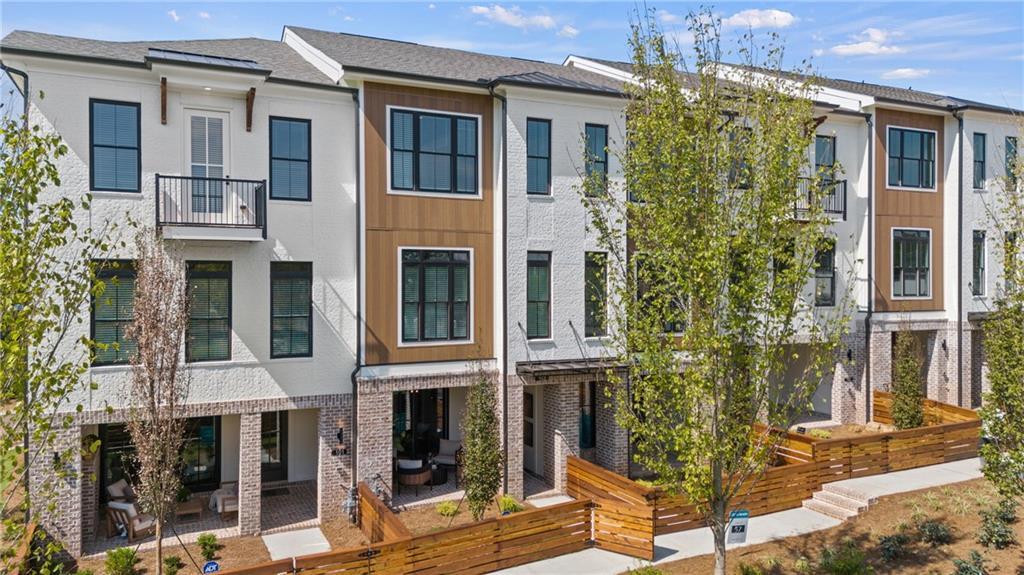
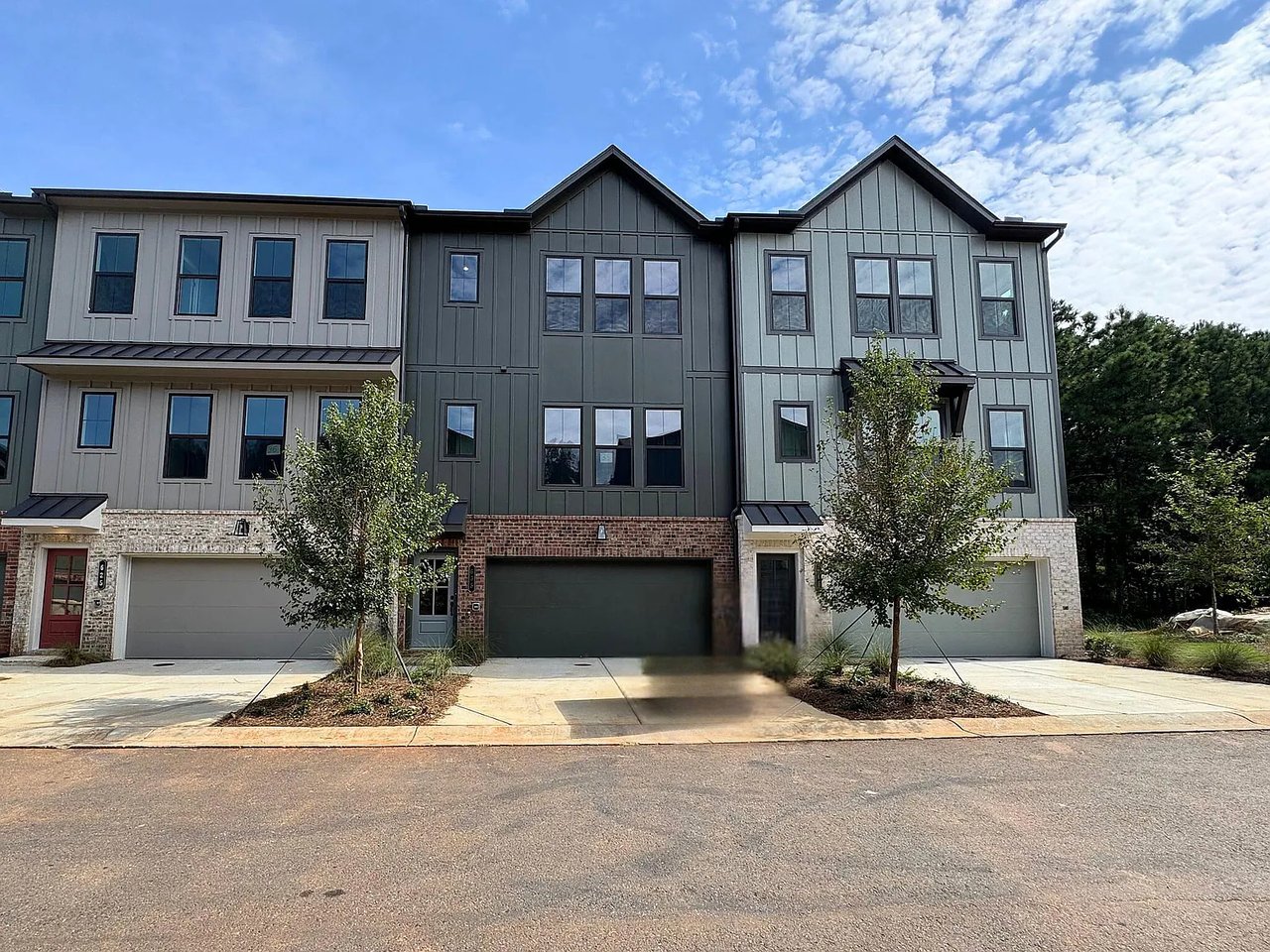
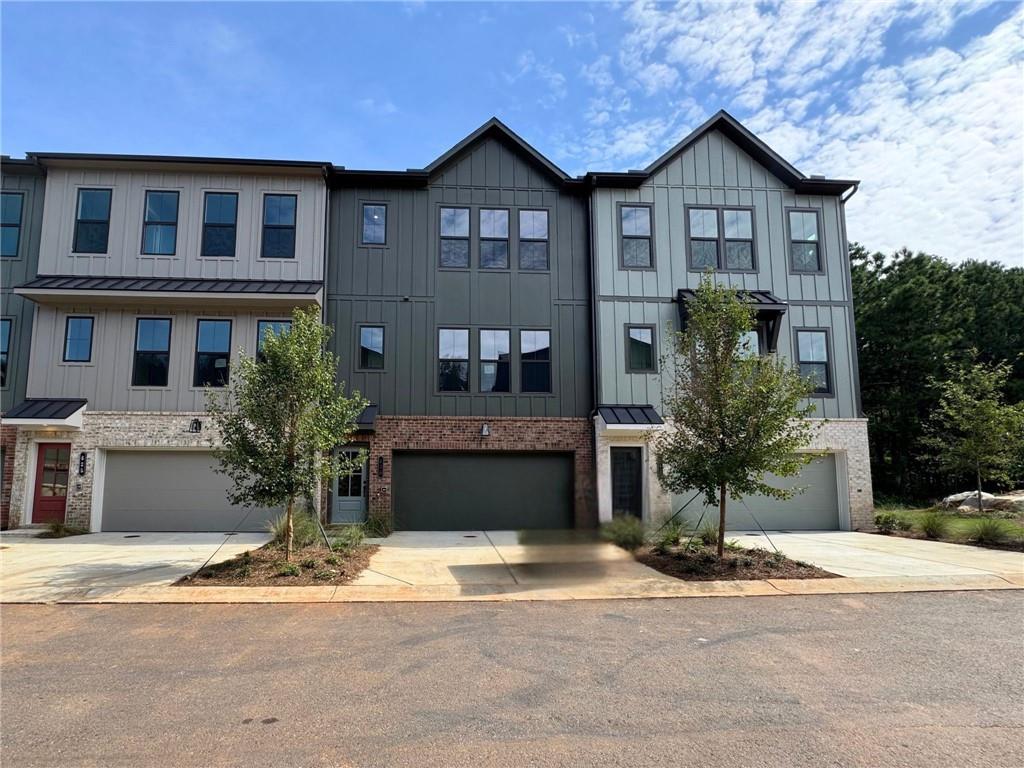
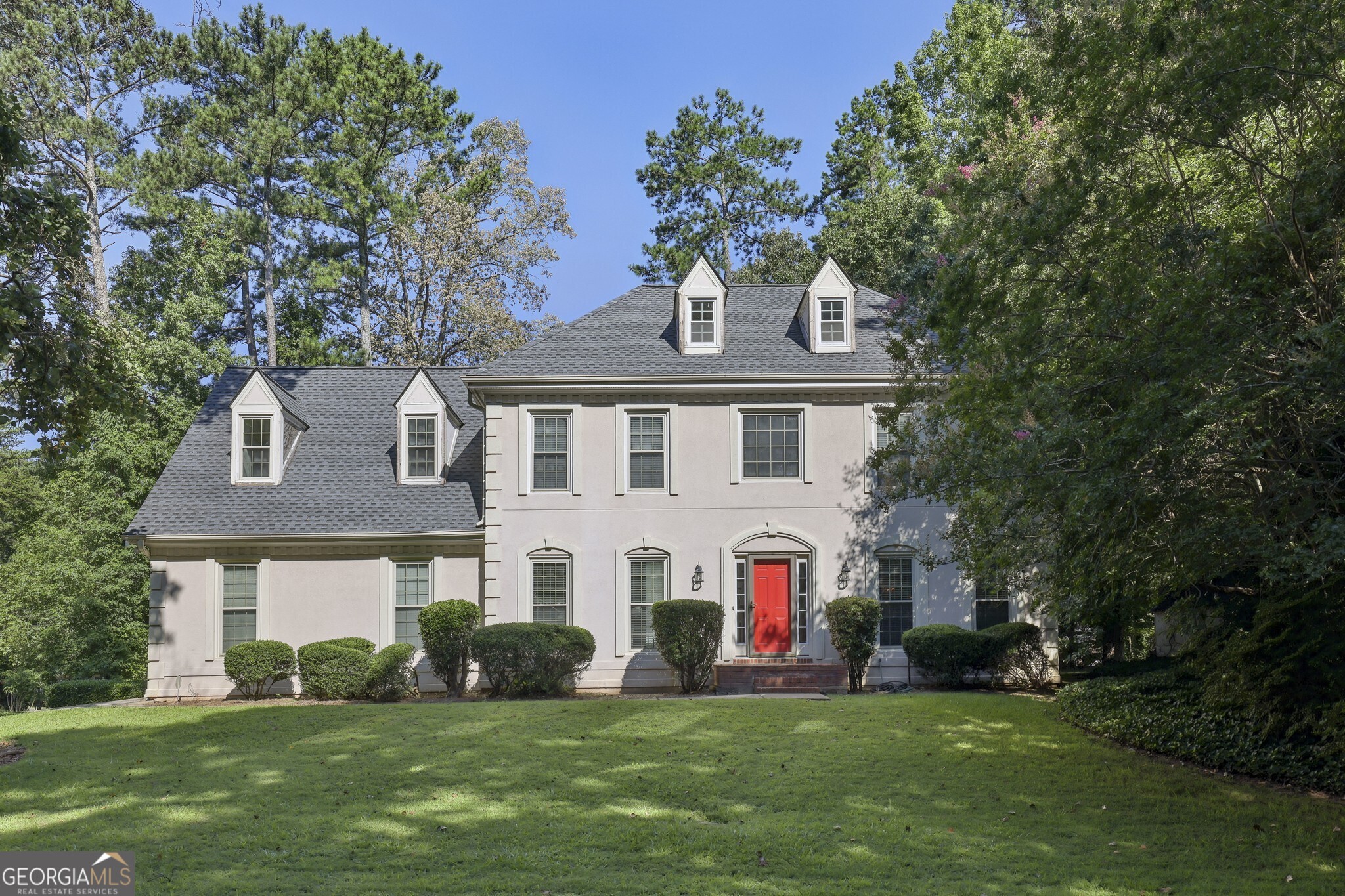
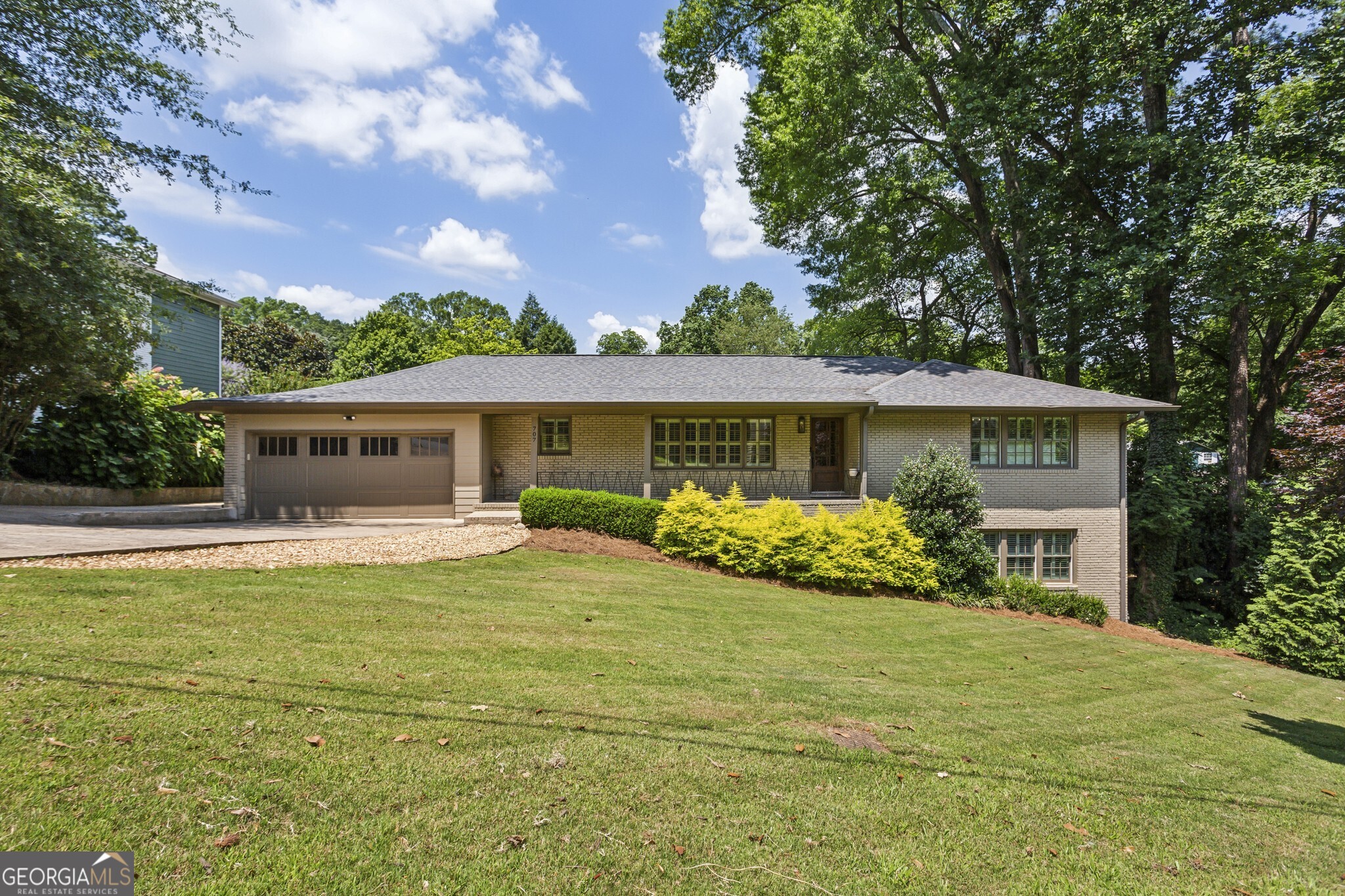
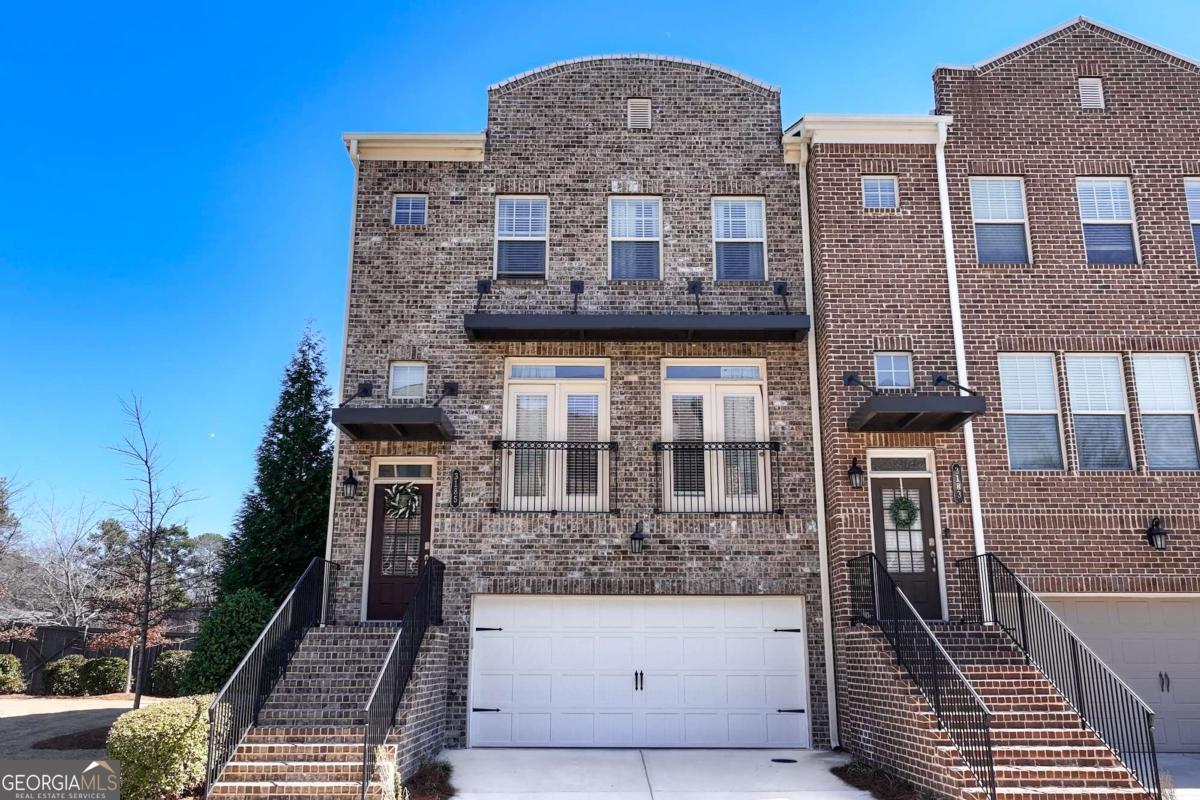
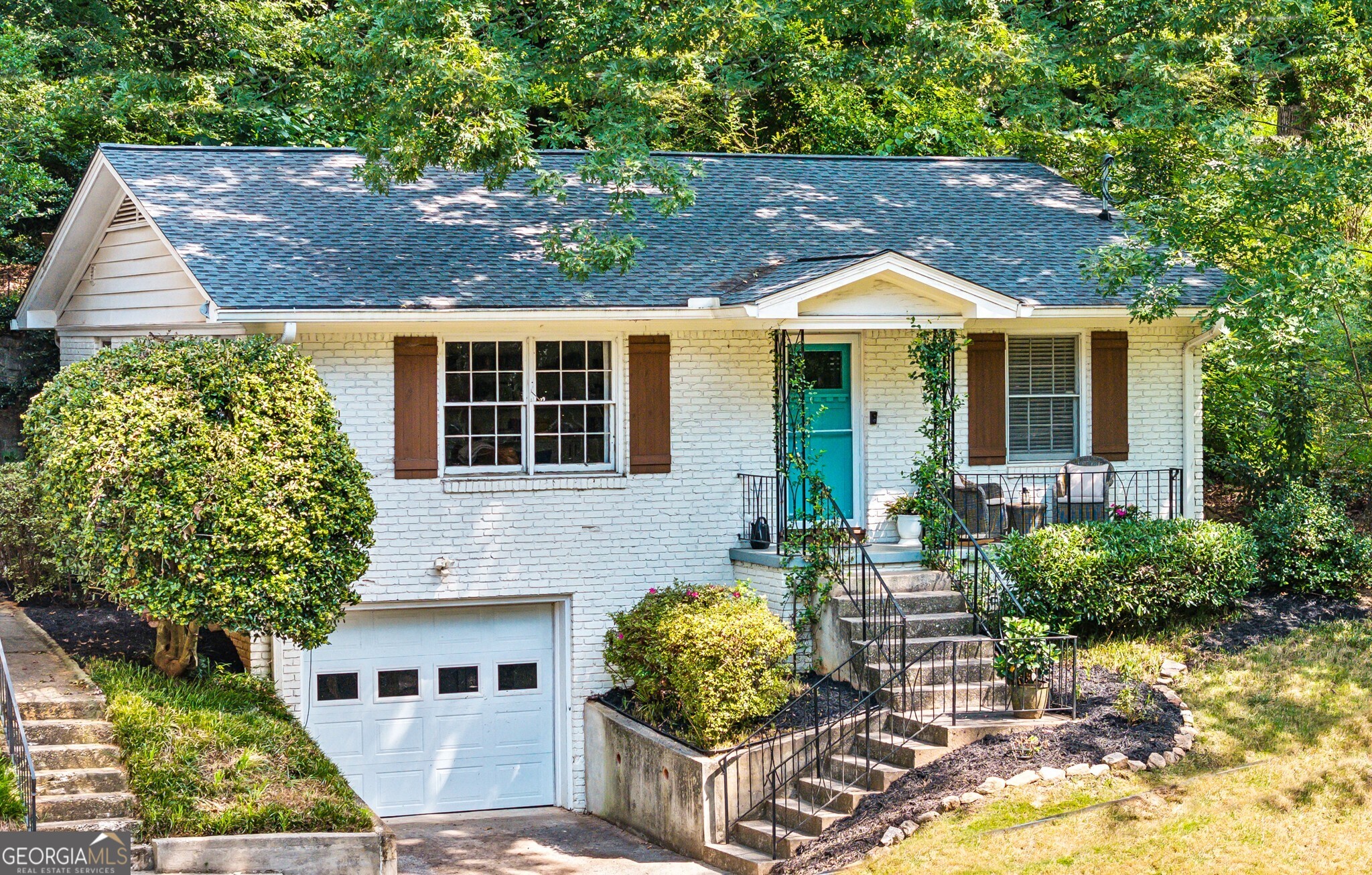
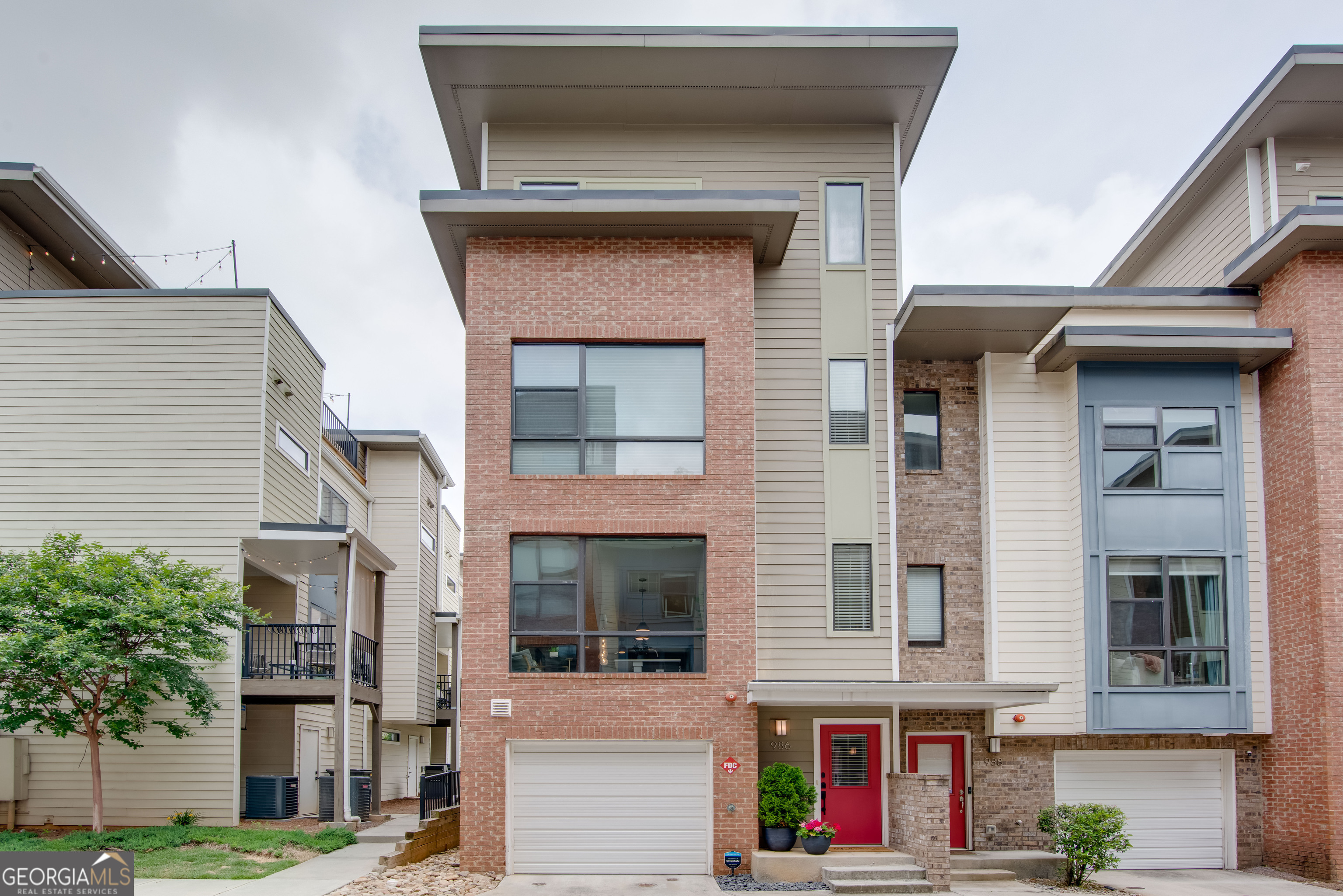
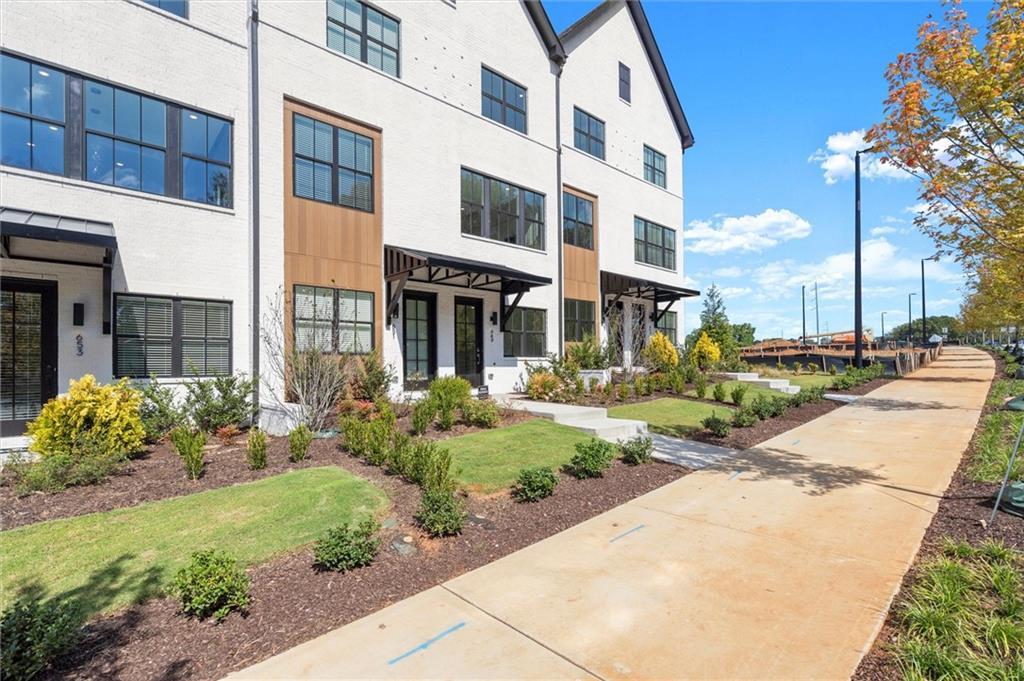
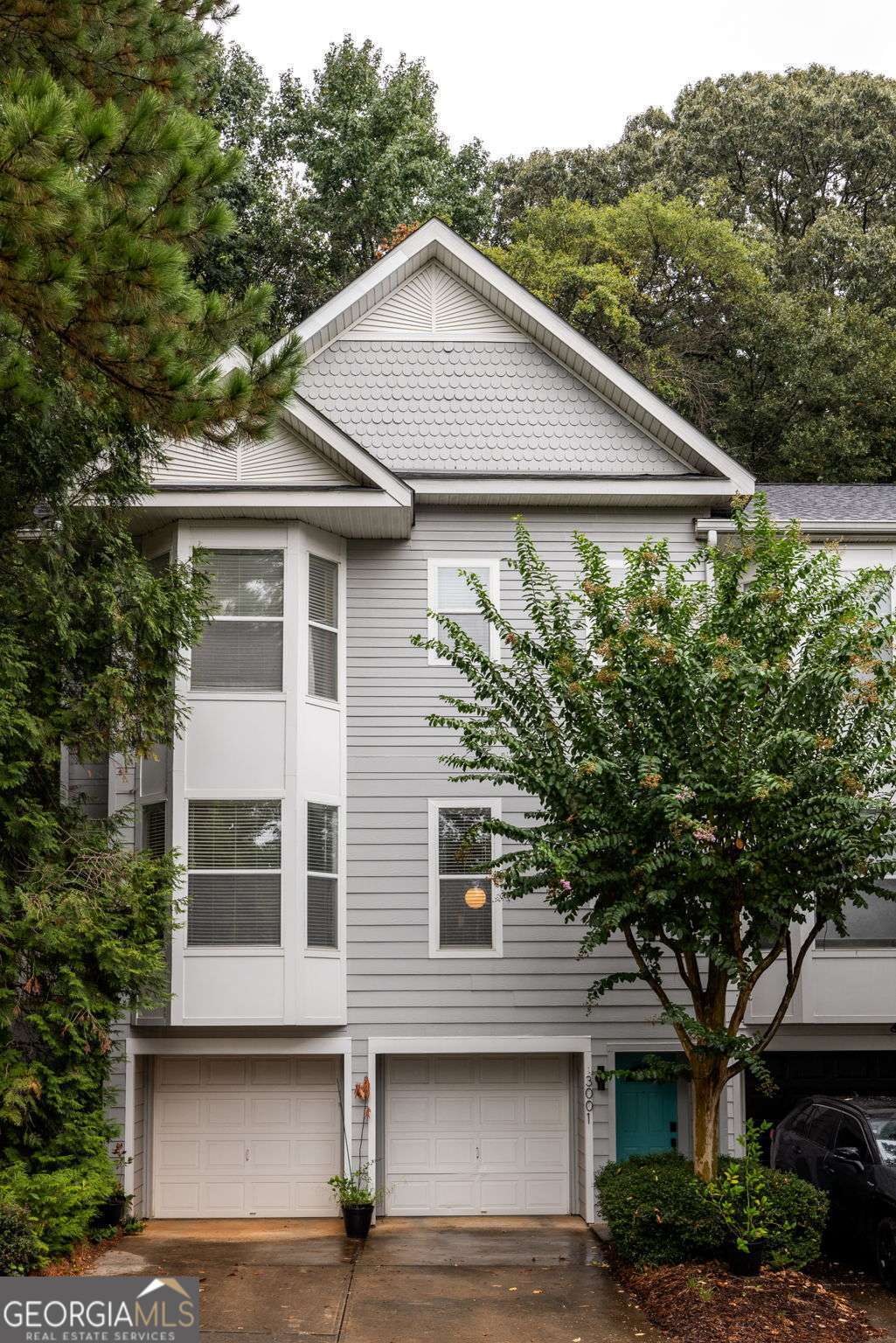
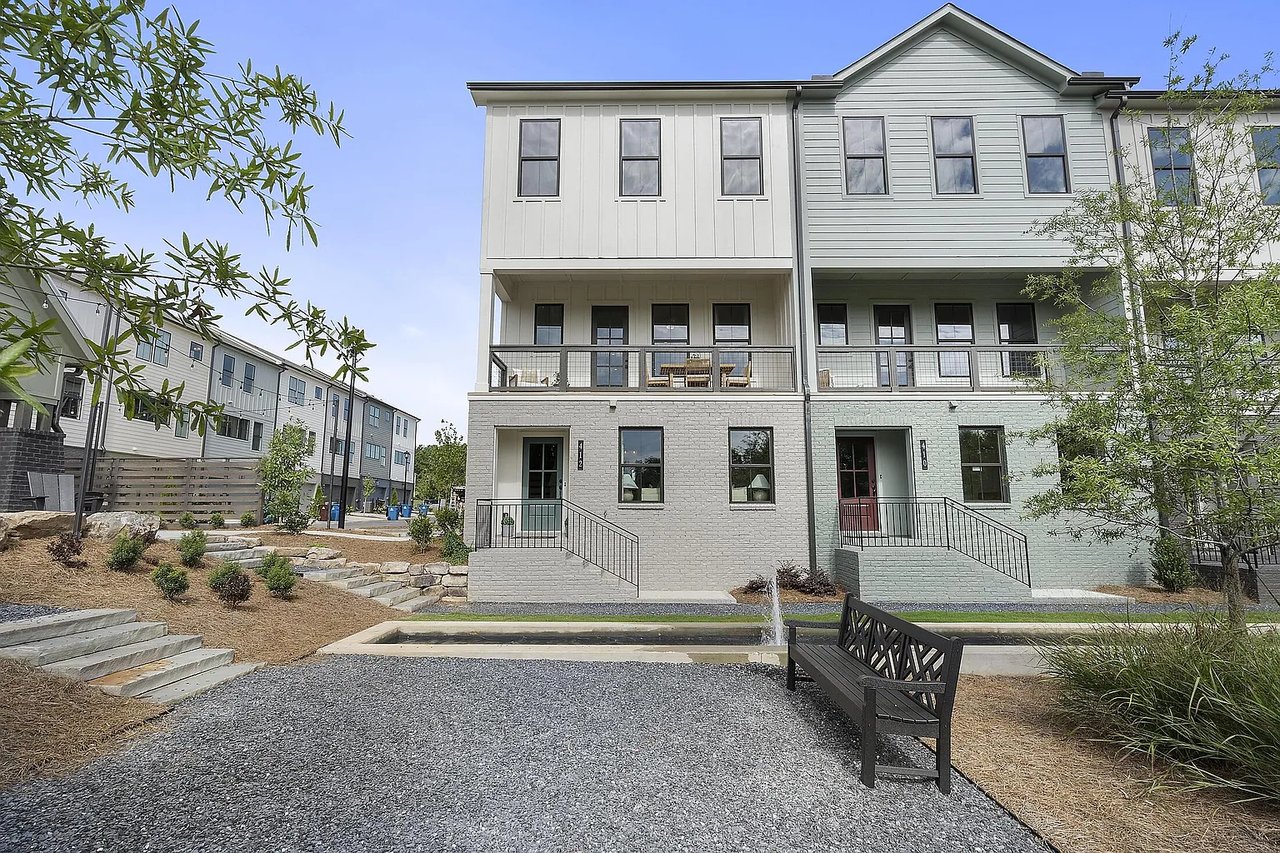
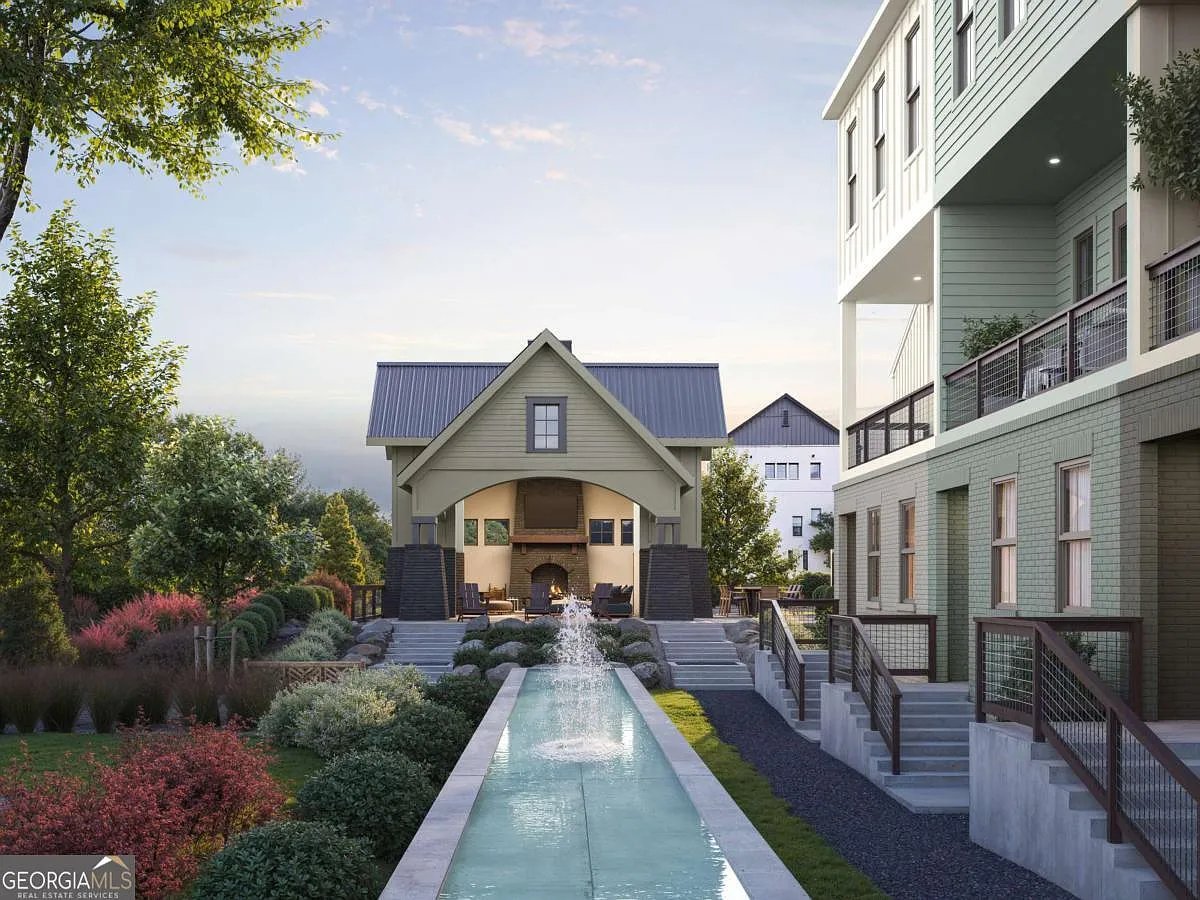
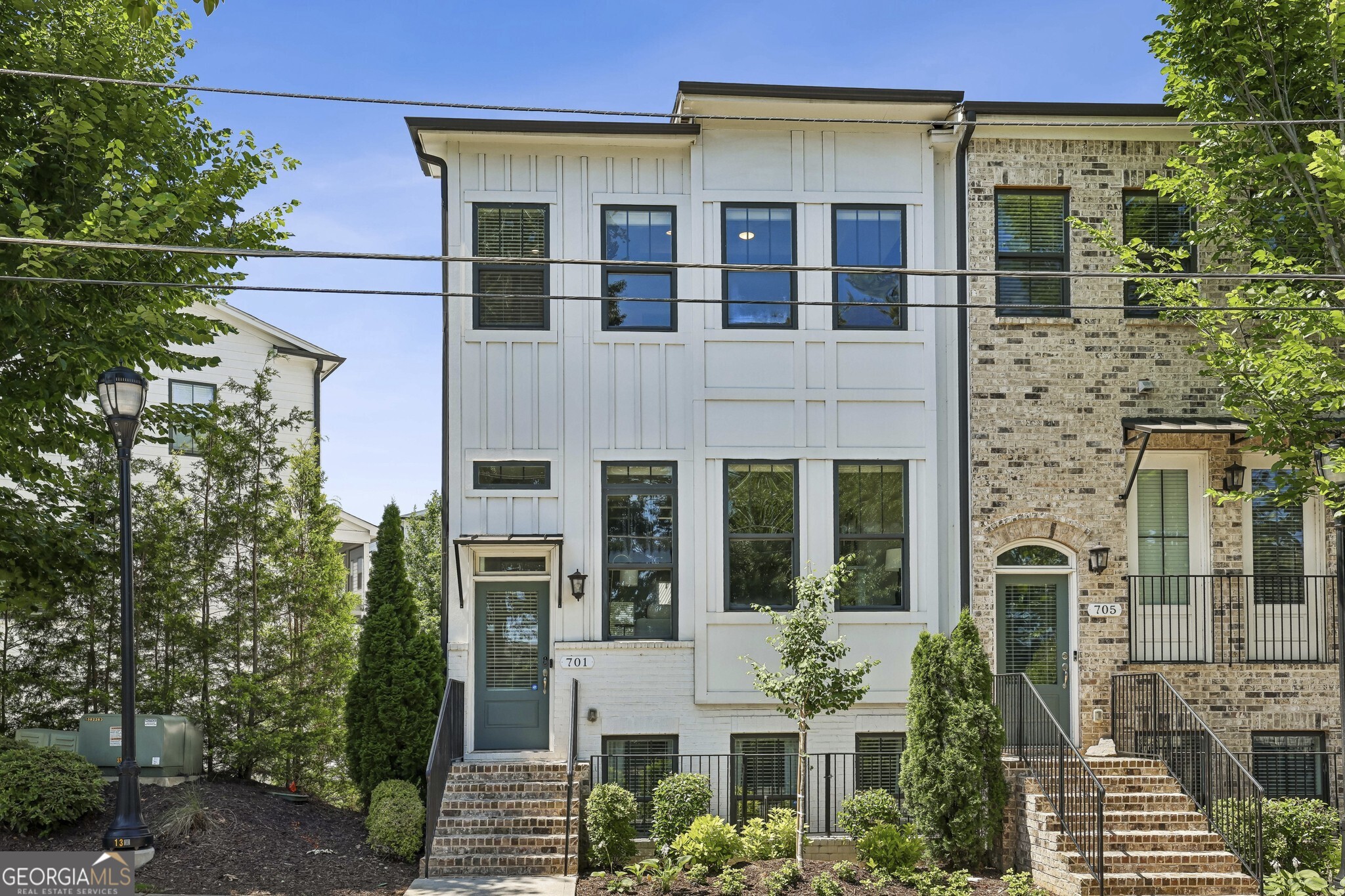
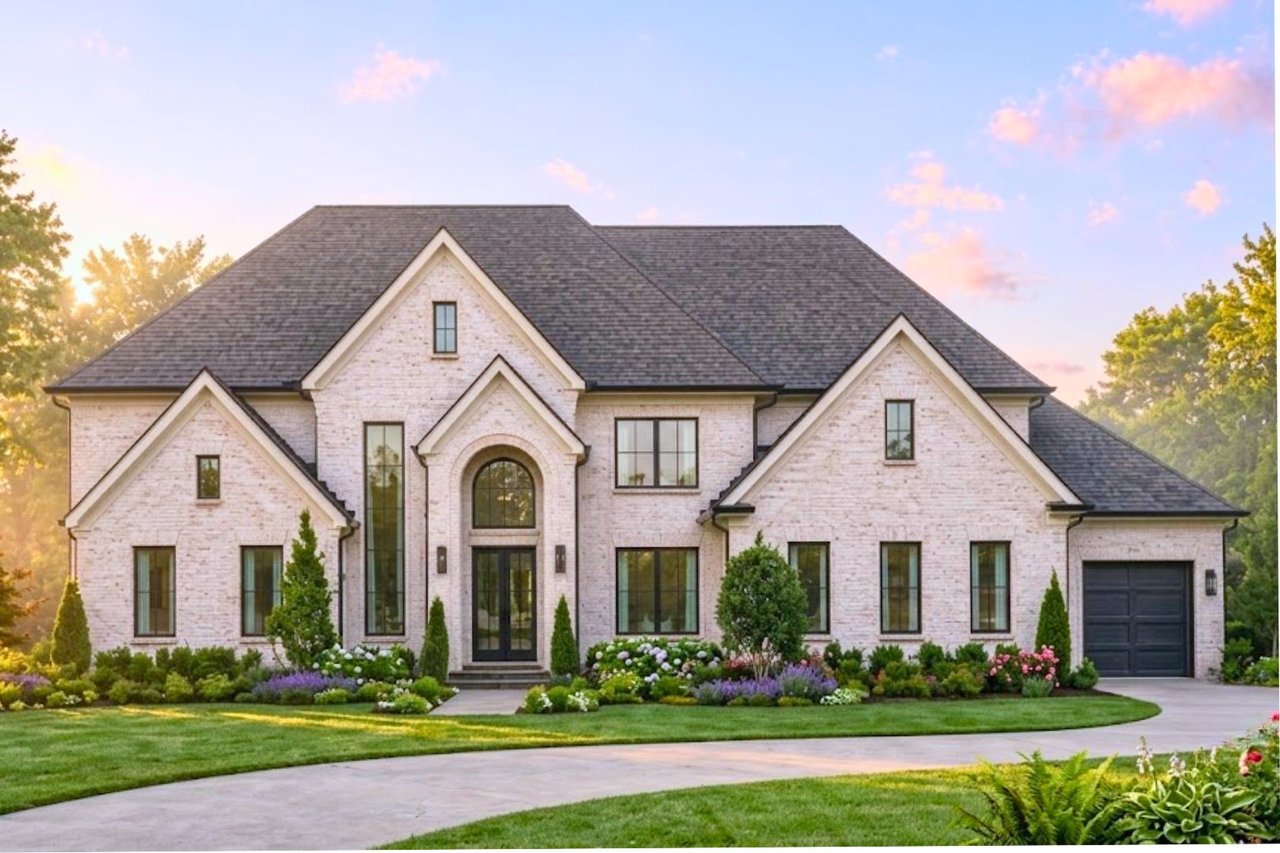
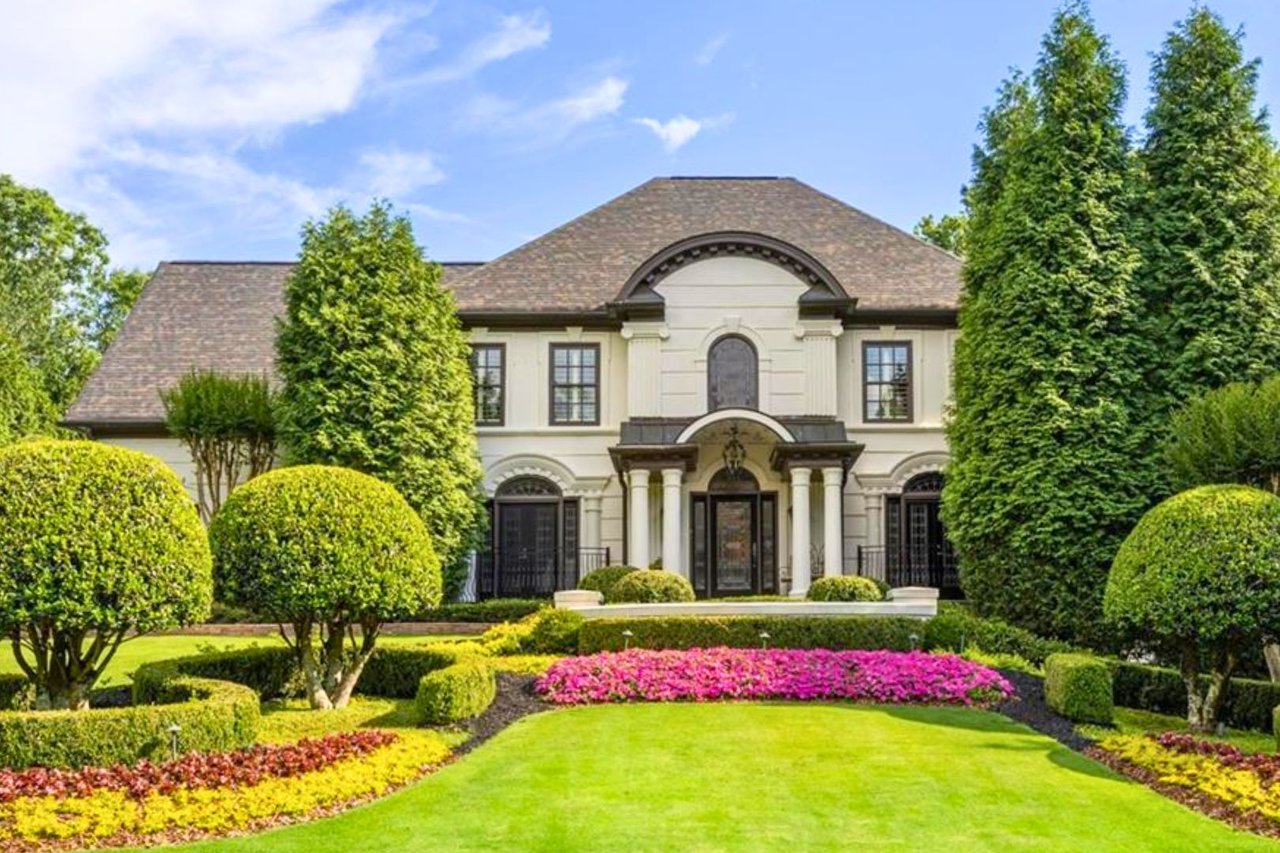
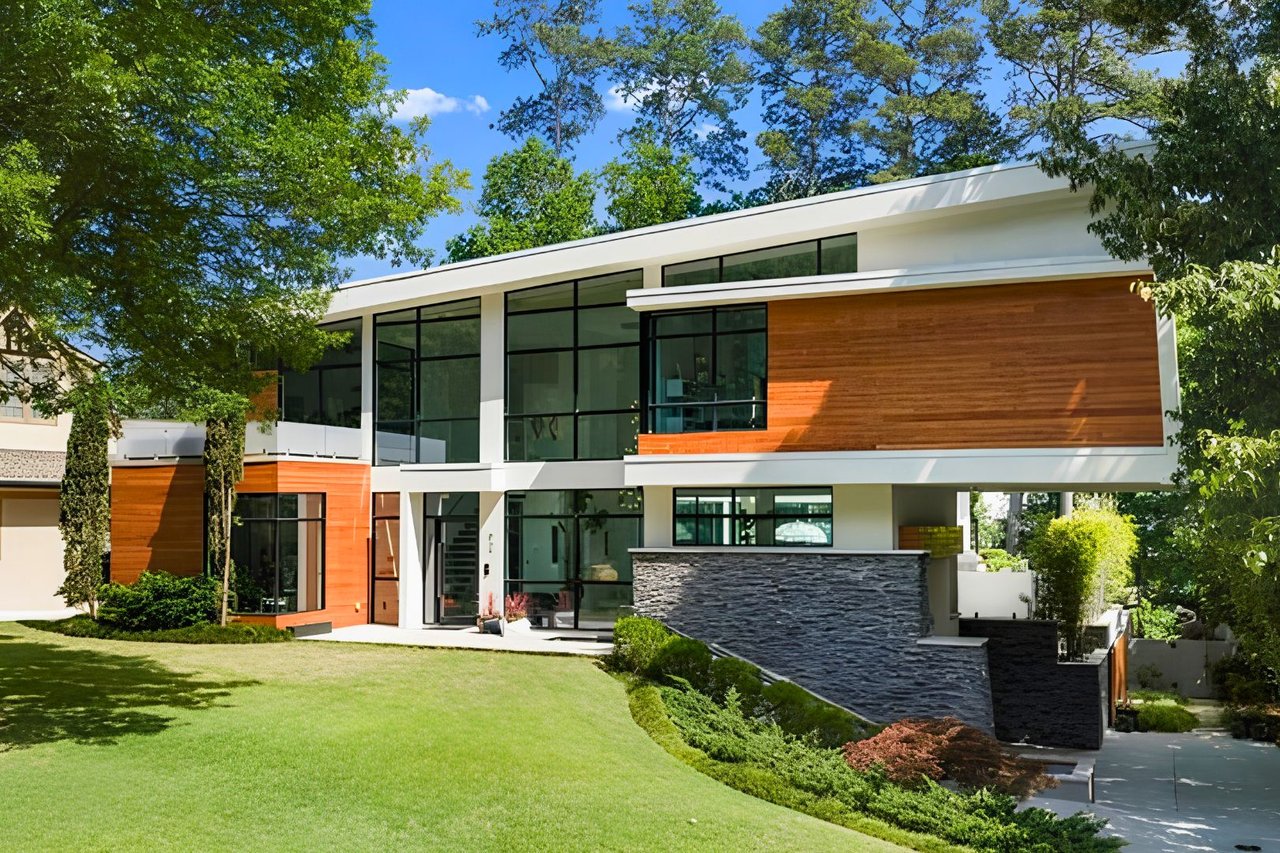
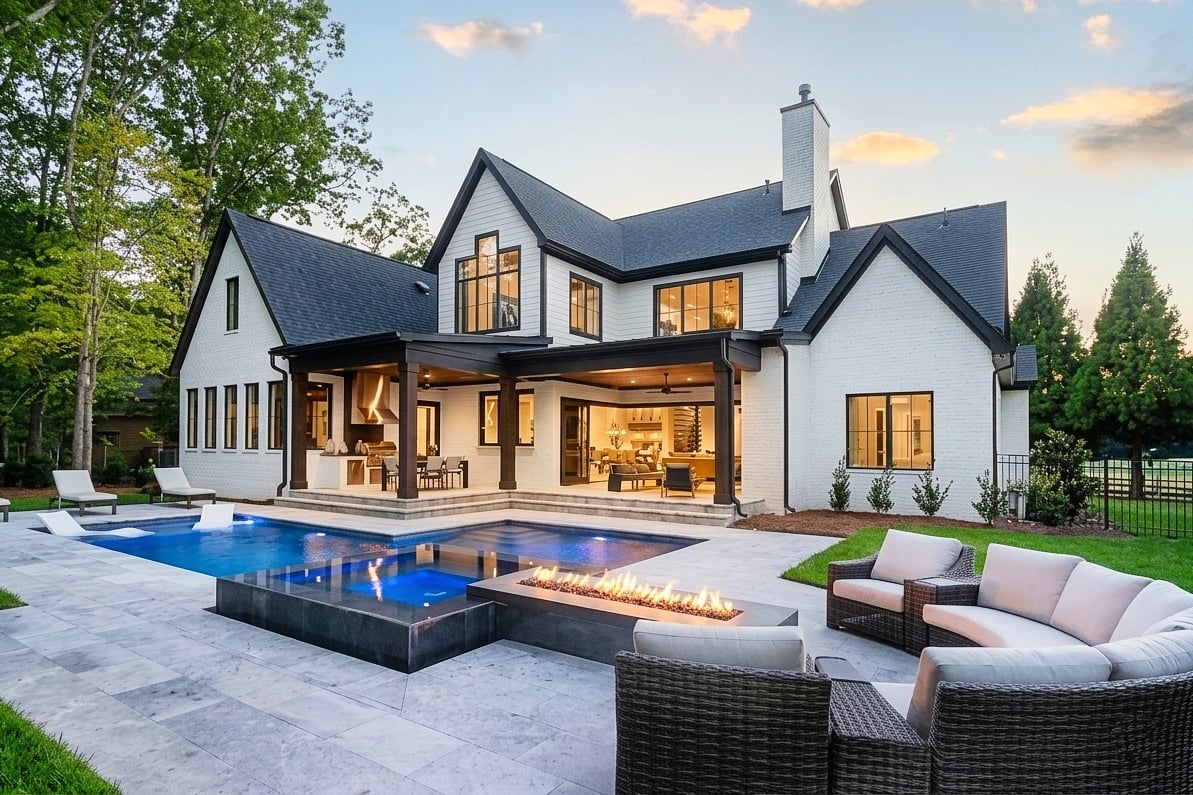
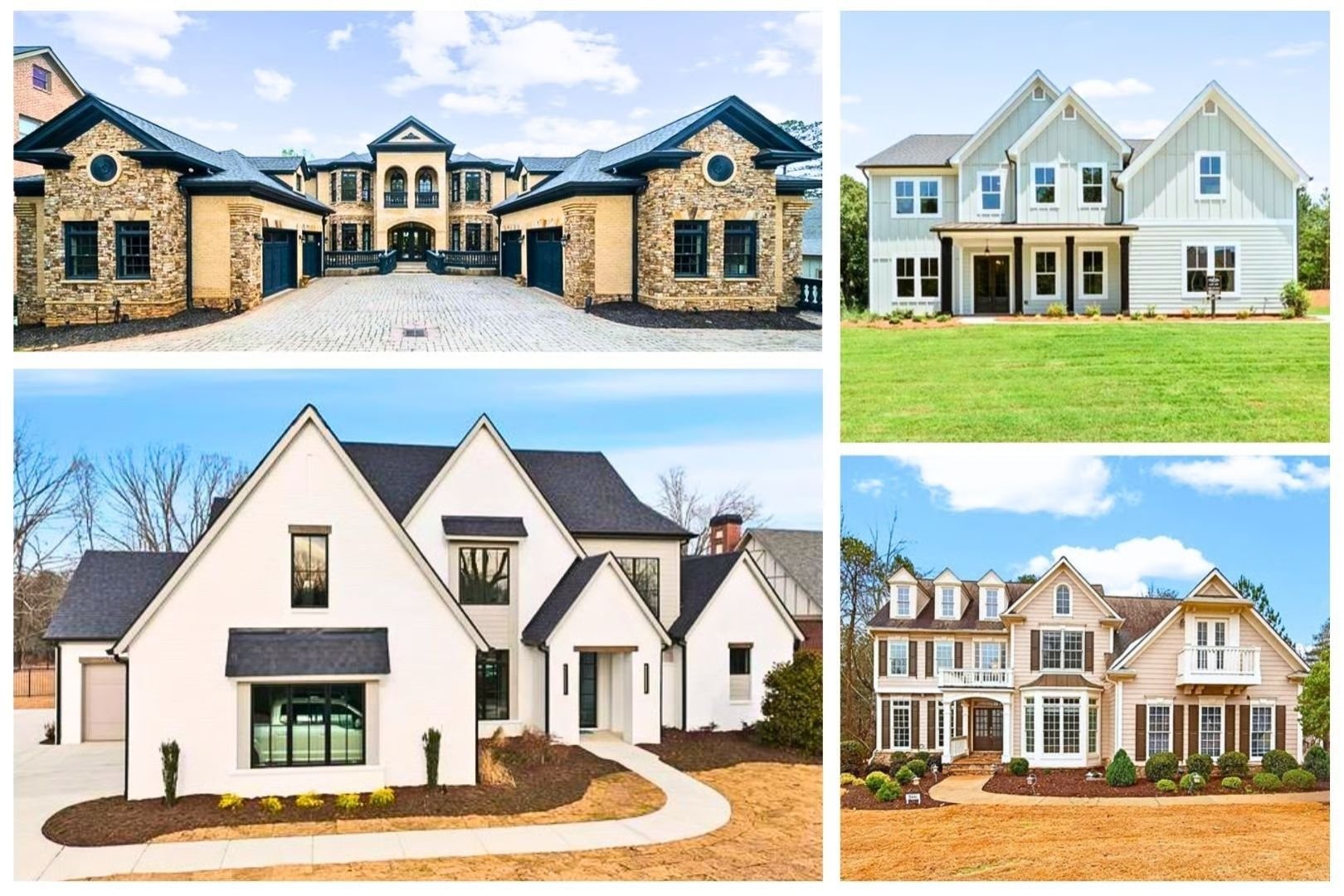
The range of new construction in and around Gainesville is genuinely broad. Entry-level townhomes, traditional single-family homes on conventional lots, and larger estate-style properties are all represented in the current build pipeline. Many communities are being developed with amenity packages — pools, walking trails, greenspace, and community gathering areas — that reflect the lifestyle expectations of today's buyer.
Hall County median home prices have been running in the range of $340,000 to $375,000 — a meaningful gap below comparable properties in Fulton and Forsyth counties, where overall medians have tracked considerably higher in recent reporting periods.
That differential may narrow over time as demand continues. But for buyers doing the math right now, the value equation is clear. Hall County new construction has consistently offered more square footage per dollar compared to equivalent new builds in Fulton, Gwinnett, or Forsyth counties closer to Atlanta — according to Georgia Association of Realtors aggregate market data.
Pro Tip: When comparing new construction communities, look beyond the base price. Builder incentives, included features, and HOA amenity packages vary widely across Hall County communities — and what appears to be a lower entry price can quickly close the gap once you account for upgrades and fees.
Schools, Infrastructure, and Community Investment

Family buyers do their homework, and Gainesville holds up well under that scrutiny.
Hall County Schools
Understanding the local school district structure is important before buying in this area. Two separate systems serve students here:
- Hall County School District: Serves students in unincorporated Hall County across 43 schools — enrolling more than 33,000 students, making it one of the larger districts in Northeast Georgia
- Gainesville City Schools: A separate municipal system serving students within the City of Gainesville limits, with its own attendance zones, schools, and programming
Which system your new home falls under depends entirely on the specific address. This is a detail worth clarifying early in your search, and a knowledgeable local agent can help identify district boundaries for any community you are evaluating. The University of North Georgia's Gainesville Campus also contributes to the region's educational fabric, supporting workforce development and offering undergraduate programs that strengthen the local talent pipeline.
Healthcare, Retail, and Infrastructure
Northeast Georgia Medical Center's main Gainesville campus is one of the most comprehensive hospital systems in the region. For families evaluating quality-of-life factors beyond schools, the presence of a major regional health system within the community carries real weight.
Ongoing road improvements along the I-985 corridor and SR-365 reflect both state and county investment in the capacity needed to support a growing population. Retail and grocery options in the Oakwood and Gainesville area have expanded meaningfully alongside the residential base — which means residents are not driving to Atlanta for everyday needs. This is a city actively building the capacity to match its growth.
Is Now the Right Time to Buy a New Home in Gainesville?
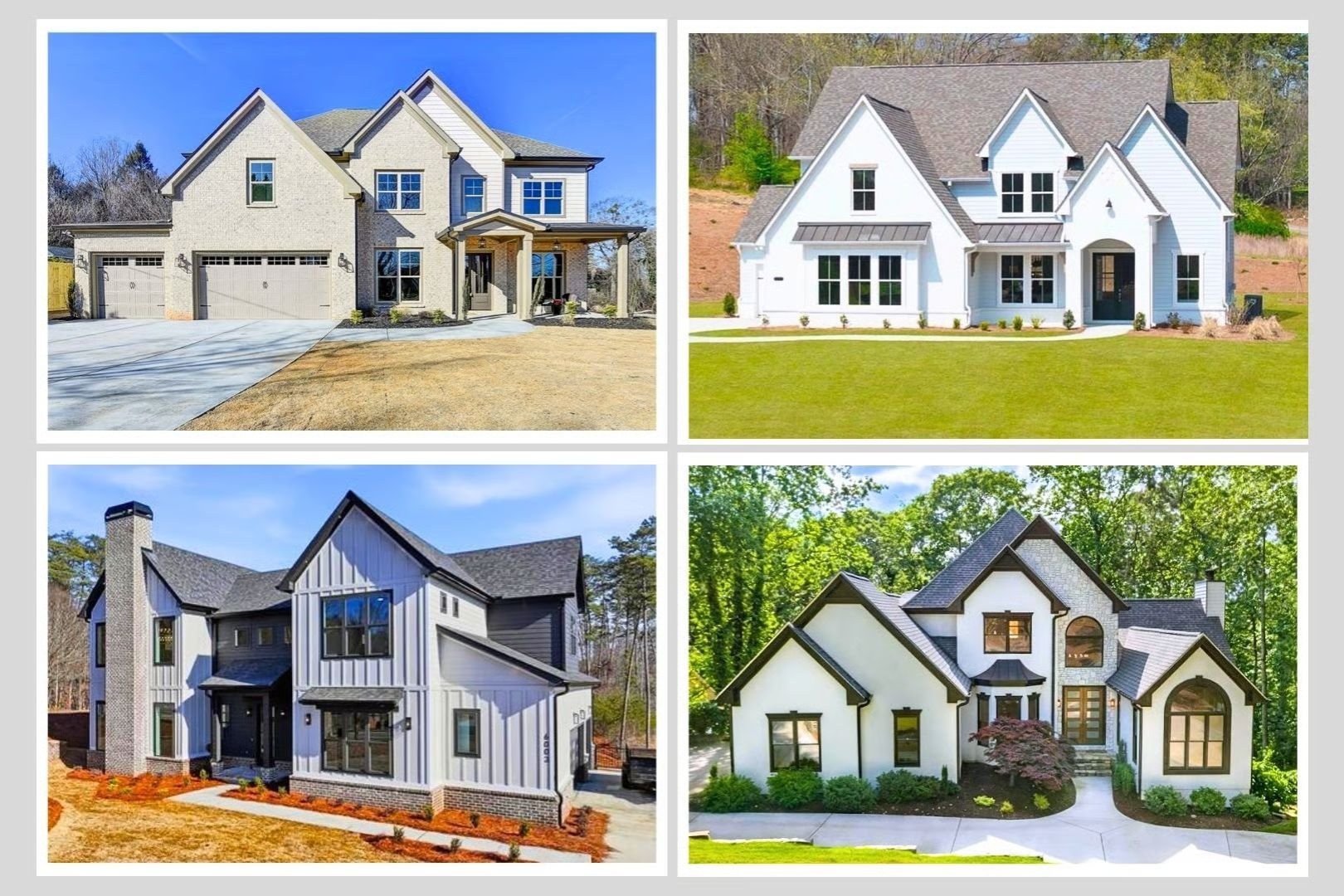
The honest answer is that Gainesville's fundamentals are unusually well-aligned right now. A stable, diversified job market. Consistent population inflow. Active new construction. Comparatively accessible price points relative to the Atlanta metro. And a lifestyle anchor in Lake Lanier that has no real substitute in the region. These factors are converging in the same market at the same time — and that is not something that happens everywhere.
In growth markets like this one, desirable communities and specific lots absorb over time. Days-on-market figures for Gainesville have been consistent with an active, competitive market rather than a stagnant one, and buyers who wait often find that their preferred locations have less inventory or have moved to a higher price tier. Georgia Association of Realtors regional data reflects the kind of sustained absorption pace that characterizes markets with genuine underlying demand rather than cyclical fluctuation.
That is not an argument for rushing past due diligence — individual financial timing is always personal. But it is an honest description of how demand dynamics tend to work in a market with Gainesville's trajectory. Buyers who understand this market tend to feel confident in the decisions they make here.
Frequently Asked Questions About New Homes in Gainesville, GA
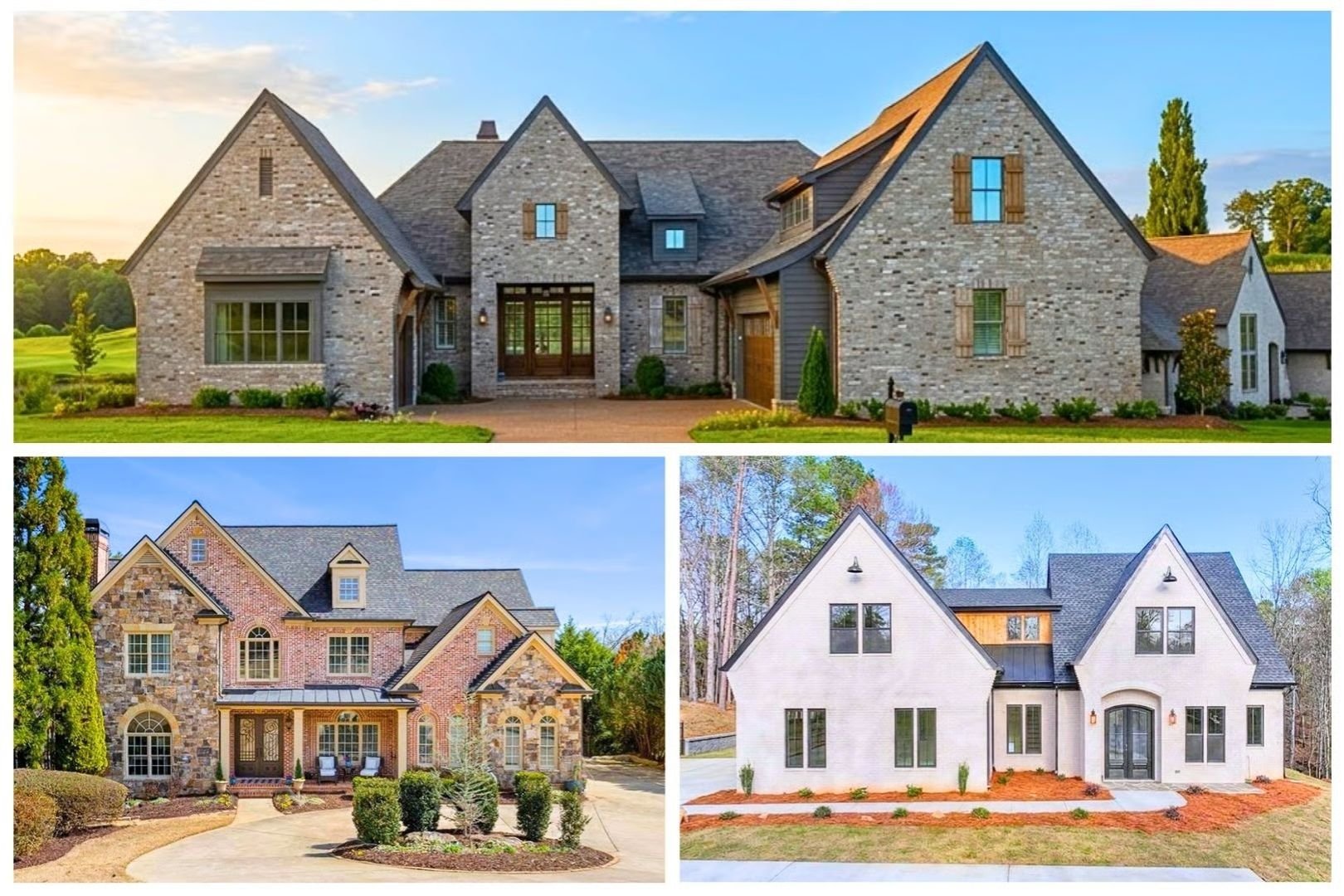
What is the average price of a new home in Gainesville, GA?
New construction in Gainesville and Hall County spans a meaningful range depending on location, lot size, community amenities, and builder tier. Here's how pricing has generally broken down in recent market reporting:
| Home Type | General Price Range |
|---|---|
| Entry-level townhomes / smaller single-family | Mid-$300,000s |
| Larger single-family in amenitized communities | $400,000s – $600,000s+ |
| Lake-adjacent or lakefront new construction | Premium above those ranges |
| Overall Hall County median (recent reporting) | $340,000 – $375,000 |
Specific new construction pricing shifts with inventory and market conditions — browsing active listings or speaking with a local agent gives you the most current picture.
Which school district would my new home fall under in Gainesville?
School assignment depends entirely on the specific address of the home. Unincorporated Hall County addresses are served by the Hall County School District, while addresses within the City of Gainesville limits fall under Gainesville City Schools — two separate systems with their own attendance zones, schools, and programming. Confirming the school assignment for a specific address directly with the relevant district or through your agent is an important early step in any home search here.
How far is Gainesville, GA from Atlanta?
Gainesville is approximately 50 to 53 miles northeast of Atlanta, connected via I-985 south to I-85. Under normal off-peak conditions, the drive to Atlanta's northern suburbs takes 25 to 40 minutes; downtown Atlanta typically runs 60 to 75 minutes. Peak-hour commutes can add significant time depending on traffic and your specific destination within the metro. For hybrid workers commuting two or three days per week, the distance is widely considered manageable — and the value difference in housing makes the tradeoff favorable for a large number of buyers who have done the math.
Are there new construction homes near Lake Lanier in Gainesville?
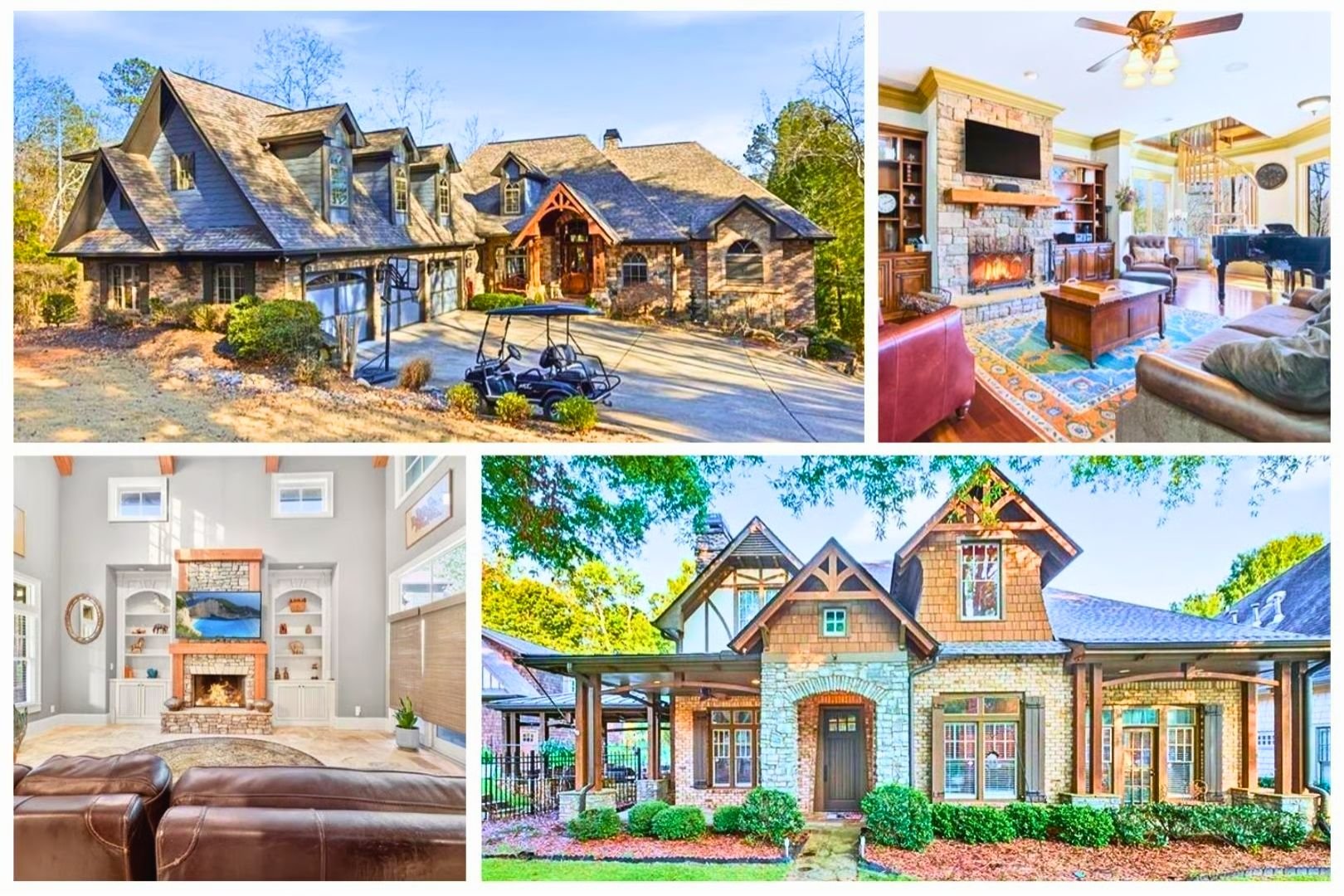
Yes, though availability varies. Communities in and around Gainesville offer lake proximity, lake views, or community-level lake access. True waterfront new construction on Lake Lanier is more limited in supply and typically commands a significant price premium over comparable homes set back from the water. Browsing current listings is the most reliable way to see what is actively available and what type of lake access or proximity each community offers at any given time.
Is Gainesville, GA a good investment for a new home?
The underlying fundamentals — sustained population growth, a diverse and stable job market, major infrastructure investment, and a lifestyle anchor in Lake Lanier with no regional substitute — are the kinds of factors that have historically supported home values in growing secondary markets. Making specific appreciation projections is beyond what any responsible advisor should do without understanding your full financial picture. What can be said is that Gainesville's growth trajectory is built on real economic and demographic drivers rather than speculation, and that tends to matter meaningfully for long-term value.
What neighborhoods or communities should I look at in Gainesville, GA?
The most active growth corridors are generally along McEver Road toward Flowery Branch and Oakwood, the SR-53/Mundy Mill Road area, and the broader Gainesville-Flowery Branch-Oakwood triangle along the I-985 corridor. Downtown Gainesville and the surrounding historic areas offer a more character-driven, town square lifestyle compared to newer suburban communities further out. Lake-adjacent areas on the north and east shores of Lake Lanier attract buyers specifically for waterfront lifestyle access. A local agent familiar with the communities currently under development can match the right corridor to your budget, lifestyle priorities, and school district preferences far more precisely than any general guide can.
Ready to Find Your New Home in Gainesville, GA?

Gainesville offers a combination that is genuinely uncommon at this price point: a stable local economy anchored by institutions like Northeast Georgia Medical Center, a stunning natural setting on Lake Lanier, a revitalizing downtown square with real community character, and a pipeline of new construction that reflects sustained buyer demand from families, professionals, and relocating buyers who have done their research.
If you're ready to explore what's available or simply want to talk through your options, reach out — we're here to help you find the right fit in Gainesville.