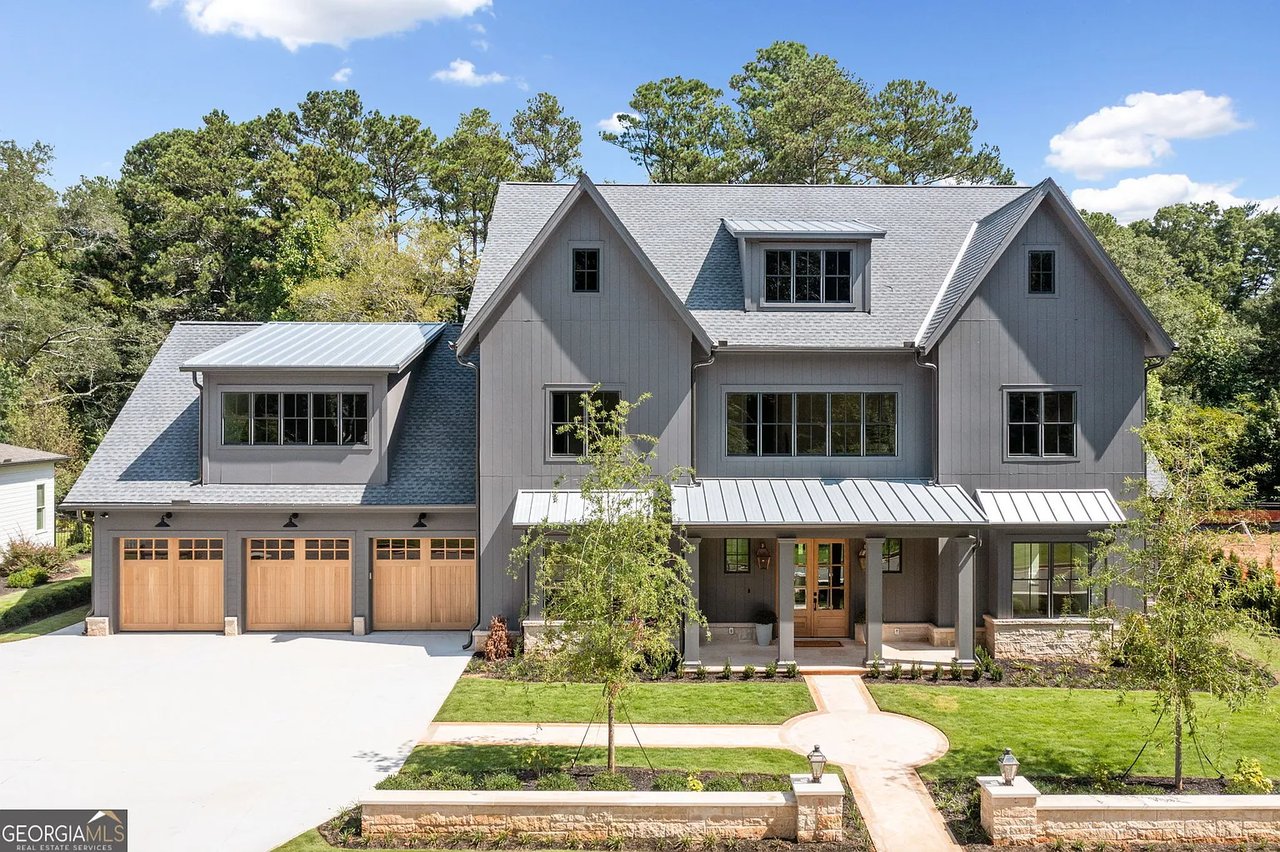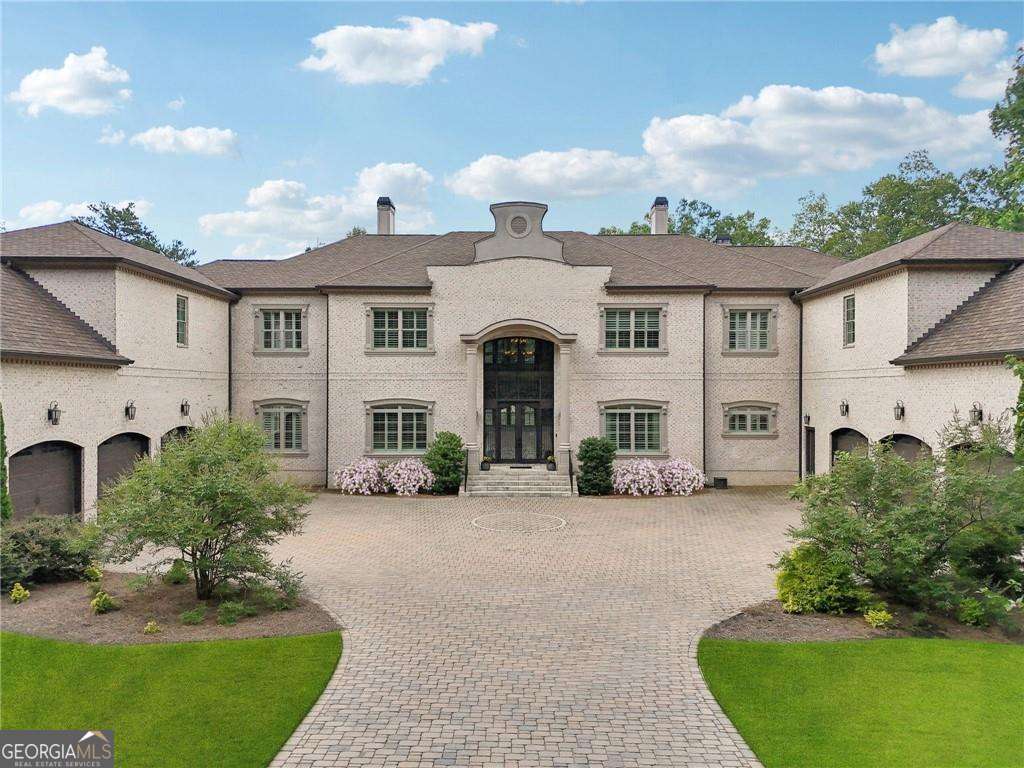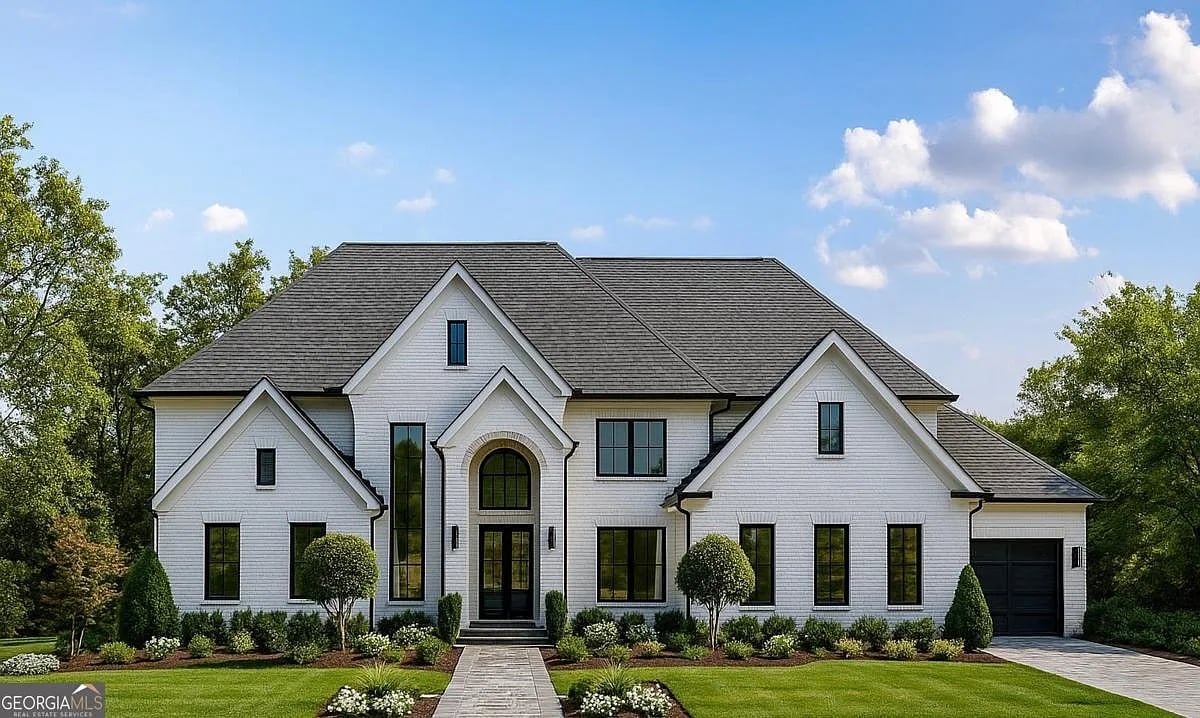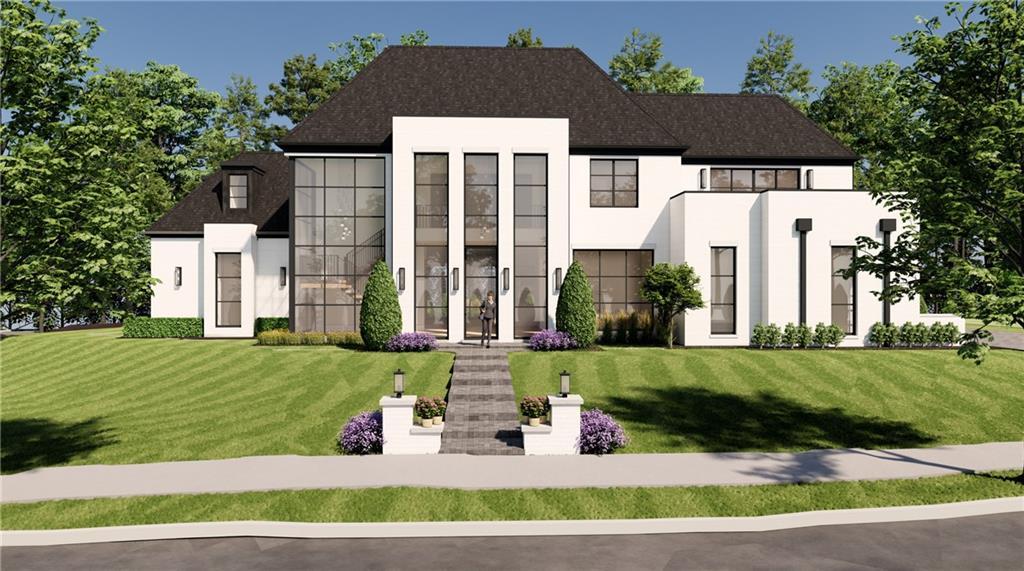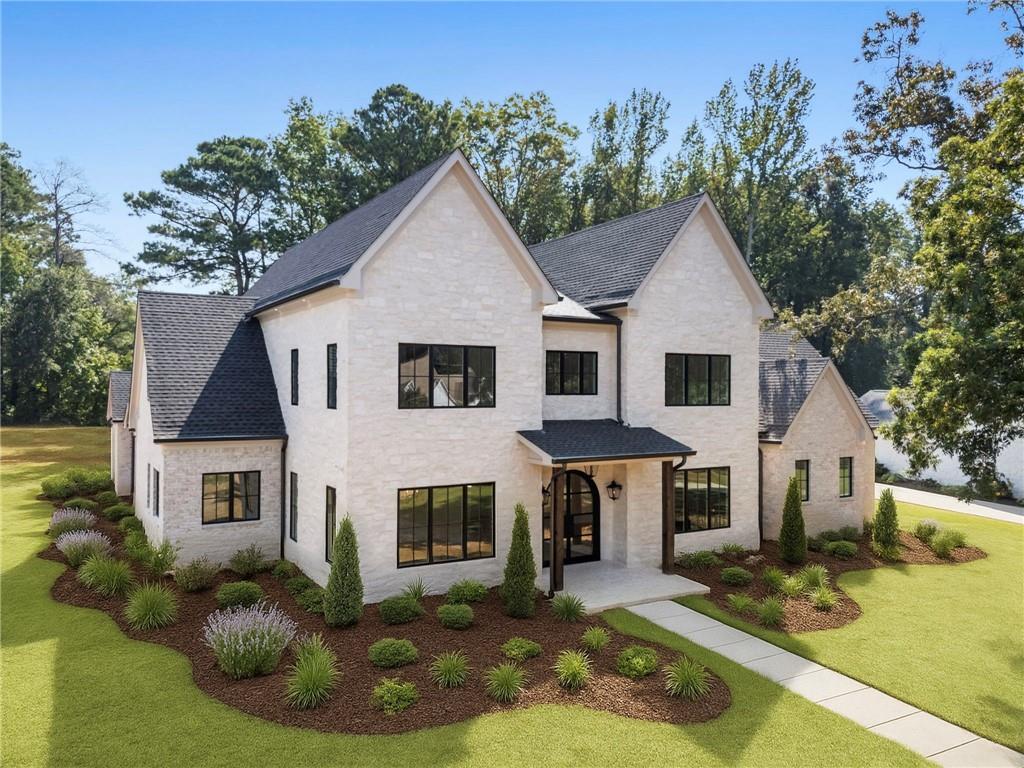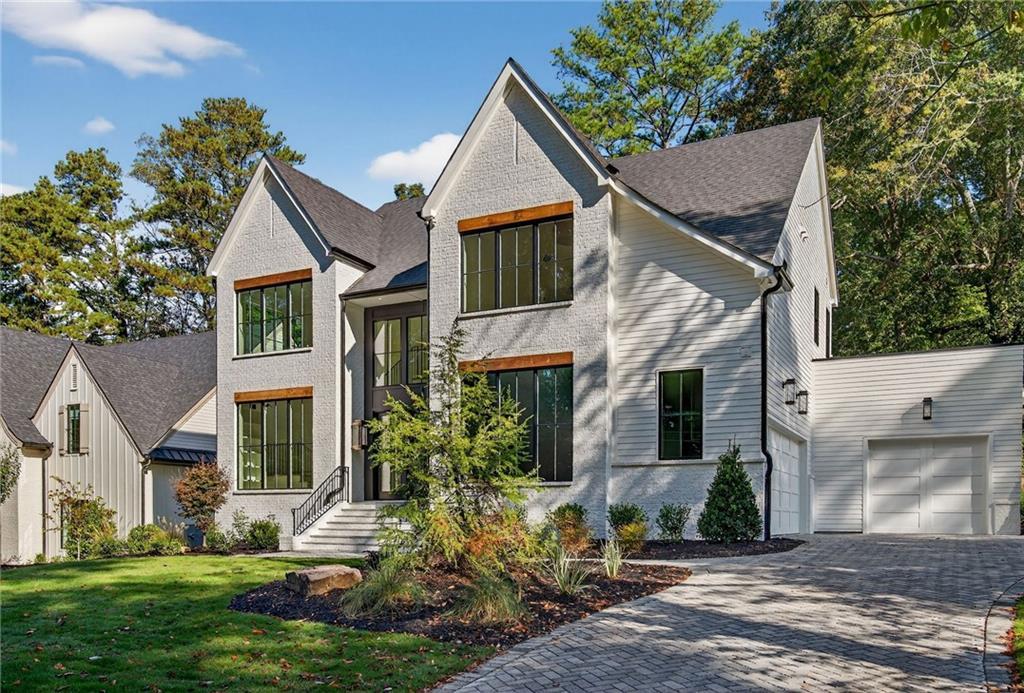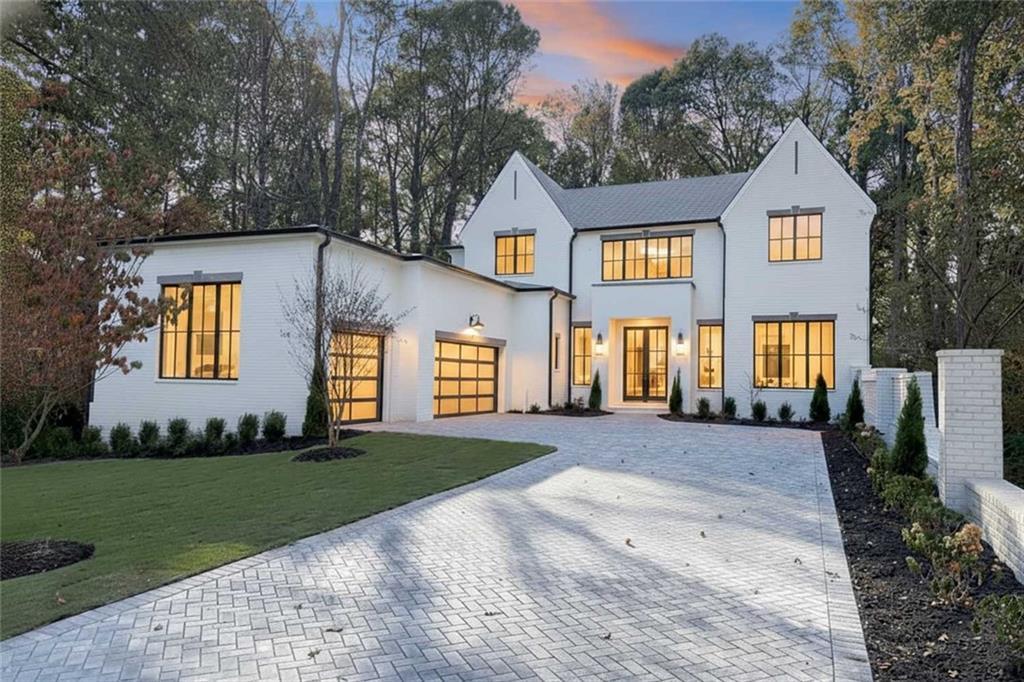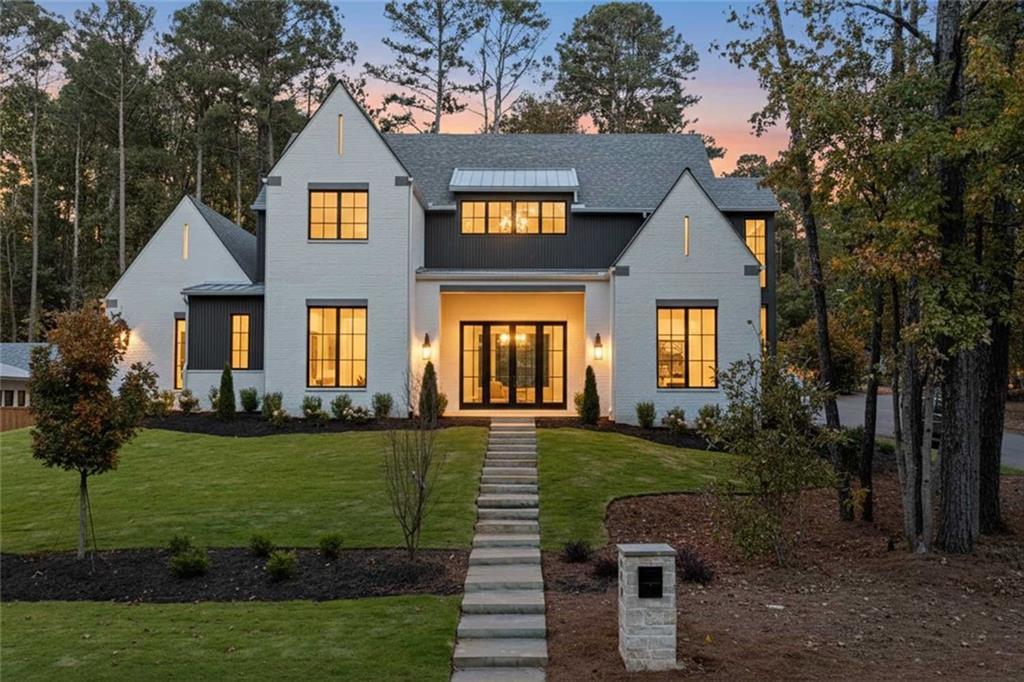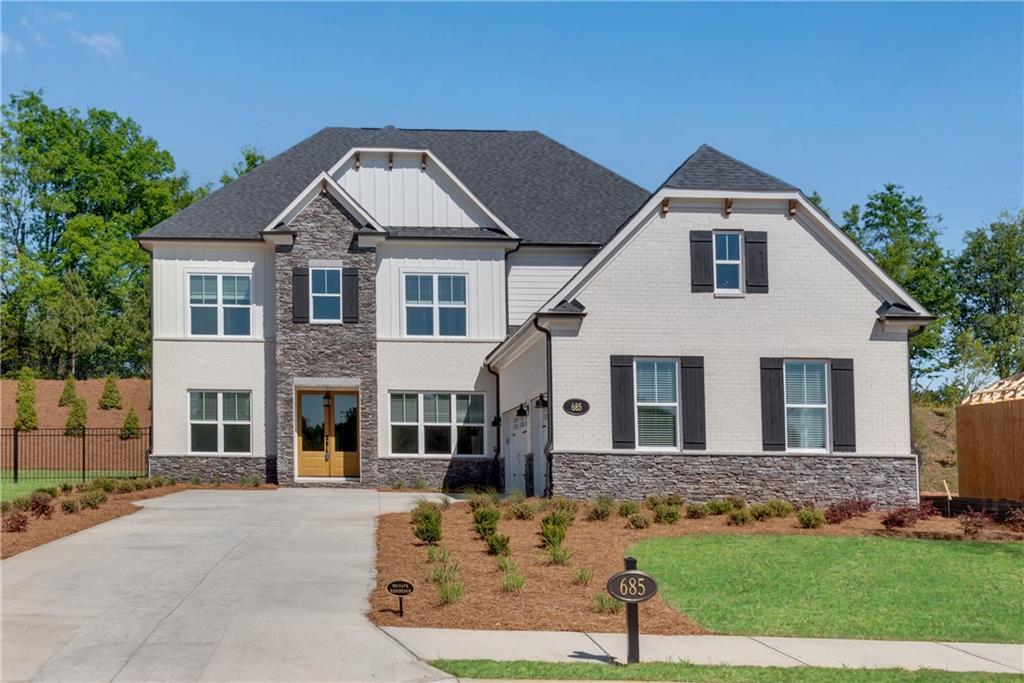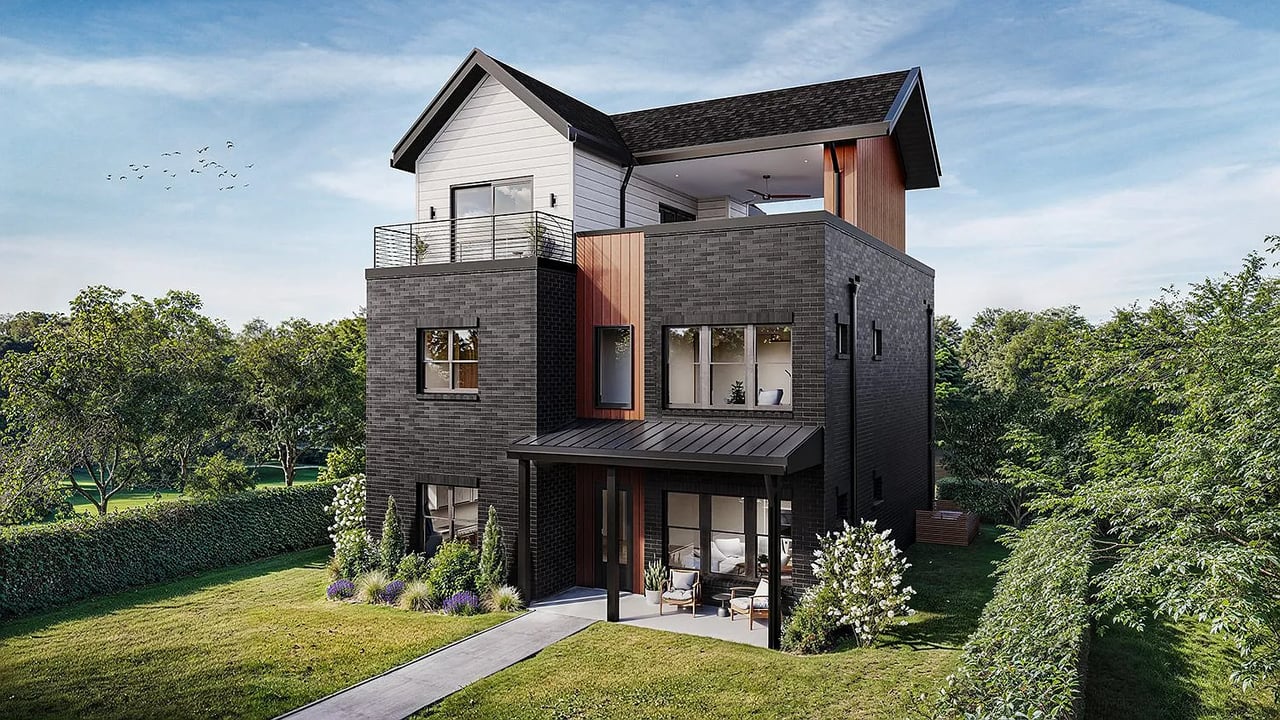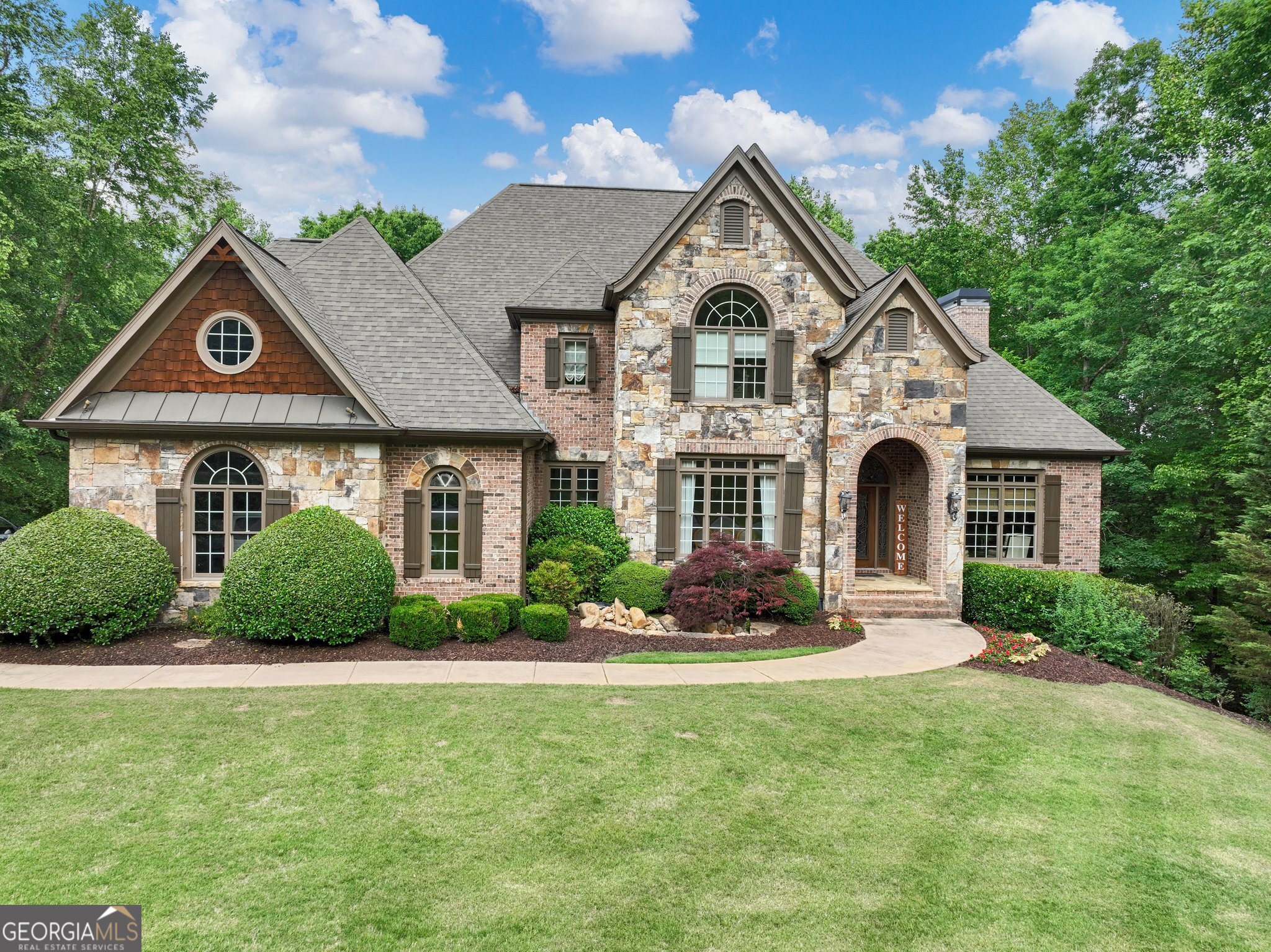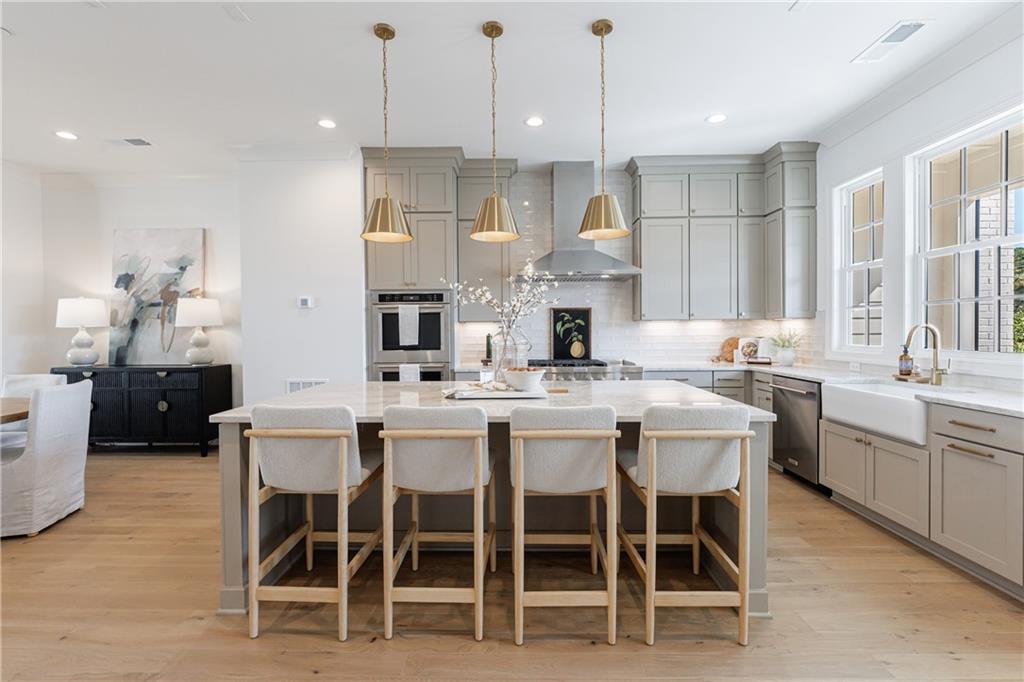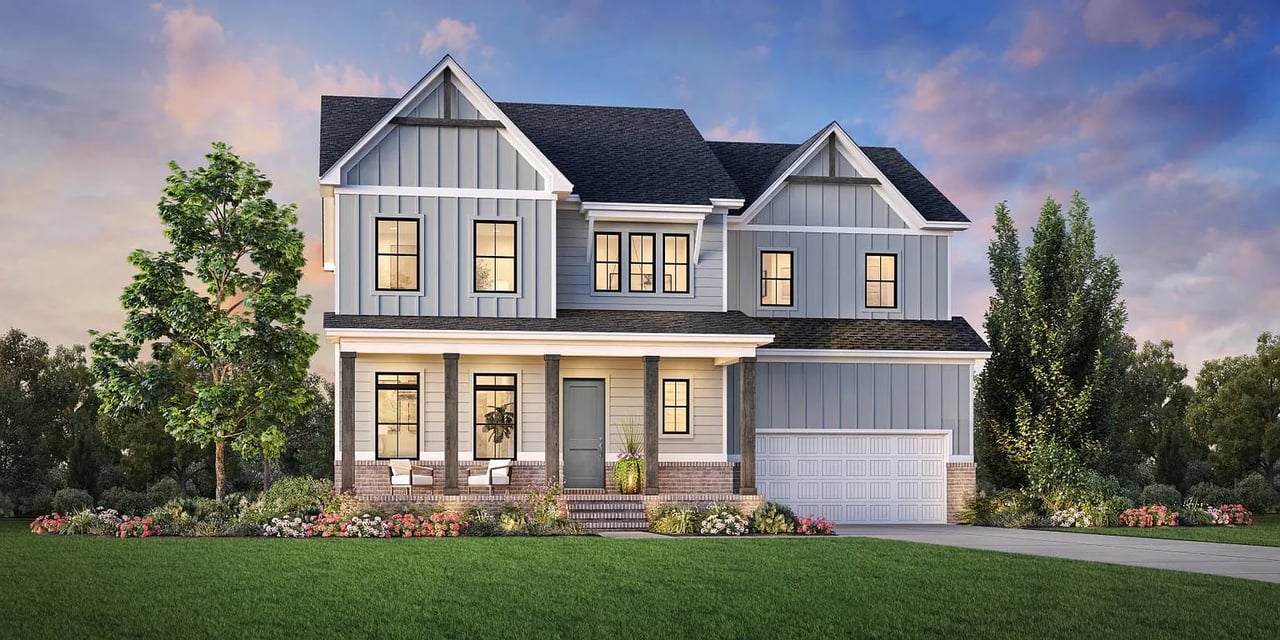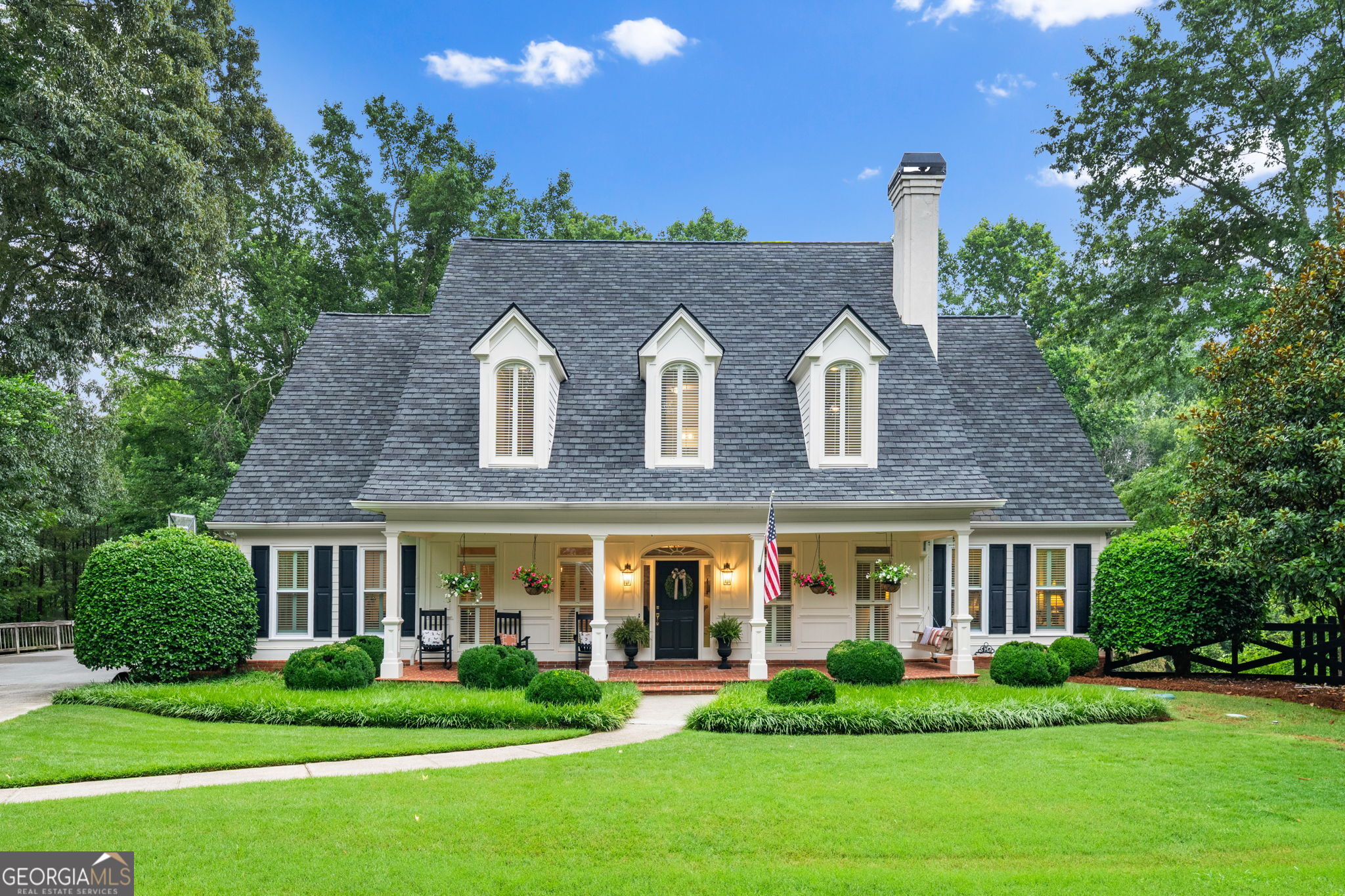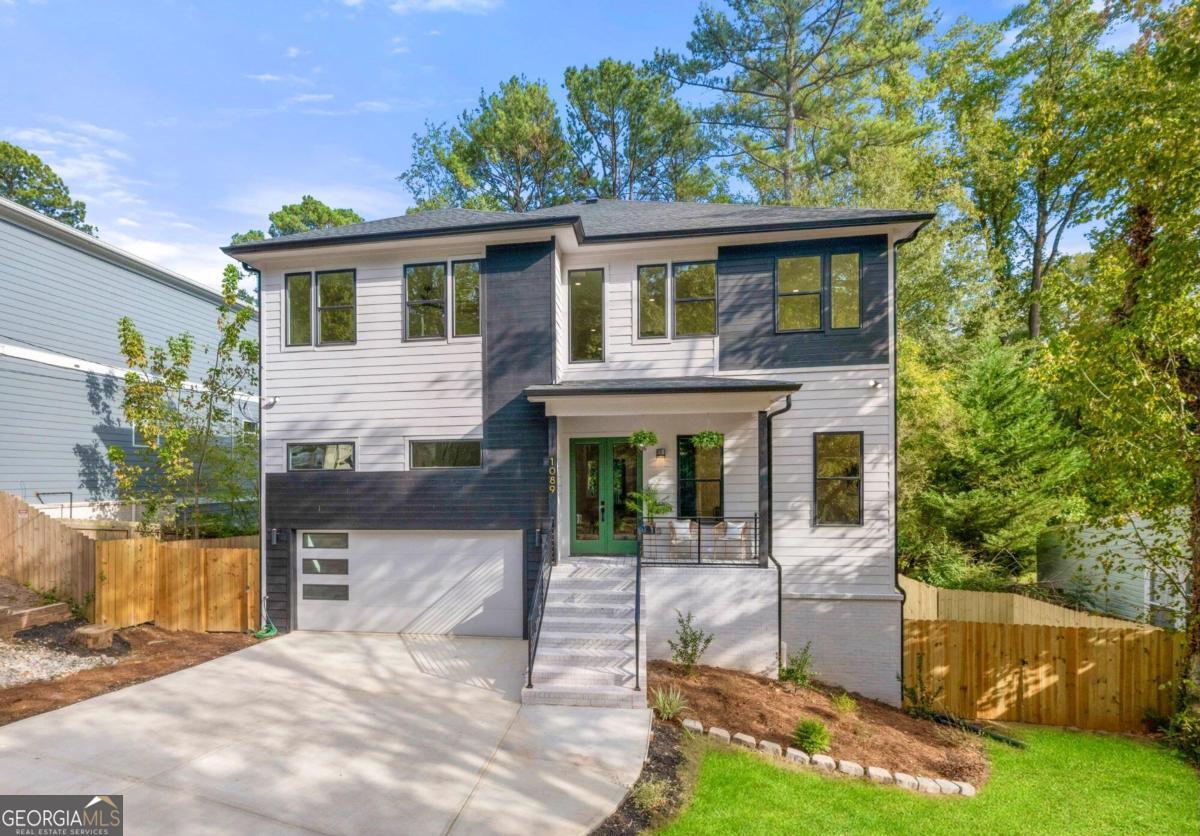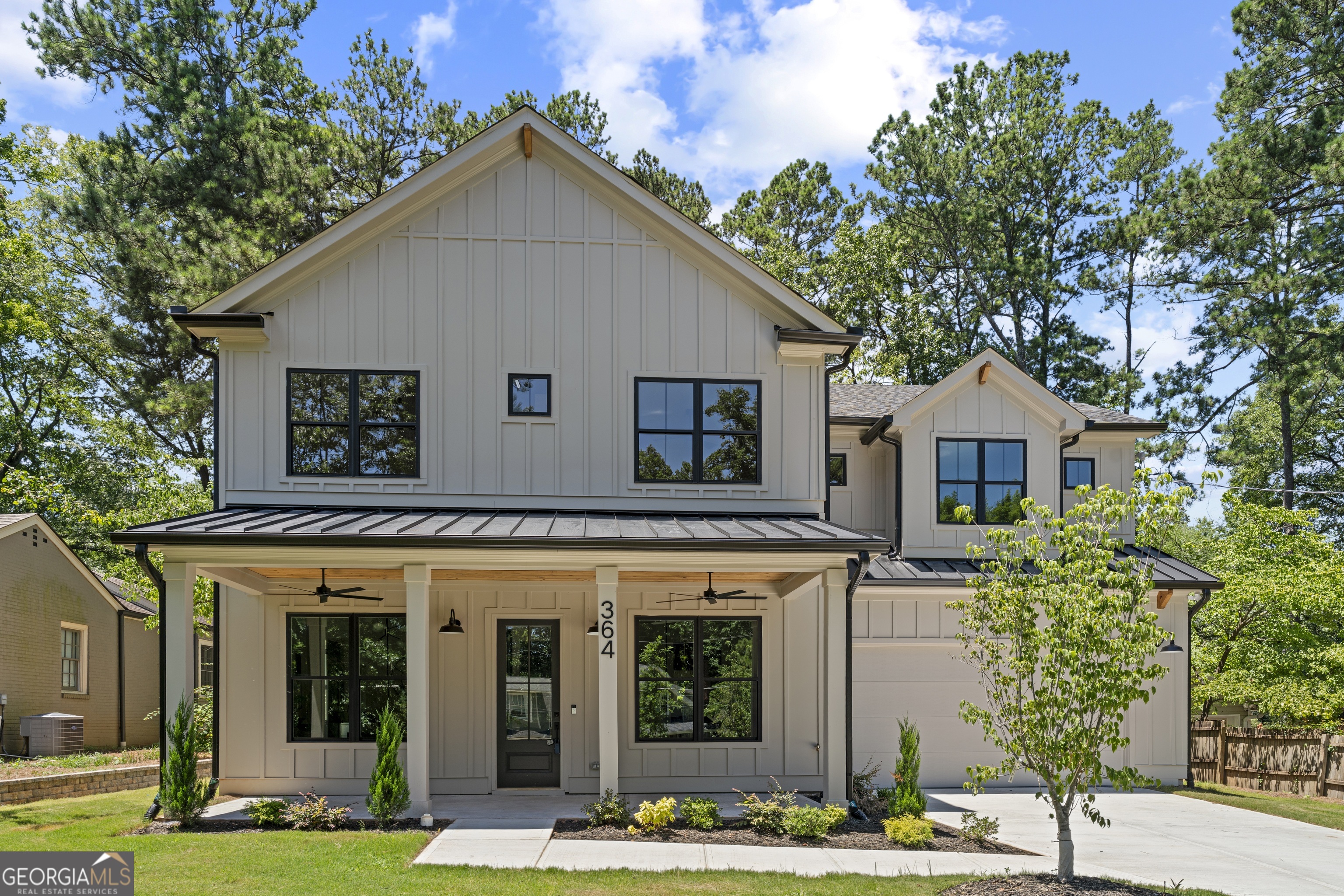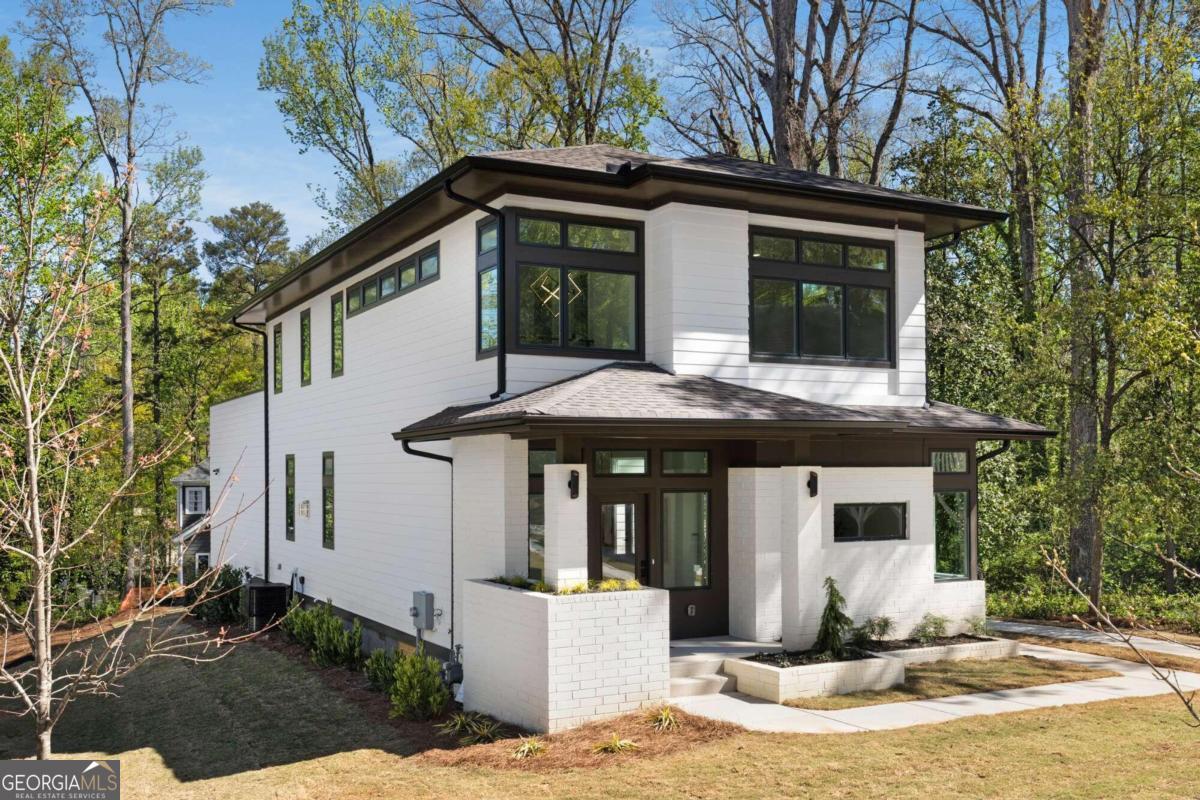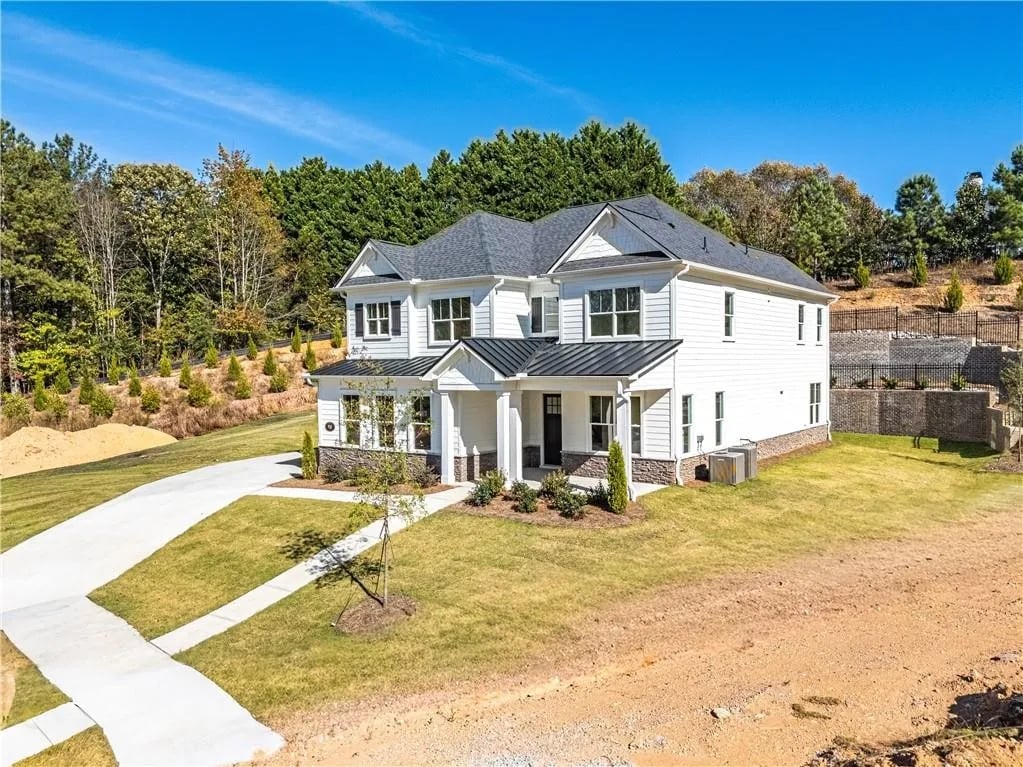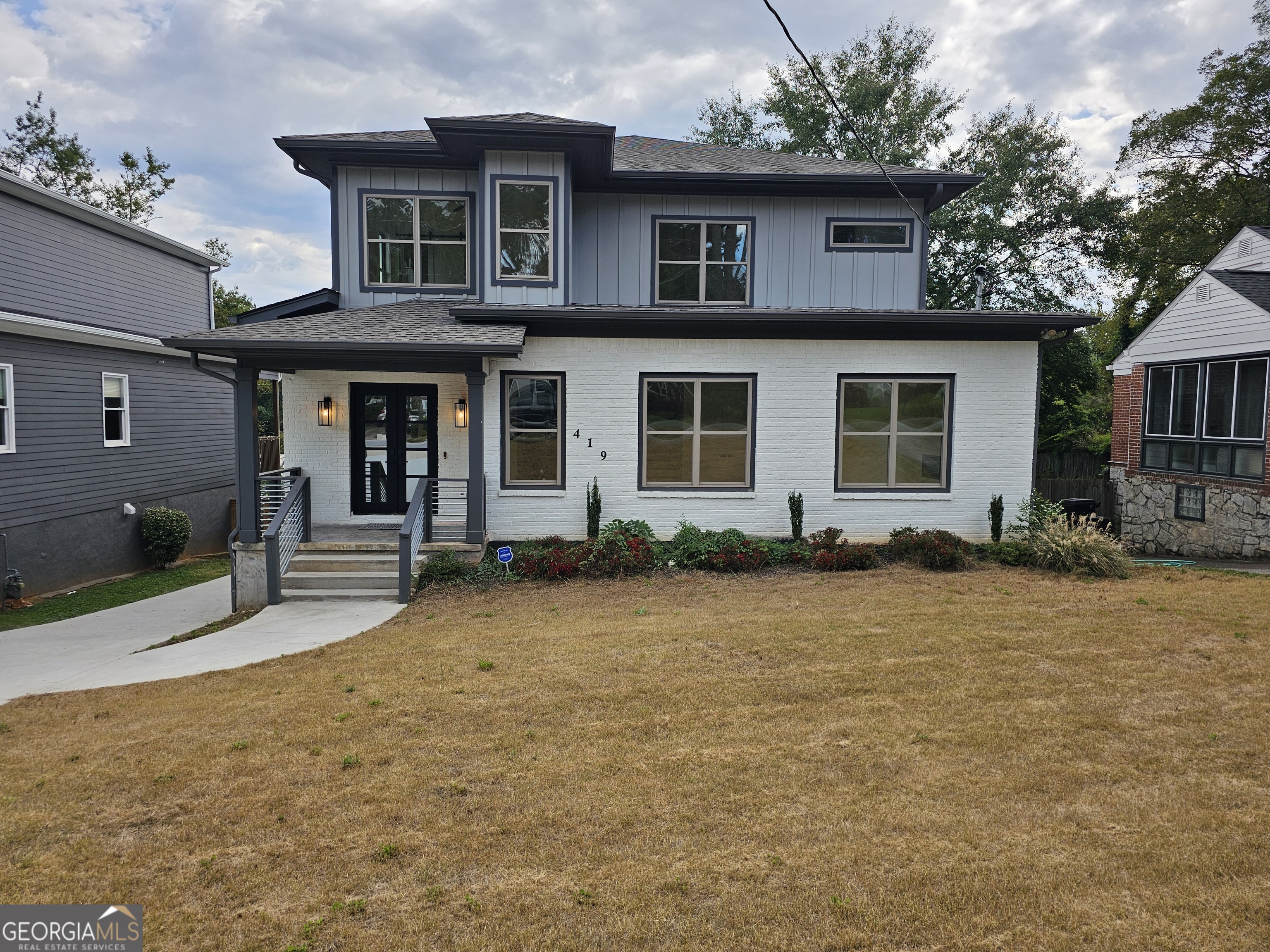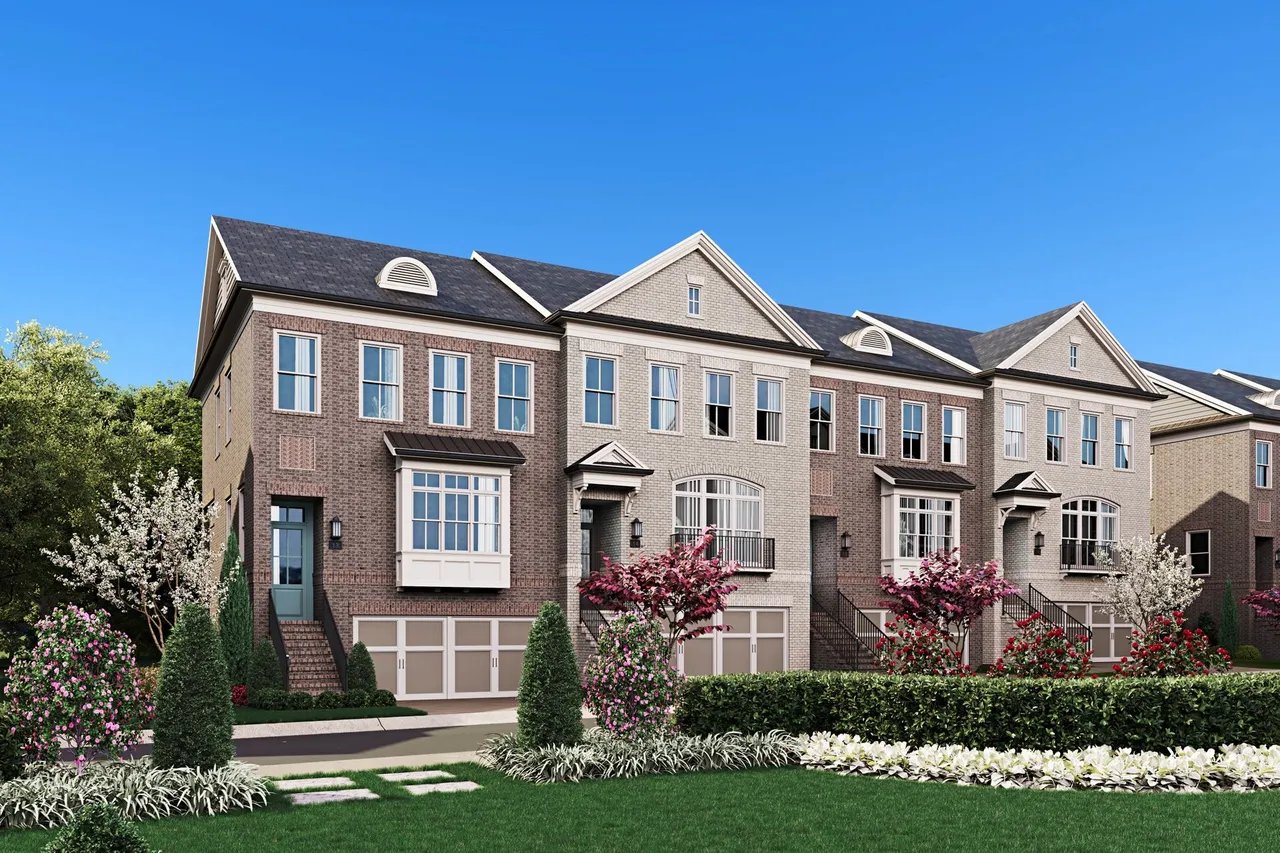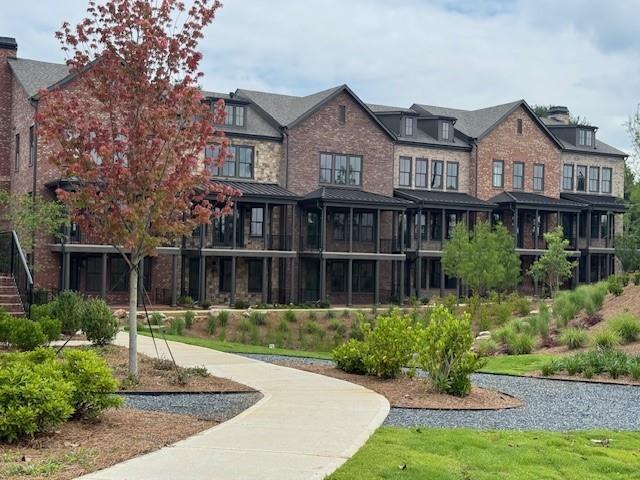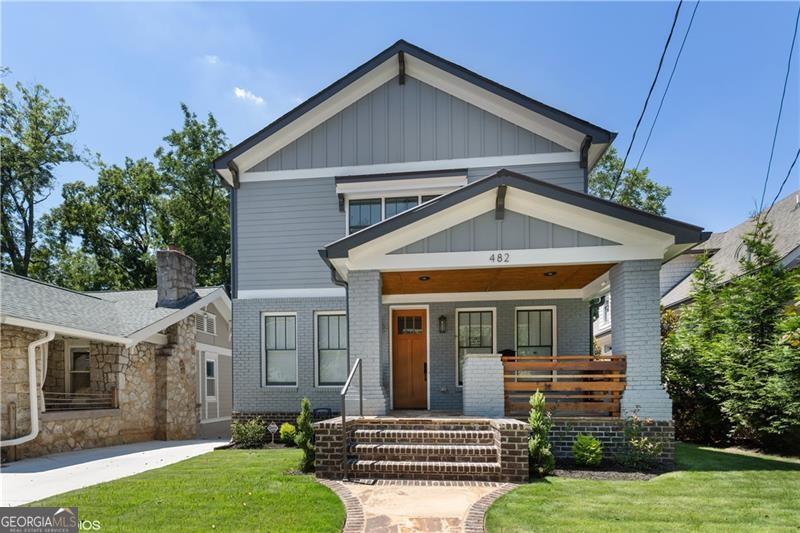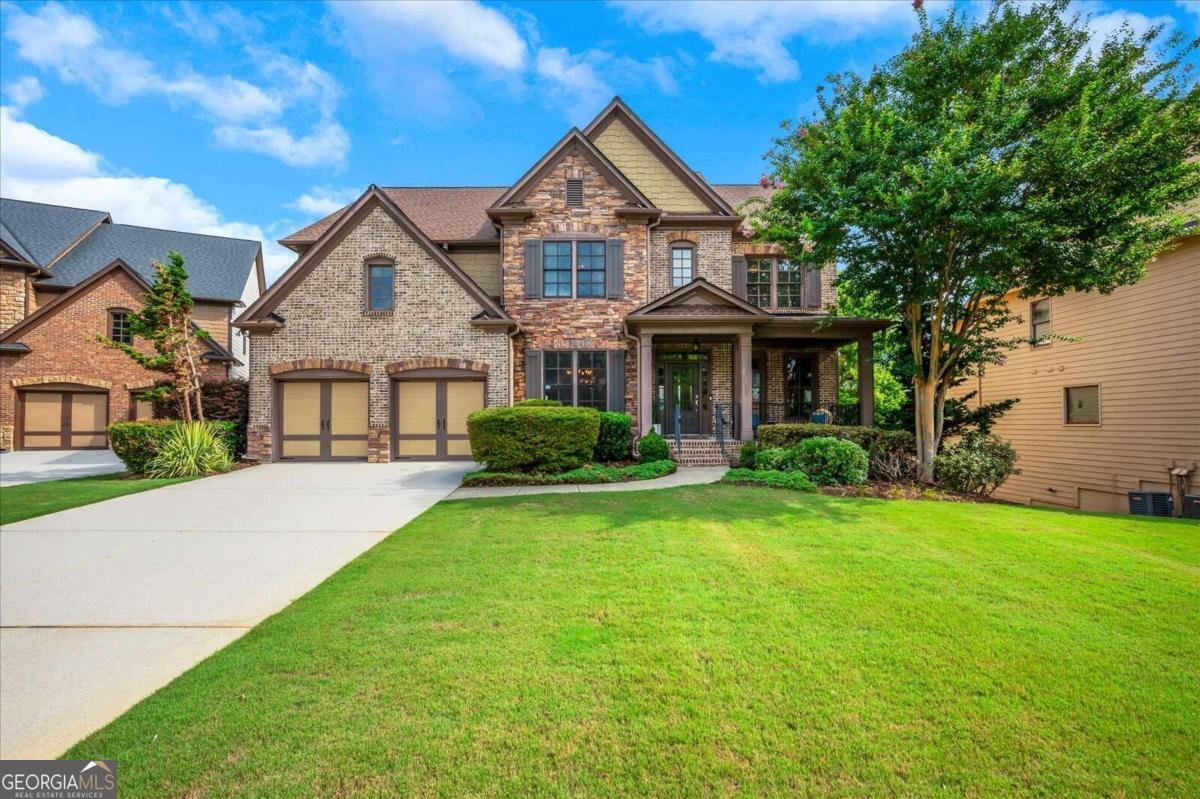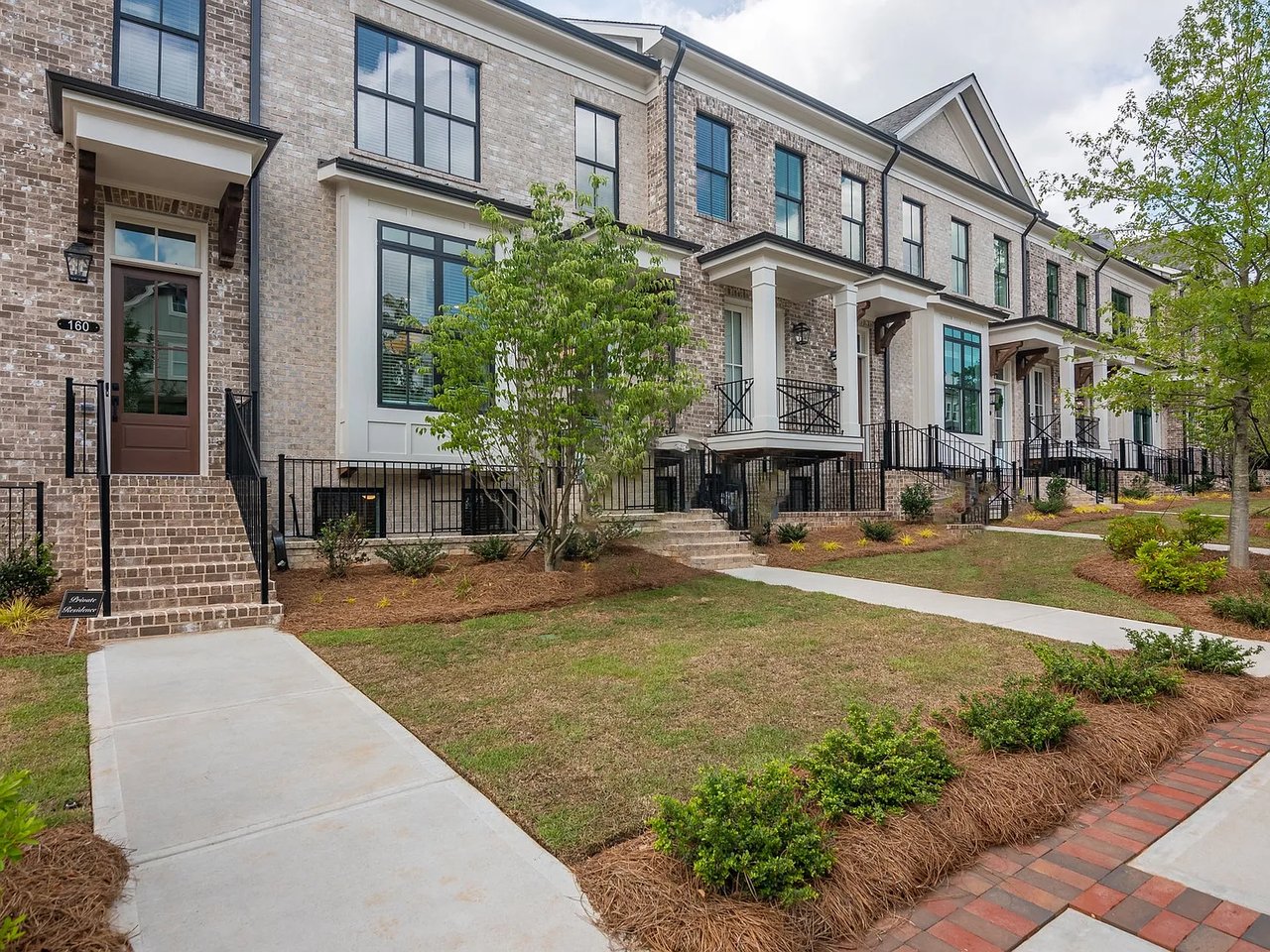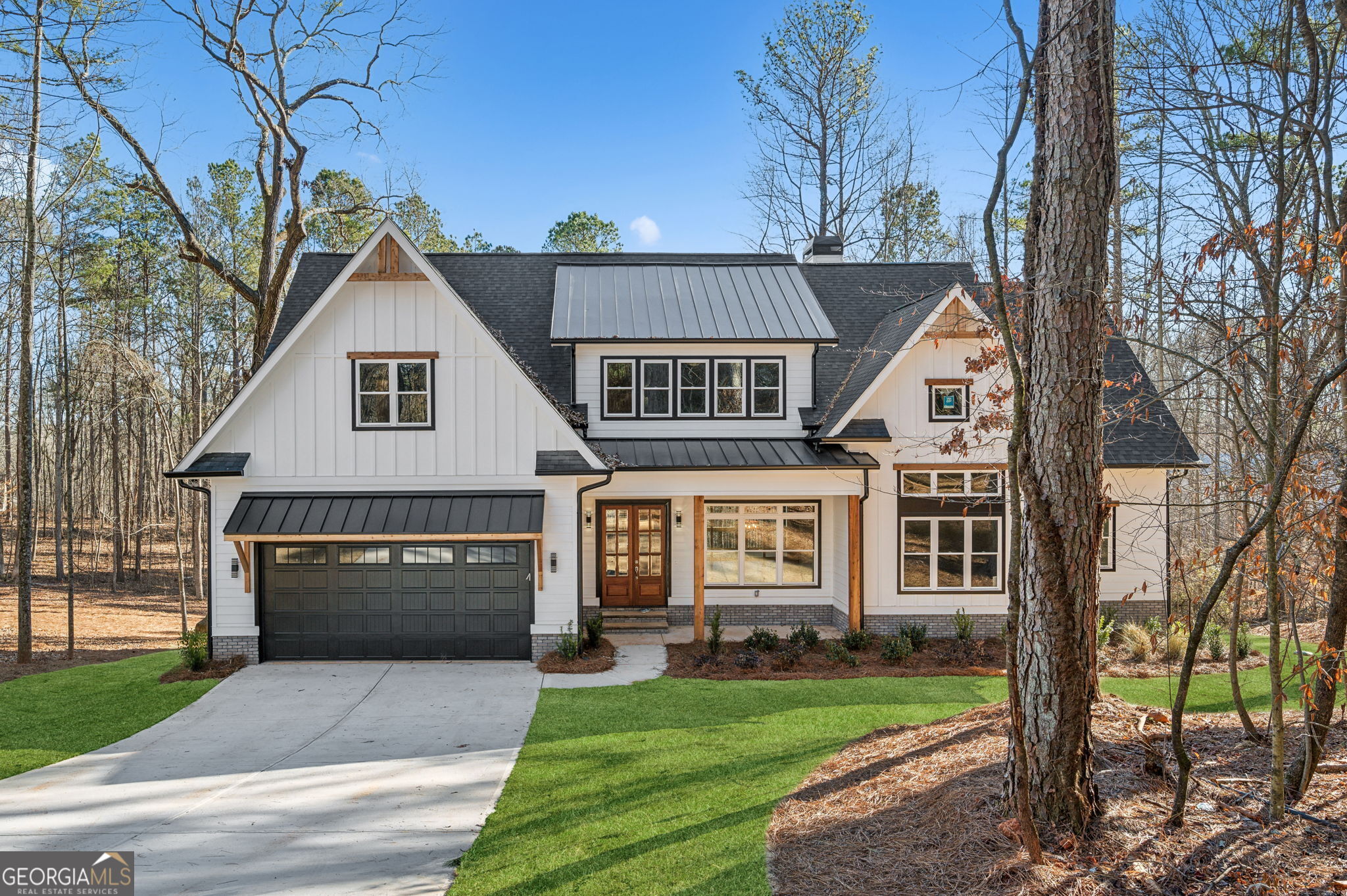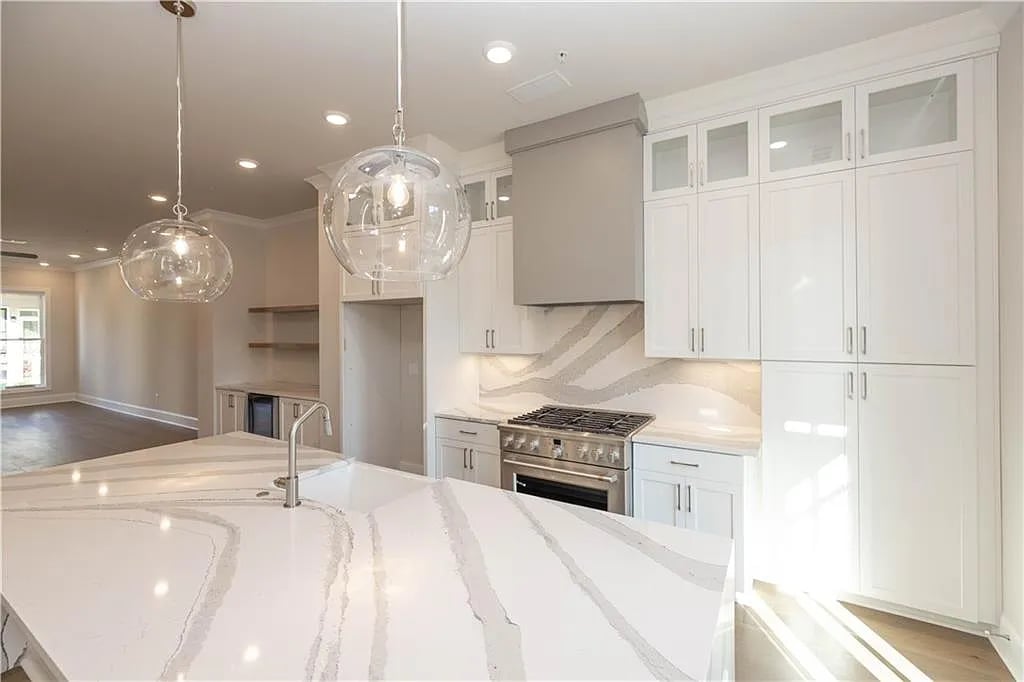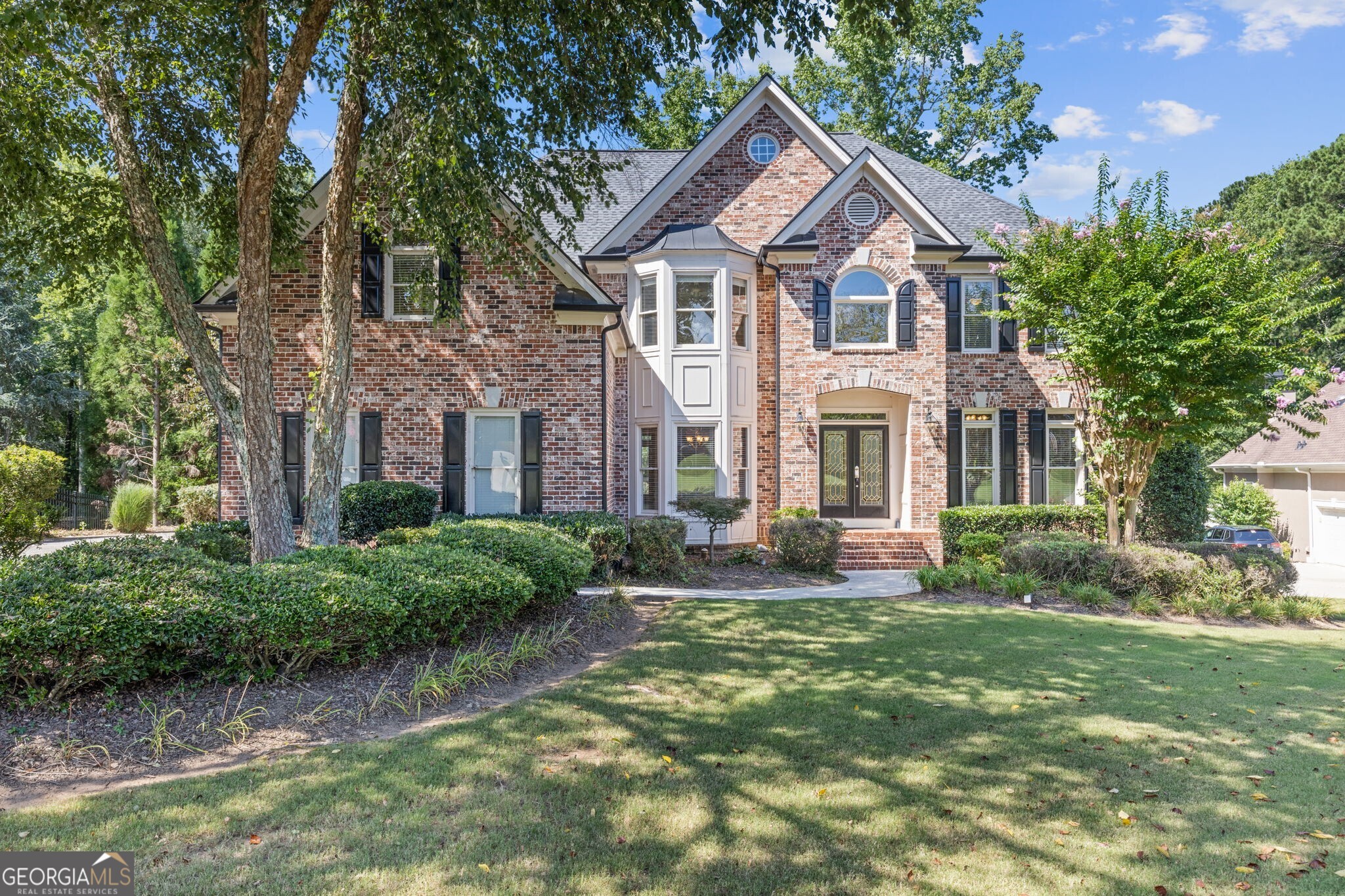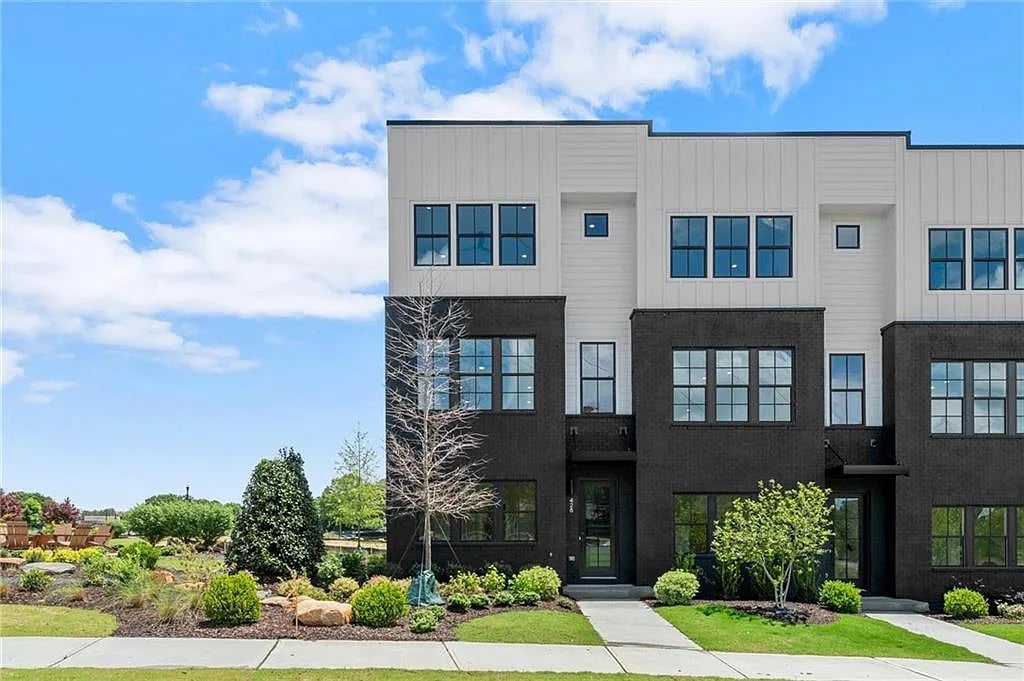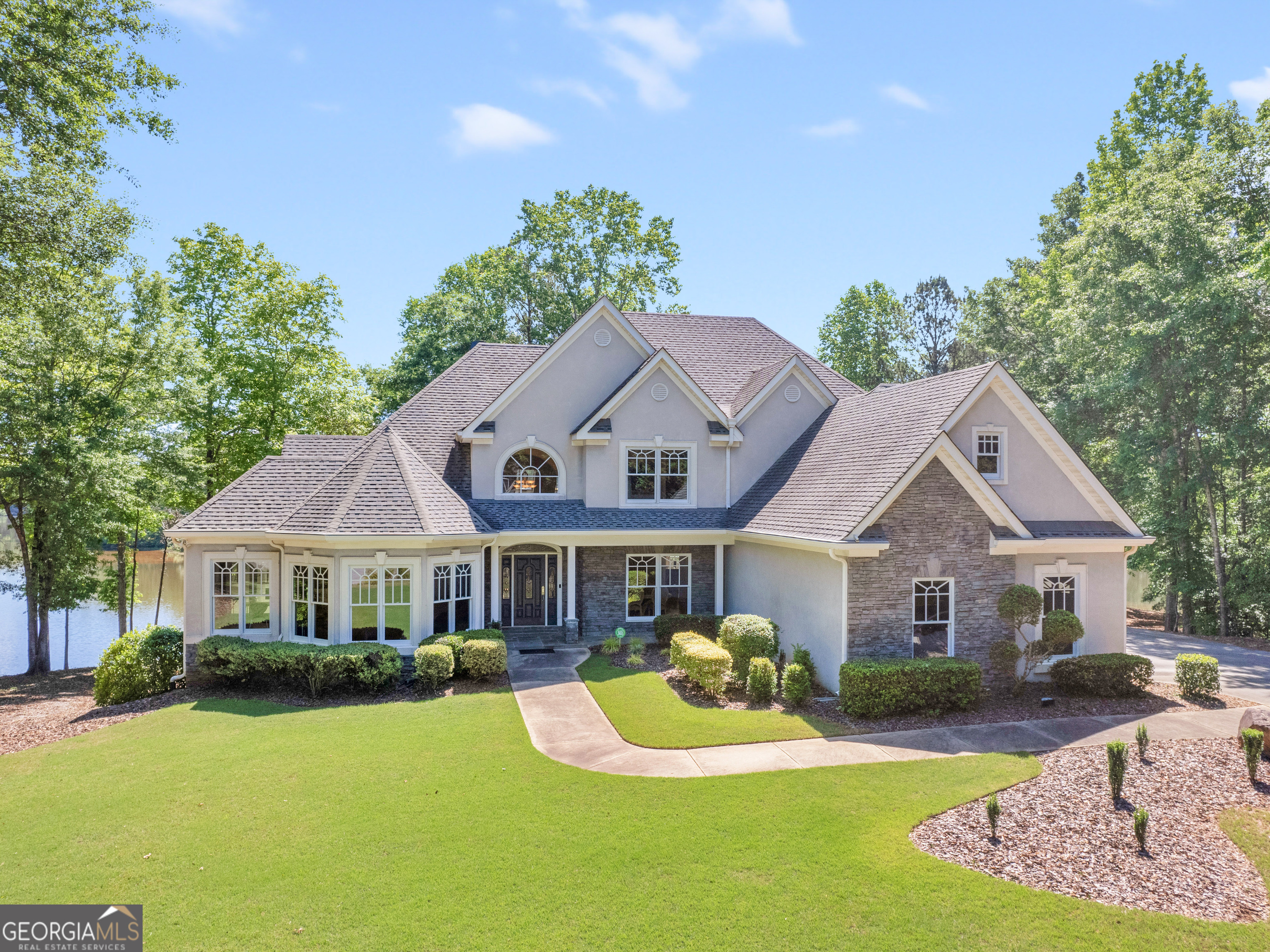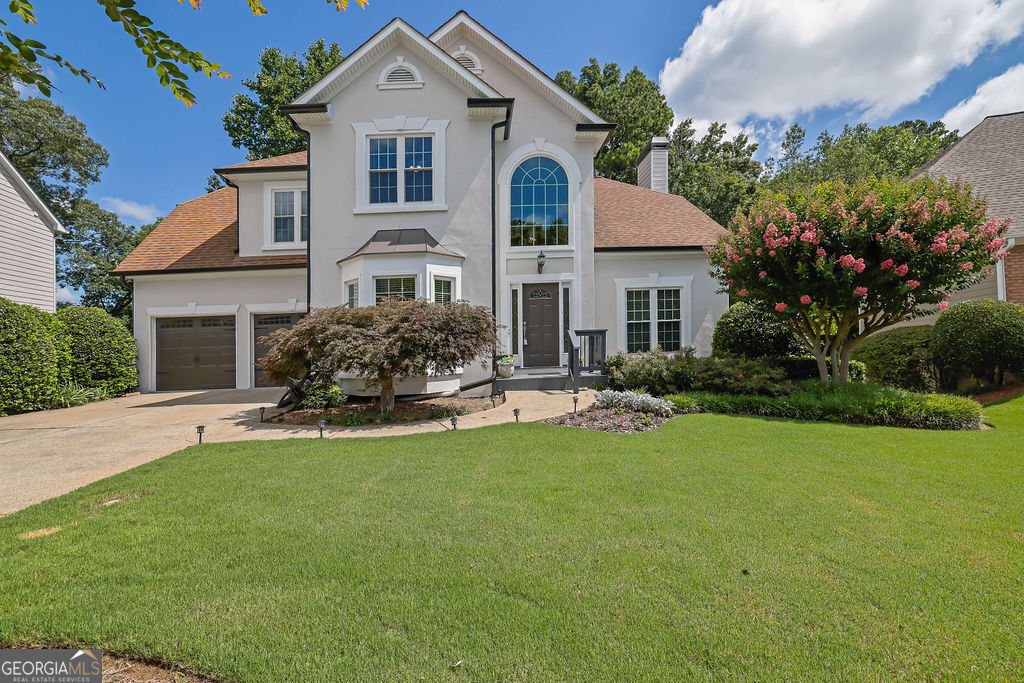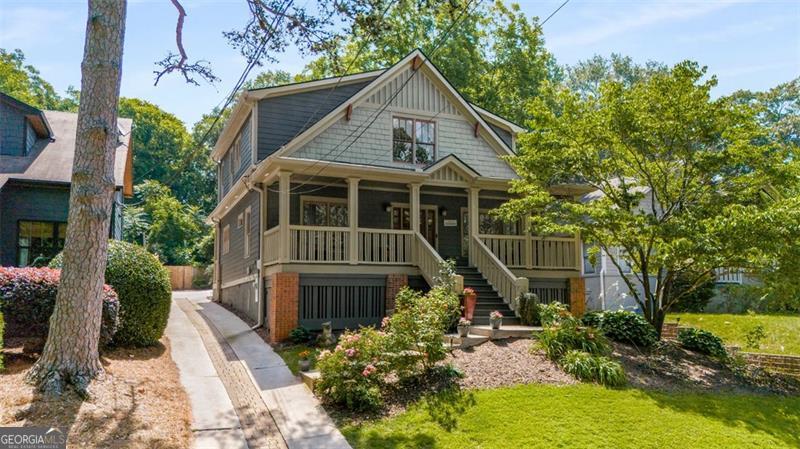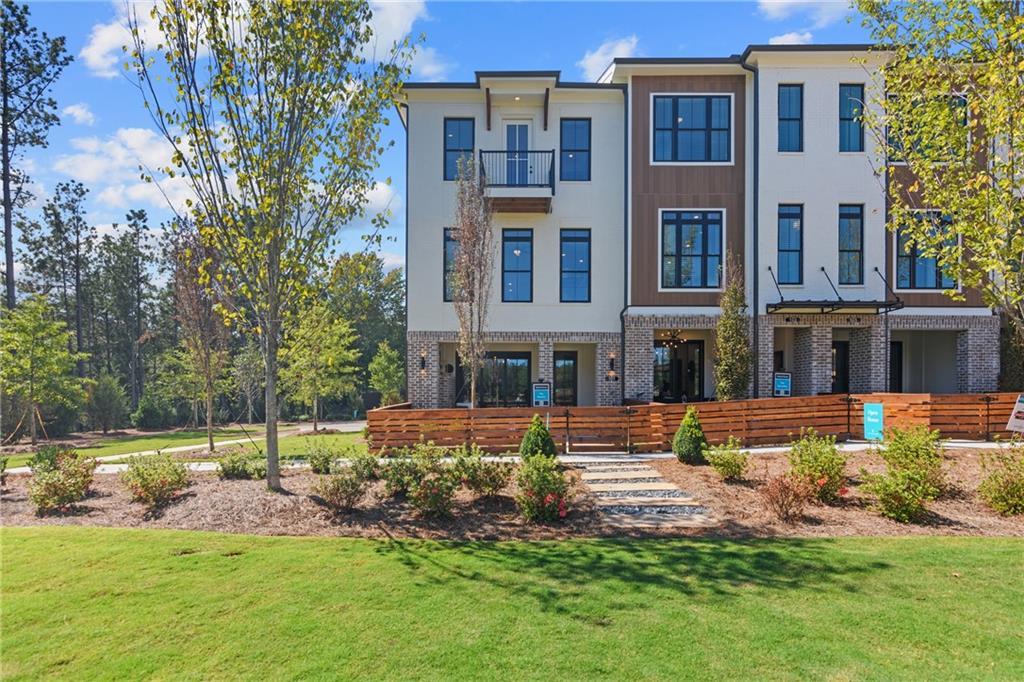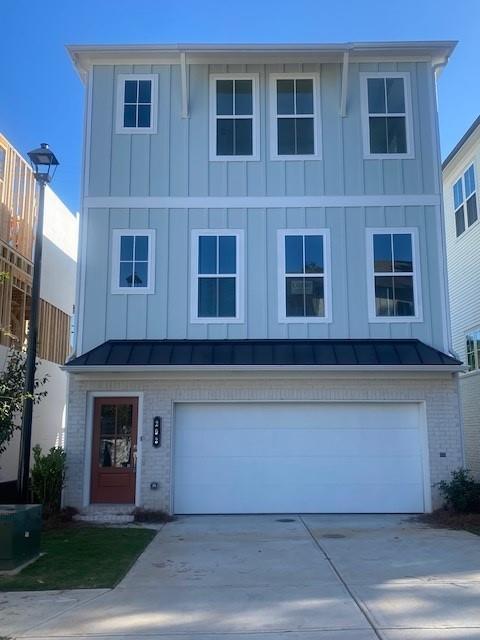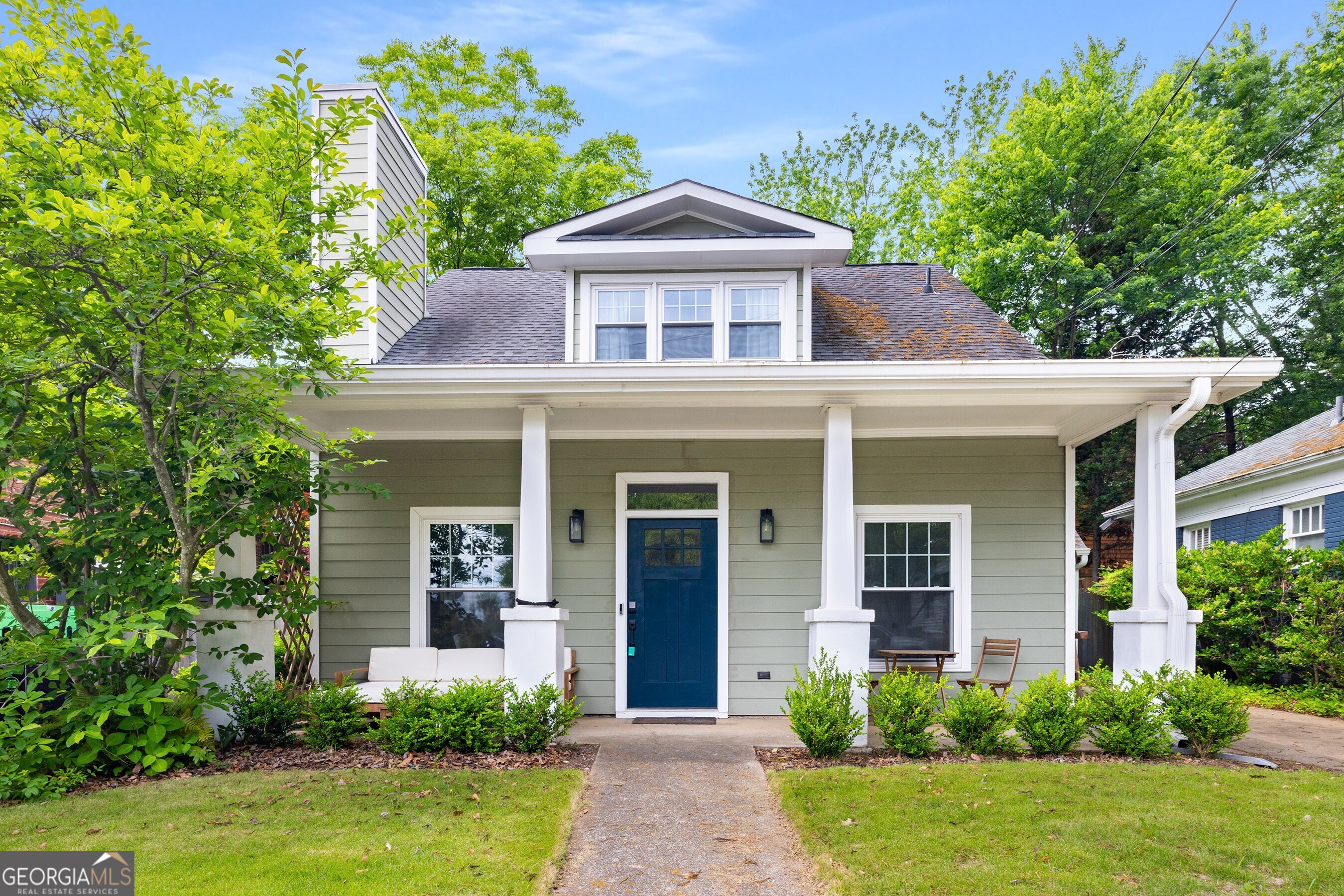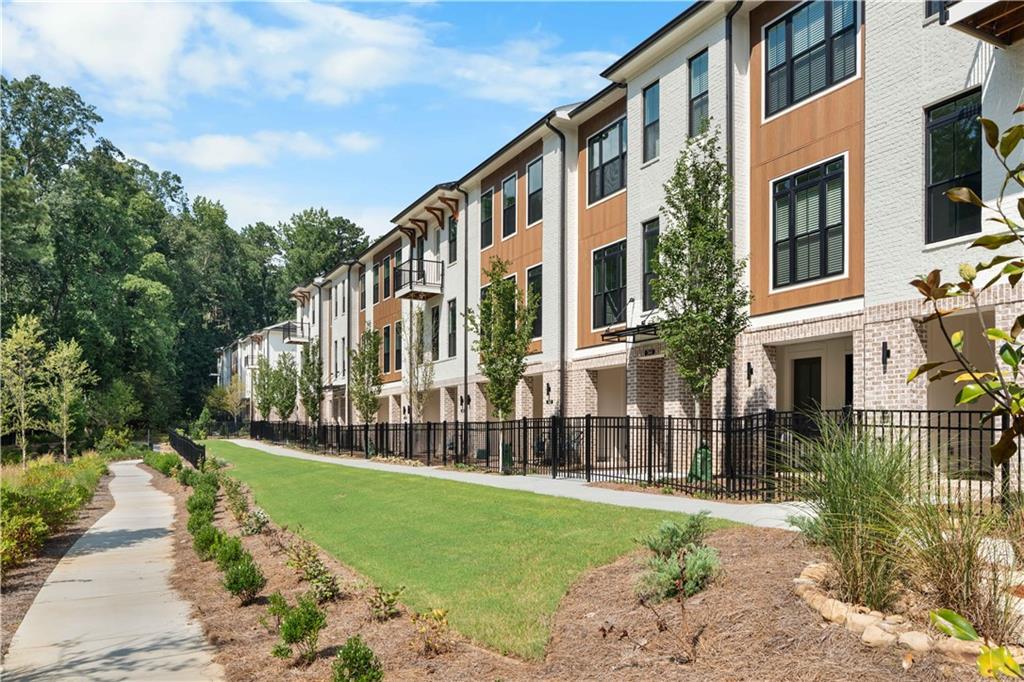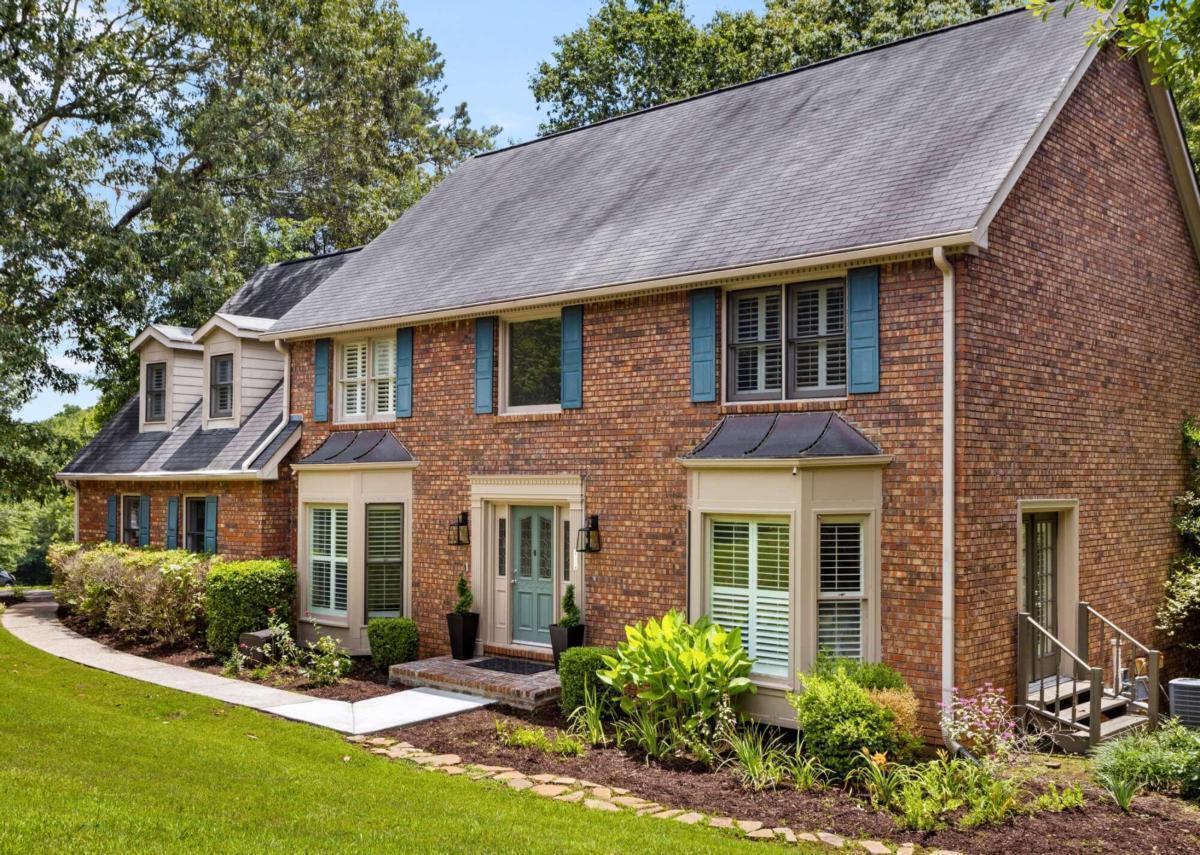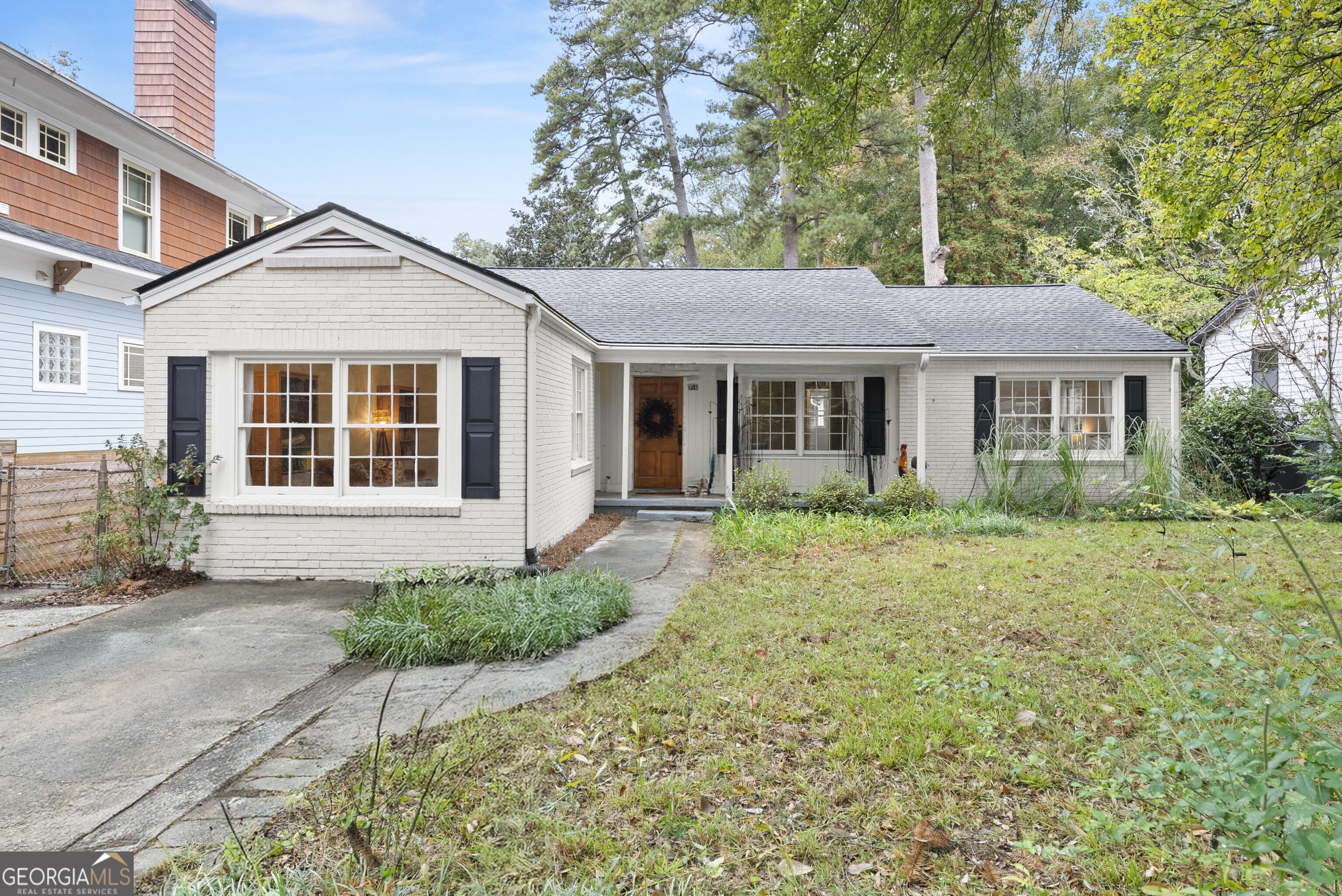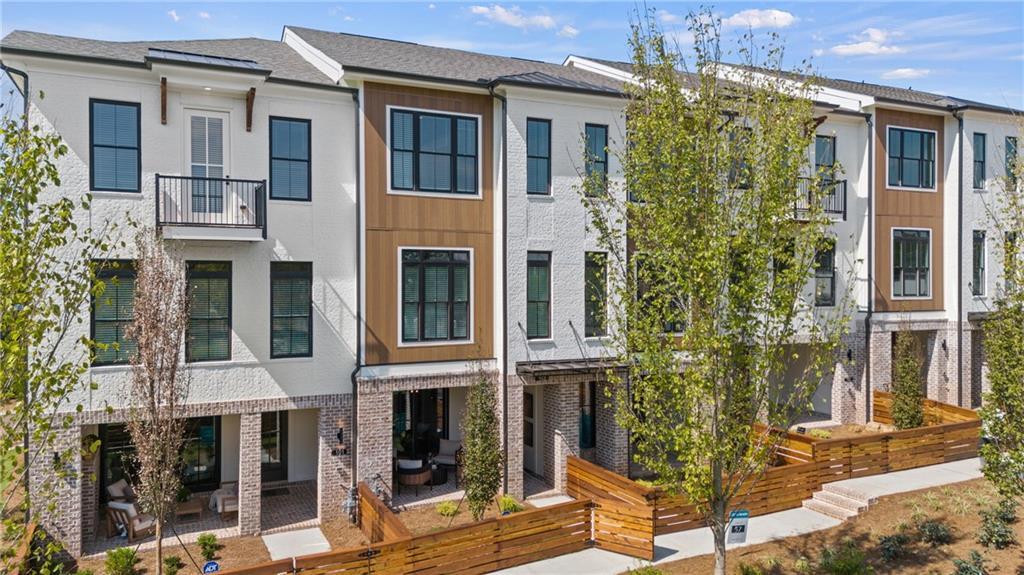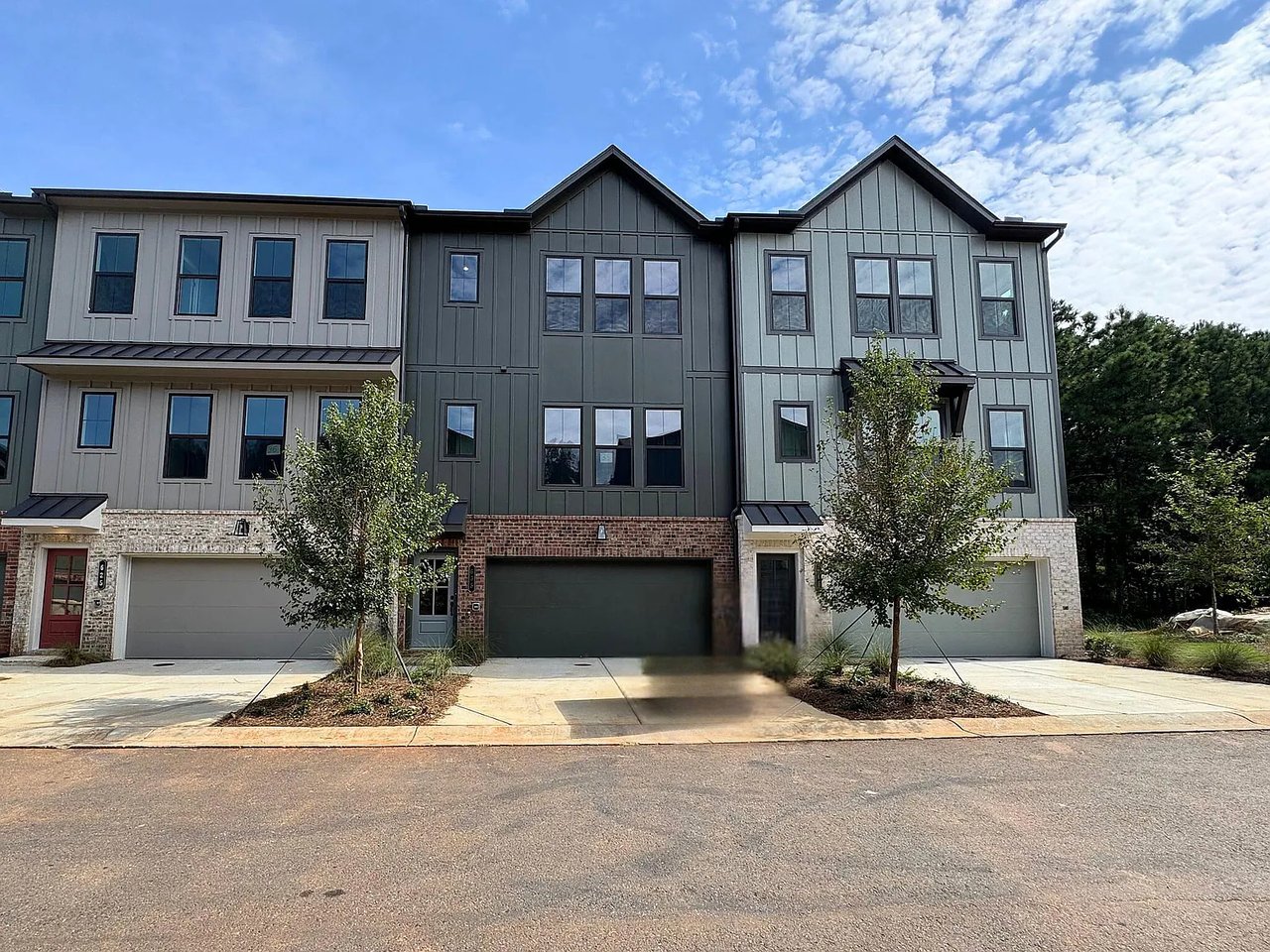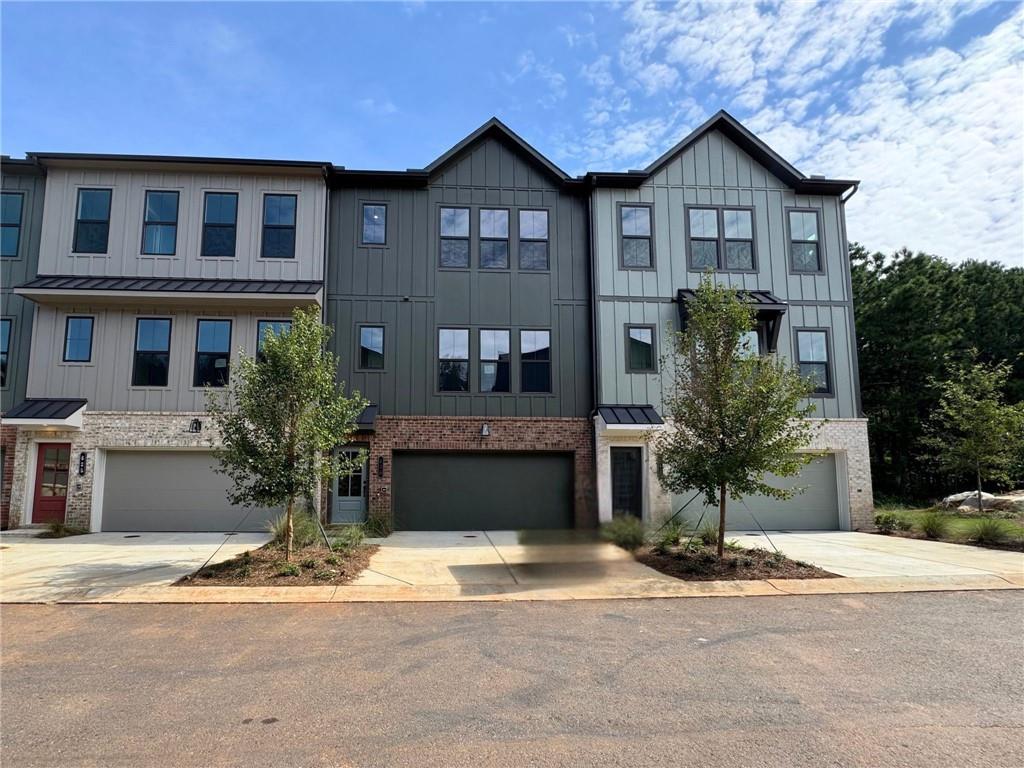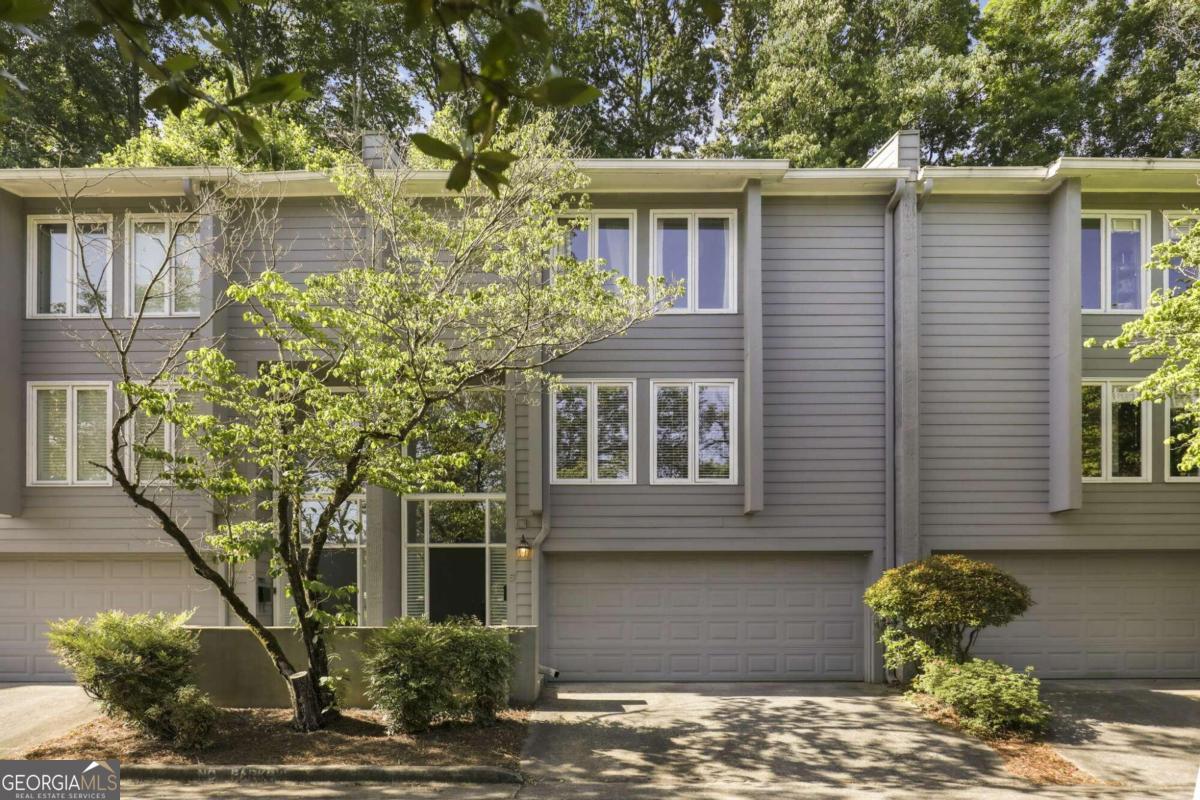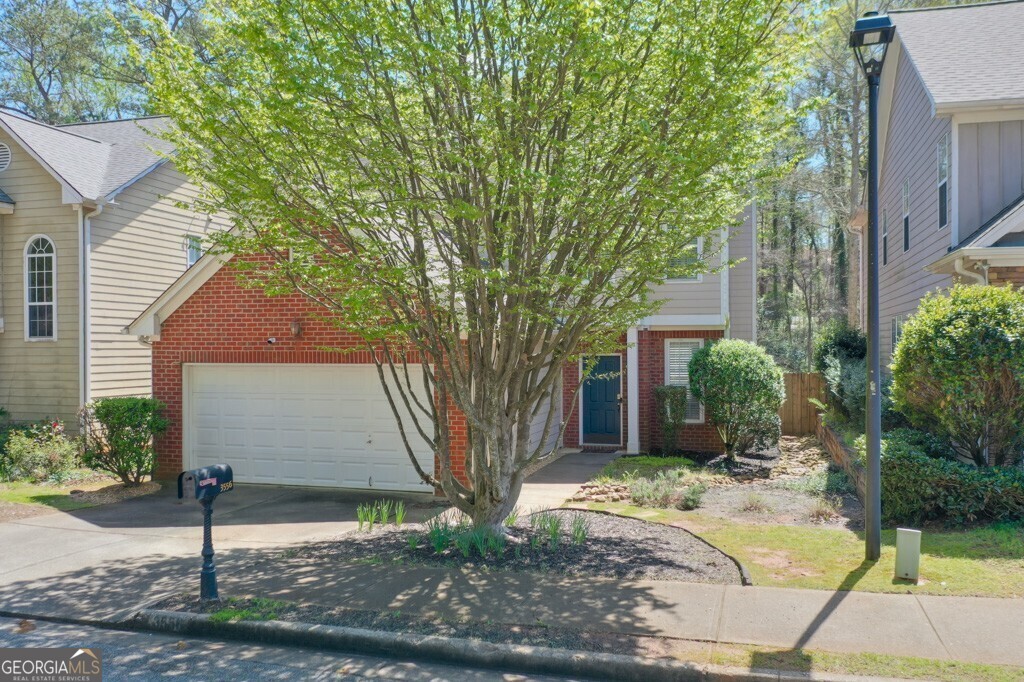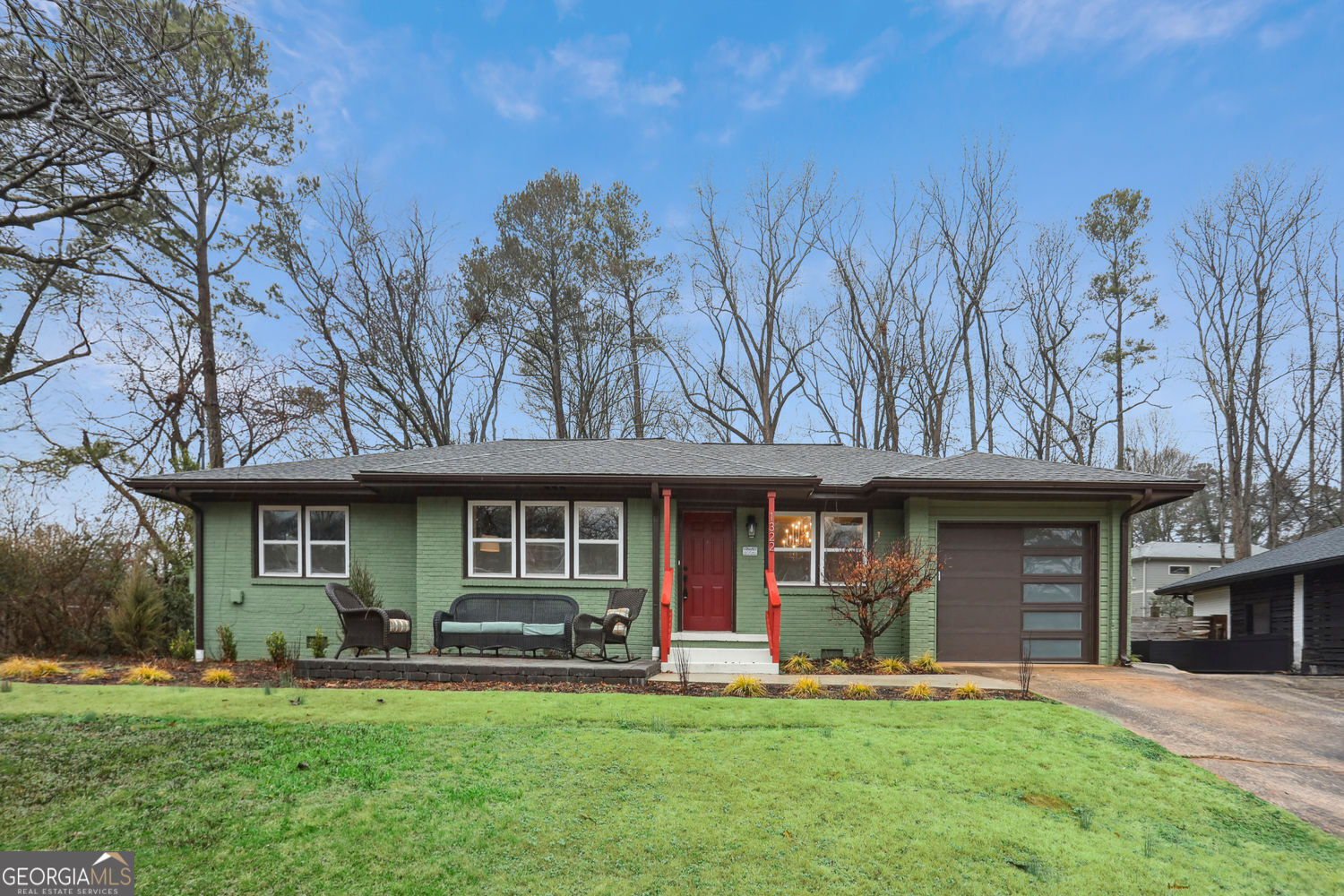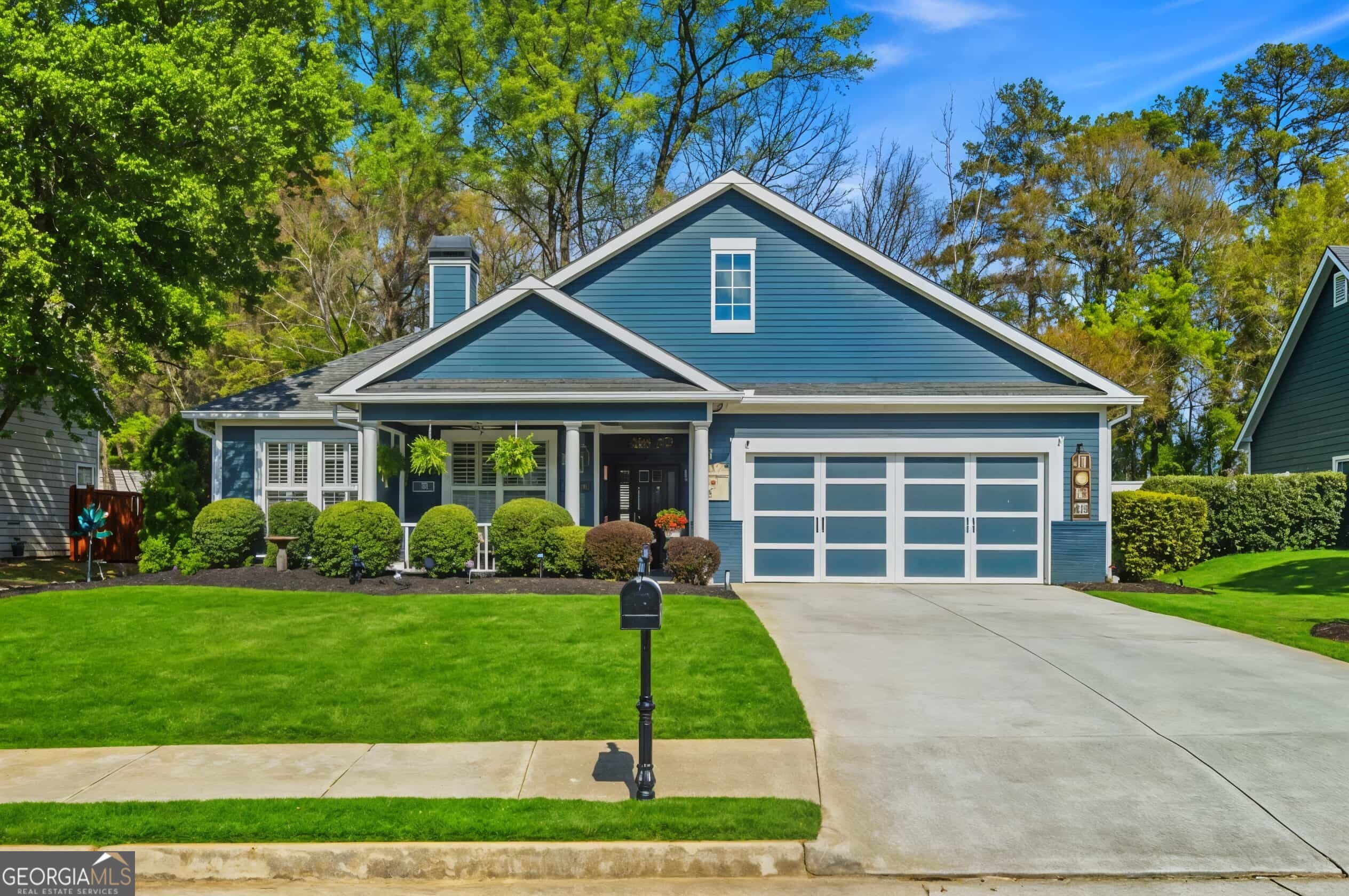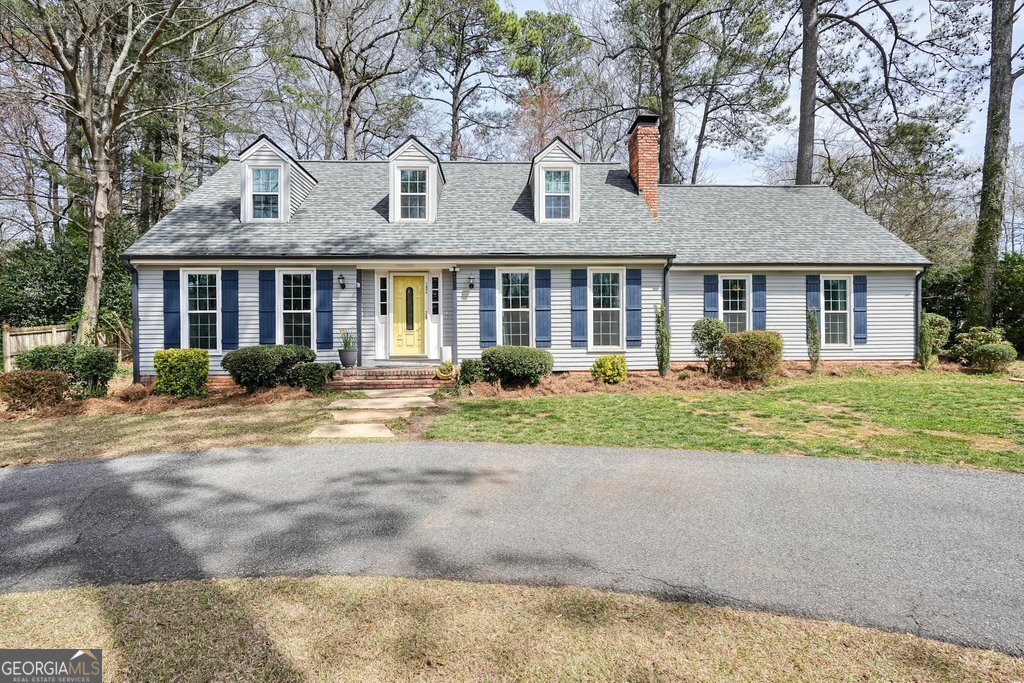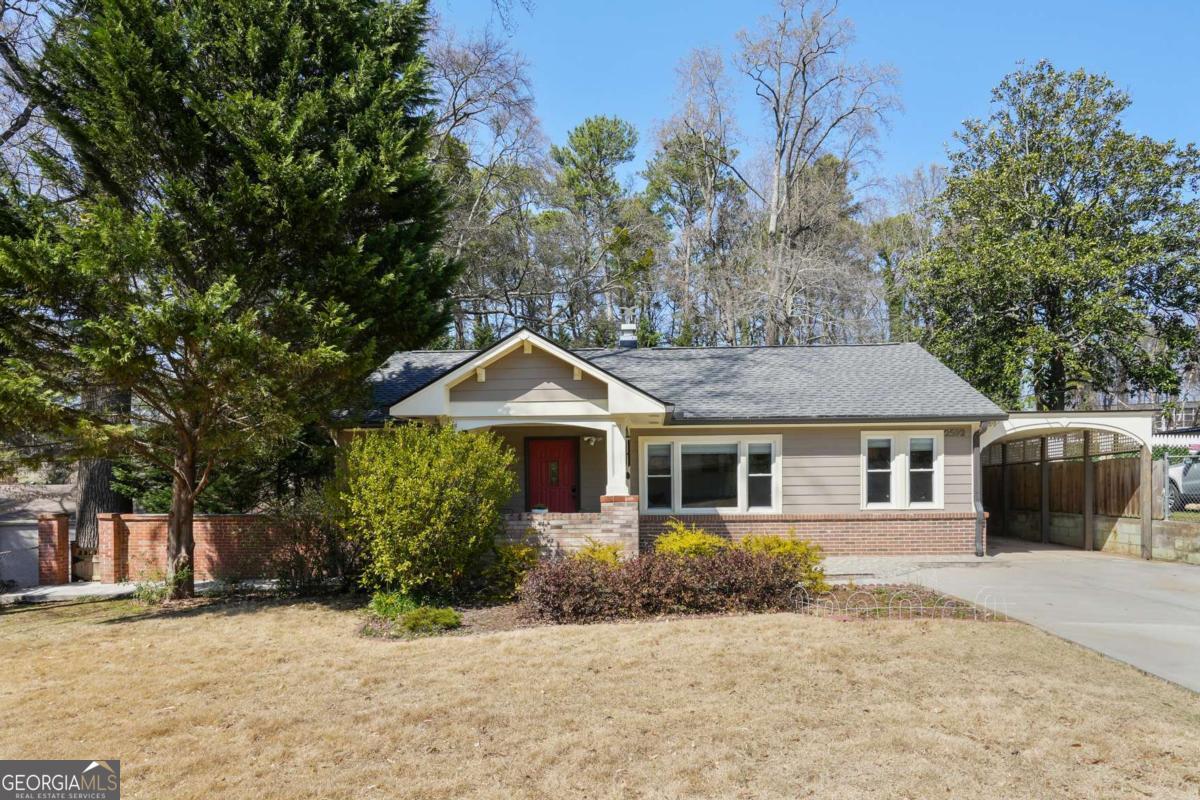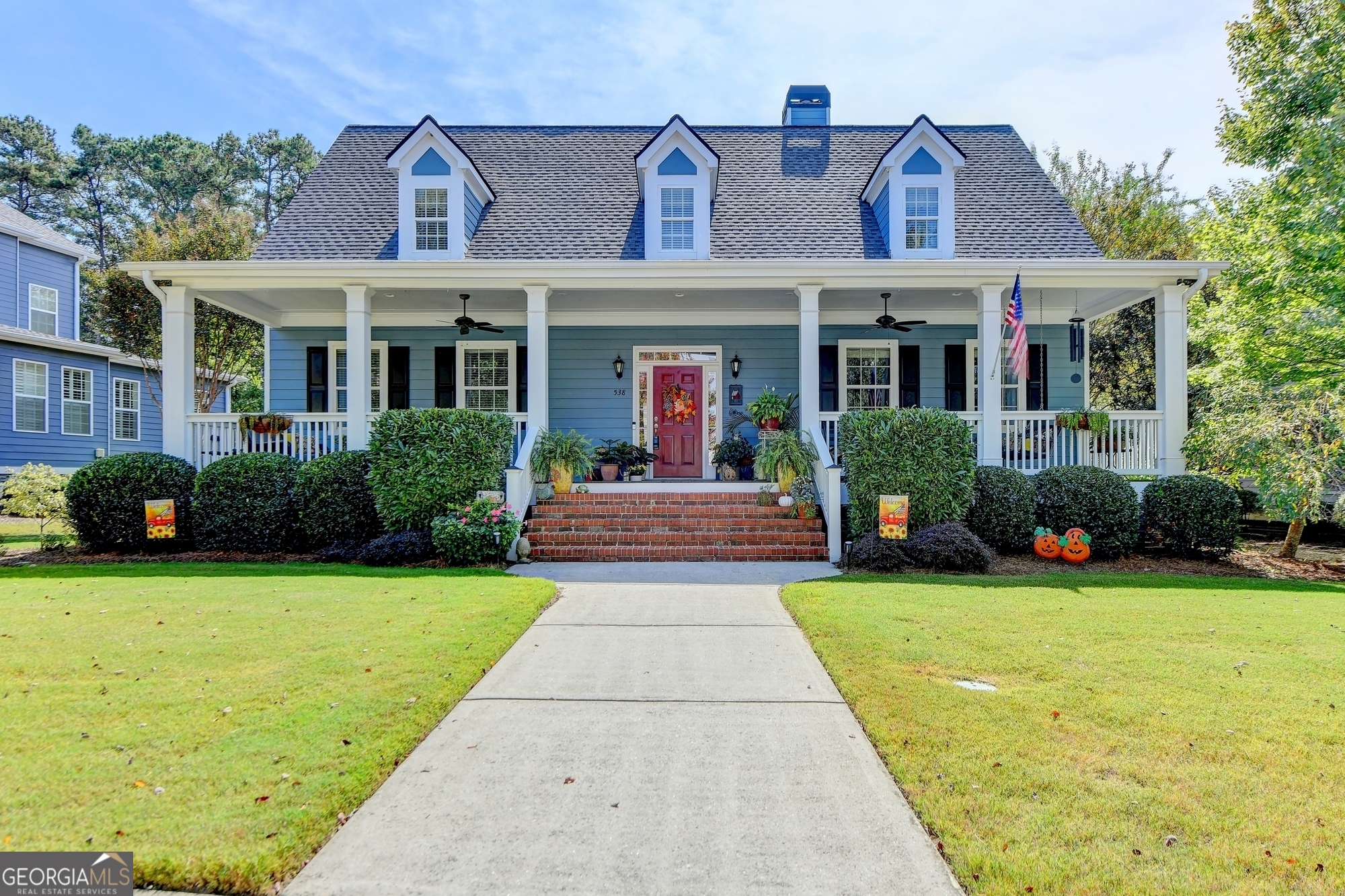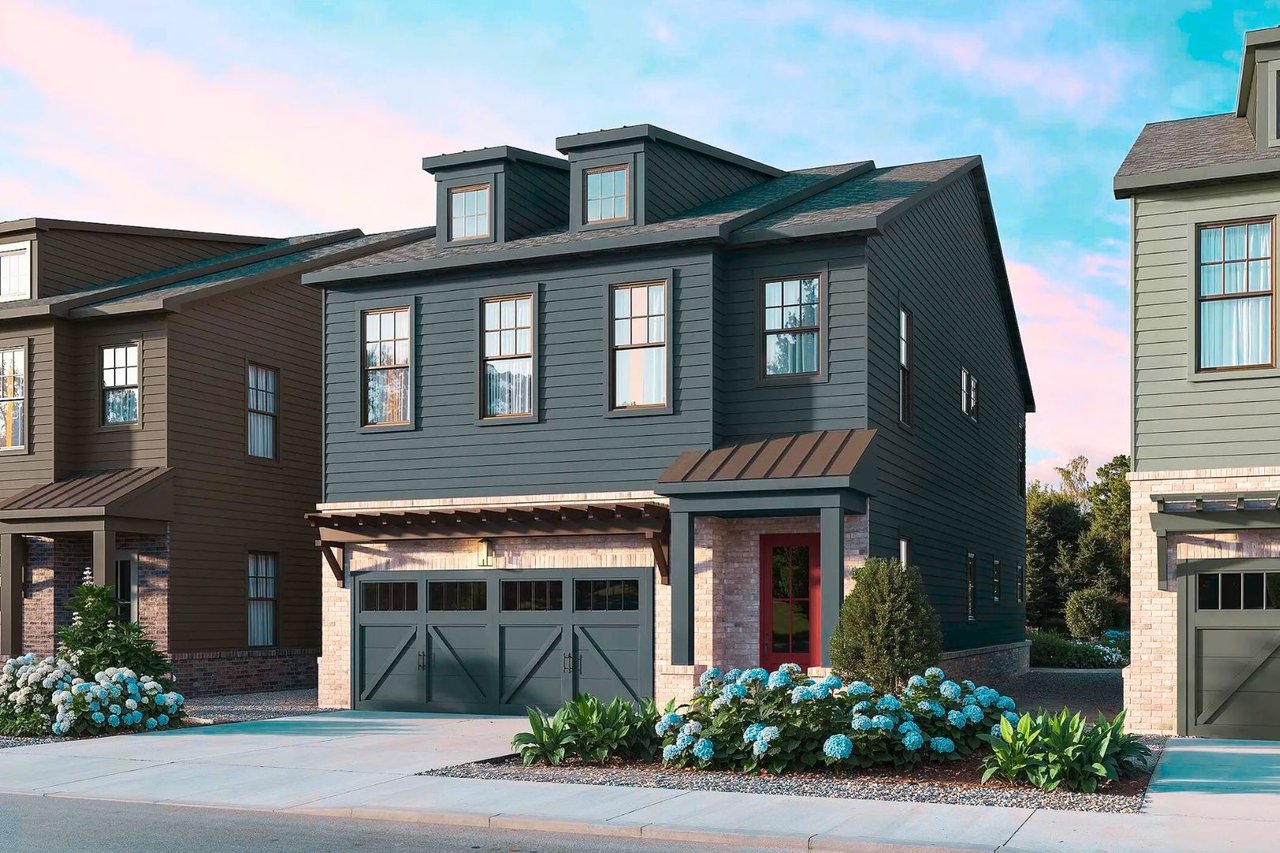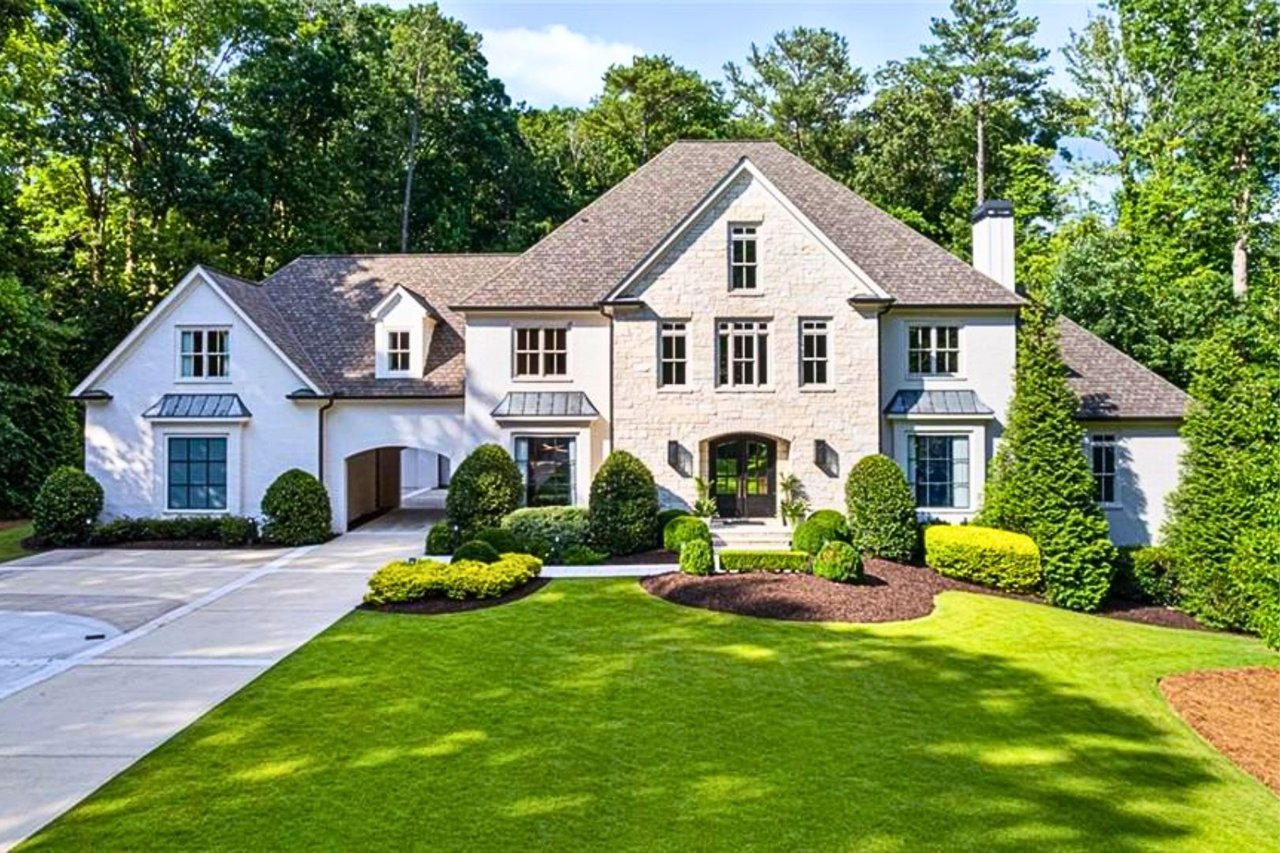
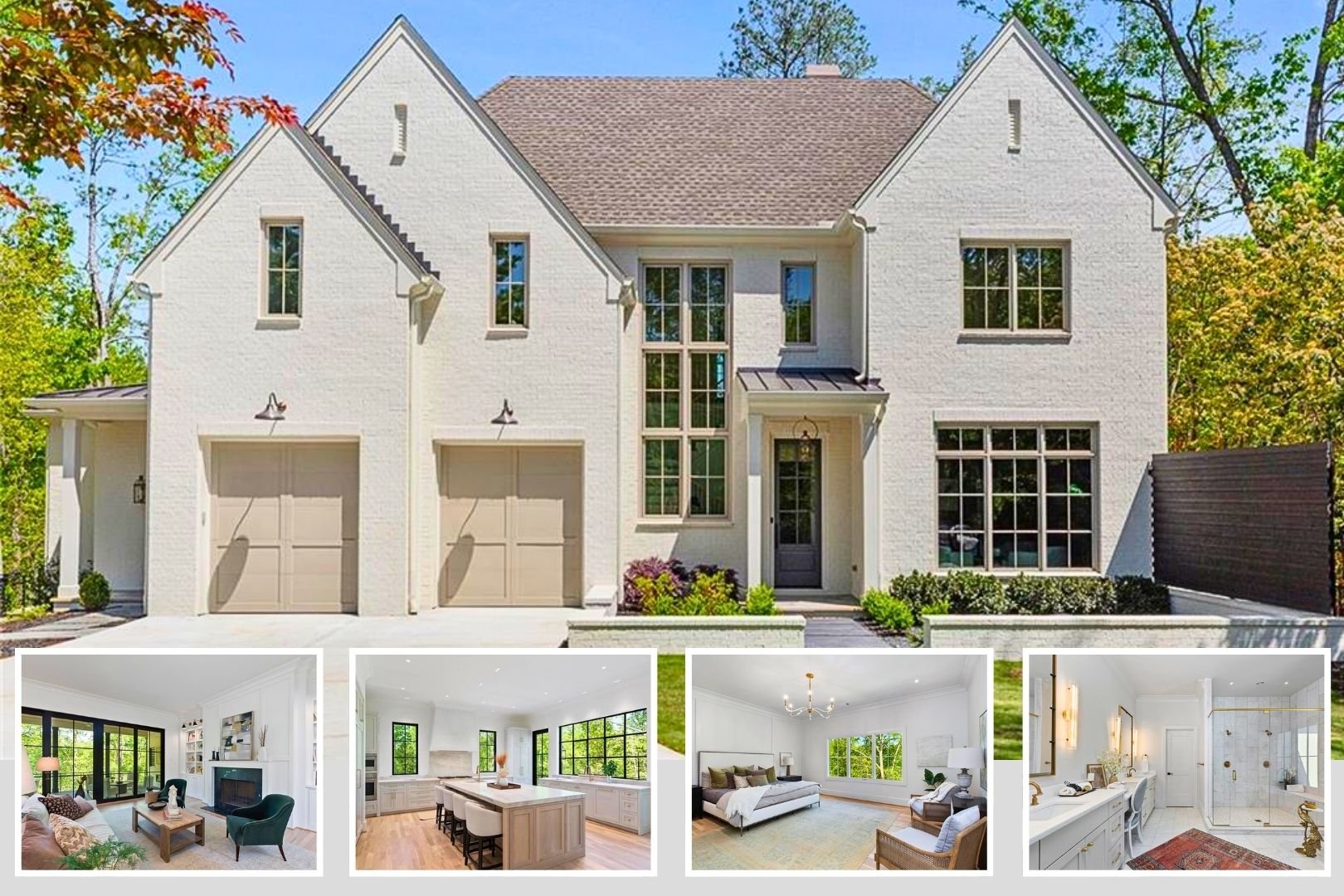
The Atlanta metro issued approximately 20,000–22,000 single-family building permits in 2024 alone — placing it firmly in the top ten metros in the United States for new construction activity. If navigating Atlanta's builder landscape in 2026 feels like a full-time job, this guide is your shortcut.
From Cherokee County in the north to Henry County in the south, Atlanta's sprawling metro is home to builders large and small racing to meet relentless demand. This guide profiles the most active builders, maps out where they're building, and gives you the practical knowledge you need before you sign anything.
Why Atlanta Remains One of the Southeast's Strongest New Construction Markets in 2026
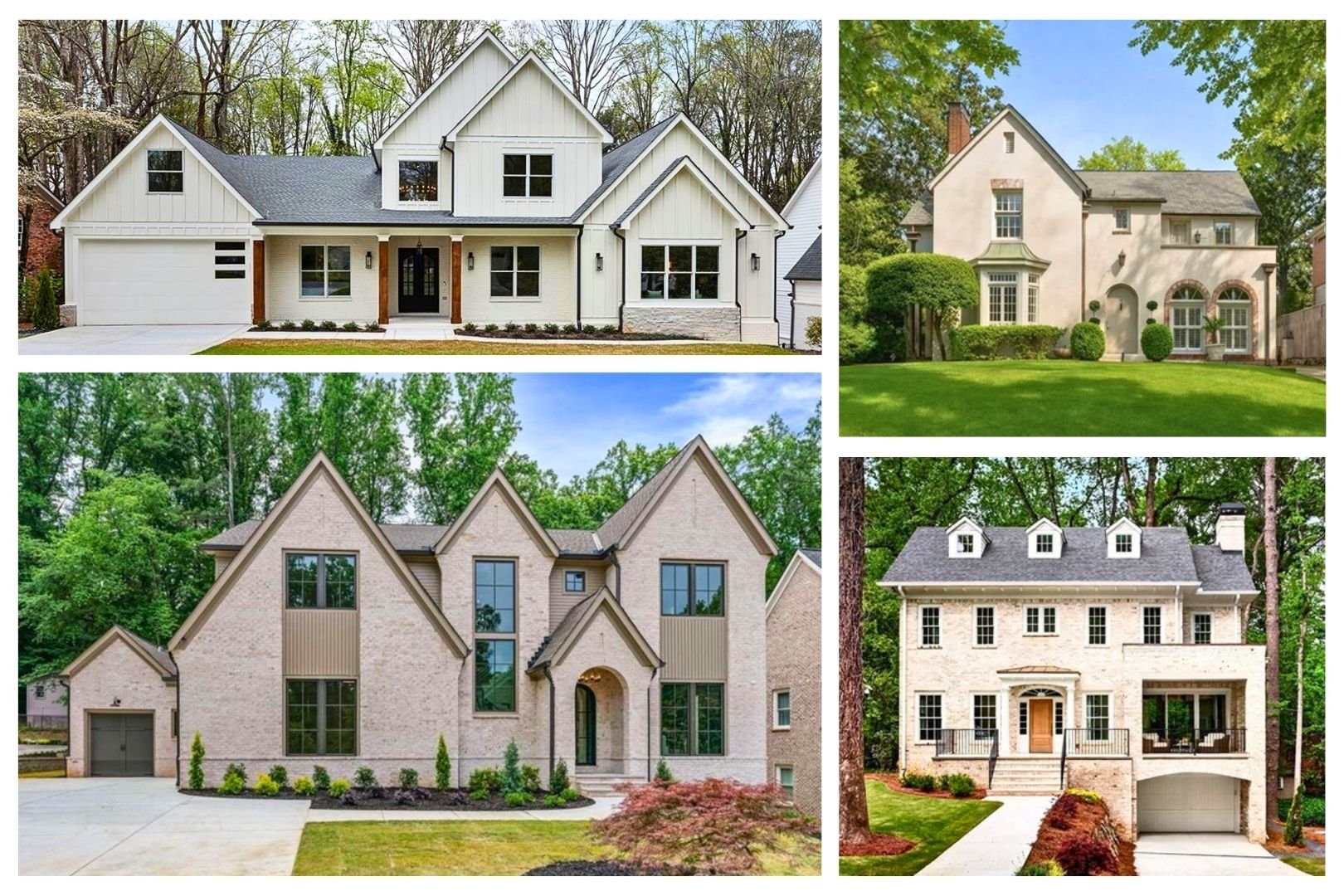
Population Growth and Housing Demand
Atlanta's growth trajectory shows no signs of slowing. The Atlanta MSA had an estimated population of approximately 6.3 million as of 2023–2024 — the ninth-largest metro in the United States — and the region has been adding roughly 60,000–70,000 net new residents per year, consistently placing it among the top five metros nationally for absolute population gain.
60,000–70,000 net new residents per year. Atlanta has ranked among the top five metros nationally for absolute population gain — year after year.
That growth is driven by a remarkably diverse economy: technology companies clustered around the Georgia Tech corridor and Alpharetta's "Silicon Peach," a film and television industry that generated over $4 billion in direct economic impact in fiscal year 2023, logistics and distribution tied to Hartsfield-Jackson Atlanta International Airport, and a healthcare sector anchored by Emory Healthcare and Piedmont Health. The Atlanta metro added approximately 40,000–55,000 net new jobs in 2024 alone, according to the Georgia Department of Labor, and that employment growth continues to fuel in-migration and housing demand at every price point.
How New Construction Fills the Inventory Gap
Atlanta's resale market has faced inventory constraints familiar to buyers across the Sun Belt. Active resale listings in the metro remained well below pre-pandemic norms through 2024–2025, with months of supply ranging between 2.5 and 3.5 months — far below the 5–6 month threshold considered a balanced market.
2.5 to 3.5 months of resale supply across the Atlanta metro through 2024–2025. A balanced market requires 5–6 months. That gap is exactly why new construction has become so critical.
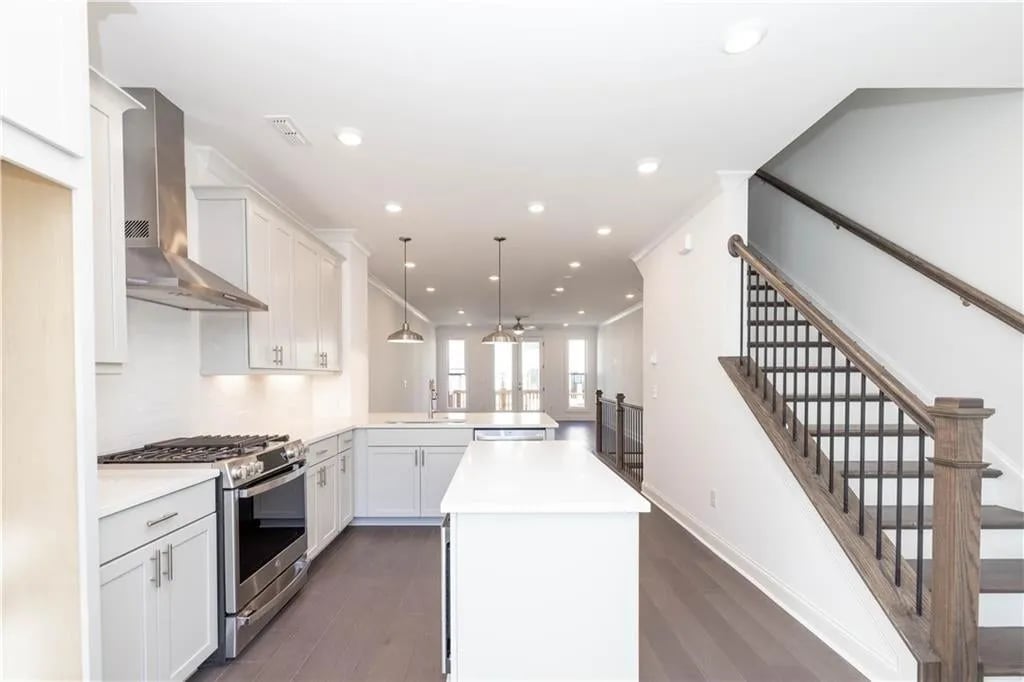
Existing homeowners who locked in historically low mortgage rates in 2020 and 2021 have been reluctant to sell and reenter the market at current rates, compressing available supply. New construction homes have filled that void, representing a disproportionately large share of available listings compared to national averages. For buyers seeking open floor plans, energy-efficient systems, smart home technology, and the peace of mind that comes with a builder warranty, new construction has become not just a preference but often the most practical path to homeownership in Atlanta today.
The Top Home Builders Active in Atlanta for 2026

Atlanta is served by a mix of national production builders operating at scale across the outer suburbs and regional builders offering more customization and personal service. The right builder depends on your budget, timeline, desired location, and how involved you want to be in the design process. Here are the builders with the strongest footprint in the Atlanta metro heading into 2026.
D.R. Horton
D.R. Horton is the largest home builder in the United States by volume, and Atlanta is one of its most active markets. The company operates across a wide range of price points through three distinct brands:
- Express Homes — entry-level pricing, ideal for first-time buyers
- D.R. Horton — mid-range product with broad community selection
- Emerald Homes — luxury tier with elevated finishes and larger lots
In the Atlanta metro, D.R. Horton is particularly active in Covington, Locust Grove, Palmetto, Dawsonville, and Conyers — corridors where land costs allow for more attainable pricing, with base prices frequently starting in the low-to-mid $300,000s. The builder has historically offered competitive closing cost incentives through its affiliated DHI Mortgage arm, which is worth evaluating — though you should always compare outside financing before committing.
Pulte Homes / PulteGroup
PulteGroup operates under several brands in the Atlanta area, including Pulte Homes for family-oriented buyers and Del Webb for the active adult (55+) segment. Pulte has an established presence in Alpharetta, Cumming, and Cherokee County, with communities designed around top-ranked school districts in Forsyth and Fulton Counties.
Forsyth County Schools earned an "A" grade from Niche.com in 2024–2025 and maintains a graduation rate exceeding 93% — one of the primary draws for family buyers in that corridor. Del Webb communities have been particularly popular with downsizing buyers seeking low-maintenance living with resort-style amenities. Pulte's pricing in Atlanta's north suburbs generally ranges from the mid-$400,000s into the $700,000s.
David Weekley Homes
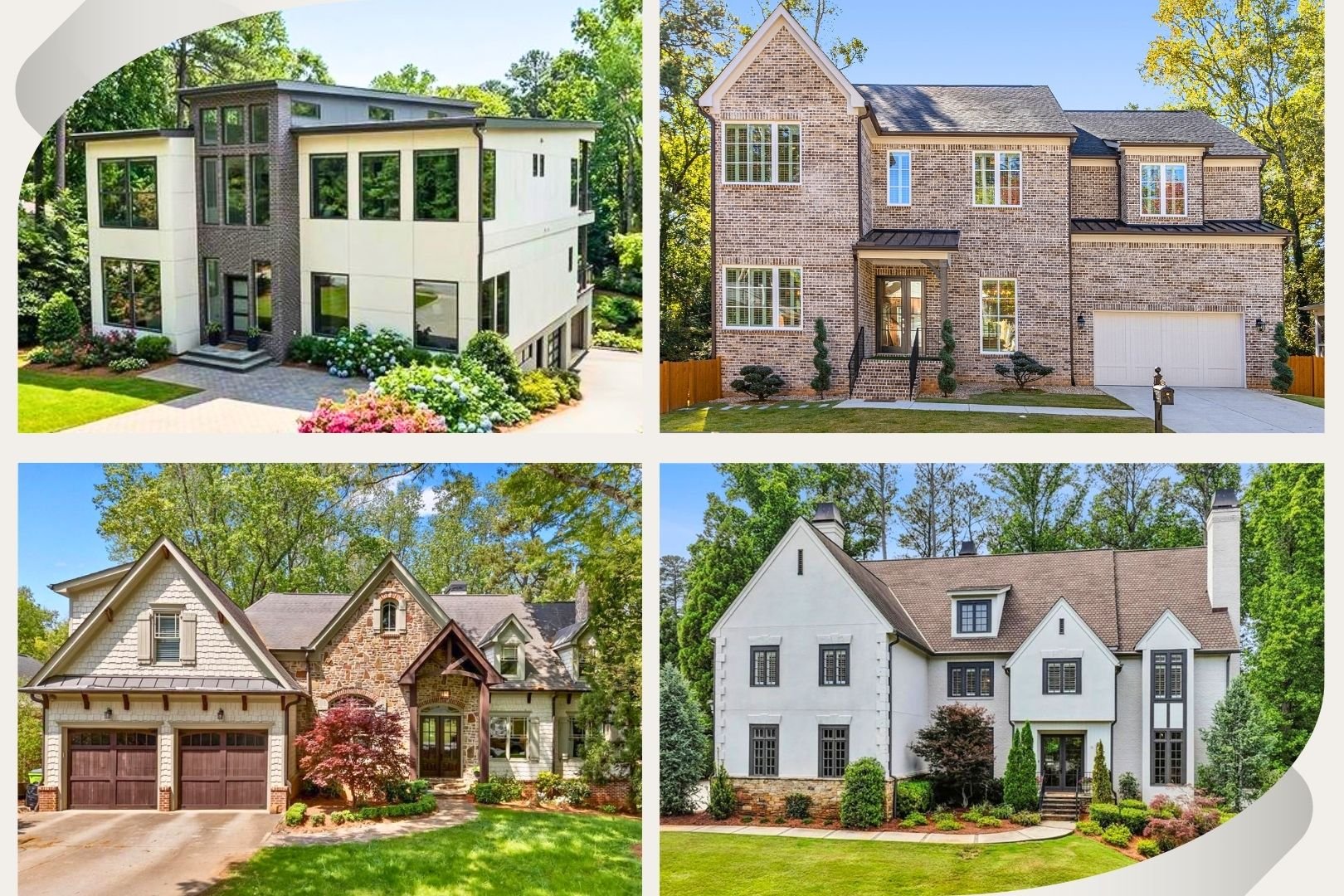
David Weekley Homes is a Houston-based private builder with a well-earned reputation for design quality, customer service, and livability-focused floor plans. In Atlanta, David Weekley has operated in both suburban communities and infill locations — including close-in neighborhoods where walkability and access to the Atlanta BeltLine trail system matter as much as square footage.
The builder is frequently cited in homeowner reviews for the quality of its included features and the responsiveness of its construction teams — a meaningful differentiator in a production builder world. David Weekley homes in the Atlanta area typically range from the upper $400,000s into the $800,000s and above, making them a strong option for move-up buyers who prioritize design and build quality.
Smith Douglas Homes
Smith Douglas Homes is Atlanta's own. Headquartered in Woodstock, Georgia, the company brings a depth of local market knowledge and subcontractor relationships that national builders can't fully replicate. The publicly traded builder (NYSE: SDHC) delivered approximately 2,800–3,000 homes across its Southeast and Mid-Atlantic markets in fiscal year 2024, with a significant concentration in the Atlanta metro.
Smith Douglas focuses primarily on the affordable and first-time buyer segment, with a strong footprint in Cherokee, Bartow, Paulding, Hall, and Walton Counties. Base prices frequently start in the high $200,000s to low $300,000s — making it one of the few builders still offering genuinely attainable new construction in today's Atlanta market.
Meritage Homes
Meritage Homes has built its brand around energy efficiency, and that focus is a genuine differentiator for Atlanta buyers thinking about long-term utility costs. Rather than treating efficiency as an upgrade, Meritage incorporates the following as standard features:
- Spray foam insulation throughout the building envelope
- Fresh-air ventilation systems for indoor air quality
- High-efficiency HVAC equipment sized for Georgia's climate
In the Atlanta metro, Meritage is active in suburban communities across Gwinnett, Rockdale, and Henry Counties, with pricing typically running from the mid-$300,000s into the $500,000s depending on location and plan.
Empire Communities
Empire Communities has grown its Atlanta presence substantially in recent years, focusing on master-planned communities in high-growth corridors including Hall County and areas along the GA-400 corridor. The builder is known for contemporary designs, well-amenitized neighborhoods, and a community aesthetic that appeals to buyers who want their neighborhood to feel cohesive and intentional from day one. Empire's Atlanta pricing generally spans from the $300,000s into the $600,000s, covering a broad range of buyer profiles.
Edward Andrews Homes
For buyers seeking elevated finishes and craftsmanship without fully stepping into the custom home world, Edward Andrews Homes is one of Atlanta's more respected regional options. The company builds in the Atlanta suburban market with homes that typically feature more generous standard specifications than production builders include — real hardwood floors, designer tile, and upgraded cabinetry that national builders charge significant fees to add. Edward Andrews operates primarily at higher price points, generally from the $500,000s upward, and suits buyers who want production-builder predictability paired with a noticeably more curated product.
Atlanta's Most Active New Construction Submarkets in 2026
North Atlanta Suburbs — Alpharetta, Cumming, and Milton
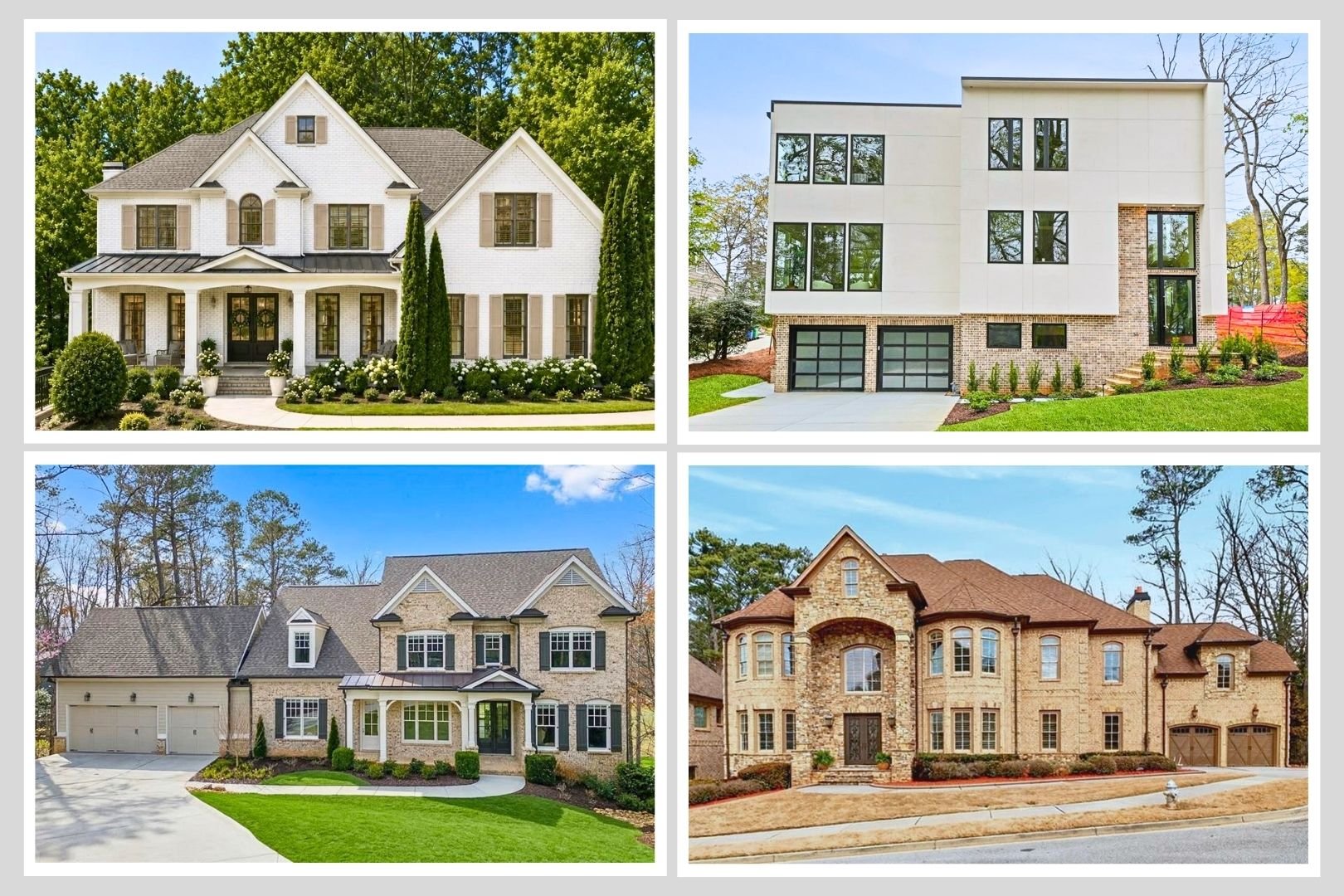
The GA-400 corridor remains one of the most competitive new construction zones in the entire metro. Alpharetta's identity as a technology hub — home to more than 700 technology companies, anchored by a thriving mixed-use environment around Avalon — combined with the strength of Forsyth County Schools keeps buyer demand persistently high.
New construction prices here reflect that demand, with most new homes in Alpharetta and Milton starting well above $600,000. Cumming offers slightly more attainable price points while still accessing the same top-ranked school system, a combination that keeps builder pipelines consistently full in Forsyth County.
Cherokee and Bartow Counties — Canton, Woodstock, and Cartersville
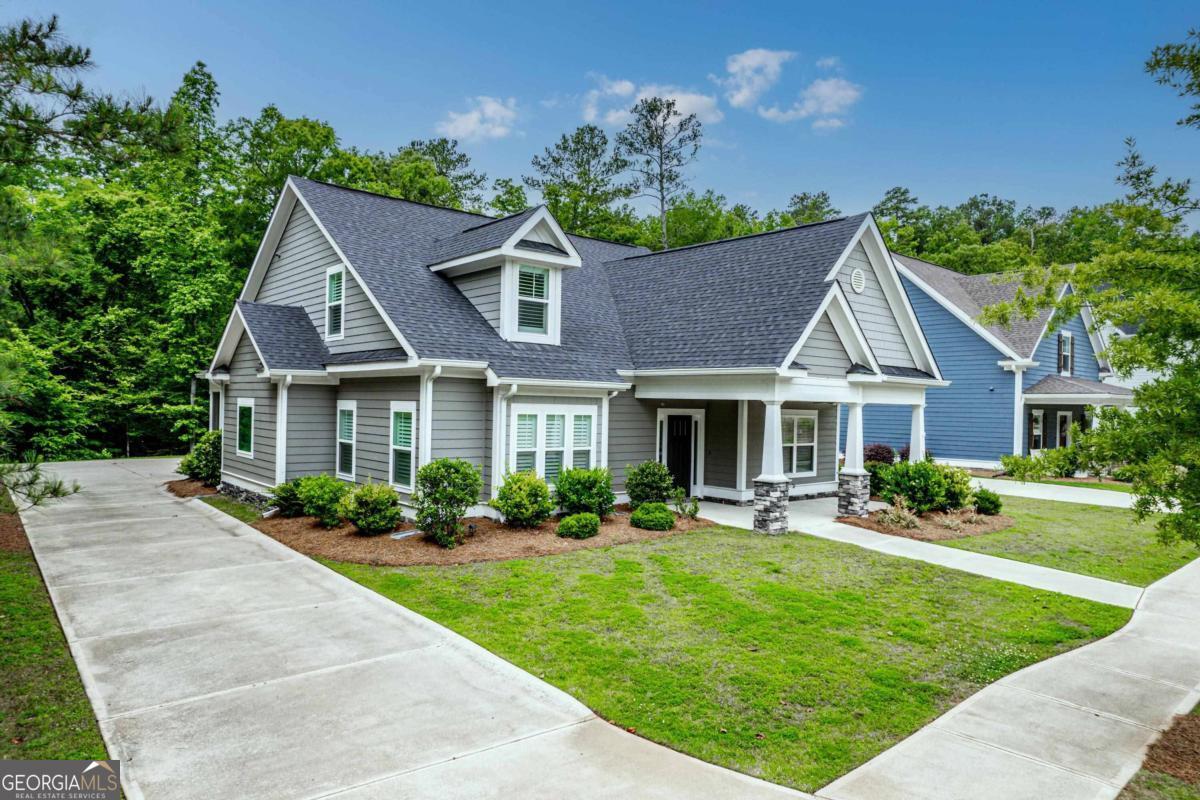
Cherokee County has been one of the Atlanta metro's most active growth corridors for the better part of a decade. Canton and Woodstock offer newer master-planned communities, easy access to I-575, and new construction homes generally available in the $350,000–$550,000 range — more accessible than the Alpharetta corridor while still served by Cherokee County Schools, which holds a strong rating from Niche.com and maintains a graduation rate of approximately 91%.
Cartersville, across the Bartow County line, is attracting buyers who need additional budget flexibility while remaining within reasonable commuting distance of northern Atlanta employment centers. Families considering this area often appreciate the Chattahoochee Nature Center in nearby Roswell as a weekend destination that reflects the outdoor-oriented character of the region.
South and East Metro — Stockbridge, McDonough, Covington, and Loganville
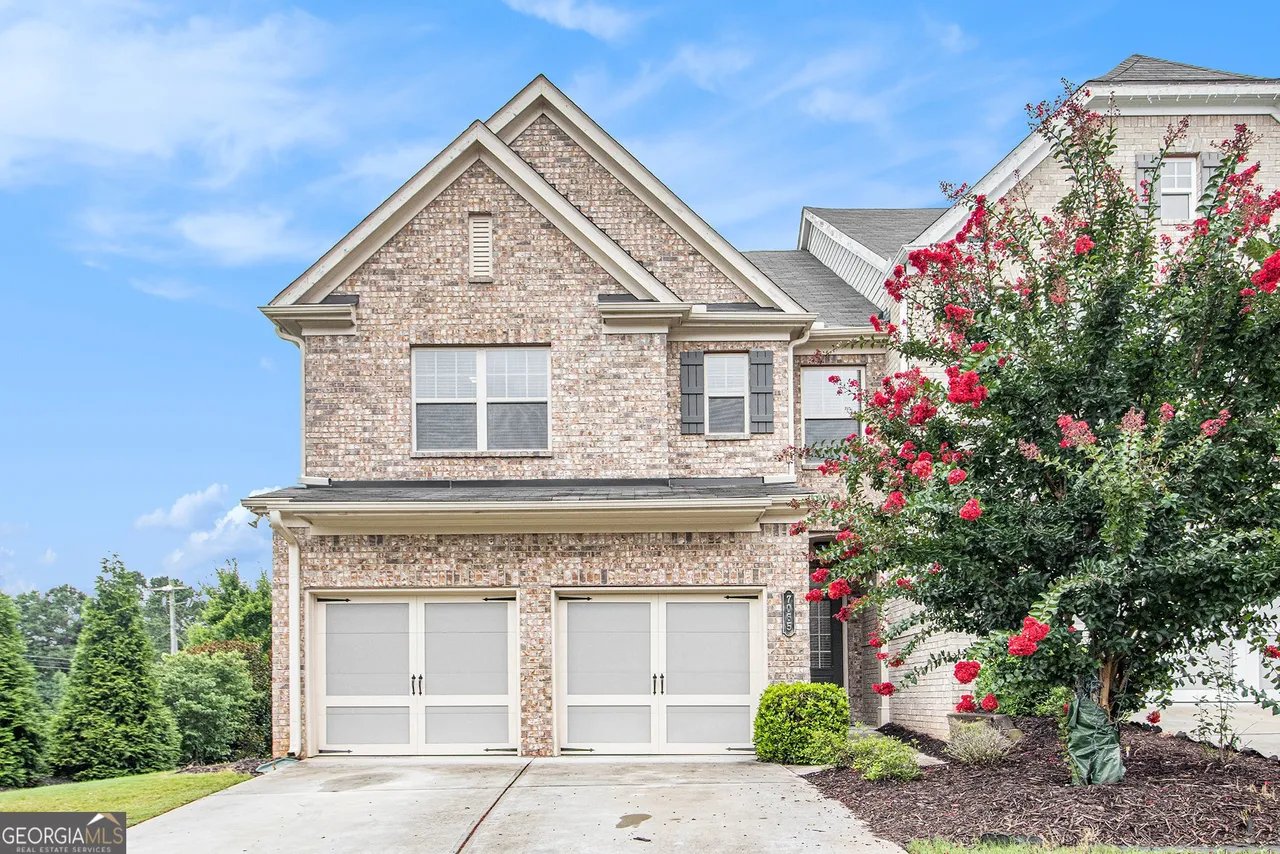
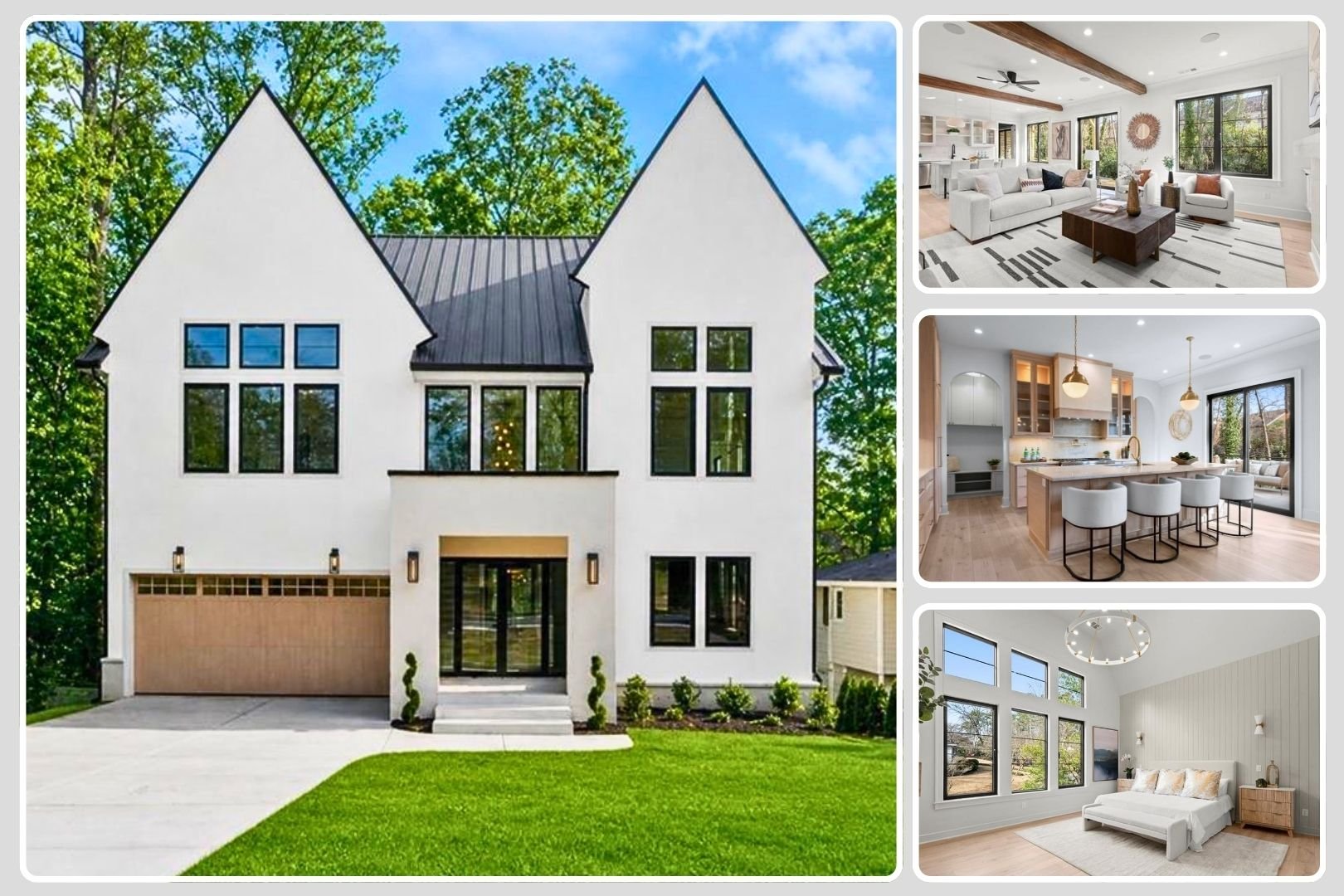
The I-20 East and I-75 South corridors are where Atlanta's highest-volume builder activity is concentrated for first-time and value-focused buyers. Henry County and Newton County offer the metro's most attainable new construction pricing, with many communities from builders like D.R. Horton and Smith Douglas offering homes in the $280,000–$400,000 range.
The metro-wide median for new construction was approximately $400,000–$420,000 in late 2024 and early 2025. The south and east suburbs represent some of the only pockets where buyers can come in meaningfully below that figure.
In-Town and Close-In Atlanta — West Midtown, Grant Park, Reynoldstown, and Kirkwood
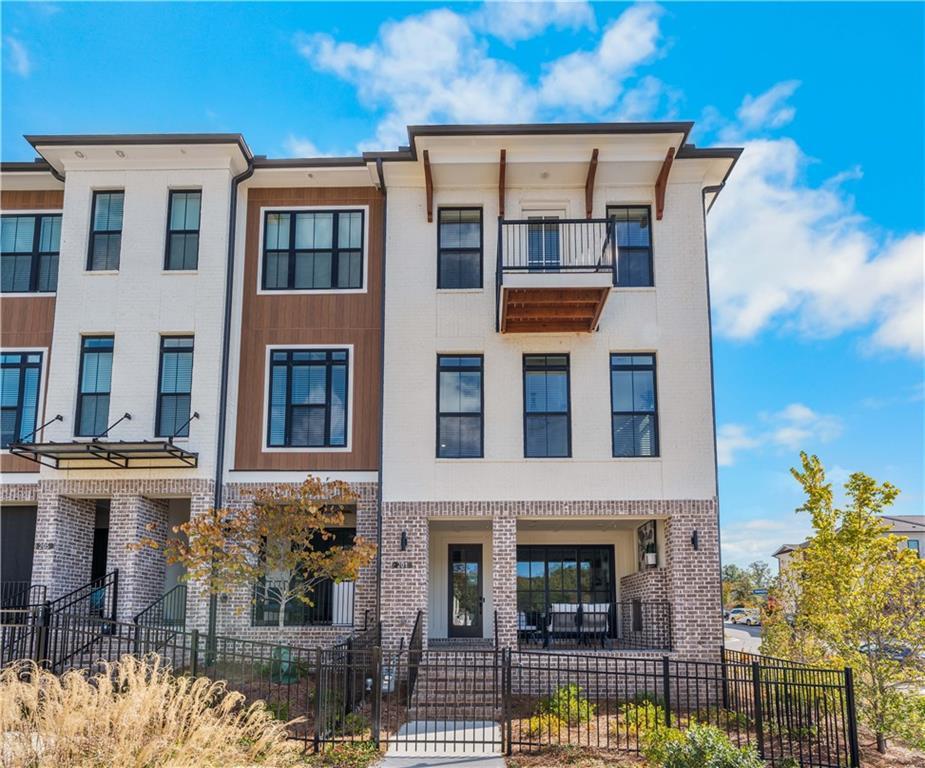
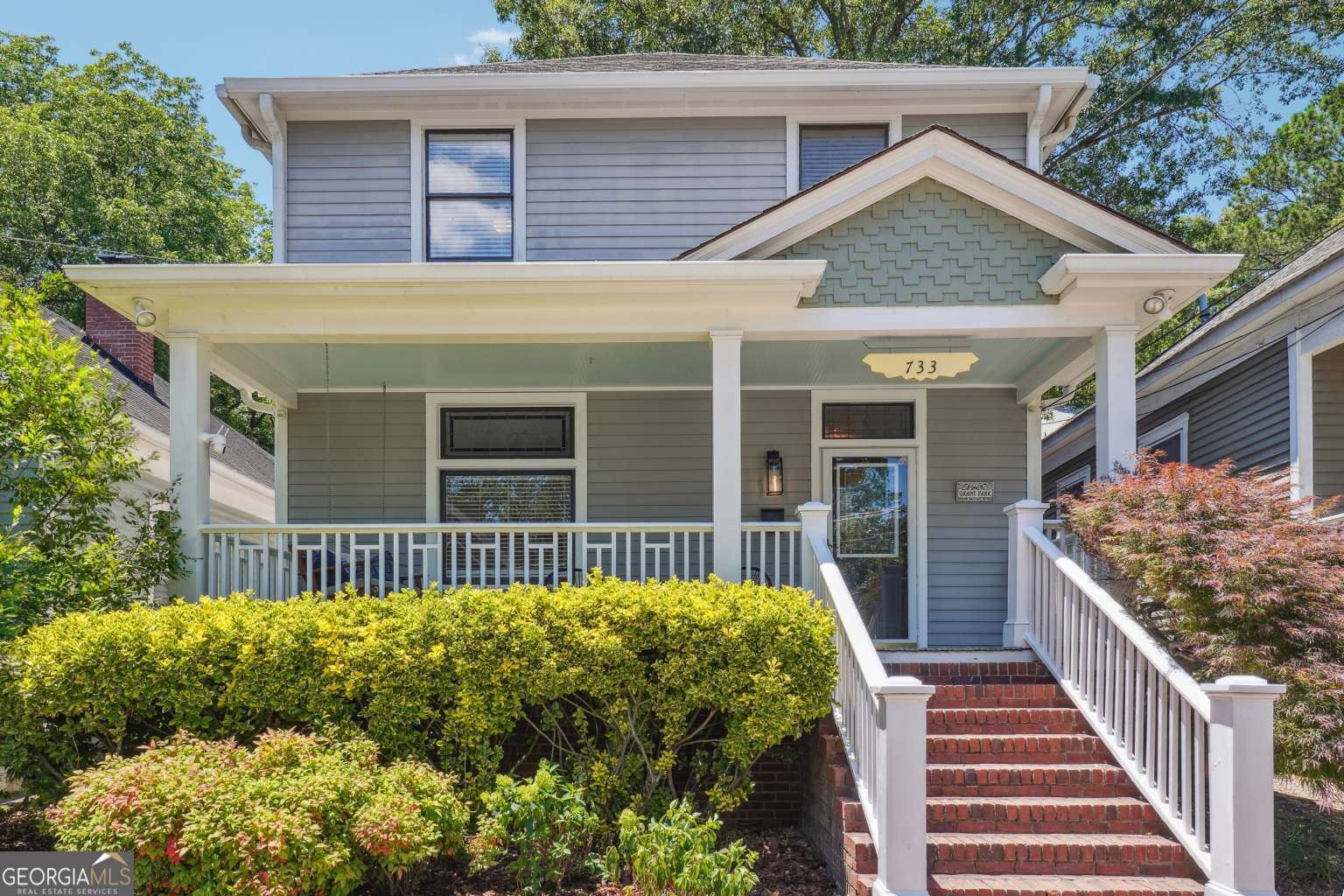
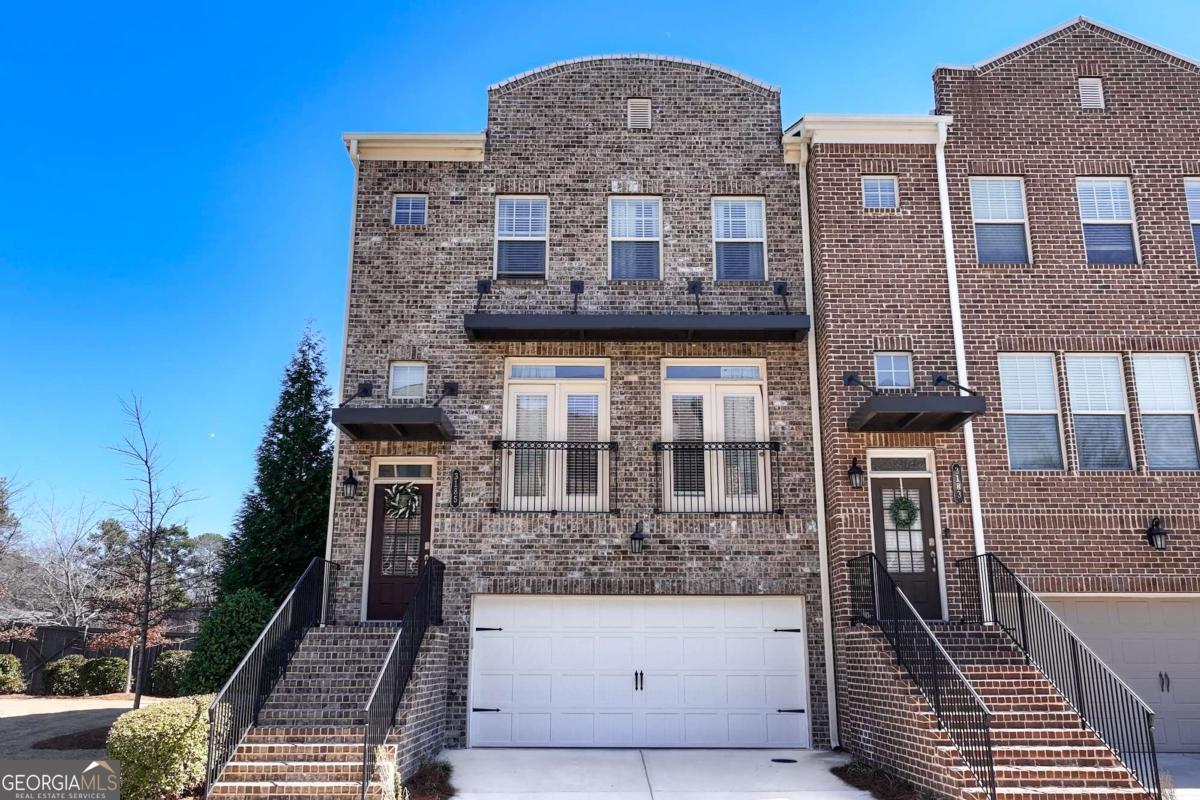
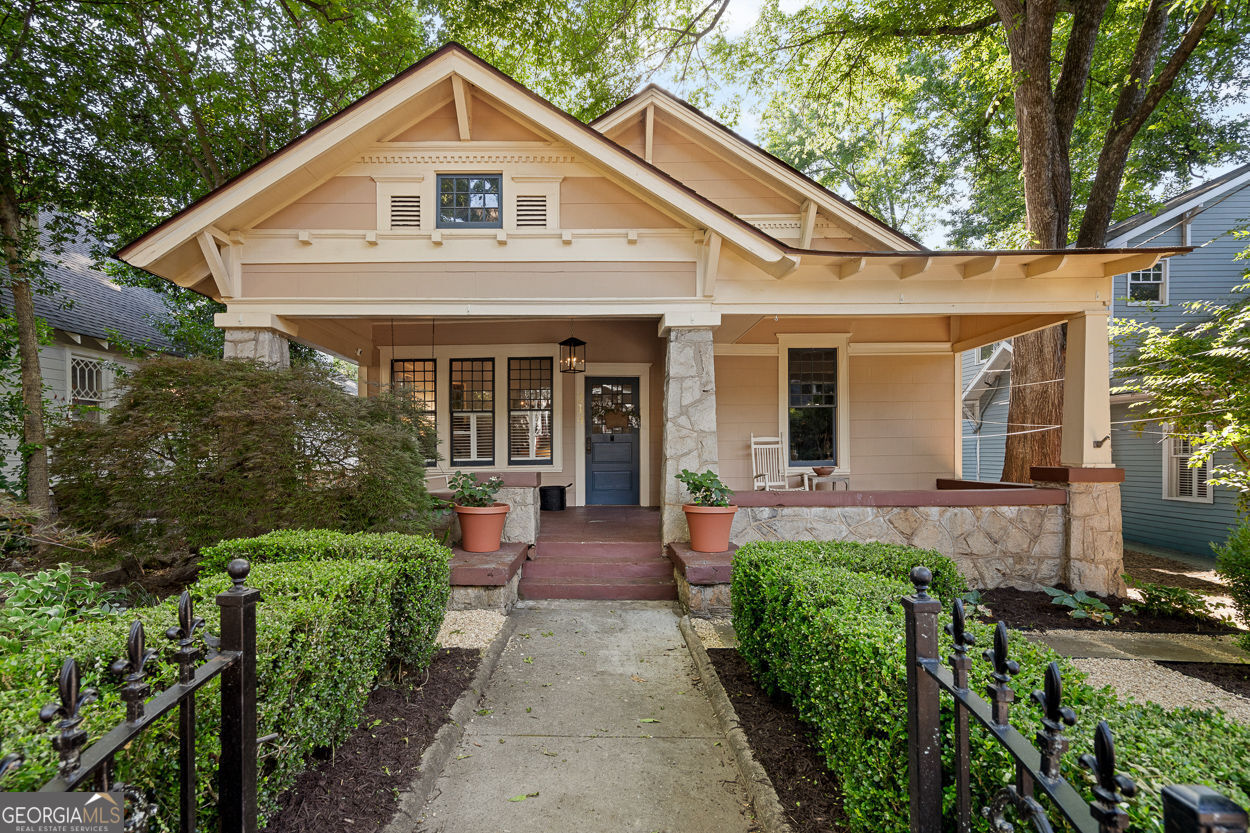
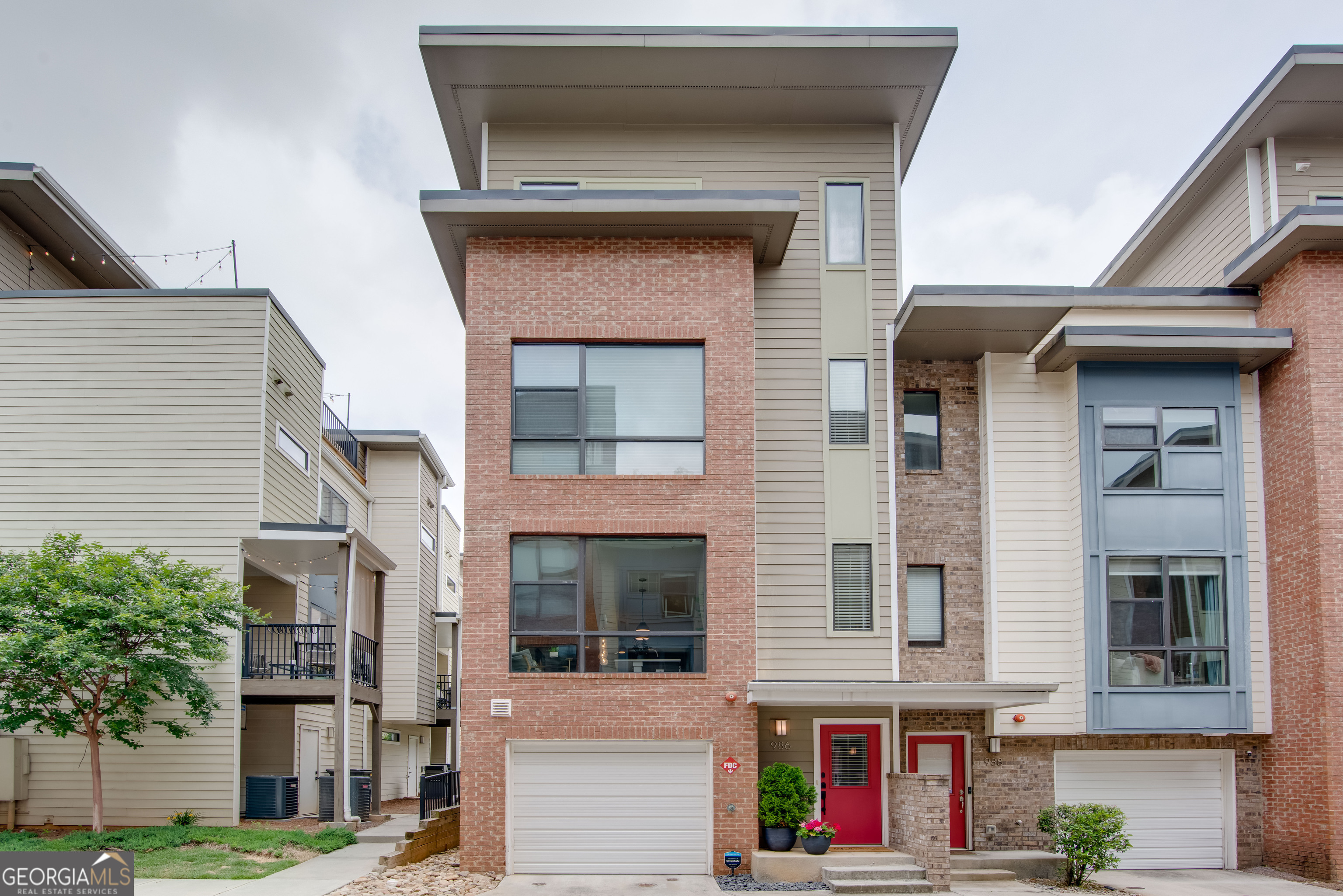
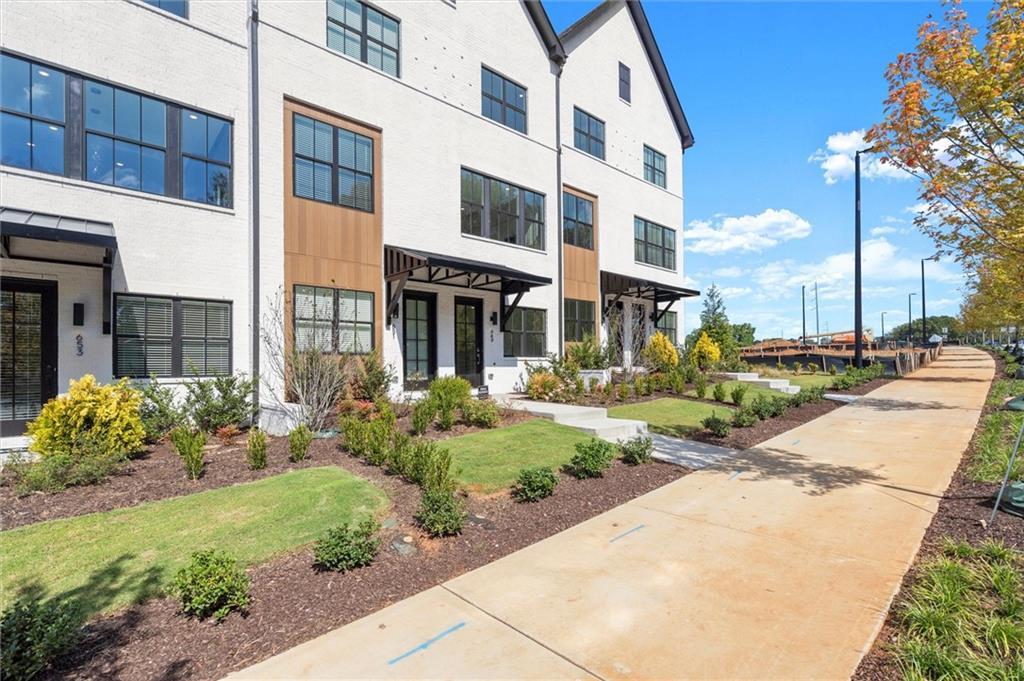
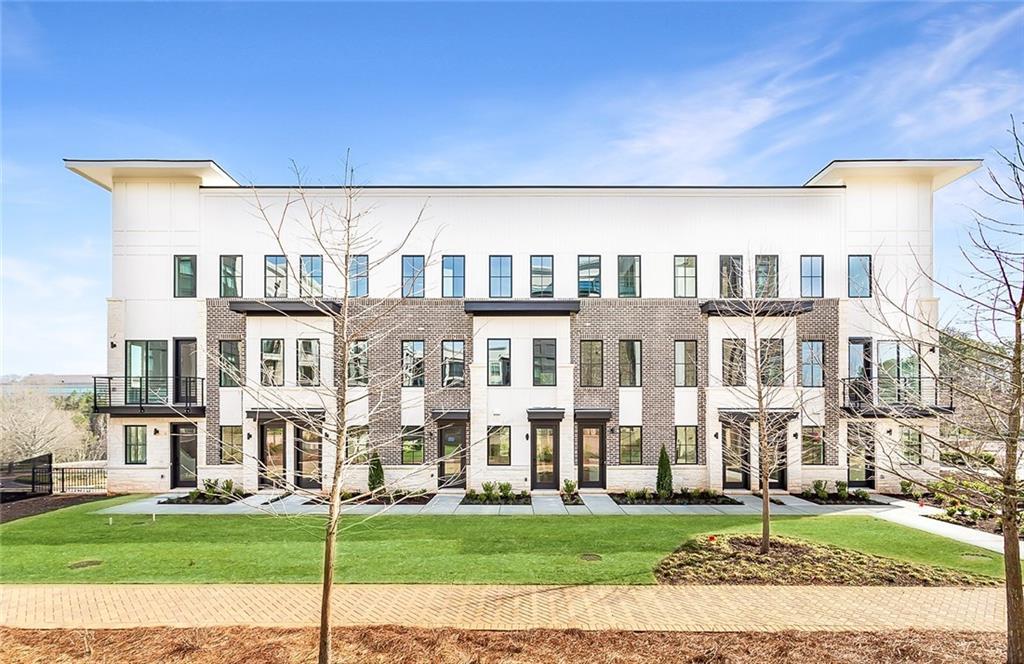
Infill new construction in established Atlanta neighborhoods operates in an entirely different context than suburban production building. In West Midtown, Grant Park, Reynoldstown, and Kirkwood, buyers will find boutique builders constructing townhomes and single-family homes on individual lots — typically with higher price-per-square-foot figures that reflect land costs and the premium buyers place on walkability, MARTA access, and proximity to destinations like Ponce City Market and the Atlanta BeltLine's Eastside Trail.
New construction townhomes in these neighborhoods frequently start in the $500,000s and can extend well past $1 million for larger detached builds. The trade-off in square footage is often one buyers in these locations make willingly.
What to Look for When Choosing an Atlanta Home Builder
Builder Reputation and Warranty Programs
Most Atlanta builders offer a standard warranty structure covering three tiers of protection:
- One-year workmanship warranty — covers defects in materials and labor
- Two-year systems warranty — covers mechanical, electrical, and plumbing systems
- Ten-year structural warranty — typically administered through a third-party warranty program
Coverage terms vary by builder, so review warranty documents carefully before signing. How builders honor those warranties in practice varies significantly — and that's where your research matters. Search the builder's name alongside terms like "reviews" and "warranty claims" across the Better Business Bureau, Google Reviews, and Atlanta-specific community forums. J.D. Power's annual New-Home Builder Customer Satisfaction Study provides useful comparative benchmarks for the national builders on this list.
Understanding Builder Incentives and Preferred Lenders
In 2026's interest rate environment, Atlanta builders have continued to use mortgage rate buydowns, closing cost contributions, and design upgrade credits as primary sales tools. A 1–2 point rate buydown on a $400,000 mortgage represents real, meaningful savings over the life of a loan. However, builders almost always tie these incentives to the use of their preferred or affiliated lender, which creates a built-in conflict of interest.
Pro Tip: Get a competing quote from an independent lender before accepting any builder's financing package. Sometimes the builder's deal is still the better one — but you should know that rather than assume it.
Customization Options vs. Production Timelines

Atlanta's builder market in 2026 includes three general purchase scenarios, each with different tradeoffs:
| Purchase Type | Customization Level | Typical Timeline |
|---|---|---|
| Spec Home (already built) | None — move-in ready as-is | 30–60 days to close |
| Quick Move-In (nearing completion) | Limited — finishes largely set | 60–120 days to close |
| To-Be-Built Contract | Full — lot, plan, and finishes | 7–12 months (production builders) |
To-be-built contracts offer the most personalization but demand careful planning. If your lease expires in four months, a to-be-built contract means temporary housing is almost certainly part of the equation.
Tips for Buying New Construction in Atlanta in 2026

The single most important piece of advice for any new construction buyer in Atlanta: bring your own representation. The builder's sales agent in that model home works for the builder — their legal obligation runs to the builder, not to you. An independent buyer's agent costs you nothing in most Atlanta new construction transactions because the builder pays the commission, and having that advocate at the table during contract review and the construction process is genuinely valuable.
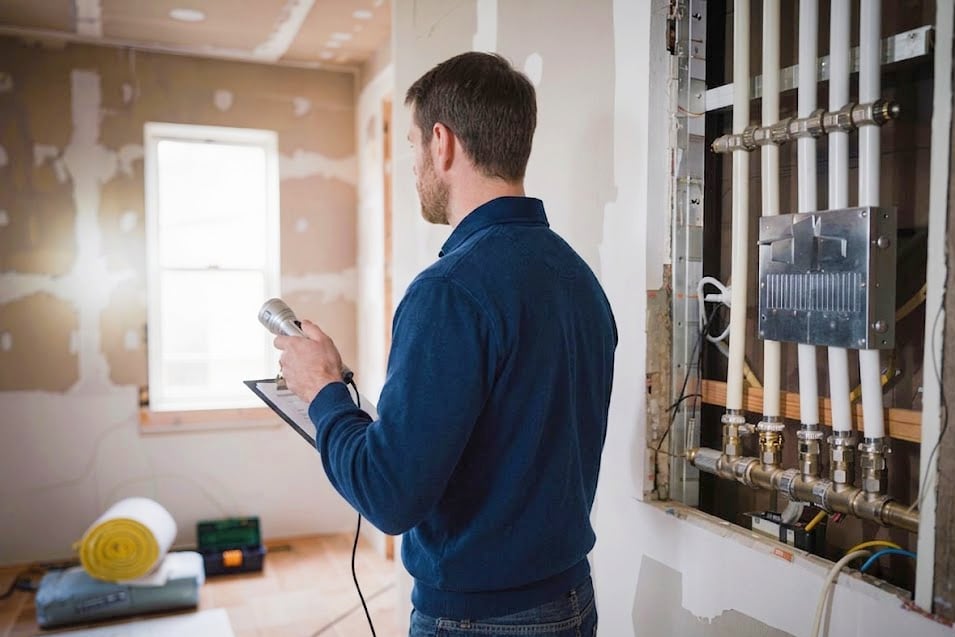
Even on a brand-new home, hire an independent inspector. Local building department inspections verify code compliance, but a private inspector goes much deeper. If the builder permits a pre-drywall inspection at the framing stage, take it — it's your only opportunity to see the structure of the home before it's enclosed.
Pro Tip: Before signing any purchase agreement, request all HOA documents — the declaration, bylaws, budget, and any Community Development District disclosures. Some Atlanta master-planned communities carry infrastructure fees that add meaningful annual costs well beyond standard HOA dues, and those figures don't always surface in builder marketing materials.
Georgia's construction lien laws allow subcontractors and suppliers to file liens against your property if the builder fails to pay them — even after you've closed. Ask your real estate attorney to walk you through lien waiver procedures and ensure your closing includes proper lien releases.
Finally, visit the community more than once and at different times of day. Drive the route to work at actual rush hour. Talk to residents already living there if you can. The model home experience is designed to be aspirational; your job is to find out what daily life in the community actually feels like before you commit.
Frequently Asked Questions About Atlanta Home Builders
What is the average cost to build a new home in Atlanta, GA in 2026?
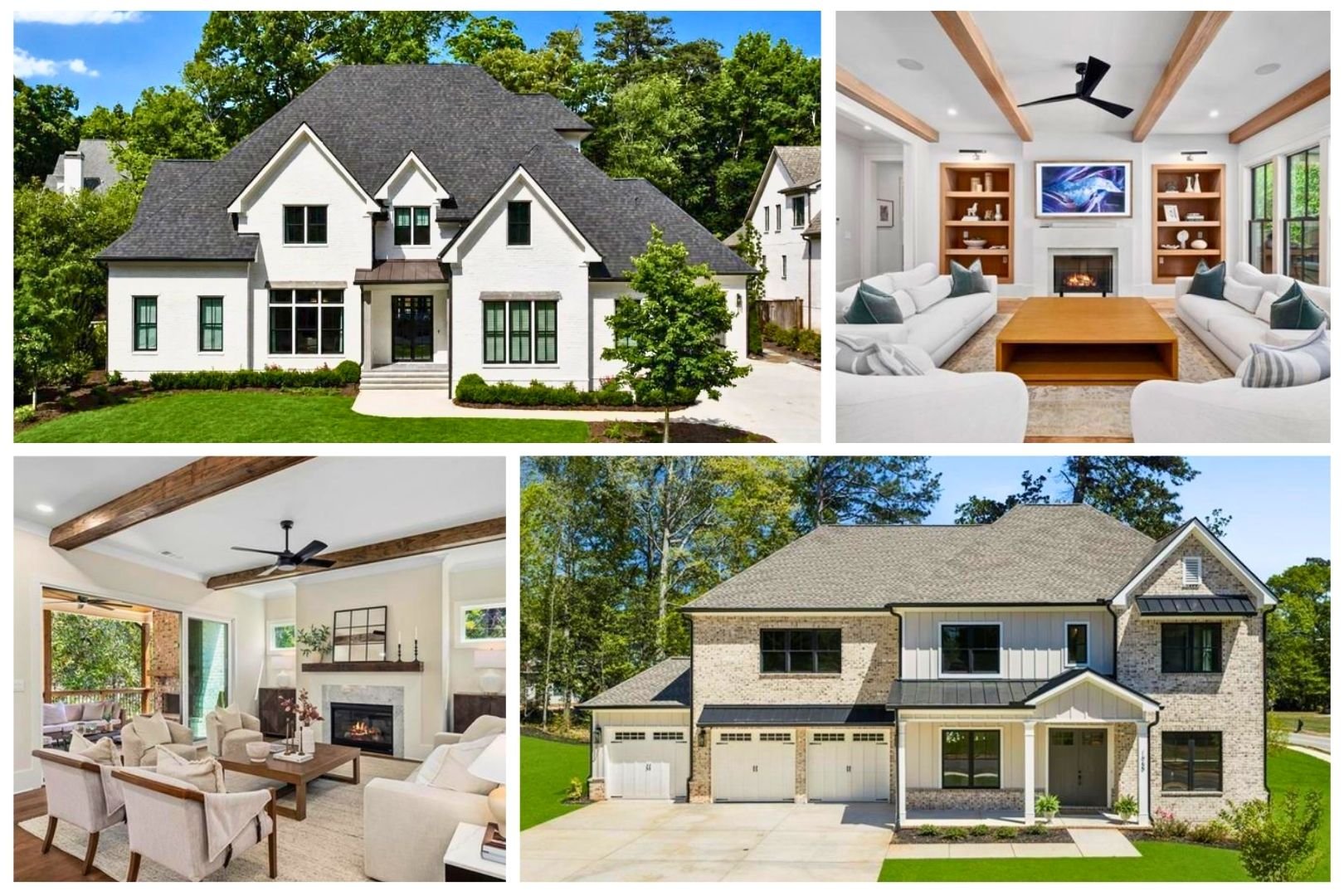
New home prices across the Atlanta metro vary significantly by submarket and builder tier. In high-volume outer suburbs like Covington, Locust Grove, and Cartersville, base prices from production builders can start in the high $200,000s to low $300,000s. In Alpharetta, Milton, and close-in Atlanta neighborhoods, new construction routinely starts above $500,000 and extends into the millions. The metro-wide median for new construction was approximately $400,000–$420,000 in late 2024 and early 2025 — but base prices alone don't capture the full picture. Lot premiums, structural options, and design center upgrades can add 10–20% or more to the final contract price.
How long does it take to build a new home in Atlanta?
For production builders like D.R. Horton and Smith Douglas, typical build timelines for to-be-built contracts run five to nine months, assuming permitting and subcontractor availability cooperate. Regional builders like David Weekley and Edward Andrews, which offer more customization, may run nine to fifteen months from contract to closing. High-growth counties like Cherokee and Forsyth have historically experienced permitting delays during peak construction periods — building schedule buffers into your housing transition planning is genuinely important.
Do I need a real estate agent to buy a new construction home in Atlanta?
You are not legally required to have an agent, but it is strongly advisable. The builder's onsite sales representative is legally the builder's agent, with a fiduciary duty to the builder — not to you. Having your own buyer's agent ensures someone at the table is contractually obligated to represent your interests during negotiations, contract review, and any construction issues that arise. In most Atlanta new construction transactions, the builder pays the buyer's agent commission, meaning independent representation costs you nothing directly.
Are Atlanta home builders offering incentives in 2026?
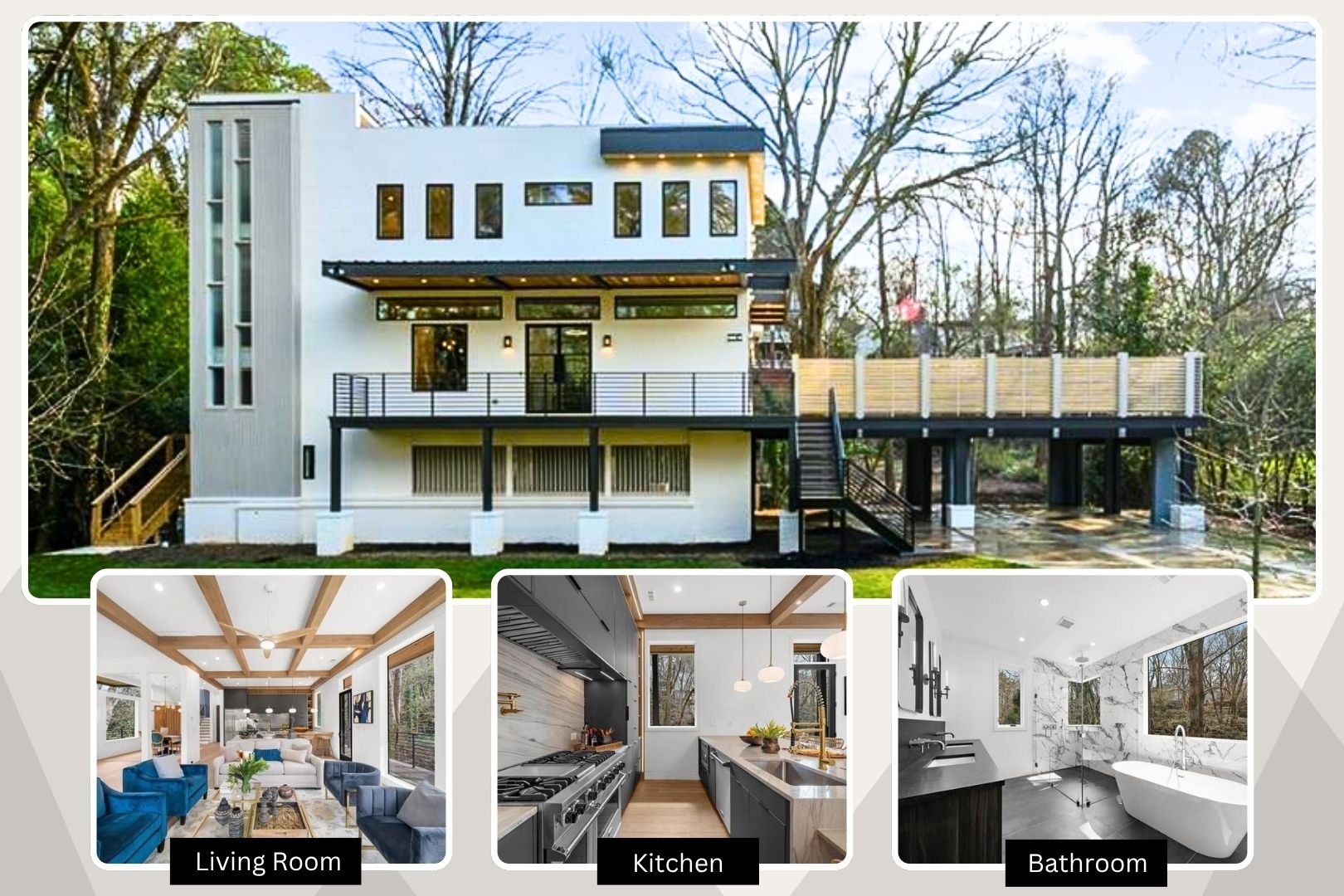
Yes. Most major builders operating in Atlanta in 2026 are continuing to offer some combination of mortgage rate buydowns, closing cost contributions, and design upgrade credits. The specific incentives shift based on market conditions, community sellout timelines, and interest rate movements. Always ask what incentives are available and what conditions are attached — particularly any preferred lender requirements that determine whether you actually qualify for the advertised benefit.
Which Atlanta suburbs have the most new construction homes available?
Cherokee County (Canton and Woodstock), Henry County (Stockbridge and McDonough), Newton County (Covington), and the Forsyth County corridor around Cumming consistently show the highest volumes of active new construction communities. These areas strike a balance between available land, established permitting infrastructure, and sustained buyer demand that keeps builder pipelines full across multiple price points.
What should I inspect before closing on a new construction home in Atlanta?
A thorough new construction inspection in Atlanta should cover foundation and grading (Georgia's expansive clay soils create specific settling considerations that experienced local inspectors know well), framing and structural connections, HVAC installation and ductwork sealing, plumbing rough-in and fixture installation, electrical panel and outlet placement, window and door installation, and roof flashing details. If your builder permits a pre-drywall inspection — and many Atlanta builders do — schedule it without hesitation. It is the only chance you'll have to see the bones of the home before they're permanently enclosed.
Conclusion
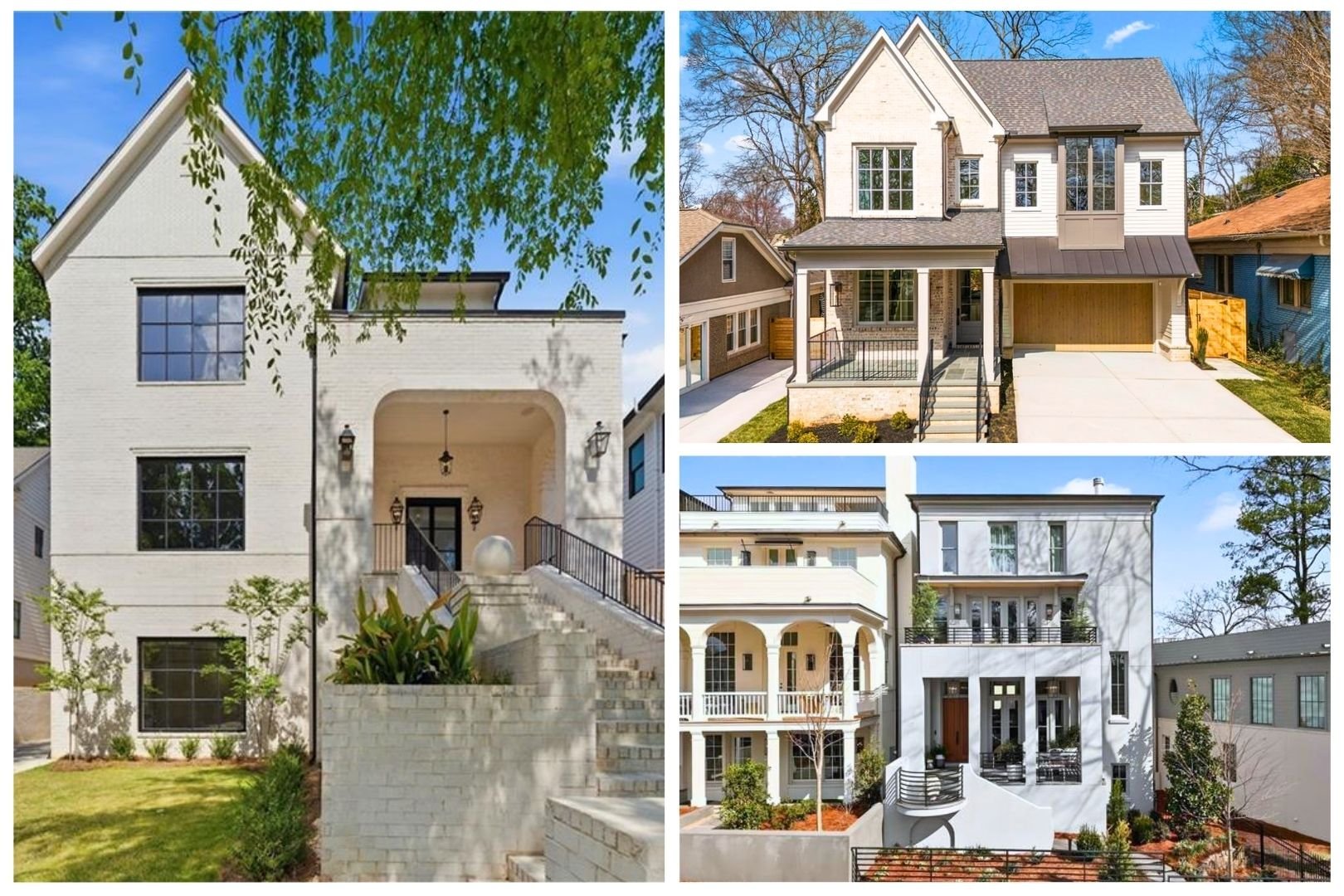
Atlanta's new construction market in 2026 is diverse, active, and full of opportunity for buyers who approach it with the right information. The Atlanta MSA's median household income of approximately $78,000–$80,000 — above the national median — combined with a cost of living that remains meaningfully more accessible than comparable major metros, positions Atlanta as one of the most compelling new construction markets in the country for buyers at multiple life stages.
From national production builders offering attainable price points across the south and east metro to regional builders delivering higher-end product in the north suburbs and in-town neighborhoods, there is a builder and a community suited to nearly every budget and lifestyle. A first-time buyer exploring Smith Douglas communities in Canton, a relocating professional eyeing a Pulte home near Alpharetta's tech corridor, a move-up buyer drawn to the craftsmanship of Edward Andrews or David Weekley — the right fit exists across this market.
The key is knowing which questions to ask, which submarkets align with your priorities, and how to protect your interests through an inherently builder-friendly purchase process. Getting informed before you walk into that model home makes all the difference. Reach out to our team and let's find the right new construction home for you in the Atlanta metro.