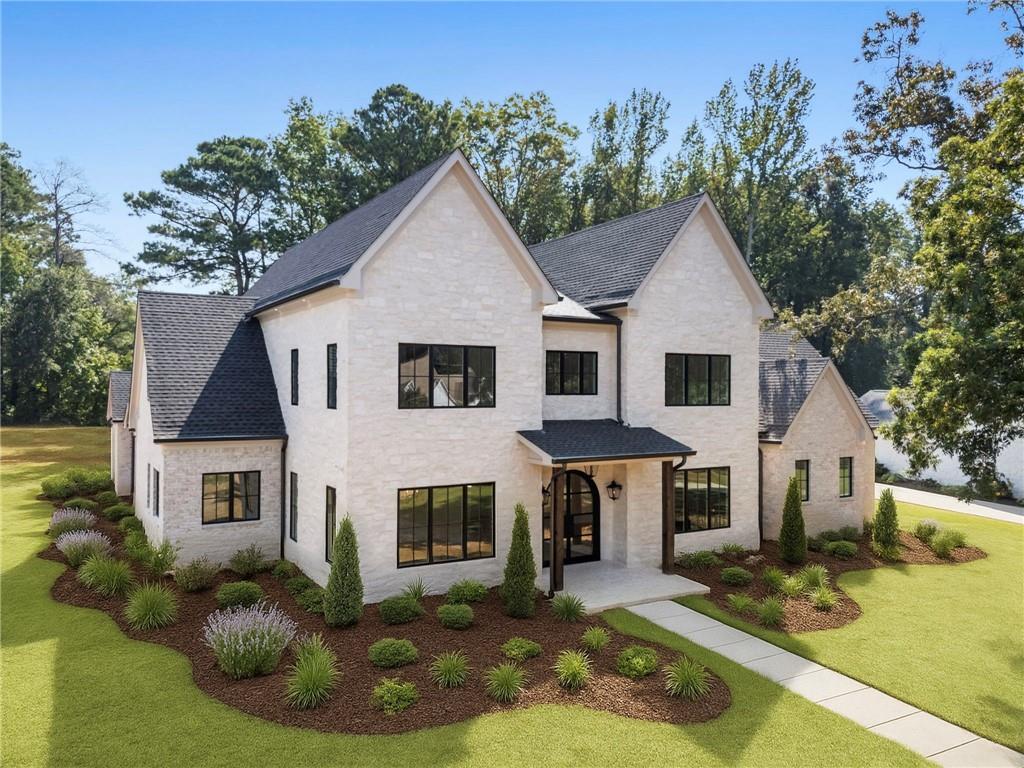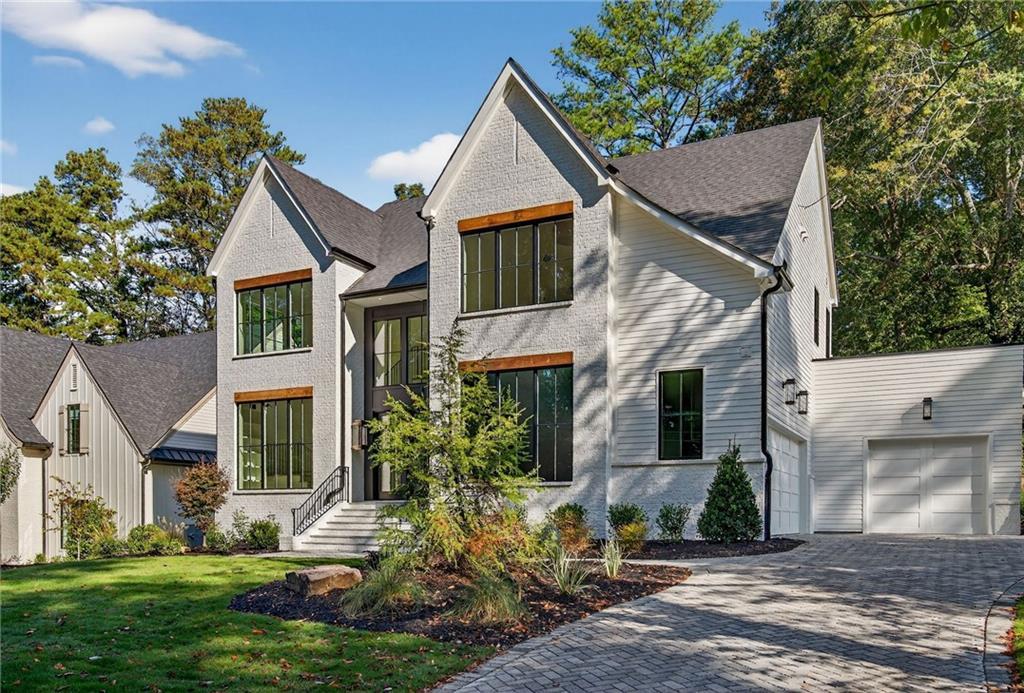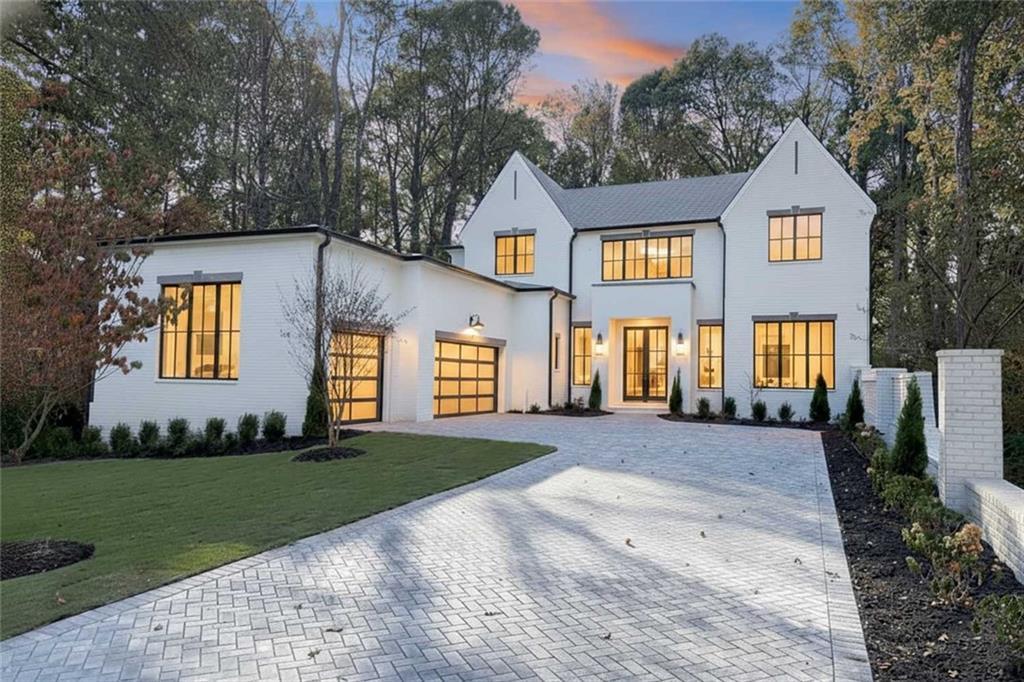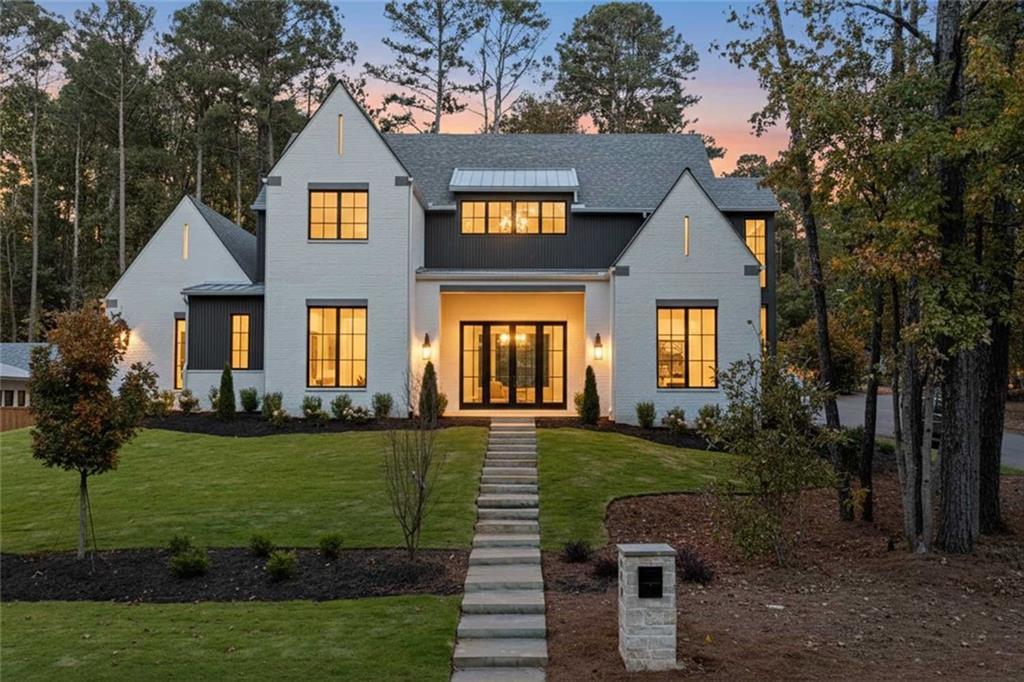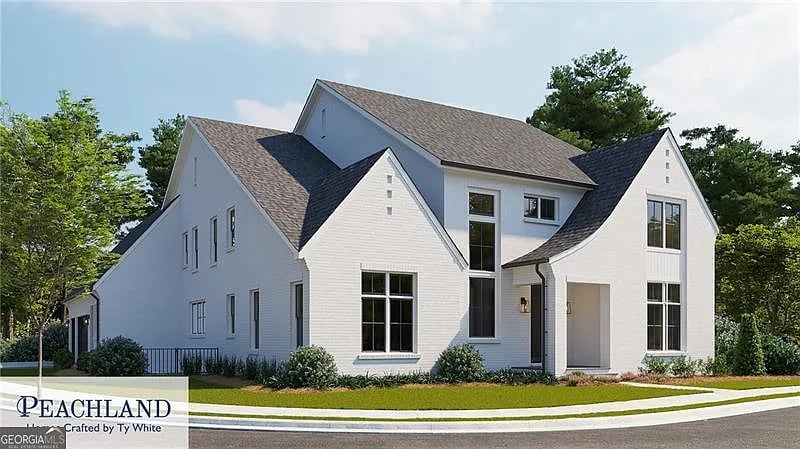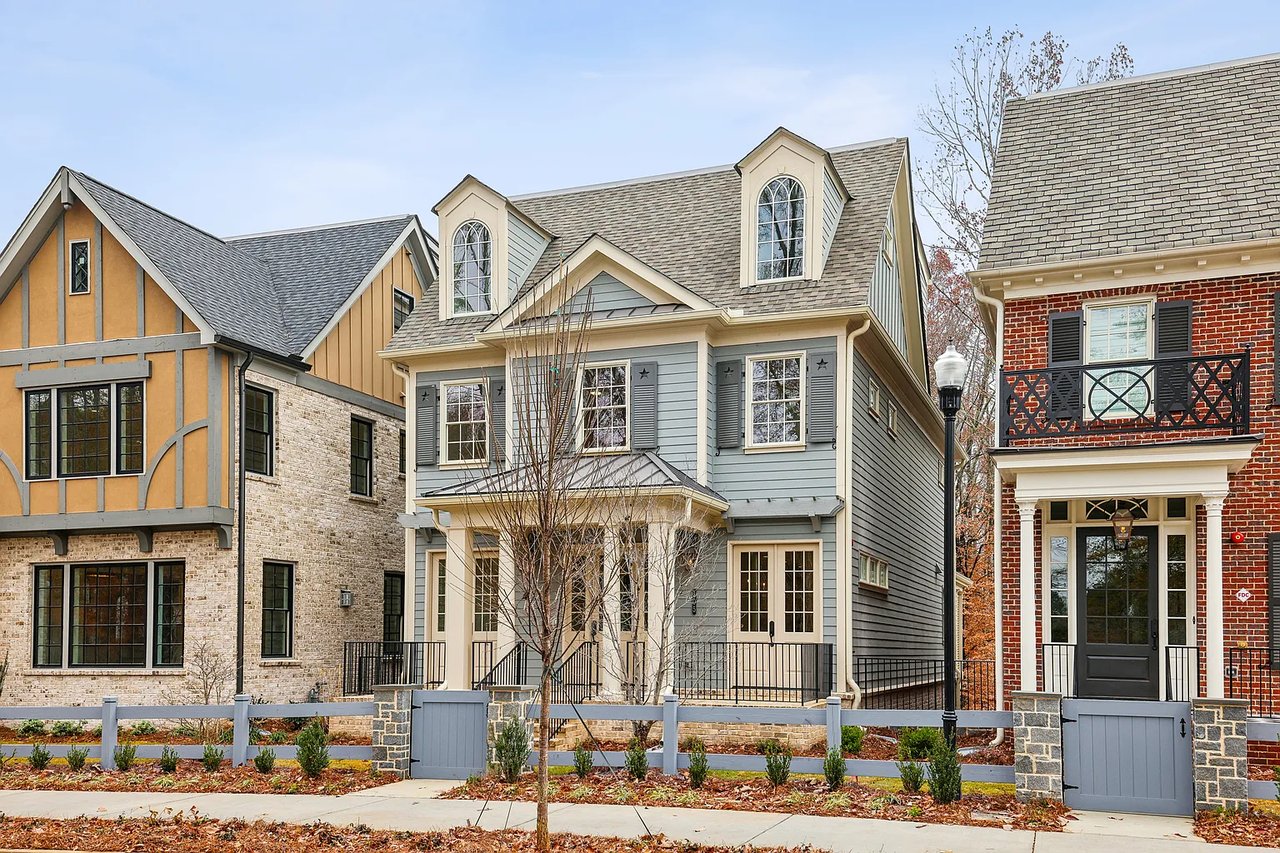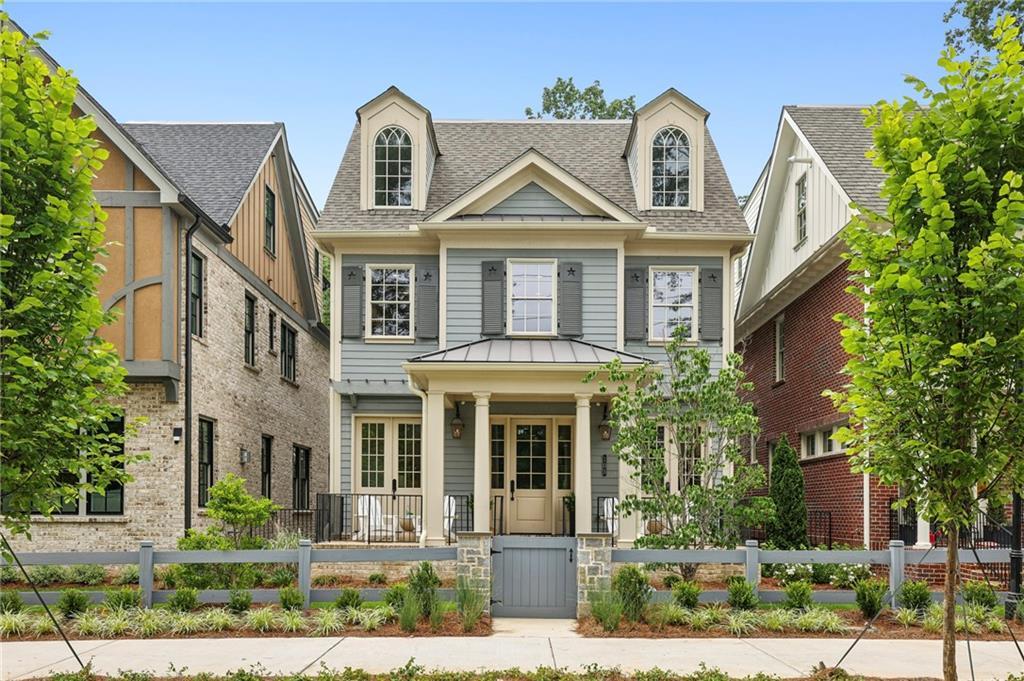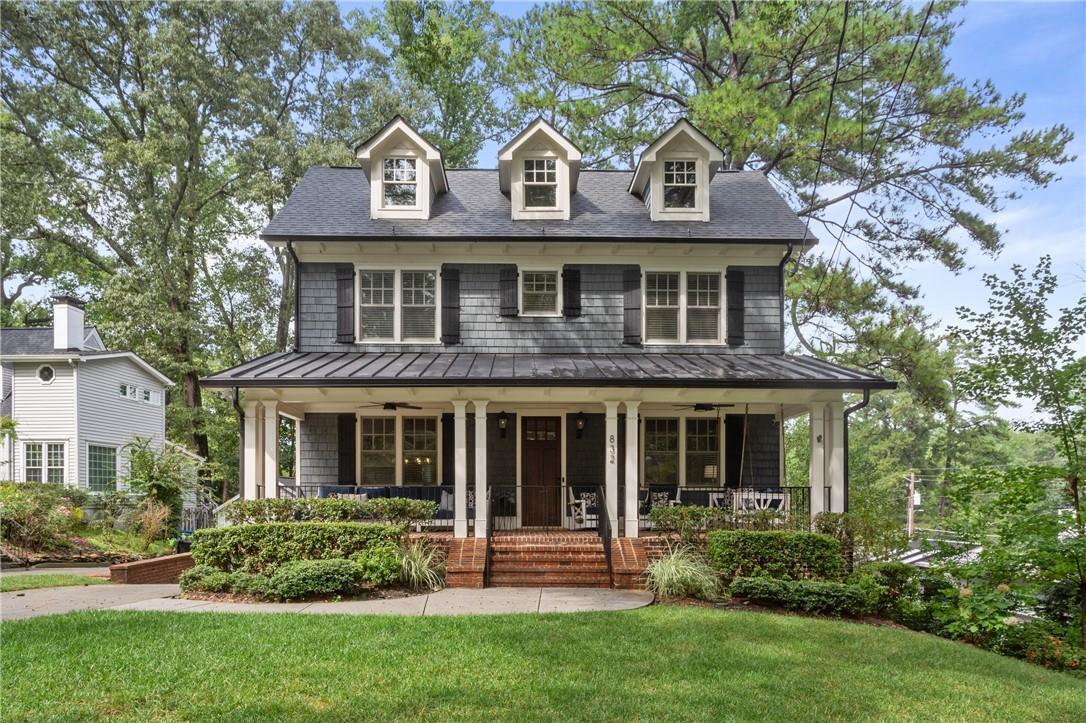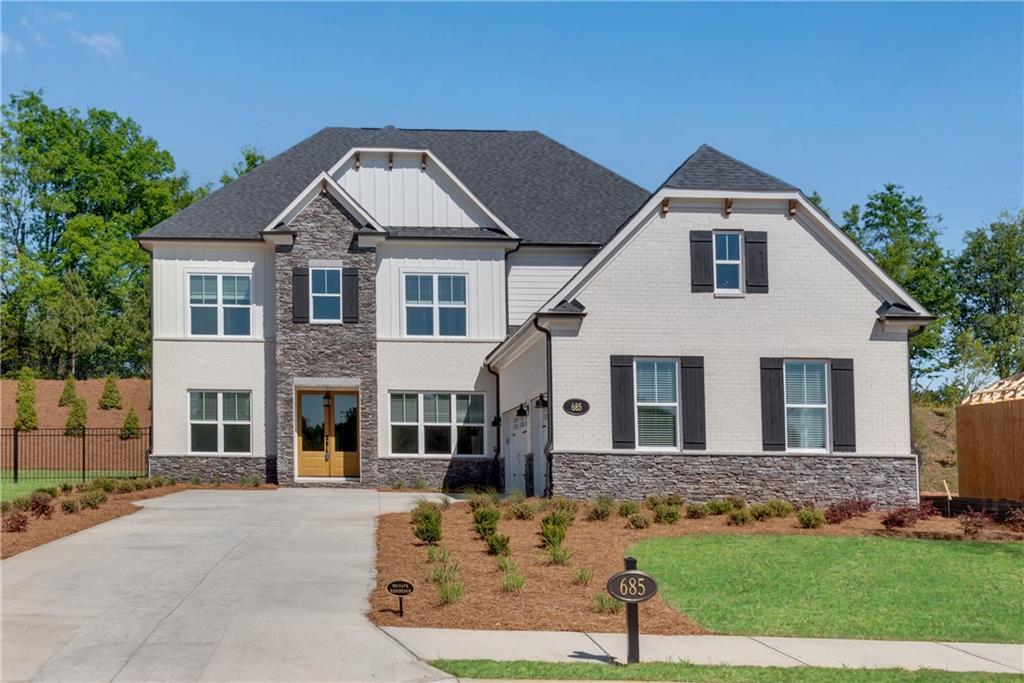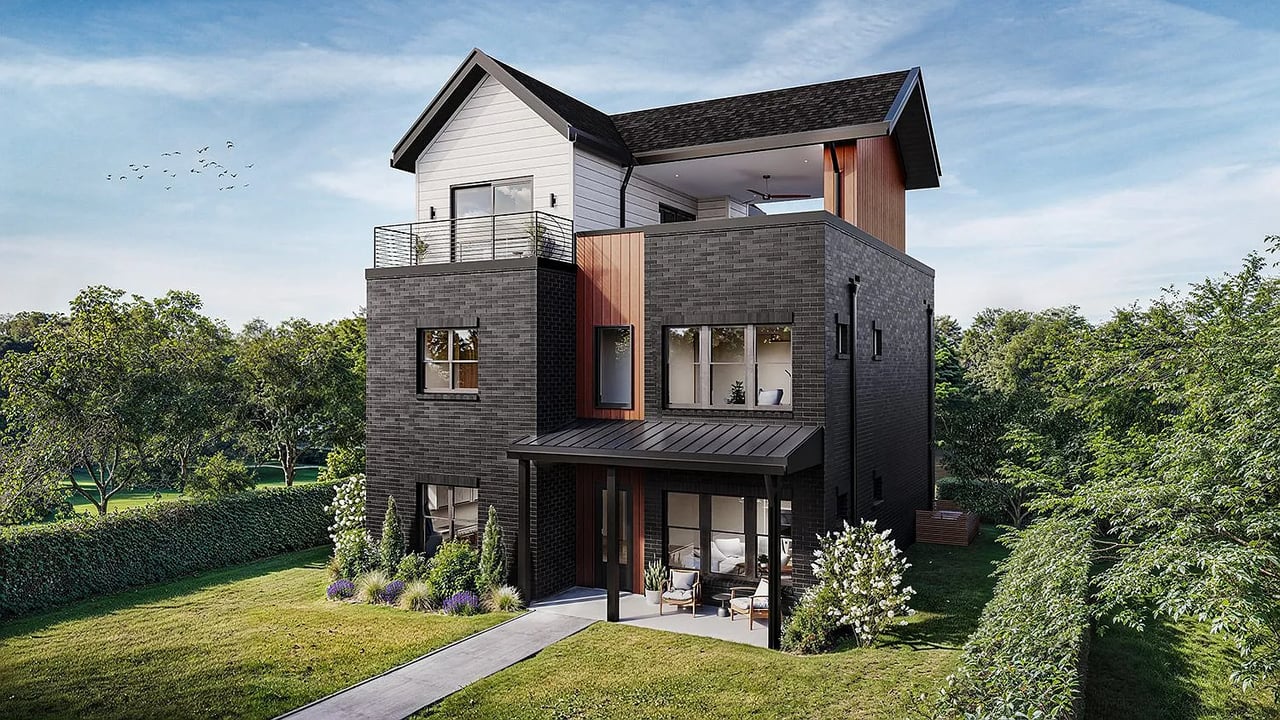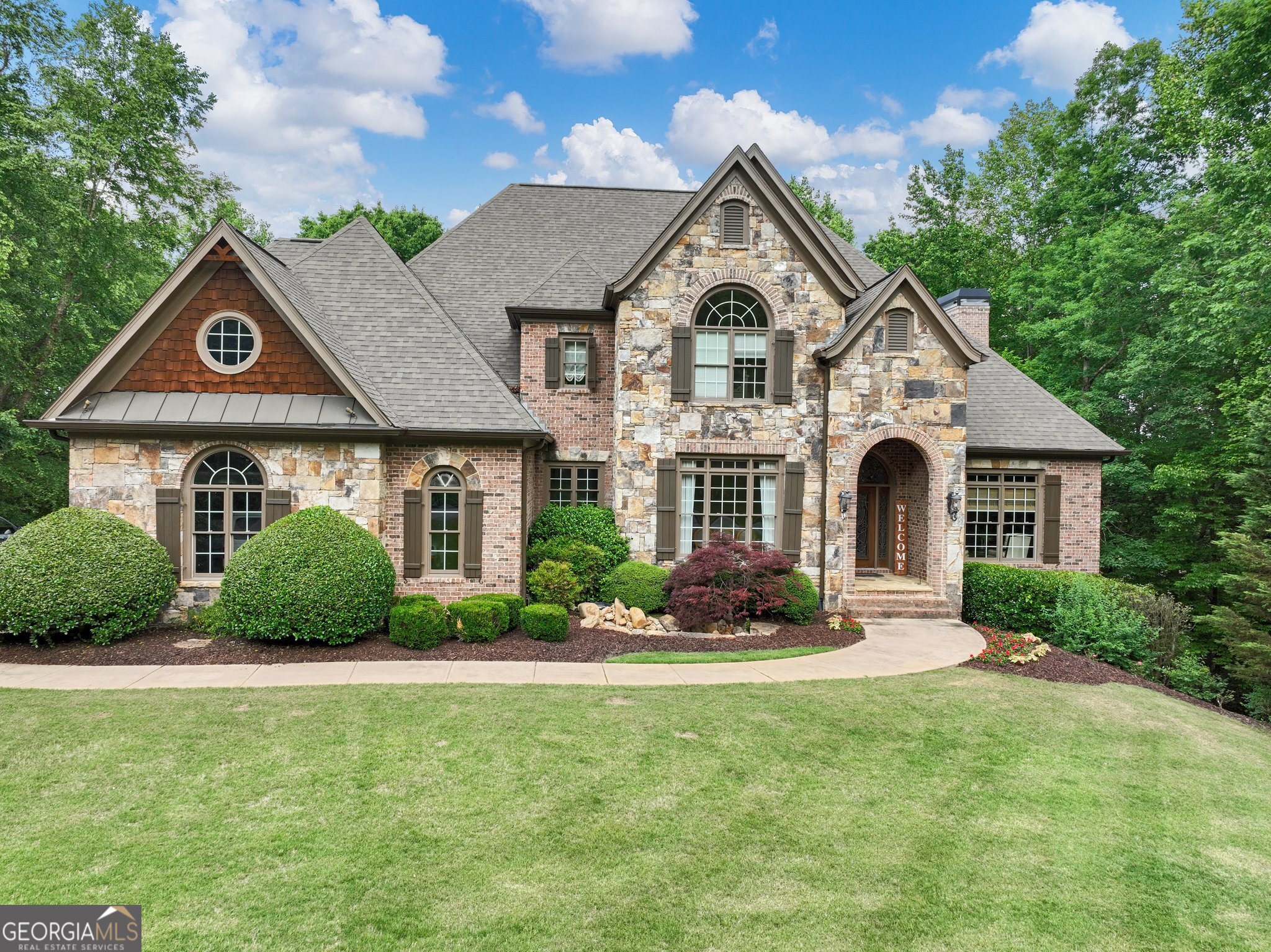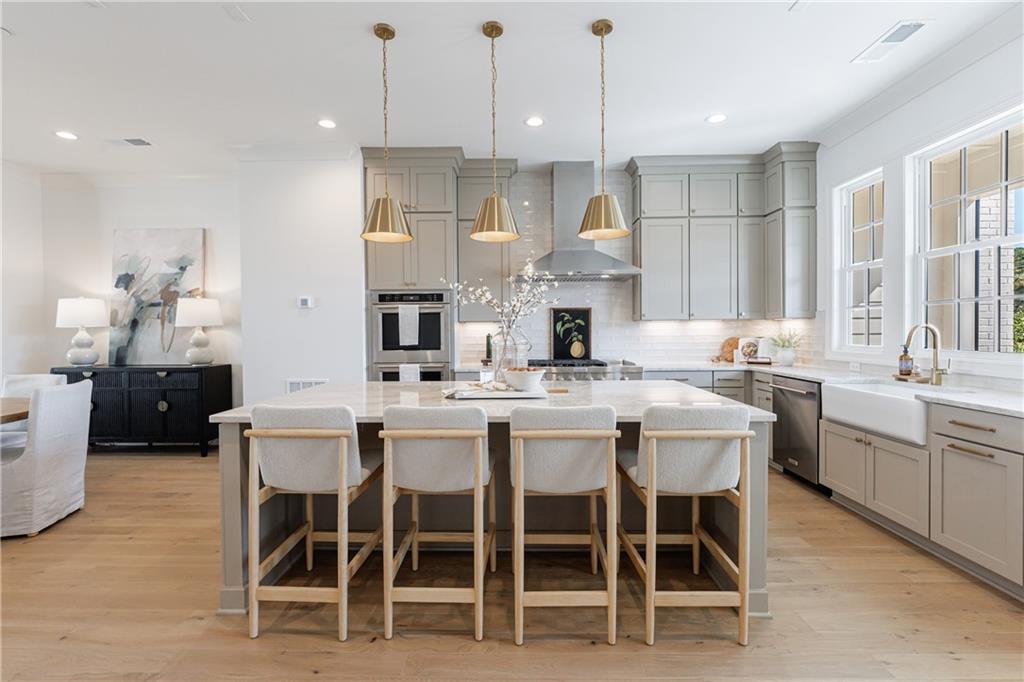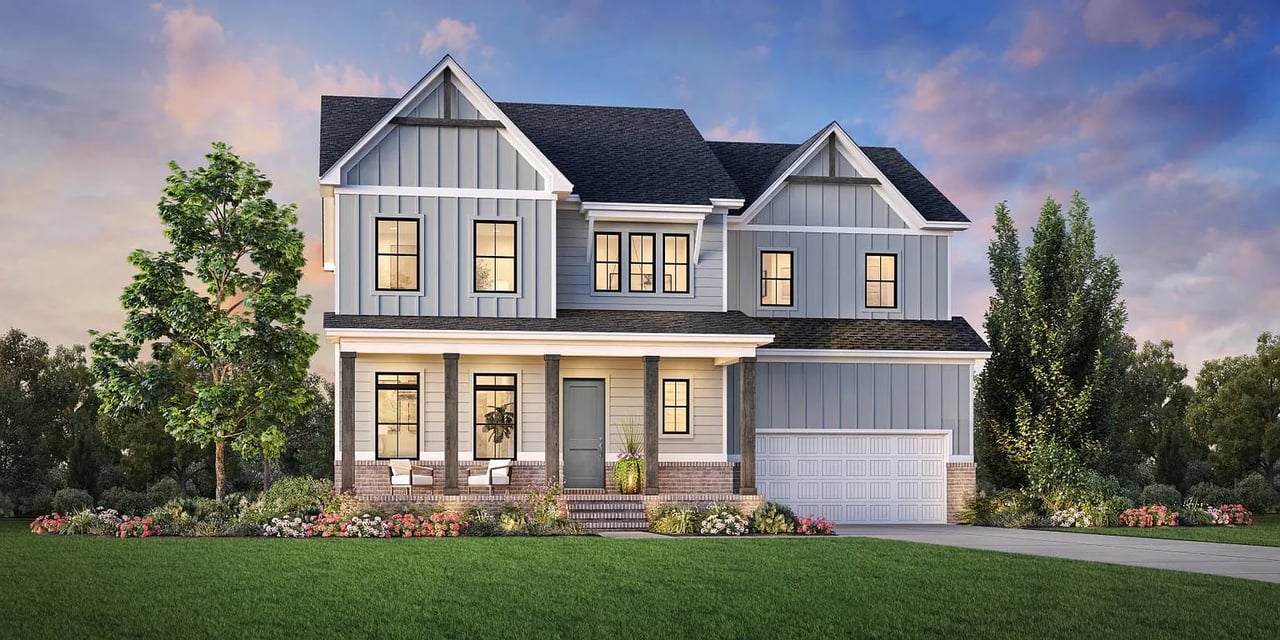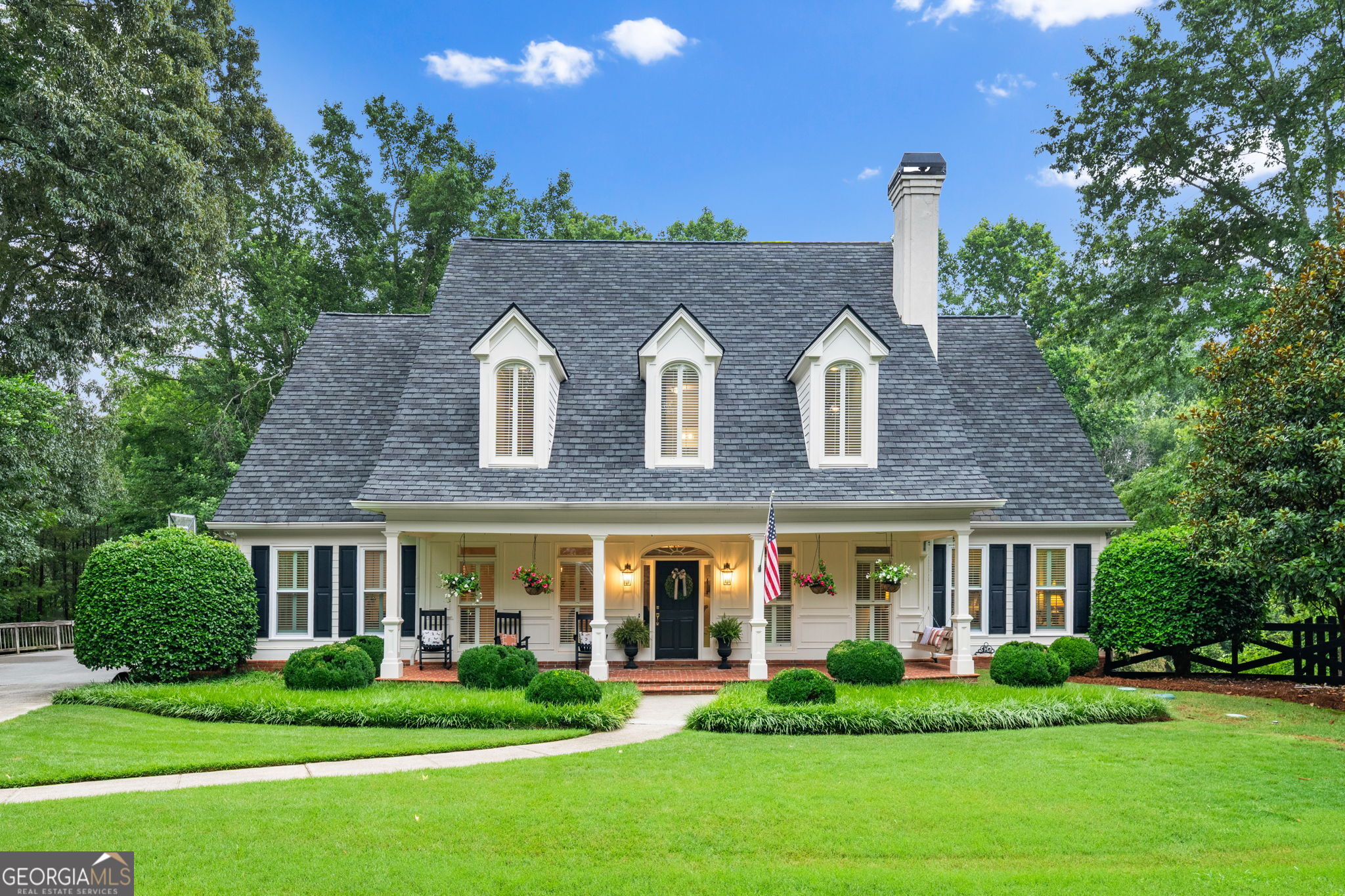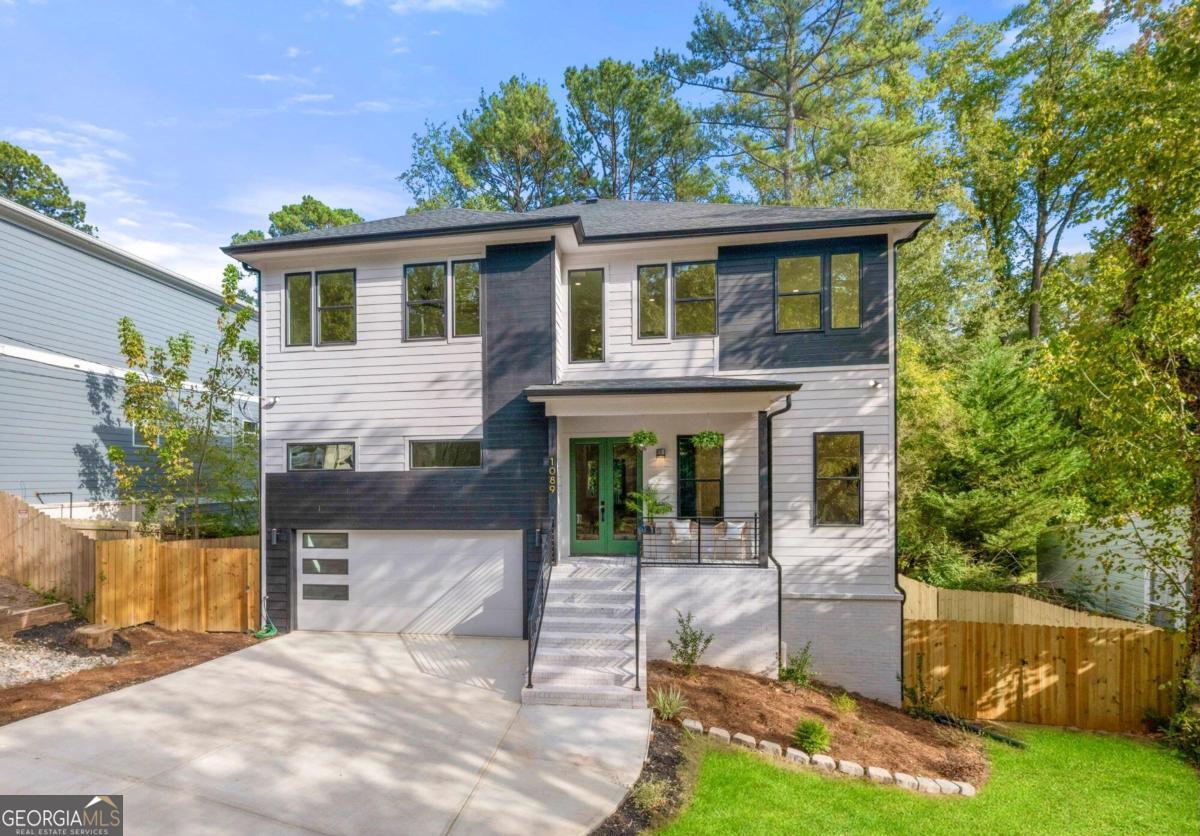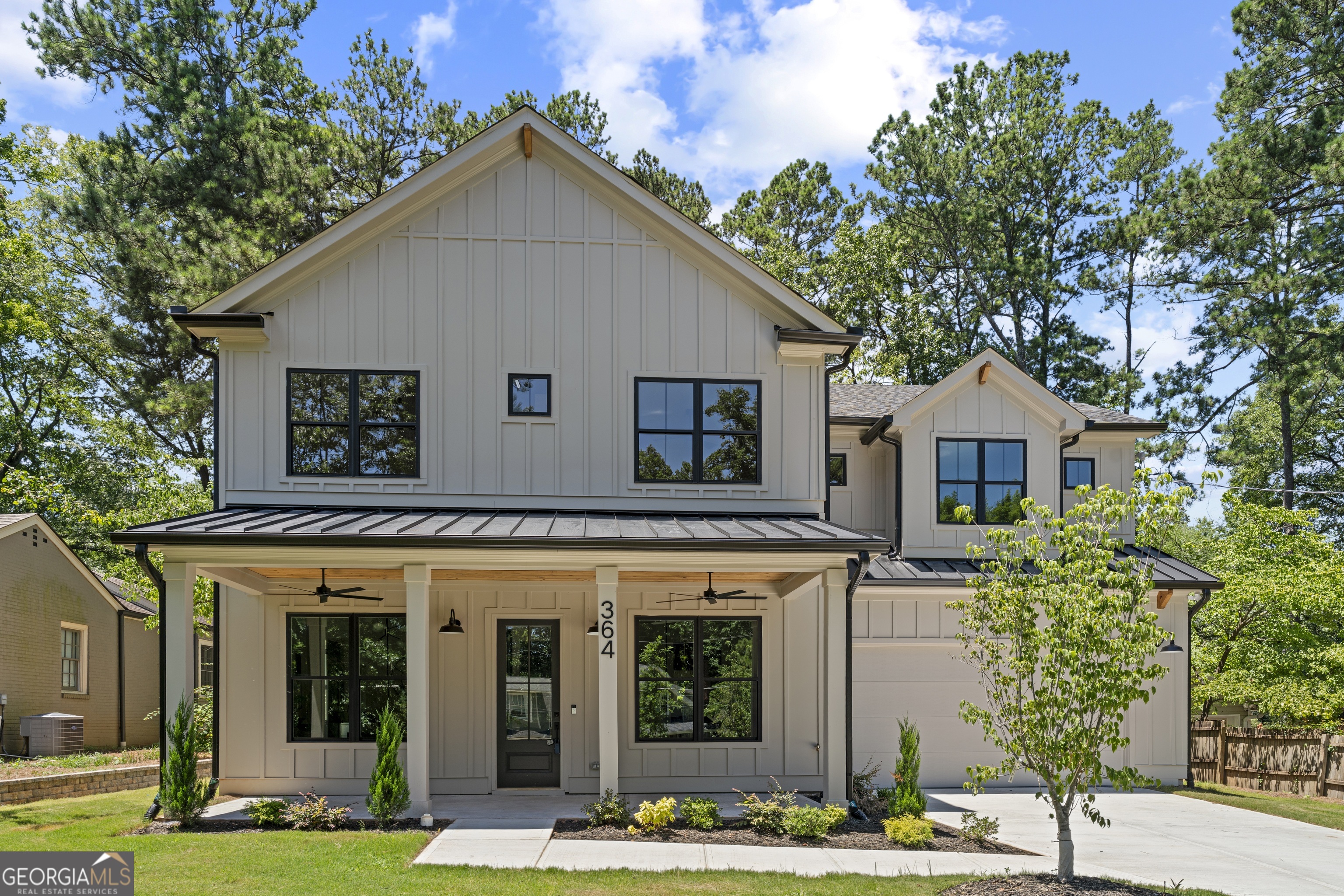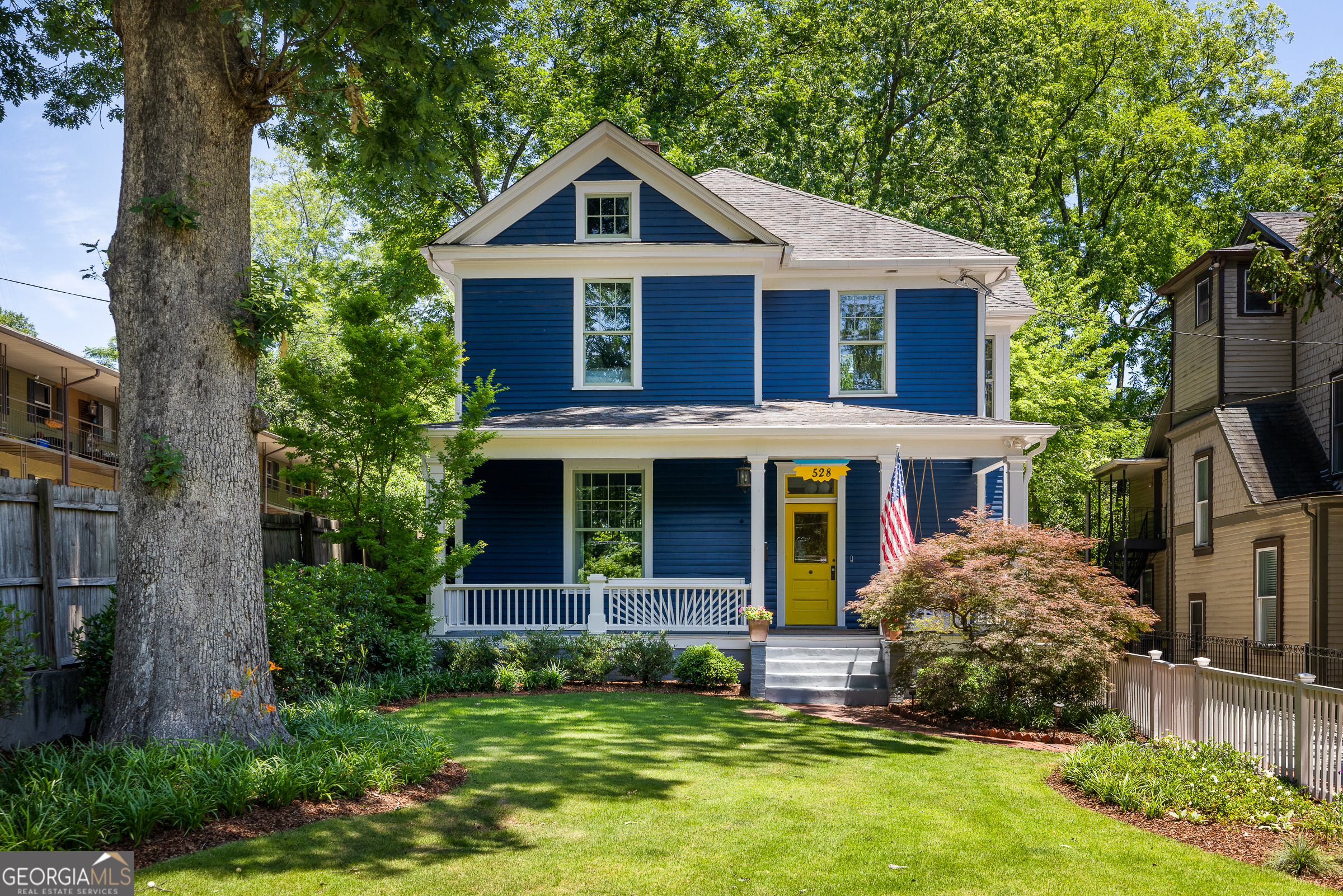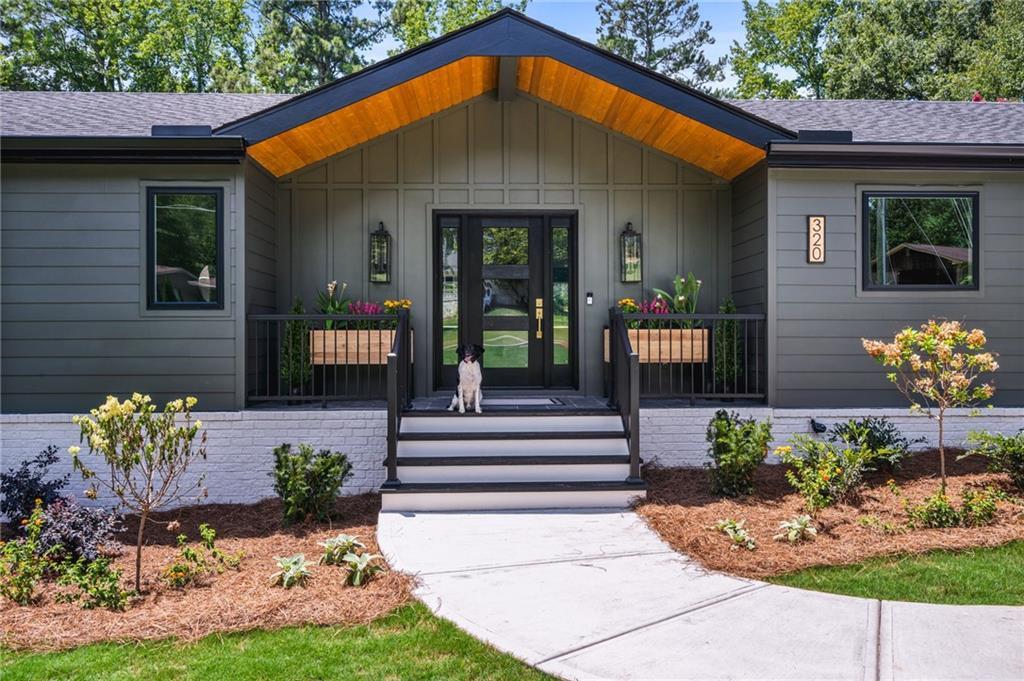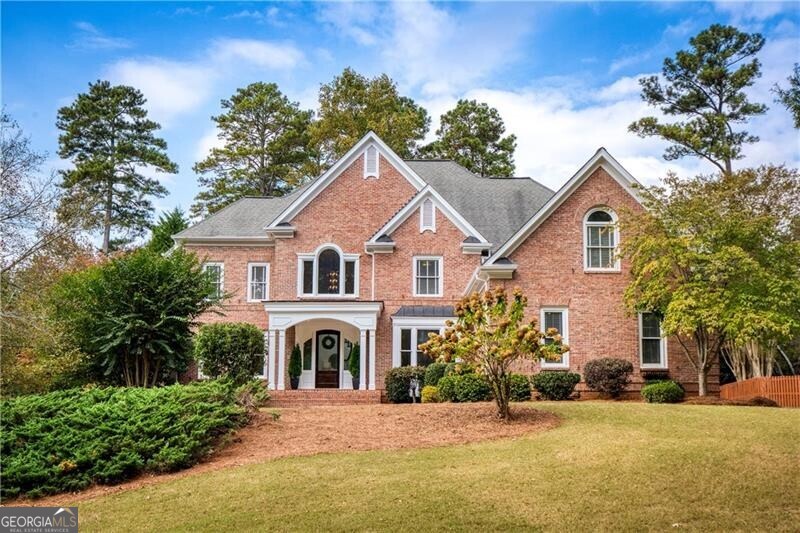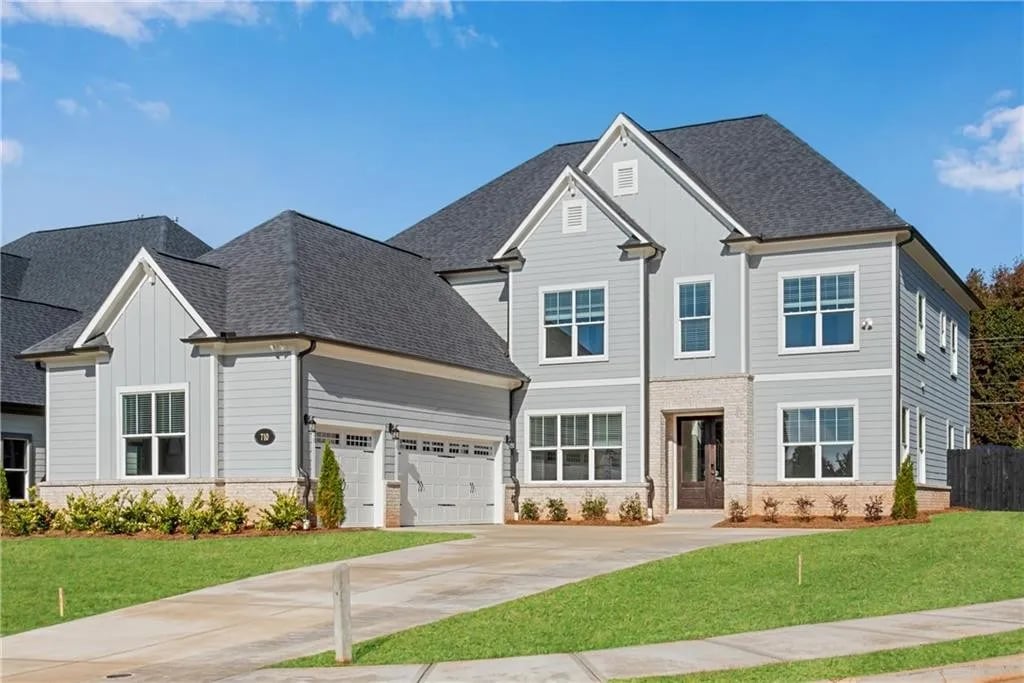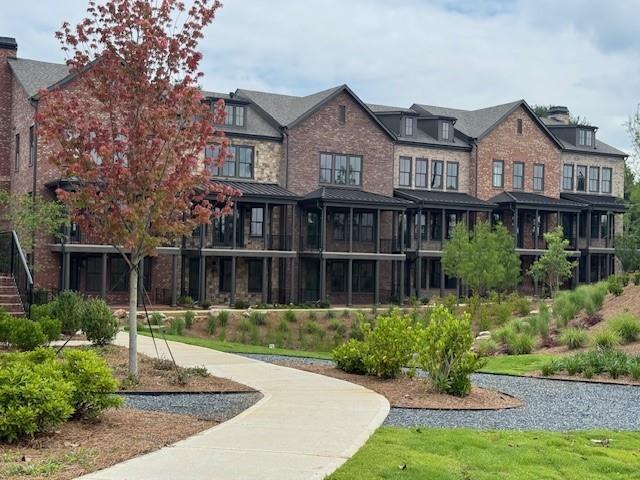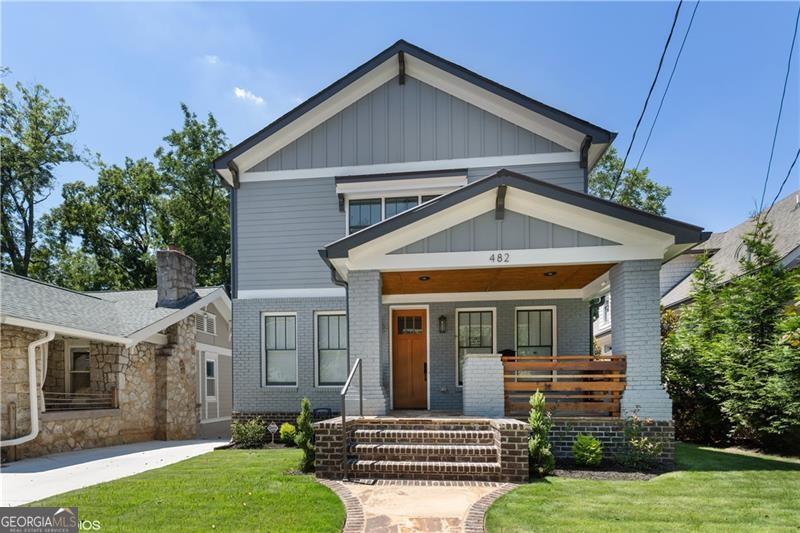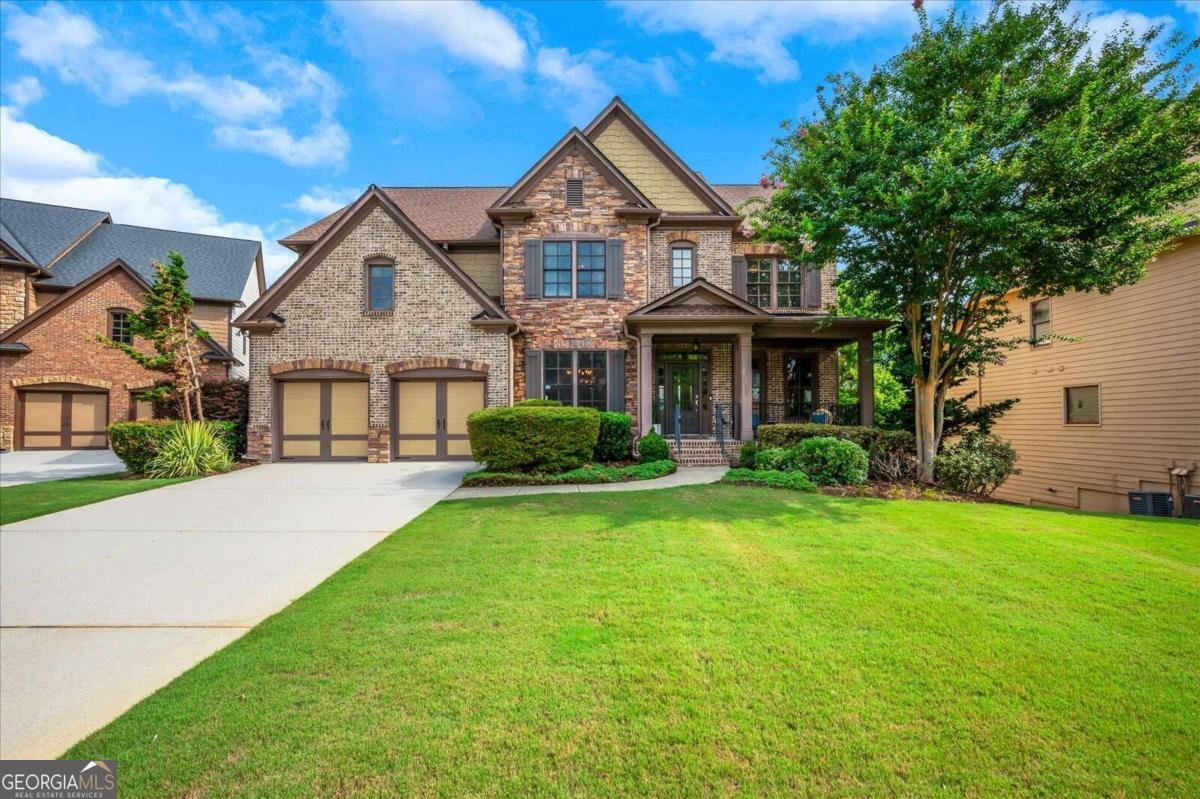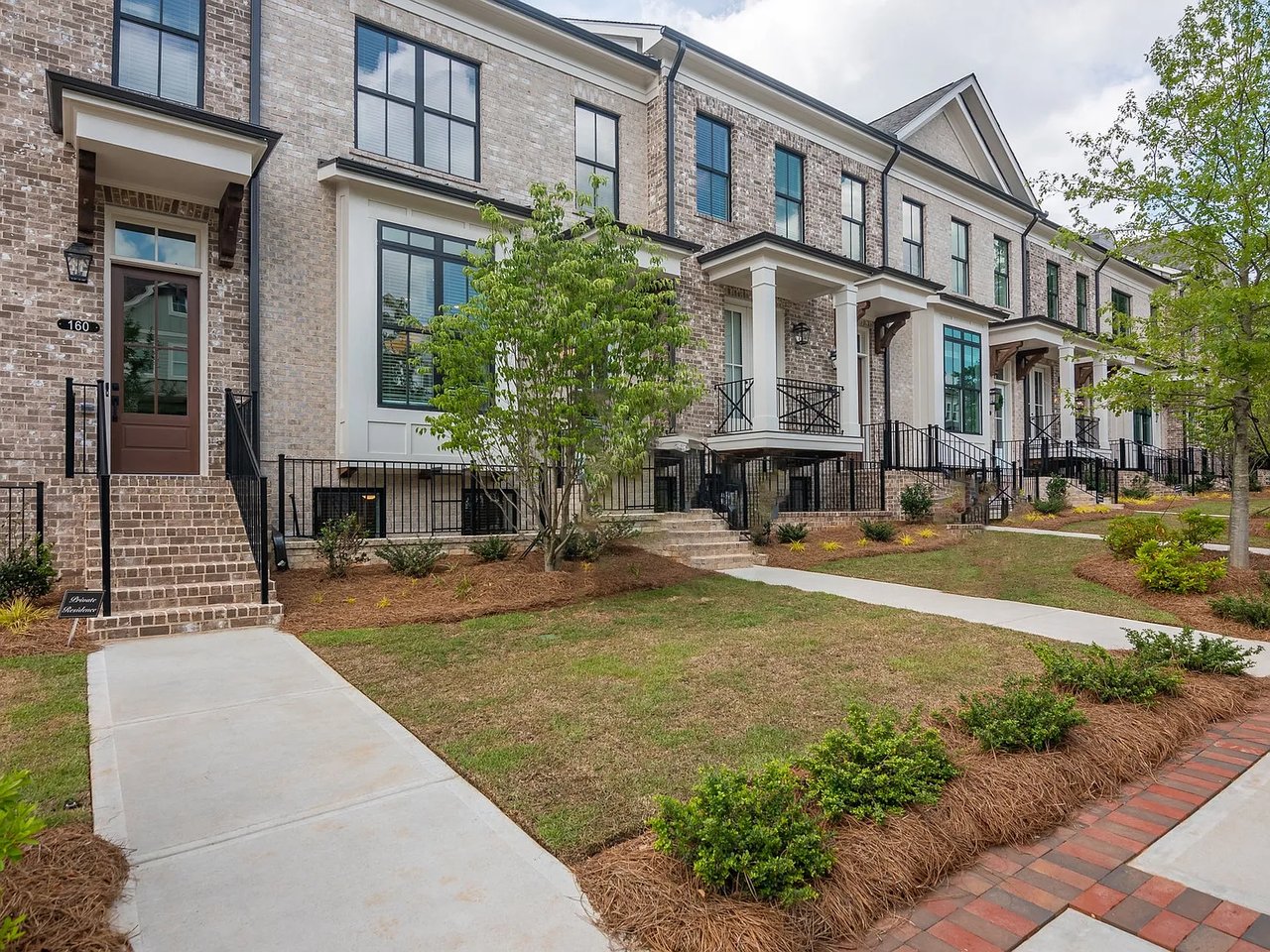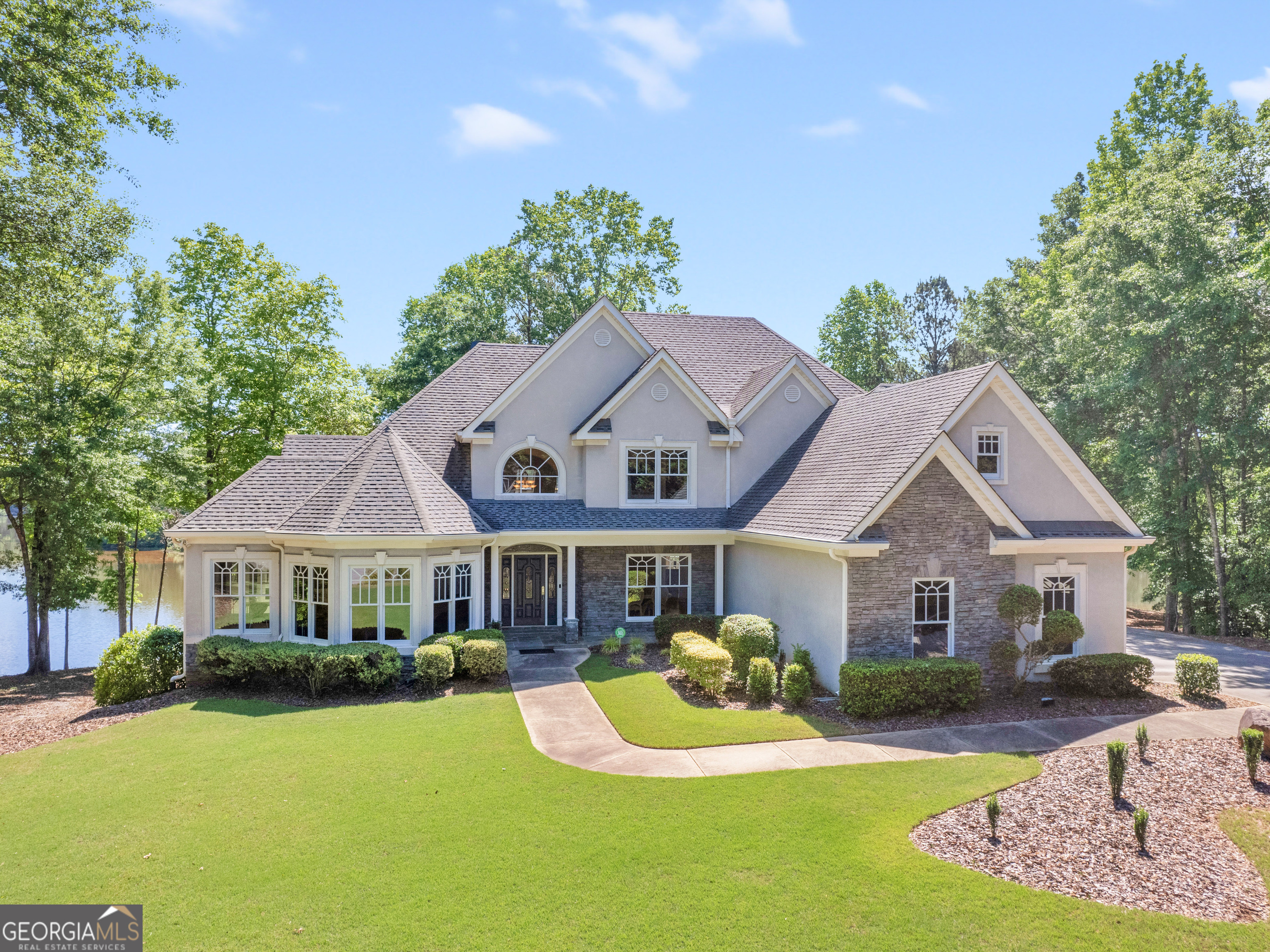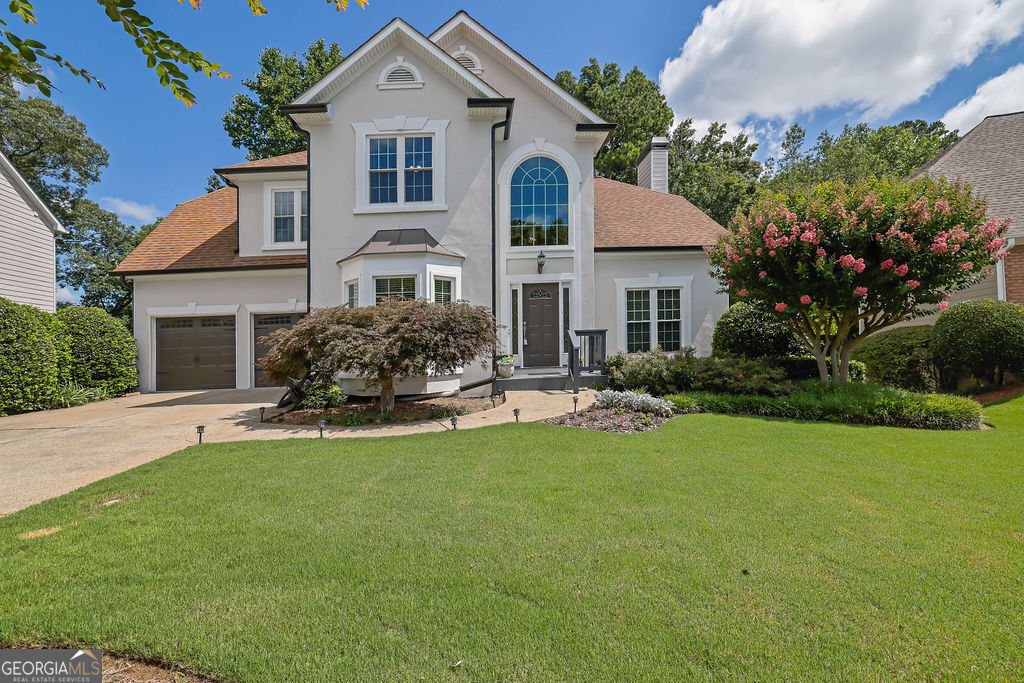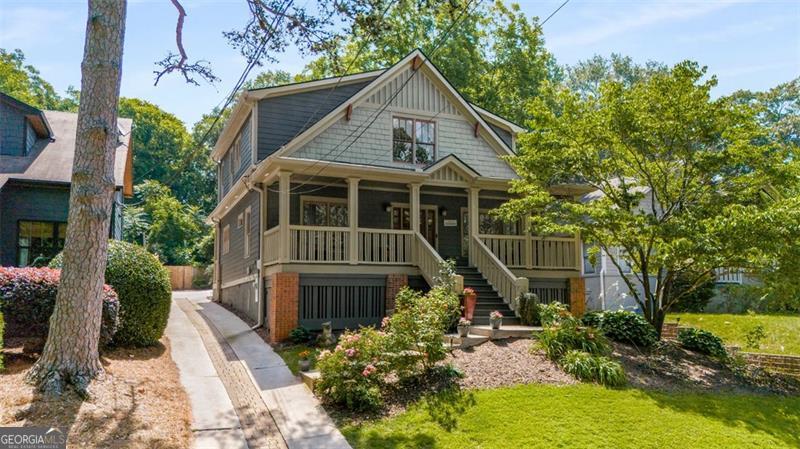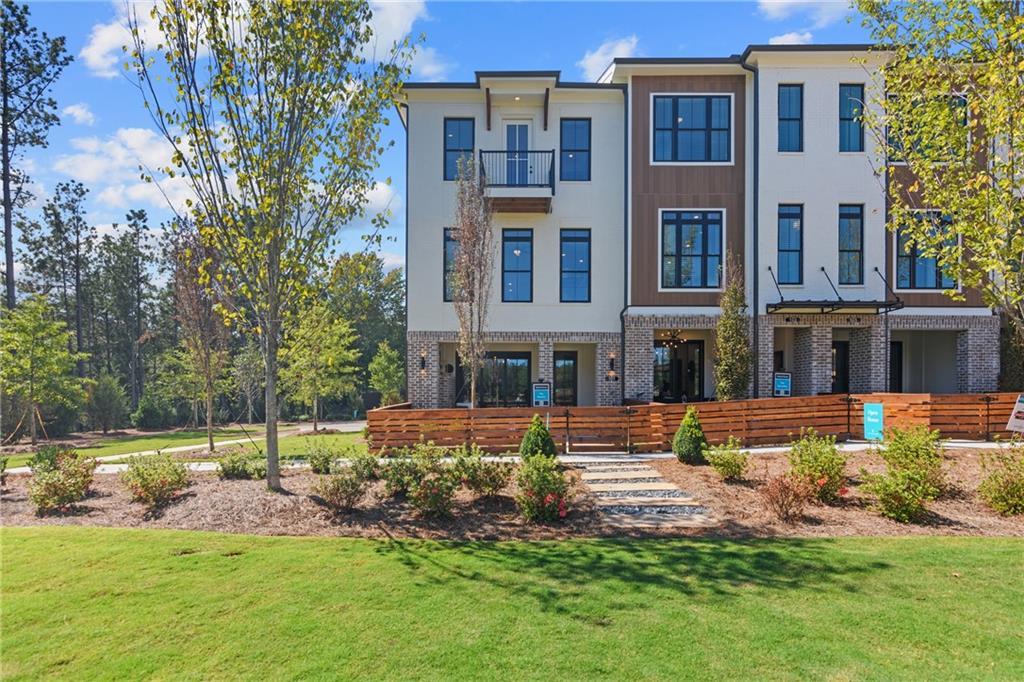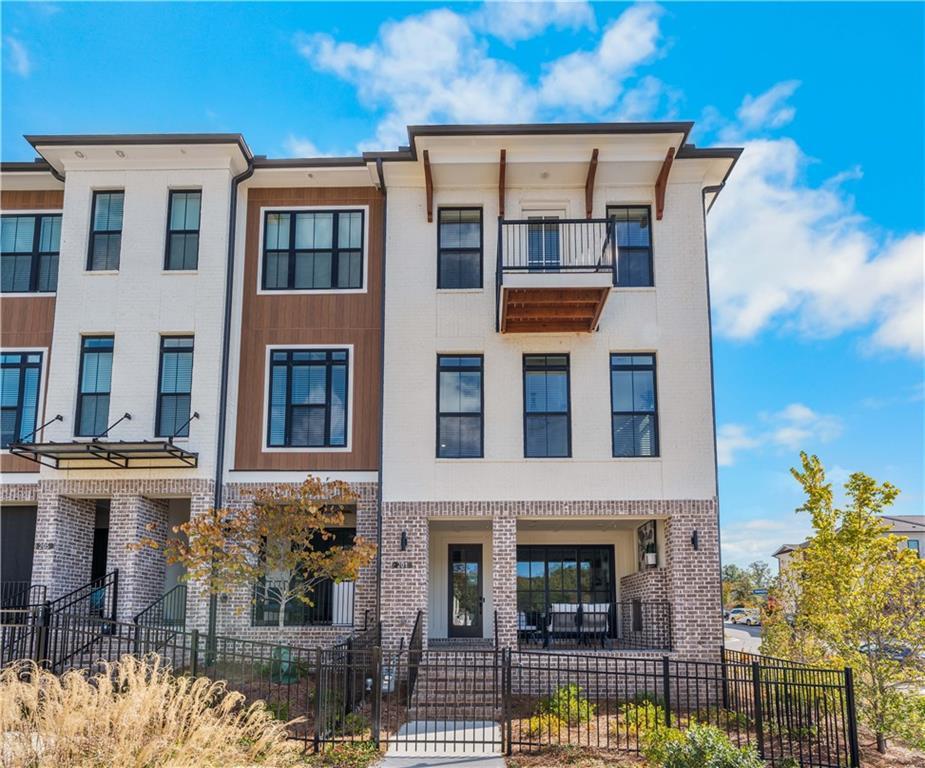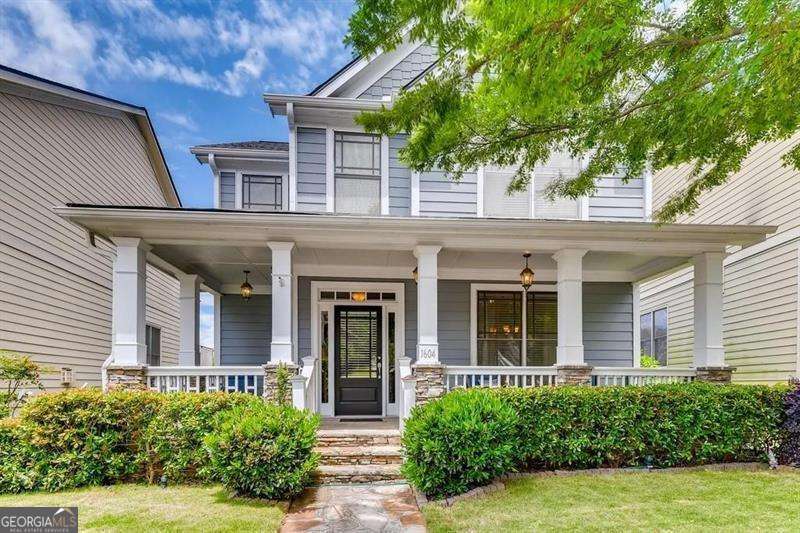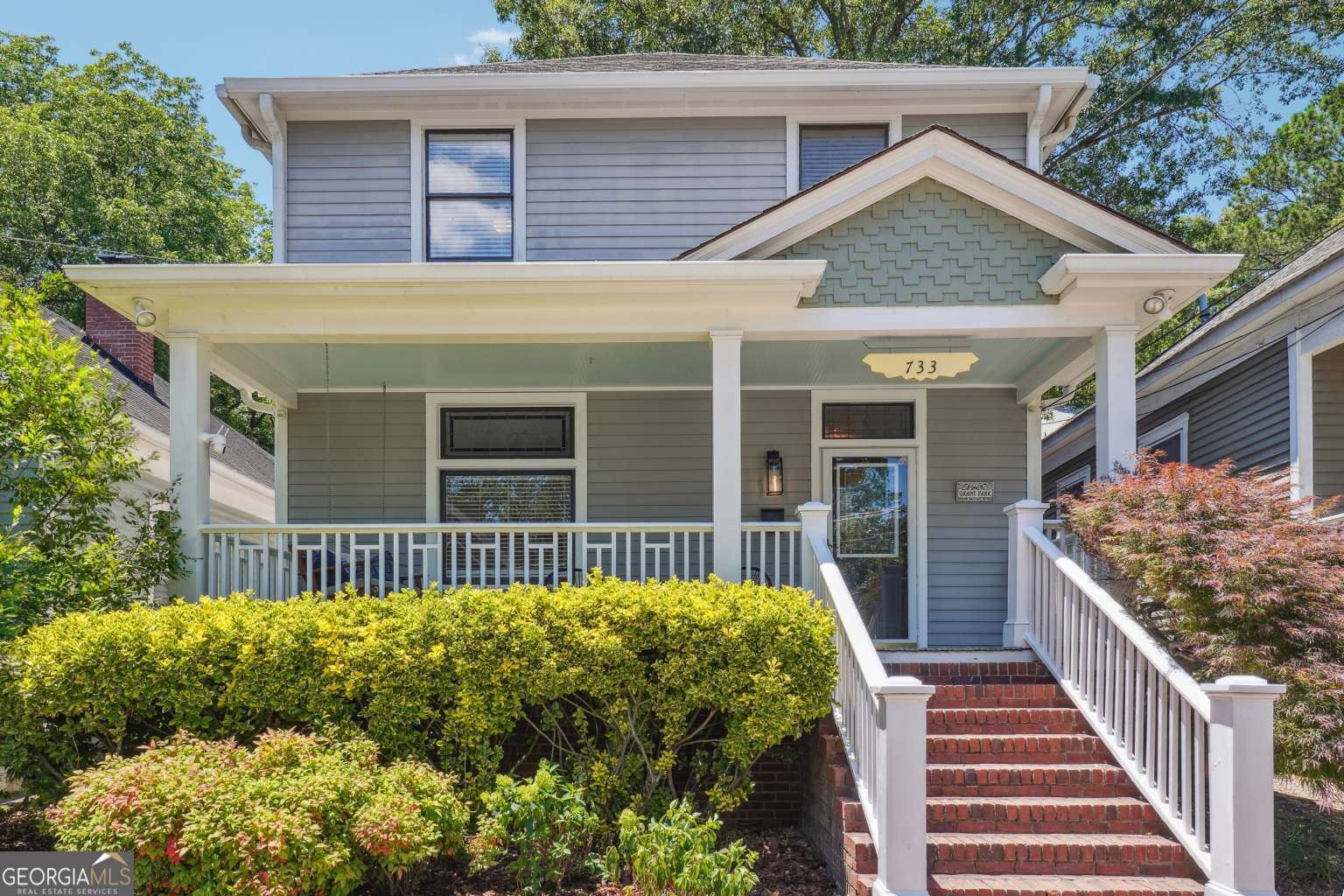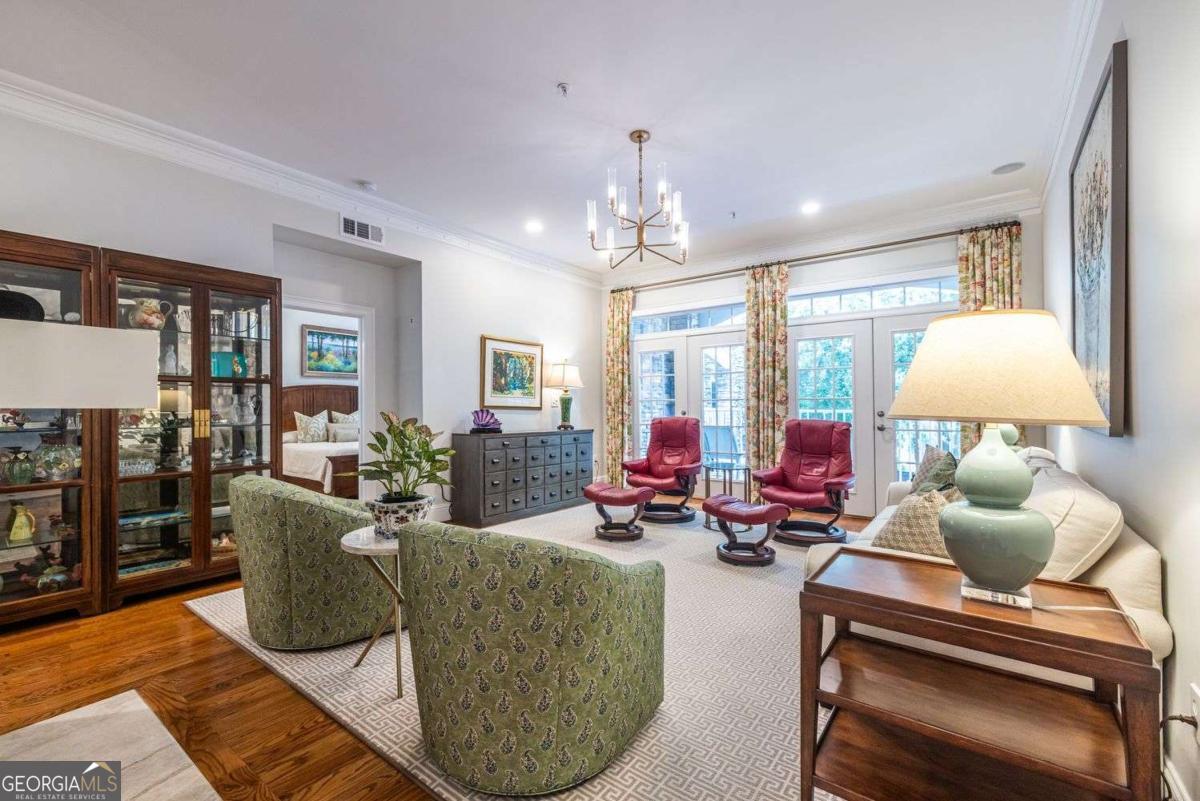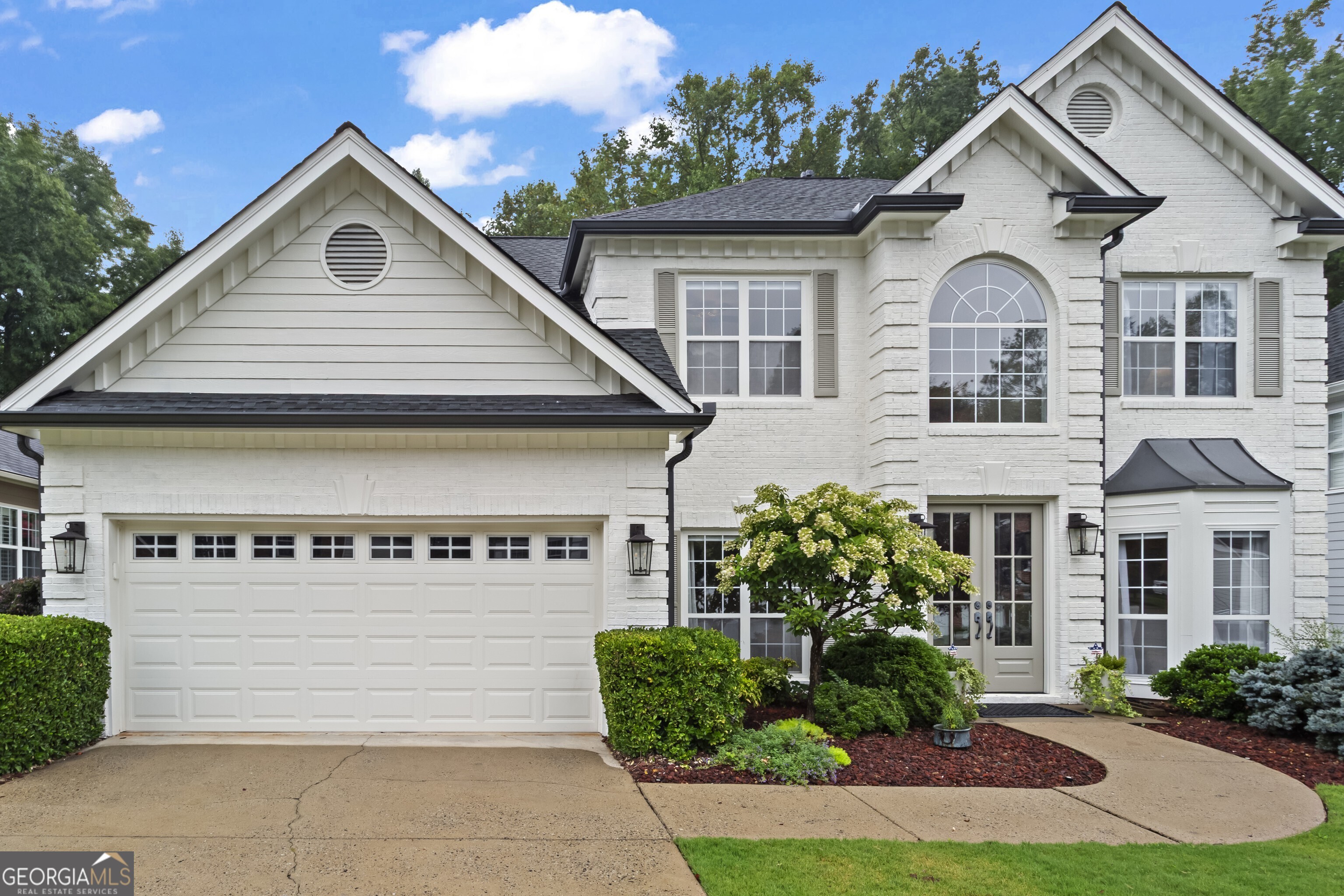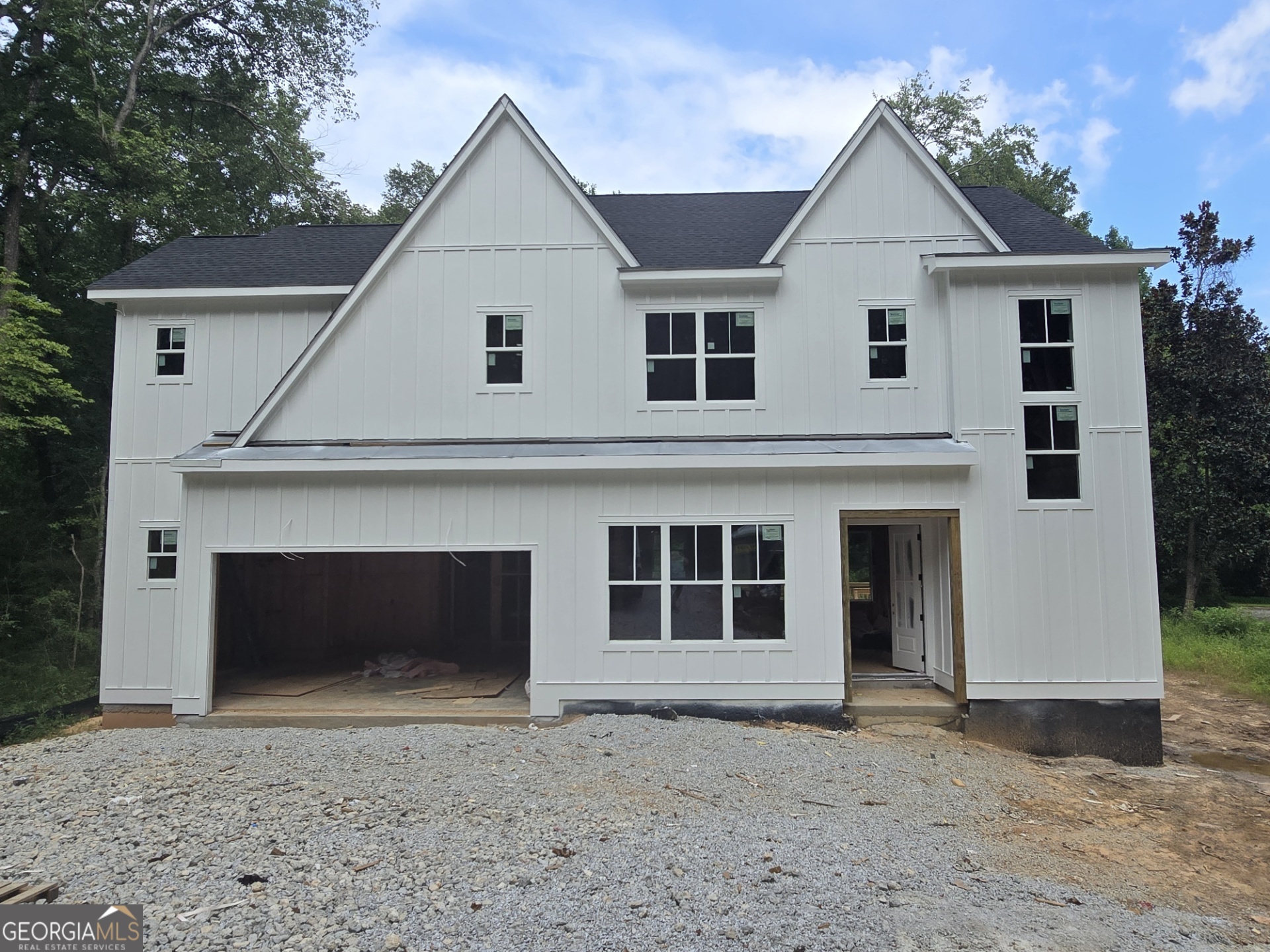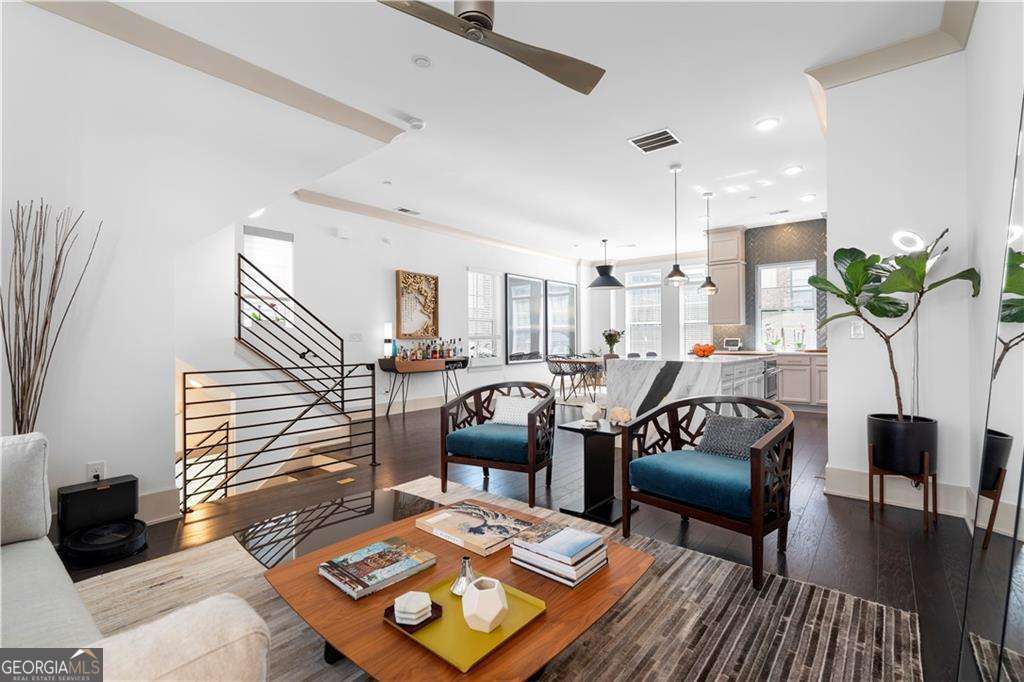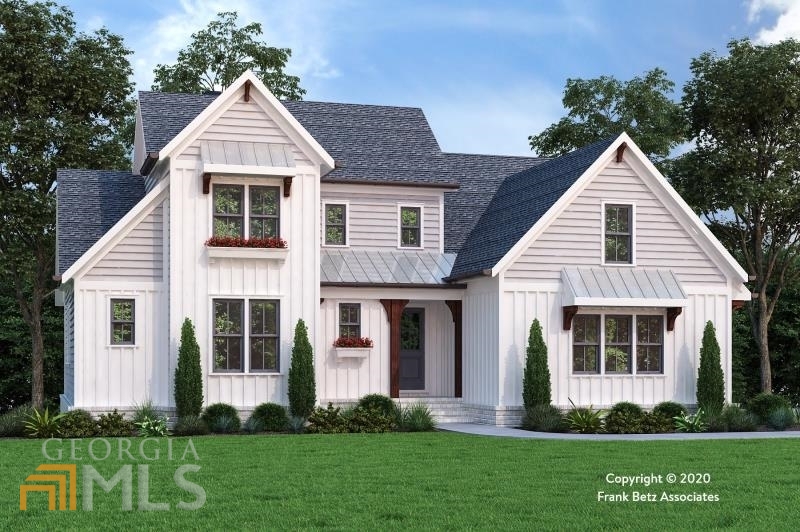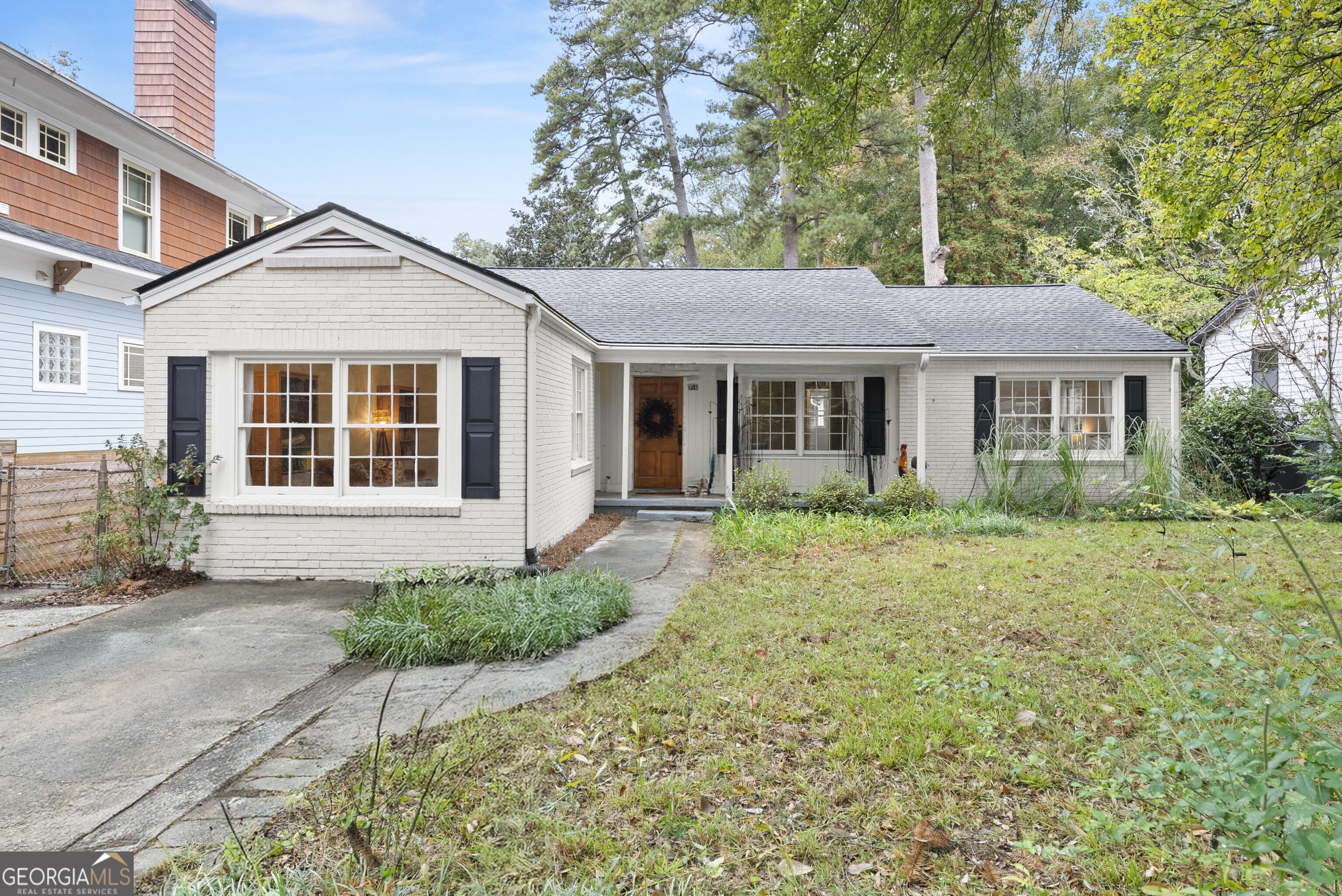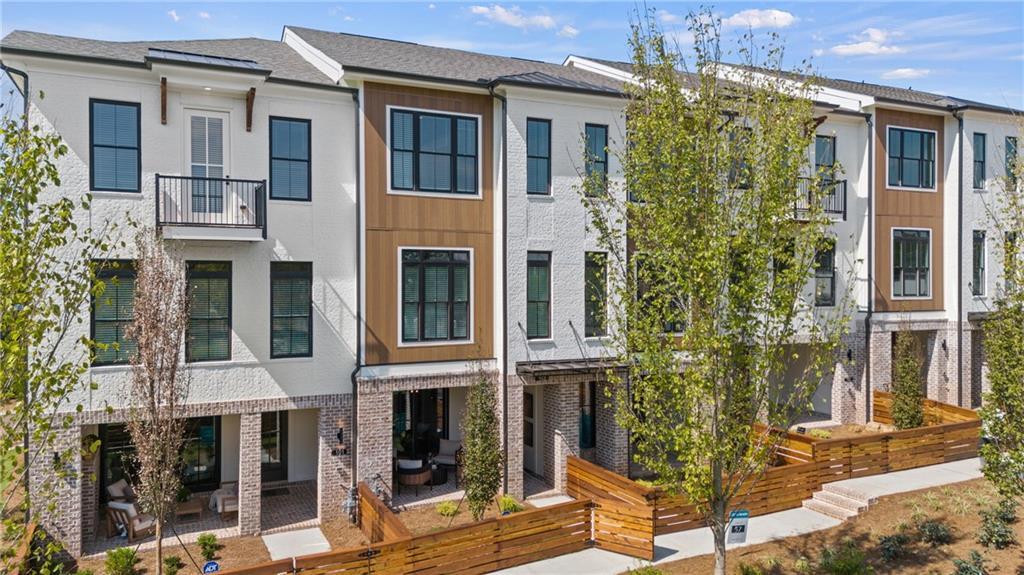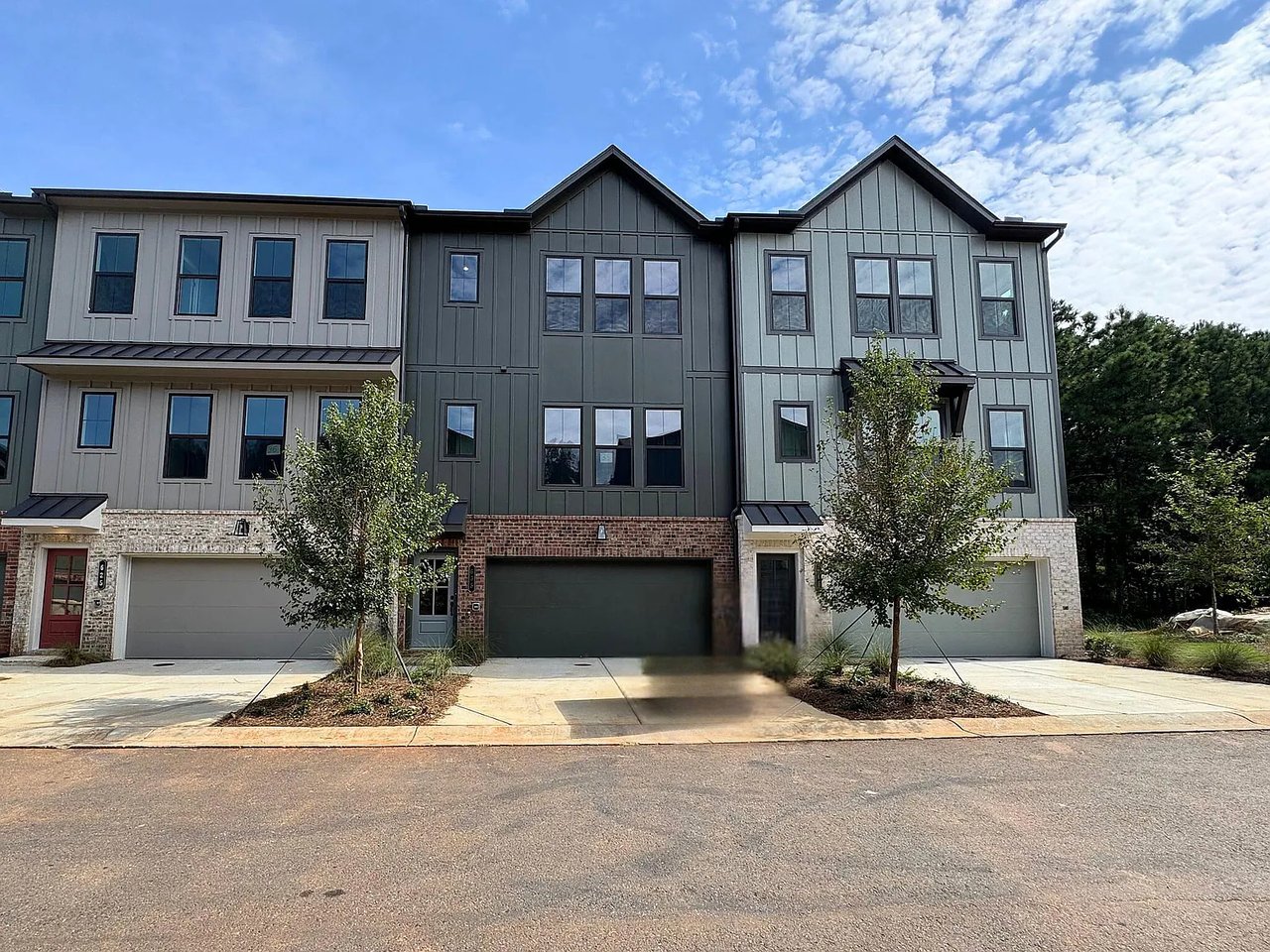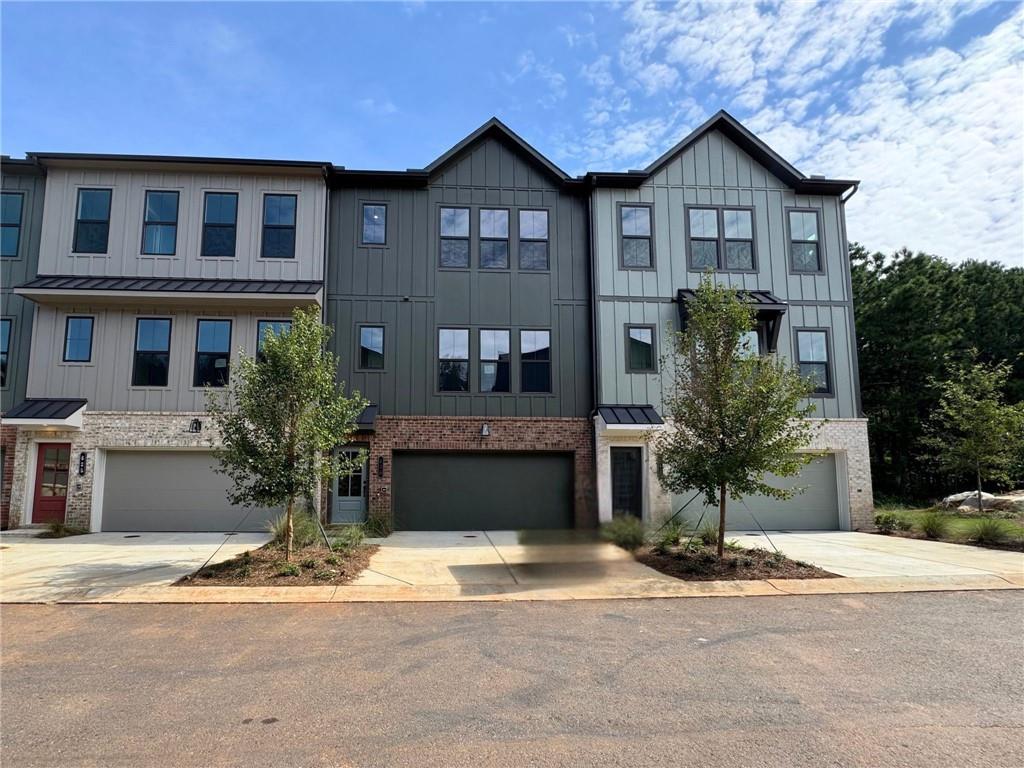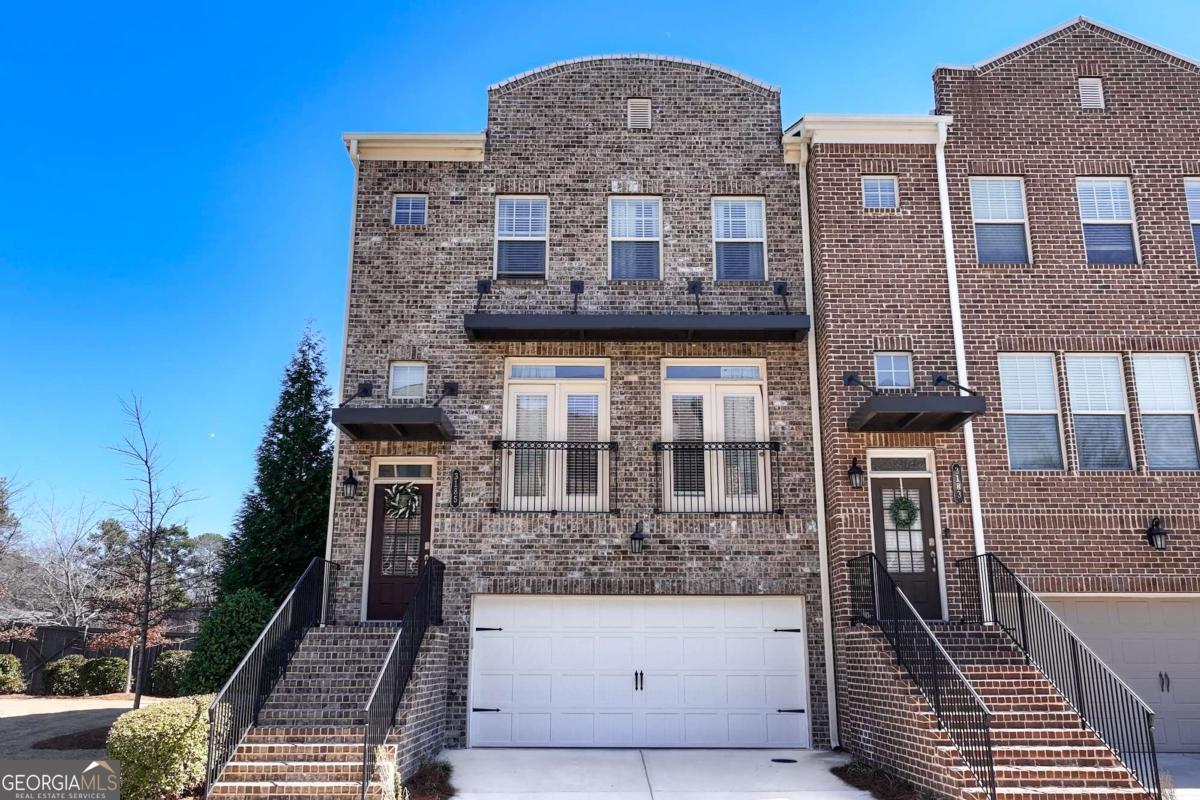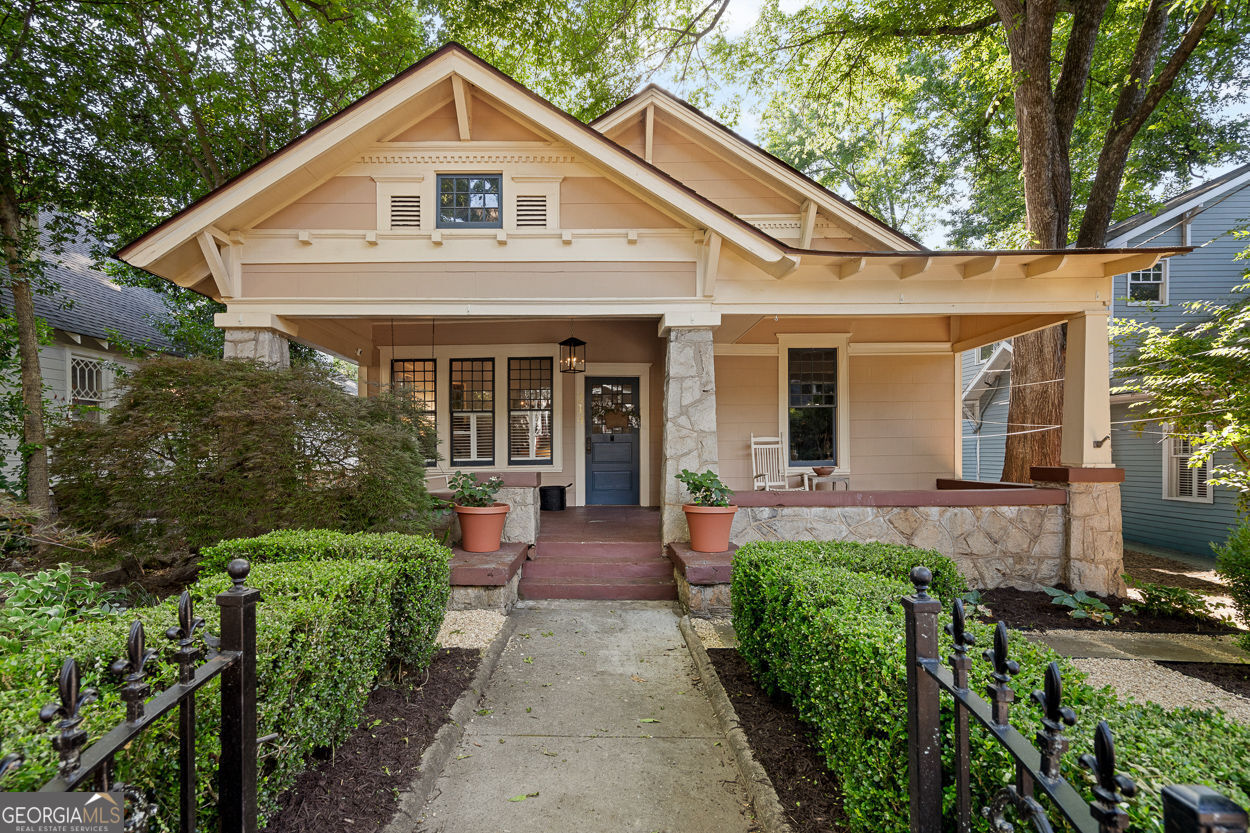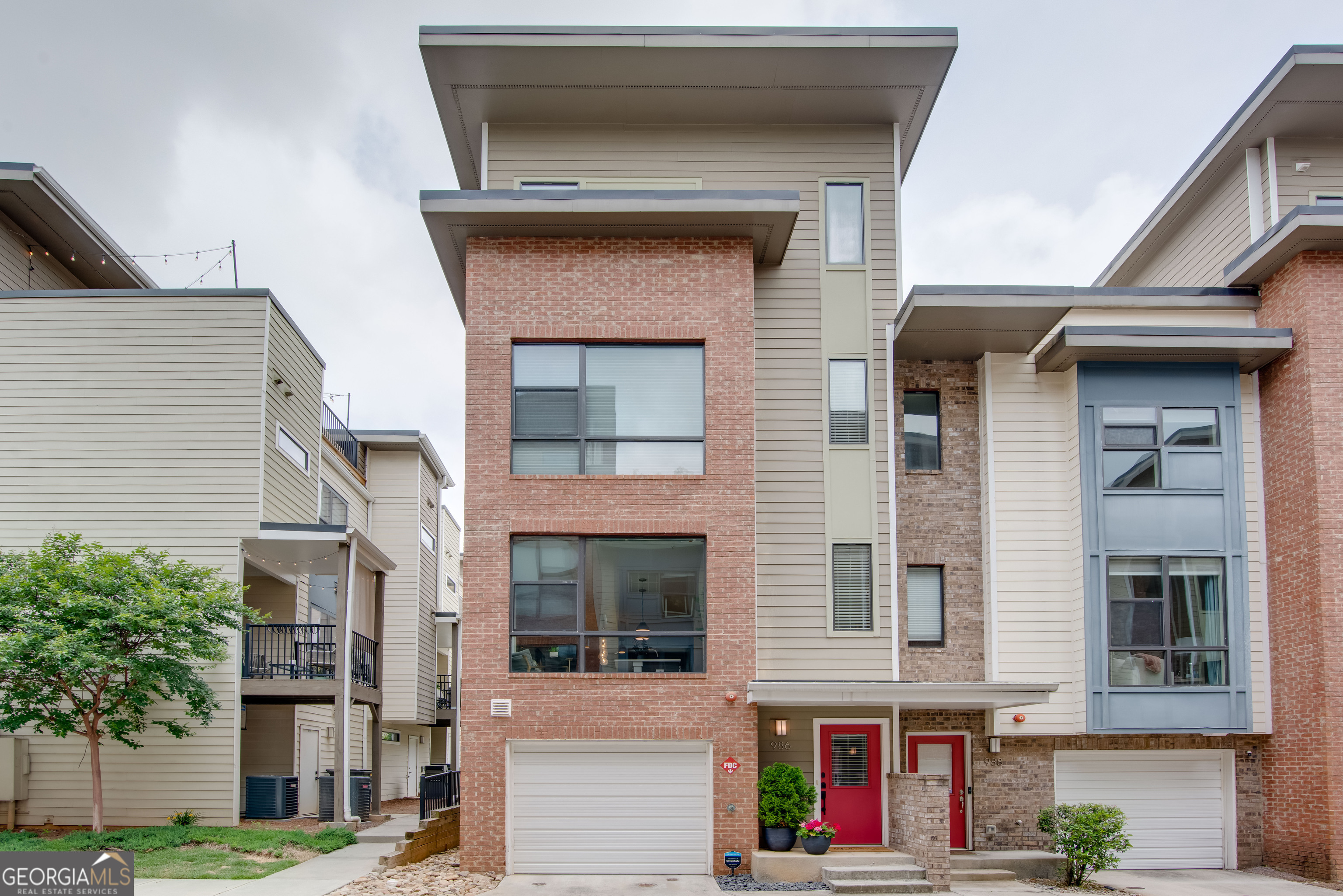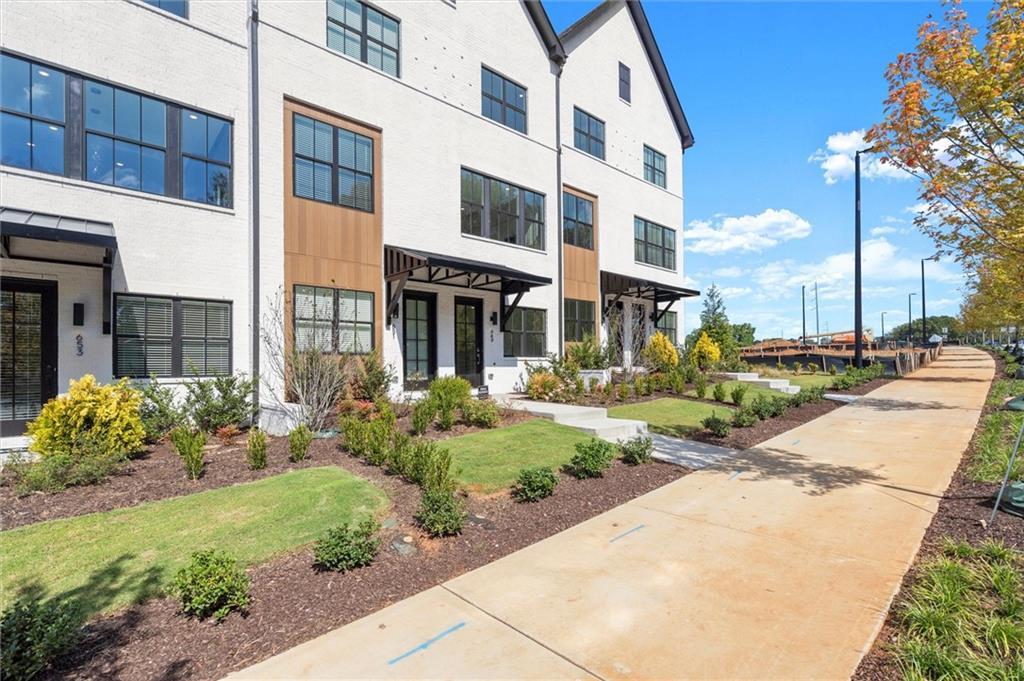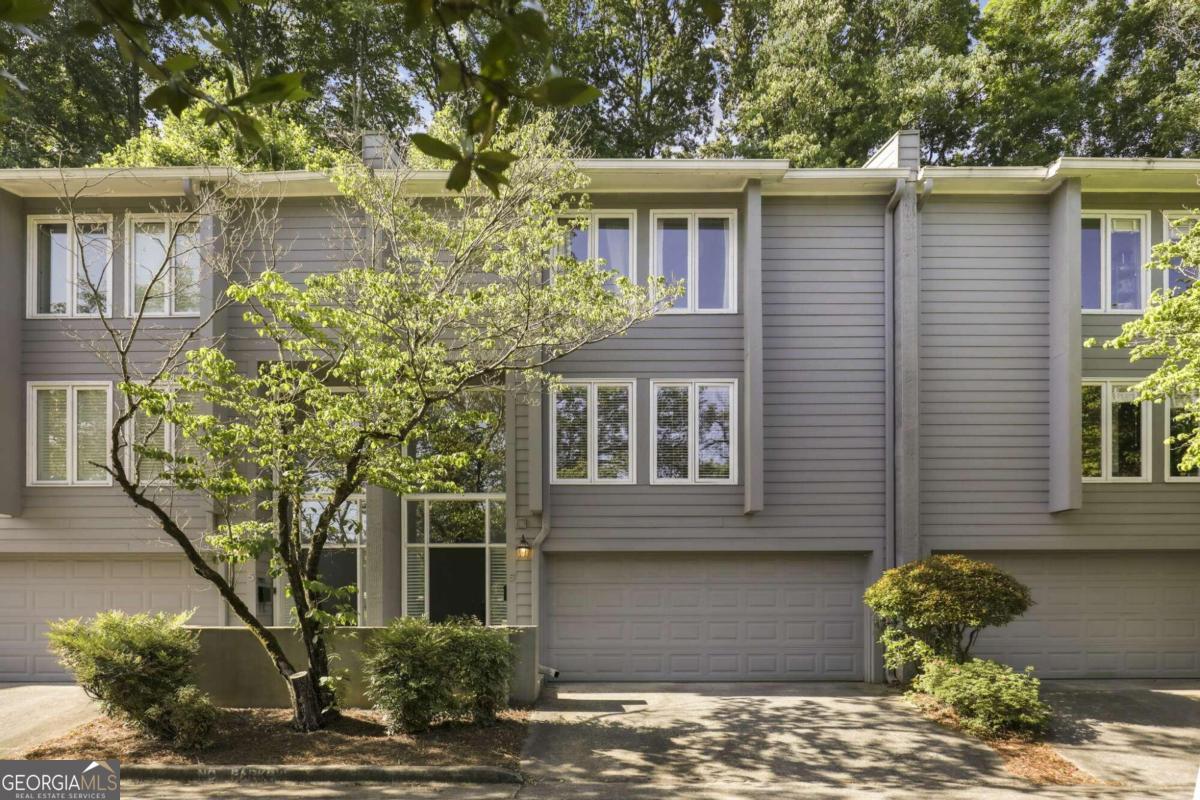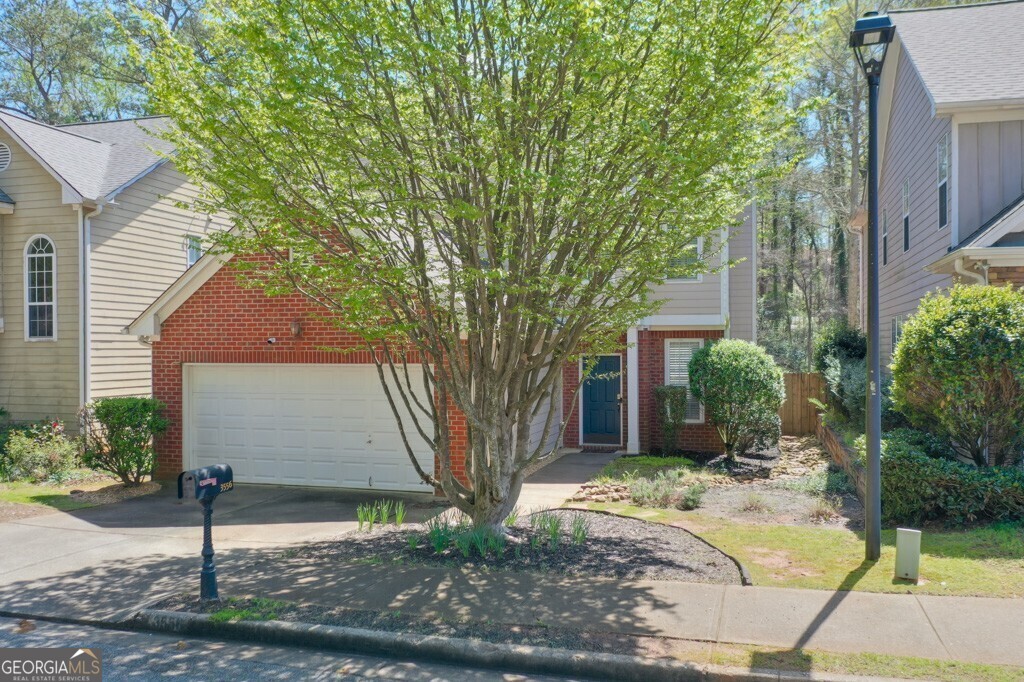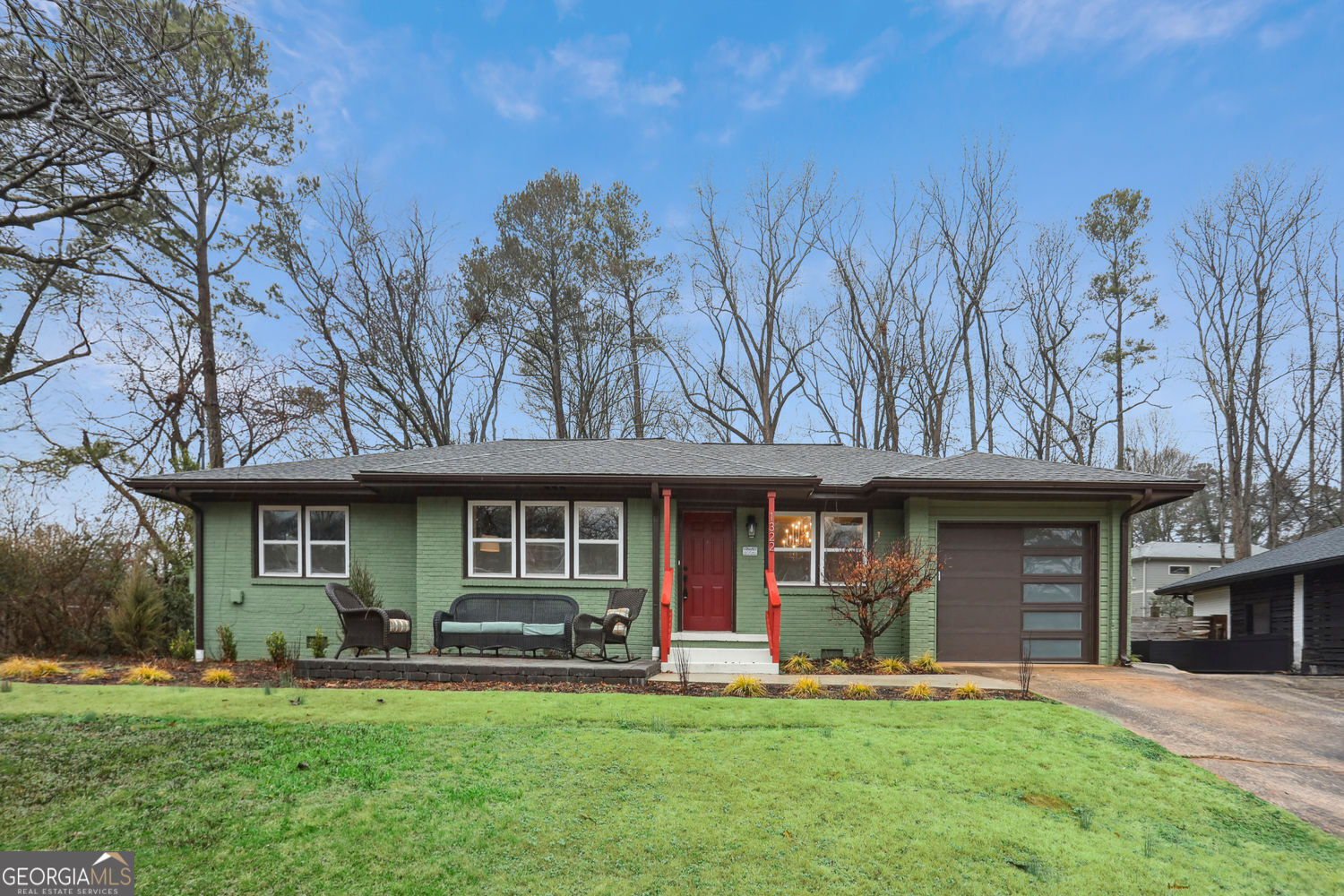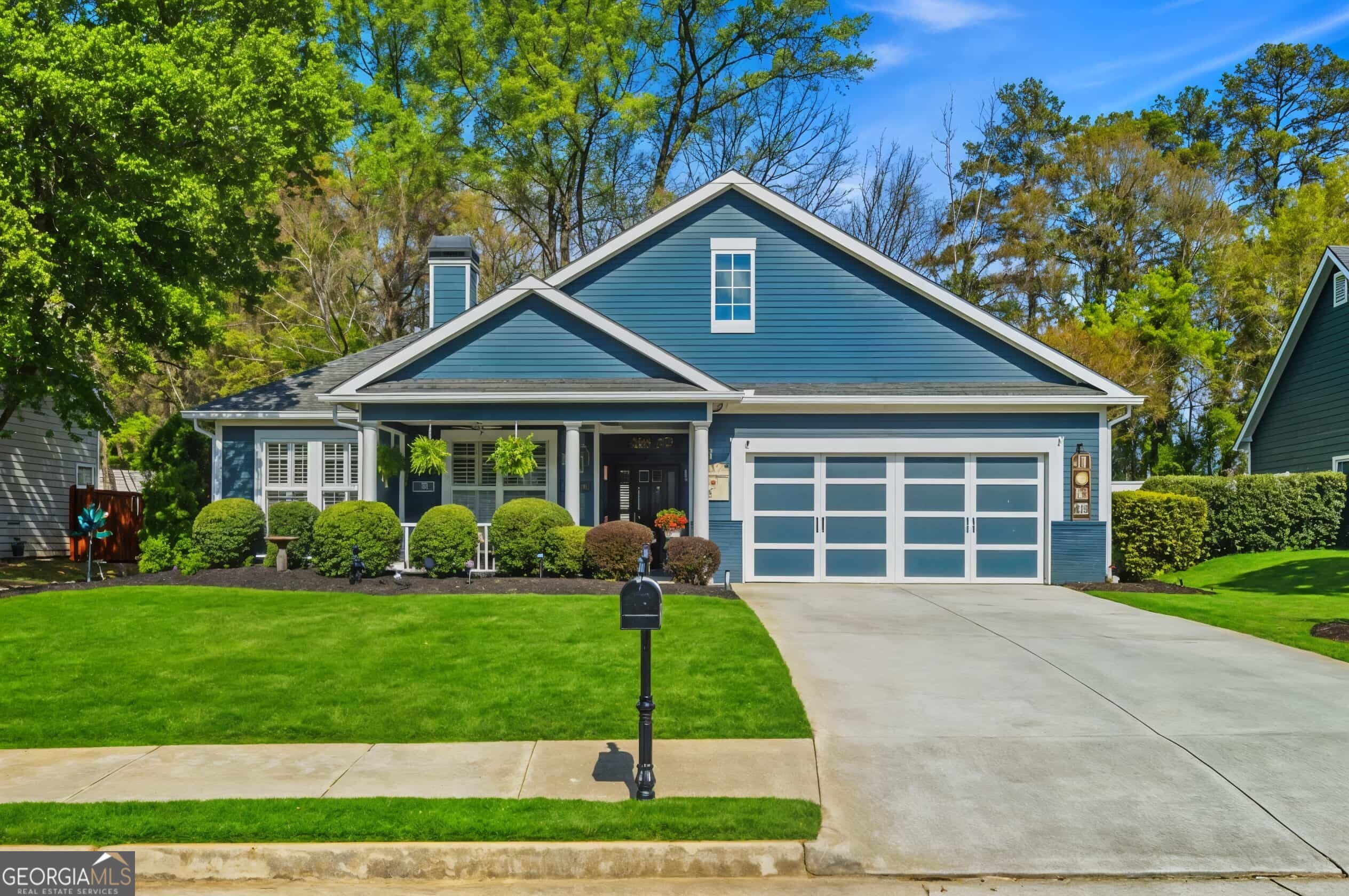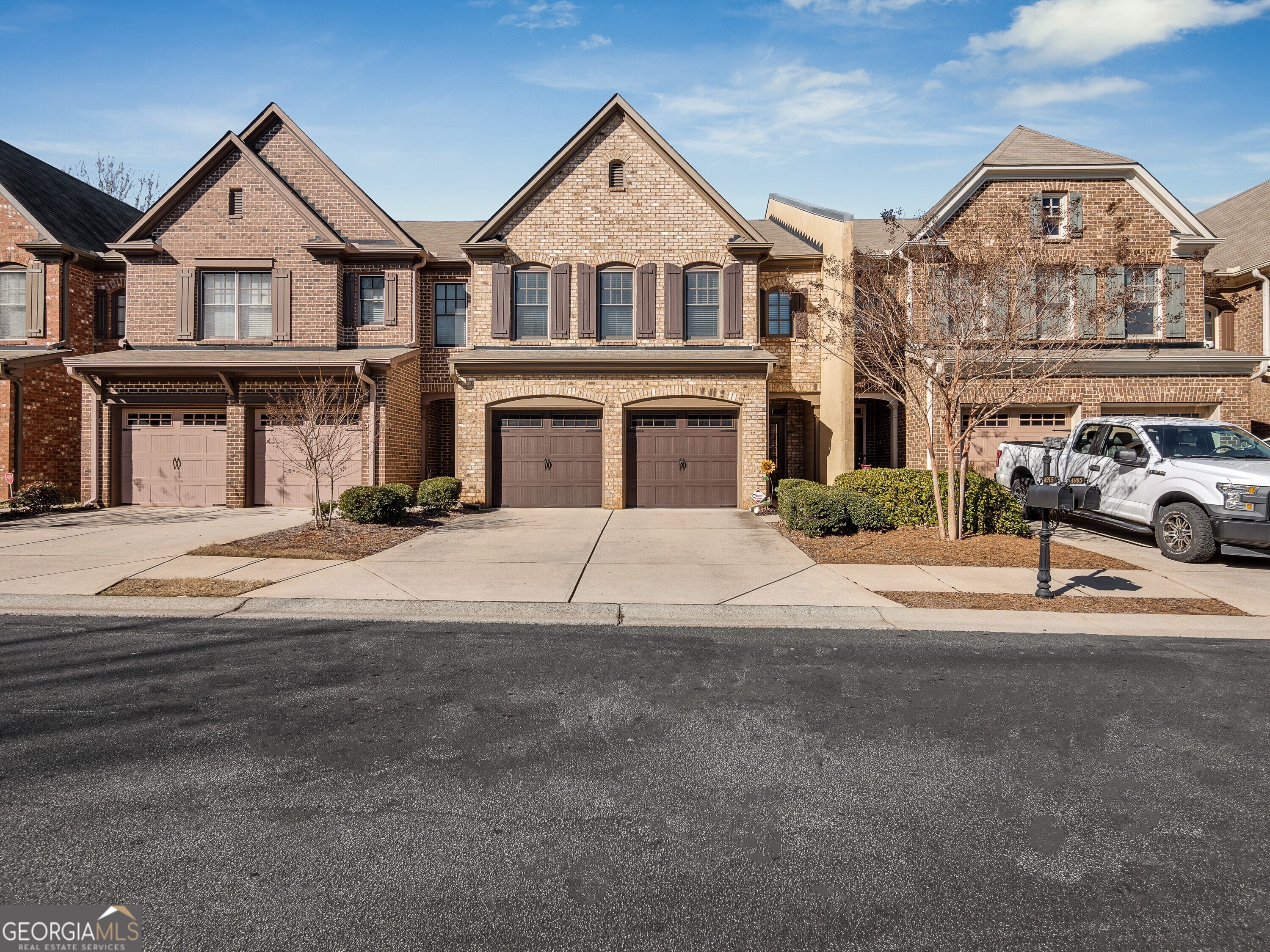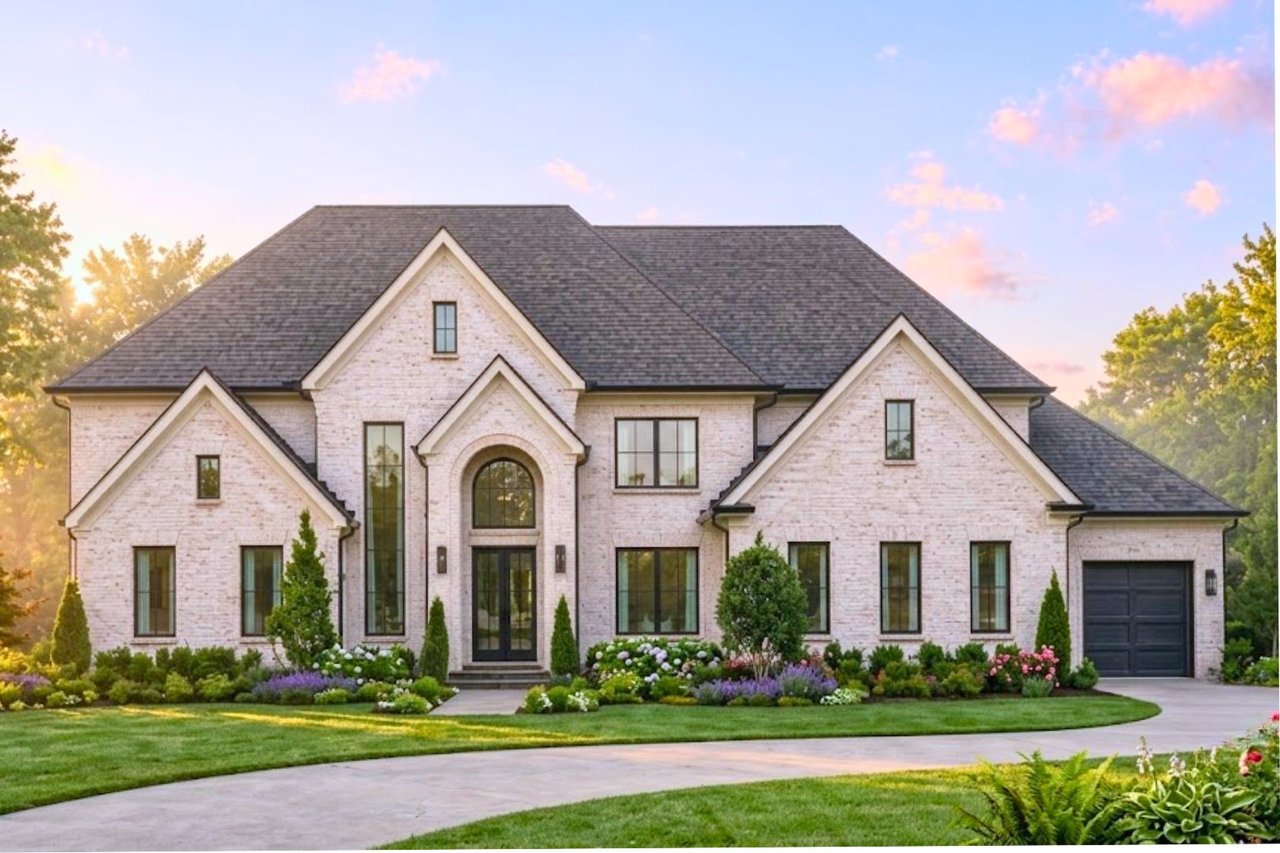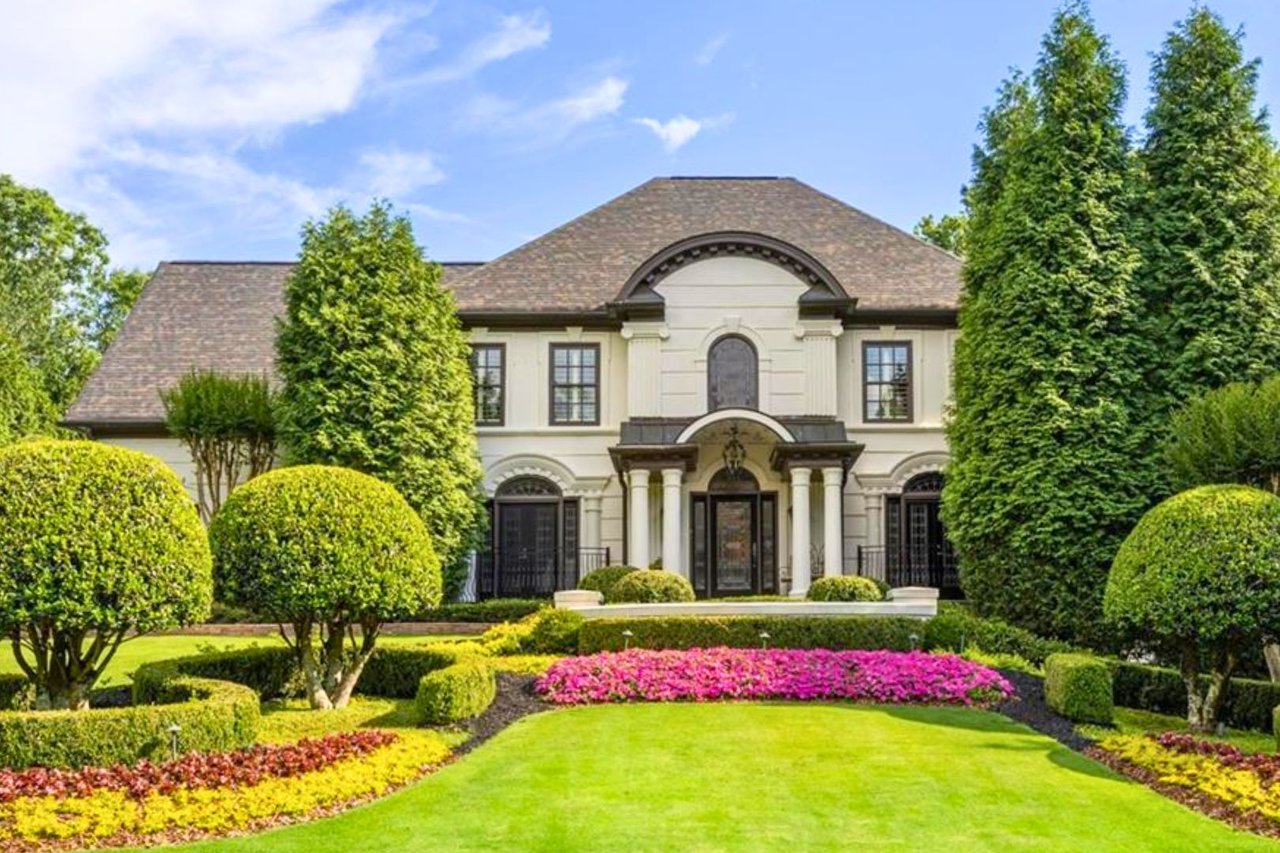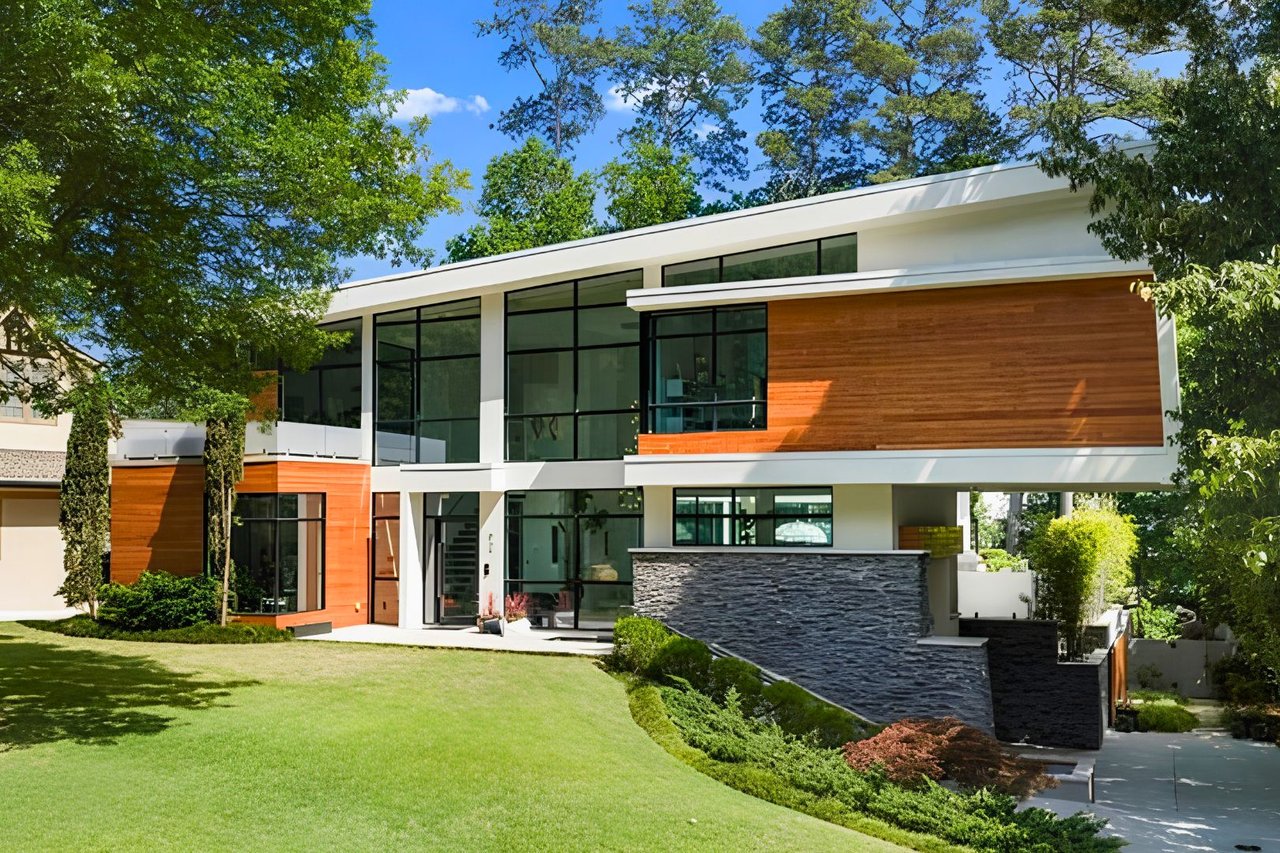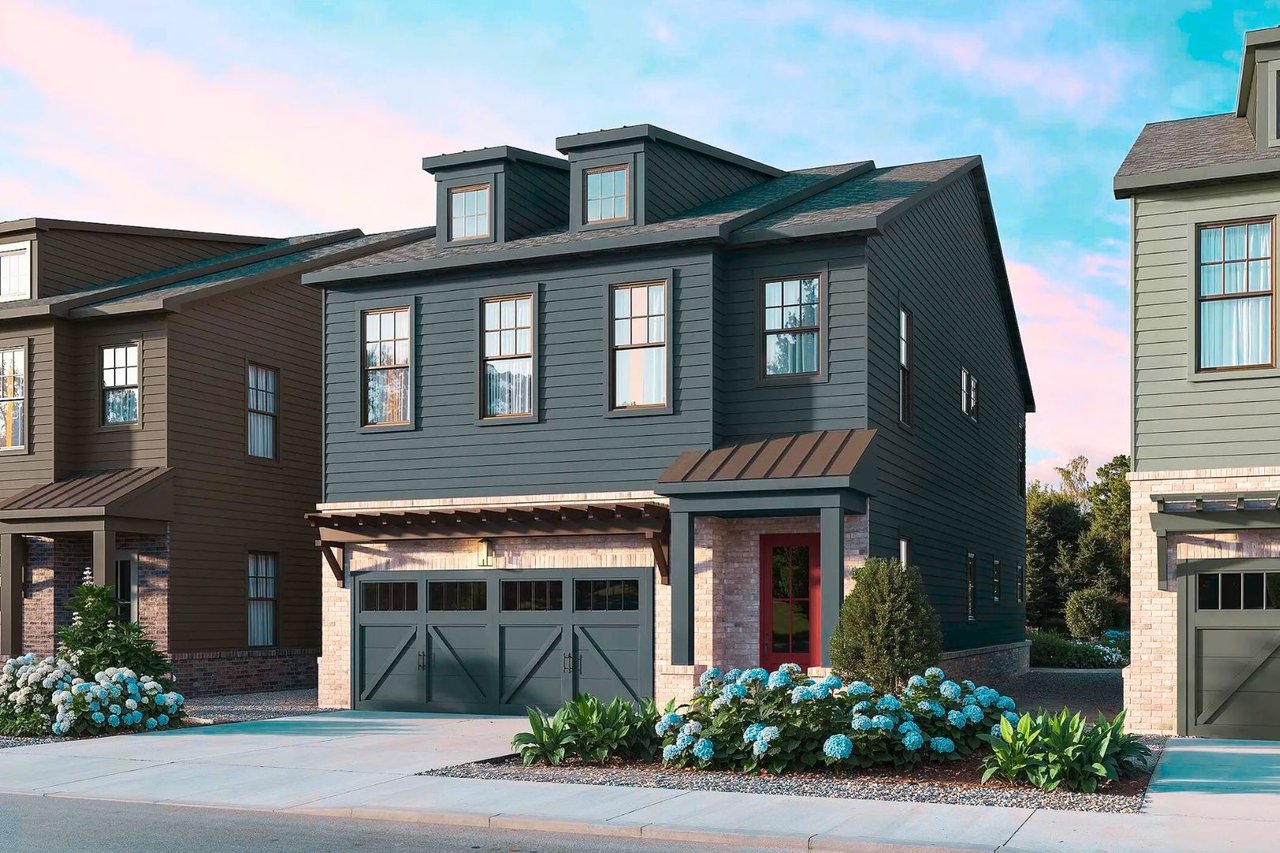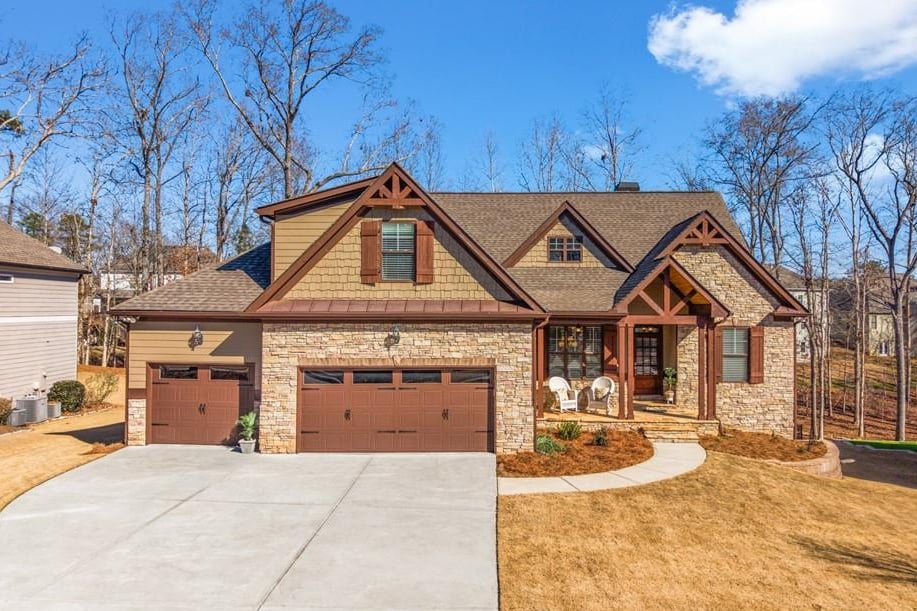
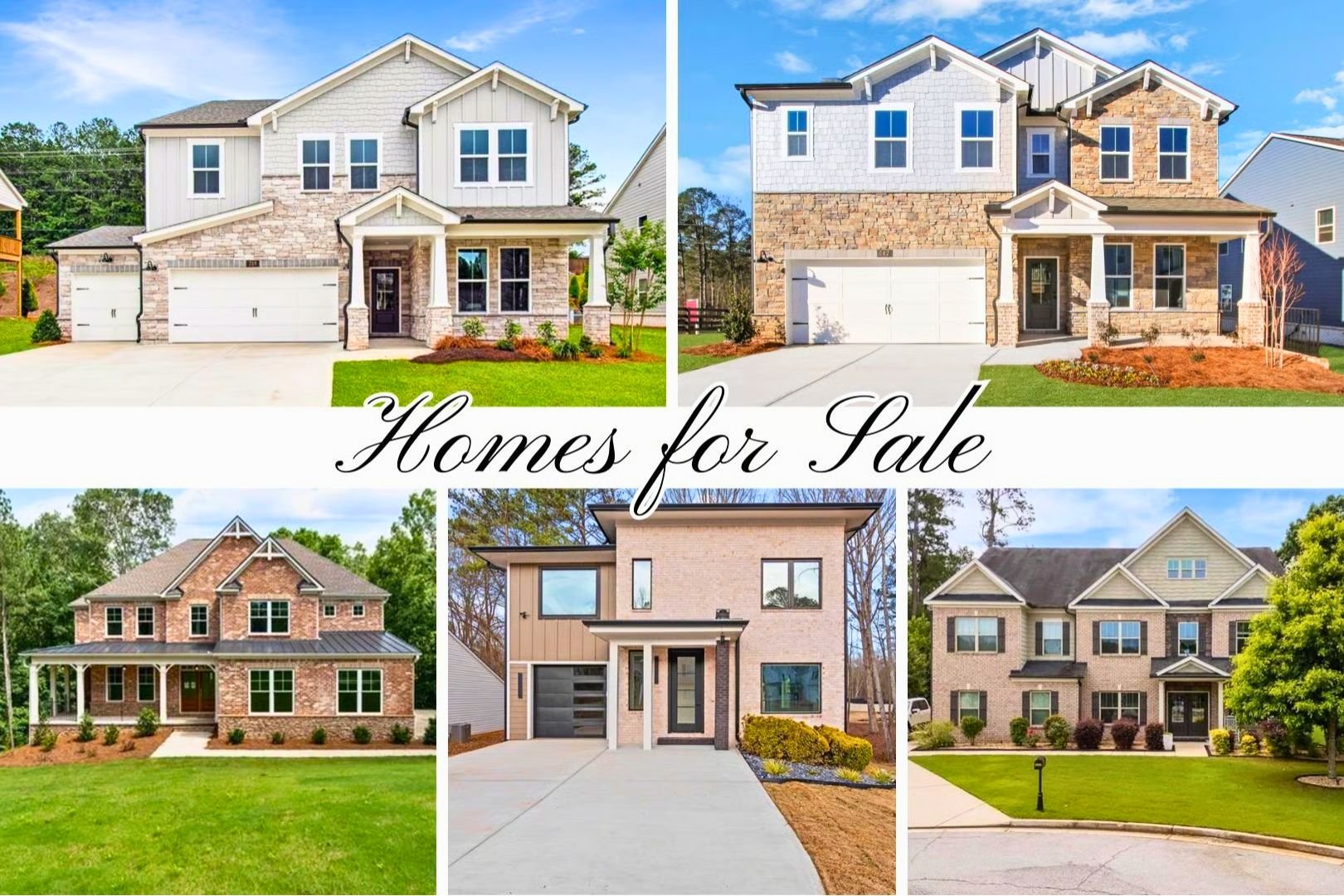
Atlanta's new construction market has a dirty secret: genuinely affordable options have largely moved west. Communities in Douglas County, Paulding County, and western Cobb County are drawing buyers who are done waiting — people ready for a modern home without stretching their budgets past the breaking point.
This post walks through the specific communities worth exploring, what your money actually buys in this corridor, and what daily life genuinely looks like once you're settled in.
Why the West Atlanta Suburbs Are Having a Moment
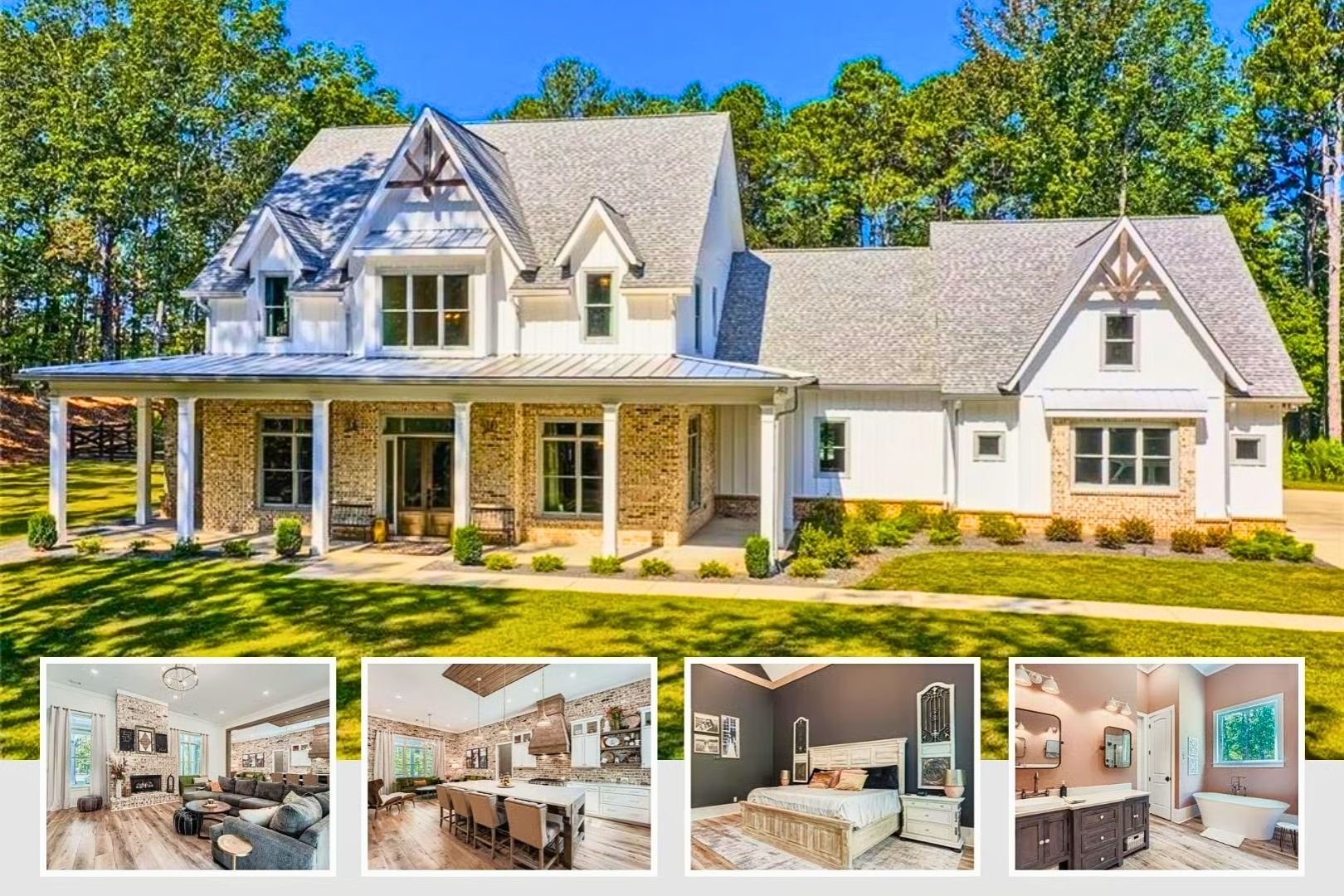
Population Growth Is Driving New Development
The numbers behind this corridor's growth are hard to ignore. Douglas County has grown to approximately 145,000 to 148,000 residents, while Paulding County has reached roughly 168,000 to 175,000 — both reflecting consistent outward migration from Atlanta's core as buyers follow affordability westward.
Douglas County consistently ranks among the top Georgia counties for residential building permits issued annually — translating to real, active inventory across multiple price points and builder tiers.
Builders have responded in kind. As land costs inside the perimeter and across the northern suburbs have escalated, residential developers have turned their attention to the I-20 West corridor and US-278 as ground where new communities can be built at price points buyers can realistically reach. This isn't a slow market with a couple of options — it's a meaningful pipeline.
Commute Access Still Works
The commute question deserves a direct answer, because it's the first thing most buyers ask. Douglasville sits approximately 22 to 25 miles west of downtown Atlanta via I-20 West, translating to roughly 30 to 45 minutes under normal traffic conditions — a corridor that often moves better than many of Atlanta's northern arteries during peak hours.
Lithia Springs, positioned a few miles east of Douglasville, shaves additional time off that drive. Hiram in Paulding County runs closer to 30 miles from downtown, with typical commute times in the 40 to 55 minute range. For buyers whose work takes them to Hartsfield-Jackson, the I-20 to I-285 South connection puts the airport well within range.
For the growing share of buyers working remotely or on hybrid schedules, the distance from the city becomes largely irrelevant — weighed against what those extra miles deliver in square footage, newness, and price.
What "Affordable" Actually Looks Like in This Market
Typical New Construction Price Ranges
Paulding County's median home value runs in the $285,000 to $305,000 range — meaningfully below the Atlanta metro median sale price of approximately $370,000 to $390,000 recorded in late 2024.
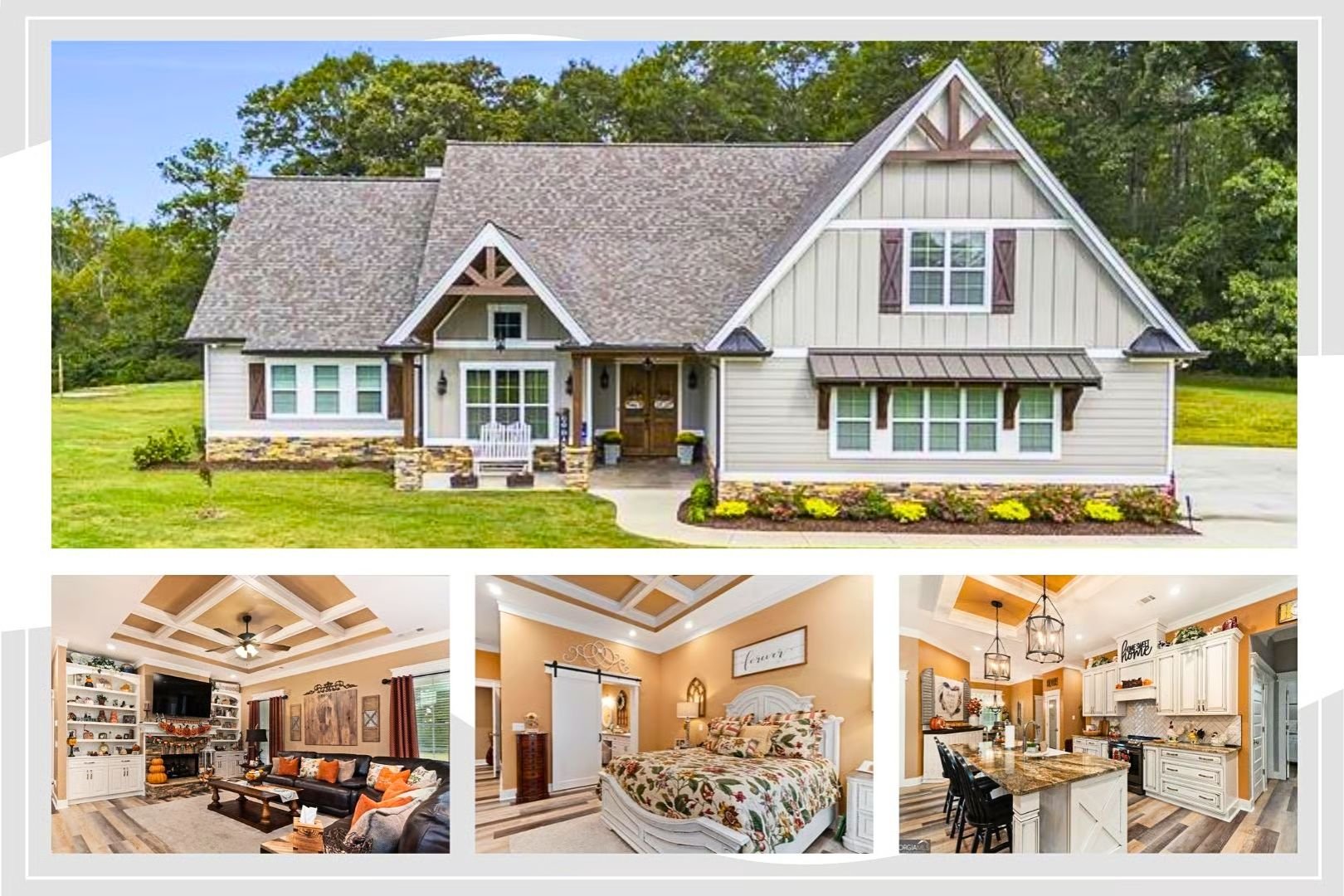
That gap matters. New construction in Douglas County has generally been available from the upper $270,000s to the low $390,000s. Paulding County offers some of the western corridor's most accessible entry points. Western Cobb communities like Austell and Mableton trend somewhat higher due to proximity to Atlanta, with new construction more commonly starting in the $320,000s. These ranges shift with market conditions and builder promotions, so verifying current pricing directly with builders is always the right move.
What Buyers Get for the Price
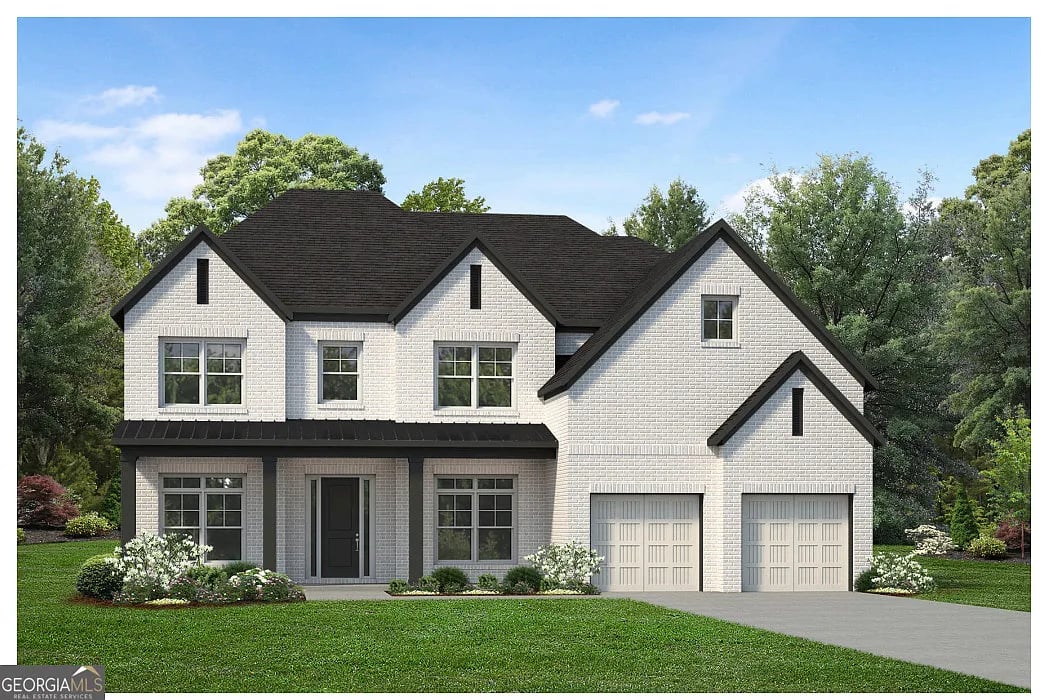
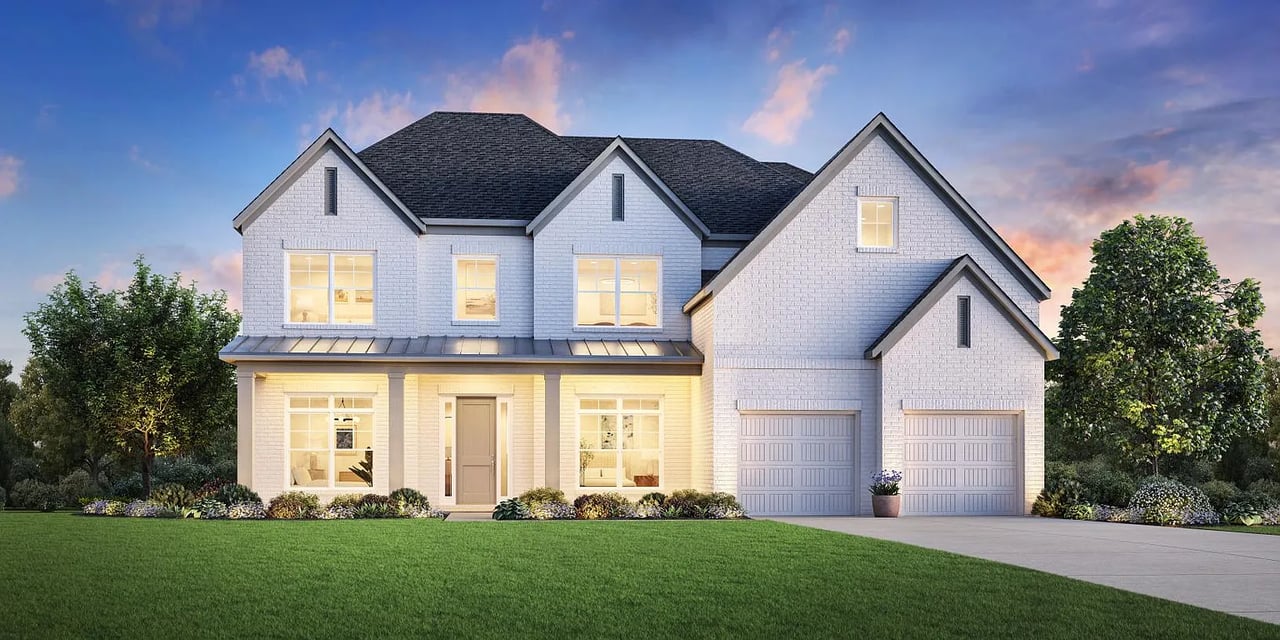
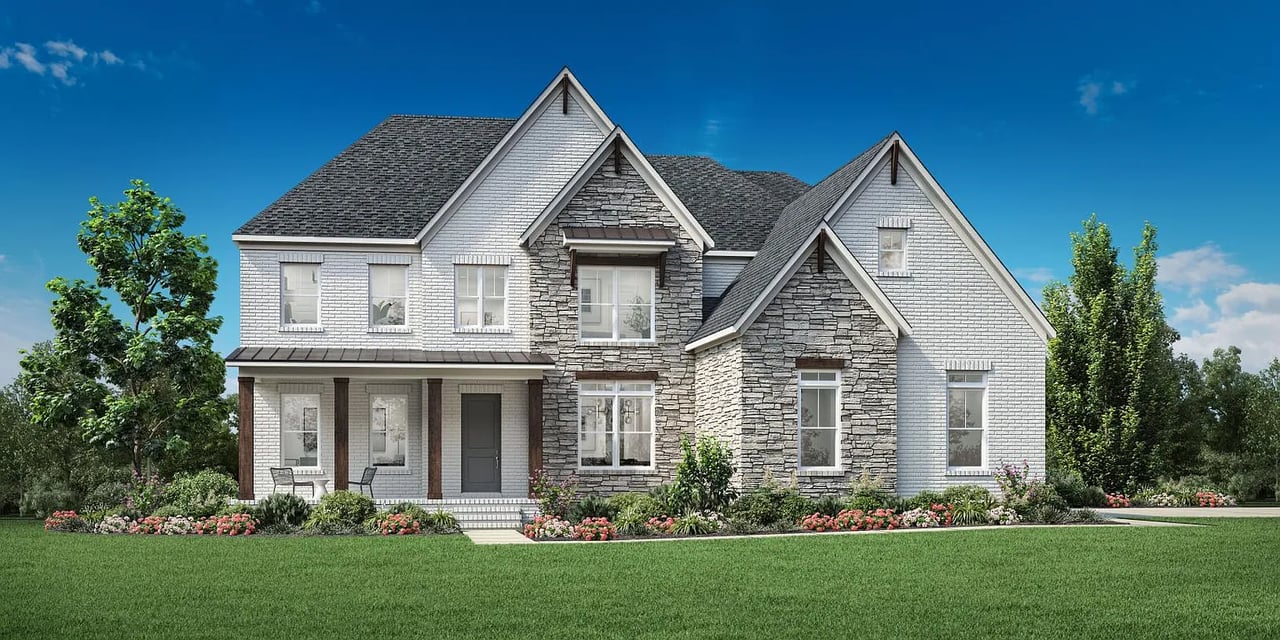
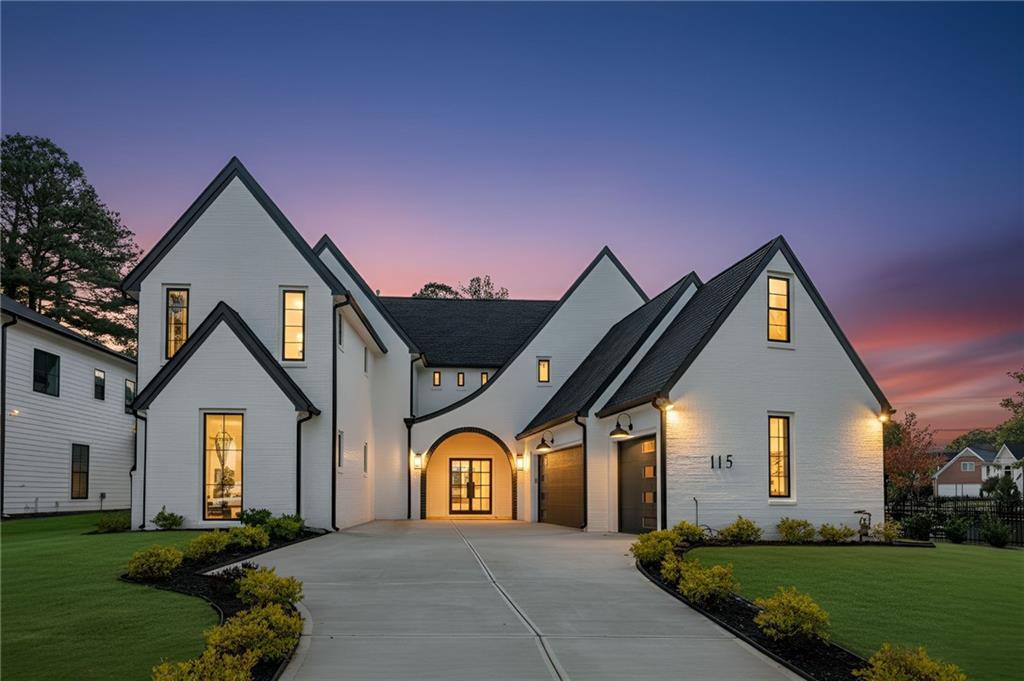
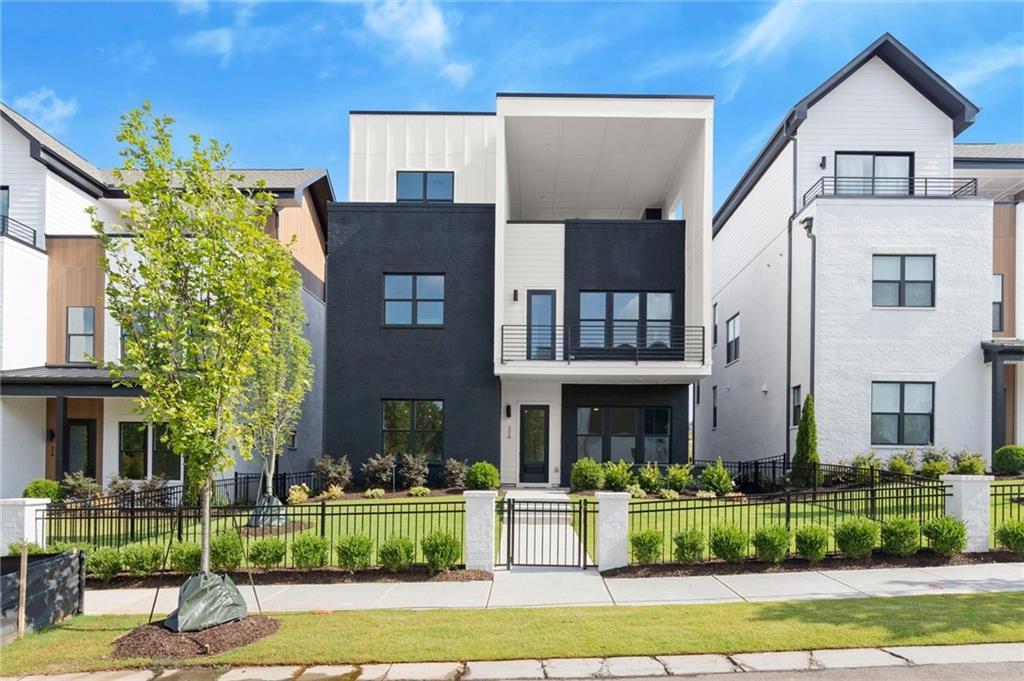
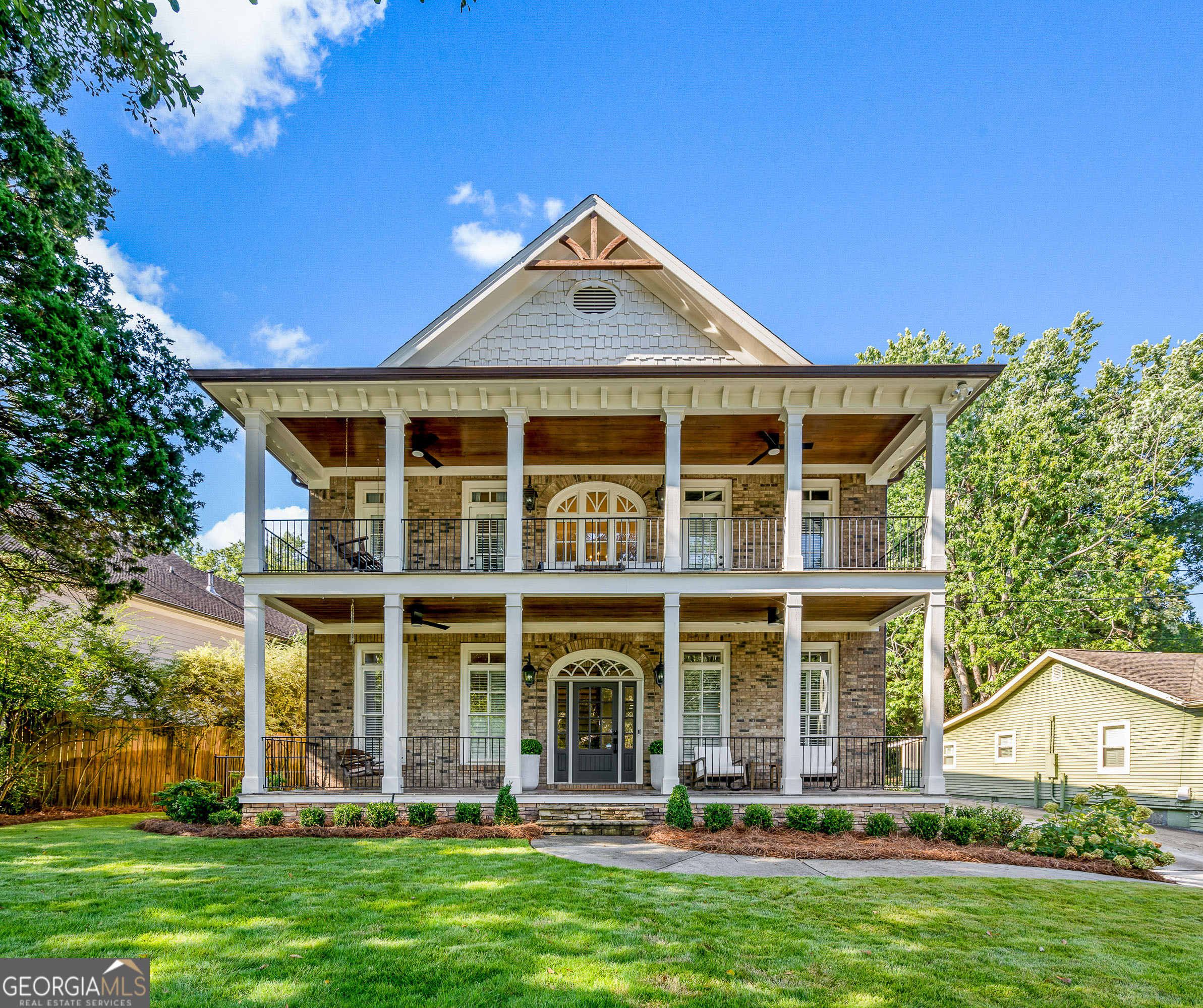
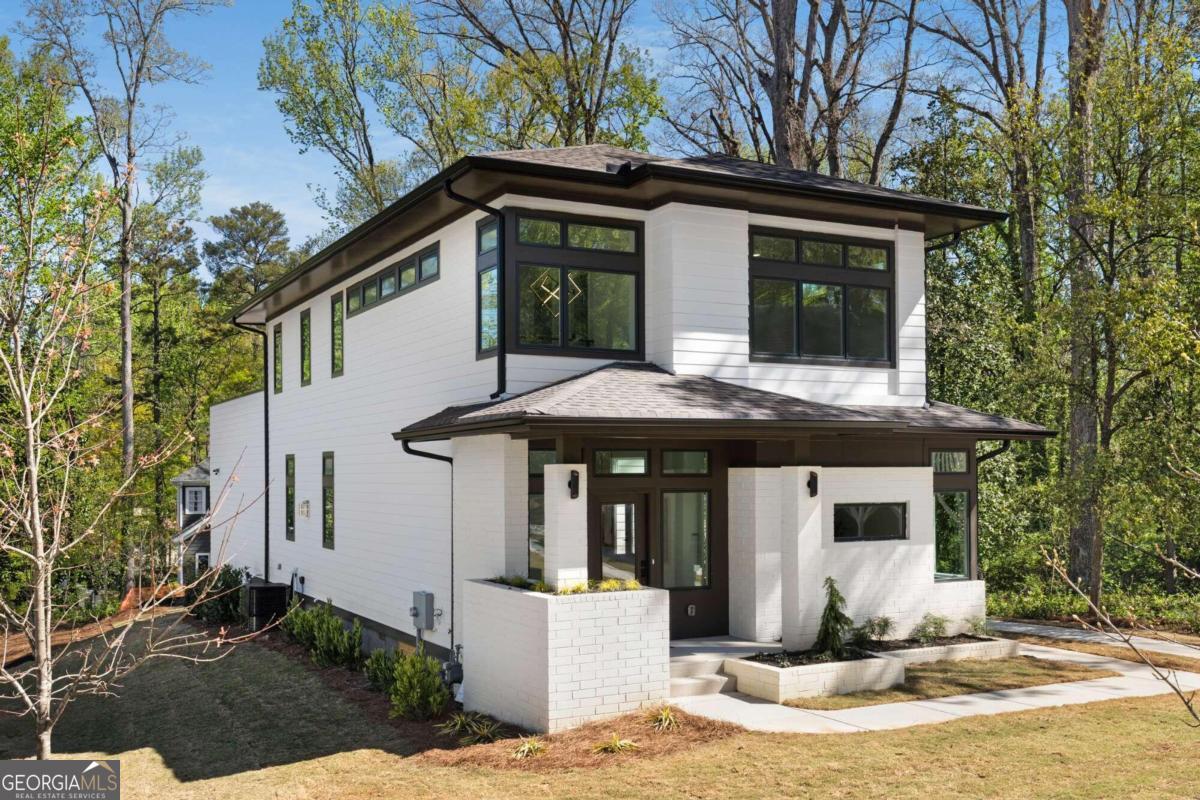
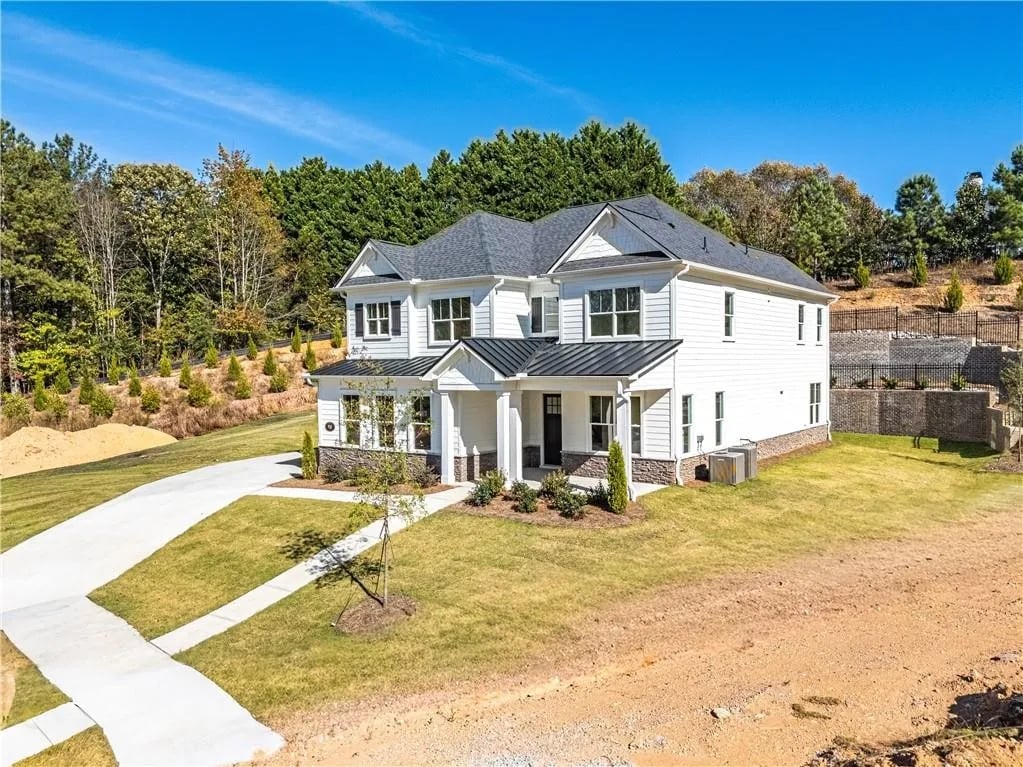
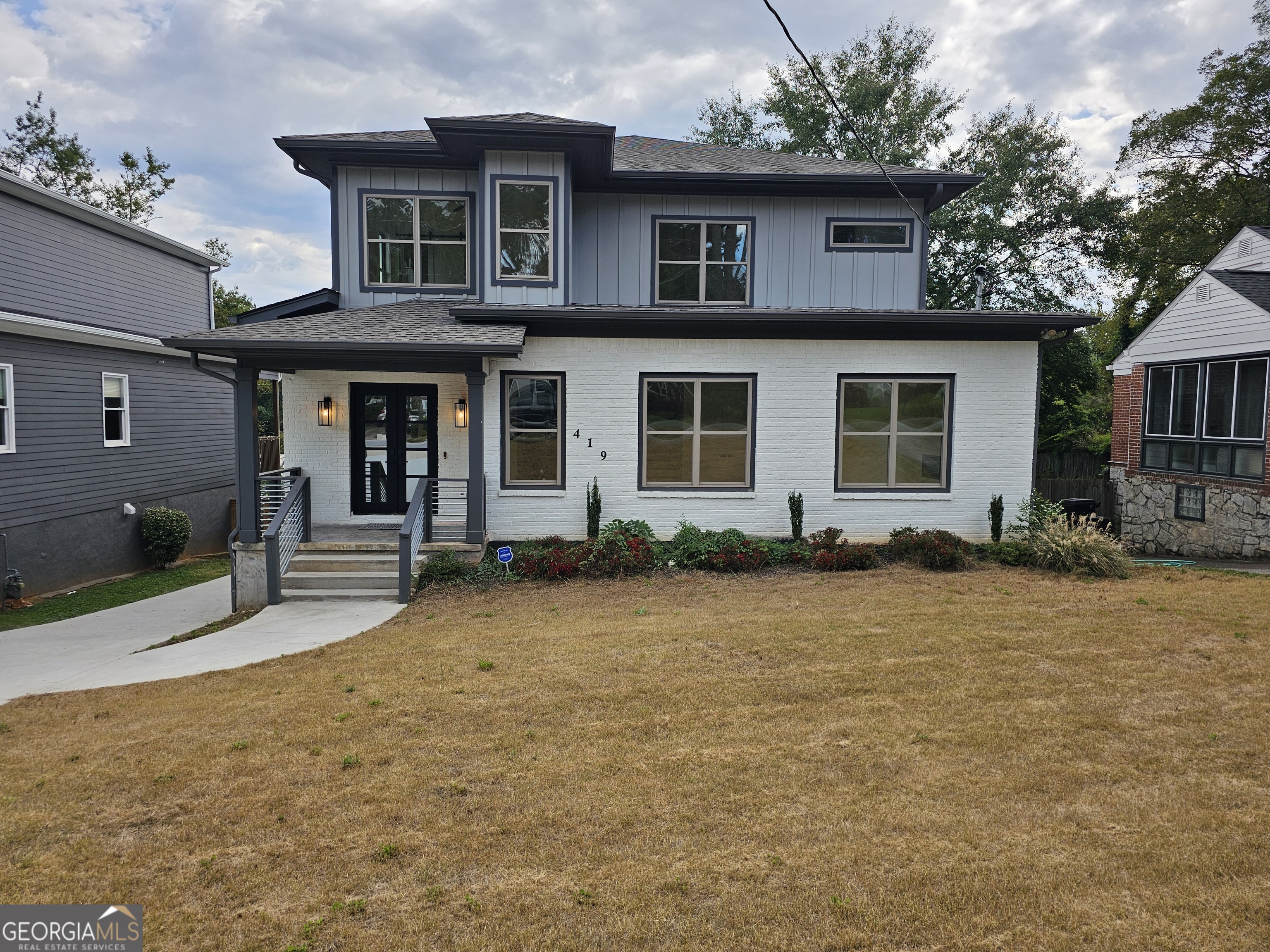
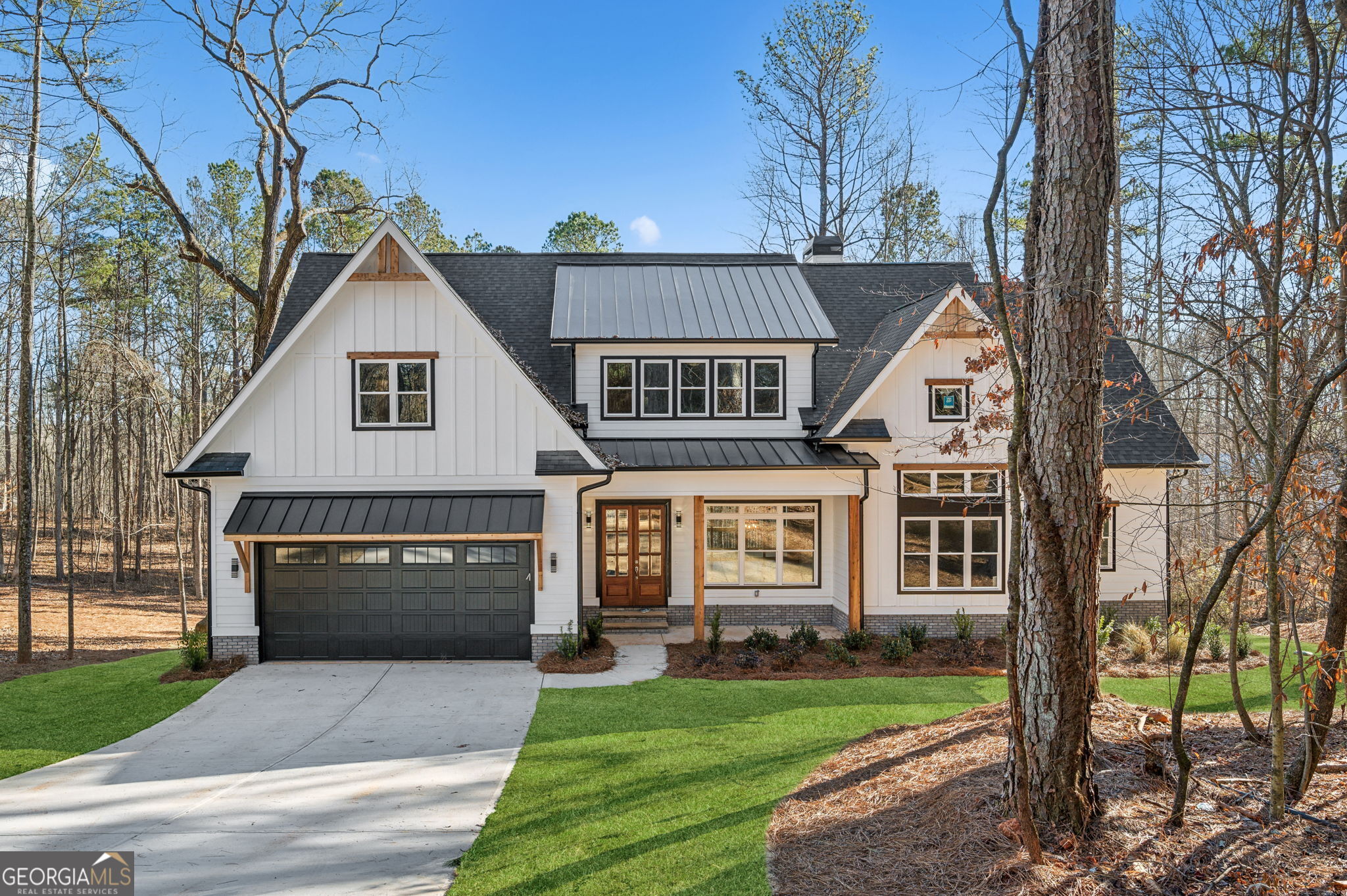
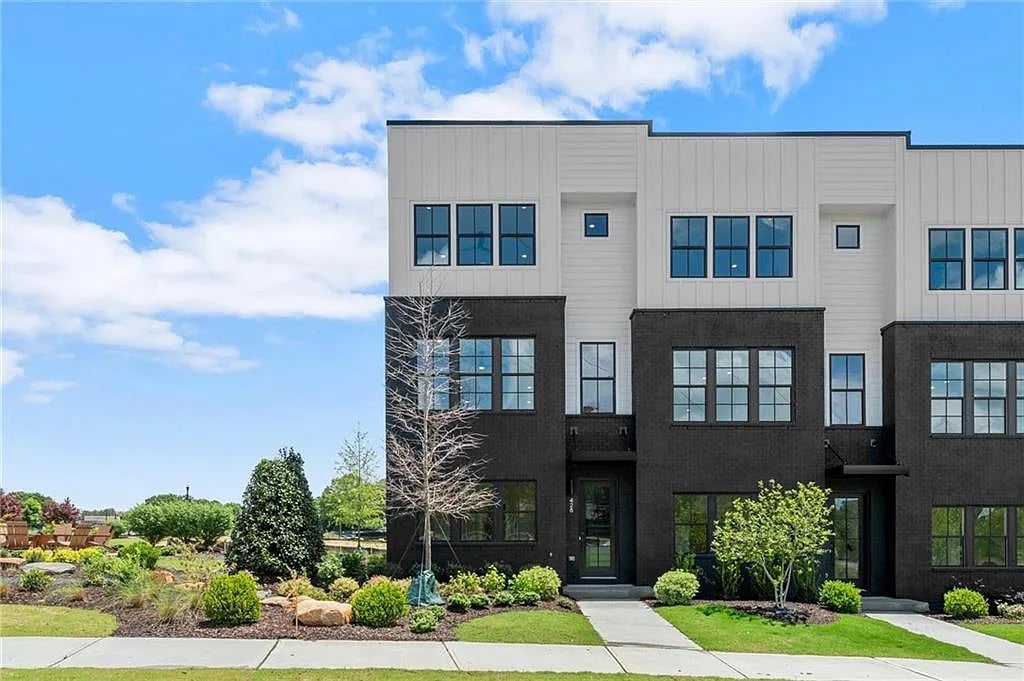
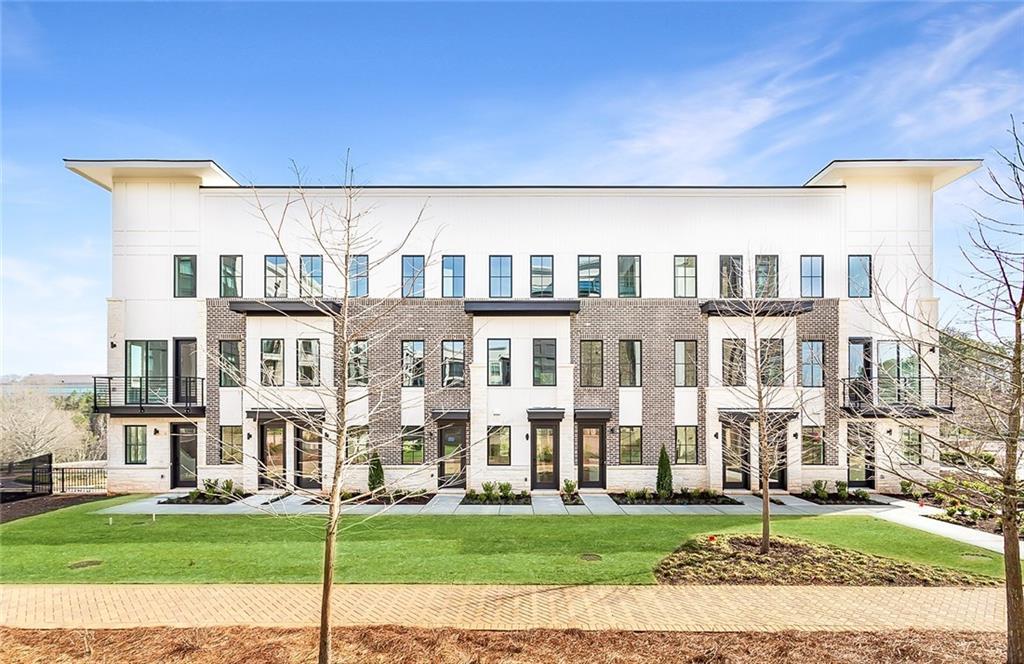
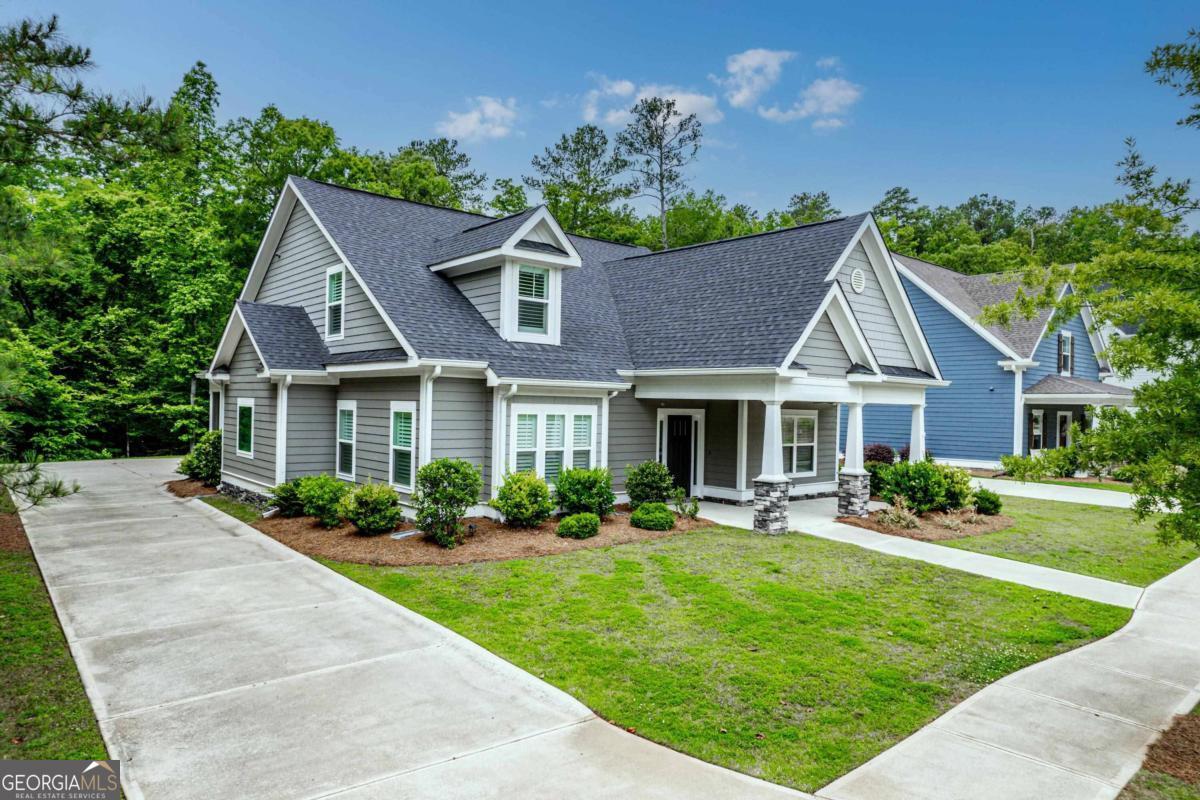
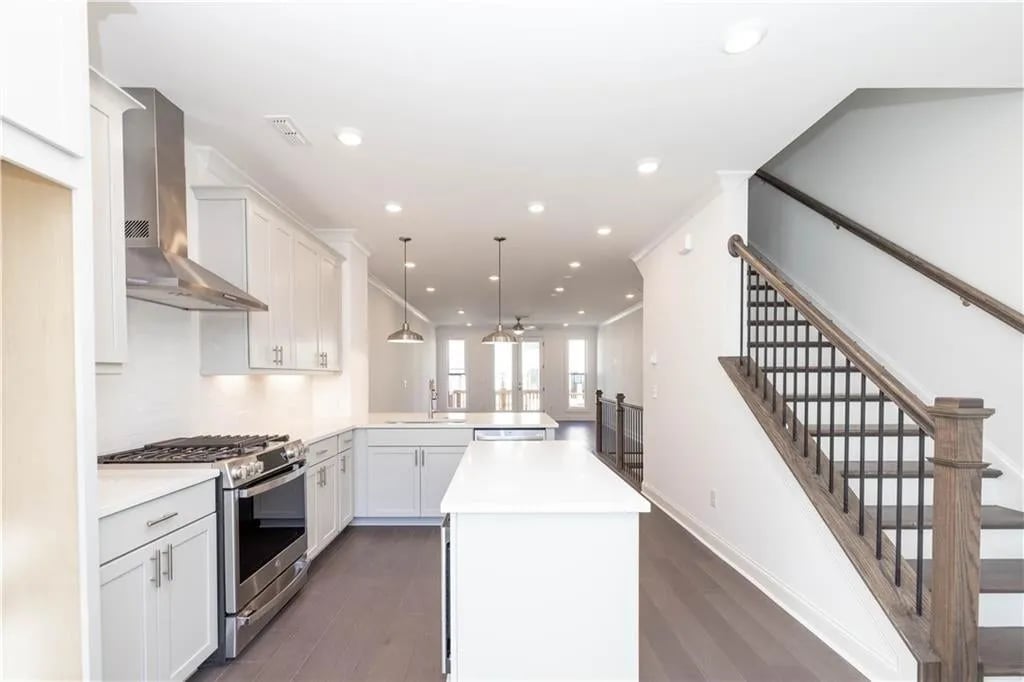
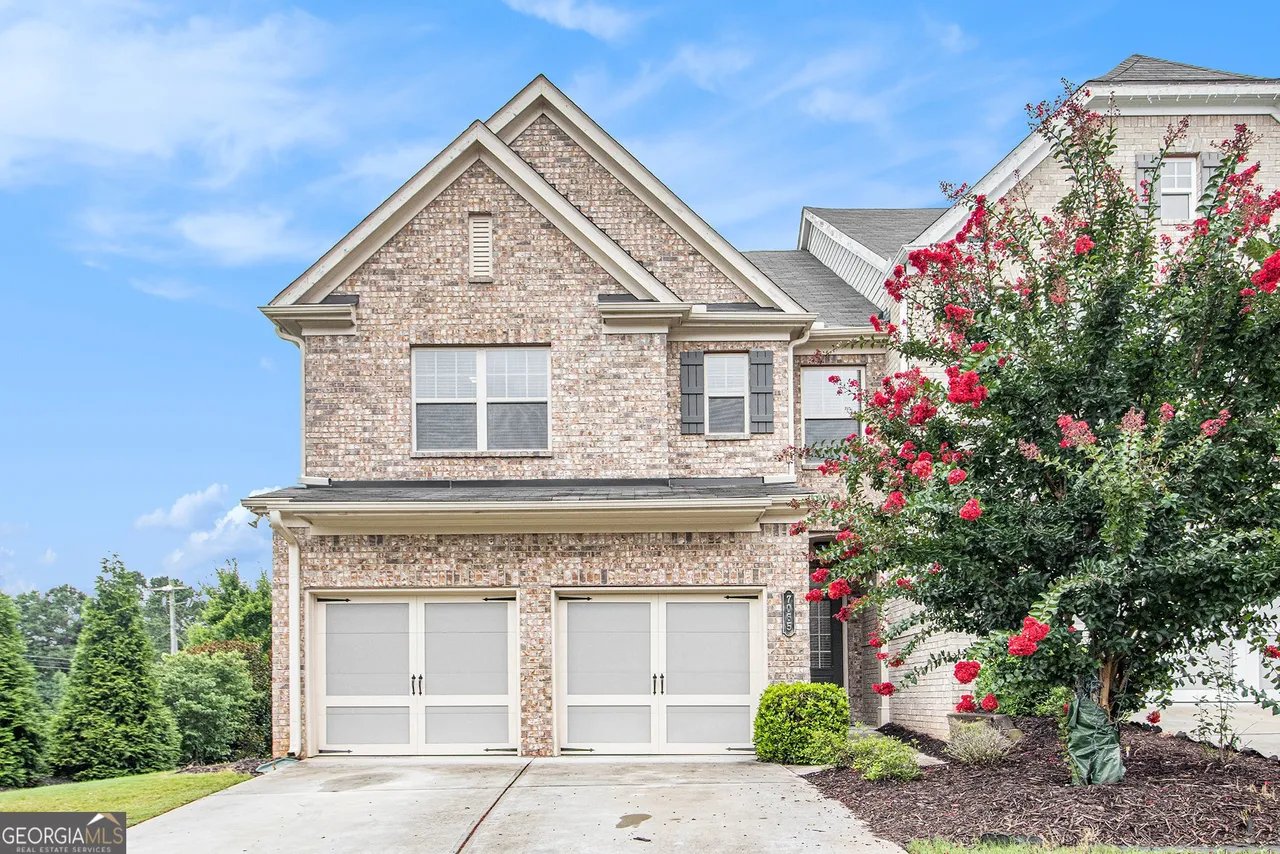
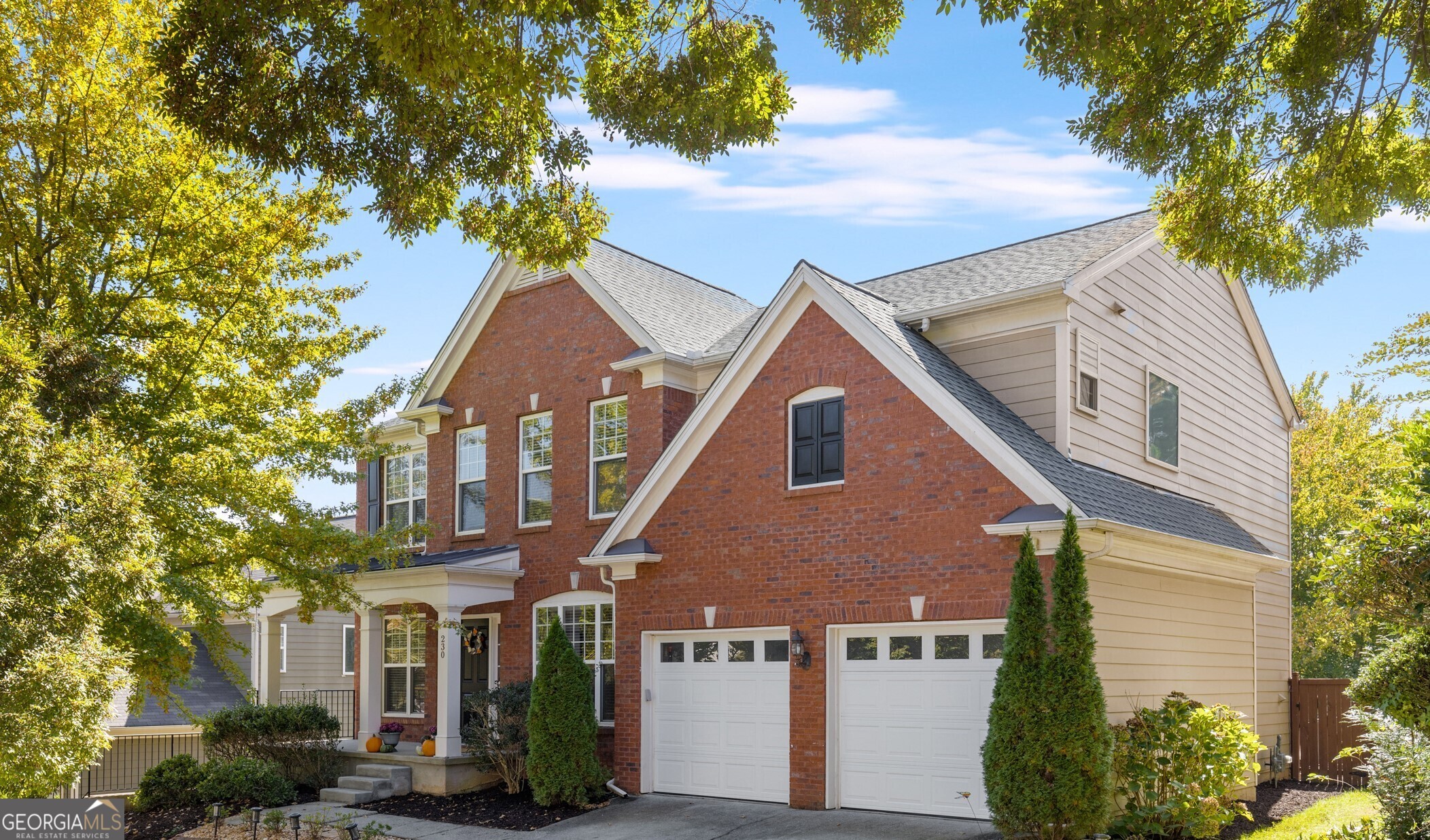
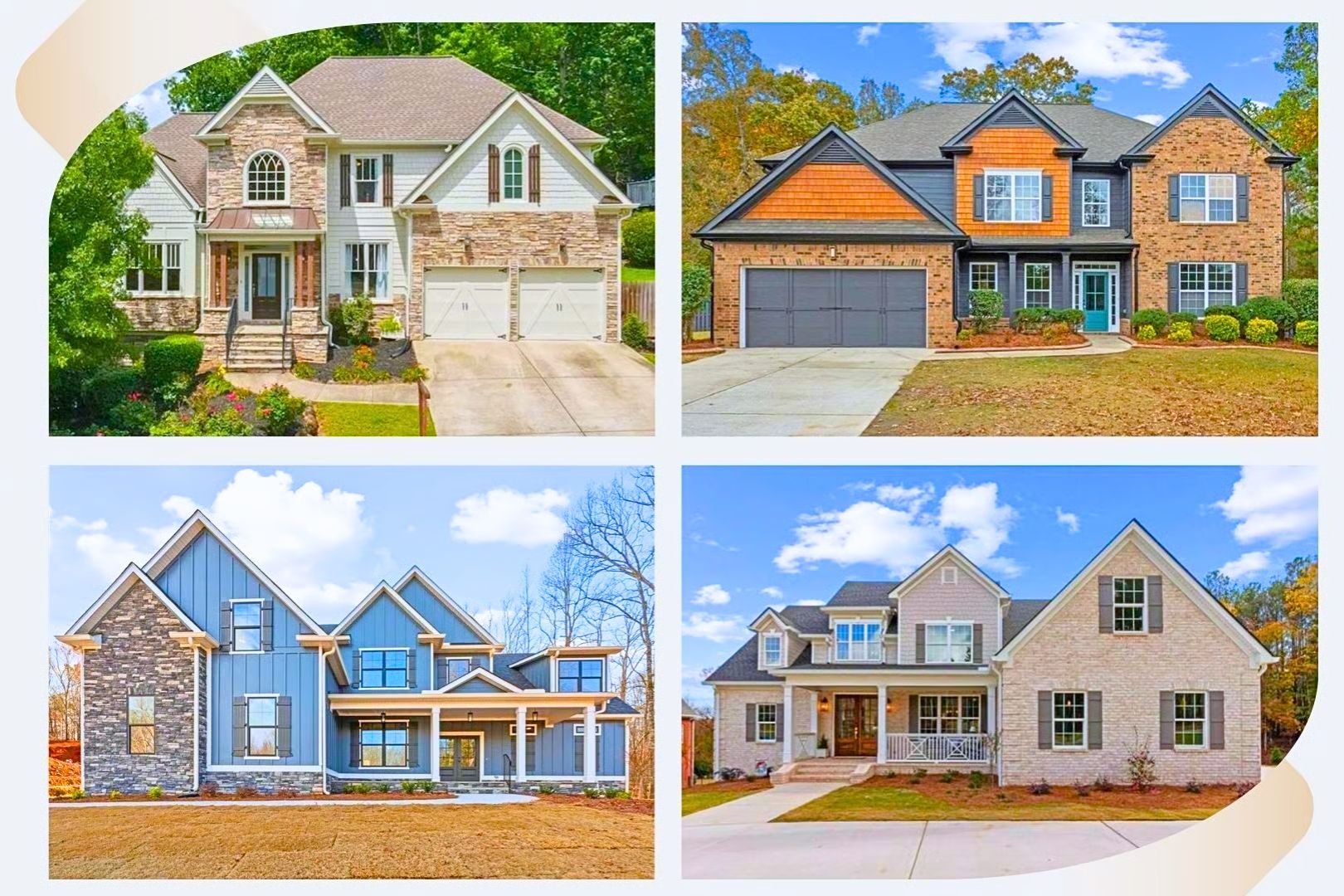
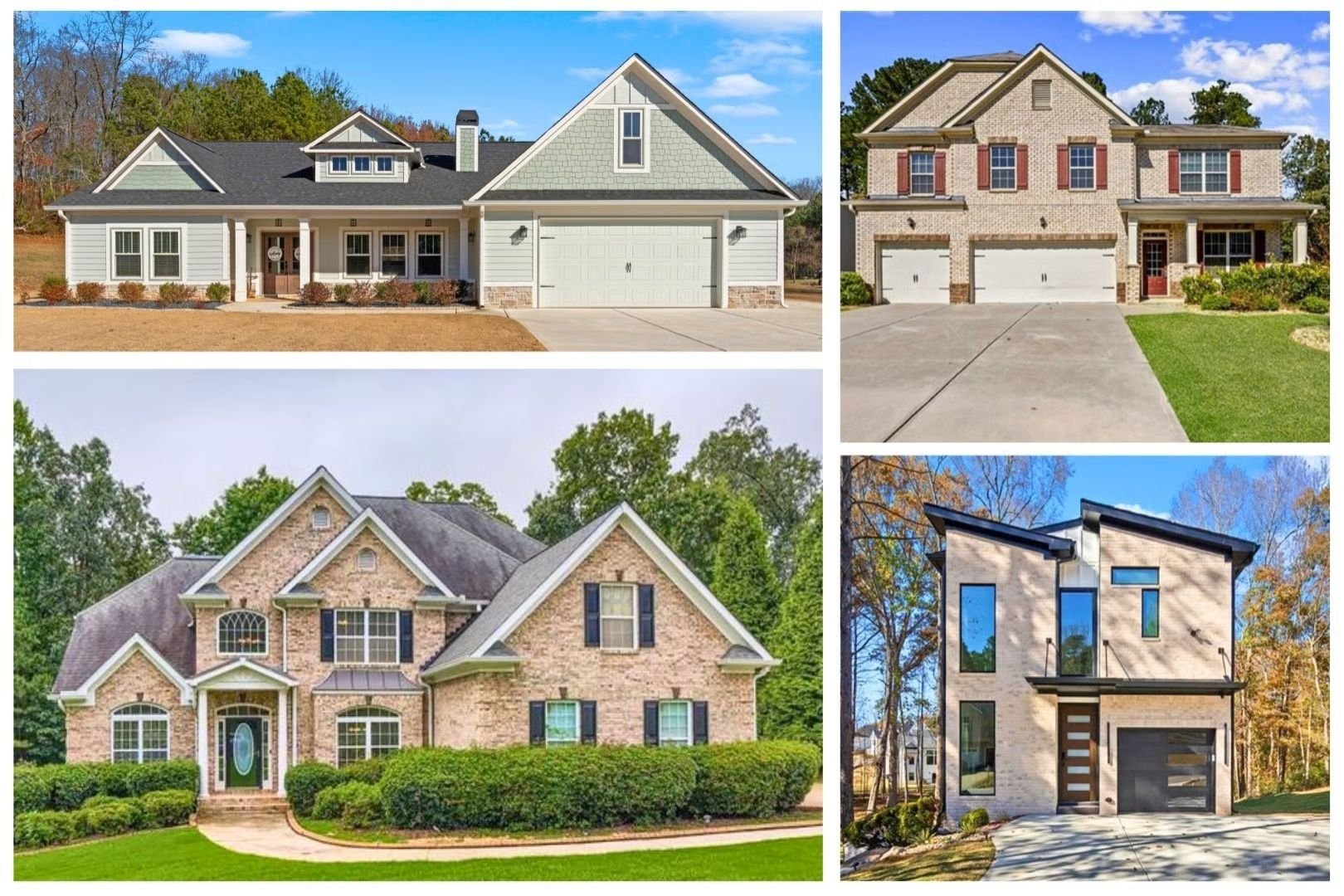
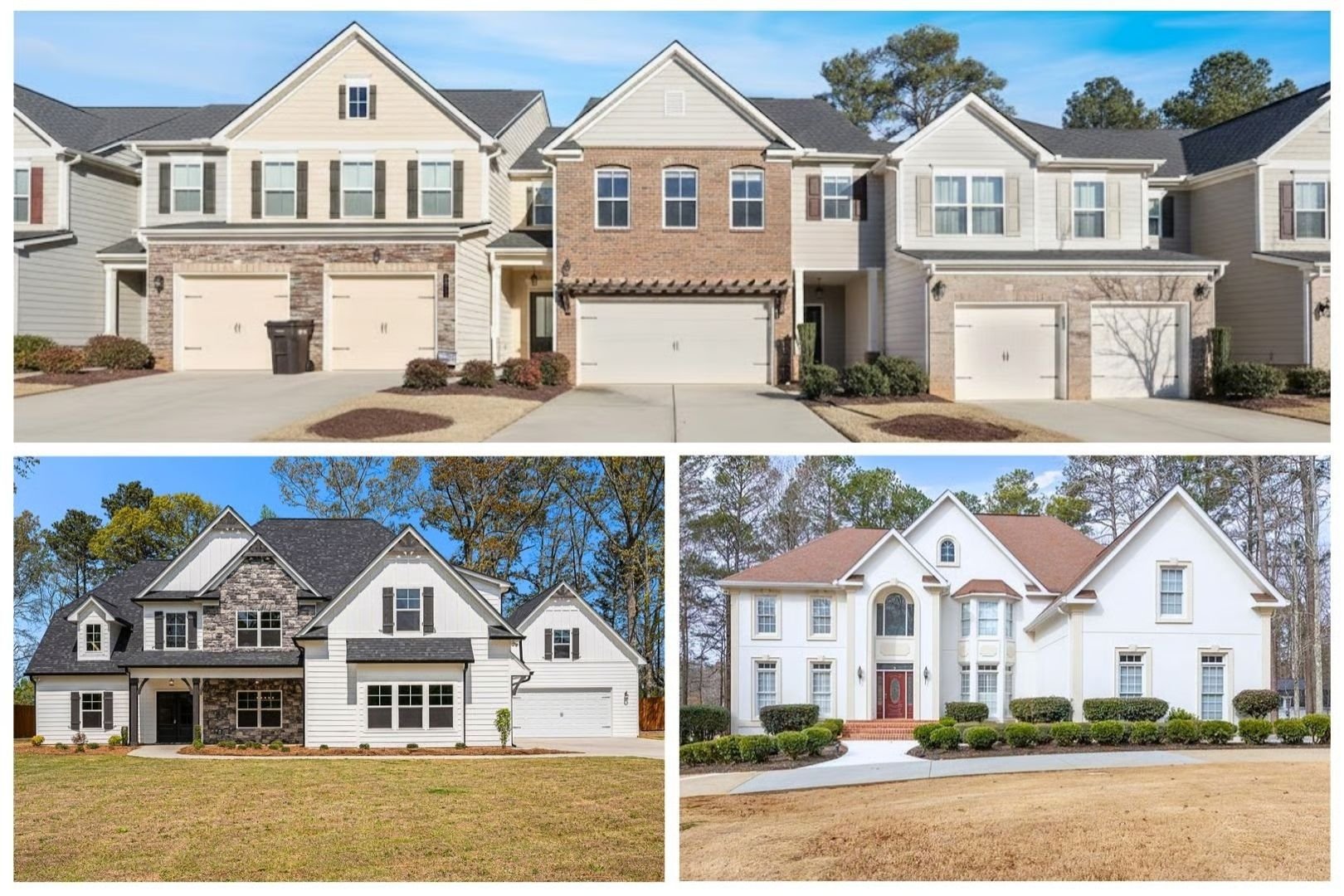
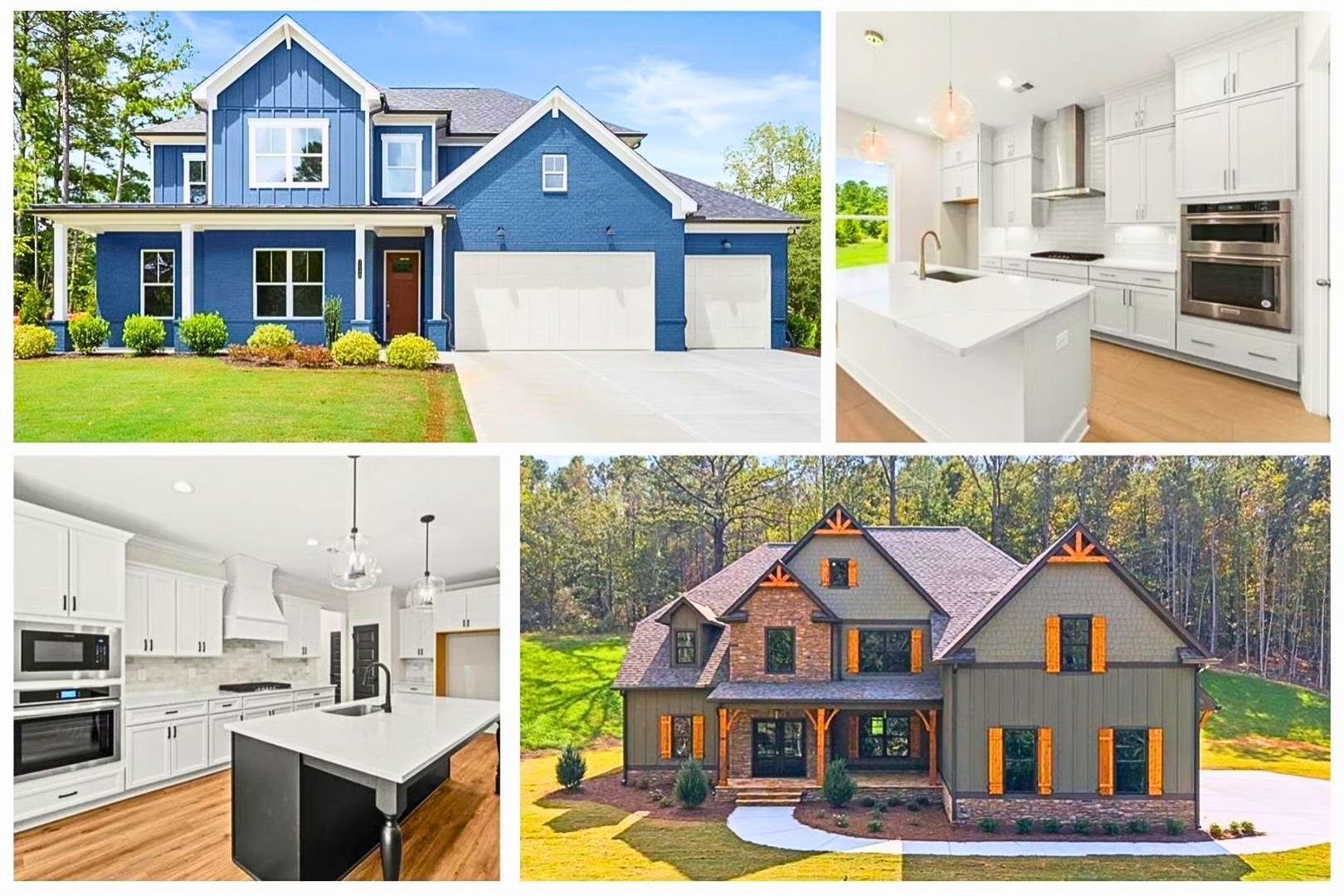
A new construction home in the $300,000 to $370,000 range in this corridor typically delivers:
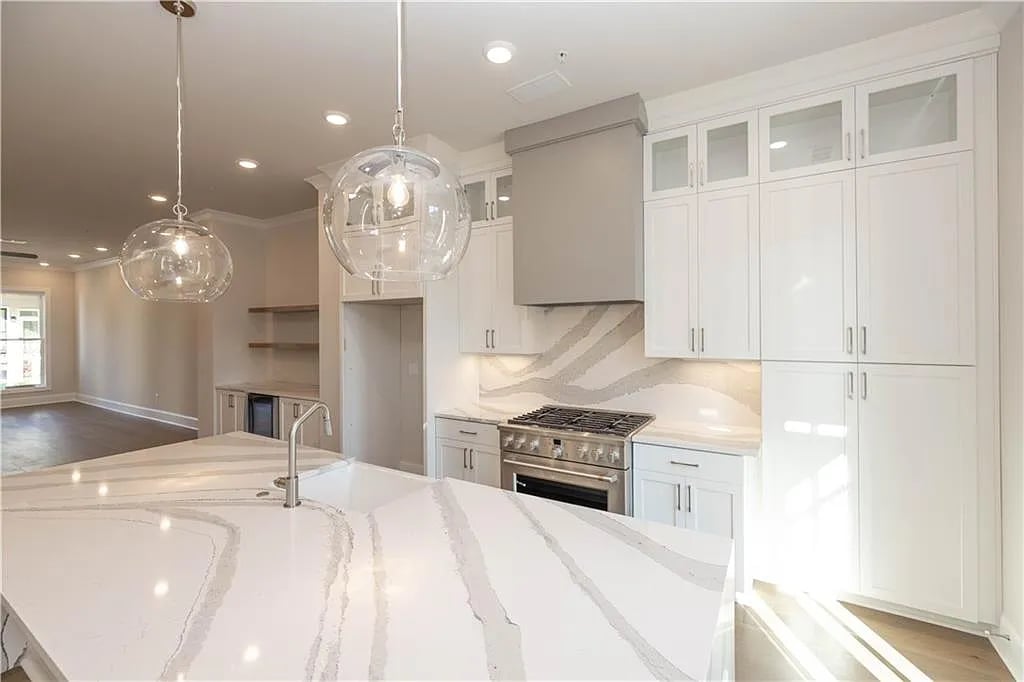
- Three to four bedrooms and two to two-and-a-half bathrooms with an open-concept main living area
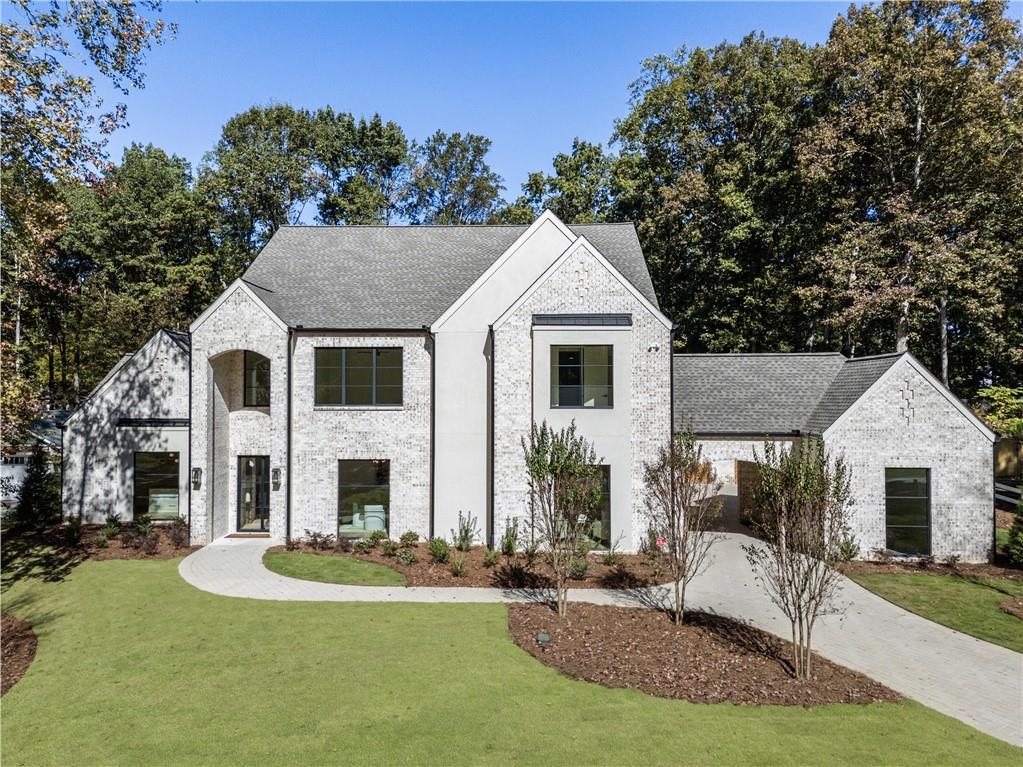
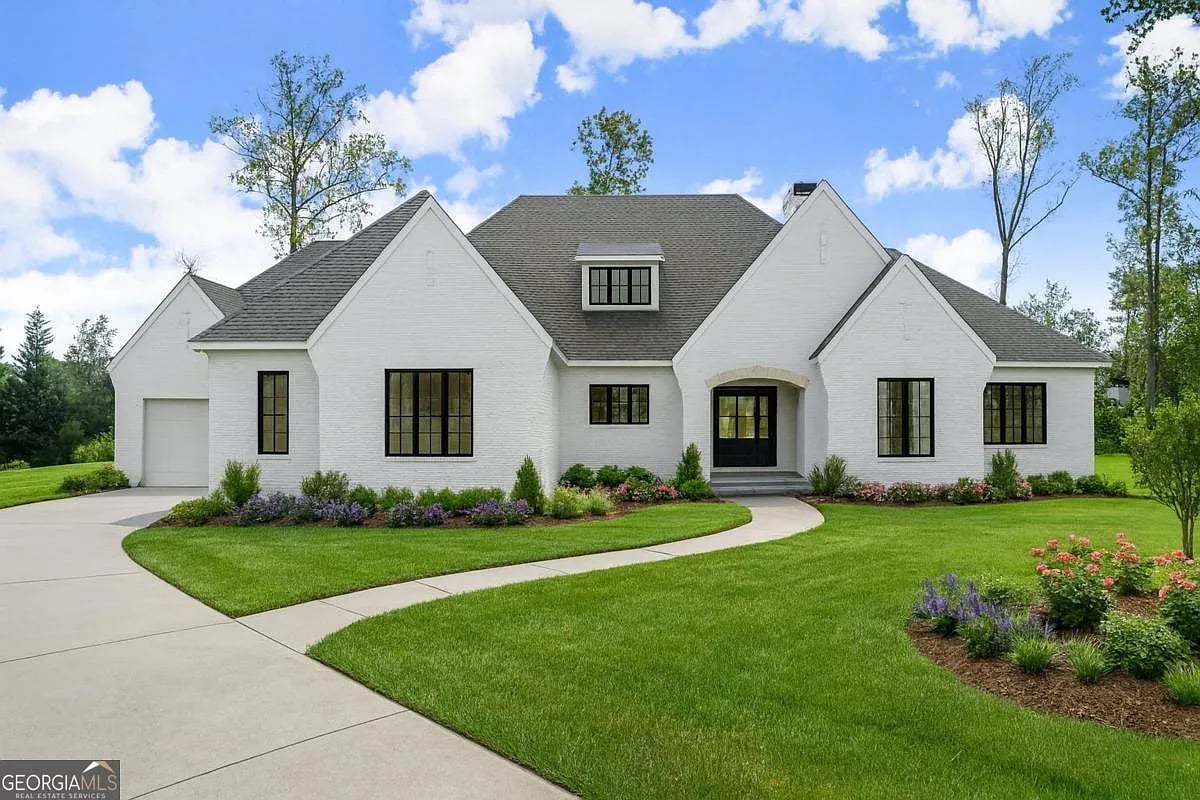
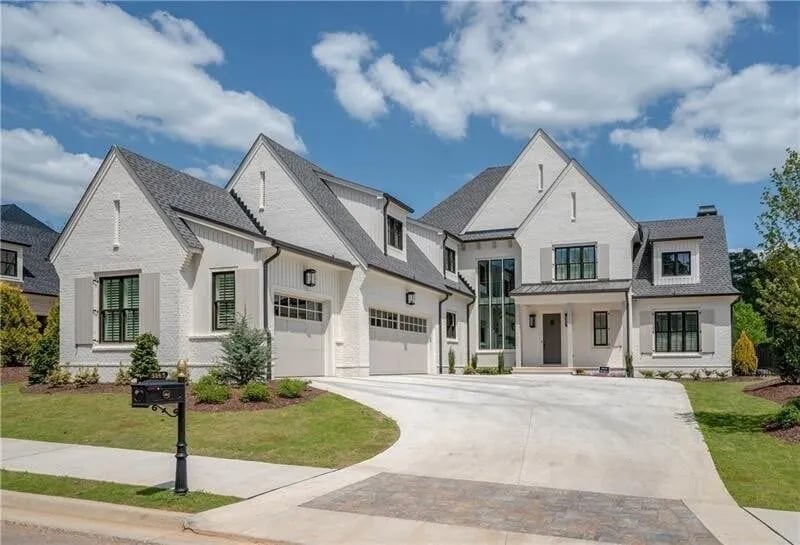
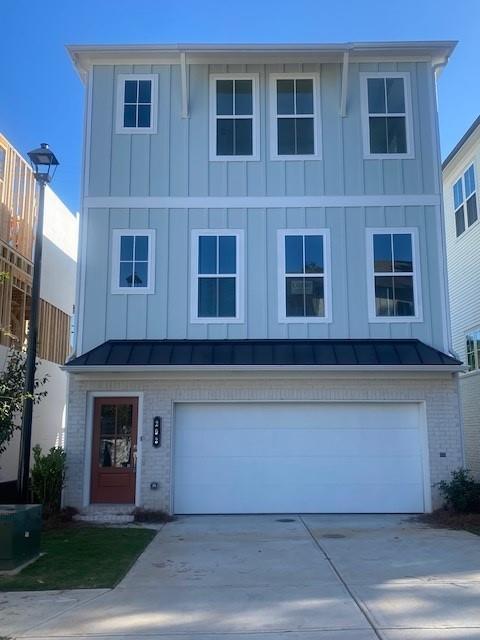
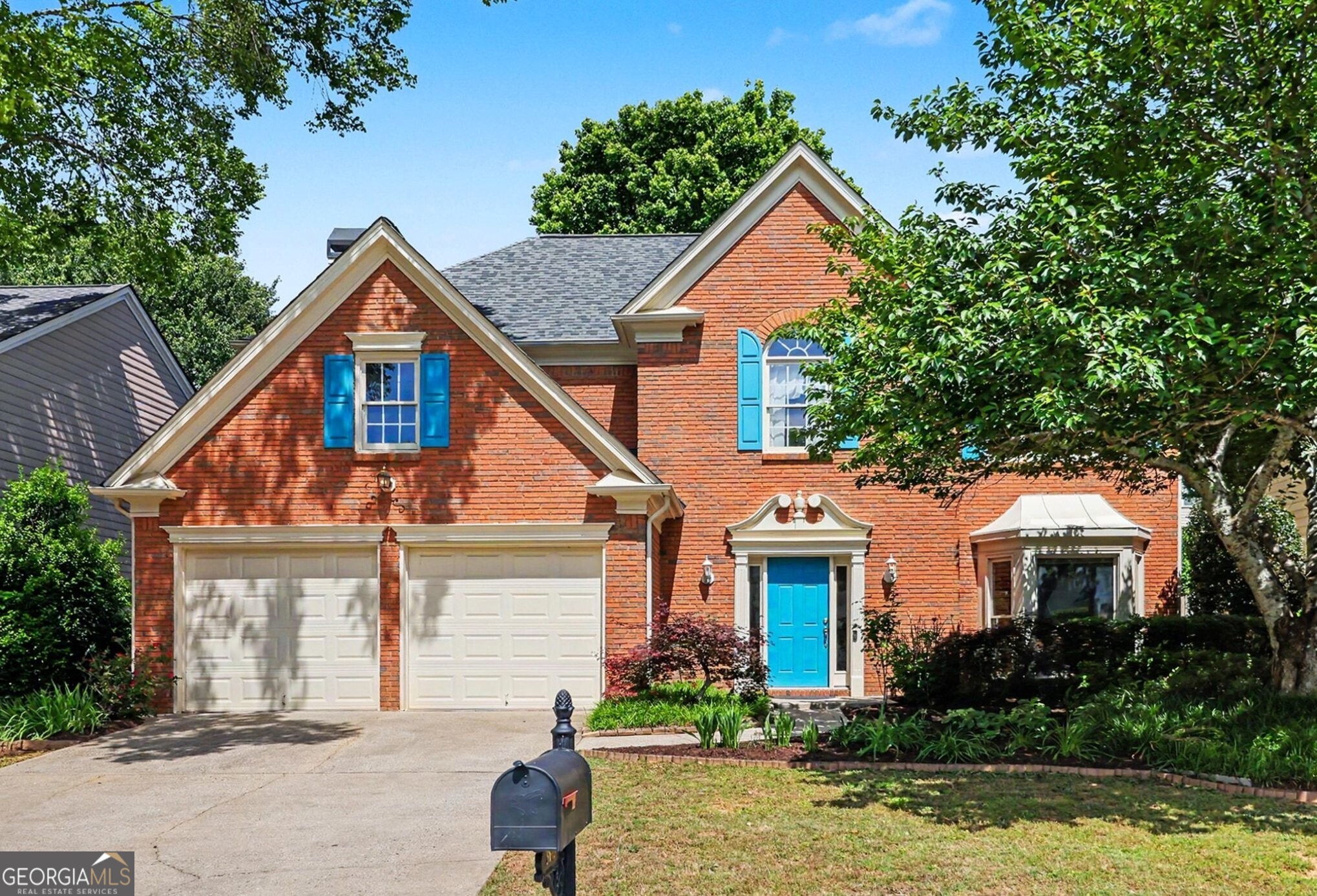
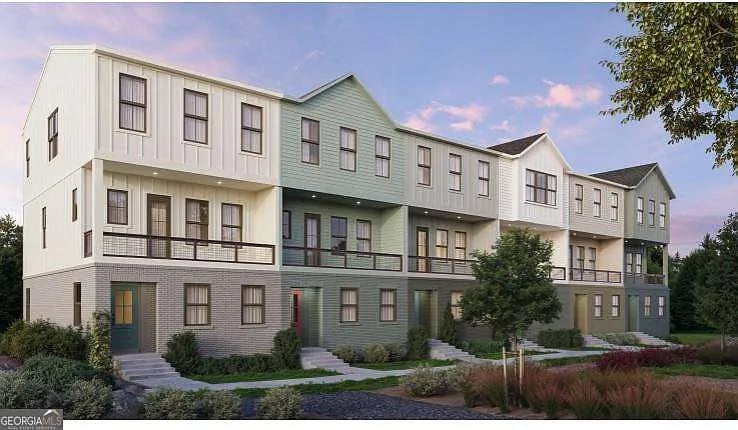
- A two-car garage and modern finishes that simply aren't available in older resale inventory at comparable city prices
- Energy-efficient construction — better insulation, high-efficiency HVAC, energy-rated windows — with efficiencies that show up in monthly utility bills
- Builder warranties on structure and mechanical systems, a layer of protection no resale home can match
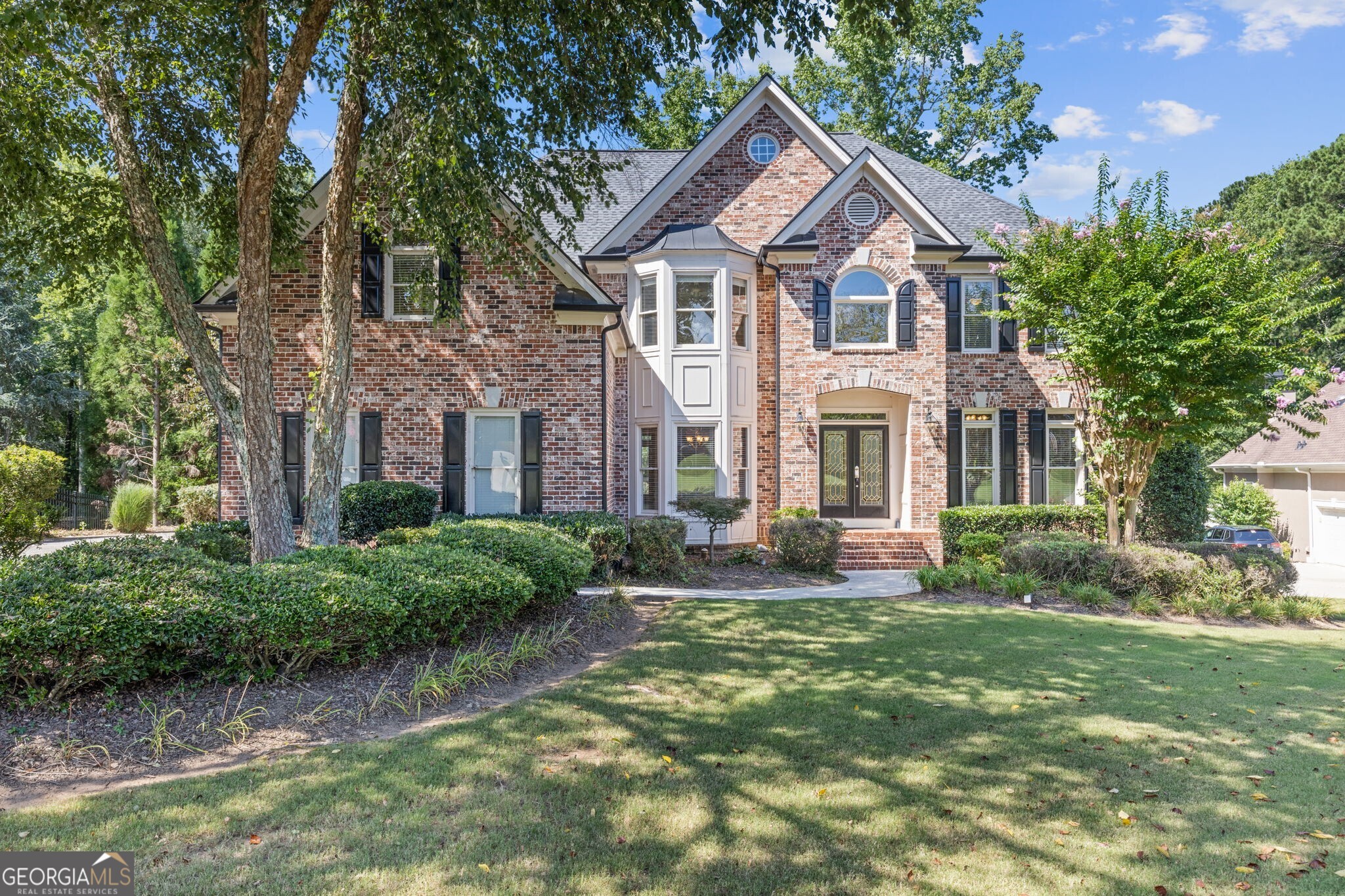
For buyers comparing a 1990s resale near the city against a brand-new home west of Atlanta at a similar price, new construction wins consistently on livability, long-term costs, and peace of mind.
Communities Worth Knowing: A Closer Look at the Western Corridor
Douglasville and Lithia Springs (Douglas County)
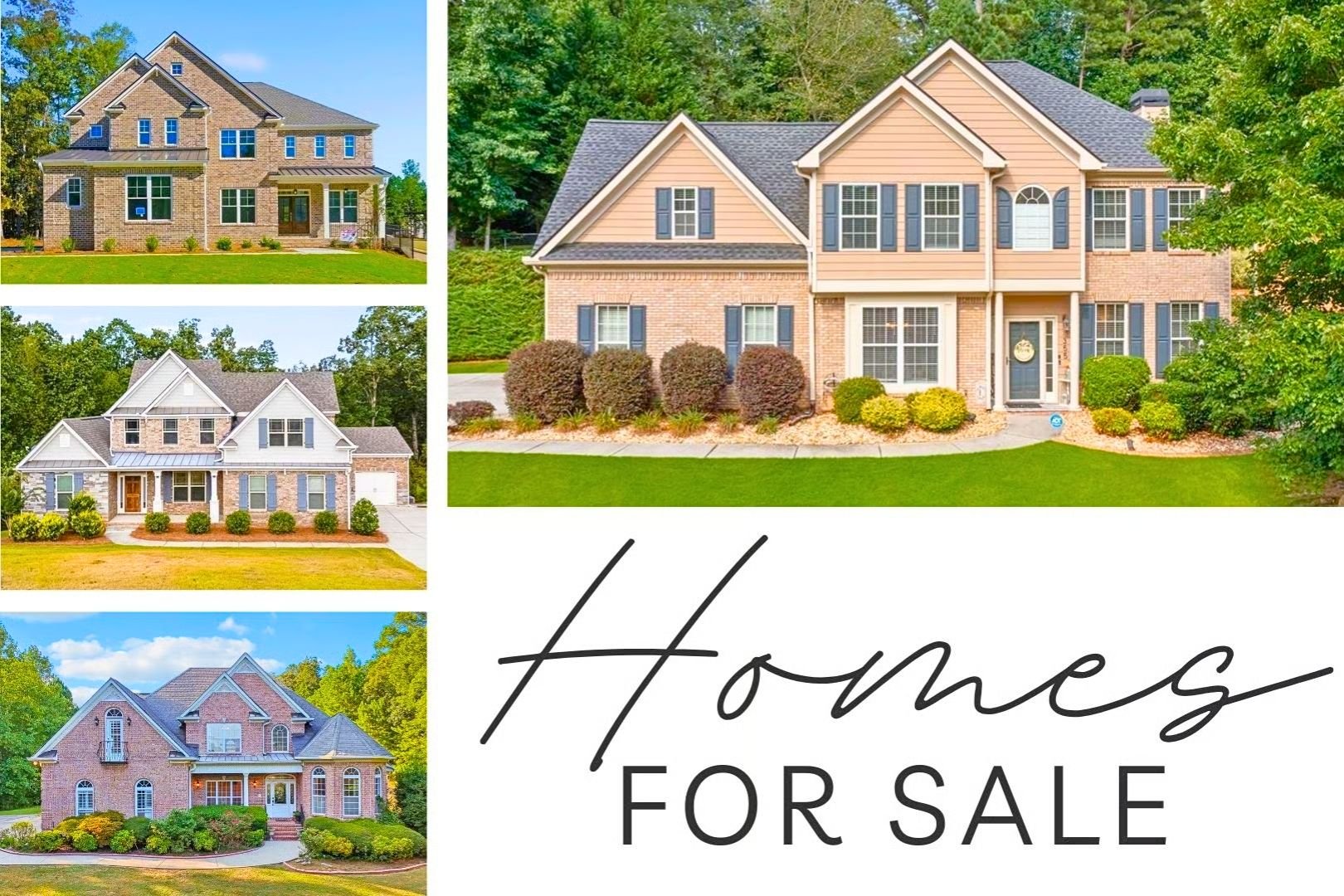
Douglasville is the anchor city of Douglas County and has the infrastructure to match — an established downtown, Wellstar Douglas Medical Center, retail anchored by Arbor Place Mall, and a community identity that feels settled rather than still-forming. New construction communities sit on the edges of town and in surrounding unincorporated Douglas County, giving buyers the freshness of new homes alongside the convenience of an established city.
Lithia Springs, positioned a few miles closer to Atlanta, offers even quicker I-20 access and competitive pricing. It also sits adjacent to Sweetwater Creek State Park — 2,549 acres featuring more than nine miles of hiking trails, a reservoir for fishing and kayaking, and the haunting ruins of a Civil War-era textile mill. For buyers who want community depth alongside new construction quality, this part of Douglas County is a natural starting point.
Villa Rica (Douglas and Carroll County Line)
Villa Rica consistently represents one of the most accessible entry points for new construction in the entire western corridor. The town carries a genuine small-town character — a recognizable downtown, a strong local identity — that coexists with a growing retail and dining presence along the US-78 corridor. Mirror Lake provides a scenic recreational anchor that many newer suburbs simply lack.
One detail buyers with school-age children should know: Villa Rica straddles the Douglas-Carroll County line, meaning school district assignment — whether Douglas County School System or Carroll County School System — depends on the specific address and subdivision. Always confirm feeder patterns before committing to a community.
The drive to Atlanta is longer than from Douglasville — plan for 35 to 50 miles depending on your destination. For remote workers, airport employees, and buyers prioritizing square footage over commute time, Villa Rica is worth a serious look.
Hiram and Powder Springs (Paulding County and West Cobb)
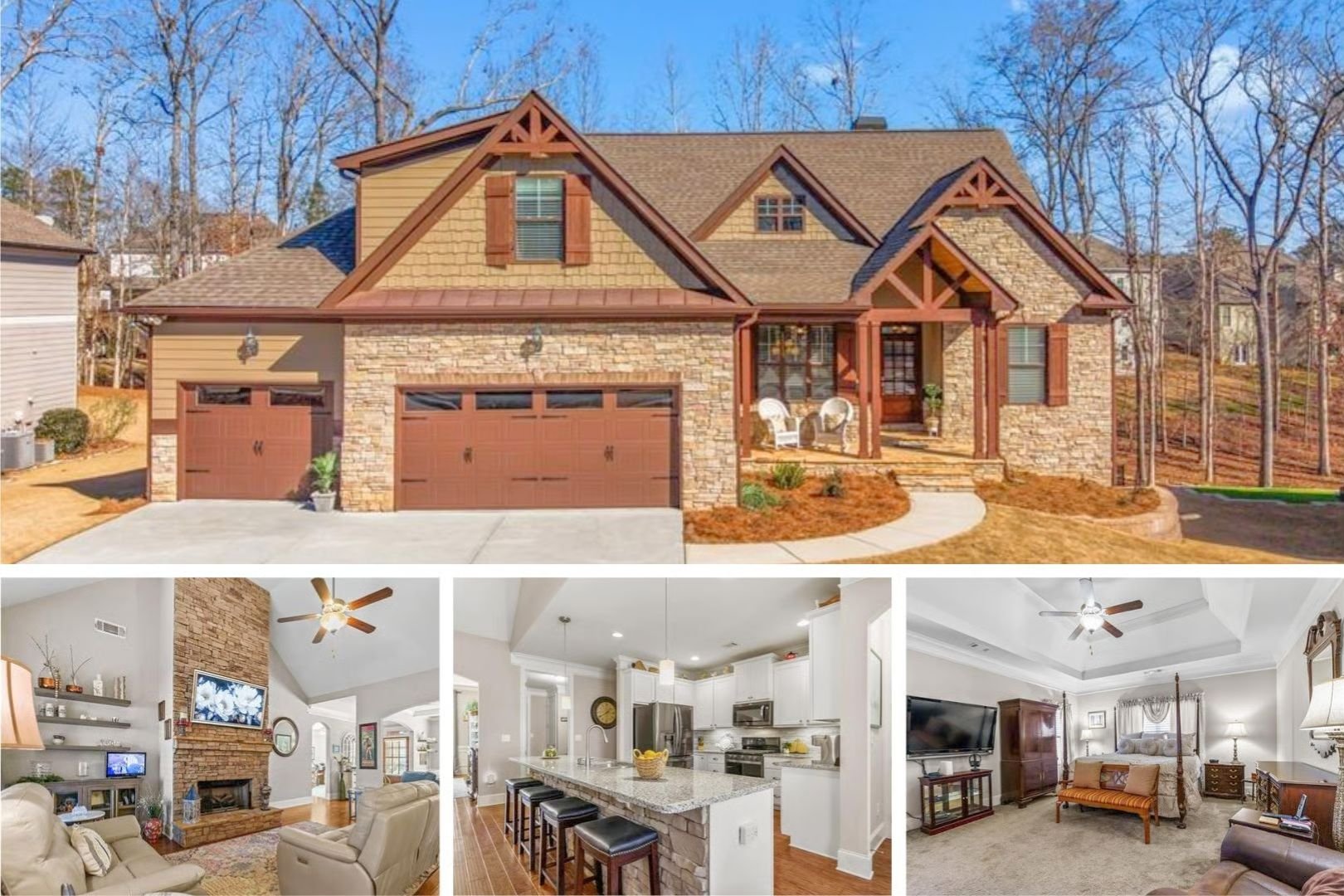
Hiram has emerged as one of the more active new construction markets in the western corridor. Paulding County's combination of lower land costs, sustained population growth, and an improving retail base has made it a natural destination for builders of all sizes. The area around Hiram Pavilion — a commercial hub with retail, dining, and services — anchors everyday convenience for buyers settling into Paulding County communities.
Powder Springs, sitting on the Paulding-Cobb County line, adds access to western Cobb County amenities and the Silver Comet Trail — a 61.5-mile paved multi-use path running from Smyrna westward through Mableton, Austell, Powder Springs, and Hiram, making it one of the longest paved recreational trails in the southeastern United States. For buyers who prioritize value and an active lifestyle, this stretch deserves significant attention.
Austell and Mableton (West Cobb County)
For buyers who want to stay as close to Atlanta as possible while still accessing new construction, Austell and Mableton are the logical destinations. Mableton achieved cityhood in 2023 and is actively developing its identity and infrastructure as a new municipality within Cobb County — the development energy here is genuine and ongoing.
The Silver Comet Trail runs directly through this area, making trail access a day-to-day reality rather than a weekend drive. Buyers in Austell and Mableton trade some price advantage for meaningful proximity to Atlanta and access to Cobb County School District — one of the largest and most consistently well-regarded school systems in Georgia, serving approximately 108,000 to 110,000 students with a "Distinguished" designation under Georgia's accountability framework.
Schools, Parks, and Daily Life in West Atlanta's Suburbs

School Districts to Know
| District | Communities Served | Enrollment | Schools |
|---|---|---|---|
| Douglas County School System | Douglasville, Lithia Springs, parts of Villa Rica | ~26,000–27,000 | ~35 schools; Cognia accredited |
| Carroll County School System | Parts of Villa Rica (county line dependent) | Varies by address | Confirm feeder pattern by subdivision |
| Paulding County School District | Hiram, Dallas, broader Paulding County | ~30,000–31,000 | 30+ schools, several newly built |
| Cobb County School District | Austell, Mableton, Powder Springs | ~108,000–110,000 | "Distinguished" GA accountability rating |
Families with school-age children should research specific school assignments for any community they're considering, as feeder patterns vary by subdivision — particularly in Villa Rica, which straddles the Douglas-Carroll County line, and in newer developments that sometimes feed into newer campuses.
Shopping, Dining, and Everyday Conveniences
Arbor Place Mall in Douglasville anchors the retail landscape for the entire western corridor, surrounded by national retailers, restaurants, and service businesses that handle most of what a household needs. Hiram's commercial area adds strong everyday retail access for Paulding County residents, with grocery stores, medical offices, and service businesses well-represented throughout the area.
Villa Rica's US-78 corridor continues to add retail and dining as the local population grows. Buyers coming from Atlanta's intown neighborhoods will notice a more suburban retail environment — but they won't find themselves driving unreasonable distances for daily essentials.
Tips for Buying New Construction in This Market
Understand What's Included — and What Isn't
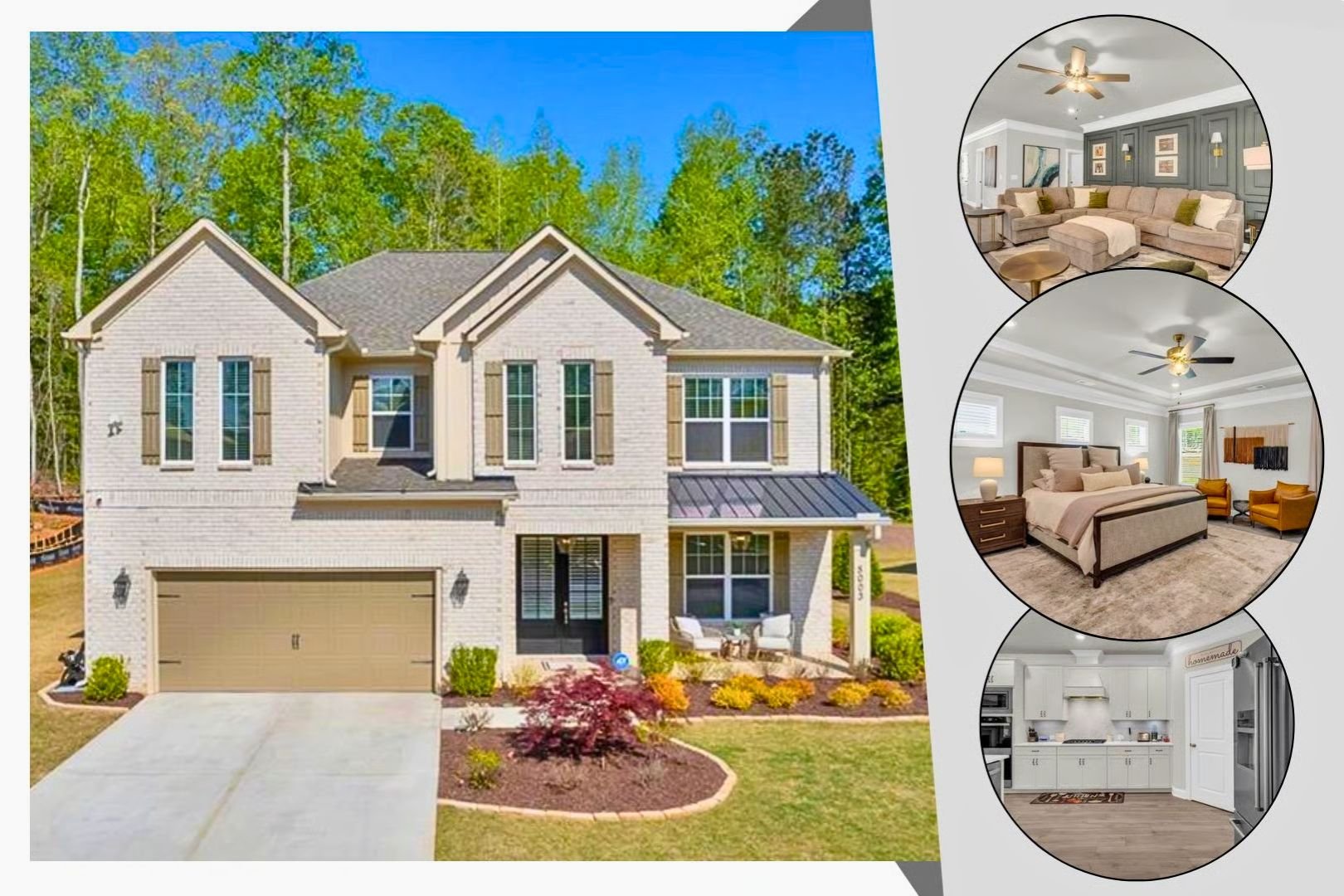
Builder base prices are real, but they don't always reflect what the finished home will cost. Upgrades — flooring, countertops, fixtures, structural options — can add meaningfully to the final price, and model homes typically showcase options that sit well above the base package.
Pro Tip: Before falling in love with a model home, ask the builder's sales team for a complete list of standard features and a clear breakdown of what the model includes that the base price doesn't. Reputable builders will be transparent about this — and understanding it upfront protects your budget.
Work With a Local Real Estate Agent
Builder sales agents work for the builder — that's not a criticism, it's simply their role. A buyer's agent familiar with Douglas County, Paulding County, and west Cobb represents your interests specifically. They can compare communities across multiple builders, flag issues with contracts or timelines, and negotiate on your behalf.
In most new construction transactions, builder-paid commissions mean this representation costs the buyer nothing directly. It's one of the most practical steps a new construction buyer can take.
Factor in Property Taxes and Total Cost of Ownership
Property tax rates vary between counties and affect your monthly carrying costs in ways that purchase price alone doesn't capture.
- Douglas County's combined millage rate runs approximately 30 to 33 mills
- Paulding County's combined rate generally falls in the 28 to 31 mill range for unincorporated areas
- Both figures are worth verifying directly with each county's tax commissioner for the current year
Pro Tip: Many new communities carry HOA fees covering common area maintenance and amenities. Run a complete monthly cost-of-ownership calculation — mortgage, taxes, insurance, and HOA — before committing to any community. That full number is what you're actually signing up for.
Is Now the Right Time to Buy New Construction West of Atlanta?
Interest rates have created hesitation across the buyer market, and that hesitation is understandable. What's worth knowing: builders in this corridor have been actively deploying incentives to keep buyers moving.
According to NAHB Housing Market Index surveys from Q3 and Q4 of 2024, approximately 60 to 62 percent of builders nationally reported offering some form of sales incentive — and the Atlanta metro has reflected similar activity.
Rate buydown programs — where a builder subsidizes a lower interest rate for an initial period or for the life of the loan — can meaningfully change what a buyer qualifies for and what they pay monthly. These incentives don't eliminate the rate environment, but they offset it in ways that make new construction more accessible than many buyers assume.
The population growth driving development in this corridor isn't speculative — it reflects real people relocating for real, durable reasons. Waiting for a market correction in an area that continues to attract new residents and active builder investment carries its own set of risks. Buyers who understand this corridor well are positioned to make decisions from knowledge rather than uncertainty.
Frequently Asked Questions: Affordable New Homes West of Atlanta
What is the average price of a new construction home west of Atlanta?
New construction in Douglas County and Paulding County generally ranges from the upper $260,000s to the low $400,000s, depending on the community, builder, square footage, and included features. Western Cobb County communities like Austell and Mableton tend to start somewhat higher given their proximity to Atlanta. These figures are approximate and shift with market conditions, so confirming current pricing directly with builders is always recommended.
Which west Atlanta suburb is best for first-time homebuyers?
Douglasville, Villa Rica, and Hiram are consistently strong starting points for first-time buyers. All three offer genuine new construction inventory at accessible price points, established community infrastructure, and workable access to Atlanta's employment centers. Villa Rica and Hiram tend to offer the lowest entry-level pricing; Douglasville adds the benefit of an established city center with broader retail, medical, and dining options.
How far is Douglasville from downtown Atlanta?
Douglasville is approximately 22 to 25 miles from downtown Atlanta via I-20 West. Under typical traffic conditions, the drive runs 30 to 45 minutes, though peak-hour congestion on I-20 can push that higher. Most buyers who make the commute regularly find it manageable, and many note it compares favorably to north Atlanta drives of similar mileage.
Are there new homes west of Atlanta in good school districts?
Yes. Douglas County School System, Carroll County School System, Paulding County School District, and Cobb County School District all serve communities throughout this corridor. Each district has invested in newer school facilities to accommodate population growth. Families should research specific school assignments for any subdivision they're considering, as feeder patterns vary by location within each county — particularly in Villa Rica, which straddles the Douglas-Carroll County line.
Do new construction builders west of Atlanta offer incentives?
Builder incentives are active and common in this corridor. Interest rate buydown programs and closing cost contributions are the most prevalent forms, particularly among larger national and regional builders. Incentive availability varies by builder, community, and time of year — asking directly about current promotions when visiting a builder's sales office is a straightforward and worthwhile step.
Is west Cobb or Douglas County more affordable for new construction?
Douglas County and Paulding County generally offer lower new construction price points than western Cobb County communities. West Cobb counters with closer proximity to Atlanta and access to Cobb County's extensive school and amenity infrastructure. If maximizing value and square footage is the primary goal, Douglas or Paulding County typically delivers. If staying closer to the city matters more, the price premium for west Cobb is often worth the tradeoff.
The Bottom Line

The western suburbs of Atlanta represent one of the metro's most practical opportunities for buyers who want new construction quality without price tags that require indefinite compromise. From Douglasville's established community character to Villa Rica's small-town affordability, from Hiram's builder activity to Mableton's proximity to Atlanta and Silver Comet Trail access — this corridor offers real options for first-time buyers, growing families, move-up buyers, and remote workers ready to stop renting someone else's older home.
The communities here are grounded, the amenities are genuine, and the value relative to the rest of the metro is real. It just takes knowing where to look and having the right guidance to navigate it confidently.
Ready to explore what's available west of Atlanta? Reach out to our team — we're happy to help you find the right community for where you are and where you're headed.