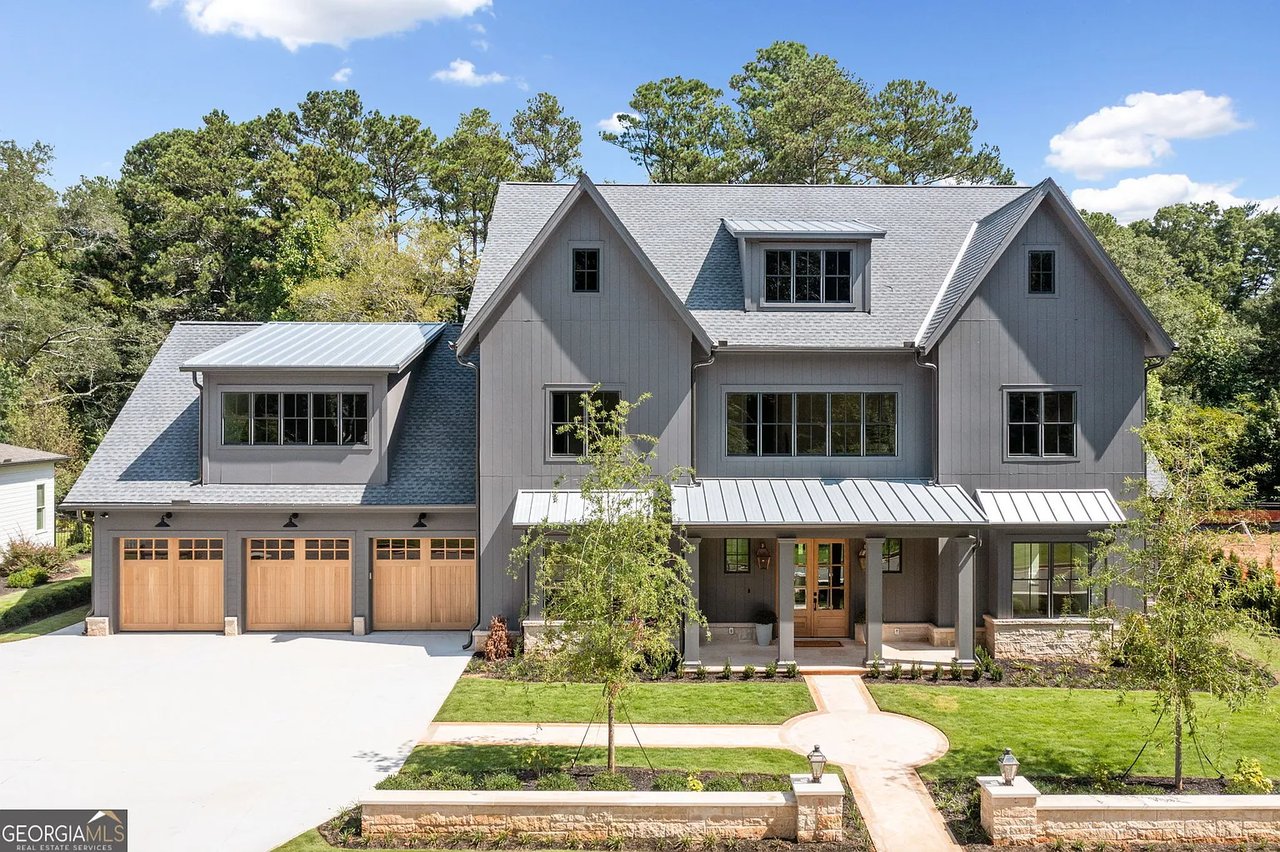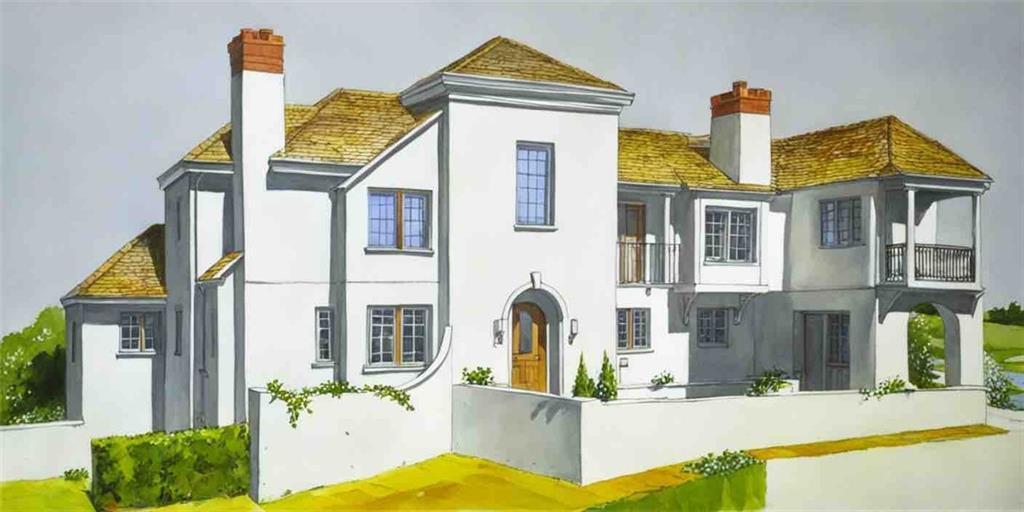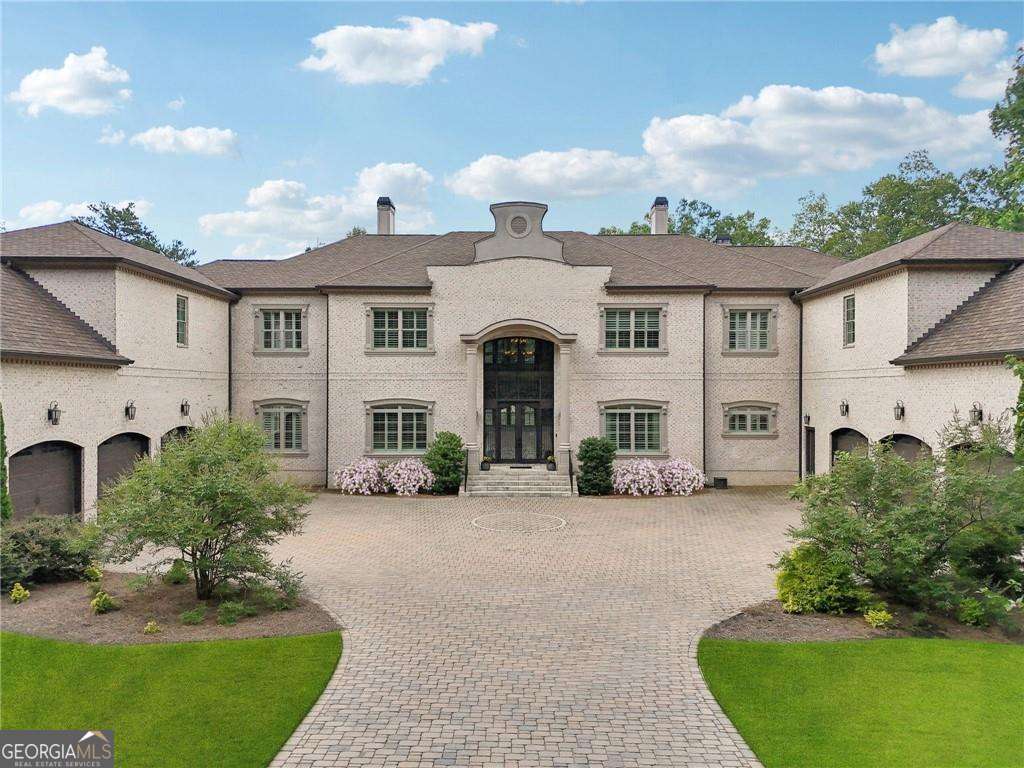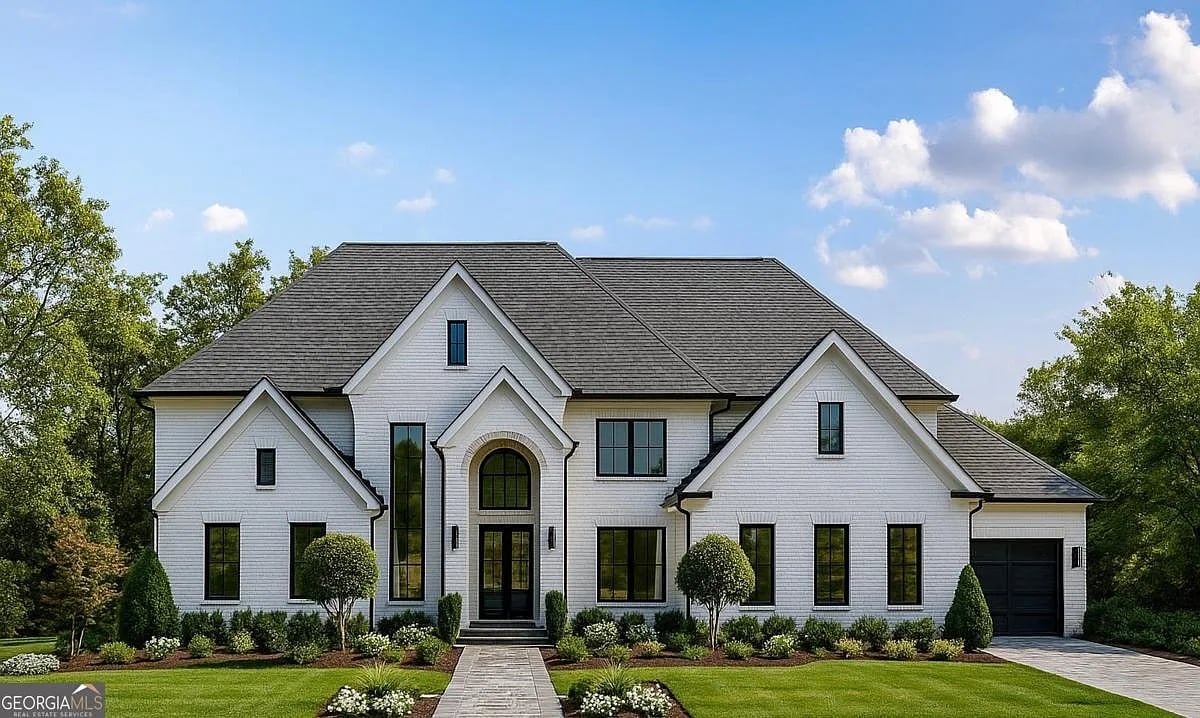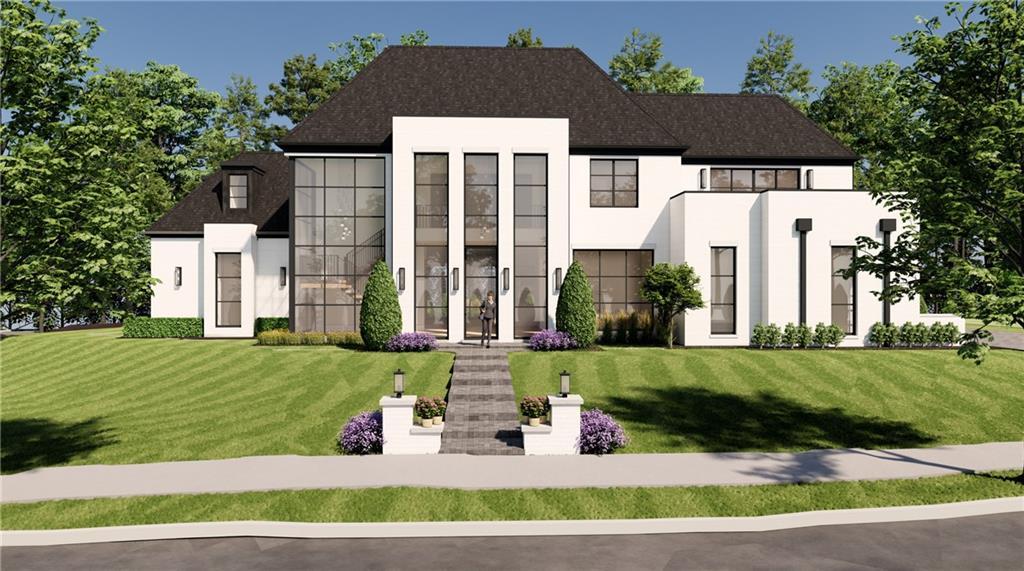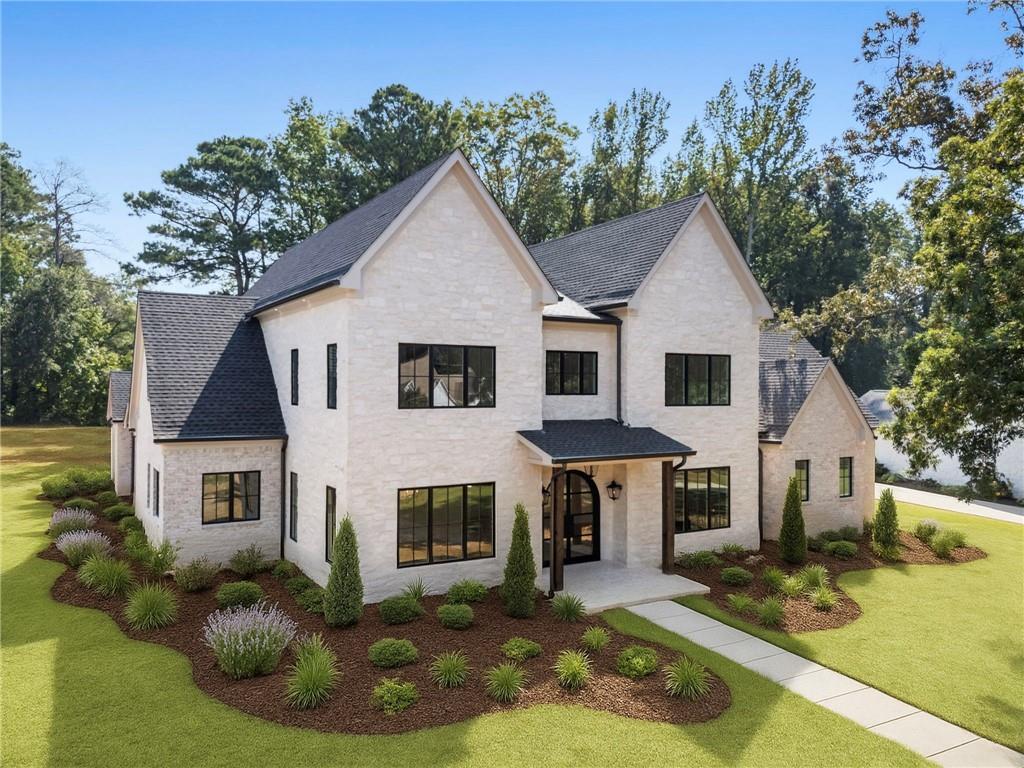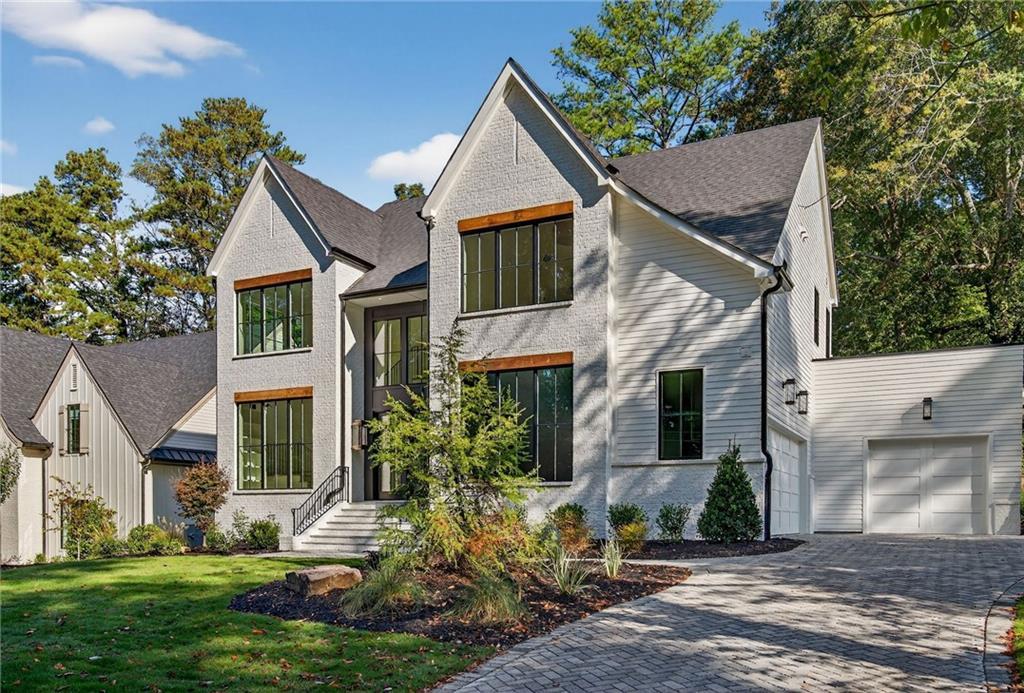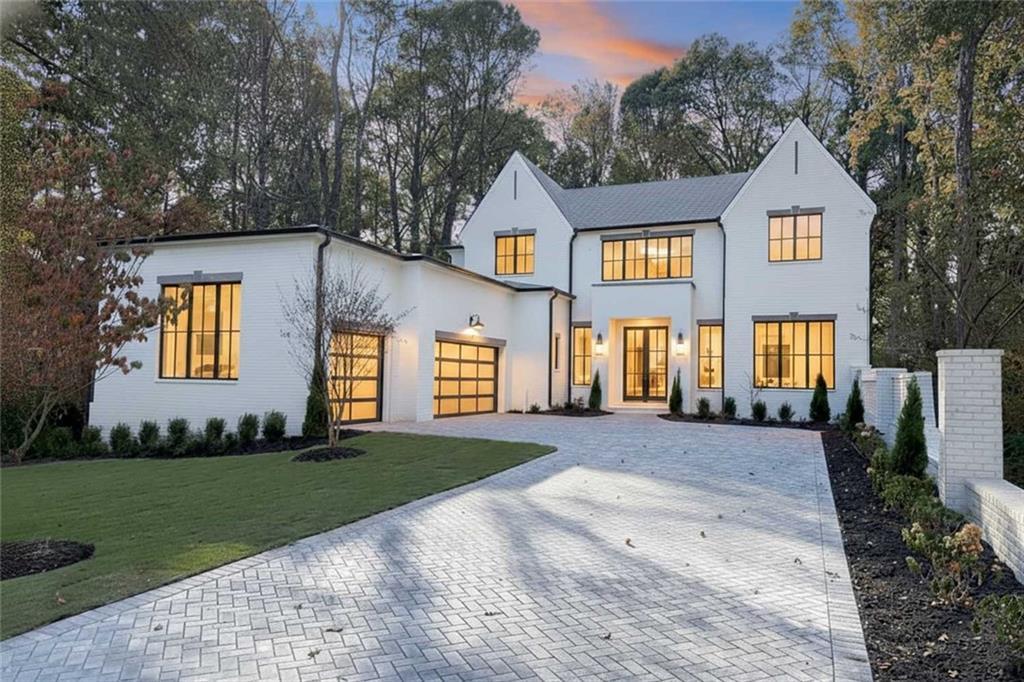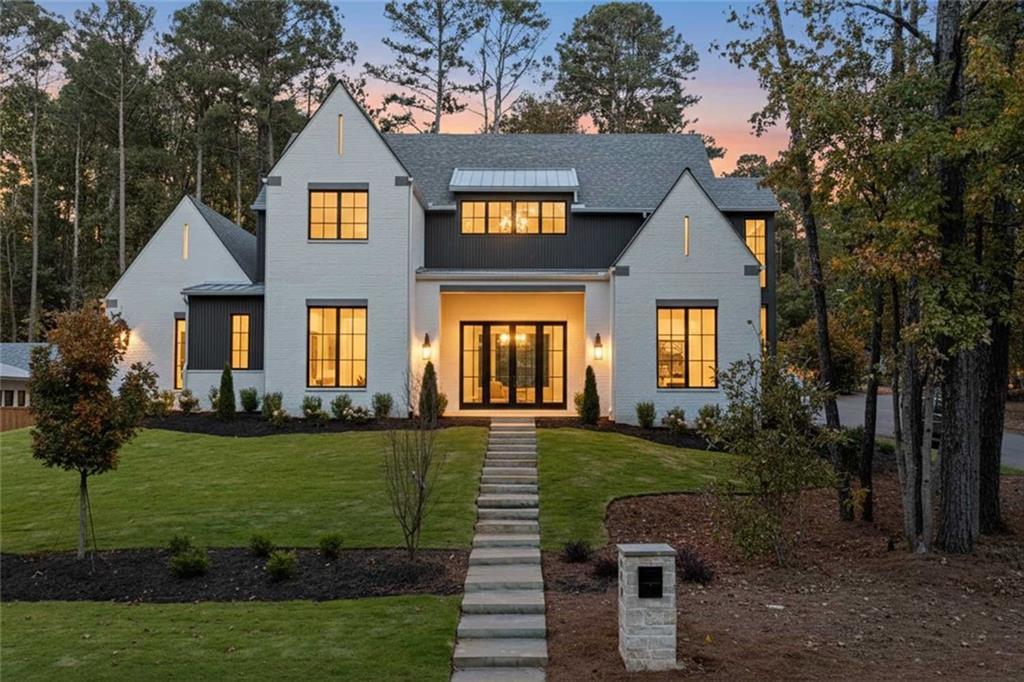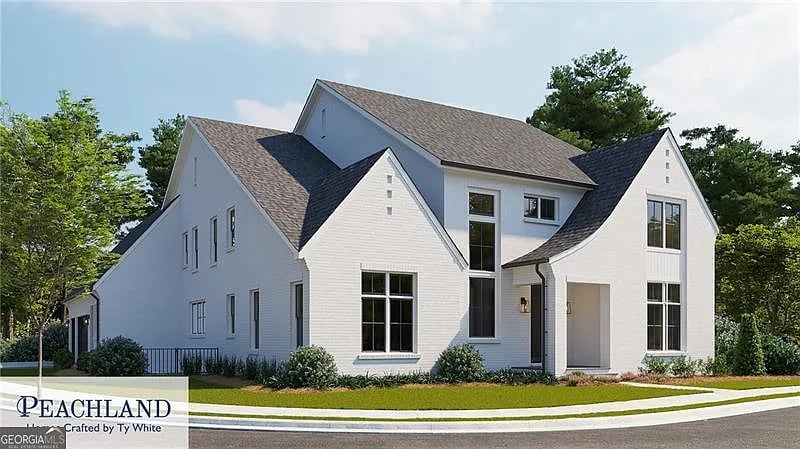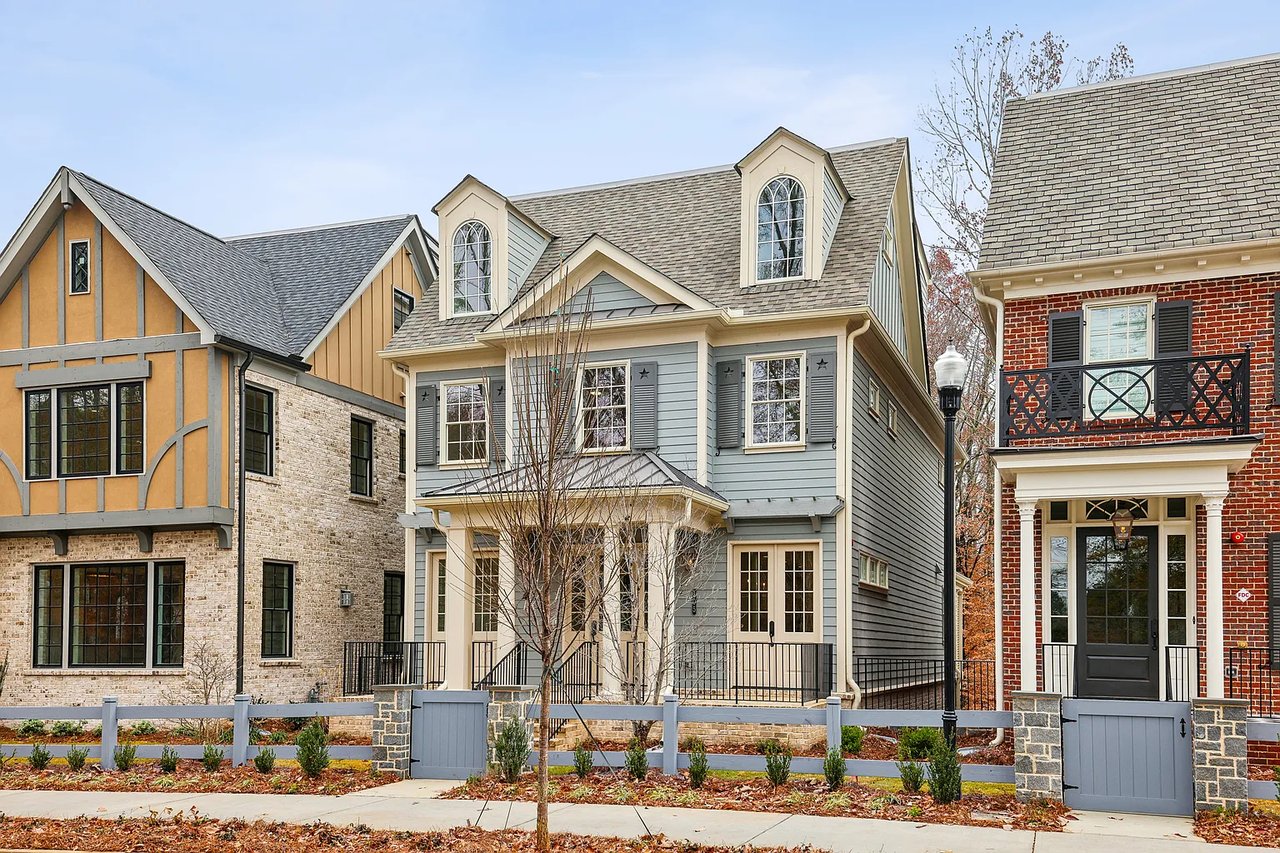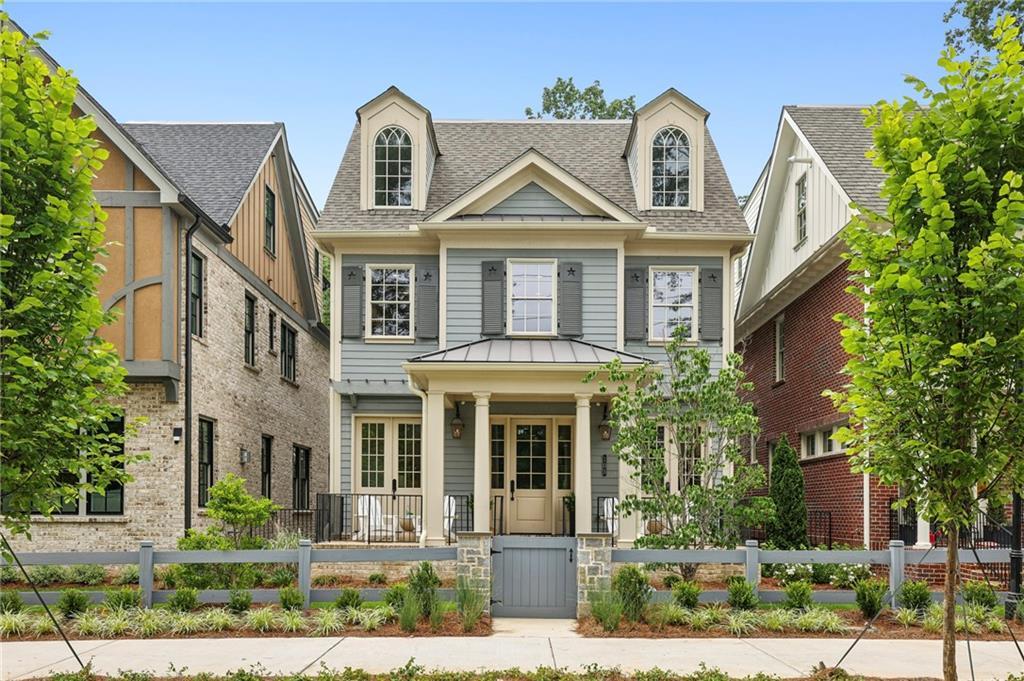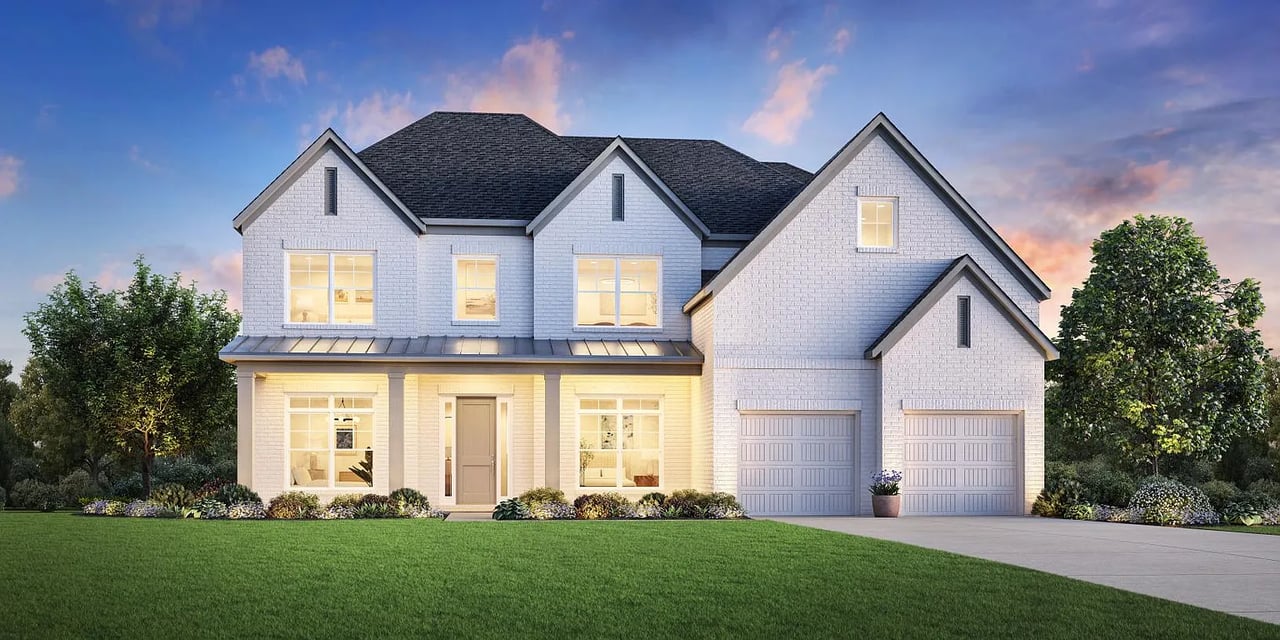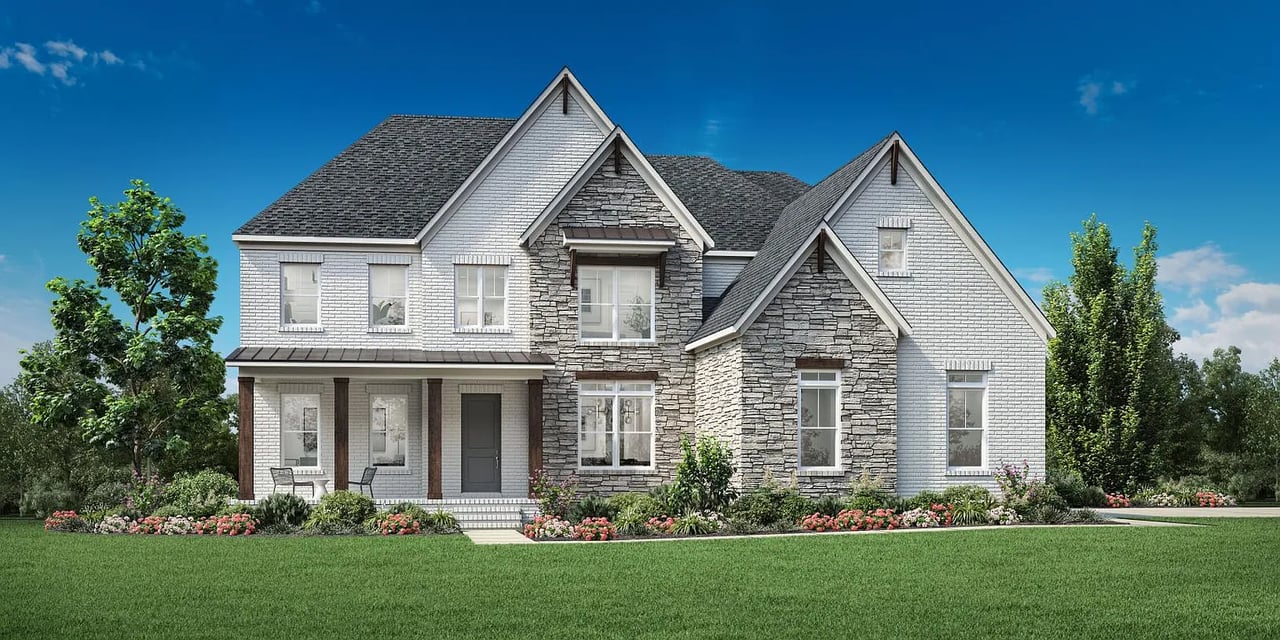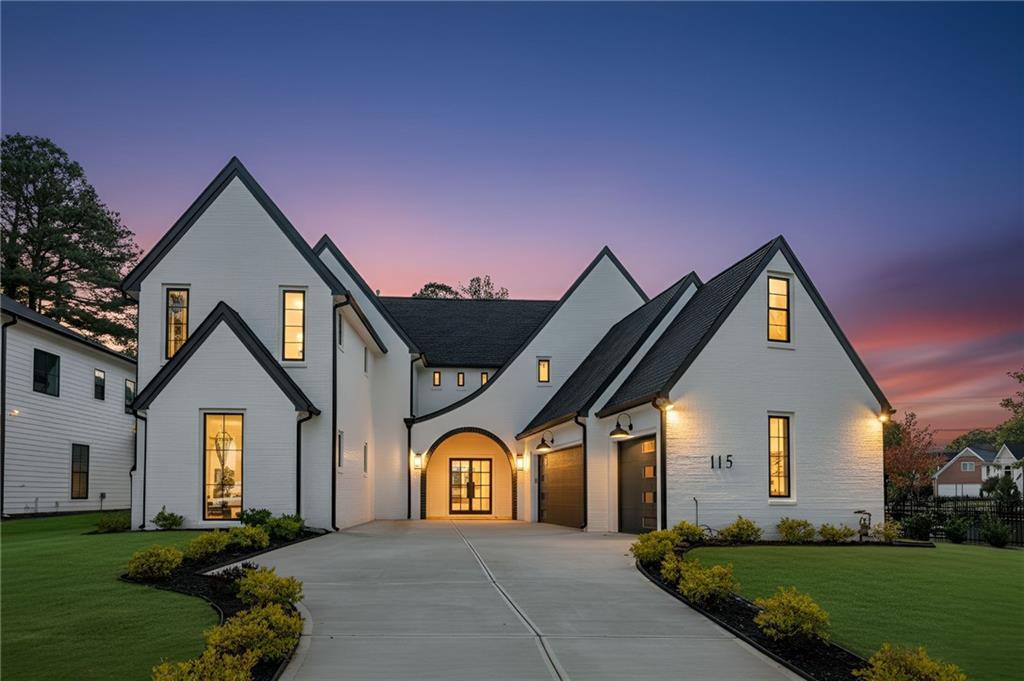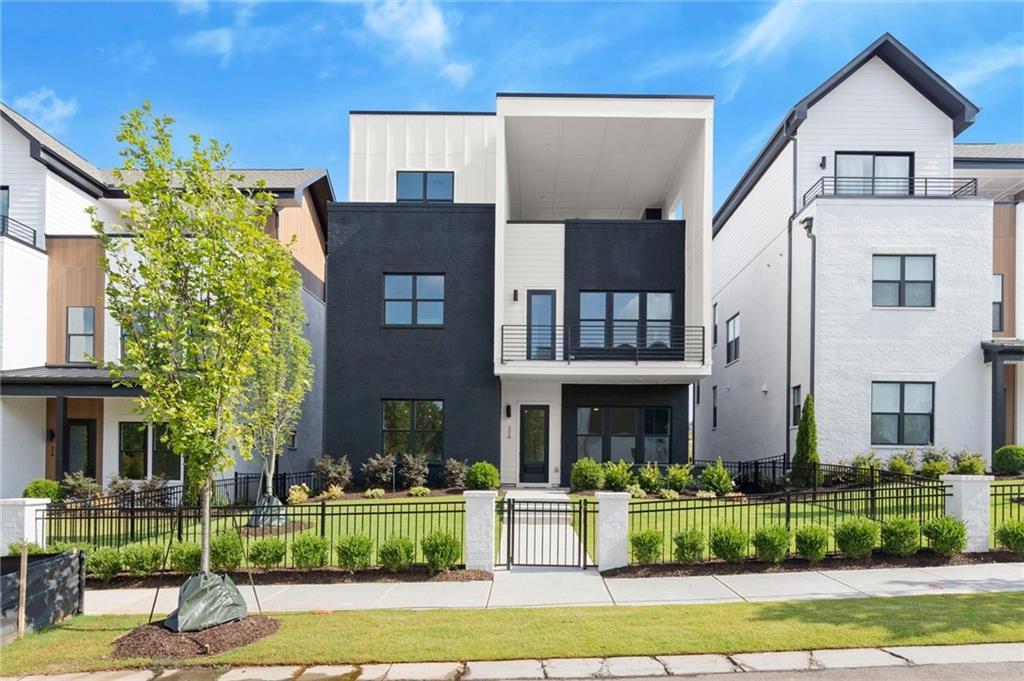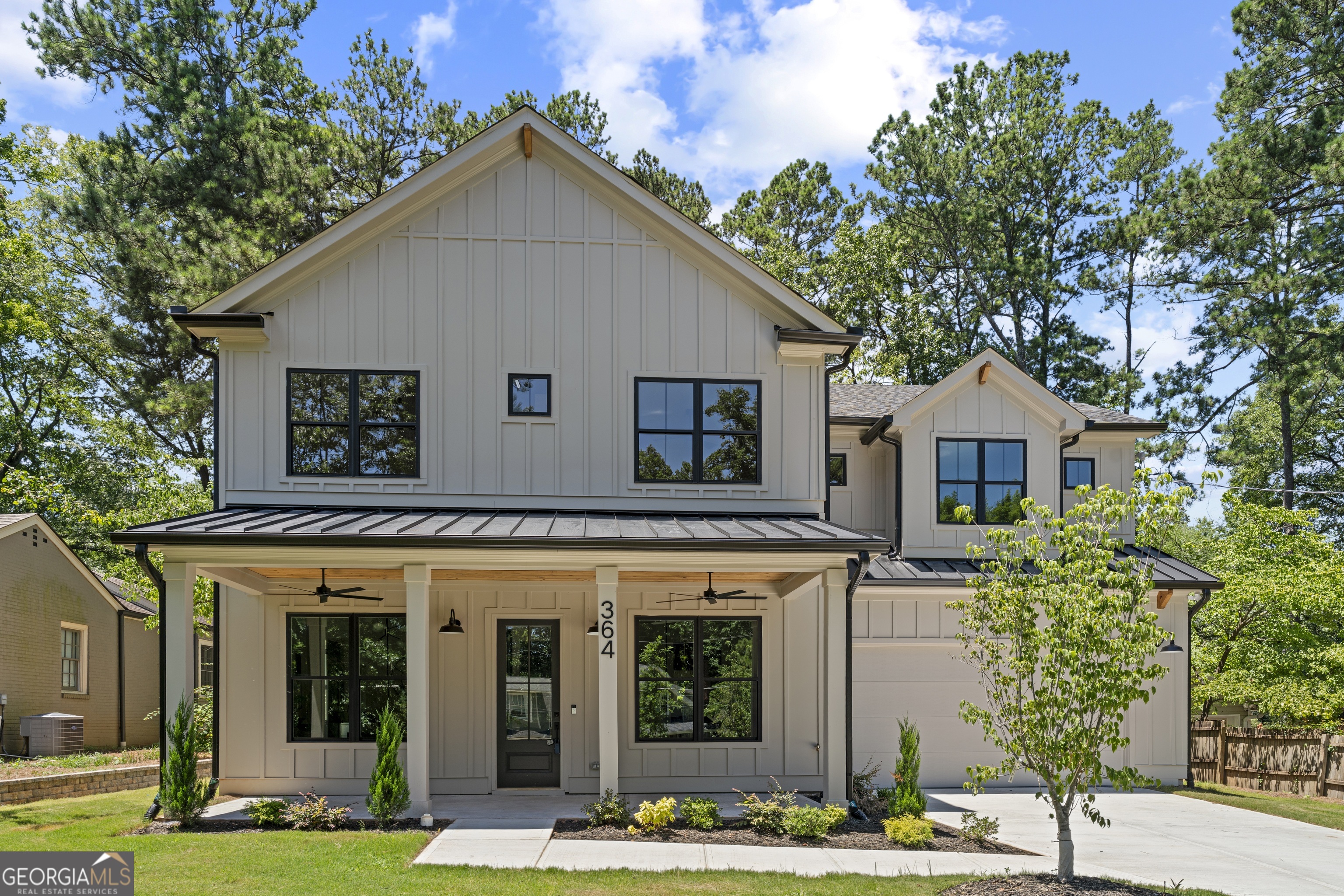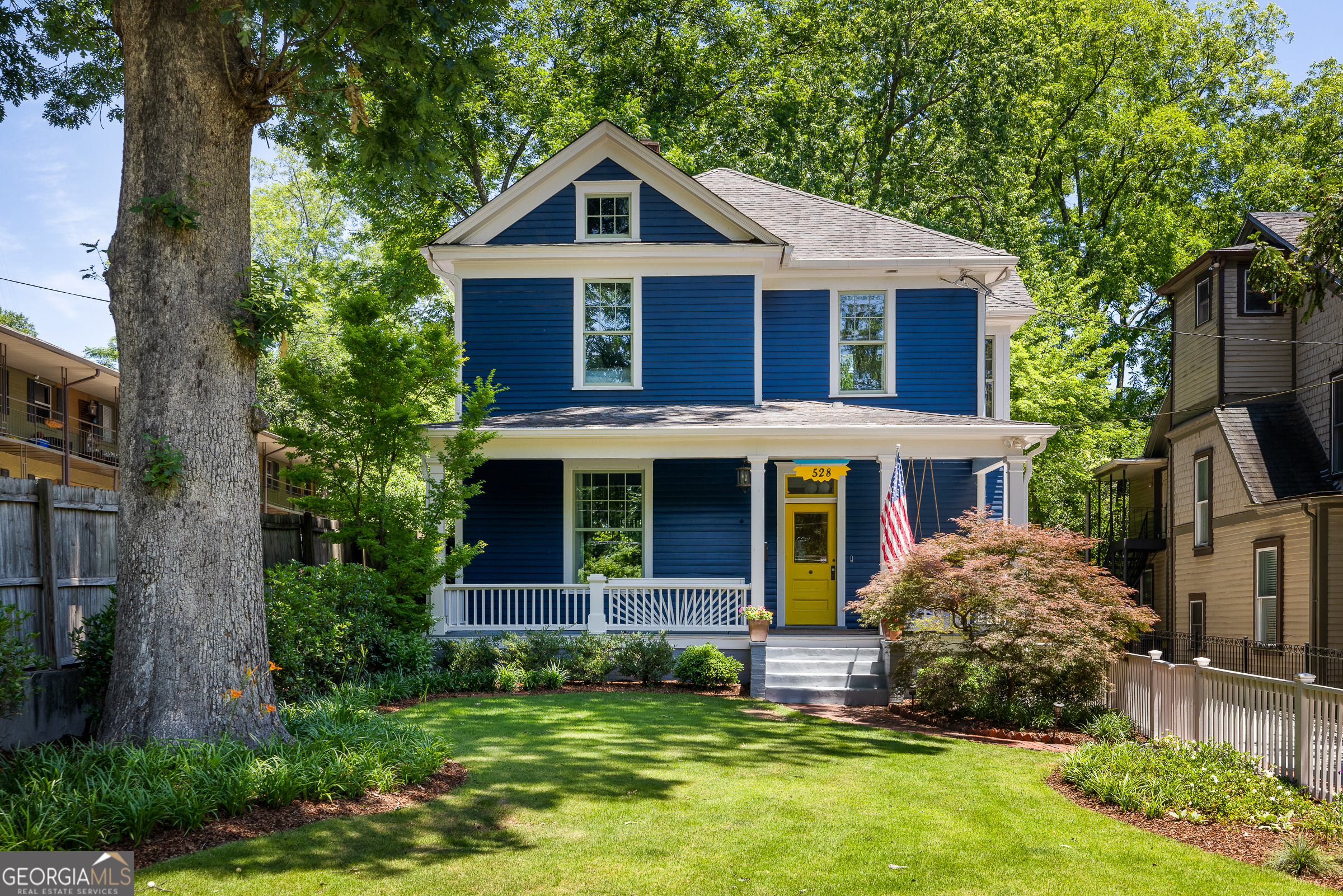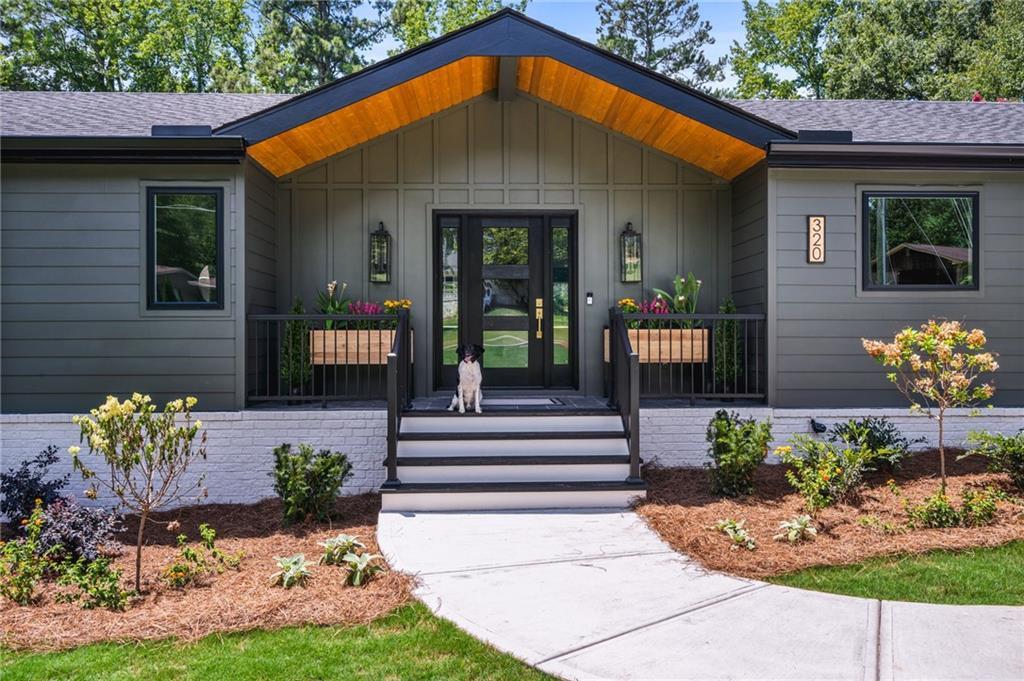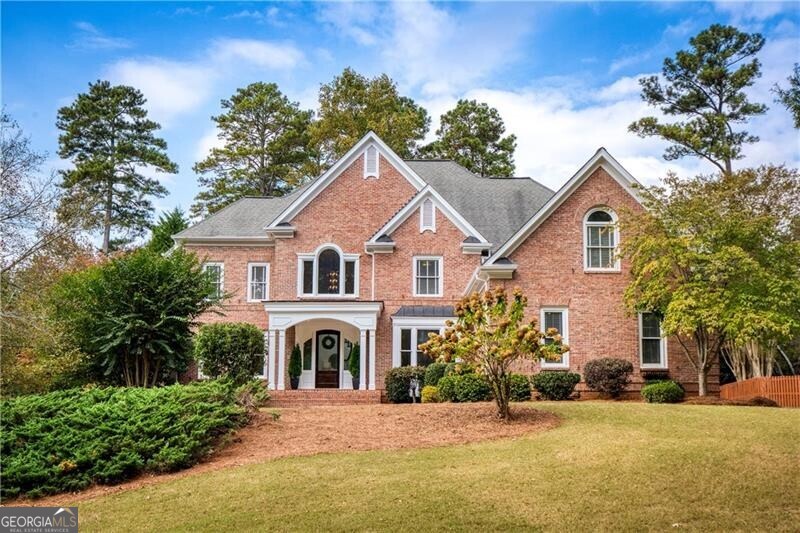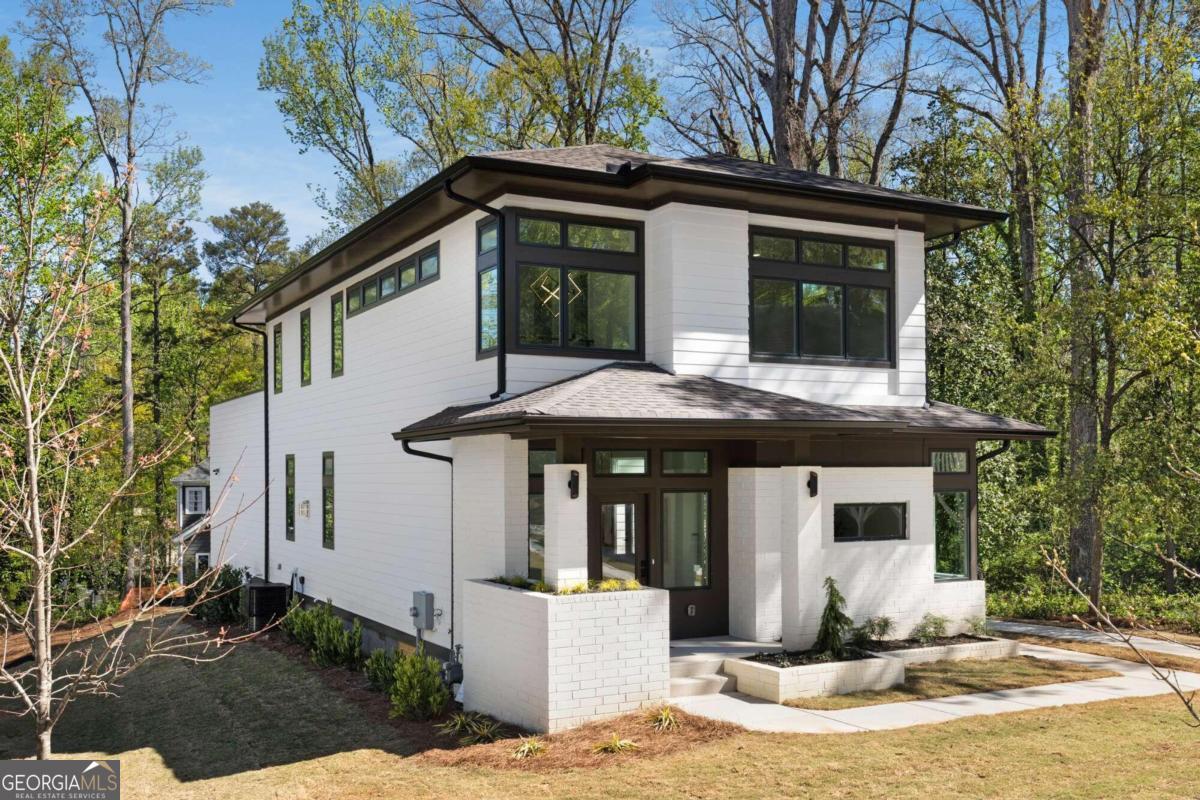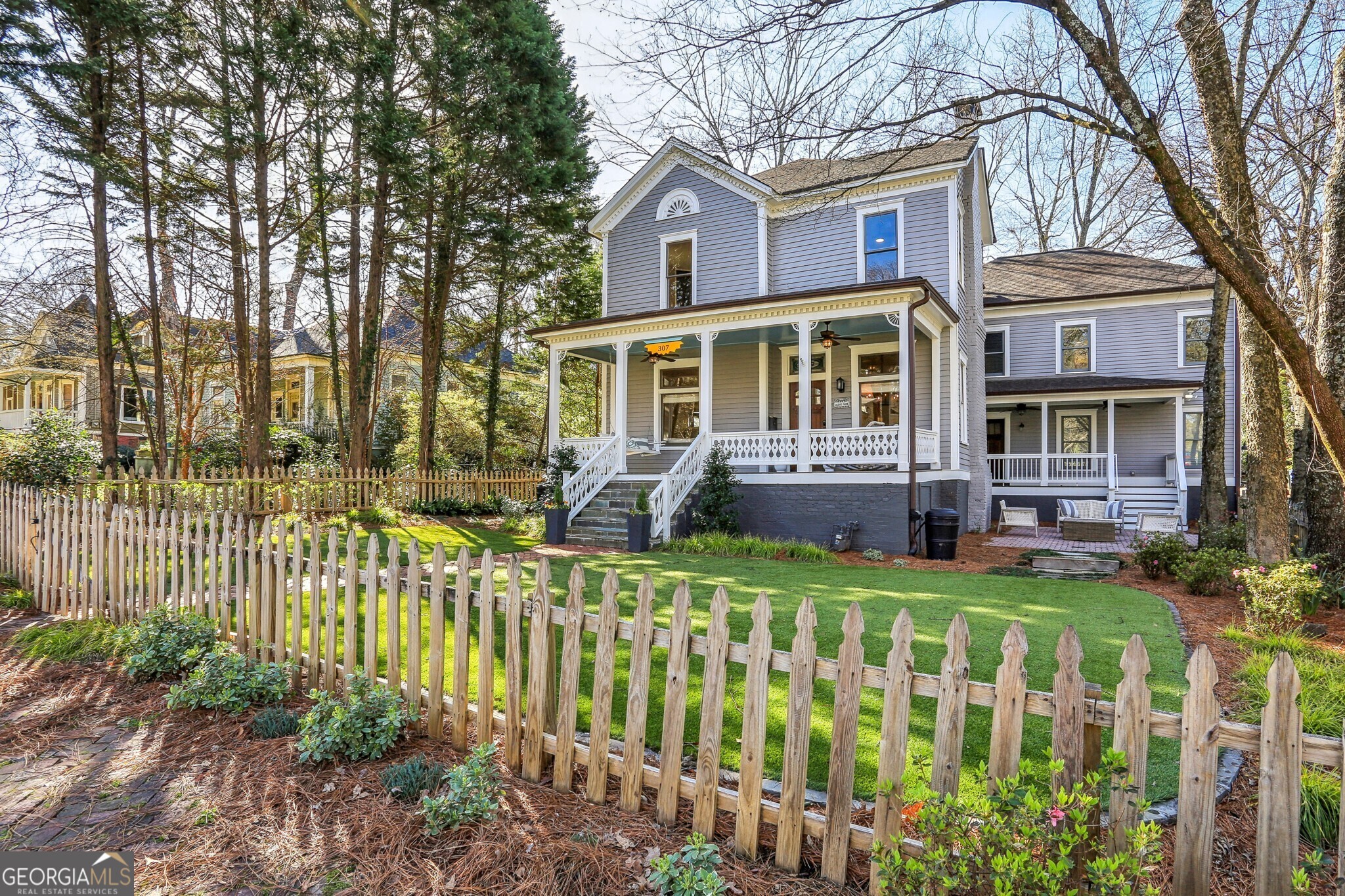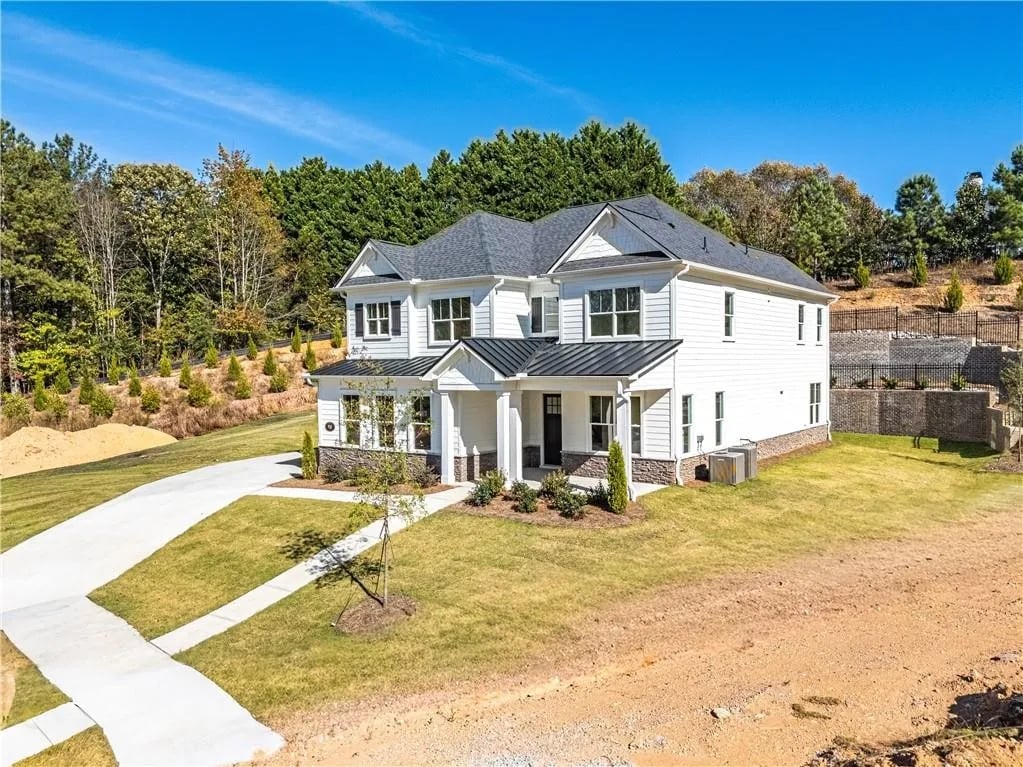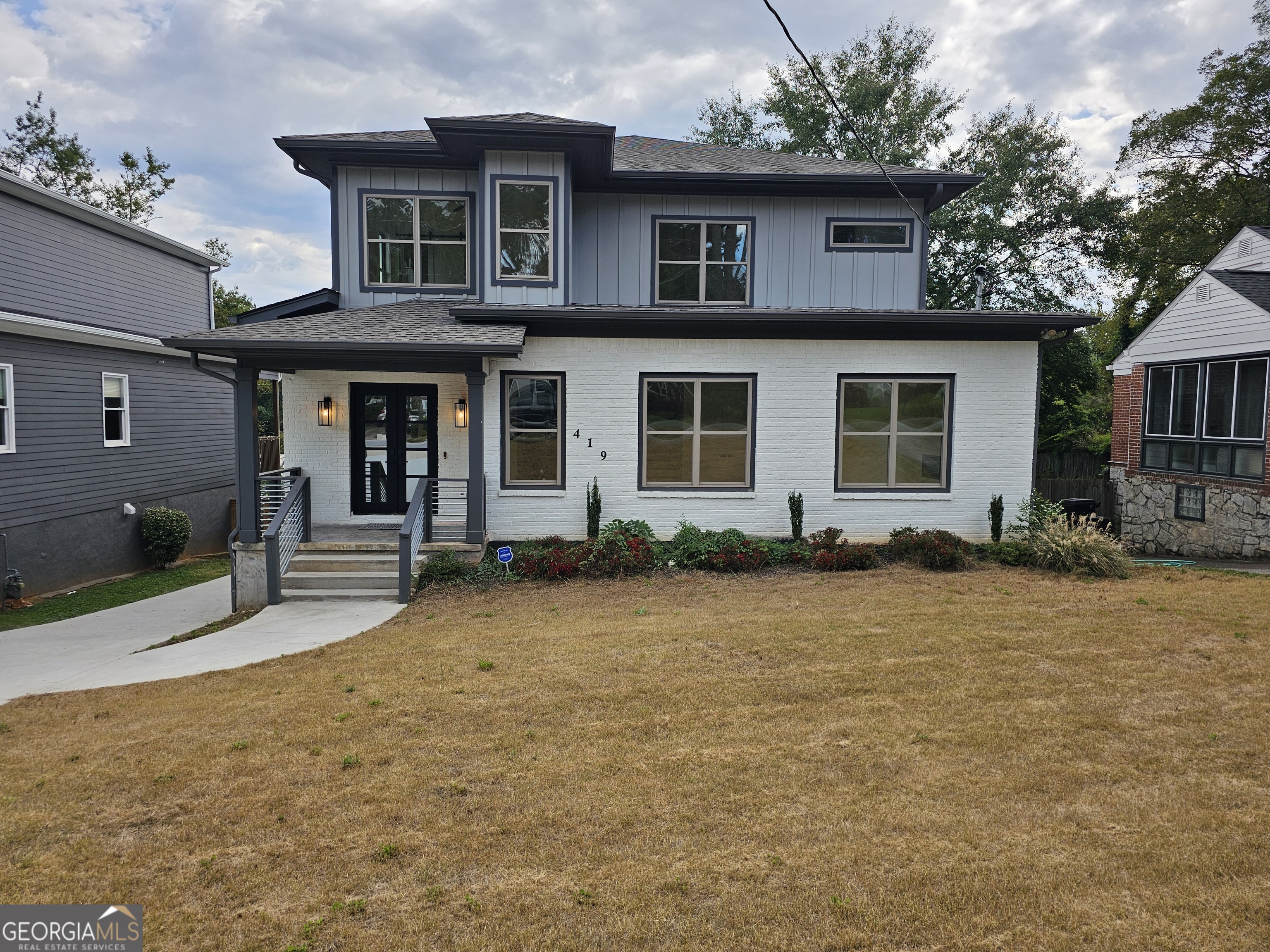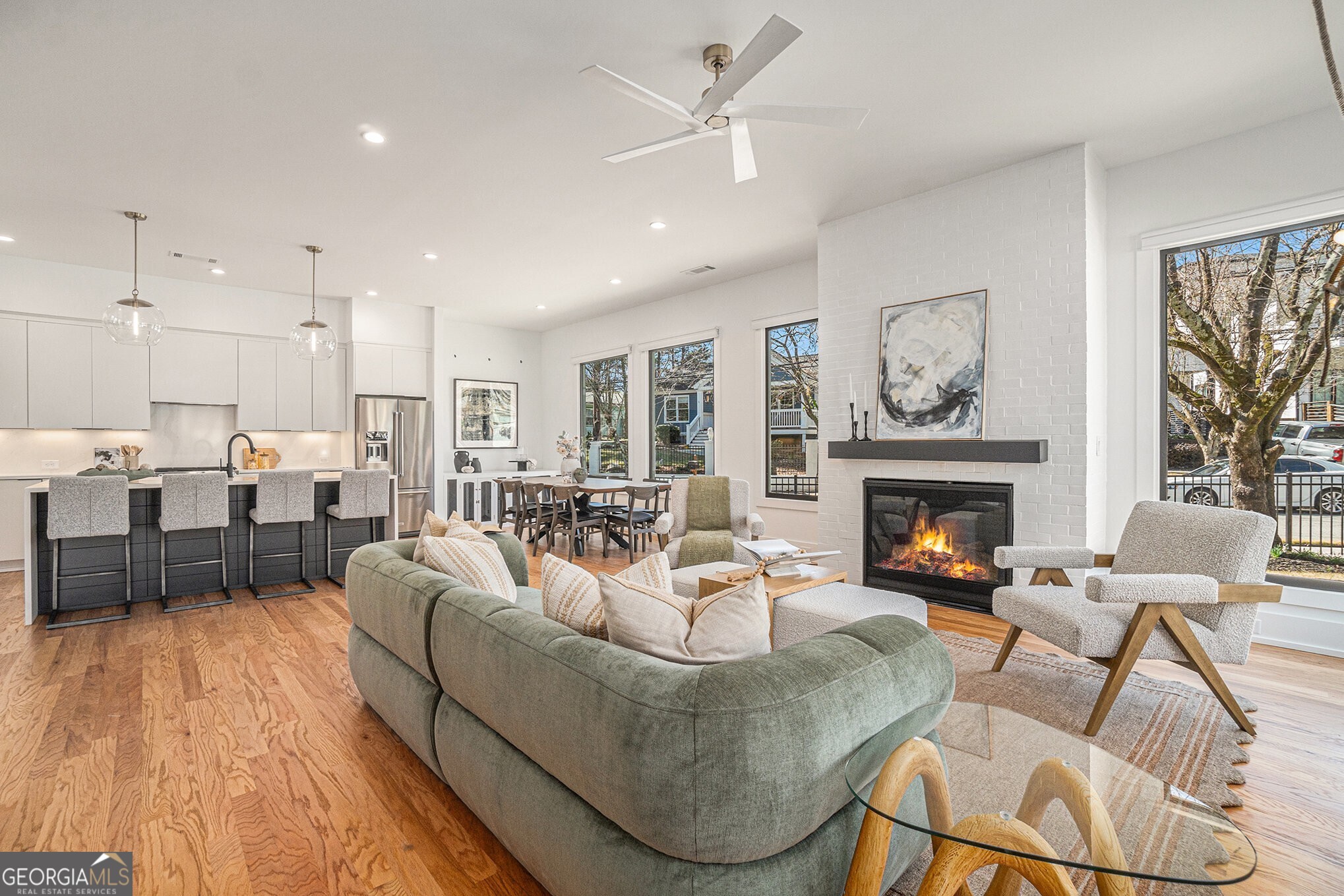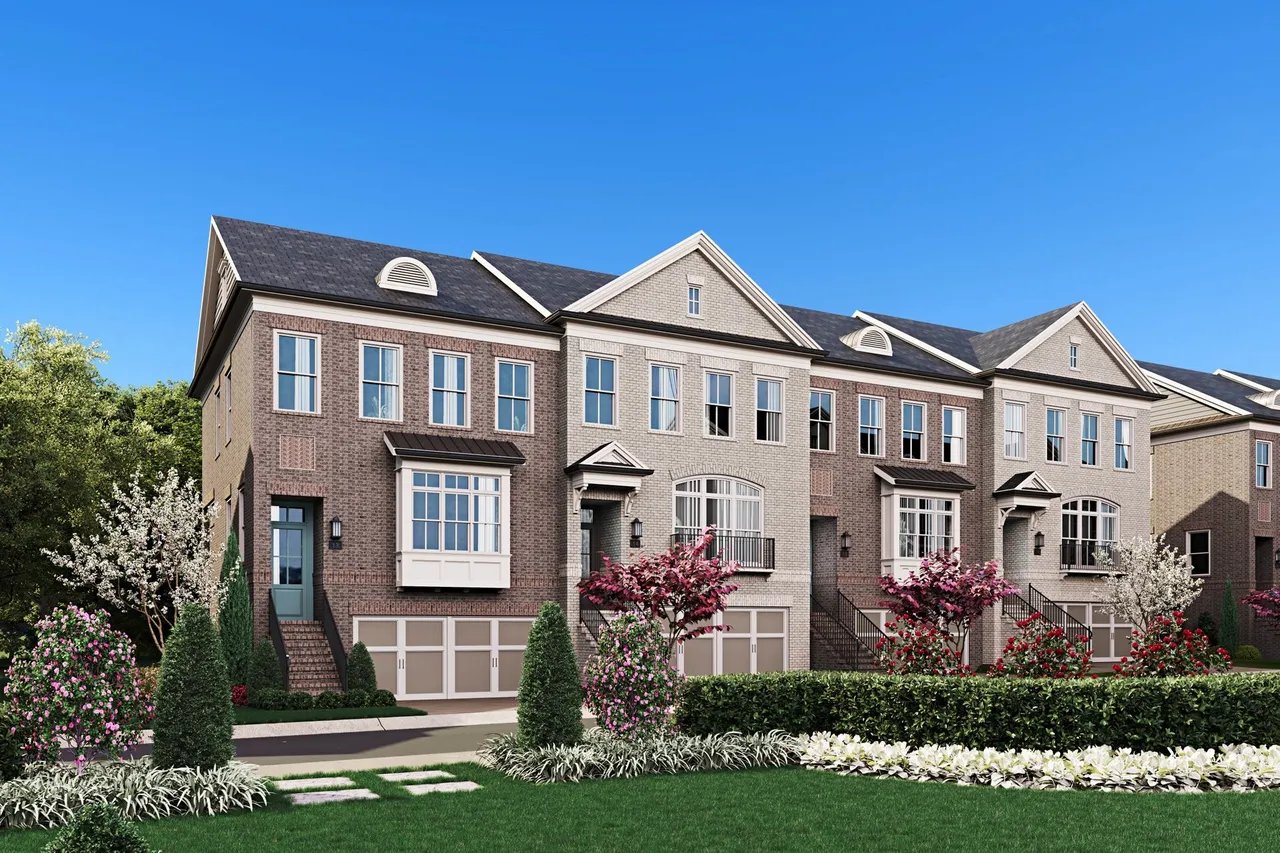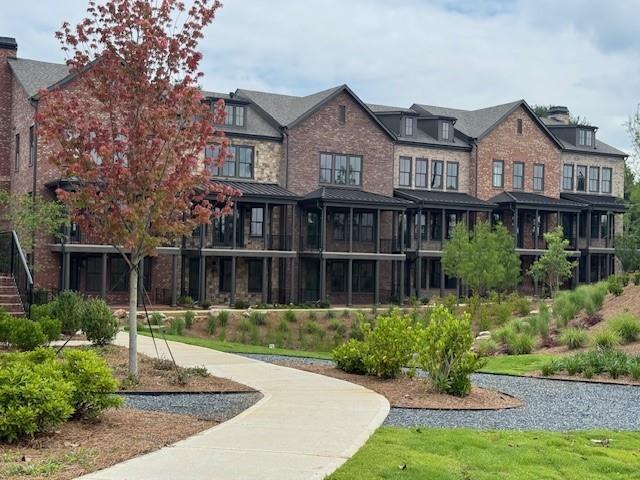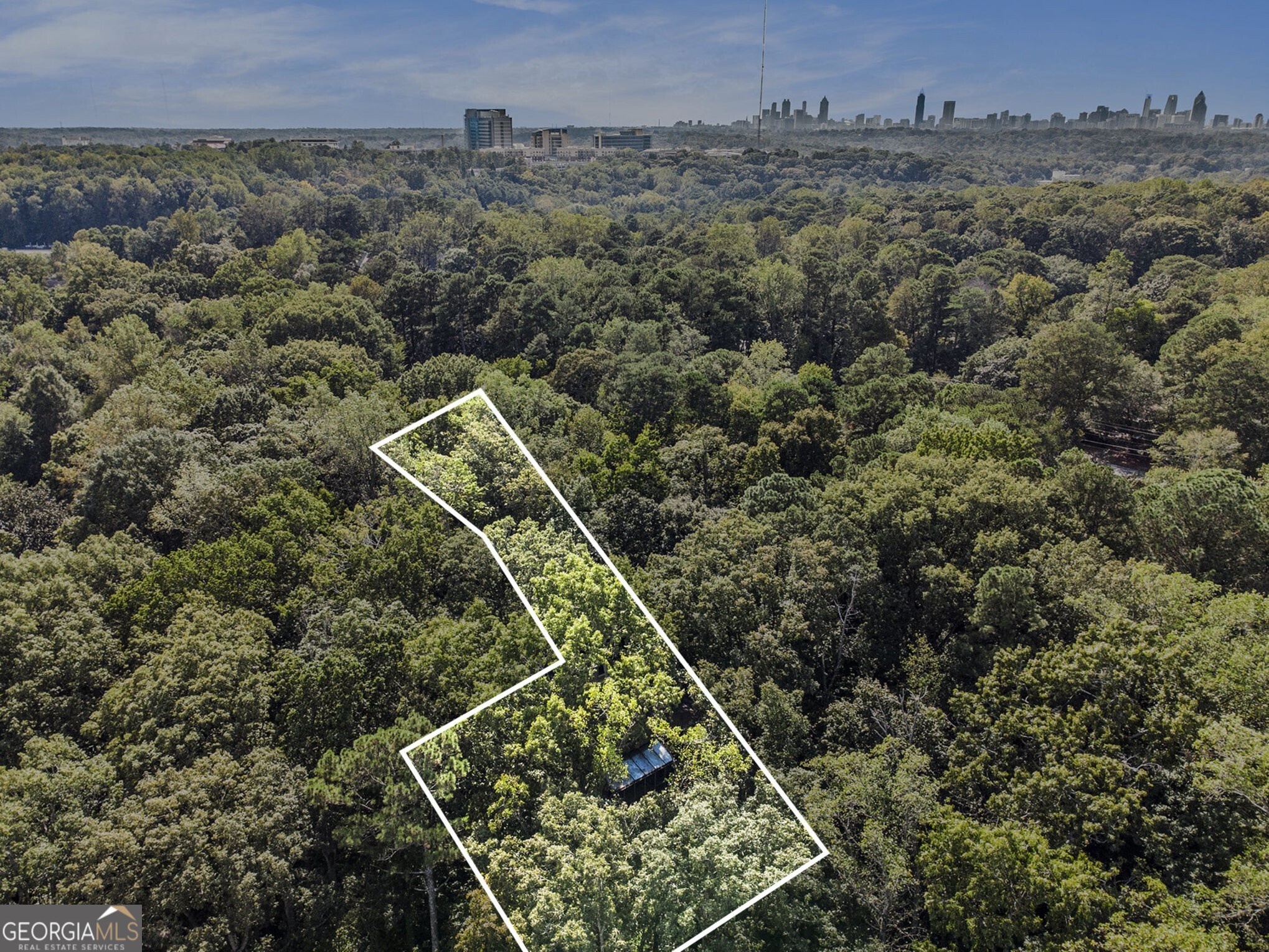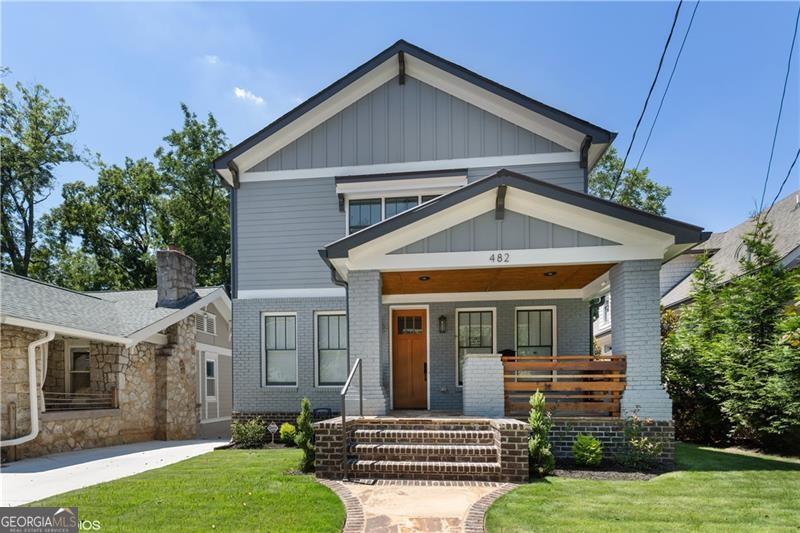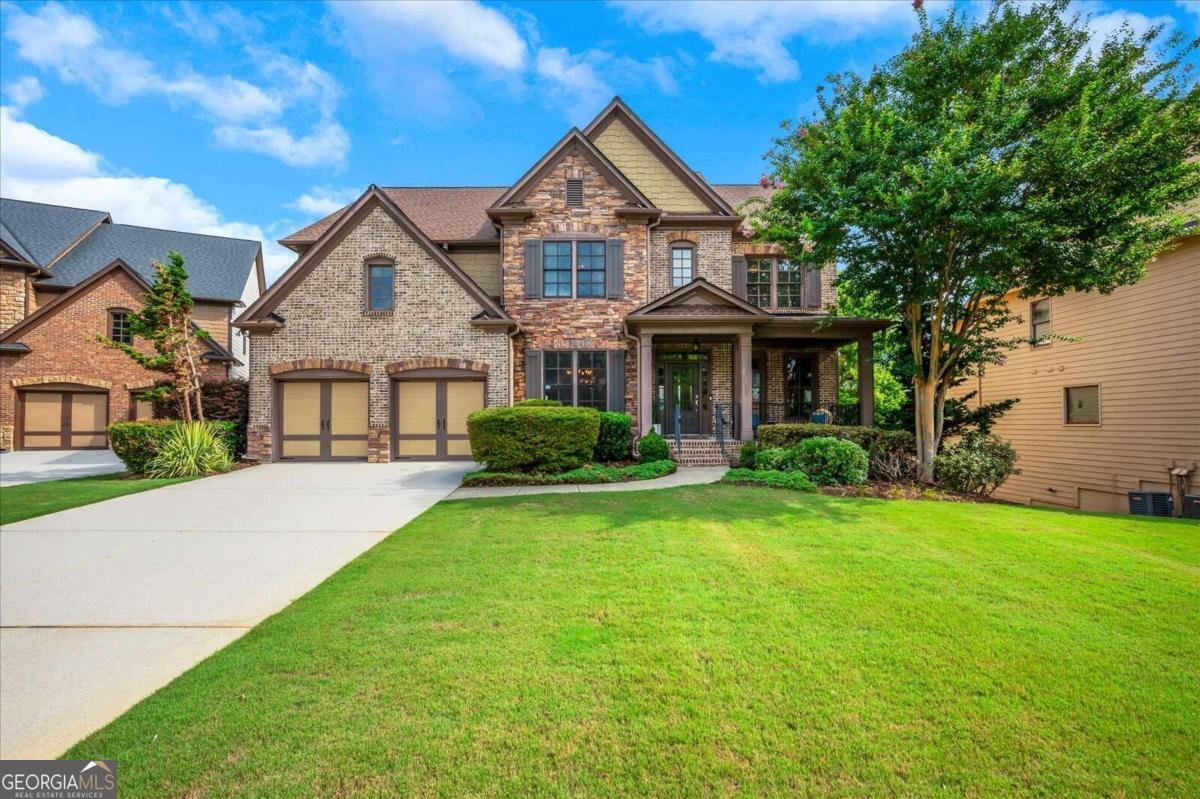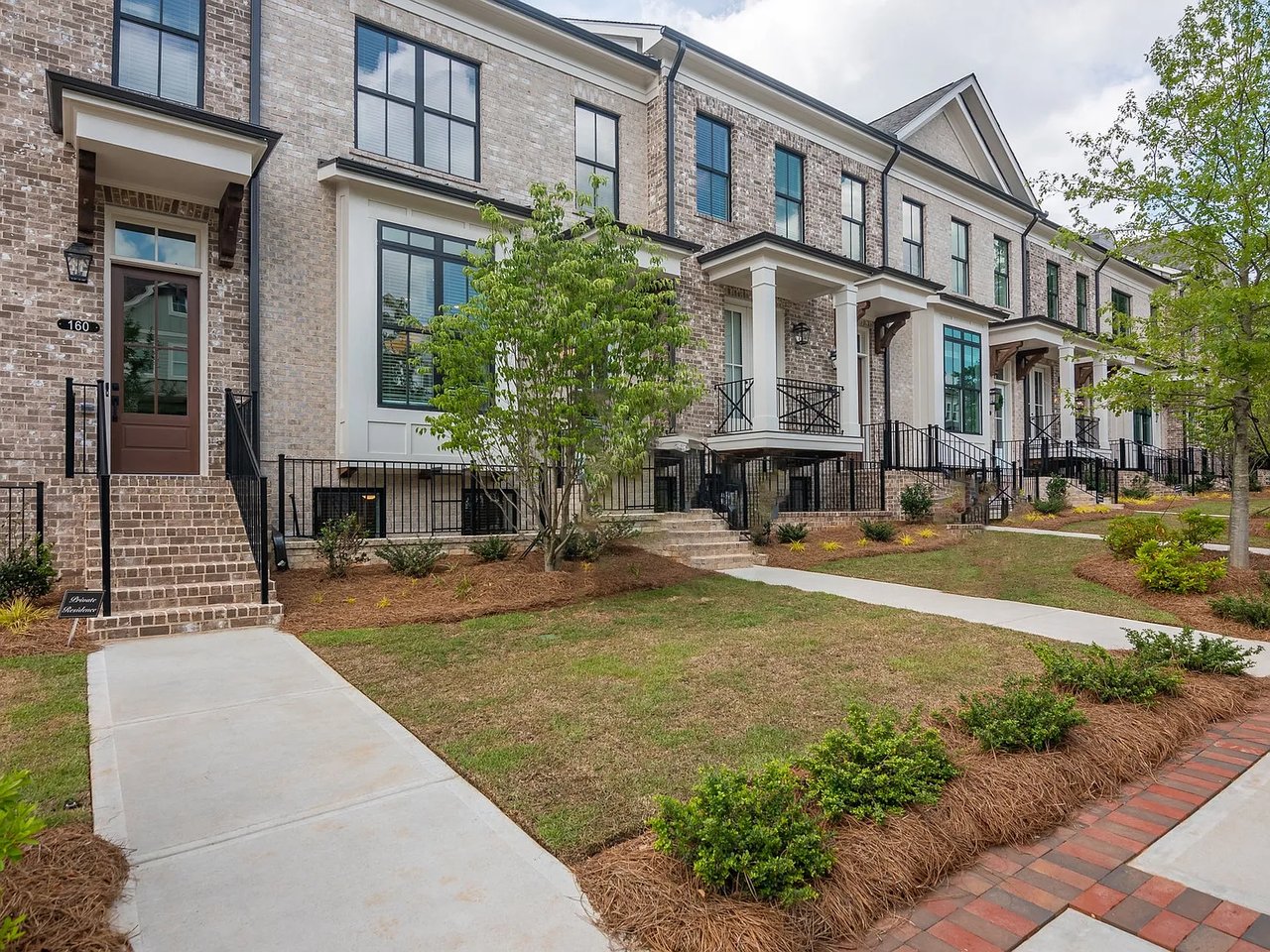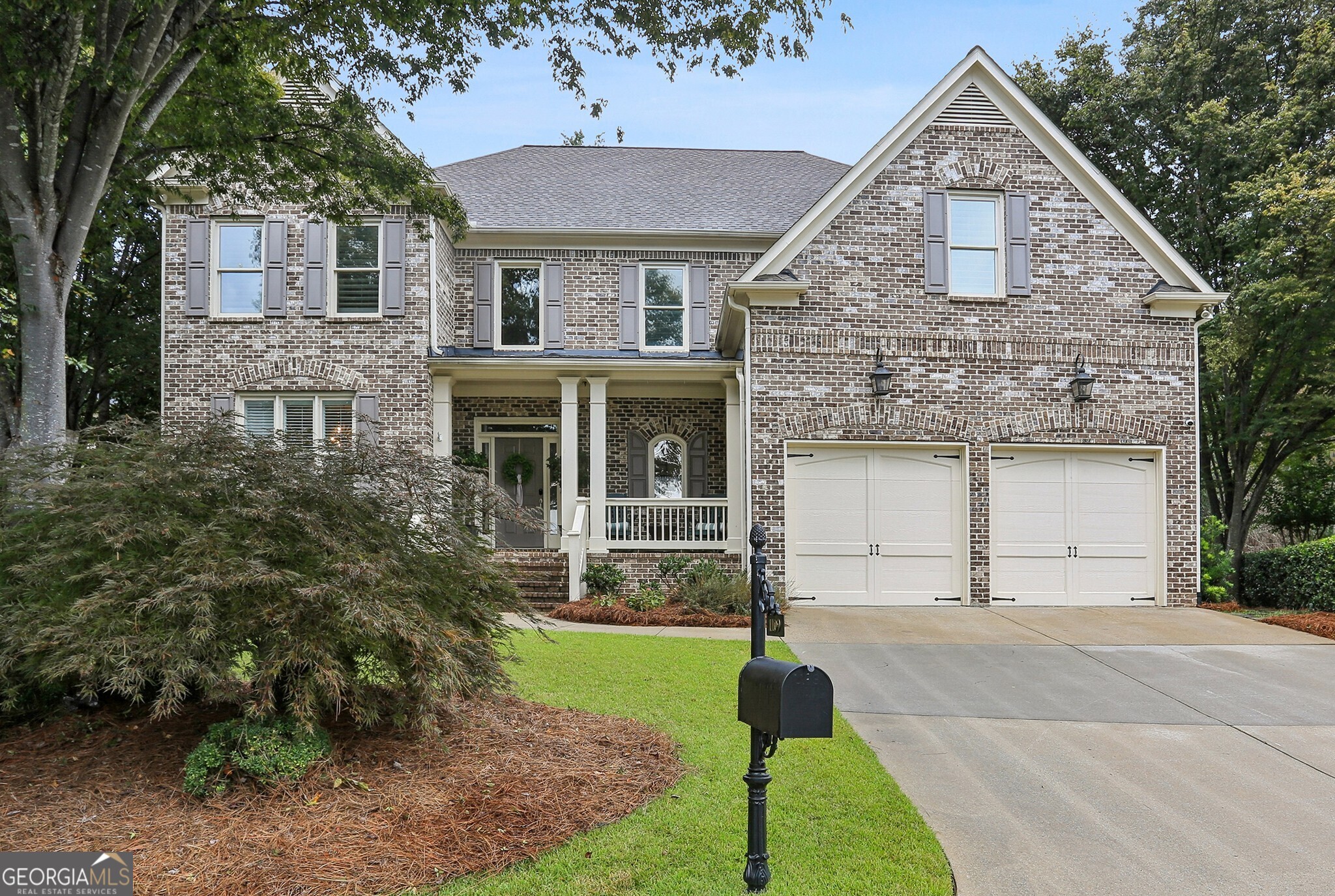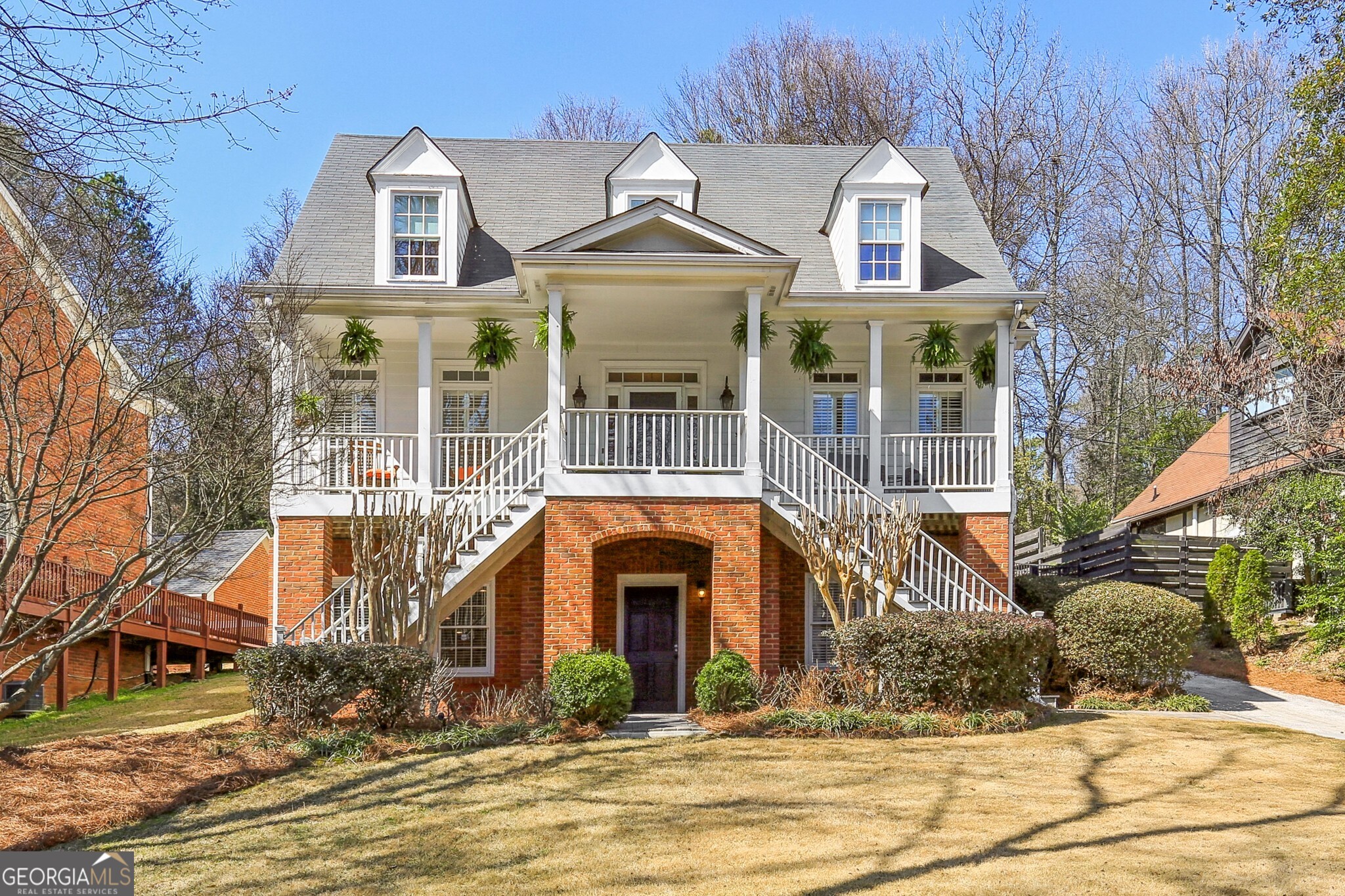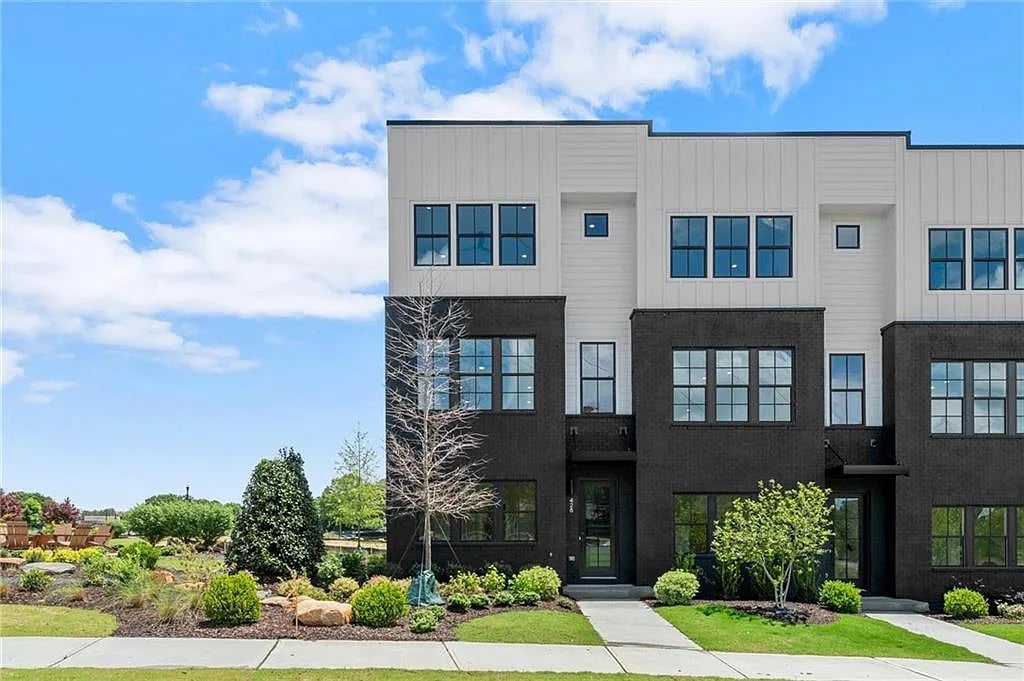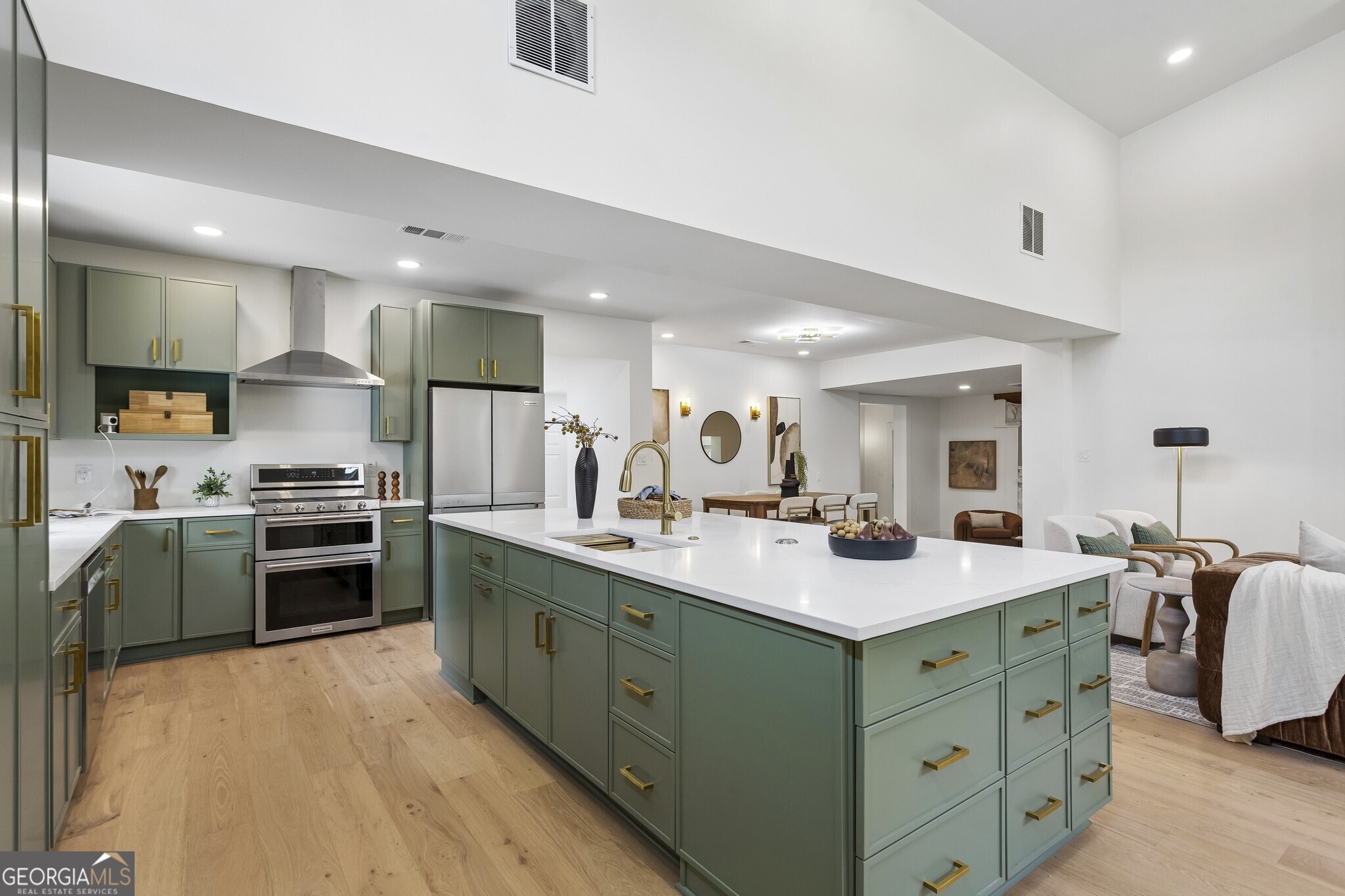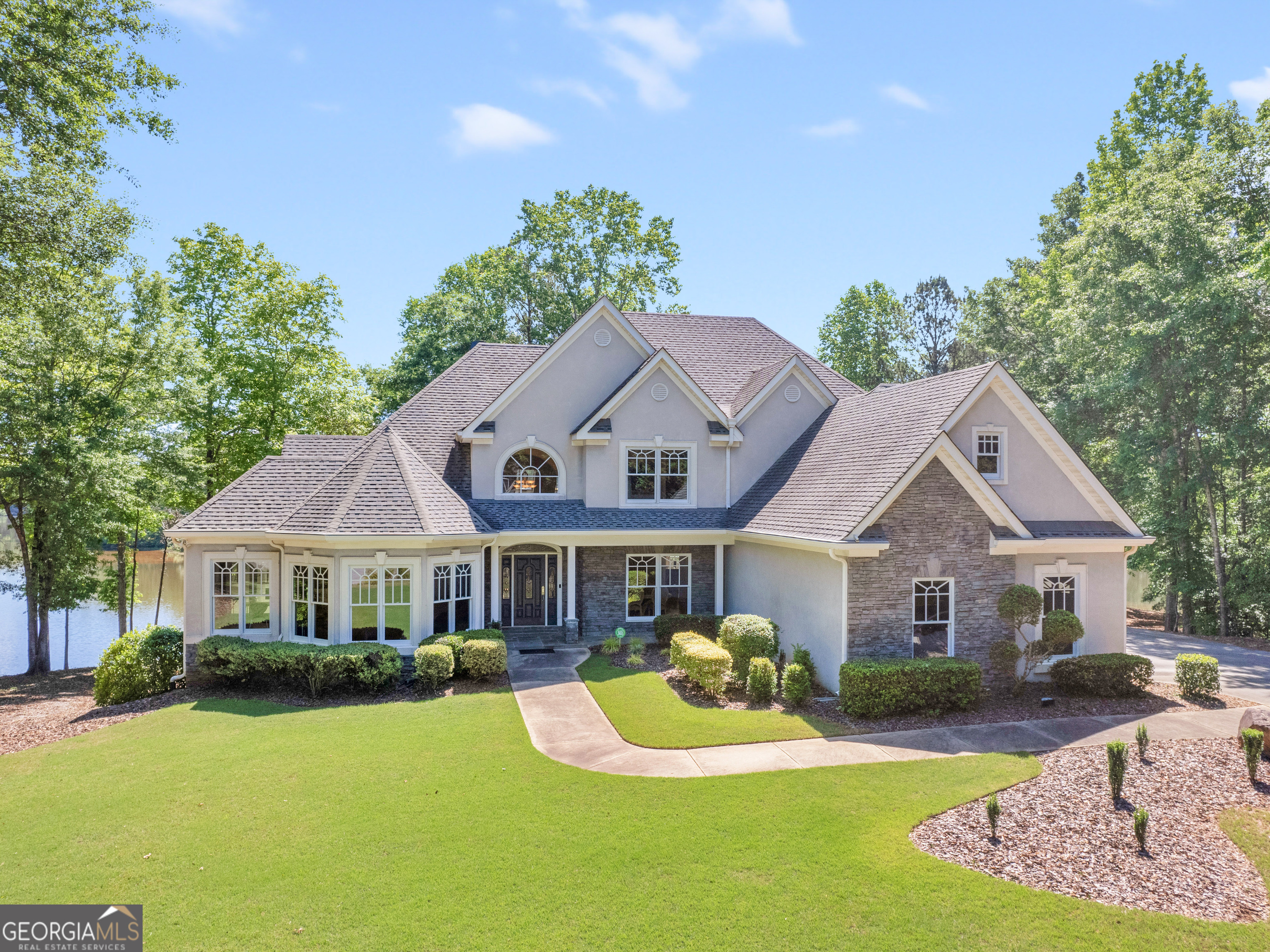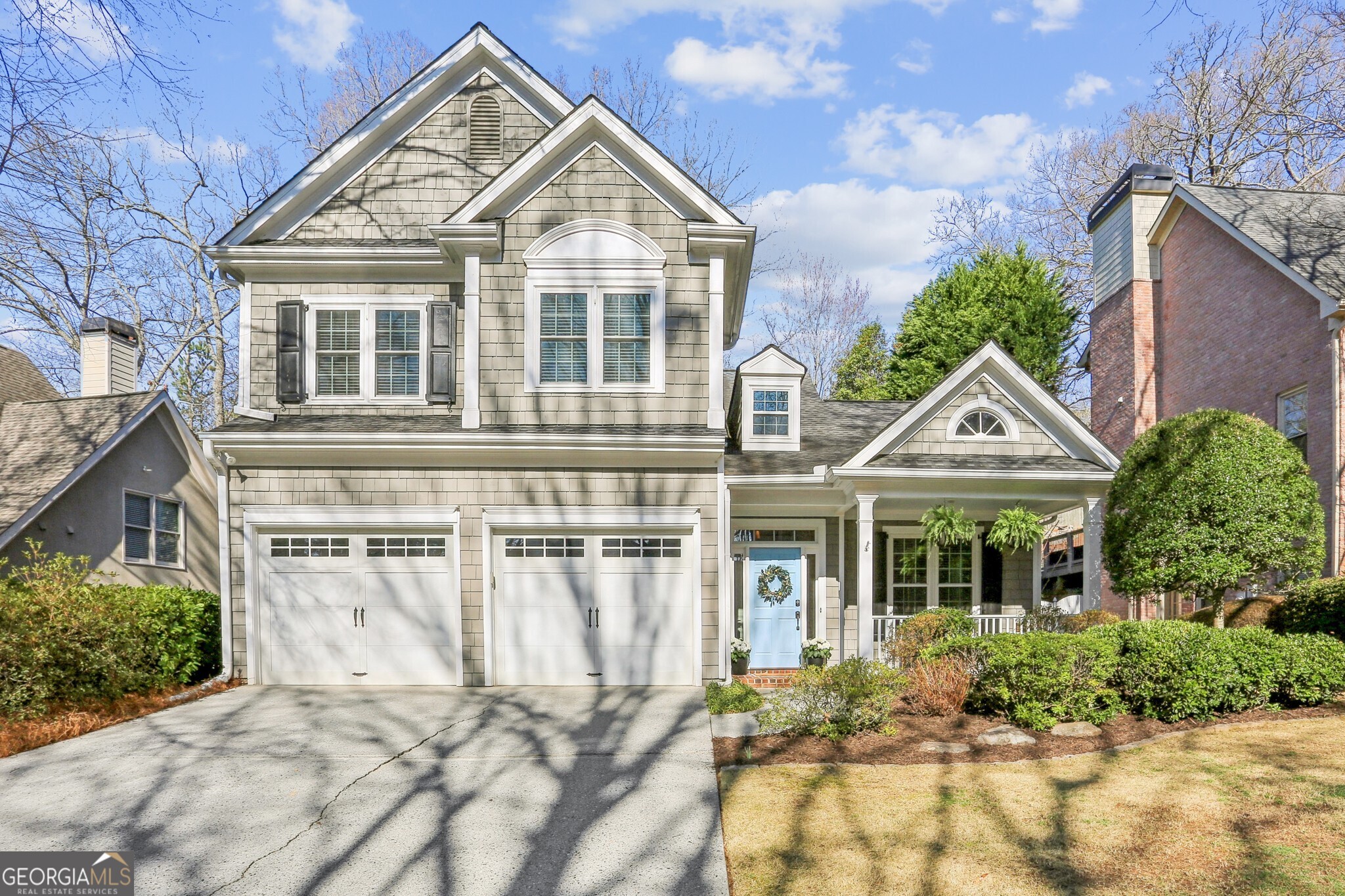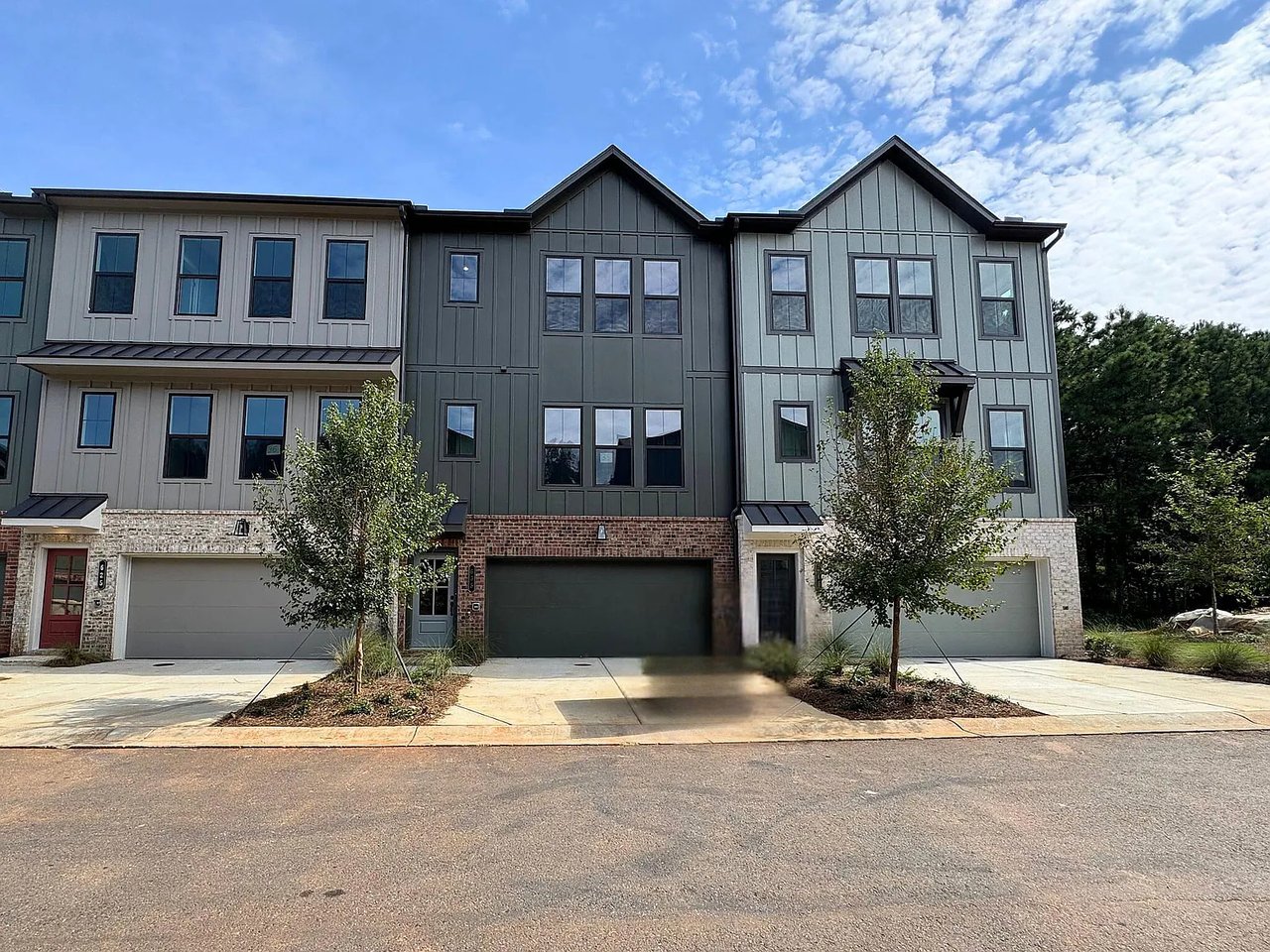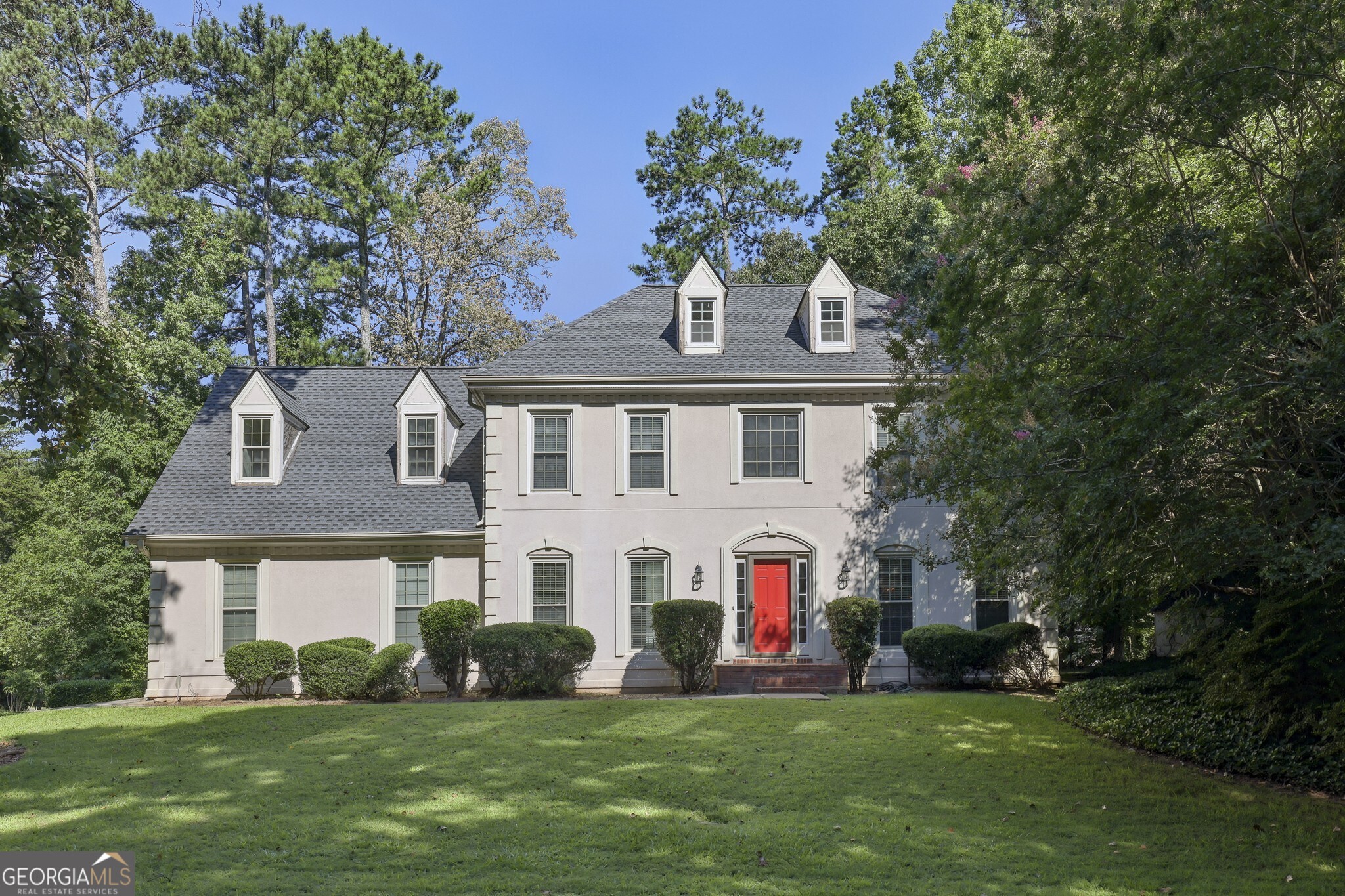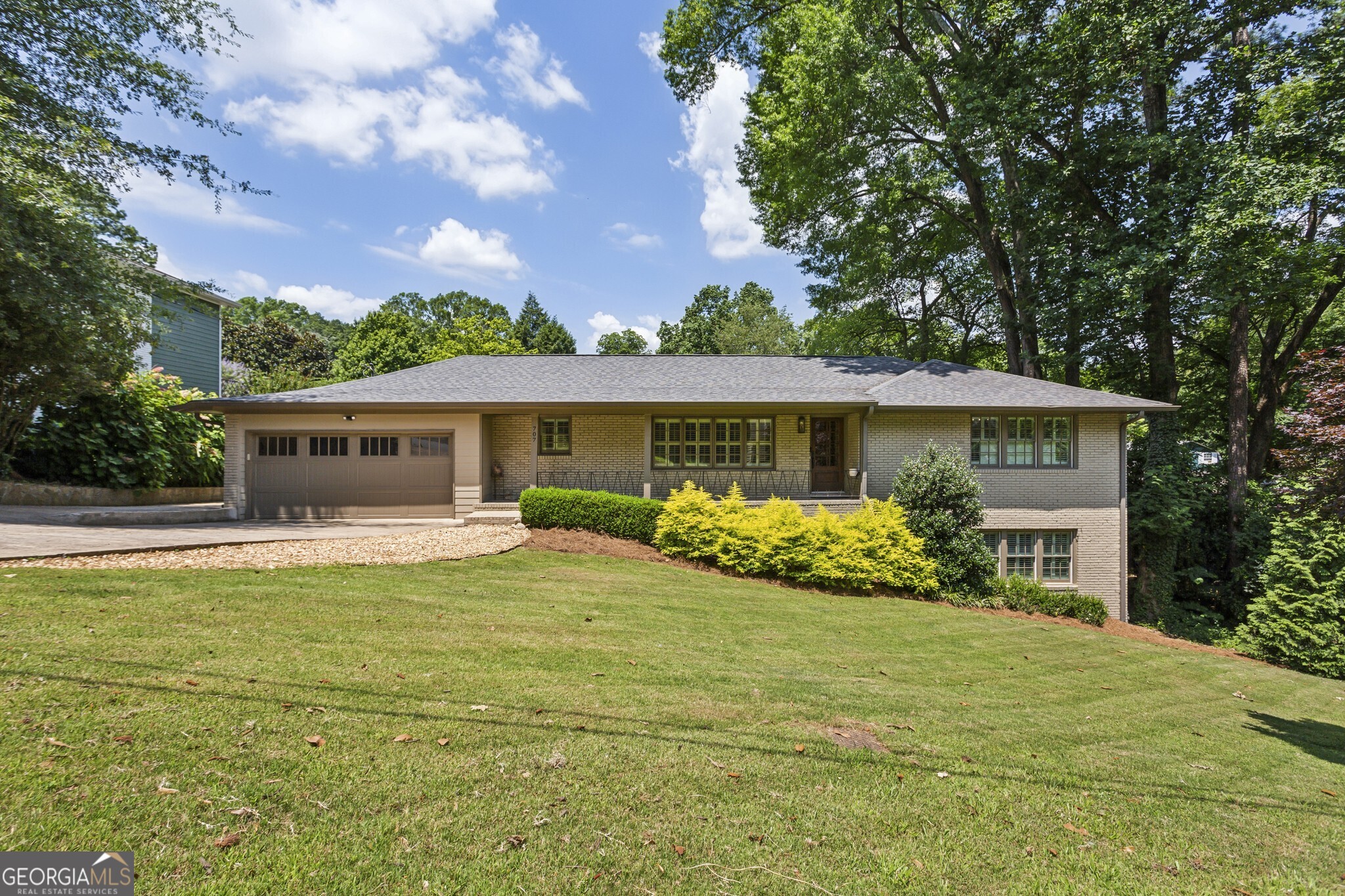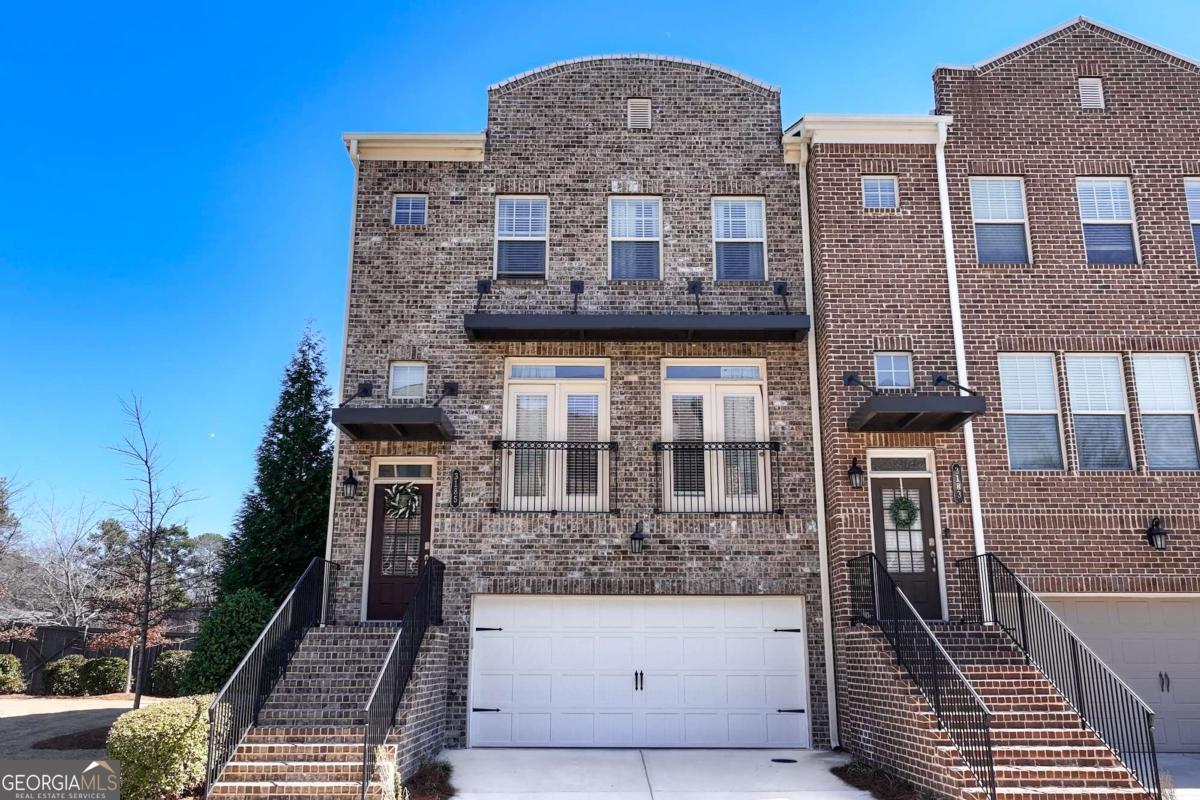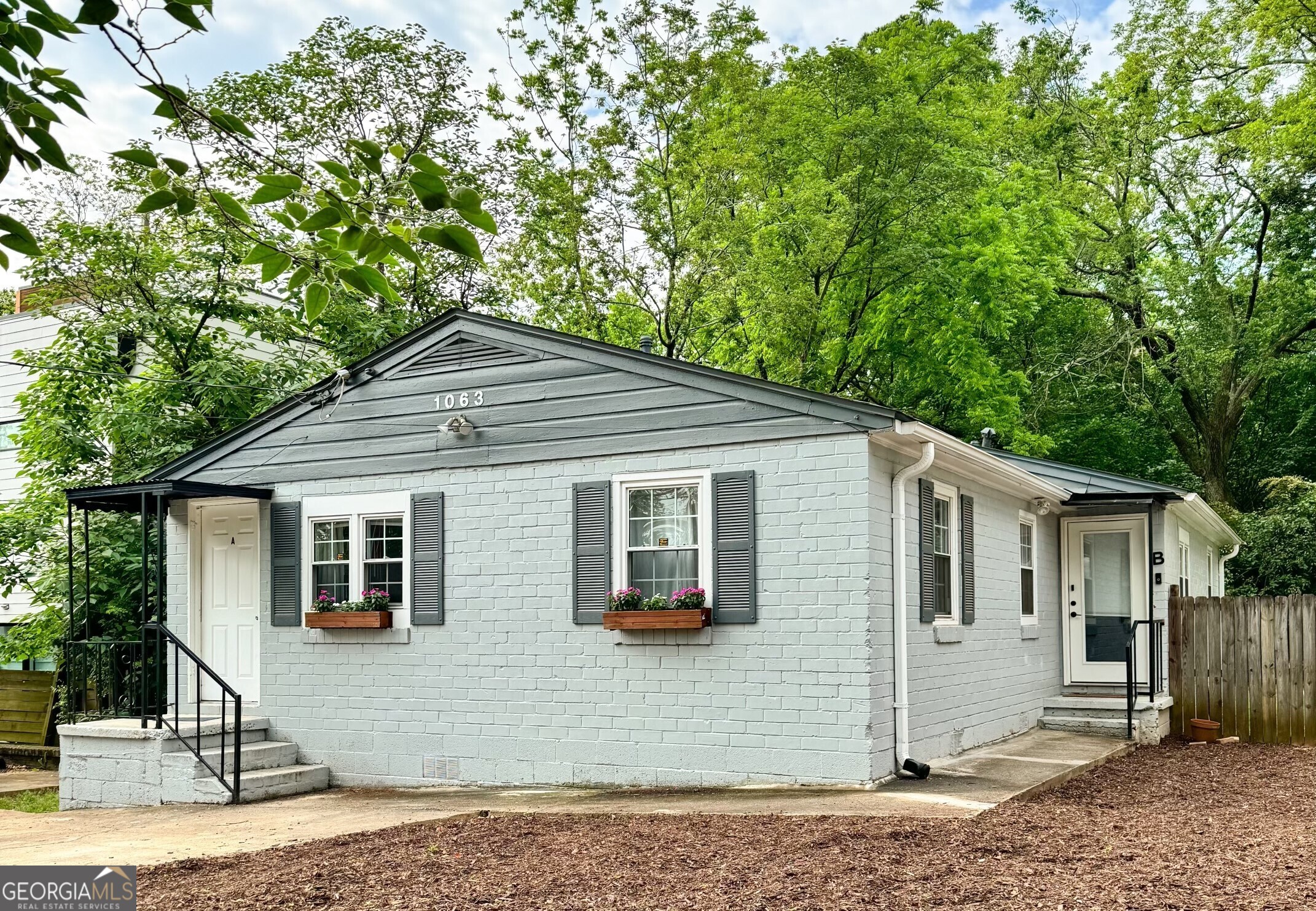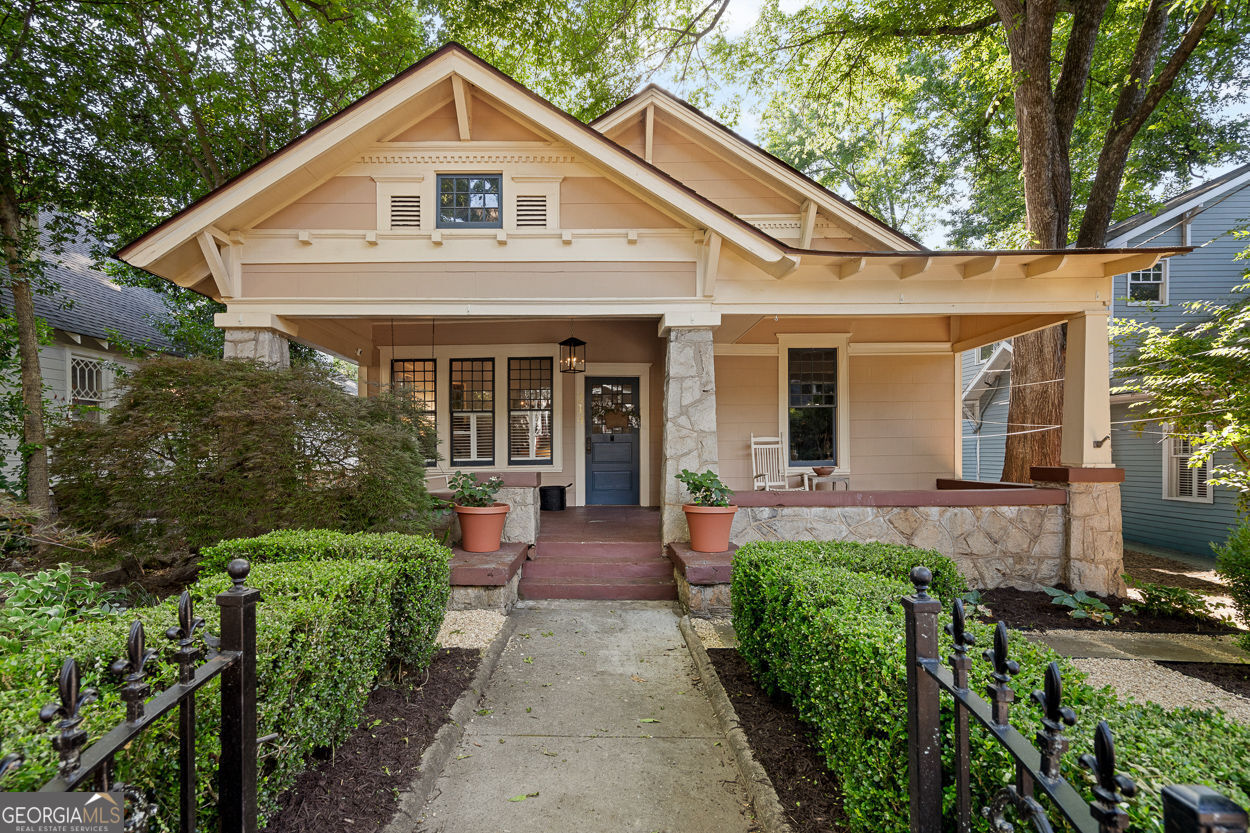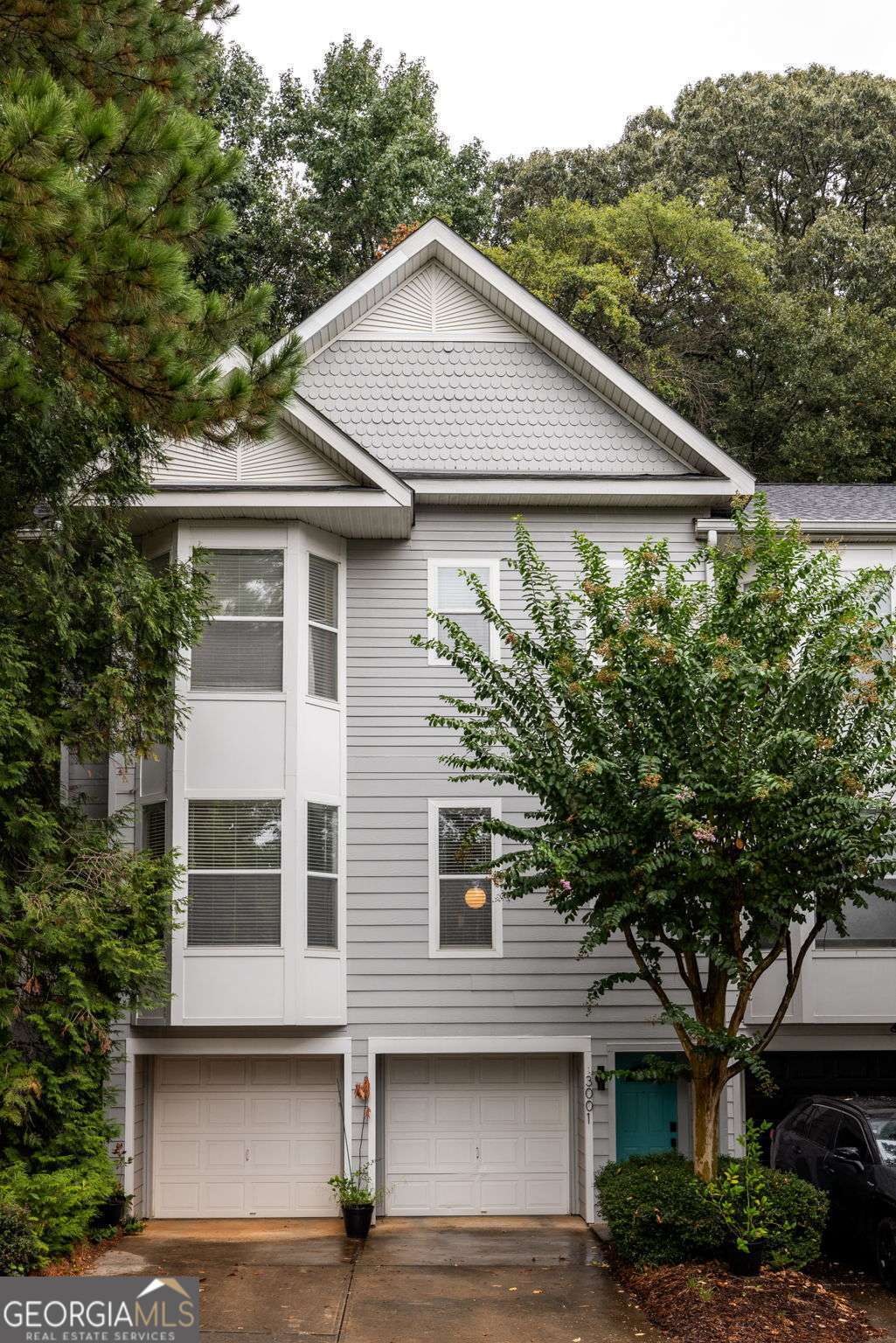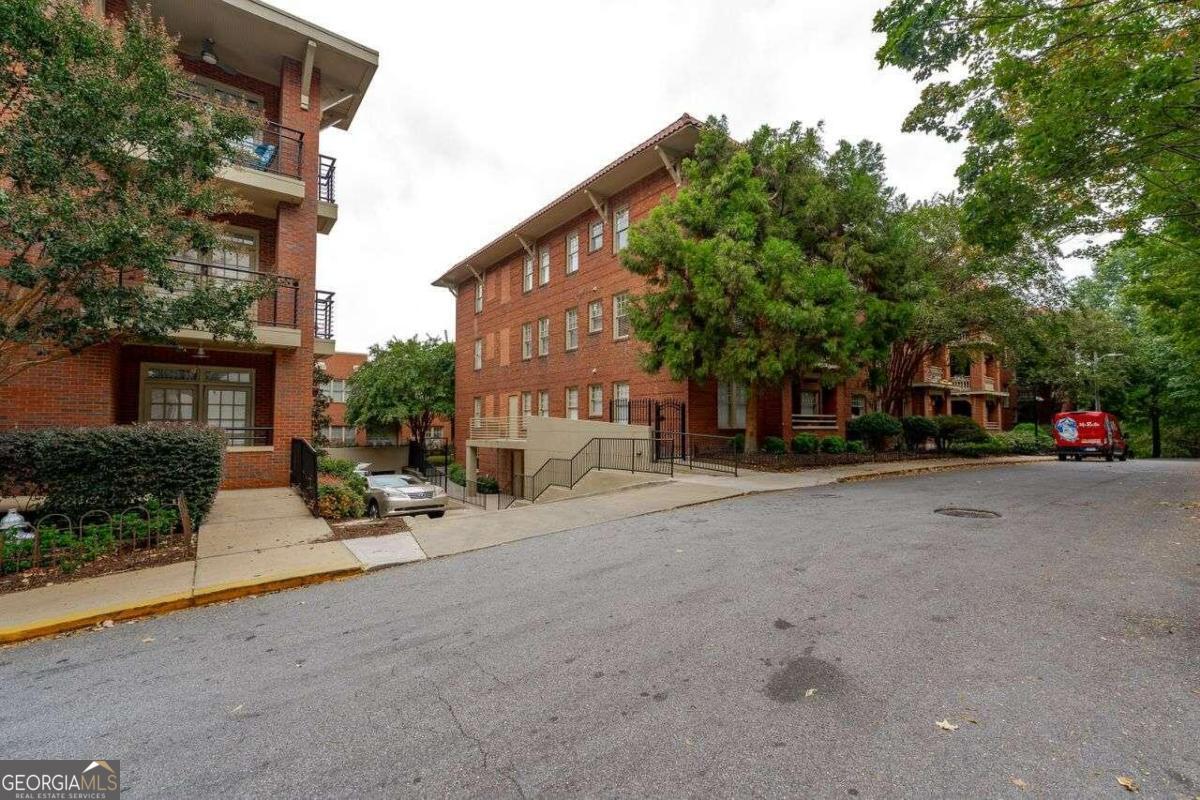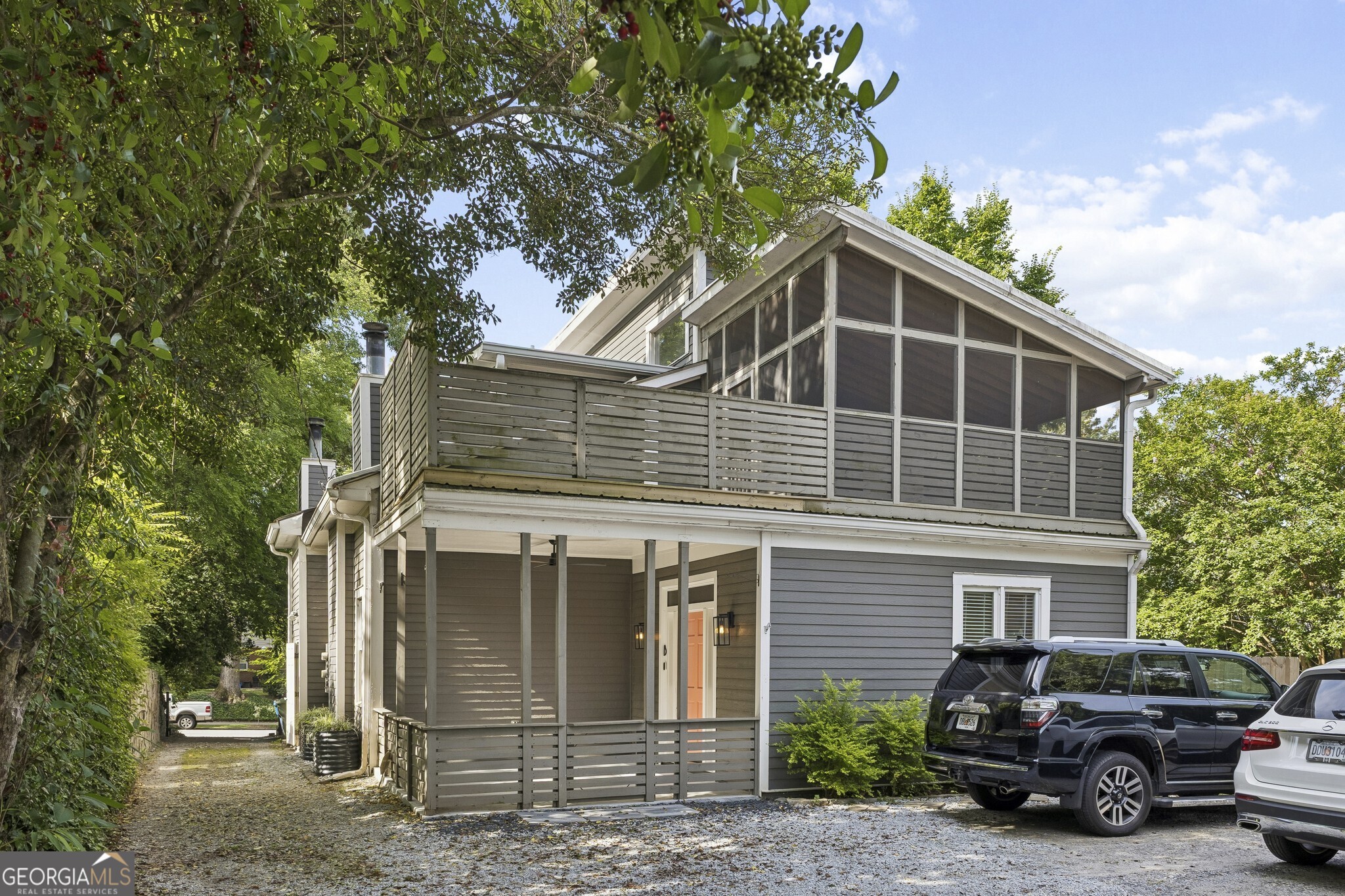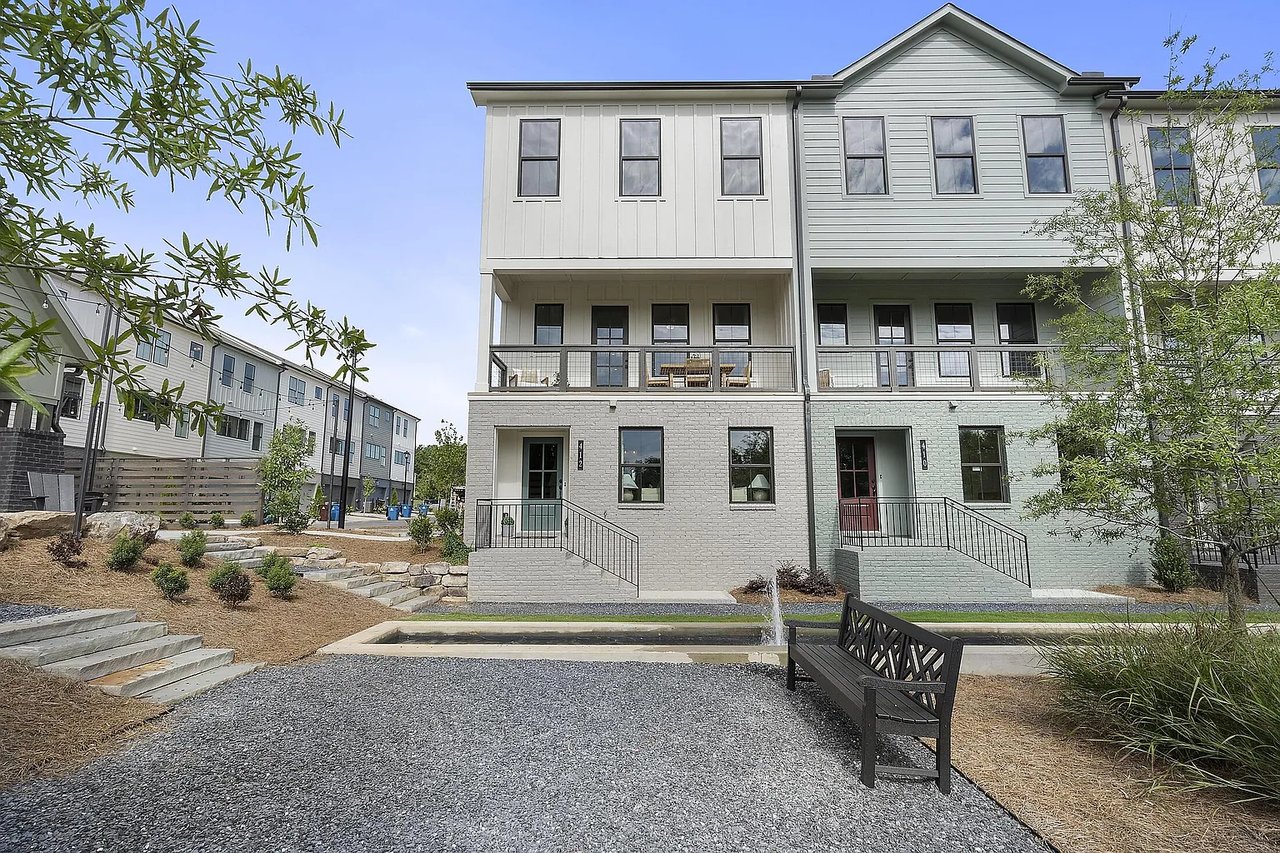
Atlanta's new construction market spans more than 800 active communities across 25-plus counties — and prices can swing by hundreds of thousands of dollars based on a single decision about zip code or build type. Understanding why Atlanta new construction home costs vary so dramatically is the difference between a budget that holds and one that unravels at the design center.
From intown infill townhomes along the BeltLine to master-planned suburban subdivisions stretching across Henry and Gwinnett counties, this guide breaks down the real numbers, the costs most buyers overlook, and the key decisions that will shape your budget from the first builder conversation to the final walkthrough.
The Atlanta New Construction Market at a Glance
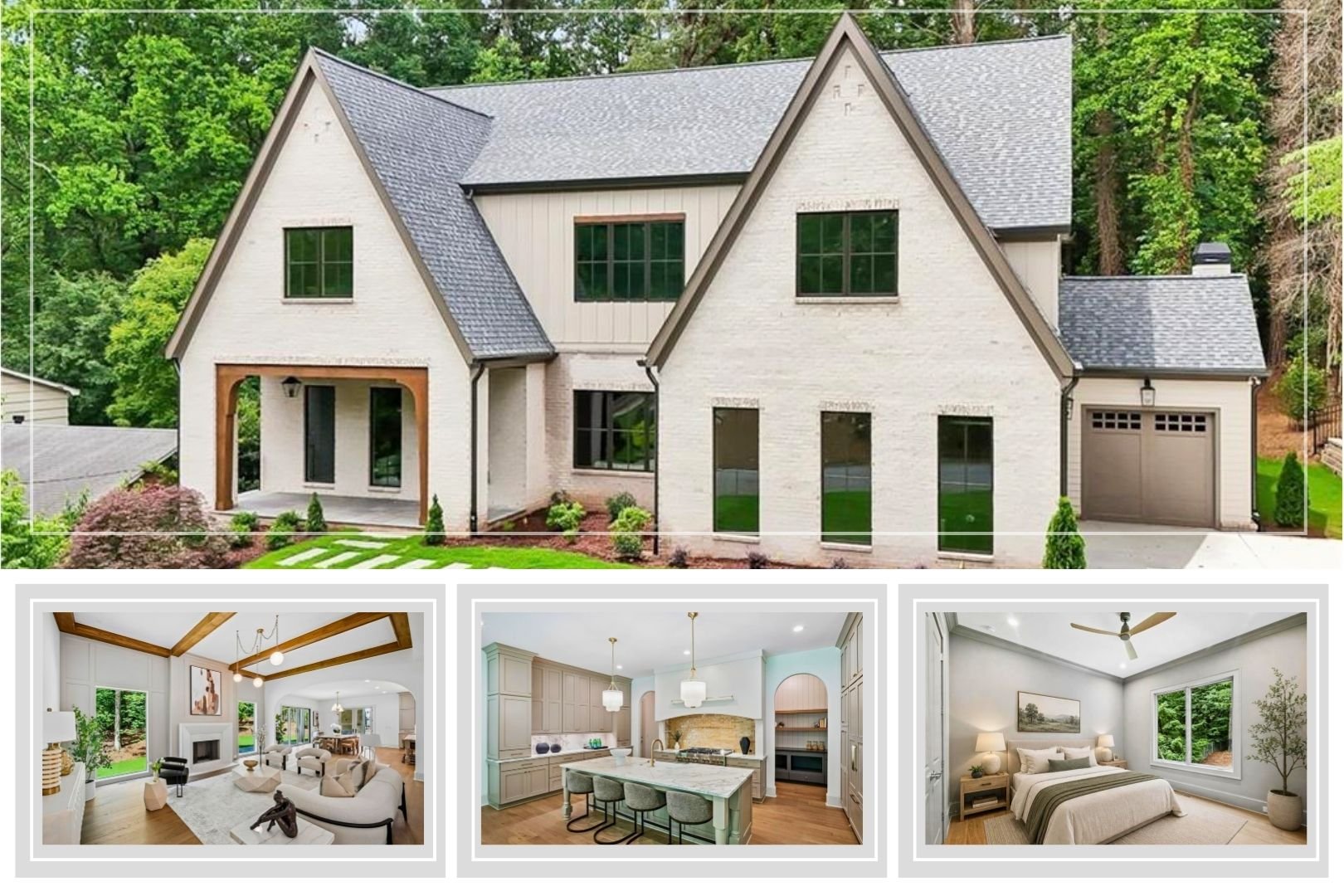
ITP vs. OTP: The Price Divide That Defines Atlanta New Construction
No concept shapes Atlanta's new construction pricing more fundamentally than the Inside the Perimeter (ITP) versus Outside the Perimeter (OTP) divide. I-285 isn't just a highway — it's the informal boundary separating two very different pricing universes for new home buyers.
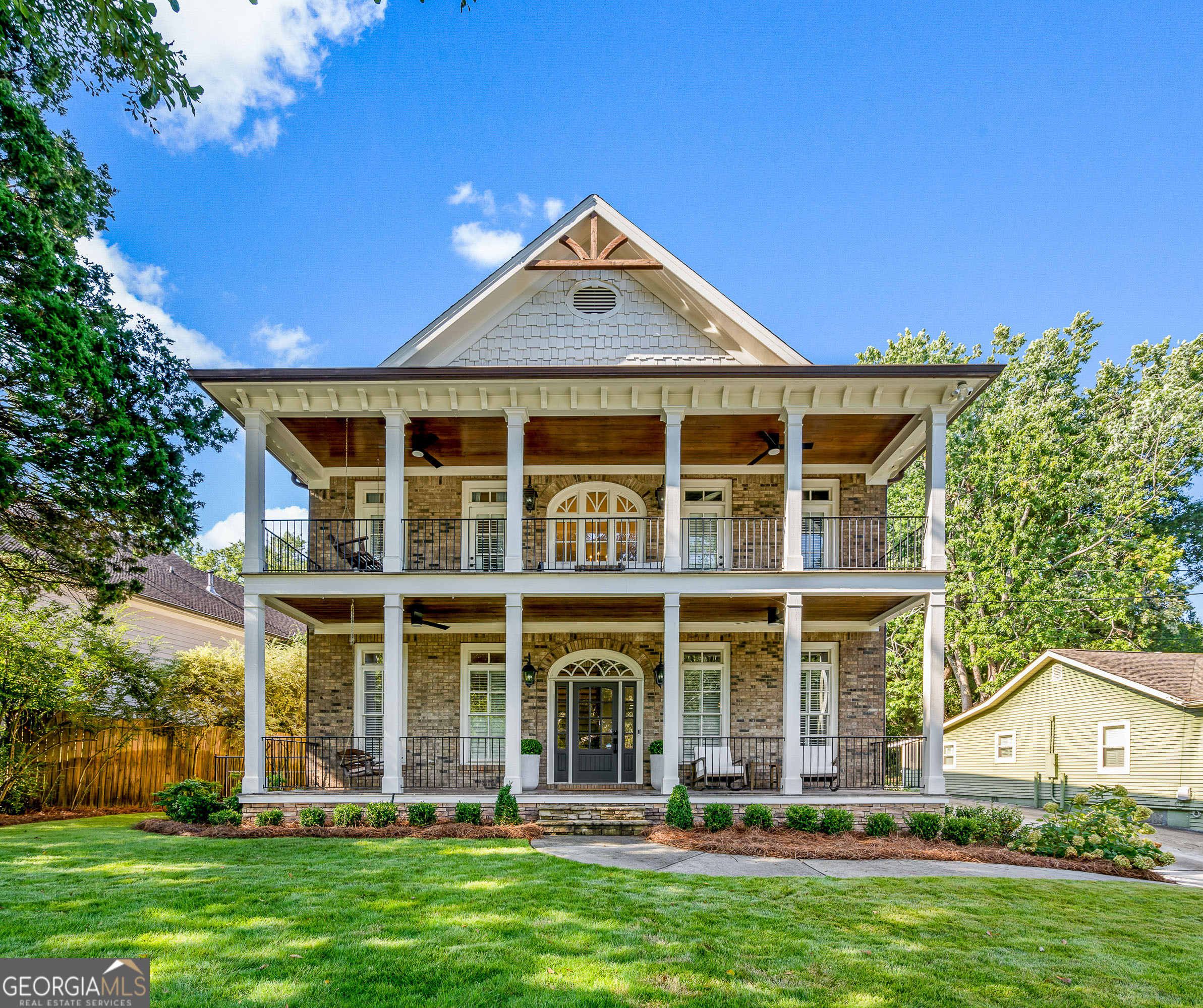
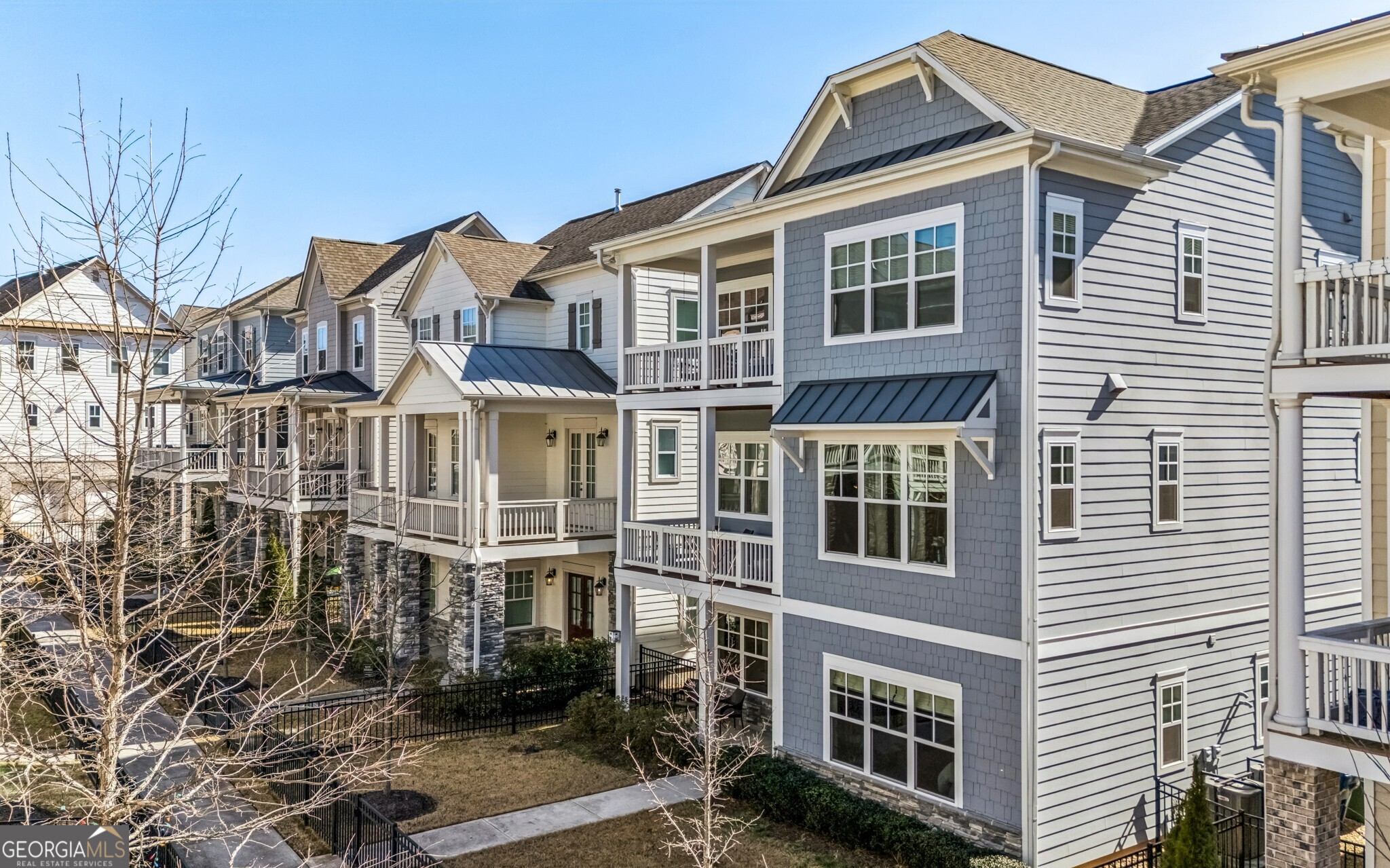
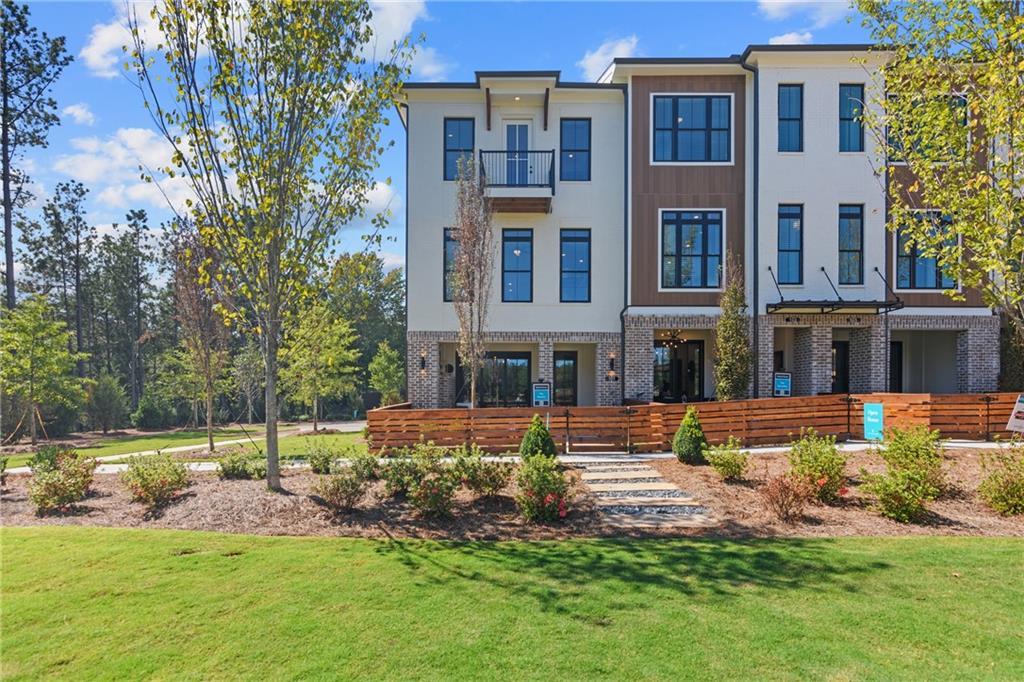
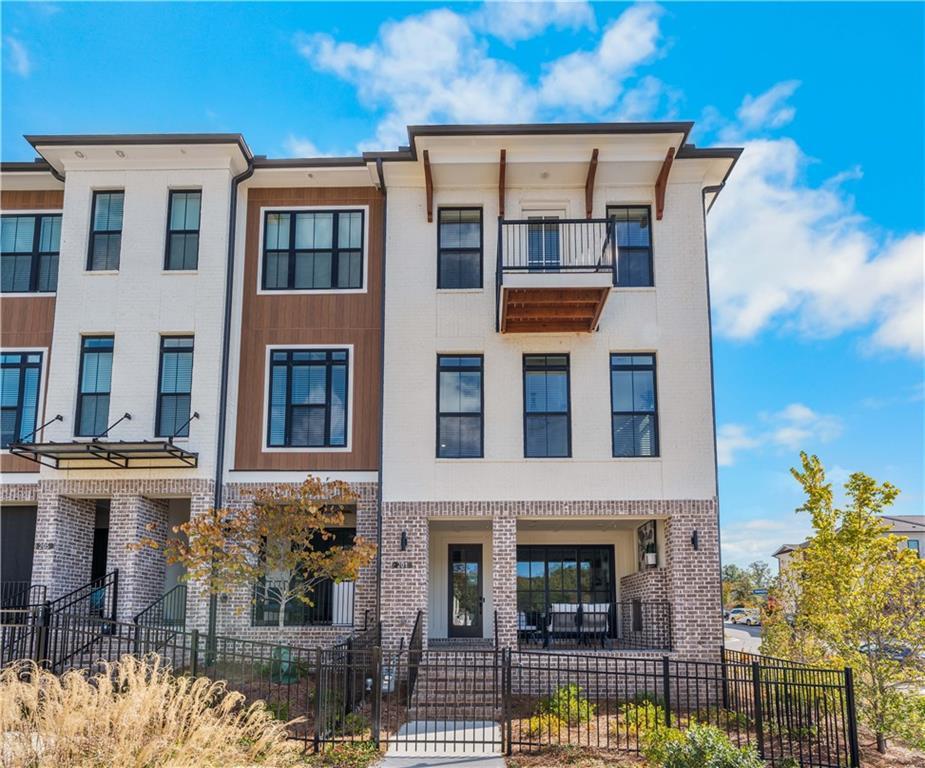
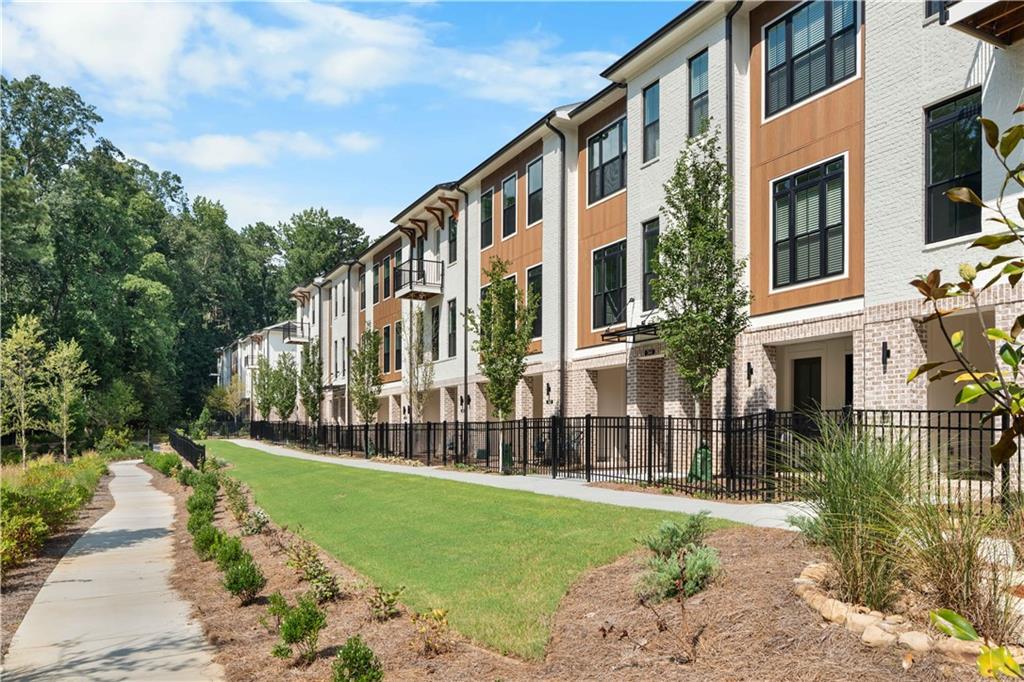
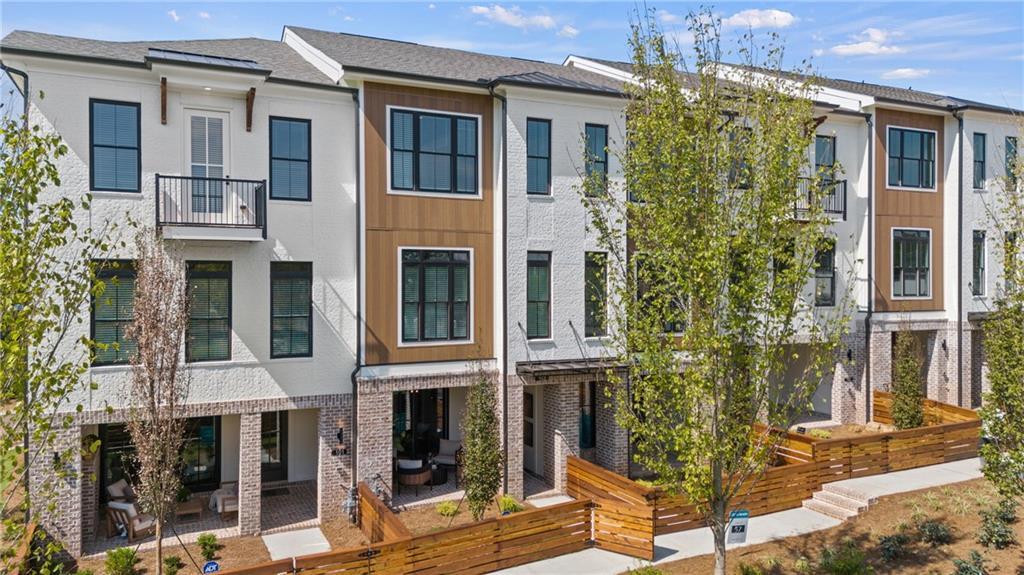
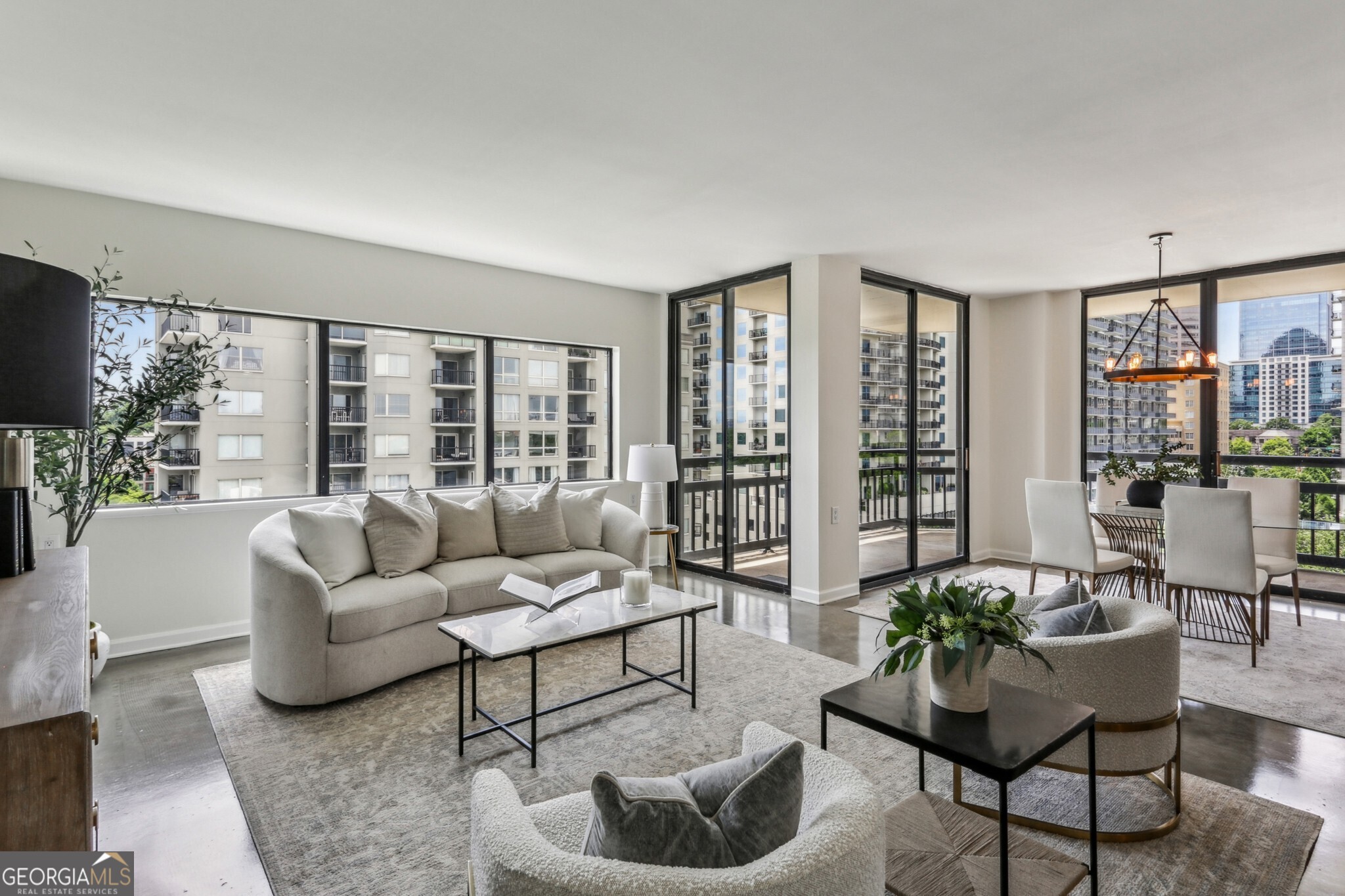
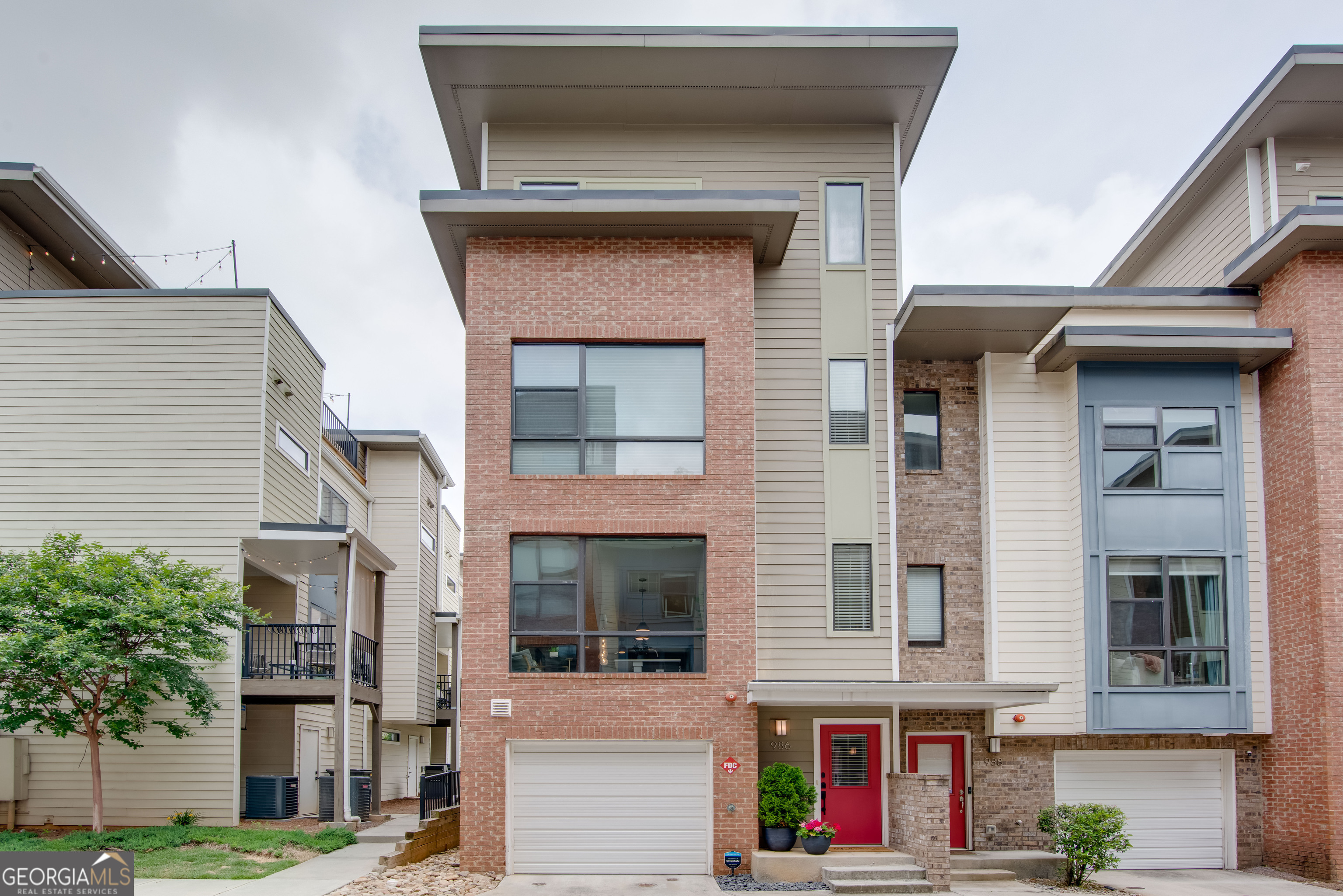
ITP neighborhoods like Midtown, Buckhead, Inman Park, and Virginia-Highland command significant premiums driven by land scarcity, walkability, and proximity to the Atlanta BeltLine's 22-mile loop of trails, parks, and future transit connecting 45 intown neighborhoods. On the OTP side, buyers generally receive more square footage, newer schools, and lower per-square-foot costs in exchange for greater distance from urban core amenities.
The Atlanta metro's median new construction price sits at $469,900 — compared to $376,000 for an existing home in the same period, confirming the meaningful premium buyers pay for new over resale.
A separate Jome report placed the metro's median new home price at approximately $489,000, with a median price per square foot around $206. That single figure masks a wide range: ITP infill townhomes and mid-rise condos in premium neighborhoods frequently exceed $500 to $700 per square foot, while OTP production homes in the south and east metro can come in well below the metro average. The two sources use different geographic boundaries, which explains the slight discrepancy — both confirm the same underlying trend.
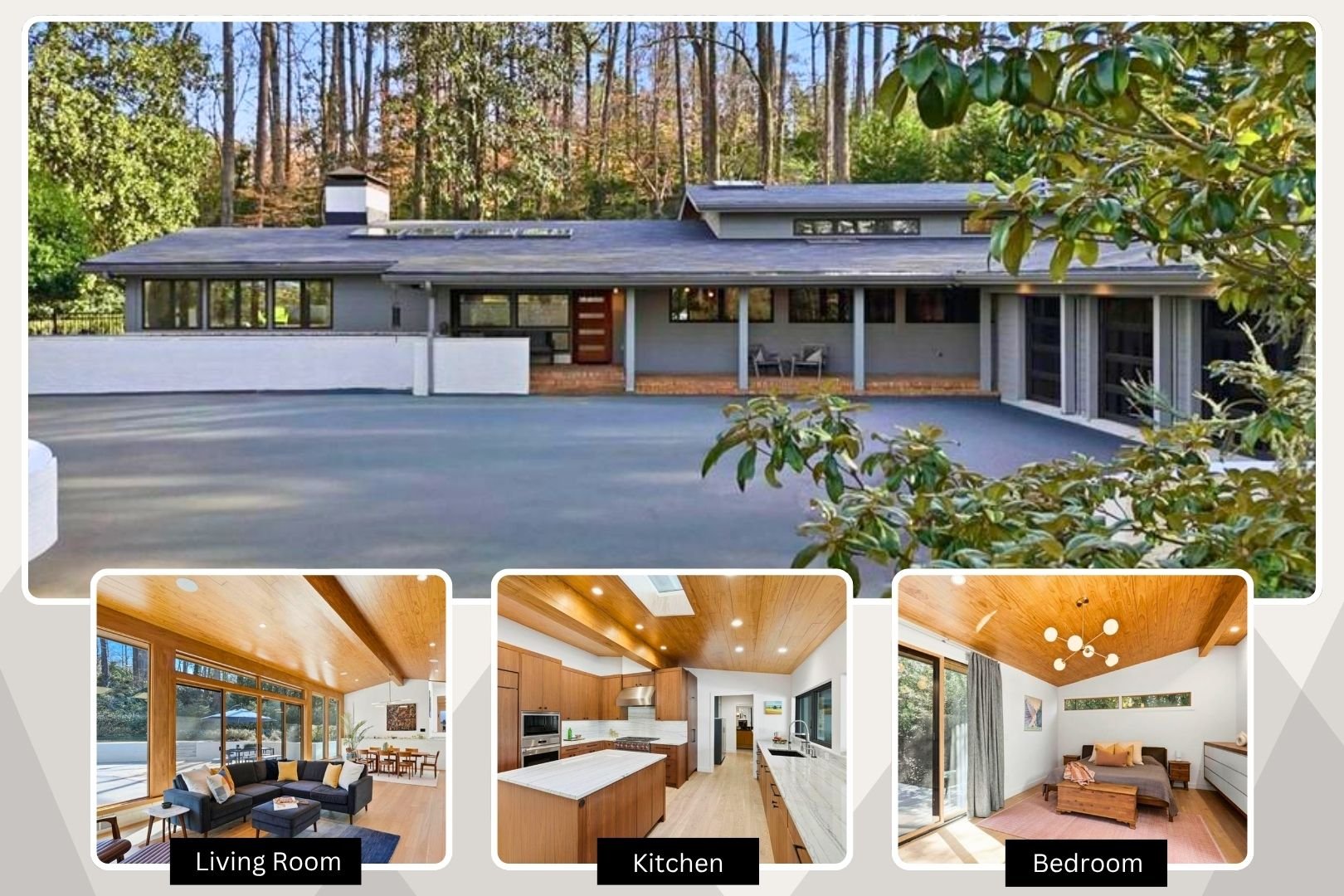
Where Atlanta's New Construction Activity Is Concentrated
Atlanta's new construction pipeline is broad and geographically diverse. Each submarket has its own pricing logic, school story, and commute calculus.
- North Atlanta suburbs — Alpharetta, Roswell, Johns Creek, Milton, and Cumming — remain the most active premium market, fueled by top-rated schools and major corporate campuses along the GA-400 corridor.
- South Metro submarkets — Henry County and Fayette County — are growing rapidly, driven in part by the Trilith Studios film production campus in Fayetteville and expanding logistics demand near Hartsfield-Jackson Atlanta International Airport.
- East Metro Gwinnett County, including Buford and Hoschton, offers strong school systems and more accessible pricing than North Fulton.
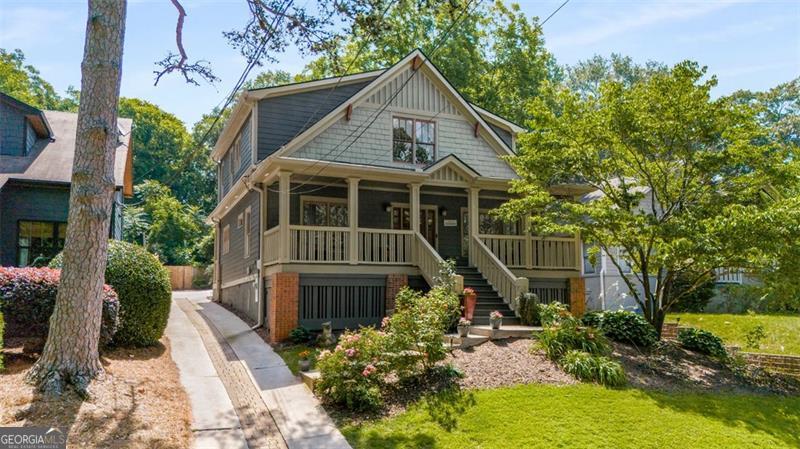
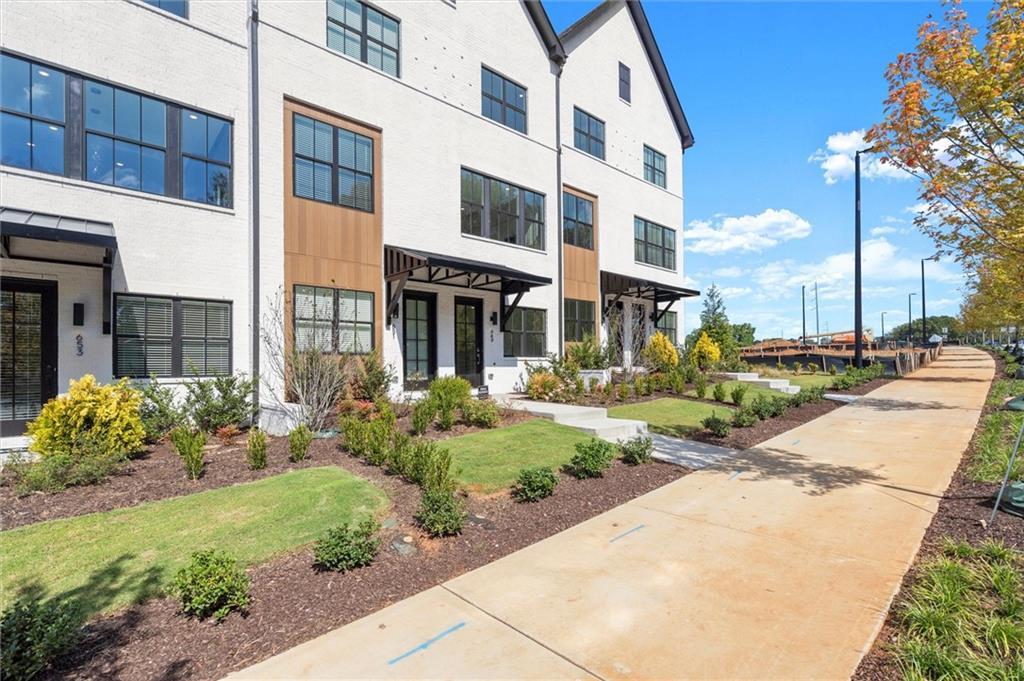
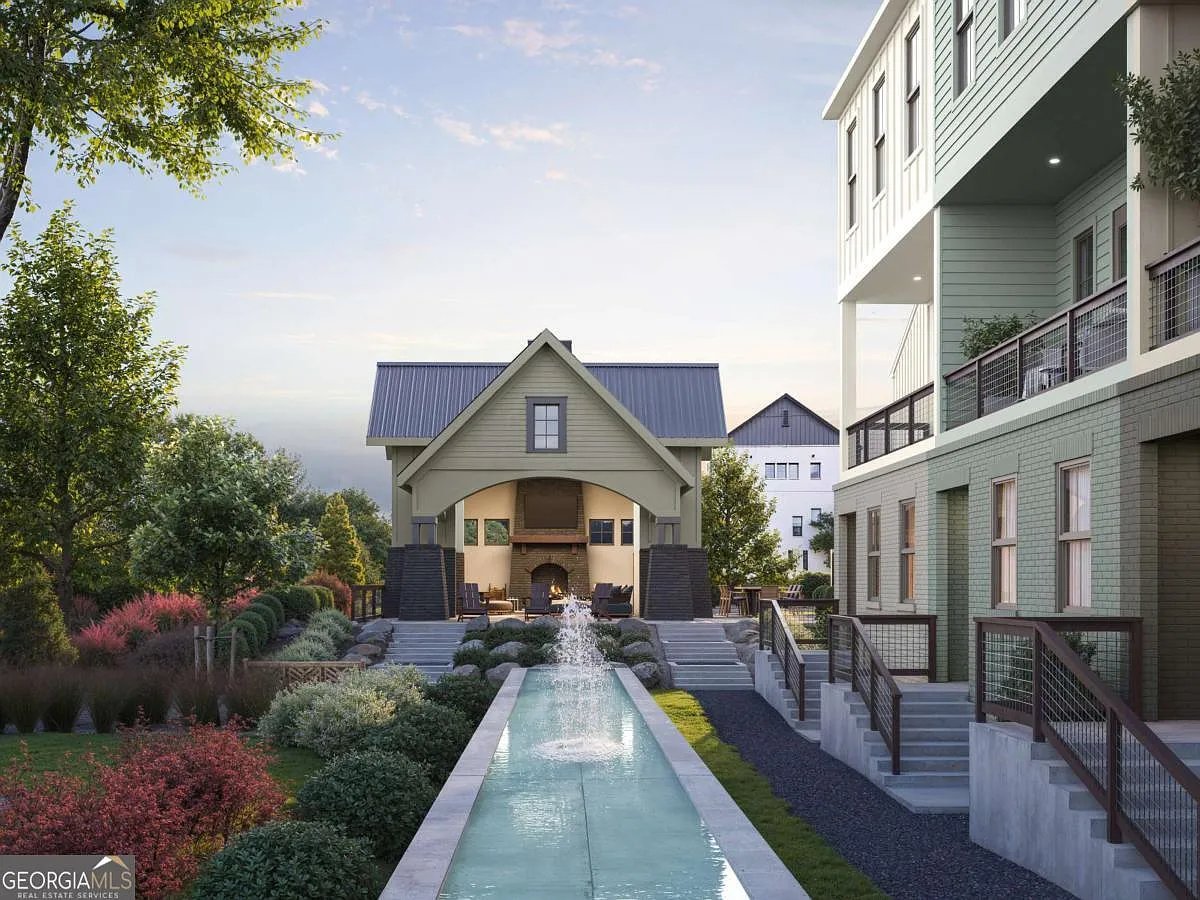
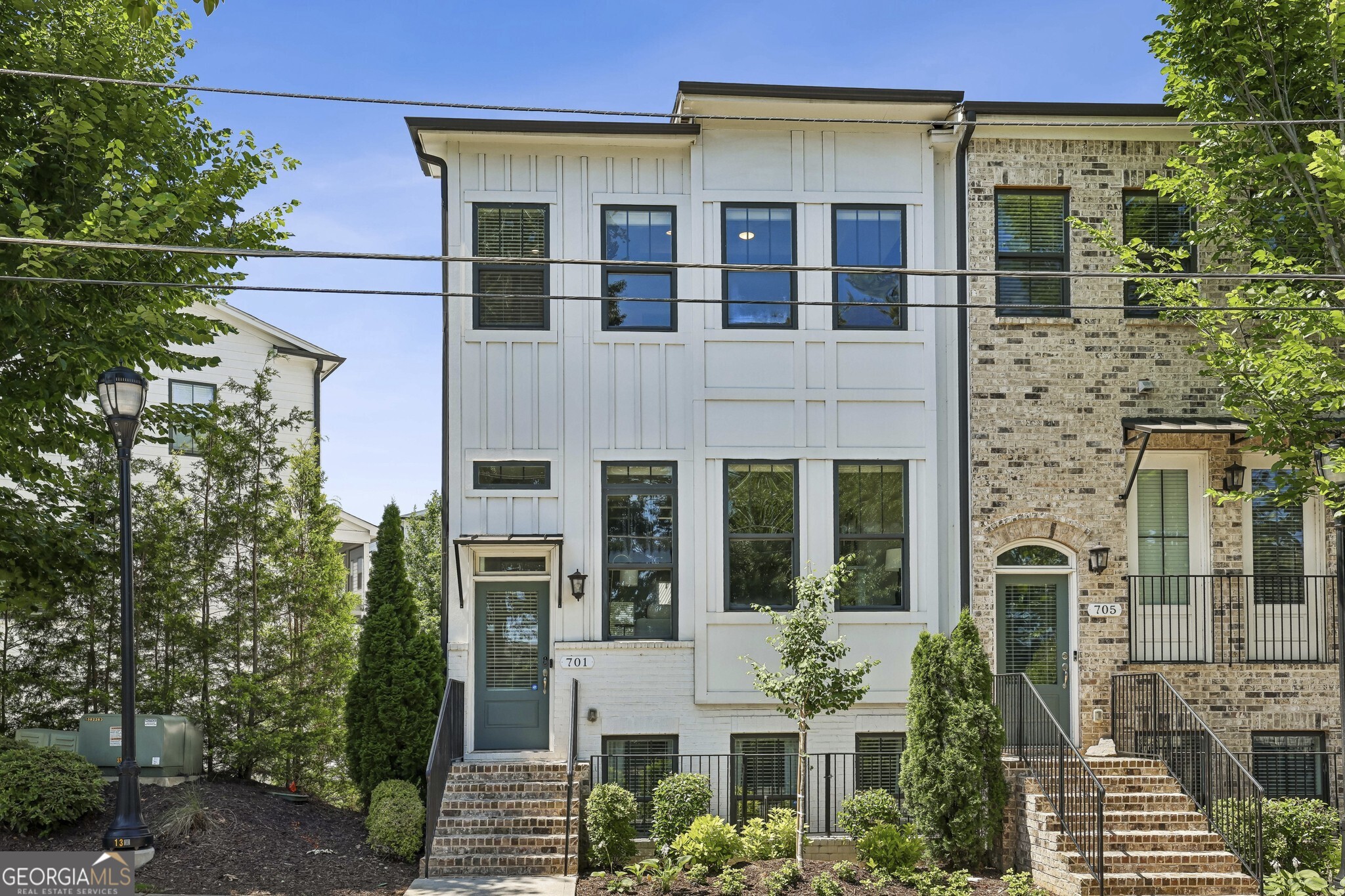
- Intown infill continues along the BeltLine in neighborhoods like Sylvan Hills, Oakland City, and West End, where walkability commands a premium that shows up clearly in price per square foot.
More than 800 active new home communities — spanning subdivisions, condominiums, and townhome communities — are currently available across 25-plus counties in the metro, with an additional 82-plus subdivisions in pre-construction or coming-soon status. (AtlantaCommunities.com 2026; Jome.com May 2026)
That level of supply means genuine choice exists across nearly every price tier. It also means buyers who don't understand the market can easily end up comparing apples to oranges when evaluating communities.
Atlanta New Build Cost Ranges — What the Numbers Actually Mean
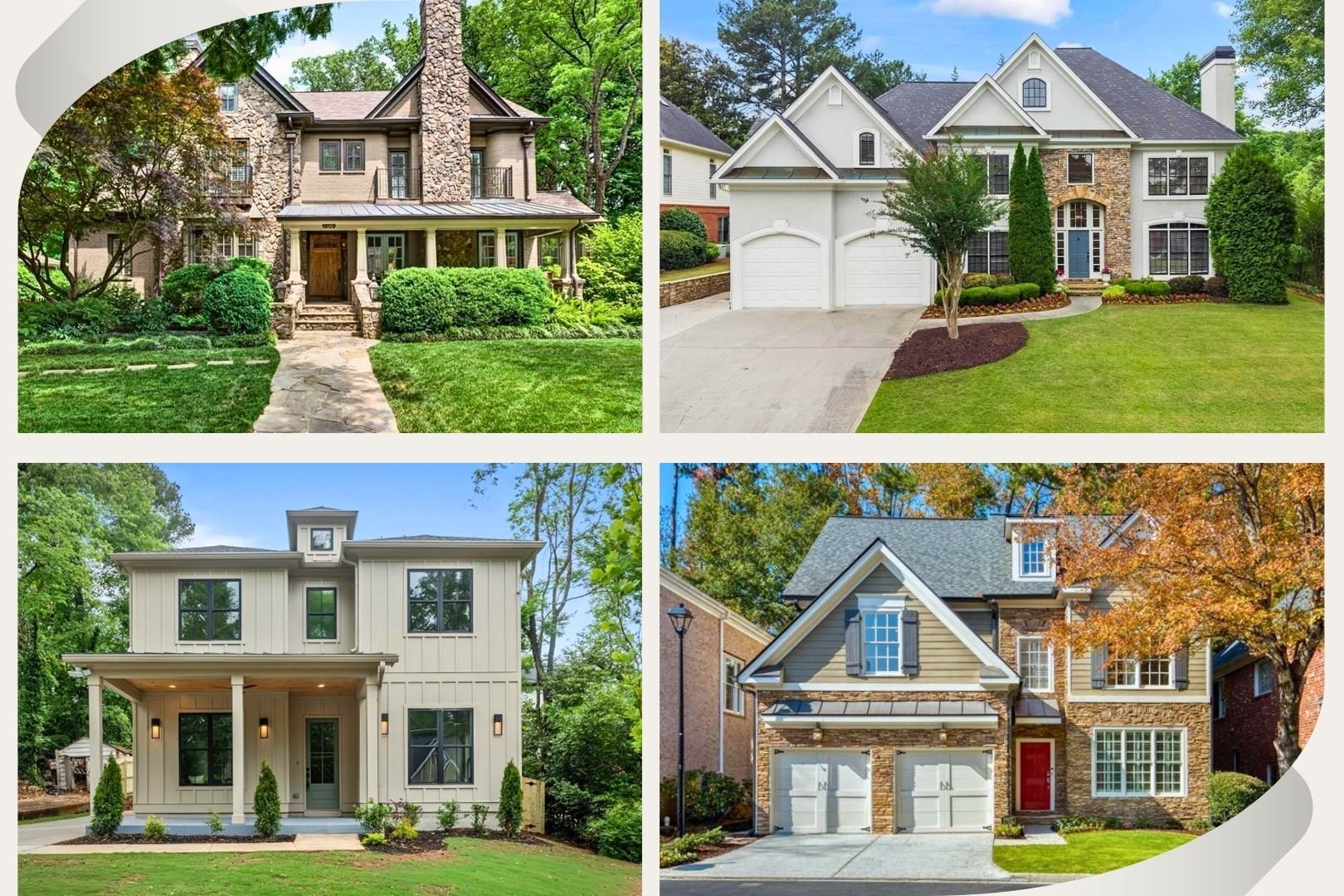
Production Homes: The Entry Point for Most Atlanta Buyers
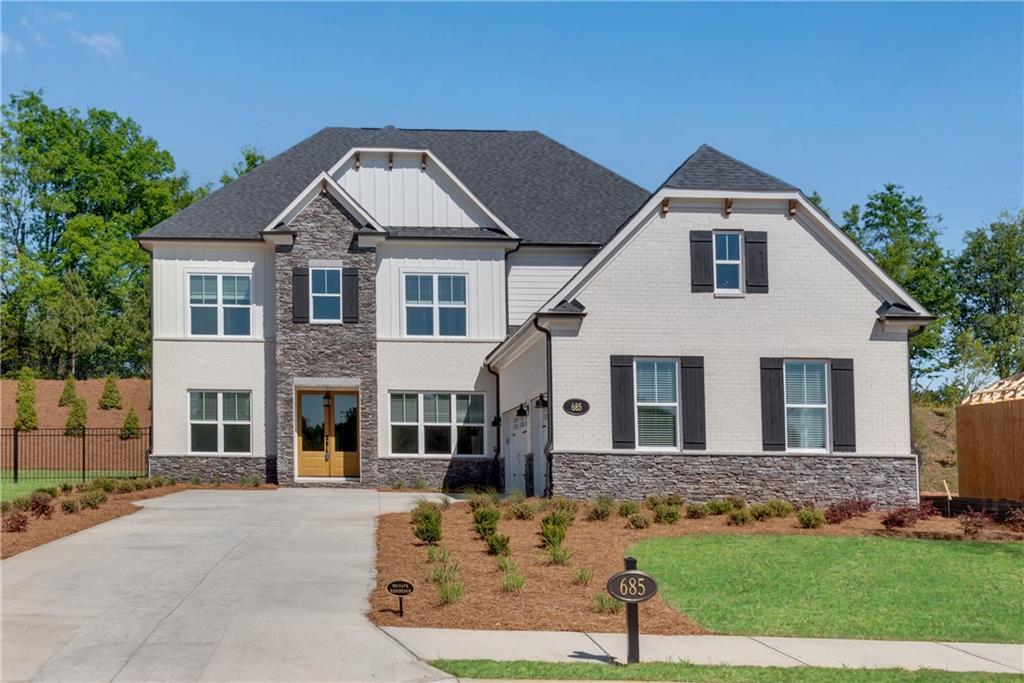
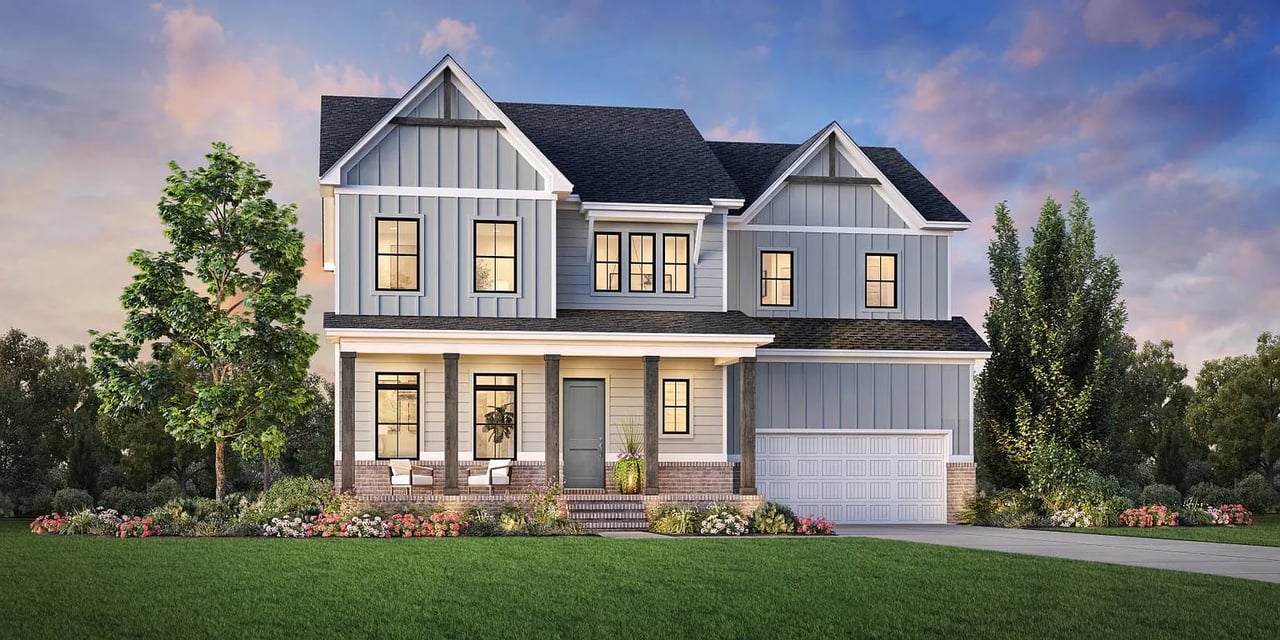
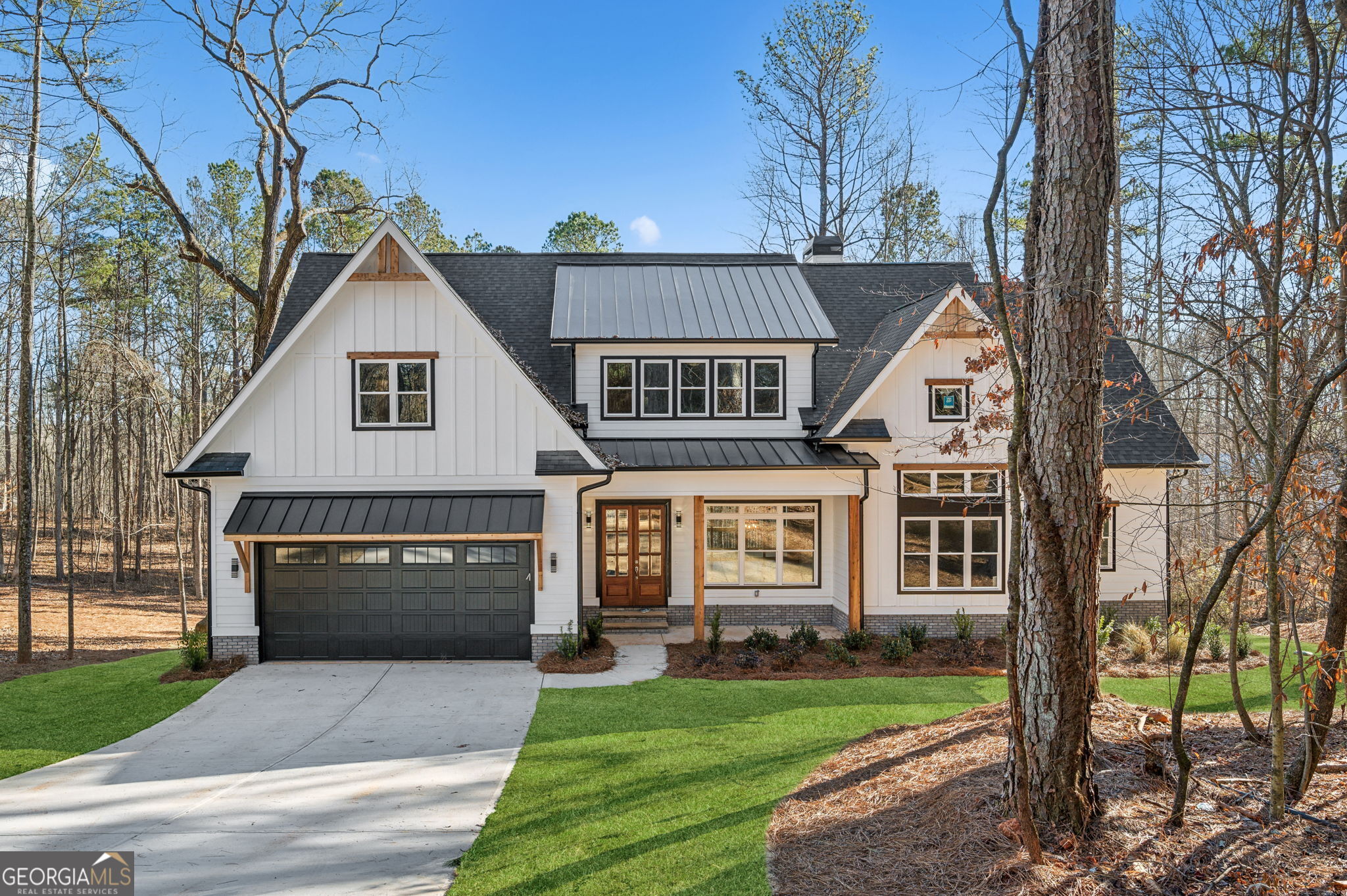
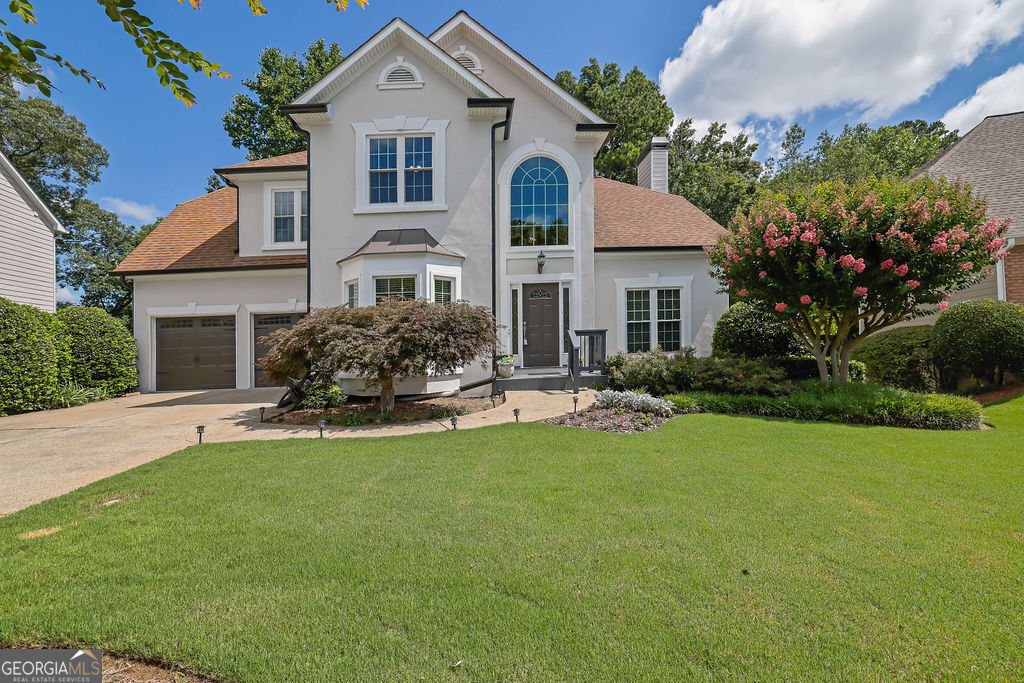
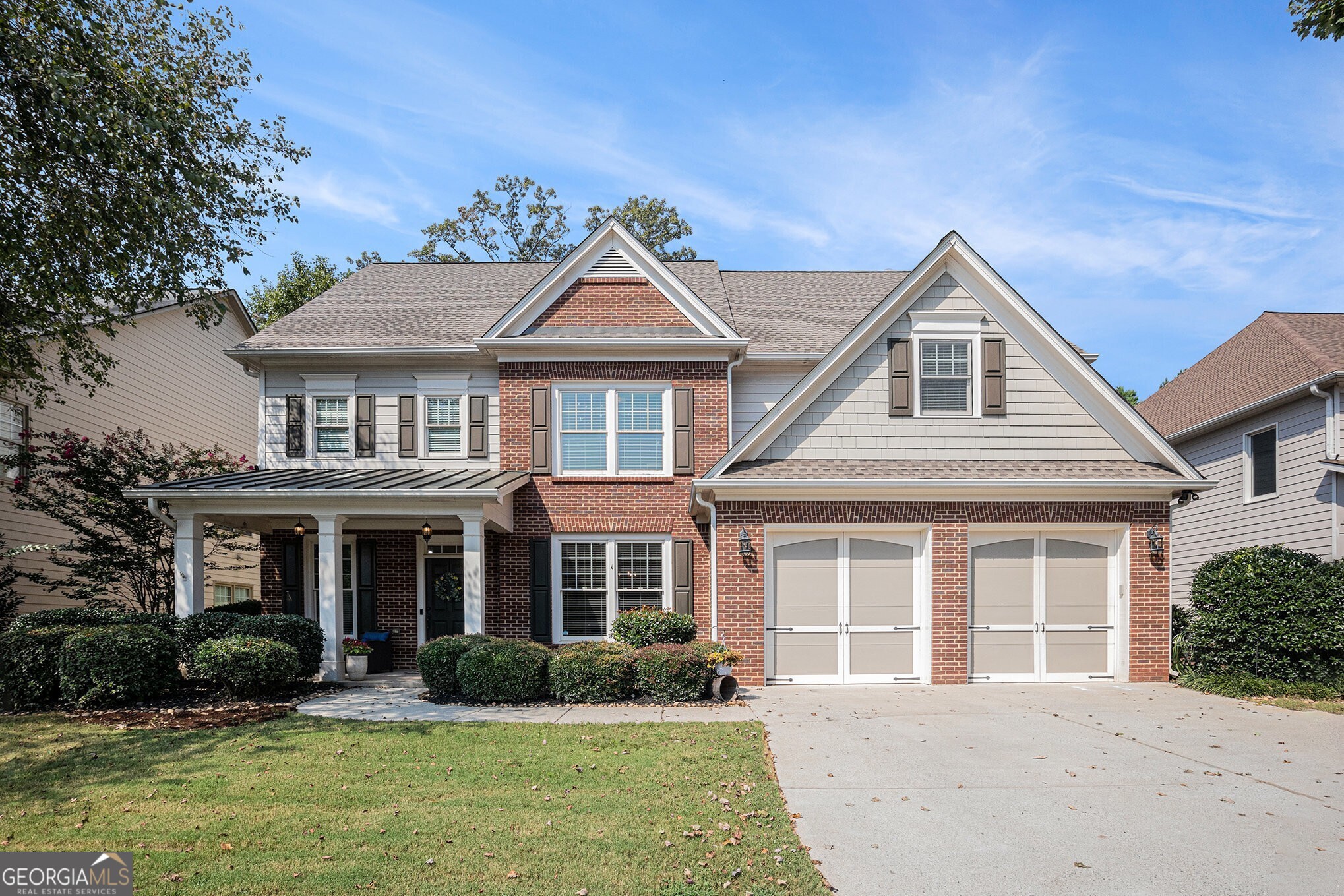
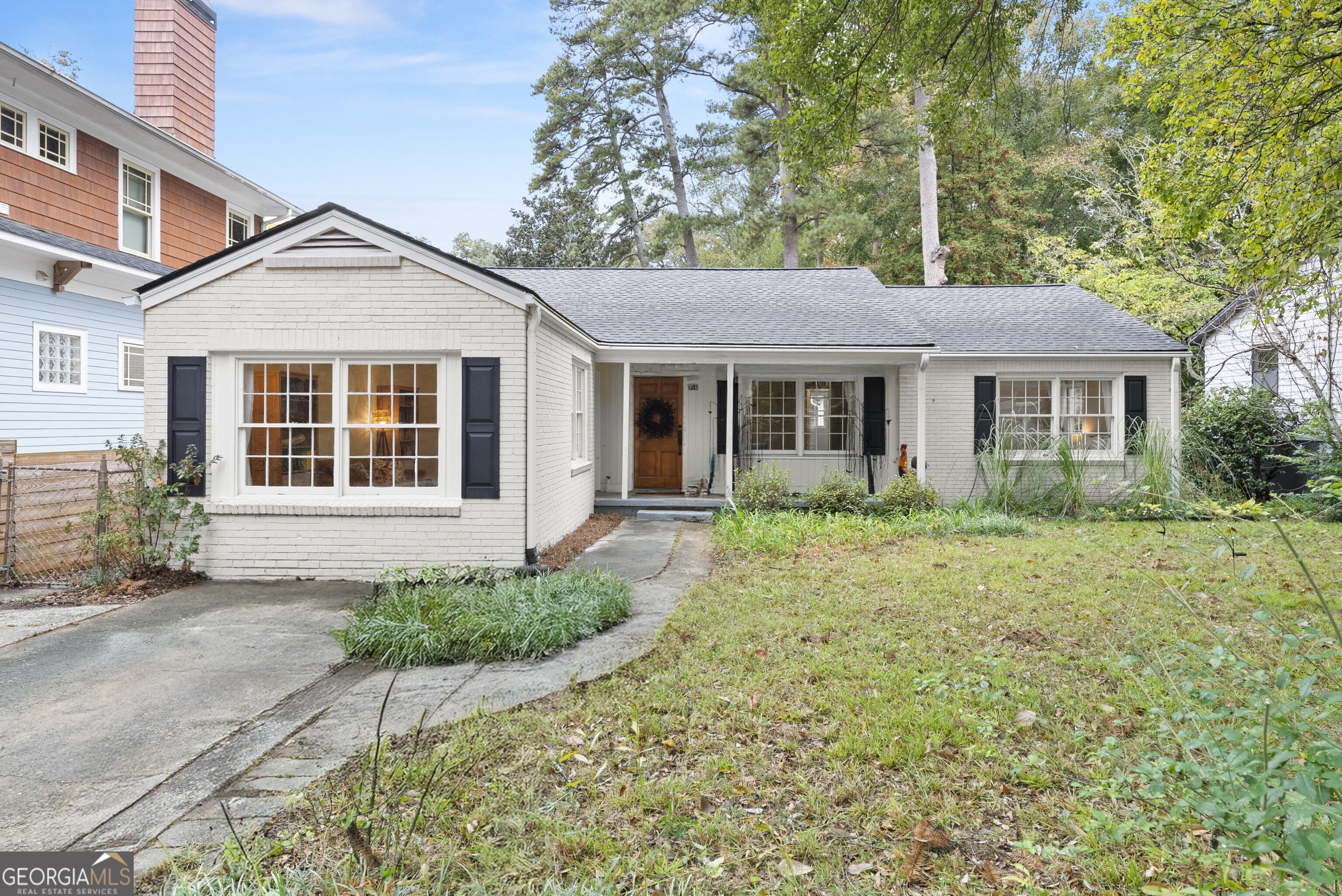
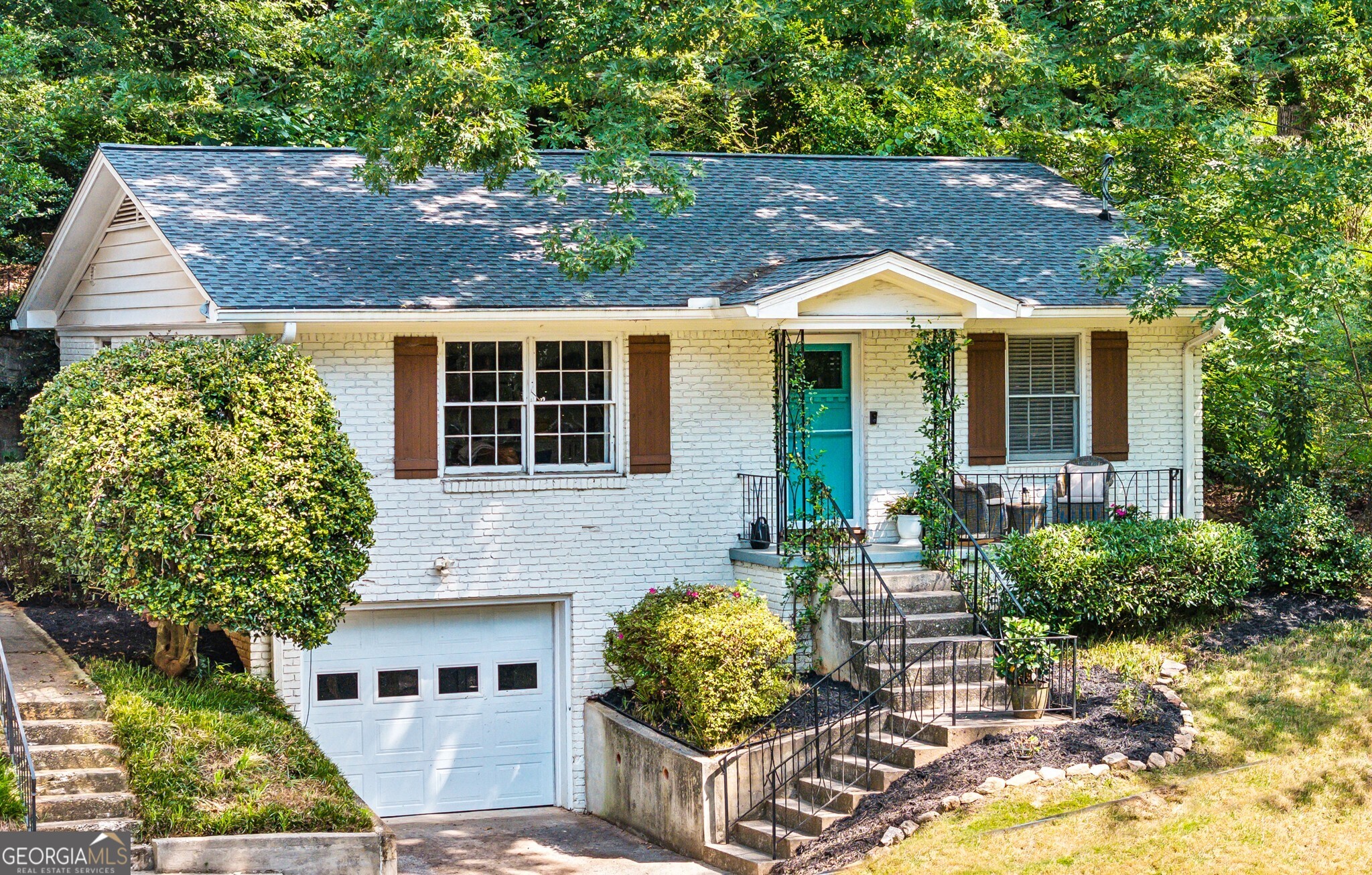
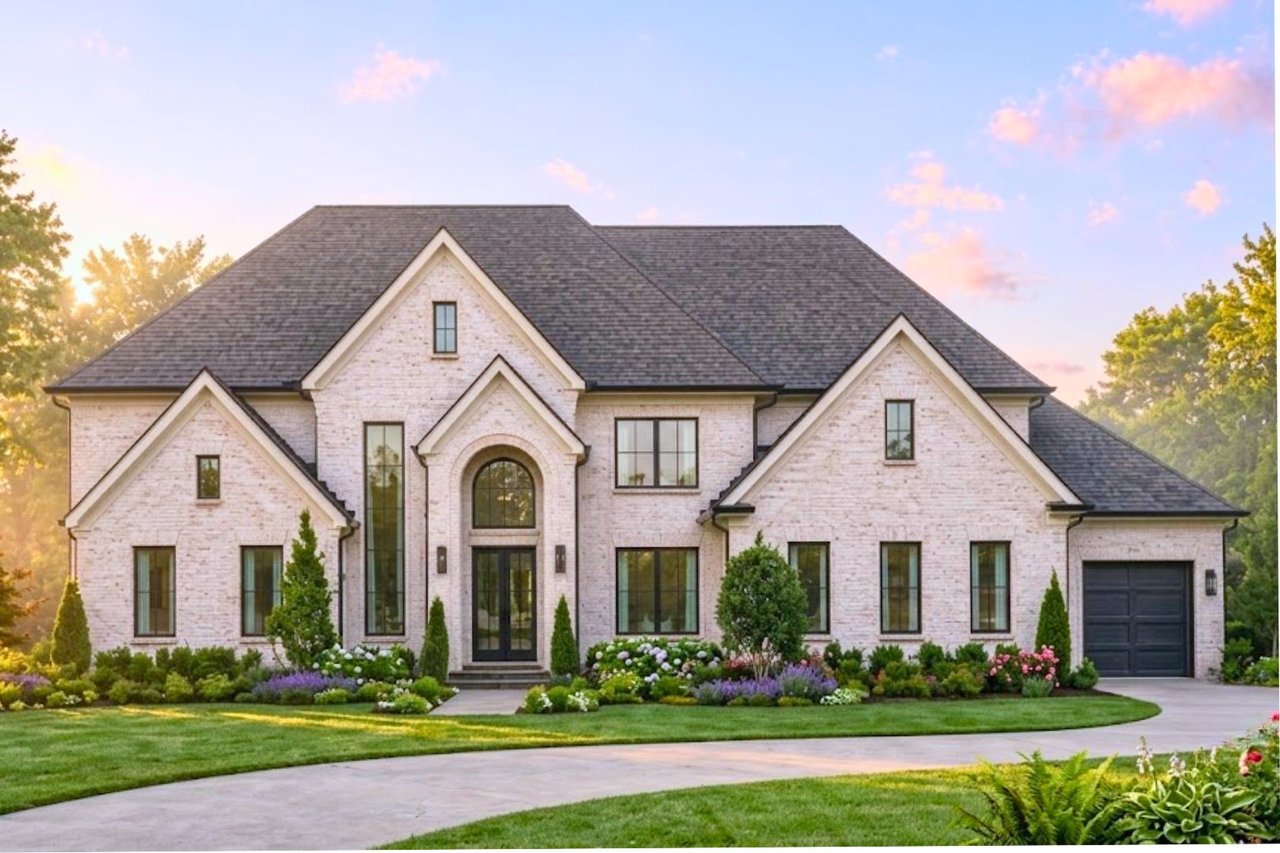
Production homes — built from pre-designed floor plans by volume builders like D.R. Horton, Fischer Homes, Kolter Homes, Traton Homes, and Artisan Built Communities — represent the most accessible price point for most Atlanta buyers. According to Today's Homeowner data from April 2025, building a home in Atlanta averages $127 per square foot, with a range of $106 to $148 per square foot for standard construction.
A 2,000-square-foot home can run $212,000 to $296,000 in base construction costs before accounting for land, permits, and customization choices. These figures reflect construction costs alone. The final purchase price from a volume builder will include the lot, builder profit margin, and often a design center package — costs that add up faster than most first-time buyers expect.
South Metro submarkets like Henry County and Fayette County tend to come in at the lower end of that production cost range. North Atlanta communities in Alpharetta and Milton command premiums tied to land cost and sustained demand from the corporate corridor along GA-400.
Mid-Range Custom Homes
Buyers seeking more design control — without the full complexity of a completely custom build — often fall into the mid-range custom category. According to data from The Renovators, an Atlanta-based builder, this tier breaks down as follows:
| Build Type | Cost Per Sq Ft | Estimated Cost (2,500 sq ft) |
|---|---|---|
| Entry-Level Custom | $225 – $275 | $562,500 – $687,500 |
| Mid-Range Custom | $275 – $350 | $687,500 – $875,000 |
These estimates are before land and soft costs — a meaningful step up from production pricing. Mid-range custom builders typically work within an existing design palette rather than from a completely blank slate, which keeps costs more predictable and timelines more manageable than a fully custom project.
Luxury and High-End Custom Builds
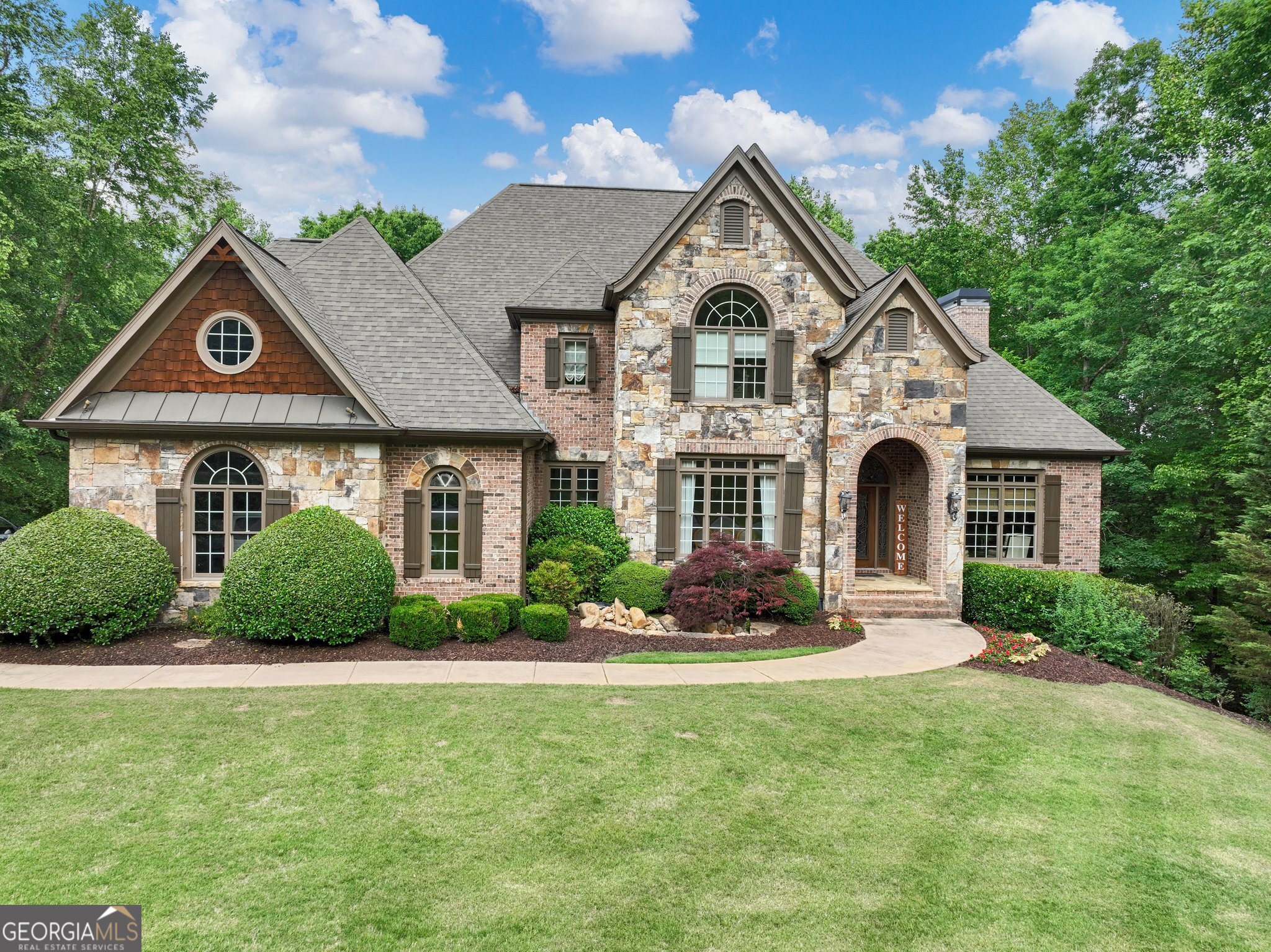
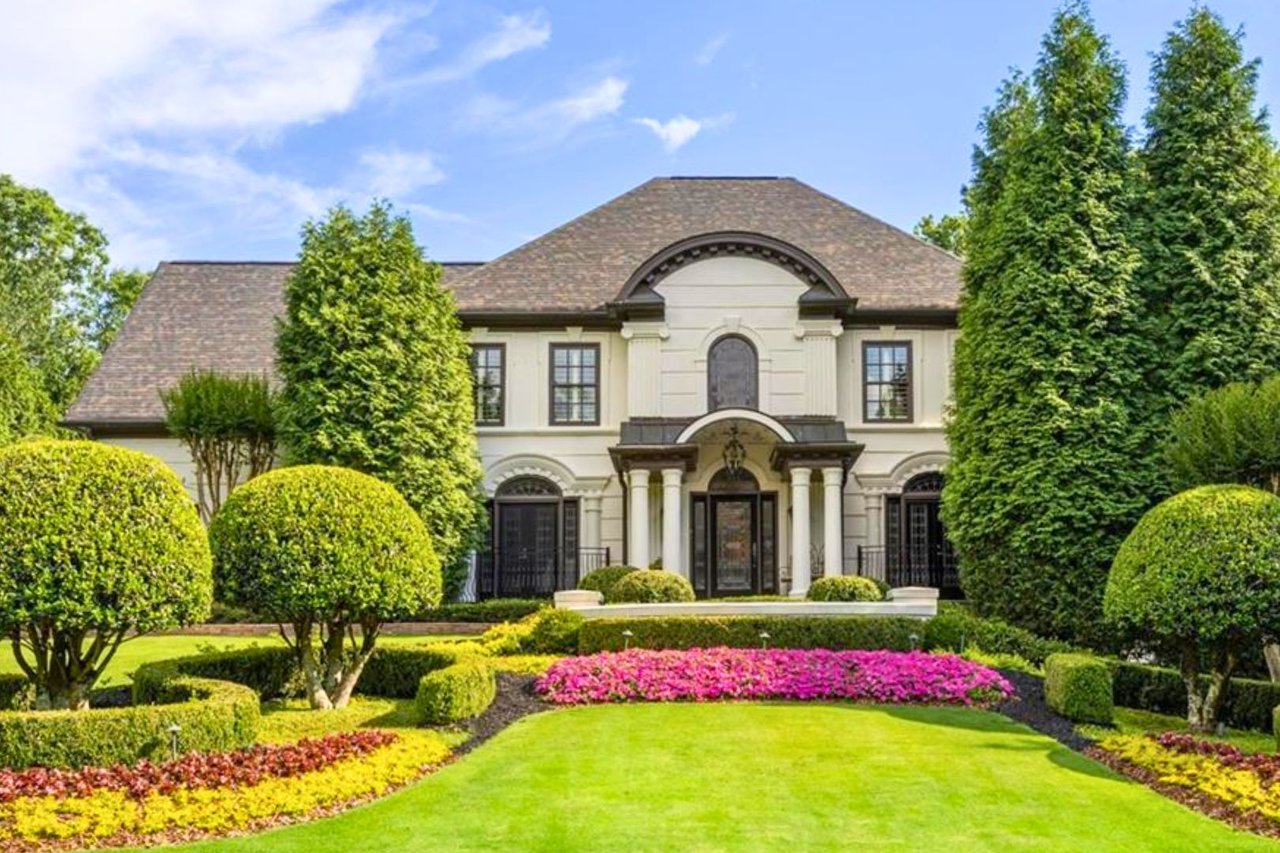
At the top of Atlanta's new construction market, fully custom luxury builds run $350 to $500-plus per square foot according to The Renovators data. A fully custom 2,000-square-foot home can exceed $1 million in total project cost according to Today's Homeowner.
Premium submarkets in Buckhead — home to the Michelin-starred Atlas restaurant at the St. Regis and the Atlanta History Center's 33-acre campus — along with Midtown, Alpharetta's tech corridor, and East Cobb support these price points through land values and elevated finish expectations. Architect fees alone on a luxury Atlanta custom build can range from $15,000 to $80,000, representing roughly 8 to 15 percent of the total project cost before construction begins.
The Costs Atlanta Buyers Most Often Overlook
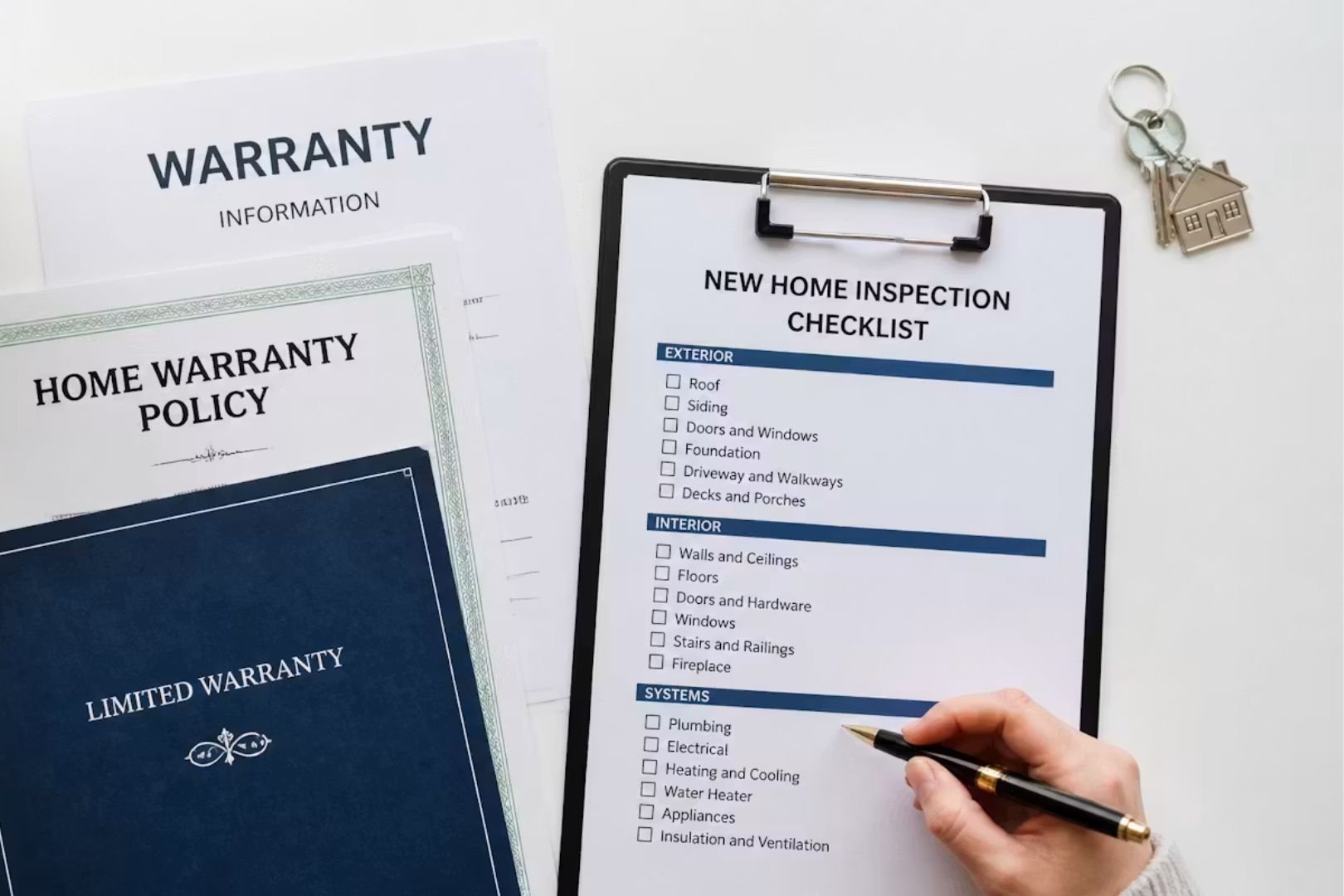
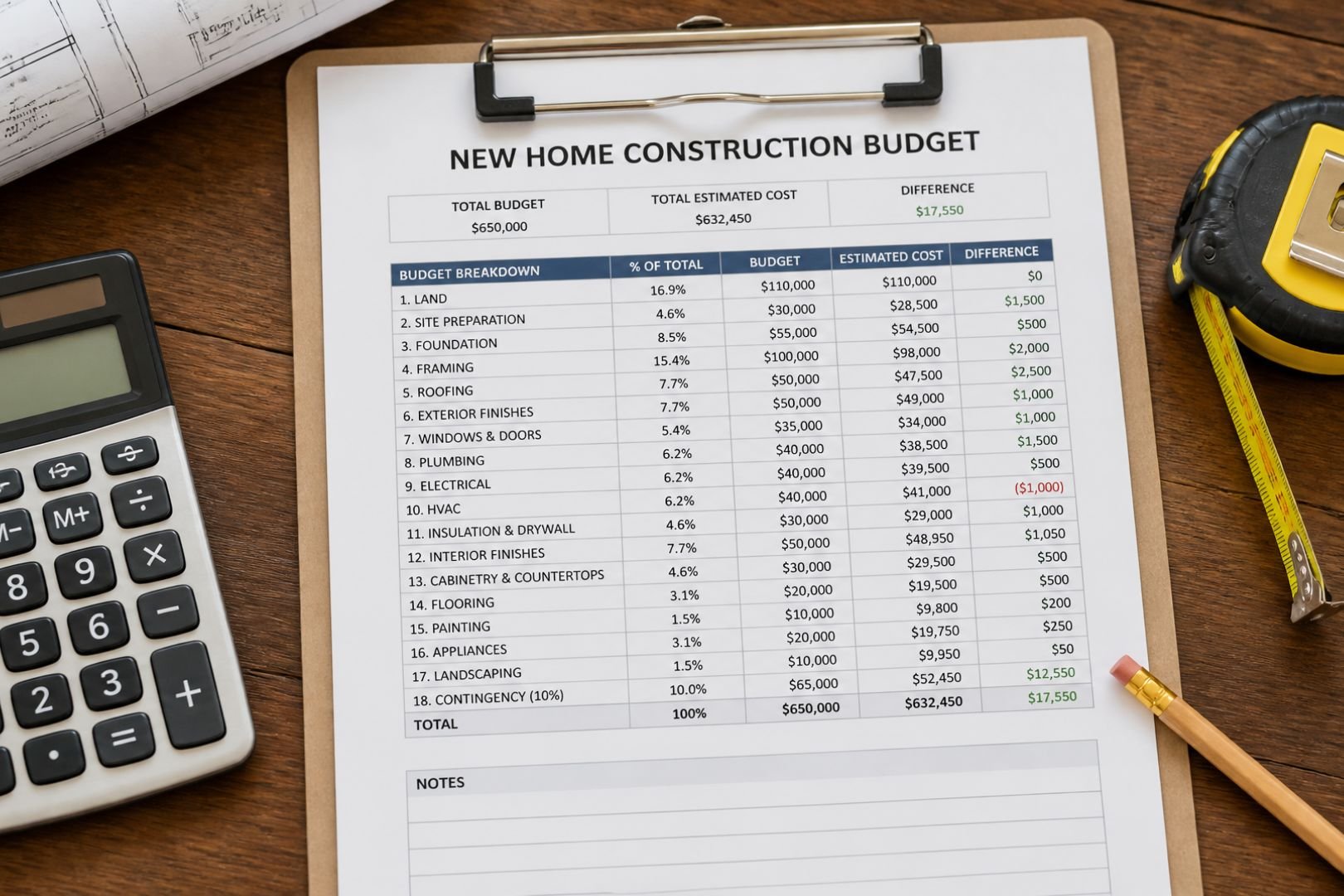
The base price of a new home — whether from a production builder or a custom contractor — rarely tells the full story. Understanding the complete budget picture before signing anything is one of the most valuable steps any buyer can take.
Land and Site Preparation
Land costs in Georgia average around $30,000 per acre according to Houzeo and reAlpha data, with site preparation — clearing and leveling — adding $1,500 to $3,000 on top of that baseline. This is one area where the ITP and OTP divide is felt most acutely. A buildable lot in Buckhead or Midtown can cost hundreds of thousands of dollars per acre, while OTP lots in the south and east metro are a fraction of that figure.
Buyers drawn to intown locations need to account for land cost as a significant — and often dominant — budget line before evaluating construction costs.
Permits and Fees
Permit costs are easy to overlook because contractors typically pull permits on the buyer's behalf. Those costs roll directly into your total project budget regardless. In Atlanta, the full permit package for a new home typically includes:
- General building permit: $1,000 to $2,000 (Midtown Builders Group)
- Trade permits for HVAC, plumbing, and electrical: several hundred dollars each
- Plan review fees: variable based on construction value and home size
- Full permit package total: $1,000 to $5,000 (Angi and PermitFlow data)
Larger or more expensive builds push toward the higher end of that range, since fees are often calculated based on total construction value.
Soft Costs: Architects, Engineers, and Surveys
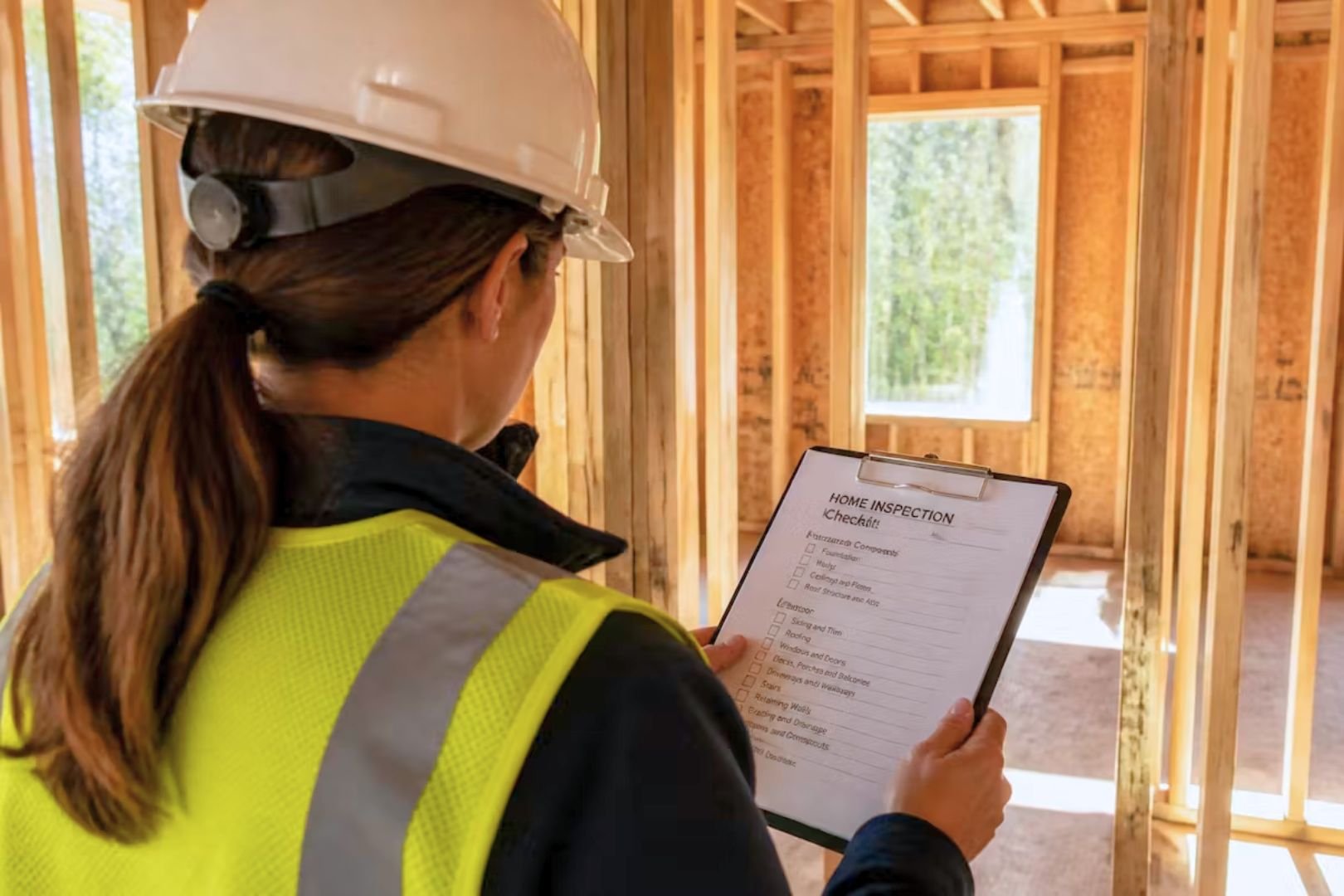
Soft costs — covering architectural design, structural engineering, land surveys, and builder's risk insurance — often make up 10 to 20 percent of the total construction budget according to Midtown Builders Group. For a $500,000 construction budget, that soft cost line could represent $50,000 to $100,000 in additional spending that many first-time builders simply don't anticipate. In Atlanta, architects typically cost $1,650 to $8,100 on average for standard residential projects, with complex custom work running significantly higher.
Interior Finishes and Appliances
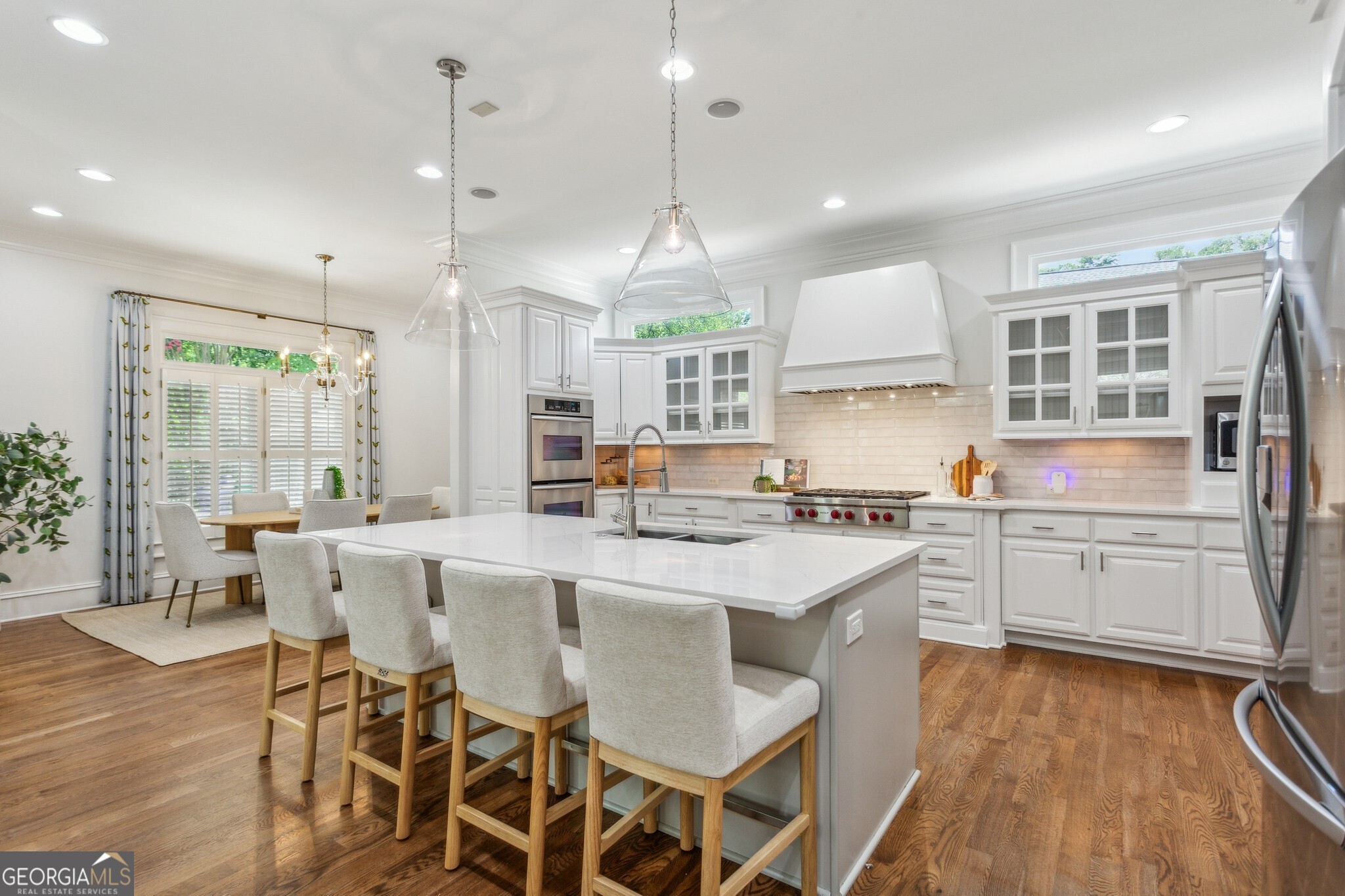
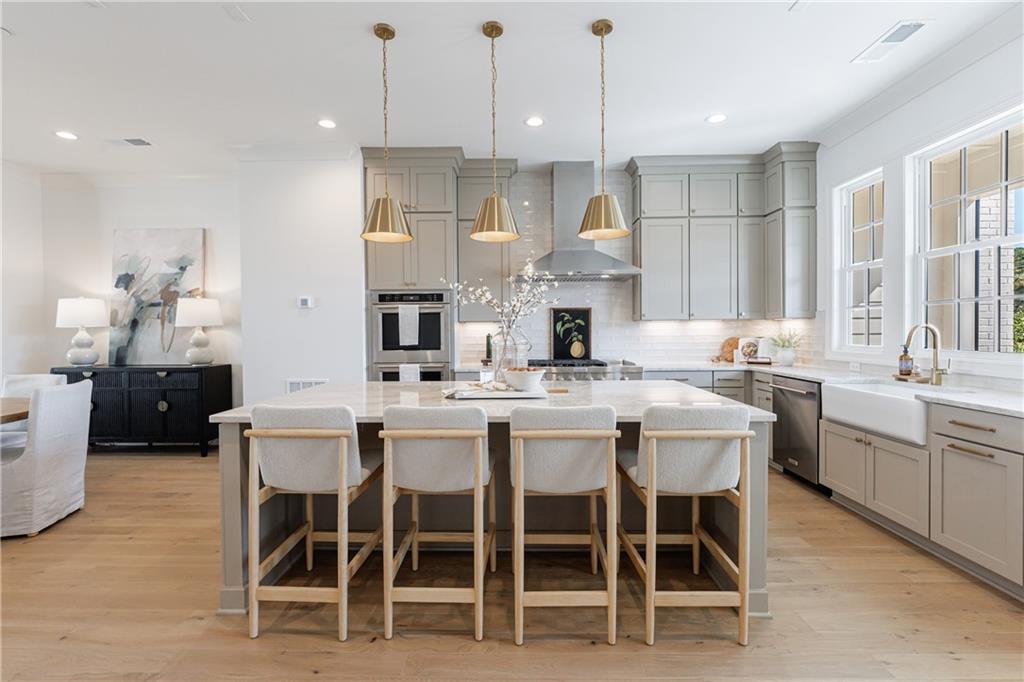
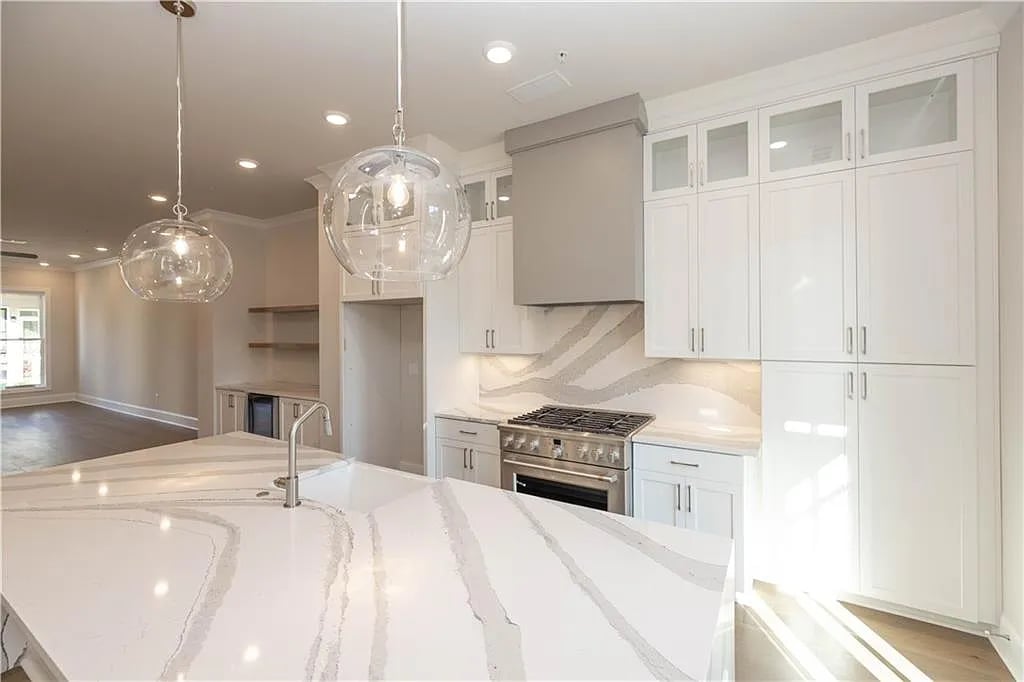
Budget at least $20,000 for interior furnishings in a 2,000-square-foot home according to Houzeo data. Bathroom finishes alone can range from $2,500 to $30,000 depending on tile selections, fixture quality, and scope of work according to HomeLight's Georgia-specific data. Appliances add another $2,100 to $5,400 depending on brand choices and kitchen configuration.
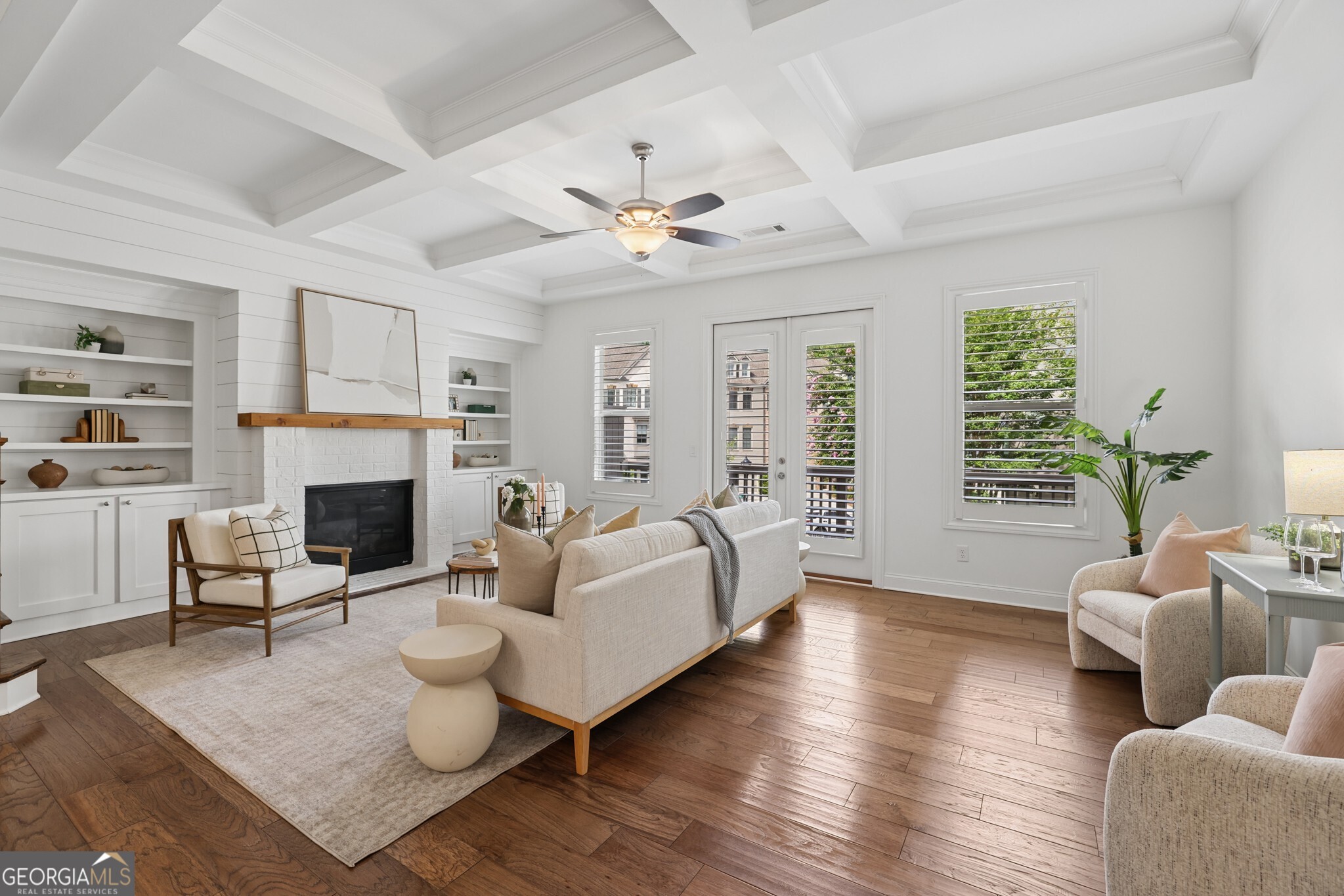
These costs hit especially hard when a production builder's base price includes only builder-grade finishes and the design center upgrades buyers want add up faster than expected.
The Contingency Buffer: The Number Most Buyers Skip
The most overlooked line item in any new construction budget is the contingency reserve. According to Homeyou — which bases its Atlanta data on 295 completed local projects — Atlanta builders typically factor in a contingency fee of around 10 percent of the overall cost to cover budget overruns.
On a $400,000 construction budget, that means holding a $40,000 cushion — money you may not spend, but money you will be very glad to have if material prices shift, weather causes delays, or mid-build upgrades tempt you. National guidance recommends 10 to 20 percent, so erring toward the higher end is prudent for first-time builders. (Homeyou, data valid through April 2026)
Pro Tip: Lock in your finish selections before breaking ground. One of the most common budget-busting scenarios in Atlanta custom construction is mid-build change orders — each revision adds cost and can push your timeline by weeks.
Custom Build vs. Production Home — Which Makes Sense in Atlanta?
Pros of a Production Home in the Atlanta Metro
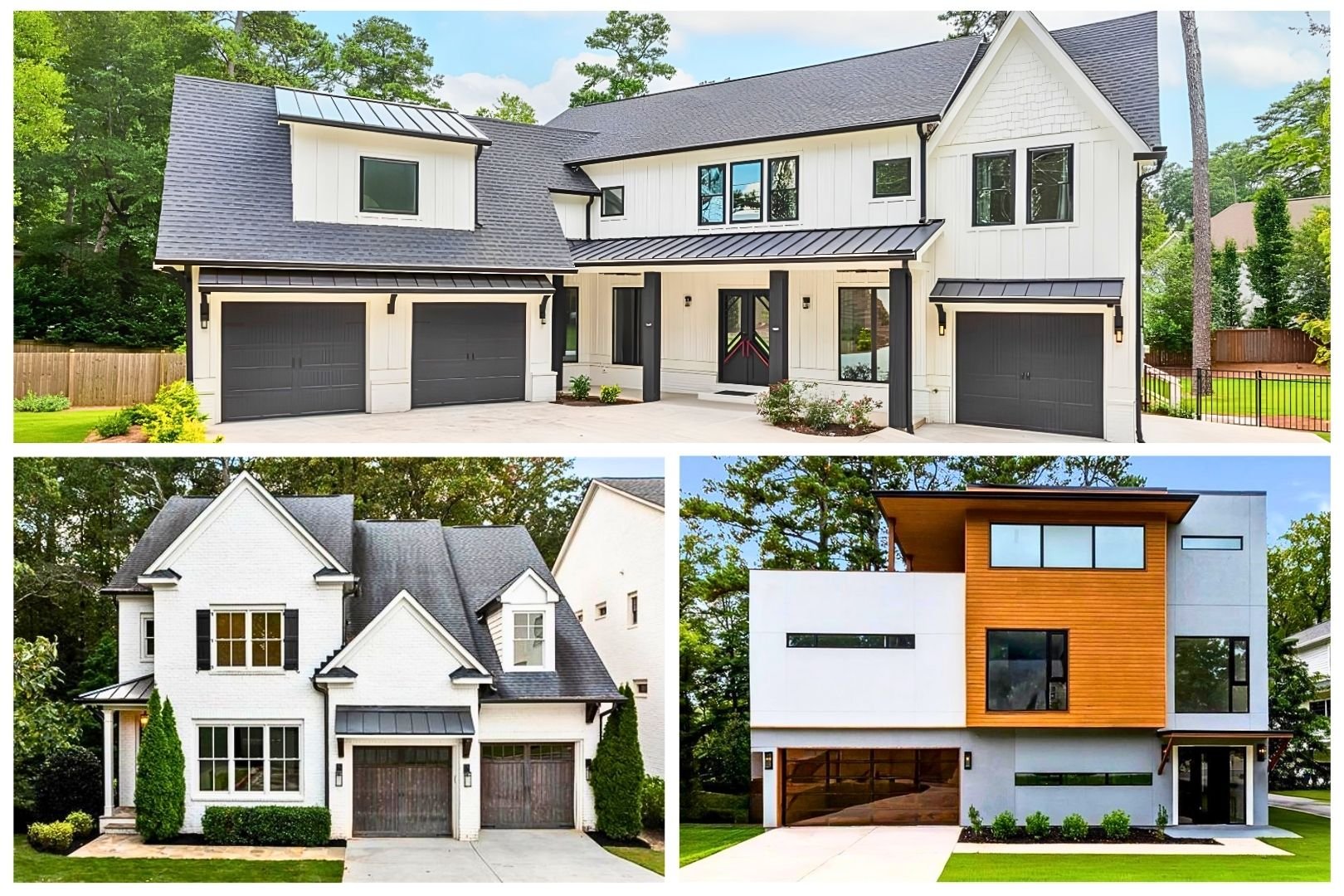
Production homes from established Atlanta-area builders offer real advantages for buyers who want a new home without the complexity of a custom project. Move-in timelines are dramatically faster — production homes typically close within one to two months once construction is underway.
Many Atlanta-area builders also offer rate buydowns, design center upgrade packages, and closing cost incentives that can meaningfully reduce upfront expense. For first-time buyers or families relocating on a firm timeline, these factors often make production homes the practical choice over a ground-up custom build.
Pros of a Custom Build in Atlanta
Custom builds deliver full control over layout, materials, energy efficiency systems, and lot selection. In Atlanta's warm, humid climate, investing in modern HVAC, superior insulation, and energy-efficient windows during construction can generate meaningful long-term utility savings compared to purchasing an older resale home.
New construction also means every system meets current Georgia building codes, which typically translates to lower maintenance costs in the first decade of ownership — an advantage that matters when evaluating total cost of ownership, not just purchase price.
The Trade-Off: Time, Cost, and Financing Complexity
Custom builds in Atlanta typically take 9 to 12 months from permit submission to move-in, assuming no significant delays from supply chain disruptions, weather events, or design changes. Financing a custom build also requires a construction loan rather than a standard mortgage.
Construction-to-permanent loans — sometimes called one-time-close loans — are the most common option for Atlanta buyers building custom homes, providing a single loan that converts to a traditional mortgage upon project completion. Construction loans typically require a down payment of 20 percent or more and carry higher interest rates than conventional financing. That distinction matters significantly for first-time builders, and it's worth modeling the full financing cost well before the ground breaks.
Pro Tip: If you're financing a custom build, get pre-qualified for a construction loan before finalizing your lot selection. Lenders evaluate both your creditworthiness and the feasibility of the project — and some Atlanta lots, particularly ITP infill parcels, can complicate approval if soil conditions or title issues arise during underwriting.
How Location Within the Atlanta Metro Affects Your New Build Budget
North Atlanta: Premium Pricing for Top Schools and Corporate Access
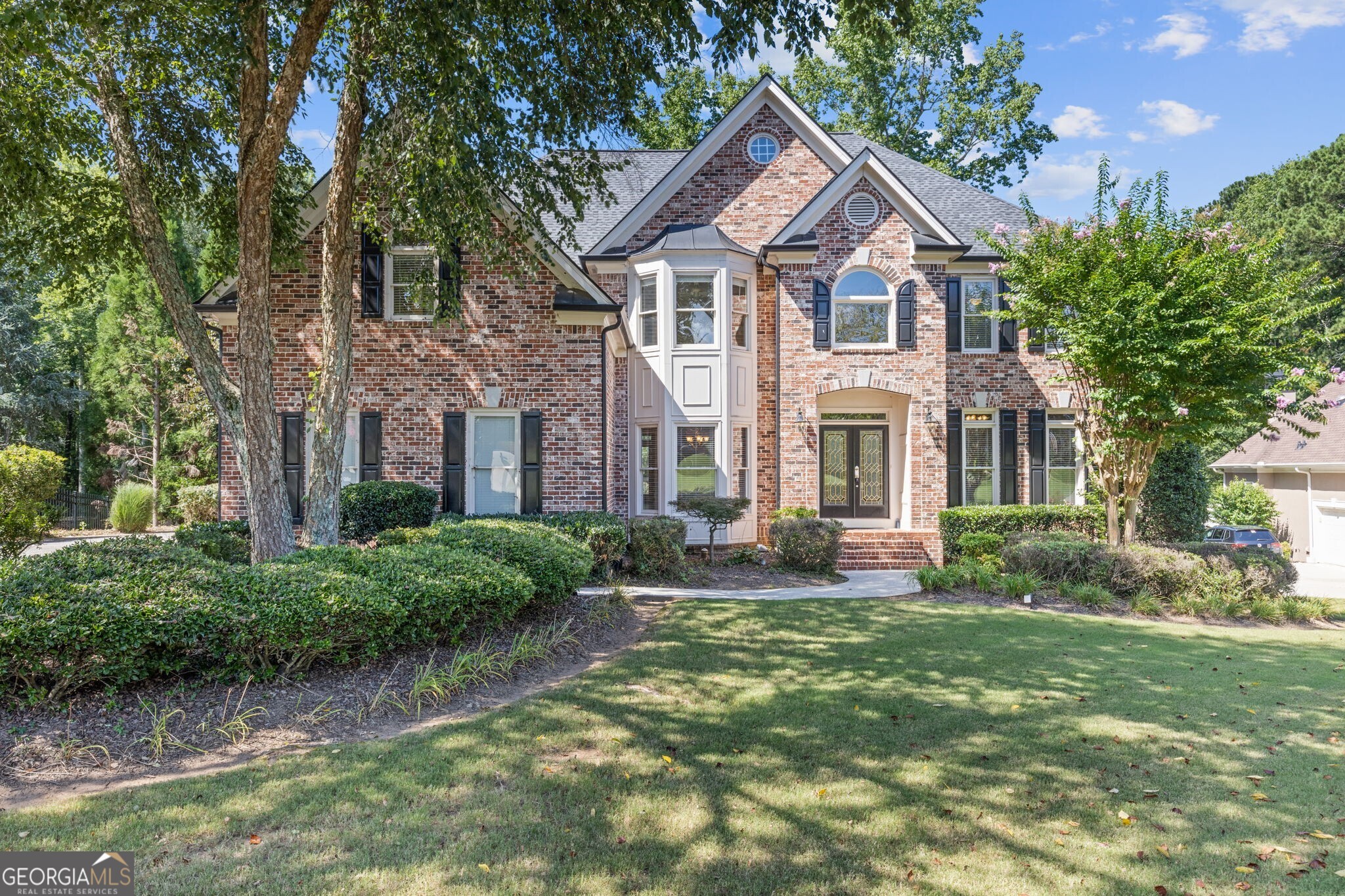
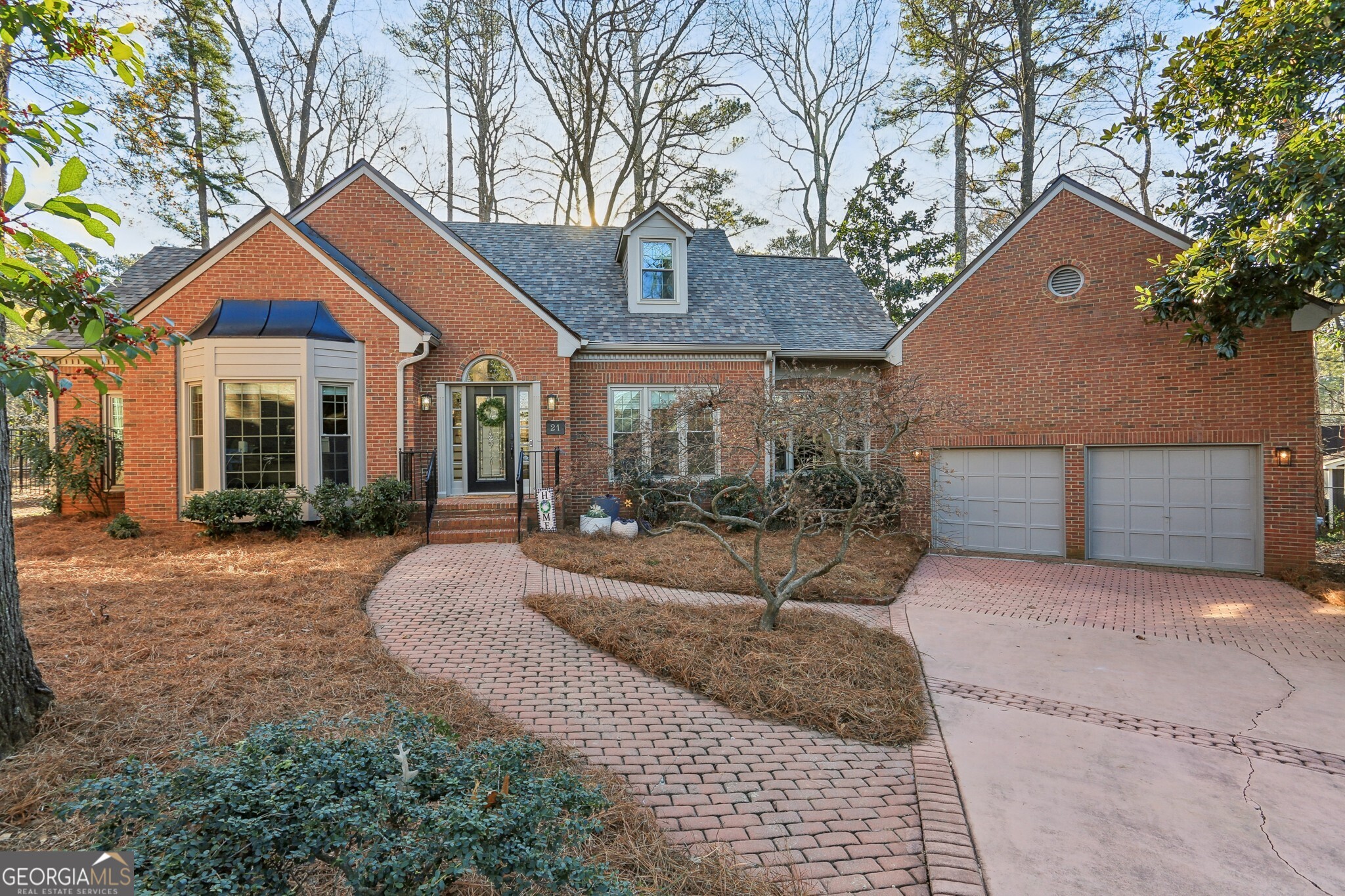
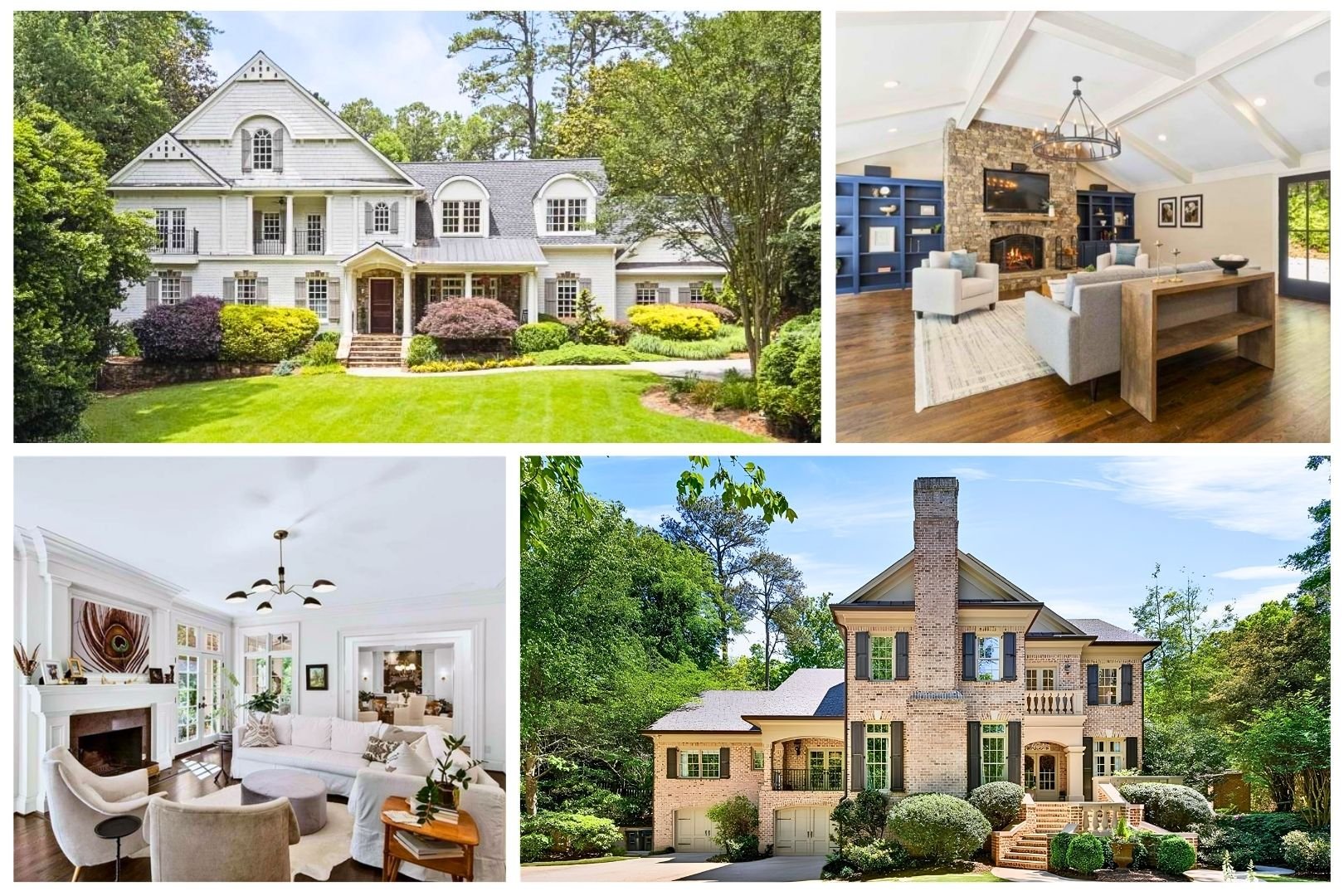
Communities in Alpharetta, Roswell, Johns Creek, and Milton consistently command the highest price points among OTP submarkets, with quality new construction ranging from $400,000 to $700,000-plus. Alpharetta High School ranks 20th in Georgia, and Johns Creek High School holds an A-plus overall Niche grade. Corporate campuses from Salesforce, Microsoft, and Honeywell create sustained demand that keeps prices elevated year over year. GA-400 Express Lane access further strengthens the appeal for buyers who commute regularly to Buckhead or Midtown employment centers.
South Metro: The Value Play
Henry County and Fayette County consistently offer the most competitive pricing in the metro for comparable floor plans, driven by lower land costs and newer infrastructure development. Growth in this corridor is supported by Trilith Studios in Fayetteville — one of the largest purpose-built film production campuses in North America — and expanding logistics demand near Hartsfield-Jackson. McIntosh High School in Fayette County has earned strong academic recognition, adding school quality to the value proposition for families considering this submarket.
Intown Atlanta: The Urban Premium
BeltLine-adjacent new construction in neighborhoods like Sylvan Hills and West End appeals to buyers who want walkability and access to Atlanta's expanding trail and green space network. Ponce City Market in the Old Fourth Ward — a landmark mixed-use development in a former Sears facility with direct BeltLine access, a gourmet food hall, and retail — exemplifies the urban amenity environment that buyers in these neighborhoods are pricing into their decisions.
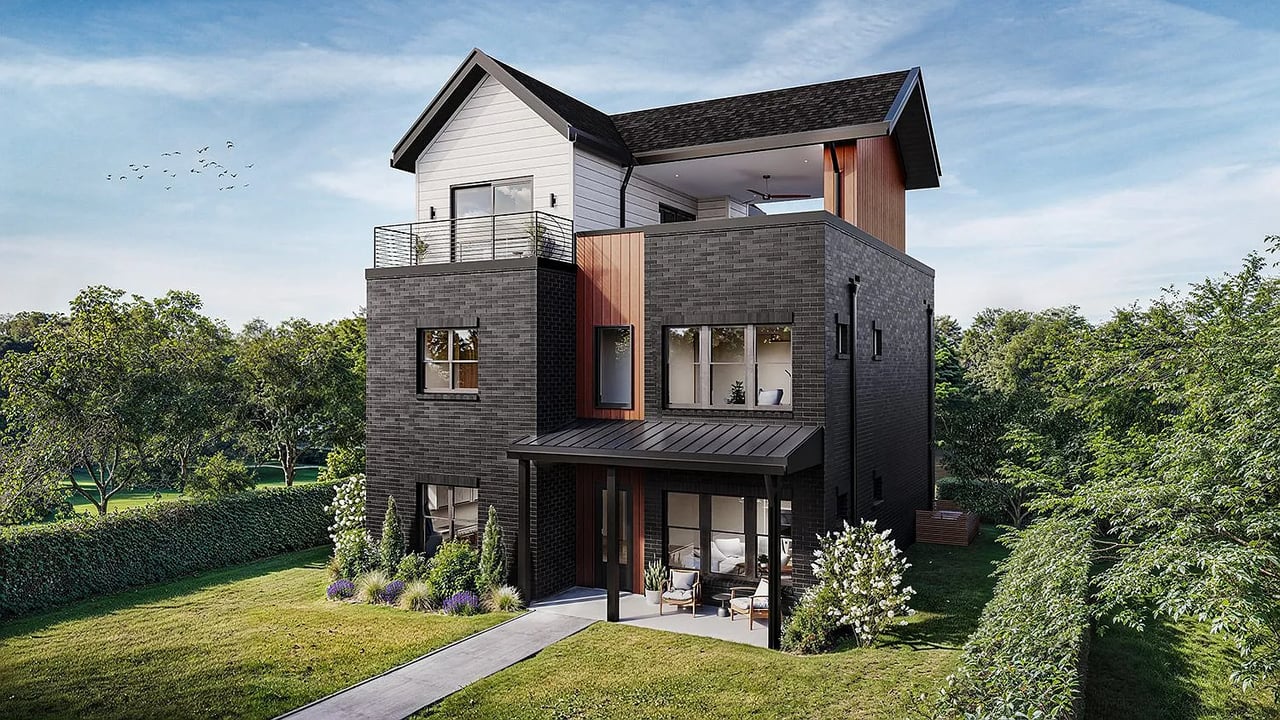
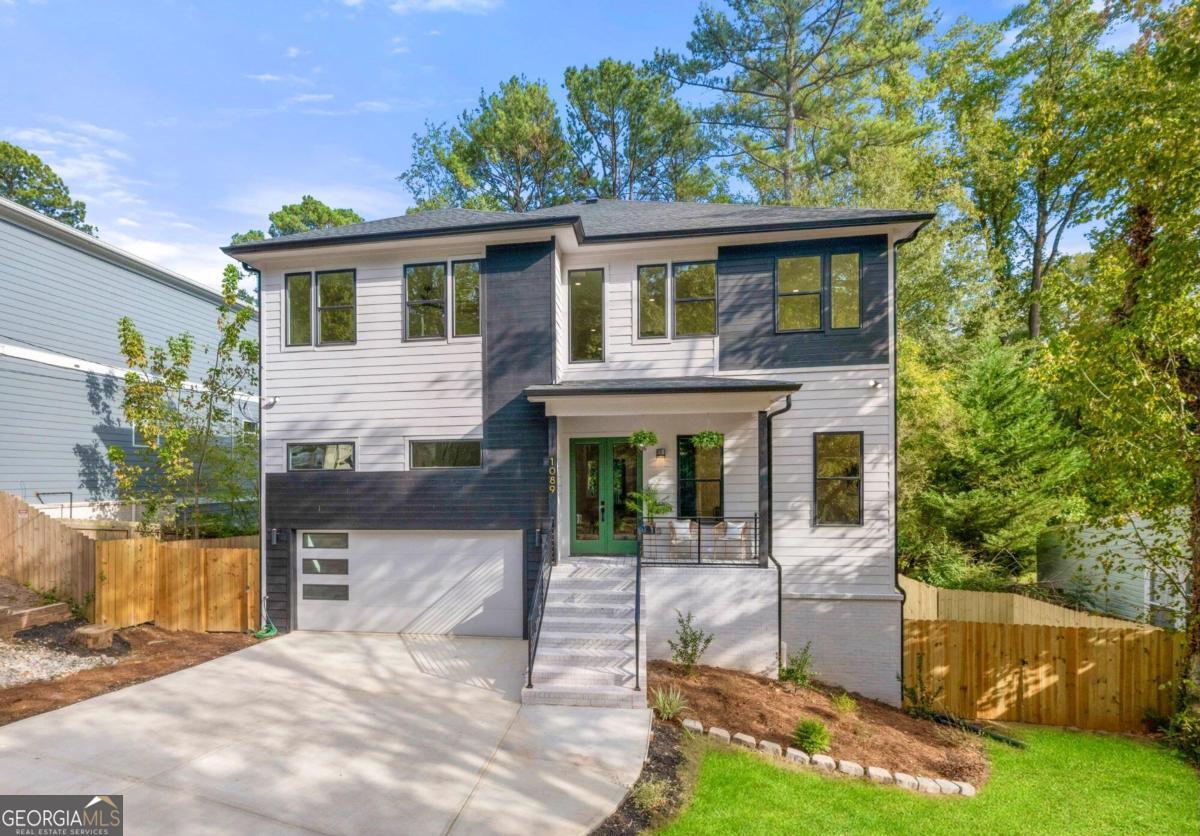
That access comes at a cost. Buckhead, Midtown, Inman Park, and Virginia-Highland new construction frequently starts above $700,000 for modest square footage, and fully custom ITP builds can reach well into seven figures.
East and West Metro: The Middle Ground
Gwinnett County communities like Buford and Hoschton, along with Cobb County's Marietta, East Cobb, and Acworth submarkets, offer solid school systems and more accessible pricing than North Fulton. Buford City Schools holds the top ranking among Atlanta-area school districts according to Niche, making Buford particularly attractive for families who prioritize school quality without the North Fulton price premium. According to Jome data, I-75 and I-85 Express Lane improvements have meaningfully reduced commute times from Acworth and Buford, expanding the practical draw of these submarkets for new construction buyers.
Tips for Budgeting and Buying Smart in Atlanta's New Construction Market
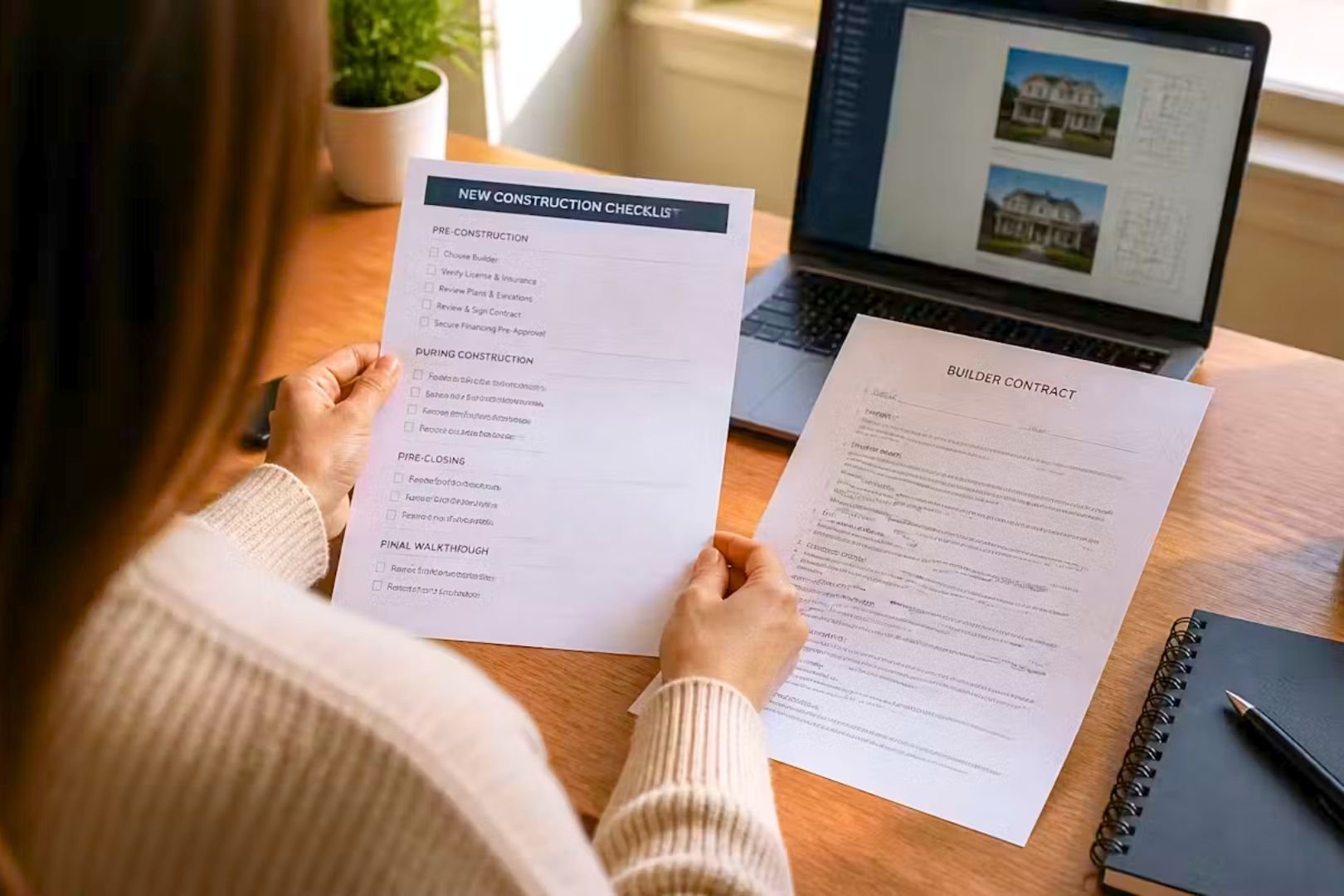
Getting a realistic, itemized budget in place before contacting builders — not after — is the single most valuable step you can take. Understand exactly what a builder's base price includes and excludes: many Atlanta-area builders omit lot premiums, structural upgrades, and design center selections from the headline number, which means the "starting from" price in a community brochure can look very different from the final contract figure.
Always include a home inspection contingency and a thorough final walkthrough in your purchase timeline, even for brand-new construction. New homes can and do have defects, and having a qualified inspector review the property before closing gives you leverage to request corrections from the builder before you take possession. This step costs a few hundred dollars and is consistently worth it.
Compare multiple communities and floor plans before committing — genuine geographic and price-tier choice exists across the 800-plus active new home communities spanning 25-plus counties. If building custom, engage your builder before finalizing architectural plans. Early collaboration reduces expensive change orders later. MARTA rail access at stations like Midtown, Lindbergh Center, and Decatur also adds long-term commute value to intown new construction, a factor worth weighing when evaluating resale prospects.
Metro Atlanta added 62,700 new residents in a single year and ranks fourth among U.S. cities for Fortune 500 headquarters. That economic and population foundation — anchored by more than 6.4 million residents — underpins long-term housing demand across every price tier and every submarket. (Atlanta Regional Commission, July 2024; U.S. Census Bureau/Urbanize Atlanta, April 2026)
Frequently Asked Questions

How much does it cost to build a house in Atlanta, GA?
The full range runs from approximately $106 per square foot for standard production construction to $500-plus per square foot for fully custom luxury builds. For most buyers, the total cost of a custom home project in the Atlanta metro falls between $300,000 and $700,000 excluding land, though ITP luxury builds can exceed $1 million on relatively modest footprints. The wide spread reflects the geographic and neighborhood diversity of the Atlanta metro rather than any inconsistency in the data.
Is it cheaper to build or buy an existing home in Atlanta?
Buying an existing home is generally faster and often less expensive upfront. Atlanta resale homes sold at a median price of $376,000 in Q4 2024, compared to $469,900 for new construction. New construction offers full customization, modern energy efficiency, and lower early maintenance costs, but adds 9 to 12 months of timeline for a custom build, construction financing requirements, and greater complexity. For most buyers, the decision comes down to timeline flexibility and how much personalization matters relative to budget.
What are the permit costs for new construction in Atlanta?
A general building permit in Atlanta typically costs $1,000 to $2,000 according to Midtown Builders Group. Separate permits for HVAC, plumbing, and electrical each add several hundred dollars, and when plan review fees are included, the full permit package can reach $1,000 to $5,000 for a new home according to Angi and PermitFlow data. Contractors typically pull permits on the buyer's behalf, but those fees are built into the overall project cost.
What financing options are available for building a new home in Atlanta?
Construction-to-permanent loans — also called one-time-close loans — are the most common option for Atlanta buyers building custom homes, providing a single loan that converts to a traditional mortgage upon project completion. Construction-only loans provide funding during the build but require the full balance to be paid or refinanced when construction finishes. Existing homeowners may also use a home equity loan or HELOC to fund a build. Most construction loans require a down payment of 20 percent or more and carry higher interest rates than conventional financing, making it important to understand these terms before beginning the process.
Which Atlanta suburbs have the most affordable new construction homes?
South Metro areas — Henry County and Fayette County — consistently offer the most value relative to square footage for new construction buyers in the Atlanta metro. Parts of Gwinnett County, including Buford and Hoschton, and Cobb County communities like Acworth and Marietta also represent solid value compared to North Fulton. Alpharetta, Johns Creek, and ITP neighborhoods like Buckhead and Midtown command the highest price premiums across the metro.
How long does it take to build a new home in Atlanta?
Production and spec homes from major Atlanta-area builders can typically close within a few months once construction is underway. A fully custom home takes 9 to 12 months from permit submission to move-in on average, depending on design complexity, site conditions, material lead times, and contractor availability. If you have a firm relocation deadline or a lease expiring, that timeline difference should be a central factor in the production-versus-custom decision.
Making Sense of Atlanta's New Construction Market
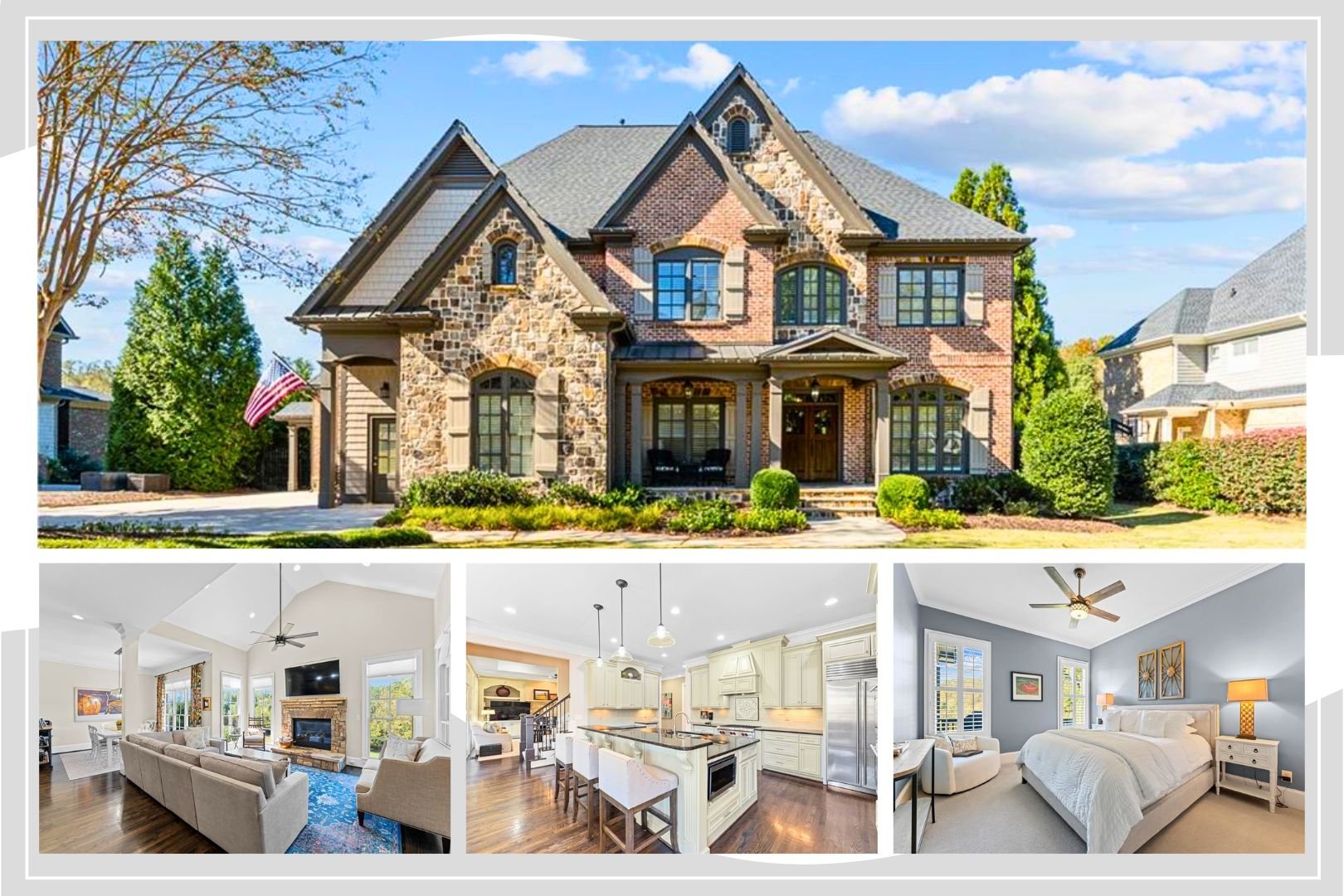
Atlanta's new construction market rewards buyers who do their homework. The wide cost range — from affordable south-metro production homes to multi-million-dollar Buckhead custom builds — isn't a flaw in the market. It's a reflection of how large, economically diverse, and geographically varied the Atlanta metro truly is. Metro Atlanta's job employment base has grown 6.4 percent since early 2020, ranking seventh-highest among peer metros nationally, and the region continues to add residents at a pace that sustains long-term housing demand across every price tier.
The buyers who navigate this market best are the ones who arrive at their first builder meeting already knowing their full budget — not just the base price they're comfortable with, but the land costs, soft costs, permit fees, finish allowances, and contingency buffer that complete the real picture. Understanding the ITP and OTP dynamic, the distinction between production and custom builds, and how Atlanta's geography shapes pricing at every level gives you a genuine advantage in a market where the numbers can vary by hundreds of thousands of dollars based on a single decision about location or build type.
Piedmont Park, the BeltLine's growing trail network, Ponce City Market, and world-class dining and arts institutions make Atlanta's intown neighborhoods deeply compelling. Buford's top-ranked school district, Trilith's economic impact in Fayette County, and the practical accessibility of Cobb and Gwinnett make the suburbs equally compelling in their own ways. There is no single right answer — only the right answer for your timeline, your budget, and your vision for daily life in one of the Southeast's most dynamic cities.
If you have questions about Atlanta new construction costs, builder options, or finding the right community for your family's goals, we'd love to help — feel free to reach out to our team.