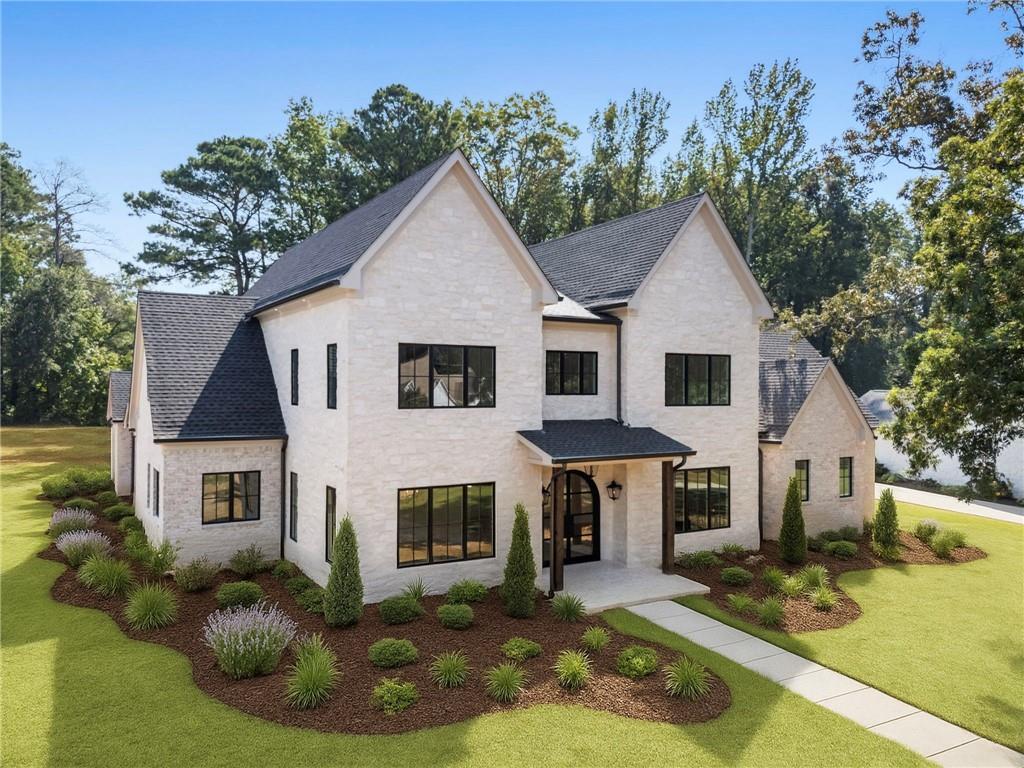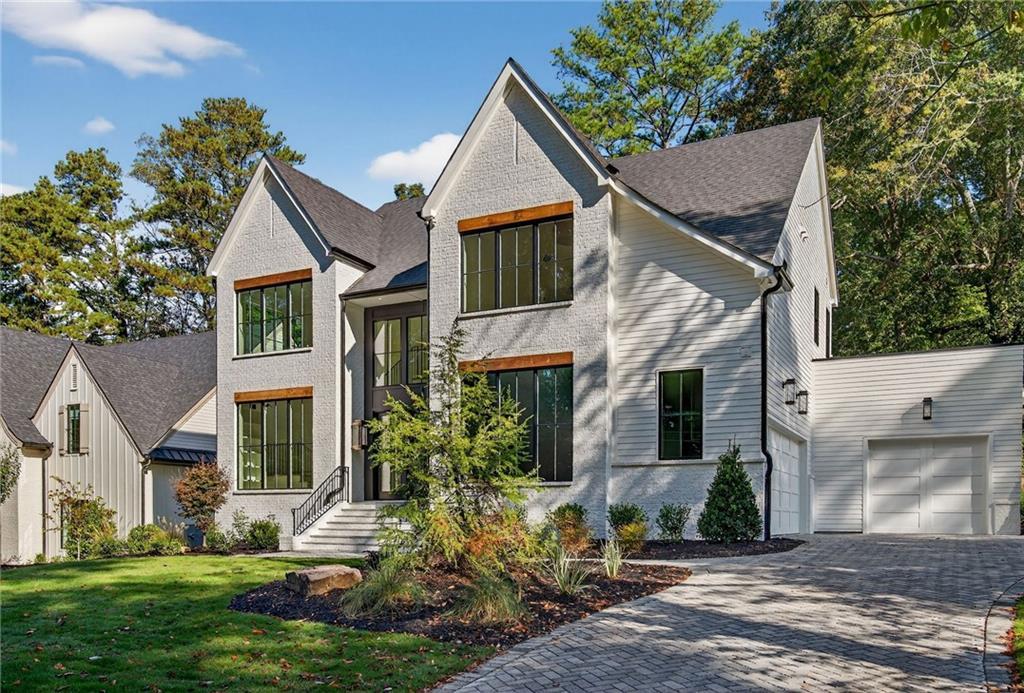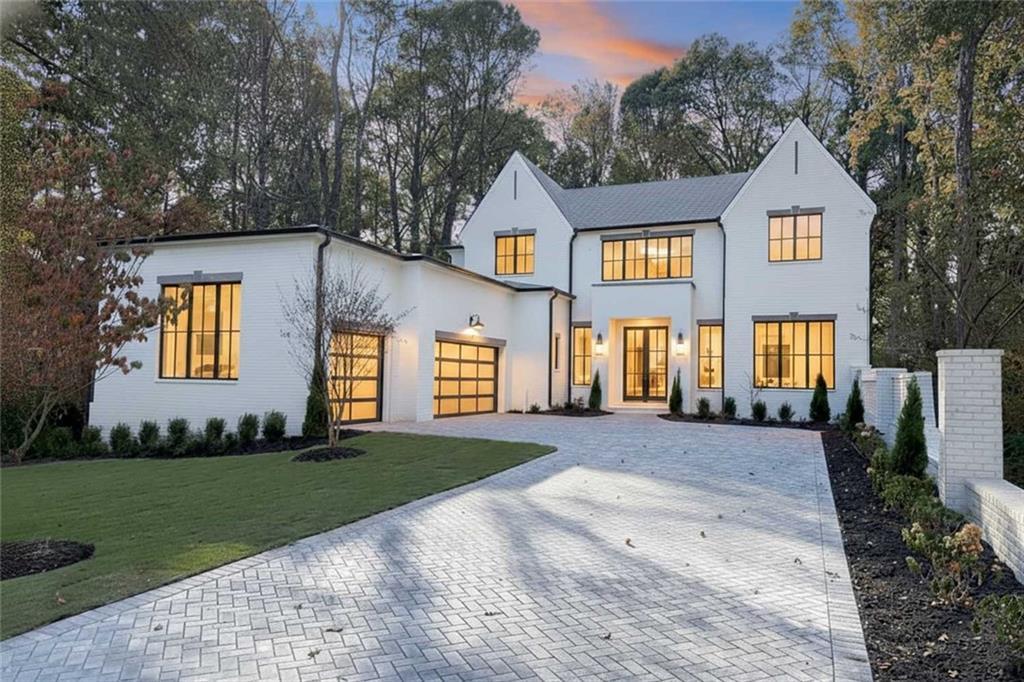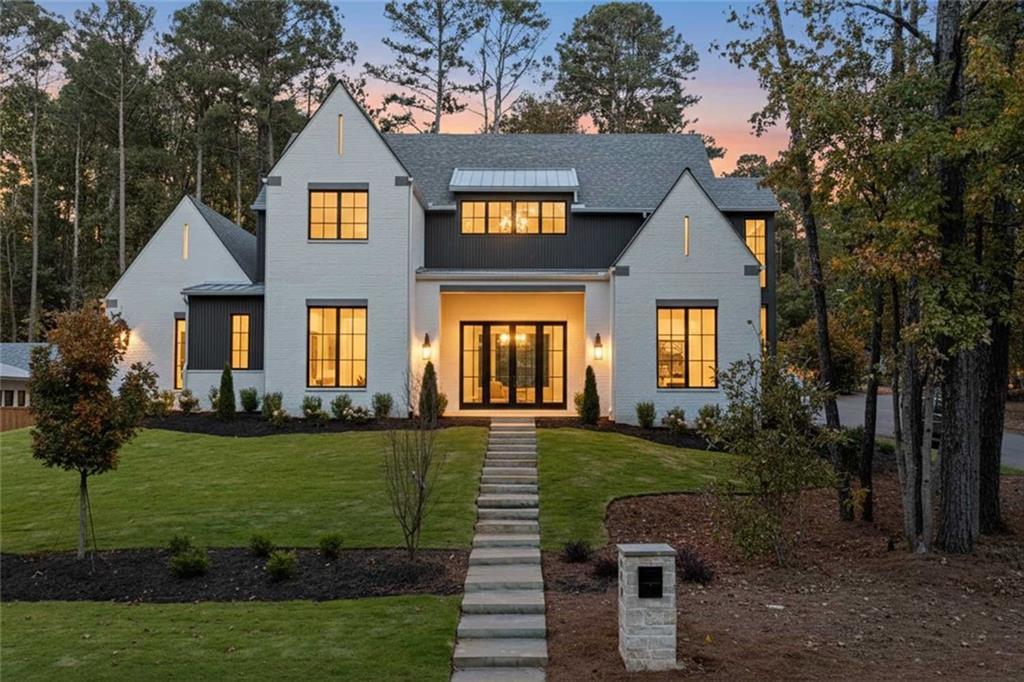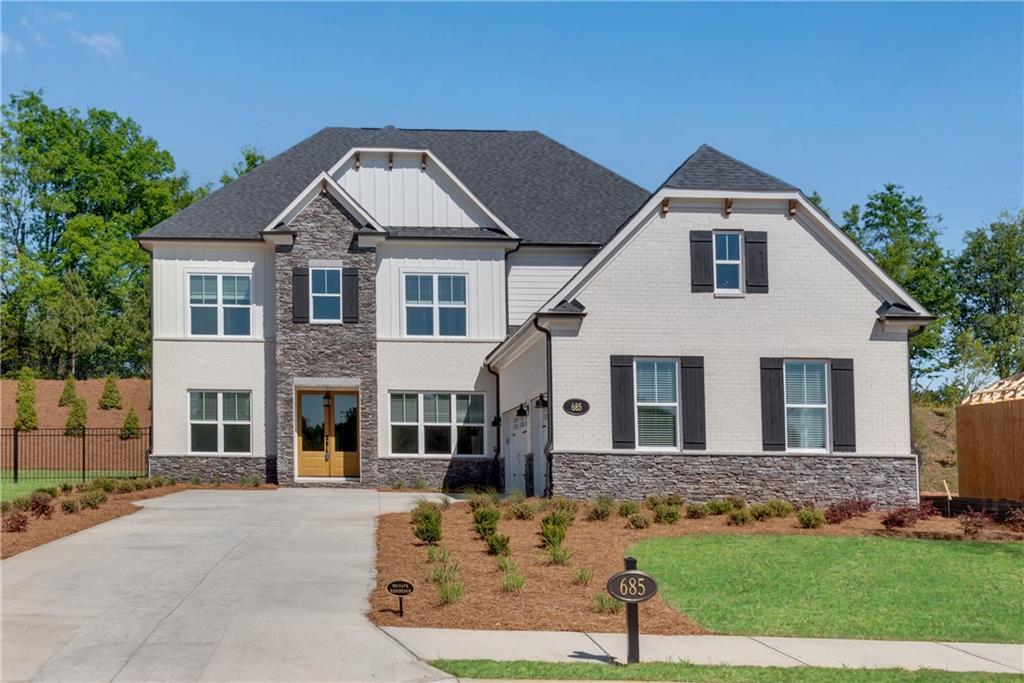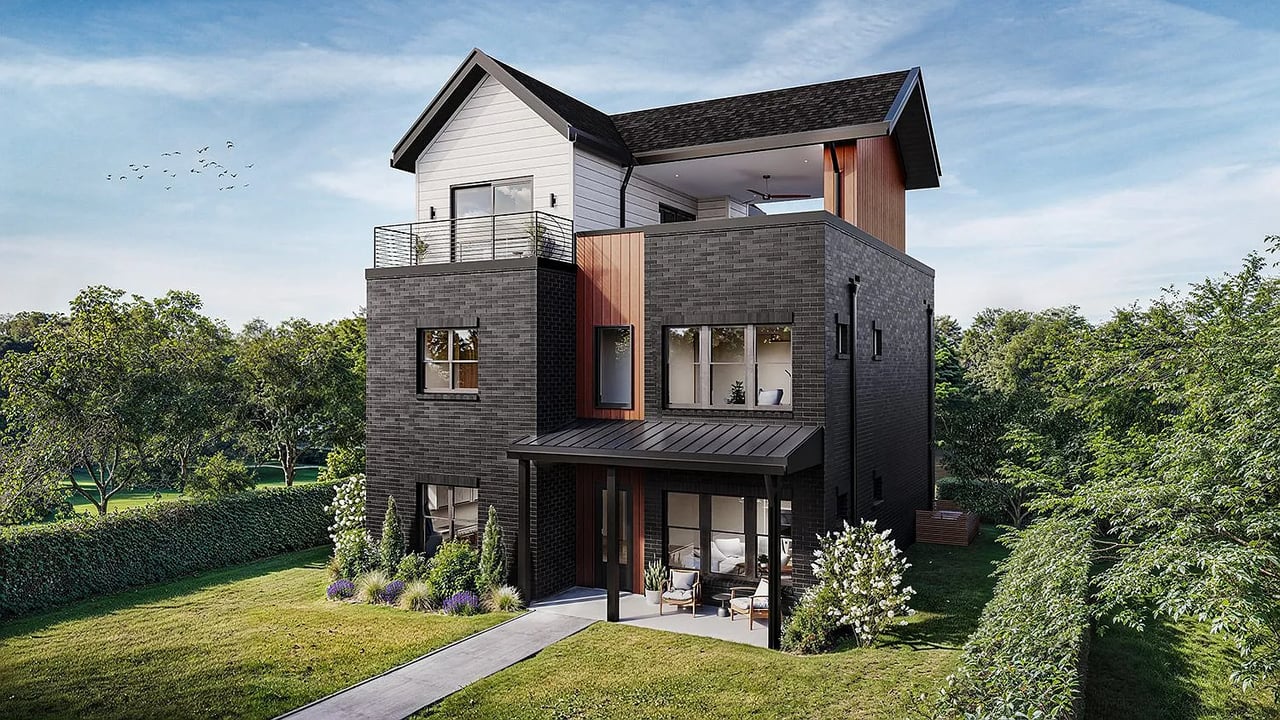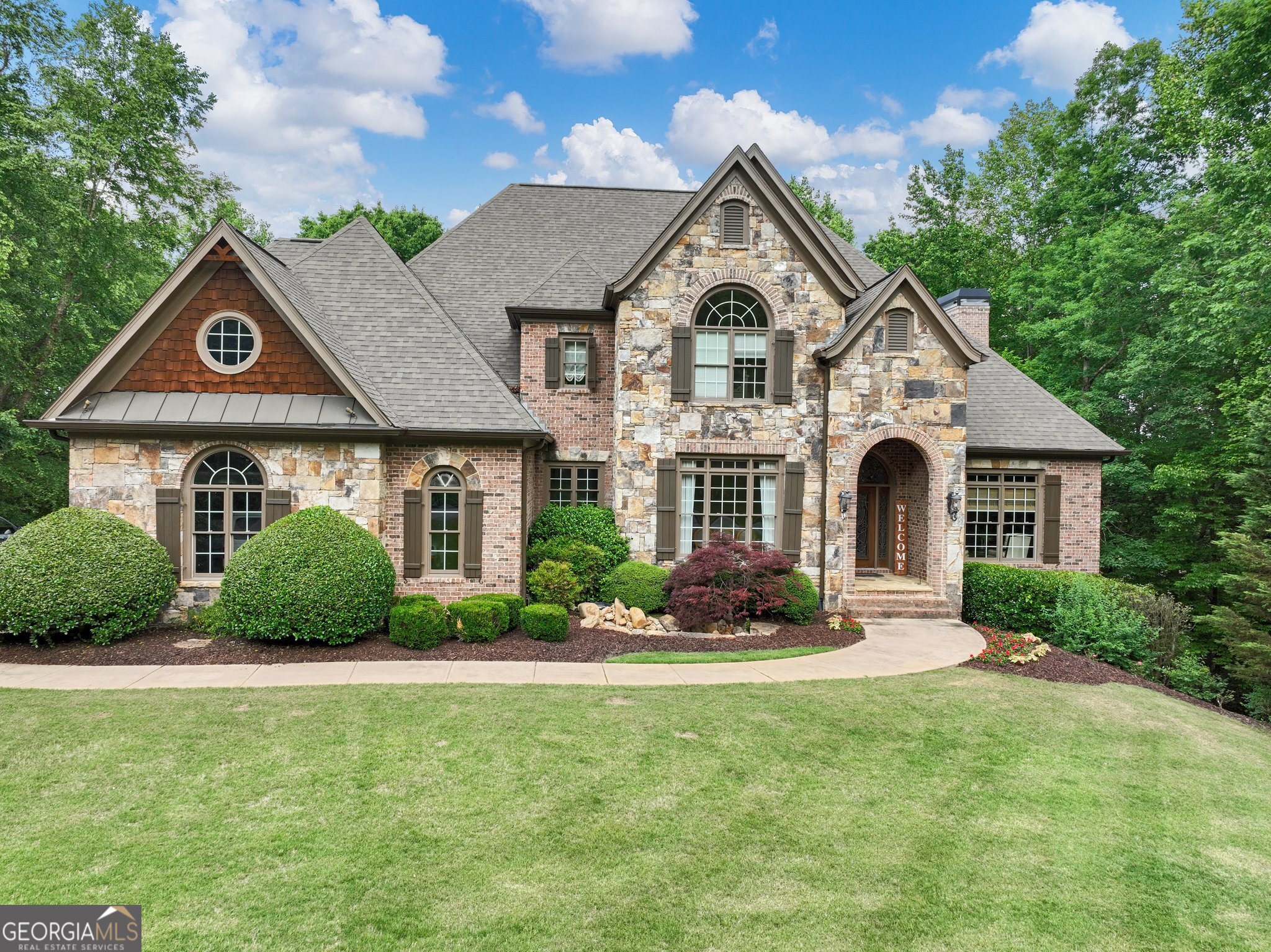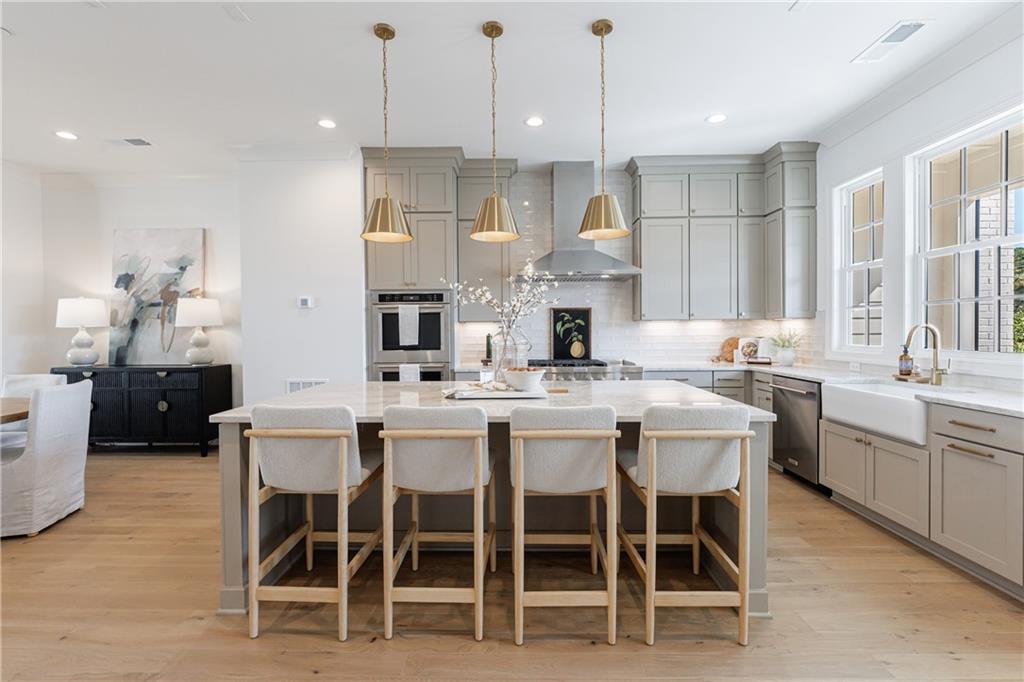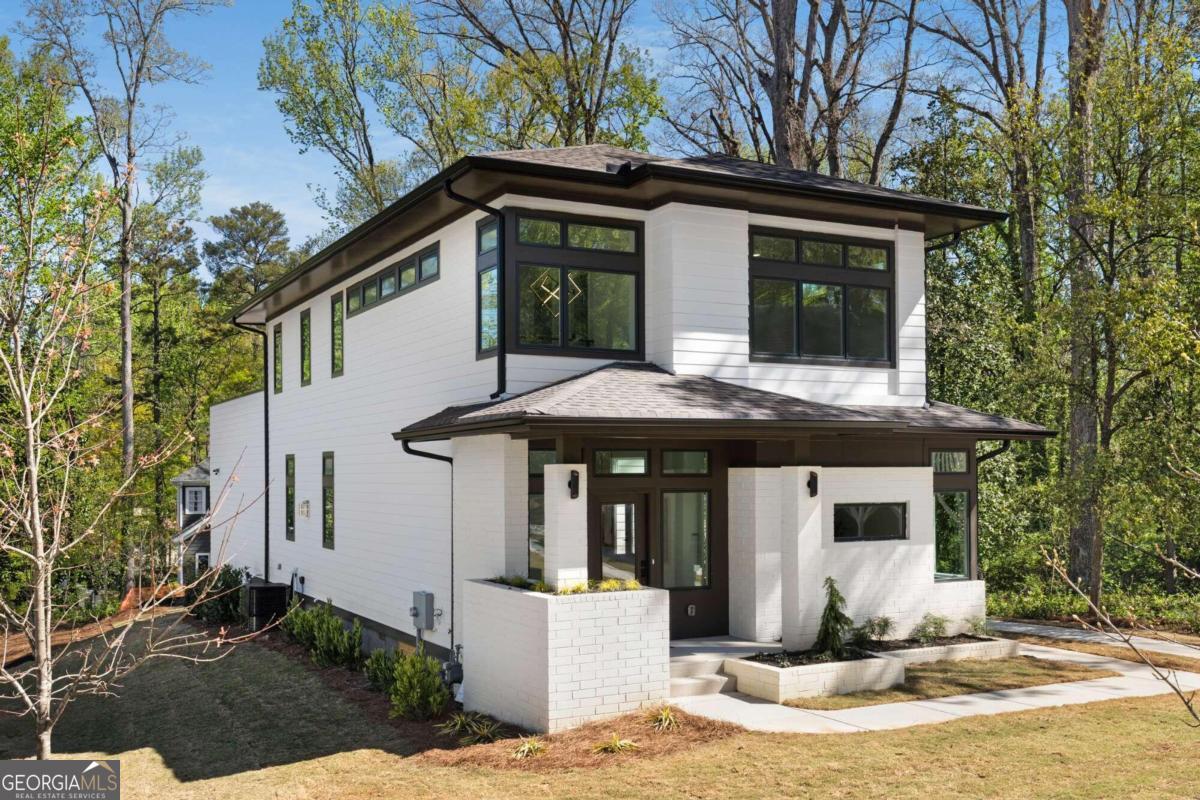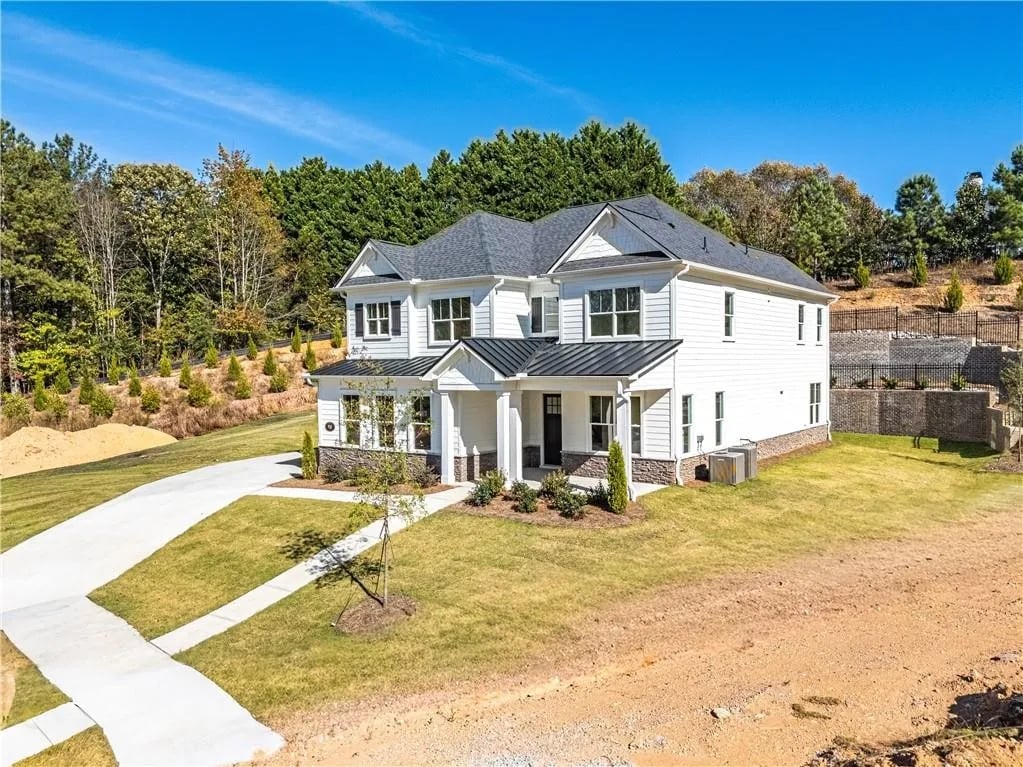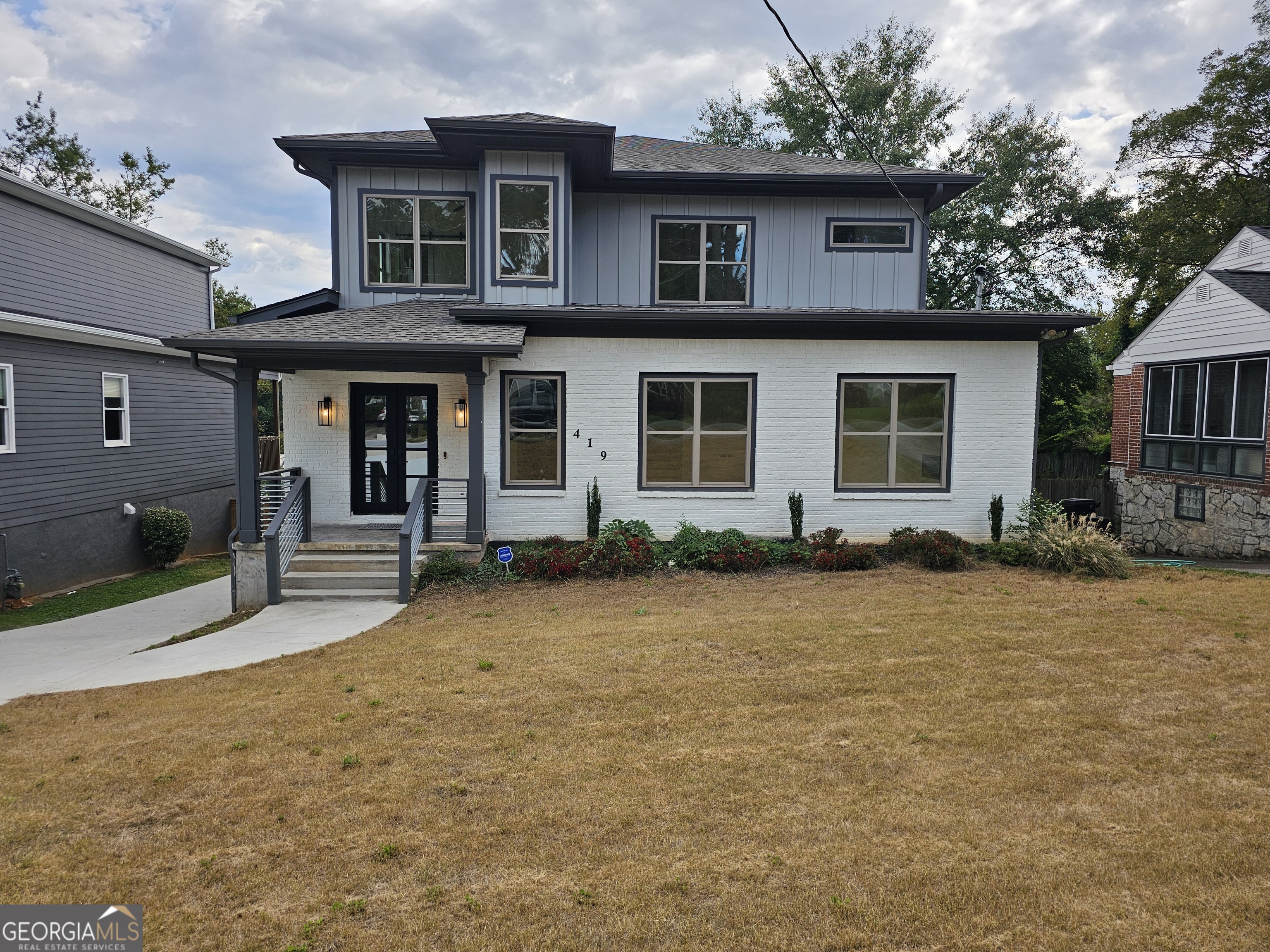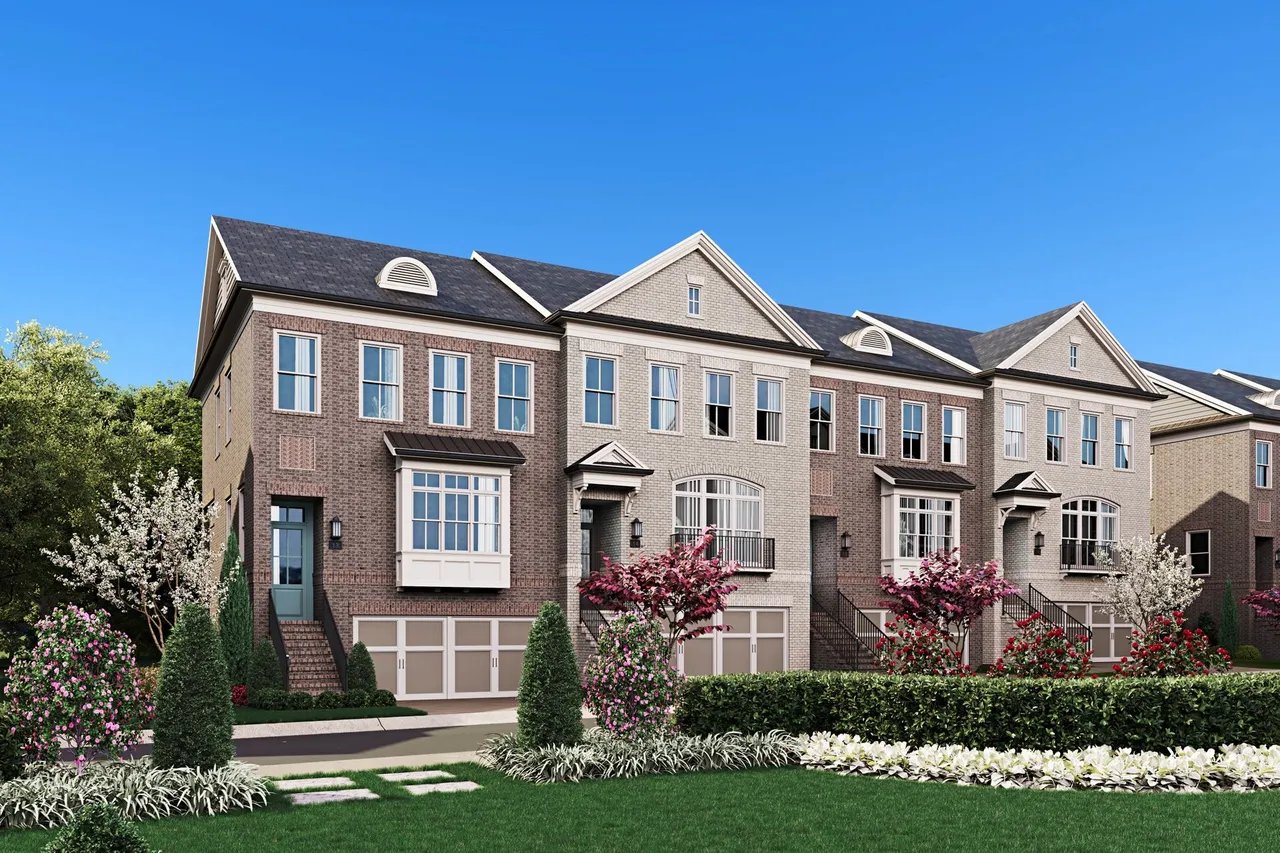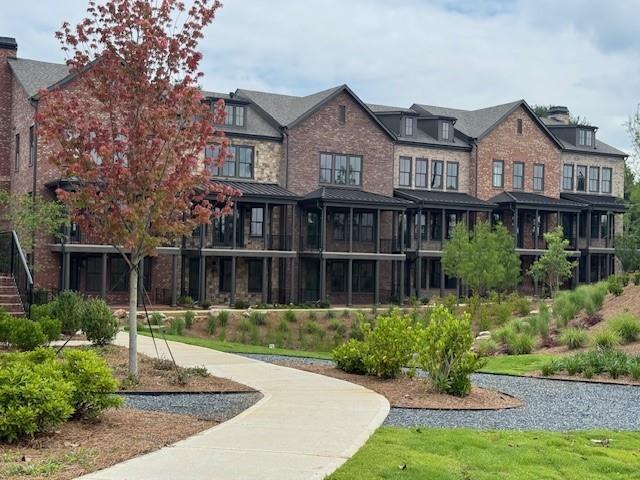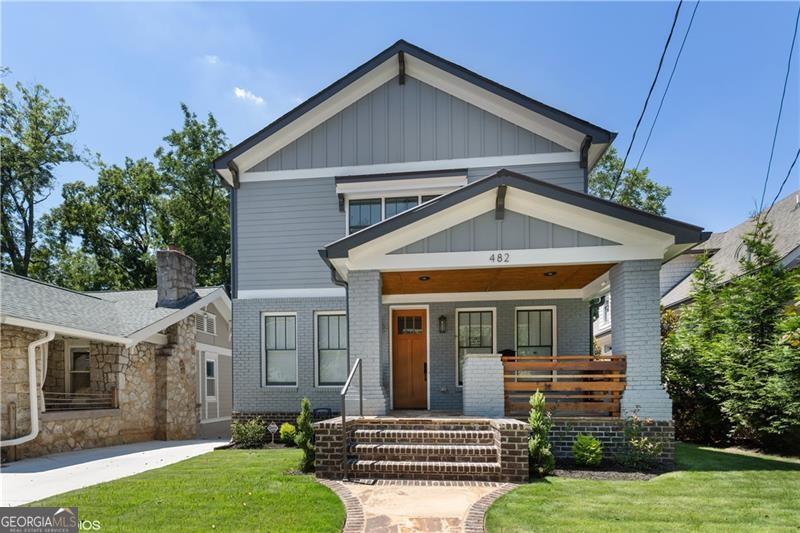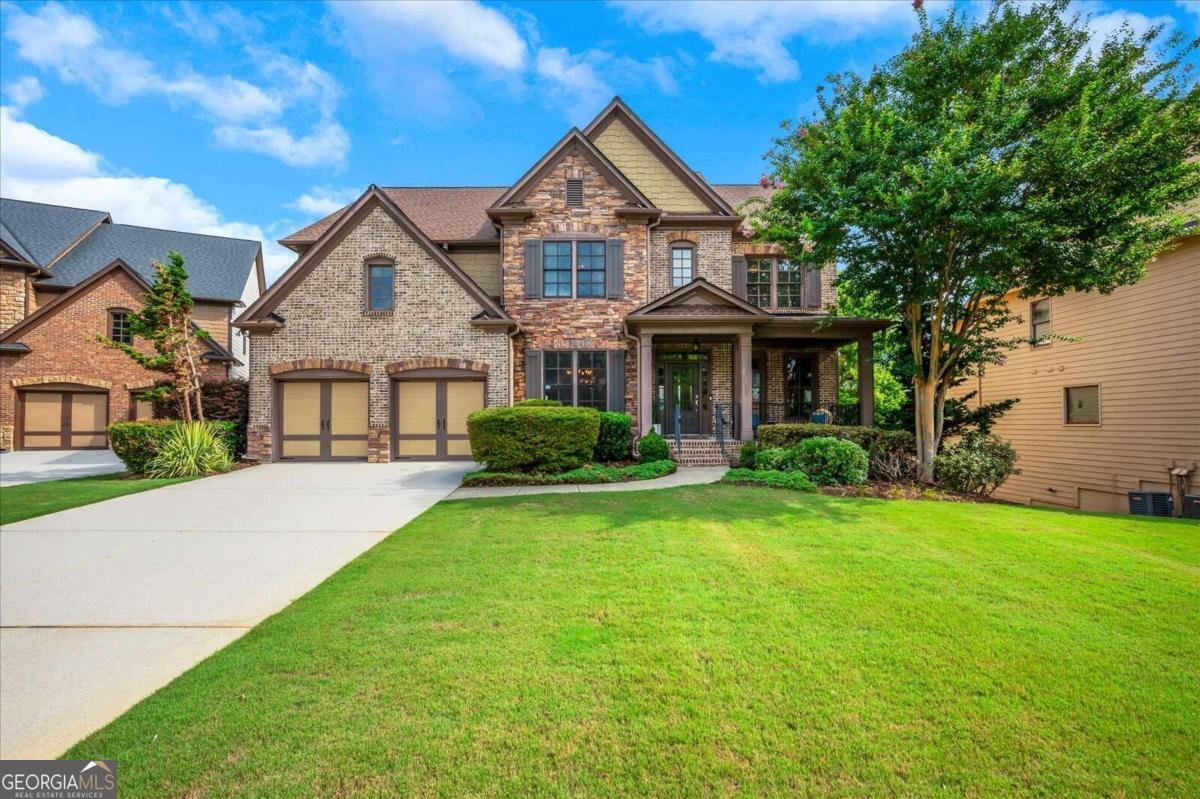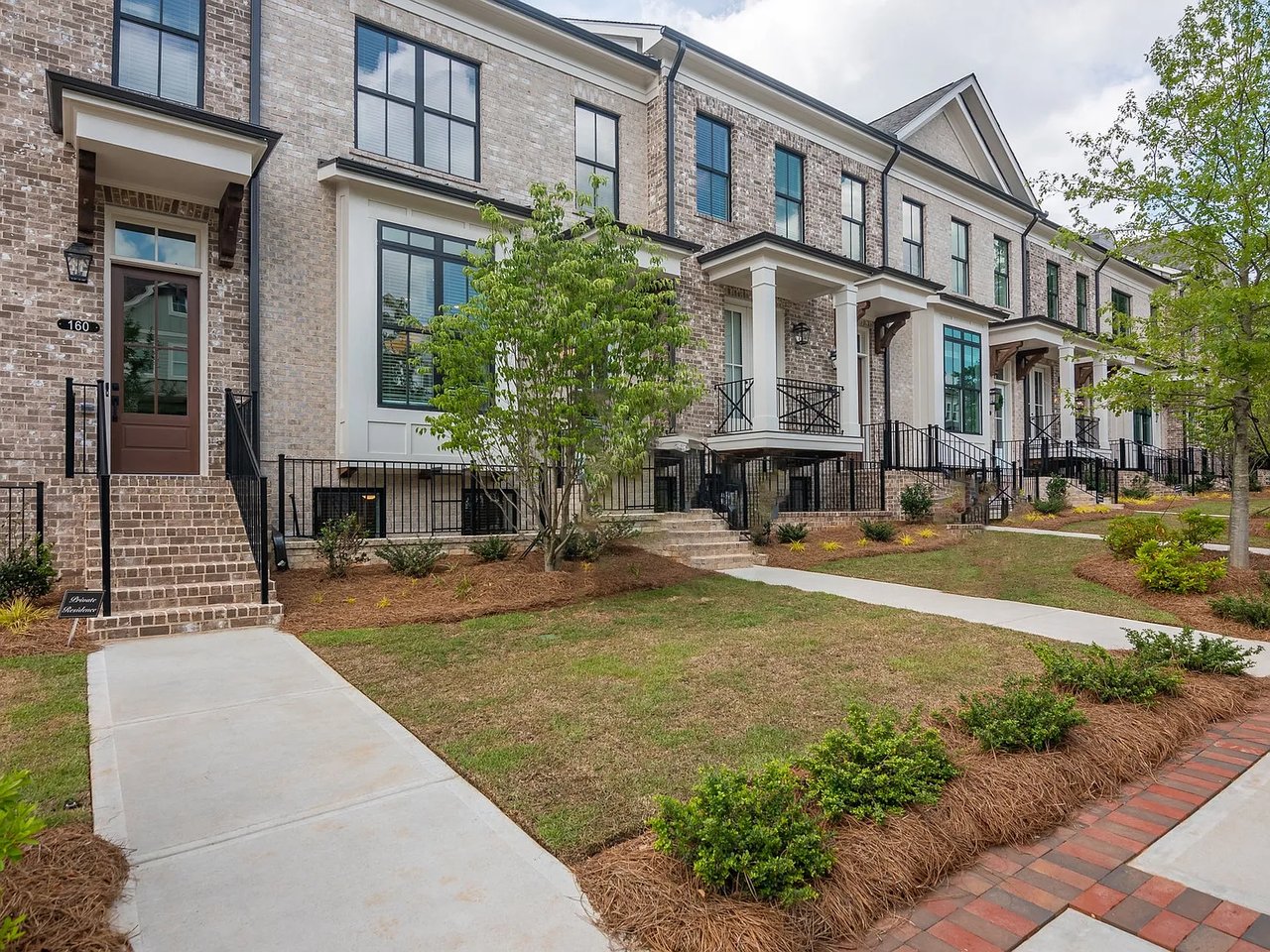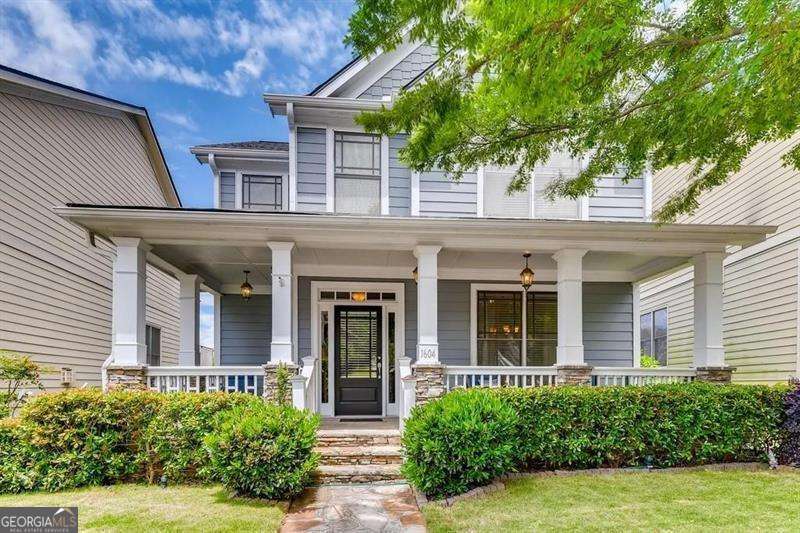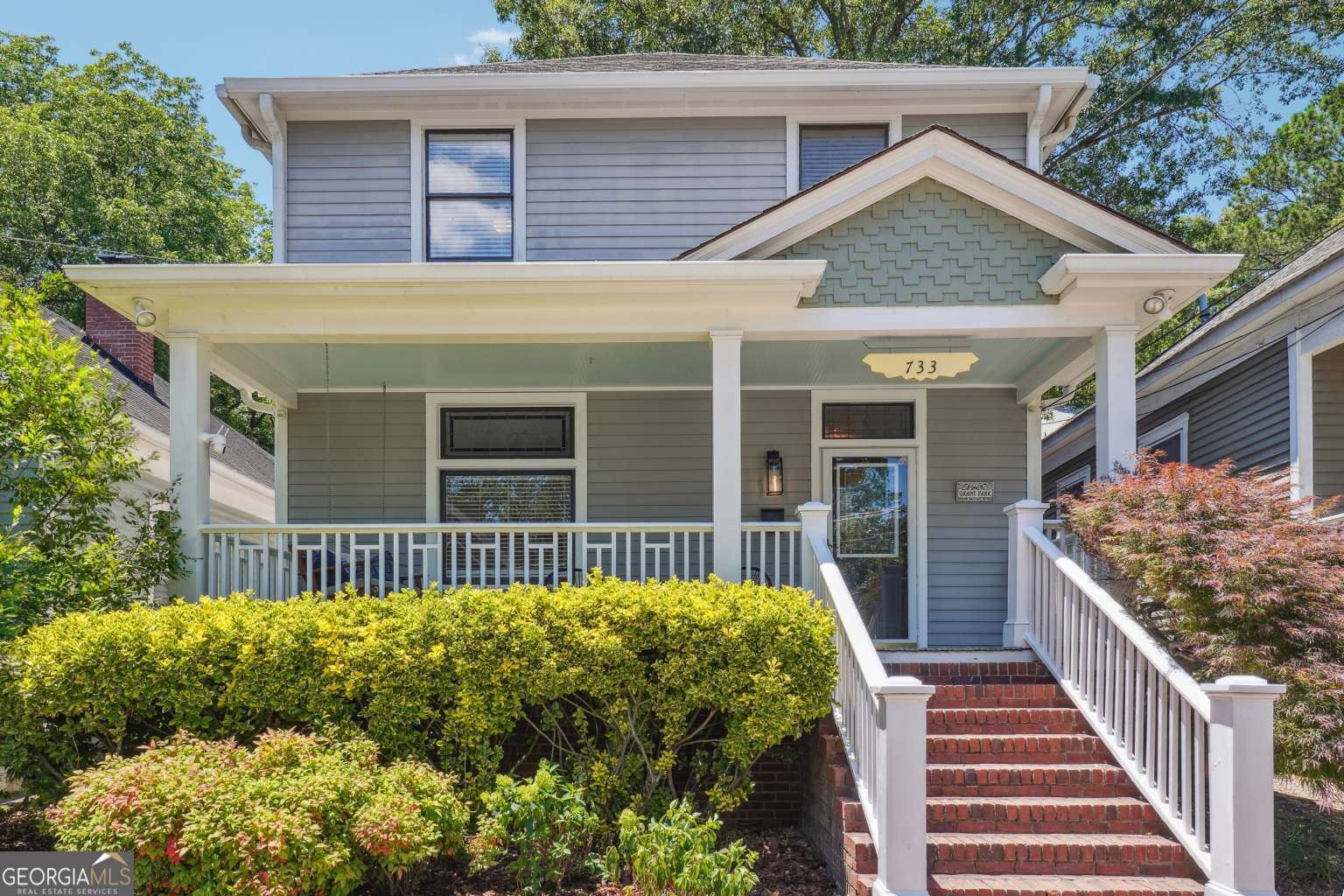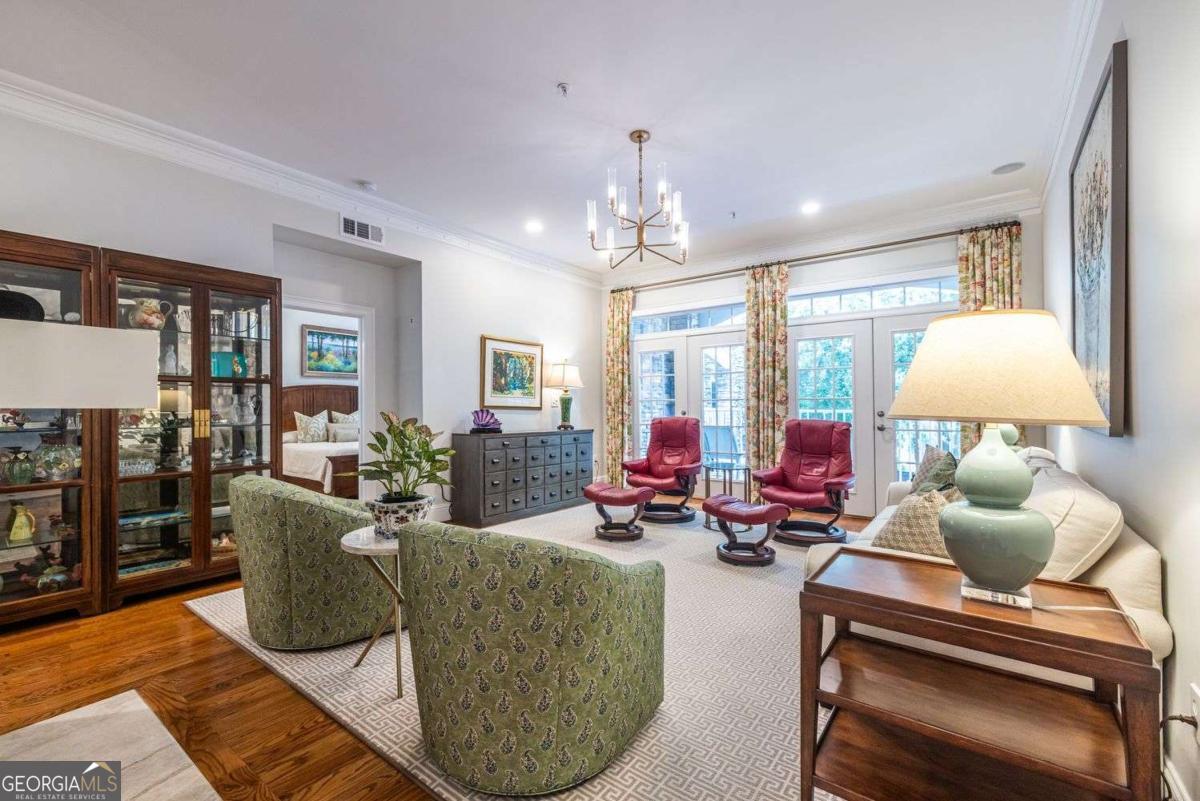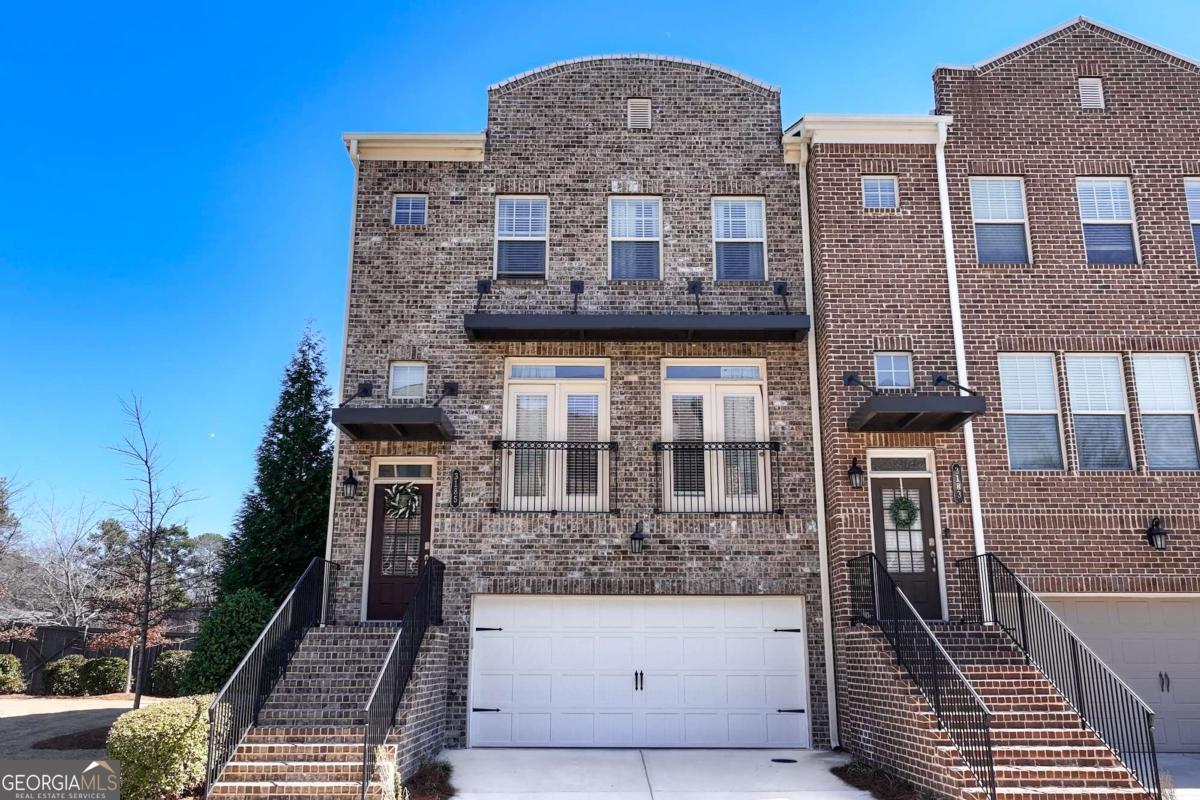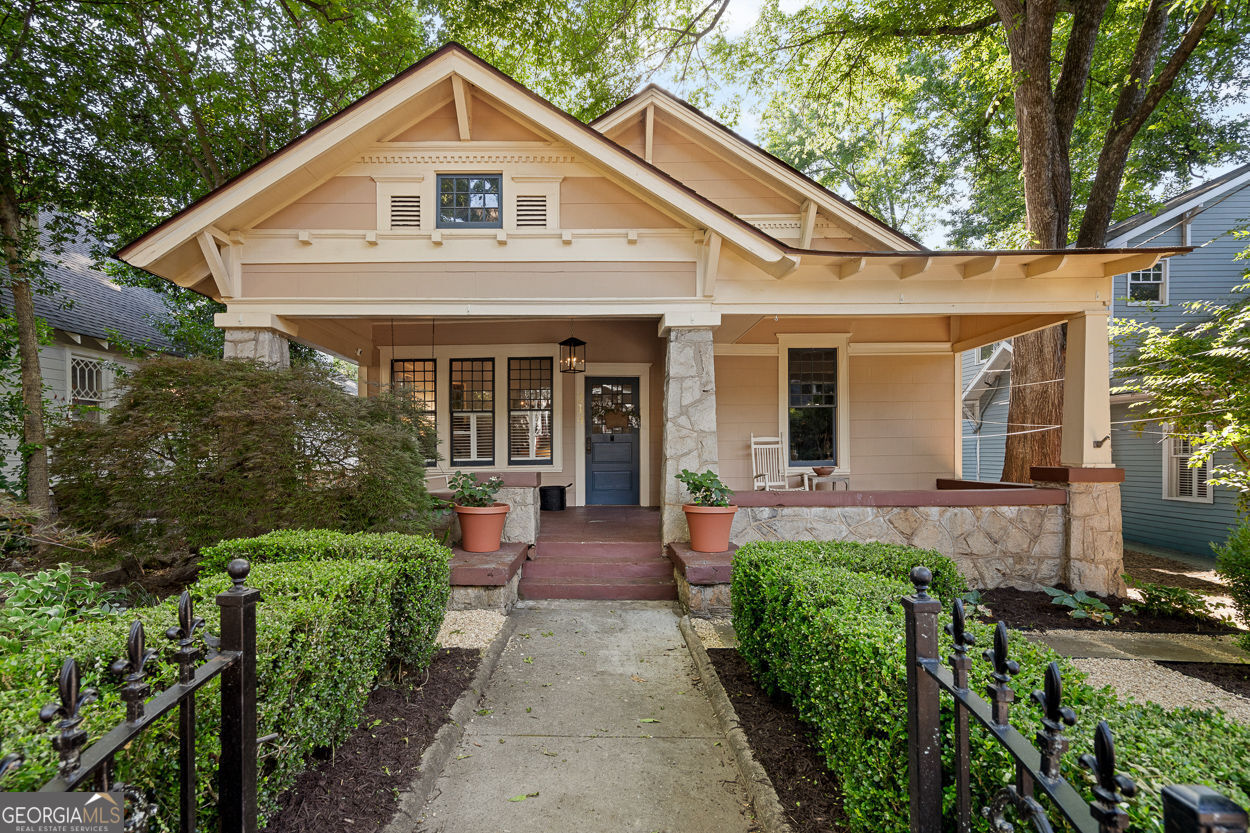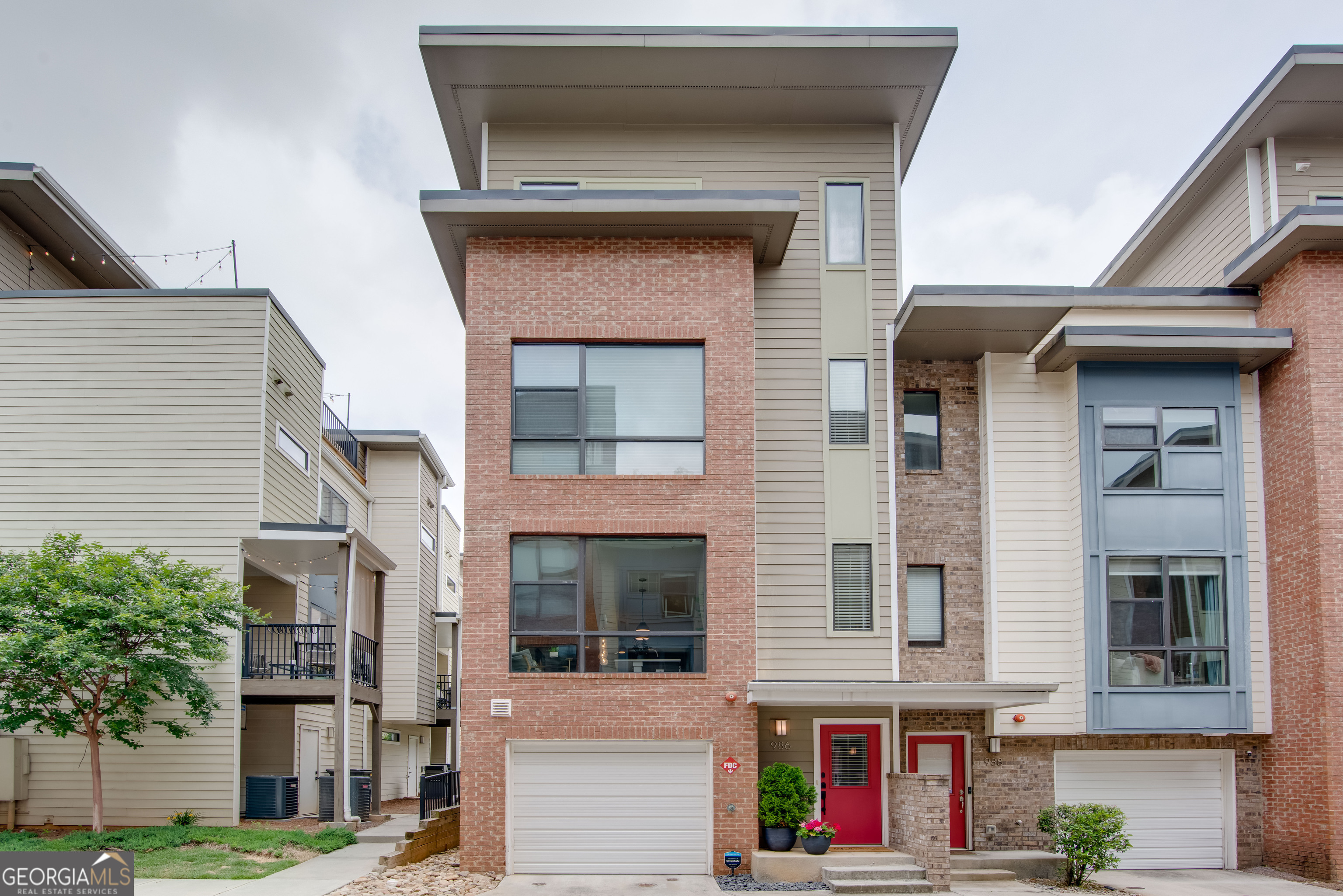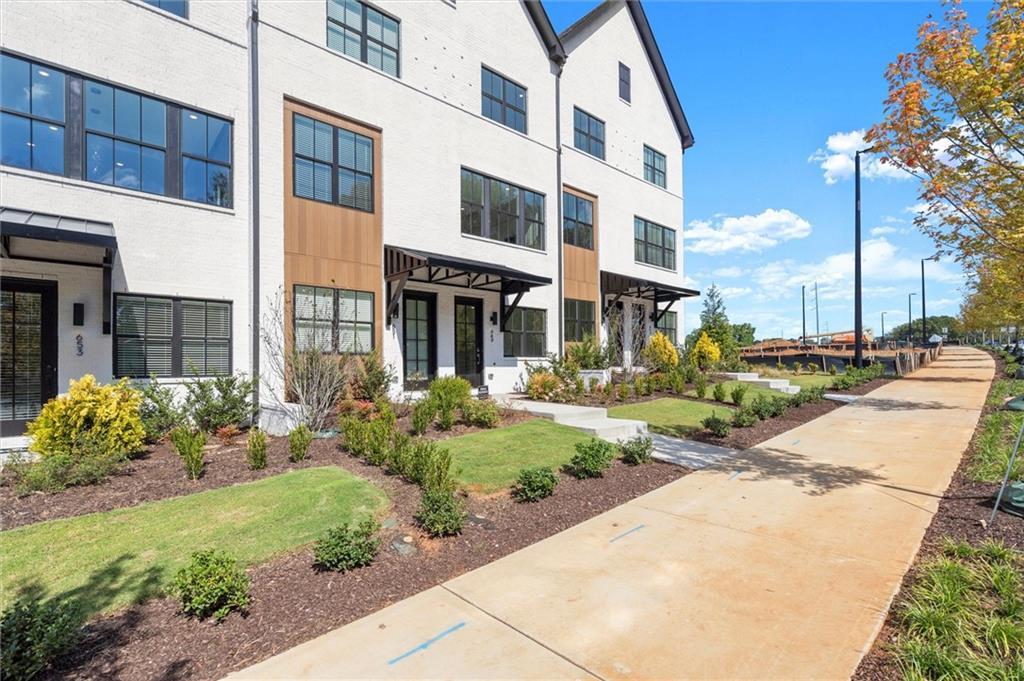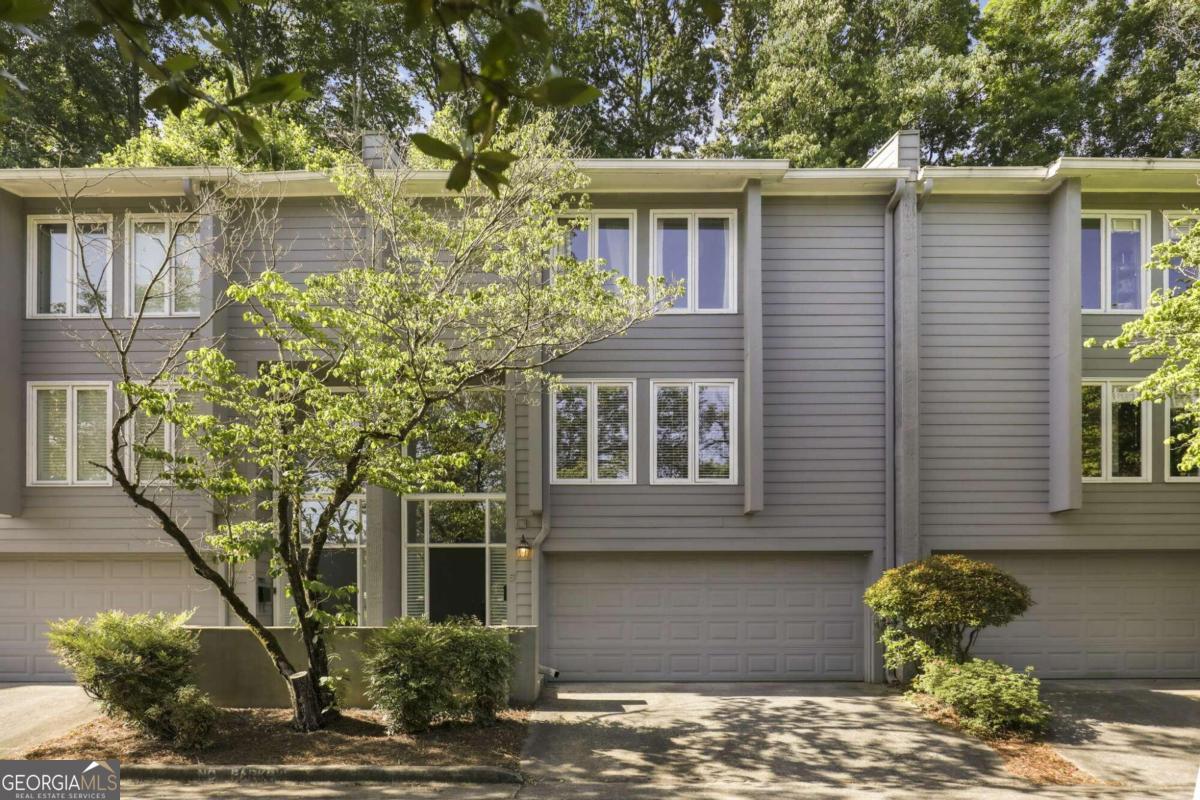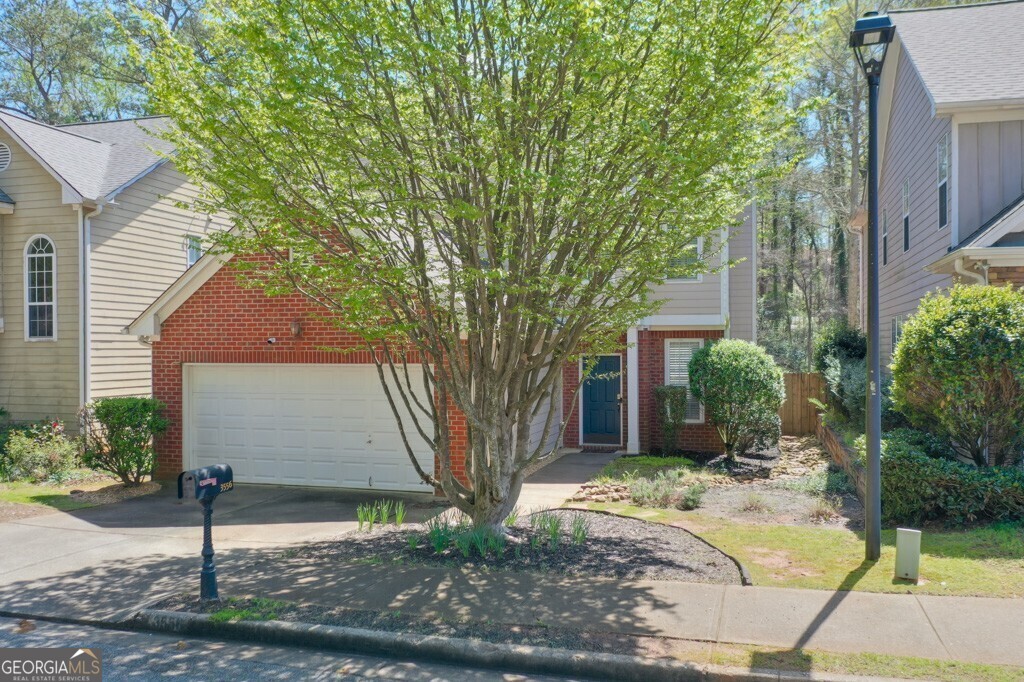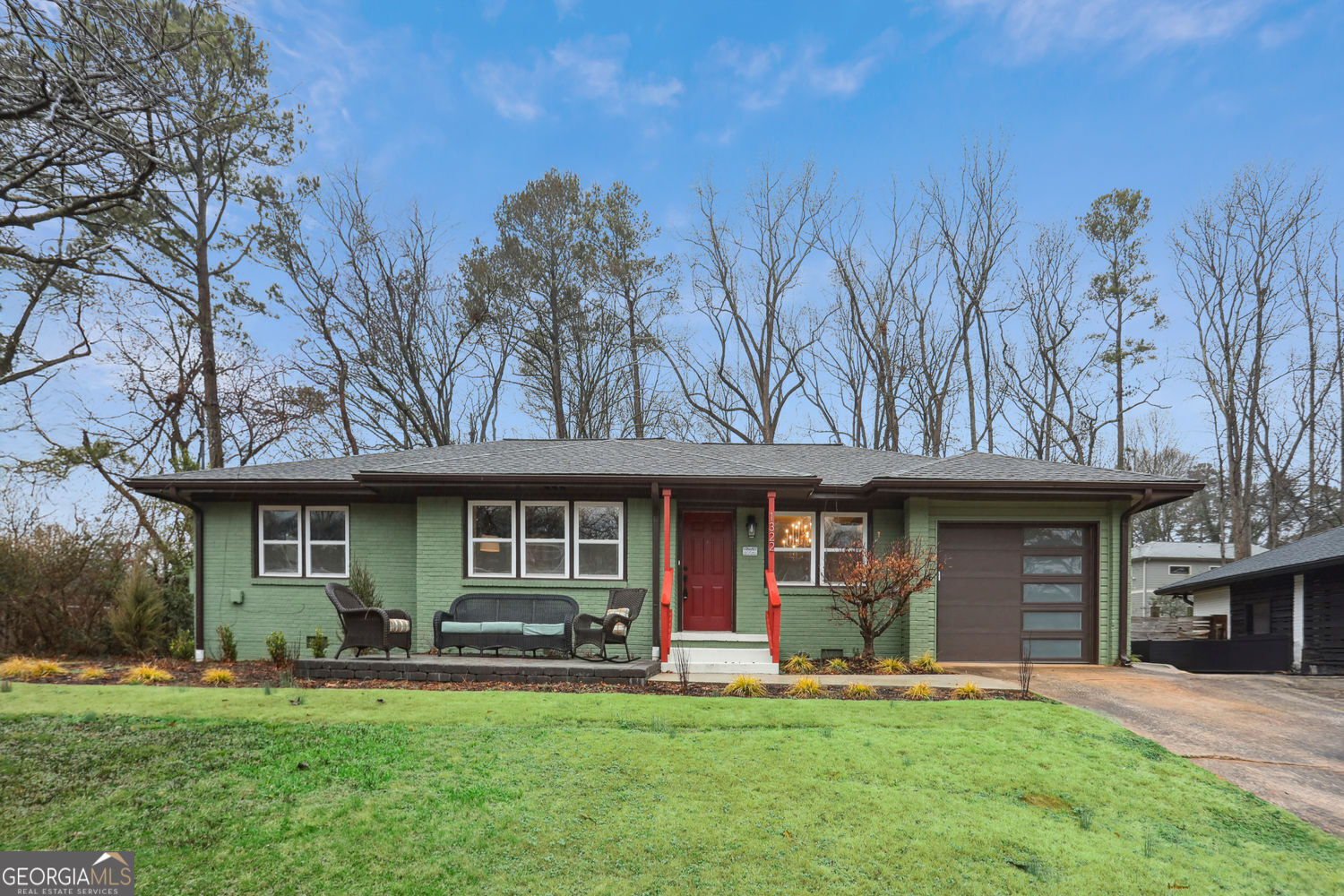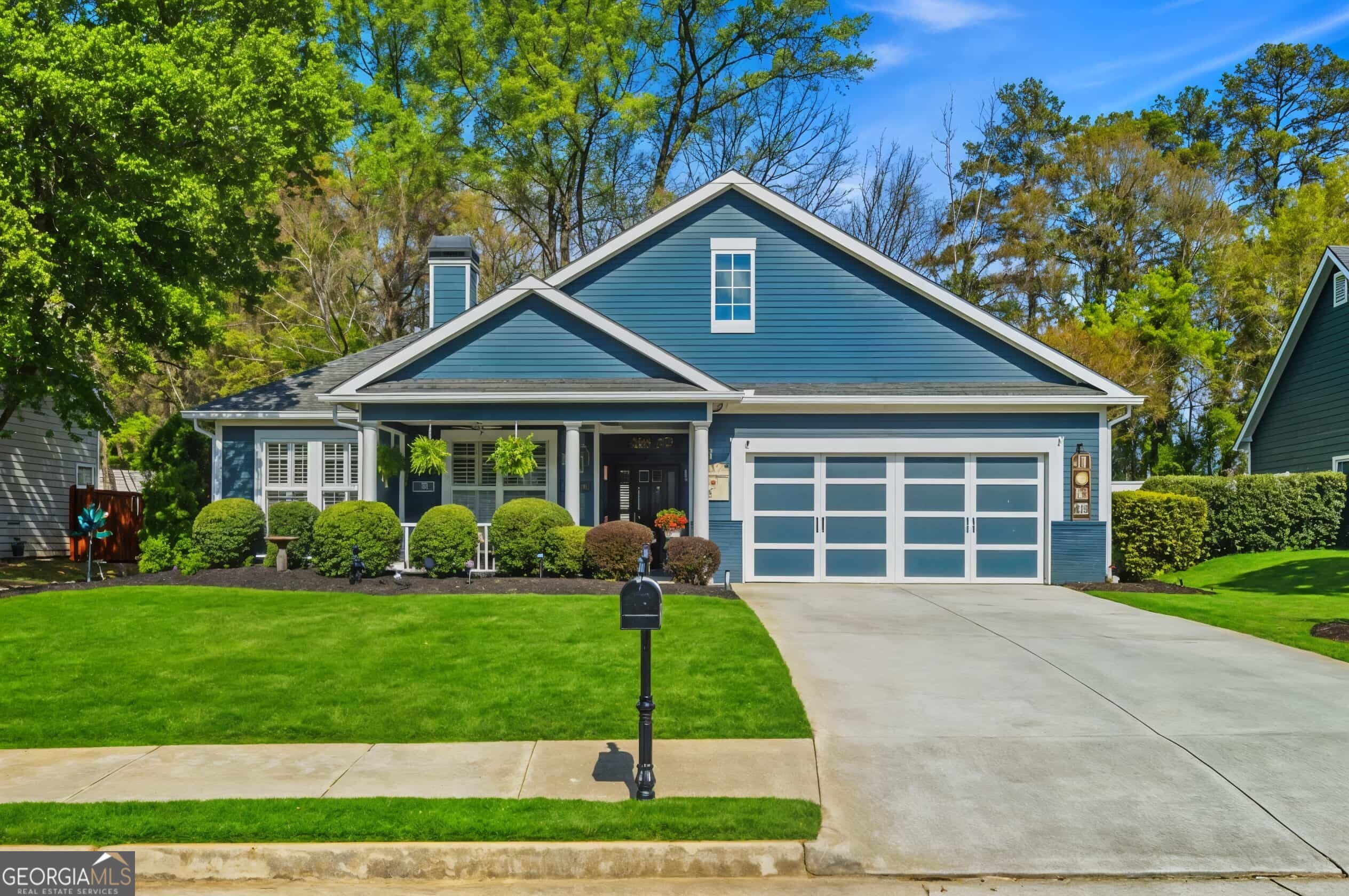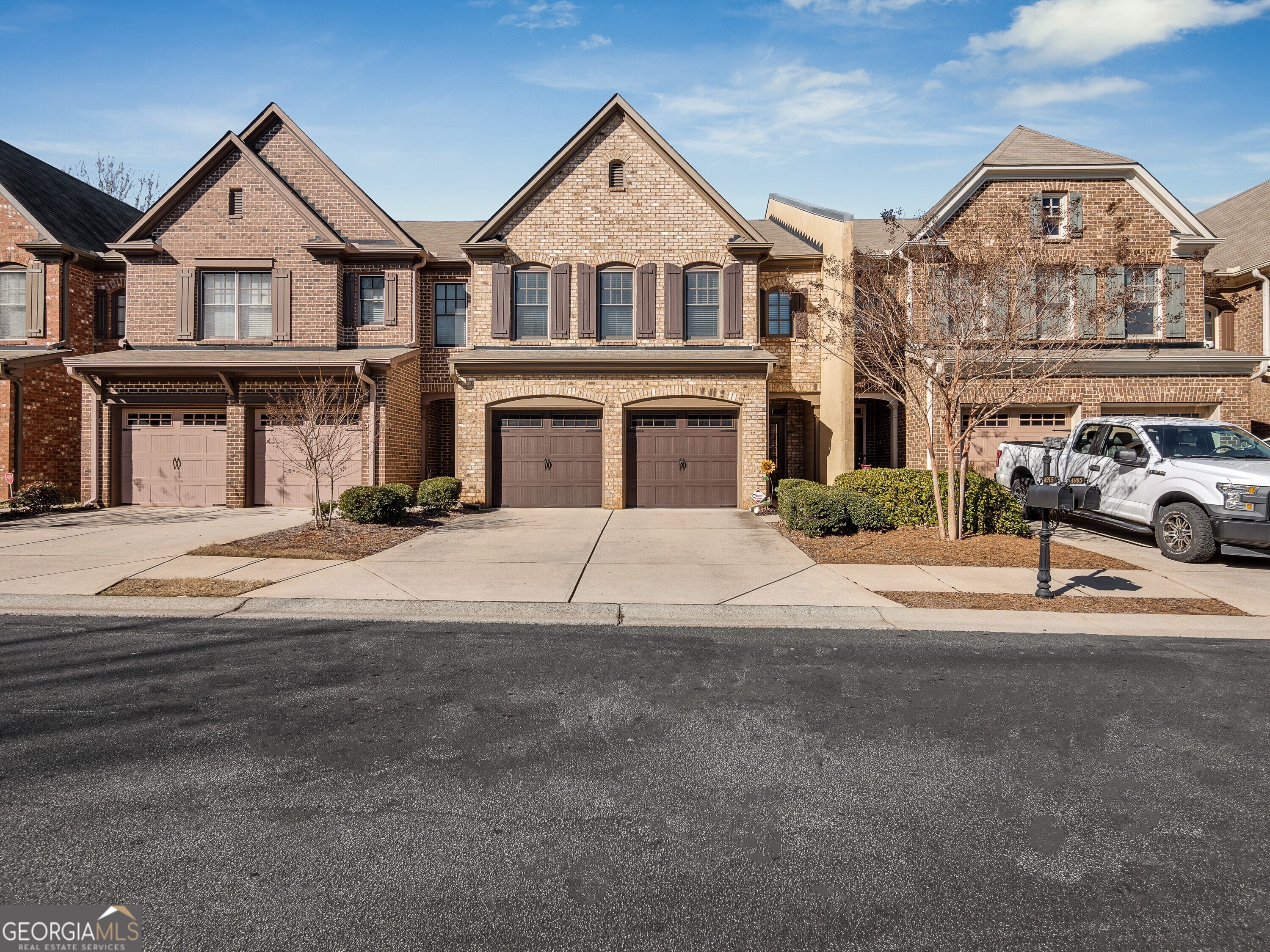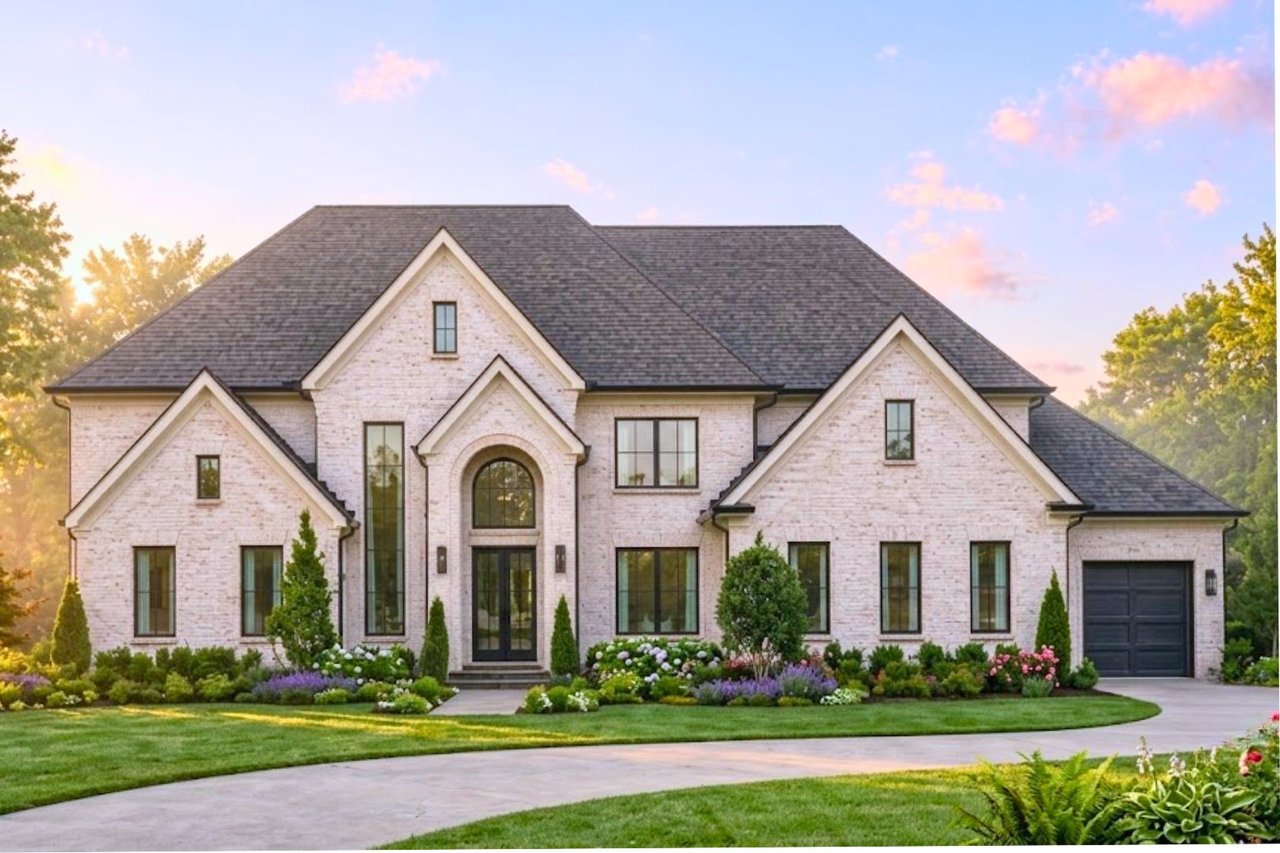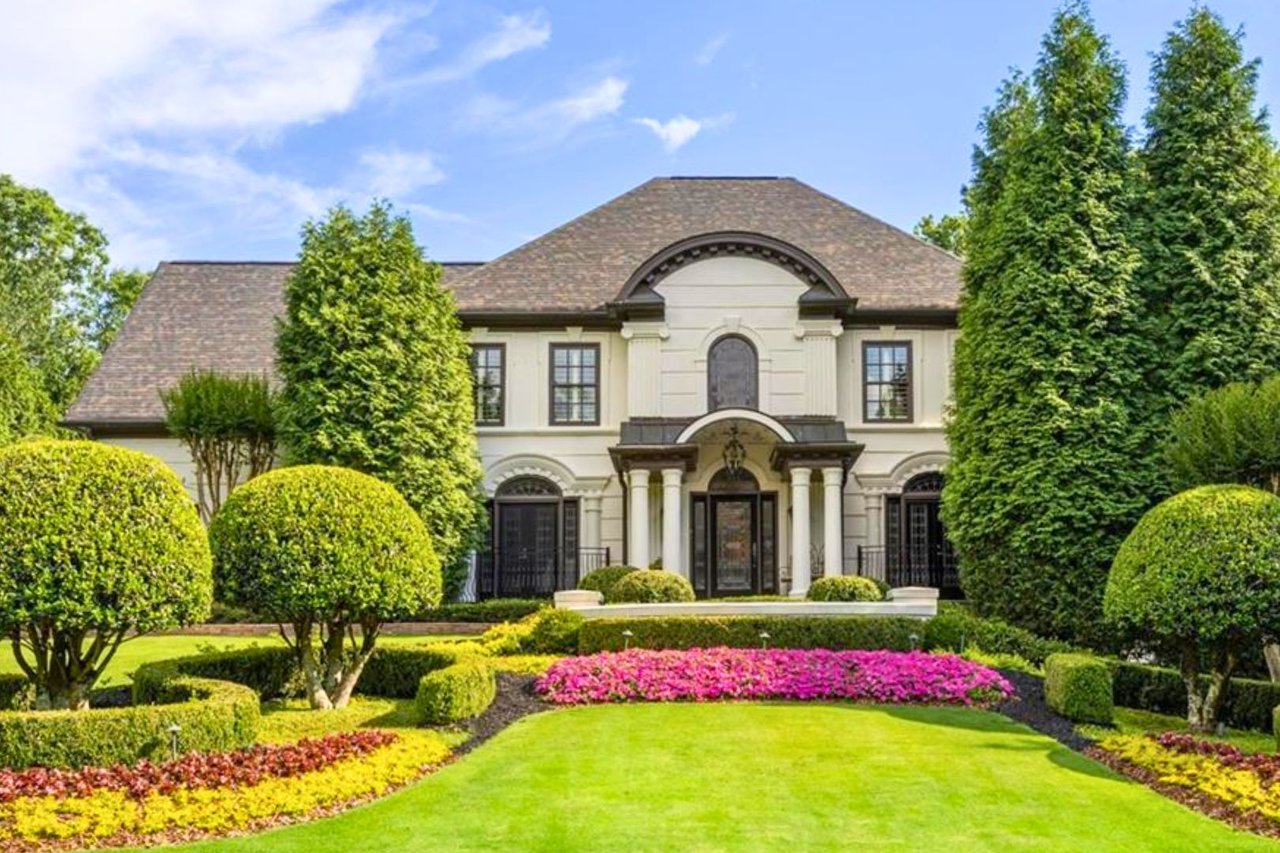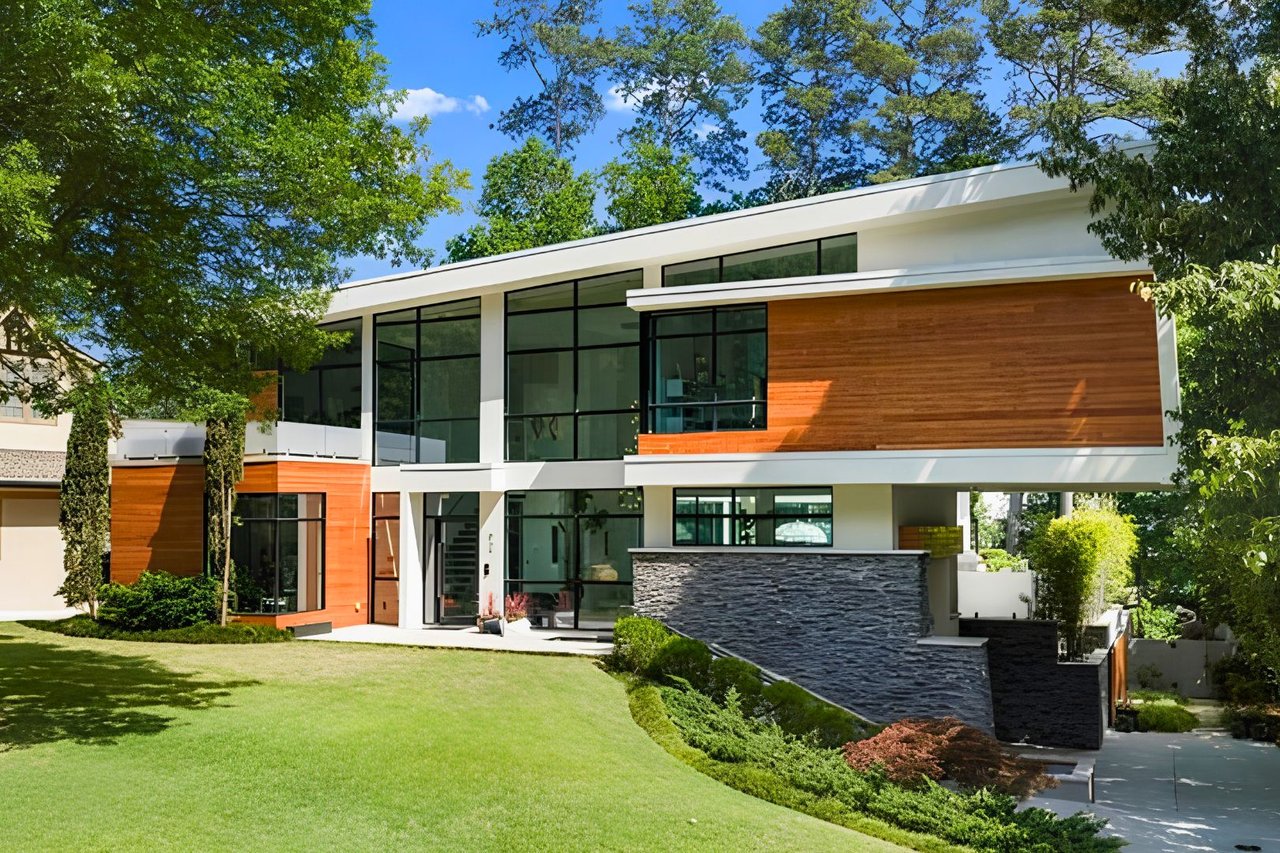
Atlanta issued between 25,000 and 27,000 single-family building permits in 2023 alone — placing it among the top five metros in the entire country. With a metro population of roughly 6.3 million and more than 75,000 new residents arriving between 2022 and 2023, the demand fueling that construction is real, sustained, and showing no signs of slowing.
The challenge for buyers is not finding new construction in Atlanta — it is knowing which neighborhoods best match their lifestyle, budget, and long-term goals. This guide breaks down Atlanta's top areas for new builds in 2025, from intown infill corridors to the fastest-growing suburban counties in the state.
Why Atlanta Is One of the Top Markets for New Construction Right Now
Atlanta's appeal as a new construction market comes down to economic fundamentals that most metros would envy. The metro area is home to 16 Fortune 500 company headquarters — Delta Air Lines, Coca-Cola, The Home Depot, UPS, and Chick-fil-A among them — making it one of the most concentrated hubs of major corporate employment in the Southeast.
Georgia's film and television industry adds another significant employment layer. In recent fiscal years, the industry has supported approximately 92,000 jobs and contributed over $4 billion in direct spending to the state economy, with the majority of that activity centered in the Atlanta metro. A metro unemployment rate of approximately 3.6 to 4.2 percent as of late 2024 reflects a labor market healthy enough to sustain buyer confidence across the region.
~2.5 to 3 months of housing supply in the Atlanta market as of early 2025 — well below the 4 to 6 months considered balanced — pushing a significant share of buyers toward new construction as the practical path to homeownership.
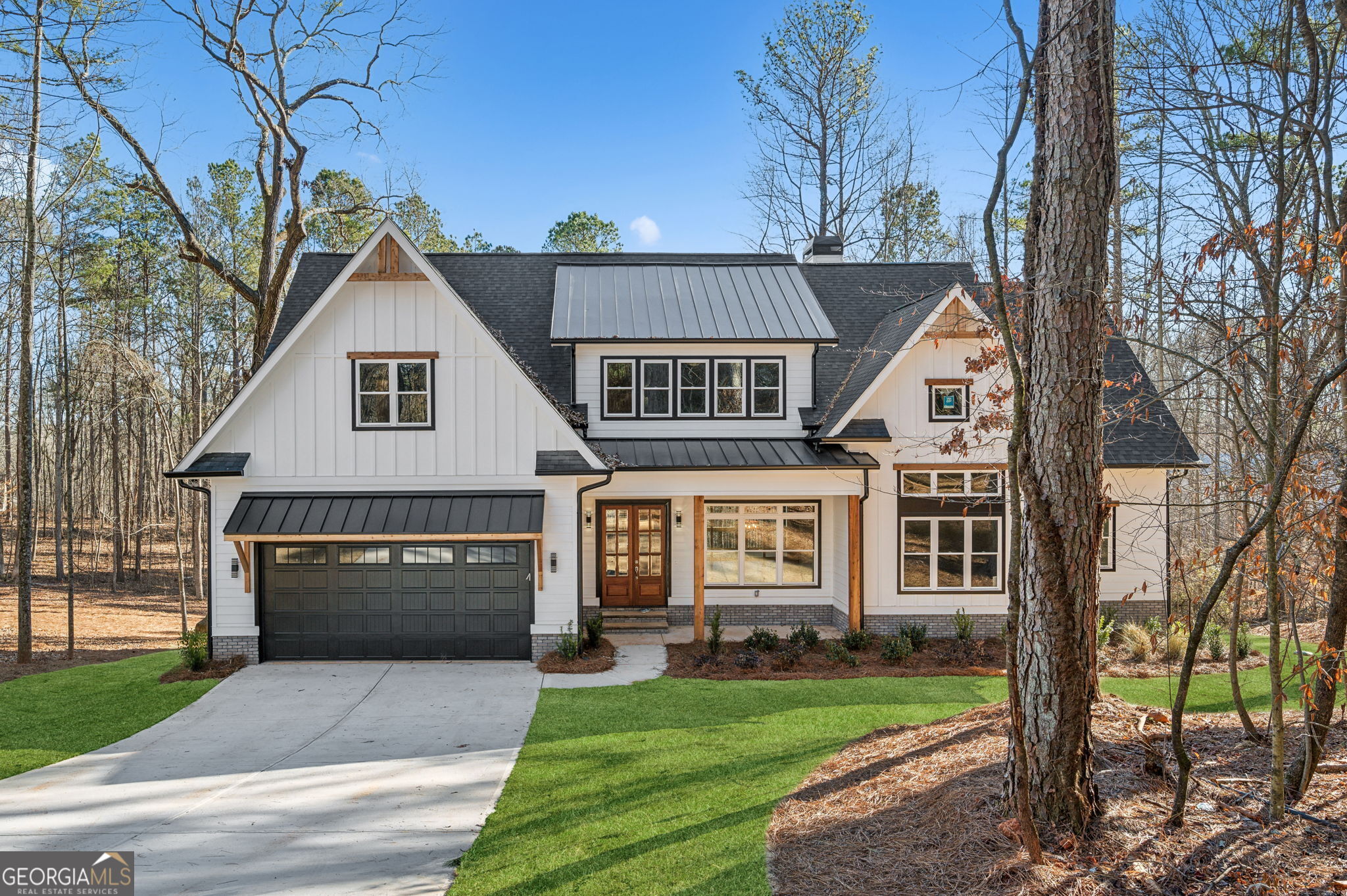
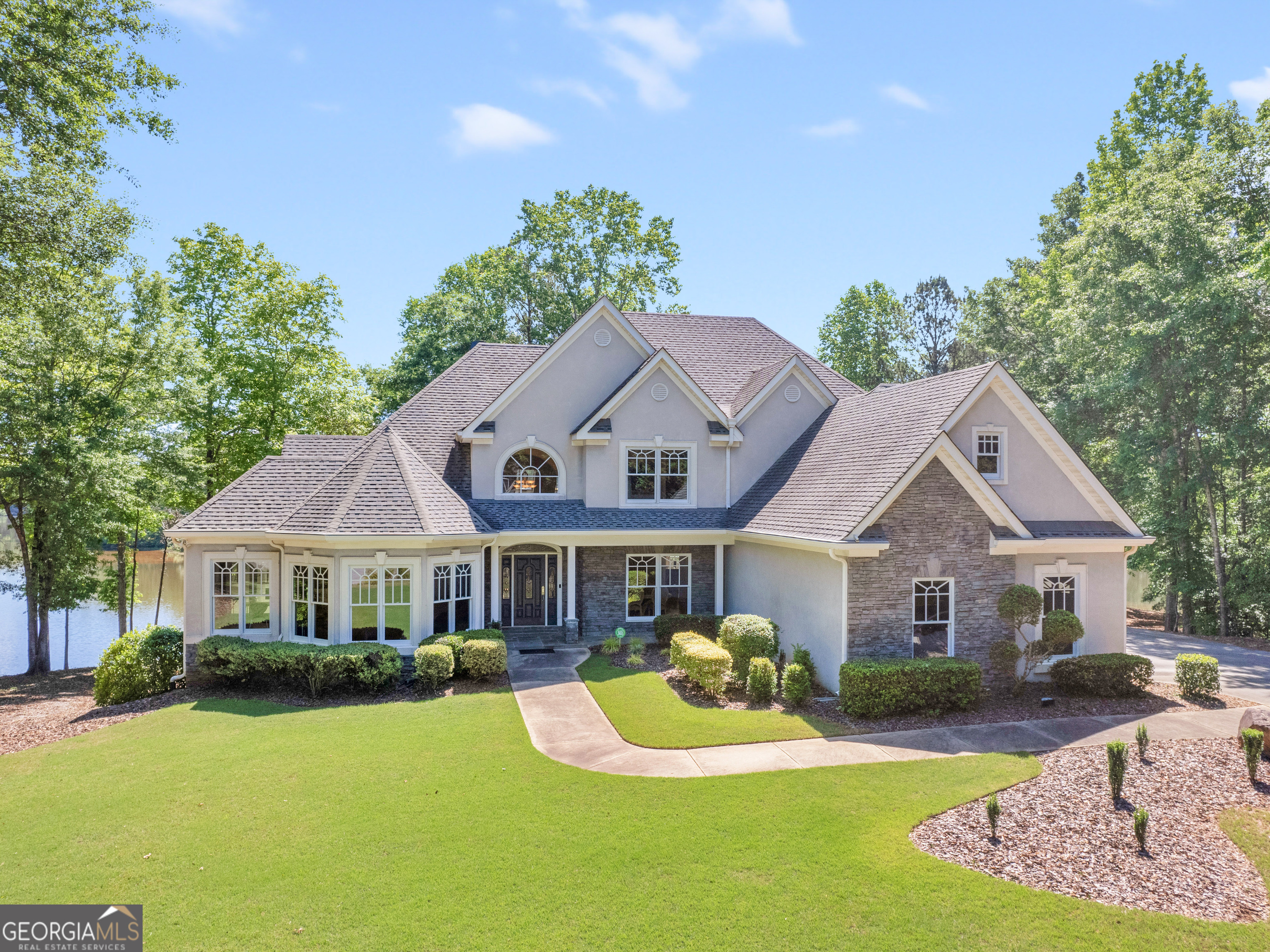
New builds in Atlanta span an impressive range, from the low $300,000s in outer suburban growth corridors to well over $1 million for intown infill product and luxury North Fulton homes. That spectrum means buyers at nearly every budget level have genuine new construction options here.
Intown Atlanta: New Construction With an Urban Edge
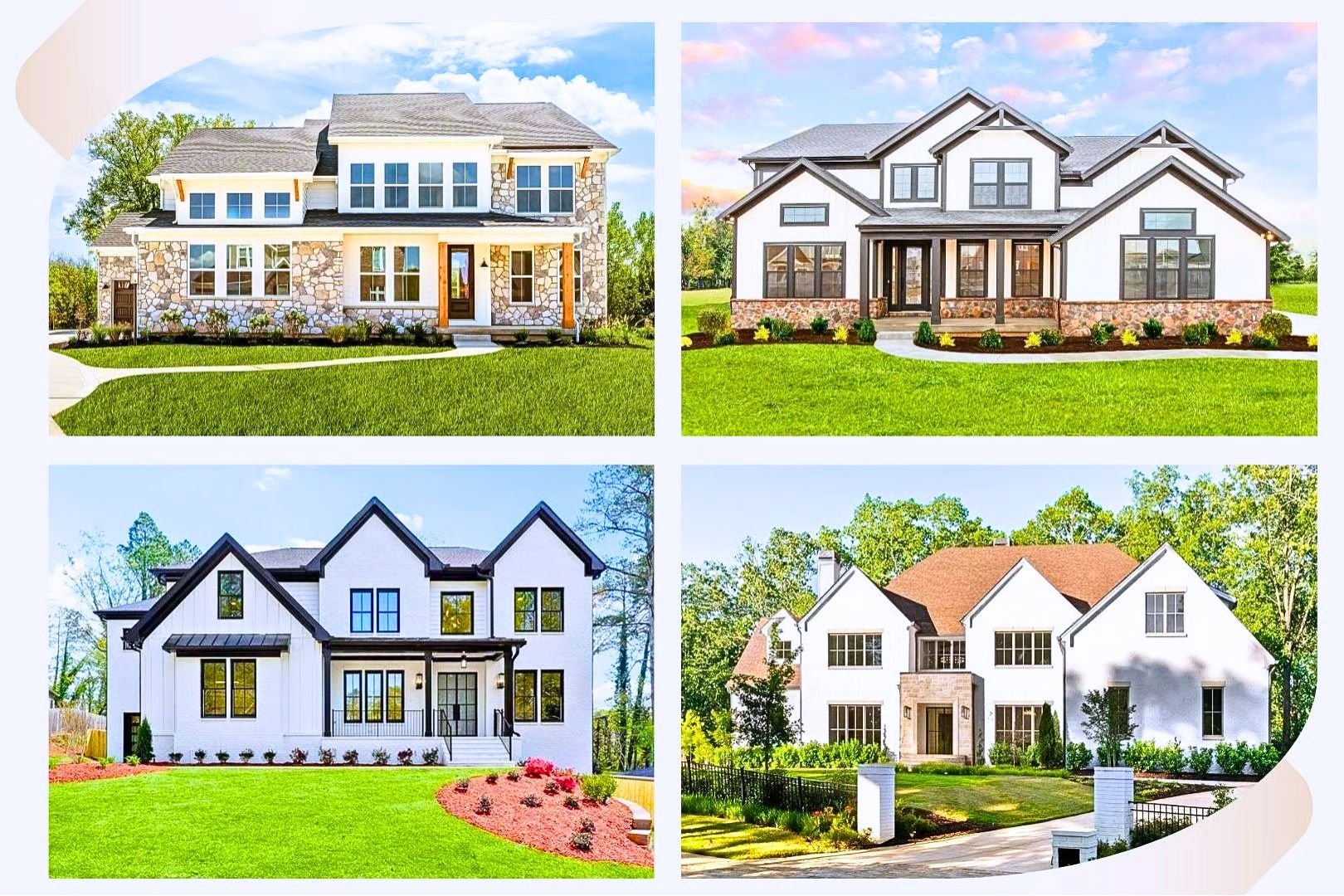
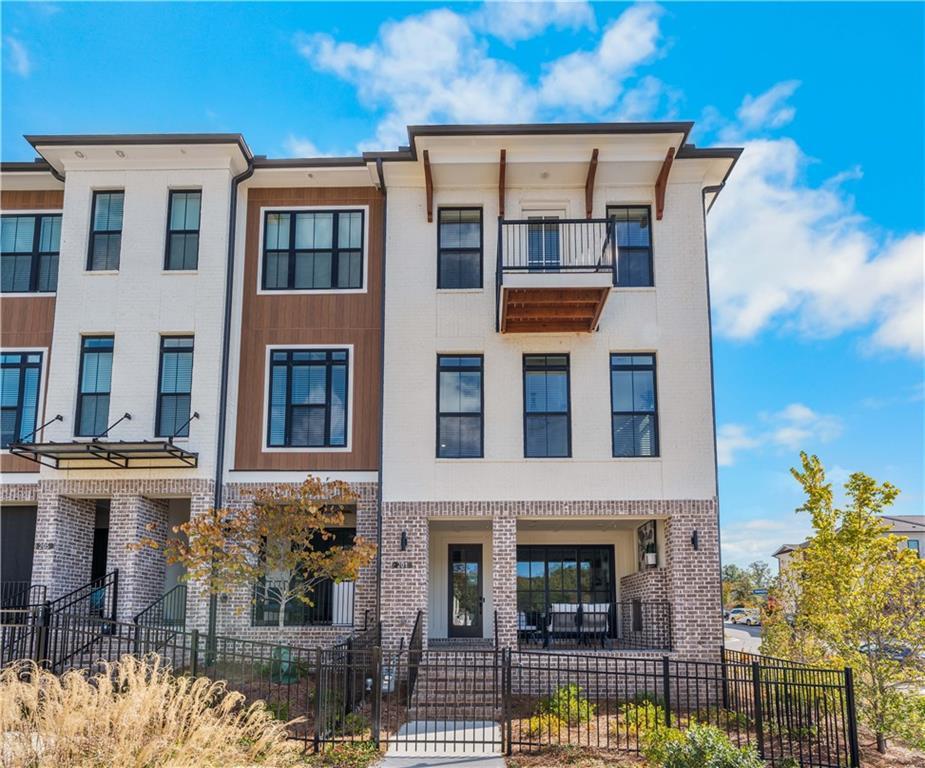
For buyers who want city energy and walkability without the compromises of an older home, intown Atlanta makes a compelling case. Infill development has accelerated along the Atlanta BeltLine corridors, which have catalyzed more than $10 billion in economic development and approximately 15,000 to 20,000 housing units built or under construction within a half-mile of the trail as of 2024.
That momentum has created real new construction opportunities in several neighborhoods that not long ago were almost entirely resale markets.
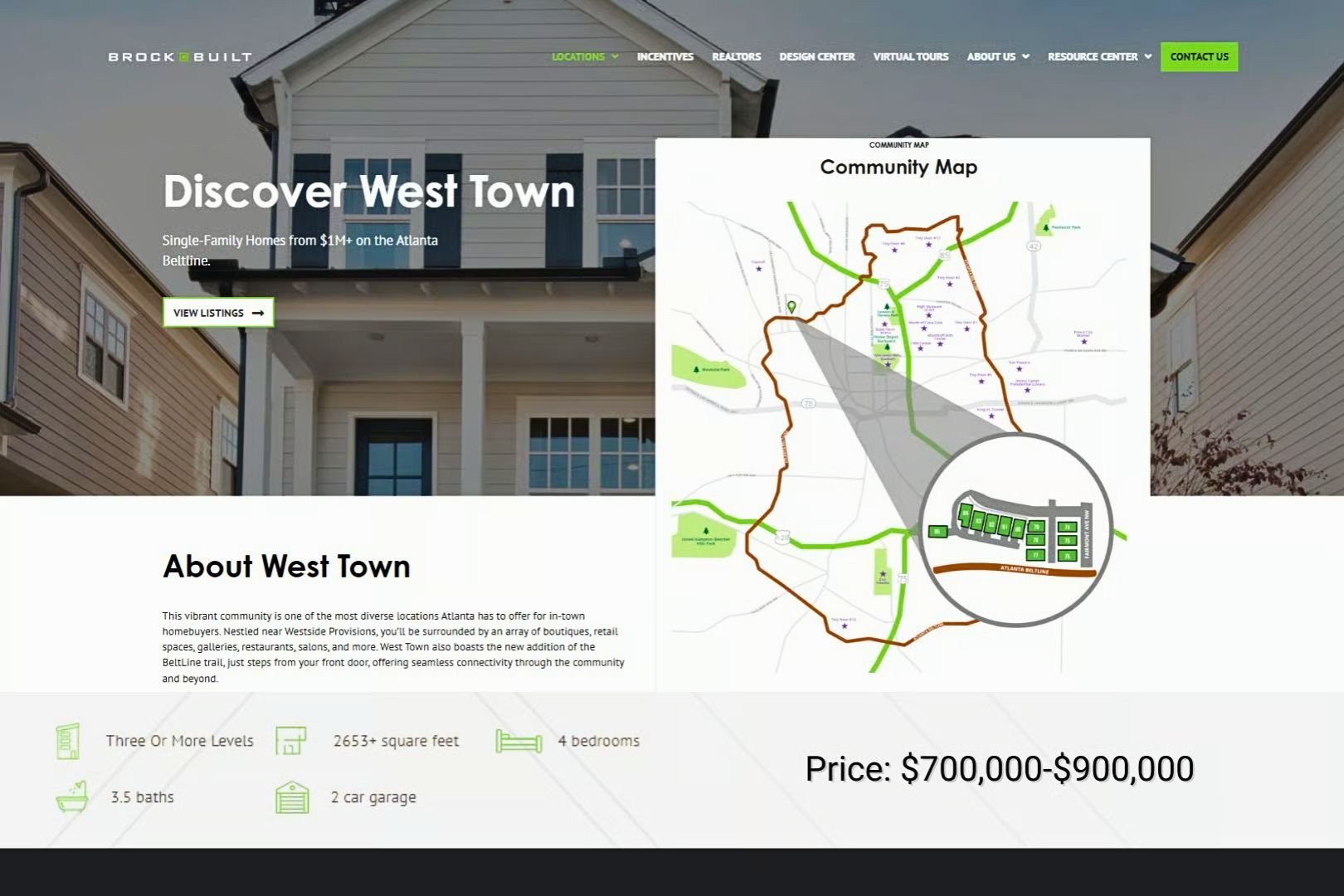
West Midtown and the Westside
West Midtown has undergone a dramatic transformation over the past decade, shifting from a primarily industrial corridor into a walkable urban neighborhood where new construction sits steps from the BeltLine's Westside Trail. New builds here place residents within easy walking distance of two major lifestyle anchors:
- The Works — a major mixed-use development on the Upper Westside with retail, dining, and entertainment
- Westside Provisions District — a curated collection of restaurants, boutiques, and creative businesses that defines the neighborhood's day-to-day character
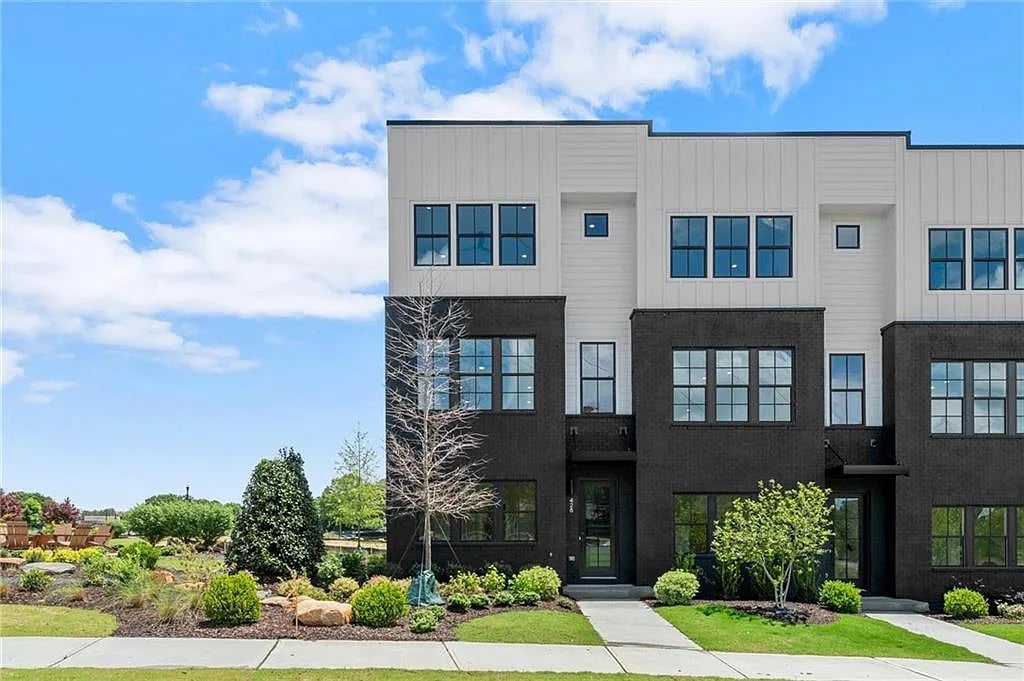
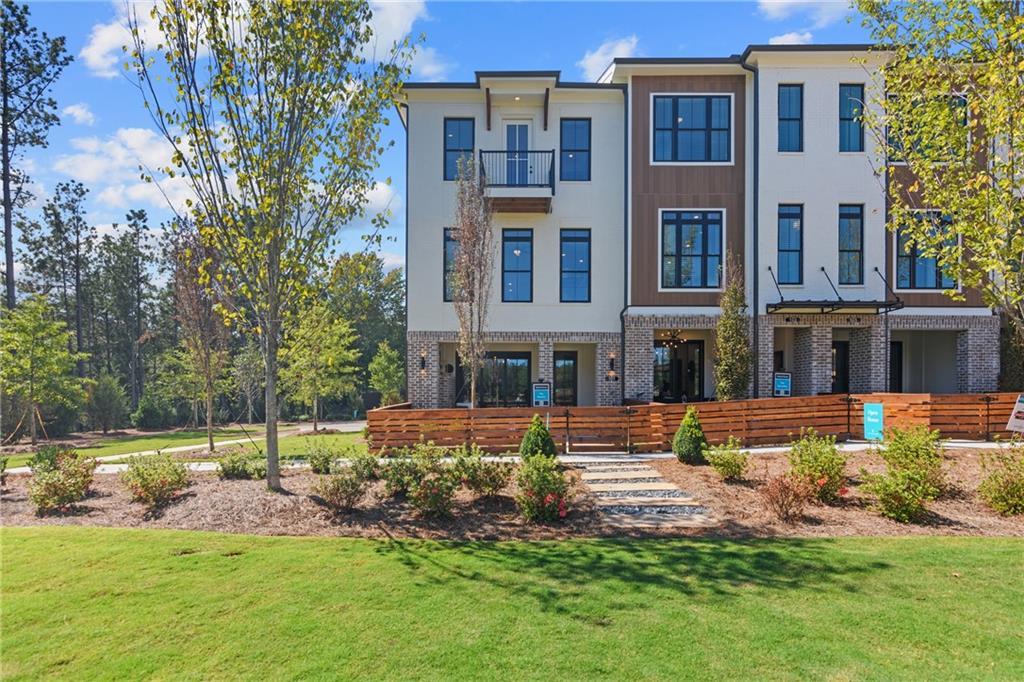
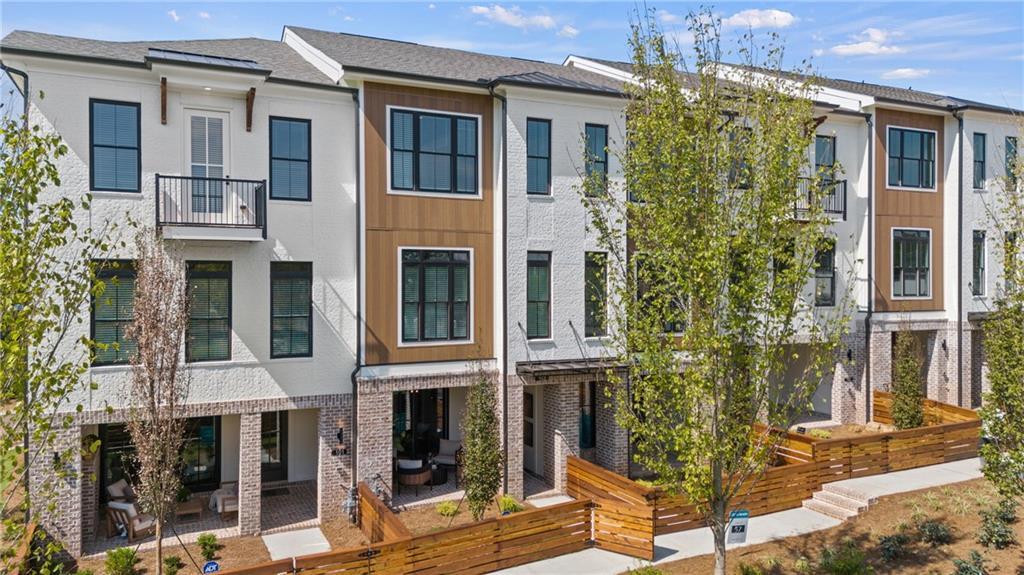
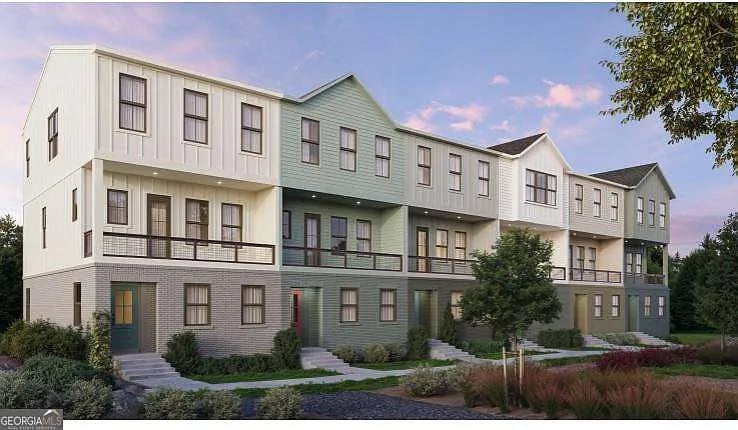
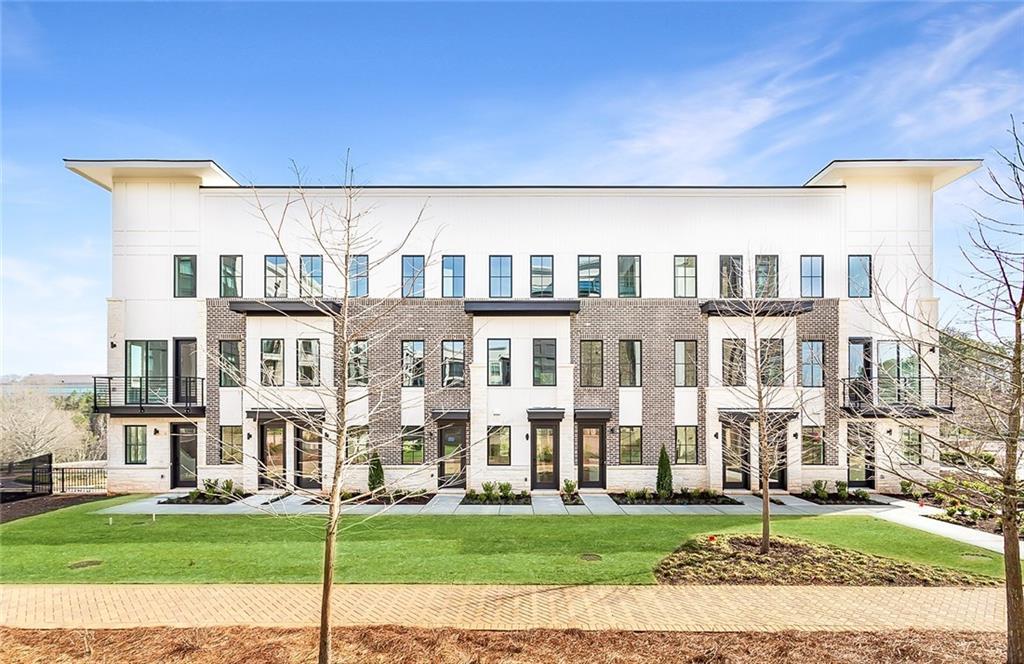
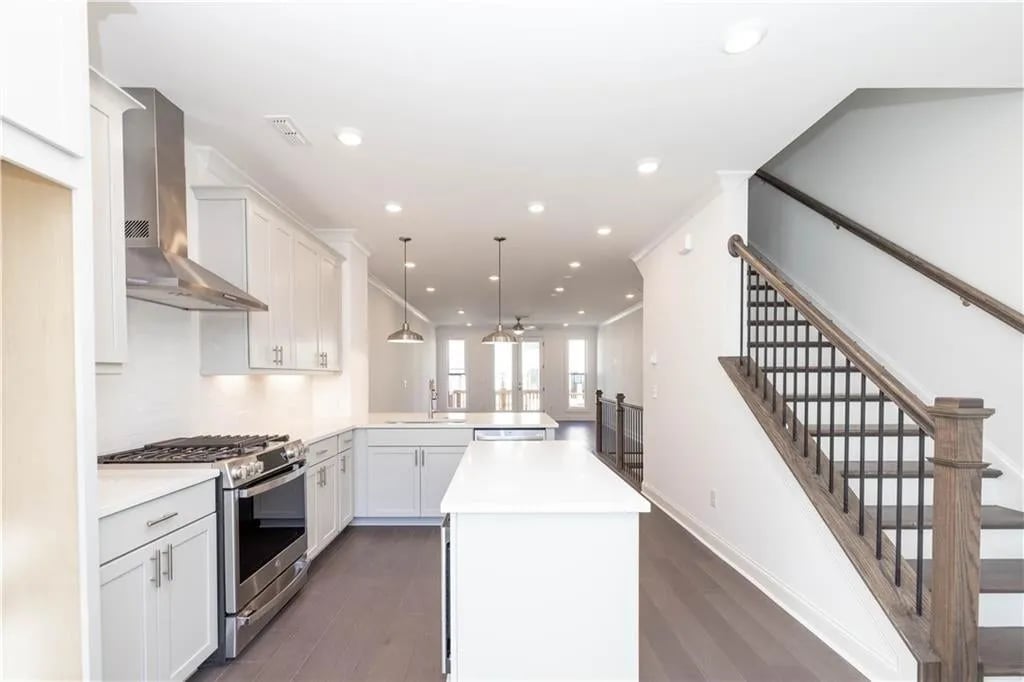
The buyer who thrives in West Midtown is typically a young professional or couple who wants modern finishes, low maintenance, and an active neighborhood without depending on a car for daily errands. New build pricing in this corridor runs firmly at the higher end of the intown spectrum, with many townhomes and single-family builds ranging from the upper $600,000s into the $1 million-plus range depending on size and finish level.
💡 Pro Tip: Before committing to an intown build, drive the surrounding blocks at different times of day. Morning foot traffic, weekend energy, and proximity to the BeltLine access points can vary significantly block by block — and that context will shape your daily experience more than any floor plan will.
Old Fourth Ward and Reynoldstown
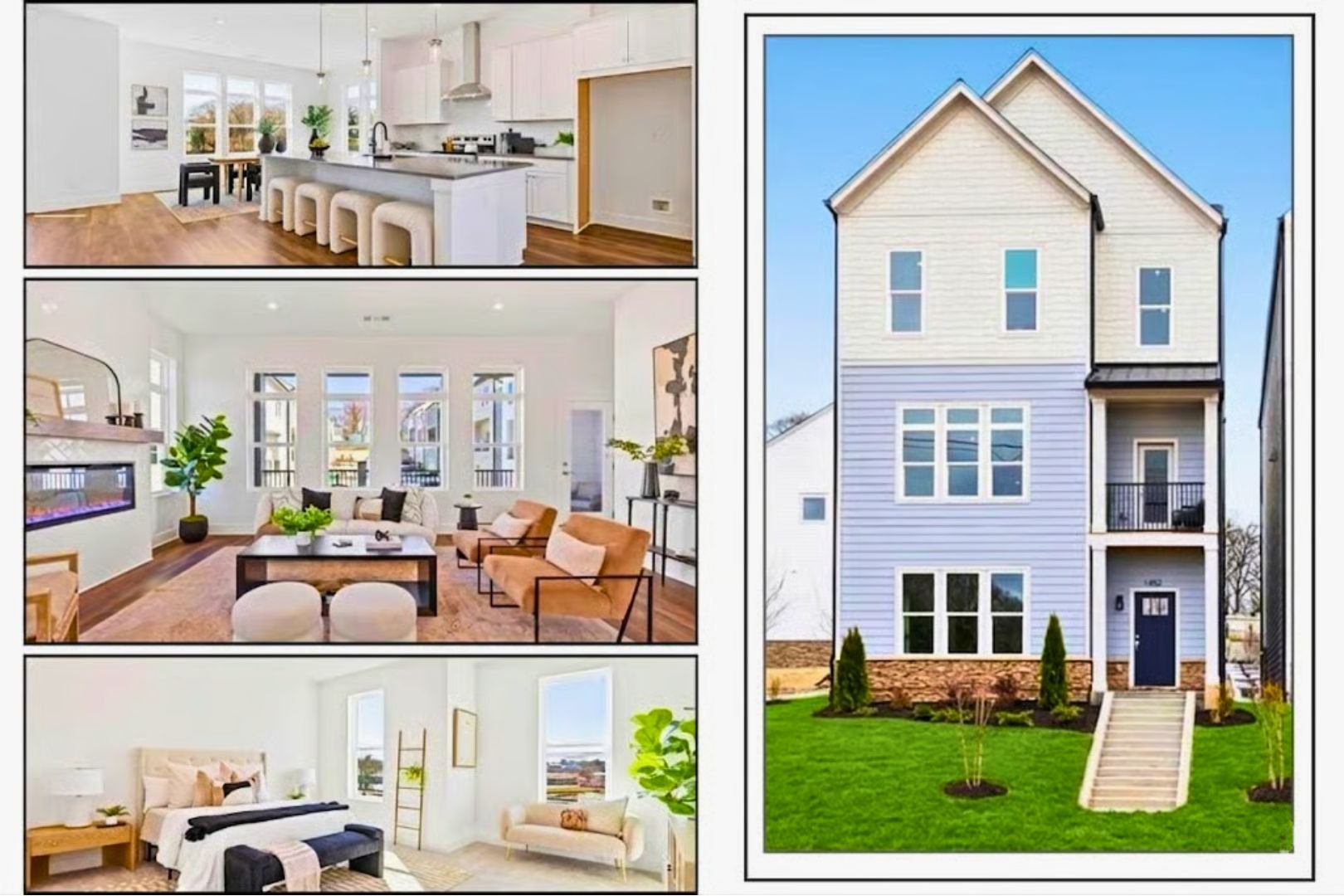
Old Fourth Ward and its neighbor Reynoldstown sit directly on the BeltLine's Eastside Trail, one of the most heavily traveled segments of the greenway. New construction in these neighborhoods — primarily townhomes and infill single-family homes — puts buyers within a short walk of:
- Ponce City Market
- Krog Street Market
- Freedom Park
- A dining and nightlife scene that rivals any neighborhood in Atlanta
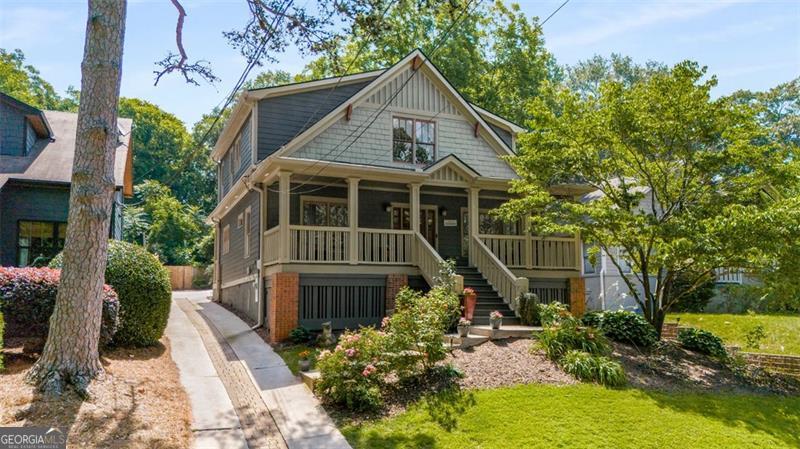
Buyers here are often motivated as much by long-term appreciation potential as by day-to-day lifestyle, and both corridors have a track record of consistent value growth that continues to attract demand. These are urban builds on typically smaller lots, but the surrounding neighborhood character and proximity to Atlanta's best amenities make them deeply appealing to professionals, creatives, and anyone drawn to the city's cultural core.
North Atlanta Suburbs: Established School Districts and Master-Planned Growth
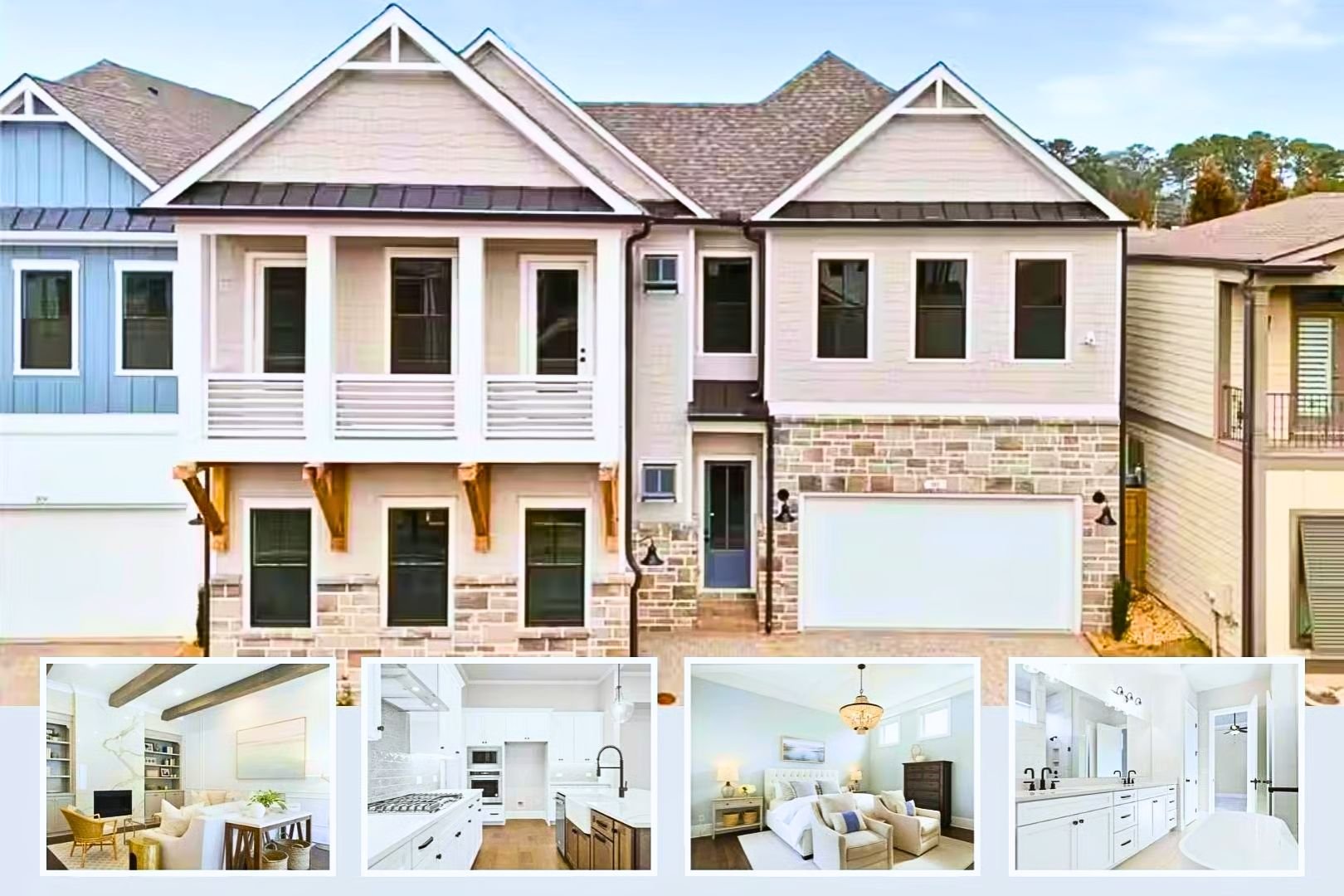
The northern suburbs along the GA-400 corridor represent Atlanta's most established new construction market for families, and they remain one of the most competitive segments in the metro. School district quality is the primary driver for many buyers in this part of Atlanta — and the options here are genuinely strong.
Alpharetta and Milton
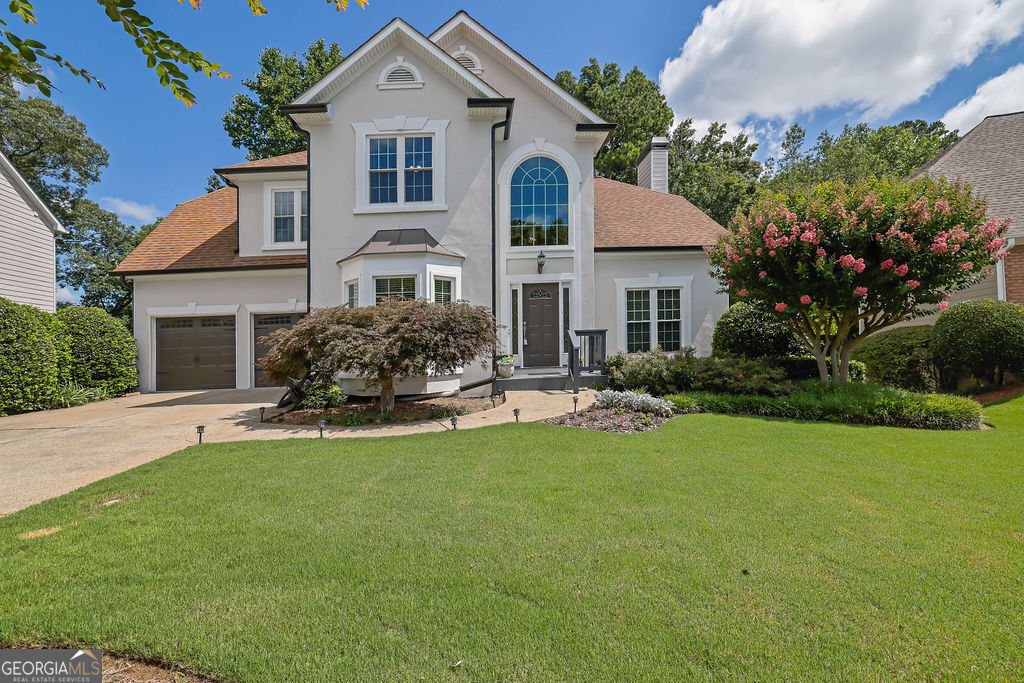
Alpharetta and Milton consistently rank among the most sought-after destinations for new construction in the entire metro. Both communities sit at the heart of Atlanta's technology corridor, where Microsoft, Salesforce, and a dense cluster of high-growth companies have established significant footprints. That employment base creates a buyer pool of well-compensated professionals who expect quality construction and well-designed communities — and builders have delivered accordingly.
School quality is a central part of the appeal. Milton High School regularly appears on lists of the top public high schools in Georgia, and Fulton County Schools performs well across the North Fulton attendance zone. Downtown Alpharetta adds a genuine lifestyle anchor — the walkable town center hosts locally owned restaurants, boutique retail, and community events that give the city a distinct identity well beyond a typical suburb.
$600,000s to $1M+ — the typical range for new construction in Alpharetta and Milton, reflecting land costs and the expectations buyers bring to this market.
Canton (Cherokee County)
Cherokee County has emerged as one of the most active new construction markets in the Atlanta metro, driven by sustained population growth and accessible price points that have drawn both national and regional builders to the area in significant numbers.
290,000+ — Cherokee County's population by 2023, up from approximately 214,000 in 2010, with construction activity following that growth directly.
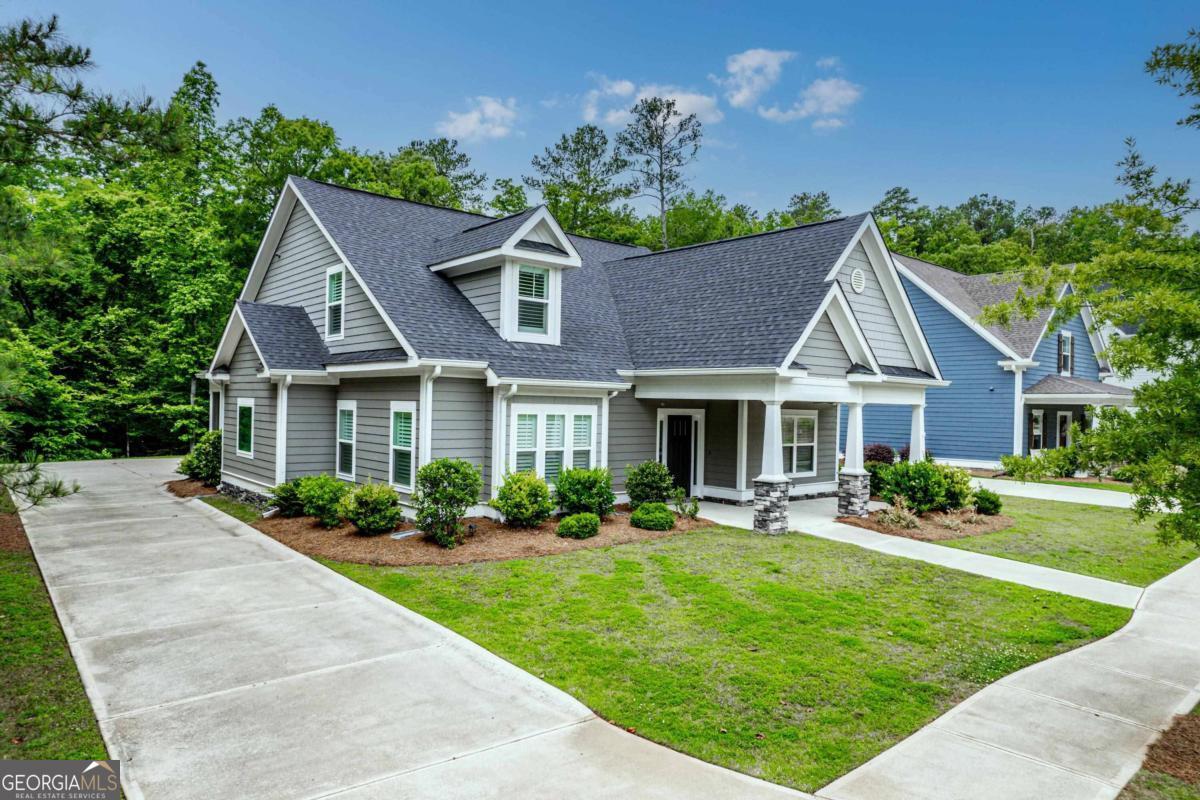
The result is a wide selection of master-planned communities along the I-575 corridor featuring resort-style amenities — pools, clubhouses, walking trails, and fitness centers that rival anything available in higher-priced northern suburbs. New construction in Cherokee County generally ranges from approximately $350,000 to $600,000 for production builds, making it one of the most accessible corridors in the metro for first-time and move-up buyers who want quality construction without the North Fulton premium. Cherokee County Schools are consistently well-rated, and the commute via I-575 is workable for many buyers, particularly those with flexible or hybrid schedules.
South and Southeast Atlanta: Value and Room to Grow
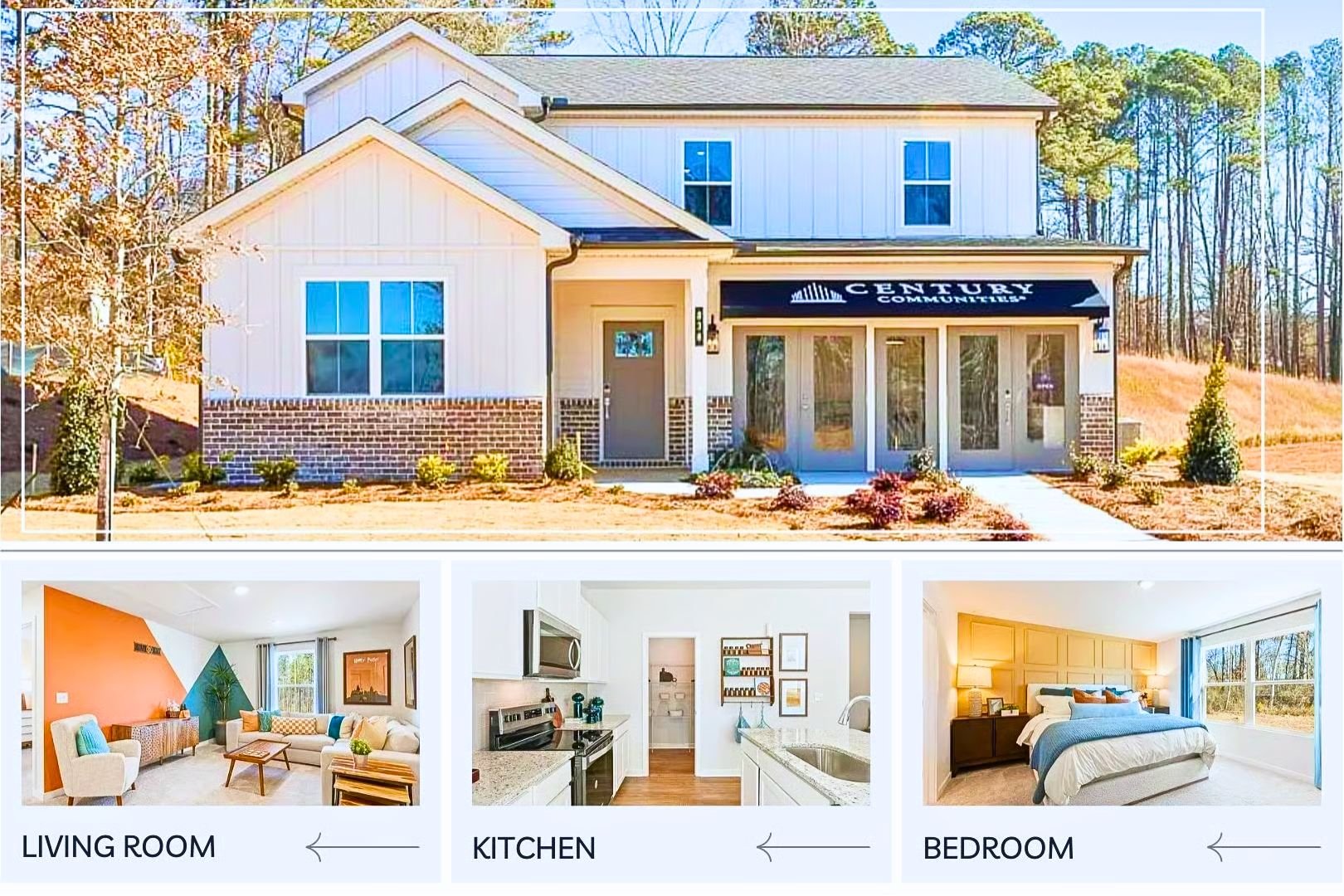
South of the city, Henry County has emerged as one of Georgia's most active new construction markets, driven by population growth that has more than doubled the county's headcount over the past two decades.
~253,000 — Henry County's population in 2023, up from about 119,000 in 2000, placing it consistently among Georgia's fastest-growing counties.
McDonough and Locust Grove
McDonough and Locust Grove sit along the I-75 corridor south of Atlanta, offering straightforward access for commuters heading north toward Downtown or Hartsfield-Jackson. New communities throughout this corridor deliver what buyers in this price range are looking for — more square footage, larger lots, and builder incentives that are less common in tighter northern markets.
Growing retail and dining infrastructure along the I-75 commercial corridor has meaningfully improved day-to-day quality of life in recent years, and the presence of Atlanta Motor Speedway in nearby Hampton adds a distinctive regional energy to the area. For buyers who want a genuinely new home with room to grow, this corridor presents a strong value proposition.
Stockbridge
Sitting closer to the city than the outer reaches of the Henry County growth corridor, Stockbridge offers new construction with a shorter commute window to Downtown Atlanta and a more established community feel than newer developments further south along I-75. The trade-off is a slightly higher price point relative to Locust Grove and outer McDonough — but buyers gain in proximity and in the depth of retail, parks, and services already in place. For buyers who want Henry County's value advantages paired with a more developed surrounding community, Stockbridge presents a well-rounded case.
West and Northwest Atlanta: Emerging Corridors and Affordable Entry Points
West and northwest of the city, Cobb County and Paulding County offer two complementary new construction opportunities — one defined by established community character alongside active development, the other delivering the metro's most accessible entry-level pricing.
Powder Springs and Marietta (Cobb County)
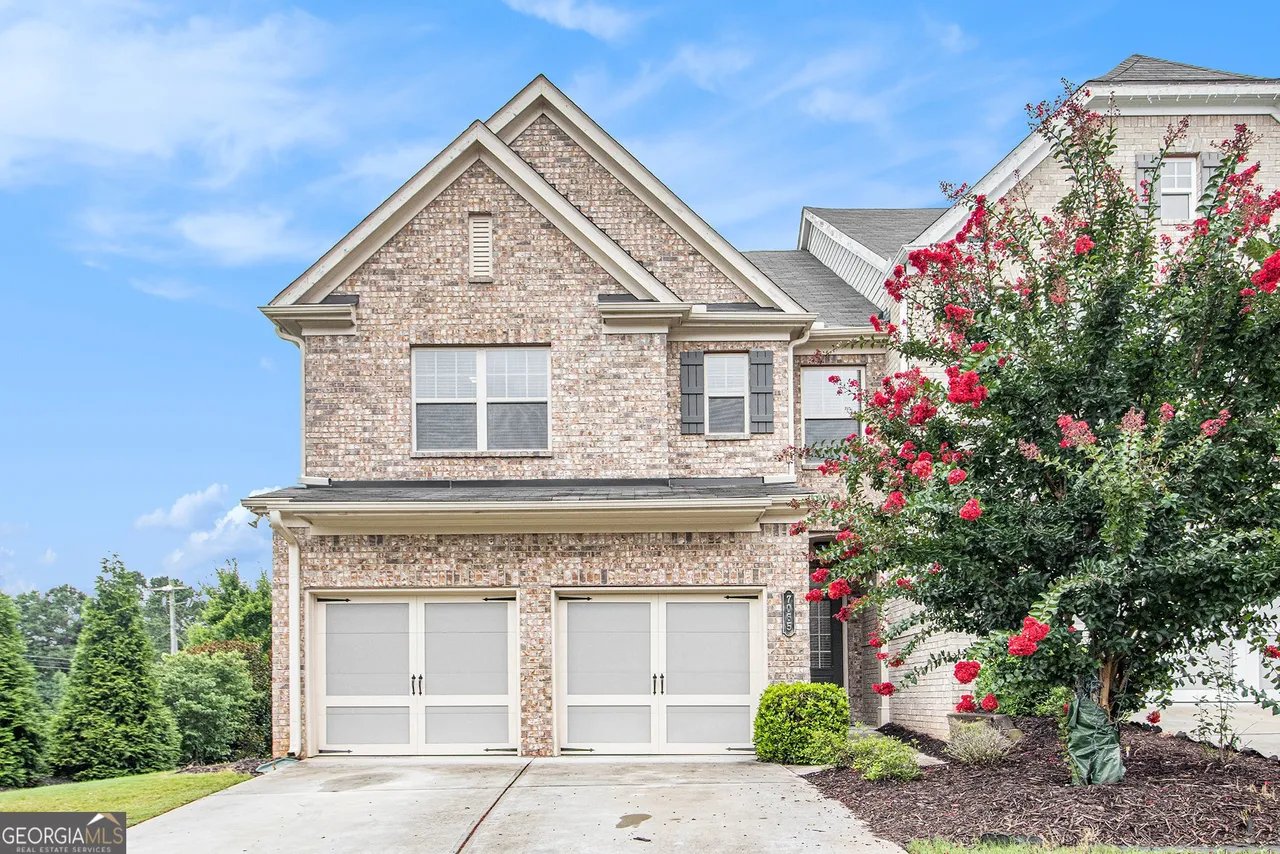
Cobb County is one of Atlanta's most populous and economically active suburban counties, with a population of approximately 797,000 as of 2023, and it continues to generate meaningful new construction activity across both established and emerging communities. Marietta anchors the county with a genuine historic town square — offering locally owned dining, live music venues, the Marietta Museum of History, and year-round community events that give the city a sense of place rare in suburban Atlanta.
Access to I-75 and I-285 makes Cobb County a viable commute option for a wide range of Atlanta employment centers. Powder Springs, further west in the county, has been drawing increased new development interest as available land becomes more constrained in the eastern portions of Cobb.
Paulding County (Dallas and Hiram)
Paulding County offers the Atlanta metro's most accessible new construction price points — the right answer for buyers who prioritize maximum space over proximity to the urban core. Sustained population growth over the past decade has prompted meaningful infrastructure investment, including new schools, road improvements, and expanding retail development that have steadily improved the resident experience.
Builders active in Paulding are delivering new communities with modern amenities at price points simply not available closer to the city. Buyers willing to accept a longer commute are rewarded with significantly more home for their dollar than virtually anywhere else in the metro.
💡 Pro Tip: If you are seriously considering Paulding County, do a commute test drive during morning peak hours before signing a contract. The time savings of a hybrid or remote schedule can make these communities far more practical than they appear on a map.
What to Consider Before Choosing a New Build Neighborhood in Atlanta
Selecting a neighborhood is only part of the decision. Several practical factors deserve careful attention before signing a new construction contract in Atlanta.
Commute and Highway Access
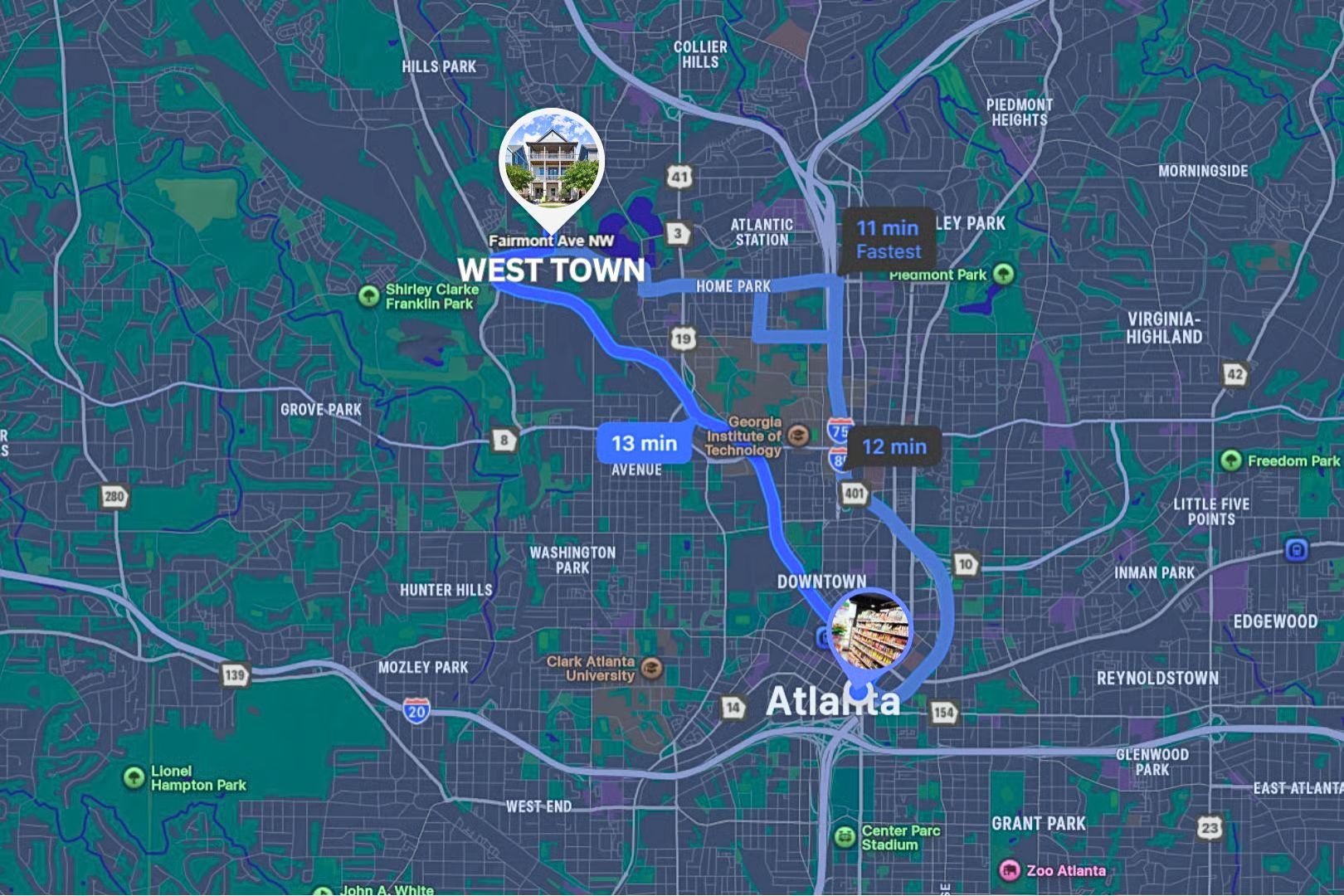
Commute realities matter more in Atlanta than in most major metros. The difference between one highway exit and the next can translate to significant daily drive time. Understanding how your target neighborhood connects to GA-400, I-285, I-75, and I-85 — and when those corridors are most congested — should be part of your evaluation before you fall in love with a floor plan.
School District Research
School district research deserves more than a quick look at county-level scores. Fulton, Cherokee, Cobb, Gwinnett, and Henry County school systems each have distinct strengths, feeder patterns, and specialized programs. Performance can vary significantly between schools within the same county, so researching the specific schools tied to a community — not just the district average — is worth the additional effort for families.
Builder Reputation
Builder reputation matters as much as neighborhood selection. A well-located community built by a builder with a poor quality track record or a weak warranty program can underperform a less glamorously located neighborhood with stronger construction. Visit model homes, talk with current residents of that builder's completed Atlanta communities, and understand warranty terms before signing. An independent third-party inspection at key construction milestones is strongly recommended even on brand-new homes.
HOA Structures and Resale Potential
HOA structures vary considerably between master-planned communities and intown infill developments. Suburban master-planned communities often come with robust shared amenities but also higher monthly dues and more restrictive covenants — understanding what you are agreeing to before you sign protects you from surprises after closing. Resale and appreciation potential should also factor into your choice even if you plan to stay long-term, since communities near confirmed infrastructure investment and growing employment consistently outperform on appreciation.
Frequently Asked Questions About New Builds in Atlanta

What is the average cost of a new build home in Atlanta, GA?
New build pricing across the Atlanta metro spans a wide range depending on location and product tier. Here is a general breakdown by corridor:
| Corridor | Typical New Build Price Range |
|---|---|
| Paulding County / Outer Henry County | Low $300,000s and up |
| Cherokee County / Cobb County (production) | $350,000s – $600,000s |
| North Fulton (Alpharetta / Milton) | High $600,000s – $1M+ |
| Intown Infill (West Midtown / Old Fourth Ward) | $700,000 – $1M+ |
The spread reflects land cost, builder product tier, and proximity to major employment and amenities.
Which Atlanta suburbs have the most new construction activity right now?
Cherokee County — particularly the Canton corridor — is among the most active new construction markets in the entire metro. Henry County, centered on McDonough and Locust Grove, and the North Fulton corridor from Alpharetta through Milton are also generating significant builder activity. Paulding County is seeing robust production at the metro's most accessible price points. Intown infill development in West Midtown, Old Fourth Ward, and Reynoldstown continues at a strong pace, though at considerably higher price points and smaller individual project scale.
Are new construction homes in Atlanta a good investment?
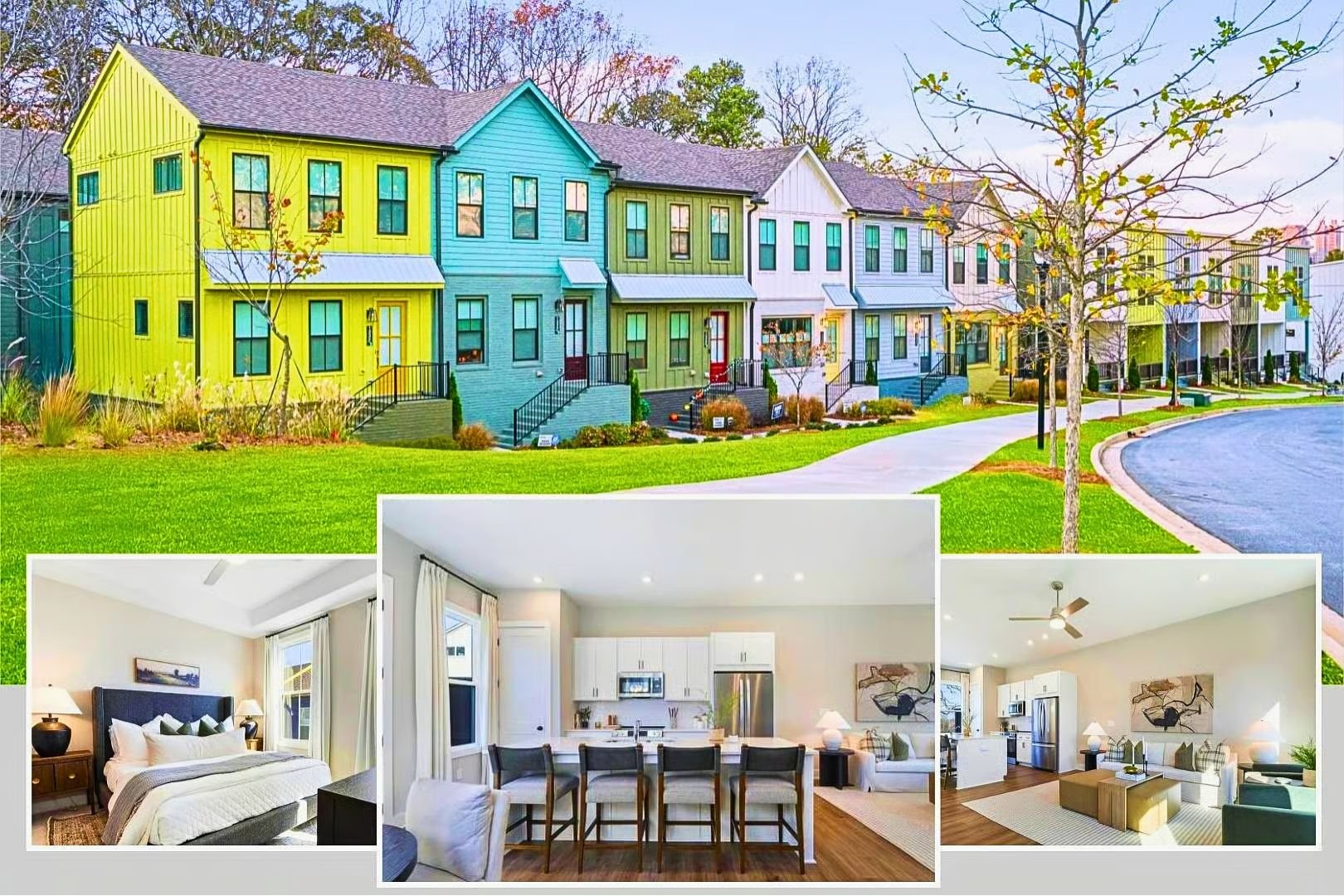
Atlanta's sustained job growth, in-migration, and constrained resale inventory create durable housing demand that underpins appreciation for well-located new builds. Neighborhoods with strong school districts, proximity to major employment centers, and confirmed infrastructure investment have historically demonstrated solid long-term value growth. Emerging growth corridors carry more trajectory risk than established markets but can offer more upside if growth continues as projected. Buyers who anchor their search to what actually matters — commute, schools, financial goals — consistently make better long-term decisions than those focused solely on price per square foot.
How long does it take to build a new home in Atlanta?
| Build Type | Typical Timeline |
|---|---|
| Production build (set floor plan, limited customization) | 6 – 12 months from contract |
| Semi-custom or custom build | 12 – 24 months |
Lot availability, permitting timelines, and material supply can all affect these windows. Ask your builder directly for recent delivery timelines in their active Atlanta communities — those figures are more reliable than general estimates and can vary meaningfully between builders and corridors.
Do I need a real estate agent to buy a new build in Atlanta?
Yes — and understanding why matters. The sales representative in a builder's model home represents the builder's interests, not yours. Having your own buyer's agent provides independent advocacy during contract negotiation, helps you identify which upgrades are standard versus which carry significant upcharges, and gives you a knowledgeable advocate if issues arise during construction or at closing. In most Atlanta new construction transactions, the builder pays the buyer's agent commission — so independent representation comes at no additional cost to you.
Finding Your Perfect New Build in Atlanta

Atlanta's new construction market offers something genuinely rare: meaningful options at nearly every price point and lifestyle preference, all within a single metro. The BeltLine's urban energy in Old Fourth Ward, the top-rated schools and tech corridor access of Alpharetta and Milton, the fast-growing value communities of Canton and McDonough, the affordable entry points of Paulding County — there is a new build neighborhood here that aligns with your priorities.
The key is anchoring your search to what actually matters in your daily life — your commute, your family's needs, your financial goals — rather than chasing a zip code based on reputation alone. Buyers who approach Atlanta's new construction market with a clear sense of what they need, and who do the work to understand each corridor's real strengths and trade-offs, consistently find homes they are glad they chose.
Ready to explore Atlanta's new construction landscape or tour communities across the metro? Our team would love to help guide you through it.