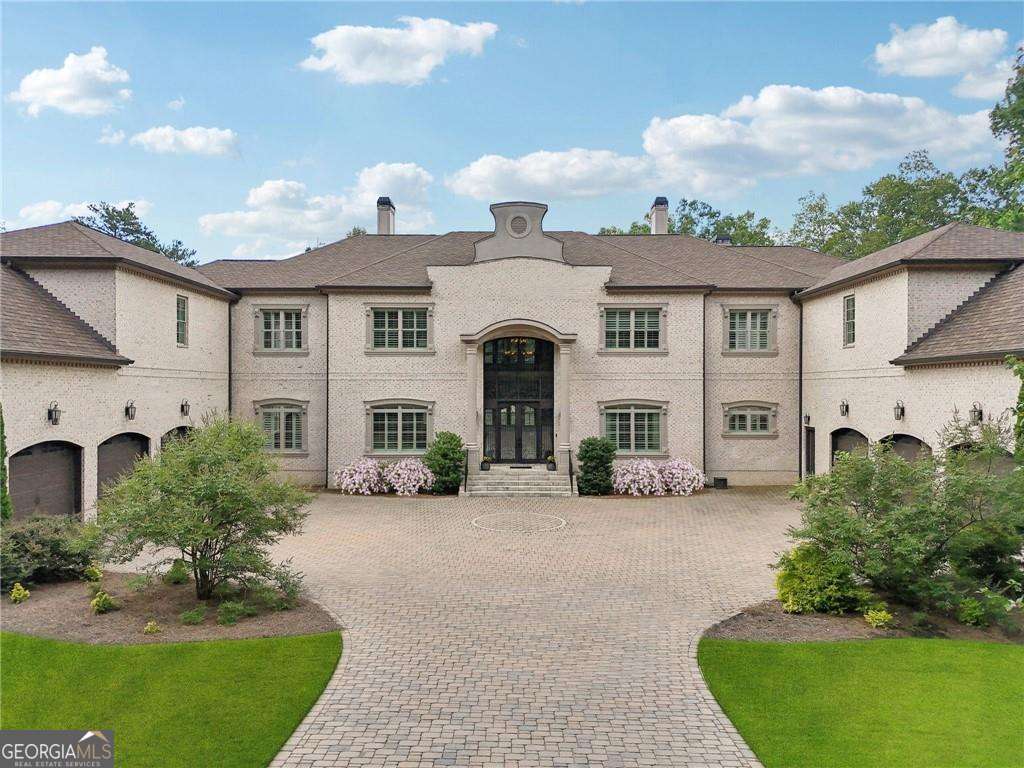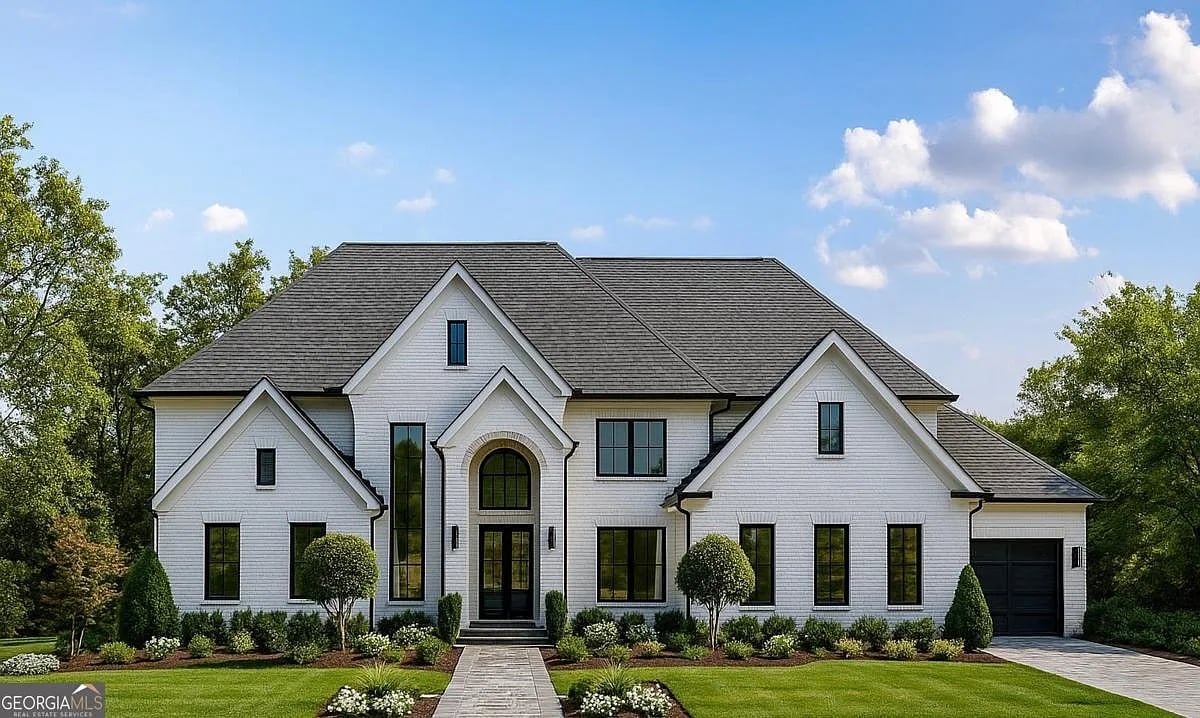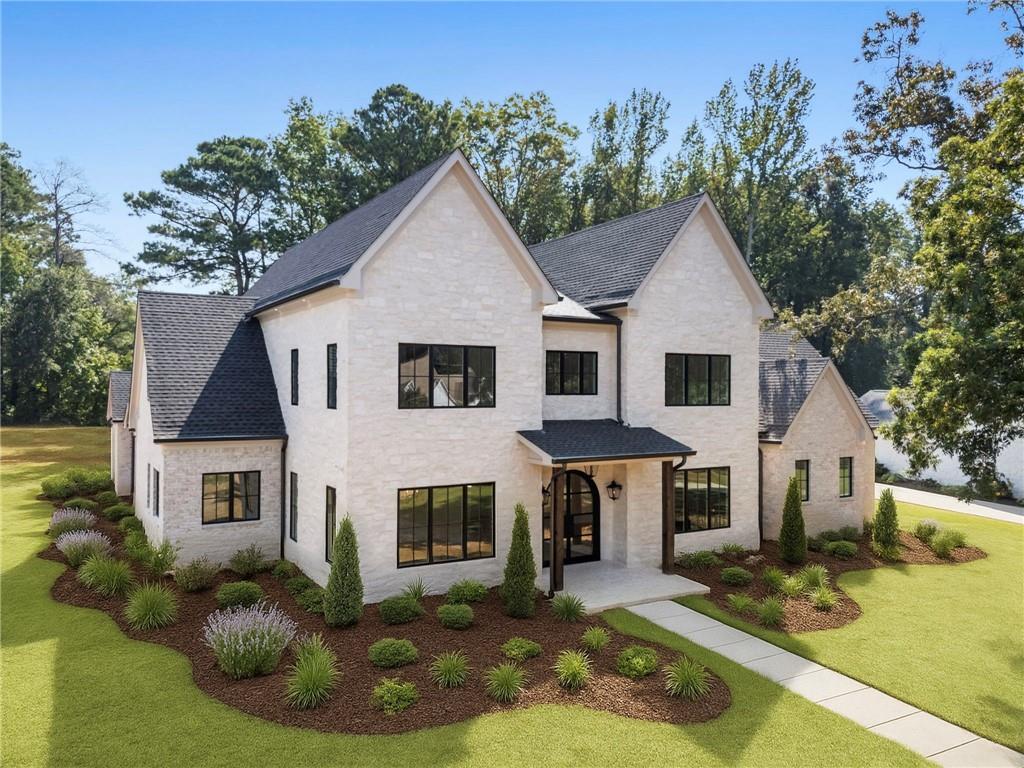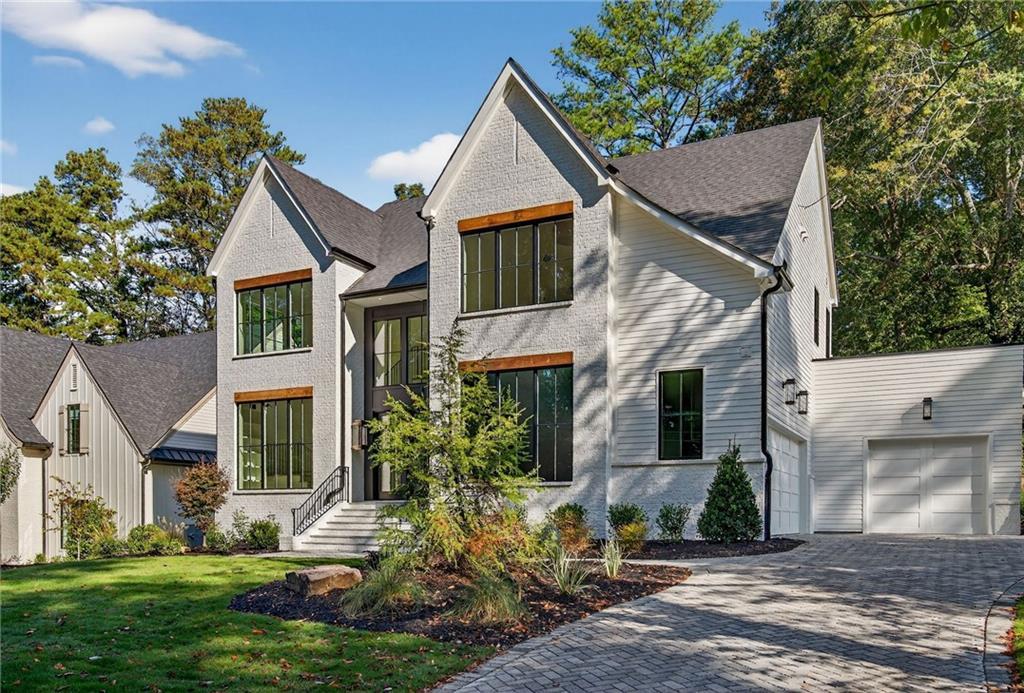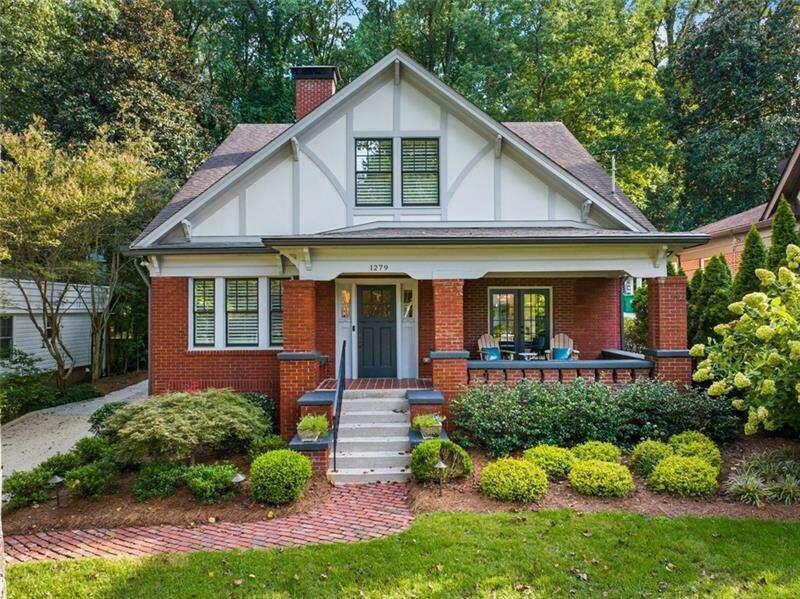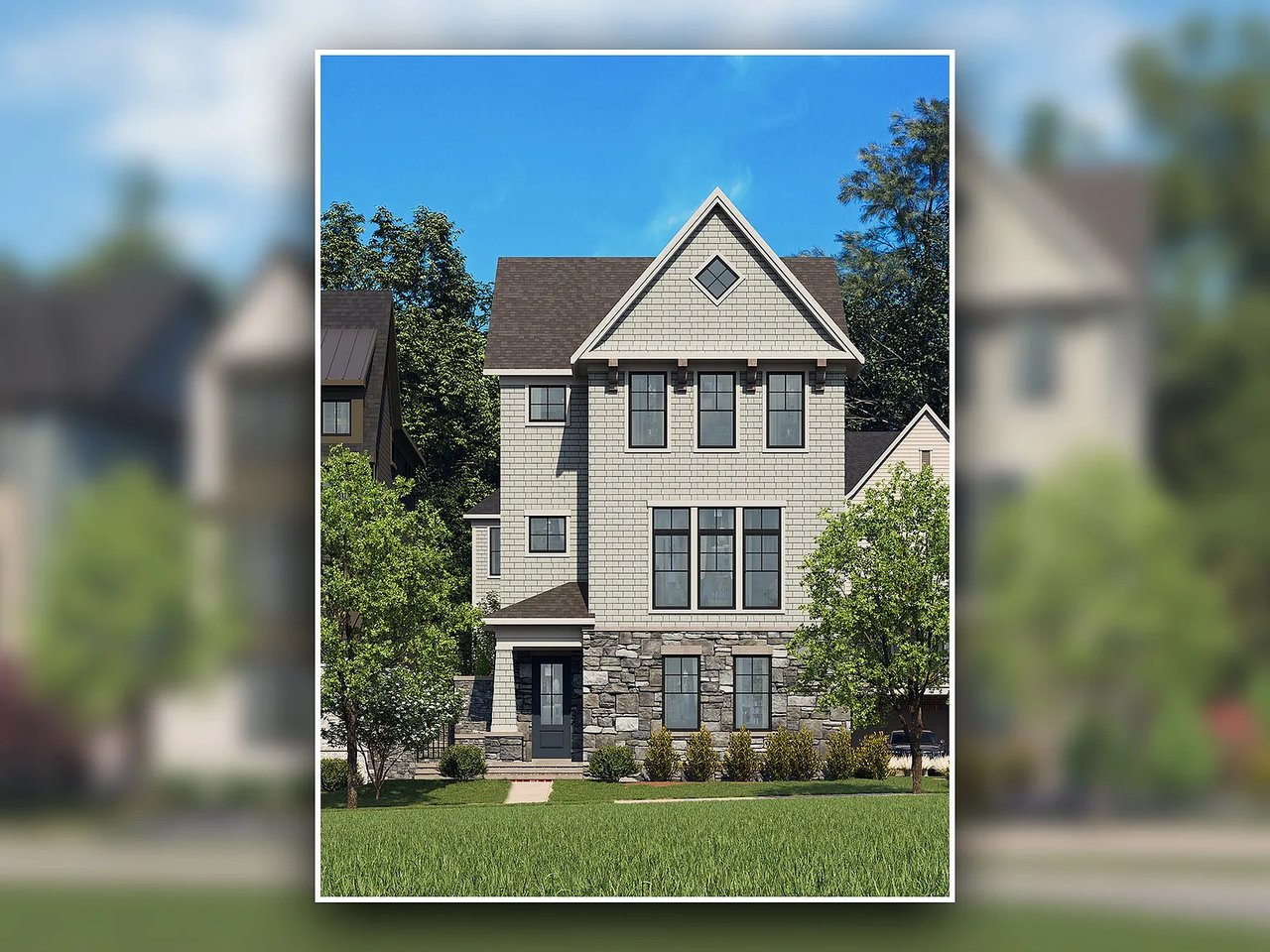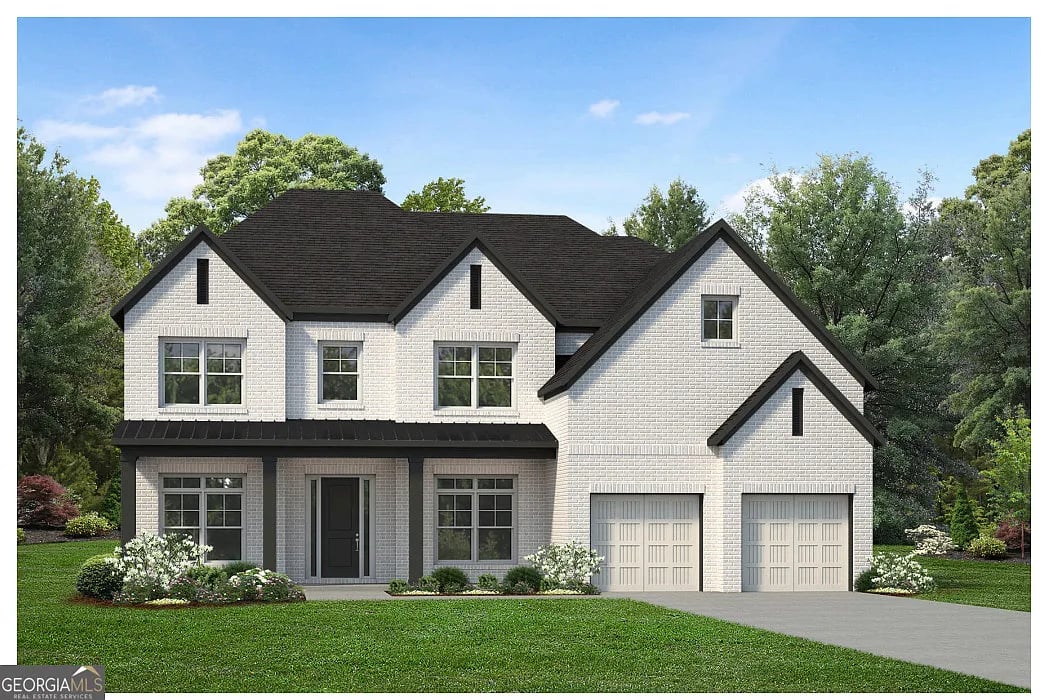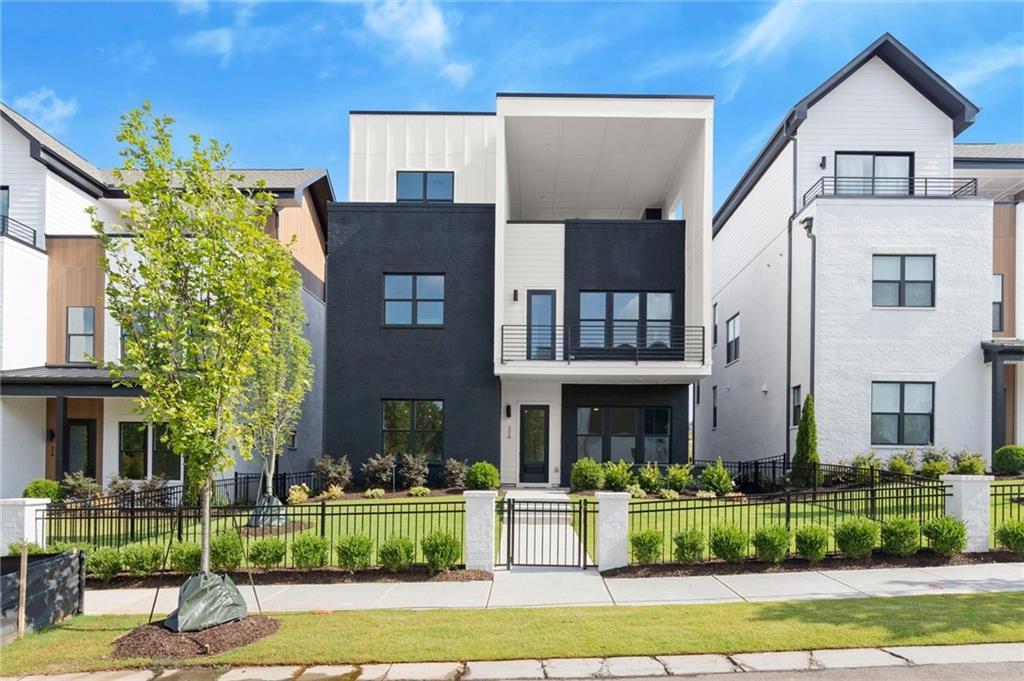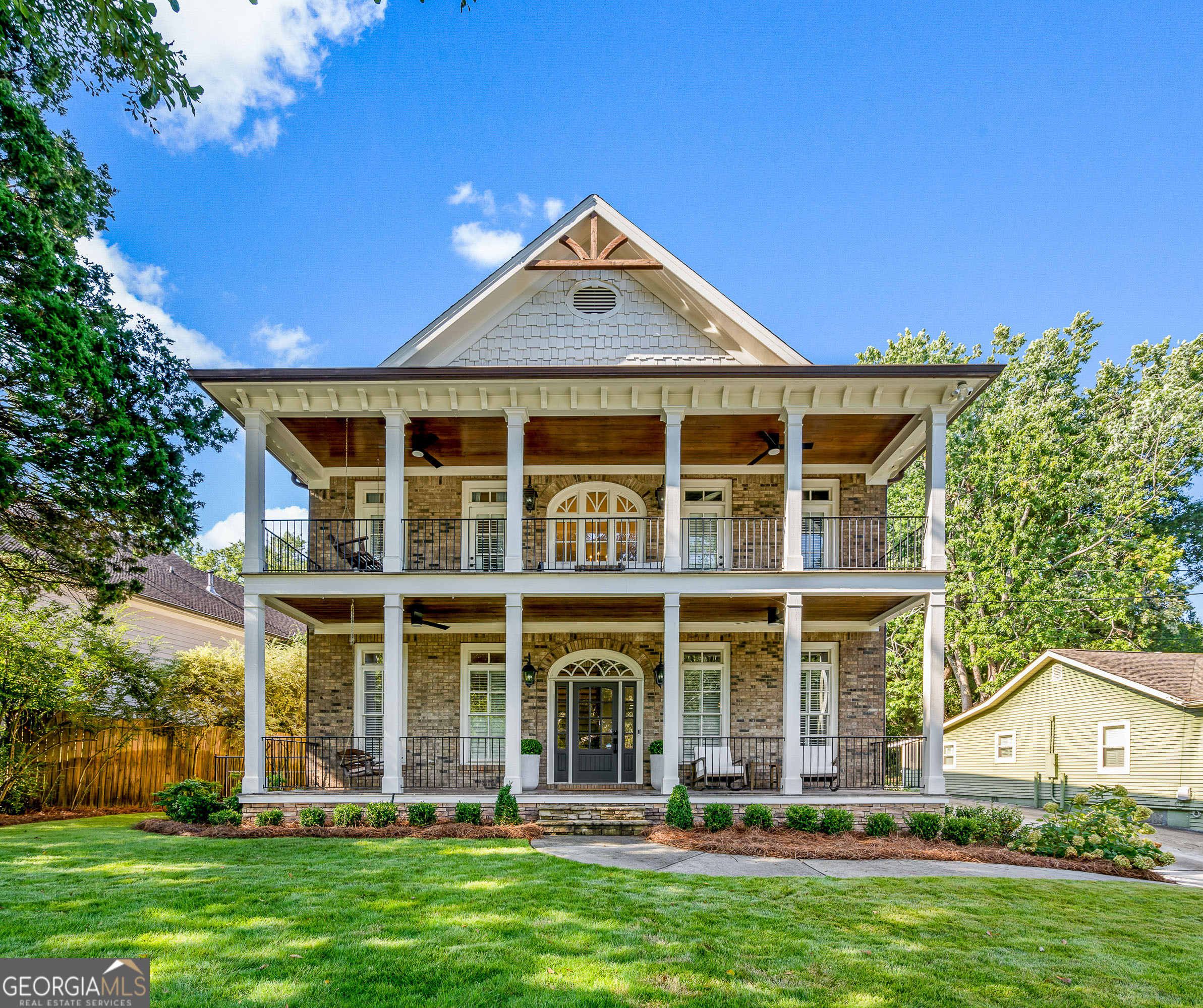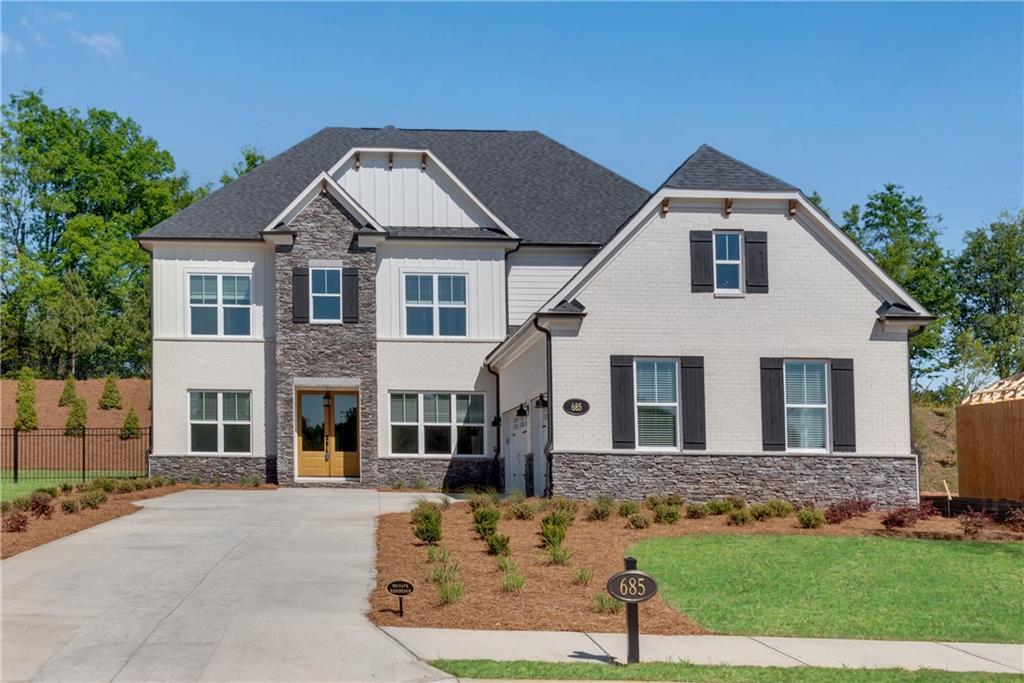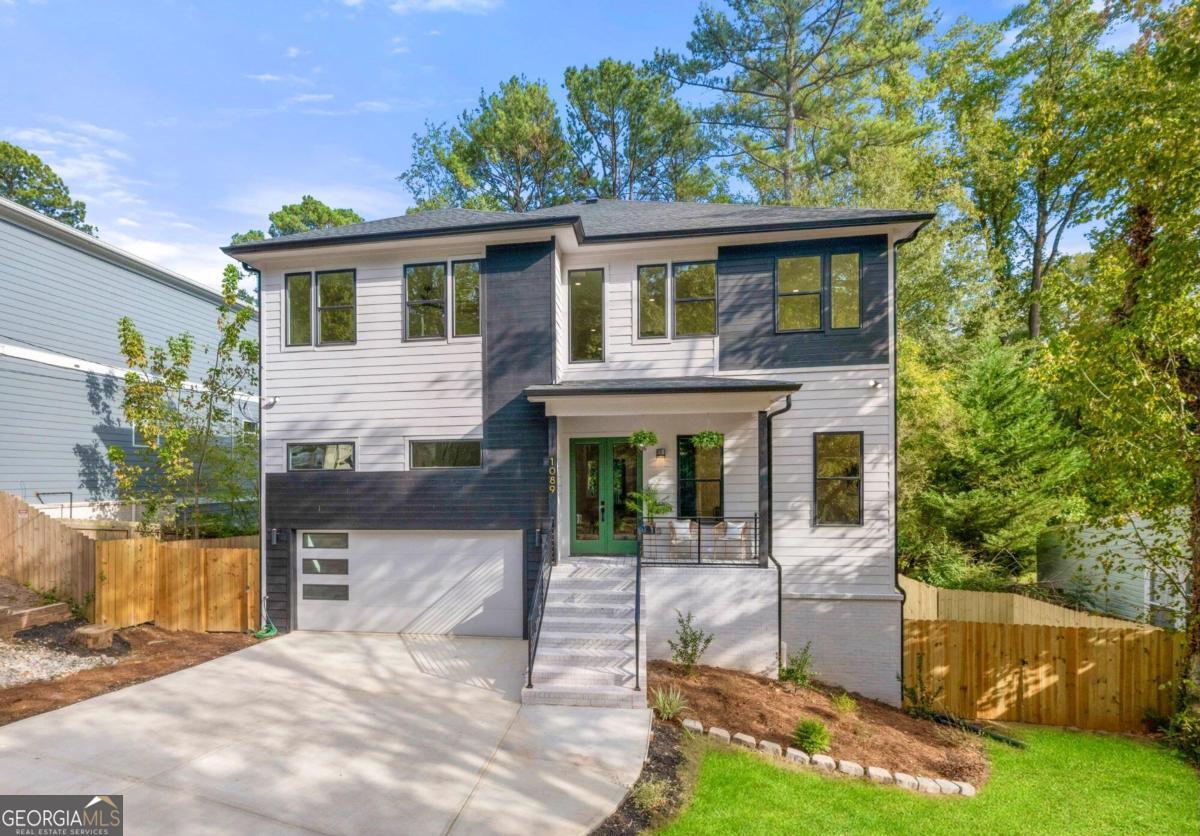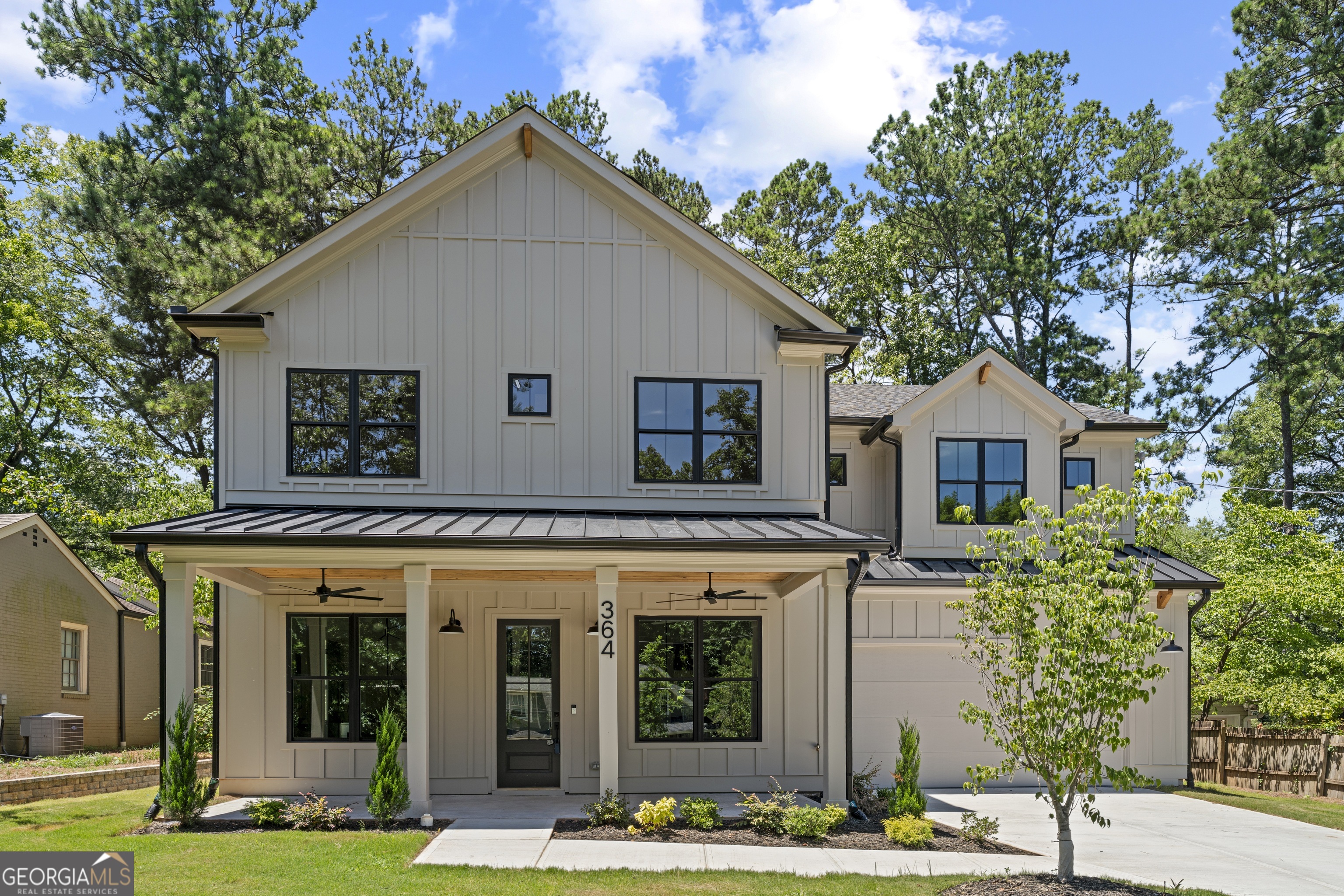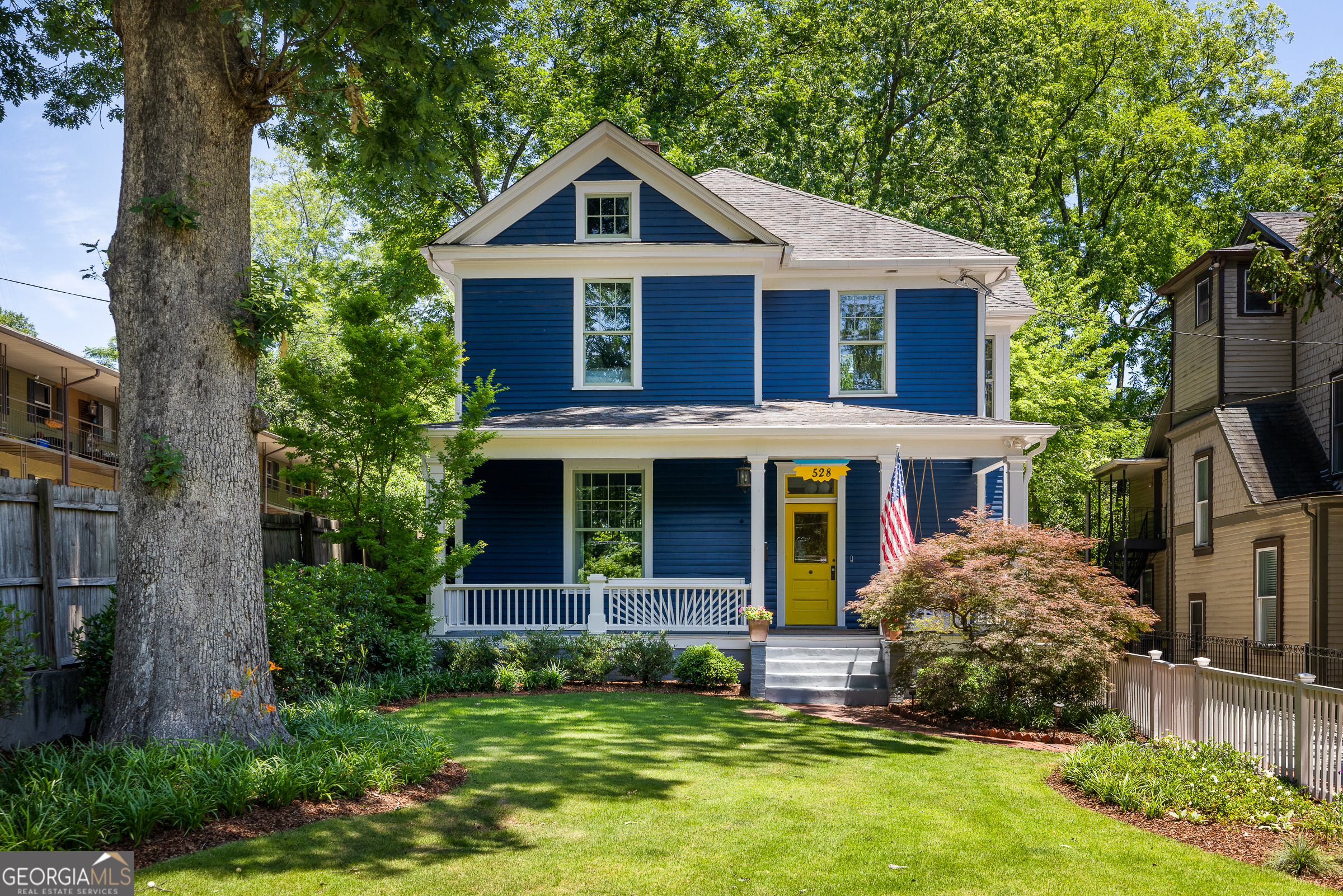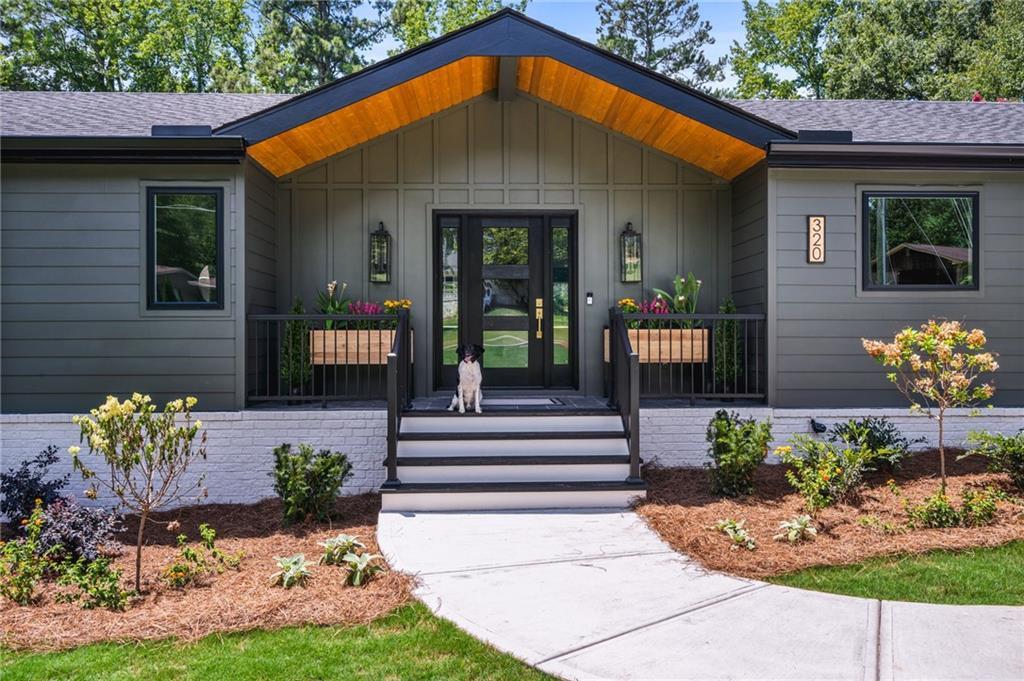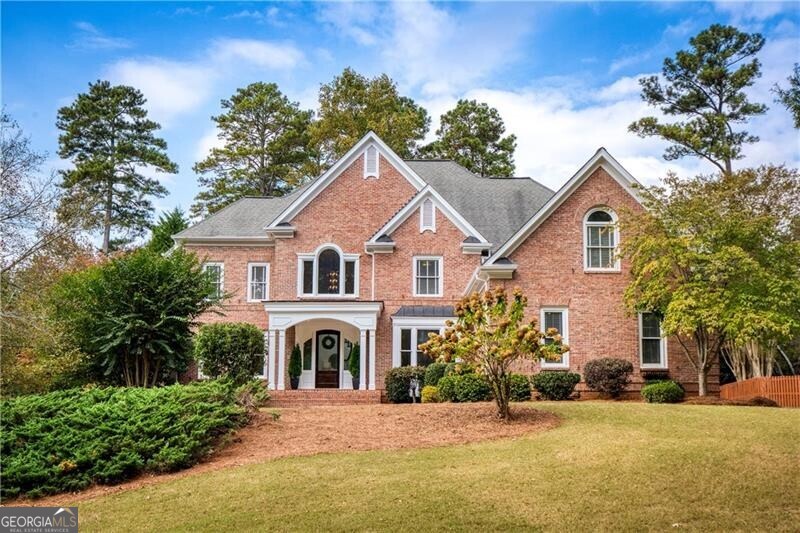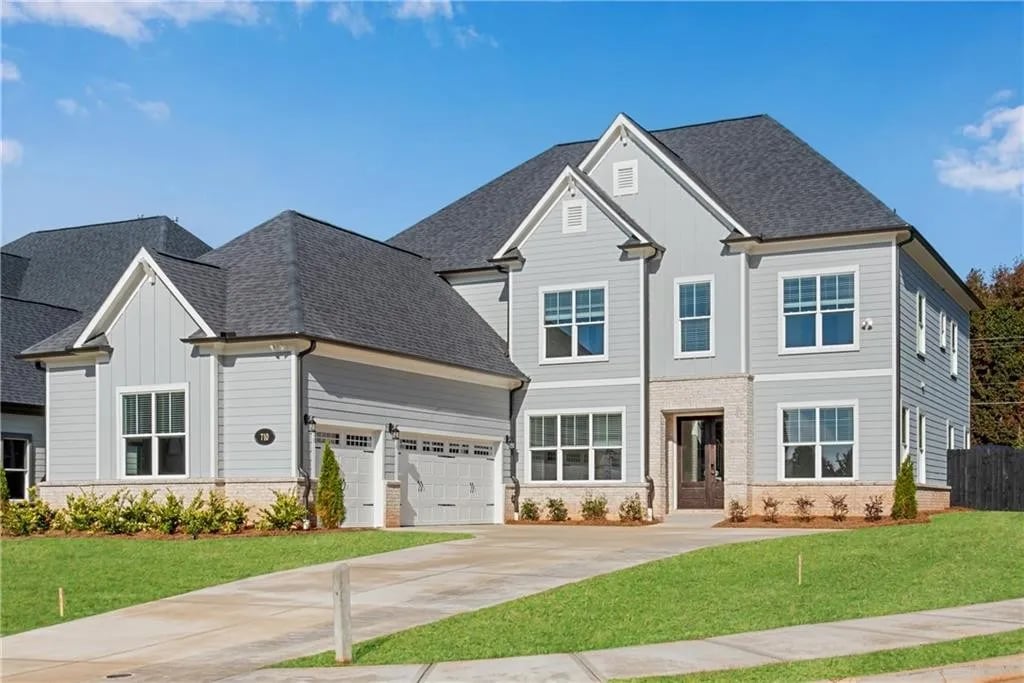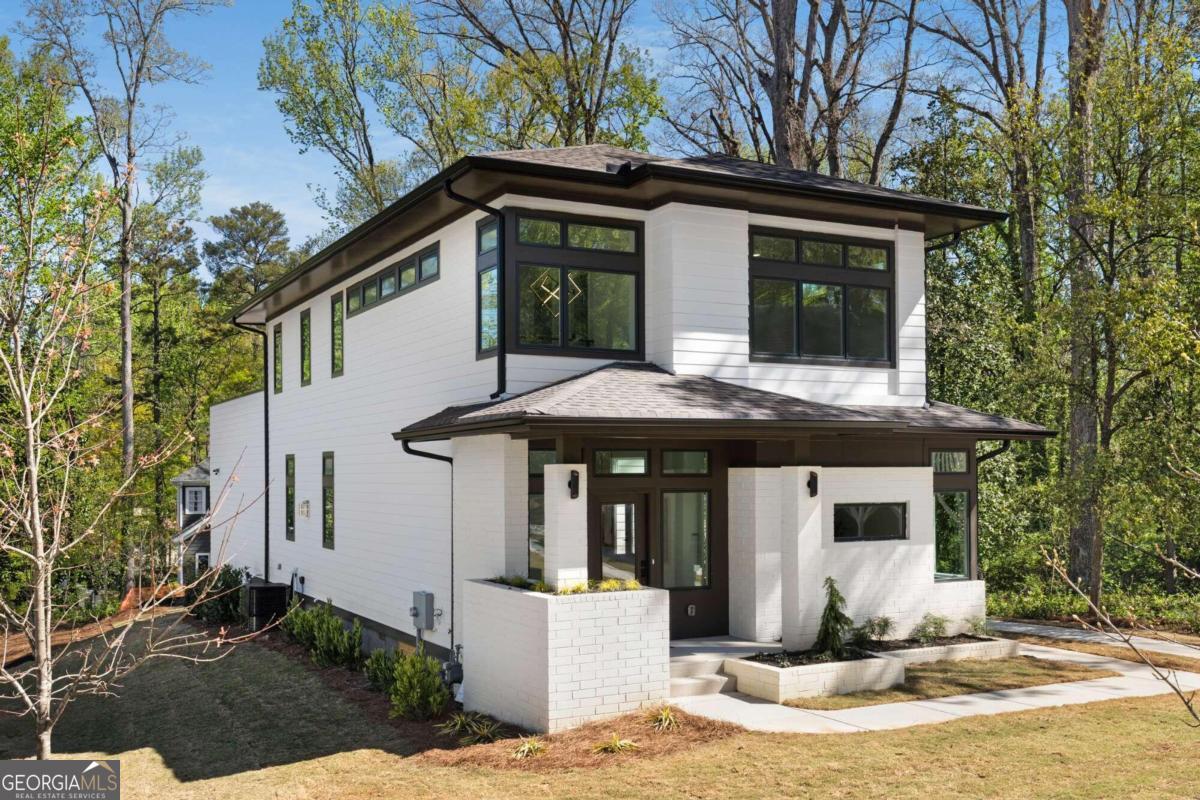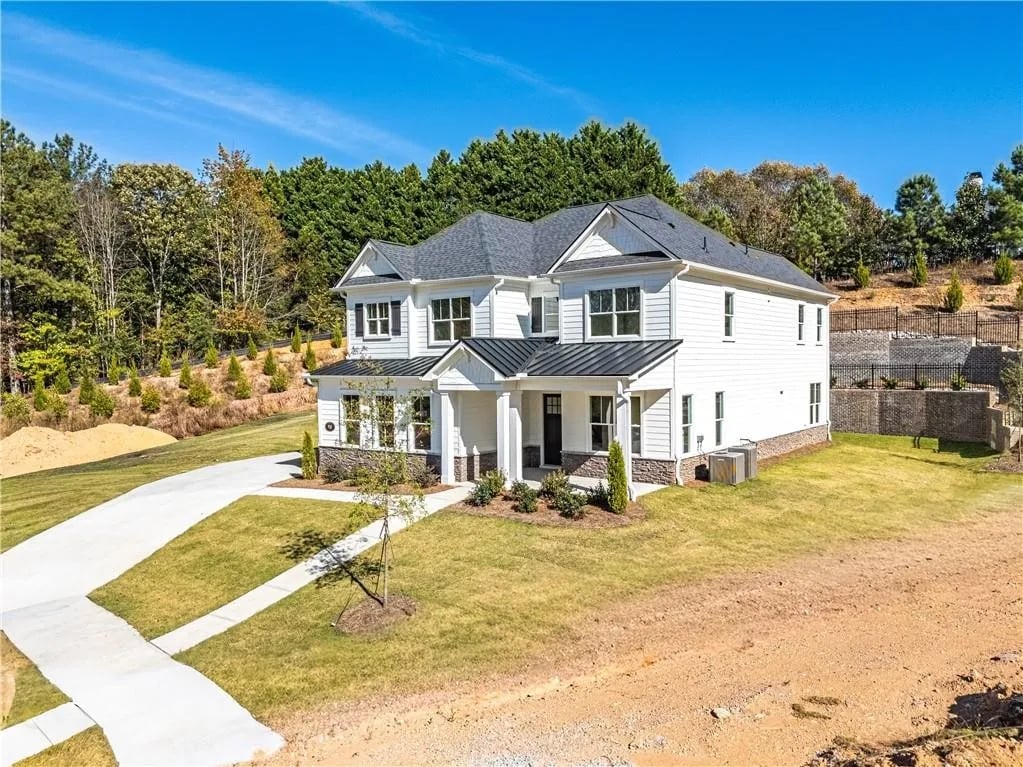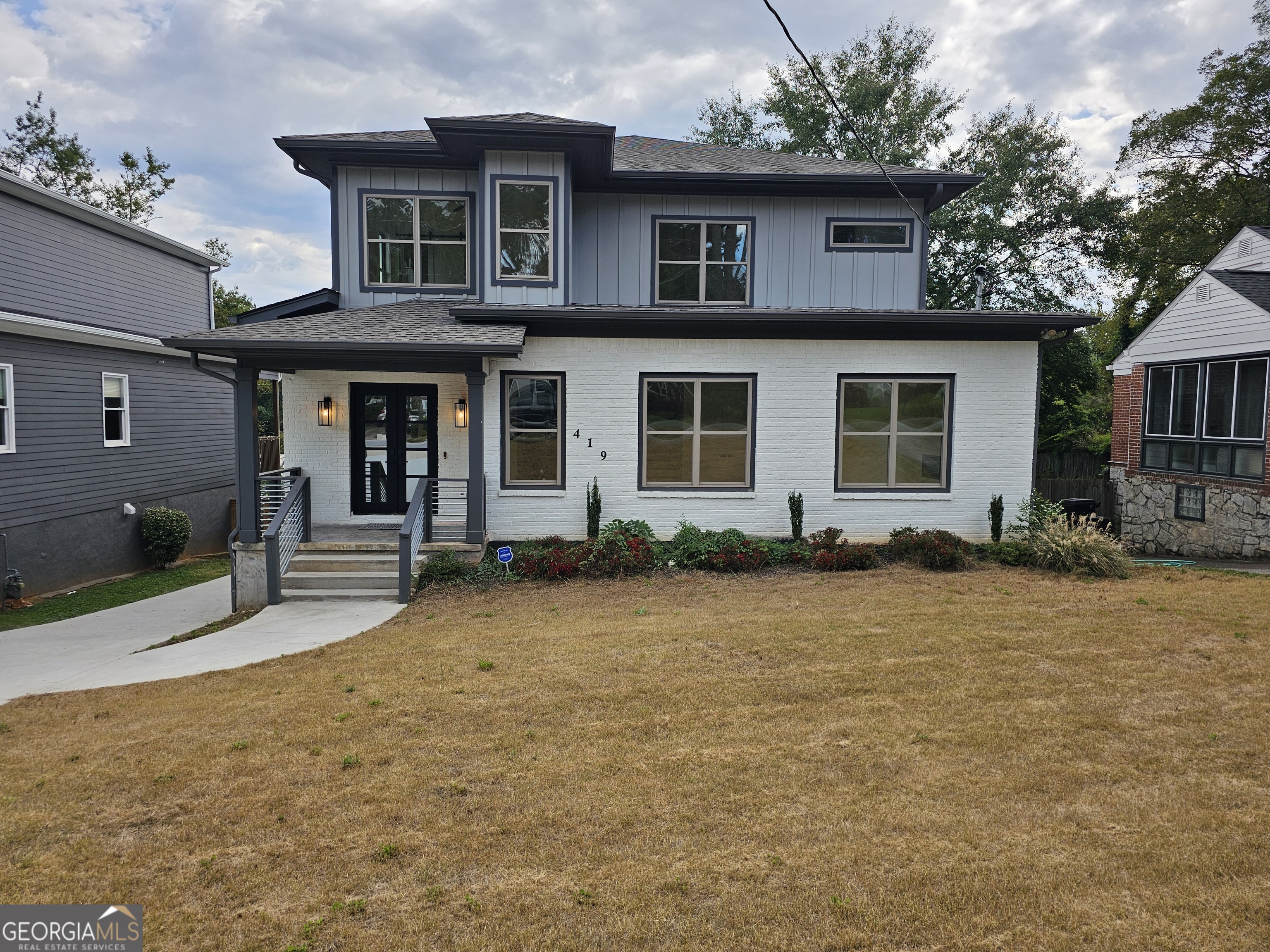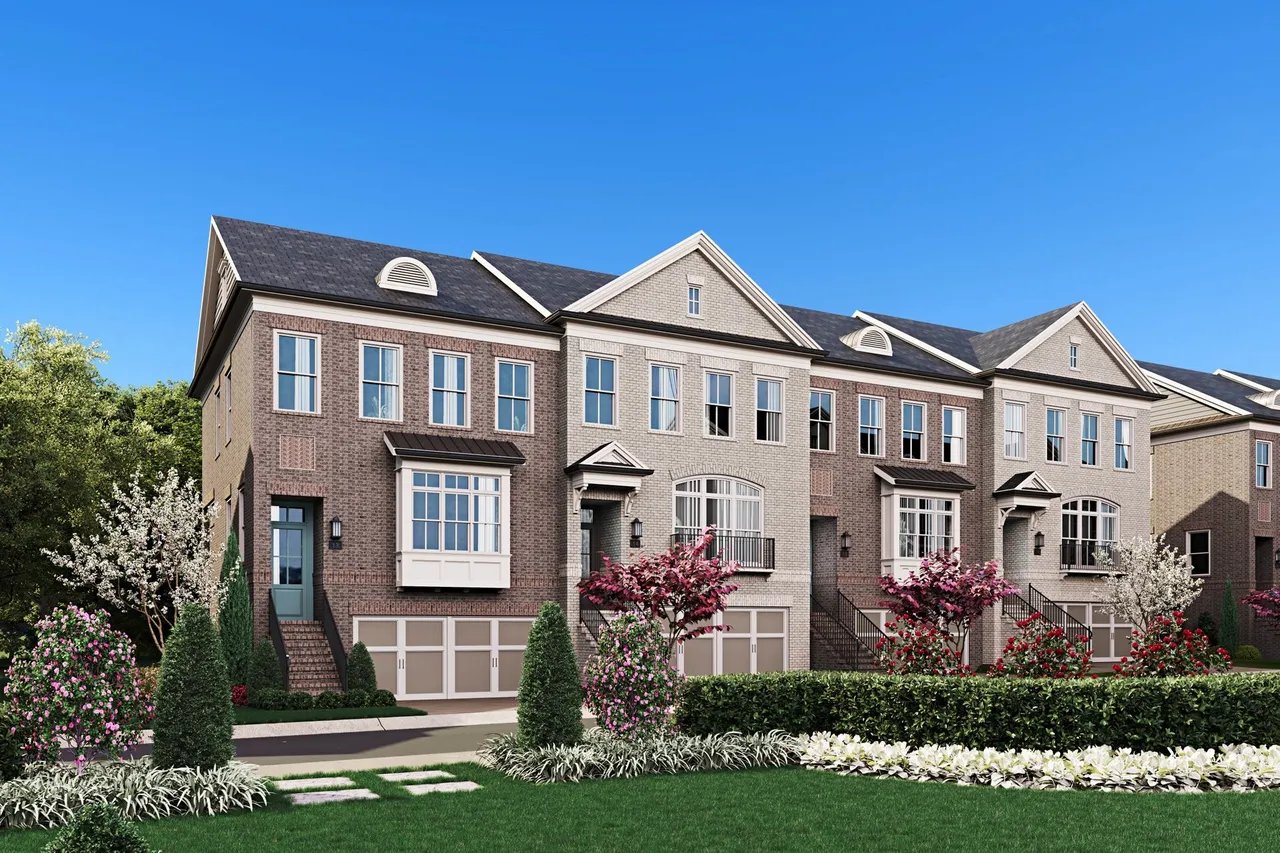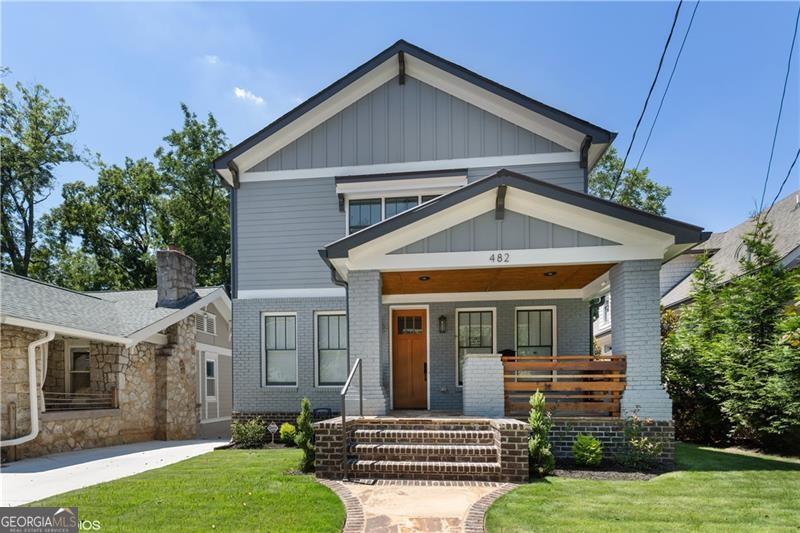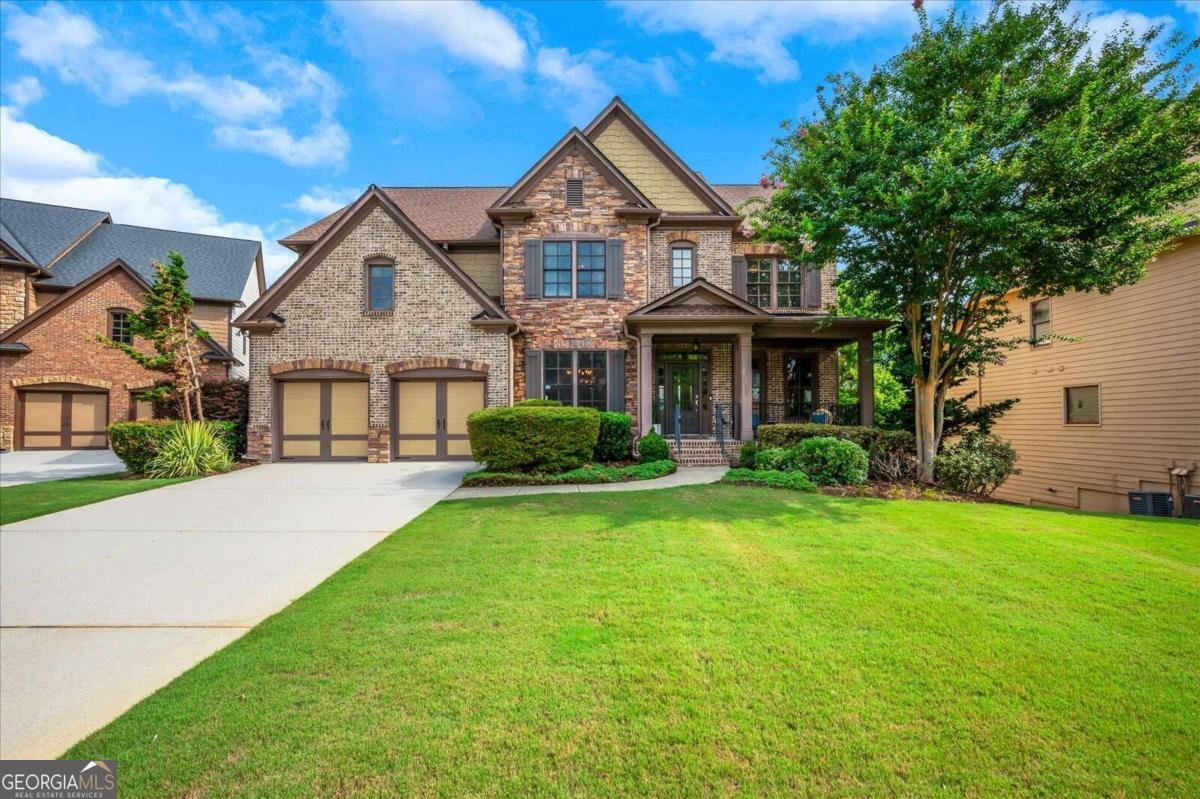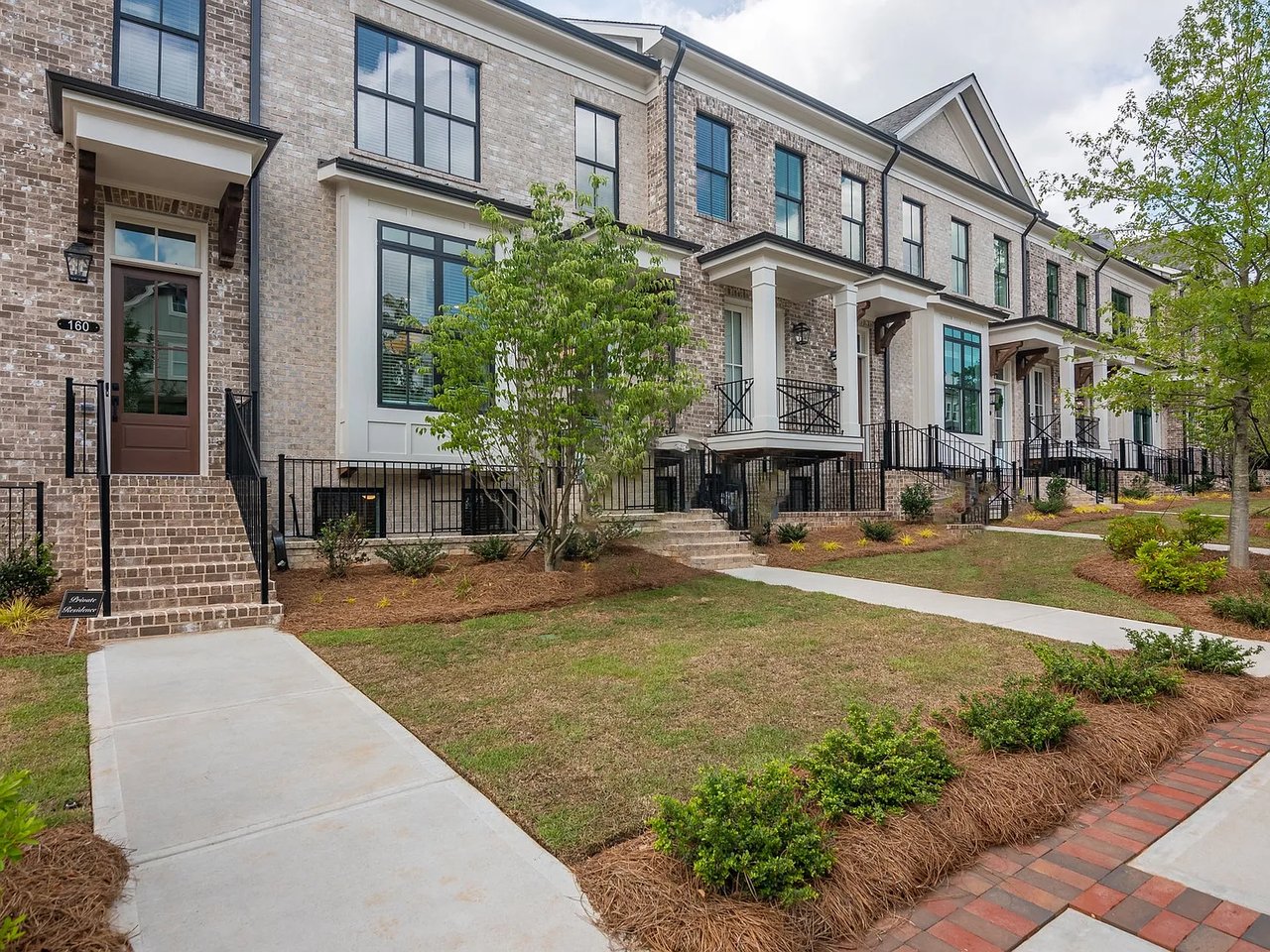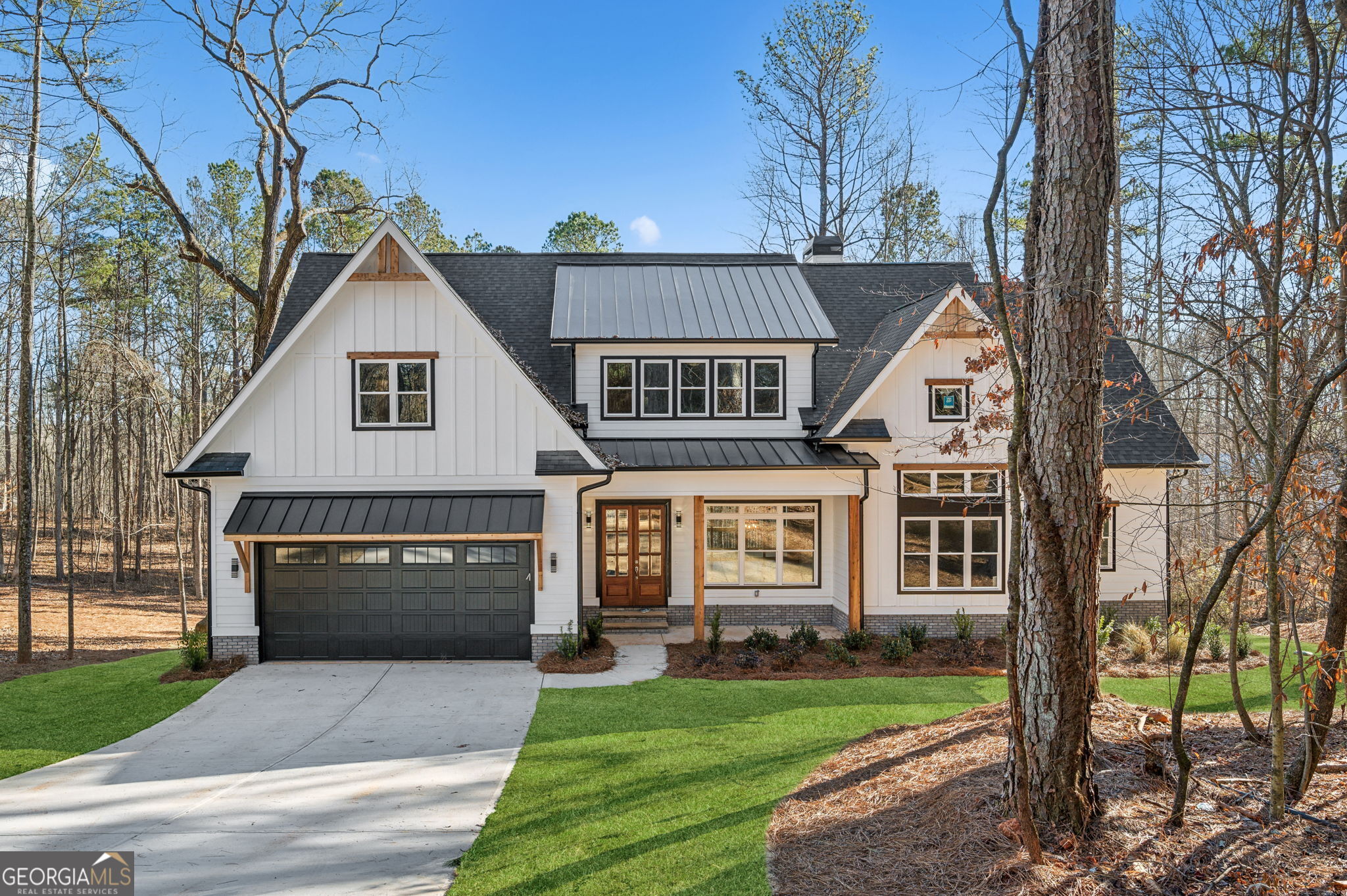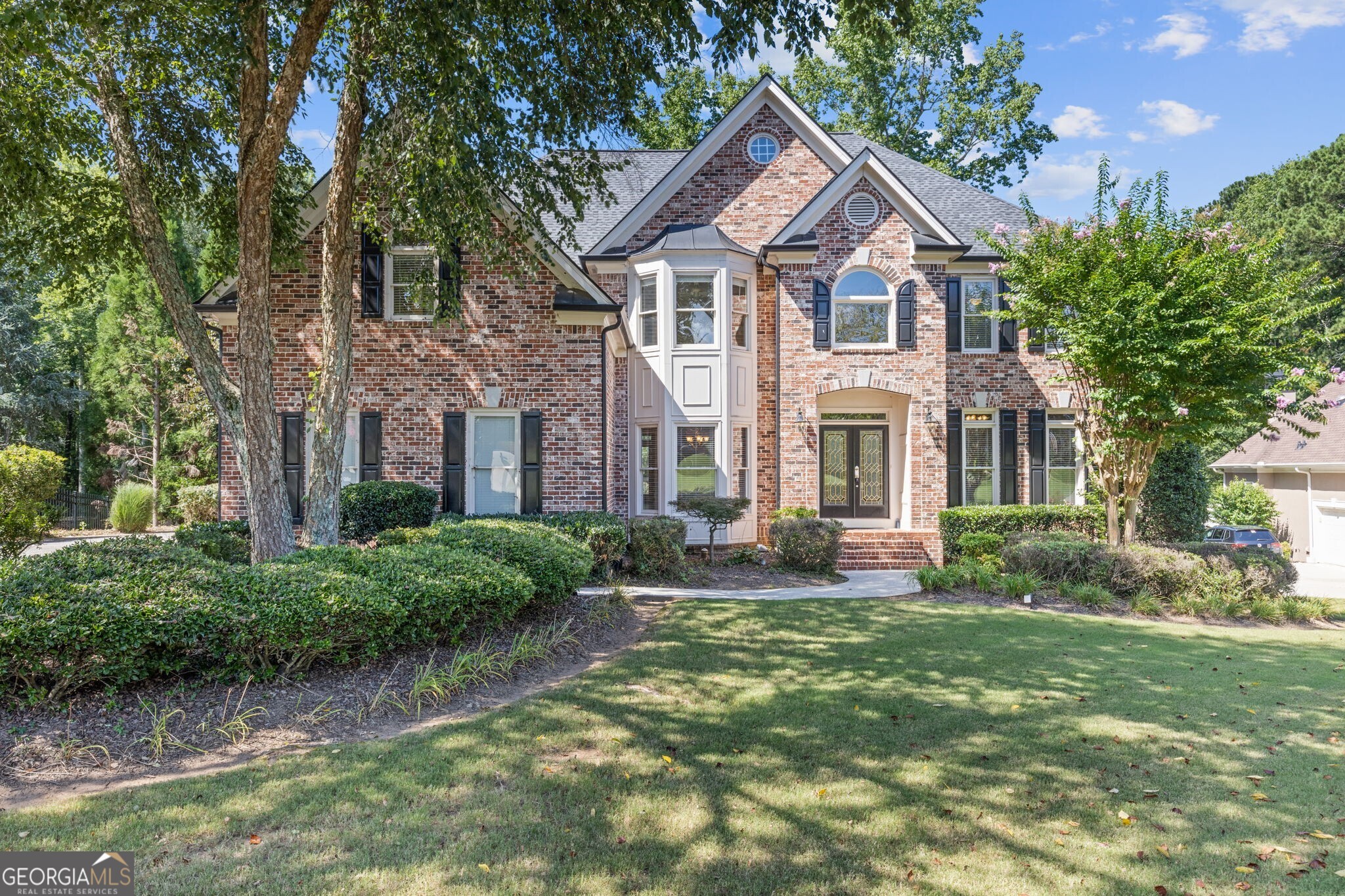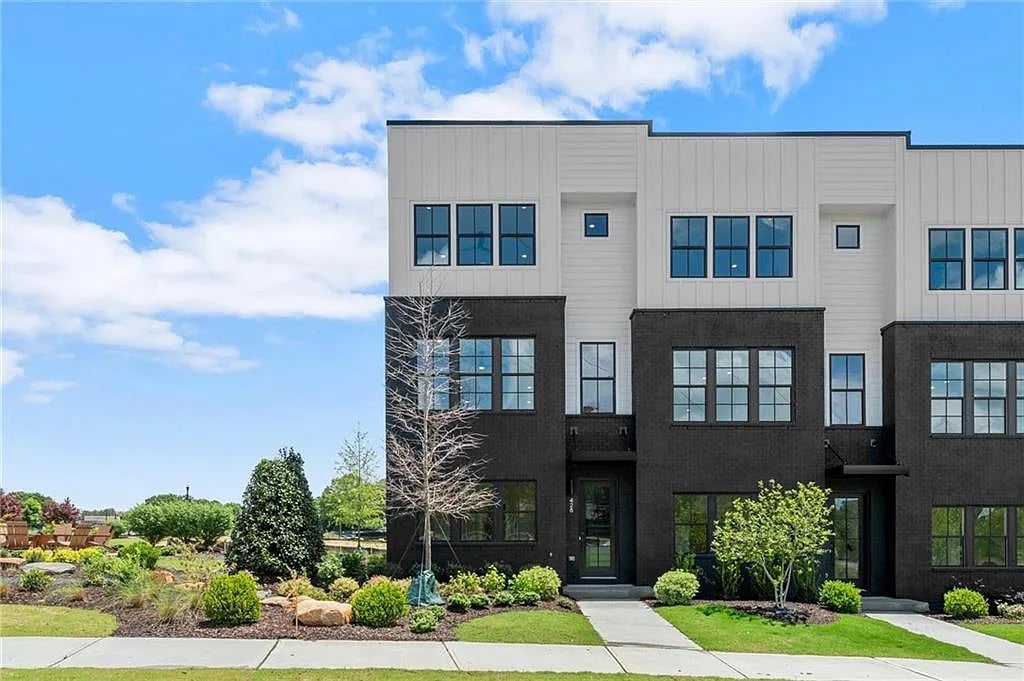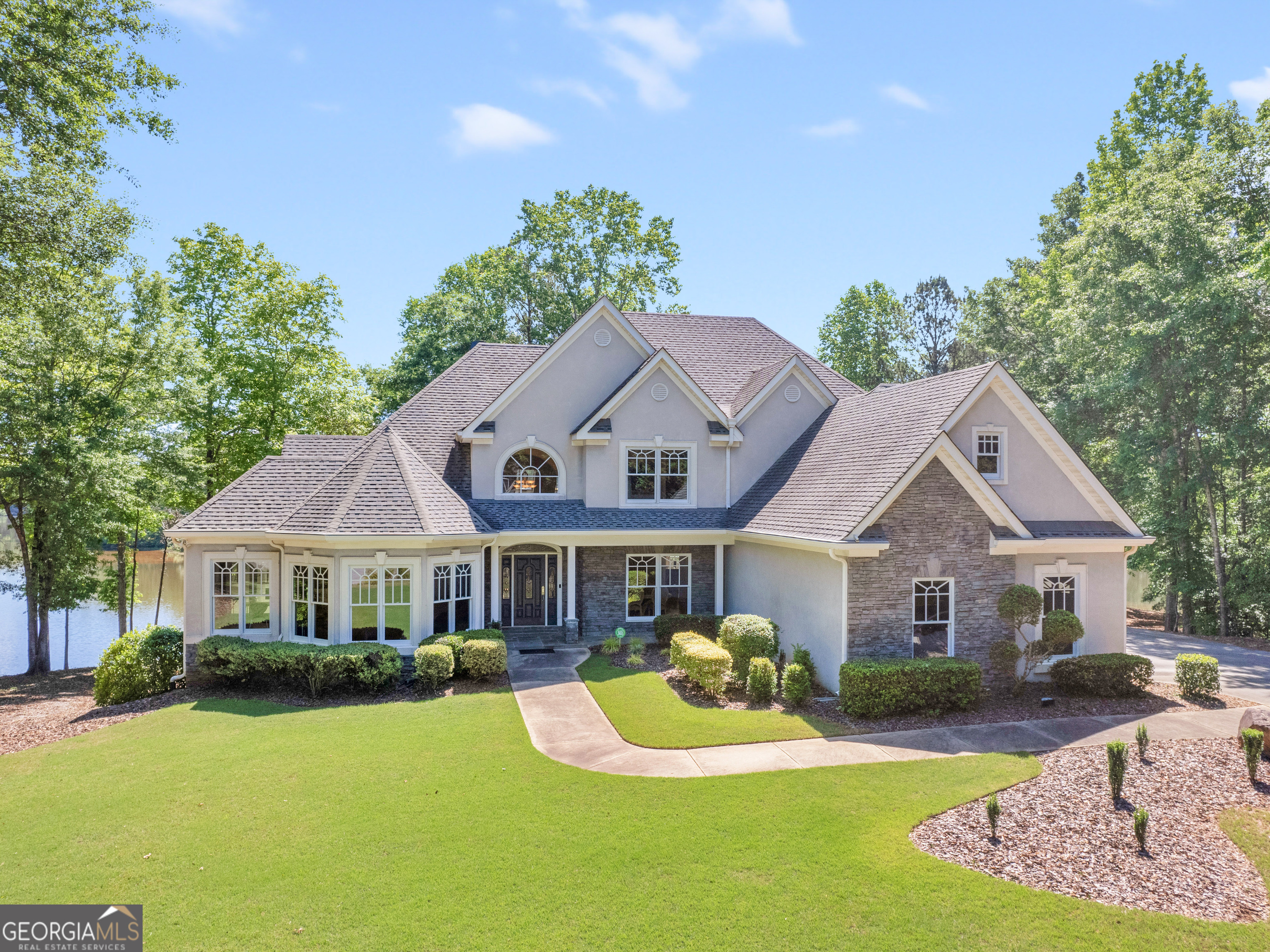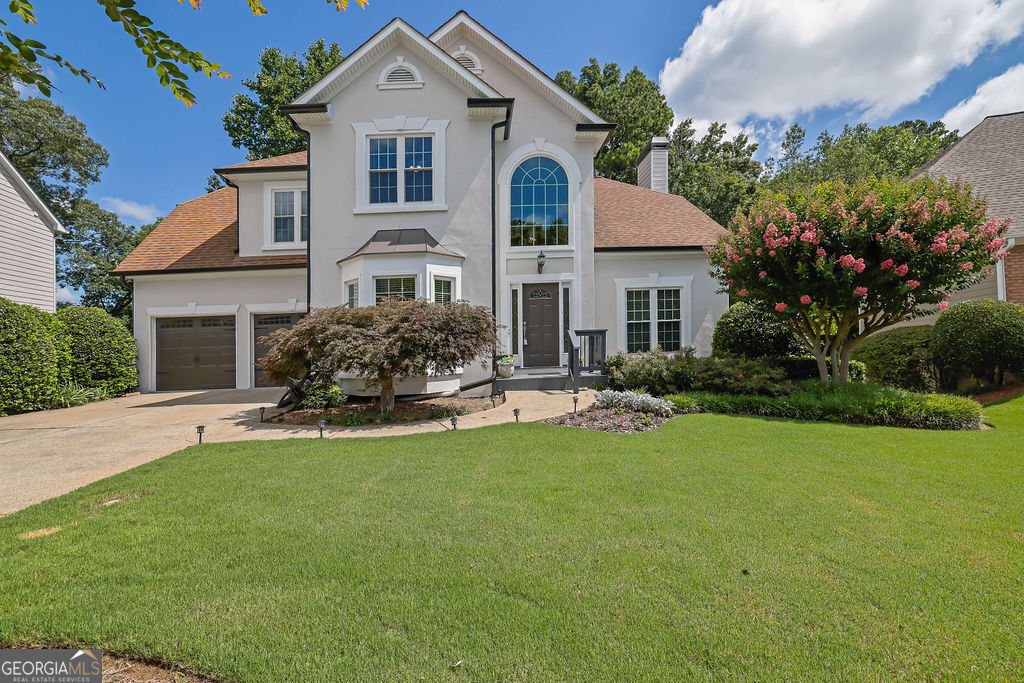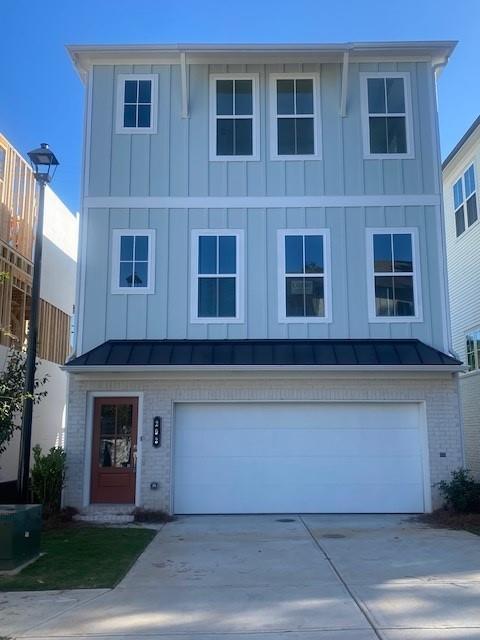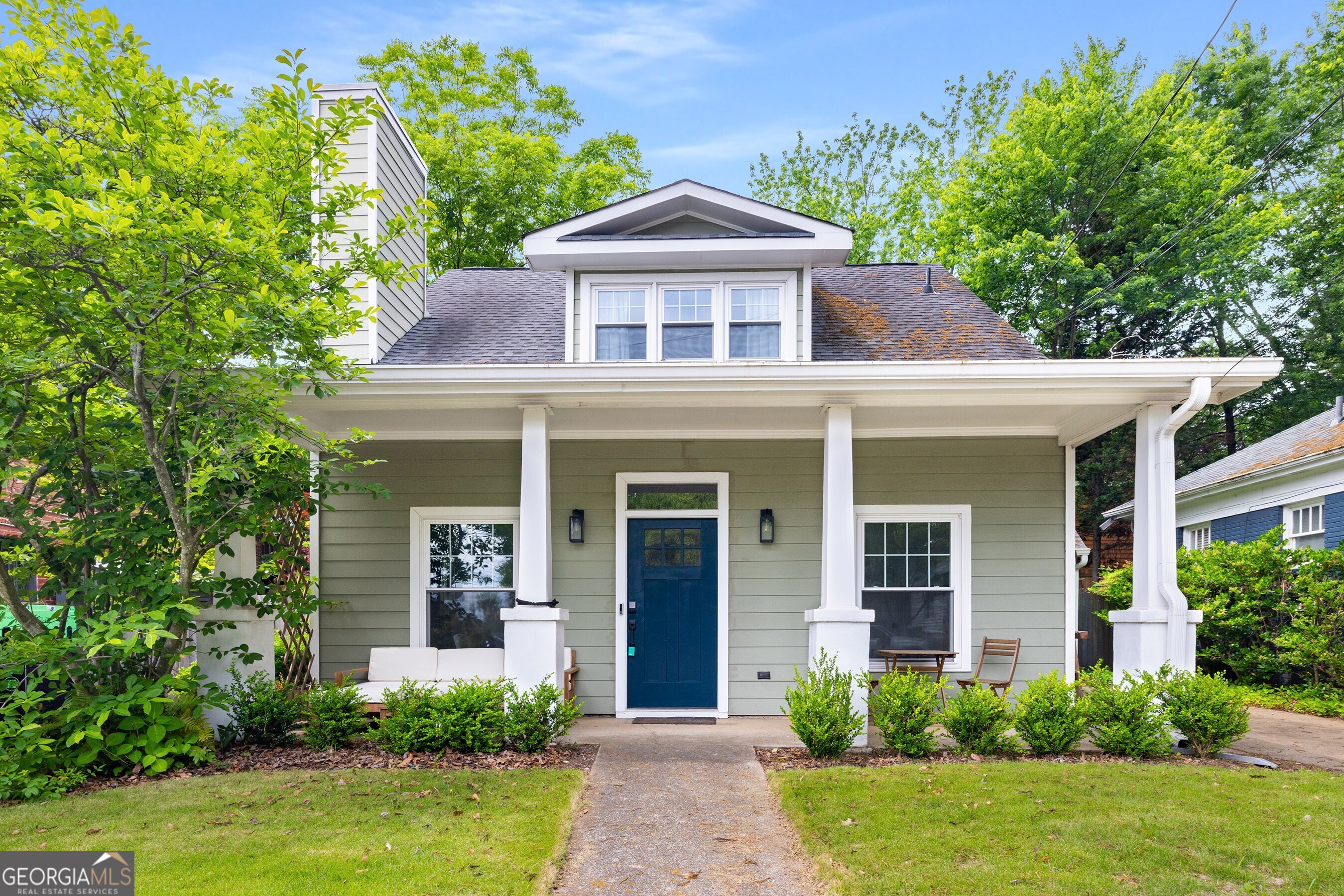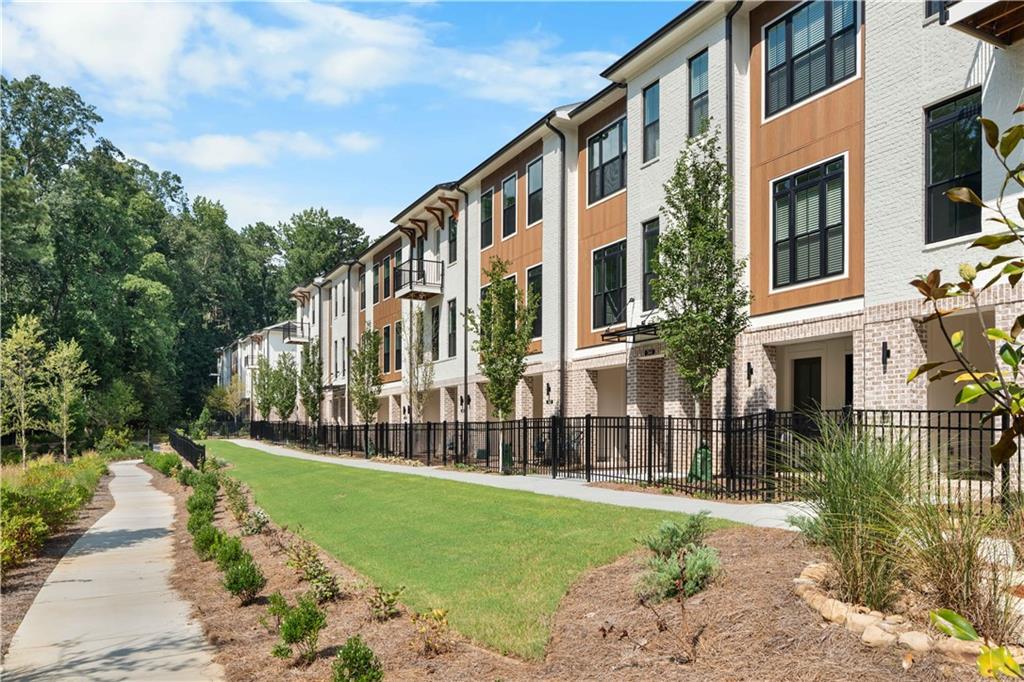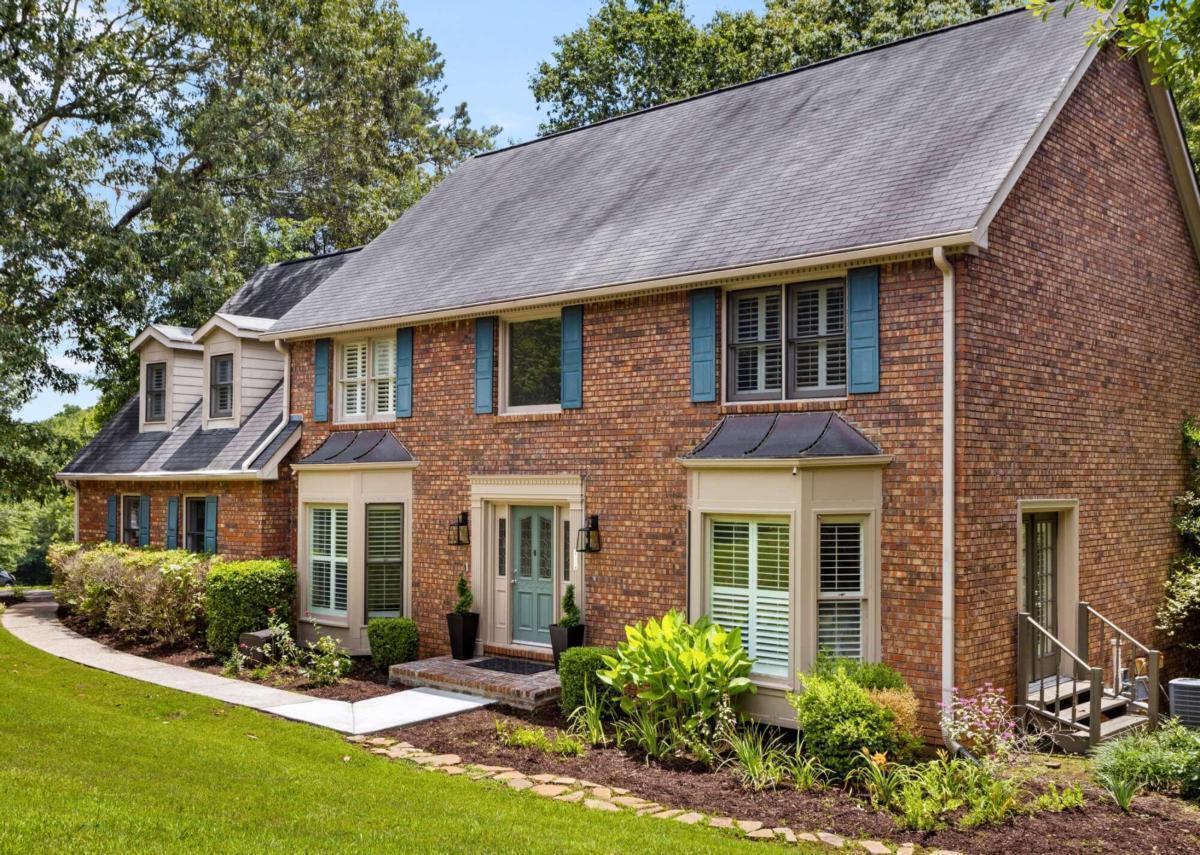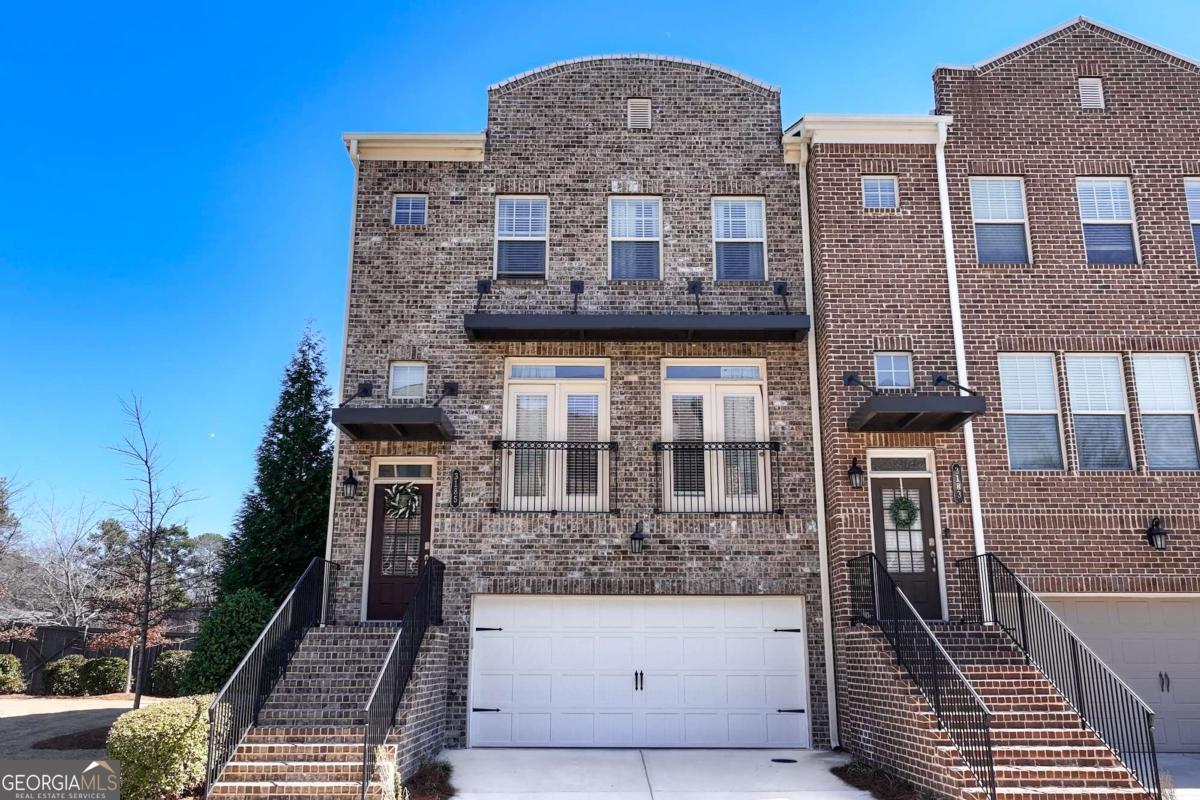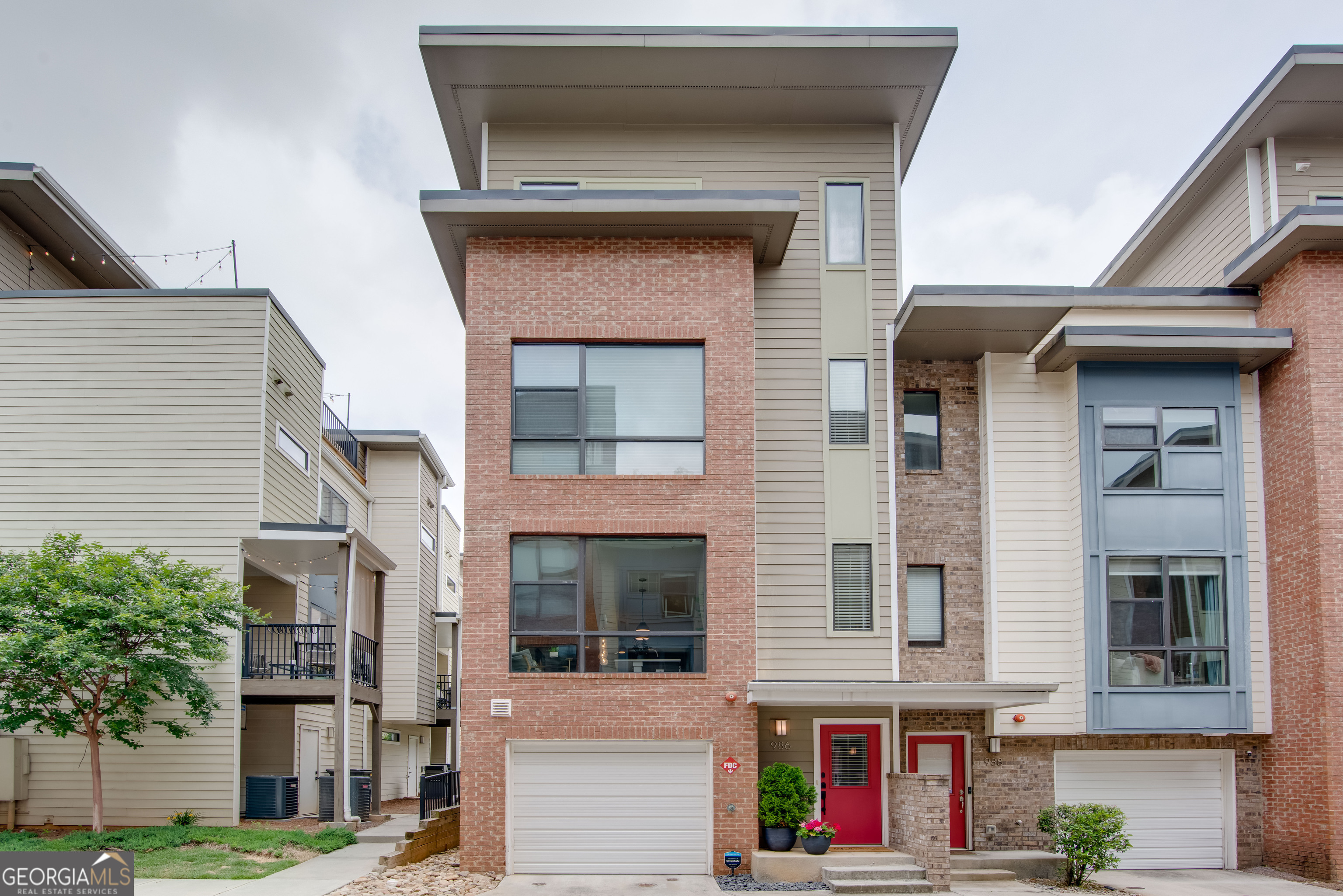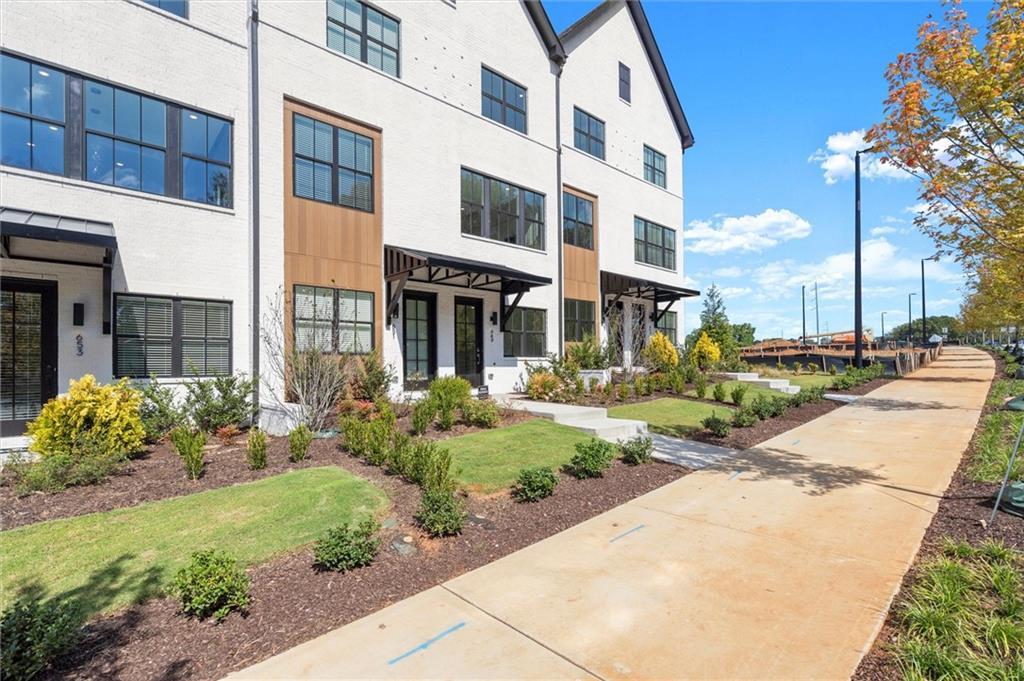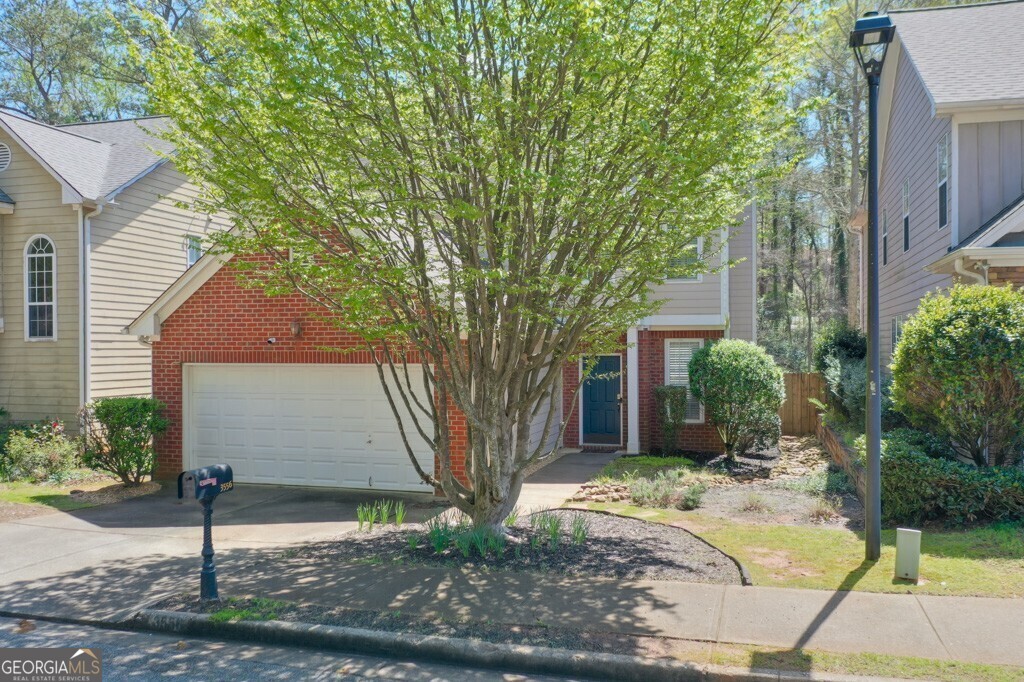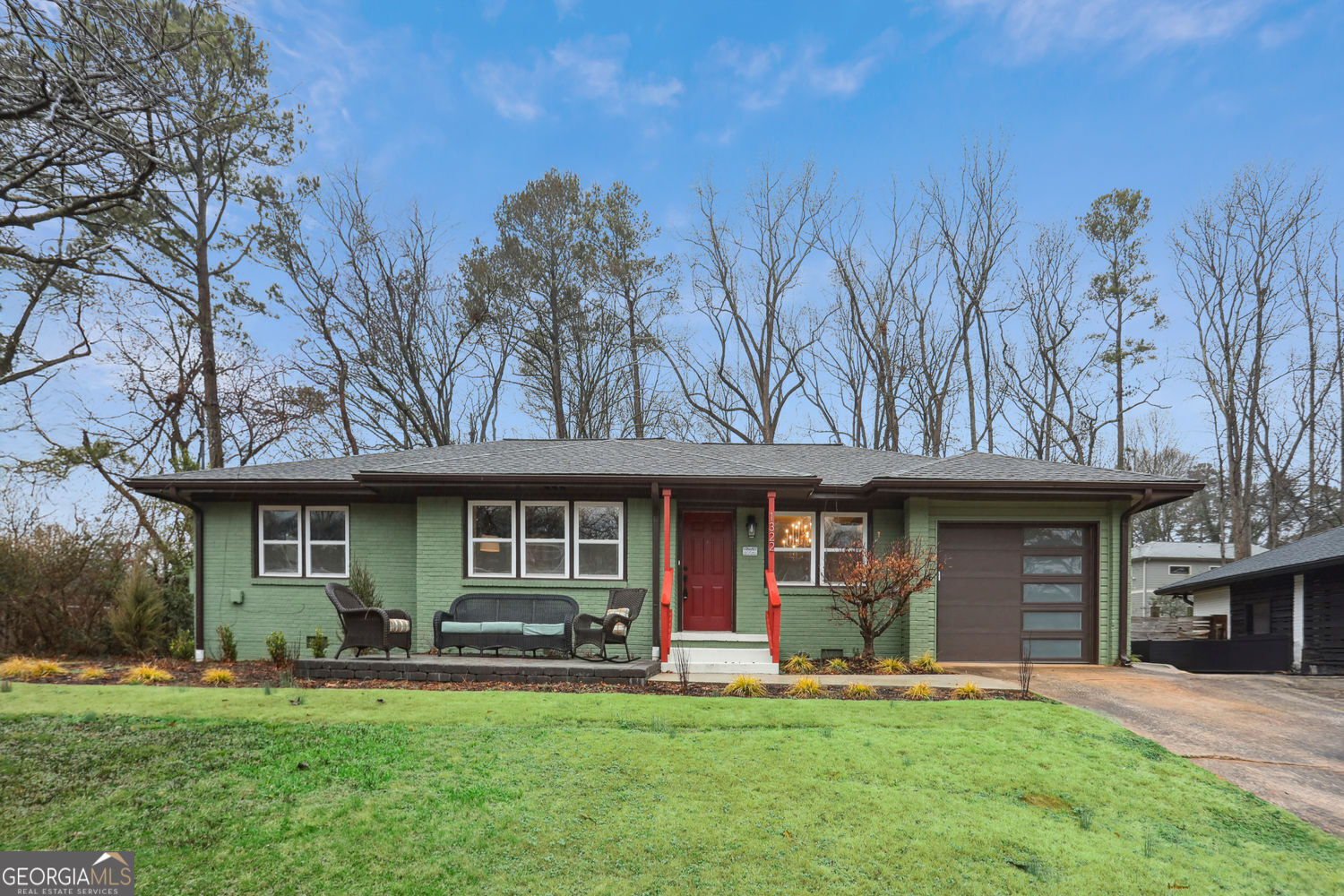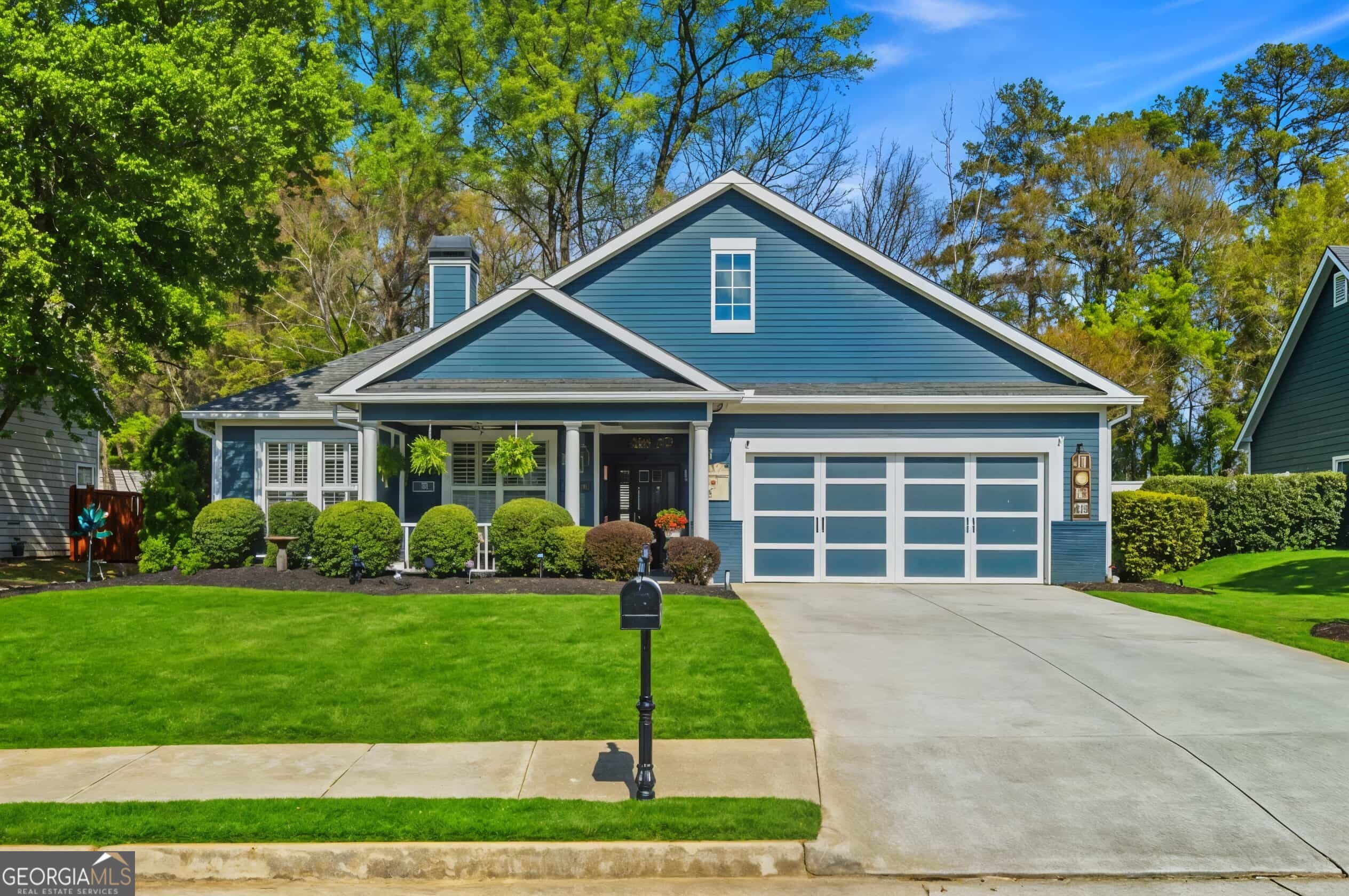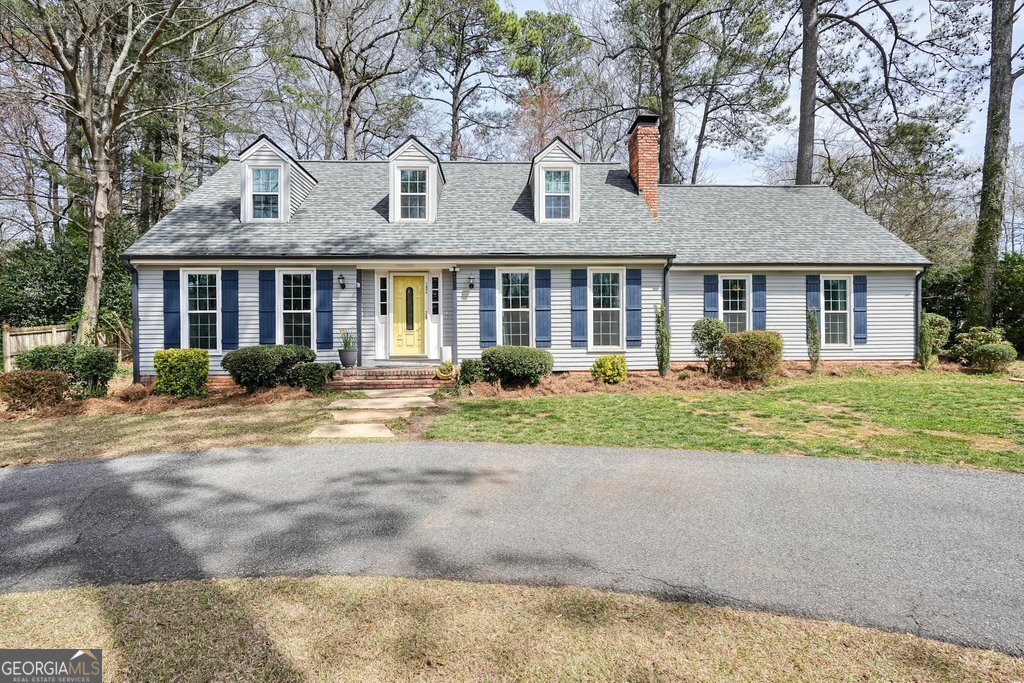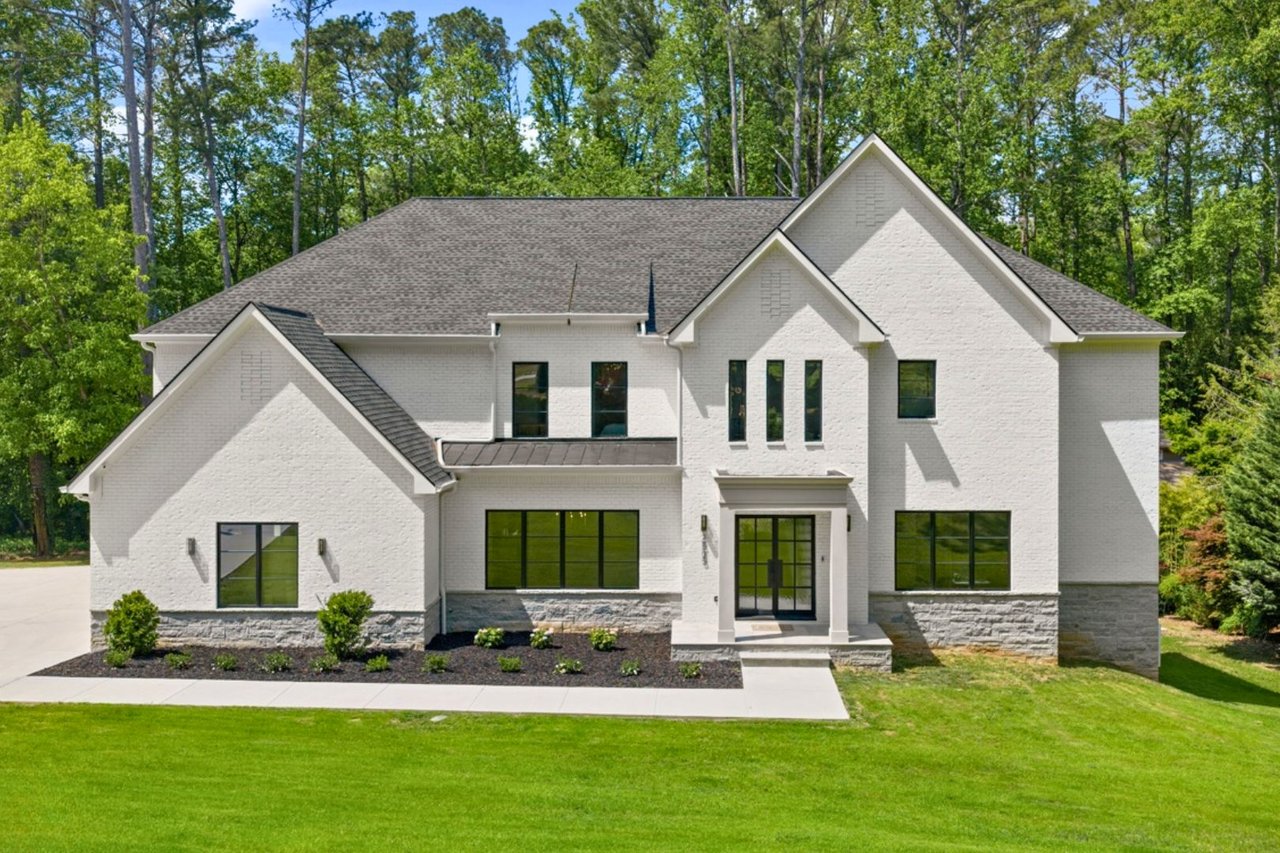

Marietta, Georgia is no longer just a quiet suburb of Atlanta; in Summer 2026, it has transformed into a high-stakes arena for savvy real estate investors. While other metropolitan submarkets face volatile swings, this Cobb County powerhouse continues to anchor wealth with unmatched economic resilience. If you want to secure high-yielding assets this season, understanding the shifting dynamics of this historic municipality is absolutely critical.
The local housing market has transitioned away from the erratic, low-inventory peaks of the early 2020s into a period of healthy stabilization. This normalization provides a strategic window of opportunity to acquire high-quality properties without the intense bidding wars that previously dominated the metropolitan area. By evaluating current statistics, local developments, and neighborhood trends, we can determine if Marietta remains a secure environment for your investment capital.
Understanding these localized dynamics is essential for long-term portfolio growth. Marietta's unique geographic positioning and self-sustaining economy set it apart from other suburban markets. Let us dive deep into the data and trends defining the Marietta housing market in Summer 2026.
The Summer 2026 Marietta GA Housing Market Landscape

The Marietta housing market in Summer 2026 is characterized by a healthy transition toward stabilization. After several years of rapid price increases, the local real estate landscape has settled into a more balanced and predictable rhythm. This shift allows investors to make calculated decisions based on solid underwriting rather than speculative pressure.
Median Home Prices and Appreciation Trends
According to real estate market data, the average home value in Marietta stood at $479,794 as of May 31, 2026, reflecting a minor consolidation of 1.7% down over the past year. However, transaction data for the three months ending in May 2026 reveals that the median sale price actually rose to $475,000—representing a resilient 4.3% year-over-year increase. This divergence highlights a highly nuanced market where well-maintained properties in desirable pockets continue to command healthy long-term appreciation.
$475,000 represents the resilient median sale price in Marietta, marking a steady 4.3% year-over-year increase despite broader macroeconomic shifts.
Cobb County’s historical real estate track record shows a remarkable resilience to sharp macroeconomic downturns. Rather than experiencing speculative spikes, Marietta has historically maintained a steady upward trajectory. This is largely due to the county's strong household wealth, with the broader Cobb County area reflecting a high median household income of $102,738.
For investors, this translates into a highly stable environment where equity is preserved. The combination of high incomes and limited land for new development protects property values from sudden downward corrections.
Inventory Levels and Days on Market

For buyers seeking options, the inventory climate in Summer 2026 is far more welcoming than in previous years. Market reports show that homes in Marietta spend an average of 48 days on the market before selling, compared to 42 days in 2025. This incremental rise in days on market indicates that buyers have more time to conduct thorough due diligence and negotiate repairs without intense pressure.
Furthermore, in May 2026, there were 237 homes sold in Marietta, indicating that transaction velocity remains strong. The current months of inventory levels suggest a balanced market that prevents rapid price depreciation while simultaneously giving buyers the leverage they need to secure favorable terms.
Pro Tip: Use the extended 48-day average days on market to negotiate seller concessions, such as temporary rate buy-downs or direct home repair credits, which were impossible to secure during the hyper-competitive years.
Key Drivers of Marietta's Real Estate Demand

What makes Marietta such a resilient suburban submarket is its self-sustaining economic ecosystem. Unlike outer-ring suburbs that rely entirely on the commute to Downtown Atlanta, Marietta features its own powerful economic, educational, and lifestyle drivers that ensure a constant influx of residents and tenants.
Robust Local Employment and Industry
The economic foundation of Marietta and Cobb County is incredibly strong, supported by major national employers. According to the Bureau of Labor Statistics, Marietta maintained an exceptionally low unemployment rate of 2.7% as of April 2026, outperforming many national averages. This economic stability is anchored by massive local employers, such as Lockheed Martin, which supports over 5,600 highly skilled aerospace and defense jobs at its Marietta production facility.
In addition to advanced manufacturing, the healthcare sector serves as a massive employment engine. Wellstar Health System, recognized as one of the largest employers in Cobb County, operates its flagship Wellstar Kennestone Hospital right in the heart of Marietta. The presence of these major employers, combined with corporate offices in the nearby Cumberland Commercial Improvement District (CID) and retail giants near The Battery Atlanta, ensures a highly educated, stable, and high-earning tenant pool.
An exceptionally low 2.7% unemployment rate anchors the Marietta rental market, ensuring a highly reliable tenant base with stable household incomes.
Higher Education and a Steady Tenant Pool

Marietta is home to major higher education institutions that generate consistent, year-round rental demand. Kennesaw State University (KSU) operates a dedicated 138-acre Marietta Campus focusing on engineering and technology. According to the KSU Office of Institutional Research, total university enrollment surged to a record high of 51,375 students, marking a 7.4% increase over the prior year.
This rapid growth drives massive demand for off-campus housing, student rentals, and multi-family units in the Marietta area. Investors targeting student housing can find excellent cash-flowing opportunities by focusing on properties within a short distance of this specialized campus.
Quality of Life, Culture, and Parks
Beyond the numbers, Marietta’s lifestyle appeal is a major factor in its real estate demand. The historic Marietta Square serves as the cultural and social heart of the city, offering a walkable district filled with local boutiques, award-winning restaurants, weekly farmers markets, and seasonal community festivals. The Marietta Square Market, a popular 18,000-square-foot food hall housed in a revitalized warehouse, has become a regional culinary destination drawing visitors from across Metro Atlanta.
You can also enjoy performances at the historic Earl and Rachel Smith Strand Theatre or explore local history at the William Root House. Outdoor recreation is another significant draw, with Marietta bordered by Kennesaw Mountain National Battlefield Park, a 2,965-acre national park featuring miles of hiking trails and scenic views. Local parks like Elizabeth Porter Park provide residents with excellent splash pads, playground facilities, and green spaces.
Key lifestyle attractions that draw long-term residents to the area include:
The Marietta Square: A walkable historic hub featuring local boutiques, weekly farmers markets, and seasonal festivals.
Marietta Square Market: An 18,000-square-foot food hall located in a revitalized warehouse.
Kennesaw Mountain National Battlefield Park: A 2,965-acre national park offering miles of scenic hiking trails.
The Strand Theatre: A historic venue offering classic cinema, live theater, and concerts.
This high quality of life makes Marietta a highly desirable community where residents tend to settle down for the long term.
Neighborhood Spotlight: Where to Invest in Marietta

Marietta is a diverse municipality, and real estate performance can vary significantly depending on the specific zip code and neighborhood. To help investors target their search, the following comparison table outlines key submarkets within Marietta based on market data from May 2026:
Summer 2026 Marietta Submarket Comparison Table
Neighborhood / Zip Code | Median Purchase Price (May 2026) | Avg. Days on Market (May 2026) | Key Focus / Strategy |
|---|---|---|---|
East Cobb (30062) | $559,834 | 25 Days | Premium Single-Family Rentals & Long-Term Appreciation |
West Marietta (30064) | $524,844 | 46 Days | Balanced Entry-Level & Suburban Cash Flow |
East Marietta (30067) | $415,377 | 37 Days | Proximity to Cumberland CID, Strong Rental Demand |
Historic Marietta and Near the Square
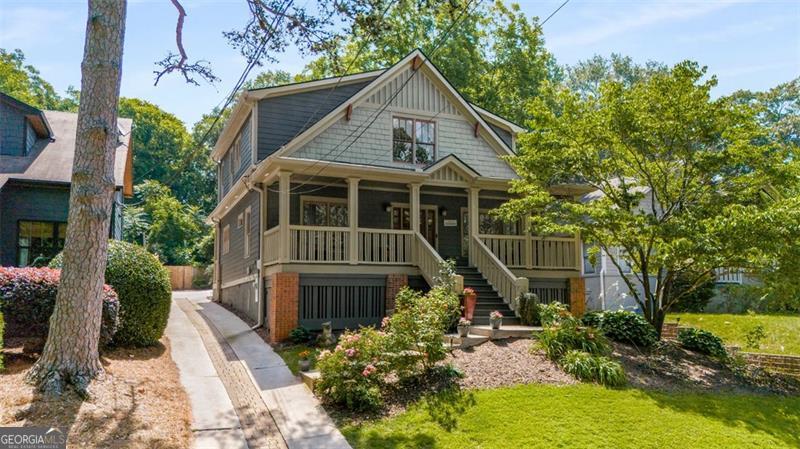
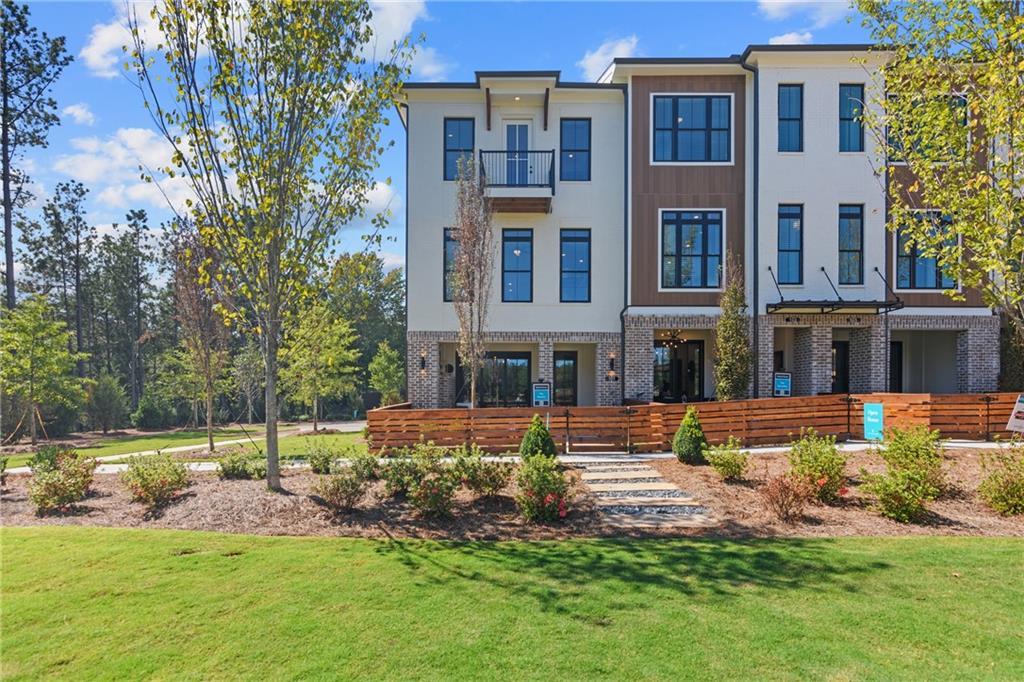
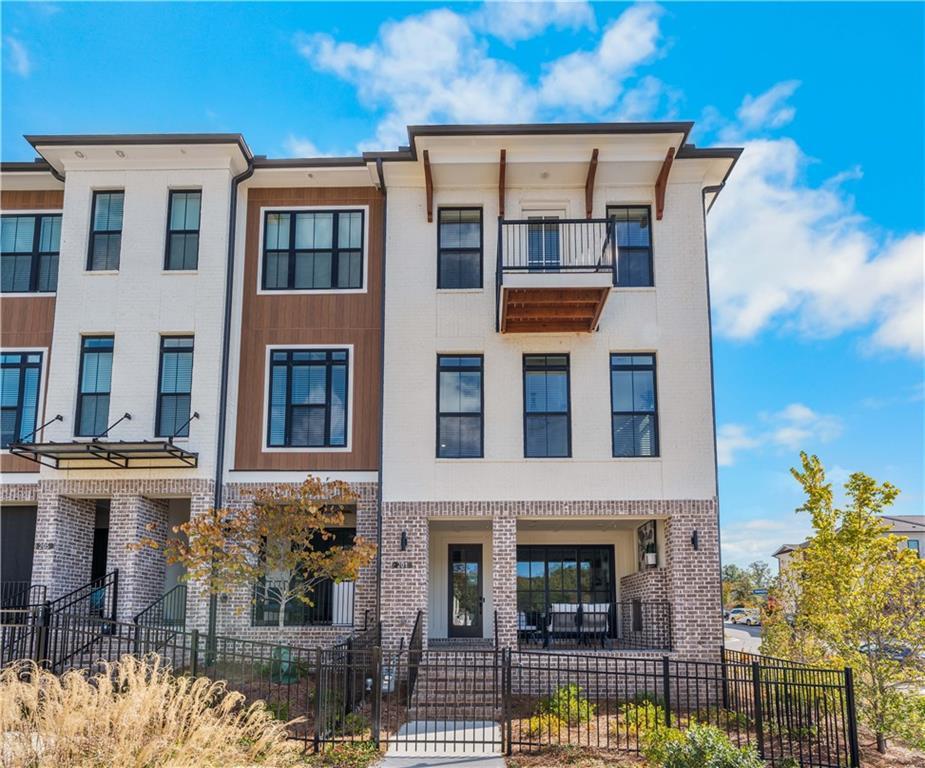
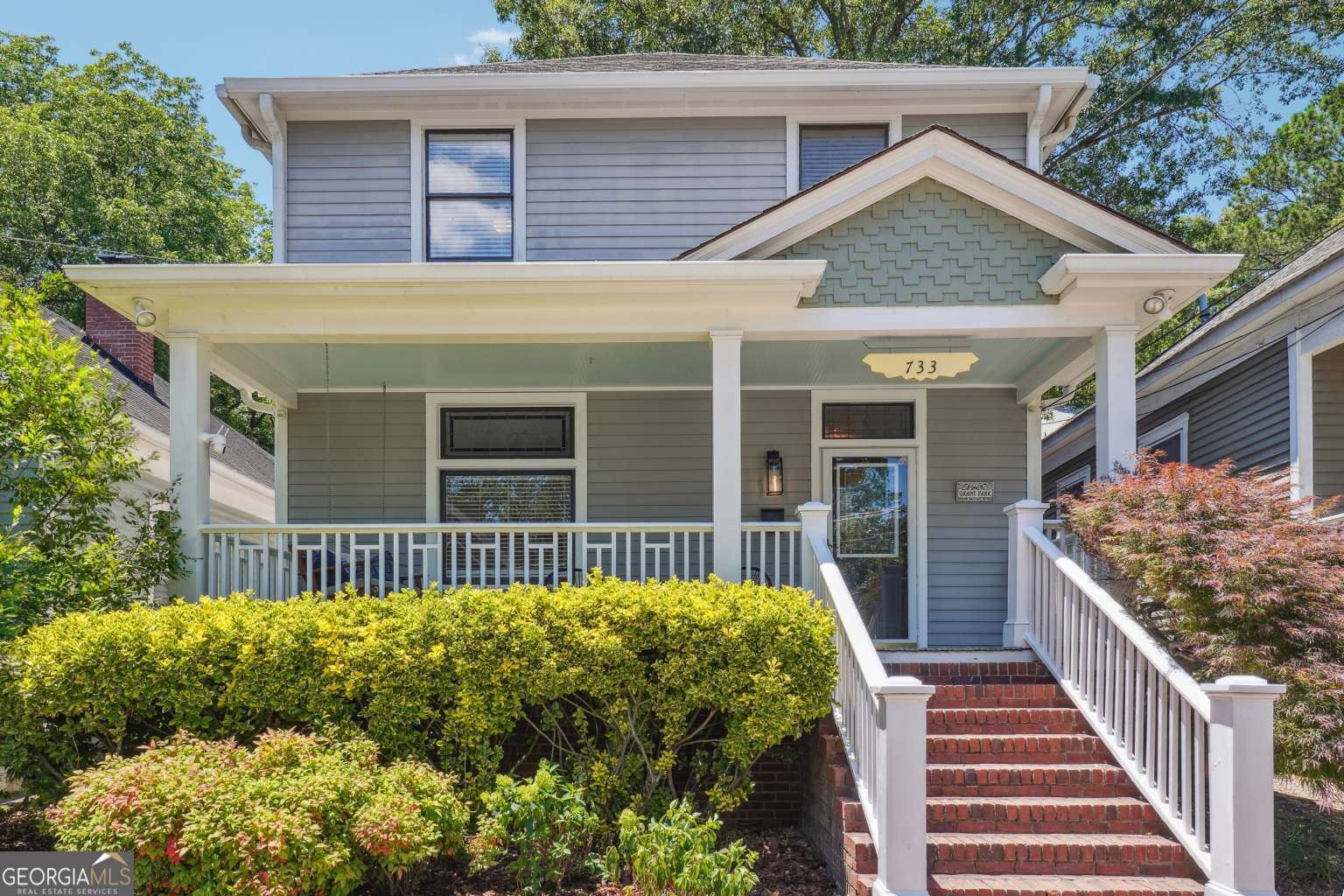
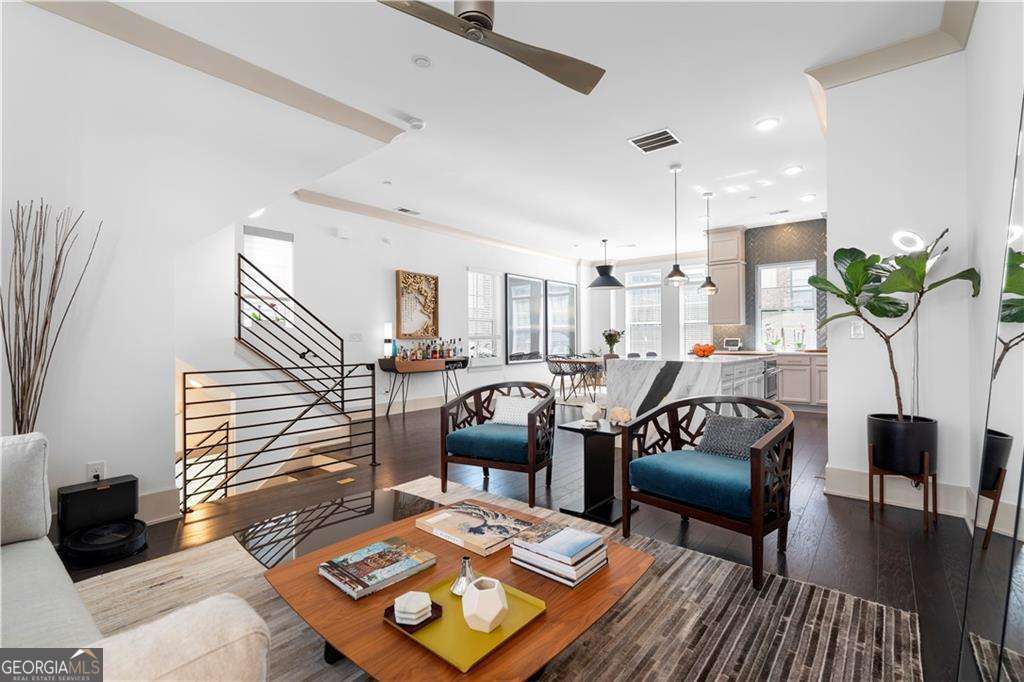
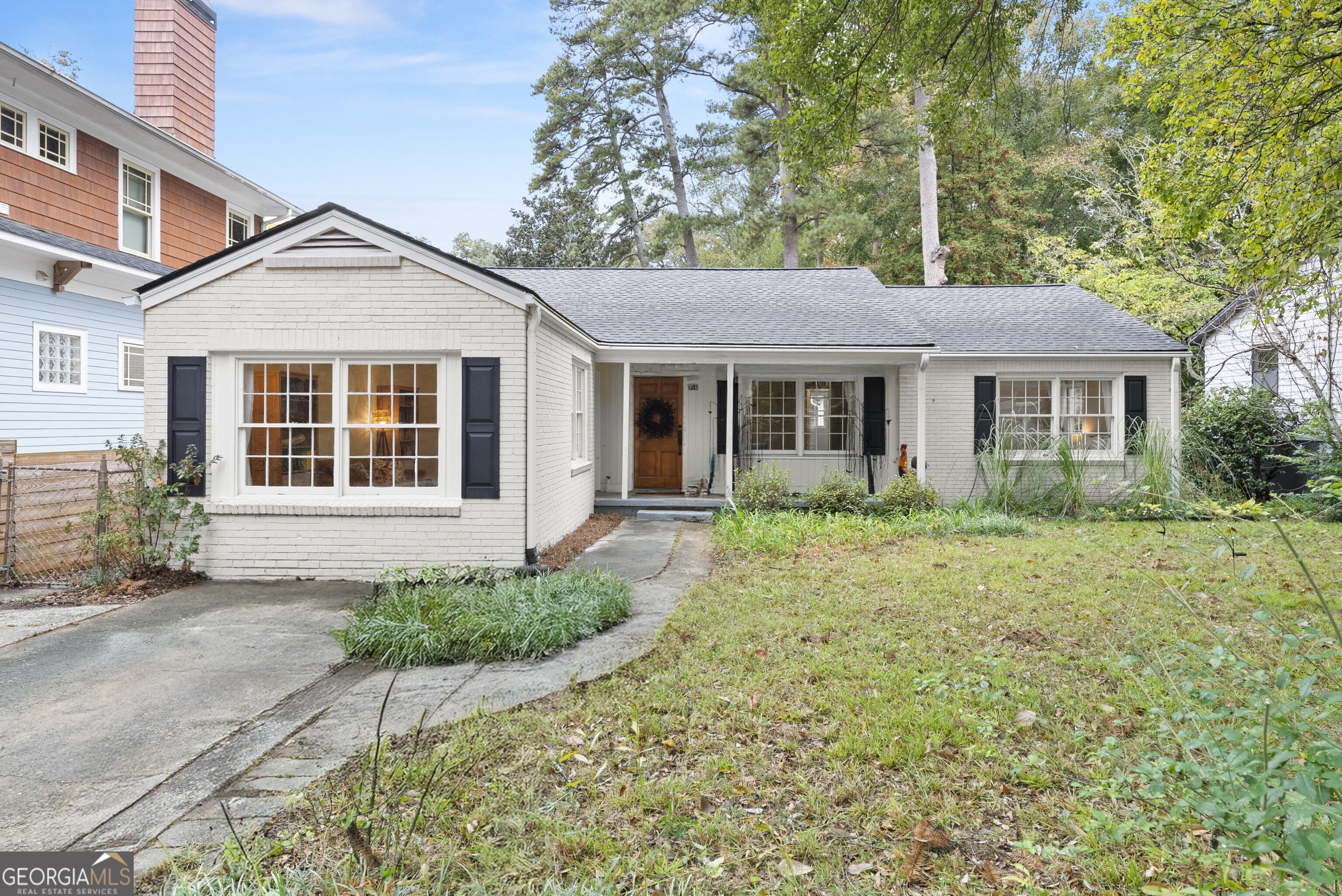
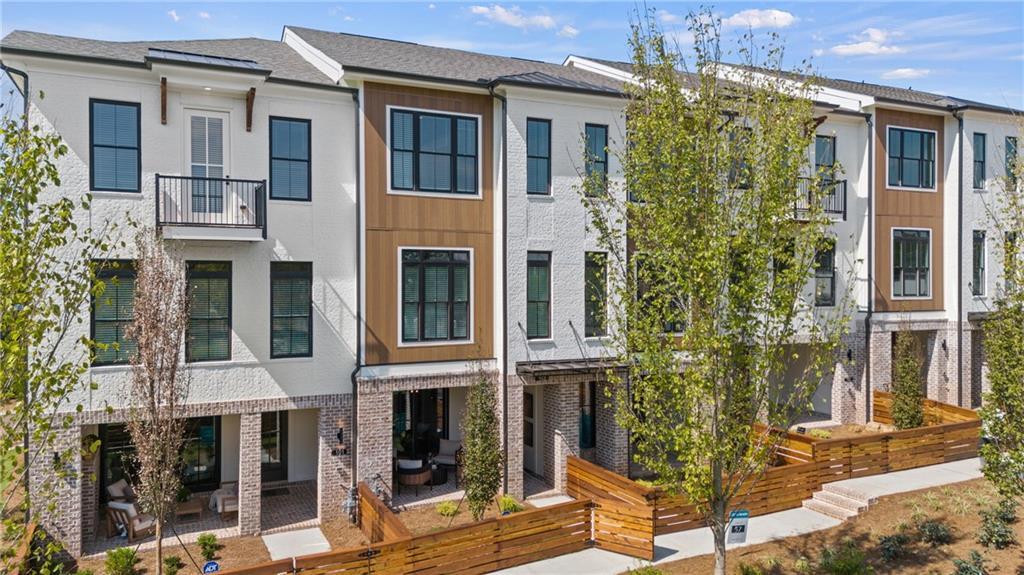
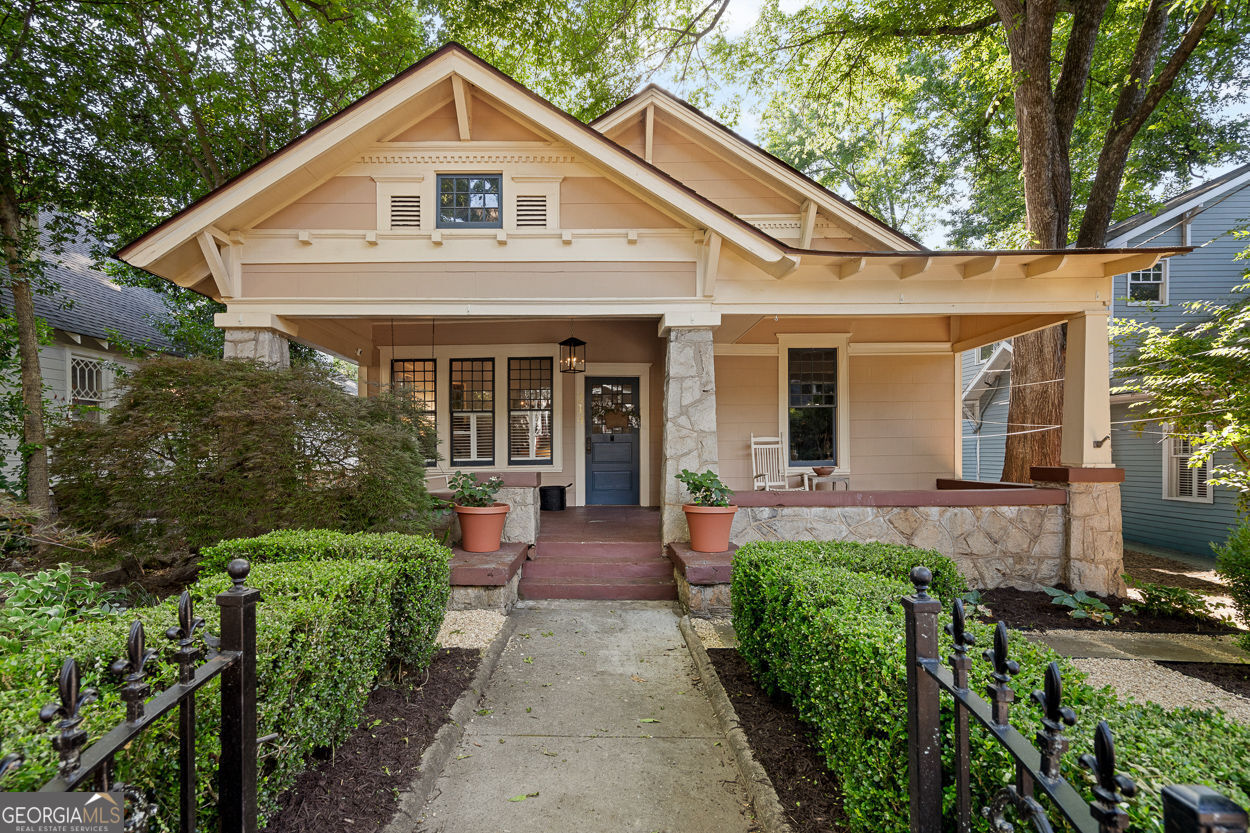
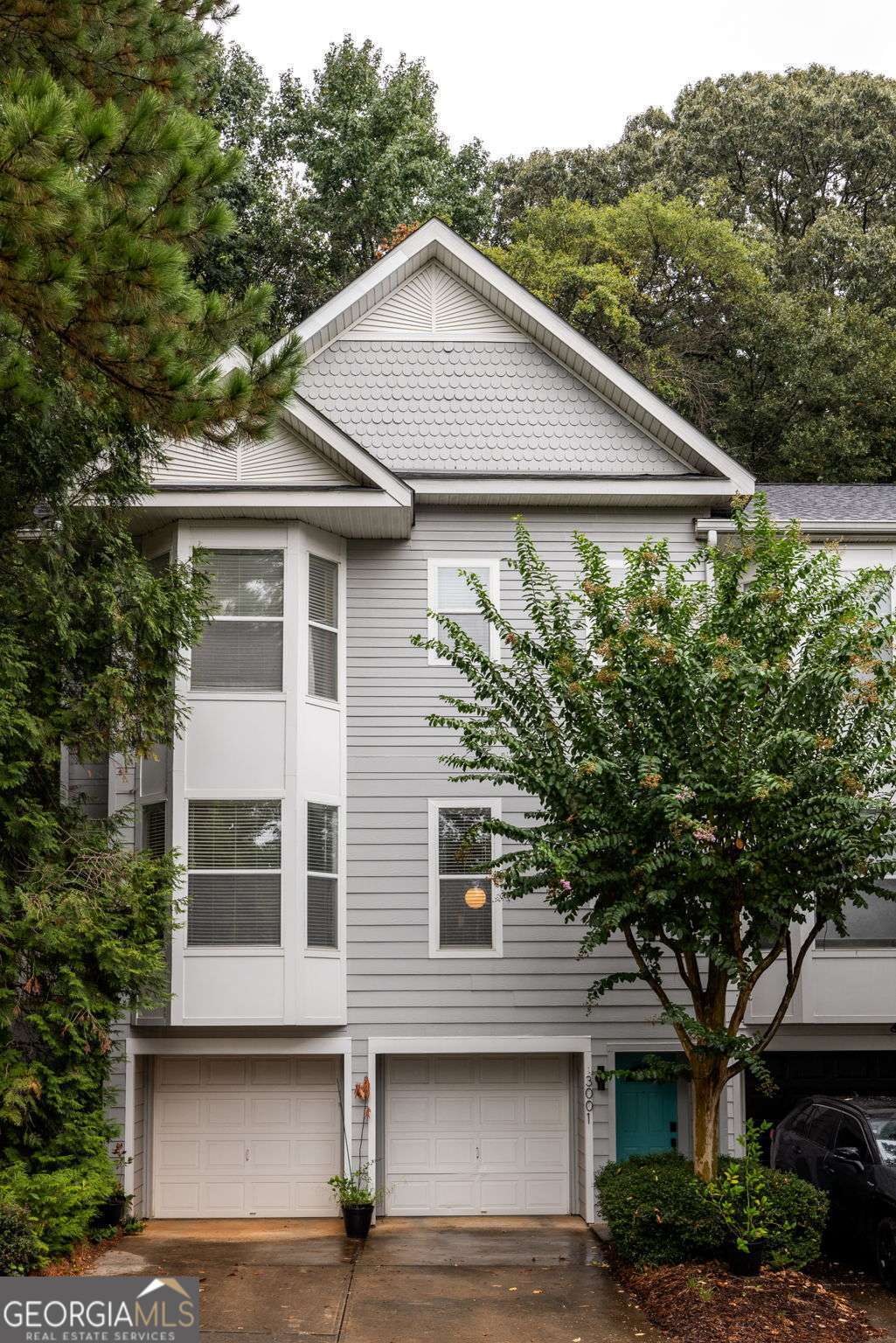
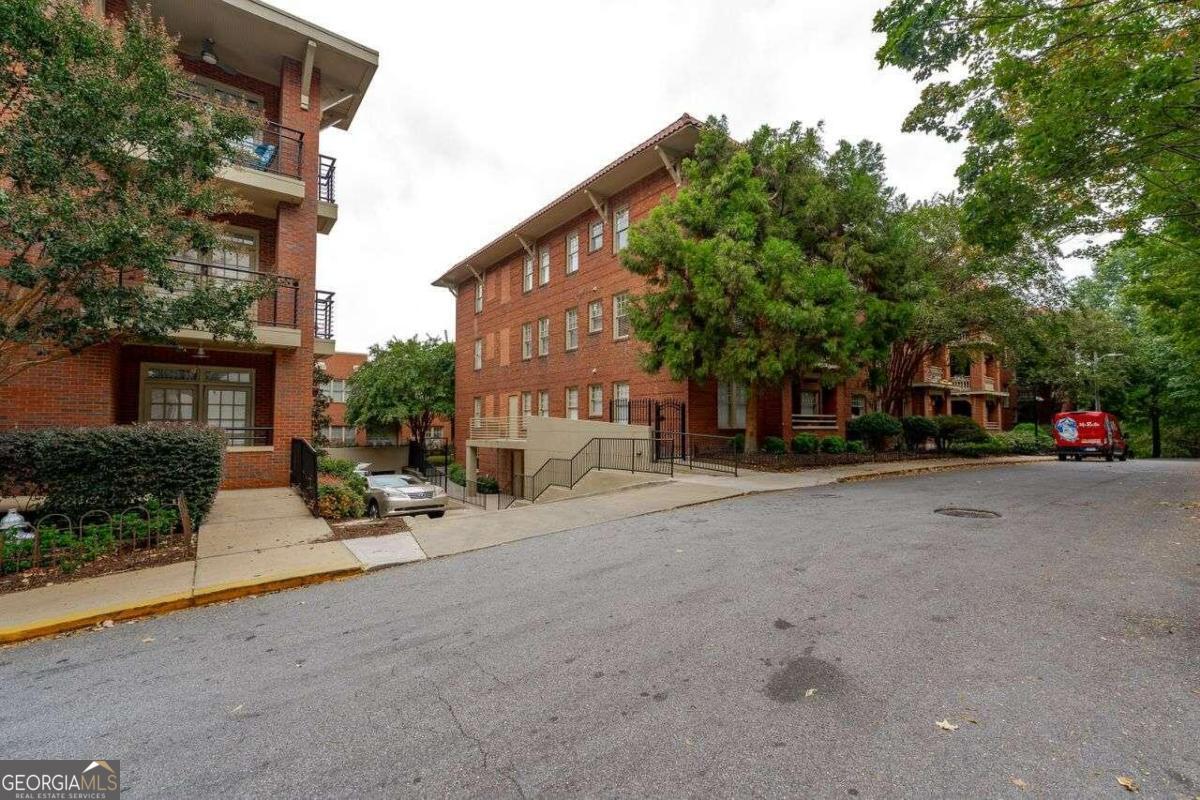
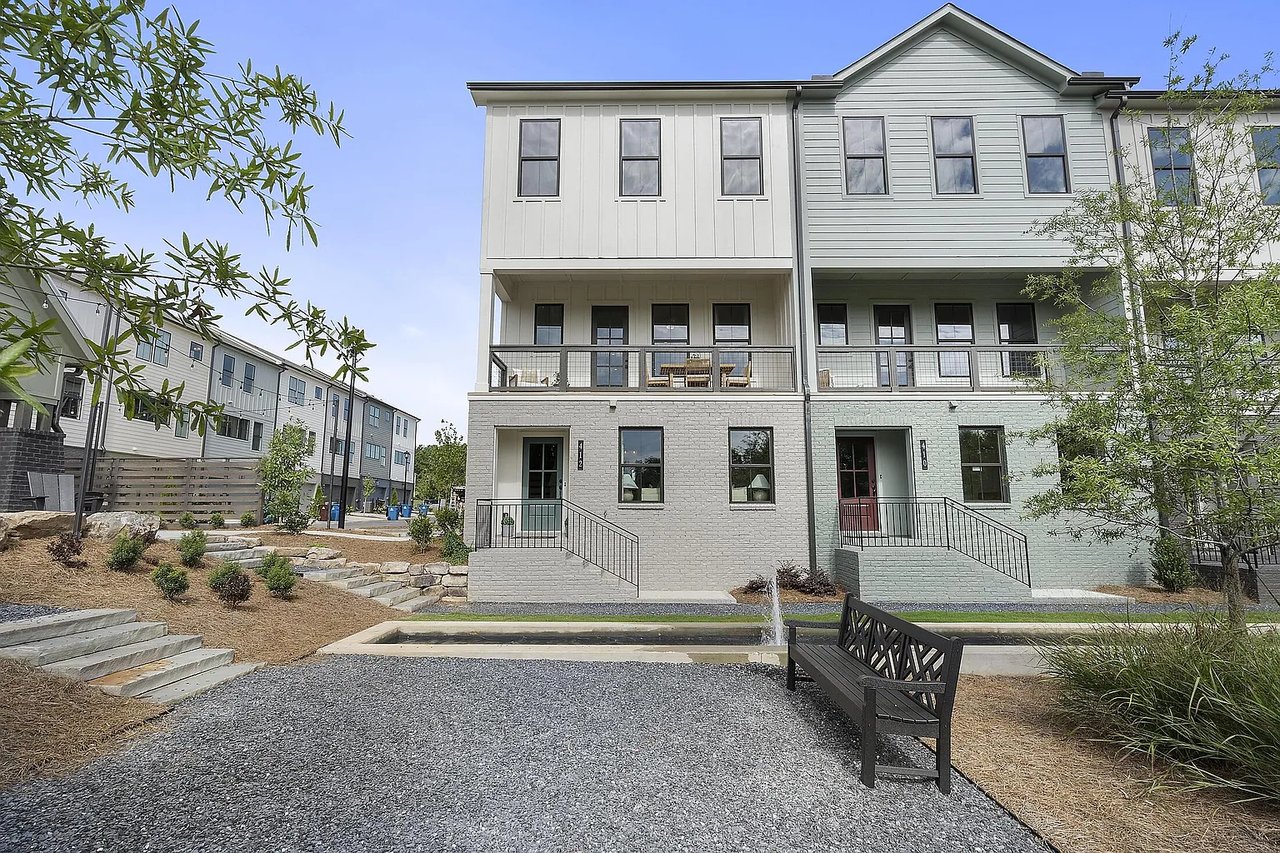
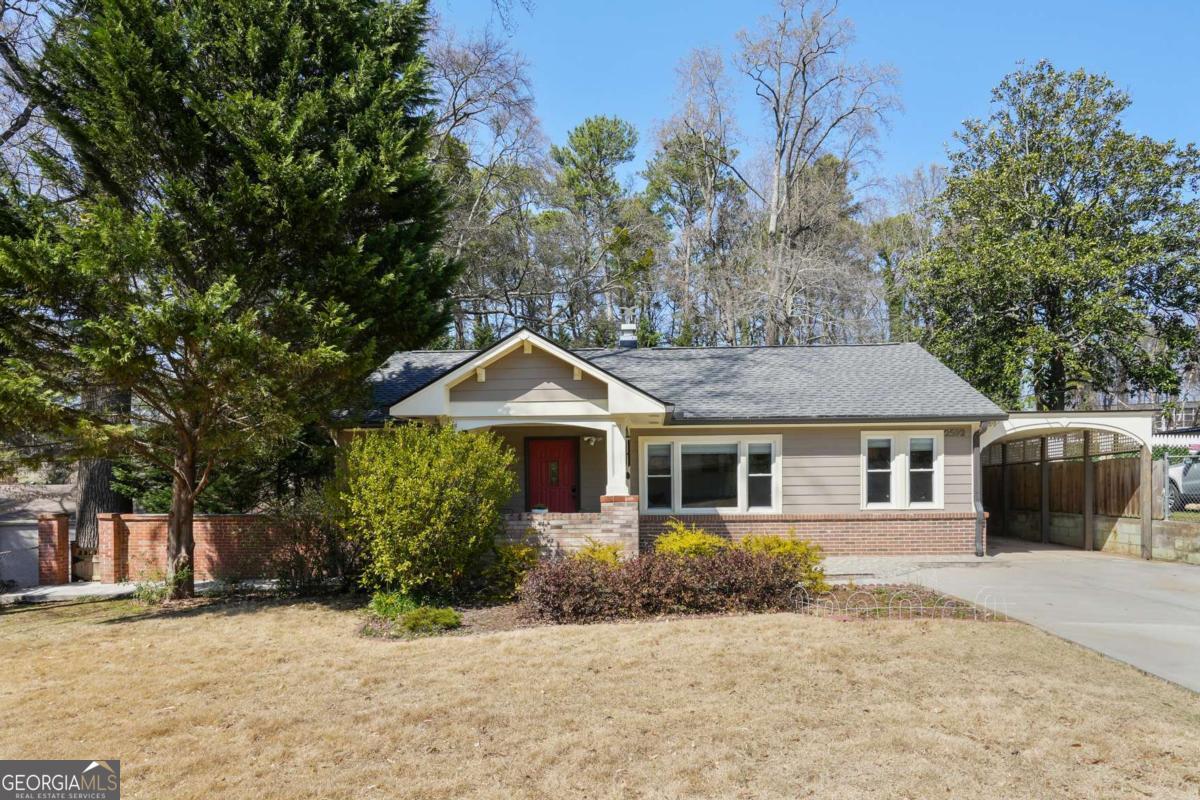
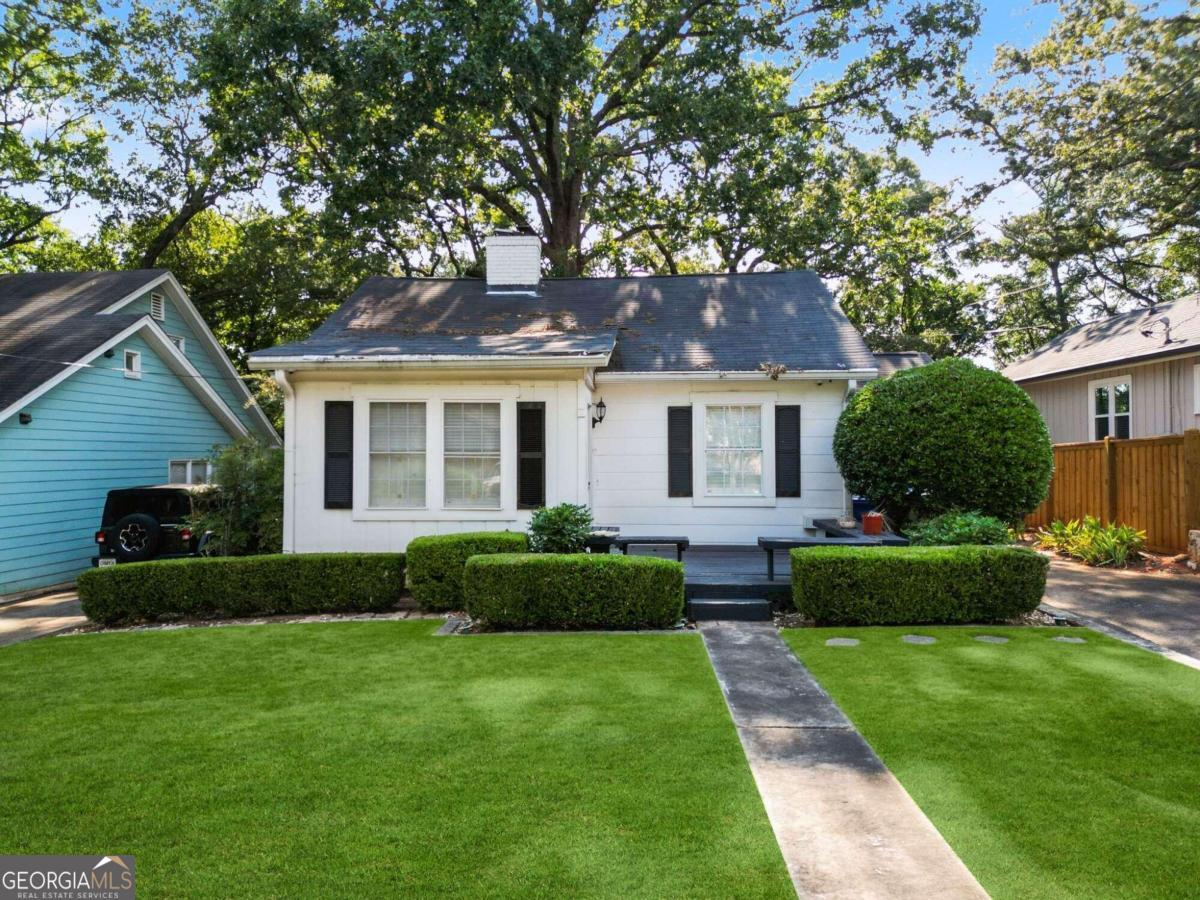
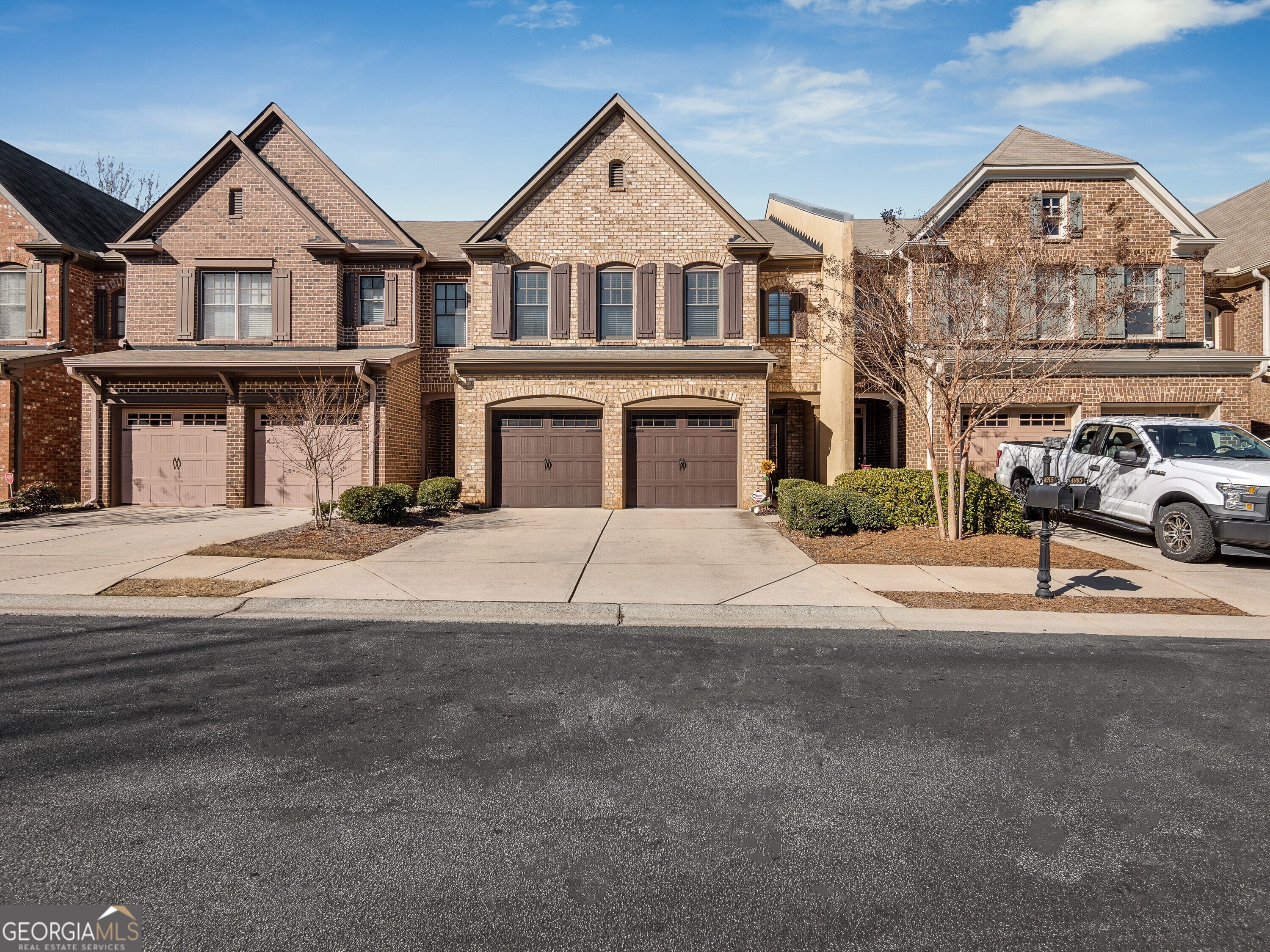
Properties located within walking distance of the historic Marietta Square represent the premium tier of the local market. This area is characterized by historic bungalows, beautifully restored Victorian homes, and modern luxury townhomes. For investors, the strategy here is long-term equity growth and premium rental rates.
While cash-on-cash yields may be lower due to high acquisition costs, properties near the Square experience excellent historical appreciation and are highly insulated from market downturns. The demand for walkable suburban living continues to grow, making this a highly defensive asset class.

East Cobb (Unincorporated Marietta)
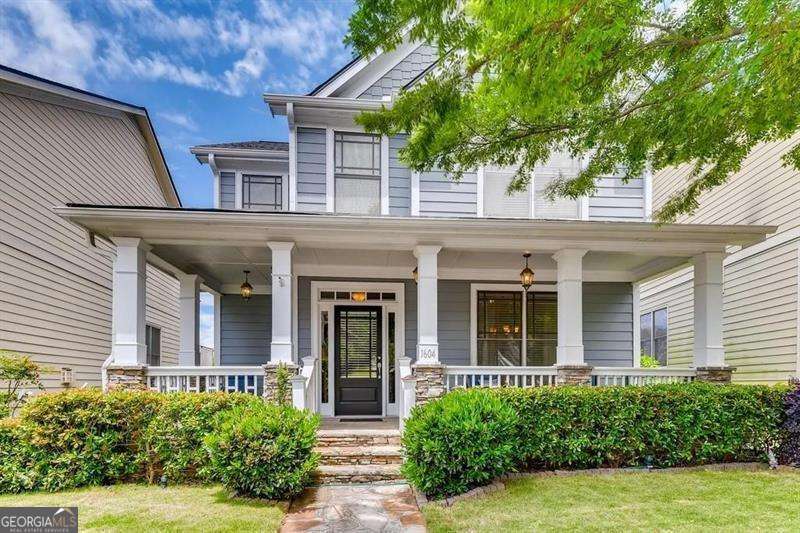
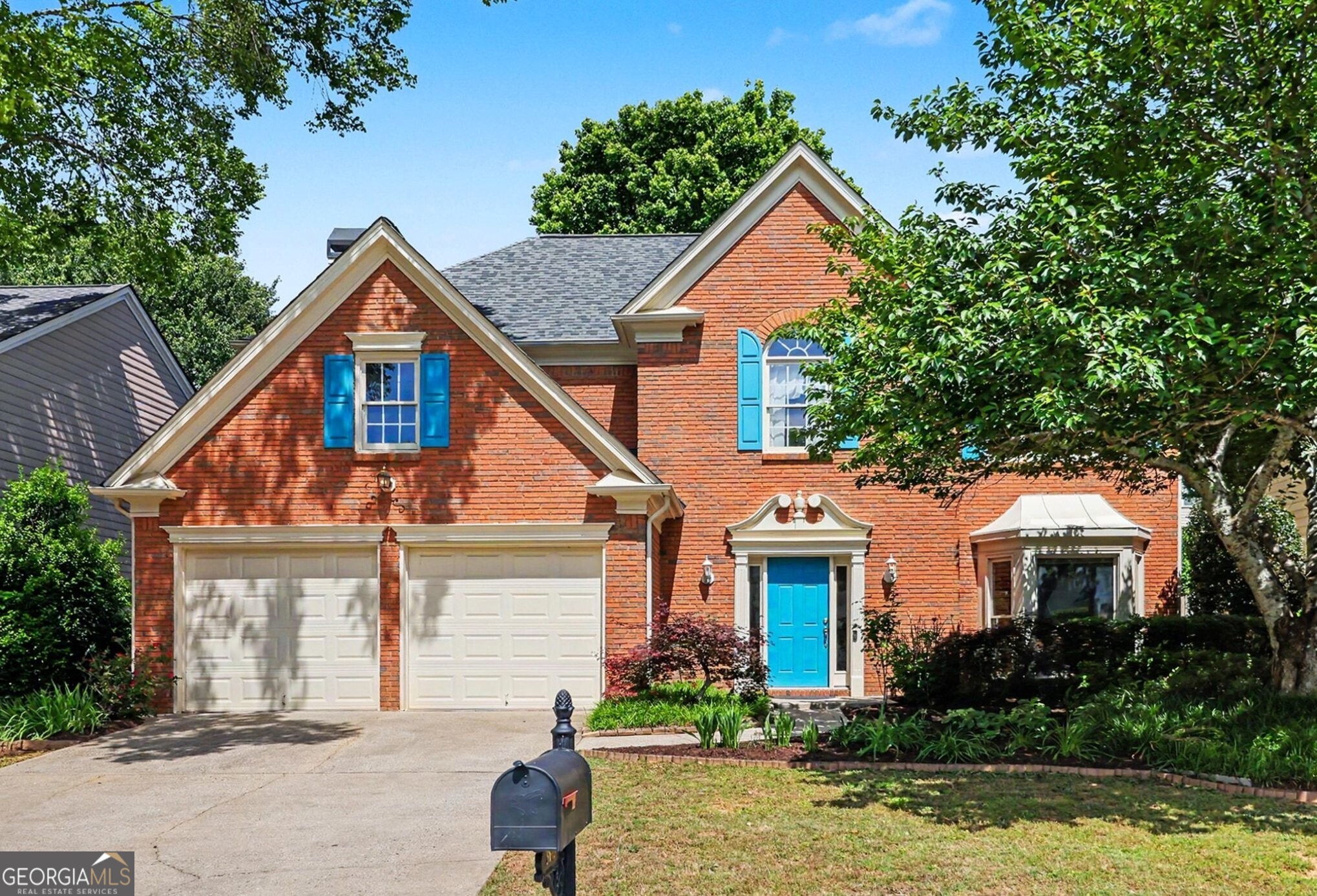
East Cobb, which carries unincorporated Marietta mailing addresses (predominantly in the 30062 zip code), is one of the most affluent suburban enclaves in Metro Atlanta. Market reports indicate that the median sale price in the 30062 zip code was $559,834, with homes selling in a swift average of 25 days. The primary driver for East Cobb is its highly regarded public education system, which falls under the expansive Cobb County School District.
Families willingly pay a premium to live in this area, making it a prime target for single-family rental investors. The strong school ratings ensure a continuous pipeline of high-quality tenants looking for long-term leases.
West Marietta and the Kennesaw Border
For investors seeking lower entry-level price points and higher immediate cash flow, the western corridors of Marietta (such as the 30064 zip code) and areas bordering Kennesaw offer excellent opportunities. Data shows a median sale price of $524,844 in 30064 as of May 2026, with an average of 46 days on the market. This area is highly attractive to real estate investors due to its proximity to the Kennesaw State University Marietta Campus and easy access to major transit routes like Cobb Parkway and Interstate 75.
Pro Tip: Focus on properties within a 2-mile radius of the Marietta Square or Kennesaw Mountain. These locations command a premium rental rate and experience lower vacancy rates due to their high walkability and recreational appeal.
Analyzing the Marietta Rental Market Potential
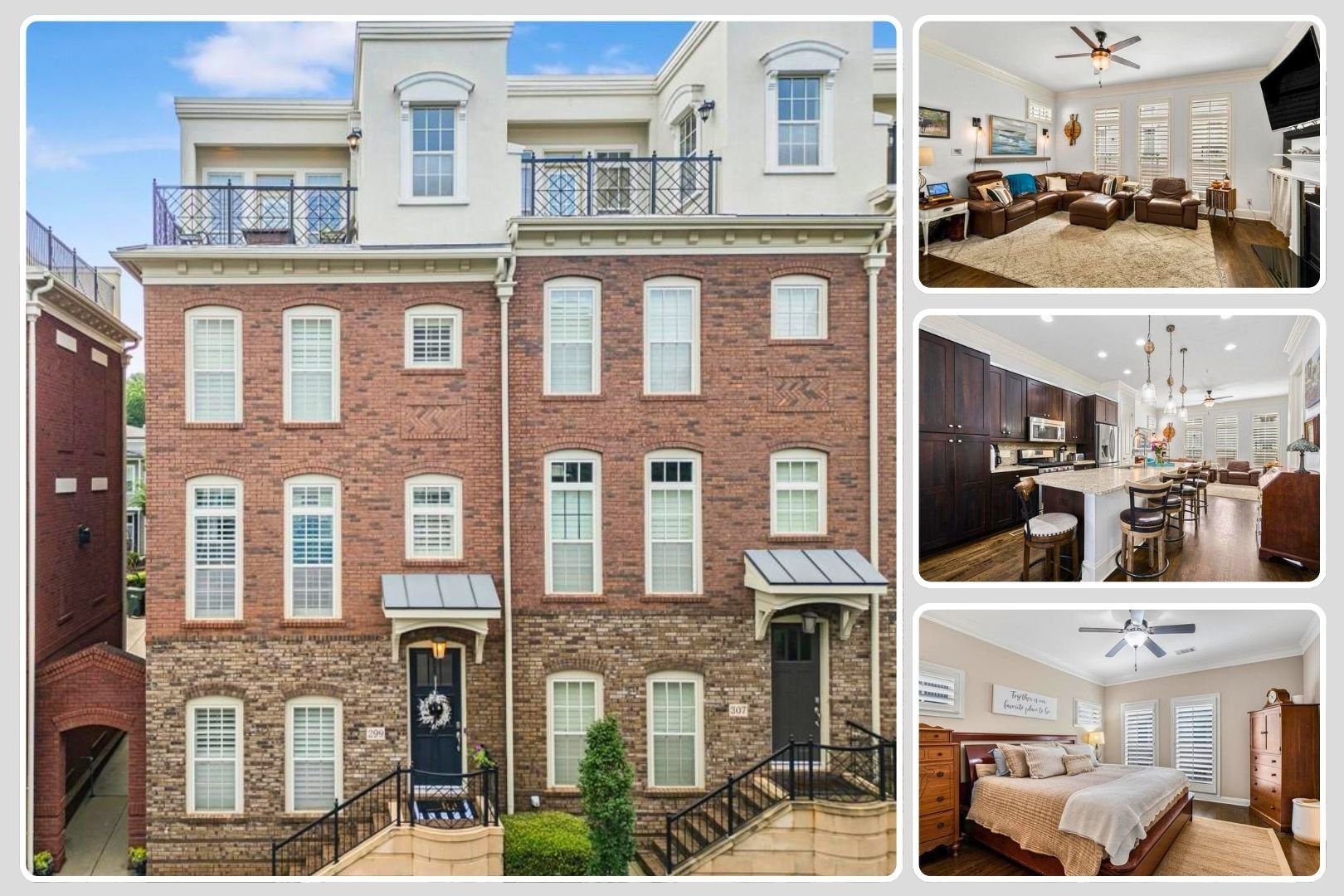
For buy-and-hold investors, the rental market in Marietta presents a highly compelling business case. As higher mortgage interest rates keep many prospective homebuyers in the rental pool, the demand for high-quality single-family homes and townhomes remains elevated.
Long-Term Rental Yields and Demographics
Marietta's demographic profile is highly supportive of a robust rental market. According to the U.S. Census Bureau, Marietta’s population reached 64,152 in 2026, growing at a steady annual rate of 0.91%. The city's median household income stands at $72,725, providing a solid economic foundation for local renters.
This growing population of financially stable households has created a highly competitive rental landscape, particularly for single-family detached homes. Investors can expect steady rental demand and low vacancy rates, especially in school districts rated above average.
Short-Term Rental Regulations in Cobb County
For investors considering short-term rental (STR) strategies, such as Airbnb or Vrbo, it is crucial to understand local municipal rules. Cobb County implemented a comprehensive short-term rental ordinance that took effect on January 1, 2023. Under these regulations, hosts operating in unincorporated areas of Cobb County must obtain an annual short-term rental certificate from the county’s business license office, which carries a modest $55 application fee.
Because of these structured regulations and the potential for local Homeowners Association (HOA) restrictions, many Marietta investors are shifting toward medium-term rental (MTR) strategies to capture high rental premiums. These medium-term rentals cater to traveling healthcare professionals at Wellstar Kennestone Hospital and corporate relocations, avoiding the strict rules associated with daily rentals.
Challenges and Considerations for Summer 2026 Investors

While Marietta represents a highly attractive real estate market, successful investing requires a balanced analysis of potential challenges and operational costs.
Financing and Interest Rate Navigation
Navigating the financing landscape in Summer 2026 requires a disciplined underwriting approach. With interest rates settling into a normalized range compared to the historic lows of the early 2020s, investors must focus heavily on the cash-on-cash return of their assets rather than counting solely on rapid appreciation. Properties must cash flow from day one based on realistic rental estimates.
Property Taxes and Insurance in Cobb County
Operating expenses in the Southeast have seen upward pressure, and Marietta is no exception. Property taxes in Cobb County are calculated based on the millage rate set by local government authorities. While Cobb County historically maintains lower property tax rates compared to neighboring Fulton County, investors must factor in annual assessment changes, as rising home values in recent years have led to higher assessed values.
Additionally, homeowners insurance rates across Georgia have risen due to regional weather patterns and increased construction replacement costs. Accurate budgeting for these carrying costs is essential to protecting your net operating income.
Pro Tip: When underwriting deals in Cobb County, always calculate property taxes based on 40% of the estimated fair market value multiplied by the current millage rate. This ensures your cash flow projections remain accurate even after a post-sale reassessment.
Frequently Asked Questions About Marietta GA Real Estate

Is Marietta GA a buyer’s or seller’s market in Summer 2026?
The Marietta real estate market in Summer 2026 is in a highly balanced state. While sellers still benefit from limited premium inventory and historically high home equity, buyers now enjoy significantly more negotiating power. With average days on market rising to 48 days and a steady flow of active inventory, buyers have the opportunity to negotiate price reductions, request repairs, and include standard financing and inspection contingencies.
What are the school options like in Marietta?
Marietta is unique because it is served by two distinct public school systems. The majority of the city and unincorporated areas are served by the Cobb County School District (CCSD), which is the second-largest school system in Georgia and the 23rd largest in the United States, serving over 103,283 students across 112 school facilities. CCSD offers specialized educational paths, including high school magnet programs in fields like engineering, biotechnology, and international studies, as well as dozens of certified STEM and STEAM programs.
The independent Marietta City Schools (MCS) district serves the immediate city limits, educating approximately 8,664 students. As one of the oldest charter school systems in Georgia, MCS offers a continuous International Baccalaureate (IB) curriculum from primary school through high school graduation.
How does Marietta’s appreciation compare to the rest of Metro Atlanta?
Historically, Marietta offers highly stable, moderate appreciation that acts as an excellent hedge against economic volatility. While outer-ring suburbs of Metro Atlanta may experience higher speculative price swings during market booms, they also tend to face steeper declines during market corrections. Marietta's established infrastructure, major employer base, and high-income demographics ensure that its housing market remains resilient, making it a preferred choice for wealth preservation.
Conclusion: Is Marietta a Smart Buy in Summer 2026?

Entering Summer 2026, Marietta, Georgia remains one of the smartest and most resilient real estate submarkets in the Metro Atlanta area. While the market has shifted away from speculative frenzy toward healthy stabilization, the fundamental drivers of Marietta’s housing demand remain incredibly robust.
With a growing population of 64,152, an incredibly low local unemployment rate of 2.7%, a massive student body of over 51,000 at Kennesaw State University, and the presence of world-class employers like Lockheed Martin and Wellstar Health System, the demand for quality housing in Marietta is guaranteed for years to come. For real estate investors seeking a safe haven for capital, reliable tenant demographics, and steady, long-term equity growth, Marietta is a highly strategic addition to any investment portfolio.
If you are looking to explore the local market or have questions about finding the right property for your portfolio, please reach out to our team today.