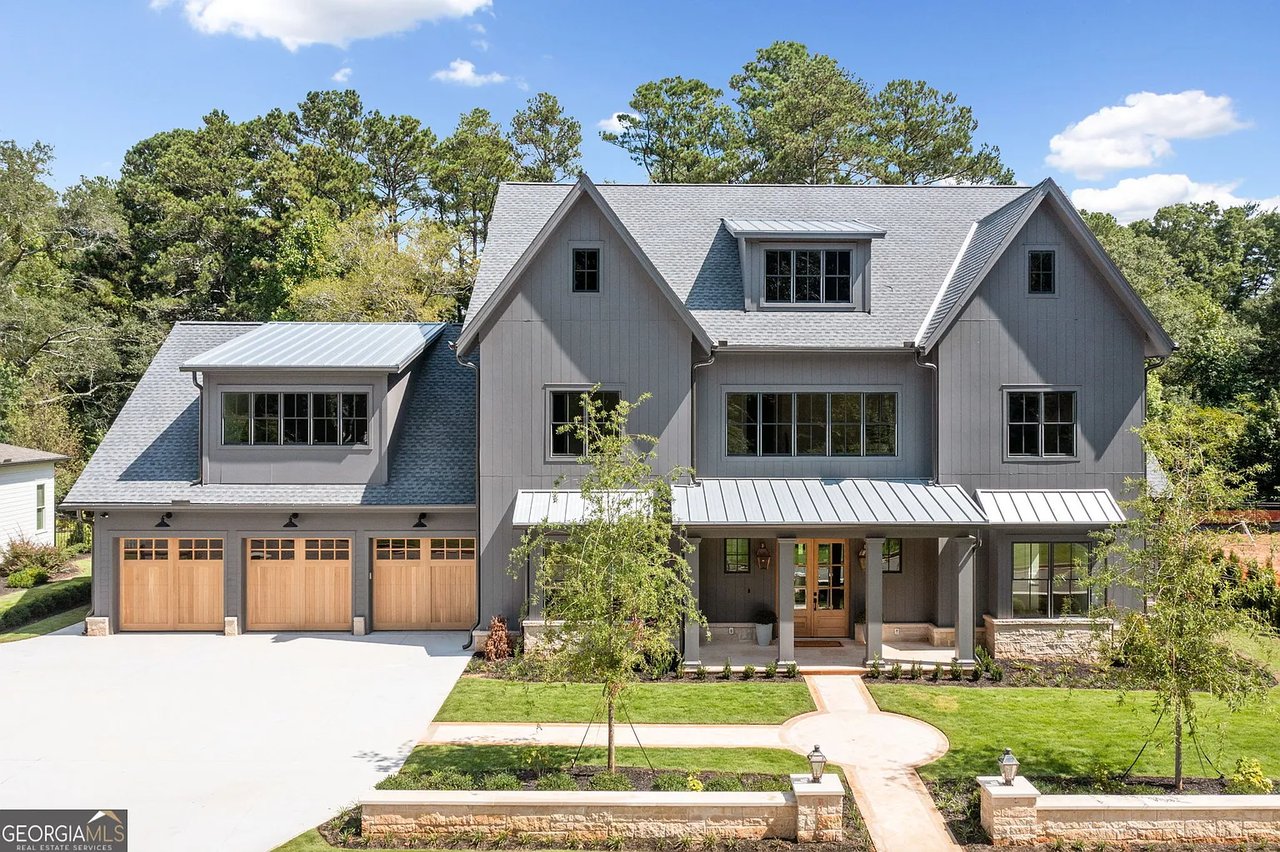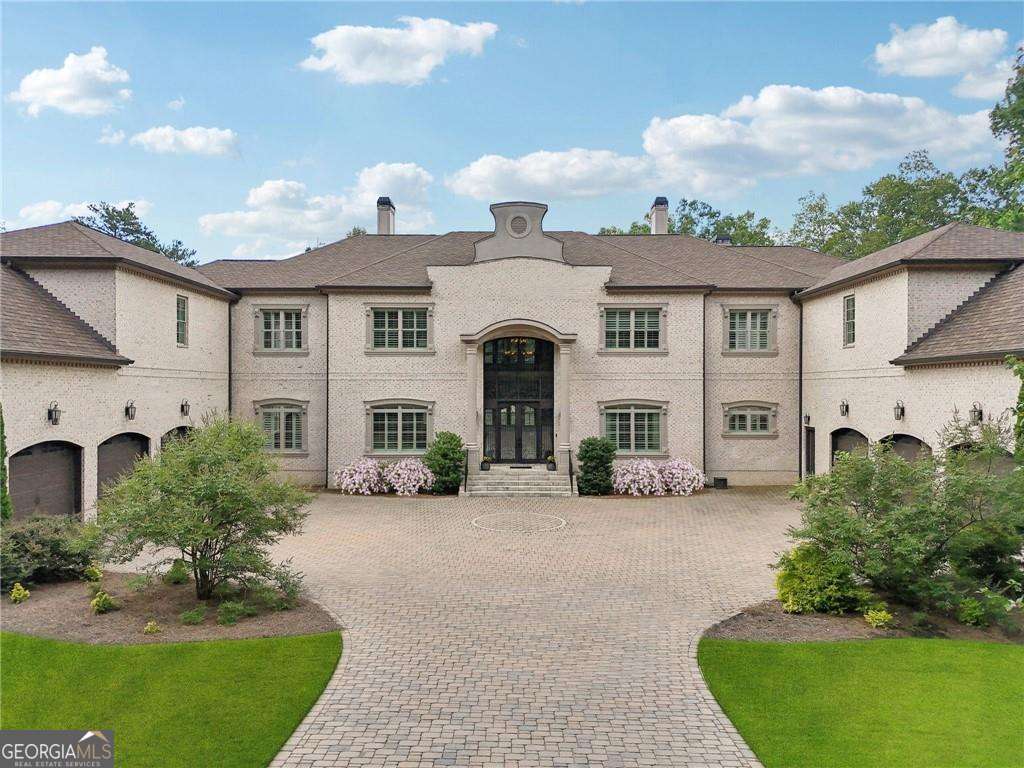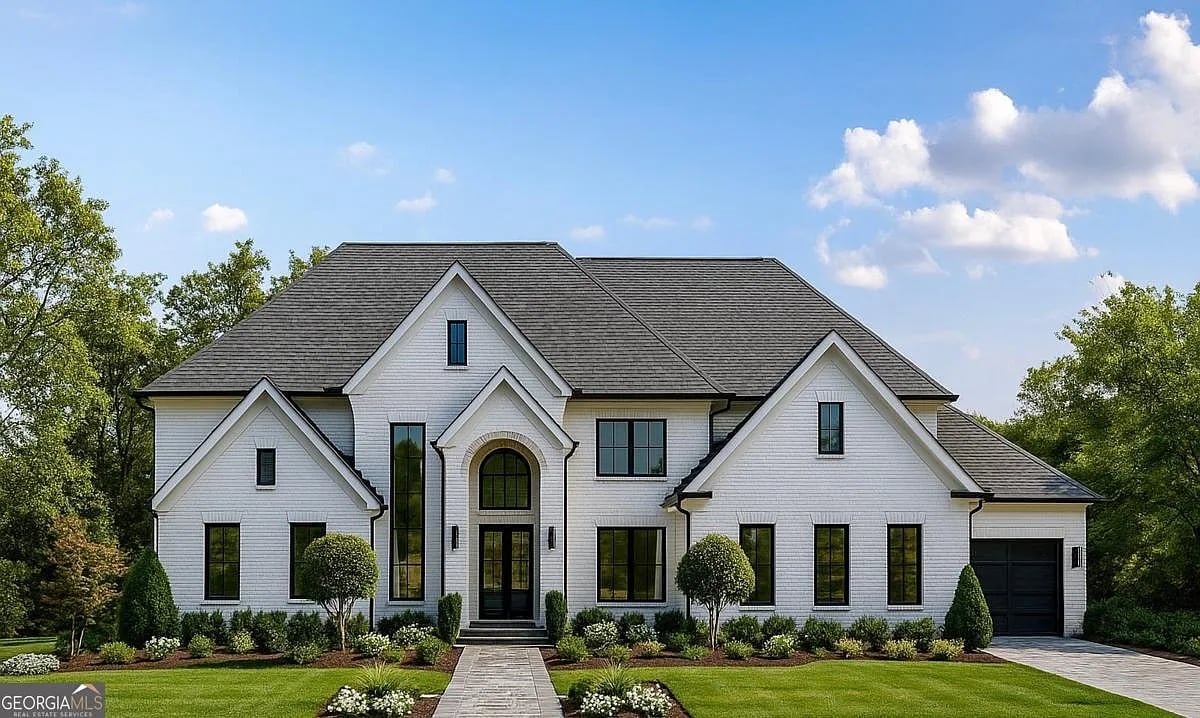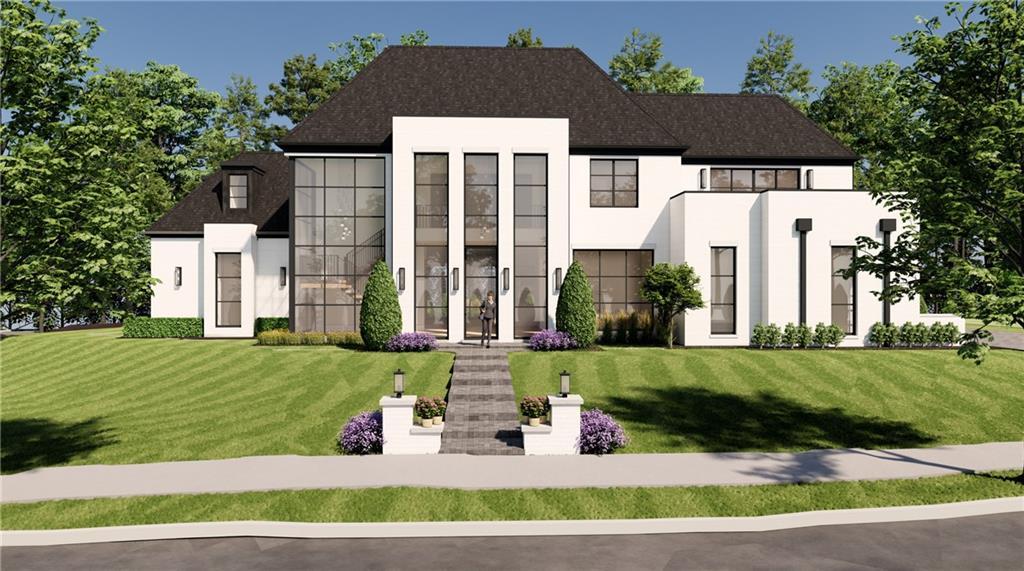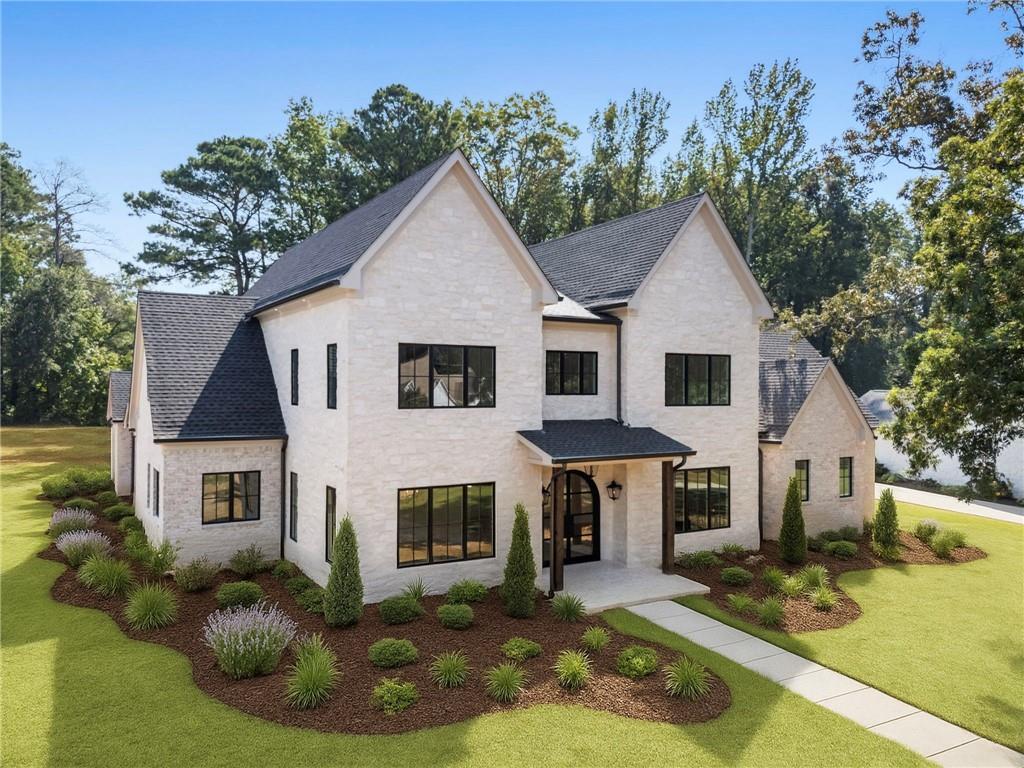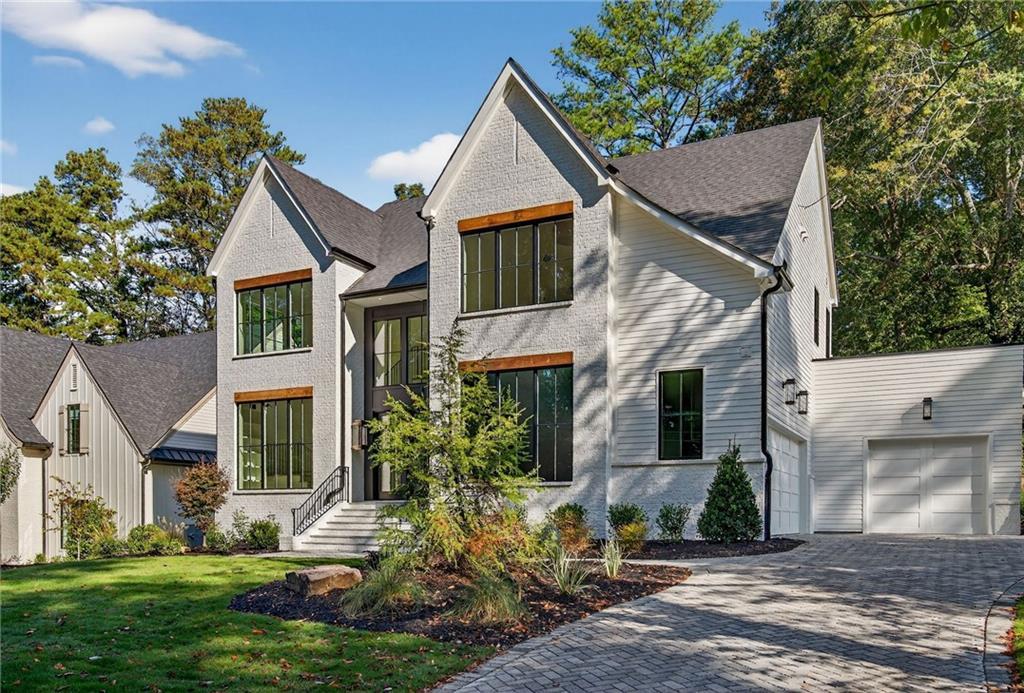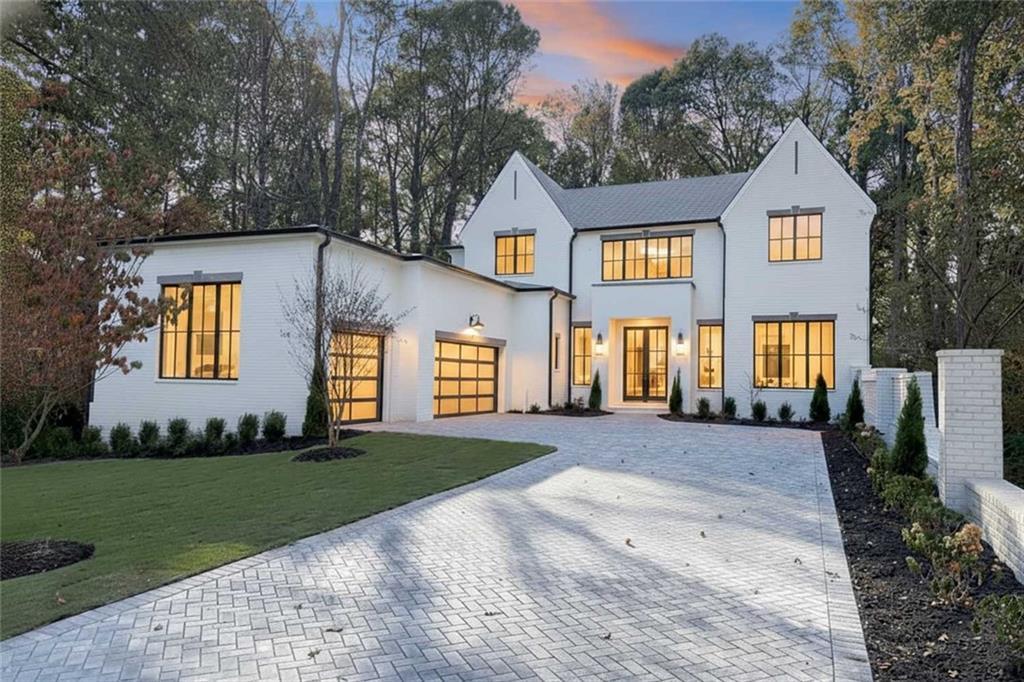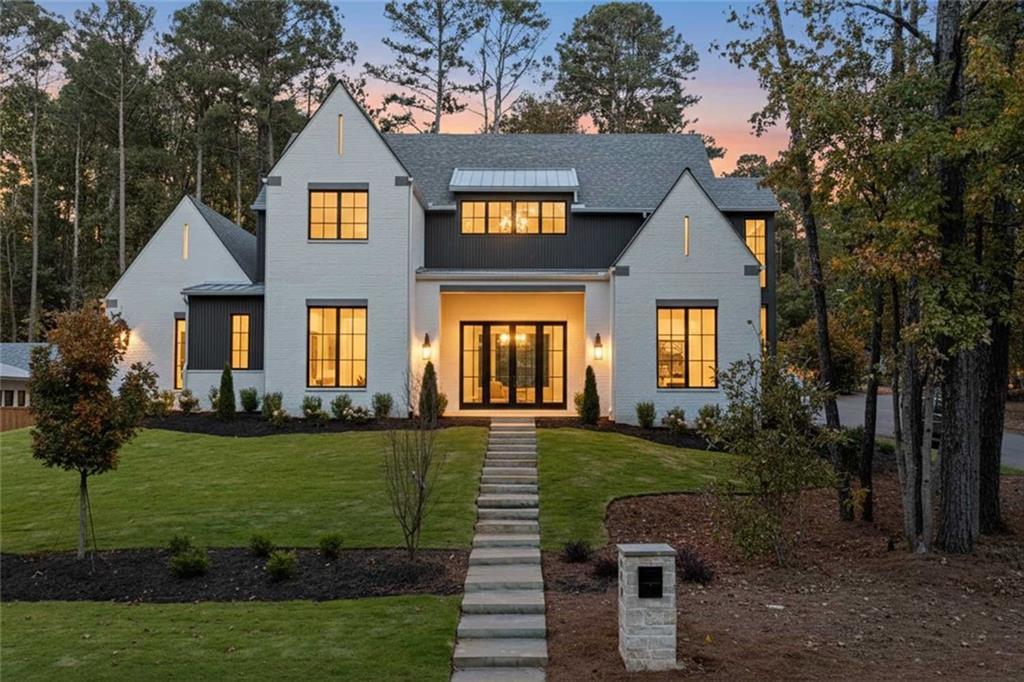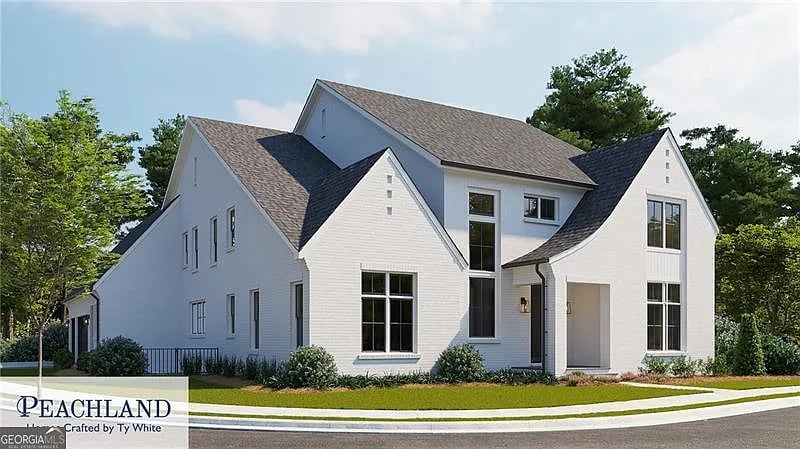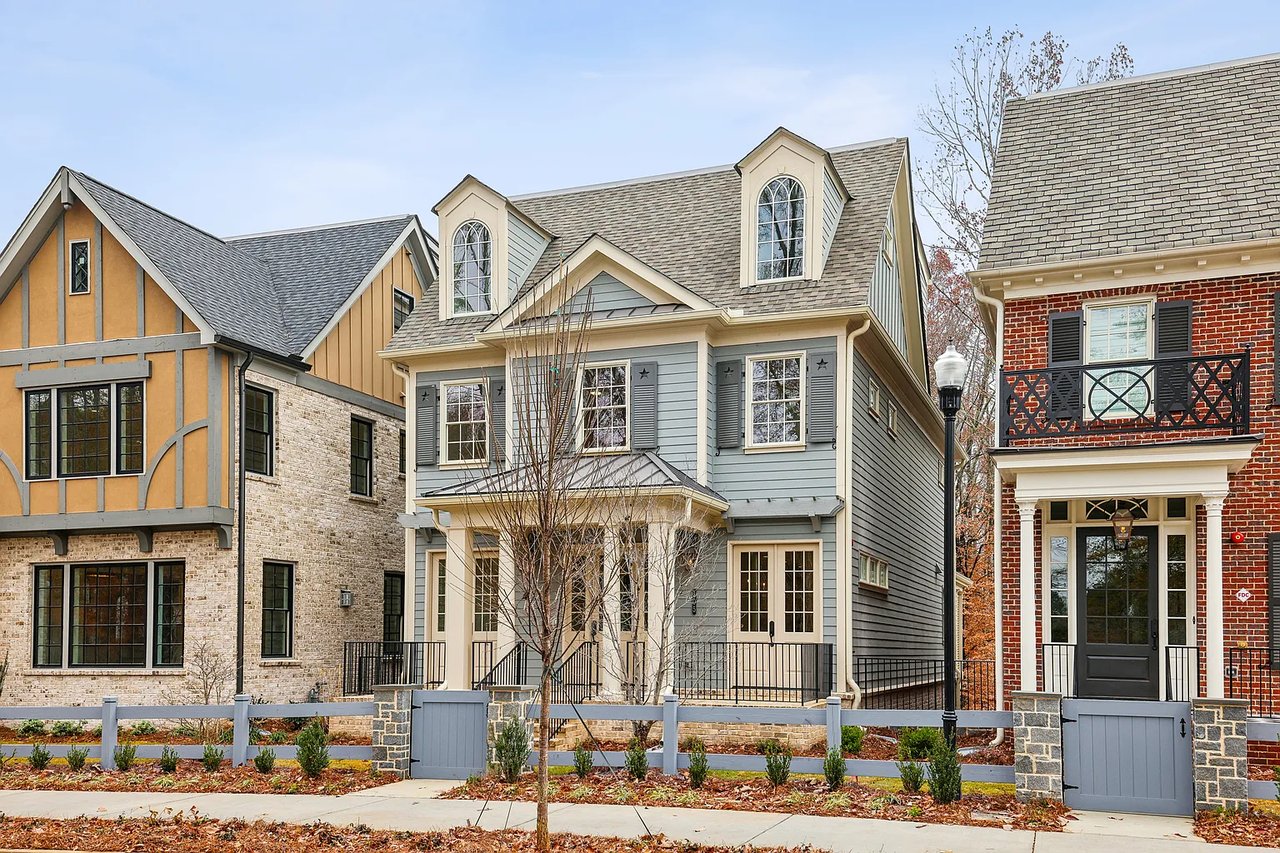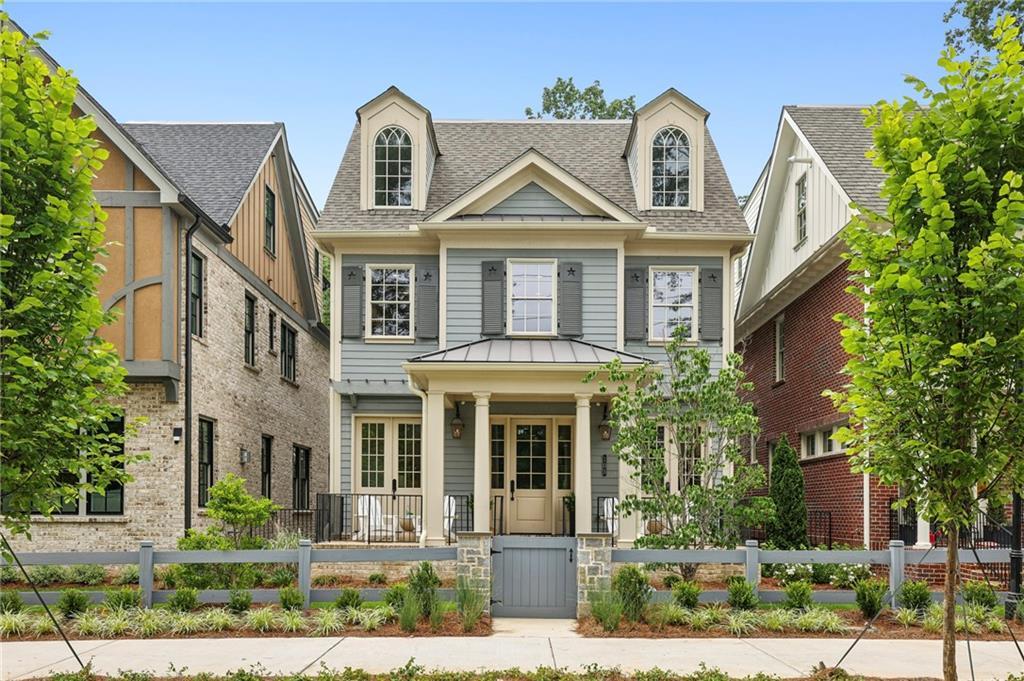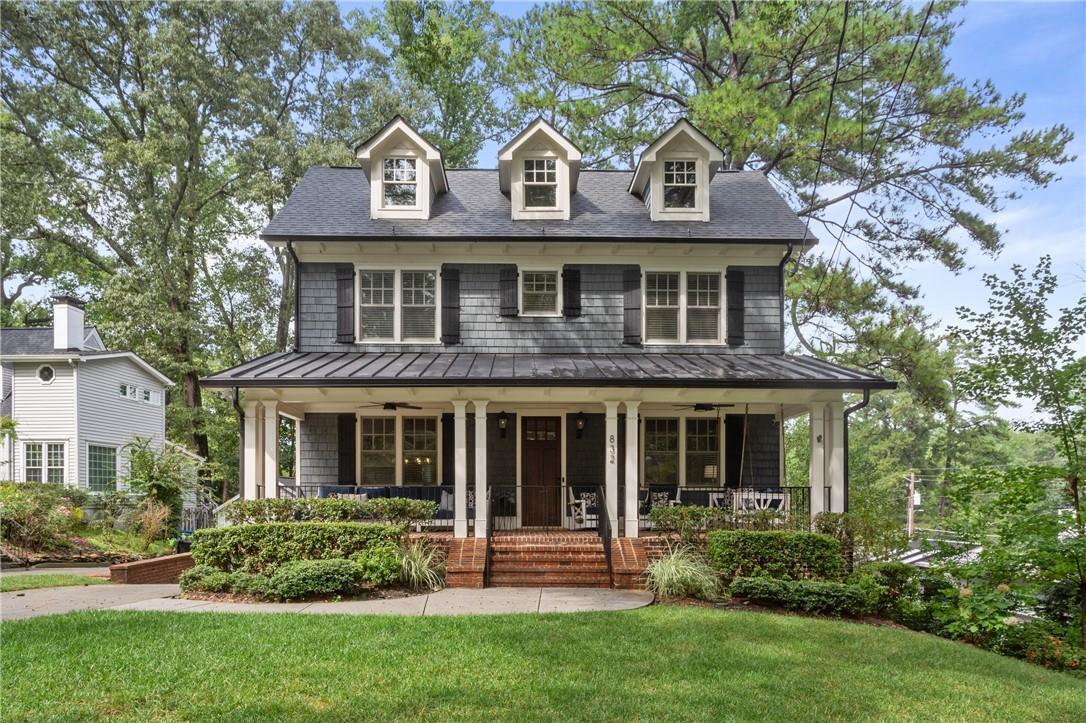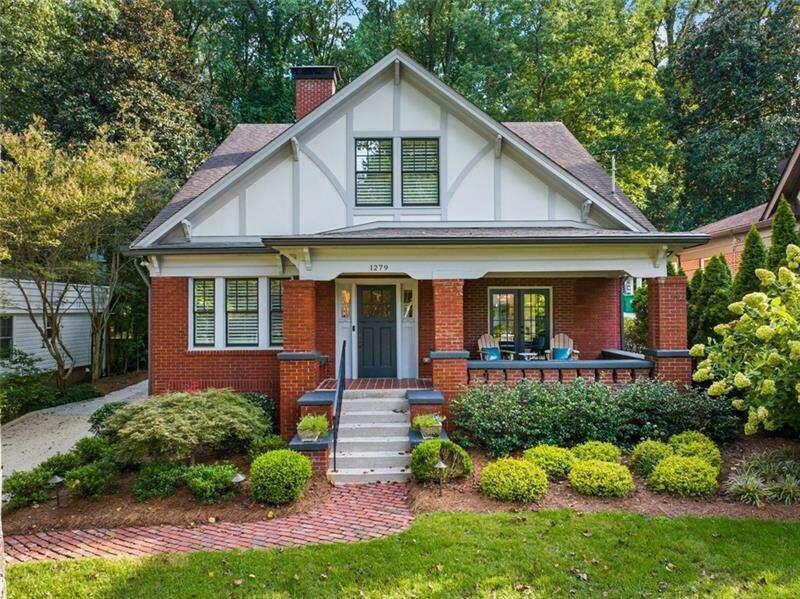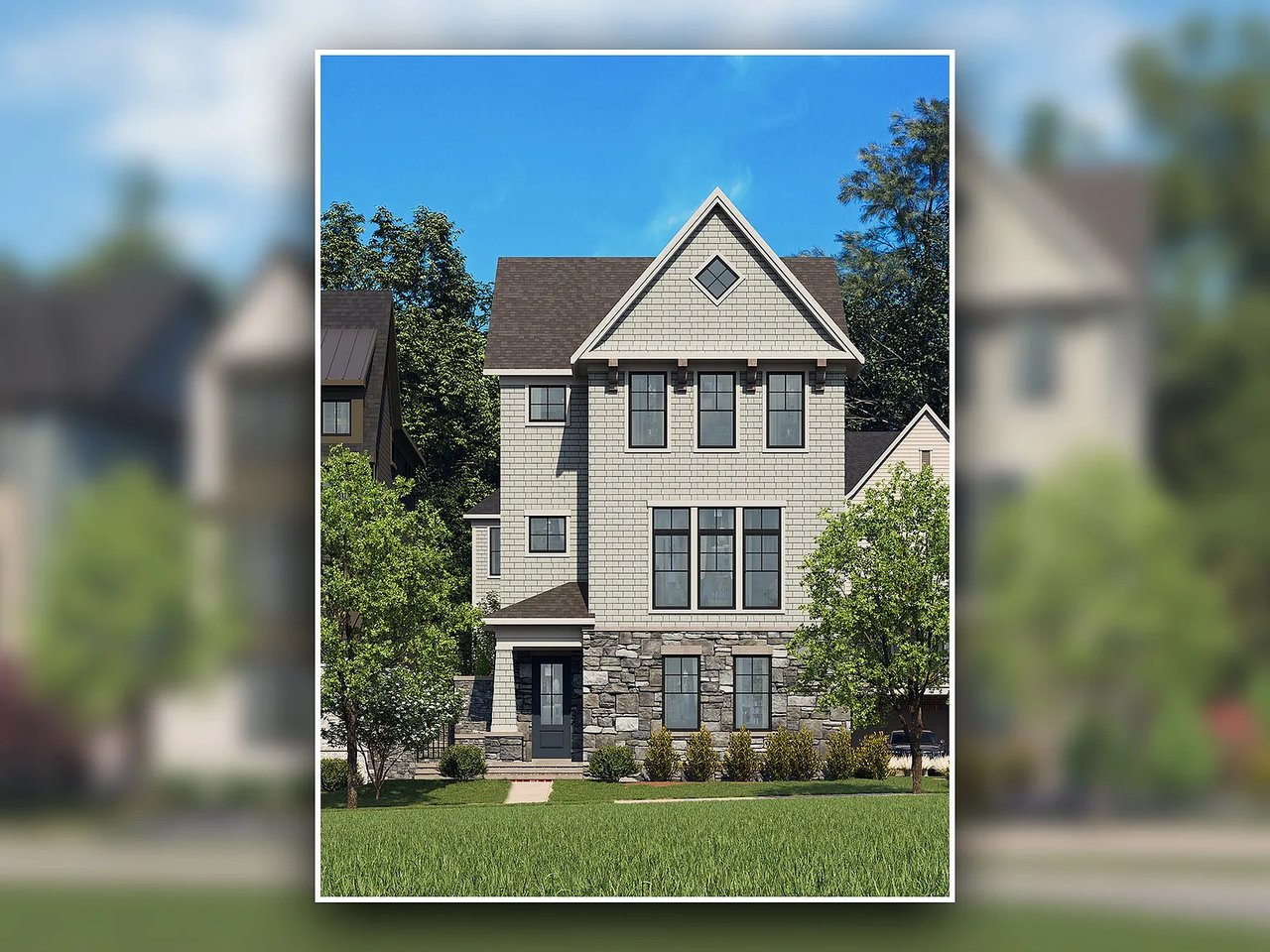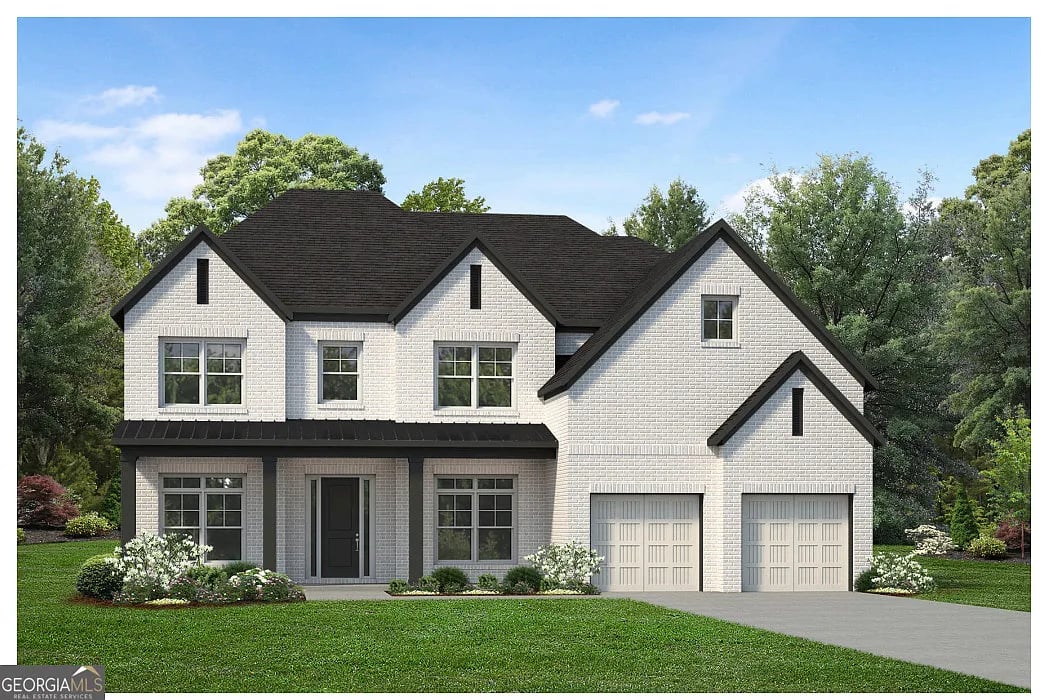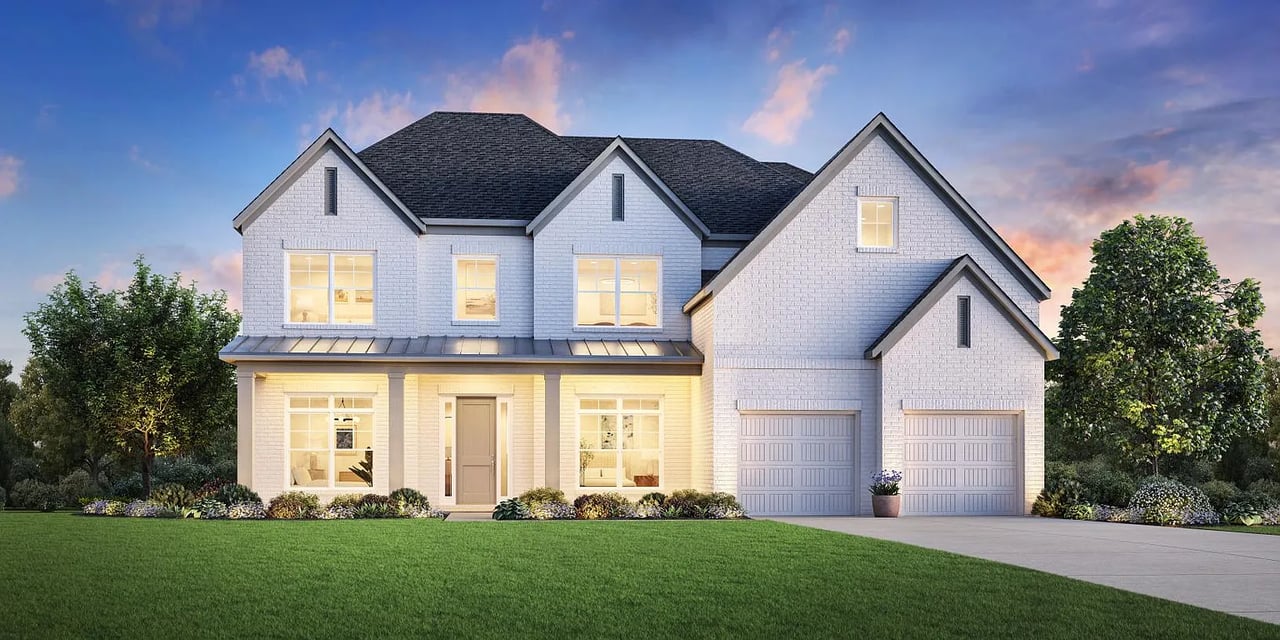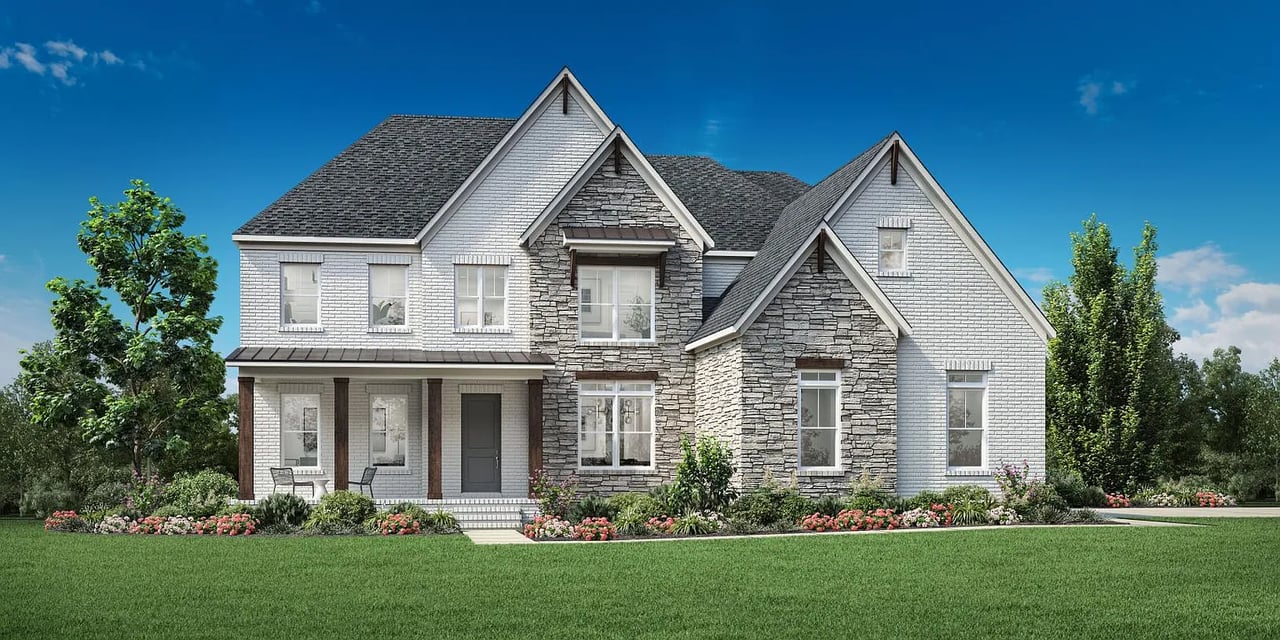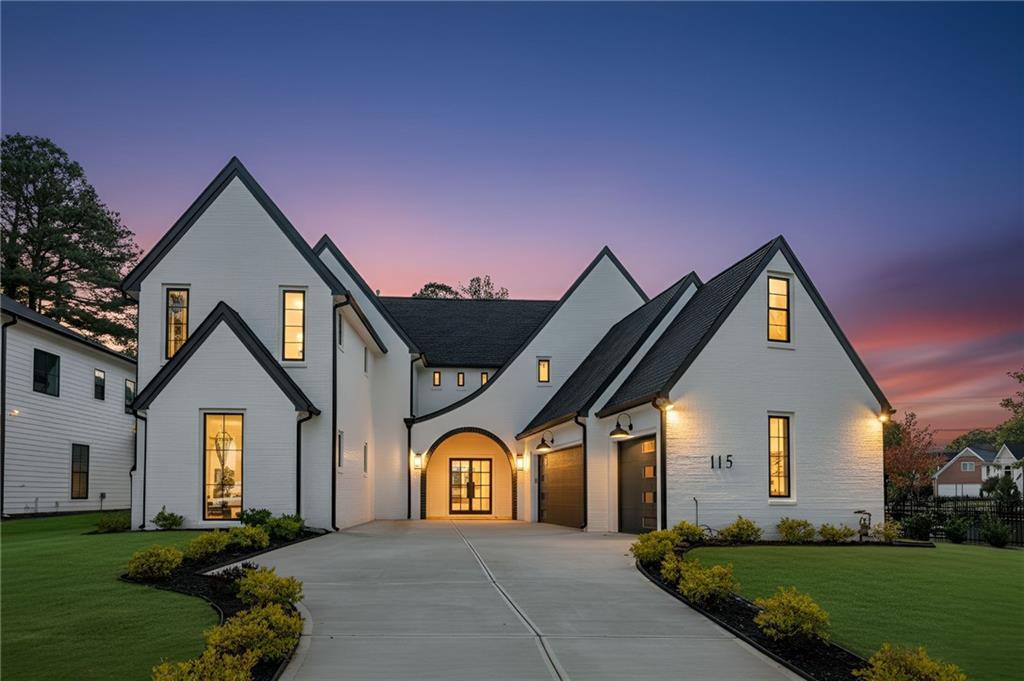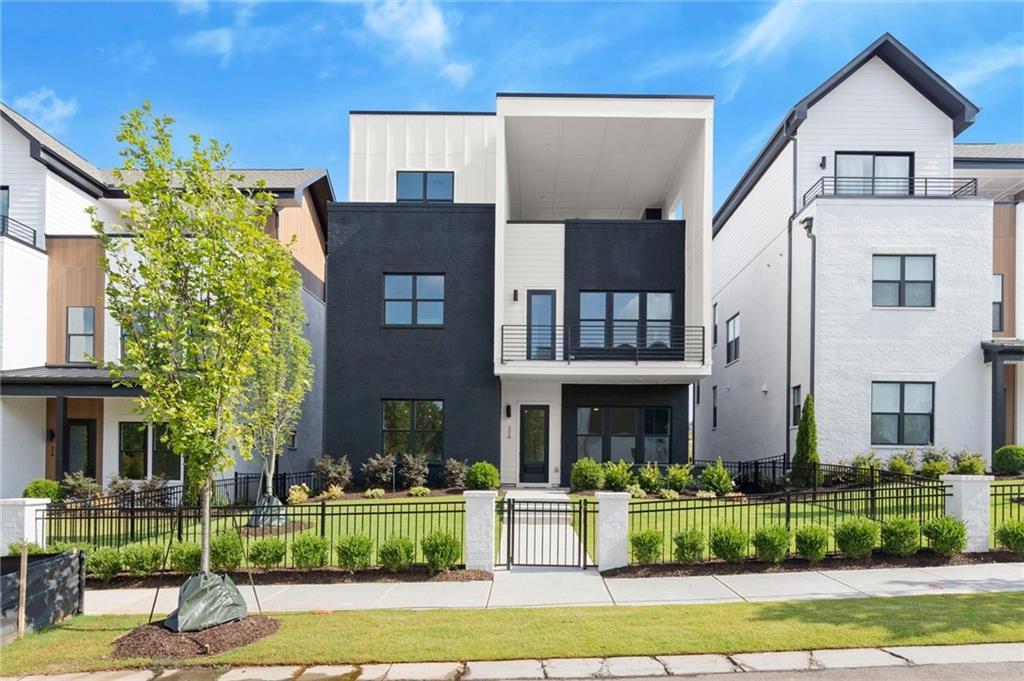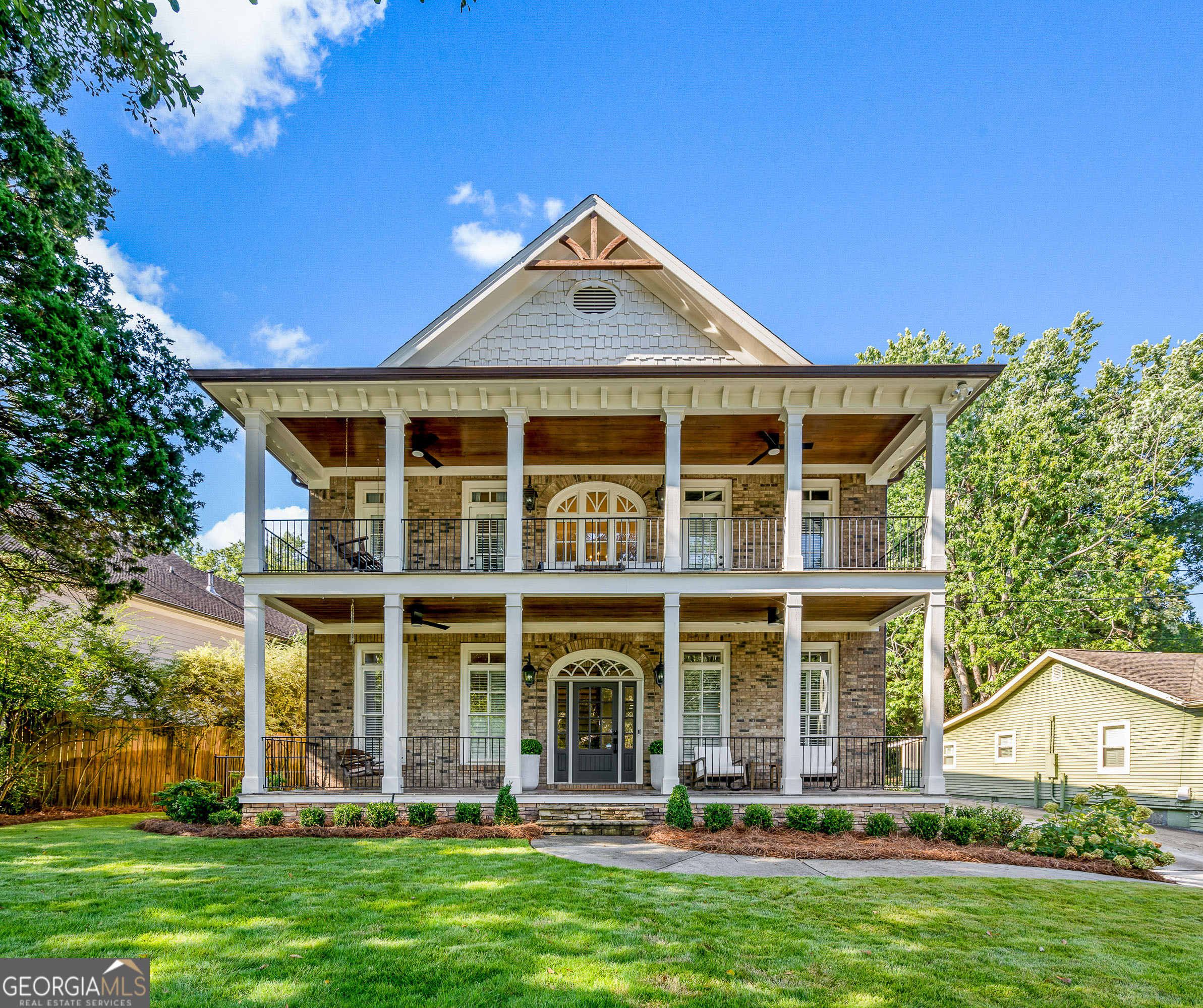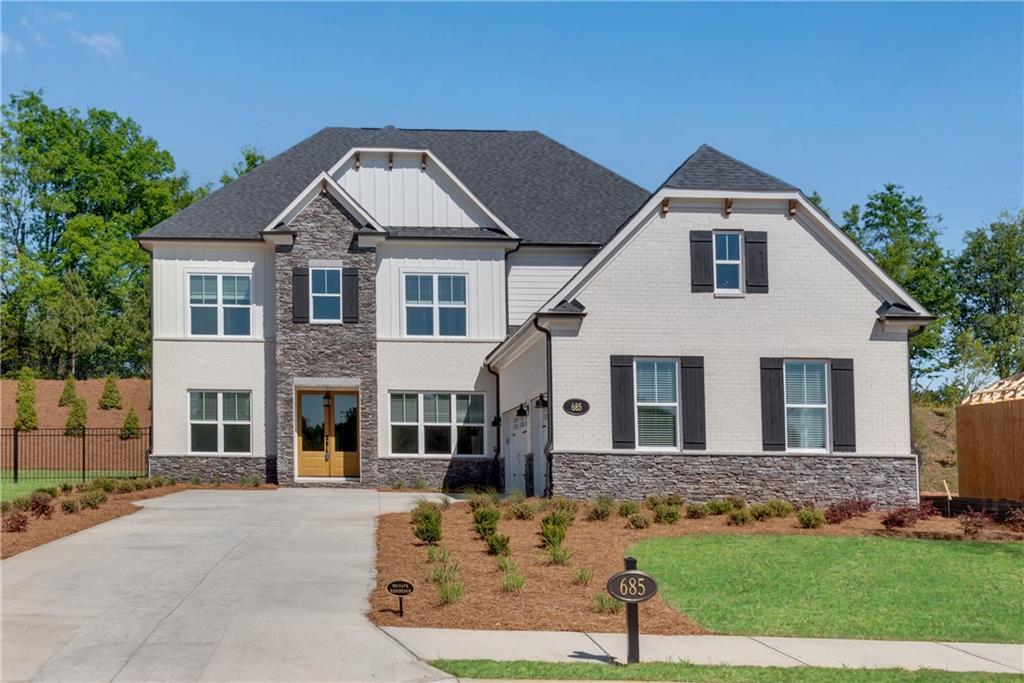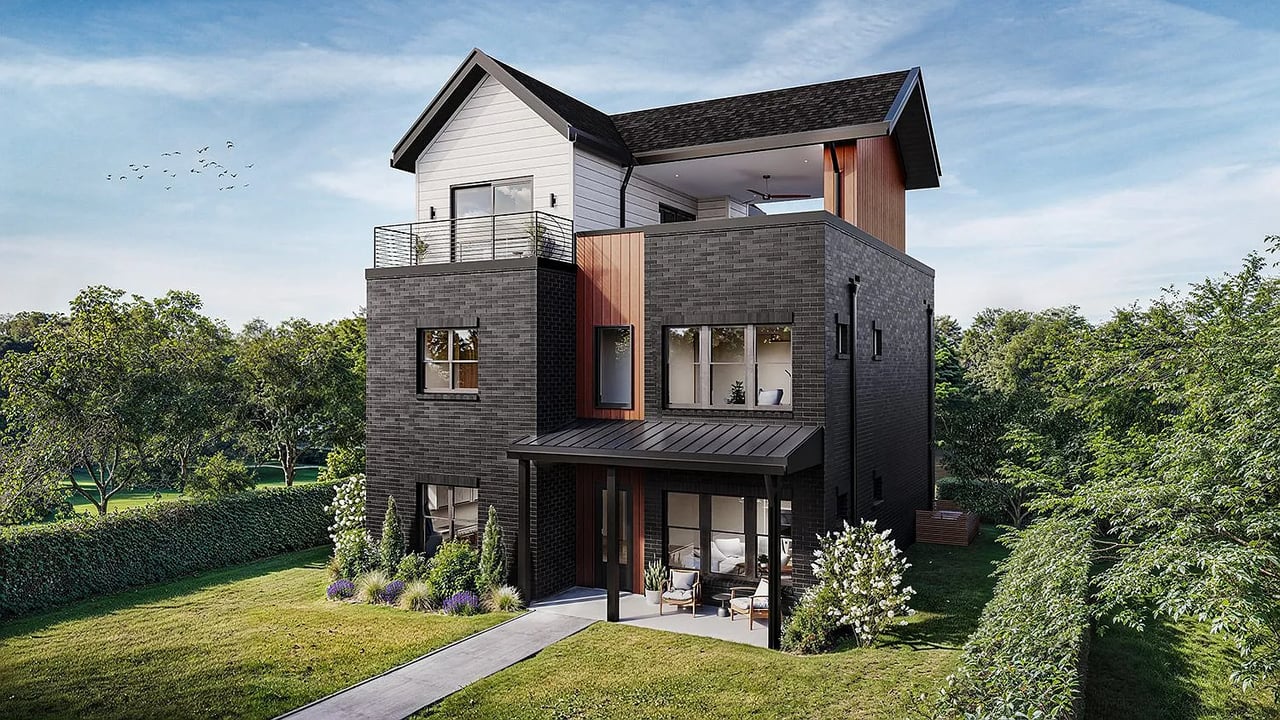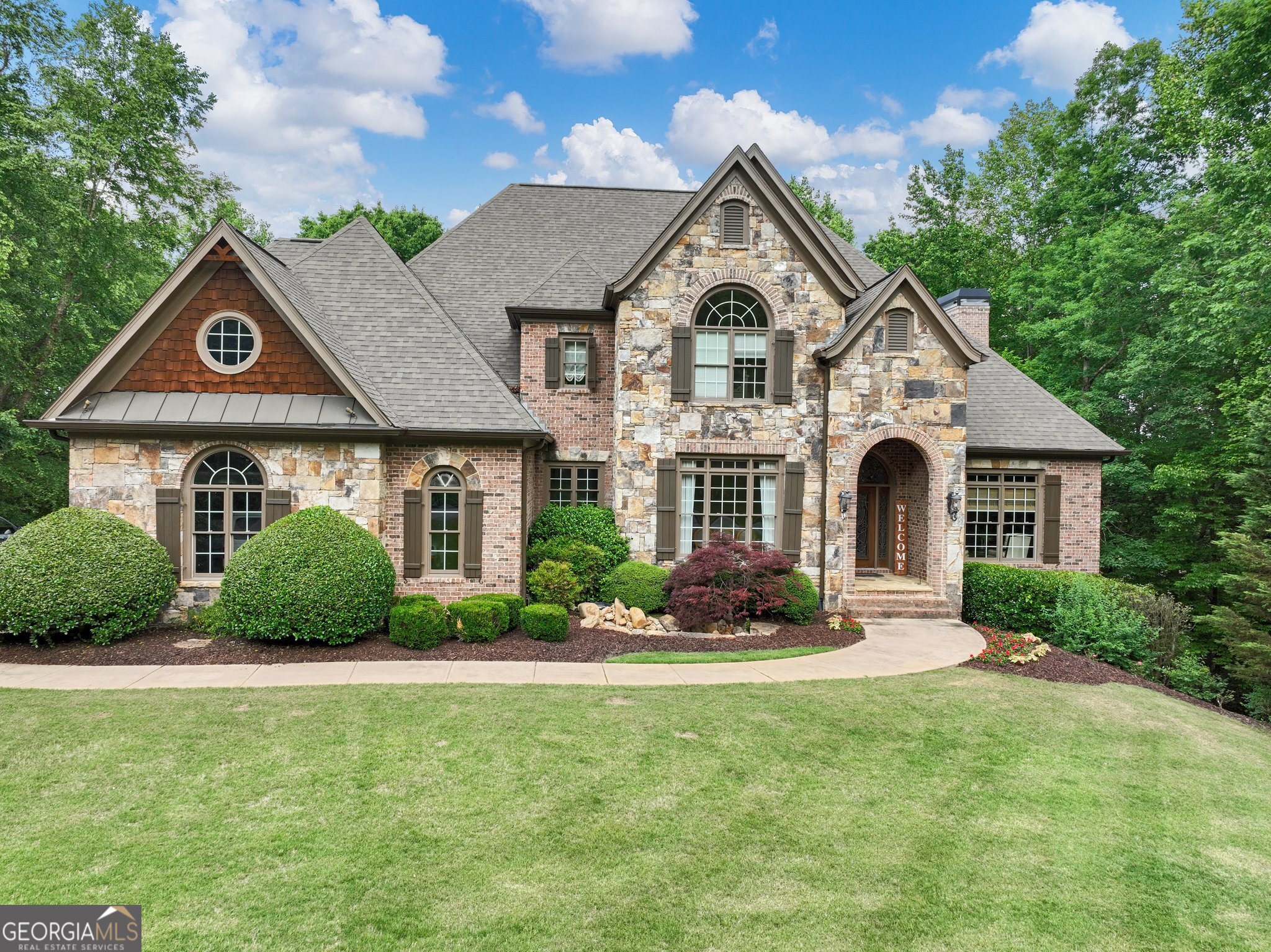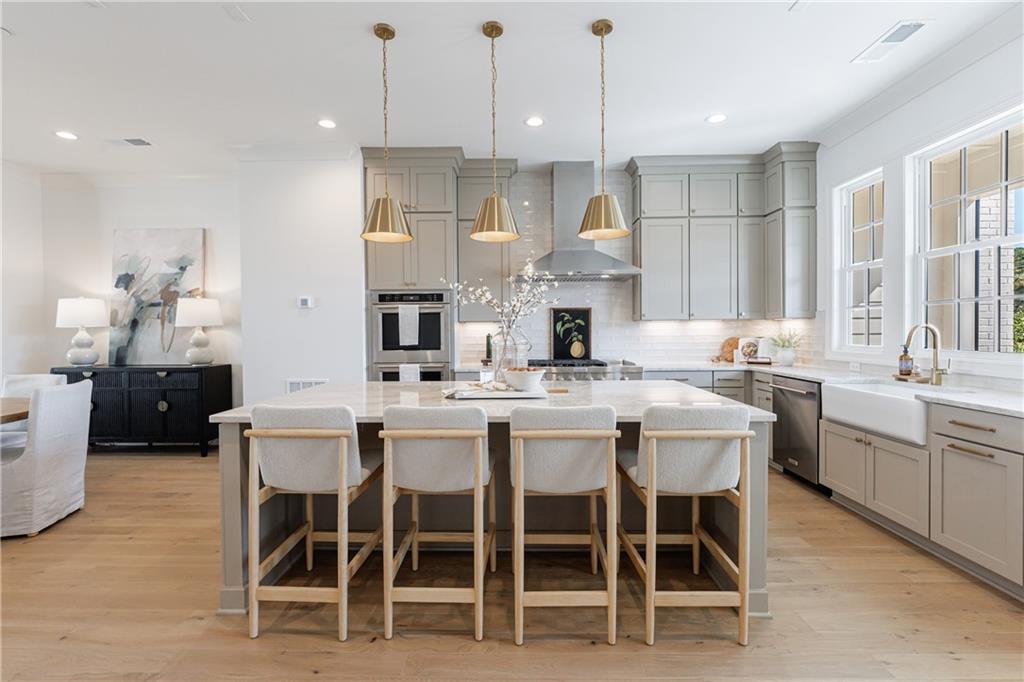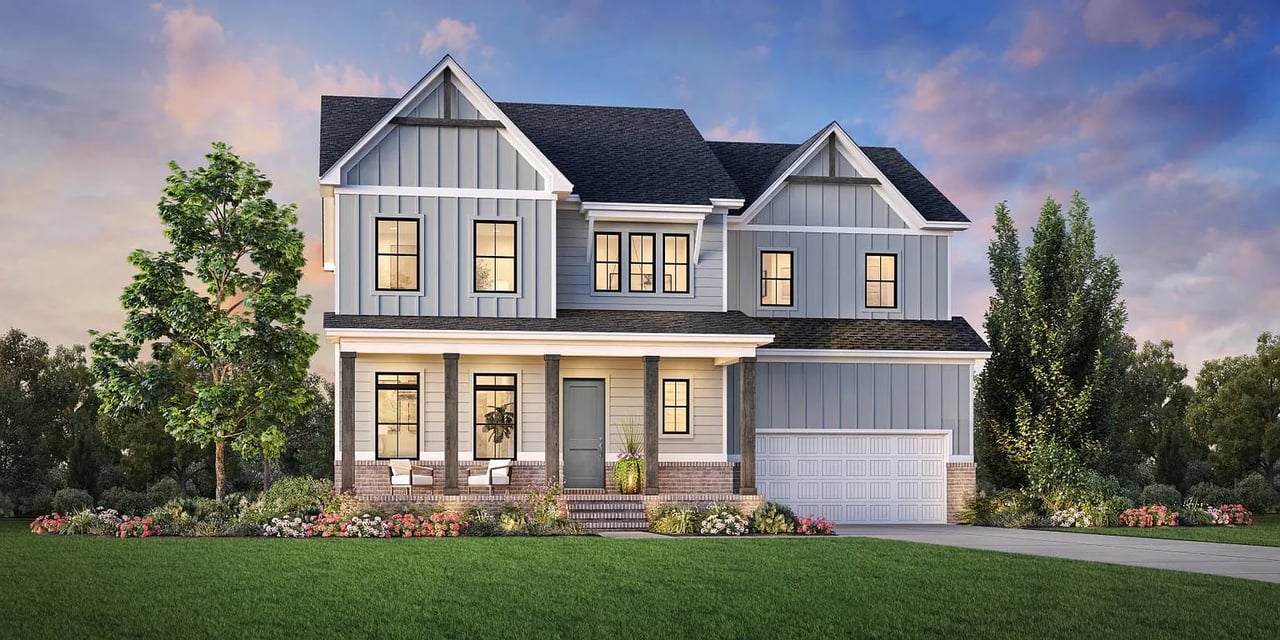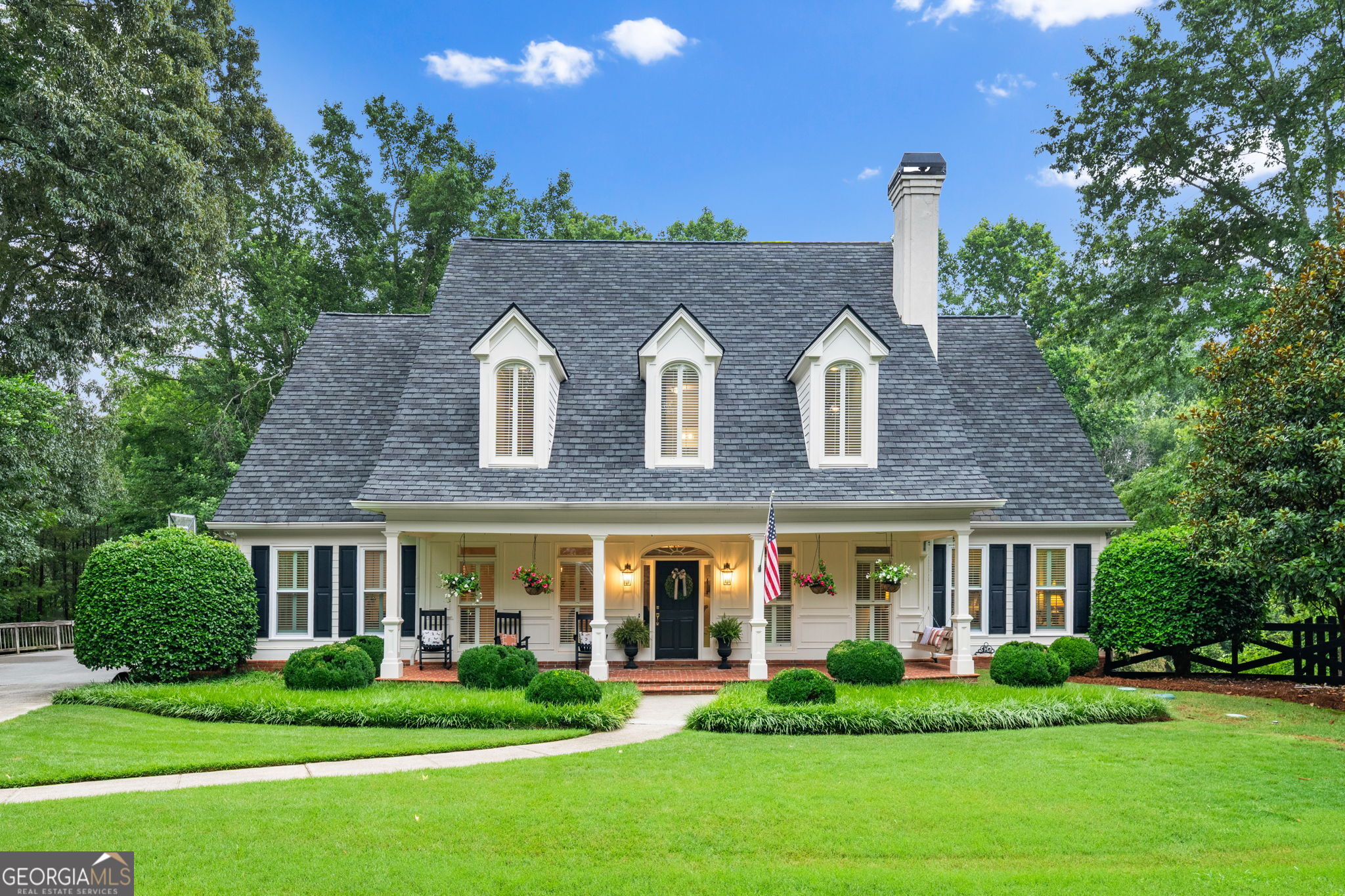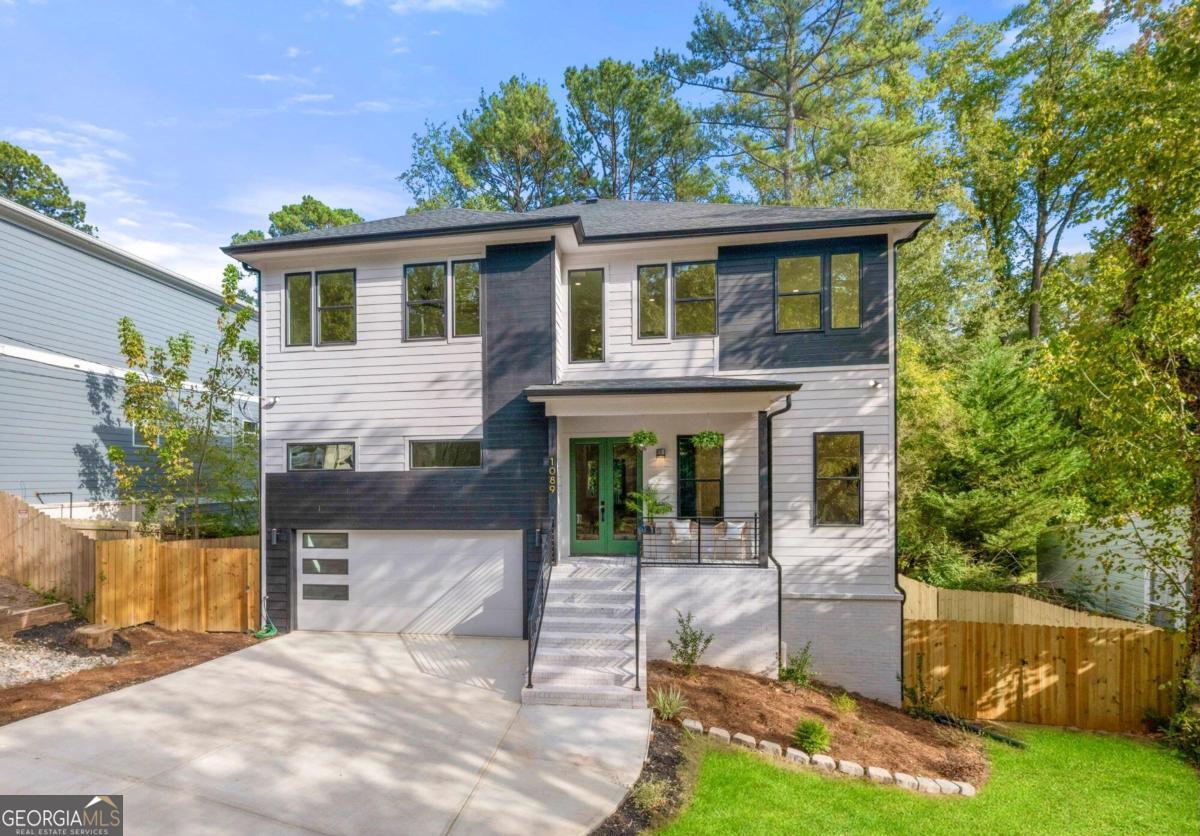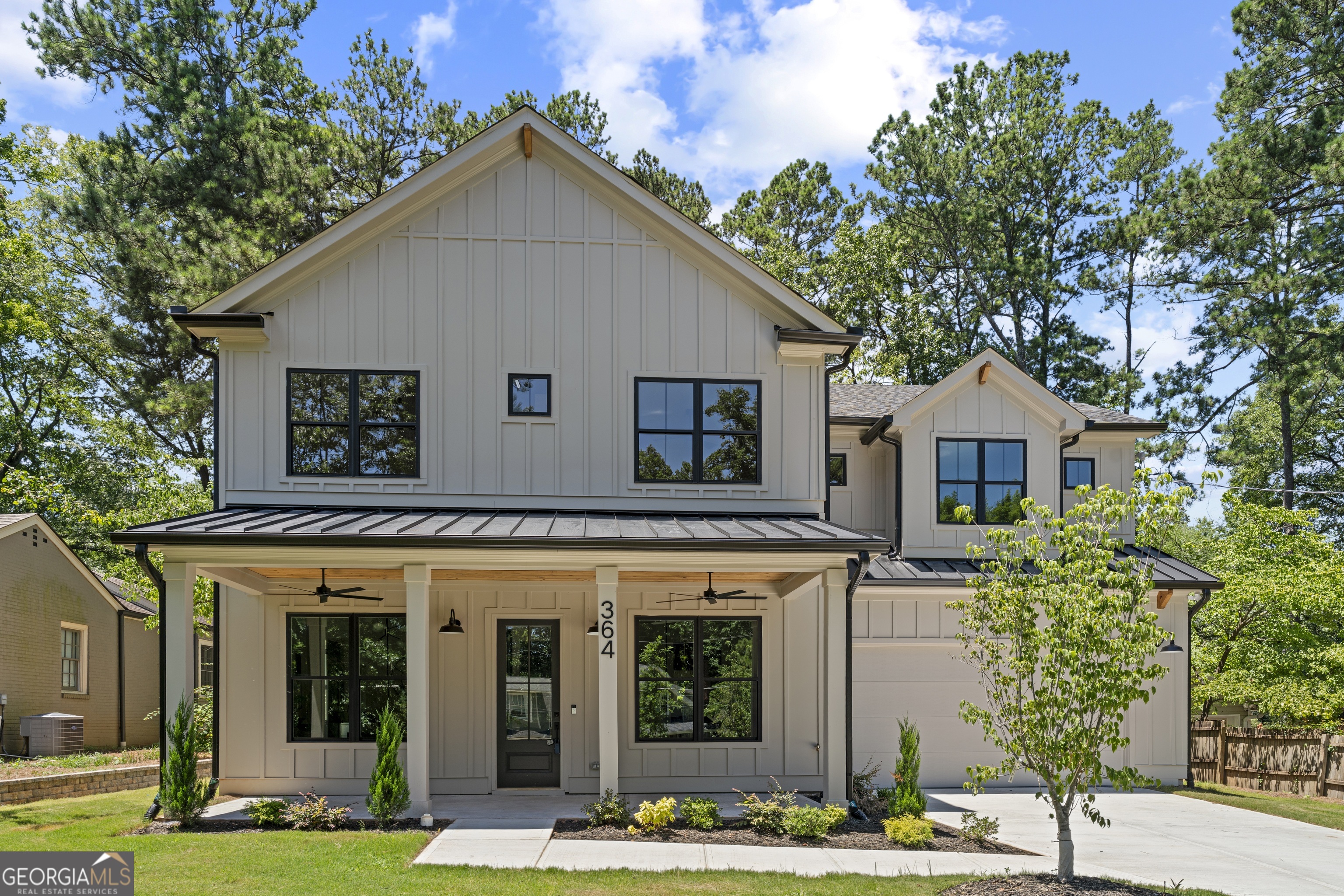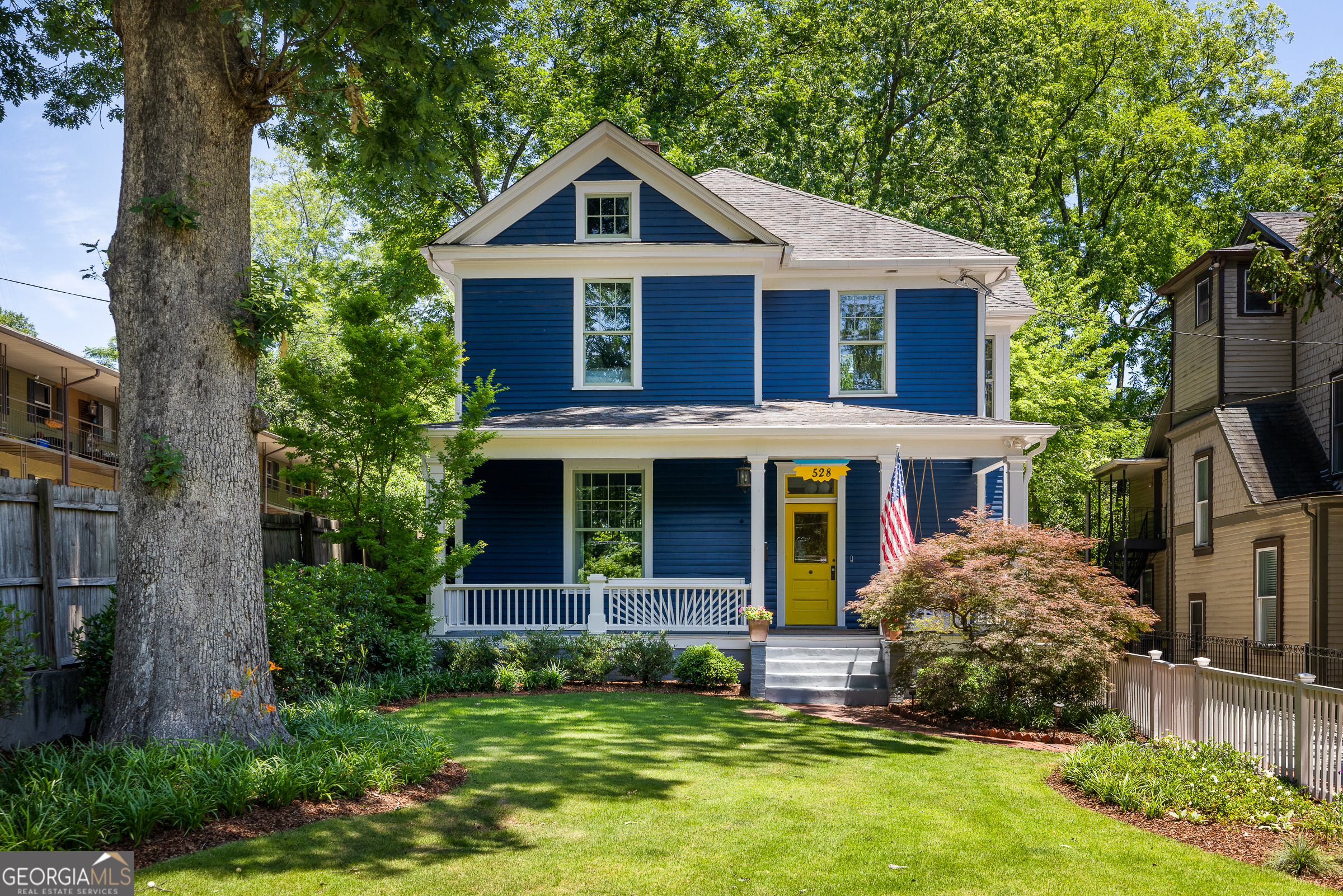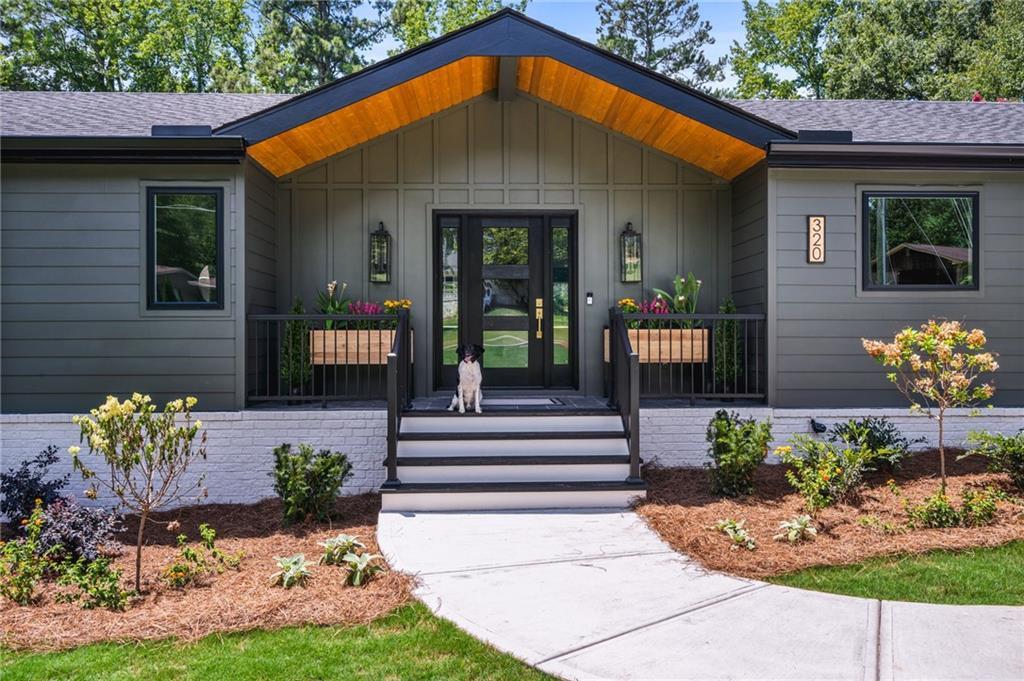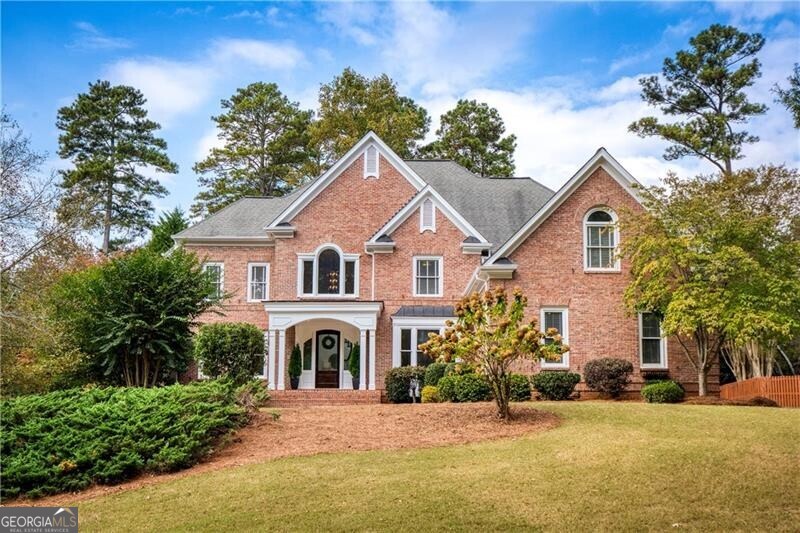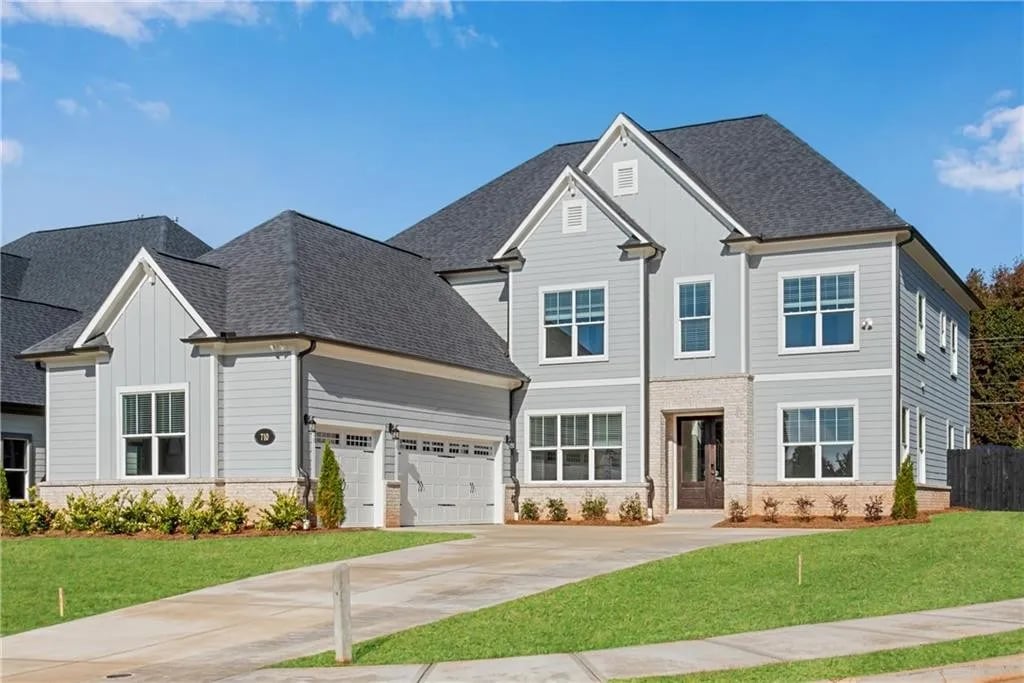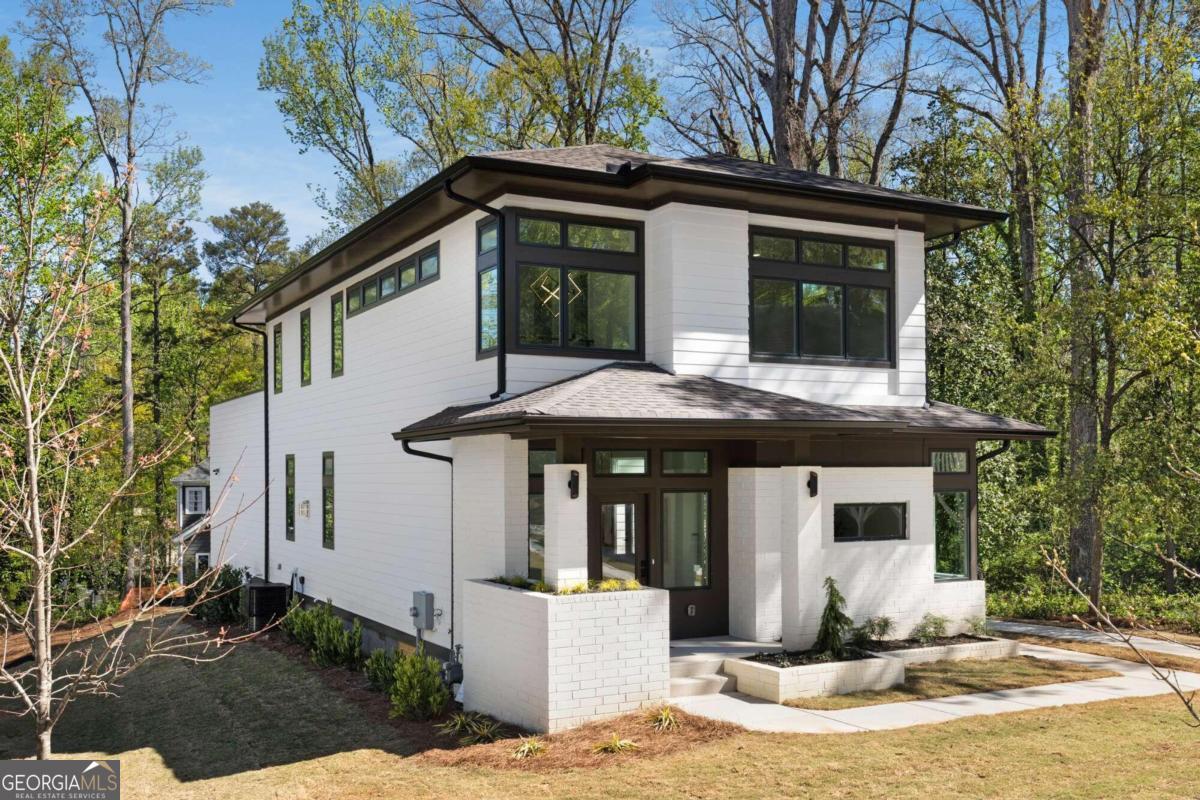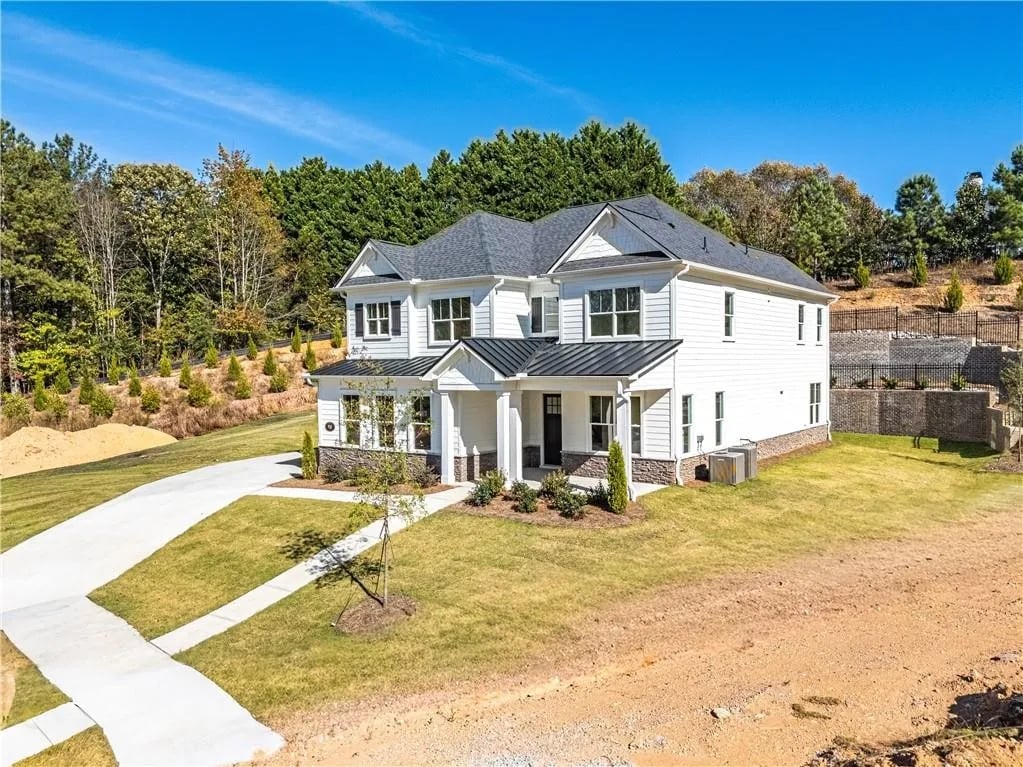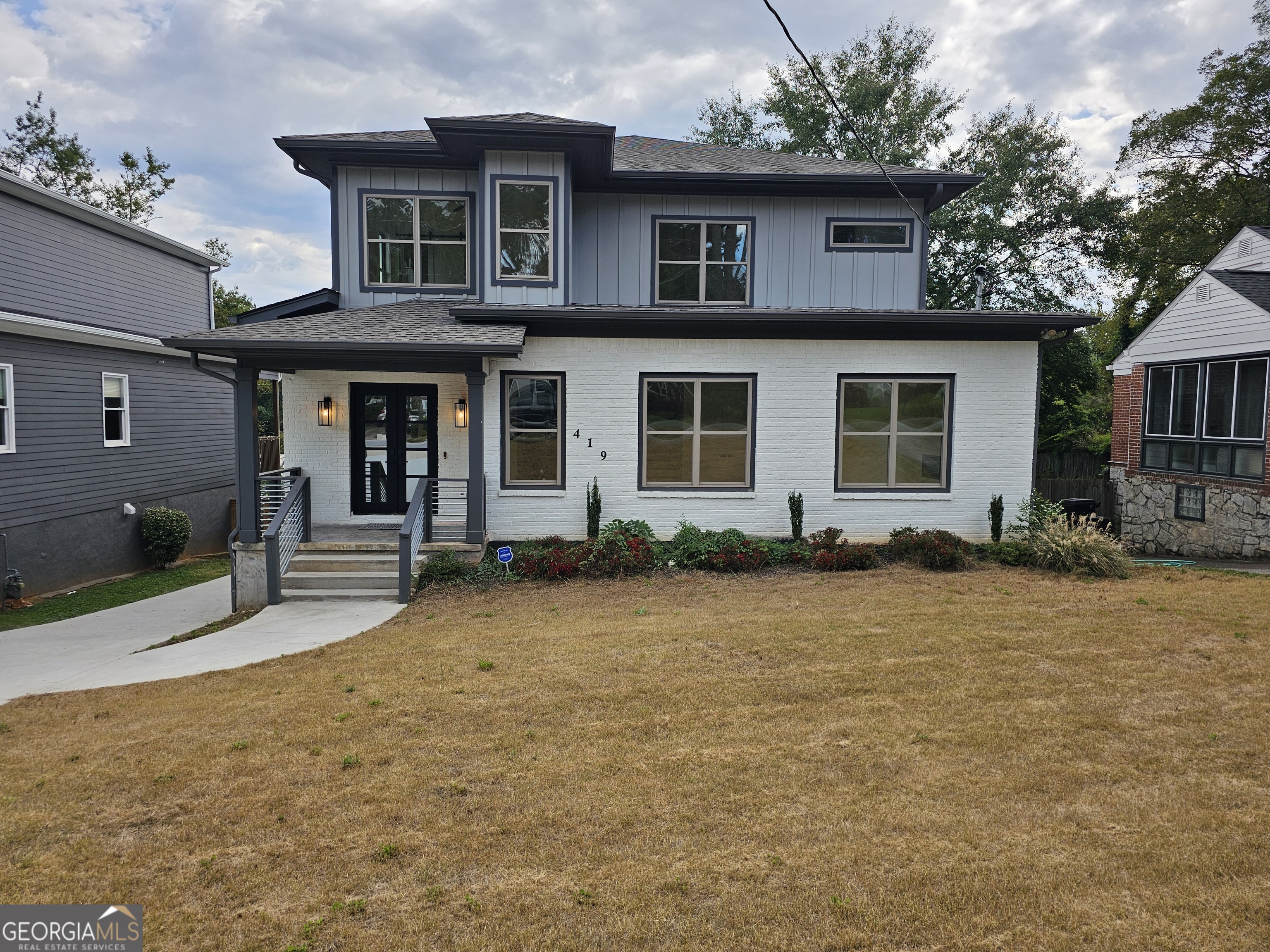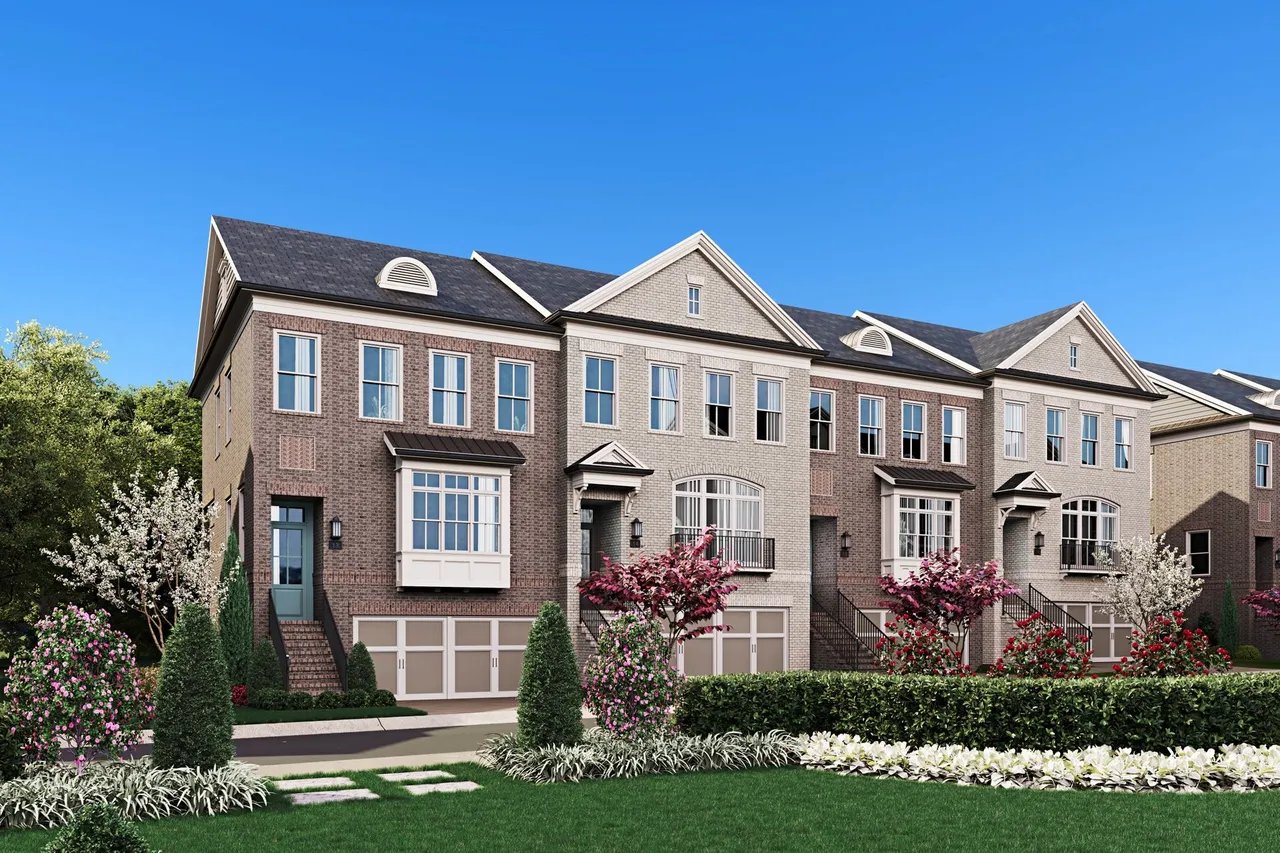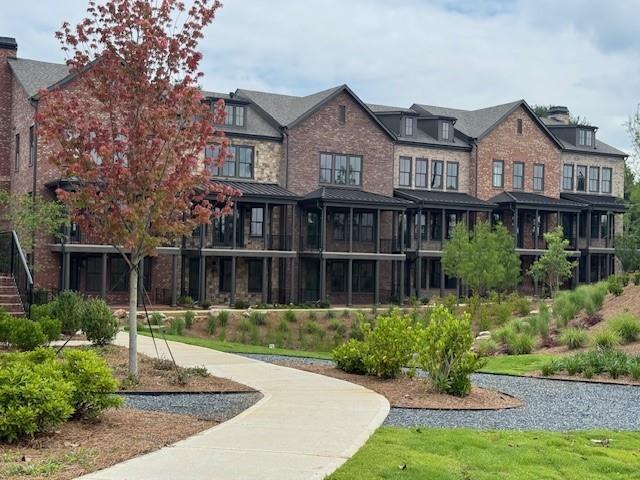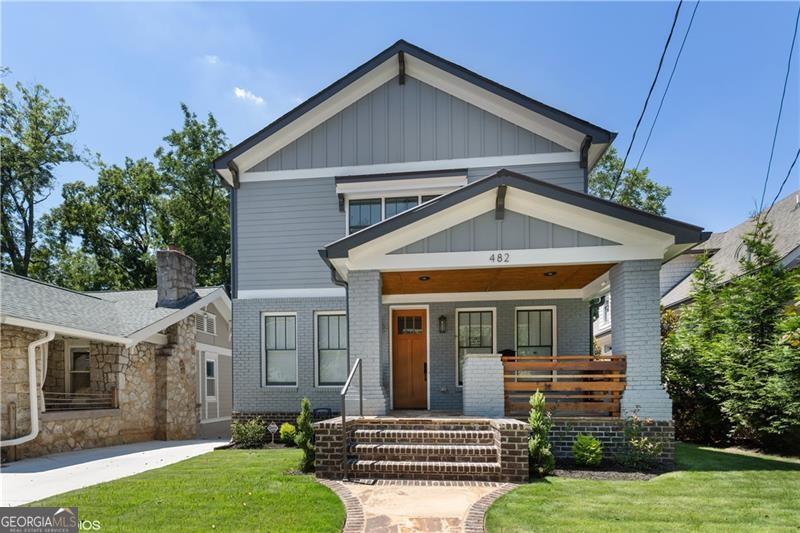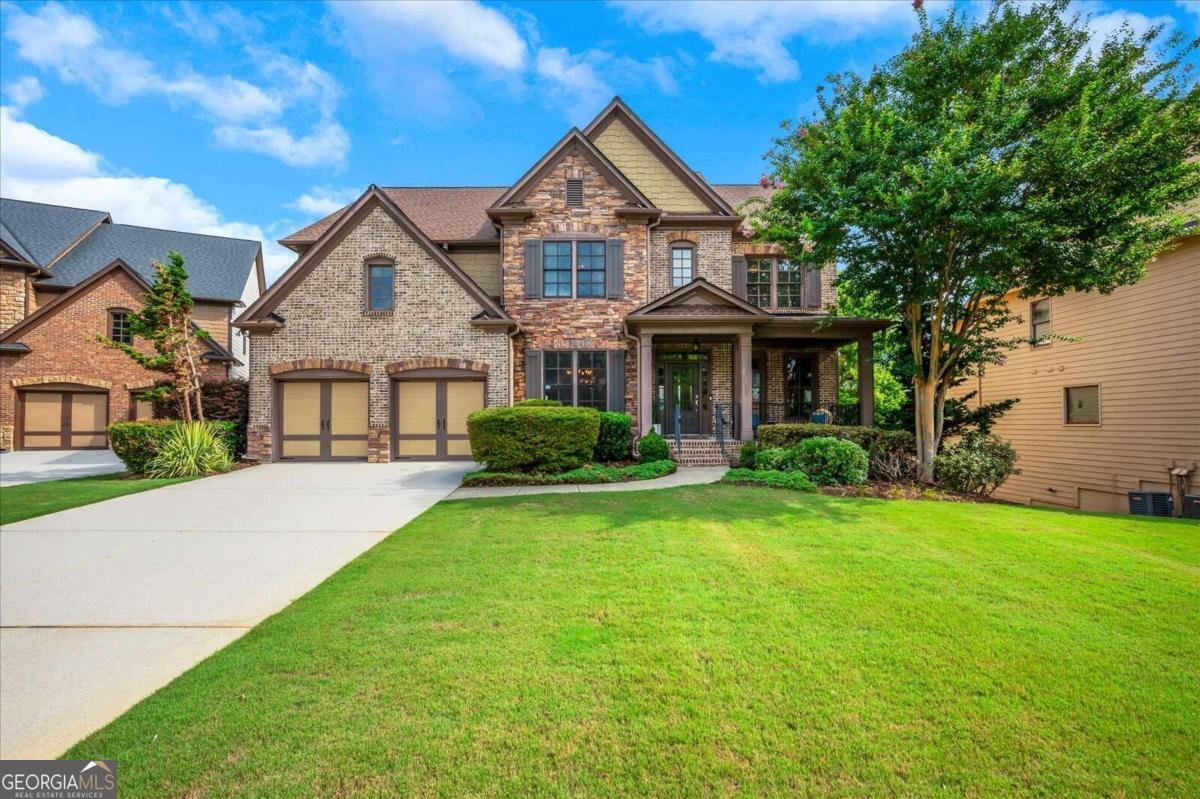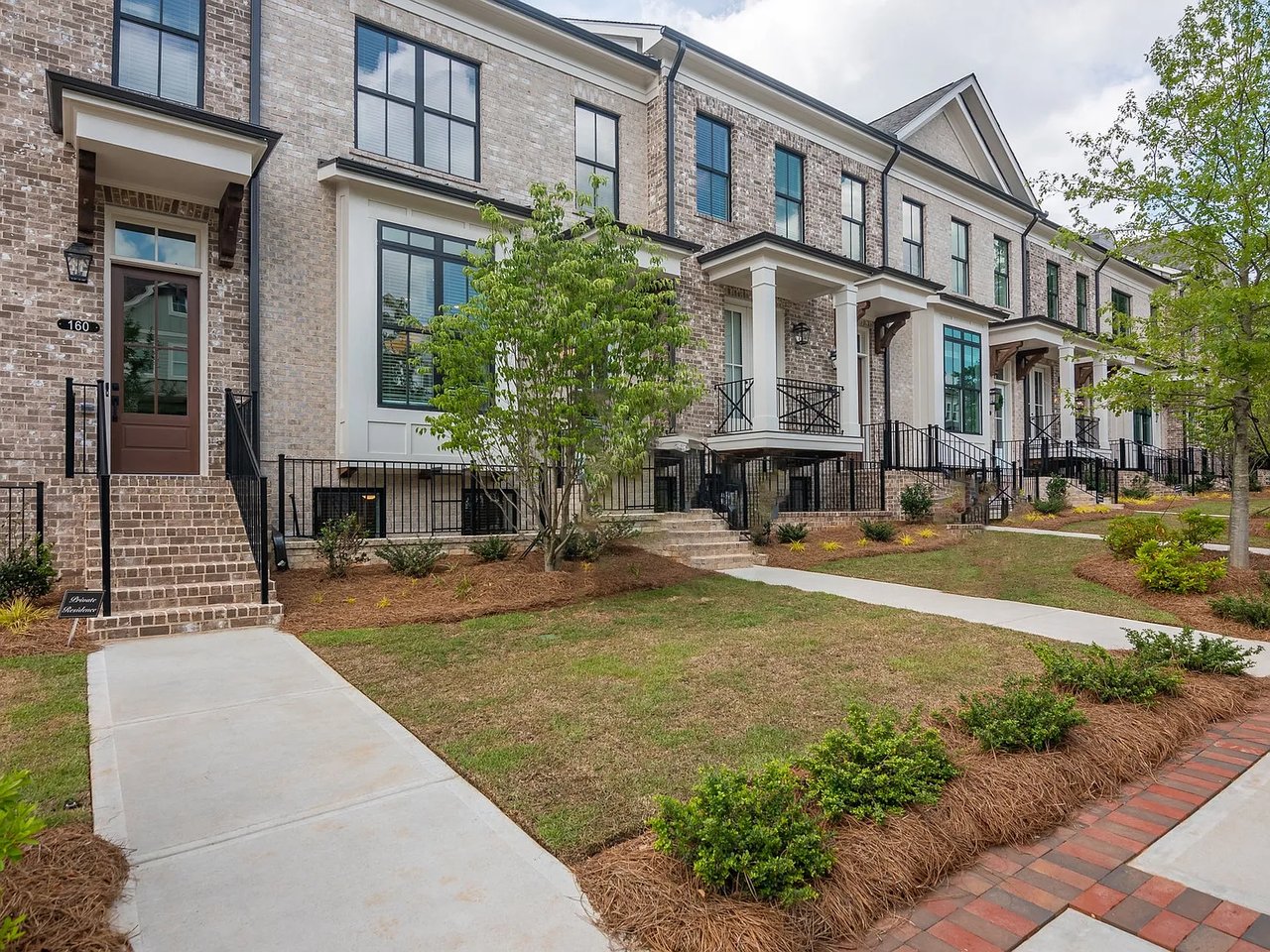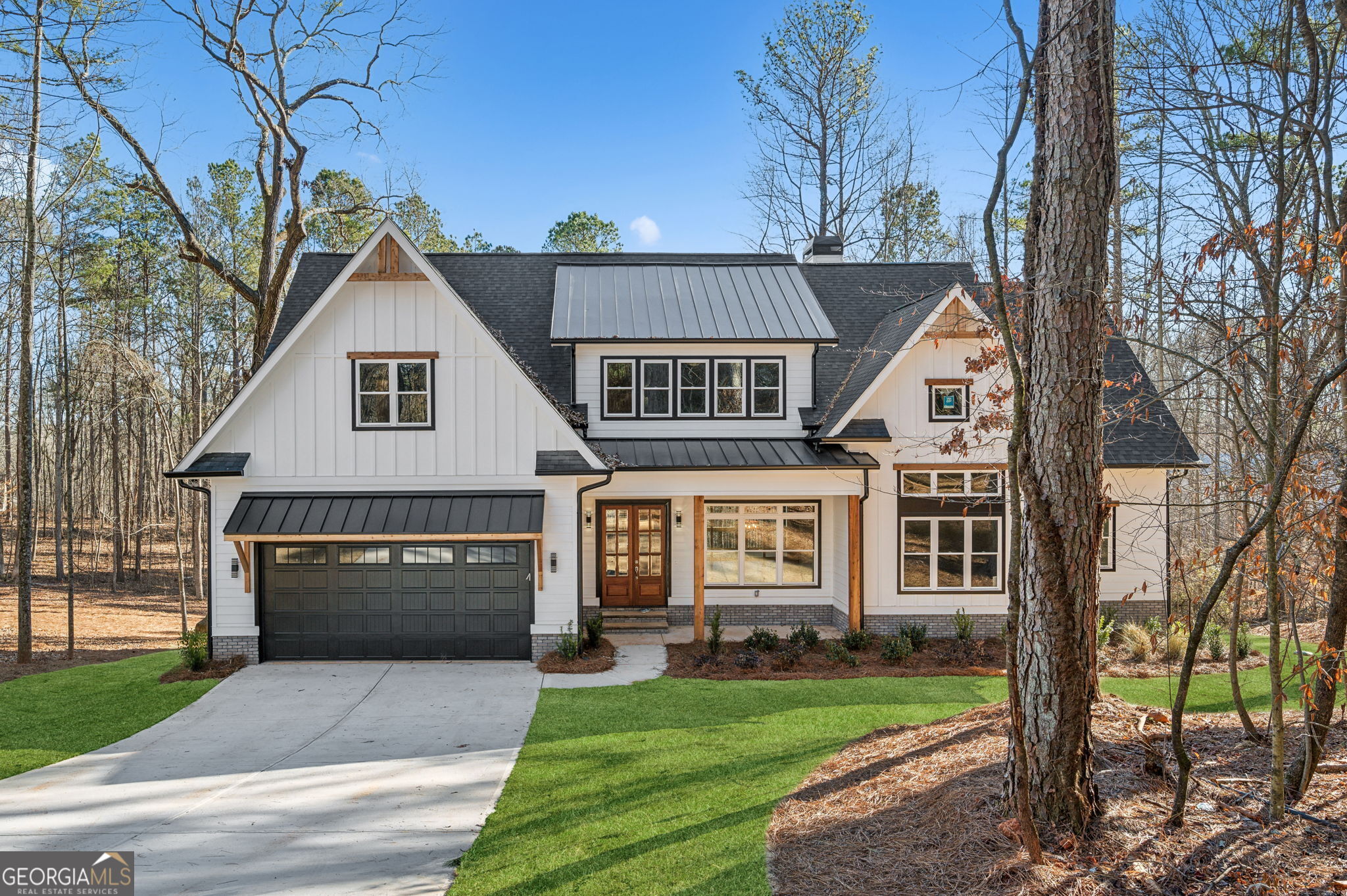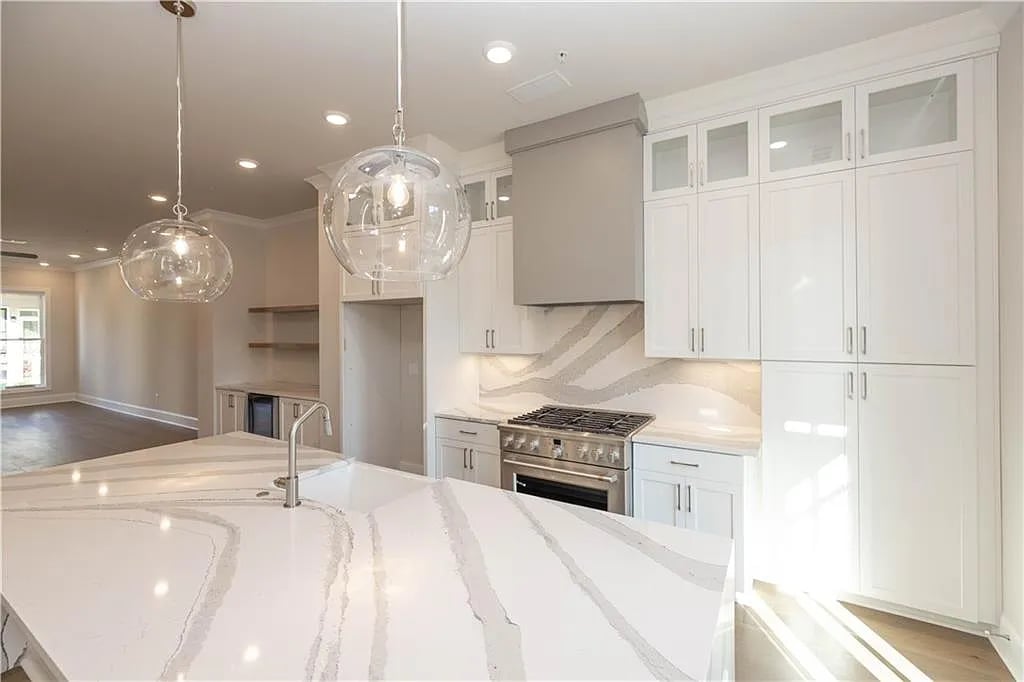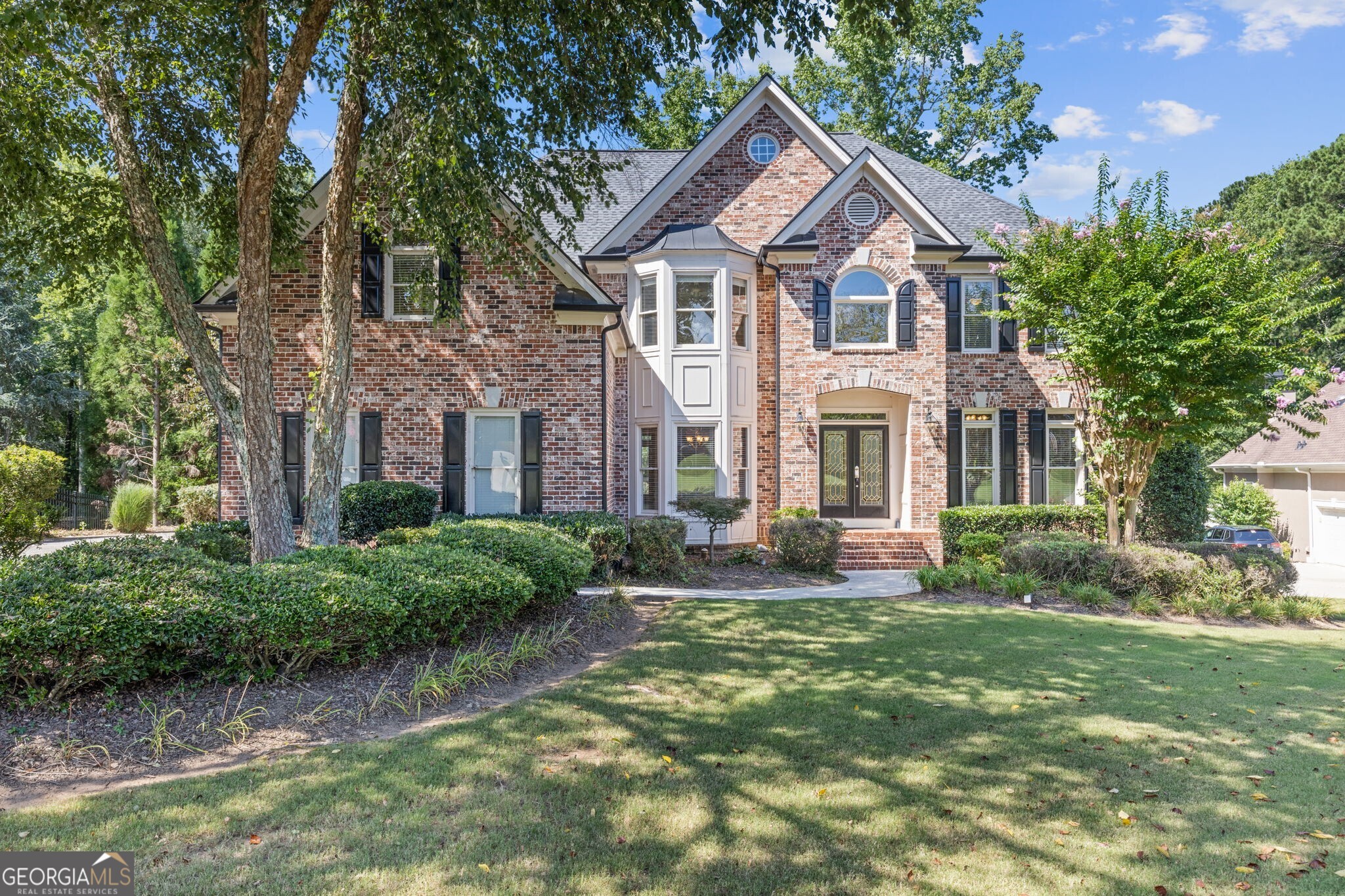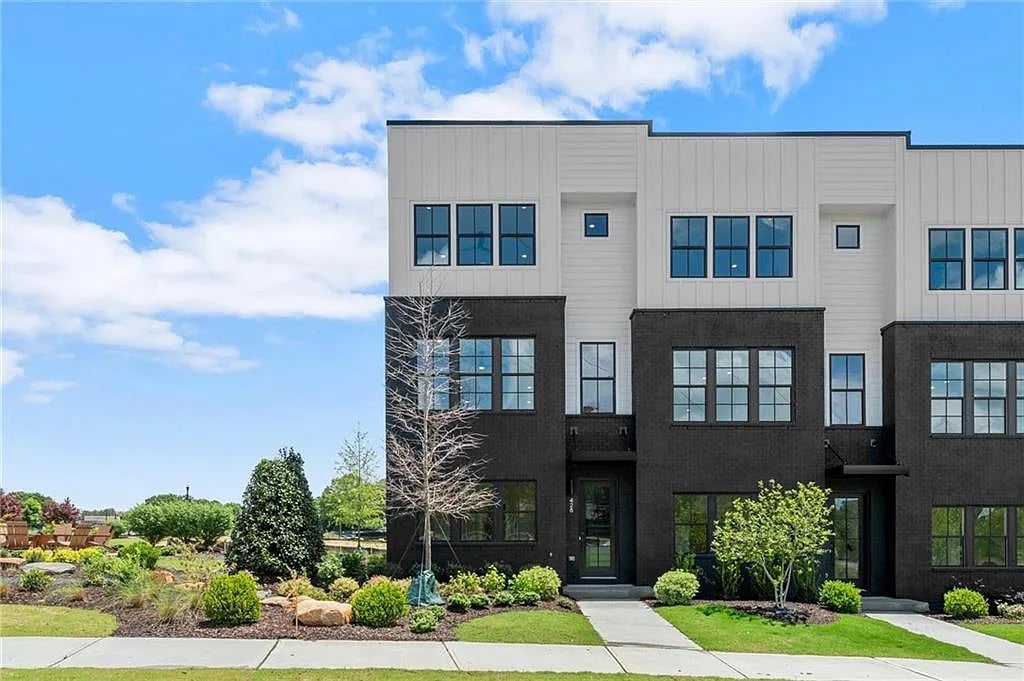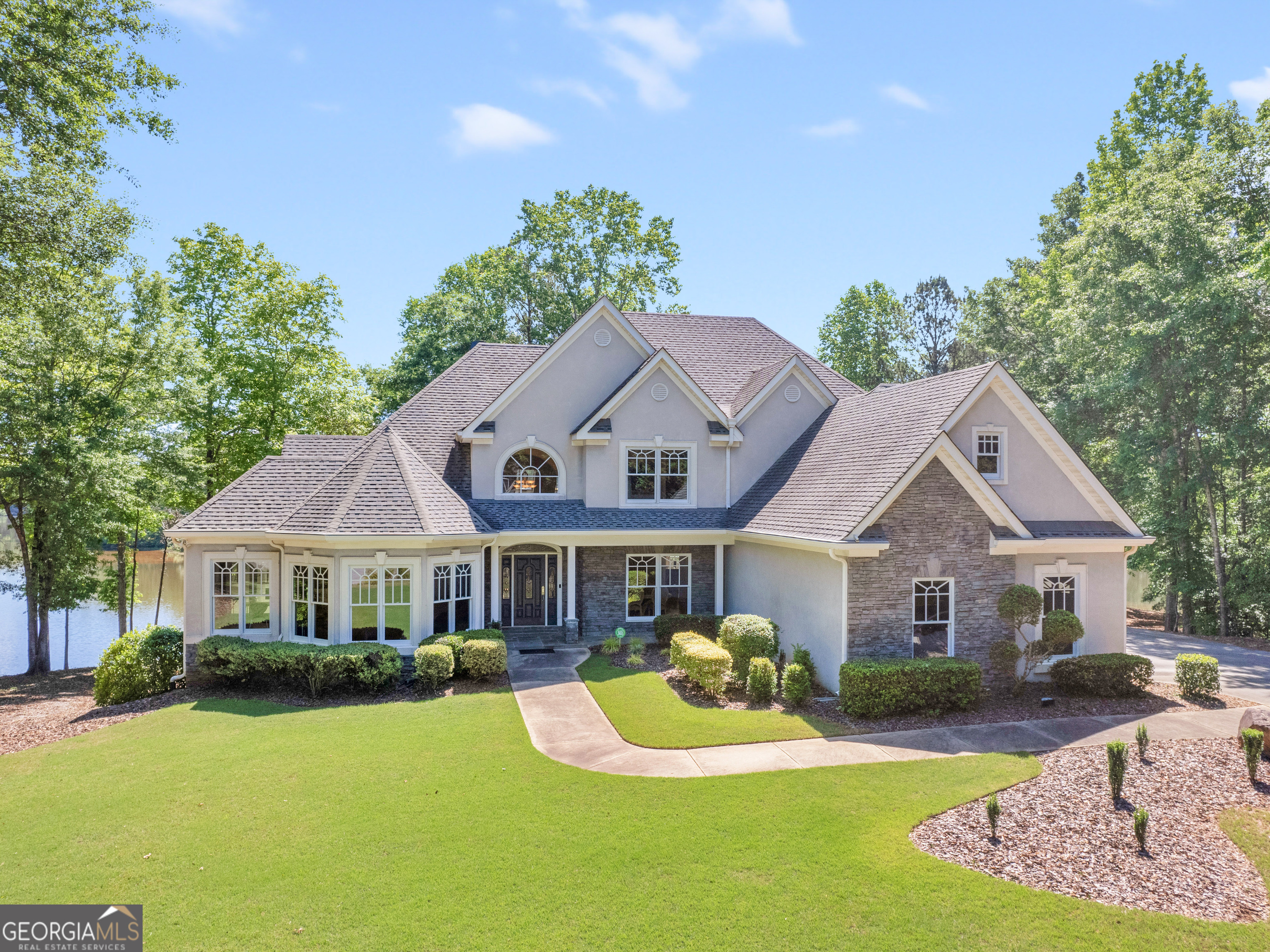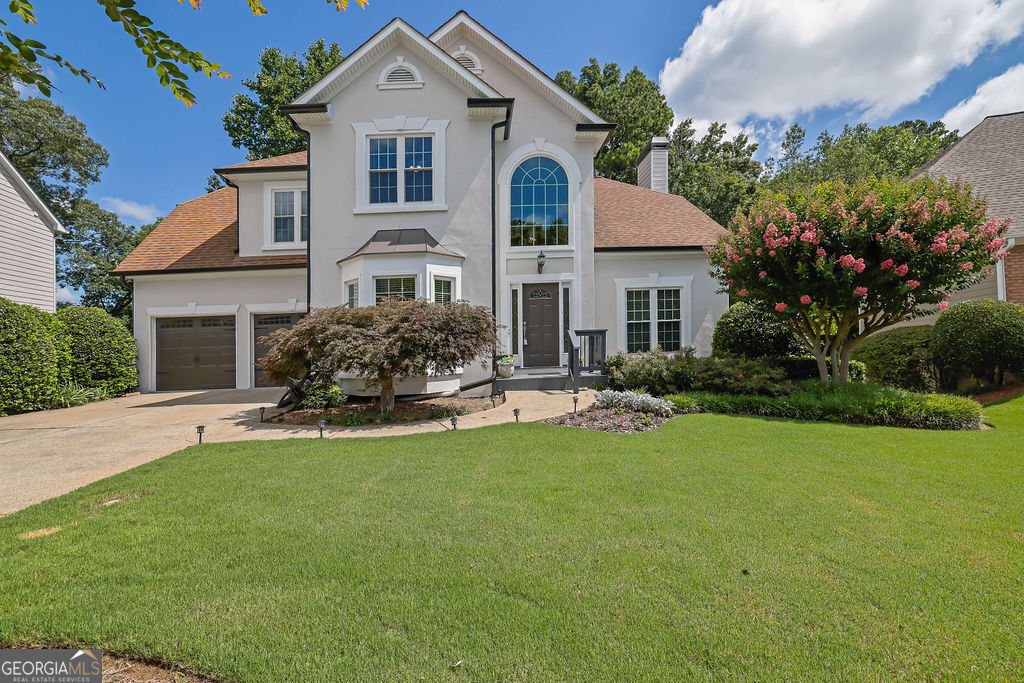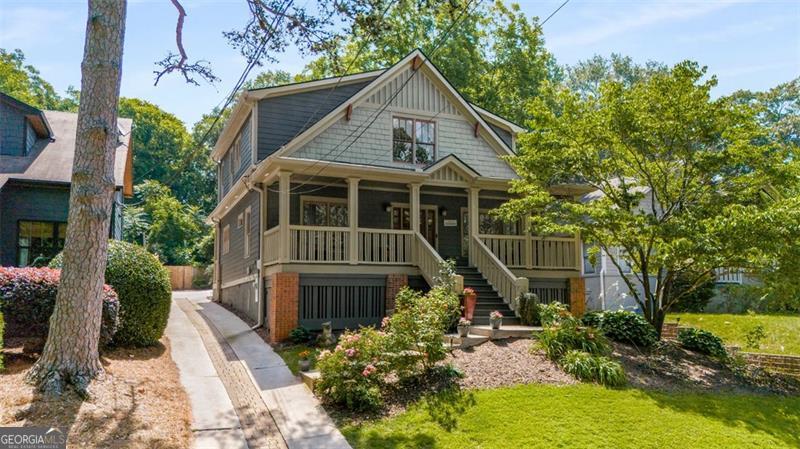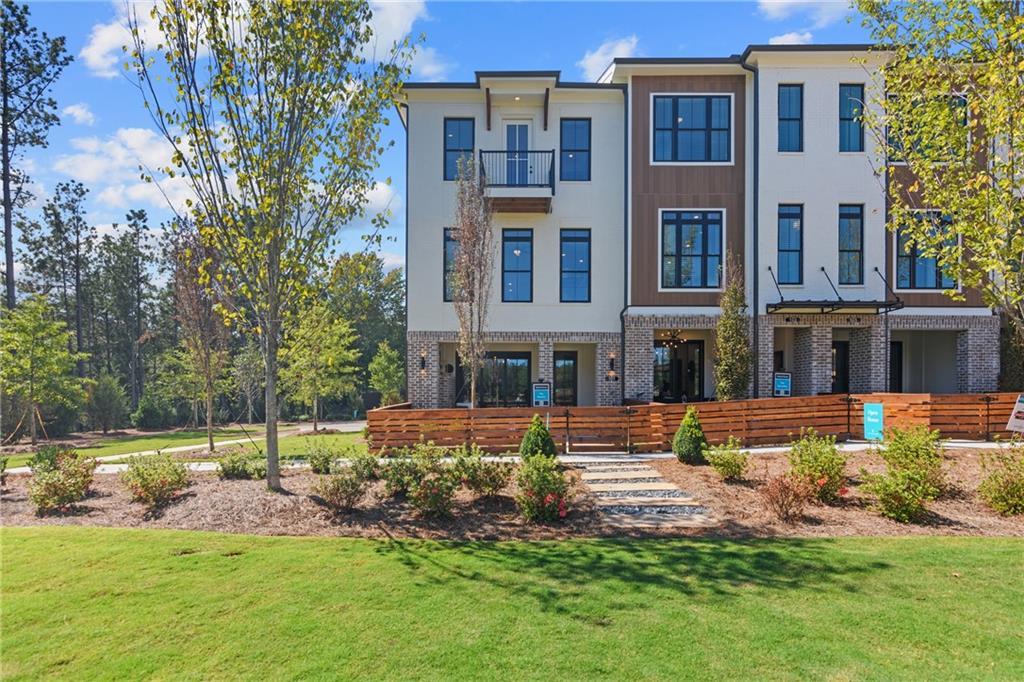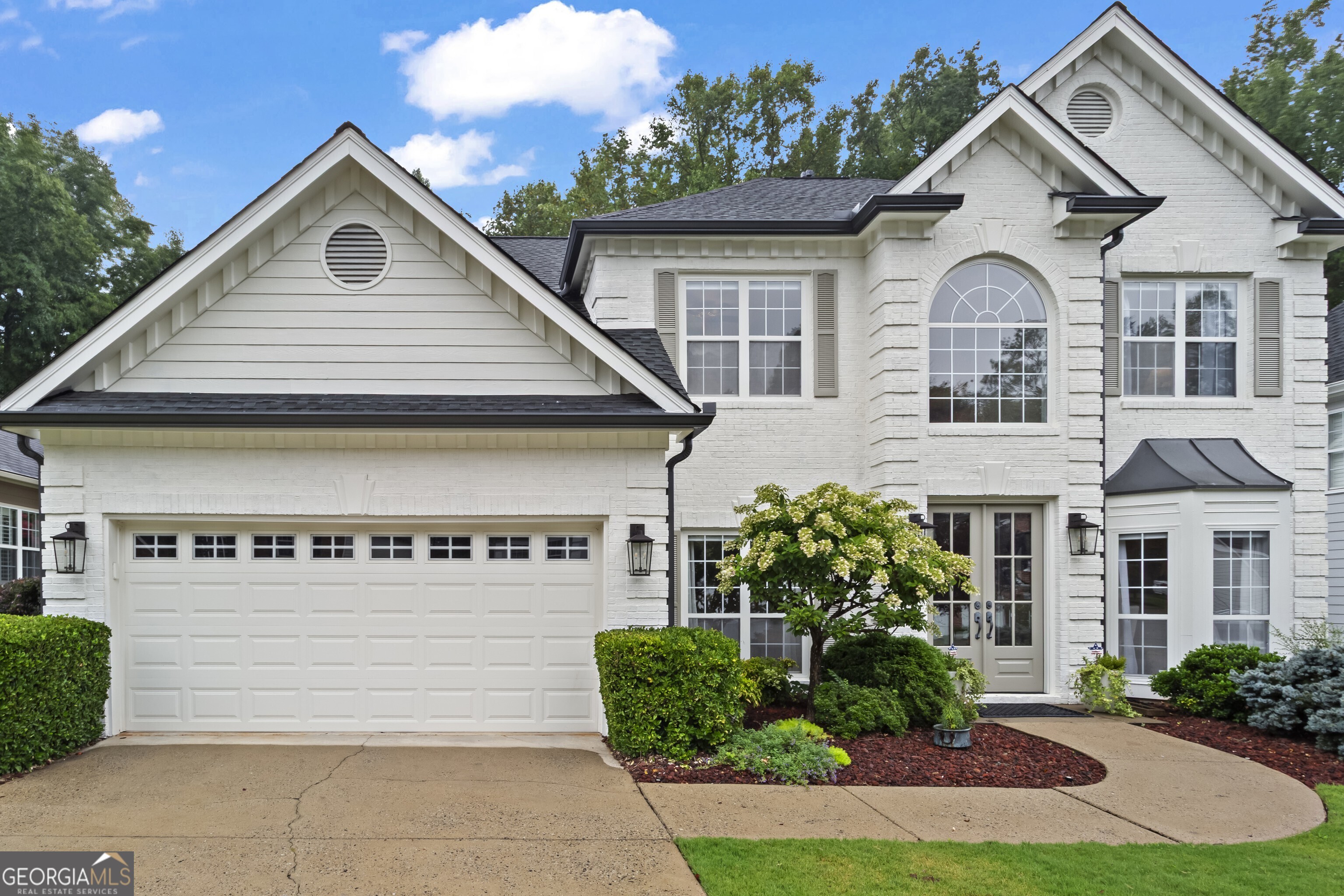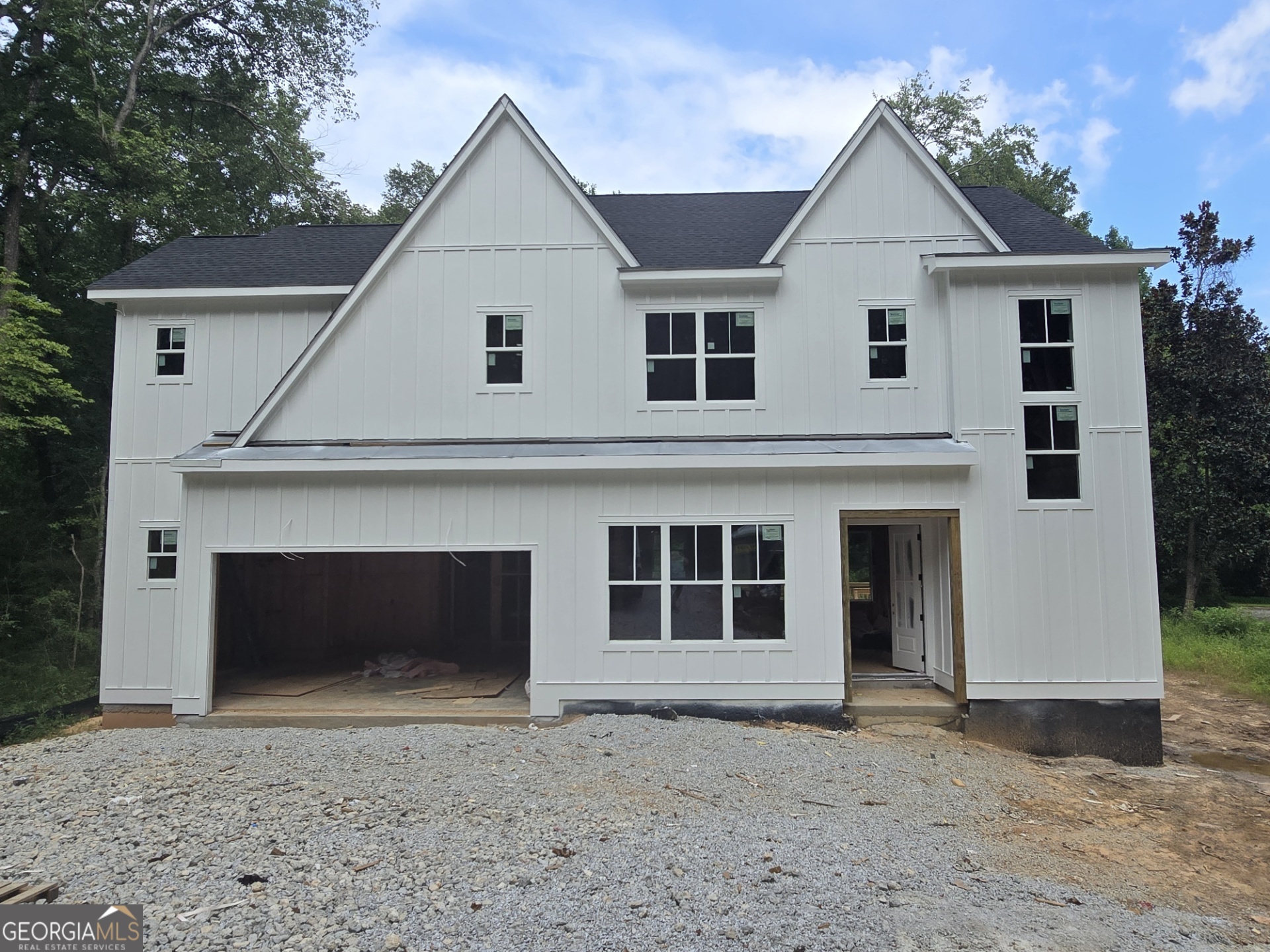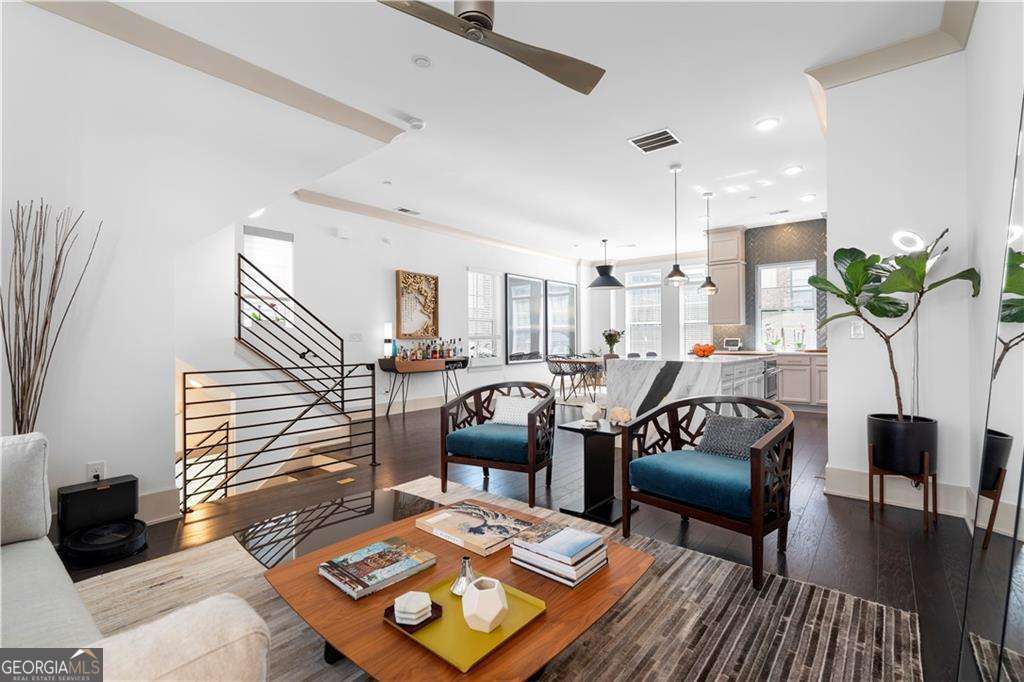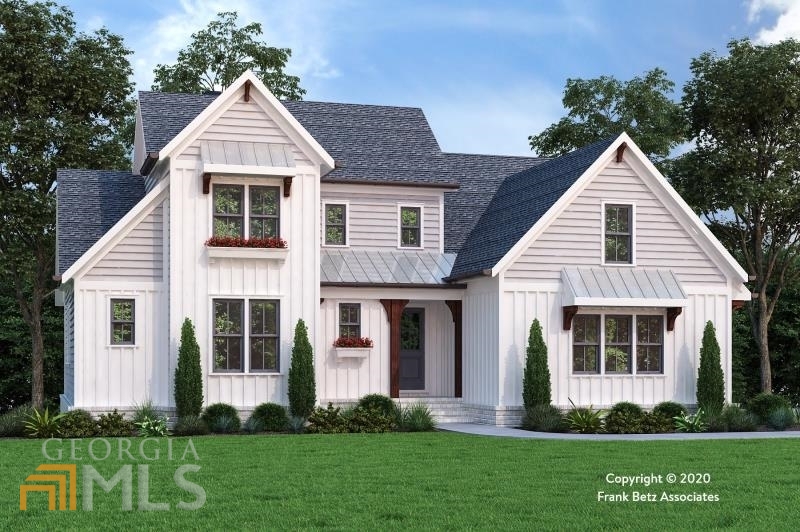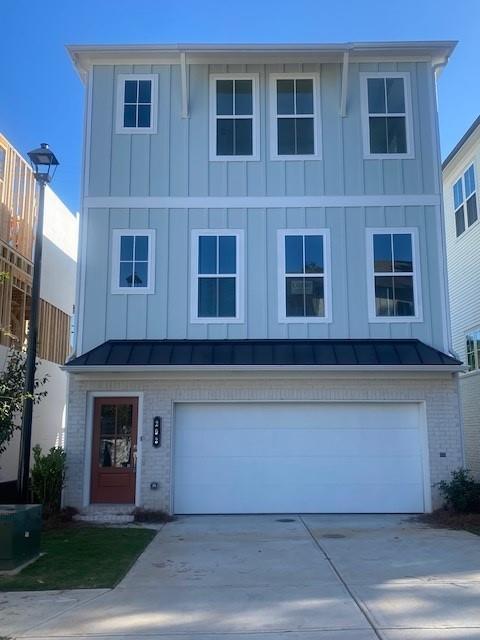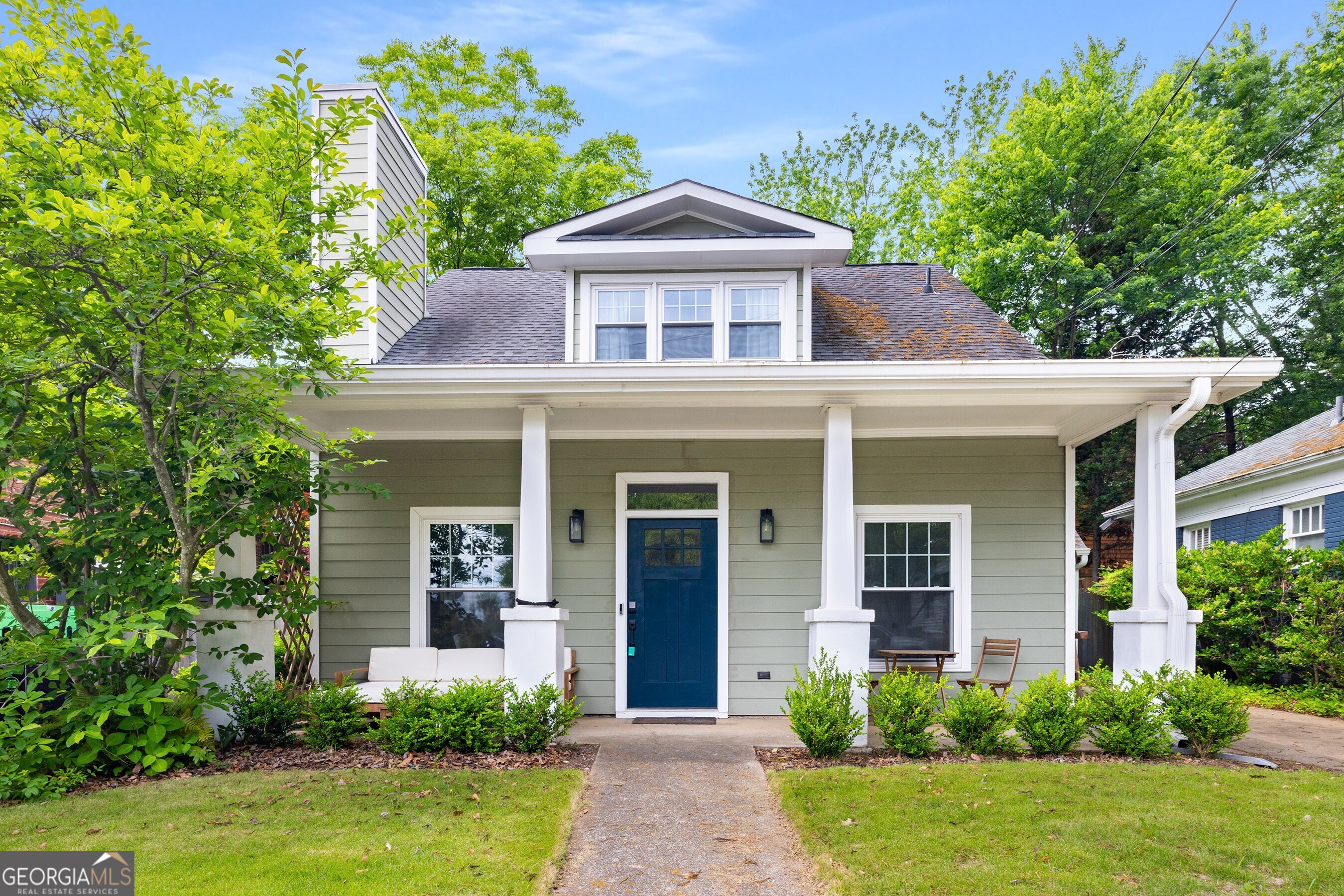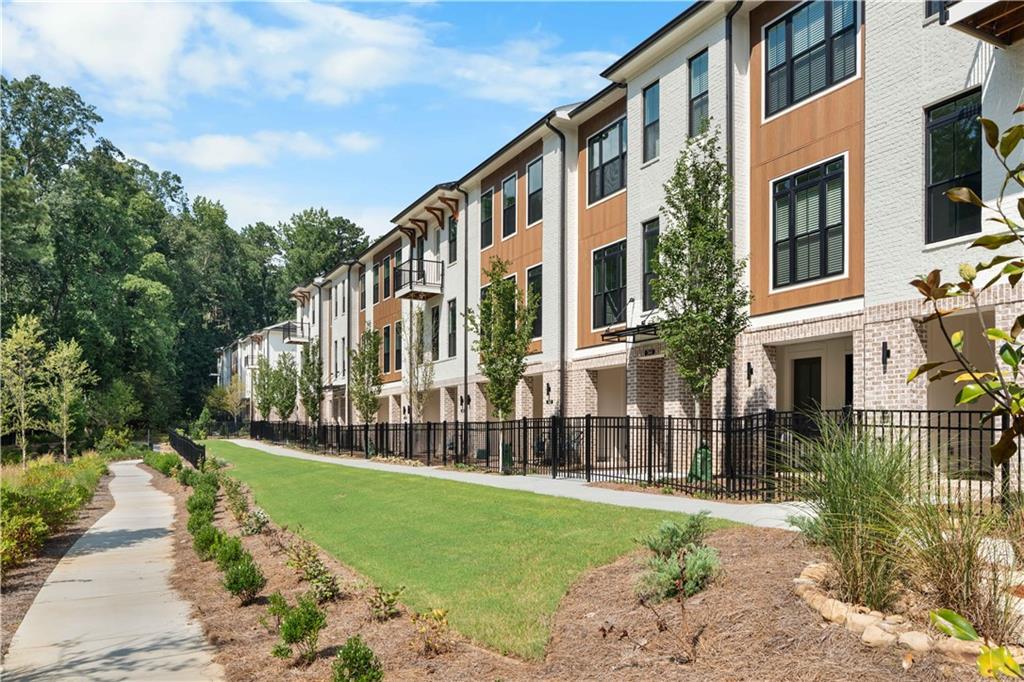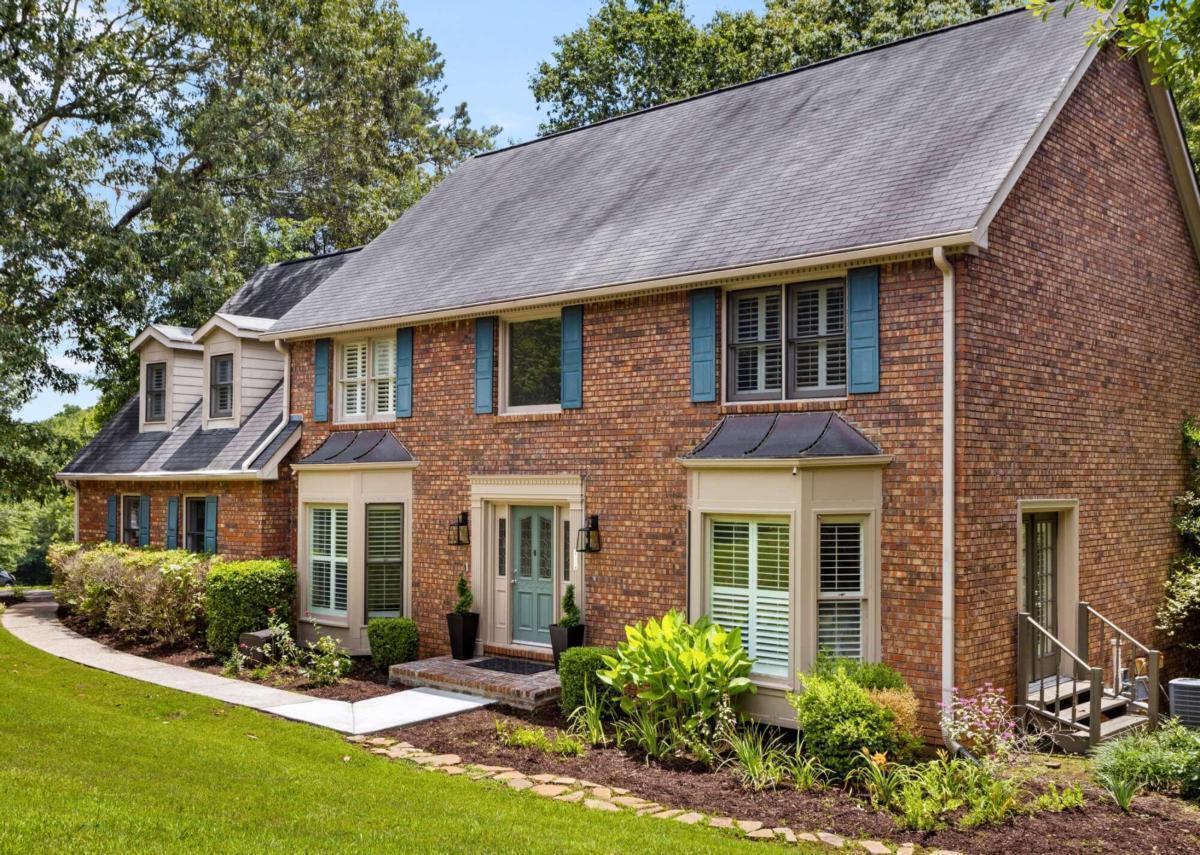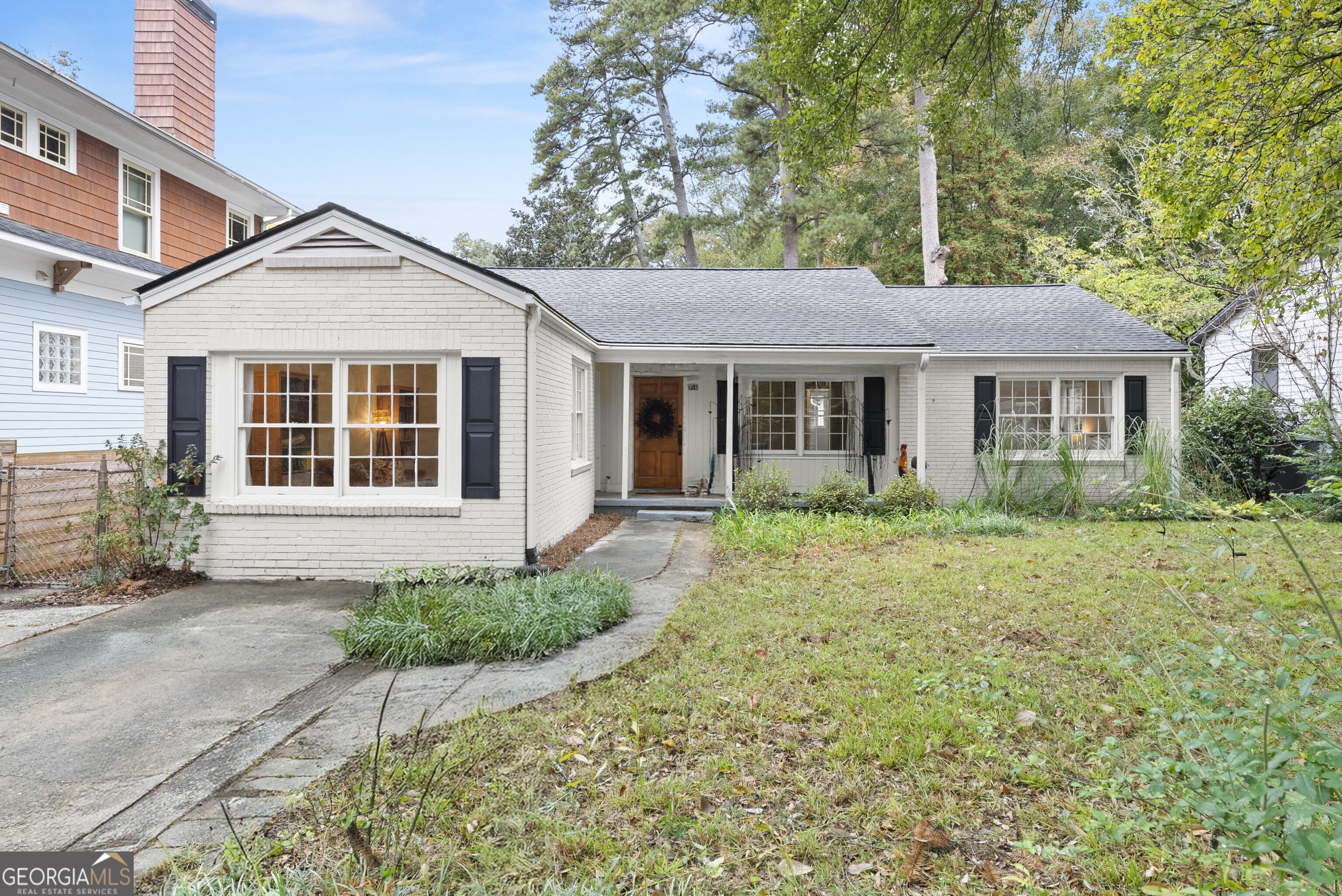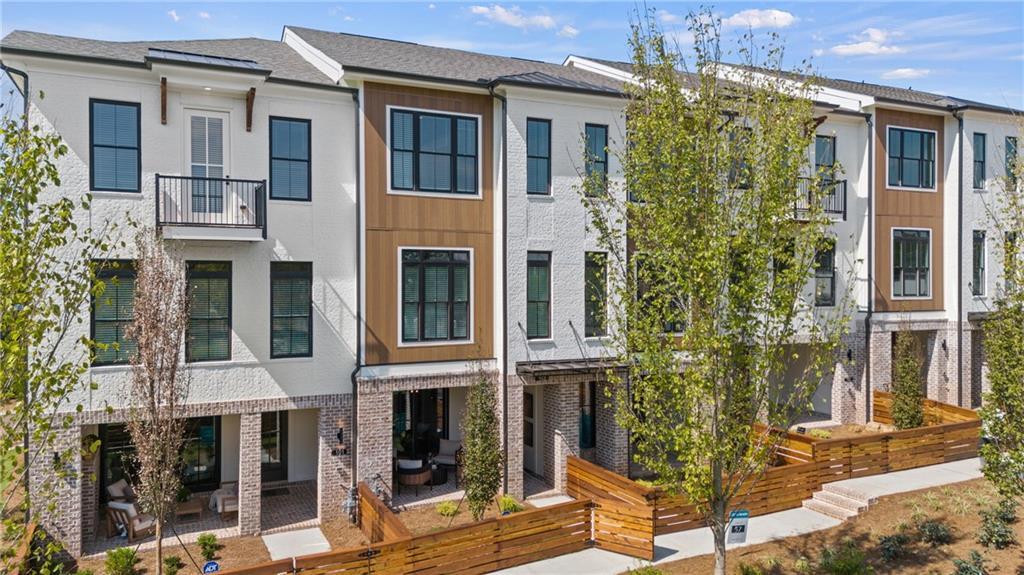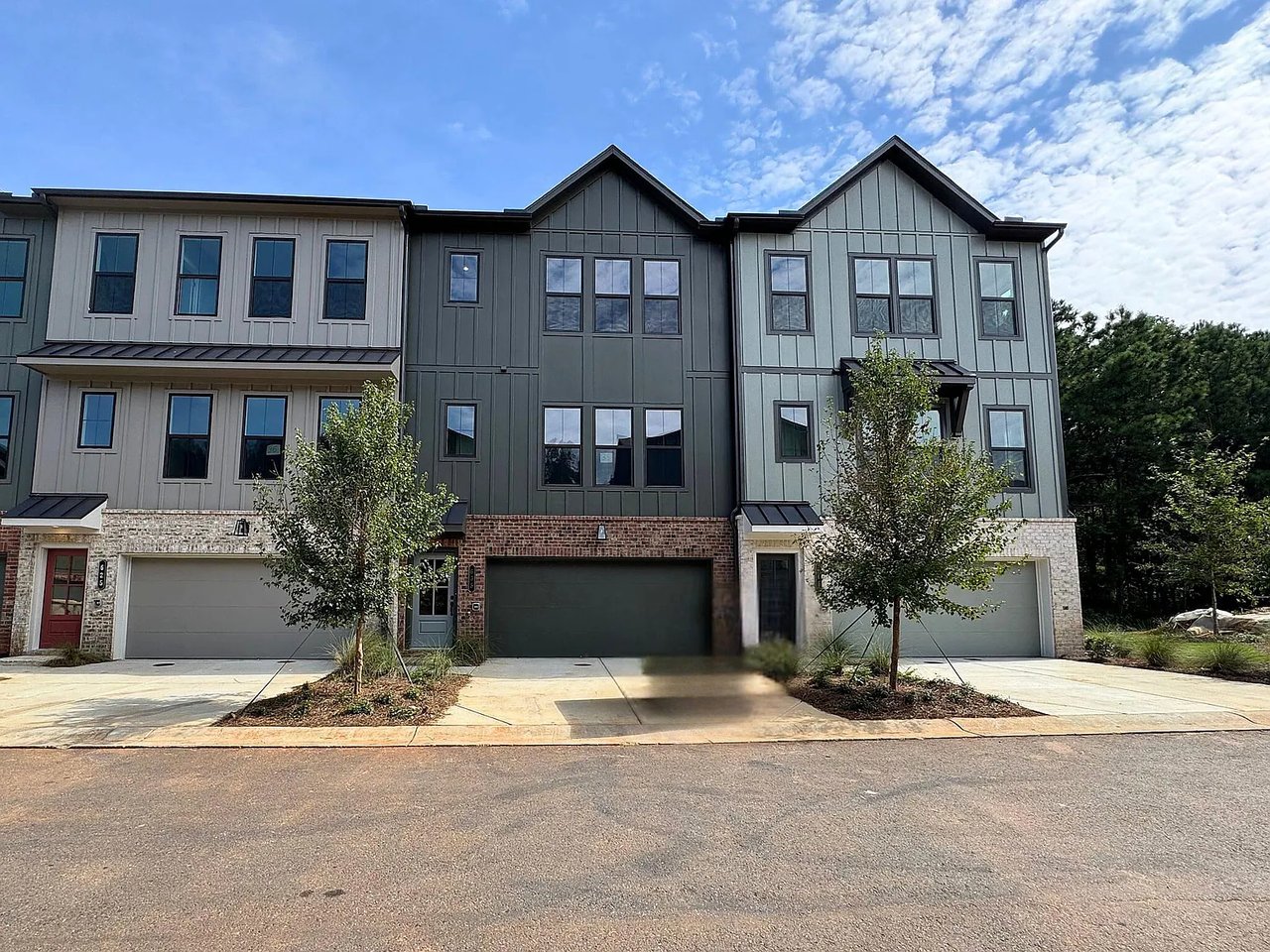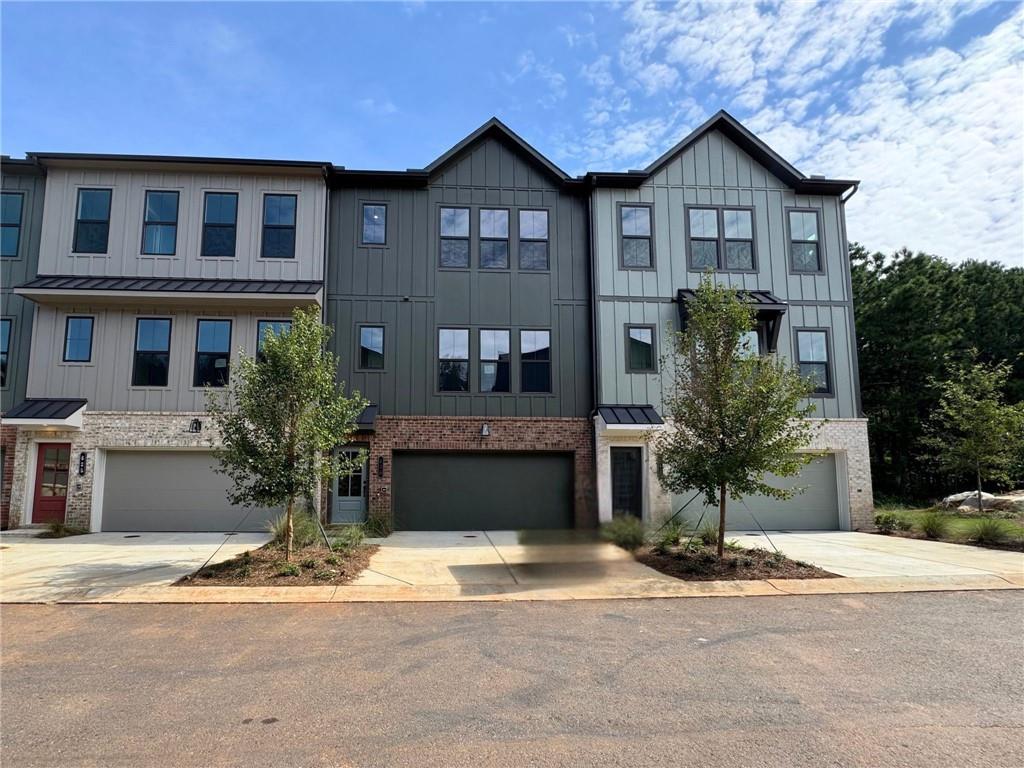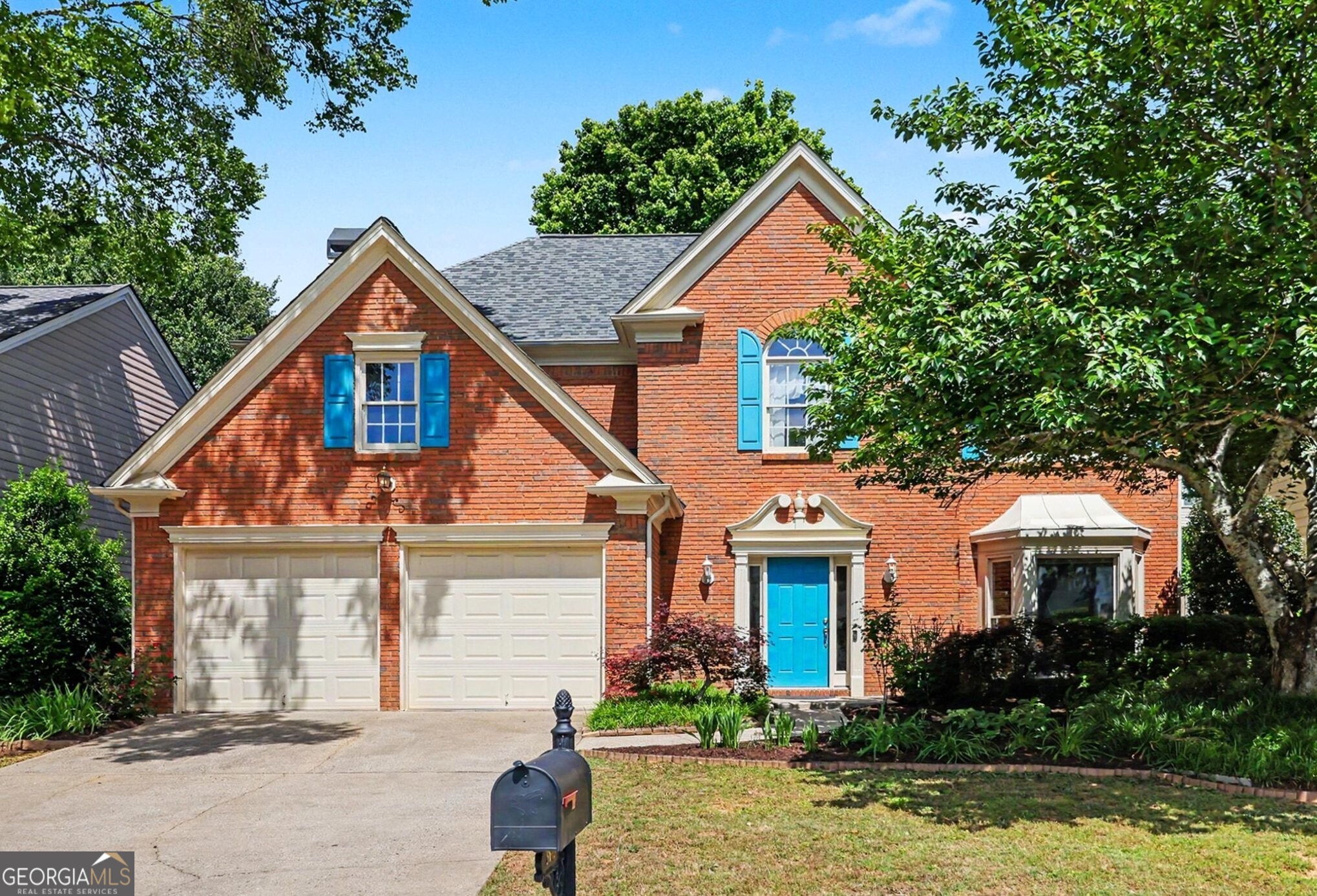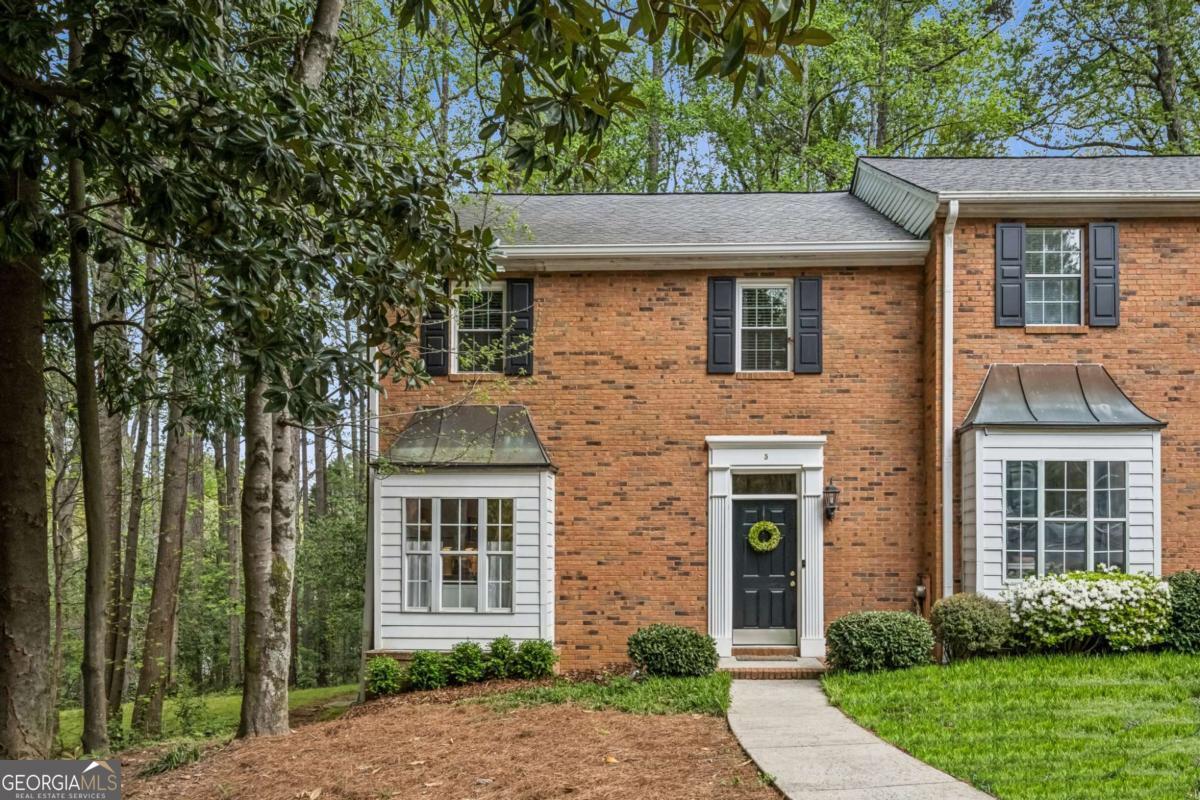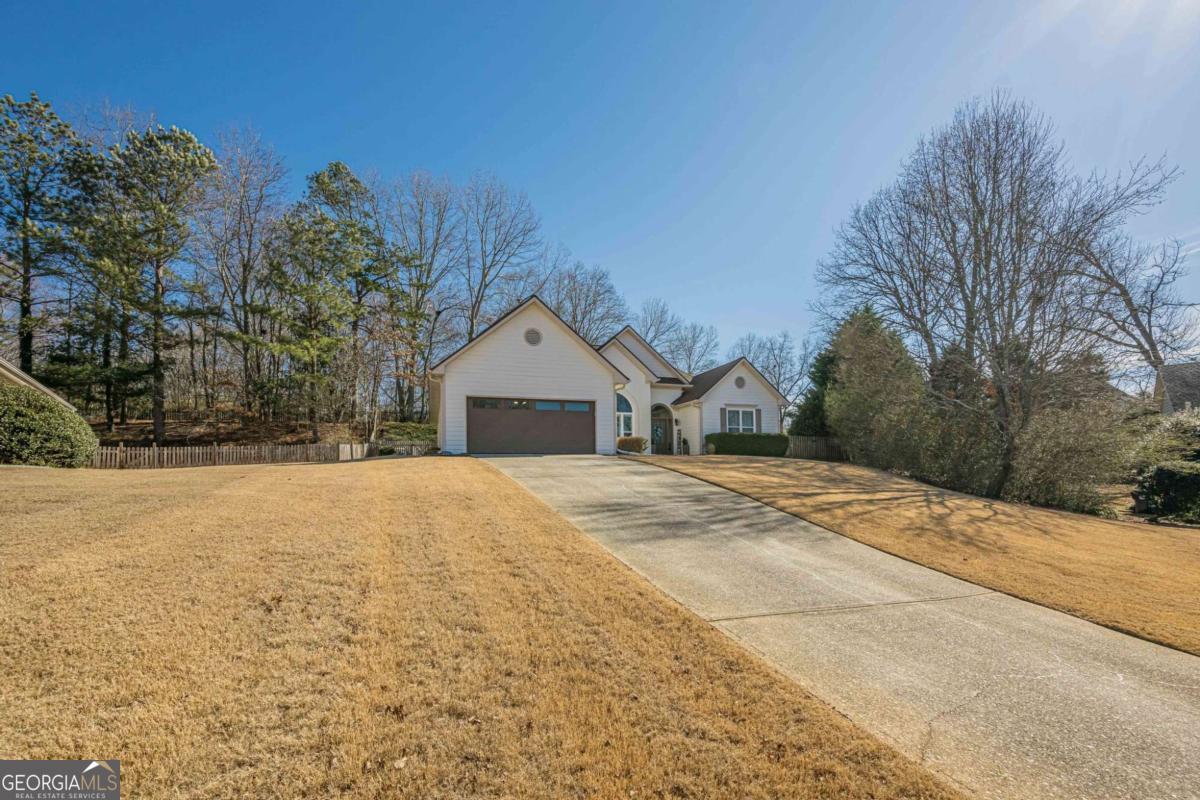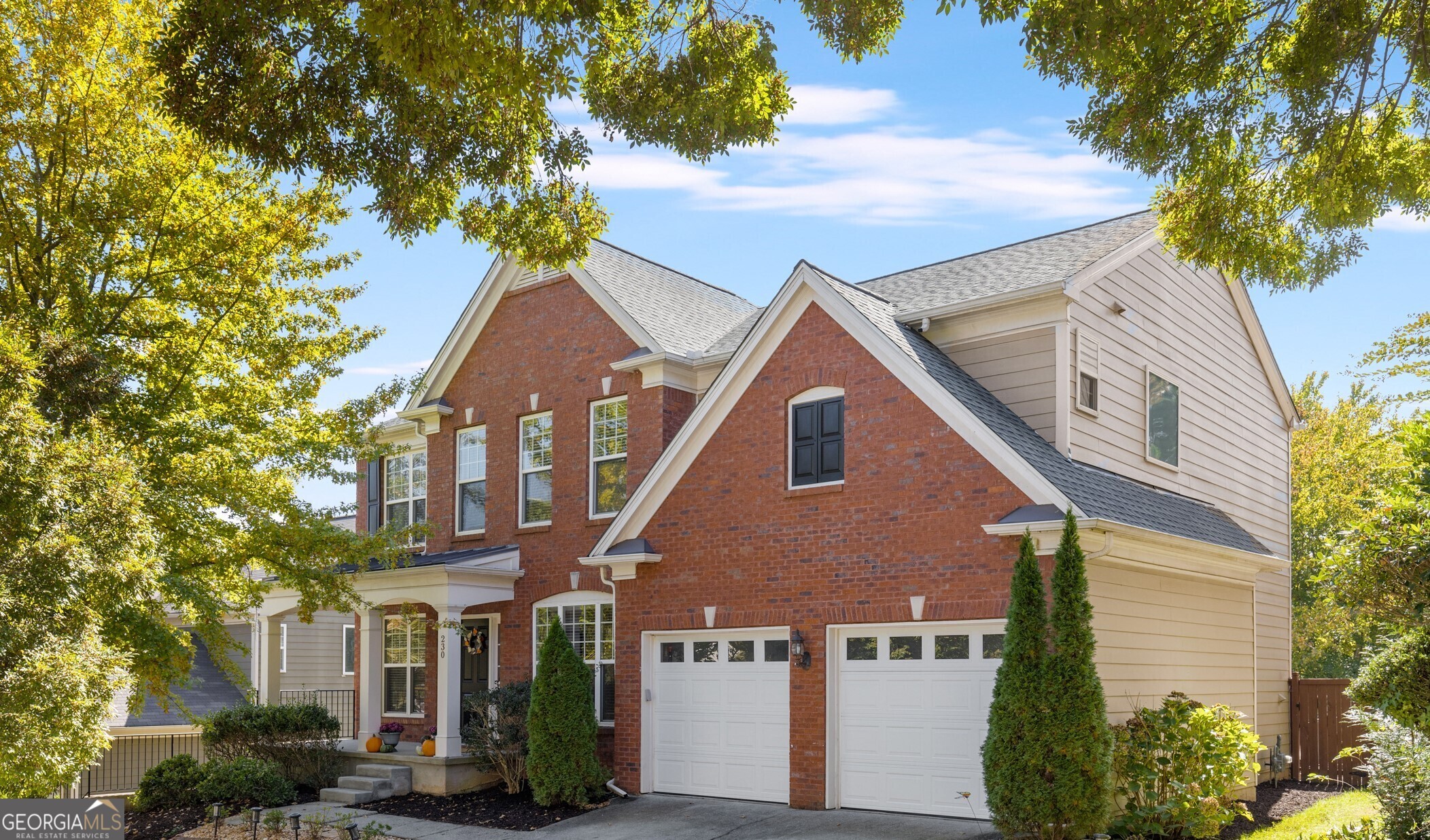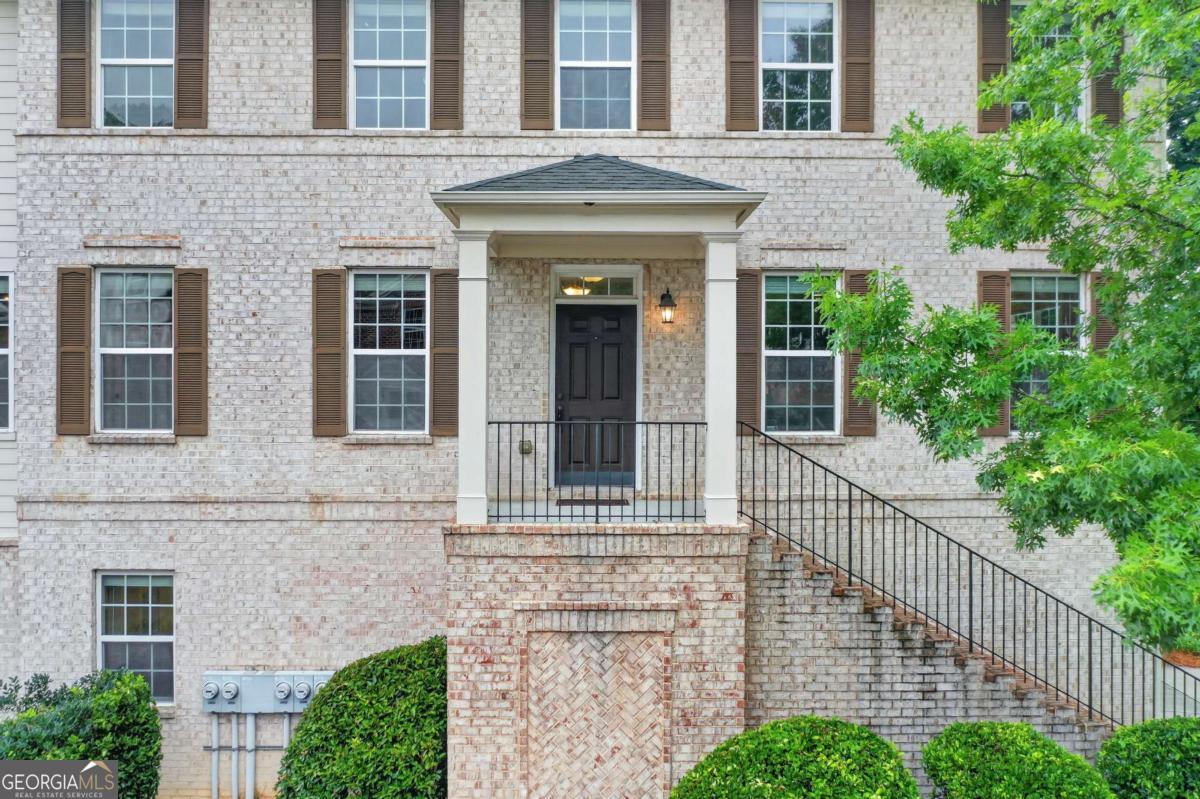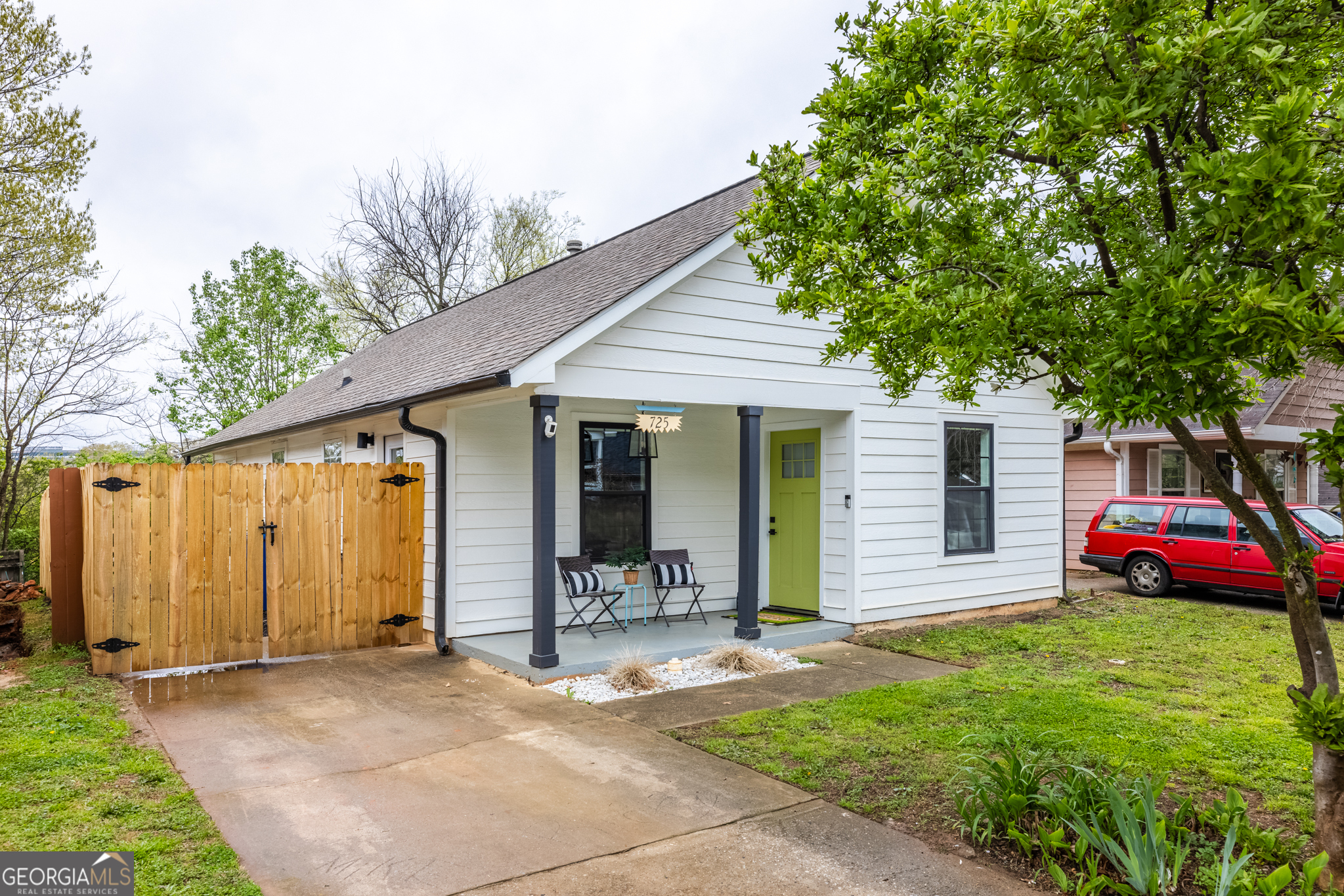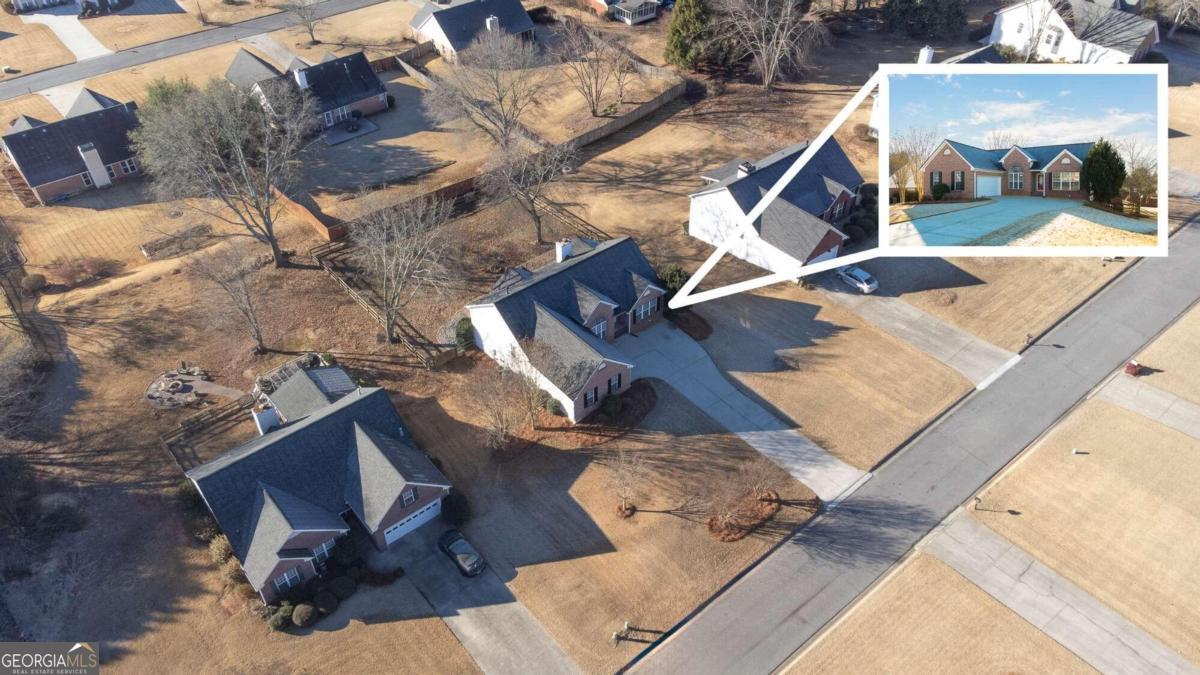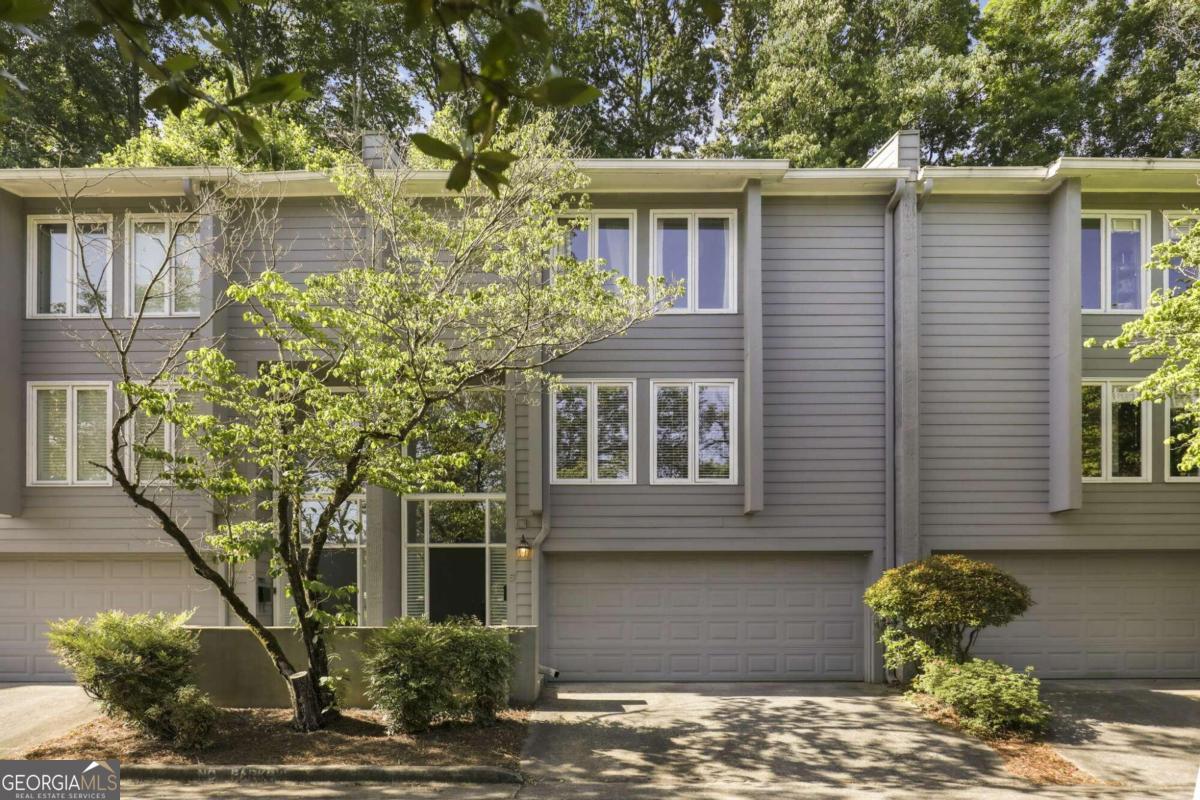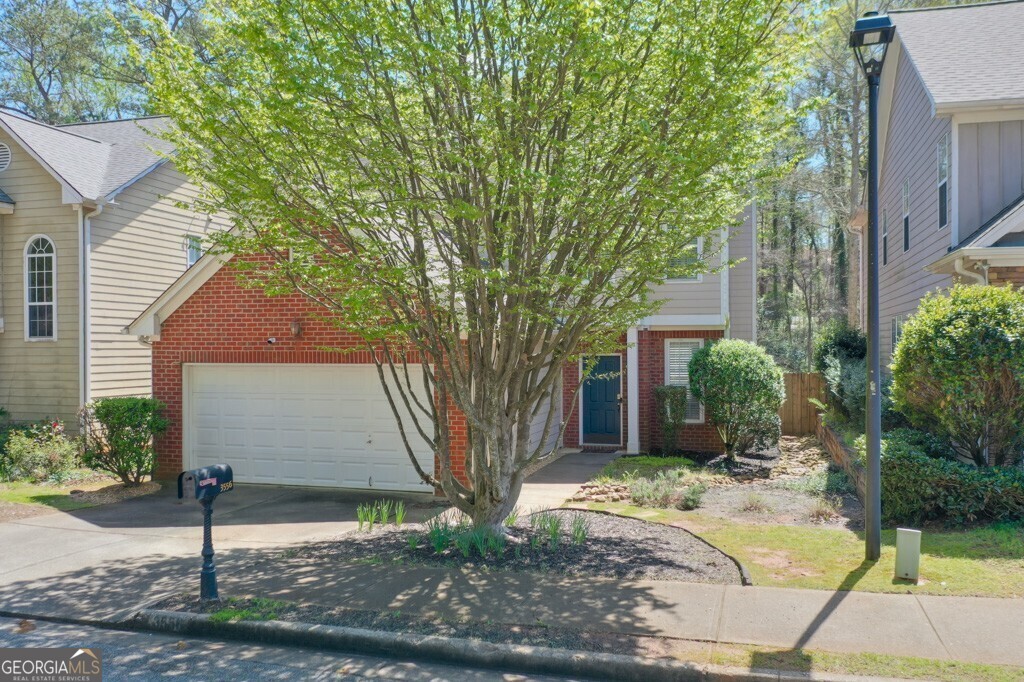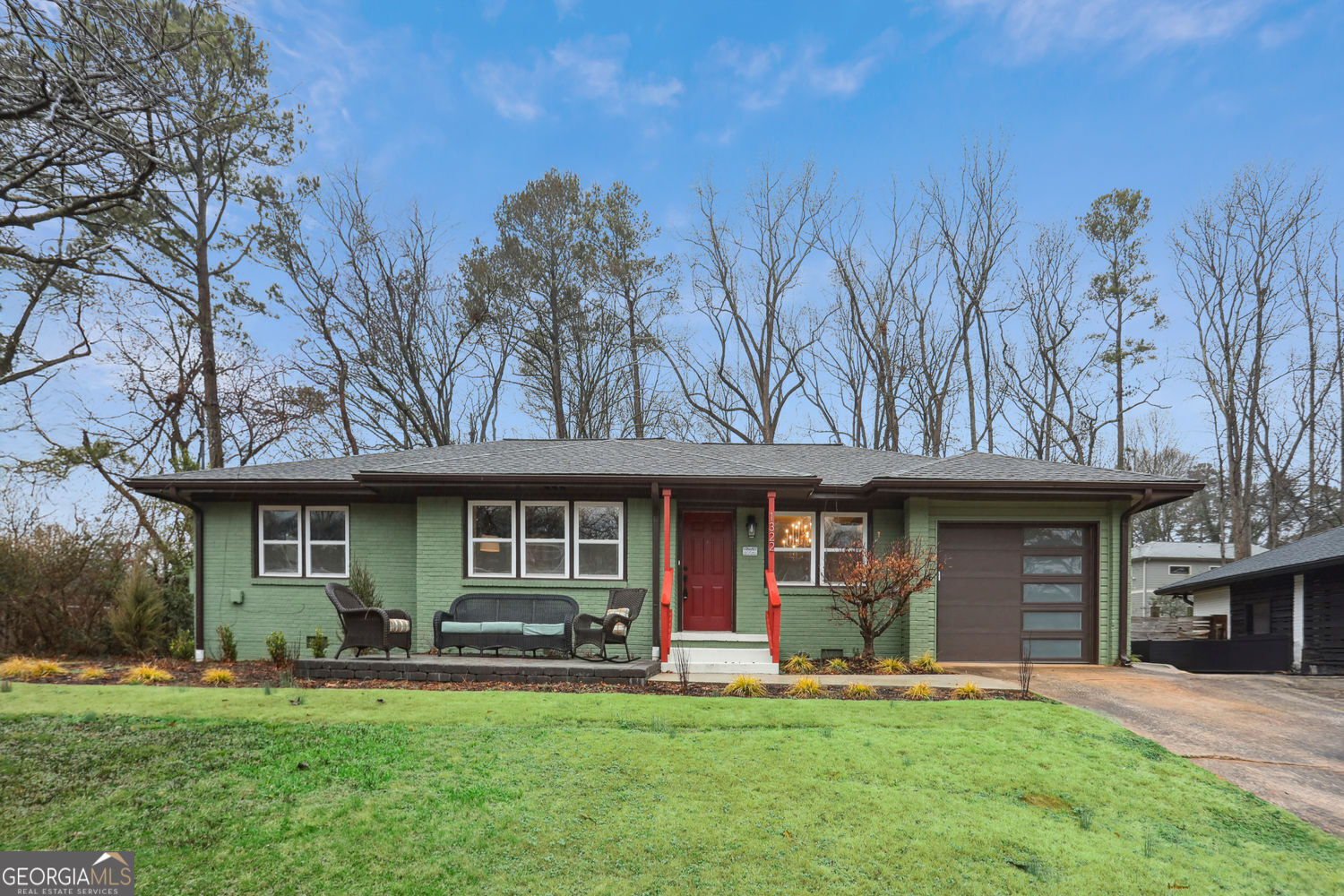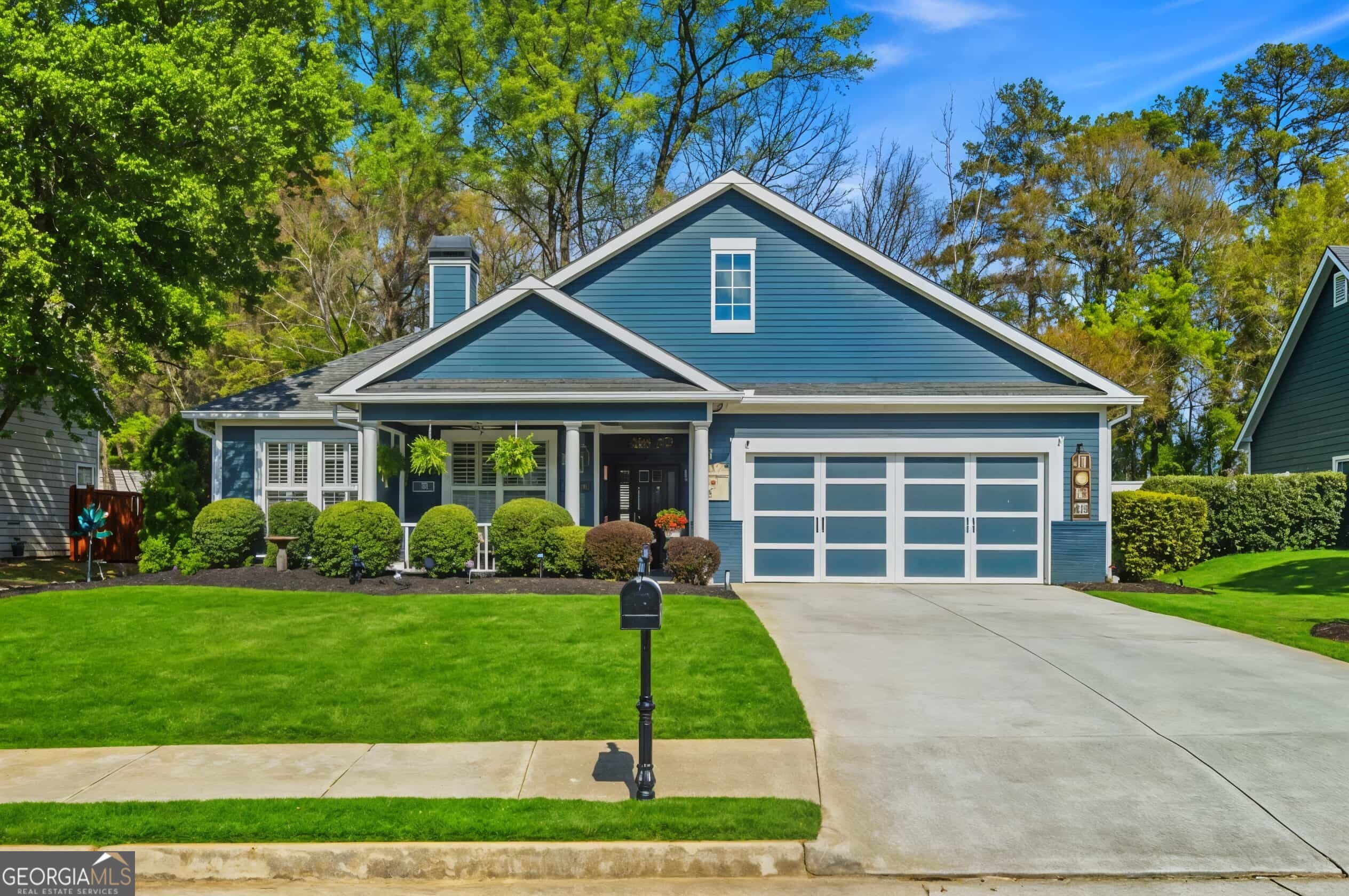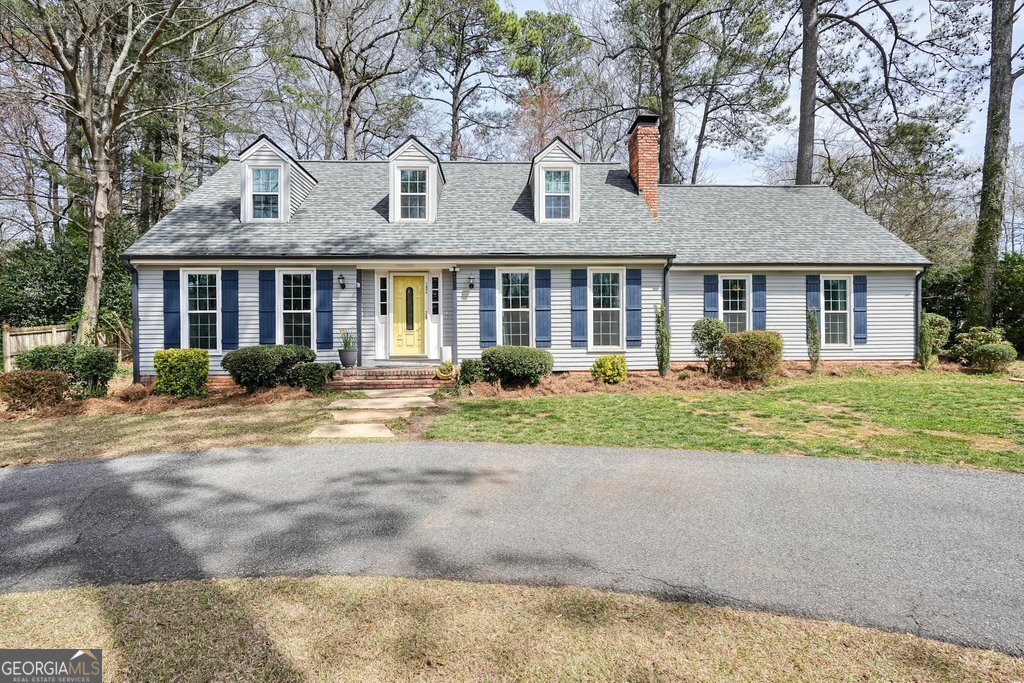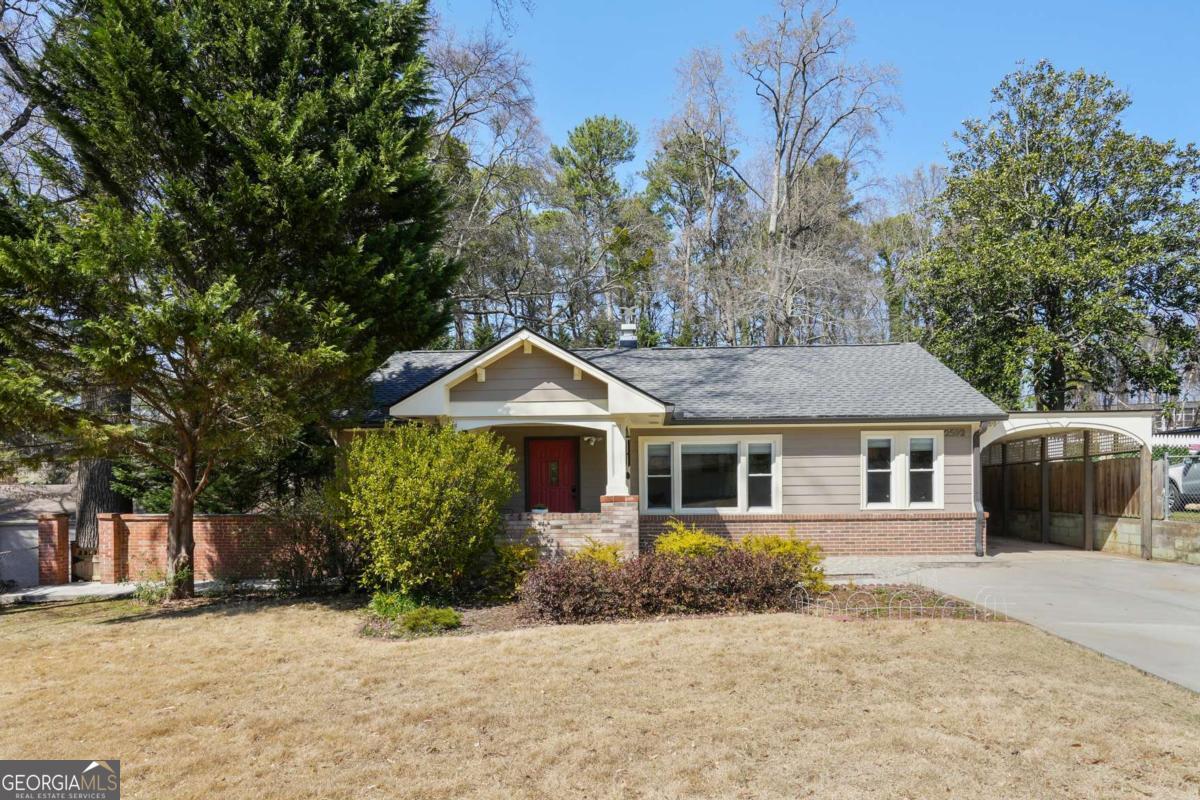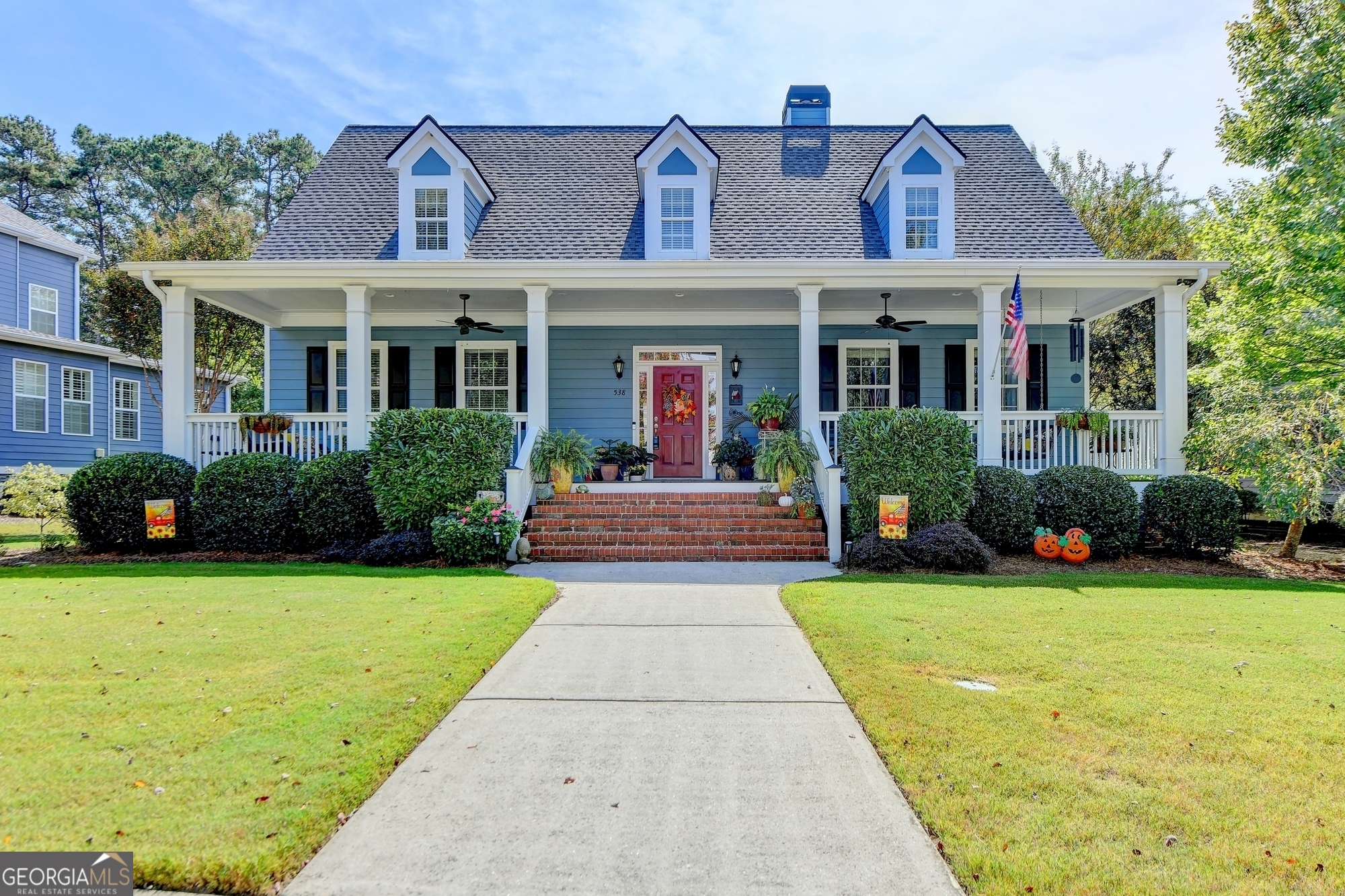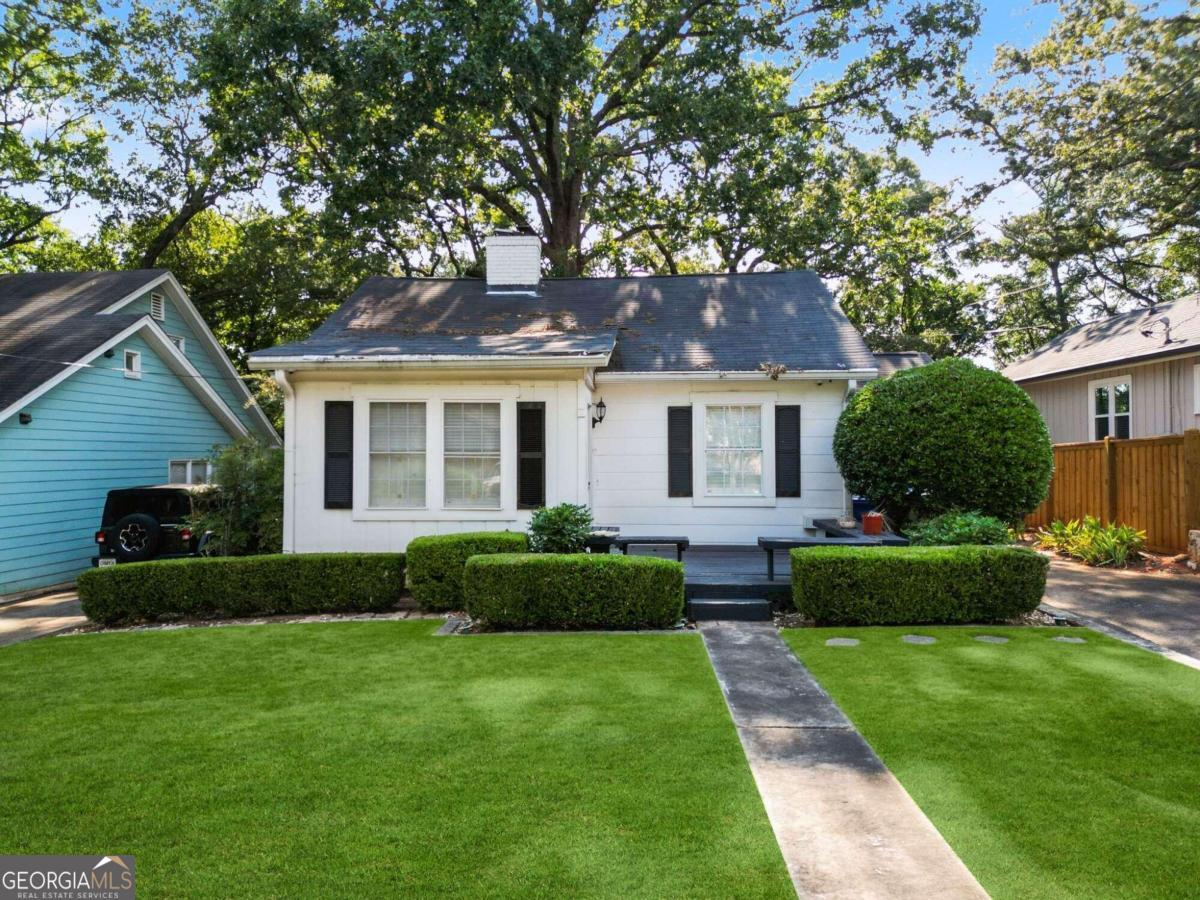
Buyers who know exactly where new construction is concentrating in Marietta right now are walking into model homes with a genuine strategic edge. This blog maps the active growth corridors, the forces driving them, and what every buyer needs to know before signing anything.
Marietta has long been one of the Atlanta metro's most established suburban cities — a place with genuine roots, a walkable historic square, and the kind of community infrastructure that takes decades to earn. Something distinct is happening along its edges and growth corridors right now. A meaningful wave of new residential development is actively reshaping pockets of Marietta and the surrounding unincorporated Cobb County zones, and understanding where that growth is concentrating — and why — is the difference between reacting to the market and getting ahead of it.
Why Marietta Is Attracting New Home Development Right Now

Cobb County's Economy and Job Base Are Pulling Buyers In
The employment story around Marietta is substantively strong, and that matters directly for housing demand. WellStar Health System, headquartered in Marietta, is one of Georgia's largest healthcare employers and a significant anchor of the local economy. The Cumberland/Galleria business district — just south of Marietta proper at the I-75/I-285 interchange — represents one of metro Atlanta's densest concentrations of corporate office space, drawing professional workers who want to live nearby rather than absorb a longer commute from further-flung suburbs.
Dobbins Air Reserve Base, located within Marietta's boundaries, adds a stable layer of military and civilian employment that has anchored the local economy for decades. For buyers, this employment diversity means Marietta isn't a one-employer town — demand is broadly and durably based.
~3.5–4.0% — Cobb County's unemployment rate in 2024, running in line with or slightly below Georgia state averages. That stability is a direct driver of housing demand and a key reason regional and national builders continue to view Marietta as a reliable market for new residential investment.
Infrastructure Investment Is Opening Up New Land
Several of Marietta's key road corridors have seen meaningful capacity improvements in recent years, making previously underutilized parcels far more viable for residential development. Barrett Parkway, Sandy Plains Road, and the US-41/Cobb Parkway spine have all benefited from commercial build-out and infrastructure investment that makes adjacent land attractive to builders across every price tier. Cobb County's ongoing commitment to transportation and community development has sent a clear signal to the development community: growth here is planned and supported, not just opportunistic.
The Cobb County School District Advantage
It's difficult to overstate how much the Cobb County School District influences where builders plant new communities. The district — the second-largest in Georgia, serving approximately 107,000 to 110,000 students — carries a sustained reputation for academic performance, with a student-to-teacher ratio of approximately 15:1 to 16:1 that is competitive among large suburban districts statewide.
Schools like Lassiter High School and Pope High School consistently earn ratings of 8–9 out of 10 on GreatSchools and rank among Georgia's top public high schools on U.S. News and World Report annual assessments. Builders understand this calculus and deliberately position new communities within desirable school attendance zones — which means when you see a new subdivision announcement in Marietta, the school assignment is often part of the strategy, not an afterthought.
11% — Cobb County's population growth over the 2010–2020 decade, representing more than 75,000 new residents. Growth has continued consistently since 2020 in line with broader Atlanta metro trends, and that sustained in-migration is the foundation beneath every new home community opening in and around Marietta today.
The Barrett Parkway and West Marietta Corridor
Why Builders Are Active Along Barrett Parkway
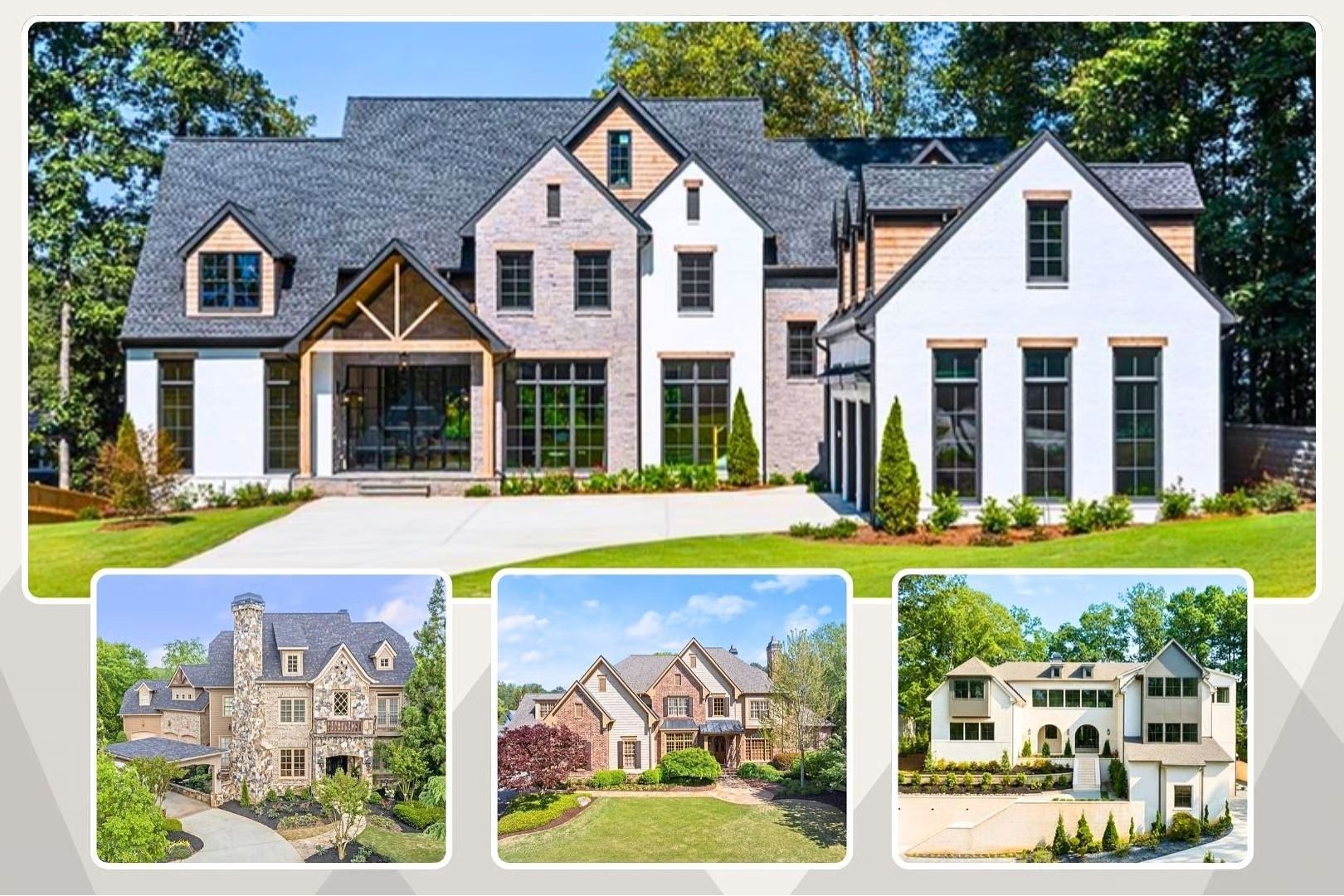
The Barrett Parkway corridor — running roughly along the west Marietta and Kennesaw boundary — has become one of the most consistently active new construction zones in the Cobb County market. The reason is straightforward: this corridor already has everything residential buyers want within easy reach.
Grocery anchors, national retail, fitness centers, and established dining options line the commercial spine, eliminating the "wait for the neighborhood to catch up" concern that buyers sometimes carry into more greenfield locations. Town Center at Cobb, one of the region's major retail destinations near the Kennesaw/Marietta line, adds significant convenience density that makes adjacent residential land attractive to builders working in every price tier. Quick access to I-75 makes the commute math work for buyers heading south toward Cumberland/Galleria, Midtown, or downtown Atlanta — a meaningful advantage for households where one or both earners work in that direction.
What New Home Communities Look Like in This Zone
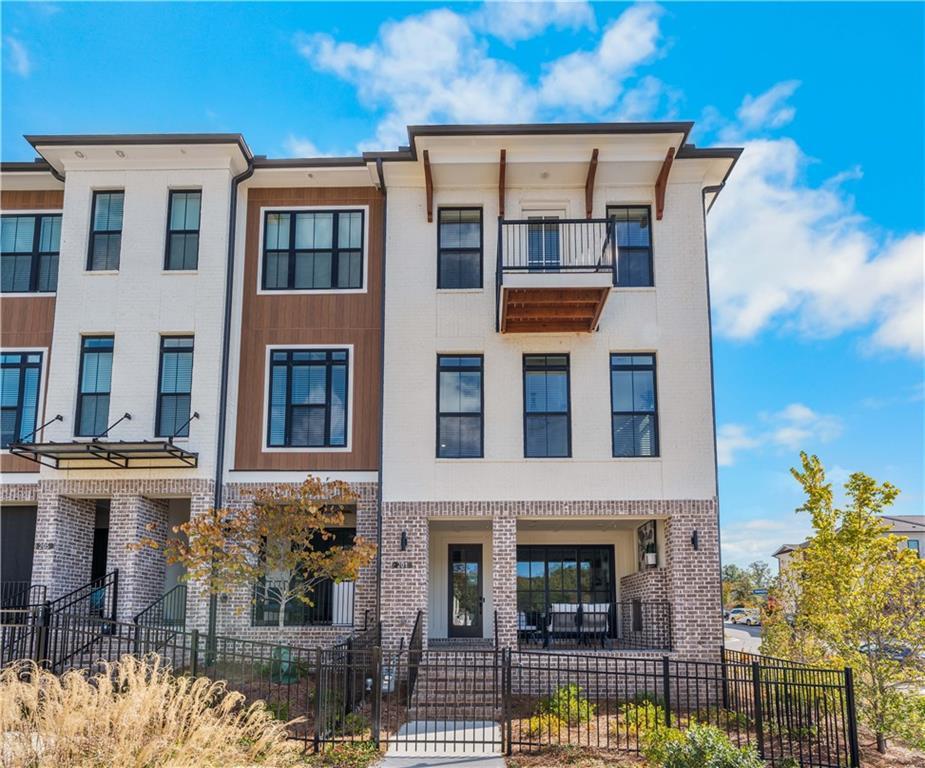
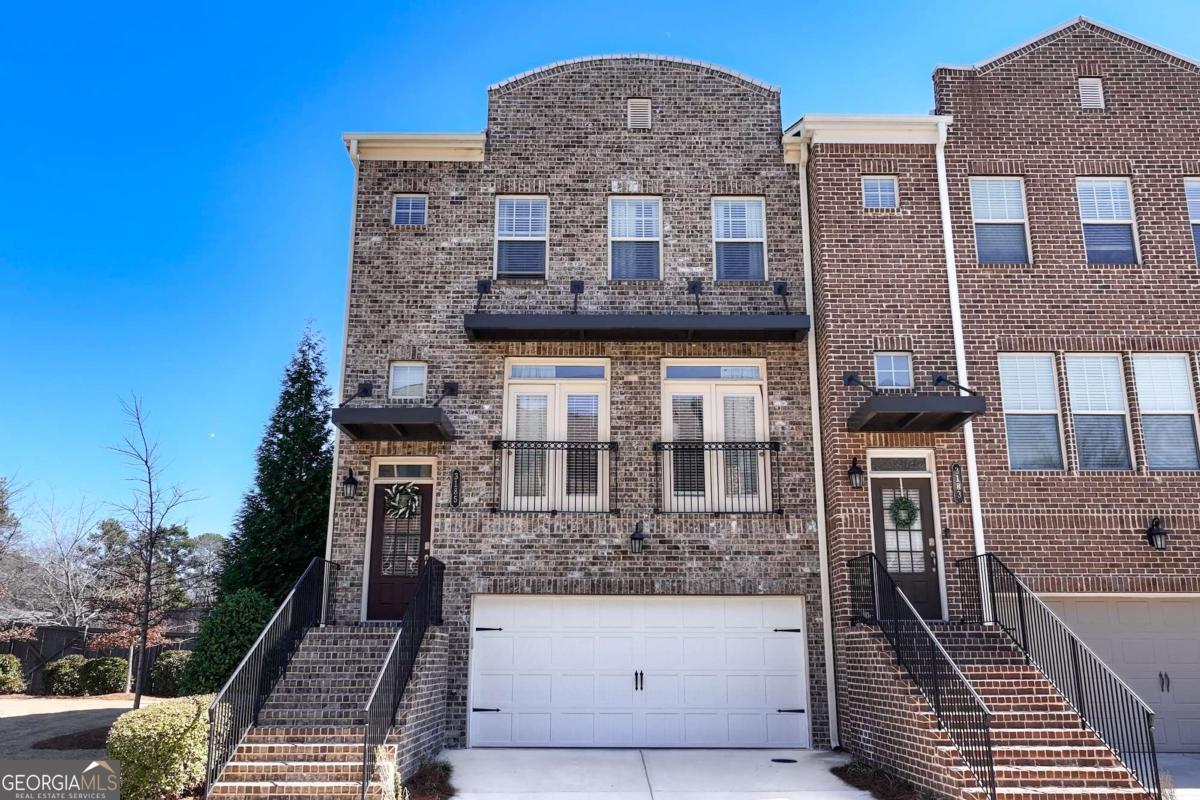
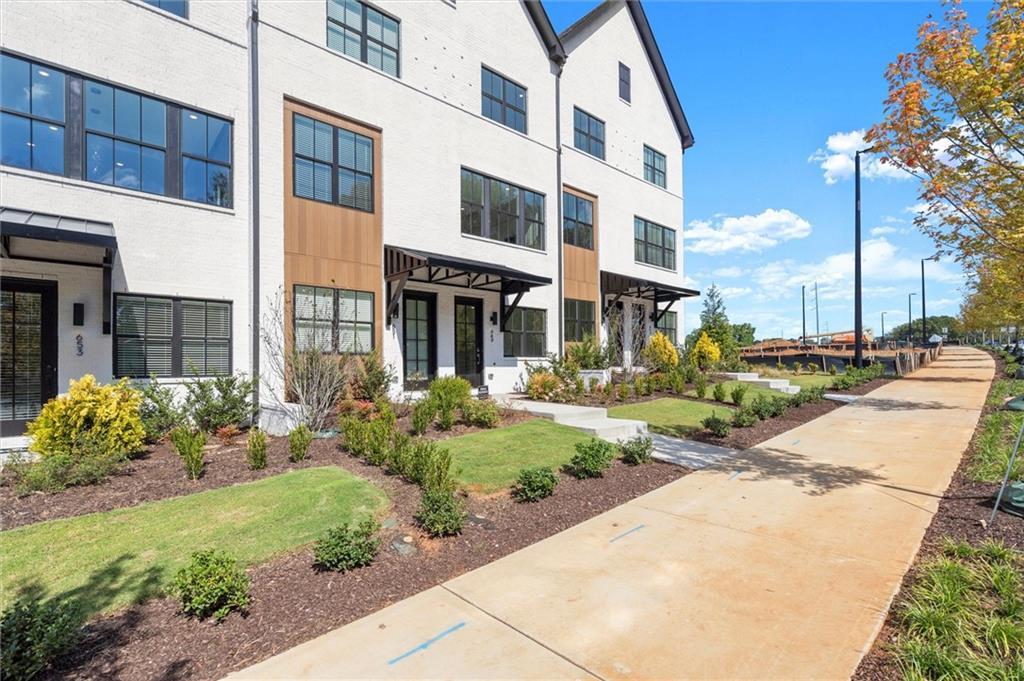
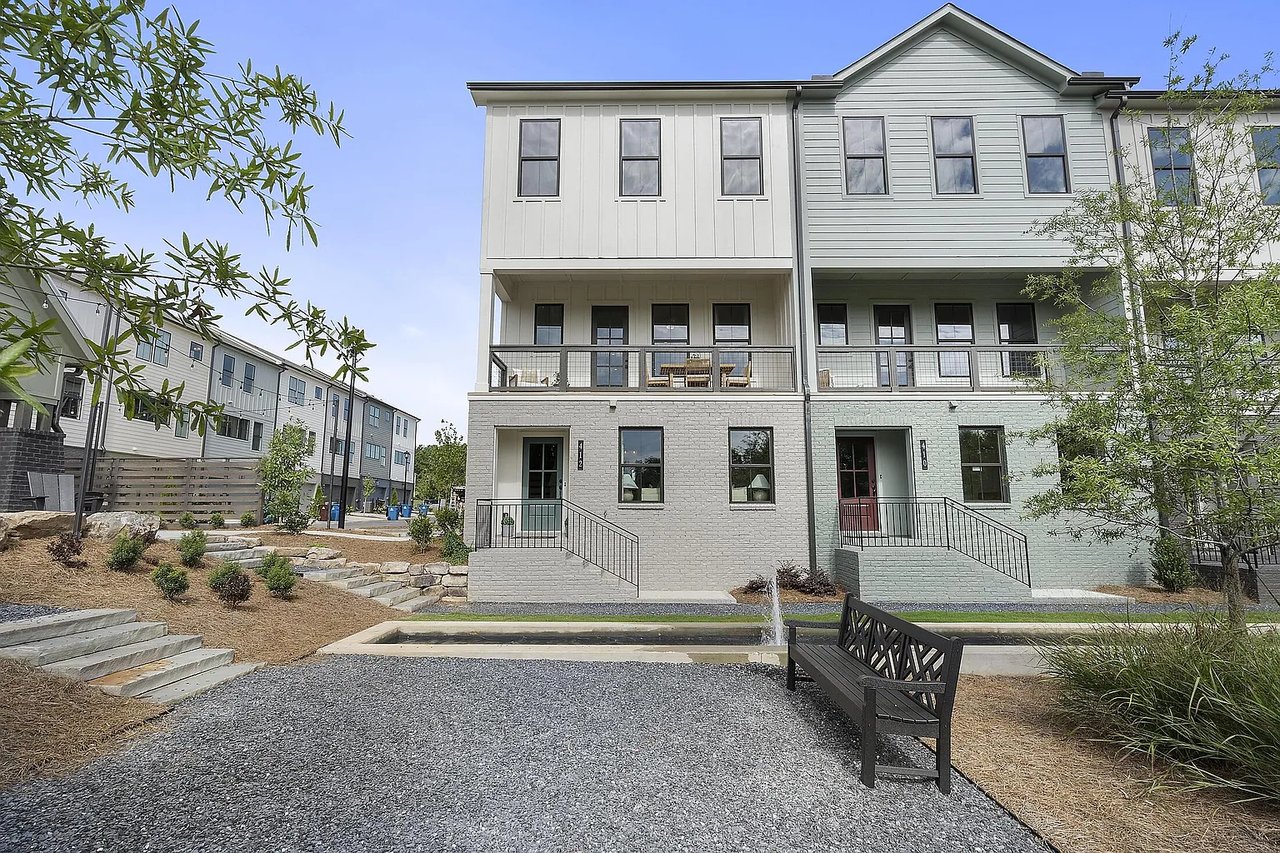
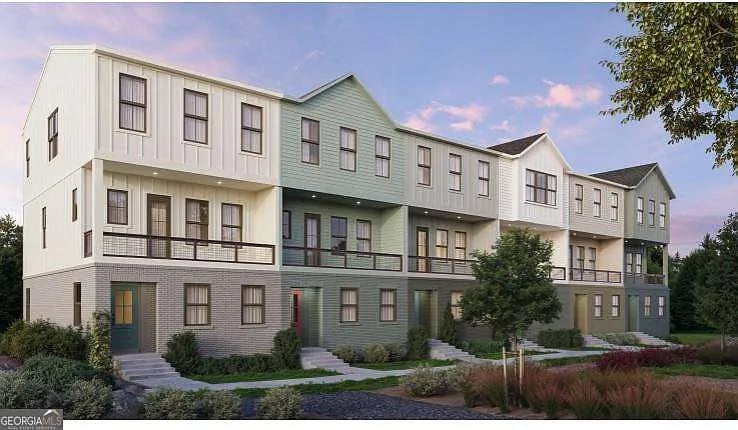
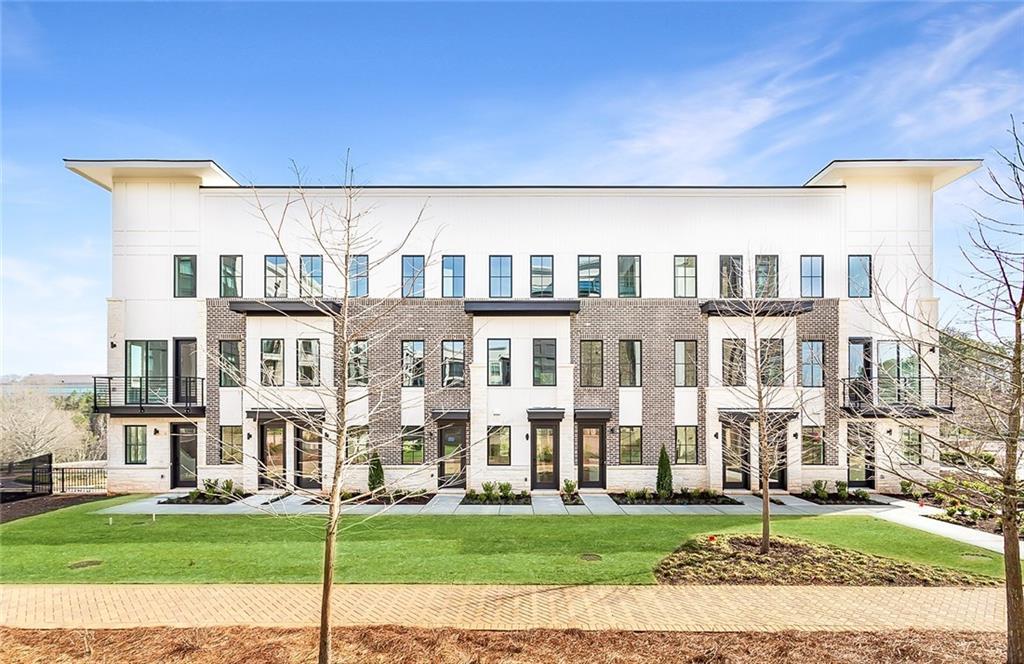
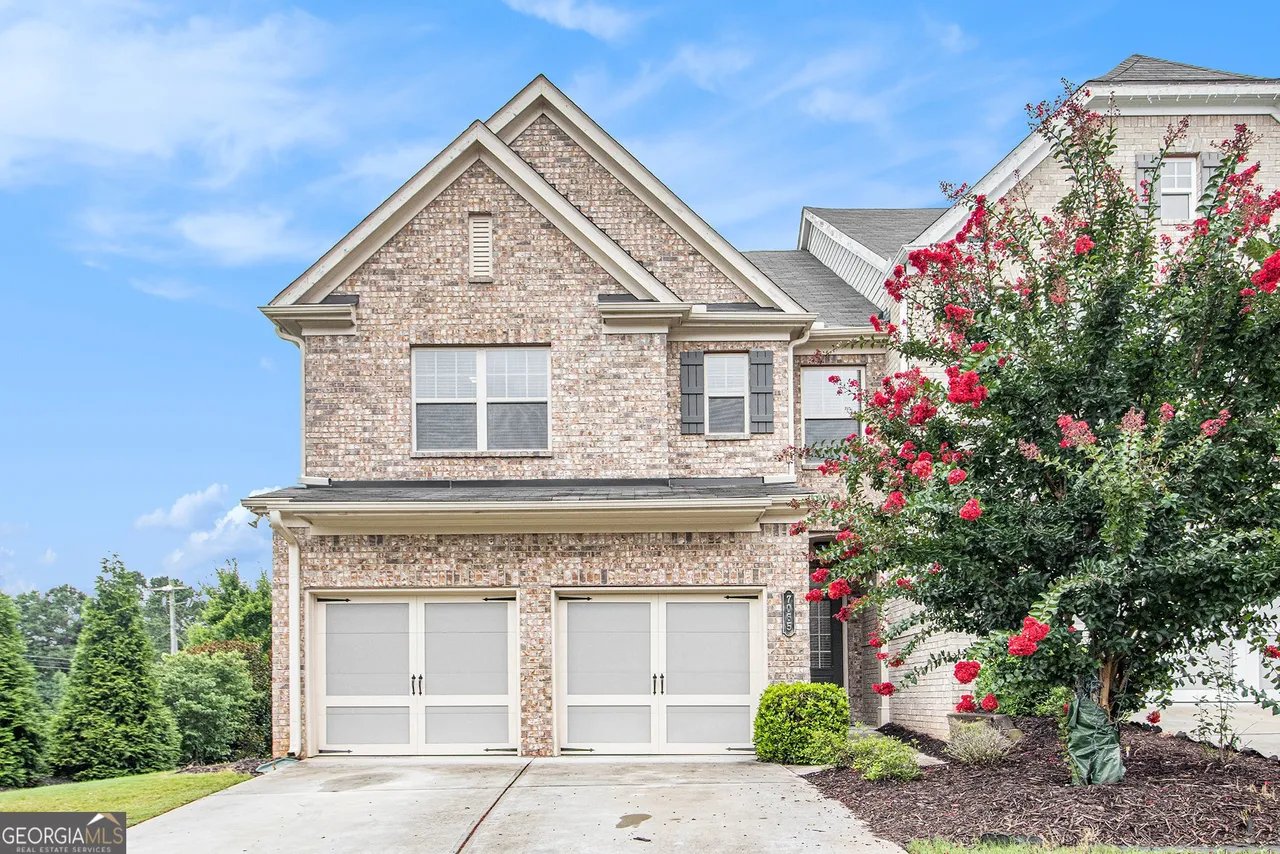
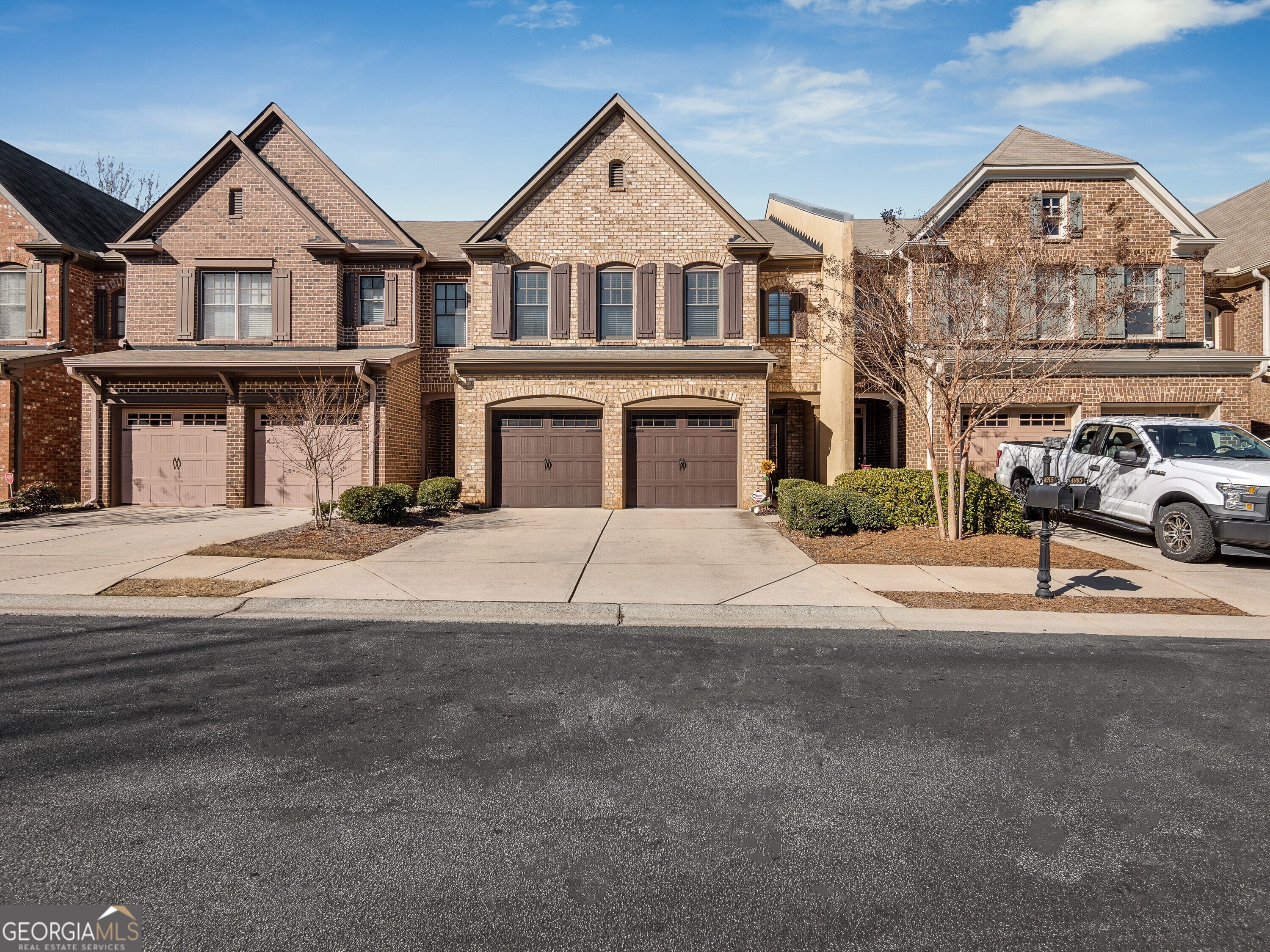
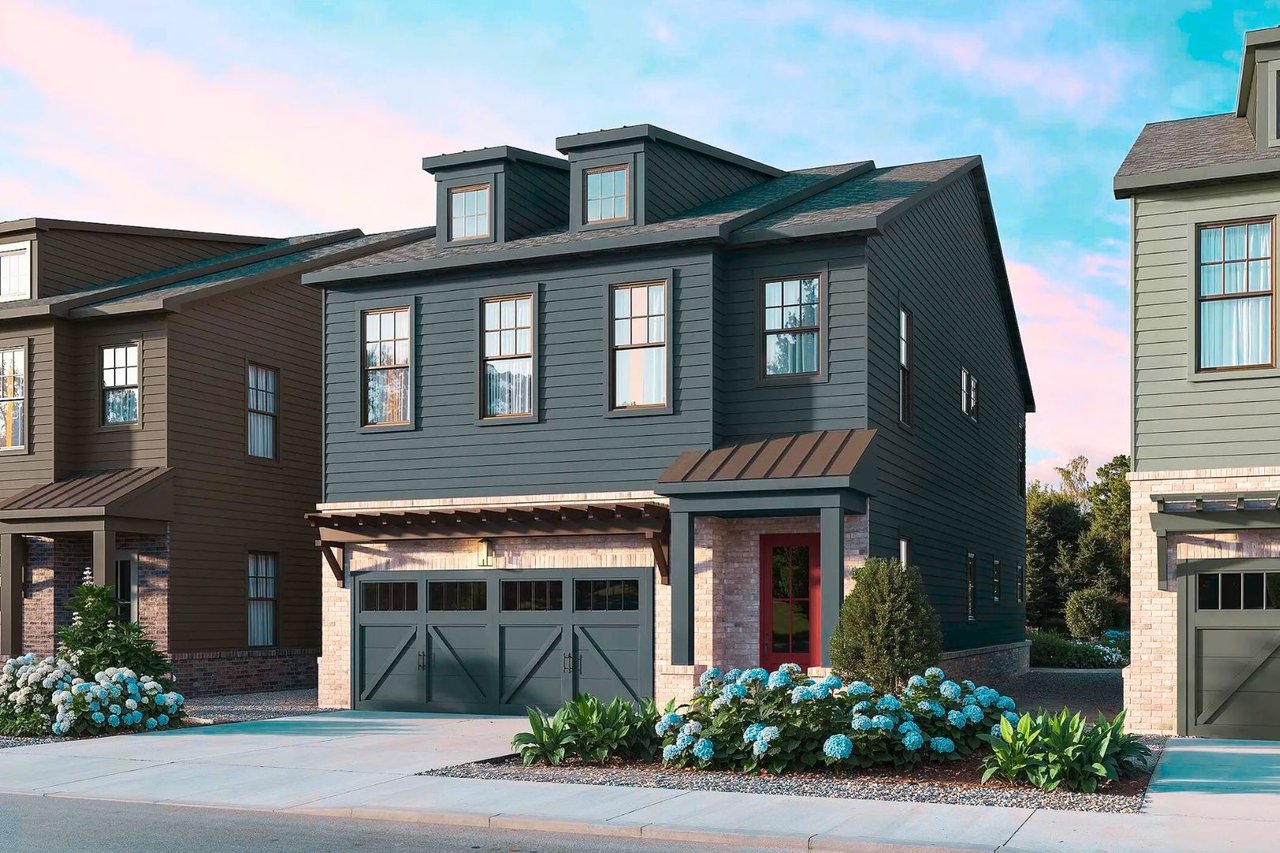
The product mix along the Barrett Parkway corridor skews toward townhome communities, paired homes, and smaller-footprint single-family subdivisions — product types that allow builders to maximize the value of more expensive land while hitting price points accessible to first-time and move-up buyers. These communities tend to attract buyers trading up from apartment living or from older, smaller Cobb County homes where the maintenance burden has started to outpace the appeal.
Standard features — not upgrades — in this zone typically include:
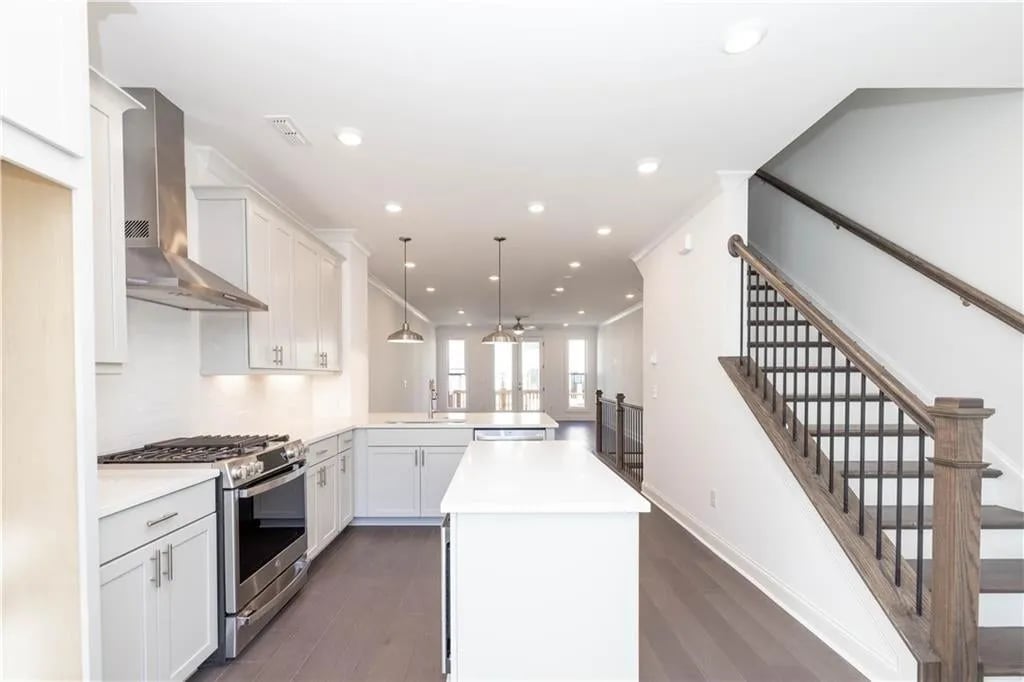
- Open floor plans with modern kitchen packages
- Attached two-car garages
- Energy-efficient construction and mechanical systems
- Builder warranty coverage on structure and systems

Lifestyle and Convenience Factors
Beyond the retail corridor, the west Marietta area offers outdoor access that buyers don't always anticipate. Kennesaw Mountain National Battlefield Park — which draws approximately 1.5 million visitors annually, making it one of the most-visited National Park Service sites in Georgia — sits just north of this corridor, offering miles of hiking trails and preserved open space that feels rare this close to a major metropolitan area.
Pro Tip: If outdoor access matters to your lifestyle, ask builders along the Barrett Parkway corridor about proximity to Kennesaw Mountain trail access points. Some communities are within a short drive of trailheads — a daily-life advantage that doesn't show up on a floor plan brochure.
Swift-Cantrell Park in nearby Kennesaw adds athletic fields, trails, and open space amenities that further support everyday quality of life. For buyers who want suburban convenience without surrendering access to nature, the Barrett Parkway zone checks both boxes convincingly.
View Current Homes Available in Marietta, GA
The Sandy Plains Road and East Cobb Adjacent Zone
Sandy Plains Road as a New Construction Magnet
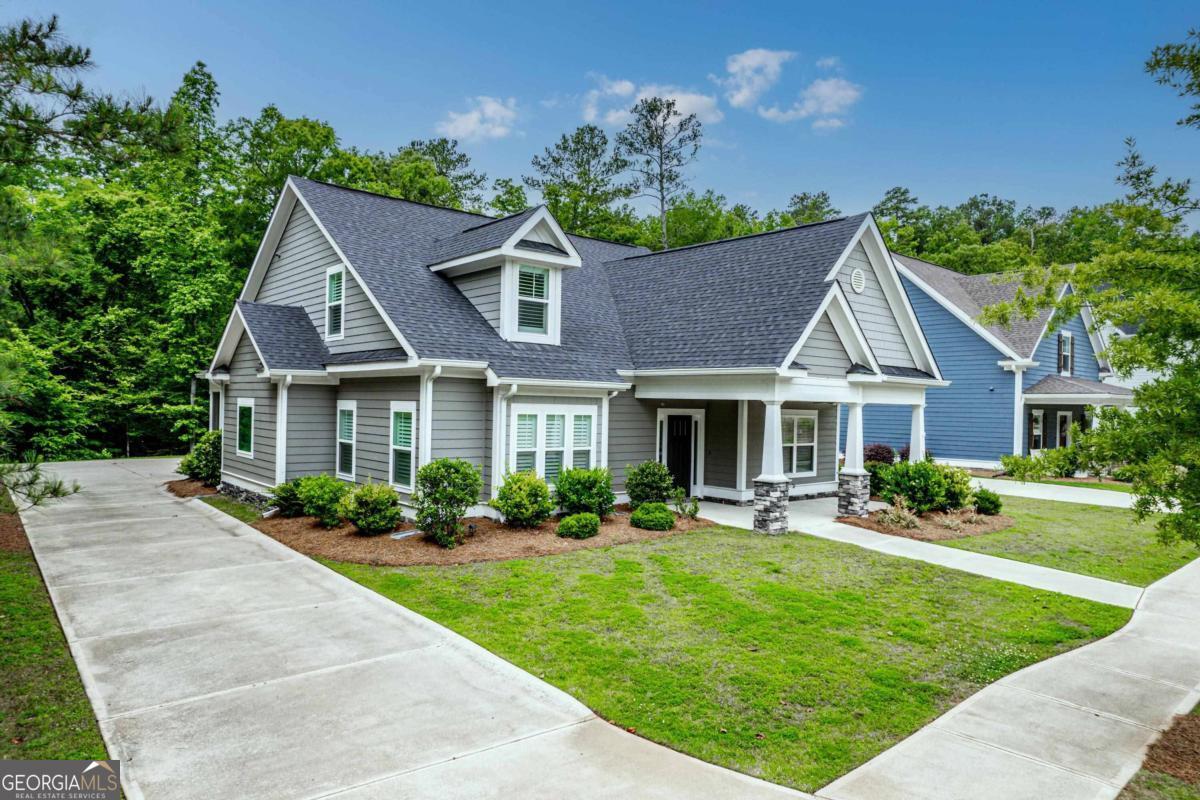
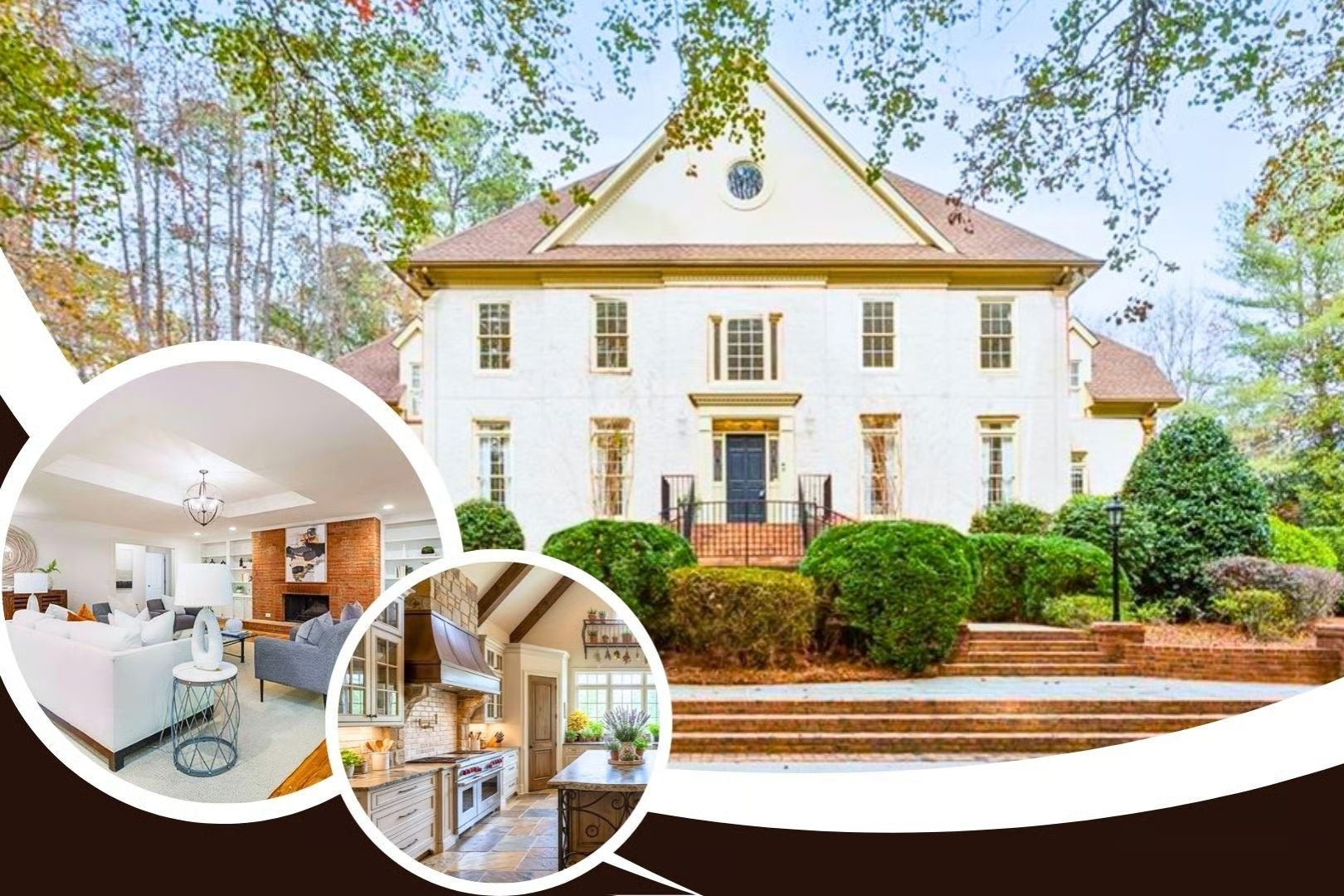
Sandy Plains Road, running through the Marietta and East Cobb boundary, tells a different development story than Barrett Parkway. This corridor is characterized more by infill activity and smaller-scale community development — builders acquiring available parcels and constructing communities that fit the existing neighborhood grain rather than large greenfield subdivisions. That approach produces a different kind of new home buyer experience: less master-planned, more integrated with the established East Cobb character that surrounds it.
The appeal here is partly geographic and partly reputational. Buyers who want a Marietta address with proximity to East Cobb's established retail corridors and community fabric find this zone particularly compelling. The Merchants Walk shopping center on Roswell Road and the broader East Cobb retail network are accessible from this corridor — everyday lifestyle appeal that buyers from elsewhere in the metro recognize immediately when they visit.
School Districts Driving Demand in This Zone
If the Barrett Parkway corridor is driven by convenience, the Sandy Plains zone is substantially driven by schools. This area sits in proximity to some of Cobb County's most sought-after school clusters, including zones served by Lassiter High School and Pope High School — both carrying strong, well-documented academic reputations. Families with school-age children often specifically target new construction within these attendance boundaries, and builders have responded by positioning communities accordingly.
Always verify current school assignments directly with the Cobb County School District. Attendance zones are subject to periodic adjustment, and real estate marketing materials don't always reflect the most current boundaries.

The Buyer Profile Here
The typical buyer drawn to the Sandy Plains and East Cobb adjacent zone skews toward established families — dual-income professional households, often with school-age or soon-to-be-school-age children, moving up from a first home elsewhere in Cobb County or relocating from outside the metro.
| Factor | Barrett Parkway / West Marietta | Sandy Plains / East Cobb Adjacent |
|---|---|---|
| Primary buyer profile | First-time and move-up buyers | Established families, move-up buyers |
| Primary demand driver | Convenience, commute access, retail | School zone, neighborhood character |
| Dominant product type | Townhomes, paired homes, smaller single-family | Larger single-family, infill lots |
| Finish level baseline | Modern, efficient, entry-to-mid | Higher baseline, larger square footage |
| Lot sizes | Smaller, maximized for density | More generous, reflects land cost |
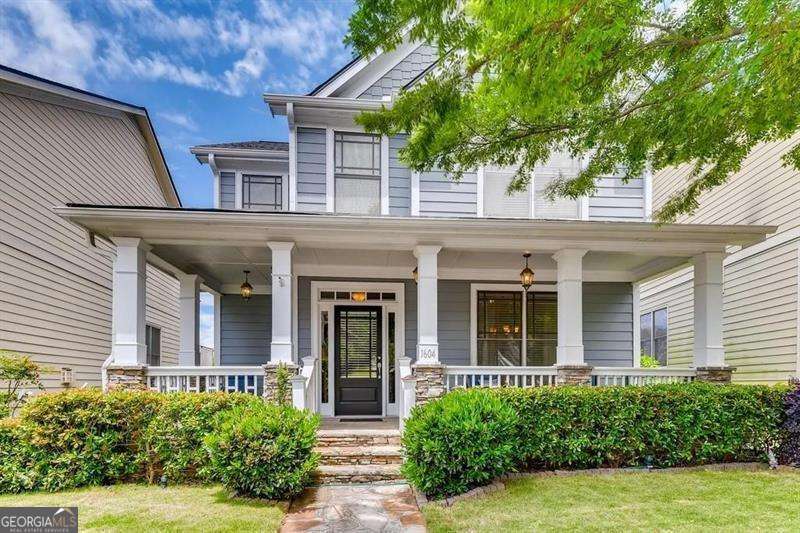
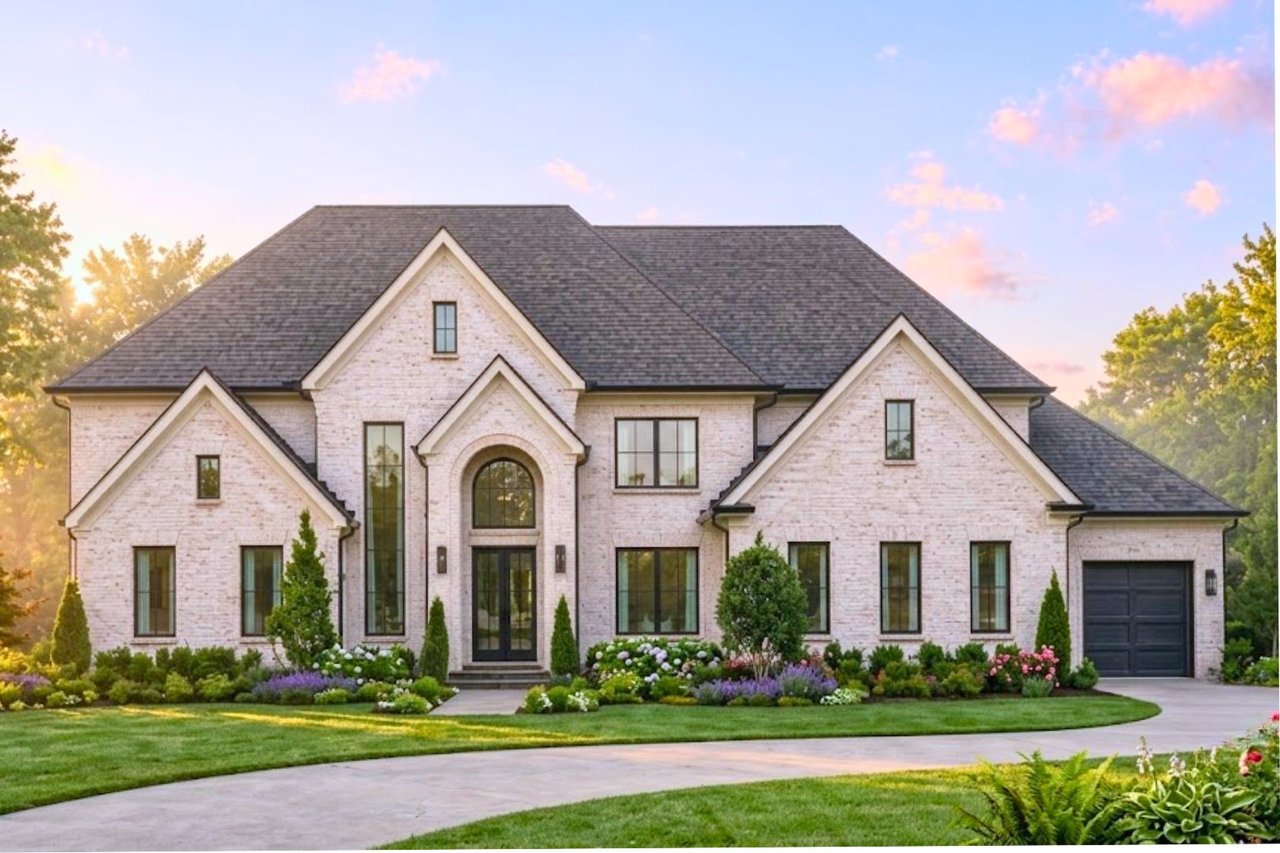
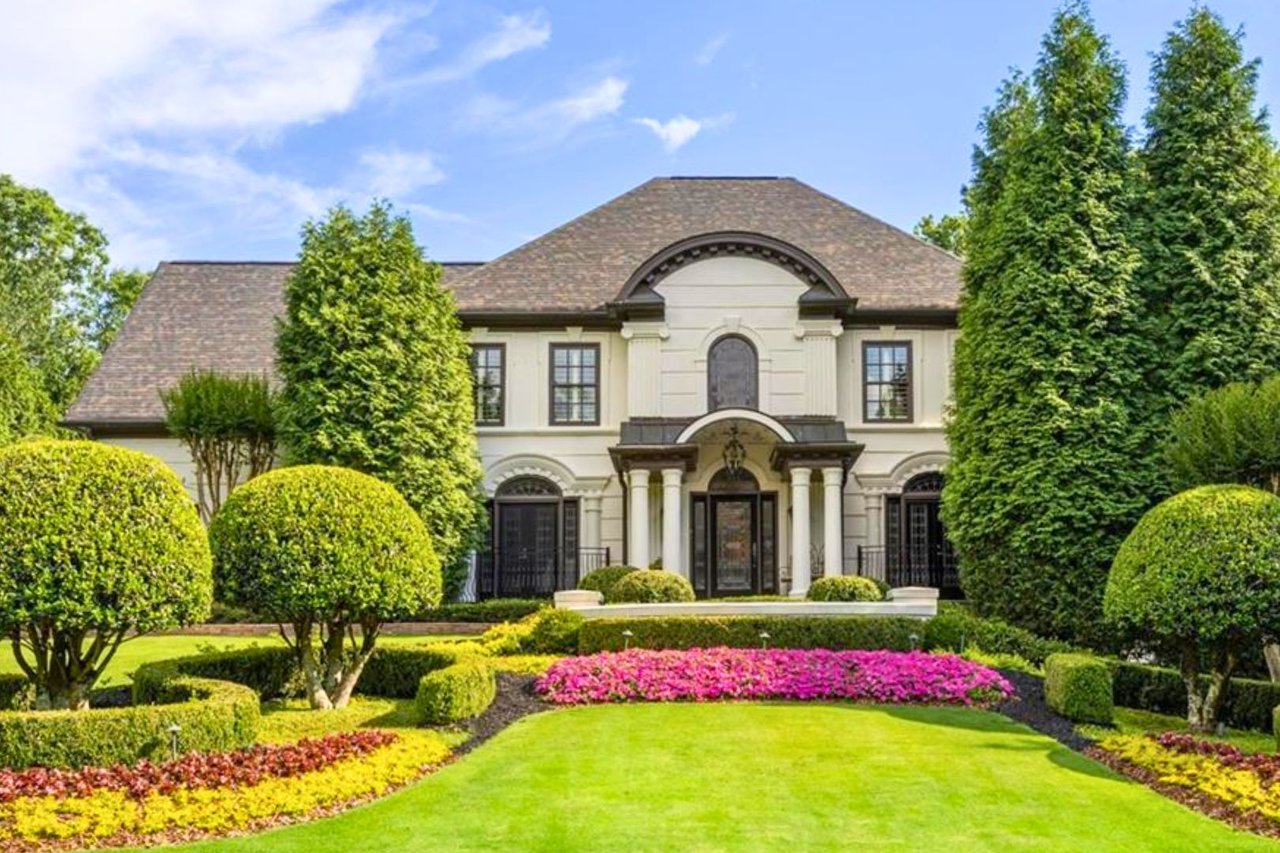
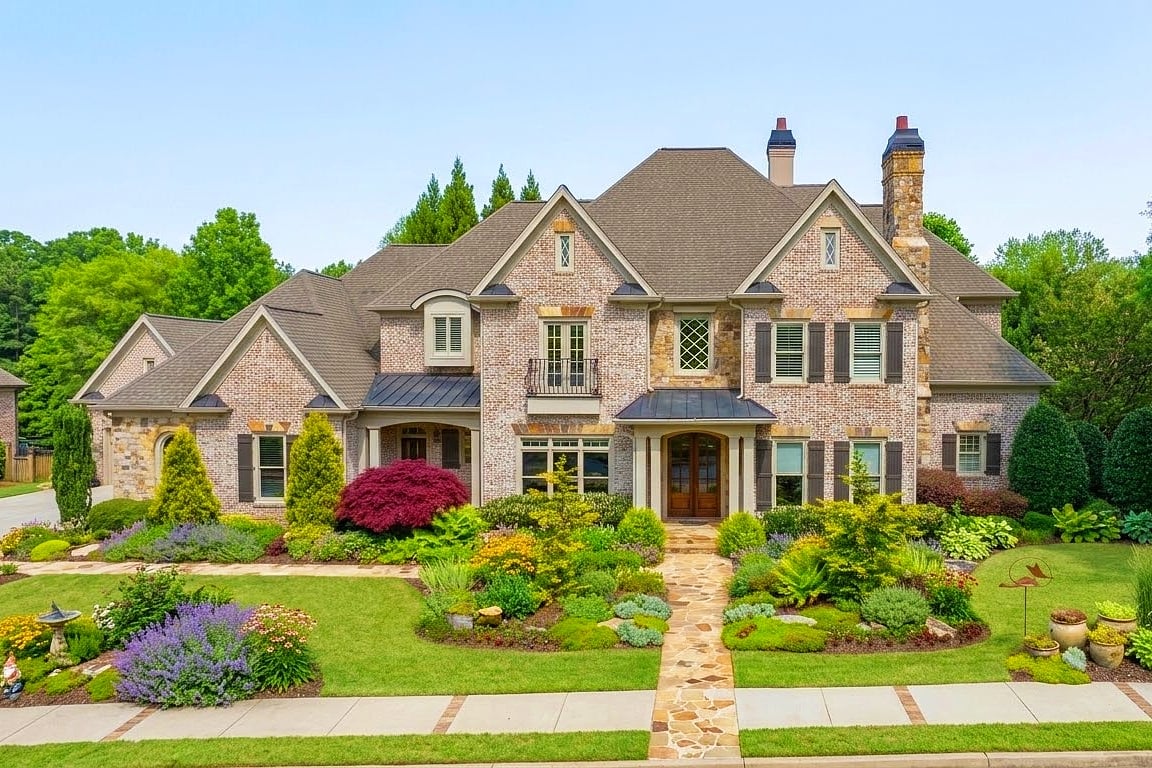
Cobb County's median household income of approximately $80,000 to $85,000 — above the national median — reflects the affluence that concentrates particularly in the East Cobb sub-areas. That income profile directly shapes what builders bring to this zone: new construction here tends to offer larger square footage, more generous lot sizes, and a higher baseline finish level than the west Marietta corridor.
The US-41 / Cobb Parkway Corridor and South Marietta Activity
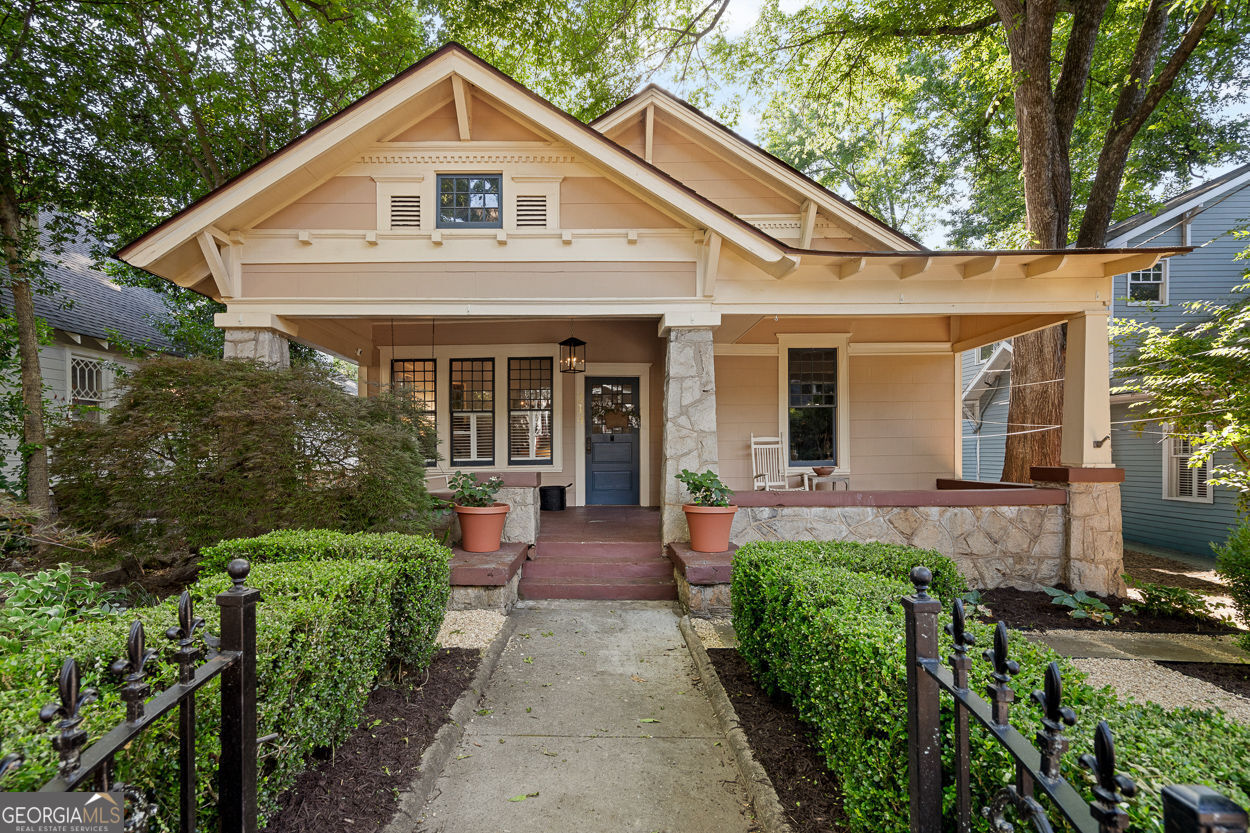
Infill New Construction Near Historic Marietta
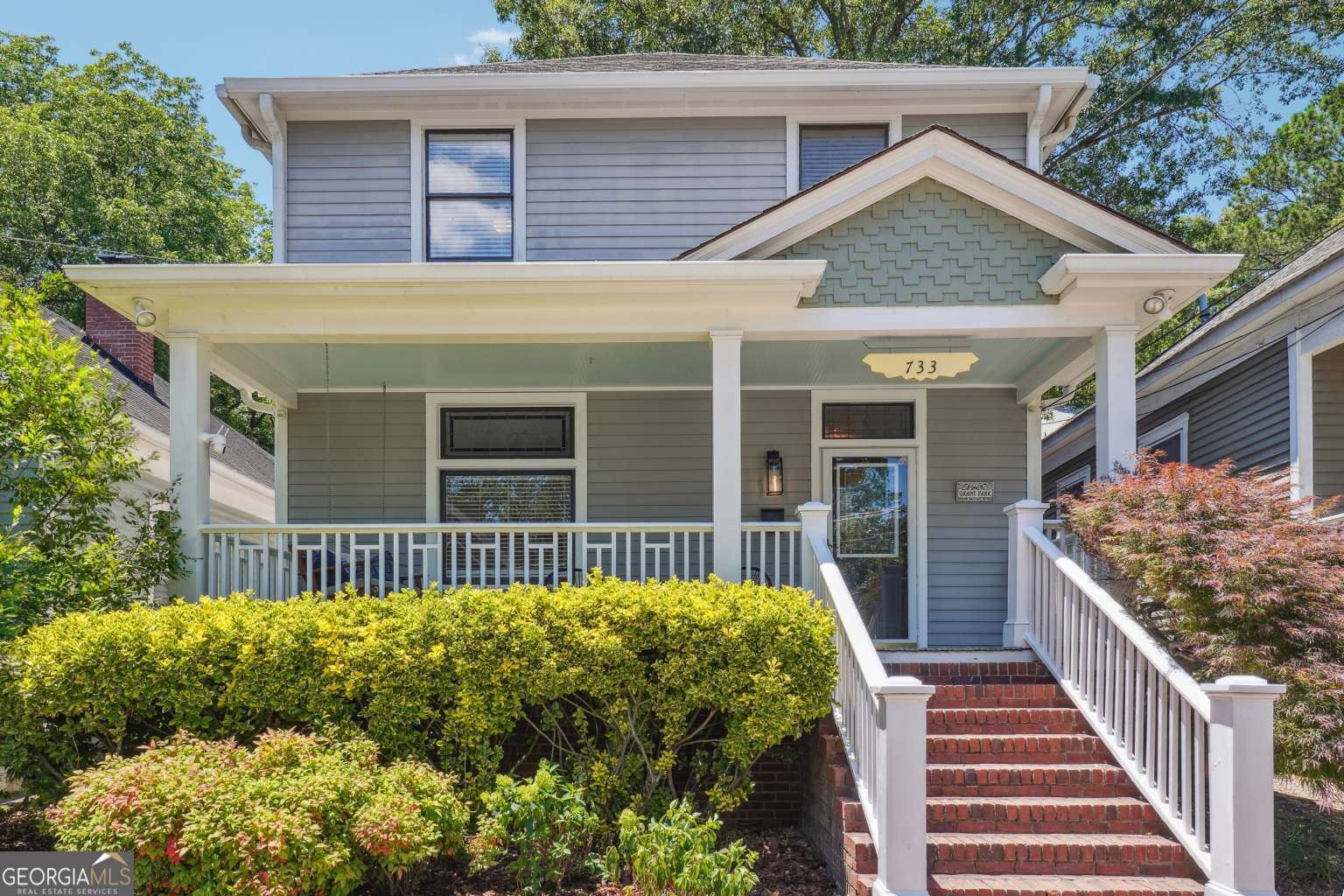
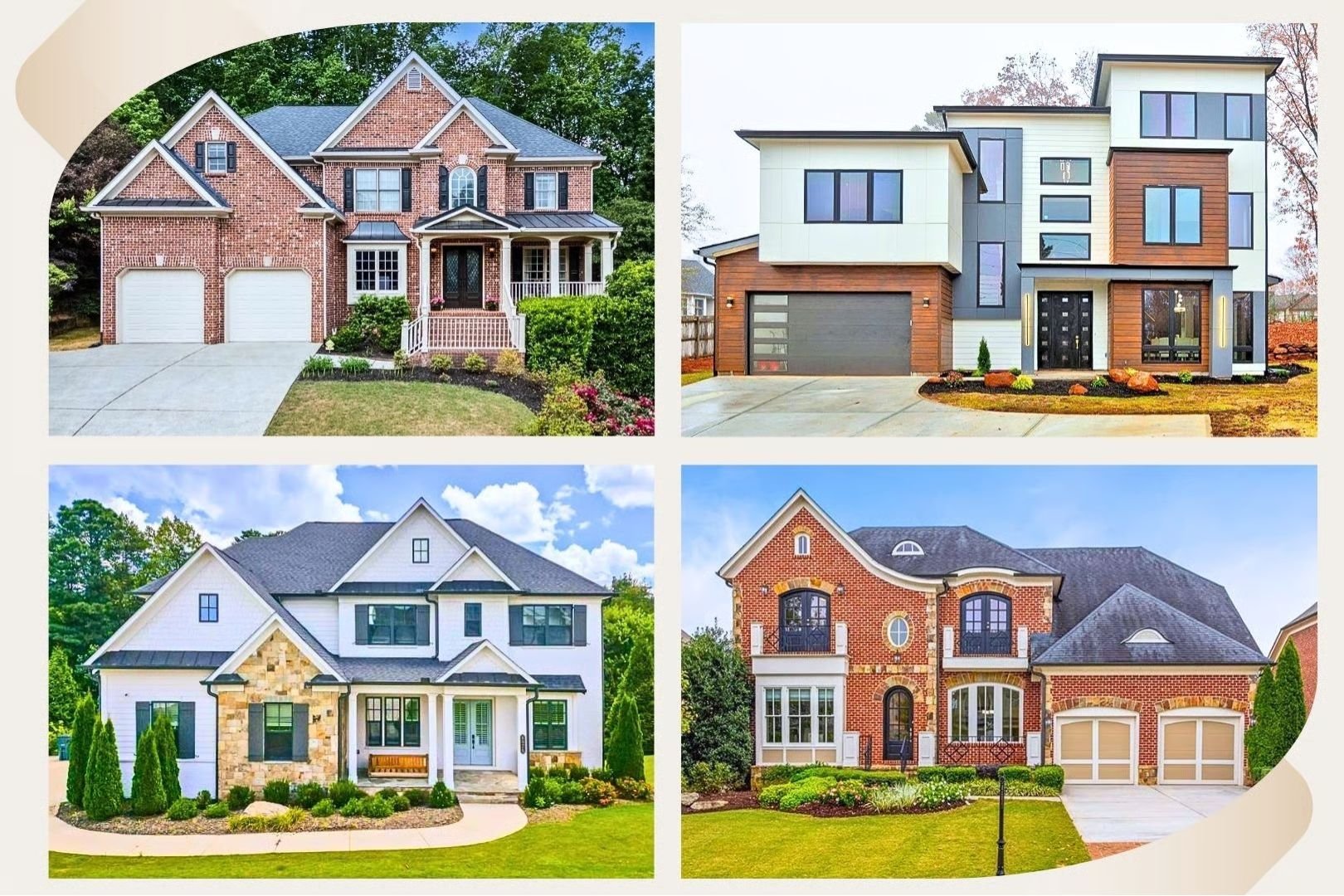
Closer to the historic core of Marietta, a quieter but high-interest development pattern is playing out. Builders are acquiring older lots, teardown properties, and infill parcels to construct new single-family homes and townhome communities within close range of Marietta Square. The volume is lower than the outer corridors, but buyer interest is disproportionately strong.
The value proposition here is distinctive. New construction quality, modern finishes, and builder warranty coverage in a location that already has walkability, restaurant culture, and neighborhood identity. That combination is uncommon enough to draw buyers from across the metro who have been searching for exactly this.
The Cobb Parkway Spine and Attached Housing Growth
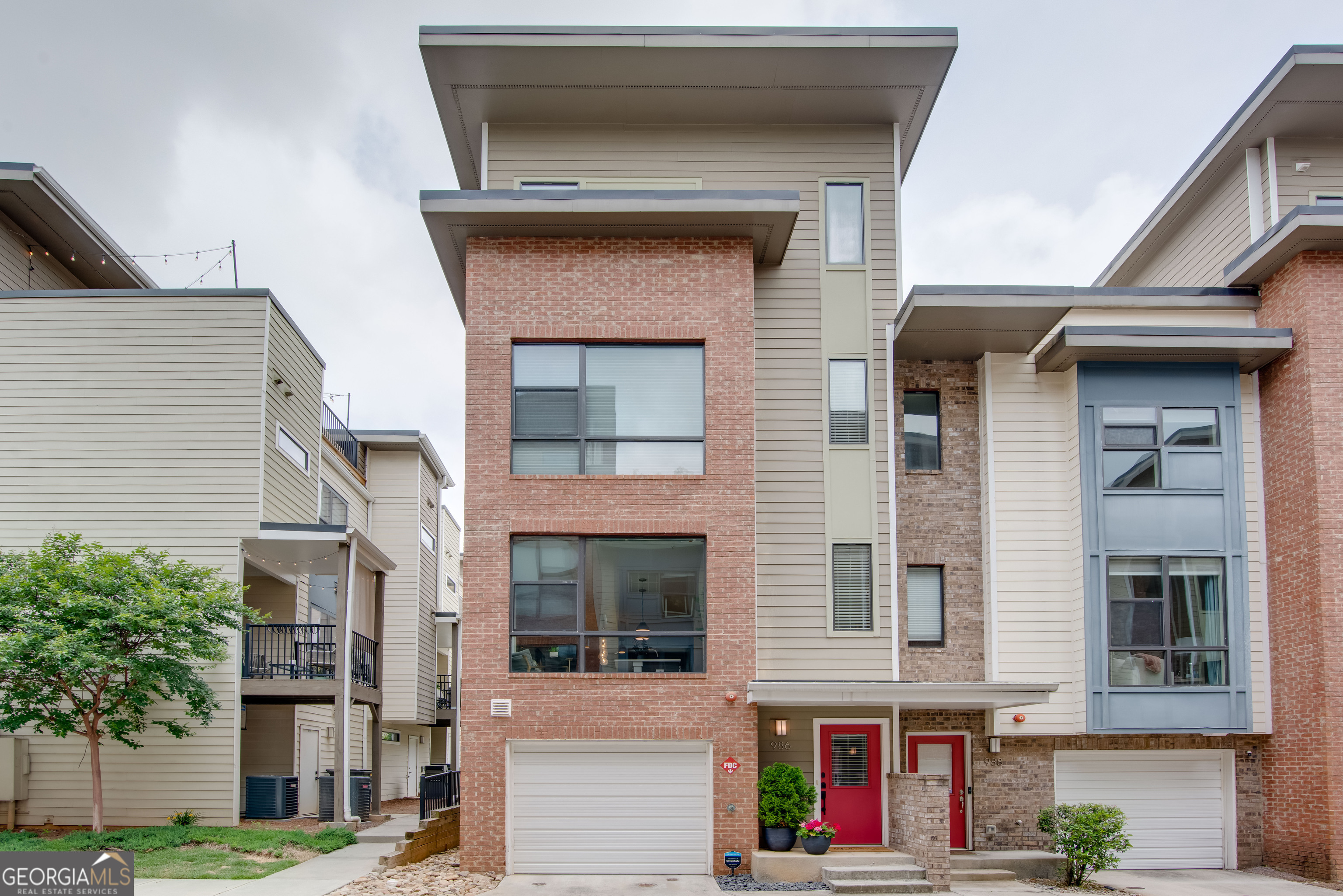
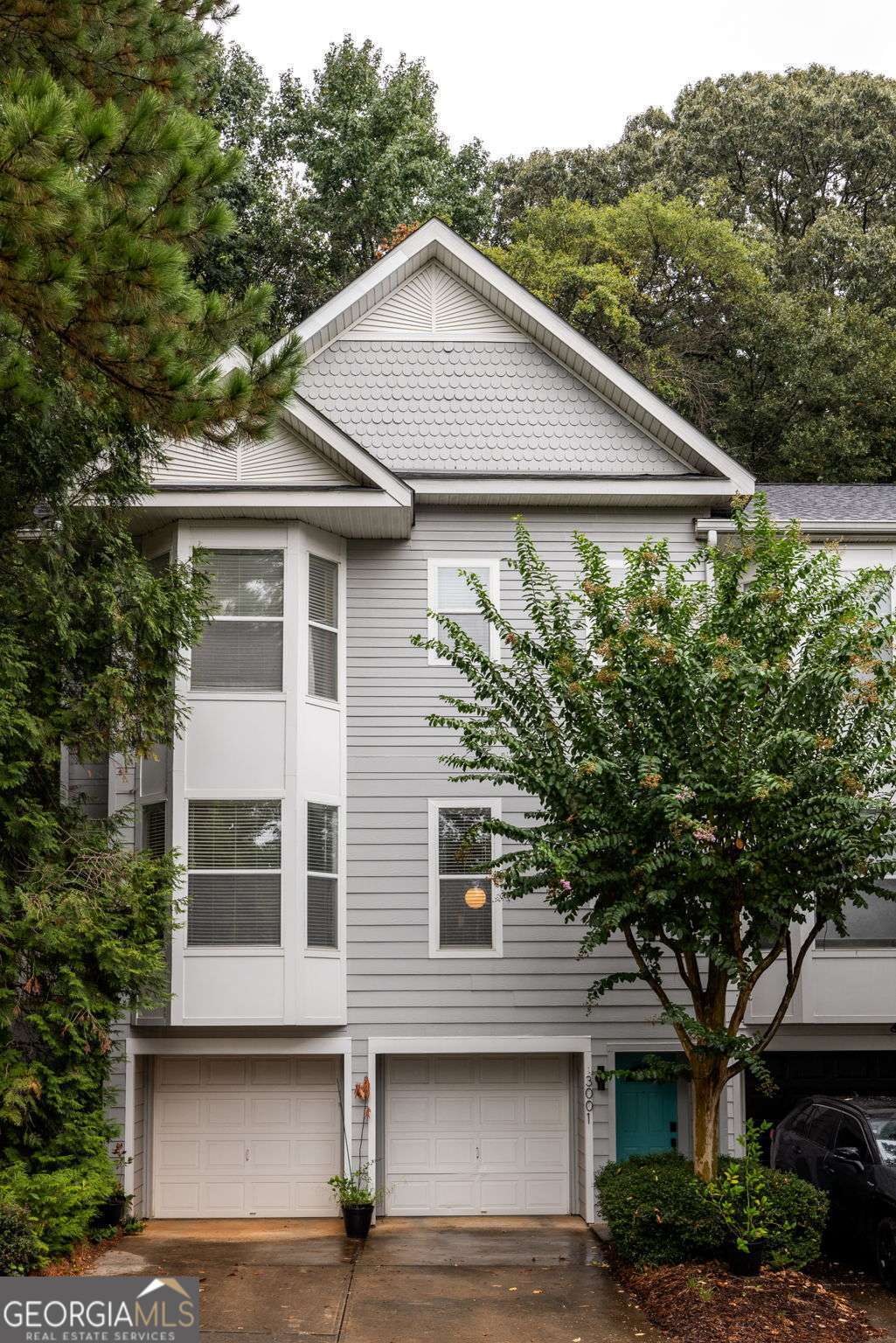
Along Cobb Parkway (US-41) and the streets just off the corridor, attached new construction — townhomes primarily — has been a consistent growth story. This product type appeals directly to buyers seeking low-maintenance living: no yard upkeep, a smaller exterior footprint, and strong commuter access via the Cobb Parkway connection to the Cumberland Business District to the south. For buyers relocating for employment at major Cobb County employers, including WellStar or the corporate tenants concentrated around Cumberland/Galleria, the combination of new construction quality and a short commute along this corridor is a compelling daily-life package.

Proximity to Marietta Square as a Lifestyle Anchor
Marietta Square is not a generic suburban town center. It's an active neighborhood hub with independently owned restaurants, a well-attended weekly farmers market that has operated for decades, and community events that draw regional participation throughout the year.
200+ — Events hosted annually at Marietta Square, by the city's own count. The Marietta Museum of History anchors the cultural identity of the square, and the surrounding blocks host a dining and retail scene that consistently surprises buyers visiting for the first time.
For buyers considering infill new construction in south and central Marietta, the square is the lifestyle anchor that makes the location easy to choose — and easy to explain to family wondering why you didn't pick somewhere closer to Atlanta proper.
What to Look for When Buying New Construction in Marietta
Builder Reputation and Local Track Record
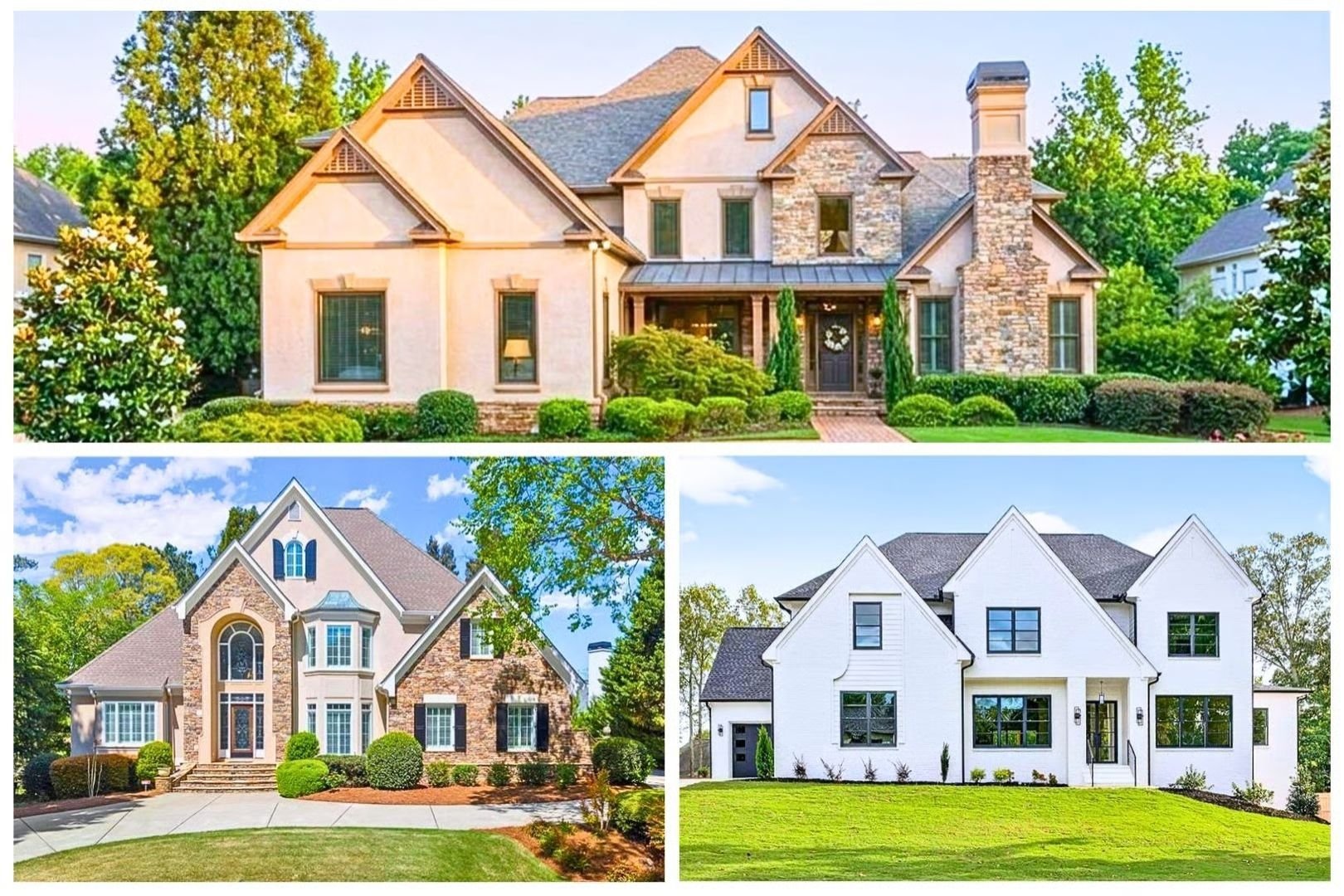
A builder's familiarity with the local market matters more than buyers often realize. Experience navigating Cobb County permitting processes, established relationships with local subcontractors, and a portfolio of completed communities that buyers can actually visit — these factors affect build quality, timeline reliability, and post-closing support in ways that the model home experience alone won't reveal.
Ask builders for references from completed Cobb County communities. Drive through them. Talk to homeowners if possible. The information you gather will be more useful than any brochure.
Lot Position, Phase Timing, and Incentives
New construction communities in Marietta typically release in phases, and the phase you enter carries real consequences. Early-phase buyers often access the best lot selection and the most aggressive builder incentives. Later-phase buyers benefit from seeing a more developed neighborhood before committing but may find fewer desirable lots remaining.
Common incentive types builders currently offer in this market include:
- Closing cost contributions
- Design center upgrade credits
- Rate buydown programs through preferred lender partnerships
- Limited-time community-specific pricing adjustments
Neither early nor late timing is categorically better. Understand the trade-offs and ask builders directly what incentives are currently on the table — they change frequently and are rarely advertised at full value upfront.
New Construction Due Diligence Checklist
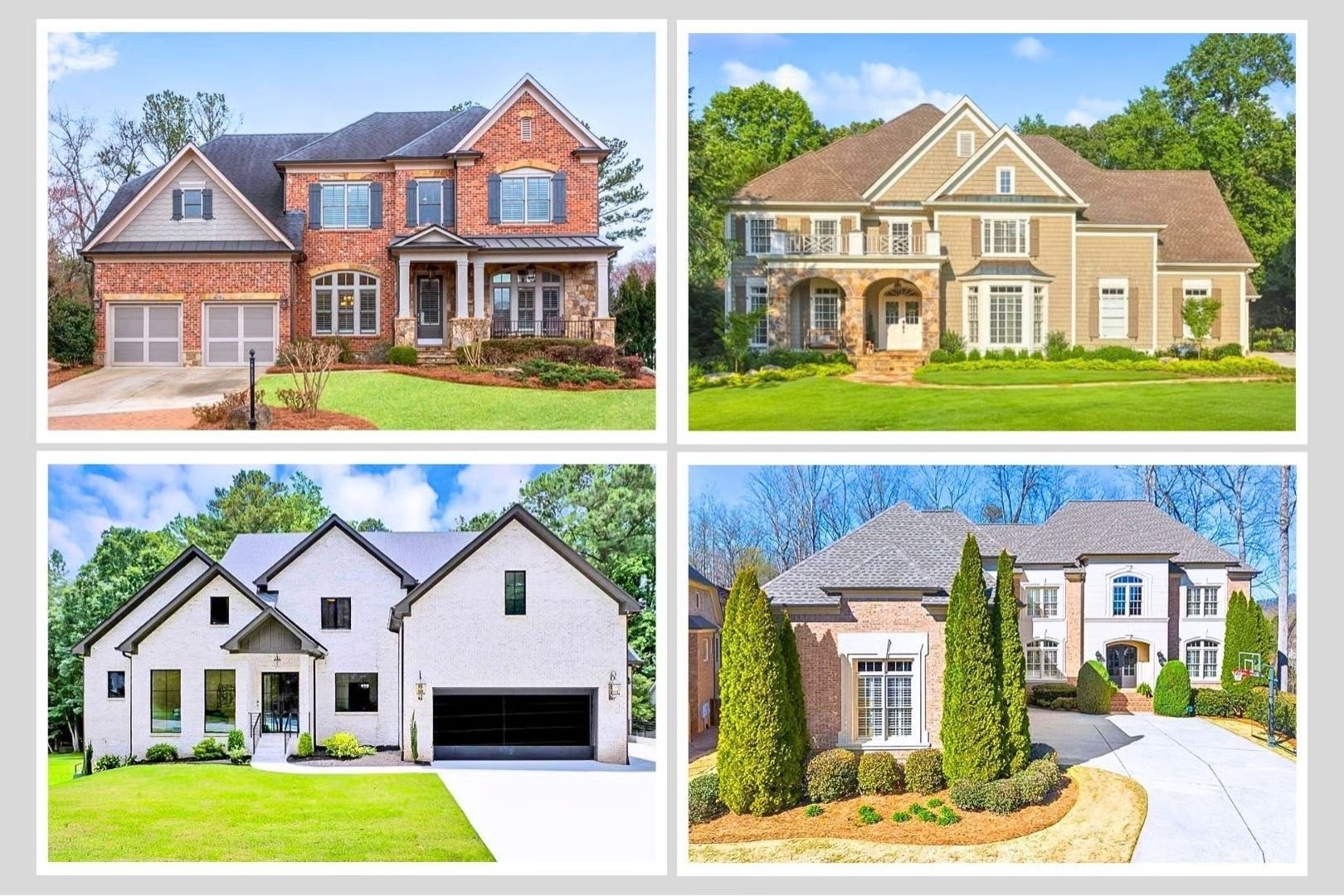
Even with a brand-new home, independent due diligence is non-negotiable. Before closing, work through each of the following:
- Review builder warranty terms in full — structural warranties and systems warranties are separate documents with different coverage periods
- Hire an independent home inspector not affiliated with the builder, ideally at multiple build stages if timing allows
- Understand clearly what is and is not included in the base price versus flagged as upgrades, since the gap between model home presentation and base price can be substantial
- Review HOA documents carefully — monthly dues, reserve fund health, and architectural restrictions vary significantly across Cobb County communities
Pro Tip: Request a pre-drywall inspection in addition to the standard final walkthrough. Once walls are closed, catching framing, plumbing, or electrical issues becomes exponentially more difficult and expensive — and most builders will accommodate the request if you ask for it in writing during contract negotiation.
Is Now a Good Time to Buy New Construction in Marietta?

Marietta's Market Fundamentals Favor Long-Term Value
The structural case for Marietta new construction is grounded in supply constraints. Within Marietta city limits and its nearest growth corridors, large undeveloped land parcels are scarce. As available land is absorbed into communities, the pipeline of future new construction narrows — which means buyers acting in today's market have more optionality than buyers who wait.
$375,000–$420,000 — Marietta's median home sale price as of early 2025. That range reflects a market that has absorbed considerable demand pressure while maintaining accessibility relative to intown Atlanta alternatives, where comparable new construction commands a significantly higher premium.
Rate Environment and Builder Incentives in 2025
The interest rate environment of 2025 remains a real variable in buyers' monthly payment calculations, but many builders operating in Marietta — particularly larger regional and national production builders — offer rate buydown programs through preferred lender partnerships. These programs can meaningfully reduce the effective rate on a new construction purchase compared to what a buyer might secure independently, and they're often structured as limited-time community-specific offers.
Ask about financing programs at every model home visit, because the incentive landscape is real and changes frequently. Verifying what's currently available should be a standard step in any new construction search.
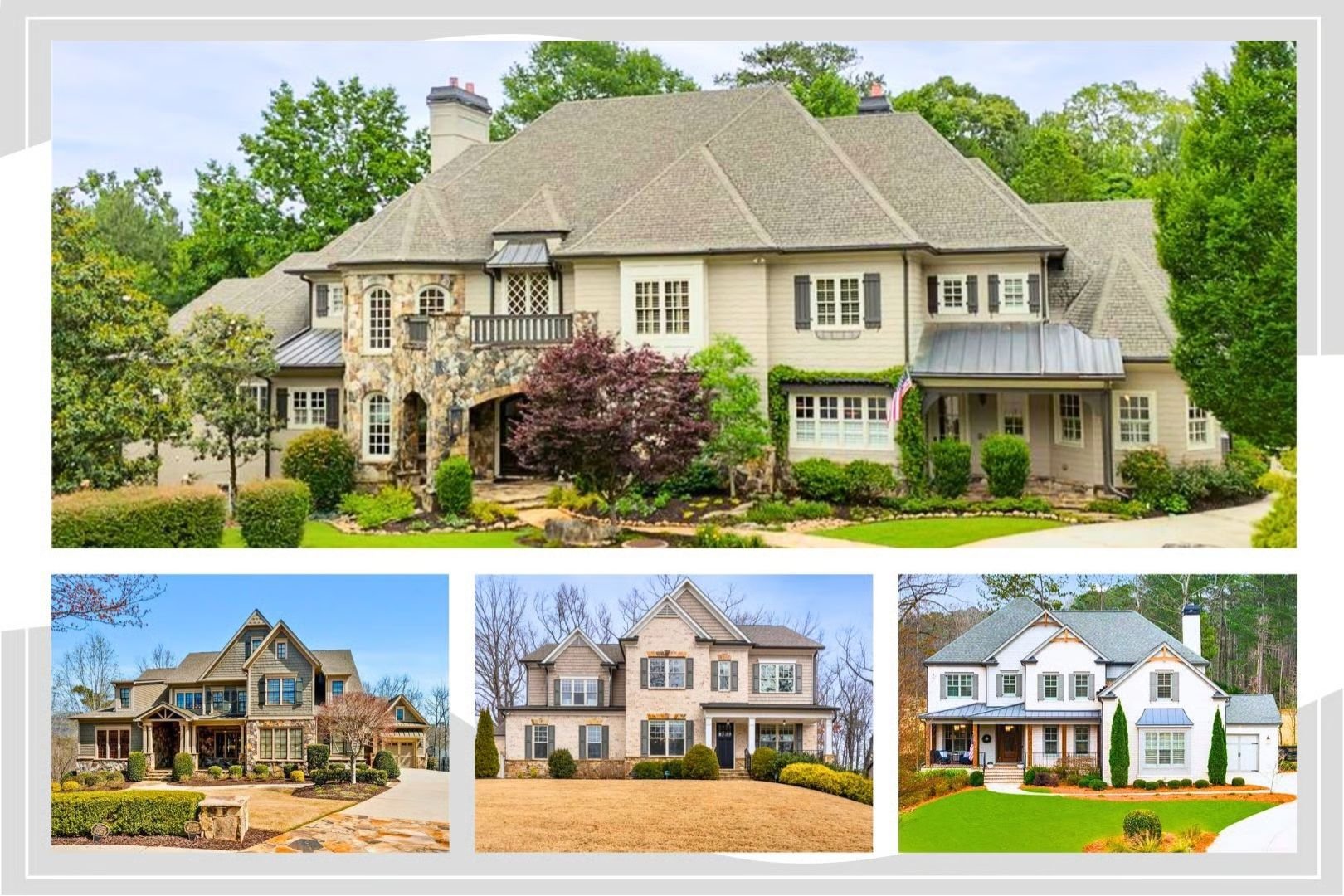
Comparing New Construction to Resale in Marietta
This is a personal decision rather than a universal answer. The key trade-offs break down clearly:
| Consideration | New Construction | Resale |
|---|---|---|
| Warranty coverage | Full builder warranty on structure and systems | No warranty; buyer assumes existing condition |
| Energy efficiency | Modern standards and mechanical systems | Varies widely by age and prior updates |
| Layout flexibility | Customizable within builder options | Fixed; renovation required to change |
| Price per square foot | Premium of approximately $220–$280+ | Generally $185–$220 in Marietta corridors |
| Neighborhood character | Developing; less mature landscaping | Established trees, mature surroundings |
| Deferred maintenance risk | Minimal at closing | Present; depends on prior ownership |
In the Atlanta metro, new construction represents approximately 30 to 35% of total for-sale inventory — well above the national average — which reflects how actively the market has adapted to demand. In Marietta specifically, resale inventory in some corridors has remained tight enough that new construction becomes the practical path to finding the right home, not just a stylistic preference. Days on market ranged from approximately 25 to 45 days in 2024, indicating a market that has normalized from the pandemic-era pace while remaining active enough that good properties move decisively.
Frequently Asked Questions

What are the most active new construction areas in Marietta, GA right now?
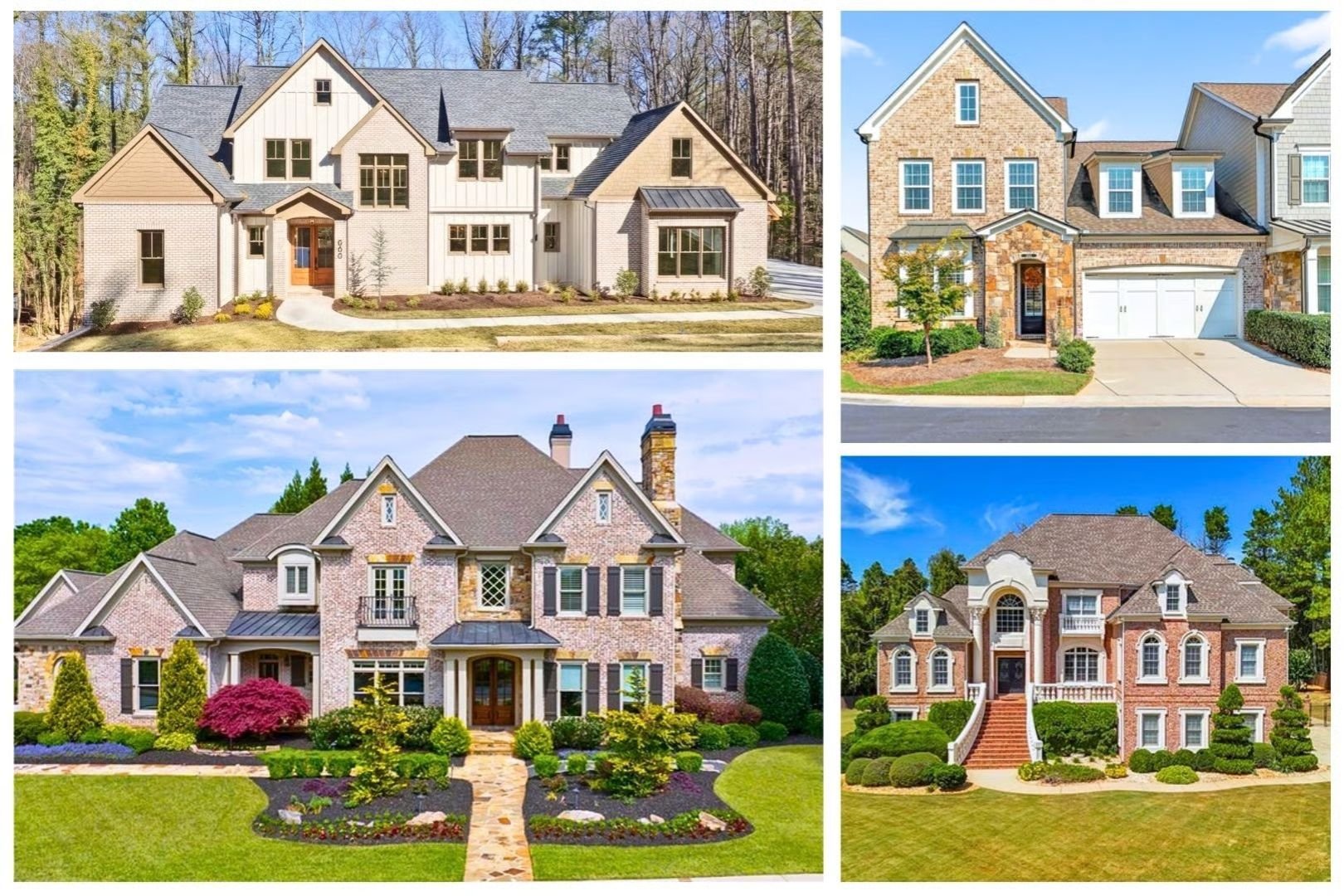
The three corridors seeing the most consistent activity are the Barrett Parkway and West Marietta zone, which is strong for townhomes and entry-level to mid-range single-family homes; the Sandy Plains Road and East Cobb adjacent corridor, which skews toward move-up and family-focused single-family; and the US-41/Cobb Parkway spine including south Marietta infill, which offers attached new construction and walkable-adjacent product. Each has a distinct character and buyer profile, which is why understanding the geography matters before you begin touring model homes.
What price range should I expect for new construction homes in Marietta, GA?
Product type and corridor are the two biggest variables. Townhomes and attached new construction in the Barrett Parkway and Cobb Parkway zones generally enter at lower price points than single-family homes in the Sandy Plains and East Cobb adjacent area, which reflect larger square footage and premium school zone positioning. As a general anchor, new construction in Marietta commands a price-per-square-foot premium over the resale median — verify the current specific range from the local MLS or Cobb AOR at the time you're actively shopping, as figures shift with market conditions.
Which school districts serve the new construction communities in Marietta?
Marietta has two separate school systems, and the distinction matters. Marietta City Schools serves students within the Marietta city limits as an independent district. The surrounding unincorporated Cobb County areas — including most of the Barrett Parkway, Sandy Plains, and Cobb Parkway growth corridors — are served by the Cobb County School District, which is the second-largest district in Georgia and home to highly regarded high schools including Lassiter and Pope. Always verify current school assignments directly with the relevant district before making any purchase decision, as zone boundaries are periodically redrawn.
Do I need a real estate agent to buy new construction in Marietta?
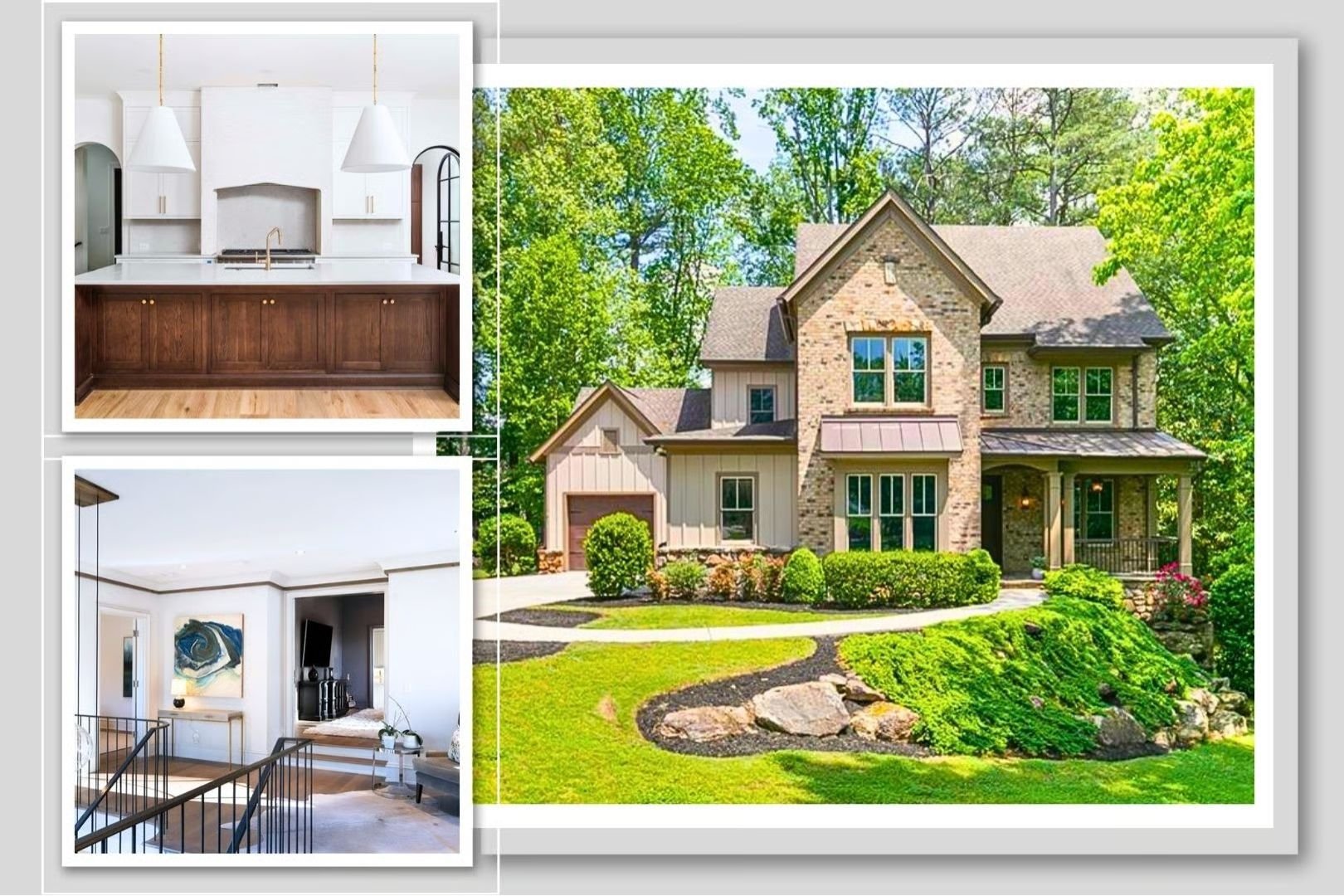
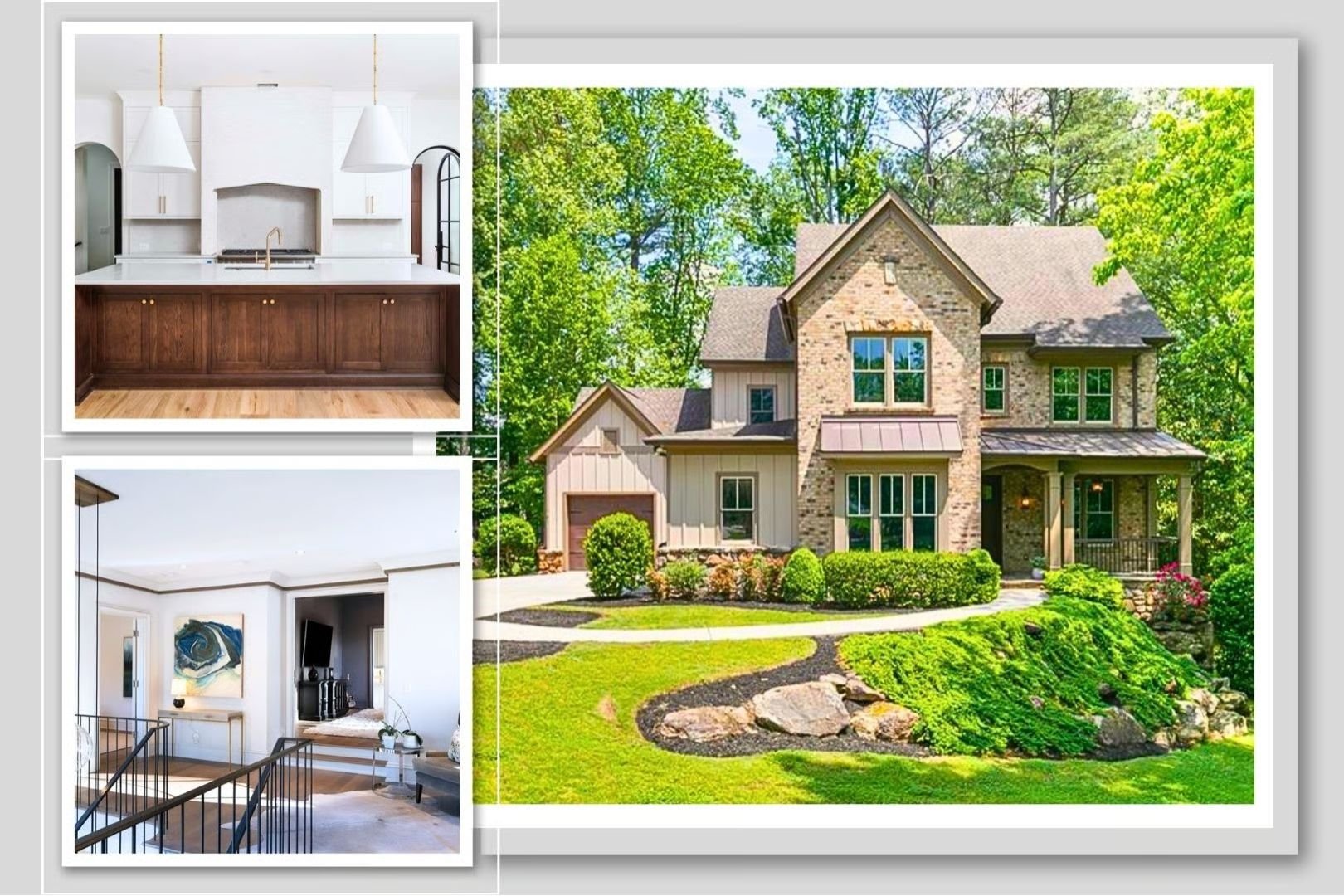
The builder's on-site sales agent represents the builder's interests, not yours. Having your own buyer's agent costs you nothing in most cases — the builder pays the commission — and gives you an advocate for contract review, lot selection strategy, understanding what incentives are available, and navigating the build process from contract through closing. This representation is particularly valuable for first-time new construction buyers who may not be familiar with how builder purchase contracts differ from standard resale agreements, or how to evaluate what is and isn't negotiable.
How long does it take to build a new home in Marietta, GA?
Quick move-in or spec homes — which builders have started or completed before a buyer contracts — can close in as few as 30 to 90 days. Semi-custom or build-to-suit homes, where the buyer selects a lot and makes design choices before construction begins, typically run 6 to 14 months depending on the builder, the complexity of the plan, and current permitting and trade timelines in Cobb County. Verify timelines directly with specific builders at the time you're shopping, as labor and materials conditions shift and each builder manages scheduling differently.
Are there townhome new construction options in Marietta for buyers who want lower maintenance?
Attached new construction has been a consistent growth category in the Marietta market. The Cobb Parkway corridor and the Barrett Parkway zone both have active townhome and paired-home communities that appeal to buyers seeking new construction quality and warranty coverage without exterior maintenance obligations. These communities frequently attract young professionals, downsizers, and buyers relocating for Cobb County employment who want a turnkey living experience without the ongoing upkeep of a traditional single-family home.
Conclusion
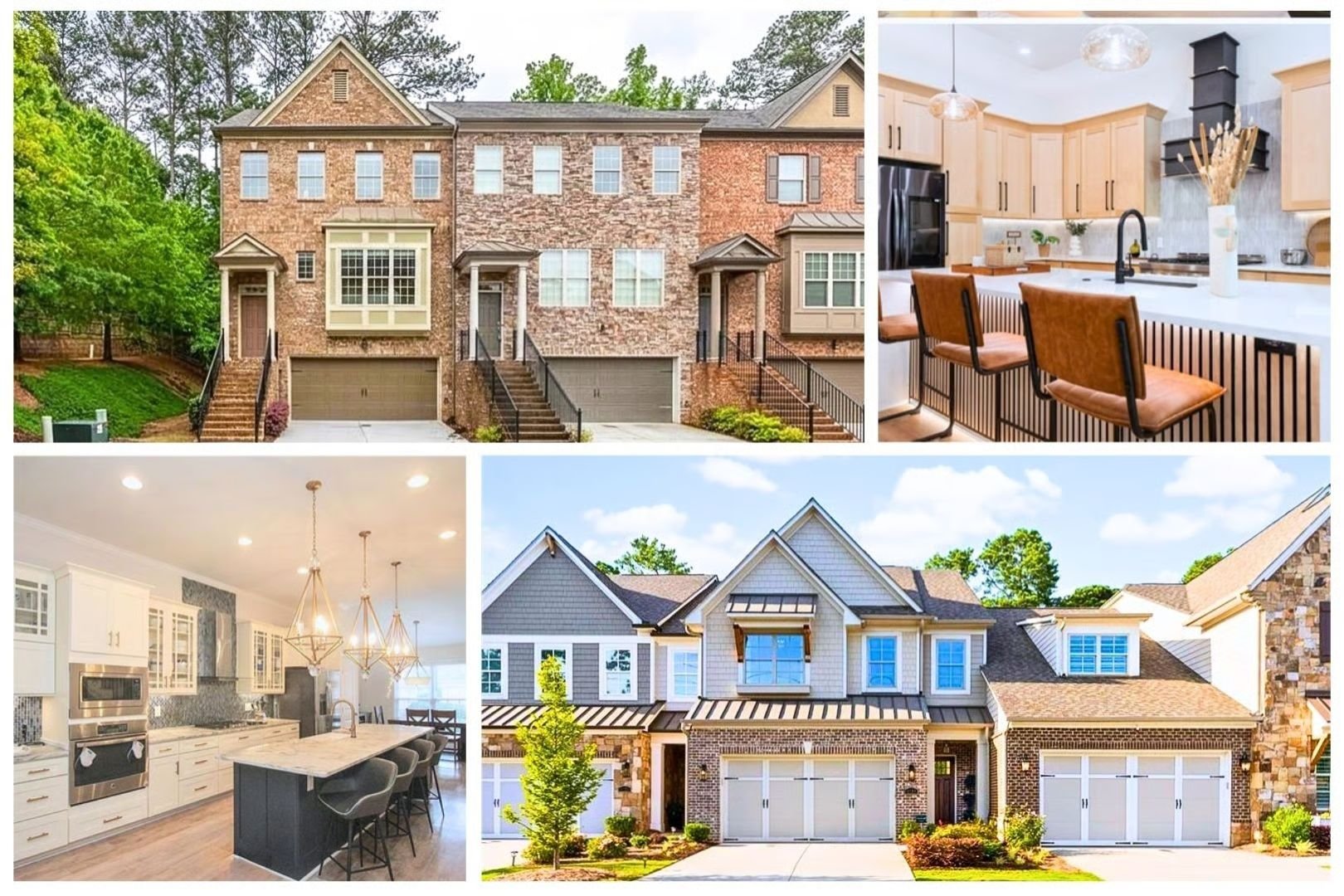
Marietta's new construction story in 2025 is not a single narrative — it's three distinct corridors, each with its own character, buyer profile, and development trajectory. The Barrett Parkway zone is producing accessible, convenience-driven product for first-time and move-up buyers who want suburban infrastructure and outdoor access built in. The Sandy Plains corridor is drawing families who have done their school district homework and are willing to pay for the right address. The Cobb Parkway spine and south Marietta infill zone are capturing buyers who want modern construction without sacrificing the lifestyle that comes with a well-established city.
Understanding that geography before you begin touring gives you a real strategic advantage — you walk into each model home knowing whether it fits your life, not just your budget. New construction decisions benefit from working with someone who knows the local landscape deeply — not just what the builder's brochure says, but which lots in which phases in which corridors actually match your priorities. If you're ready to explore new construction options in Marietta, reach out to our team and we'd be glad to help you find the right community for where you are right now.