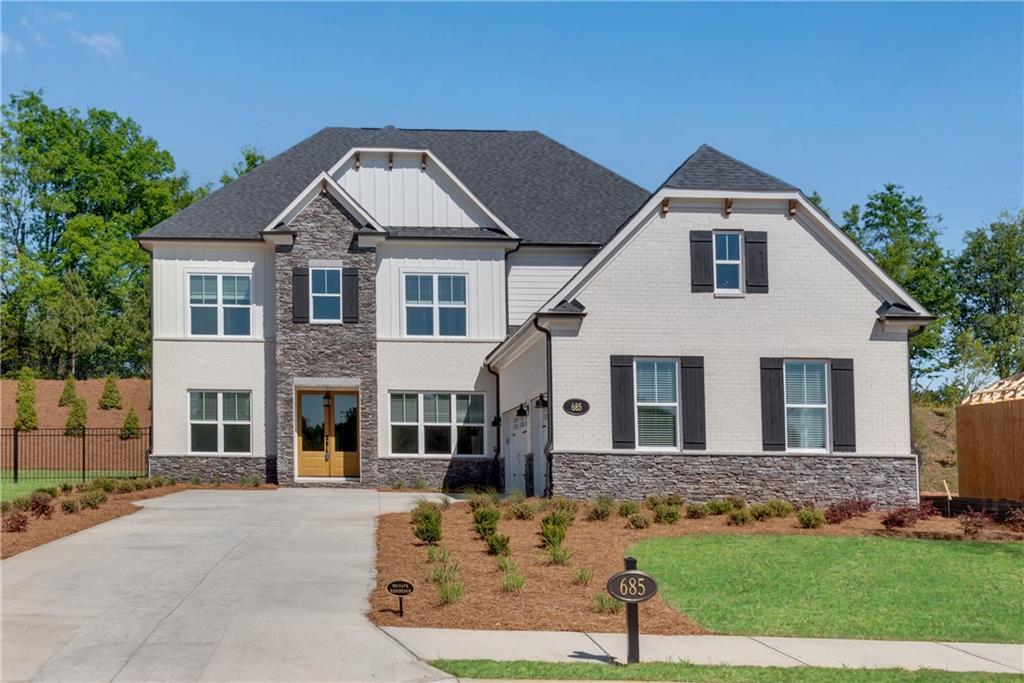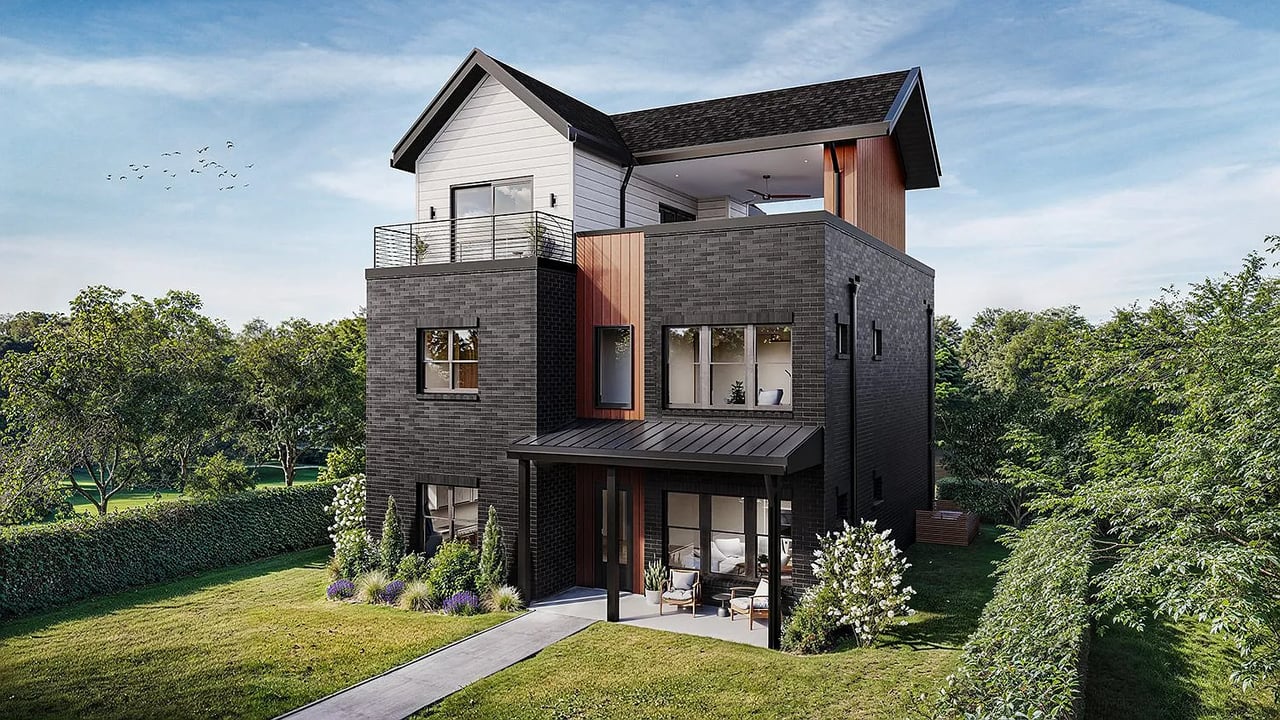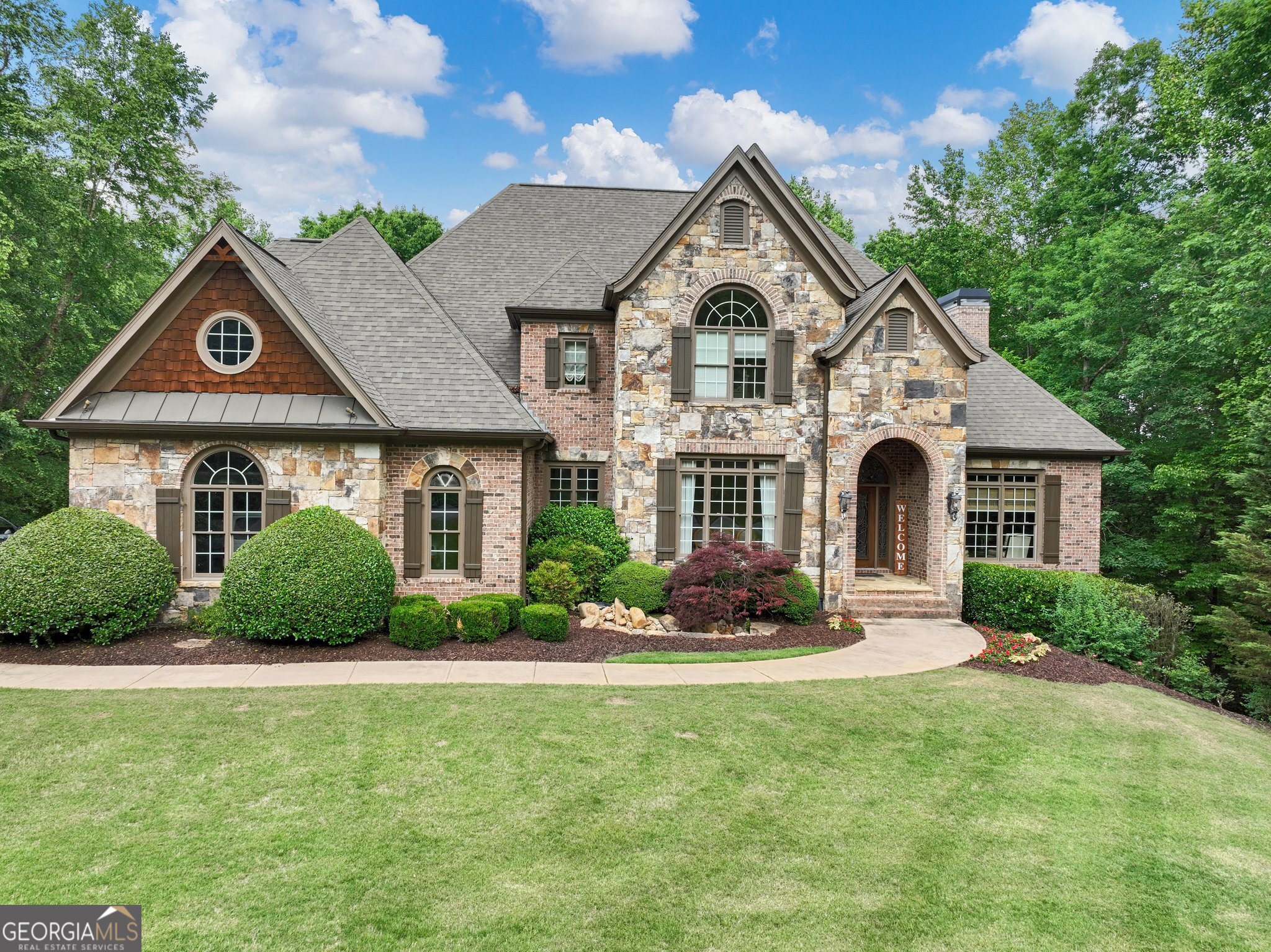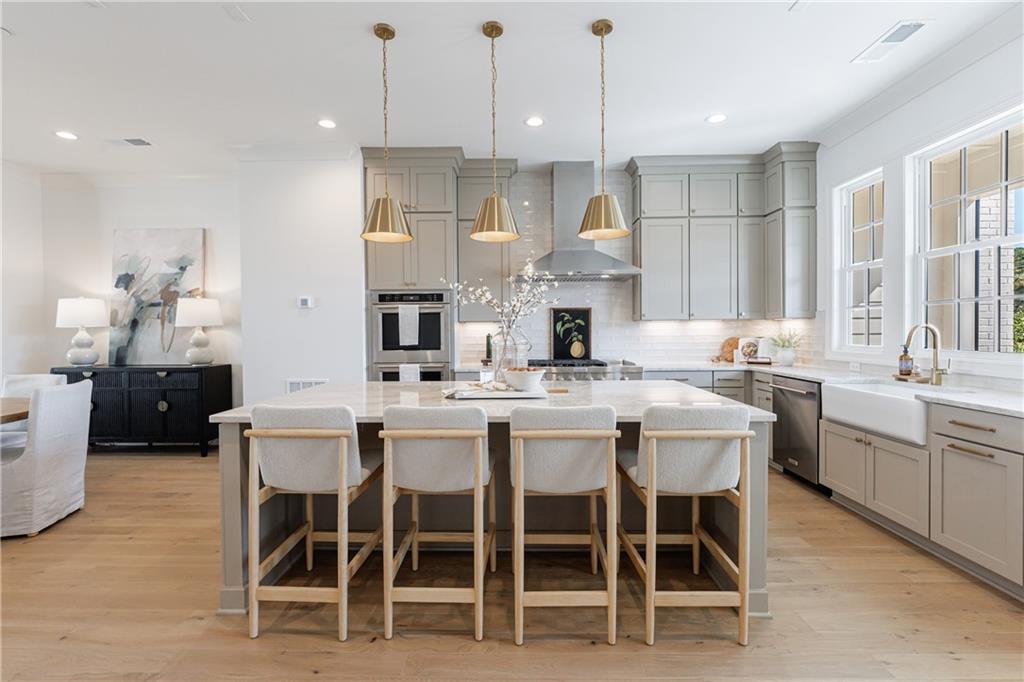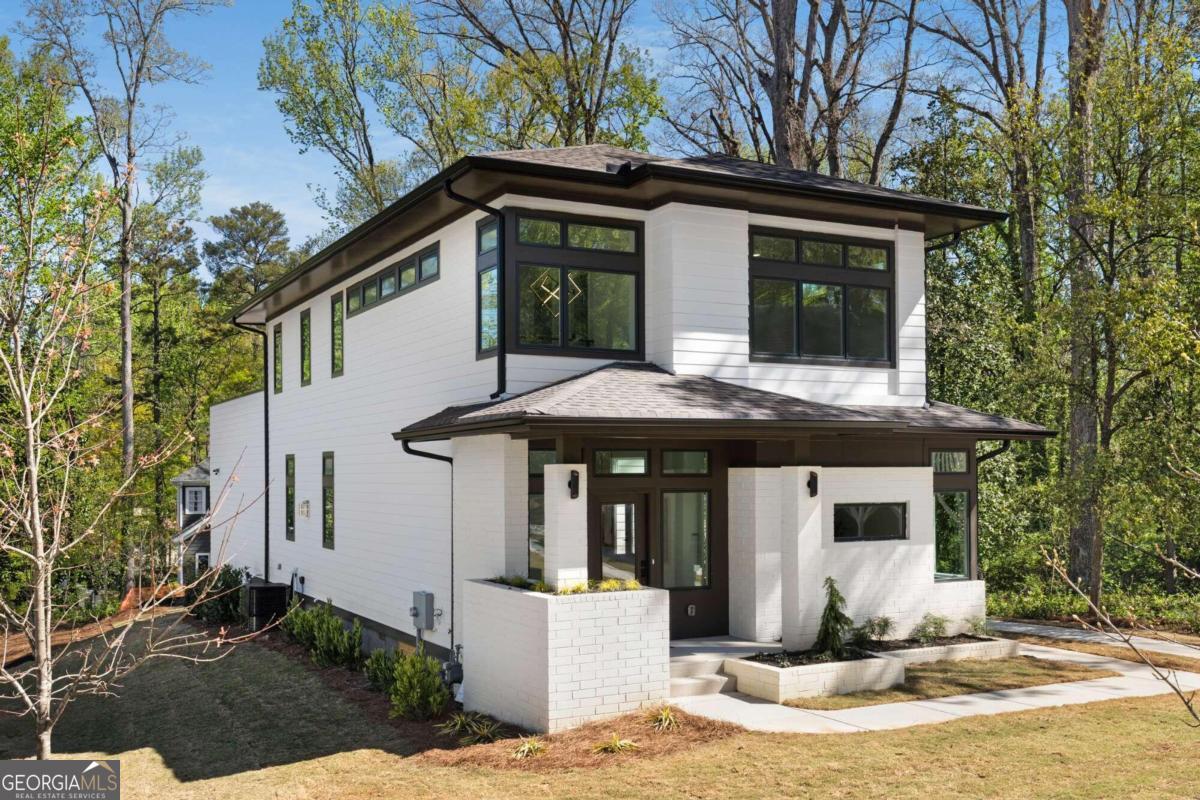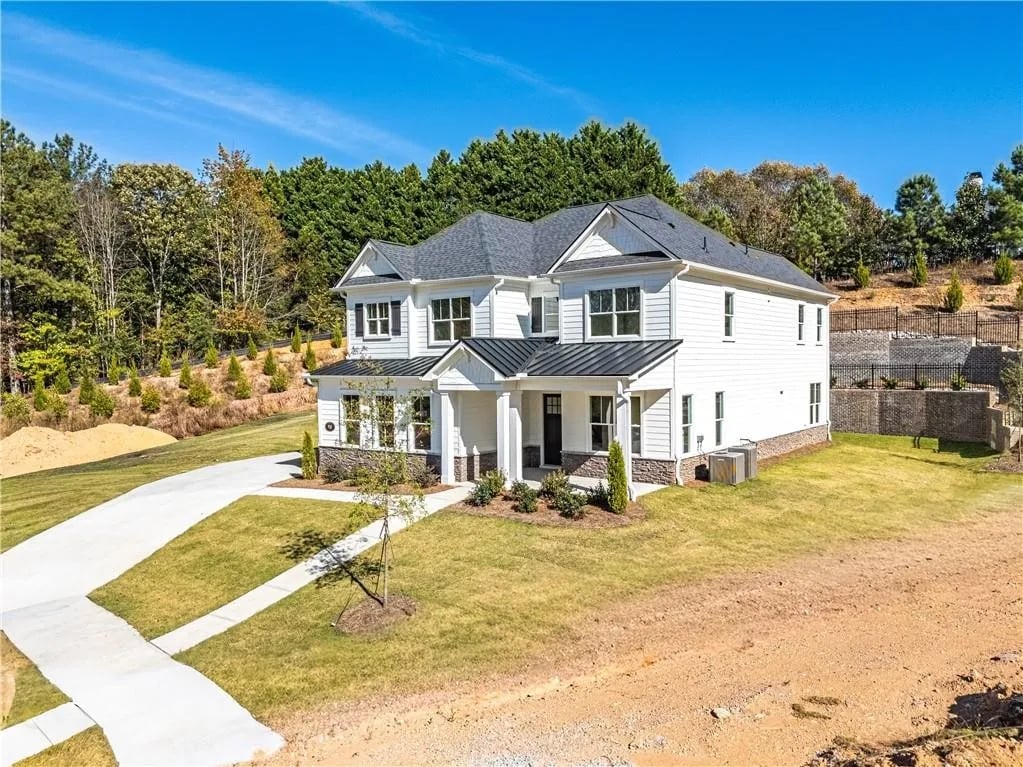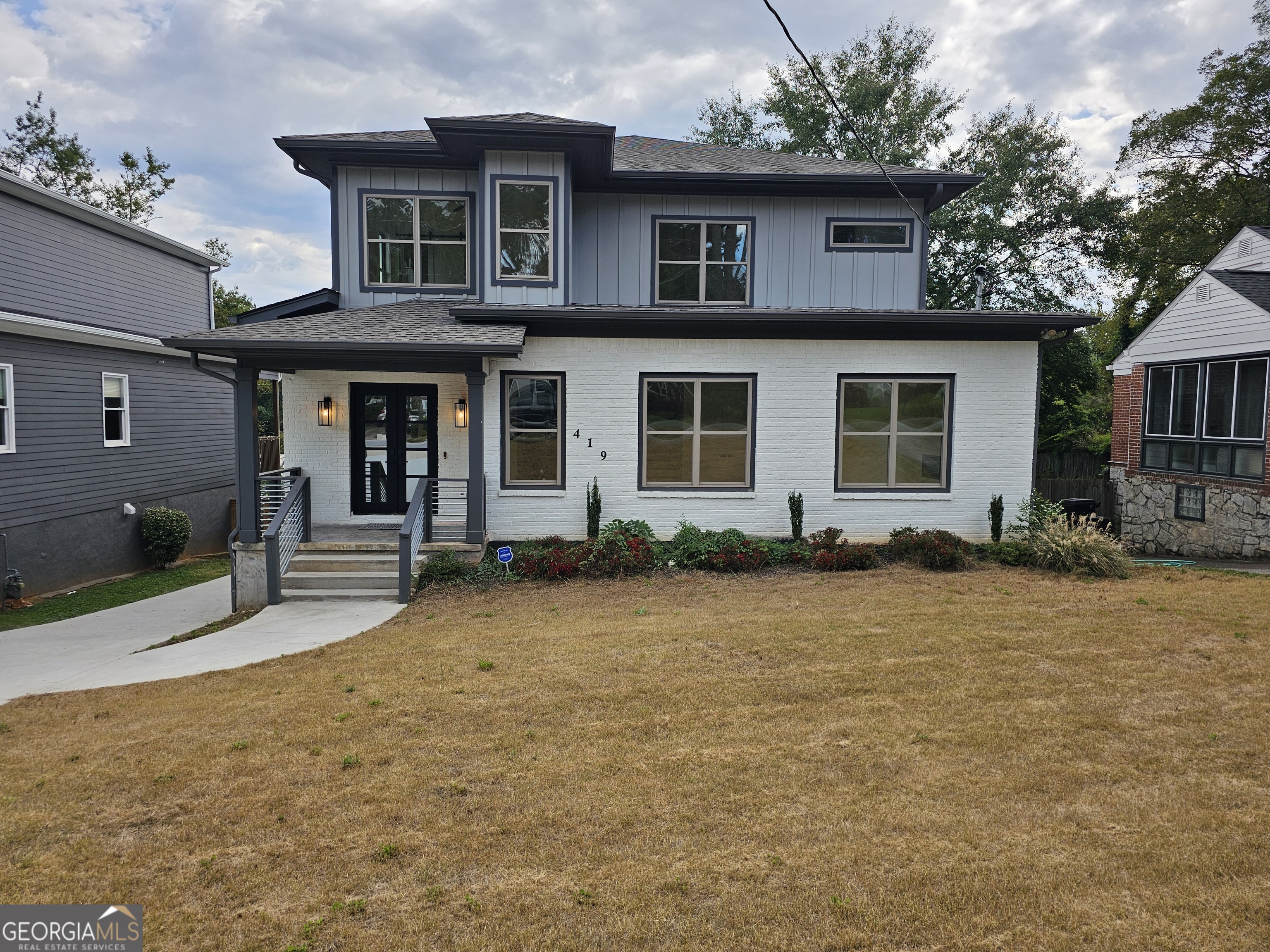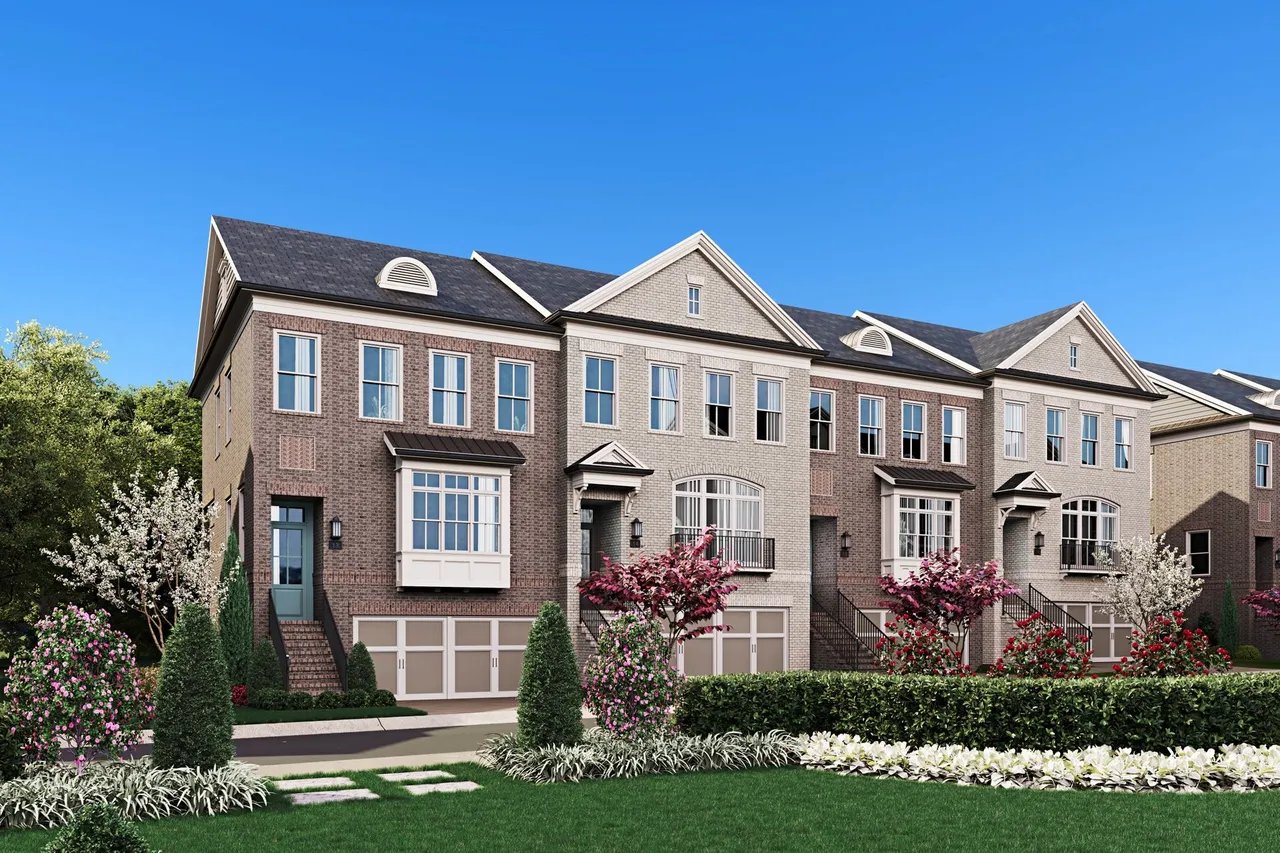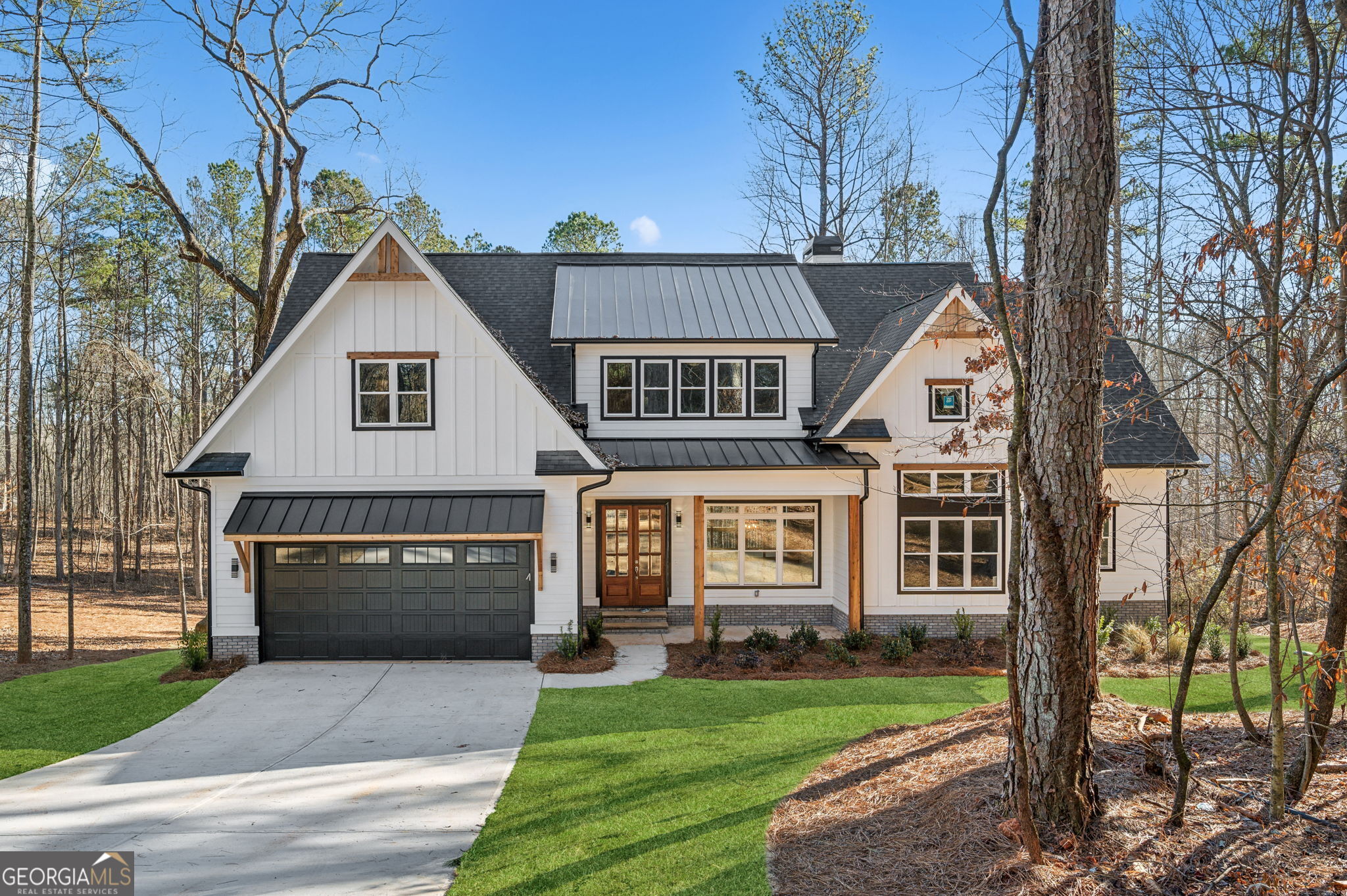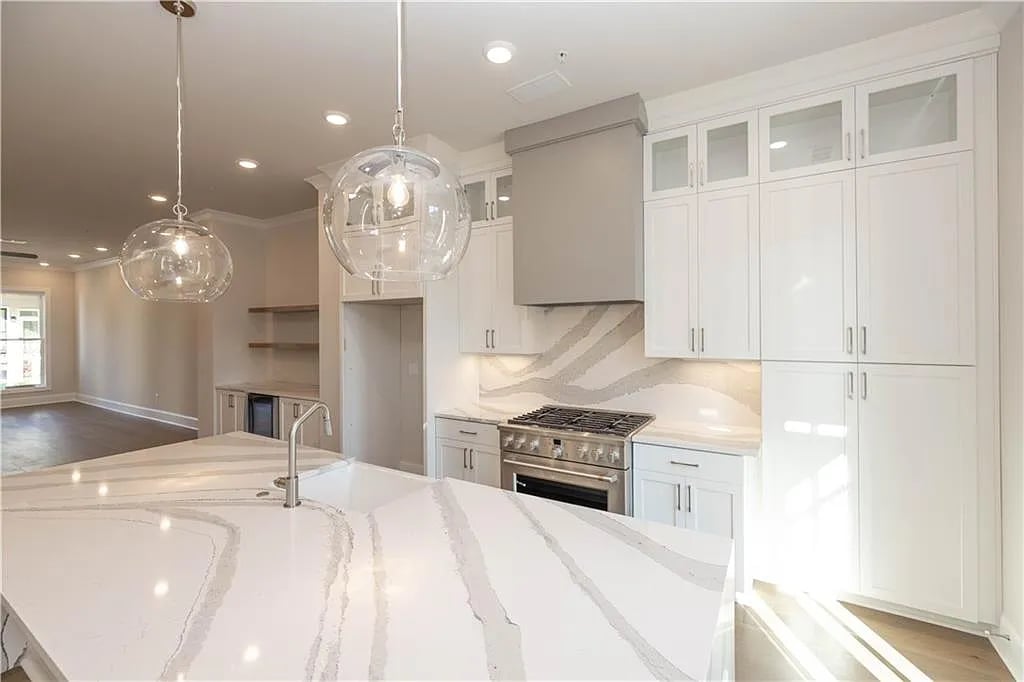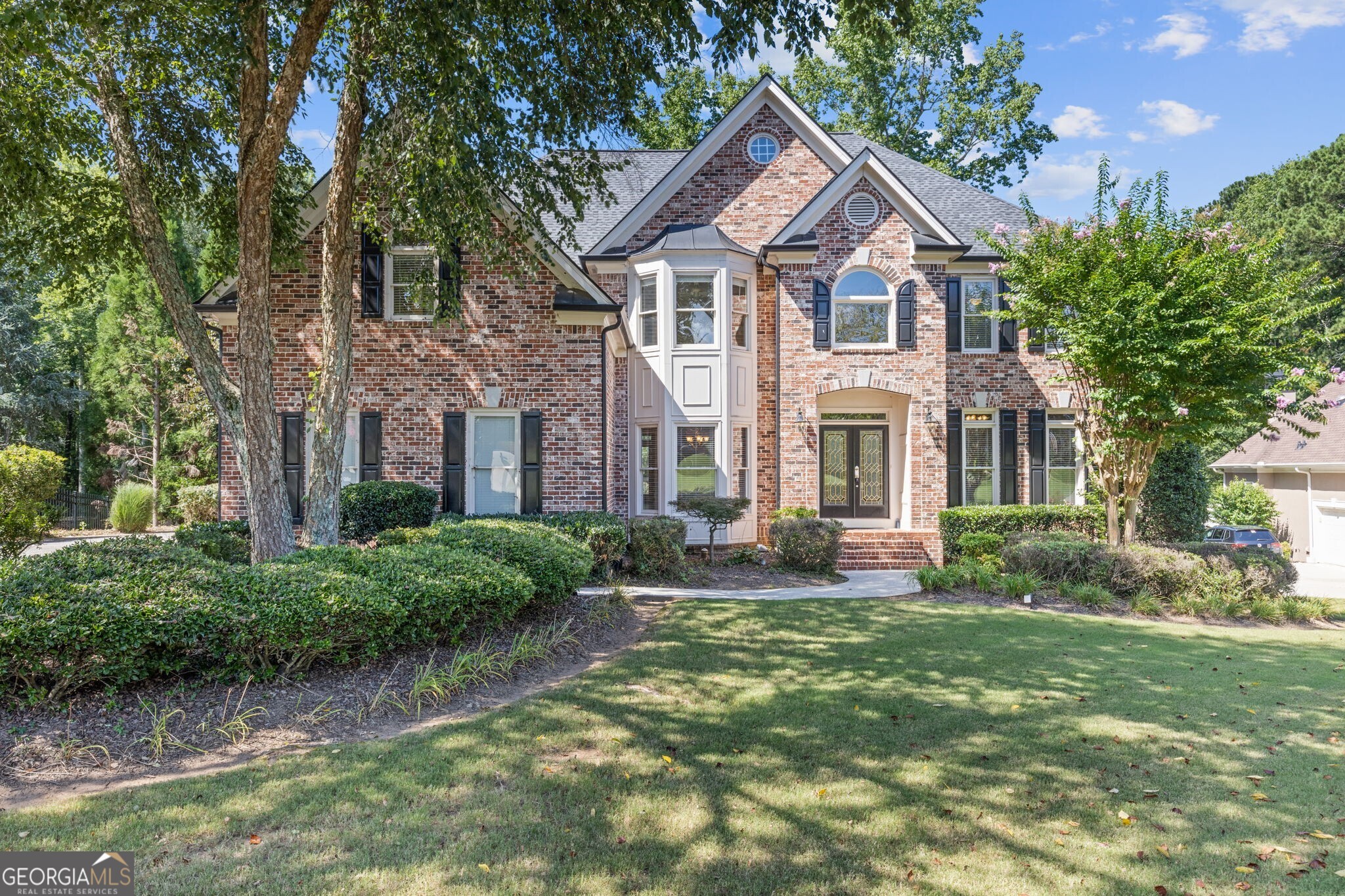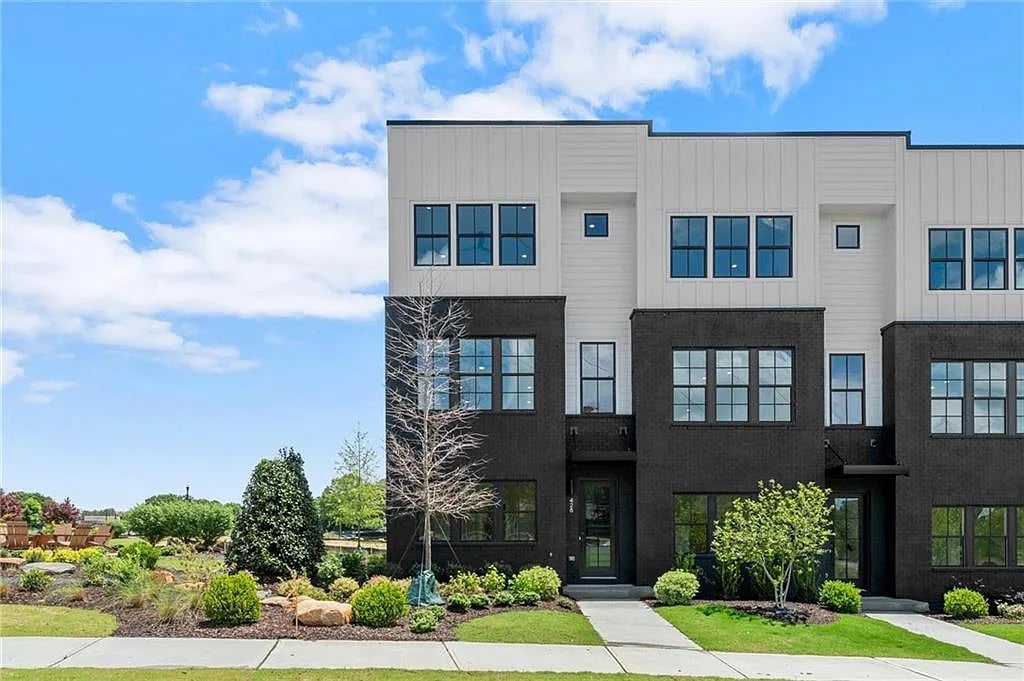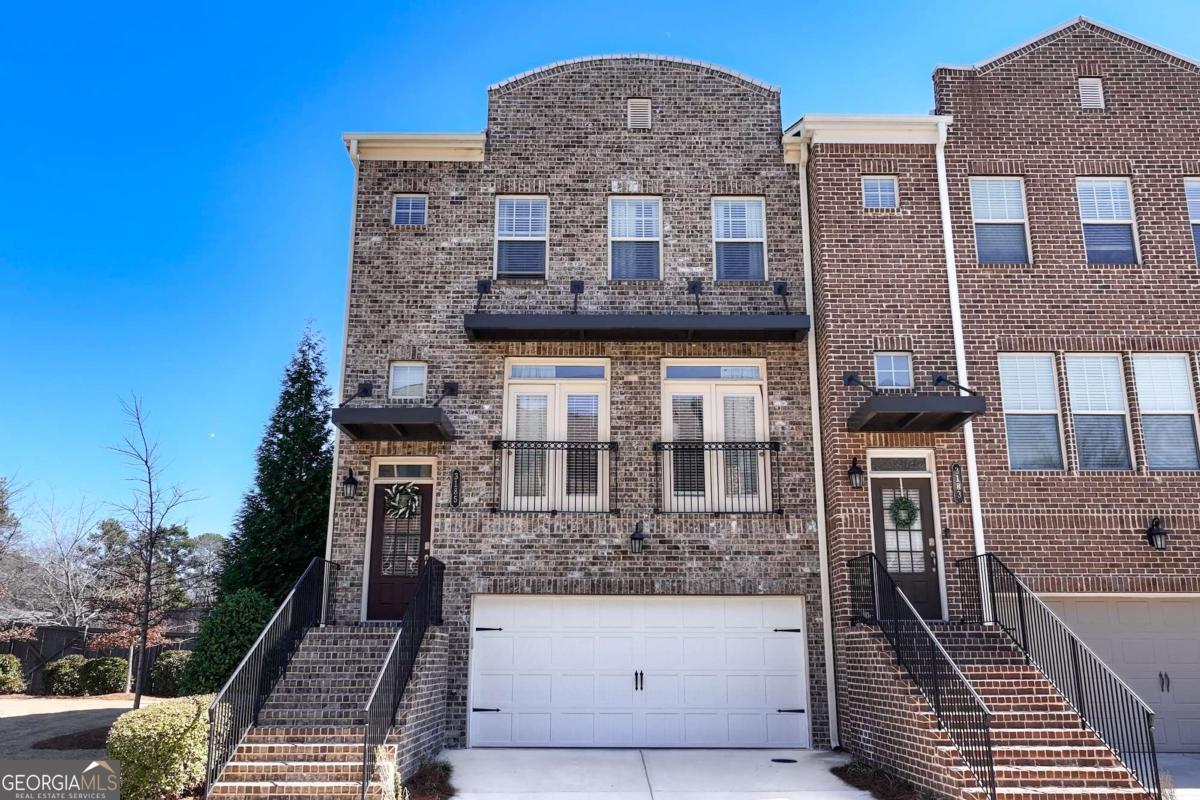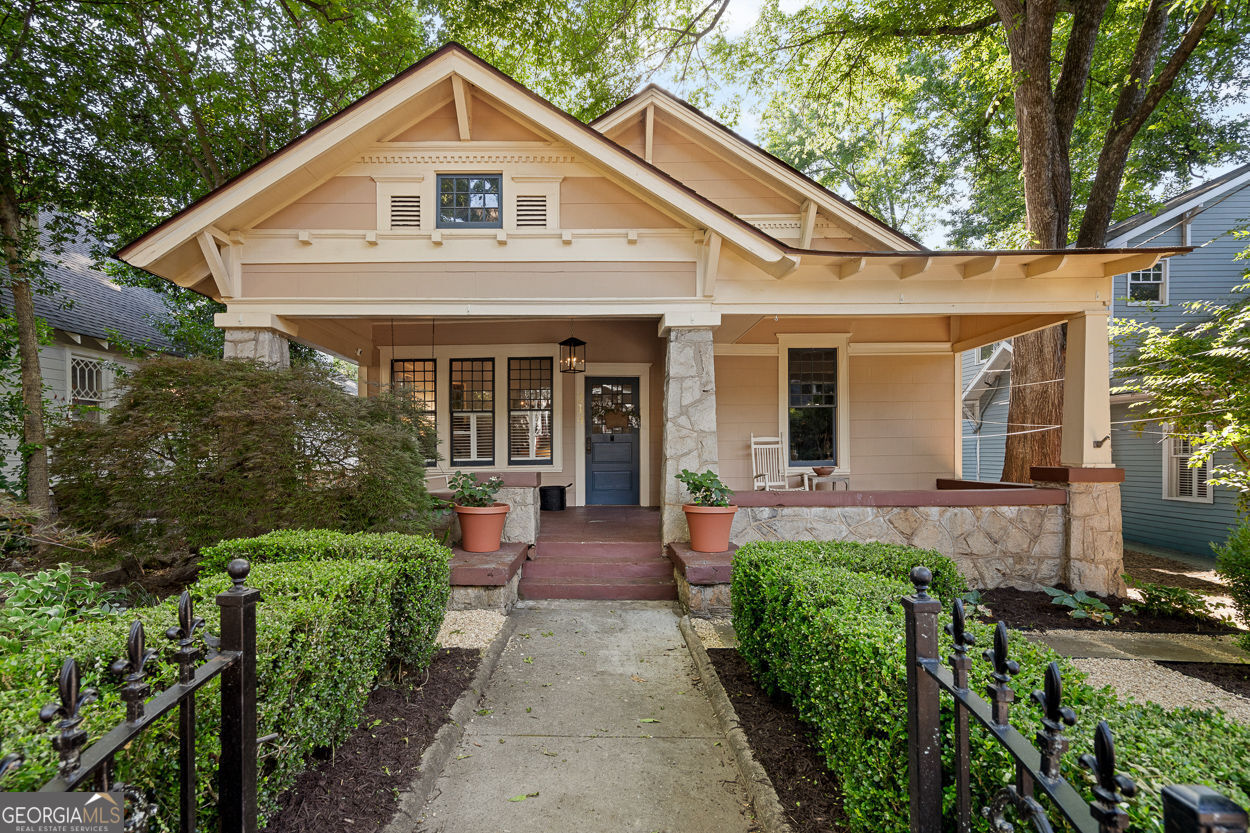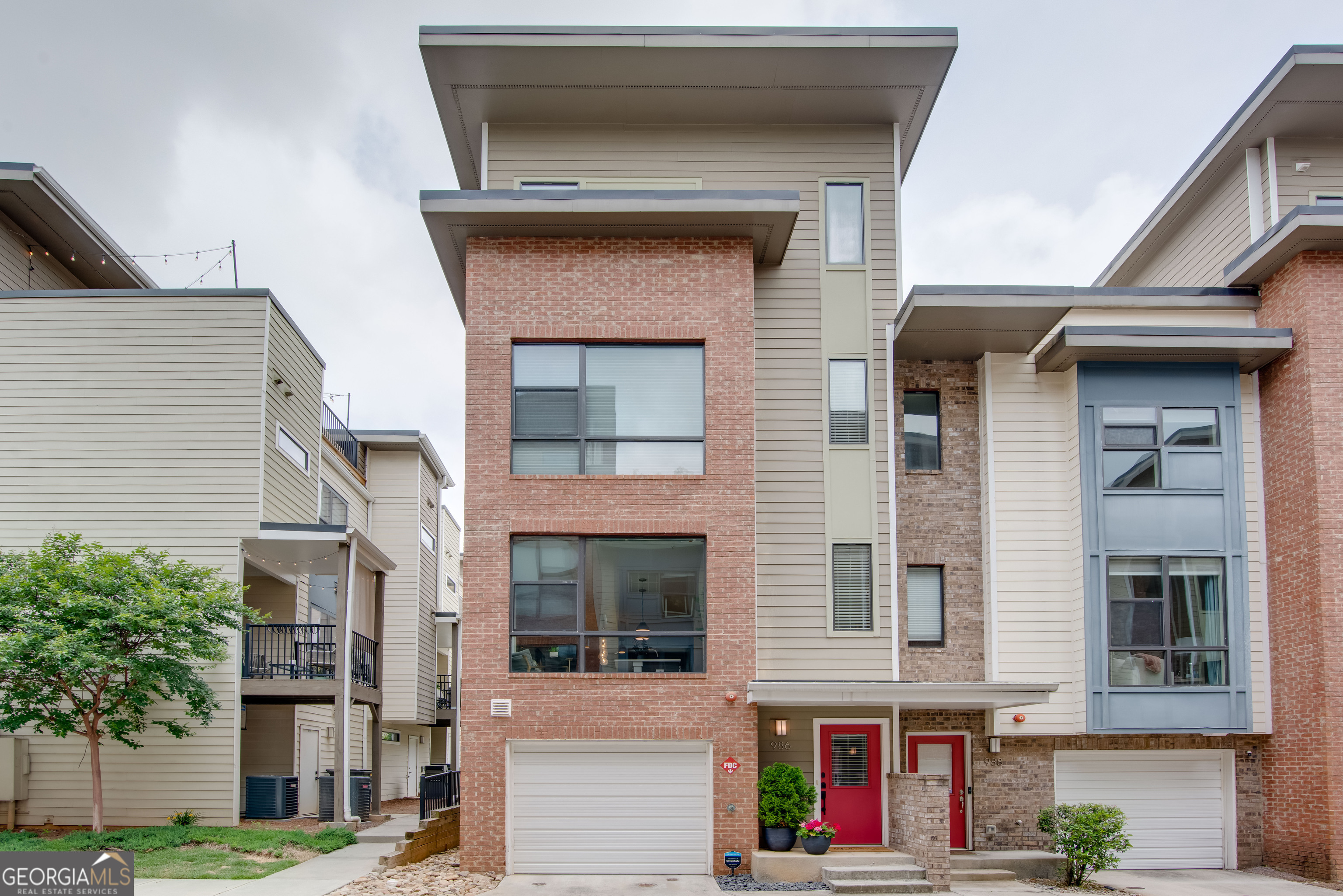
West Atlanta's new construction market sits at a crossroads — and the numbers tell a story most buyers aren't expecting. With metro Atlanta's new construction median hitting $469,900 against $376,000 for existing homes, the real question isn't just whether to buy new — it's where.
For buyers focused on West Atlanta, that headline figure raises an immediate follow-up: does intown new construction still make financial sense, or do nearby suburban cities offer better value? This guide breaks down pricing across West Atlanta, Mableton, Douglasville, and Smyrna — with an honest look at what each location actually delivers for your dollar. West Atlanta occupies a unique position in this comparison. Not simply as a price point, but as a trajectory story driven by infrastructure investment that its suburban neighbors cannot replicate.
The State of New Construction Pricing Across the Atlanta Metro
New Builds vs. Existing Homes: The Atlanta Price Gap
That roughly $94,000 gap between new and existing home prices isn't arbitrary — it reflects real cost pressures that builders pass directly to buyers. According to John Ryan, chief marketing officer for Georgia MLS, increases in labor, materials, and land development costs are primarily to blame for the premium attached to new construction.
Atlanta's new-build median of $469,900 also sits above the national new construction median of $449,967 during the same period. Atlanta buyers pay more than the average American for a new home regardless of which neighborhood or city they choose.
Why Builders Are Shifting Toward the Outer Ring
Rising development costs are pushing builders toward counties outside the core metro region, where land is less expensive to acquire and entitle. That shift explains the surge in new construction communities across Douglasville in Douglas County and the western edge of Cobb County over the past several years.
It also explains why intown West Atlanta — where land costs run higher — relies more heavily on public-private partnership financing to make new construction viable for buyers across income levels. That financing structure, as you'll see below, creates opportunities suburban markets simply don't offer.
New Construction Prices in West Atlanta
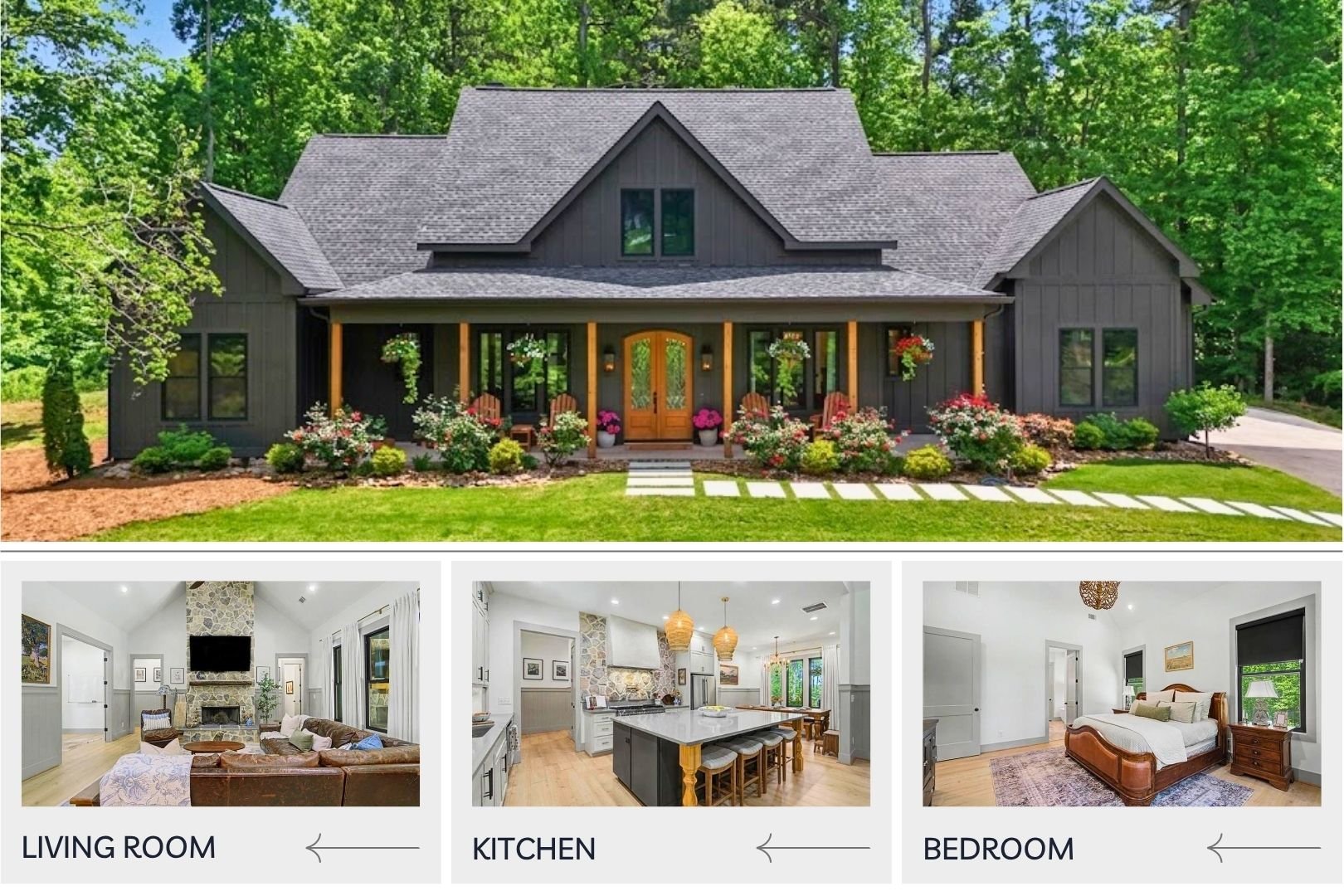
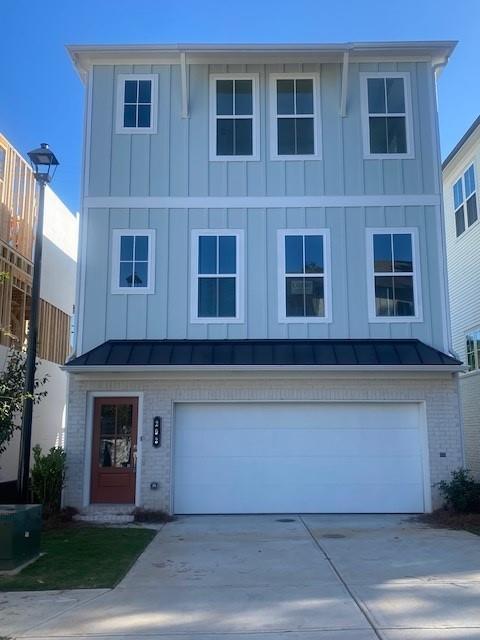
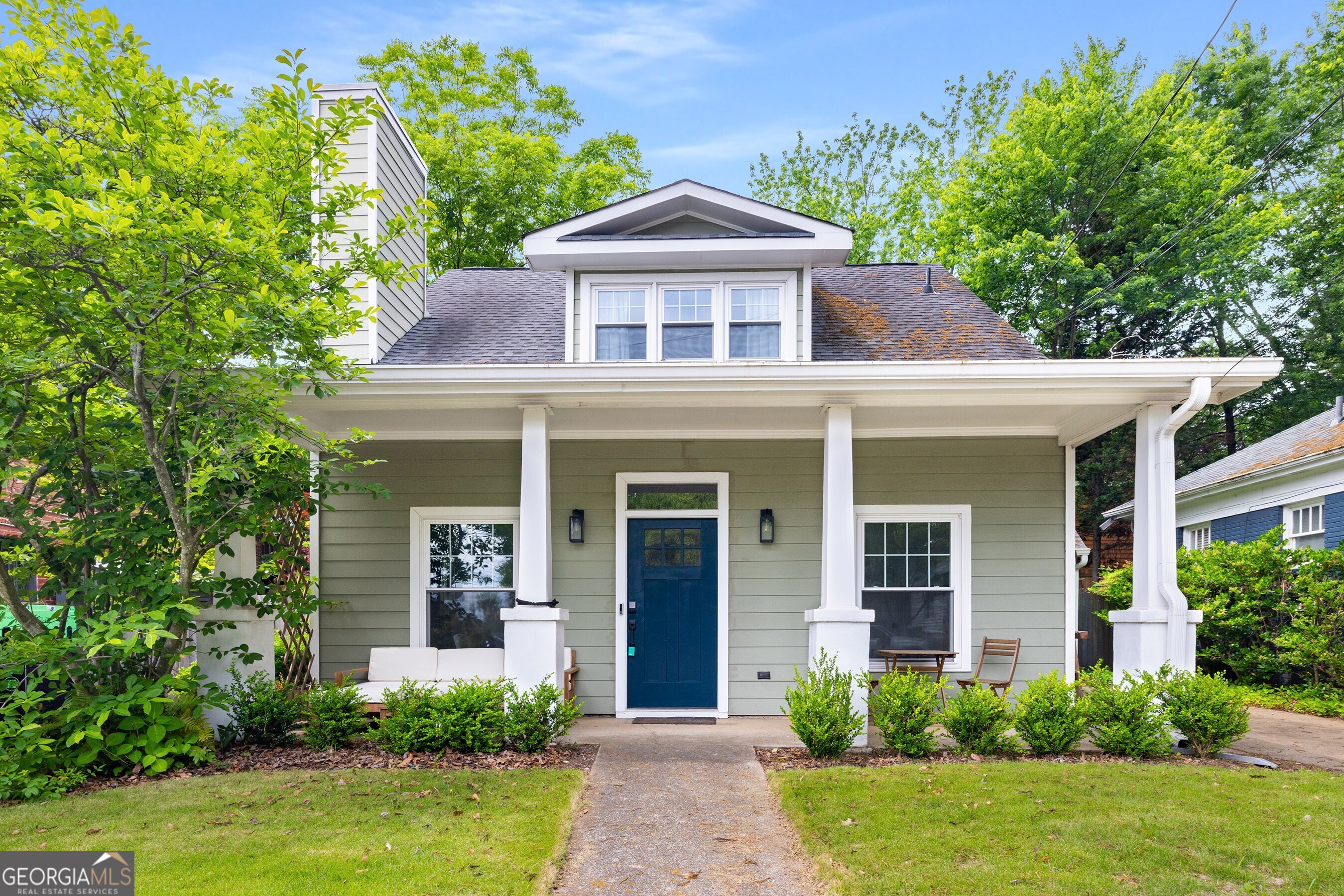
What's Being Built in West Atlanta Right Now
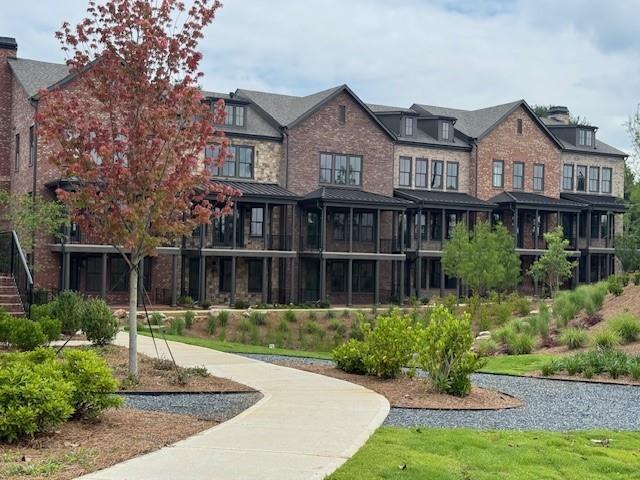
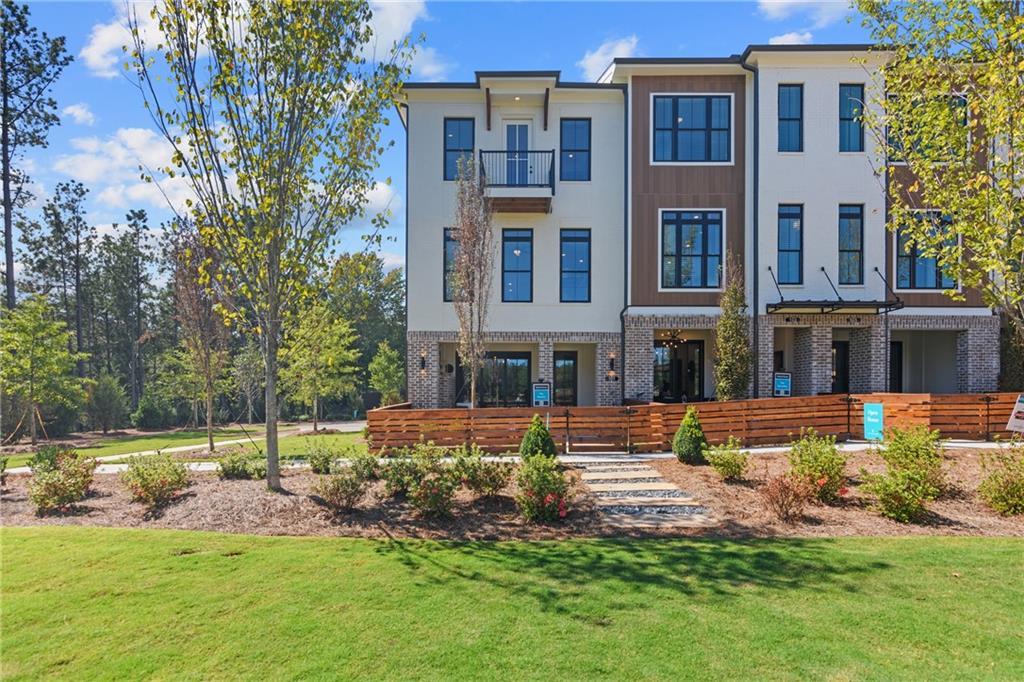
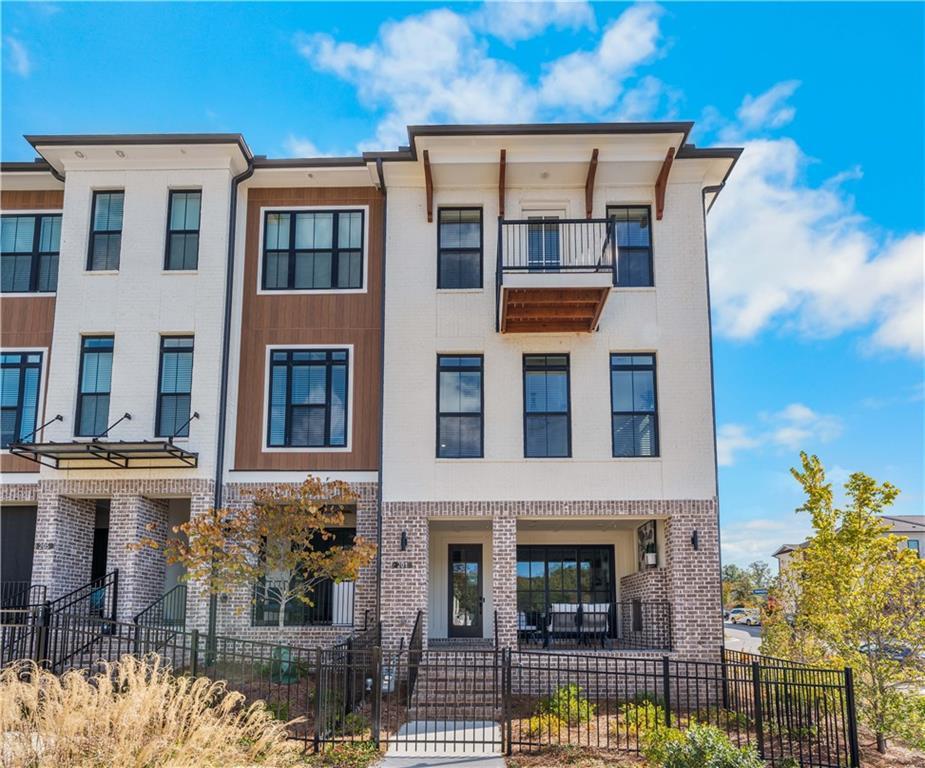
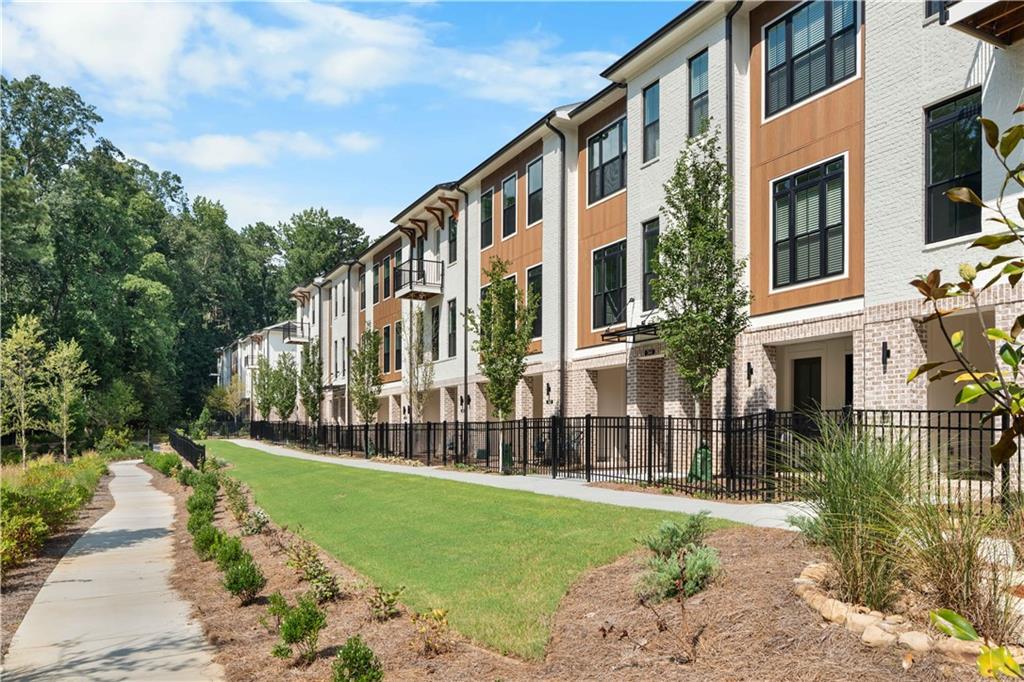
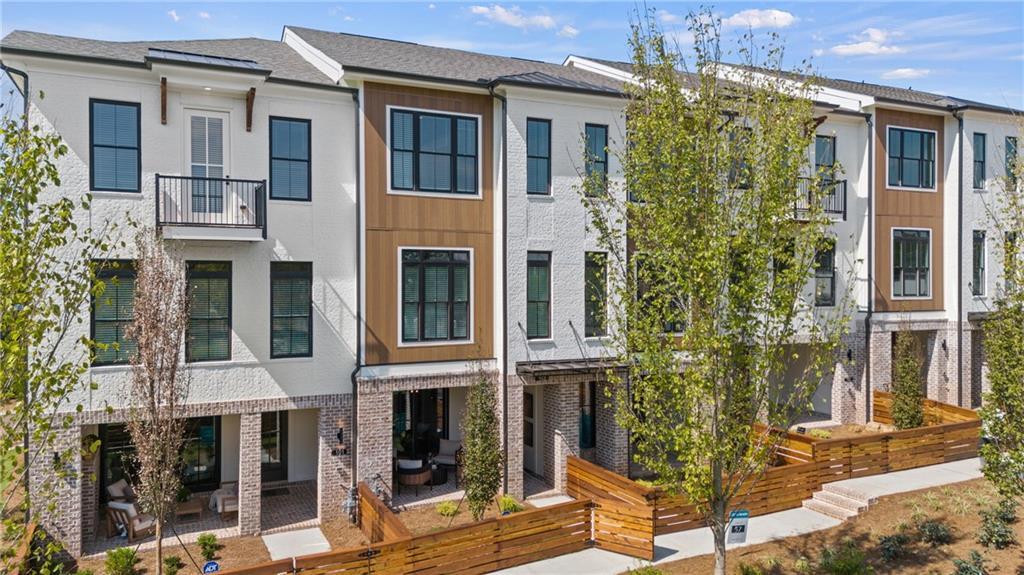
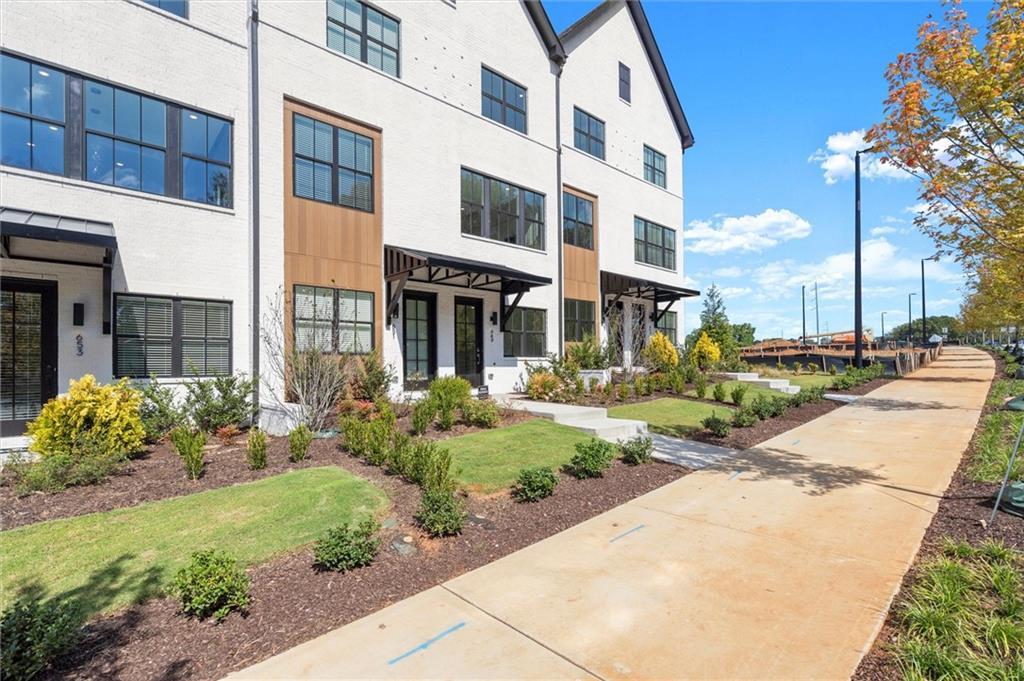
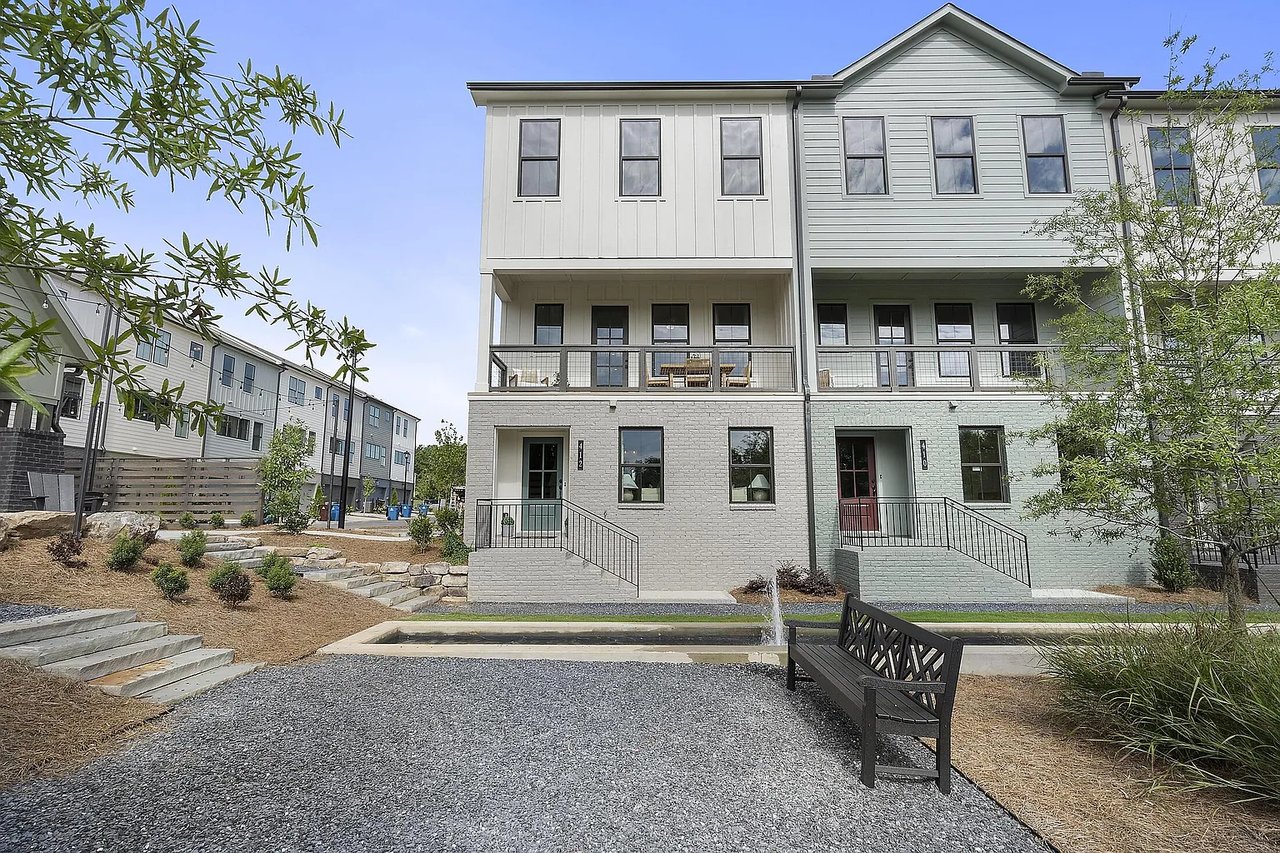
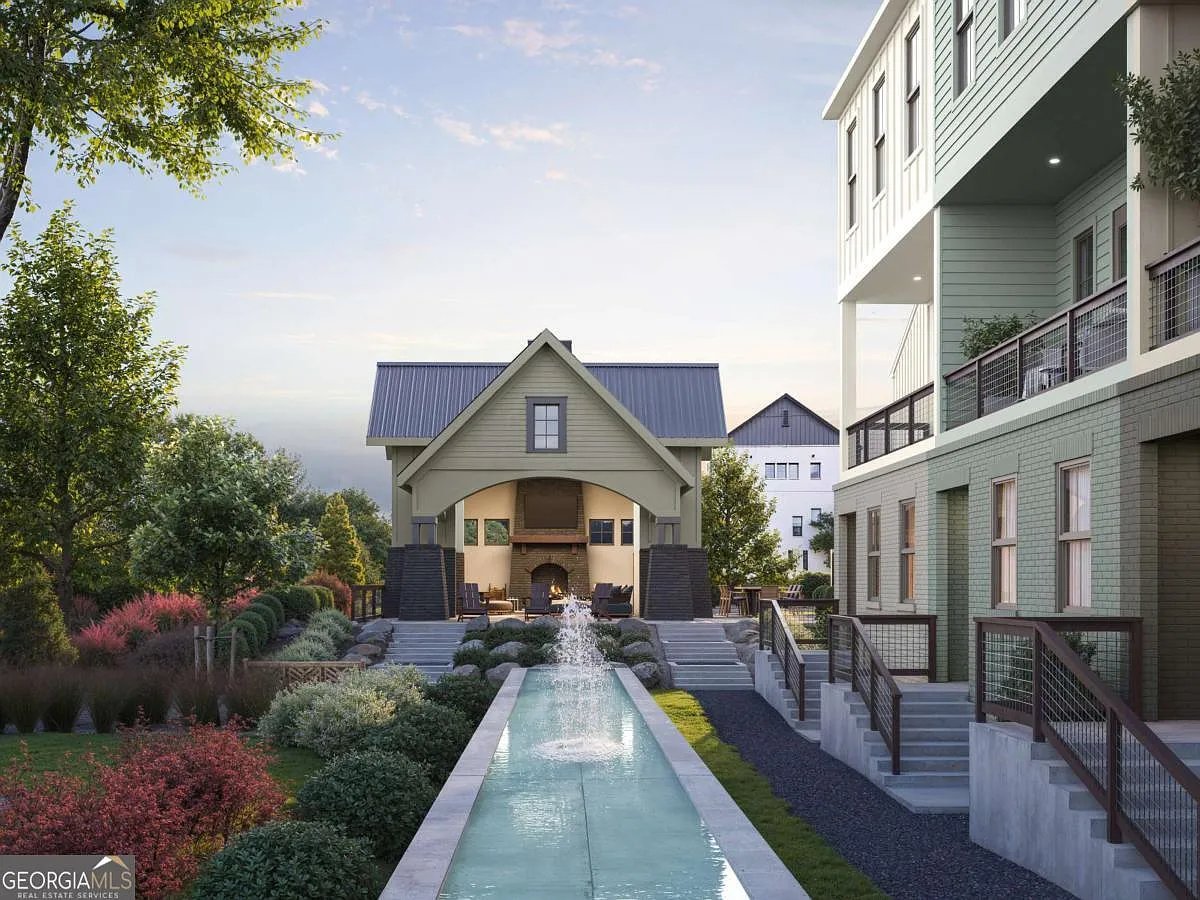
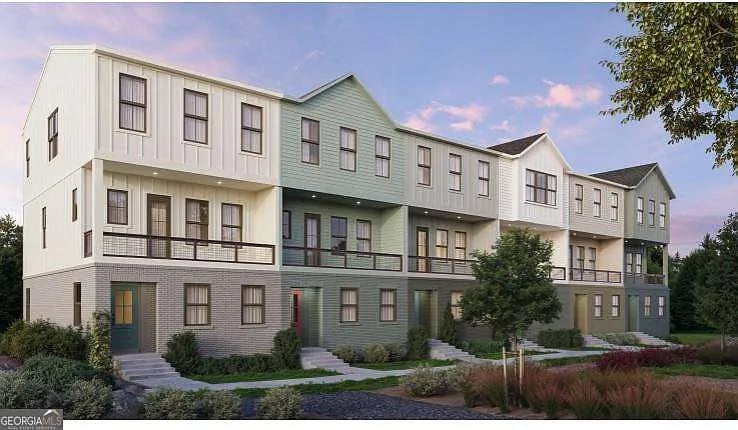
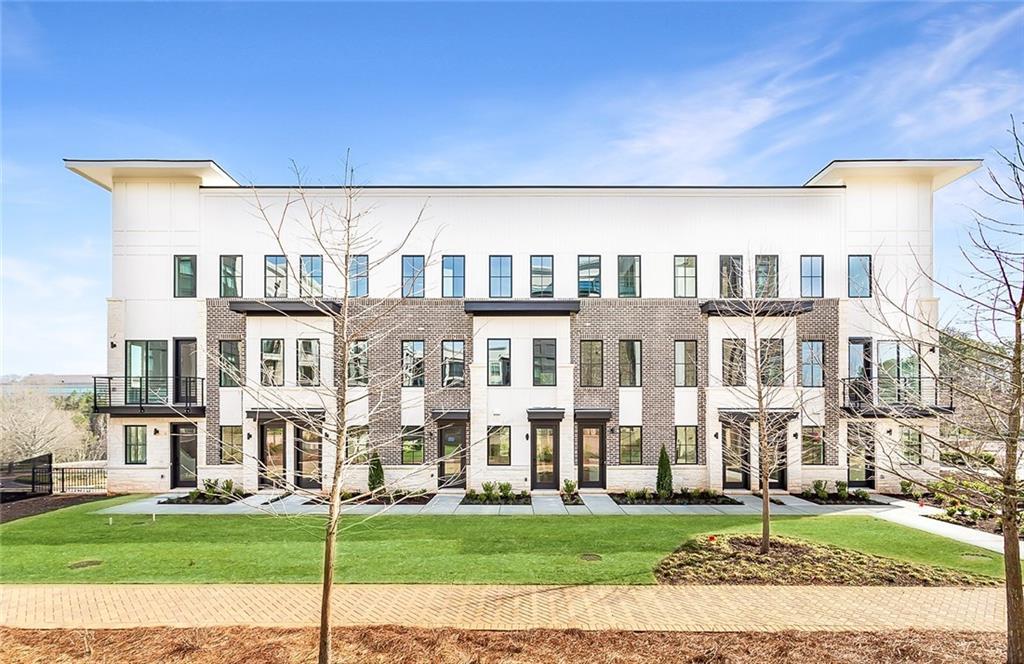
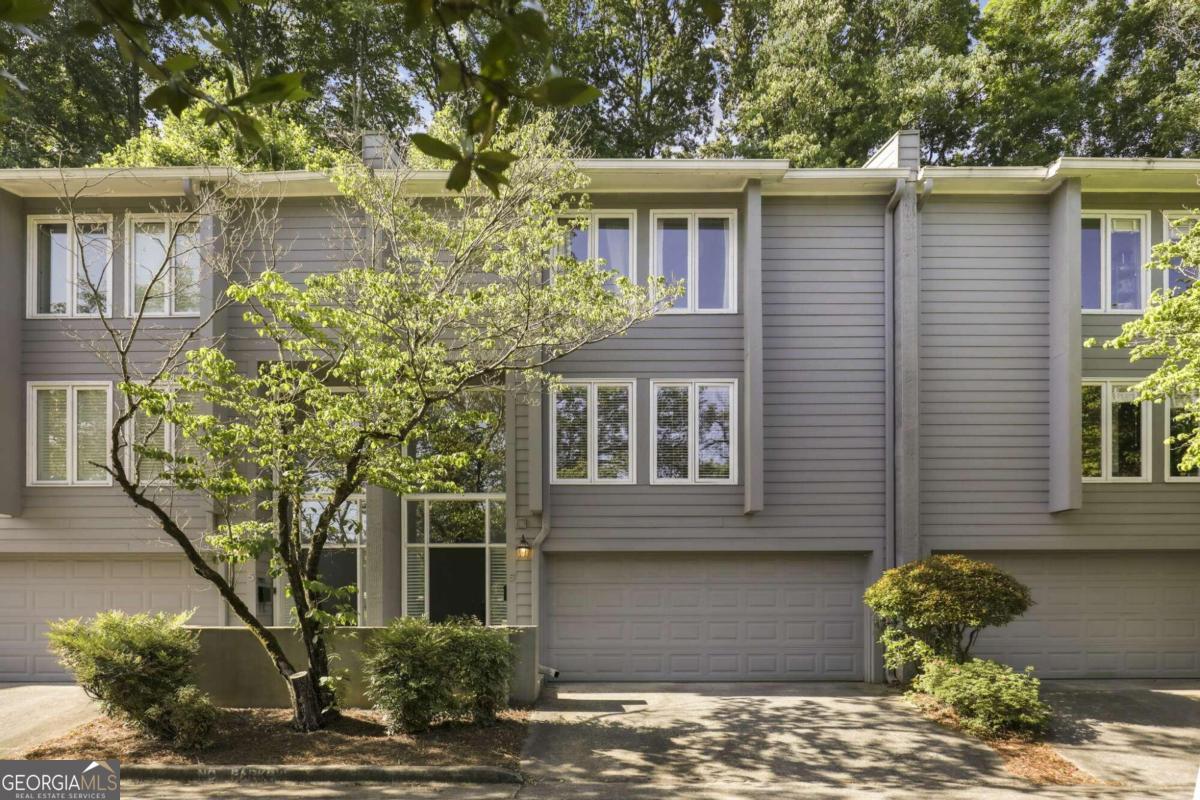
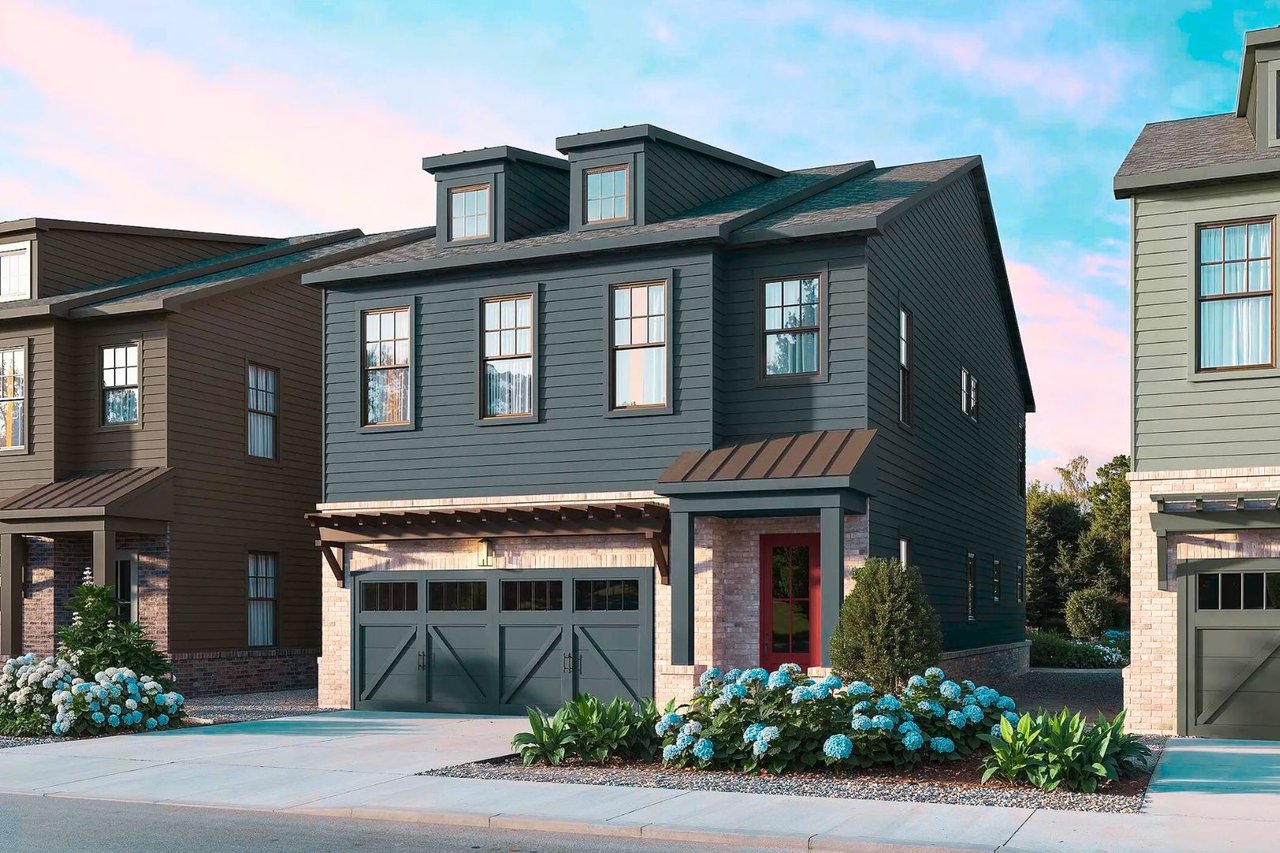
West Atlanta's most prominent new construction anchor is West Highlands — already one of the largest master-planned communities in the City of Atlanta. The next phase calls for 65 for-sale townhomes and detached single-family homes. The broader West Highlands redevelopment includes 700 mixed-income rentals and 513 for-sale homes, with 144 of those capped for families earning at or below 80% of the area median income.
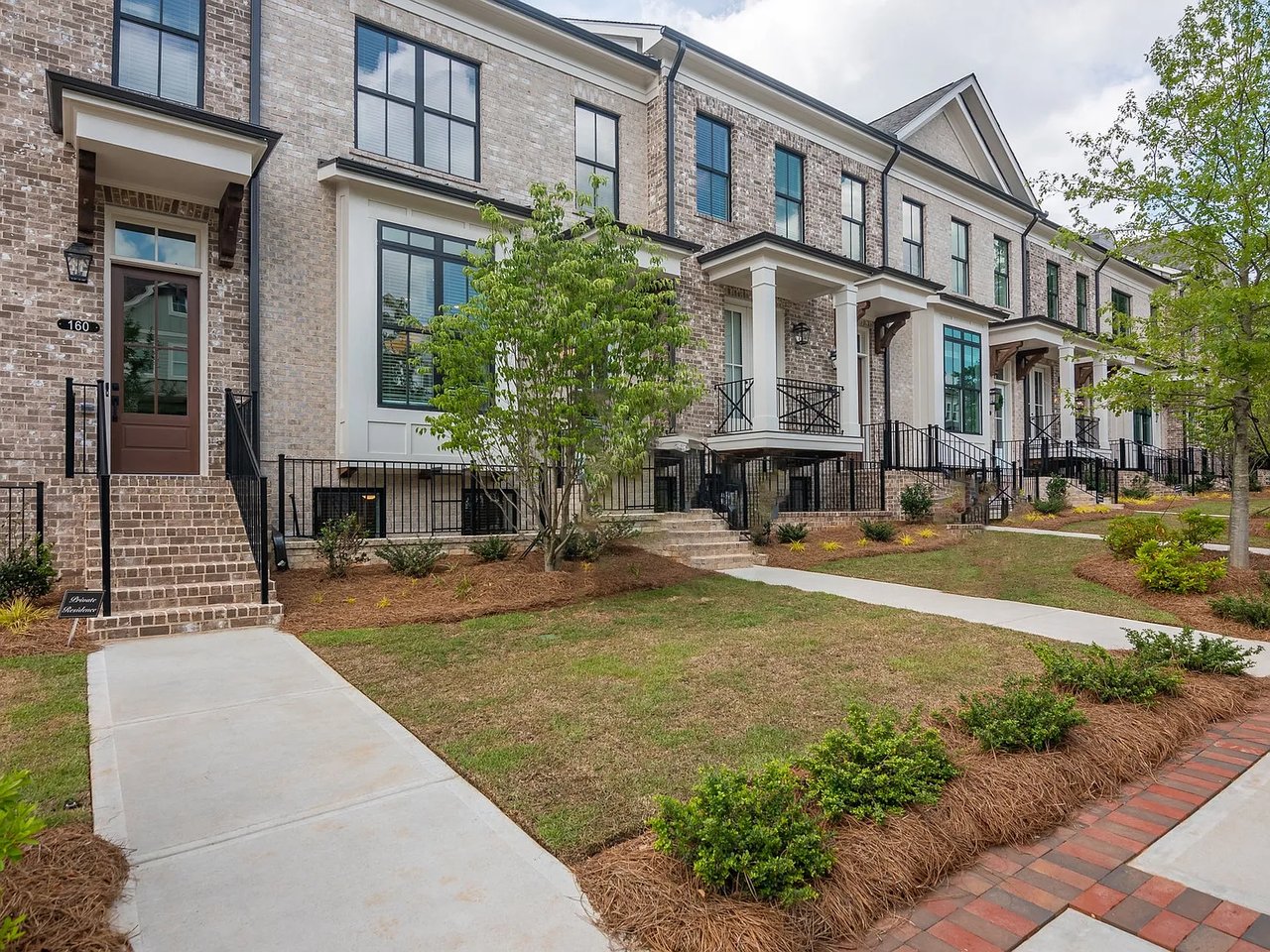
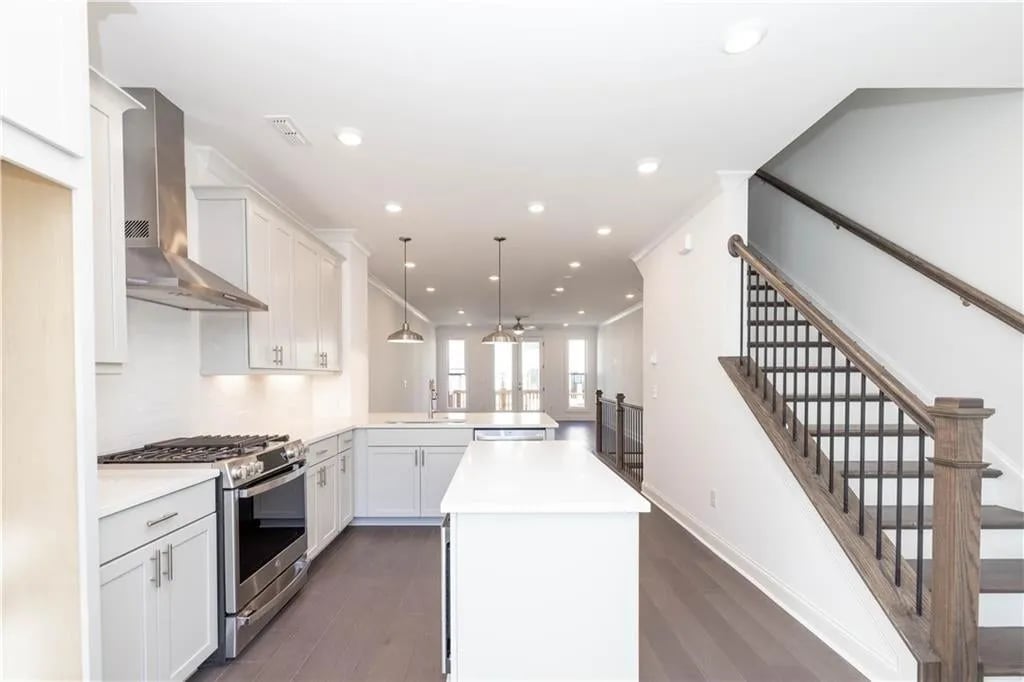
Townhomes in the newest phase range from 1,300 to 2,600 square feet across three product lines, giving buyers meaningful choice within a single community. Beyond West Highlands, development activity is visible across several distinct nodes:
- Near Shirley Clarke Franklin Park — Atlanta's largest greenspace, a former quarry transformed into a 280-acre park with a 35-acre reservoir and skyline views that are genuinely remarkable
- Along the Bowen Homes corridor
- In the West End district near the Lee + White food and beverage hub, which sits directly on the Westside BeltLine Trail
That geographic spread gives West Atlanta a depth of inventory that buyers from other intown submarkets often overlook.
West Atlanta's Affordability Advantage Intown
Zillow's Home Value Index places the Fulton County-wide typical home value at $426,727 — down 1.9% over the past twelve months but still 45% above pandemic-era lows from 2020. West Atlanta neighborhoods continue to trade below that Fulton County average in many cases, offering buyers genuine intown pricing relative to Buckhead or Midtown.
20% of homes in the newest West Highlands phase are reserved at rates affordable for families earning at or below 80% of the area median income — an access layer no comparable intown community can match.
Public investment reinforces this picture. In May 2025, the Invest Atlanta Board of Directors approved $8.5 million in Tax Allocation District funding that will lever an additional $52 million in private affordable housing investment across the English Avenue, Vine City, and Riverside neighborhoods — creating 166 housing units, 150 of which will be affordable at 30–80% of the area median income. That kind of capital deployment signals institutional confidence in West Atlanta's long-term trajectory.
Mableton — The Closest Suburban Competitor
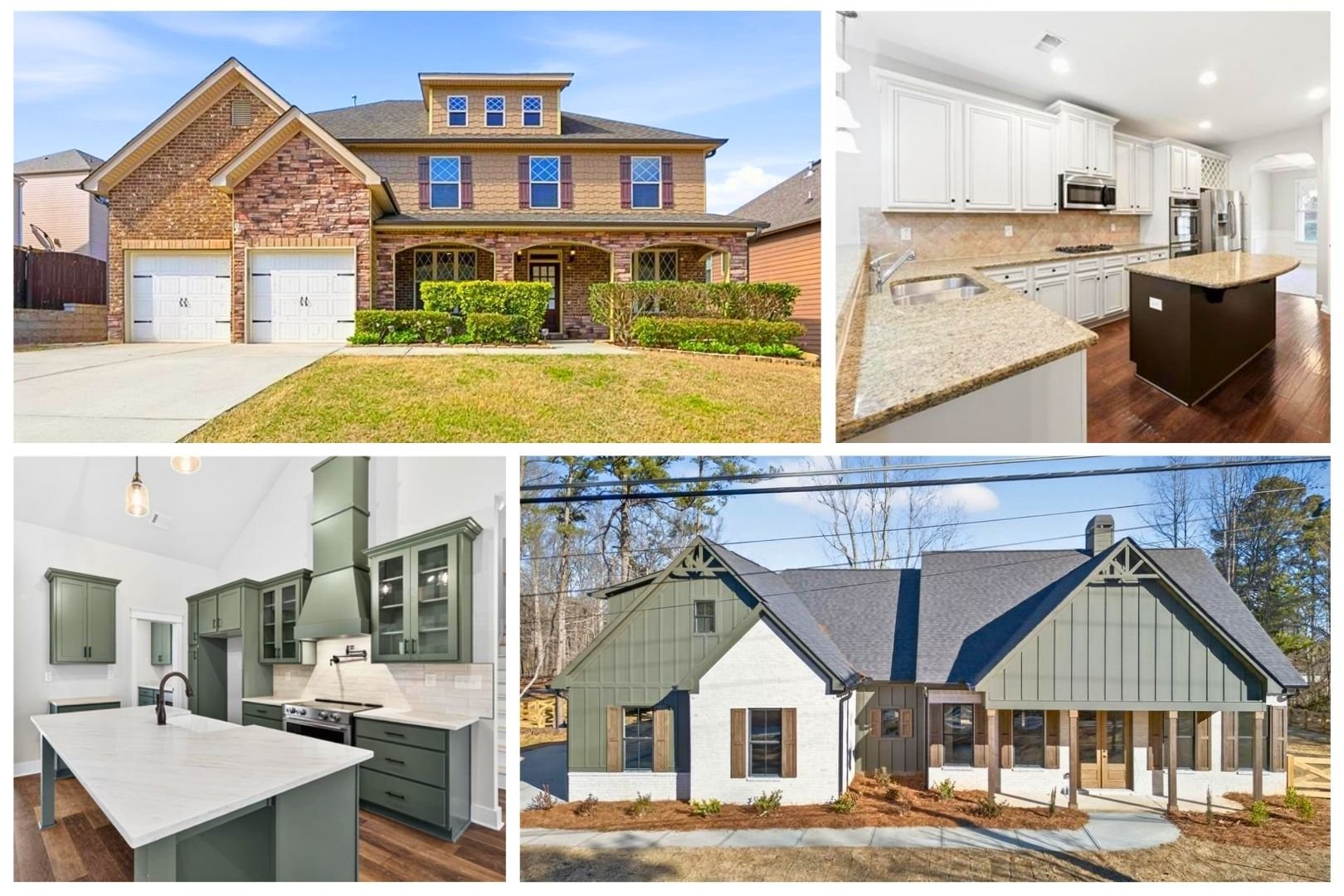
New Construction Inventory in Mableton
Mableton, just over the Fulton-Cobb county line along the I-285 corridor, is West Atlanta's most direct suburban competition. Nine new home communities are currently planned, under construction, or recently completed there — all low-rise — including:
- Five townhouse communities with 19 floor plans
- Seven single-family home communities with 34 floor plans
The most active developer is Kerley Family Homes. Buyers will find a reasonably diverse range of product types and price points within a relatively compact geographic footprint.
Mableton Pricing vs. West Atlanta
The median sale price for homes in Mableton over the last twelve months is $399,900, down approximately 2% from the prior period, according to Homes.com and Georgia MLS data. That figure sits below the Fulton County median and well below the metro new construction median of $469,900 — making Mableton a legitimate value option for buyers who work in or near West Atlanta but prefer a Cobb County address.
Access via Veterans Memorial Highway and I-285 gives Mableton a workable commute profile for buyers with downtown or midtown job anchors.
The Trade-offs: What Mableton Doesn't Offer
What buyers give up in Mableton is meaningful. No MARTA rail access. No BeltLine connectivity. The walkable urban experience of West End — with destinations like The Busy Bee Café, a Vine City institution founded in 1947 that holds both a James Beard America's Classics Award and multiple Michelin Bib Gourmand recognitions, or the Hammonds House Museum on Peeples Street — simply does not exist in Mableton's suburban development pattern.
For buyers who value weekend walkability, cultural proximity, and long-term urban appreciation, that gap matters considerably.
Douglasville — The Furthest West and Most Affordable Option
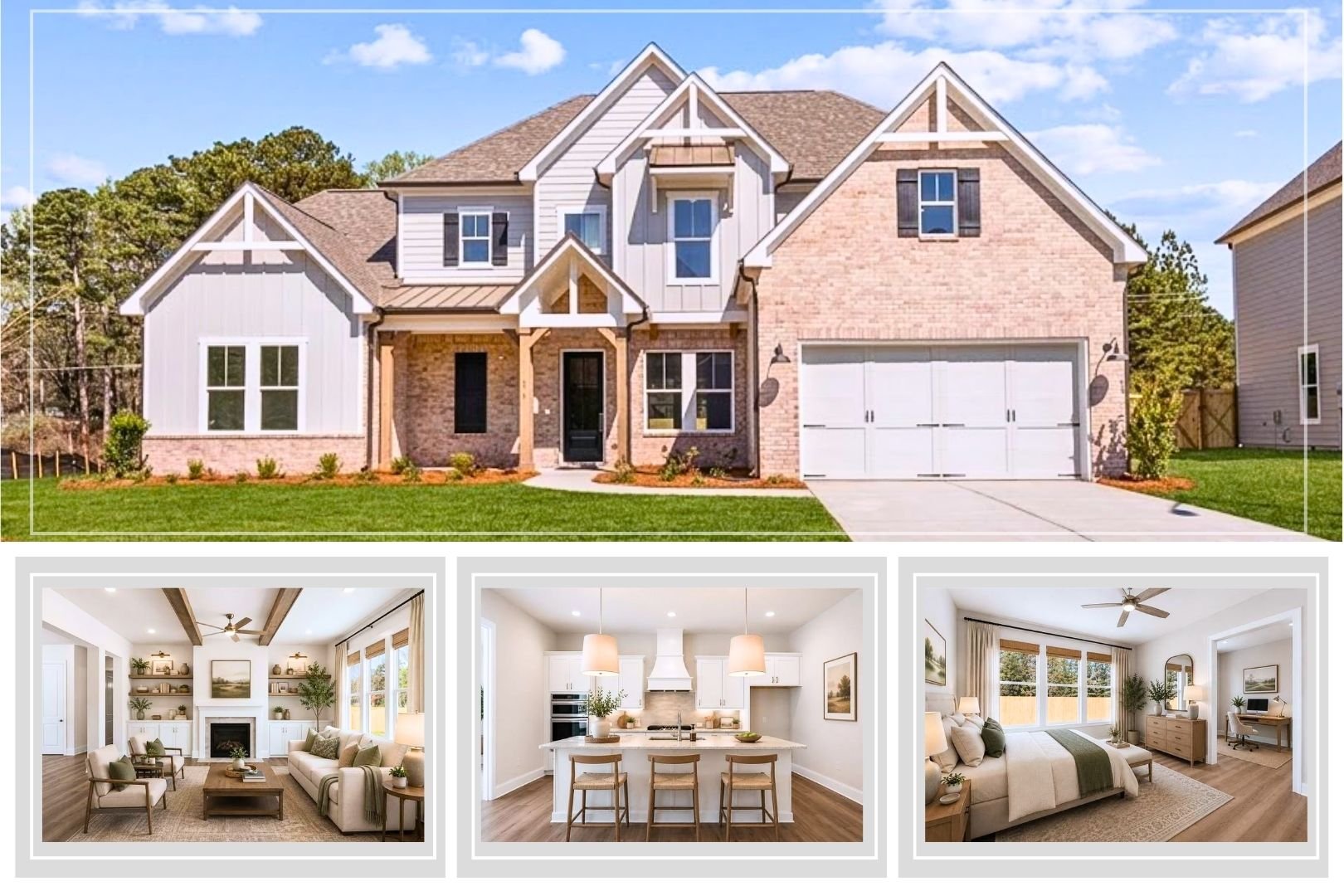
New Build Supply in Douglasville
Douglasville is the most active new construction market in this comparison by sheer volume. Inventory runs deep:
- 12 new home communities — all low-rise
- Five townhouse communities with 28 floor plans
- 11 single-family home communities with 80 floor plans
- 37 quick-move-in homes available across active communities
The most active developer is D.R. Horton. Smith Douglas Homes is also active, with communities like Glen at Cave Springs offering move-in-ready four-bedroom, 2.5-bath homes. For buyers who need to move quickly, Douglasville's ready inventory pool stands out.
Douglasville Pricing: The Most Room to Stretch
The typical home value in Douglasville sits at $310,482 — the lowest of any city in this comparison and roughly $160,000 below the metro new construction median.
New builds carry a median price per square foot of $189, giving buyers significantly more space for their dollar than any intown West Atlanta option. For households prioritizing bedroom count, yard size, and lower monthly payments, Douglasville delivers the most straightforward value proposition in this analysis.
The Real Cost: Distance, Commute, and Lifestyle
The full picture requires honesty about what Douglasville's pricing reflects. The city sits roughly 25 miles west of downtown Atlanta with no direct MARTA service, meaning buyers commit to car-dependent commutes that add real cost in time and transportation expenses.
Douglas County's character is genuinely suburban-to-rural — families who thrive in that environment will feel at home. For remote workers or households with no downtown anchor, the price-per-square-foot math is hard to argue with. For anyone needing reliable city access, the commute reality is the determining variable.
Pro Tip: If you're considering Douglasville but need occasional downtown access, map your actual commute during peak hours before signing — not just the mileage. Twenty-five miles on I-20 at 8 a.m. is a different calculation than it appears on paper.
Smyrna — The Premium Cobb County New Build Market
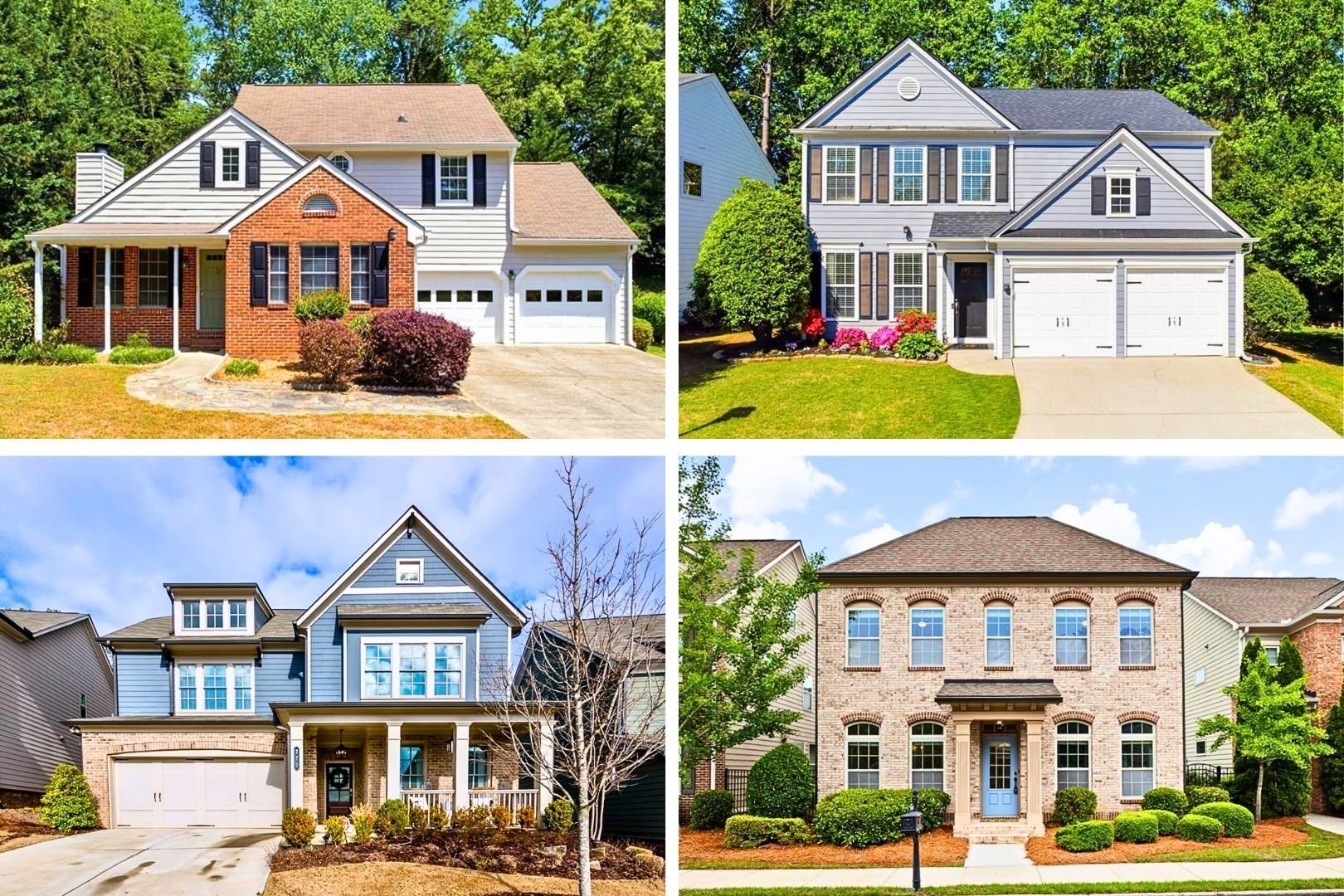
New Construction in Smyrna
Smyrna represents the high end of new construction pricing in the Cobb County portion of this comparison. Only two new home communities currently exist there — both low-rise — with two townhouse communities offering six floor plans. Toll Brothers is the most active developer.
Constrained land supply in this established Cumberland-corridor city keeps new inventory tight and prices elevated. Limited supply combined with sustained demand from buyers seeking Cobb County schools and proximity to Truist Park and The Battery creates a premium that is unlikely to soften significantly in the near term.
Smyrna's Pricing Reality
The average Smyrna home value is $448,816, according to Zillow, with the 12-month median sale price for all homes at $485,000 — up 4% from the prior year. For new construction specifically, the median sale price in Smyrna as of November 2025 stands at $714,990, representing 23 new construction properties across three builders, according to Jome.com's new construction database.
Smyrna's $714,990 new-build median is the highest price point in this entire comparison — more than double Douglasville's typical home value and roughly 50–60% above what most West Atlanta buyers will encounter.
What the Smyrna Premium Buys
Smyrna buyers are paying for proximity to Truist Park and The Battery Atlanta, access to highly regarded Cobb County schools, and the established infrastructure of one of metro Atlanta's most desirable suburban addresses. Those are real amenities with real value.
Buyers willing to consider West Atlanta intown — with BeltLine access, MARTA connectivity, the Atlanta University Center Consortium's four HBCUs anchoring the southwest Fulton corridor, and cultural institutions like The Wren's Nest and Washington Park's historic natatorium — are getting a fundamentally different but equally compelling urban lifestyle at a price point Smyrna cannot approach.
Side-by-Side: How These Four Markets Stack Up
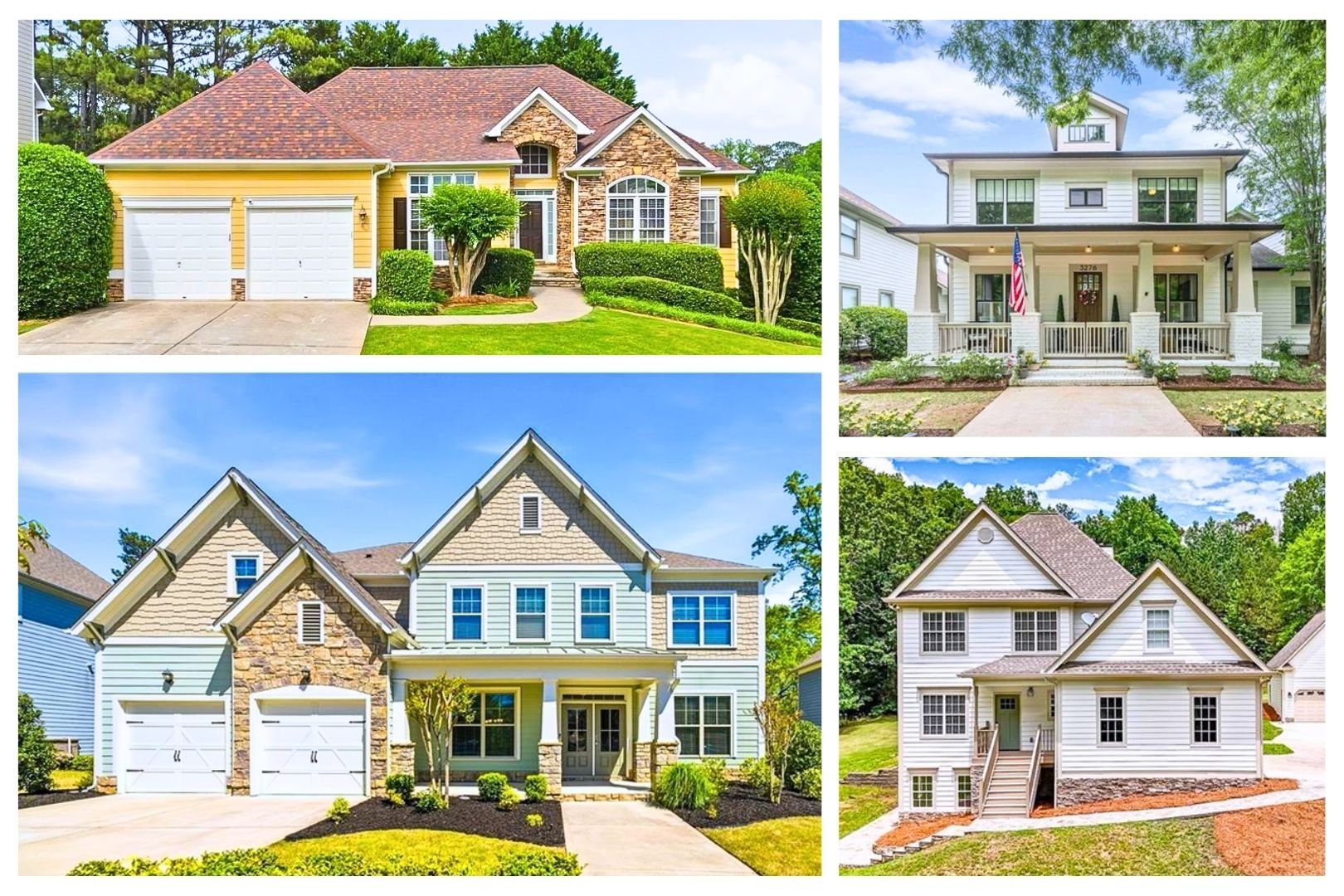
| Market | Typical Home Value | New Build Median | Price/Sq Ft (New) | MARTA Access | BeltLine Access |
|---|---|---|---|---|---|
| West Atlanta | Below $426,727 (Fulton avg) | Near metro median | Varies by community | Yes | Yes |
| Mableton | $399,900 (12-mo median) | Below metro median | N/A | No | No |
| Douglasville | $310,482 | Most affordable | $189 | No | No |
| Smyrna | $448,816 | $714,990 | Premium | Limited | No |
Why West Atlanta's Growth Story Changes the Calculus

Infrastructure Investment Driving Future Value
In June 2025, Atlanta BeltLine, Inc. announced the completion of the 1.3-mile Westside Trail Segment 4, delivering 6.7 continuous miles of uninterrupted pathway from University Avenue in southwest Atlanta to Huff Road in northwest Atlanta — running alongside historic Washington Park along the way. That contiguous trail network now connects West Atlanta neighborhoods directly to Pittsburgh Yards, the West End, and ultimately to the broader 22-mile BeltLine loop linking 45 Atlanta neighborhoods.
No suburban market in this comparison can offer anything remotely equivalent.
The Mall West End Redevelopment
The Mall West End redevelopment is the largest of the active West Atlanta projects — a $450 million transformation of the iconic 12-acre site into a 1.7 million square foot mixed-use destination featuring retail, residential, and community-focused programming. The One West End project is designed to create an affordable housing and commercial hub at one of the most historically significant retail addresses in Atlanta's Black community.
When complete, it will bring substantial foot traffic, jobs, and neighborhood energy directly into the West End corridor — reinforcing the long-term appreciation argument for buyers purchasing new construction nearby today.
The Metro Momentum Behind New Construction Demand
The demand-side story for West Atlanta new construction is anchored by one compelling number: metro Atlanta's population reached approximately 6.4 million in 2024, growing 4.7% since 2020 and overtaking Washington, D.C. to become the nation's sixth-largest metropolitan area, according to U.S. Census Bureau estimates.
Sustained population growth creates durable housing demand across all submarkets. Underinvested corridors like West Atlanta — where infrastructure catalysts are actively being deployed — tend to see outsized appreciation as the market catches up to improving conditions.
Pro Tip: Buying during an active infrastructure buildout — before the BeltLine expansion, the Mall West End redevelopment, and the West Highlands phase are fully reflected in prices — is a strategic window that closes as projects complete. Early movers in comparable intown corridors have historically seen strong appreciation once anchor investments came online.
Frequently Asked Questions About New Build Prices in West Atlanta
Is new construction in West Atlanta cheaper than in Smyrna or Marietta?
Generally, yes — by a significant margin for Smyrna comparisons specifically. West Atlanta intown neighborhoods offer new builds at or below the metro median, while Smyrna new construction carries a median price of $714,990 as of late 2025. The trade-off involves product type: West Atlanta skews toward townhomes and mixed-income communities, while Smyrna's limited new supply trends toward higher-end attached and detached options near the Cumberland corridor. For value-conscious buyers who want intown access, West Atlanta's pricing is difficult to match anywhere else in the city.
What are the most active new construction communities in West Atlanta right now?
West Highlands remains the most prominent active new construction community in the West Atlanta corridor, with the latest phase bringing 65 for-sale townhomes and single-family homes ranging from 1,300 to 2,600 square feet. Additional development activity is concentrated near Shirley Clarke Franklin Park in the Grove Park and Bankhead area, along the Bowen Homes corridor, and in the West End district near Lee + White and the Westside BeltLine Trail. The Westside Future Fund, a nonprofit dedicated to revitalizing the five Historic Westside neighborhoods, also supports affordable homeownership development across English Avenue and Vine City.
How does Douglasville compare to West Atlanta for new construction value?
Douglasville offers the most affordable new construction in this comparison, with a typical home value of $310,482 and new builds at approximately $189 per square foot. With 12 active communities and 37 quick-move-in homes available, inventory is also the deepest of any market covered here. The trade-off is approximately 25 miles of additional commute distance to downtown Atlanta, no MARTA access, and a suburban character that prioritizes space and lower base prices over urban walkability. For remote workers or households with flexible schedules, that trade-off is manageable — for city-access-dependent buyers, it requires careful consideration.

Are there affordable new construction options in West Atlanta for first-time buyers?
Yes — and this is one of the more underappreciated aspects of the West Atlanta new construction market. Through Atlanta Housing partnerships, 20% of homes in the newest West Highlands phase are reserved at rates affordable for families earning at or below 80% of the area median income. Invest Atlanta's May 2025 Tax Allocation District approval creates an additional 150 affordable units across English Avenue, Vine City, and Riverside through $8.5 million in public funding leveraging $52 million in private investment. First-time buyers should explore both Atlanta Housing partnership programs and Invest Atlanta's homebuyer assistance resources when evaluating options in this corridor.
Why are new homes more expensive than existing homes in Atlanta?
According to Georgia MLS chief marketing officer John Ryan, increases in labor, materials, and land development costs are primarily to blame — and builders pass all of those costs directly to buyers. The result is the roughly $94,000 gap between Atlanta's new construction median ($469,900) and existing home median ($376,000) that persisted through Q4 2024. This premium exists across metro markets but is especially pronounced in high-land-cost intown locations — which is one reason builders have increasingly shifted new community development toward outer-ring counties like Douglas, where land acquisition costs run meaningfully lower.
Is now a good time to buy a new construction home in the West Atlanta area?
Market conditions across Georgia have shifted in favor of buyers over the past year. Statewide inventory has increased to approximately 3.5 to 6 months of supply, creating a more balanced negotiating environment, and with mortgage rates stabilizing around 6.0–6.3%, buyers are finding more options and more leverage than they had during the peak seller's market of 2021–2022. For West Atlanta specifically, buying during an active infrastructure buildout — while the BeltLine Westside Trail completion, the Mall West End redevelopment, and the West Highlands expansion are still in progress rather than fully reflected in prices — represents a meaningful strategic window.
The Bottom Line: West Atlanta's Case in This Comparison
Lay these four markets side by side and West Atlanta lands in a genuinely distinctive position. It is not the most affordable option — Douglasville's $310,482 median and $189-per-square-foot new construction pricing settle that question clearly — and it is not the priciest, a distinction Smyrna holds comfortably at $714,990. West Atlanta sits between those poles, but the pricing comparison alone misses the point.
What West Atlanta has that Douglasville, Mableton, and Smyrna cannot offer is a concentrated package of infrastructure investment, MARTA and BeltLine connectivity, HBCU-anchored community identity, and an active revitalization pipeline that is only partway through its arc. The 6.7-mile contiguous BeltLine Westside Trail, the $450 million Mall West End transformation, the continued West Highlands buildout, and the sustained Invest Atlanta funding flowing into English Avenue, Vine City, and Riverside are not speculative. They are underway.
Buyers who purchase new construction in West Atlanta today are stepping into a neighborhood mid-story, at prices that still reflect the area's transition rather than its destination. That is the core of the value argument — and it is one that the suburban ring in this comparison simply cannot match. If you're ready to take the next step or want to talk through your options, our team is here to help you find the right fit in West Atlanta and the surrounding communities.