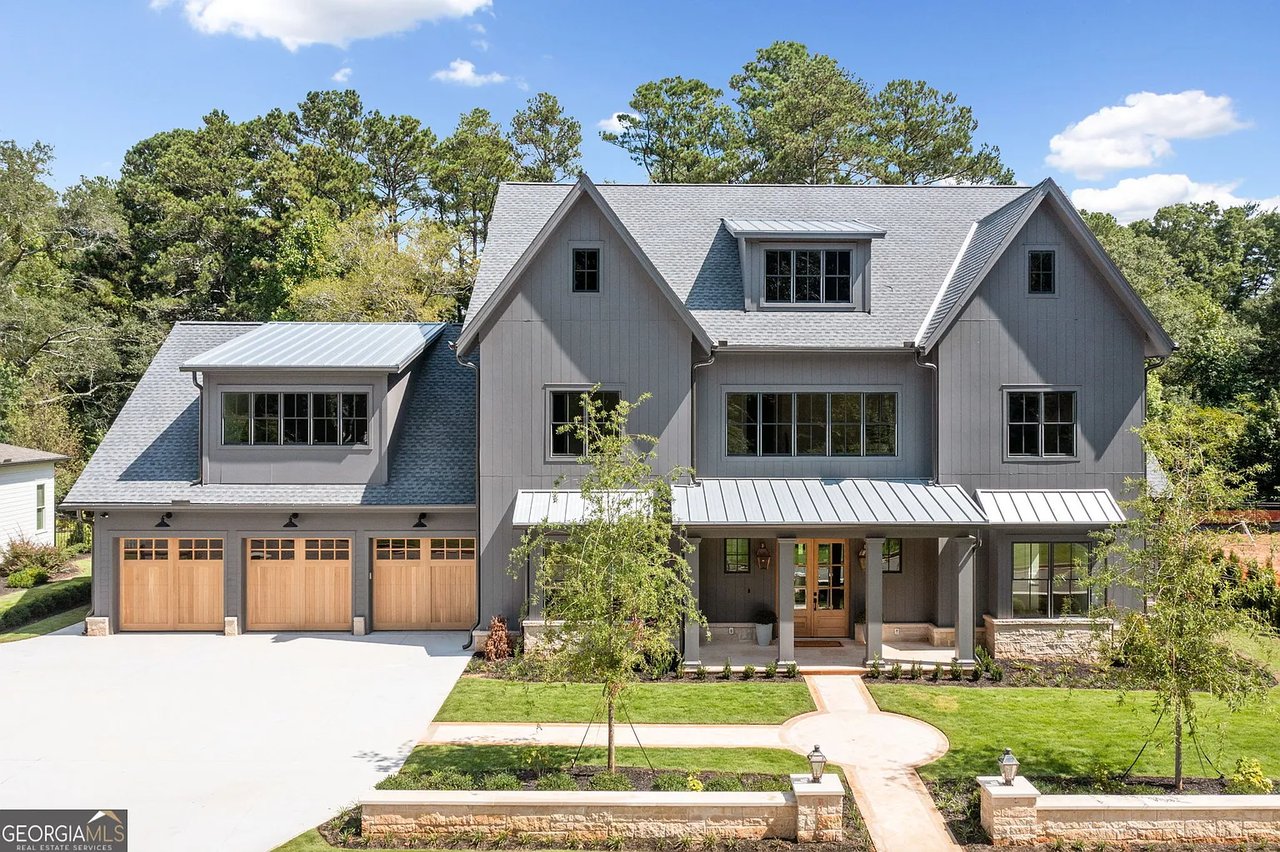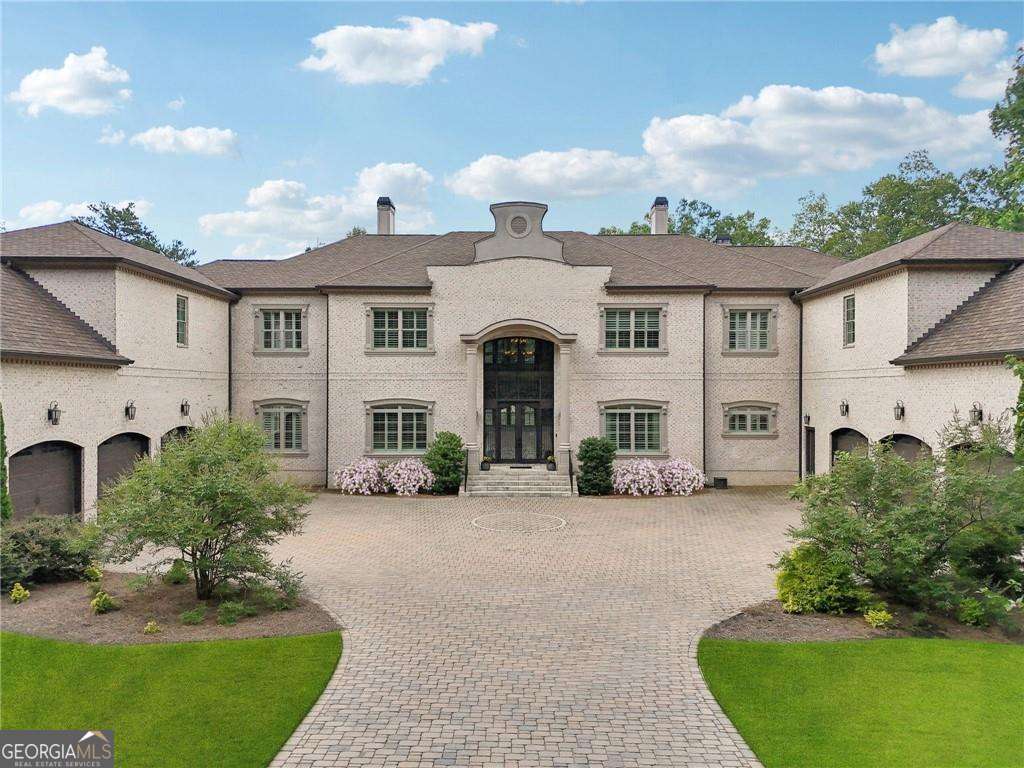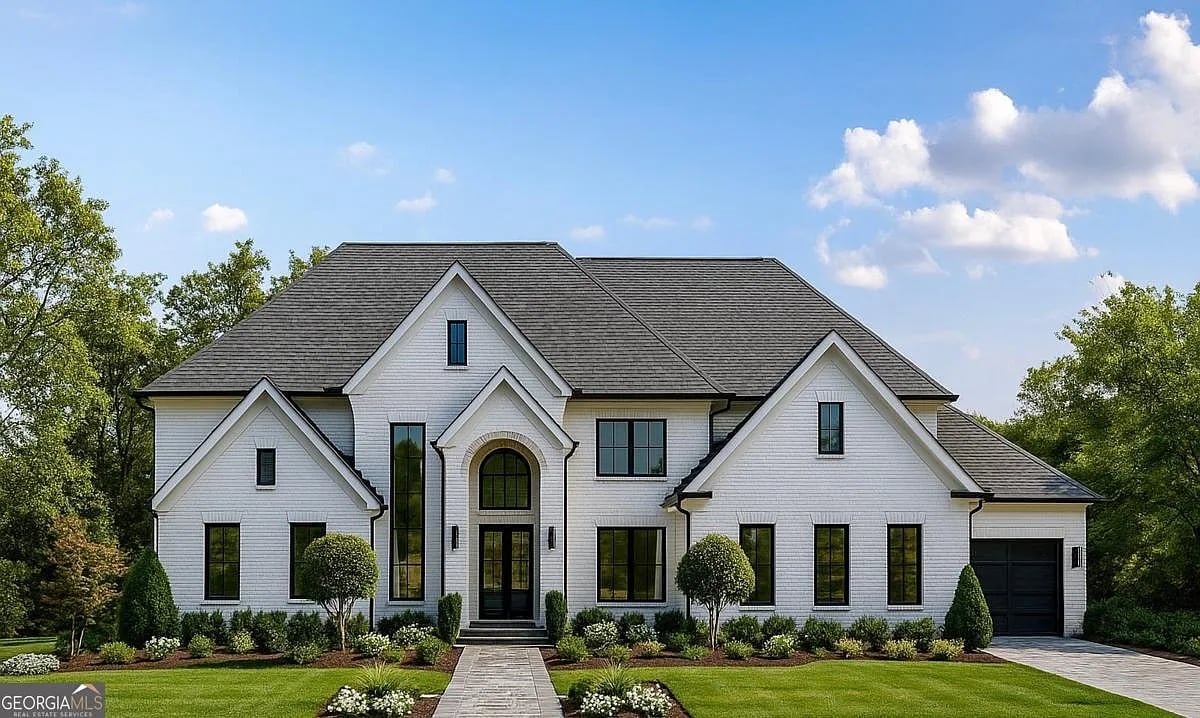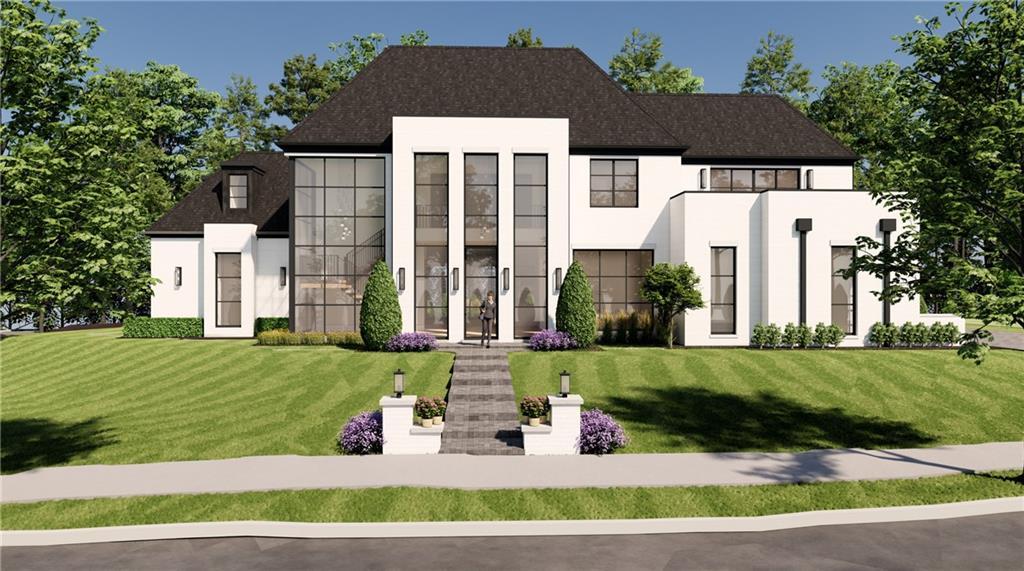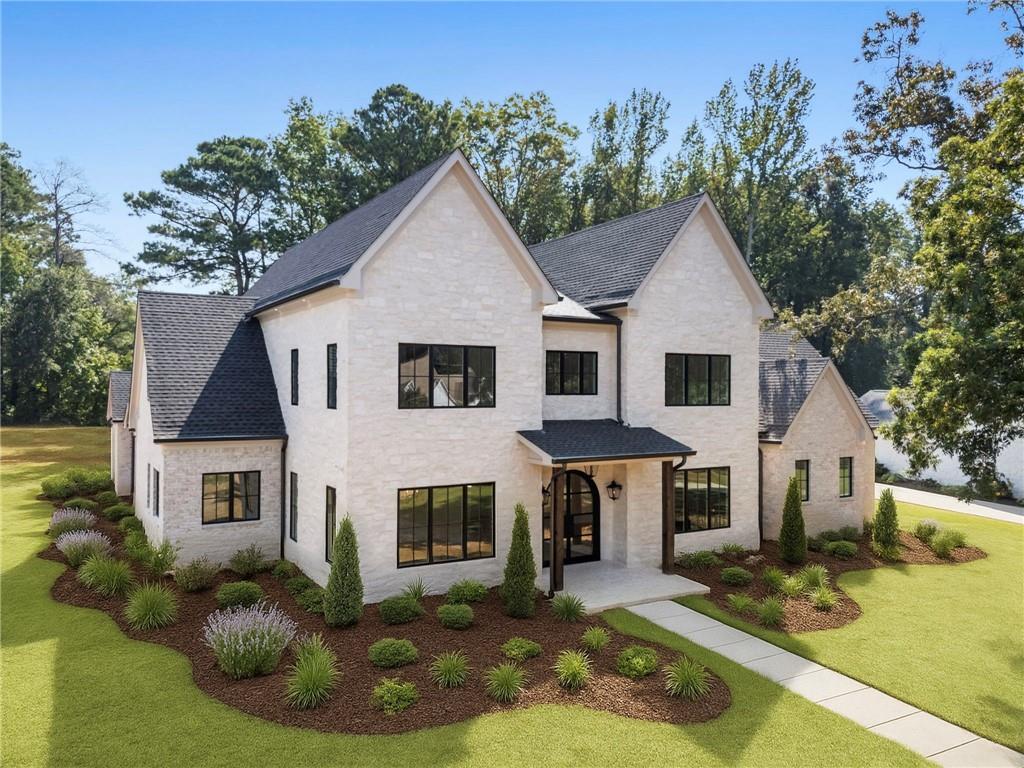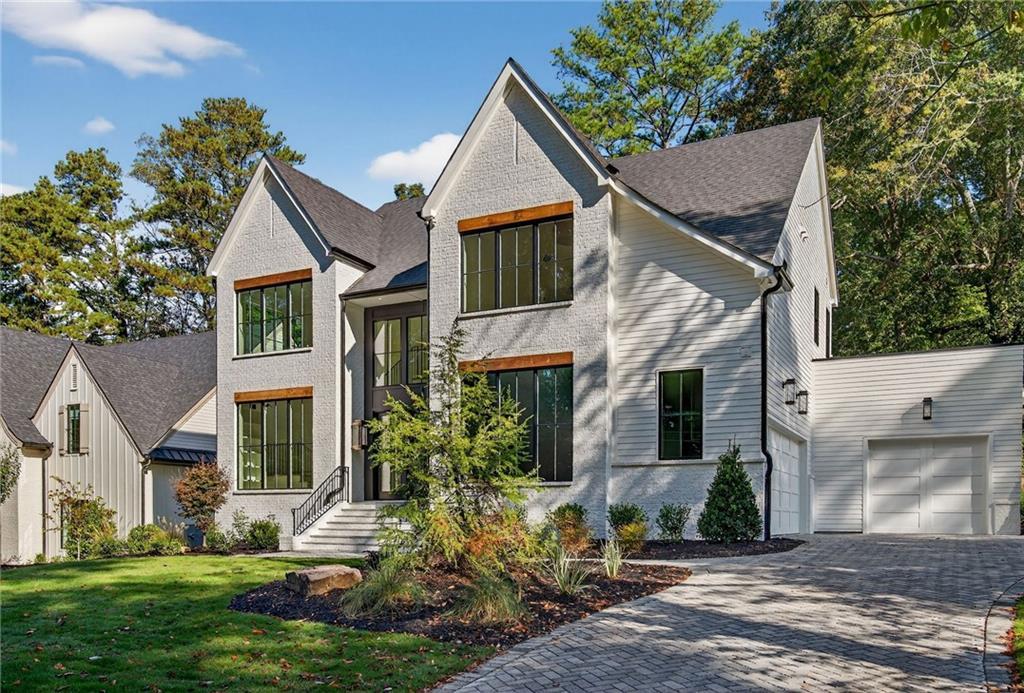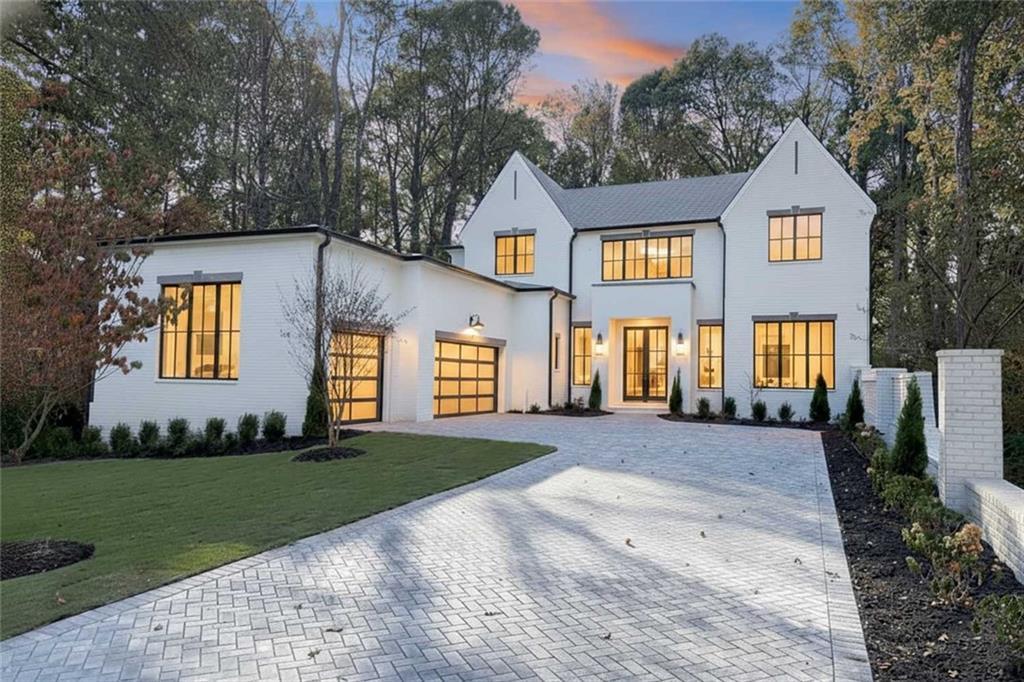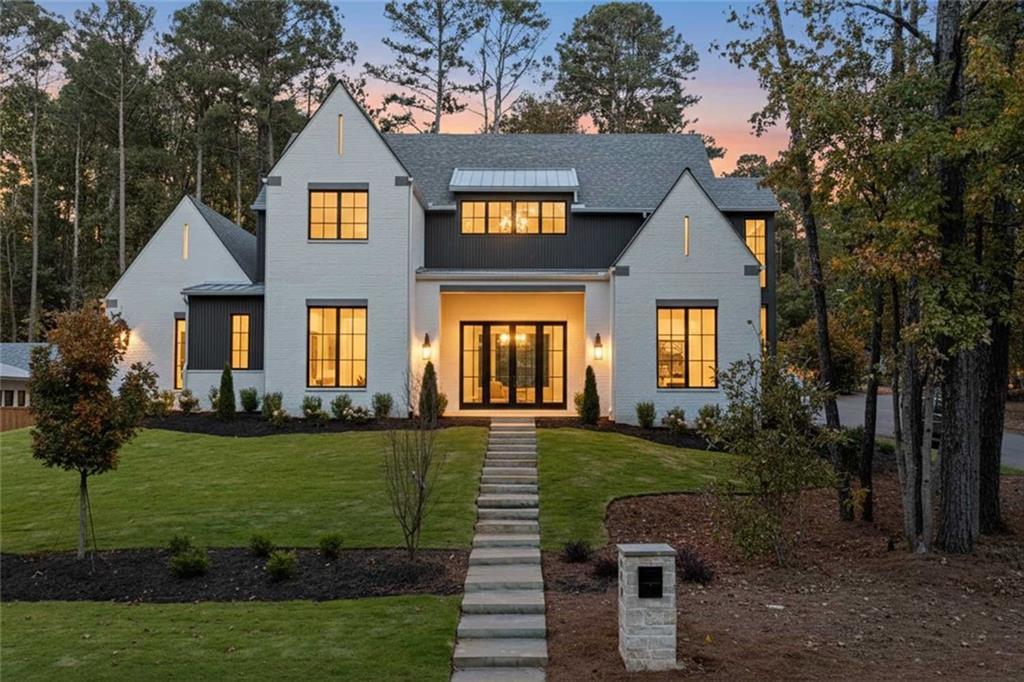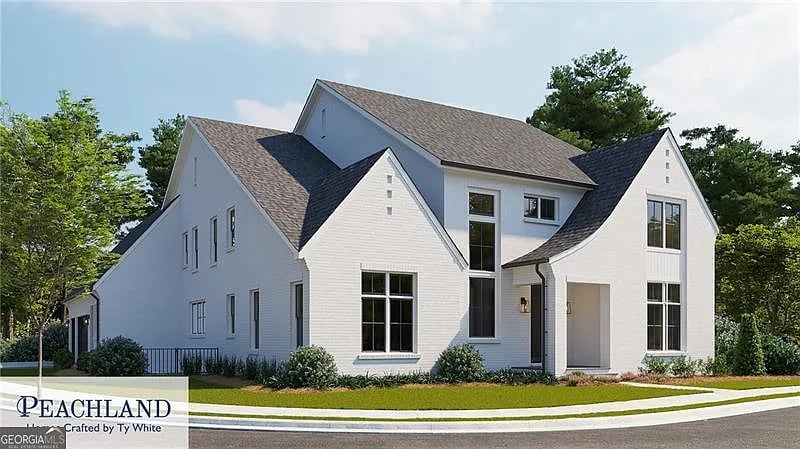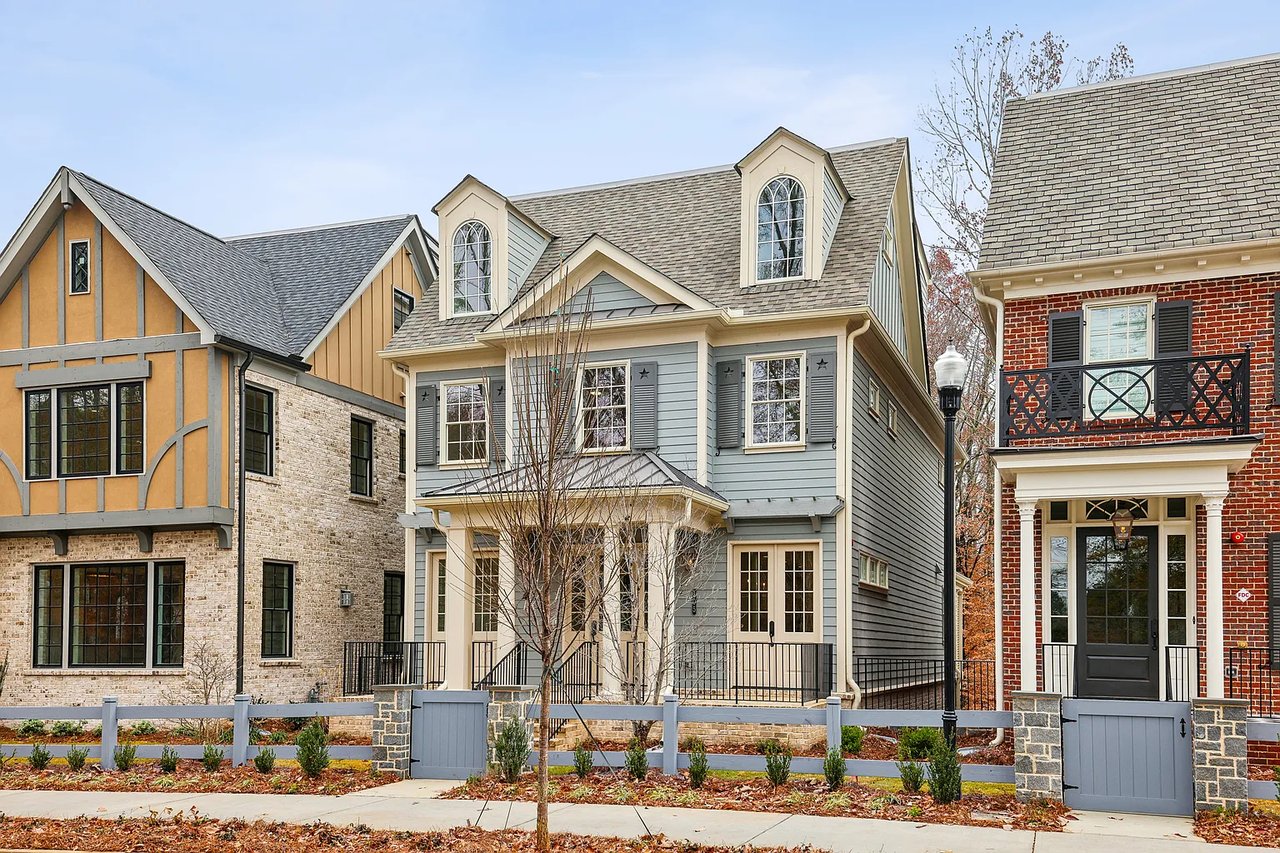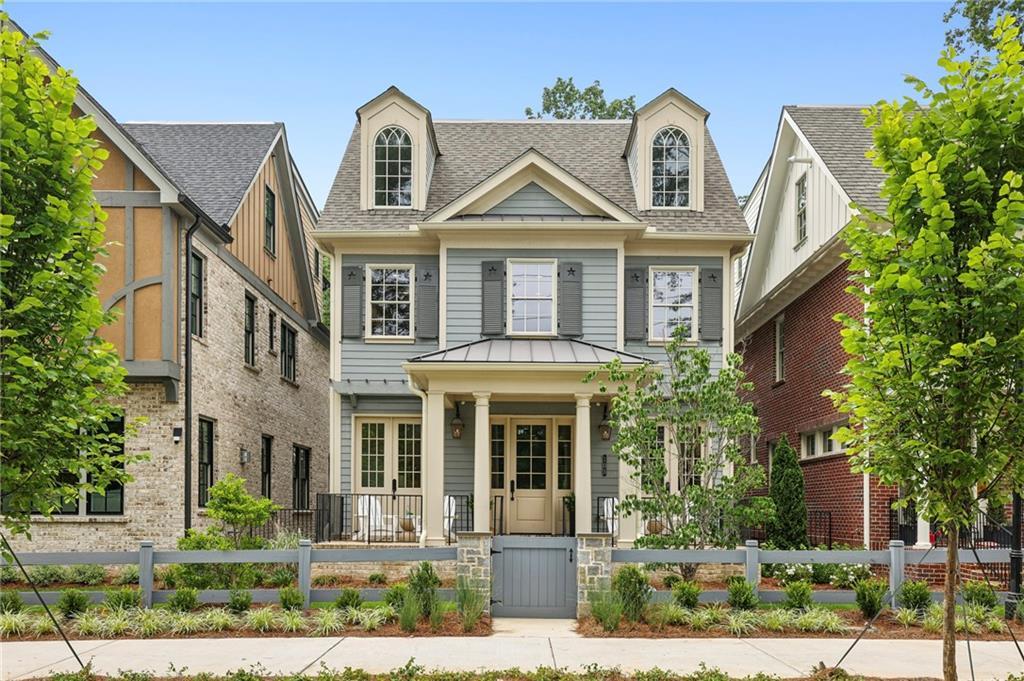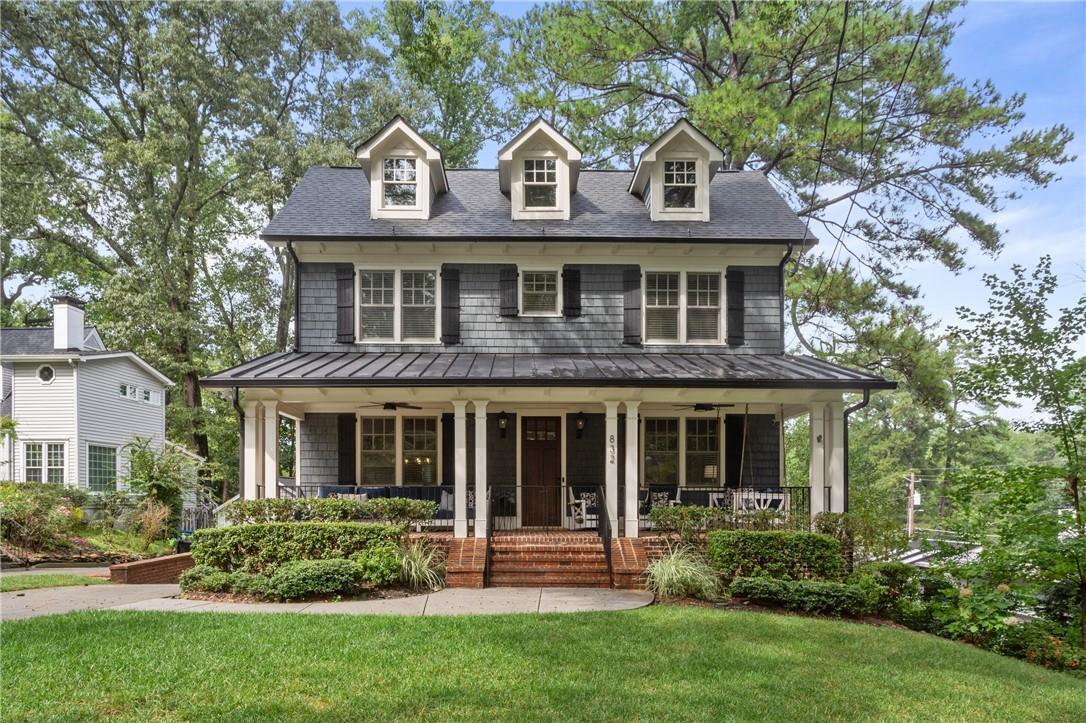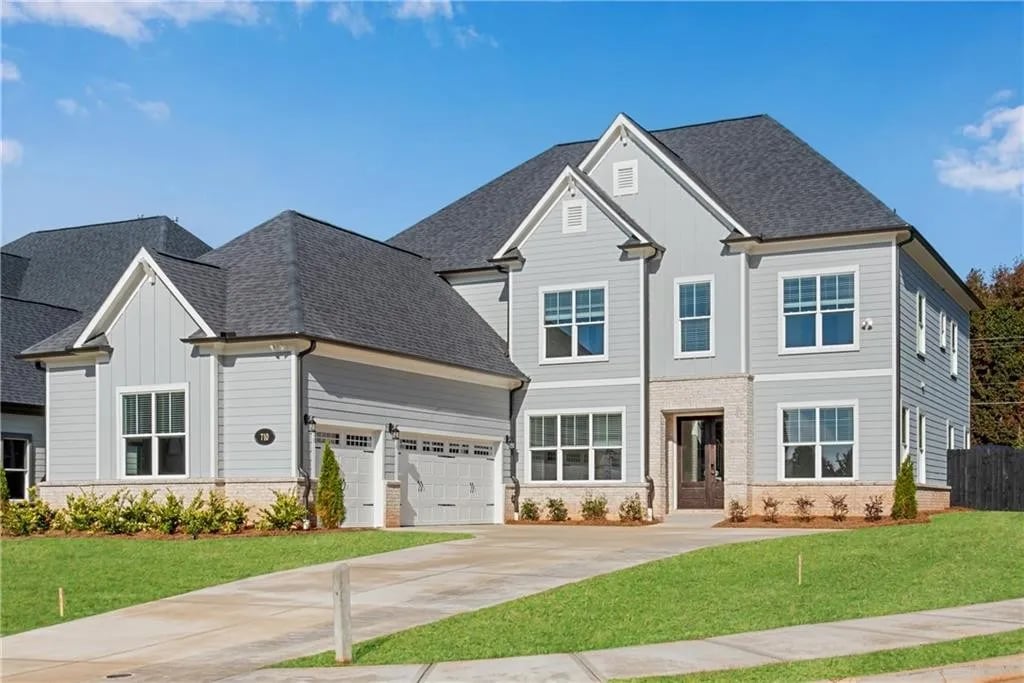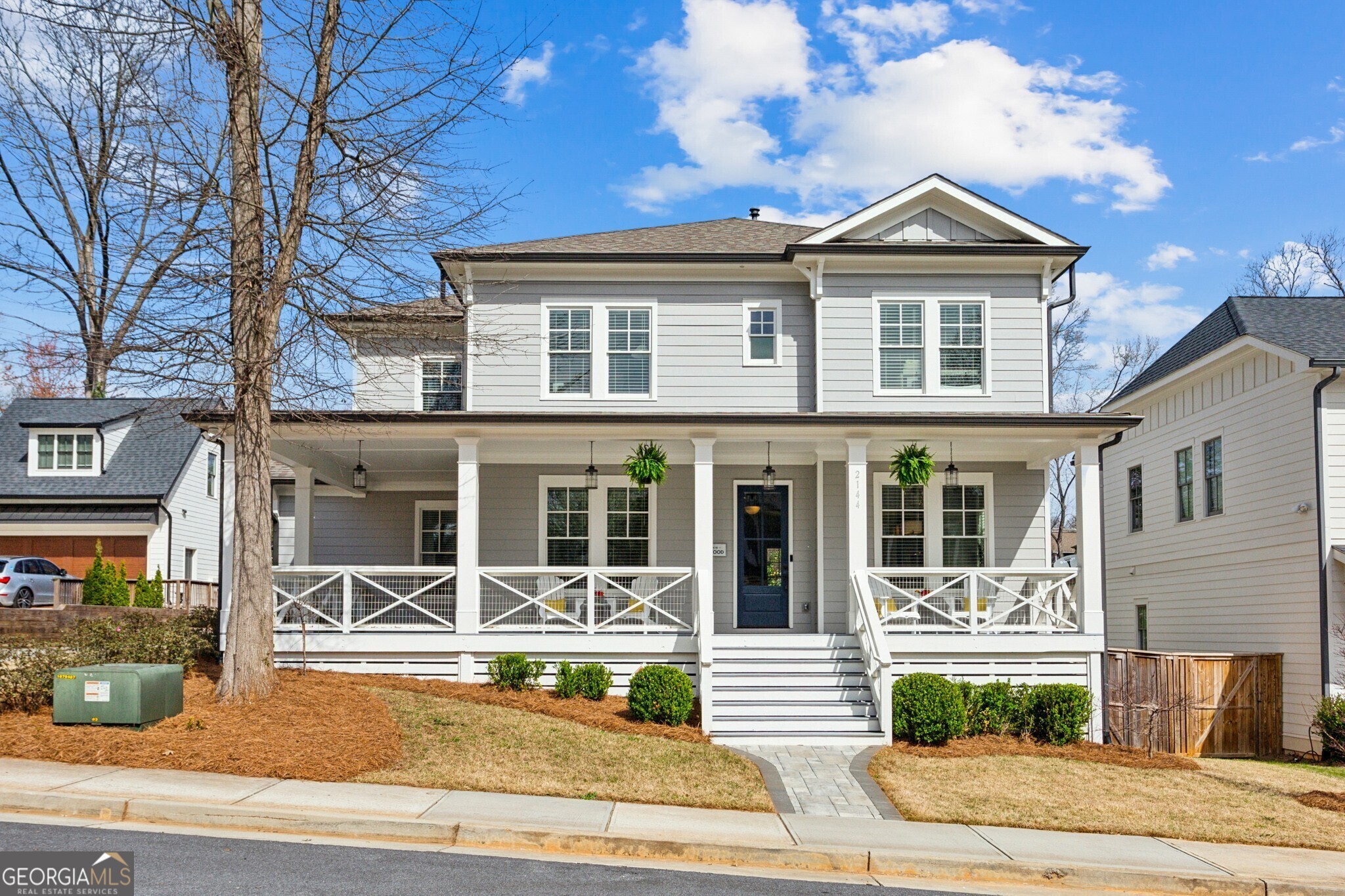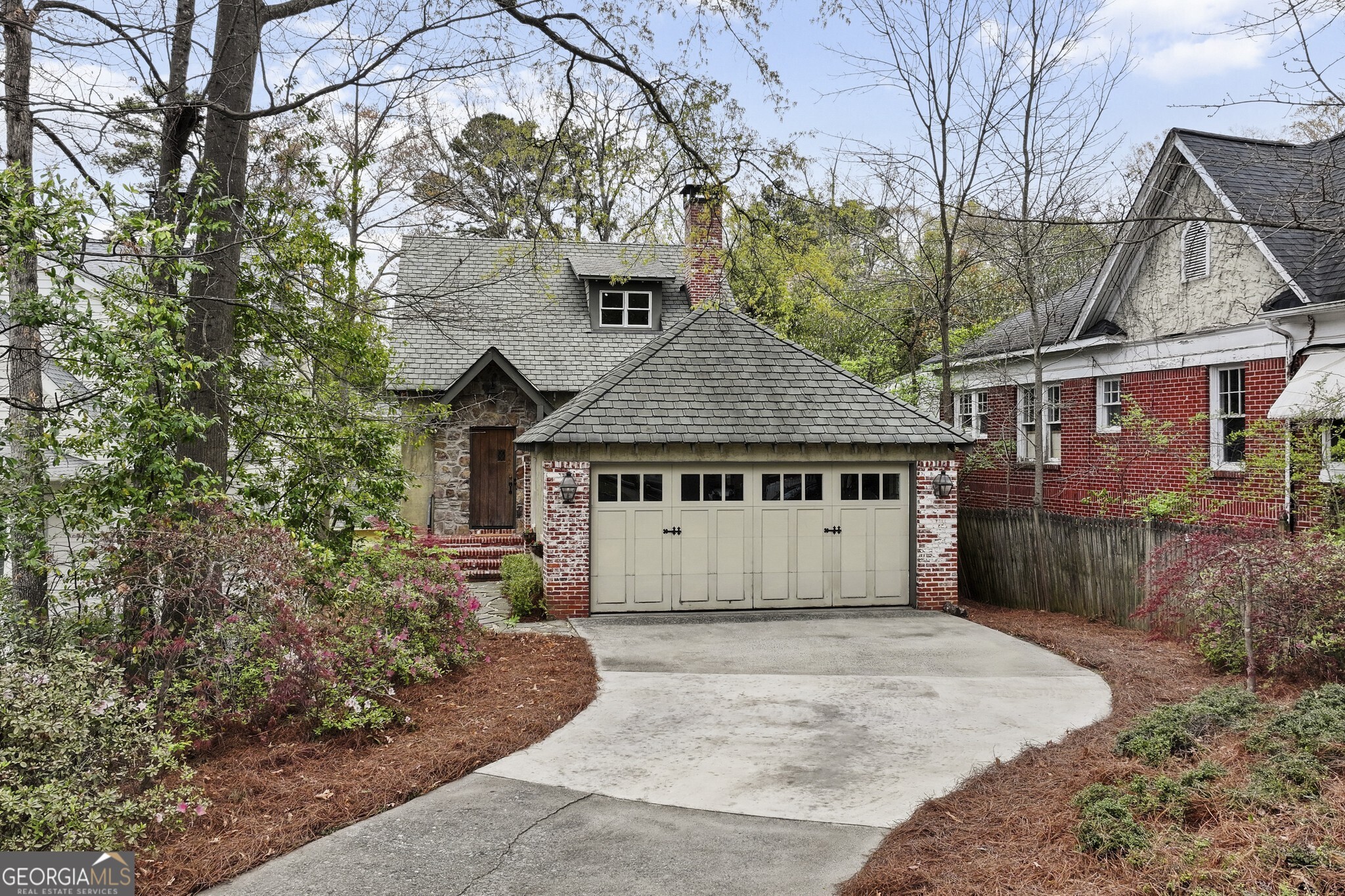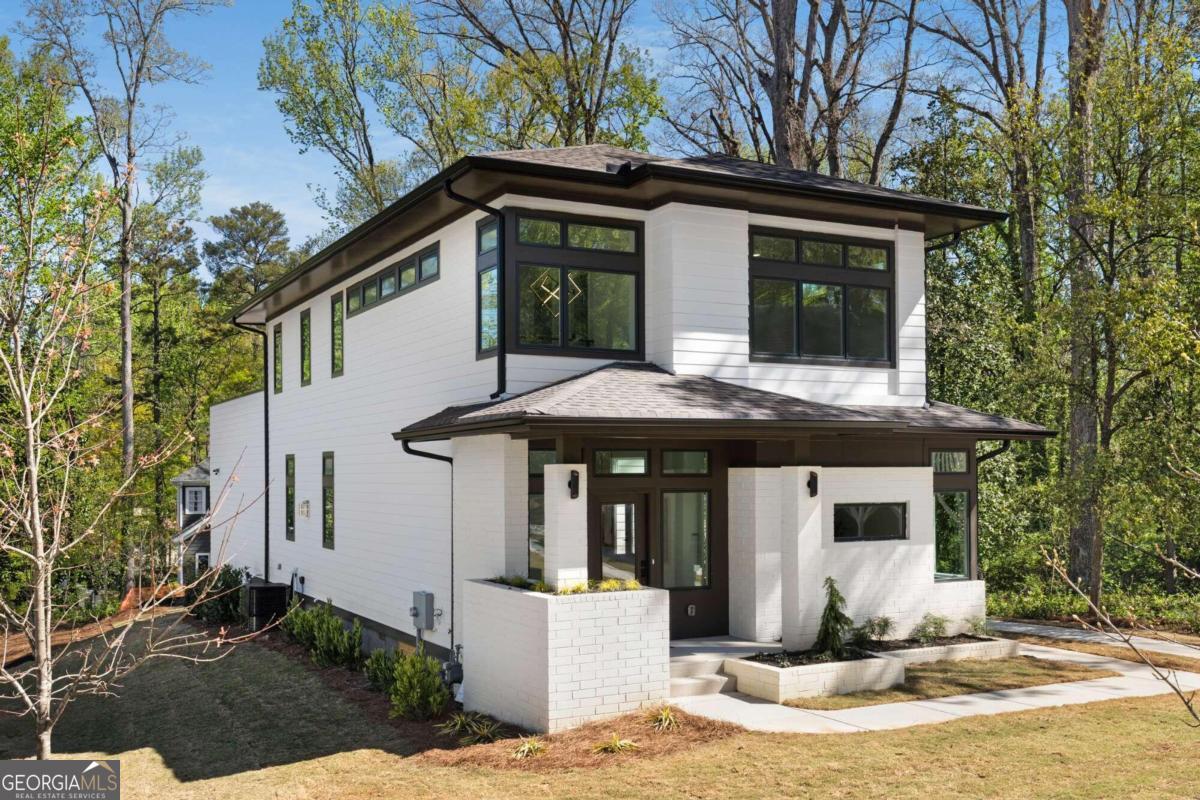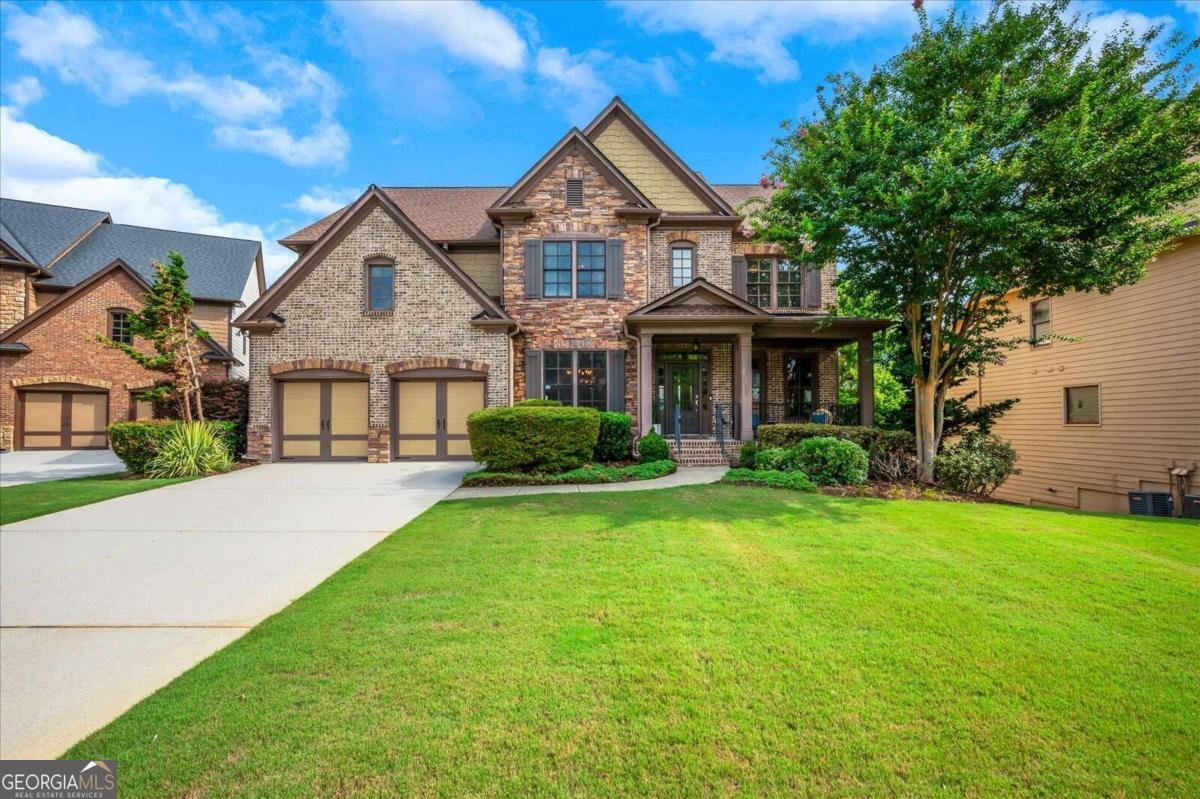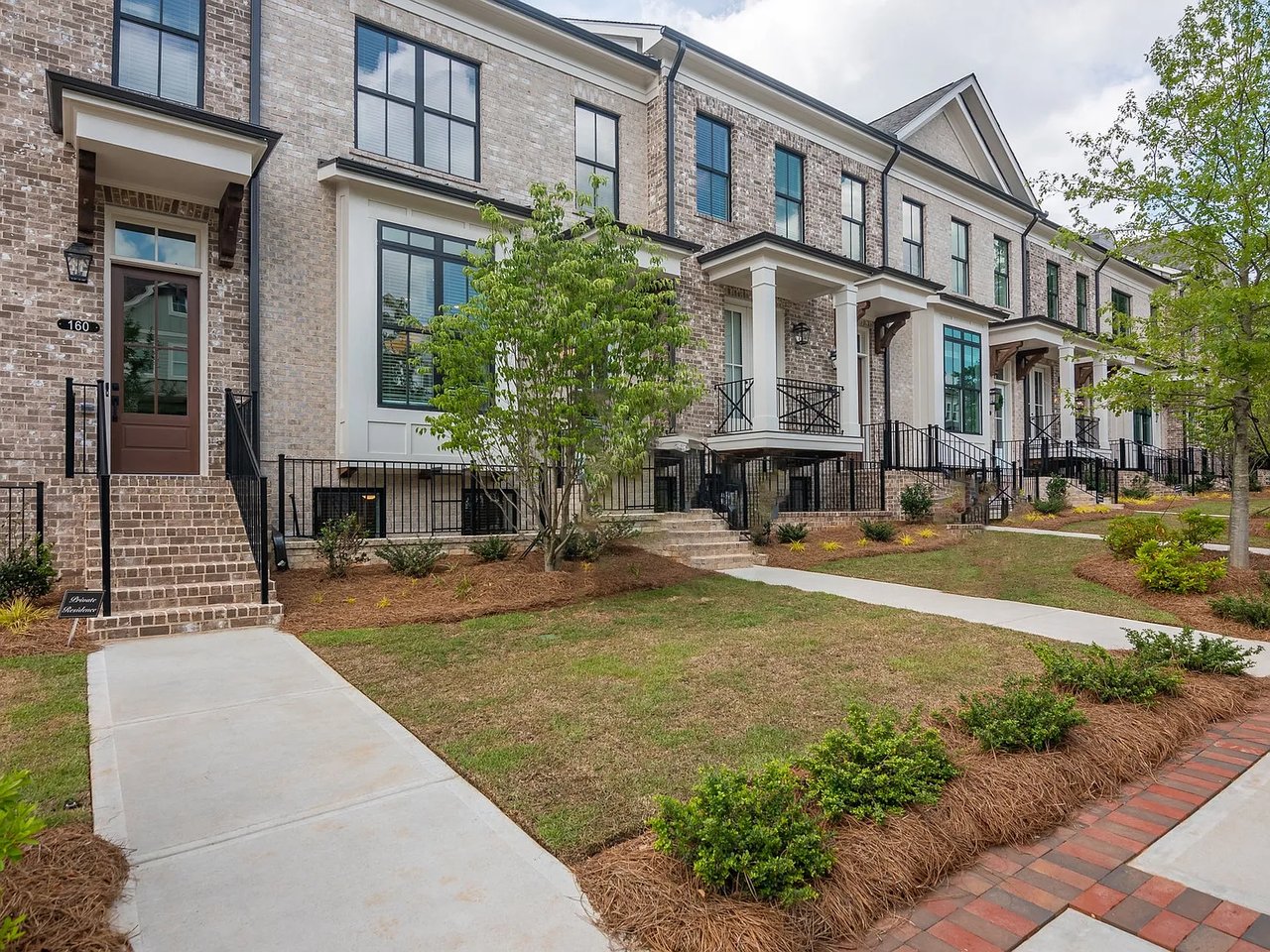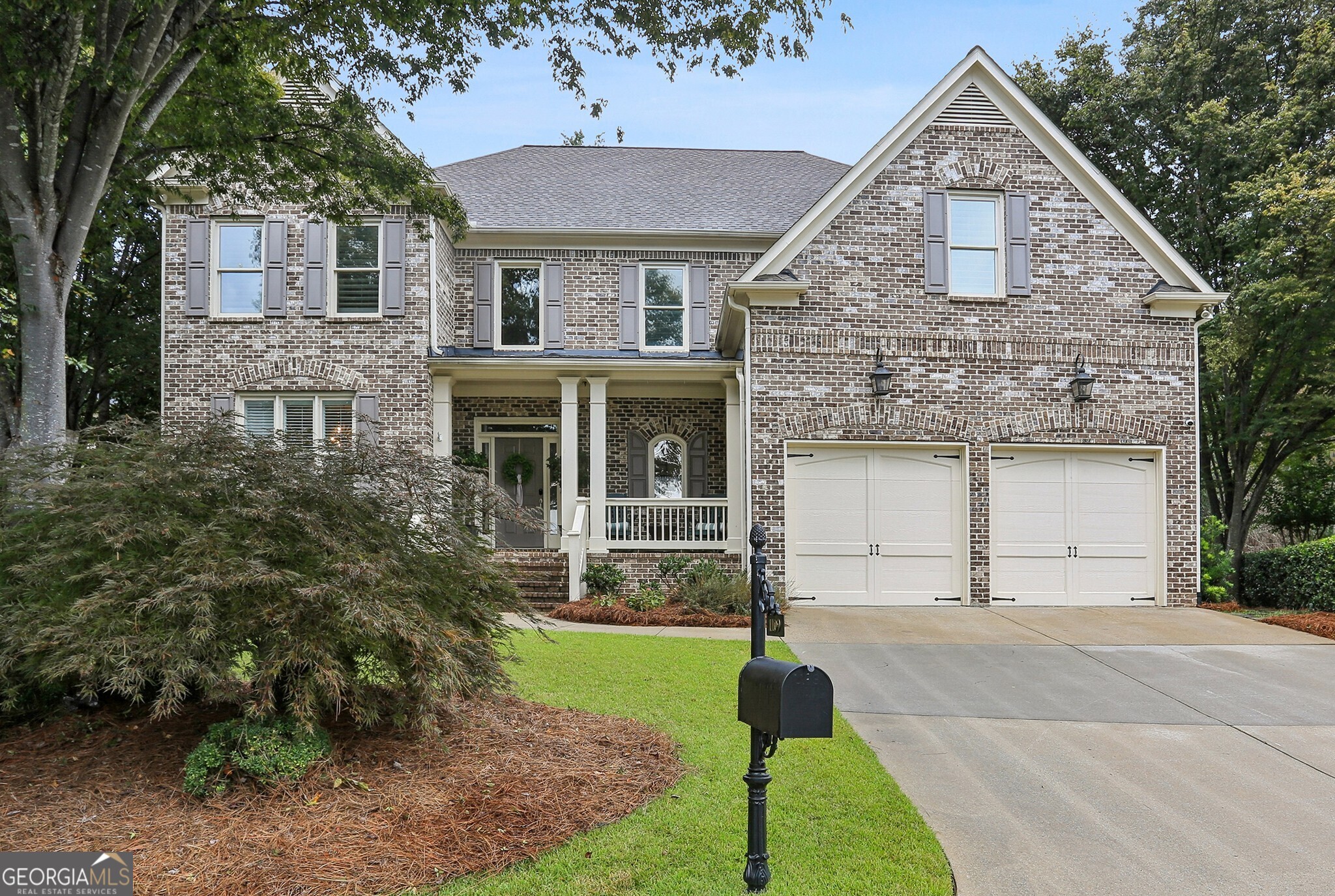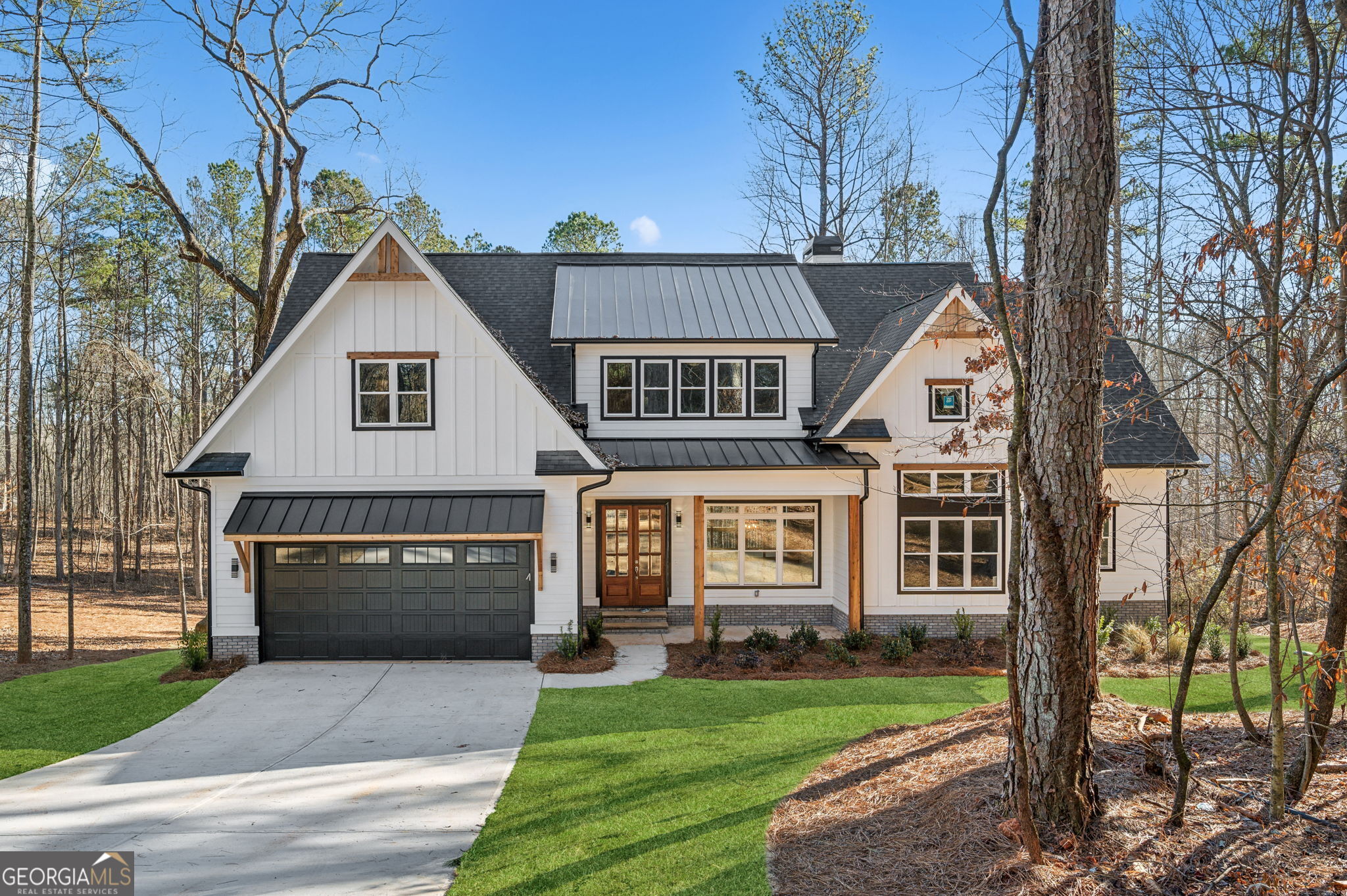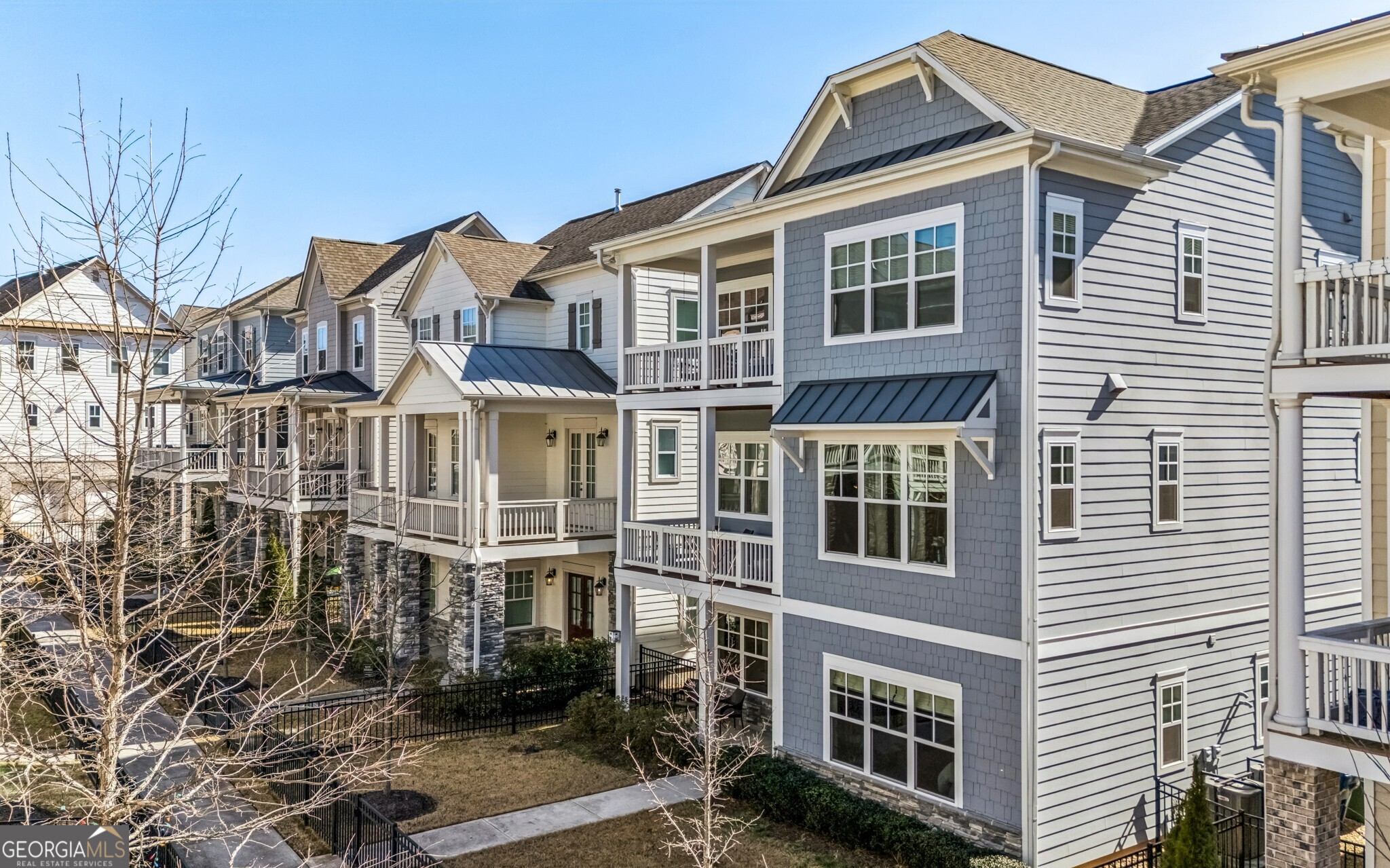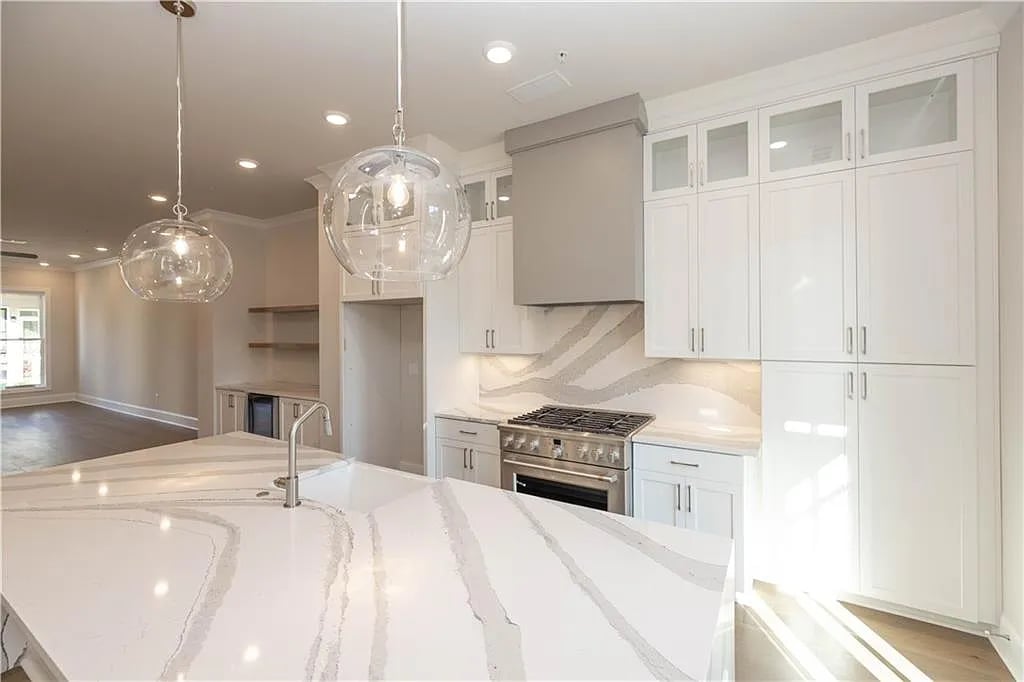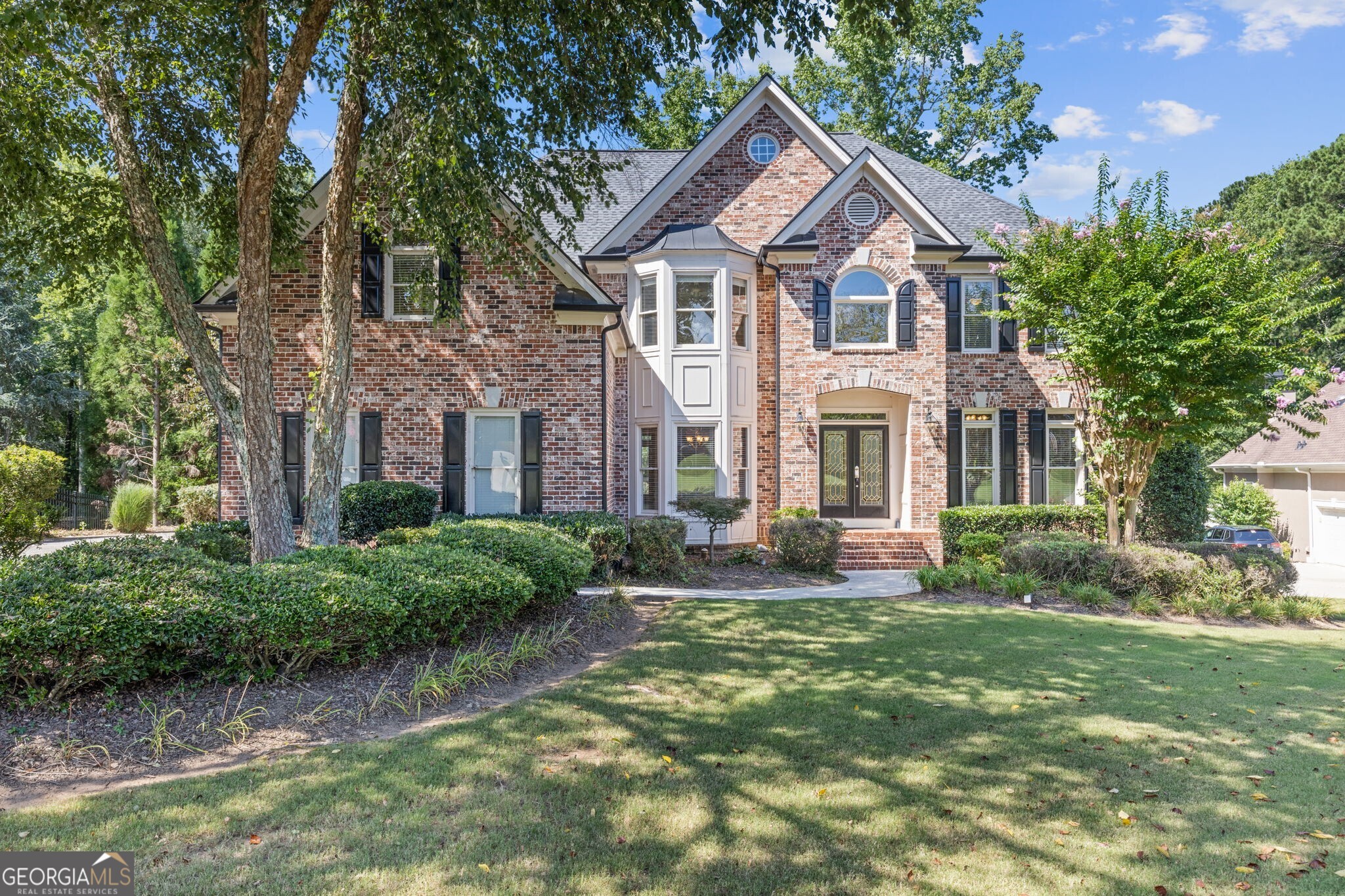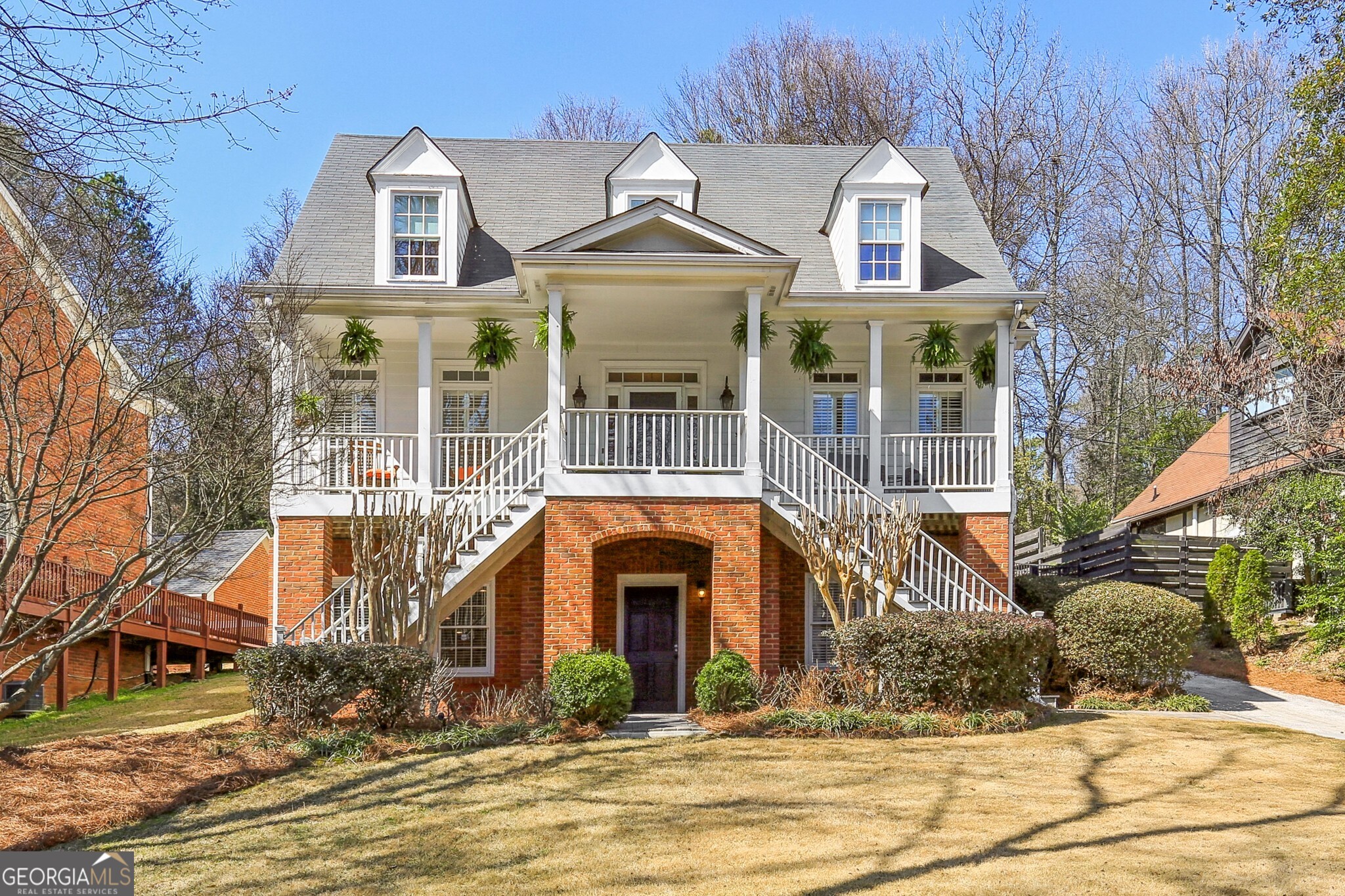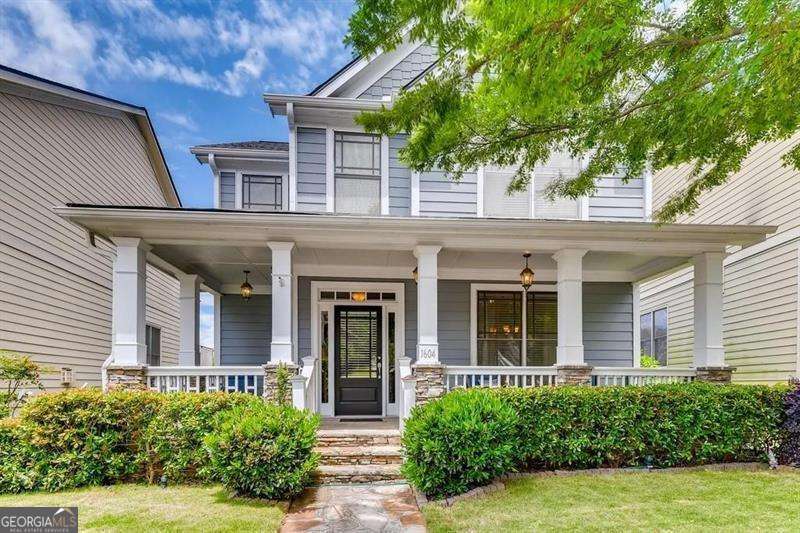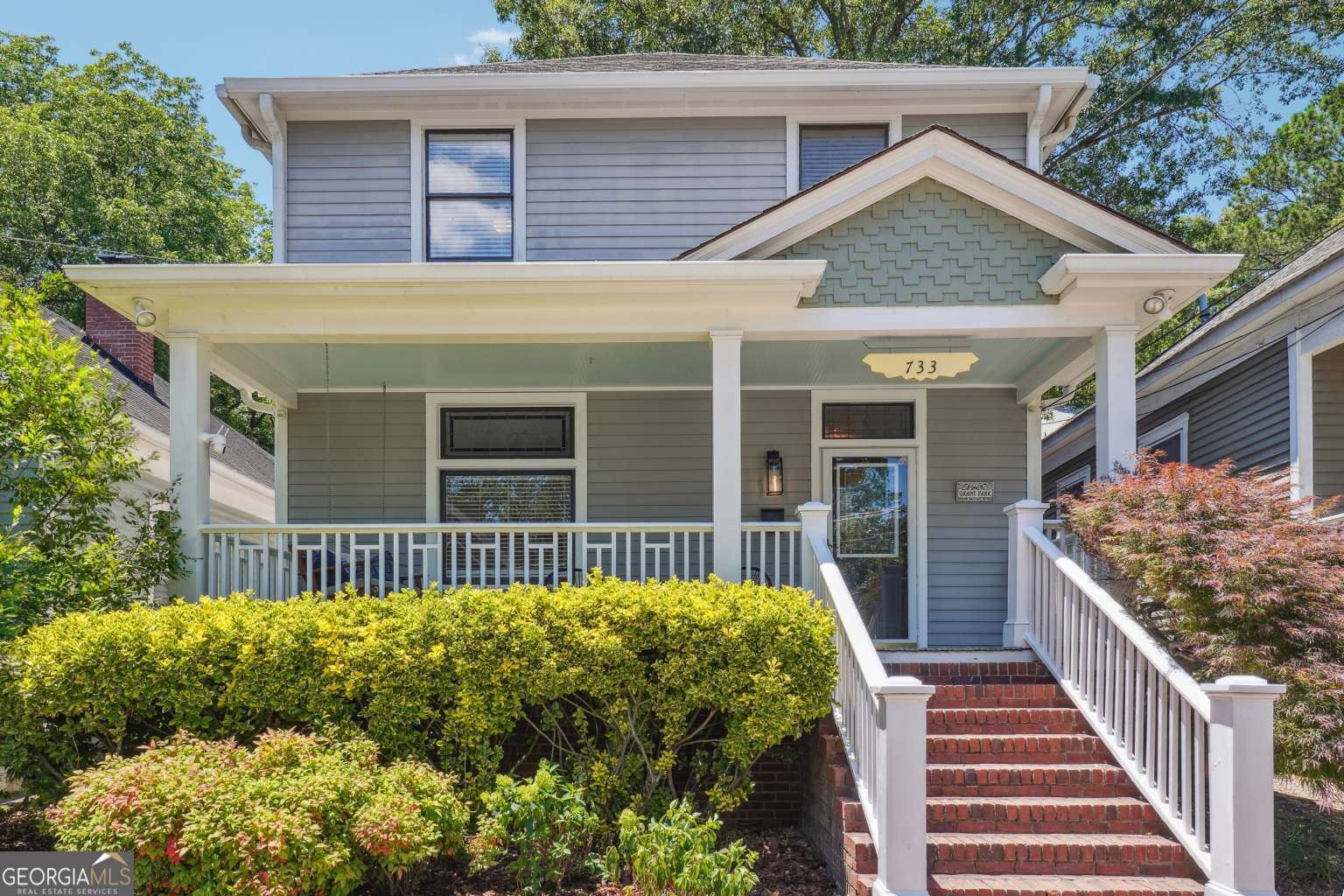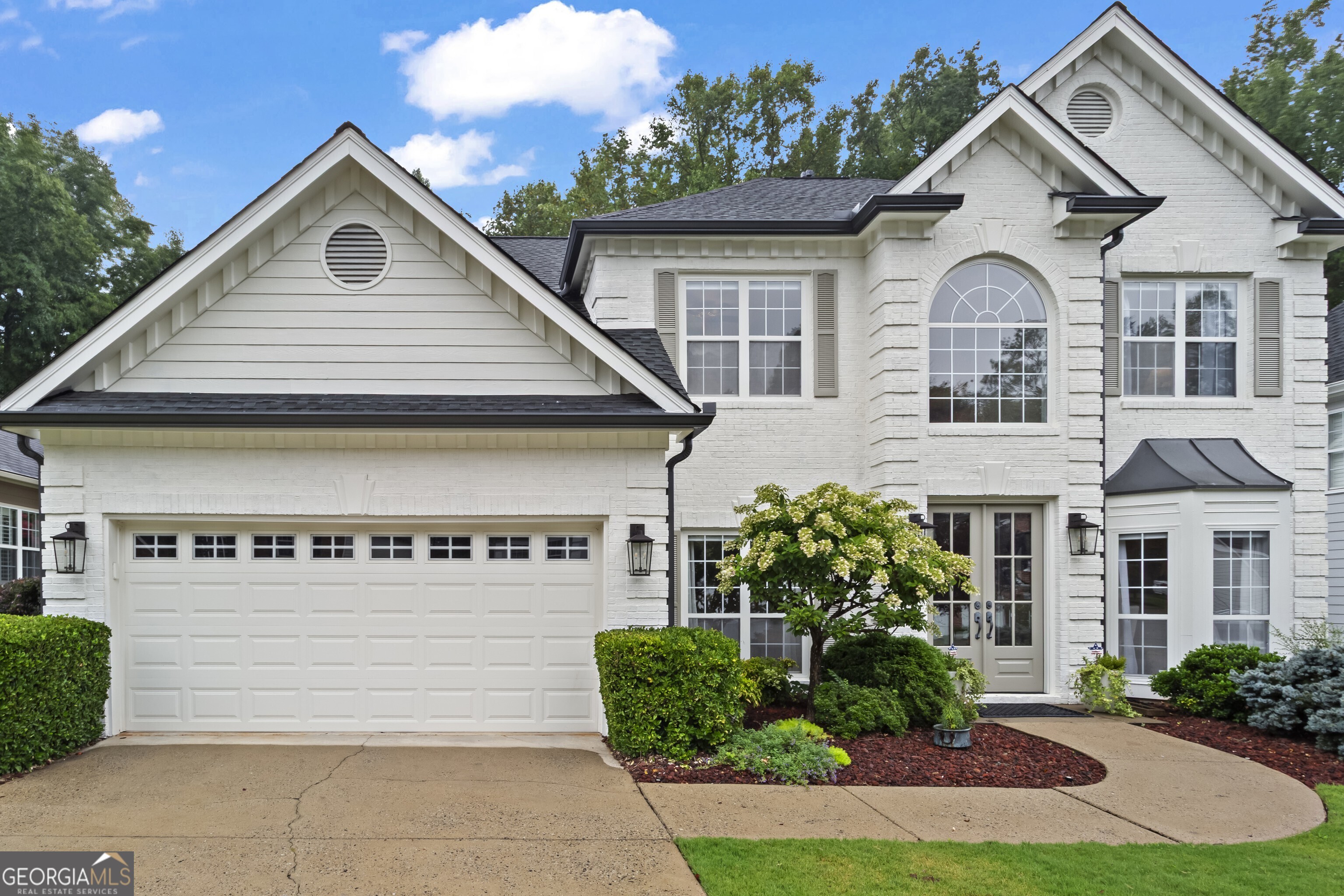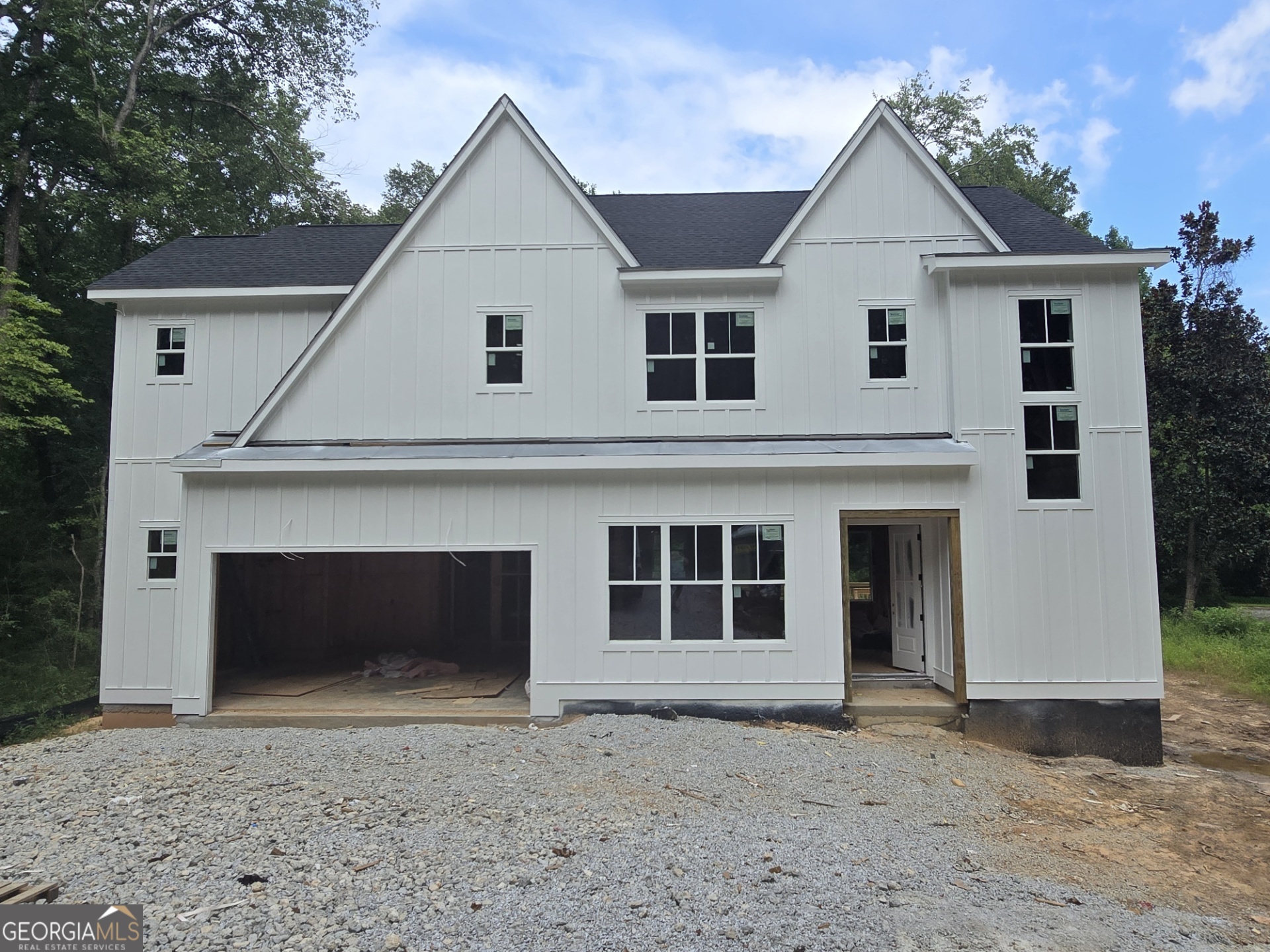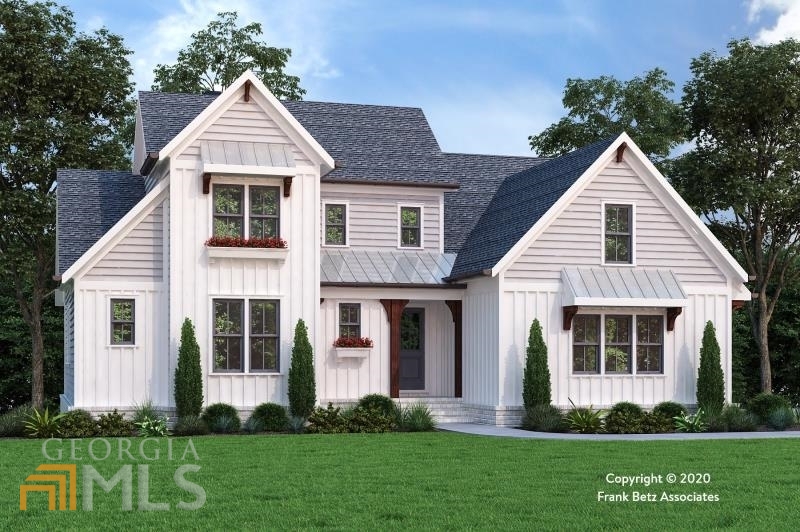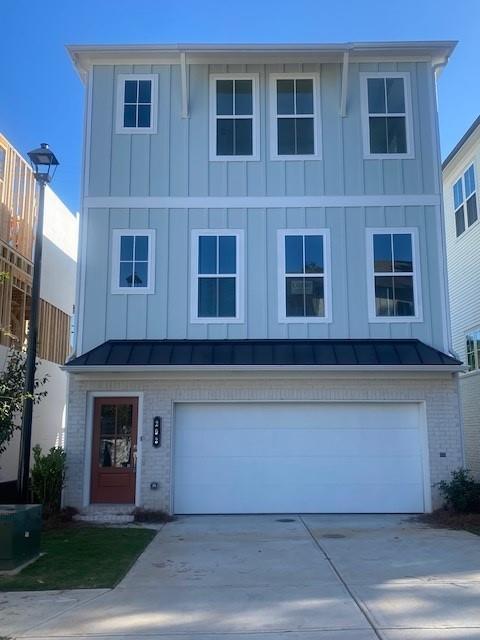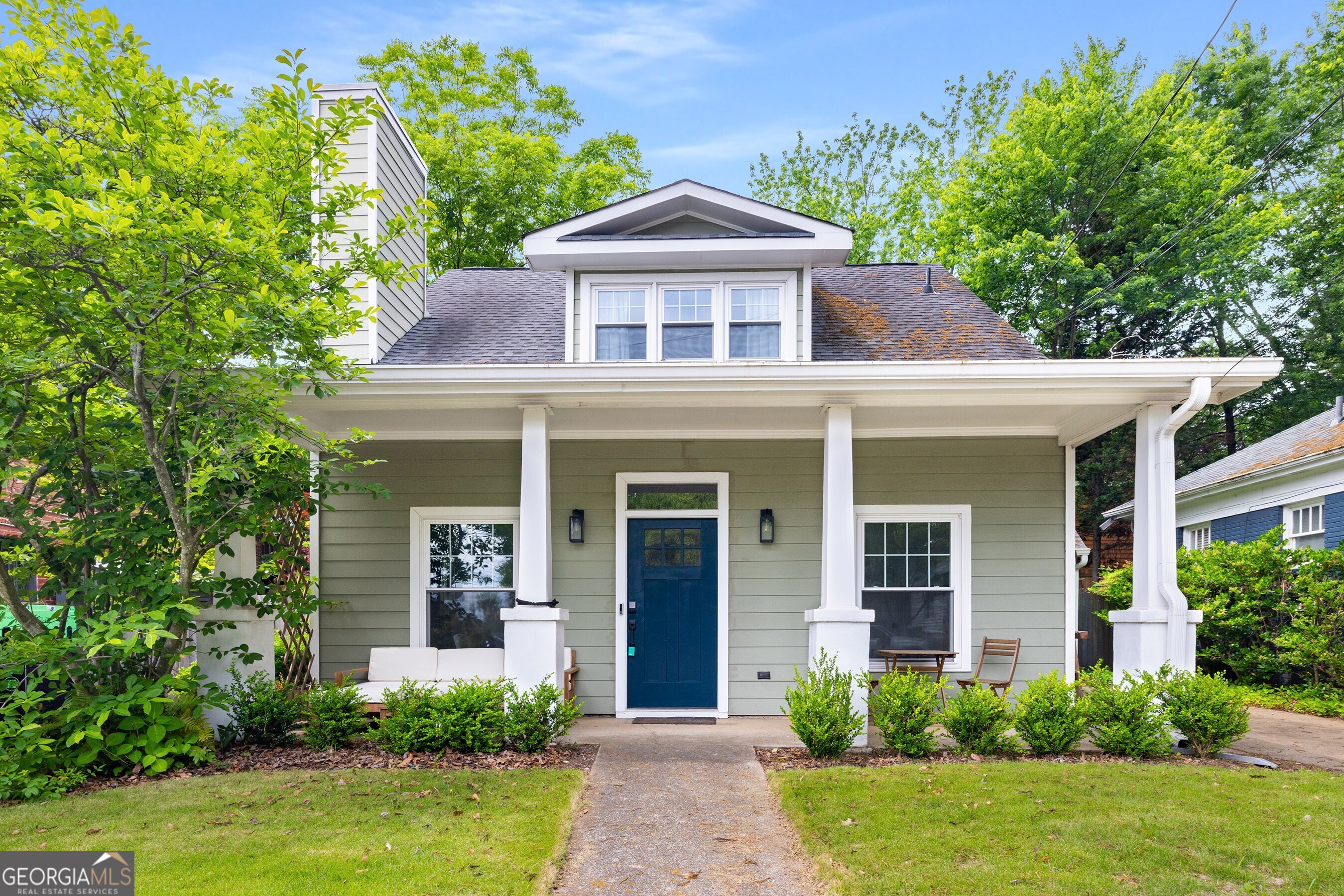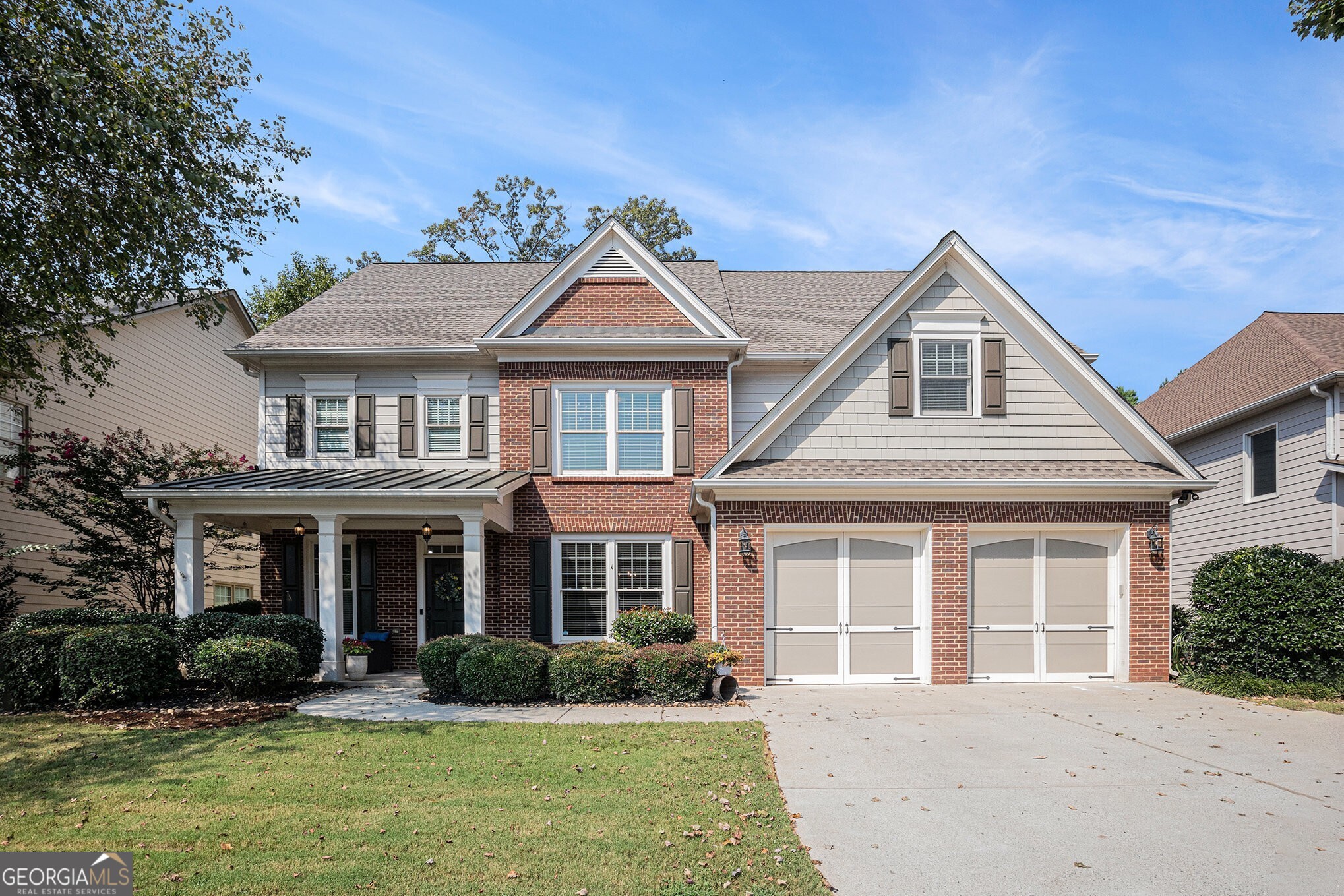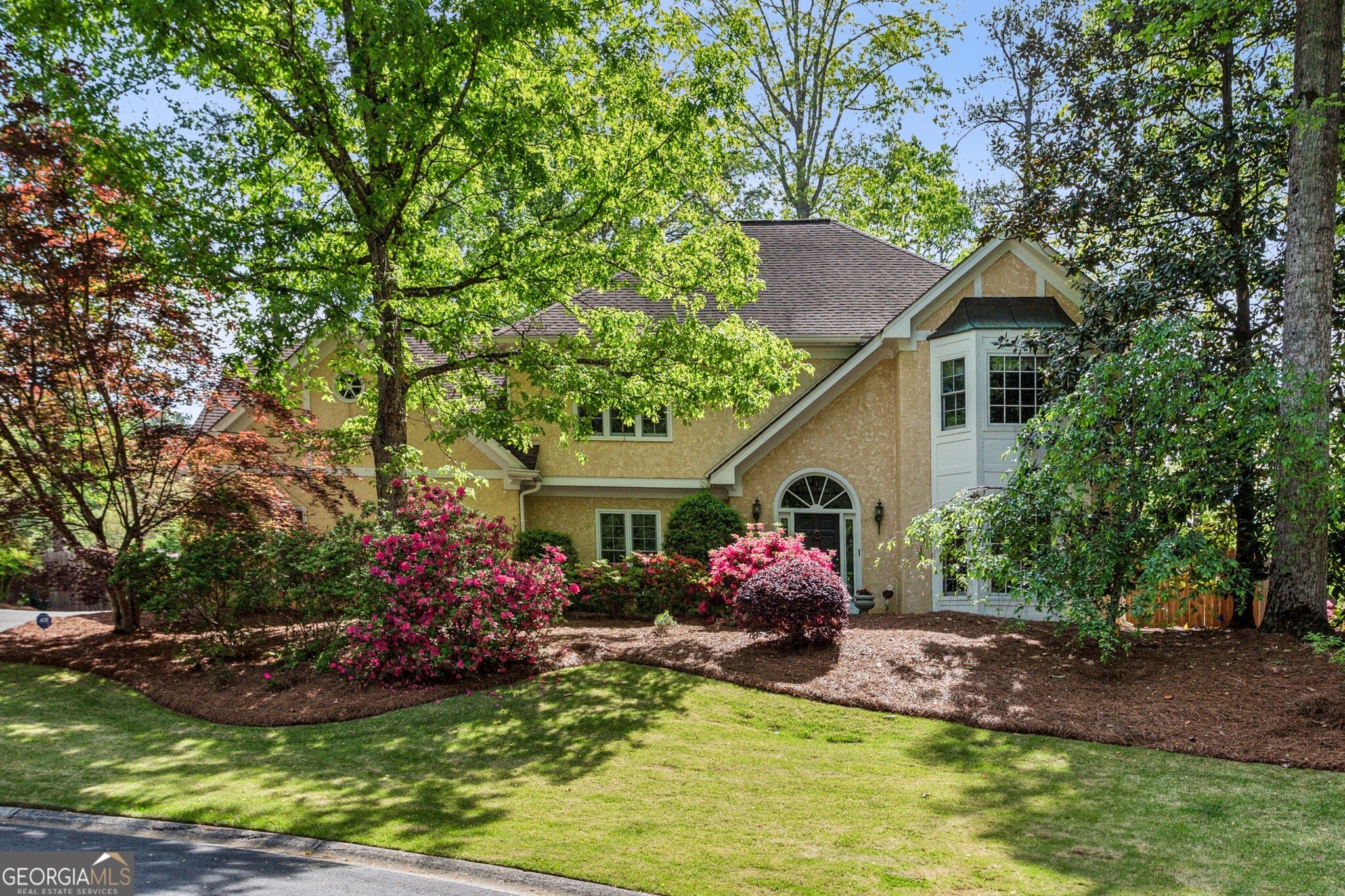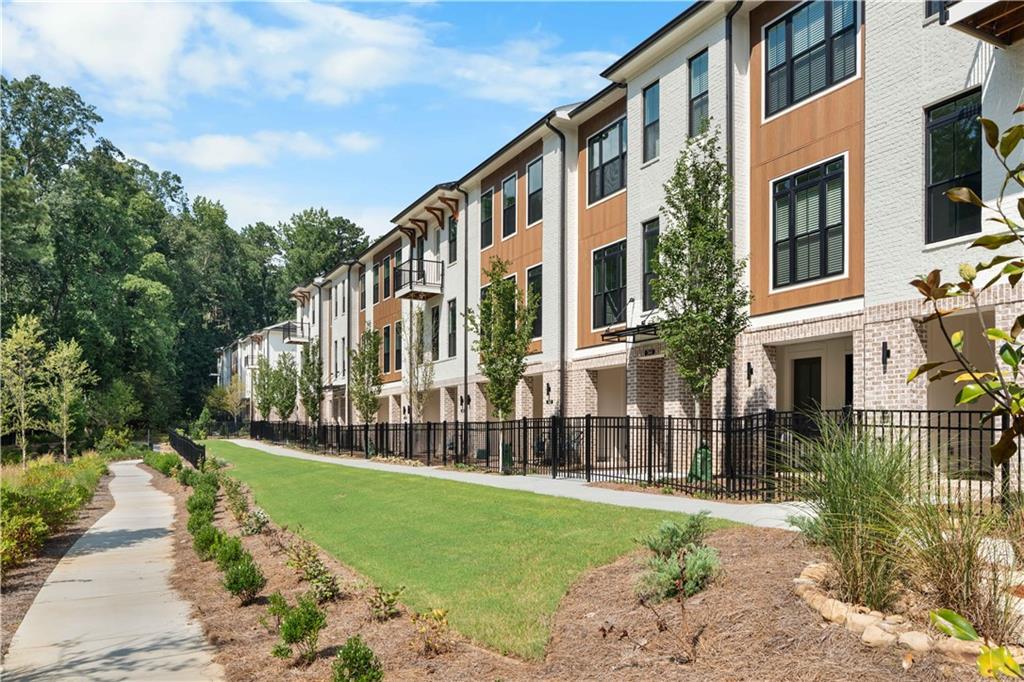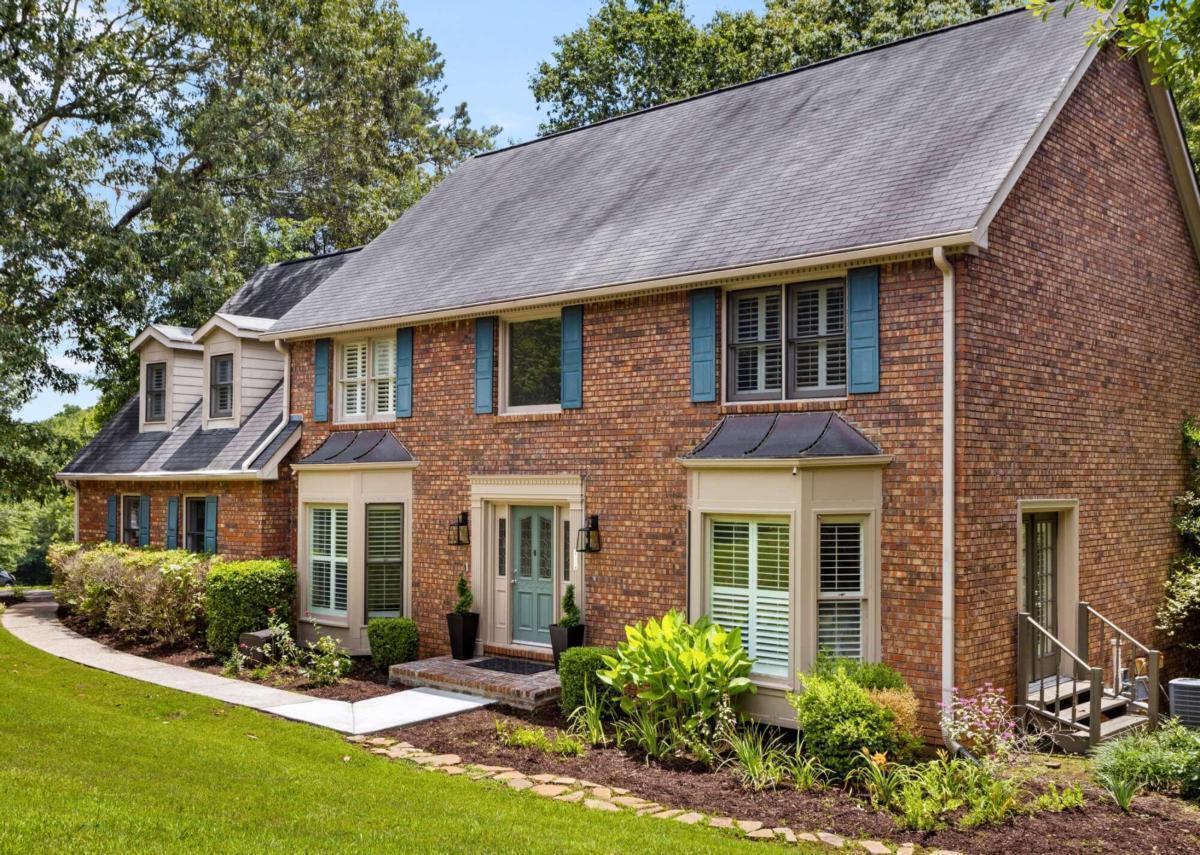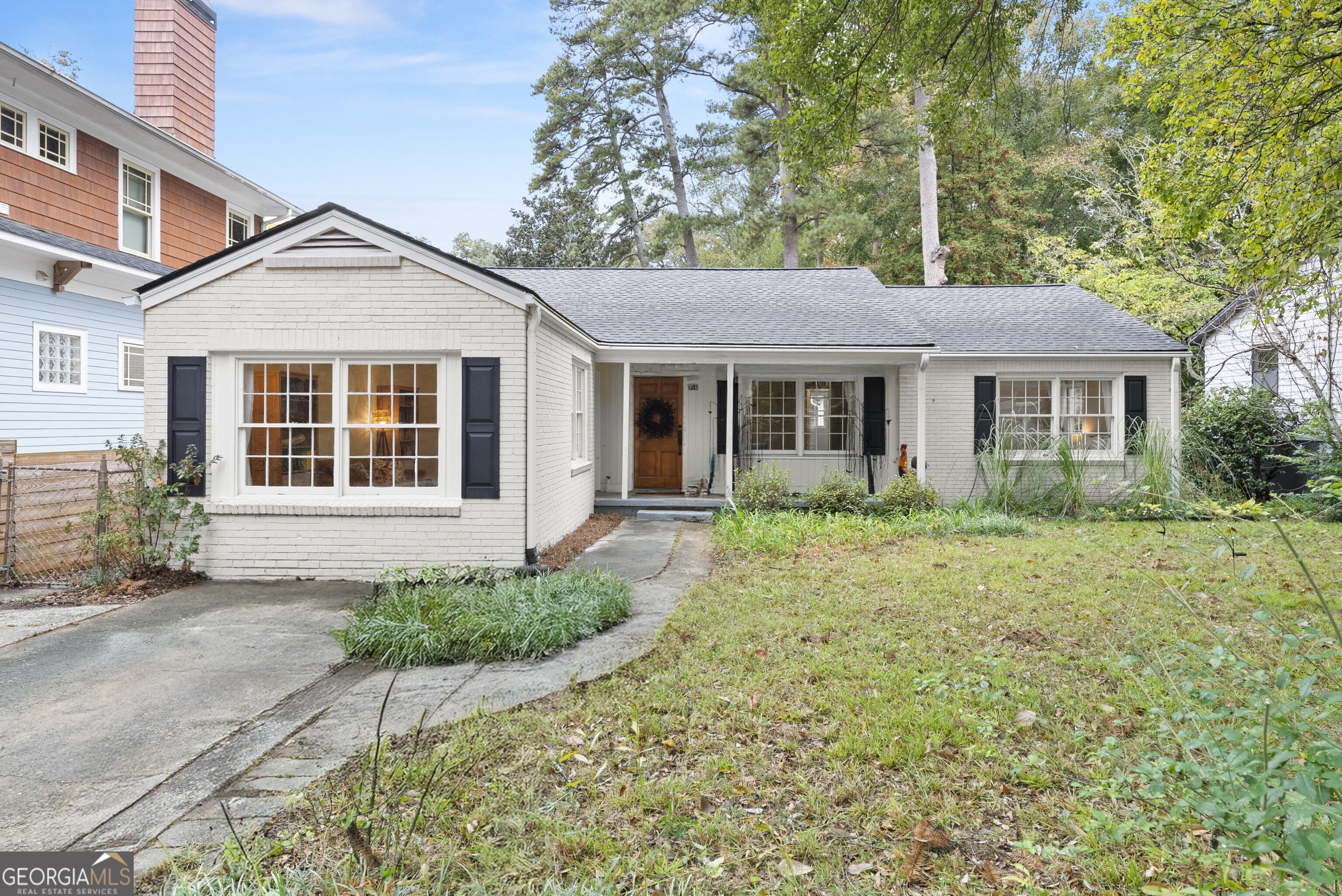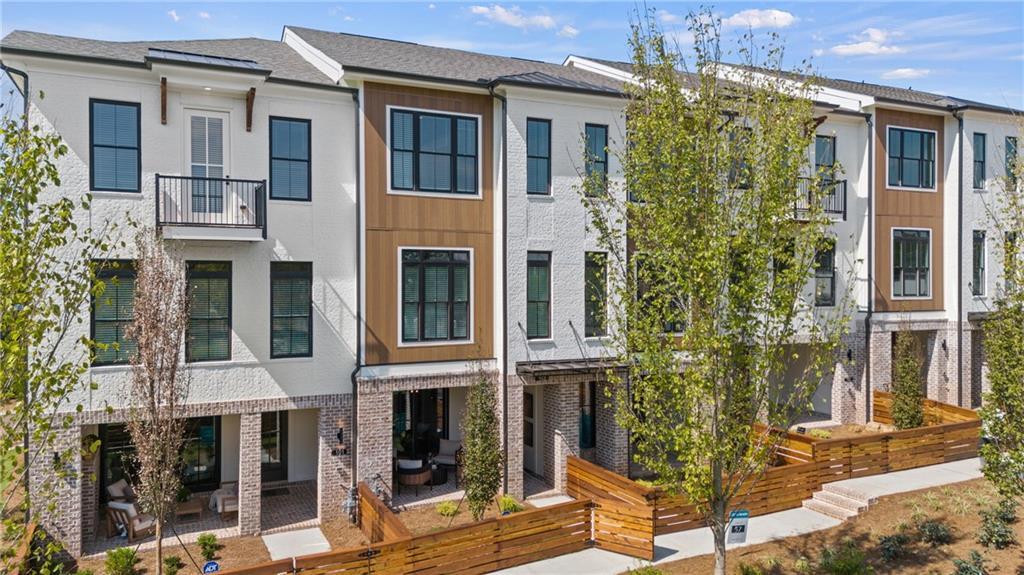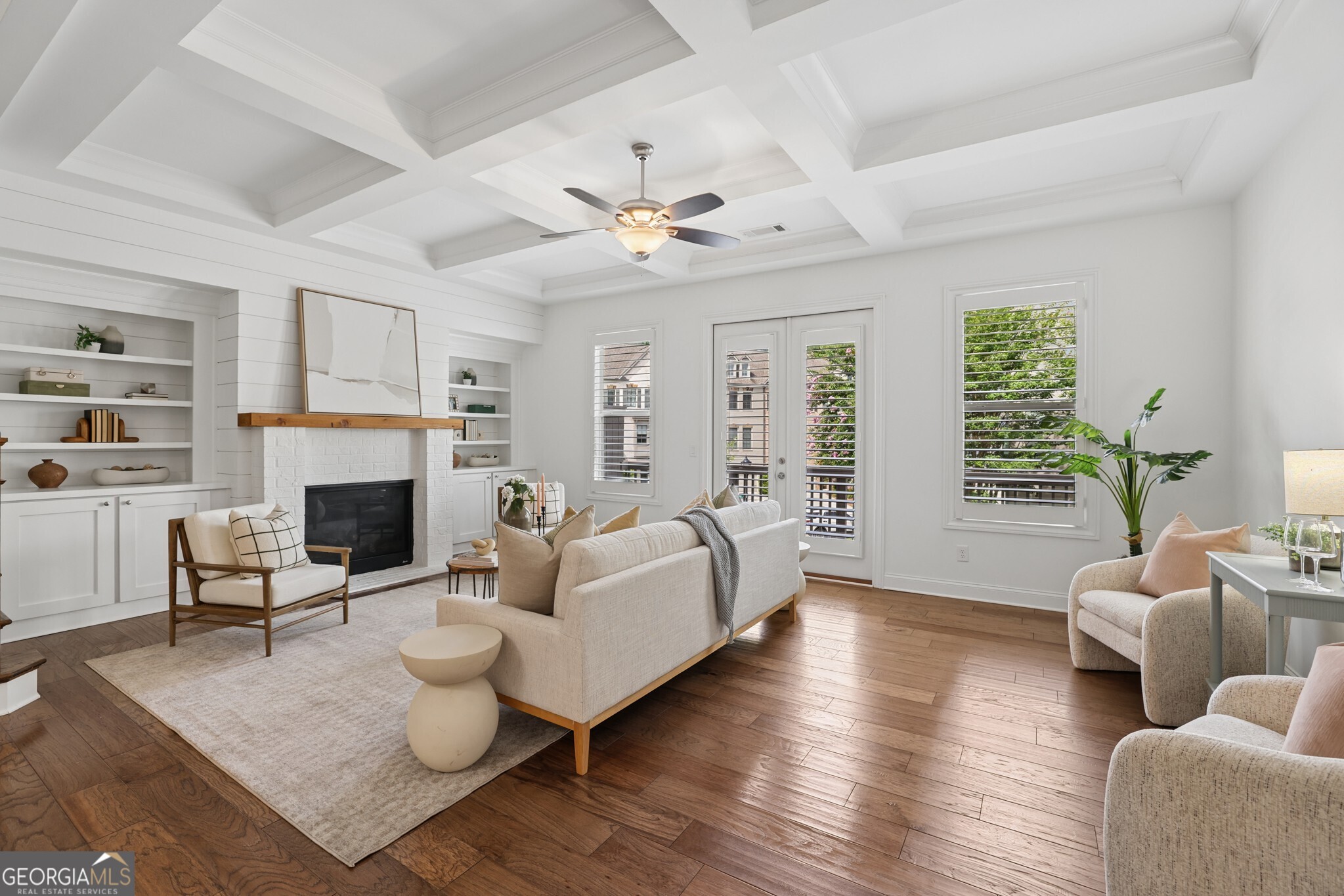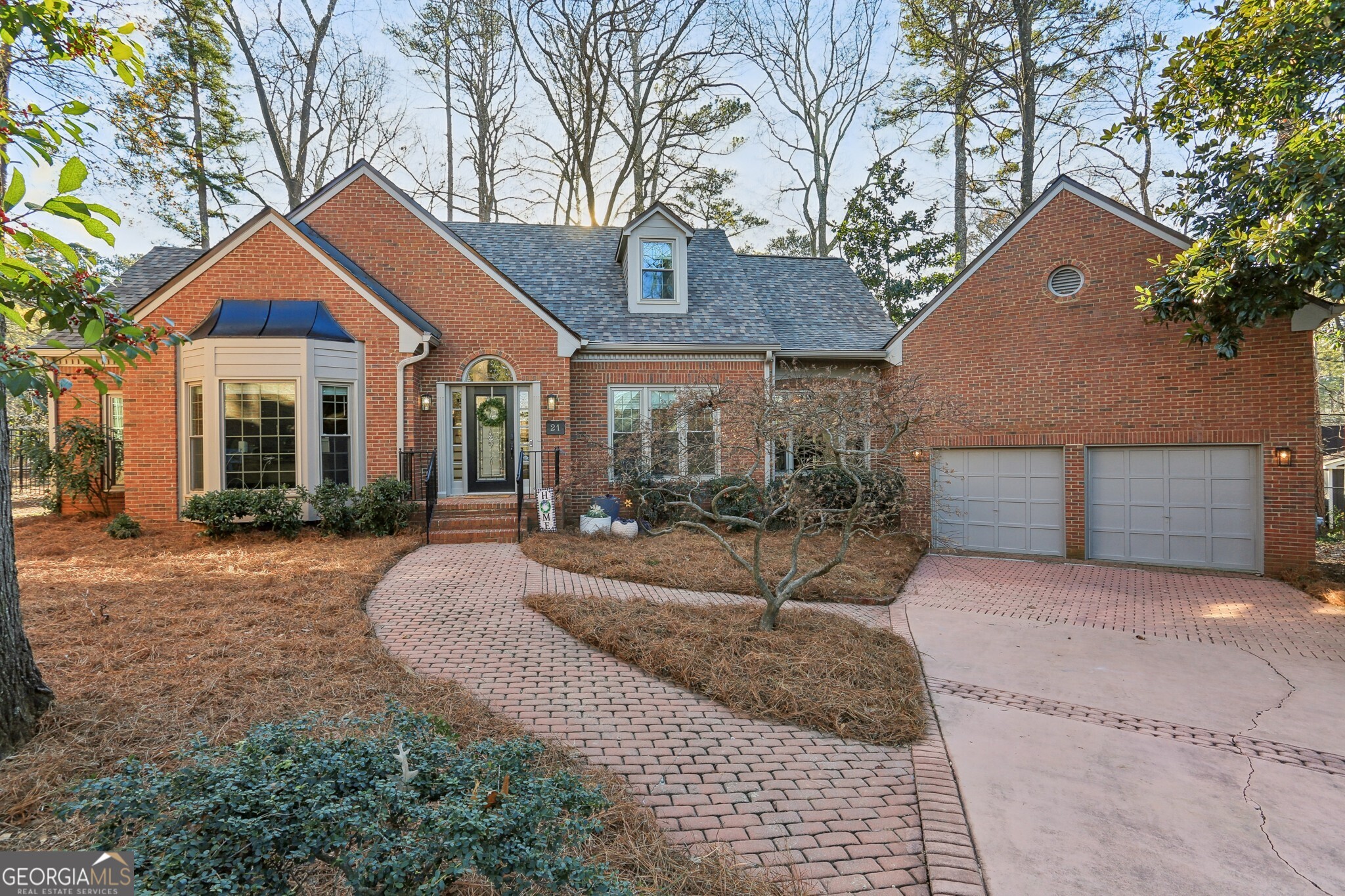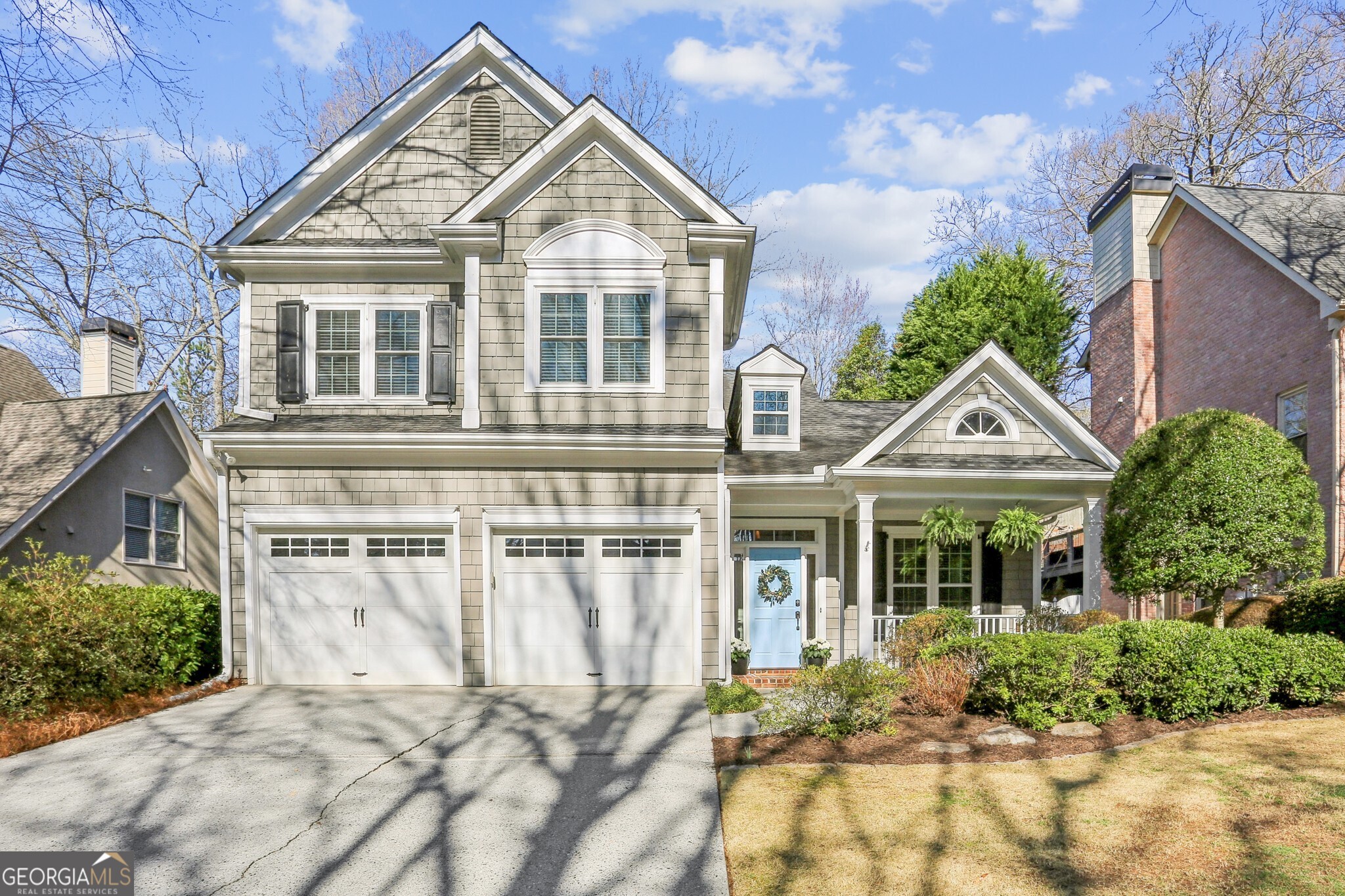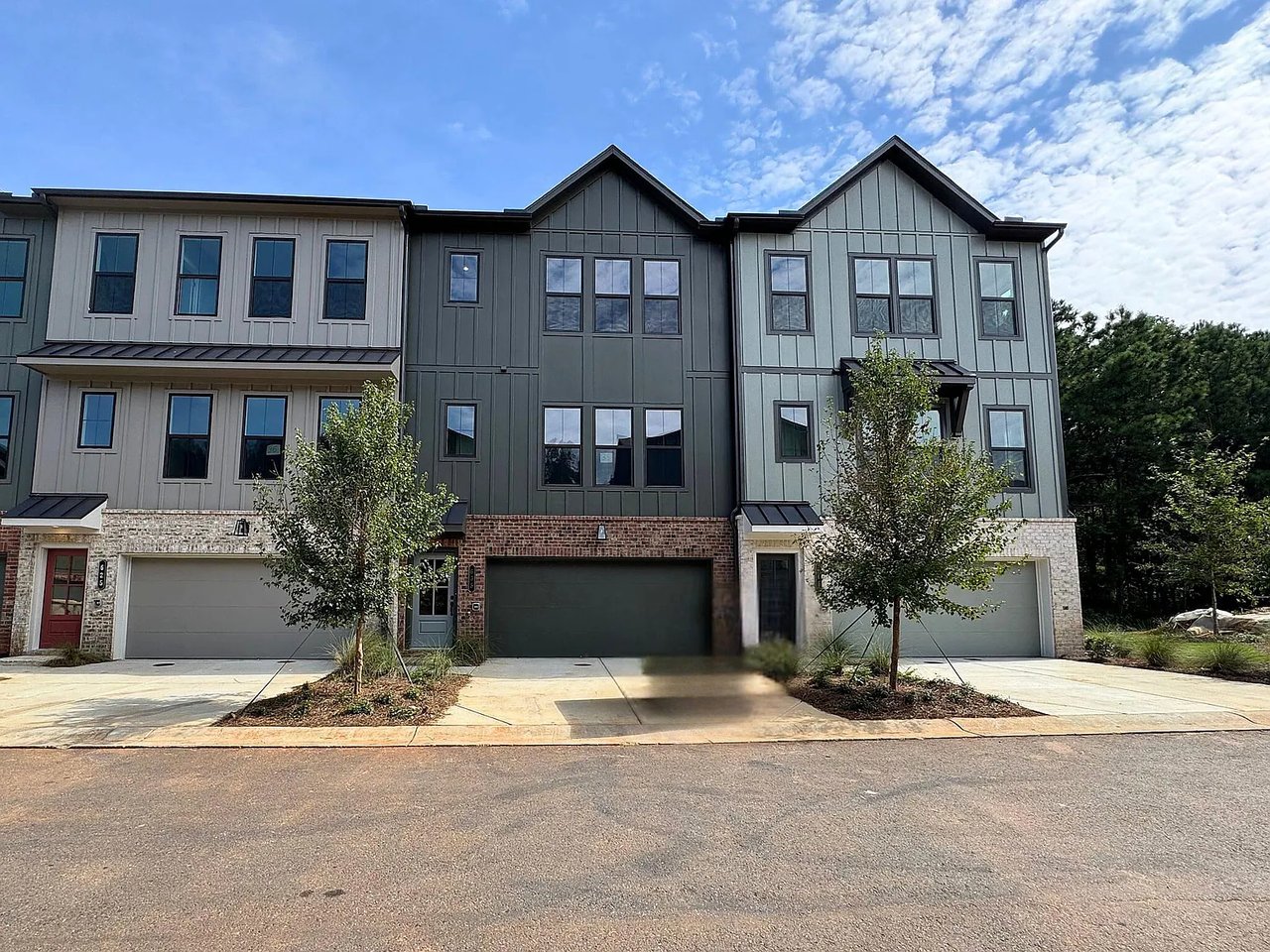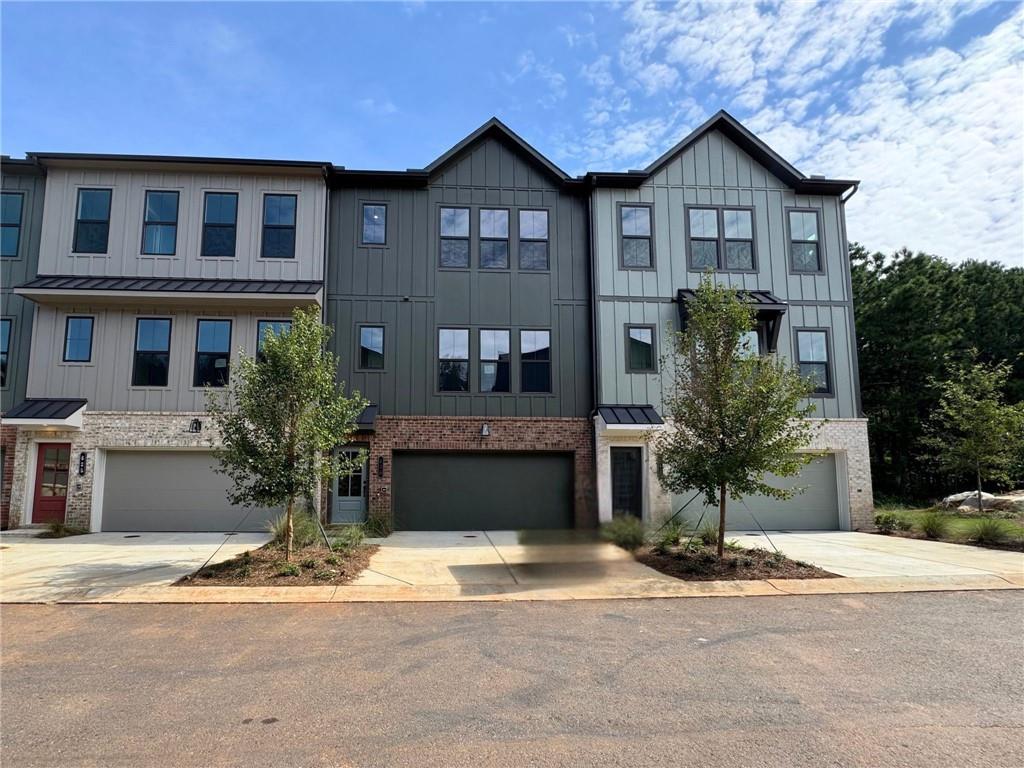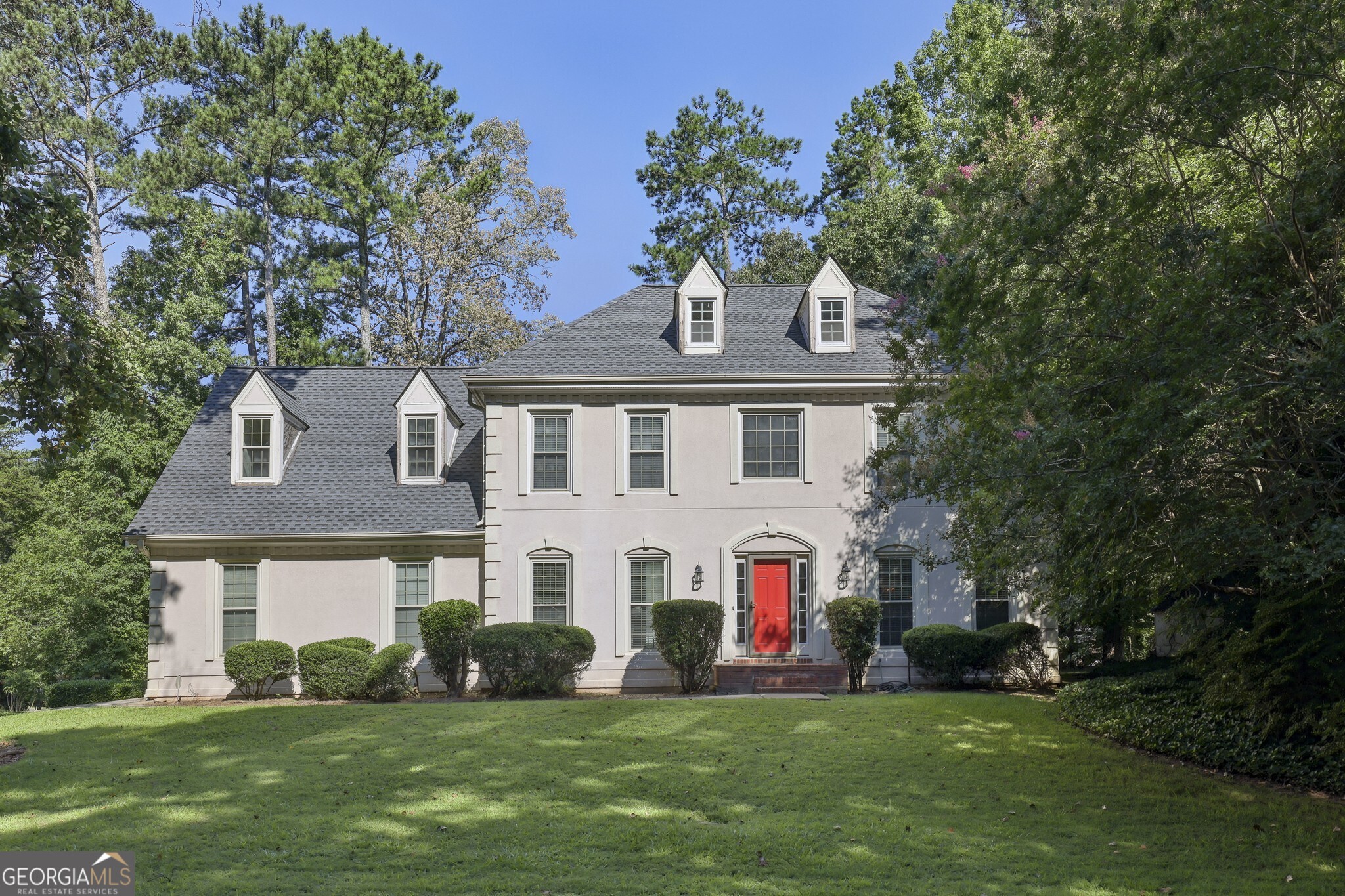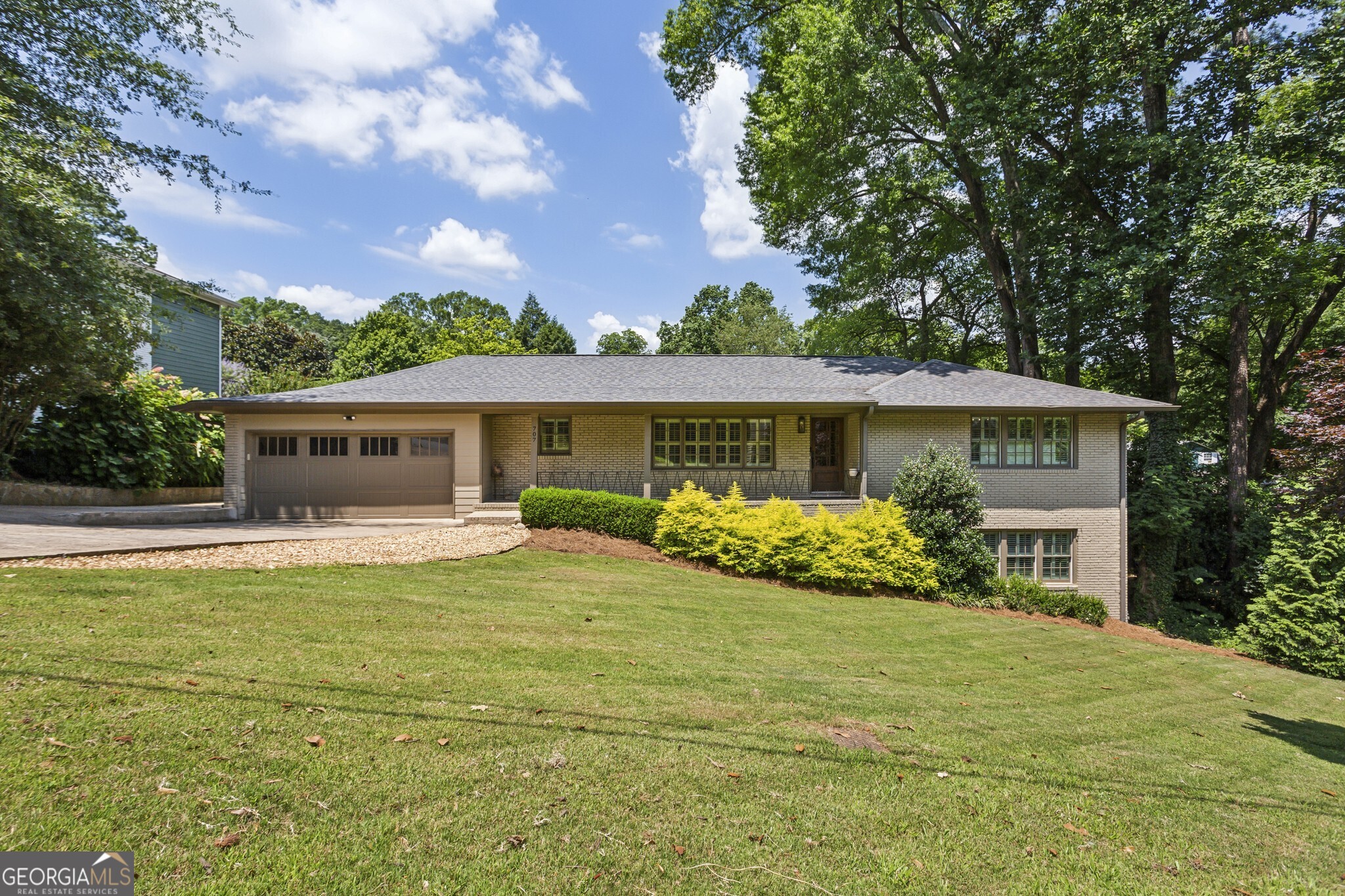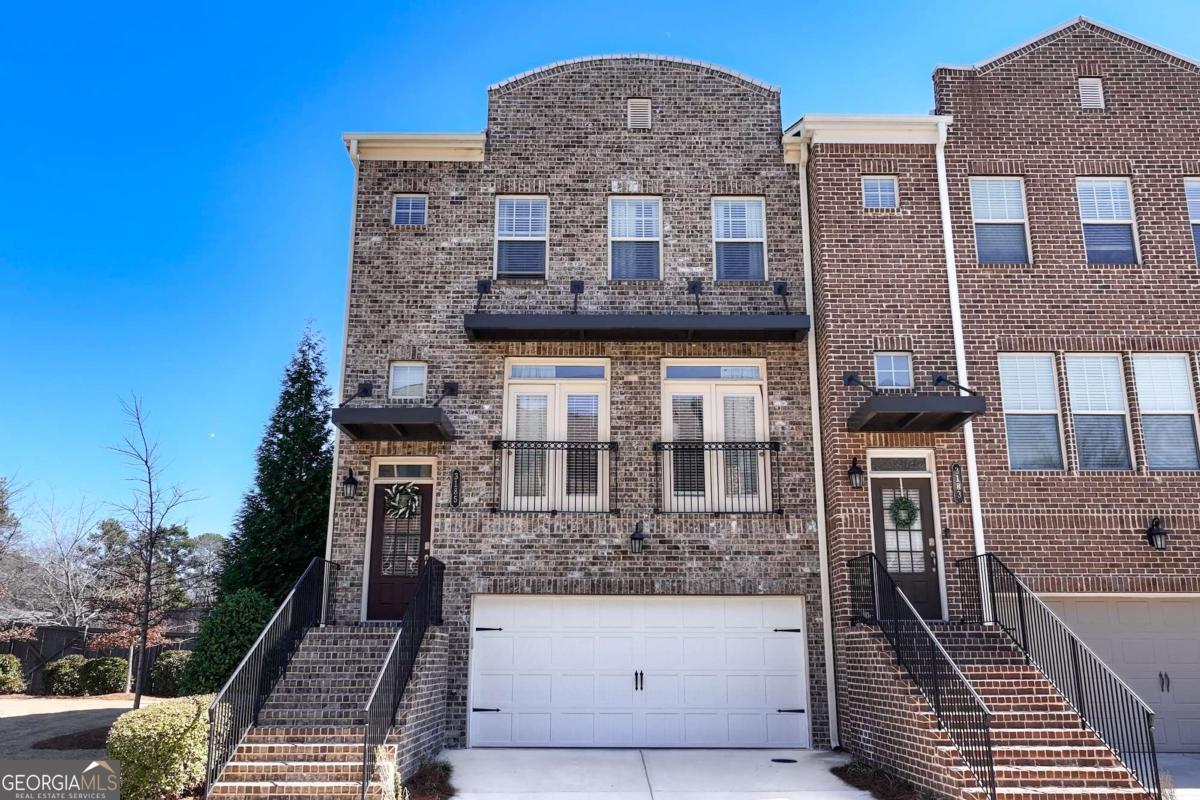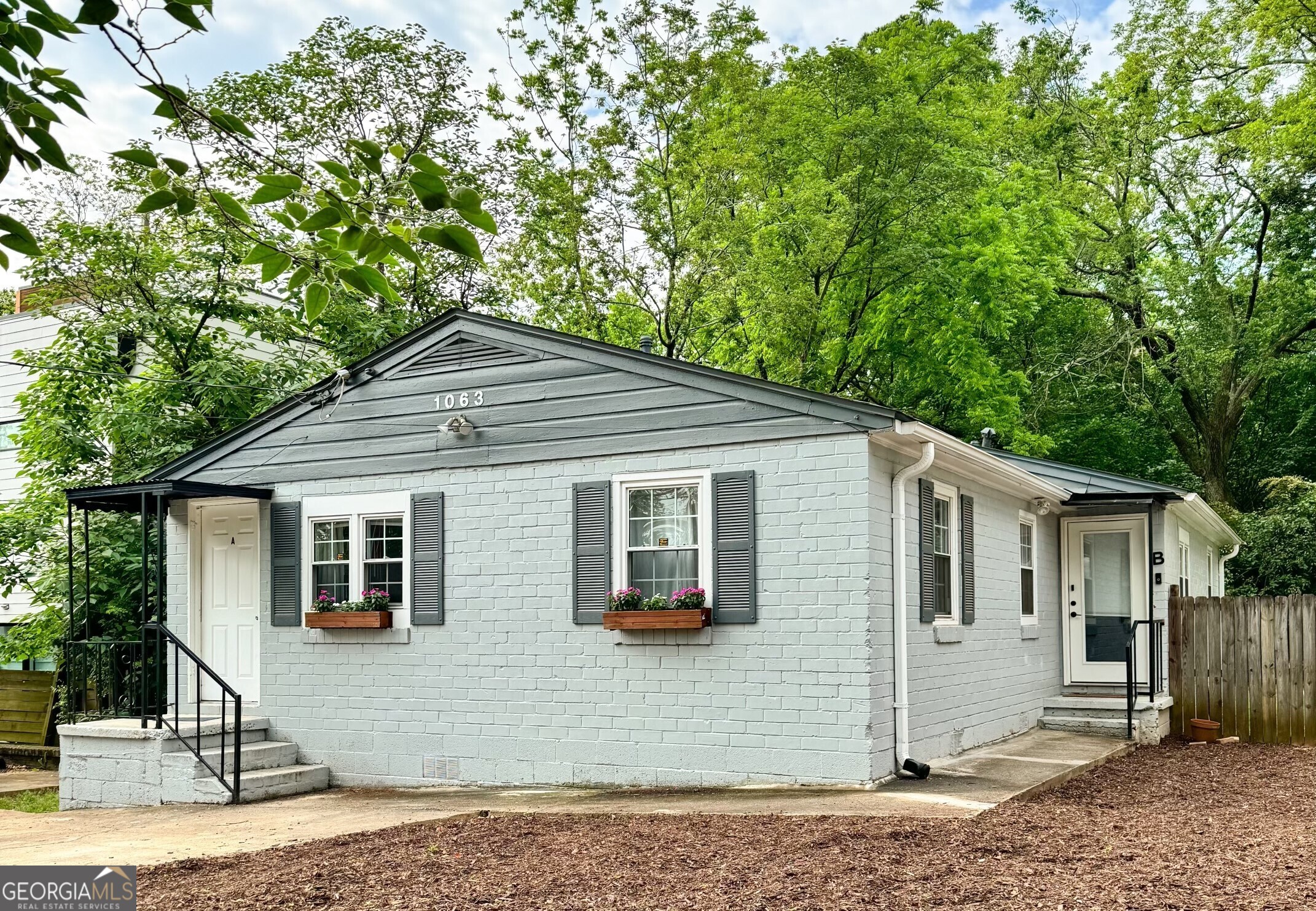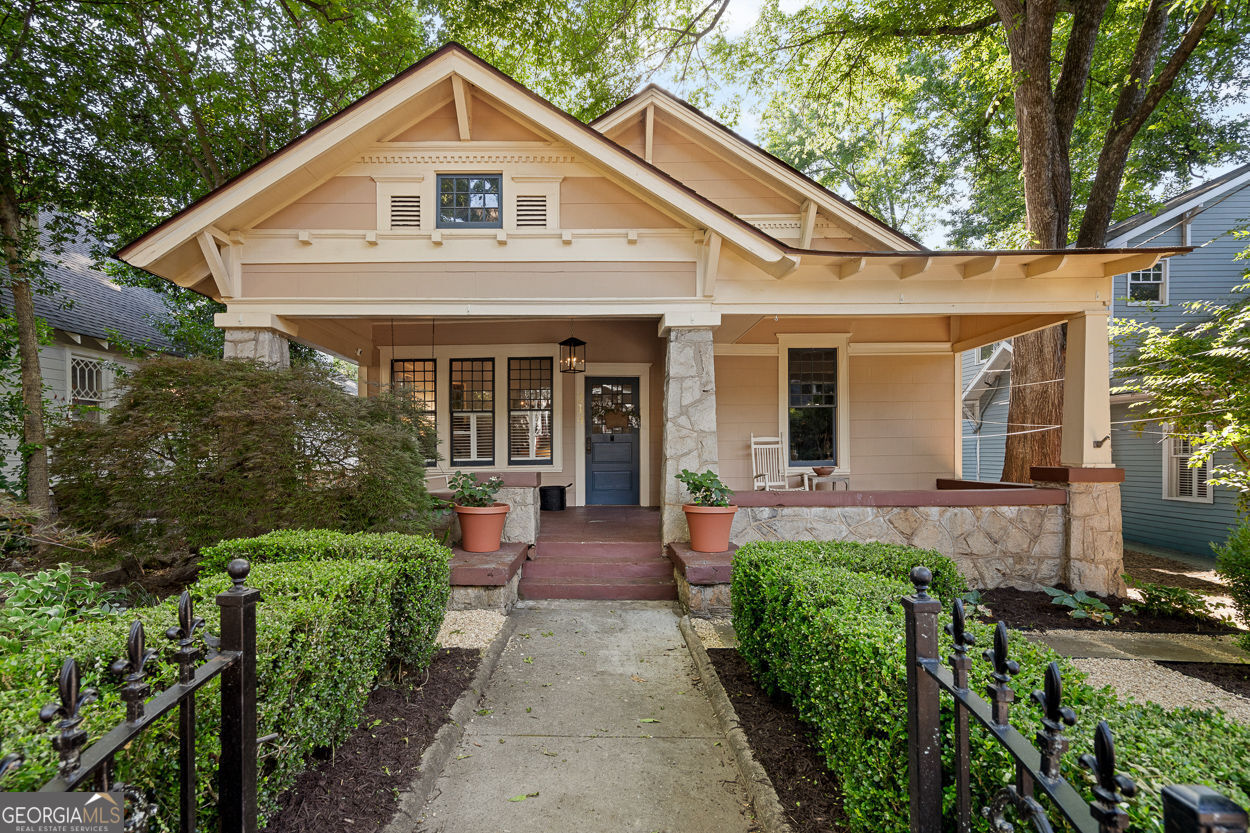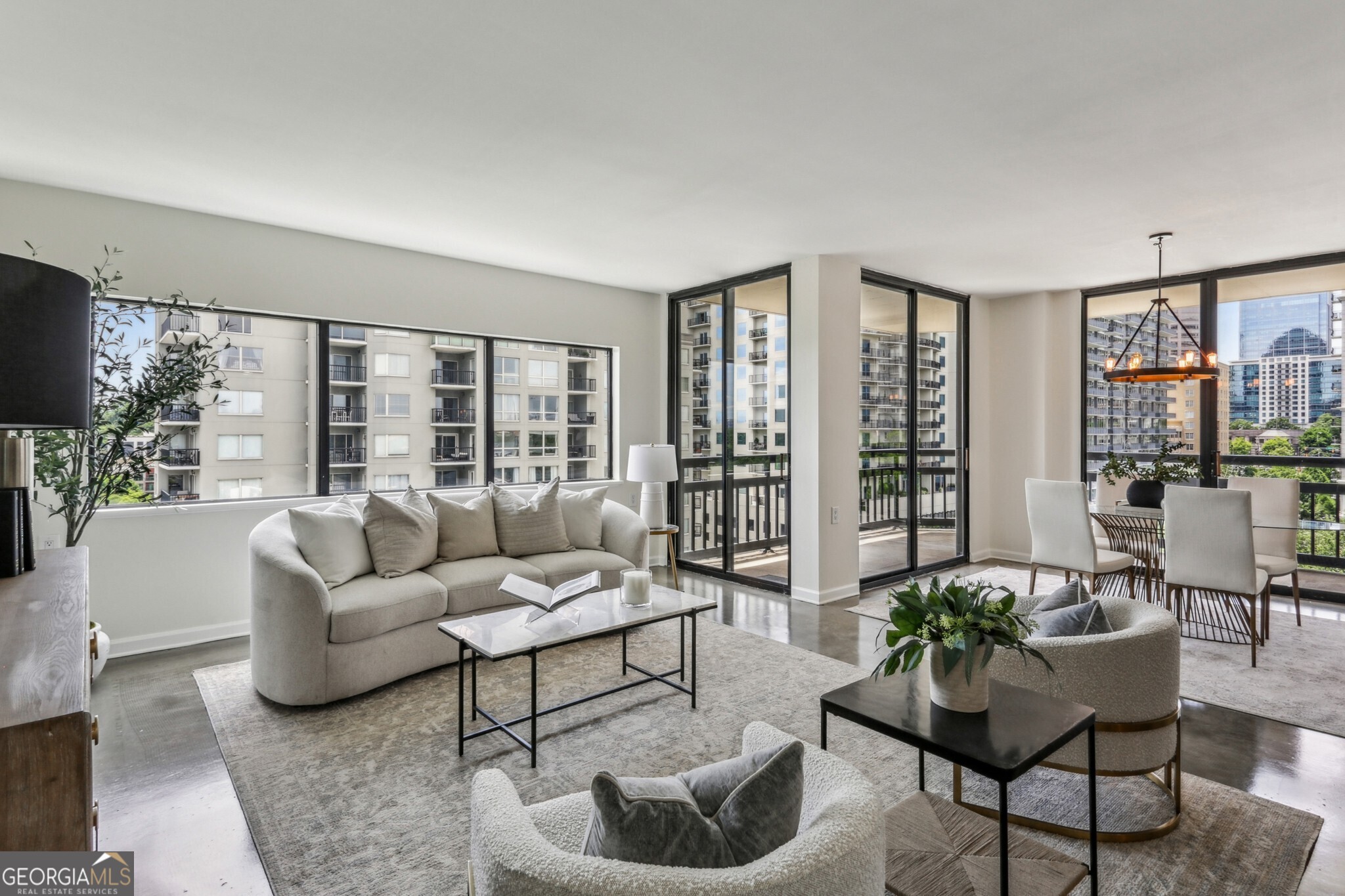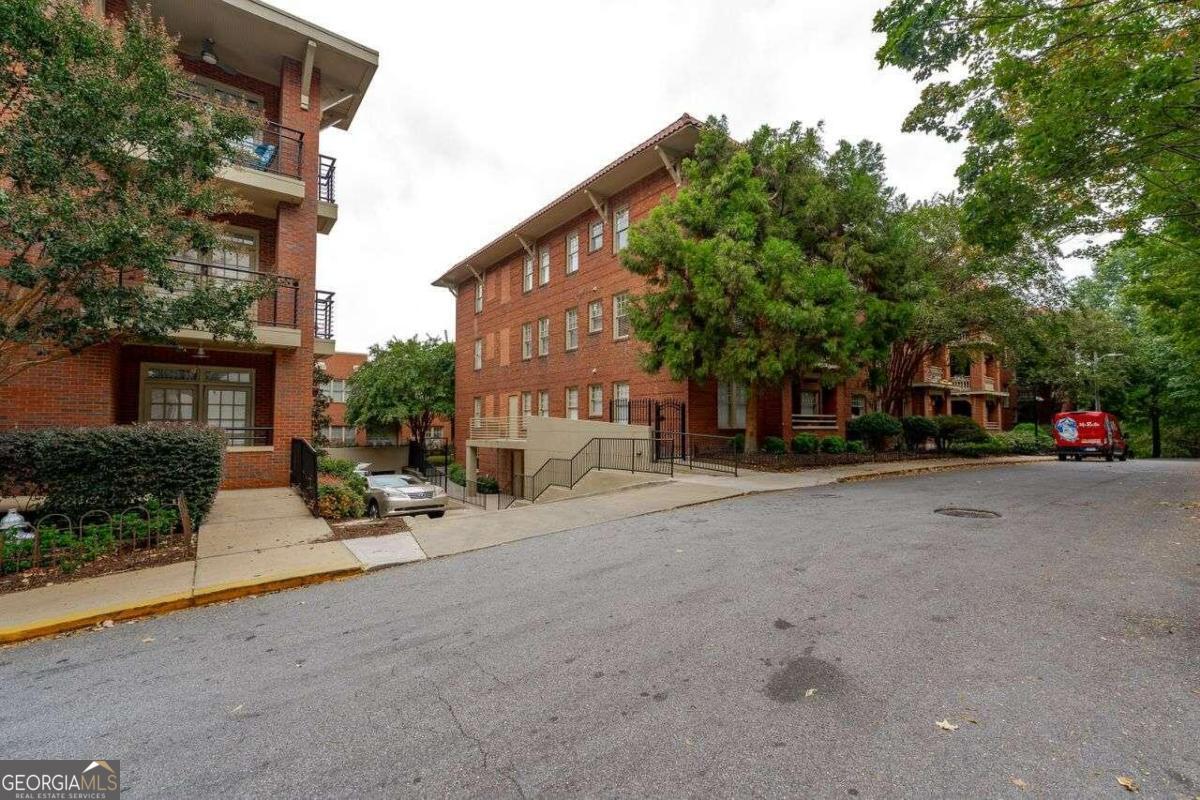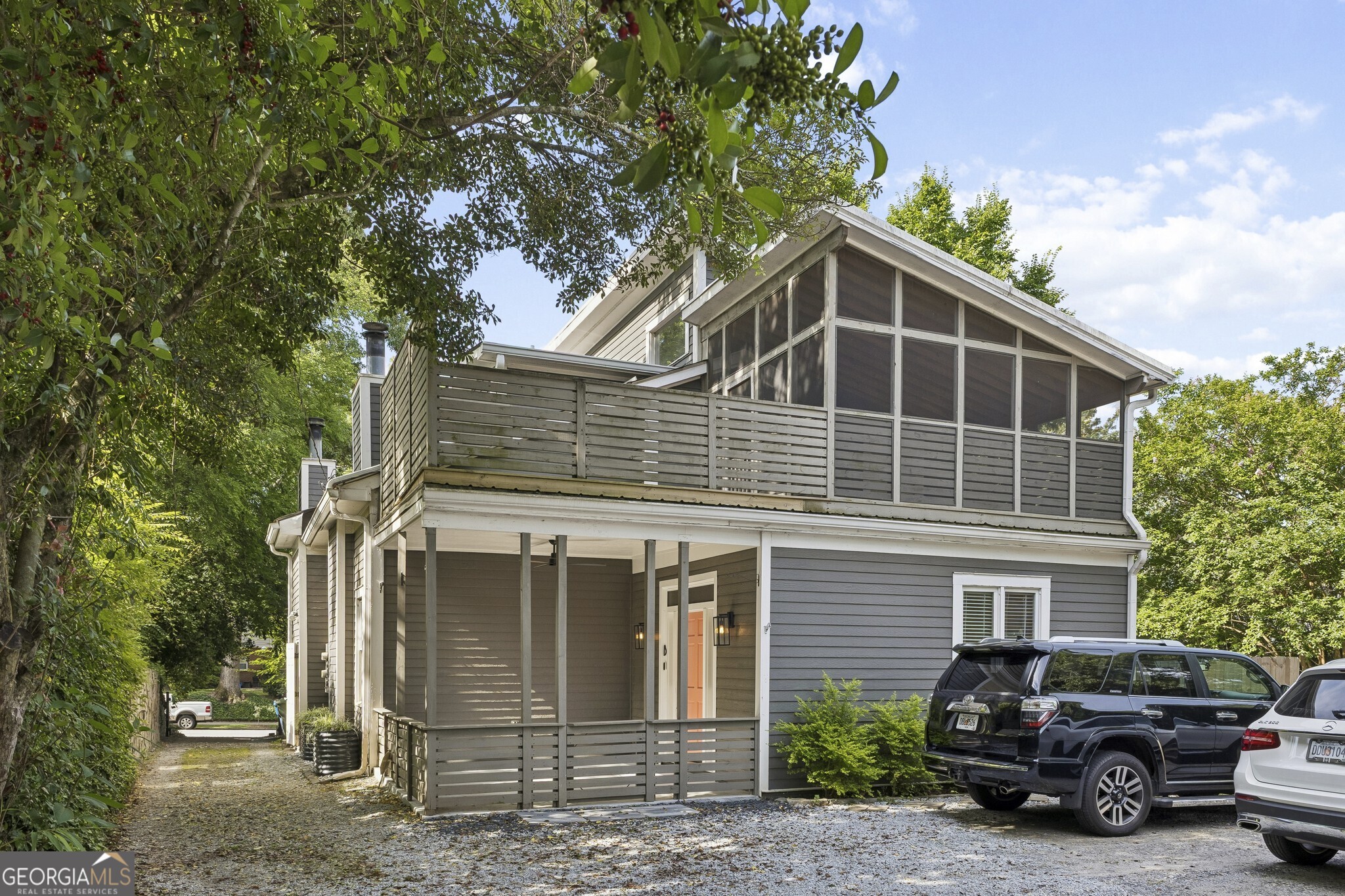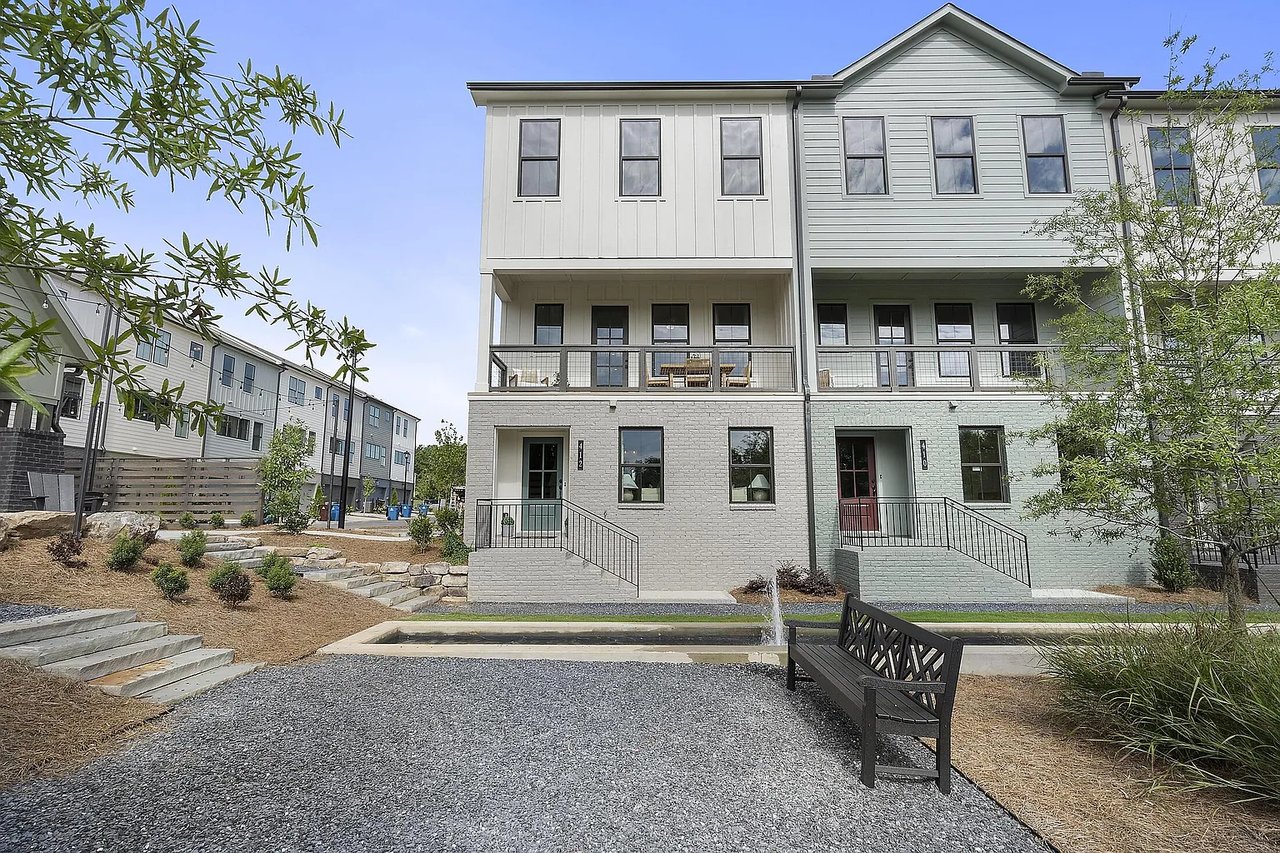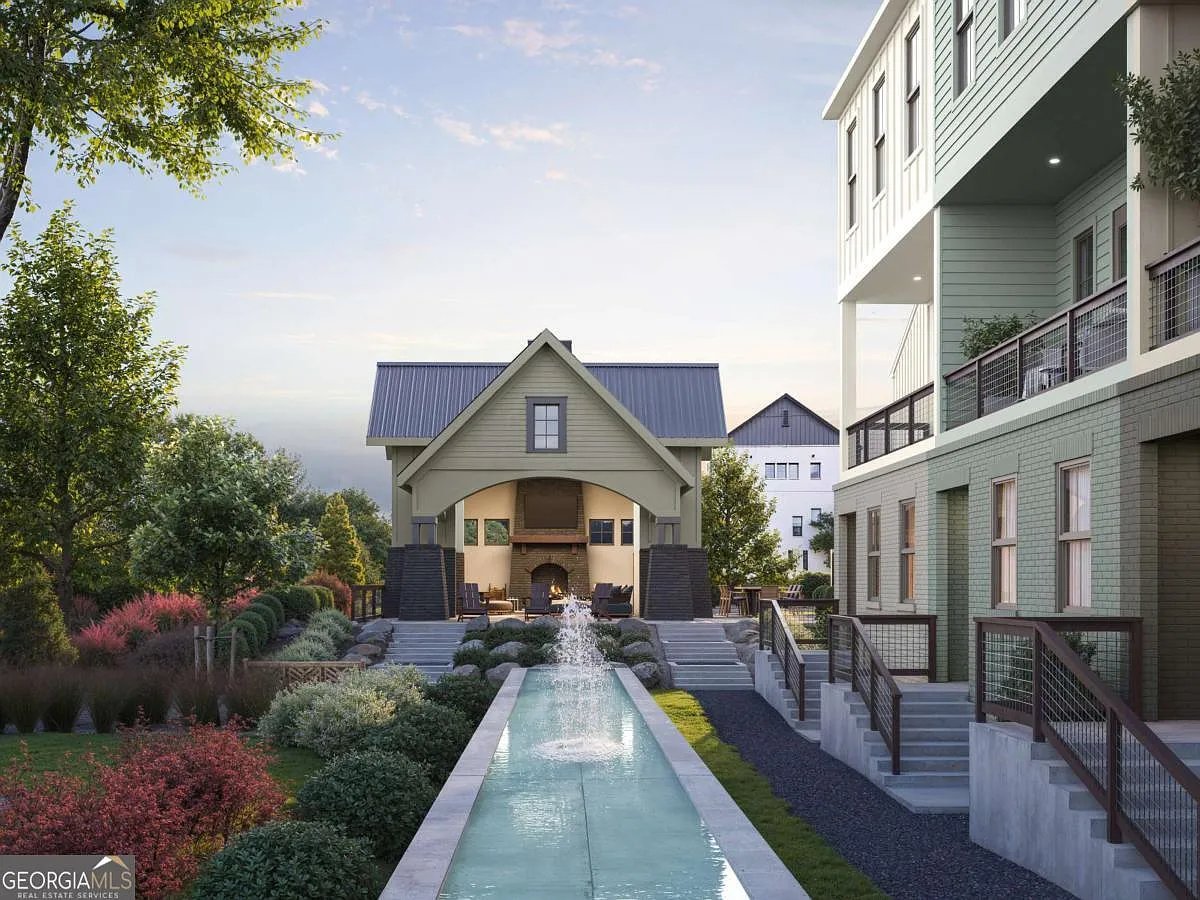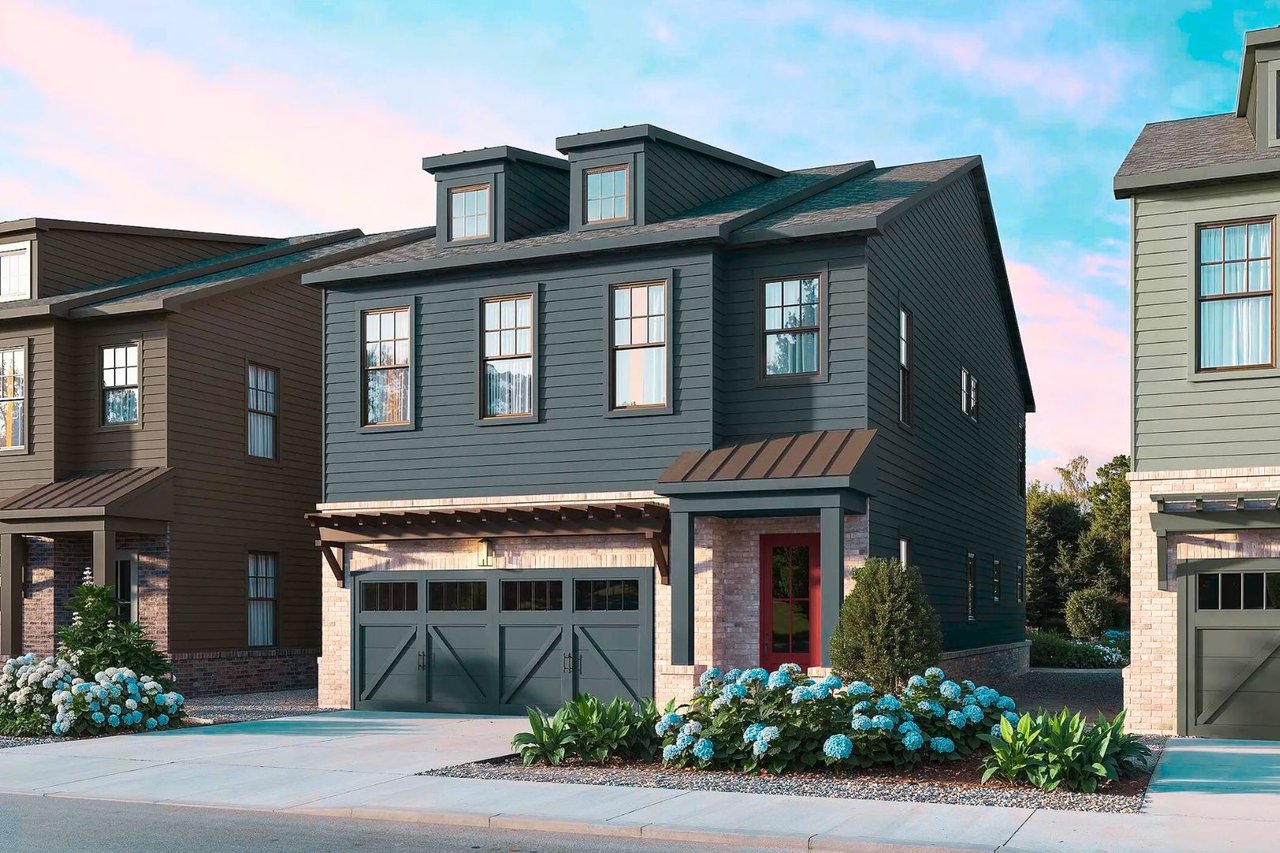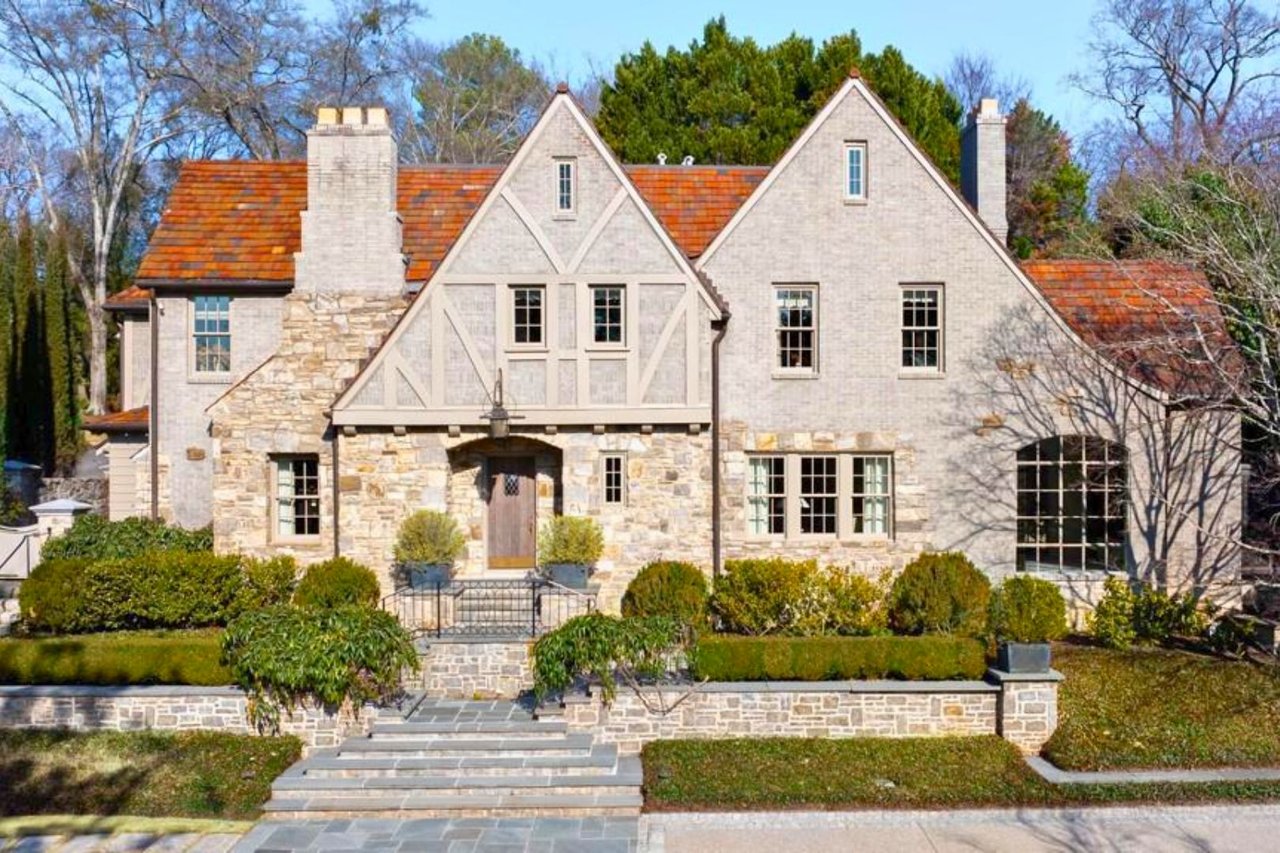
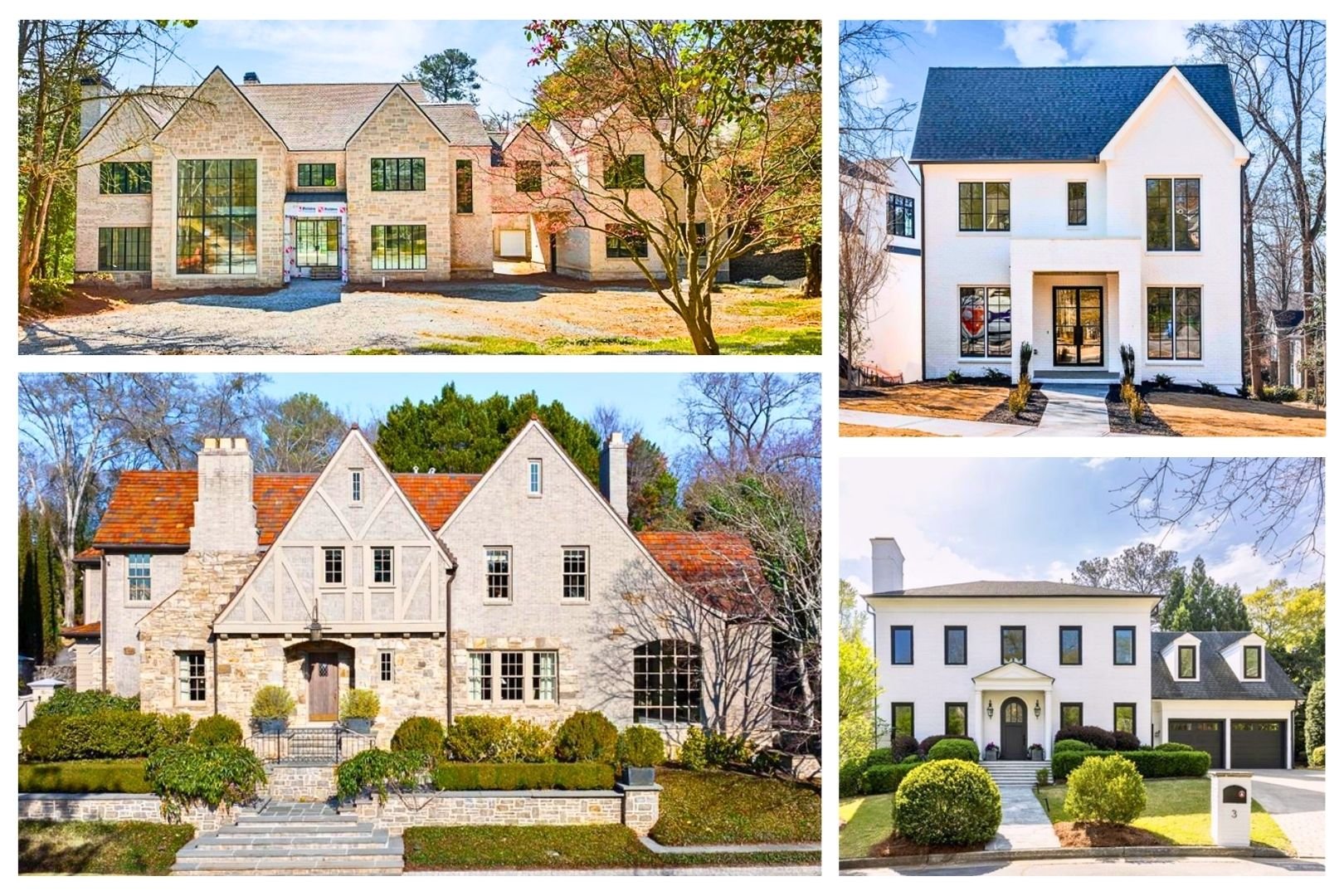
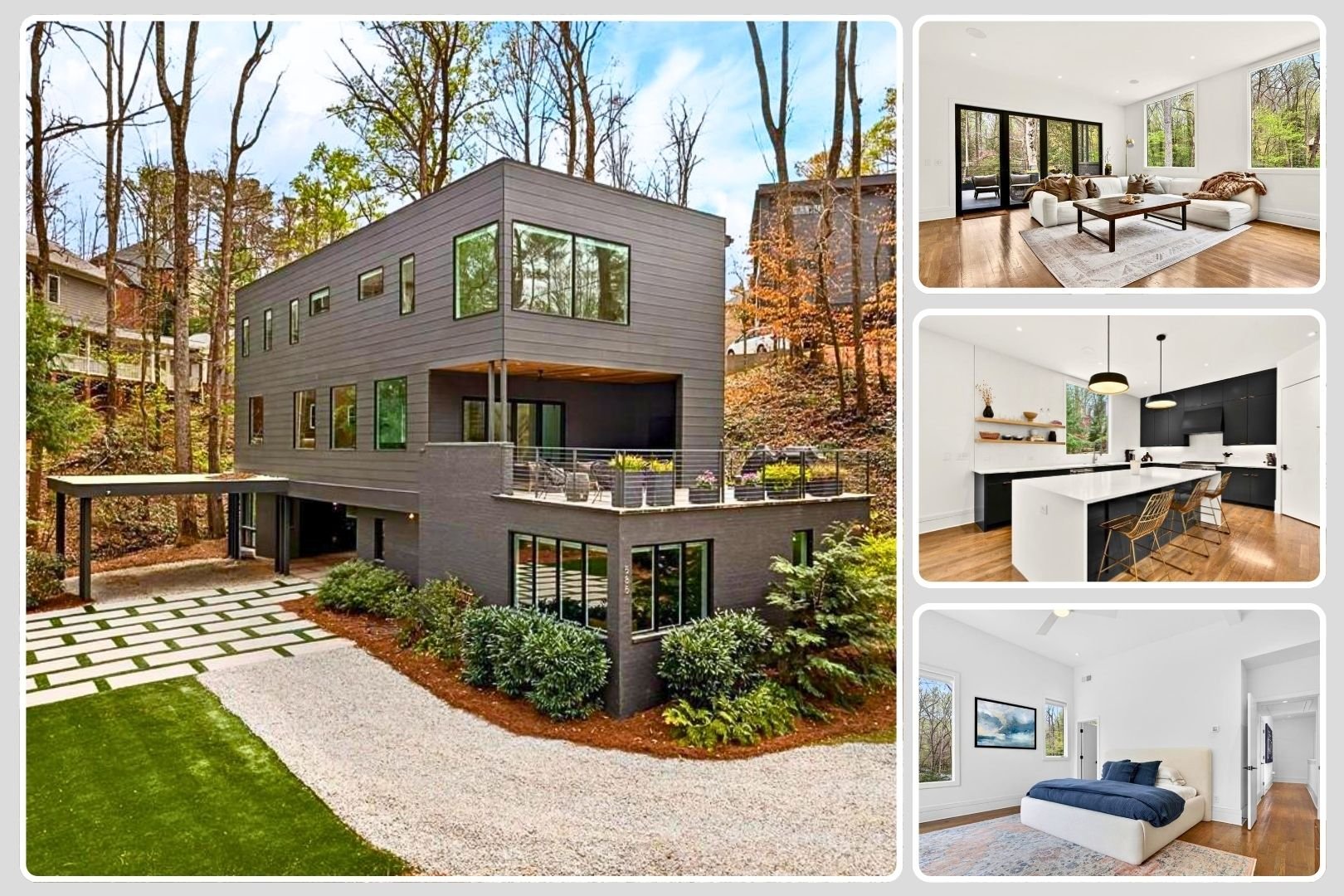
Atlanta's new construction market is delivering real opportunities in 2026 — and buyers who understand the landscape are finding them everywhere from BeltLine-adjacent townhomes in Summerhill to master-planned communities deep in Forsyth County. With 8,272 new homes available from approximately 160 active developers and a metro median of $489,000, this market rewards preparation.
This guide covers everything you need to make a confident new construction decision in Atlanta this year — pricing, location strategy, top builders, financing programs, and the step-by-step process from pre-approval to closing.
Atlanta's New Construction Market at a Glance — 2026 Snapshot
Inventory, Prices, and Market Activity
The gap between new construction and resale pricing tells an important story. Metro Atlanta's new construction median sits at $489,000 with a median price per square foot of $206, while the overall resale median came in at $395,000 as of March 2026.
$94,000 — the current premium buyers are paying for new construction over resale in metro Atlanta. That gap reflects modern floor plans, energy efficiency, and builder warranties. It also means budgeting carefully matters.
On the inventory side, buyers have more options than they've had in years. Metro Atlanta closed March 2026 with 31,871 active listings — up 15.5% year over year and the highest inventory level since 2019, ranking third nationally for total available homes. Homes are moving in an average of 55 days and selling at 98.65% of asking price, signaling a healthy, balanced market rather than a frenzied bidding environment.
For new construction specifically, the breadth of choice is one of Atlanta's defining advantages over comparable Sun Belt metros. Buyers can currently choose from:
- 545 communities across the metro
- 420 single-family home communities
- 182 townhouse communities
- 36 condo communities
- More than 3,200 floor plans currently offered
Why Demand Remains Strong
Atlanta is now the sixth-largest metro in the United States, with 6.482 million residents and adding 61,953 people in the year ending July 1, 2025 — the third-highest numeric growth of any metro in the country. That population engine is backed by a robust economy.
3,136,200 — total nonfarm jobs in the Atlanta-Sandy Springs-Roswell metro as of June 2025, anchored by Delta Air Lines, Emory University and Emory Healthcare, The Home Depot, UPS, AT&T, Piedmont Healthcare, and The Coca-Cola Company.
Atlanta's cost of living runs 6% below the national average, and its median home price is 8% lower than the national median. When you combine affordability with a job market of this scale, sustained housing demand is essentially baked in — and that's exactly why new construction continues to outpace supply in key corridors.
Where to Buy — Atlanta's Hottest New Construction Areas in 2026
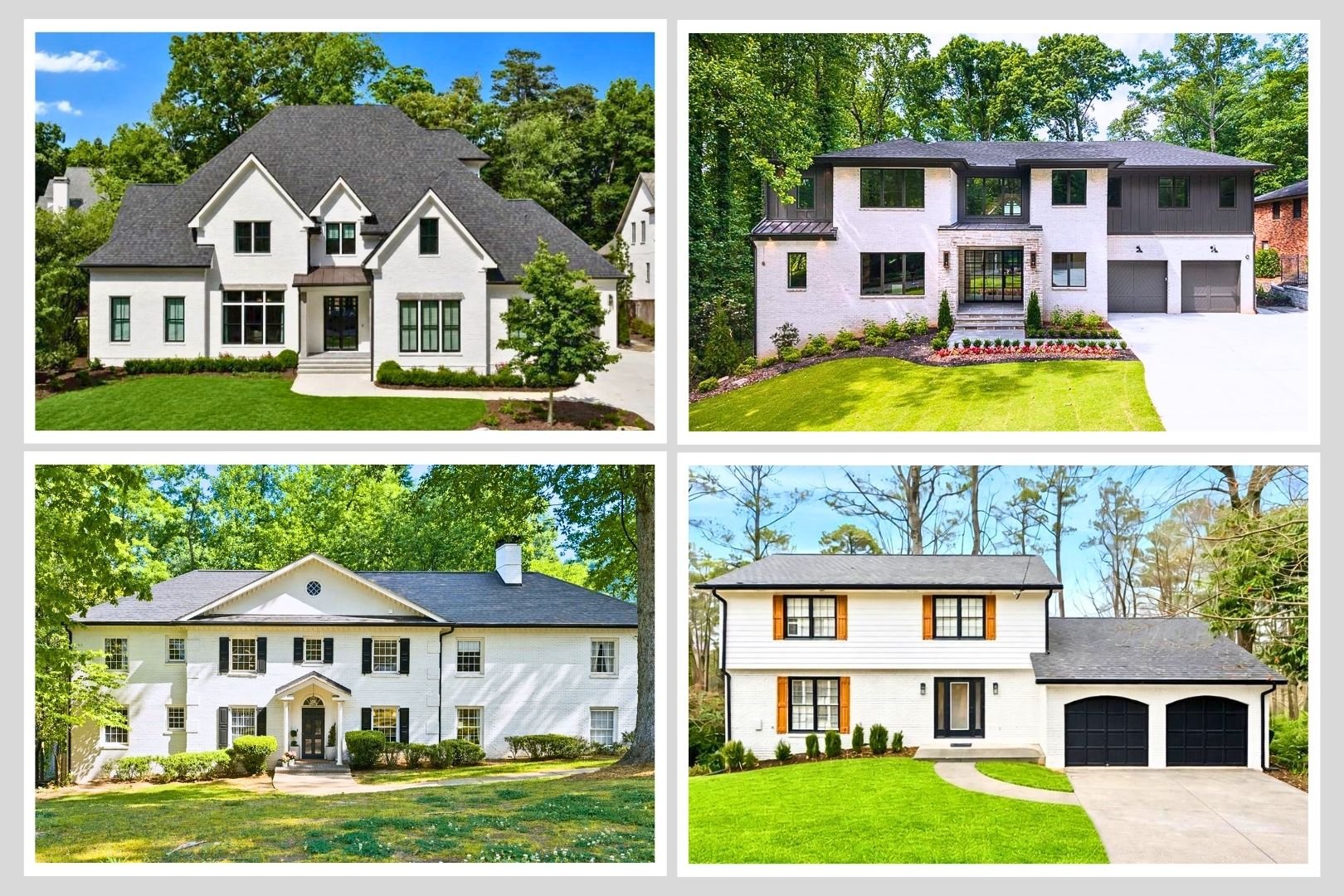
ITP — Inside the Perimeter
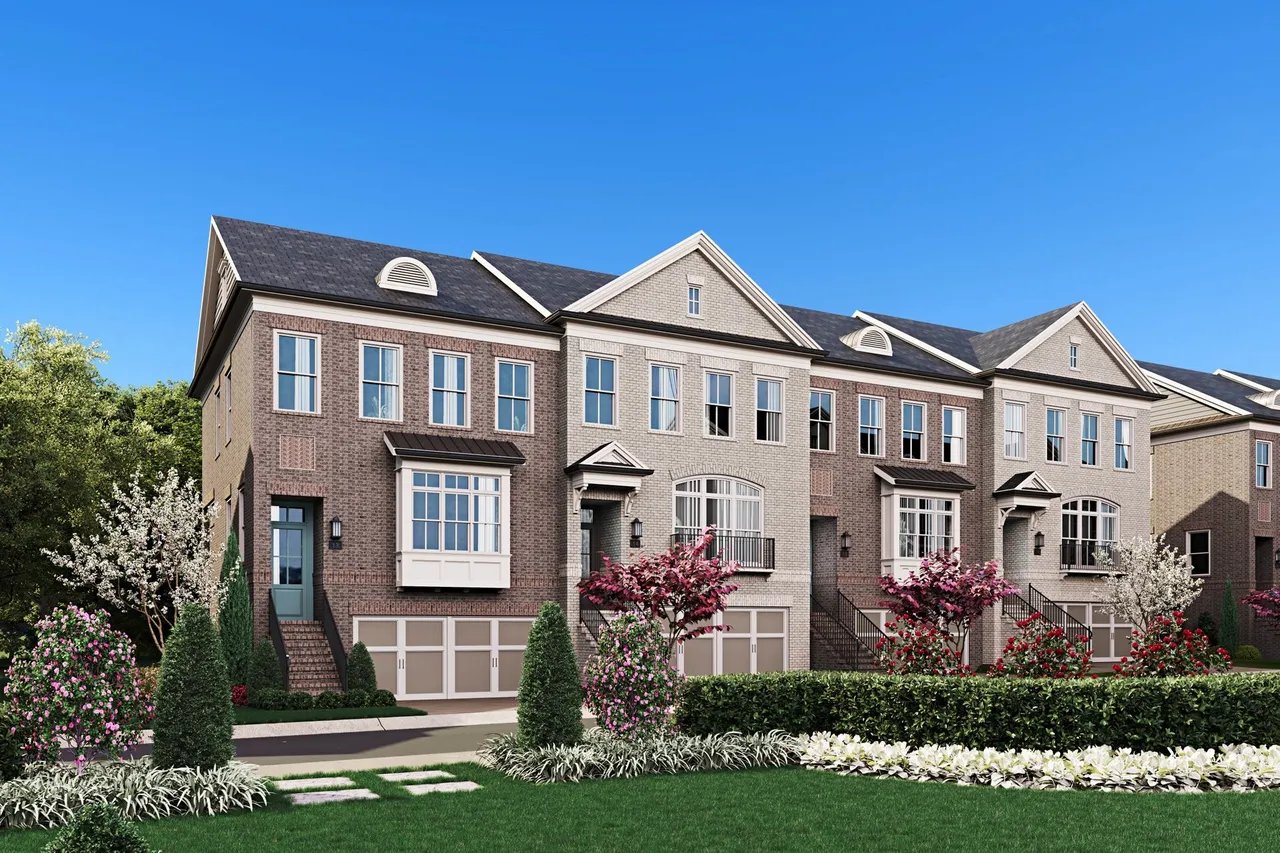
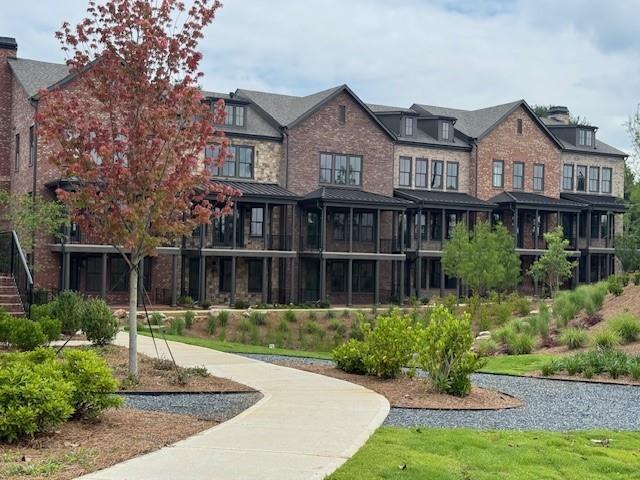
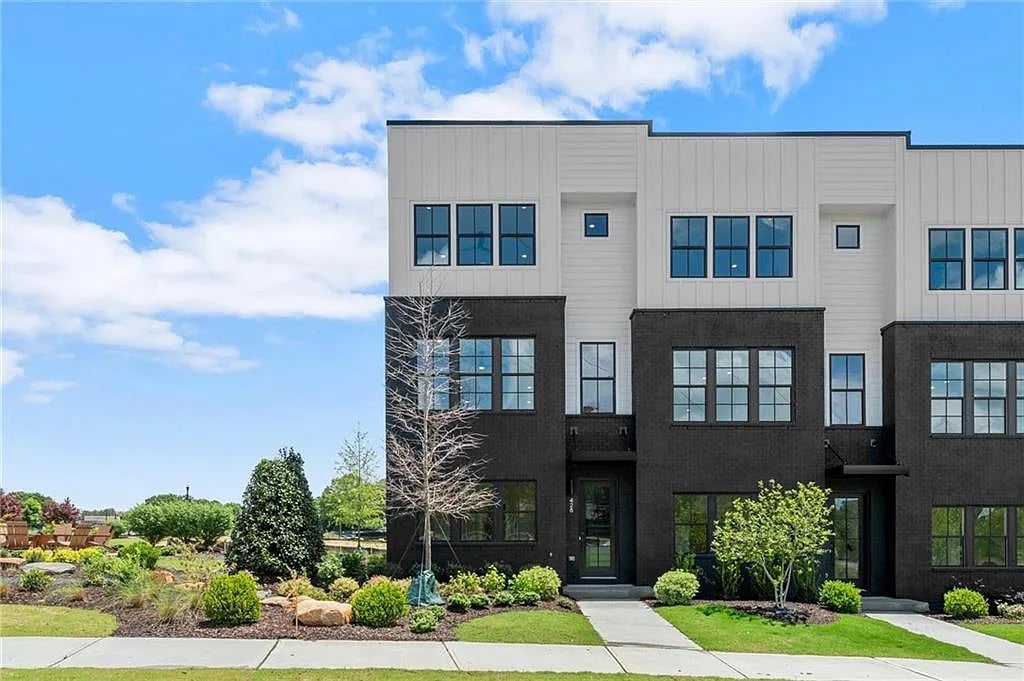
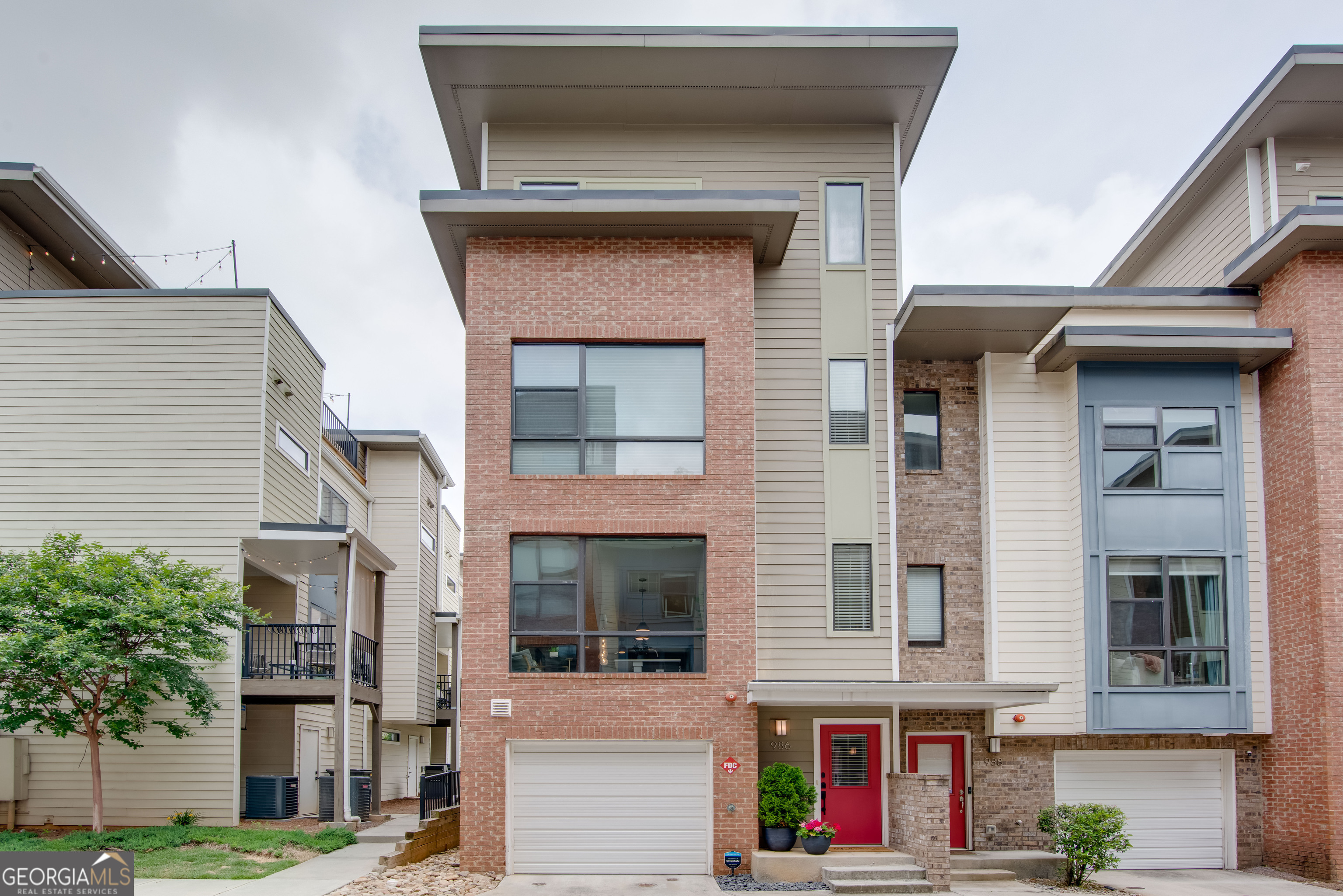
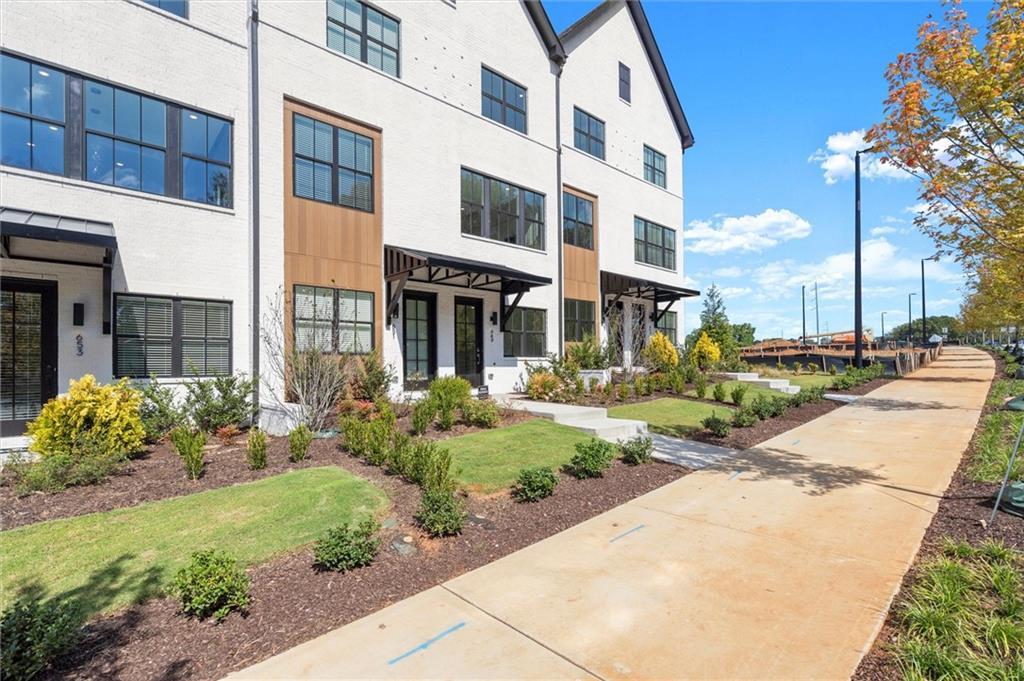
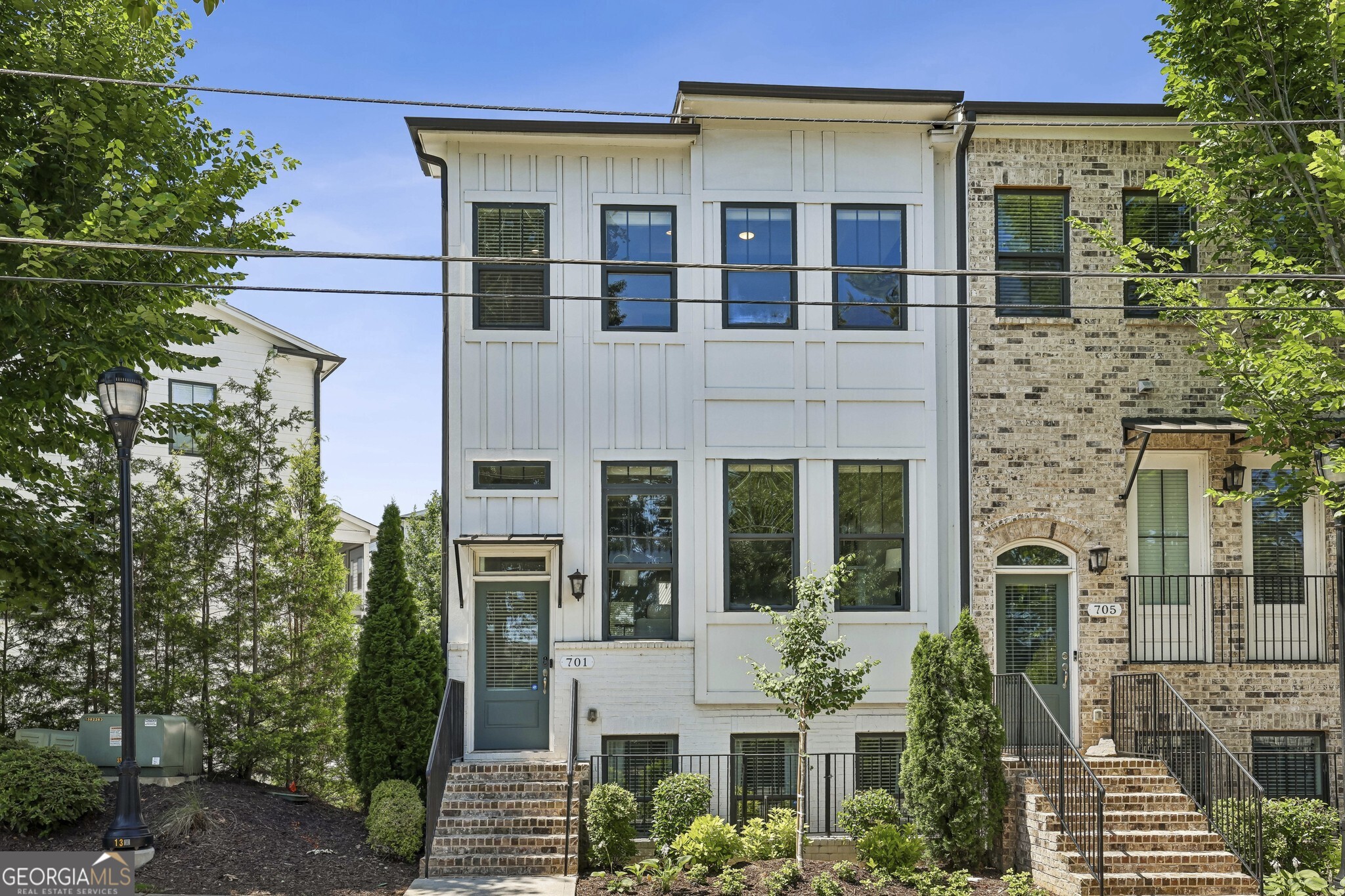
Inside the Perimeter remains the most coveted address for buyers who want walkability, urban energy, and proximity to Atlanta's cultural core. Active new construction zones include the Westside and Monroe Heights corridor, where national builders are delivering townhomes starting in the $300Ks.
Summerhill — the neighborhood directly south of downtown that once sat in the shadow of the old Olympic stadium — has been completely transformed into a thriving corridor of local restaurants and modern townhomes. Talat Market, the acclaimed Thai street food spot on Hank Aaron Drive, is emblematic of the neighborhood's revival. The Upper Westside around Bolton Road and Marietta Boulevard is seeing multiple new townhome and single-family communities rise simultaneously.
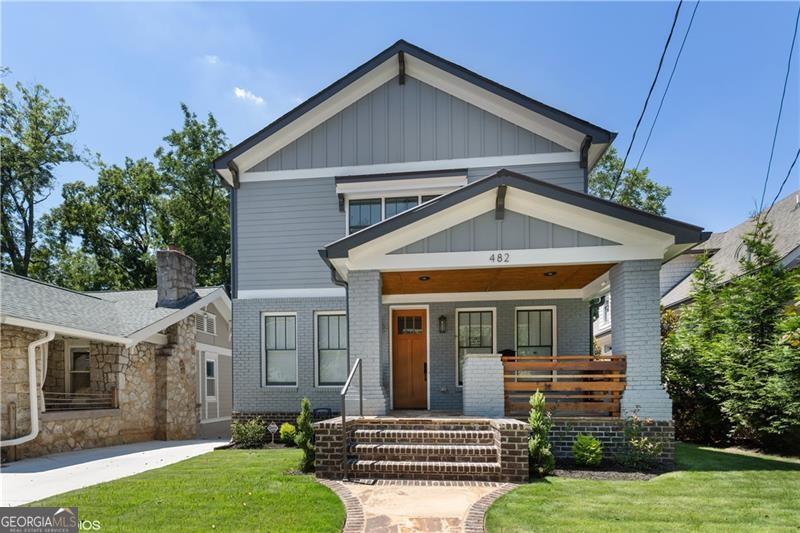
The Eastside remains one of the most active corridors for new residential development. Reynoldstown, Edgewood, Grant Park, and Old Fourth Ward are all seeing infill townhomes and condos go up at a steady pace — many within walking distance of the BeltLine's Eastside Trail and destinations like Krog Street Market and Ponce City Market.
OTP — North Atlanta Suburbs
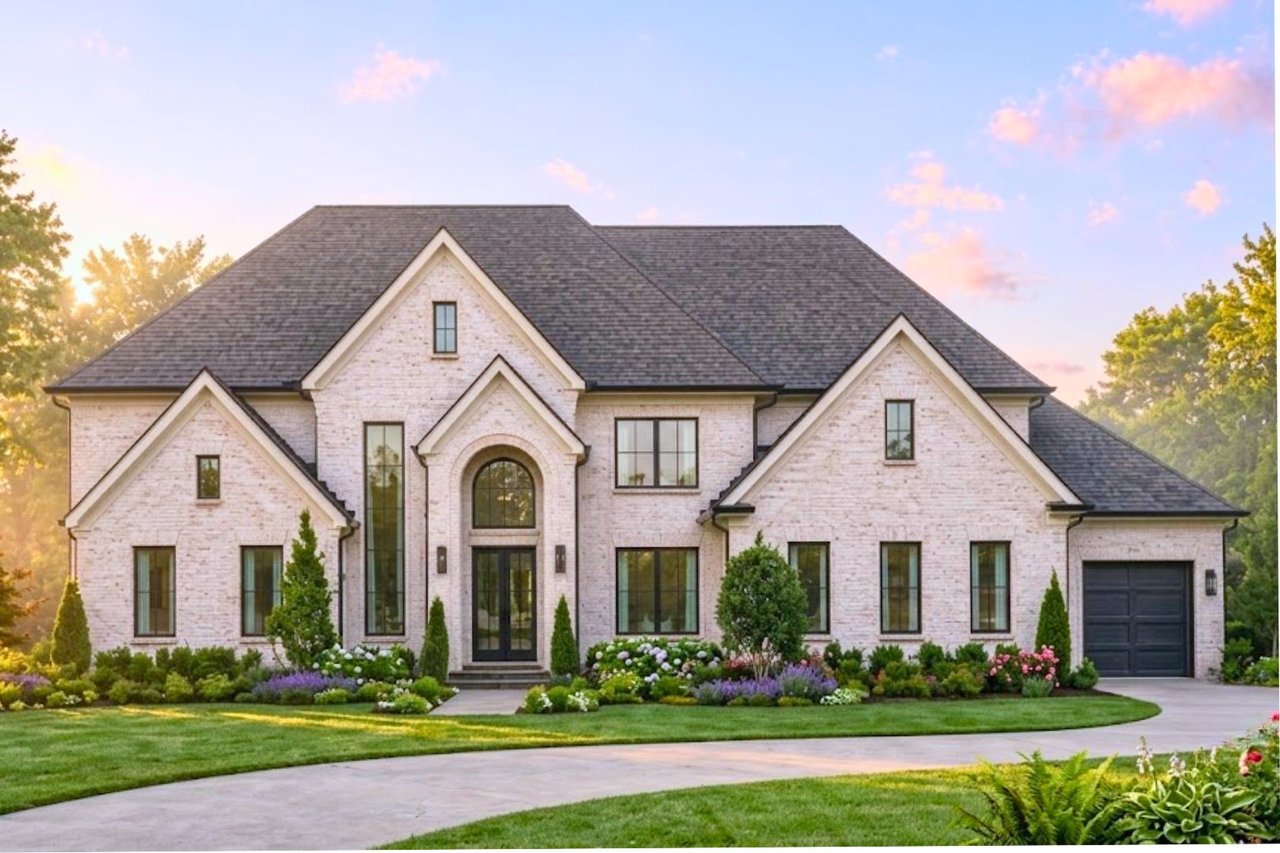
The GA-400 and I-85 corridors generate the highest volume of new construction in the metro. Forsyth County, Cherokee County, Cobb County, and Gwinnett County all offer buyers significantly more square footage, larger lots, and highly rated school systems compared to ITP options at similar or lower price points.
Lambert High School in Forsyth County ranks among the top ten public high schools in Georgia — and that kind of school performance drives enormous family demand for new communities along the corridor from Alpharetta north through Cumming and into Dawsonville. OTP is where buyers find master-planned communities with pools, dog parks, co-working lounges, and trail access at prices that can run $100,000 or more below comparable ITP builds. For relocating families, this is often the clearest path to the most home for their money.
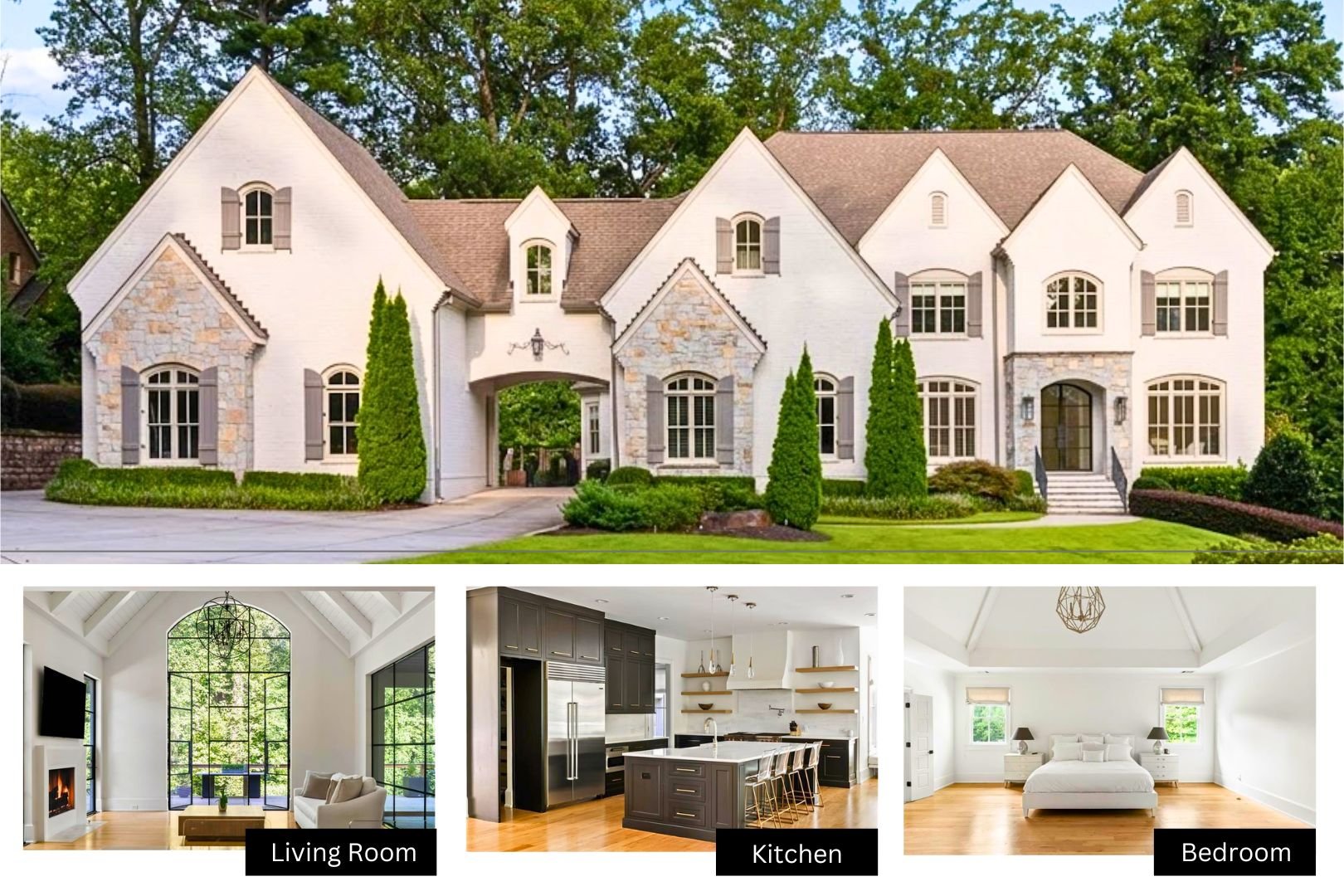
Southside Atlanta — The 2026 Breakout Zone
For years, North Atlanta captured most of the headlines and the investment. That's changing fast.
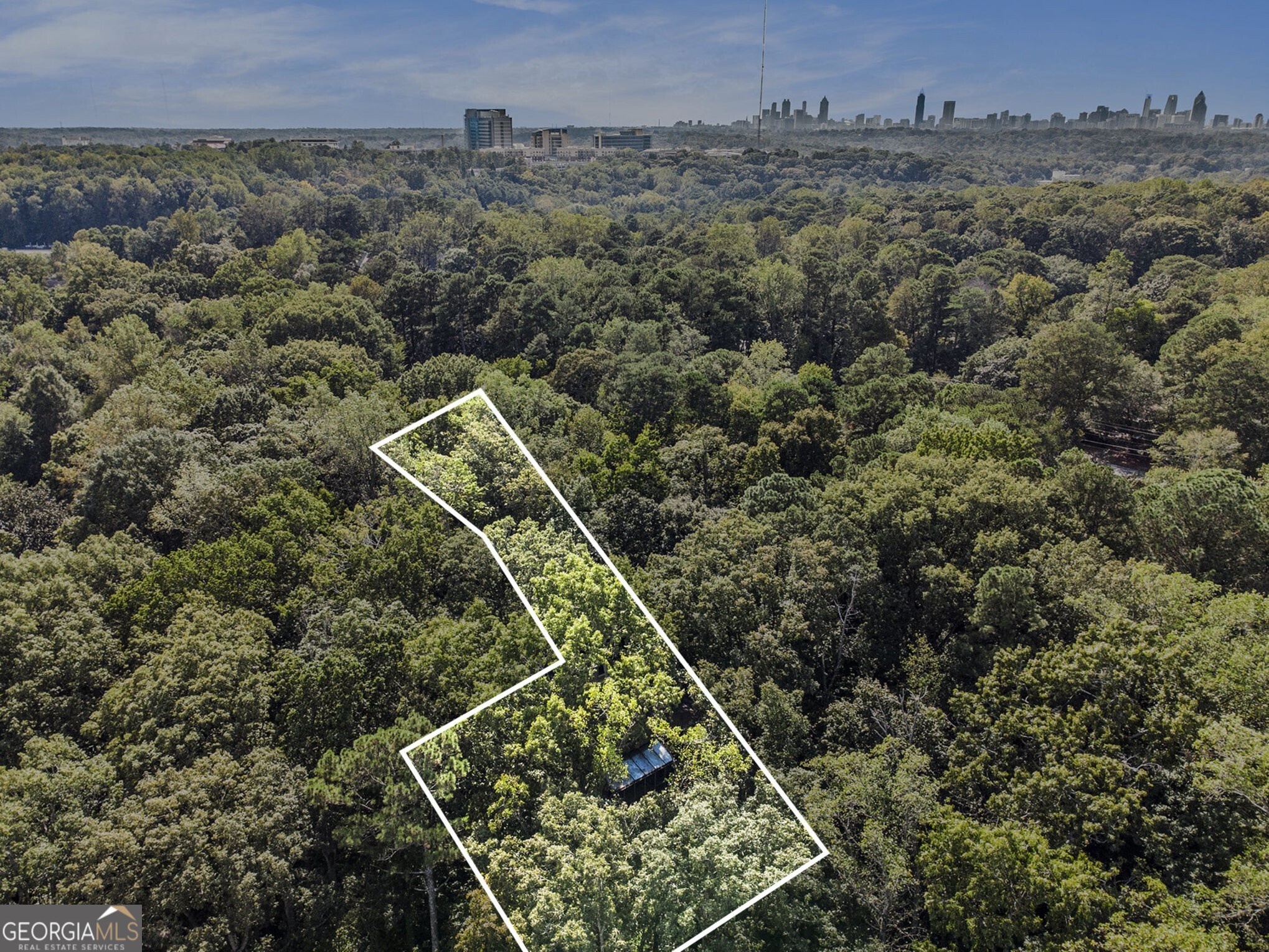
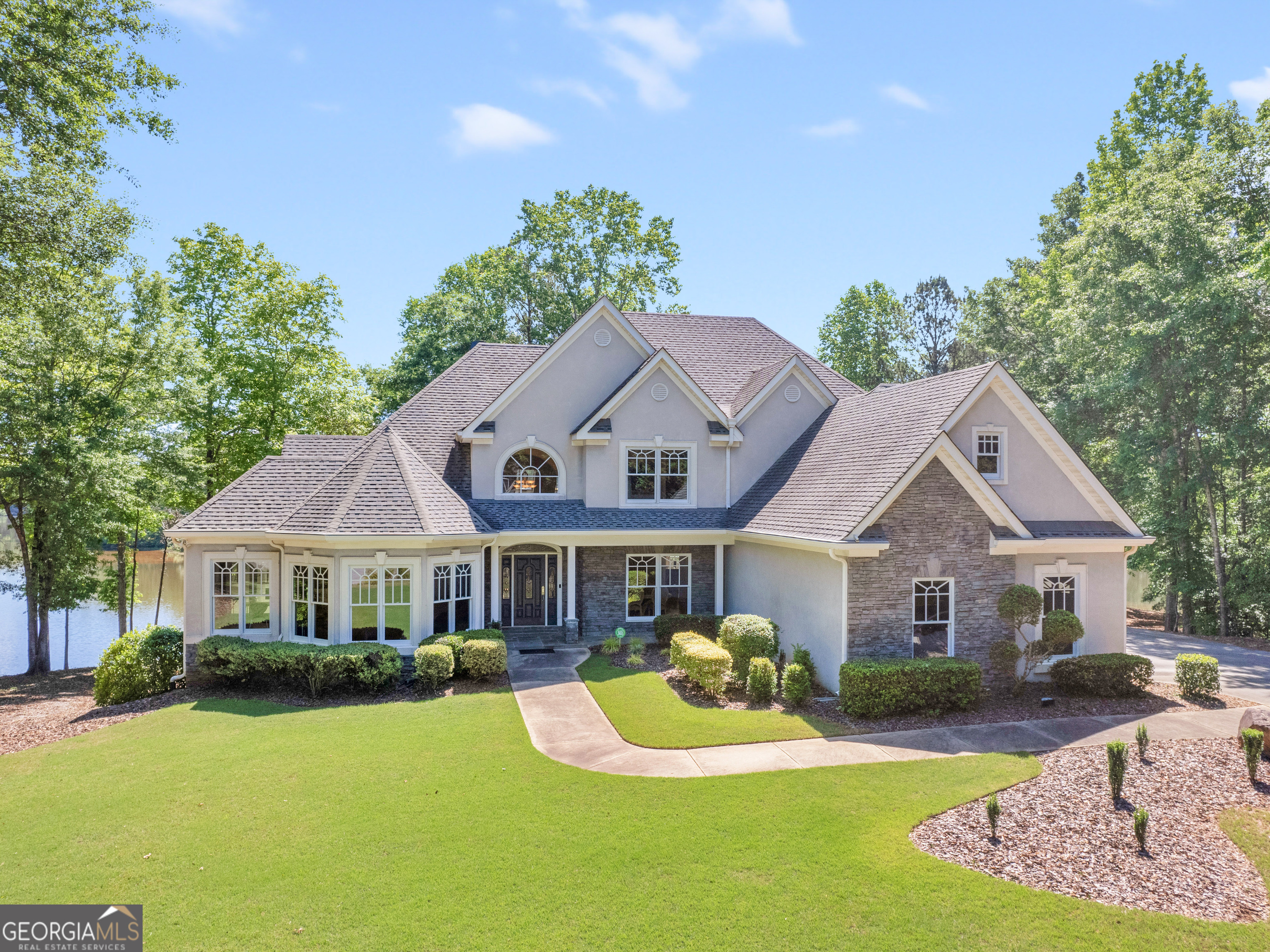
The Southside has emerged as one of the most compelling value plays in the entire metro, driven by two forces: the booming film industry at Trilith Studios in Fayetteville and the logistics infrastructure surrounding Hartsfield-Jackson Atlanta International Airport. Henry County and Fayette County are where buyers can find luxury new construction — large lots, upscale finishes, premium square footage — at price points that would buy a basic townhome in Buckhead.
Fayette County in particular appeals to buyers who want the feel of small-town Georgia with easy access to a world-class city. The Southside's infrastructure investment and job growth make it one of the strongest long-term appreciation plays in the Atlanta metro for 2026 and beyond.
The BeltLine Effect on New Construction
The Atlanta BeltLine is a 22-mile loop of former railway corridors transformed into a multi-use trail network connecting 45 neighborhoods across the city. By 2026, more than 16 miles of continuous mainline trail are complete — and the economic impact on adjacent neighborhoods has been dramatic.
Properties within walking distance of the BeltLine, particularly the Eastside Trail between Inman Park and Old Fourth Ward, command meaningful price premiums. New construction developers have responded accordingly with increased density and elevated design quality. The Westside and Southside BeltLine segments have matured significantly, opening up neighborhoods like Oakland City and Adair Park to new residential investment that would have seemed speculative just a few years ago.
Pro Tip: Buyers who purchase in BeltLine-adjacent zones today are positioning themselves for long-term appreciation as the trail continues to drive neighborhood transformation. Look at where the next completed segment lands — that's your leading indicator.
Atlanta's Top Home Builders in 2026

National Builders with a Strong Atlanta Presence
According to the 2025 Top 25 Atlanta Homebuilders ranking from MarketNsight and John Burns Research, D.R. Horton again leads the metro, followed by Ashton Woods at number two and Smith Douglas Homes moving up to number three. The top 14 builders in the Atlanta market are all national companies.
Other prominent names active across the metro include Lennar, Pulte Homes, Century Communities, Meritage Homes, Taylor Morrison, and Beazer Homes. National builders bring proven systems, significant purchasing power with suppliers, and large design studio operations — advantages that translate to faster build timelines and extensive finish options. Their preferred lender relationships often come with rate buydowns and closing cost incentives that can meaningfully reduce upfront costs, though buyers should always compare those terms against outside lenders before committing.
Regional and Local Builders Worth Knowing
Atlanta's builder landscape isn't all national. Rocklyn Homes, Traton Homes, Rockhaven Homes, Direct Residential, Piedmont Residential, and The Providence Group are among the well-regarded regional and local builders that consistently appear on Atlanta's top-builder lists. These companies often bring more flexibility on lot selection, custom options, and direct communication with buyers — advantages that matter for people who want a more personal building experience.
The tradeoff is that smaller builders may have fewer move-in-ready inventory options and more variable production timelines. Doing due diligence on a builder's financial stability, warranty program, and local reputation is as important as evaluating the floor plan itself.
Builder Incentives Heading Into 2026
The current environment favors buyers who know how to negotiate. Builders across the metro are offering bundled incentives rather than straight price cuts — most commonly 2/1 interest rate buydowns through preferred lenders and design studio credits ranging from $5,000 to $15,000. Some builders are also covering a portion of closing costs, particularly on spec inventory they want to move before the end of a quarter.
Pro Tip: Prioritize structural upgrades and lot premiums in your negotiation rather than cosmetic design selections. Structural changes add lasting resale value — paint colors don't.
New Construction Pricing in Atlanta — What to Budget in 2026
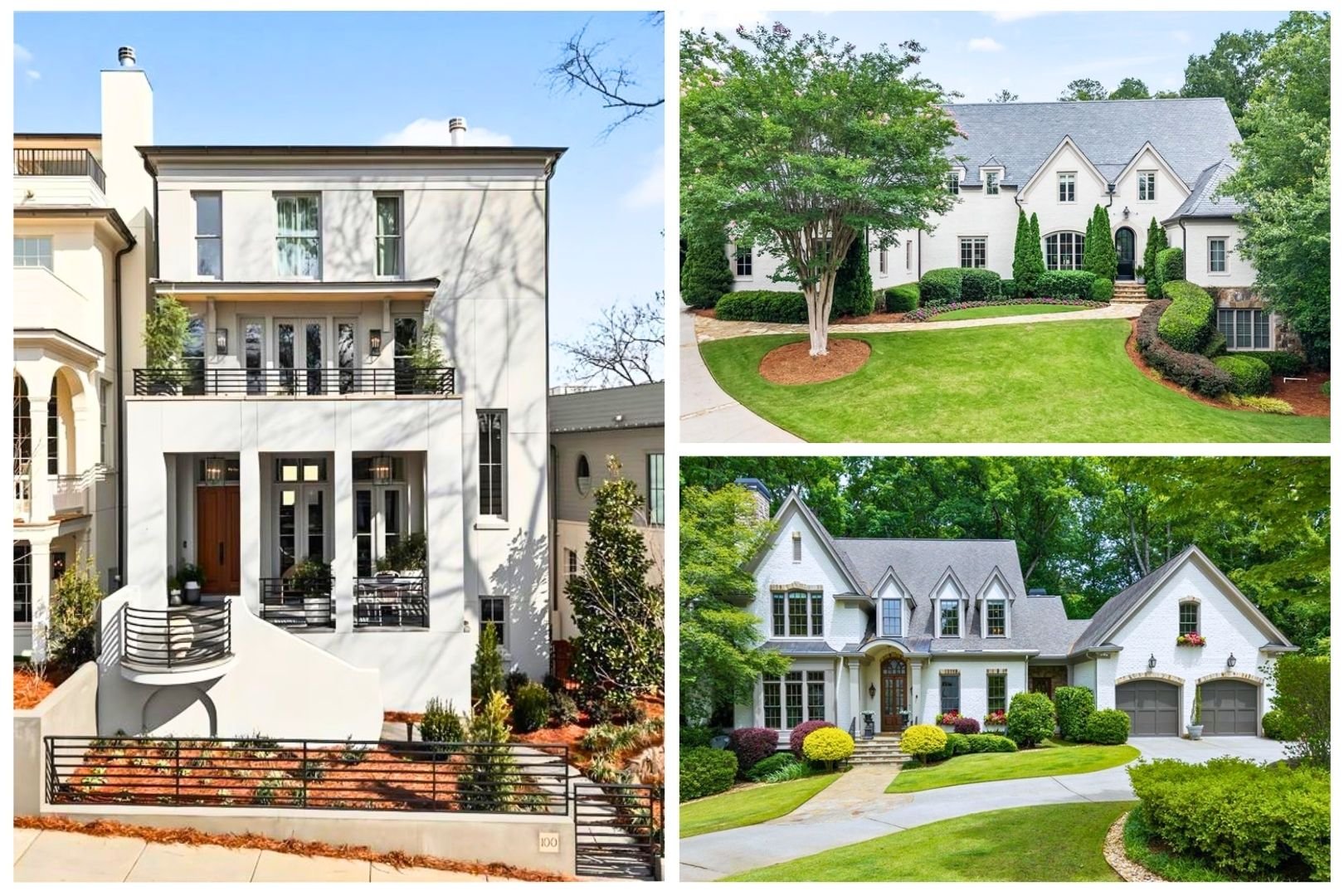
Price Ranges by Home Type and Location
Atlanta's new construction market covers a genuinely wide spectrum. Here's a practical breakdown by buyer tier:
| Buyer Tier | Price Range | Typical Location |
|---|---|---|
| Entry-level townhomes / smaller single-family | Low-to-mid $200s | Select OTP markets, Southside communities |
| Mid-range suburban single-family | $350,000–$550,000 | Cobb, Gwinnett, Cherokee, Forsyth counties |
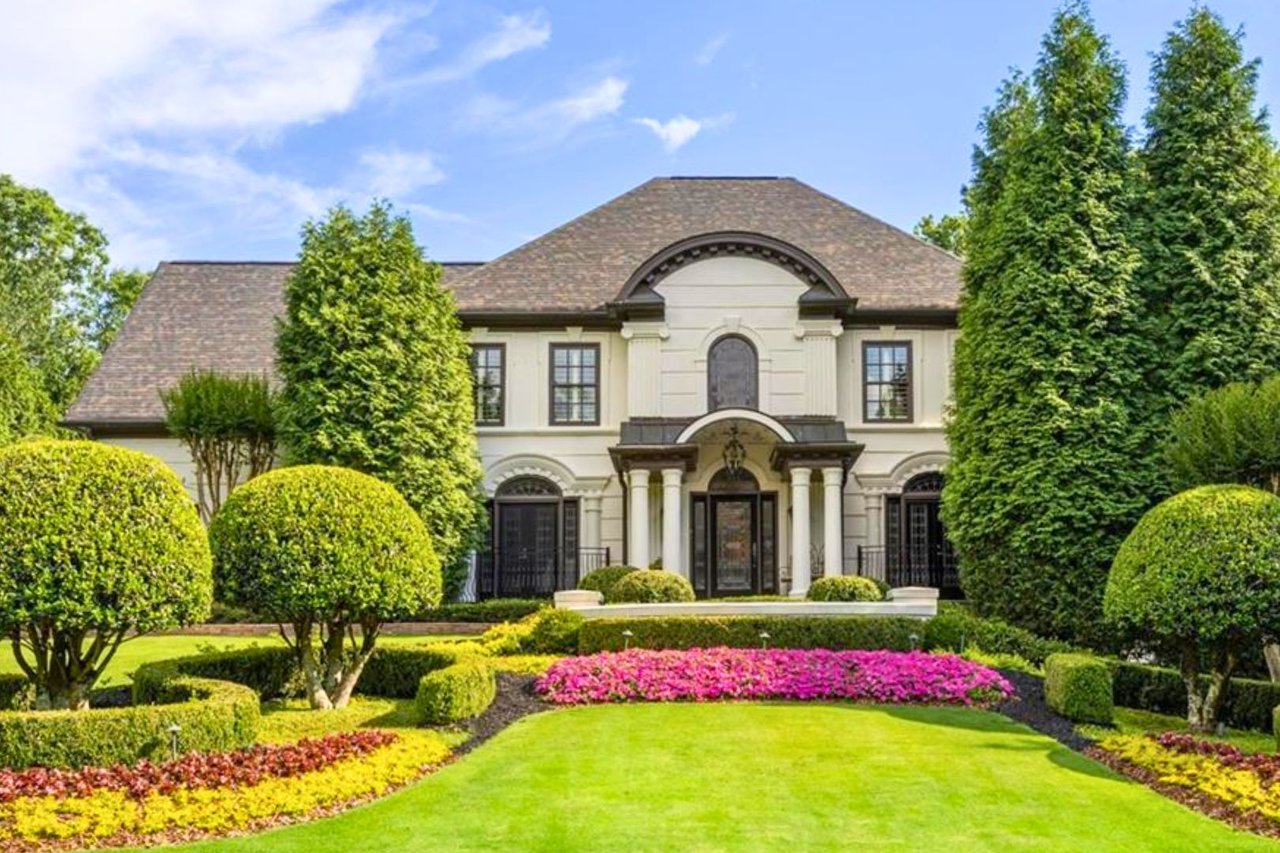
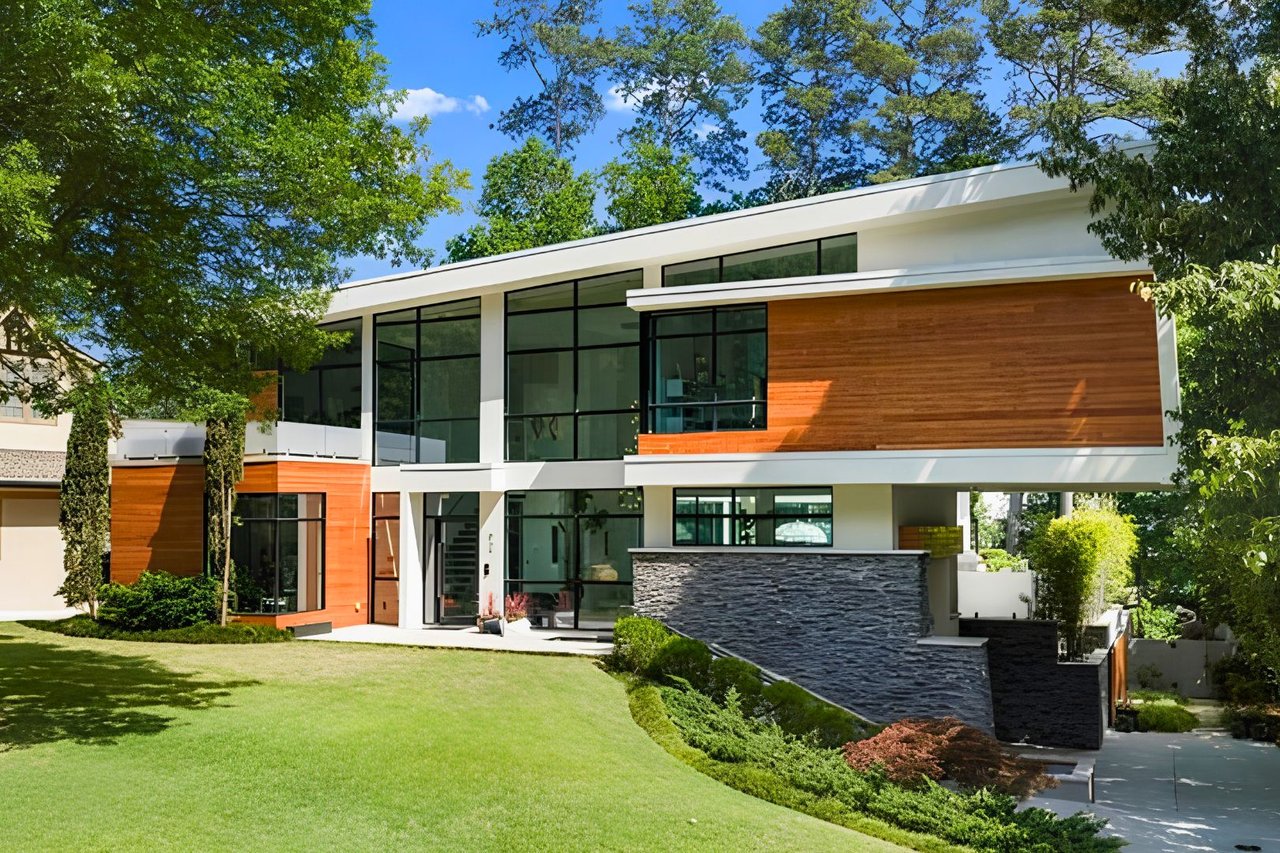
| ITP luxury / custom builds | $700,000–$2M+ | Buckhead, Midtown, intown Atlanta |
| Custom ground-up construction (per sq ft) | $150–$350/sq ft | Varies by lot, finish level, design complexity |
Financing a New Construction Home in Atlanta
As of early 2026, the 30-year fixed mortgage rate is sitting in the mid-6% range nationally, though individual rates can vary by a full percentage point or more depending on credit profile, down payment, and lender. For buyers financing with a conventional loan, the 2026 FHFA baseline conforming loan limit for one-unit properties — applicable to Fulton County and most Atlanta-area counties — is $832,750, effective January 1, 2026. That limit covers the vast majority of new construction purchases in the metro outside of high-end custom builds.
First-time buyers should investigate two key programs. The Georgia Dream Homeownership Program, administered by the Georgia Department of Community Affairs, offers up to $10,000 in down payment assistance for standard eligible buyers — and up to $12,500 for public employees, nurses, active military, and veterans under the PEN Choice designation. Buyers purchasing within Atlanta city limits should also explore Invest Atlanta, which offers up to $20,000 in forgivable down payment and closing cost assistance, structured as a loan fully forgiven after five years of owner occupancy. These programs can be combined in some cases, meaningfully reducing the cash needed to close.
The Step-by-Step Process of Buying New Construction in Atlanta
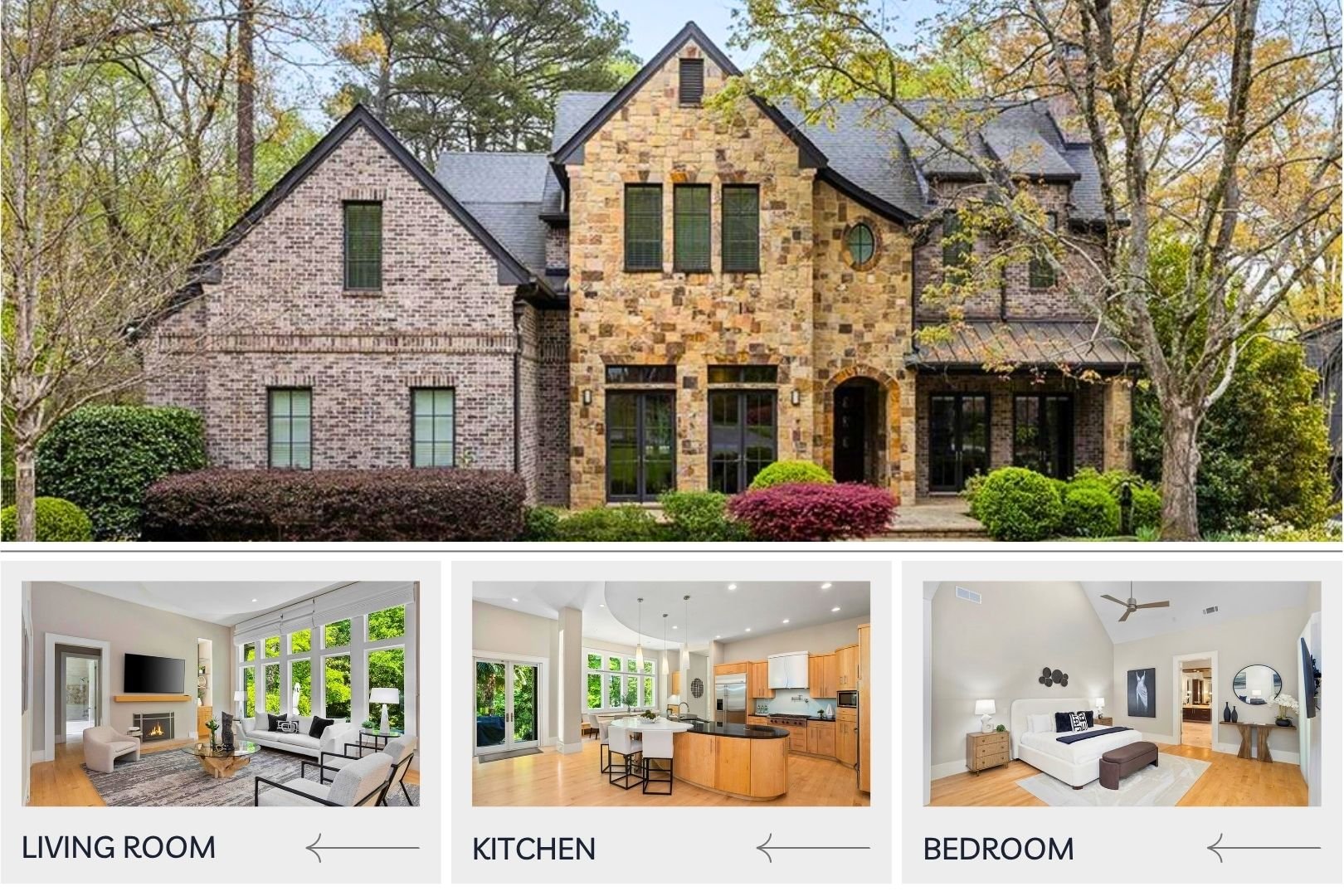
Step 1 — Get Pre-Approved Before You Visit a Model Home
Builder sales agents are professional, knowledgeable, and represent the builder's interests — not yours. Walking into a model home without independent pre-approval puts you at an informational disadvantage from the start. Getting pre-approved with an independent lender first gives you a clear budget, a benchmark to evaluate the builder's preferred lender incentives against, and real credibility when you're ready to negotiate.
Step 2 — Use a Buyer's Agent (It Costs You Nothing)
Builder contracts are typically written on the builder's own forms — not Georgia Association of REALTORS® standard forms — and they are written to protect the builder. Having an experienced buyer's agent review those contracts, advise on upgrade selections, and negotiate on your behalf costs you nothing out of pocket, since agent compensation is typically paid by the builder.
Steps 3 Through 6 — Build Timeline, Negotiation, Inspection, and Warranty
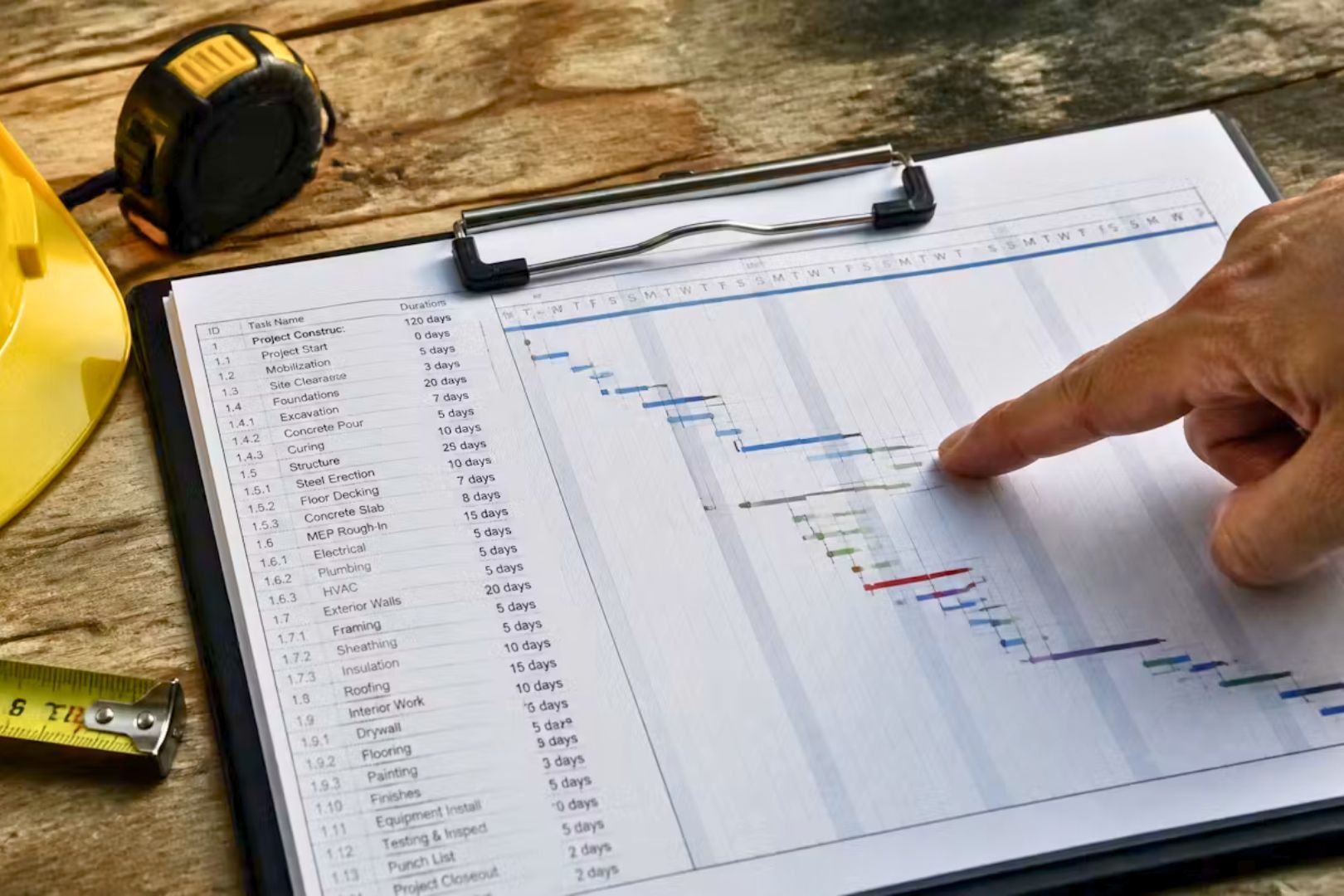
Average completion timelines for new builds in Atlanta-area counties have been running approximately 10 months or longer, affected by material lead times on HVAC systems, windows, and garage doors, as well as Georgia's unpredictable weather. Plan your temporary housing and rate lock strategy accordingly.
When negotiating, focus on lot premiums, structural options, and closing cost coverage rather than base price. Ask about move-in-ready spec homes, which sometimes offer better overall value and a faster path to occupancy than to-be-built contracts. Always hire an independent third-party inspector before closing — even on a brand-new home. Issues with grading, insulation, HVAC installation, and plumbing connections are not uncommon in new construction and are far easier to address before you close than after.
Finally, review your builder's warranty coverage carefully. Top Atlanta builders typically offer:
- Structural warranties of up to 10 years
- Separate coverage for materials and workmanship
- Coverage for plumbing, electrical, and mechanical systems
Understand what's covered, what requires written notice, and how the claims process works before you sign anything.
Pros and Cons of Buying New Construction in Atlanta
Advantages of New Construction
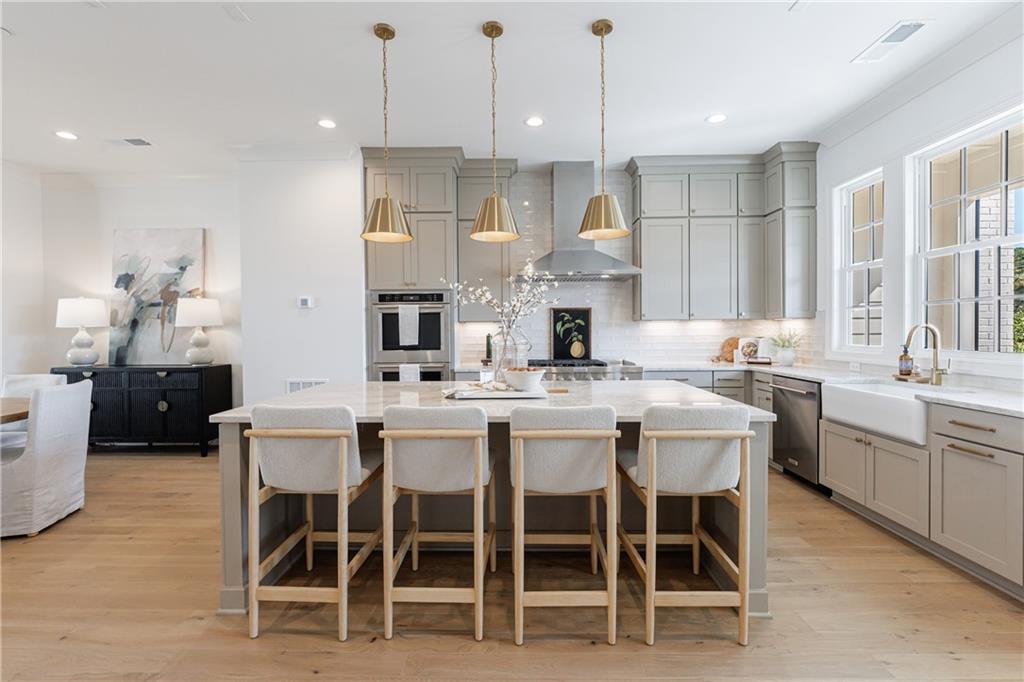
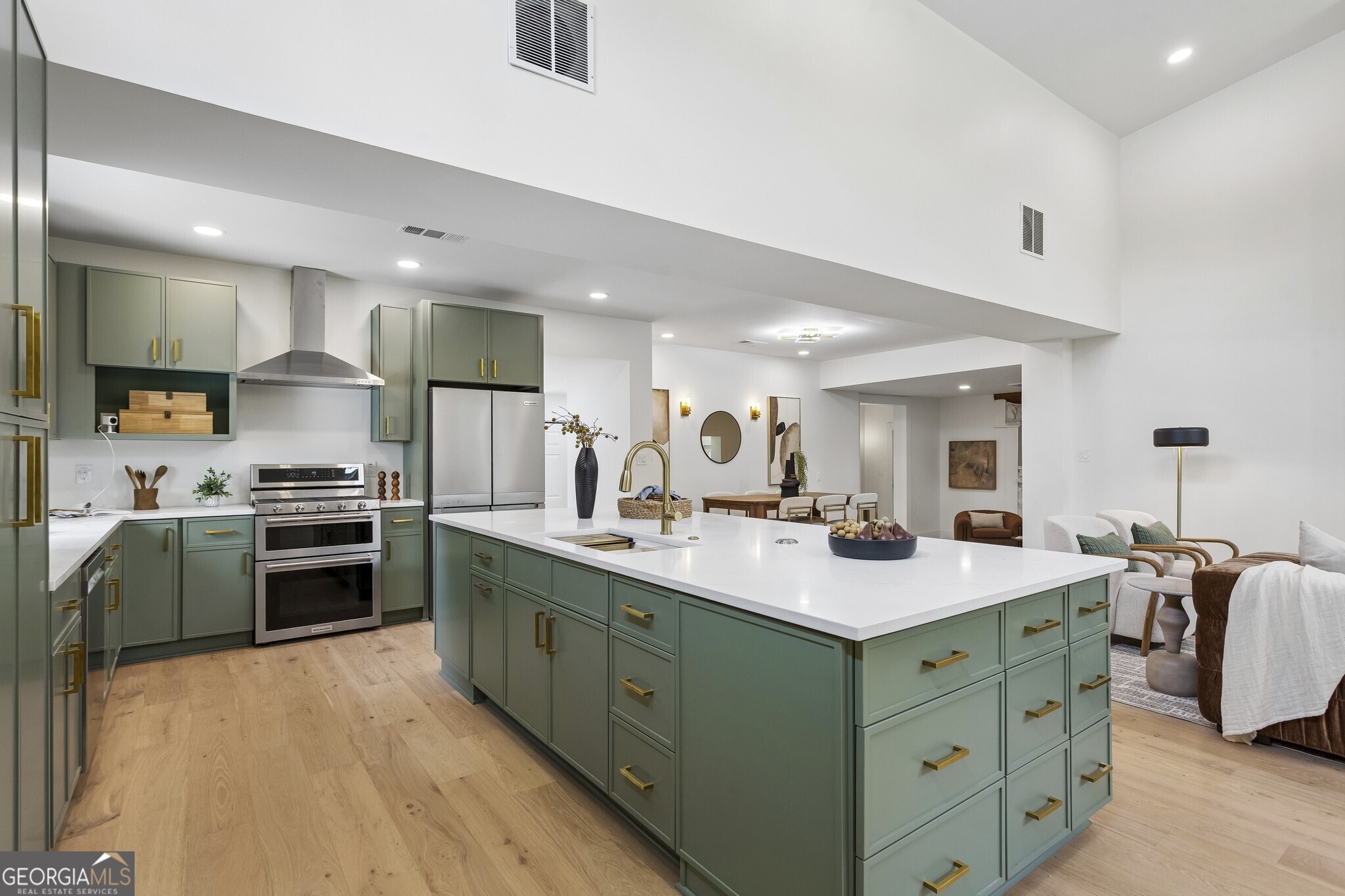
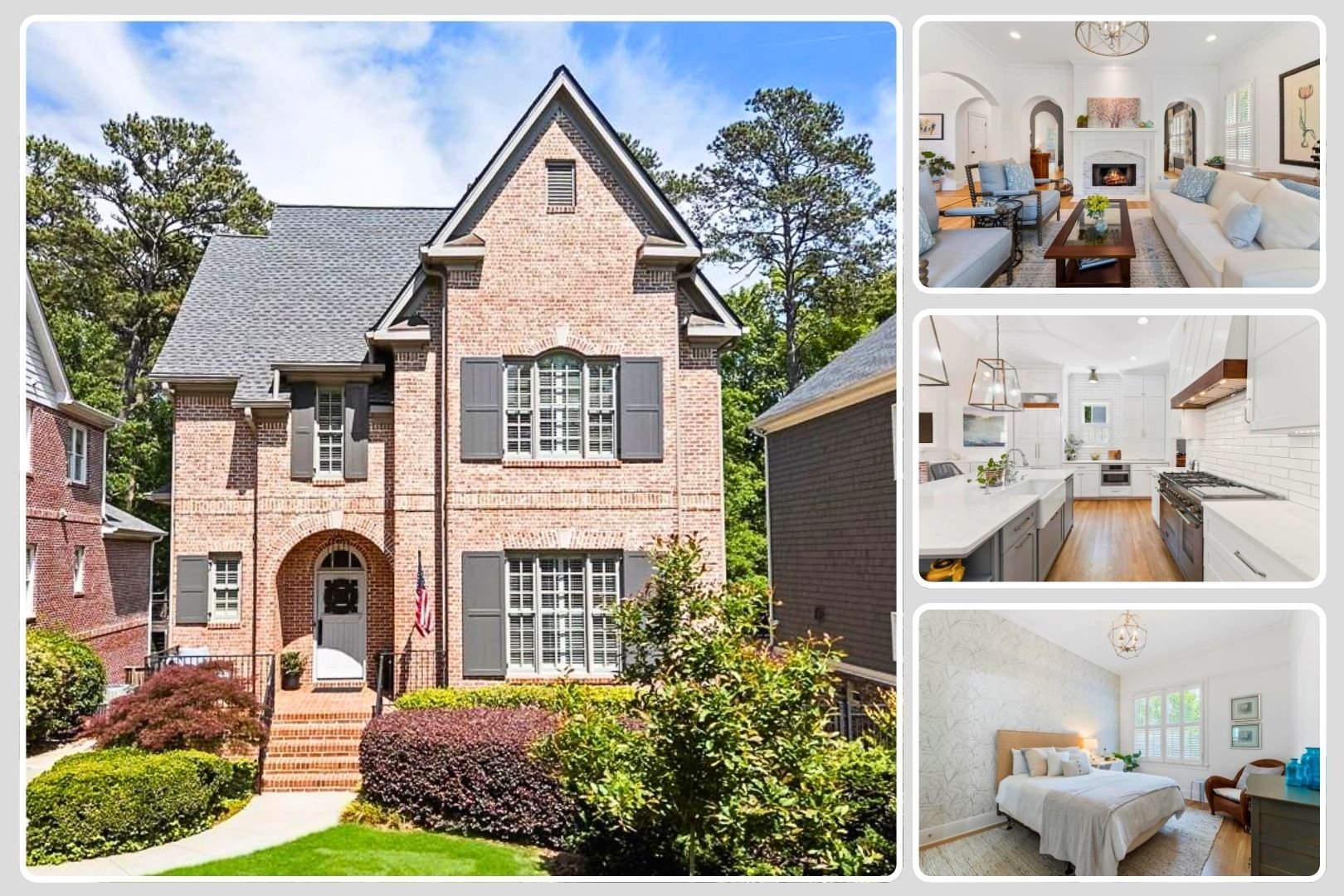
Modern floor plans built for the way people actually live today — open-concept kitchens, dedicated home office spaces, primary suites with spa-style bathrooms — are one of the most consistent draws of new construction. Energy-efficient building envelopes, smart home technology, and updated HVAC systems translate directly to lower utility bills and higher comfort. You also know the full maintenance history of the home, because there isn't one yet, and builder warranties provide a meaningful buffer against early repair costs that resale buyers often face immediately.
Community amenities in Atlanta's new master-planned developments are genuinely impressive — resort-style pools, dog parks, trails, community gardens, and in some communities, on-site co-working spaces designed specifically for remote workers. Unlike resale, new construction gives you the ability to choose your lot, select your finishes, and in many cases make structural modifications before the home is framed.
Potential Drawbacks to Know Before You Commit
The new construction premium is real. At roughly $94,000 above the metro resale median in 2026, new construction isn't always the financially optimal choice for every buyer. Build timelines of 10 or more months require careful planning around lease expirations, rate lock strategies, and the emotional stamina for a longer wait.
Lots in master-planned communities tend to be smaller than comparable resale properties, and HOA fees plus any community development district assessments can add substantially to monthly carrying costs. Always calculate the full monthly cost — mortgage, HOA, utilities, and any CDD fees — before comparing new construction to resale alternatives. And have a real estate attorney or your buyer's agent review the builder contract before signing anything.
Frequently Asked Questions: New Construction Homes in Atlanta, GA
What is the median price of a new construction home in Atlanta in 2026?
The median new construction sale price in the Atlanta metro is $489,000 as of May 2026, with a median price per square foot of $206. Pricing varies significantly by location — ITP new construction generally commands a premium over OTP communities, and builder tier makes a meaningful difference as well.
What are the best areas in Atlanta for new construction?
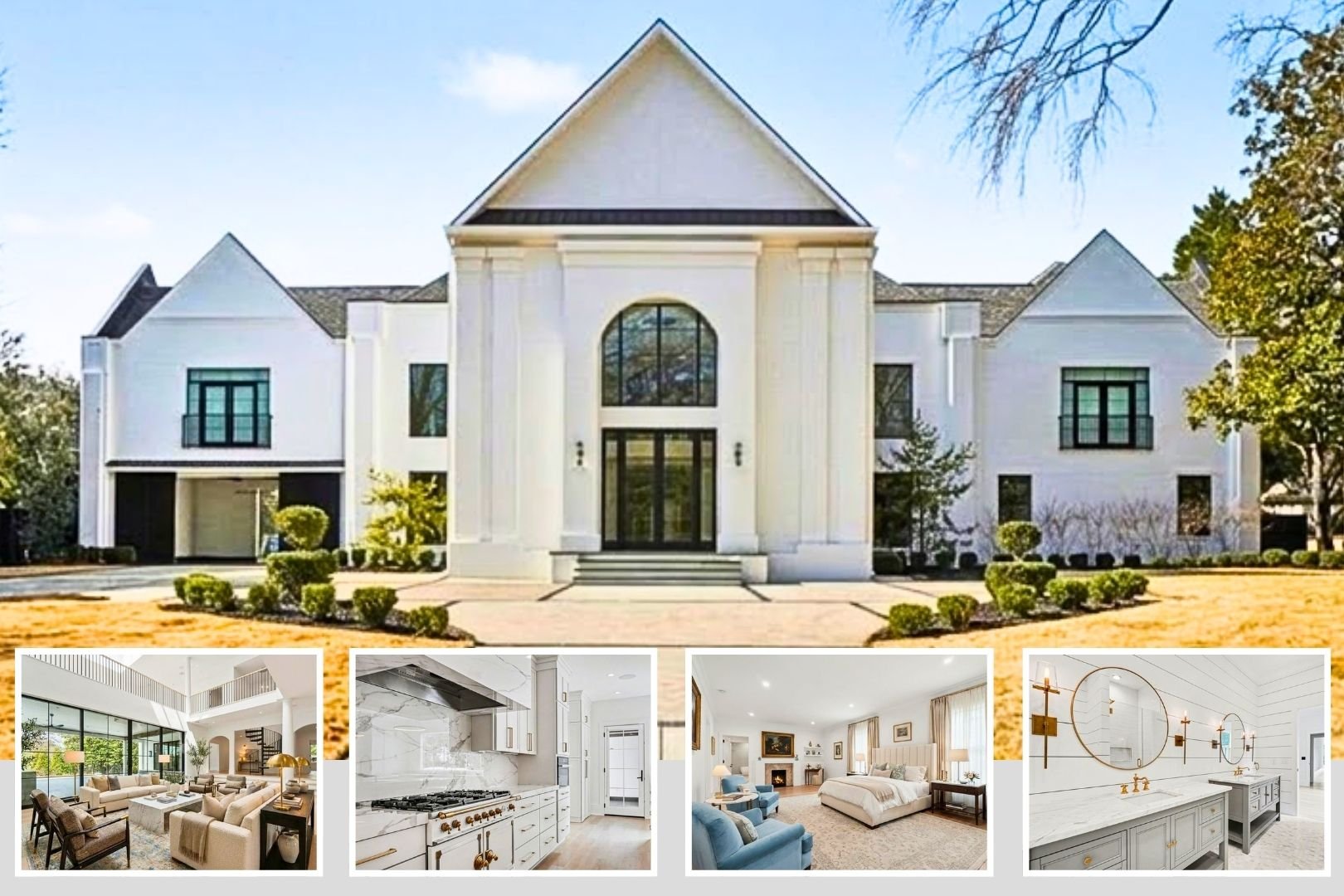
ITP buyers tend to focus on Westside/Monroe Heights, Summerhill, Reynoldstown, and Old Fourth Ward. North OTP buyers gravitate toward Forsyth, Cherokee, Cobb, and Gwinnett counties for value, space, and school quality. The Southside — particularly Henry and Fayette counties — is the 2026 breakout story for buyers seeking luxury finishes at significantly lower price points. The market genuinely offers options from affordable starter homes in emerging neighborhoods to luxury estates in established ones.
Who are the top home builders in Atlanta in 2026?
The MarketNsight and John Burns Research ranking puts D.R. Horton first, followed by Ashton Woods and Smith Douglas Homes. Other major national builders active in the metro include Lennar, Pulte, Century Communities, Meritage Homes, Taylor Morrison, and Beazer Homes. Respected regional builders include Traton Homes, The Providence Group, Rocklyn Homes, Rockhaven Homes, and Brock Built.
Do I need a real estate agent to buy new construction in Atlanta?
You don't need one, but you should absolutely use one. The builder's on-site sales agent represents the builder — full stop. A buyer's agent represents your interests, reviews the builder's contract, advises on upgrades and lot selection, and negotiates on your behalf, all at no cost to you since the builder typically covers buyer's agent compensation. There is no scenario where skipping representation benefits the buyer.
How long does it take to build a new home in Atlanta?
Most new builds in Atlanta-area counties are taking approximately 10 to 12 months from contract to closing, though timelines vary by builder, community, and the specific floor plan and options selected. Material supply chains, weather events, and permitting timelines all affect the schedule. Plan your temporary housing and mortgage rate lock strategy around a 10-plus-month window to avoid being caught off guard.
Are there down payment assistance programs available for new construction in Atlanta?
Yes. The Georgia Dream Homeownership Program offers up to $10,000 in down payment assistance for standard eligible first-time buyers, and up to $12,500 for educators, healthcare workers, active military, and veterans. Buyers purchasing within Atlanta city limits should also explore Invest Atlanta, which provides up to $20,000 in forgivable assistance — fully forgiven after five years of owner occupancy. In some cases, these programs can be layered together to meaningfully reduce upfront costs.
Conclusion: Atlanta's New Construction Market in 2026 Is Full of Real Opportunity
Atlanta enters 2026 as one of the most dynamic new construction markets in the Southeast — diverse in geography, varied in price point, and backed by a population and employment base that shows no signs of slowing. From BeltLine-adjacent townhomes in Summerhill to master-planned communities along GA-400 to value-driven luxury builds on the Southside, the metro offers something meaningful for nearly every buyer profile.
The keys to navigating it successfully are straightforward: know your geography, understand the full cost picture, work with experienced professionals, and don't skip the independent inspection or the contract review. Atlanta's ongoing BeltLine expansion, continued infrastructure investment, and sustained corporate growth create a compelling case for long-term appreciation across multiple areas of the metro. Buyers who do their homework now are likely to look back on 2026 as a smart time to have made their move.
If you're ready to explore new construction homes in Atlanta or simply have questions about where to start, reach out to our team and let's find the right home for you.