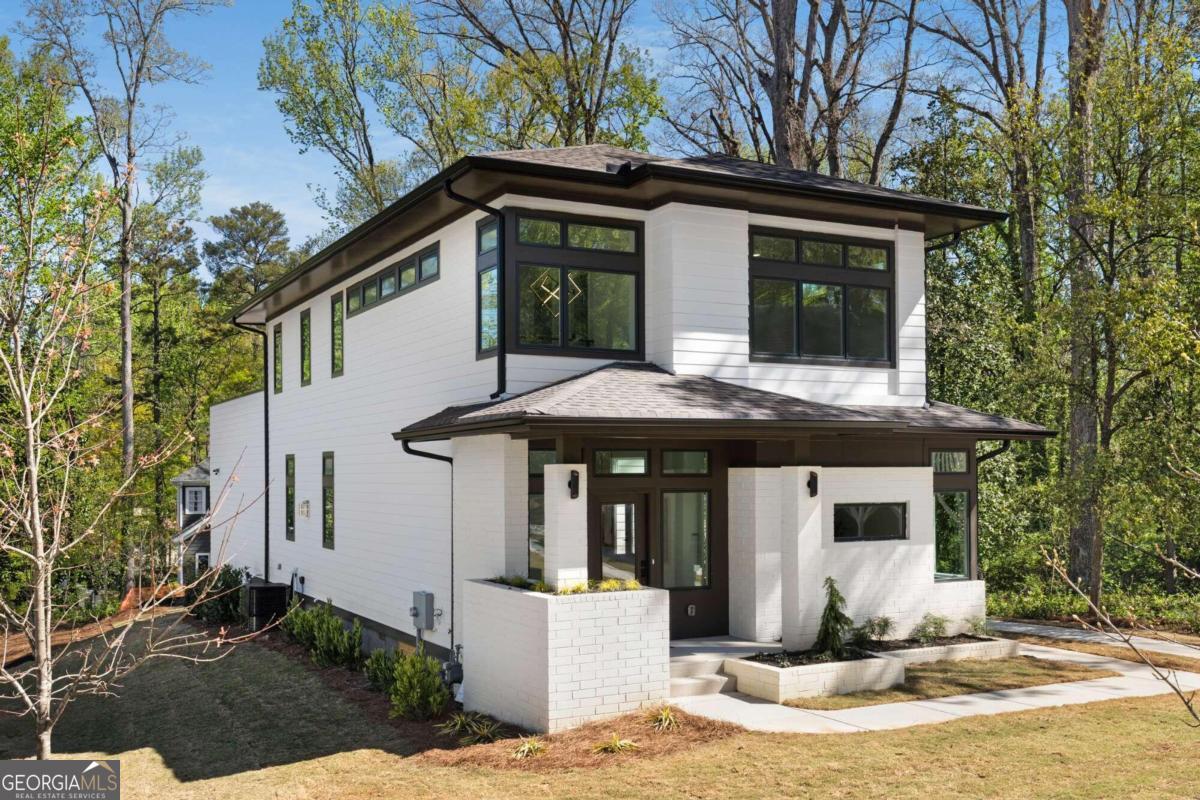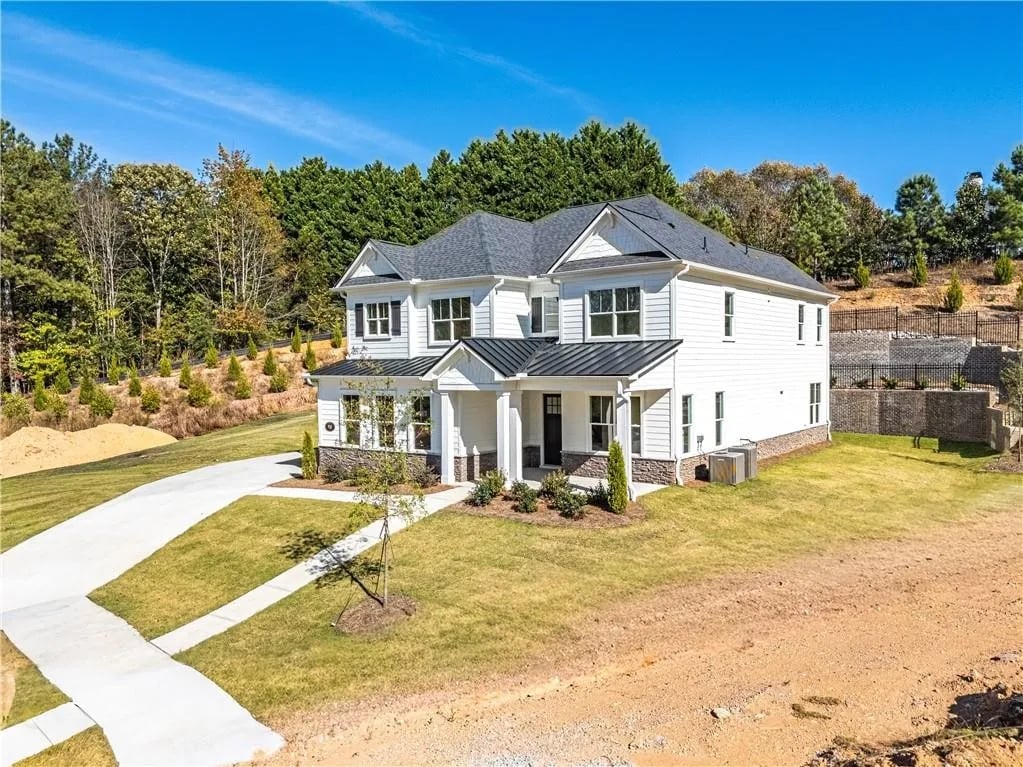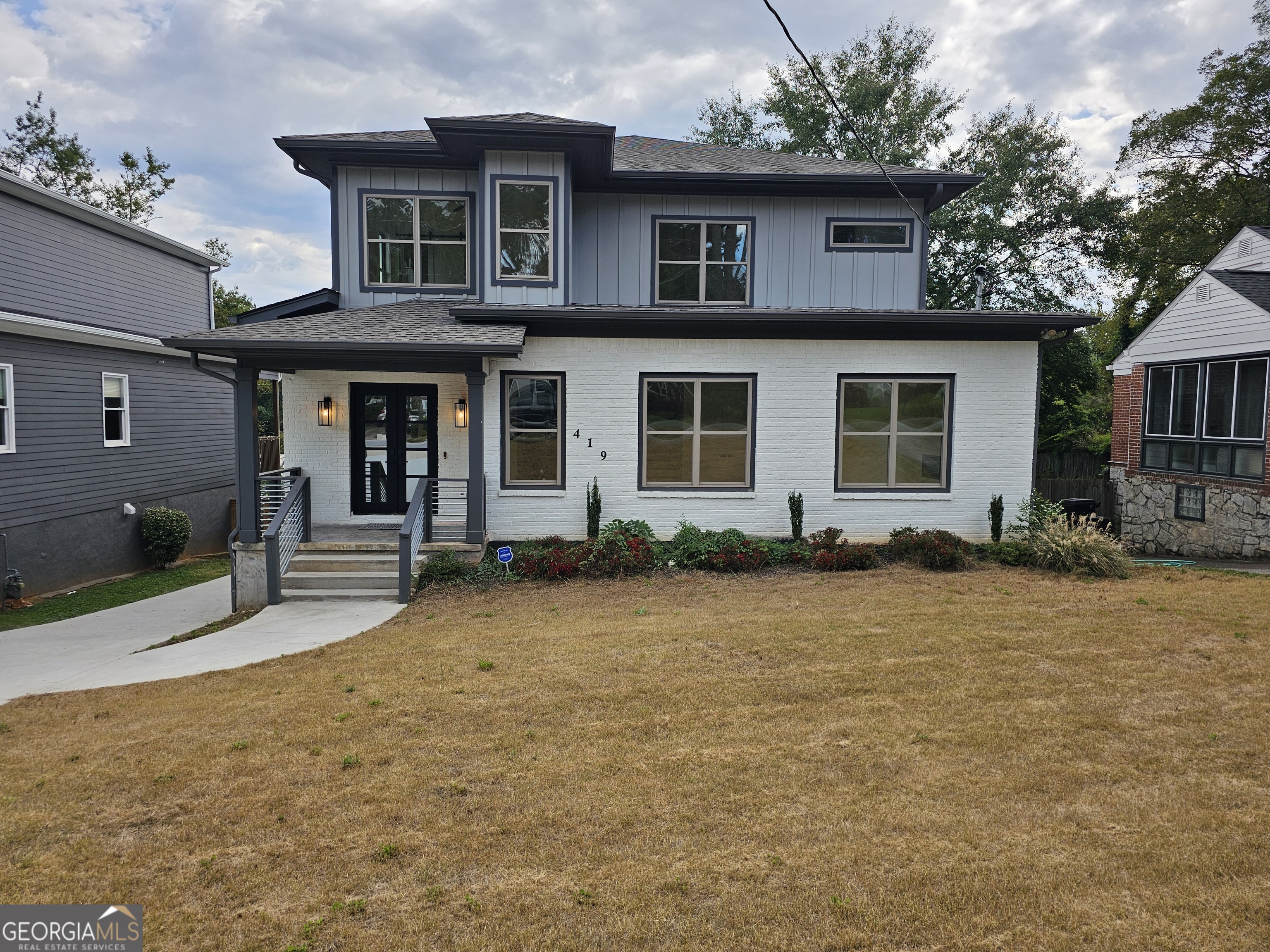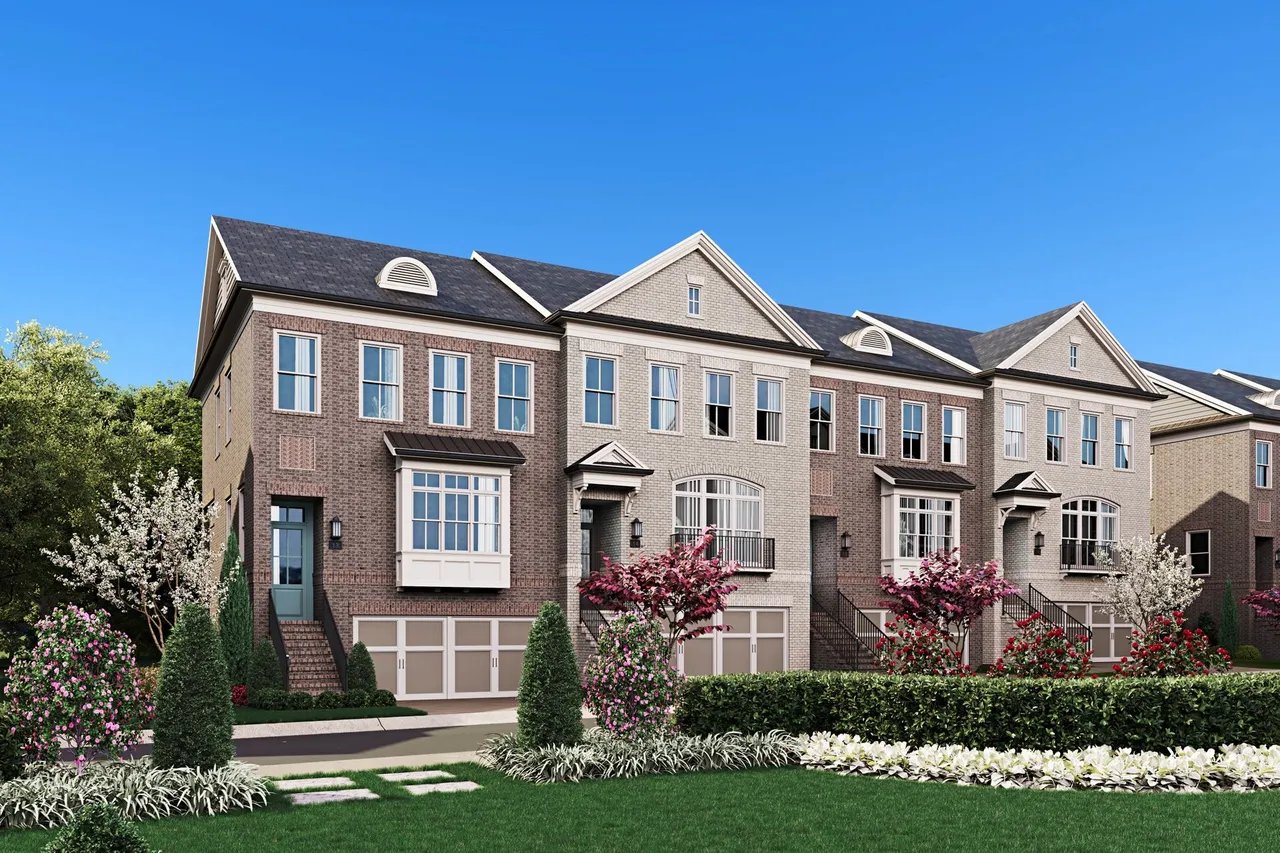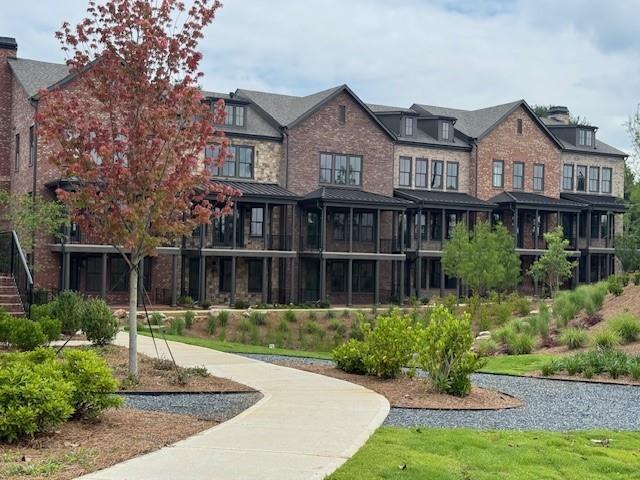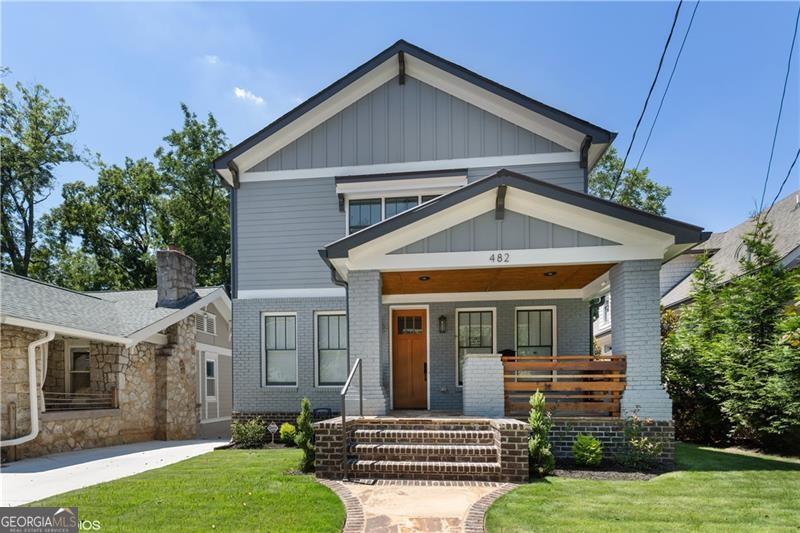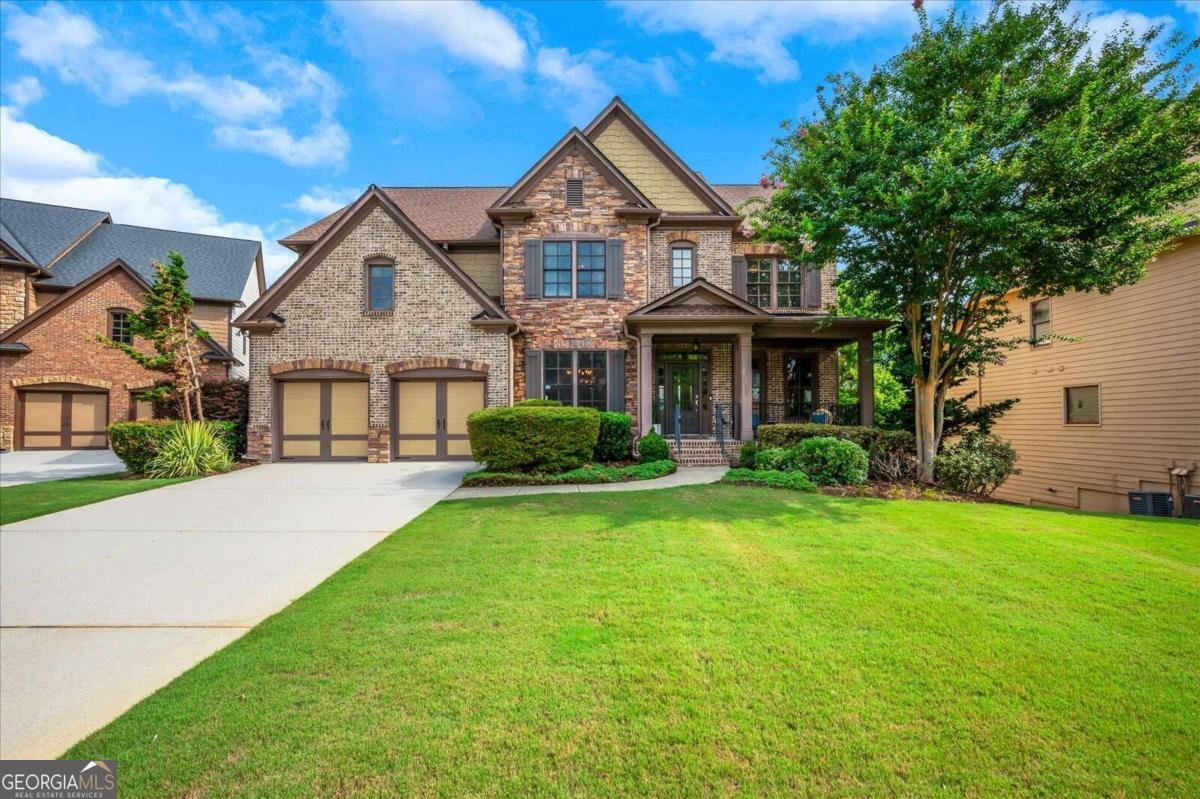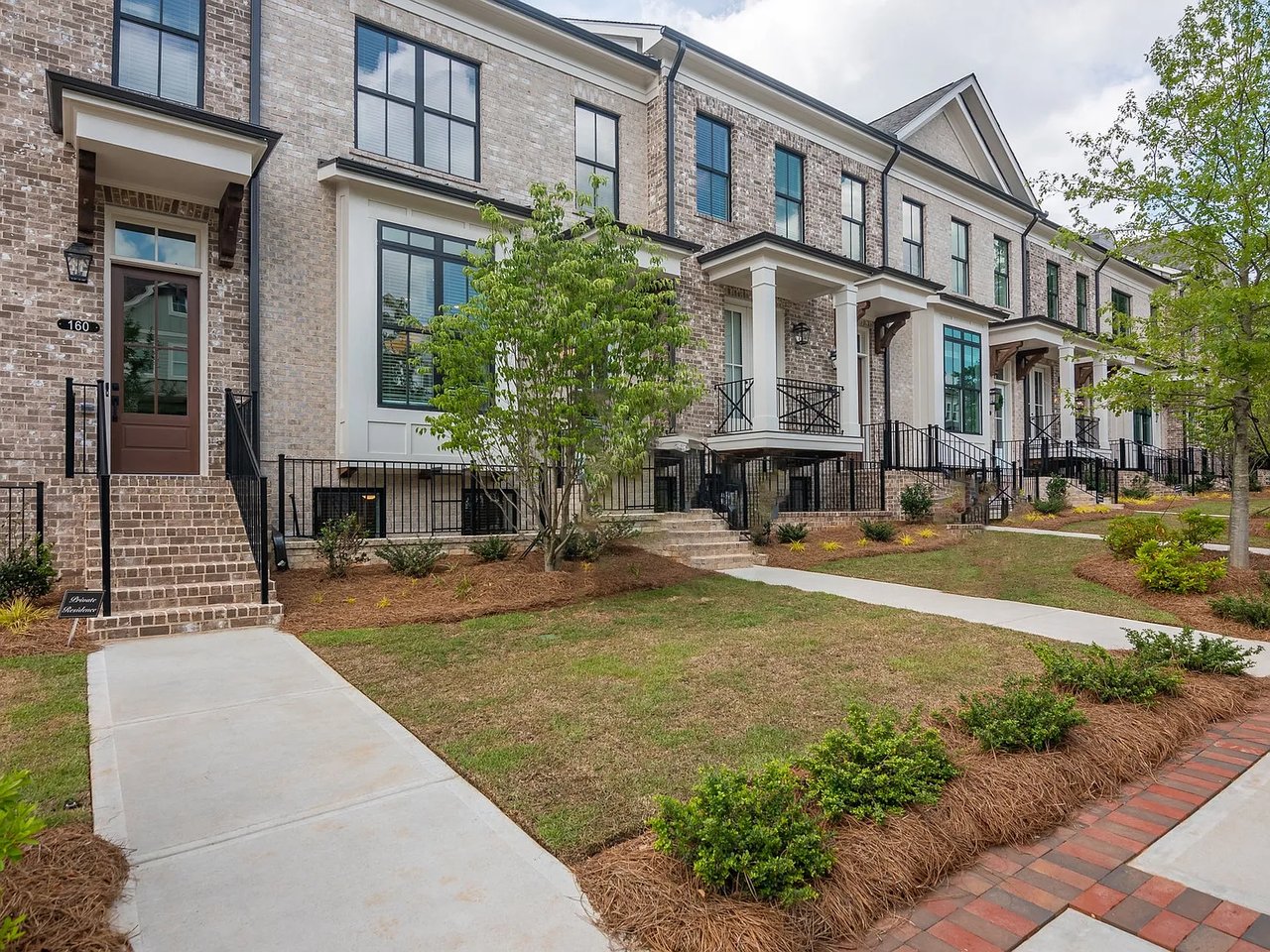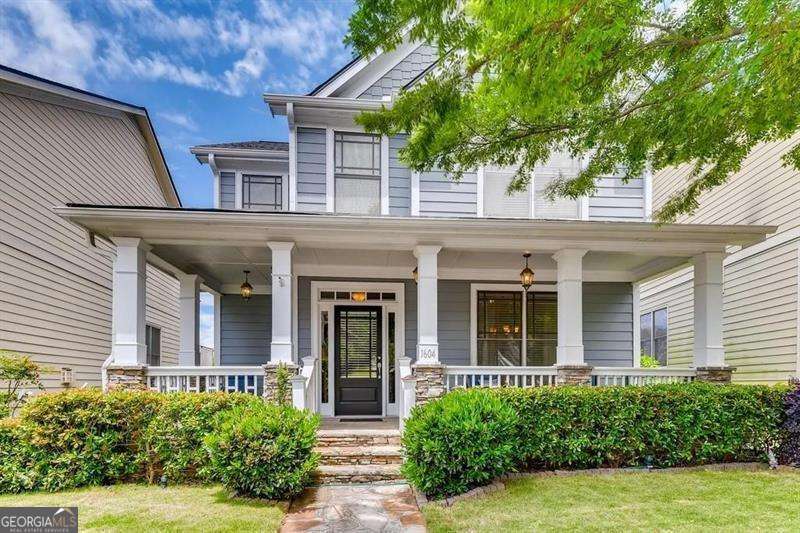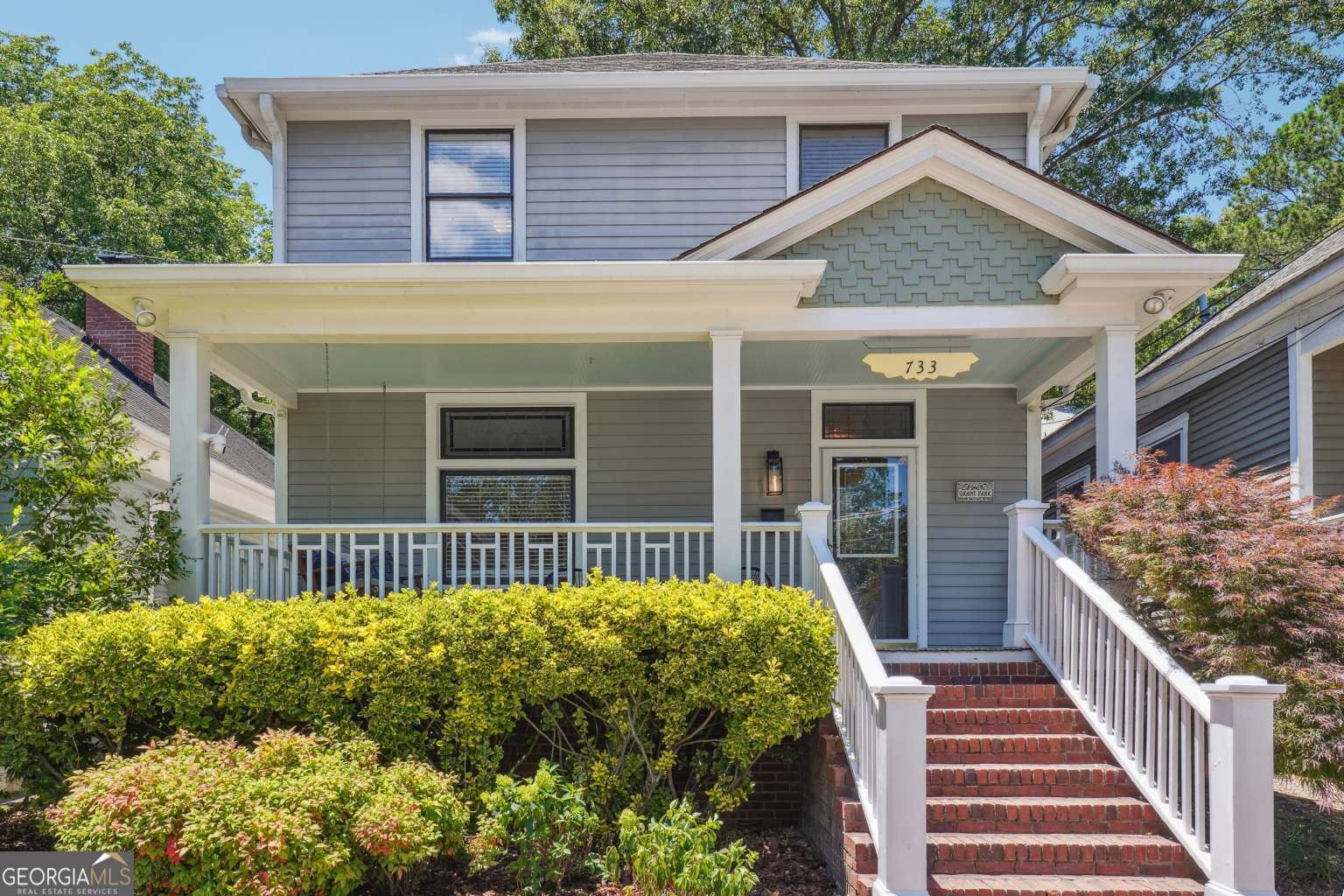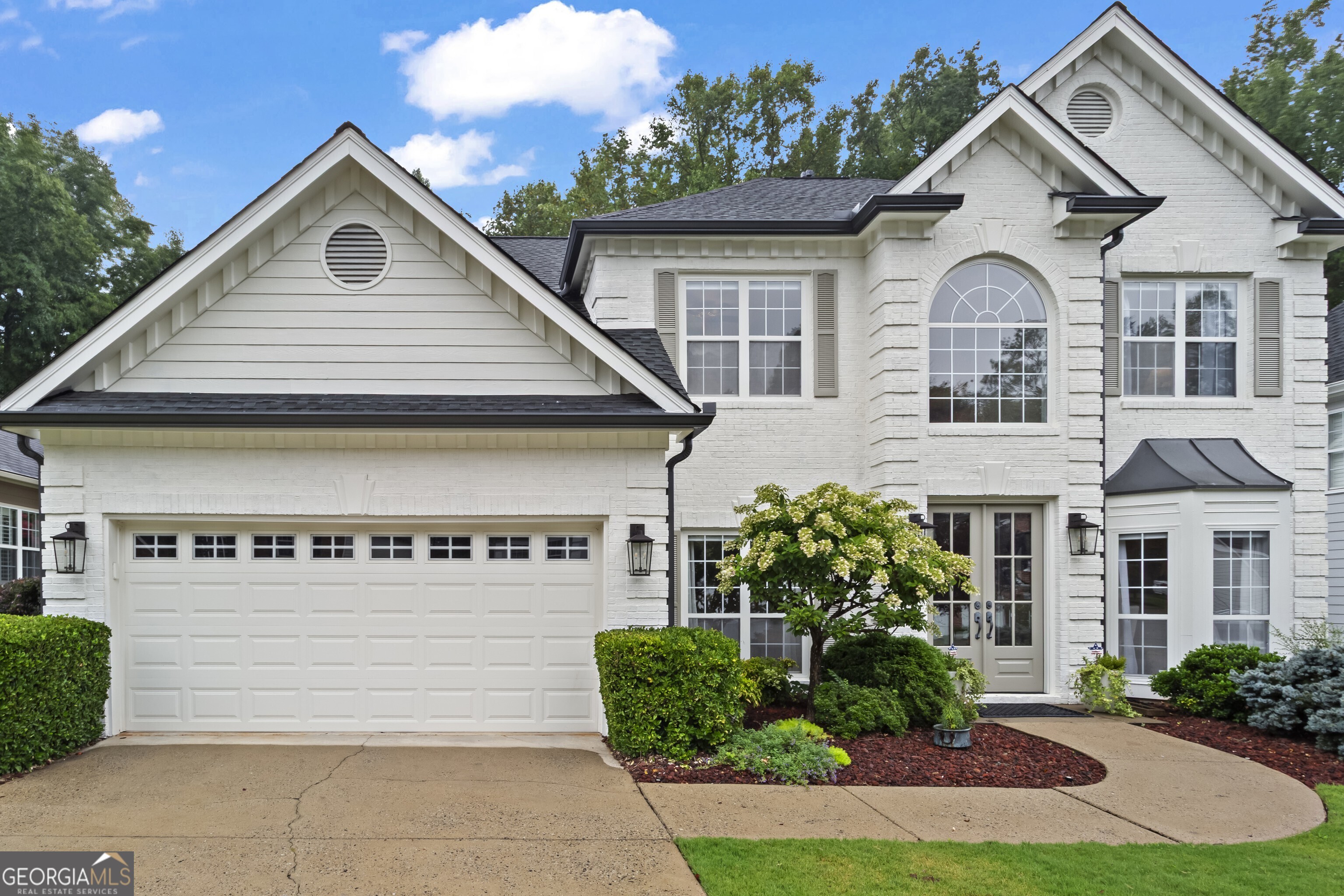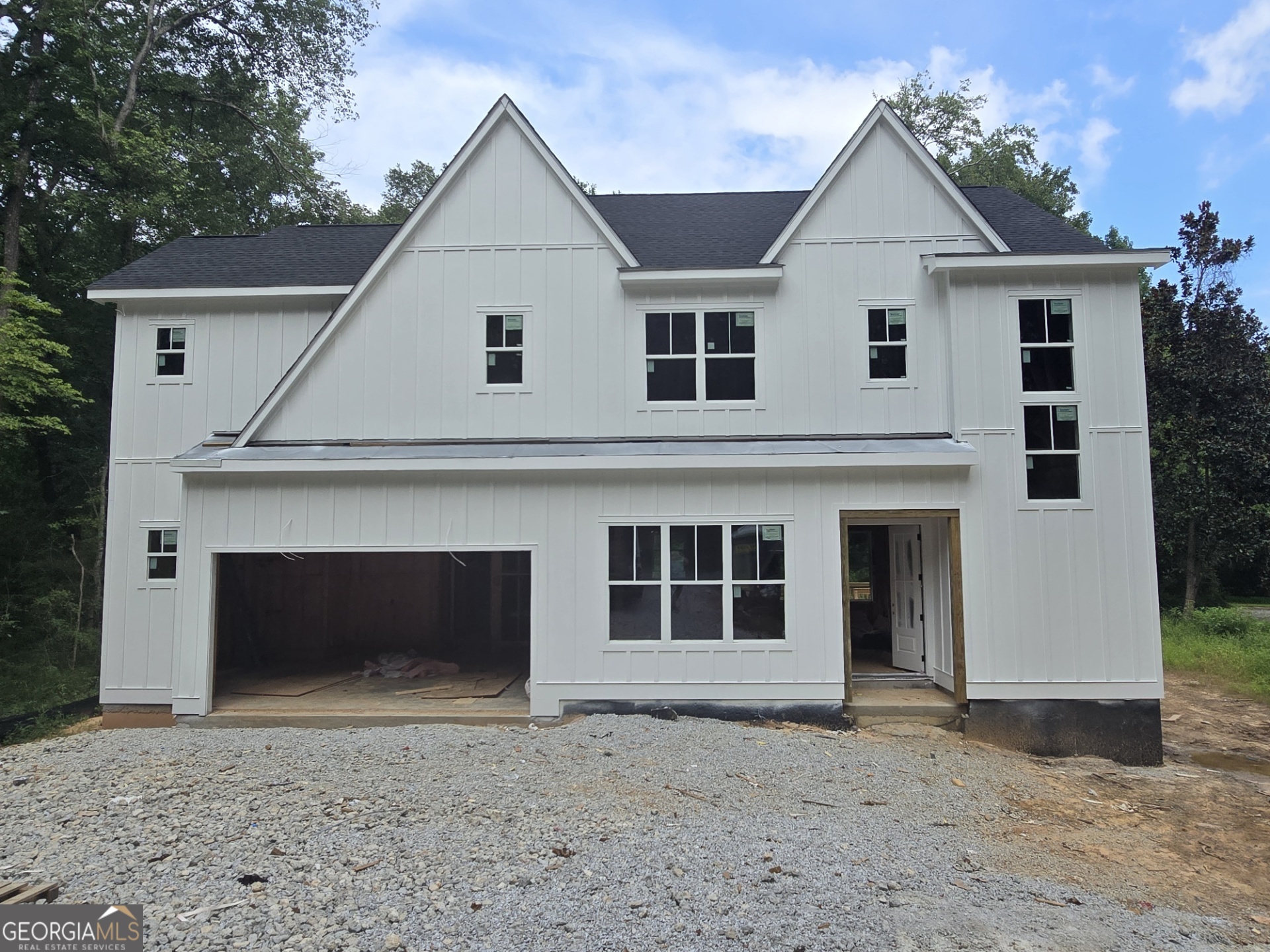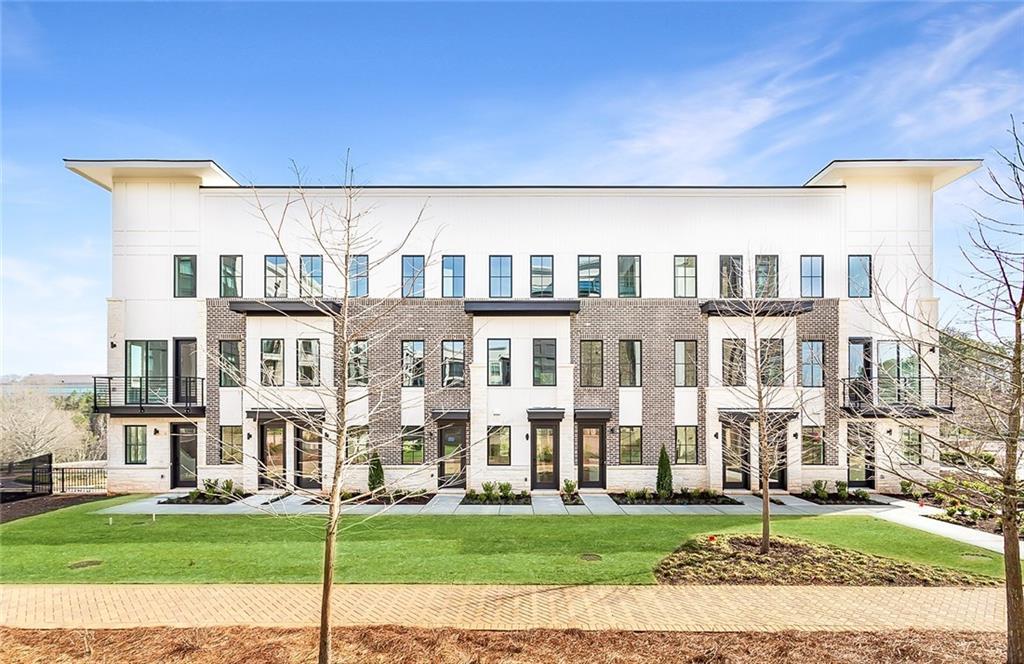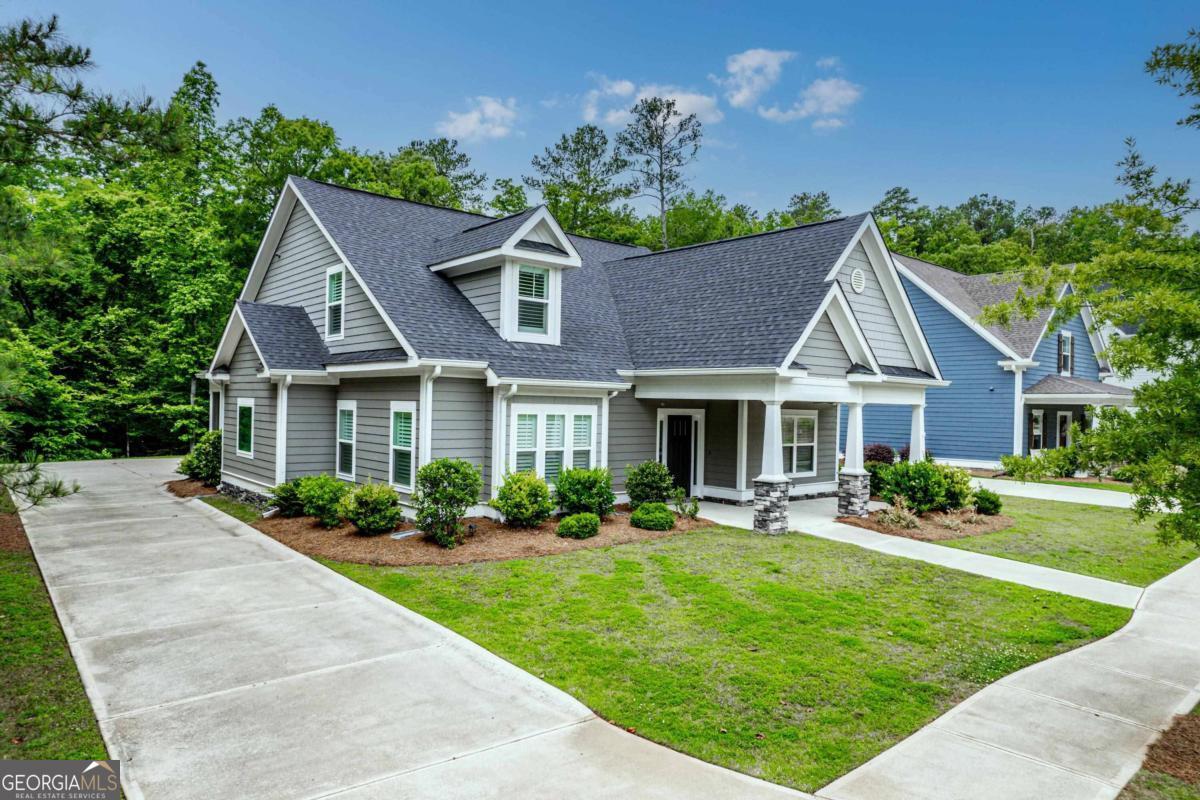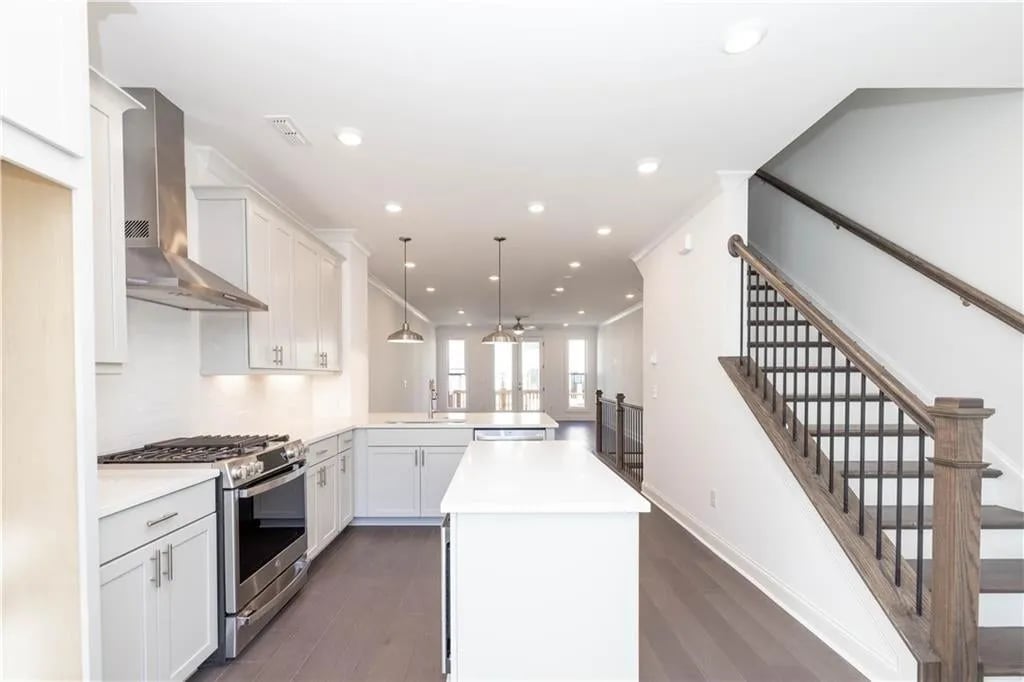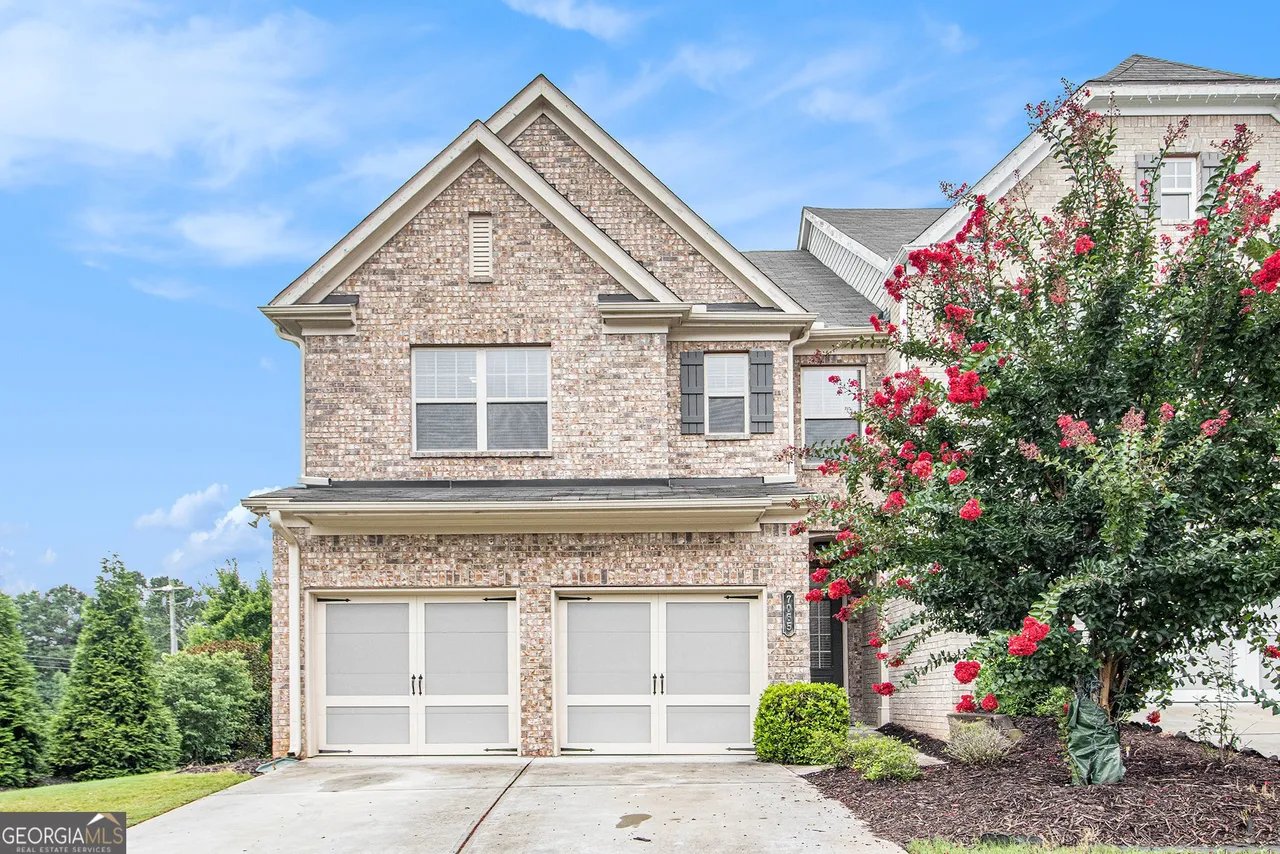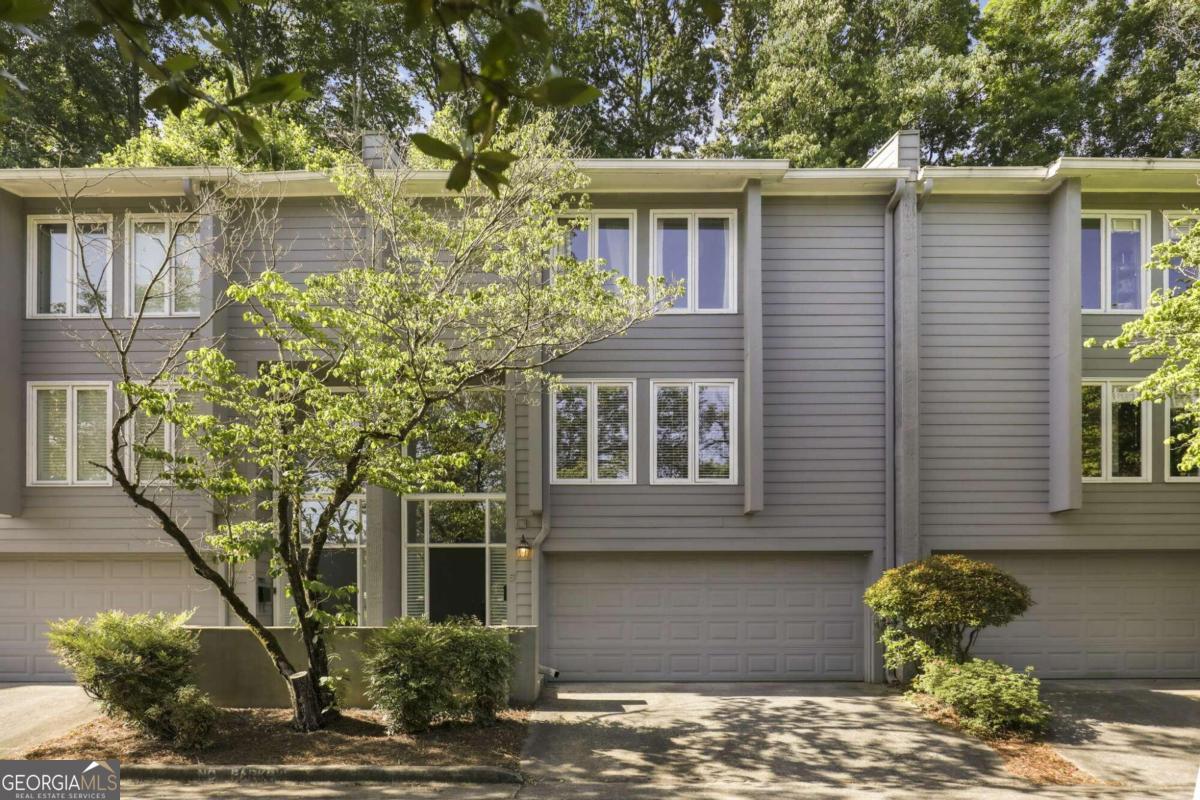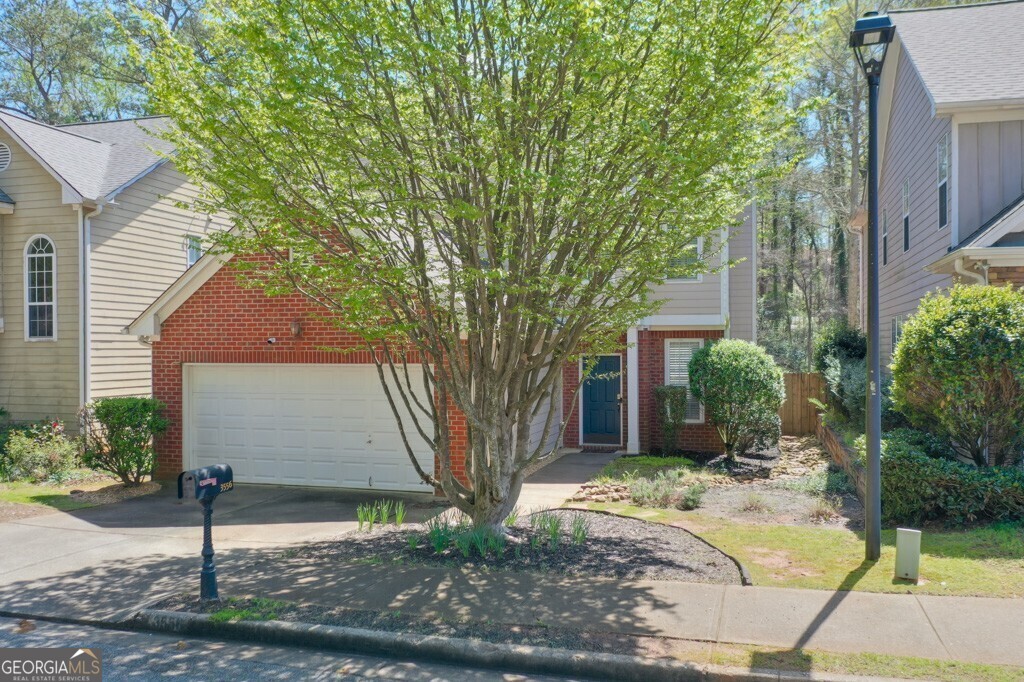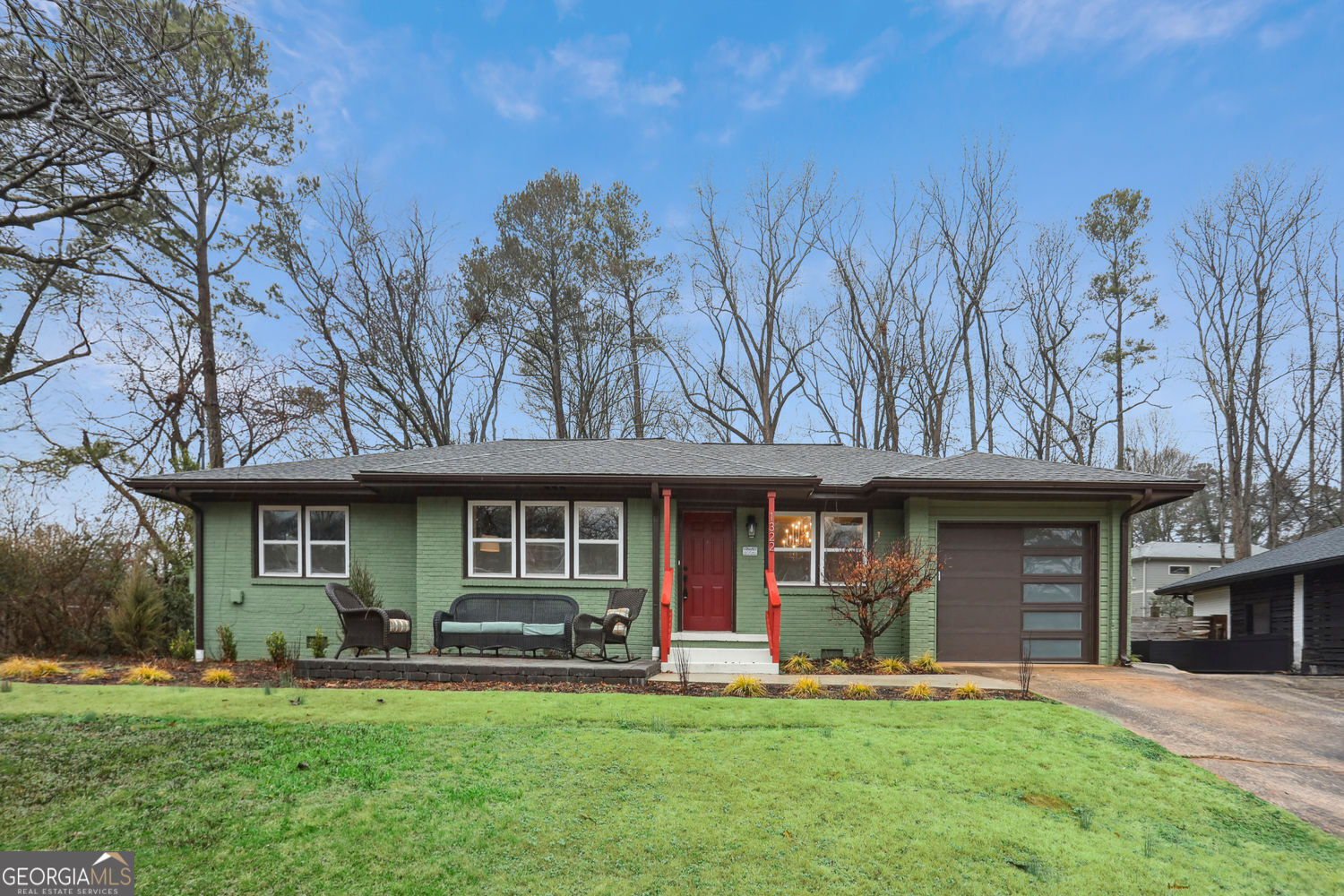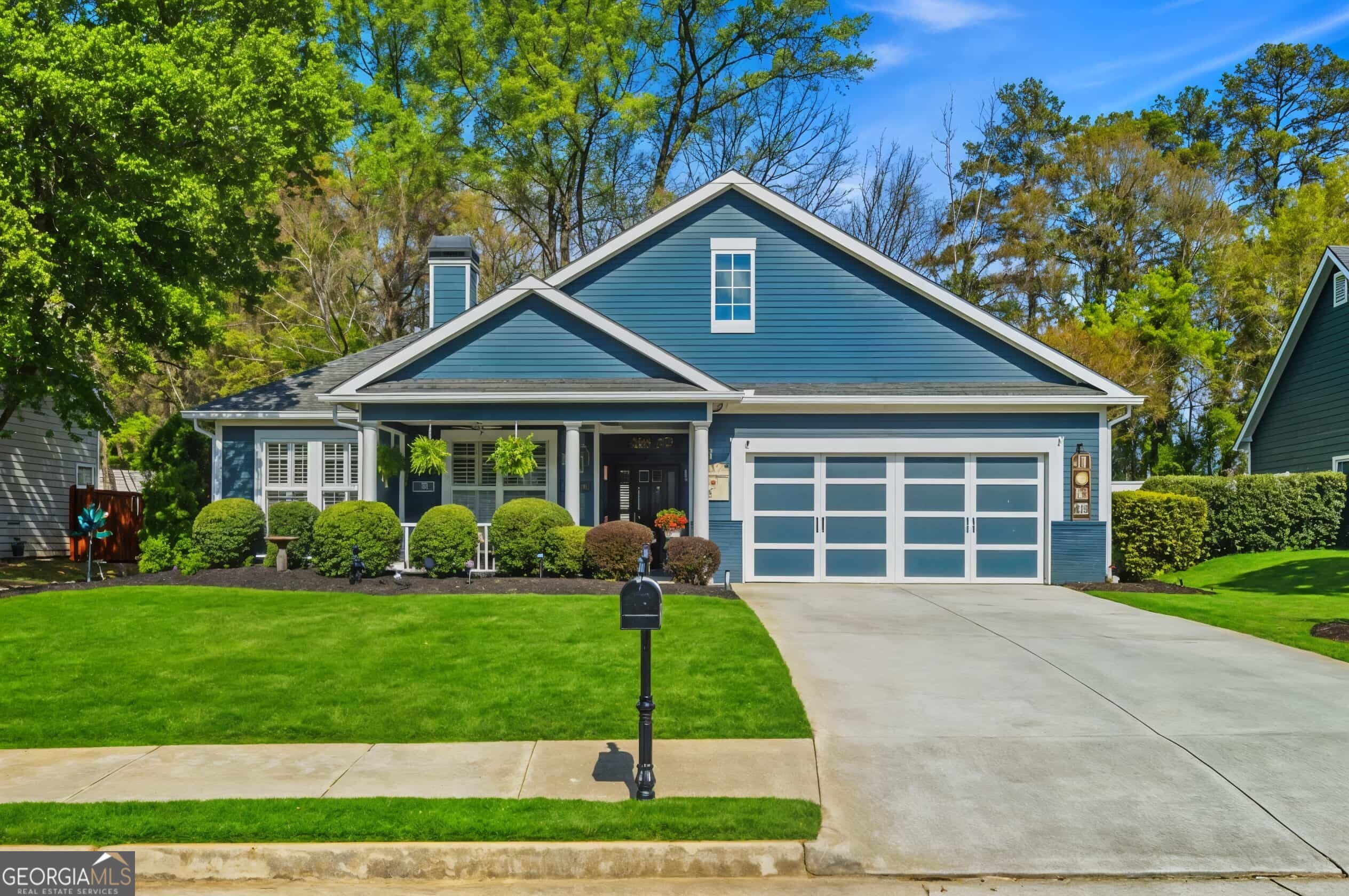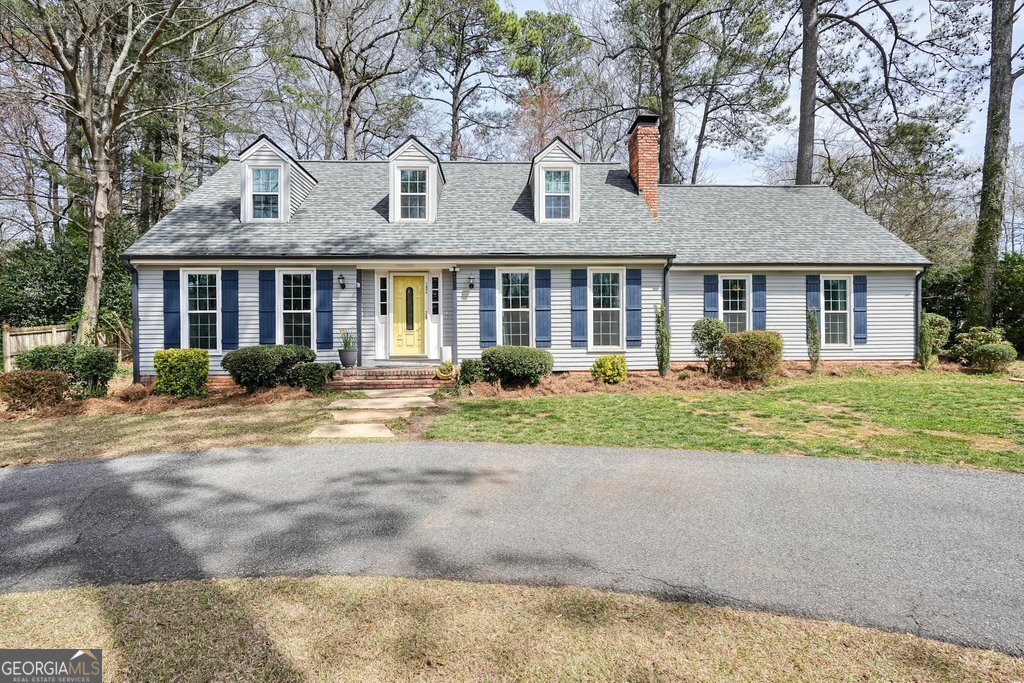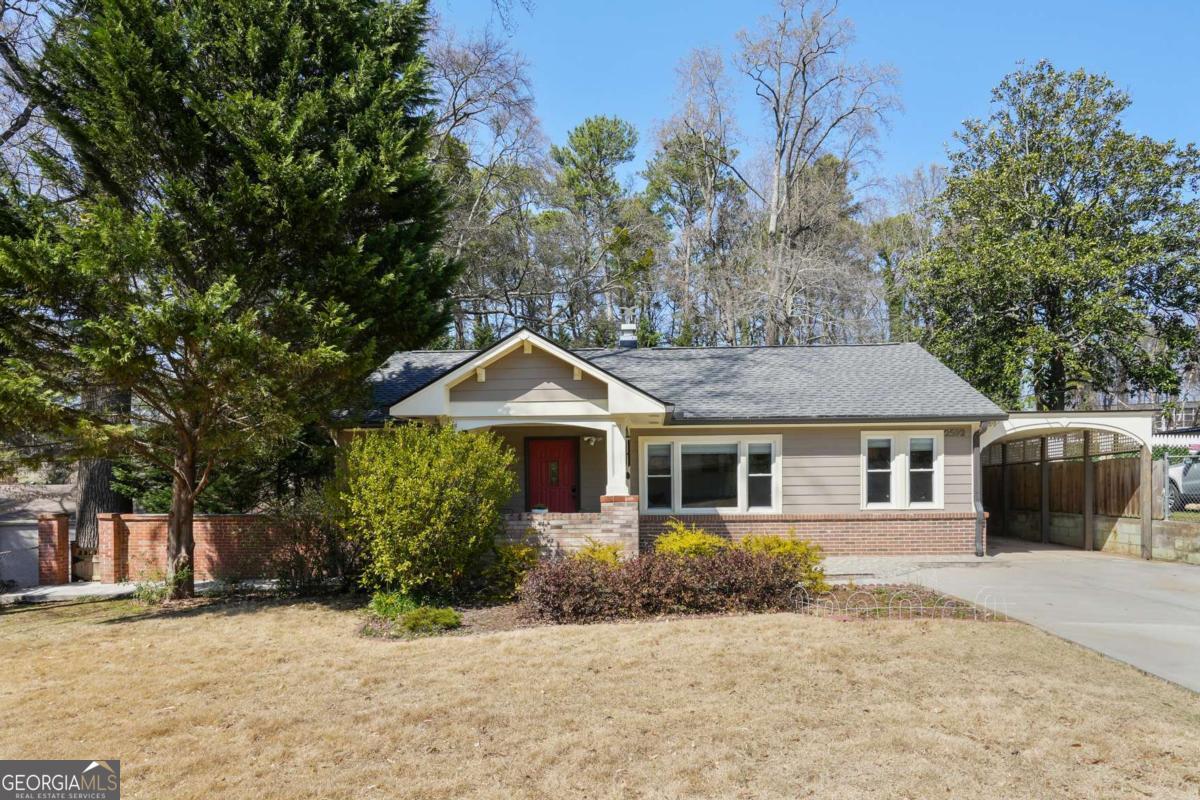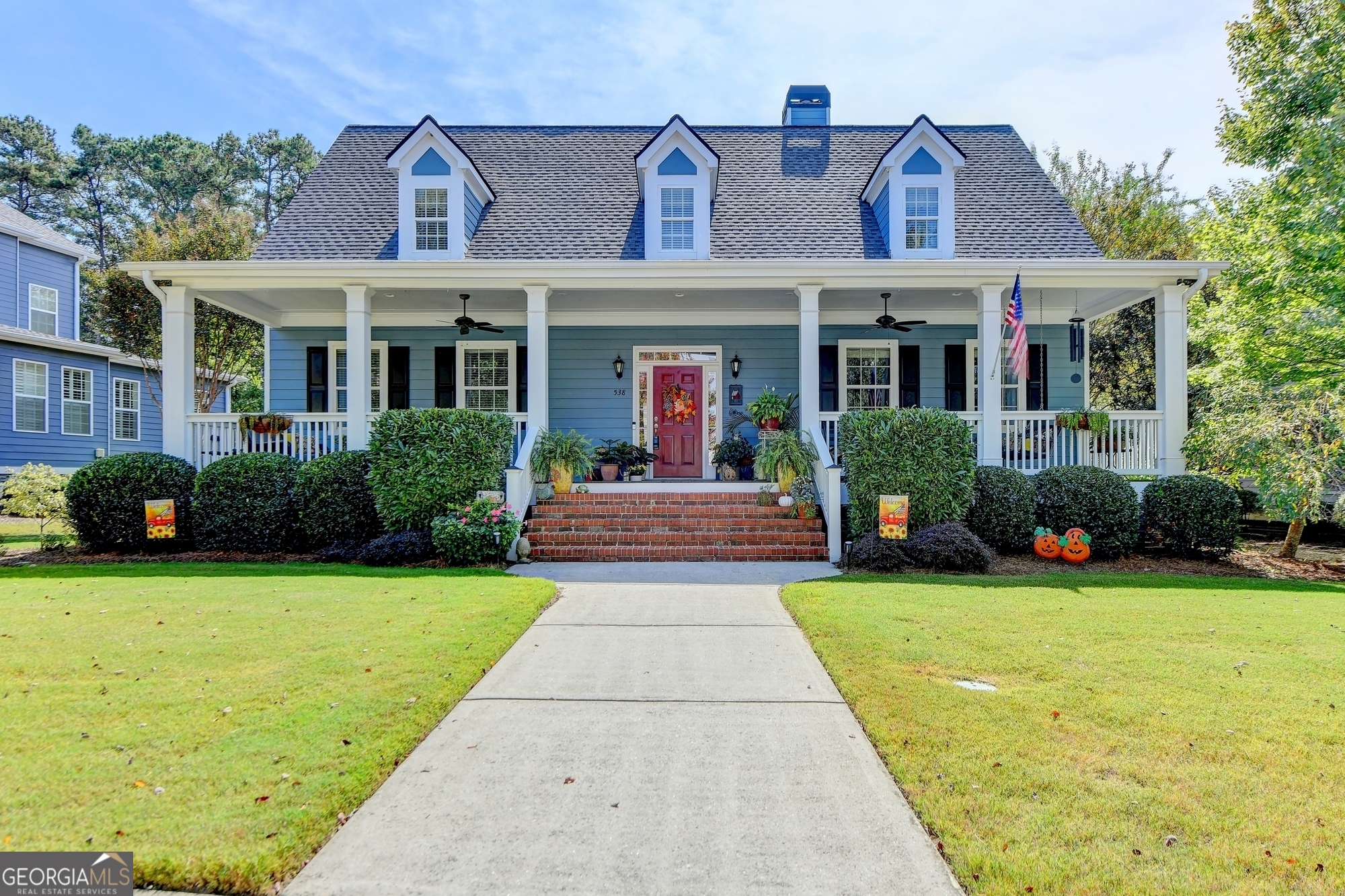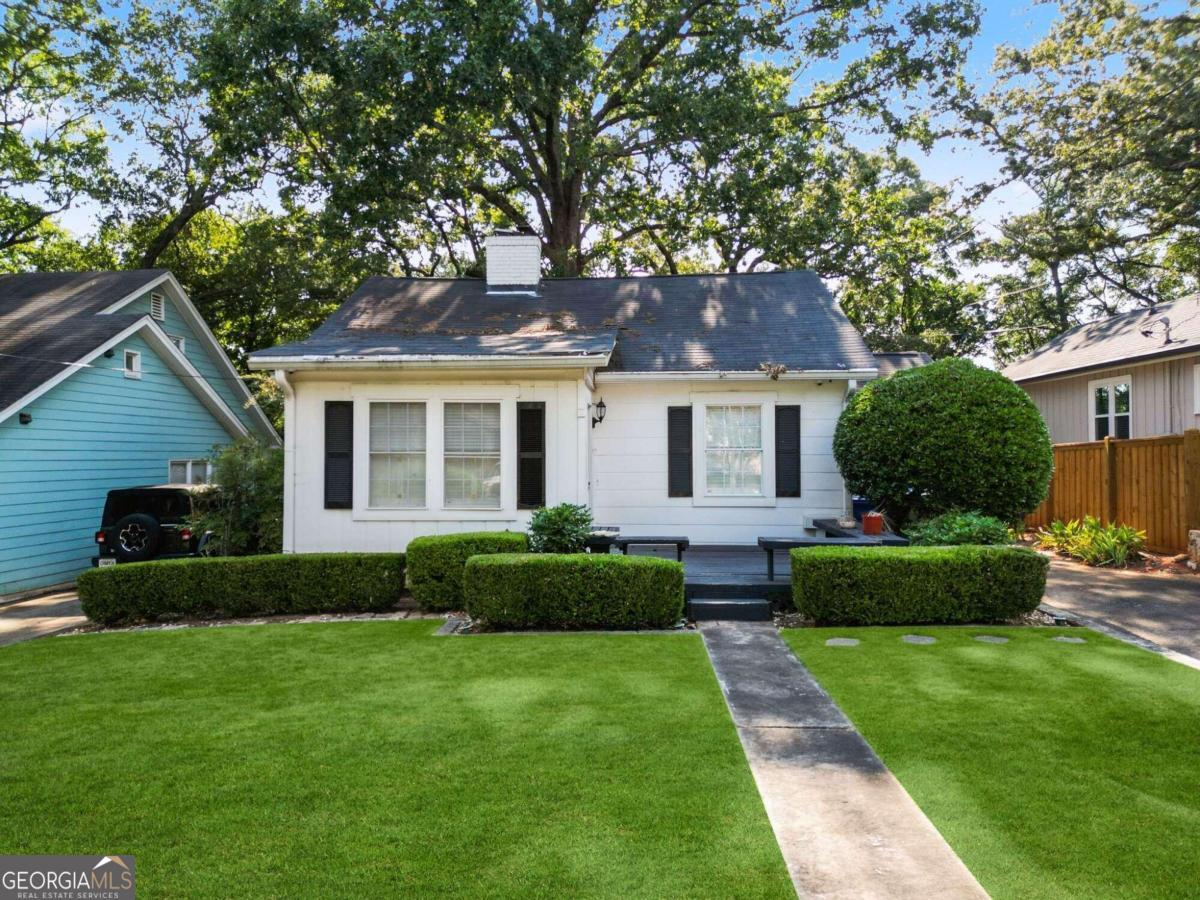

Atlanta's growth isn't slowing down — and in 2025, two corridors are capturing more buyer attention than anywhere else in the metro. The Atlanta-Sandy Springs-Alpharetta MSA reached approximately 6.2 million residents in 2023 and has been adding tens of thousands of new residents annually, making it one of the fastest-growing large metros in the country according to U.S. Census Bureau population estimates.
That sustained growth has fueled one of the most active new construction markets in the nation, with the Atlanta metro issuing approximately 24,000 to 27,000 single-family building permits in 2024 alone according to preliminary permit data. Two corridors sit at the center of that activity: North Atlanta and East Atlanta.
~24,000–27,000 single-family building permits were issued in the Atlanta metro in 2024 alone — one of the highest volumes in the country.
If you've been researching where to buy a new home, chances are you've already heard both names and wondered how to choose between them. This guide walks through what makes each corridor genuinely distinct in price, lifestyle, schools, commutes, and long-term value. By the time you finish reading, you'll have a clear sense of which direction to drive — and why.
Understanding the Two Corridors — What "North Atlanta" and "East Atlanta" Actually Mean
Before comparing the markets directly, it helps to be clear about the geography, because both terms cover a meaningful amount of ground.
North Atlanta at a Glance
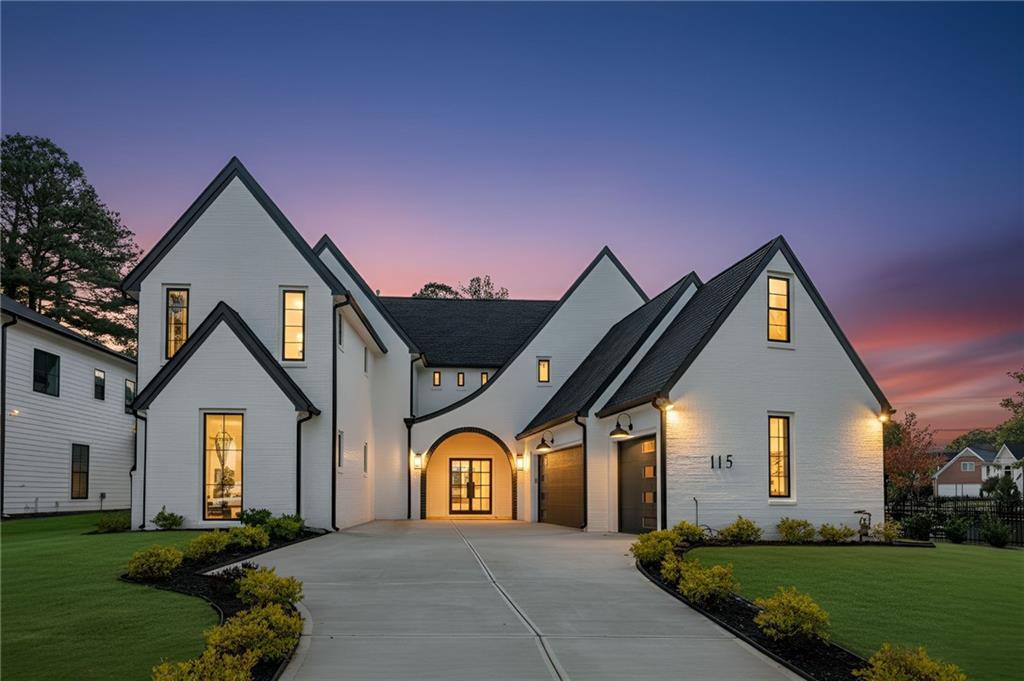
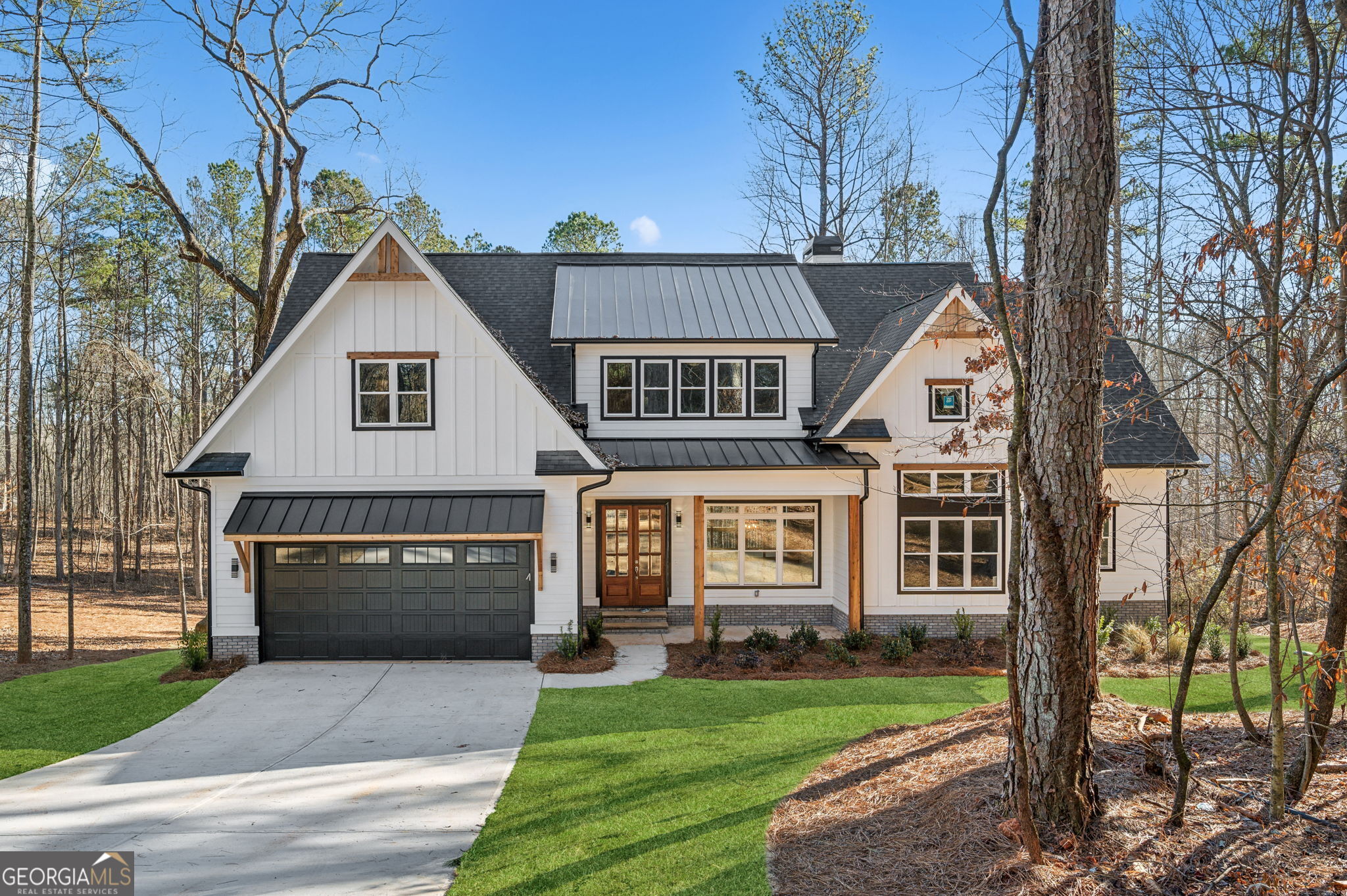
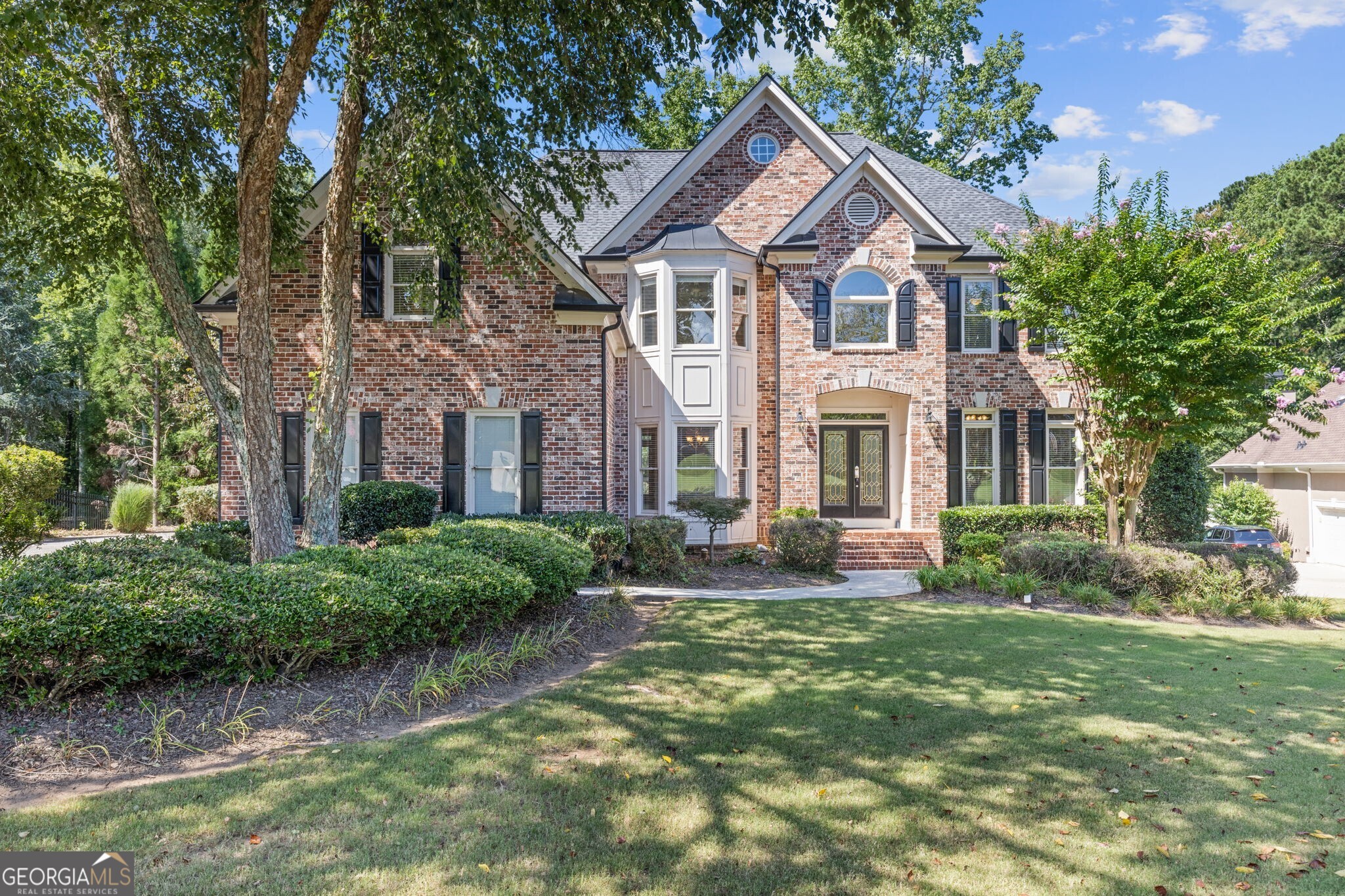
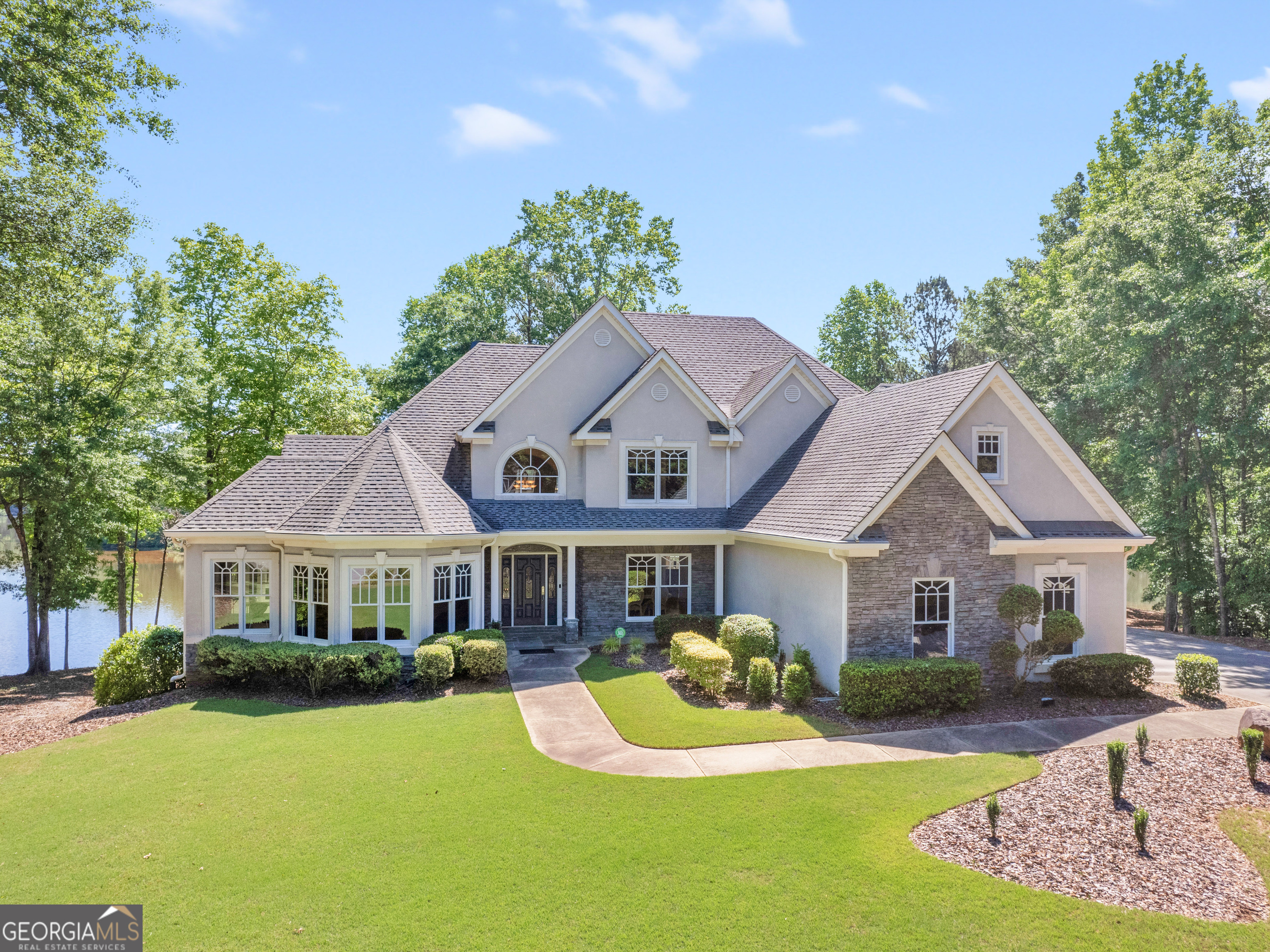
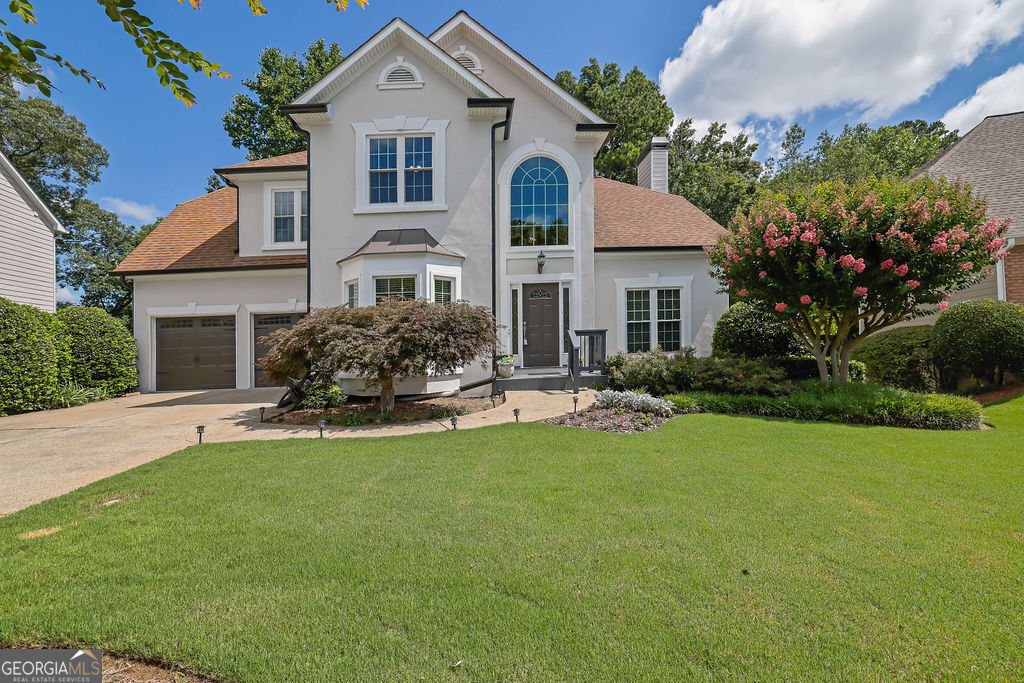
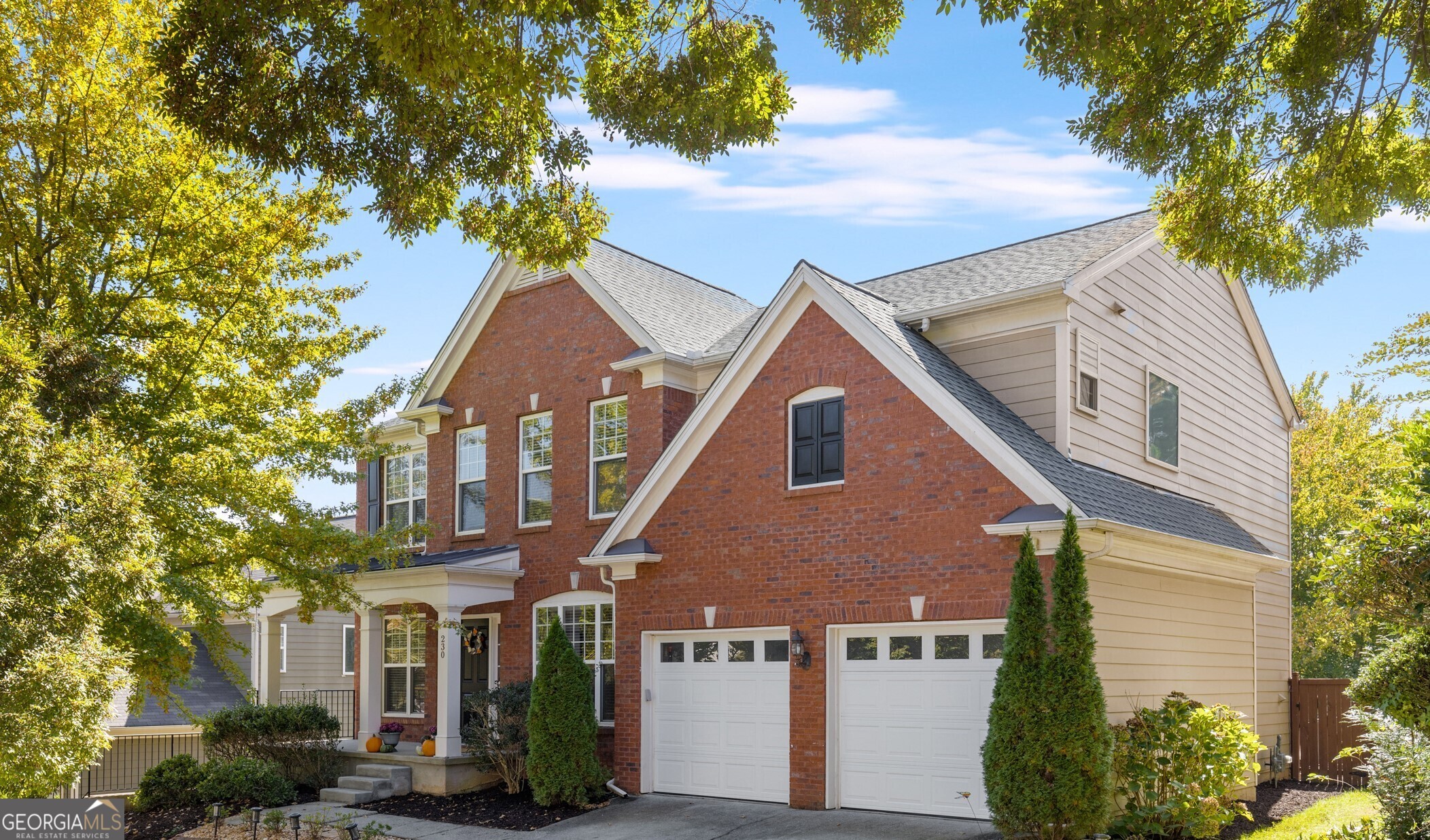
North Atlanta is anchored by the GA-400 corridor and encompasses cities and communities including Alpharetta, Milton, Johns Creek, Roswell, Cumming in Forsyth County, and Dunwoody. This is a region defined by master-planned communities with resort-style amenities, a concentration of technology and corporate employers, top-ranked public school systems, and mature retail and dining infrastructure.
Alpharetta has earned the designation "Technology City of the South" for good reason. According to the Alpharetta Technology Commission, the city is home to more than 700 technology companies and a significant concentration of technology-sector jobs, making it one of the more compelling corporate employment hubs in the Southeast. The corridor has been a dominant force in Atlanta-area real estate for decades and continues to attract buyers relocating from across the country.
East Atlanta at a Glance
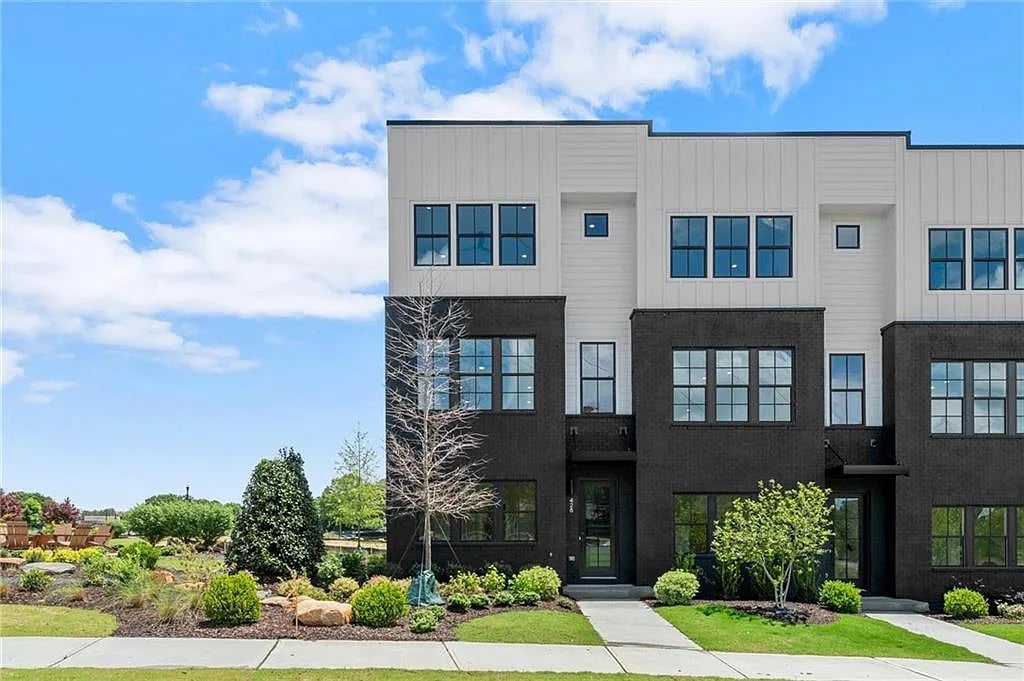
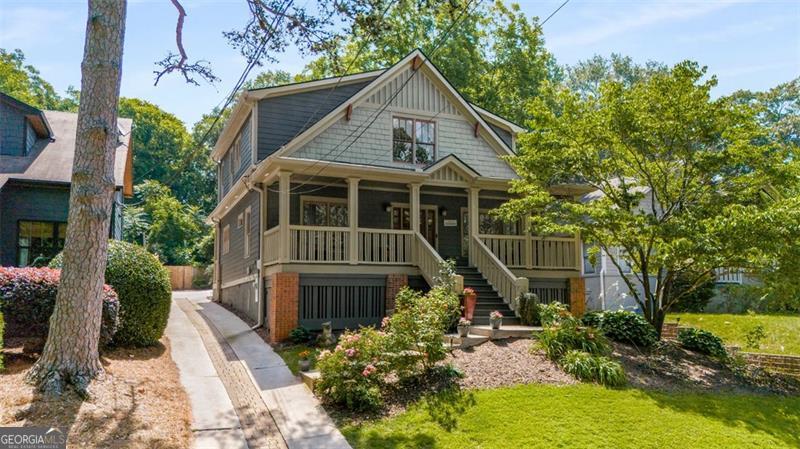
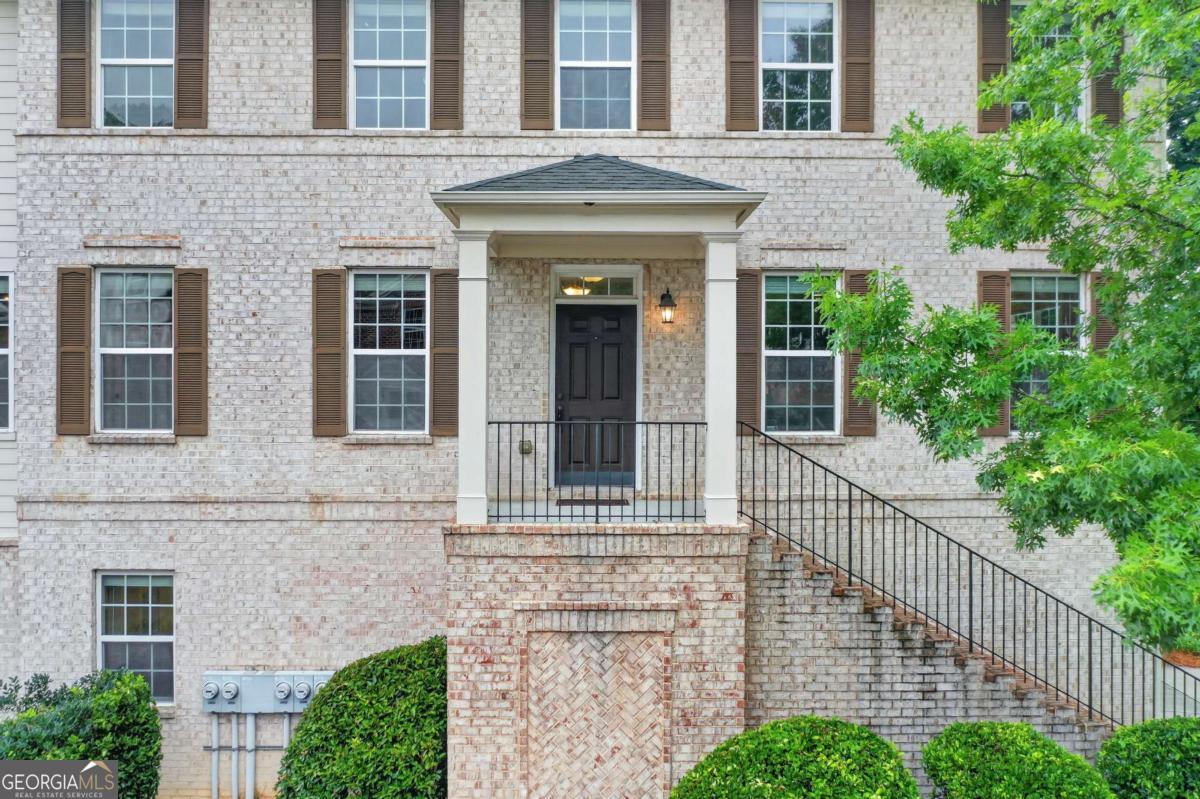
East Atlanta is a broader, more diverse corridor stretching from intown neighborhoods like East Atlanta Village outward along the I-20 East corridor through Decatur, Tucker, Stone Mountain, Lithonia, Conyers in Rockdale County, and Covington in Newton County. This side of the metro has a distinctly different energy — eclectic, community-forward, and increasingly appealing to buyers who want more house for their dollar without sacrificing character or connectivity.
~775,000 — DeKalb County's estimated 2023 population, reflecting the true scale and diversity of the inner East Atlanta corridor.
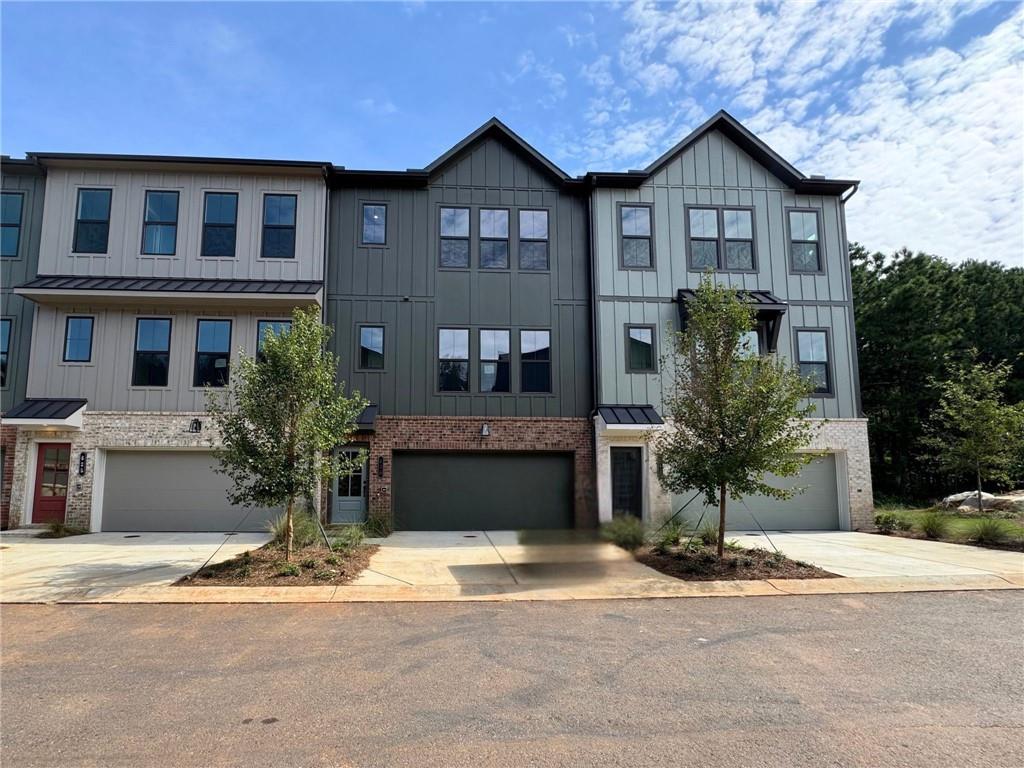
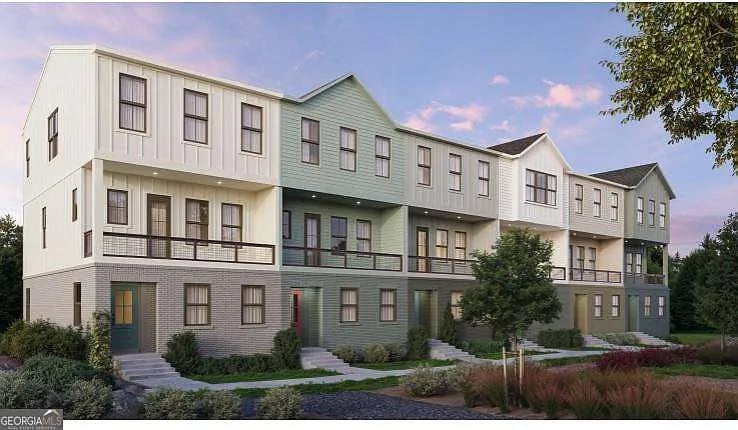
Both corridors are seeing active new home development heading into 2025, with builders responding to demand across multiple price tiers in each market.
New Home Price Ranges — What Your Budget Gets You in Each Area

Price is often the first filter buyers apply, and the two corridors occupy meaningfully different positions in the Atlanta market.
New Construction Pricing in North Atlanta
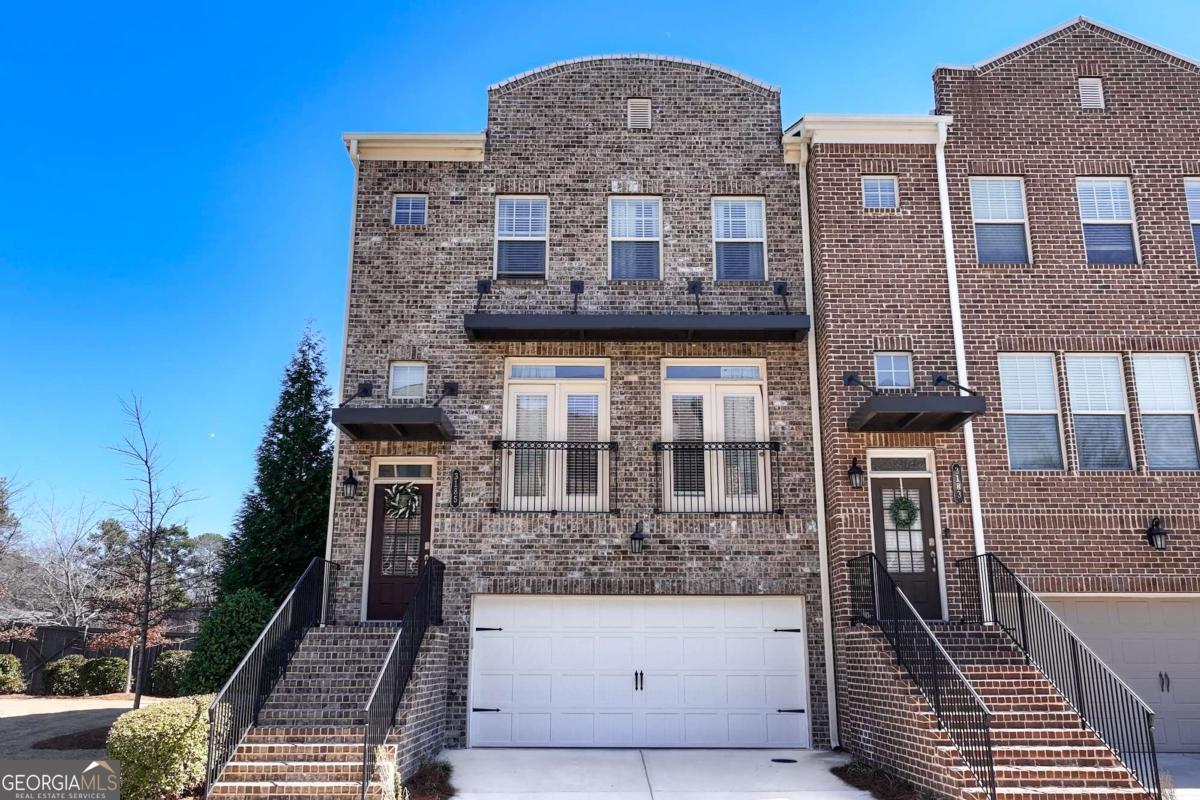
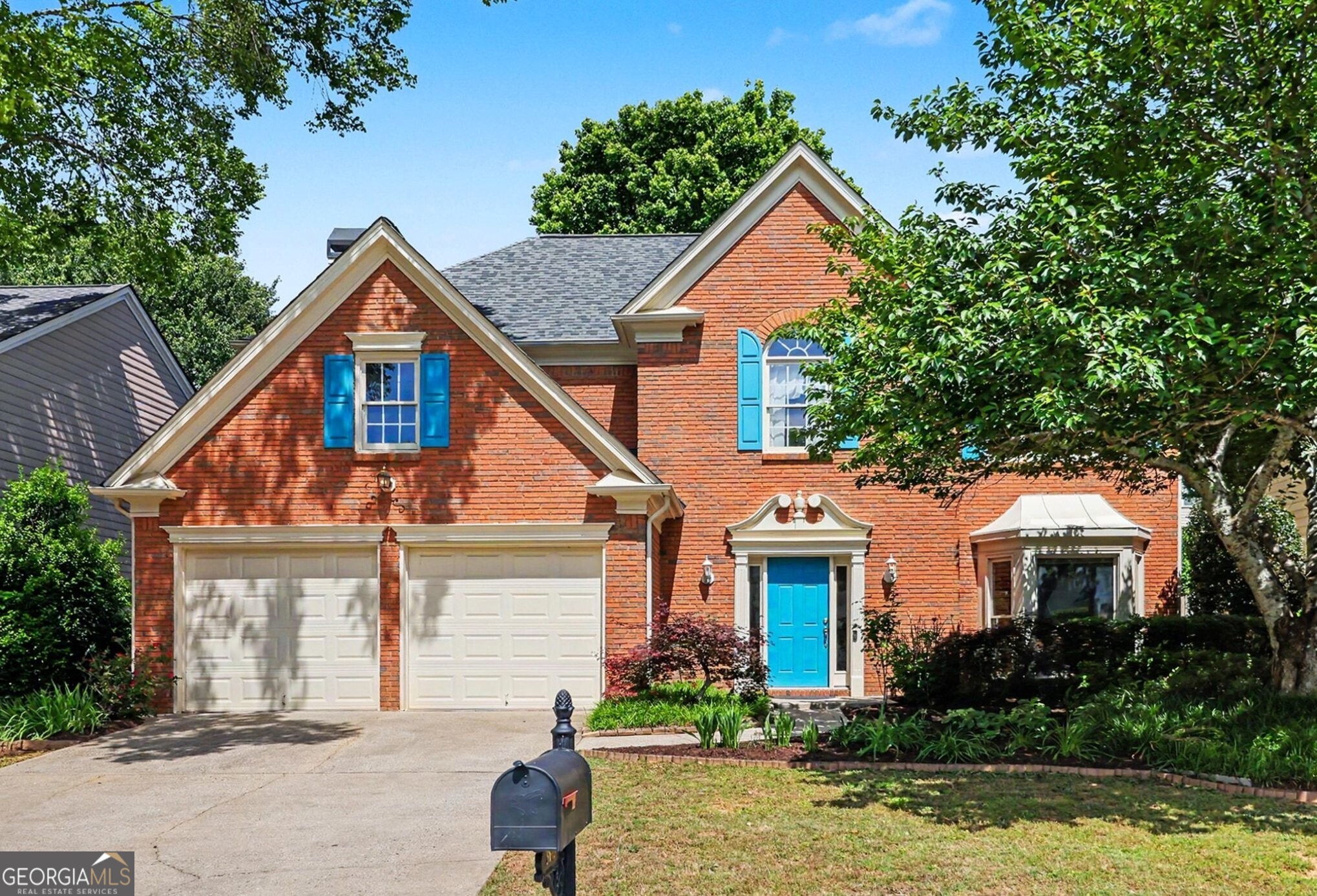
North Atlanta commands a premium that is well-documented in the data. In Alpharetta, the median sold home price reached approximately $610,000 to $650,000 in late 2024 according to local market data, with new construction communities in master-planned settings frequently listing above $700,000.
Milton and Johns Creek carry similar pricing profiles. Johns Creek consistently ranks among the highest-income cities in Georgia, with a median household income of approximately $108,000 to $115,000 according to U.S. Census Bureau American Community Survey estimates — a figure that reflects the buyer profile driving demand in those communities.
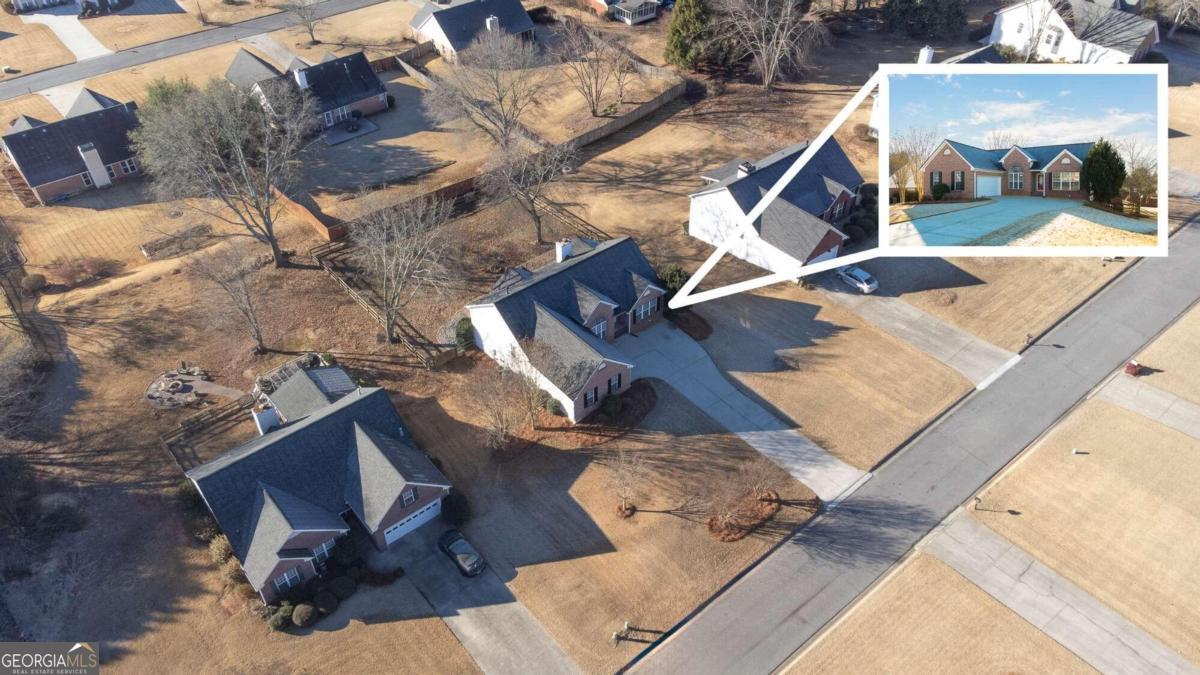
Forsyth County and Cumming present the most accessible entry point into the North Atlanta corridor without fully stepping outside it. The median home sale price in Forsyth County reached approximately $490,000 to $530,000 in 2024, with new construction communities often listing above that range depending on the specific development. For buyers who want the North Atlanta school and lifestyle package at a more manageable price point than Alpharetta or Milton, Forsyth County is the corridor's strongest value play.
New Construction Pricing in East Atlanta
East Atlanta's new construction market offers a value story that is increasingly hard to ignore. Consider the numbers side by side:
| Area | Median Home Sale Price (2024) | Year-Over-Year Appreciation |
|---|---|---|
| Conyers / Rockdale County | $295,000–$315,000 | ~4–6% |
| Newton County / Covington | $290,000–$310,000 | ~4–6% |
| Forsyth County (North Atlanta) | $490,000–$530,000 | N/A |
| Alpharetta (North Atlanta) | $610,000–$650,000 | N/A |
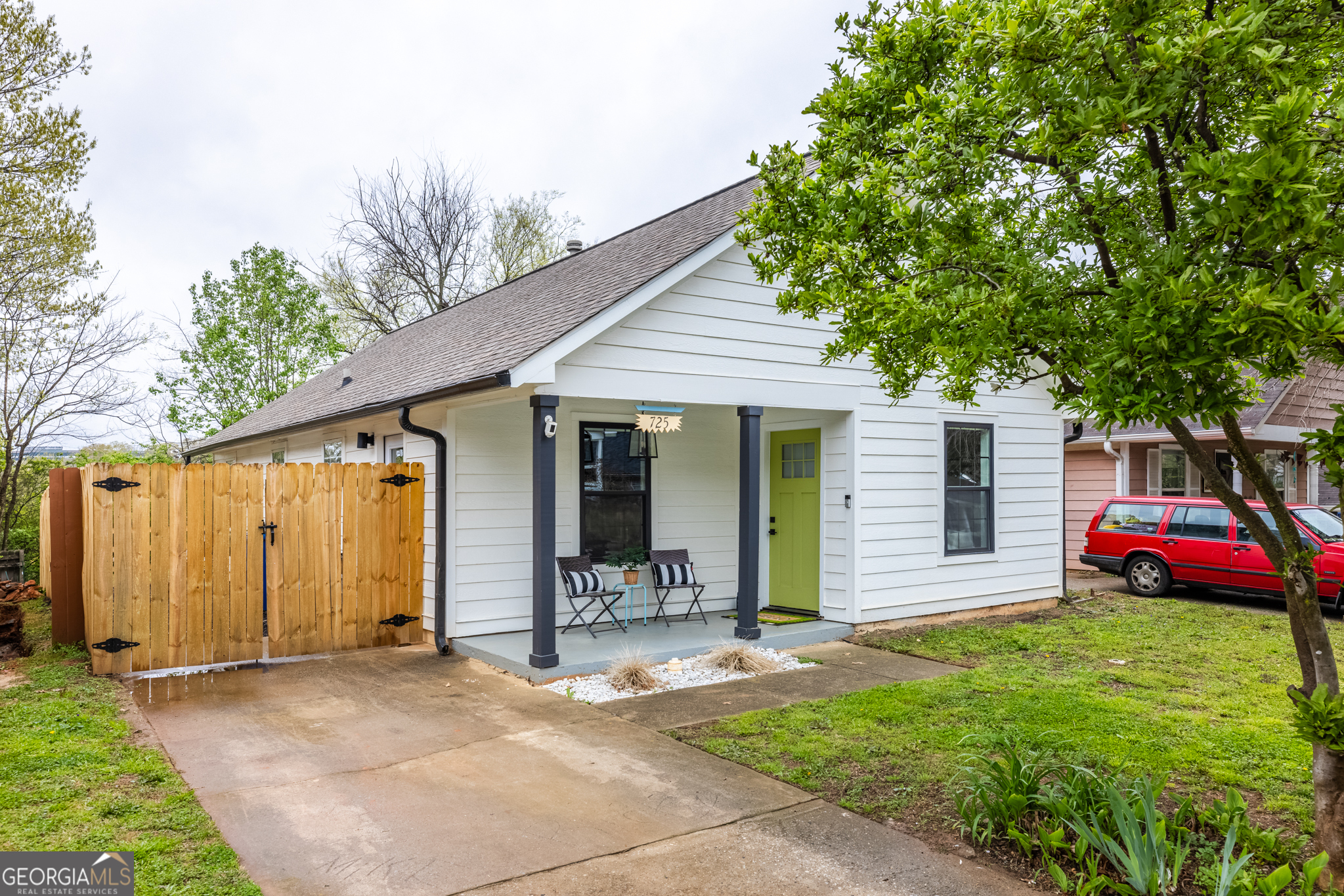
Those outer East Atlanta communities continue absorbing demand from buyers priced out of closer-in markets. For buyers whose priorities run toward square footage, lot size, and monthly payment management, the outer East Atlanta corridor consistently delivers more home per dollar than any comparable zone in North Atlanta.
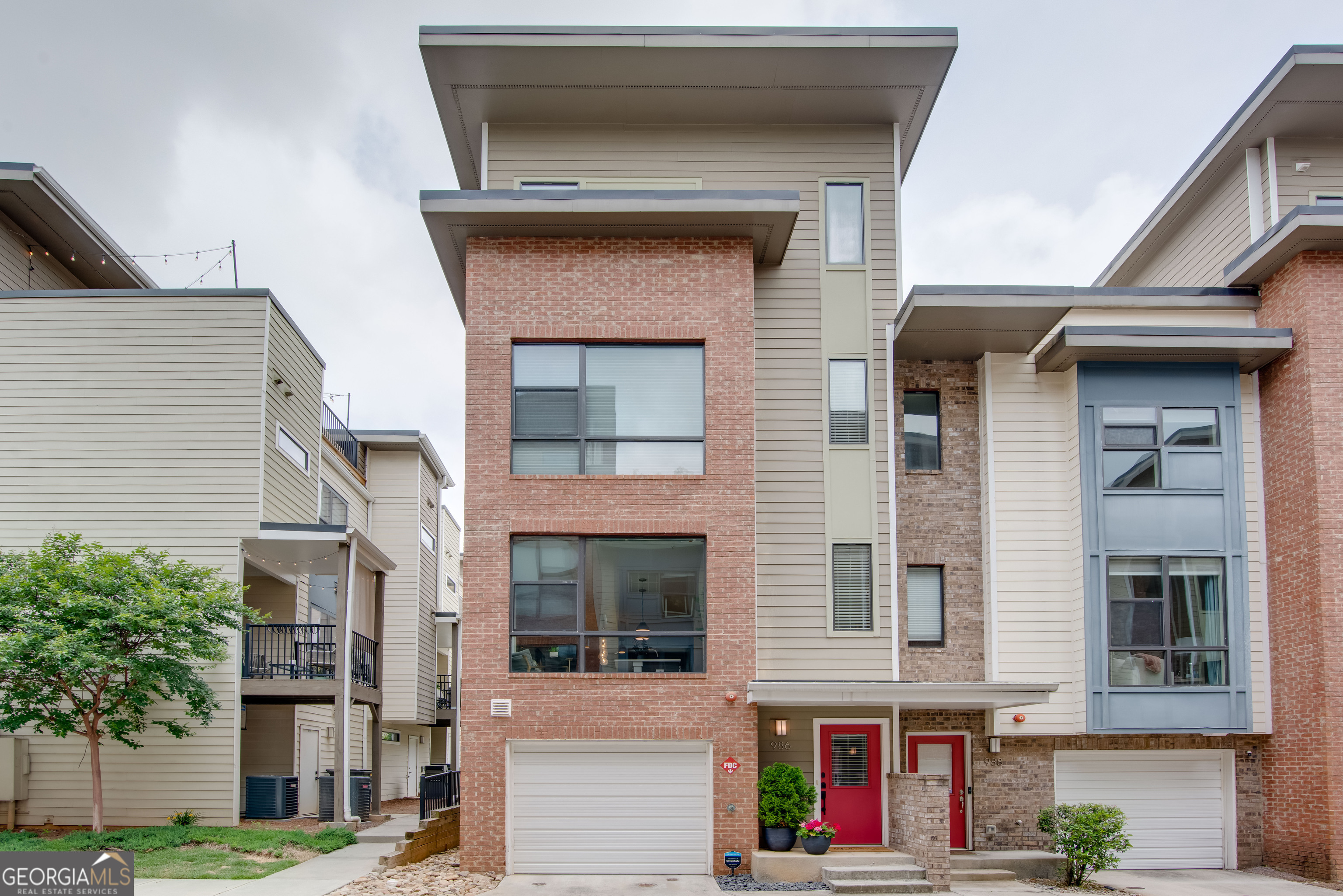
Tucker and inner-corridor DeKalb County communities sit at higher price points than the outer suburbs, reflecting their proximity to the perimeter and intown Atlanta — but still compare favorably to equivalent North Atlanta product on a dollar-per-square-foot basis.
Schools, Commutes, and Daily Life — The Lifestyle Comparison

Price gets buyers to the table. Schools, commutes, and daily life are what keep them there — or send them in a different direction entirely.
Schools in North Atlanta
School quality is arguably the defining conversation among North Atlanta homebuyers, and the corridor delivers consistently. Fulton County Schools serves Alpharetta, Milton, Johns Creek, and Roswell and is among the most consistently rated large public school districts in Georgia. Milton High School and Northview High School in Johns Creek both rank in the top ten to fifteen public high schools statewide according to U.S. News and World Report's 2024 rankings, and Lambert High School in Forsyth County holds a similarly strong position.
Forsyth County Schools reported a graduation rate of approximately 94 to 95 percent in the 2022–2023 school year — among the highest in the state according to the Georgia Department of Education's College and Career Ready Performance Index. For families where school assignment is a primary driver, North Atlanta's Fulton and Forsyth county systems offer some of the strongest and most broadly distributed public education infrastructure available in any major metro market in the Southeast.
Schools in East Atlanta
East Atlanta presents a more varied picture. DeKalb County Schools serves Tucker, Stone Mountain, Lithonia, and surrounding communities and contains a genuine mix of high-performing and lower-performing schools — meaning individual research by attendance zone is essential rather than optional. Rockdale County Schools and Newton County Schools are smaller districts that are improving alongside their communities' growth, but buyers in those areas should evaluate specific schools and not rely on district-wide averages.
The standout in the East Atlanta corridor is Decatur City Schools. This independent district serves approximately 5,200 students and consistently earns among the highest CCRPI marks in Georgia, frequently cited as one of the top urban school systems in the state. For buyers targeting the Decatur area specifically, the school district is a genuine competitive advantage — one that has contributed directly to strong home values and sustained demand in that market.
Pro Tip: In East Atlanta, don't evaluate schools at the district level alone. Look up the specific attendance zone for any address you're considering. The difference between two neighborhoods in the same county can be significant.

Commutes and Connectivity
North Atlanta's GA-400 is efficient when traffic cooperates, but the corridor's distance from Downtown Atlanta means commutes to Buckhead, Midtown, or Downtown can run 35 to 65 minutes in peak conditions from communities like Alpharetta or Cumming. MARTA's North Springs Station provides a rail option for commuters who work intown and remains one of the more practical transit options for North Atlanta residents who want to avoid daily driving.
East Atlanta holds a real commute advantage for buyers targeting intown employment. The MARTA East Rail Line runs directly from Decatur into Downtown and Midtown Atlanta, making it one of the more transit-accessible suburban options in the entire metro. I-20 East and I-285 provide strong road connectivity across the corridor. Buyers in Tucker or Decatur can realistically reach Downtown Atlanta in 20 to 30 minutes under favorable conditions — a significant edge over comparable-priced homes in North Atlanta.
Further-out communities like Covington and Conyers trade commute time for affordability. Buyers there are typically accepting a 45 to 60 minute drive in exchange for significantly more home.
Daily Life and Community Feel
Daily life in North Atlanta is anchored by well-developed retail infrastructure and abundant outdoor recreation. Avalon in Alpharetta is a nationally recognized mixed-use destination with dining, boutique shopping, and community programming that has redefined what suburban retail can feel like. The Collection at Forsyth in Cumming offers similar energy for residents in the northern part of the corridor.
Big Creek Greenway winds for miles through Alpharetta and into Forsyth County, connecting neighborhoods to parks and green space along a genuinely beautiful trail system. The overall community feel is family-oriented, activity-rich, and built around a strong sense of suburban quality of life.
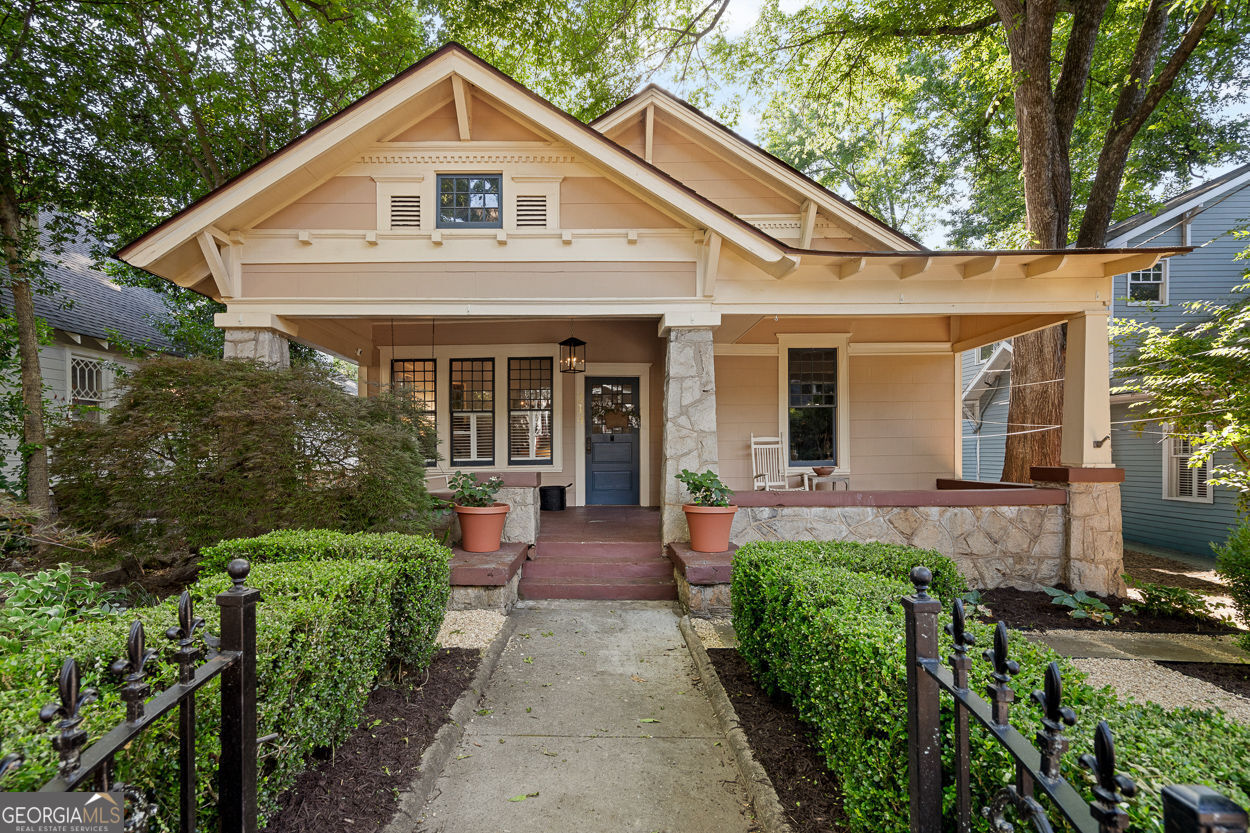
East Atlanta's character runs deeper and more distinctly local. East Atlanta Village is one of Atlanta's most beloved intown neighborhoods — a walkable stretch along Flat Shoals Avenue anchored by independent restaurants, live music venues, and a community personality that no master plan could manufacture. Oakhurst Village in Decatur carries similar energy with a small-town feel that remains highly connected to everything the city offers.
The Arabia Mountain National Heritage Area is one of East Atlanta's most underappreciated assets. This remarkable 40,000-acre protected landscape spanning DeKalb, Rockdale, and Henry counties genuinely surprises buyers who are new to the area — and it's right in the corridor's backyard.
Best New Home Communities and Developments to Watch in 2025

Active New Home Areas in North Atlanta
Alpharetta continues to attract new construction adjacent to its revitalized downtown core, with mixed-use-adjacent communities appealing strongly to professionals who want walkability alongside new home quality. Milton remains a market defined by large-lot new builds — supply is intentionally constrained here, which supports values but limits options for buyers who need to move quickly. Johns Creek features well-established master-planned communities with new phases coming to market steadily, particularly in the northern sections of the city near the Forsyth County line.
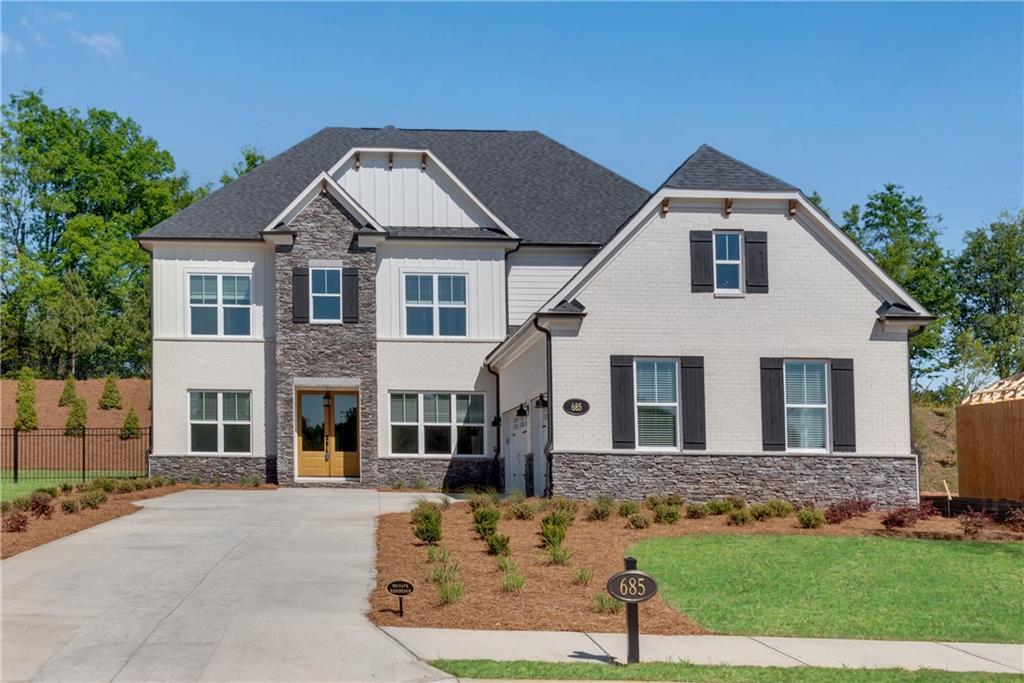
Forsyth County and Cumming deserve particular attention in 2025. The area around Cumming City Center has catalyzed significant residential growth throughout the county, and Forsyth County continues to attract high volumes of new construction across a wider price range than other North Atlanta markets.
~275,000 residents called Forsyth County home in 2023 — a population that grew by more than 55% over the prior decade, one of the highest growth rates of any county in the Southeast according to U.S. Census Bureau data.
That growth makes Forsyth County the most consistently active new construction market in the entire North Atlanta corridor heading into 2025.
Active New Home Areas in East Atlanta
Tucker has emerged as one of the more compelling value stories in the East Atlanta corridor. The community has actively invested in its downtown identity while attracting infill new construction and newer subdivisions that take advantage of excellent I-285 and I-85 access. For buyers who want proximity to both Perimeter Center employment and intown Atlanta without paying Brookhaven or Sandy Springs prices, Tucker consistently performs well on every metric that matters.
Lithonia and Stone Mountain offer affordable new home communities with the added benefit of proximity to Arabia Mountain's trails and expansive green space. Conyers and Rockdale County continue growing with developments that appeal to buyers who prioritize larger lots and a small-town community atmosphere.
Covington and Newton County represent perhaps the most active new home pipeline in the entire East Atlanta corridor right now — driven by buyers priced out of closer-in markets and reinforced by Covington's growing community identity. That identity has been bolstered in part by its significant presence as a filming location for major productions connected to Georgia's more than $4 billion film and television industry, as reported by the Georgia Department of Economic Development.
Pro Tip: If you're considering Covington or Conyers, visit on a weekday morning to get a realistic feel for the commute. The drive time to the perimeter is very manageable at off-peak hours — but peak-hour traffic on I-20 East can add meaningful time to the trip.
Investment Potential and Long-Term Value

North Atlanta's investment case is well-established and built on durable fundamentals. Alpharetta's concentration of major technology employers creates sustained residential demand that absorbs inventory efficiently, and the area's days-on-market figures reflect that — homes in Alpharetta and Milton were moving in approximately 20 to 35 days in 2024 according to local MLS data.
Milton's constrained land supply and strong buyer profile support long-term price retention in ways that markets with unlimited developable land simply cannot replicate. For buyers who view their home as both a place to live and a long-term asset, North Atlanta's track record is one of the strongest in the metro.
East Atlanta's investment story is different in character but compelling in its own right. Tucker and Decatur have benefited significantly from intown Atlanta buyers seeking more space and value, driving appreciation in communities that were comparatively undervalued in prior cycles. The outer-corridor markets of Covington and Conyers are at earlier points on that same appreciation curve.
| Market | 2024 Year-Over-Year Appreciation | Avg. Days on Market (2024) |
|---|---|---|
| Alpharetta / Milton (North Atlanta) | Strong retention | ~20–35 days |
| Newton County / Covington (East Atlanta) | ~4–7% | ~35–50 days |
Buyers entering those outer East Atlanta markets now are positioning themselves similarly to buyers who moved into Tucker or Decatur-area communities a decade ago. Appreciation is never guaranteed in any real estate market, and both corridors are subject to the same interest rate and economic conditions affecting buyers everywhere. Discussing long-term expectations with a knowledgeable local professional before making decisions based on historical trends is always the right move.
So Which Area Is Right for You? A Quick Decision Guide

The answer depends entirely on your priorities. Here's how the two corridors tend to sort buyers:
- School district quality above all else: North Atlanta's Fulton and Forsyth county corridors offer strong school performance distributed broadly across the area — not concentrated in specific pockets. Buyers who want that consistency without deep zone-by-zone research will find it here.
- Maximum space and value with Atlanta access: The outer East Atlanta corridor — particularly Conyers, Covington, and parts of Rockdale and Newton counties — offers a value proposition that is genuinely hard to beat in the current market. You'll get more home, more lot, and a lower monthly payment.
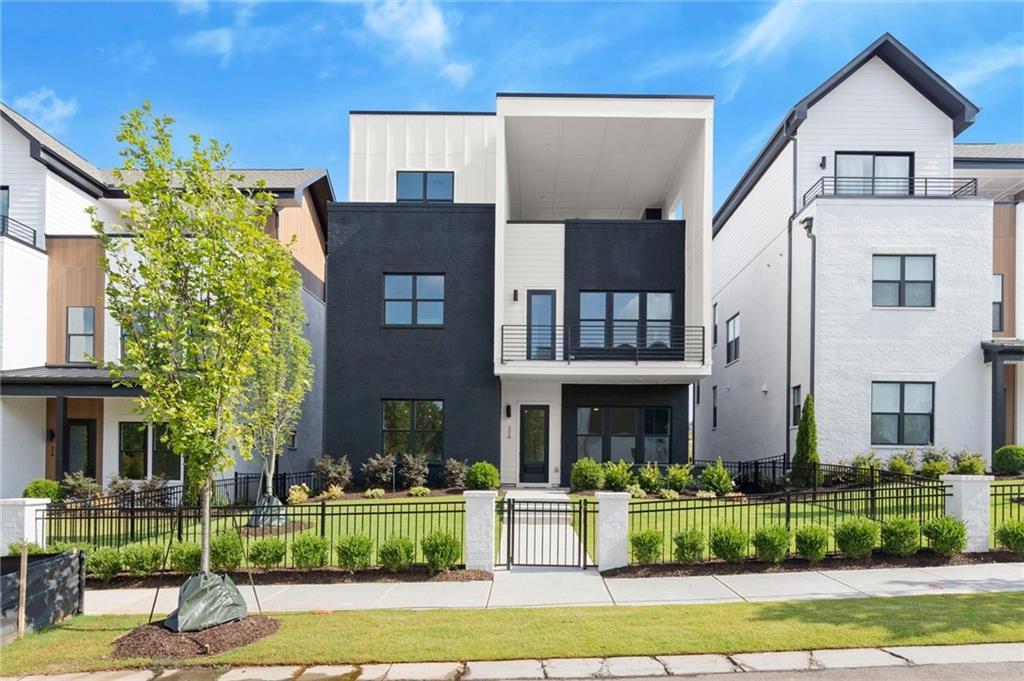
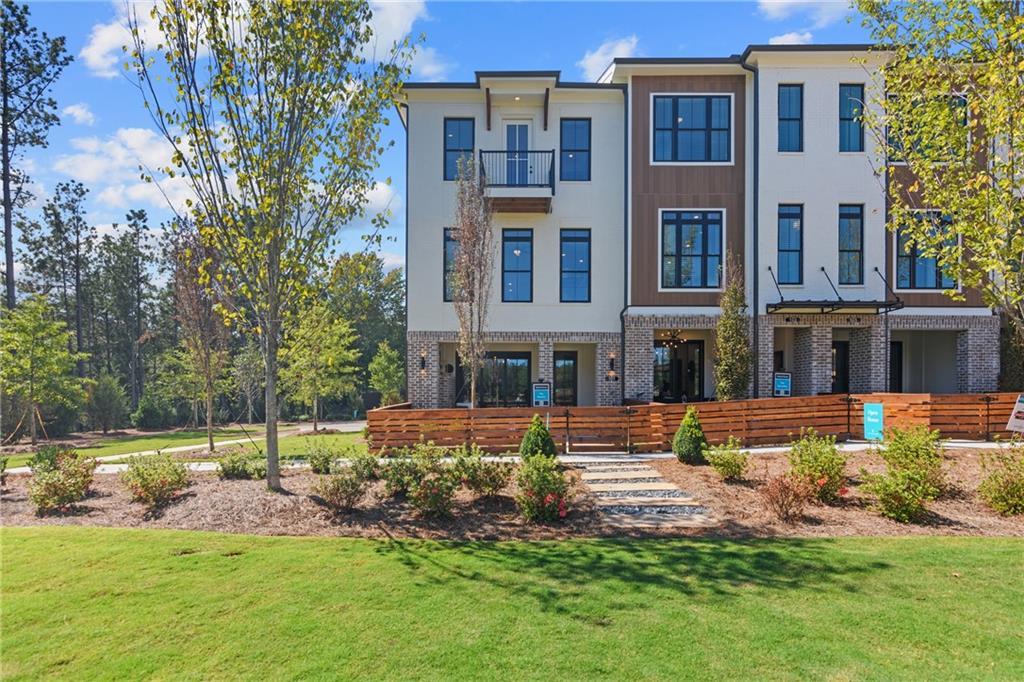
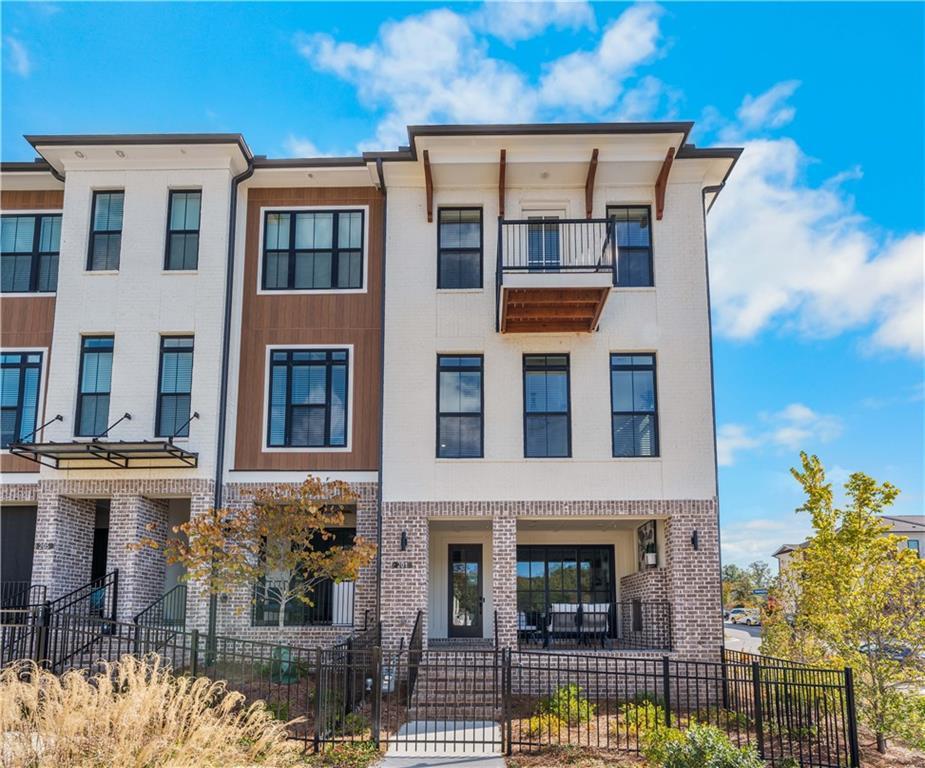
- Community character, walkability, and new construction quality: Tucker, Decatur-area communities, and East Atlanta Village adjacent developments are where local identity and newer housing stock are increasingly coexisting on the same block. This is the sweet spot for buyers who want intown energy with a new home warranty.
- Relocating for North Fulton tech and corporate employment: The proximity, infrastructure, and lifestyle alignment of North Atlanta's established communities represent a natural fit. The commute math alone tends to confirm it over time.
Both corridors are real markets with real community quality and genuine long-term upside. The decision isn't about which is objectively superior — it's about which one fits how you actually want to live.
Frequently Asked Questions

What is the price difference between new homes in North Atlanta vs. East Atlanta?
New construction in North Atlanta's core markets — Alpharetta, Milton, and Johns Creek — commands a meaningful premium over most East Atlanta corridor communities. New homes in those cities frequently start in the upper $400s and reach $700,000 and above in established master-planned communities. East Atlanta's new construction in Conyers, Covington, and parts of DeKalb County regularly comes to market in the $300s and $400s, offering significantly more square footage and lot size at comparable price points. Intown East Atlanta and Decatur-adjacent communities can be more price-competitive, reflecting the premium buyers place on walkability and intown access.
Are the schools better in North Atlanta or East Atlanta?
North Atlanta's Fulton County and Forsyth County school systems are consistently among the highest-rated large public school districts in Georgia, and that strong performance is broadly distributed across the corridor. East Atlanta has genuine standouts — Decatur City Schools in particular is excellent and rivals any district in the metro — but district quality varies more significantly across DeKalb, Rockdale, and Newton counties, making individual attendance zone research essential for buyers targeting East Atlanta communities.
Which corridor has better access to Downtown Atlanta?
East Atlanta holds a clear commute advantage for buyers whose work or lifestyle centers on Downtown or Midtown Atlanta. The MARTA East Rail Line provides direct rail service from Decatur into the core of the city, and I-20 East keeps drive times manageable from Tucker and inner-corridor communities. North Atlanta commutes to Downtown are longer by nature of the geography, though MARTA's North Line and GA-400 provide workable options for buyers who plan around them.
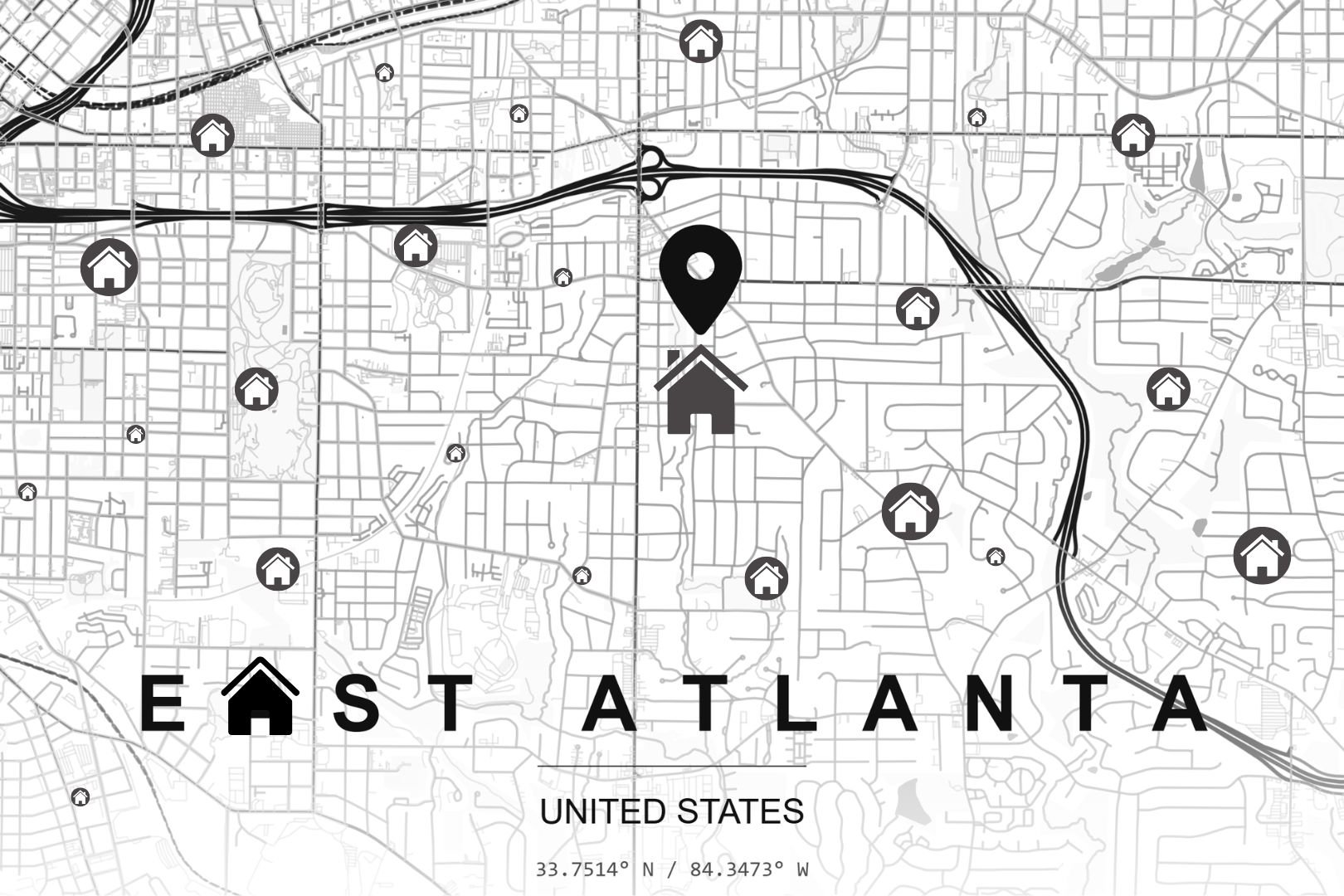
Where in East Atlanta is new construction most active right now?
Covington and Conyers are seeing the highest volume of new home development in the East Atlanta corridor, with Rockdale and Newton counties representing the most active new construction pipeline for buyers in that market. Tucker is also seeing consistent infill and new subdivision activity, particularly appealing for buyers who want the value of the East Atlanta corridor without sacrificing proximity to the perimeter and major employment centers.
Is North Atlanta a good long-term investment for new construction homes?
North Atlanta has demonstrated strong home value retention and appreciation over an extended period, supported by top school systems, major employer concentration, and sustained in-migration from other markets. While entry prices are higher than most of the metro, the long-term demand drivers — employment, schools, and lifestyle infrastructure — remain well-intact in cities like Alpharetta and Milton. Market conditions always vary, and buyers should discuss investment expectations with a local professional rather than relying solely on historical trends.
Can I find affordable new construction near Atlanta without going too far out?
Yes. Tucker and select communities in DeKalb County offer newer construction at prices that compare favorably to equivalent North Atlanta product while keeping commutes to intown Atlanta genuinely manageable. Within North Atlanta, Forsyth County and Cumming provide more accessible pricing than Alpharetta or Milton for buyers who are comfortable being further north on the GA-400 corridor and want to stay within one of the state's strongest school districts.
The Bottom Line

North Atlanta and East Atlanta are both real stories — not marketing narratives or builder slogans, but communities where people are building actual lives, raising families, and finding genuine value in the homes they choose. North Atlanta offers the school pedigree, the employment proximity, and the well-developed infrastructure that has made it one of the most consistently desirable suburban corridors in the Southeast for a generation of Atlanta buyers.
East Atlanta offers value, personality, proximity to the energy of the city, and an appreciation story that is still actively being written in several of its most exciting communities. Neither corridor is the right answer for everyone.
The right answer is the one that fits your family, your commute, your budget, and the kind of community you want to be part of. Use this guide as your starting point — and when you're ready to take the next step, we'd love to help you find the right fit in whichever corridor feels like home. Feel free to reach out to us anytime.