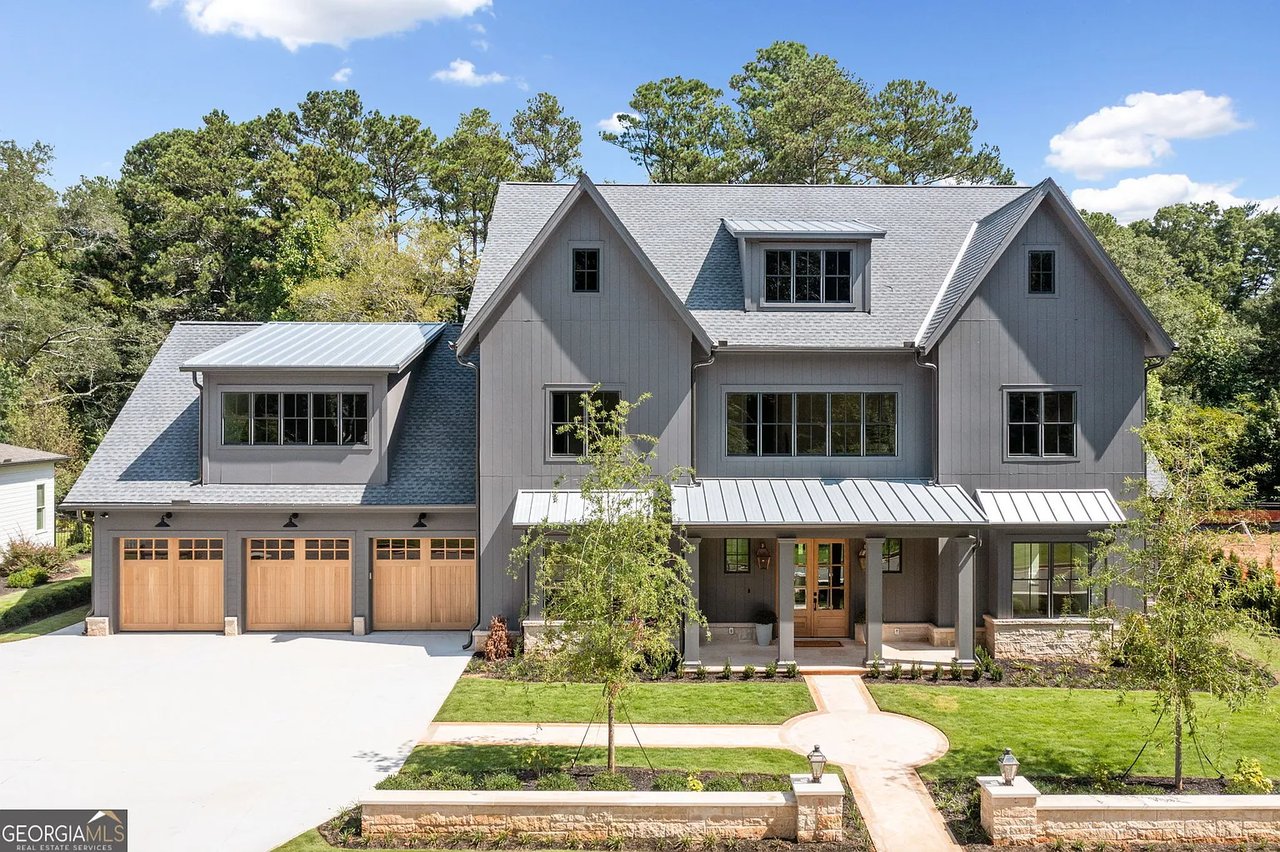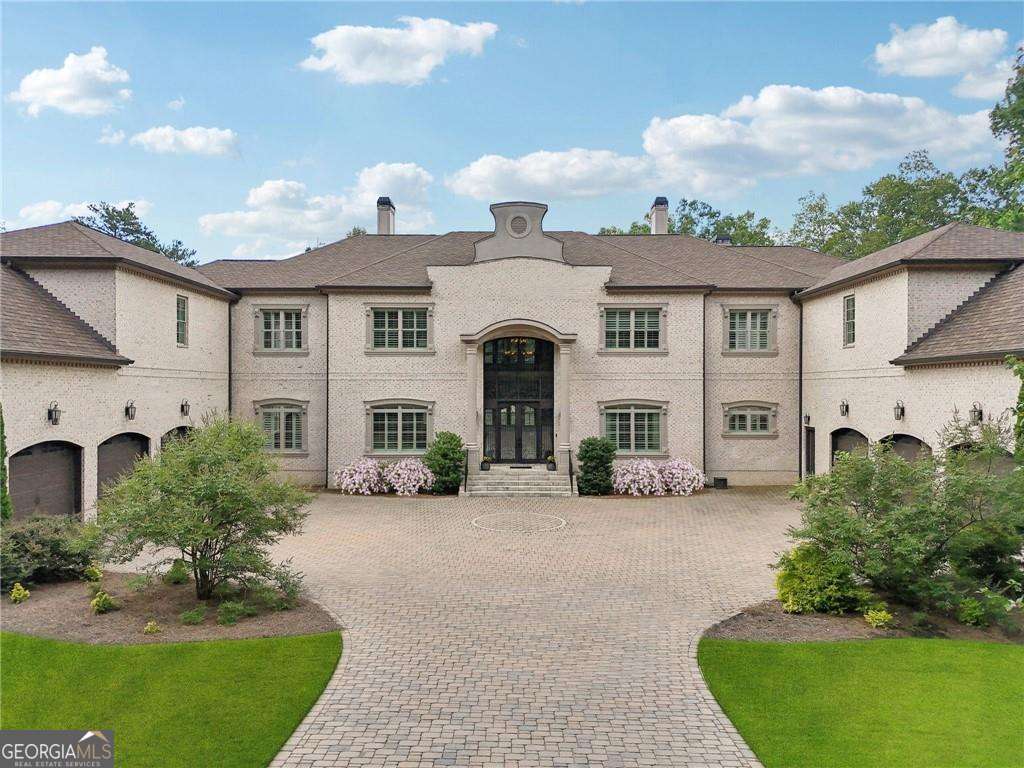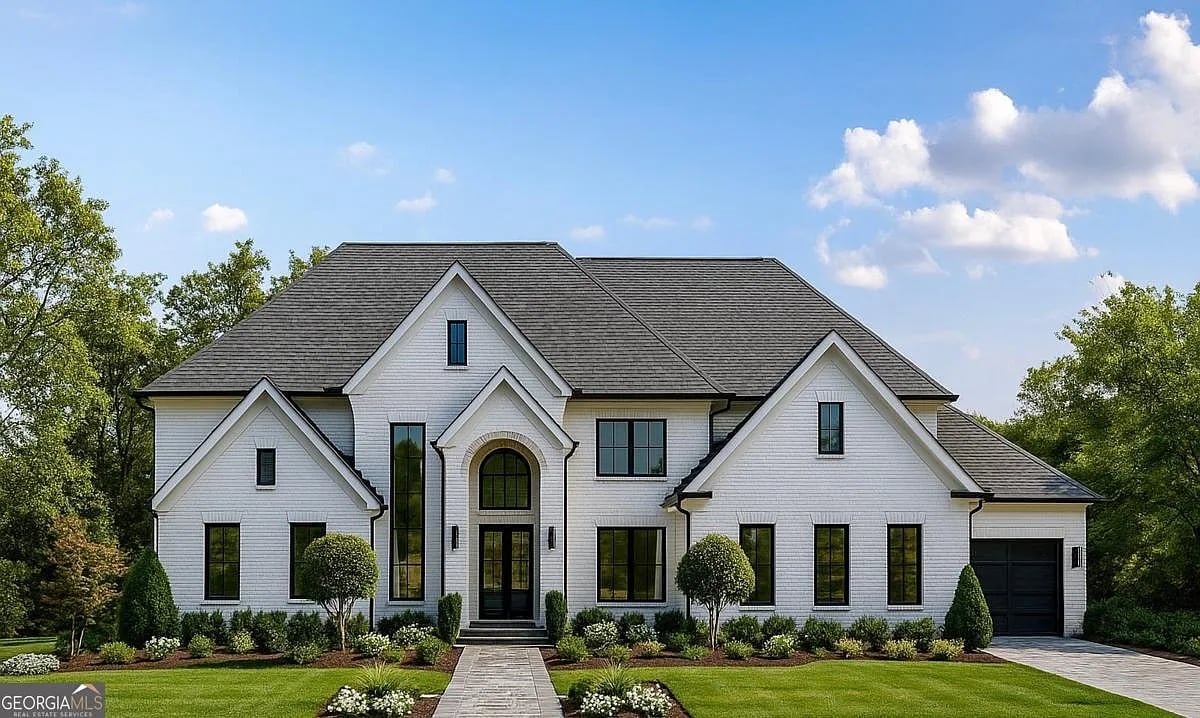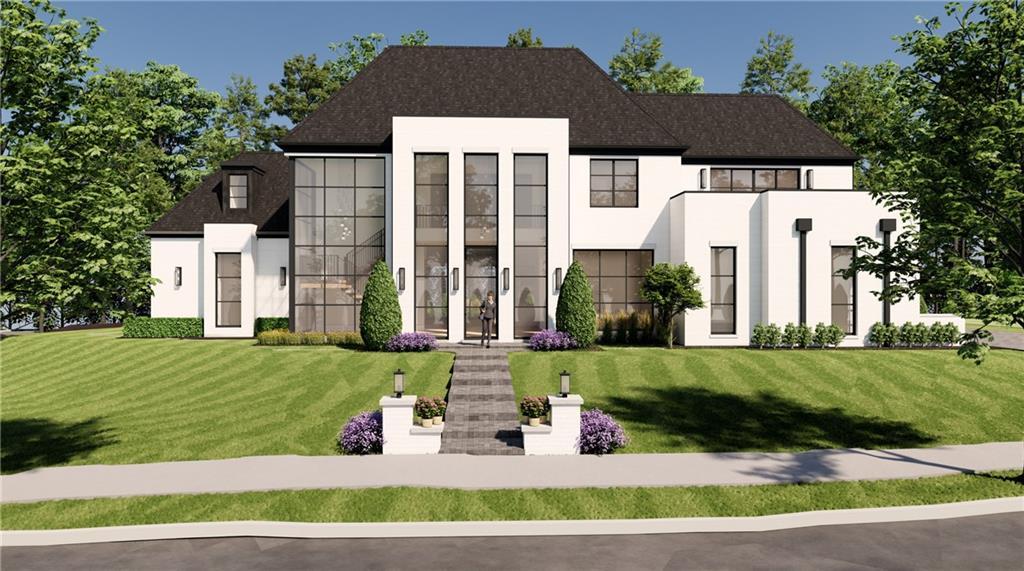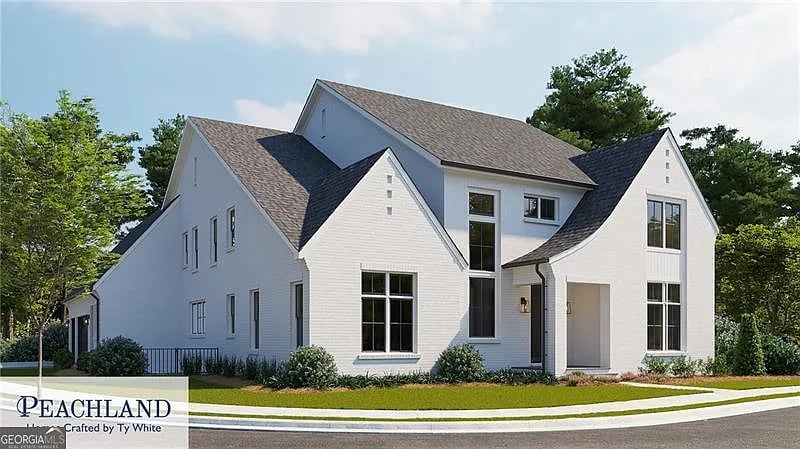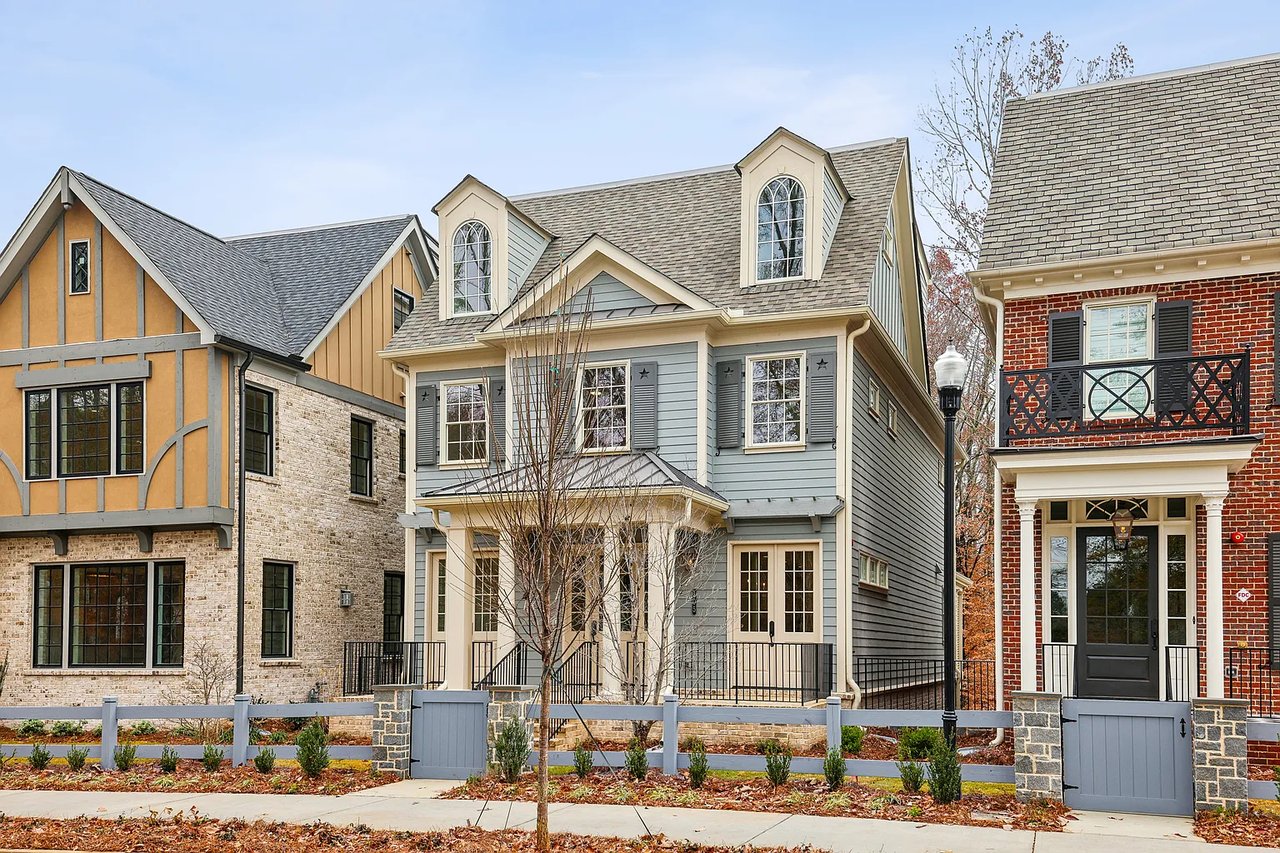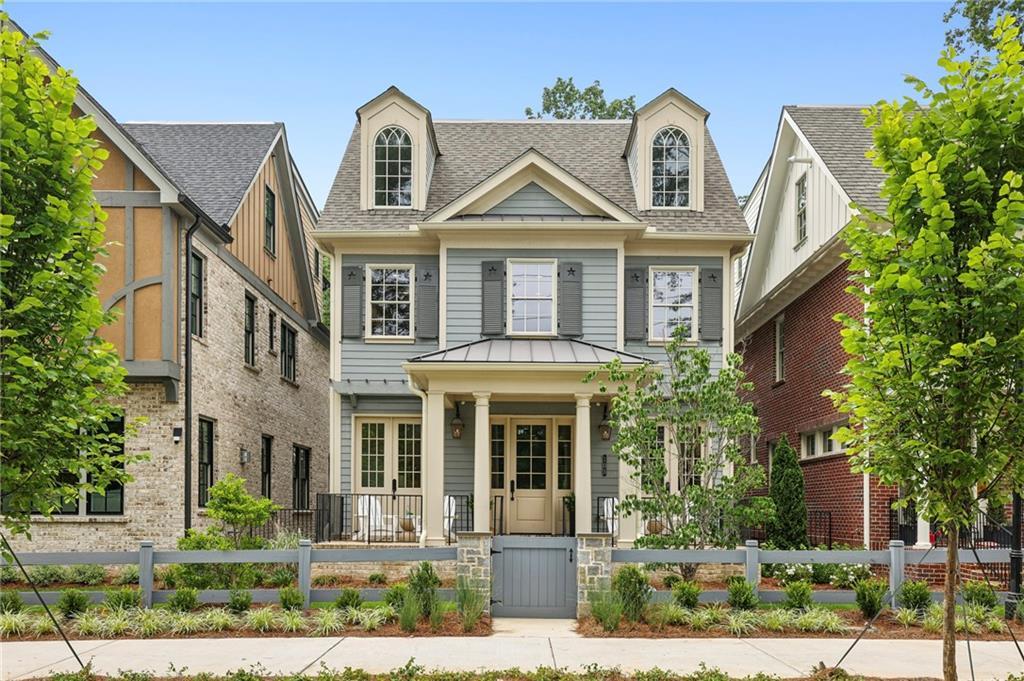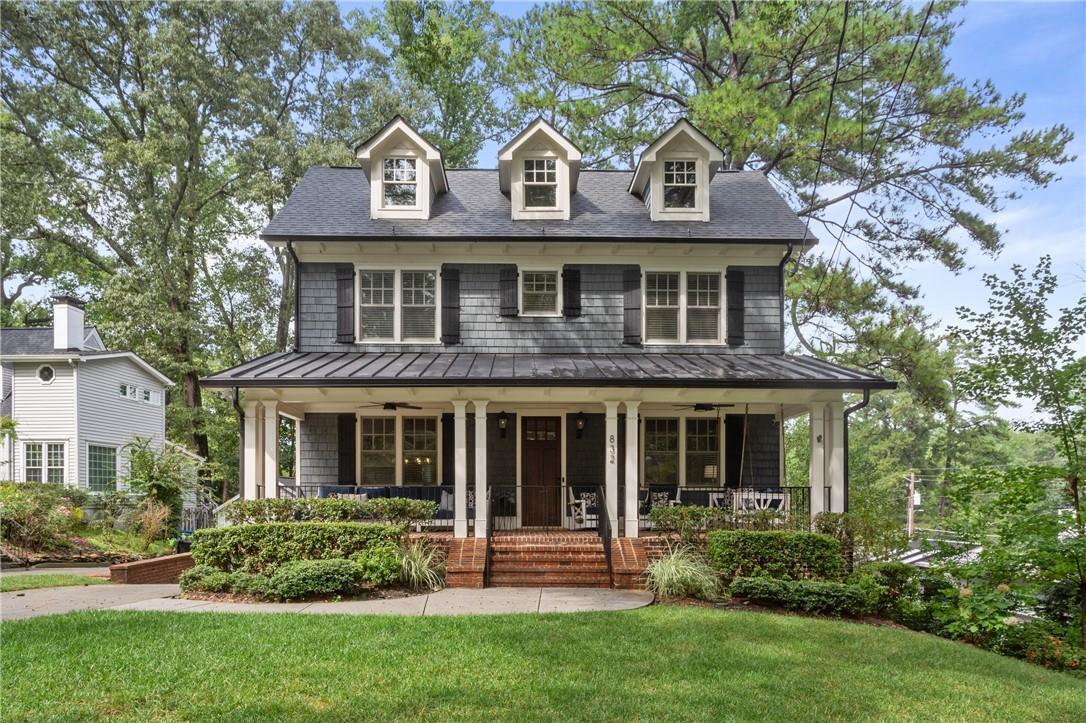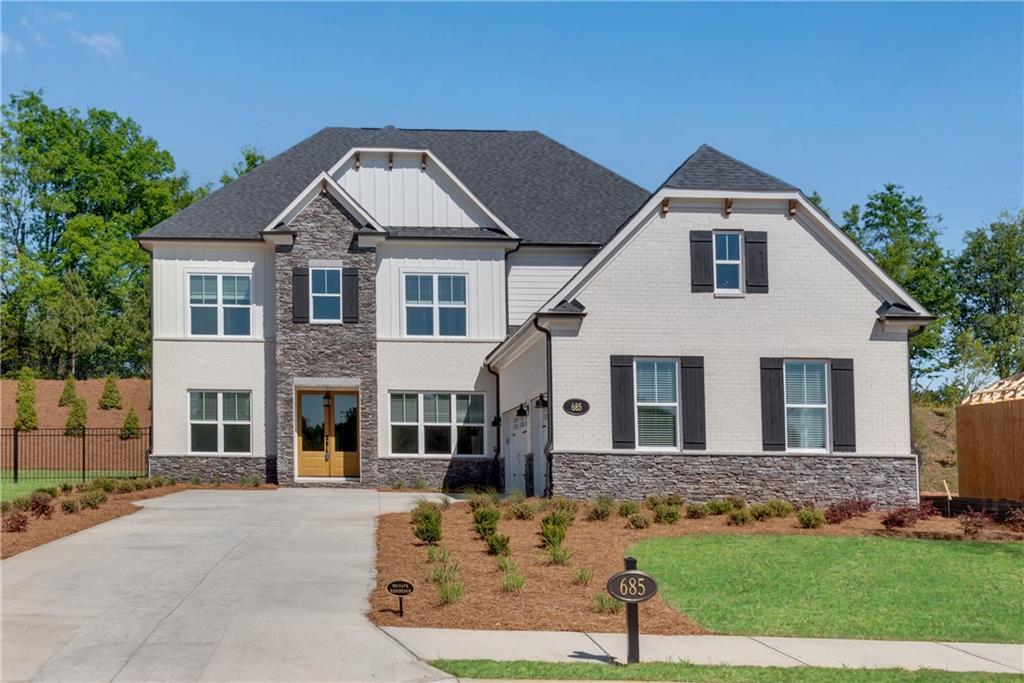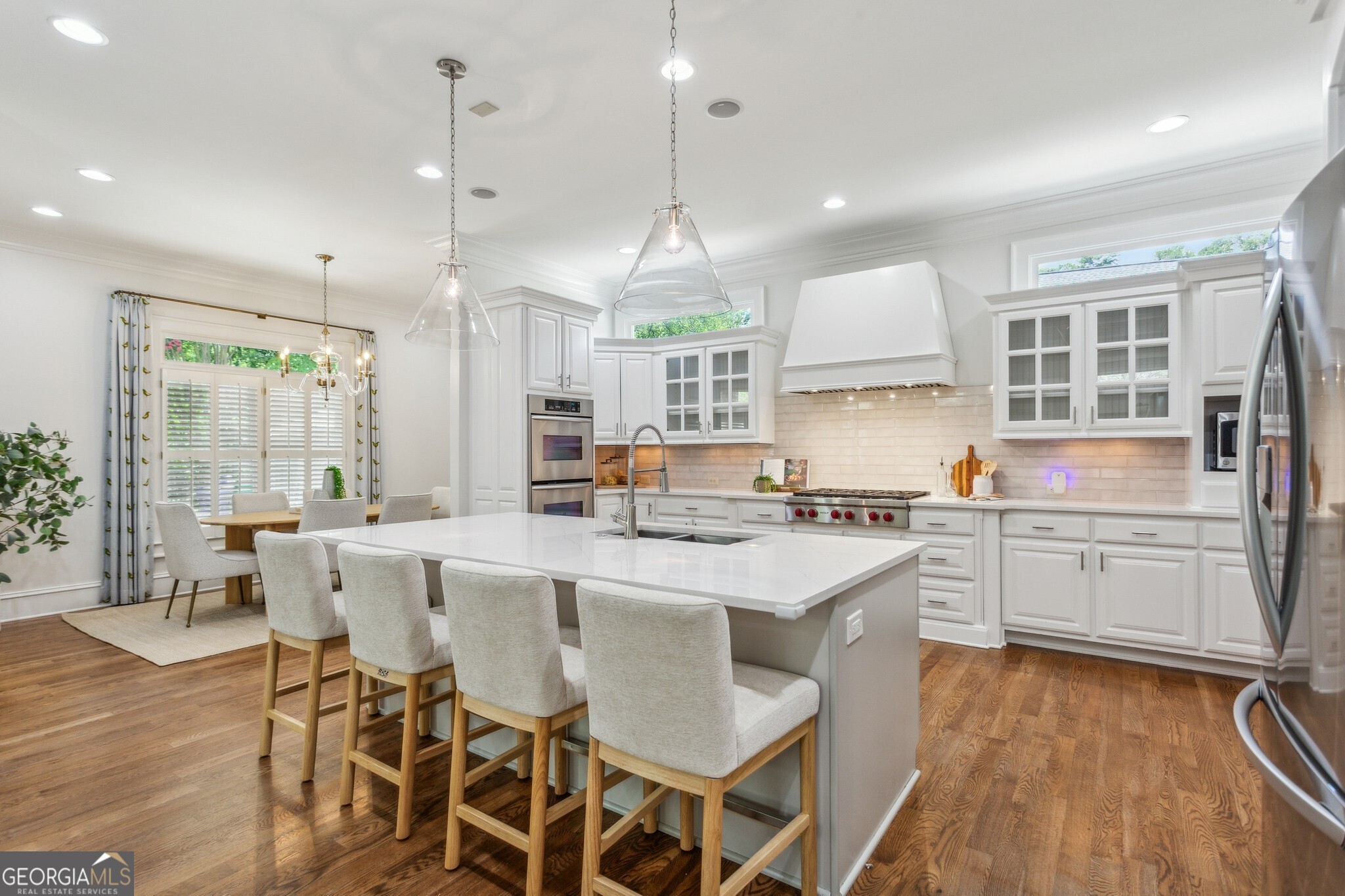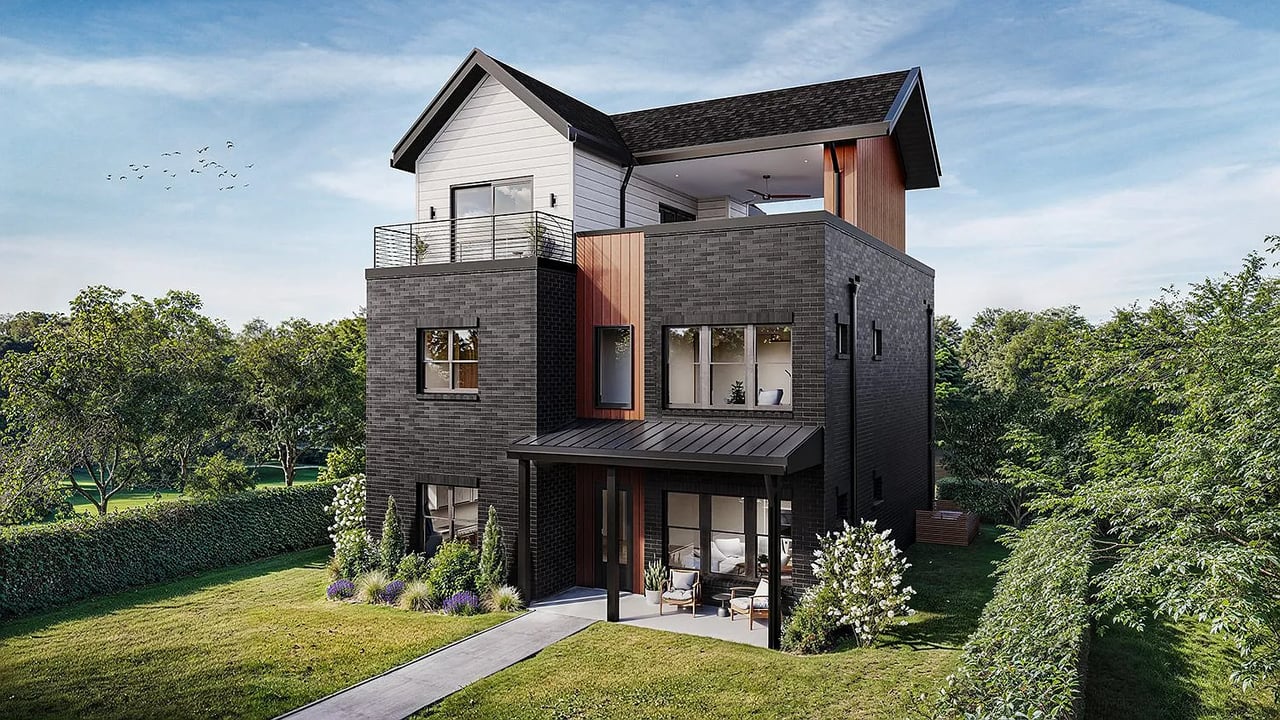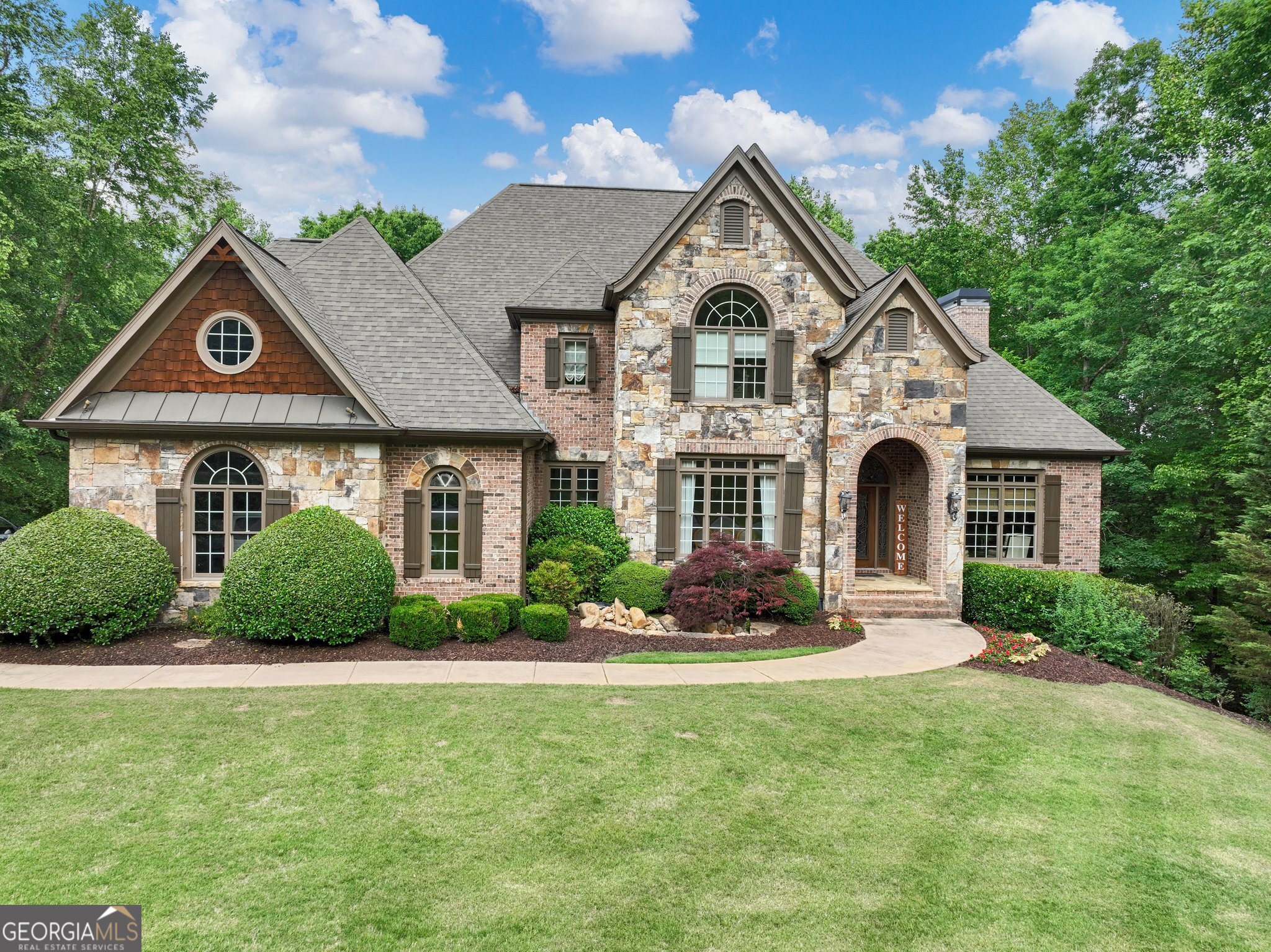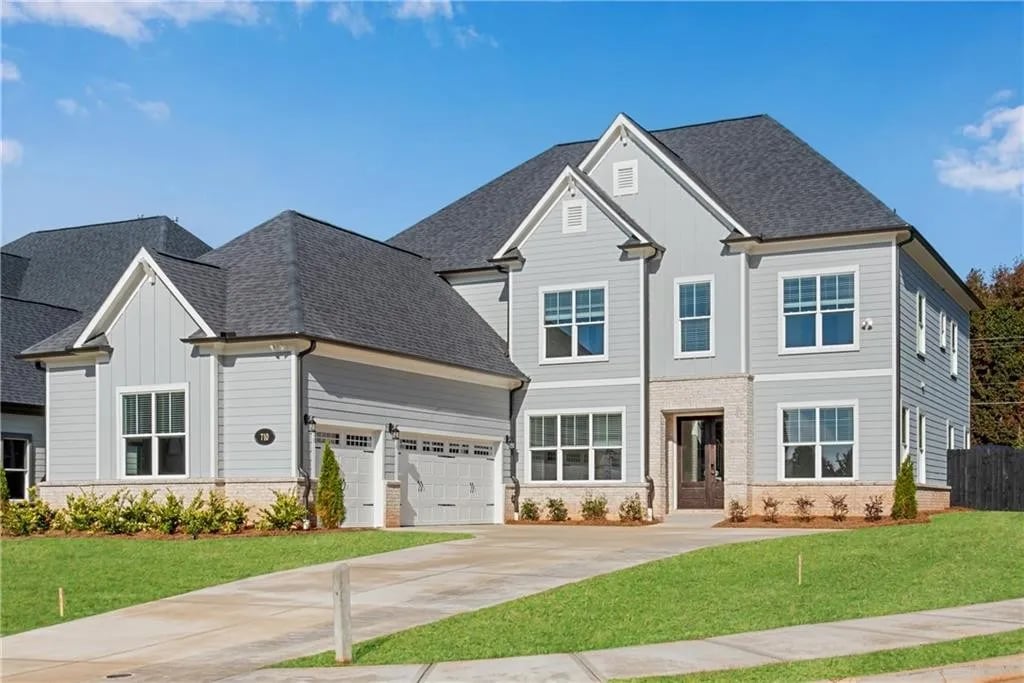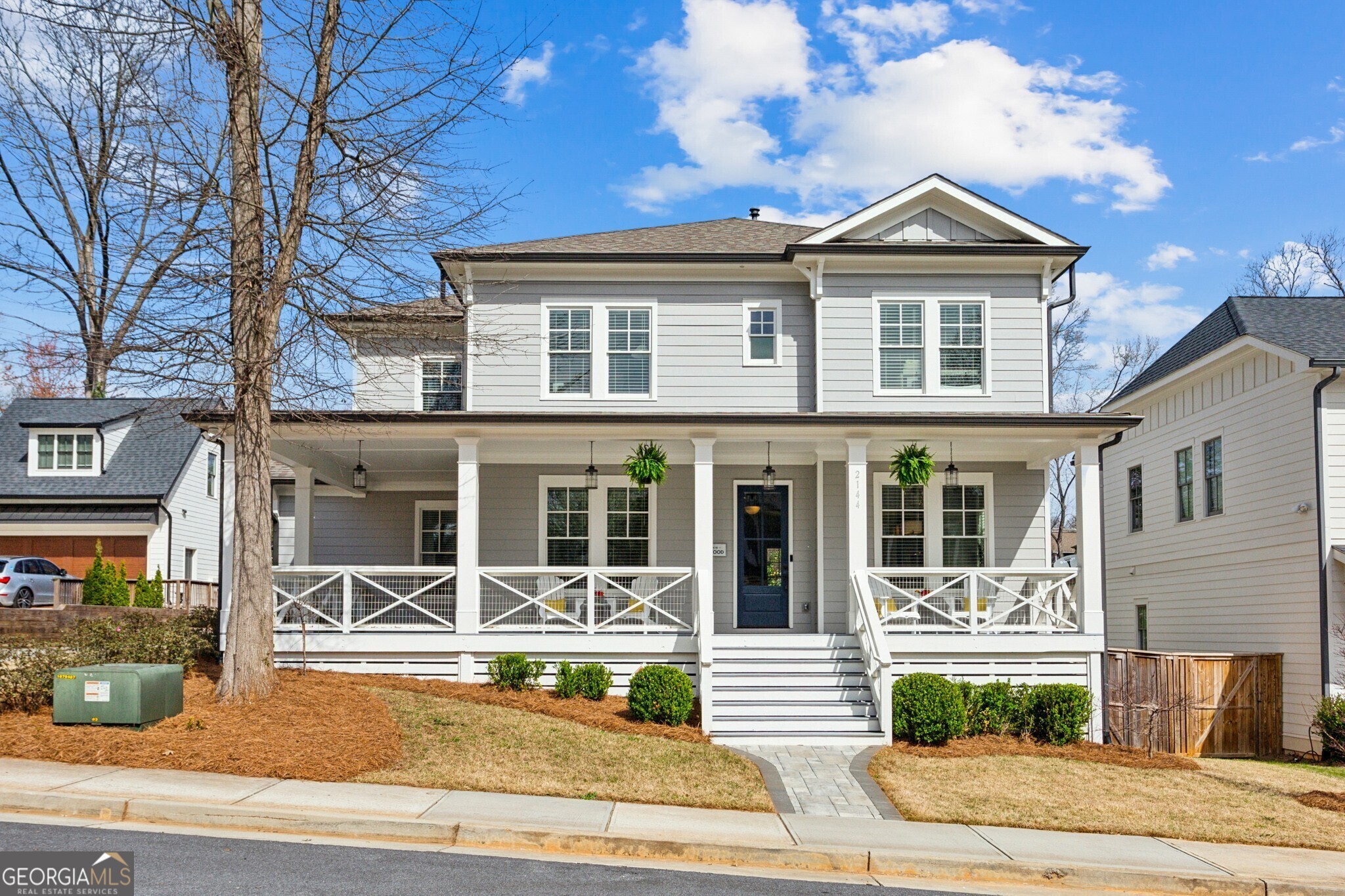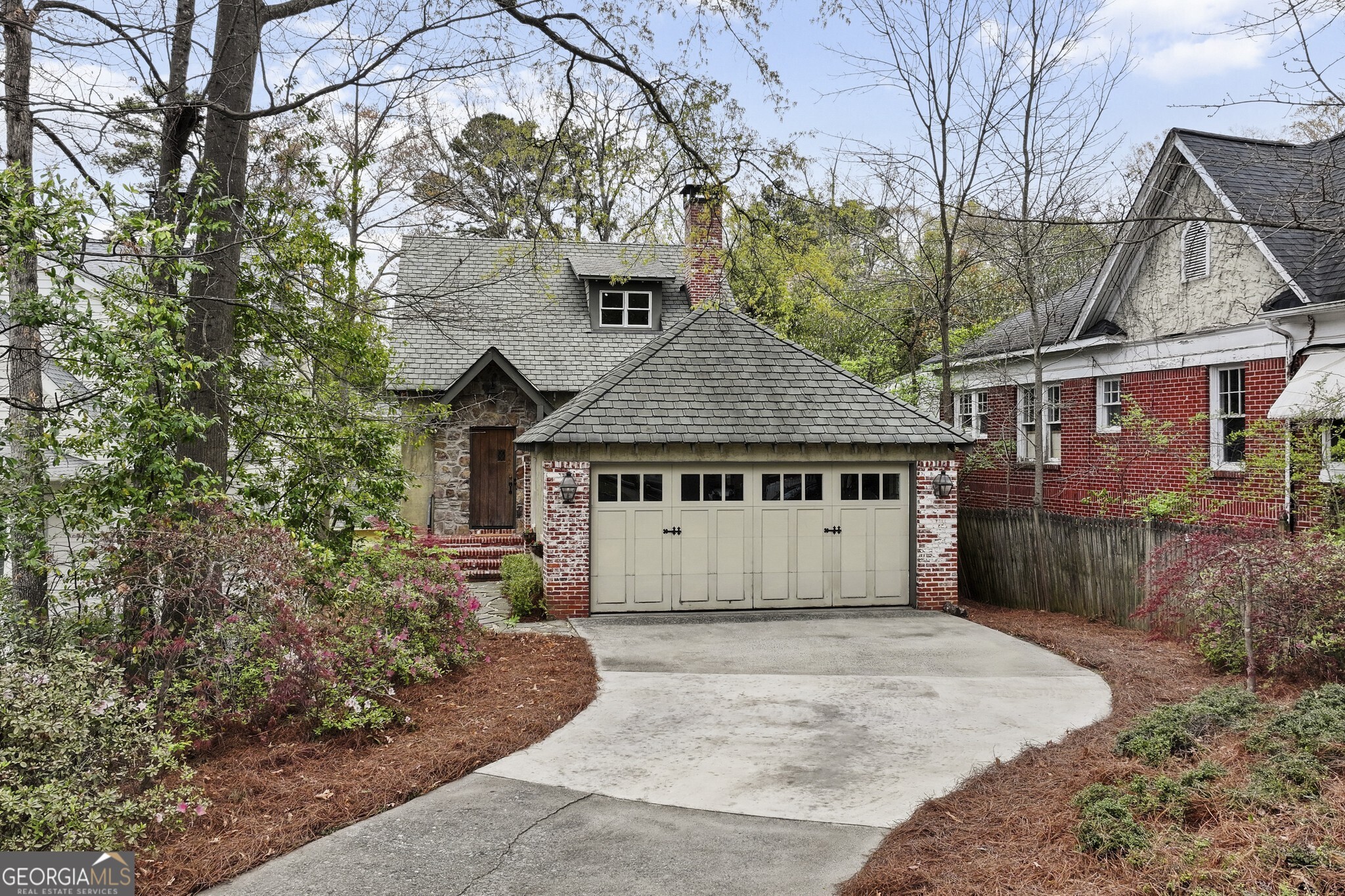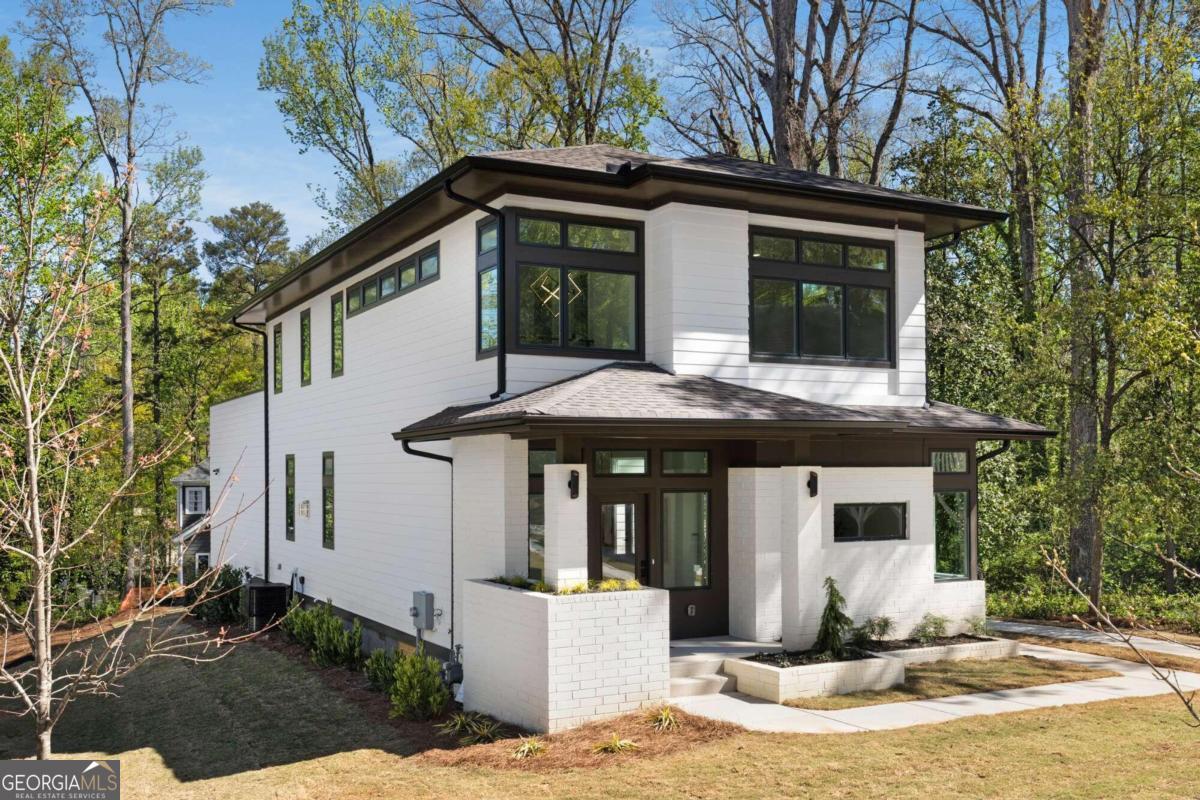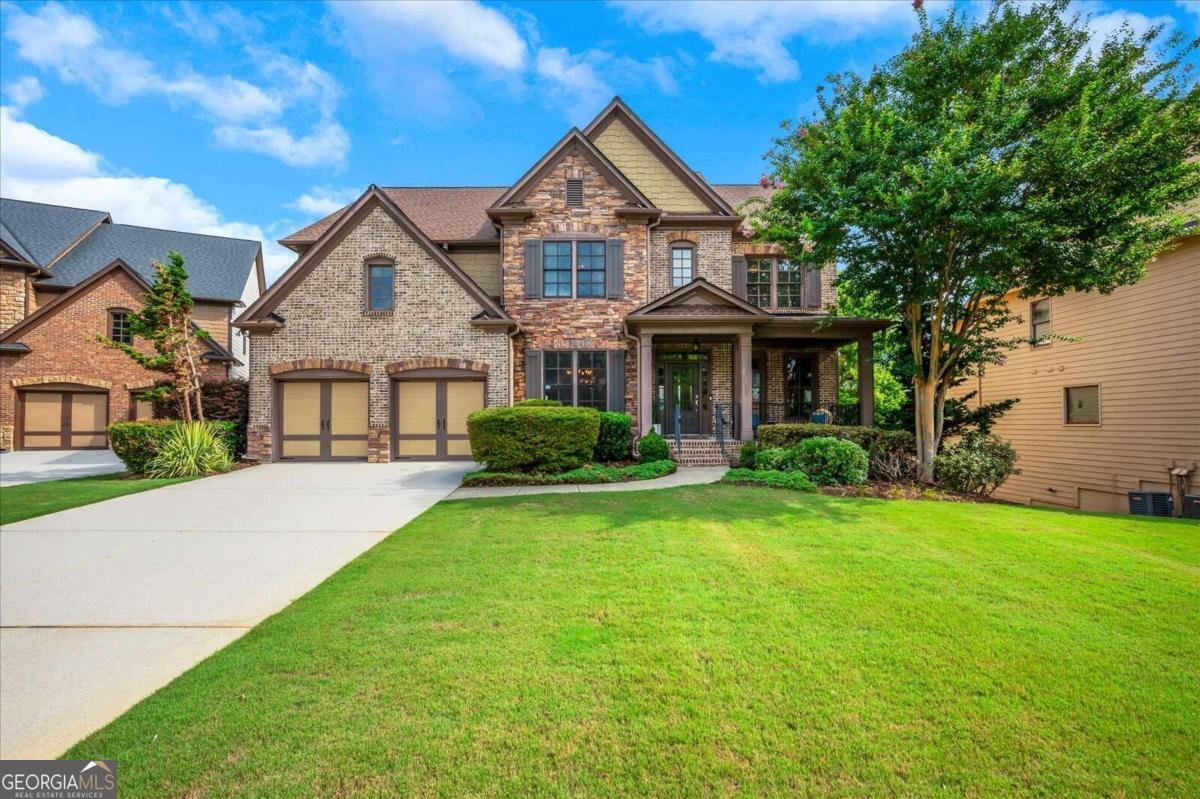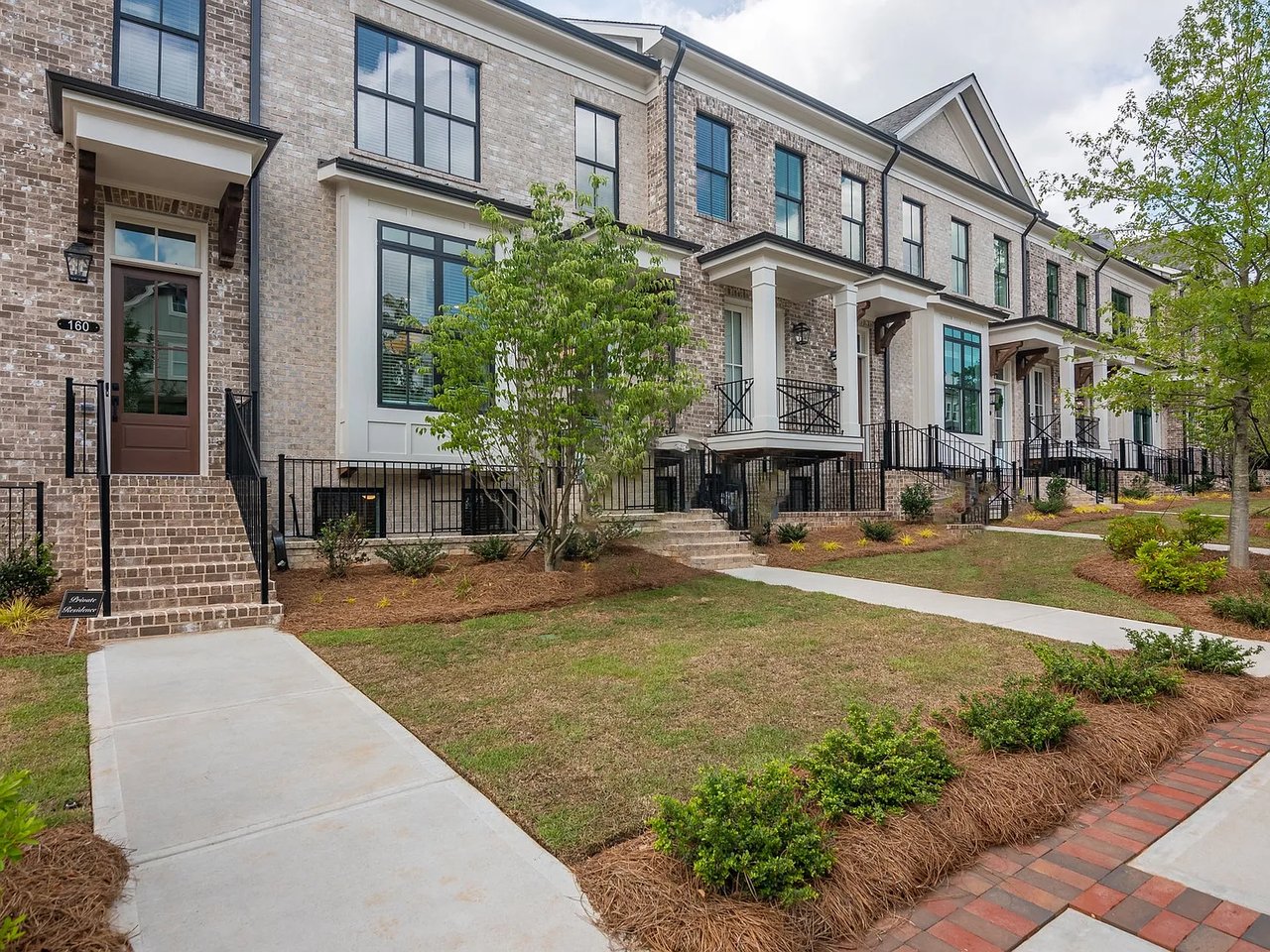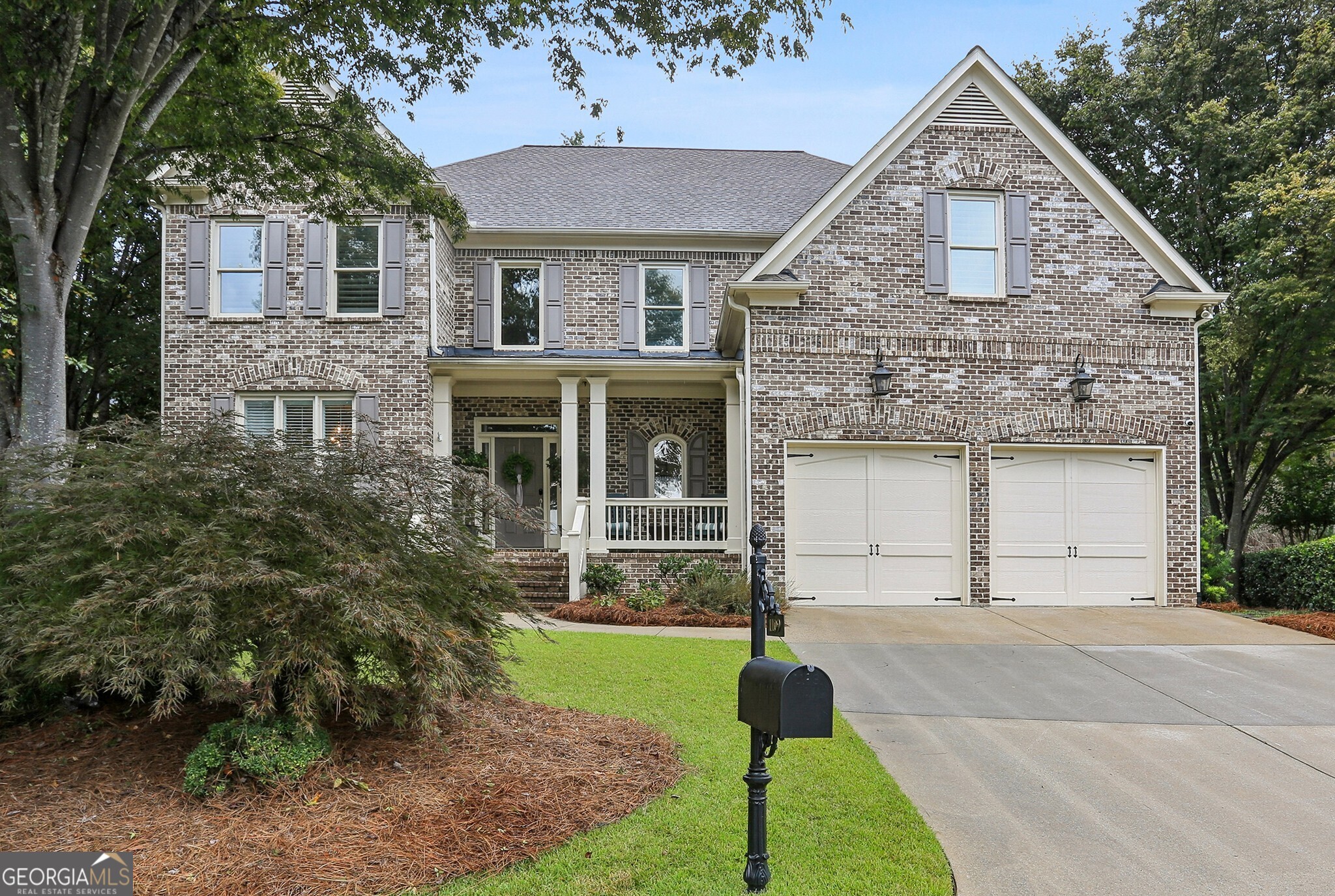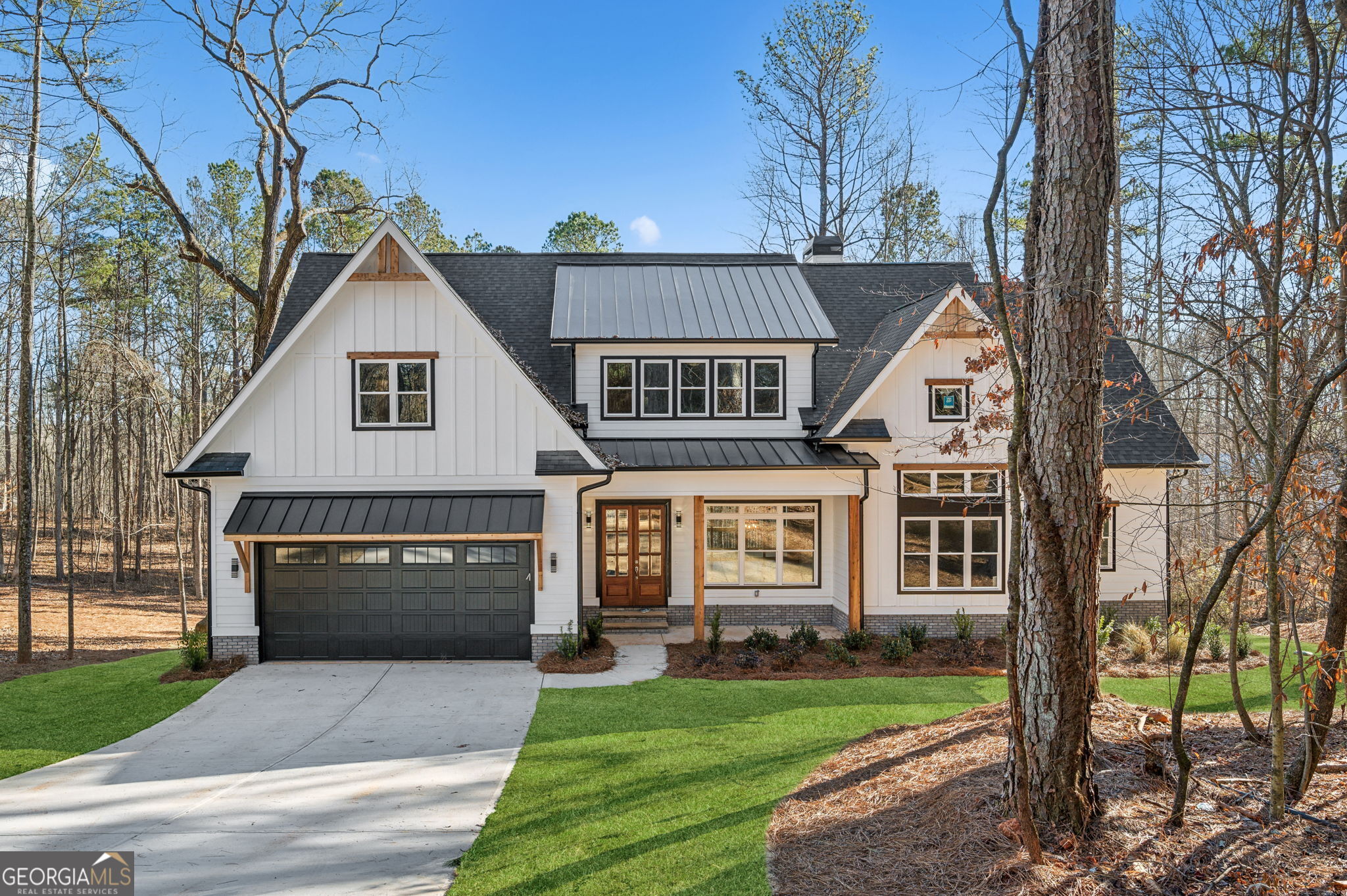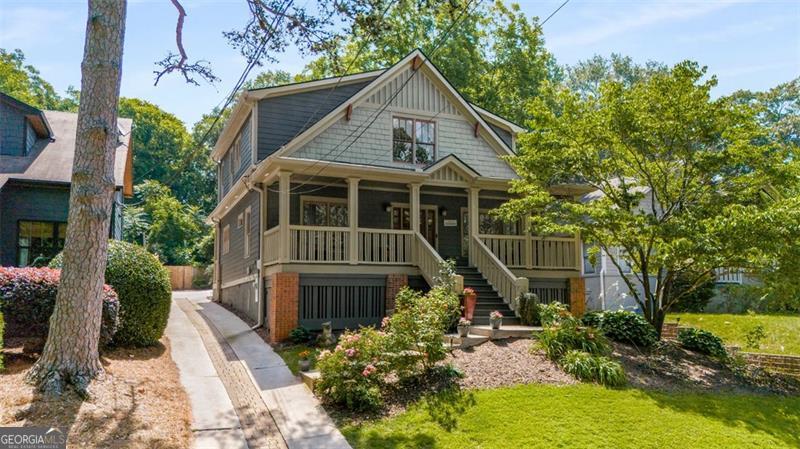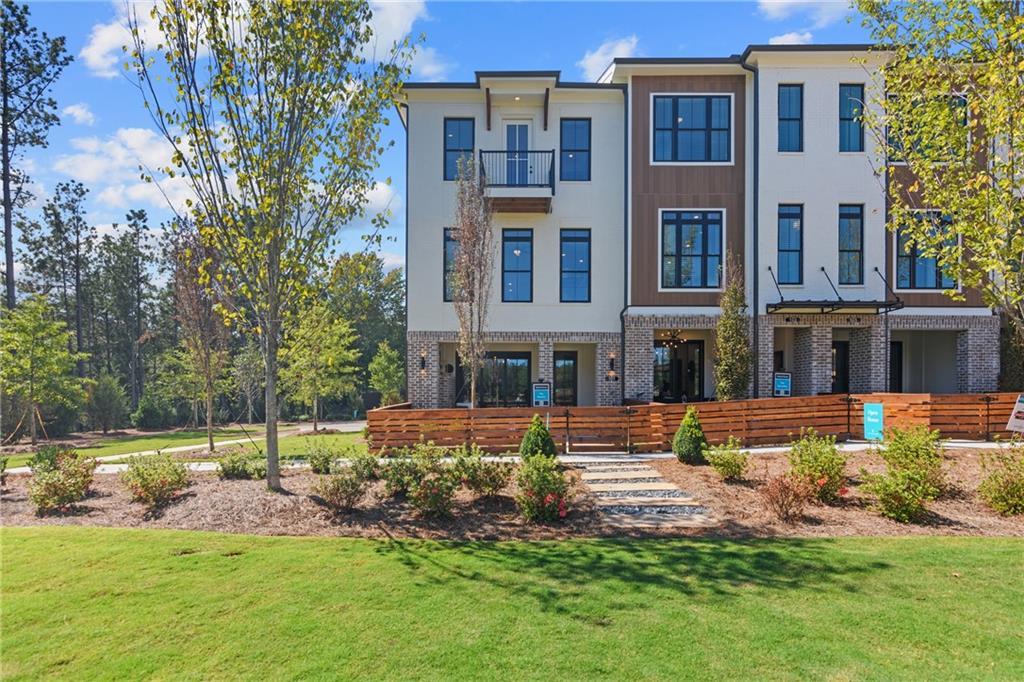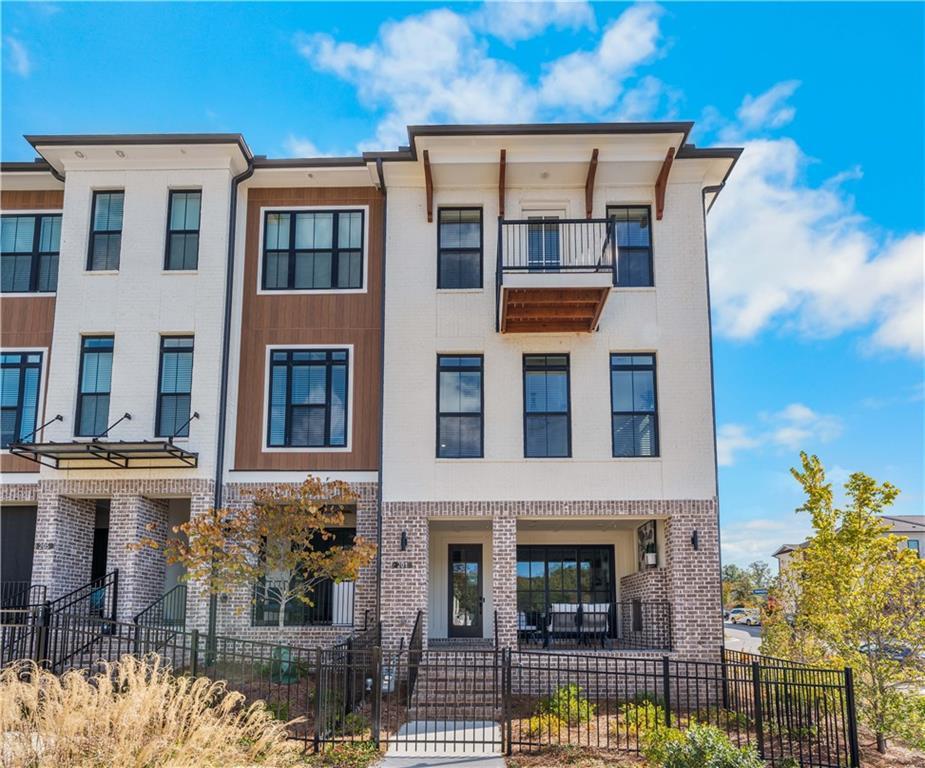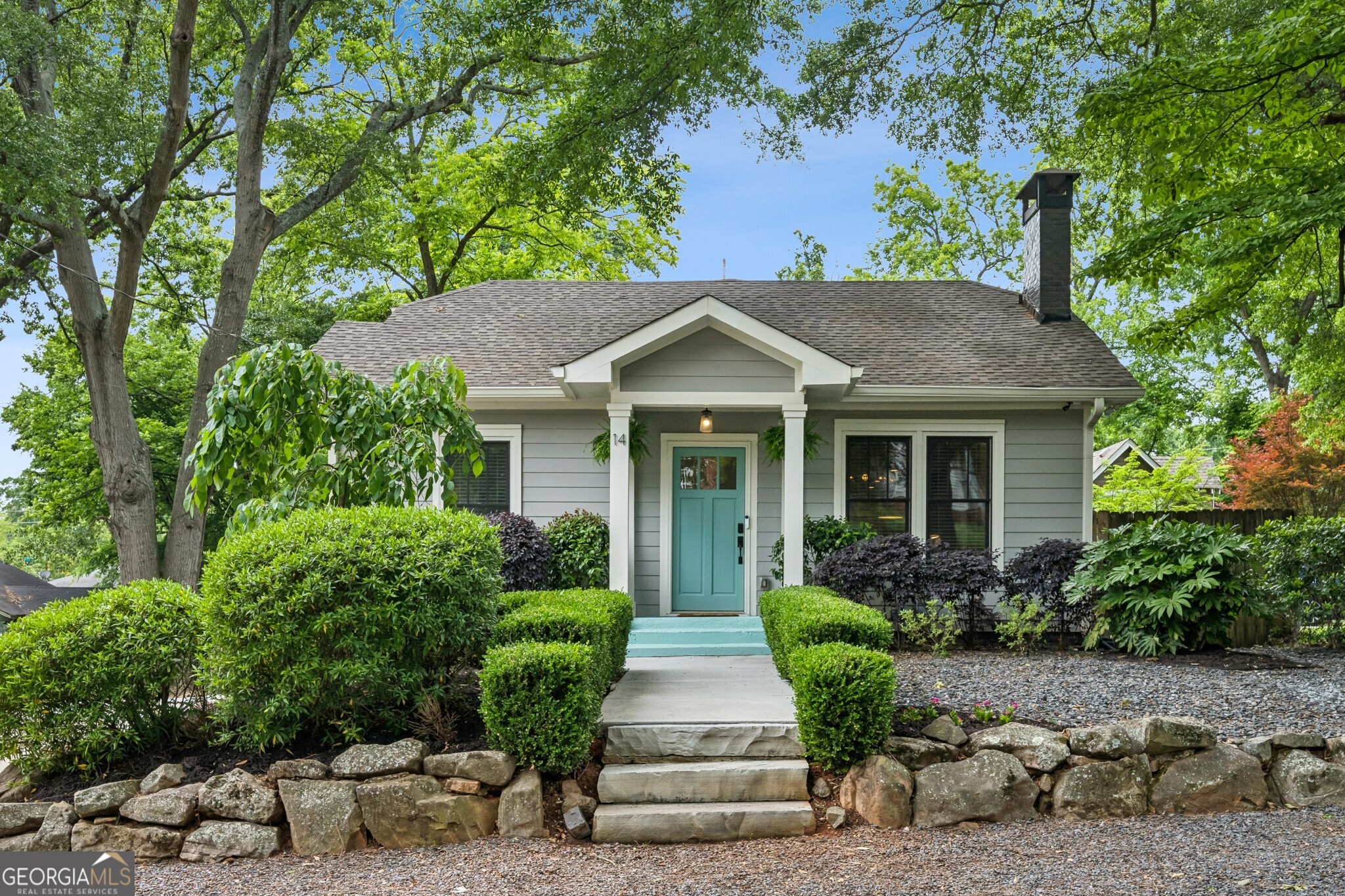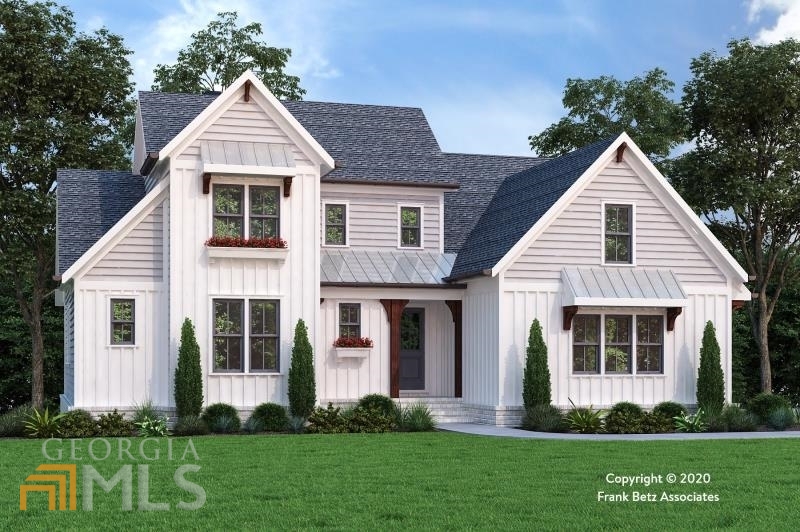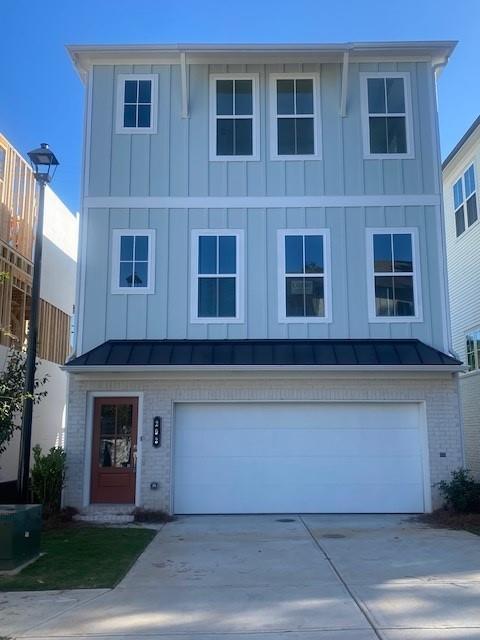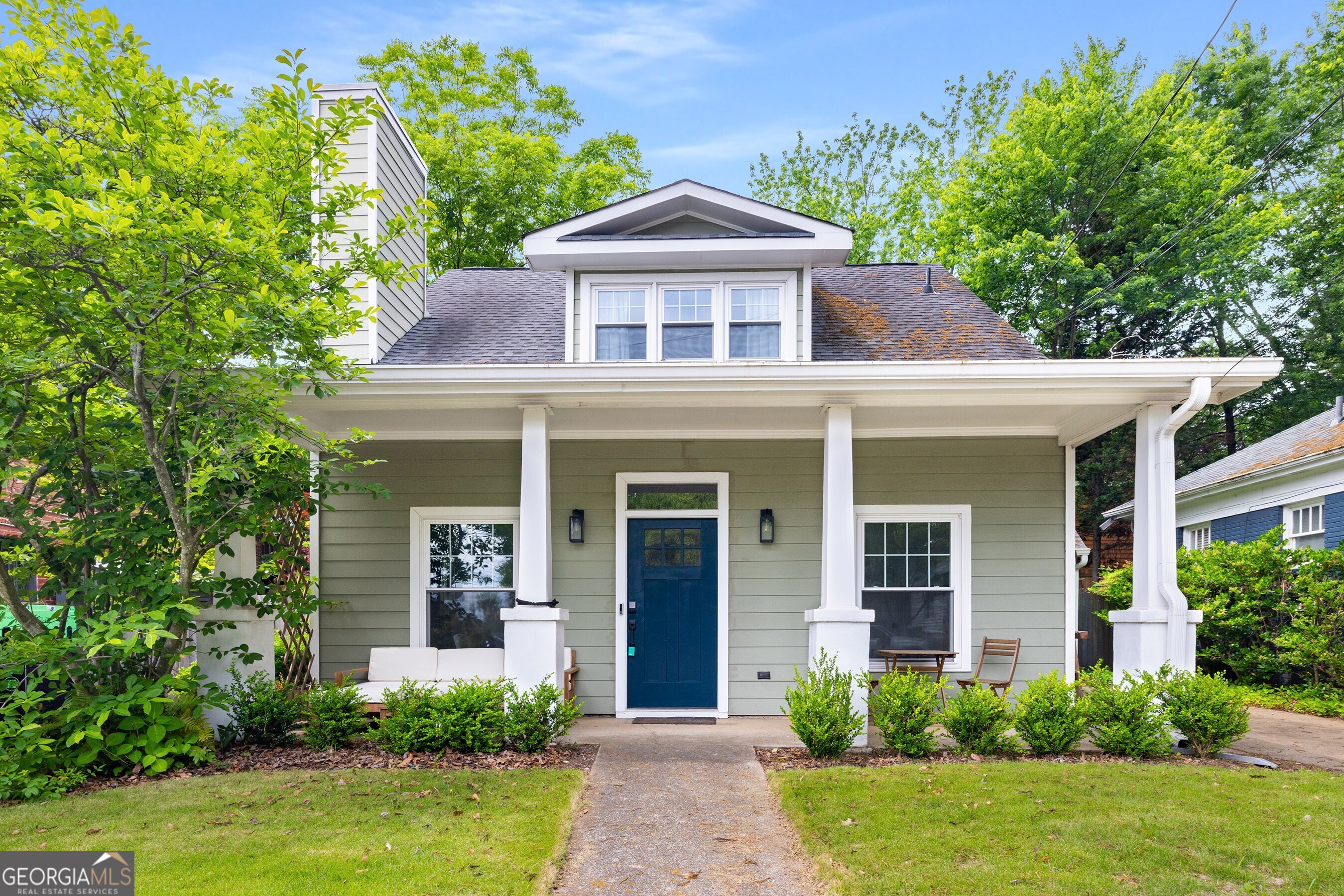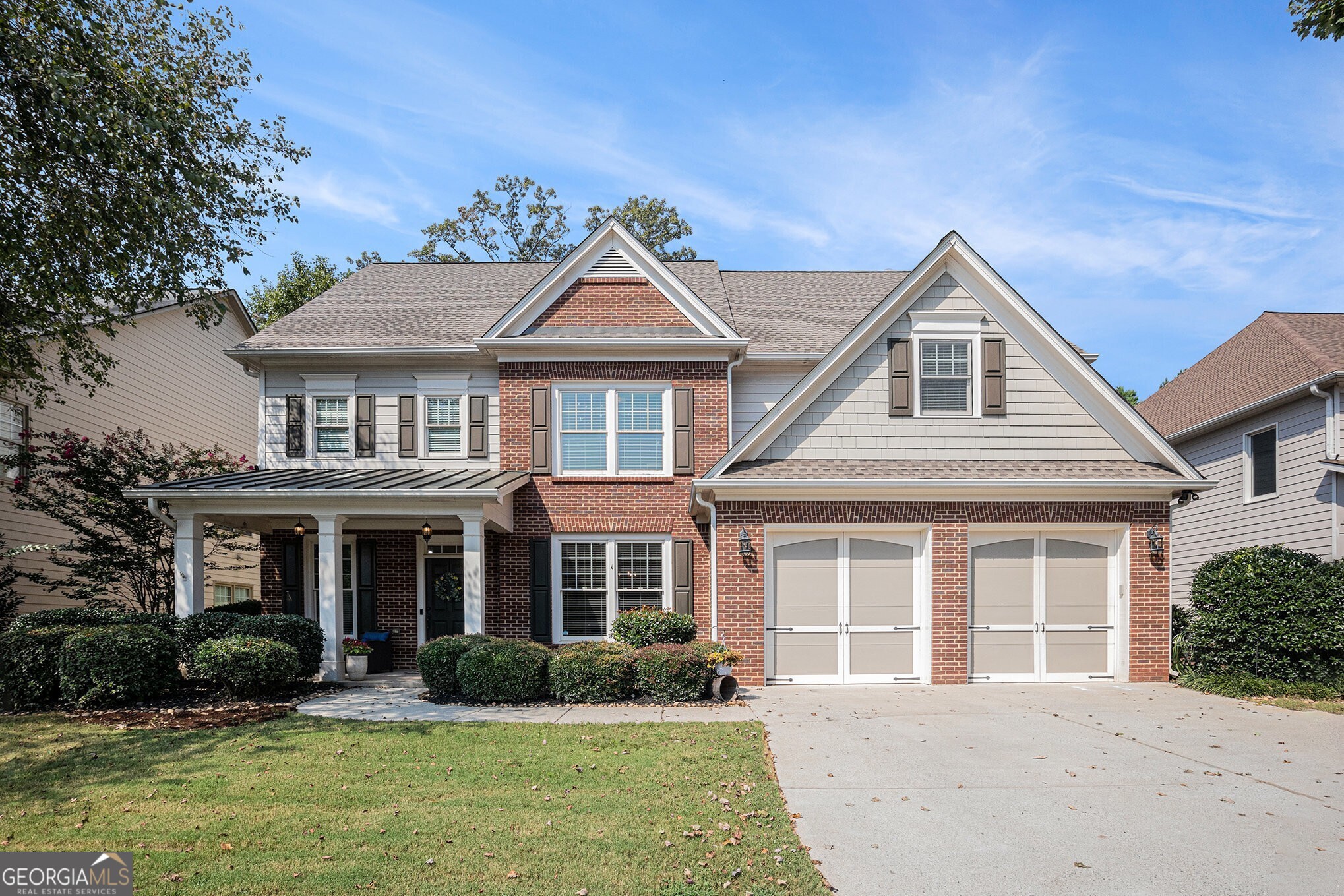
Atlanta issued 19,529 new residential construction permits in 2025 — making it one of the Southeast's most active new-construction markets by a wide margin. But permit volume alone won't tell you whether building new is the right move for your family, your budget, or your commute tolerance.
Before you sign a builder contract anywhere in the Atlanta metro, you deserve a complete, honest picture of what you're getting into — the genuine advantages and the real trade-offs. That's exactly what this guide delivers.
Why Atlanta Is One of the Best Markets to Consider New Construction Right Now
A City That Keeps Growing
Atlanta's momentum as a Sun Belt powerhouse shows no sign of slowing. The 11-county Atlanta region added 62,700 residents between April 2023 and April 2024, bringing the total regional population to 5.2 million. The fastest growth occurred in the City of Atlanta itself (2.1%), followed closely by Cherokee County (1.9%) and Henry County (1.8%).
That kind of sustained inbound migration keeps housing demand strong — and makes the decision to build new more financially defensible than in slower-growth markets.
Atlanta's economic engine is equally diverse and resilient. The metro is anchored by 16 Fortune 500 companies, including Delta Air Lines, The Home Depot, UPS, Coca-Cola, and Emory University. Innovation hubs like Georgia Tech's Tech Square in Midtown continue drawing knowledge-sector workers, while total nonfarm employment surpassed 3.1 million jobs in May 2025, with healthcare and professional services leading growth. All of that economic energy translates directly into housing demand — and new construction is absorbing a meaningful share of it.
62,700 new residents arrived in the Atlanta region between April 2023 and April 2024, pushing the metro's population to 5.2 million and sustaining some of the strongest housing demand in the country.
The Builder Landscape Is Robust
The scale of Atlanta's builder marketplace is remarkable. Buyers can currently choose from 319 home builders offering 9,689 new homes across 1,128 communities throughout the metro, with prices ranging from $168,900 to $19,750,000.
Leading production builders like D.R. Horton, DRB Homes, Pulte Homes, Smith Douglas Homes, and The Providence Group dominate the mid-range market, while luxury builders like Toll Brothers and John Wieland Homes serve buyers at the upper end. Few markets in the country offer this kind of breadth and competition — and that competition ultimately works in buyers' favor.
New construction costs in Atlanta also compare favorably on a national basis. According to Angi, new home construction costs here can run 35% to 62% below the national average, with the typical homeowner saving roughly 46% compared to the average cost to build elsewhere in the U.S. That's a meaningful advantage for buyers relocating from higher-cost metros like Washington D.C., Boston, or the Bay Area.
35% to 62% — that's how much less it can cost to build a new home in Atlanta compared to the national average, according to Angi. For relocating buyers, the savings are often substantial.
The Pros of Building a New Home in Atlanta
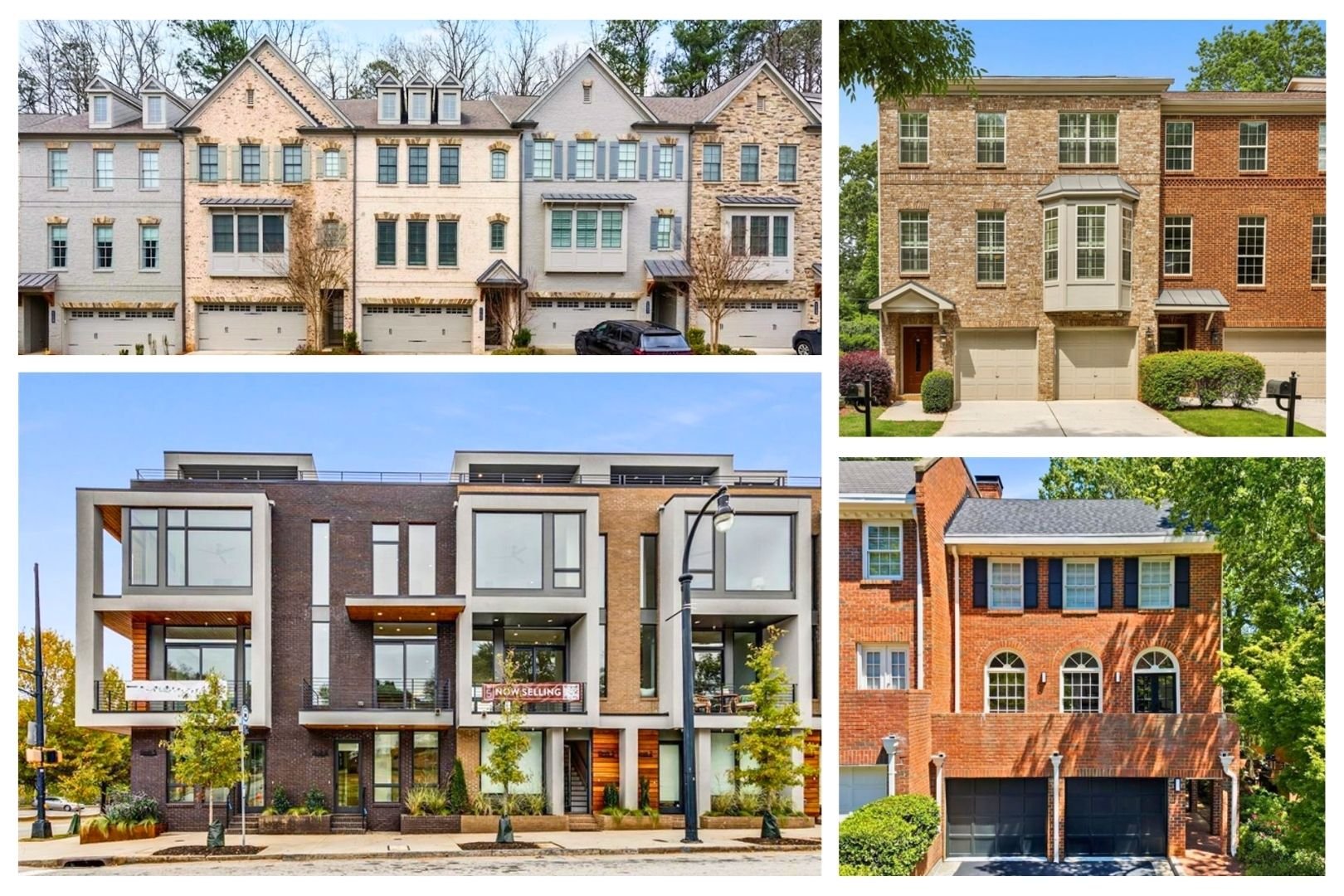
Full Customization — Your Home, Your Way
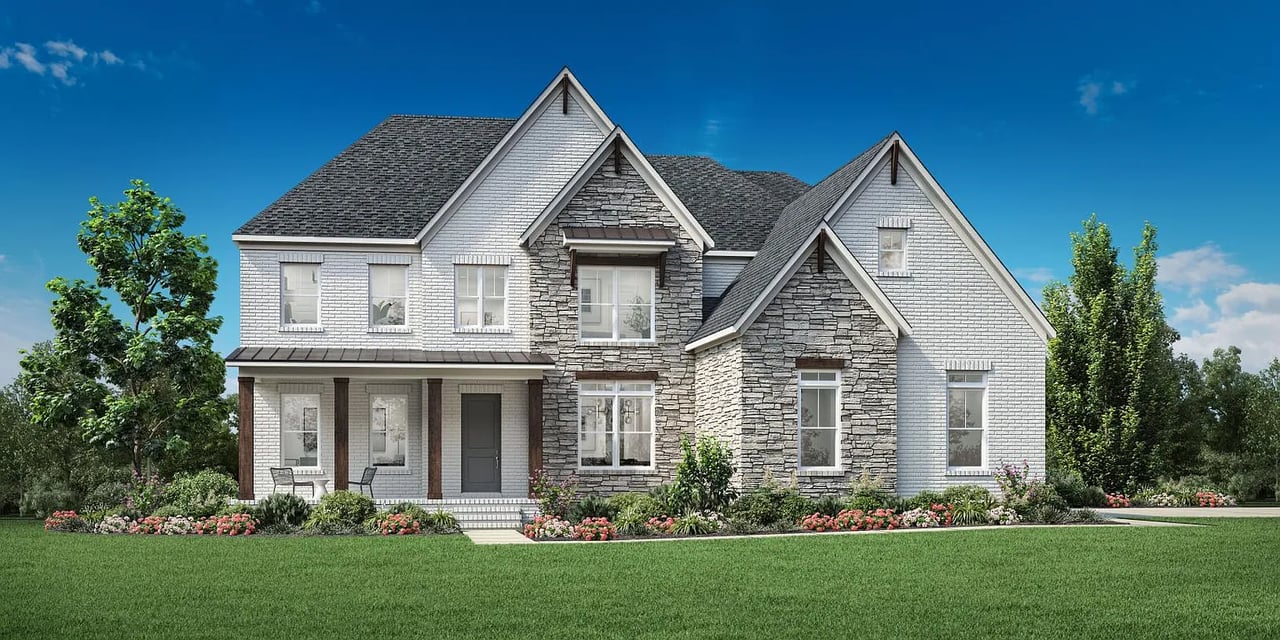
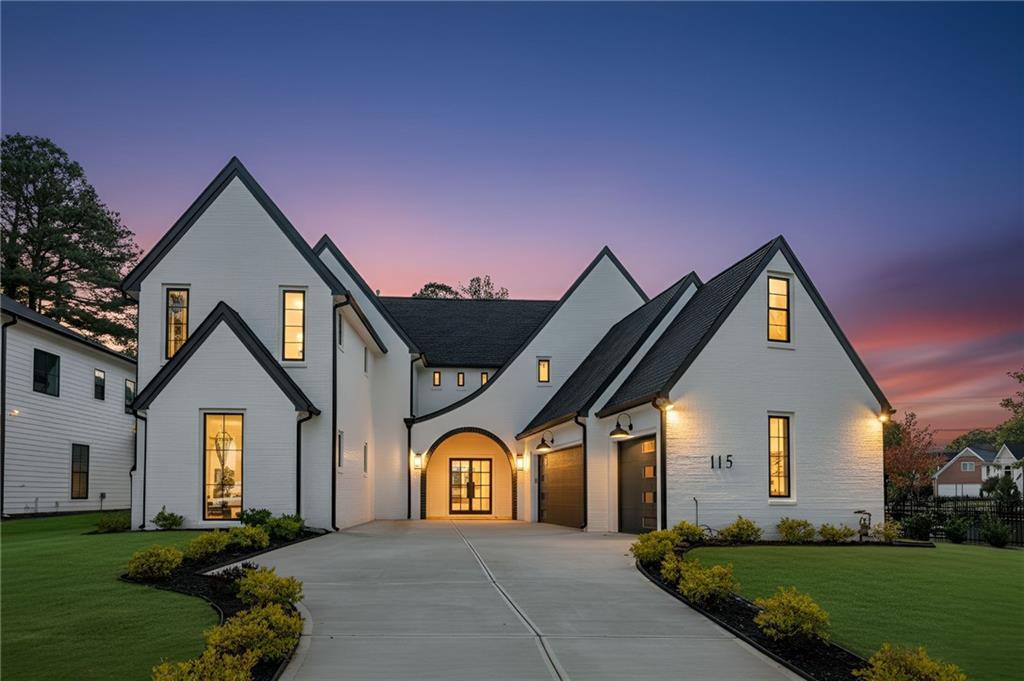
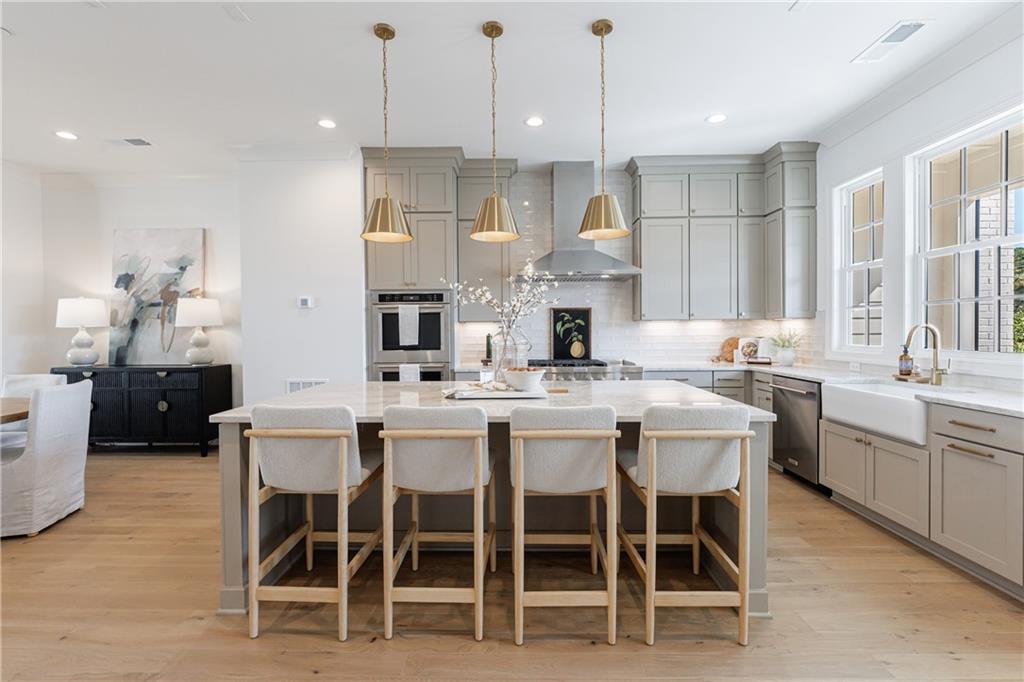
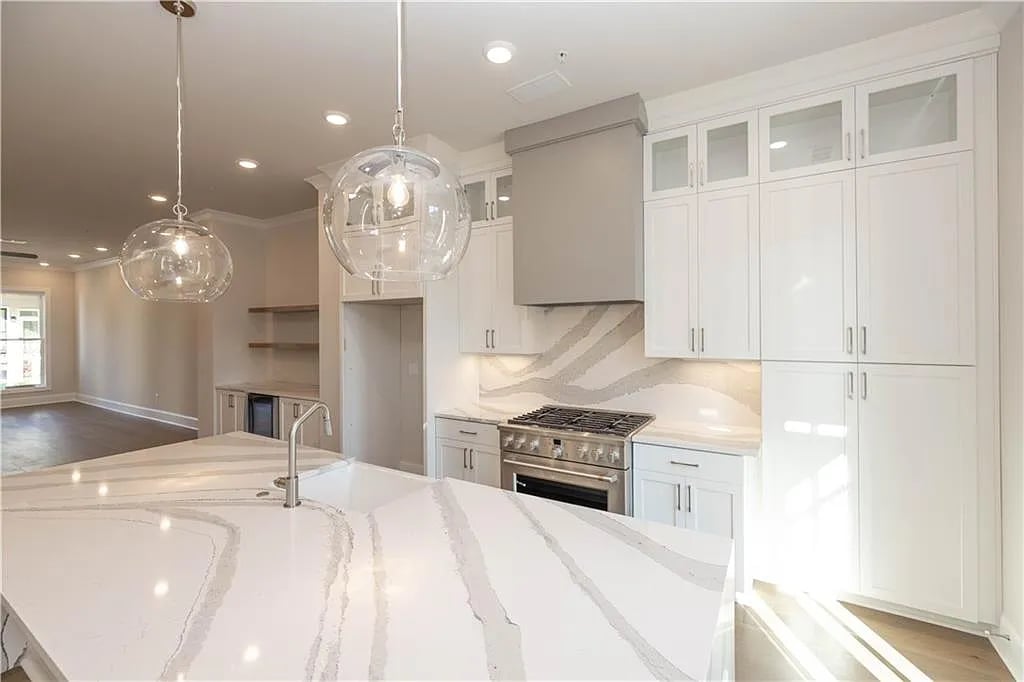
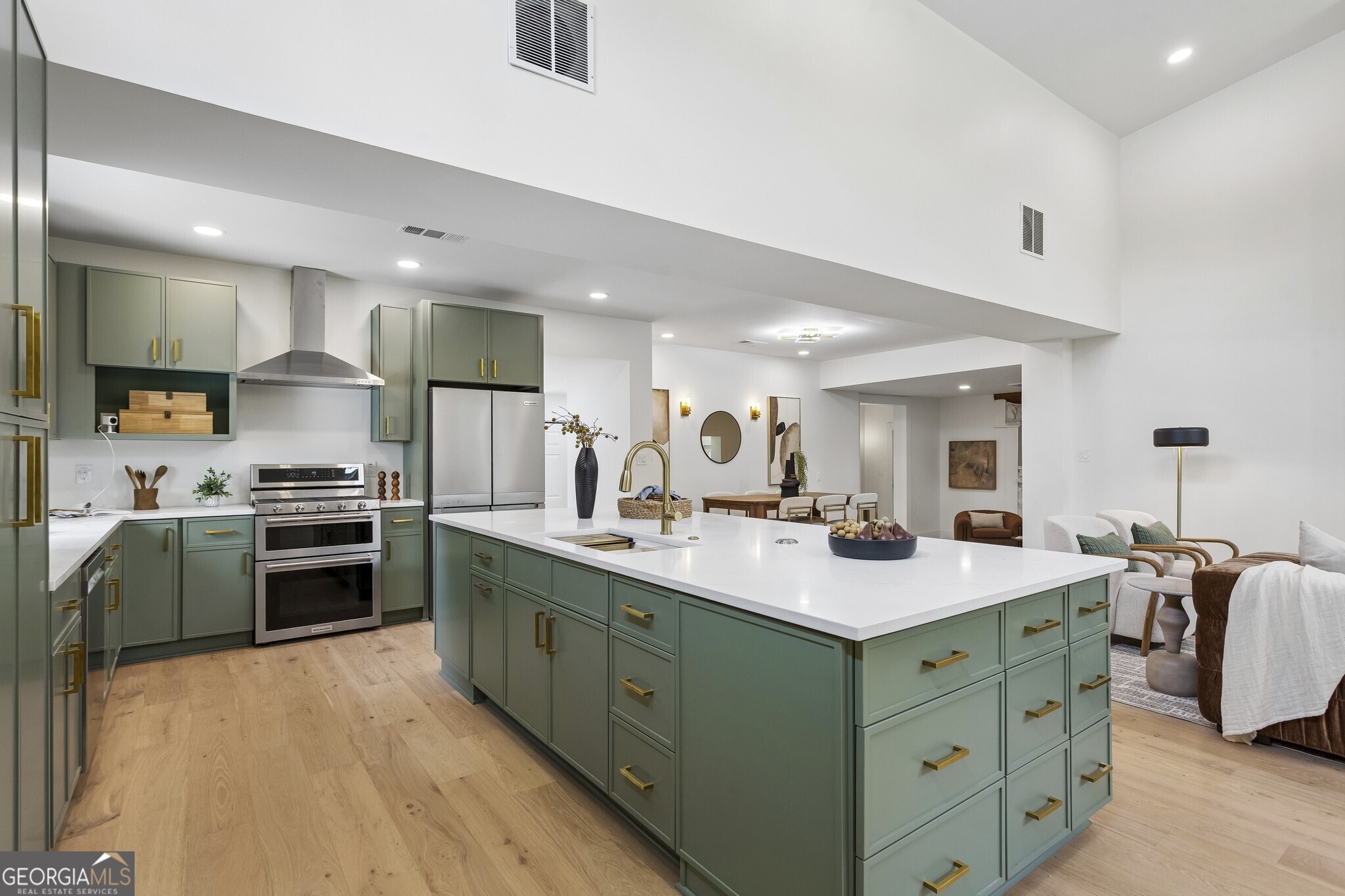
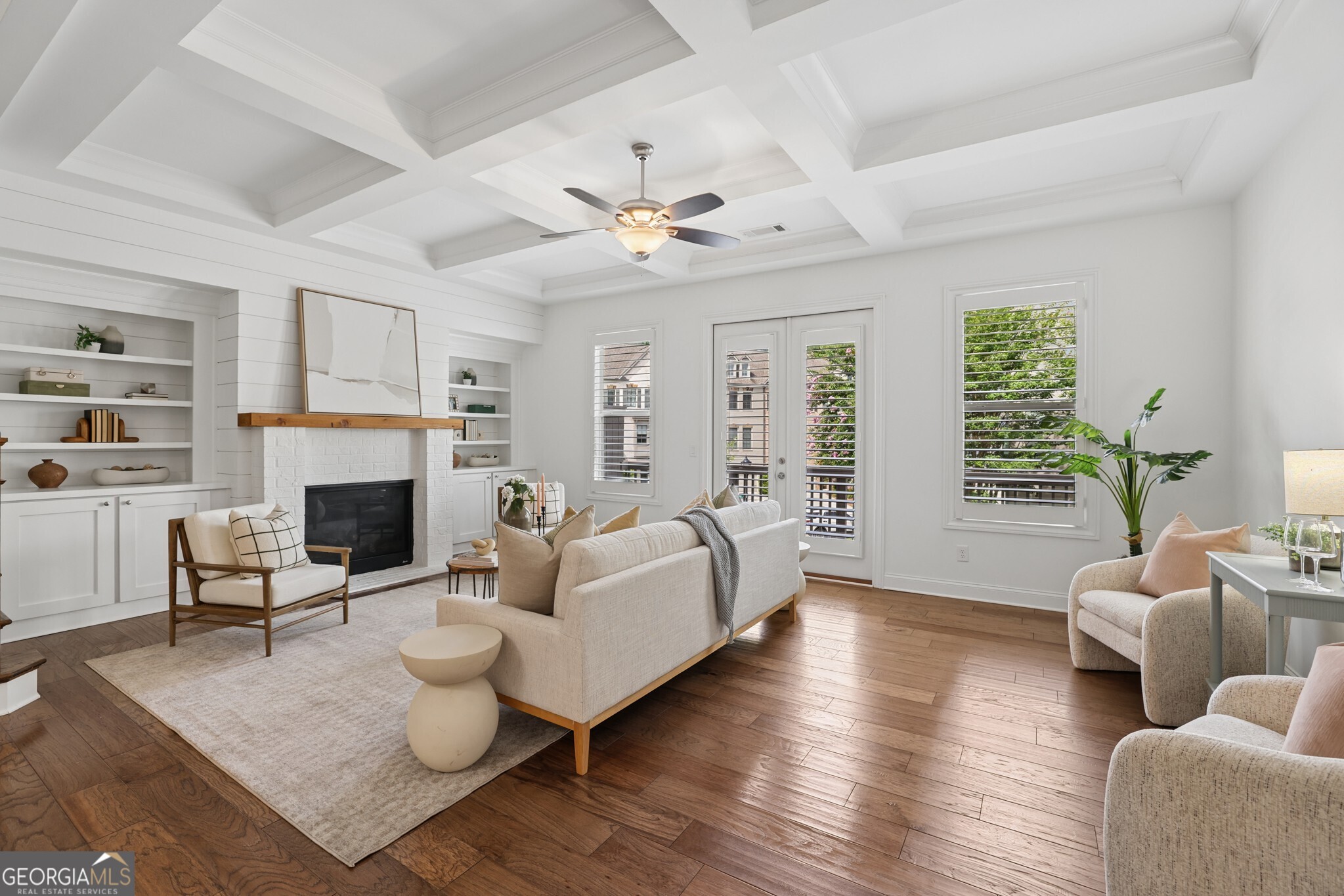
One of the strongest arguments for building new is the ability to make the home genuinely yours. Through builder design centers, buyers can select floor plans, finishes, cabinetry, countertops, fixtures, and layout configurations that simply aren't available with a resale purchase.
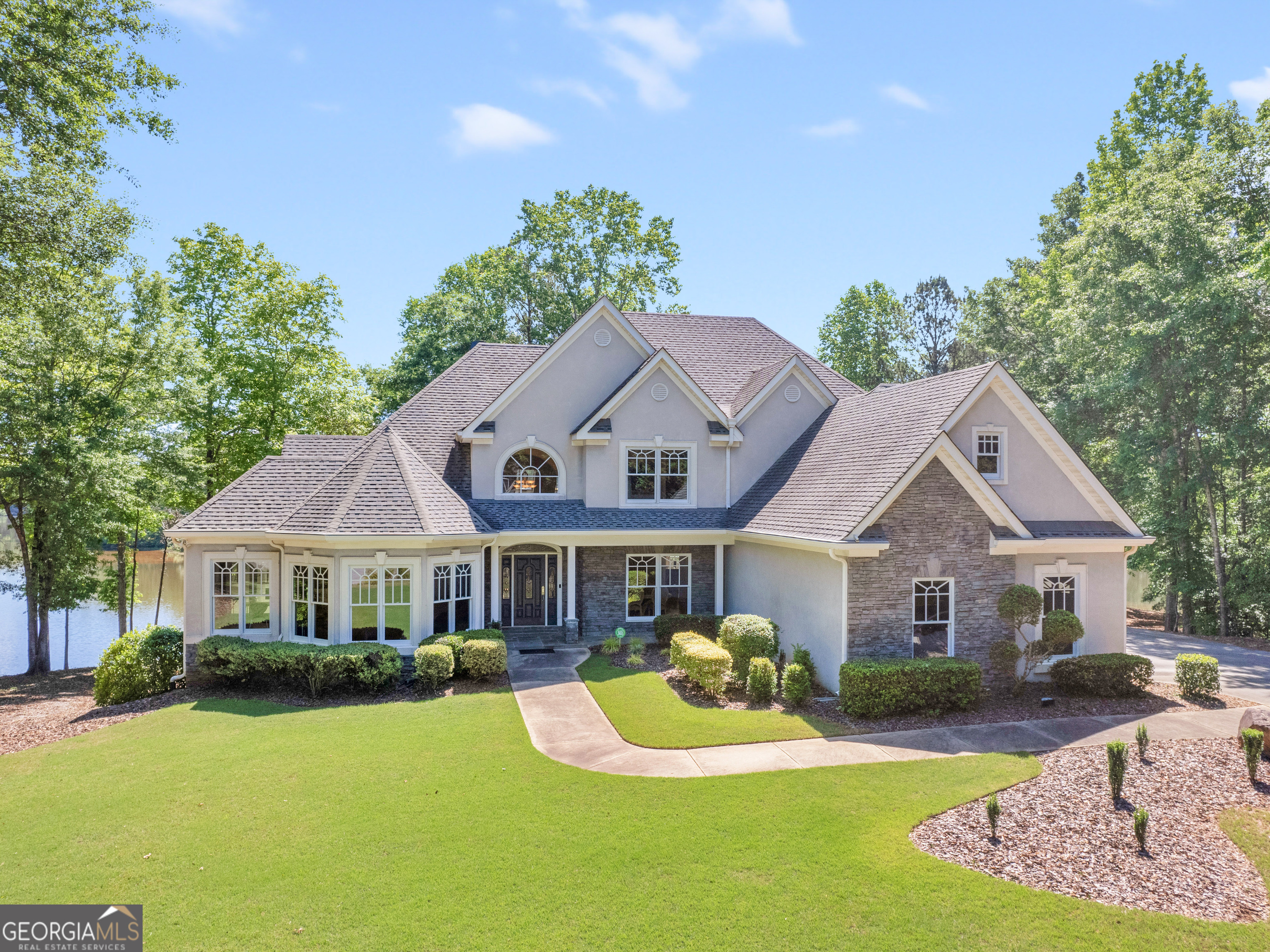
This customization spectrum runs from compact infill townhomes in walkable intown neighborhoods like West Midtown and Chosewood Park to sprawling estate lots in Cherokee or Forsyth County, where larger footprints allow for more ambitious designs. Whatever your vision, Atlanta's builder marketplace almost certainly has a community where it can be executed.
Modern Features, Energy Efficiency, and Smart Home Technology
New builds in Atlanta arrive loaded with current building codes, energy-efficient HVAC systems, modern insulation, and smart home technology built in from the start. Georgia's famously warm and humid summers make energy efficiency a meaningful financial factor — a well-insulated new build can deliver genuine utility savings compared to older resale homes with aging mechanical systems.
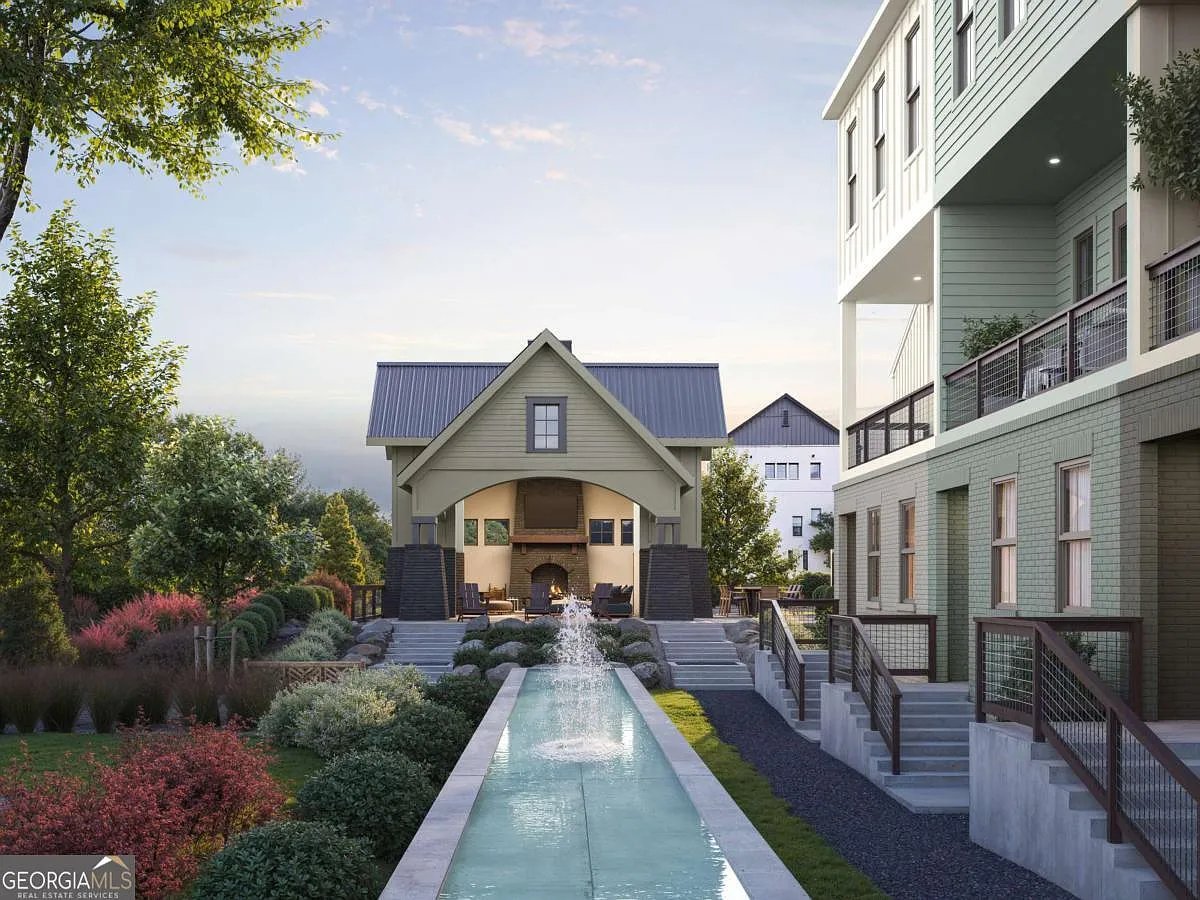
Some Atlanta communities even offer optional luxury features like rooftop decks and cutting-edge smart home integrations. For buyers who want a home that performs as well as it looks, new construction delivers a clear advantage.
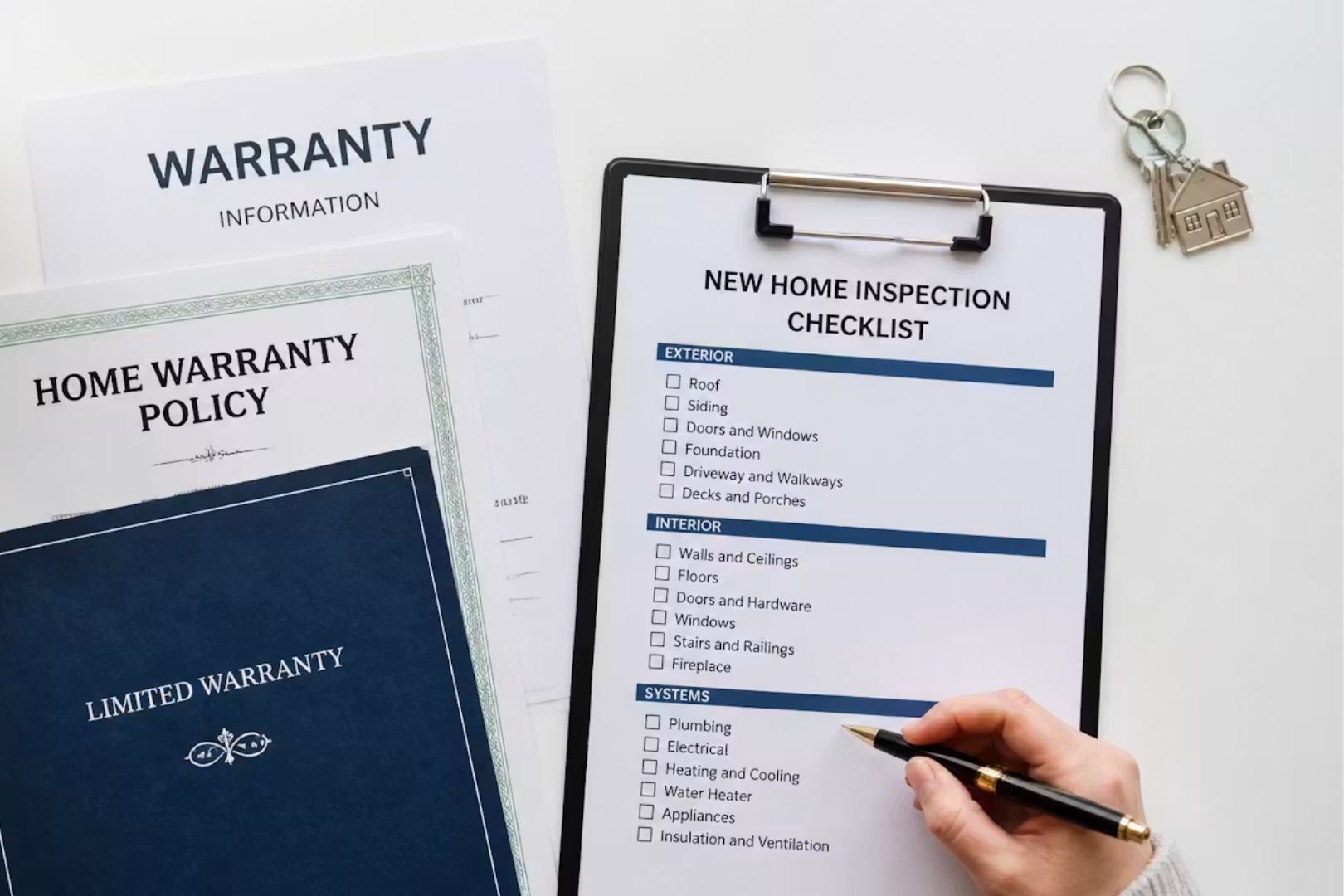
Builder Warranties and Lower Maintenance Costs
New construction homes come with layered warranty protections that no resale home can match. Most production builders offer tiered coverage:
- 1 year for workmanship defects
- 2 years for mechanical systems including plumbing, electrical, and HVAC
- Up to 10 years for structural defects
For first-time buyers on tight budgets, the lower near-term maintenance costs are a major financial advantage. No aging roofs, failing water heaters, or outdated electrical panels lurking in the background. The predictability of a new home's expense profile is something resale buyers rarely enjoy in those first few years of ownership.
Builder Incentives and Financing Perks
Atlanta's competitive builder market creates genuine leverage for informed buyers. In many active communities across the metro, builders are currently offering meaningful incentives:
- Closing cost contributions
- Interest rate buy-downs
- Free upgrade packages
- Or a combination of all three
Many large builders also operate in-house lending programs with competitive rates and a more streamlined financing process. In a resale market where inventory remains constrained and competition remains fierce, new construction has emerged as a compelling alternative for buyers who want more control over both the product and the process.
Where the Value Is: The Southside and OTP Suburbs
Outside the perimeter, the value proposition for new construction is particularly strong right now. The southern suburbs have become a breakout story in Atlanta real estate — driven by the booming film industry at Trilith Studios in Fayetteville and major logistics hubs near Hartsfield-Jackson Atlanta International Airport.
Henry and Fayette County buyers can often access luxury-level new construction for up to $150,000 less than a comparable floor plan in the northern suburbs. Gwinnett County continues to surge as well, with higher-value residential construction activity more than doubling year-over-year in 2025. For value-conscious buyers, the OTP corridor is where the market is delivering its most compelling numbers.
Pro Tip: If you're relocating from a higher-cost market and sticker shock has been your reality, start your search in Henry or Fayette County. You may find a luxury-level floor plan at a price point that would be unthinkable in the northern suburbs — or in the city you're leaving behind.
The Cons of Building a New Home in Atlanta
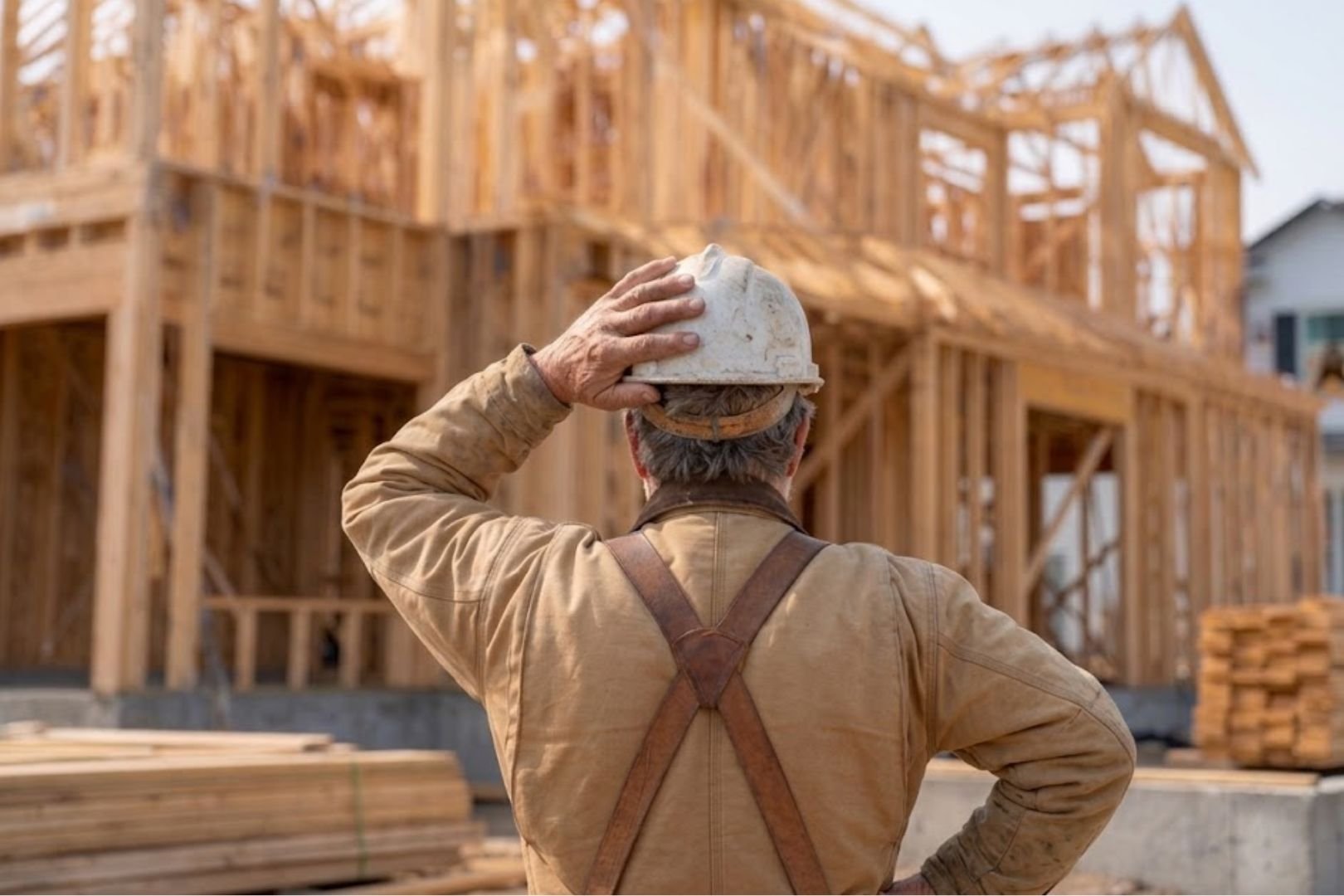
Timeline Uncertainty and Construction Delays
Building new takes time — typically 8 to 18 months depending on whether you're purchasing a spec home in a production community or pursuing a custom build on your own lot. Permitting timelines vary across Atlanta's many counties, and subcontractor availability in a metro this active can push schedules further than initial estimates suggest.
For buyers with a hard move-in deadline — a lease expiration, a job relocation start date, or a home sale closing — this unpredictability is a real risk. Discuss timelines honestly with your builder before signing, and have a contingency plan in place.
Cost Overruns and Upgrade Sticker Shock
Base prices look attractive on paper. The design center is where budgets can quietly unravel.
That beautifully appointed model home you toured? Nearly every finish you admired was almost certainly a premium upgrade, not a standard inclusion. Lot premiums for desirable spots — cul-de-sacs, wooded backs, corner lots, pond views — can add tens of thousands of dollars to a contract price in popular Atlanta communities. A disciplined, comprehensive budget that includes realistic upgrade estimates and lot premiums before you sign is not optional — it's essential.
Atlanta's Traffic — Location Is Everything

No factor shapes an Atlanta buying decision more profoundly than traffic. Professionals working downtown or in Midtown face a fundamental trade-off: live inside the perimeter (ITP), pay a significant price premium, and enjoy a manageable commute — or live in the northern suburbs like Alpharetta, Roswell, or Johns Creek and accept 60-to-90-minute southbound commutes on GA-400 or I-85 during peak hours.
The Atlanta BeltLine, a 22-mile network of trails, parks, and arts connecting 45 intown neighborhoods, remains one of the strongest arguments for ITP living. Proximity to it eliminates the commute problem and delivers walkable urban amenities that no suburban community can replicate.
Since the overwhelming majority of new construction activity is concentrated OTP, buyers must honestly assess their daily commute tolerance before choosing a community. The Peach Pass Express Lanes offer some mitigation for suburban commuters, but they don't eliminate the time-distance reality. This is the single most important practical consideration for Atlanta new construction buyers — and it deserves a frank conversation before any contract is signed.
HOA Fees and Community Restrictions
The vast majority of new construction communities in Atlanta include homeowners associations that govern exterior paint colors, landscaping standards, parking, and much more. Monthly HOA dues can range from $50 to $500 or more depending on the community's amenity package — pools, clubhouses, fitness centers, gated entrances, and maintained common areas all drive fees higher.
Buyers should review the CC&Rs and the HOA's current financial statements before committing, and factor the full monthly cost into their budget from day one. An attractive base home price looks very different when $300 per month in HOA fees is added to the ledger.
Less Established Neighborhood Character
Brand-new communities often lack the mature tree canopy, walkability, and organic energy found in established intown Atlanta neighborhoods. Areas like Inman Park with its Victorian streetscapes, Virginia-Highland, Grant Park — Atlanta's oldest city park neighborhood dating to 1883 — and Poncey-Highland have developed their sense of place over decades.
In newer outer-ring communities, schools, retail corridors, and neighborhood infrastructure may still be under development at the time of move-in. It can take years for a new subdivision to feel like a true neighborhood rather than a construction zone in progress.
New Construction Pricing — What to Expect in the Atlanta Market Today

New homes in the Atlanta metro carry a median price of approximately $489,000, with a median price per square foot of around $206. For all home sales across the broader metro, the median hovers near $409,500 — meaning new construction commands a moderate premium in most submarkets.
The ITP versus OTP price gap tells the sharpest part of the story:
| Location | Home Size | Approx. Price |
|---|---|---|
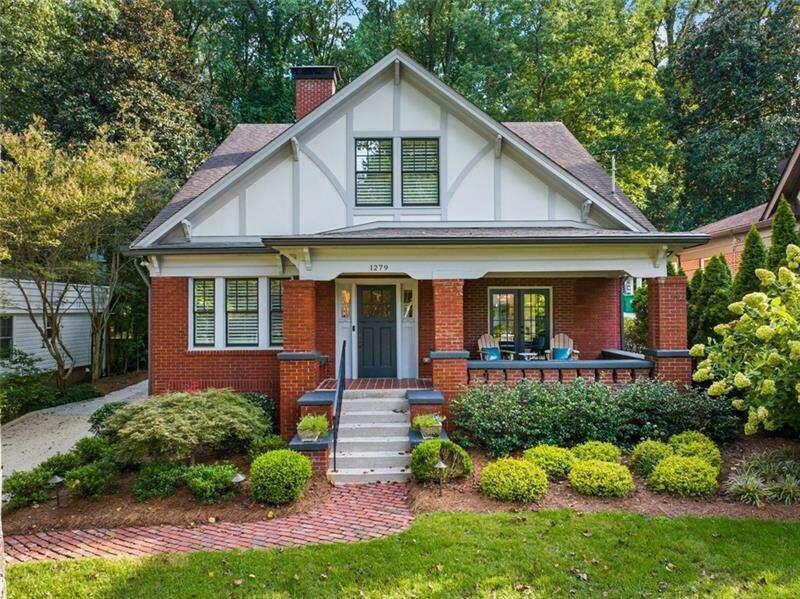
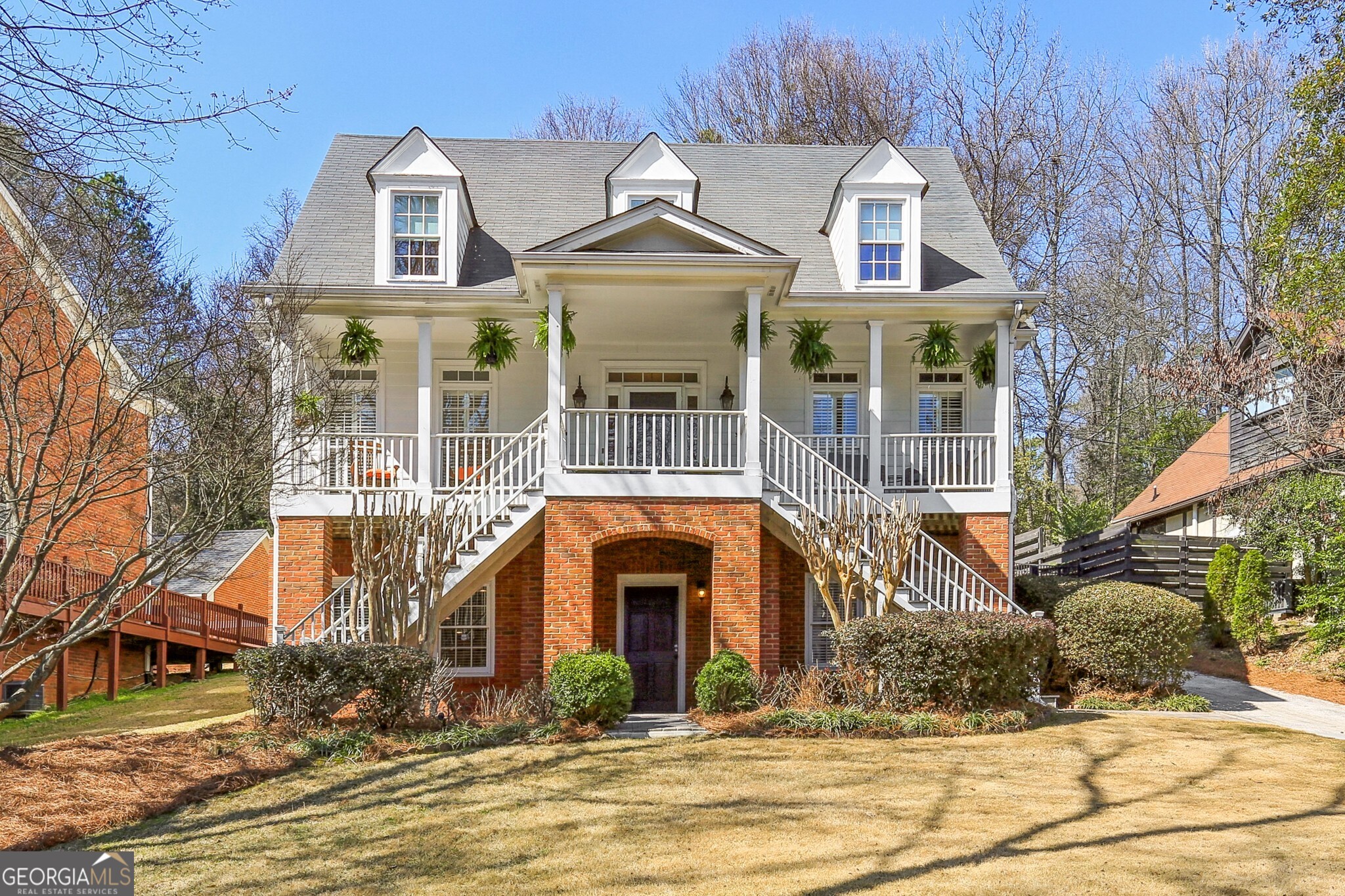
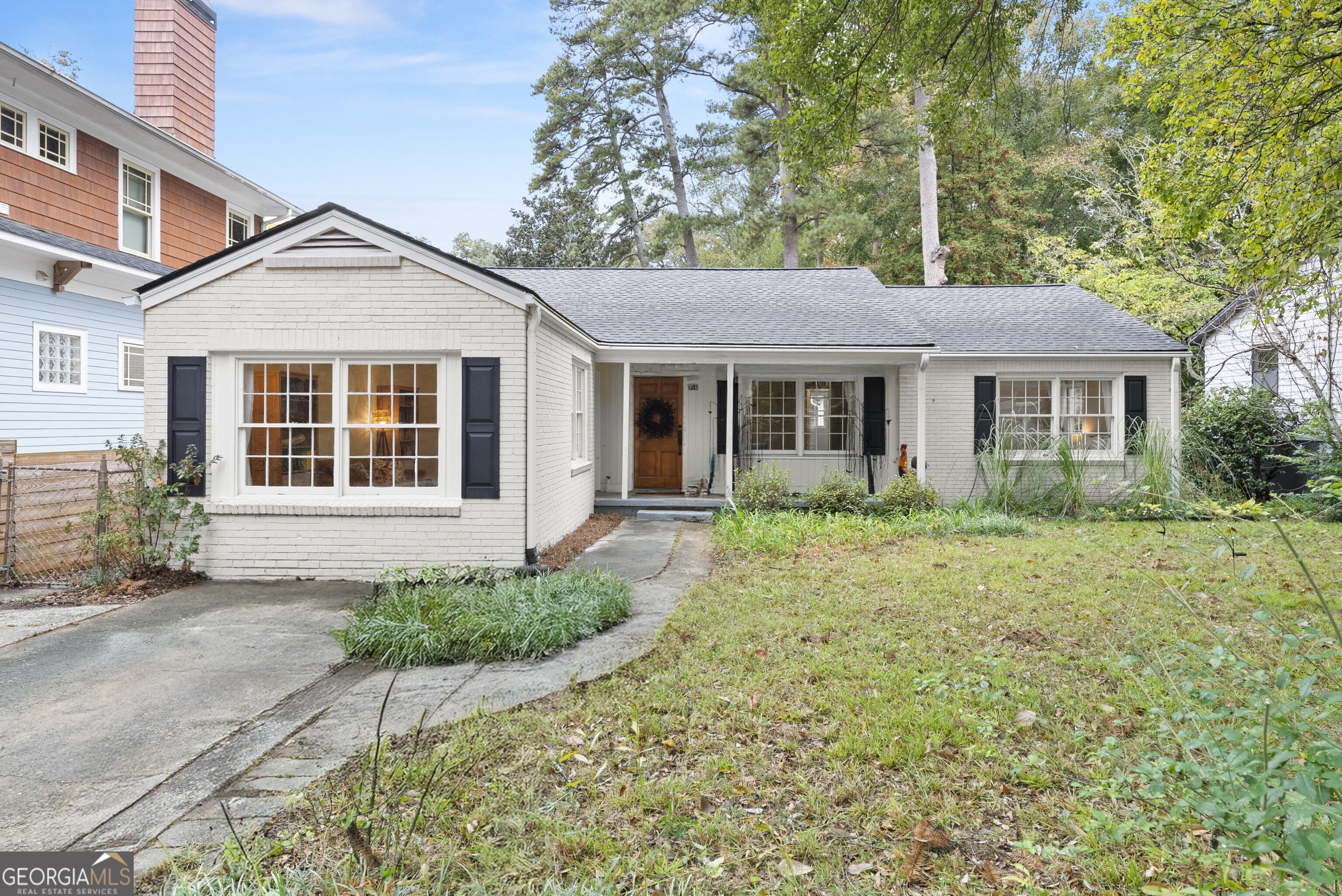
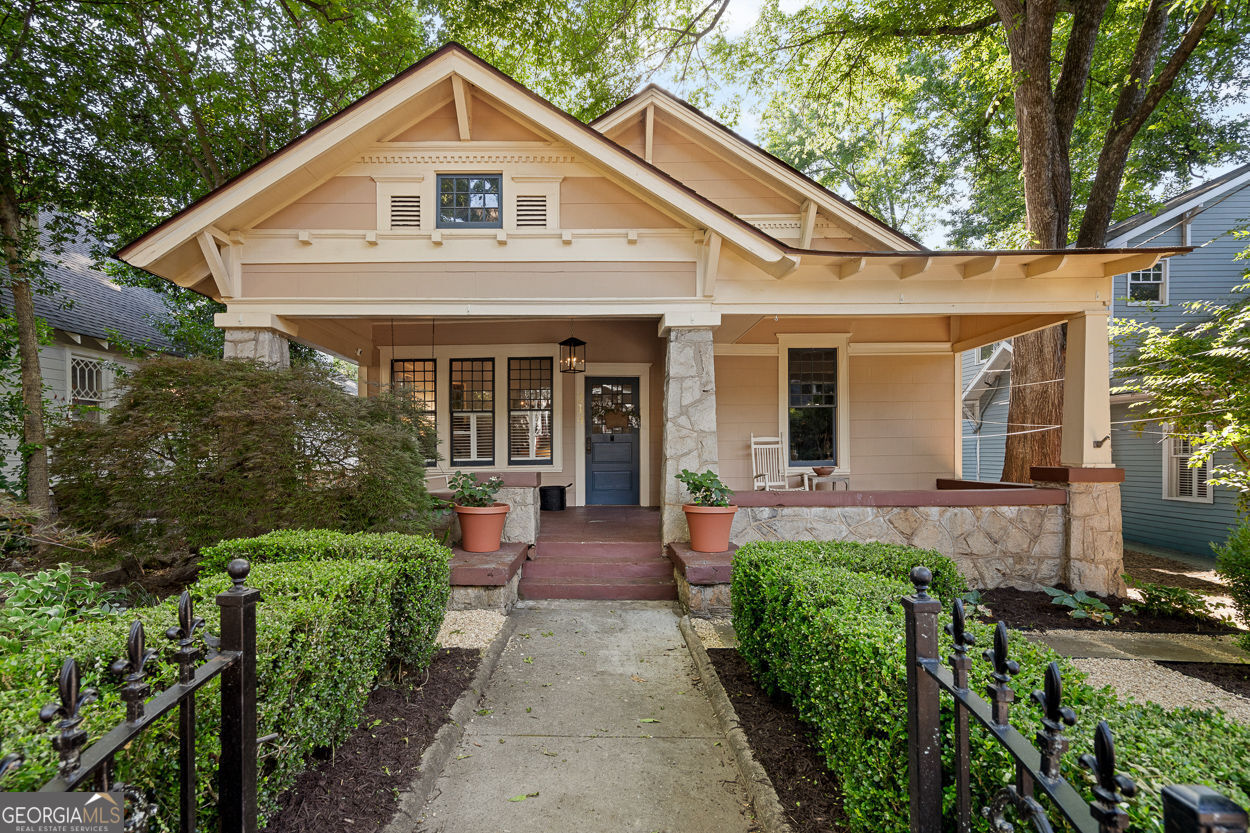
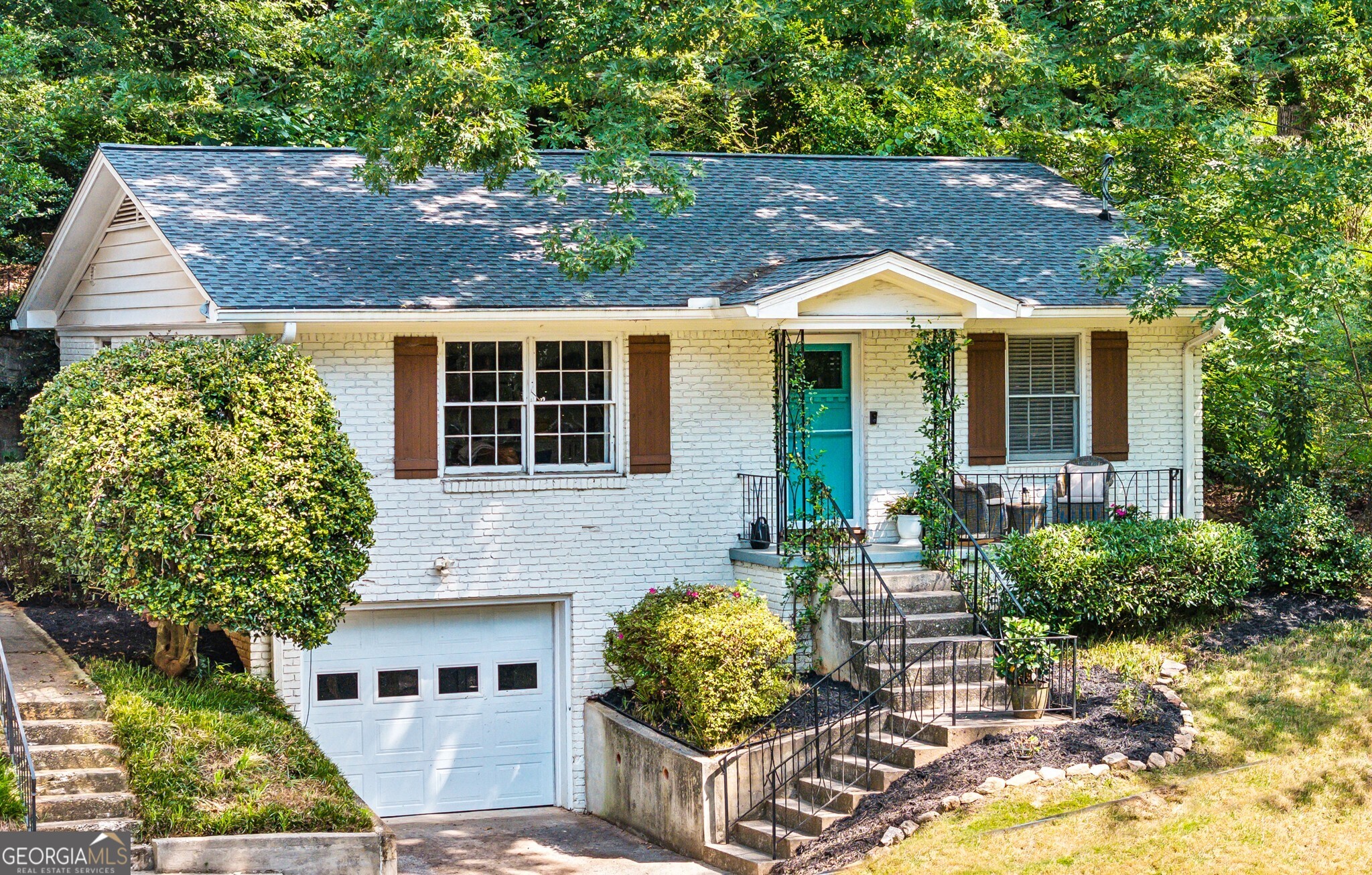
| Inside the Perimeter (ITP) | ~1,800 sq. ft. bungalow | ~$700,000 |
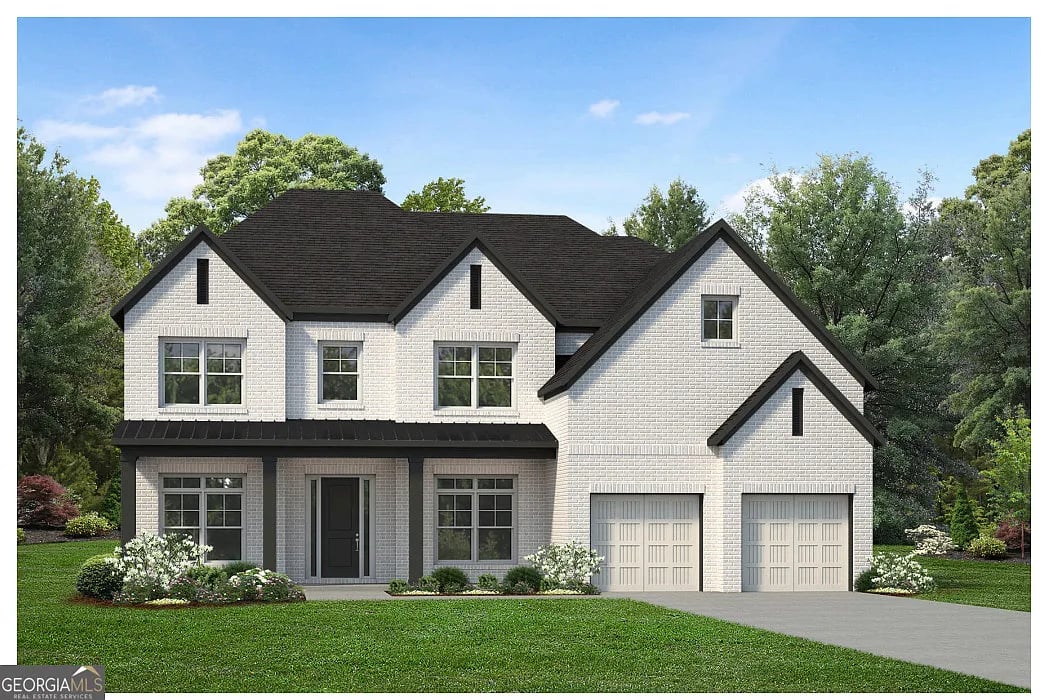
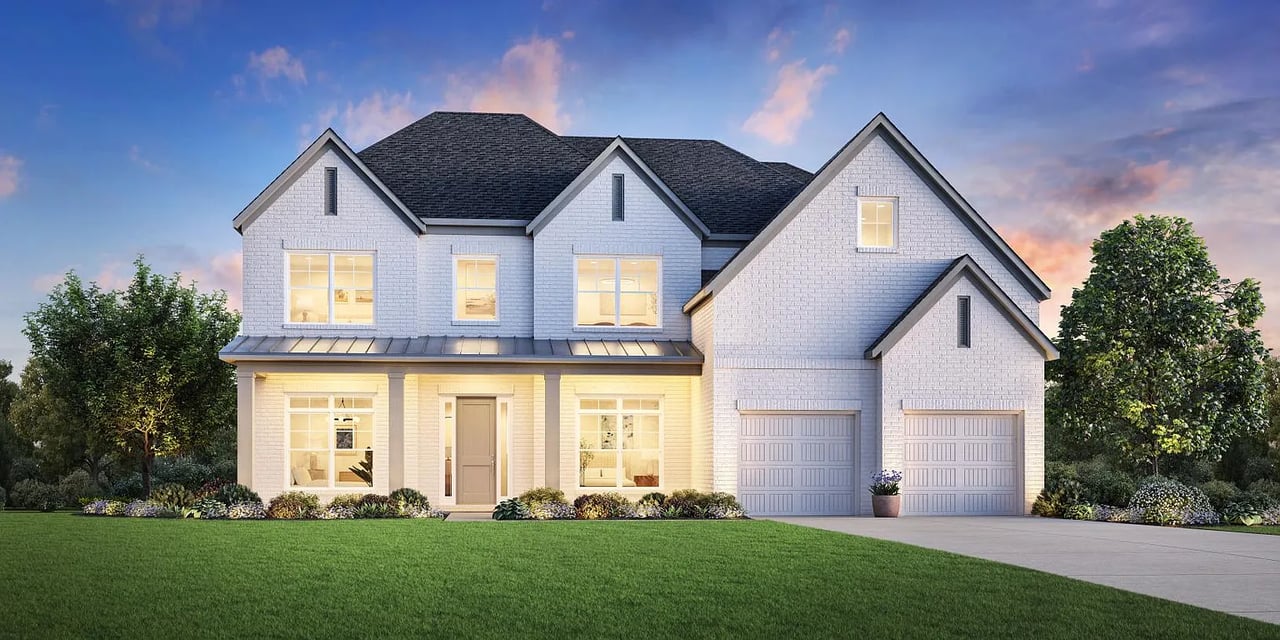
| Gwinnett County (OTP) | ~3,200 sq. ft. new construction | ~$550,000 |
That comparison is a dramatic illustration of the space-versus-location trade-off that defines Atlanta real estate at every price point. Notably, Atlanta home prices remain approximately 8% below the national median, making the metro an attractive entry point for relocating buyers accustomed to higher-cost markets.
ITP vs. OTP — Choosing the Right Location for Your New Build
Building Inside the Perimeter (ITP)
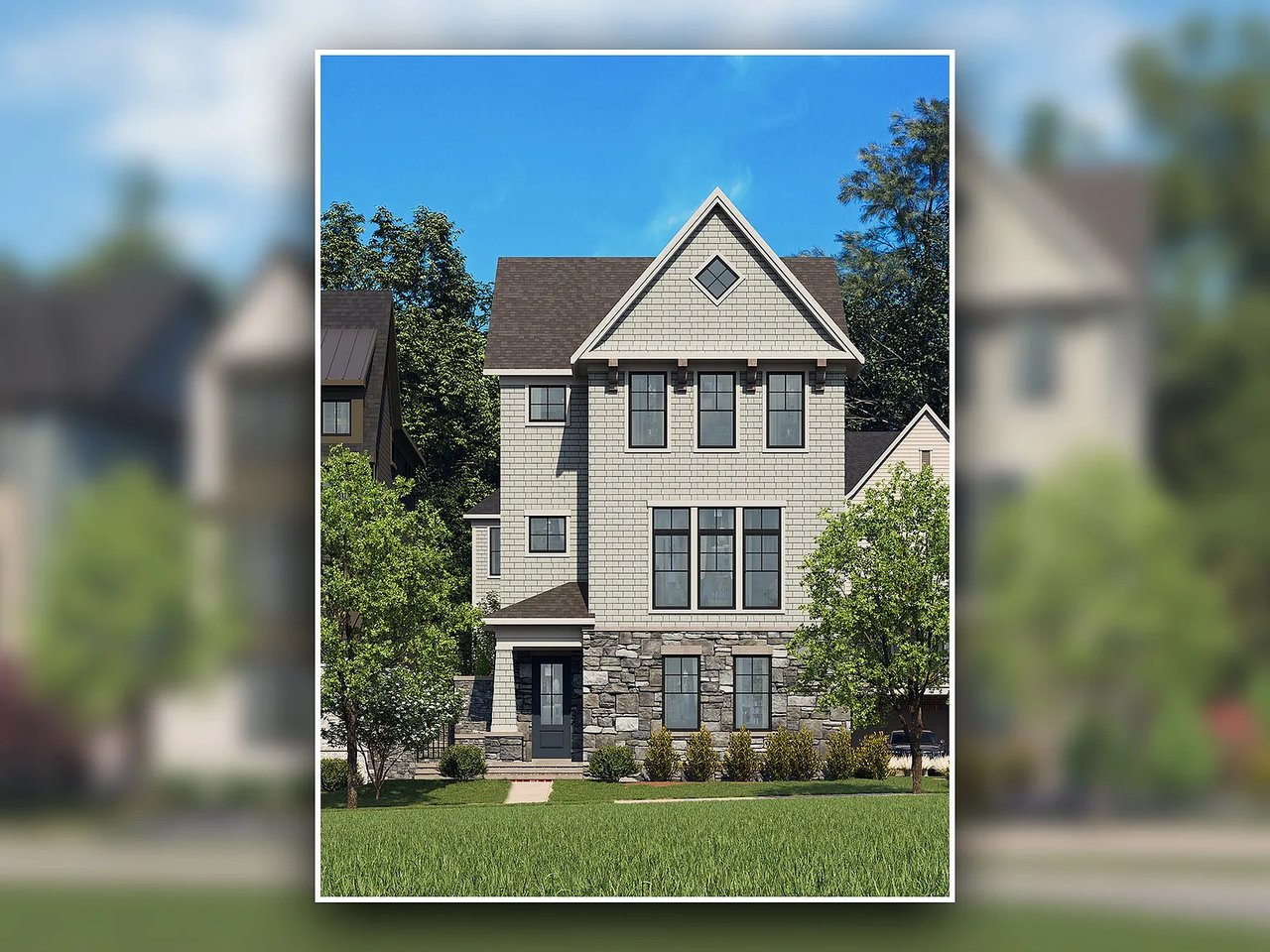
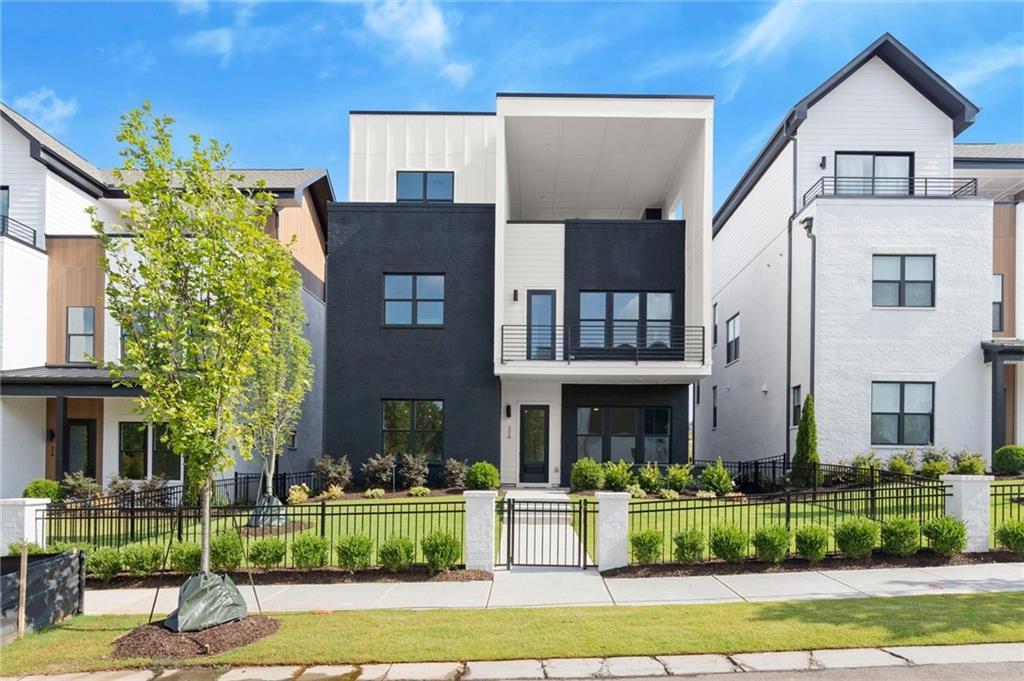
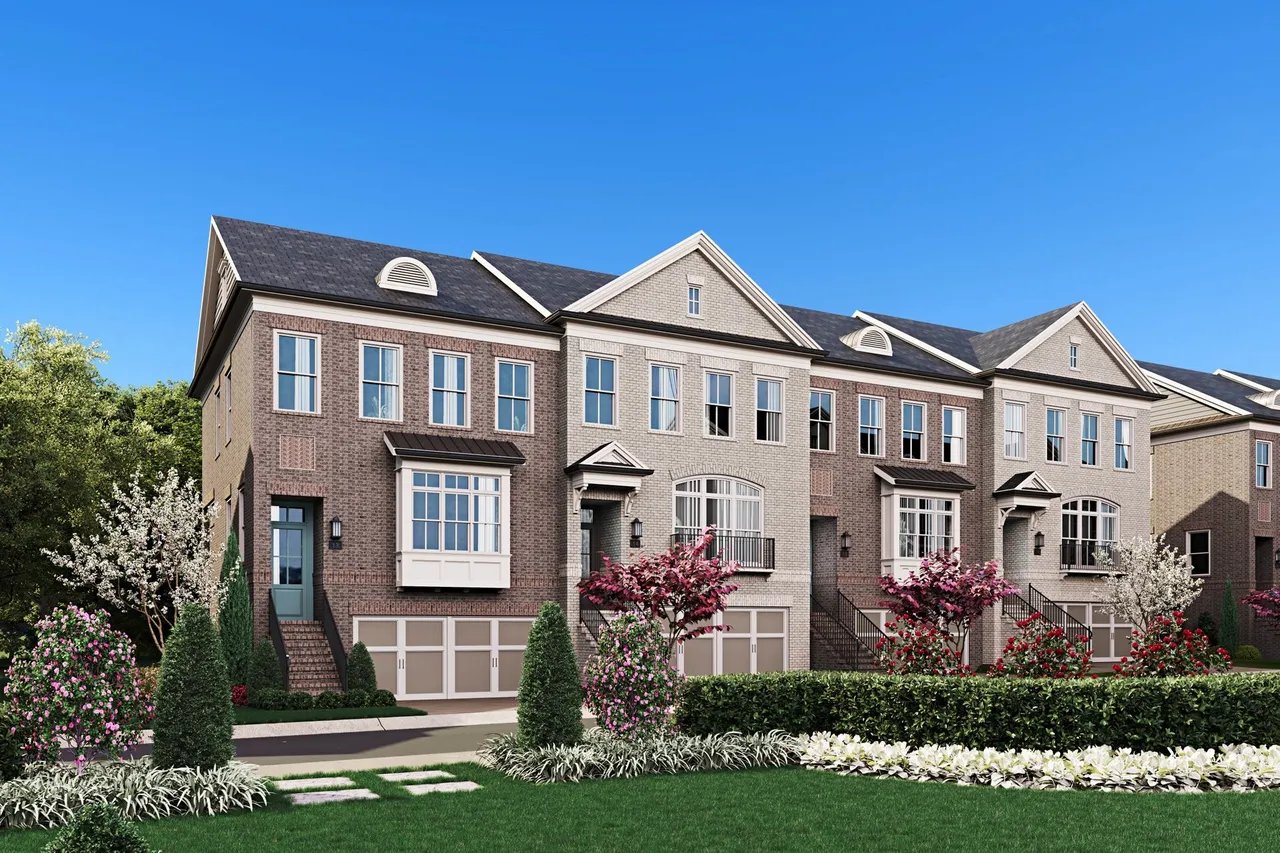
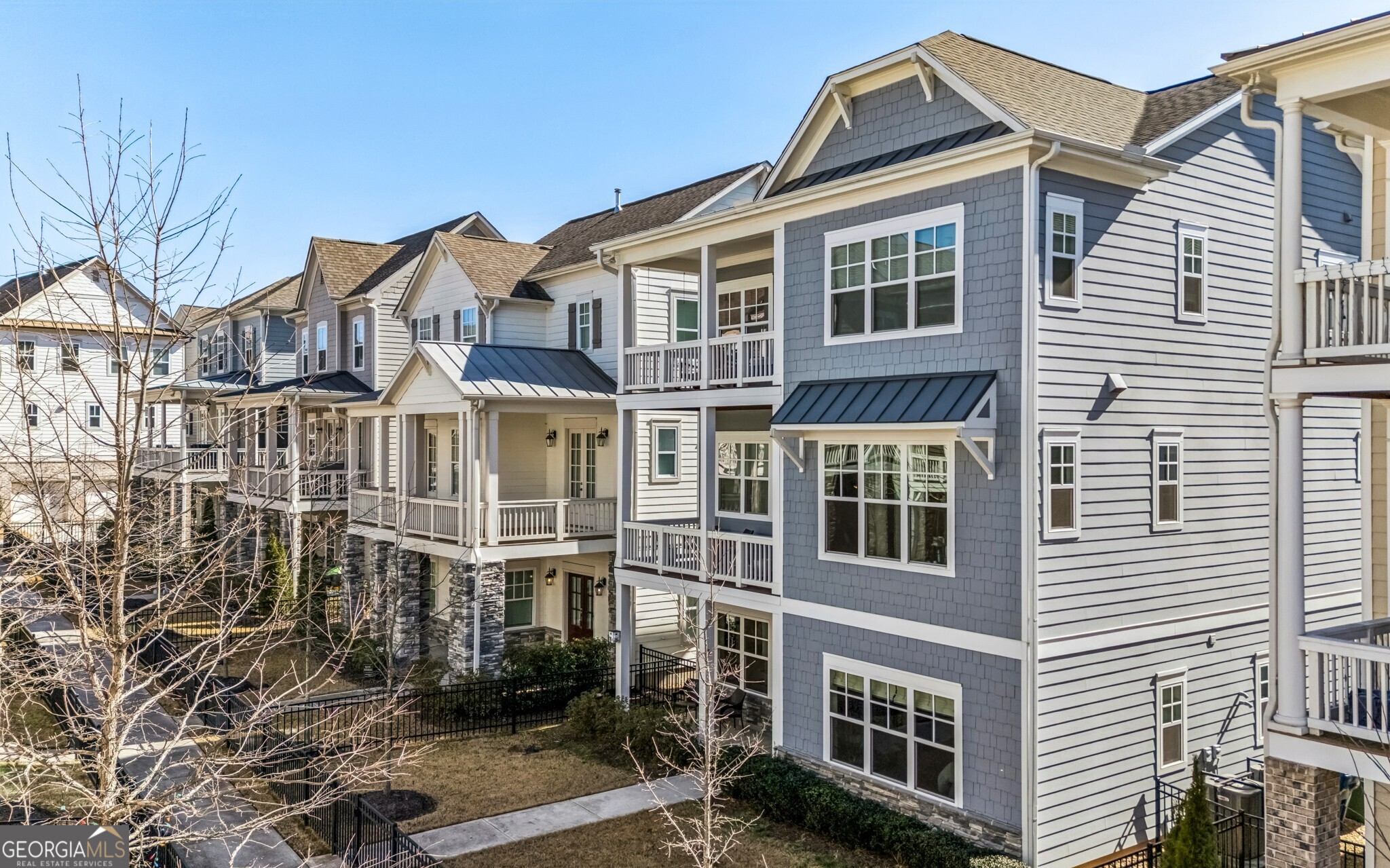
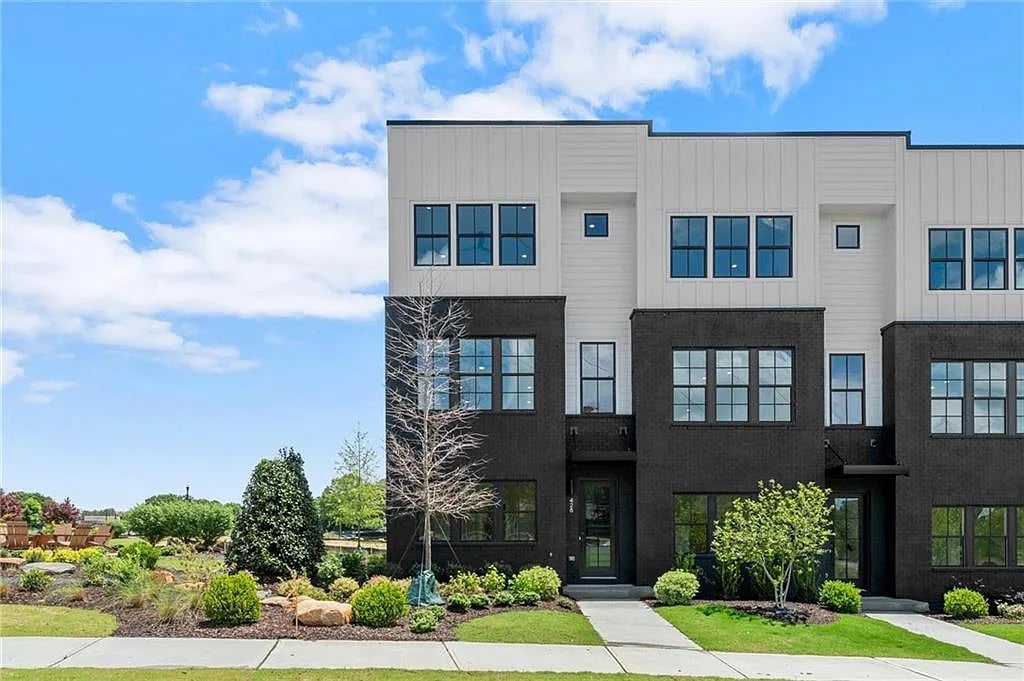
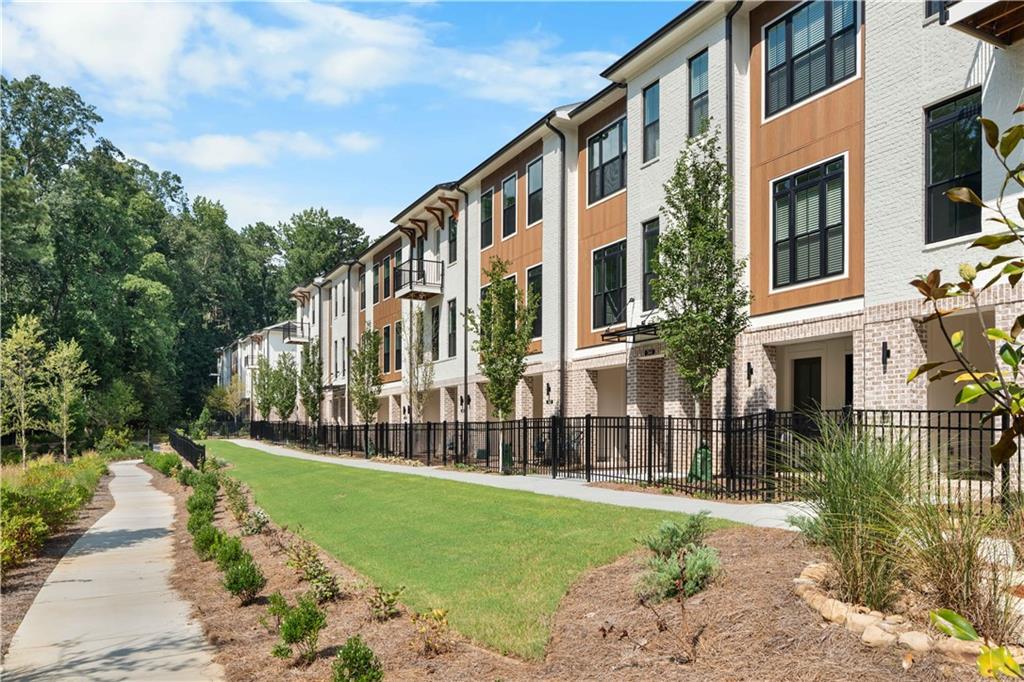
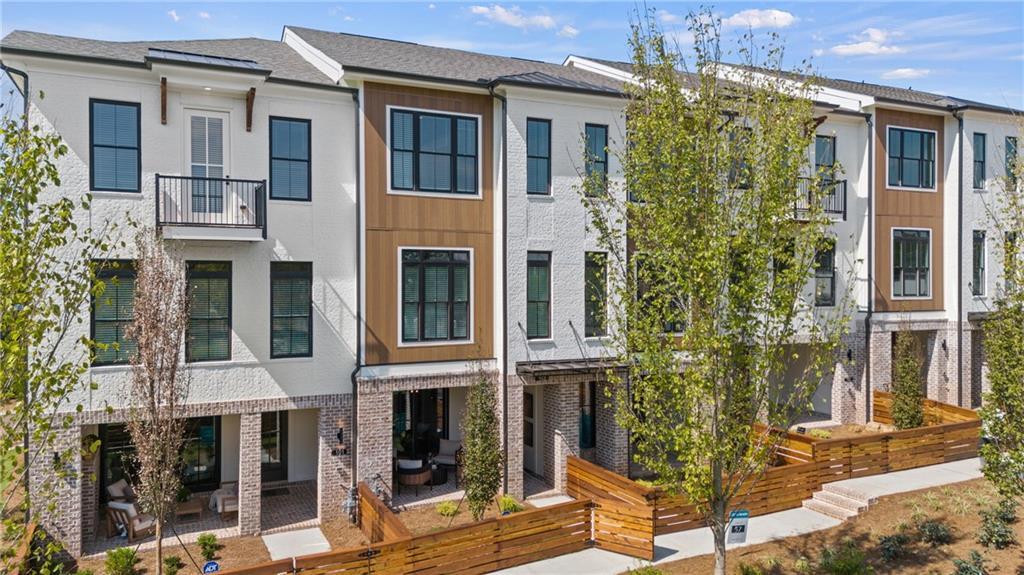
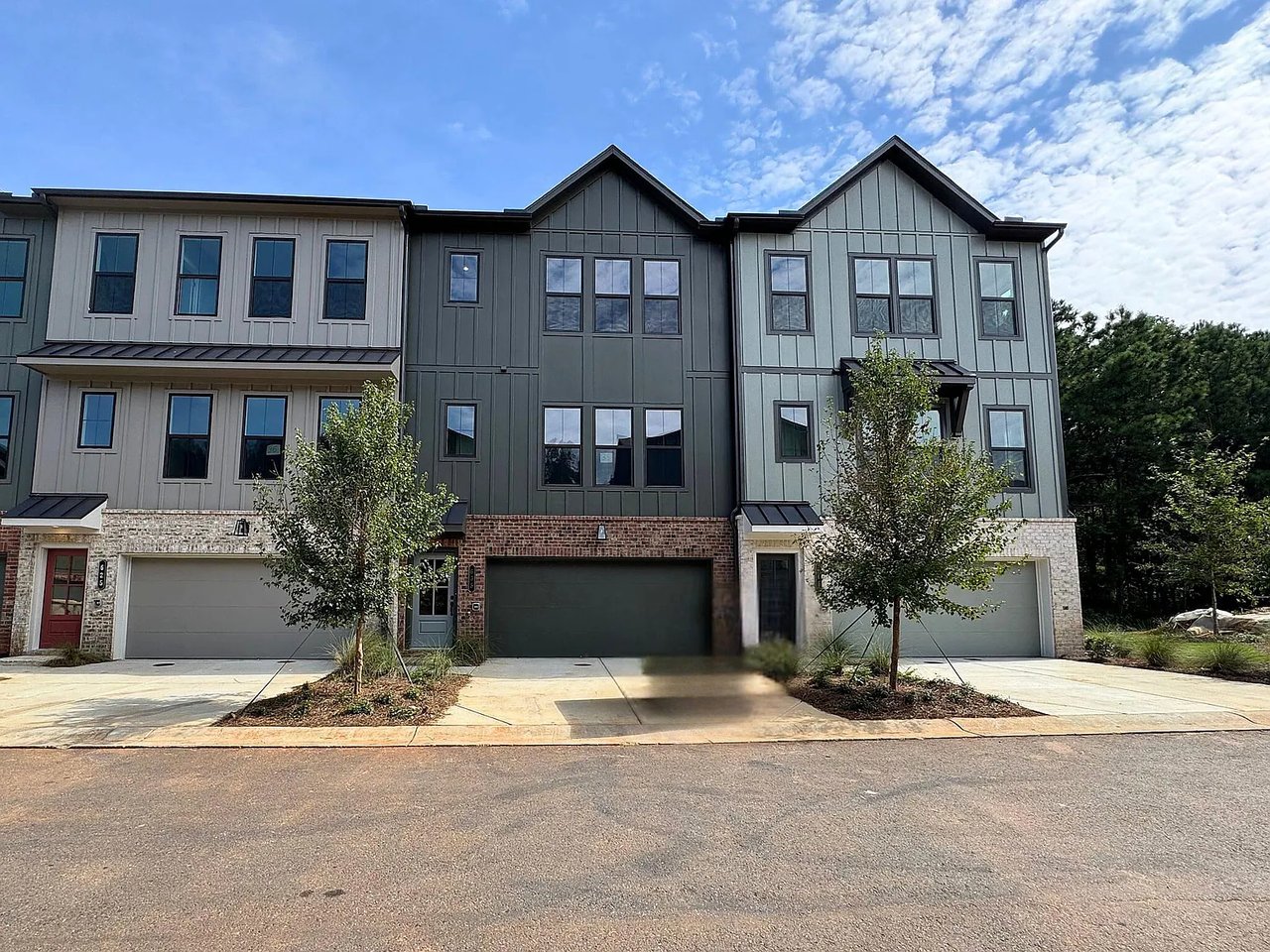
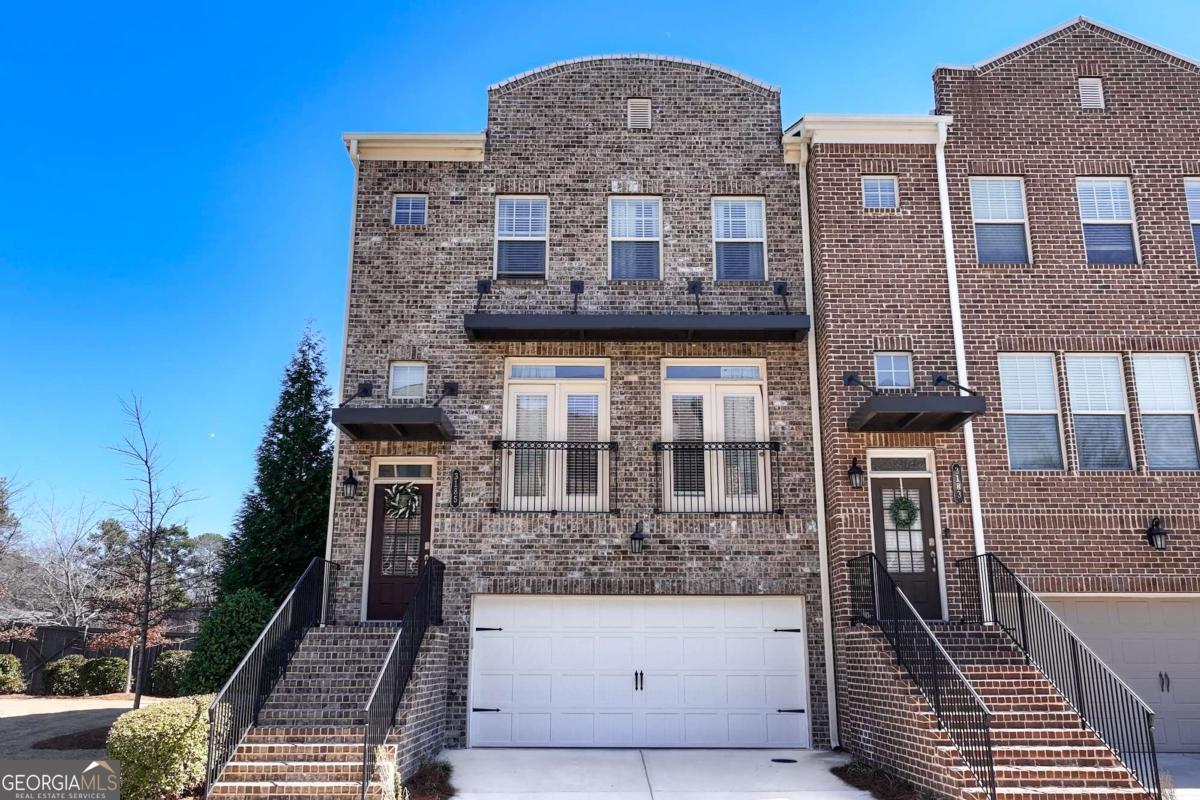
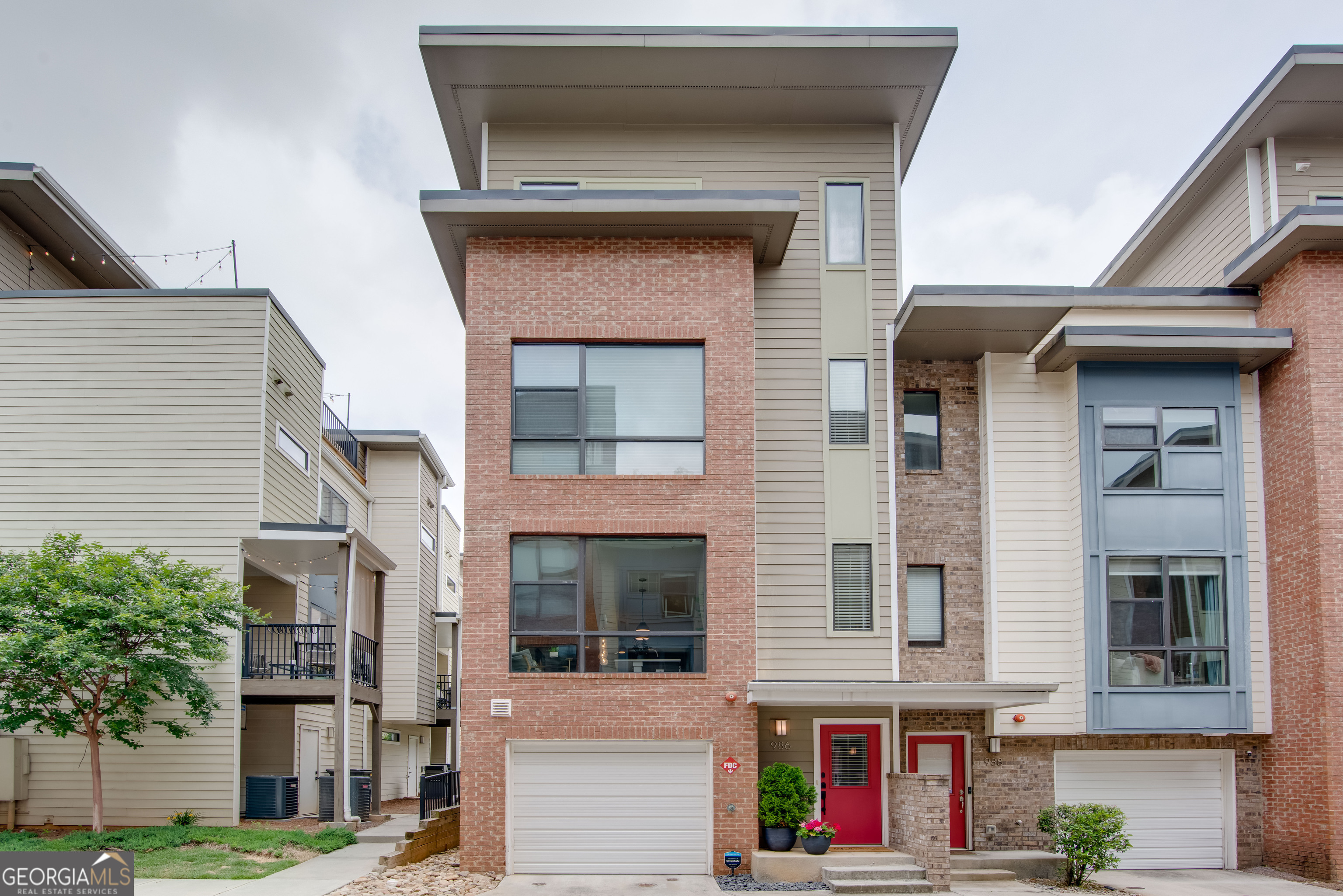
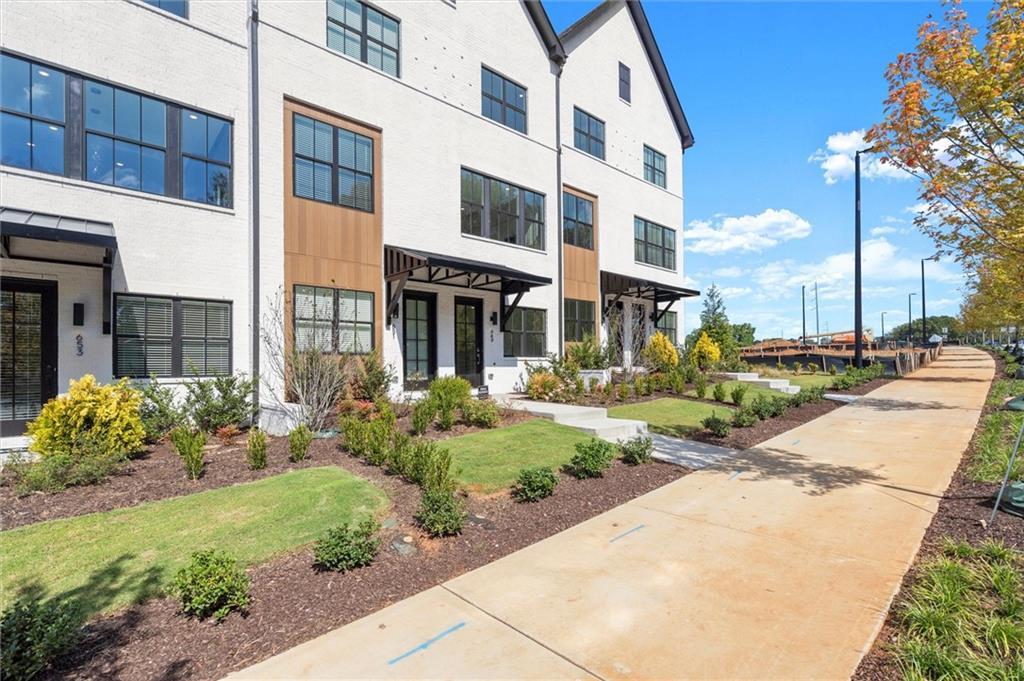
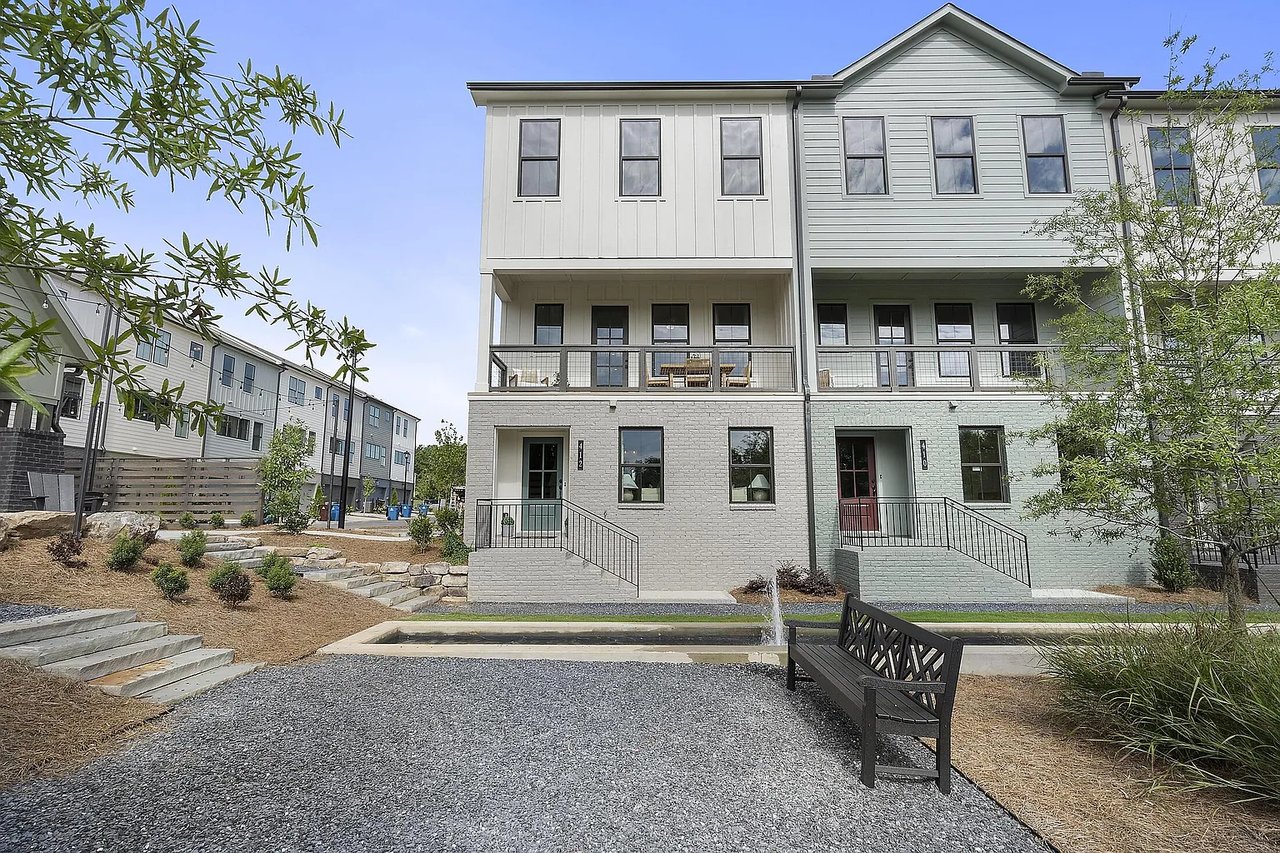
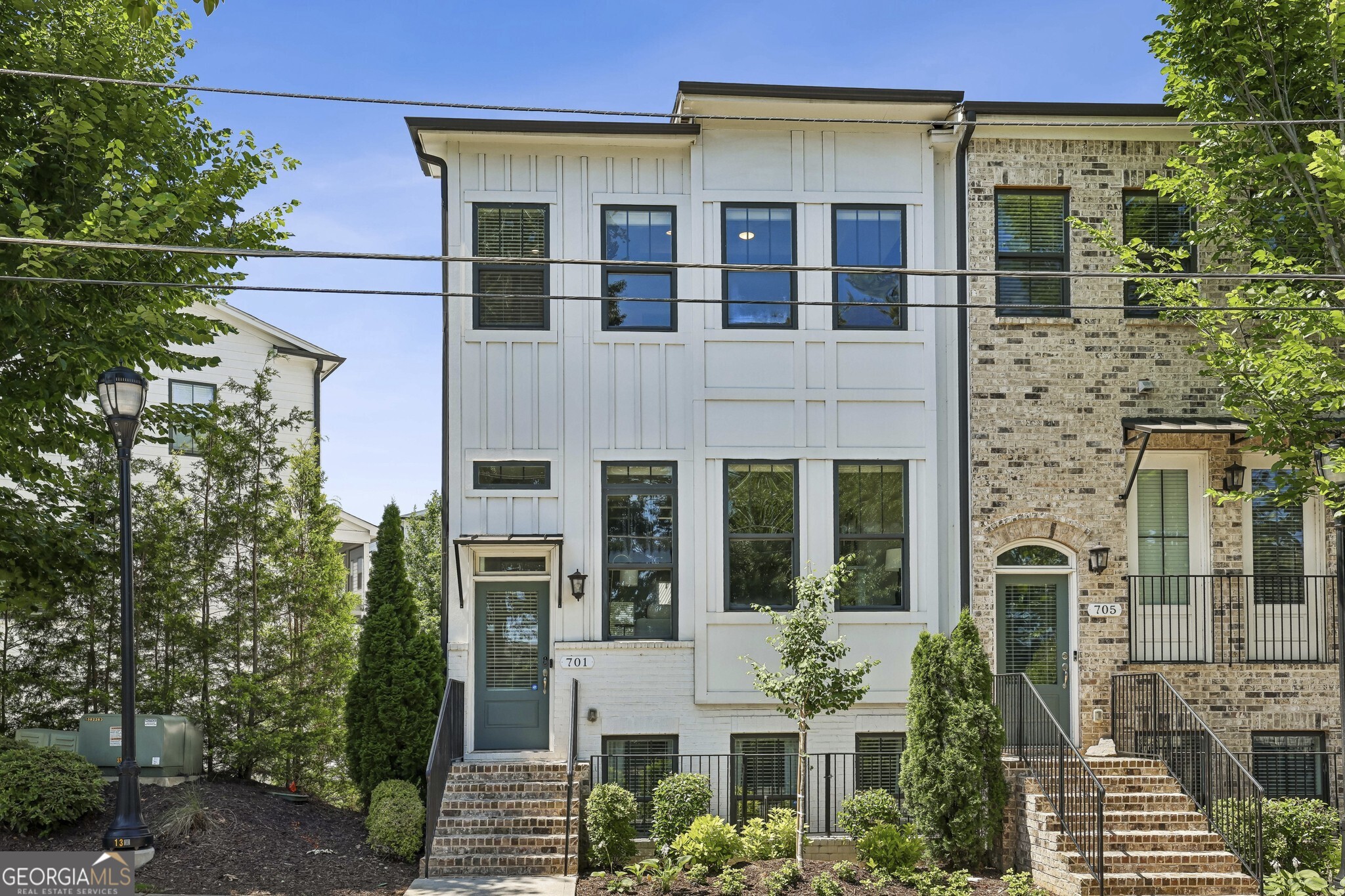
Intown new construction is primarily infill development — townhomes, row homes, and smaller single-family projects in neighborhoods like West Midtown, Chosewood Park, and Southwest Atlanta. The payoff is direct access to the lifestyle that defines Atlanta at its most energetic: walkability to the BeltLine's trails, arts, and programming; proximity to destinations like Ponce City Market's acclaimed food hall and retail marketplace in Old Fourth Ward; and easy access to Midtown's restaurant corridor and the High Museum of Art in the Arts District.
This is premium urban living, and the price per square foot reflects it accordingly.
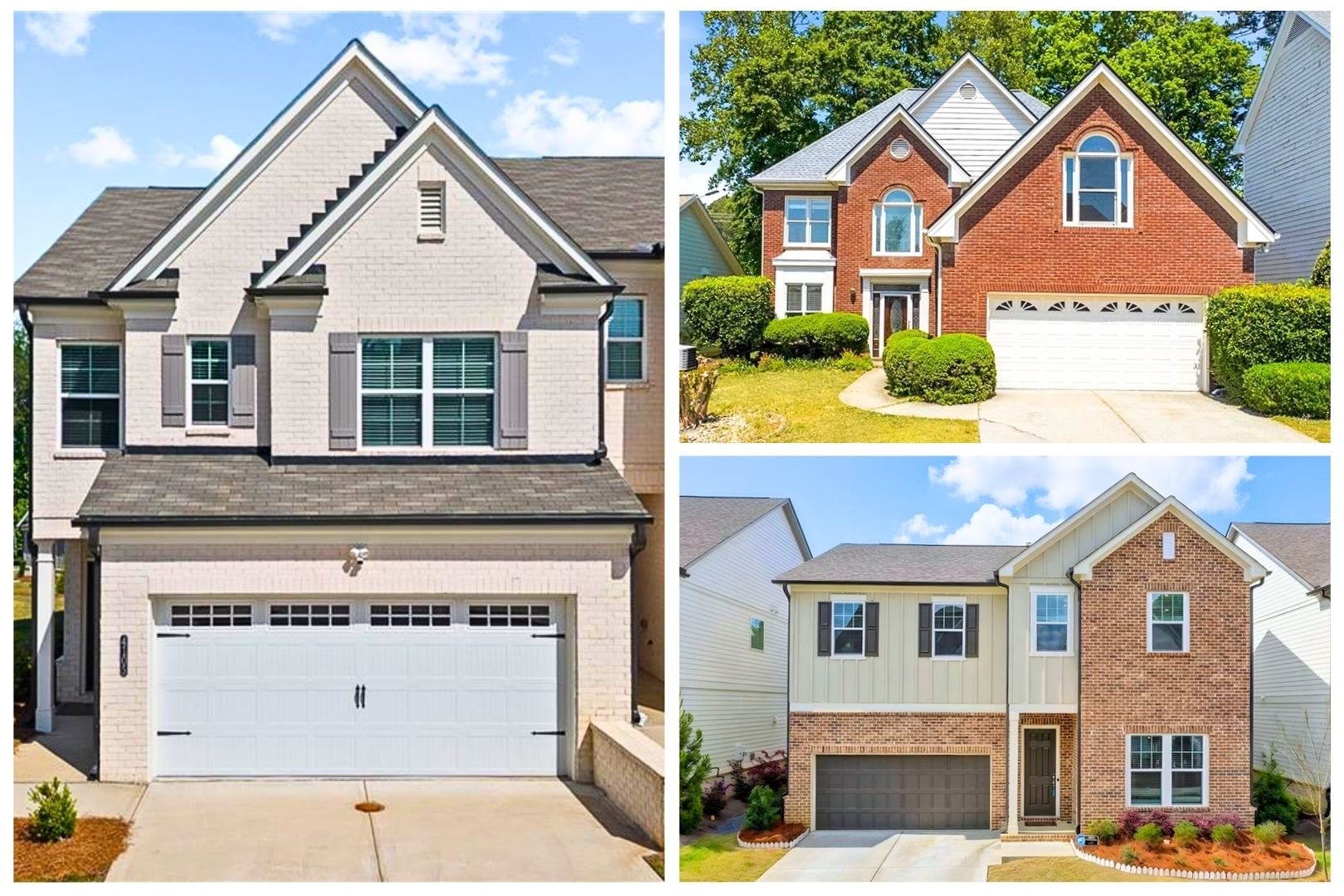
Building Outside the Perimeter (OTP)
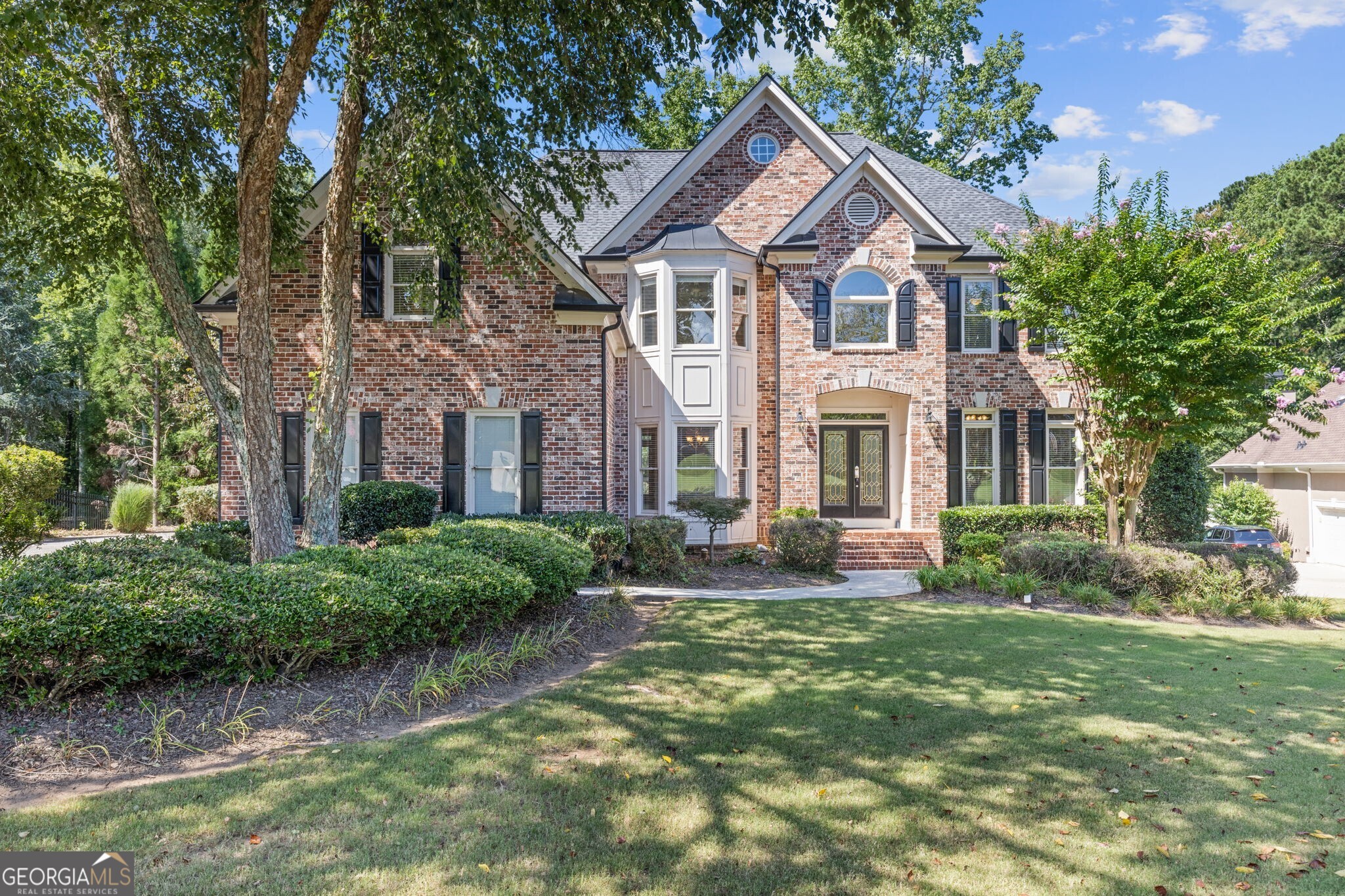
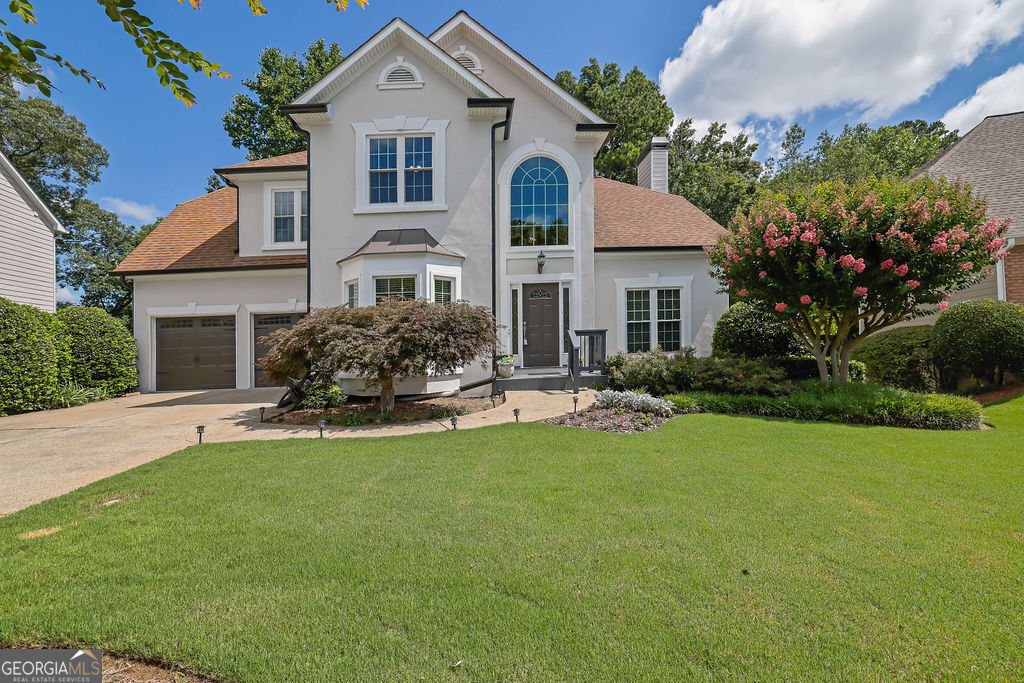
Suburban builder communities across Gwinnett, Cherokee, Forsyth, Henry, and Fayette counties offer dramatically more square footage for the dollar, larger lots, and in many corridors, highly regarded school districts. Buford City Schools in Gwinnett County earned the top ranking as Georgia's No. 1 school district on Niche's 2026 Best Schools list, and the Gwinnett School of Mathematics, Science, and Technology in Lawrenceville ranked No. 13 nationally among U.S. high schools.
For families, the OTP equation is compelling. Active adult buyers 55 and older will also find expanding options in communities like Del Webb developments across the metro's suburban corridors. The commute trade-off, however, must always be factored honestly into any OTP purchase decision.
Tips for Navigating the New Construction Process in Atlanta
Pro Tip: Always hire a third-party home inspector for a pre-drywall walkthrough. Before the walls are closed, this is your best — and often last — opportunity to catch structural, mechanical, or installation issues before they're hidden behind finished drywall. It's one of the most valuable steps you can take in the entire new construction process.
Hire a buyer's agent. Builder sales representatives work for the builder, not for you. An independent buyer's agent can help you negotiate upgrades, flag contract terms that favor the builder disproportionately, and advocate for your interests throughout the process — typically at no additional cost to you as the buyer.
Understand the builder contract thoroughly. New construction contracts are drafted heavily in favor of builders. Review contingencies, change-order policies, earnest money terms, and deposit refund conditions carefully before signing — ideally with a real estate attorney's guidance.
Research the community's build-out timeline. An incomplete neighborhood affects quality of life, school district assignments, and eventual resale value. Ask the builder how many homes are planned, how many are sold, and what the projected completion timeline is for the full community.
Factor in your real total cost. Base price plus lot premium plus design center upgrades plus HOA dues plus landscaping equals your actual financial commitment. Build this complete picture before finalizing your budget — not after you've fallen in love with a floor plan.
Lock your rate early. Work with a lender — builder-preferred or independent — to understand your rate lock options. On builds with long timelines, rate movements between contract signing and closing can significantly affect your monthly payment.
Frequently Asked Questions About Building a New Home in Atlanta

How long does it take to build a new home in Atlanta?
Timelines vary significantly based on the type of build. A spec home in a production community may be move-in ready in 4 to 6 months, while a fully custom build can take 12 to 18 months or longer. Permitting timelines differ by county across the Atlanta metro, so ask your builder for a realistic written timeline estimate before committing.
Is it cheaper to build or buy an existing home in Atlanta?
It depends on location and specifications. A resale bungalow inside the perimeter can cost around $700,000 for 1,800 sq. ft., while a 3,200 sq. ft. new construction home in Gwinnett County may run approximately $550,000 — meaning OTP new construction often delivers dramatically more value per dollar. In the intown market, resale may sometimes offer a more competitive per-square-foot price.
What are the best areas in the Atlanta metro for new construction homes?
New construction activity is strongest in Gwinnett, Cherokee, Forsyth, Henry, and Fayette counties for suburban buyers. For intown options, West Midtown, Southwest Atlanta, and South Fulton are seeing active infill development. The Southside has emerged as a particularly strong value corridor in 2025, driven by Trilith Studios in Fayetteville and logistics growth near Hartsfield-Jackson.

Do I need a real estate agent to buy a new construction home in Atlanta?
You're not required to have one, but it is strongly recommended. Builder representatives represent the builder's interests first. An independent buyer's agent can help you negotiate upgrades, review the contract, and protect your investment — at no additional cost to you as the buyer.
Are new construction homes in Atlanta a good long-term investment?
Atlanta's long-term fundamentals remain strong. The metro's job employment base has grown 6.4% since 2020 — the seventh highest rate among major U.S. peer metros — and the region's population growth trajectory supports sustained housing demand. Location within the metro matters enormously for resale value, with intown communities historically appreciating more steadily than outer-ring suburban developments.
What warranties come with a new construction home in Atlanta?
Most production builders offer tiered warranty coverage: one year for workmanship, two years for mechanical systems including plumbing, electrical, and HVAC, and up to ten years for structural defects. Coverage terms and claims processes vary by builder, so always ask for warranty documentation in writing before closing and review it carefully.
The Bottom Line

Building a new home in Atlanta offers genuine advantages — deep customization, modern energy efficiency, builder warranties, competitive incentives, and access to one of the most active and diverse new construction markets in the Southeast. But it also requires clear-eyed awareness of timeline uncertainty, upgrade costs, HOA obligations, and the commute realities that come with most OTP communities. The pros and cons don't exist in isolation — they interact with your specific priorities, budget, and lifestyle in ways that only you can ultimately weigh.
The right answer depends on whether you're drawn to the walkable, arts-rich energy of intown Atlanta and the BeltLine corridor, or whether the value of a larger home, top-rated suburban schools, and more outdoor space in places like Forsyth or Fayette County better fits your family's chapter. With 319 builders and nearly 9,700 homes available across more than 1,100 communities throughout the metro, Atlanta buyers have more choices than almost anywhere else in the country — and that's a genuinely exciting position to be in.
Ready to start exploring your options or tour communities across the metro? Reach out to us. We'd love to help you navigate Atlanta's new construction market and find the right fit for your goals, your budget, and the life you're building here.