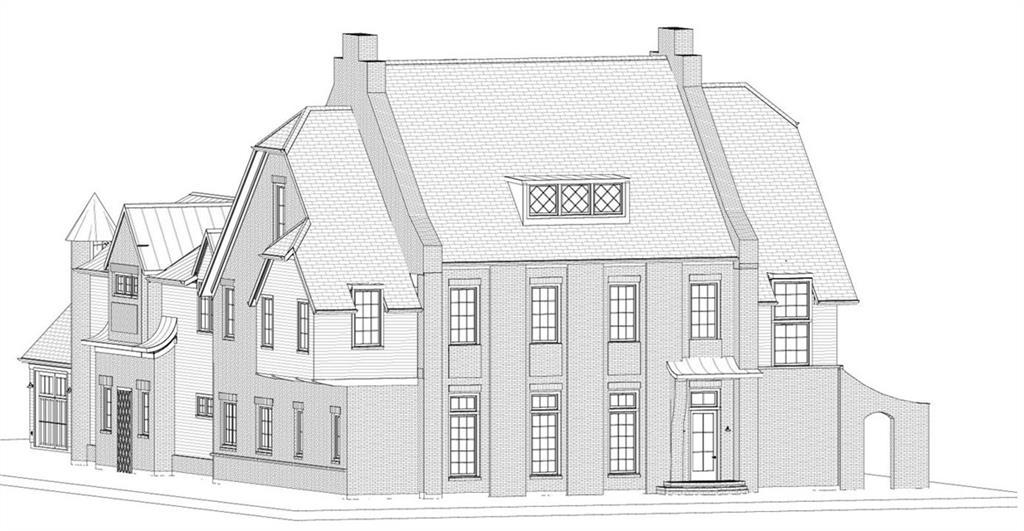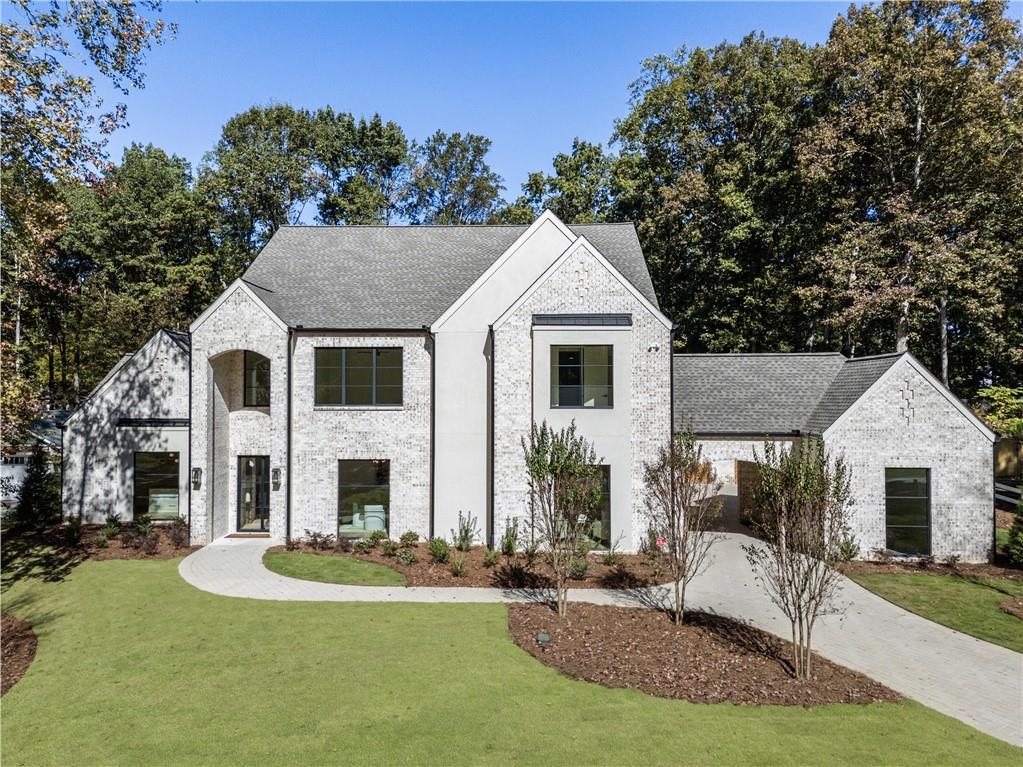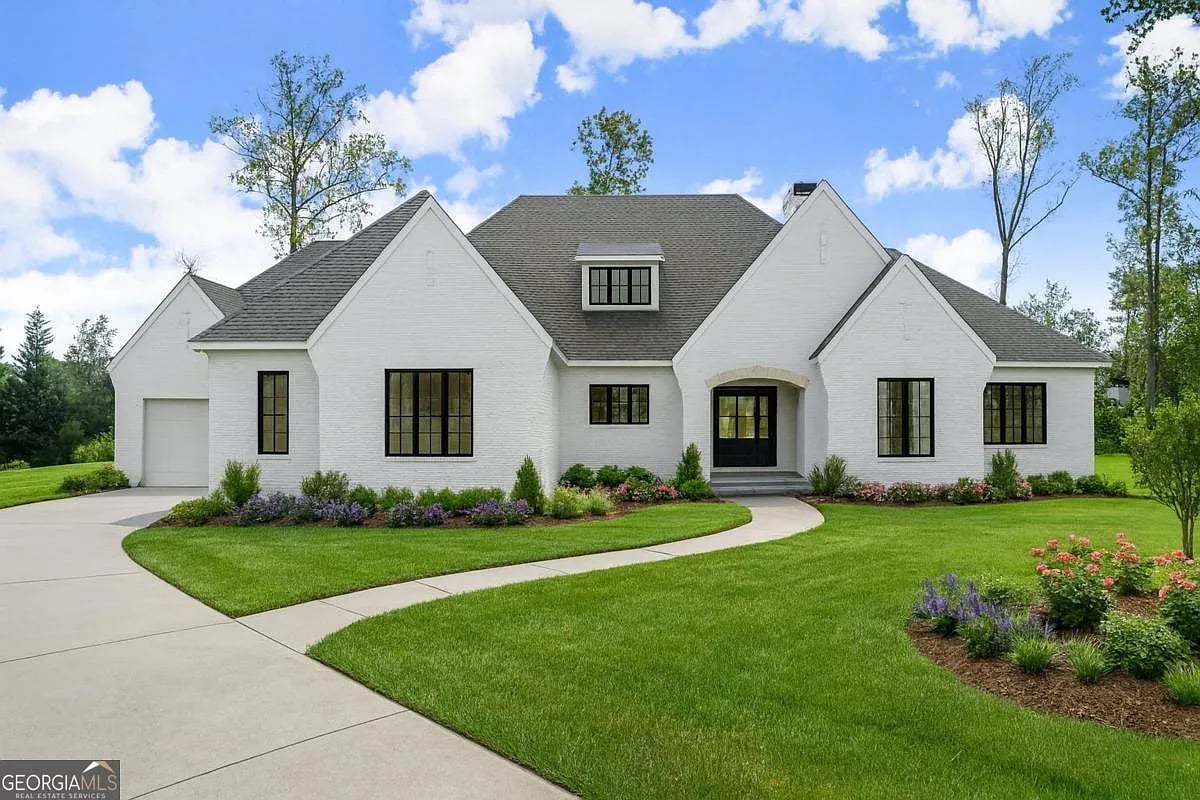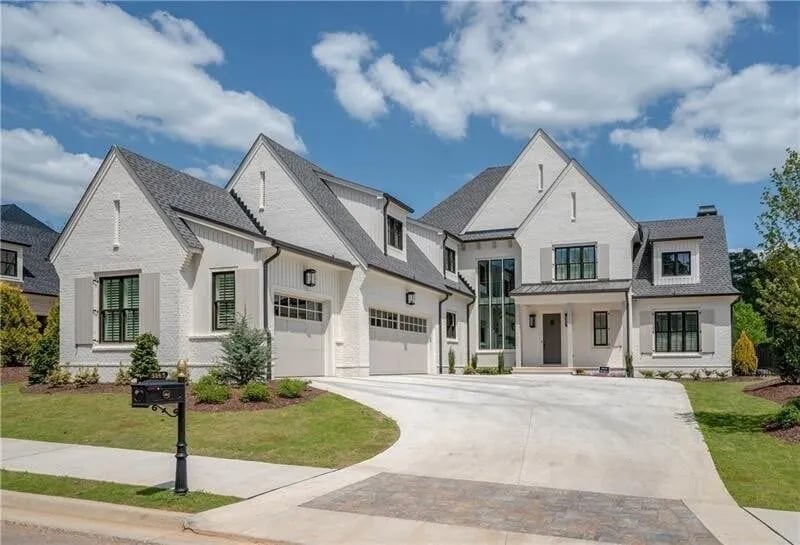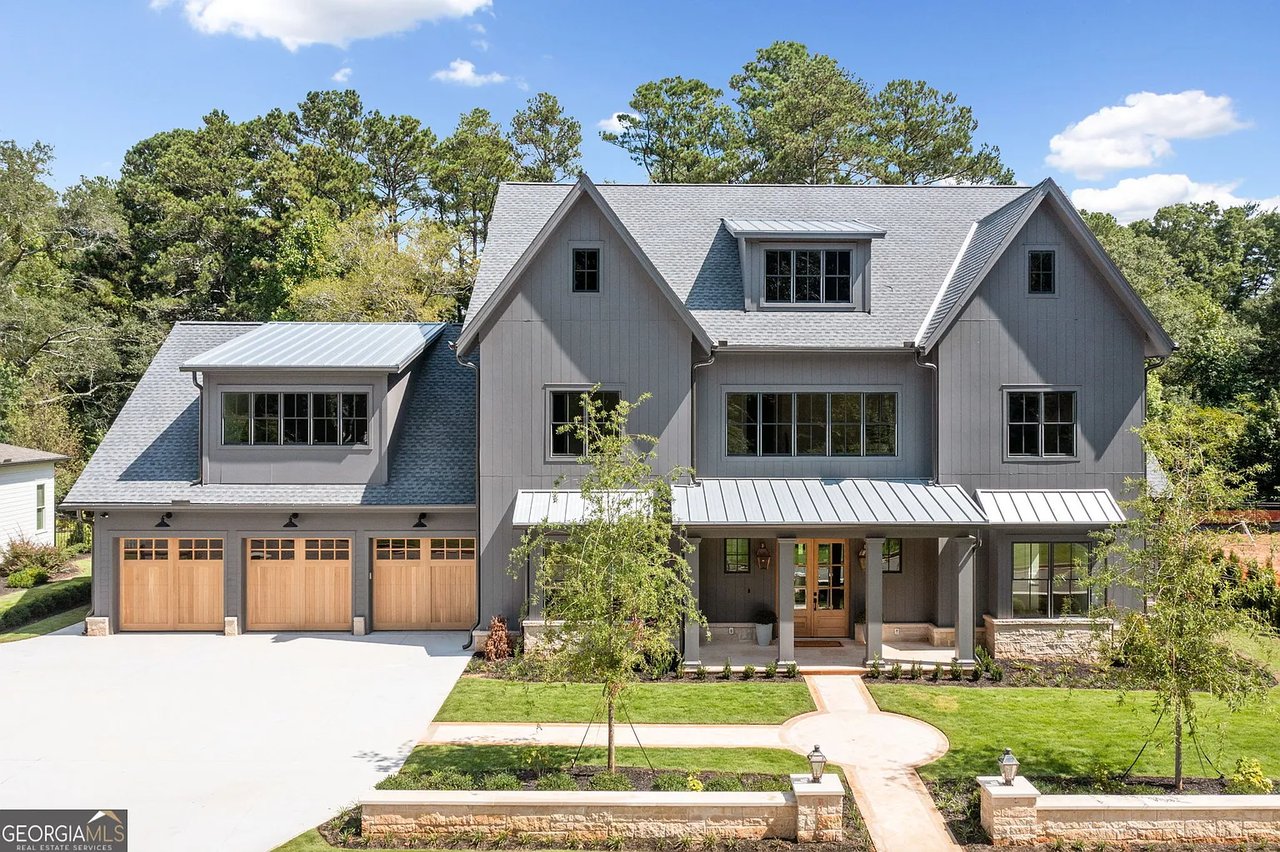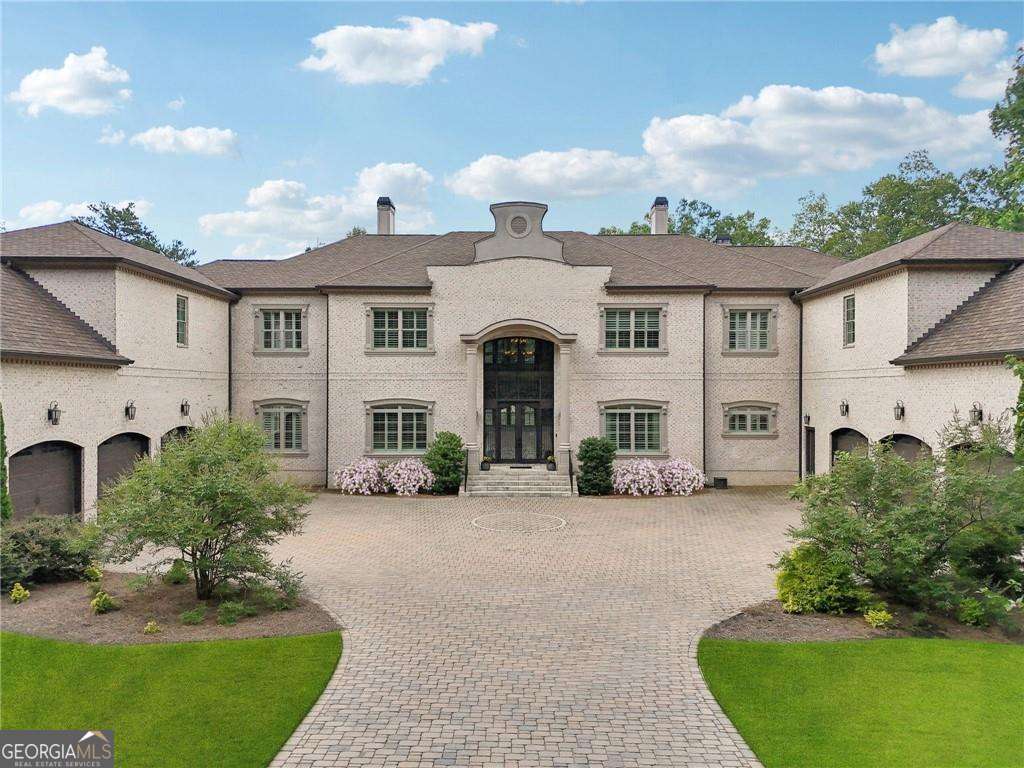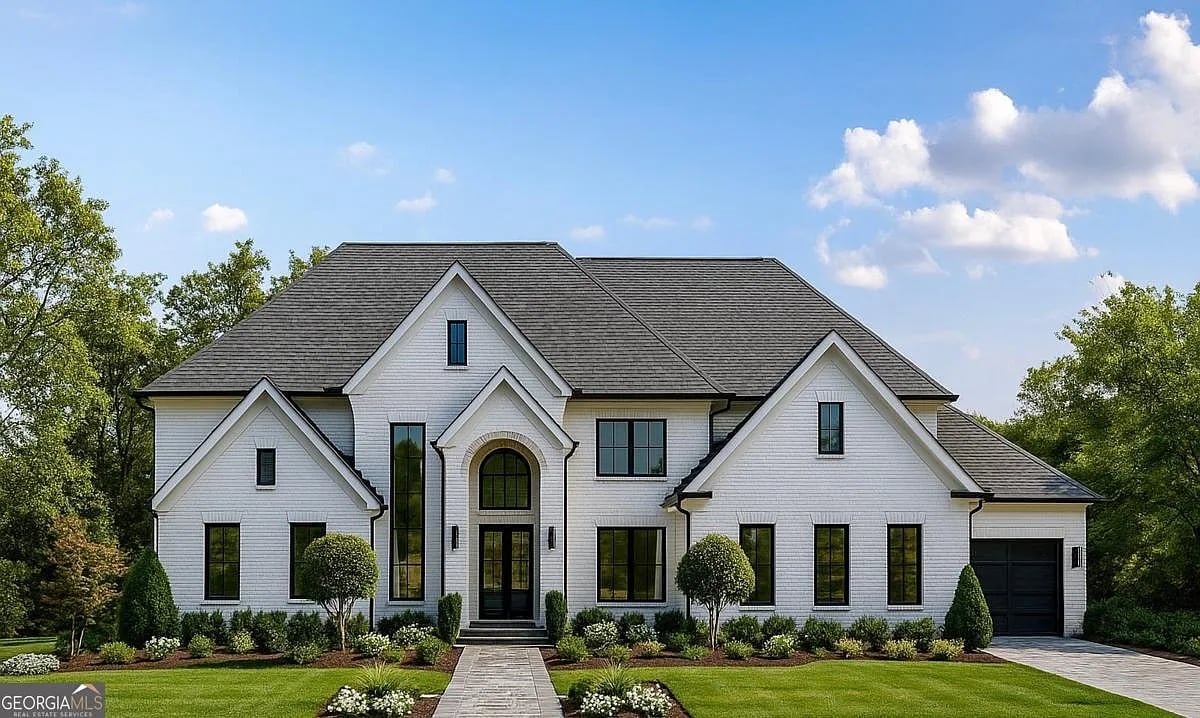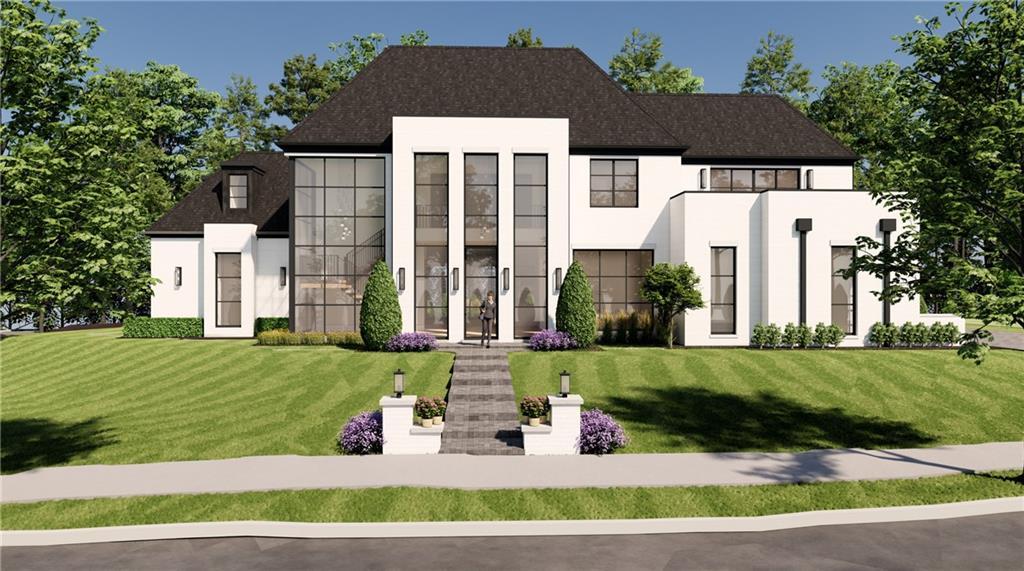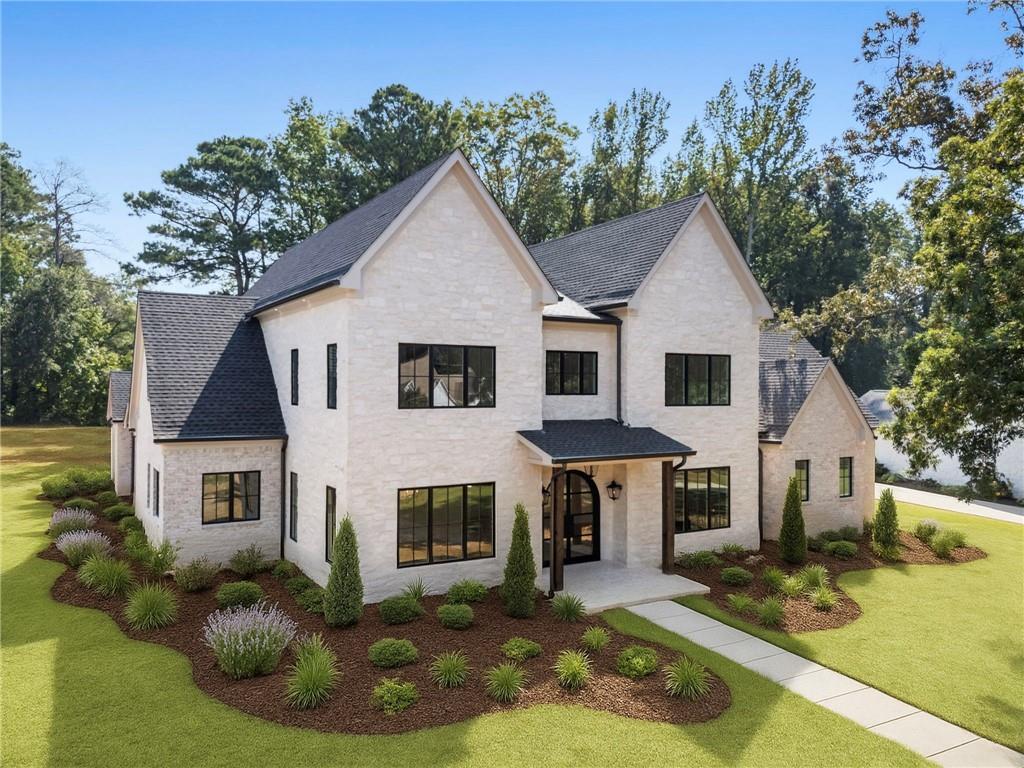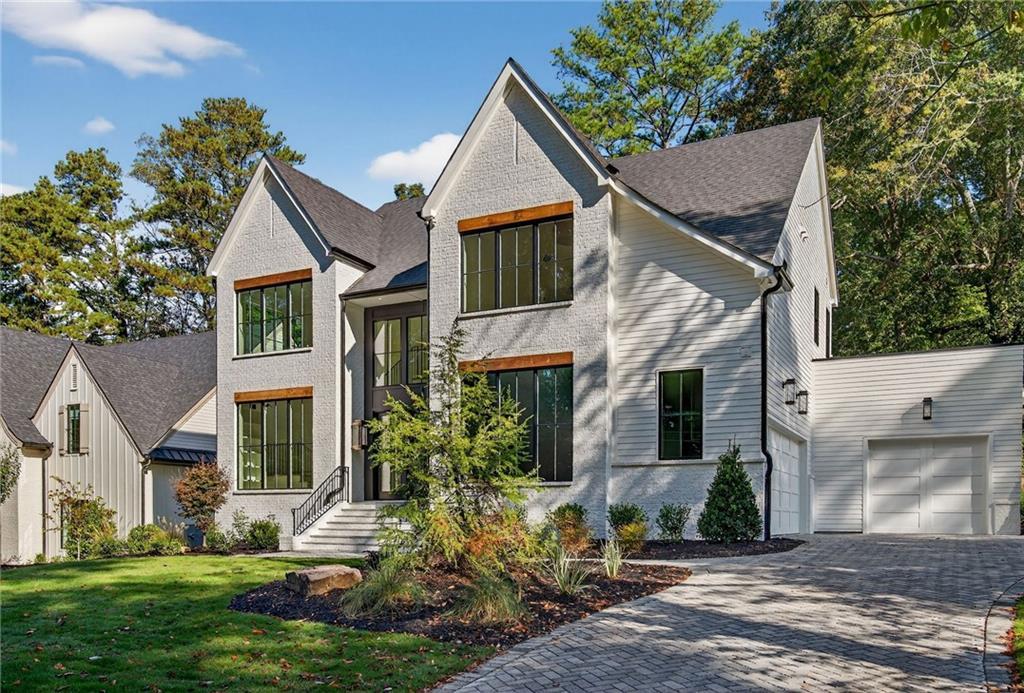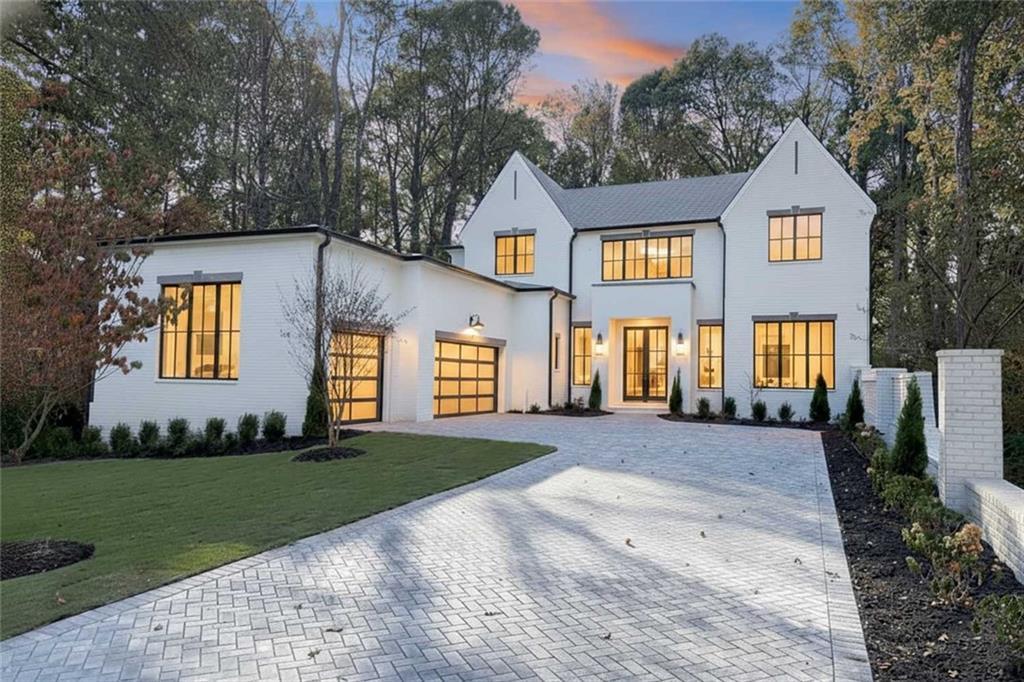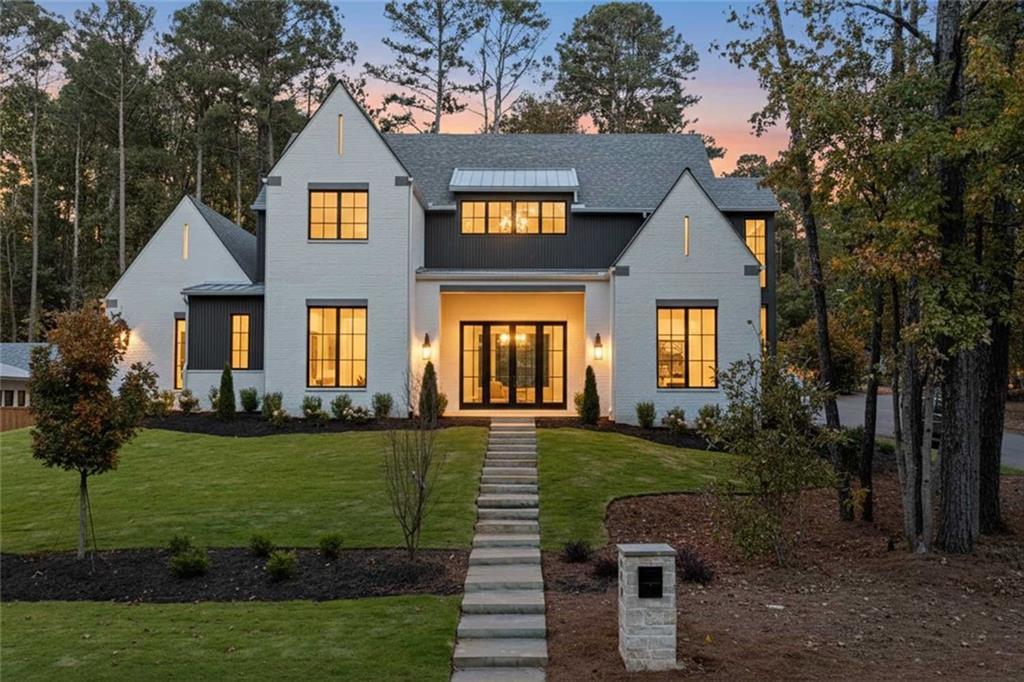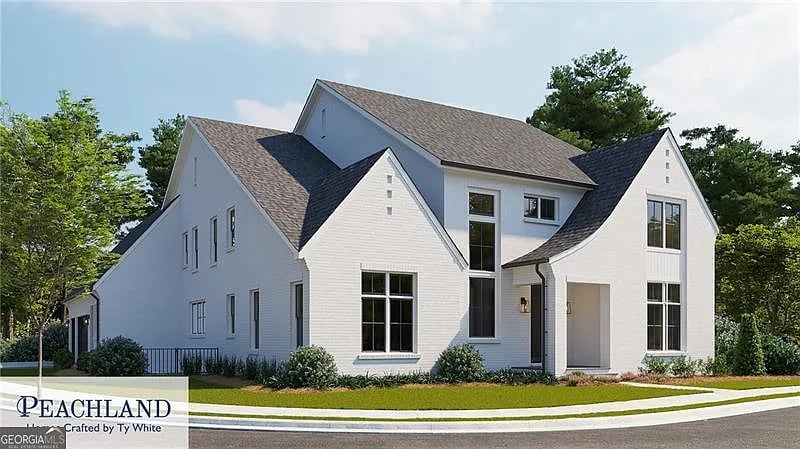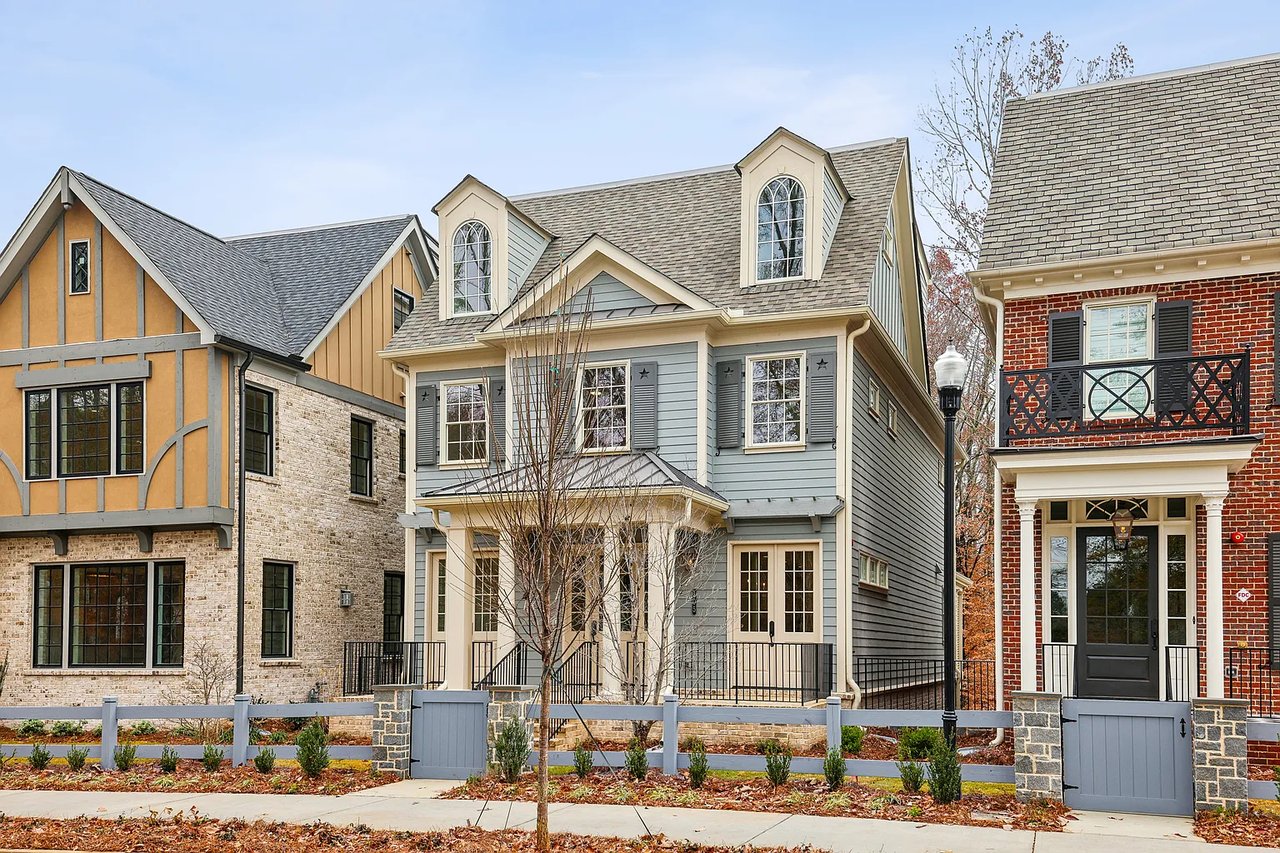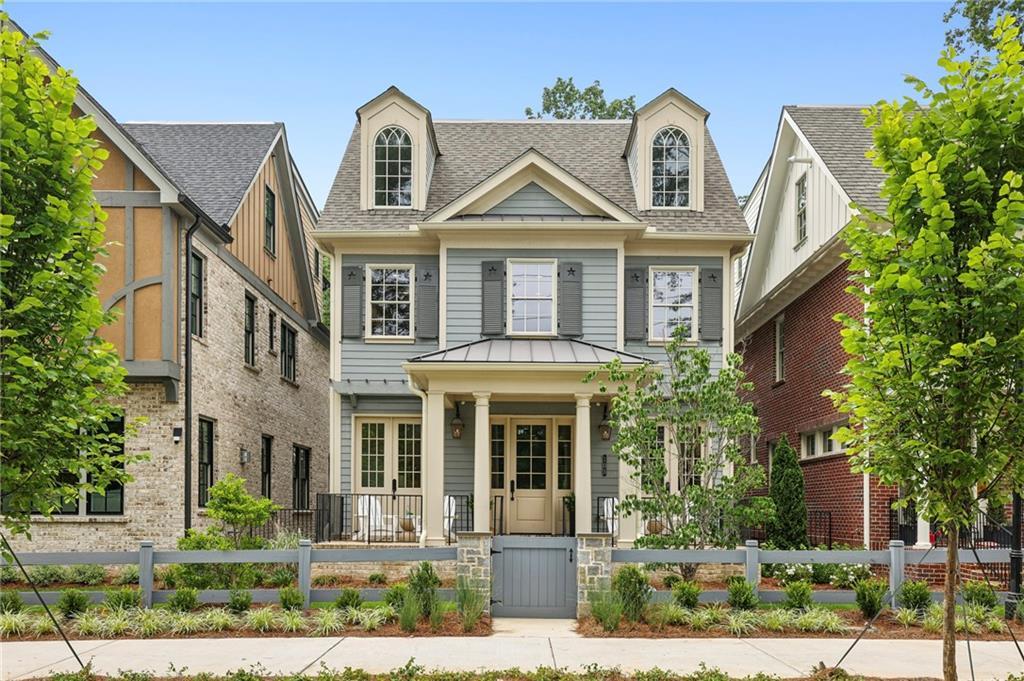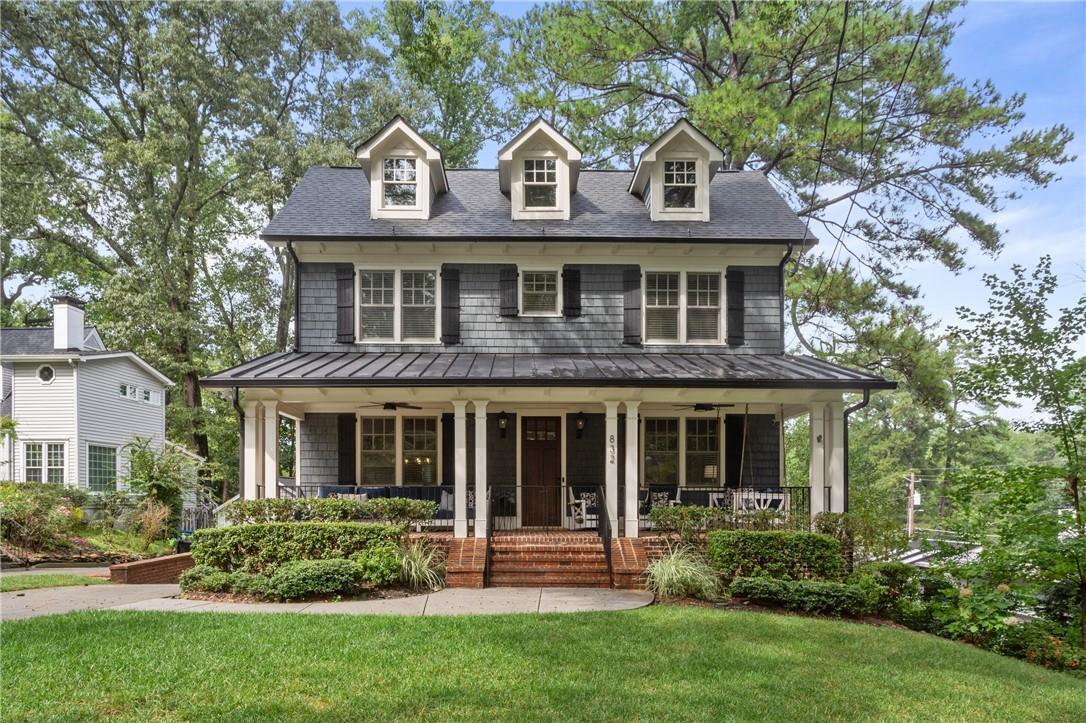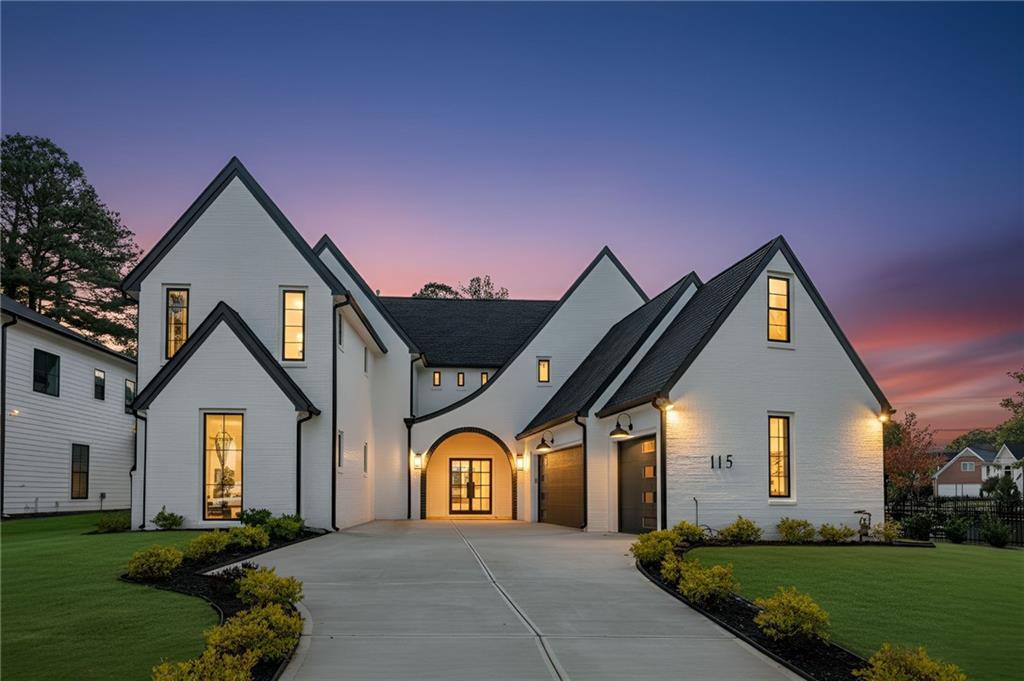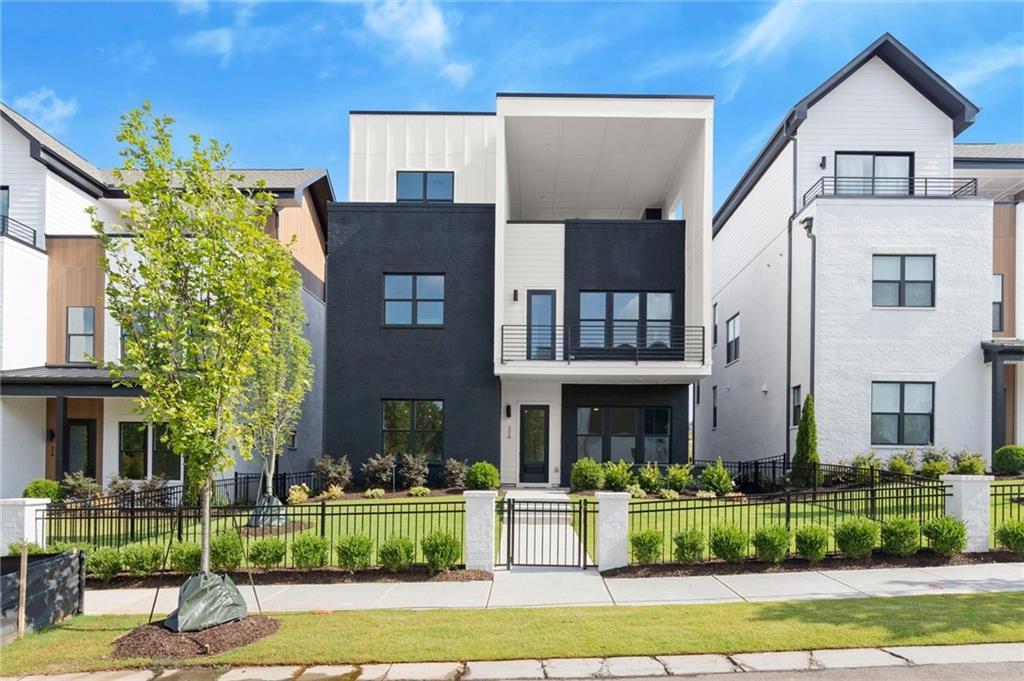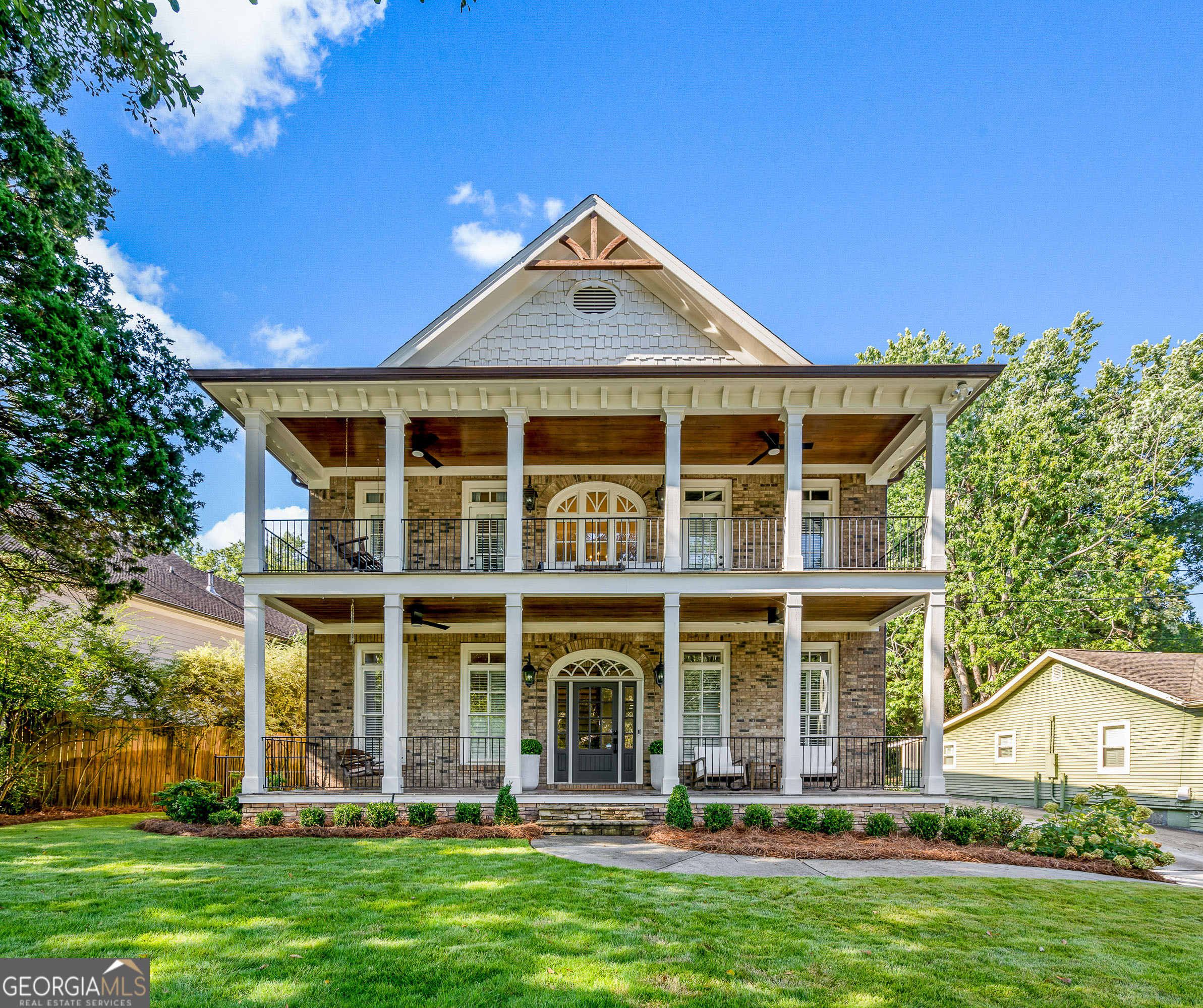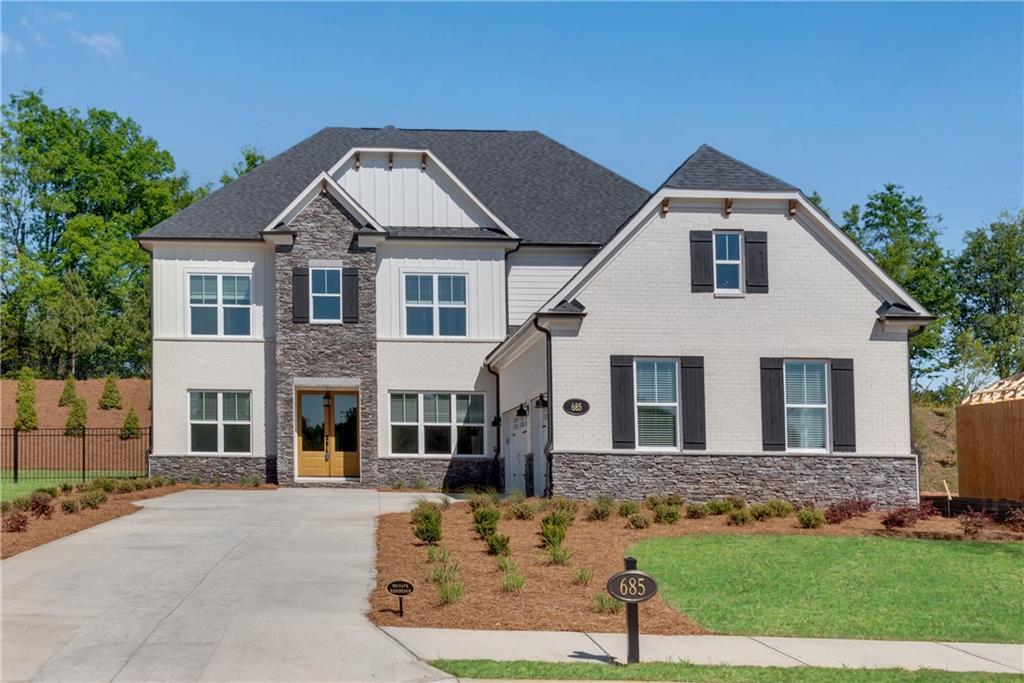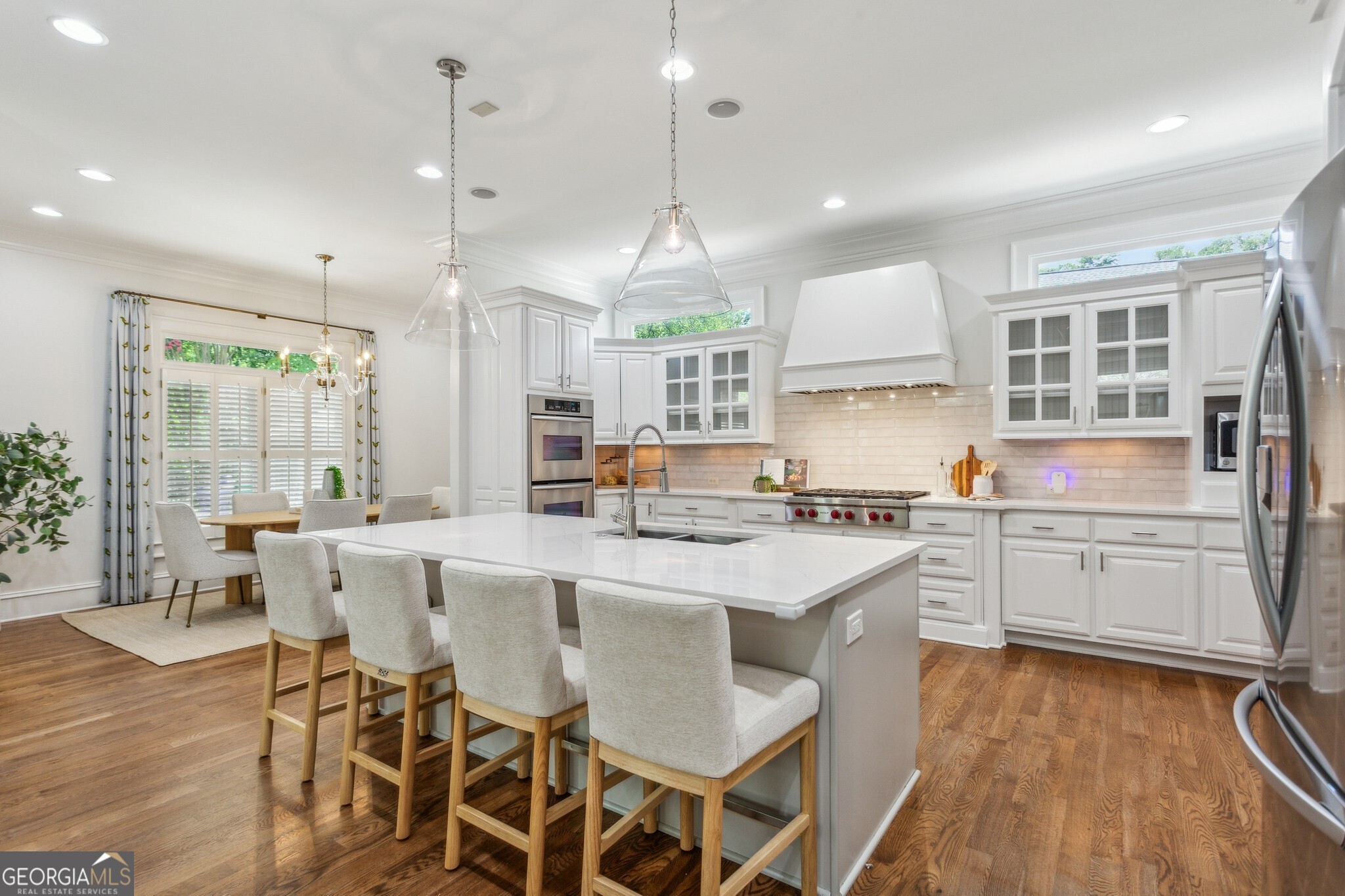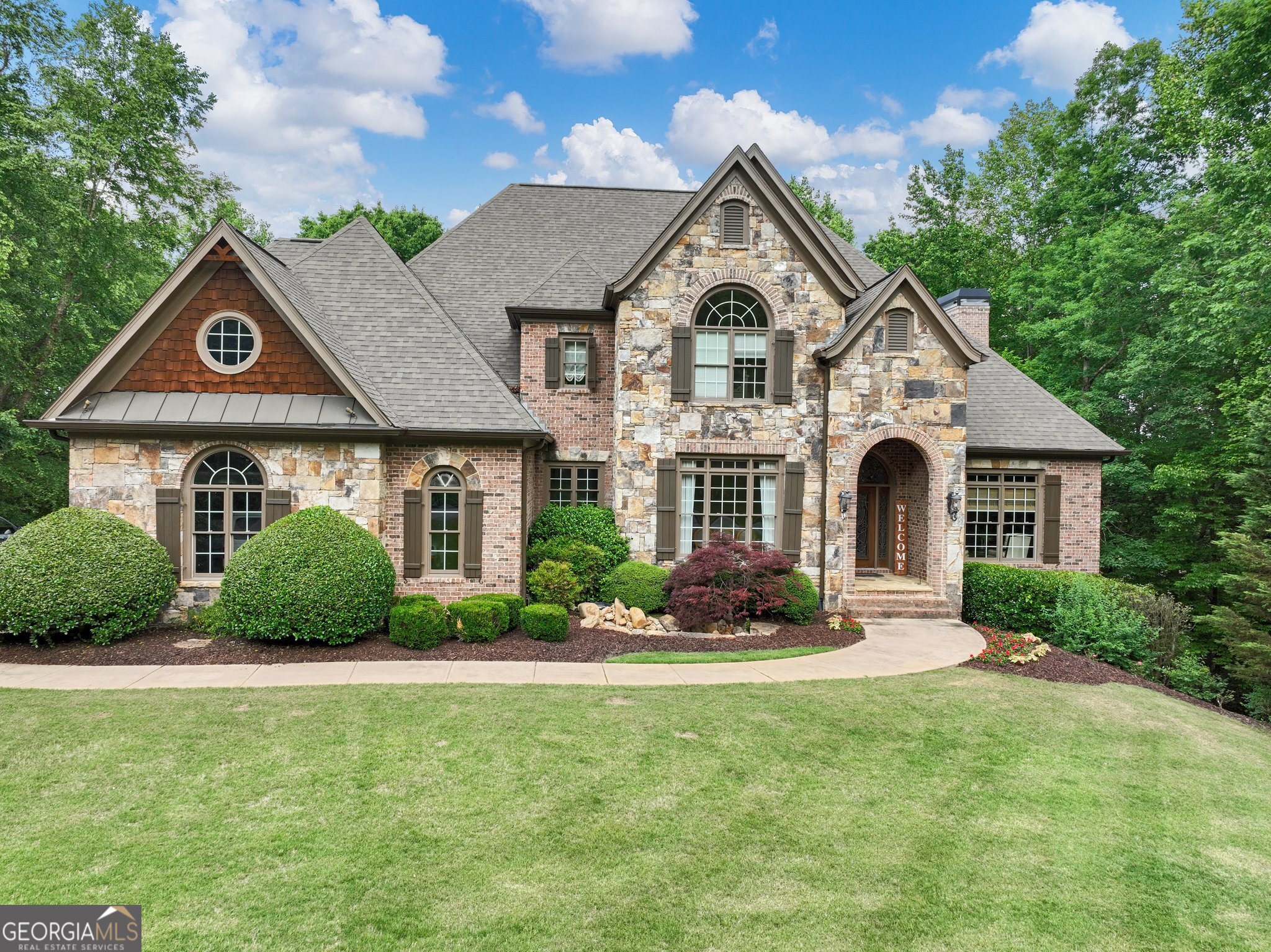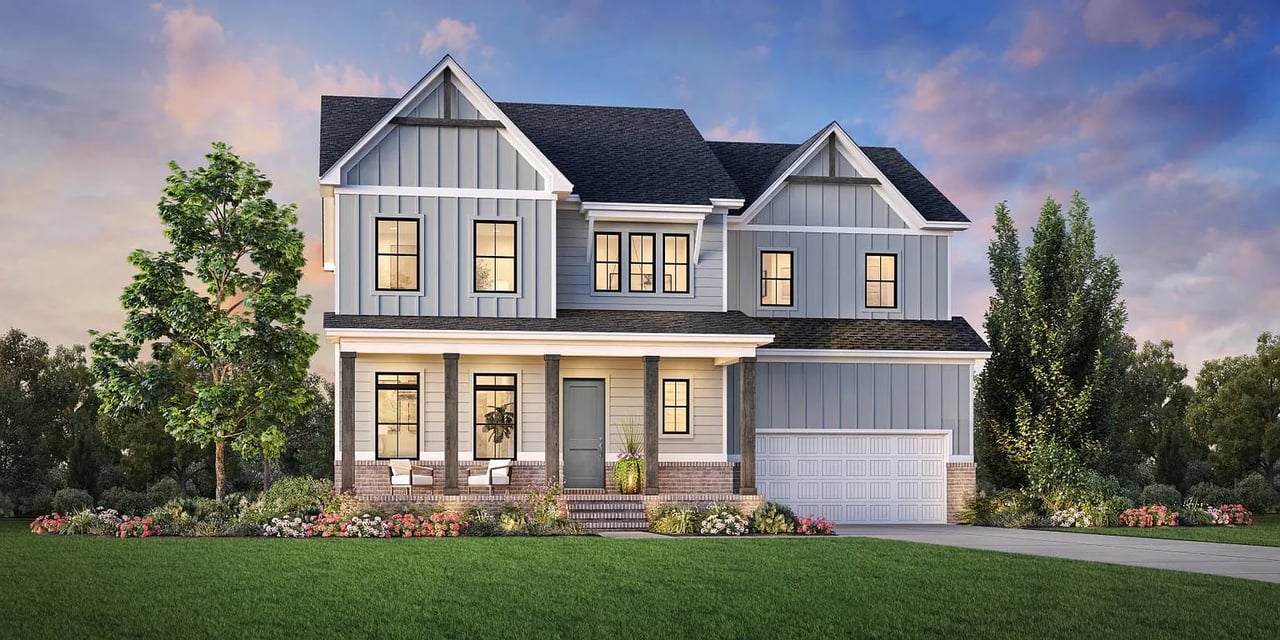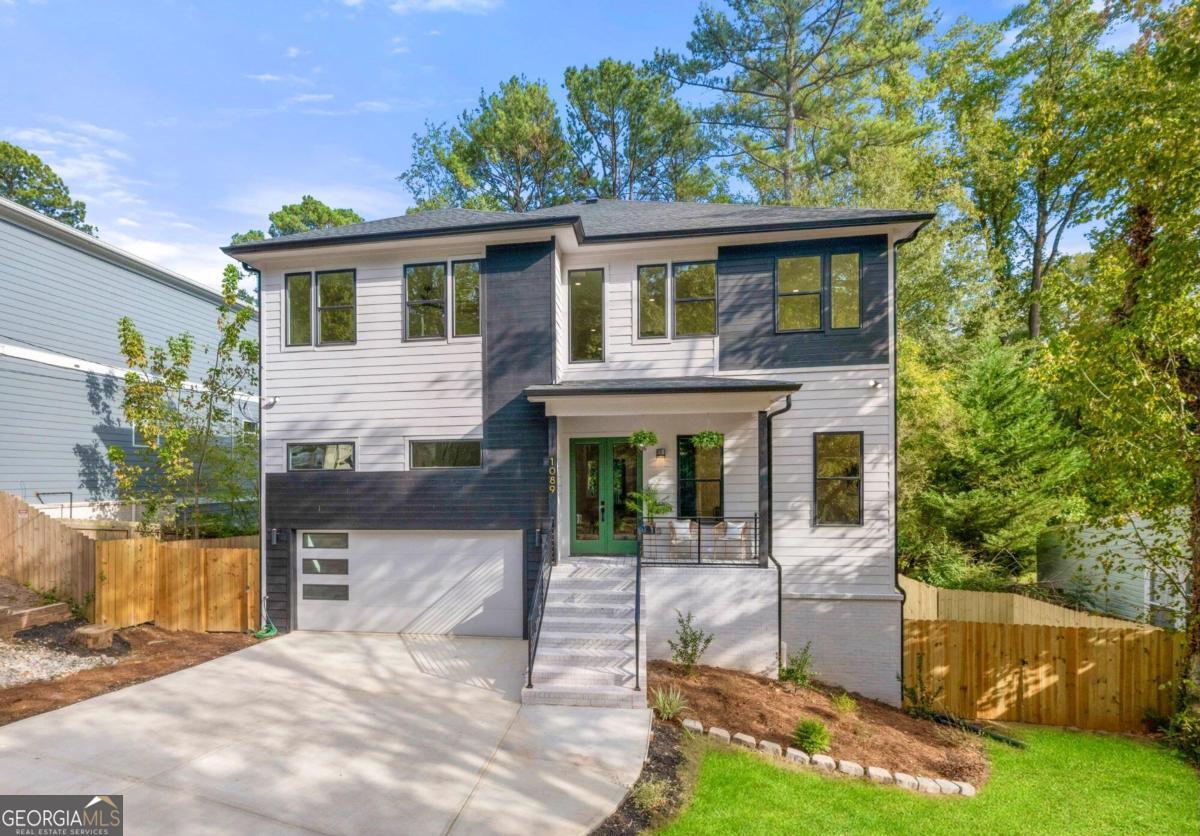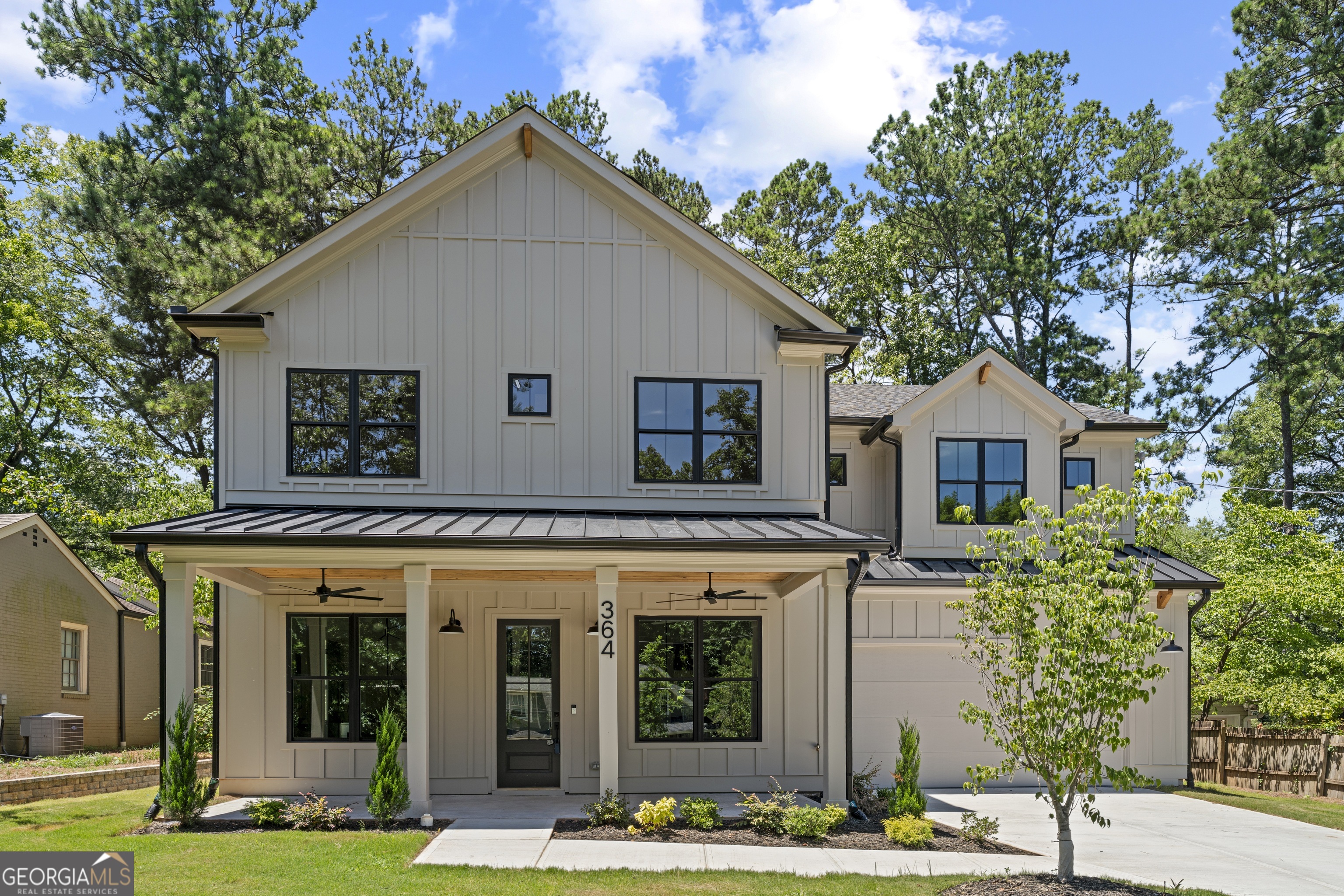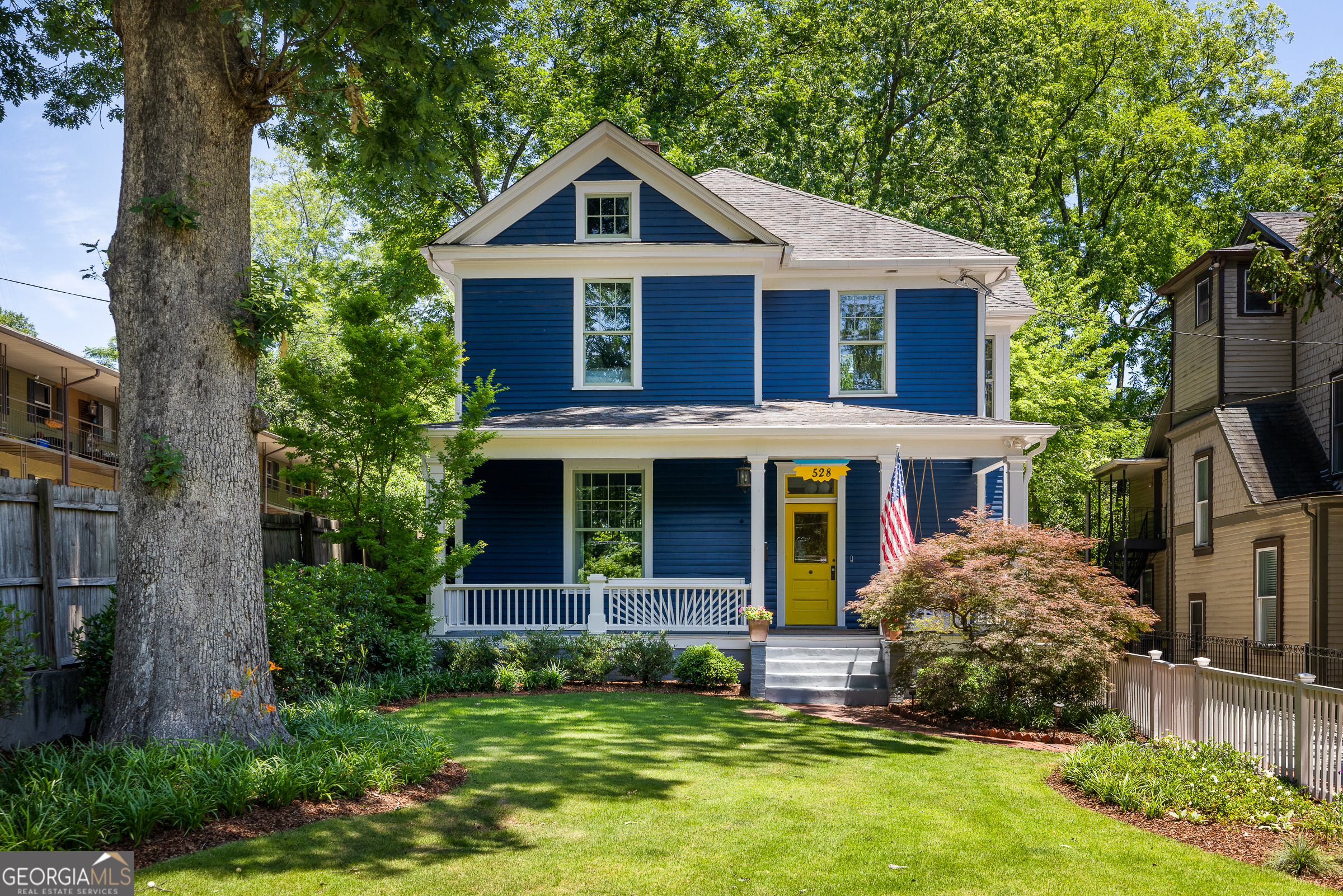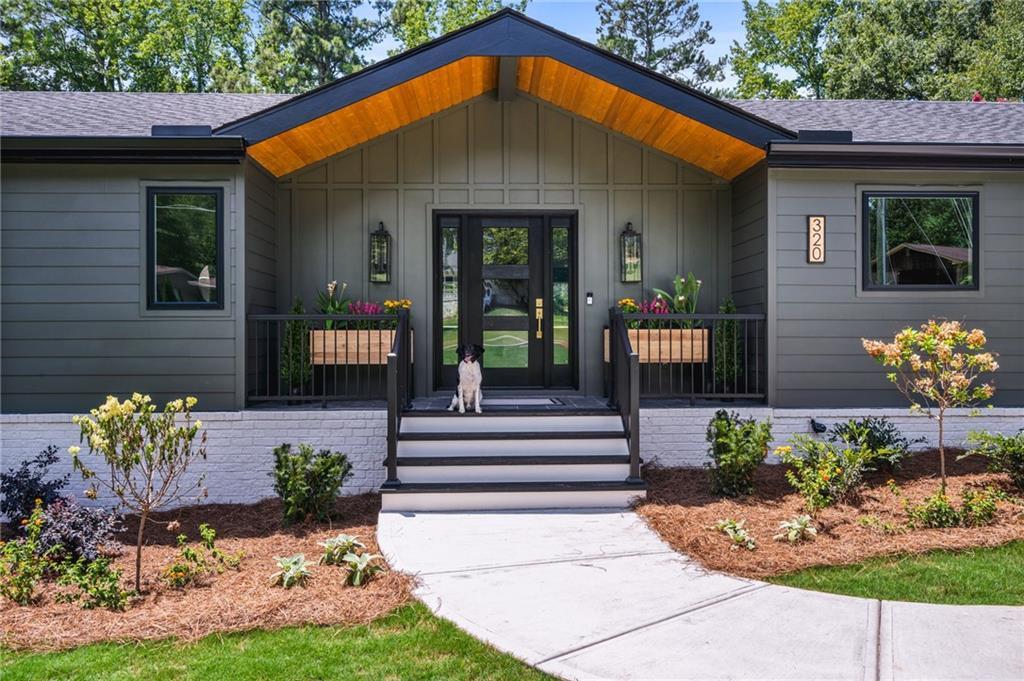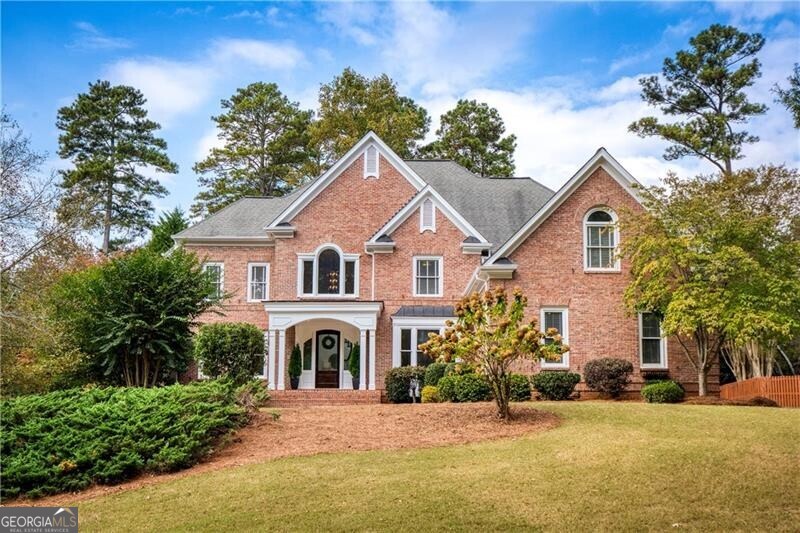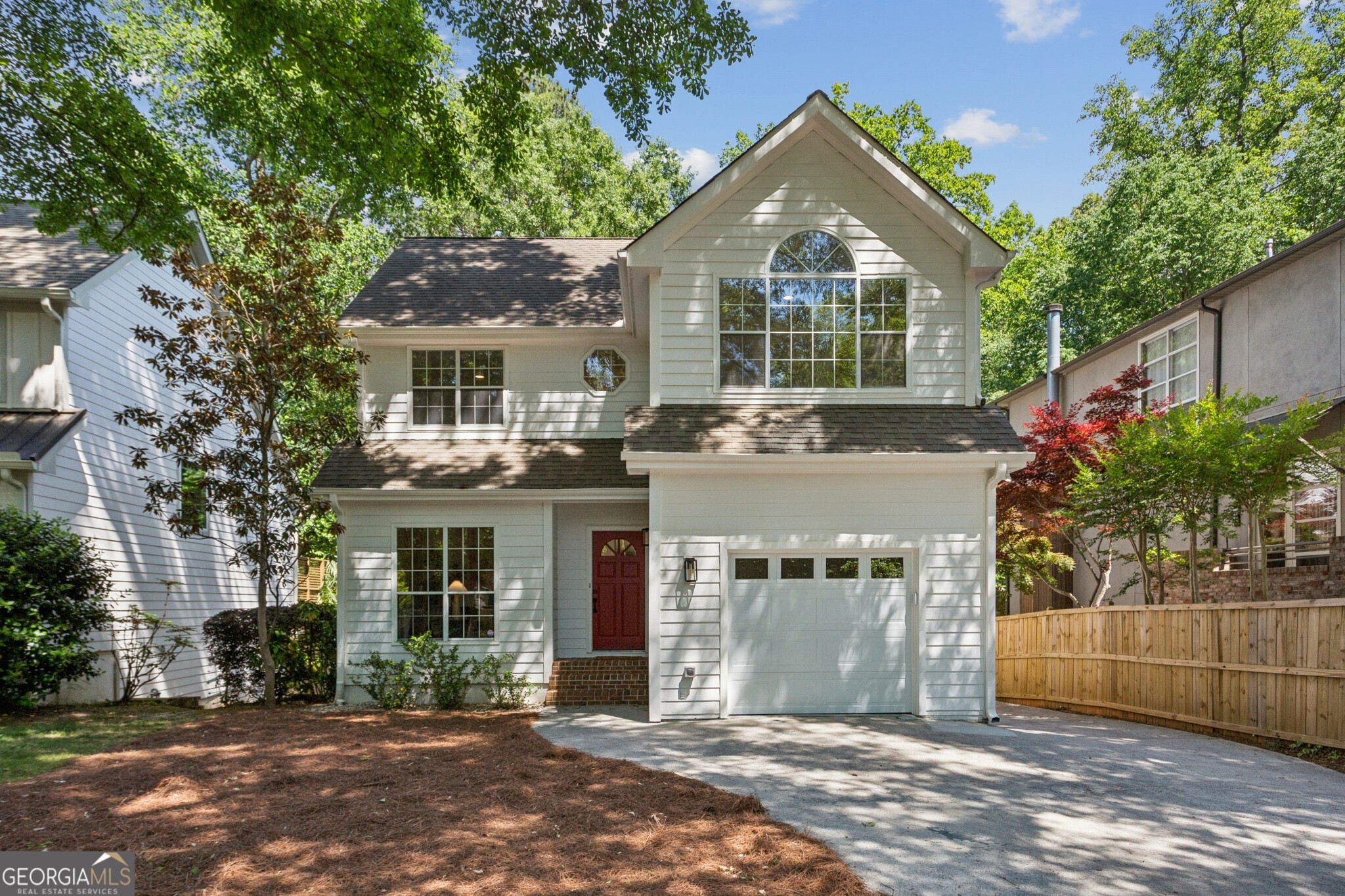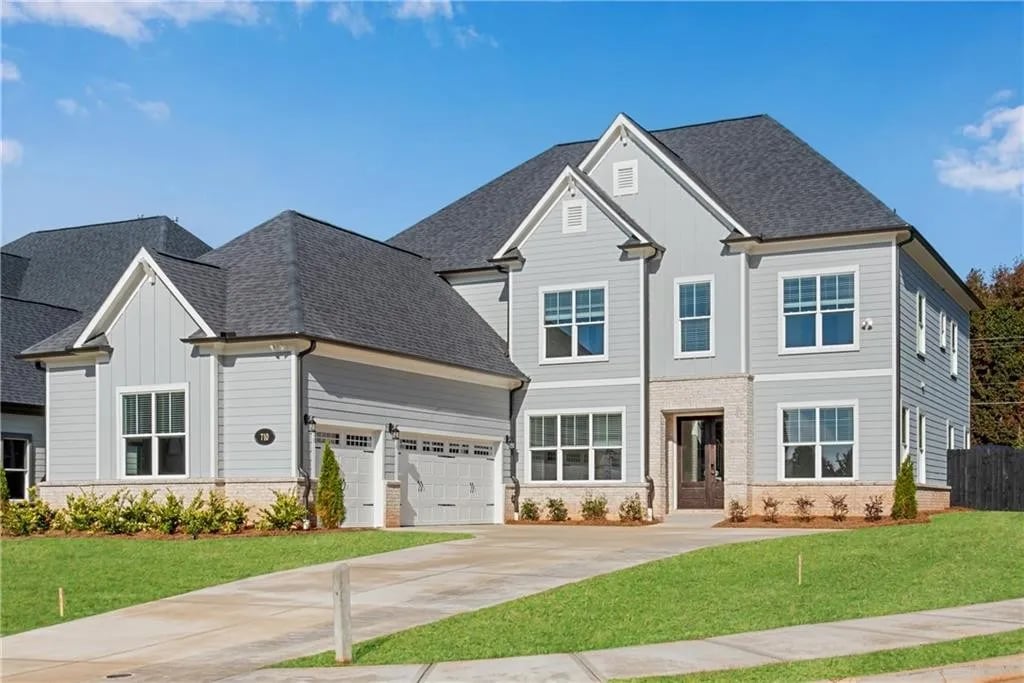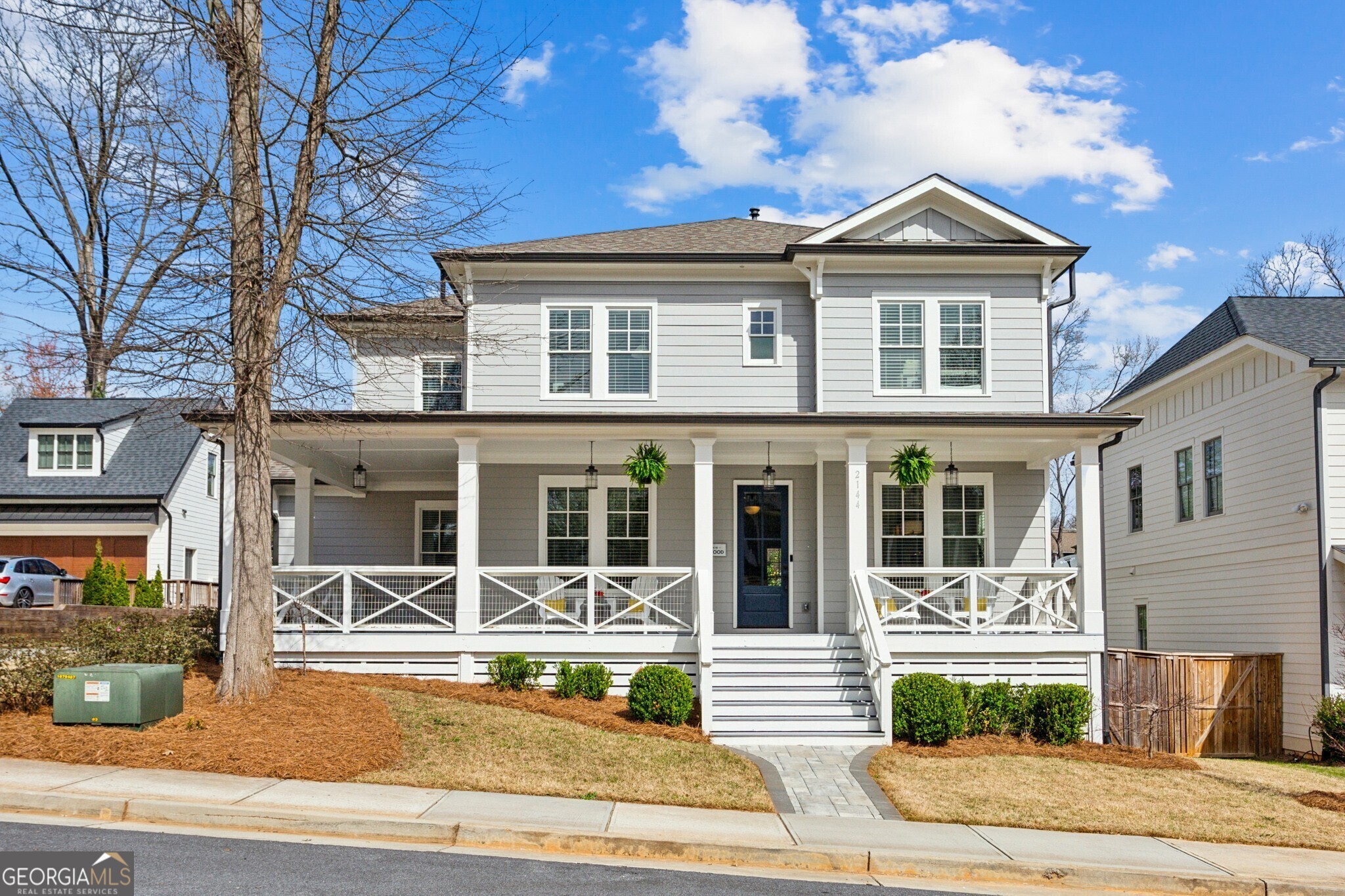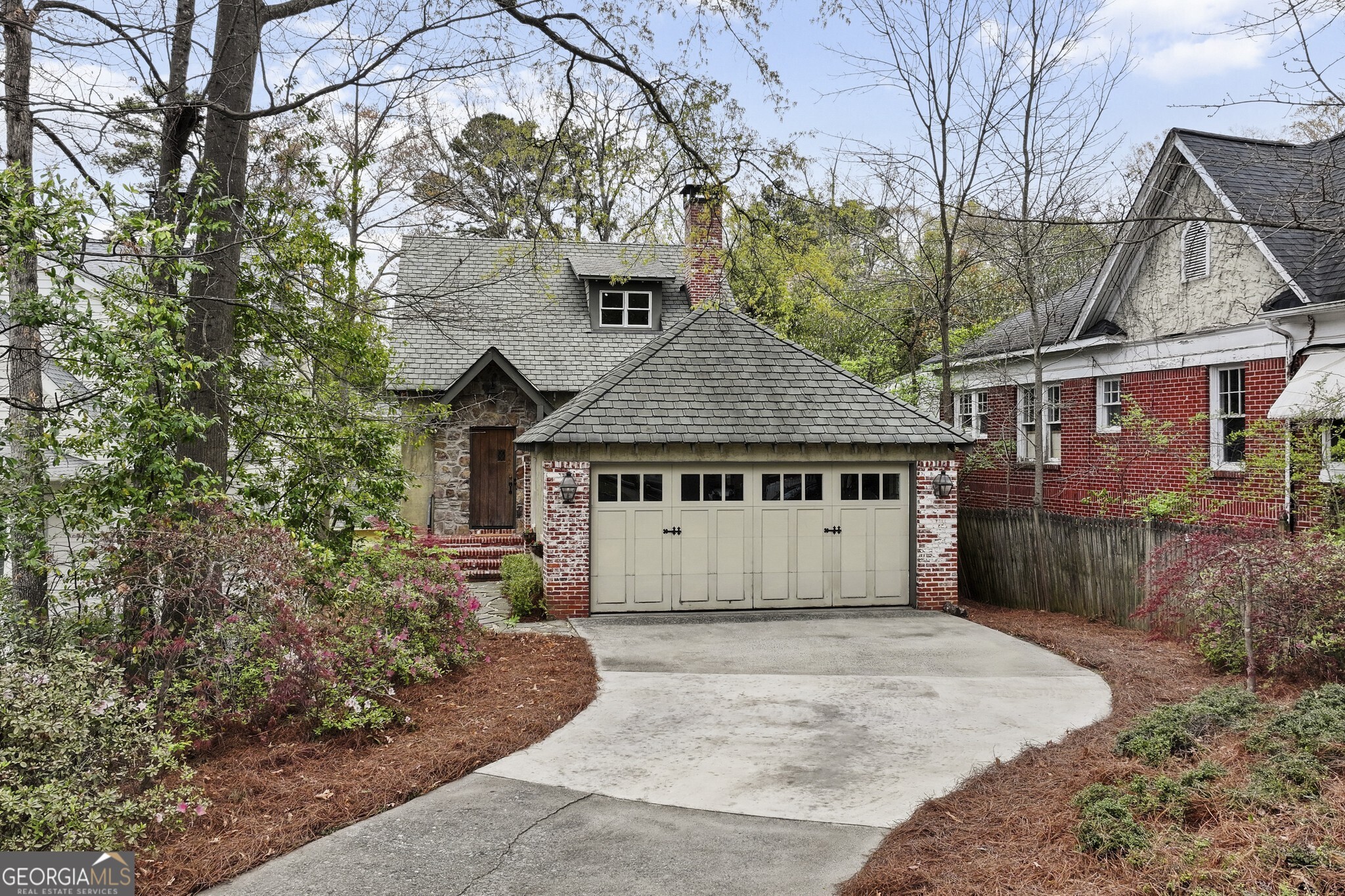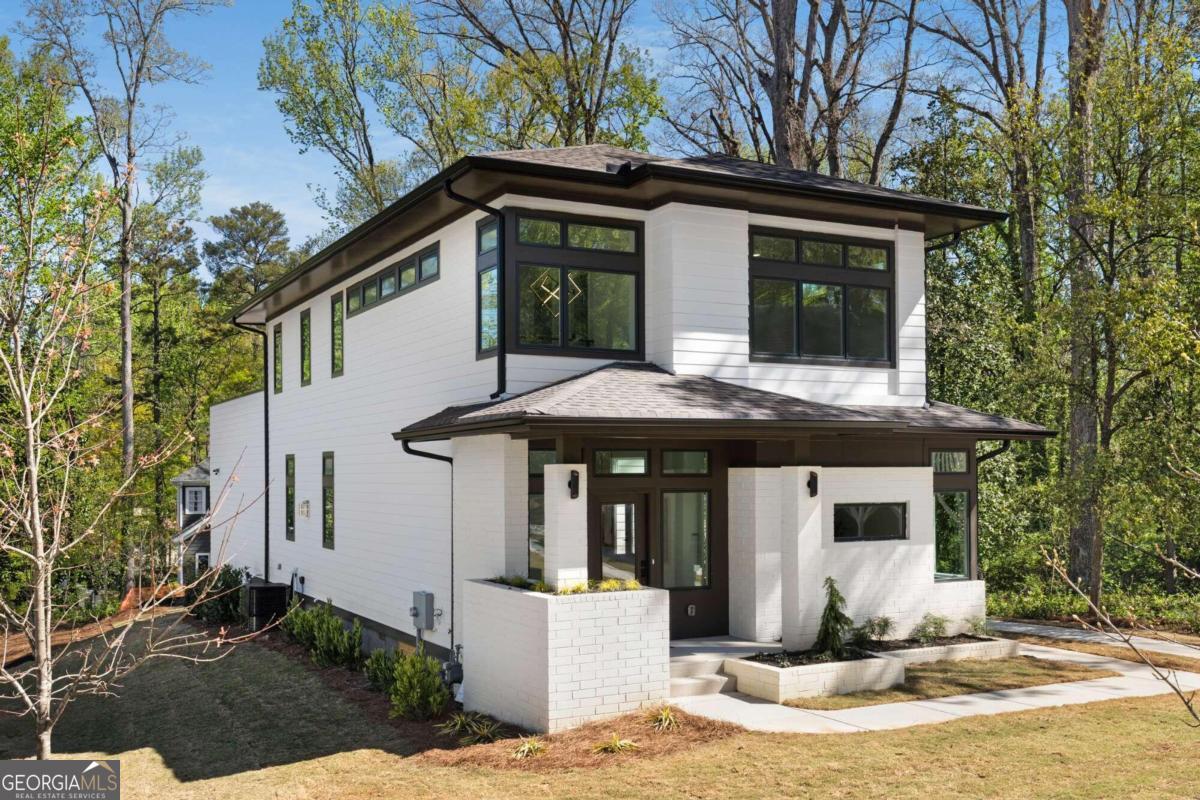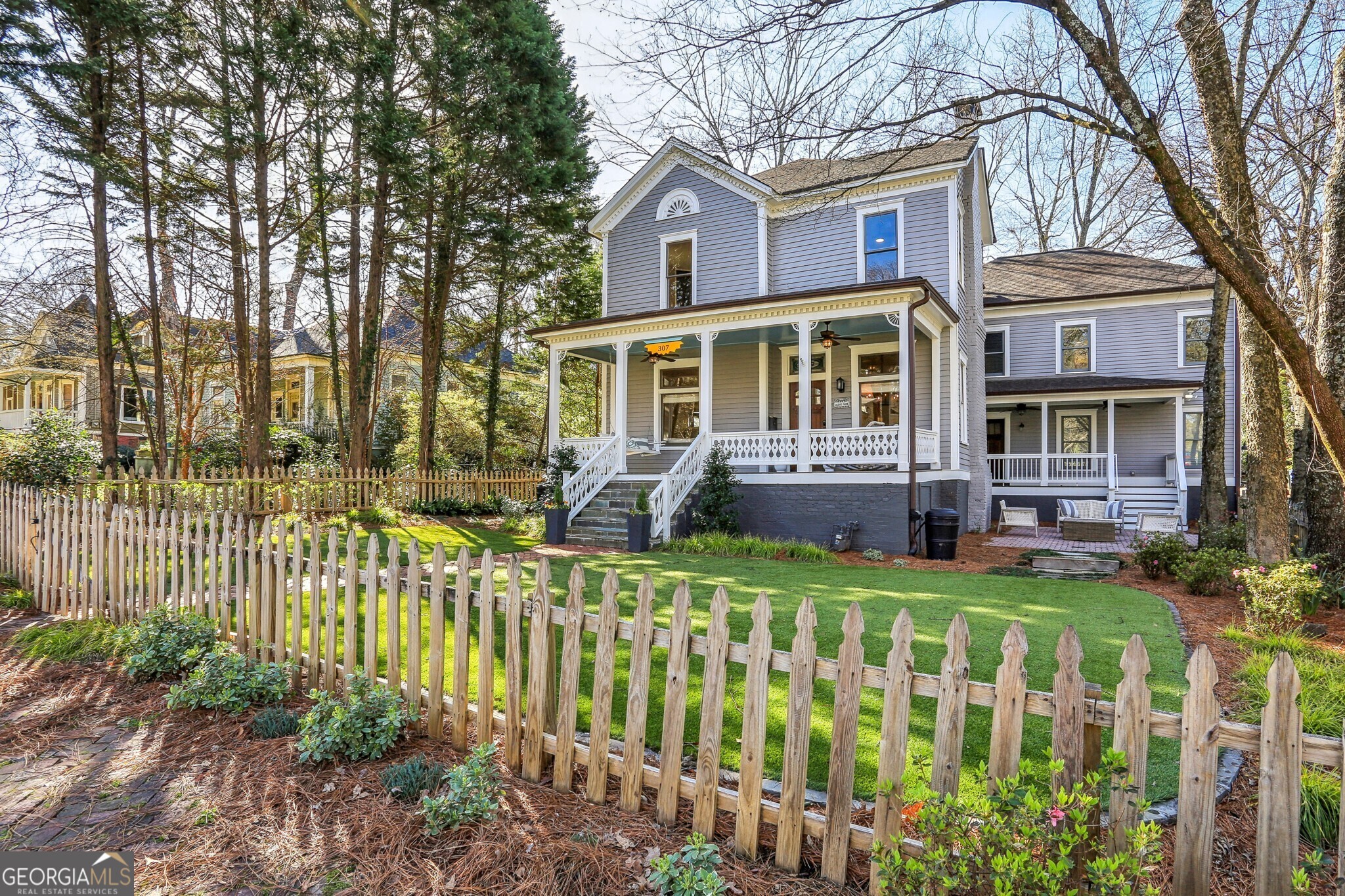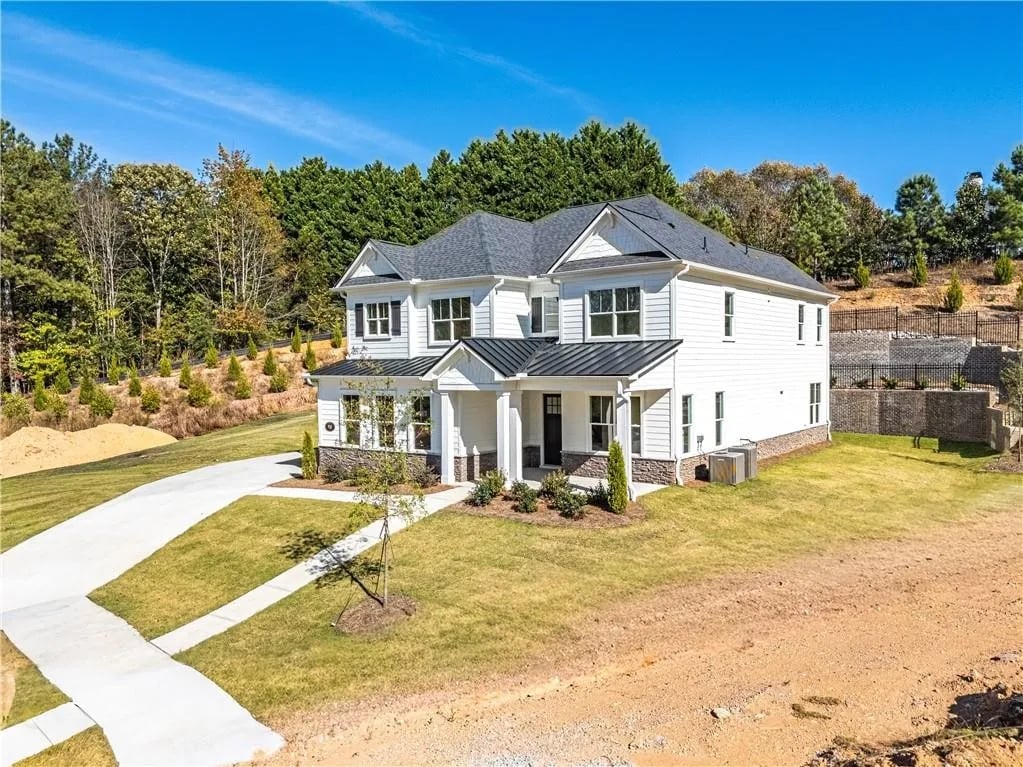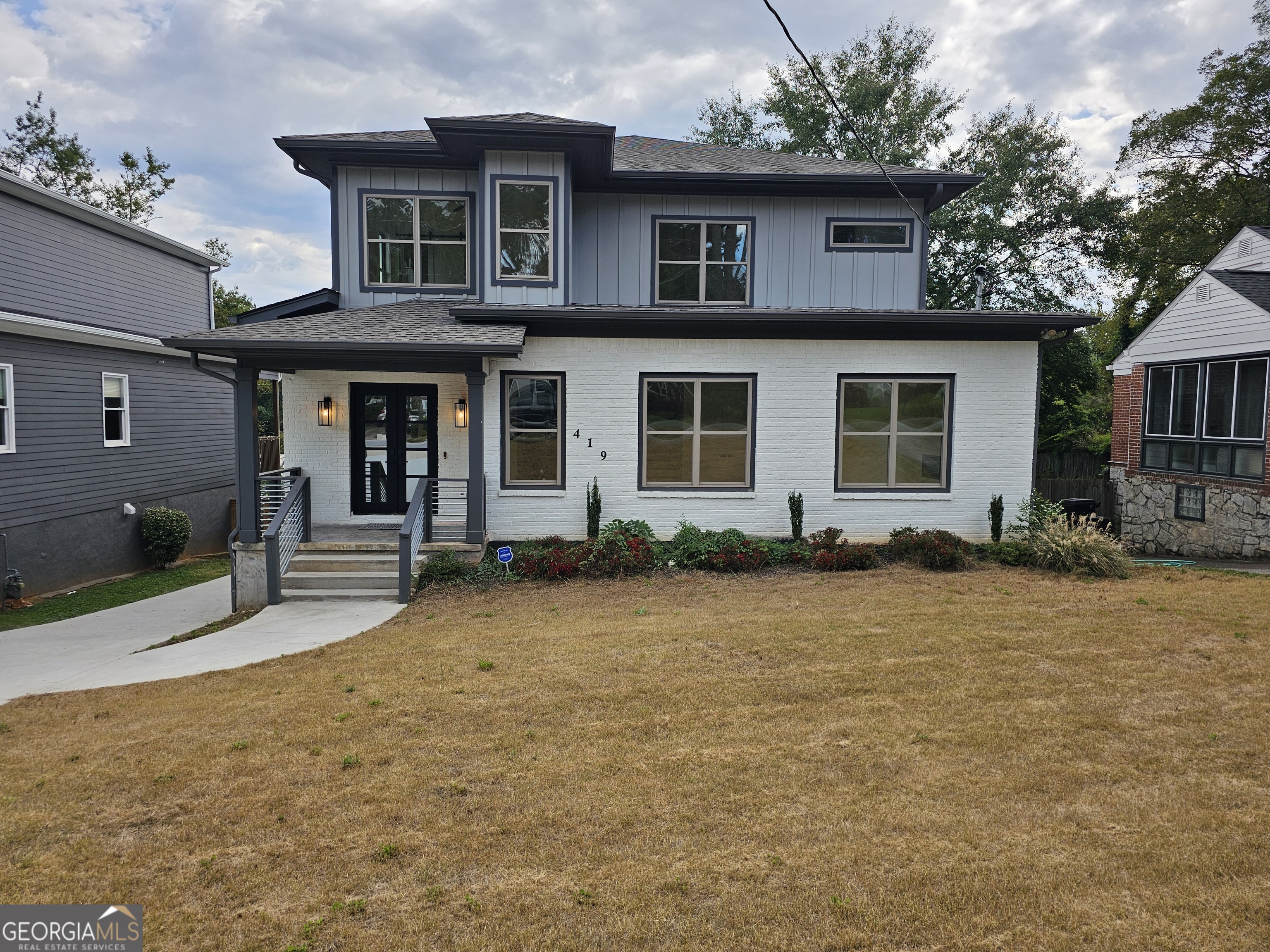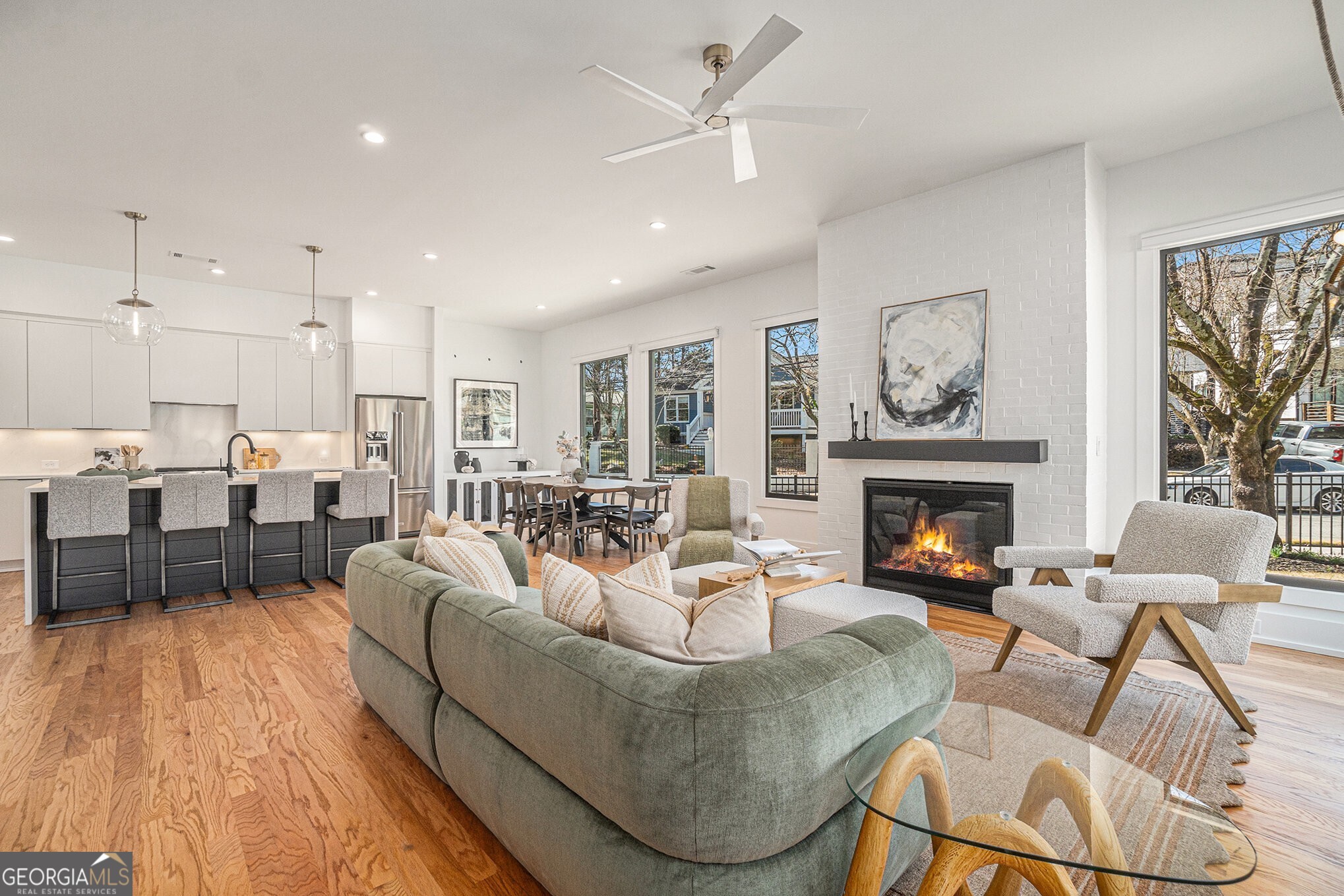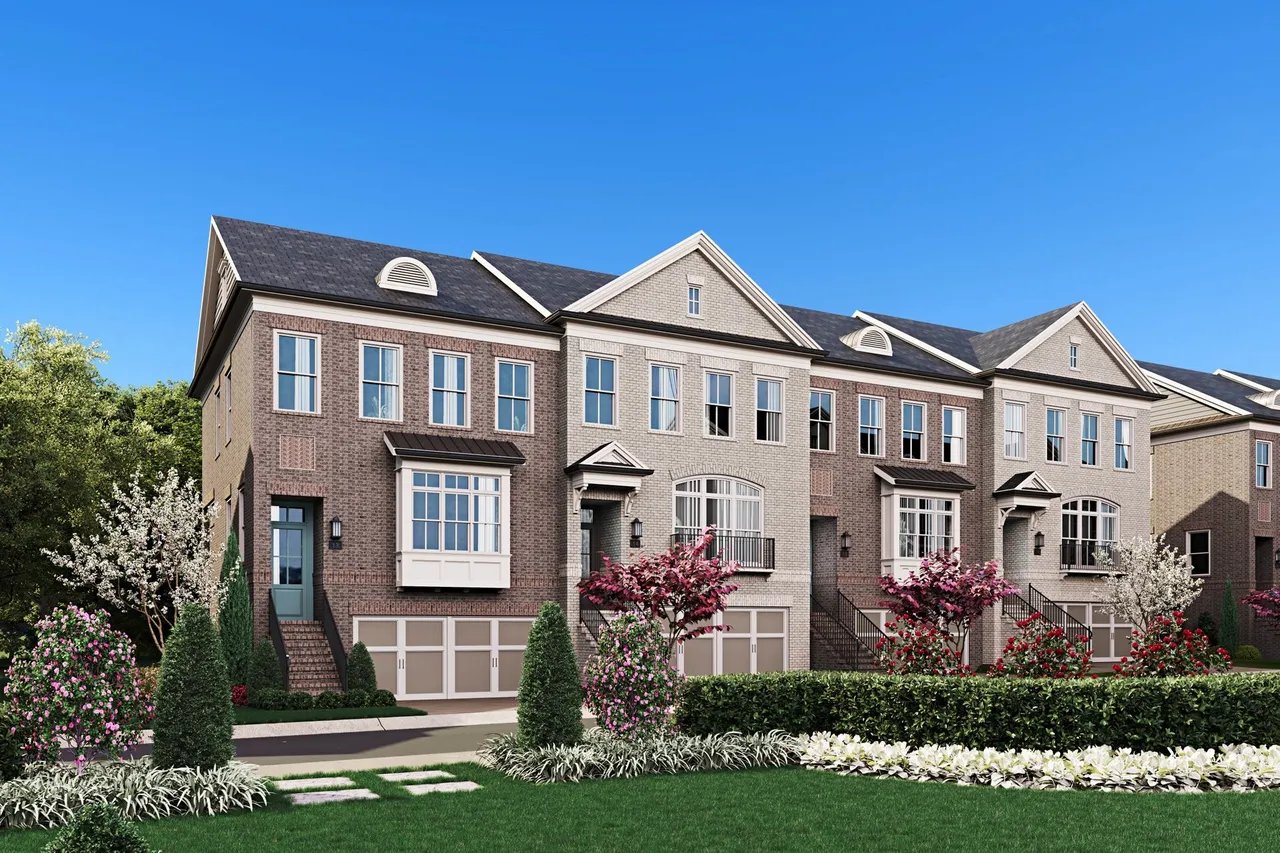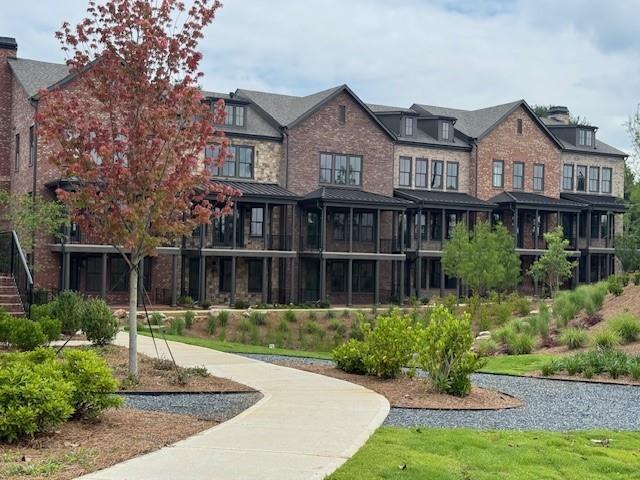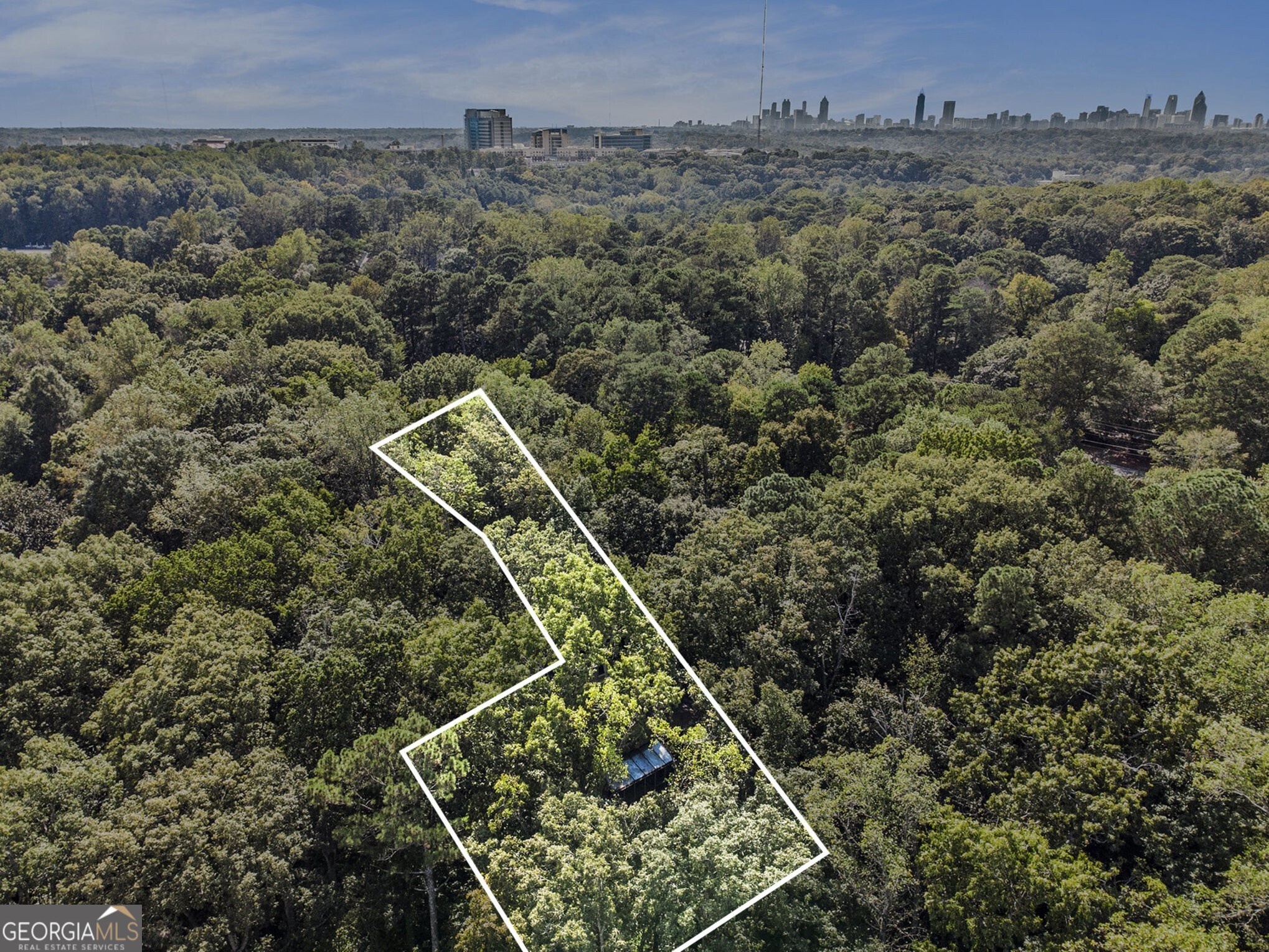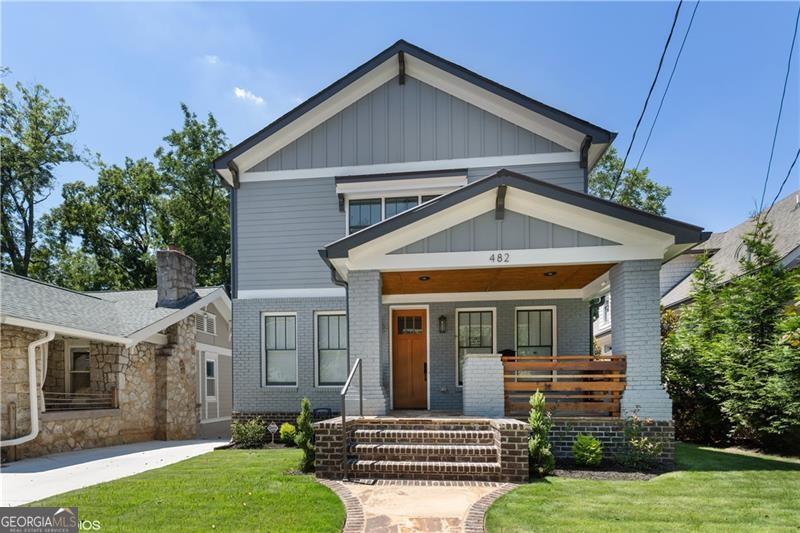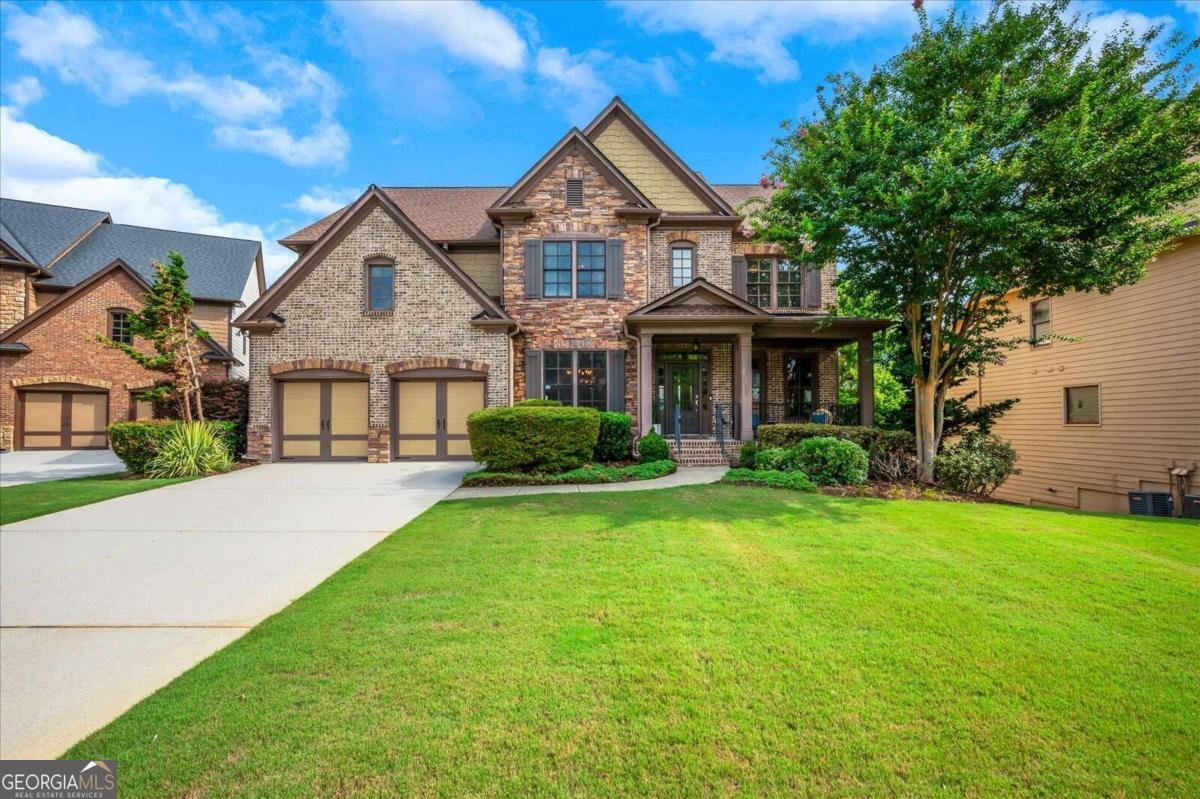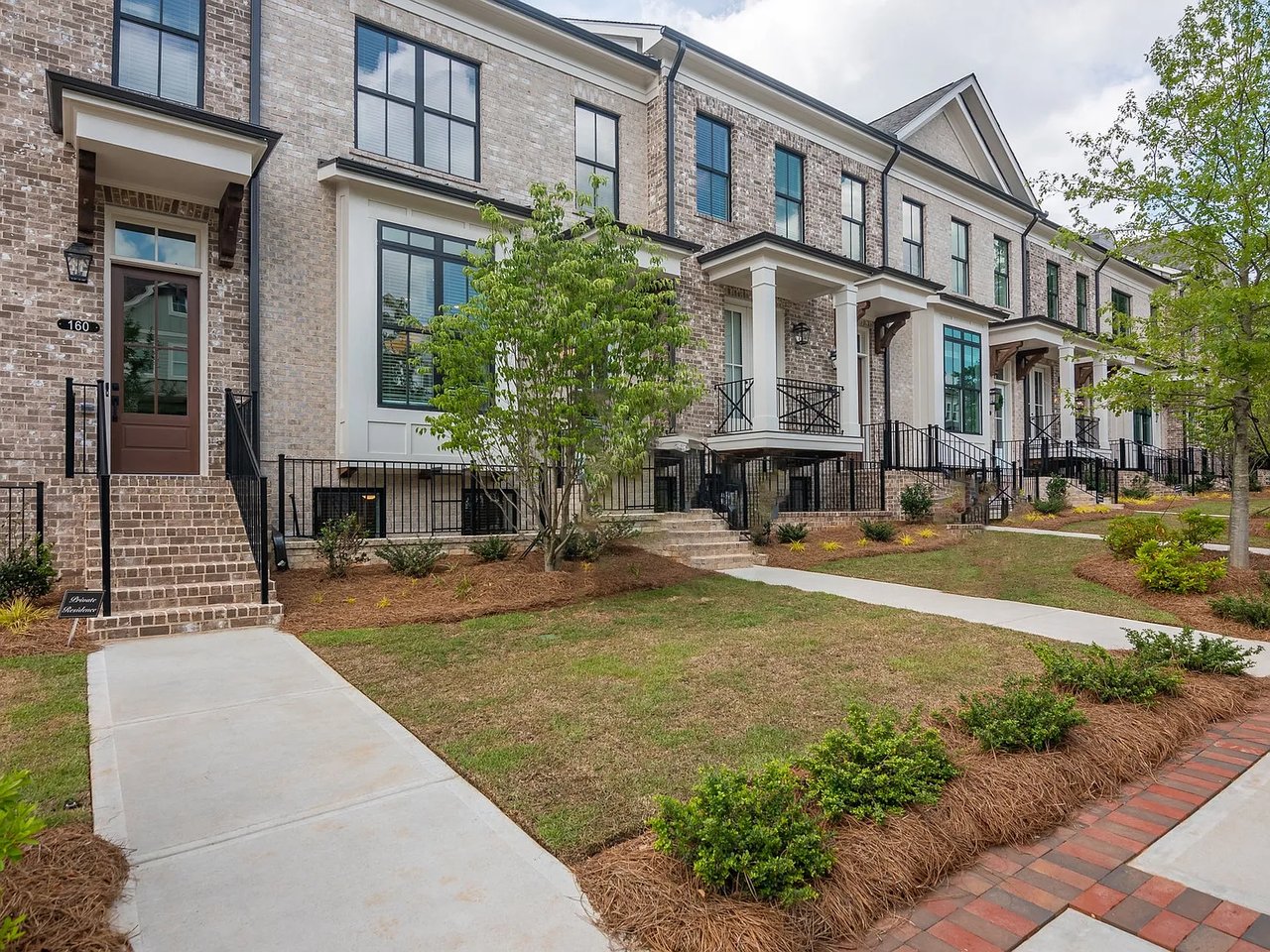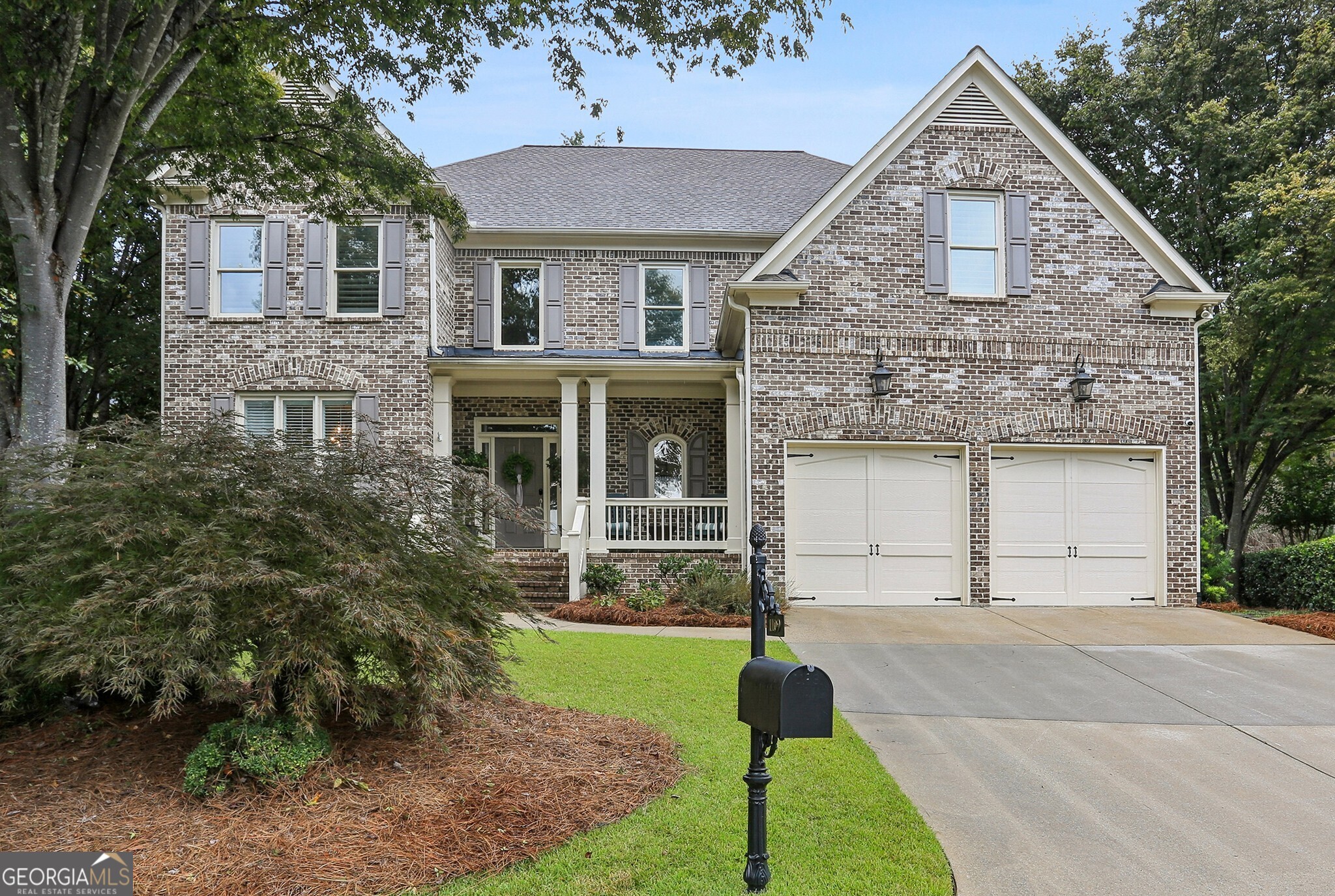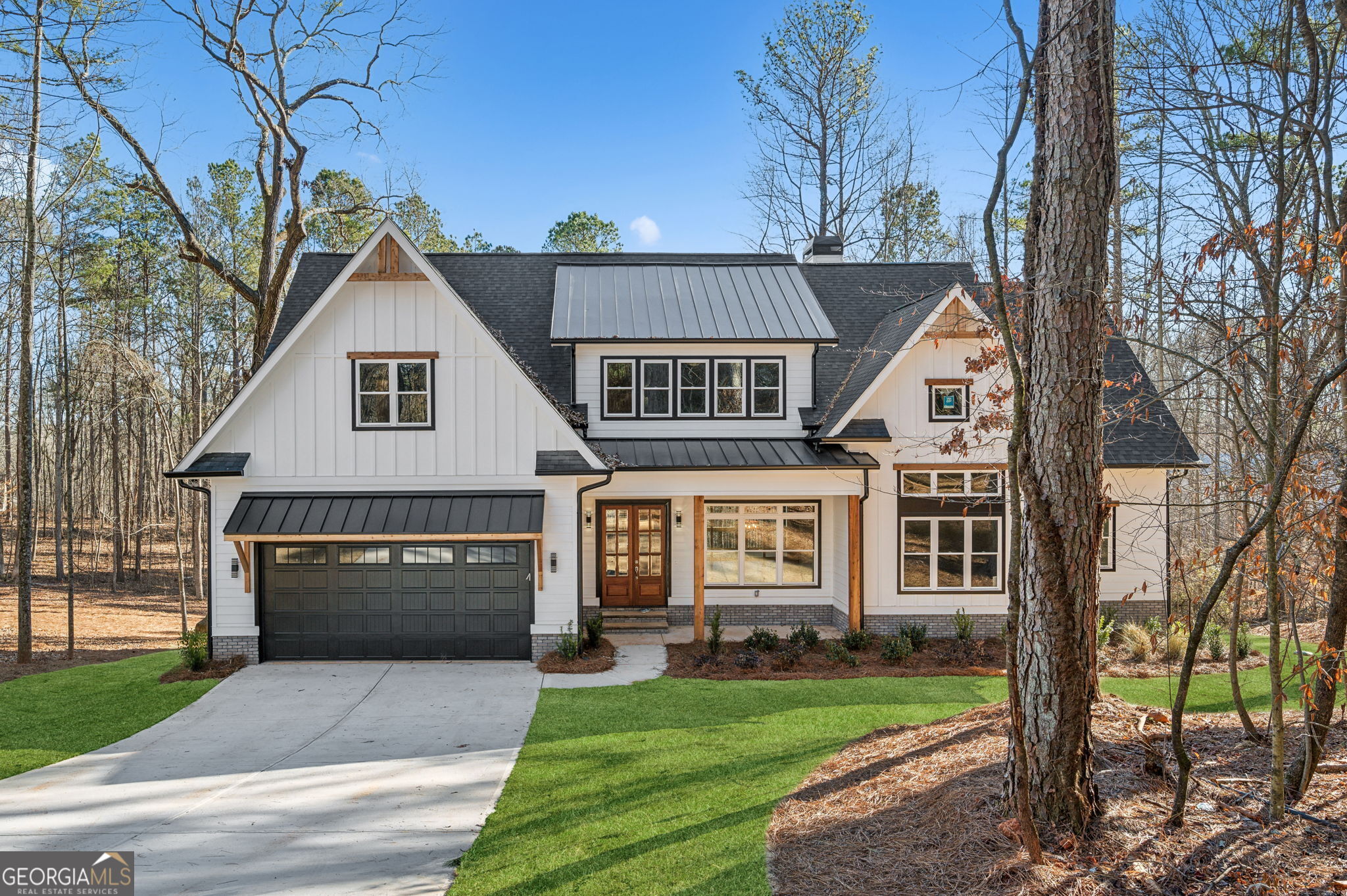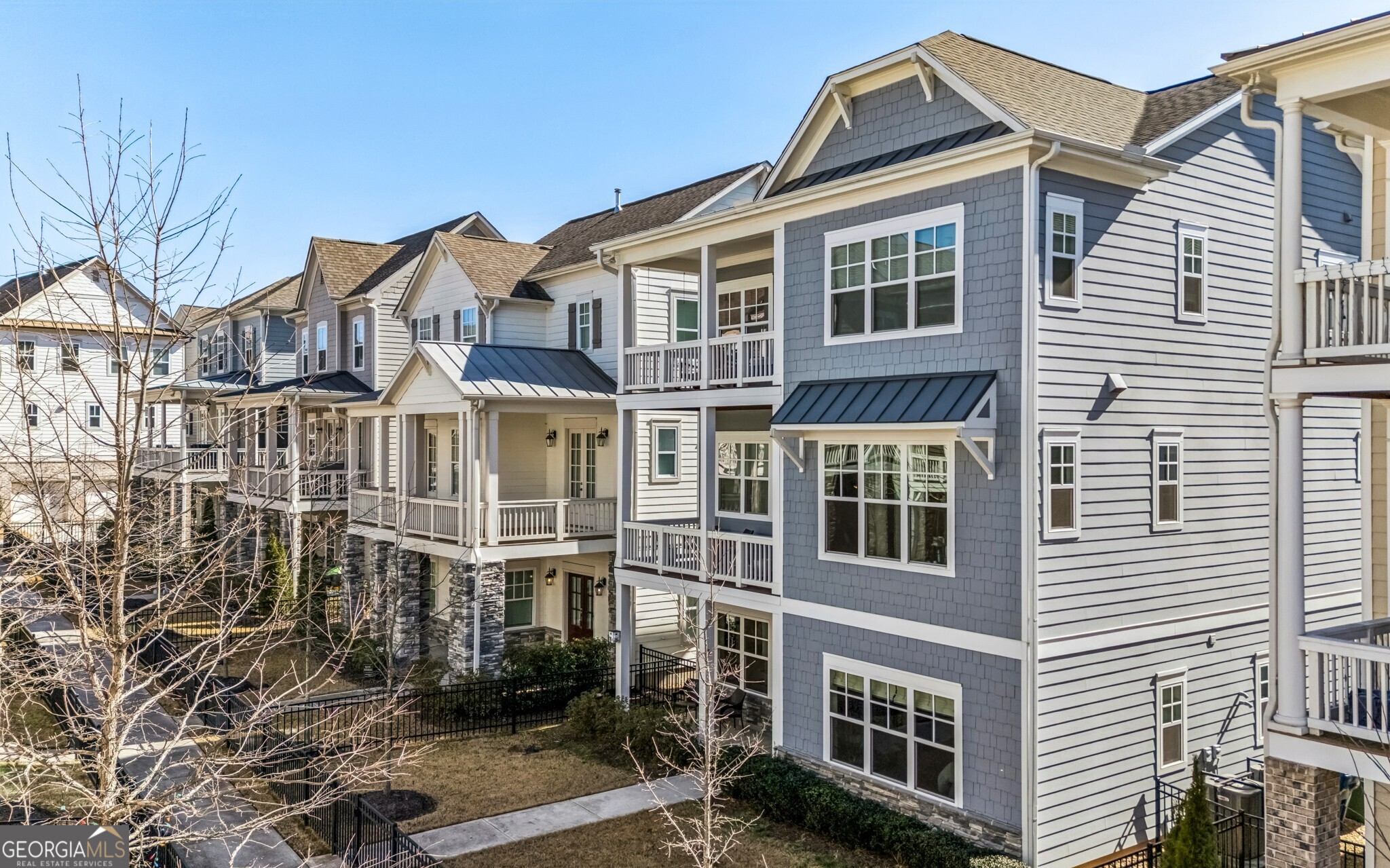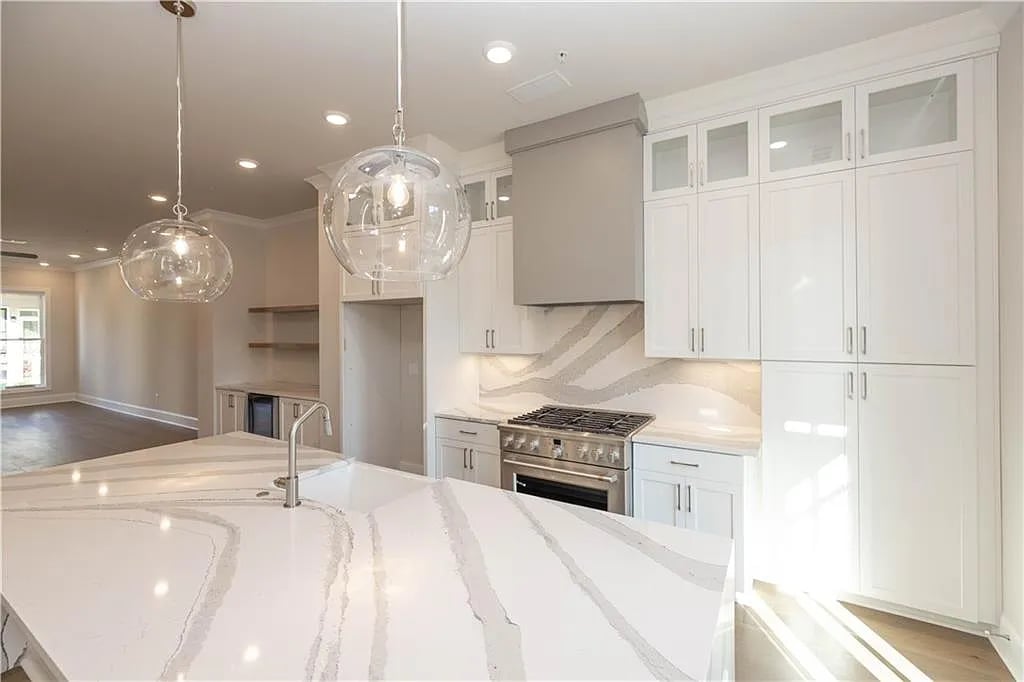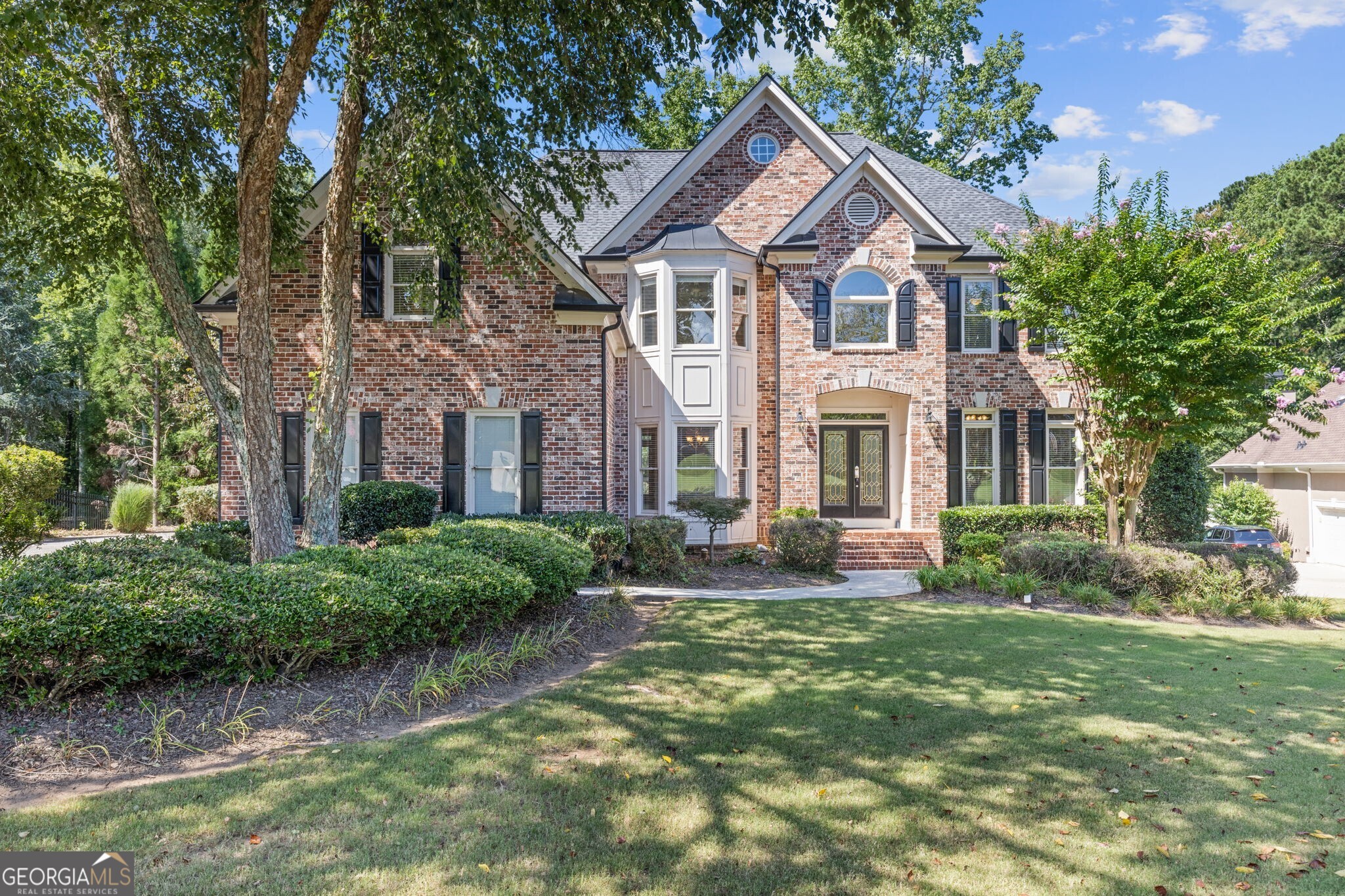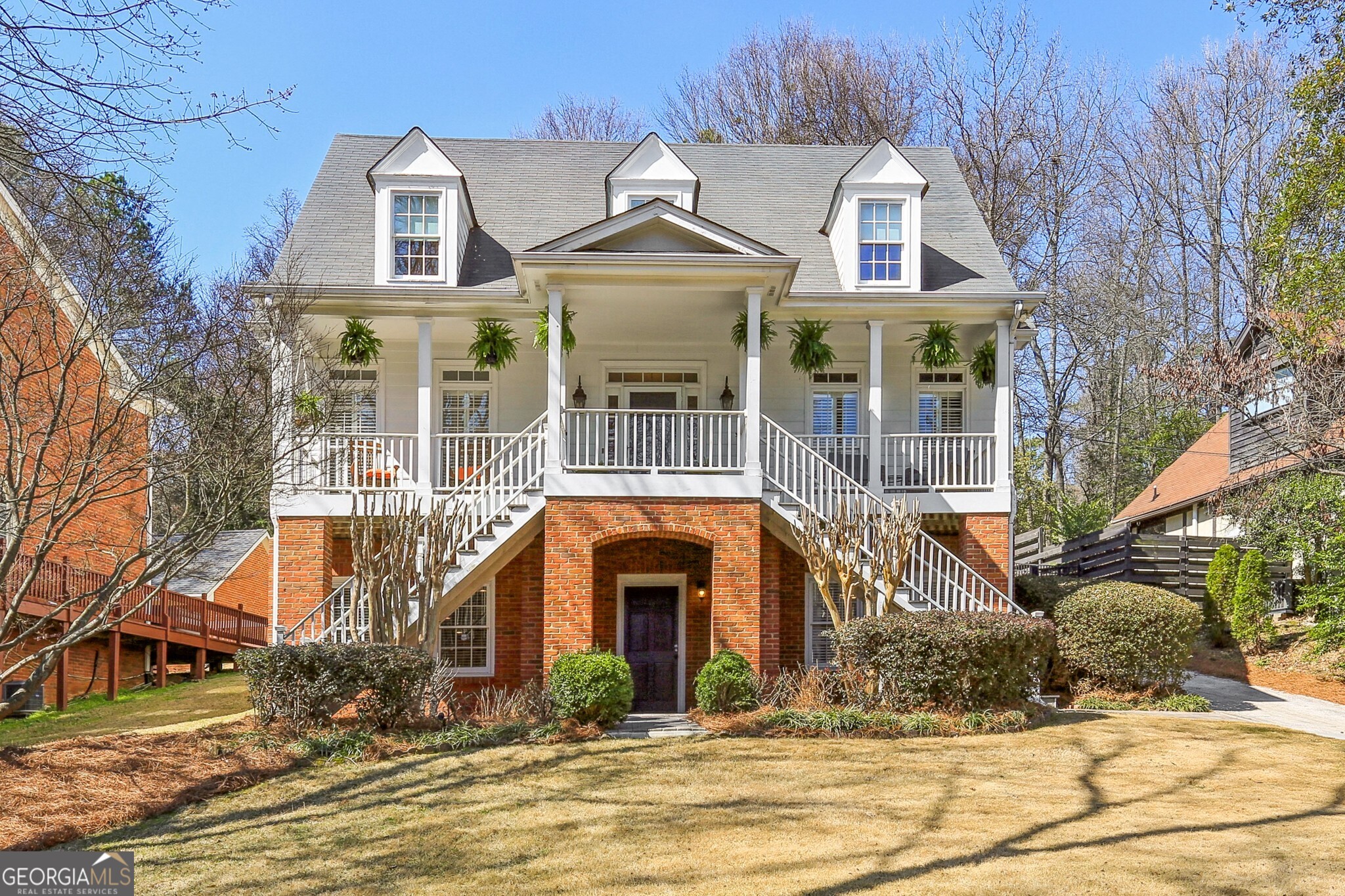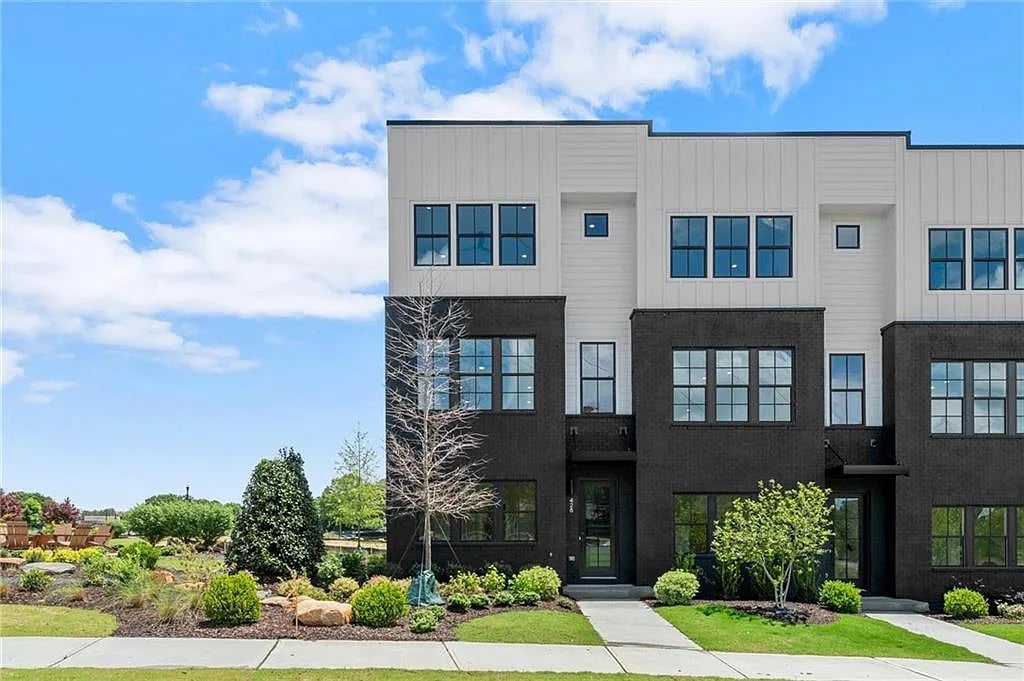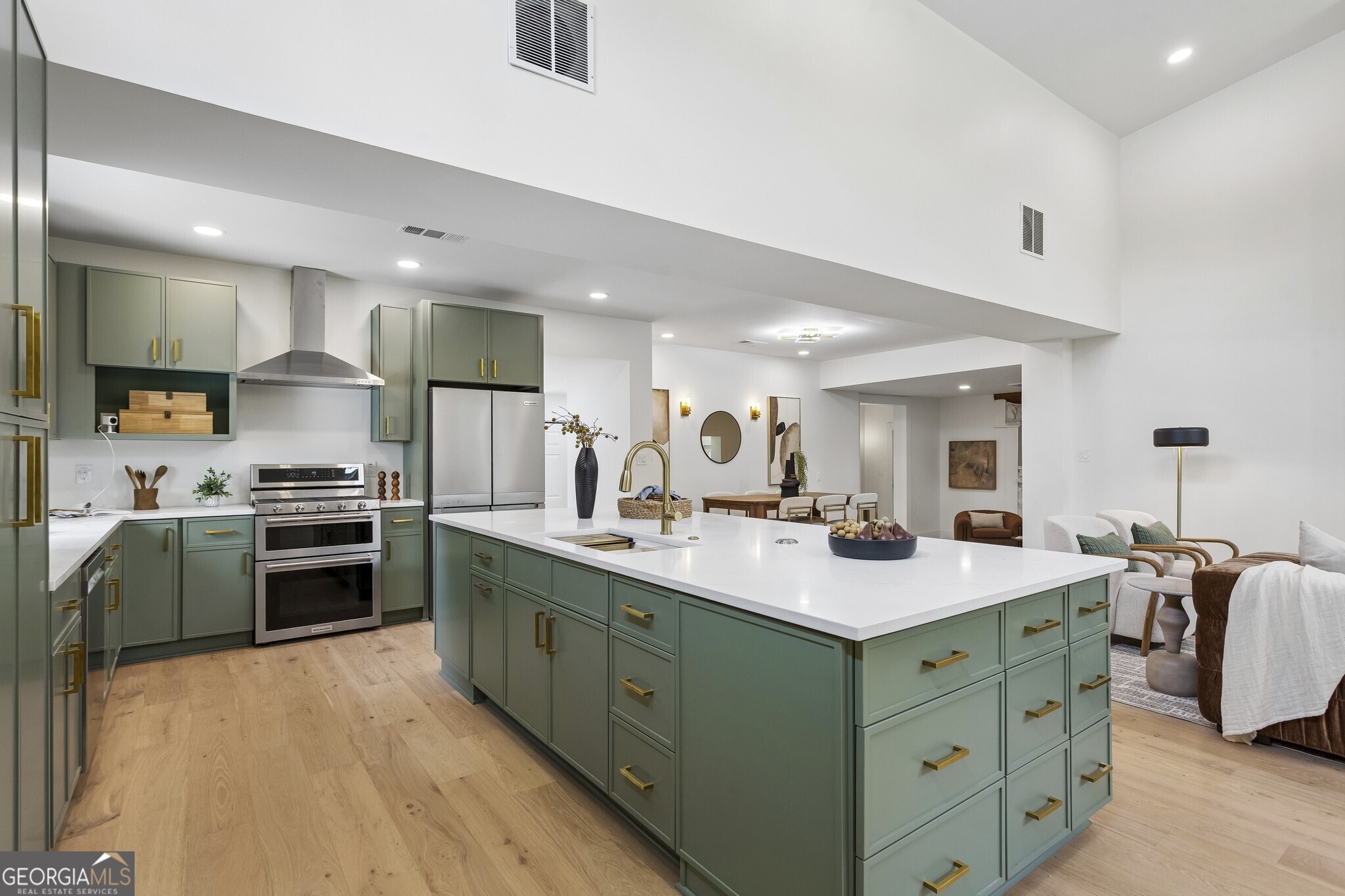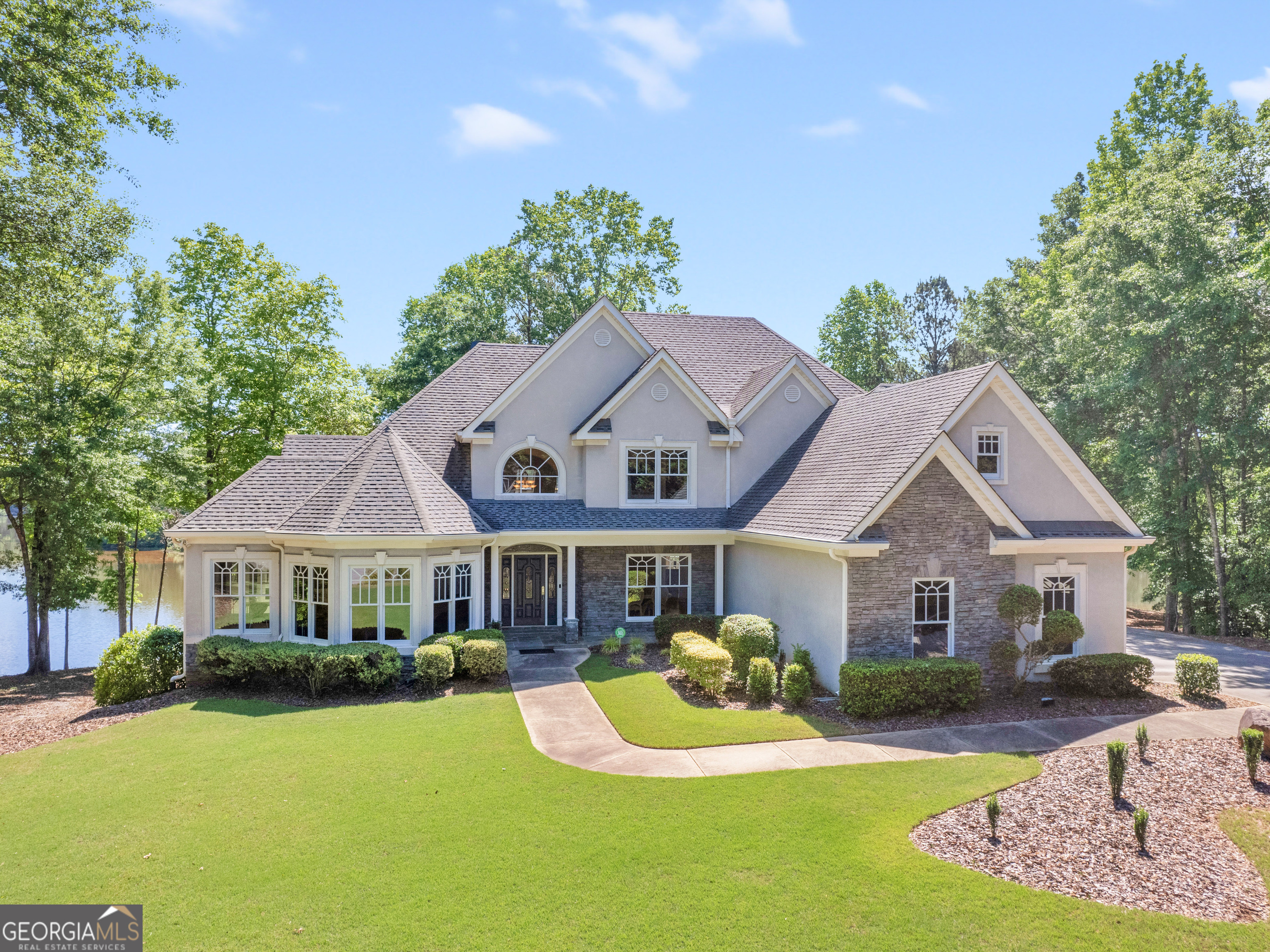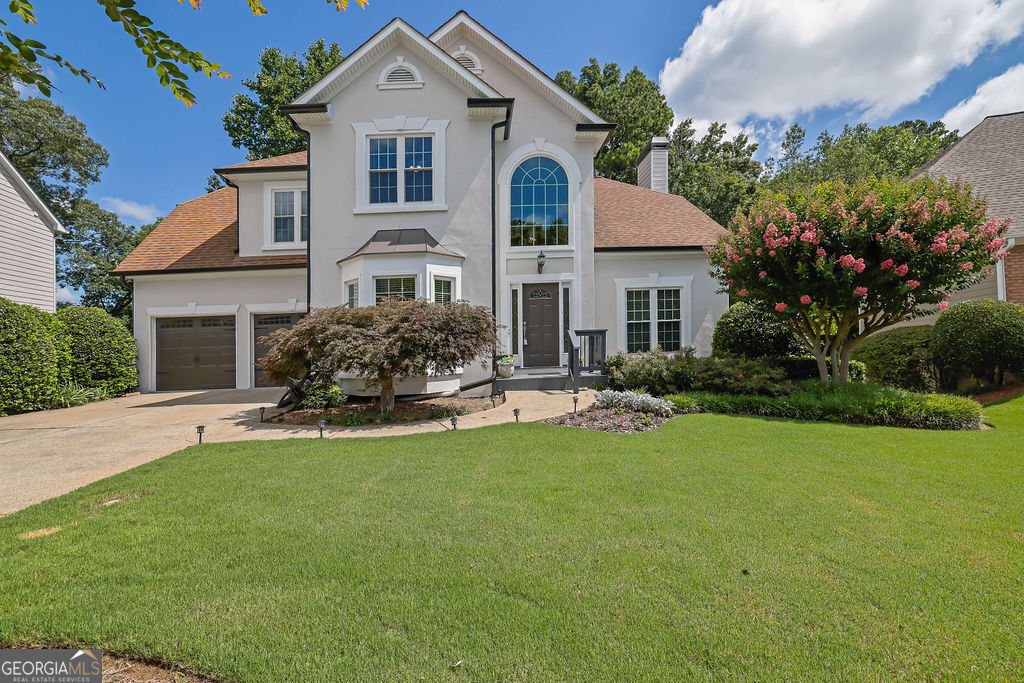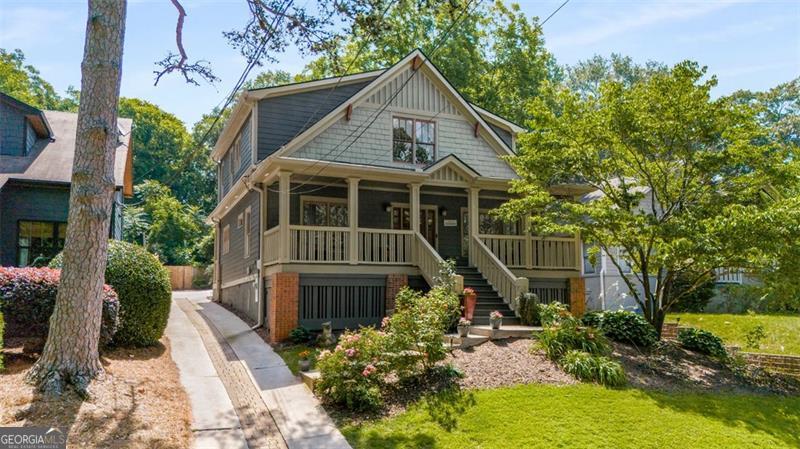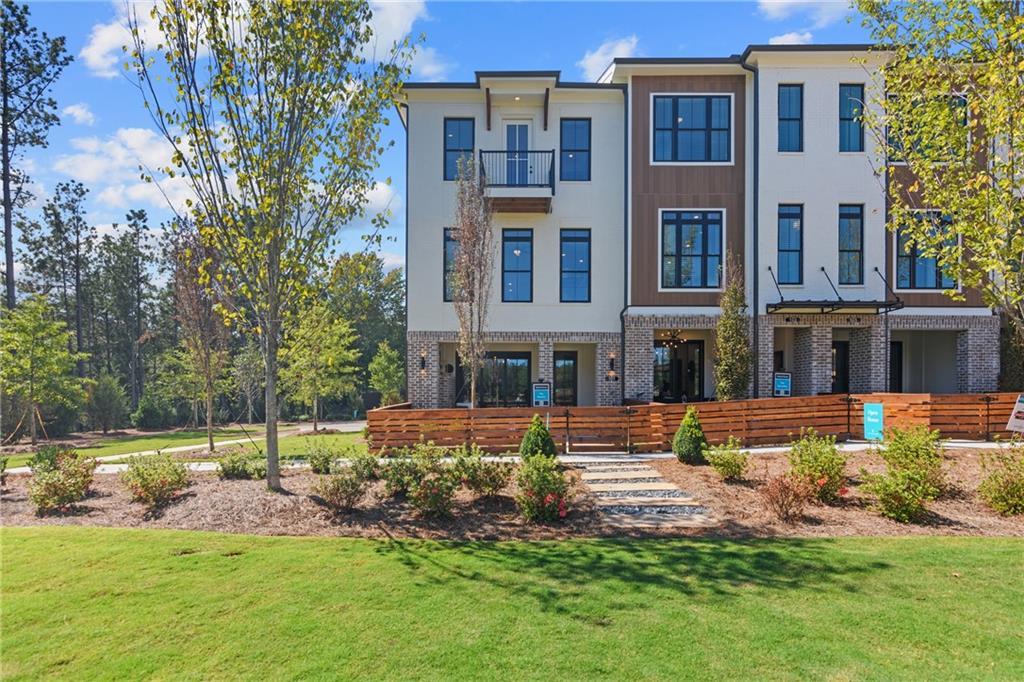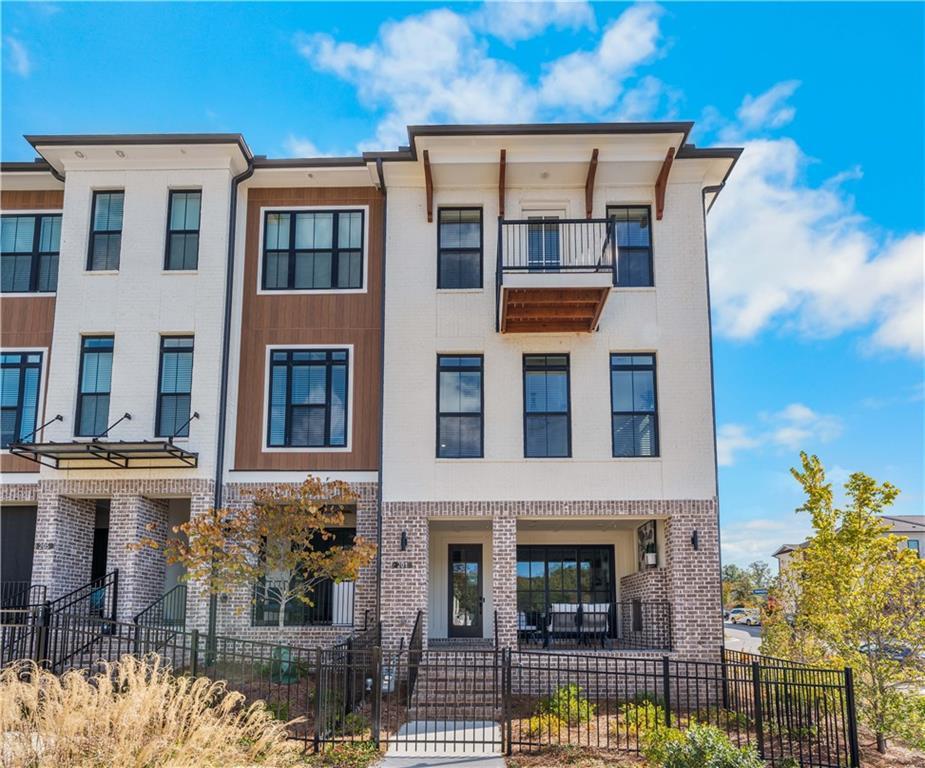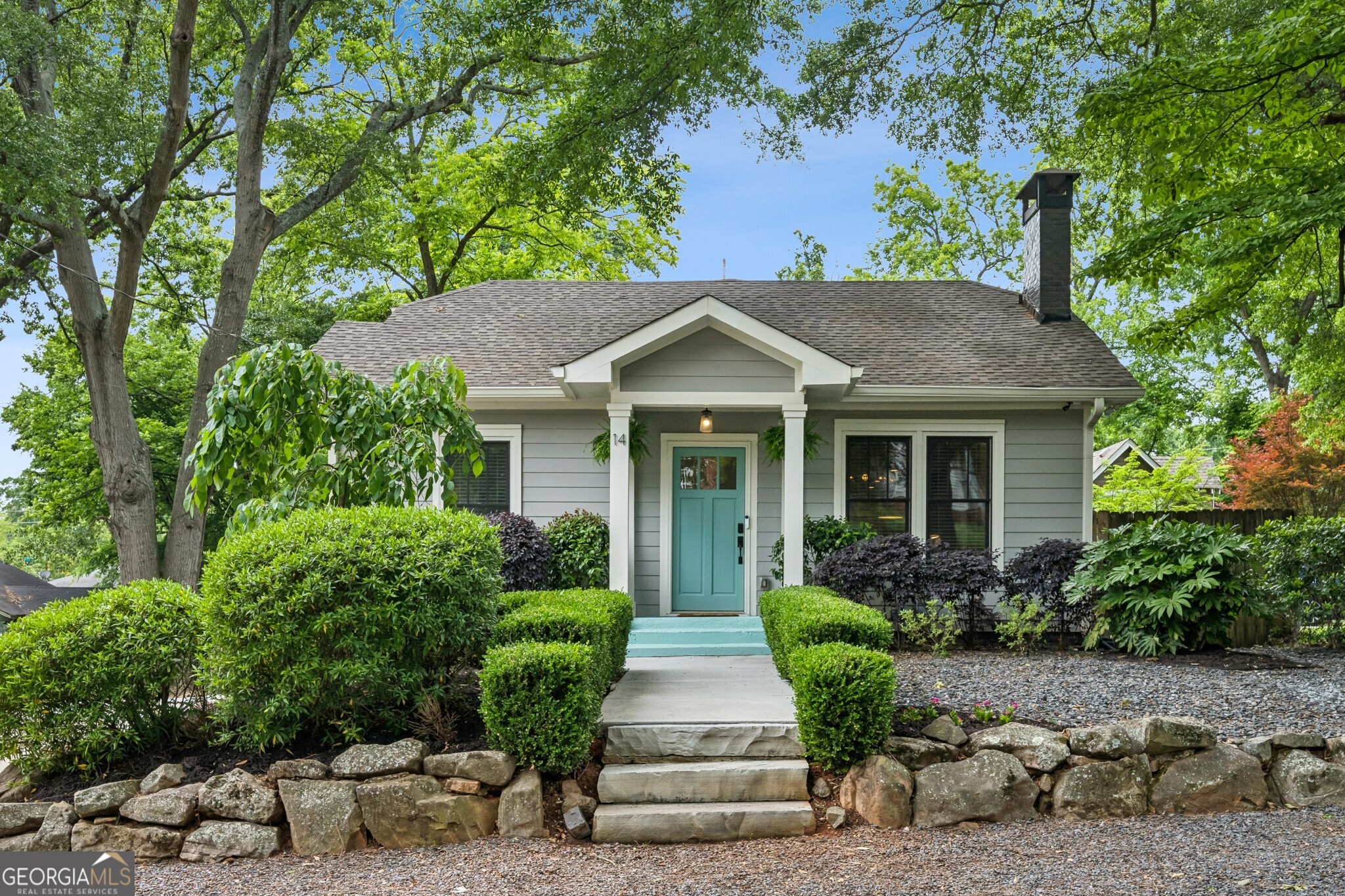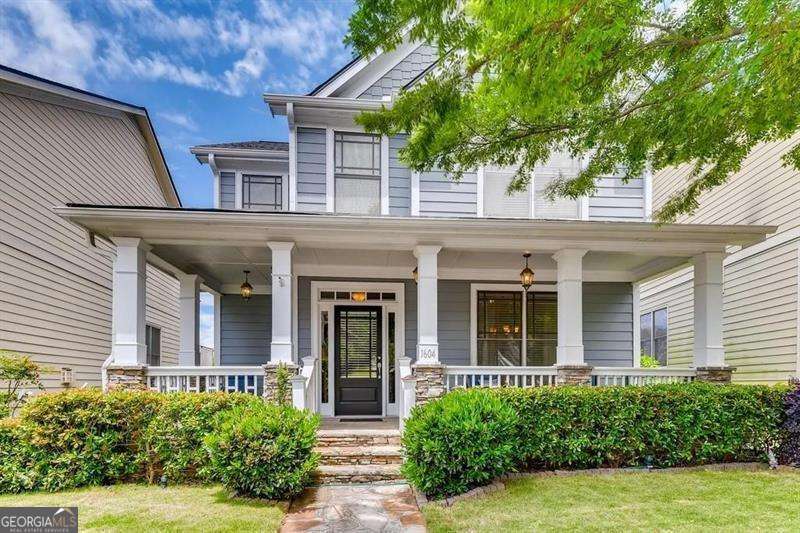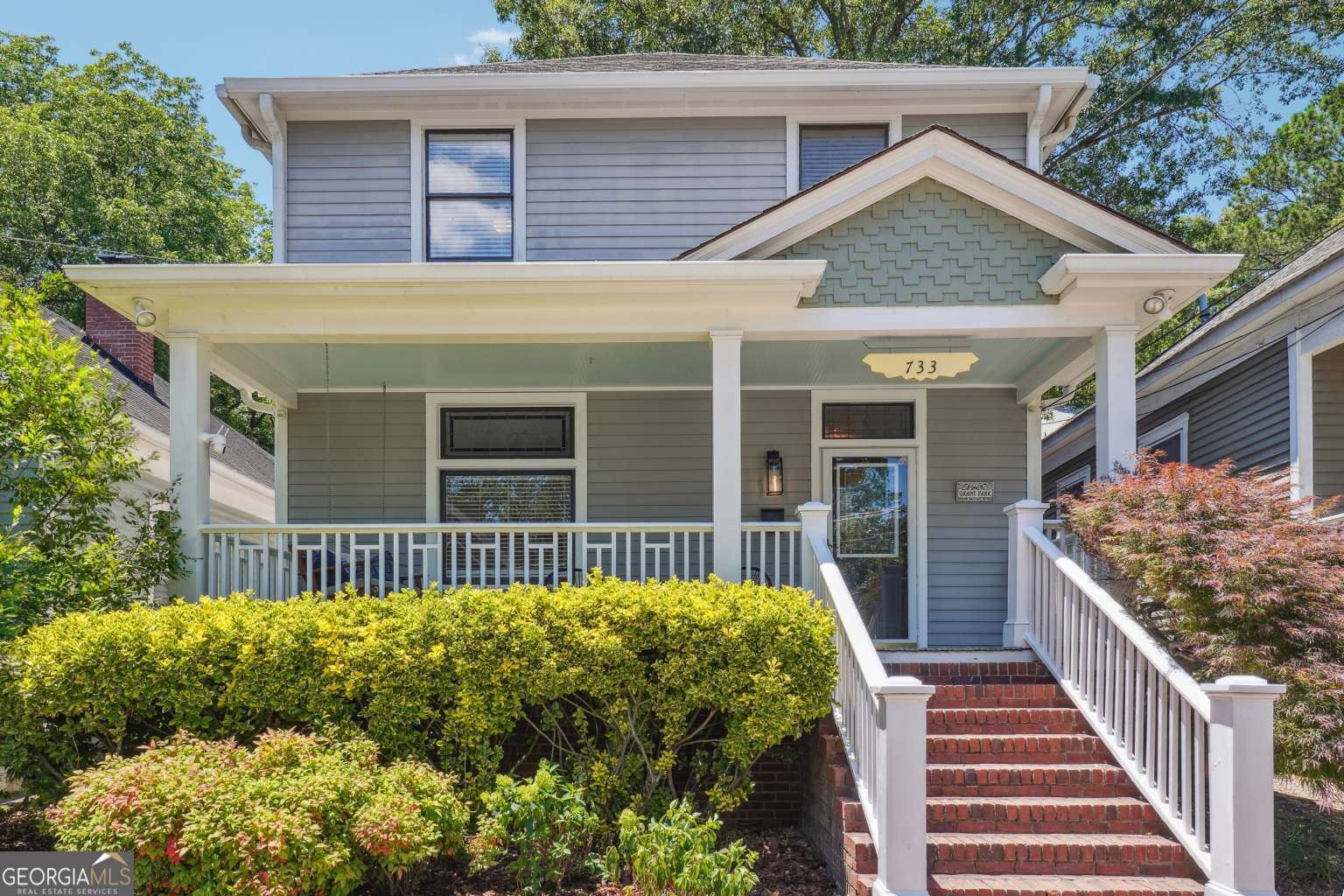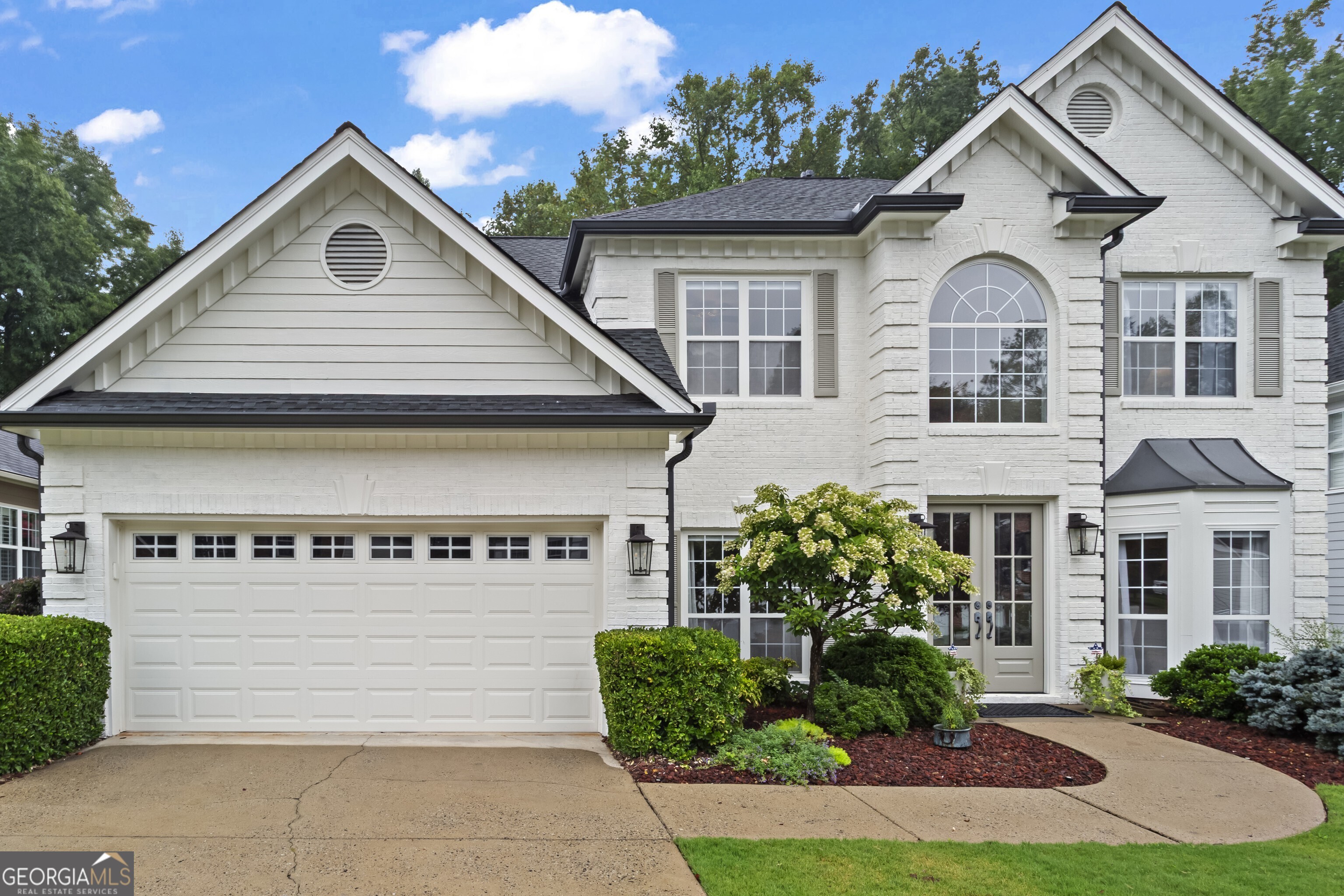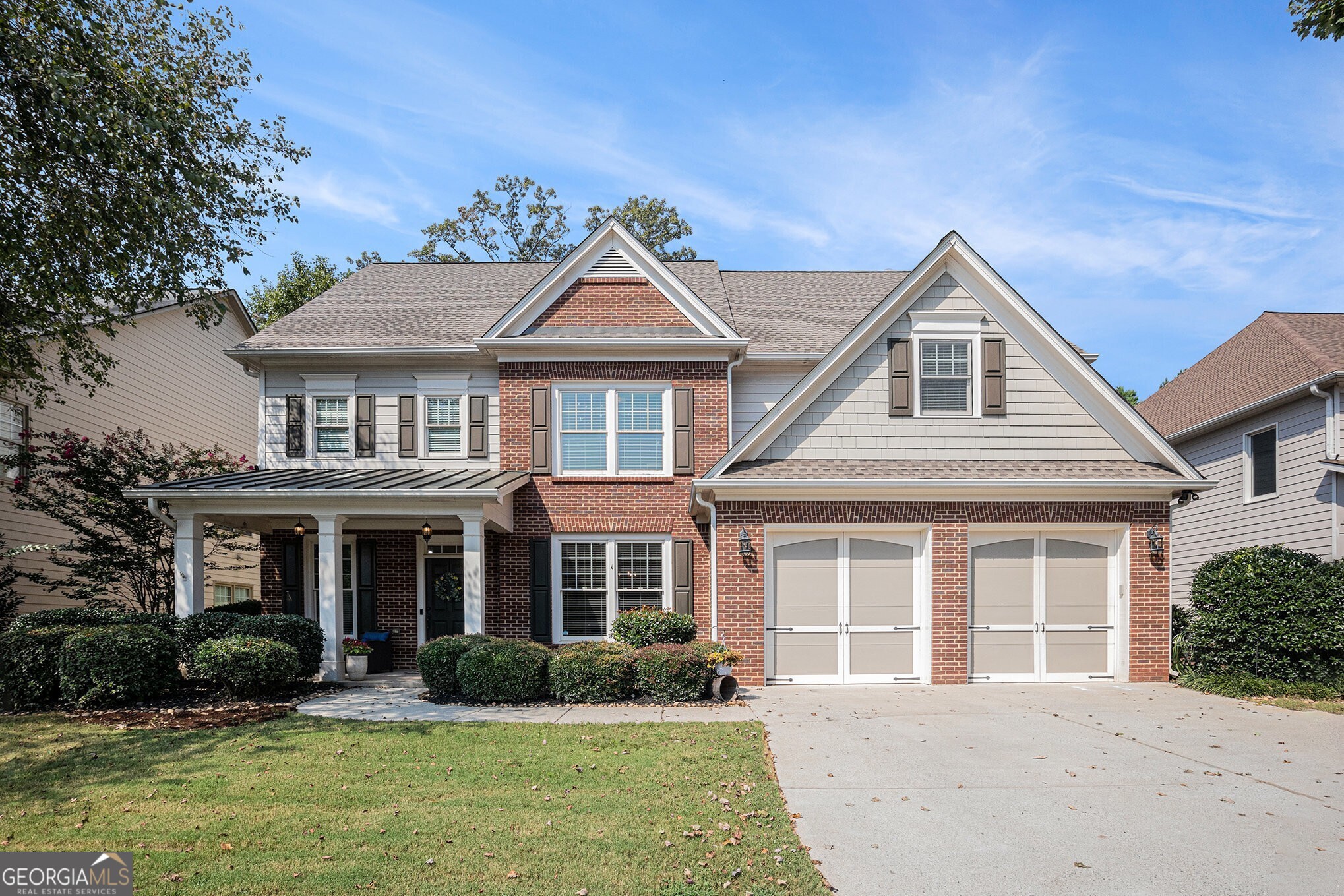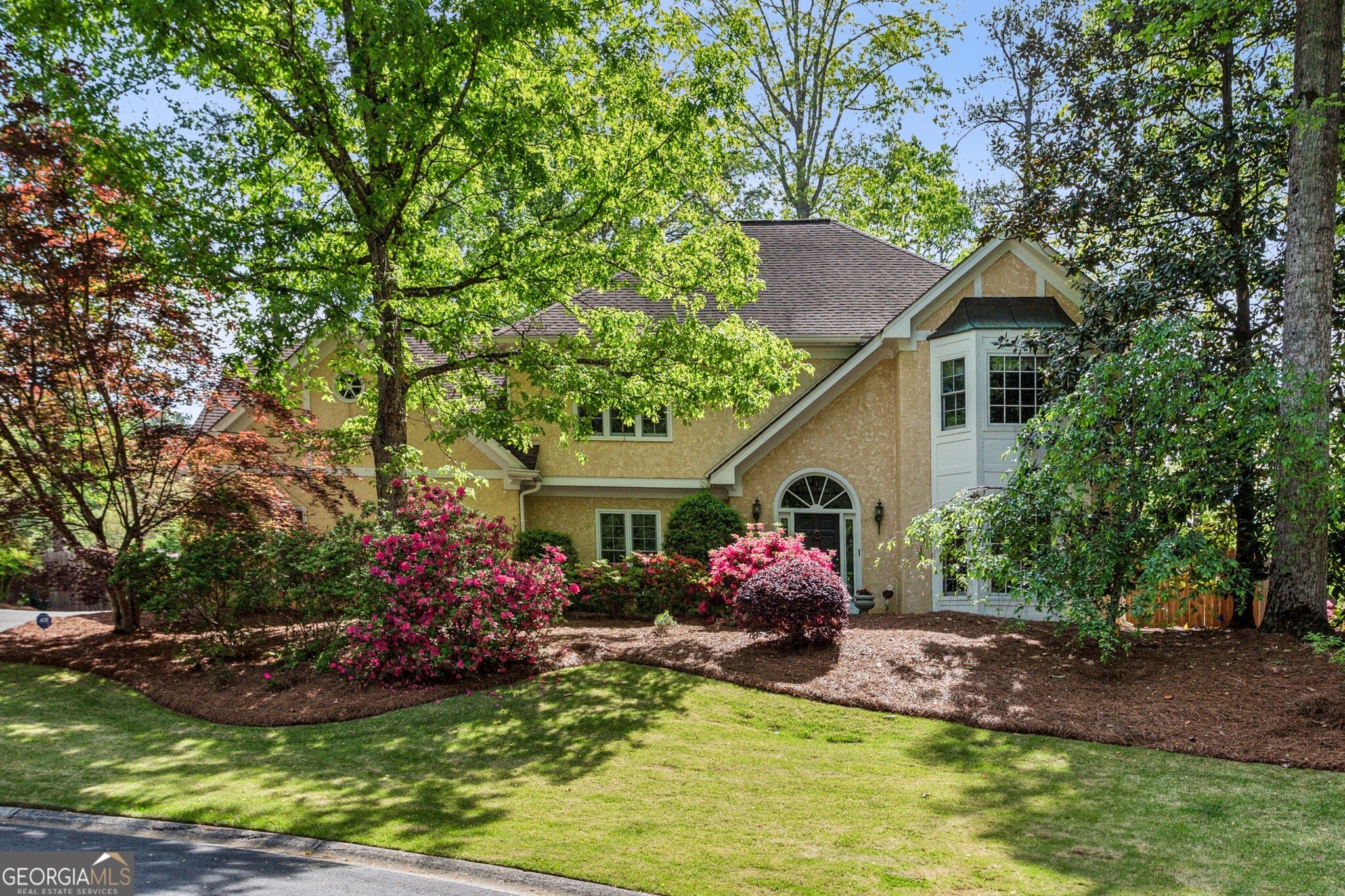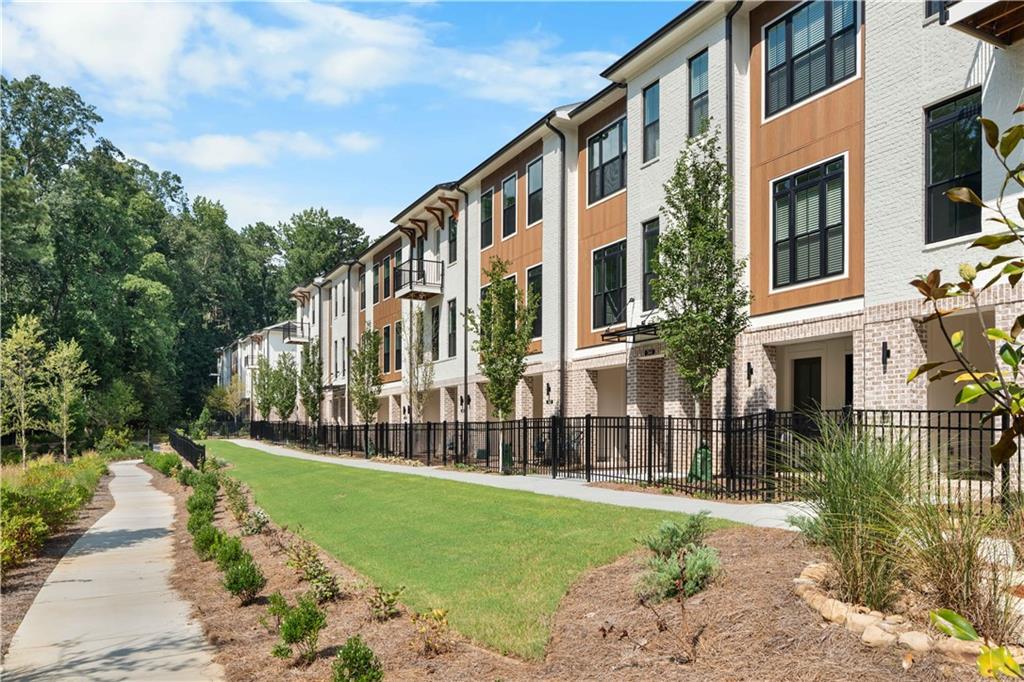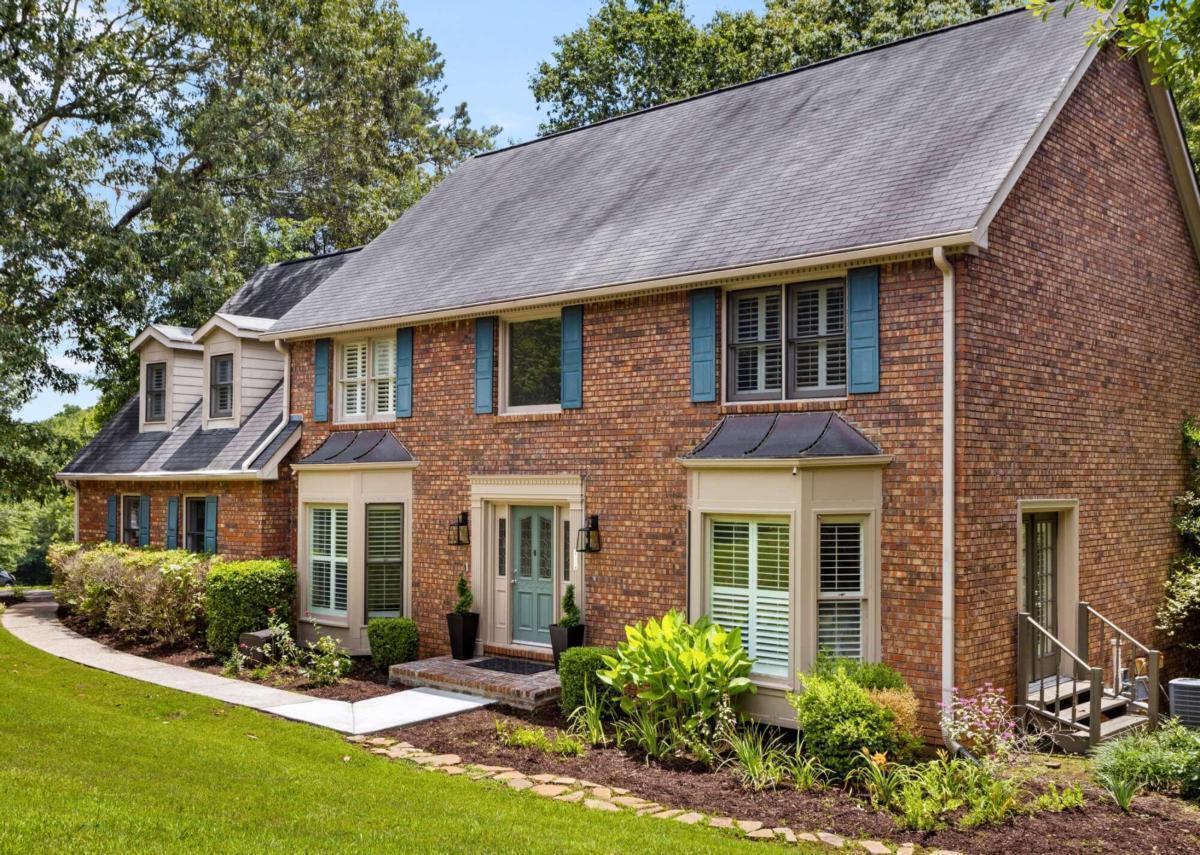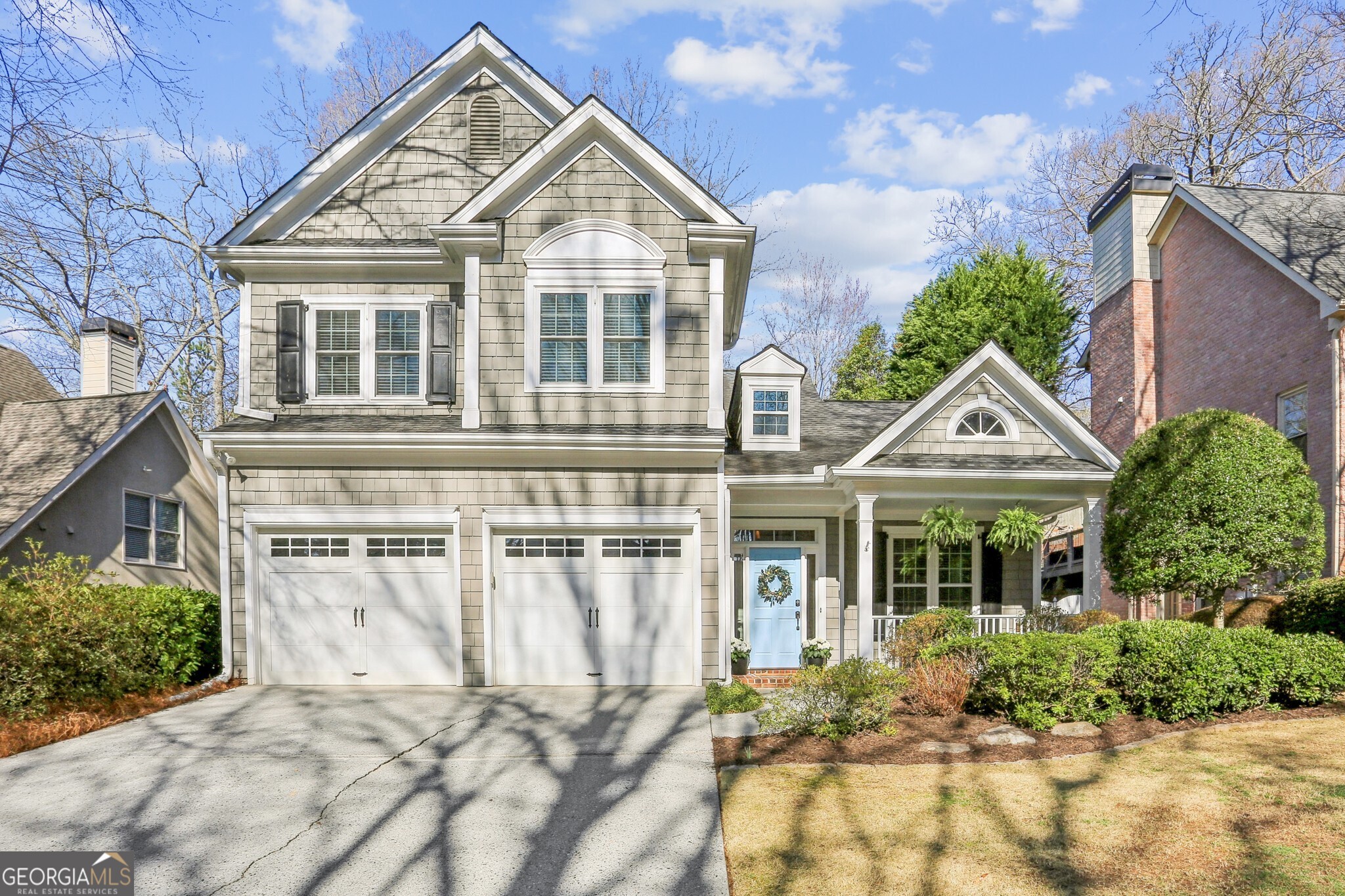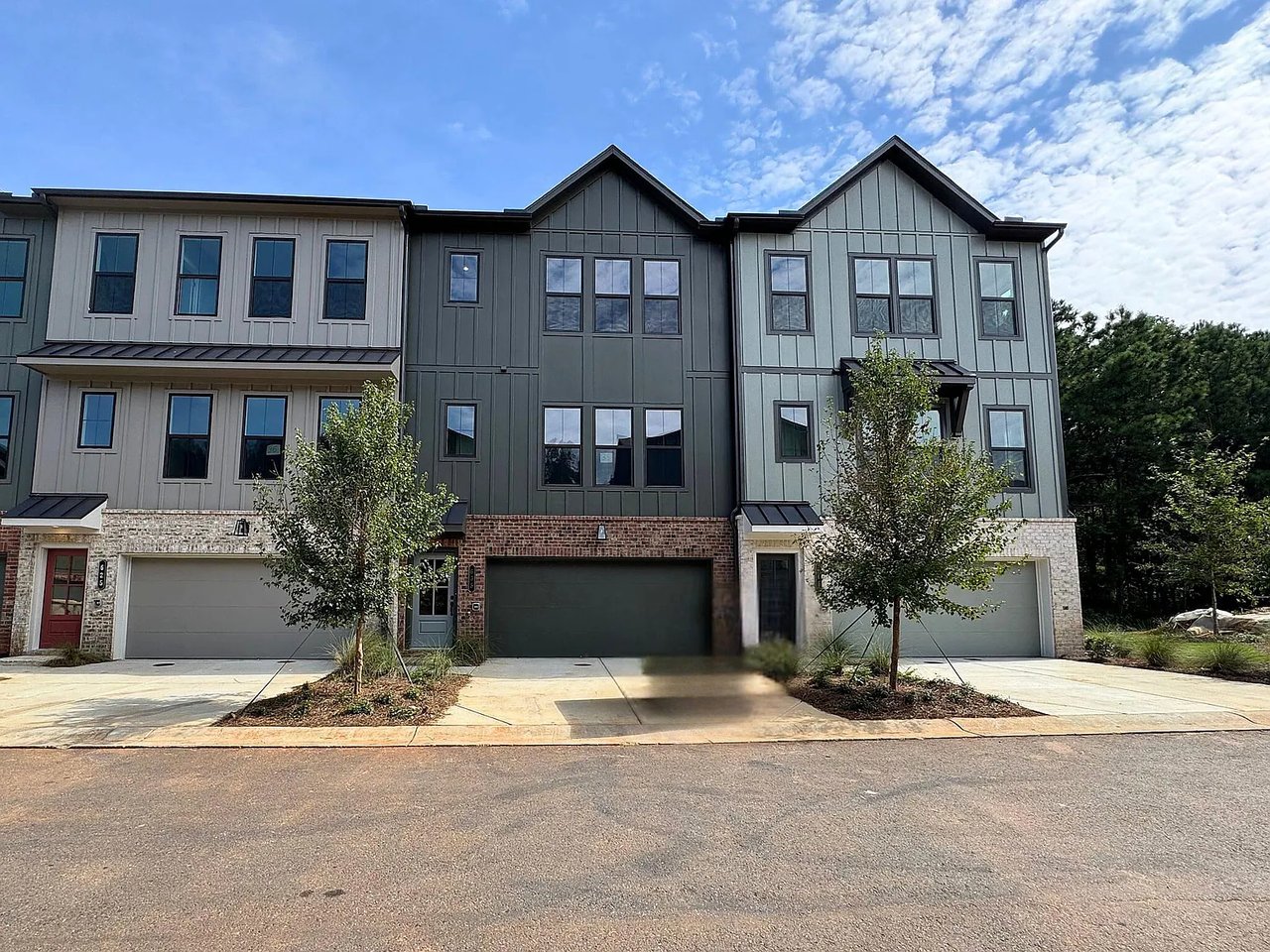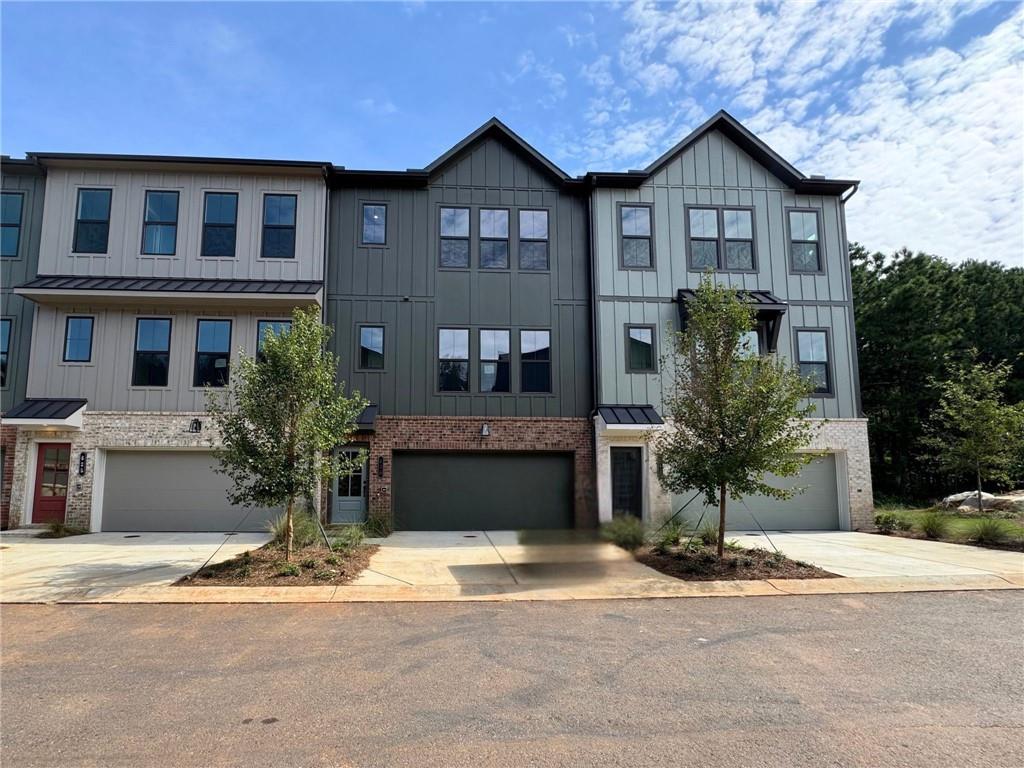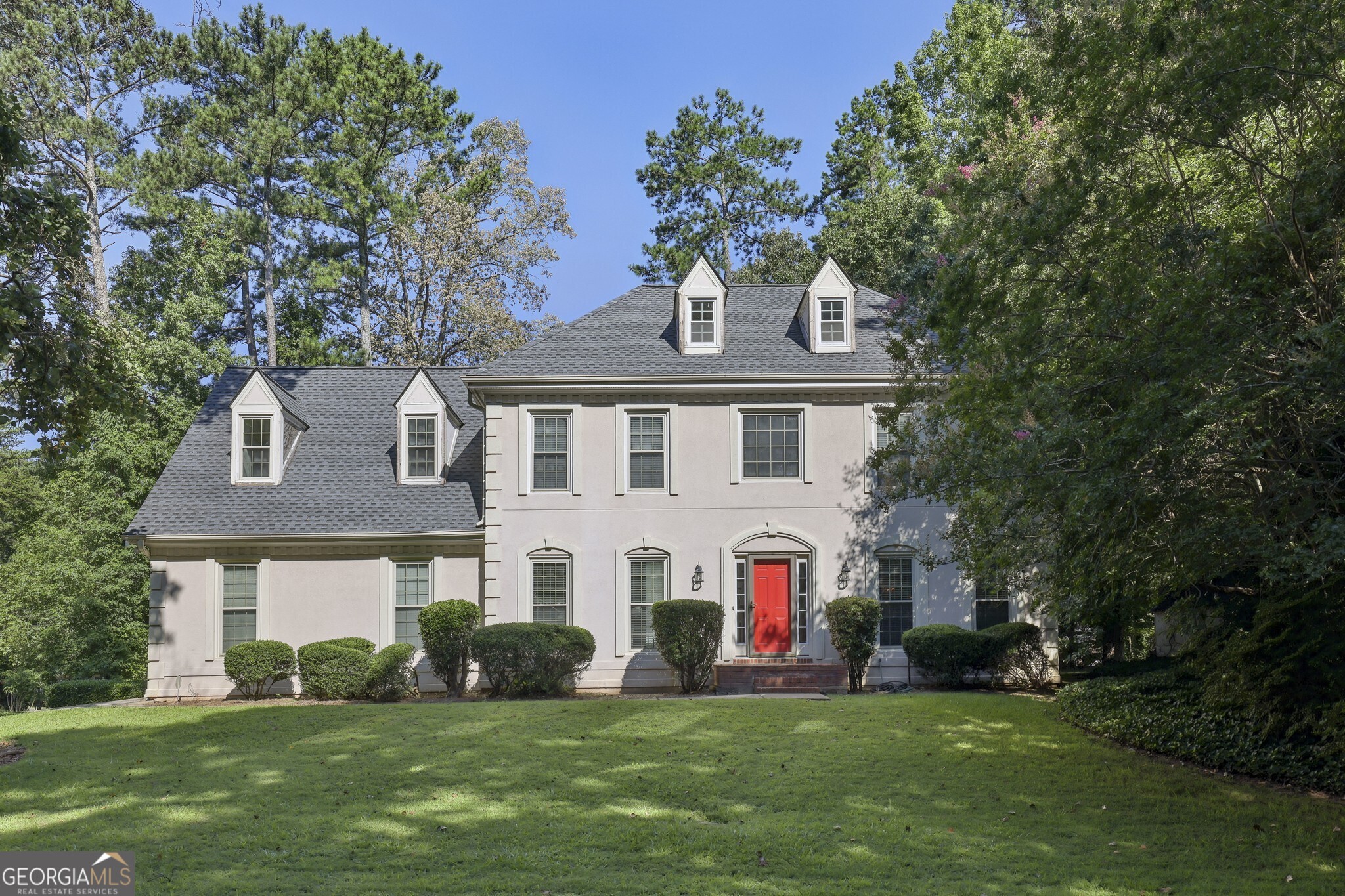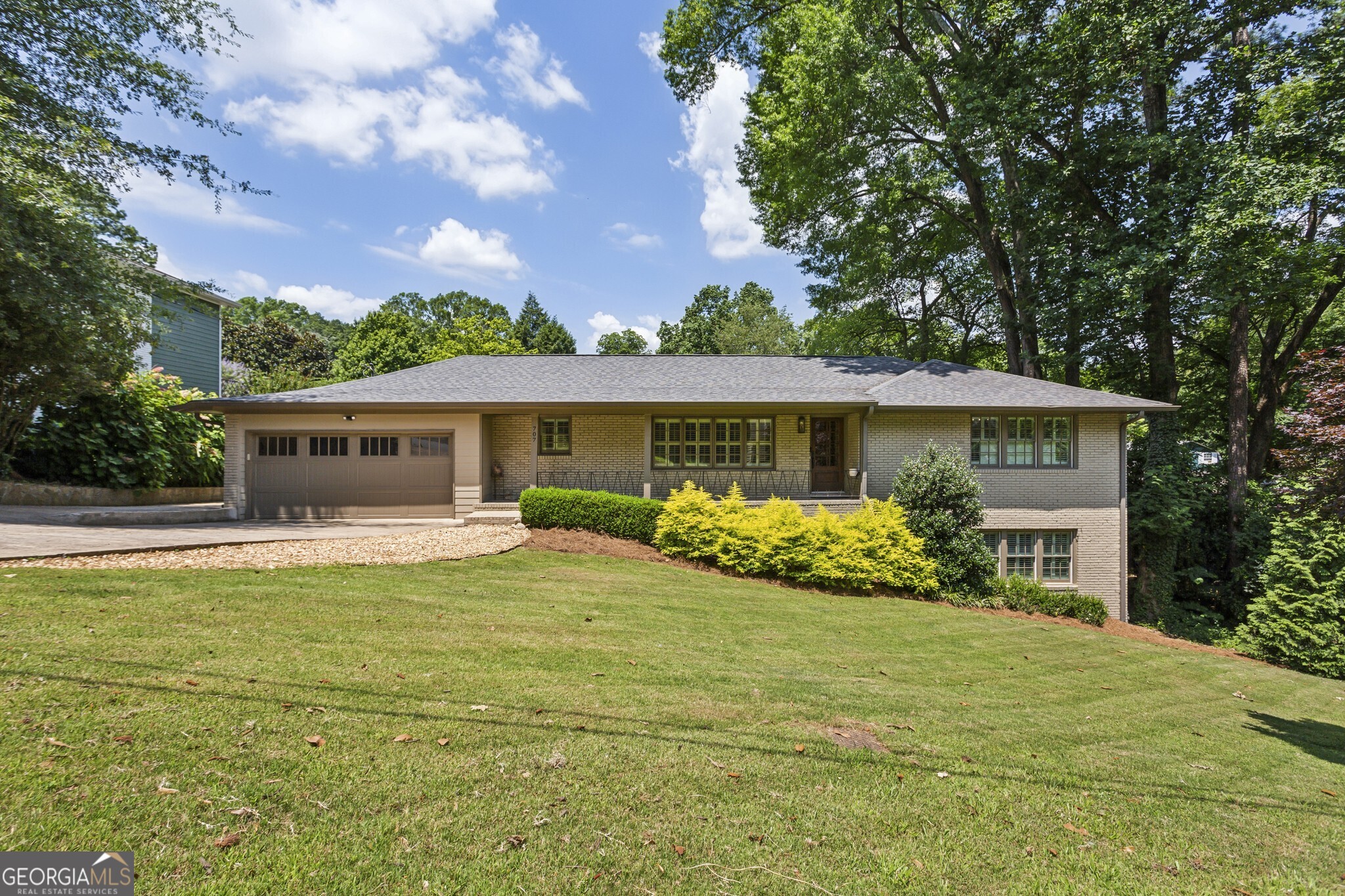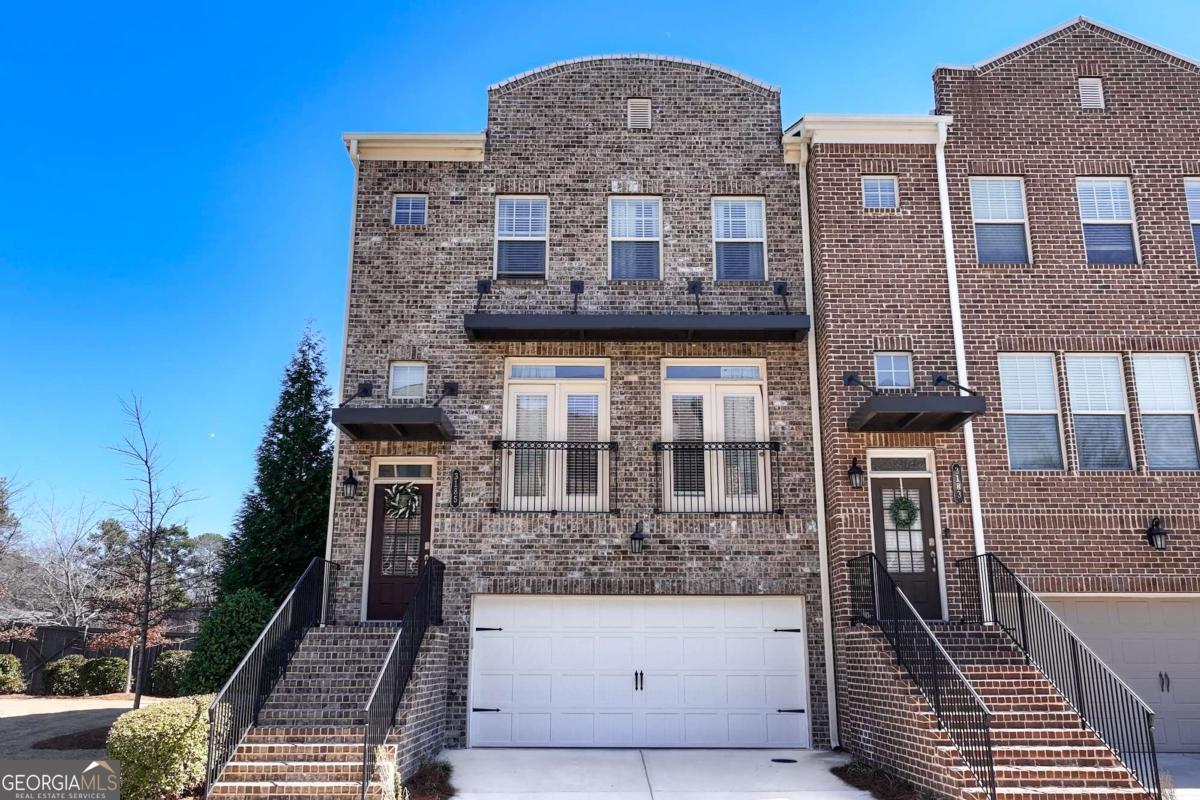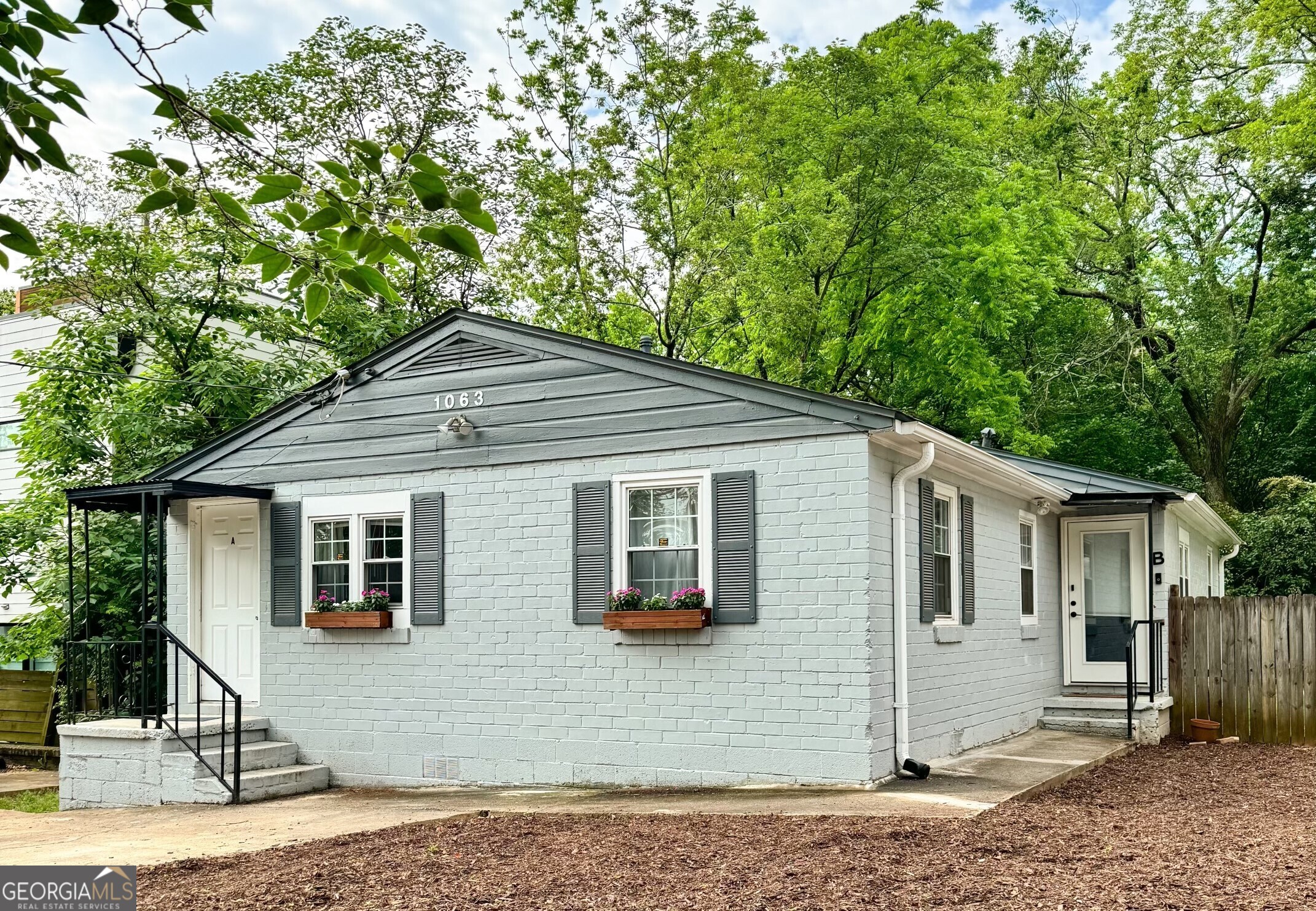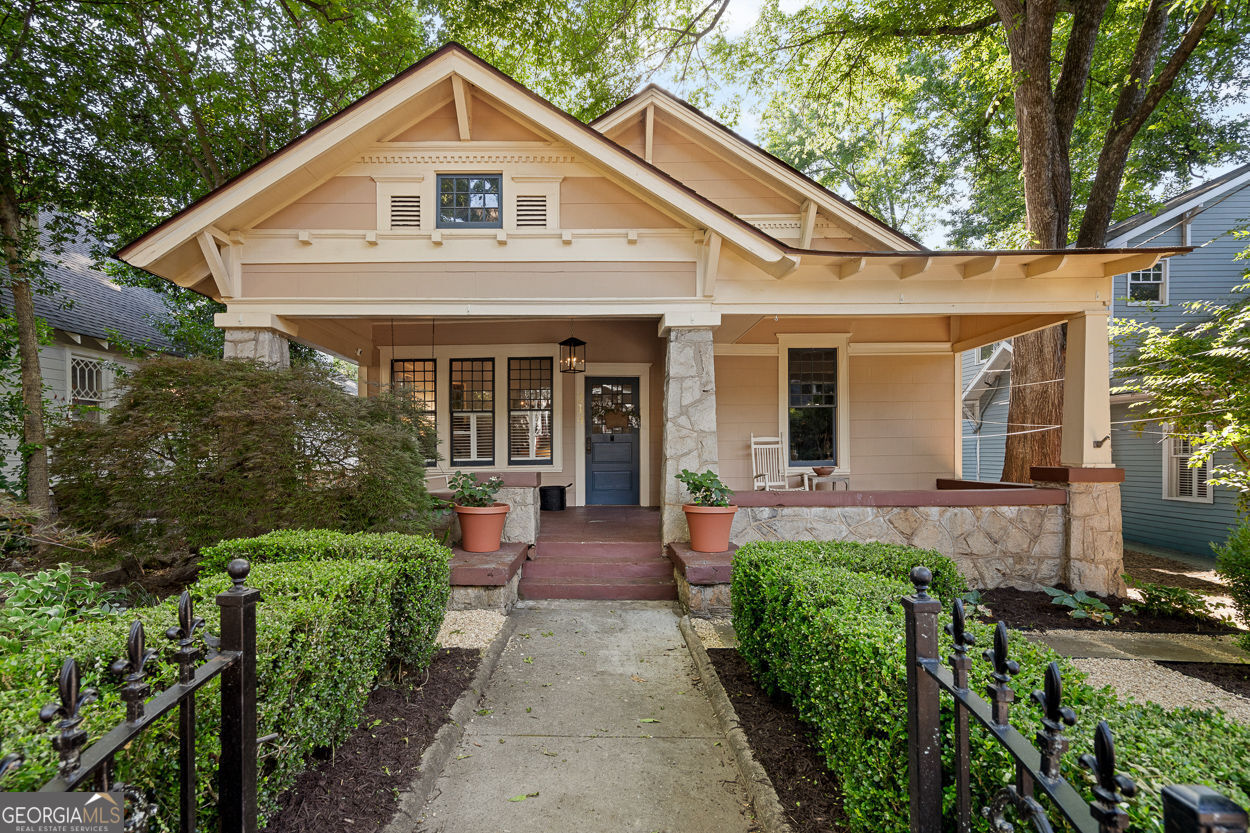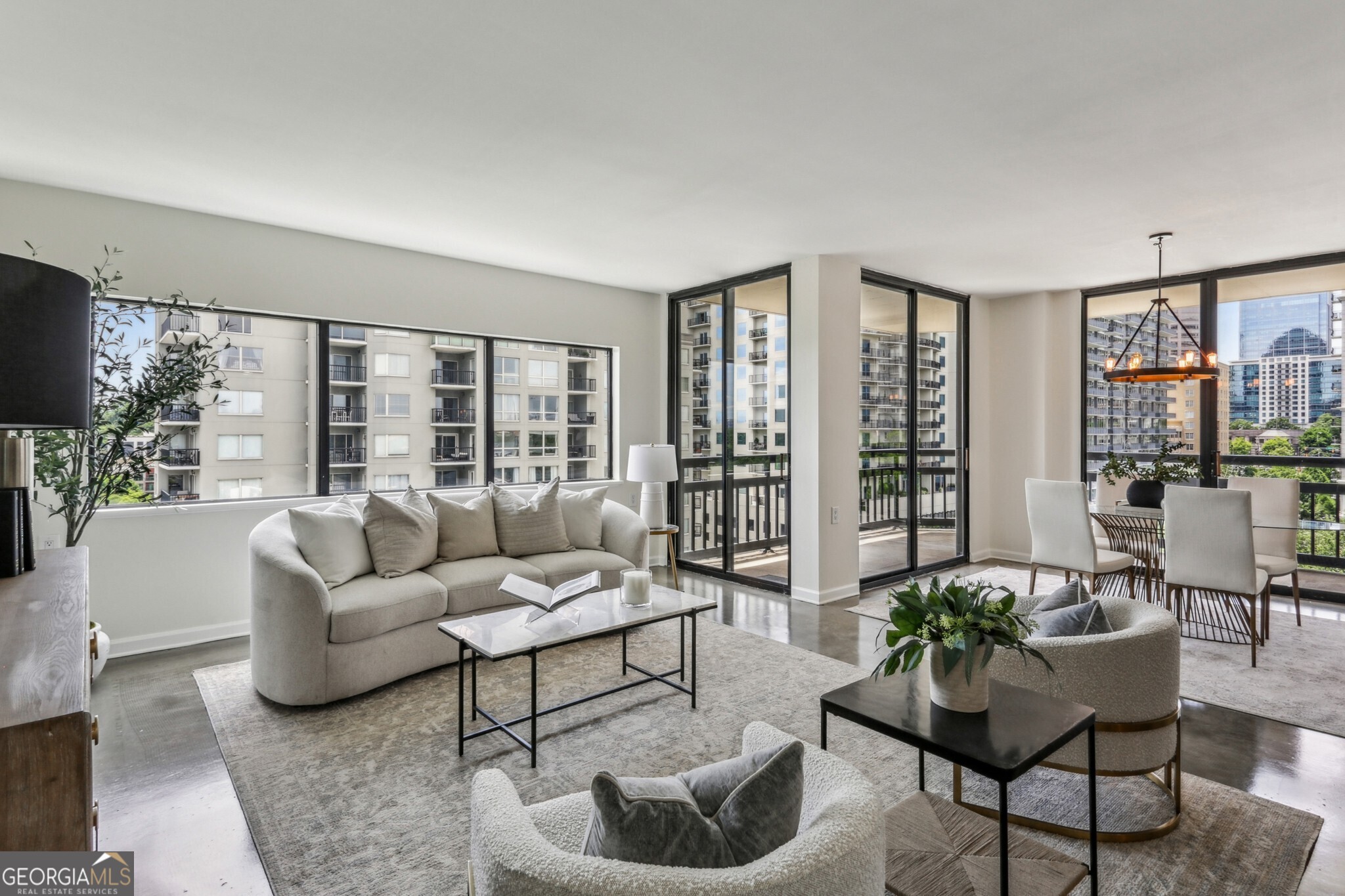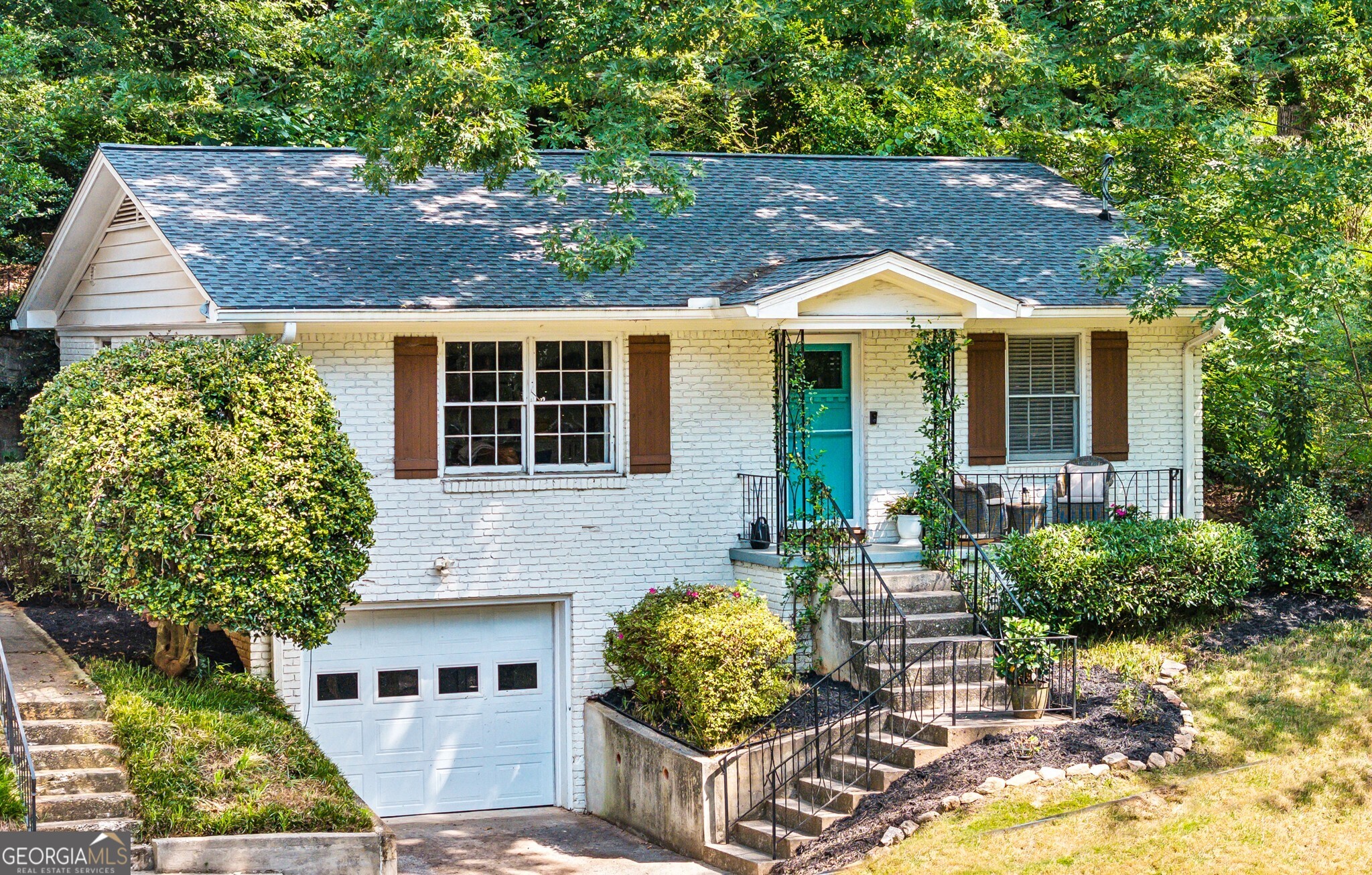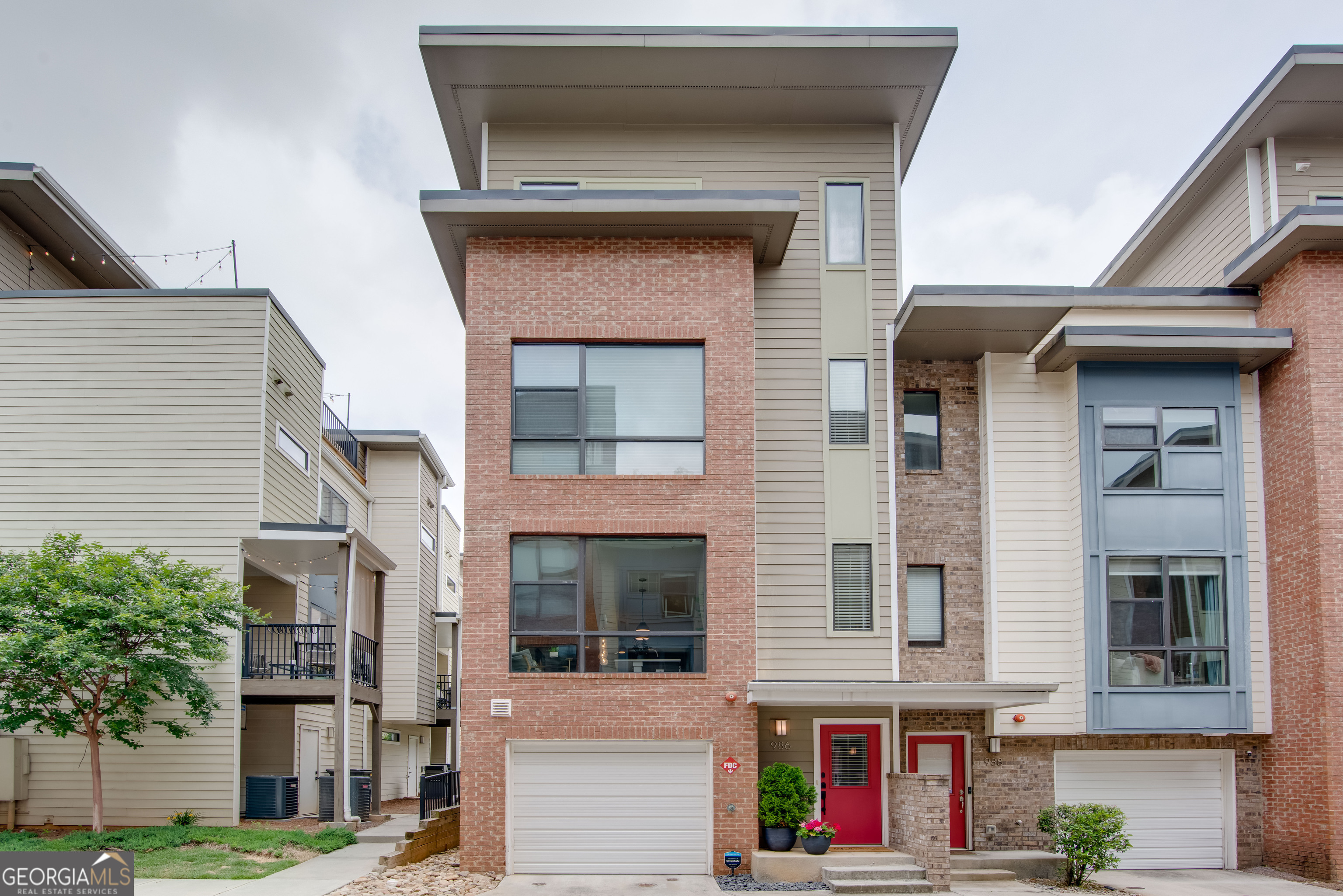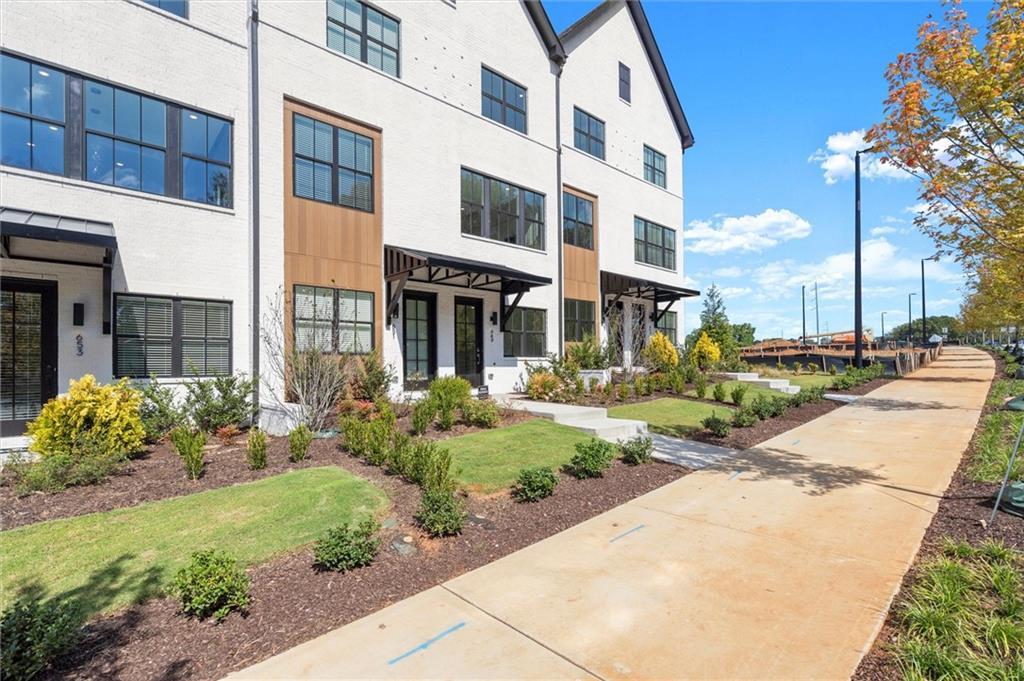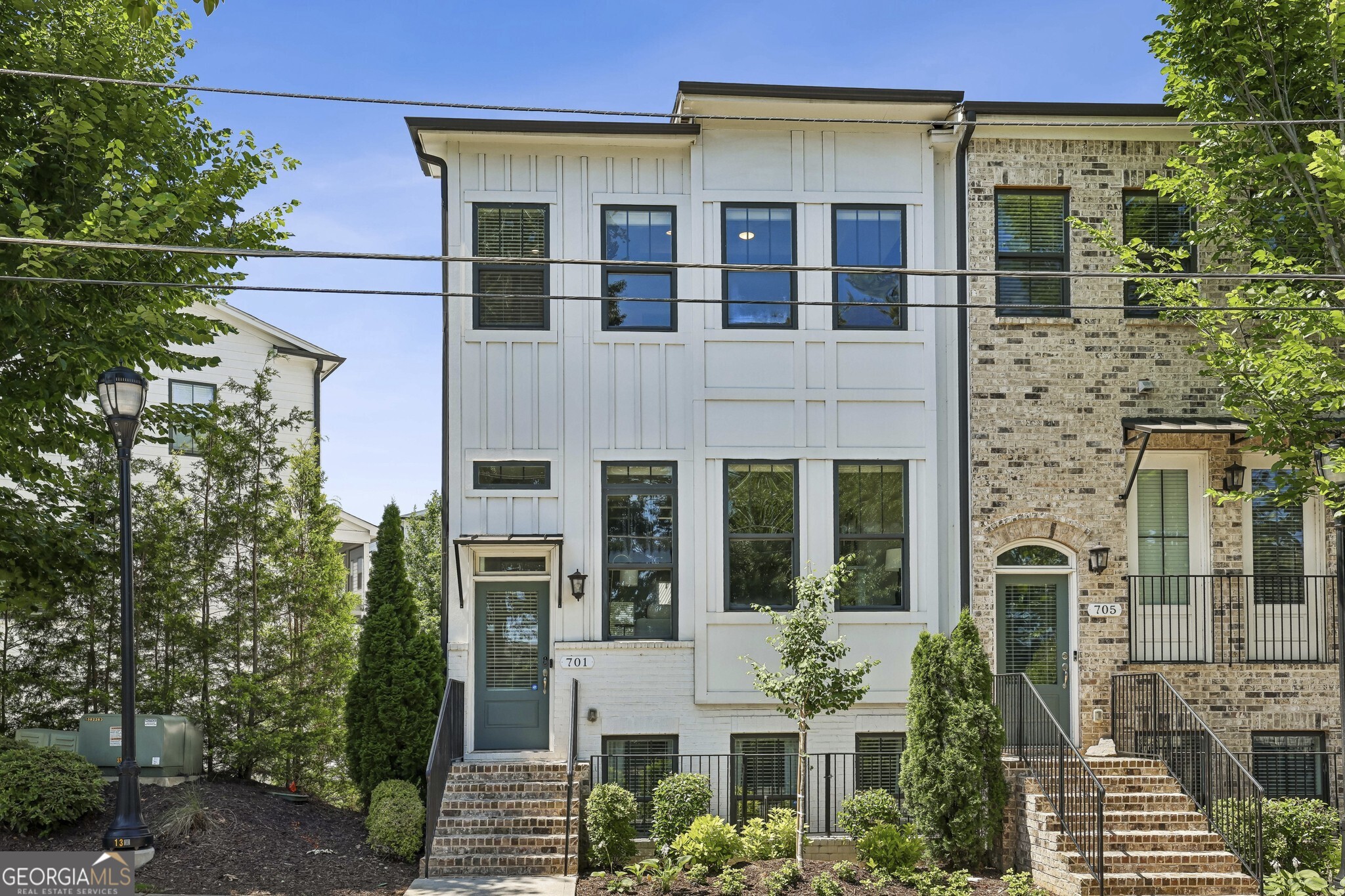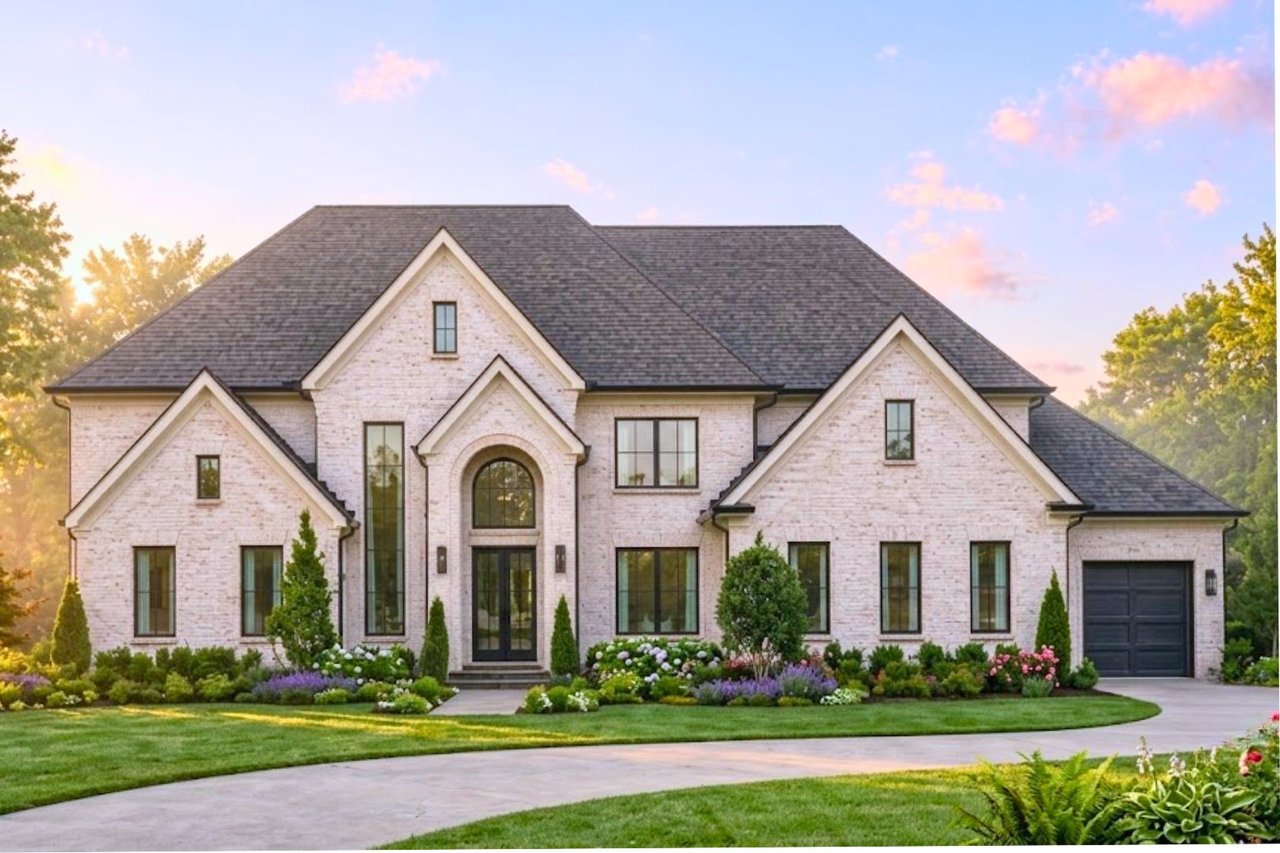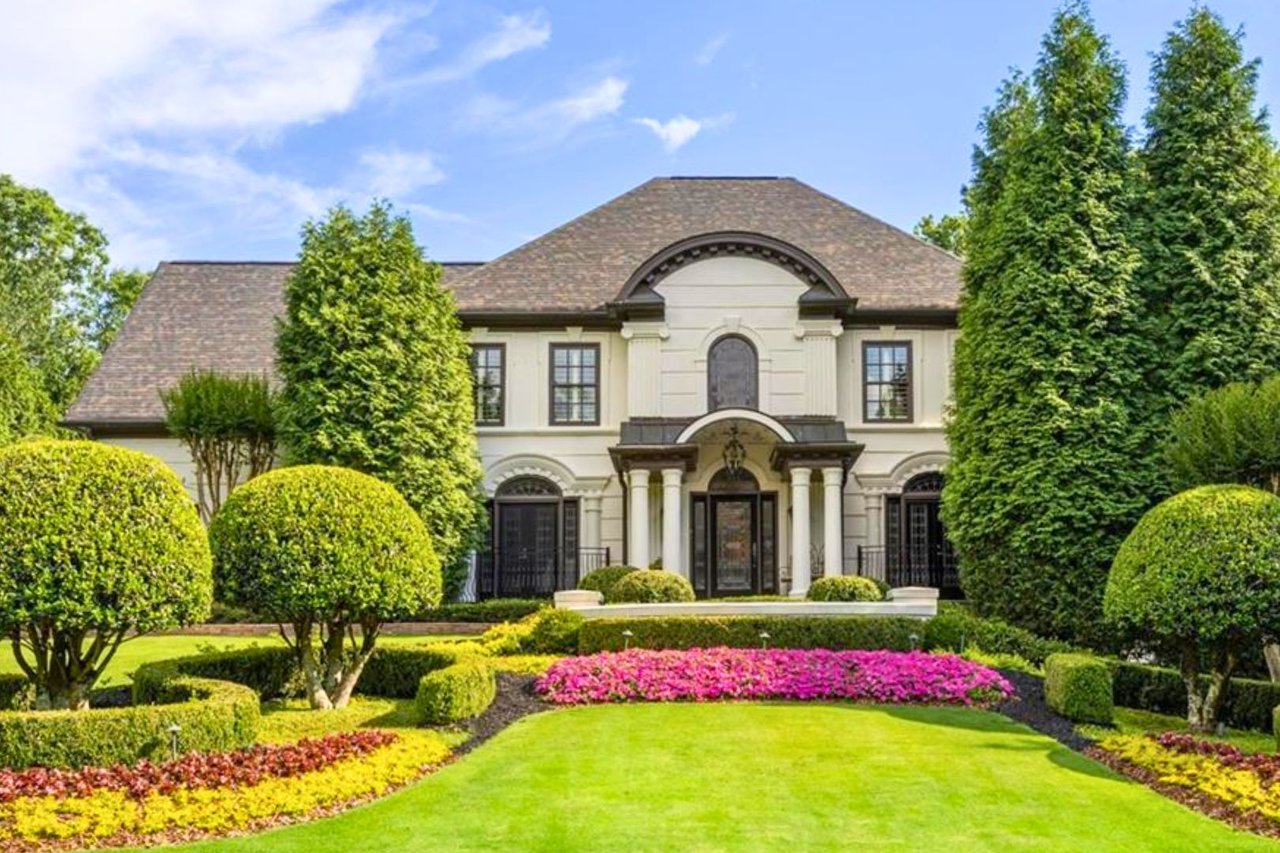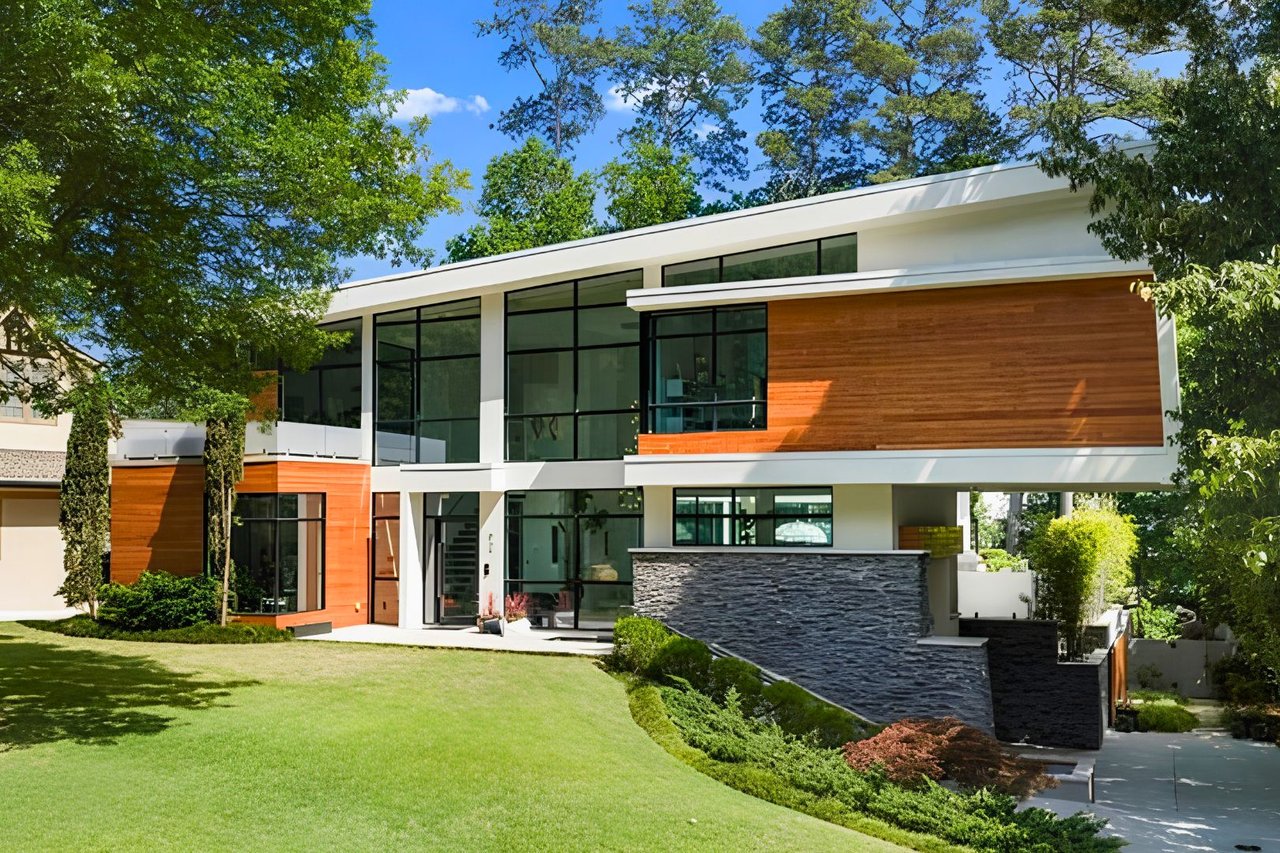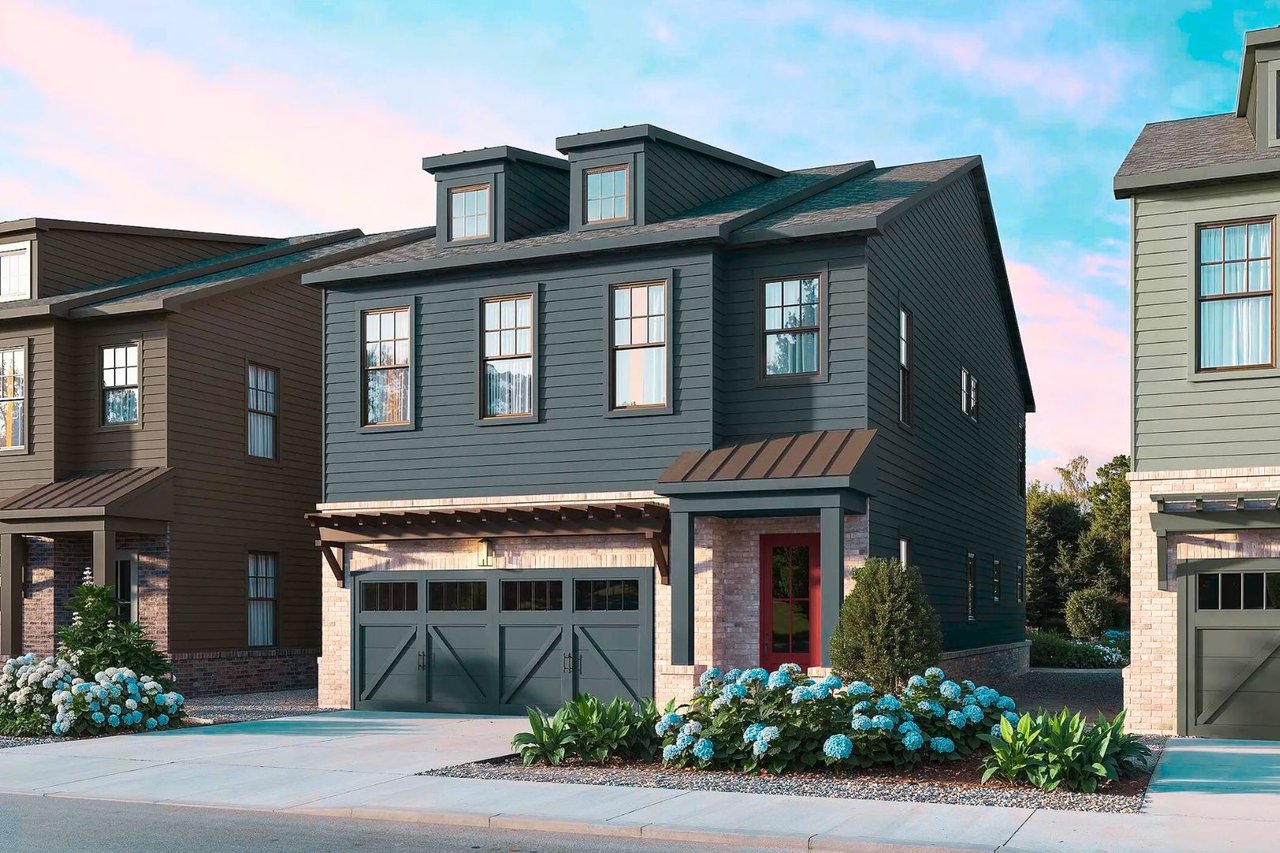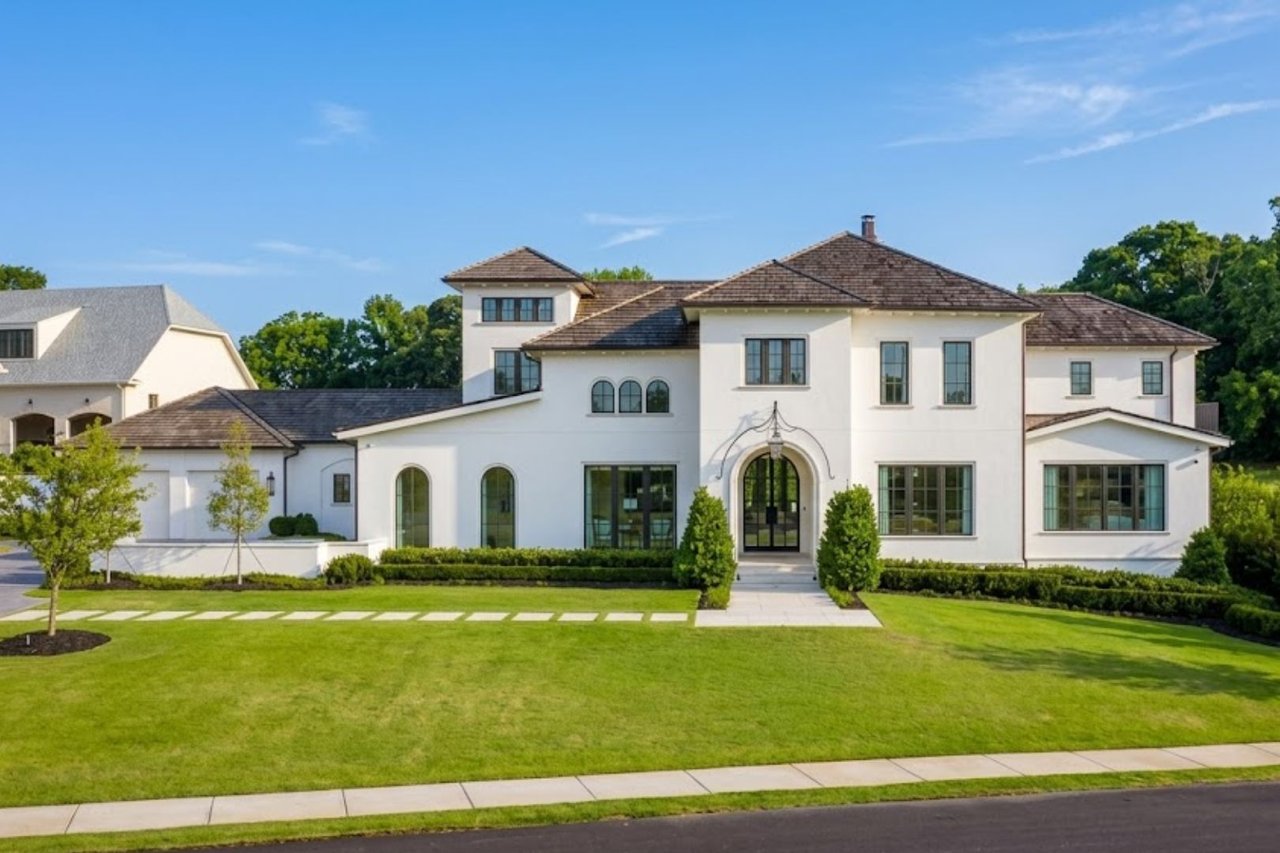
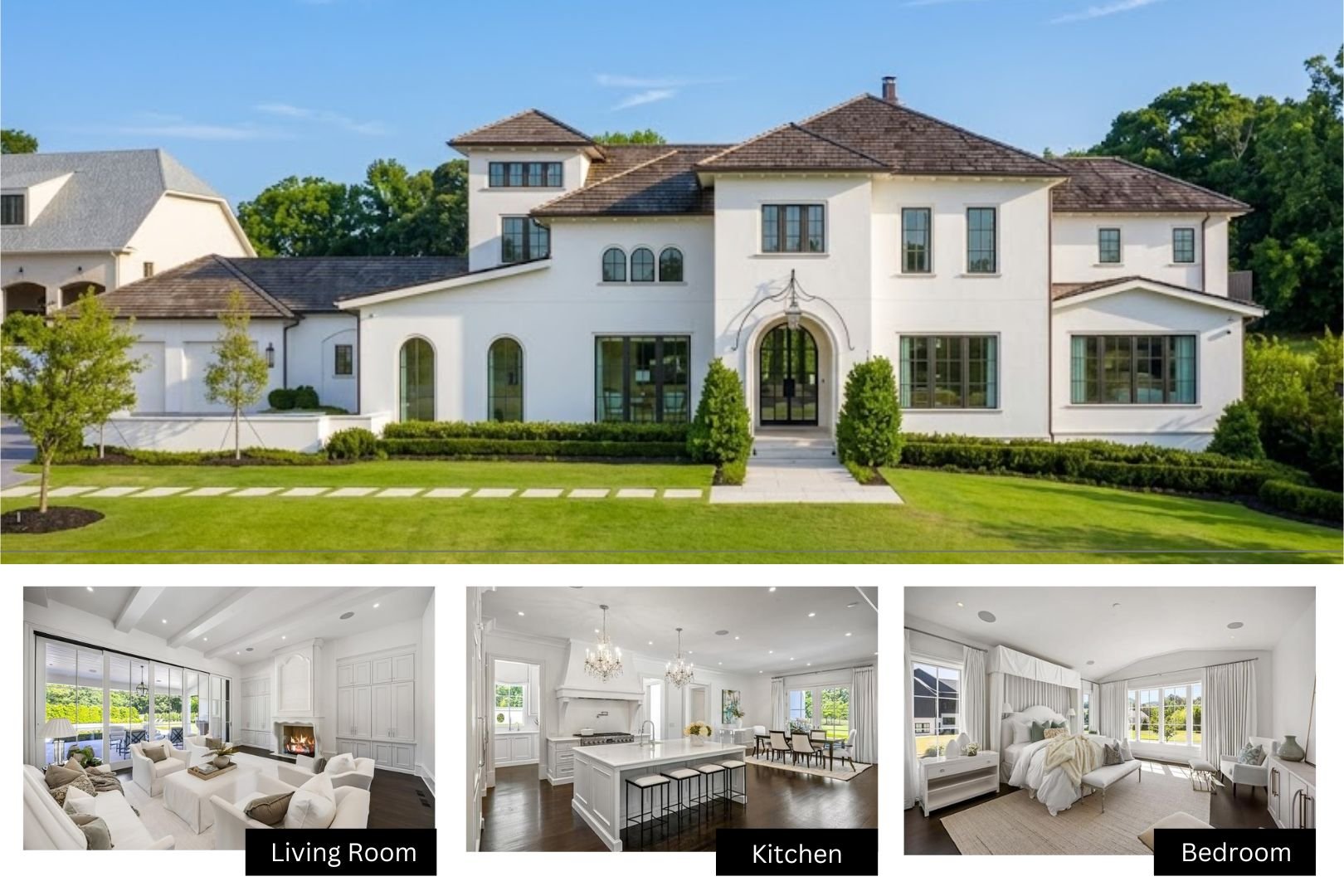
Unpacking your life in Marietta, Georgia, means trading generic suburban sprawl for historic brick pathways, towering canopy trees, and an intense sense of local pride. While out-of-state buyers are initially drawn by postcard-perfect photos of the historic town square, the reality of living here involves navigating a complex web of local school zones, unique tax structures, and distinct geographic identities. Understanding these subtle details before you sign a contract is the difference between a stressful transition and a seamless homecoming.
According to recent municipal data, the population of Marietta has reached an estimated 64,152 residents, growing at a steady annual rate of 0.91%.
This consistent influx of new residents highlights how highly coveted this pocket of Cobb County has become. Families relocating from the Northeast, the Midwest, or the West Coast often arrive with preconceived notions of Southern suburban life, only to discover that Marietta operates with its own distinct rhythm, civic rules, and neighborhood dynamics.
64,152 residents call the city of Marietta home, with hundreds of out-of-state families arriving each month to take advantage of Cobb County's favorable economic landscape.
Whether you are planning a move for a corporate relocation, a remote work transition, or to be closer to family, understanding the practical realities of your new home will make your transition seamless. Here are the key insights that out-of-state families discover after relocating to Marietta and Cobb County.
1. The Tale of Two School Districts: Marietta City vs. Cobb County

One of the most common surprises for out-of-state buyers is that a Marietta mailing address does not automatically mean your children will attend the same school system. Depending on where your home is physically located, you will be zoned for one of two entirely separate public school districts. These districts operate independently, with their own administrations, academic calendars, and unique educational pathways.
Cobb County School District (CCSD): A Suburban Educational Giant
The Cobb County School District is a massive suburban powerhouse, ranking as the second-largest public school system in the state of Georgia. The district serves 103,283 students across 112 school facilities, which includes 66 elementary schools, 26 middle schools, and 17 high schools.
Because of its immense scale, the district offers highly specialized Academy and Magnet programs at the high school level, focusing on advanced fields such as STEM, international studies, and biotechnology. High schools like Walton, Pope, and Lassiter consistently rank among the best in the state, drawing families specifically to their respective attendance zones.
89.2% graduation rate achieved by the Cobb County School District reflects its high academic standards and deep community investment.
Marietta City Schools (MCS): The Charter Advantage

Photo Credit: https://www.marietta-city.org/
Operating entirely independently from the county system, Marietta City Schools is a charter school system serving approximately 8,664 students within the city limits. This smaller footprint fosters a tight-knit, community-centric environment where teachers, administrators, and families frequently know one another by name.
MCS operates 13 distinct schools, including a centralized sixth-grade academy designed to ease the transition between elementary and middle school. One of the major draws for Marietta City Schools is its system-wide International Baccalaureate (IB) pipeline, which allows students to engage in globally recognized, rigorous coursework from elementary school all the way through graduation at Marietta High School.
92.2% graduation rate at Marietta High School showcases the effectiveness of the city's independent, charter-based educational model.
Feature | Cobb County School District (CCSD) | Marietta City Schools (MCS) |
|---|---|---|
District Type | County Public School System | Independent City Charter System |
Student Enrollment | Approximately 103,283 students | Approximately 8,664 students |
Graduation Rate (2025) | 89.2% | 92.2% |
Signature Program | High School Magnet & STEM Academies | System-wide International Baccalaureate (IB) |
2. The Lifestyle Epicenter: Life Around the Historic Marietta Square

Before moving, many families view the Historic Marietta Square as a nice place to visit on a weekend afternoon. After moving, they quickly realize it is the undisputed social, cultural, and culinary anchor of their daily lives. The Square functions as a pedestrian-friendly community living room where neighbors gather to celebrate, dine, and connect.
The Saturday Morning Ritual
The Square features a highly active, year-round calendar of events that helps newcomers quickly establish a local social network. On Saturday mornings, residents head to the Marietta Square Farmers Market, where dozens of local vendors showcase organic Georgia-grown produce, artisanal cheeses, fresh flowers, and handmade goods.
This weekly gathering is more than a shopping trip; it is an essential community ritual where neighbors catch up over local coffee. Major annual festivals like Art in the Park and seasonal holiday celebrations bring the entire community together, transforming the historic streets into walkable celebrations.
Glover Park: The Civic Living Room
Glover Park, located at the very center of the Square, features a beautiful historic fountain, a vintage gazebo, and a train-themed playground. It serves as a natural gathering space where kids can play while parents chat on the shaded lawns.
During the warmer months, the park hosts open-air evening concerts, where families bring picnic baskets and lawn chairs to enjoy live music under the stars. This accessible, family-friendly atmosphere defines the welcoming social landscape of the city.
Culinary Traditions and Cultural Landmarks
The culinary and entertainment scene around the Square rivals those of major metropolitan neighborhoods, without the hassle of driving into downtown Atlanta. For a memorable evening out, residents enjoy upscale dining at Mac's Chophouse, a premier steakhouse set in a historic Civil War-era building, or Silla Del Toro for authentic Spanish tapas.
For casual weeknight dinners, families head to the Marietta Square Market, an energetic, train-themed food hall housed in a restored 18,000-square-foot warehouse featuring over a dozen diverse food stalls. Cultural enrichment is also steps away at the historic Earl and Rachel Smith Strand Theatre, which dominates the Square's skyline and offers live theater, classic films, and concerts in a beautifully restored 1935 Art Deco venue.
PRO TIP: Parking around the Square can get competitive on weekends. Locals bypass the street-level search entirely by parking in the Mill Street parking deck, which is free on weekends and just a two-minute walk from the central fountain.
3. The Geographic Divide: East Cobb vs. West Cobb vs. City Limits

Out-of-state buyers quickly learn that "Marietta" is a broad geographic designation. To target your home search effectively, it helps to understand the distinct personalities and real estate dynamics of the three primary sub-markets.
$475,000 represents the overall median home sale price for the entire Marietta area, reflecting a steady 4.3% year-over-year increase.
East Cobb: Top-Tier Schools and Swim/Tennis Subdivisions
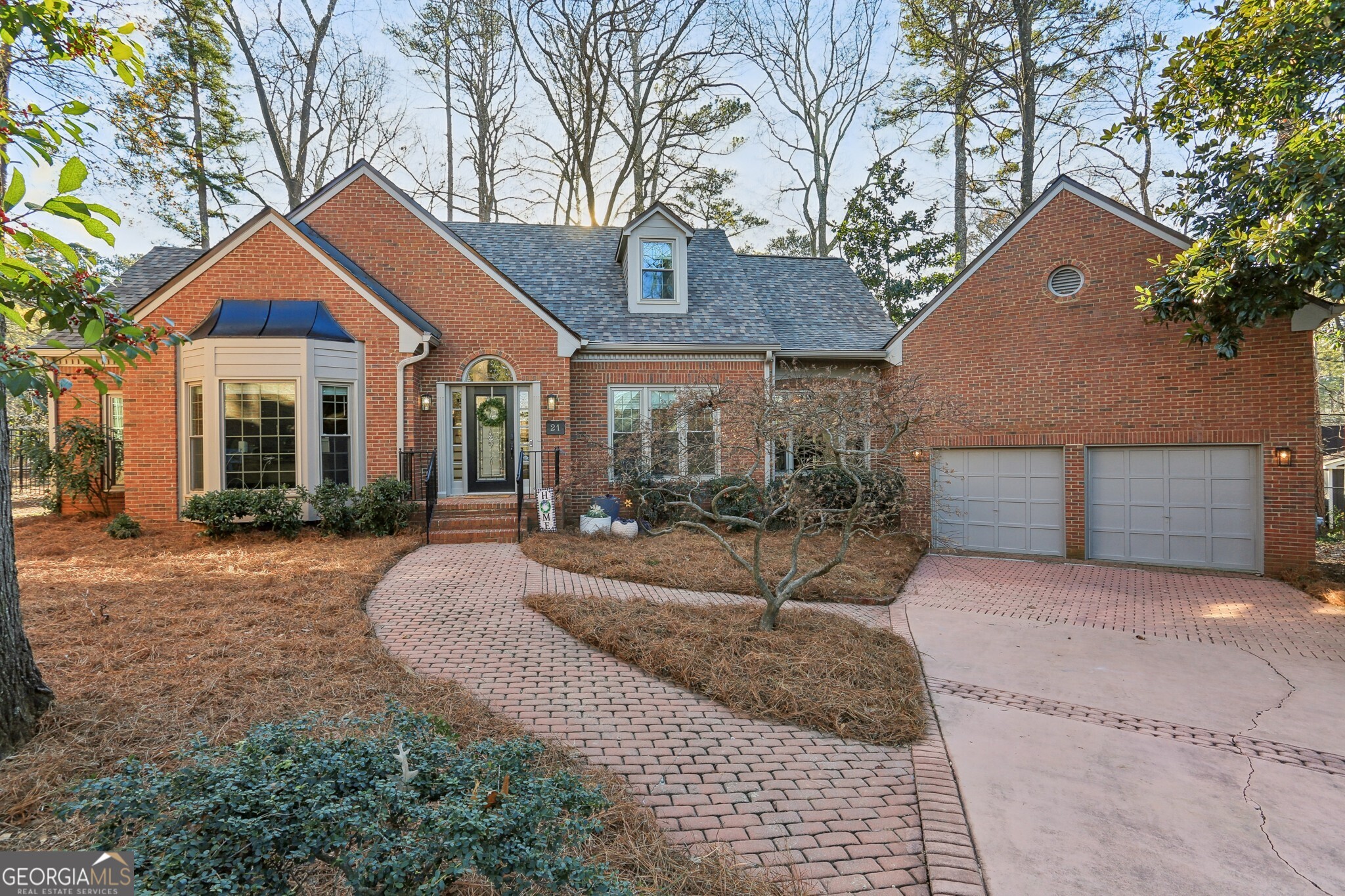
Located east of Interstate 75, East Cobb is a highly established suburban enclave. It is famous for its large, mature swim/tennis subdivisions, highly regarded high school clusters, and abundant retail corridors along Johnson Ferry Road and Roswell Road. It offers a structured, family-oriented lifestyle with convenient access to neighboring Sandy Springs and North Fulton County.
According to market data, the real estate market in East Cobb is highly competitive. In Zip Code 30062, a central portion of East Cobb, the median sale price of a home reached $560,000, with well-priced homes selling in an average of just 25 days. The demand is driven by families seeking established neighborhoods with active homeowner associations.
West Cobb: Green Space and Room to Breathe
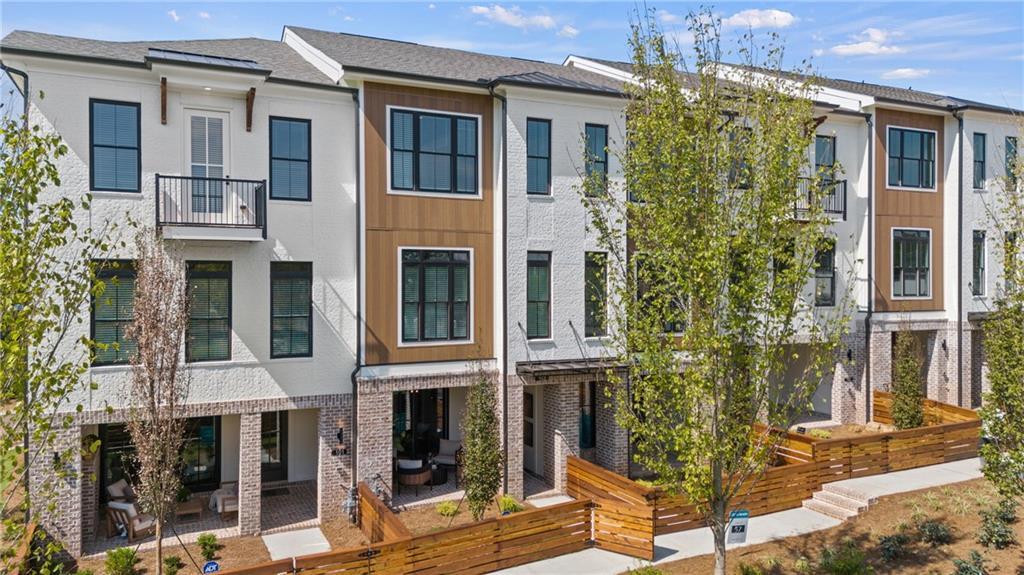
West of the city center lies West Cobb, which offers a more relaxed, scenic, and open environment. Here, you will find larger lot sizes, rolling hills, and newer master-planned communities that feel closer to nature.
It is a peaceful alternative that still offers modern shopping centers, excellent local parks, and close proximity to Kennesaw Mountain. In Zip Code 30064, the median sale price was $525,000, reflecting the area's growing popularity among families who desire more acreage without sacrificing suburban conveniences.
Historic Marietta: Urban Walkability and Character

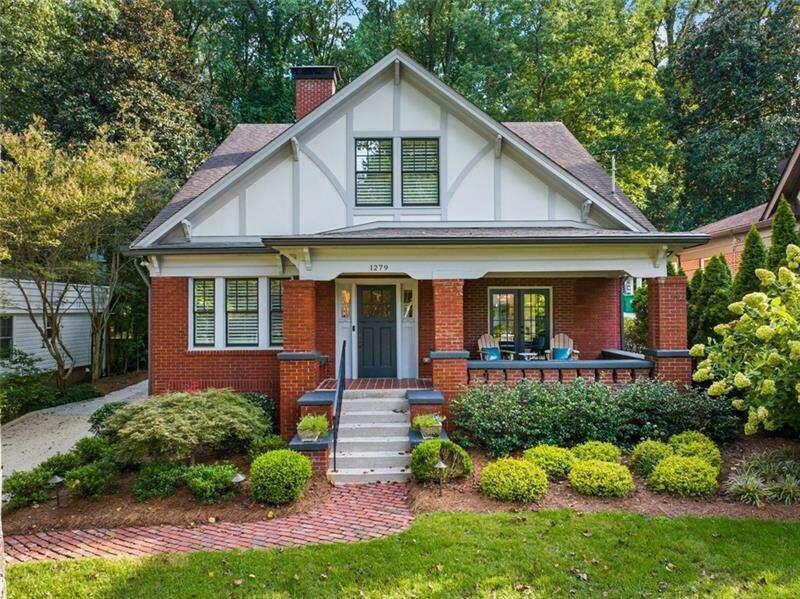
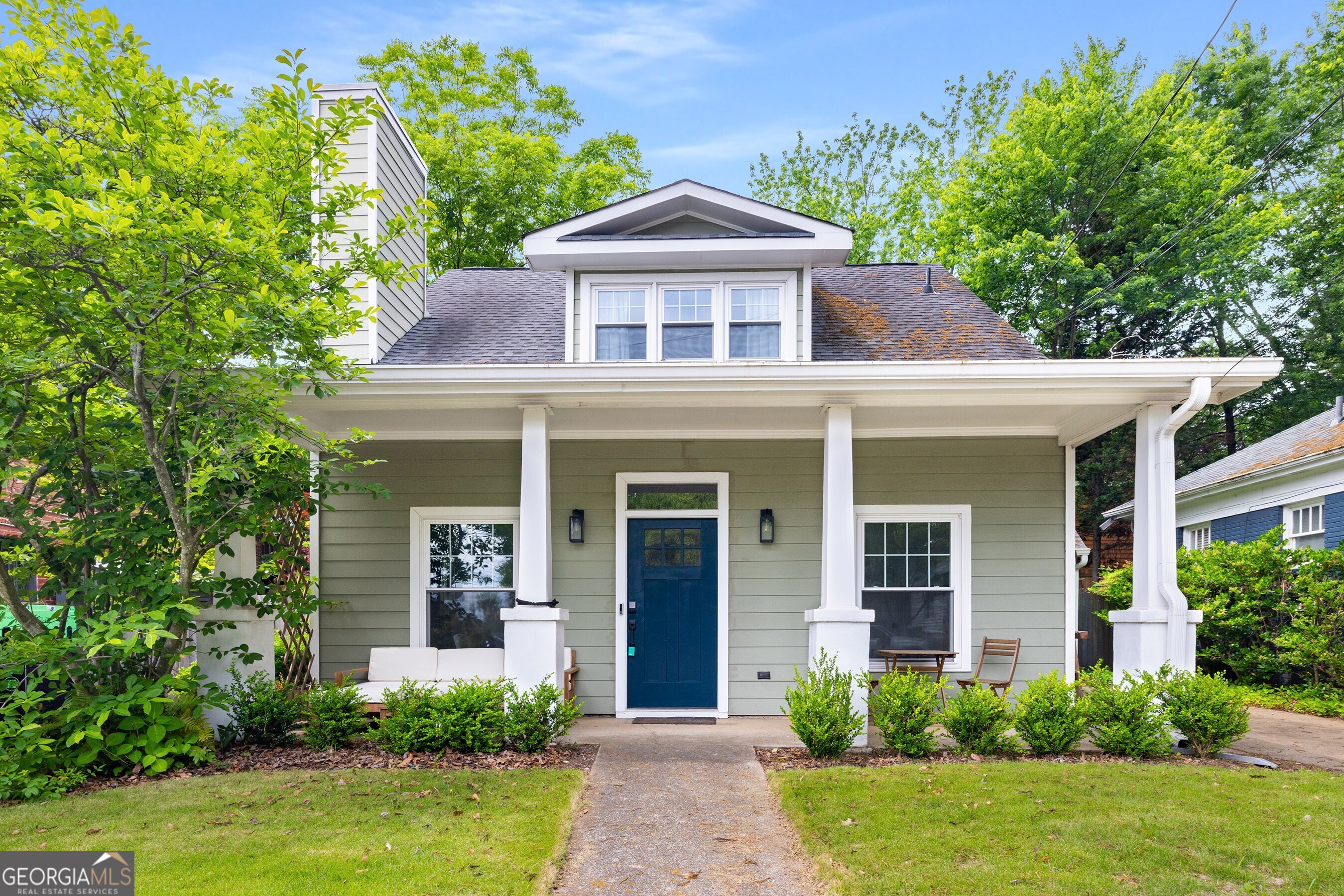
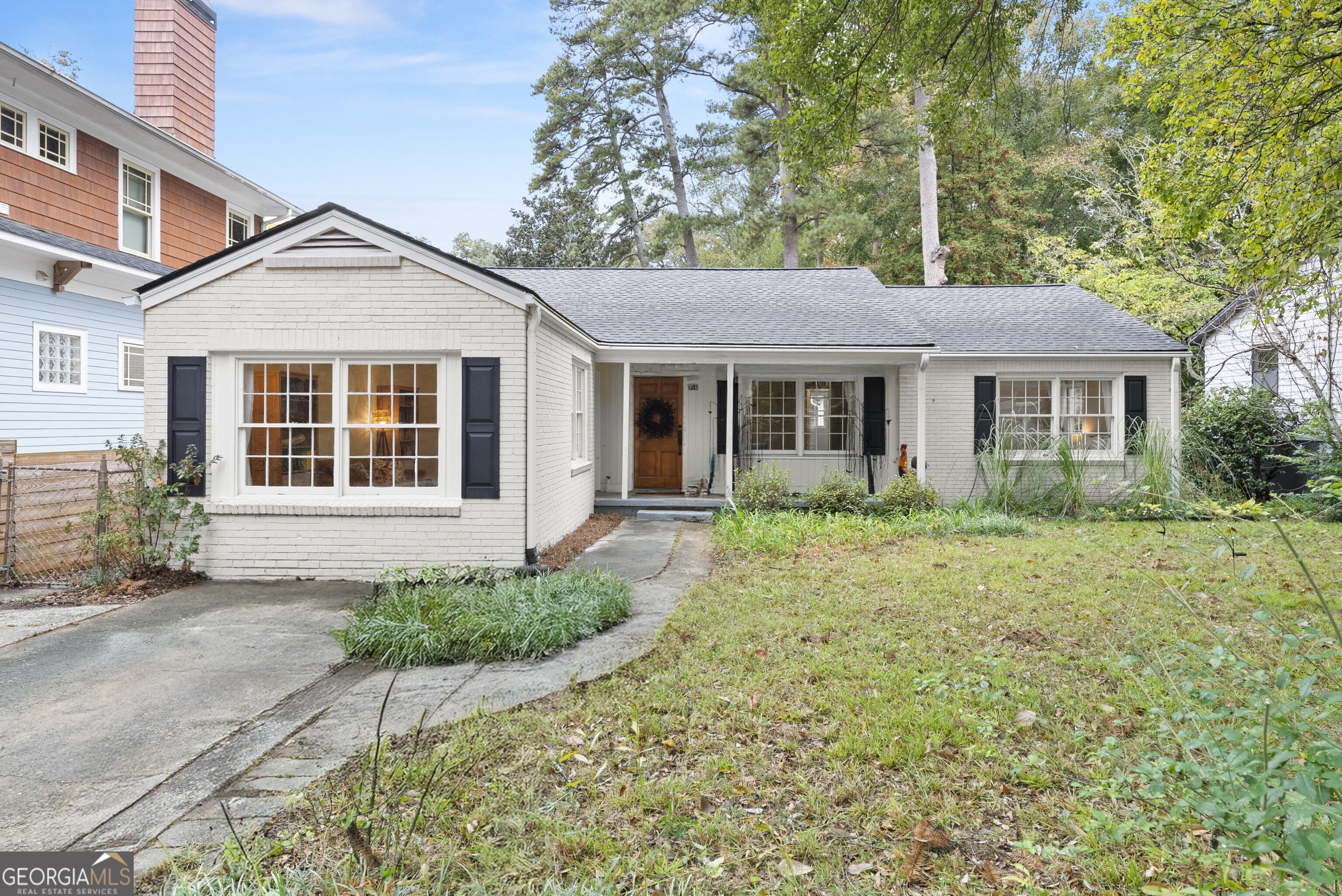
For those who prefer architectural character over subdivision uniformity, the historic city limits of Marietta are highly appealing. This area features stunning Victorian, Craftsman, and mid-century cottage homes situated on tree-lined sidewalks.
Living here means sacrificing the large backyard of West Cobb or the swim/tennis amenities of East Cobb in exchange for historic charm and the ability to walk or bike directly to the Marietta Square. This trade-off is highly attractive to buyers who prioritize a pedestrian-oriented lifestyle.
PRO TIP: When searching for homes in East Cobb, pay close attention to the high school cluster boundaries. Homes zoned for Walton, Pope, or Lassiter High Schools command a premium and tend to appreciate faster, making them excellent long-term investments.
Region | Median Price (May 2026) | Primary Vibe | Key Neighborhood Feature |
|---|---|---|---|
East Cobb | $560,000 | Established Suburban | Swim/Tennis Subdivisions |
West Cobb | $525,000 | Scenic & Spacious | Larger Lot Sizes & Acreage |
Historic Marietta | $475,000 (citywide avg) | Historic & Walkable | Victorian & Craftsman Architecture |
4. The Commuting Reality: Navigating Cobb County Traffic and Transit
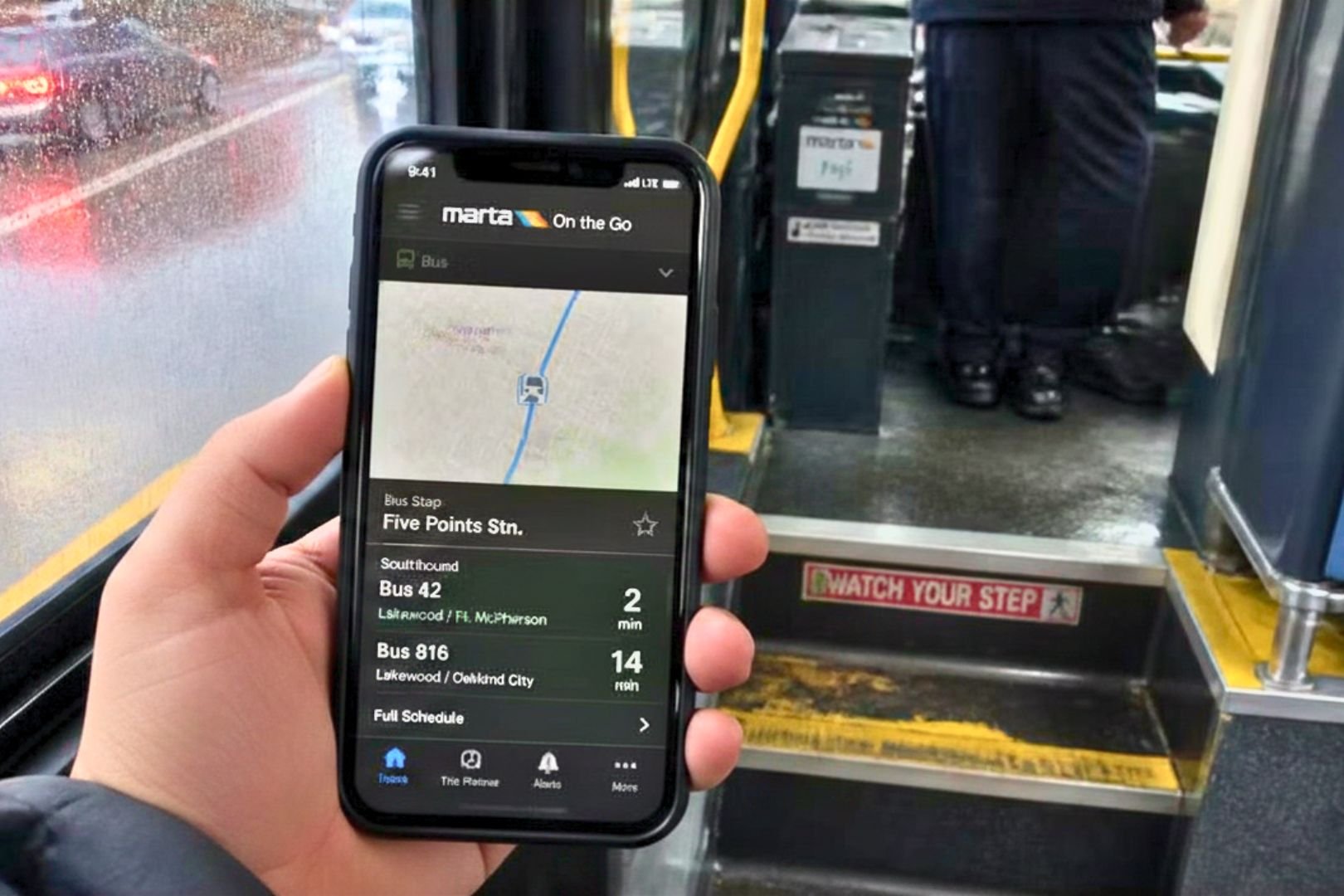
For out-of-state families, adjusting to Metro Atlanta’s traffic patterns is often the biggest transition. Living in Marietta offers excellent geographic positioning, but navigating peak hours requires a bit of local strategy and planning.
The Express Lane Advantage
Marietta is connected to the rest of the metro area via Interstate 75, Interstate 285 (the local highway loop known as the "Perimeter"), and Cobb Parkway (U.S. 41). The average commute time for Marietta residents is 27.5 minutes.
However, a daily commute to major employment hubs like Midtown, Buckhead, or the Perimeter Center can range from 30 to 50 minutes during peak rush hours. To bypass daily congestion, locals frequently rely on the Northwest Corridor Express Lanes on I-75, a state-of-the-art, reversible toll system that ensures a reliable travel time.
27.5 minutes is the average daily commute time for Marietta residents, though peak hours require strategic route planning.
Cobb County's Independent Economy
One of the major benefits of moving to Cobb County is that you do not necessarily have to commute into the city of Atlanta for work or play. Cobb County boasts a robust local economy with a healthy 3.1% unemployment rate, as reported by the Bureau of Labor Statistics.
Major local employers include Wellstar Health System, Lockheed Martin, and the world headquarters of The Home Depot. Additionally, Marietta residents enjoy being just minutes away from Truist Park and The Battery Atlanta, which serves as the home of the Atlanta Braves and offers a year-round destination for premier dining, boutique shopping, and live music.
5. Outdoor Recreation You Didn't Expect

Out-of-state transplants who expect Marietta to be a continuous stretch of suburban subdivisions are consistently delighted by the abundance of preserved greenspace and outdoor recreation. The local landscape is rich with historical parks, river trails, and community spaces.
Kennesaw Mountain: Hiking with a View
Bordering West Marietta, Kennesaw Mountain National Battlefield Park is a local treasure spanning nearly 2,965 acres. This preserved Civil War battlefield features over 22 miles of maintained interpretive hiking trails, ranging from casual, flat nature walks to challenging climbs up the mountain summit.
Reaching the top rewards hikers with spectacular, panoramic views of the Atlanta skyline rising above the lush tree canopy. The park also features an educational visitor center, historic earthworks, and preserved cannon placements, offering a unique opportunity for children to learn about American history in an immersive, outdoor setting.
The Chattahoochee River and Local Parks
Marietta’s southern and eastern borders provide easy access to the Chattahoochee River National Recreation Area, a favorite local destination for kayaking, paddleboarding, and walking along scenic riverside boardwalks. Locals affectionately refer to spending a summer day on the river as "shooting the Hooch," a time-honored tradition for residents of all ages.
For neighborhood-level recreation, families frequent local parks managed by the Cobb County Government and the City of Marietta. Laurel Park, located within the city limits, features a beautiful one-mile walking track, duck ponds, a massive playground, and the Laurel Park Tennis Center with 13 lighted courts. In East Cobb, East Cobb Park serves as a beloved community gathering space, offering open playing fields, walking paths, a creek overlook, and an outdoor amphitheater.
6. Practical Georgia Quirks: Taxes, TAVT, and Senior Exemptions

Every state has its own unique administrative rules, and Georgia has a few financial and tax structures that out-of-state families need to prepare for when planning their relocation budget.
Understanding the One-Time TAVT
When moving to Georgia, registering your vehicles can cause some initial sticker shock if you are unprepared. Georgia does not charge an annual property tax on vehicles; instead, it levies a one-time Title Ad Valorem Tax (TAVT) when you first register an out-of-state vehicle.
While the standard TAVT rate for vehicle purchases is 7.0%, the Georgia Department of Revenue offers a highly favorable 3.0% TAVT rate for new residents relocating their out-of-state registered vehicles into the state. This one-time fee must be paid within 30 days of moving, exempting you from annual ad valorem "birthday taxes" moving forward.
3.0% is the reduced TAVT rate offered to new Georgia residents registering their out-of-state vehicles, providing significant upfront savings.
The Cobb County Senior Tax Exemption
On the positive side, Cobb County is widely known for having a highly favorable property tax climate compared to neighboring Fulton and DeKalb counties. The county's conservative fiscal management helps keep millage rates reasonable for homeowners while still funding top-tier public services and infrastructure.
Additionally, Cobb County features a unique Senior School Tax Exemption for residents aged 62 and older. This exemption releases qualifying seniors from paying the school tax portion of their county property taxes, which typically makes up roughly 62% of a homeowner's total property tax bill. This popular policy keeps neighborhoods stable, encourages long-term residency, and makes Cobb County incredibly popular for multi-generational families.
PRO TIP: If you are planning a multi-generational move, Cobb County is one of the most tax-friendly regions in Georgia for retirees. Be sure to apply for the Senior School Tax Exemption immediately upon turning 62 to eliminate the school tax portion of your property bill.
FAQs About Relocating to Marietta, GA

How far is Marietta, GA from Downtown Atlanta?
Marietta is located approximately 20 miles northwest of Downtown Atlanta. During off-peak hours, the drive down I-75 takes about 25 to 30 minutes. During peak morning and evening commute times, you should plan for a 45- to 60-minute drive. For public transit options, residents can utilize the CobbLinc bus system, which connects directly to Atlanta's MARTA rail network.
What is the weather like in Marietta throughout the year?
Marietta experiences a moderate, four-season climate. Springs are vibrant and filled with blooming azaleas and dogwoods, with temperatures in the 70s. Summers are hot and humid, with high temperatures regularly reaching the low 90s, making community pools highly popular. Autumns are spectacular, offering crisp air and beautiful fall foliage, while winters are generally mild, with daytime highs in the 50s and only occasional overnight freezes.
Is Marietta a walkable city?
Walkability in Marietta is highly localized. The historic neighborhoods immediately surrounding the Historic Marietta Square are exceptionally walkable, featuring wide sidewalks, pedestrian crossings, and easy access to restaurants, shops, and parks. However, the broader East Cobb, West Cobb, and unincorporated county areas are classic suburban developments, meaning a vehicle is necessary for daily errands, school drop-offs, and commuting.

What are swim/tennis communities, and why are they so popular in Marietta?
In Marietta, swim/tennis communities are master-planned subdivisions that feature neighborhood-managed amenities, typically including a junior Olympic-sized swimming pool, multiple lighted tennis or pickleball courts, a playground, and a community clubhouse. These subdivisions are incredibly popular because they serve as the social hub for families. Neighborhoods host summer swim teams, ALTA tennis leagues, holiday block parties, and social events, making it easy for out-of-state families to quickly make friends and integrate into the community.
How do I register my children for schools after moving to Cobb County?
To register your children, you will need to complete an online registration portal for either the Cobb County School District or Marietta City Schools. You must provide proof of residency within your specific school district boundaries, which usually requires a lease or home deed, along with recent utility bills. Georgia also requires specific health forms: Georgia Form 3231 (Certificate of Immunization) and Georgia Form 3300 (Certificate of Vision, Hearing, Dental, and Nutrition Screening), which can be easily transferred at any local pediatrician's office.
Conclusion: Making Marietta Your Home
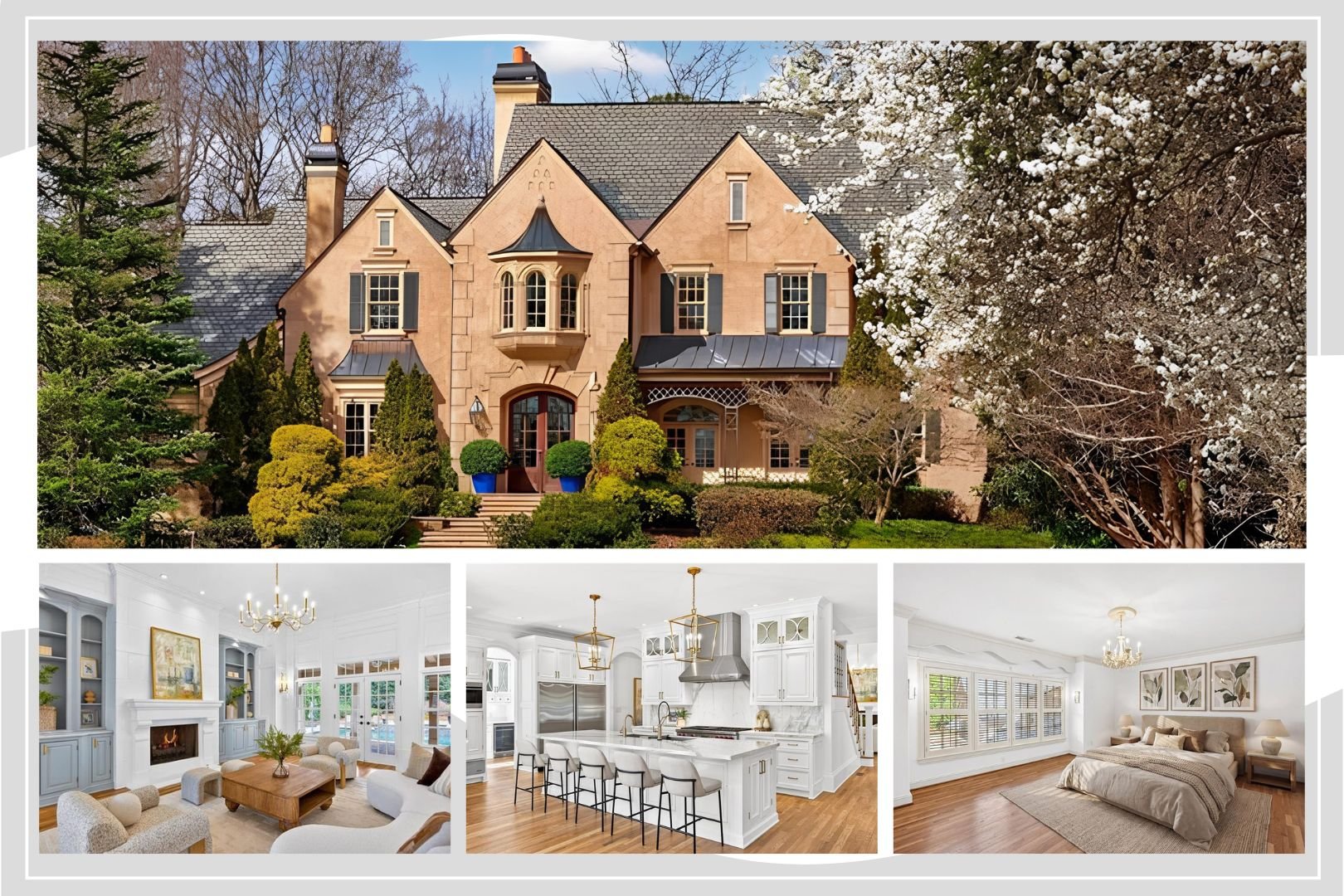
Relocating to Marietta, GA, offers out-of-state families a rare and rewarding combination of historic charm, modern suburban convenience, exceptional public education options, and rich natural beauty. While adjusting to local commuting patterns and unique state tax structures takes a little planning, the long-term lifestyle benefits of living in Cobb County consistently exceed expectations.
From weekend mornings spent browsing the farmers market on the Square to quiet afternoons hiking the trails of Kennesaw Mountain, Marietta is a place where newcomers quickly transition from feeling like visitors to feeling right at home.
If you are planning a move to the area and want to find the perfect neighborhood for your lifestyle, reach out to our team today to start your relocation journey.