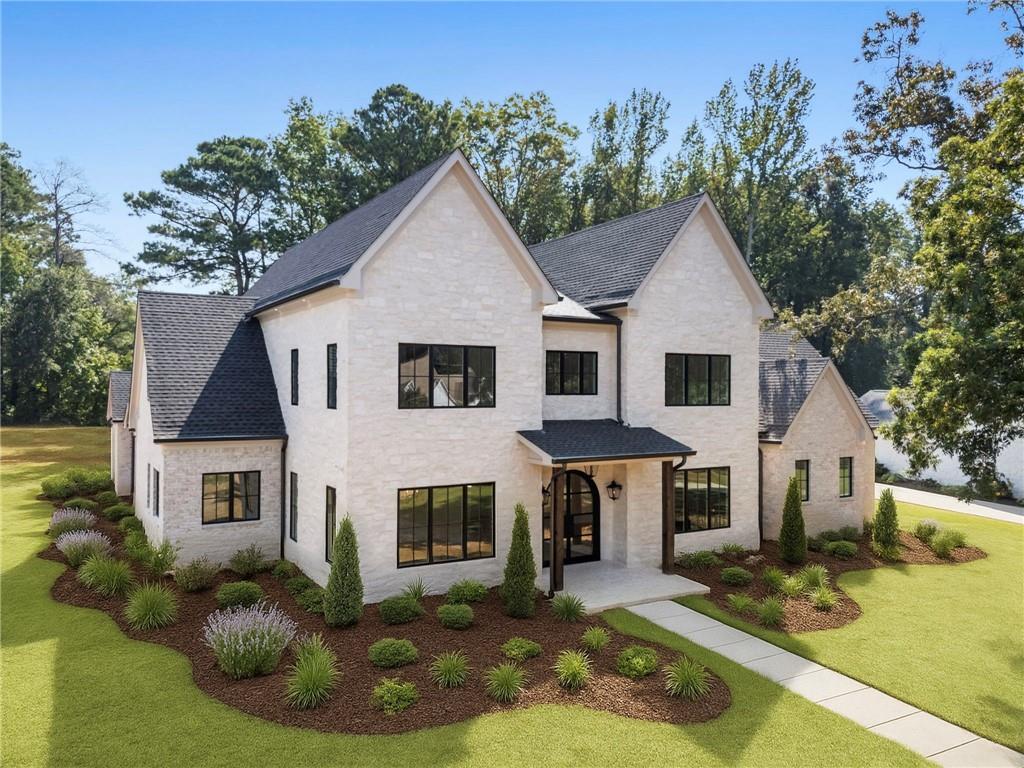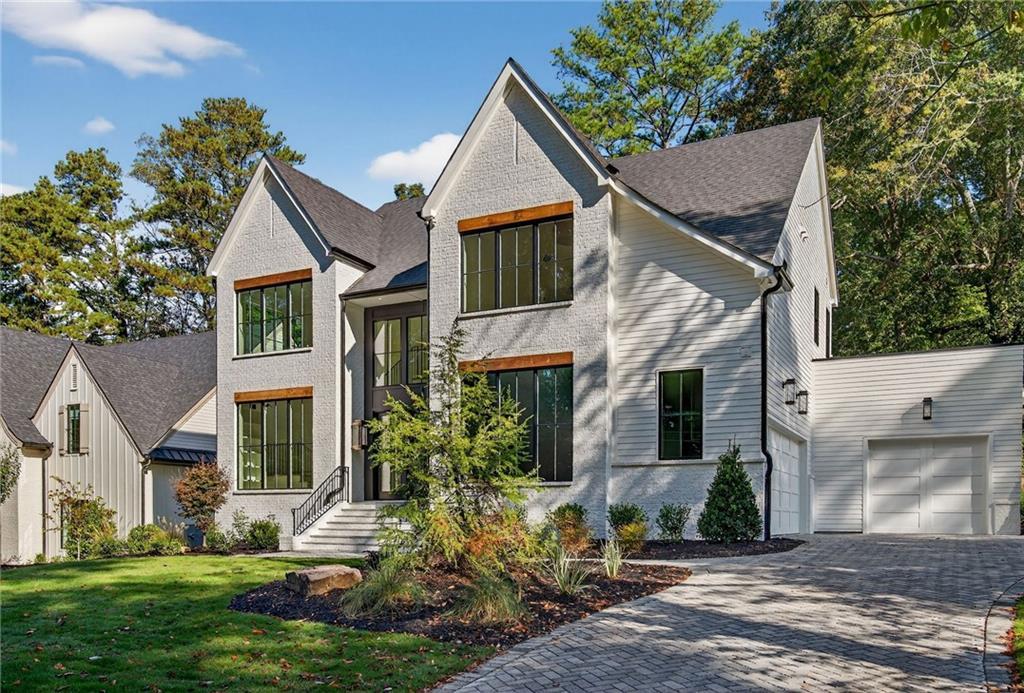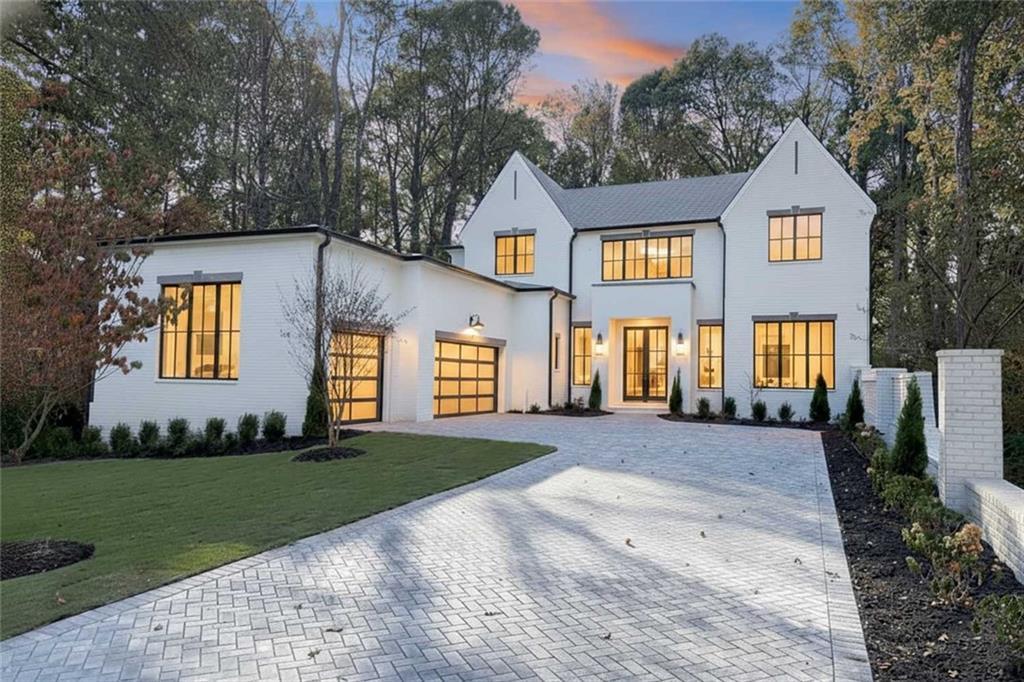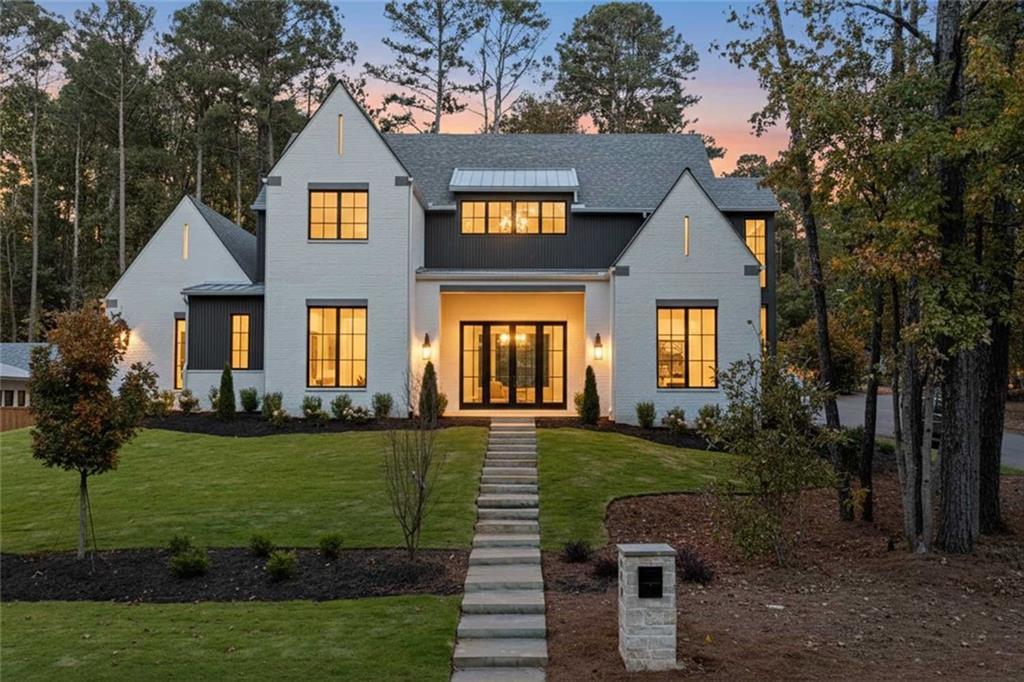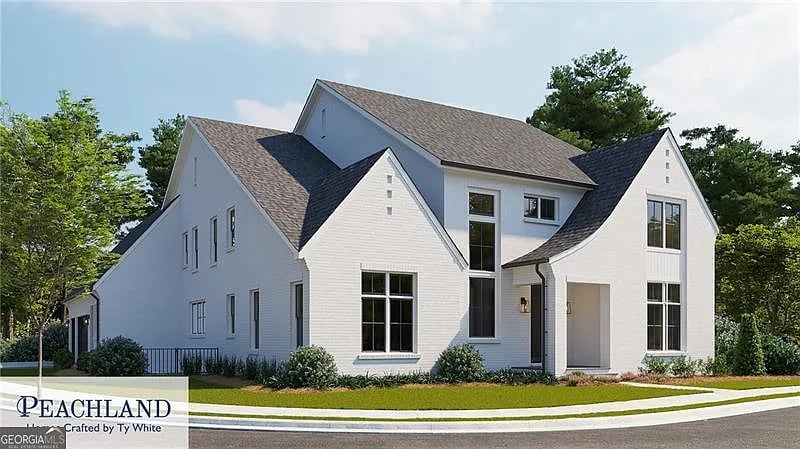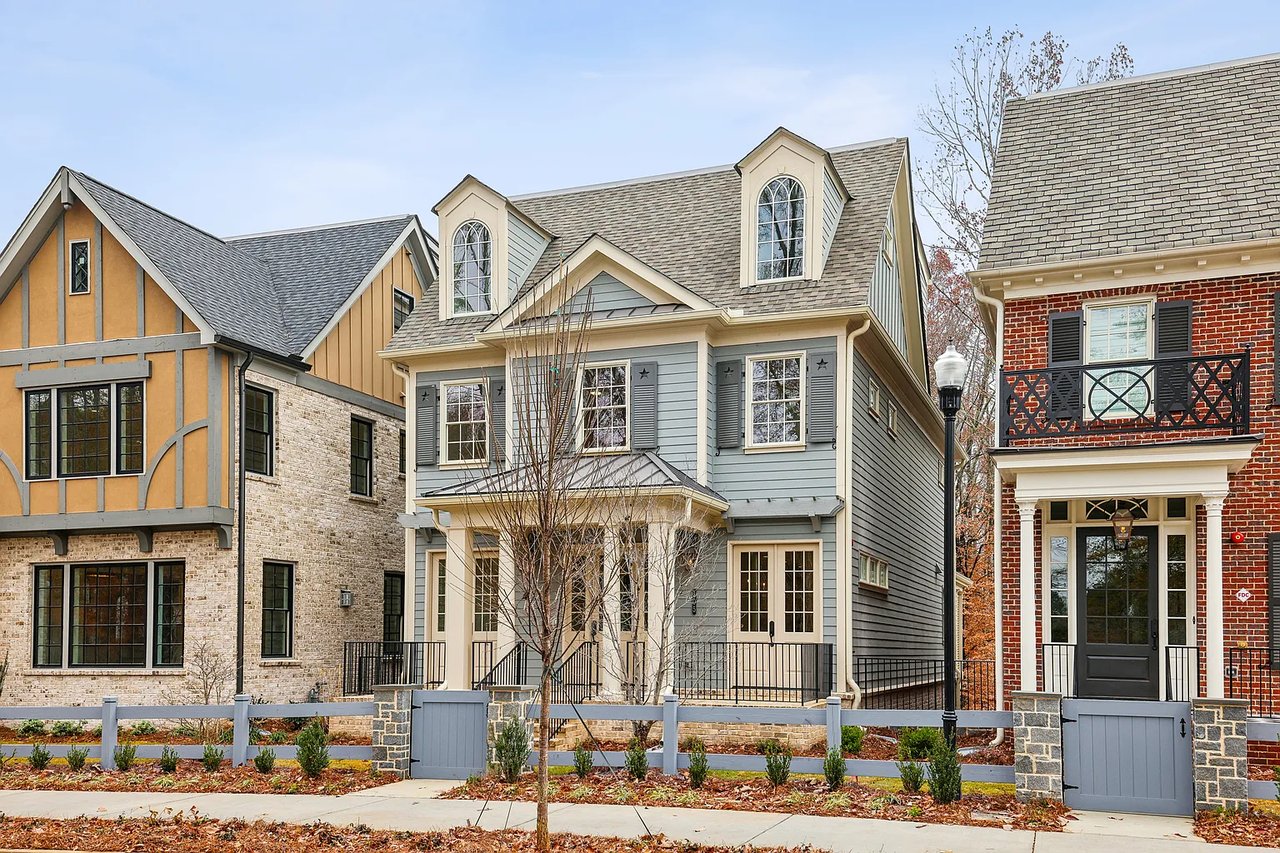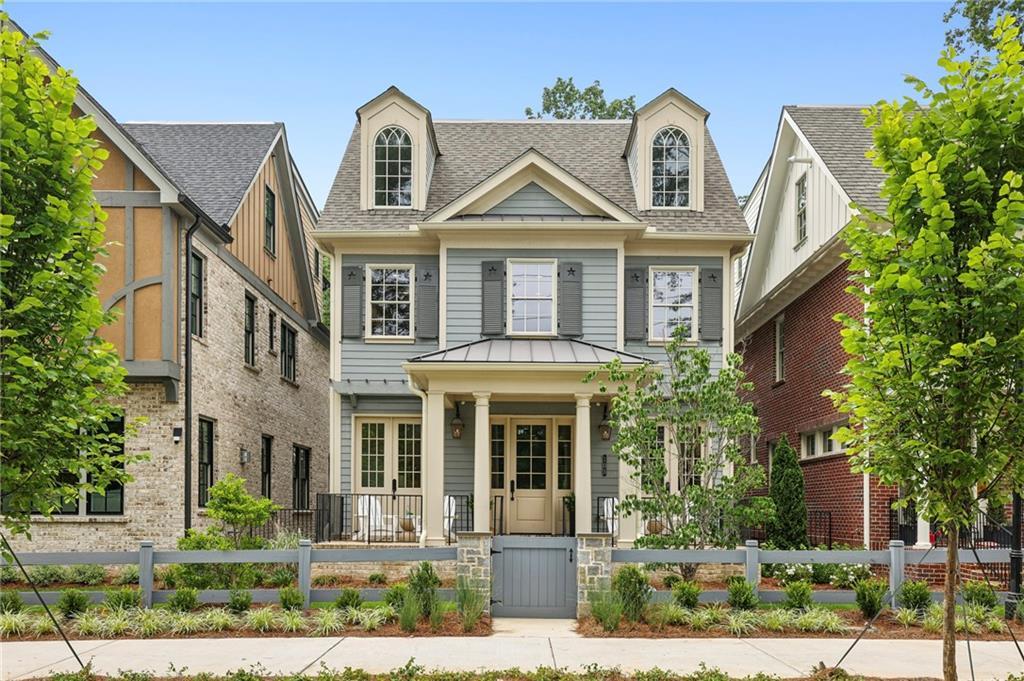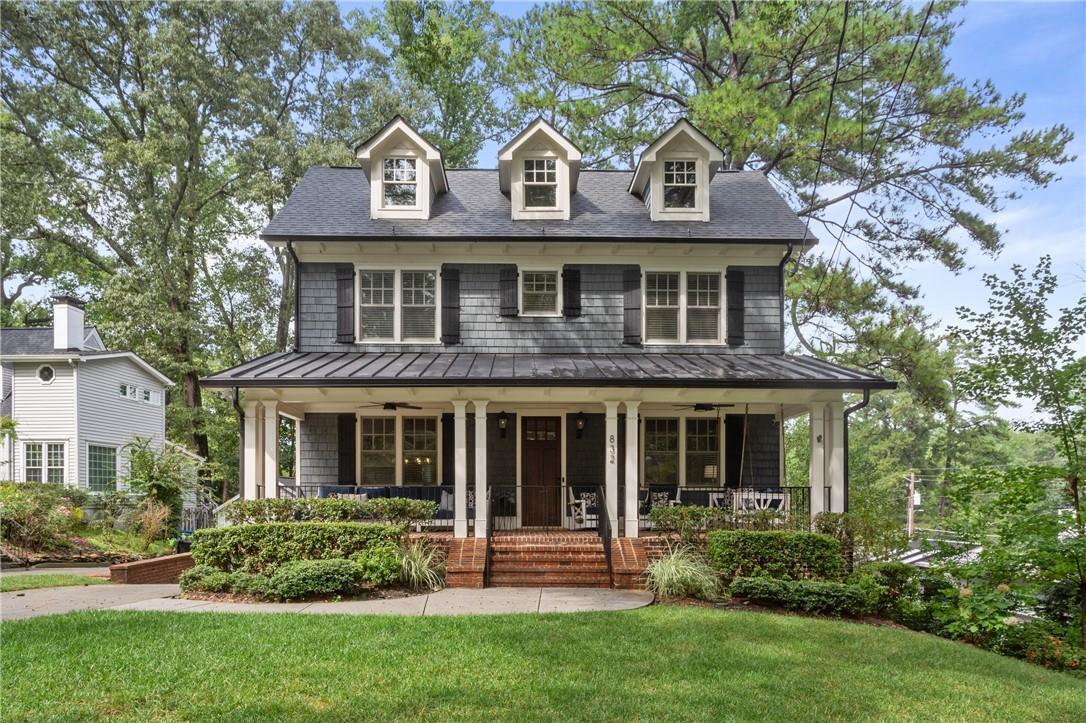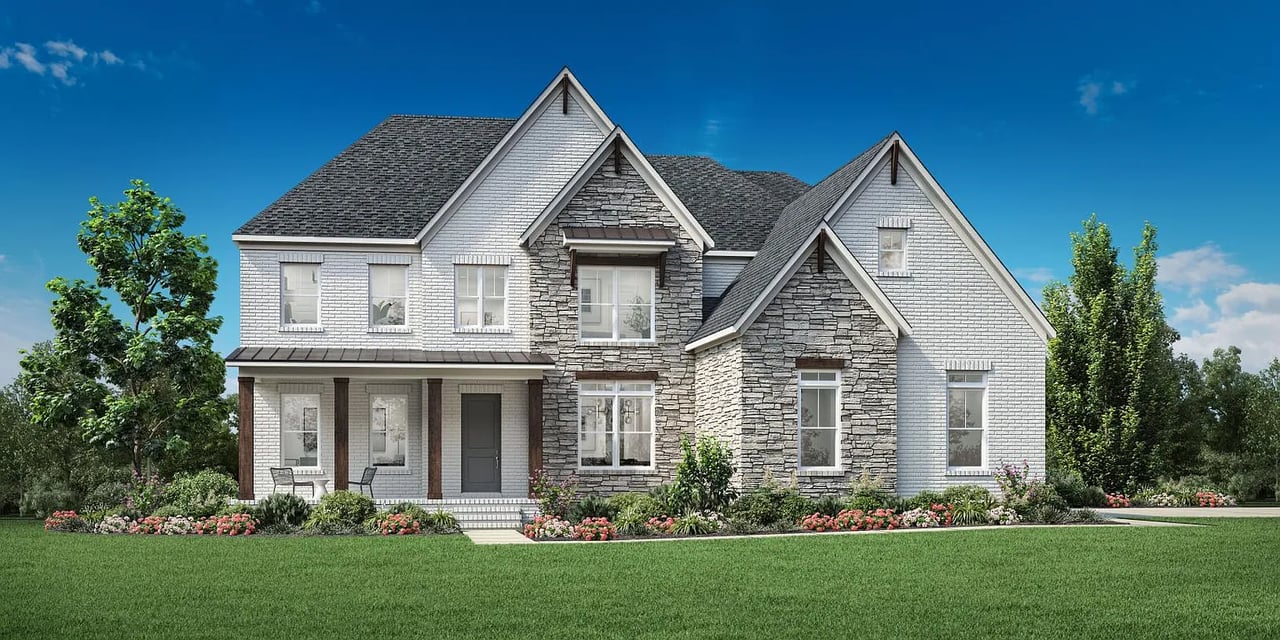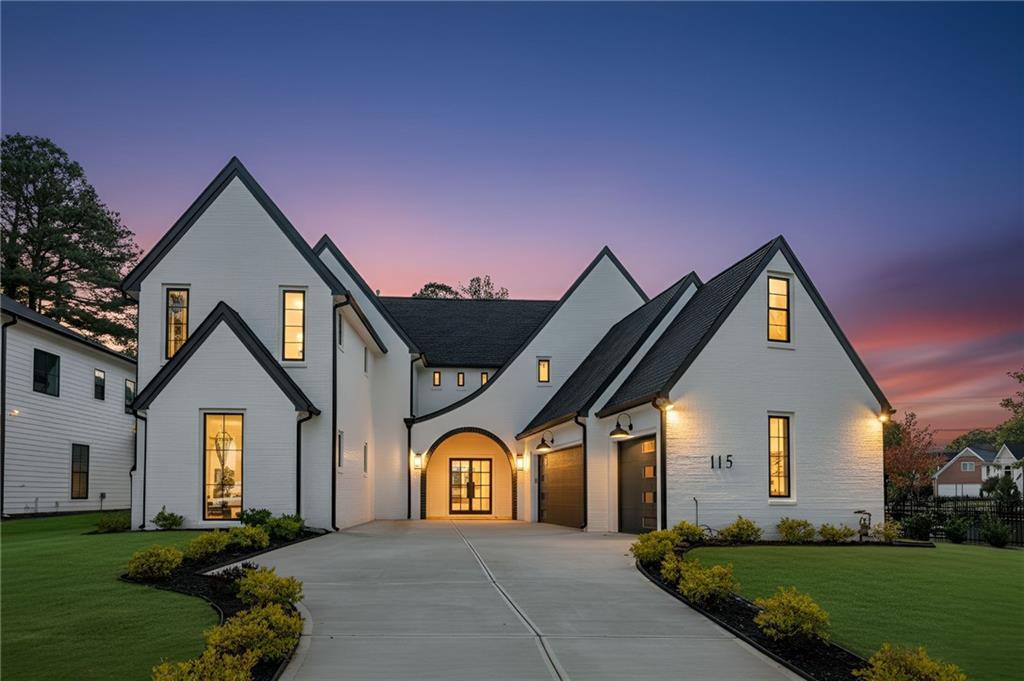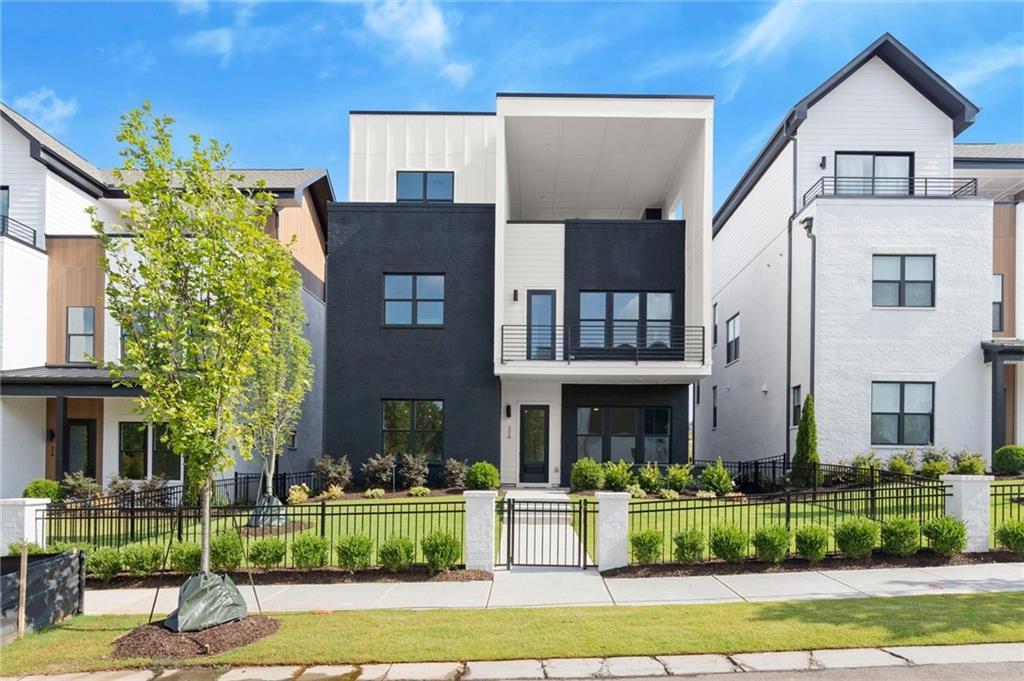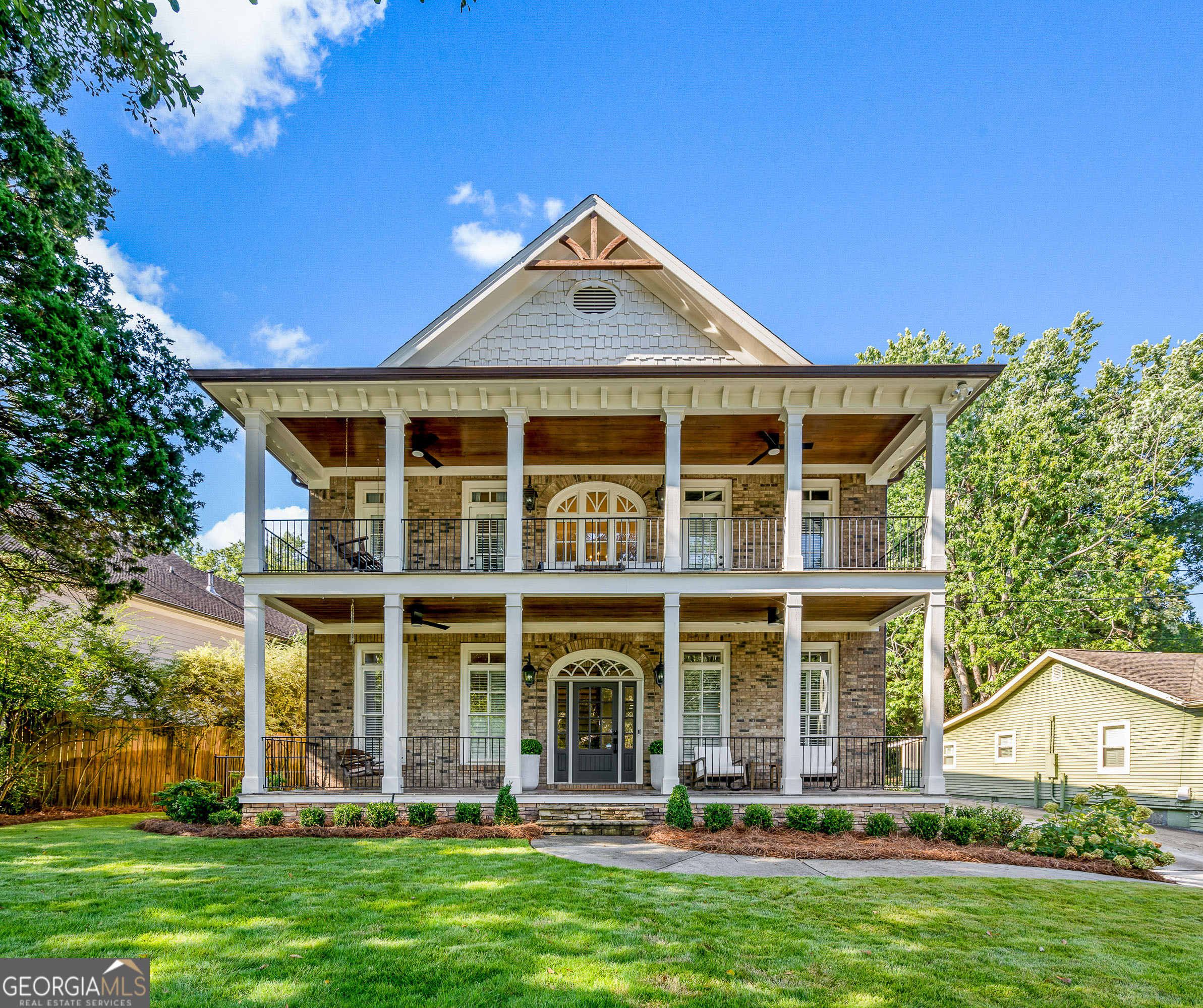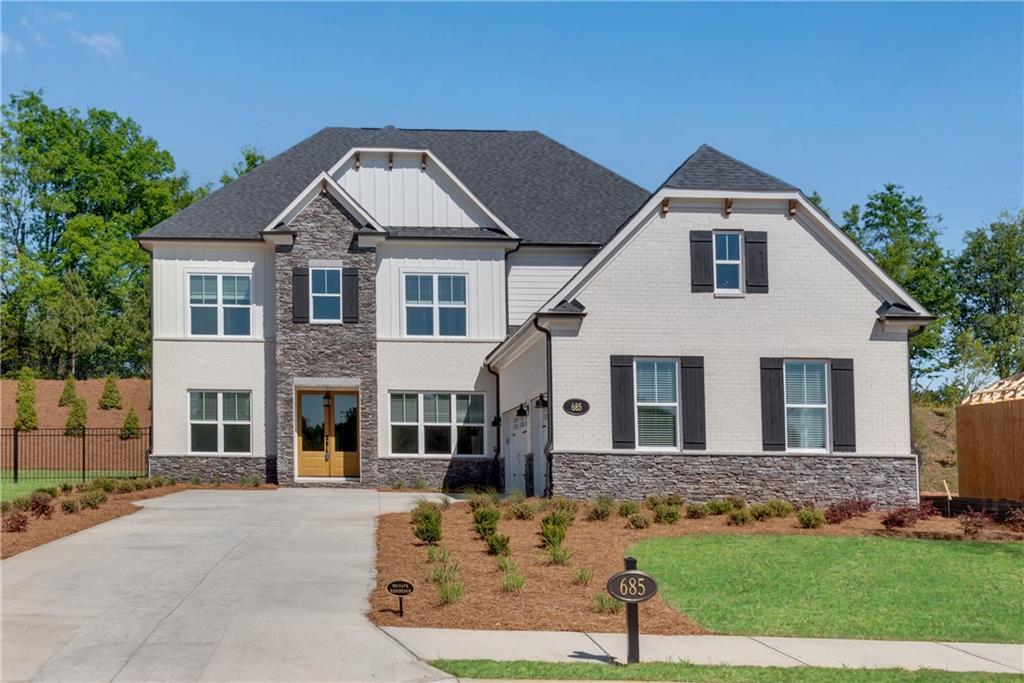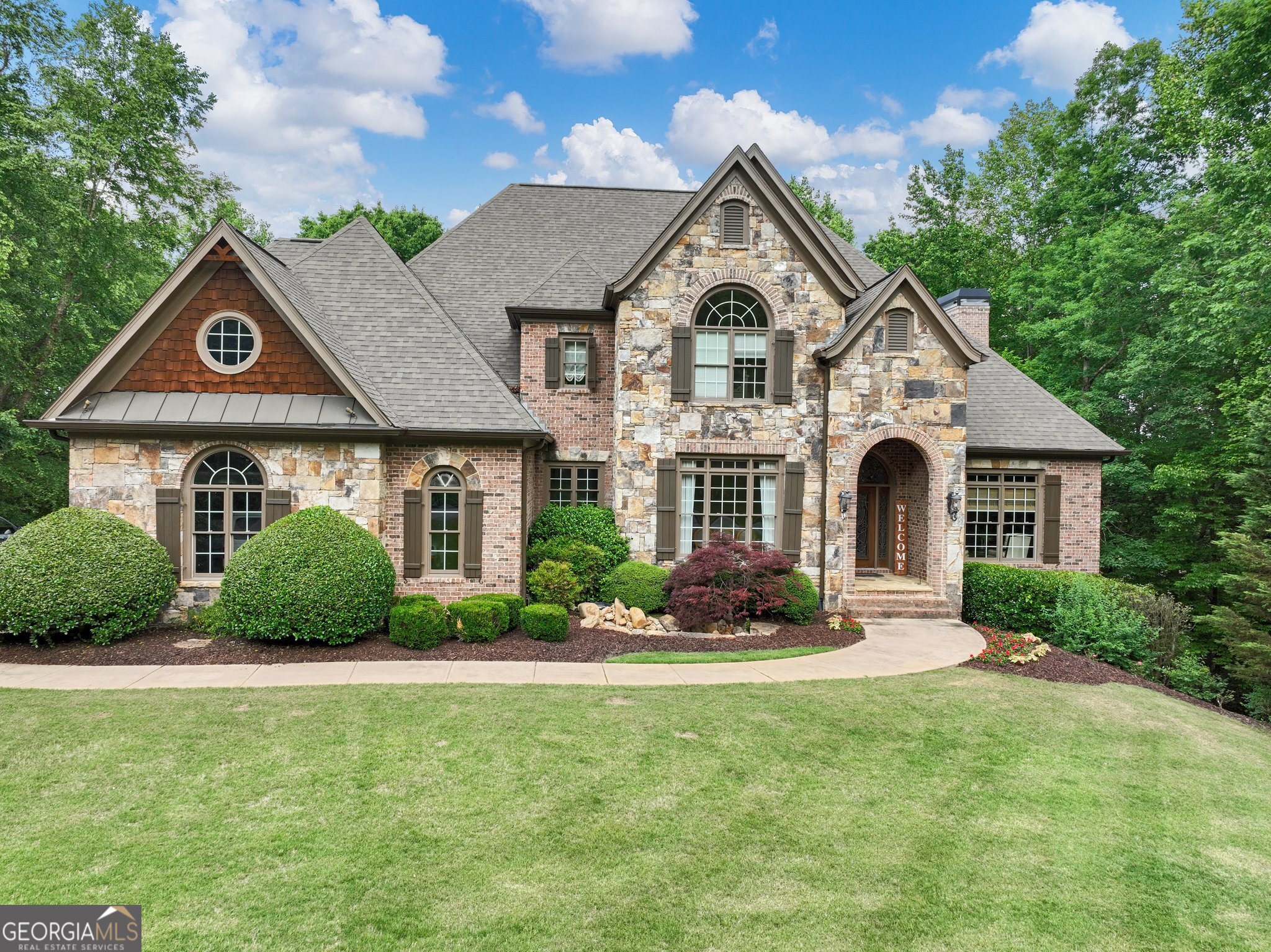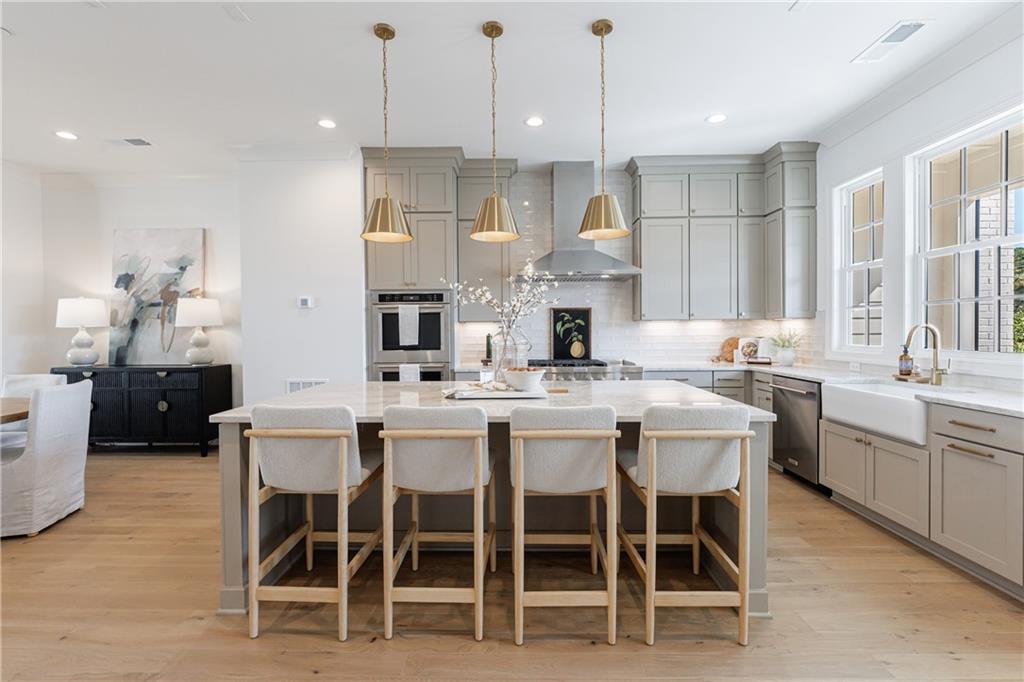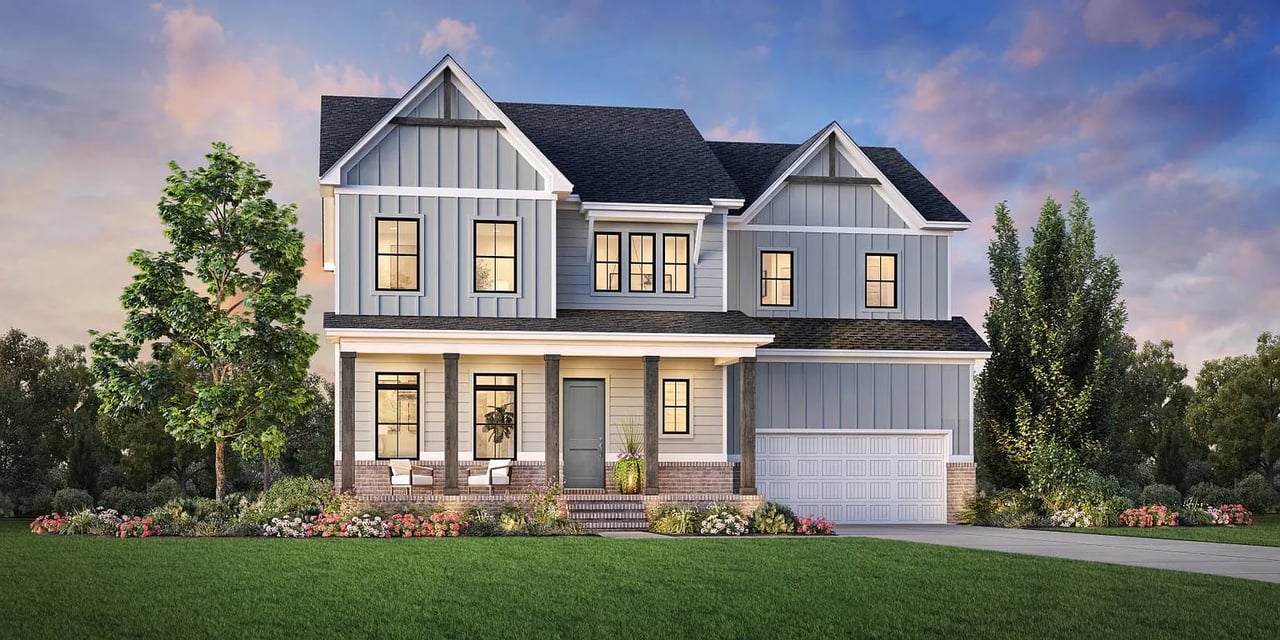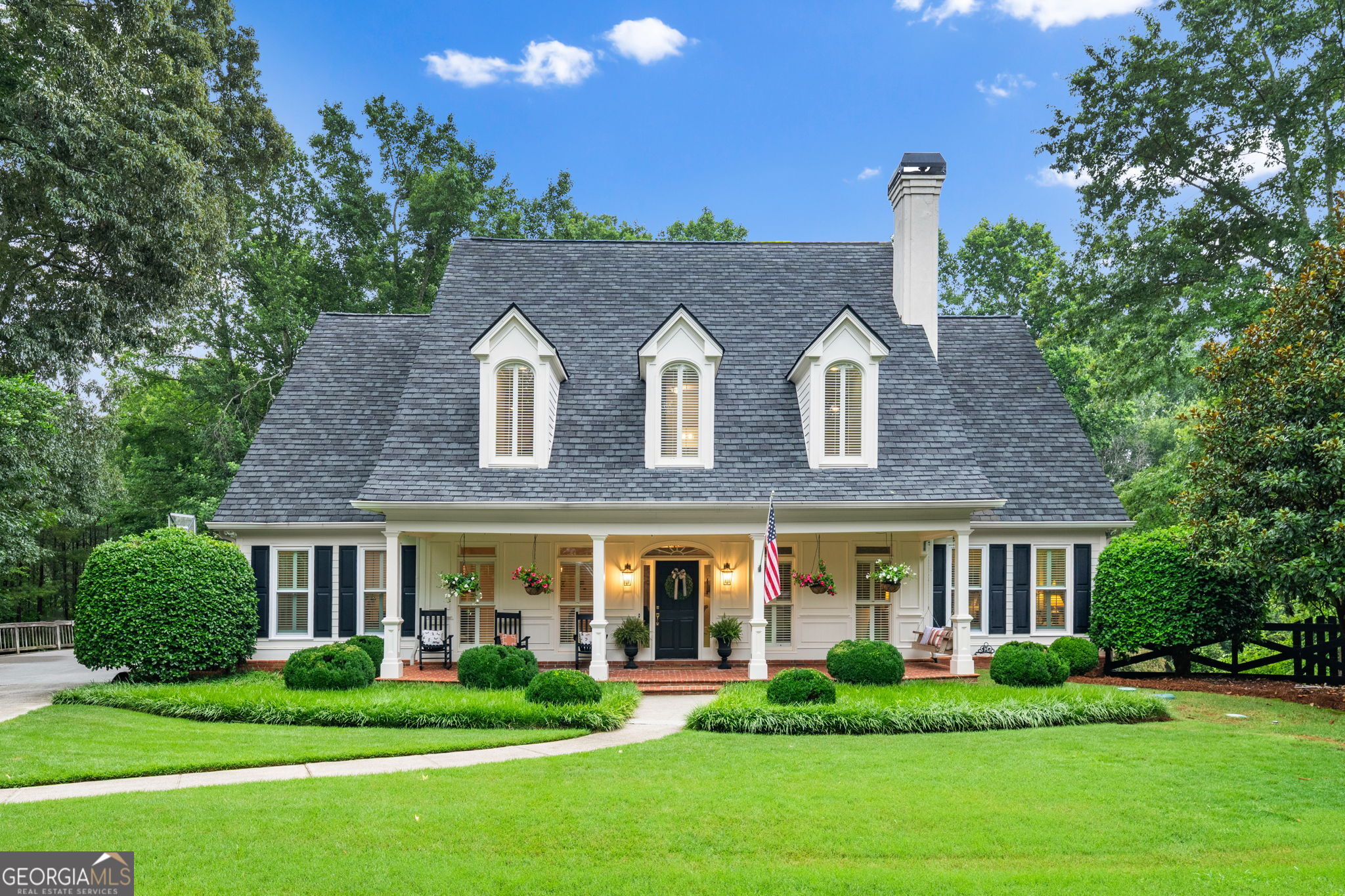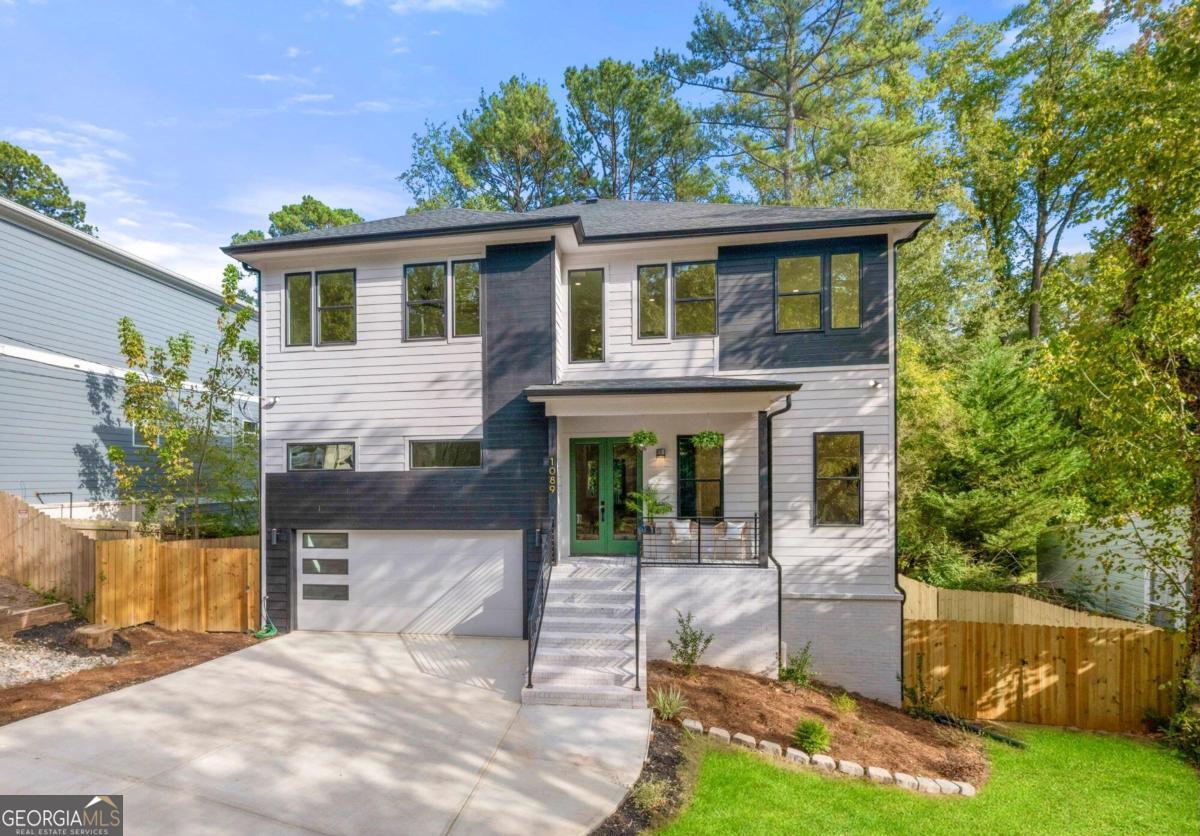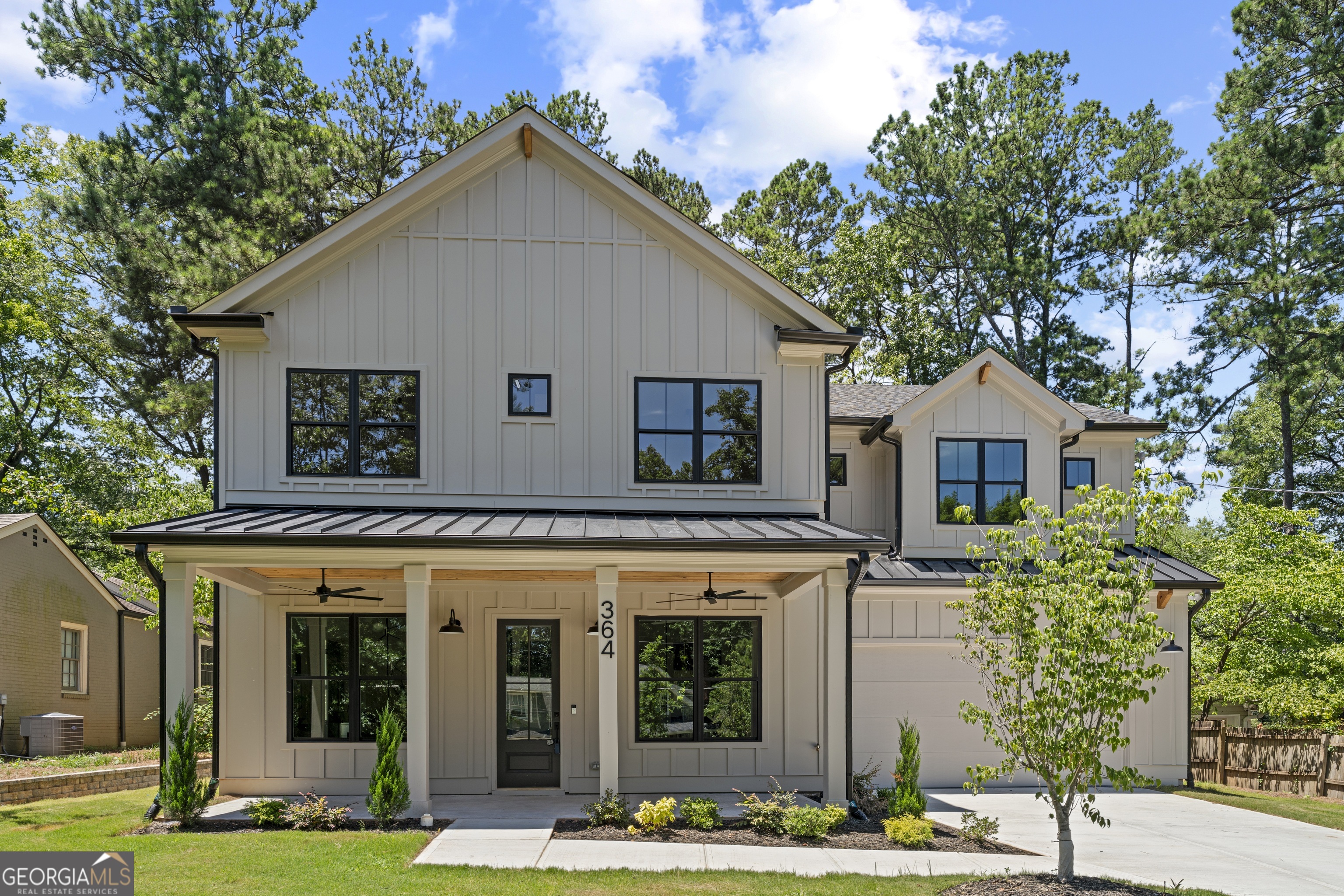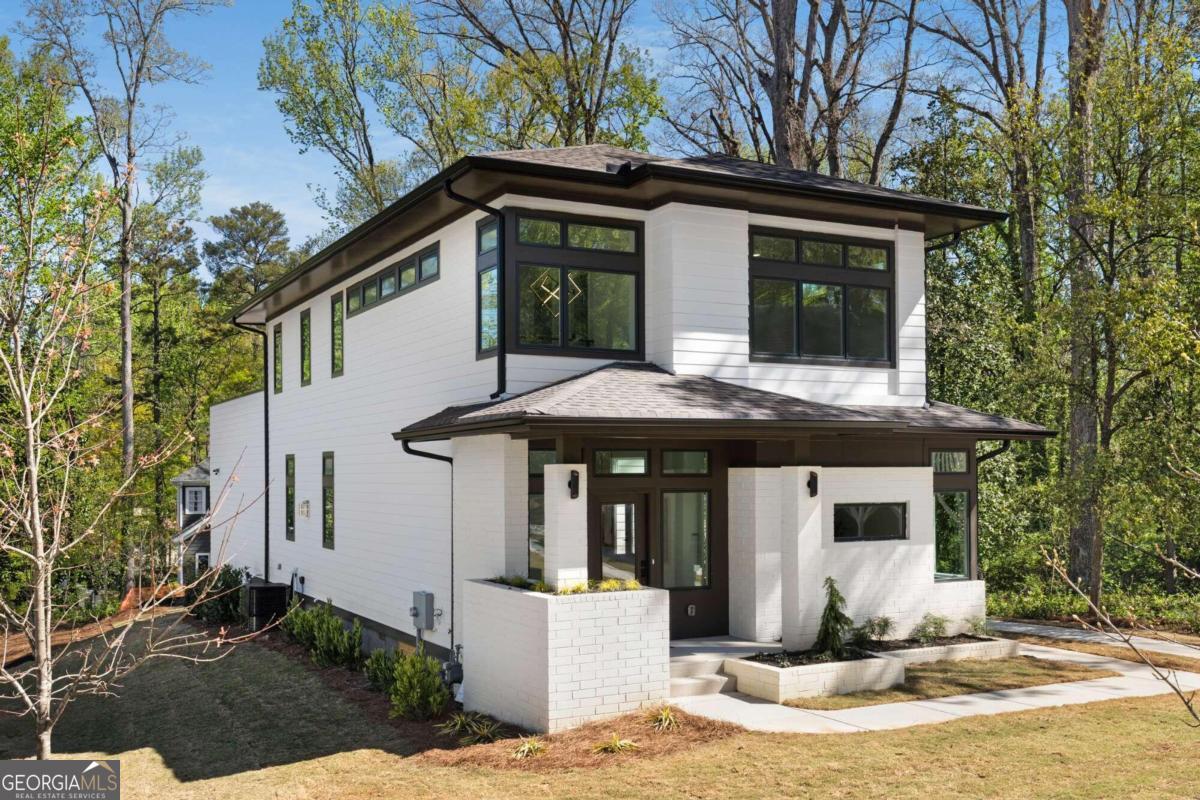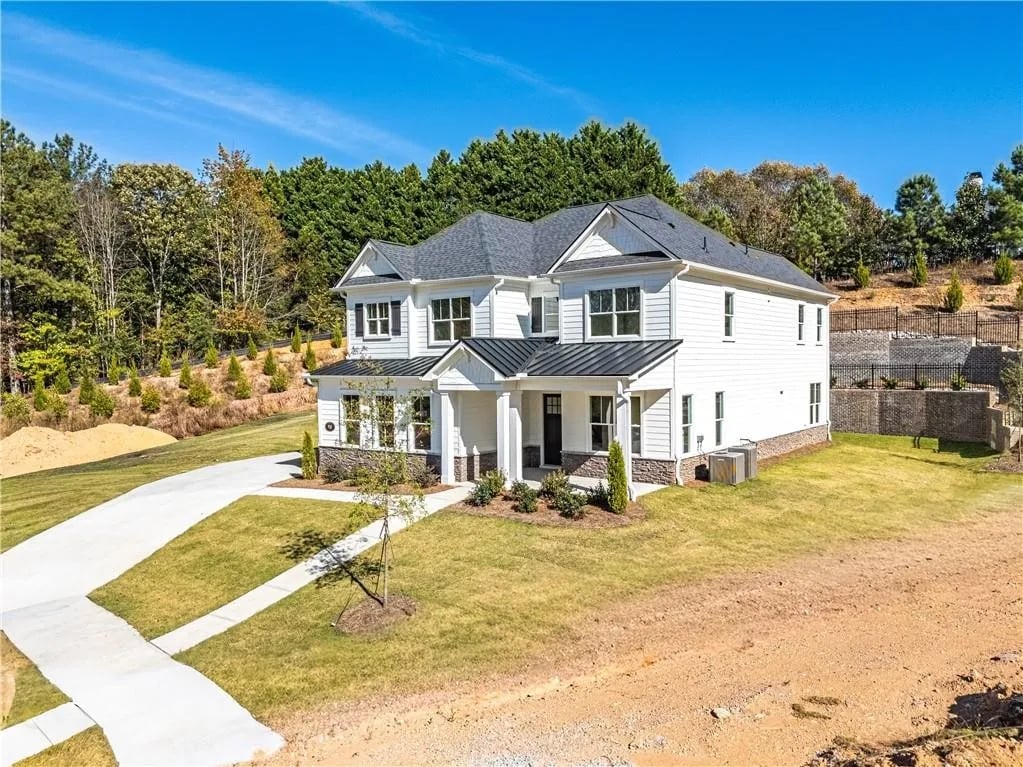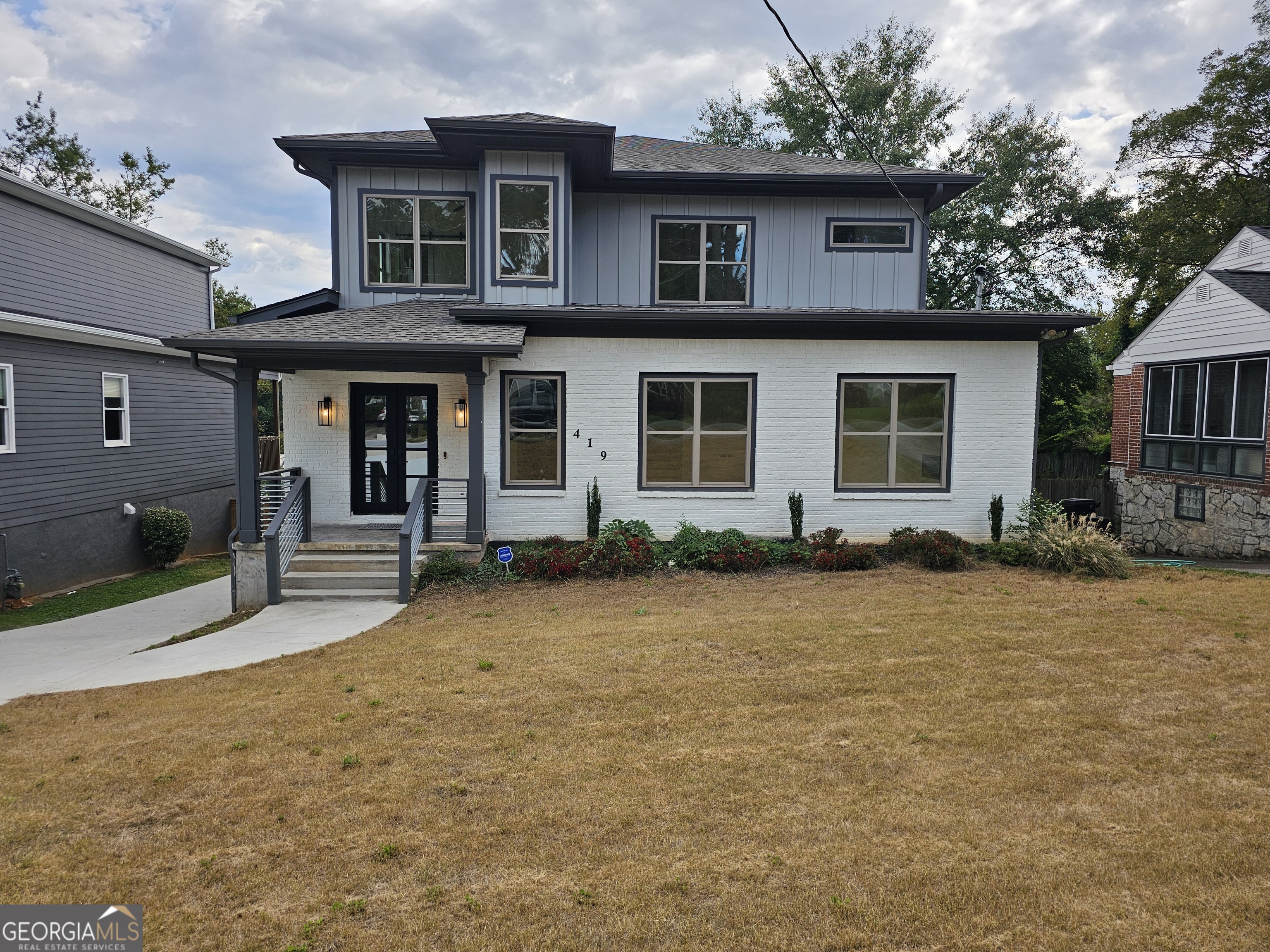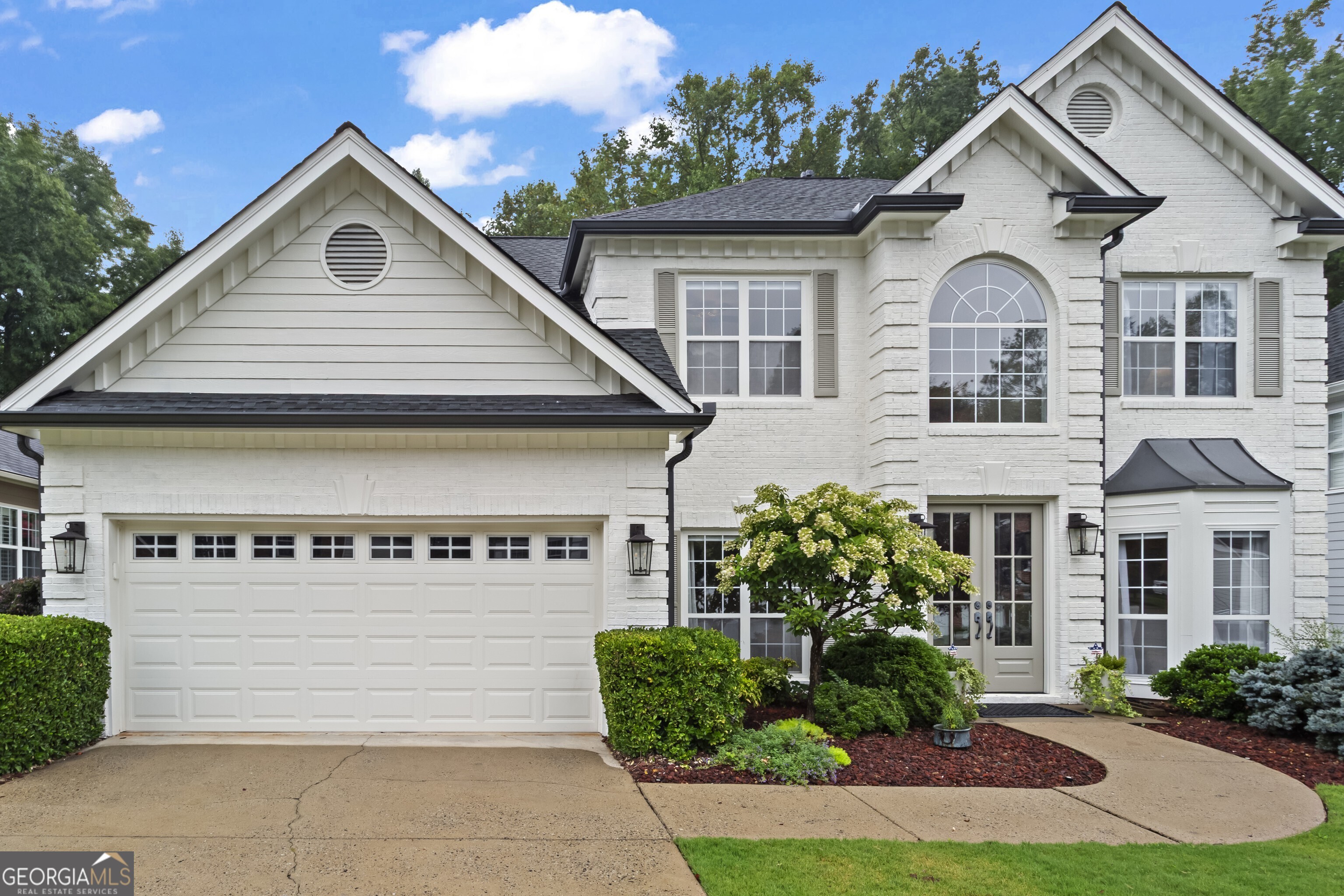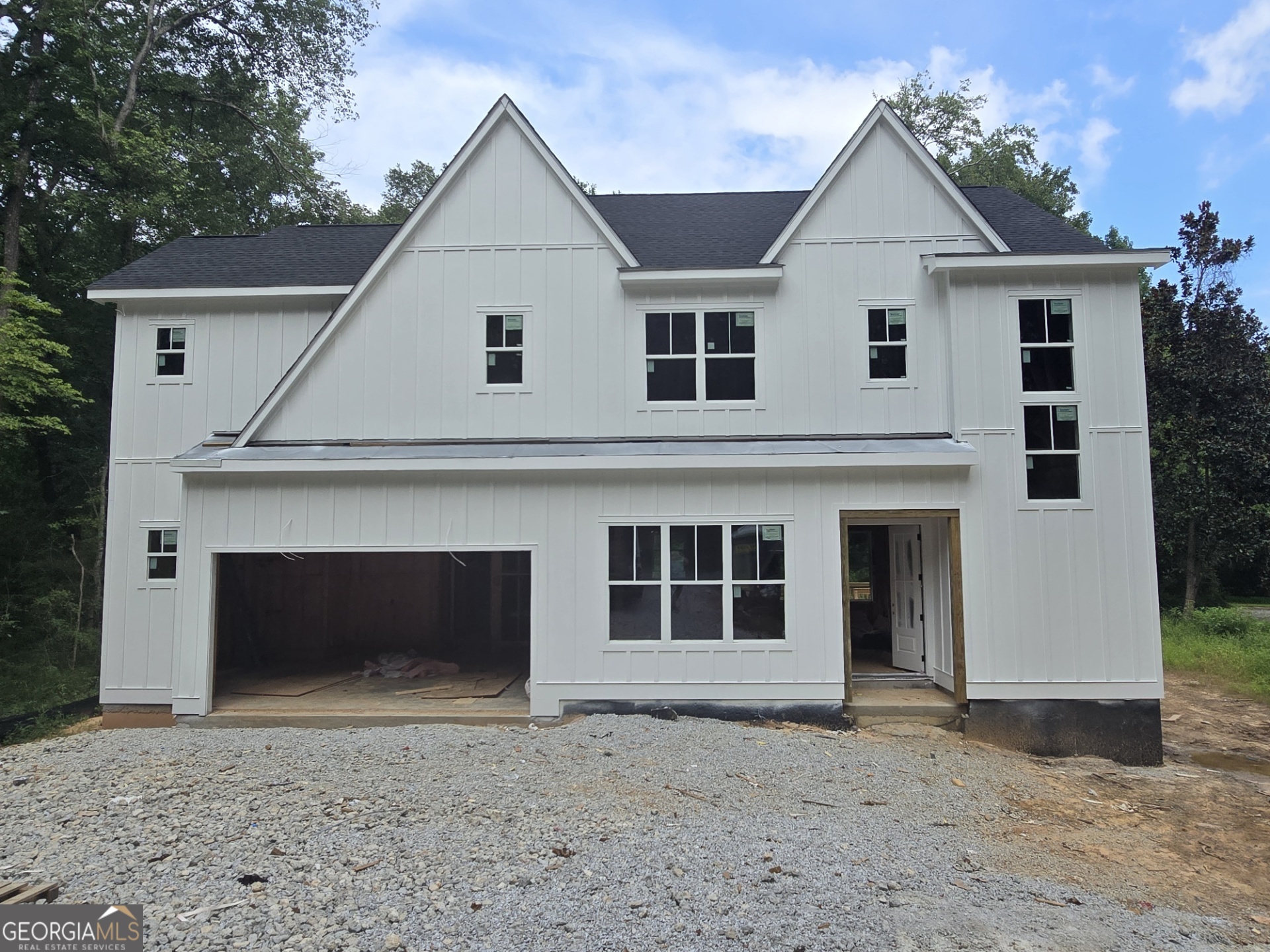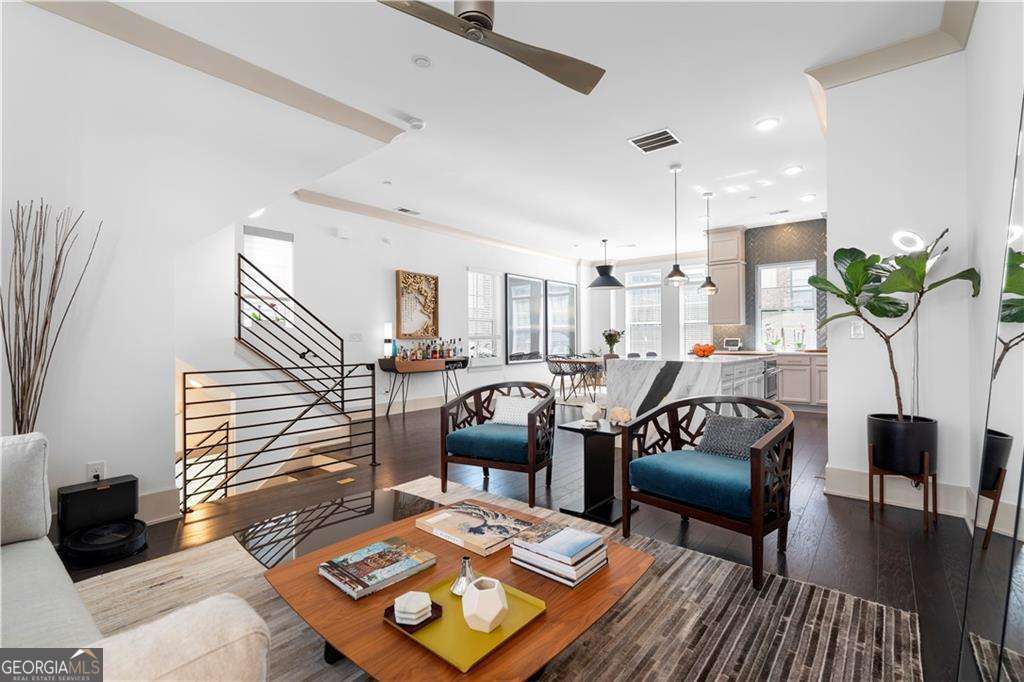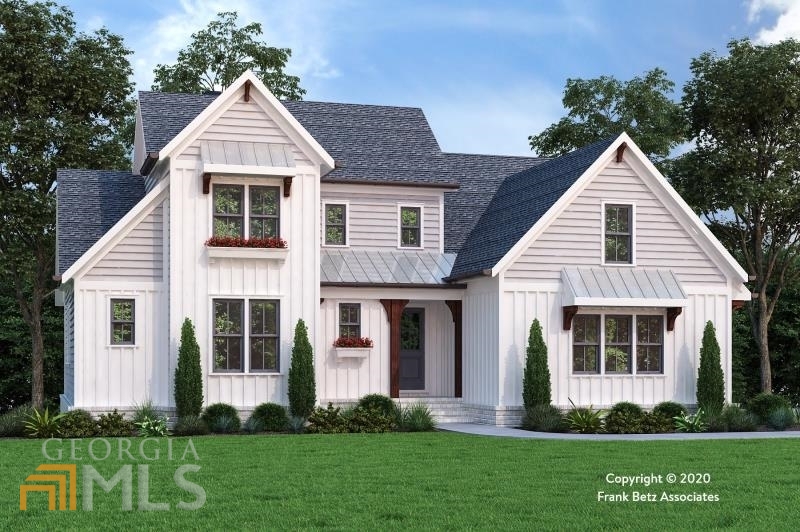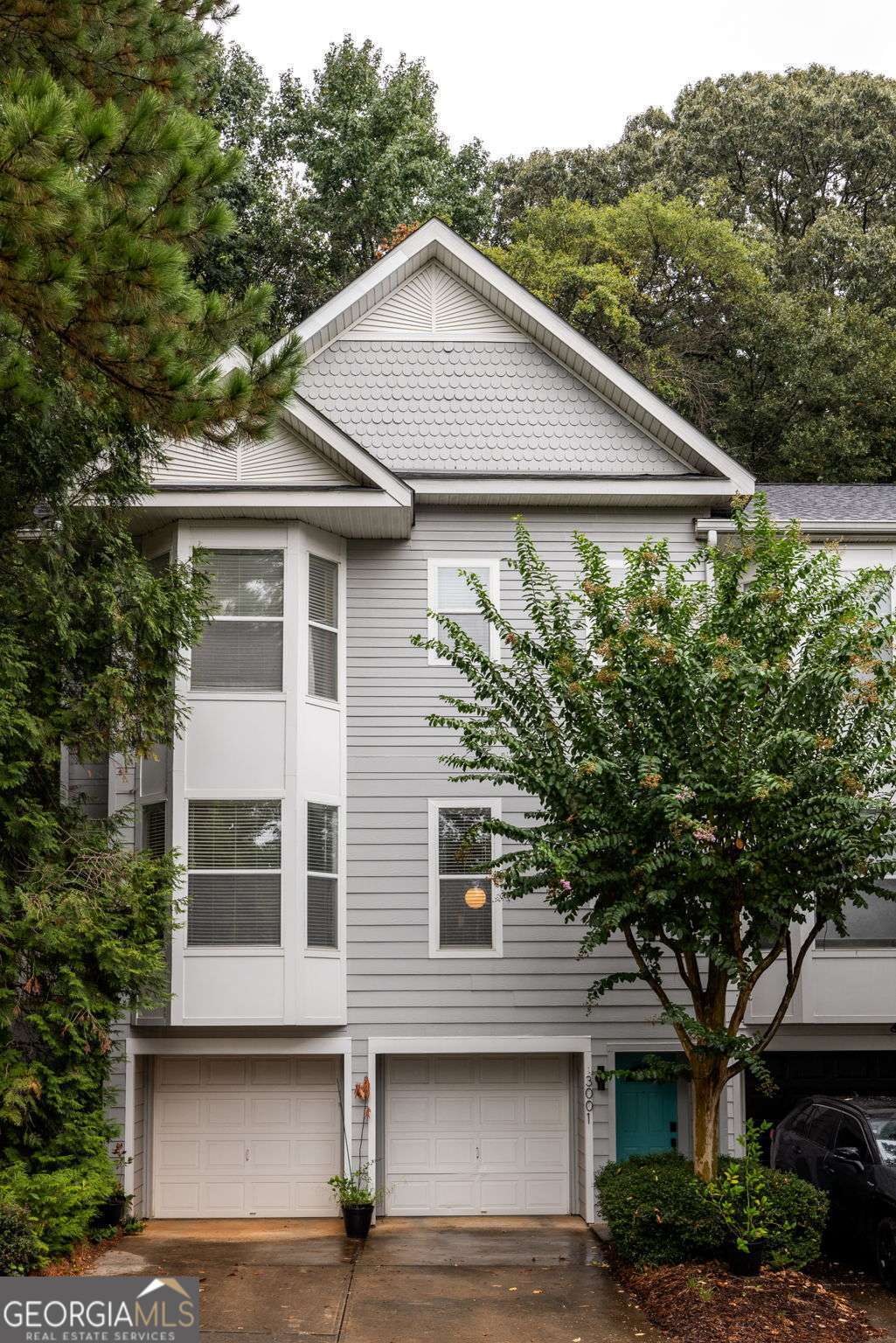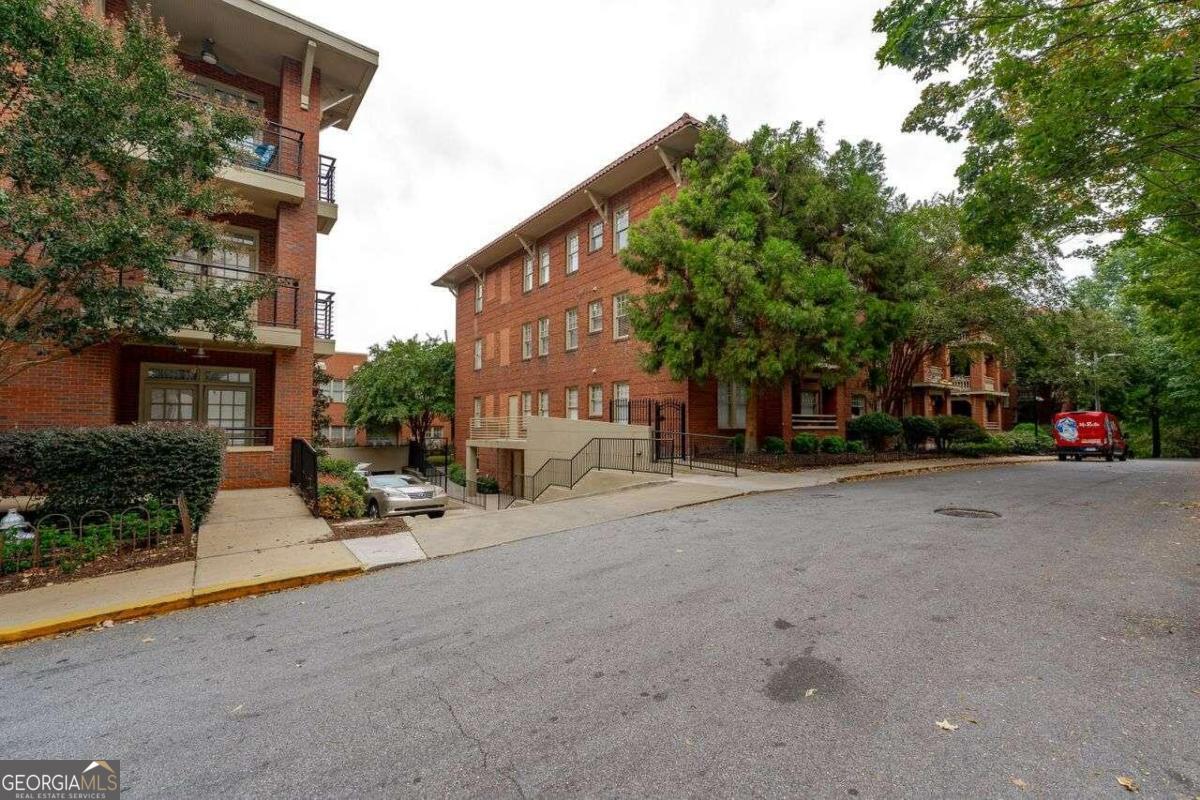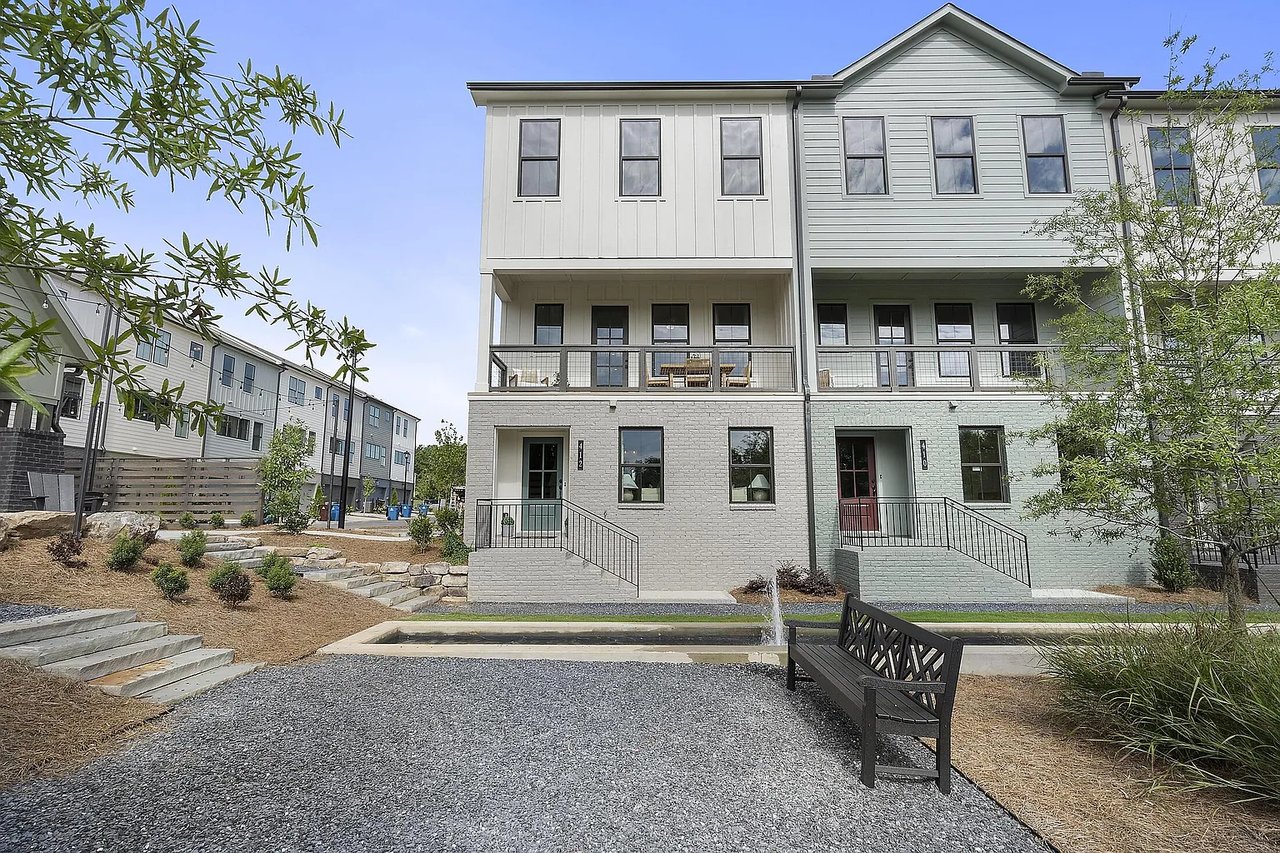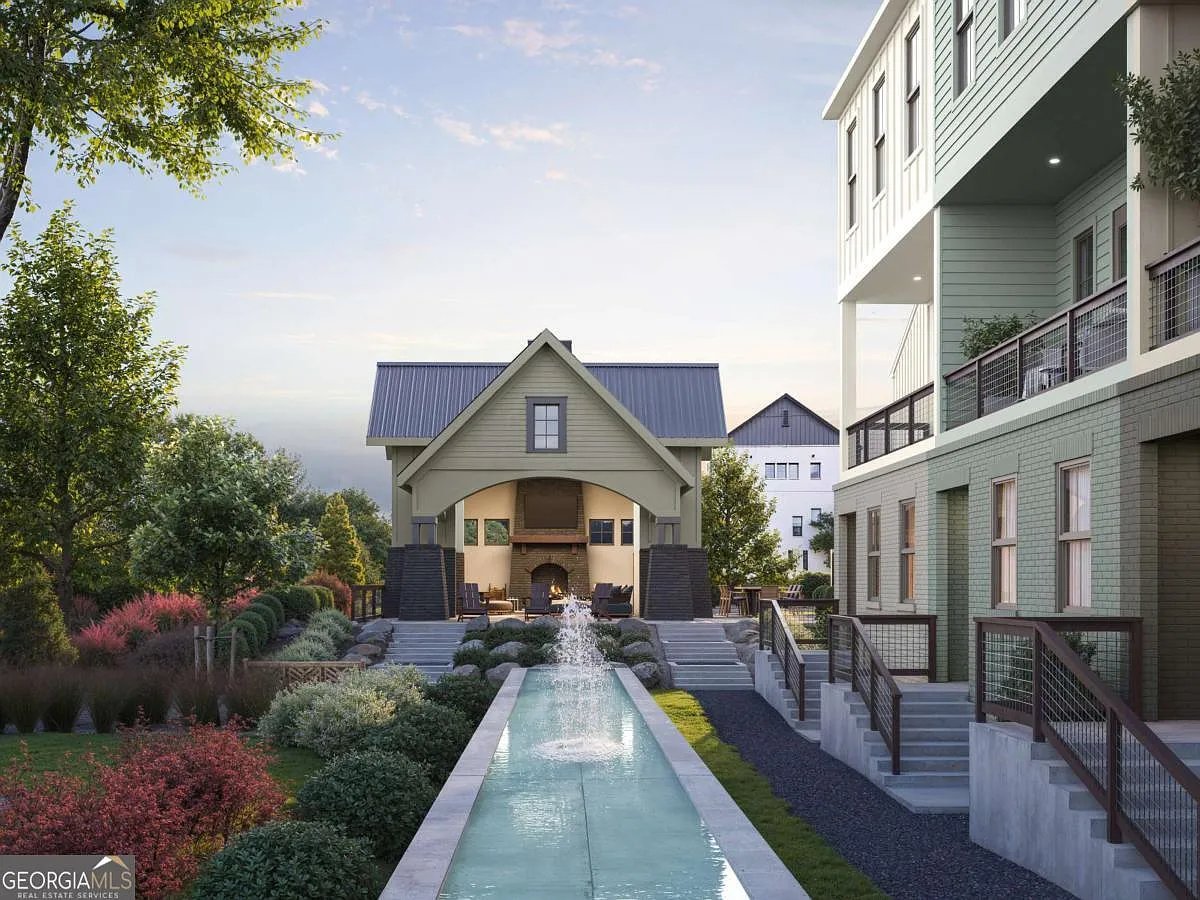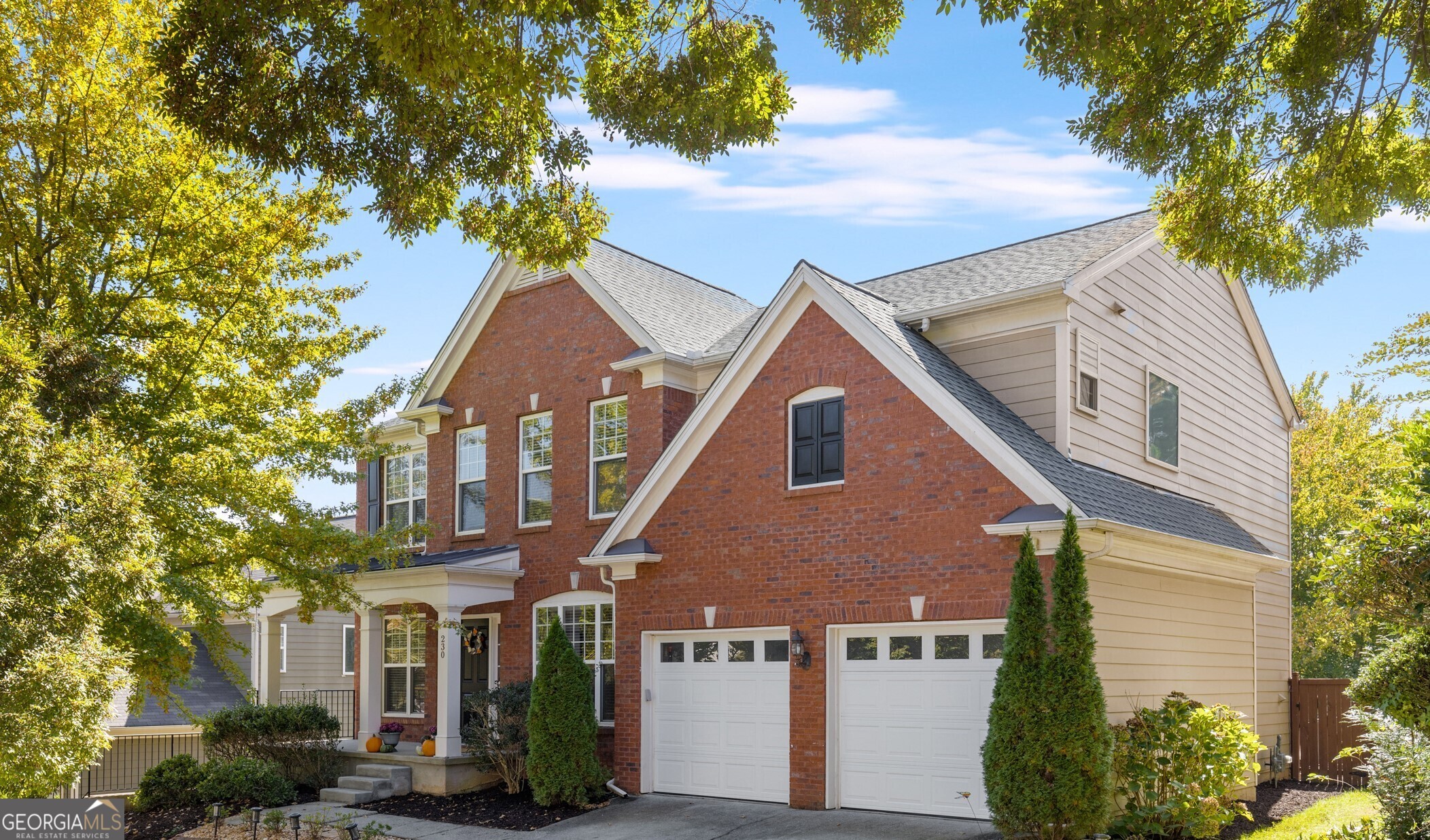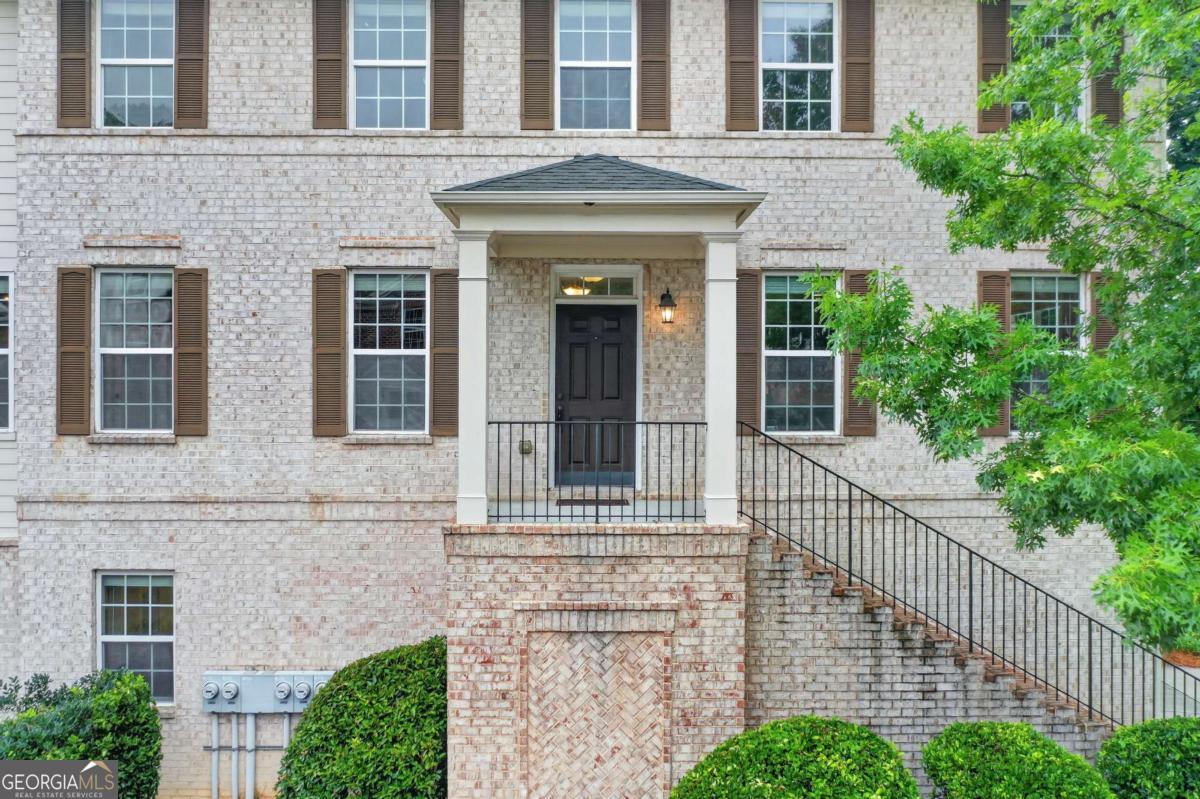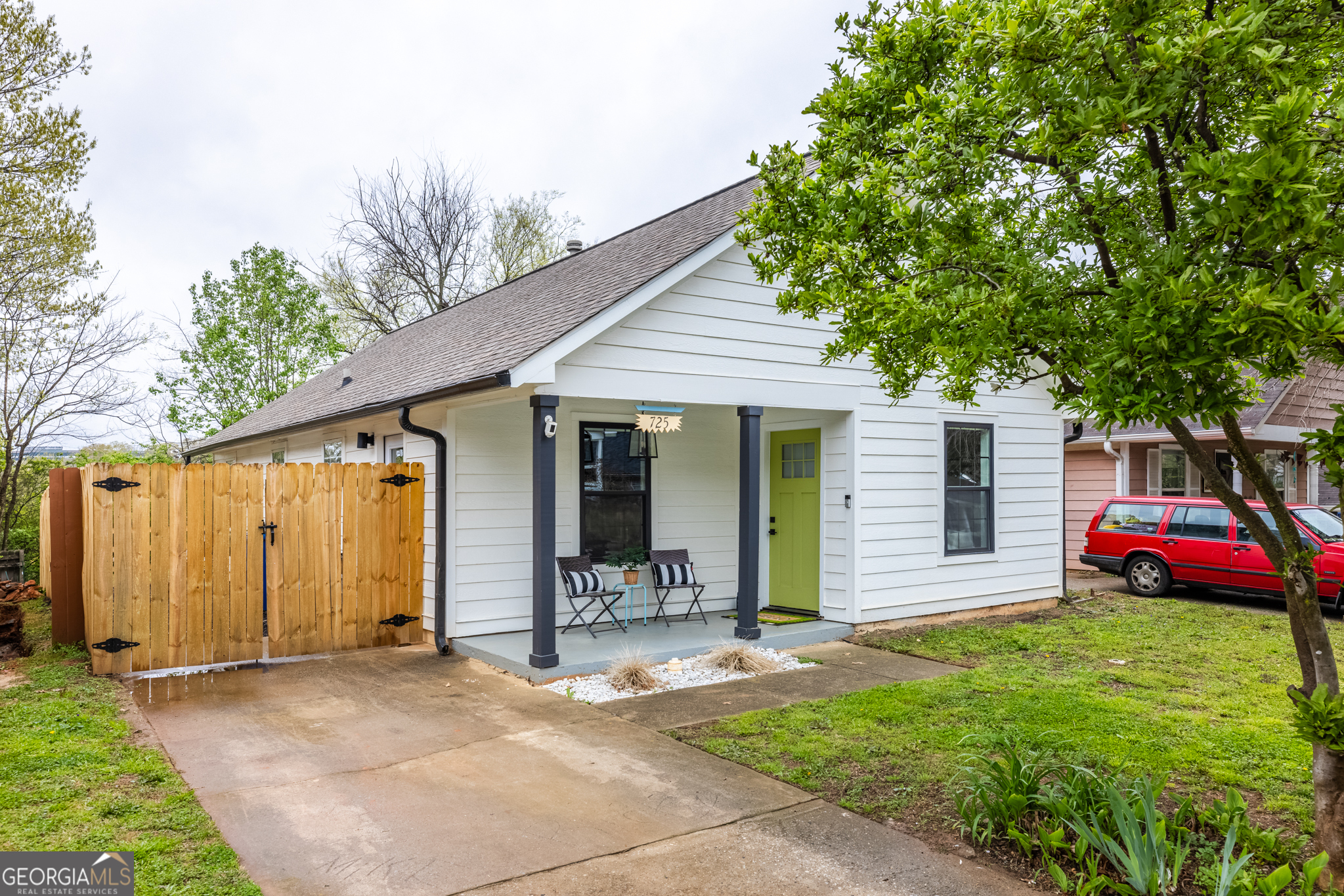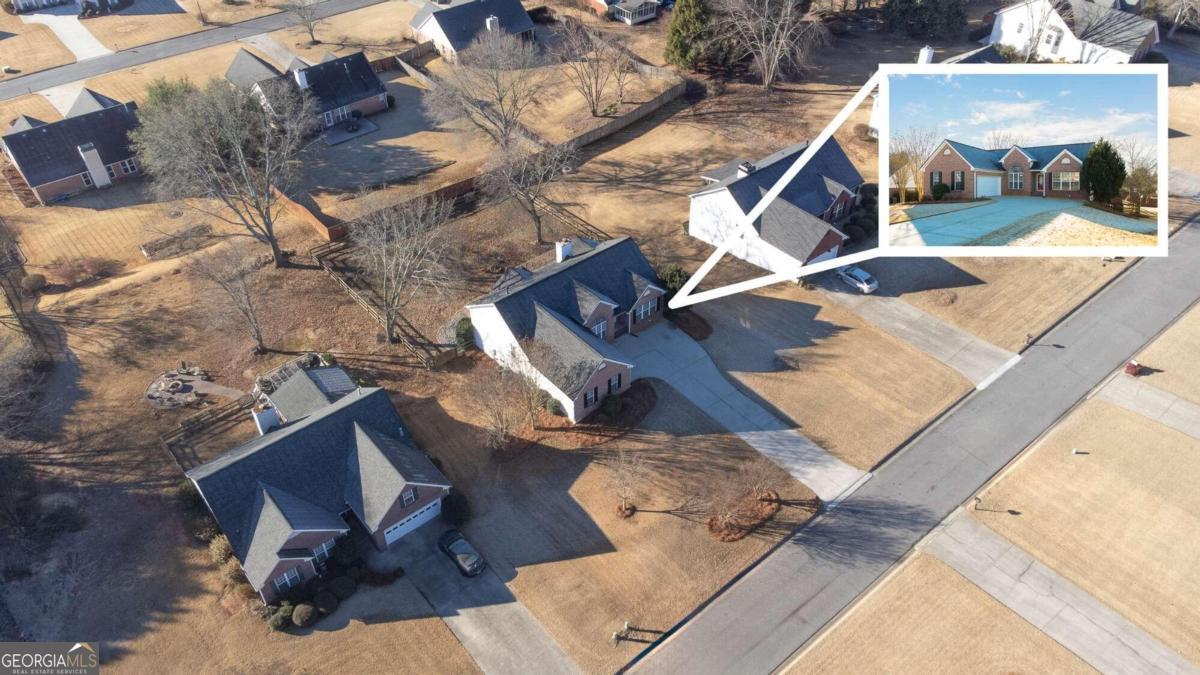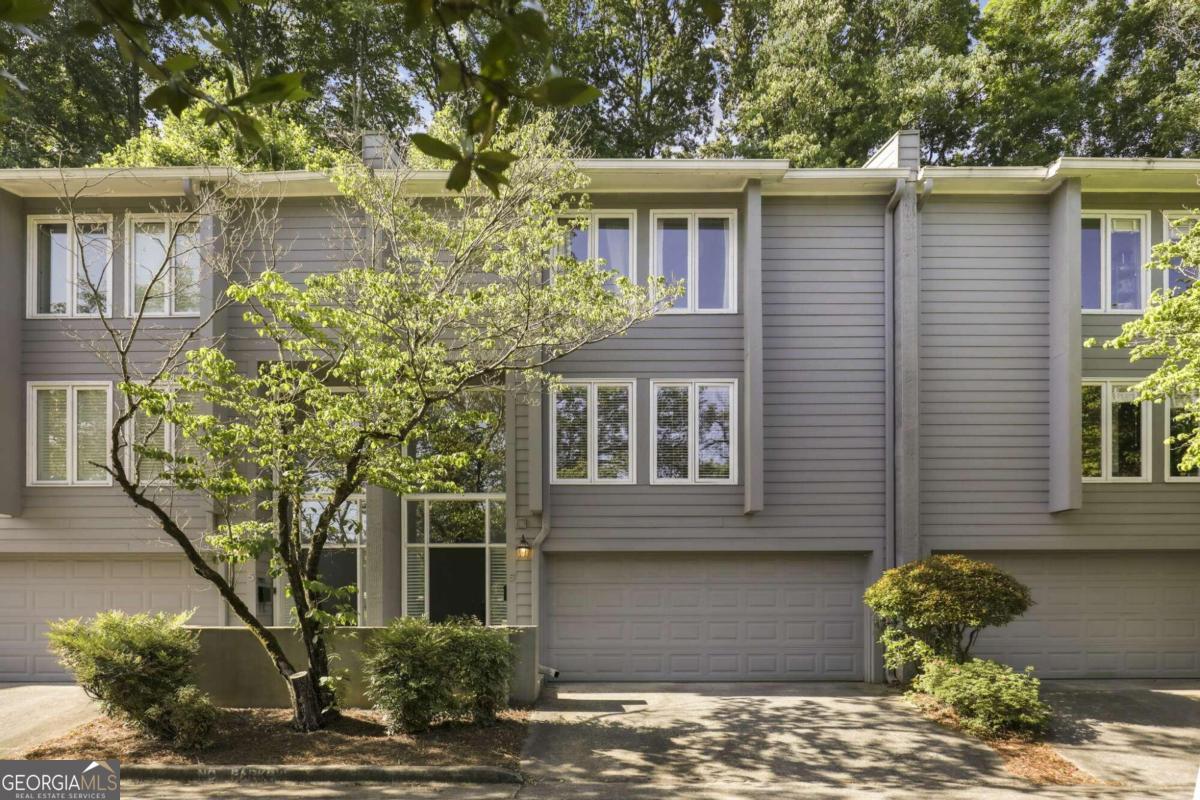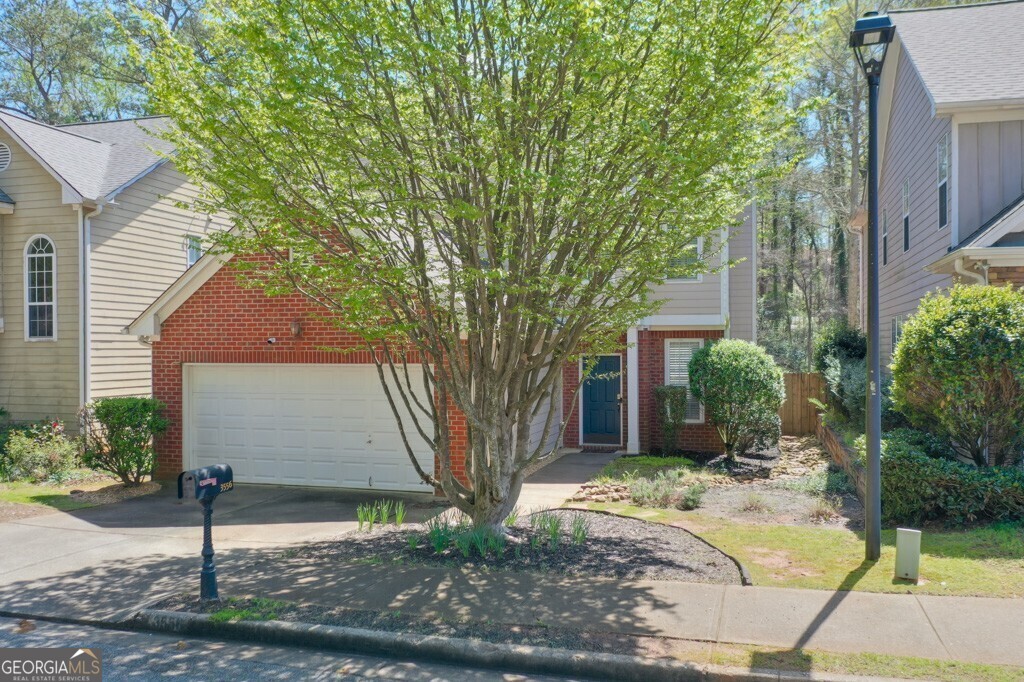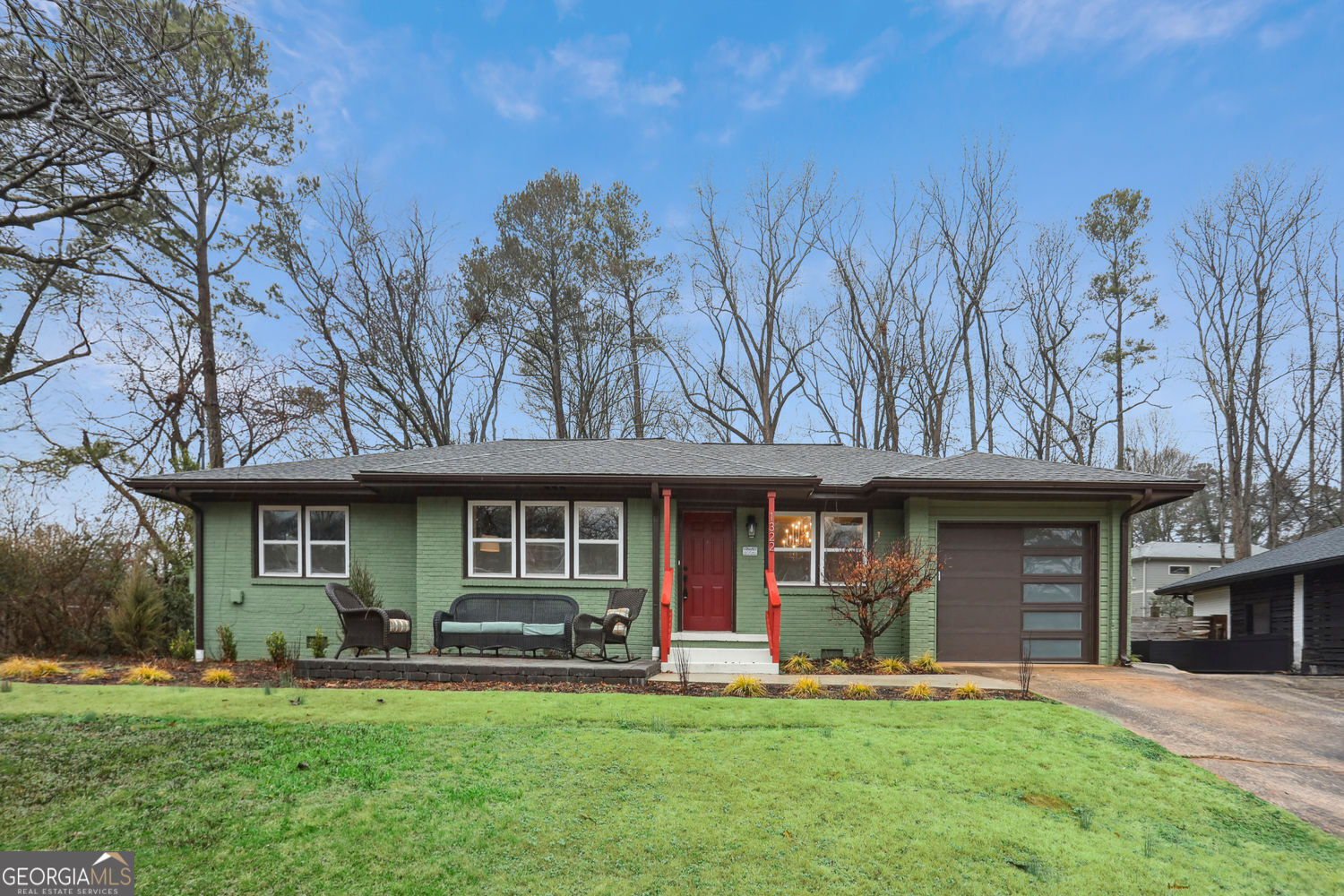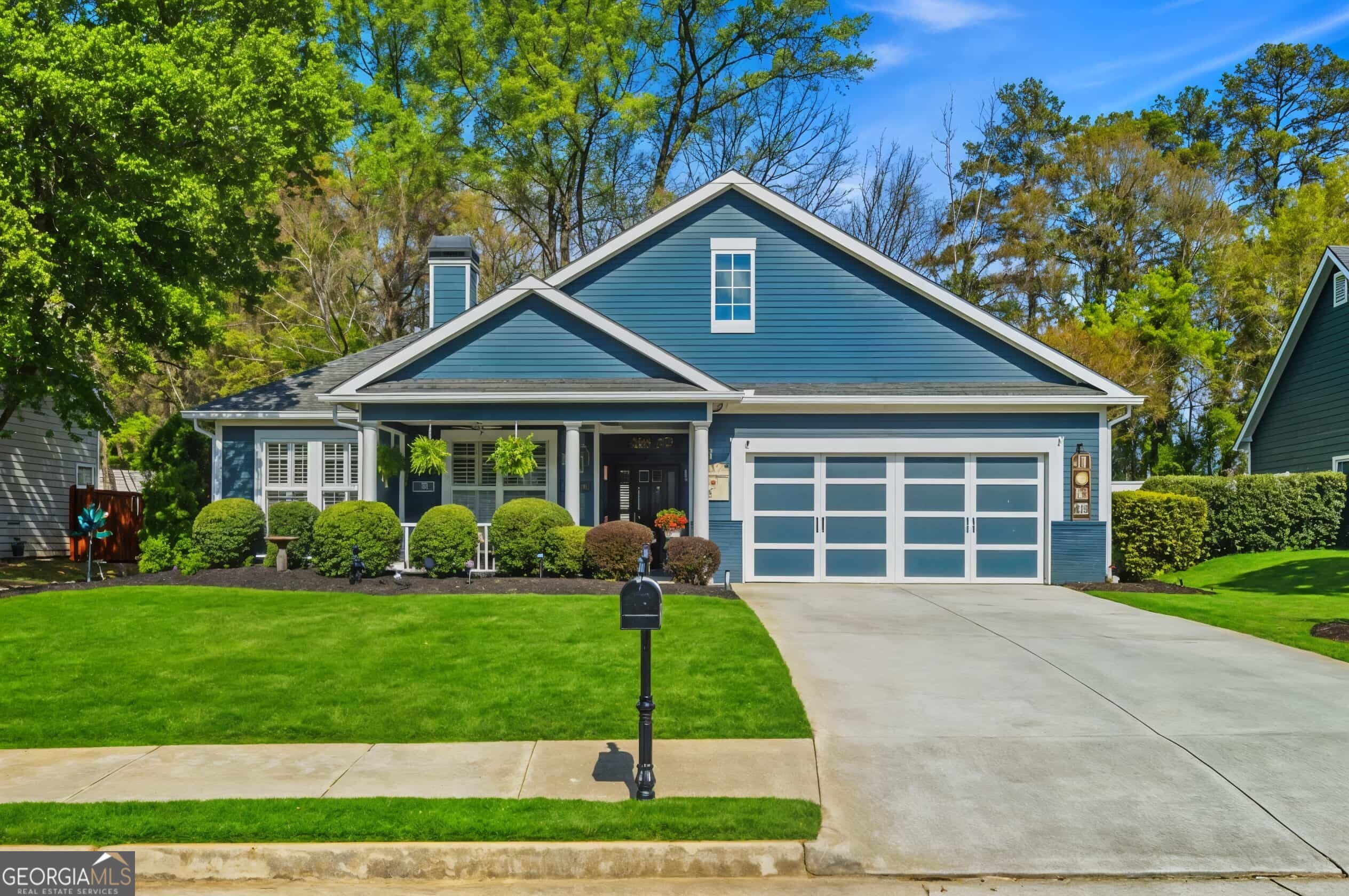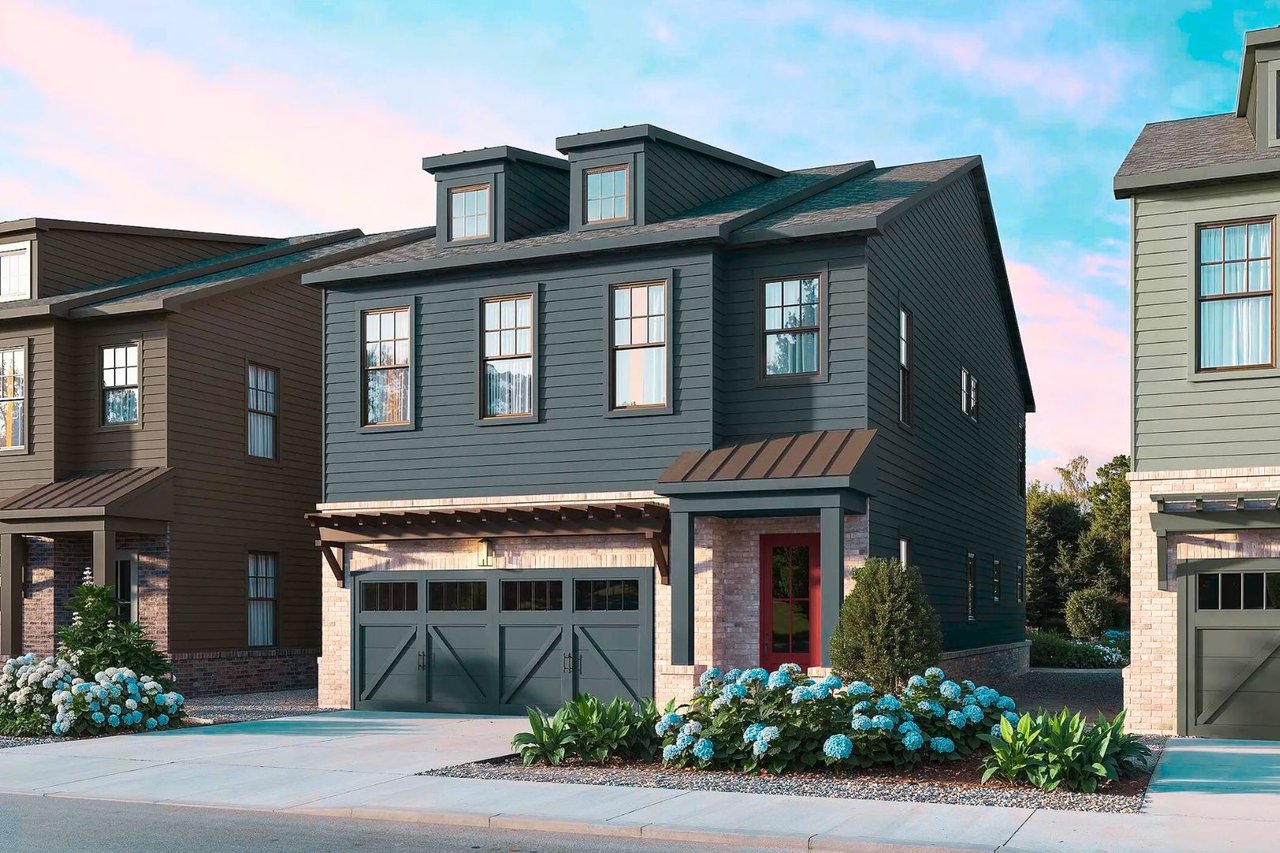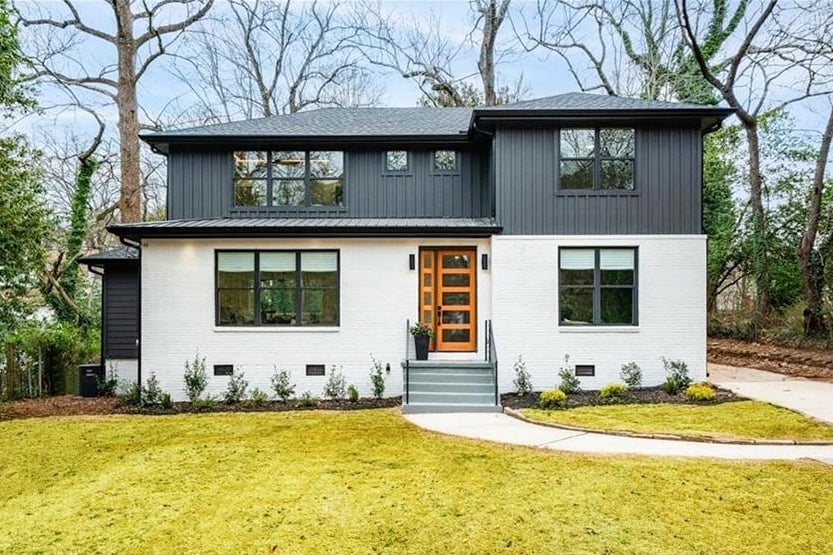
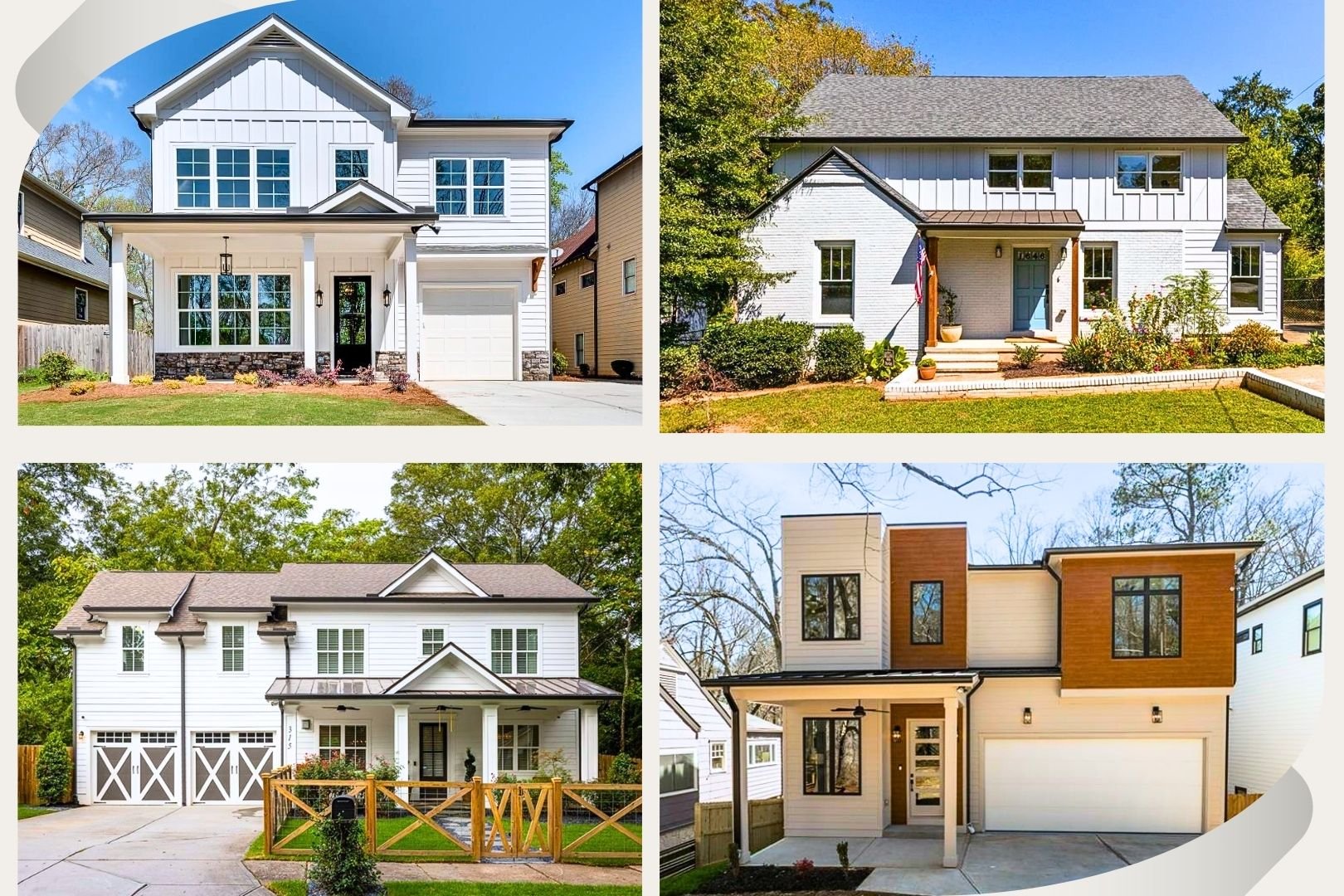
East Atlanta is one of the few places in the city where you can walk from a brand-new rooftop deck to a decades-old live music venue in under ten minutes — and that combination is exactly why builders have been moving in with serious intent. If you've been watching the Eastside and wondering whether now is the time to act, the short answer is: the window is open, but it won't stay that way.
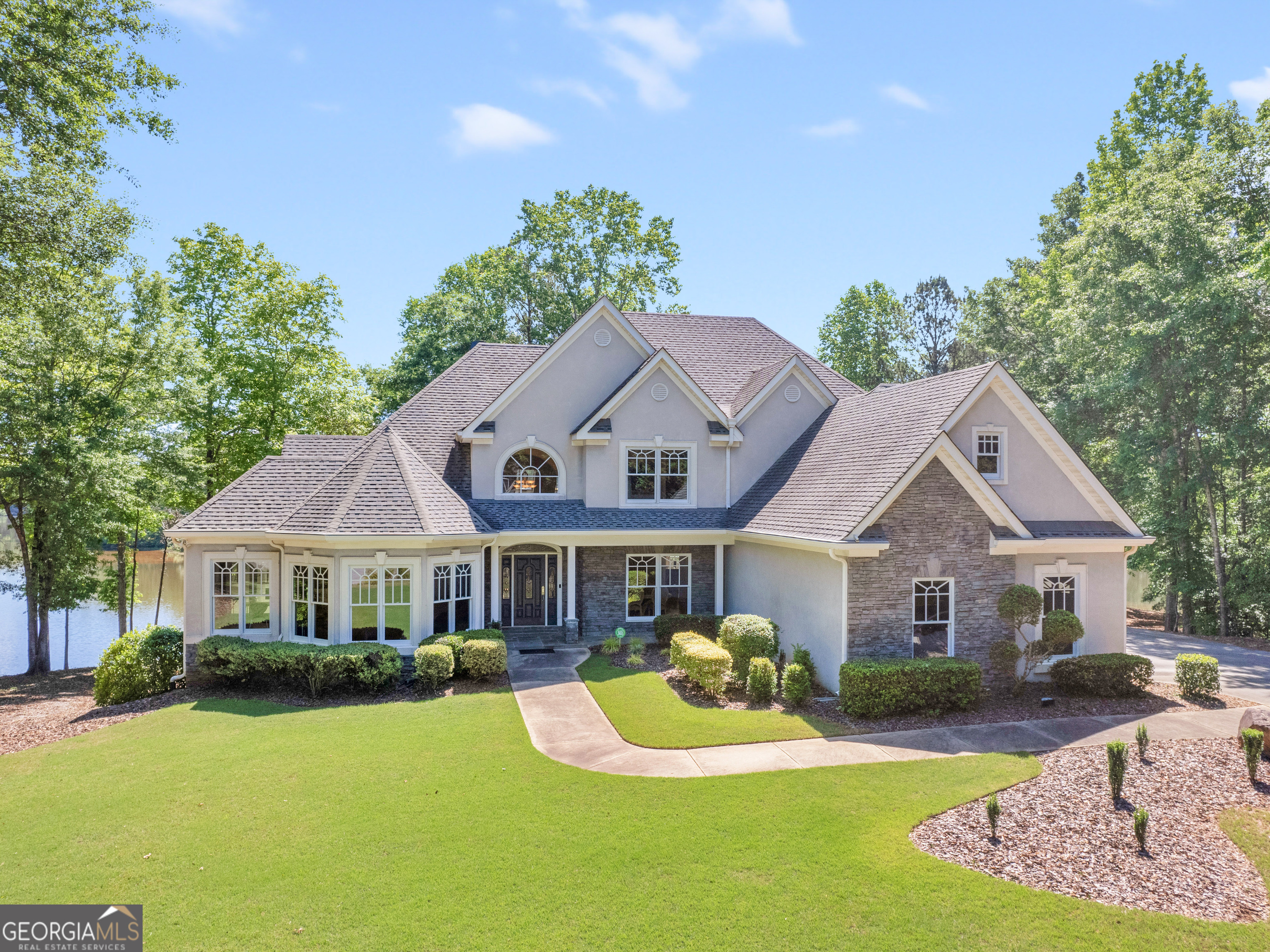
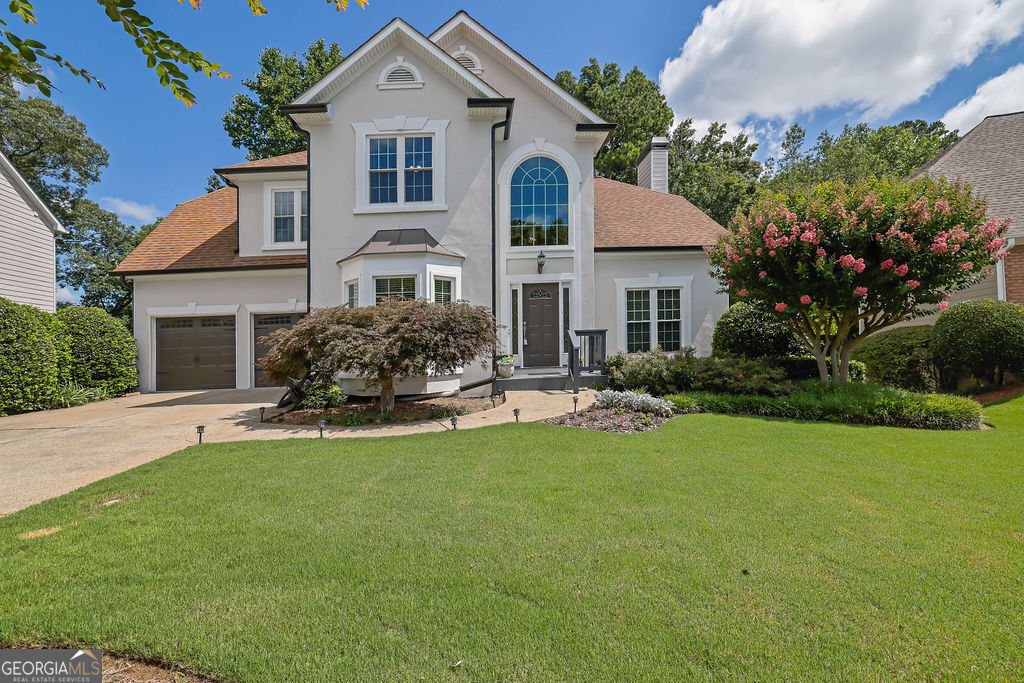
The eclectic character of East Atlanta Village, the trail culture radiating outward from Reynoldstown, the Craftsman bungalows lining Kirkwood's shaded streets — these are the things that make the Eastside genuinely hard to leave. But something quieter has been reshaping pockets of this beloved landscape in recent years: new construction. Builders have moved into the area with purpose, delivering modern townhomes and single-family homes that let buyers stake a claim in one of Atlanta's most desirable zip codes without settling for a fixer-upper or a decades-long renovation project. This guide breaks down what's happening, where it's happening, and what you need to know before you start touring model homes.
Why East Atlanta Is Attracting New Construction Now

The East Atlanta Growth Story
The growth story in East Atlanta didn't happen overnight, but over the past several years it has accelerated in meaningful ways. The BeltLine's Eastside Trail has functioned almost like a current — drawing investment and energy outward from the trail corridor into surrounding neighborhoods like Reynoldstown, Edgewood, and Ormewood Park.
Multiple studies tracking BeltLine-adjacent property values have documented significant appreciation for homes near the Eastside Trail since its completion — a pattern that reflects how powerfully the trail has reshaped buyer demand in this part of the city.
That appreciation has made East Atlanta one of the more compelling arguments in Atlanta real estate for acting sooner rather than later. Reynoldstown was among the earliest East Atlanta neighborhoods to see significant new townhome construction, and its momentum has not slowed. Ormewood Park has followed, with Craftsman-influenced infill homes filling lots that long sat underutilized. Edgewood has attracted builder activity driven in no small part by its walkable access to the EAV restaurant and retail corridor. The City of Atlanta has seen sustained residential permitting activity in recent years, with infill development consistently emerging as a notable share of new housing production — a trend that speaks to how seriously builders have committed to the intown market.
Demand Drivers Unique to This Area
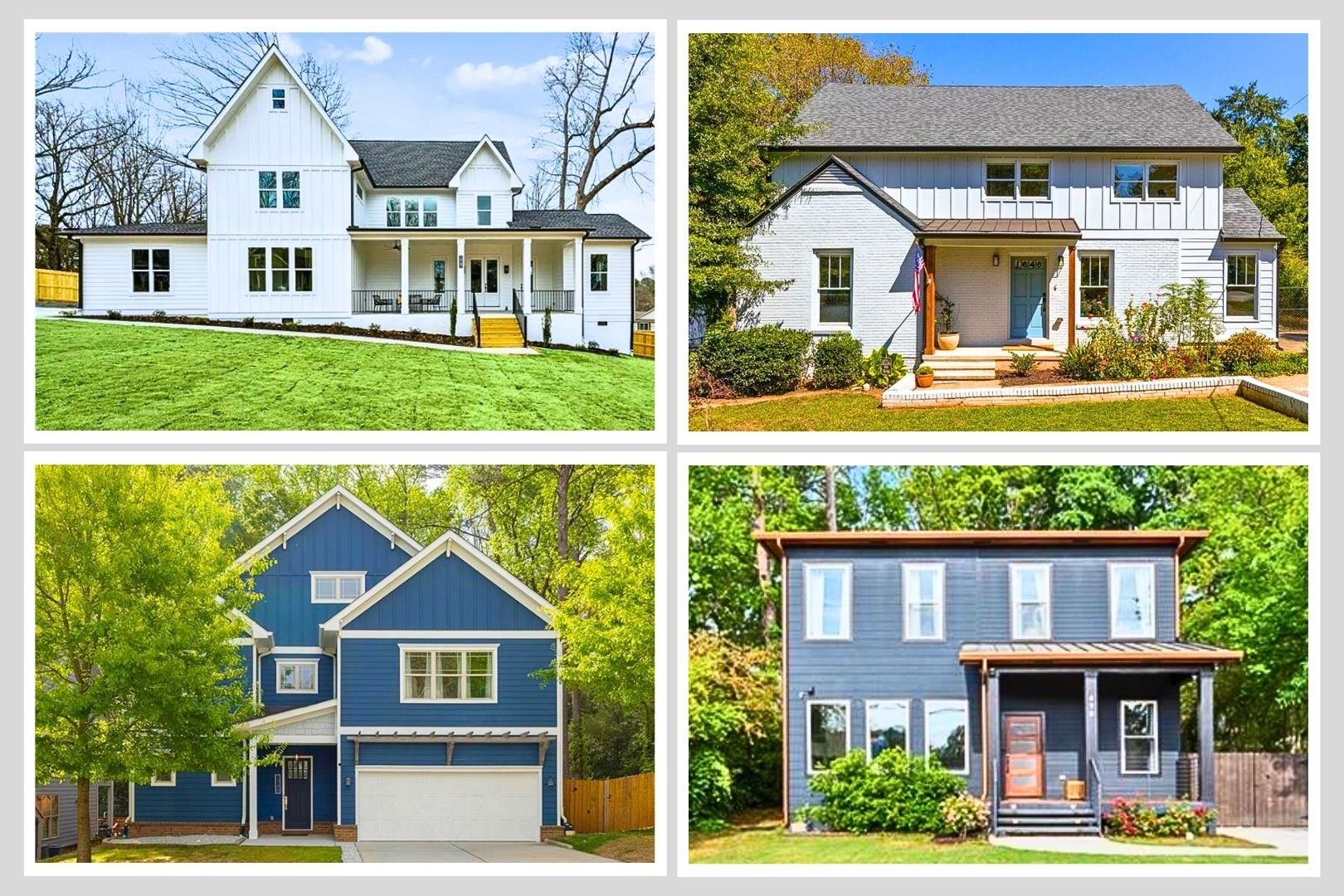
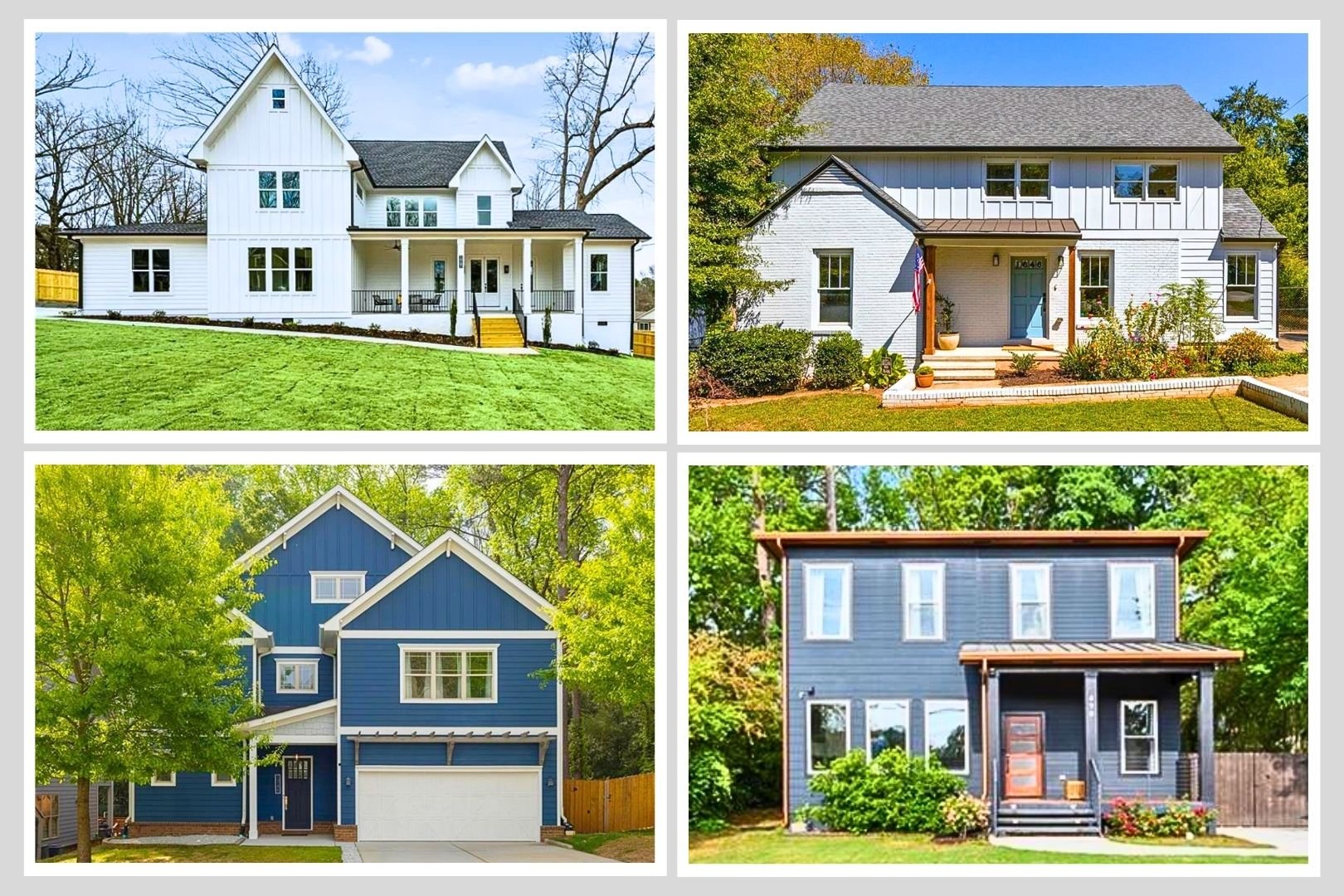
The demand for new construction in East Atlanta is rooted in some very specific local advantages. The area sits within practical reach of downtown Atlanta, Midtown, and the growing Summerhill corridor, meaning residents can access major employment centers quickly. East Atlanta's position along the I-20 corridor and MARTA's Blue and Green lines makes it a commute-practical base for a wide range of workers, and Georgia's unemployment rate has remained relatively low in recent years — reflecting the broader economic stability that continues to draw professionals to the metro.
Then there is the lifestyle draw. Ponce City Market and Krog Street Market are accessible via the BeltLine without the sticker shock of purchasing in Old Fourth Ward or Inman Park, where new construction prices have climbed well above what much of East Atlanta's builder inventory commands. Buyers who want the full intown Atlanta experience but are working within a more realistic budget are finding East Atlanta new construction to be a compelling answer. The median household income in the 30316 zip code — covering East Atlanta Village, Reynoldstown, and Ormewood Park — reflects the mix of long-term residents and higher-earning inbound buyers who have discovered the Eastside's value proposition.
What to Look for in an East Atlanta Builder Community
Location Within the Eastside Ecosystem
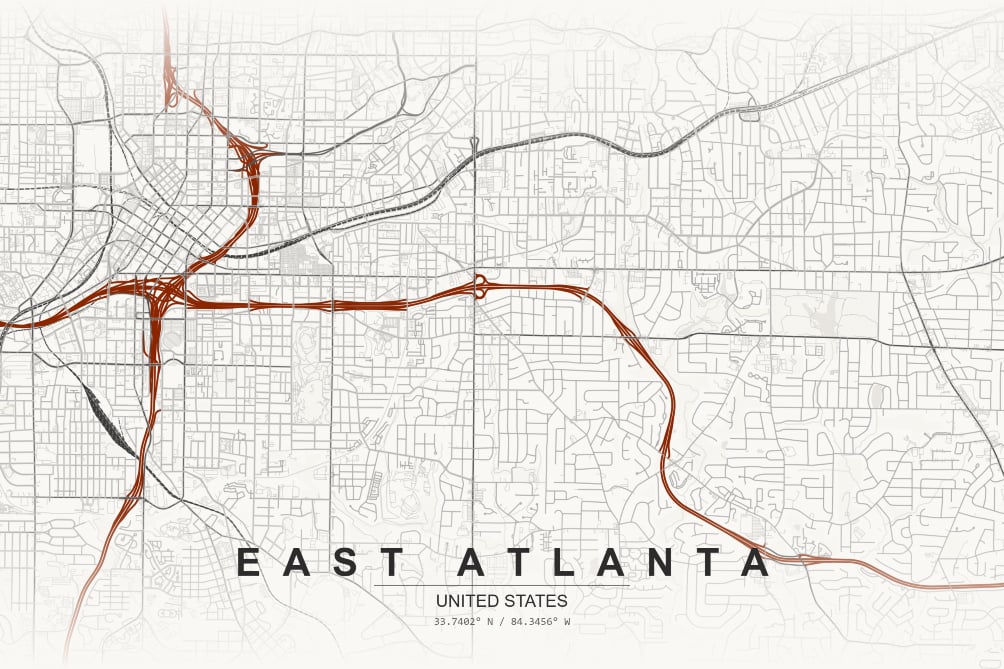
"East Atlanta" covers significant ground, and that matters enormously when evaluating a builder community. The walkable core around East Atlanta Village — along Flat Shoals Avenue, Glenwood Avenue, and the blocks radiating from that intersection — feels distinctly urban and highly connected. Move a mile or two south or east, and the character shifts: quieter streets, larger lots, a more residential pace.
Neither profile is wrong. But buyers should be clear about which version of East Atlanta fits their lifestyle before falling in love with a floor plan. Proximity to BeltLine access points, Candler Park, and the EAV retail strip should all factor into a community evaluation. Map exactly how far a community sits from the nearest trail access or MARTA station before making a decision based on street address alone — the difference between a five-minute walk to the trail and a fifteen-minute drive can significantly change how a neighborhood actually feels day to day.
Builder Reputation and Warranty Programs

Not all builders operating in the East Atlanta infill market are the same. Some are established Atlanta-area builders with formal warranty programs and dedicated customer service teams. Others are smaller local developers whose work may be high quality but whose support infrastructure is leaner.
Buyers should research a builder's previous East Atlanta projects, read reviews from past buyers, and ask directly about structural warranty coverage — typically ten years for major structural defects under Georgia construction law — as well as what is covered in the first and second years post-closing. Whether a community offers design center appointments and customization options is also worth exploring early in the process.
Pro Tip: Ask the builder's team for references from buyers who closed at least twelve months ago — not just recent closings. How a builder handles warranty claims after the excitement of move-in fades tells you far more than a model home tour ever will.
HOA Structure and Community Amenities
Builder communities in East Atlanta vary widely in their HOA structures. Townhome communities almost universally carry an HOA that covers:
- Exterior building maintenance and common area landscaping
- Insurance for the exterior shell of the building
- Shared amenity upkeep, depending on community size
Based on observed listings in the greater East Atlanta and DeKalb County new construction corridor, monthly fees have generally fallen in the range of roughly $150 to $350 per month depending on community size and amenity level — though buyers should verify current figures for any specific community. Single-family infill developments sometimes carry no HOA at all, or a minimal one covering only basic shared area upkeep. Read HOA documents carefully before signing, particularly any rental restrictions that could affect future flexibility.
A Look at Top Builder Communities in and Around East Atlanta
Reynoldstown and the BeltLine-Adjacent Corridor
Reynoldstown is the most prominent new construction story in East Atlanta right now. Positioned directly along the BeltLine's Eastside Trail and bordered by Flat Shoals Avenue to the south and DeKalb Avenue to the north, Reynoldstown has become the address of choice for buyers who want trail access built into their daily life.
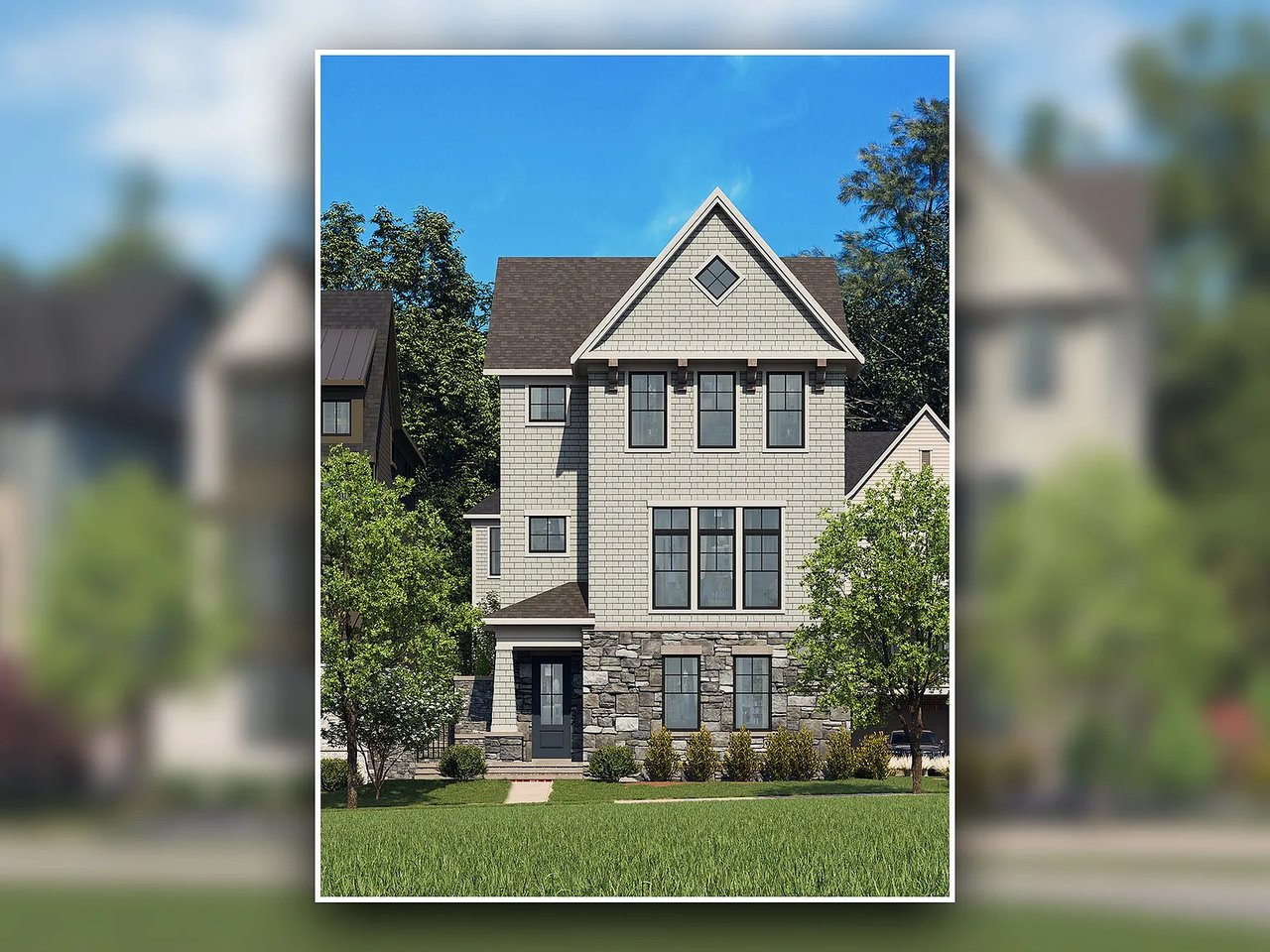
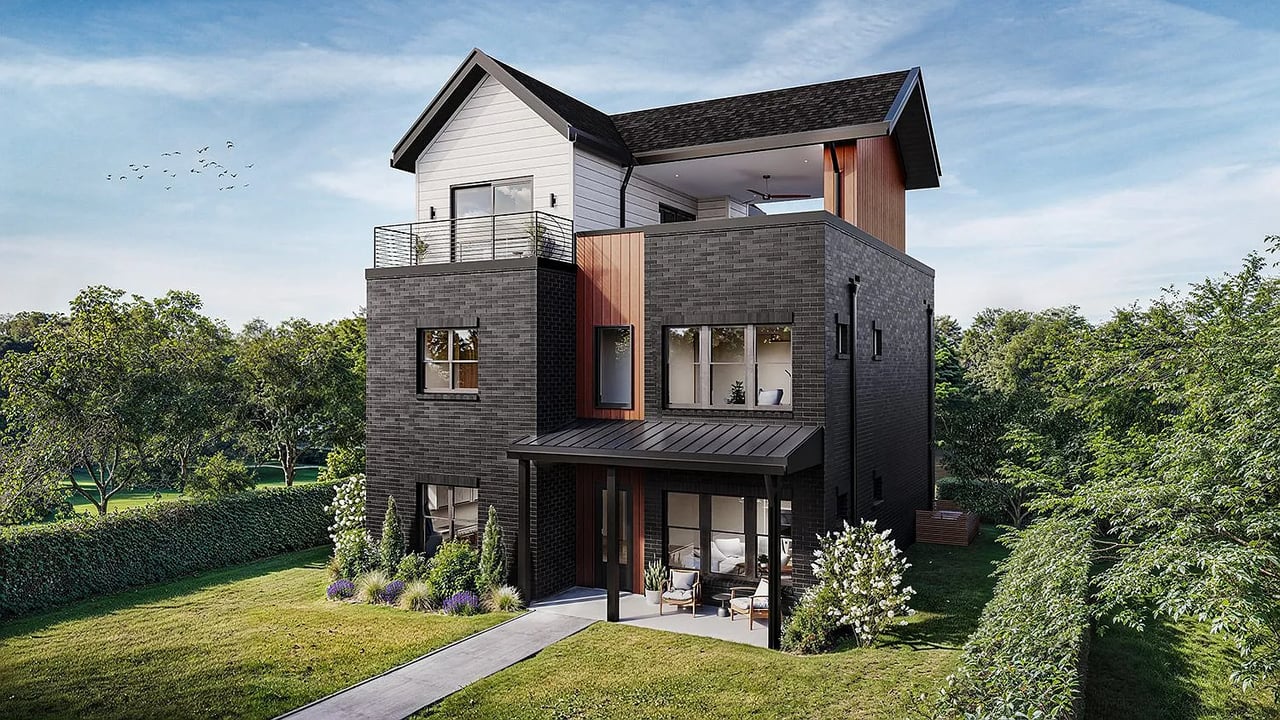
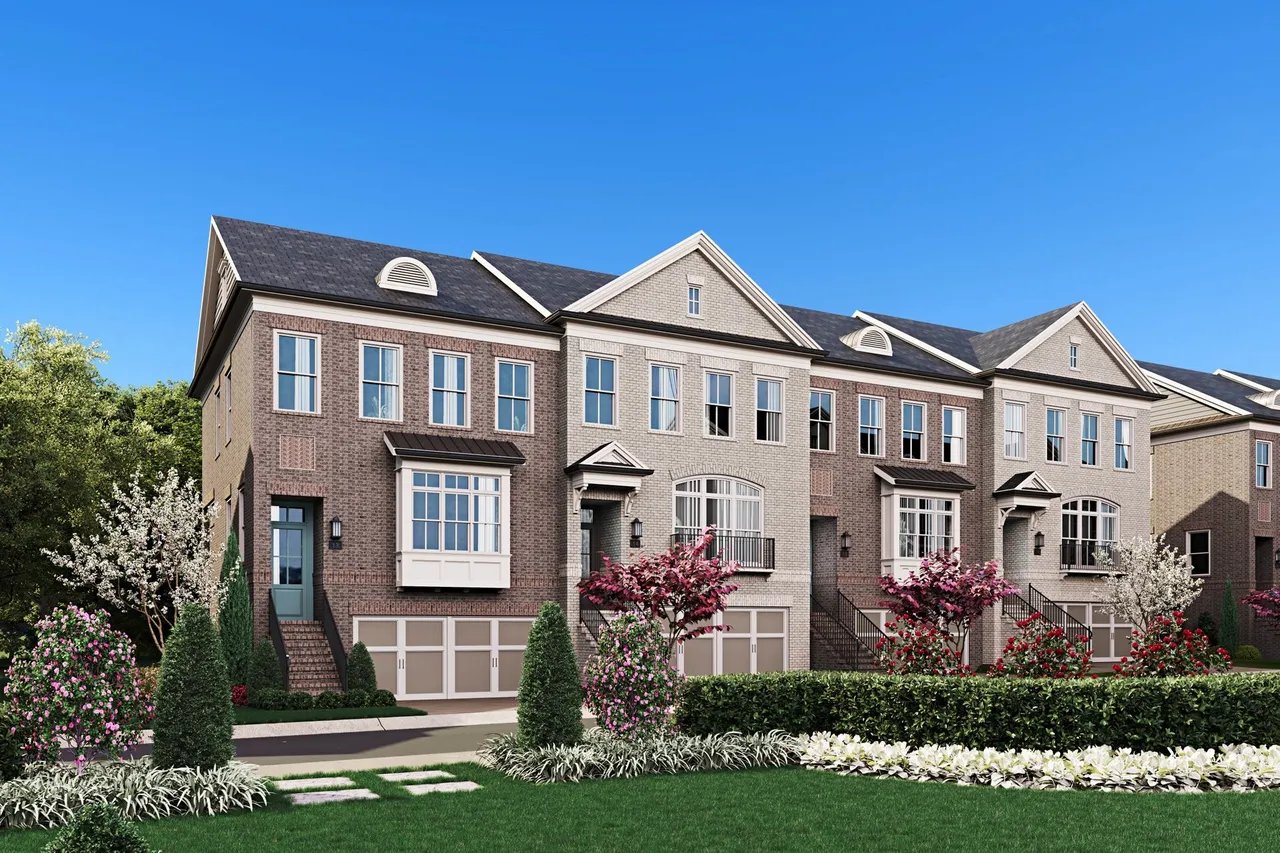
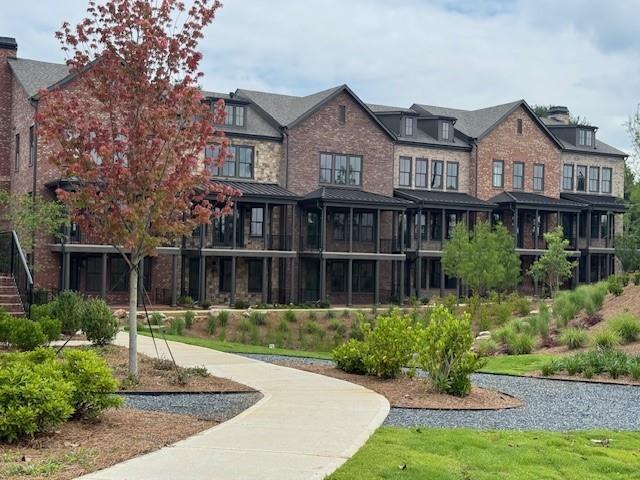
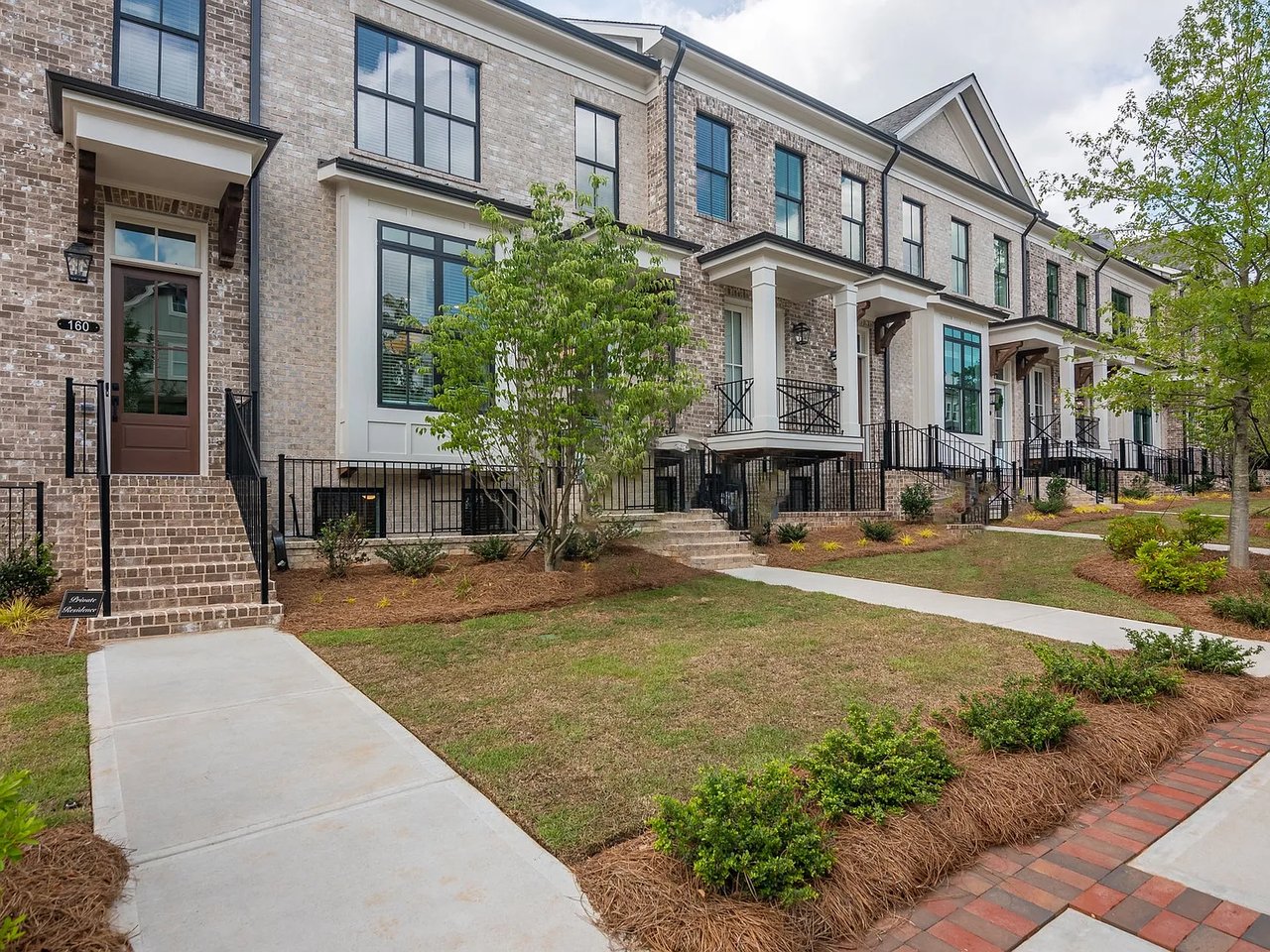
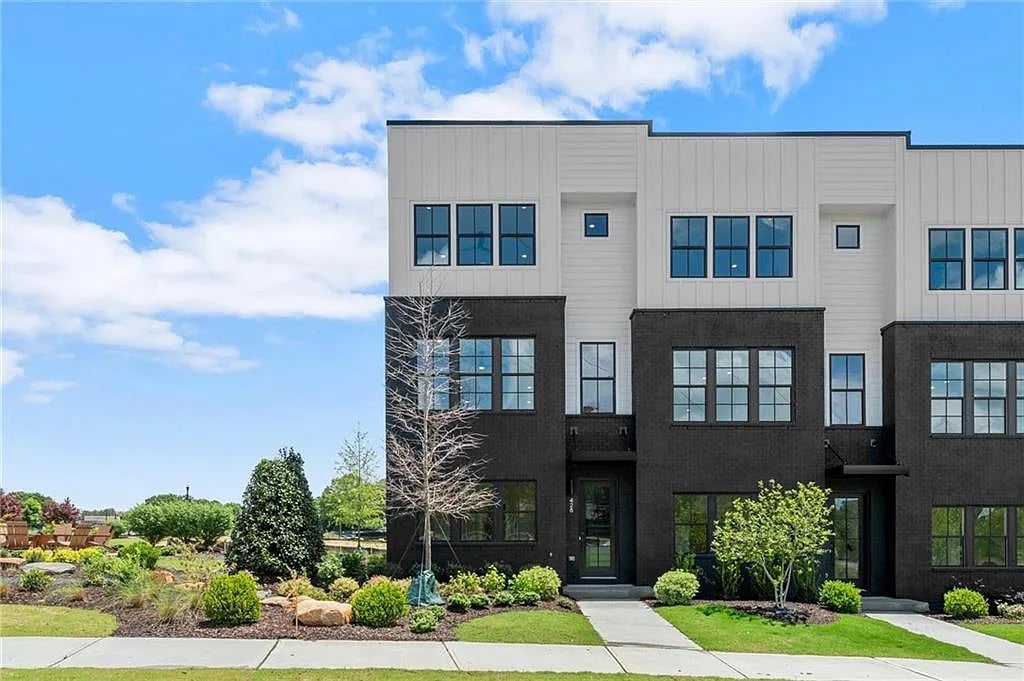
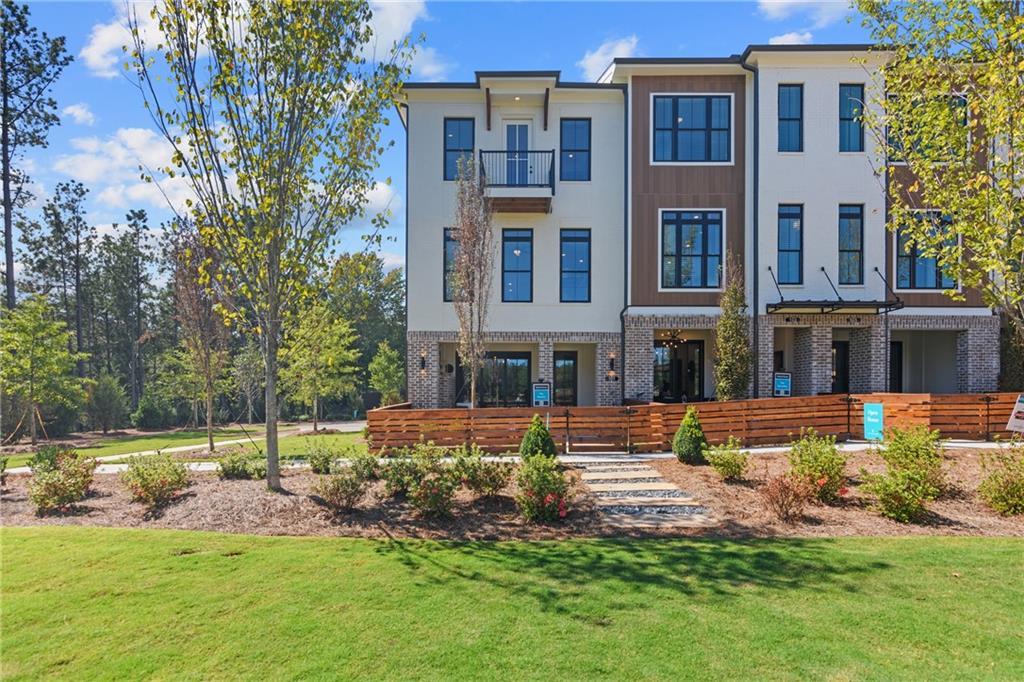
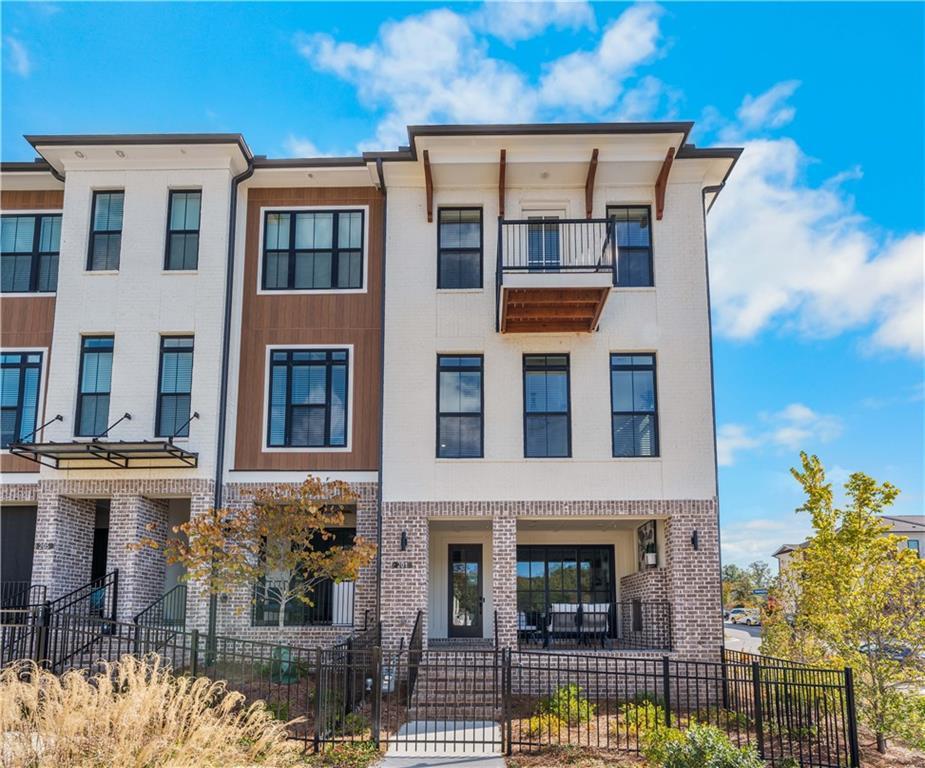
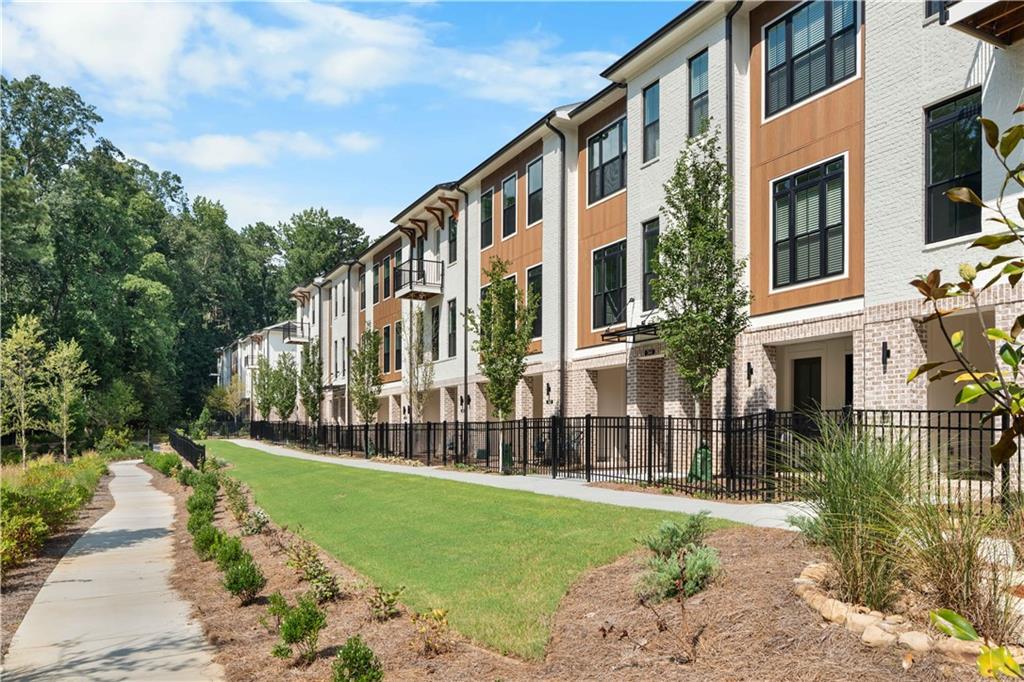
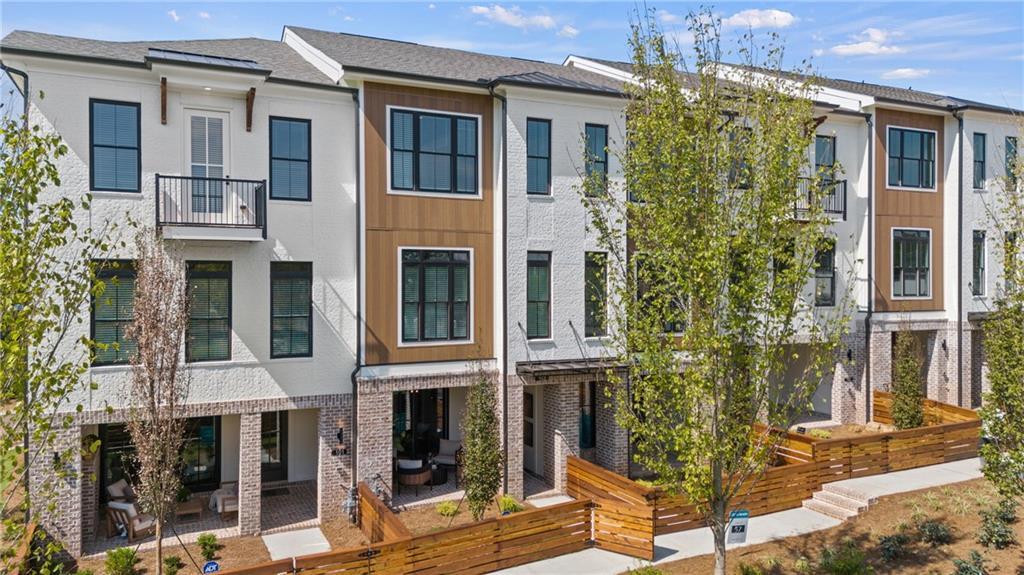
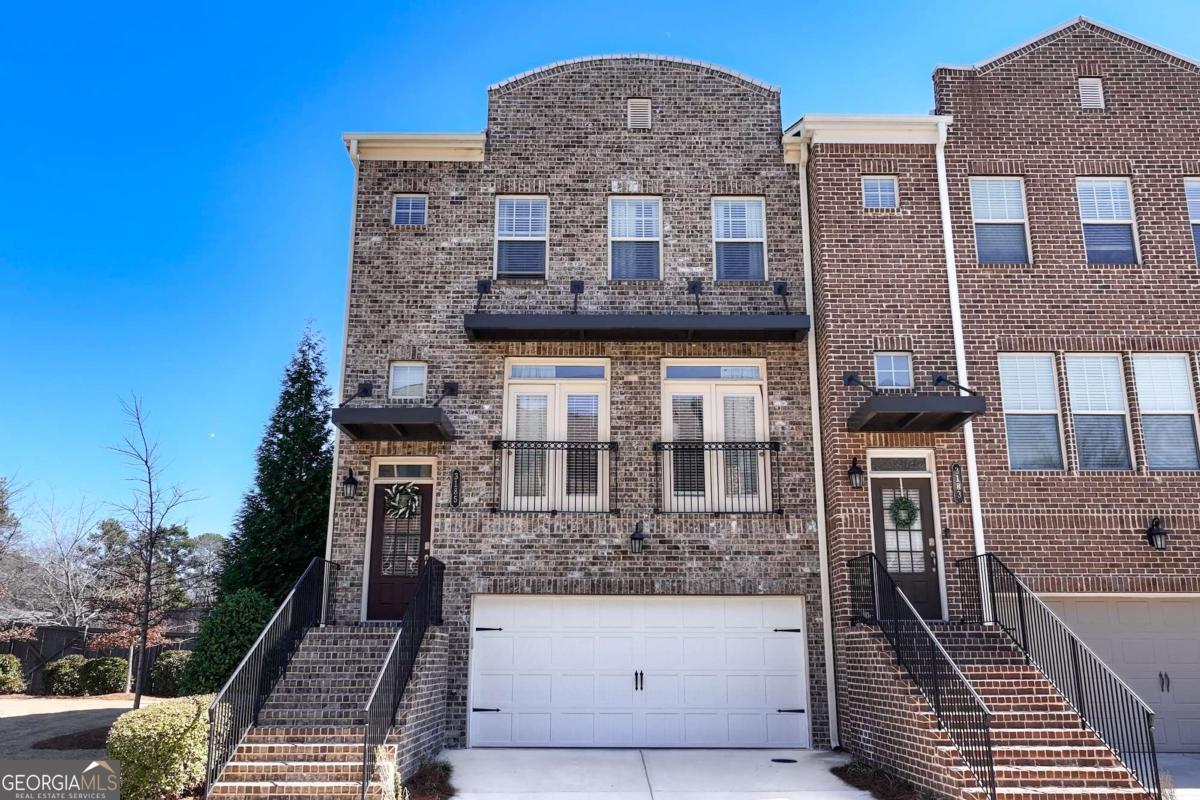
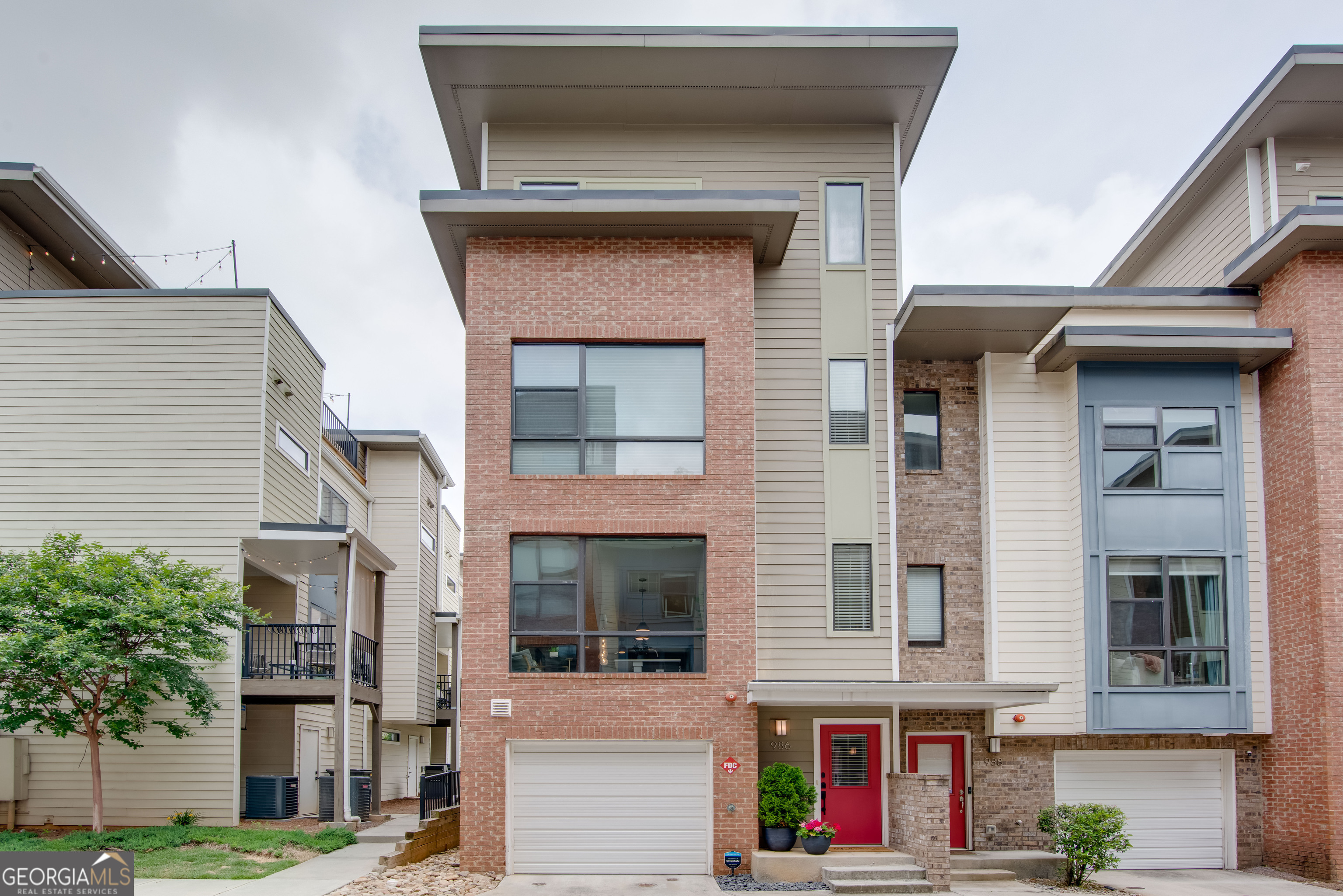
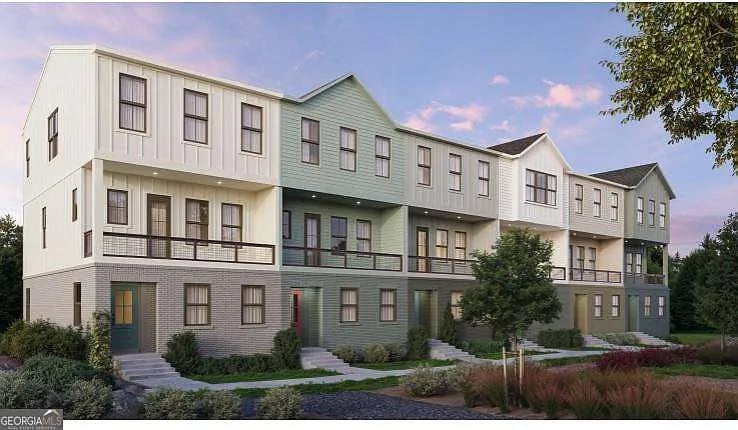
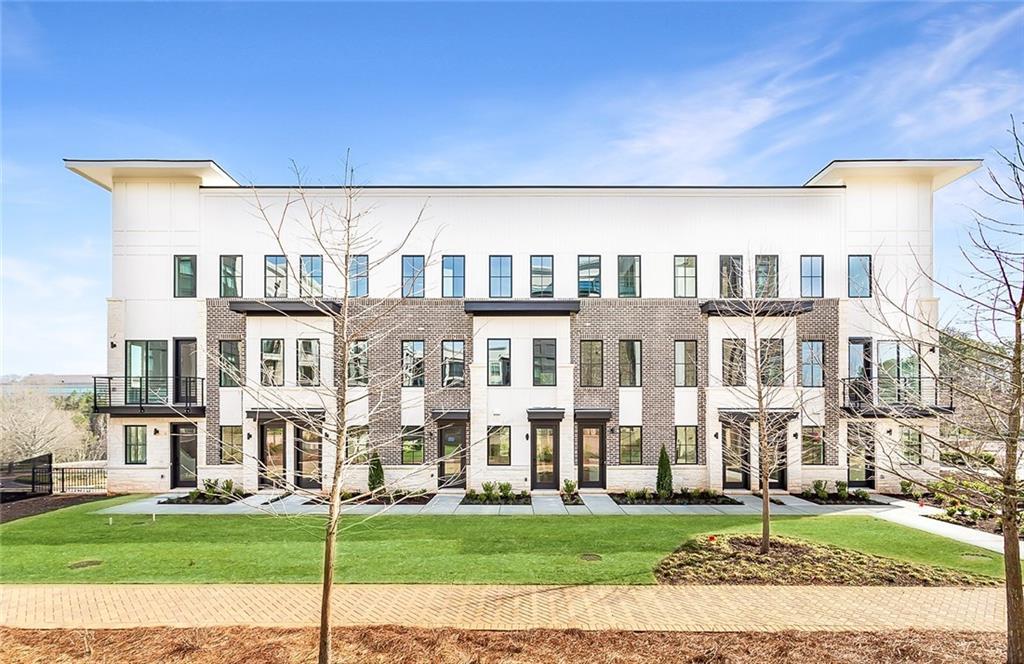
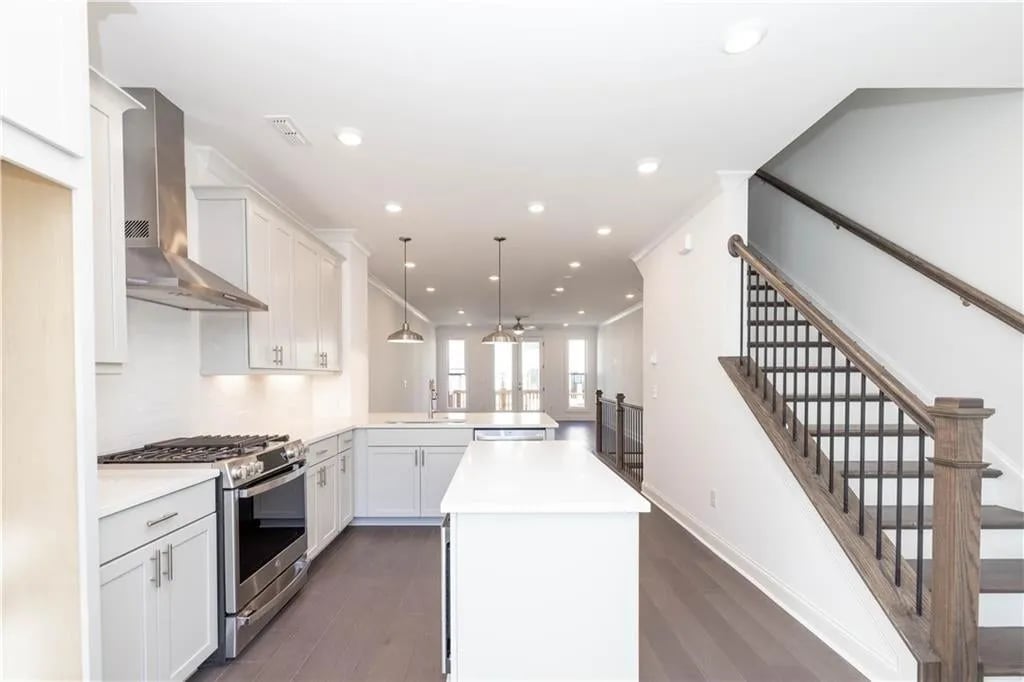
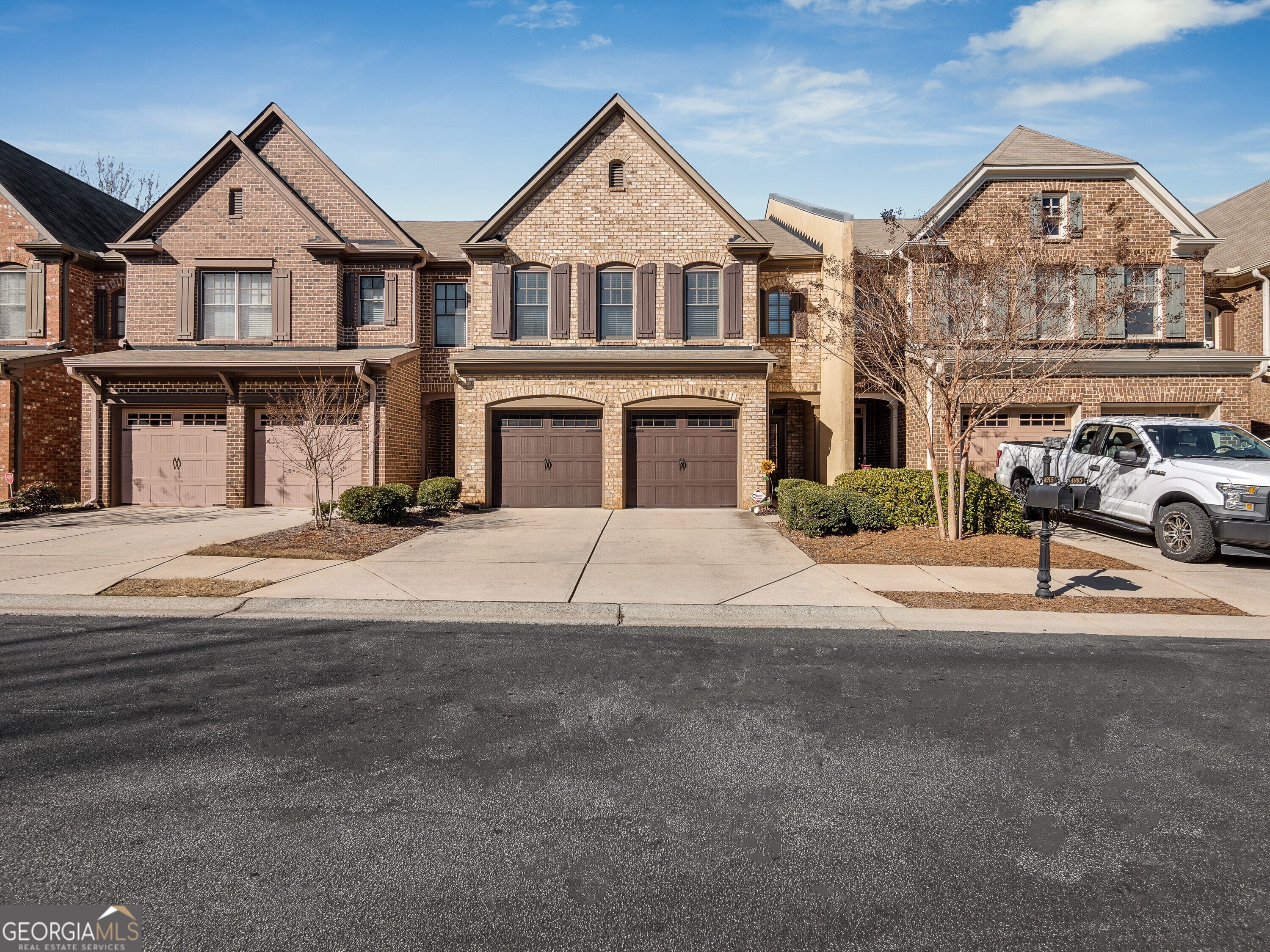
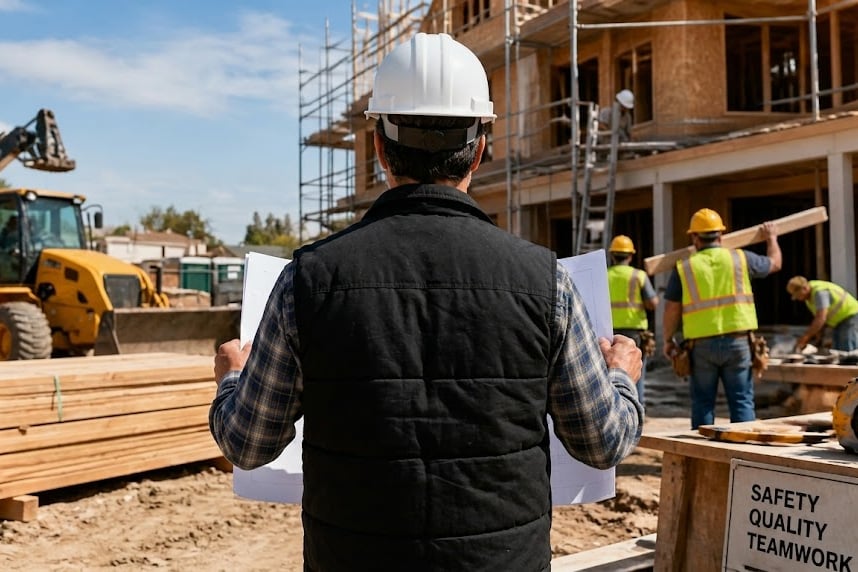
Builder townhome communities here have delivered modern three-story product featuring rooftop decks, two-car garages, open-concept main levels, and smart home packages. The appeal is straightforward: you can walk to the BeltLine, ride to Krog Street Market, and come home to a brand-new house.
New construction townhomes in Reynoldstown have generally ranged from the upper $400s into the mid-$600s, with premium units exceeding $700,000 depending on finishes and rooftop features. That combination of location and product quality does not exist in many places in Atlanta at this price point.
Ormewood Park and Southeast Atlanta Infill
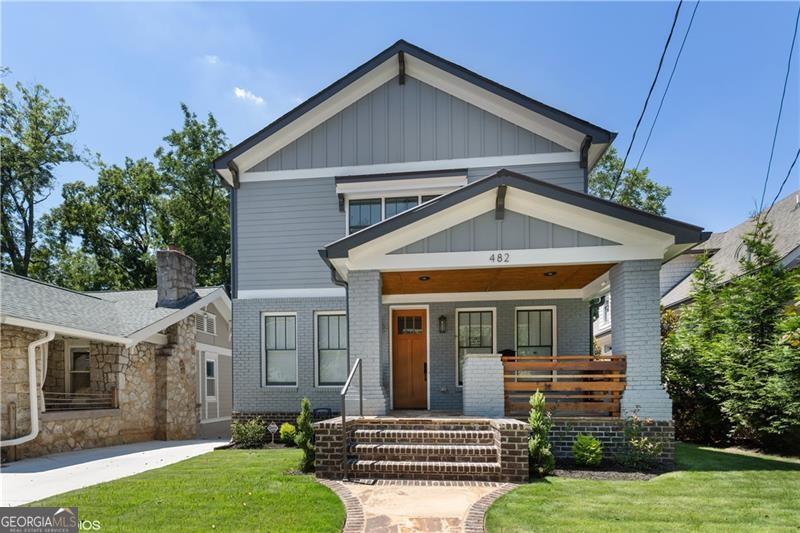
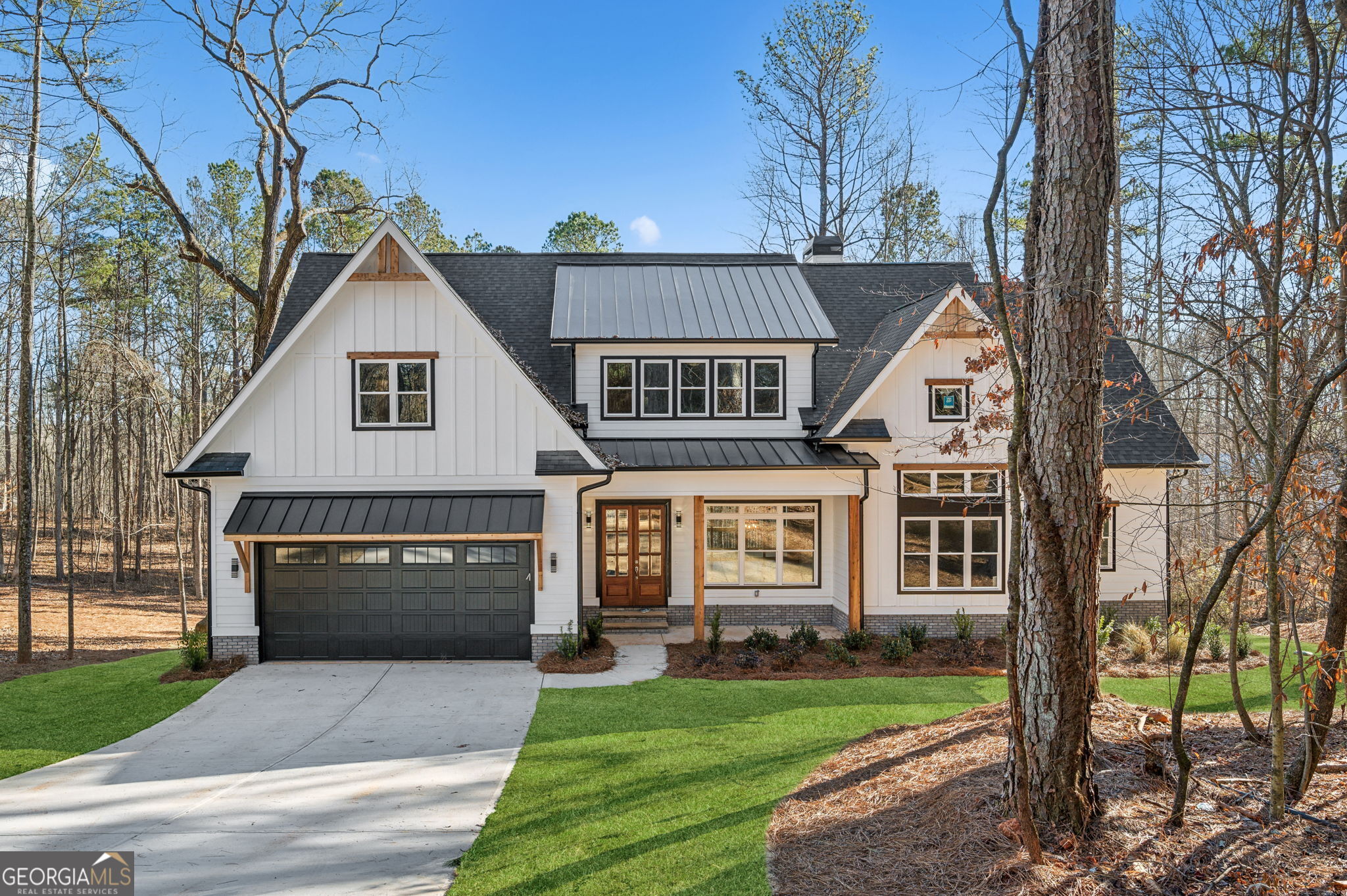
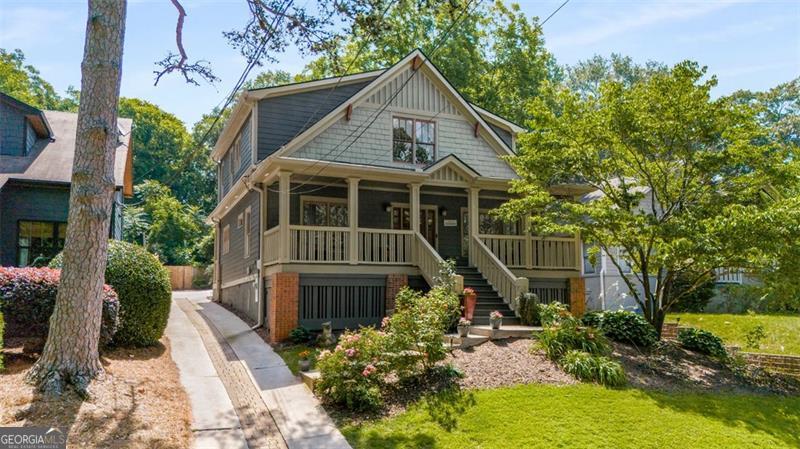
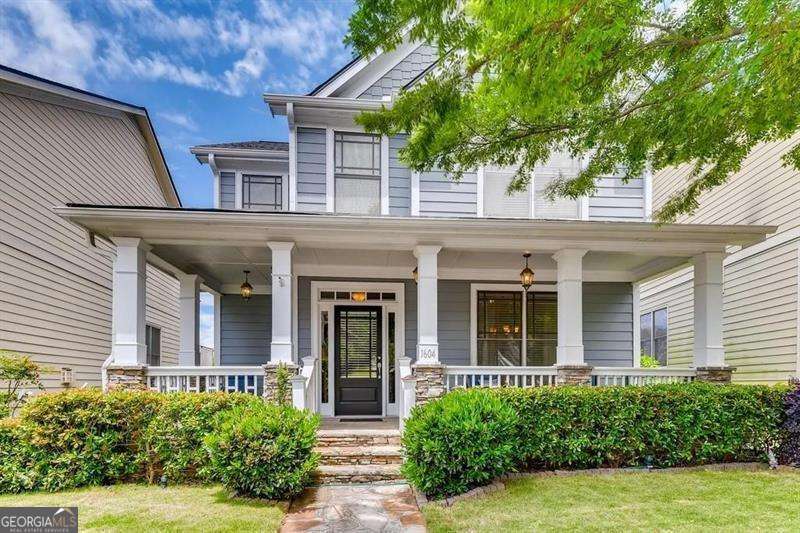
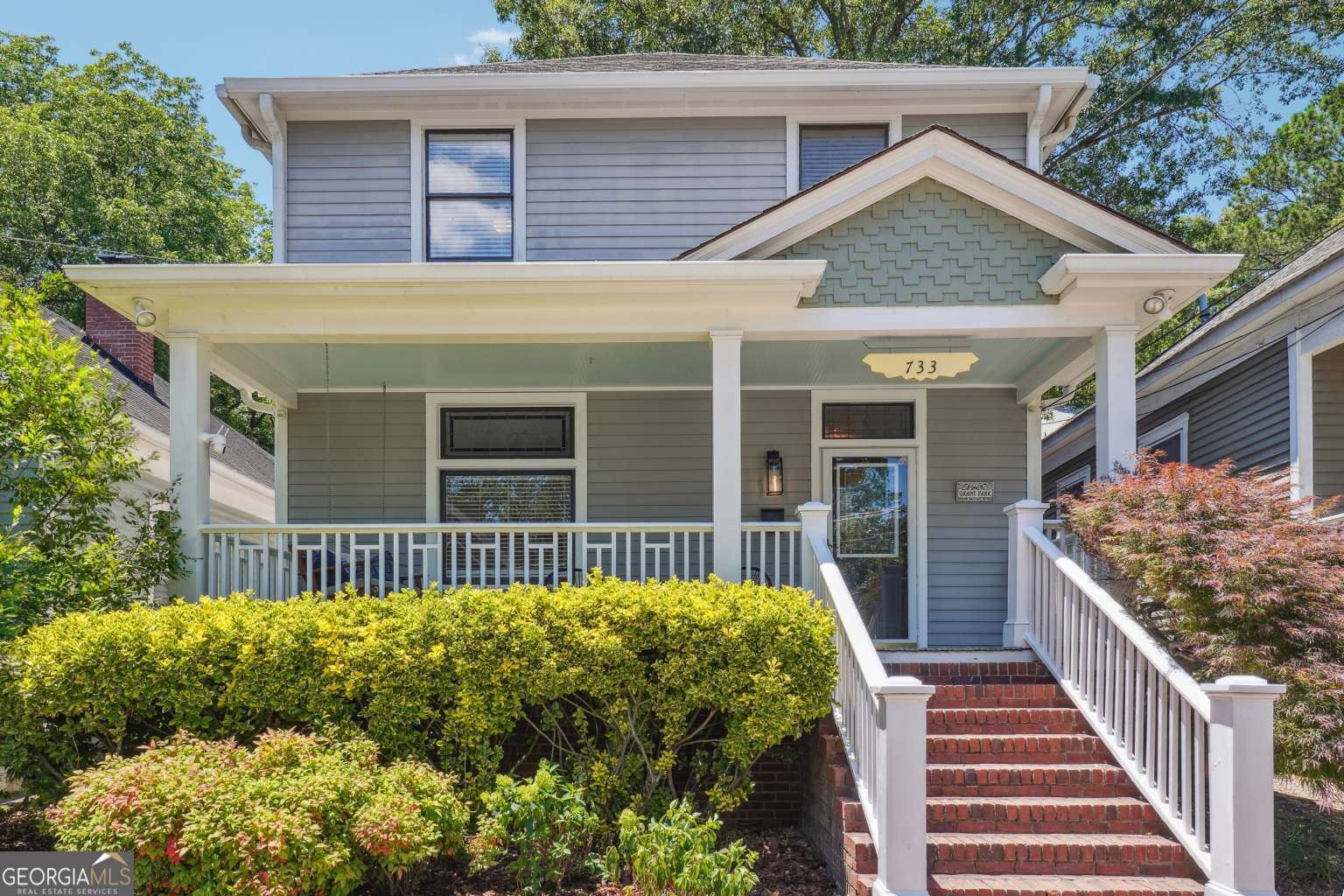
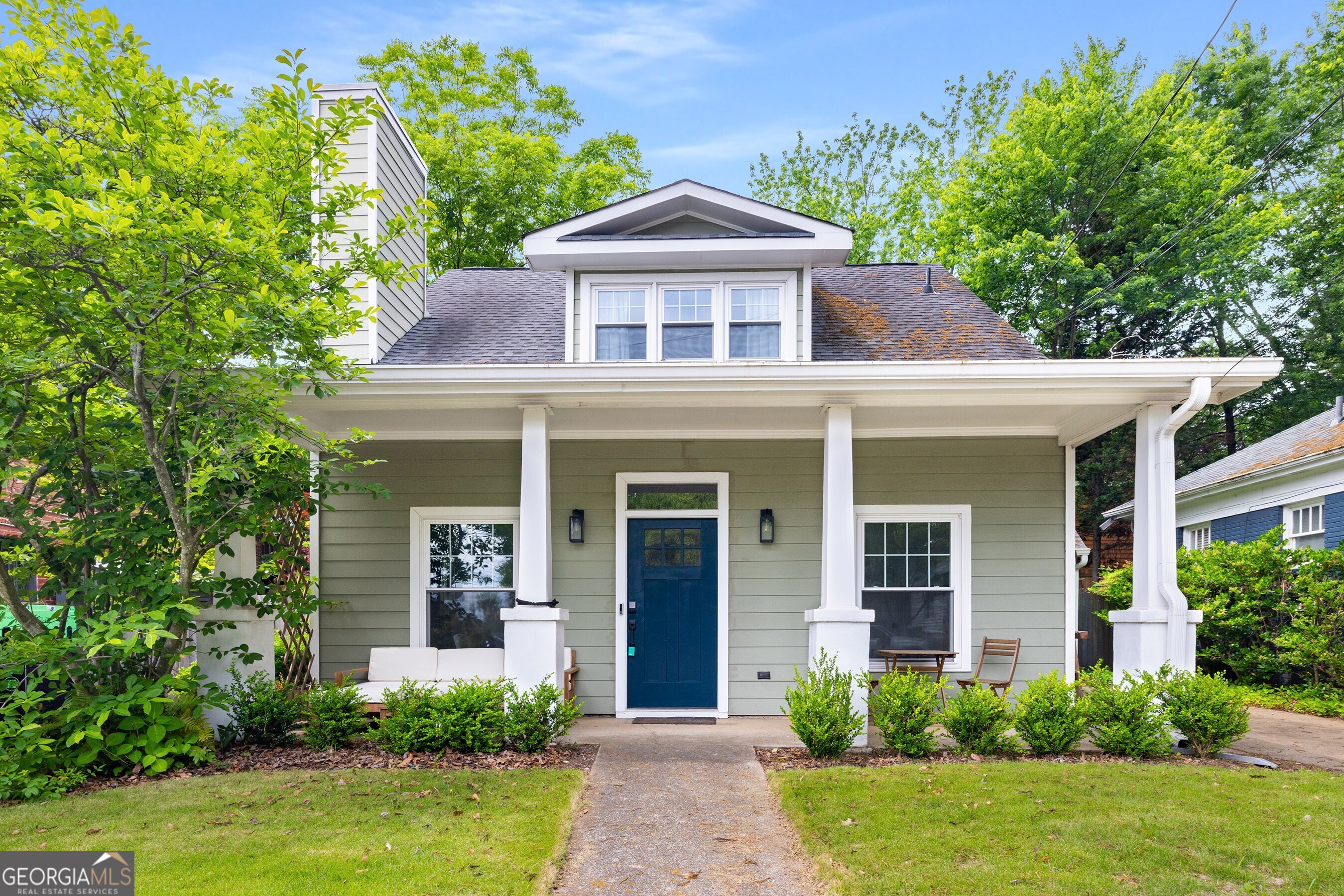
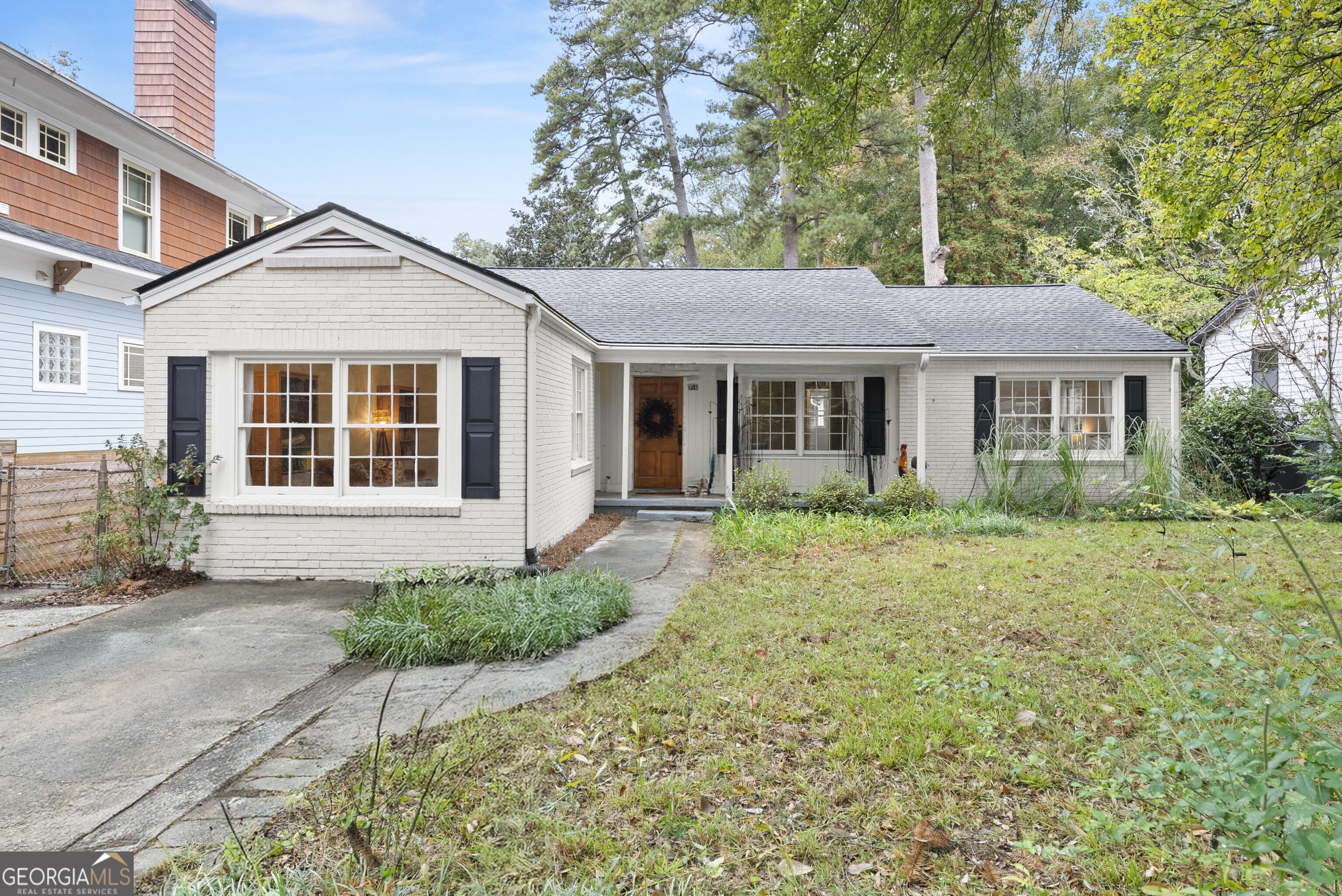
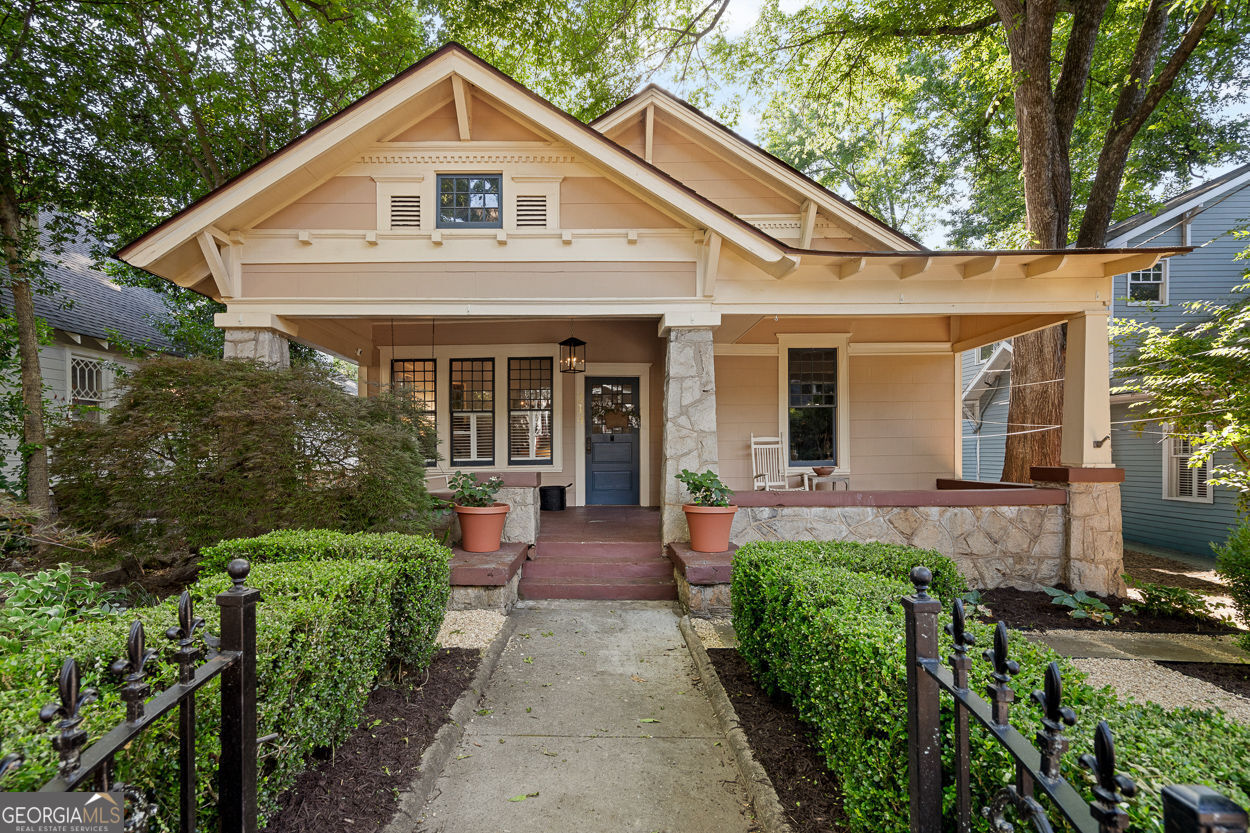
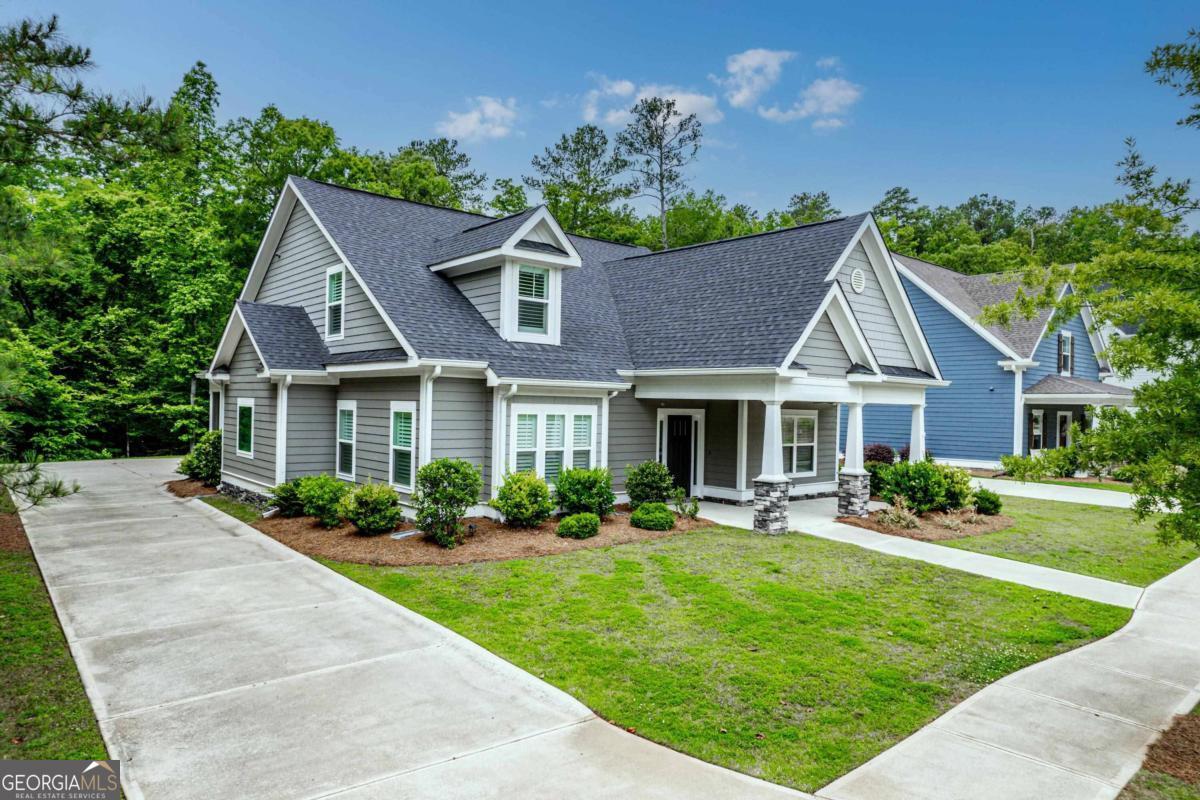
Ormewood Park sits south of East Atlanta Village and has developed a loyal following among buyers who want slightly more breathing room than the denser neighborhoods to the north without sacrificing intown character. Infill new construction here has leaned toward Craftsman-inspired single-family homes and smaller townhome clusters designed to complement the existing neighborhood aesthetic.
Proximity to Grant Park — a historic Atlanta green space spanning approximately 131 acres with walking trails, picnic grounds, and the Zoo Atlanta campus along Cherokee Avenue — adds a lifestyle dimension that families consistently cite as a draw. I-20 access nearby is a practical advantage for buyers commuting south or west. New single-family construction in the Ormewood Park corridor has generally started in the mid-$500s and ranged upward depending on lot size and specification level.
Edgewood and the Moreland Avenue Corridor
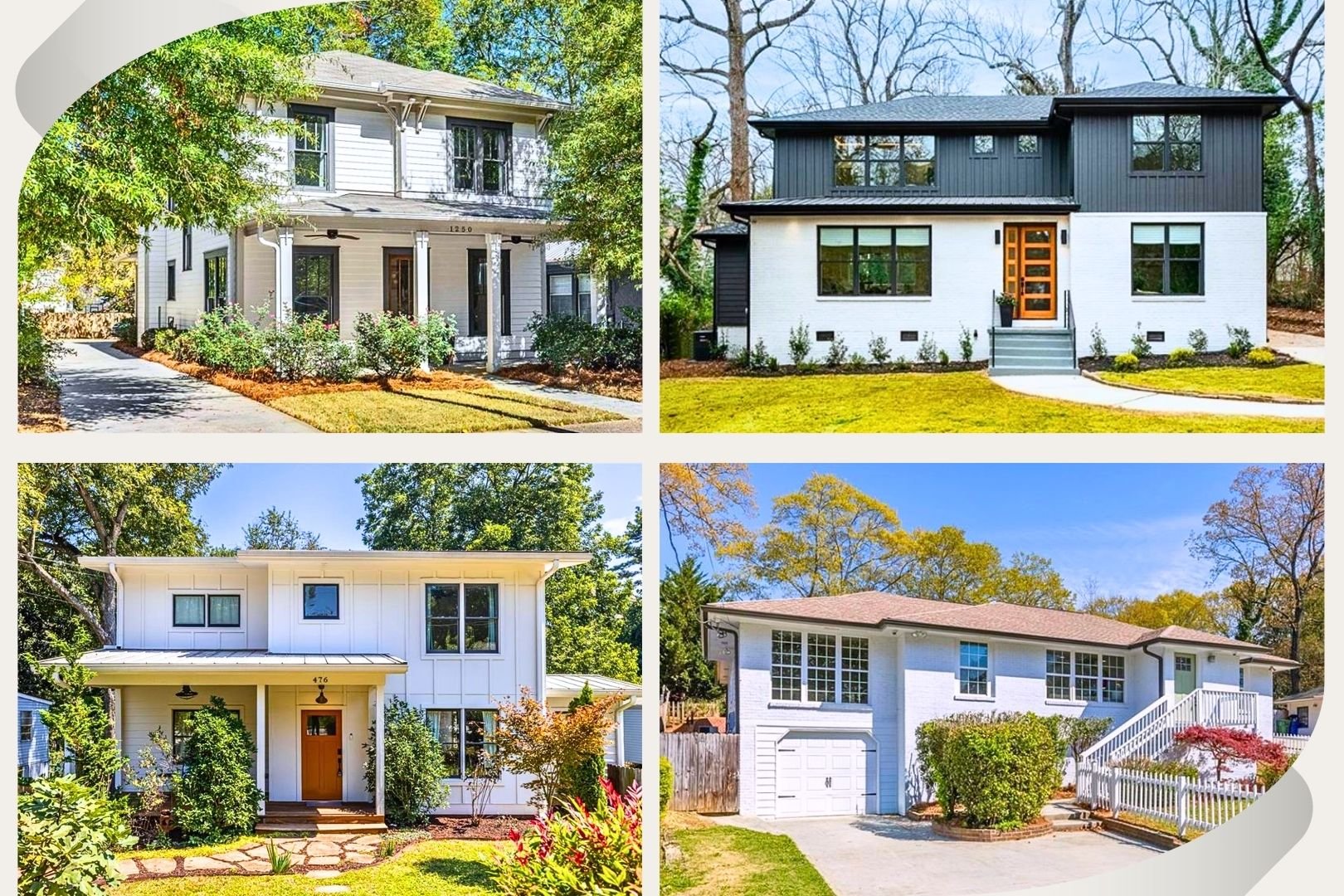
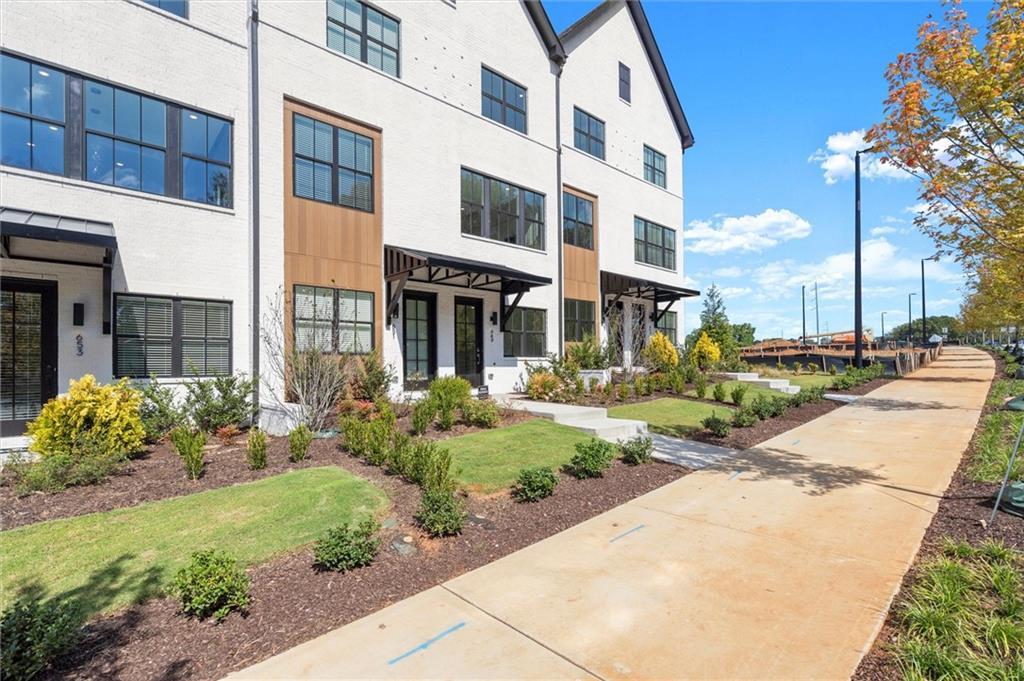
Edgewood occupies a strategic position in the East Atlanta ecosystem: close enough to East Atlanta Village to access its restaurant and bar scene on foot, served directly by the Edgewood–Candler Park MARTA station on Arizona Avenue, and still offering lots where builders can develop at urban densities. New townhome clusters along and near Moreland Avenue have attracted buyers who prioritize walkable access and transit options.
The Edgewood–Candler Park station connects directly to downtown Atlanta and, via transfers, to the broader MARTA network — a genuine differentiator for buyers who commute by rail or prefer not to drive into the city core. Townhome new construction in Edgewood has typically started in the mid-$400s, making it one of the more accessible entry points in the immediate East Atlanta new construction market.
Kirkwood and East Lake Adjacent Communities
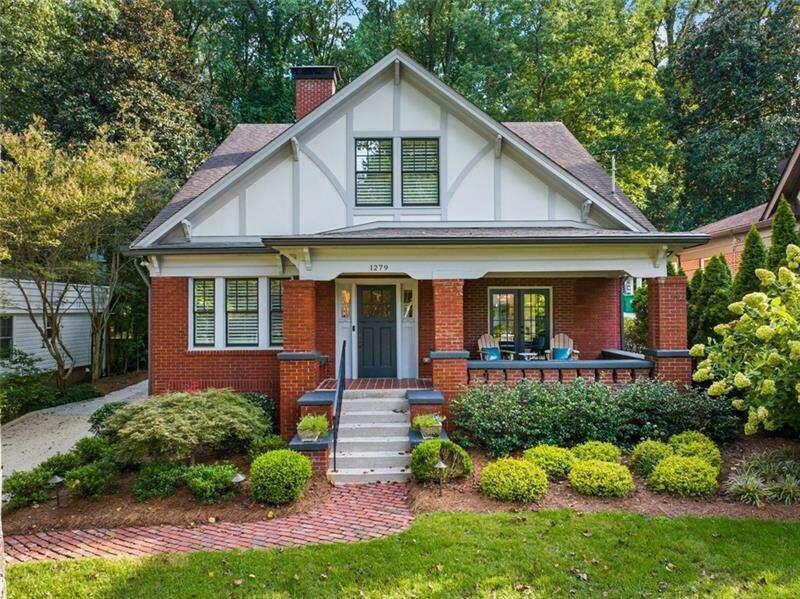
Kirkwood stands out among East Atlanta neighborhoods for having successfully navigated the tension between preservation and new development. Builder homes here sit alongside well-preserved Craftsman bungalows and mid-century cottages, and the best new construction projects have been designed to honor that context rather than clash with it. The result is a streetscape that feels cohesive.
That coherence is part of why Kirkwood commands consistent buyer demand among buyers who want modern construction without a sterile suburban feel. The East Lake Golf Club corridor nearby — home to one of Atlanta's most storied golf venues — adds a lifestyle and prestige dimension that resonates with a range of buyer profiles. New construction in Kirkwood and the East Lake adjacent zone has ranged from the upper $400s for attached product to well into the $600s for detached single-family homes.
New Construction Townhomes vs. Single-Family Homes in East Atlanta
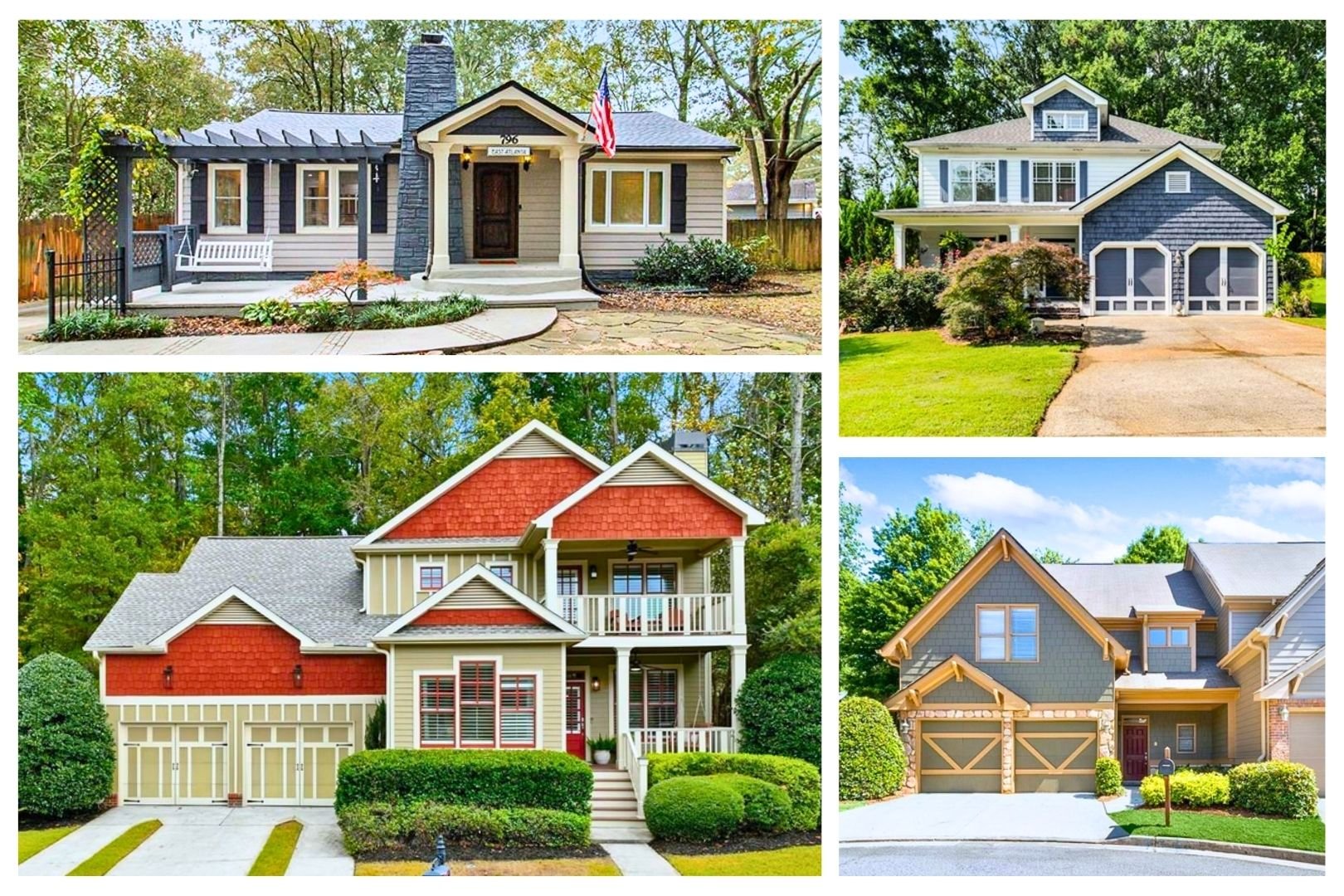
The Case for New Construction Townhomes
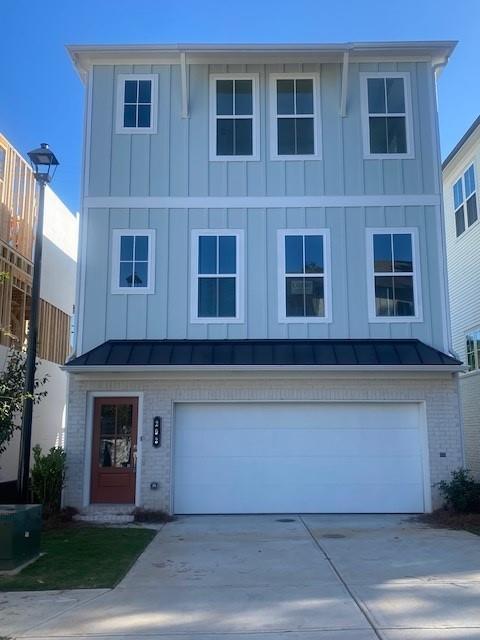
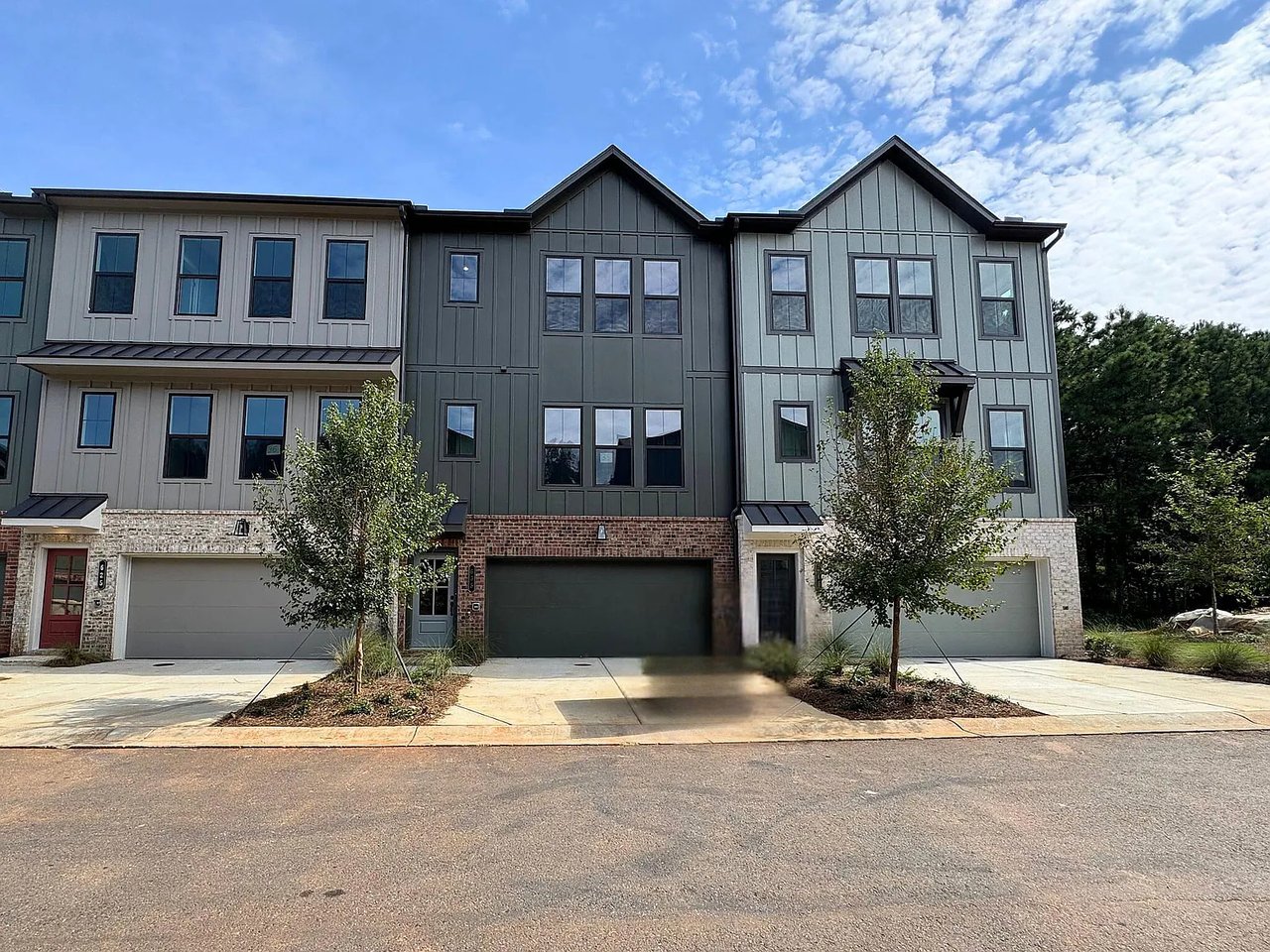
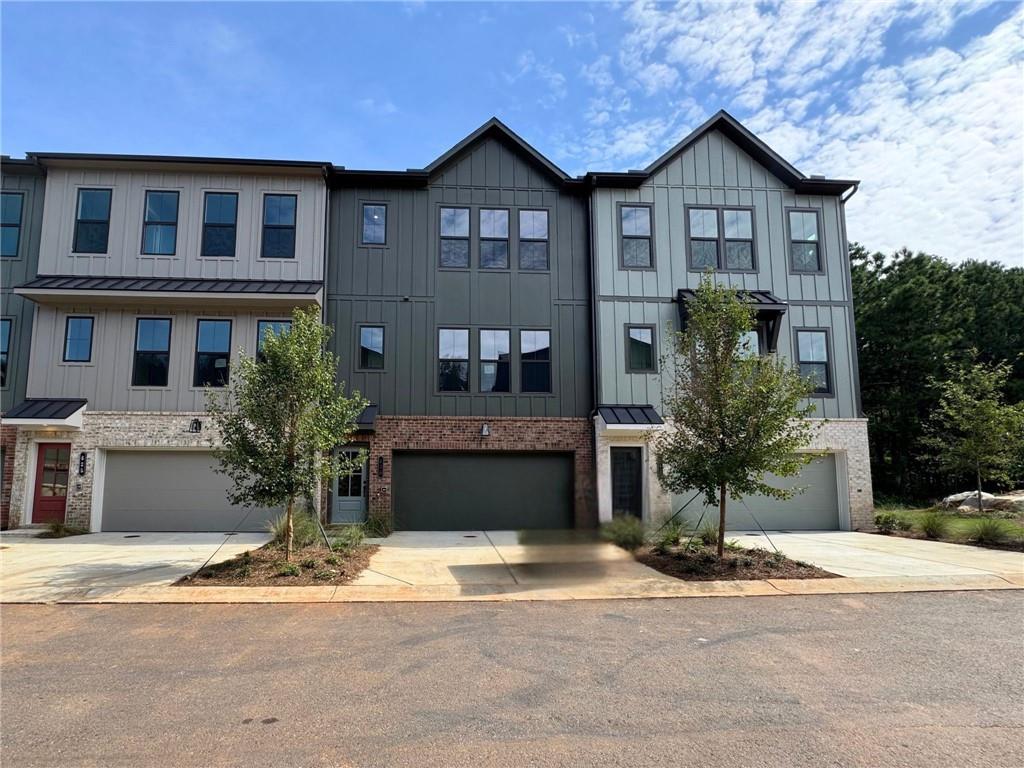
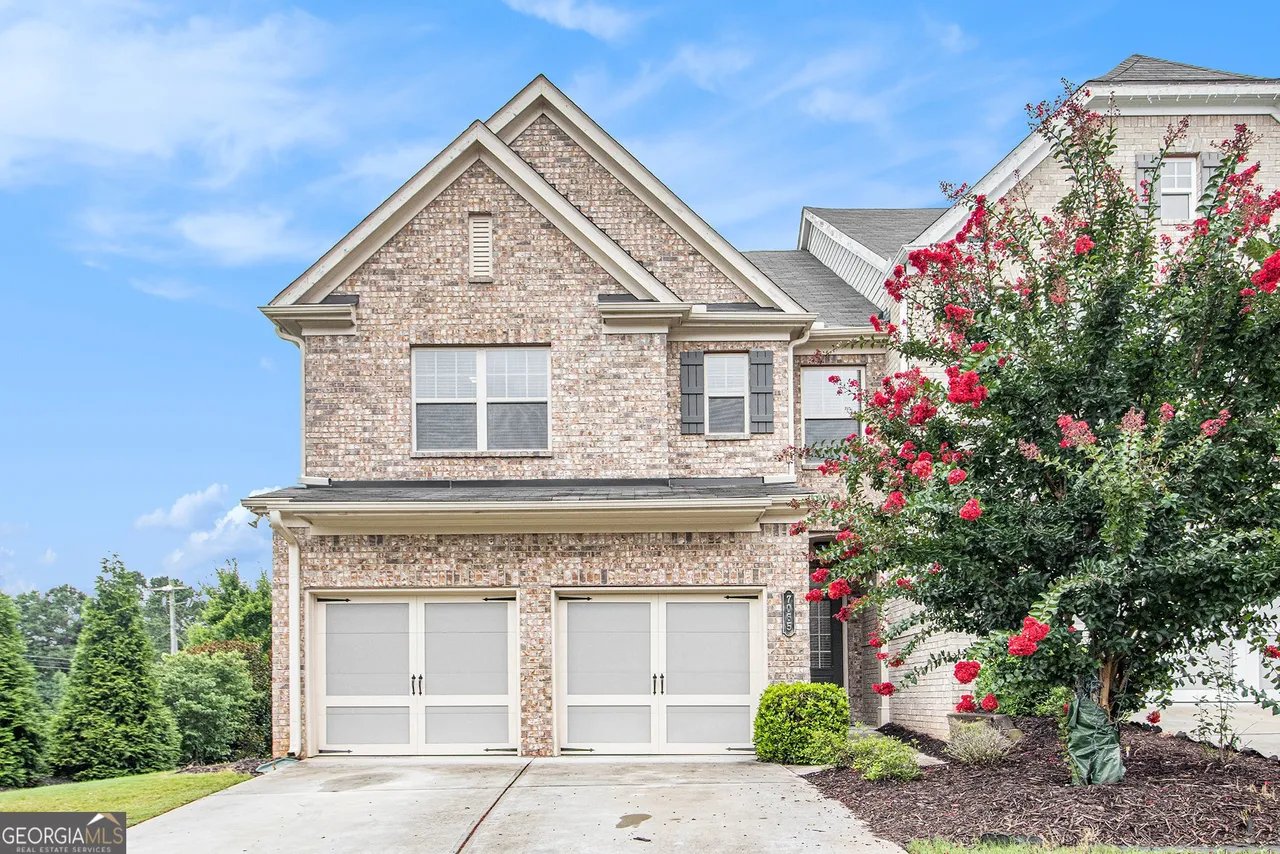
Townhomes dominate the new construction landscape in East Atlanta for reasons rooted in simple math: land is expensive and in limited supply close to the city core, and attached construction allows builders to deliver a modern product at a price point accessible to a broader pool of buyers. A typical East Atlanta new construction townhome delivers a compelling package:
- Three stories with two to three bedrooms and two or more full baths
- Two-car garage and rooftop terrace
- Smart home features and energy-efficient systems
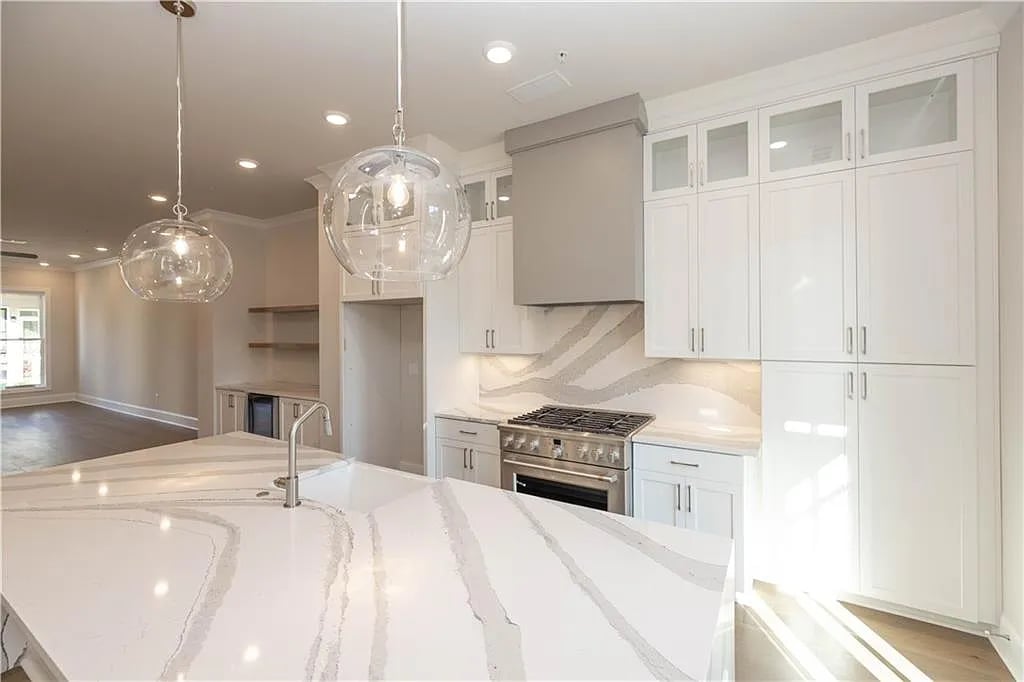
- Designer finish packages now standard across most communities
For buyers who travel frequently, work long hours, or simply do not want to spend weekends on lawn maintenance, the townhome model is a genuinely compelling fit.
Atlanta-area home prices have shown consistent appreciation in recent years, outpacing the national average during several consecutive measurement periods — which has reinforced the townhome's investment appeal alongside its lifestyle advantages.
Where to Find New Single-Family Options
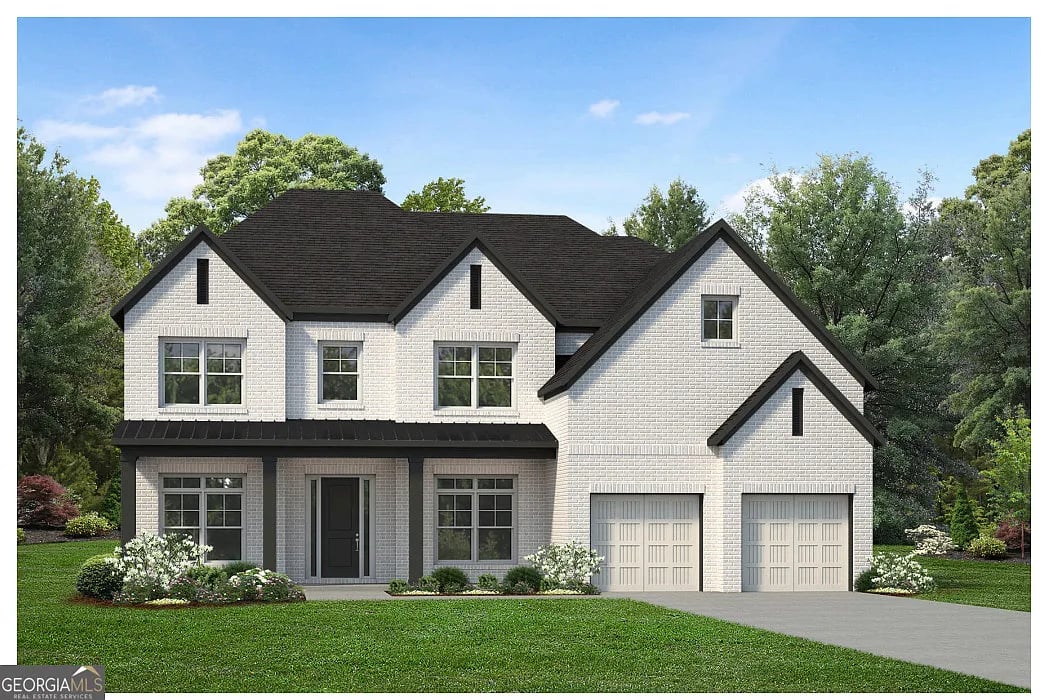
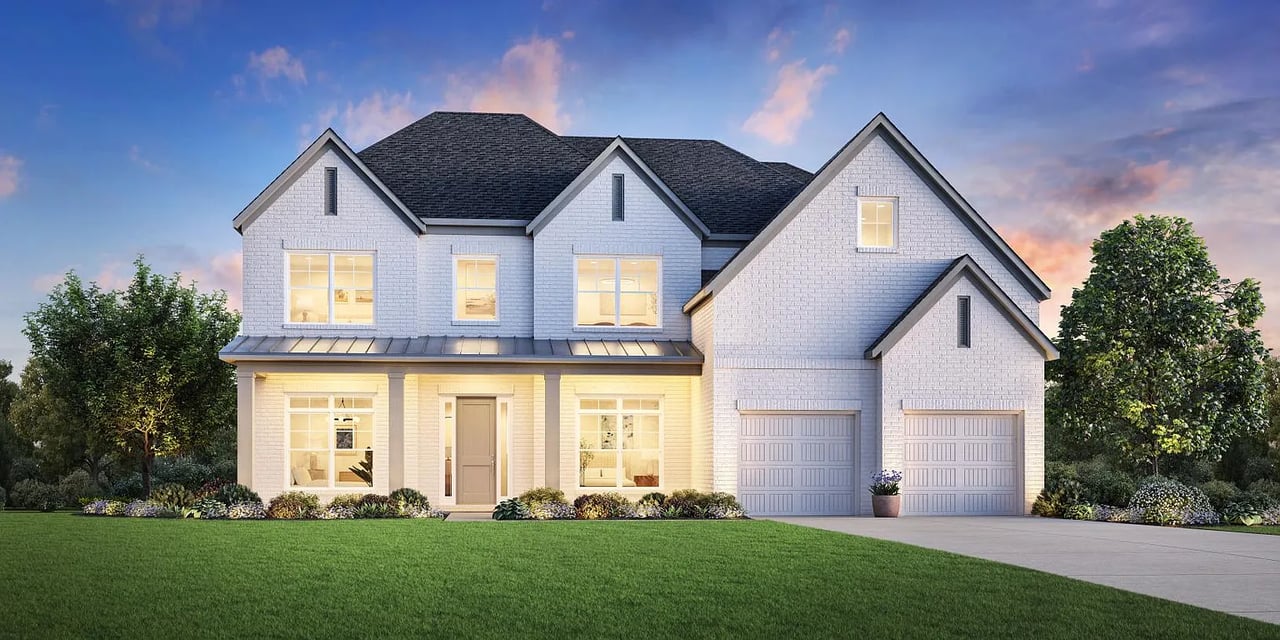
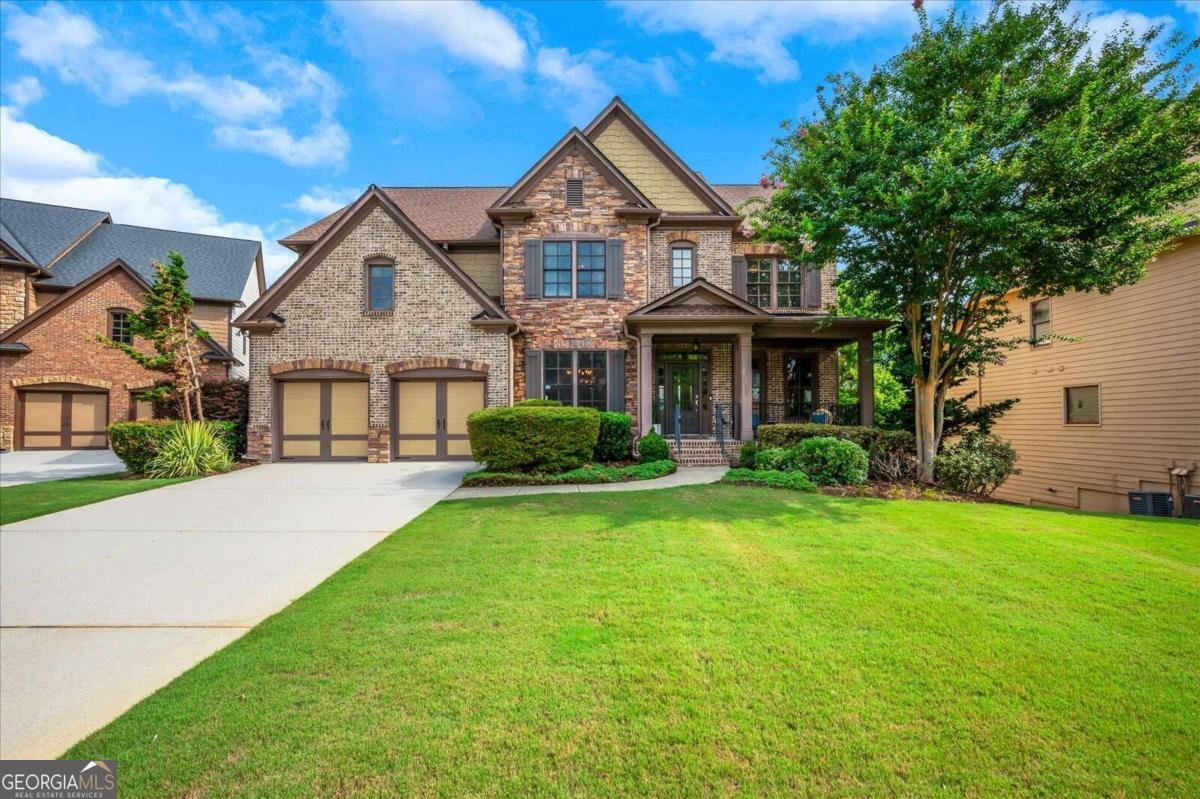
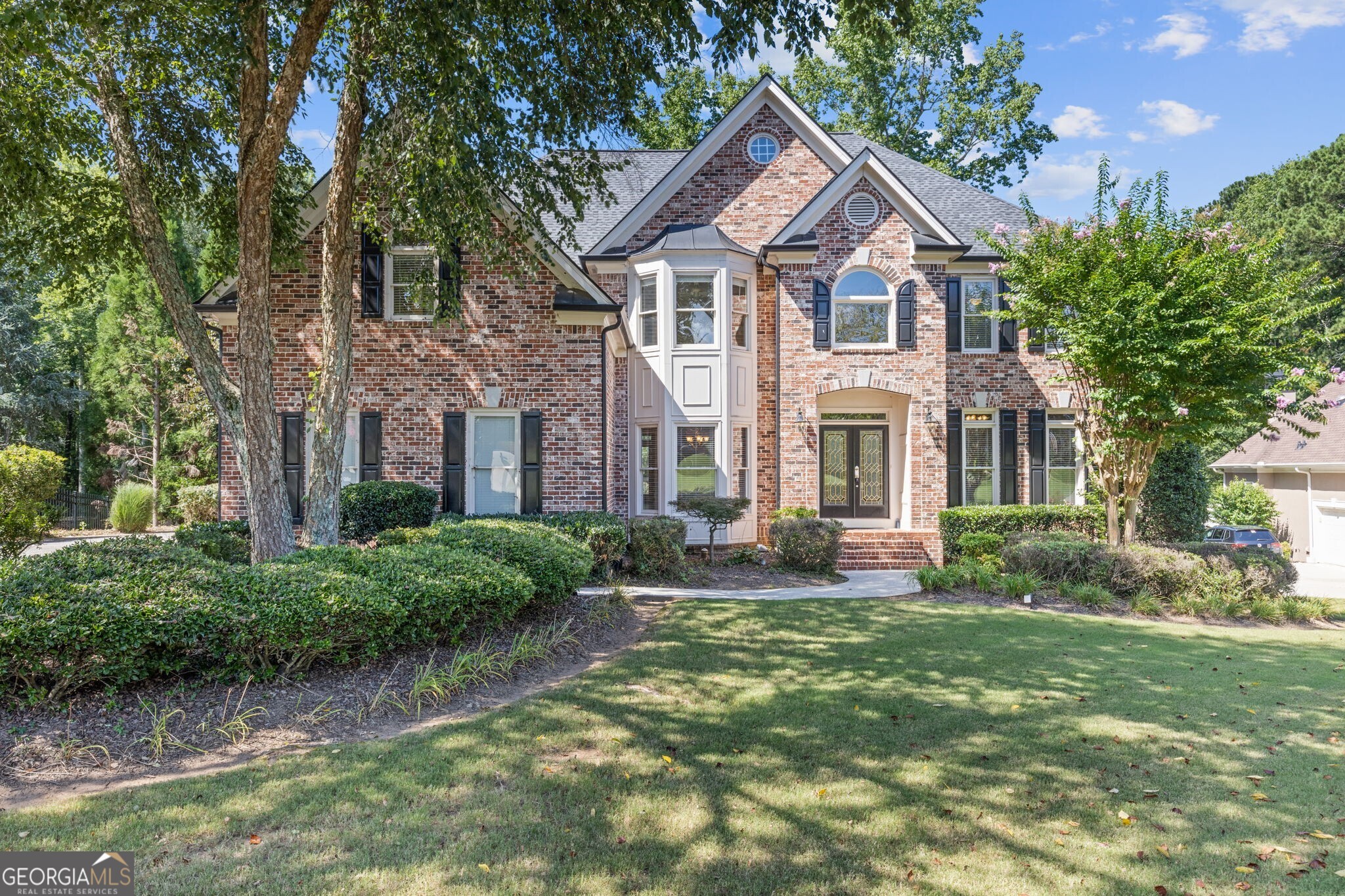
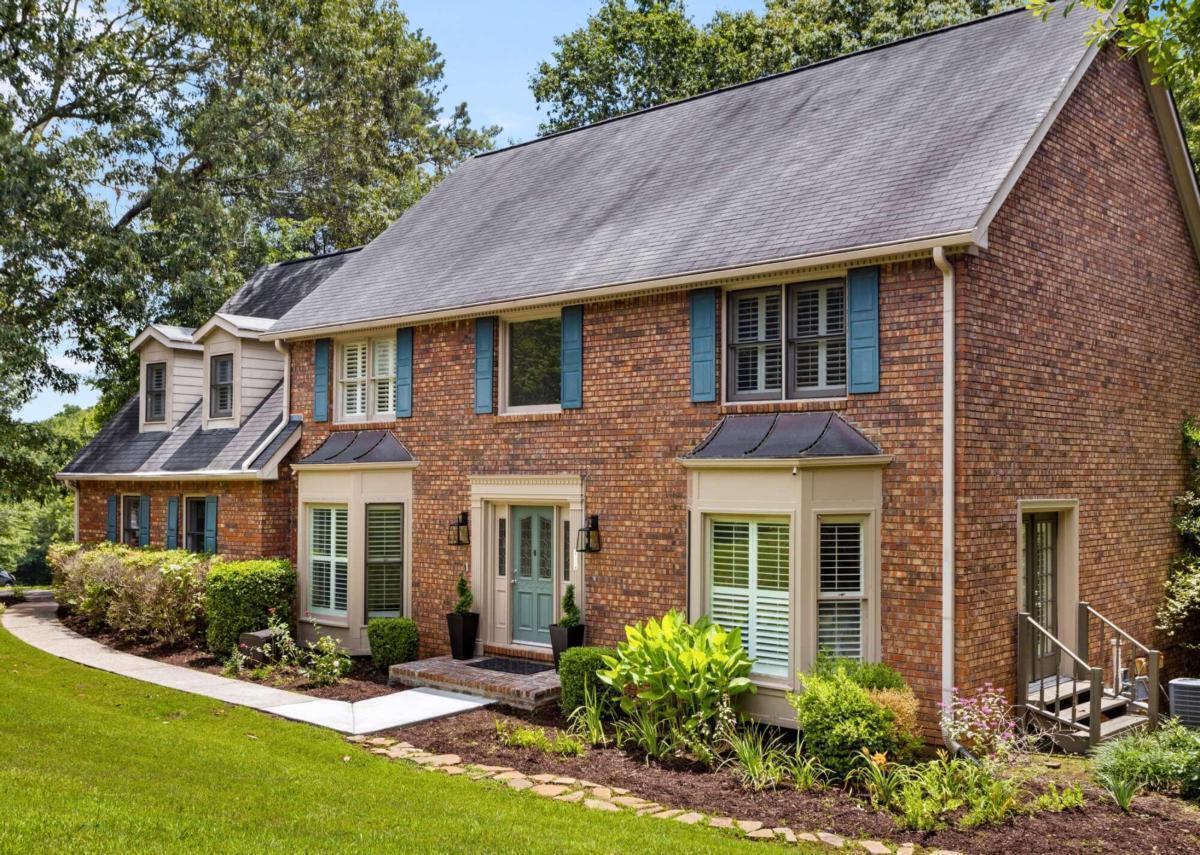
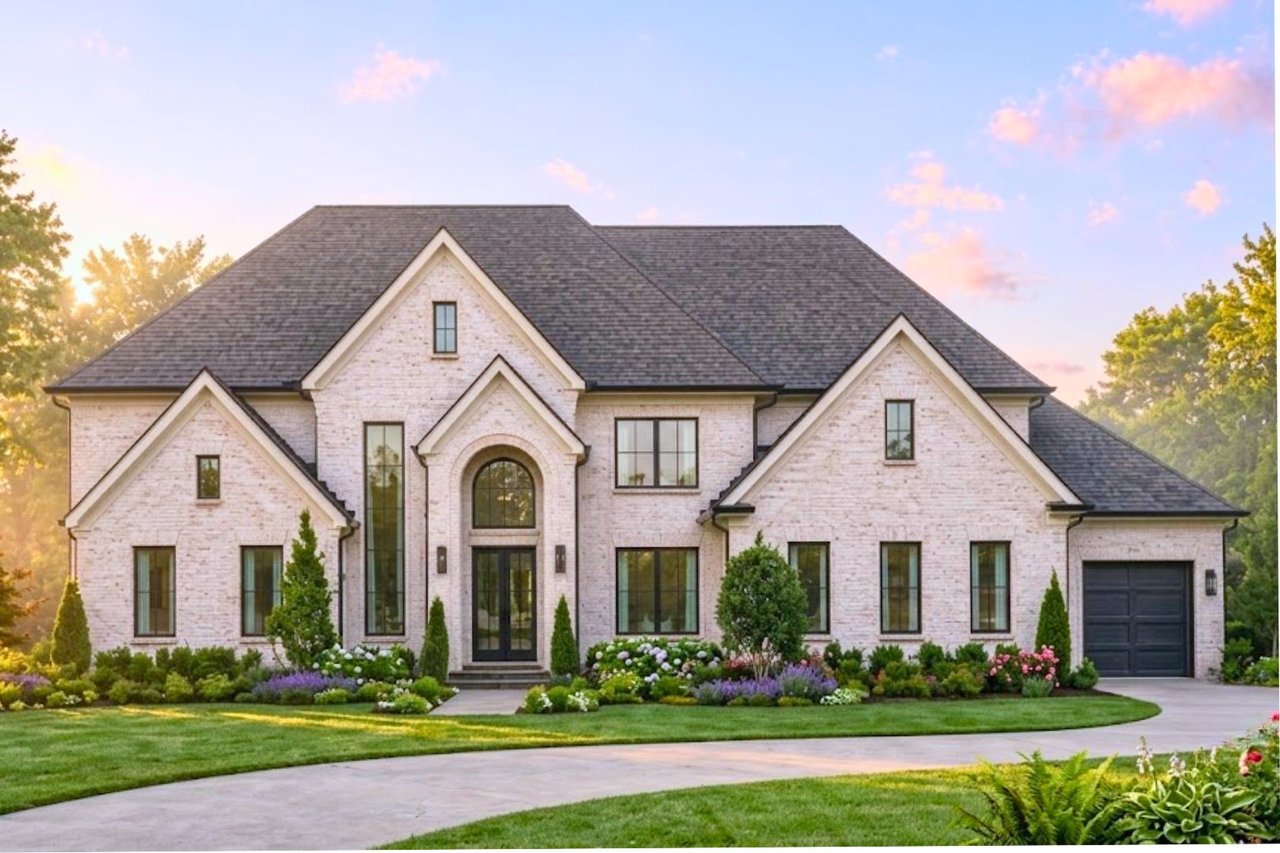
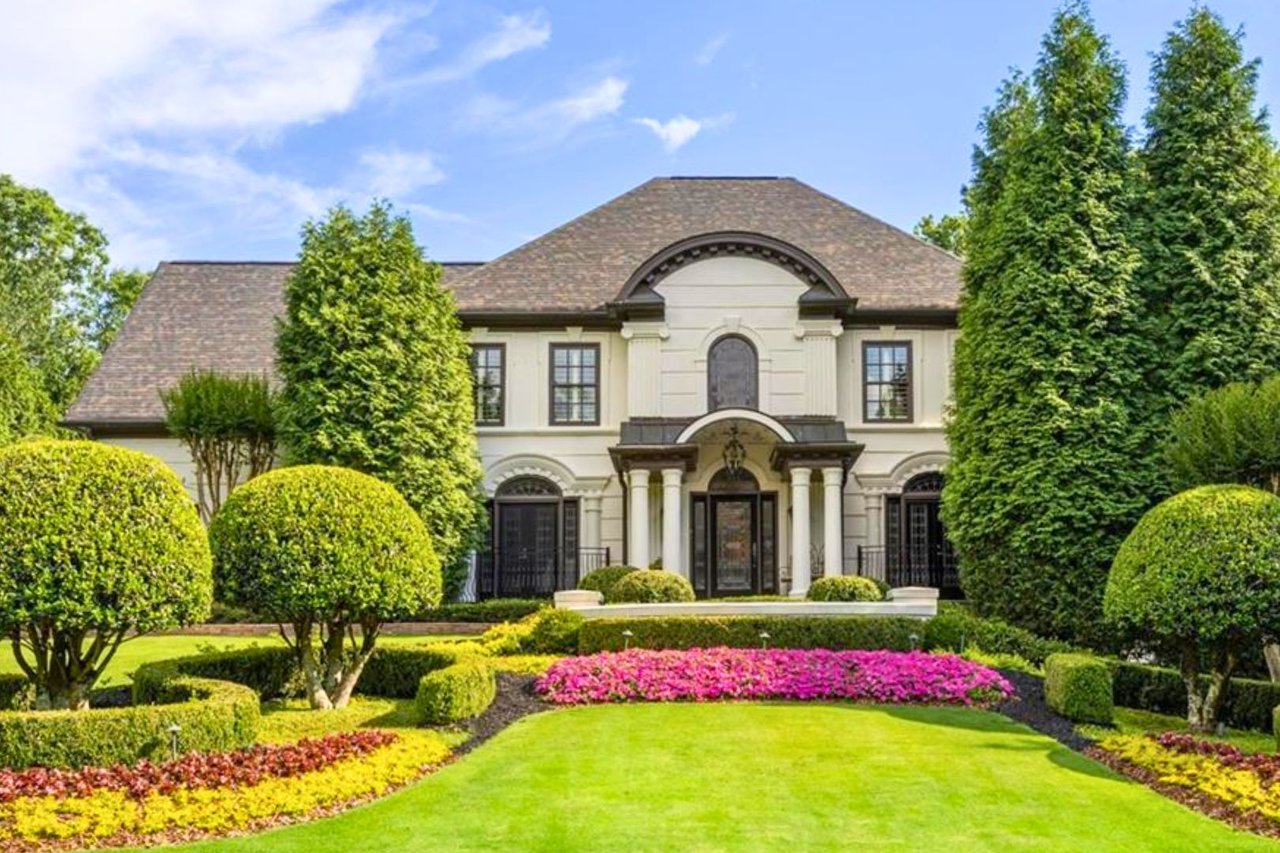
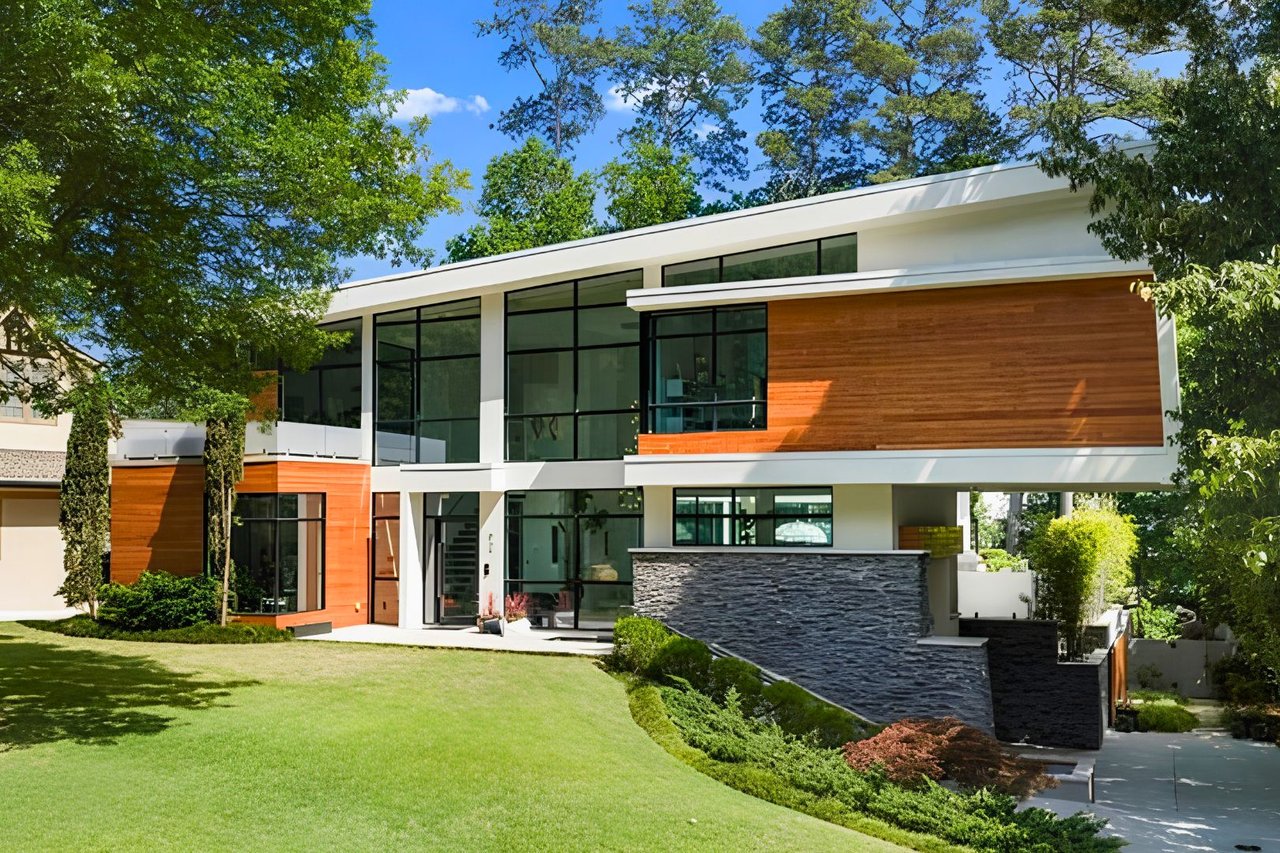
Buyers specifically seeking detached single-family new construction in the East Atlanta market typically need to expand their search slightly beyond the immediate EAV core. Ormewood Park, Kirkwood, and the East Lake corridor all have active single-family infill development. Moving further along the Eastside corridor — toward Decatur-adjacent pockets, or south toward the Gresham Park area where Gresham Road SE runs through larger residential lots — opens up more options where the land math supports detached construction at more accessible price points.
The tradeoff is typically some additional distance from BeltLine trail access and the EAV retail core. But for buyers prioritizing a backyard and more square footage, that calculation often works in their favor. Atlanta metro median home prices have climbed steadily through recent years, and East Atlanta's single-family new construction offers competitive positioning relative to that benchmark in several corridors.
Life in East Atlanta — What Buyers Get Beyond the Home
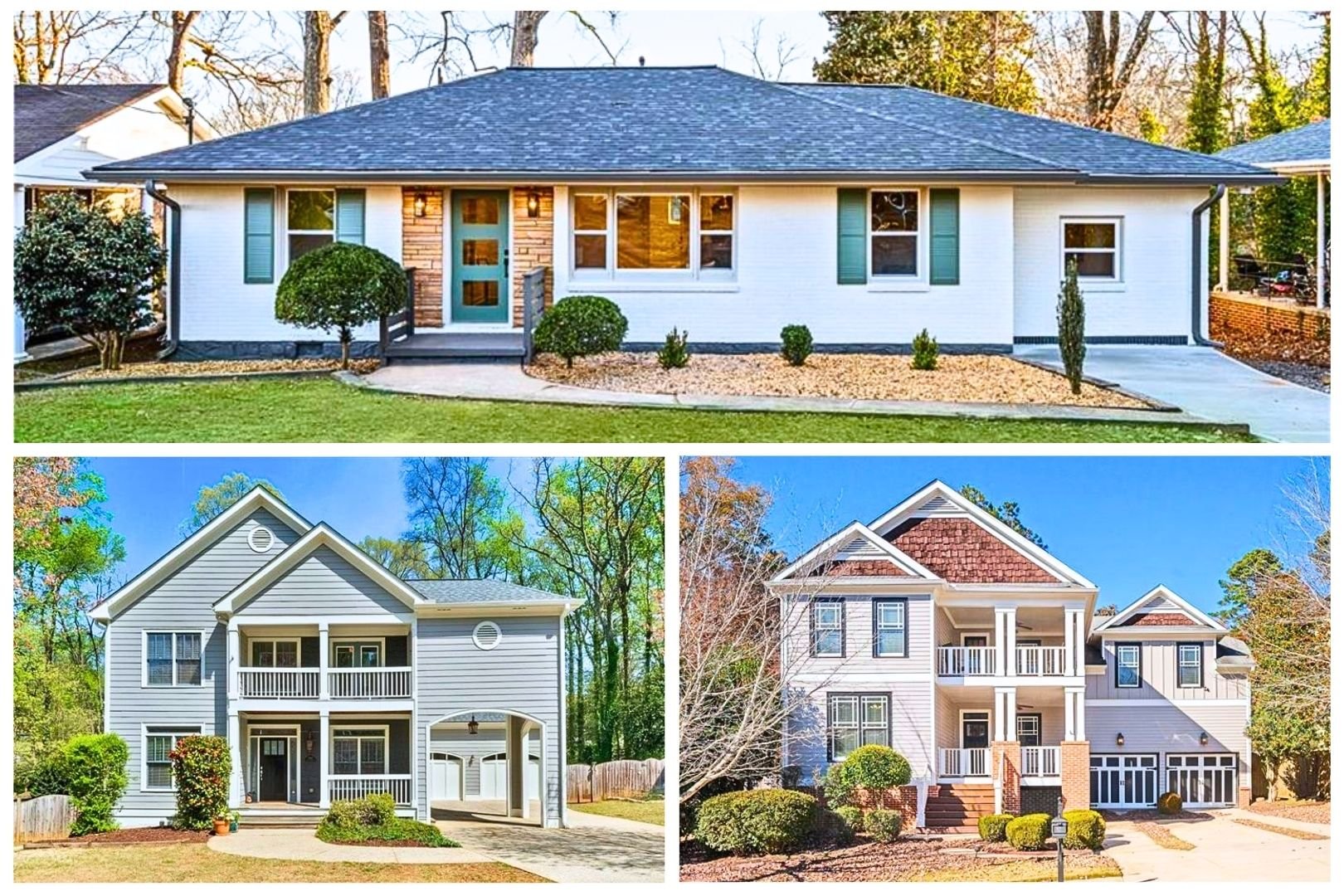
The home is only part of what buyers are purchasing in East Atlanta. East Atlanta Village functions as the cultural heartbeat of the area — a concentrated stretch of Flat Shoals Avenue and Glenwood Avenue lined with independent restaurants, live music venues, craft beer bars, and local retail that has largely disappeared from other parts of the city.
The neighborhood's social infrastructure is genuinely hard to replicate:
- Argosy on Flat Shoals Avenue draws regulars from across the metro with its sprawling beer garden and wood-fired pizza
- The Earl has anchored EAV's reputation as one of Atlanta's most active live music neighborhoods for decades
- Community Smith adds to the independent dining fabric that makes the Village feel lived-in rather than curated
- Midway Pub is the kind of neighborhood gathering spot that buyers from other parts of the city quietly envy
For outdoor recreation, Brownwood Park on Brownwood Avenue SE provides accessible green space with baseball fields and open lawns right in the heart of the community. Grant Park — one of Atlanta's oldest and largest parks at approximately 131 acres — sits just a short drive away, offering walking paths, picnic grounds, and Zoo Atlanta as a consistent draw for families.
Families evaluating the area will want to research both Atlanta Public Schools and DeKalb County School District options based on exact address, as the two systems serve different pockets of the broader East Atlanta corridor. School assignments should always be confirmed by specific address during the home search process.
MARTA reported system-wide average weekday boardings in the range of 55,000 to 60,000 riders in 2024, reflecting the network's continued role as a practical commuting option for intown Atlanta residents — and the Edgewood–Candler Park and East Lake stations put that network within reach for East Atlanta new construction buyers.
Tips for Buying in a Builder Community in East Atlanta
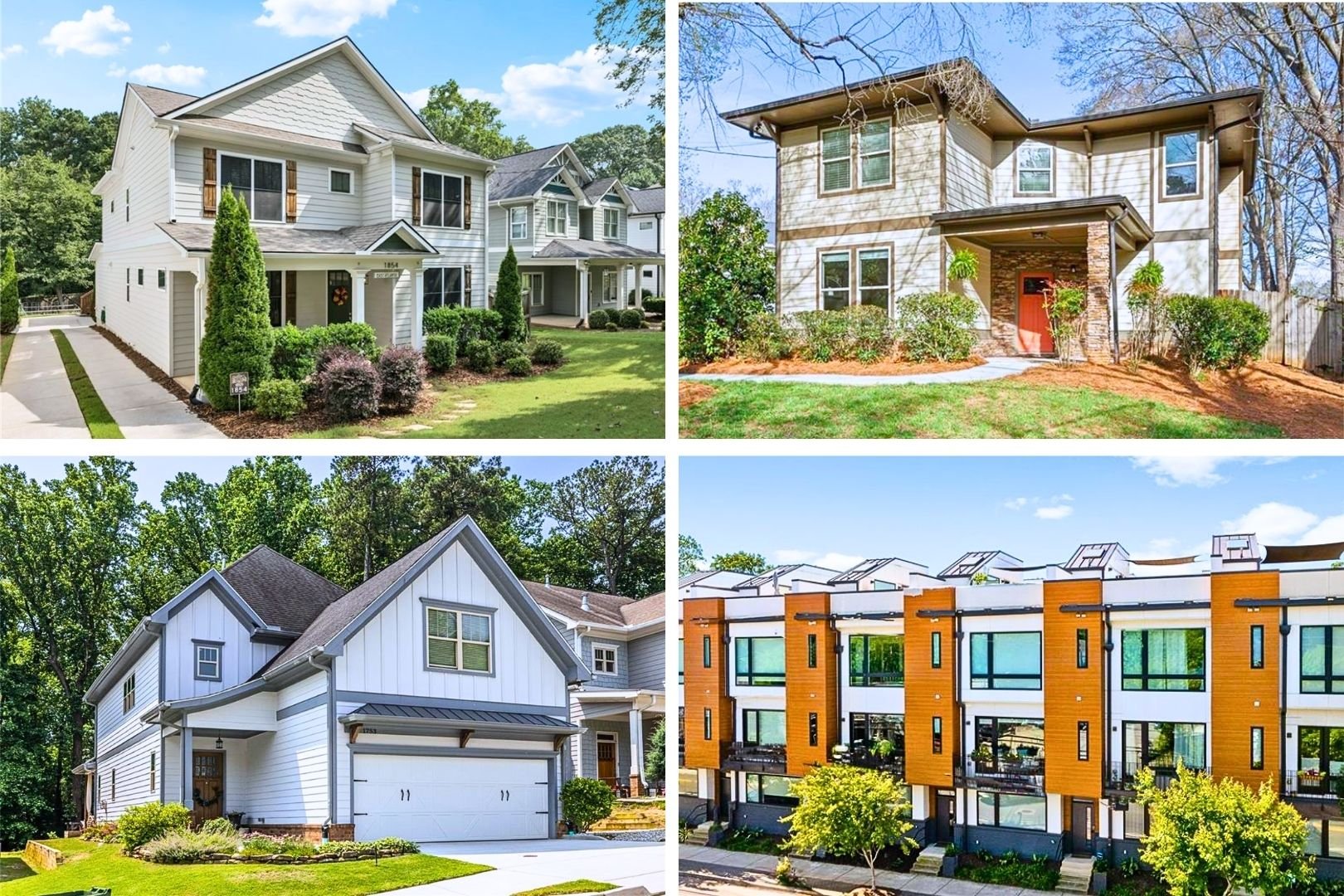
Come Prepared Before You Tour
Navigating the new construction process in East Atlanta requires a slightly different mindset than buying resale. Start by getting fully pre-approved before visiting model homes or meeting with builder sales teams. In the East Atlanta infill market — where communities are often small, sometimes just ten to thirty homes — builder representatives prioritize serious buyers, and arriving with a pre-approval letter signals that you are ready to move.
Pro Tip: Work with your own buyer's agent even when purchasing directly from a builder. The on-site sales representative works for the builder, not for you. A local buyer's agent who knows the East Atlanta new construction market can review contract terms, negotiate on your behalf, and advocate for you through closing — typically at no direct cost to you since builder commissions are structured to cover the buyer's agent.
Plan for Timeline Flexibility
Builder timelines in an infill urban market can shift for reasons outside anyone's control — permitting delays, supply chain issues, or complications with adjacent construction. Build flexibility into your personal timeline rather than counting on a precise closing date from the start. Active intown Atlanta markets have seen well-priced new construction move quickly given limited competing inventory, so staying prepared is a practical necessity in a market where quality product does not sit long.
Do Your Homework Before Going Under Contract
Before signing anything, there are a few due diligence habits worth building into your process:
- Visit the community at different times of day — East Atlanta's active corridors along Moreland Avenue, Glenwood Avenue, and Memorial Drive carry real traffic and ambient noise that feels very different at 8 a.m. on a Tuesday than on a Saturday afternoon
- Ask the builder's team specifically what is and is not included in the base price — model homes are rarely the base-price product
- Confirm HOA documents include any rental restriction language before signing, particularly if future flexibility matters to you
Frequently Asked Questions About New Construction in East Atlanta
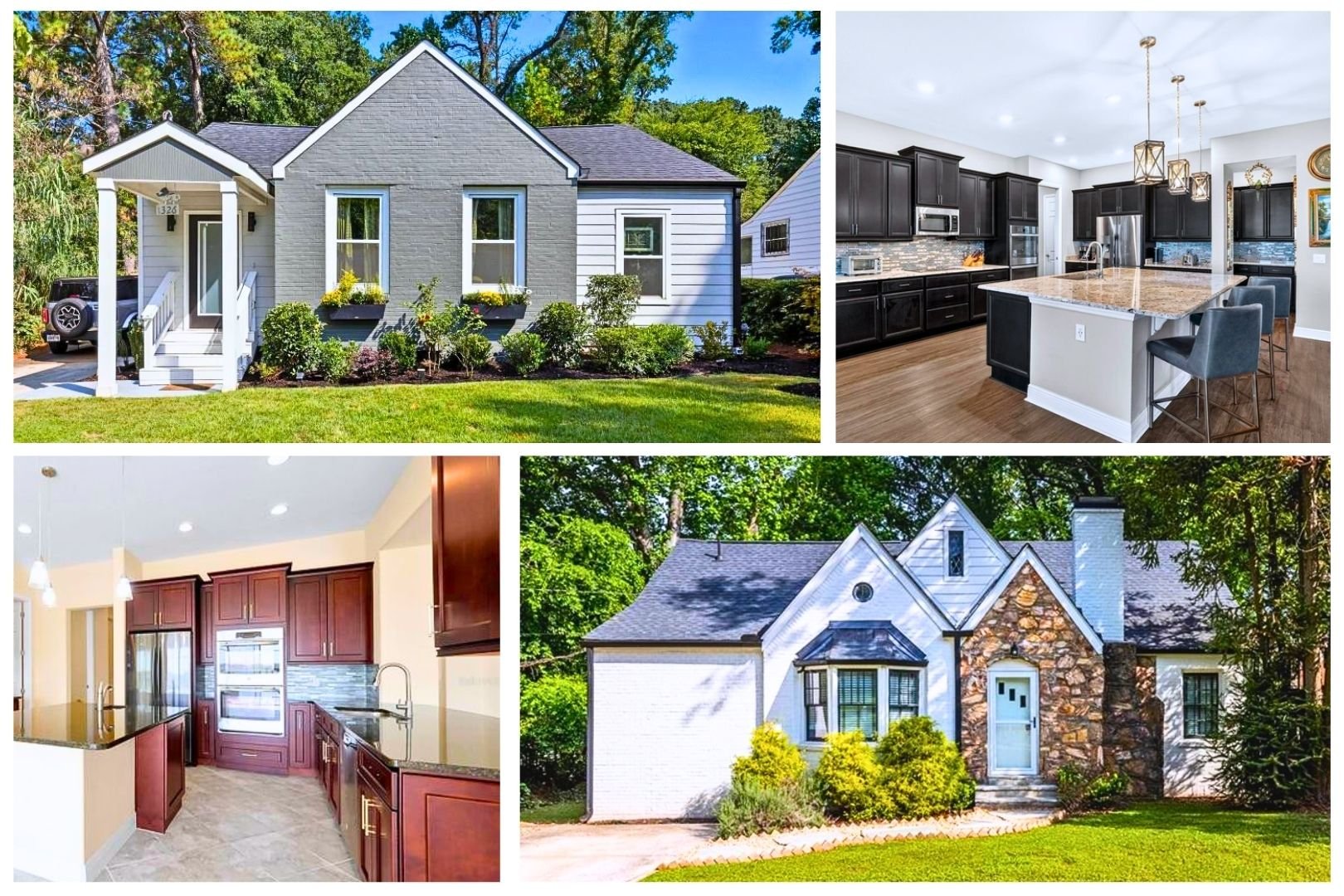
Are there truly new construction homes available in East Atlanta?
Yes — and more than many buyers expect. While East Atlanta is rightly celebrated for its historic housing stock, active builder communities and infill development have grown significantly over the past several years. Reynoldstown, Ormewood Park, Edgewood, and Kirkwood are all neighborhoods where new construction is actively occurring. Townhomes are the most common product type in the immediate area, though single-family options exist in certain corridors. Inventory in this market moves quickly given strong demand, so staying current with what is actively available is essential.
What is the typical price range for new construction homes in East Atlanta?
New construction townhomes in East Atlanta have generally started in the mid-$400s and ranged into the mid-to-upper $600s depending on size, finishes, and exact location. Single-family new construction in the broader Eastside corridor varies more widely based on lot size and neighborhood, with some premium product reaching into the $700s and above. Buyers should verify current pricing with a local agent since new construction pricing adjusts with market conditions and available builder inventory.
Do builder communities in East Atlanta have HOAs?
Most do, though the structure and cost vary by community. Townhome communities almost always carry an HOA covering exterior maintenance, common area landscaping, and often exterior insurance. Based on observed listings, monthly fees have generally fallen in the range of around $150 to $350 in this market, though current figures should be confirmed for each specific community. Some single-family infill developments carry minimal or no HOA depending on the builder and development structure.
How close are these builder communities to the Atlanta BeltLine?
Proximity to the BeltLine varies by exact address, but several of the most active new construction corridors — particularly in Reynoldstown and Edgewood — offer genuinely walkable access to the BeltLine's Eastside Trail. This trail-adjacent positioning is one of the primary lifestyle draws for buyers in the East Atlanta new construction market and is consistently reflected in how these communities are priced relative to the broader area.
Is buying new construction in East Atlanta a good investment?
East Atlanta has demonstrated consistent appreciation driven by its intown location, cultural appeal, and BeltLine proximity. New construction adds a low-maintenance advantage on top of the location premium, which has historically supported buyer demand. That said, every buyer's financial situation is different, and anyone making a purchase of this size should consult a local real estate professional for current market data and guidance tailored to their specific circumstances. This should not be taken as financial advice.
What MARTA stations serve the East Atlanta new construction areas?
The Edgewood–Candler Park station on Arizona Avenue NE and the East Lake station on East Lake Road are the primary rail stations serving the neighborhoods where new construction is most active. Both stations sit on MARTA's Blue and Green lines, offering direct service to downtown Atlanta, Midtown, and connections to the broader MARTA network including Hartsfield-Jackson Atlanta International Airport.
Conclusion

East Atlanta occupies a genuinely rare position in the Atlanta market: a corridor with deep character, cultural identity, and neighborhood roots that also happens to be experiencing a meaningful and sustained wave of new construction activity. For buyers who have told themselves they must choose between a brand-new home and the lifestyle they actually want, East Atlanta's builder communities make a compelling case that the tradeoff is not as stark as it seems.
These communities are not sitting on the market. Demand in the area is real, inventory is limited, and quality new construction in desirable locations tends to move. Staying informed, understanding your priorities, and moving with intention are the hallmarks of a successful buyer in this market. If you're ready to explore new construction options in East Atlanta, reach out to our team today — we'd love to help you find the right fit.