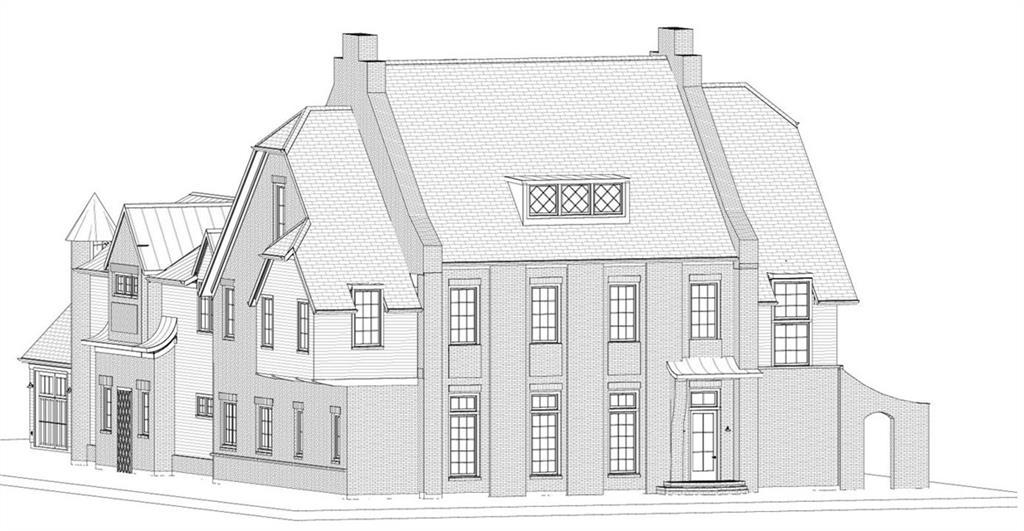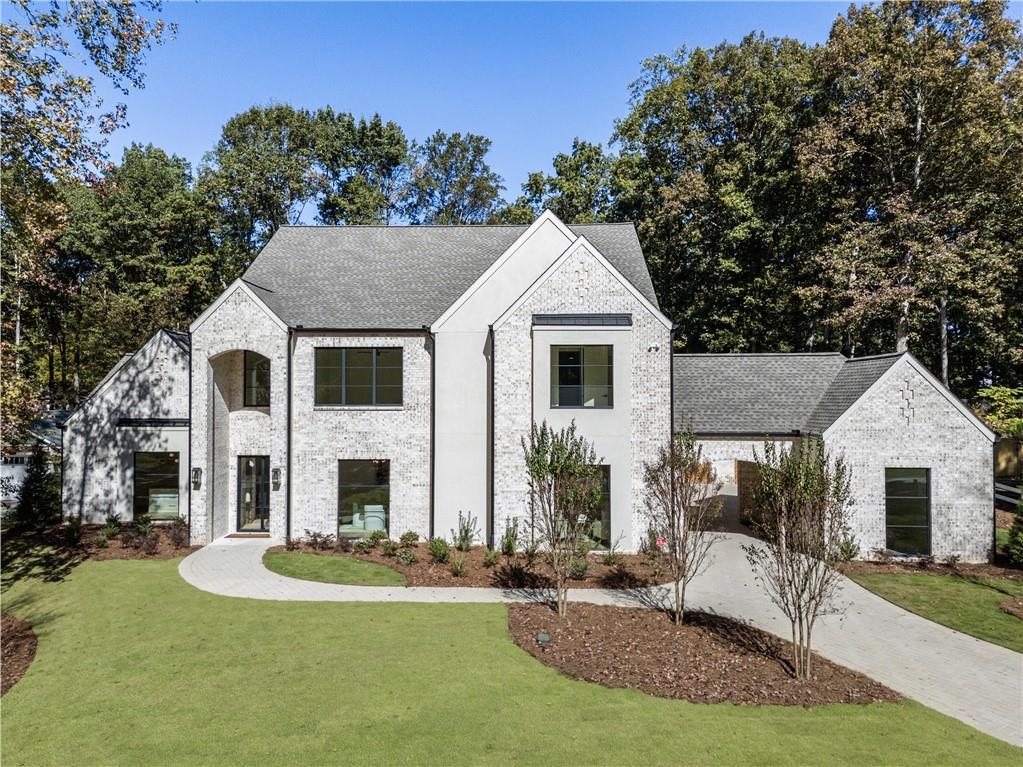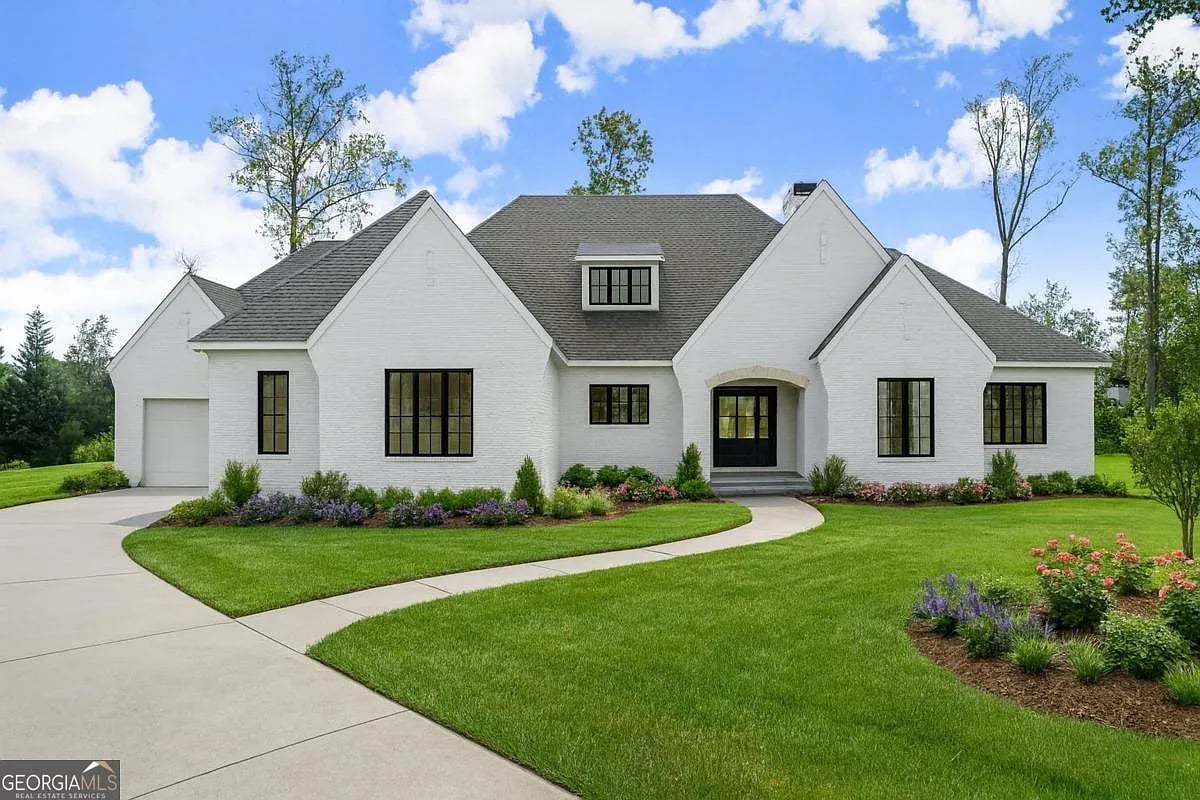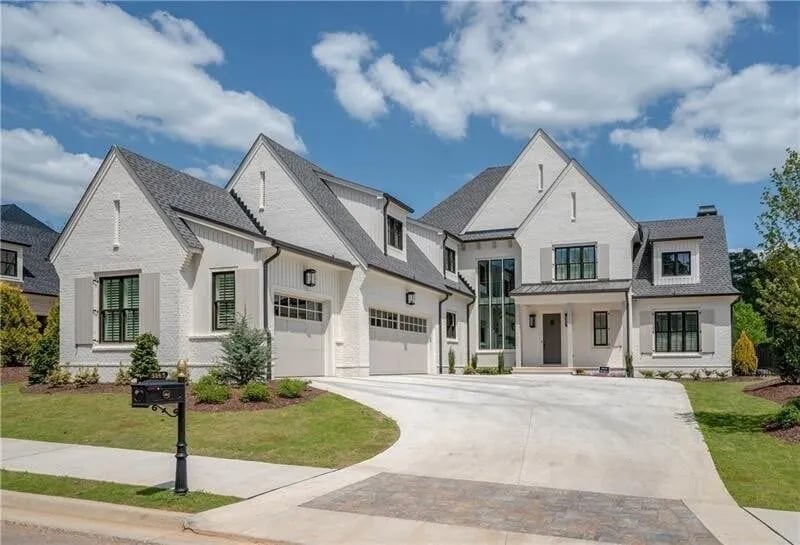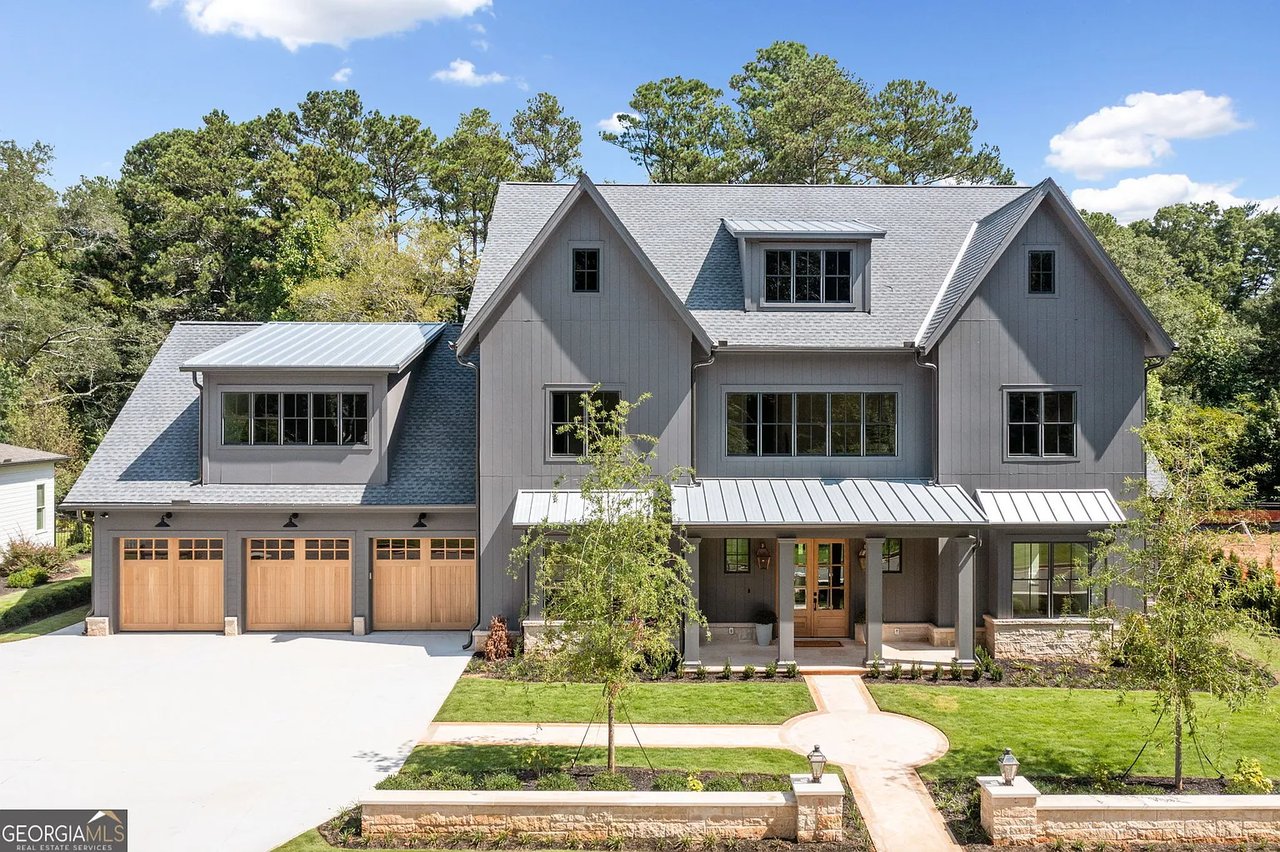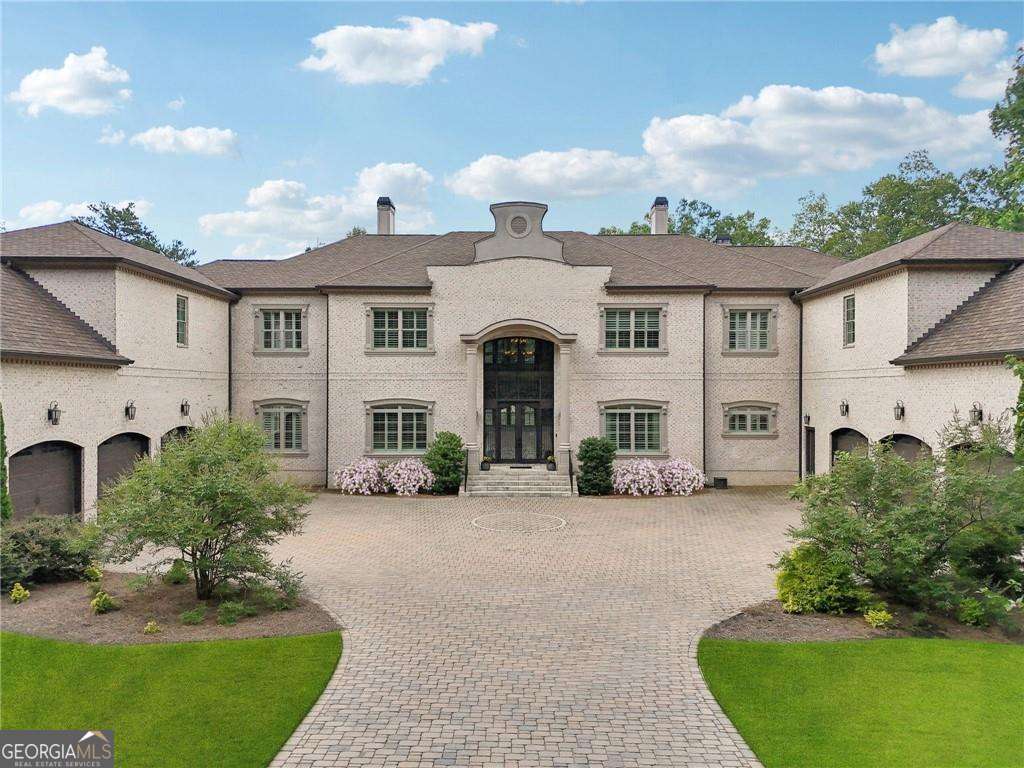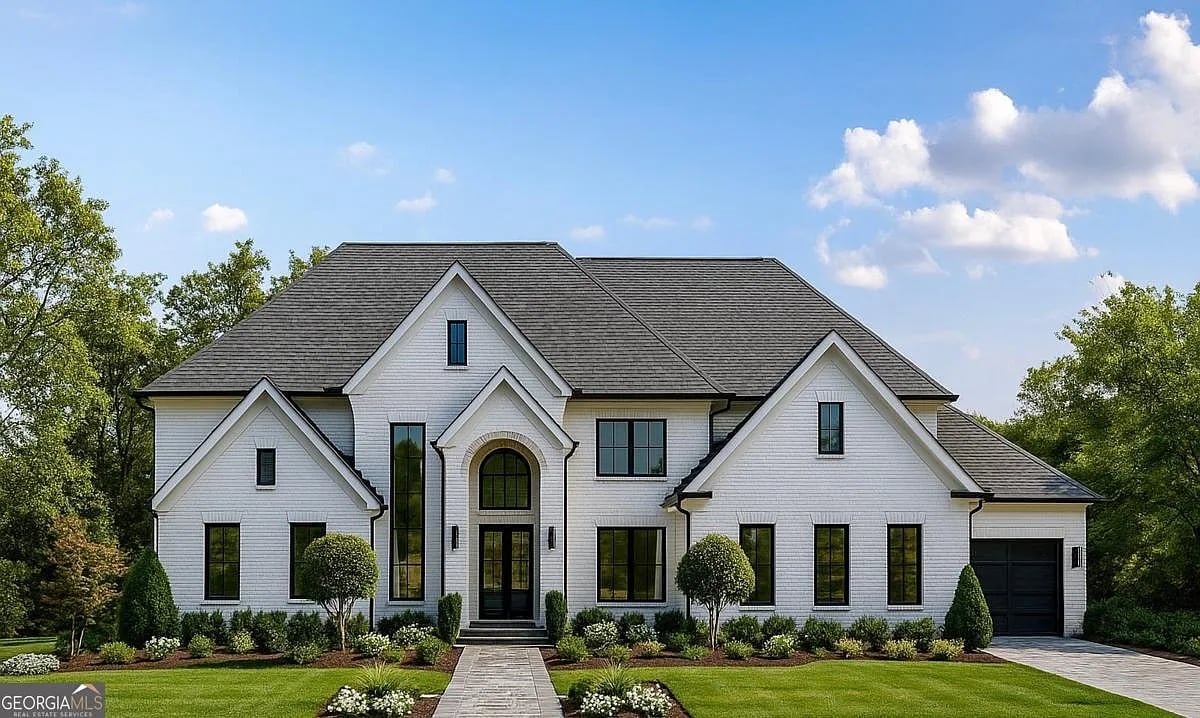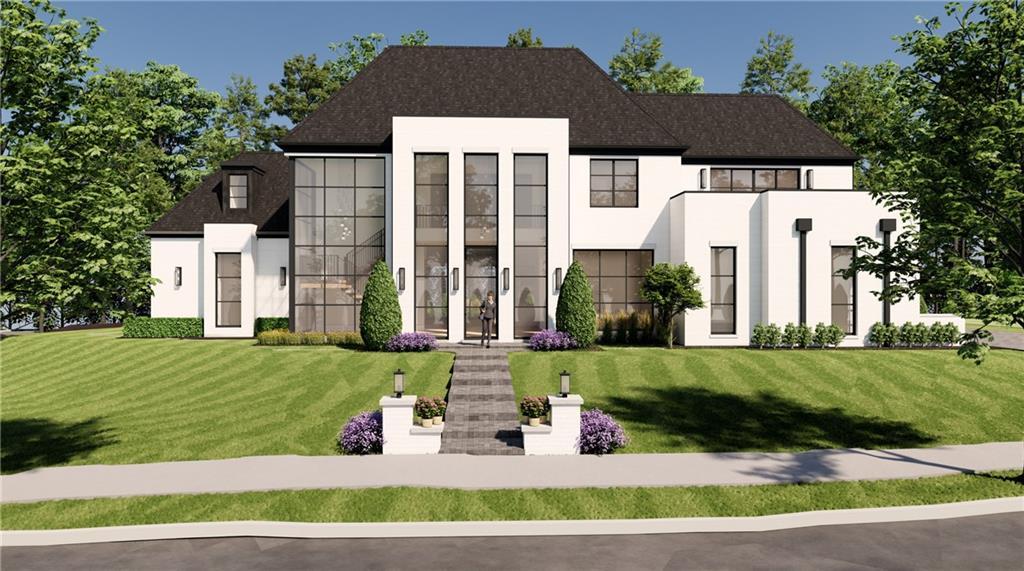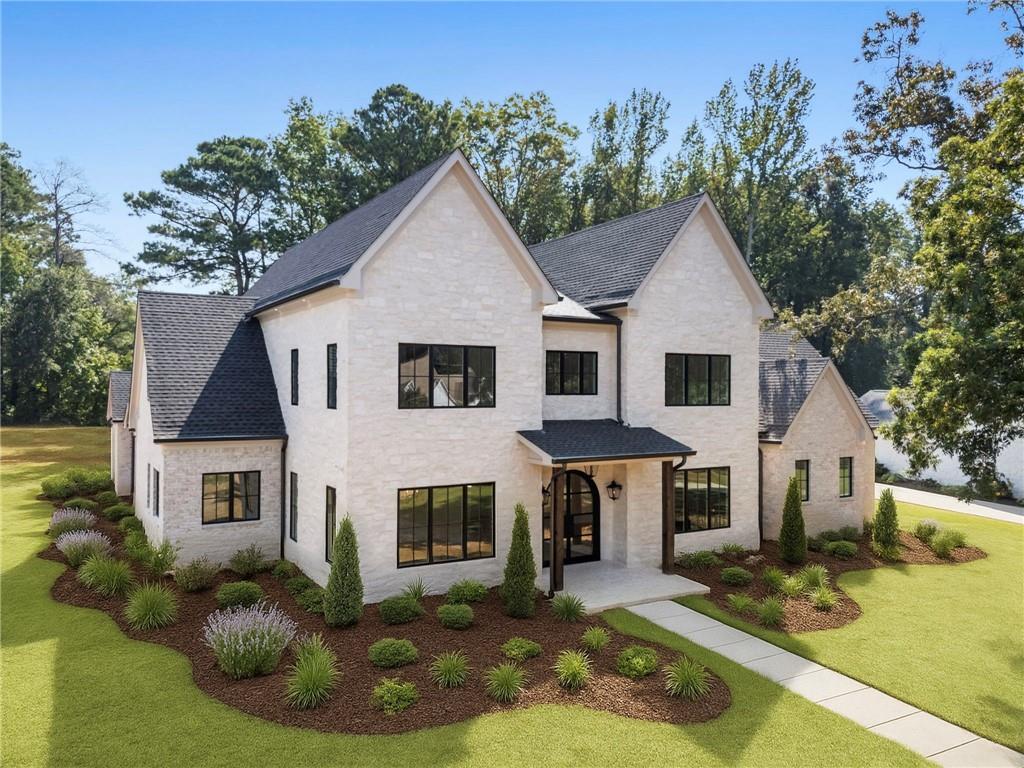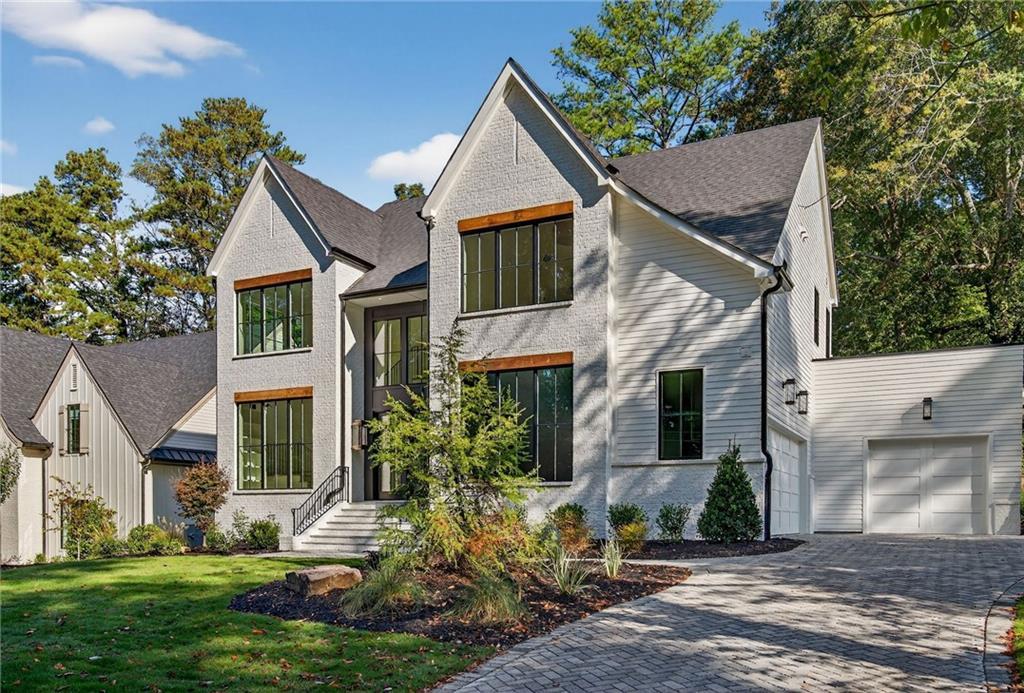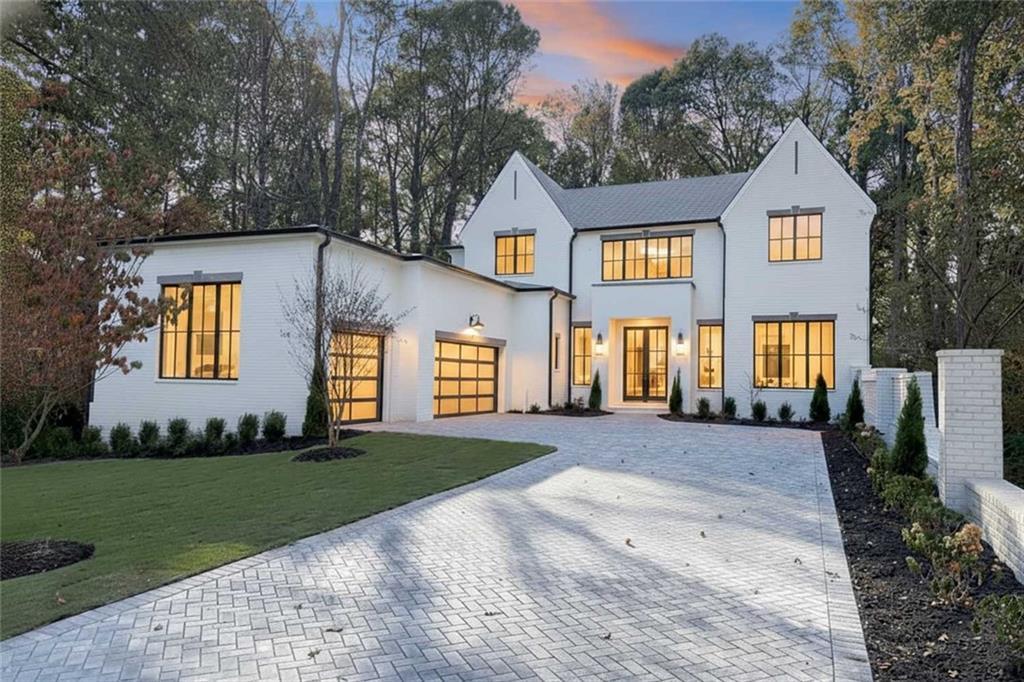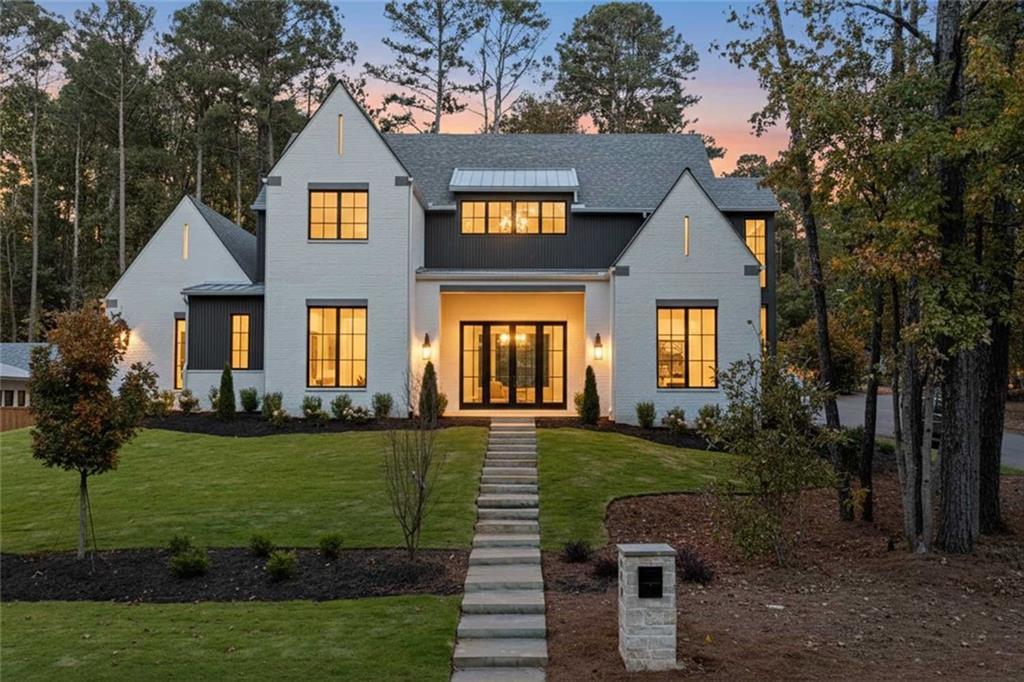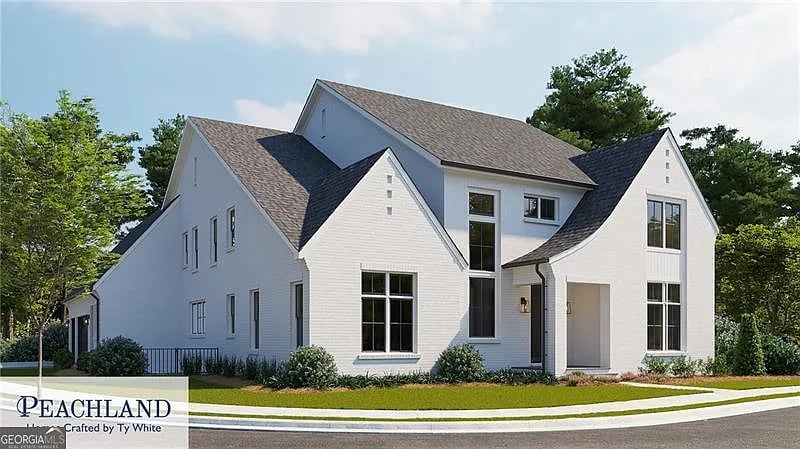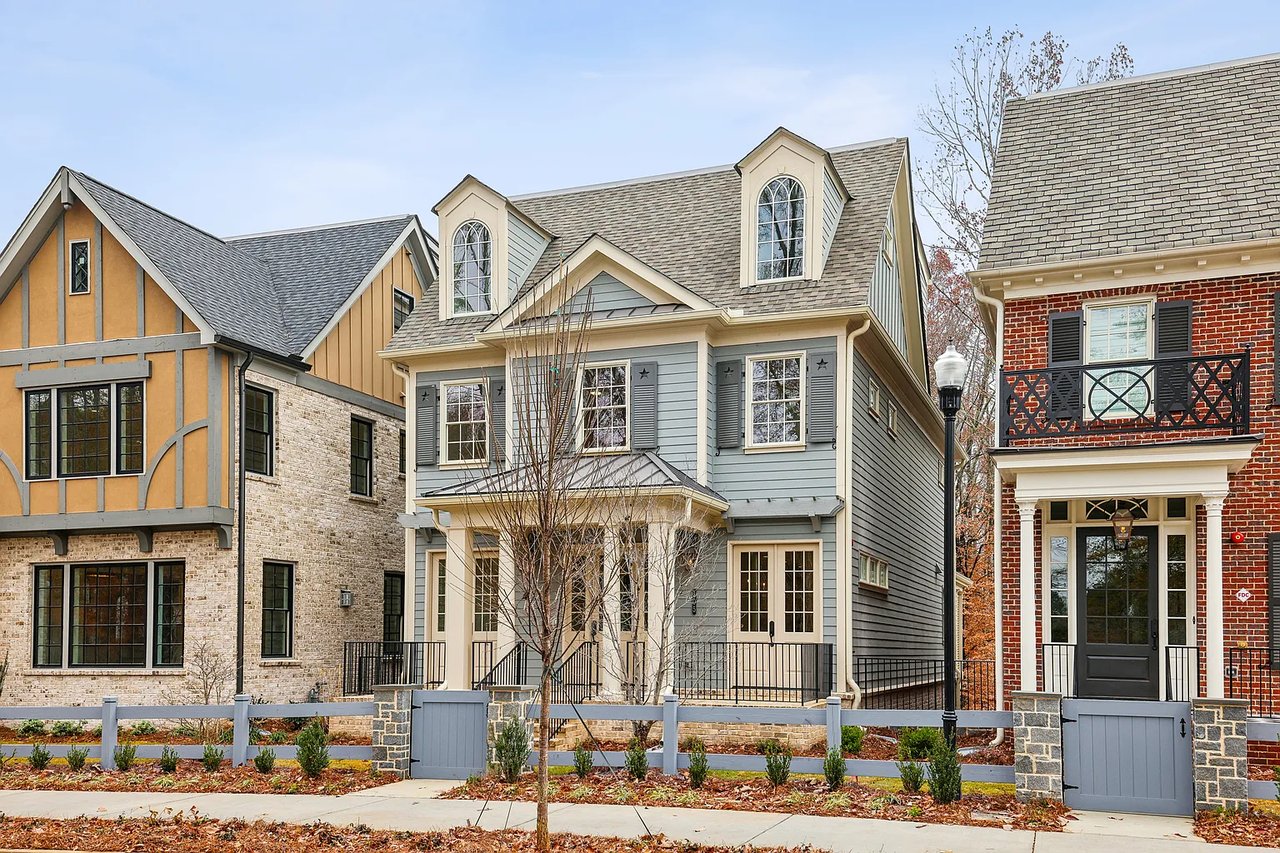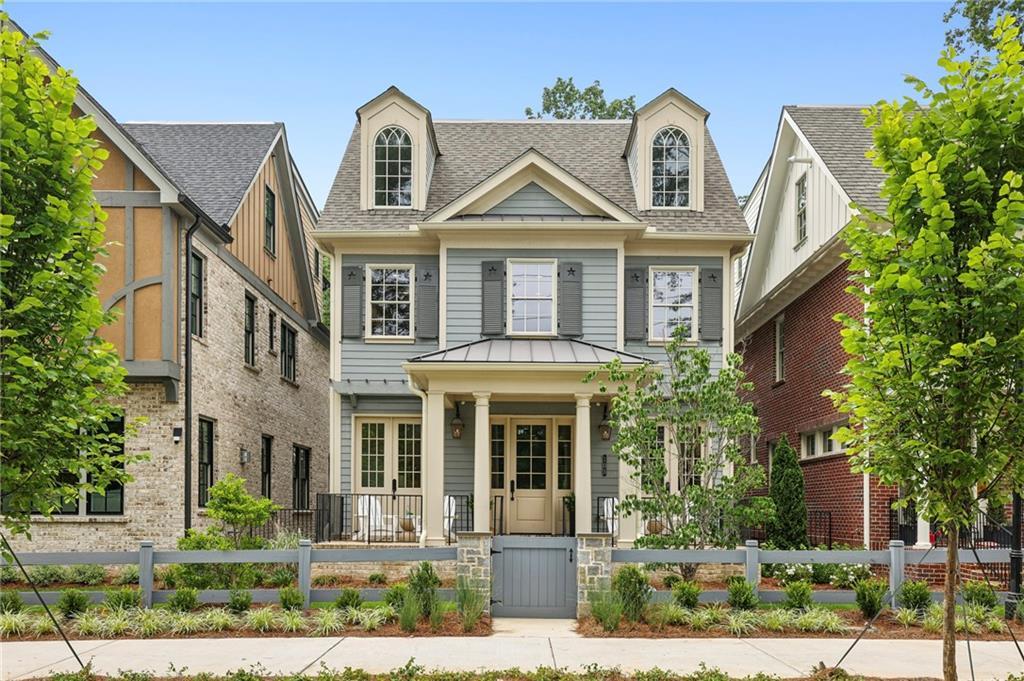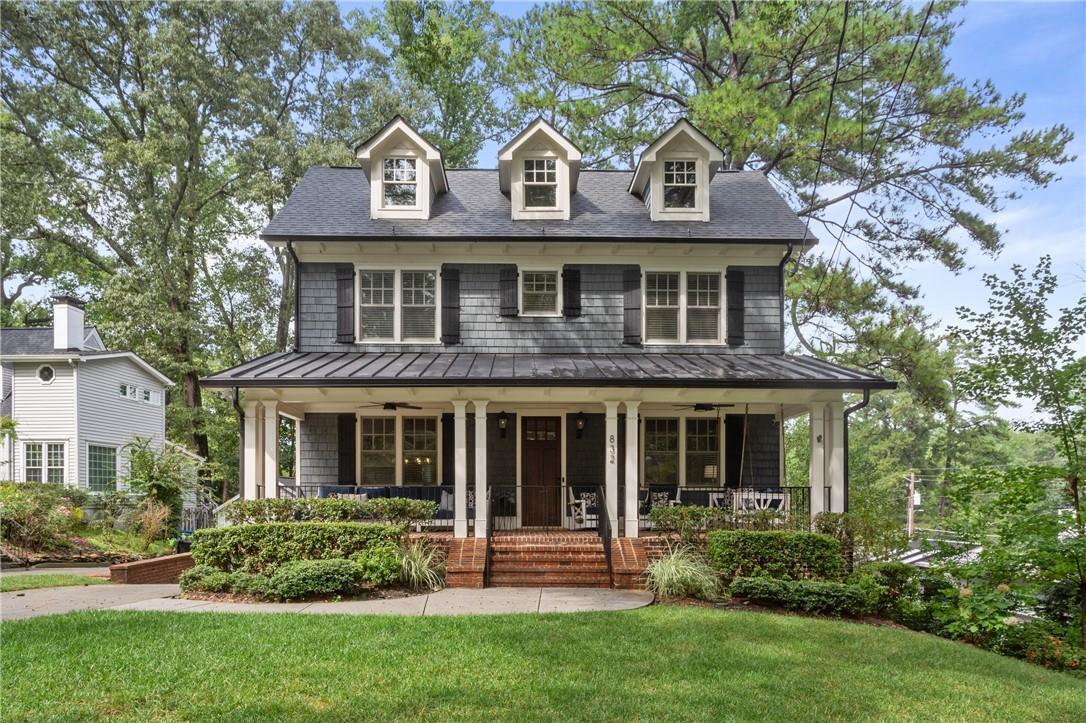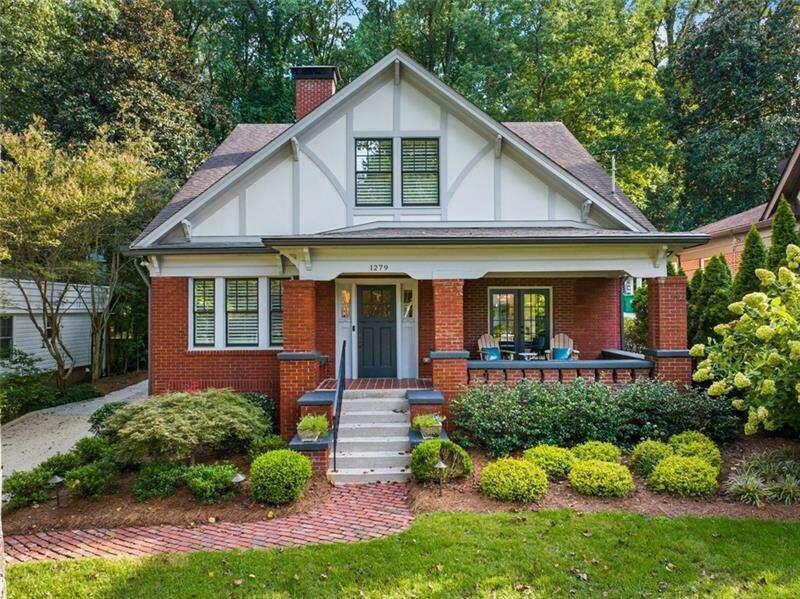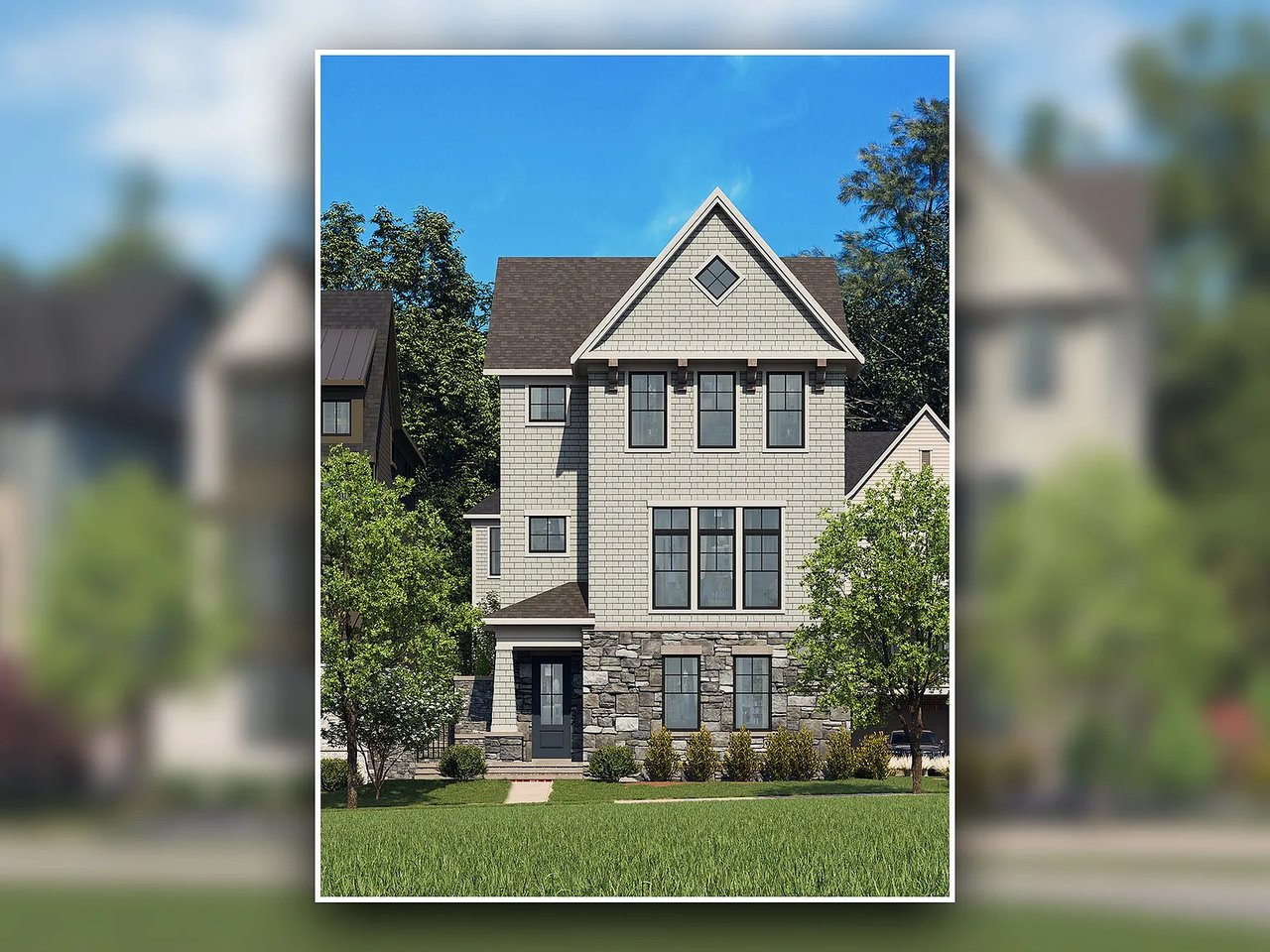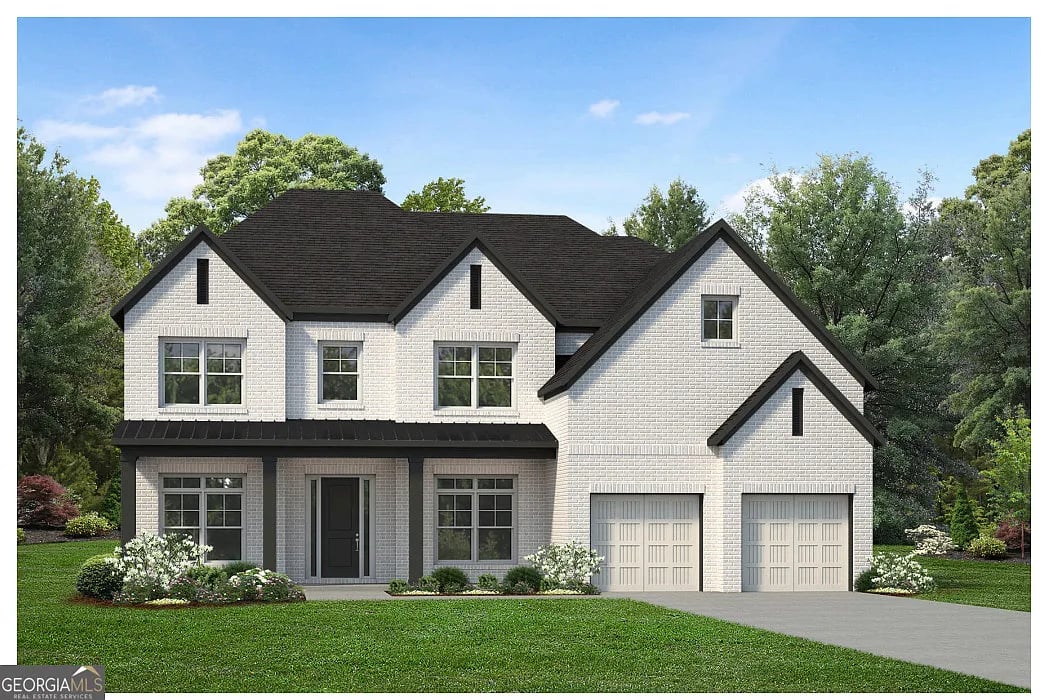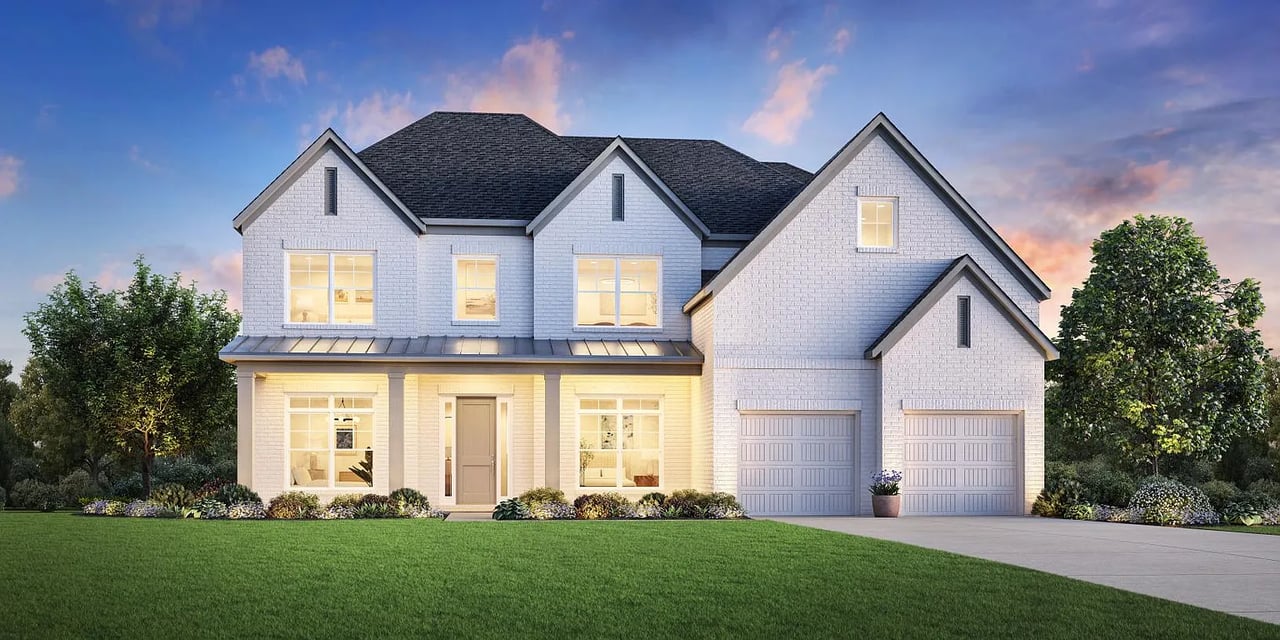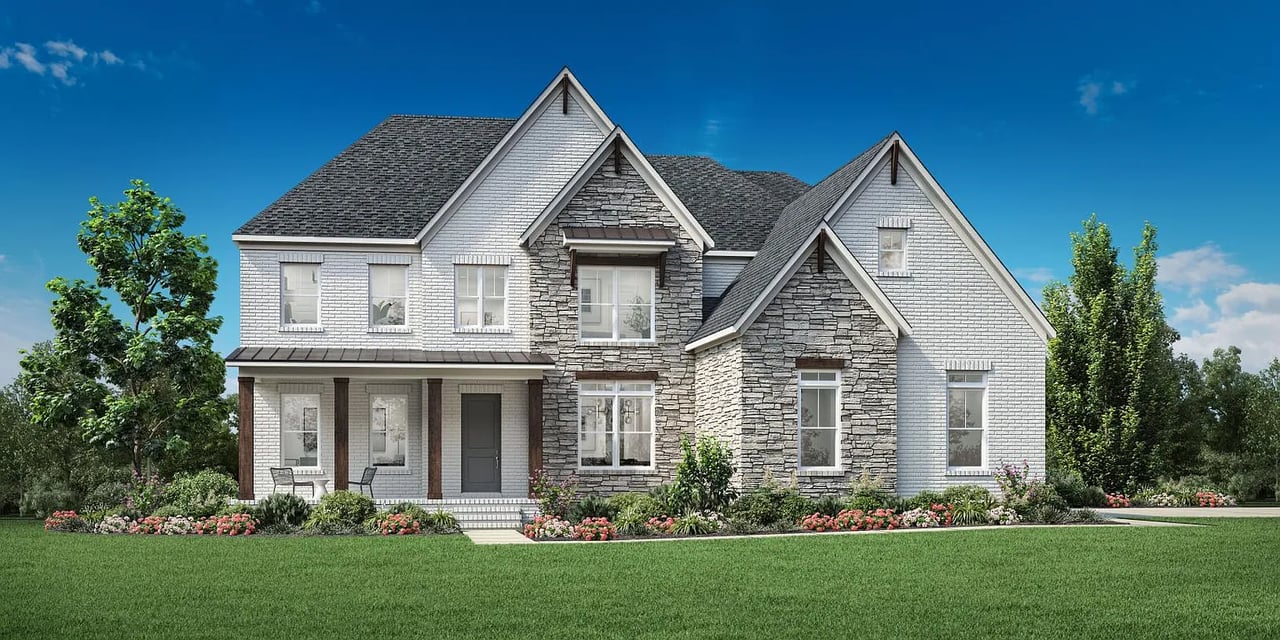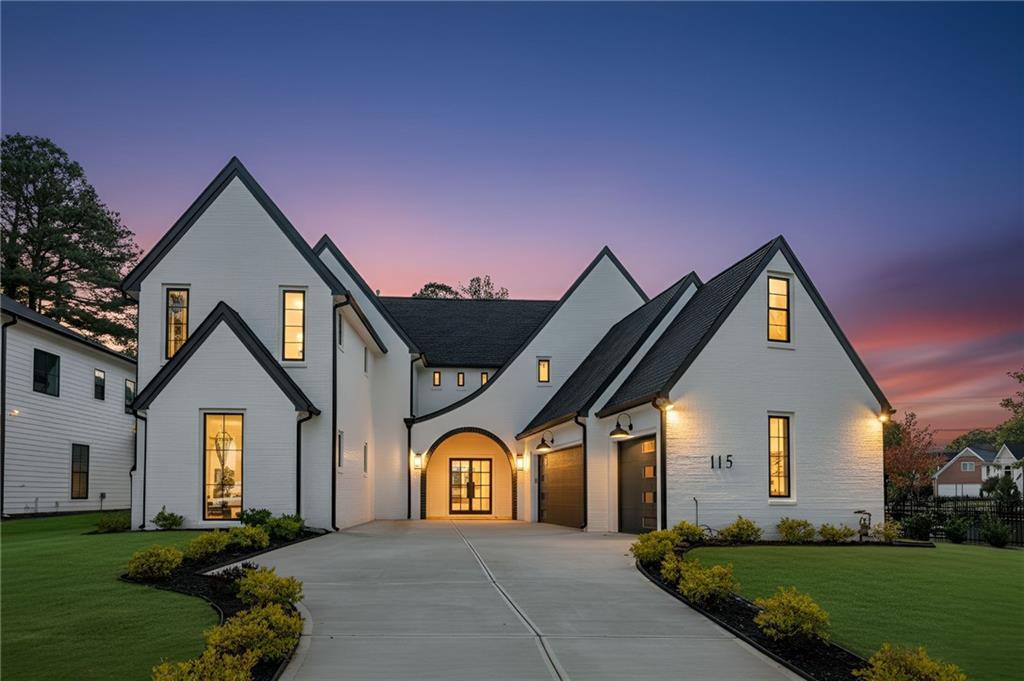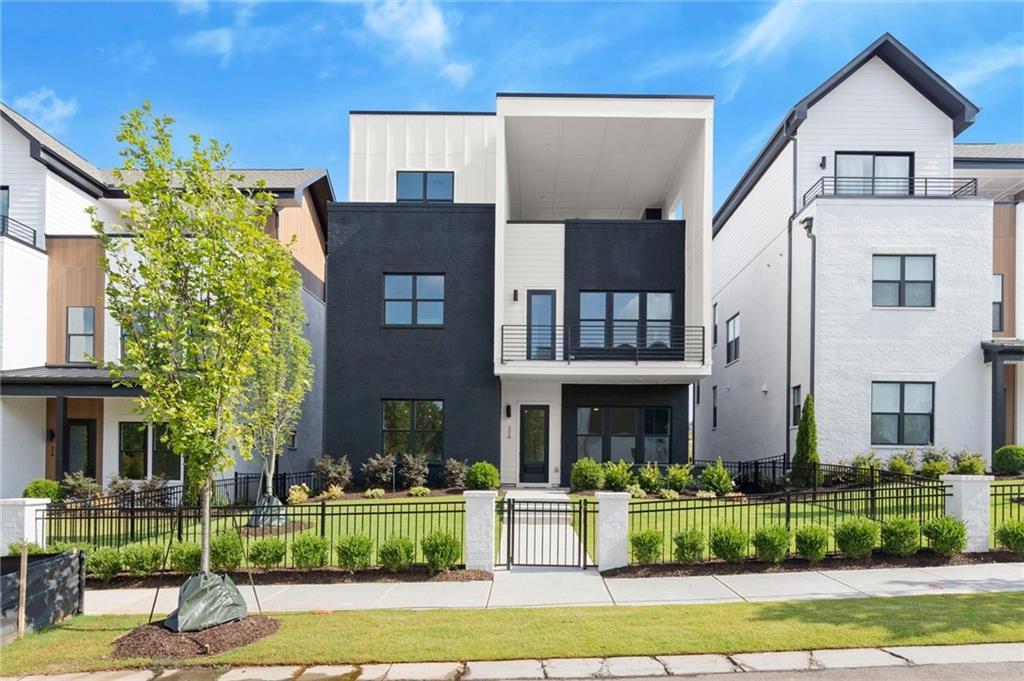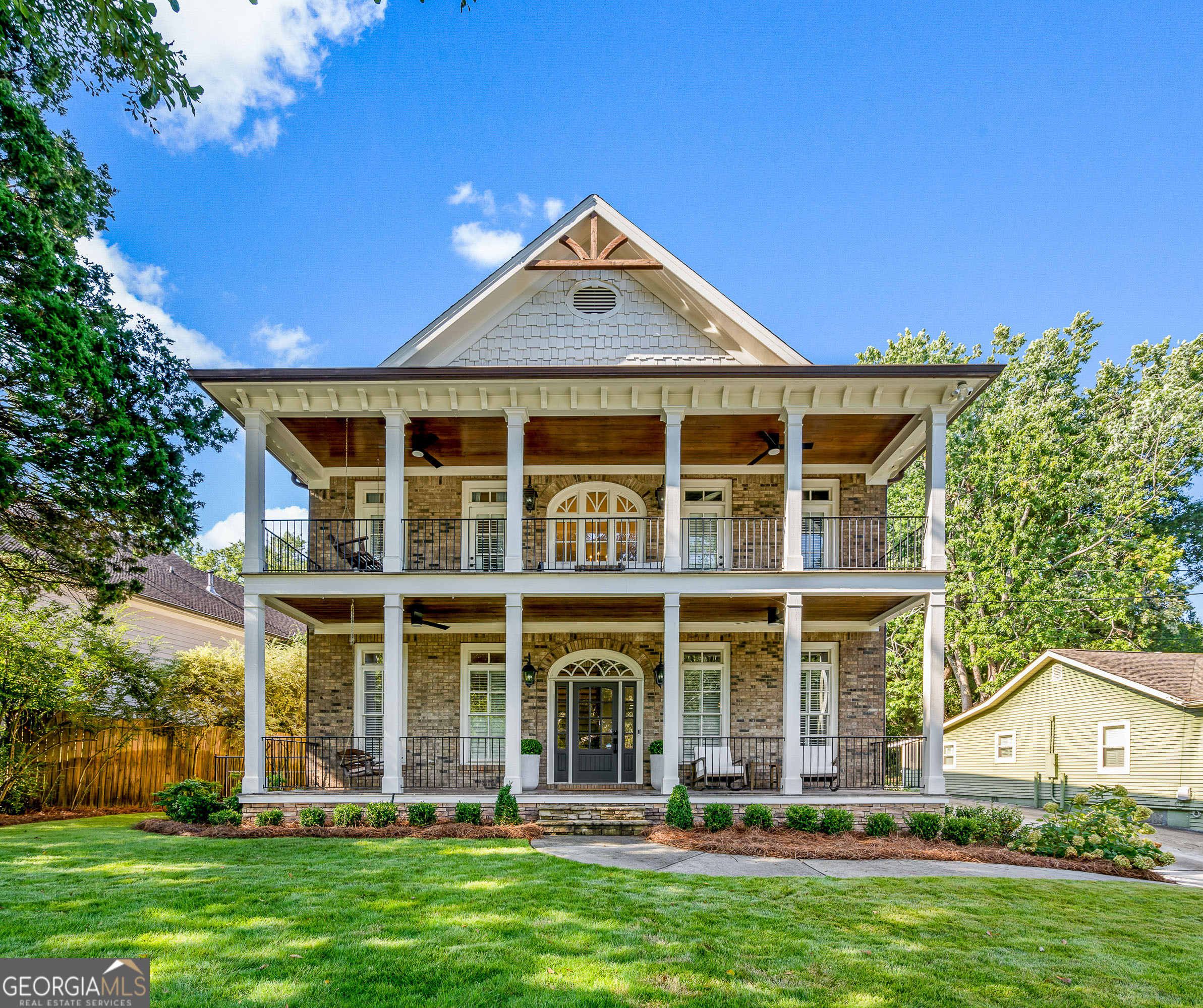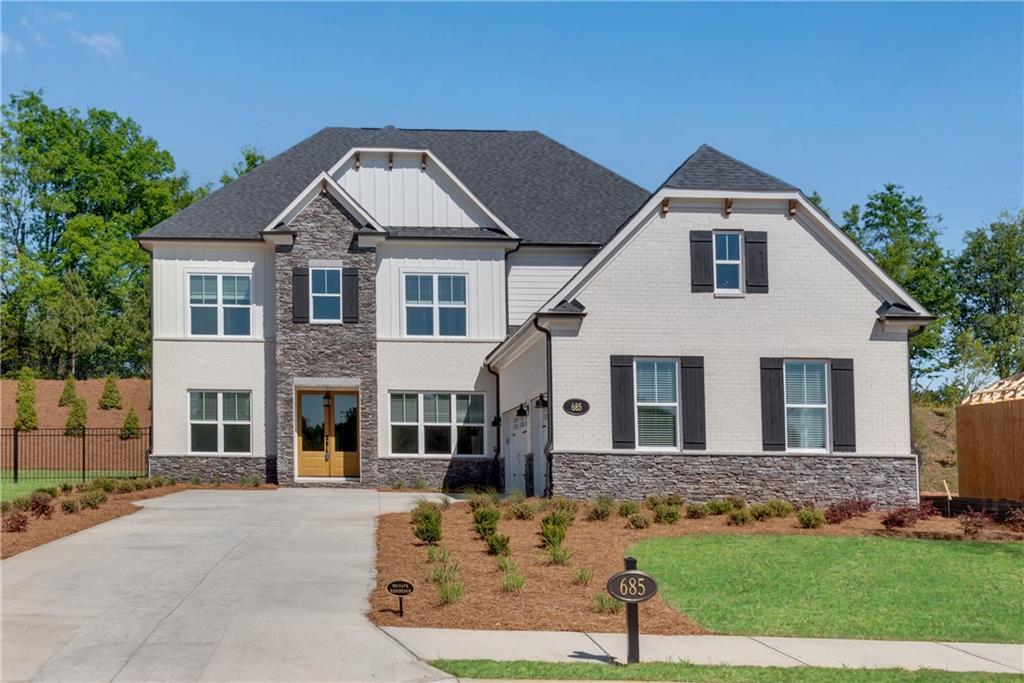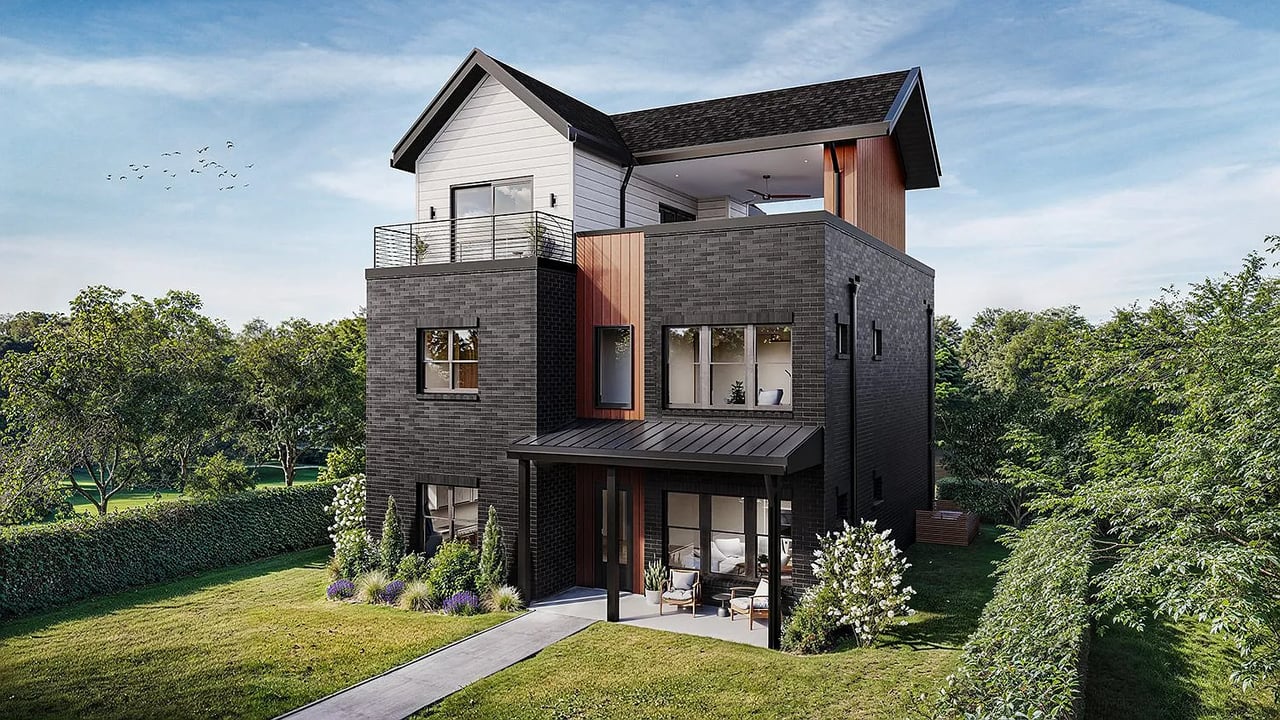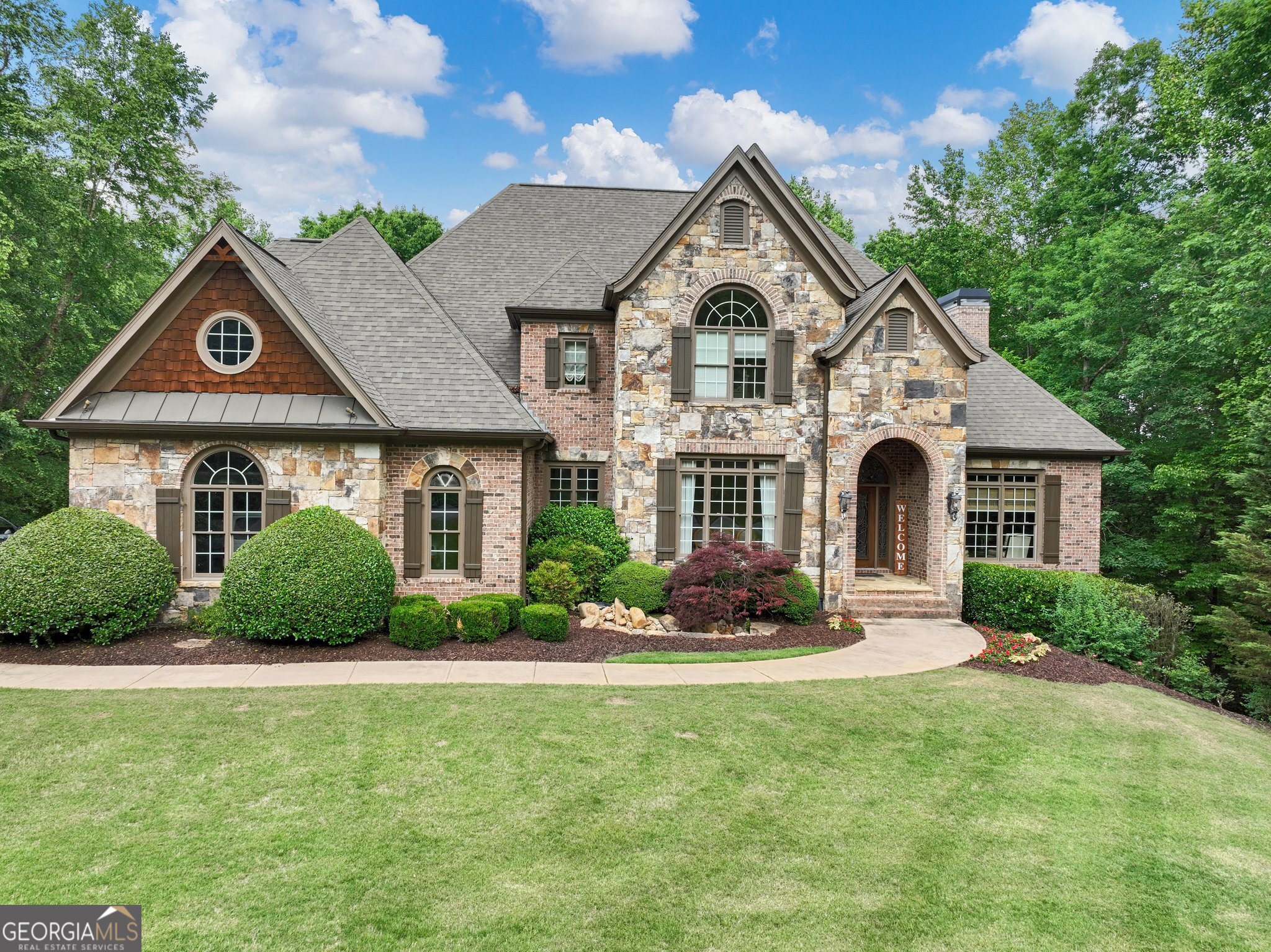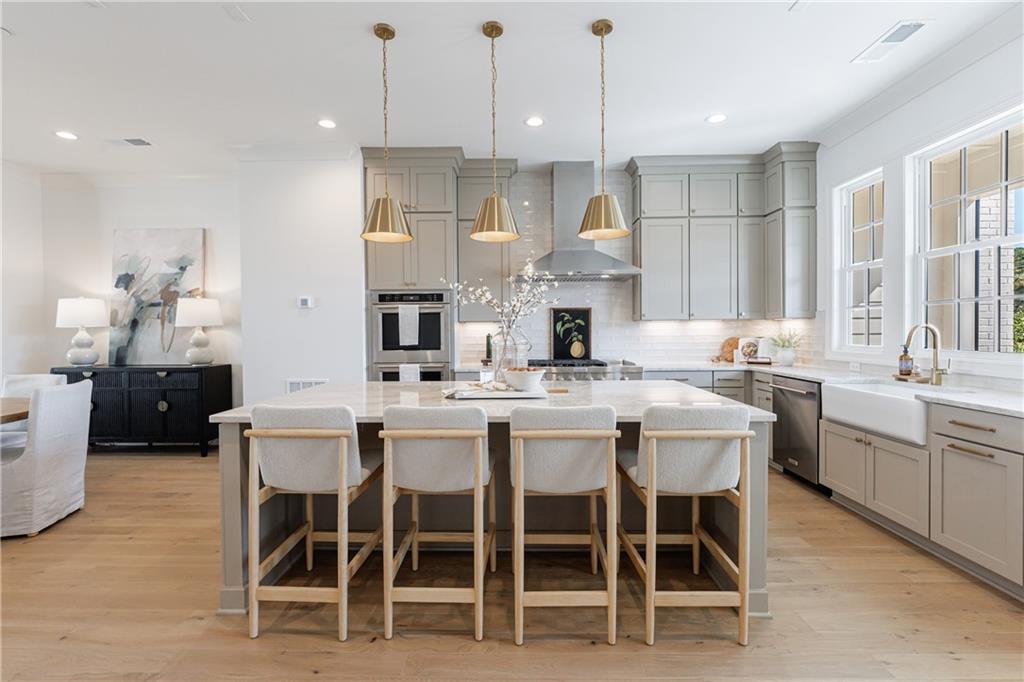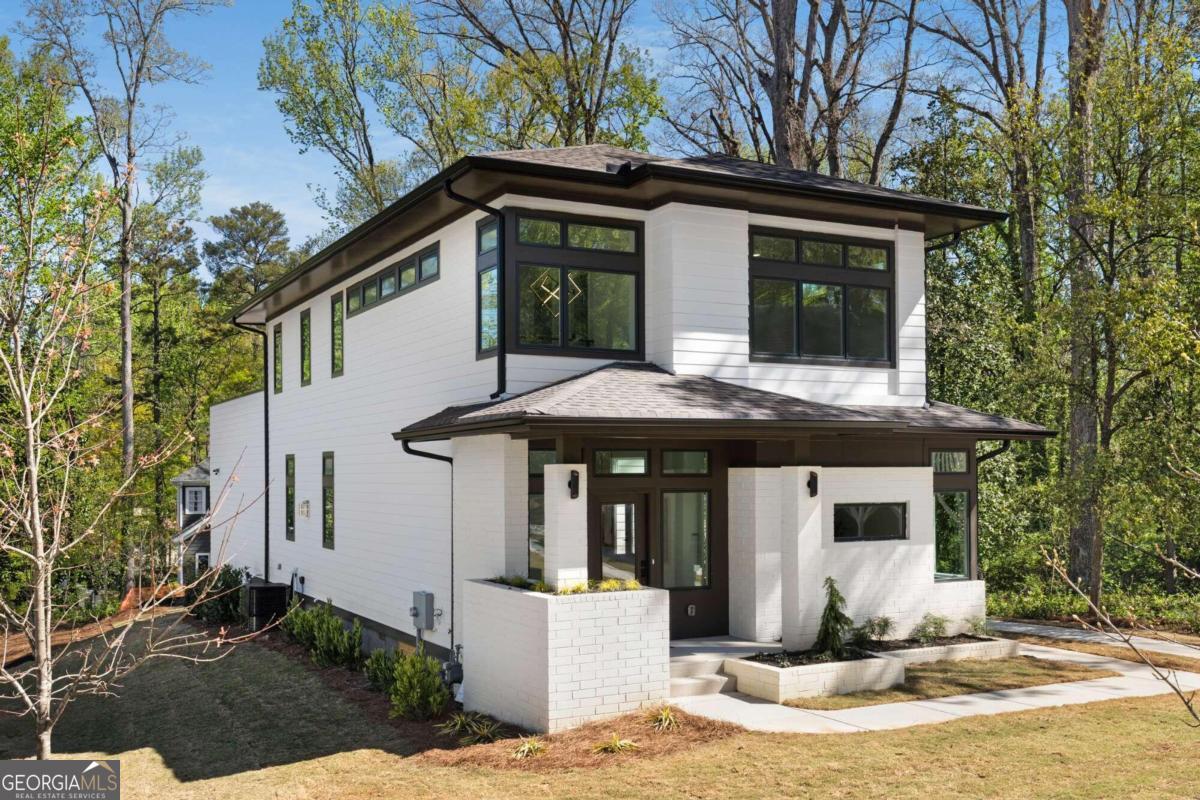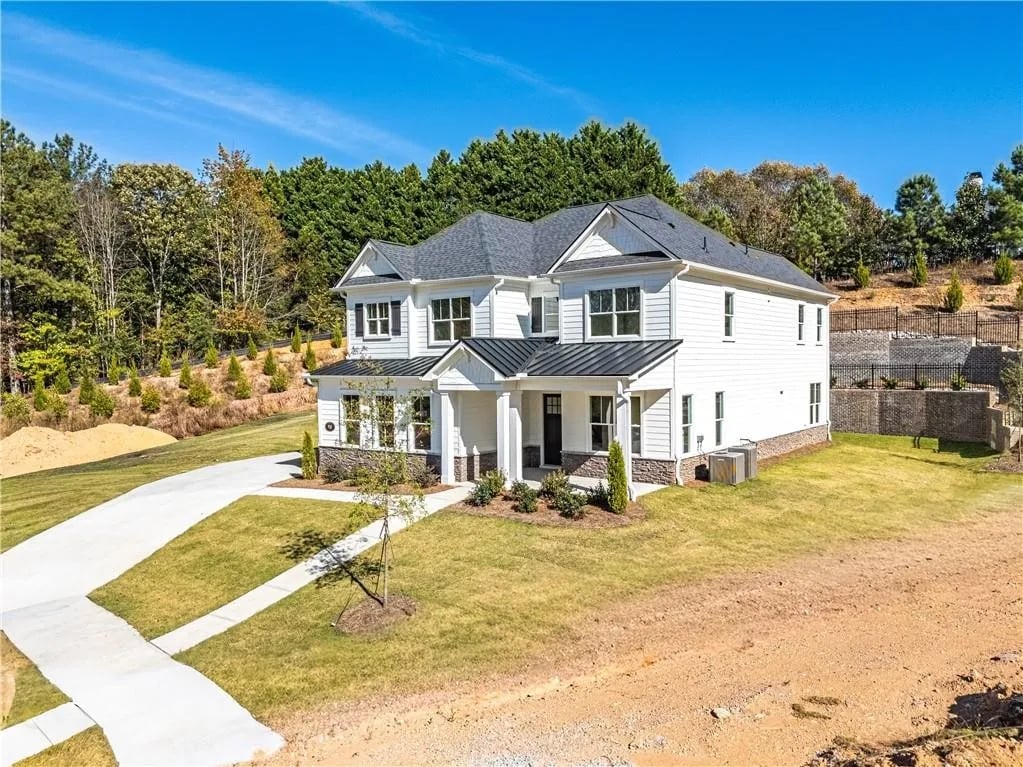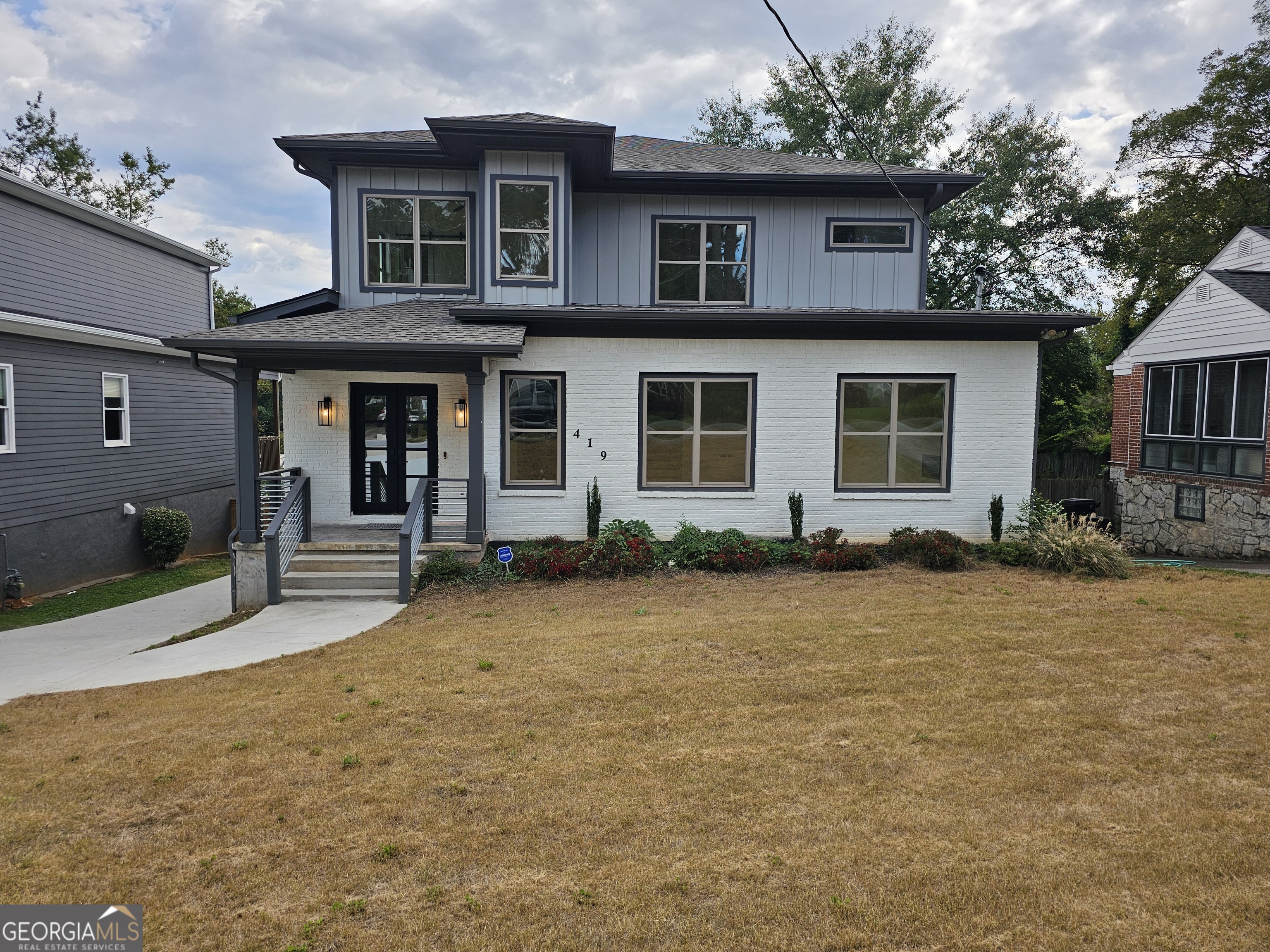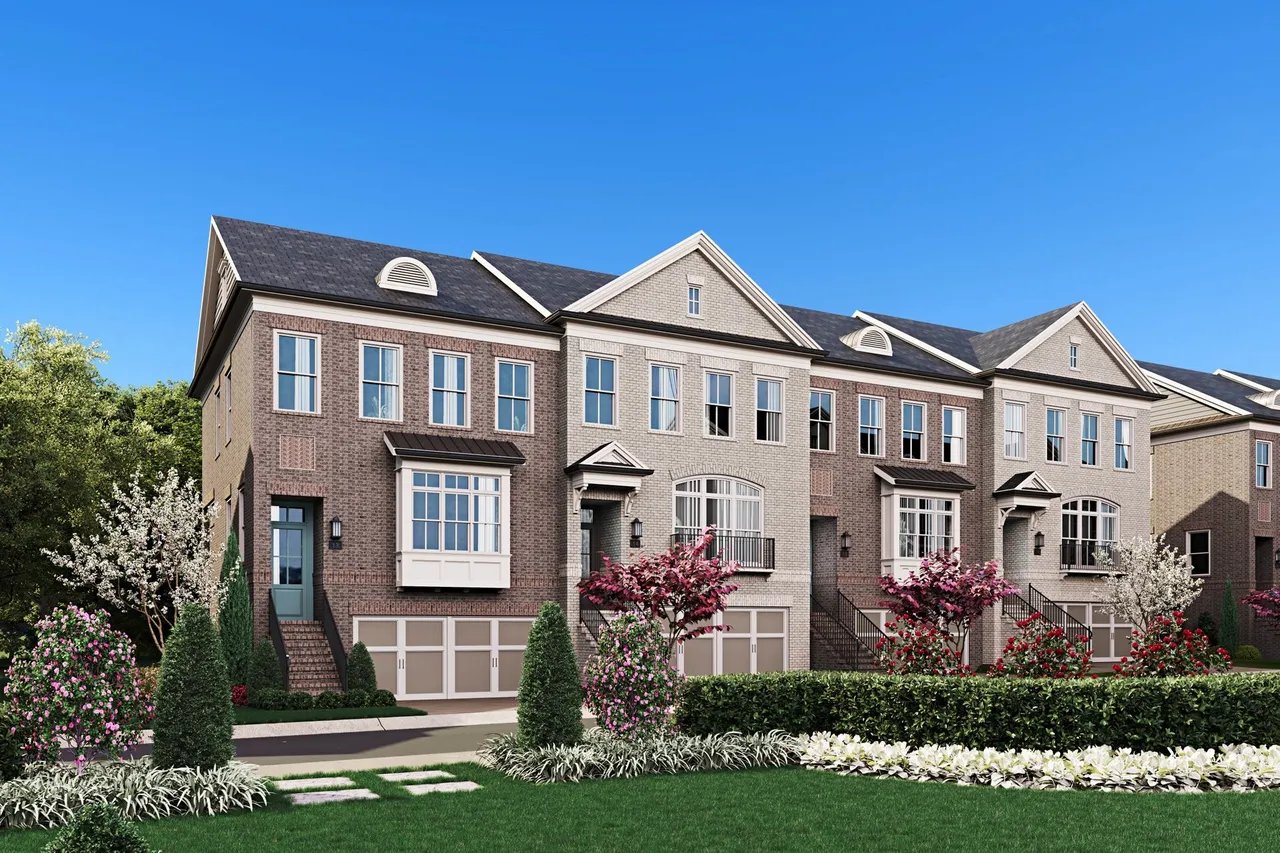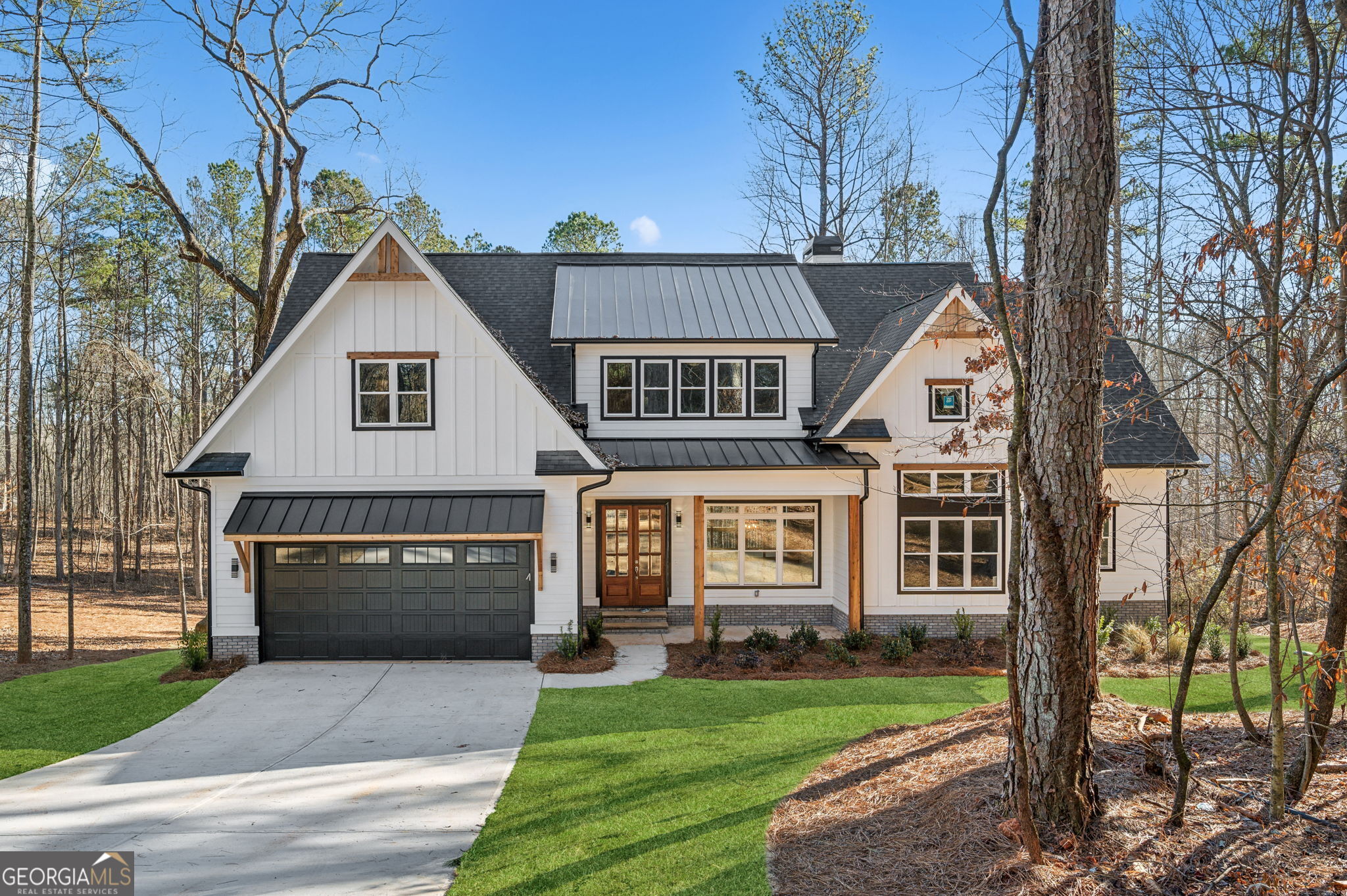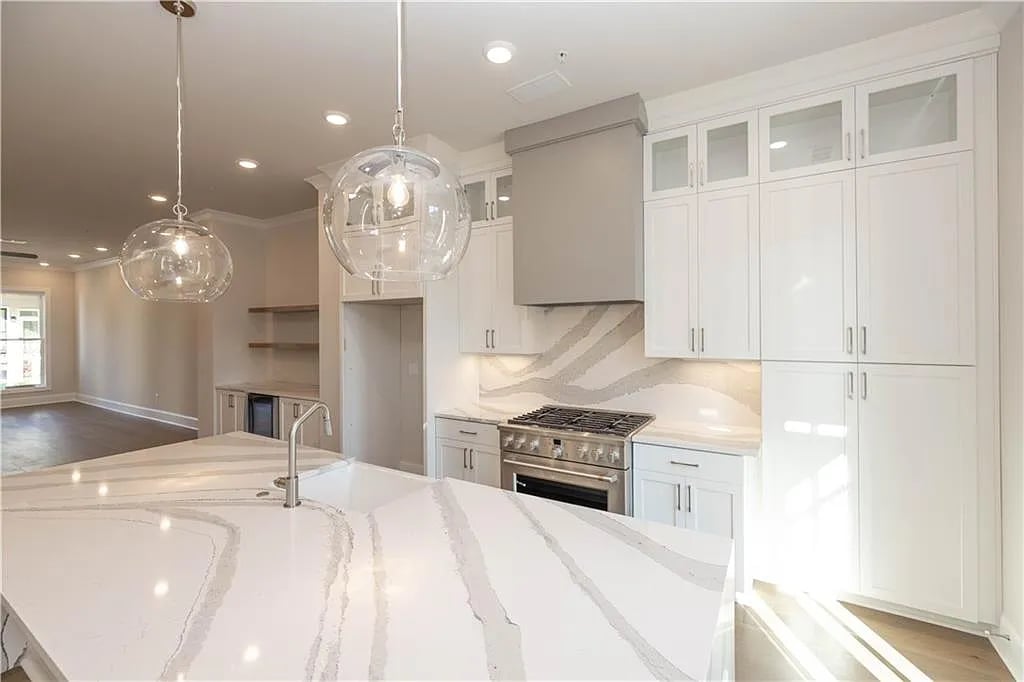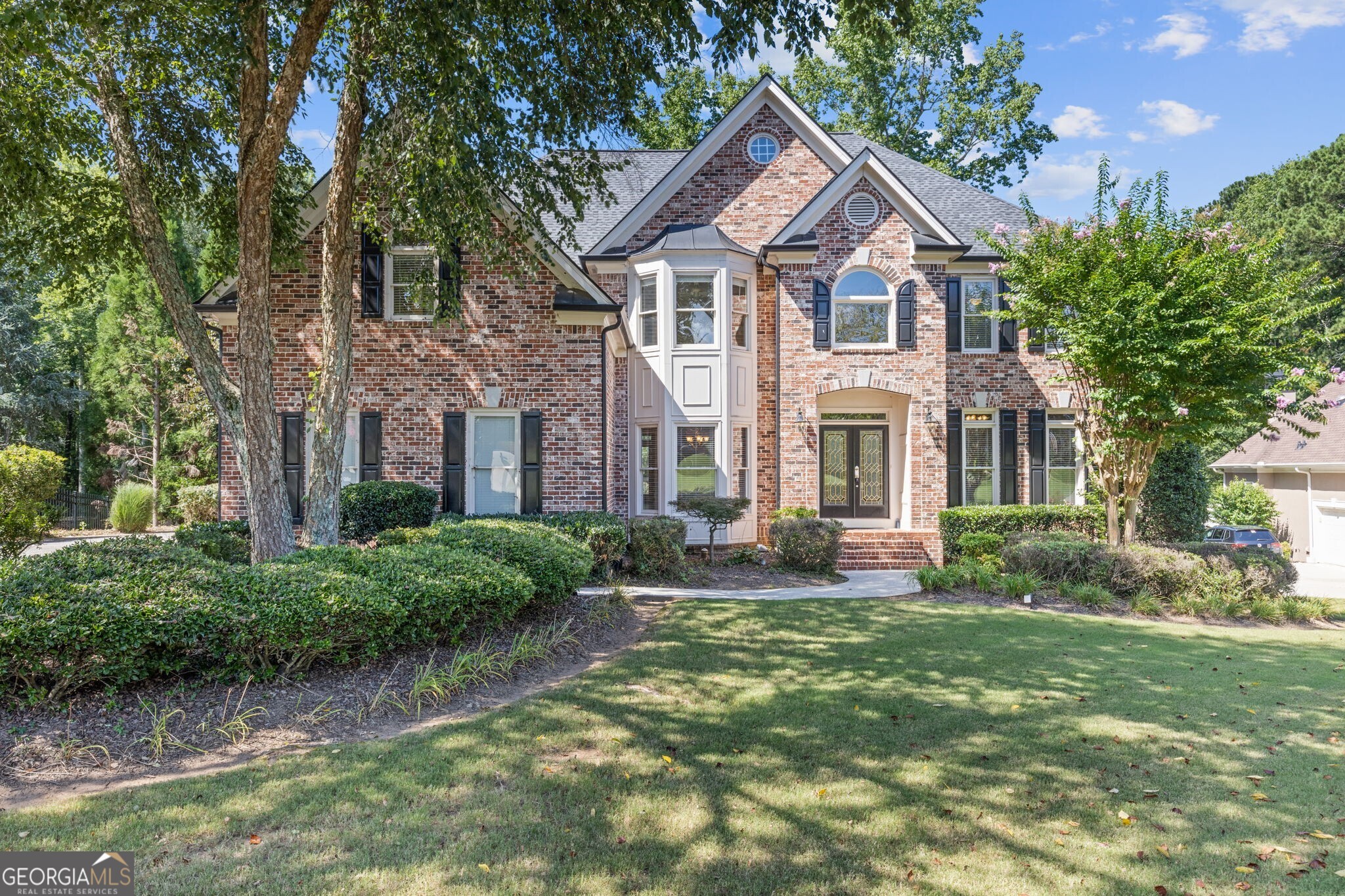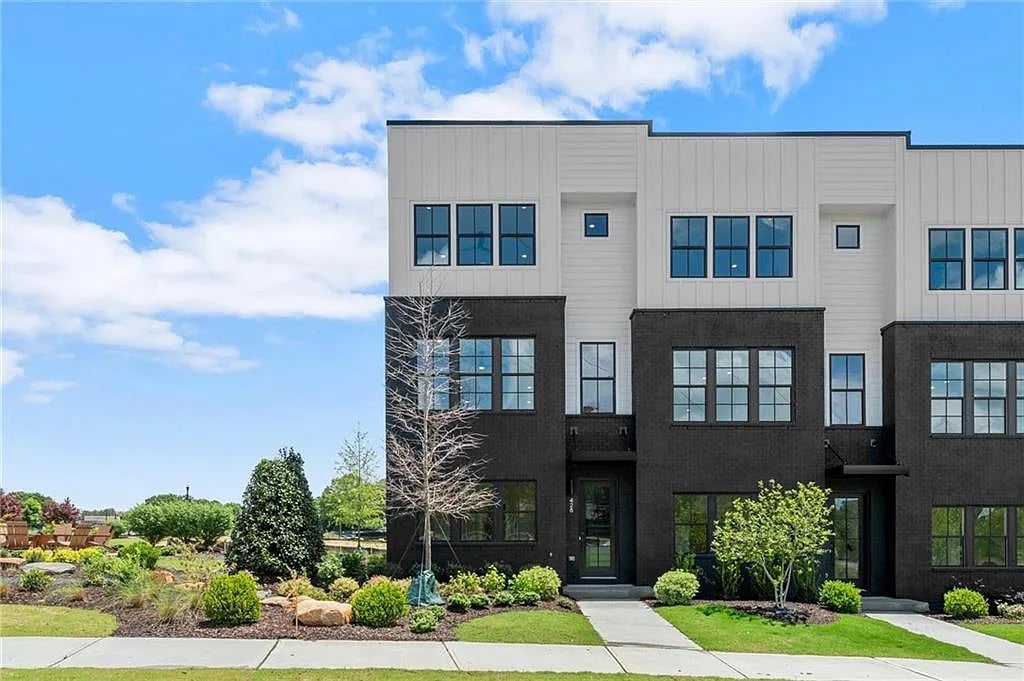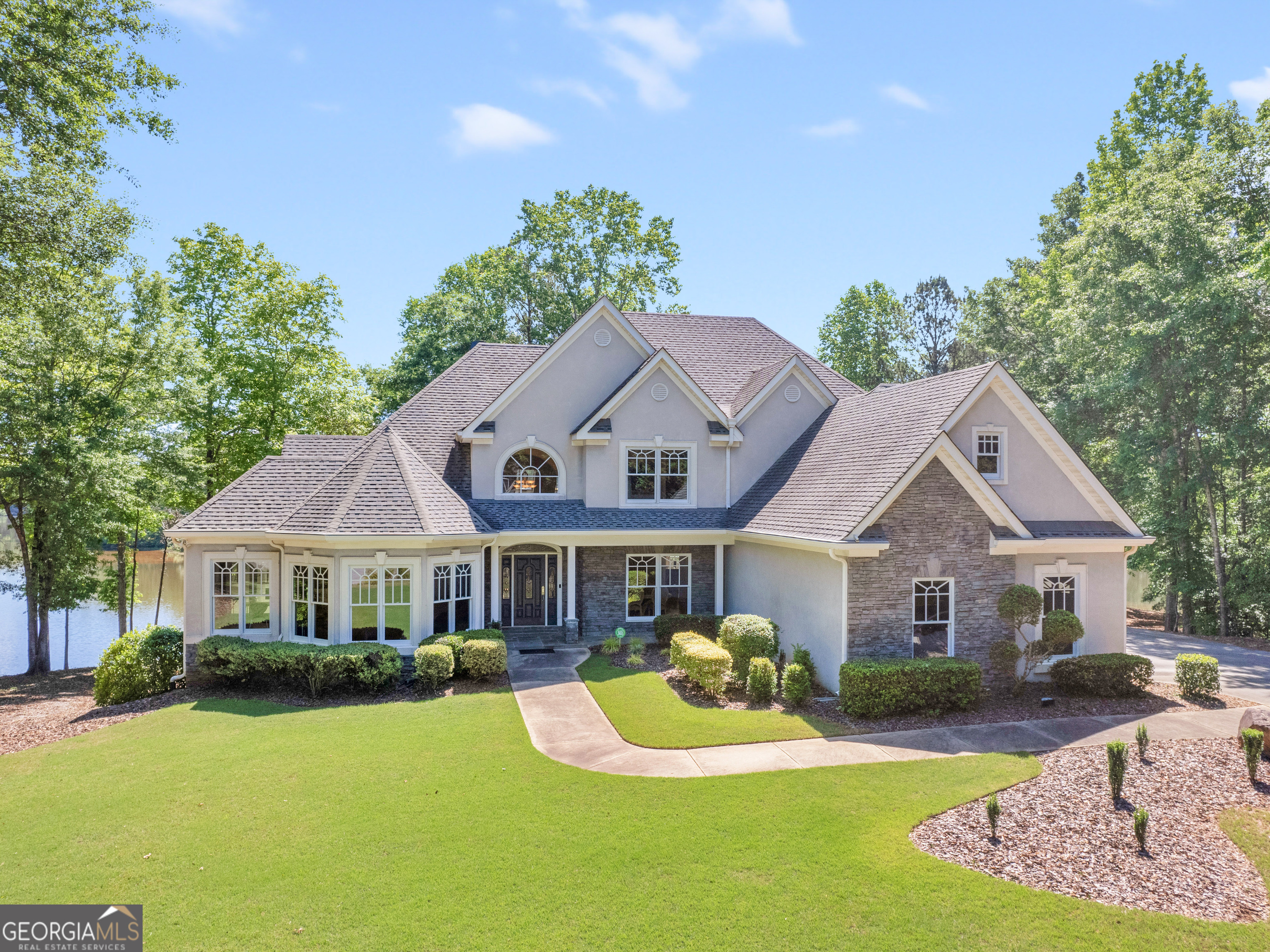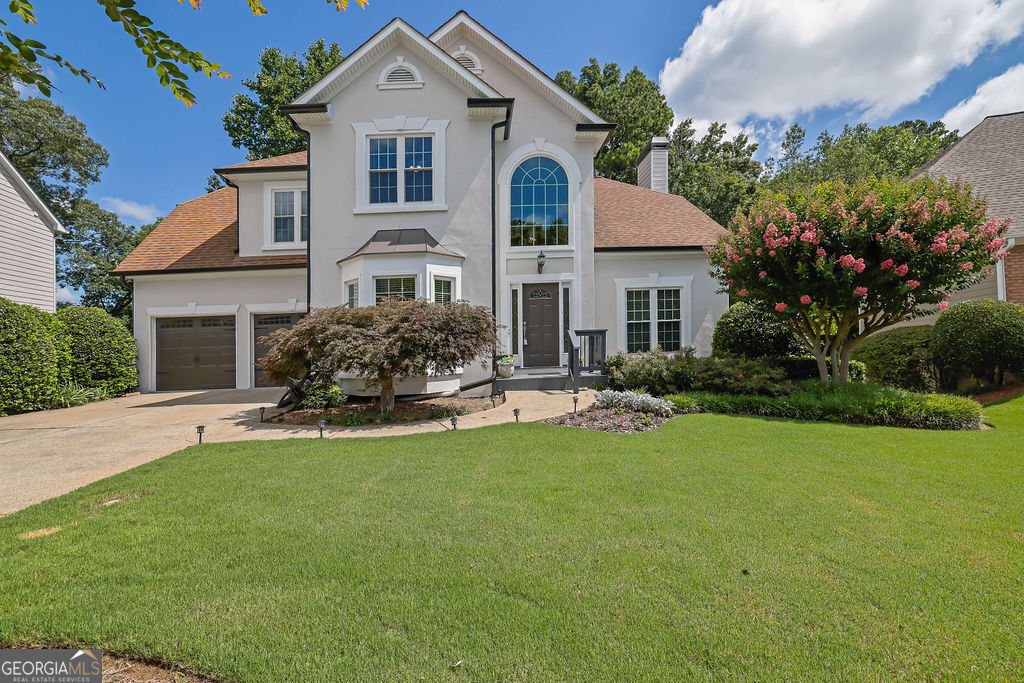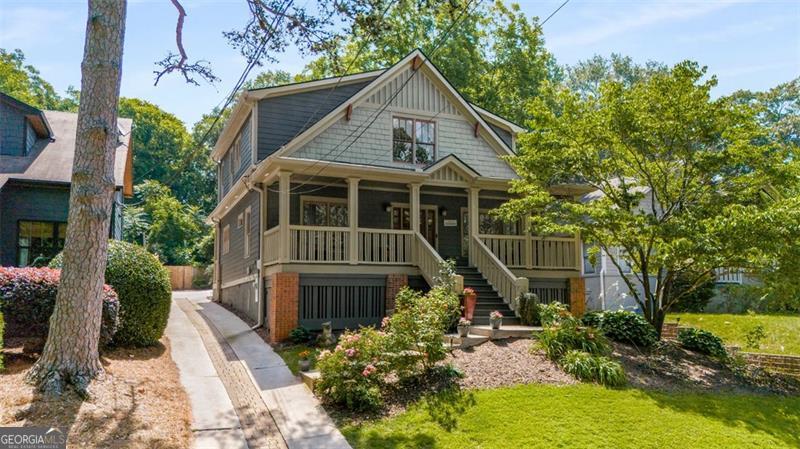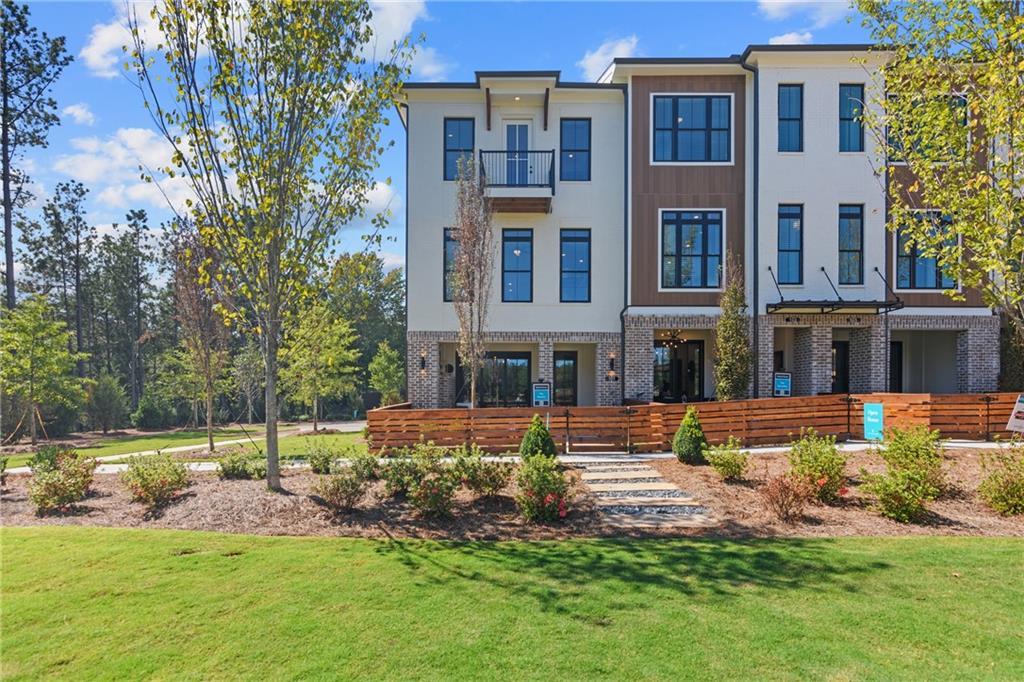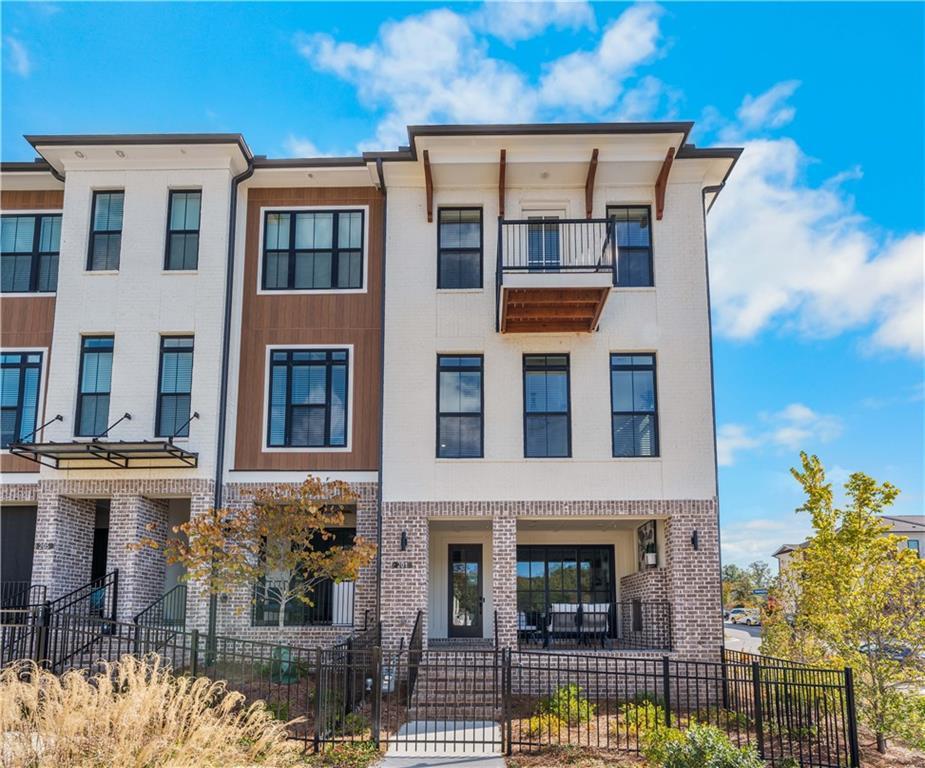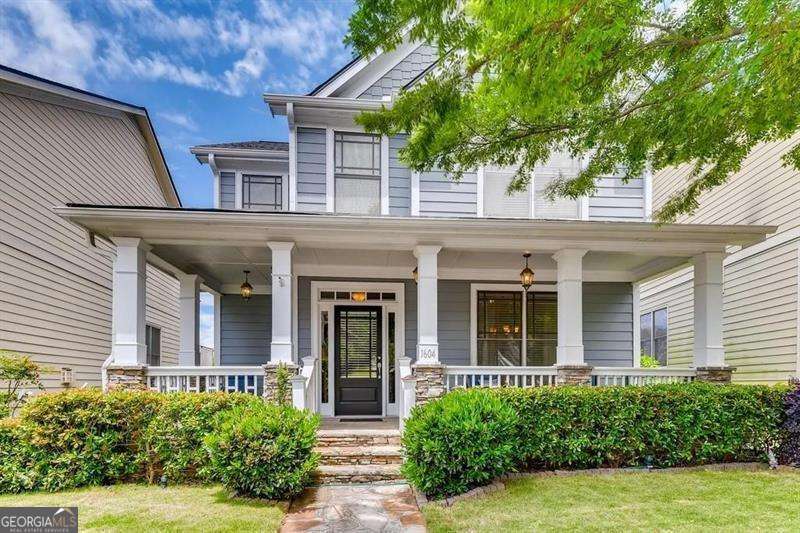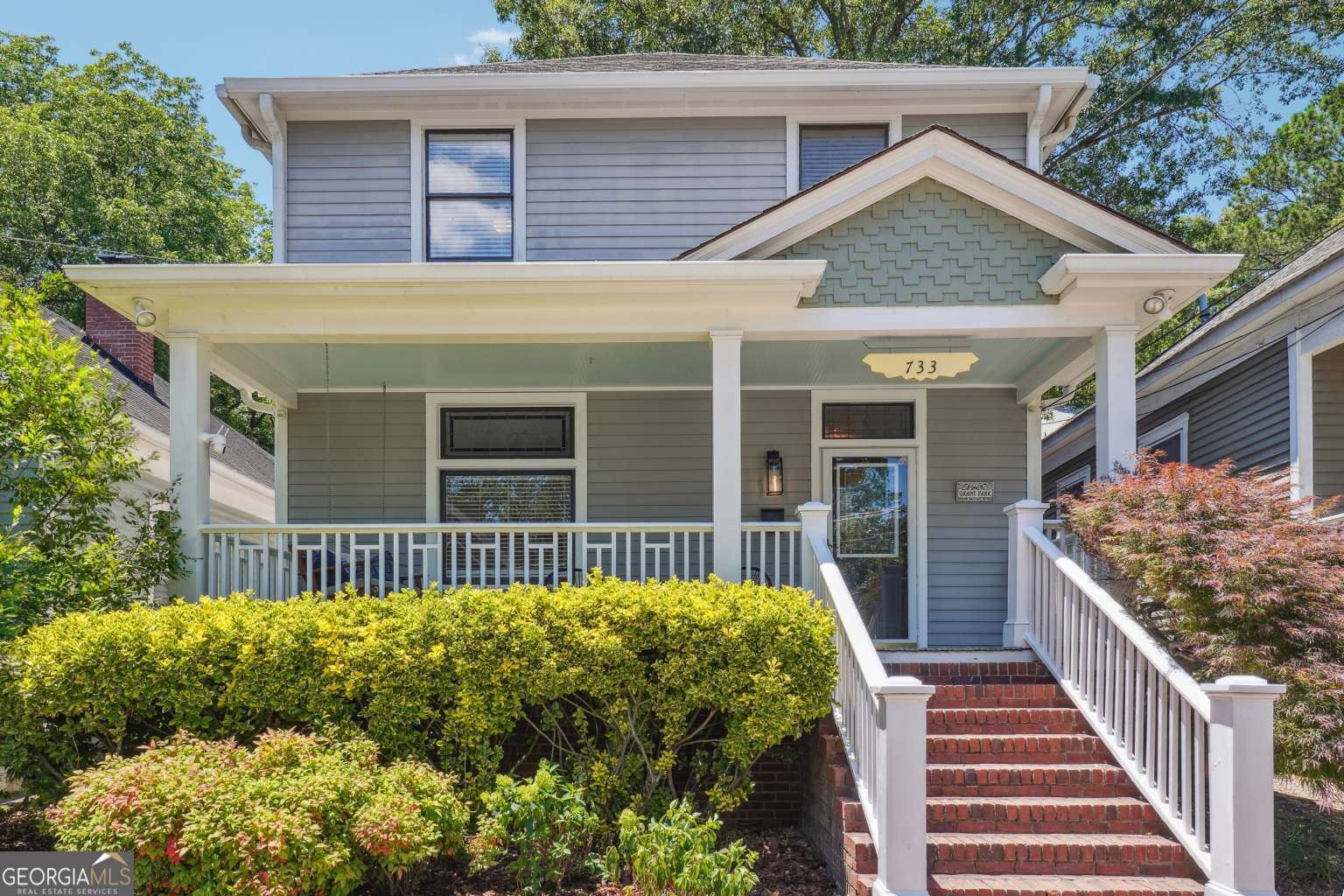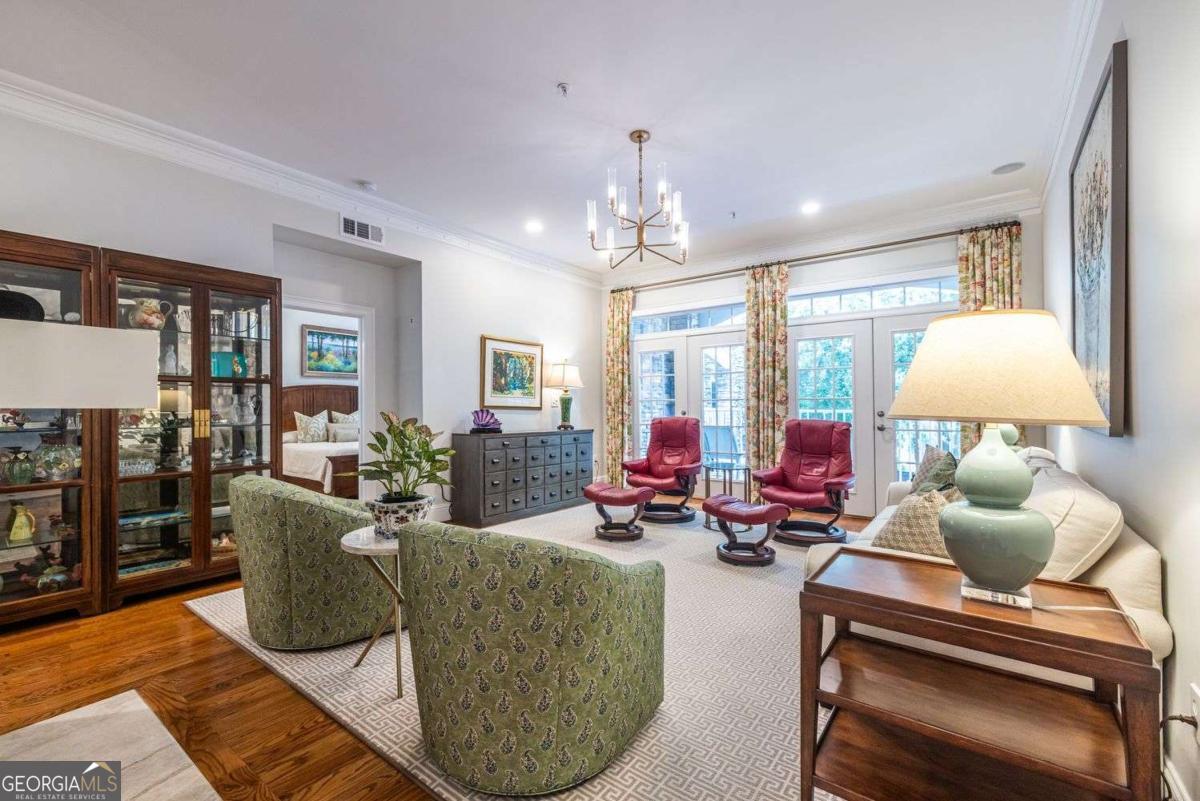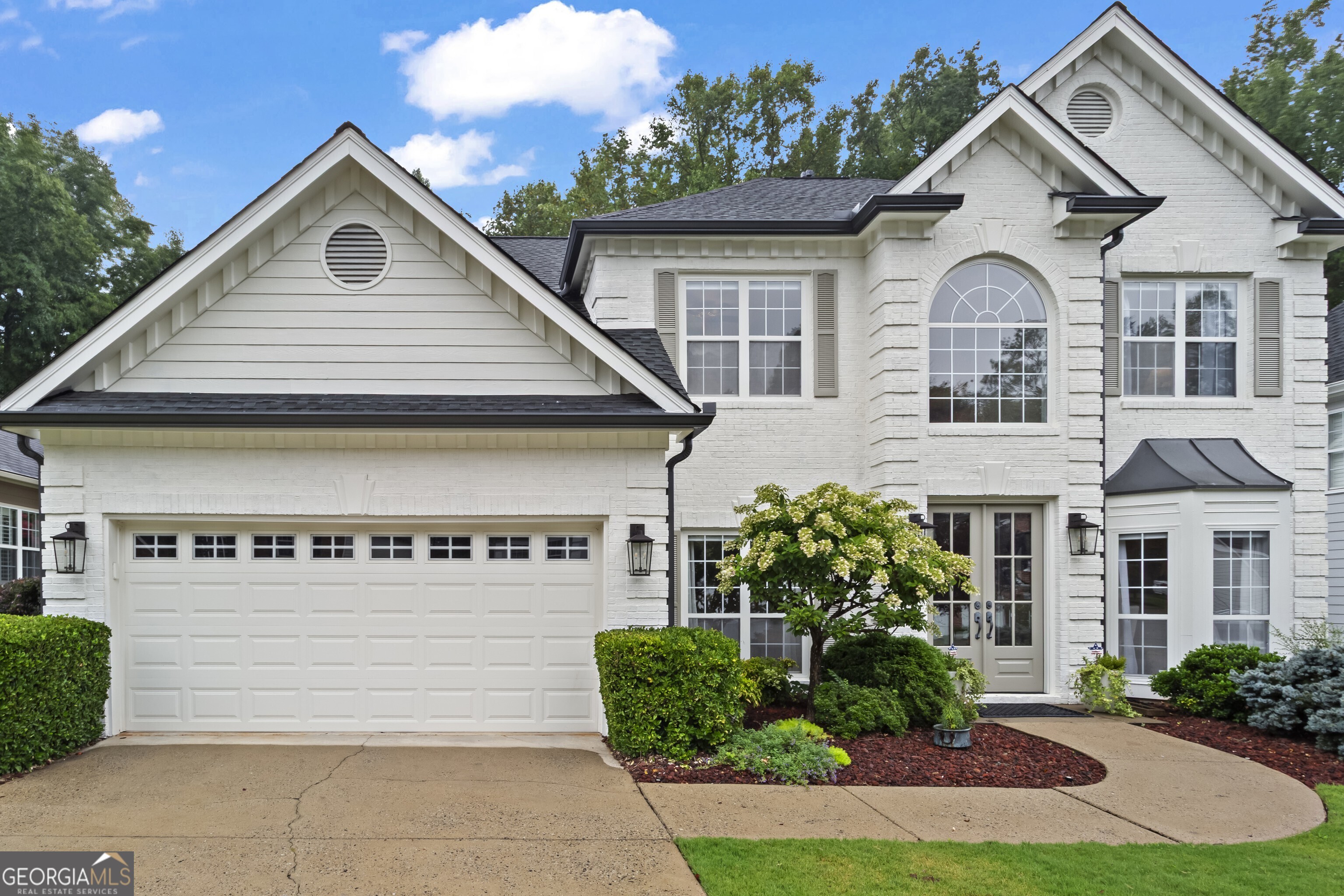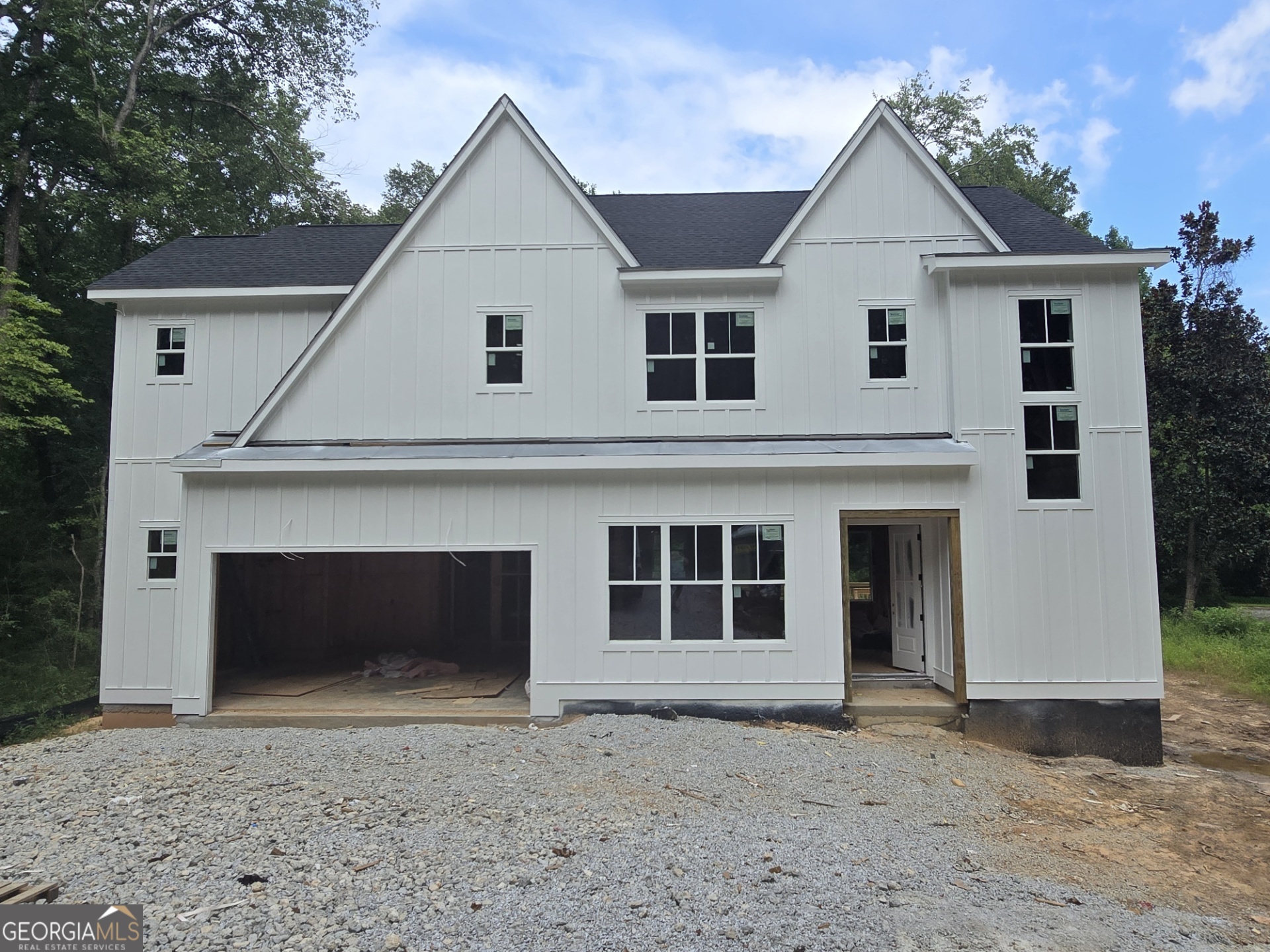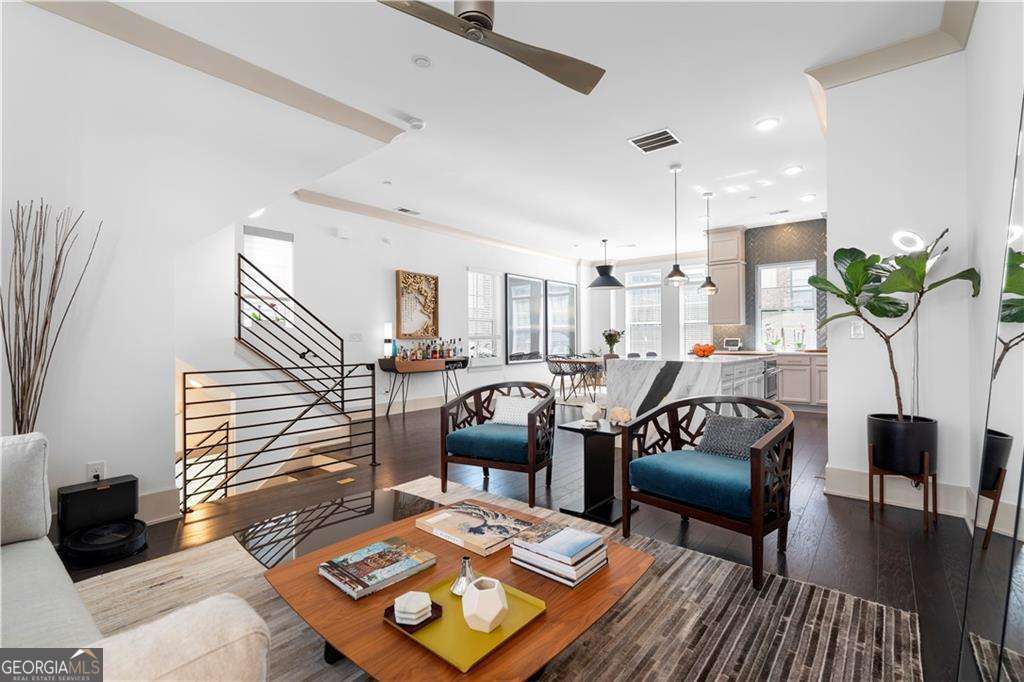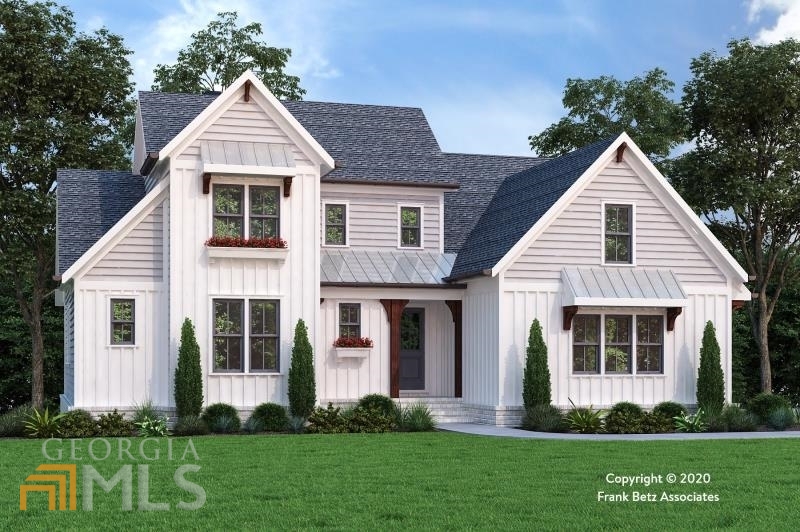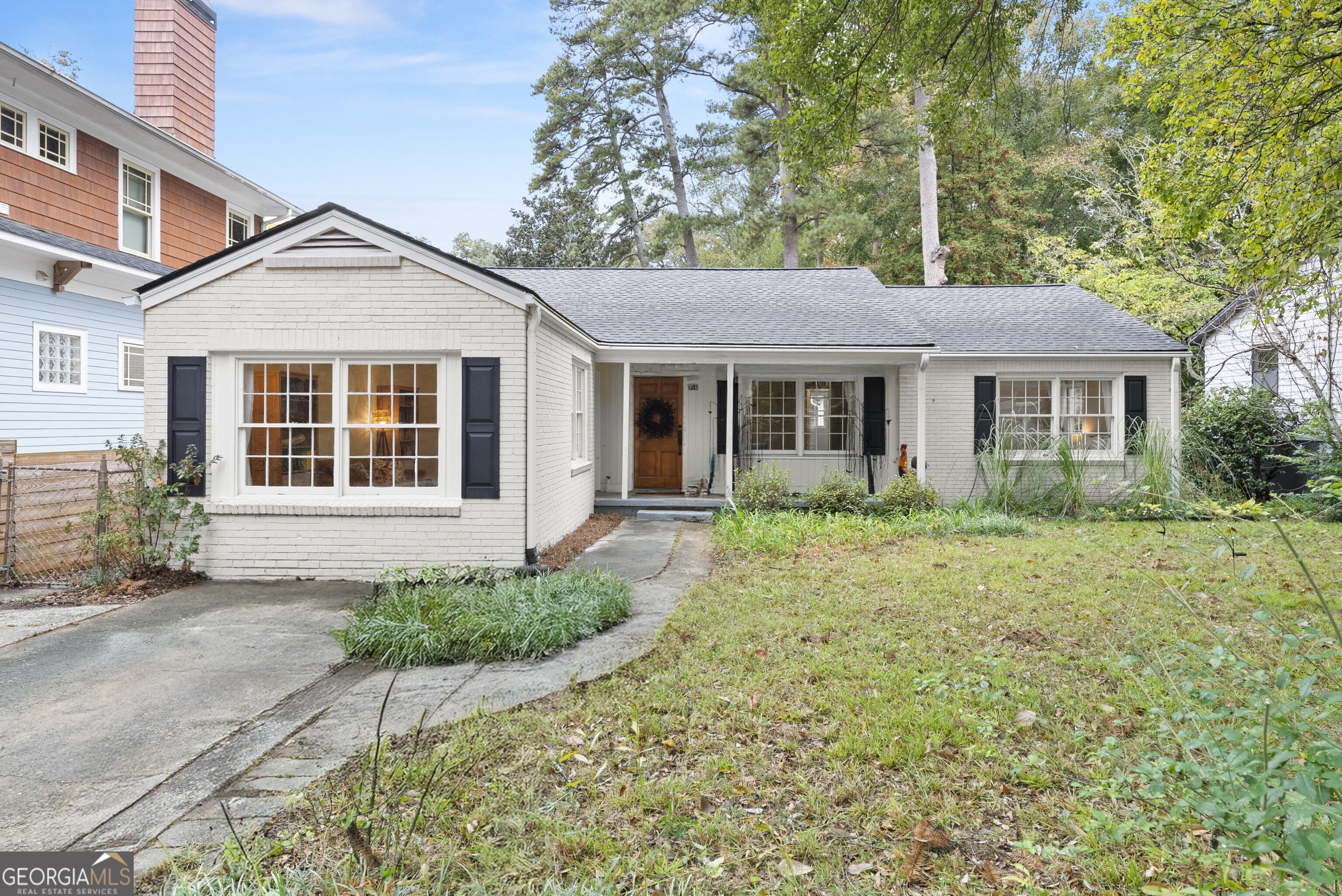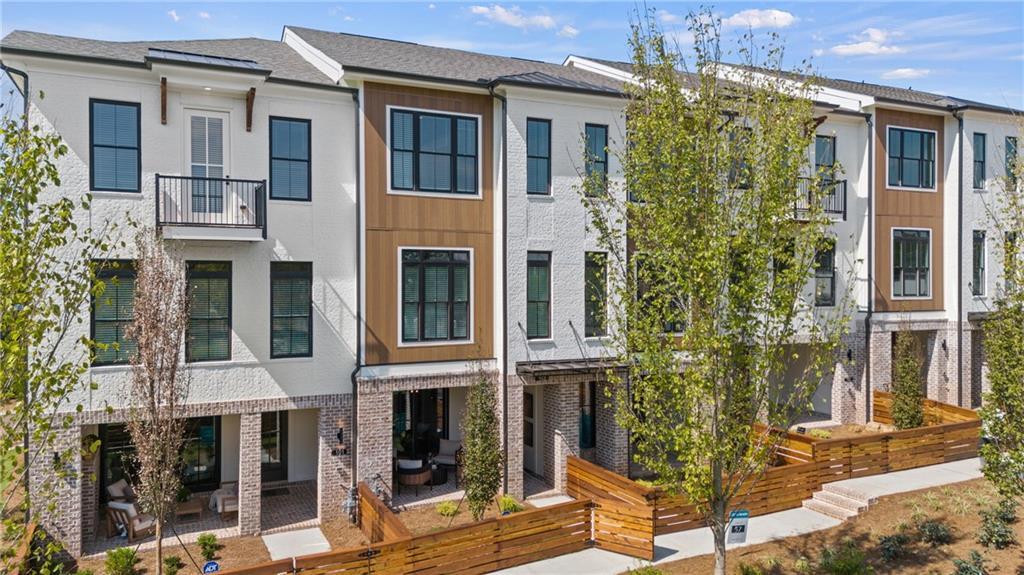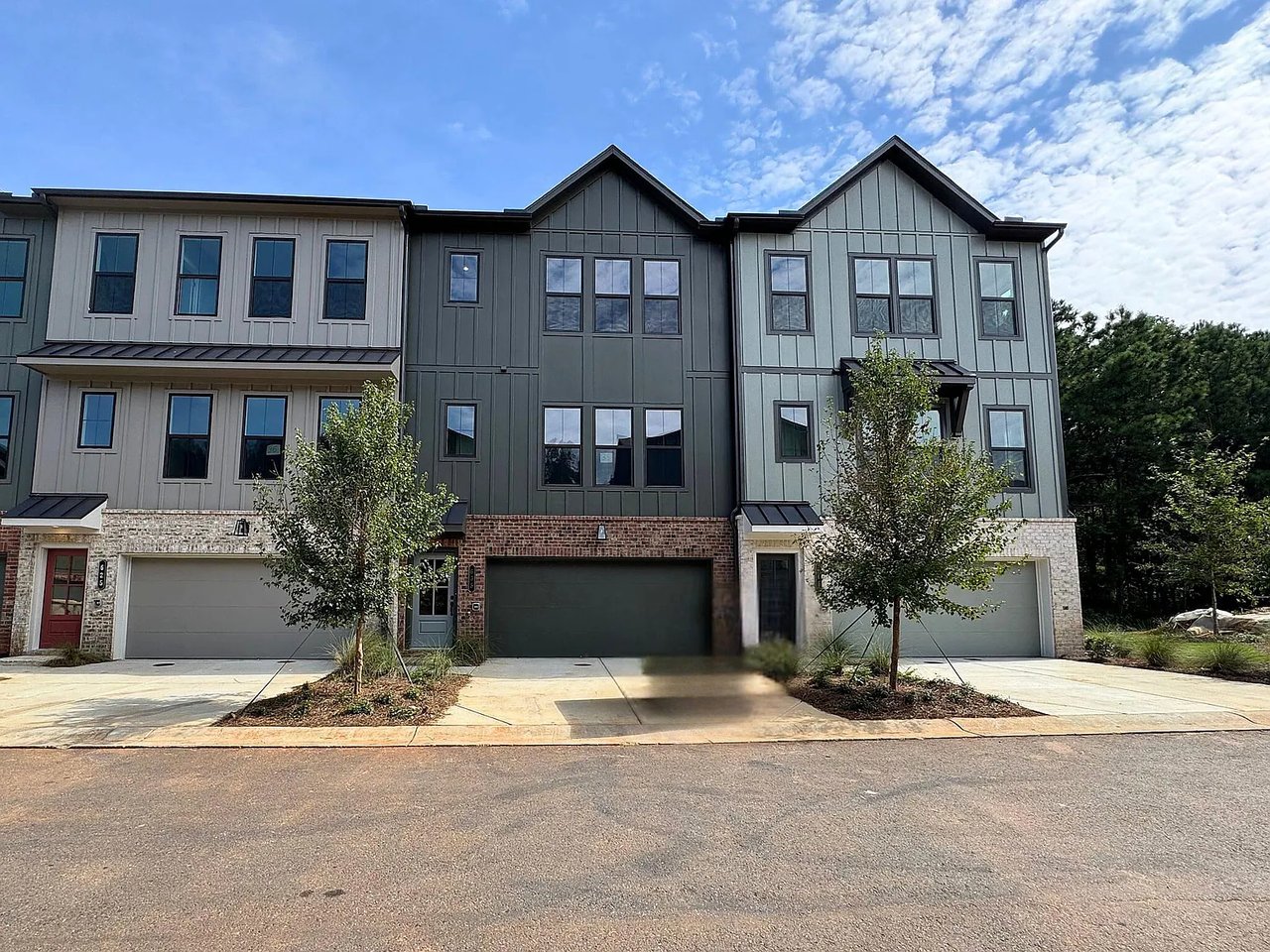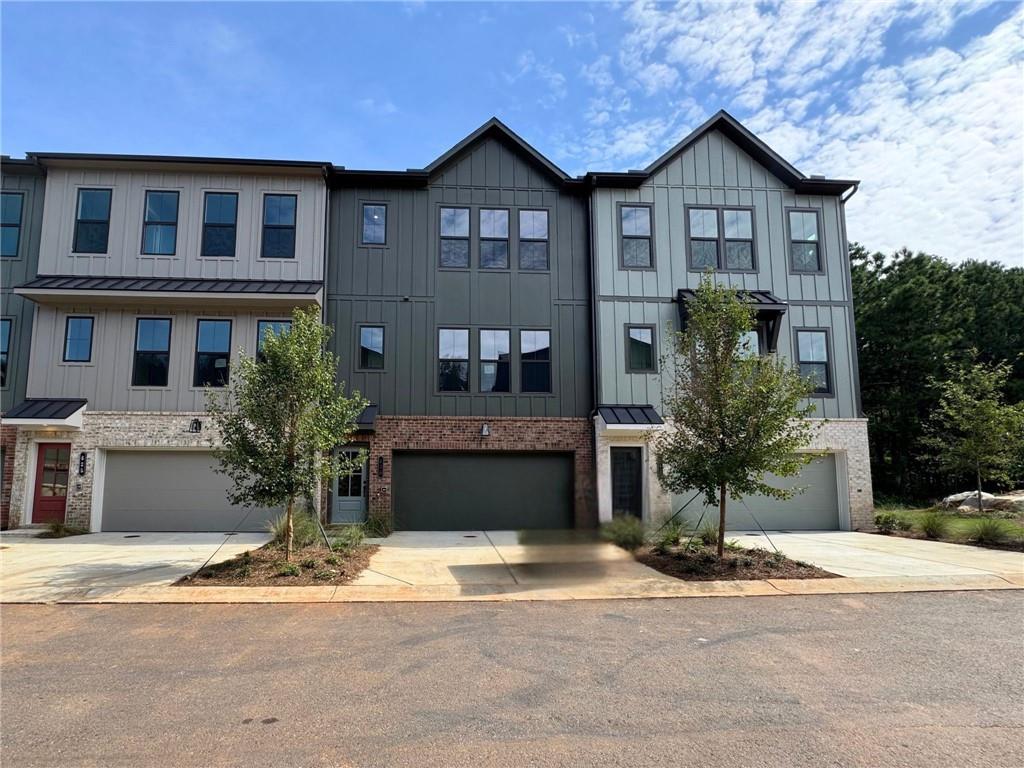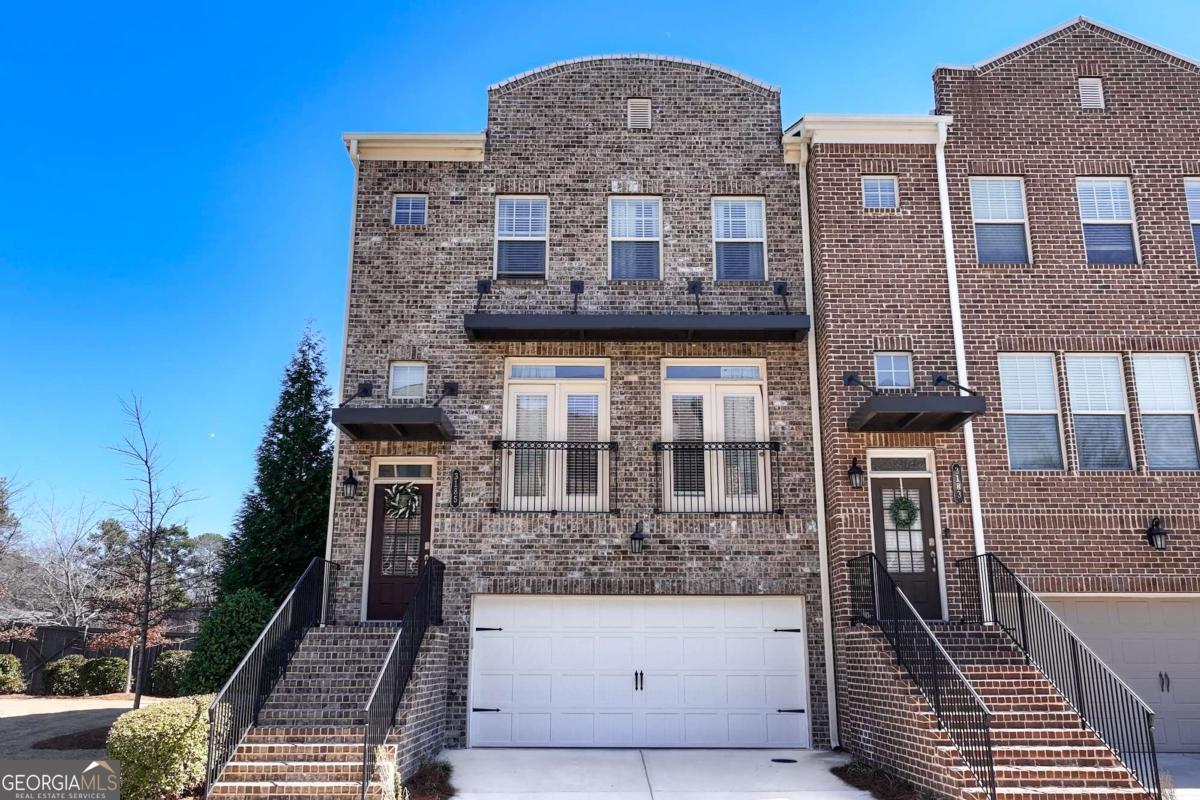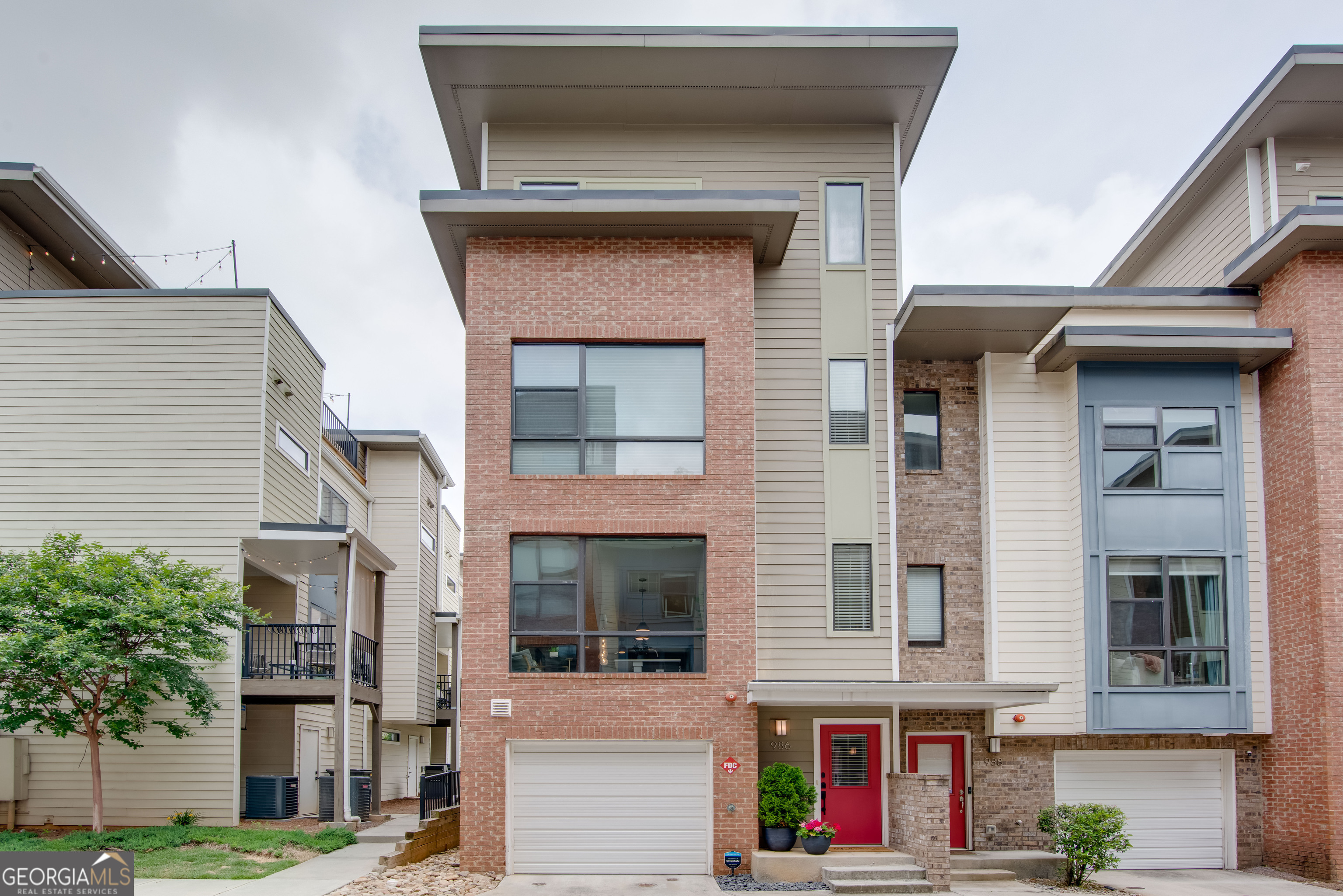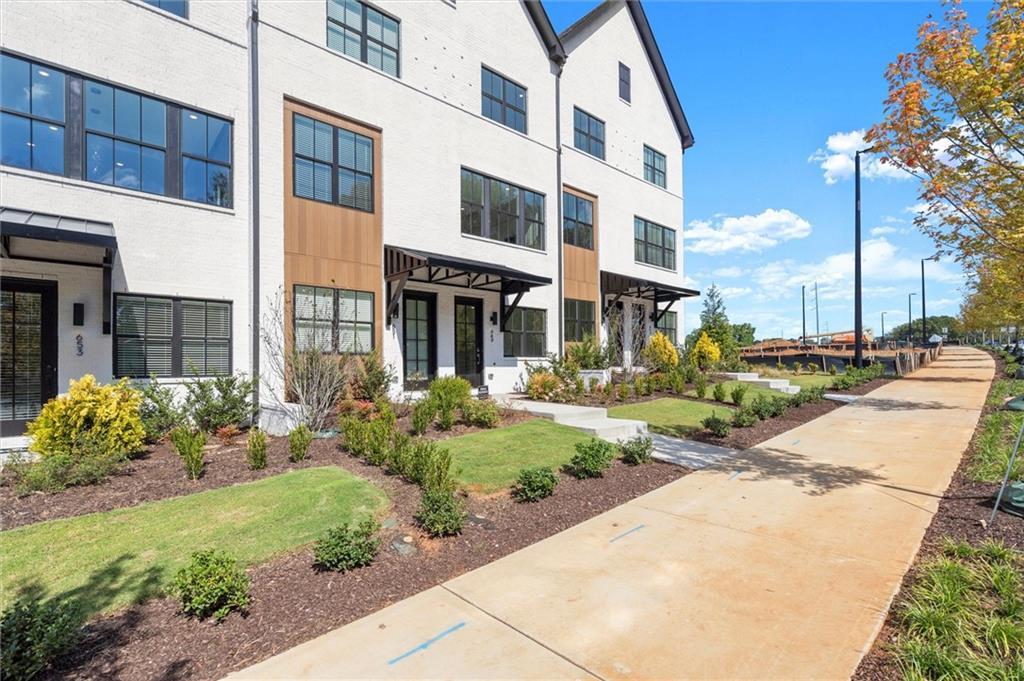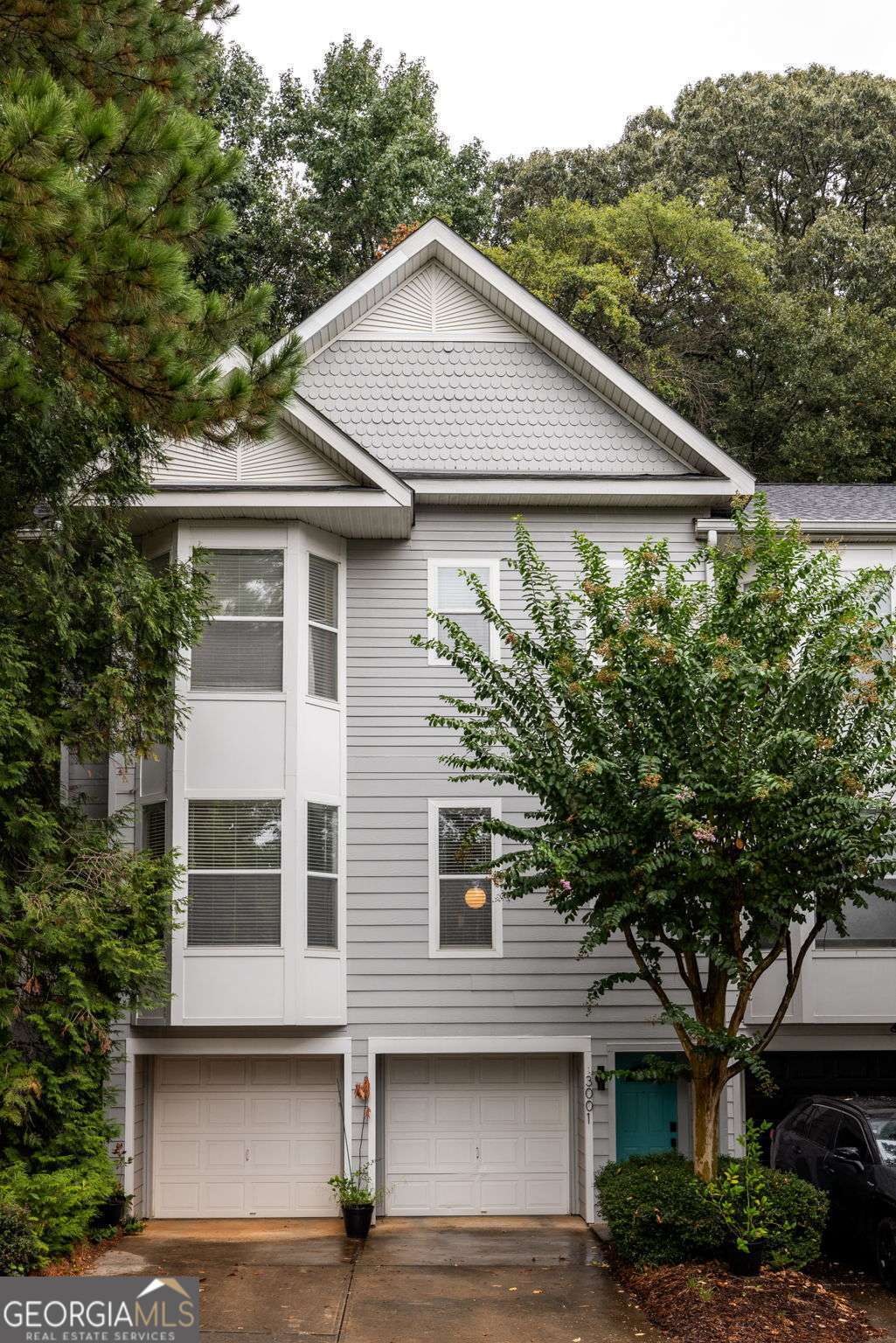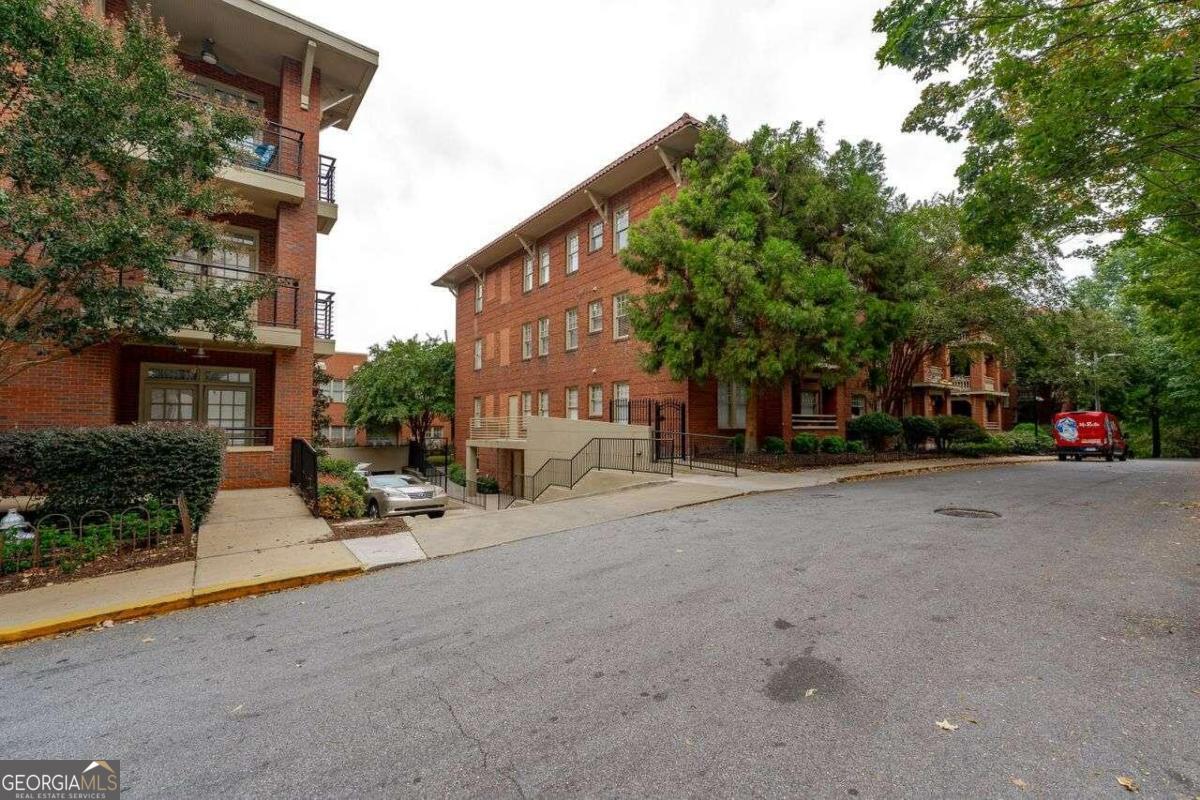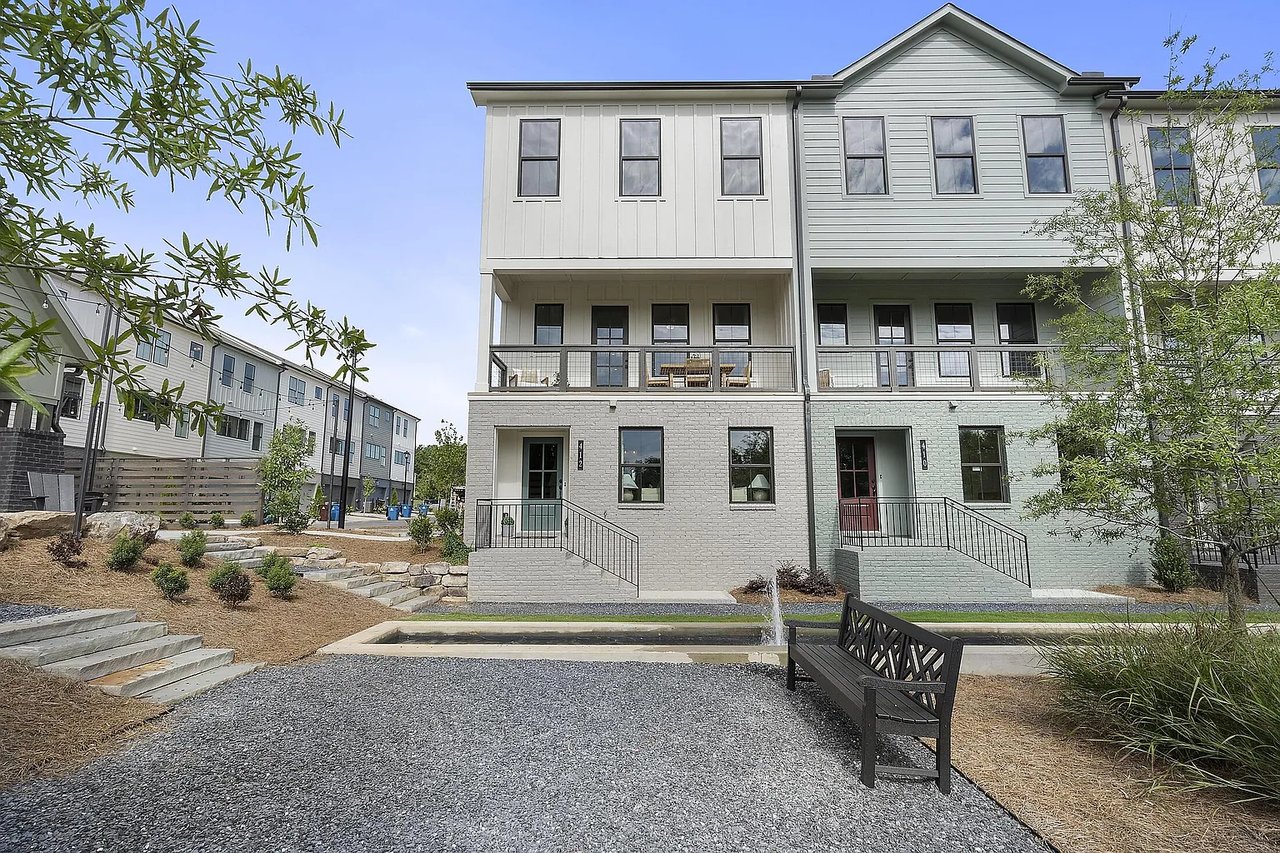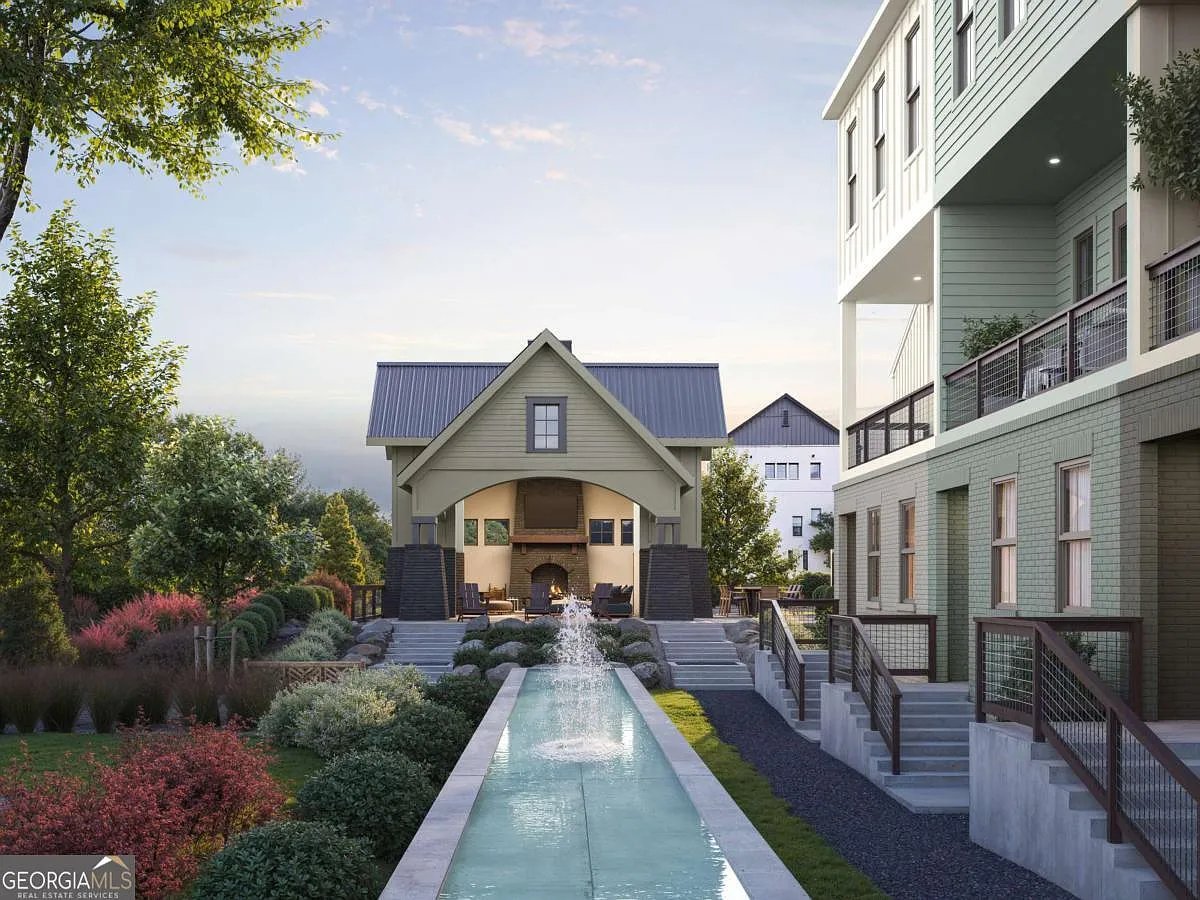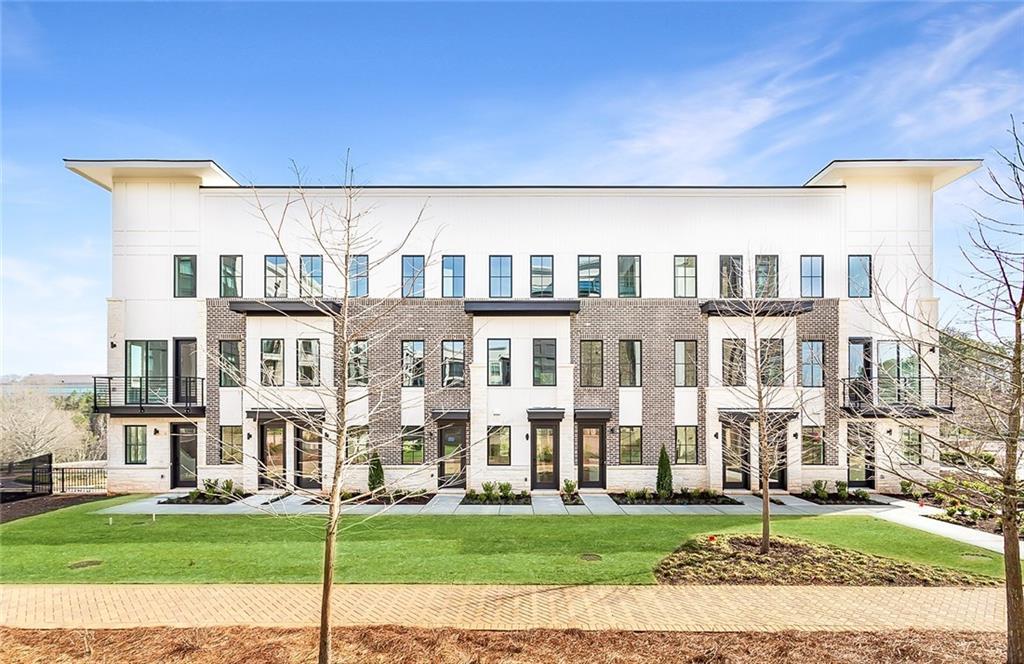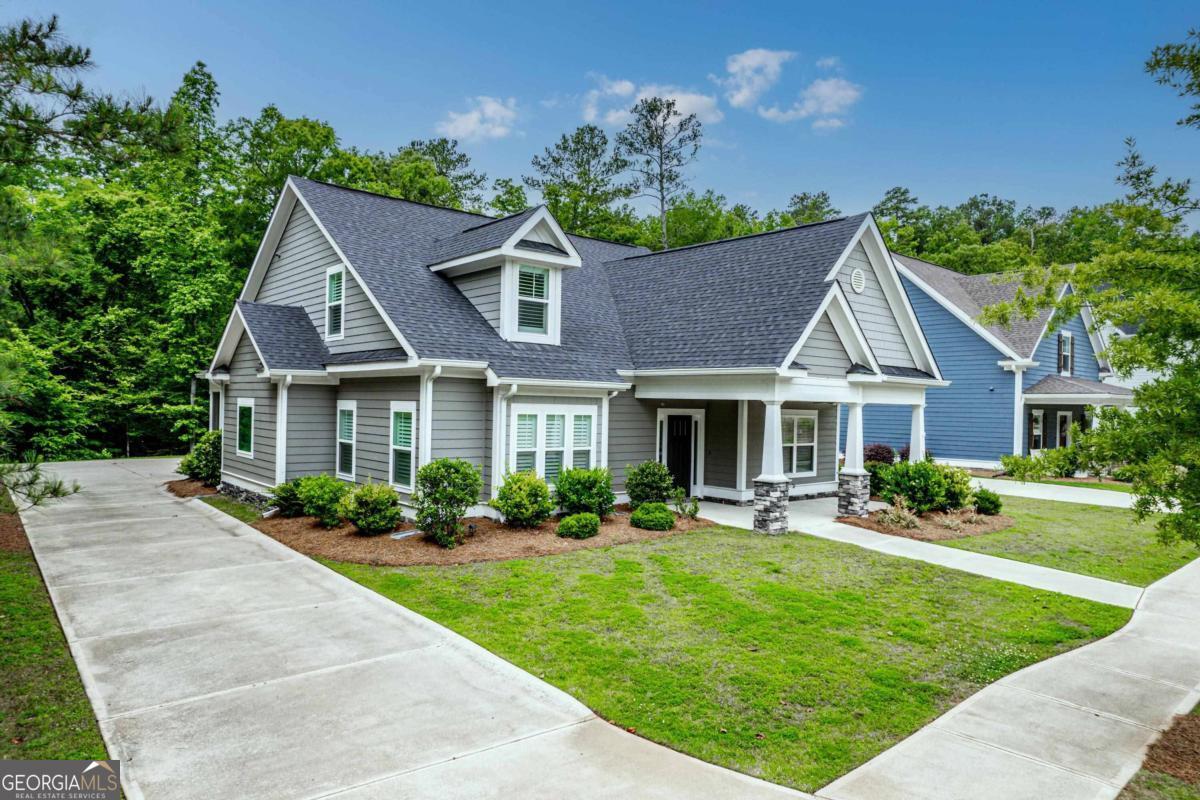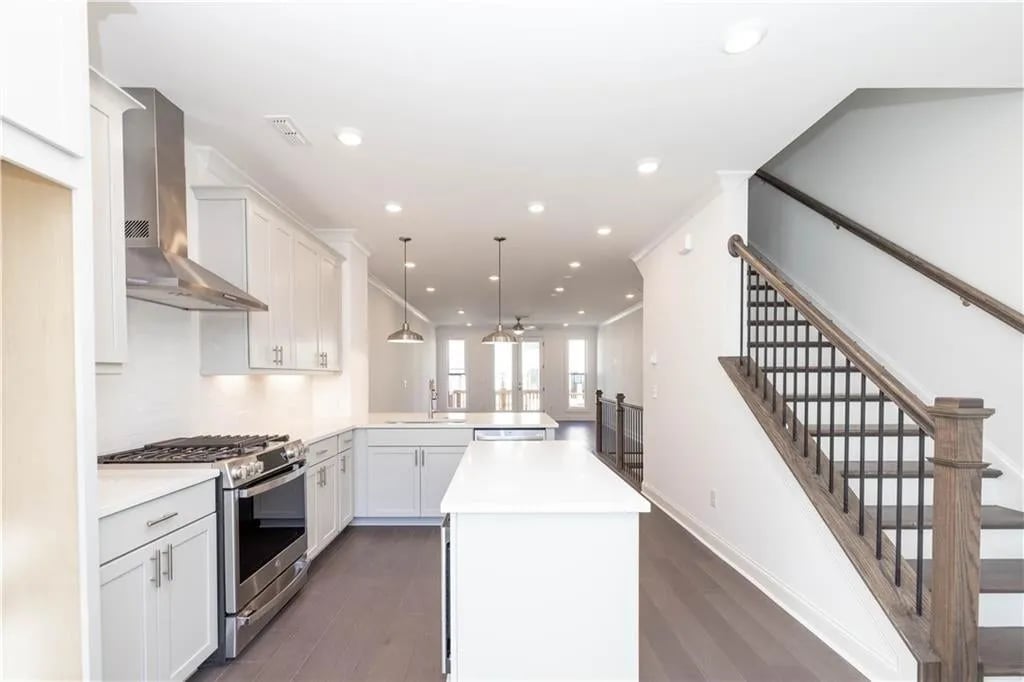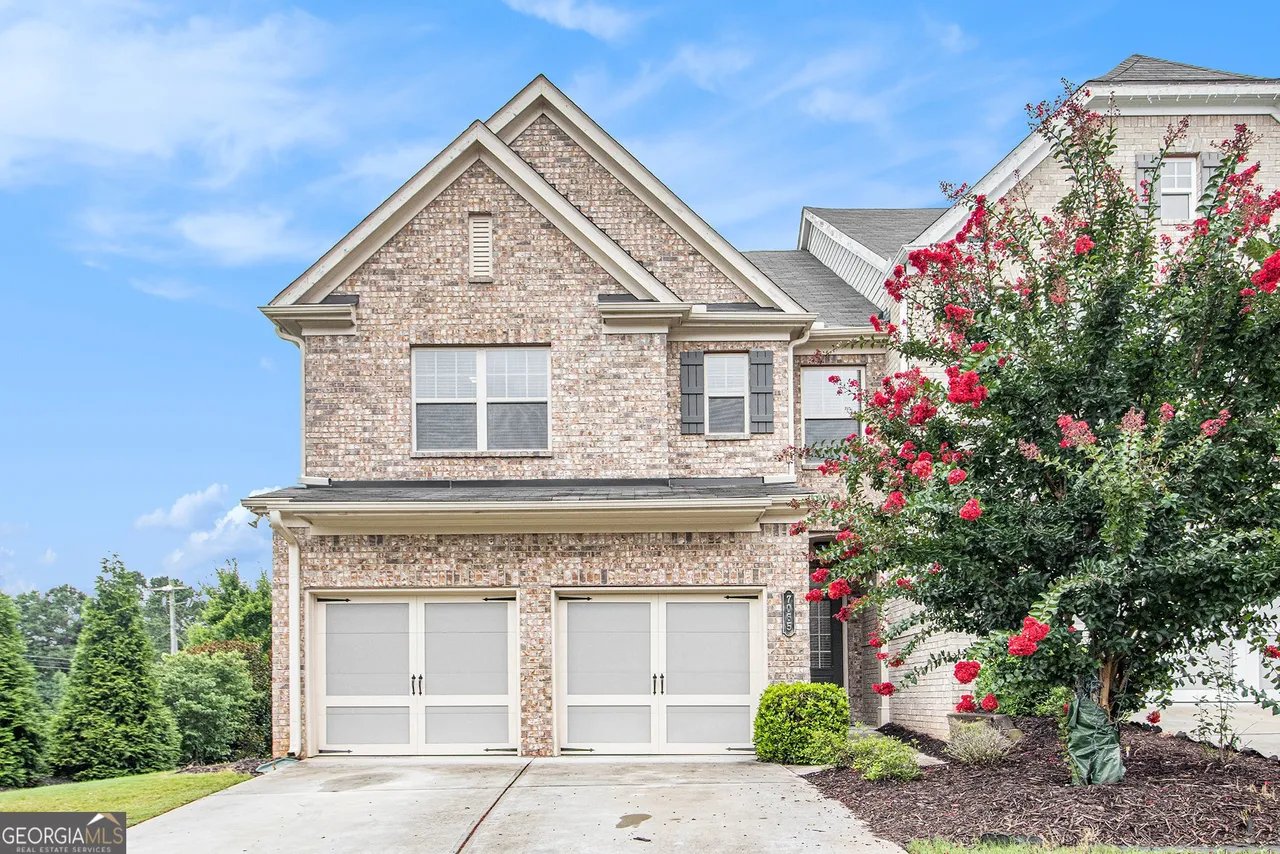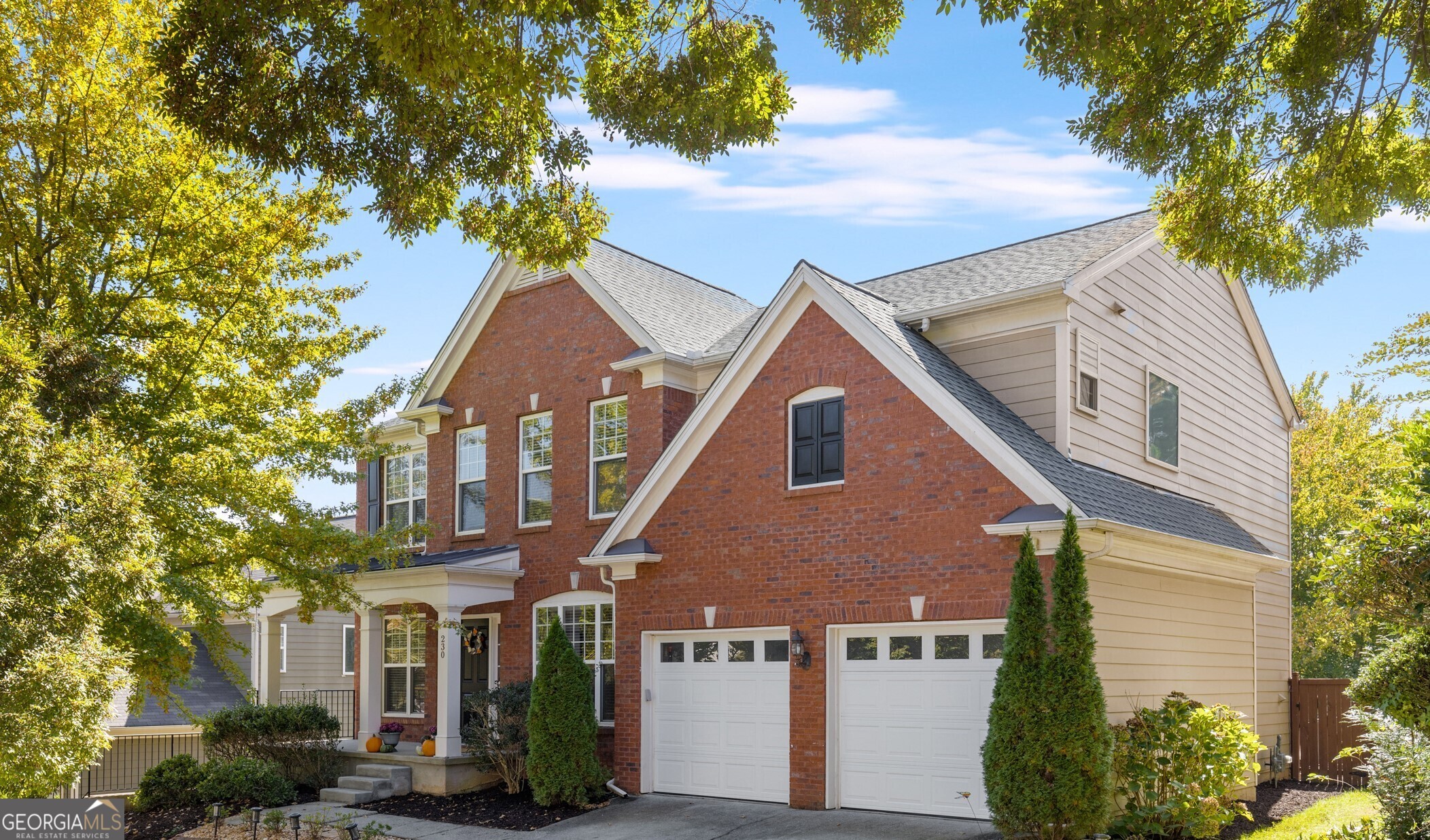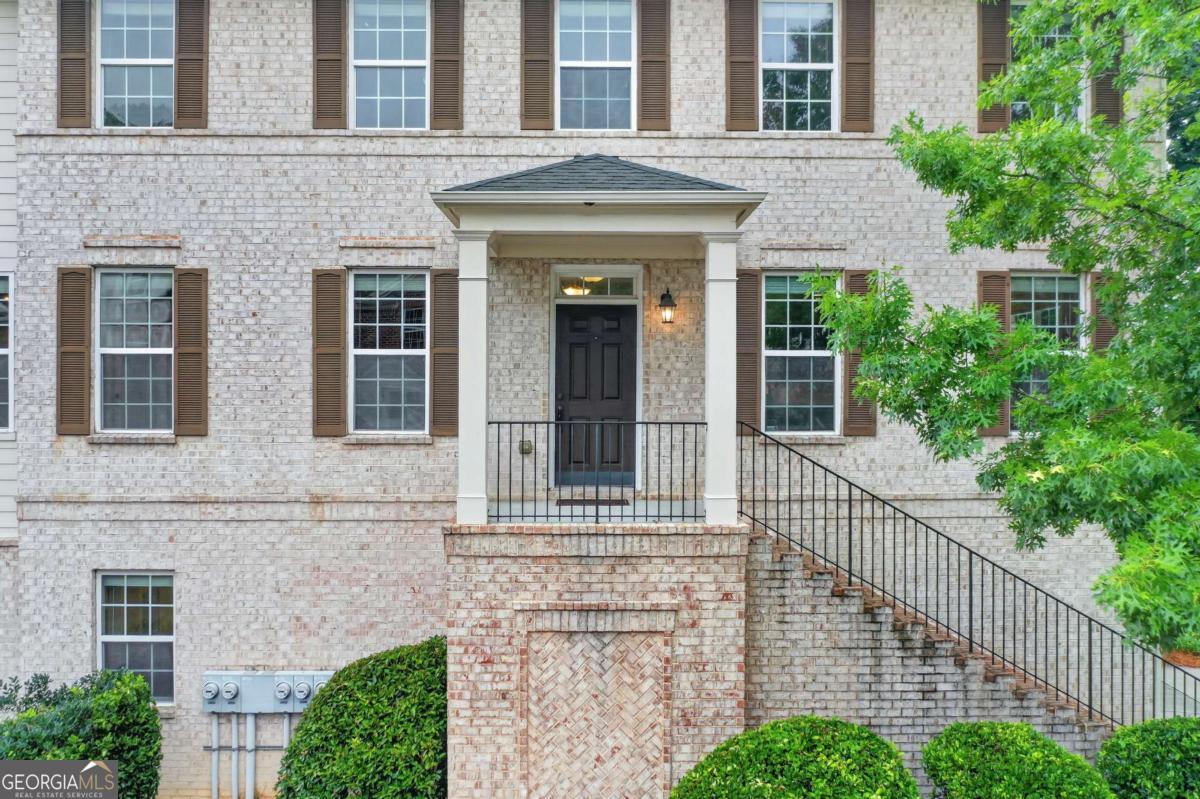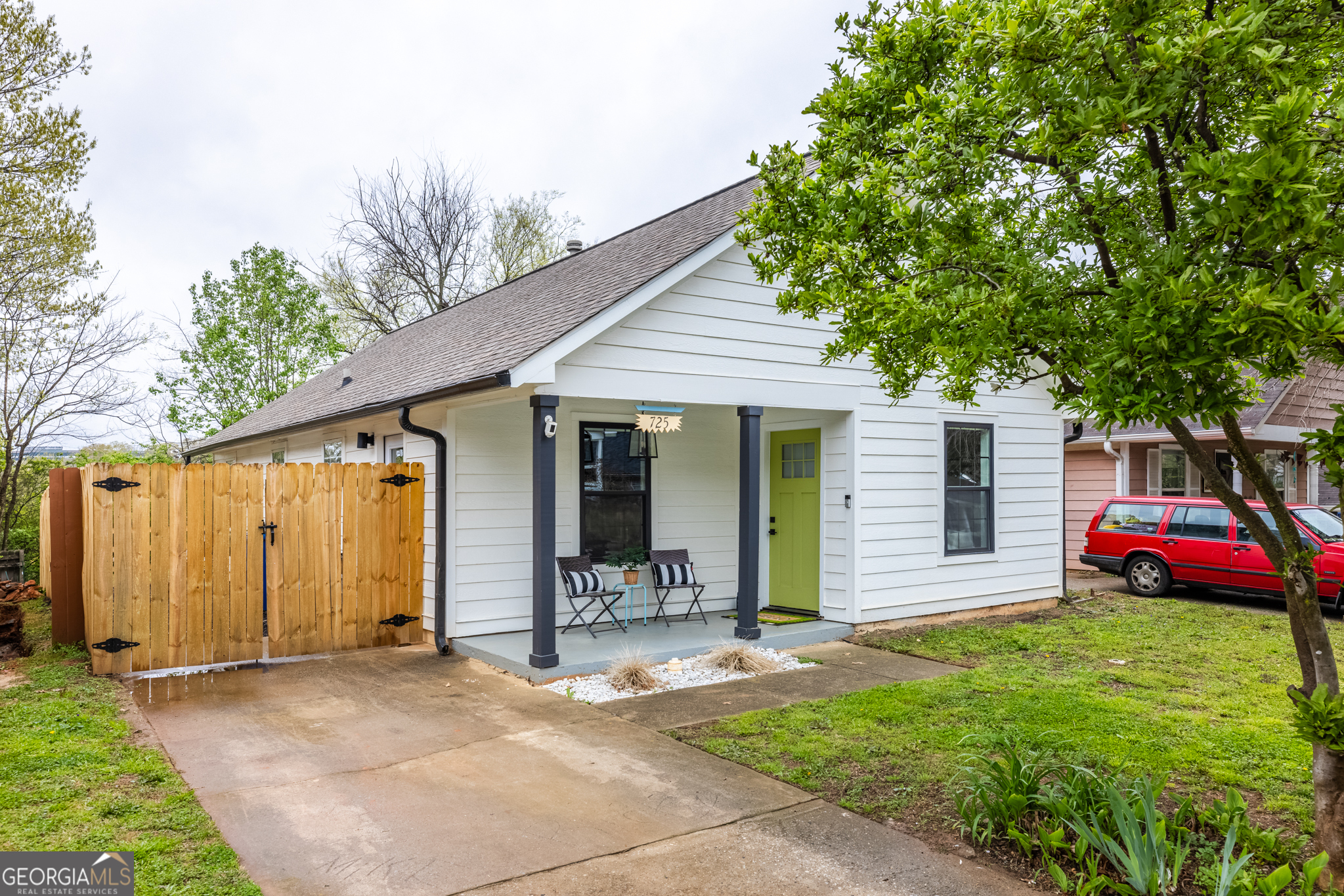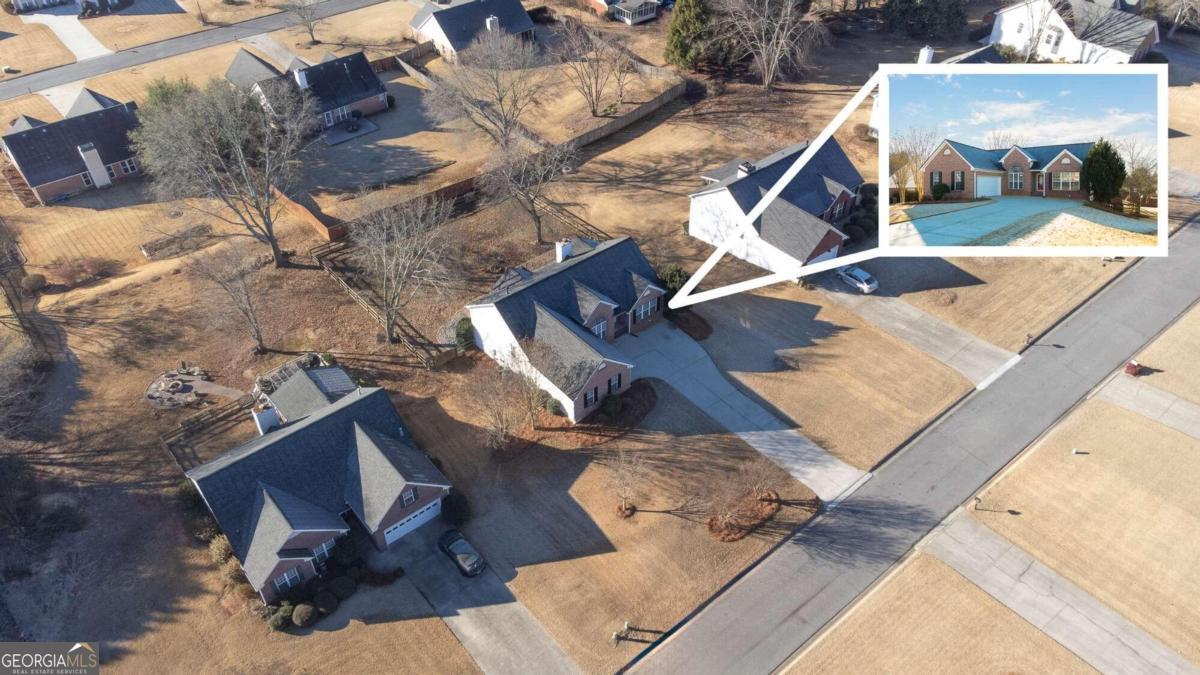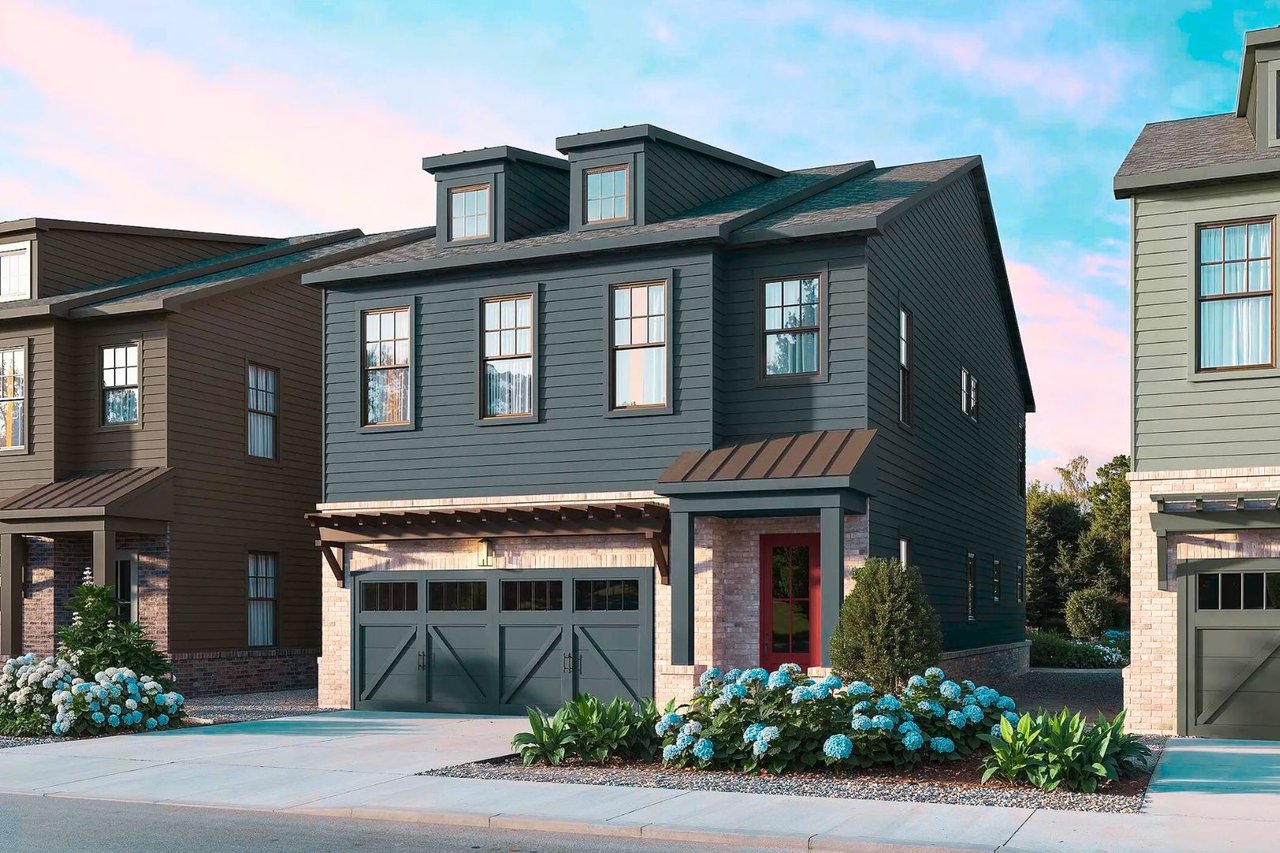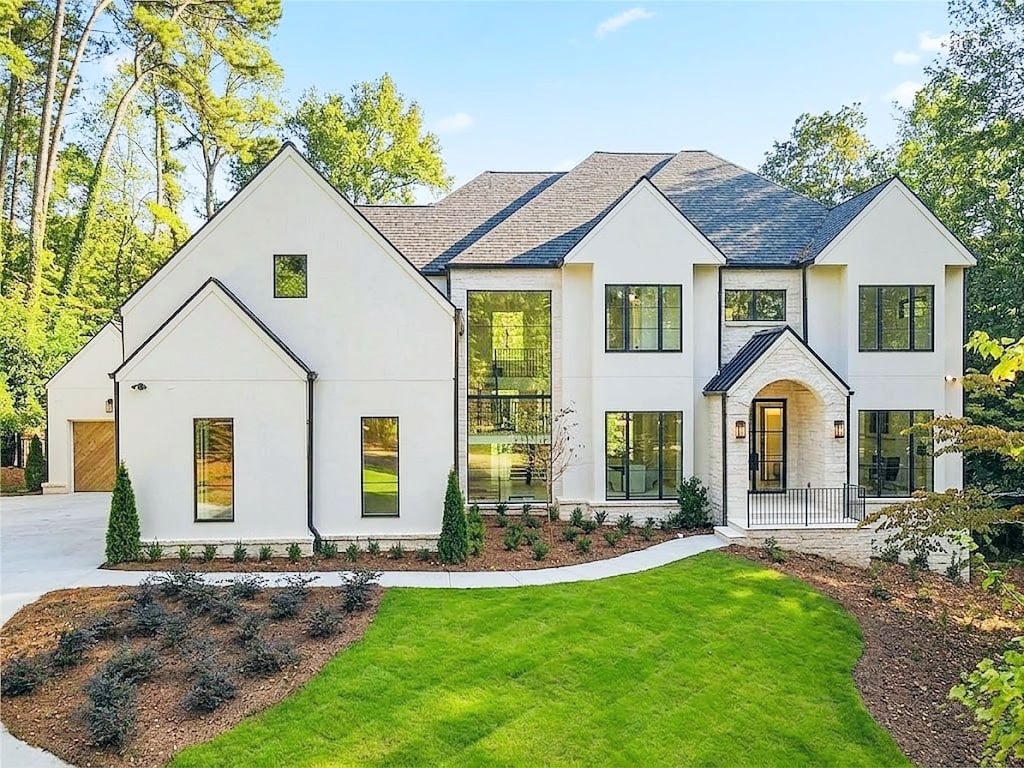
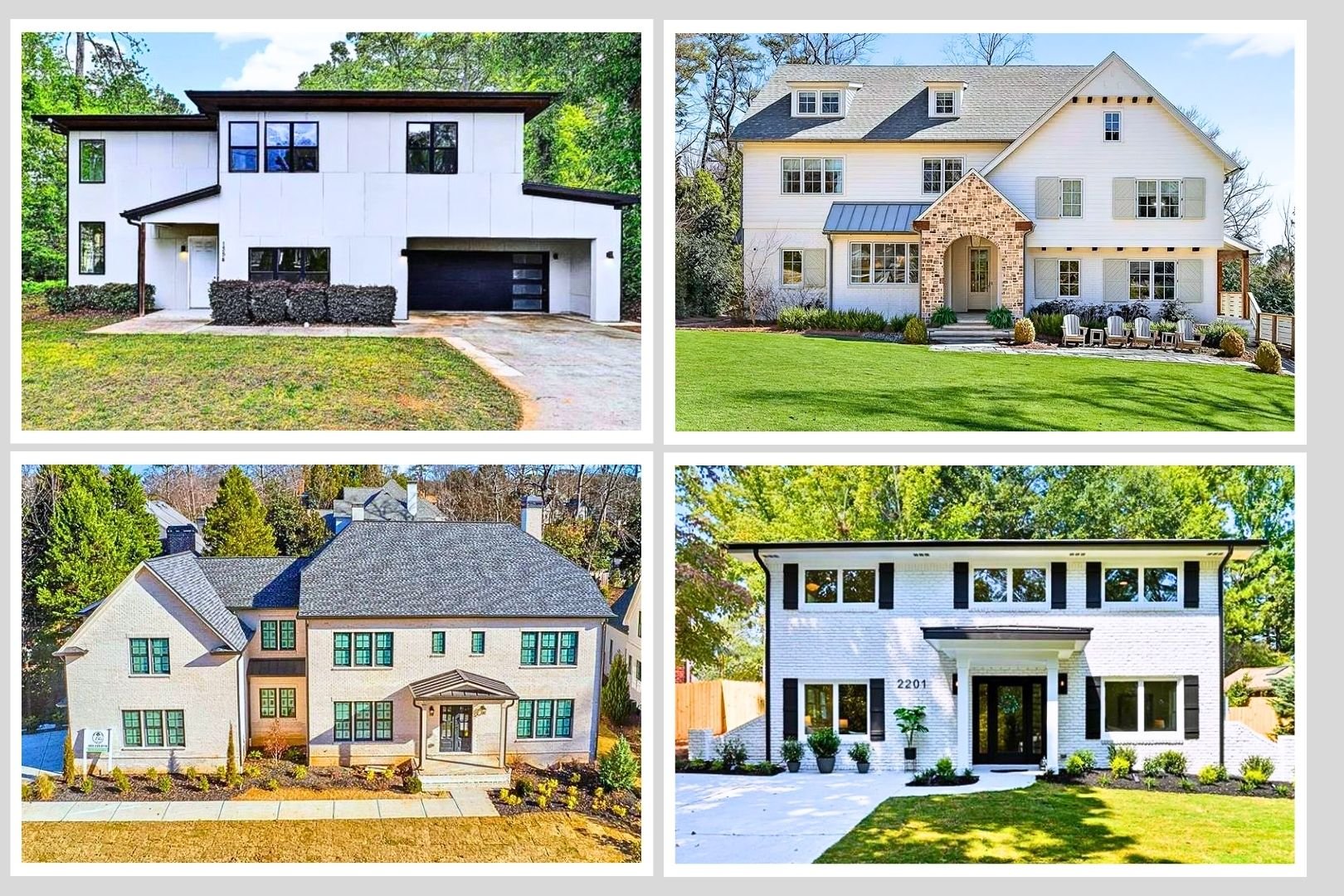
New construction inside the perimeter will drain your budget fast — and in Atlanta's most sought-after intown corridors, even townhomes routinely push well past what first-time buyers can realistically manage. What most buyers overlook is that the eastern corridor stretching from East Atlanta Village through Stonecrest, Lithonia, Conyers, and Covington is one of the most active and accessible new construction markets in the entire metro.
This guide walks you through the specific communities, realistic price ranges, and what to watch for when you start shopping new builds east of the city.
Why Buyers Are Looking East of Atlanta for New Construction

Land Availability and Lower Cost of Entry
The eastern side of the metro still has meaningful amounts of developable land — something the northern suburbs largely exhausted years ago and intown neighborhoods practically never had. When builders can acquire land at lower cost, that savings tends to flow, at least partially, into the final sale price.
The Atlanta metro's overall median home sale price was approximately $375,000 as of Q4 2024, according to Atlanta Realtors Association market reports — and eastern corridor communities routinely come in 25 to 35 percent below that benchmark.
That gap represents real money. Communities east of I-285 and along the I-20 East corridor have been drawing builder interest precisely because the economics still work in a way they don't closer to the city's core.
Growth Along the I-20 East Corridor
The I-20 East corridor running through DeKalb County and into Rockdale and Newton counties has become one of the most closely watched growth corridors in Georgia. The Georgia Department of Transportation has designated this stretch as a priority improvement zone, with ongoing interchange and capacity upgrades through DeKalb, Rockdale, and Newton counties — a level of infrastructure commitment that signals long-term confidence in the region.
Retail has followed population growth, the Stonecrest area has seen significant commercial development, and buyers paying attention to growth momentum are increasingly treating this corridor as a genuine opportunity. For a buyer entering the market today, that trajectory matters as much as the current price tag.
East Atlanta Village and the Inner Eastern Neighborhoods — What New Construction Looks Like Here
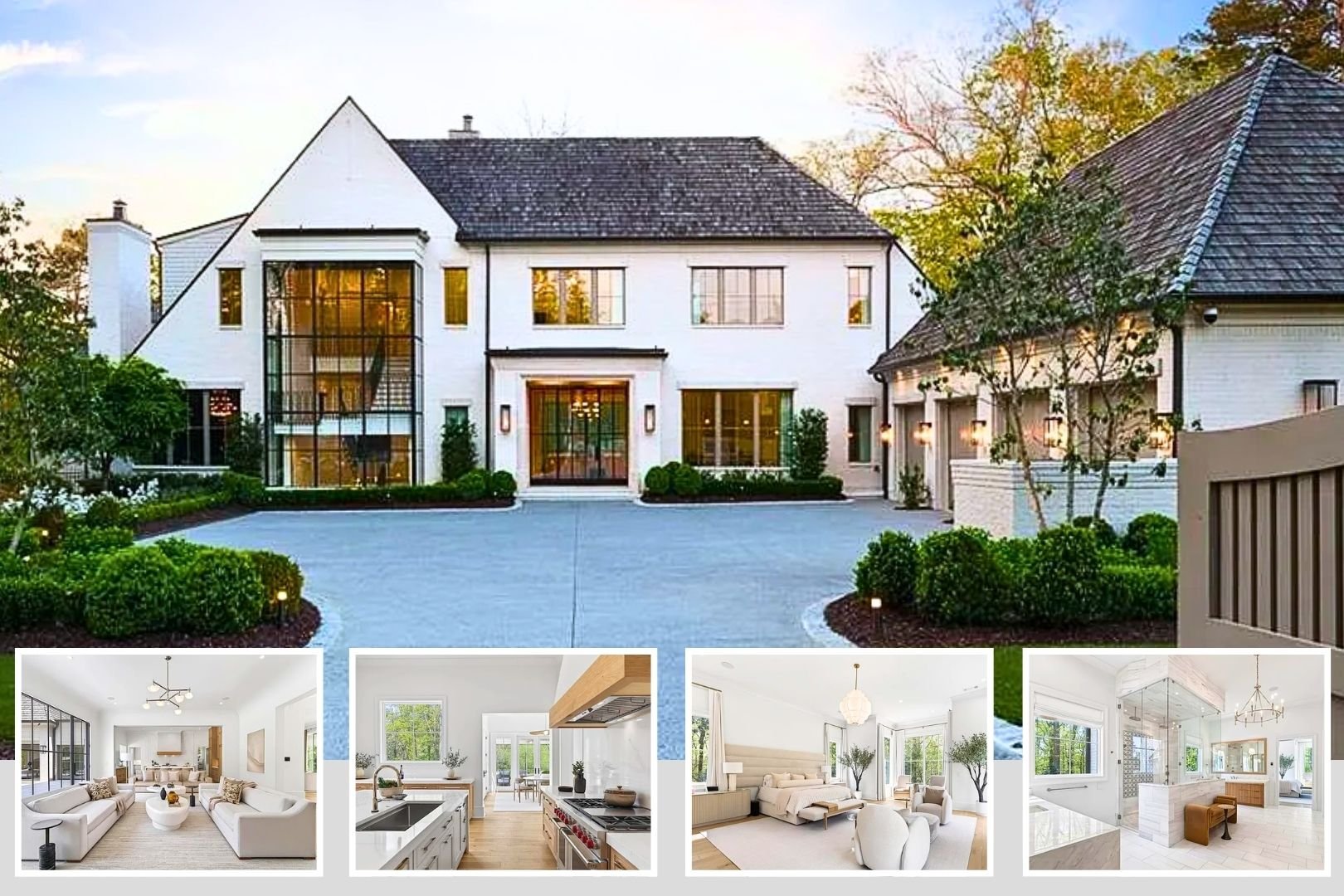
Infill New Construction in Kirkwood, Edgewood, and Ormewood Park
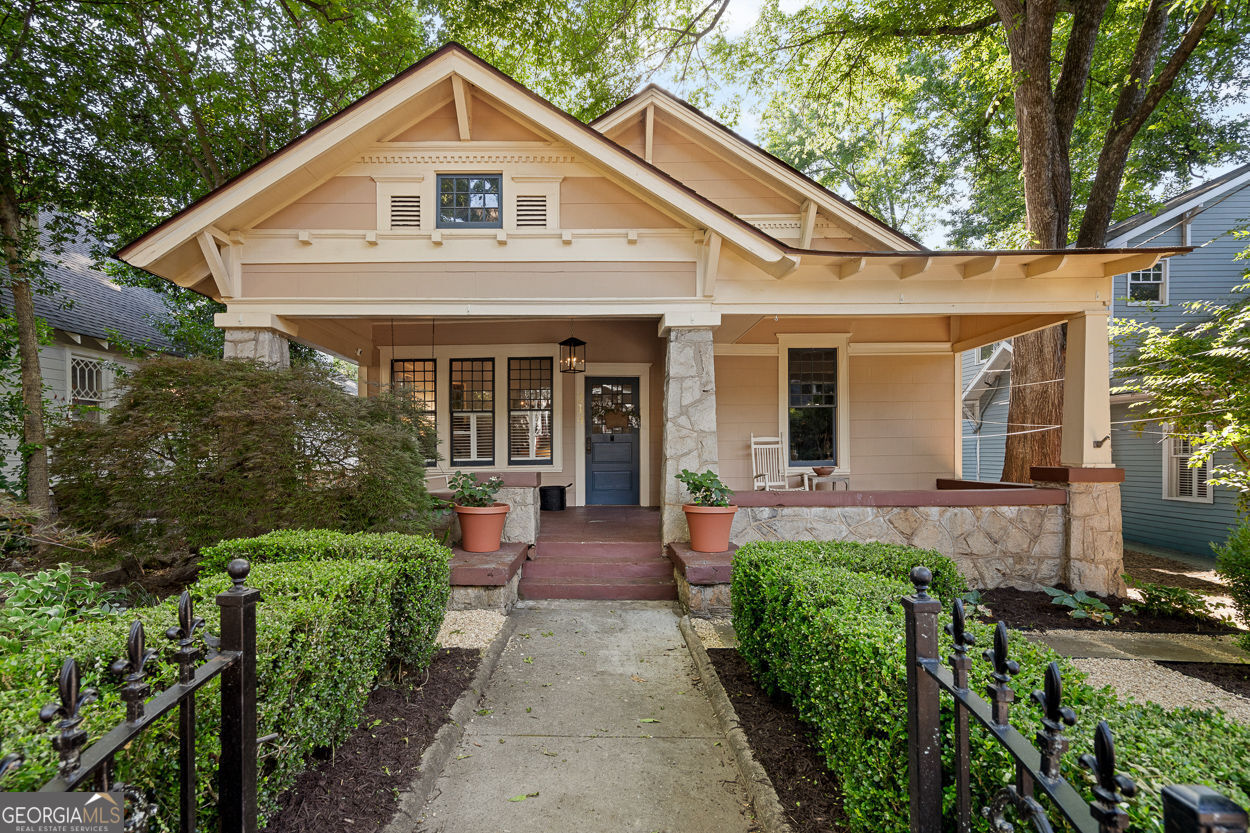
New builds do exist in Kirkwood, Edgewood, and Ormewood Park, but they are almost exclusively infill projects — individual lots where a builder found a gap in the streetscape or replaced an older structure. These homes carry a significant location premium and don't fit most buyers' definition of affordable new construction.
East Atlanta Village itself has a distinct identity anchored by places like the East Atlanta Village Farmers Market at Brownwood Park, which draws the community together seasonally and reflects the neighborhood's invested, engaged character. It's a great place to live — but if your new construction budget sits in the $280,000 to $400,000 range, the realistic conversation shifts eastward quickly.
What Affordable Really Means in This Market

For the purposes of this guide, "affordable new construction" is anchored to the $280,000 to $400,000 range. That threshold is realistic — though not universally available at every moment — in the eastern suburban communities along and beyond I-285.
U.S. Census Bureau New Residential Sales data for the South Region placed new construction medians above $400,000 in 2024, which means the eastern corridor consistently prices well below what new builds cost across the broader regional market.
What that range actually buys you changes dramatically depending on how far east you're willing to go. The communities covered below illustrate that gap in concrete terms.
Stonecrest and Lithonia — A Builder Hotspot East of Atlanta
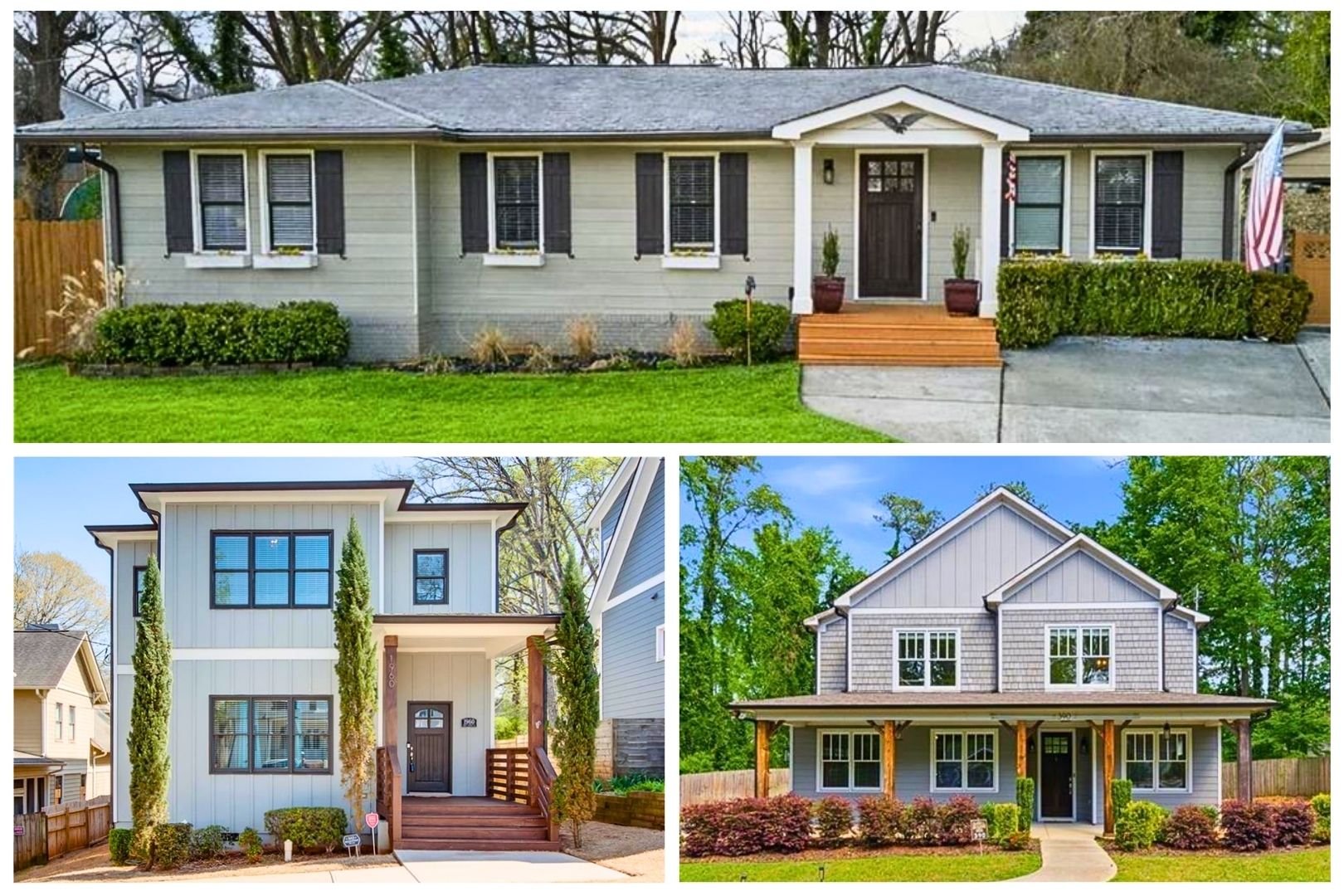
Why Builders Are Active in the Stonecrest Area
Stonecrest was officially incorporated as a city on April 18, 2017, making it one of the newest municipalities in Georgia. Since incorporation, the city has pursued active economic development — particularly around the Stonecrest Mall corridor and commercial zones along Covington Highway — and builders have followed that civic momentum.
Multiple builders competing in the same geographic area creates real advantages for buyers: more inventory options, more product diversity, and slightly more negotiating leverage than you'd find where a single builder dominates a community.
Pro Tip: When multiple builders are active in the same corridor, use that competition to your advantage. Get quotes and incentive packages from at least two or three builders before committing — even small differences in closing cost contributions or design center credits can add up to thousands of dollars.
Types of New Builds Available Near Lithonia
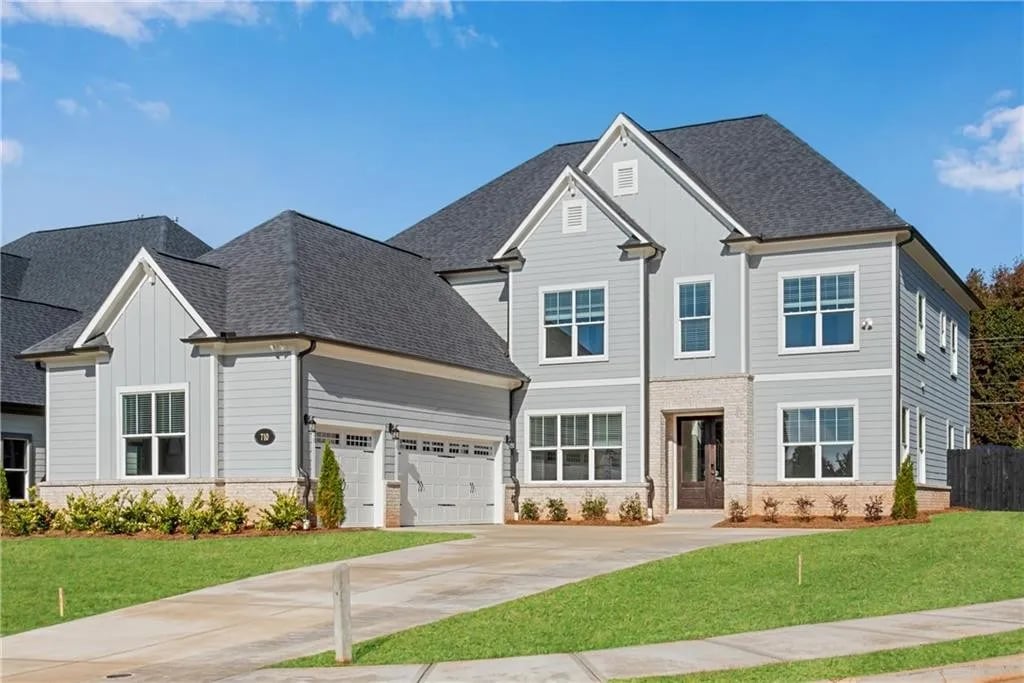
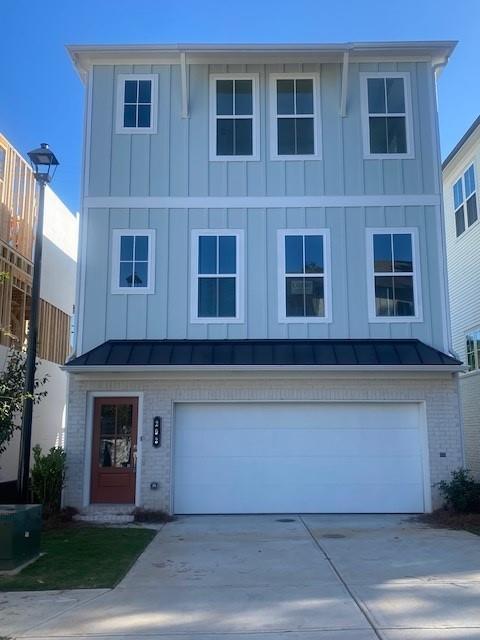
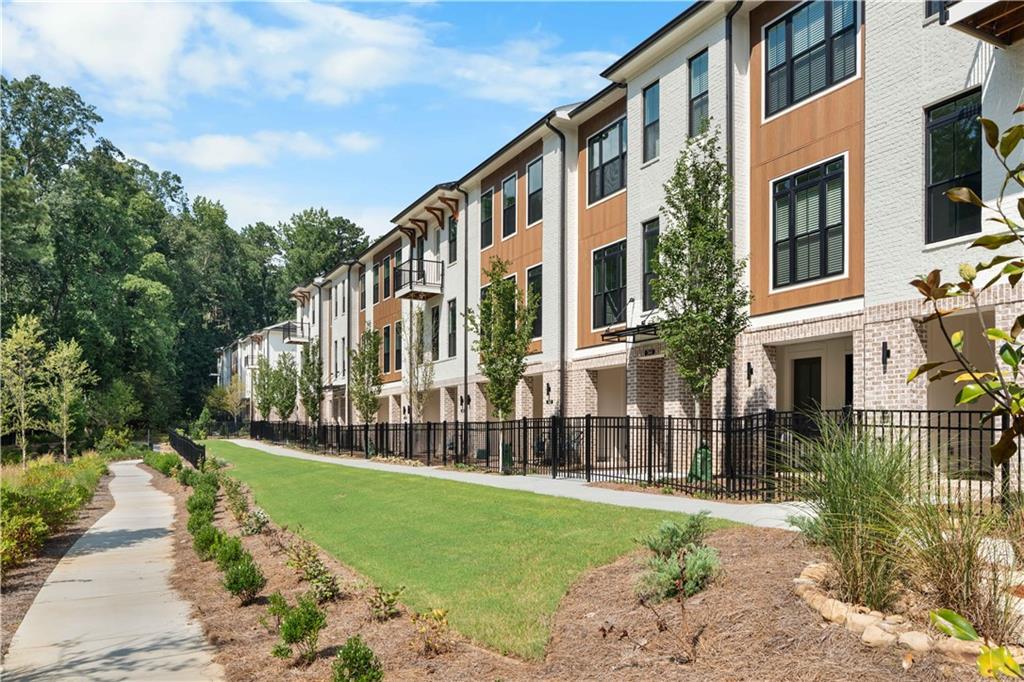
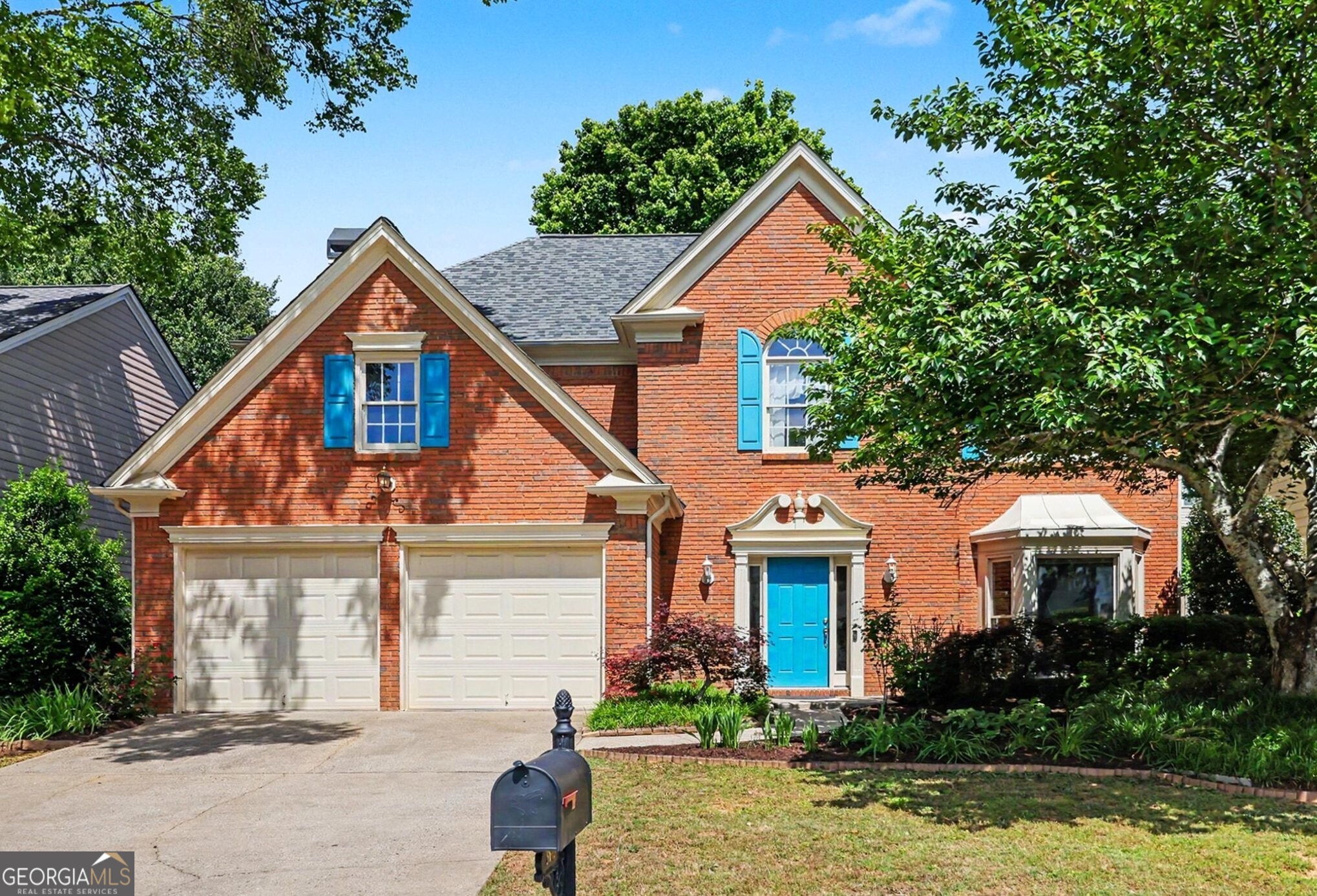
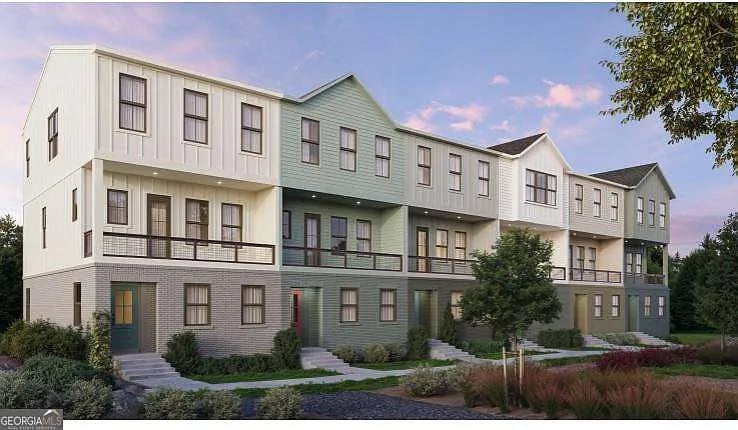
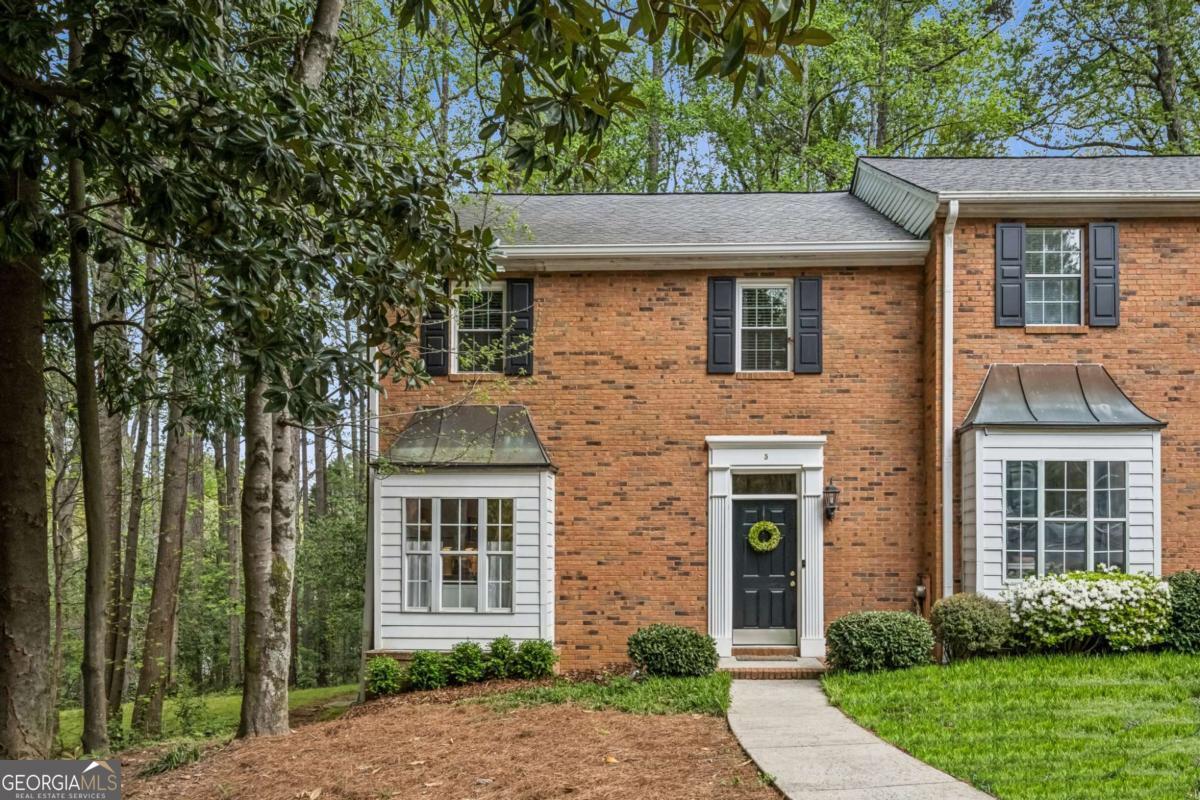
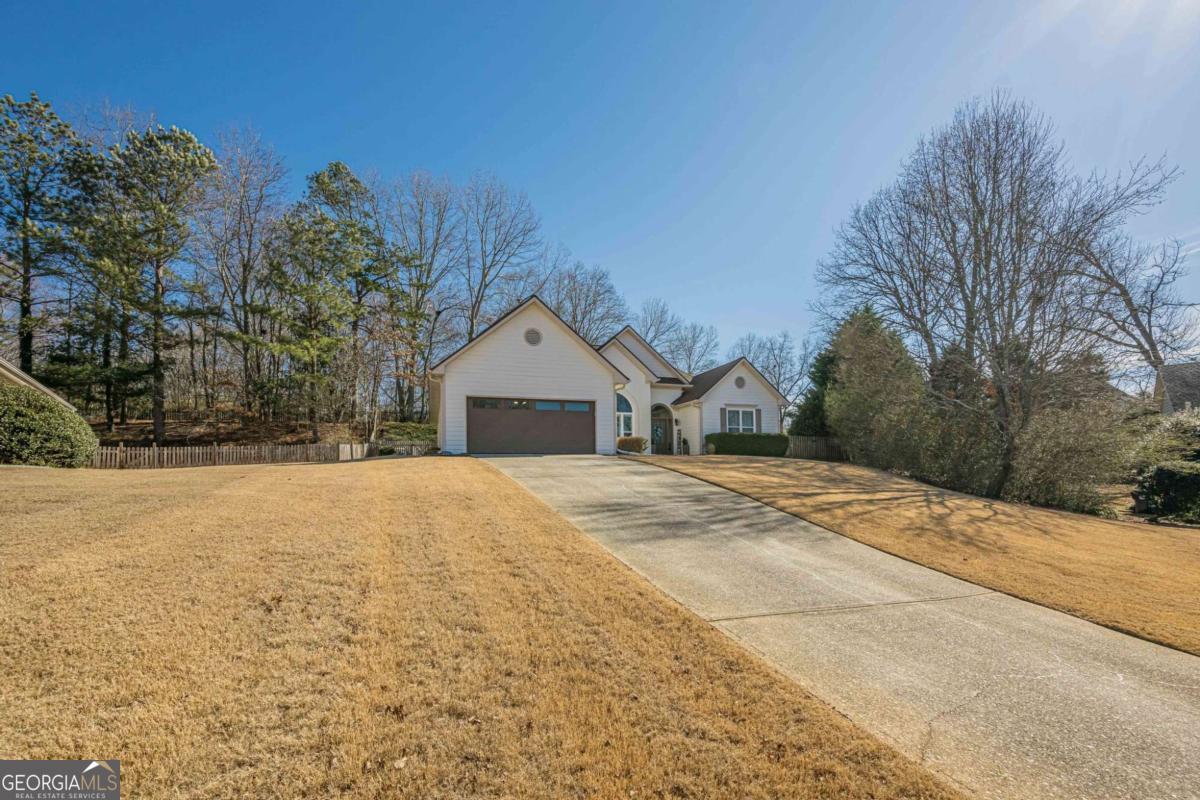
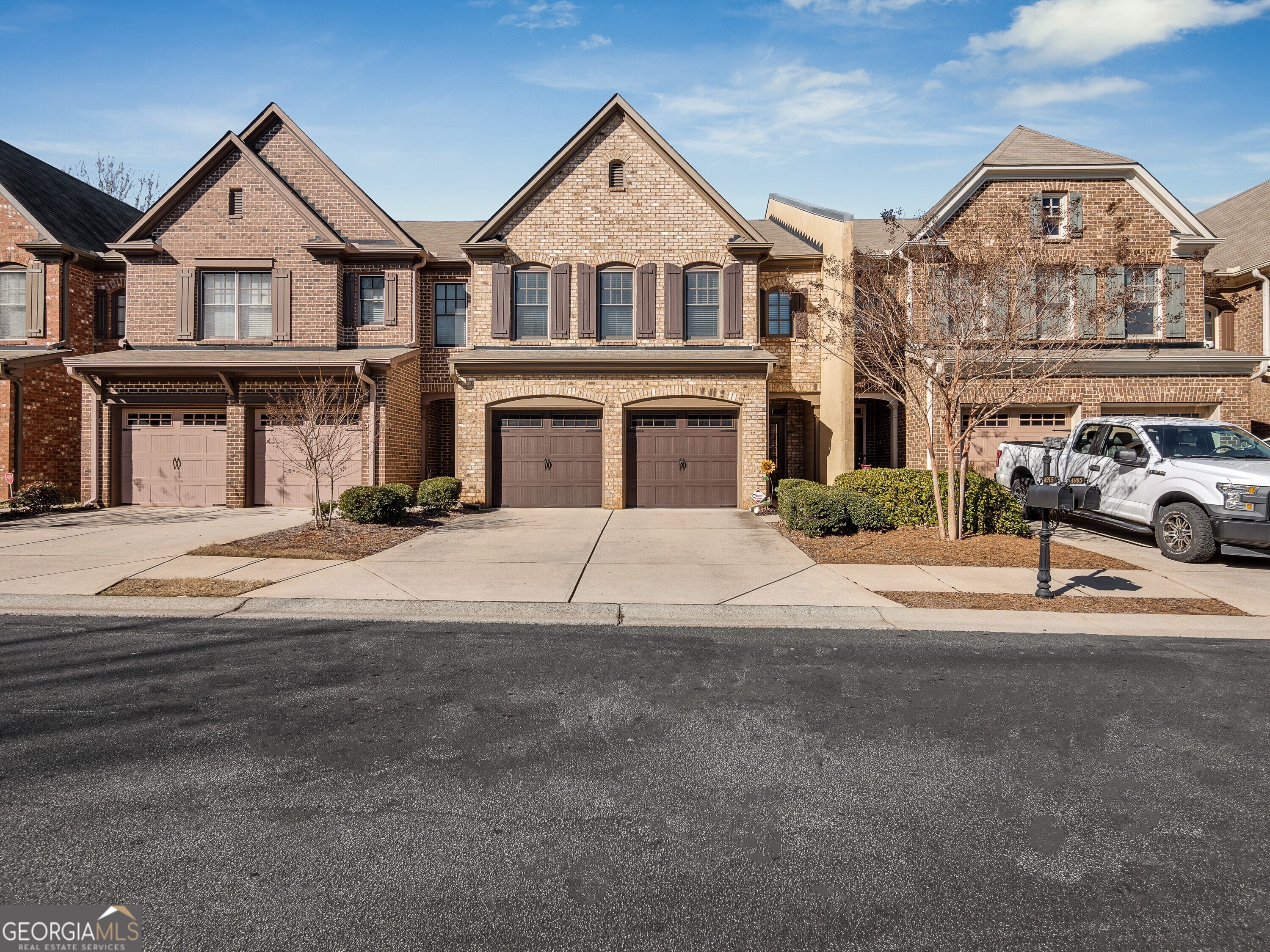
The product mix near Lithonia is varied enough to accommodate different buyer profiles. In zip codes 30038 and 30058, buyers will find entry-level single-family homes, attached townhomes, and larger planned communities with shared amenities like pools and clubhouses. National builders with significant Atlanta-area footprints have maintained active projects in this corridor alongside regional builders who offer more customization.
According to Georgia Association of Realtors market data and U.S. Census Bureau American Community Survey estimates, median home values in the 30038 zip code have been tracking in the low-to-mid $270,000 range, with year-over-year appreciation in the 3 to 4 percent range — a sign of steady, sustainable demand rather than speculative overheating.
Buyers should expect to find both spec homes — already under construction or recently completed — and to-be-built options where selections can be made through the builder's design center. Both have their advantages depending on your timeline and how much personalization matters to you.
Community Amenities and Quality of Life
One detail that frequently surprises buyers who haven't spent time in this part of DeKalb County is the quality of outdoor recreation nearby. The Arabia Mountain National Heritage Area — designated by Congress in 2006 and spanning approximately 2,000 acres across DeKalb and Rockdale counties — sits just south of Lithonia and offers hiking, cycling, and striking exposed granite landscapes that feel a world away from suburban development.
The PATH Foundation has also been active in expanding the South River Trail network throughout the eastern DeKalb corridor, adding greenway access that connects neighborhoods to parks and open space. For everyday needs, shopping along Covington Highway and Panola Road handles groceries, dining, and errands.
The DeKalb County School District serves the area, with individual schools in the Stonecrest and Lithonia cluster showing performance variation — worth researching specifically for the schools zoned to any home you're seriously considering.
Conyers and Rockdale County — Space, Value, and a Small-Town Feel
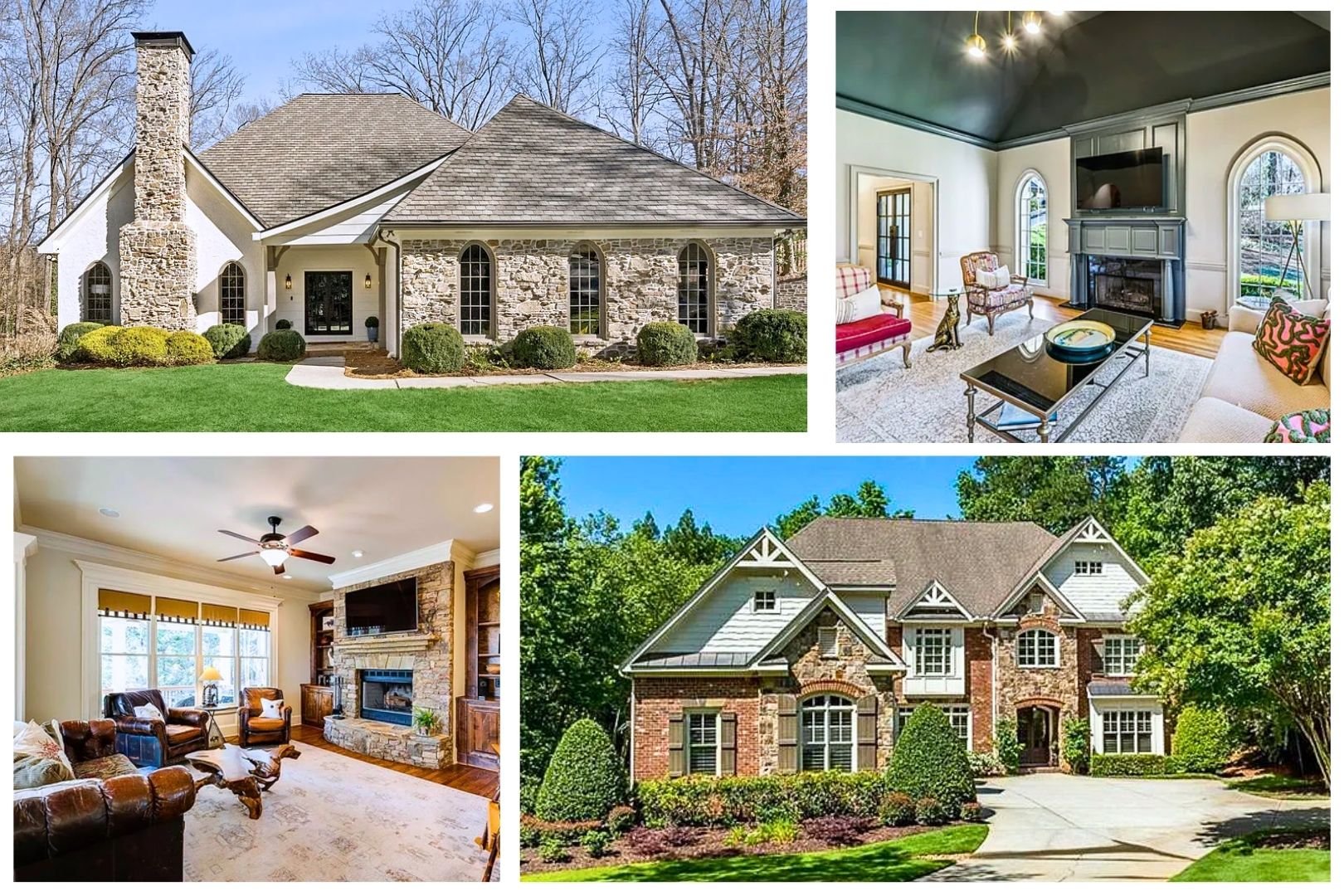
New Construction Communities Taking Shape in Conyers
About 25 miles east of Atlanta along I-20, Conyers serves as the county seat of Rockdale County and has been a consistent draw for builder activity over the past several years. U.S. Census Bureau Building Permits Survey data shows Rockdale County issuing roughly 200 to 400 single-family building permits annually in recent years — reflecting steady and measured builder interest rather than the boom-and-bust cycles that can leave buyers holding the bag in oversaturated markets.
The historic downtown Conyers square, anchored by Olde Town Conyers with its local shops, restaurants, and community events, gives the area a sense of place that newer master-planned communities often struggle to manufacture. Buyers here feel like they're joining a community, not just occupying a lot in a development.
What Buyers Get for Their Budget in Rockdale County
U.S. Census Bureau American Community Survey estimates and Georgia Association of Realtors data place median home values in the Conyers market in the $290,000 to $305,000 range. For new construction, that price range often means more square footage, a larger yard, modern energy-efficient construction, and a builder warranty — a combination that's nearly impossible to replicate as a new build anywhere closer to Atlanta at the same price point.
Buyers who benchmark carefully against resale options frequently find that new construction in Rockdale County competes favorably once deferred maintenance, older systems, and renovation costs are factored into the resale side of the equation. The value proposition here is genuine.
Schools and Family Amenities in the Conyers Area
| School District | CCRPI Score (2023) | Metro Context |
|---|---|---|
| Rockdale County Public Schools | ~72.8 | Mid-tier, above eastern corridor average |
| DeKalb County Schools | ~68–70 | Trails Rockdale on this metric |
For families weighing options across the eastern corridor, that performance gap is a data point worth factoring into the decision. Beyond schools, the Georgia International Horse Park — originally constructed for the 1996 Atlanta Olympics equestrian events — is located in Conyers and hosts year-round programming including equestrian competitions, mountain bike races, and community gatherings. That kind of civic infrastructure adds real recreational texture and is the sort of asset that doesn't always show up in a listing description but matters considerably to quality of life.
Covington and Newton County — Competitive Pricing and Community Character for New Build Buyers

Covington's Appeal for Atlanta Commuters and Remote Workers
Roughly 35 to 40 miles east of Atlanta, Covington occupies a position that would have felt impractical to many buyers a decade ago. The shift toward hybrid and remote work has changed that calculation meaningfully — if you're commuting two or three days a week rather than five, the math on a 45-minute drive to the city looks entirely different.
Newton County's population reached over 111,000 in the 2020 Census and has continued growing, reflecting demand-driven growth rather than speculative development pressure. As the county seat, Covington has real civic infrastructure: a beautifully preserved historic downtown square, local dining and independent shops, and a community calendar that makes weekends feel worthwhile rather than just a recovery period between commutes.
New Construction Neighborhoods Forming in Newton County
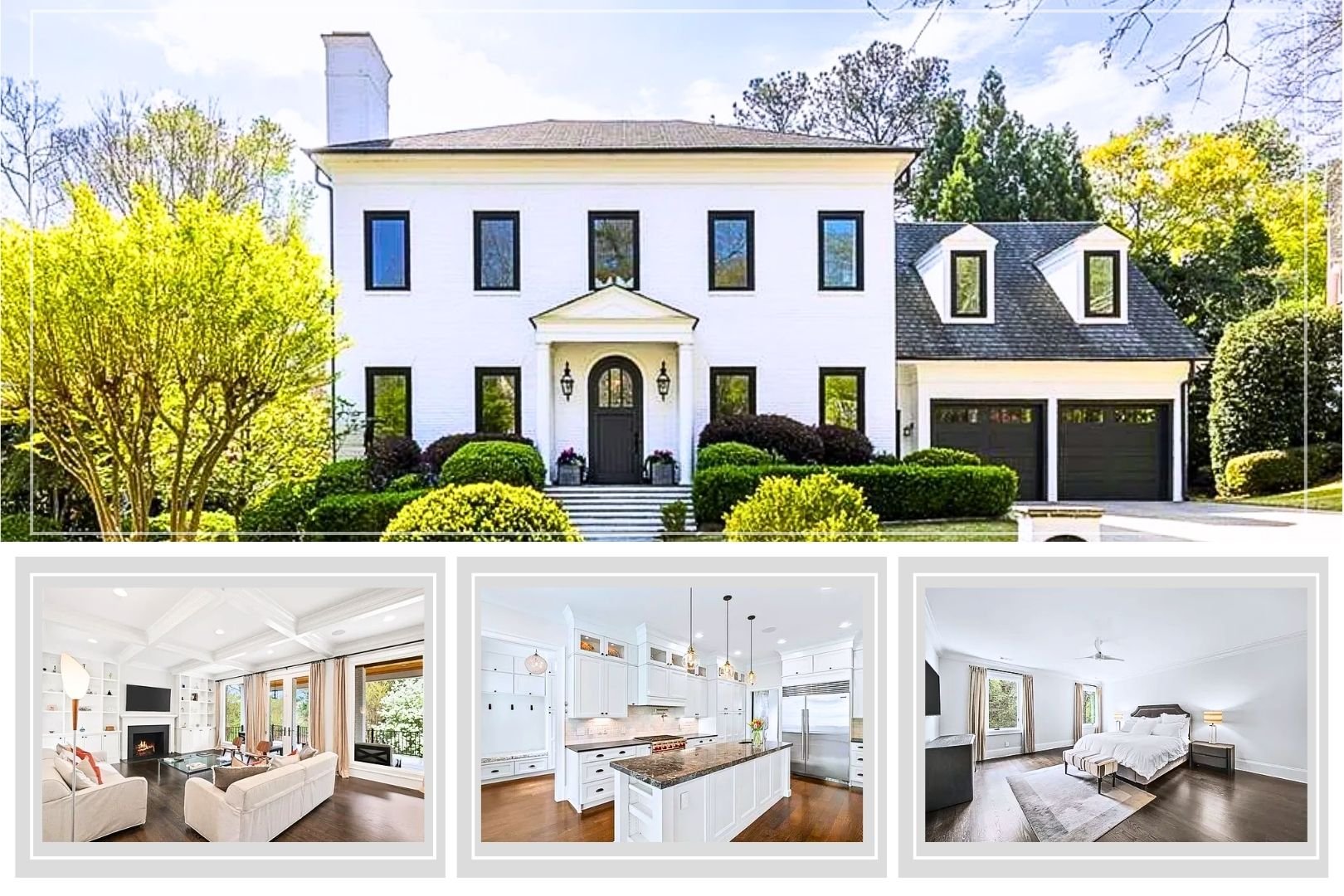
Newton County has seen a notable surge in planned residential development, with builders offering some of the most competitive entry price points in the greater Atlanta metro.
Georgia Association of Realtors data places median home values in the Covington market at approximately $255,000 to $275,000 — roughly 30 to 35 percent below the regional new construction median.
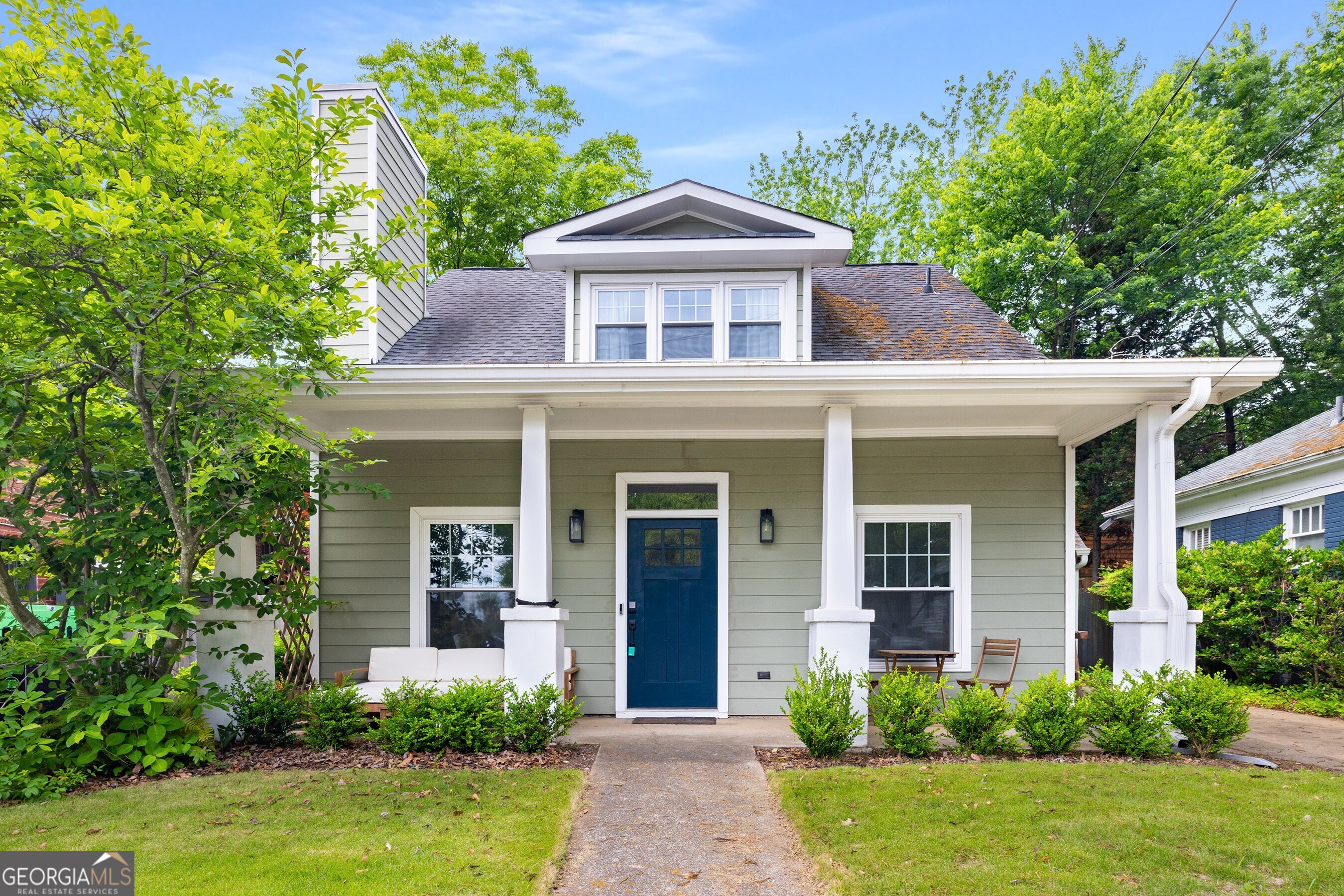
U.S. Census Bureau Building Permits Survey data shows Newton County issuing approximately 500 to 700 single-family building permits in recent years — a strong permit volume for a county of its size and a direct indicator that builder presence here is real and active. Craftsman-style and traditional single-family homes dominate the product mix, with master-planned communities offering multiple phases. Buyers who act during an open phase have the most flexibility on lot selection and design center choices.
Lifestyle, Culture, and the Covington Difference
Covington has served as a filming location for decades — most famously for The Vampire Diaries, but also for numerous films drawn to its photogenic town square and historic architecture. That same architectural character makes the downtown a genuinely pleasant place to spend time in, with local restaurants, boutique shops, and a community energy that distinguishes it from a generic bedroom suburb.
For buyers comparing eastern corridor communities, Covington consistently stands out as a place with identity — somewhere people feel connected to rather than simply housed in. That intangible quality tends to support long-term satisfaction with a purchase in a way that square footage alone never does.
What to Know Before Buying a New Build East of Atlanta

Working with a Builder vs. Having Your Own Agent
This point deserves to be stated plainly: the sales agent stationed in a builder's model home represents the builder. Their professional obligation runs toward the builder's interests, not yours. That doesn't make them dishonest — it simply means there's a structural misalignment between what they're there to do and what you need done.
Buyers who bring their own real estate representation into the process have someone reviewing contracts, flagging unusual terms, and negotiating on their behalf. In most new construction transactions, the builder covers the buyer's agent commission, which means this protection typically costs the buyer nothing out of pocket.
Understanding Builder Incentives and Timing
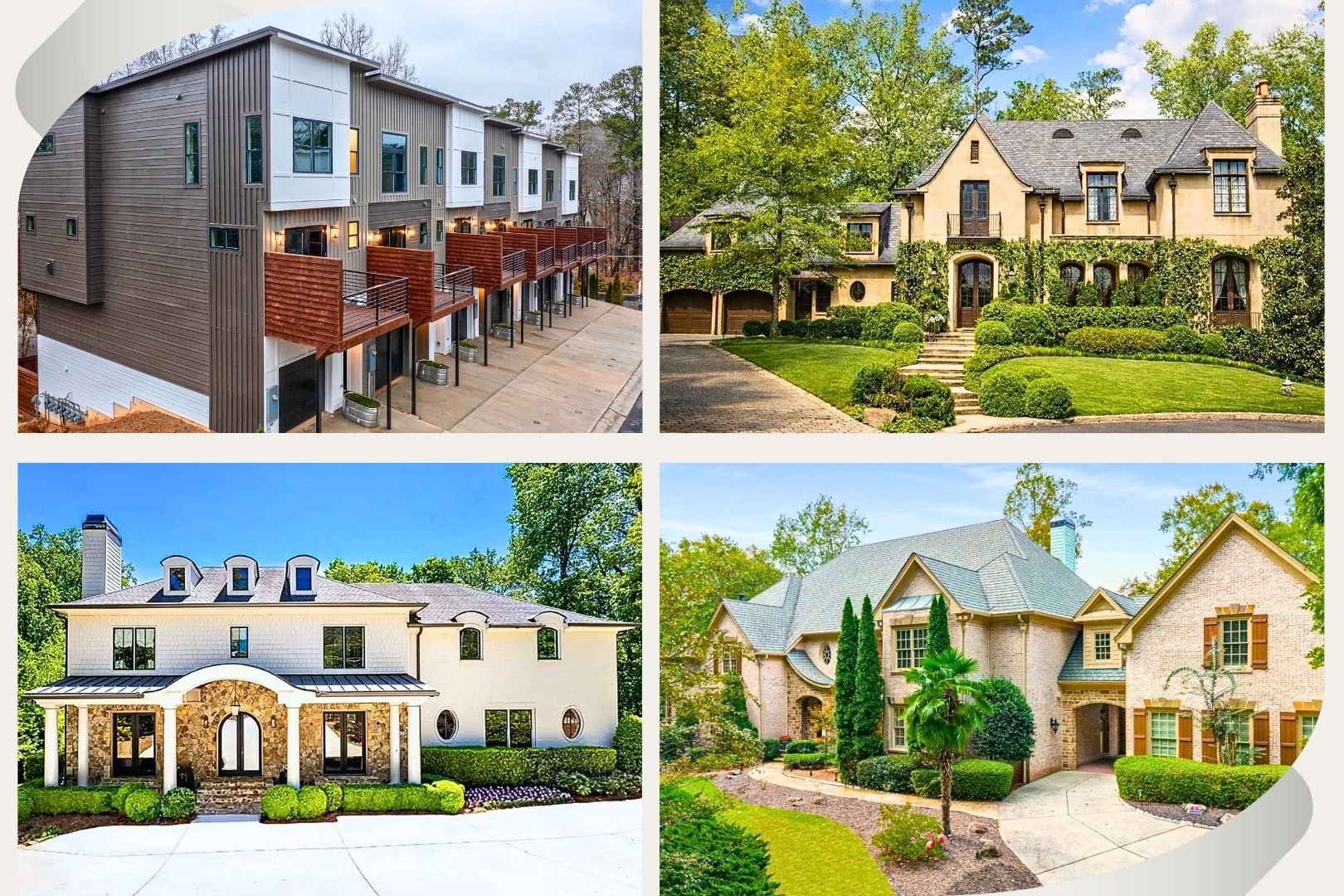
Builders are more flexible than many buyers assume. Common incentives include:
- Closing cost contributions toward title, lender fees, and prepaid items
- Interest rate buydowns through the builder's preferred lender
- Appliance package upgrades at no additional cost
- Design center credits toward flooring, cabinetry, or fixtures
These incentives are often most generous at the end of a fiscal quarter, or when a phase is nearly complete and the builder wants to clear remaining inventory. The eastern Atlanta corridor has enough builder competition across Stonecrest, Conyers, and Newton County that buyers who understand this dynamic can find real value by being patient and deliberate about when they engage.
Pro Tip: Ask the on-site sales agent directly: "Are there any incentives available if we close before the end of the quarter?" You may be surprised how often the answer opens a productive conversation.
Inspections, Warranties, and What New Construction Doesn't Guarantee
New doesn't always mean flawless. Construction quality varies by builder, and even reputable builders produce homes with defects that need to be identified before they become larger problems. Independent home inspections on new builds are worth every dollar — ideally during the framing stage and again before closing.
The standard warranty structure you'll encounter breaks down like this:
- 1-year workmanship warranty covering construction defects and finish issues
- 2-year systems warranty covering mechanicals like HVAC and plumbing
- 10-year structural warranty covering foundational and load-bearing components
Understanding what each tier covers — and what it excludes — is essential reading before you sign any contract.
Frequently Asked Questions About New Construction East of Atlanta

What is the most affordable area for new construction east of Atlanta?
Newton County and Rockdale County — encompassing Covington and Conyers — generally offer the lowest entry price points for new builds in the metro's eastern corridor. The farther east you move along I-20, the more purchasing power your budget tends to carry, though commute times to the city increase proportionally.
Are there new construction townhomes east of Atlanta under $300,000?
Availability at that price point is market-dependent and shifts with builder inventory levels and interest rate conditions. The Stonecrest and Lithonia areas have historically had more entry-level new construction options than the closer-in neighborhoods, and townhome products in those zip codes have come closest to that threshold. A local agent with current MLS access will give you the most accurate picture of what's available right now.
How long does it take to build a new home east of Atlanta?
Spec homes already under construction or approaching completion can close in as little as 30 to 60 days. To-be-built homes, where you select a lot and work through the design center from the beginning, typically take 6 to 12 months depending on the builder, the home's complexity, and current supply chain conditions. If your timeline is tight, focusing on inventory homes already in progress is usually the better path.
Do I need a real estate agent to buy a new construction home?
There's no legal requirement — but having your own buyer's agent is strongly advisable. The builder's on-site sales team represents the builder's interests, not yours. Your own agent provides contract review, negotiation support, and professional accountability throughout the transaction, and in most new construction deals the builder covers the buyer's agent commission, so this protection comes at no cost to you.
What incentives do builders east of Atlanta typically offer?
Common incentives include interest rate buydowns through the builder's preferred lender, closing cost contributions, appliance package upgrades, and design center credits toward flooring, cabinetry, or fixtures. These incentives are often most generous at the end of a calendar quarter or when a builder is working to close out a nearly complete phase of a community.
Is buying new construction east of Atlanta a good investment?
The I-20 East corridor has shown consistent growth momentum, active infrastructure investment from GDOT, and relative affordability that suggests room for appreciation over time. That said, all real estate carries risk and market conditions evolve. Consulting with a local real estate professional who knows this corridor well — and who can pull current comparable sales data — is the right step before making any decision with investment implications.
The Opportunity Is Real — And Worth Exploring
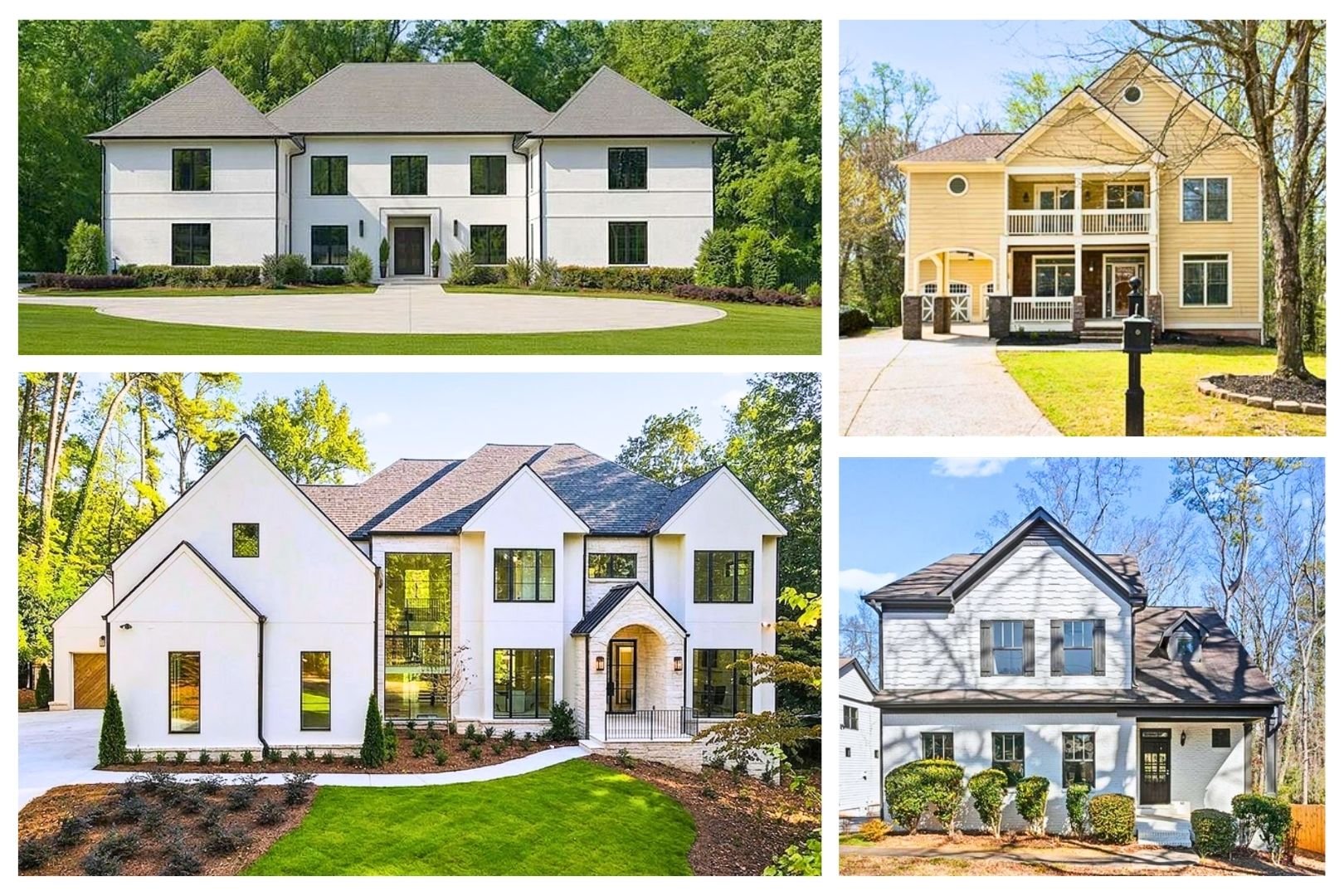
Buyers willing to look east — whether toward the builder-active communities of Stonecrest, the growing subdivisions of Rockdale County, or the charming town square of Covington — are finding some of the most accessible new construction opportunity in the Atlanta metro. The assumptions that make buyers hesitant — concerns about commute times, unfamiliarity with the communities, uncertainty about what's actually available — tend to dissolve quickly once you spend a Saturday afternoon driving these corridors and walking through model homes.
The value is real, the communities are growing, and the window for getting into new construction at accessible price points east of Atlanta is open right now. Don't let unfamiliarity with this part of Georgia keep you from a purchase that could make a meaningful difference in what you get for your money.
If you're ready to explore new construction options east of Atlanta, reach out to us — we'd love to help you find the right fit.