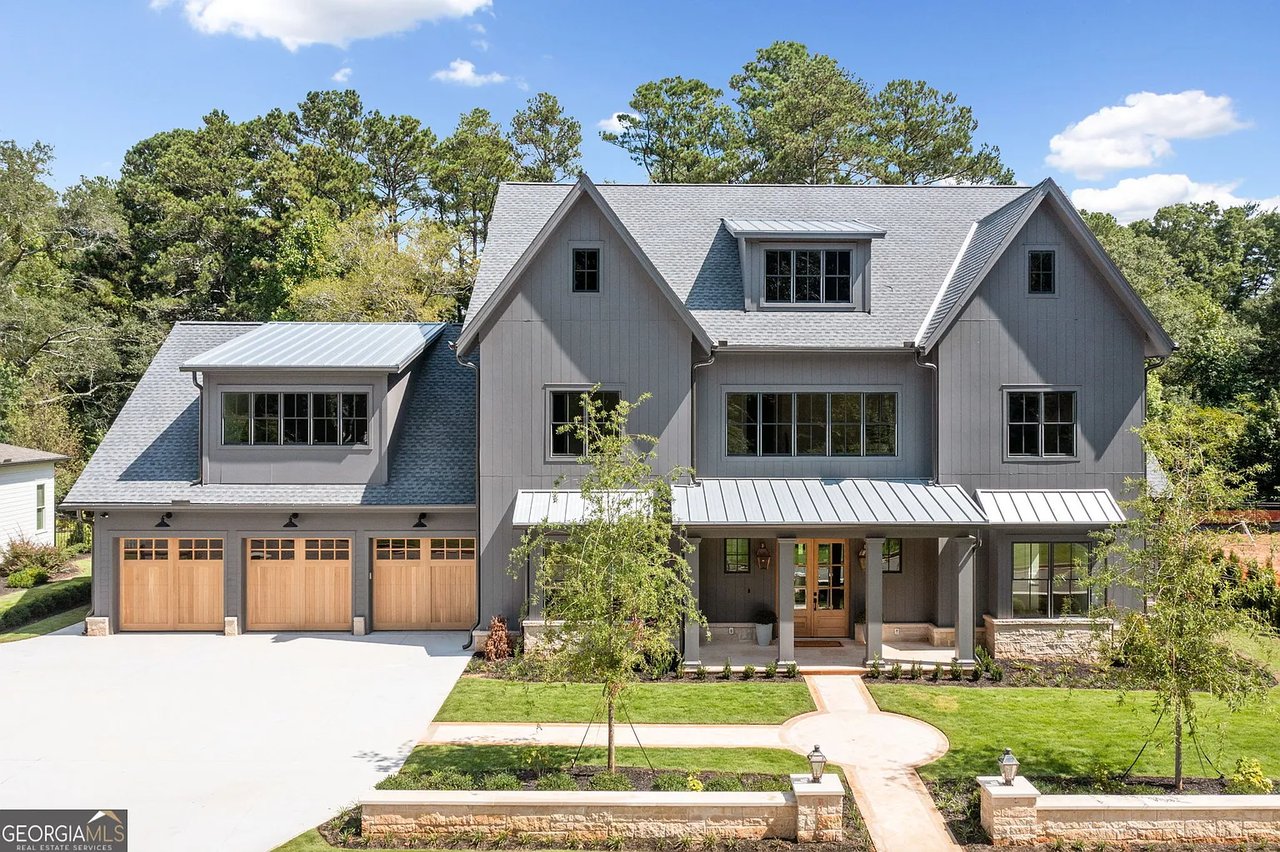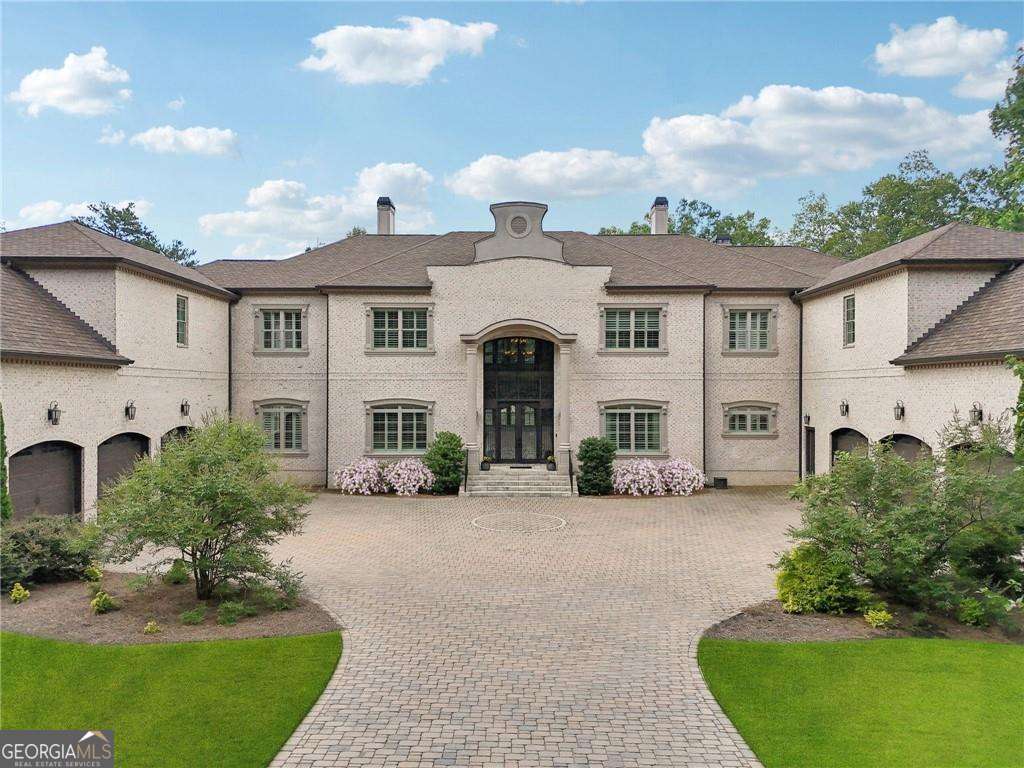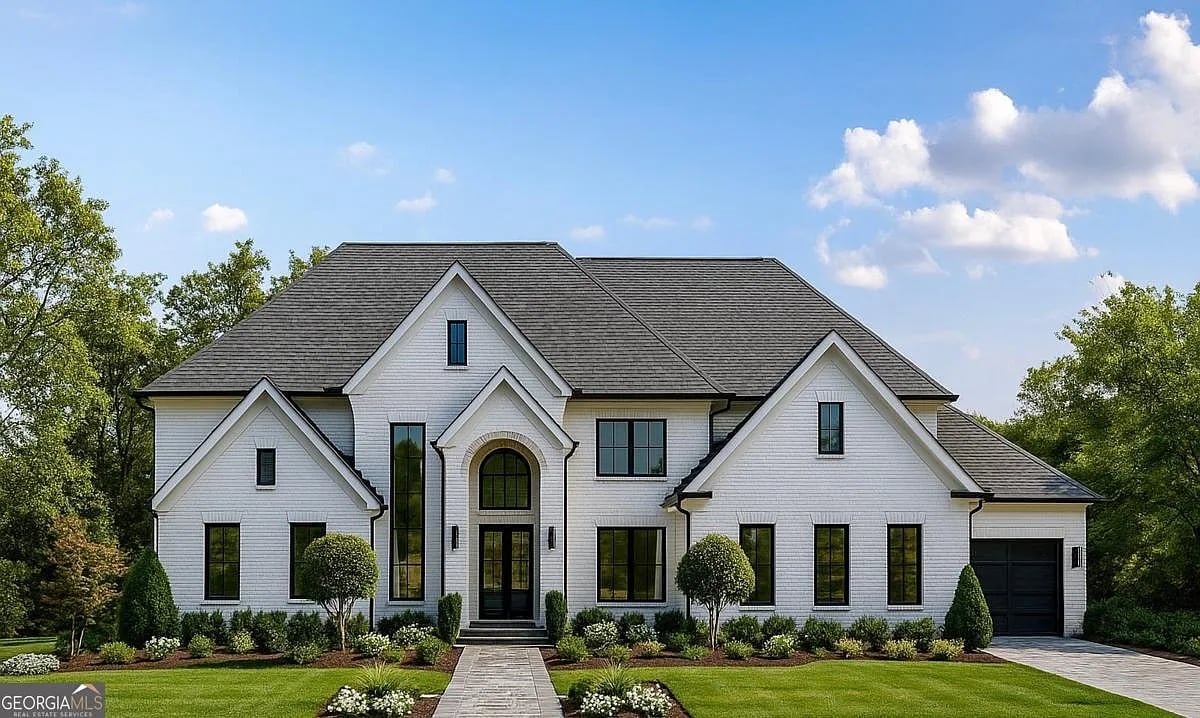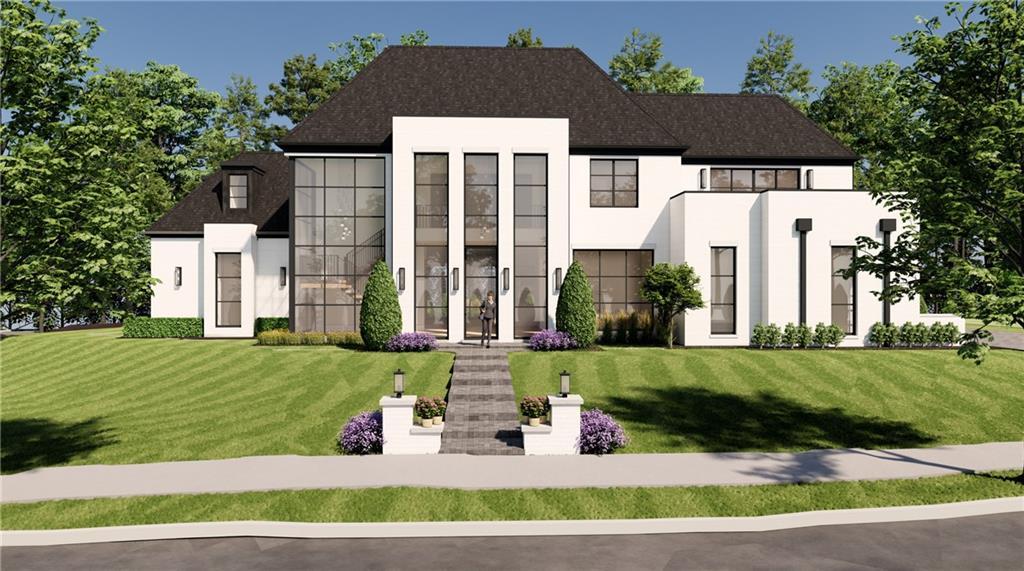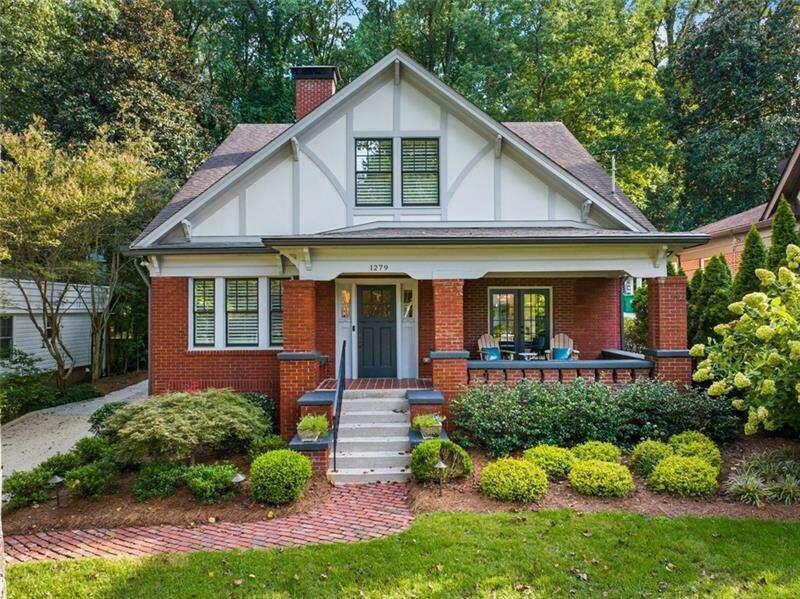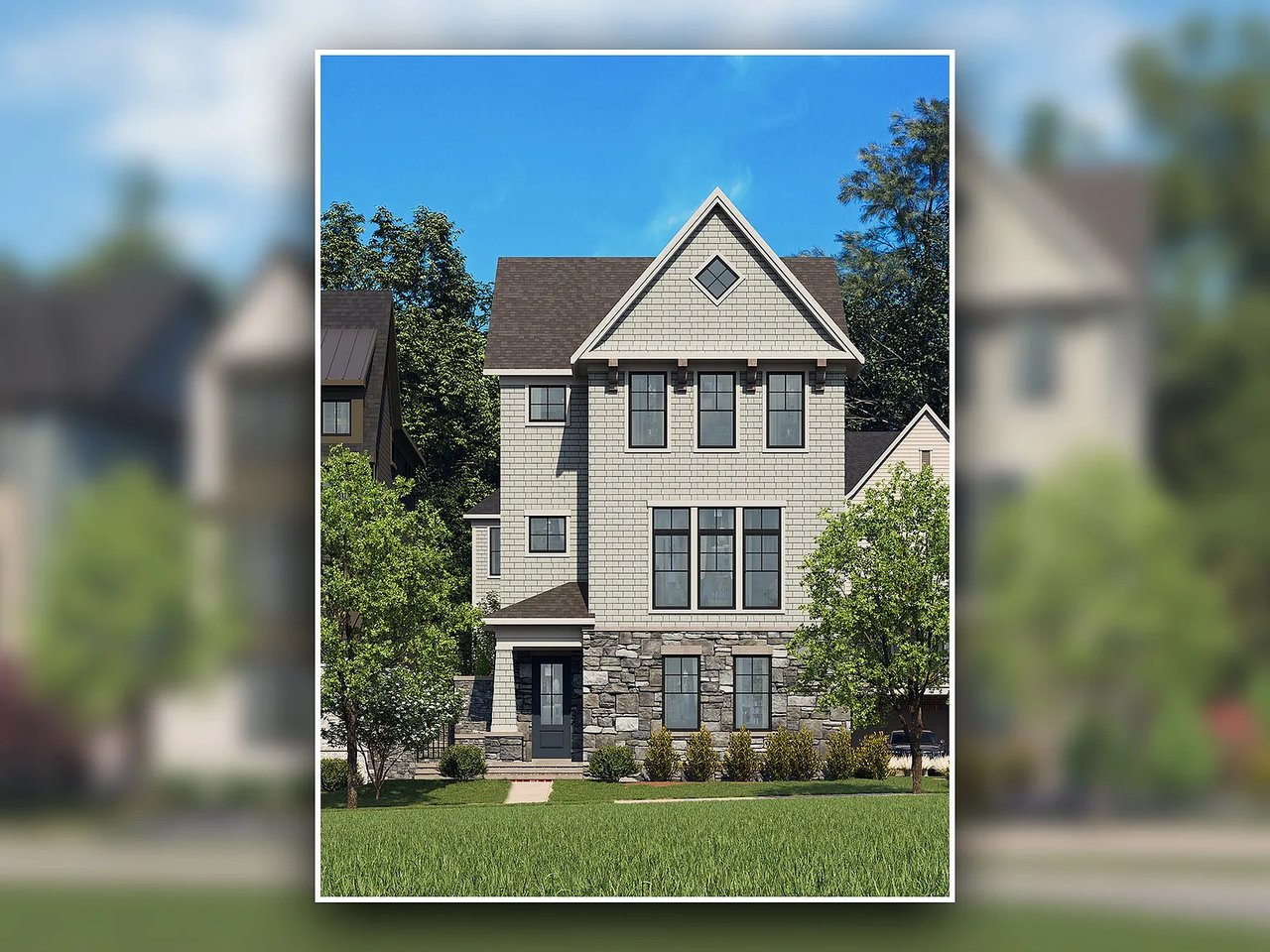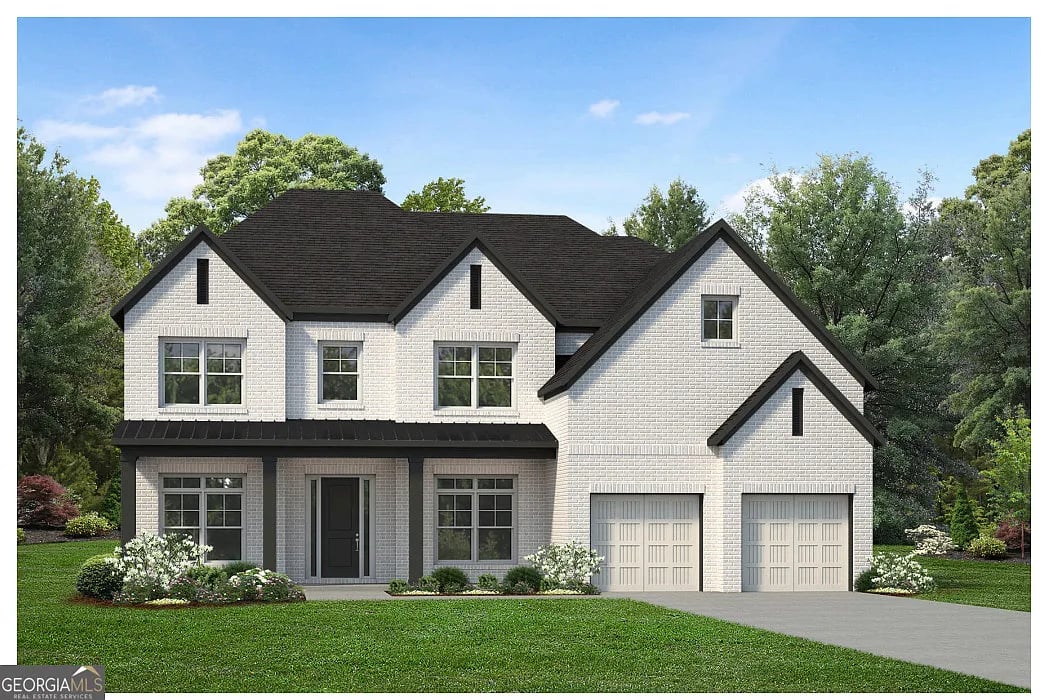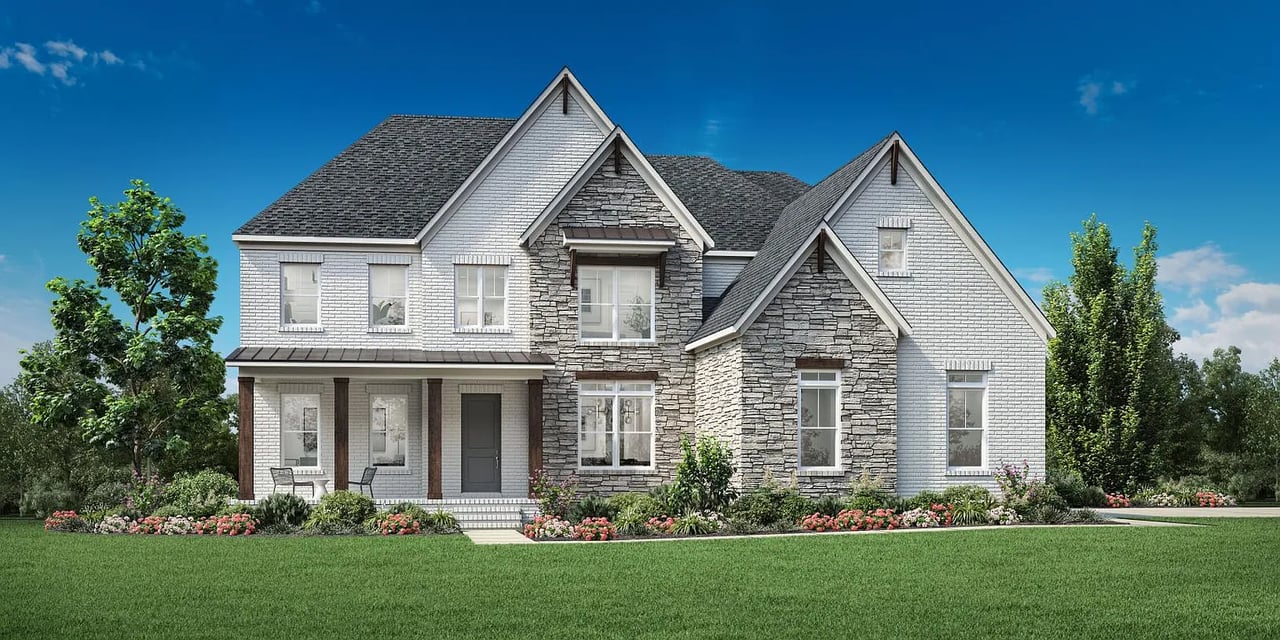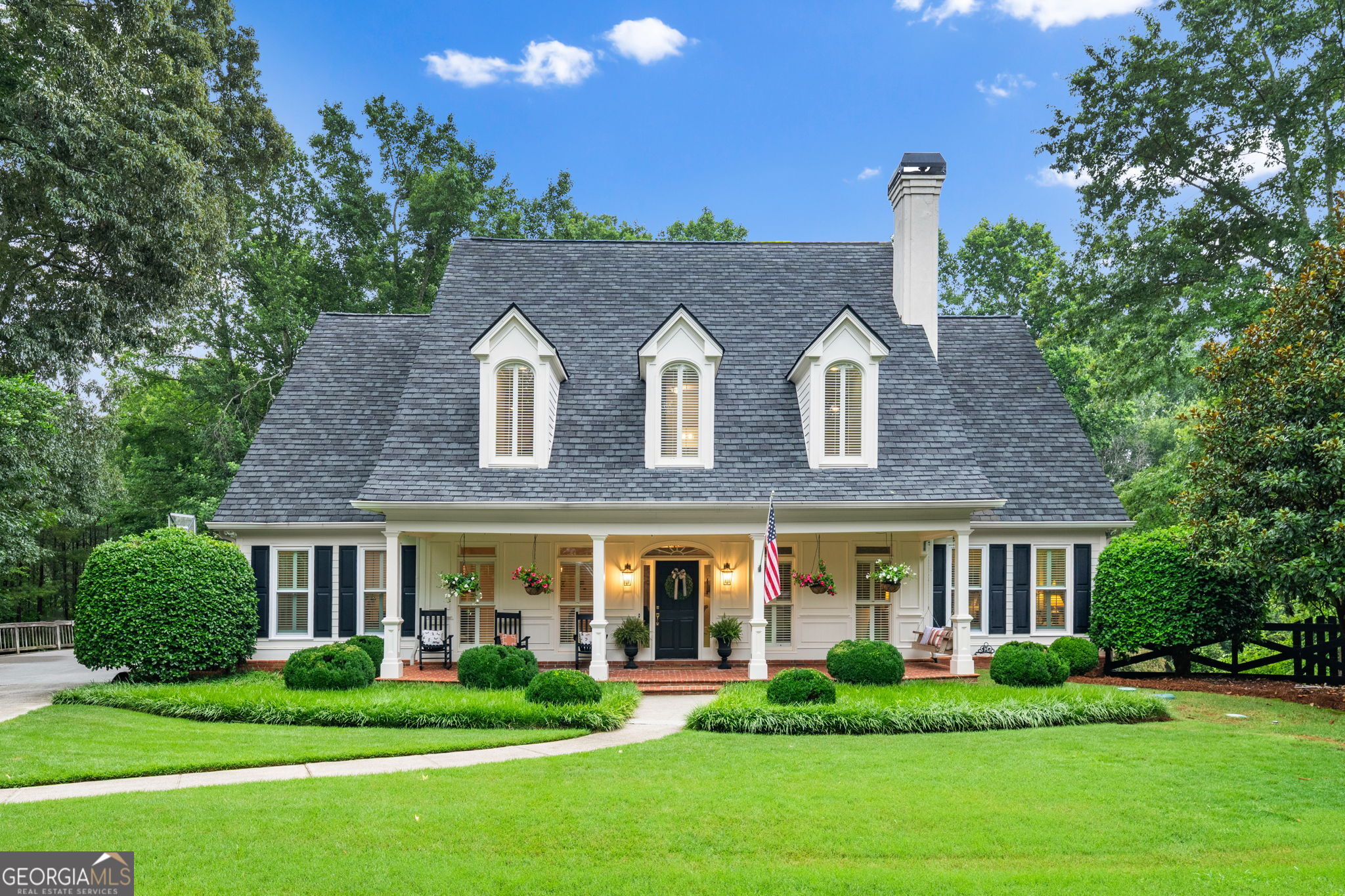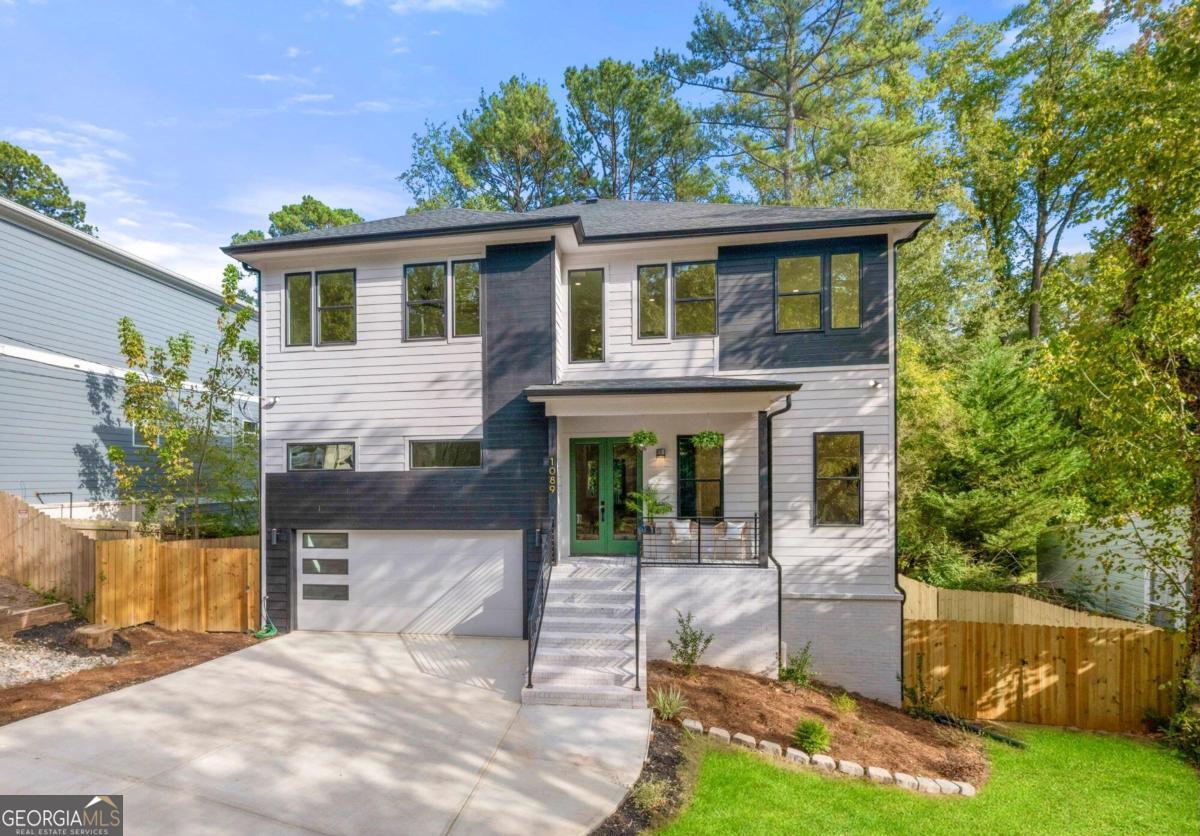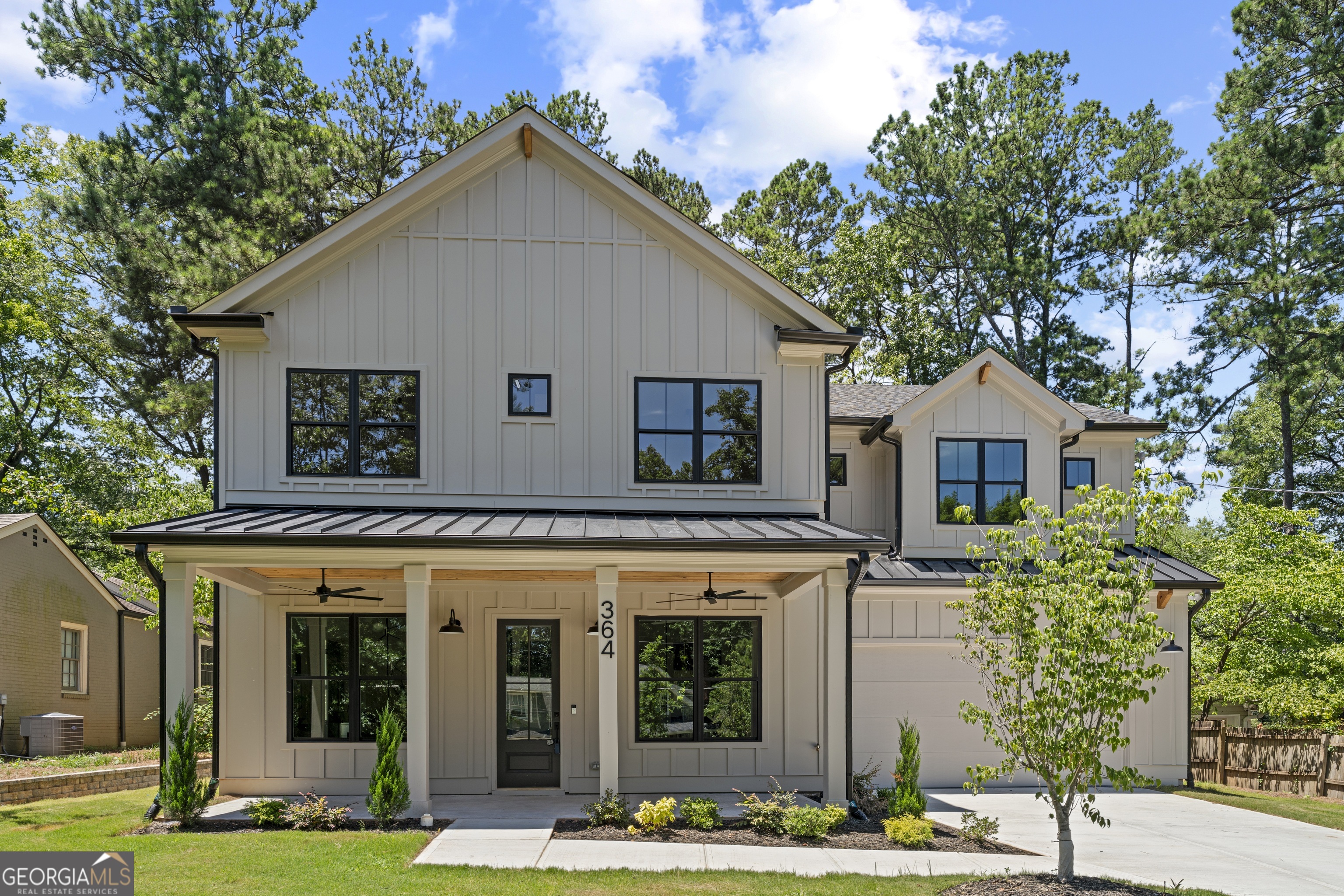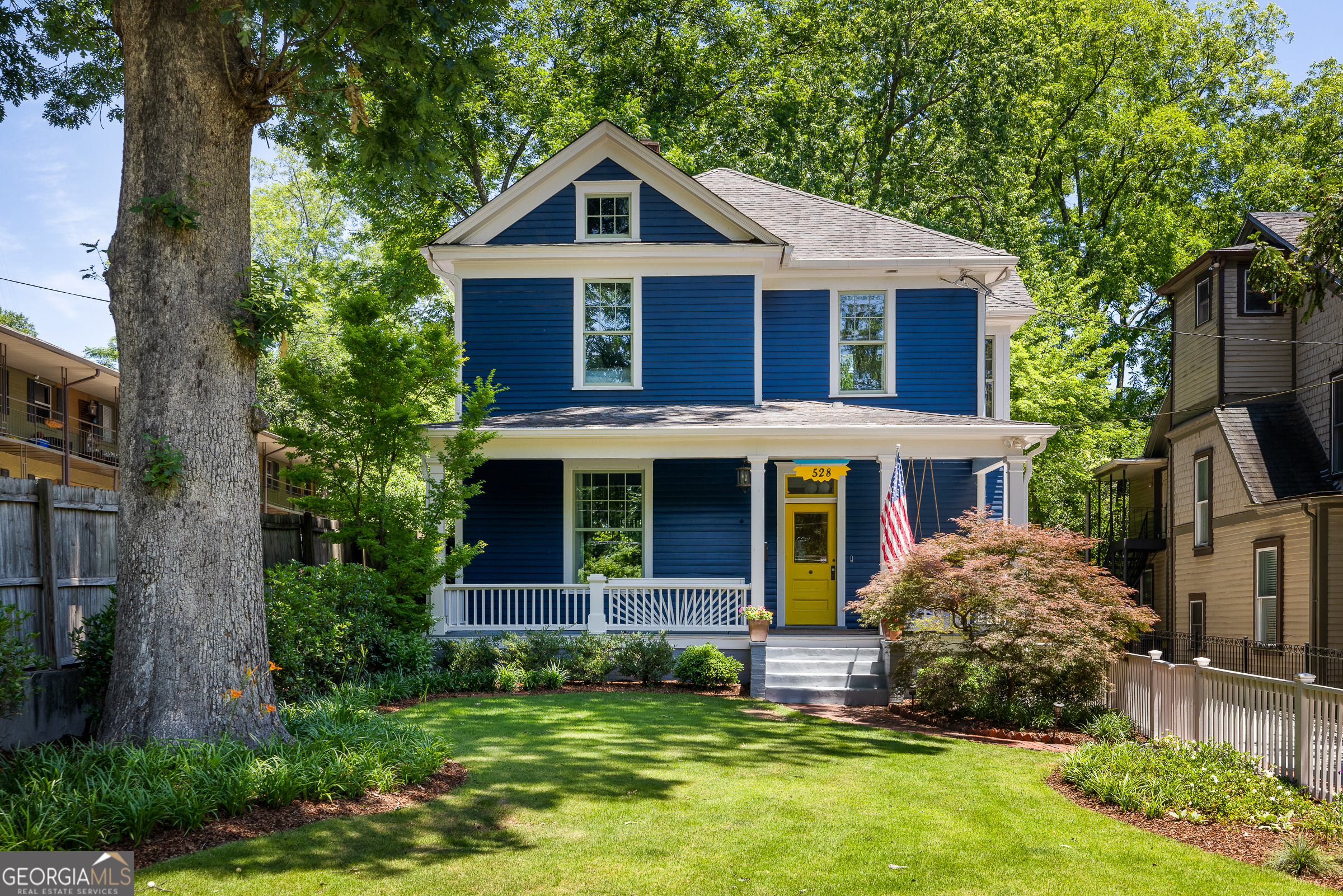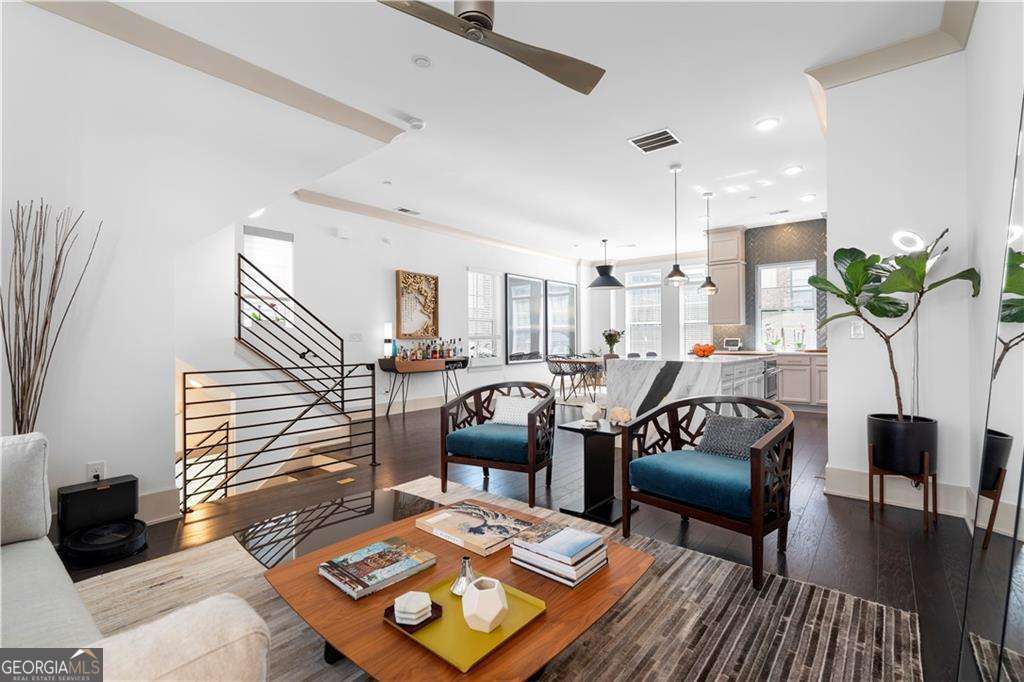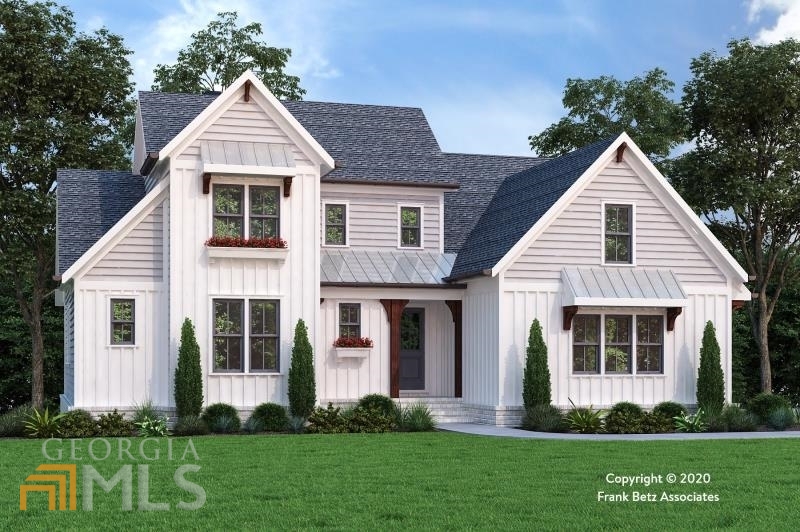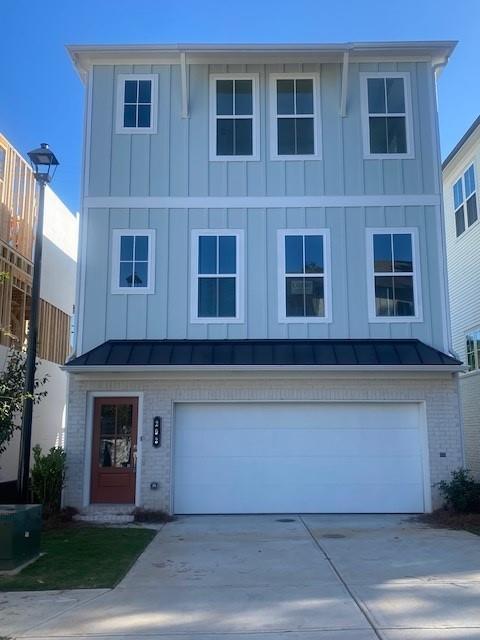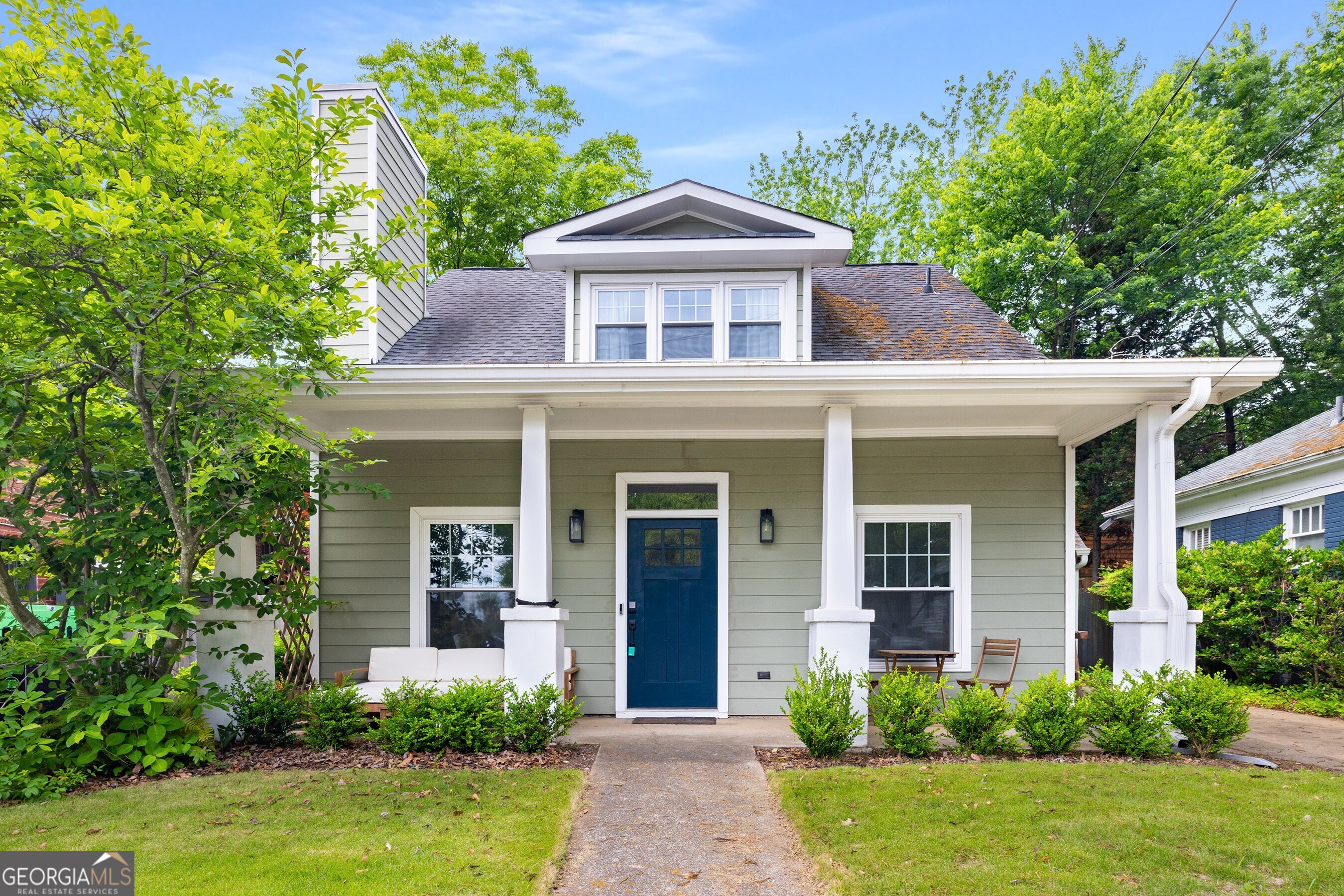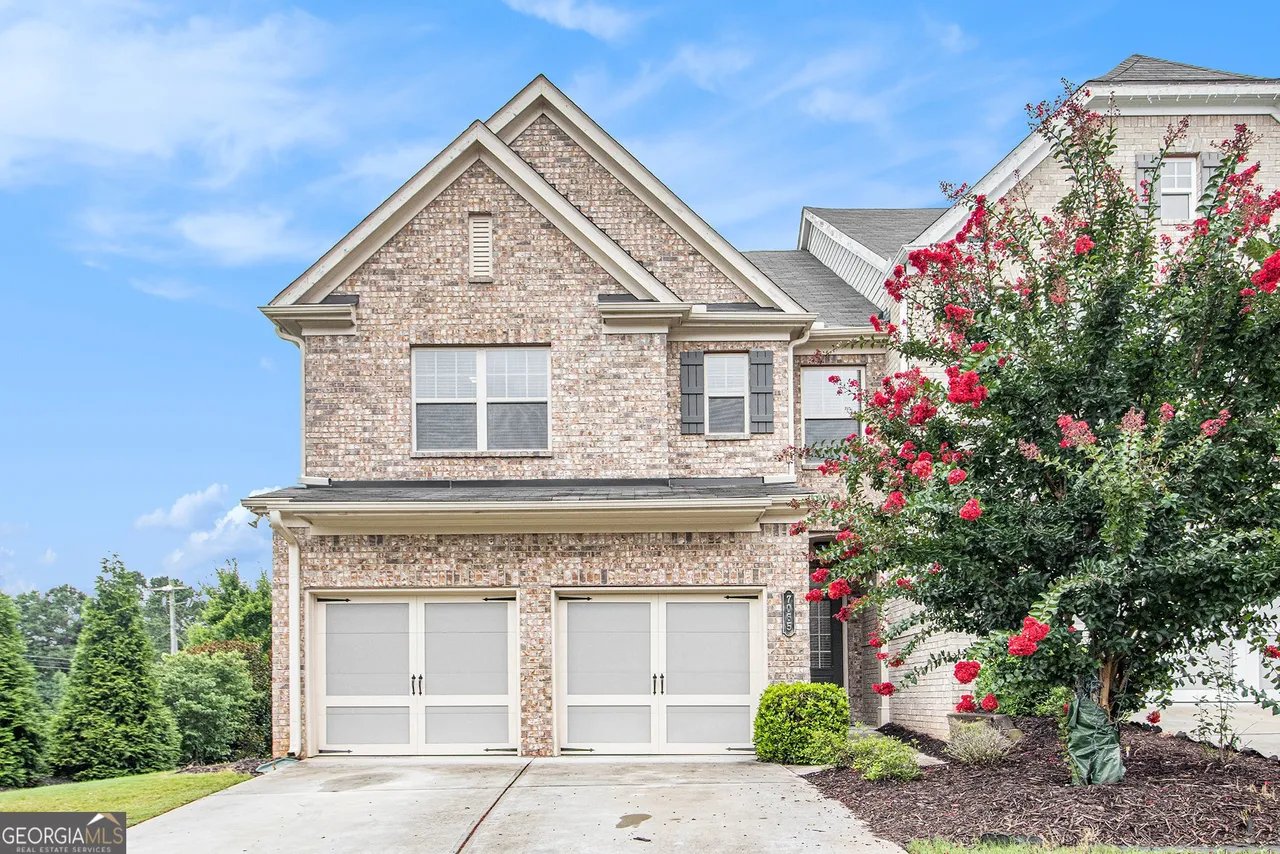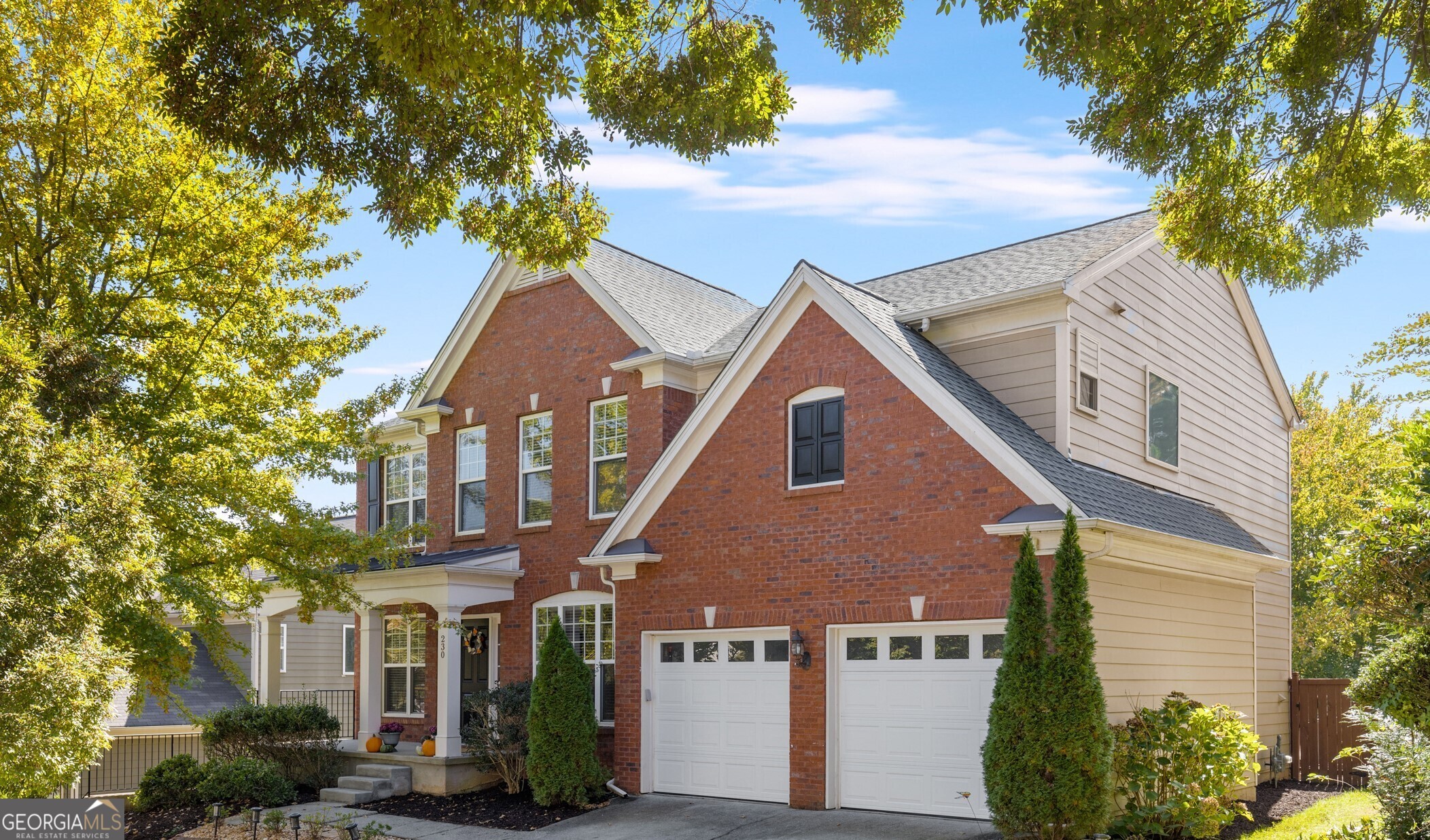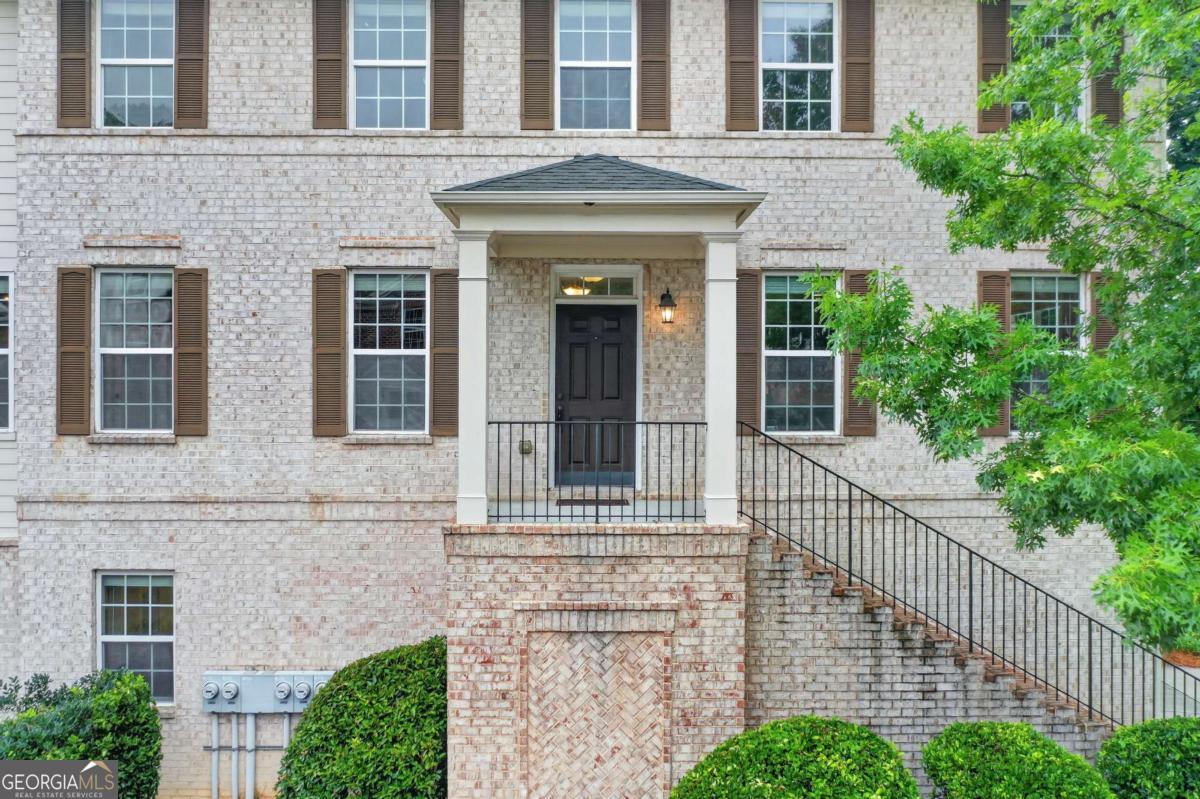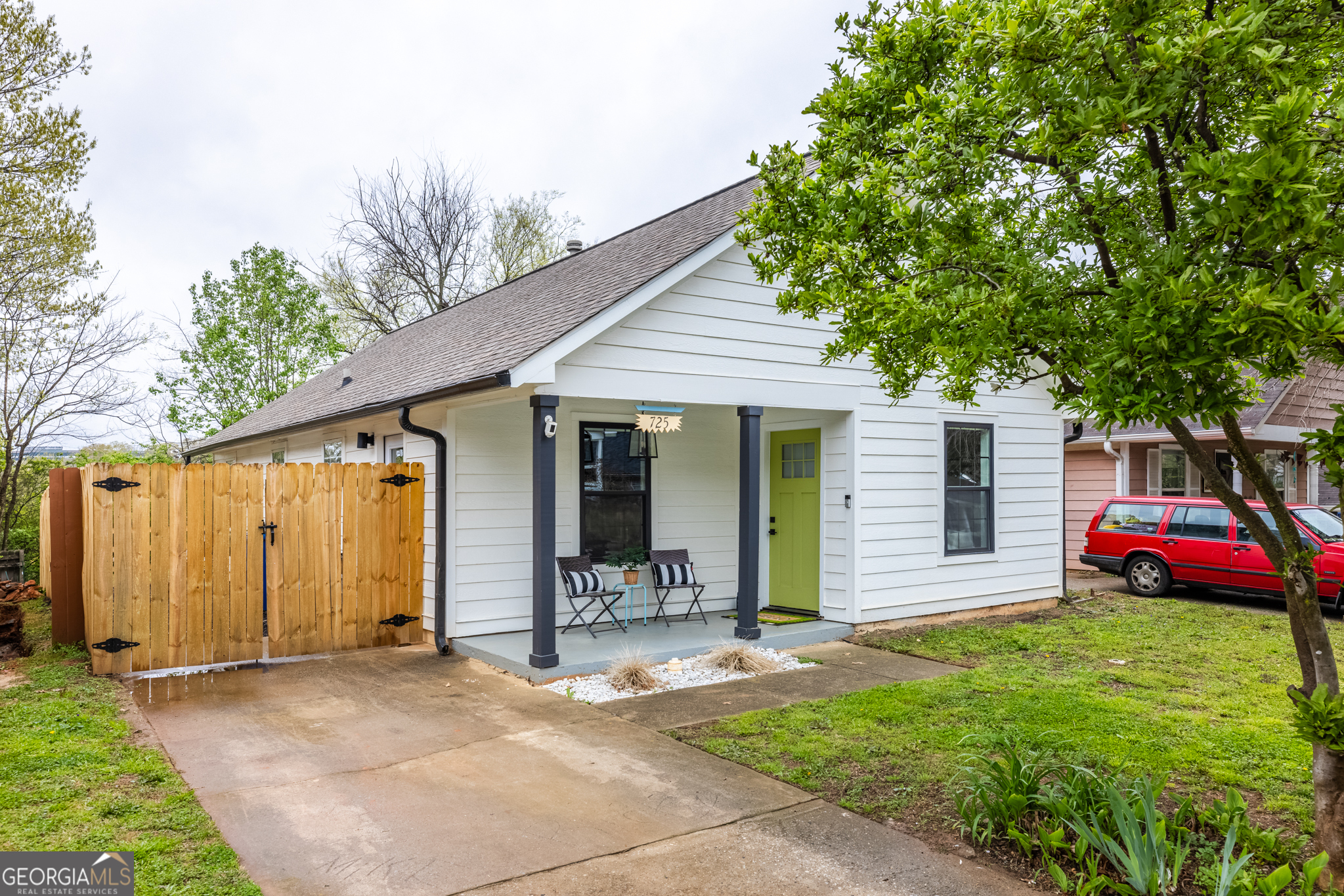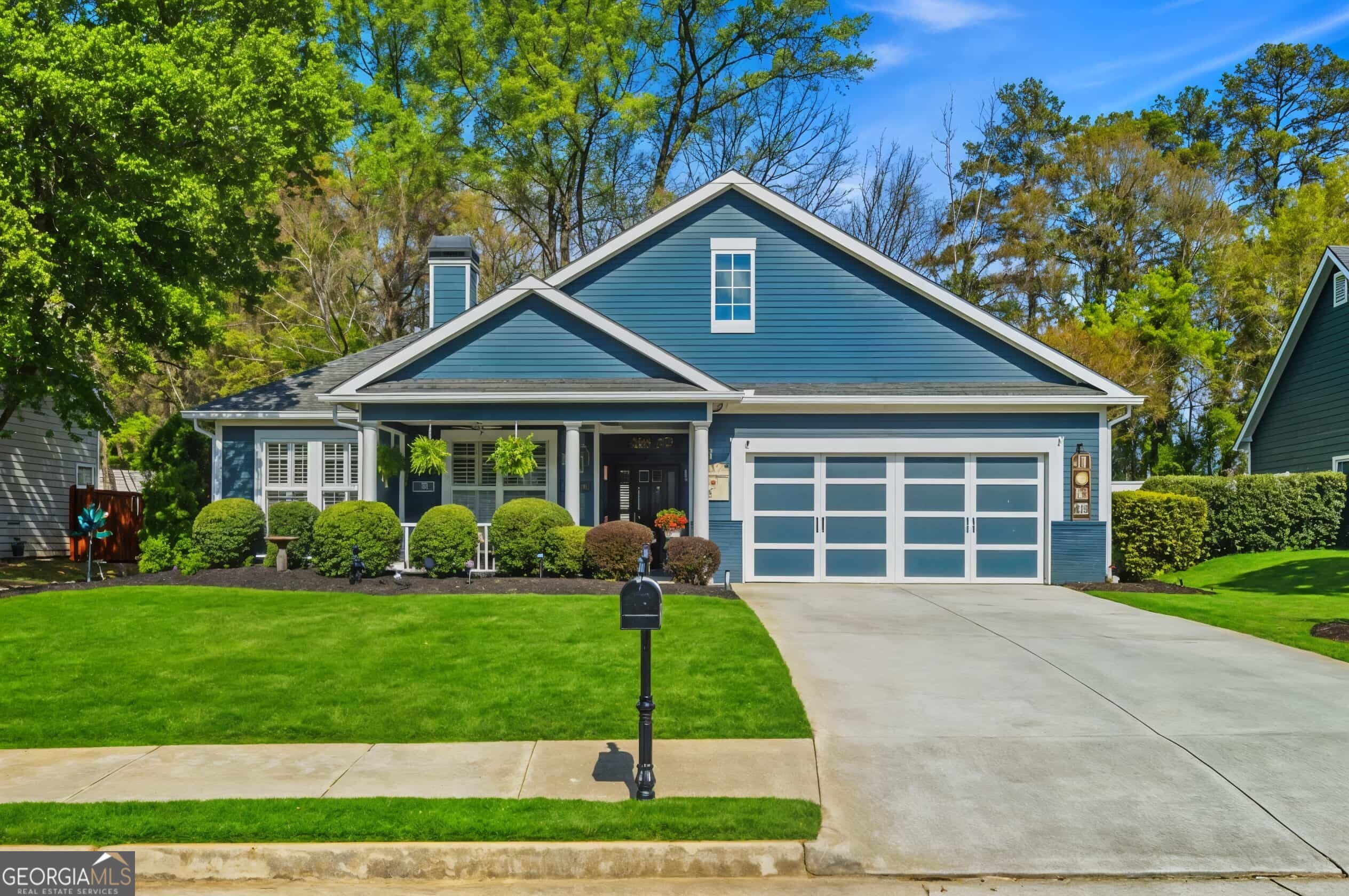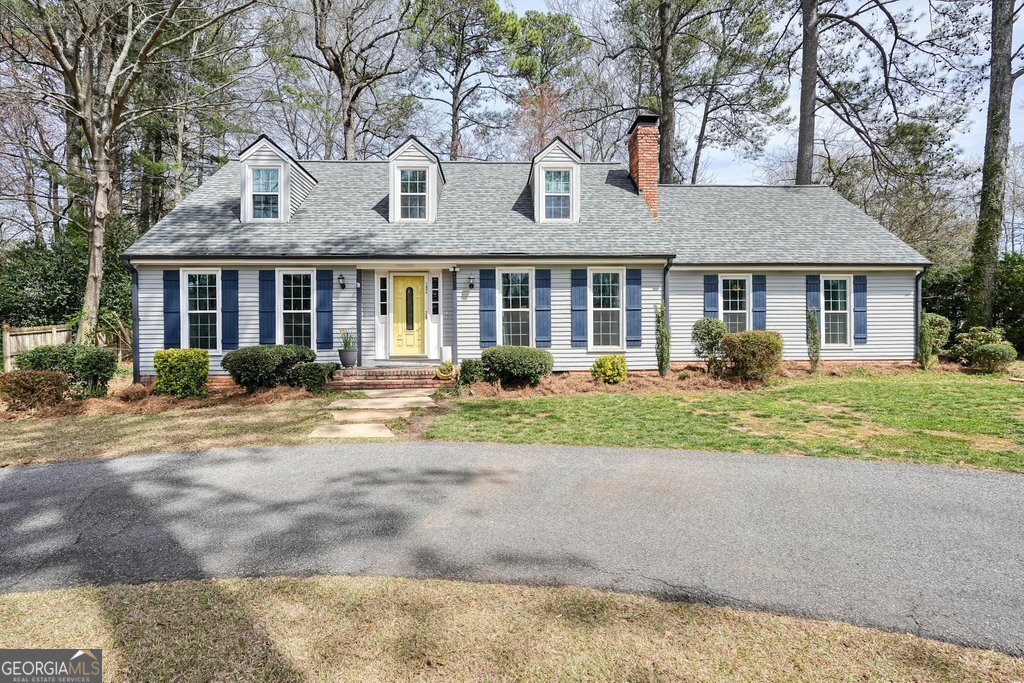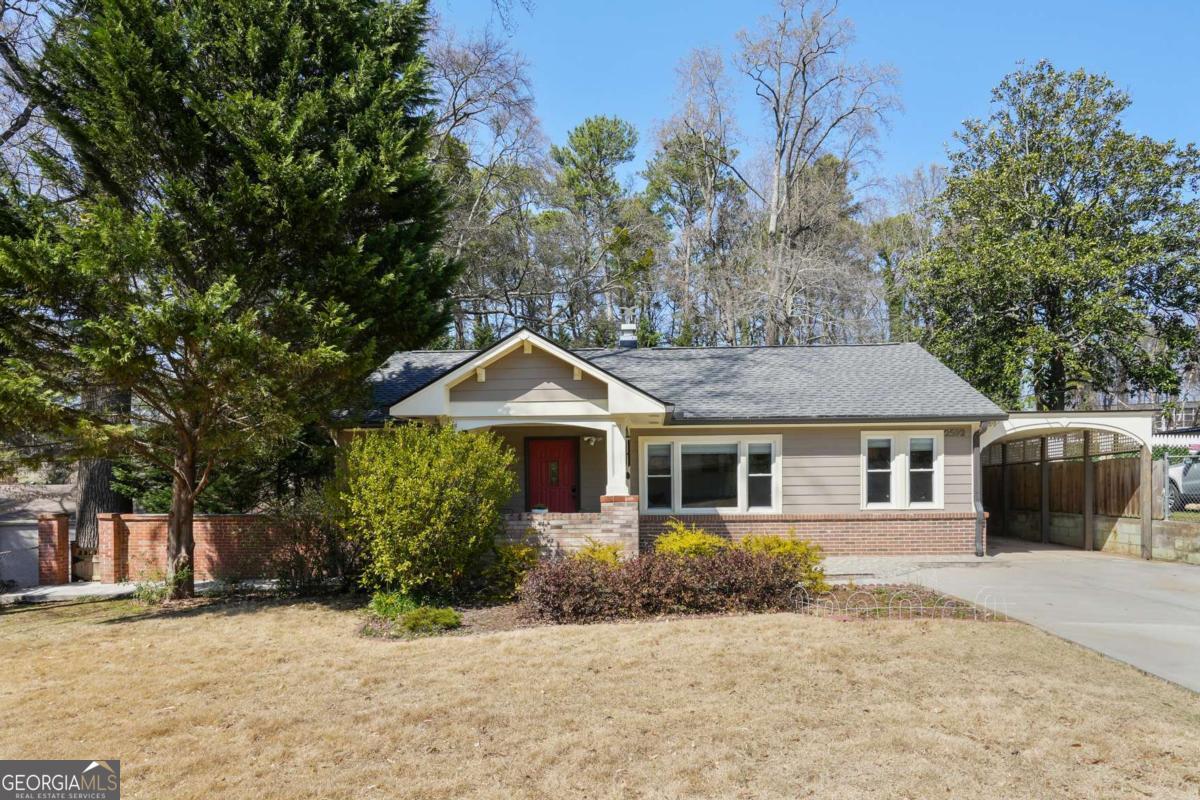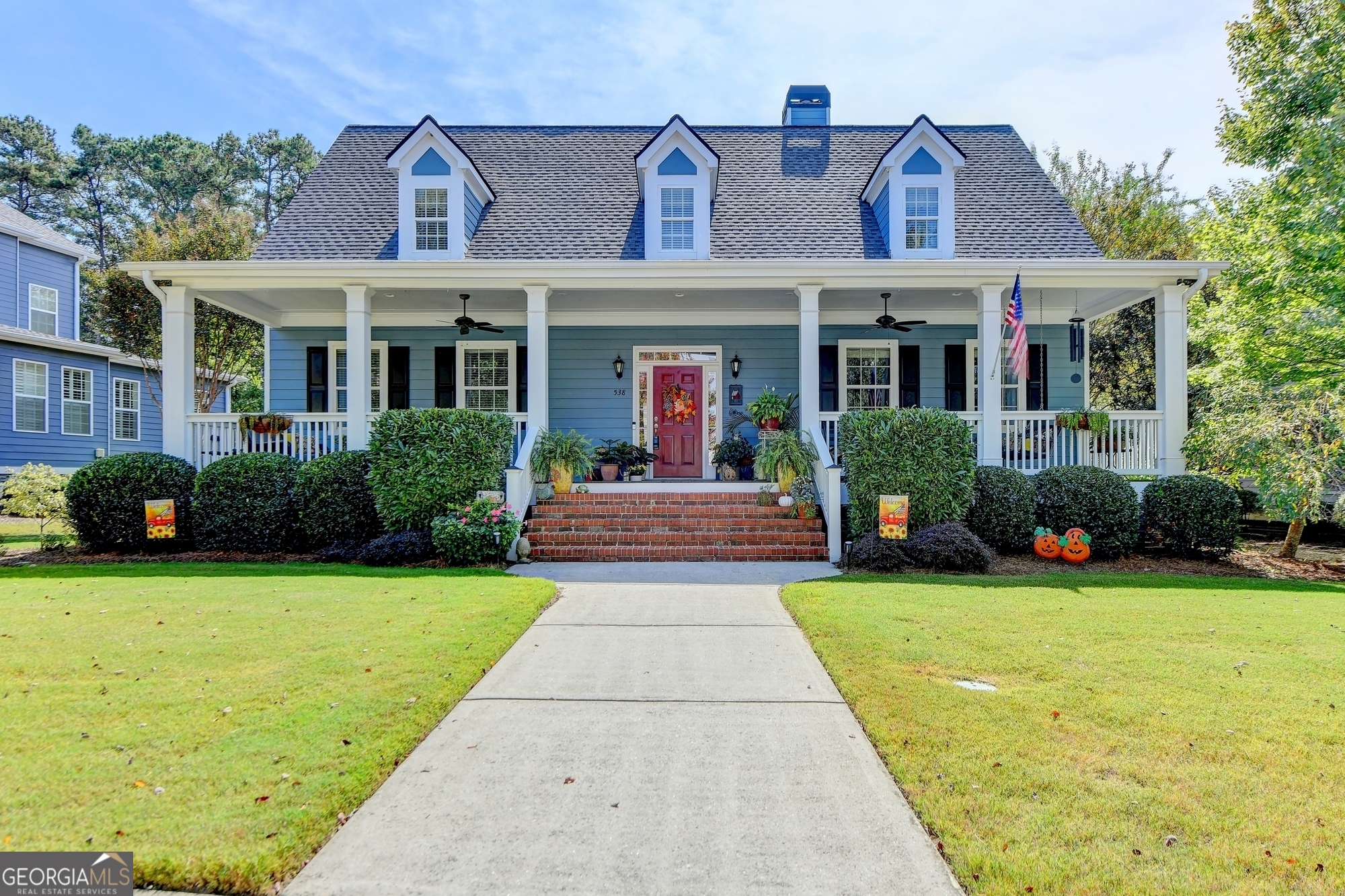
Woodstock, Georgia is no longer Atlanta's best-kept secret; it is a high-octane economic and residential powerhouse rewriting the rules of suburban living. Positioned in southern Cherokee County, this former railway stop has engineered a masterclass in urban planning. It seamlessly merges a walkable, historic downtown core with sprawling, nature-infused suburban enclaves.
Relocating to a new city requires practical, hard-hitting data to make an informed transition. If you are an out-of-state relocator, a growing family, or an empty nester looking to downsize, navigating the local real estate landscape demands clear answers. This comprehensive guide addresses the top 5 questions buyers ask before purchasing a home in Woodstock in 2026.
$463,231 is the average home value in Woodstock, representing a steady, resilient appreciation driven by high demand and limited inventory.
1. What Are the Housing Options in Woodstock?

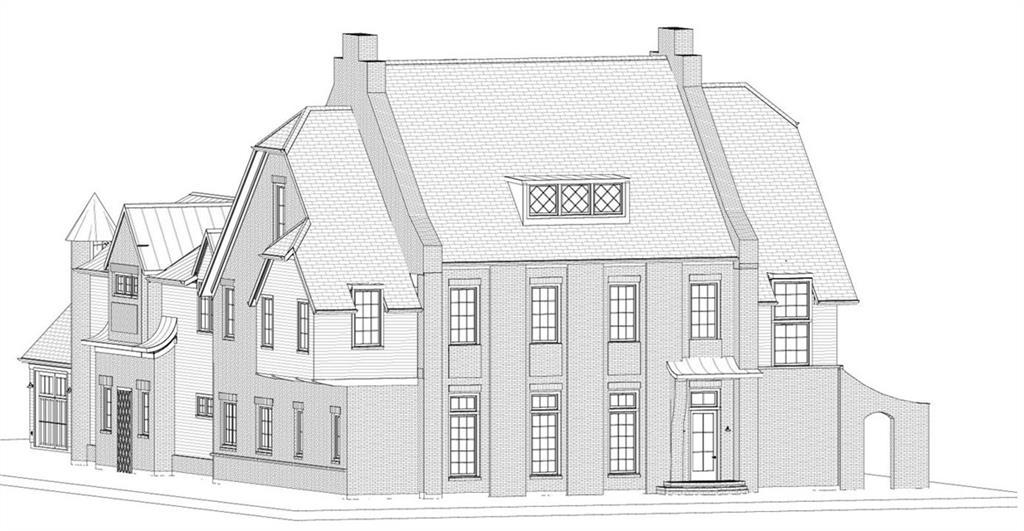
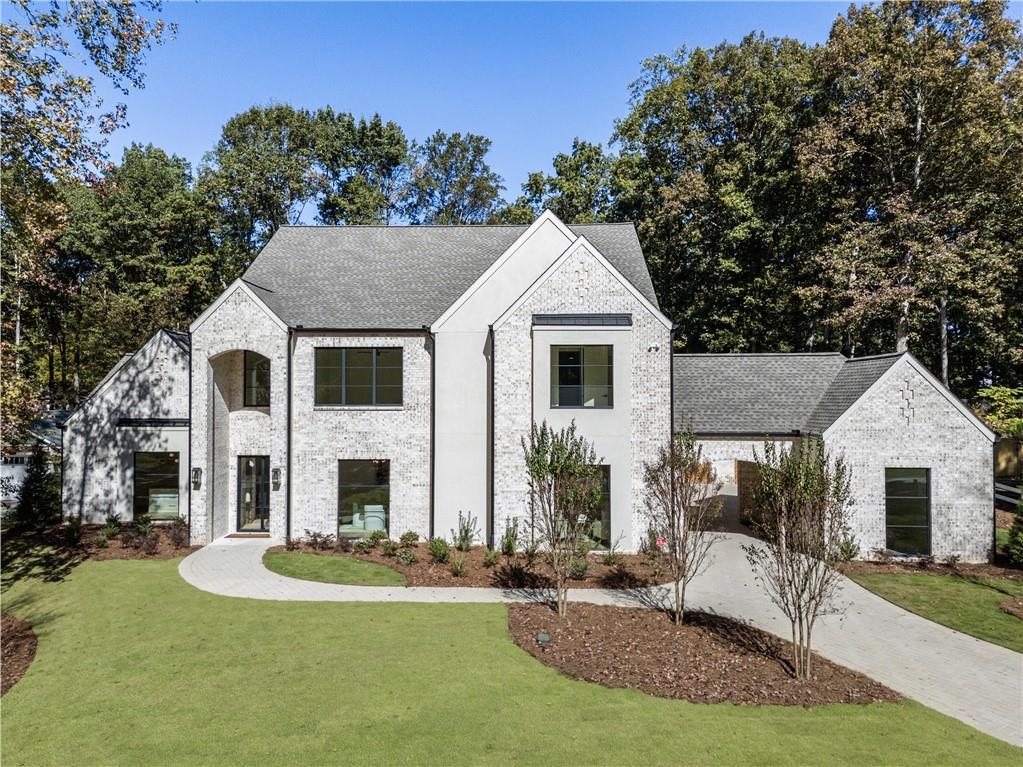
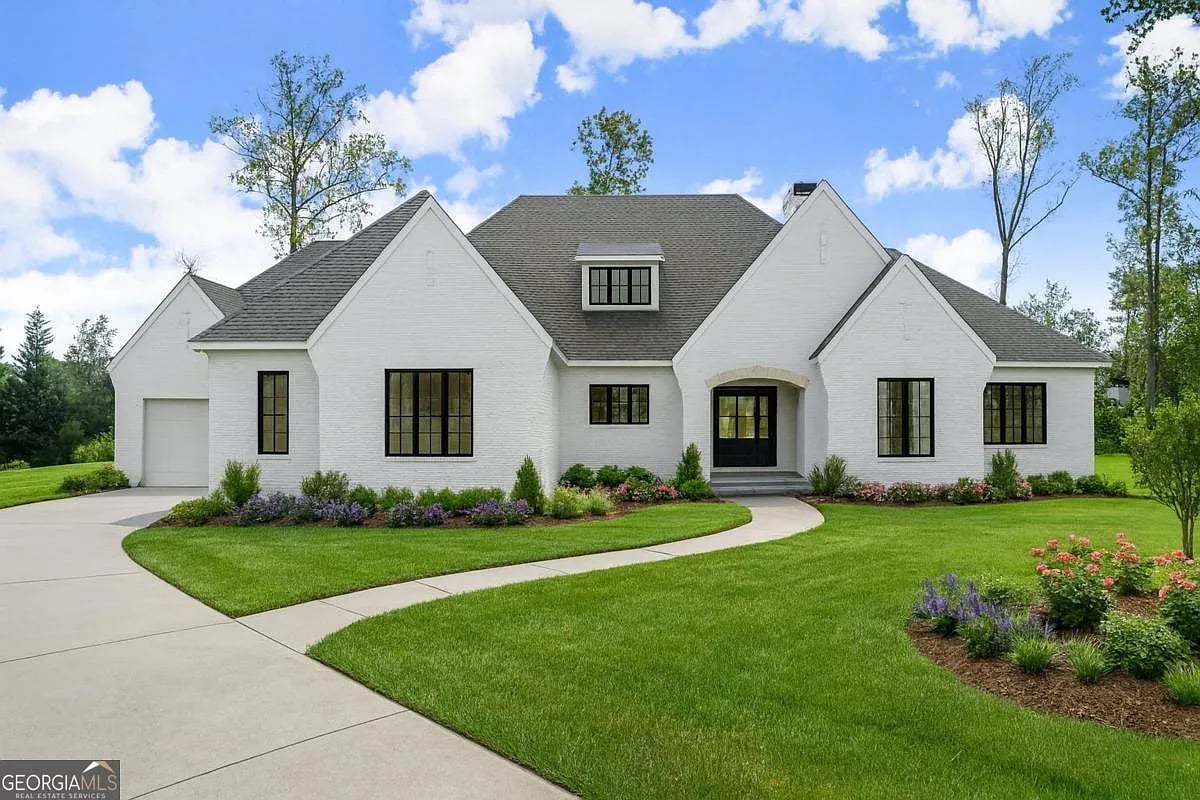
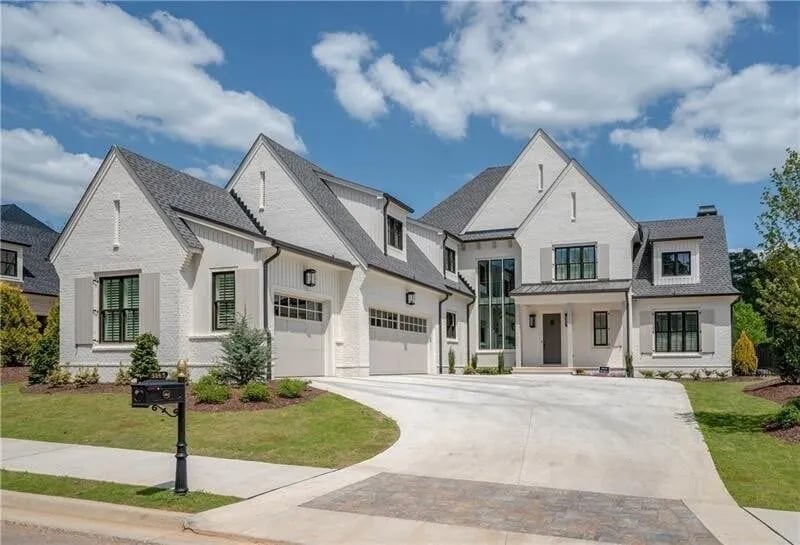
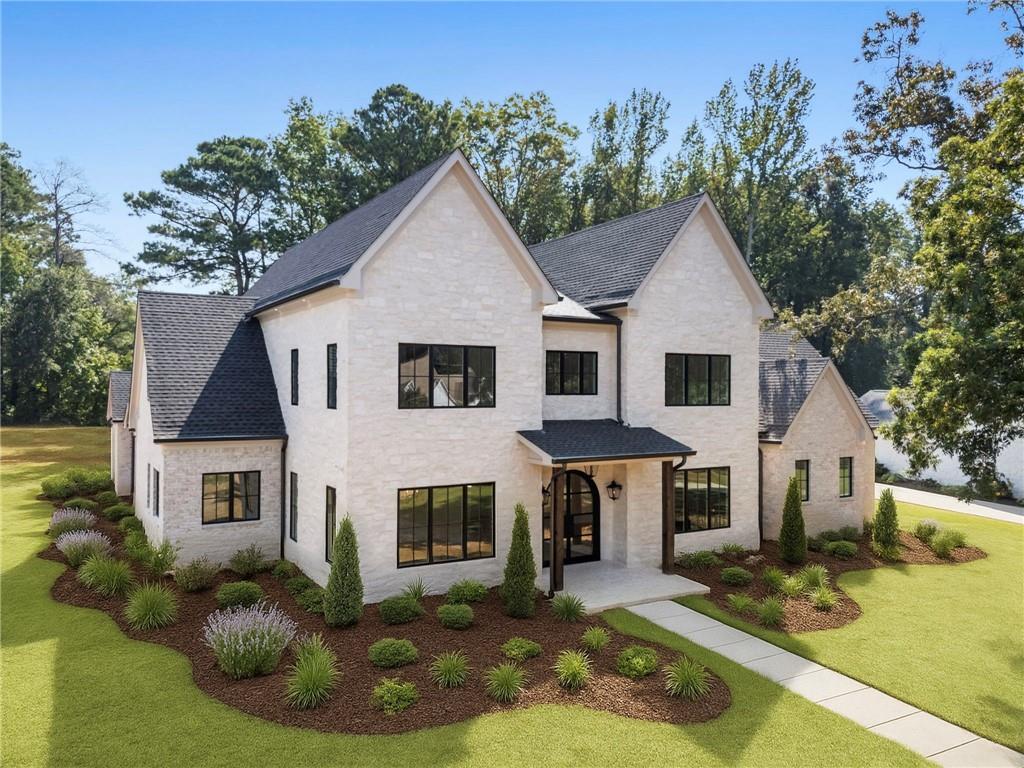
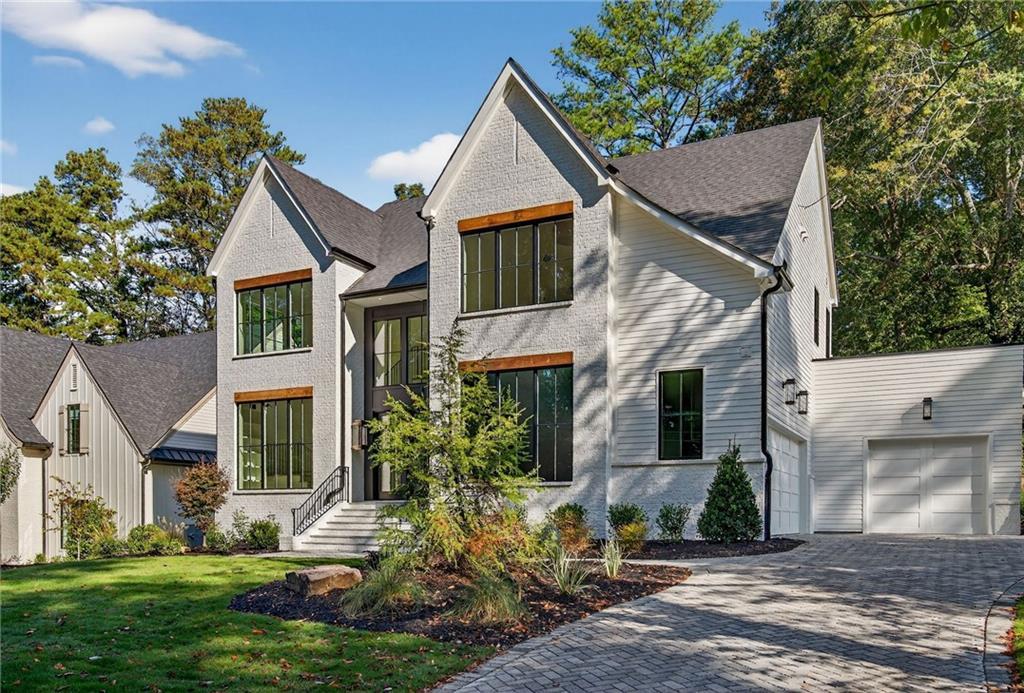
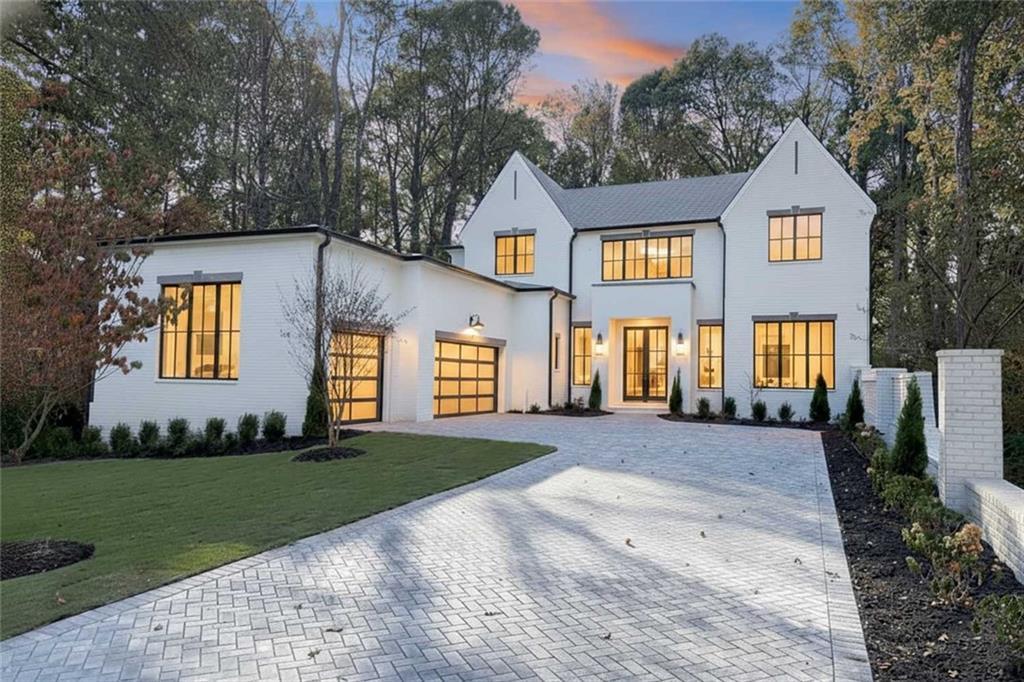
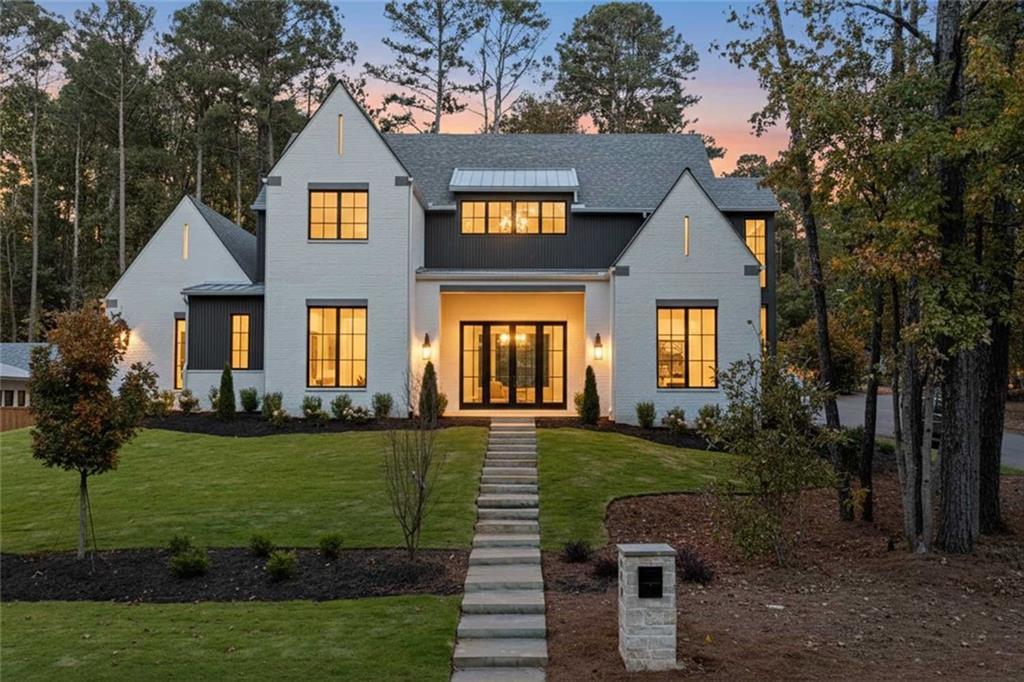
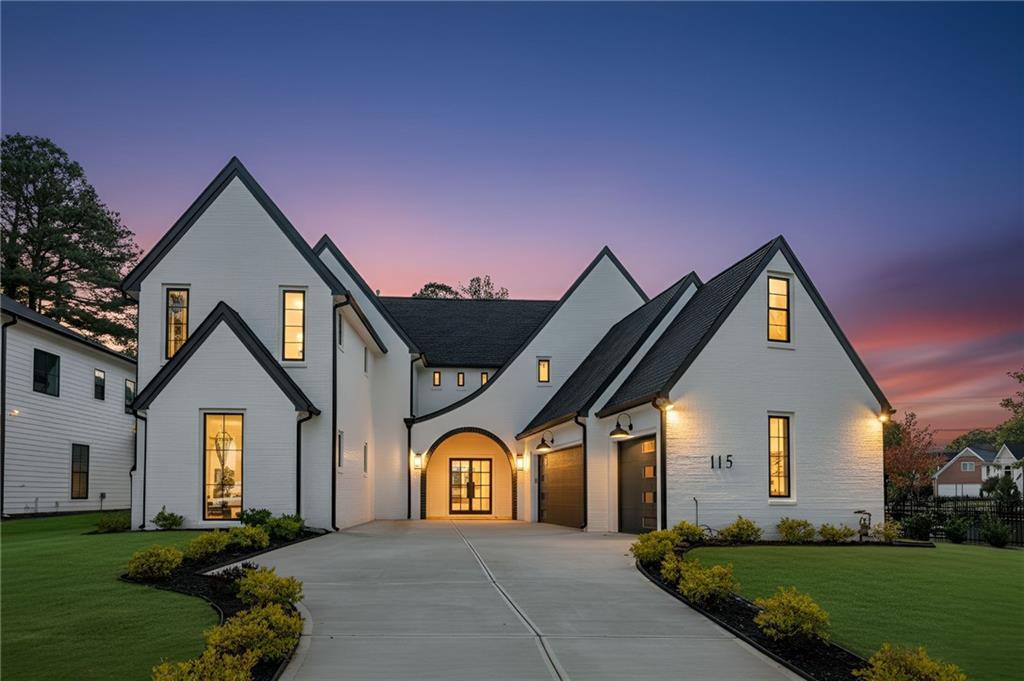
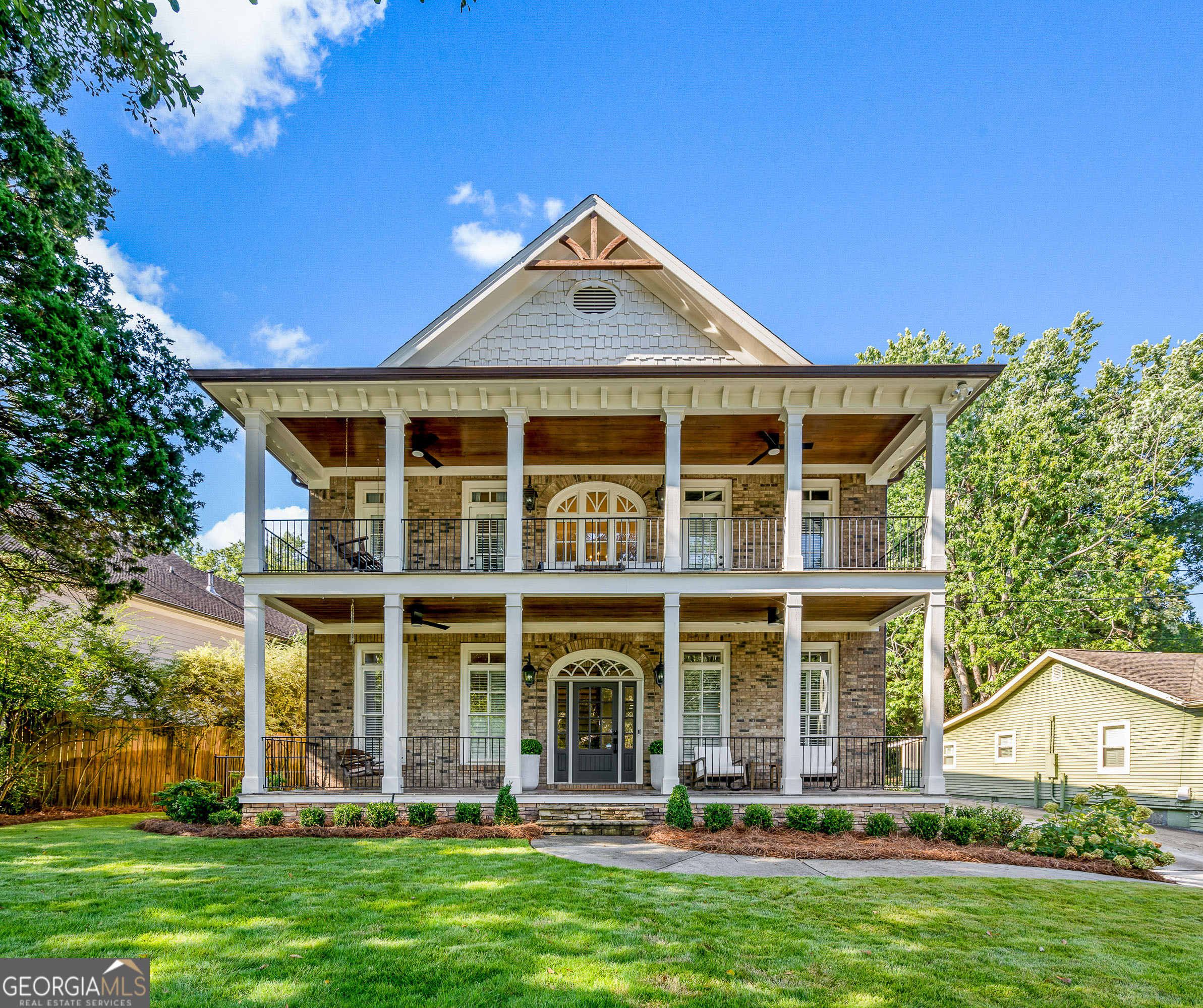
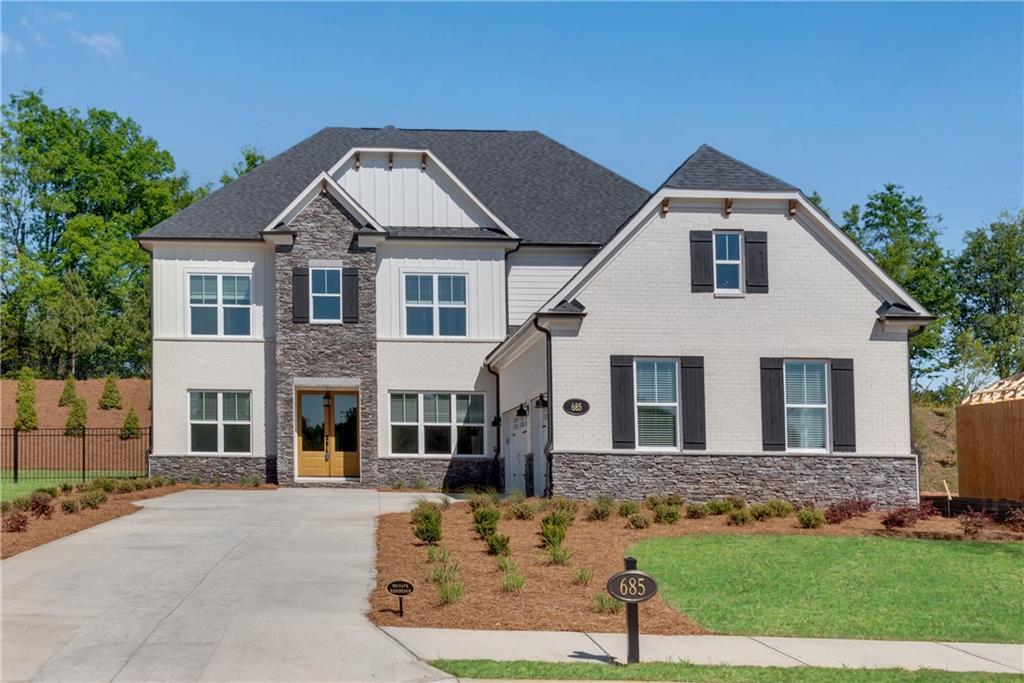
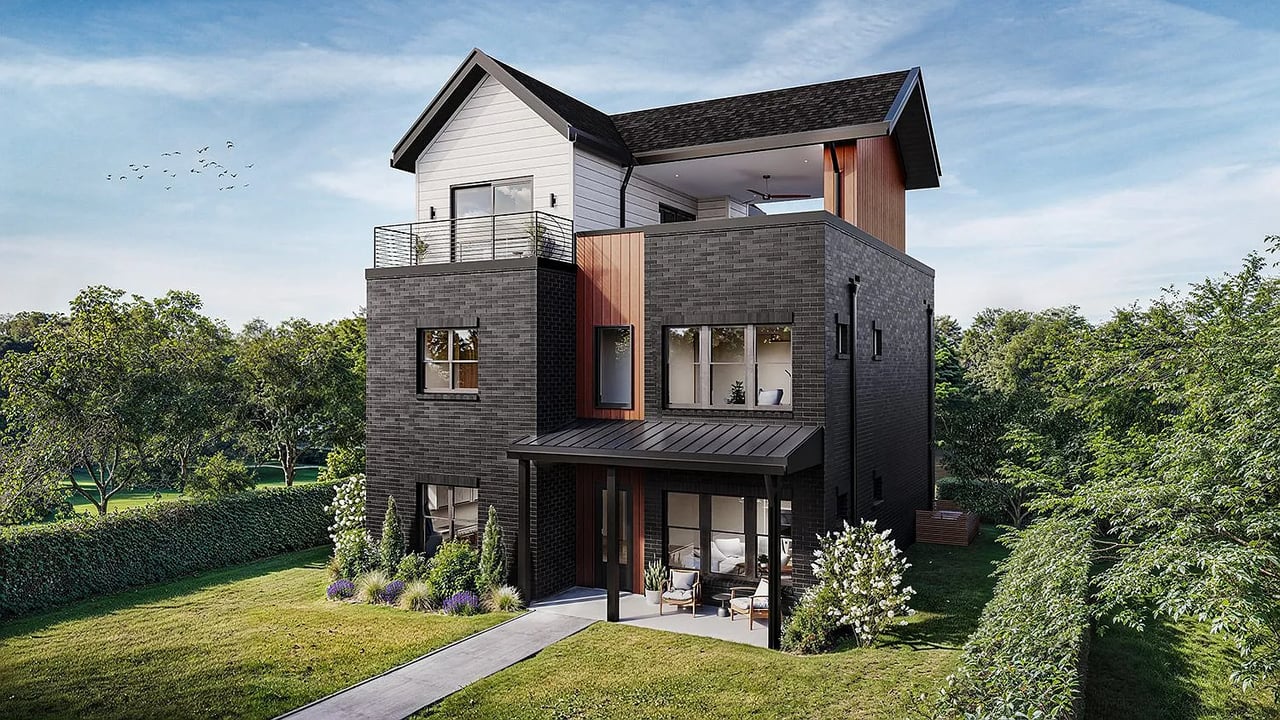
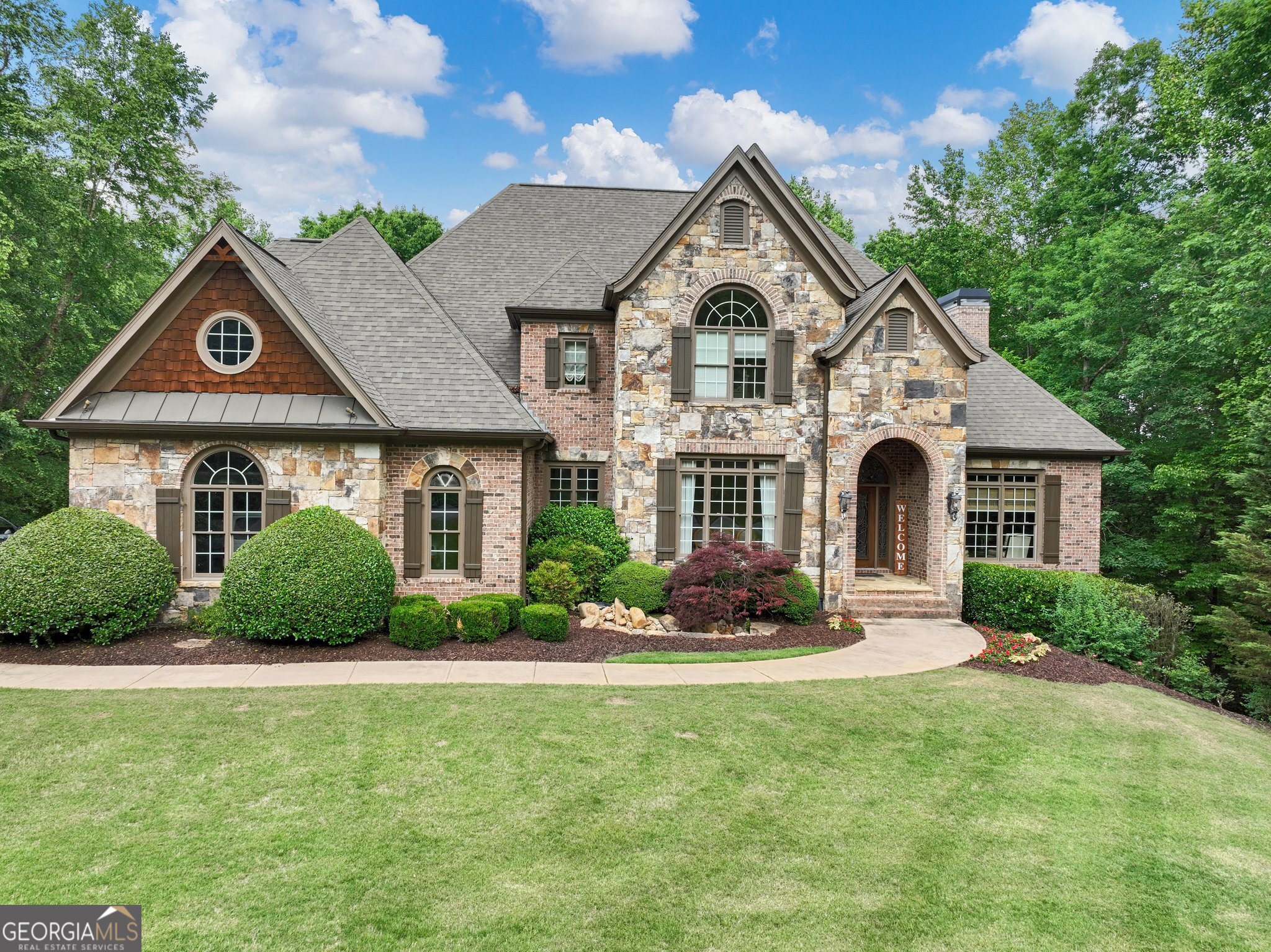
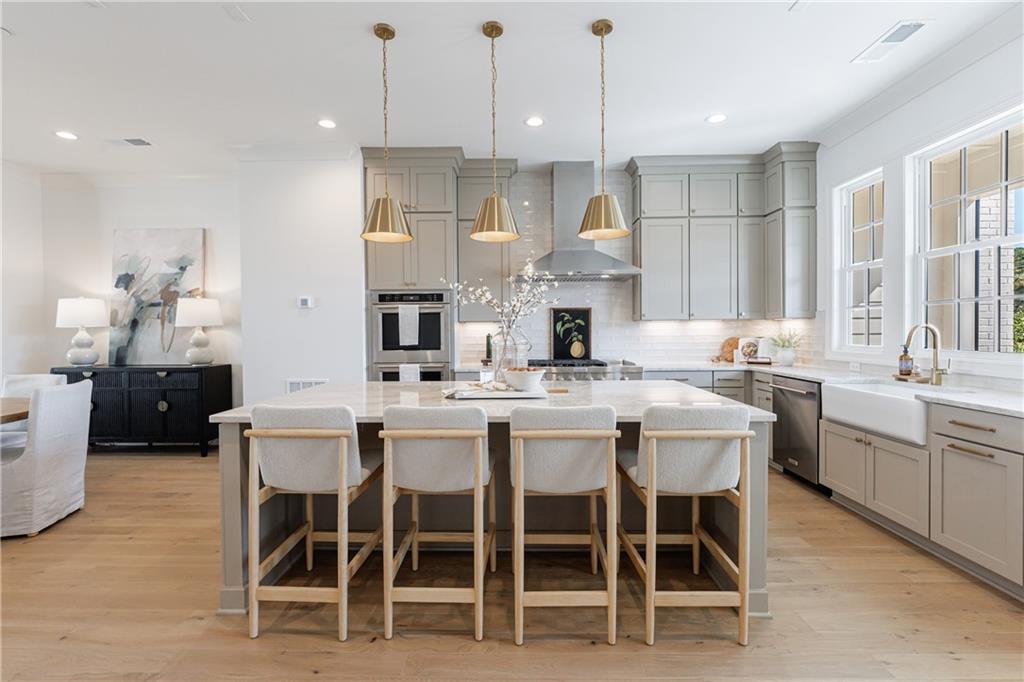
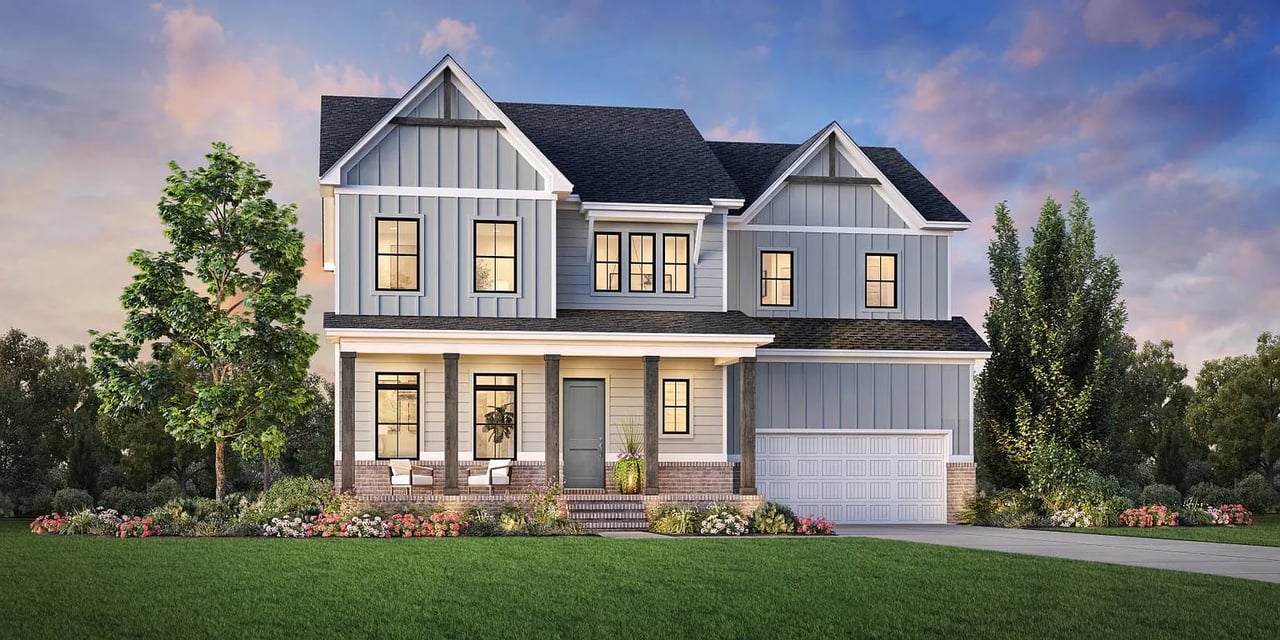
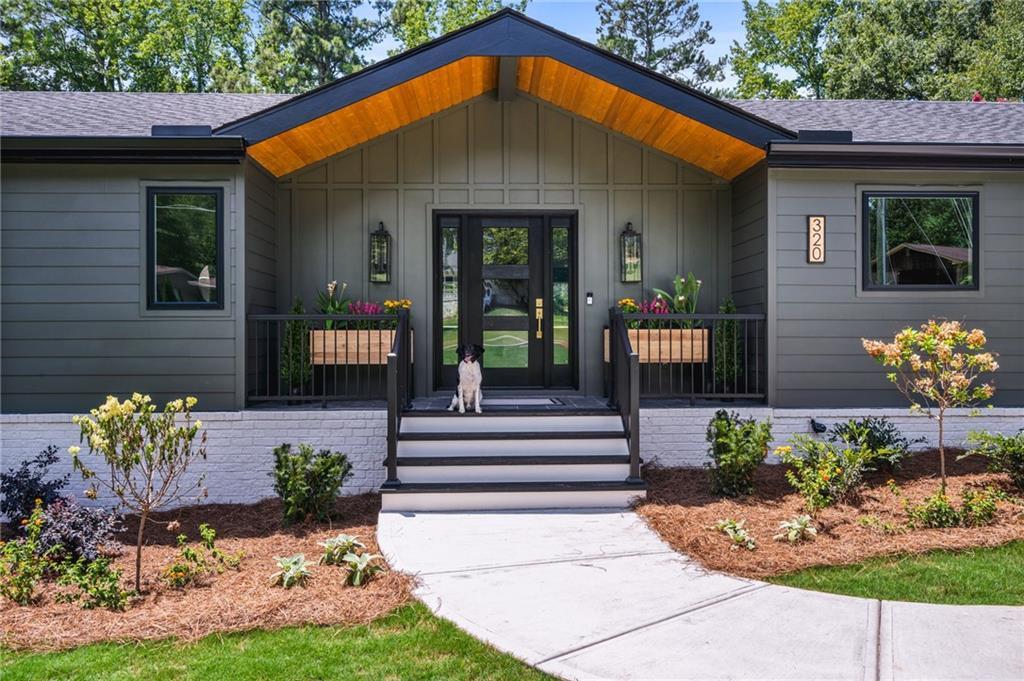
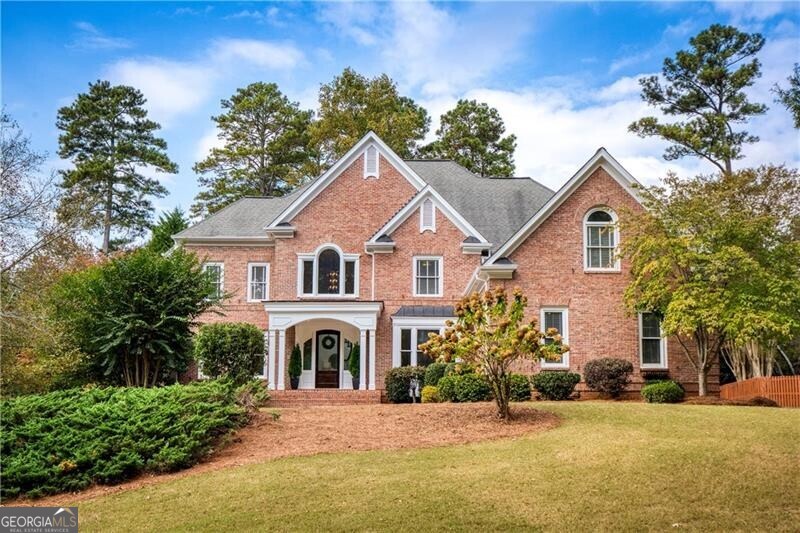
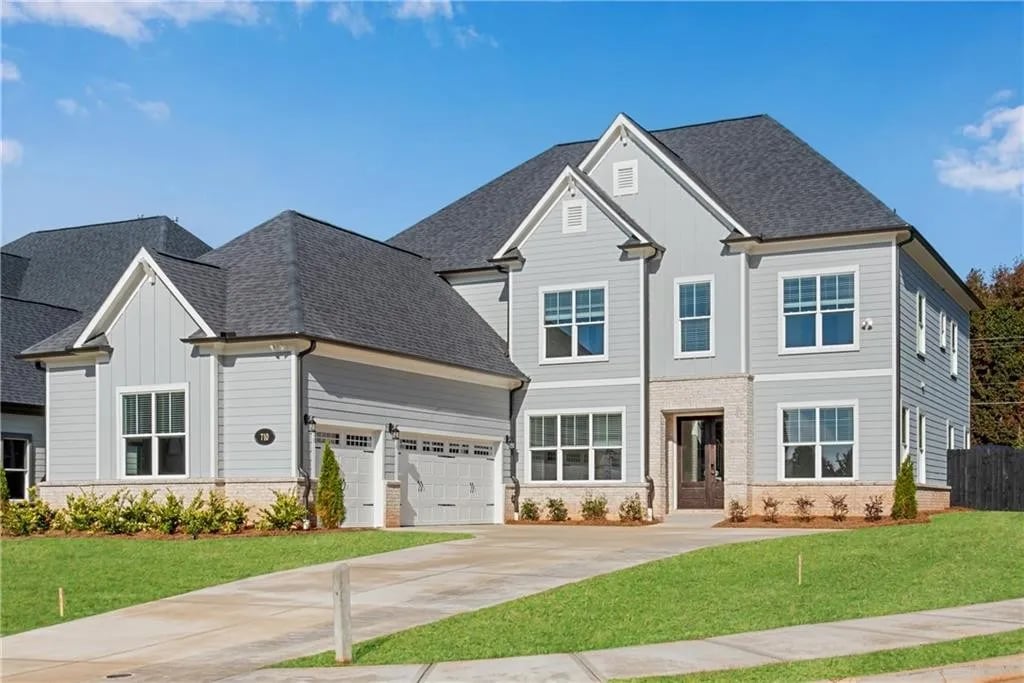
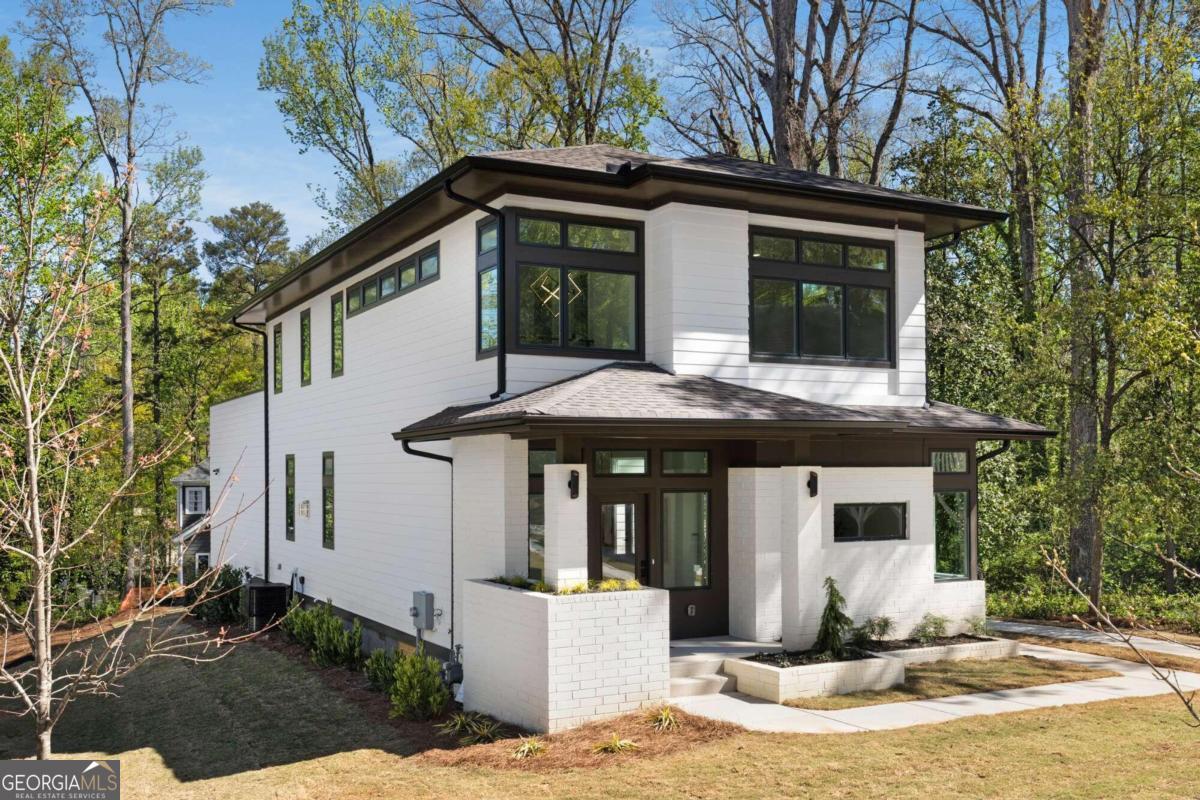
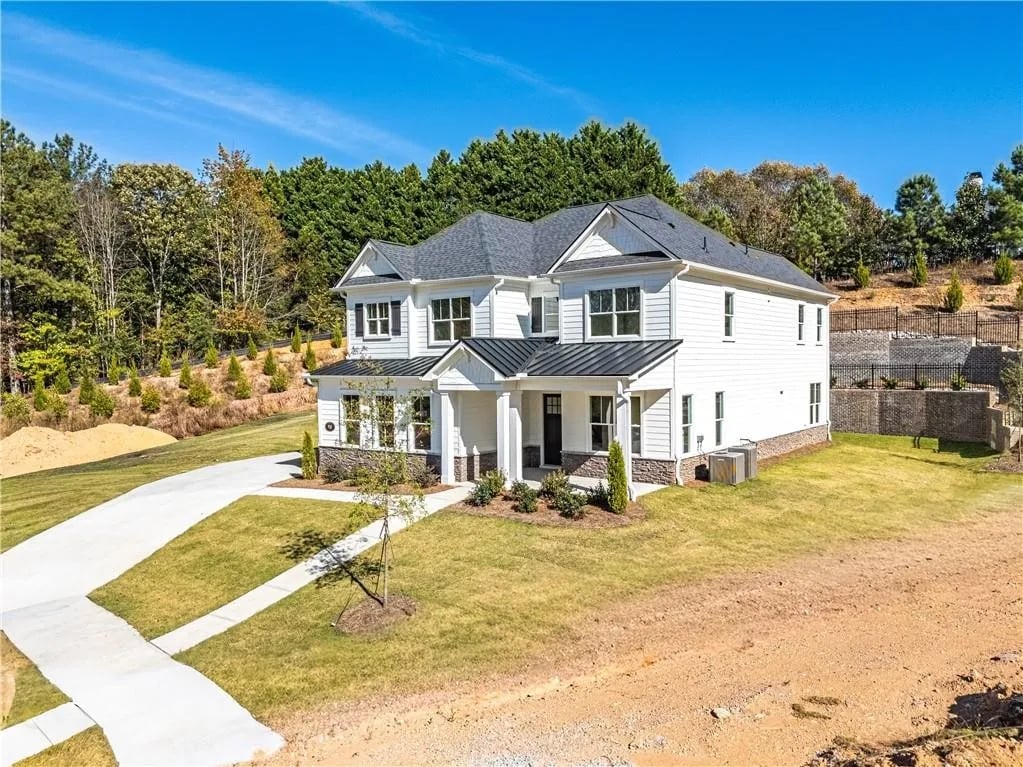
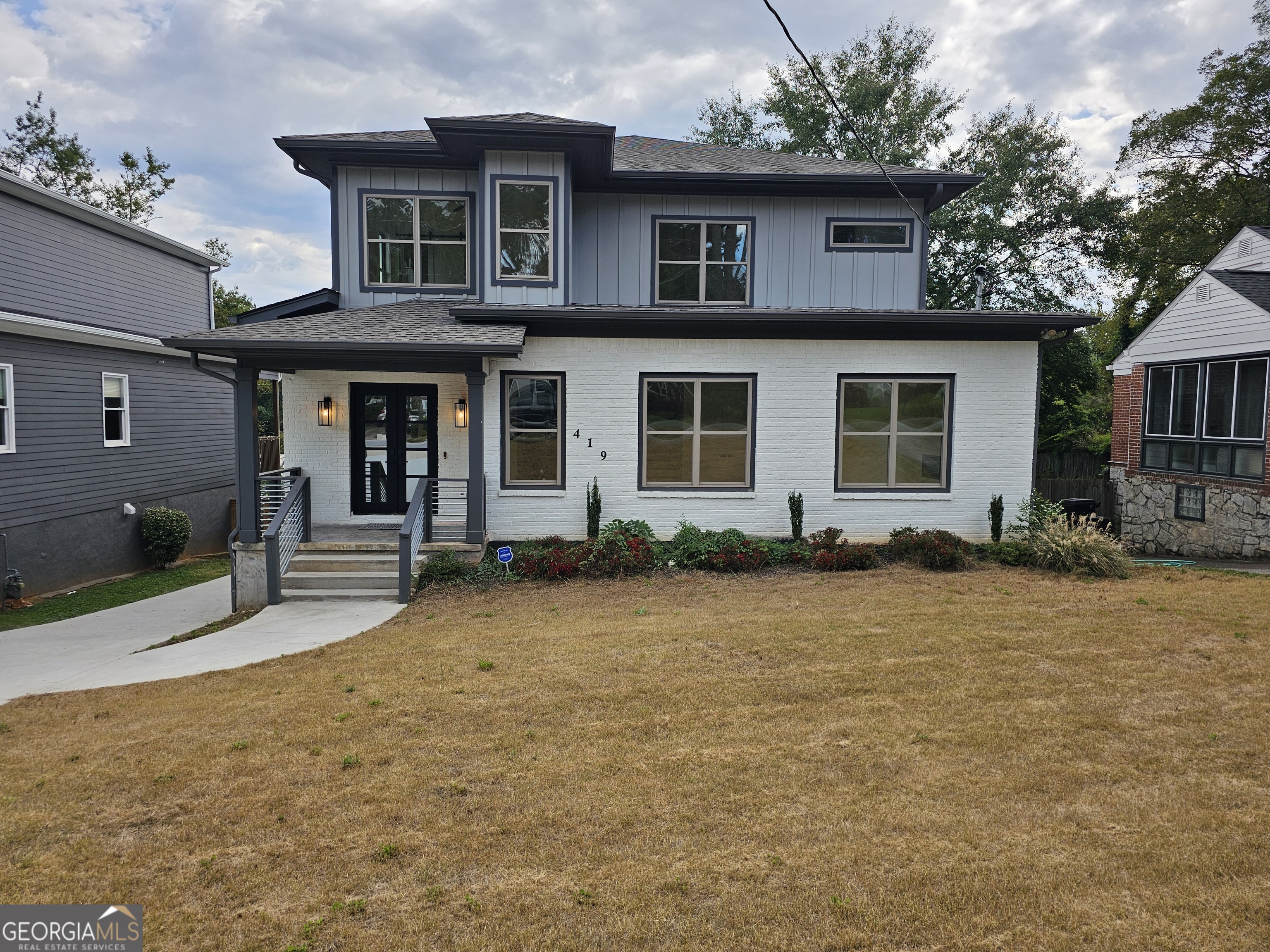
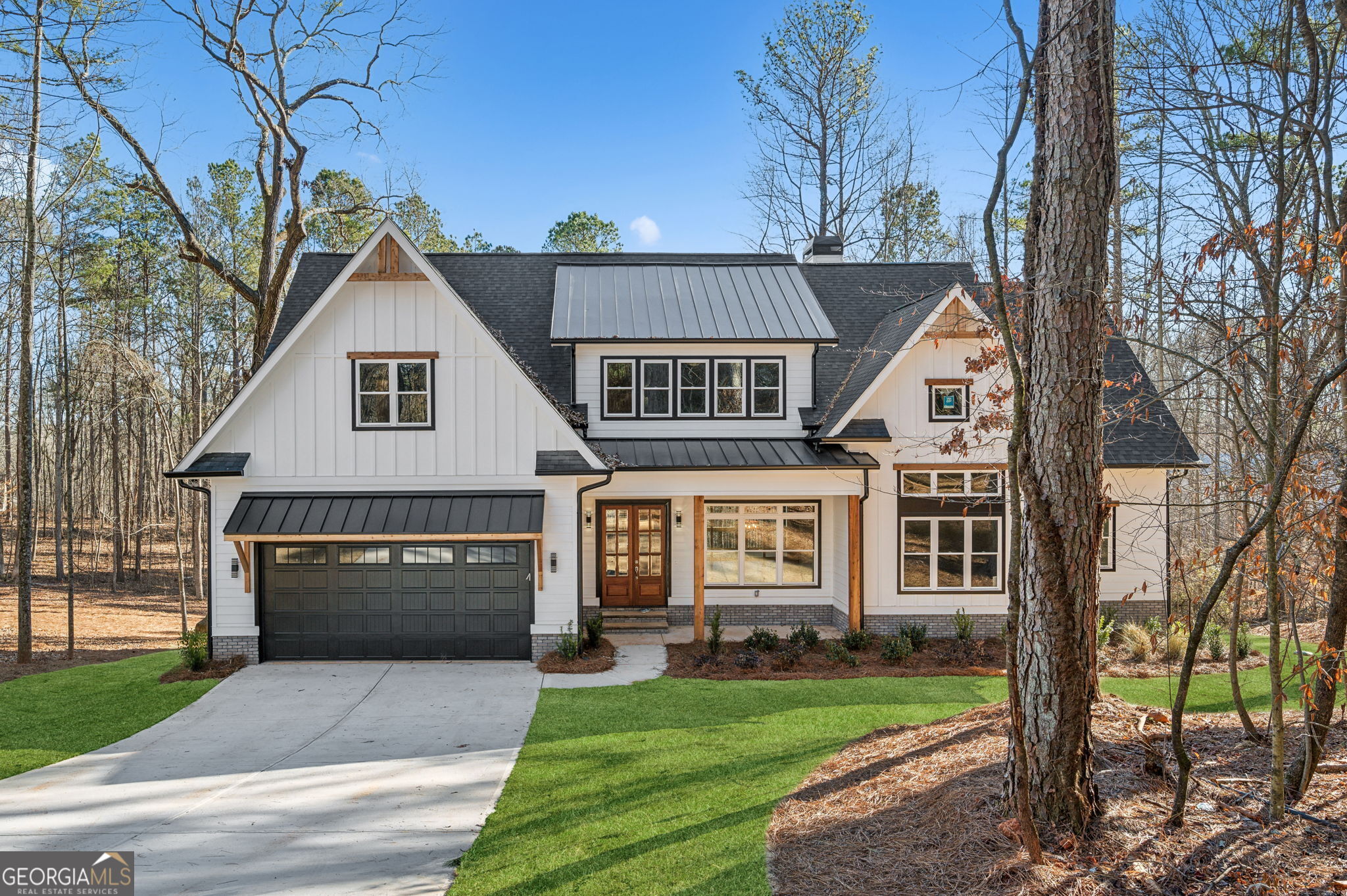
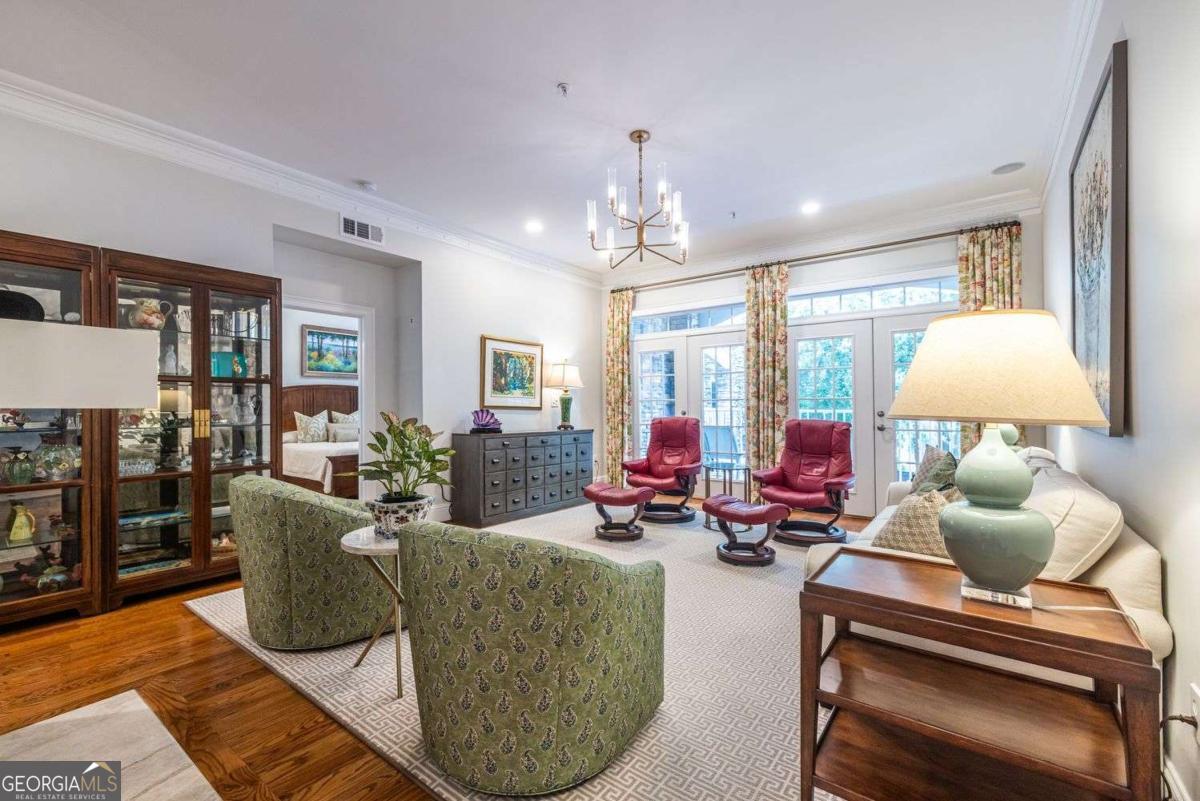
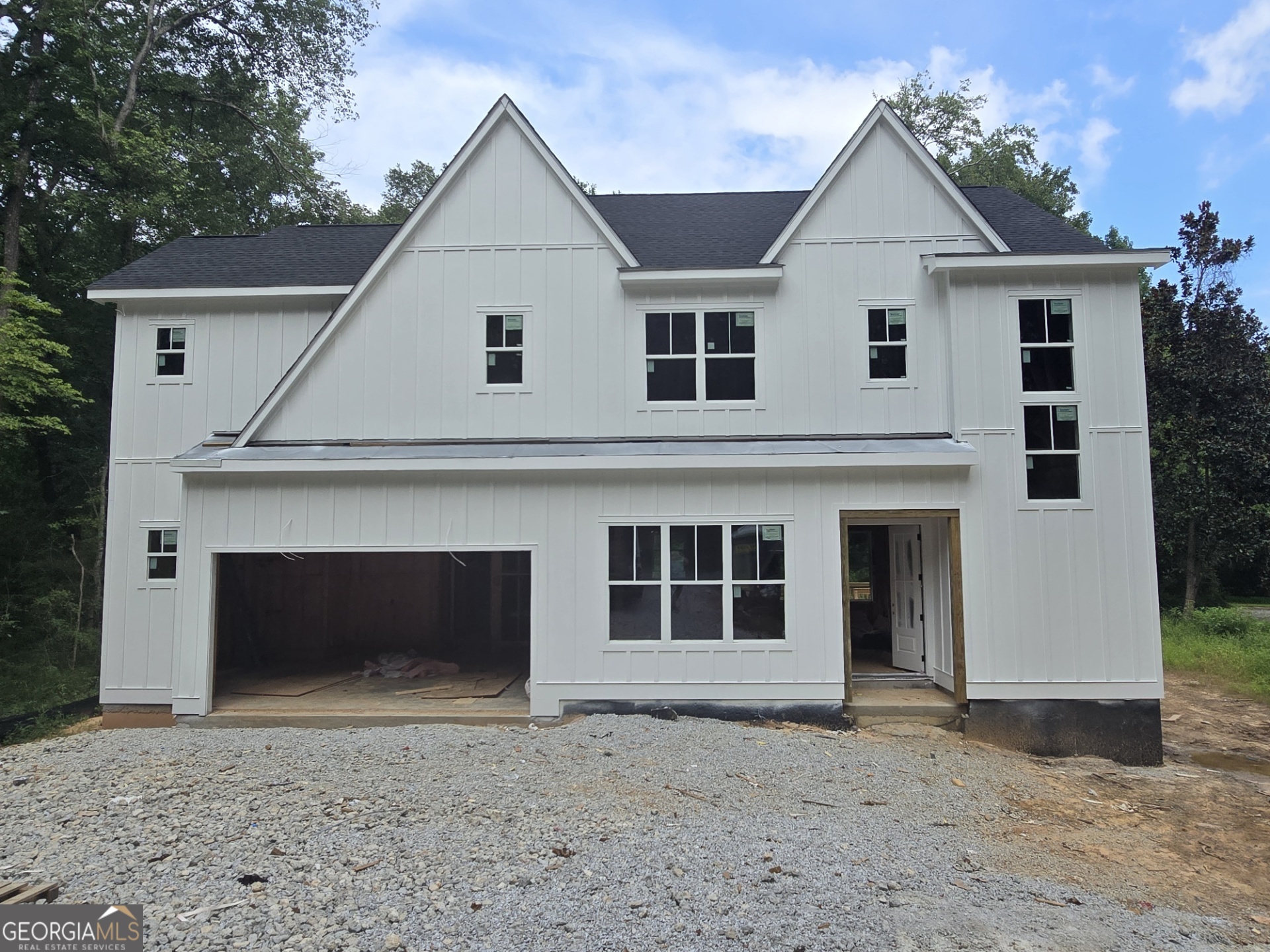
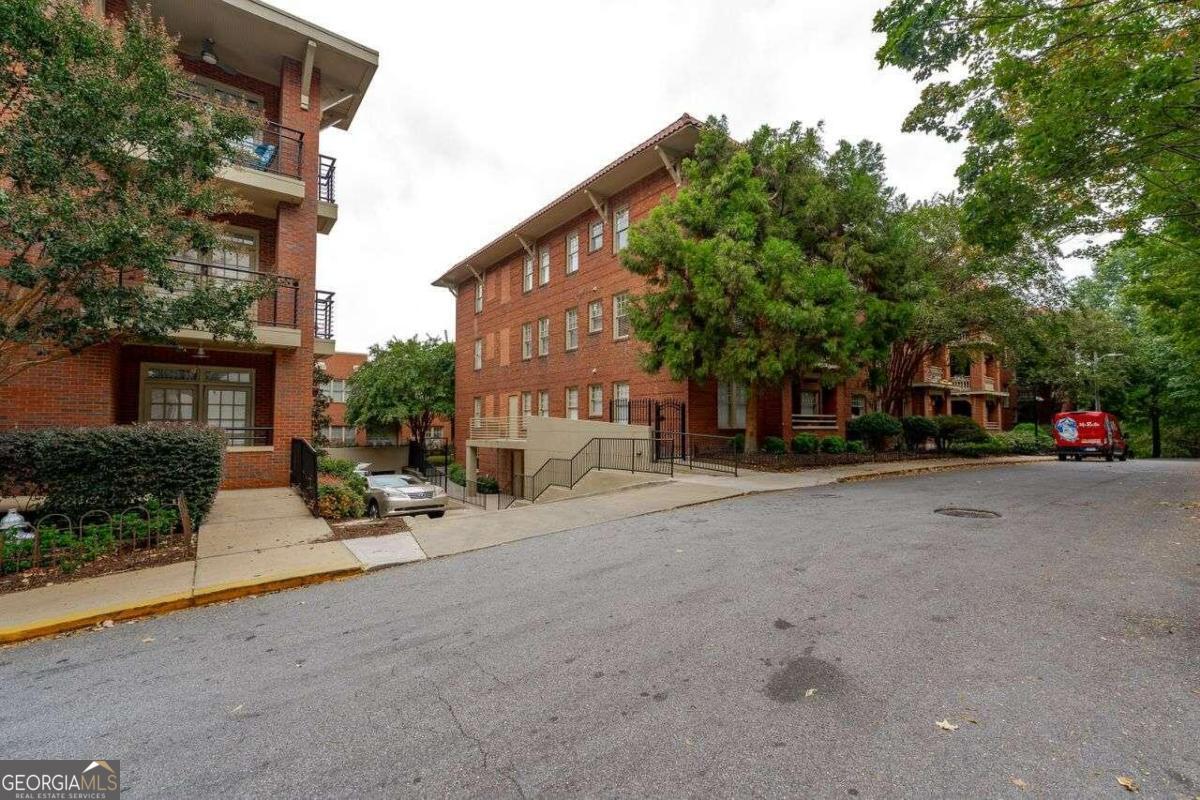
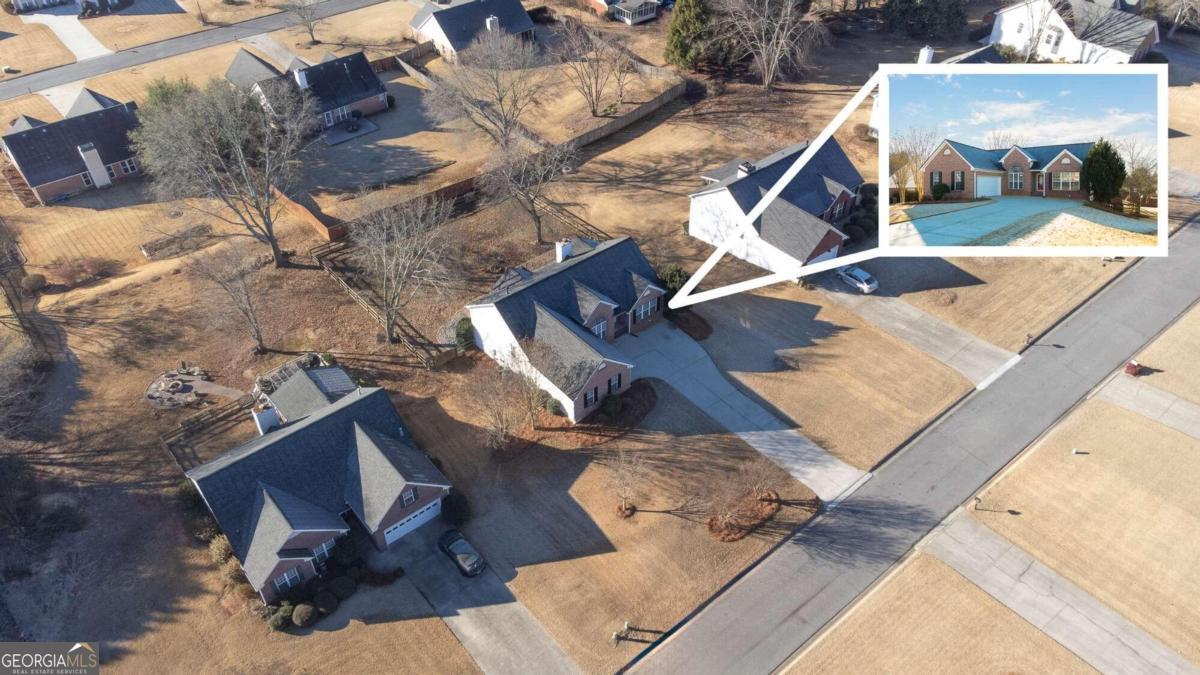
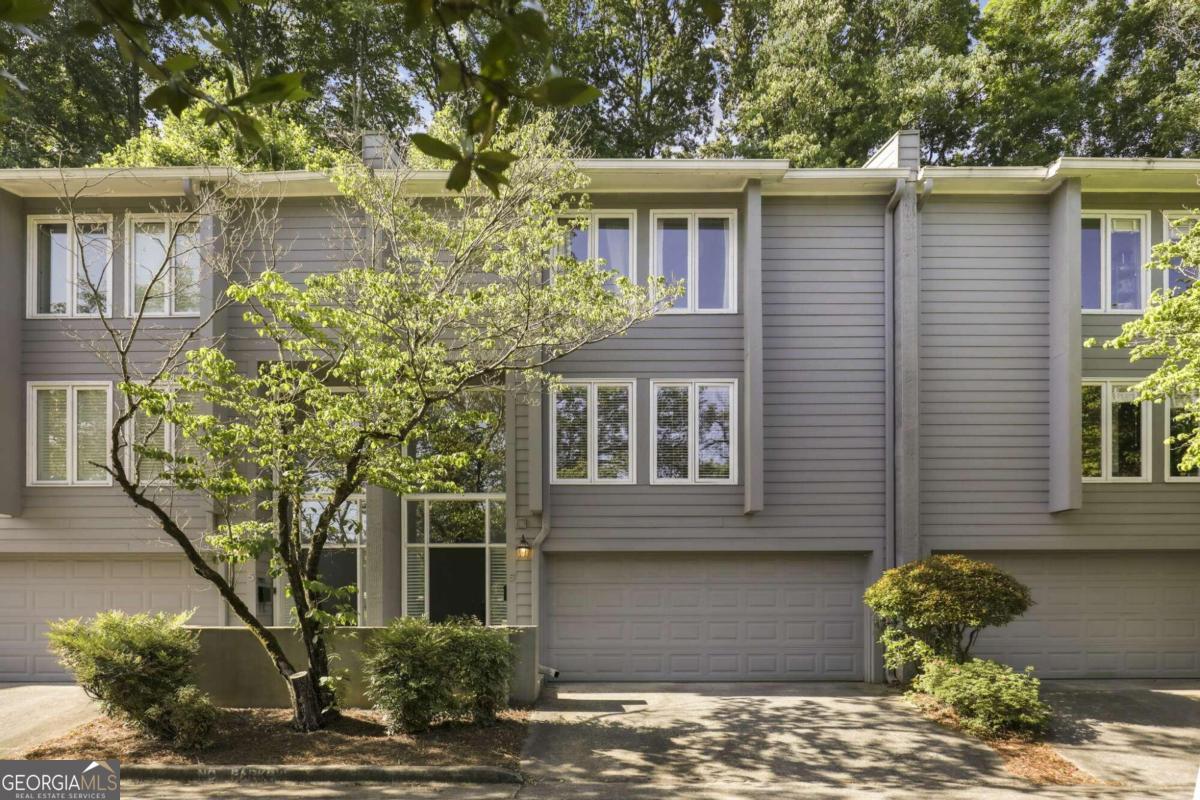
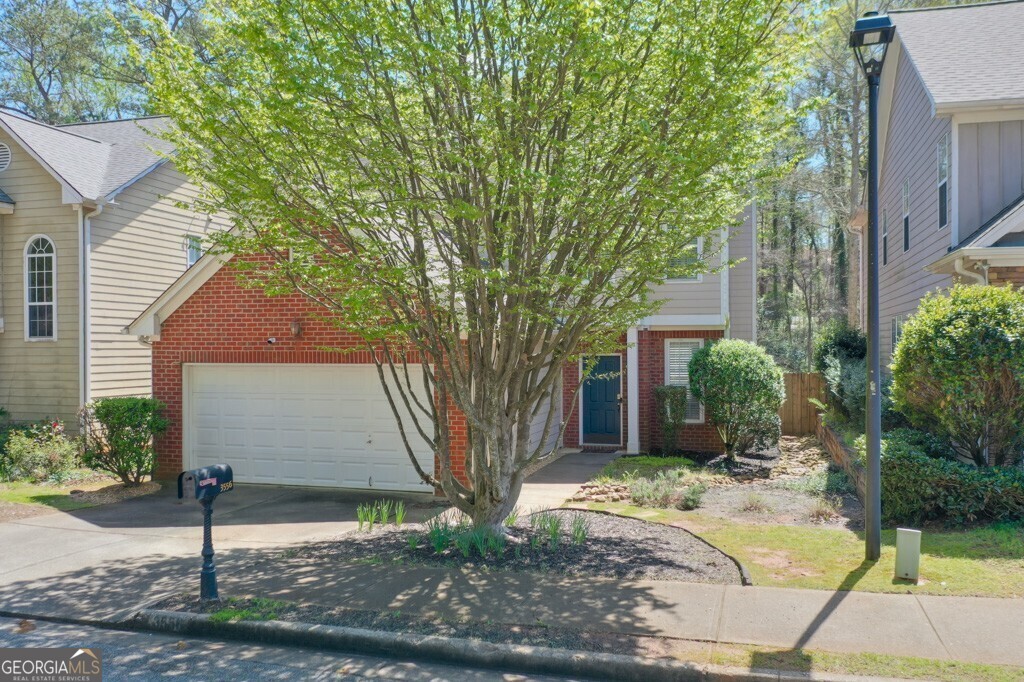
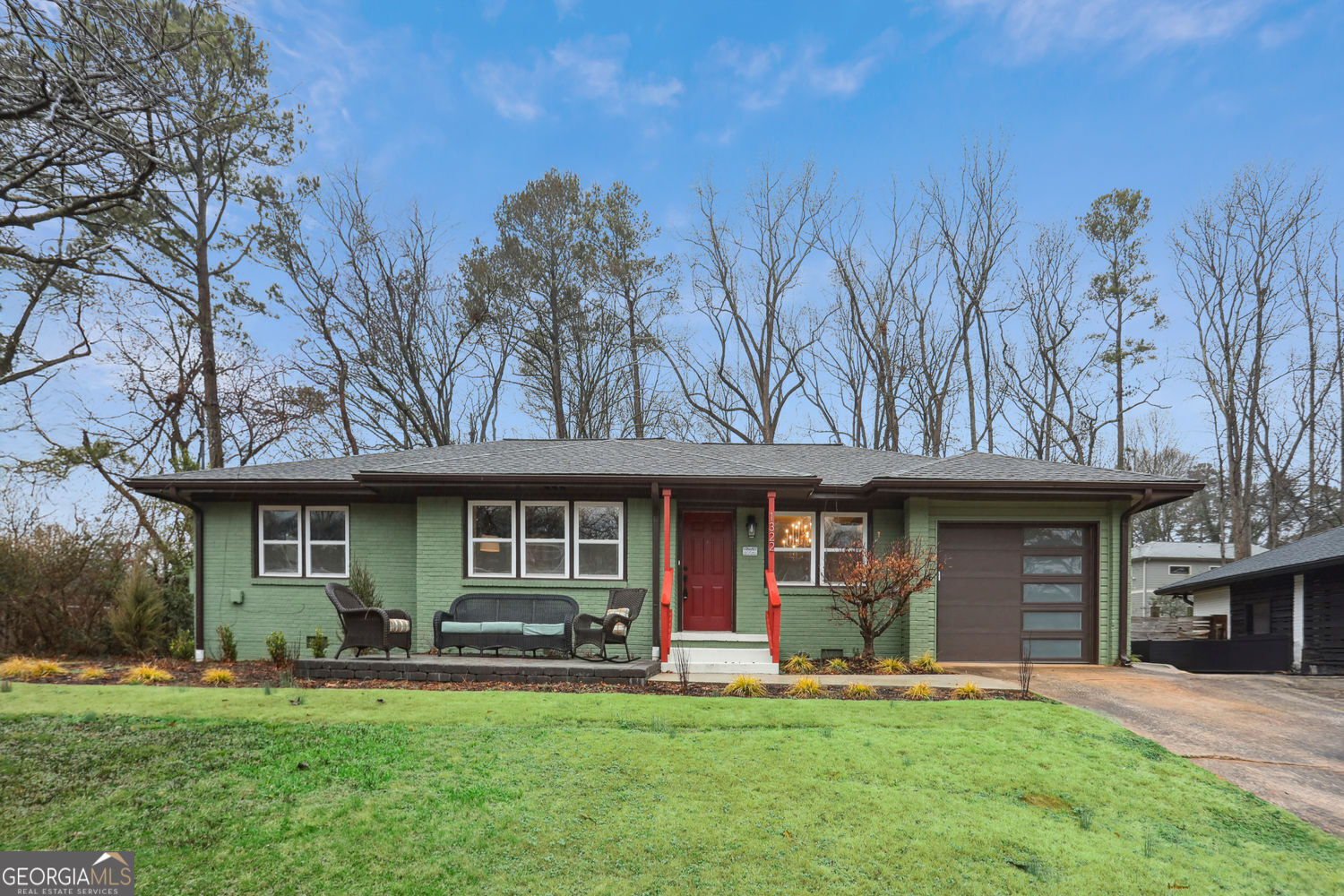
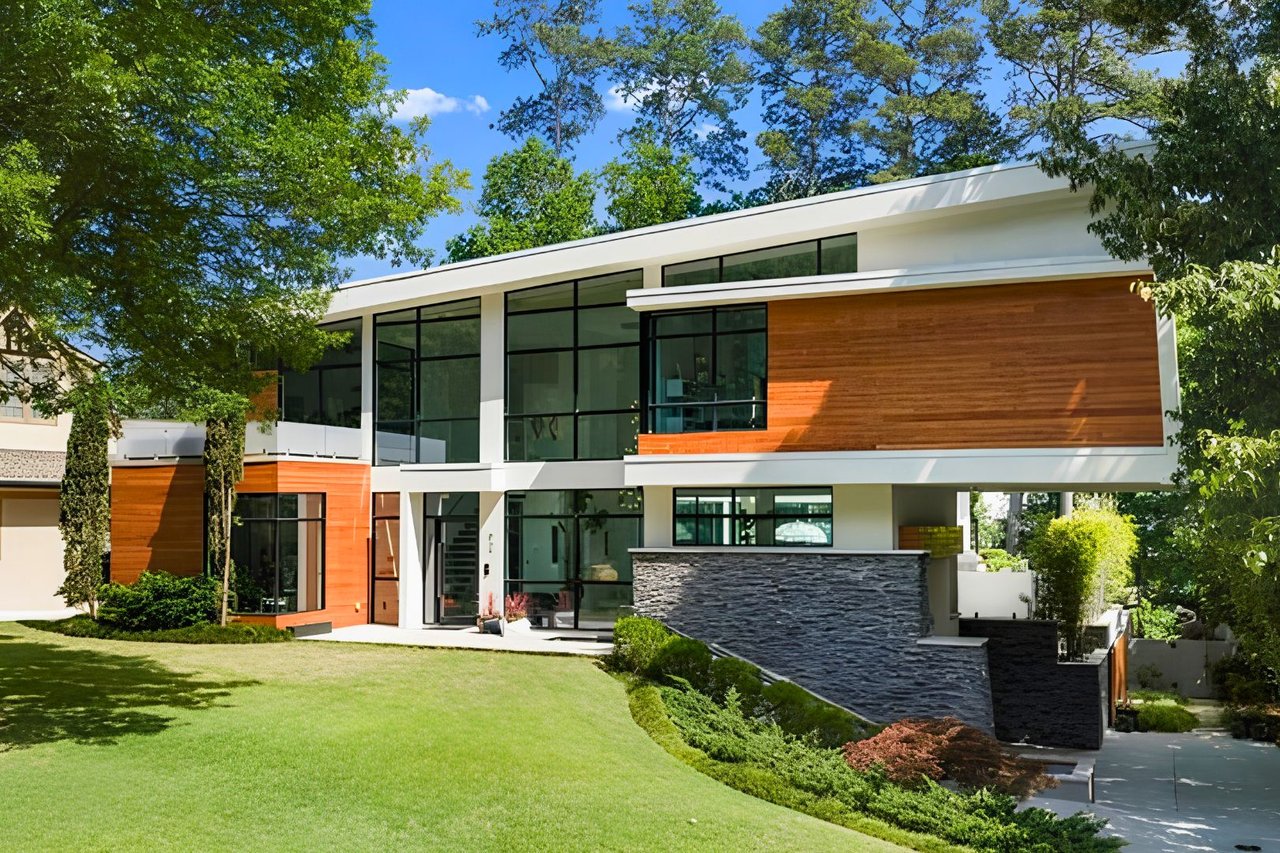
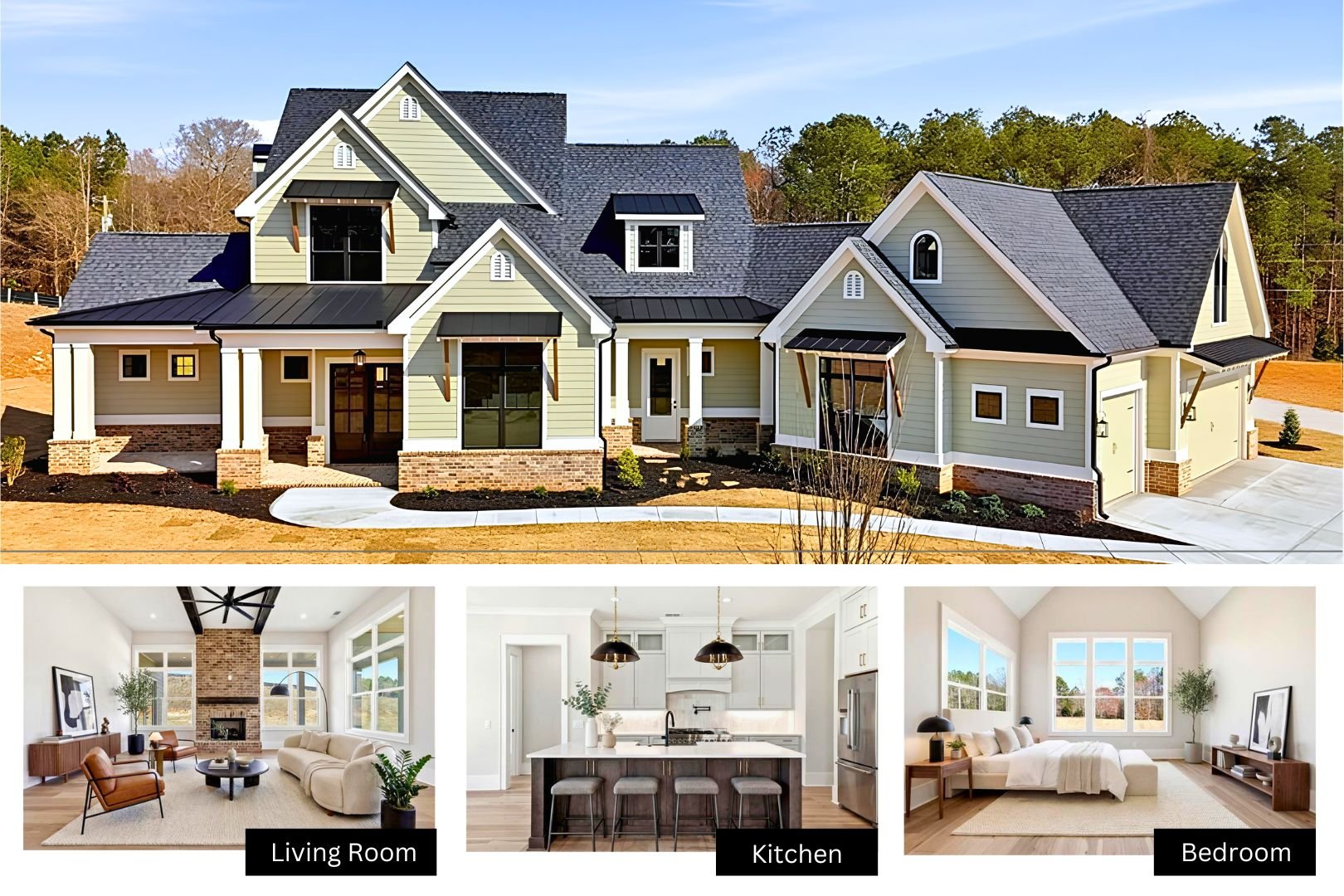
The Woodstock housing market is highly diverse, catering to contrasting lifestyle preferences. Buyers can choose between high-density, low-maintenance urban living and expansive, private suburban estates. Understanding these distinct environments is key to narrowing your home search.
Master-Planned Communities vs. Historic Downtown Living
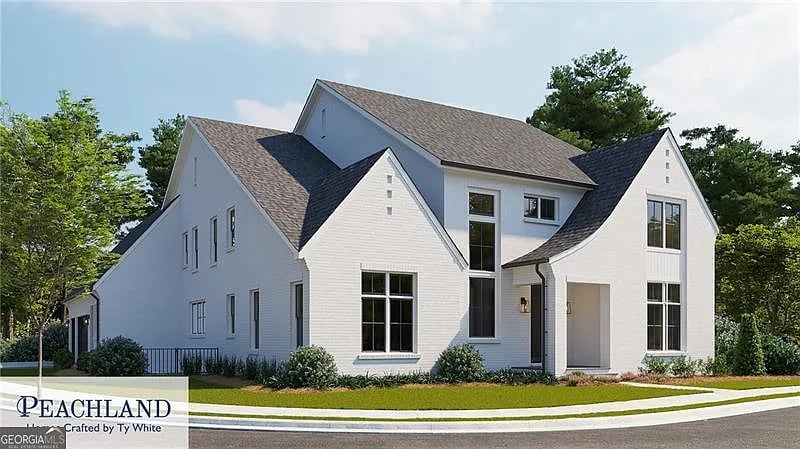
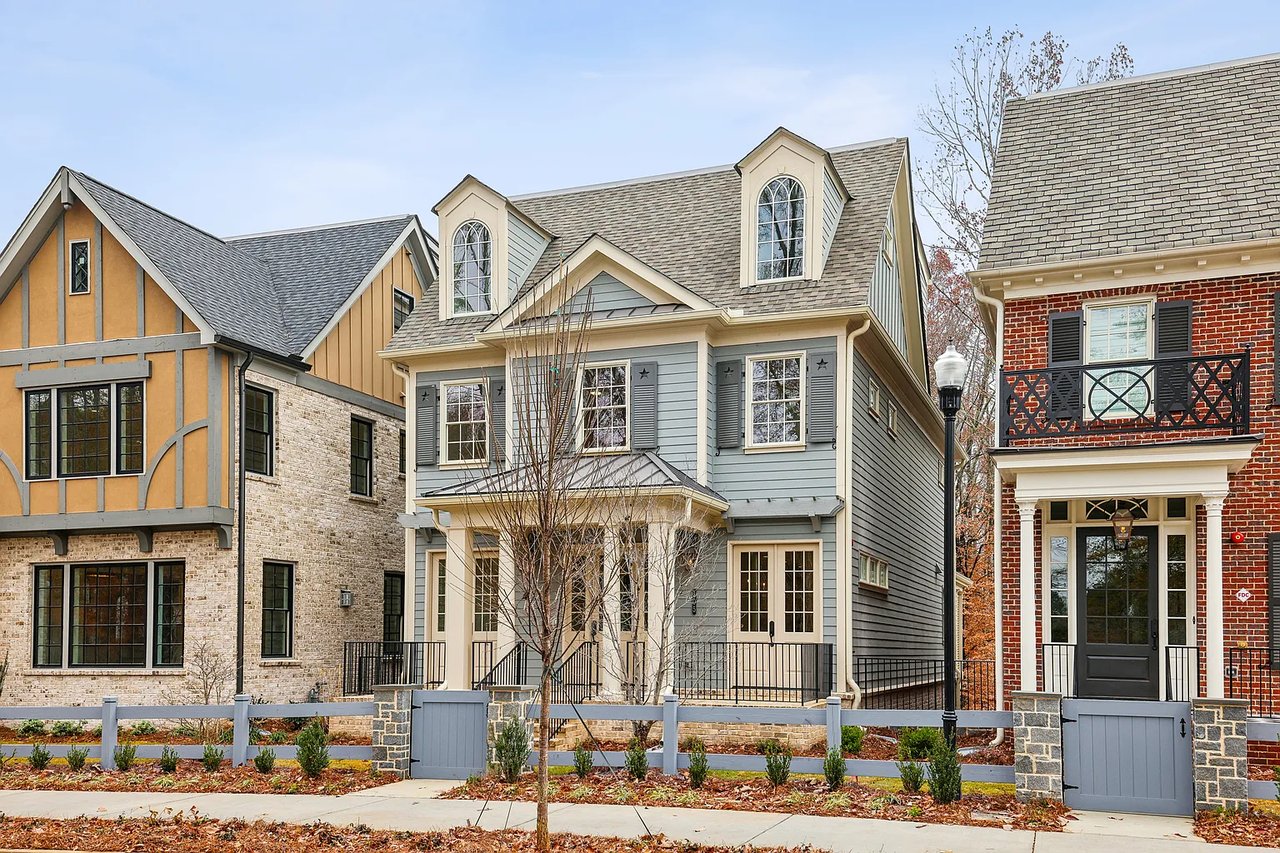
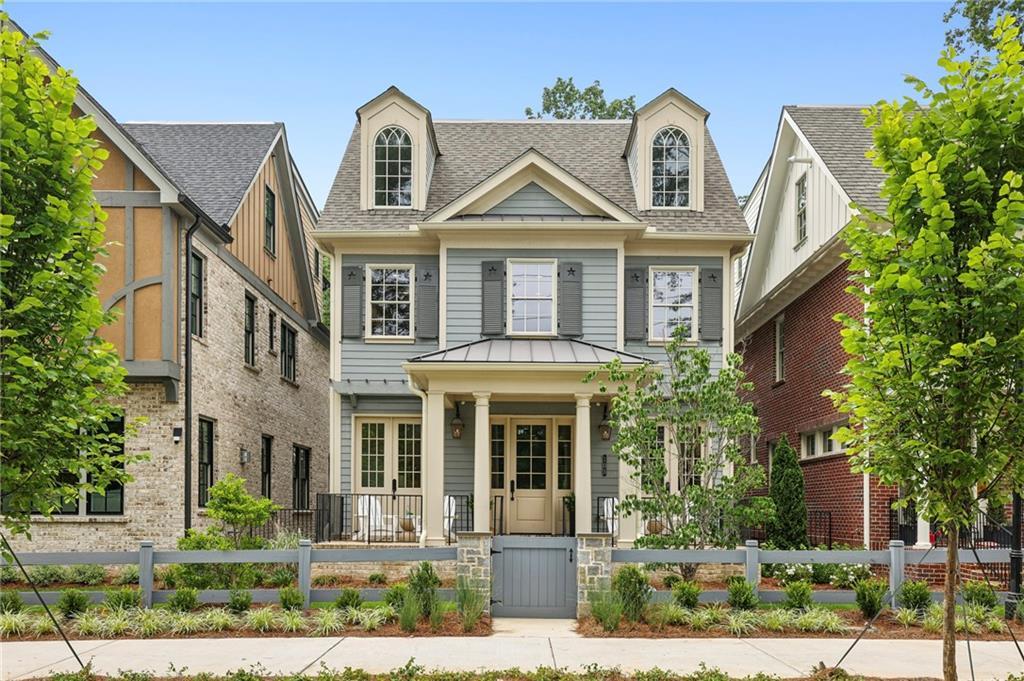
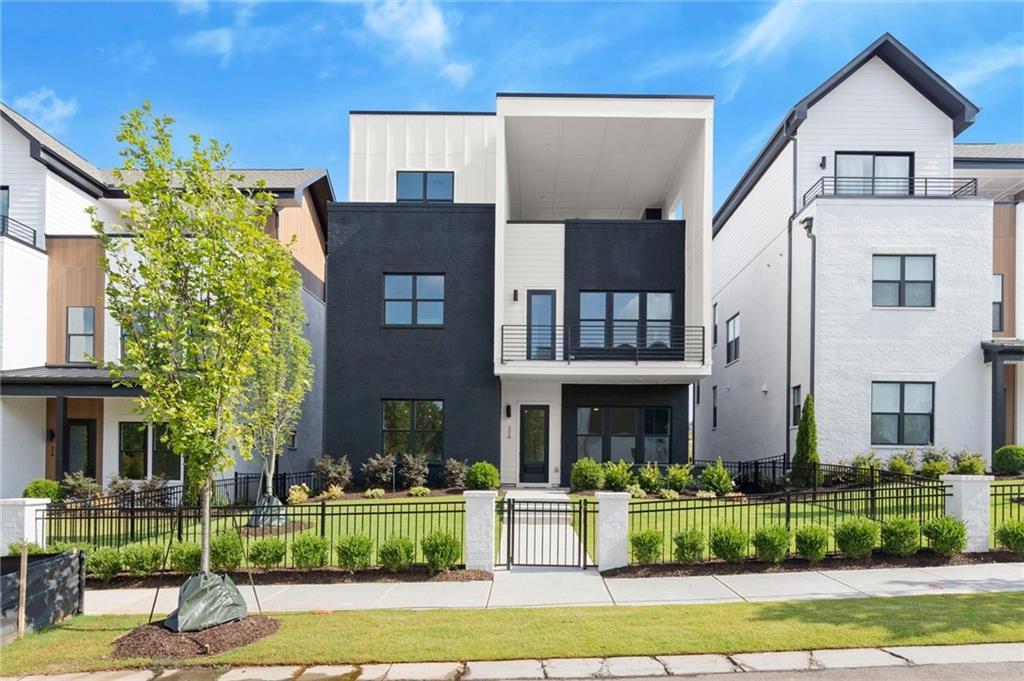
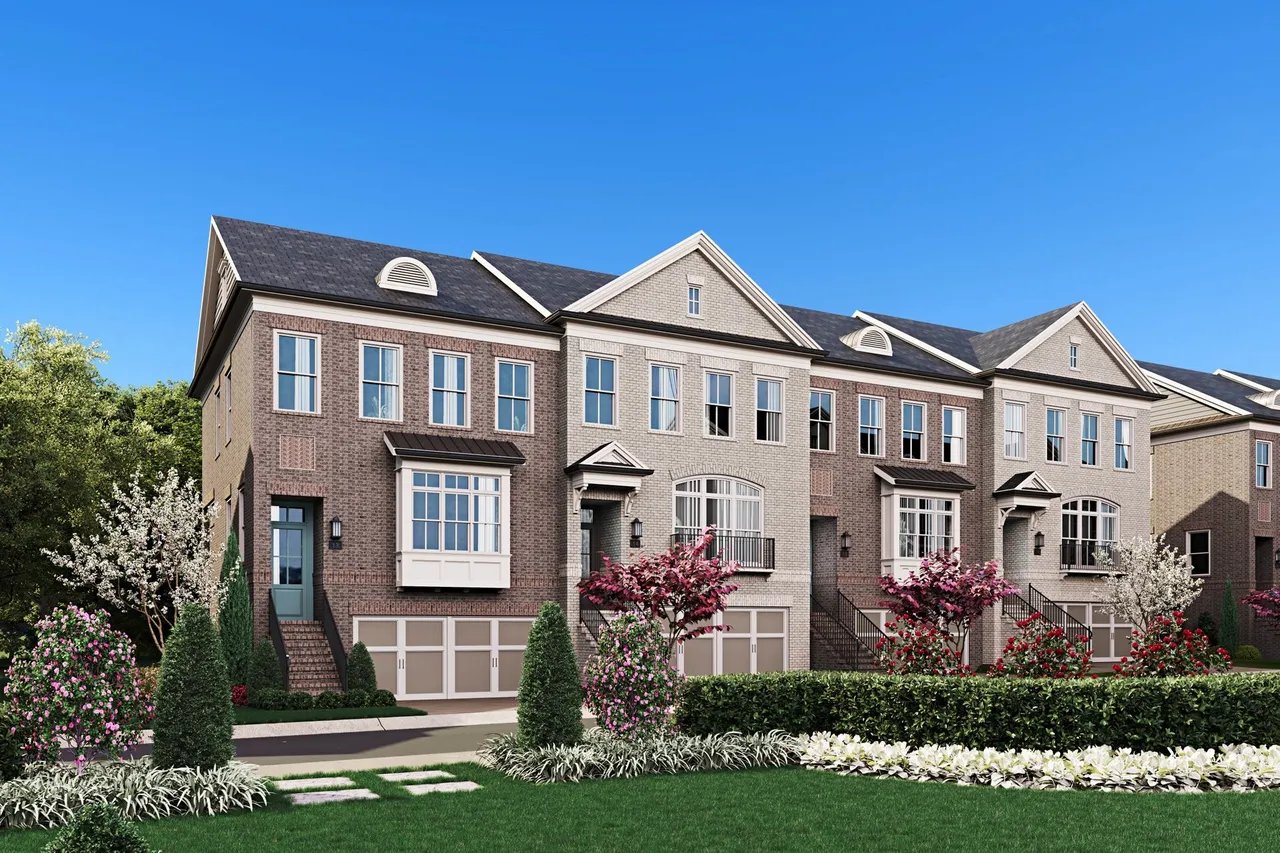
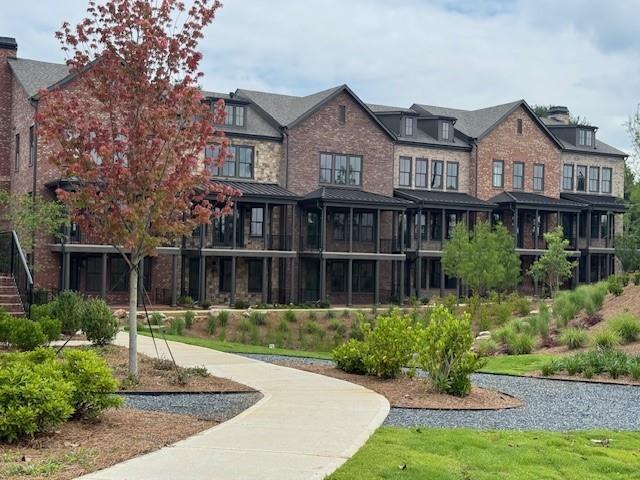
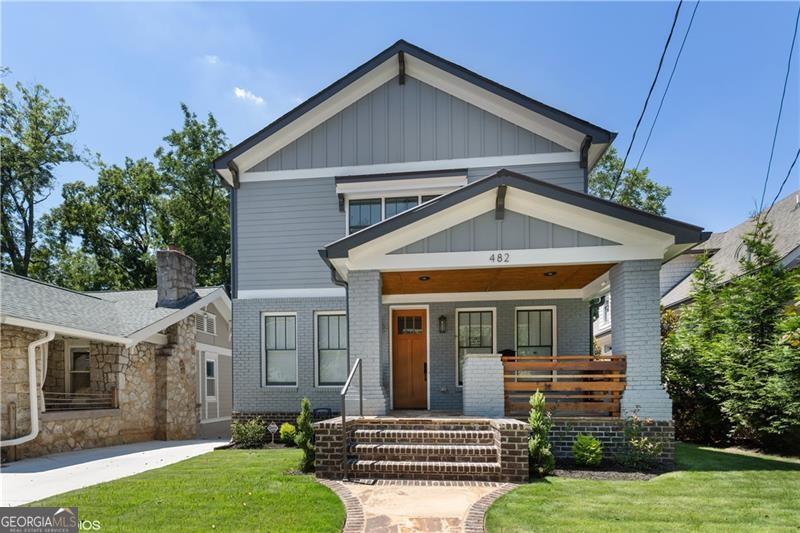
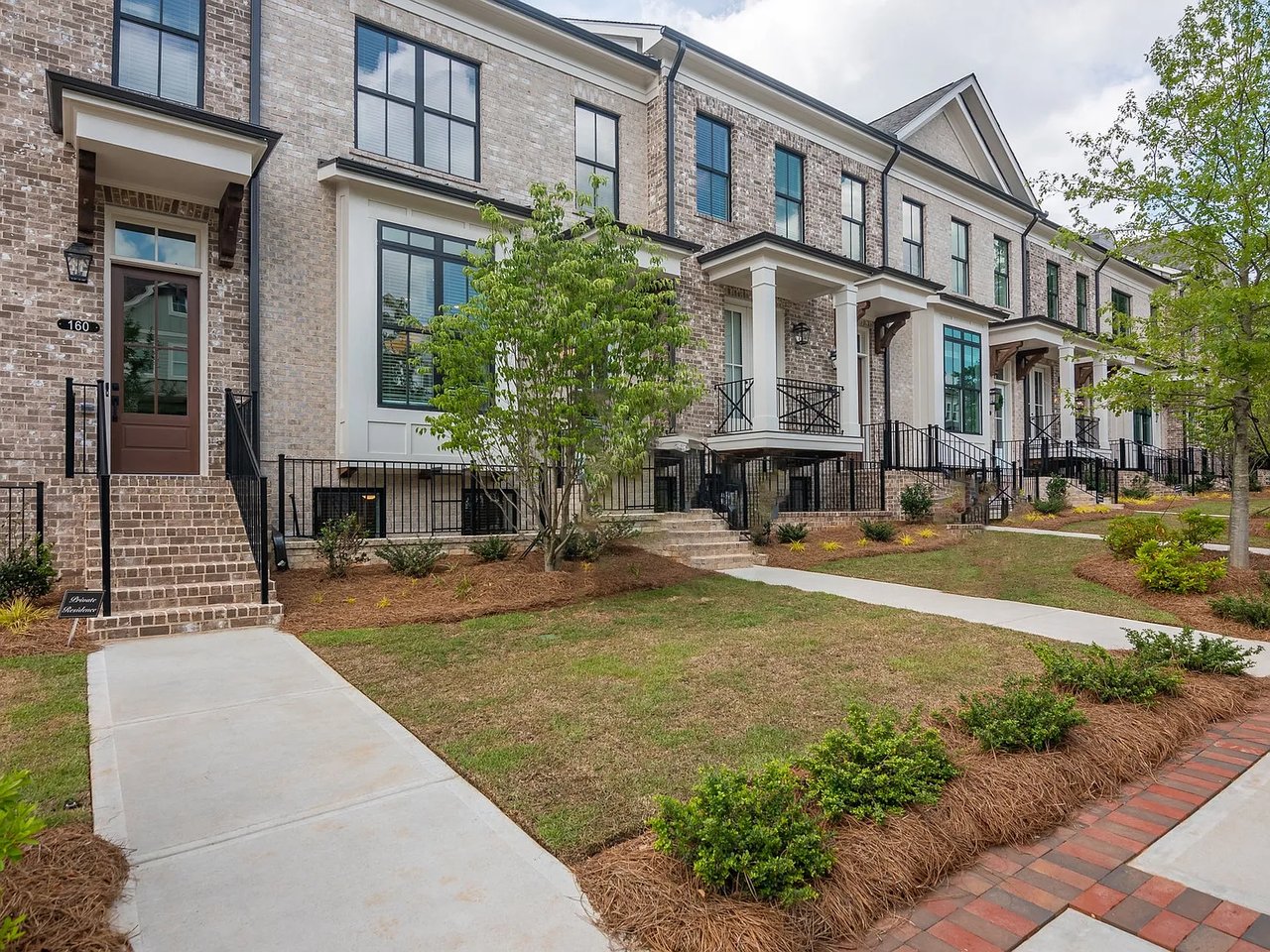
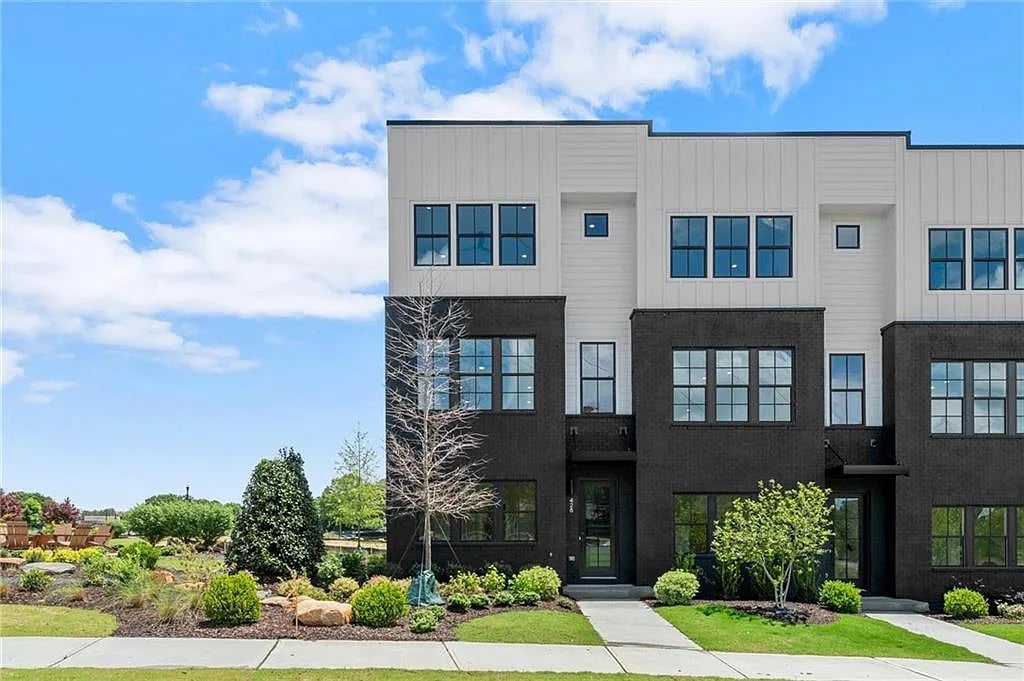
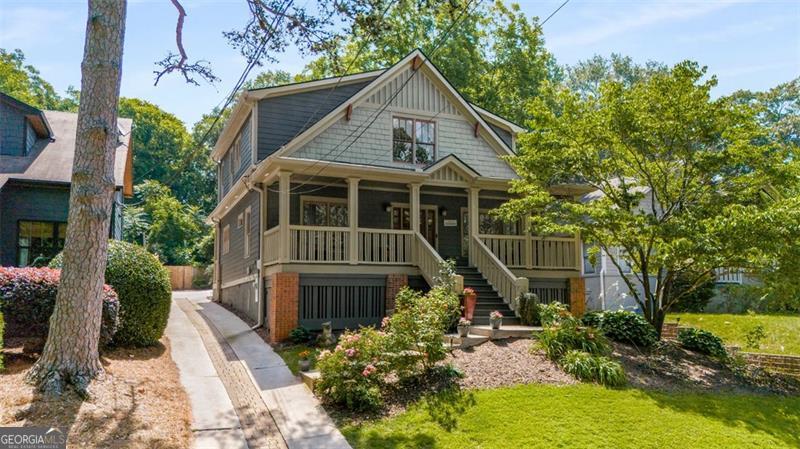
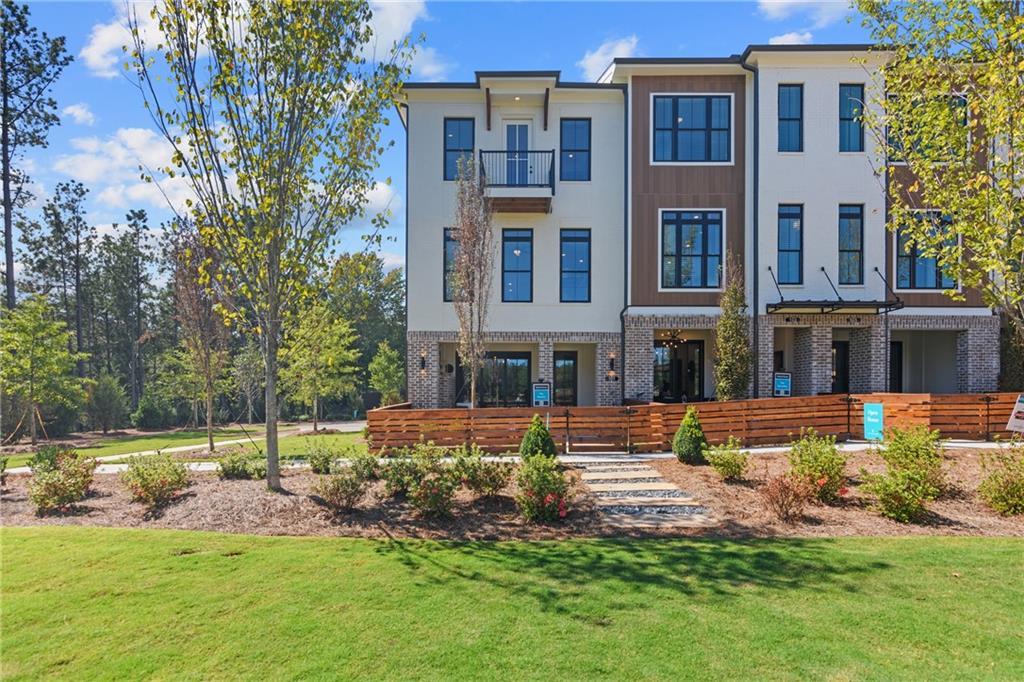
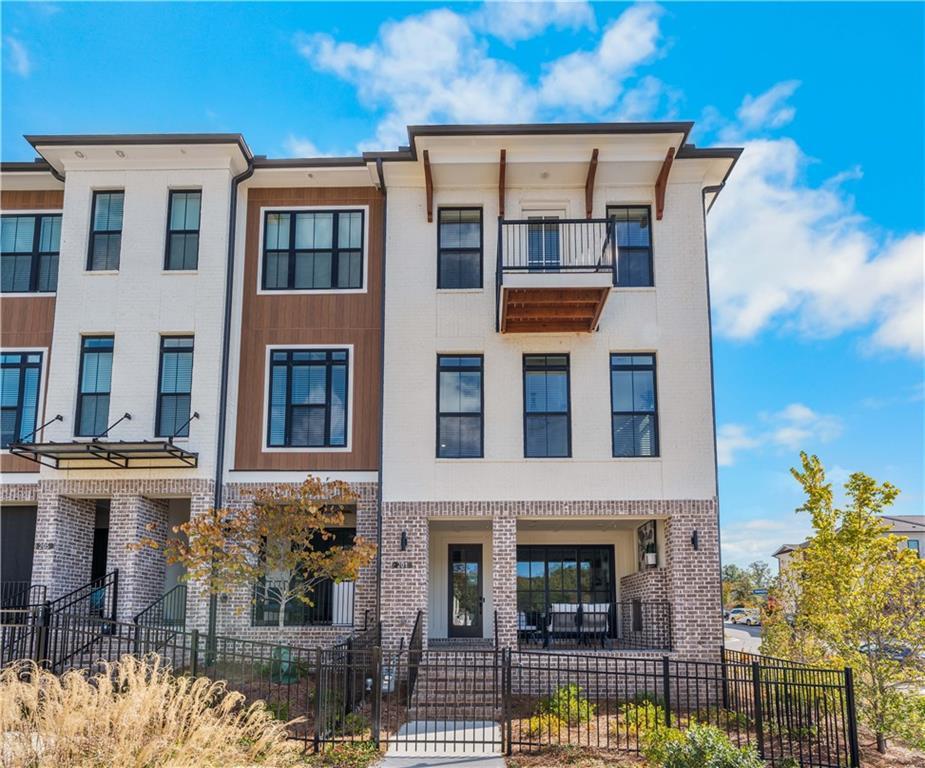
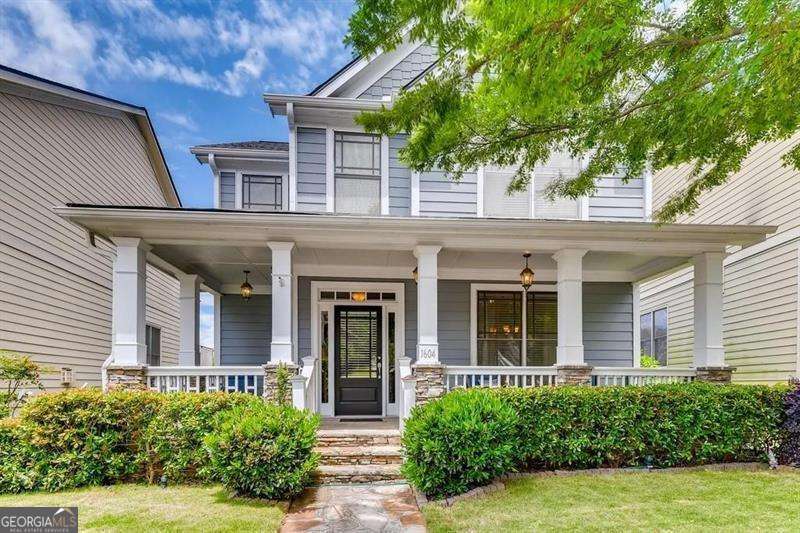
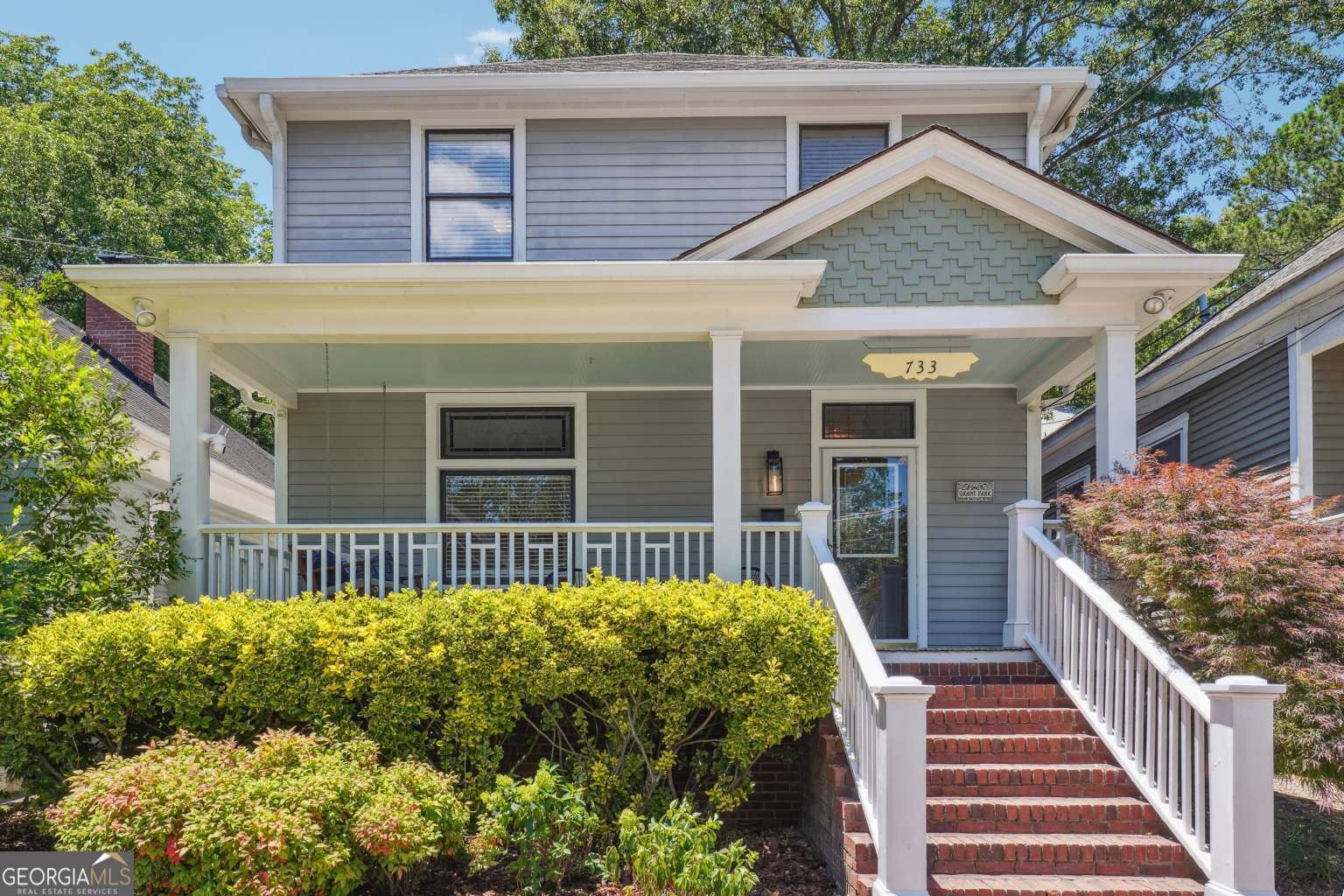
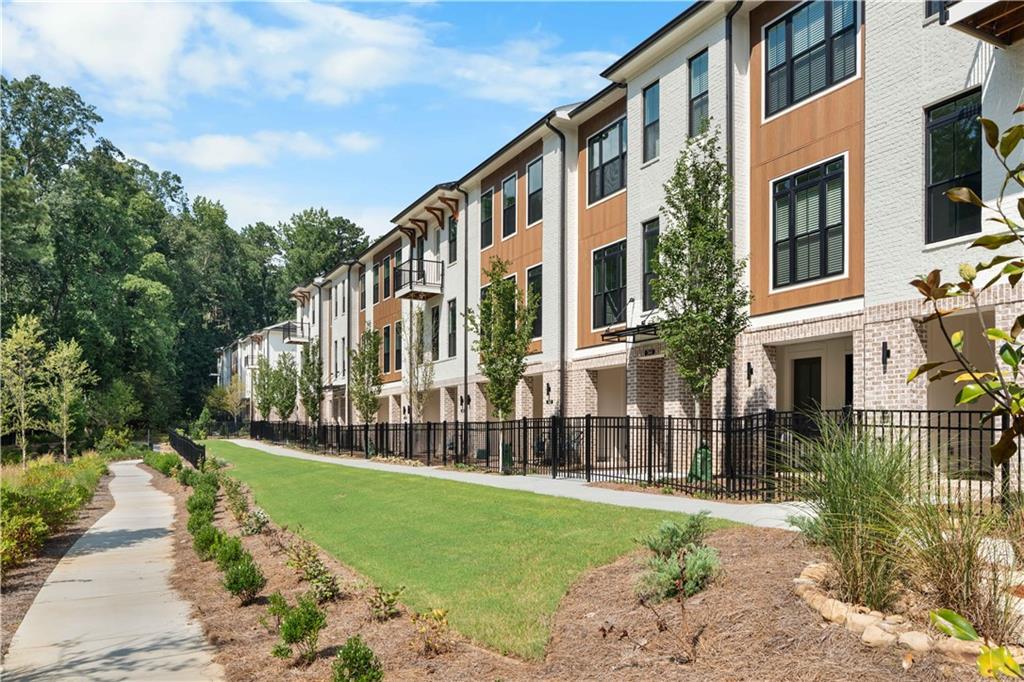
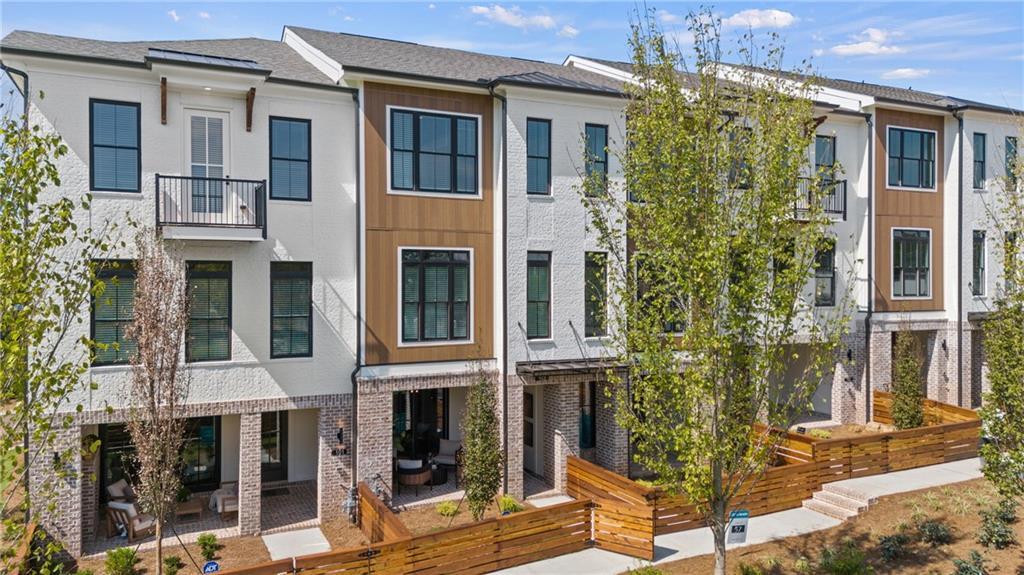
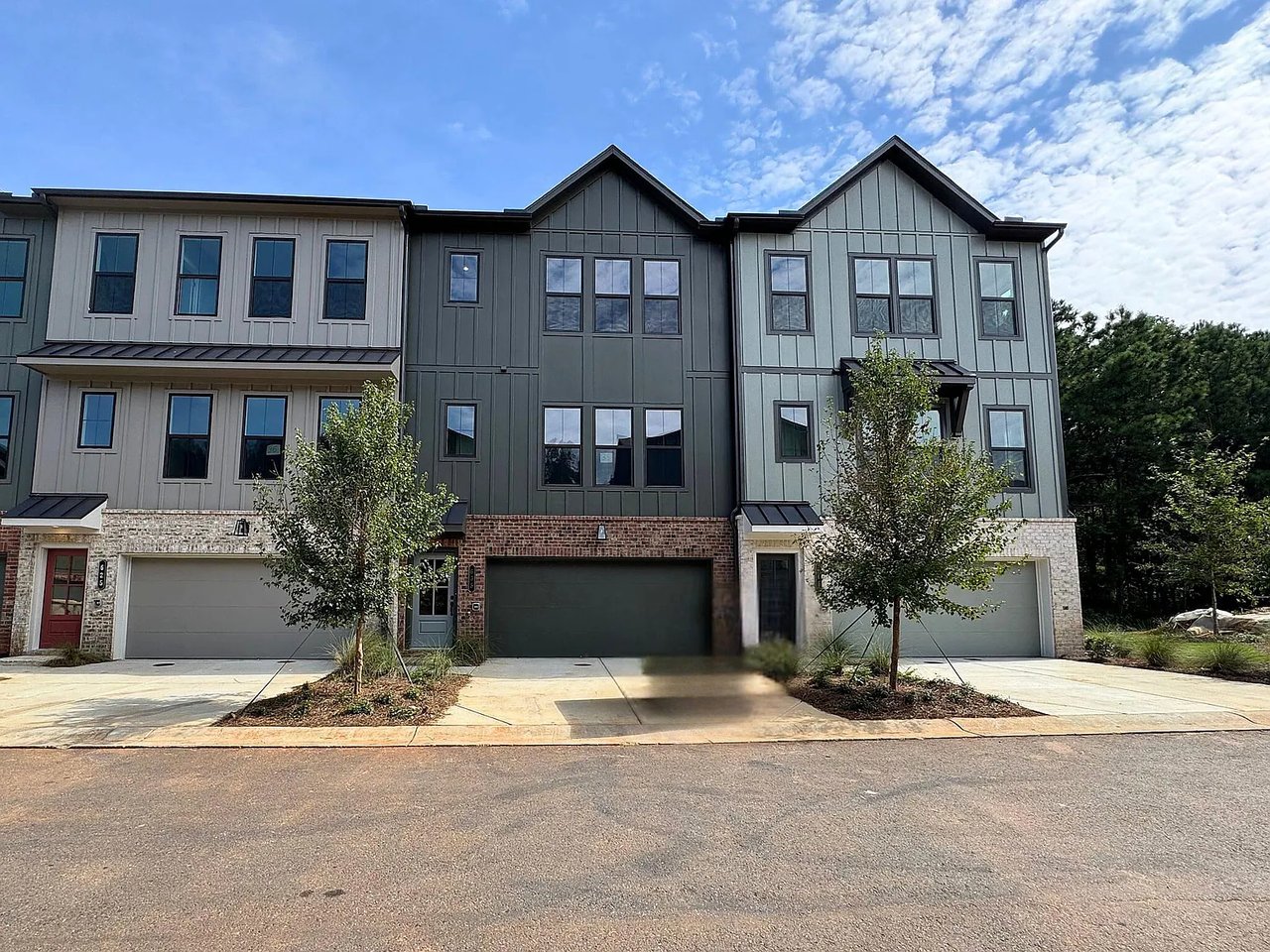
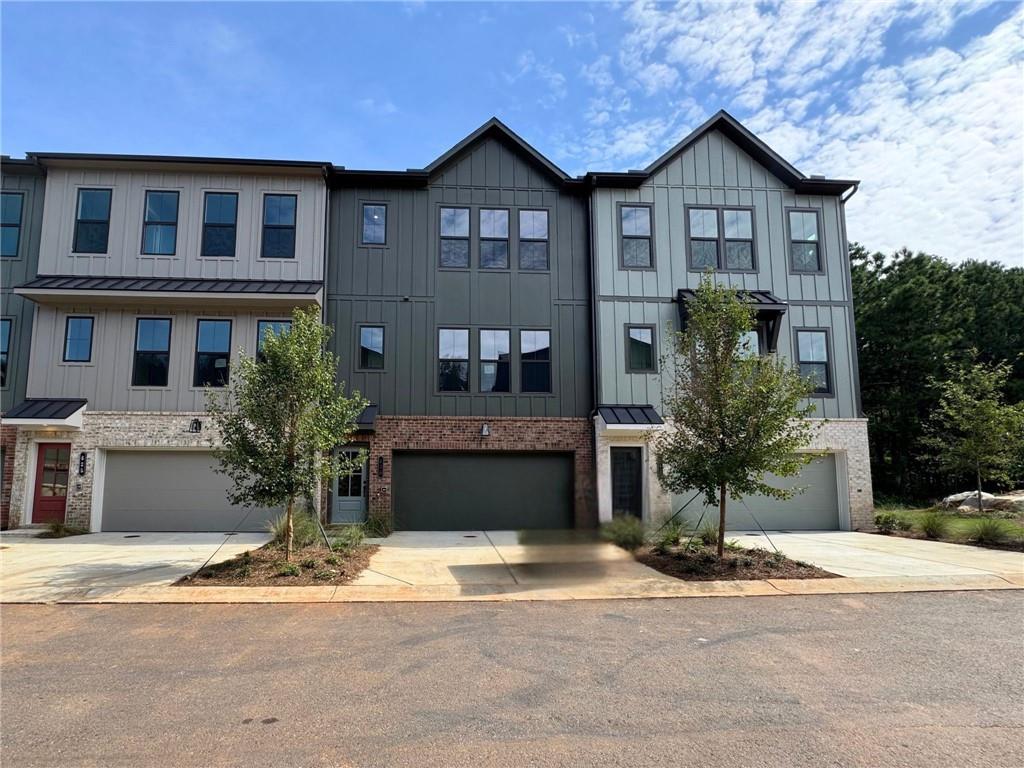
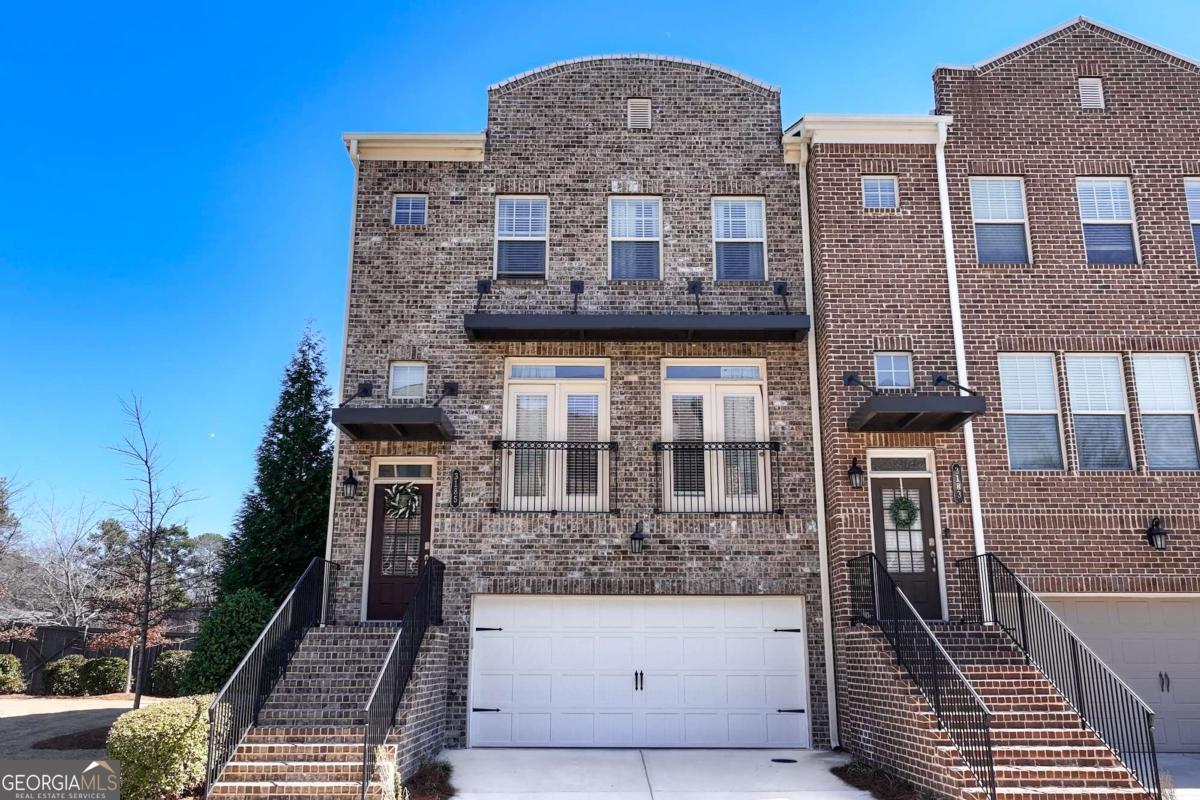
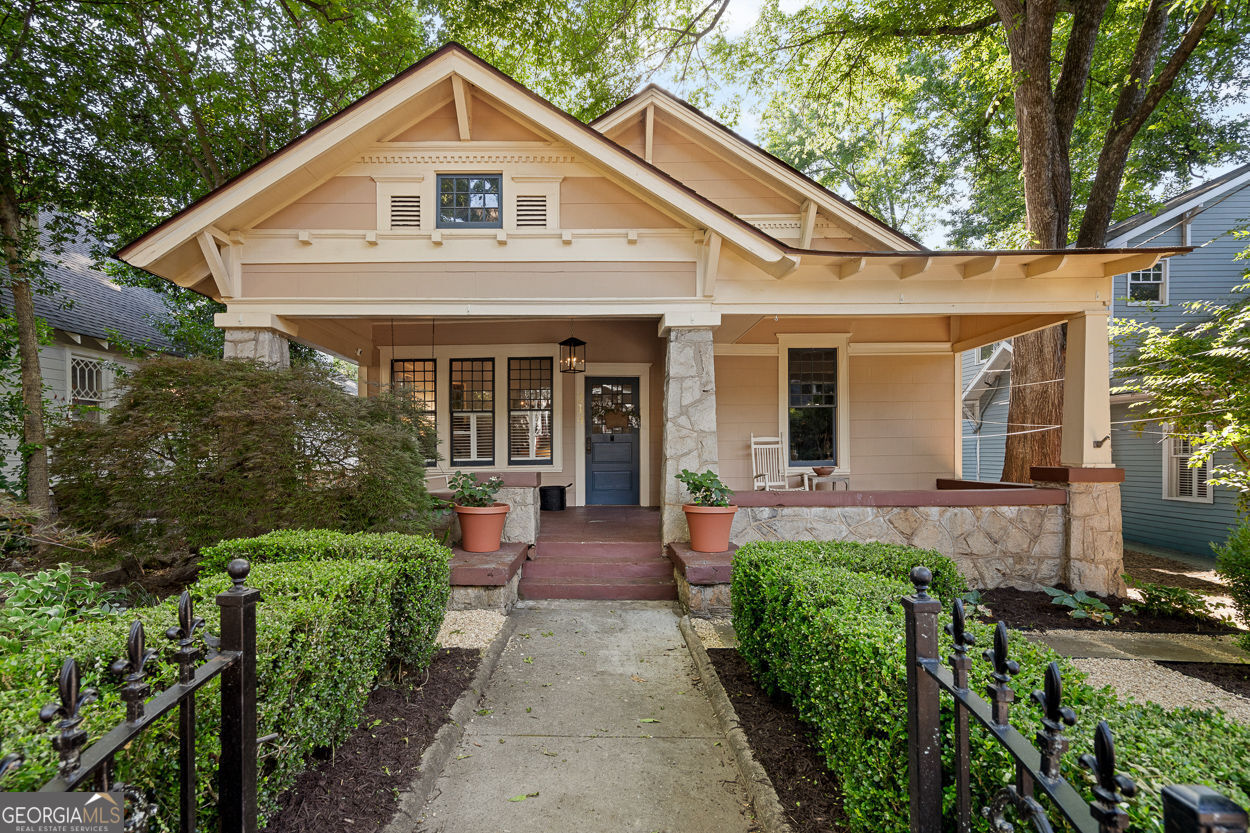
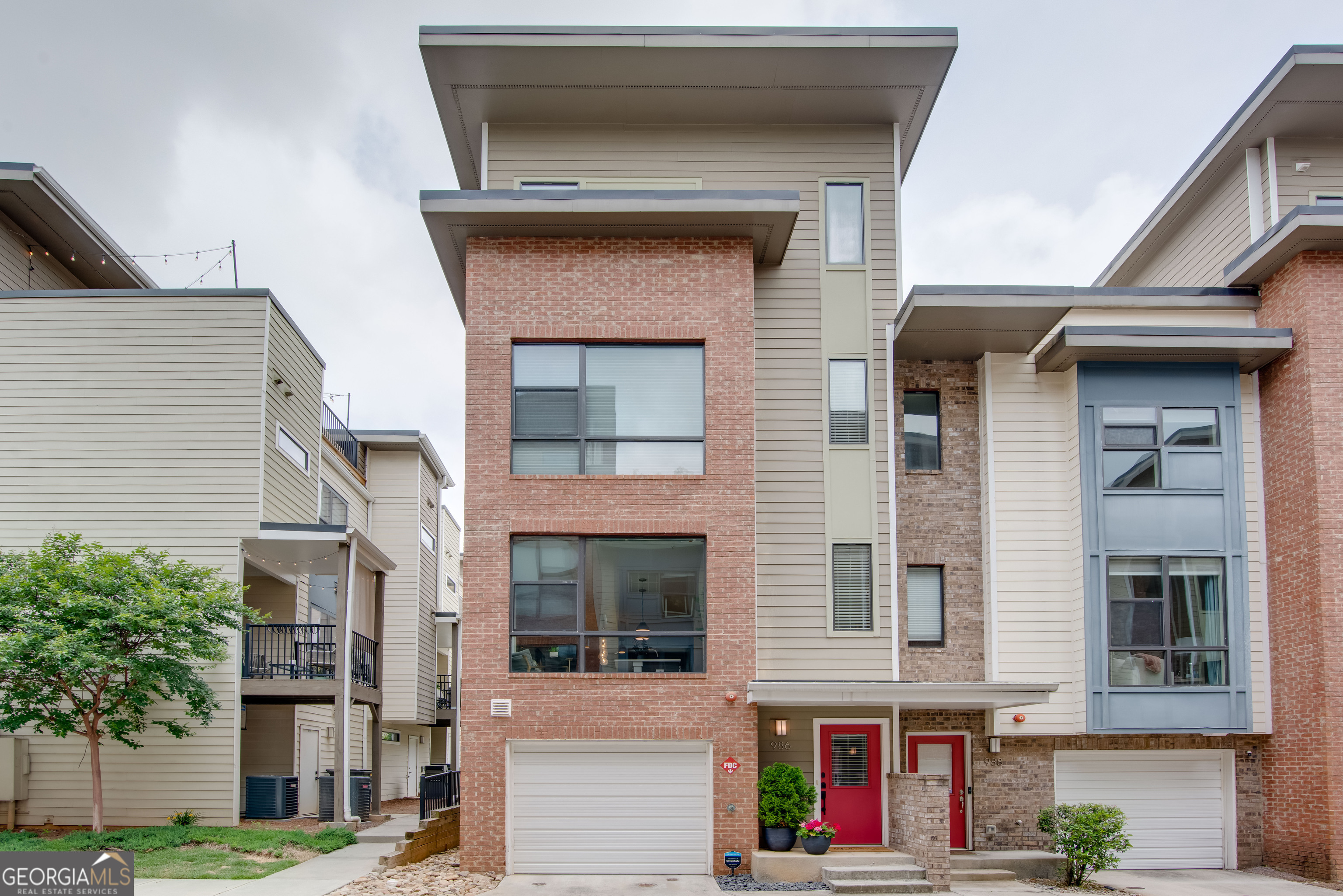
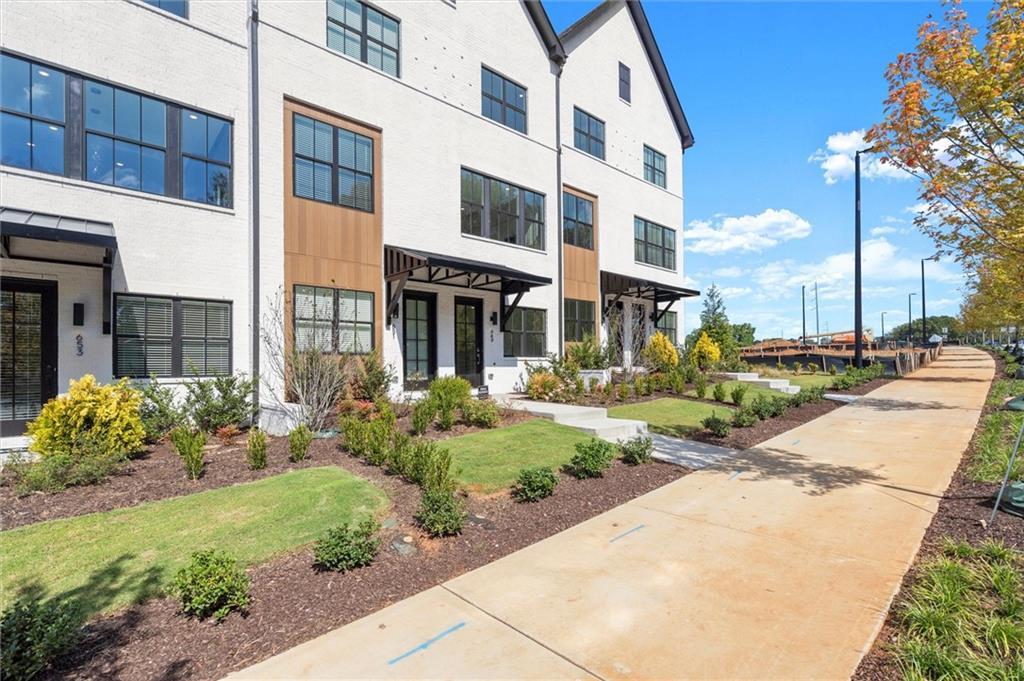
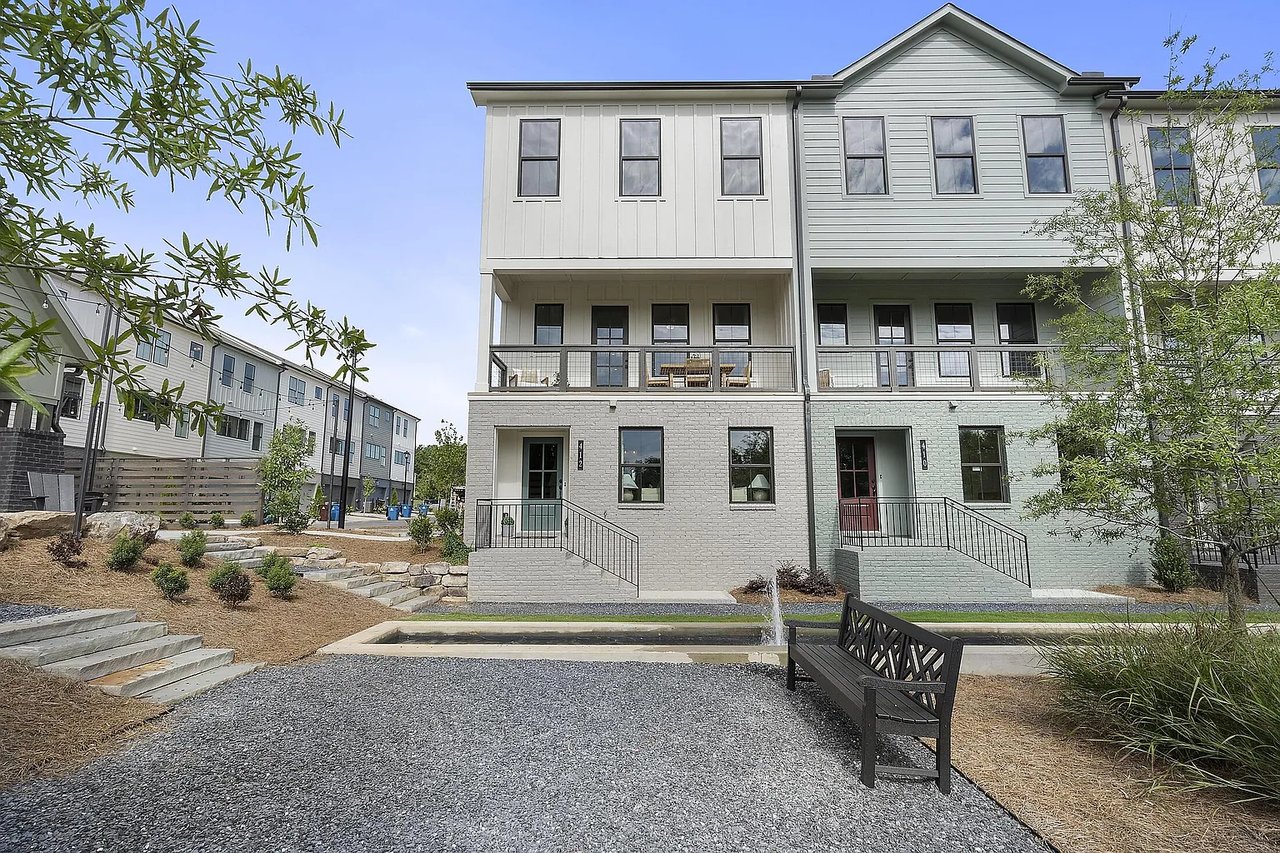
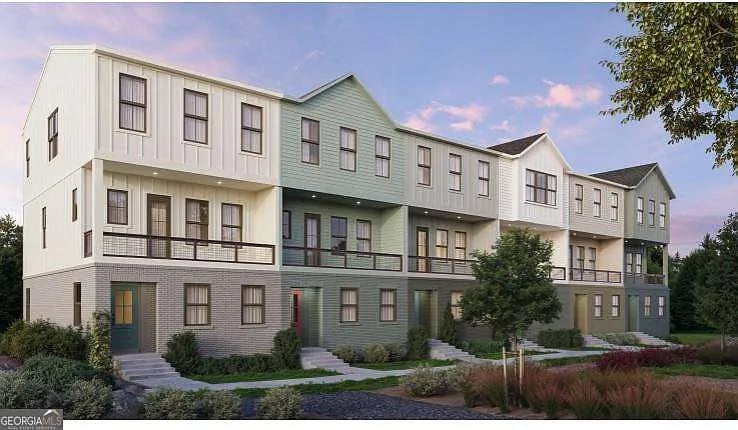
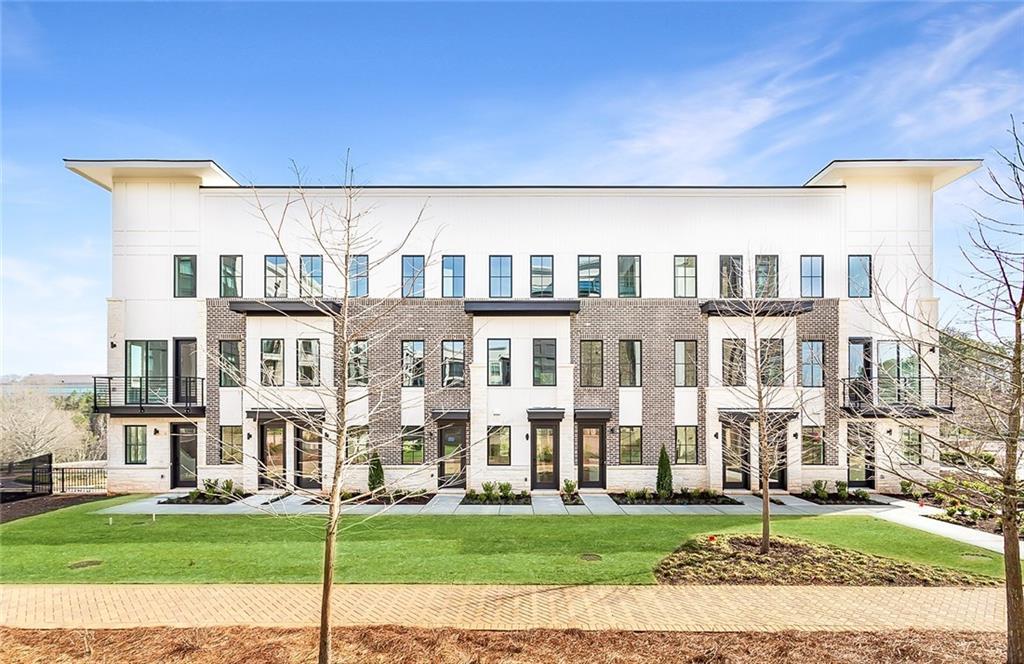
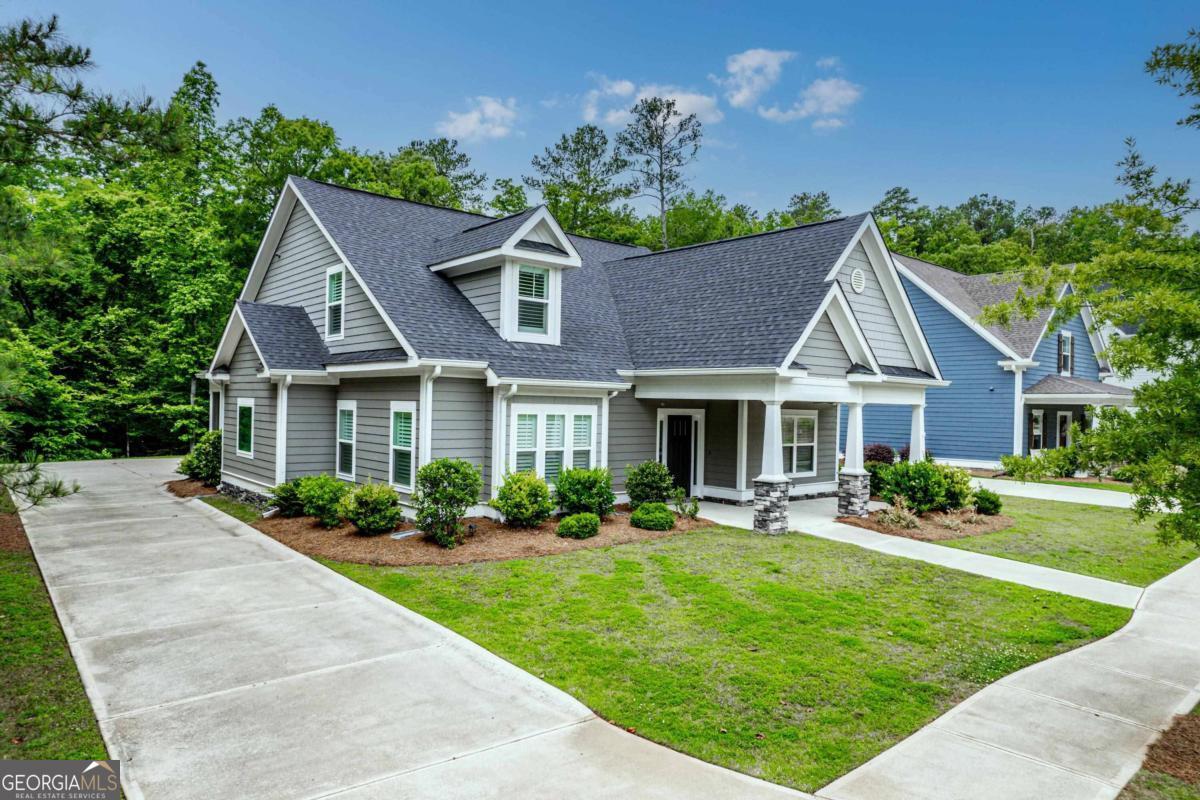
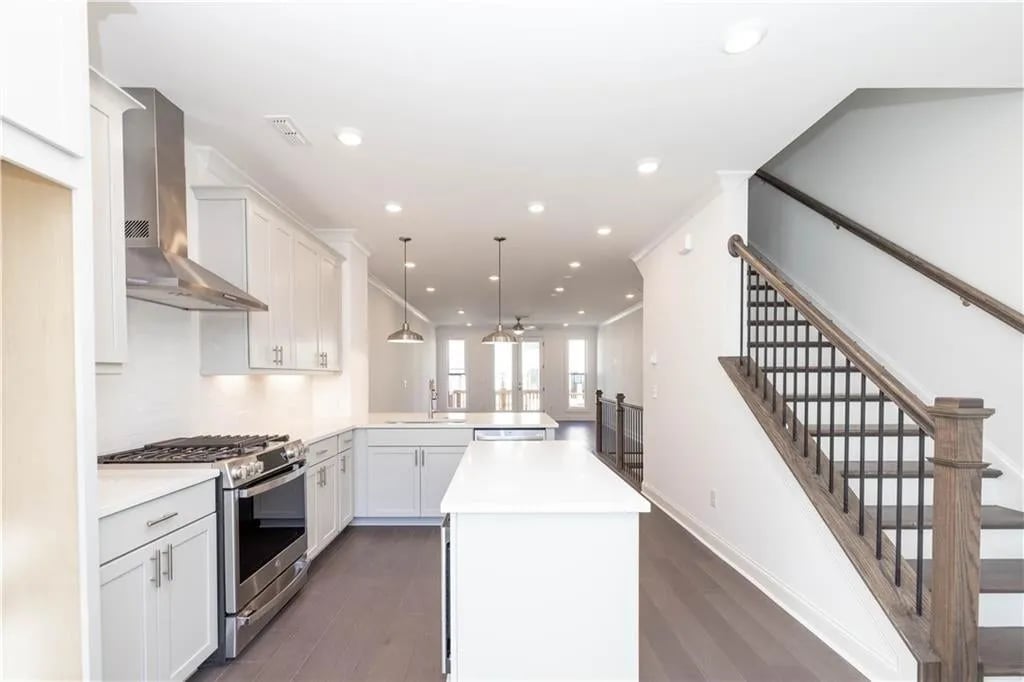
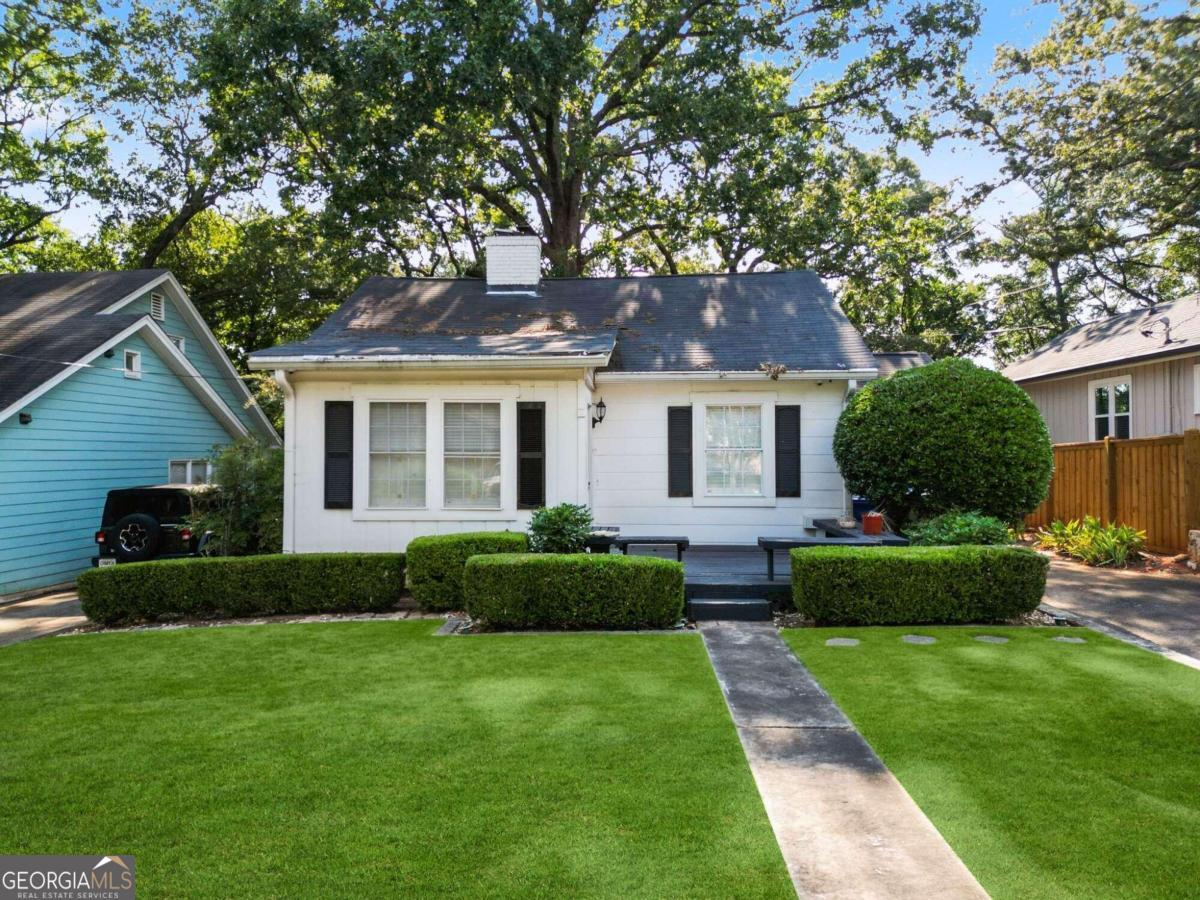
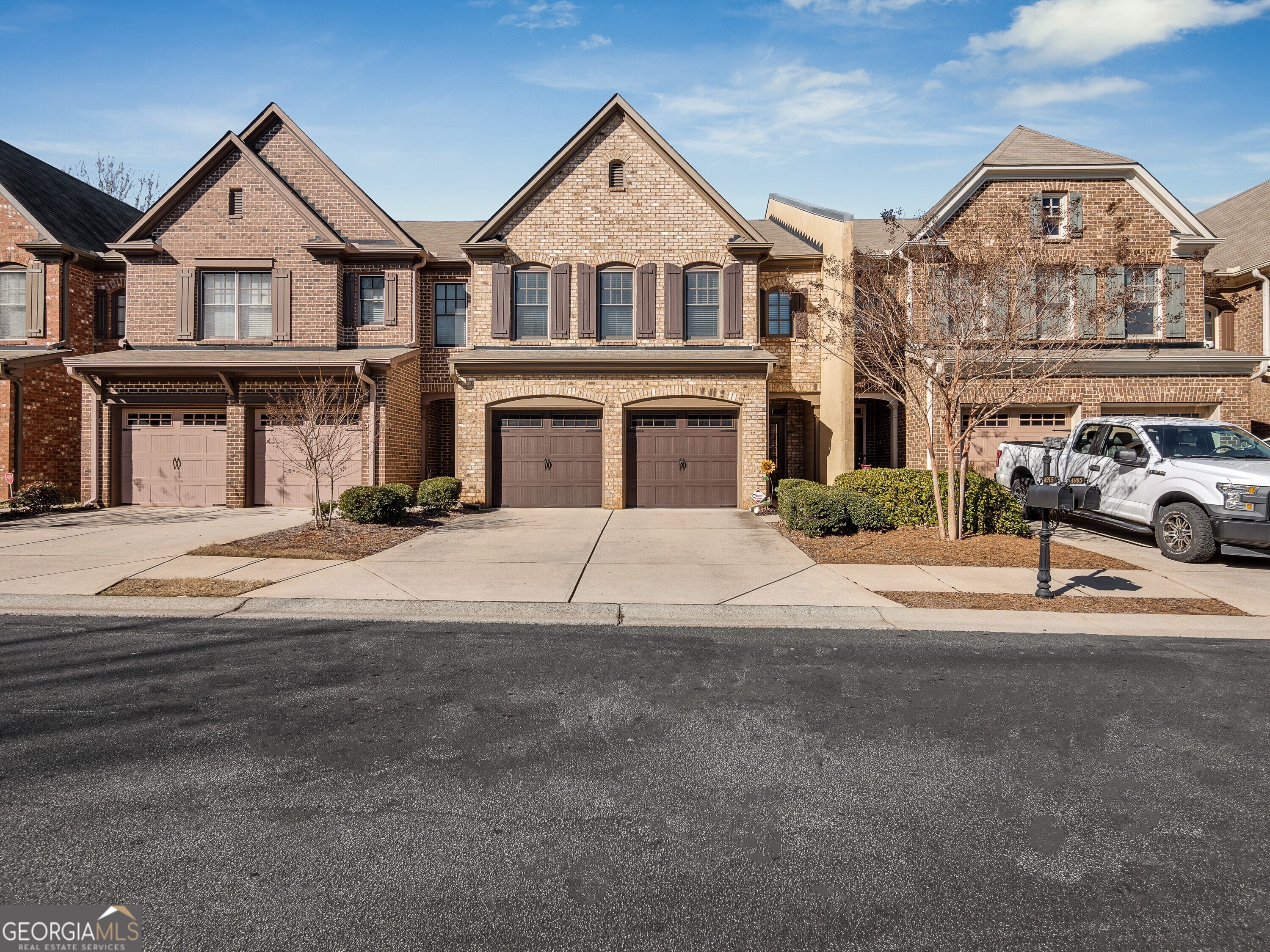
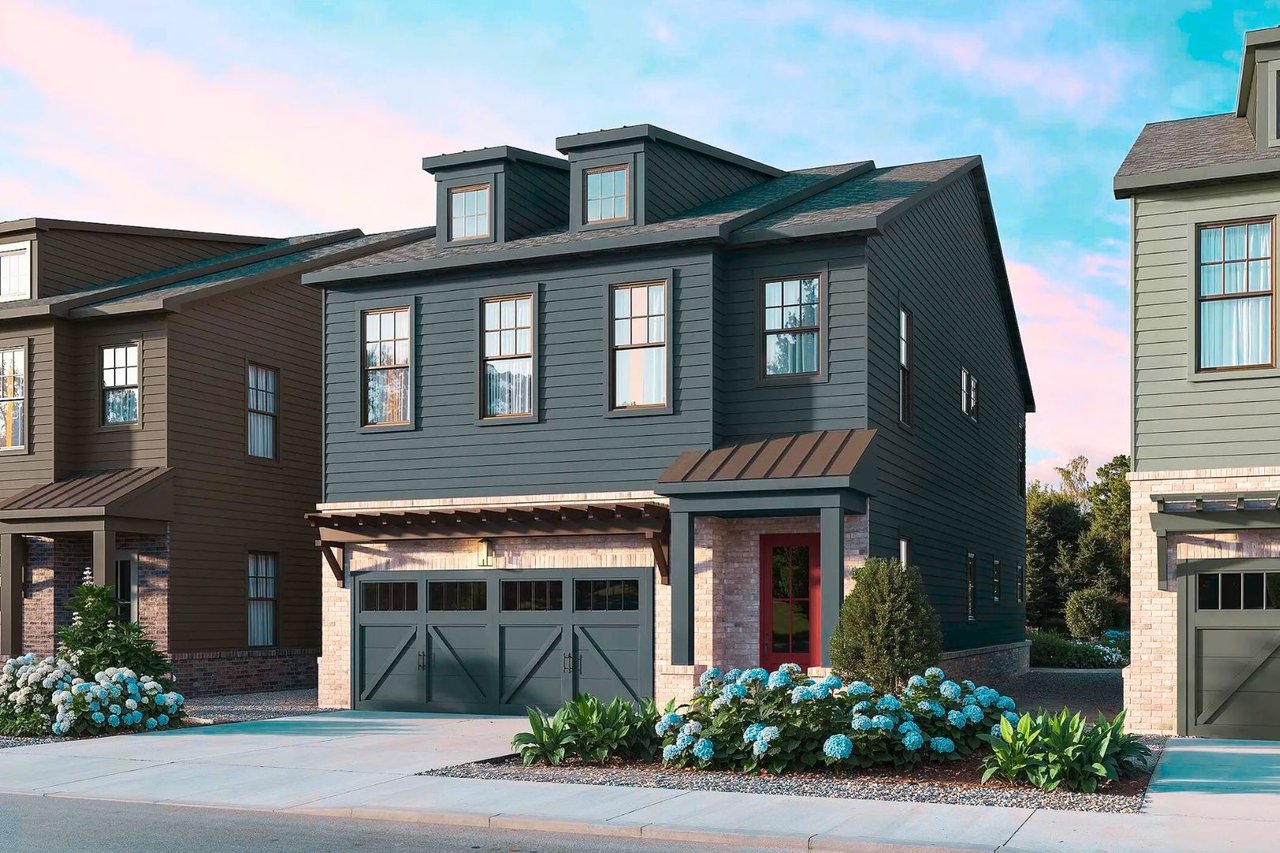
If you crave a highly walkable lifestyle, the residential developments surrounding Downtown Woodstock are premier choices. Neighborhoods like South on Main and Adair Park offer luxury townhomes and single-family properties with front porches and alley-load garages. Residents in these districts routinely leave their cars at home, utilizing registered golf carts to navigate local streets.
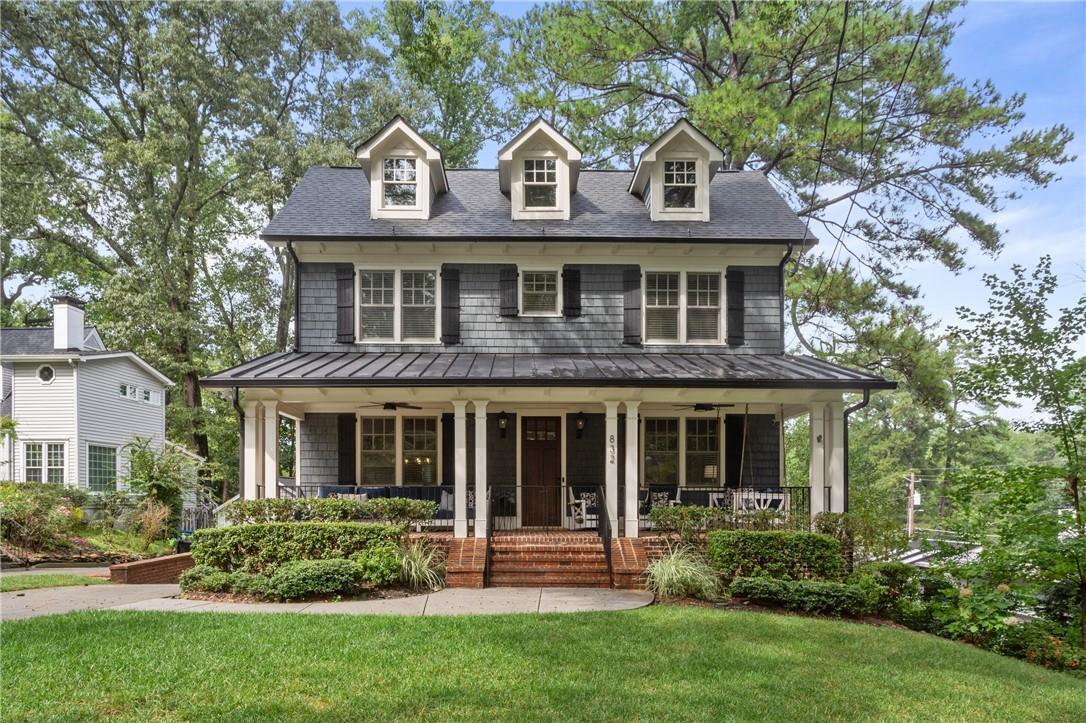
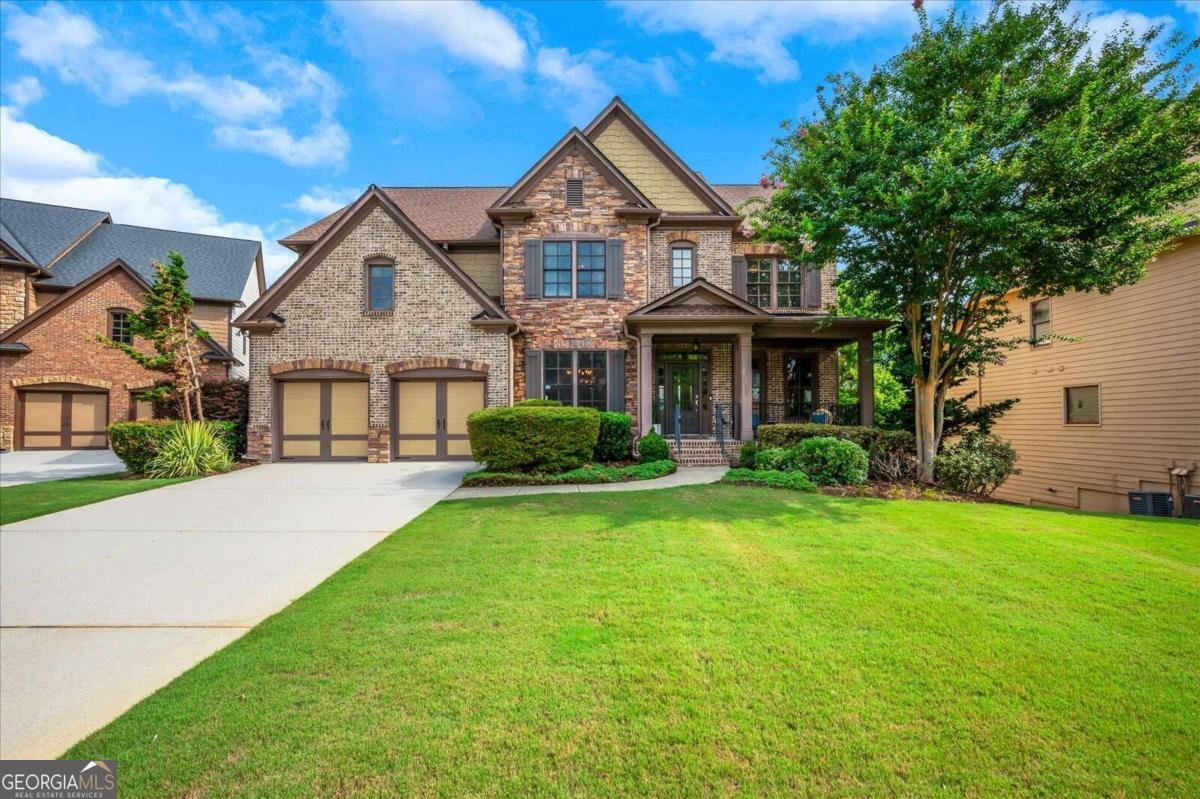
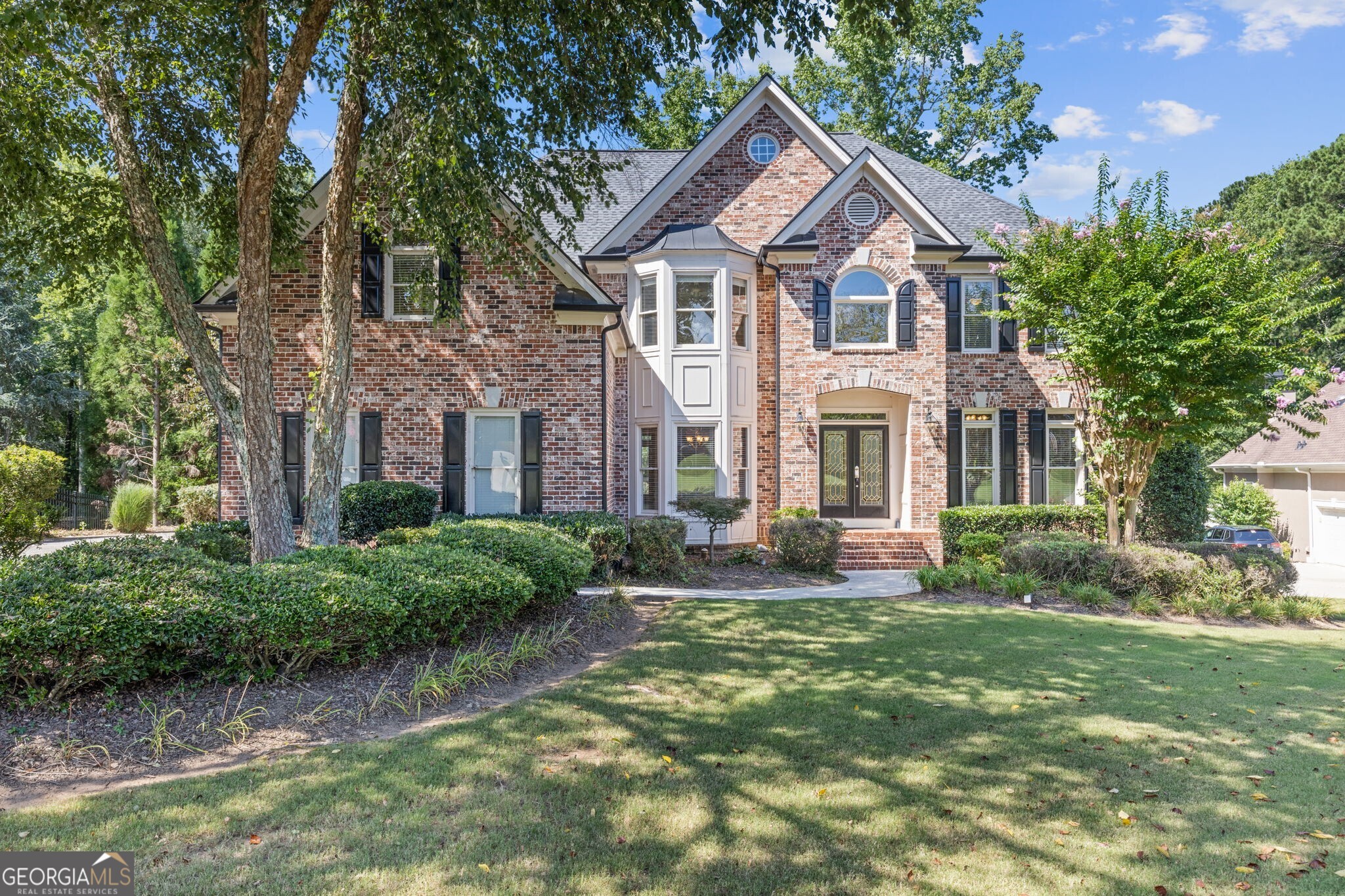
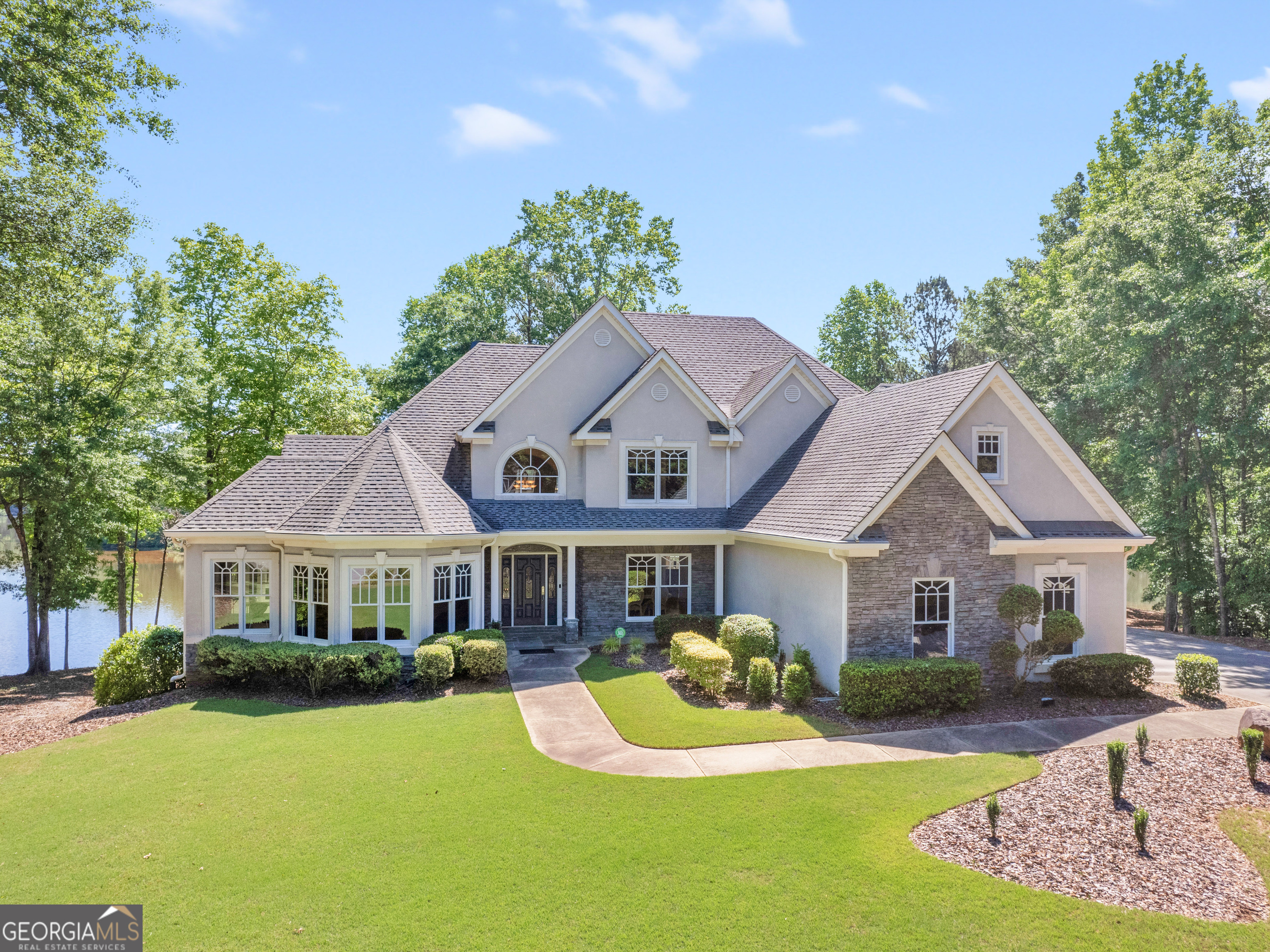
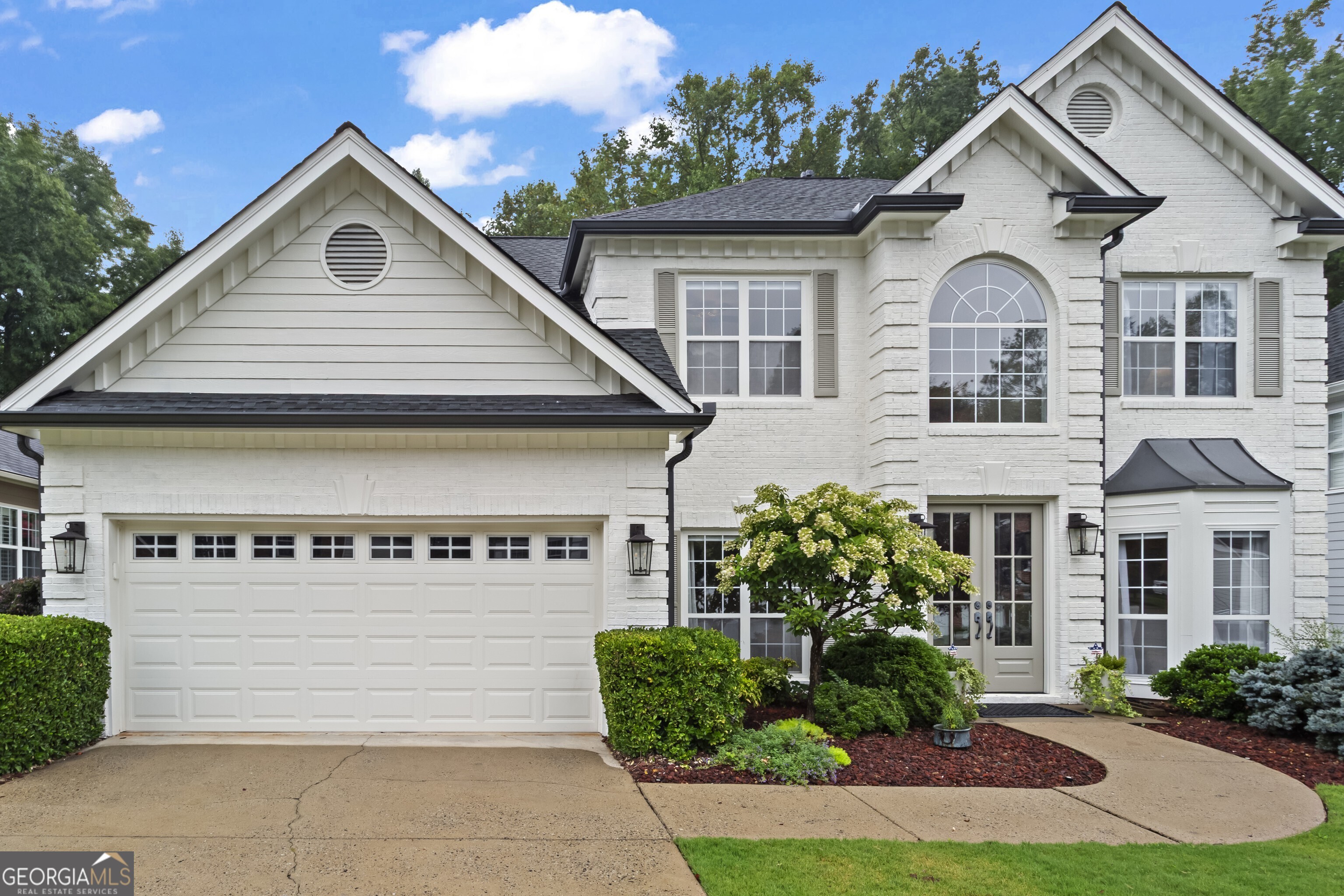
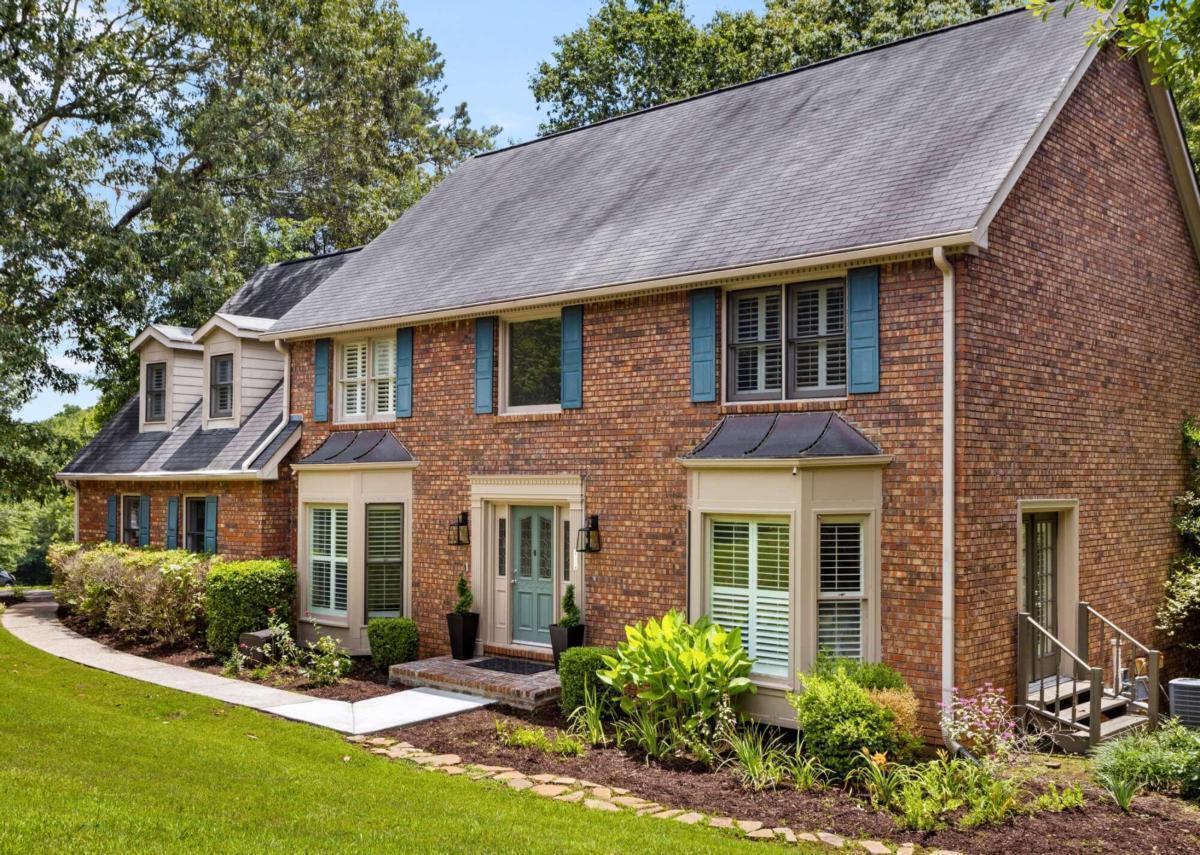
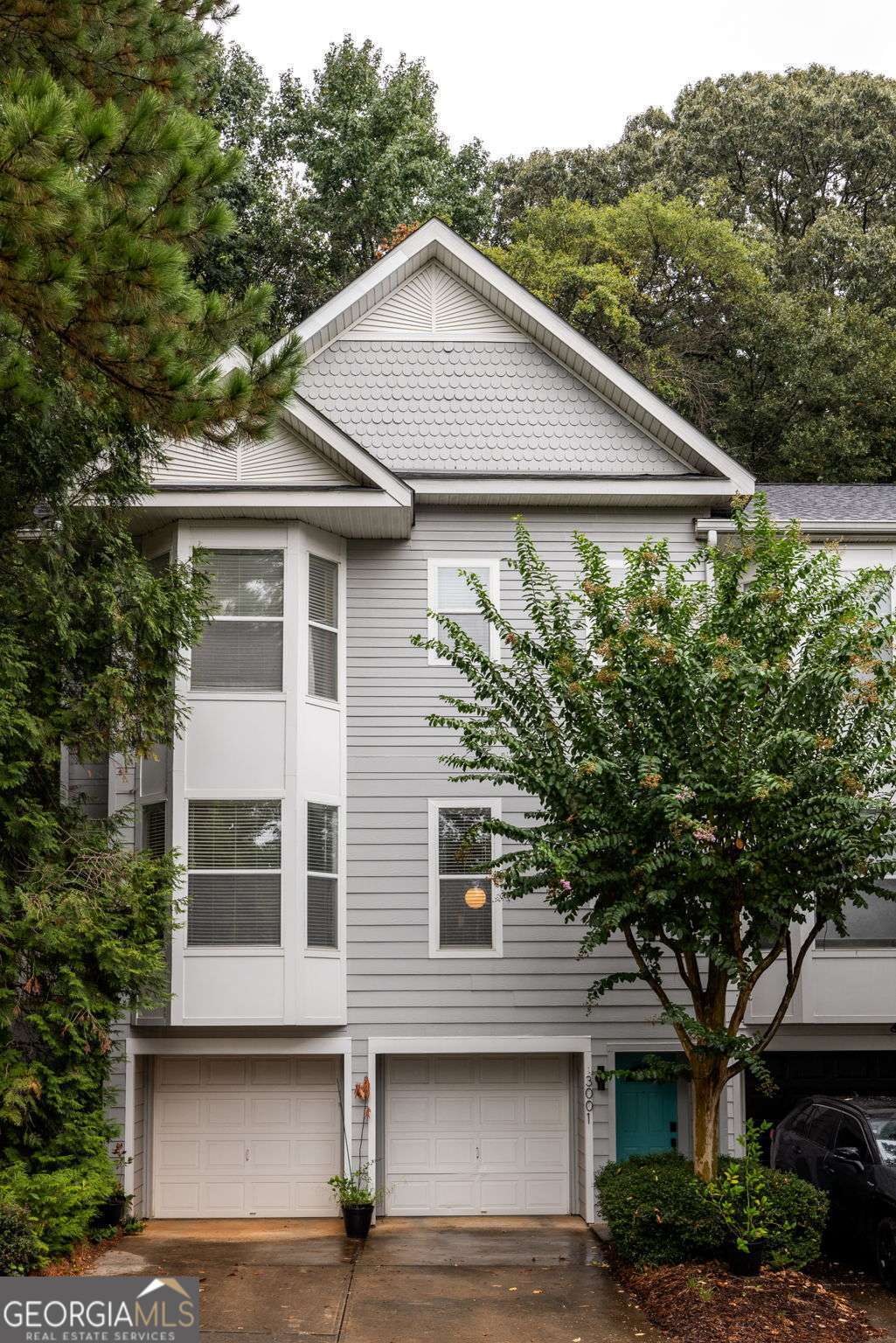
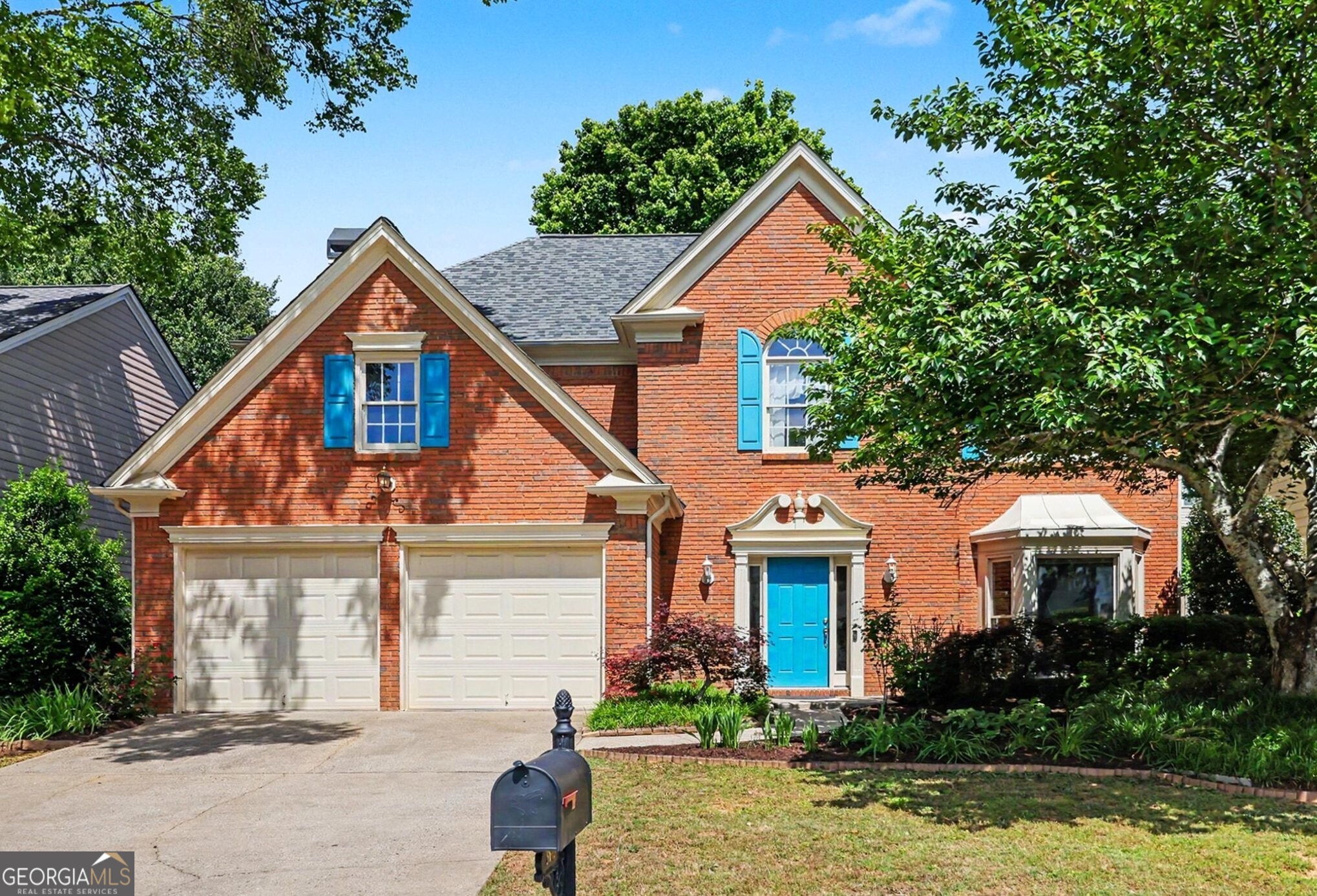
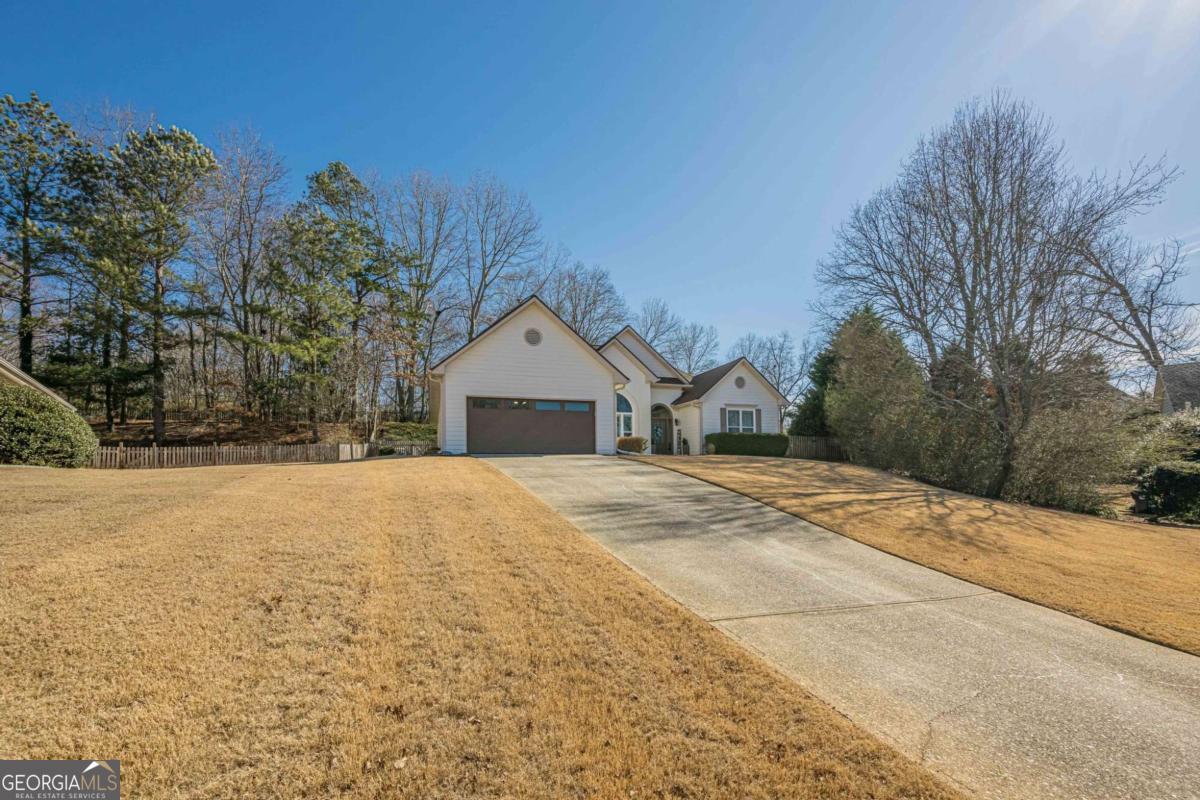
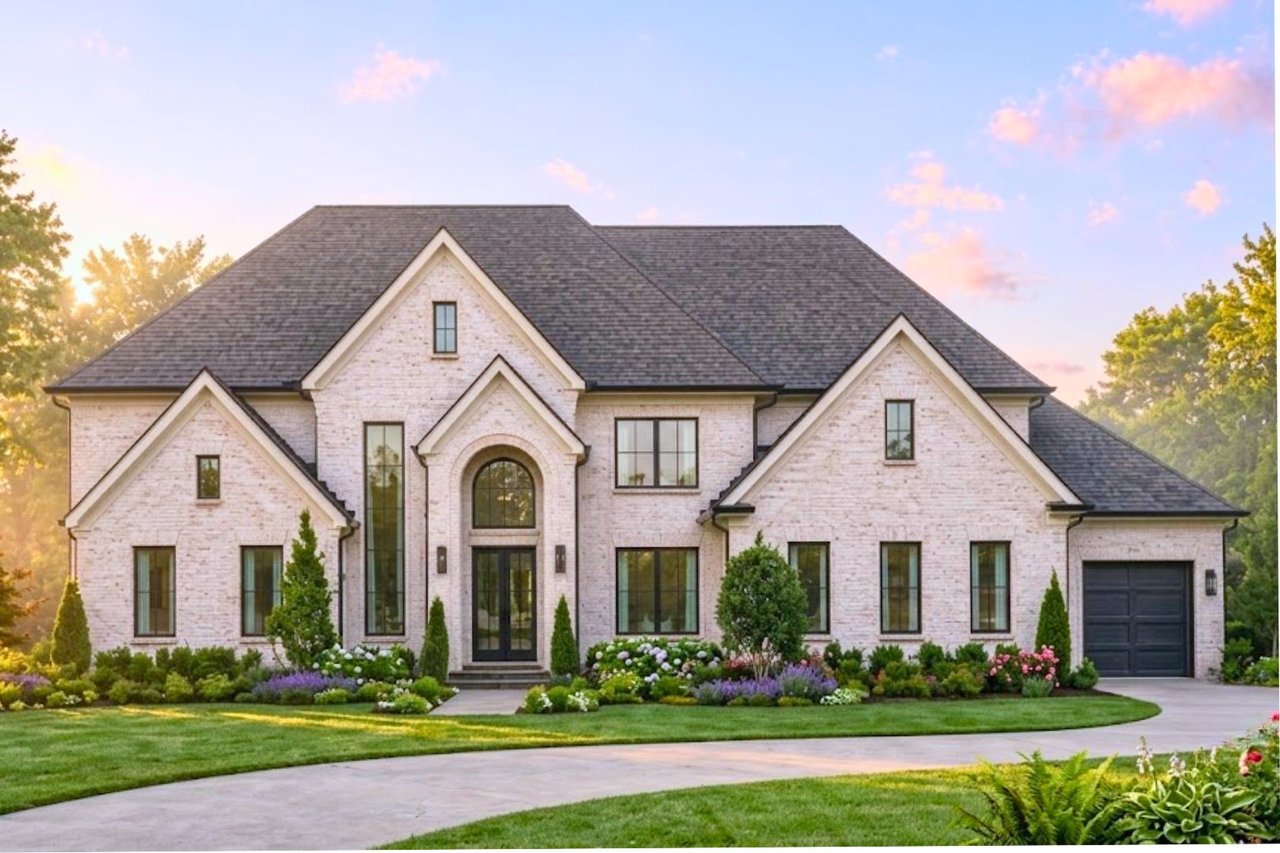
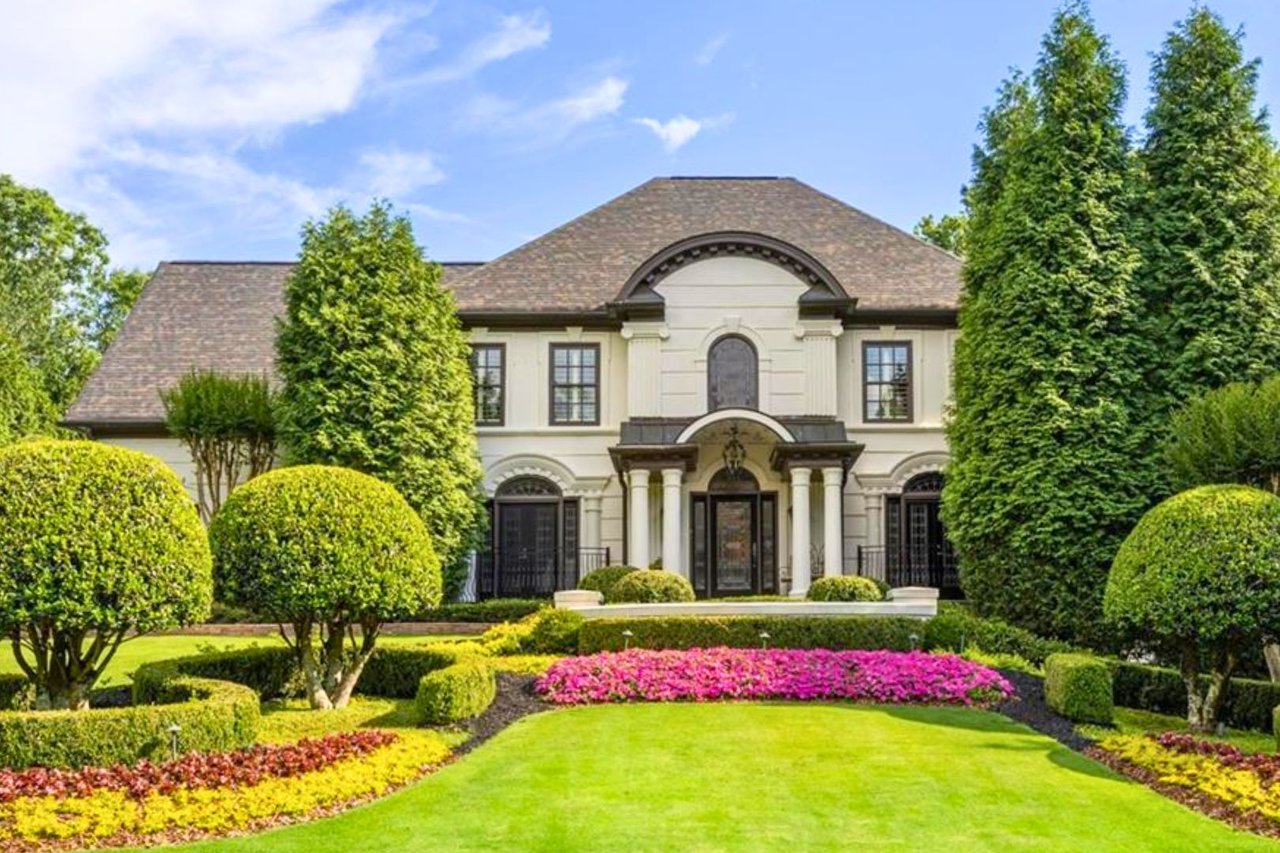
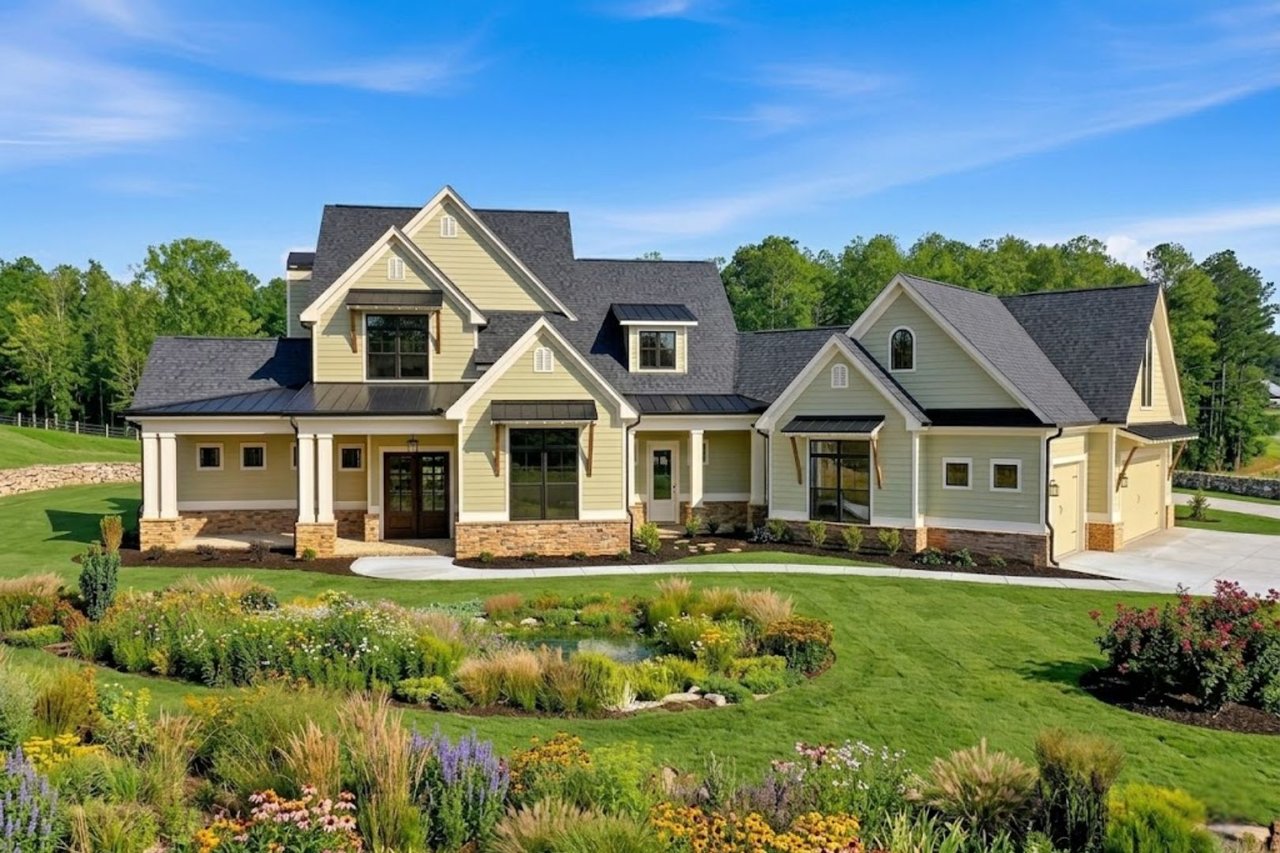
Conversely, the master-planned communities of Towne Lake offer a quieter, more traditional suburban layout. Developed primarily during the 1990s and 2000s, this region features rolling hills, mature hardwood canopies, and extensive neighborhood amenities. It is the ideal destination for buyers seeking larger lot sizes and established community associations.
PRO TIP: Downtown properties command a premium price per square foot but offer unparalleled rental resilience and appreciation. If maximizing square footage and yard space is your priority, focus your search west of Interstate 575 in the Towne Lake or Wyngate subdivisions.
Comparative Neighborhood Profiles
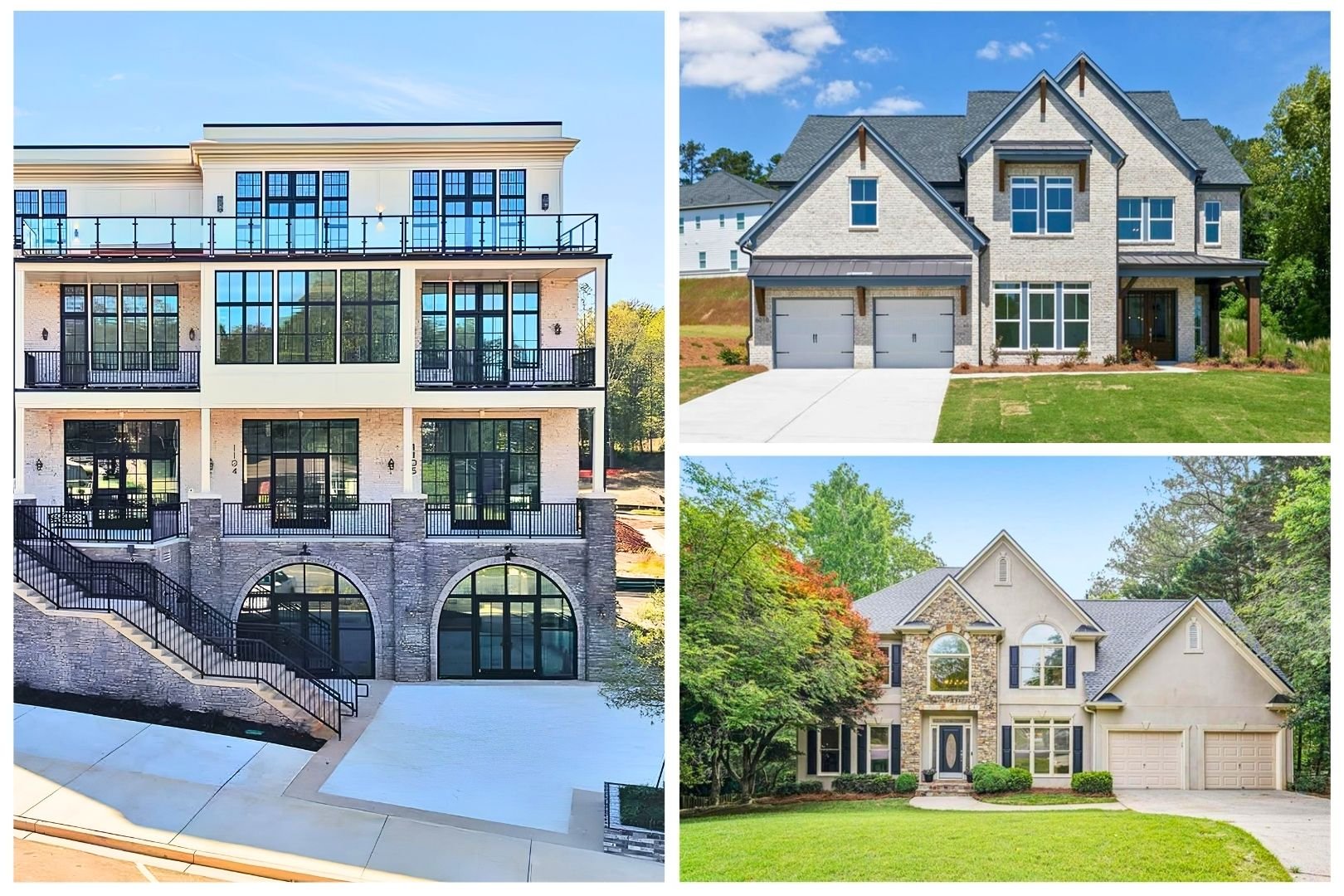
To help you visualize the local housing market, the table below outlines key residential sectors in Woodstock:
Neighborhood Sector | Primary Housing Types | Key Features | Walkability Rating |
|---|---|---|---|
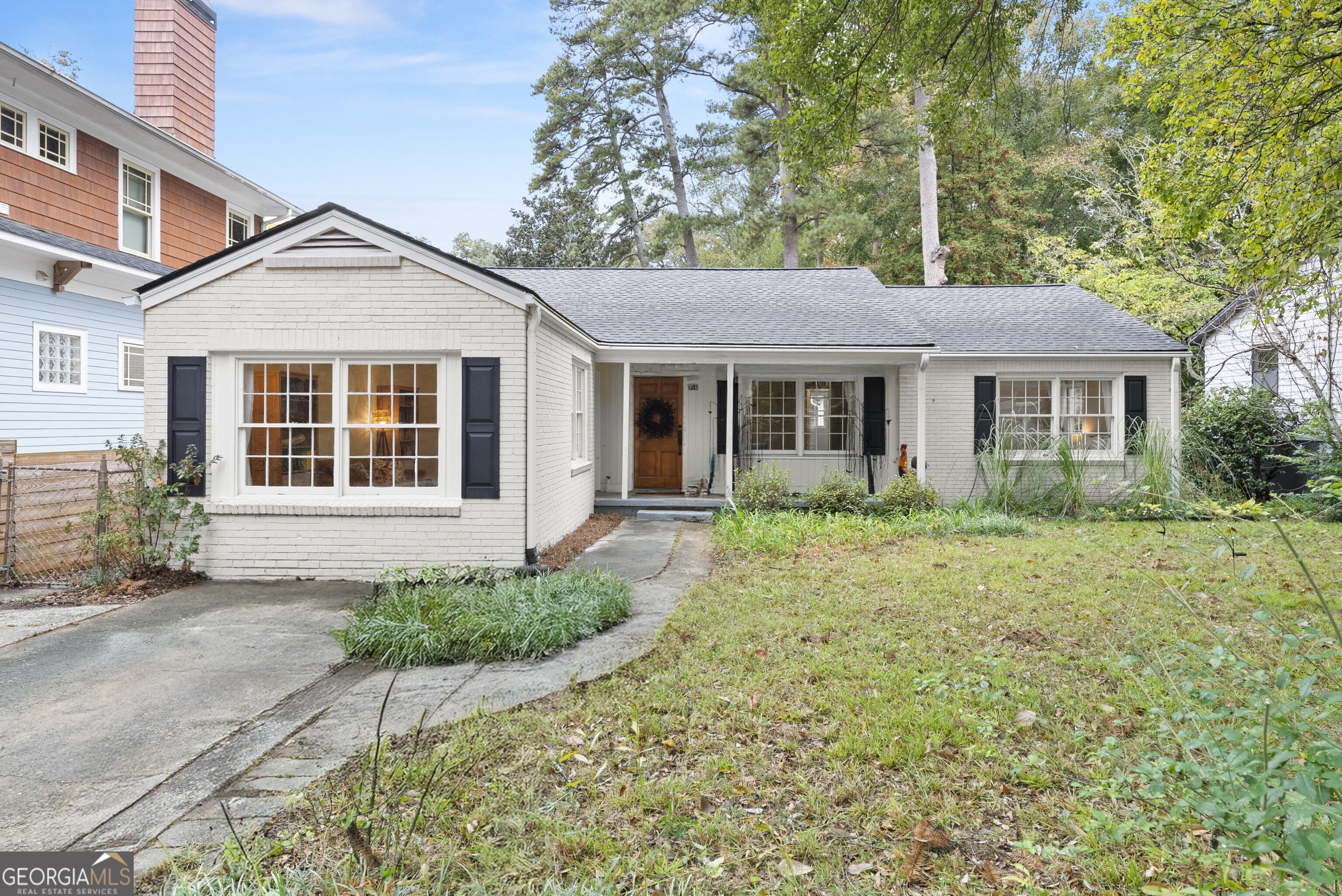
Downtown Core (South on Main, Adair Park) | Townhomes, Craftsman Single-Family | Golf cart paths, local dining, pocket parks | High (Excellent) |
Towne Lake (Eagle Watch, Towne Lake Hills) | Traditional Brick Single-Family | Golf courses, swim/tennis clubs, large lots | Low (Car-Dependent) |
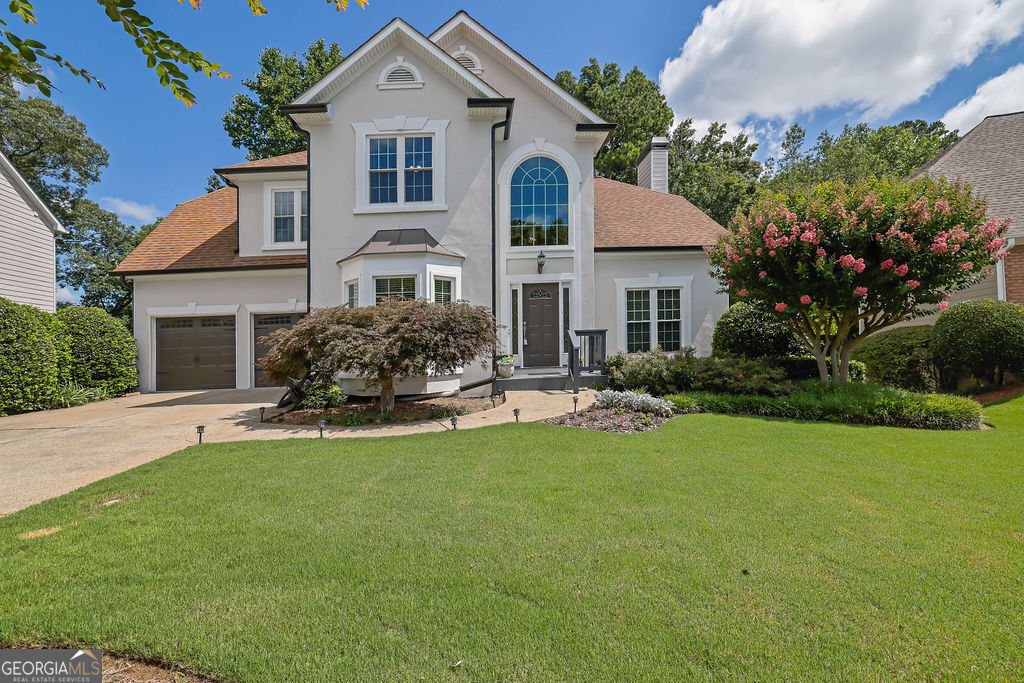
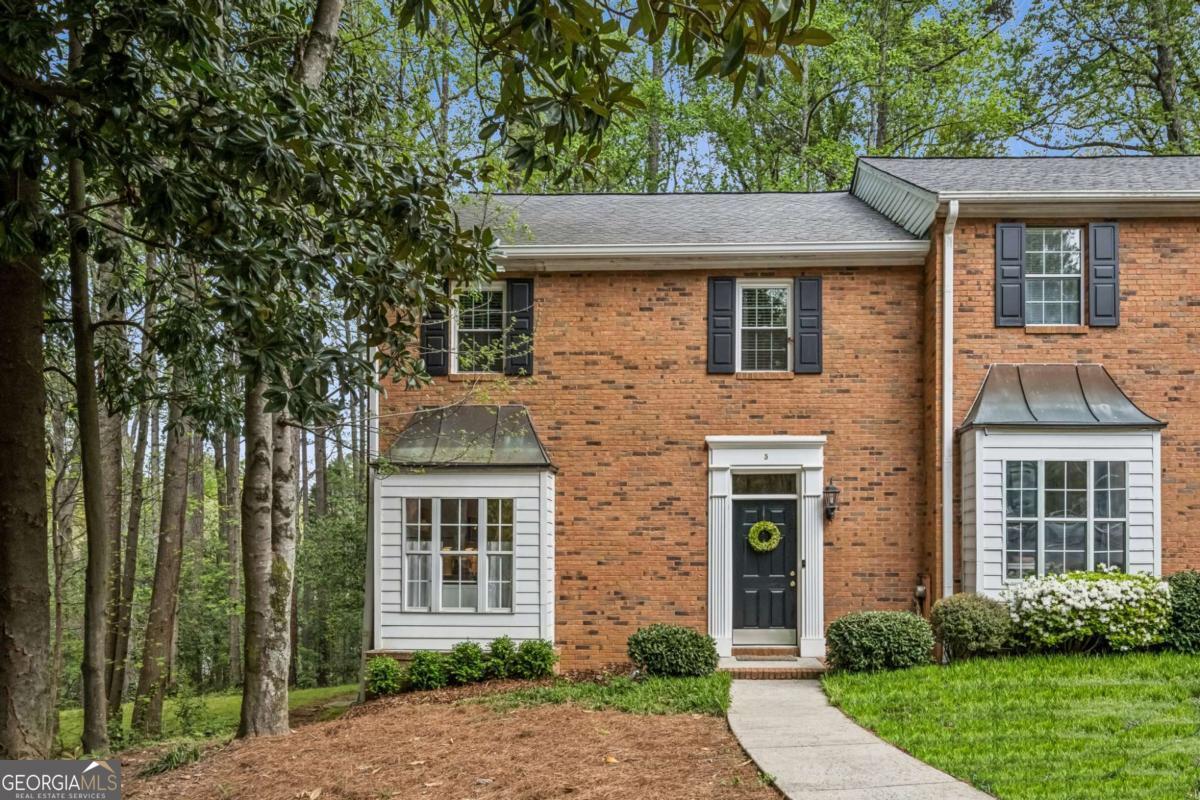
Highway 92 Corridor (Woodlands, Kingsgate) | Mid-Sized Suburban Homes | Affordable entry points, retail access | Medium (Near retail plazas) |
2. What Is the Commute to Atlanta and Surrounding Hubs?

Woodstock is positioned approximately 30 miles north of downtown Atlanta, making it a highly viable commuter town. However, navigating Metro Atlanta transit requires strategy and planning. Commute times vary significantly depending on your departure window and destination.
Driving into Atlanta and Major Employment Hubs
Most working professionals in Woodstock commute to major employment centers along the northern perimeter or directly into midtown Atlanta. The primary transit artery is Interstate 575, which connects directly to Interstate 75. Commuters should prepare for typical rush-hour congestion during peak morning and evening travel windows.
Typical commute times from Woodstock during peak morning hours generally fall into these ranges:
Perimeter Center (Sandy Springs/Dunwoody): 35 to 45 minutes traveling south via Interstate 575 to Interstate 285.
Alpharetta/Roswell Tech Corridor: 25 to 35 minutes traveling east along Highway 92 or Arnold Mill Road.
Downtown/Midtown Atlanta: 45 to 60 minutes via Interstate 575 South to Interstate 75 South.
The Northwest Corridor Express Lanes
The Northwest Corridor Express Lanes have revolutionized the daily commute for Cherokee County residents. This system features 29.7 miles of dynamically priced, reversible toll lanes running along Interstates 75 and 575. By utilizing a Peach Pass, drivers can bypass peak-hour gridlock and secure highly predictable travel times.
PRO TIP: Always register for a Peach Pass before moving to Woodstock. Even if you do not commute daily, having access to the Express Lanes during weekend travel or airport runs is an invaluable time-saver.
3. What Public and Private School Options Exist?

Education is a primary driver for families relocating to Woodstock. The area is served by the highly professionalized Cherokee County School District (CCSD), which consistently outperforms state averages on standardized testing. The district is recognized for its strong leadership, modern facilities, and comprehensive academic programming.
The Cherokee County School District Advantage
The CCSD serves approximately 42,200 students across 42 schools and specialized learning centers. In the Woodstock area, students typically feed into either the Woodstock High School cluster, the Etowah High School cluster, or the River Ridge High School cluster. These high schools are celebrated for their Advanced Placement (AP) courses and competitive athletic programs.
Furthermore, local elementary schools place a heavy emphasis on early STEM education. For example, Clark Creek Elementary STEM Academy offers an immersive science, technology, engineering, and math curriculum. Over 70% of the district's teachers hold advanced degrees, ensuring high-quality instructional leadership in every classroom.
Private and Early Childhood Education
Families seeking alternative educational pathways will find excellent private and parochial options within easy driving distance. Institutions like Cherokee Christian Schools and Lyndon Academy offer rigorous college-preparatory curriculums. Additionally, nearby Marietta and Roswell feature prestigious Montessori schools and specialized learning academies.
For early childhood education, Woodstock features premier facilities such as Ivybrook Academy. The state-funded Georgia Lottery Pre-K program is also available at select public elementary schools. This structured educational pipeline provides local children with a robust foundation for long-term academic success.
4. What Is the Local Lifestyle and Community Culture Like?

The lifestyle in Woodstock is defined by active outdoor recreation, community gatherings, and a sophisticated local culinary scene. It is a city that actively encourages residents to step outside and engage with their neighbors. The local culture is warm, welcoming, and highly social.
Downtown Woodstock: The Cultural Heart
Downtown Woodstock is a showcase of historic preservation and modern retail design. The main strip along Main Street features over 30 locally owned boutiques, independent bookstores, and critically acclaimed restaurants. The entire downtown district operates under an open-container policy during designated hours, allowing visitors to stroll the streets with their favorite beverages.
Culinary enthusiasts gather at Reformation Brewery’s expansive outdoor yard or enjoy custom pies at Pie Bar. For upscale dining, Prime 120 offers a premier steakhouse experience, while Century House serves modern Southern cuisine in a historic 1894 home. Live music fans frequent MadLife Stage & Studios, a state-of-the-art concert venue featuring national touring acts and tribute bands.
60+ Miles of multi-use trails will eventually comprise the Greenprints Trail System, linking local neighborhoods directly to downtown retail and municipal parks.
Parks, Trails, and Lake Allatoona

Outdoor recreation is woven directly into the fabric of daily life in Woodstock. Olde Rope Mill Park, situated along the scenic Little River, features paved walking paths, historic mill ruins, and direct water access for kayaking and paddleboarding. The park is also the gateway to the Taylor Randahl Memorial Mountain Bike Trails.
For serious cyclists, the Blankets Creek Mountain Bike Trails are legendary. This trail system offers over 14 miles of professionally maintained single-track ranging from beginner-friendly loops to advanced gravity lines. Additionally, the southern shores of Lake Allatoona are just a 10-minute drive away, offering immediate access to boating, camping, and lakeside dining.
Local Event / Asset | Type | Frequency / Location | Target Audience |
|---|---|---|---|
Woodstock Summer Concert Series | Free Live Music | Monthly (May-Sept) / "The Amp" | All Ages / Families |
Farm Fresh Market | Farmers Market | Saturdays (Apr-Dec) / Market Street | Local foodies, families |
Blankets Creek | Mountain Bike Trails | Daily / Sixes Road | Outdoor enthusiasts |
5. What Are the Cost of Living and Tax Structures?

Financial predictability is a major selling point for buyers evaluating Cherokee County. Compared to neighboring Fulton and Cobb counties, Woodstock offers distinct tax advantages that save homeowners thousands of dollars annually. These tax incentives make the area highly attractive for long-term residency.
The Cherokee County Homestead Freeze
The single most significant financial benefit of owning a home in Woodstock is the floating homestead exemption. Commonly referred to as the Homestead Freeze, this law locks in the base assessed value of your primary residence. It protects homeowners from rapid, market-driven property tax increases by freezing the county portion of the assessment.
This means that even if local home values skyrocket, your county tax basis remains stable. This level of financial predictability is rare in high-growth suburban markets. It provides invaluable peace of mind for retirees on fixed incomes and young families planning their long-term budgets.
$103,496 is the median household income in Woodstock, reflecting a highly educated, white-collar professional workforce.
Local Economic Health and Healthcare Infrastructure
The local economy in Woodstock is exceptionally strong, characterized by a low unemployment rate of 2.3%. This economic stability is supported by top-tier healthcare systems operating right within the community. Access to medical care is convenient, sophisticated, and close to home.
Key healthcare facilities serving local Woodstock residents include:
Northside Cherokee Towne Lake Medical Campus: Located on Towne Lake Parkway, offering outpatient surgery, imaging, and primary care.
Northside Hospital Cherokee: A state-of-the-art, full-service acute care hospital located just north of Woodstock in Canton.
Wellstar Health System: Operating multiple urgent care and specialty clinics throughout the immediate Woodstock area.
Frequently Asked Questions About Moving to Woodstock GA

1. Is Woodstock GA considered a suburb of Atlanta?
Yes, Woodstock is located in the northern suburbs of the Atlanta metropolitan area, roughly 30 miles north of downtown Atlanta. It offers a balanced suburban lifestyle with its own distinct city identity, historic downtown, and local employment opportunities. It successfully avoids the look and feel of a generic commuter town.
2. How far is Woodstock from Hartsfield-Jackson Atlanta International Airport?
Depending on traffic, the drive to Hartsfield-Jackson Atlanta International Airport typically takes between 45 to 60 minutes. The most direct route is via Interstate 575 South to Interstate 75 South. During peak travel hours, it is highly recommended to budget 75 to 90 minutes and utilize the express toll lanes.
3. Can you walk to shops and restaurants in Woodstock?
Yes, but this lifestyle is highly dependent on your specific neighborhood. The Downtown Woodstock district is exceptionally pedestrian-friendly, featuring wide sidewalks, crosswalks, and multi-use paths that connect directly to nearby residential subdivisions. However, if you live in the outer suburban pockets of Towne Lake, you will still rely on a vehicle for most daily errands.
4. What is the weather like throughout the year?
Woodstock experiences a classic four-season humid subtropical climate. Summers are warm and humid, with high temperatures typically in the upper 80s and low 90s. Autumn and spring are incredibly mild and scenic, while winters are relatively short and cool, with average daytime highs in the 50s and occasional light freezes.
5. Does Woodstock have public transportation?
While Woodstock does not have direct access to Atlanta's heavy rail transit system (MARTA), the Cherokee Area Transportation System (CATS) offers limited local bus transit and demand-response services. For the most part, the area is highly vehicle-dependent, though the downtown district is easily navigated on foot, by bicycle, or via registered golf carts.
Conclusion
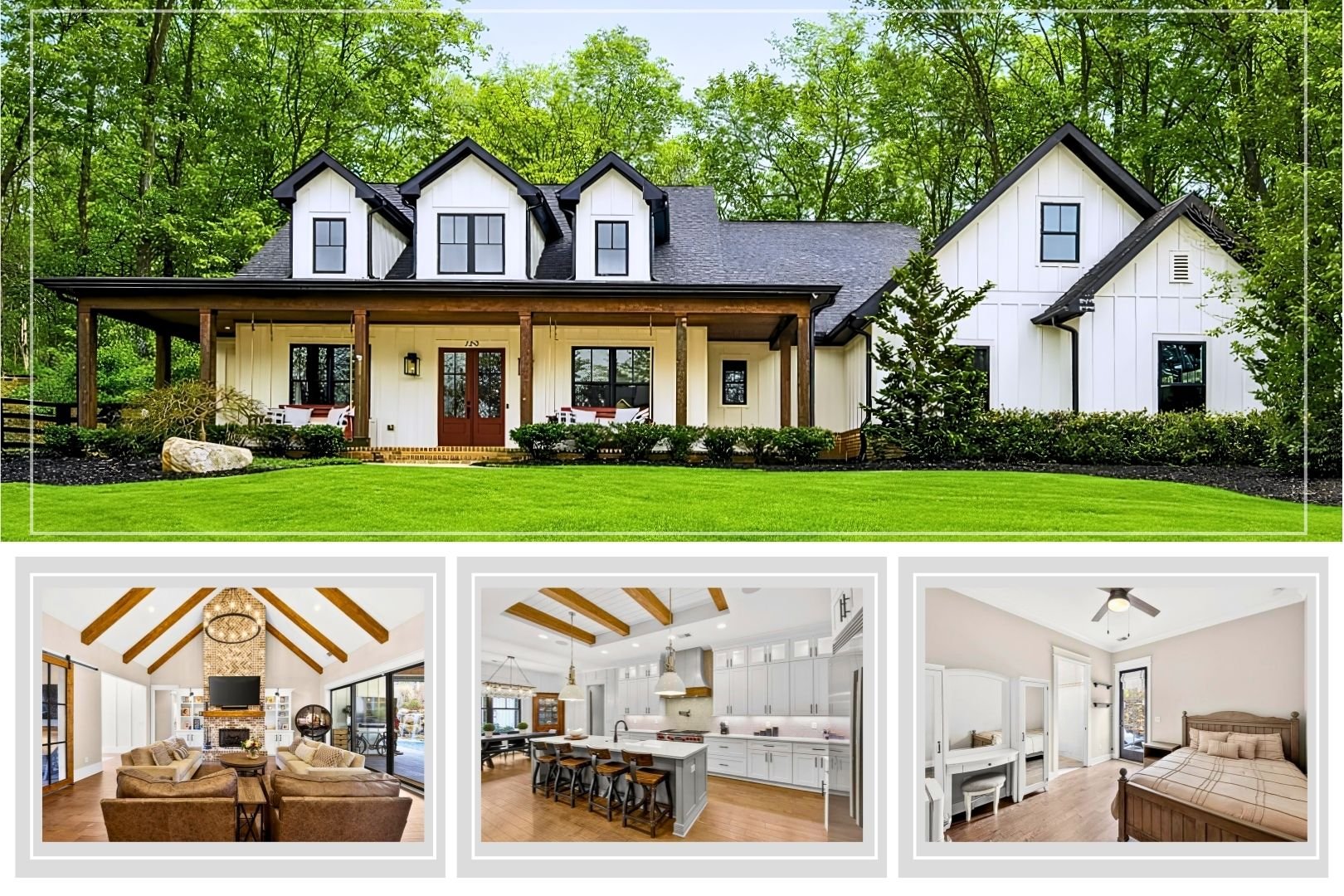
Moving to Woodstock, Georgia in 2026 offers the perfect blend of historic Southern charm, modern suburban convenience, and active outdoor living. From the high-energy atmosphere of Downtown Woodstock to the serene lakeside views of Lake Allatoona, this community provides an exceptional quality of life. Backed by excellent school options, favorable property tax exemptions, and strong local infrastructure, Woodstock continues to stand out as one of Metro Atlanta's premier residential destinations.
If you are planning a move to the area and want to explore the local real estate market further, please reach out to us to connect with our team today.