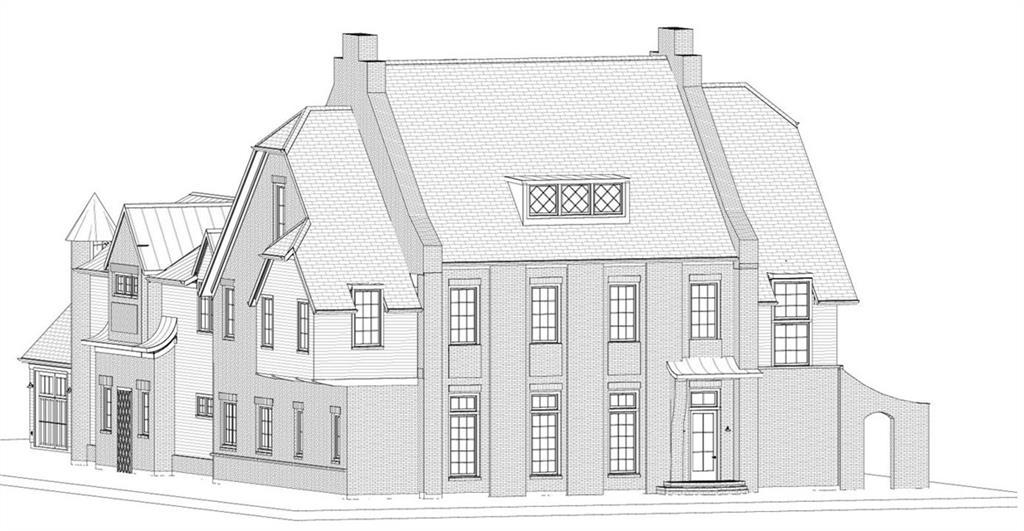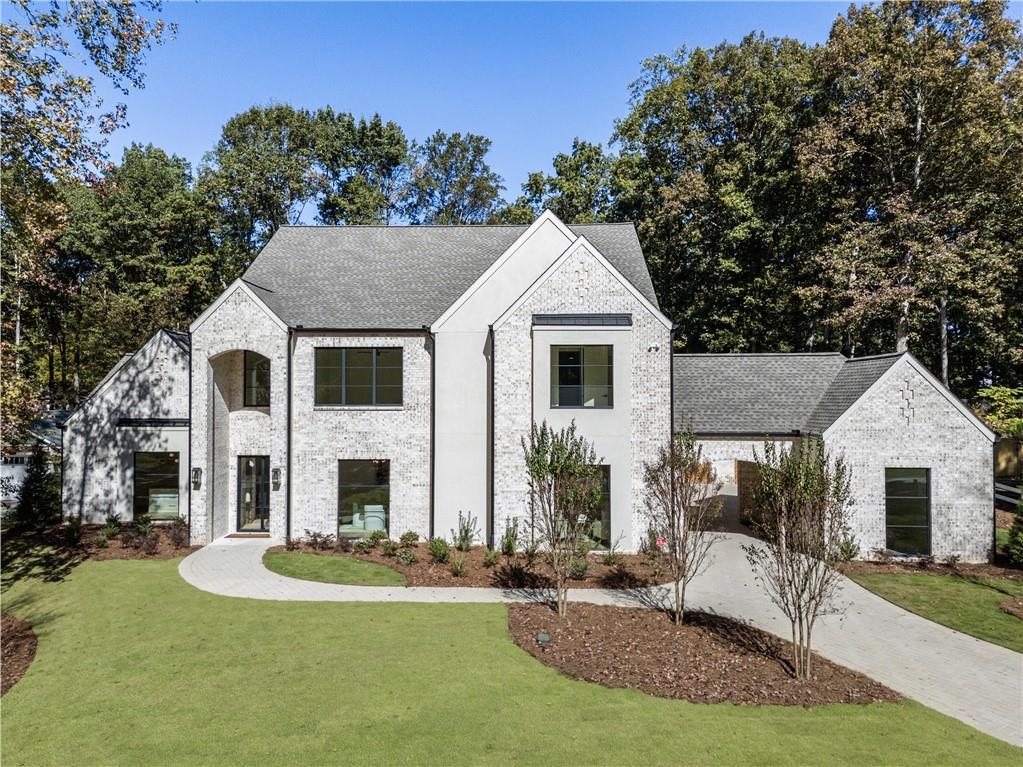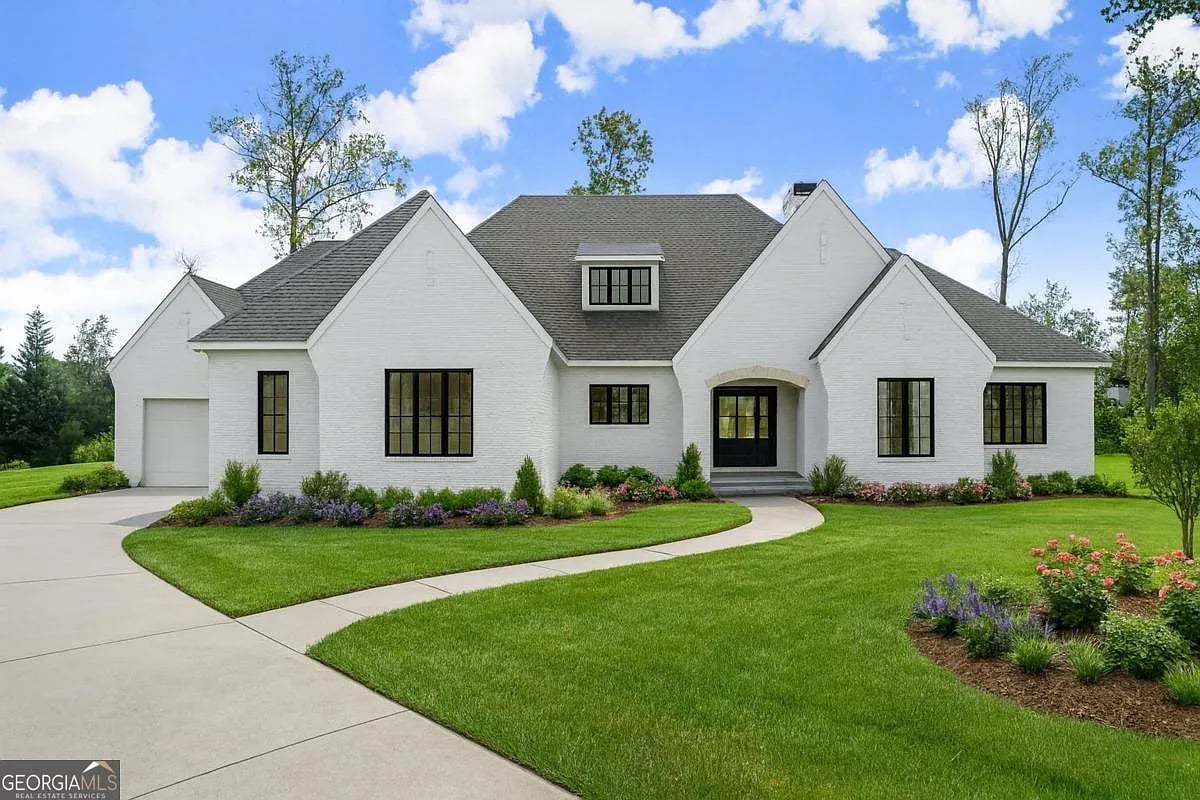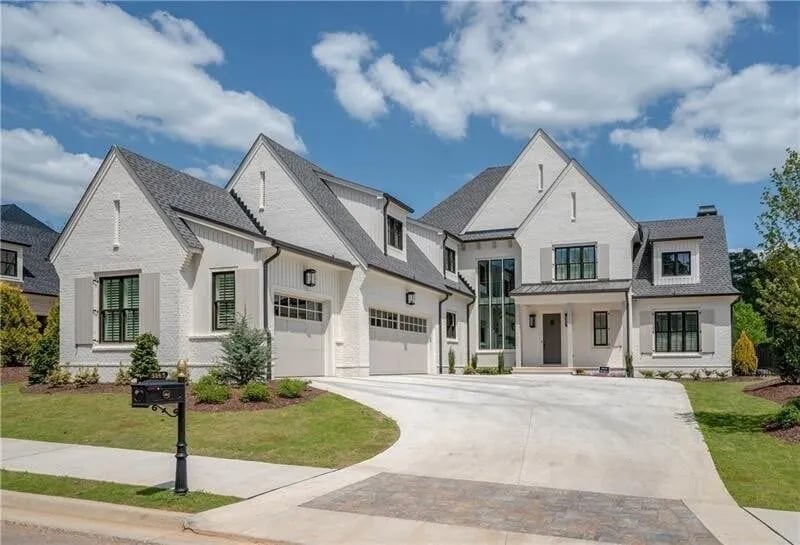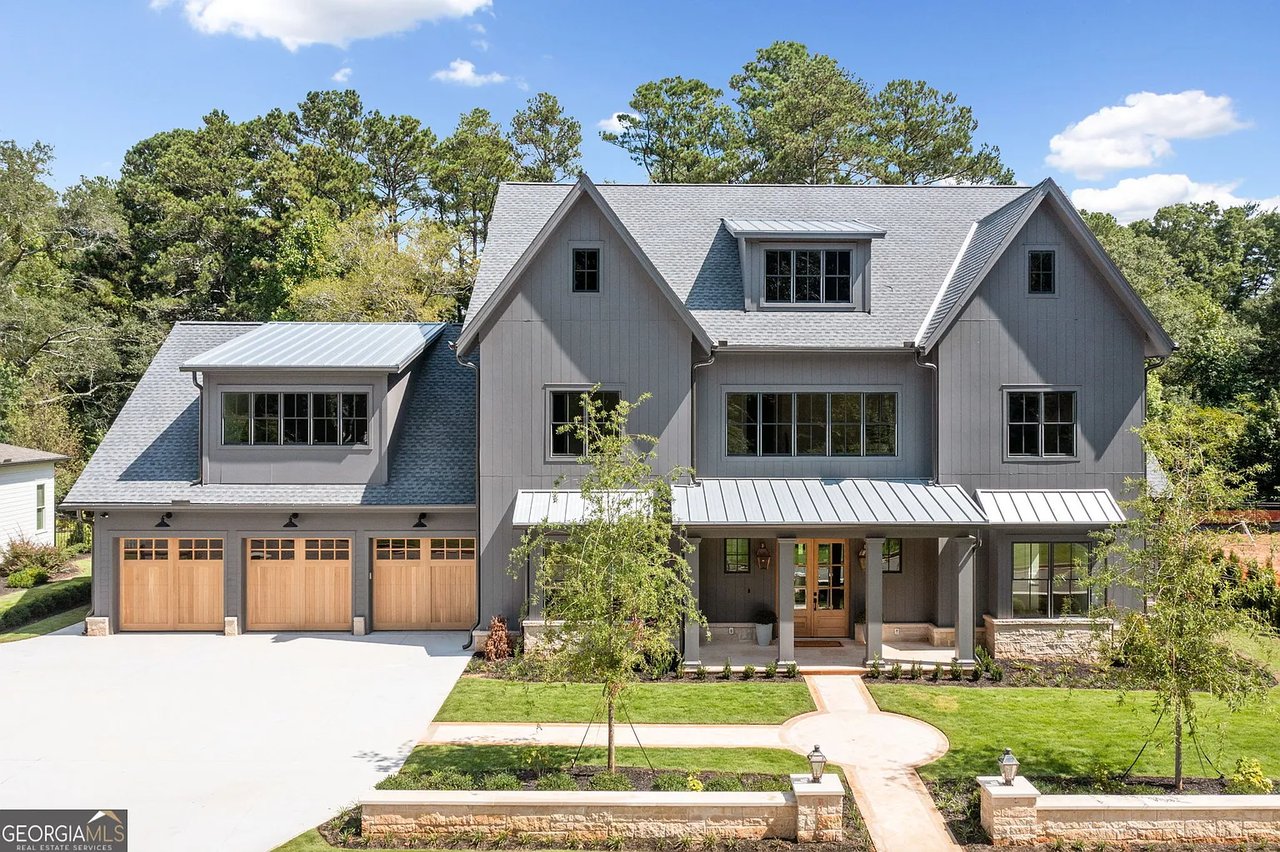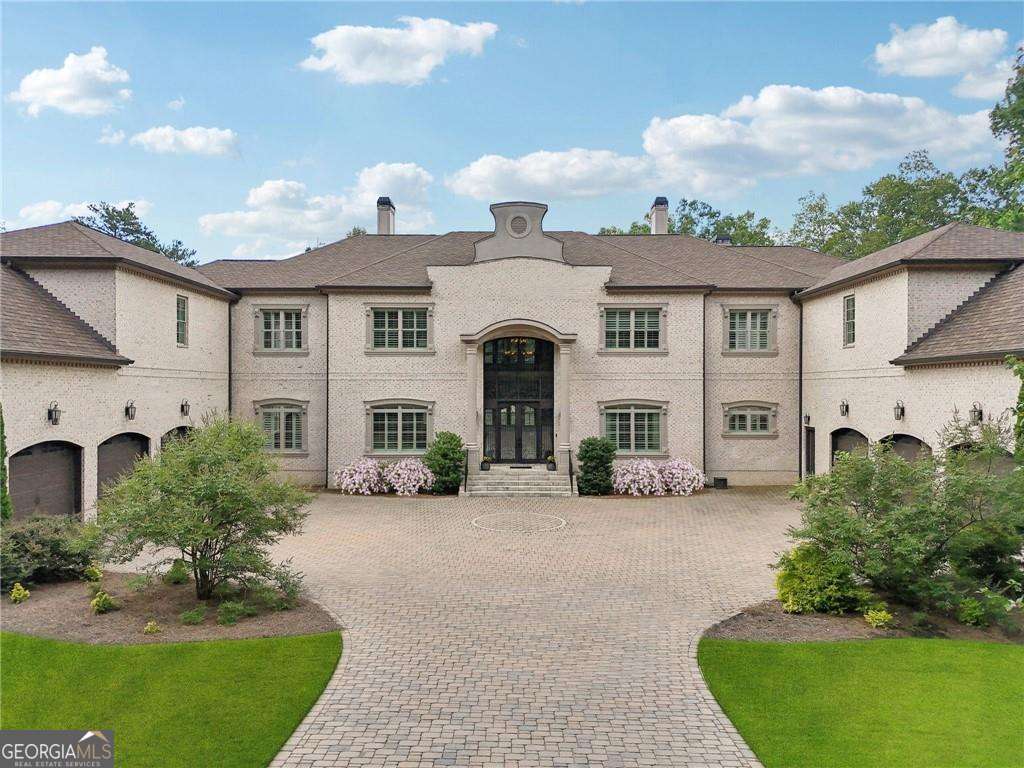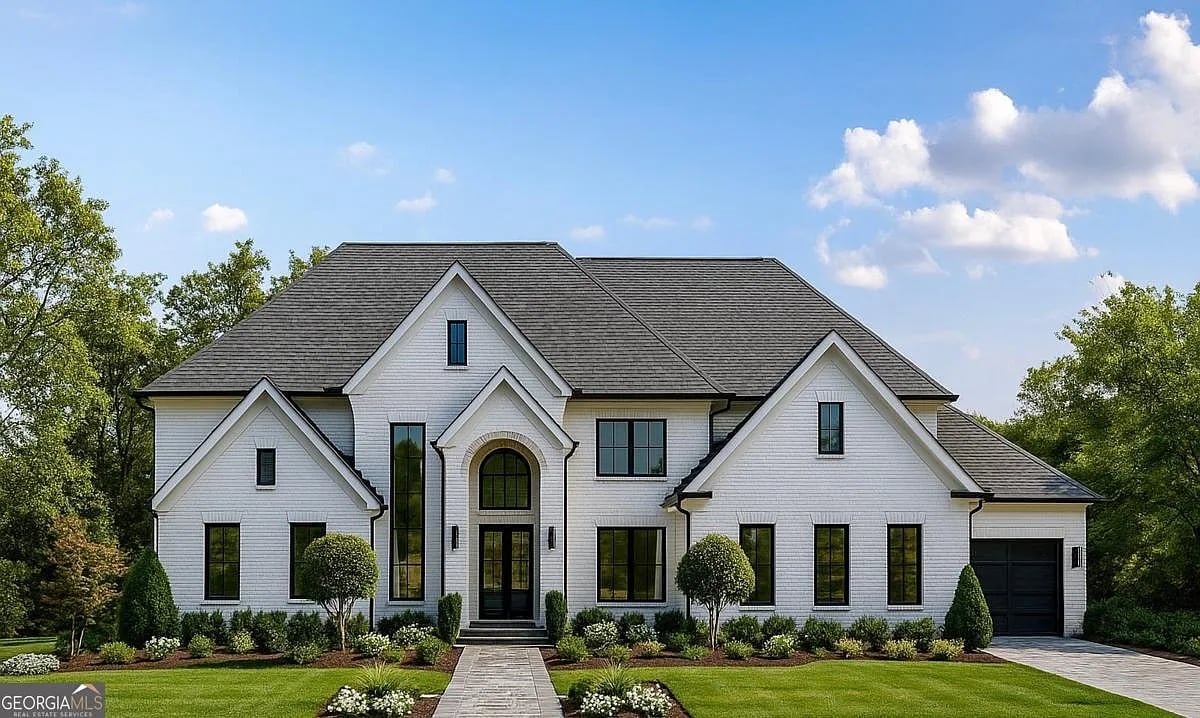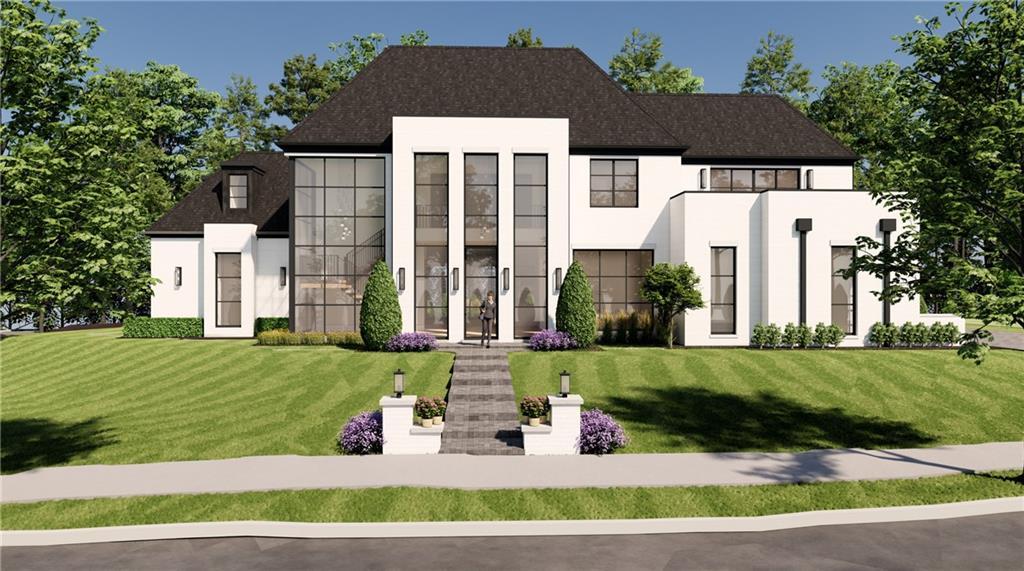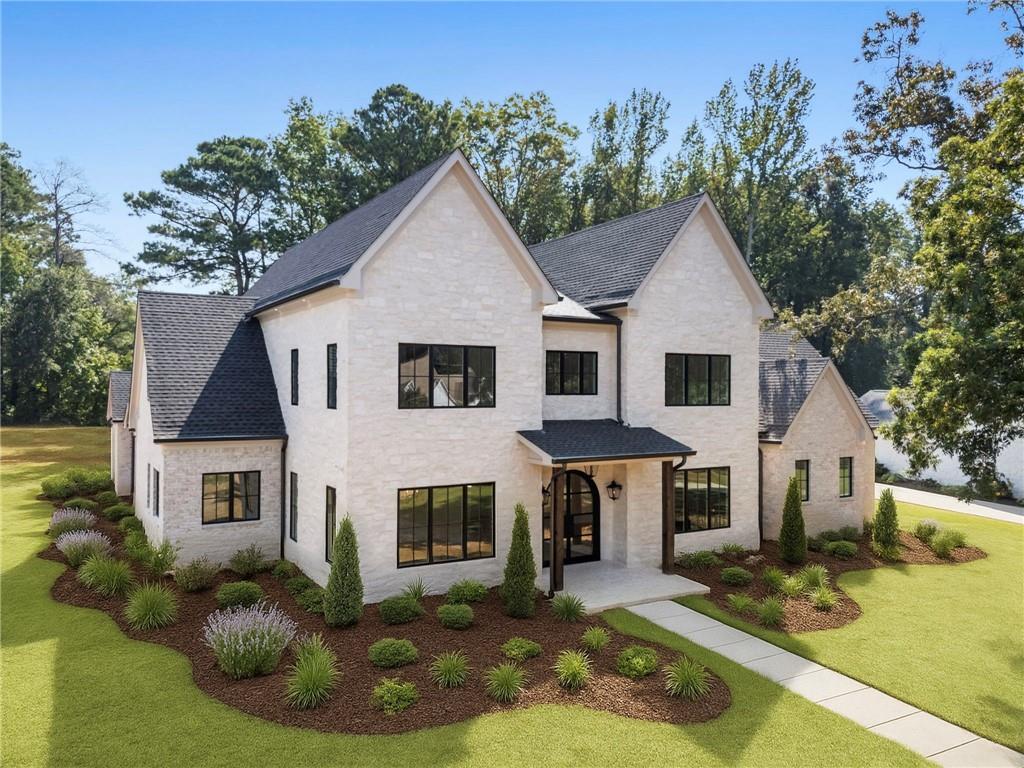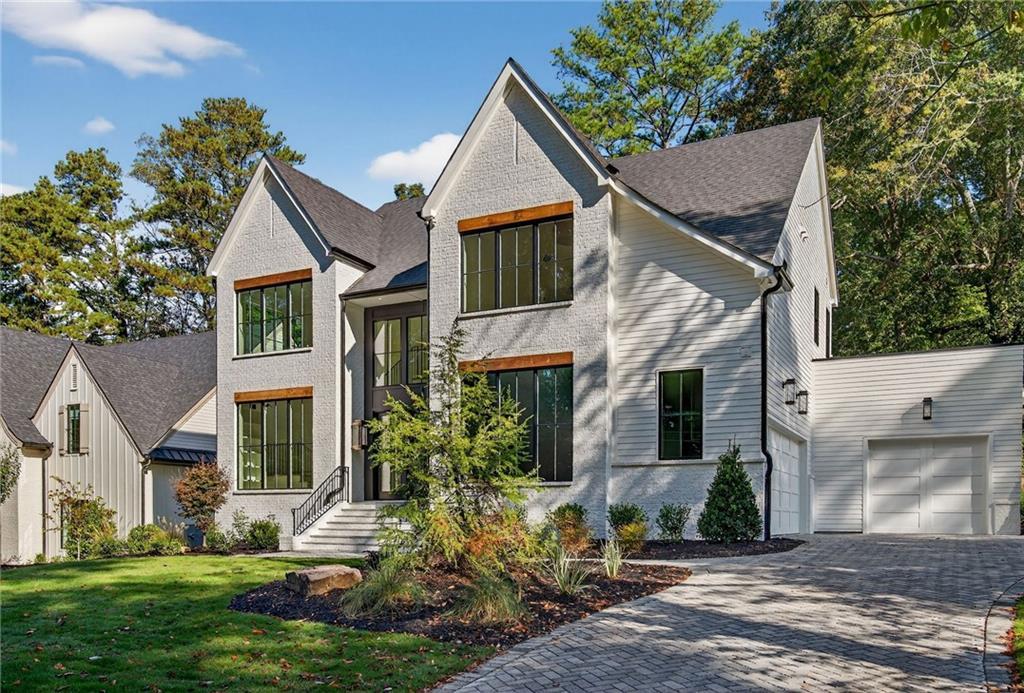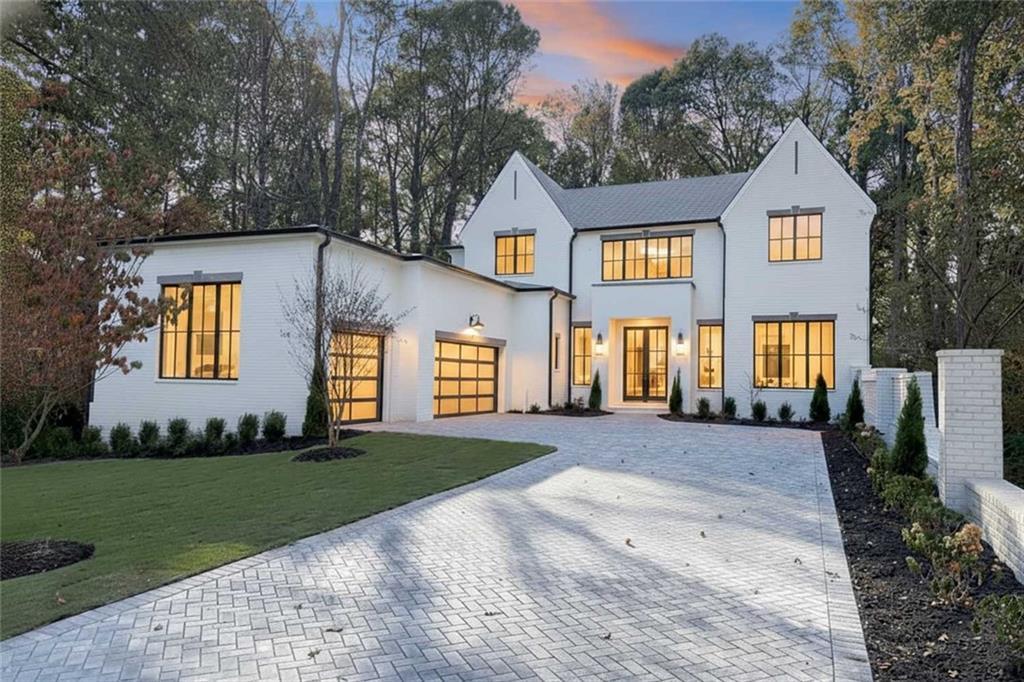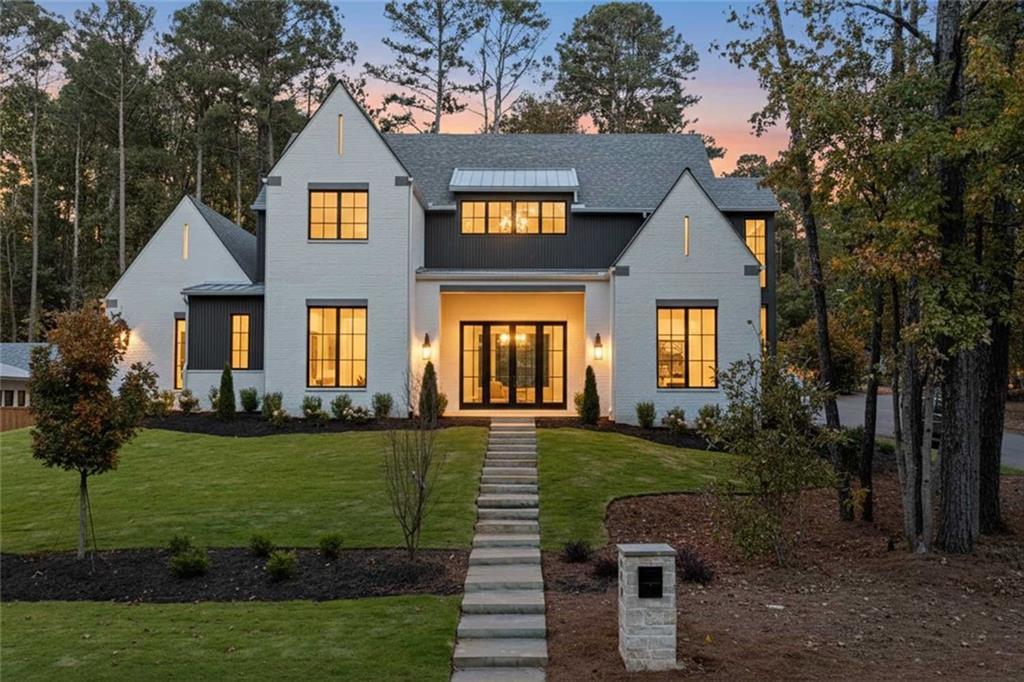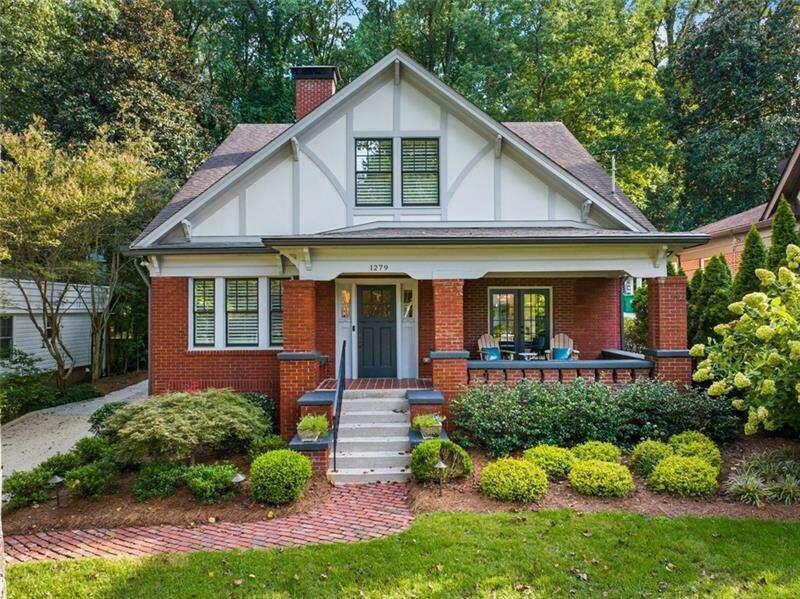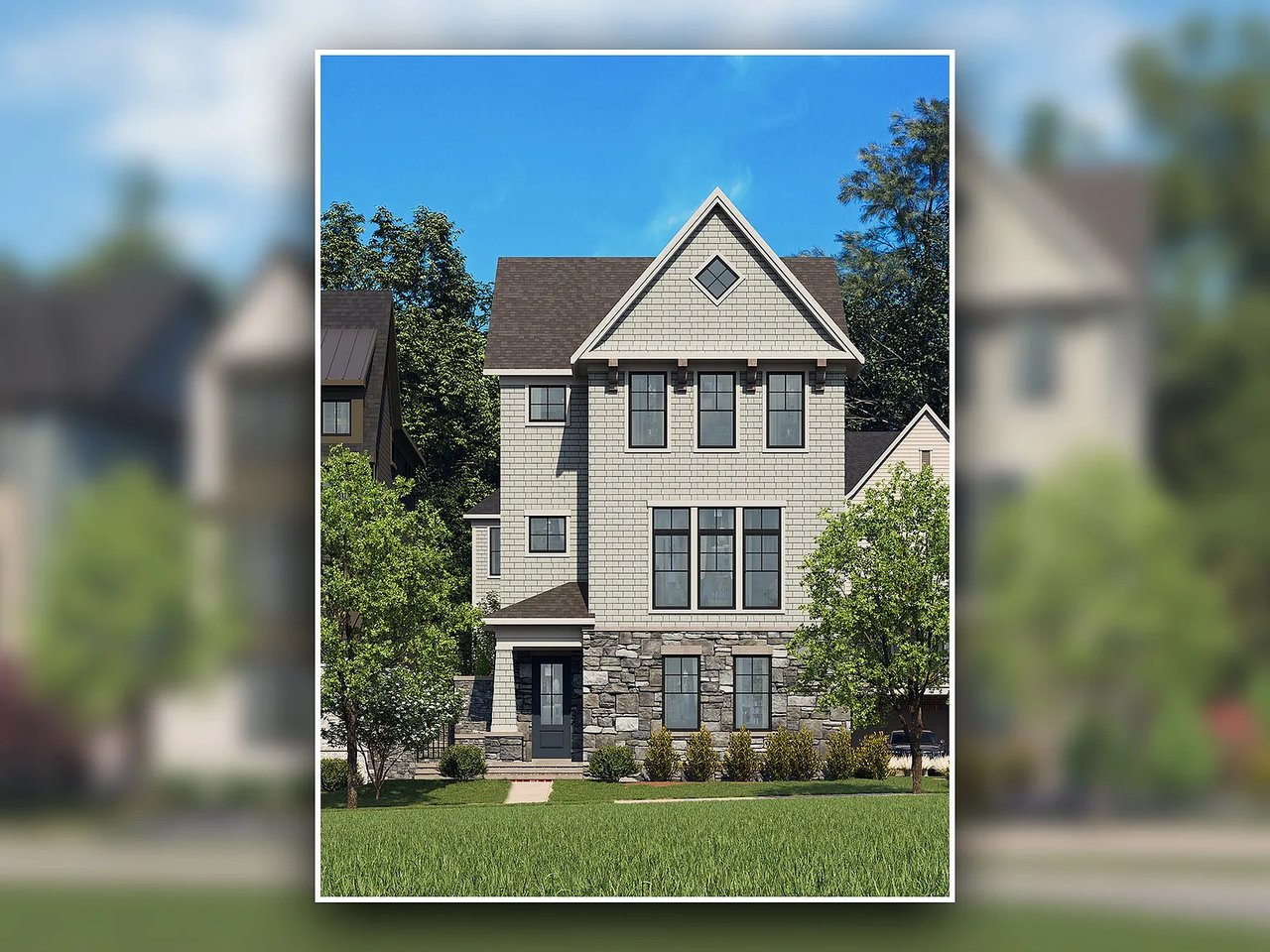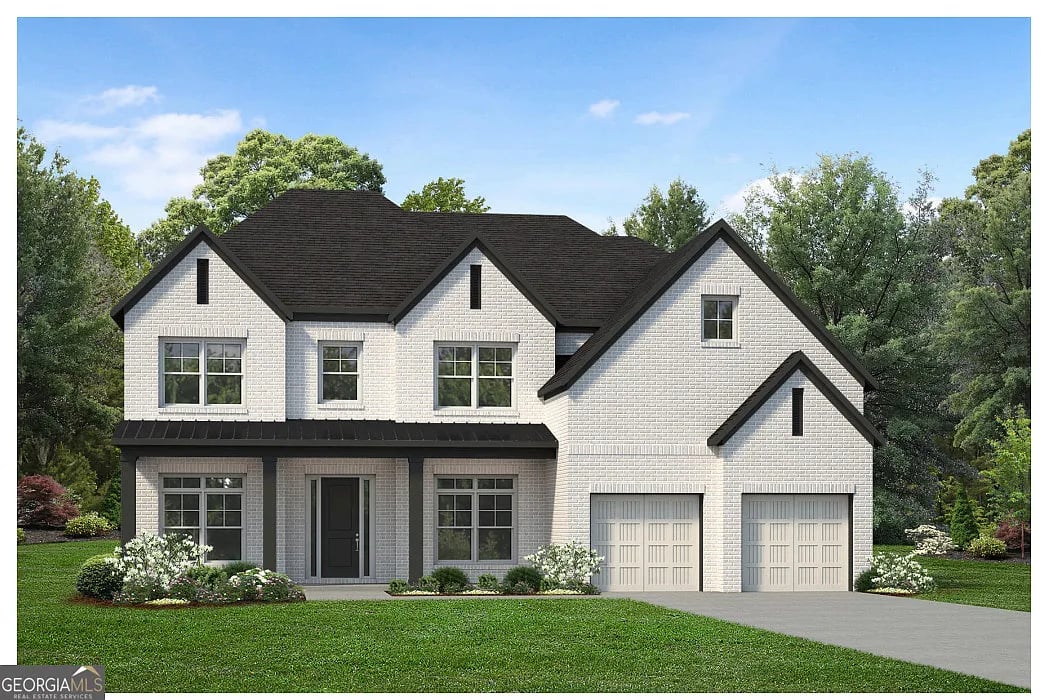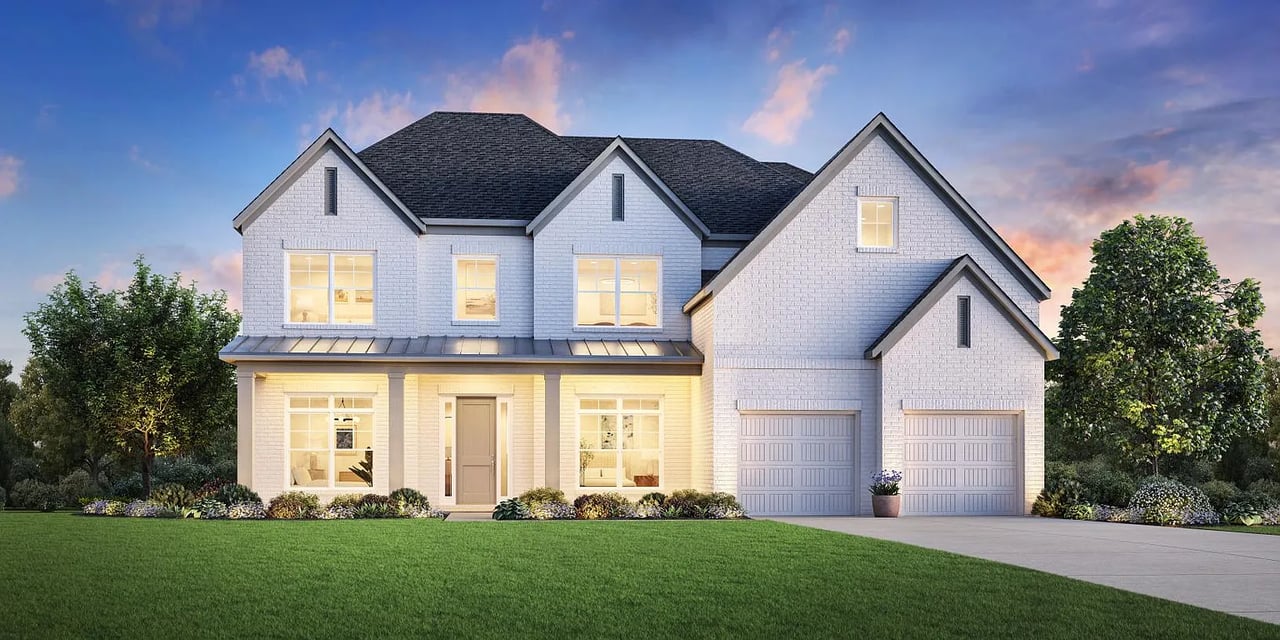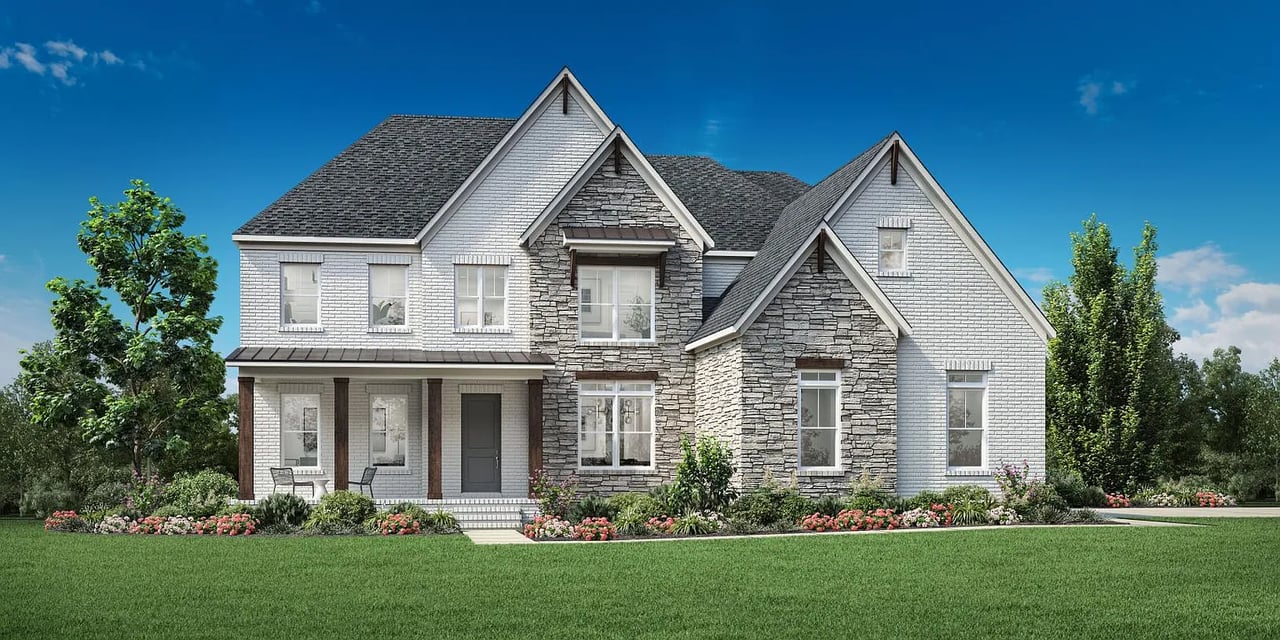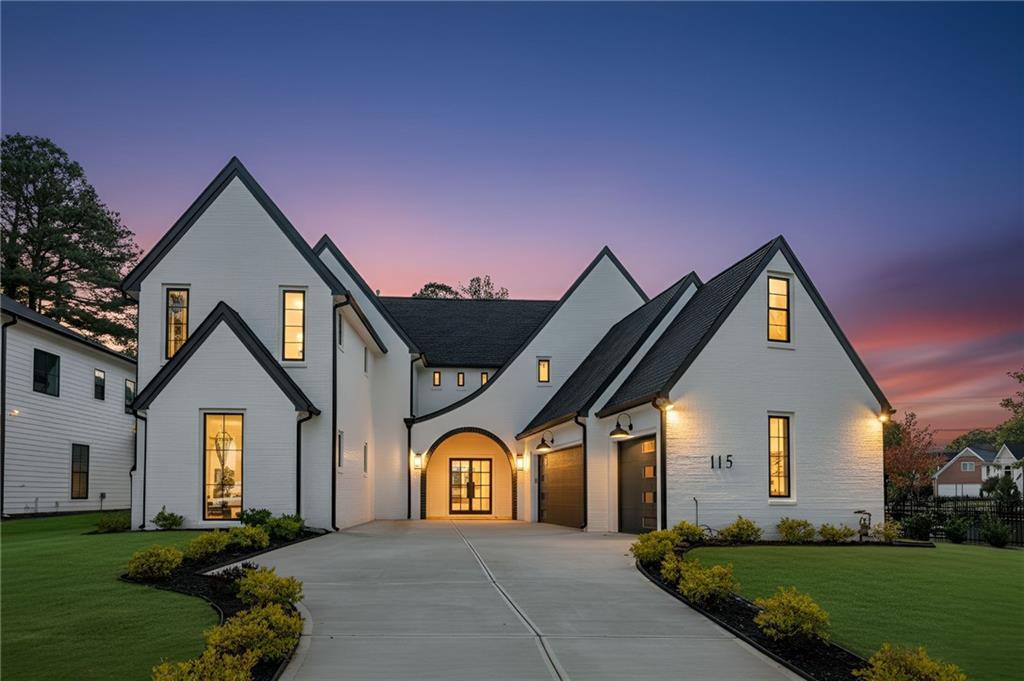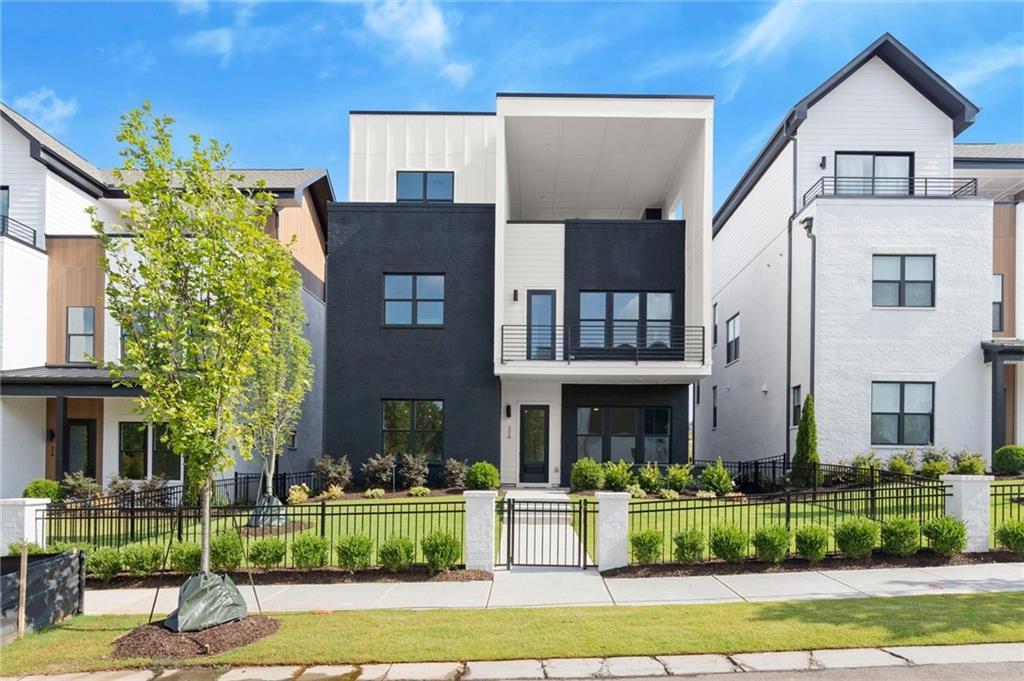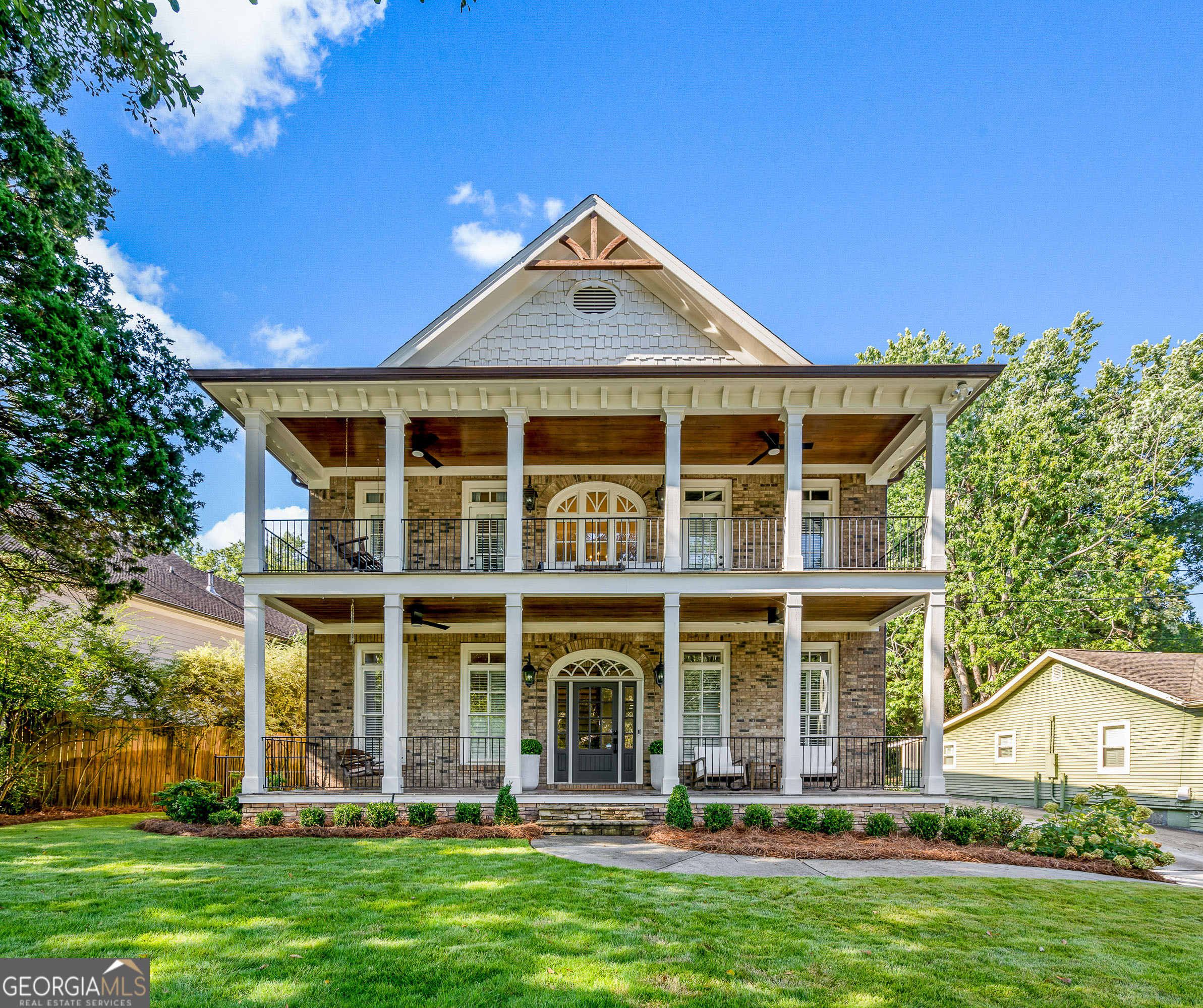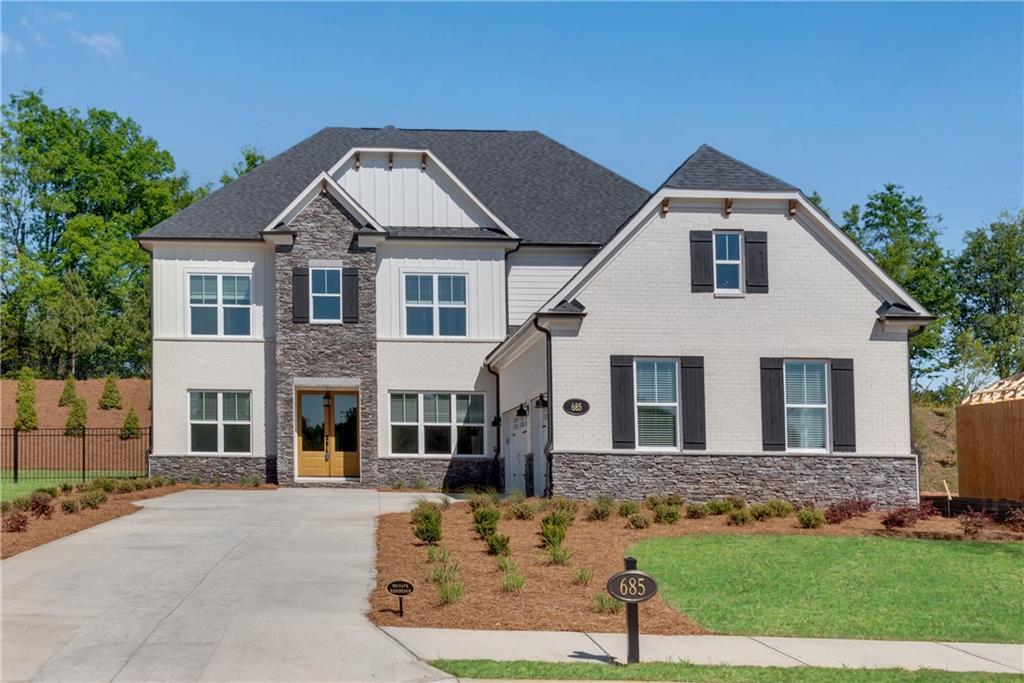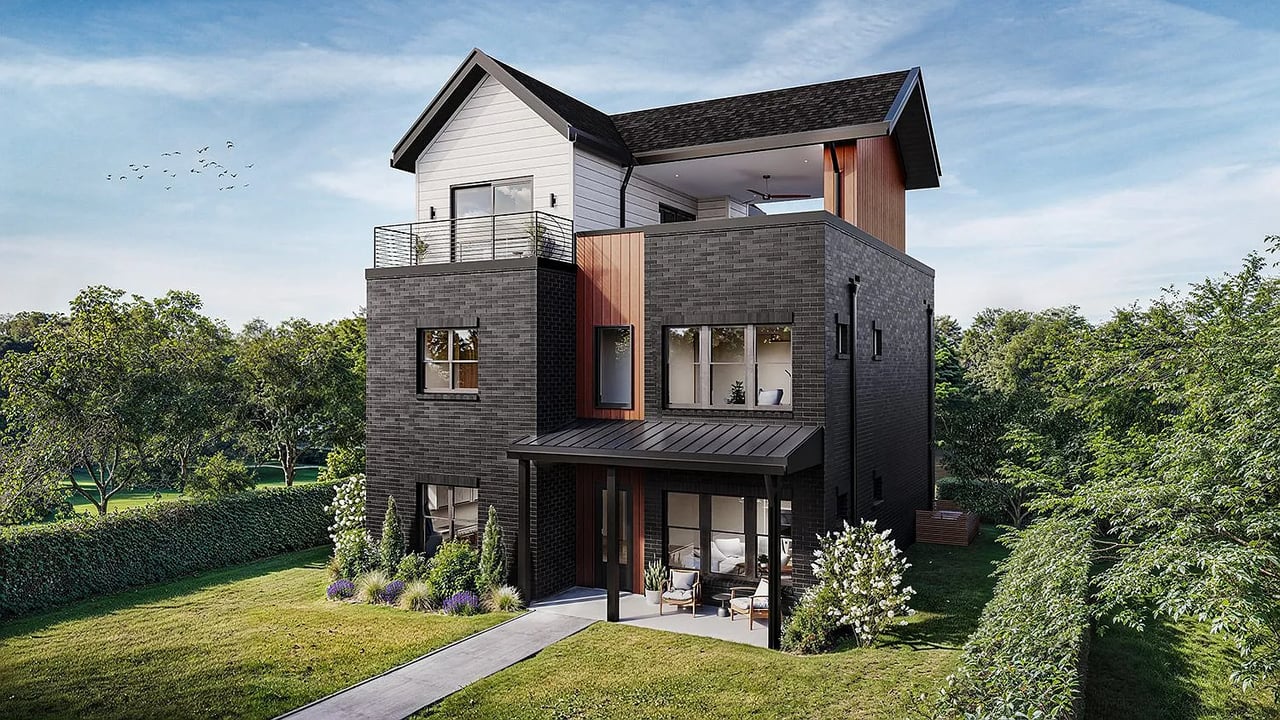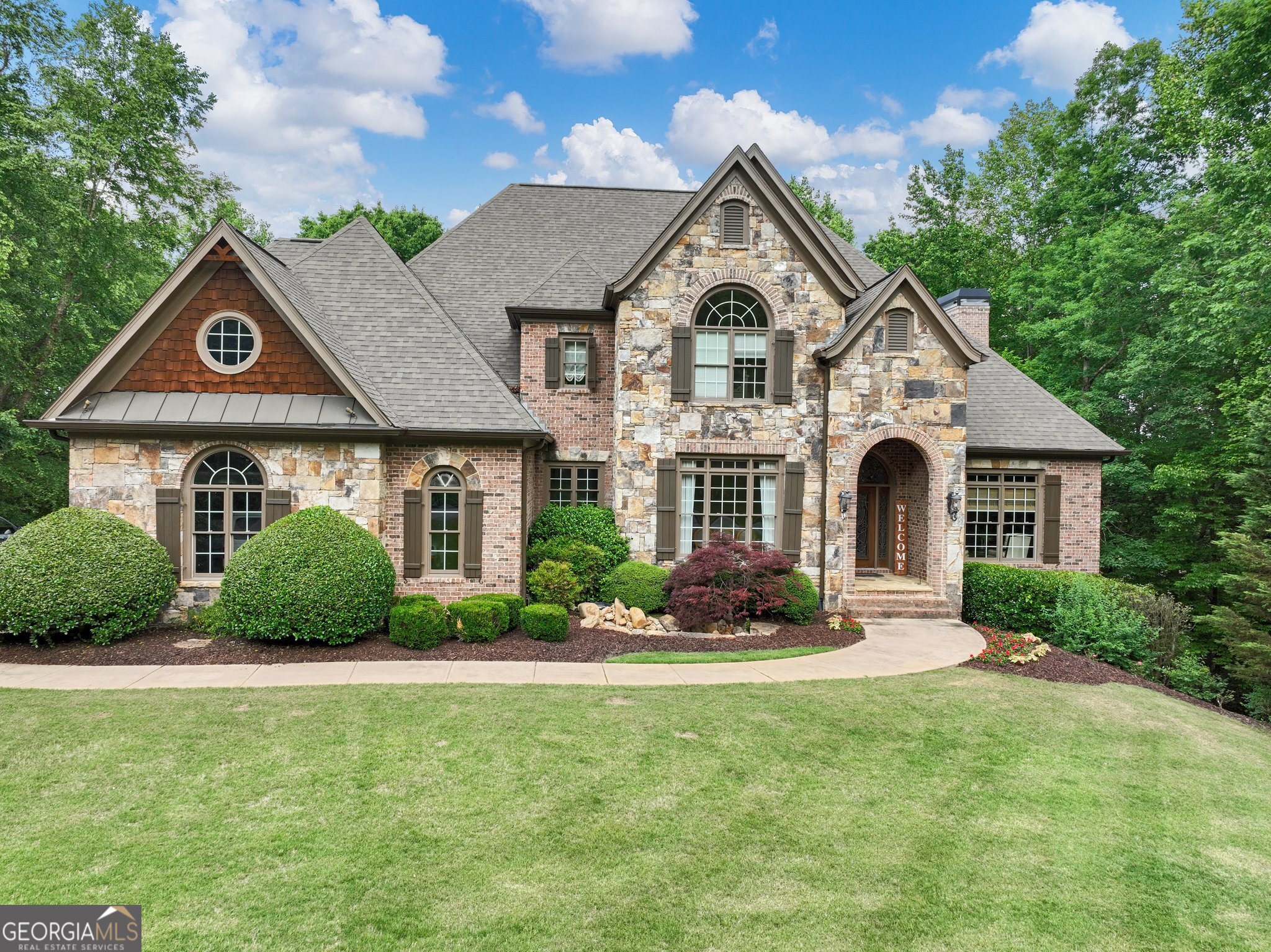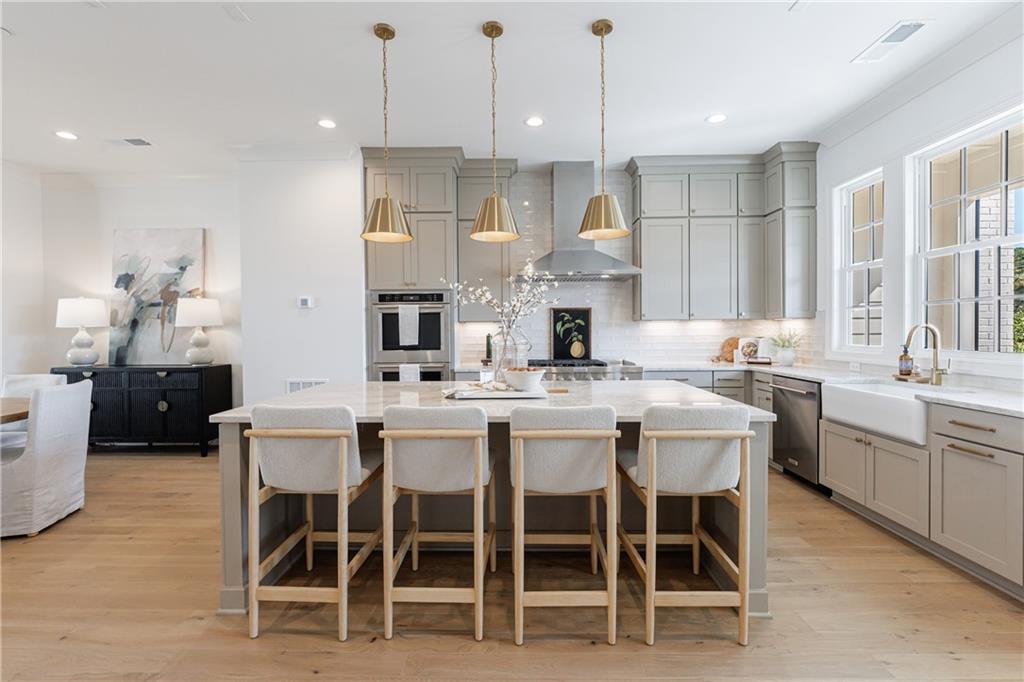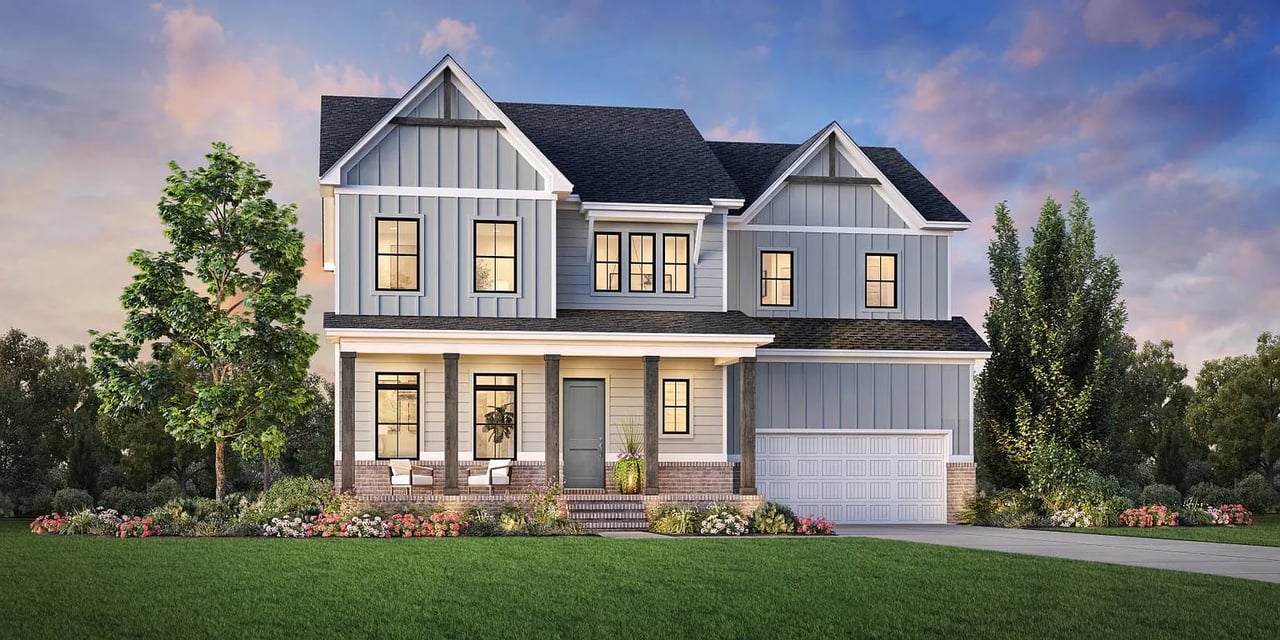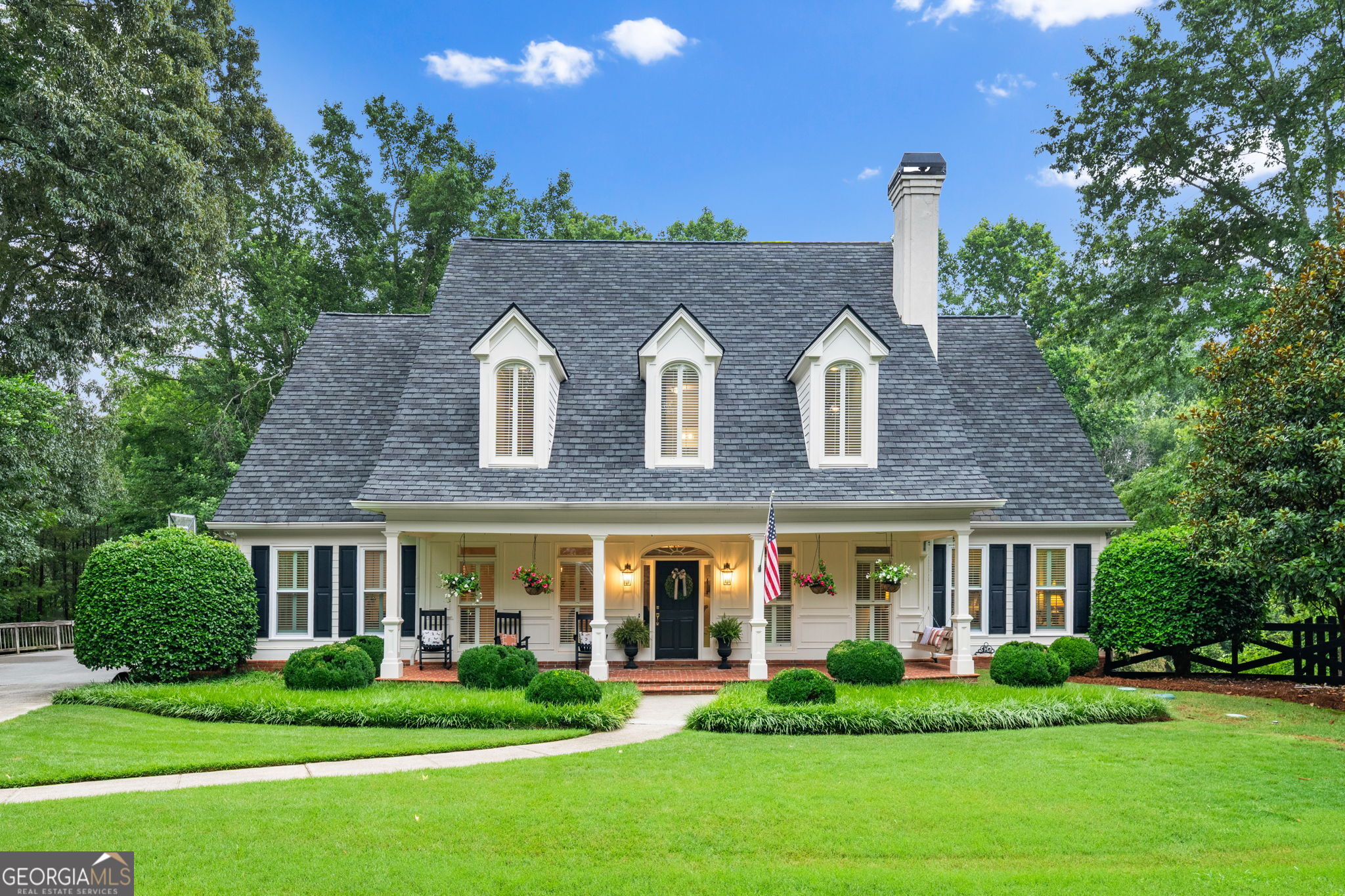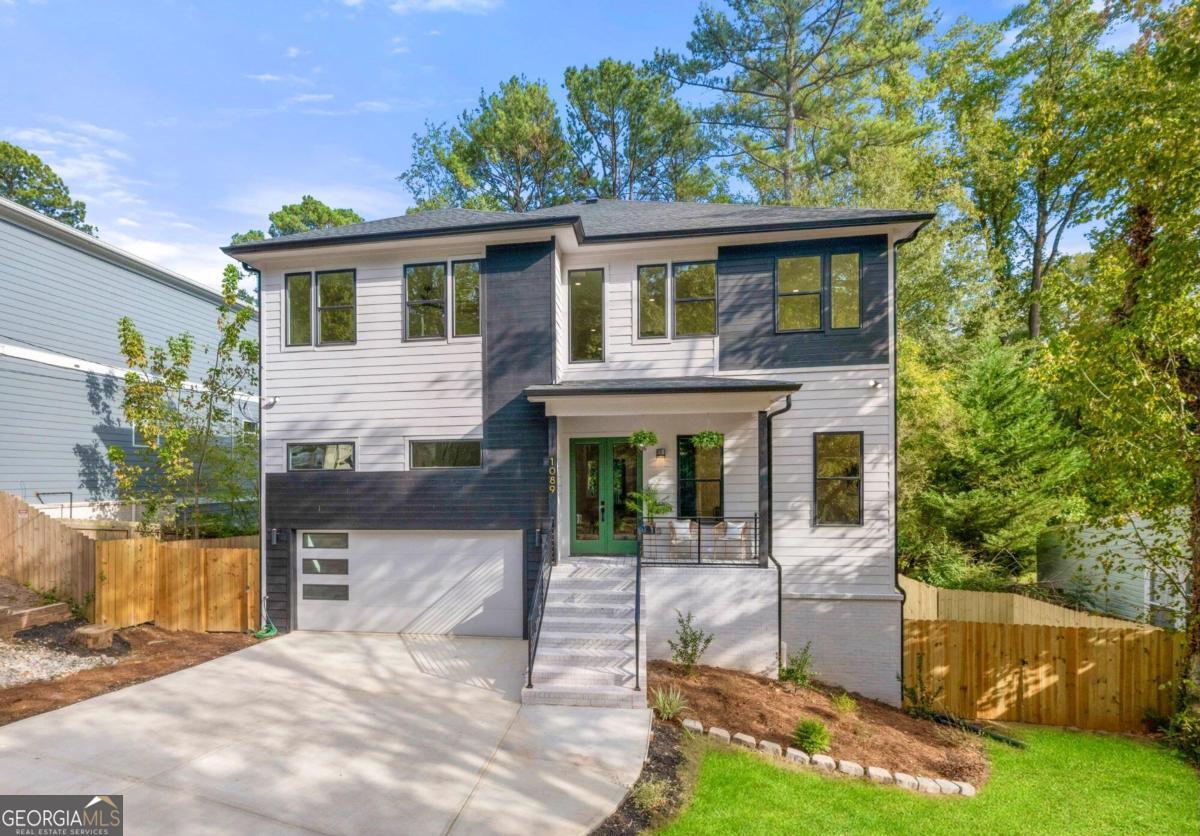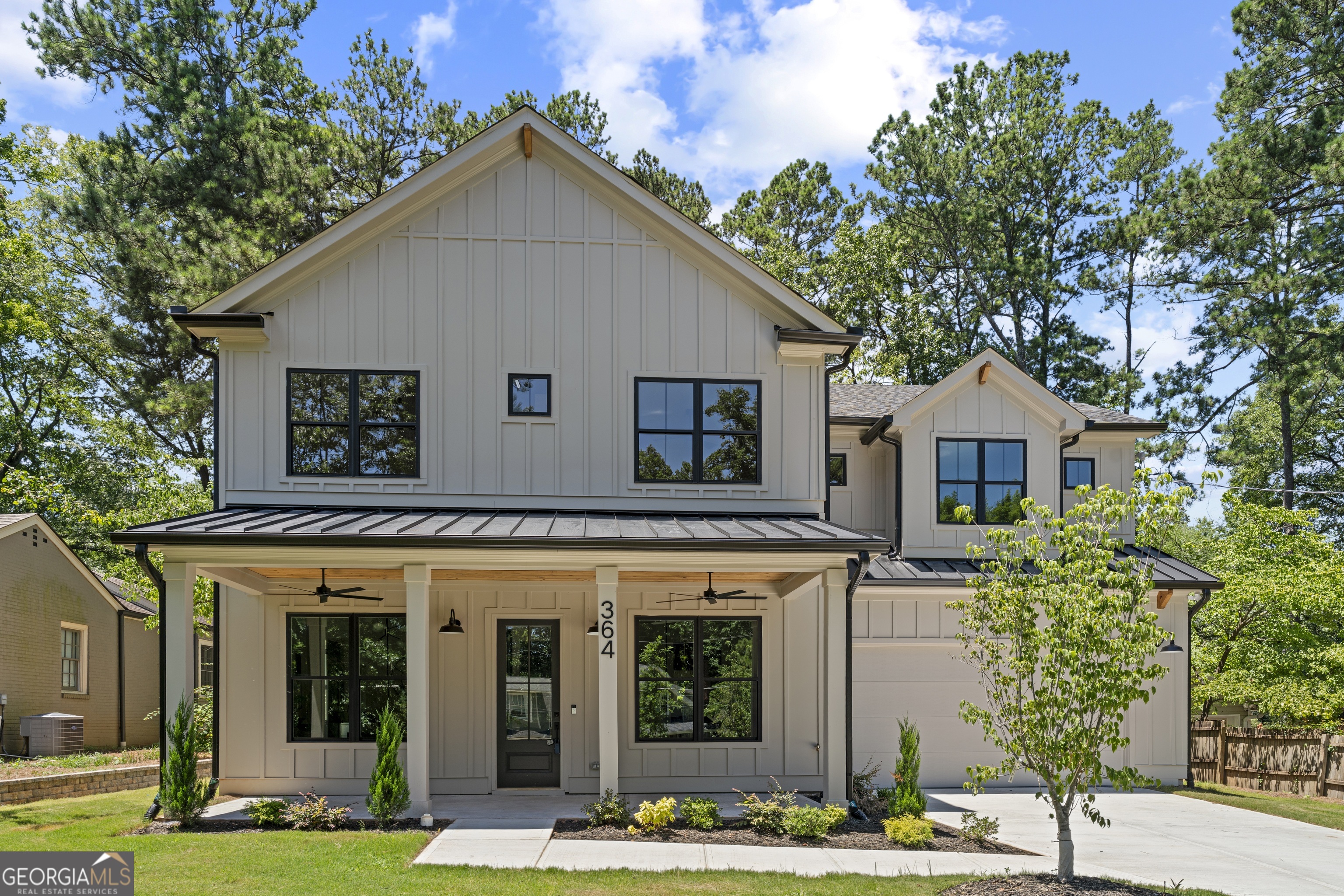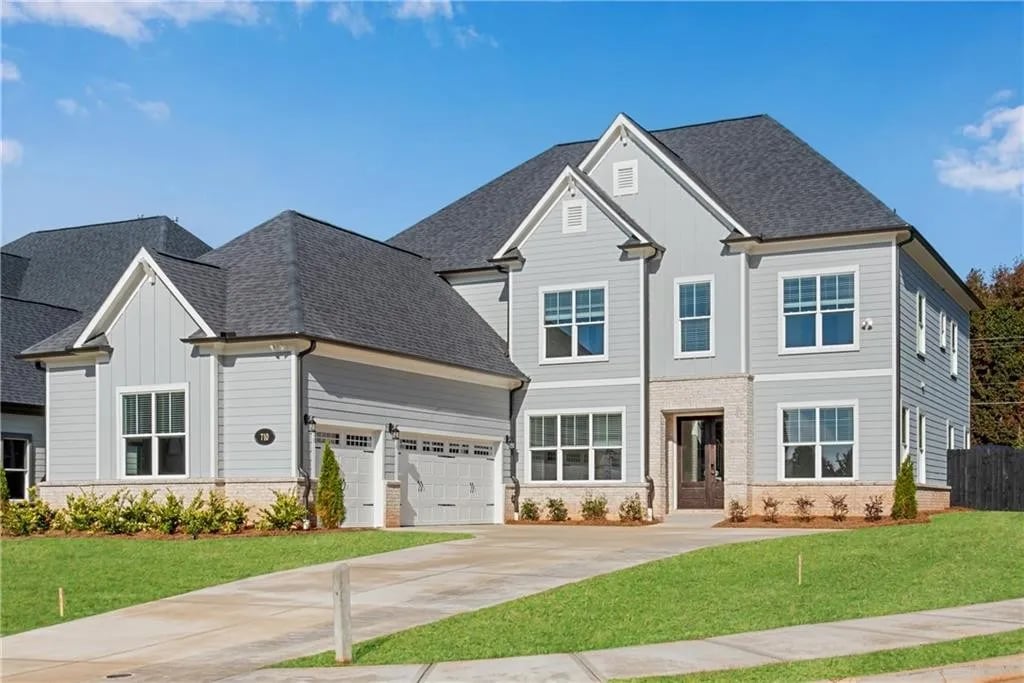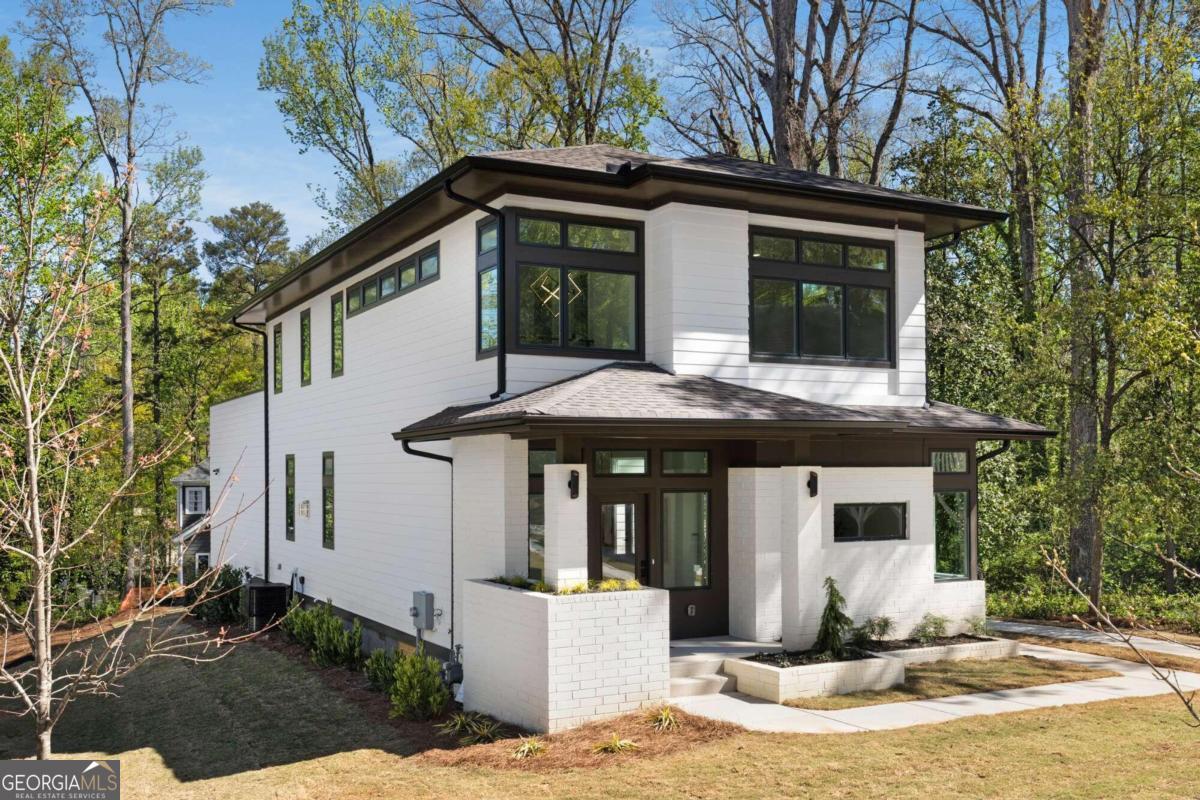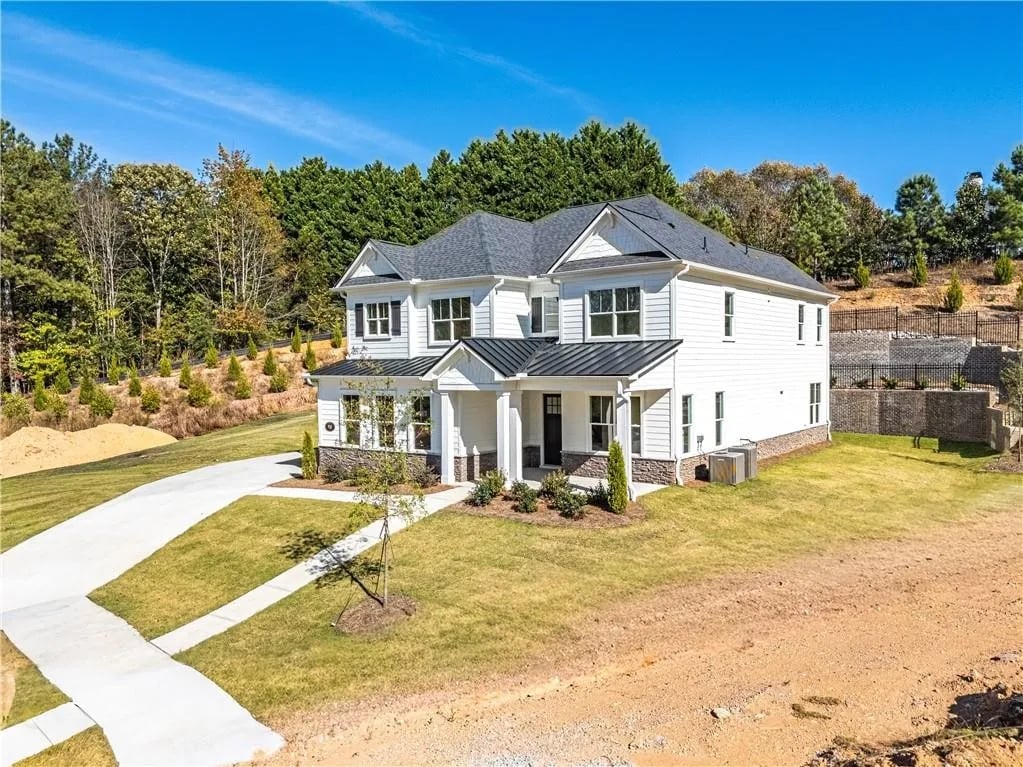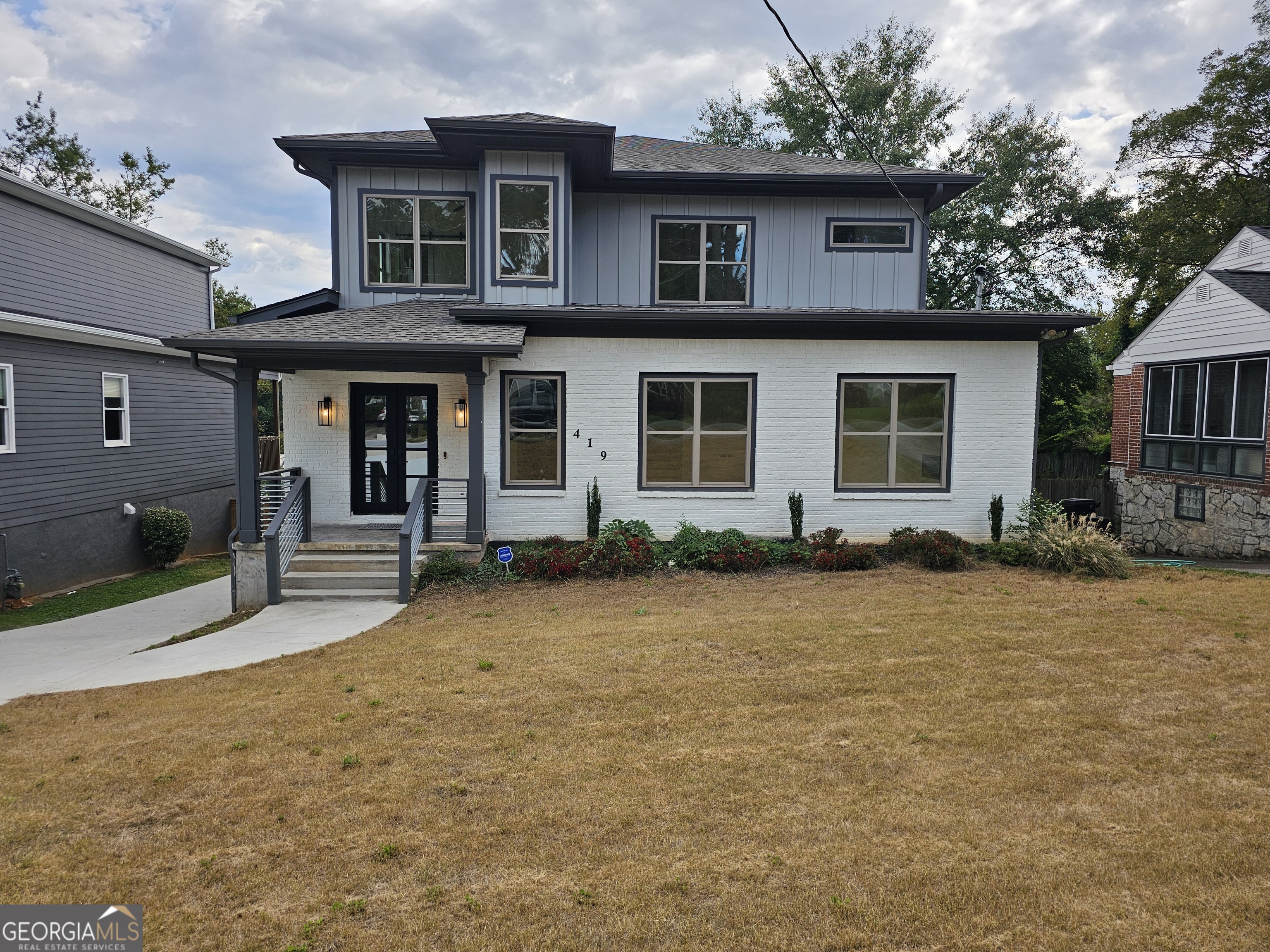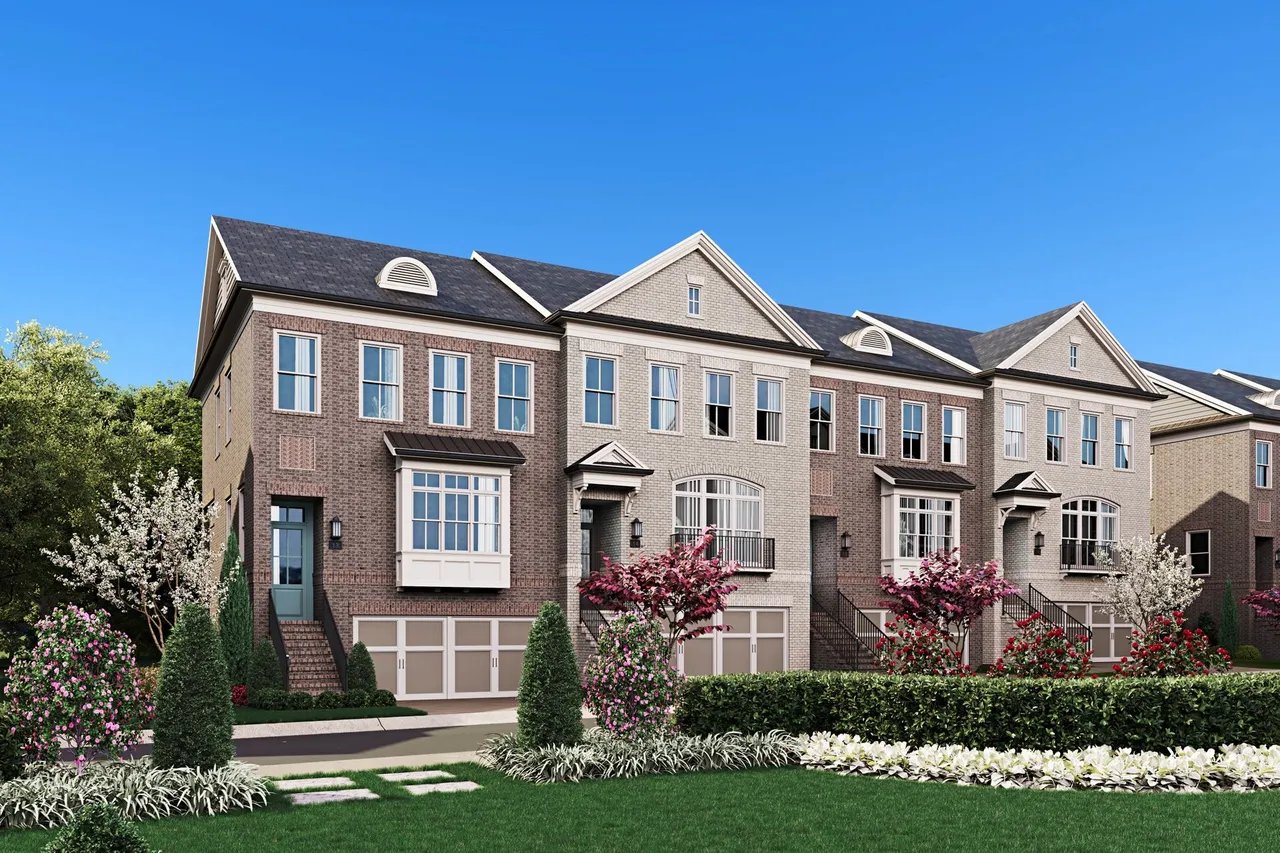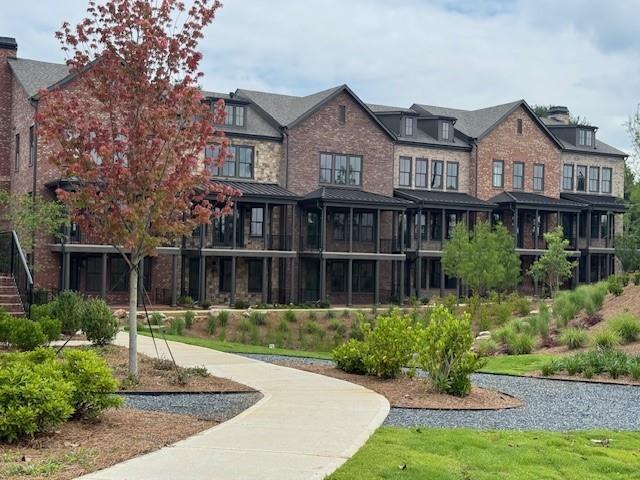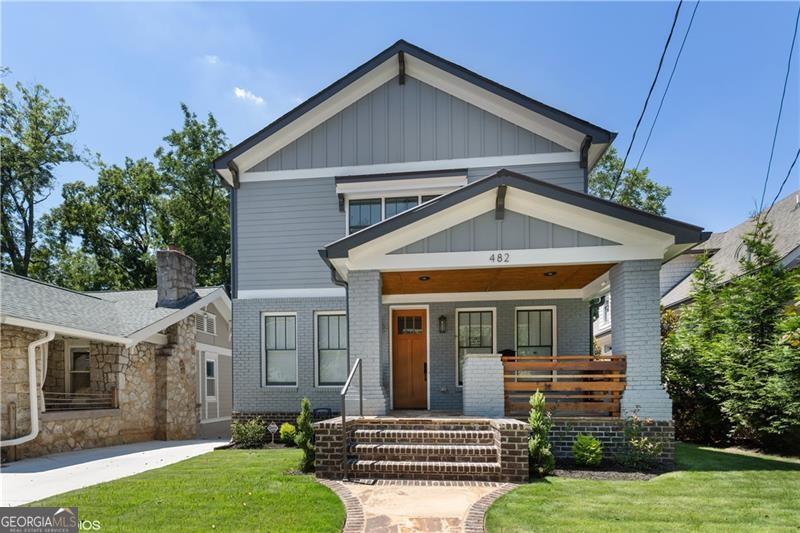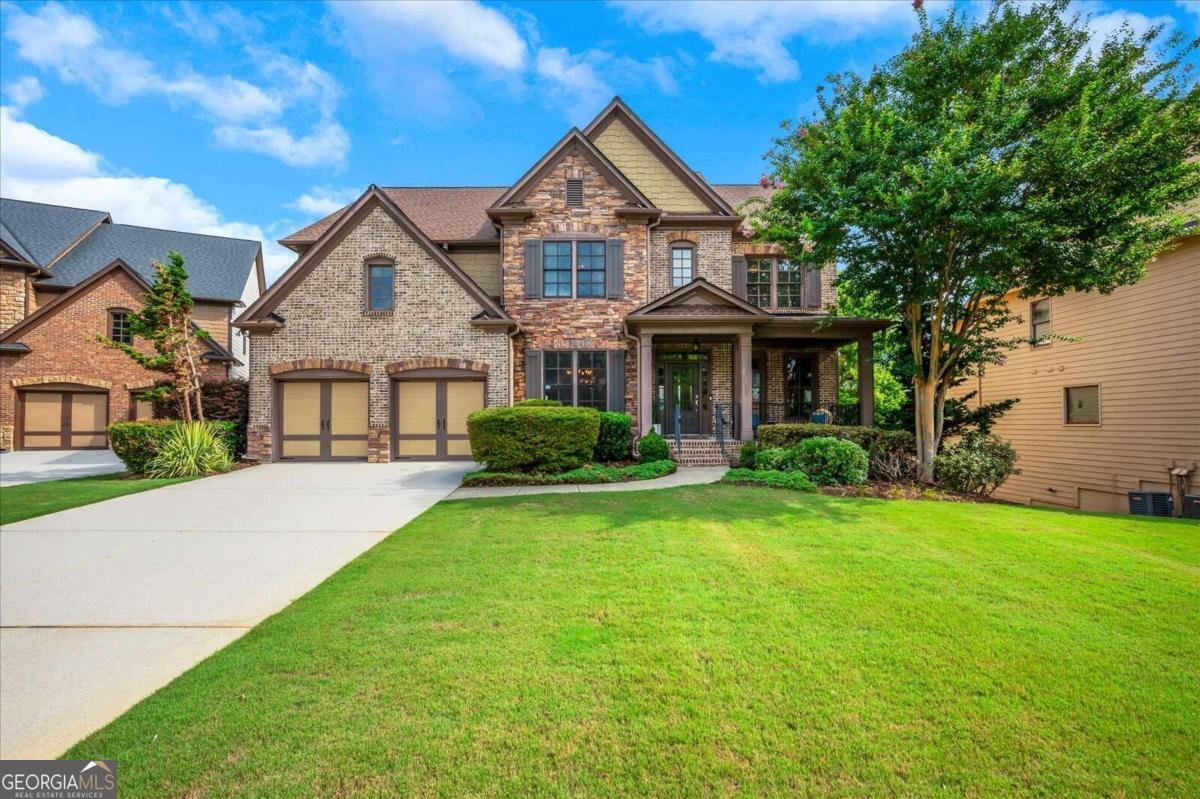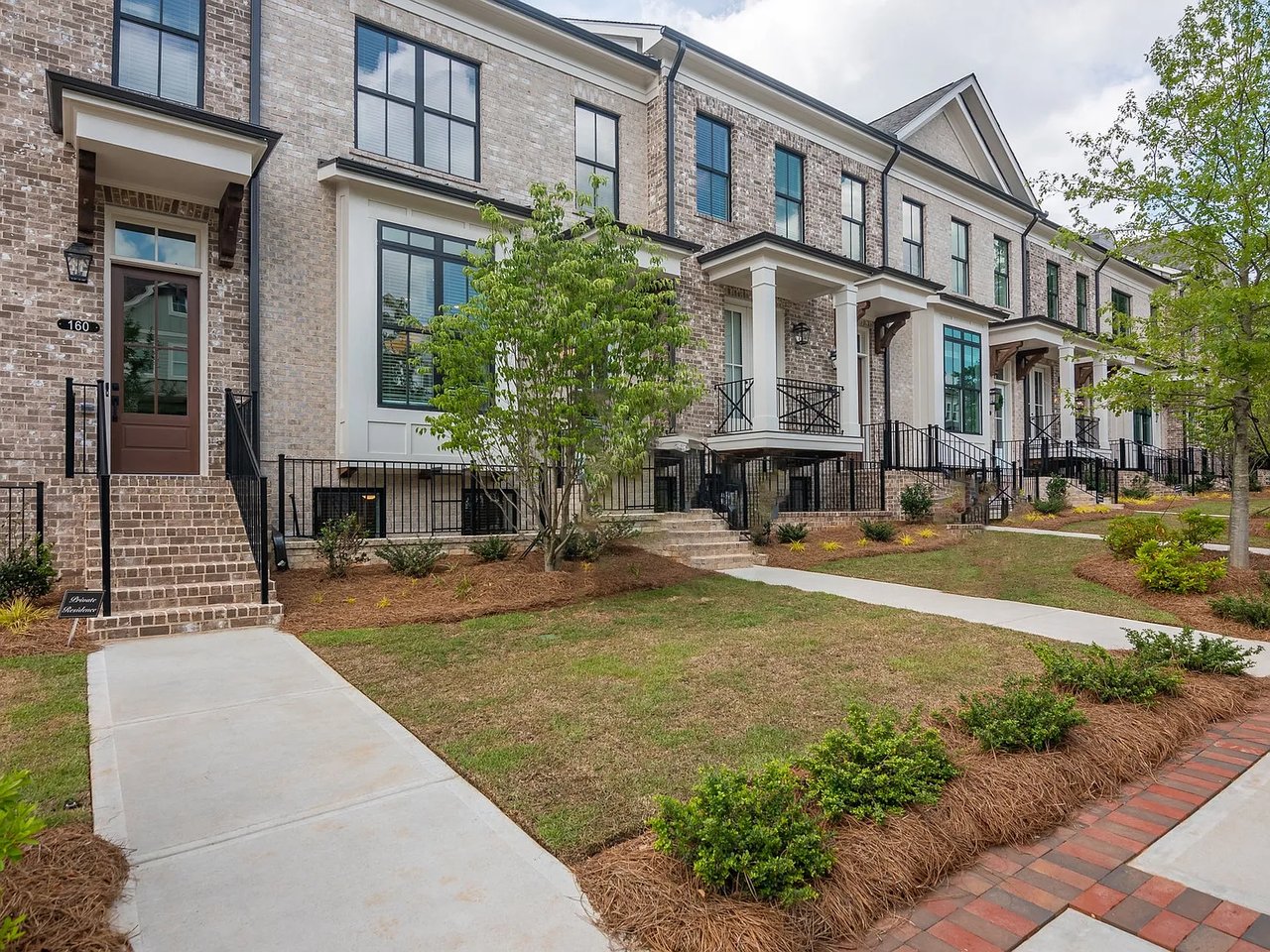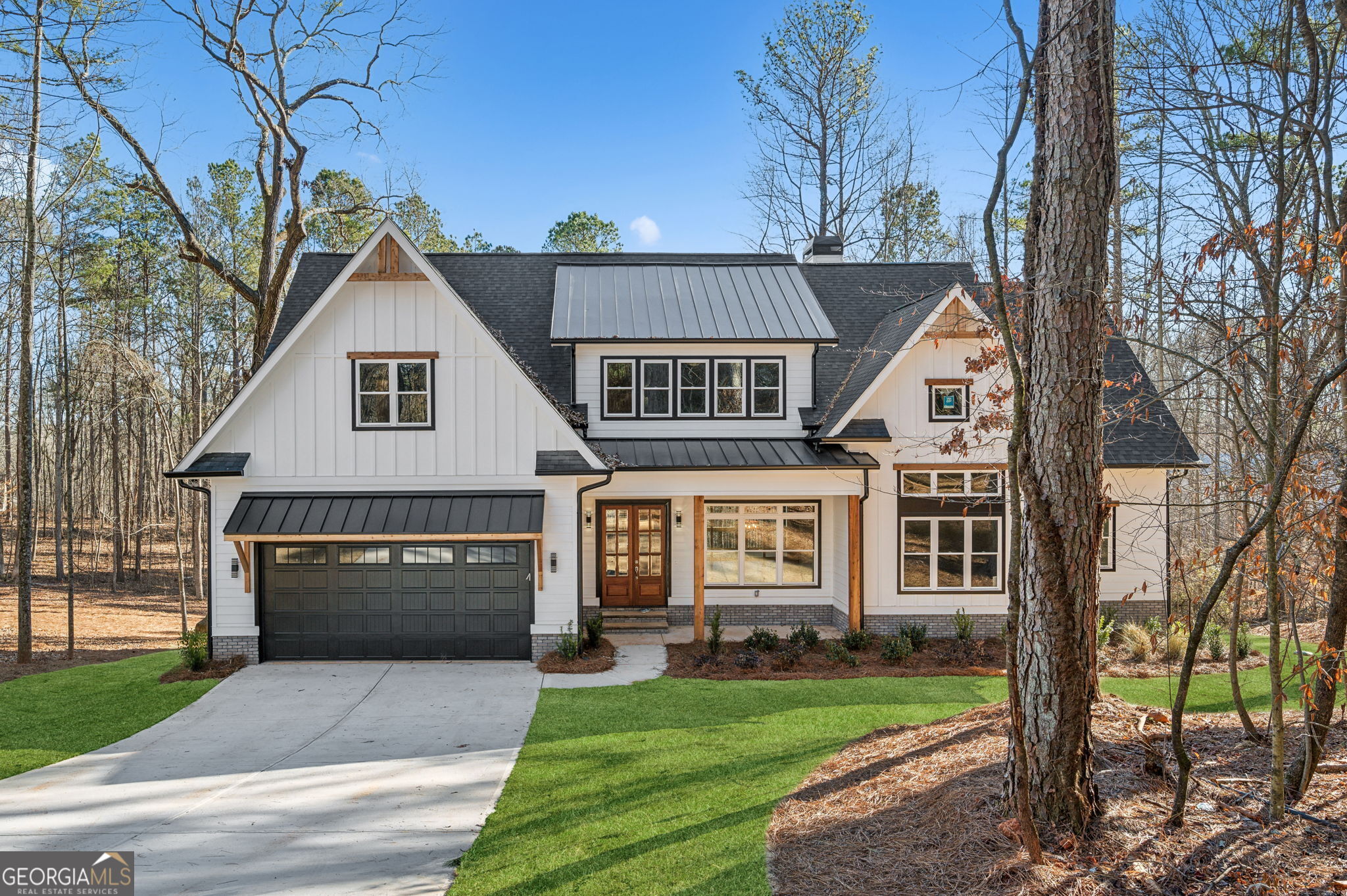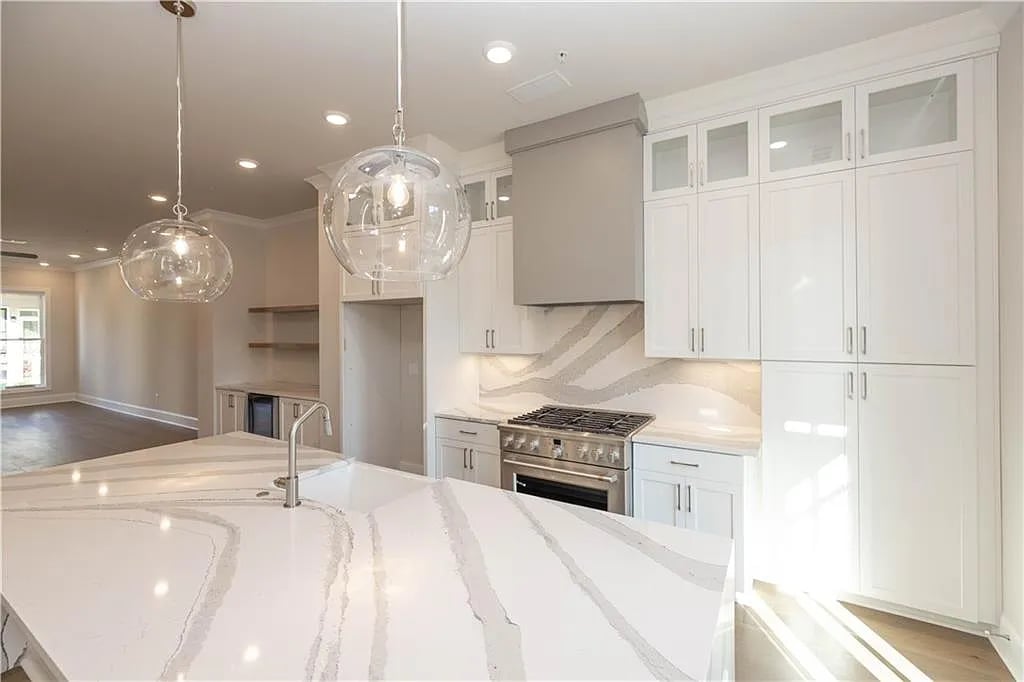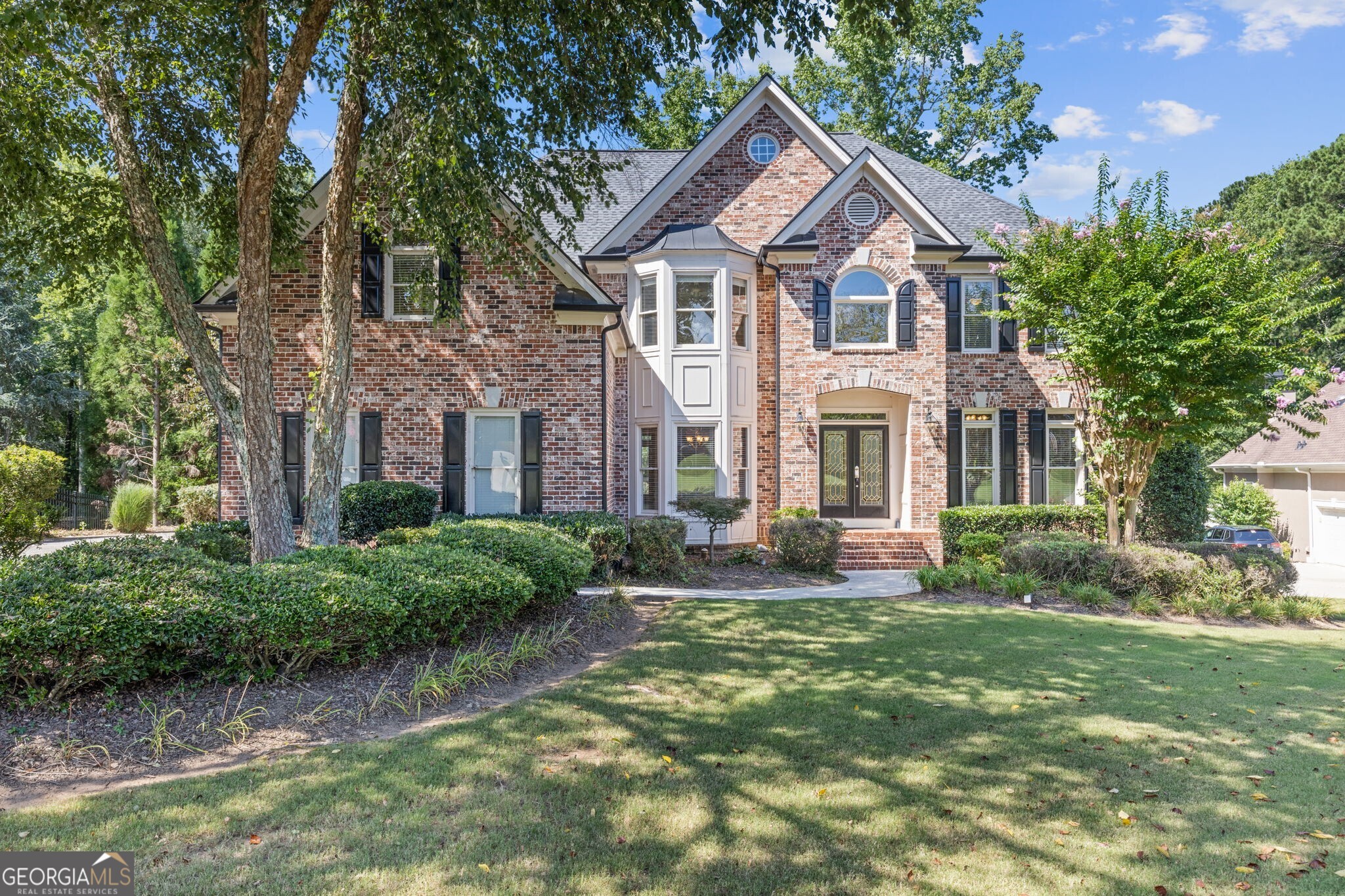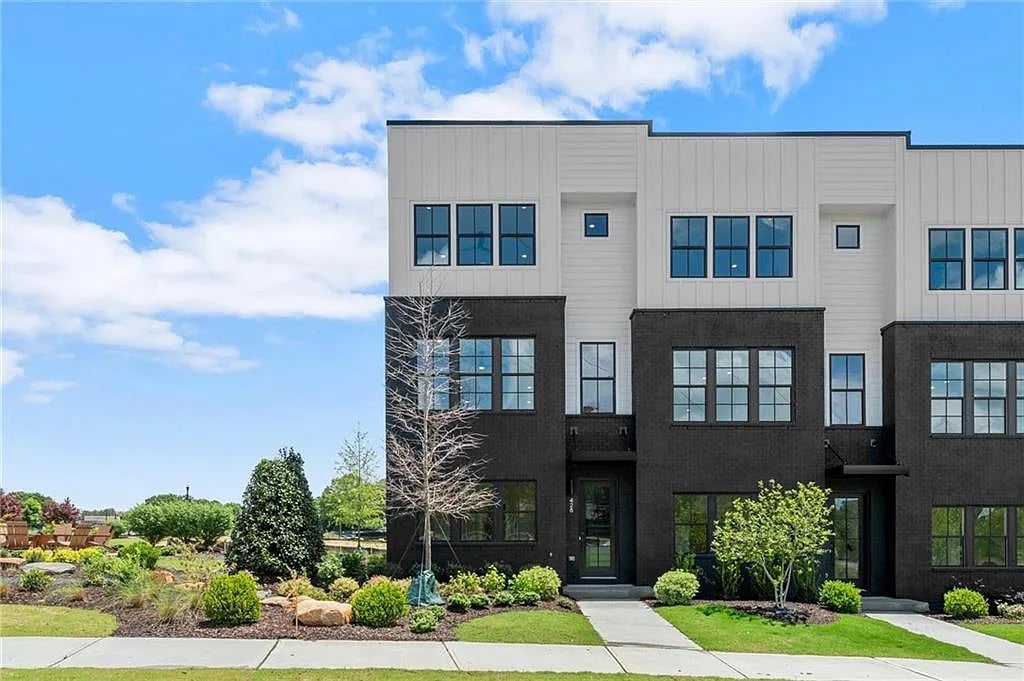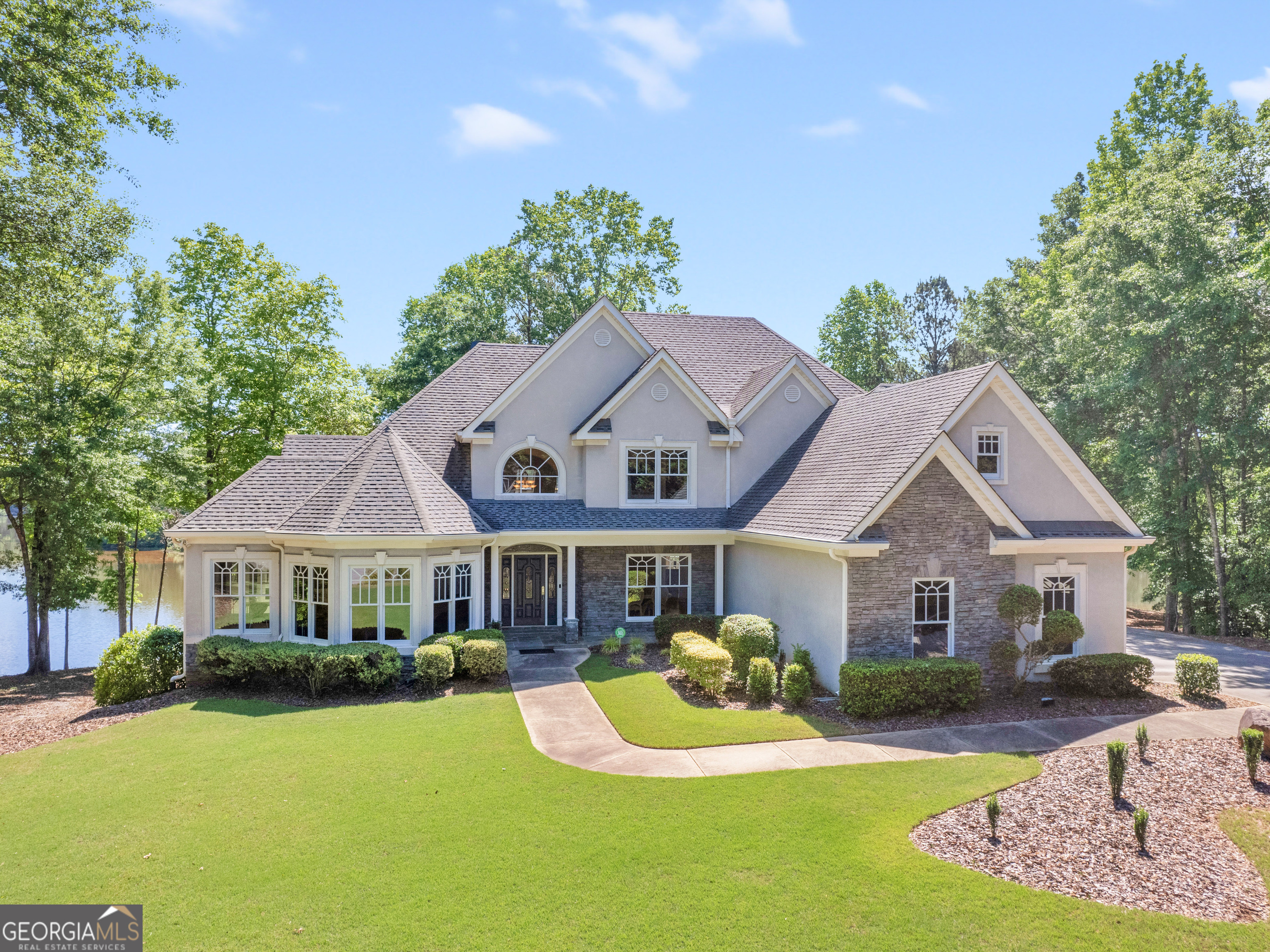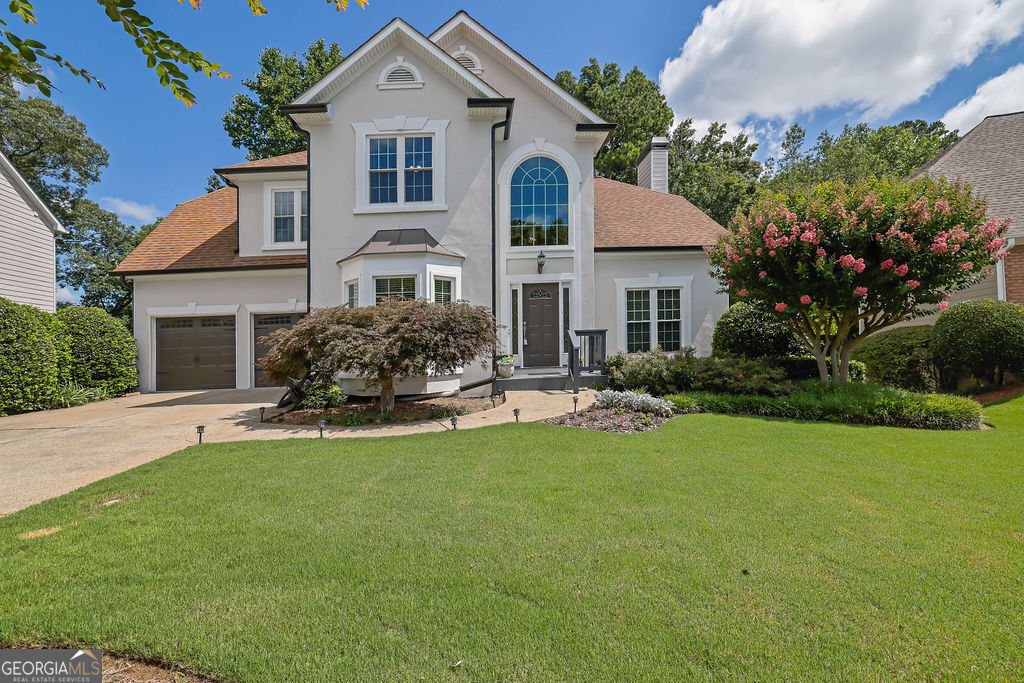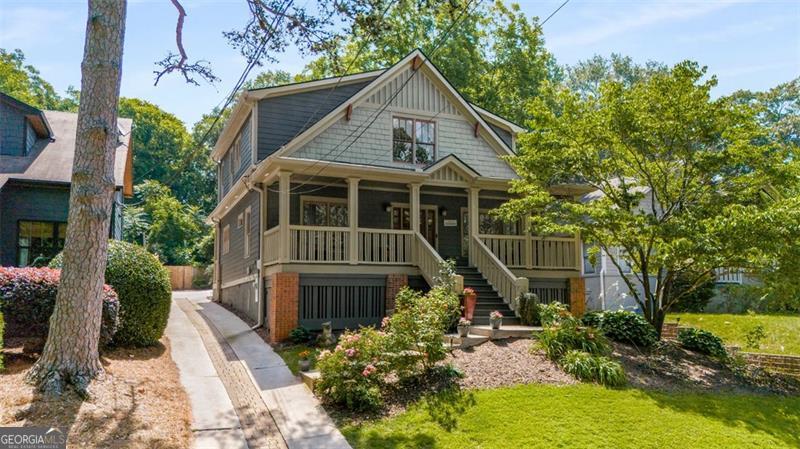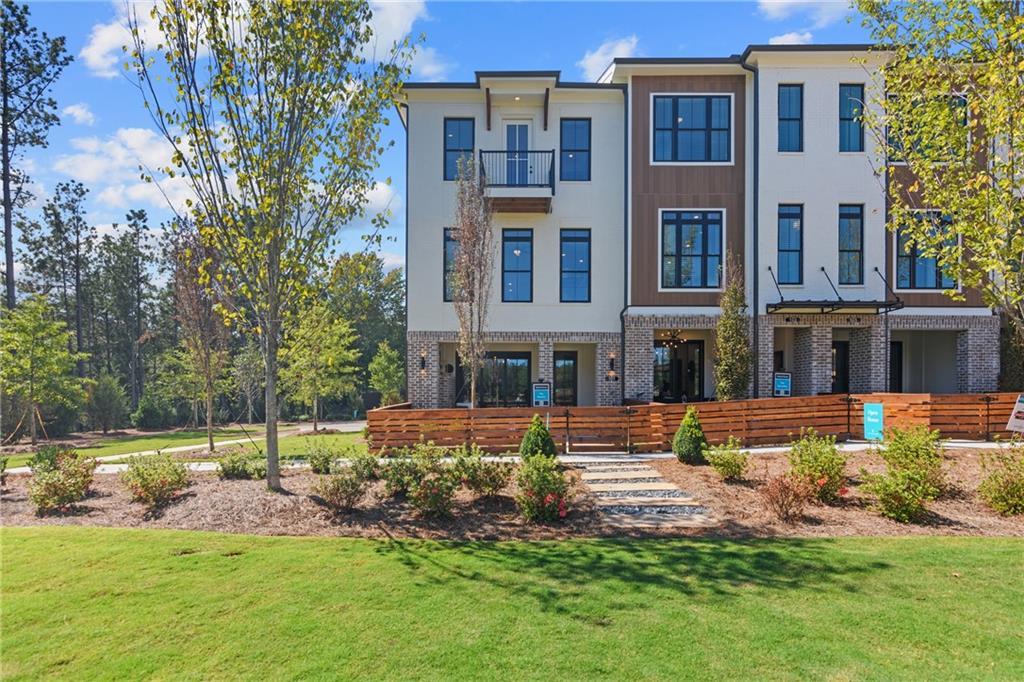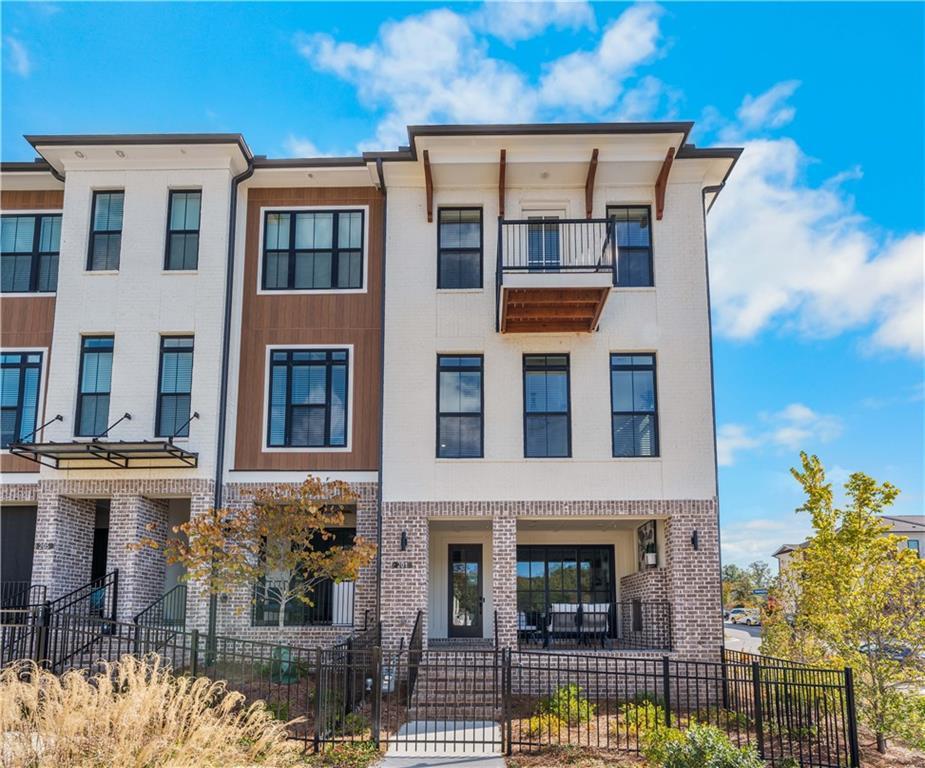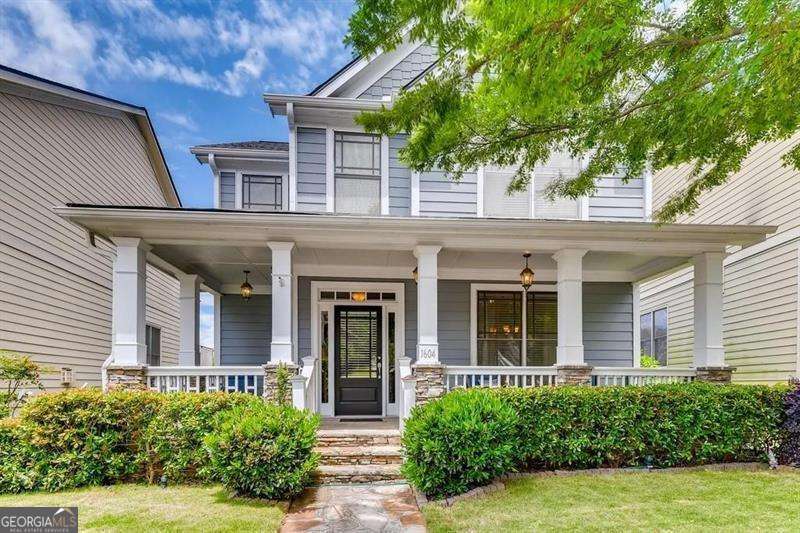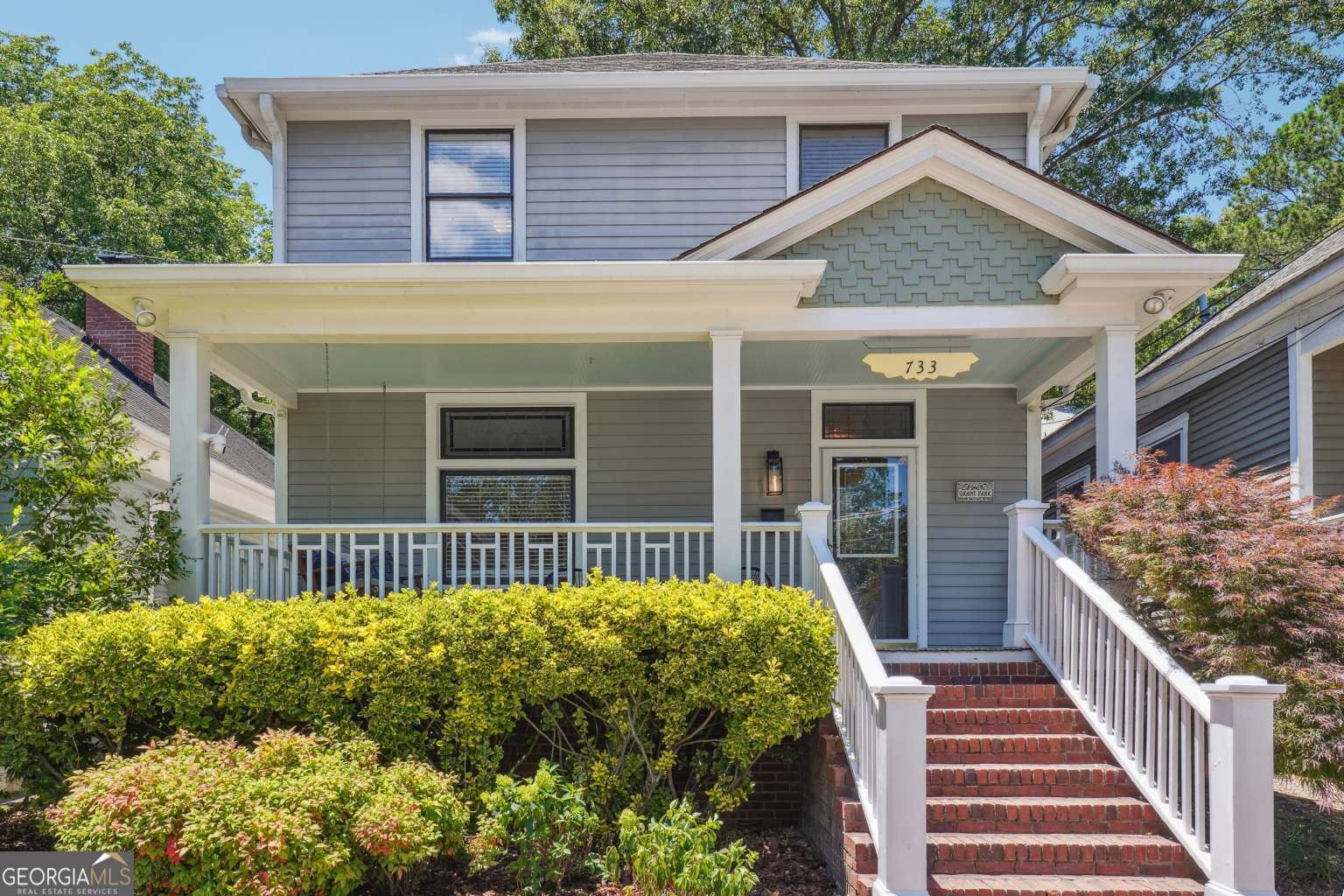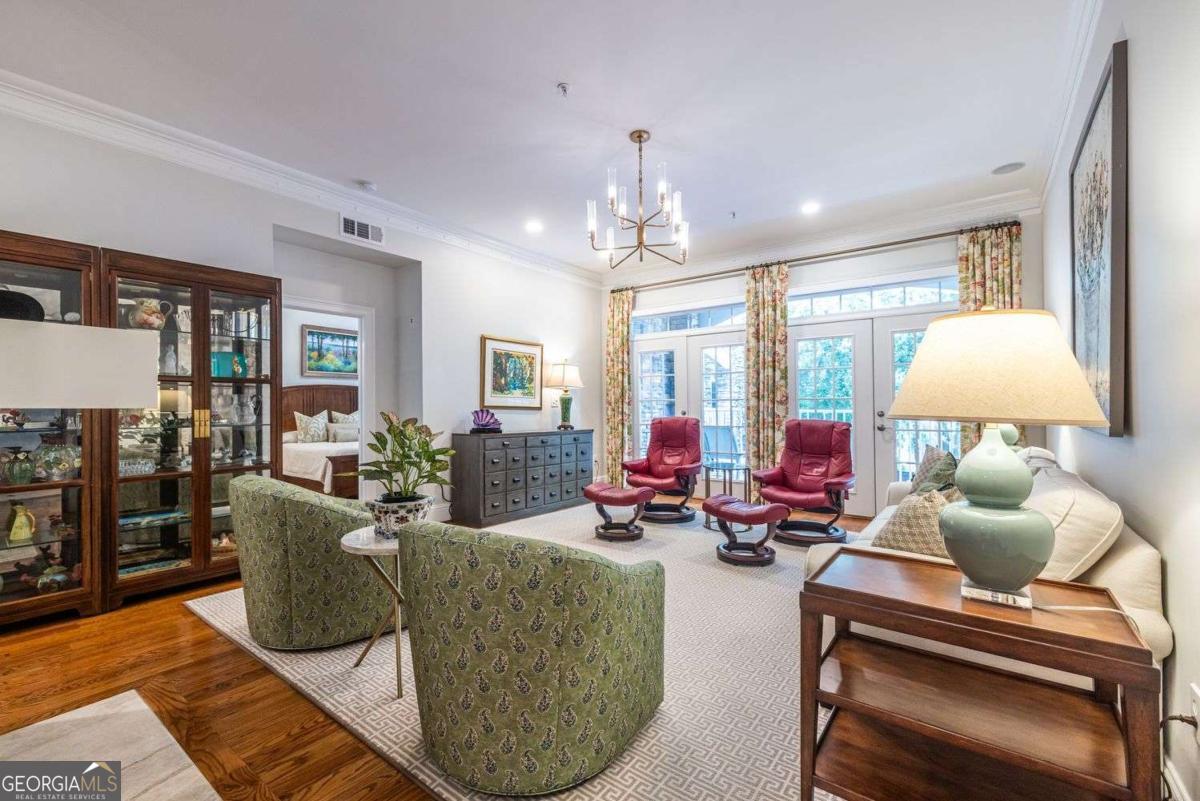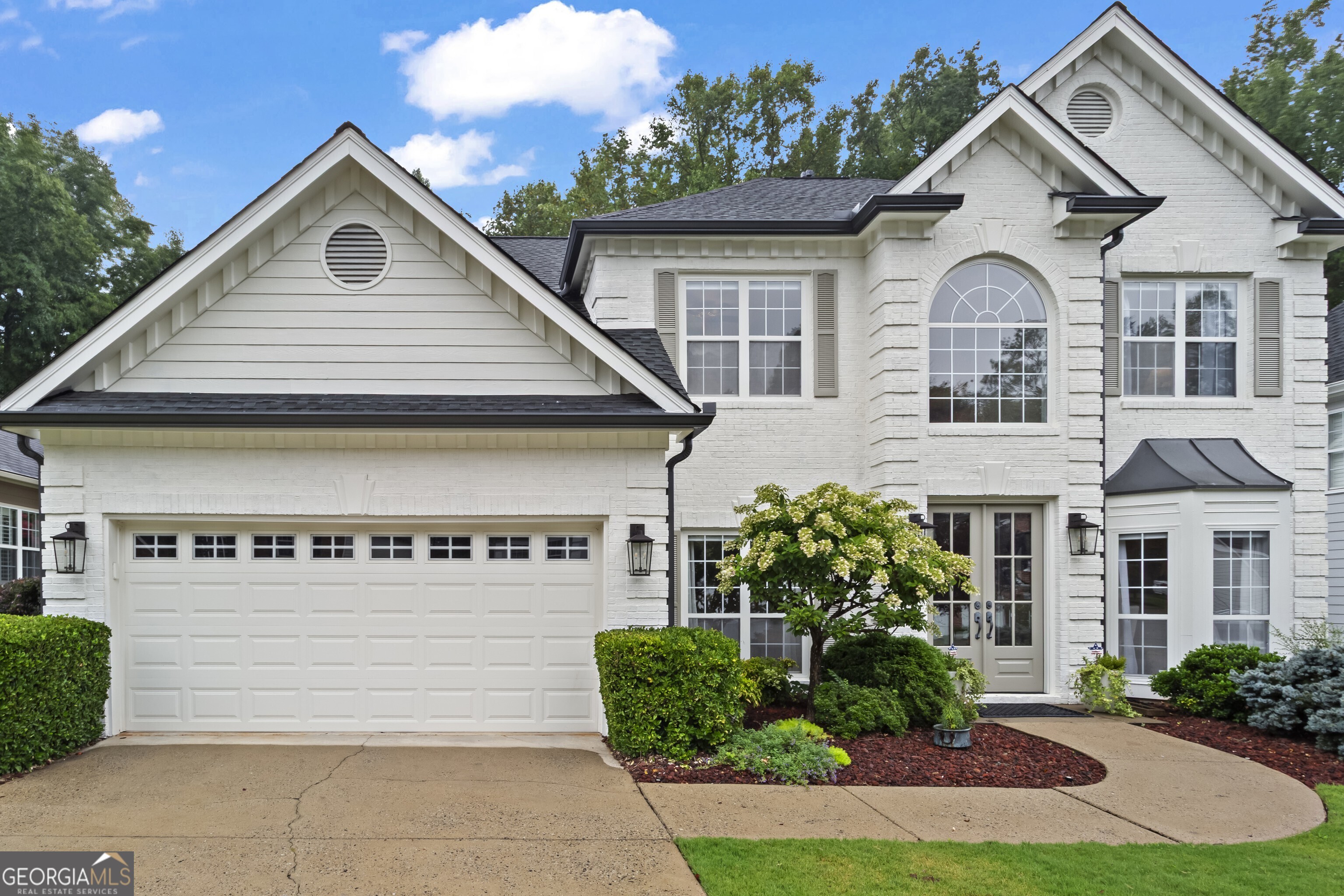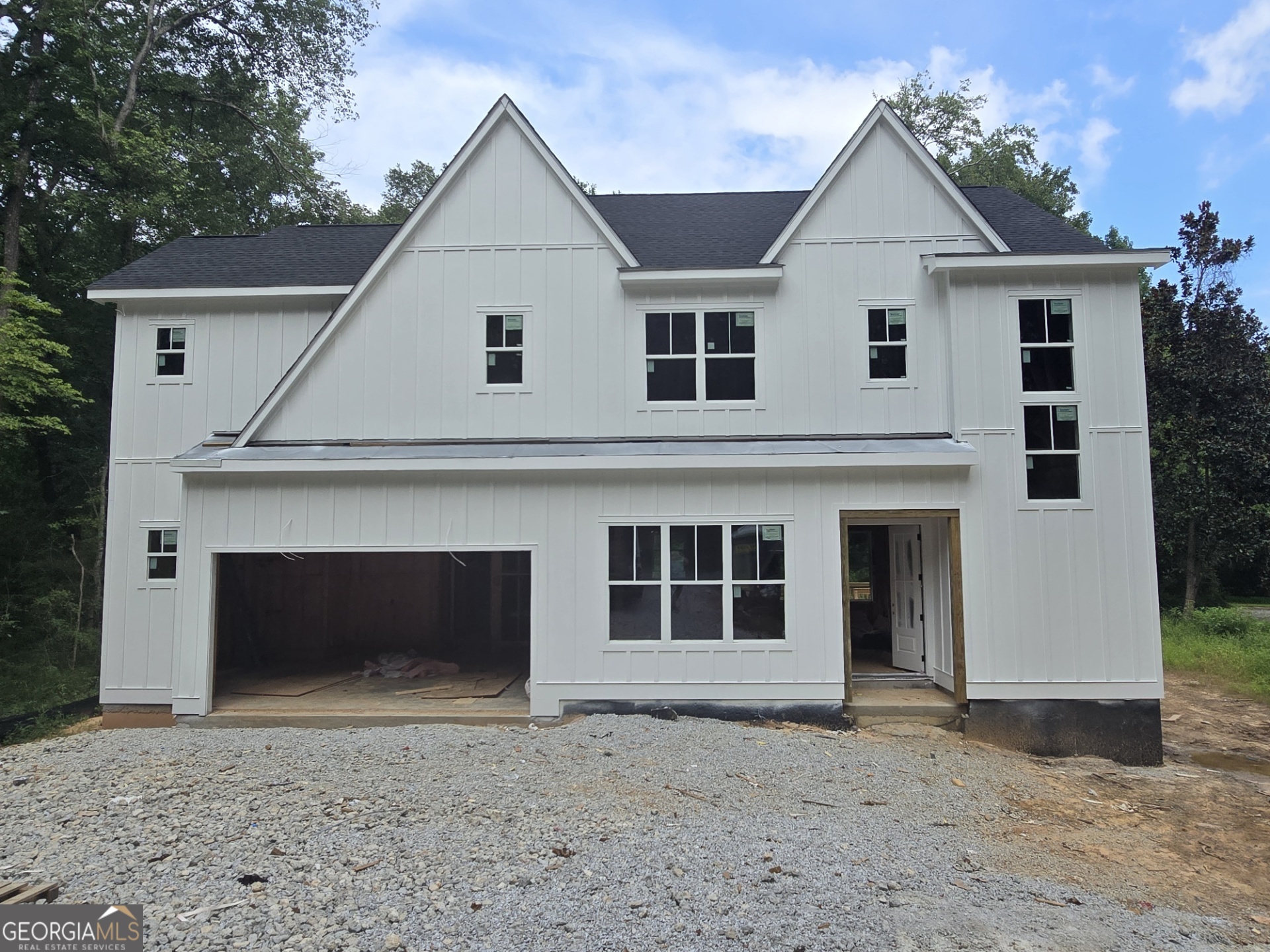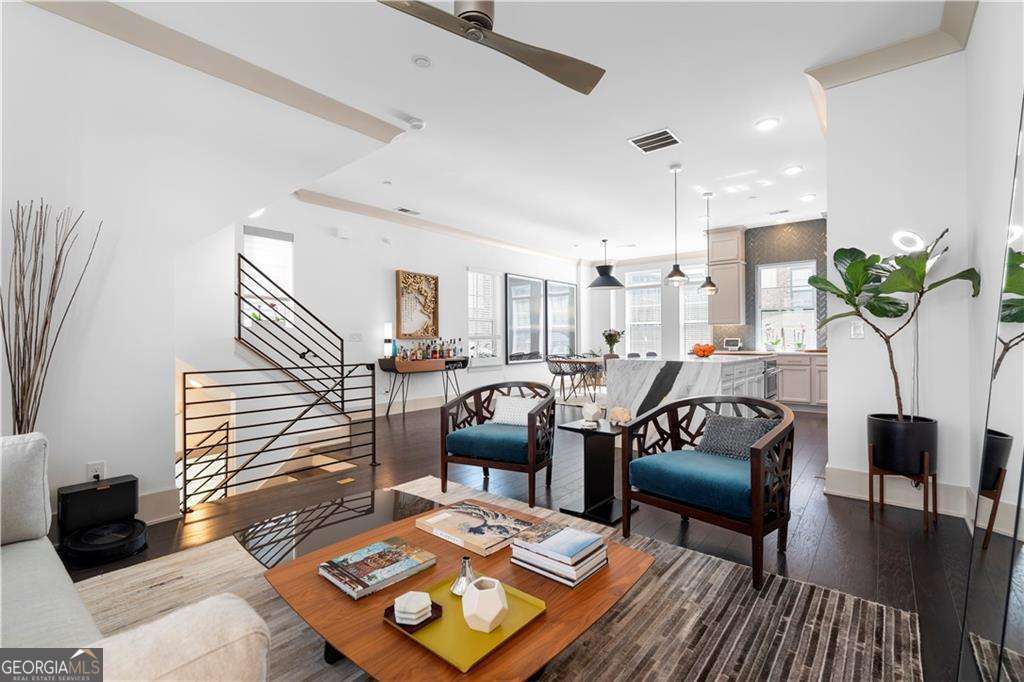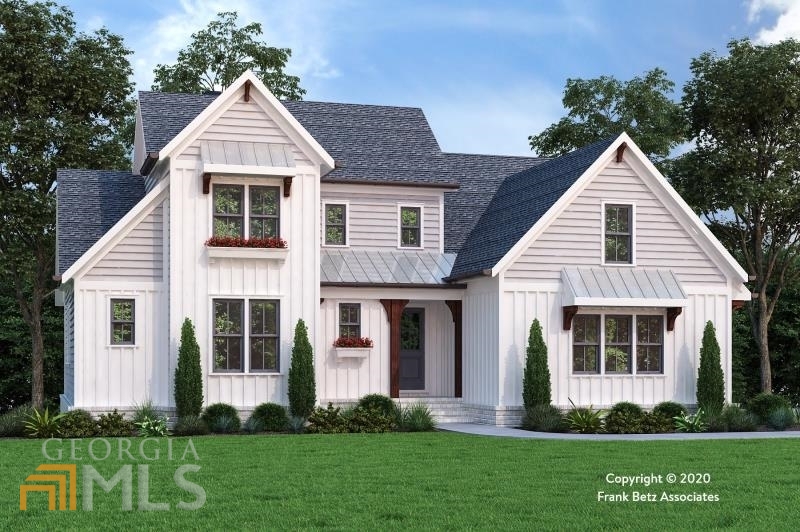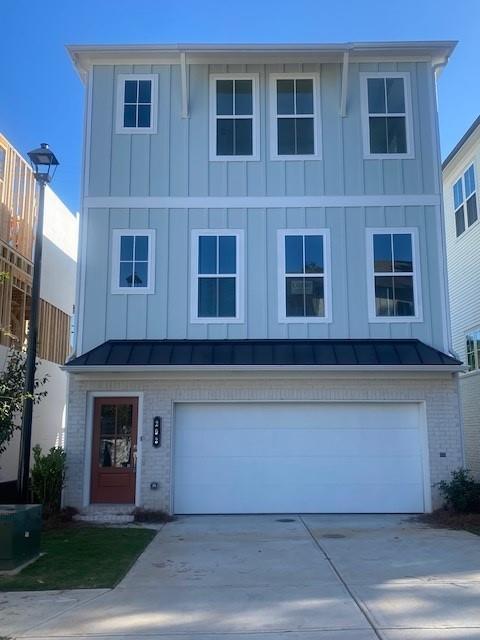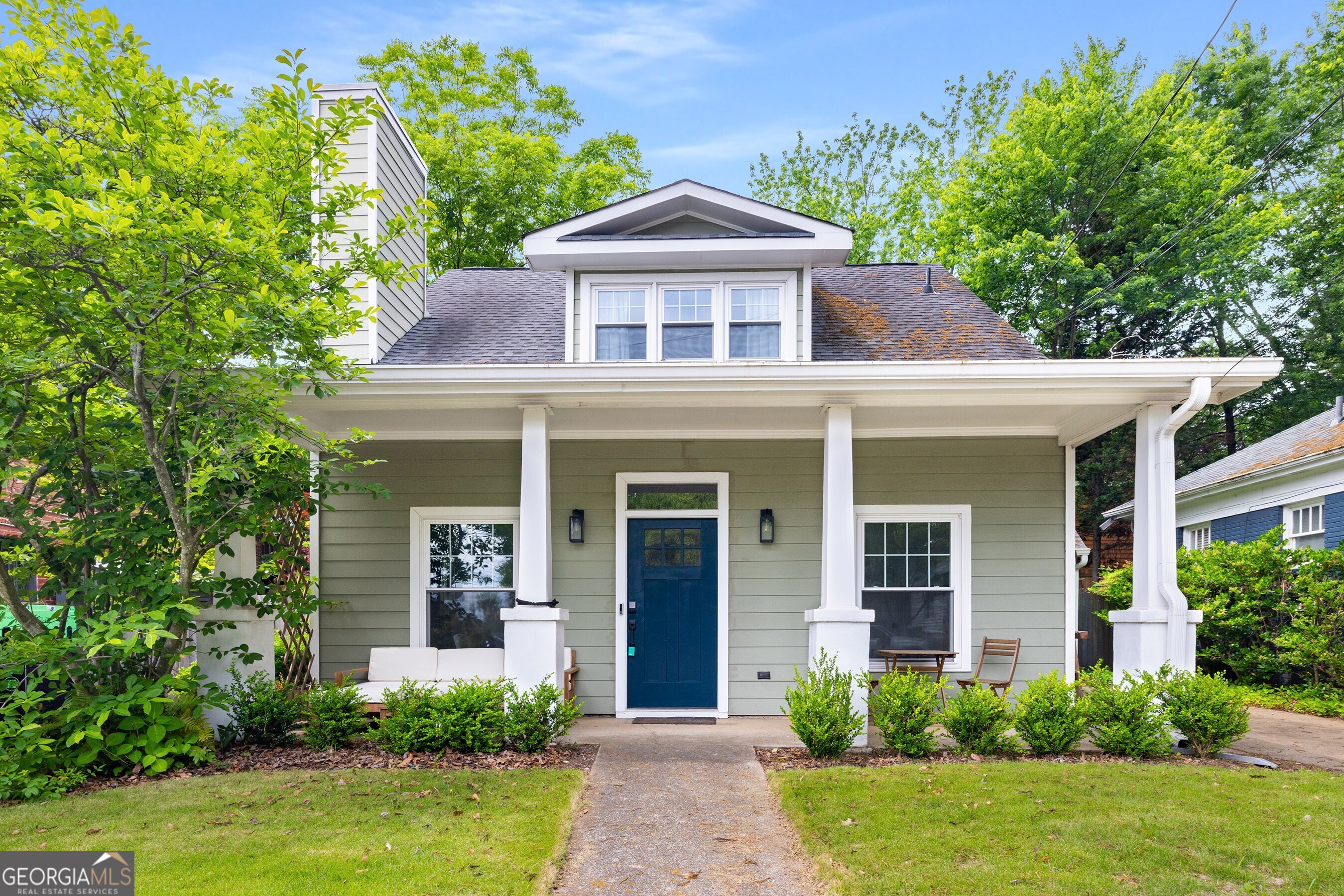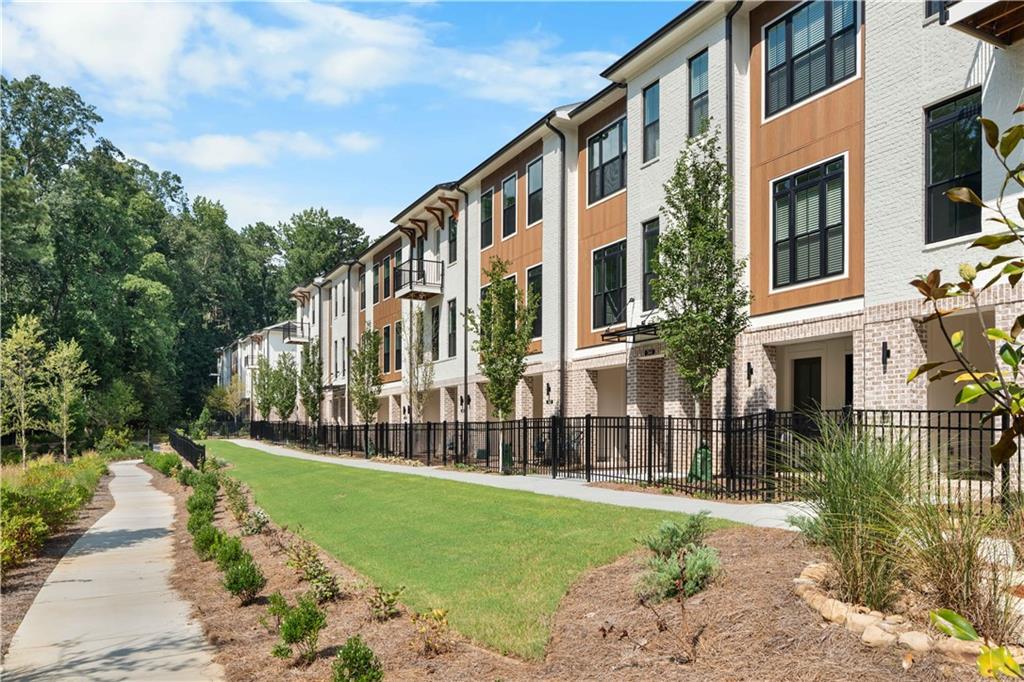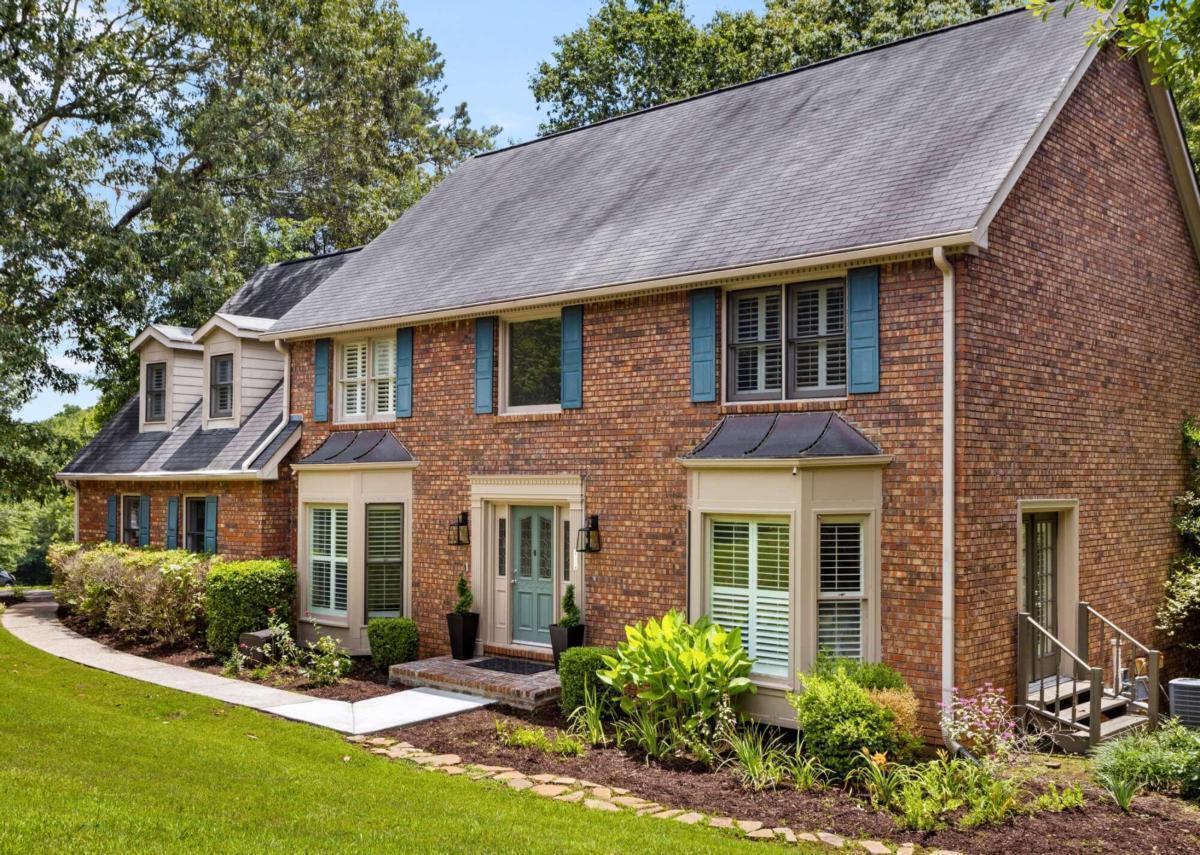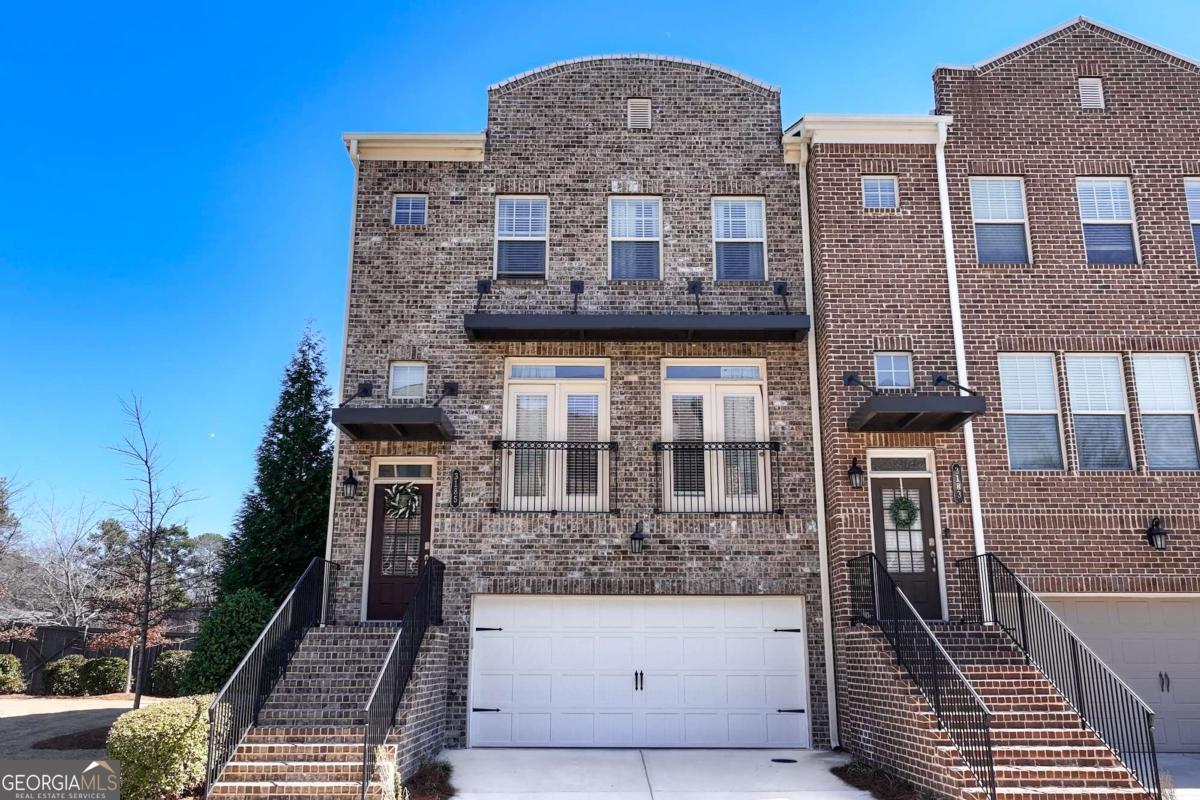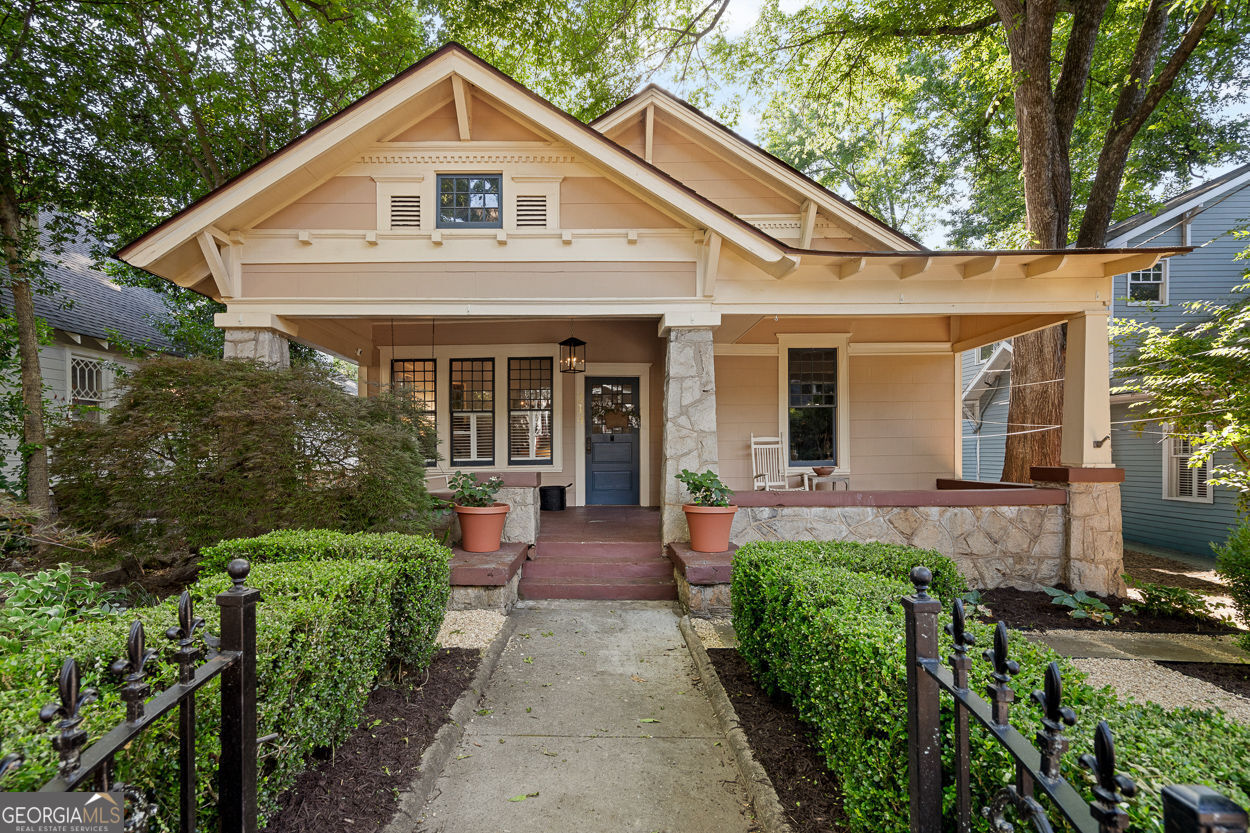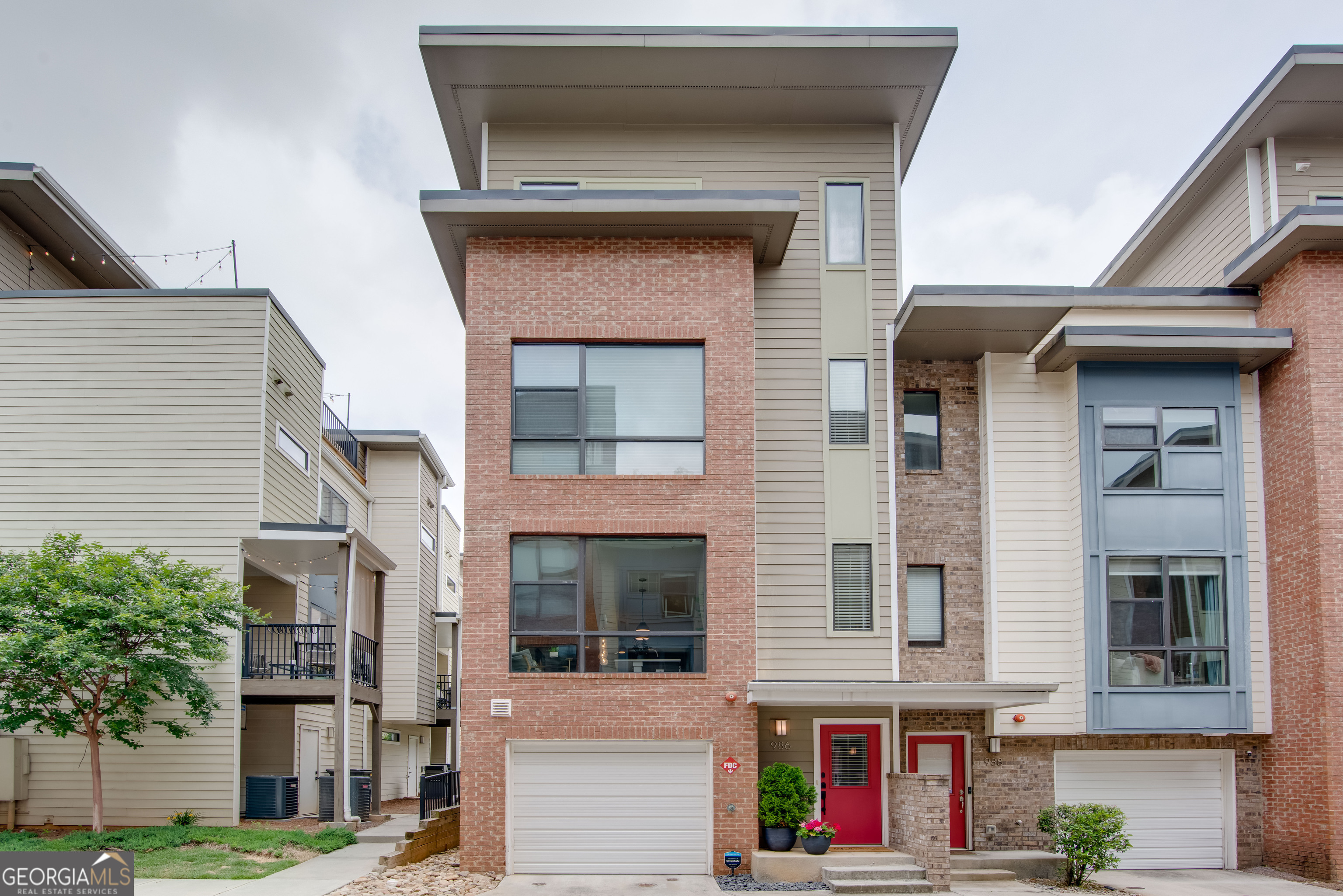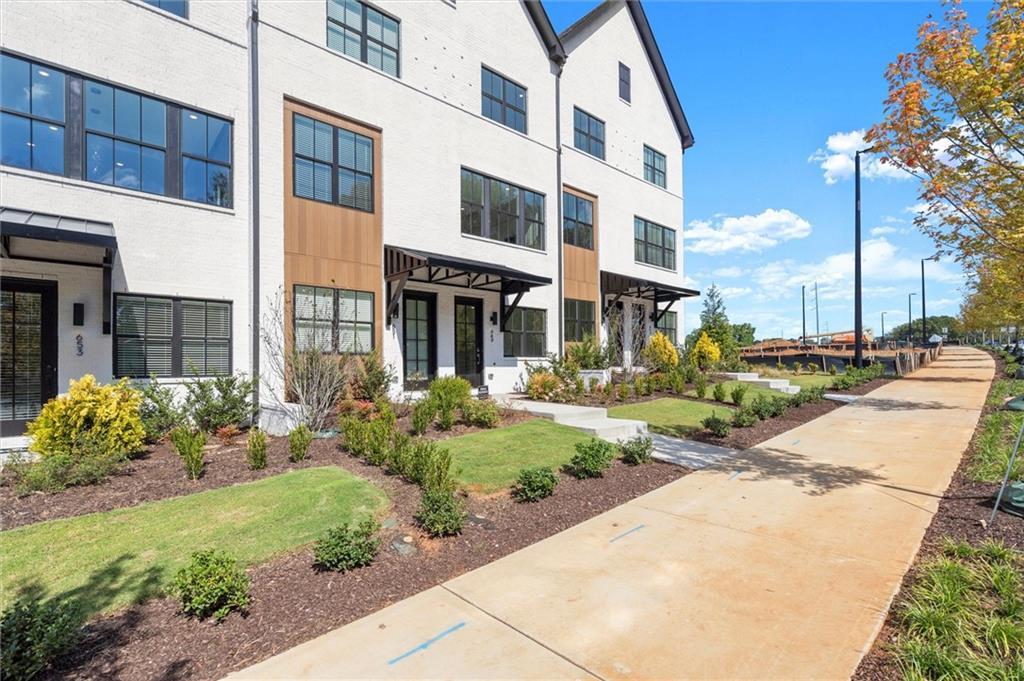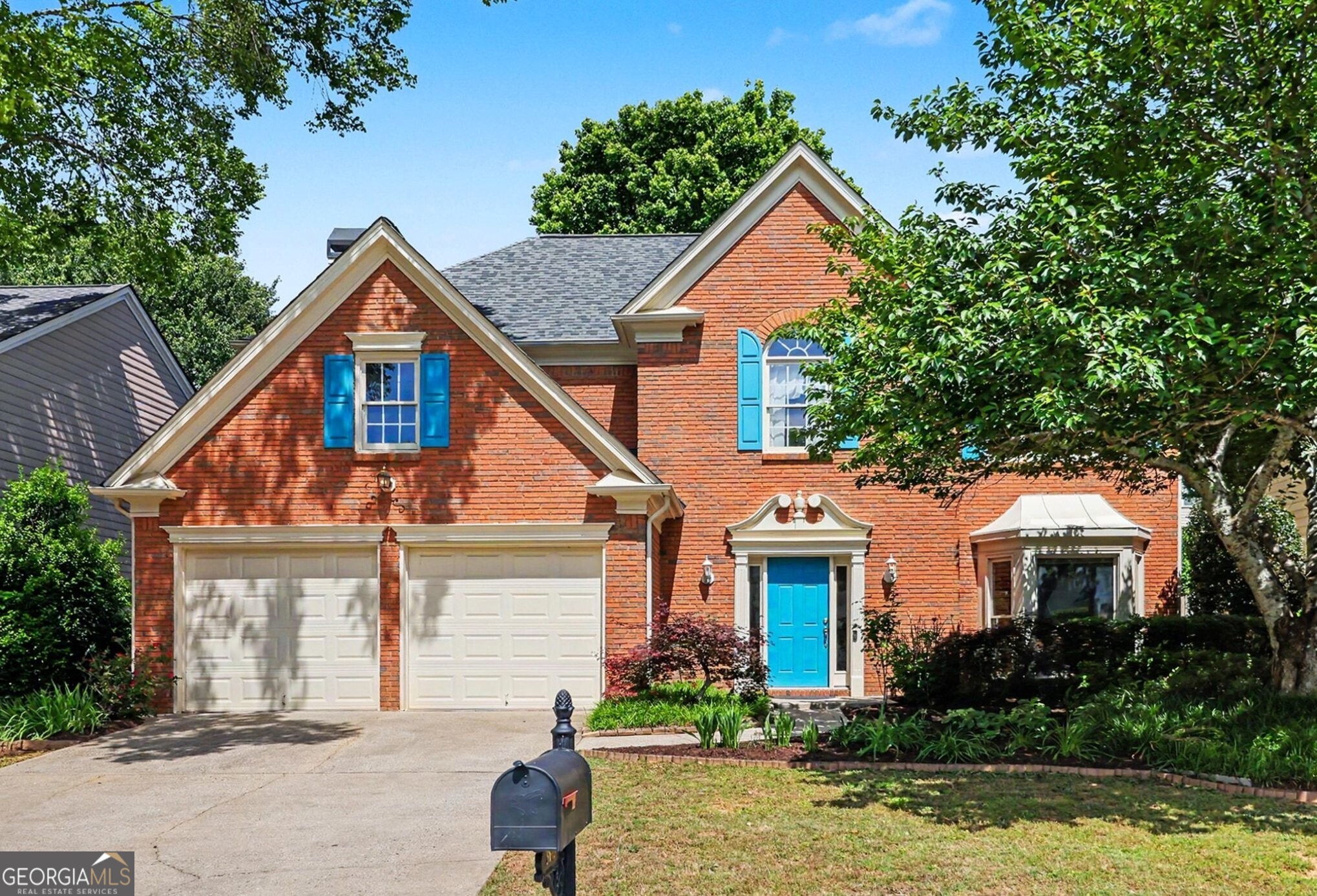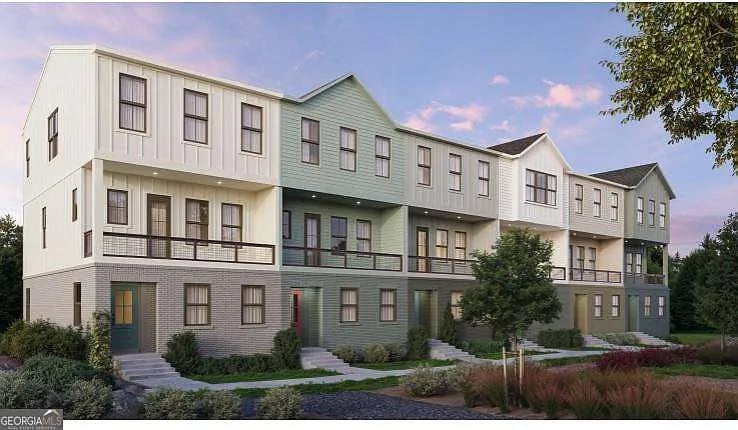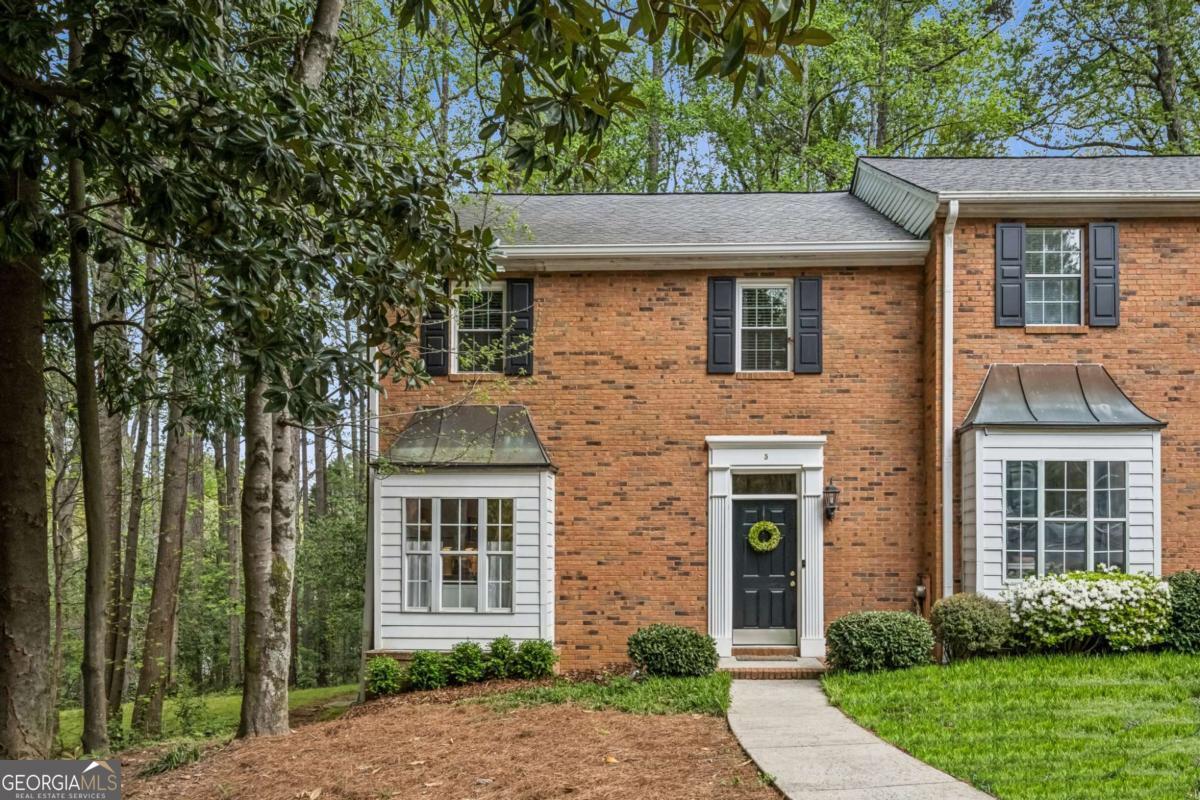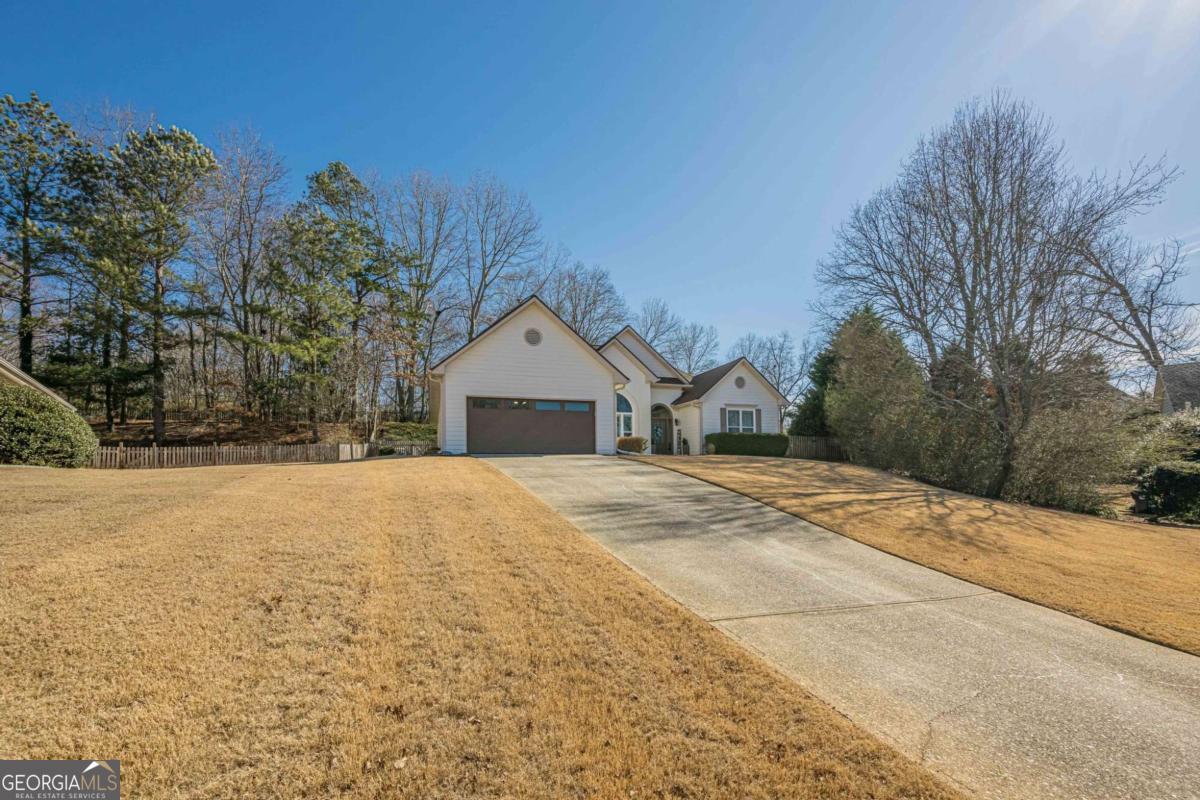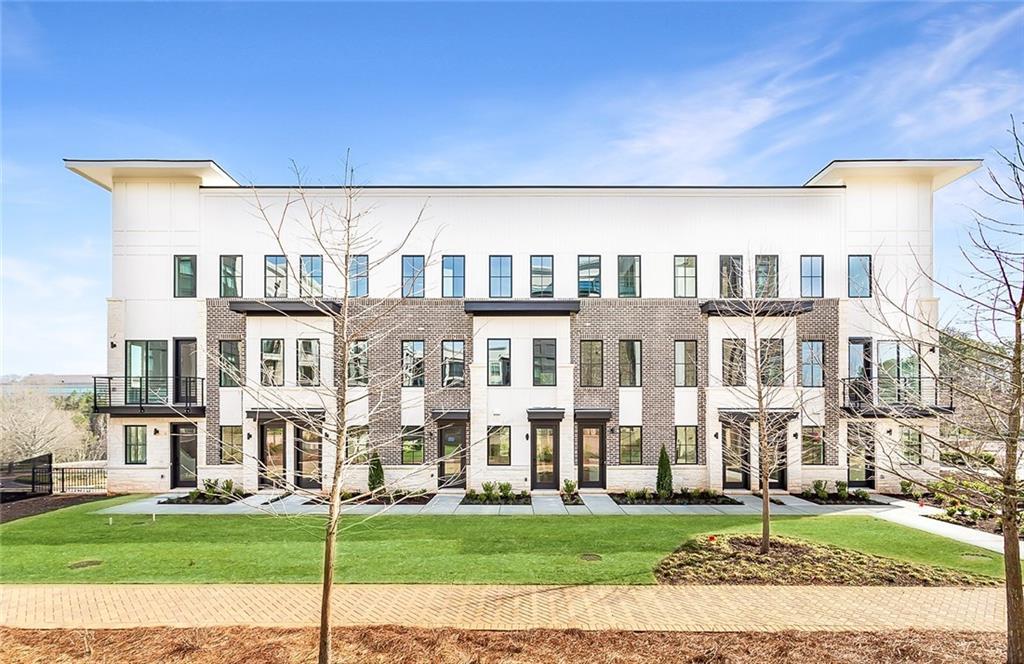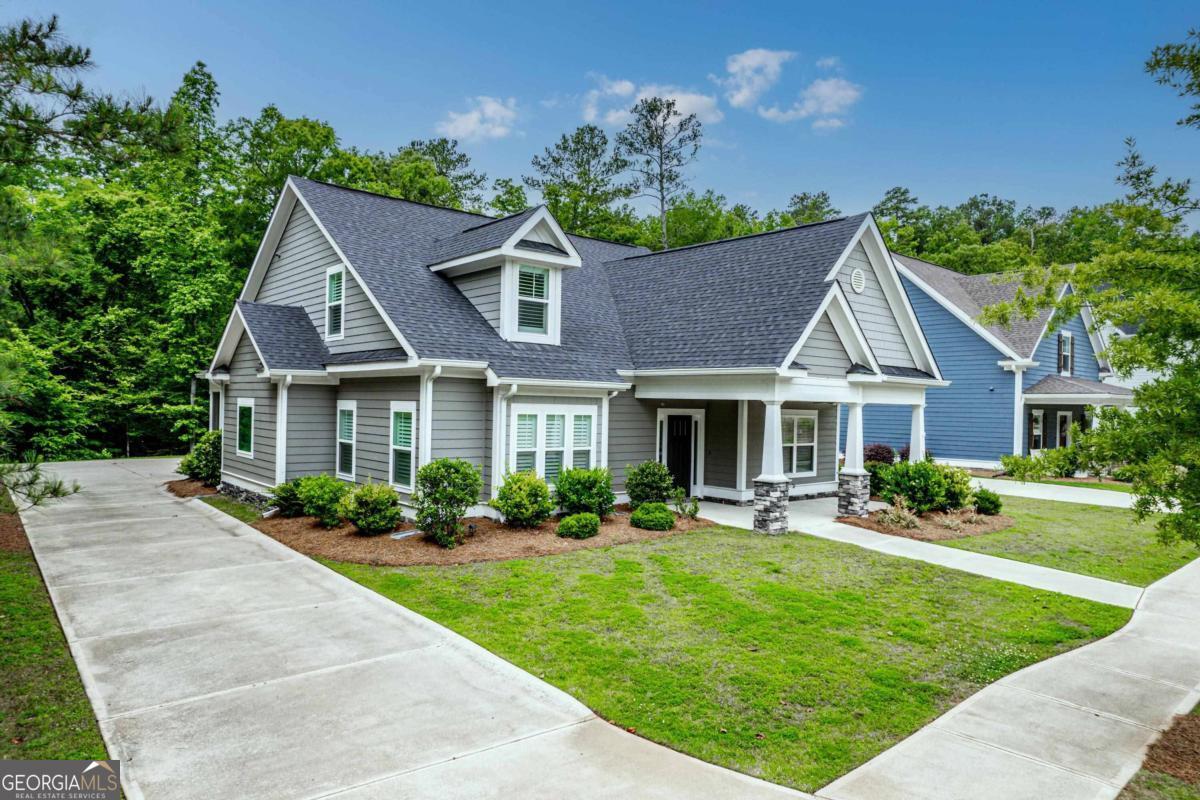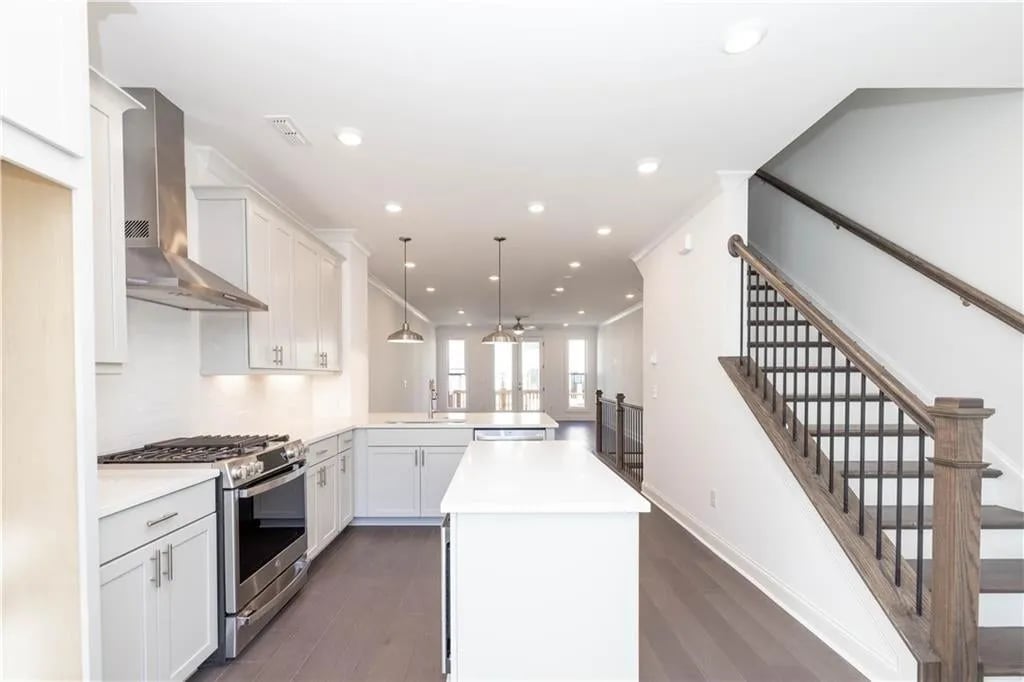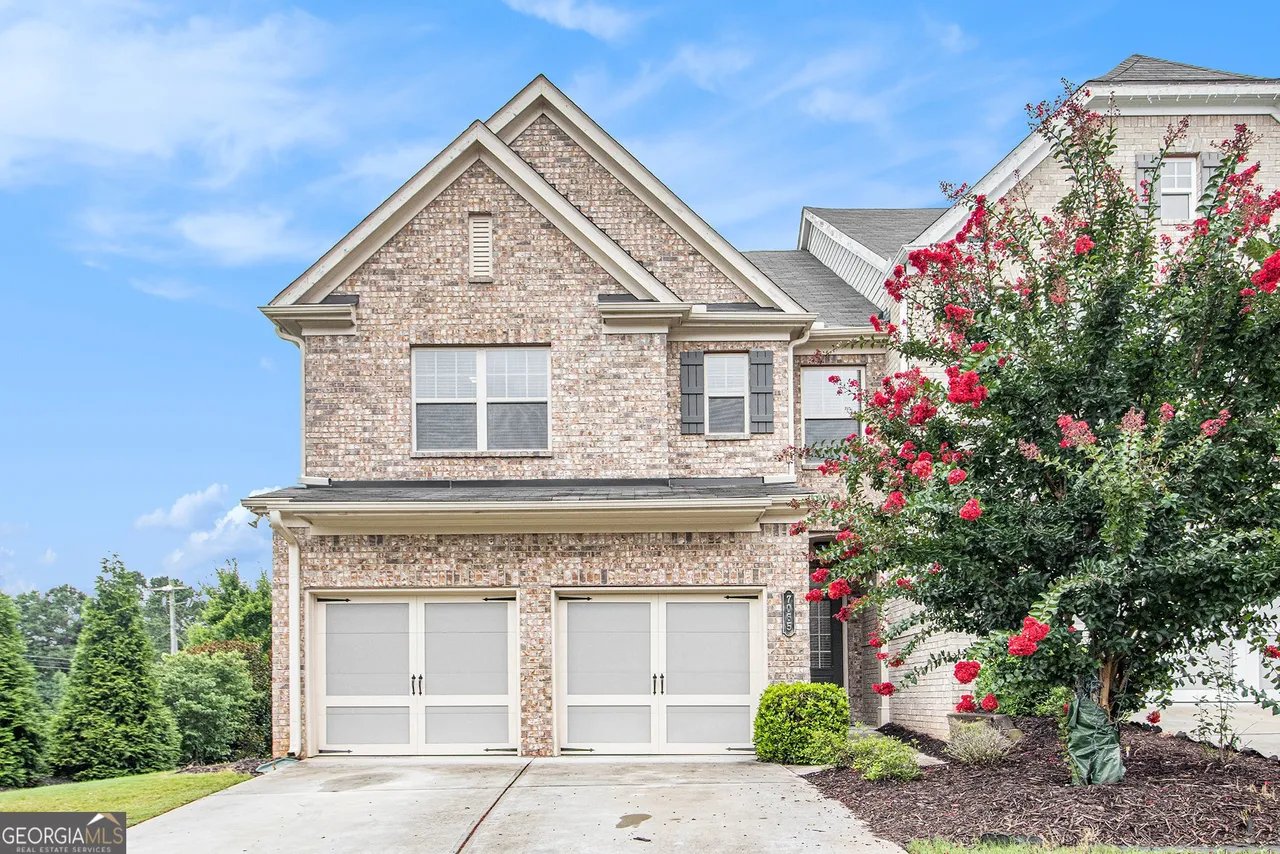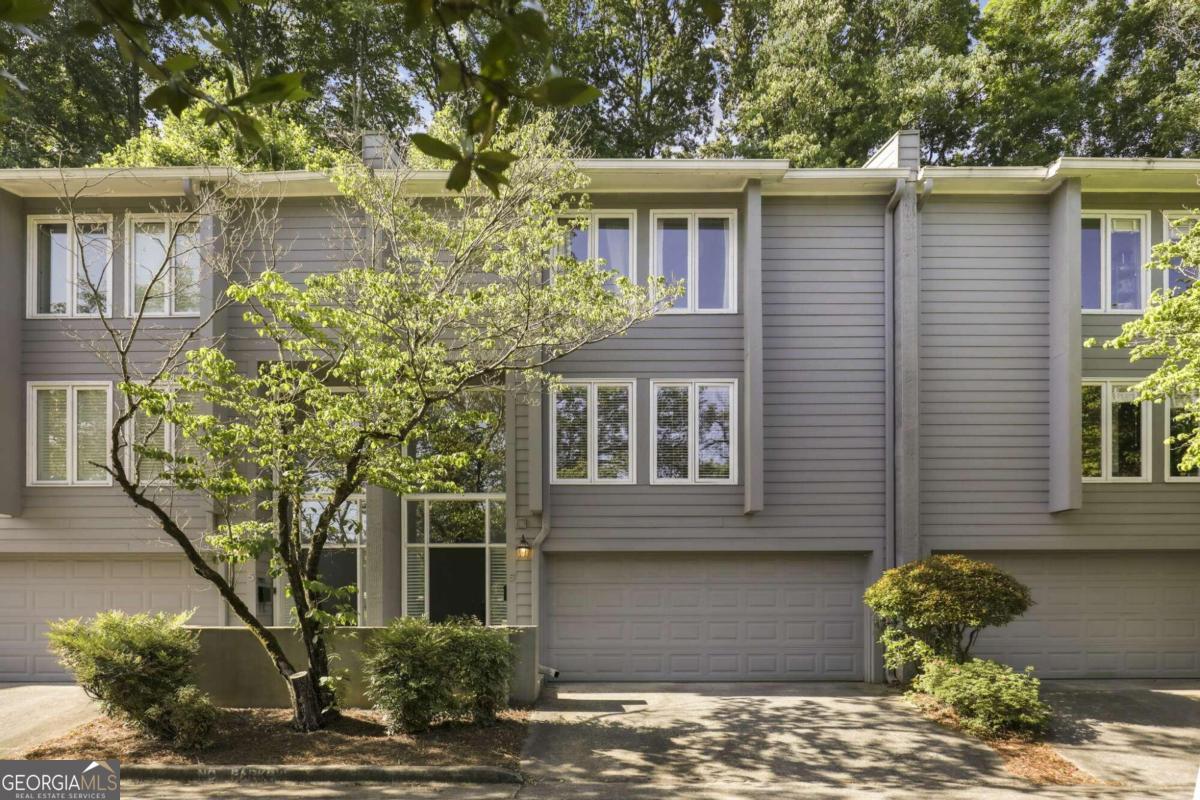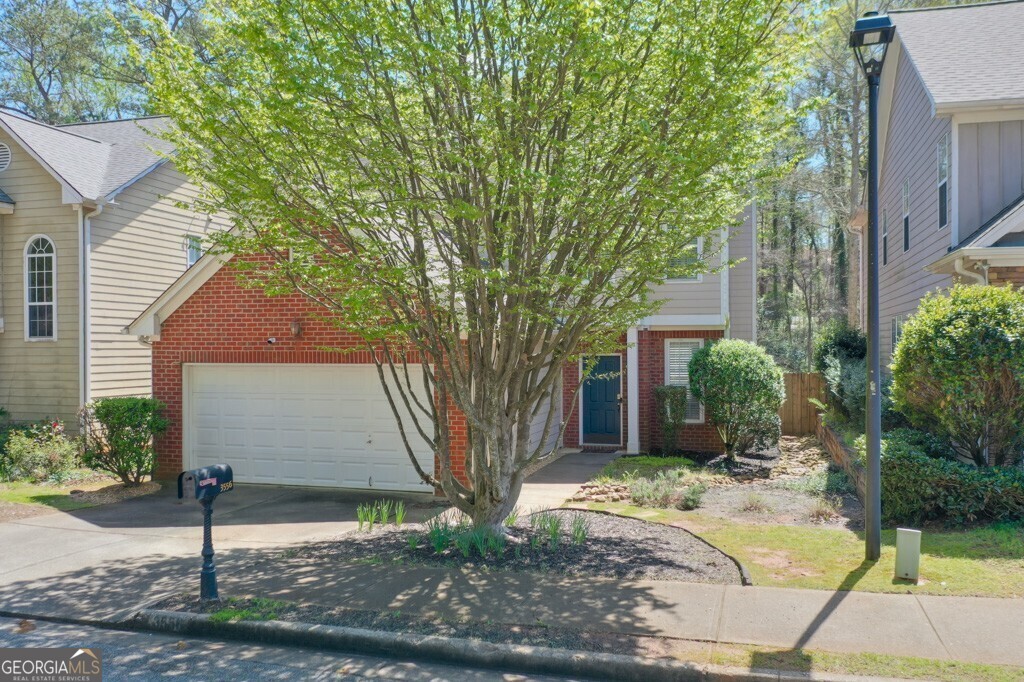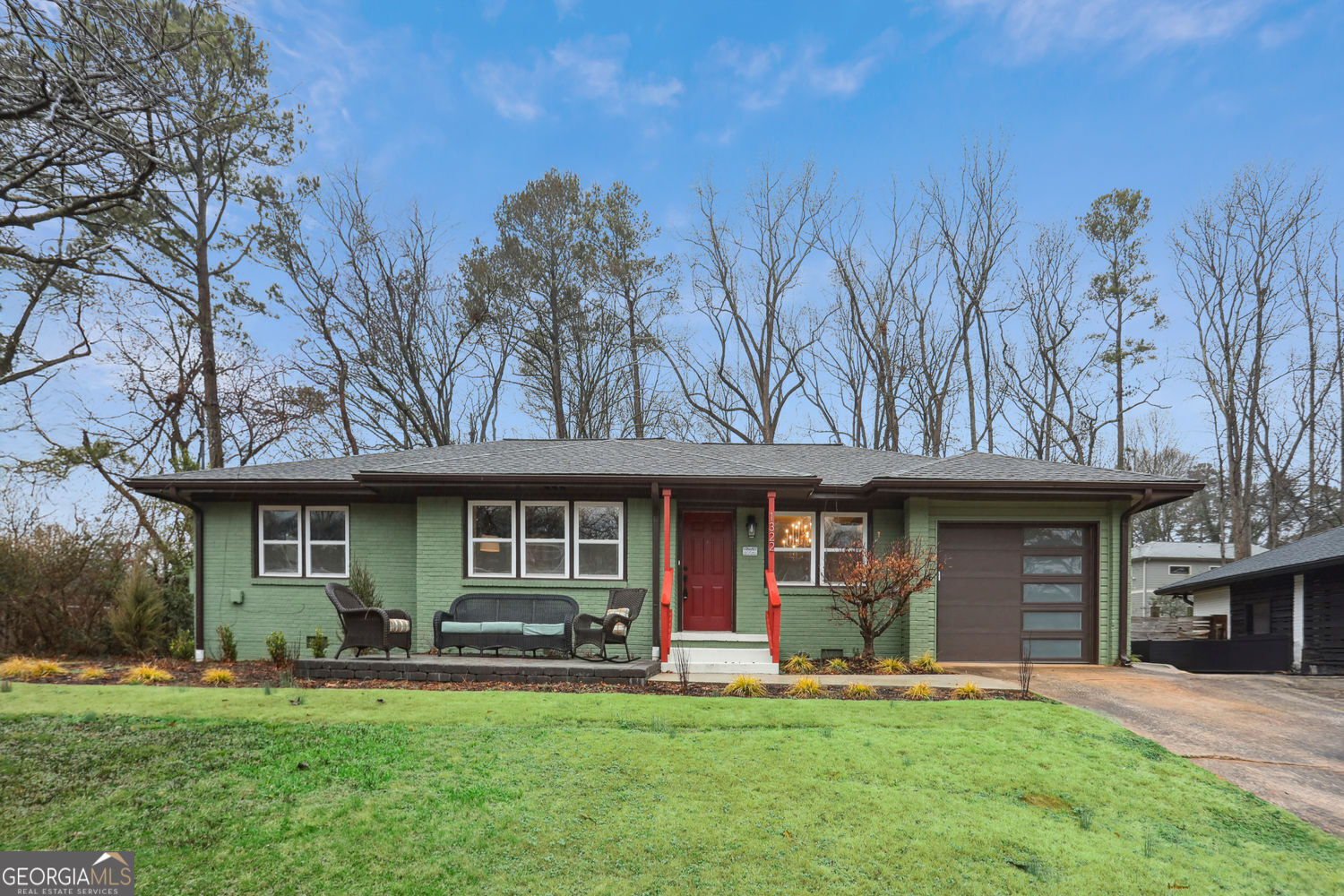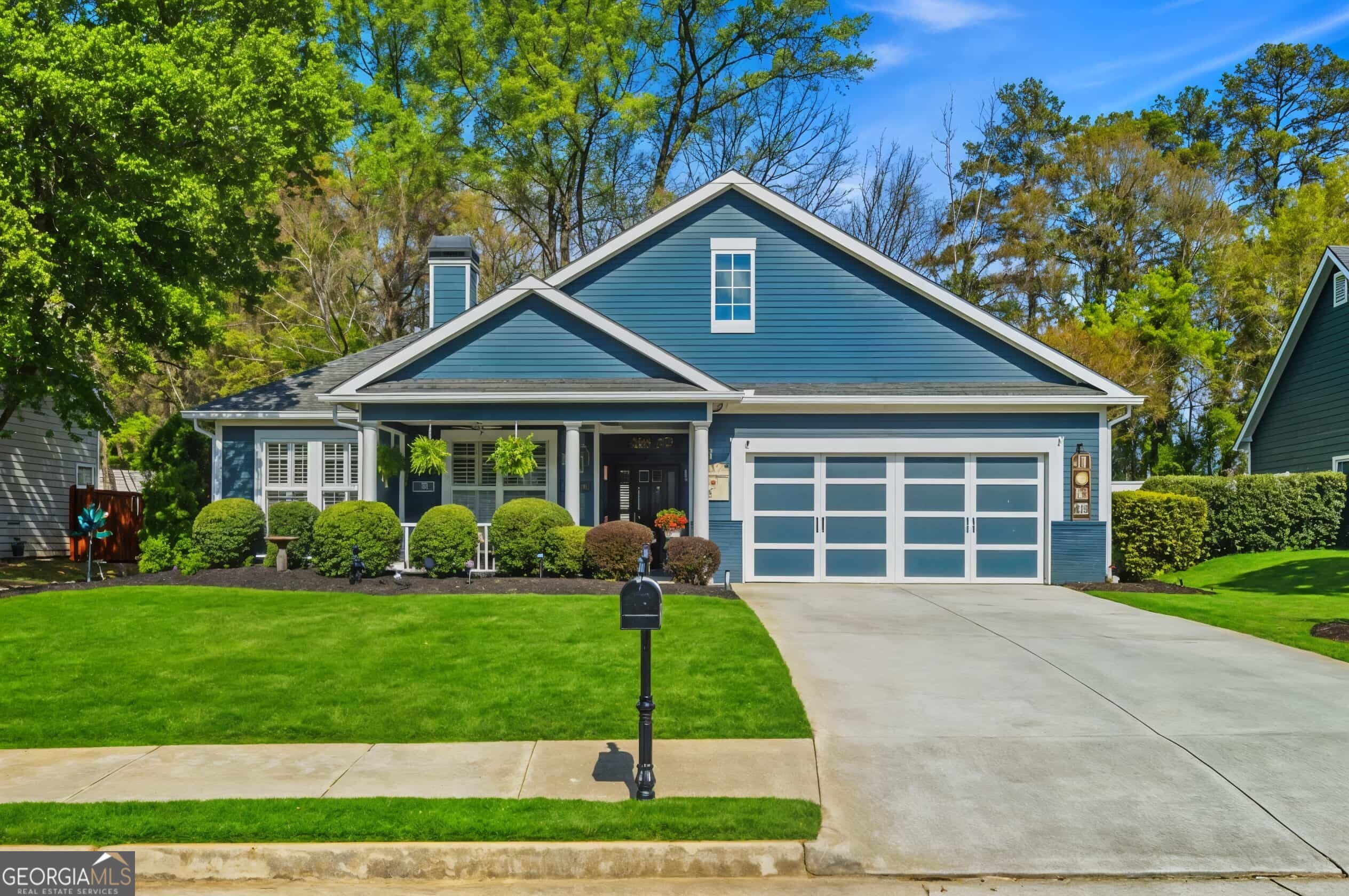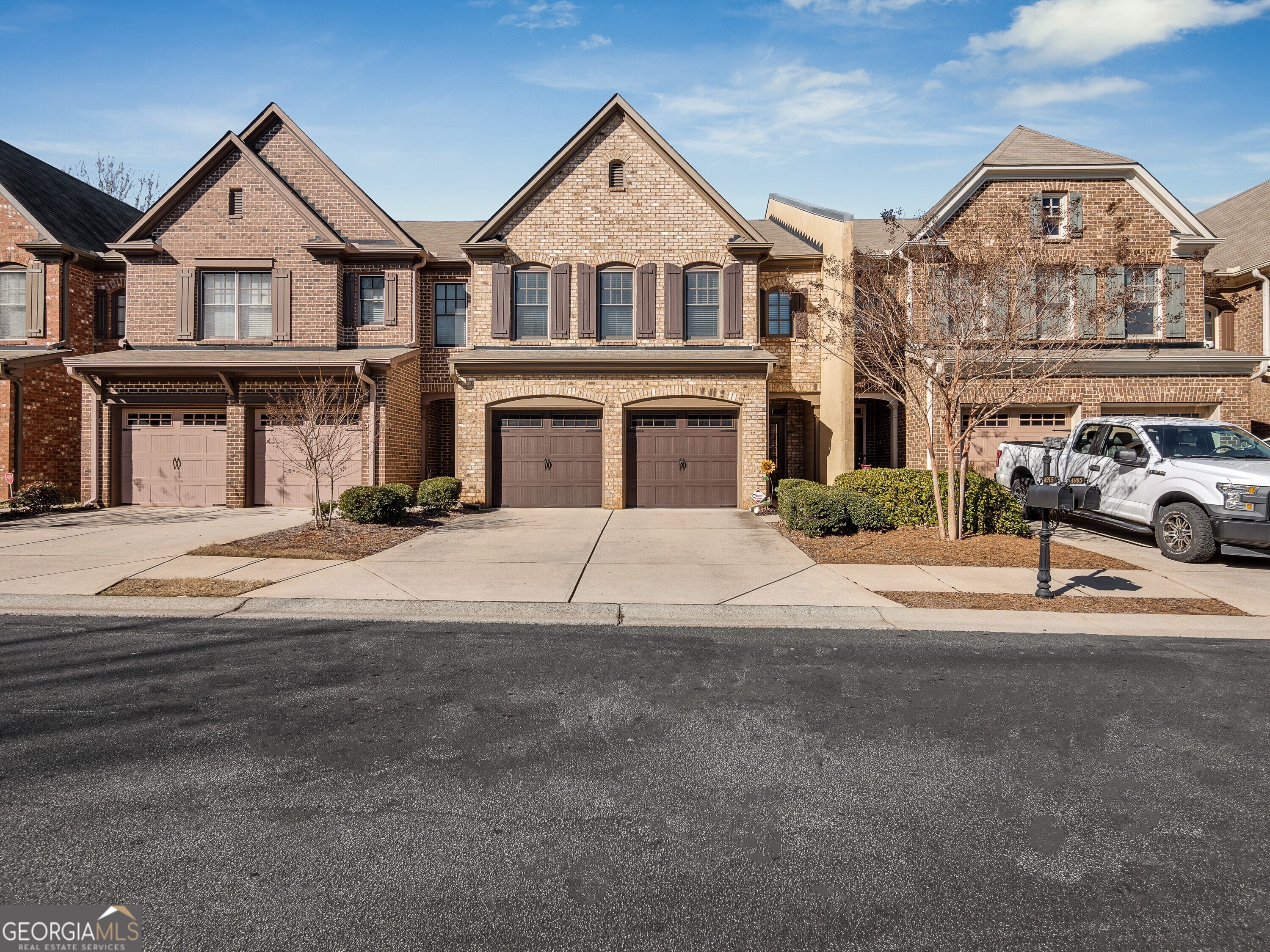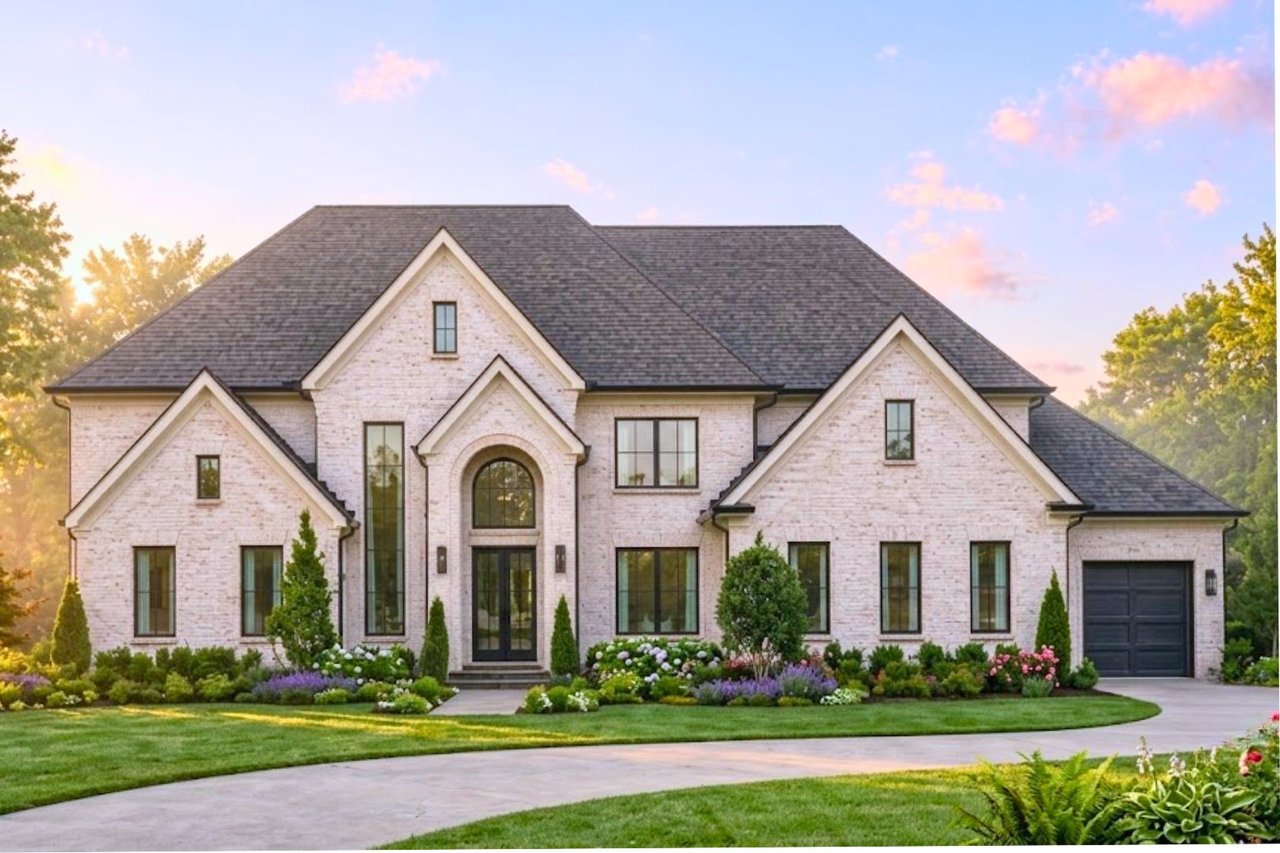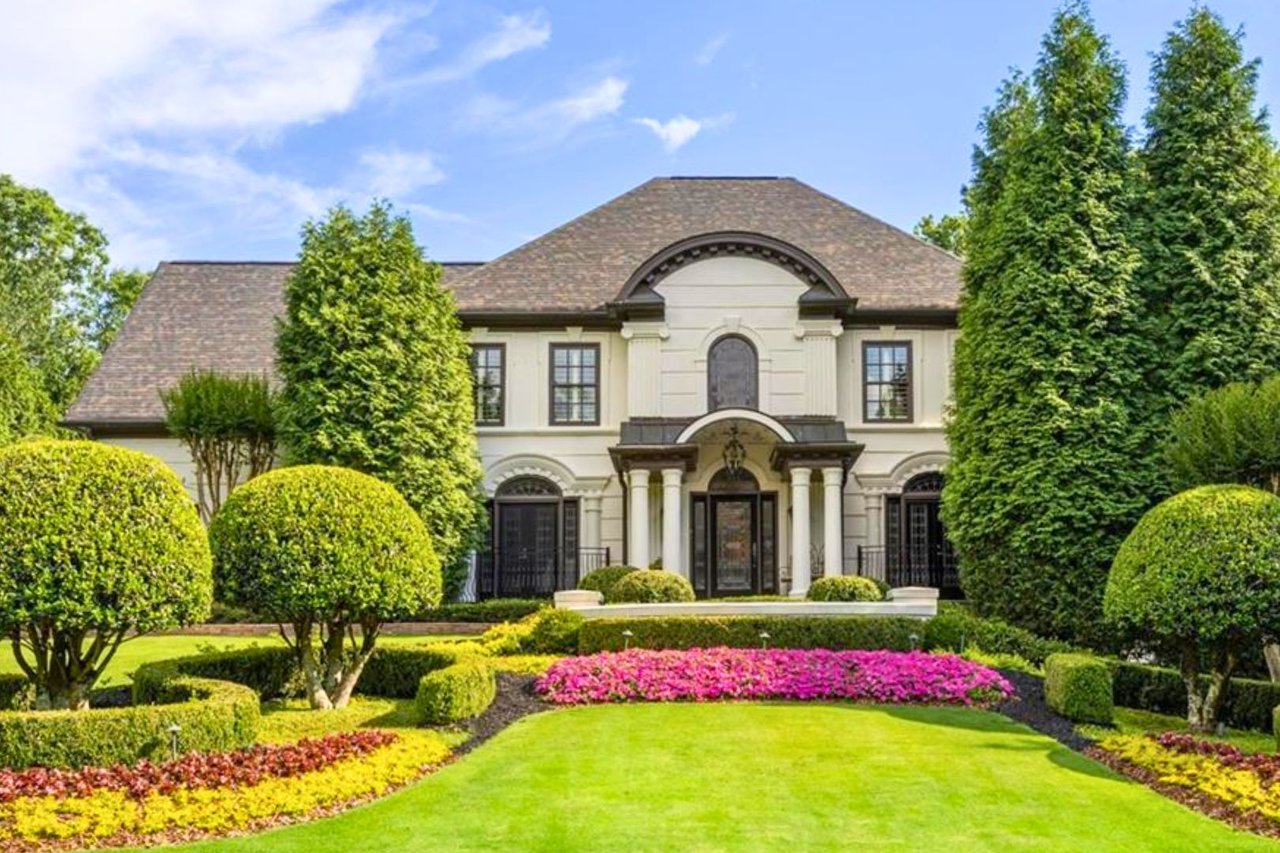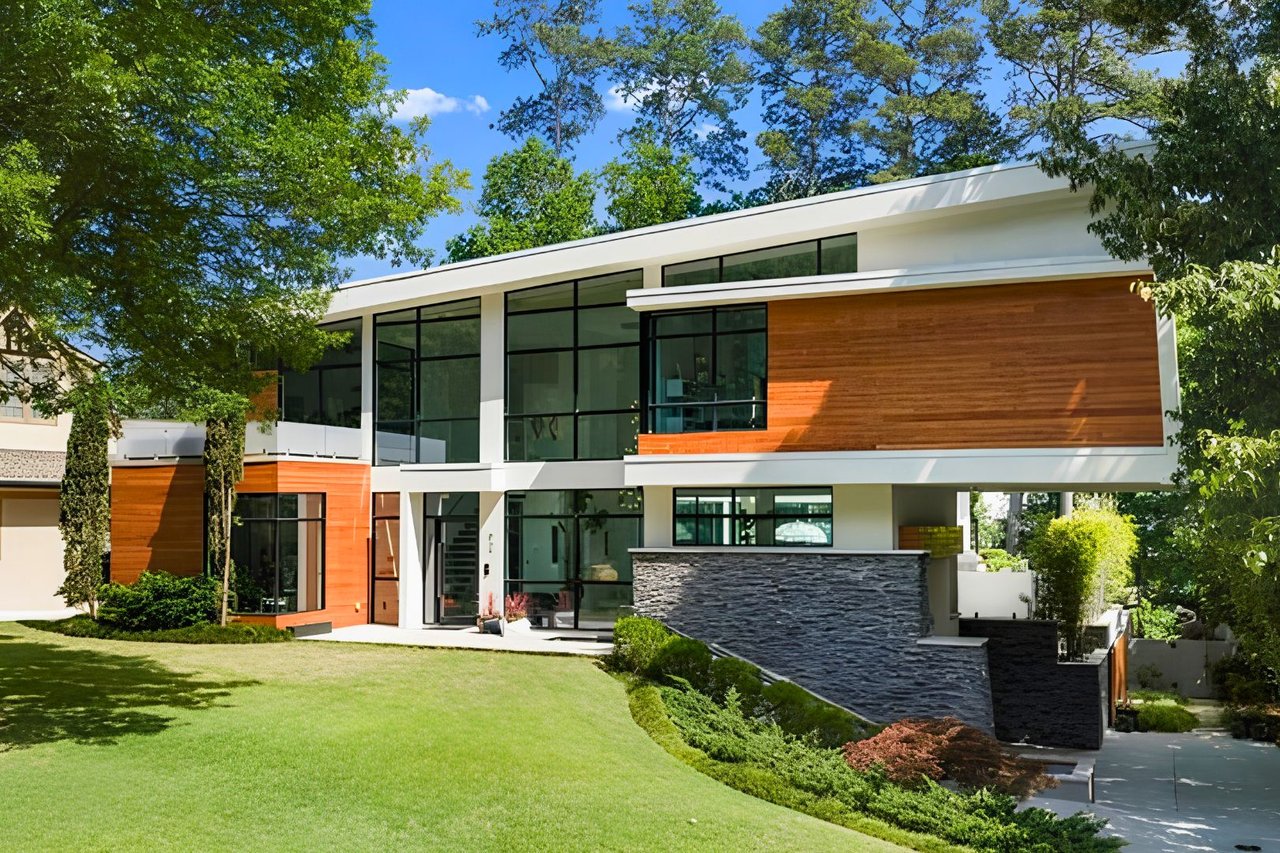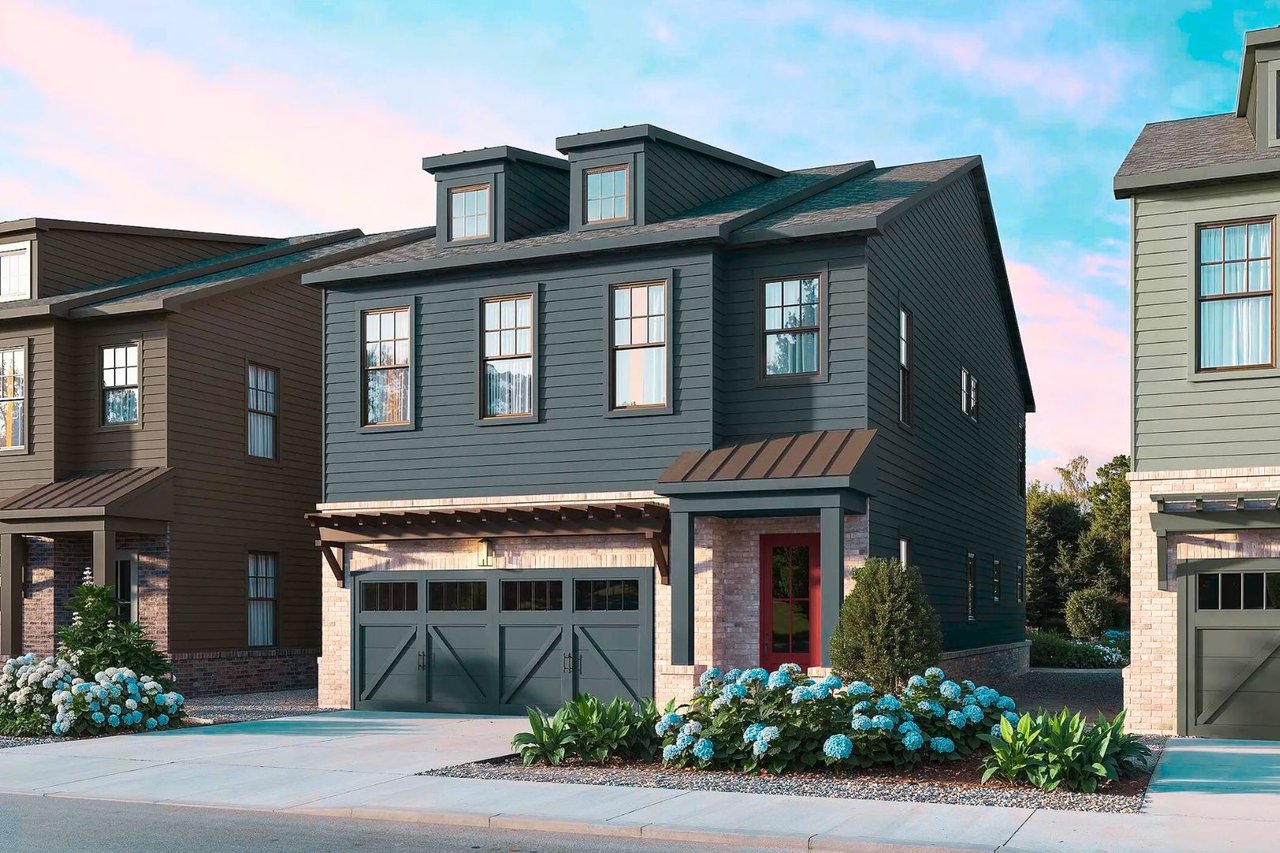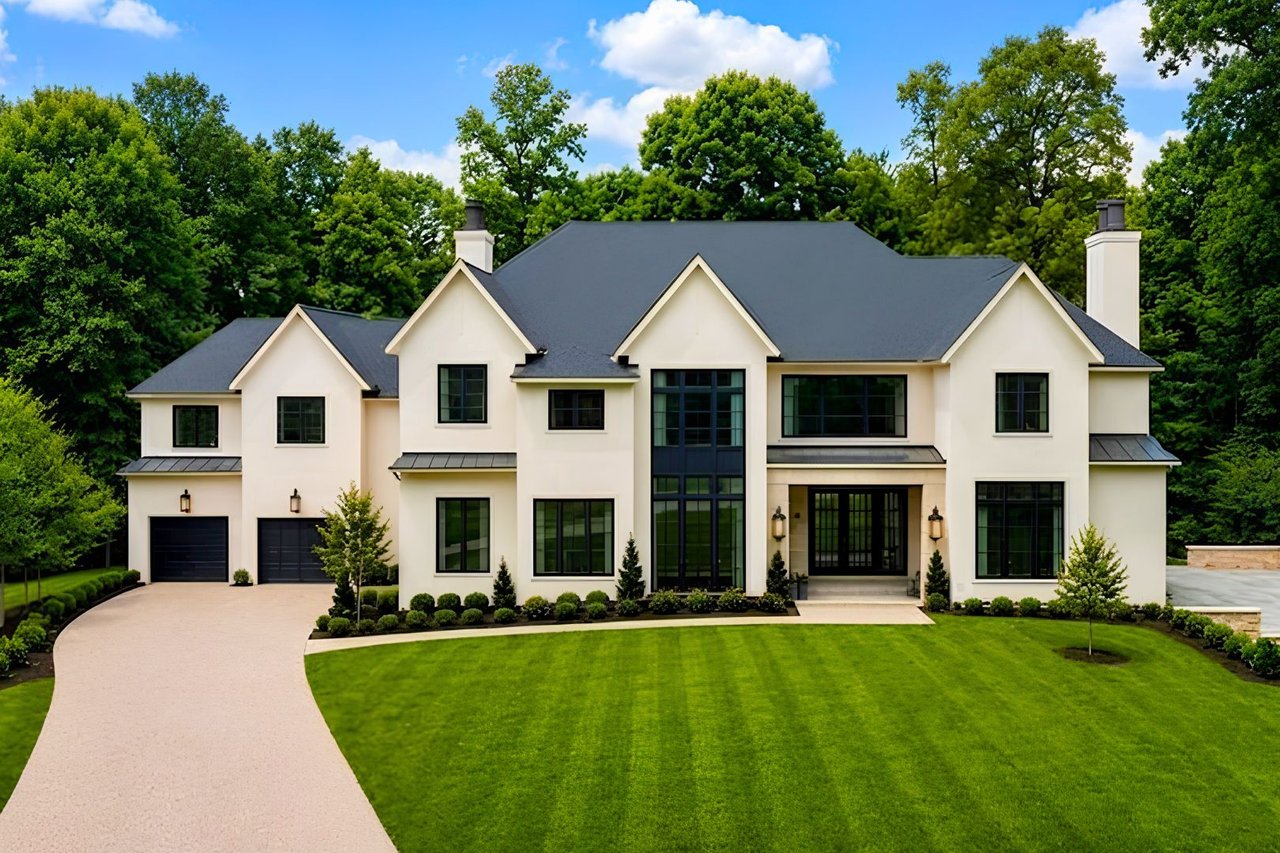

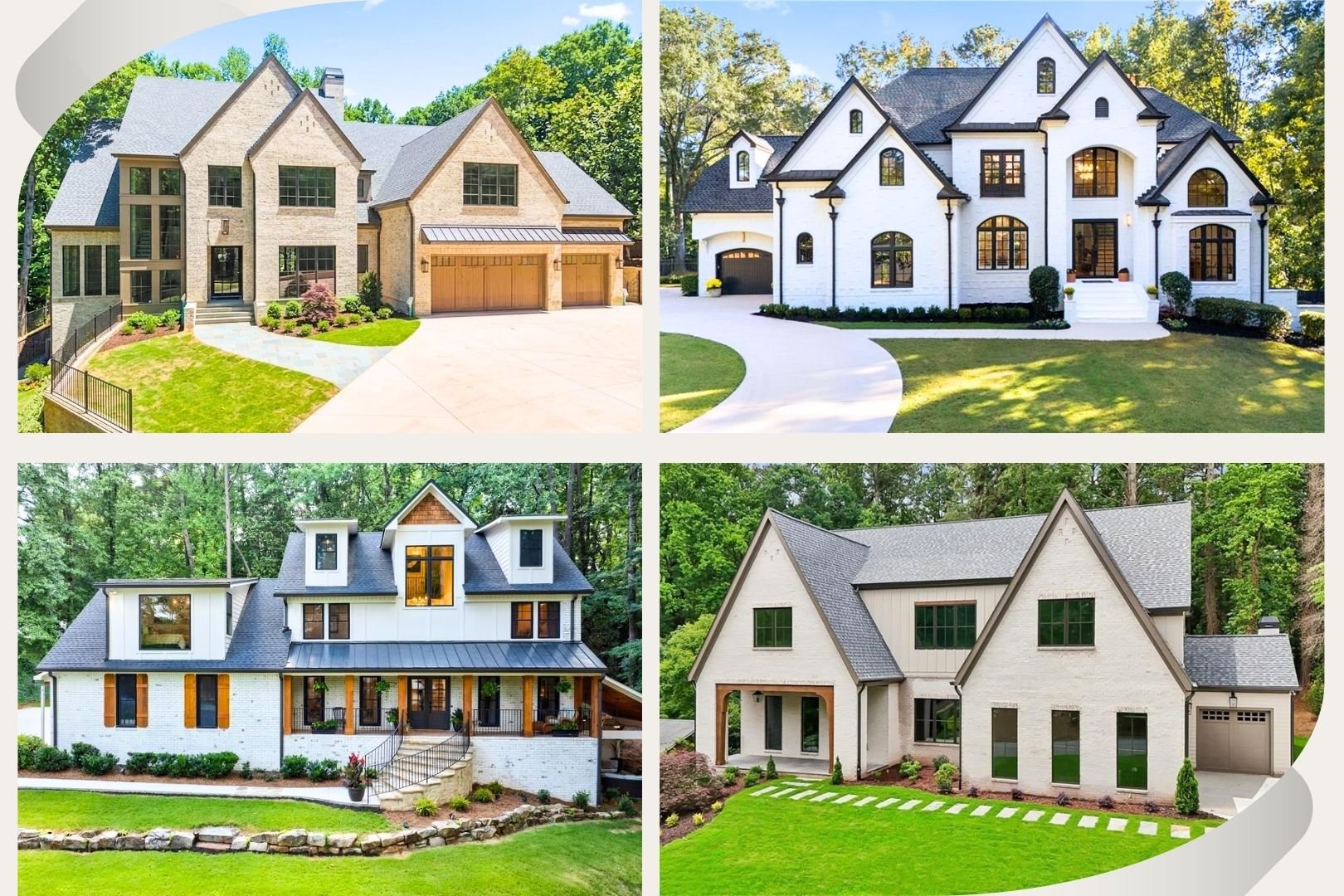
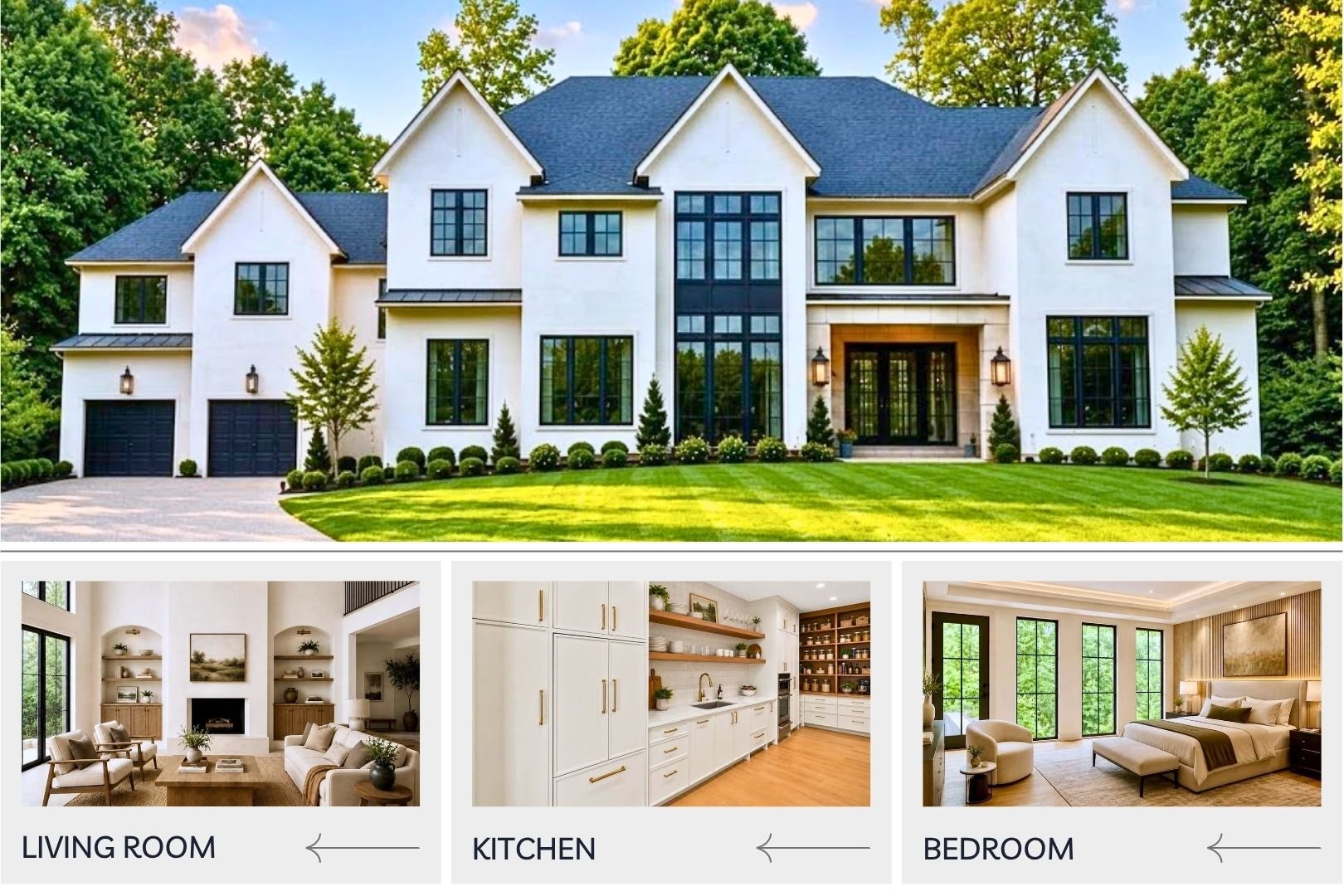
Metro Atlanta's new home market is at a genuine turning point — and for the first time in years, buyers are holding real leverage. With 8,272 active new construction homes listed across 160-plus developers and a median new home price of $489,000 as of May 2026, the region offers more options, more negotiating room, and more compelling opportunities than any point in recent memory.
This guide takes a practical, neighborhood-anchored look at the key trends shaping what buyers are finding — from the Southside's breakout moment to smart home technology becoming a baseline expectation rather than a premium upgrade.
Atlanta's New Home Market in 2026 — A Snapshot
Supply, Pricing & the Shift Toward Balance
Metro Atlanta's housing market is entering a more balanced chapter after several years of compressed inventory and fierce competition. Through Q1 2026, the metro recorded 4,320 new residential construction permits — a 13% year-over-year decline compared to Q1 2025, but still representing substantial activity across the region's diverse submarkets. Homes valued over $500,000 accounted for 837 of those permits in Q1 alone, confirming that demand at the luxury end remains resilient.
$450,000 — Atlanta's average home price as of May 2026, up 3.4% year over year, with homes selling in an average of 55 days. (Source: Redfin, May 2026)
That 55-day pace reflects a market cooling from its peak — methodical rather than stagnant, and genuinely more navigable for buyers who were priced out or squeezed out in prior cycles.
What This Means for Buyers Right Now
The inventory picture is shifting meaningfully in buyers' favor. Active listings in Atlanta increased by 15.5% in March 2026 compared to the same time last year — outpacing the national inventory growth rate of 10.7%. According to GAMLS data, 62% of sold homes in 2025 included seller concessions averaging around $4,000 per sale, while 41% of listings had price reductions since January.
Those are real numbers that translate to real negotiating power for prepared buyers.
62% of sold Atlanta homes in 2025 included seller concessions — averaging $4,000 per sale. (Source: GAMLS 2025)
Mortgage rates are expected to remain in the 6% to 6.5% range through much of 2026. Economists point to gradual easing ahead — meaning buyers who move strategically now, rather than waiting for a perfect rate environment that may not materialize, are best positioned to build equity from day one.
Pro Tip: Get pre-approved with an independent lender before visiting model homes. Builder lenders may offer attractive incentives, but shopping rates independently ensures you're comparing the full picture — not just the headline number.
The Southside Surge — Atlanta's Breakout New Home Territory
Fayette County & Trilith — Where Growth Is Happening
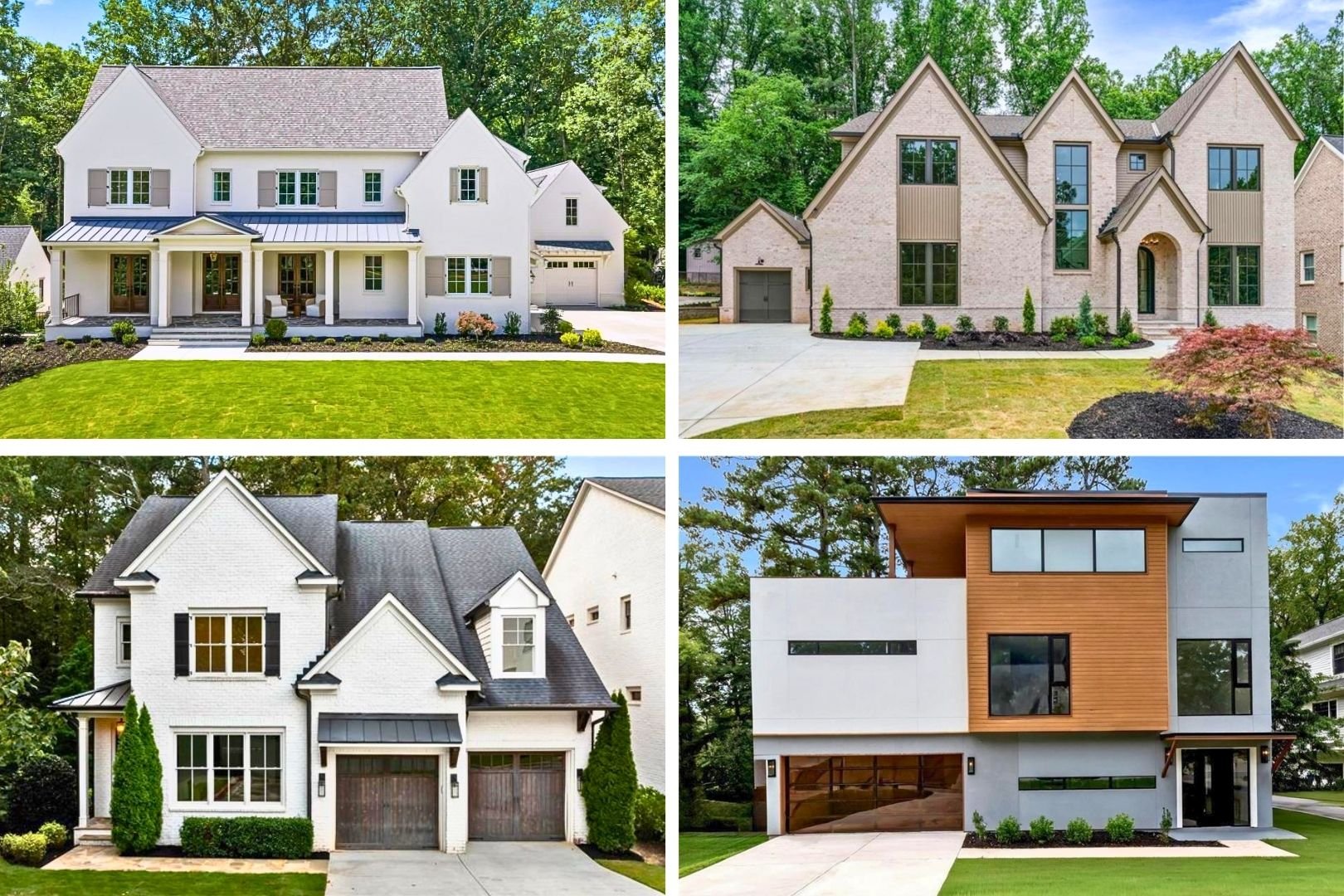
For years, North Atlanta commanded the conversation. Alpharetta, Roswell, Milton — these names dominated new construction discussions. The Southside is now the breakout story, and Fayette County is at the center of it.
The Town at Trilith in Fayetteville is a 235-acre master-planned residential and mixed-use community adjacent to Trilith Studios, the largest purpose-built film studio in the United States. When fully built out, the development will include:
- 750 single-family homes and 600 multi-family lofts
- 192 hotel rooms
- 270,000 square feet of restaurants, retail, office, and commercial space
- 51% of total acreage dedicated to green space
Trilith also holds the distinction of being the largest geothermal community in the United States — a feat of sustainability planning that sets a high bar for the broader region. Starr's Mill High School, also in Fayette County, carries a 15-to-1 student-teacher ratio and consistently ranks among Georgia's top public high schools, making the area especially compelling for relocating families.

The World Cup Effect & Infrastructure Investment
Atlanta's selection as a 2026 FIFA World Cup host city has generated tangible infrastructure investment well beyond Mercedes-Benz Stadium. The Arthur M. Blank U.S. Soccer National Training Center will span 200 acres in Fayette County, encompassing more than a dozen soccer fields and over 100,000 square feet of indoor courts for all 27 U.S. Soccer National Teams.
That kind of anchor institution generates long-term economic activity and national visibility for the entire Southside corridor — not just short-term excitement.
The Atlanta BeltLine is also connecting its trail experience to World Cup energy, extending the cultural and recreational programming that has made it one of the most ambitious urban redevelopment projects in the country. This 22-mile loop of trails, parks, and future transit connects 45 neighborhoods and continues to act as a powerful value driver for adjacent communities including West End and the Old Fourth Ward.
Henry & Clayton Counties — Affordable New Construction Alternatives
Beyond Fayette County, Henry and Clayton counties offer compelling entry points for buyers who want the Southside story without the Trilith price point. Fayette, Coweta, Clayton, Henry, and Newton counties all grew between 11% and 18% over the previous decade — and developers have responded accordingly.
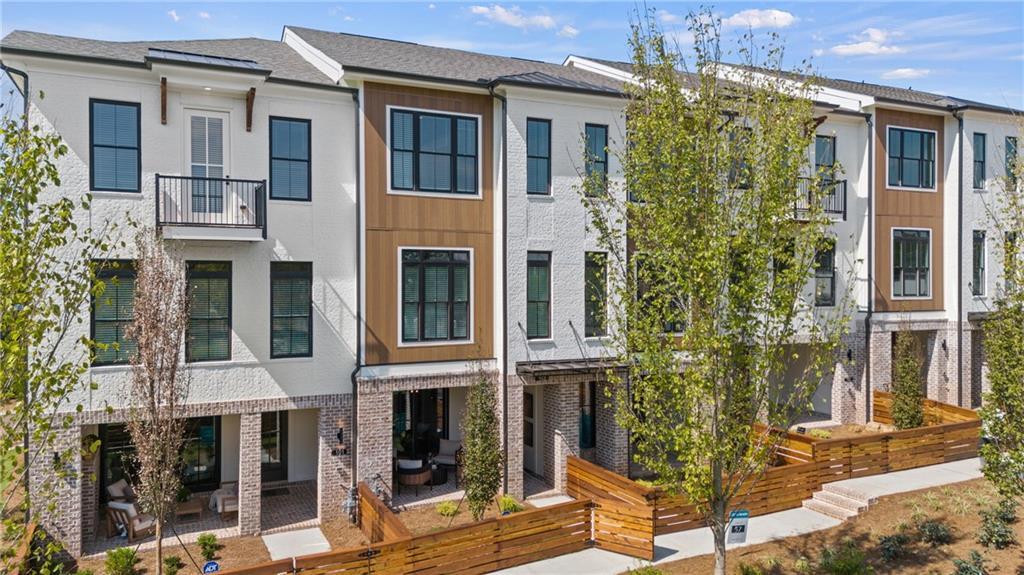
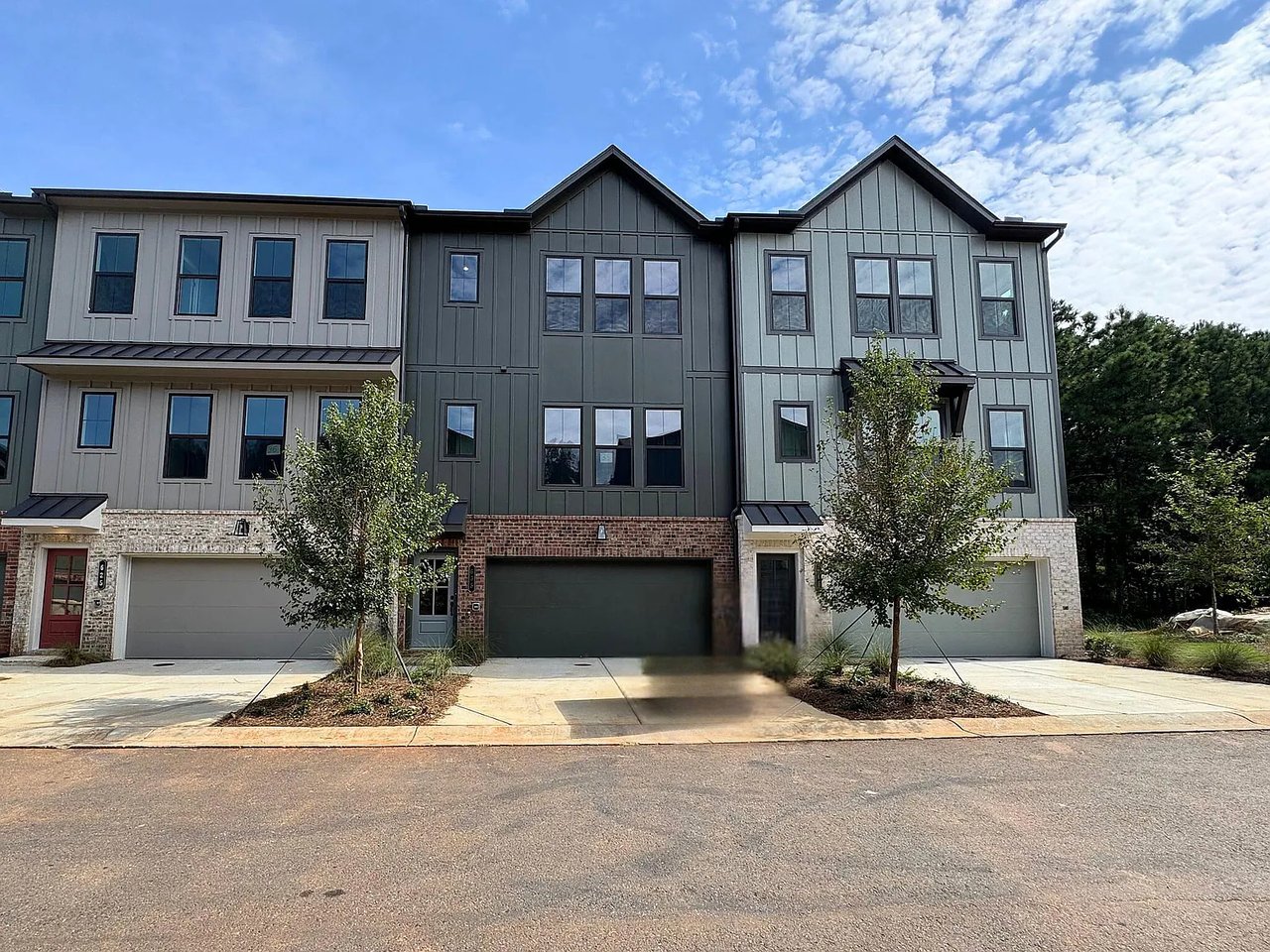
New construction in Henry or Fayette County often runs approximately $150,000 less than an equivalent floor plan in the North Atlanta suburbs — a meaningful difference for first-time buyers and investors watching build-to-rent opportunities in the south metro.
North Atlanta's Established New Construction Corridors Still Deliver
Cherokee, Forsyth & Gwinnett Counties
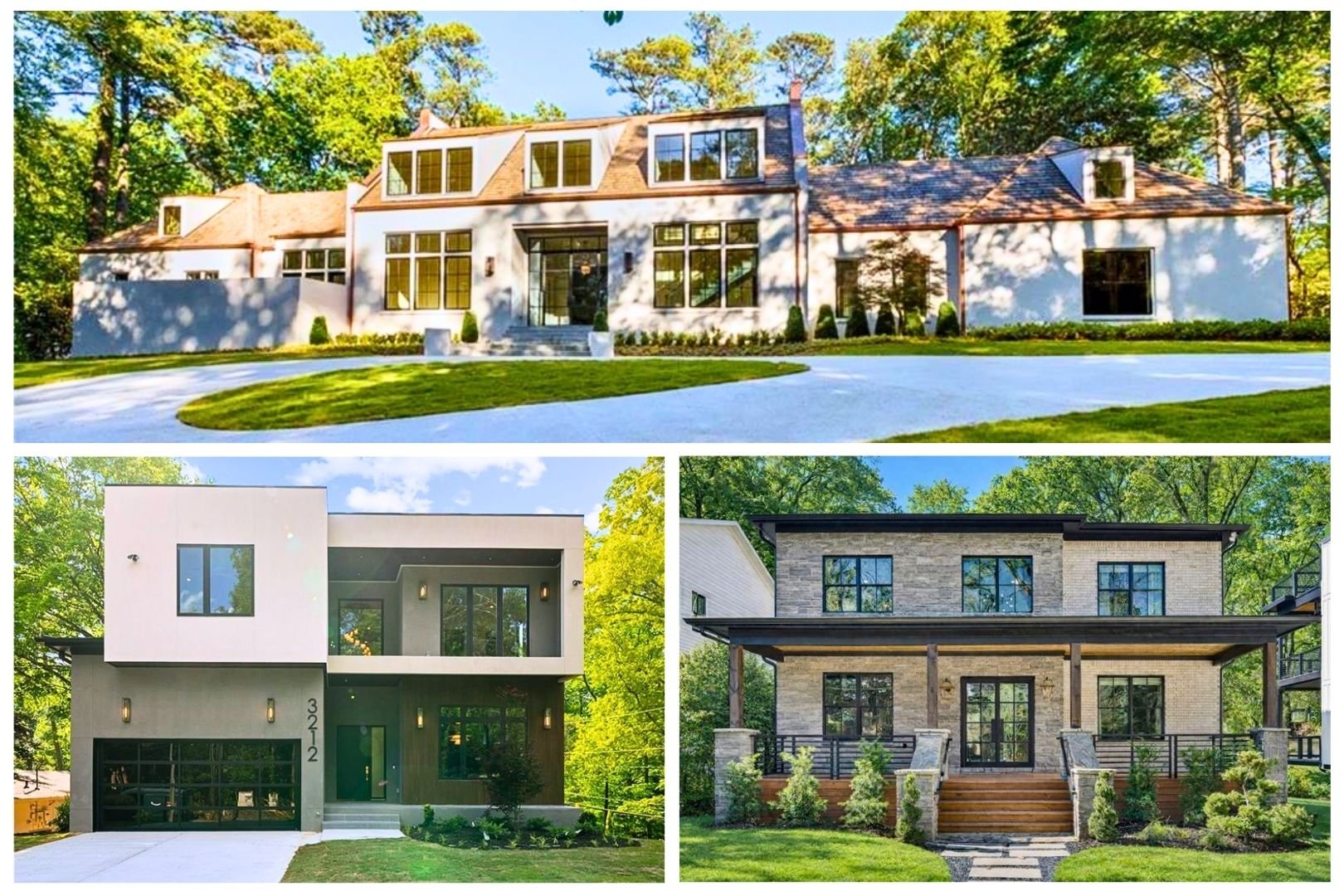
The traditional North Atlanta growth corridors remain strong. Gwinnett County leads Metro Atlanta in total new construction permit volume, with 692 new residential construction permits through Q1 2026. That reflects a 6% year-over-year decline — a far milder contraction than the 29% annual decline the county experienced in 2025. Forsyth and Cherokee counties each grew at a 2.4% annual clip according to the Atlanta Regional Commission, ranking as the fastest-growing counties in the entire metro.
School quality continues to be a primary magnet for family buyers in this corridor. The Gwinnett School of Mathematics, Science, and Technology in Lawrenceville ranked No. 13 nationally in U.S. News & World Report's 2025–2026 Best High Schools rankings — the kind of academic distinction that sustains long-term demand regardless of market cycles. Cherokee County's school district also performs well above the state average, with strong graduation rates and consistent resource distribution across its schools.
In-Town Infill & Emerging Pockets
Inside the perimeter, infill development continues to shape where young professionals and first-time buyers can still find entry points at reasonable prices. Chamblee and Doraville in North DeKalb are drawing attention for their MARTA connectivity, international dining culture, and price-per-square-foot that still undercuts nearby Brookhaven. Upper Westside — encompassing Bolton and Riverside — is undergoing rapid transformation, with new mixed-use developments, craft breweries, and improved corridor access to both Midtown and Buckhead.
The value equation comes into sharp focus when you run the numbers side by side:
| Location | Home Type | Approx. Price | Approx. Sq Ft |
|---|---|---|---|
| ITP Established Neighborhood | Bungalow (resale) | ~$700,000 | ~1,800 sq ft |
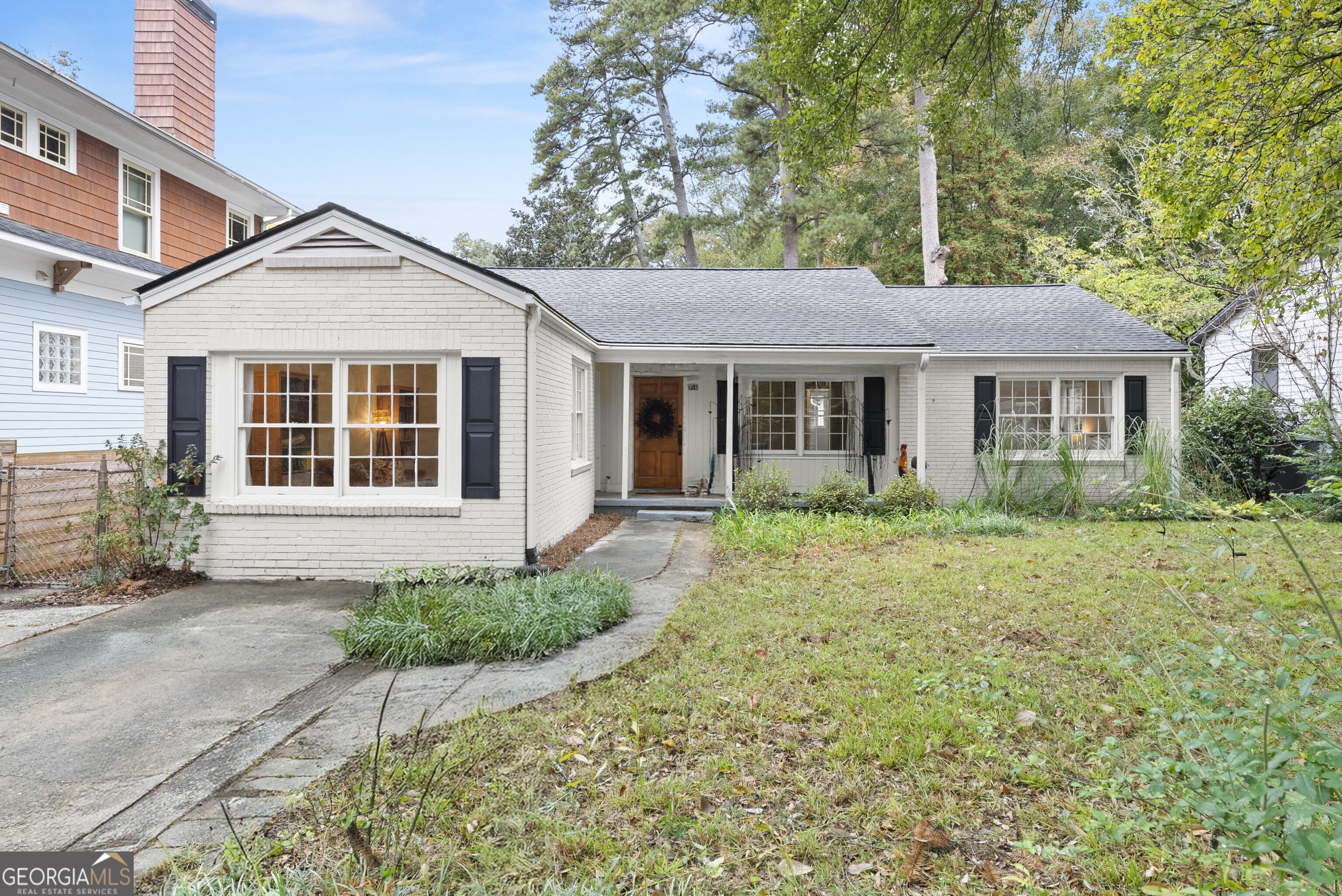
| Gwinnett County | New Construction | ~$550,000 | ~3,200 sq ft |
Neither option is objectively better — it depends entirely on lifestyle, commute priorities, and what a buyer values most in their day-to-day life.
What's Inside the Home — 2026 New Construction Design Trends in Atlanta

Smart Home Technology Is Now Standard, Not an Upgrade
Smart home integration has shifted from a luxury add-on to a baseline expectation in Atlanta new construction. In 2026, systems are designed not just to respond to commands but to anticipate patterns — adjusting lighting, climate, and security settings based on your schedule and preferences. Standard specifications in most mid-range and above builds now include:
- Connected lighting and smart lock systems
- Integrated security cameras
- Whole-home monitoring platforms consolidated into a single app
- Solar-ready infrastructure and EV charging rough-ins
Buyers touring model homes across Cherokee County, Gwinnett, and the Southside should ask builders specifically what smart features are included versus what costs extra. The gap between what's marketed and what's actually standard can be significant.
Pro Tip: Always request the builder's standard feature sheet in writing before touring the model home. Model homes are staged with upgrades — knowing what's included in base price prevents sticker shock at contract time.
Energy Efficiency & Sustainability as a Core Feature
Sustainability has become a defining element of new home design rather than a bonus feature. High-performance windows, advanced insulation systems, solar-ready infrastructure, and energy-efficient HVAC are now standard in most Atlanta new construction at the mid-range and above.
75%–90% less energy consumed by LED lighting systems compared to incandescent equivalents — a specification builders are actively promoting to cost-conscious buyers focused on long-term utility expenses. (Source: U.S. Department of Energy)
Trilith in Fayetteville sets the regional benchmark, operating as the largest geothermal community in the country. That sustainability thinking is showing up metro-wide — recycled materials, solar panel integration, and sustainable landscaping practices like rain gardens and native plantings are visible across builder portfolios from D.R. Horton communities in Henry County to custom builds in Sandy Springs.

Floor Plan Flexibility & Wellness-Focused Spaces
The way people use their homes has changed permanently, and Atlanta builders are responding. Multi-functional floor plans — home offices that transition into guest rooms, flex spaces that accommodate both remote work and family recreation — are now a standard design consideration rather than a niche request. Home gyms, yoga studios, and infrared sauna spaces are increasingly designed into primary floor plans, not tucked into corners for buyers to retrofit later.
Outdoor living continues to be a priority well-suited to Atlanta's climate. Fully equipped outdoor kitchens with grills, pizza ovens, and covered dining areas are increasingly expected at the $500,000-and-up price point. Atlanta's proximity to the Chattahoochee River National Recreation Area and Westside Park — the city's largest green space at 280 acres — reflects a broader culture of outdoor living that new home design is actively working to extend into private residential spaces.
Bolder Design Aesthetics
All-white kitchens are giving way to deep greens, navy tones, warm taupes, and matte black cabinetry. The shift reflects a broader move toward interiors that feel warm, layered, and personal rather than minimal and interchangeable. Reclaimed wood flooring, natural stone countertops, limewash walls, and terrazzo surfaces are showing up across price points — materials that add texture and authenticity while also reducing environmental impact relative to synthetic alternatives.
The same instinct toward authenticity that defines Atlanta's food and culture scene — places like Miller Union in West Midtown, celebrated nationally for locally sourced cuisine, or the Busy Bee Café on Martin Luther King Jr. Drive, a neighborhood institution for decades — is now finding expression inside the walls of Atlanta's new homes.
Builder Landscape & Buyer Strategy in 2026
Who's Building in Metro Atlanta
Leading new construction across the Atlanta Metropolitan Area are D.R. Horton, DRB Homes, Pulte Homes, Smith Douglas Homes, and The Providence Group — builders who collectively serve the full spectrum of buyer profiles, from attainable starter communities in Henry and Gwinnett counties to luxury master-planned developments in Cherokee County and the Southside. With 160-plus developers active in the market, buyers have meaningful options across both price point and community type.
Builder Incentives & Negotiating Power
The current environment creates genuine leverage for prepared buyers. Inventory remains elevated, builders are motivated to move homes, and pricing has begun to settle after years of aggressive appreciation. Rate buydowns, closing cost credits, and included upgrade packages that would have been unthinkable in 2021 and 2022 are now standard tools in builder conversations.
Buyers who come to those conversations pre-approved and clear on what they want are in a stronger position than at any point in recent memory.
Tips for Buying New Construction in Atlanta Right Now
- Get pre-approved with an independent lender before visiting model homes — compare the full picture, not just builder-lender incentives.
- Hire a third-party inspector even for new construction; even well-built homes can have issues a fresh set of eyes will catch before closing.
- Understand HOA structures carefully, especially in master-planned communities where monthly fees can vary dramatically and add meaningfully to total housing costs.
- Ask for a written standard feature sheet before touring — model homes are staged with upgrades that aren't always included in the base price.
On the financial assistance side, the Atlanta Housing Down Payment Assistance Program provides eligible first-time homebuyers up to $20,000 toward a down payment — and up to $25,000 for veterans, active military, educators, healthcare workers, and first responders. Atlanta Housing has also announced an expanded initiative providing up to $60,000 for eligible participants in its Housing Choice Voucher Program. The assistance is fully forgiven when homeowners occupy the property as their primary residence for ten years.
Atlanta's Long-Term New Home Outlook — Why 2026 Is a Smart Time to Buy
Population Growth & Economic Foundation
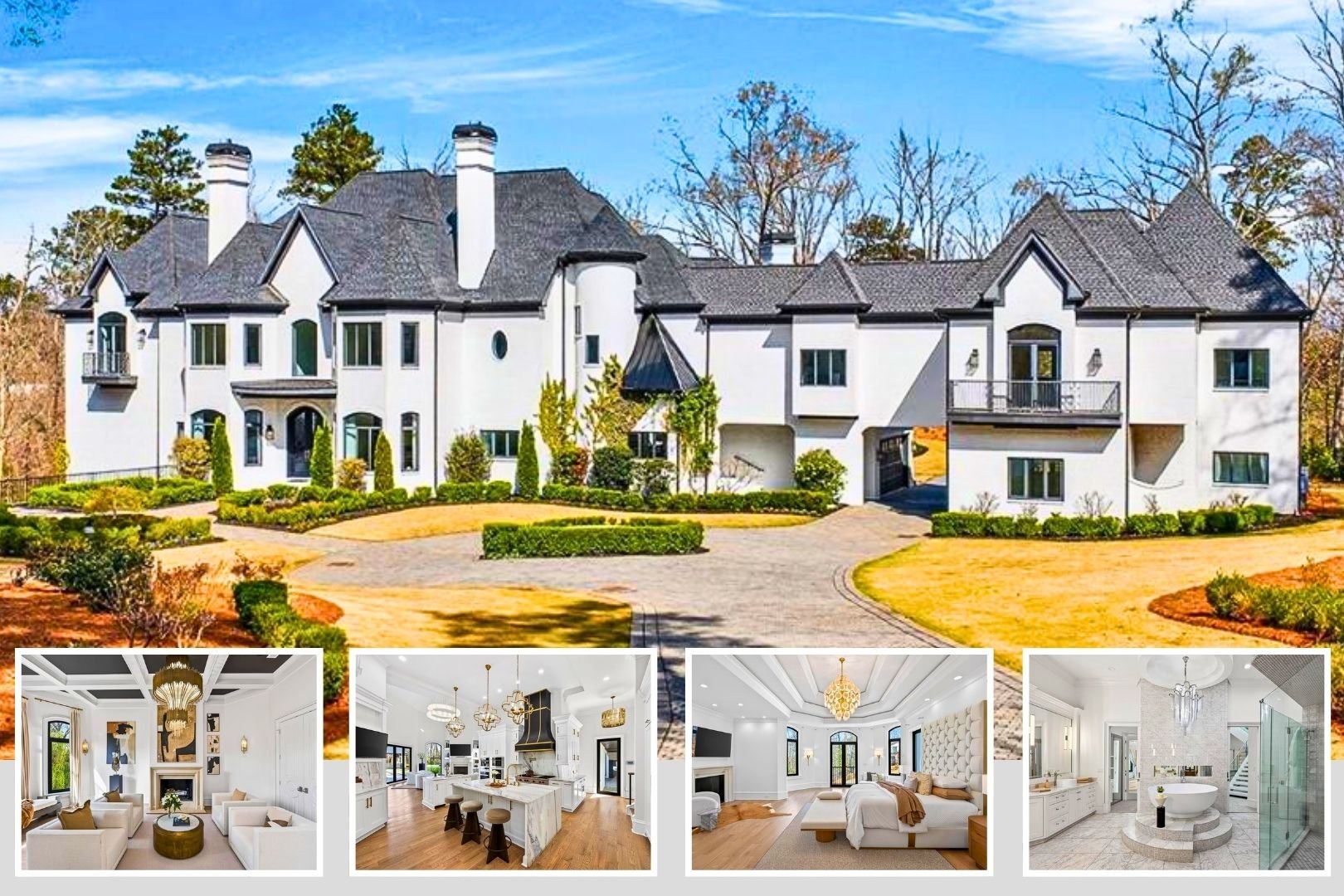
The demand engine powering Atlanta's housing market isn't a trend — it's structural. The 11-county Atlanta region added 64,400 residents between April 2024 and April 2025, bringing the total regional population to 5,285,474. At the broader metro statistical area level, Atlanta now ranks as the sixth largest metro in the United States with 6.482 million residents, adding nearly 62,000 people in the single year ending July 2025 — third highest numerically in the country.
That population growth is underpinned by a diversified economic base that few metros can match. Atlanta is home to 13 Fortune 500 companies and 23 Fortune 1000 companies, generating $527.79 billion in annual revenue and employing 1.38 million people. Delta Air Lines, The Home Depot, UPS, The Coca-Cola Company, Emory University, AT&T, and Marriott International all maintain significant Atlanta presences — creating a resilient employment foundation that sustains housing demand through economic cycles.
The Cost Advantage
The cost story holds up well against national comparisons. Atlanta's cost of living runs 3.9% below the national average, with housing specifically coming in 13.2% less expensive than the national average — a meaningful advantage relative to coastal markets that continues to drive both domestic and international in-migration.
13.2% — how much less expensive Atlanta housing is compared to the national average, reinforcing why the metro continues to attract buyers priced out of coastal markets. (Source: Council for Community and Economic Research, June 2025)
Economists project modest, sustainable price appreciation through the balance of 2026 and into 2027, with a gentle increase in closed sales as mortgage rates ease. Buyers who act thoughtfully now — not impulsively, but purposefully — stand to benefit from both today's relative buyer leverage and tomorrow's continued appreciation.
Frequently Asked Questions About Atlanta New Home Trends in 2026
What is the median price of a new construction home in Atlanta in 2026?
The Metro Atlanta median new home price is $489,000 as of May 2026, but that figure covers an enormous range. Entry-level new builds in South Atlanta and Henry County can start around $160,000, while luxury homes at Trilith's Enclave and in Buckhead reach $3.5 million and above. The city of Atlanta's median sale price more broadly was $395,000 in March 2026. Understanding your target submarket matters considerably more than the metro-wide average when setting realistic expectations.
What areas of Metro Atlanta have the most new home construction activity in 2026?
Gwinnett County leads the entire region in permit volume with 692 new residential construction permits through Q1 2026. Cherokee and Forsyth counties are the fastest-growing in the metro by percentage, each at 2.4% annual growth. On the Southside, Fayette and Henry counties are the breakout story. Inside the perimeter, Chamblee, Upper Westside, and West End are seeing consistent infill activity. Each submarket serves a different buyer profile and price range — there is no single answer that fits all buyers.
Is 2026 a good time to buy a new construction home in Atlanta?
The data points toward yes for buyers who come prepared. Active listings have grown 15.5% year over year, outpacing the national rate of 10.7%. Builder concessions and price reductions are common. The market has shifted from heavily seller-favored to meaningfully balanced, giving buyers more time to evaluate options and more room to negotiate. Rates remain elevated but are expected to ease, and Atlanta's population and employment growth ensure that long-term demand for housing remains intact.
What smart home and energy features should I expect in a new Atlanta home in 2026?
At a minimum, expect smart thermostats, integrated lighting controls, smart lock systems, and solar-ready infrastructure in most new construction at the mid-market and above. Higher-end communities add whole-home monitoring platforms, EV charging infrastructure, and high-performance HVAC systems as standard features. LED lighting systems are nearly universal in new builds, consuming 75% to 90% less energy than older incandescent systems. Always ask your builder specifically what is included in the base price versus what appears in the upgrade catalog — the variation is significant across builders and communities.
Are there down payment assistance programs available for new homes in Atlanta?
Yes. The Atlanta Housing Down Payment Assistance Program provides up to $20,000 for eligible first-time homebuyers, and up to $25,000 for veterans, active military, educators, healthcare workers, and public safety professionals. Atlanta Housing has also announced an expanded initiative providing up to $60,000 for eligible participants in its Housing Choice Voucher Program. The assistance is structured as a subsidy loan fully forgiven after ten years of owner-occupancy. Some builders also partner with preferred lenders to offer rate buydowns or closing cost credits alongside these programs.
What is the Trilith community near Atlanta and is it a good place to buy?
Trilith is a 235-acre master-planned community in Fayetteville, Fayette County, situated adjacent to Trilith Studios — the largest purpose-built film studio in the United States. Designed as a fully walkable, European-inspired neighborhood, it will include 750 single-family homes, 600 multi-family lofts, and 270,000 square feet of commercial and retail space. The community operates as the largest geothermal residential development in the country. The upcoming Arthur M. Blank U.S. Soccer National Training Center on 200 acres in Fayette County further elevates the area's national profile. For buyers seeking a lifestyle-forward, sustainability-focused community in the Southside corridor, Trilith represents a genuinely distinctive option.
Conclusion
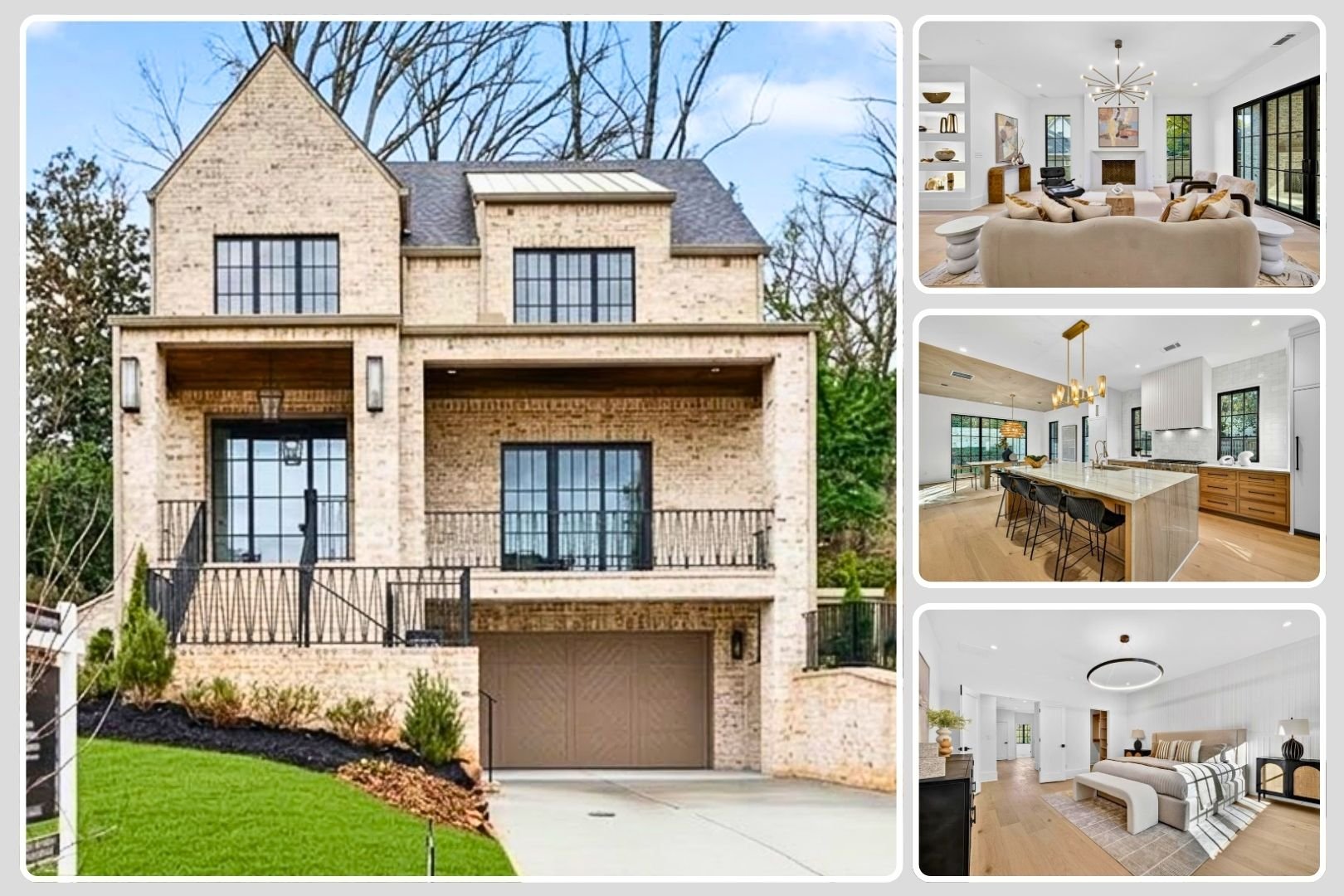
2026 is a pivotal and genuinely favorable moment for Atlanta new home buyers. The city's economic fundamentals, population growth, and diverse submarket options mean there is something for every buyer profile — from first-timers exploring Henry County's attainable new construction to luxury buyers building custom homes in Buckhead or the Trilith Enclave.
The key is knowing the trends, understanding how different neighborhoods serve different needs, and moving with confidence in a market that is finally giving buyers room to breathe and think clearly. If you're ready to explore new construction options across Metro Atlanta, reach out to our team — we'd love to help you find the right home in the right neighborhood.