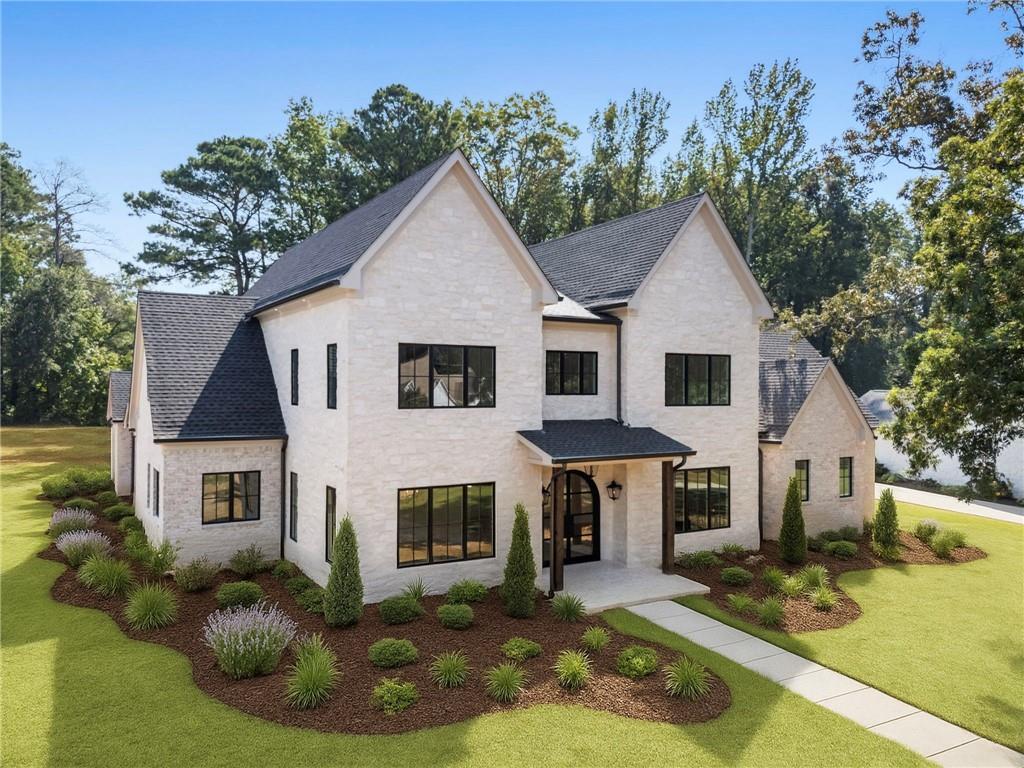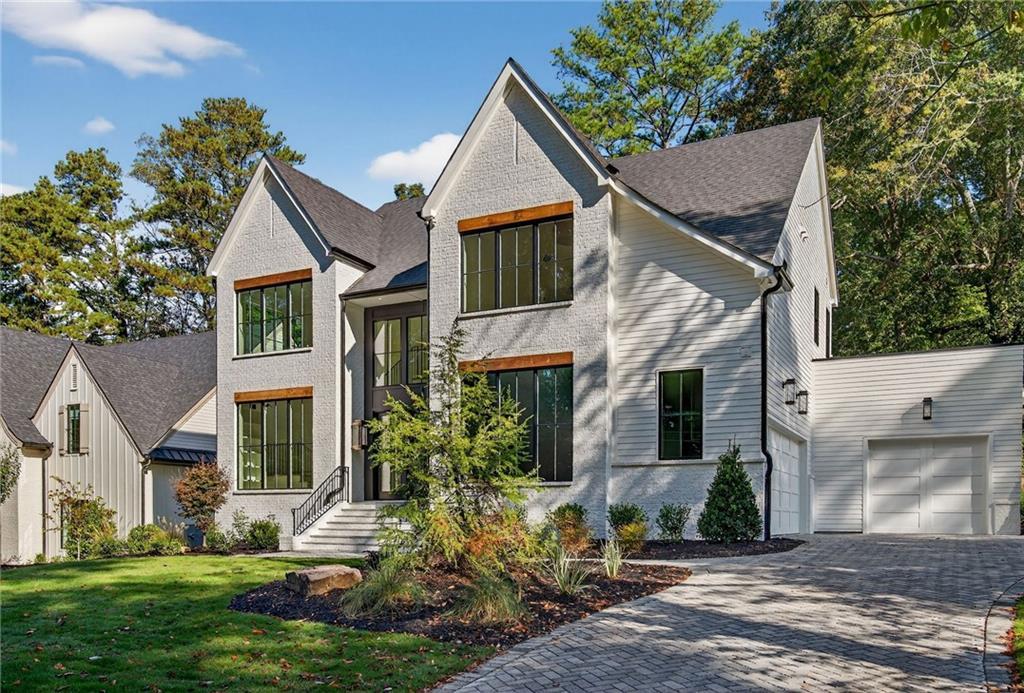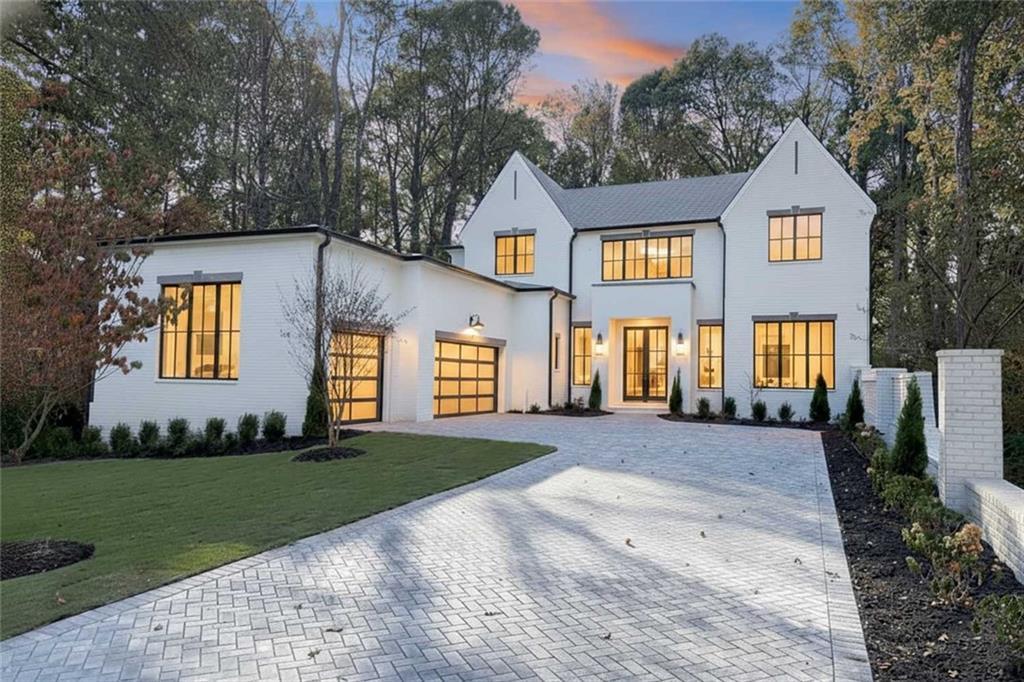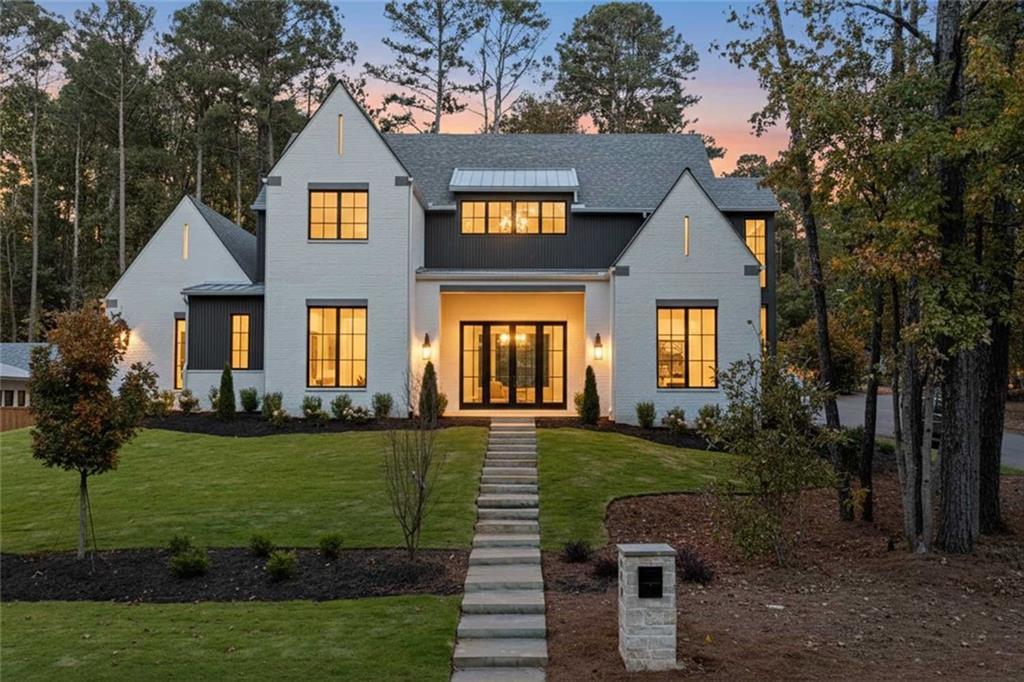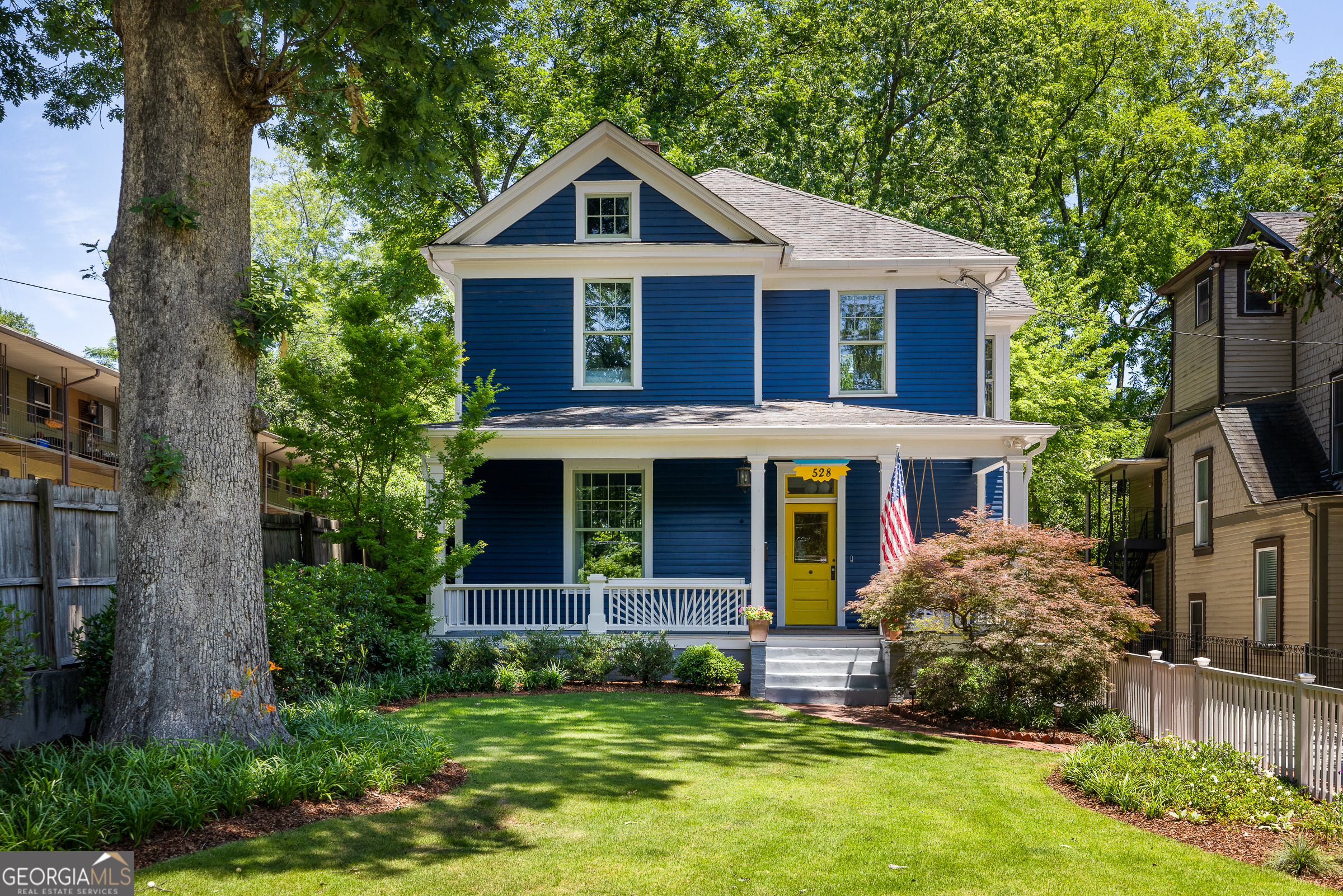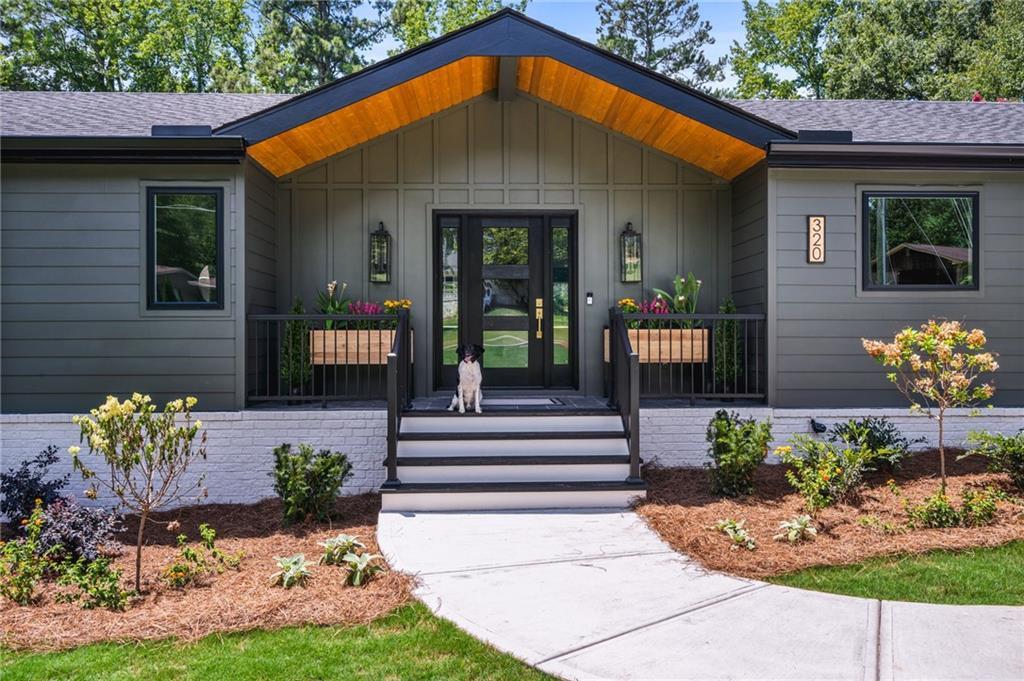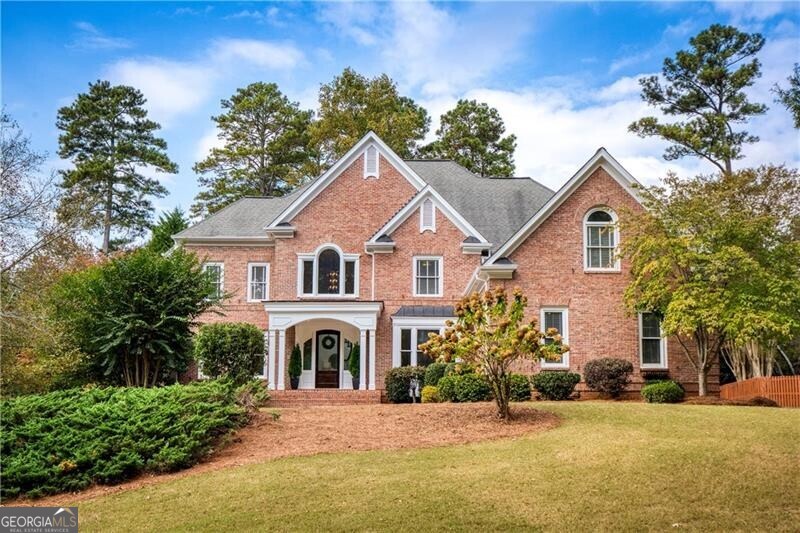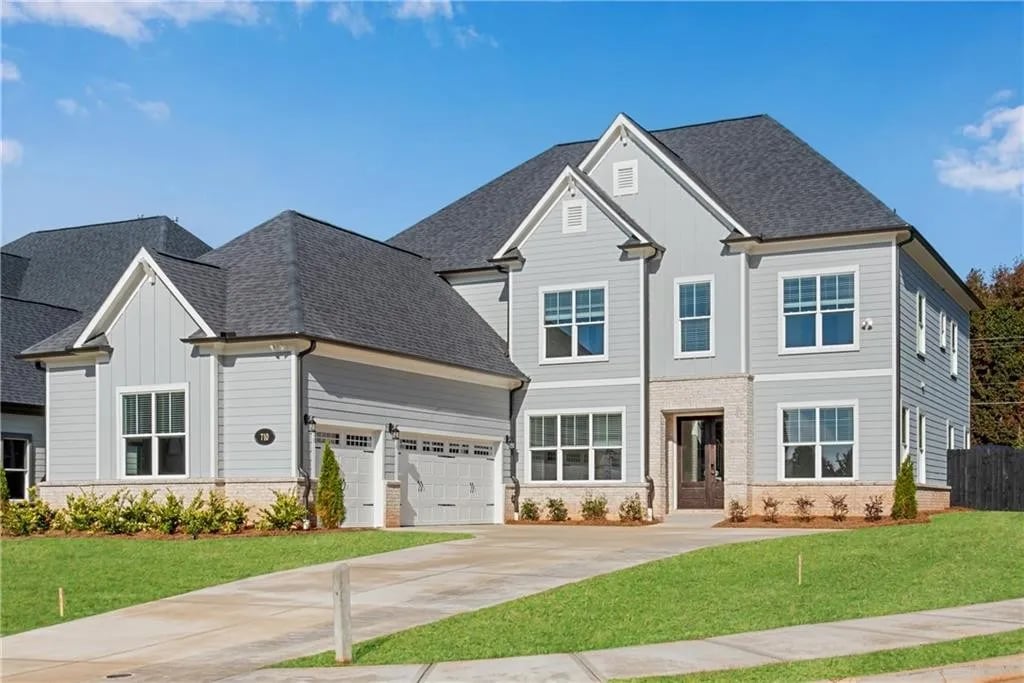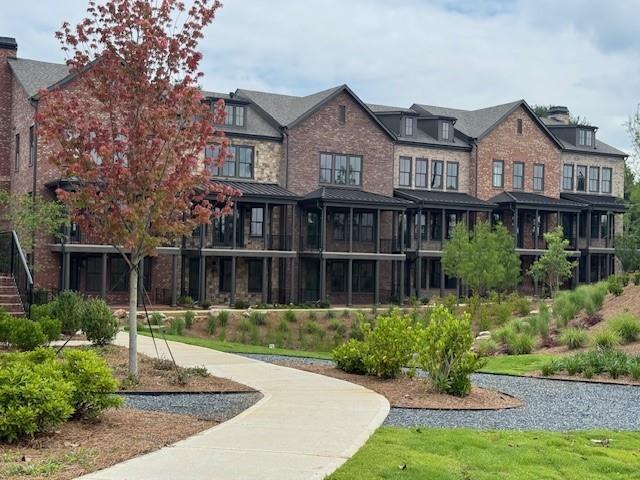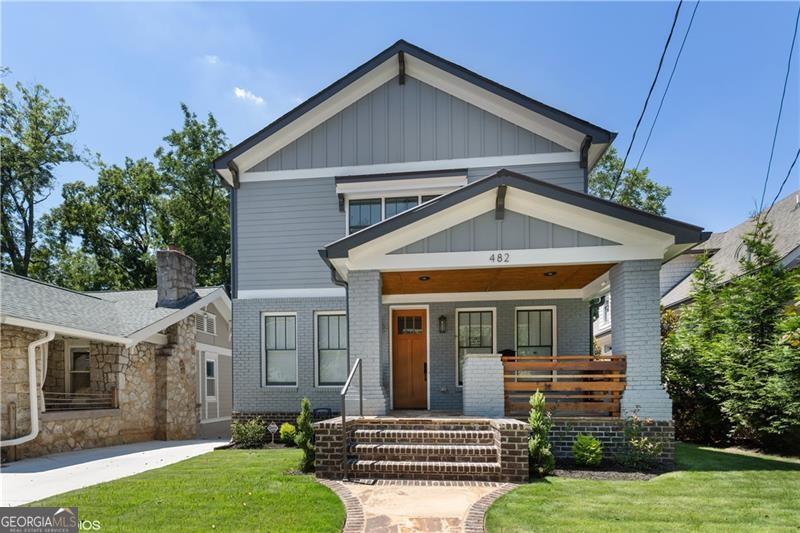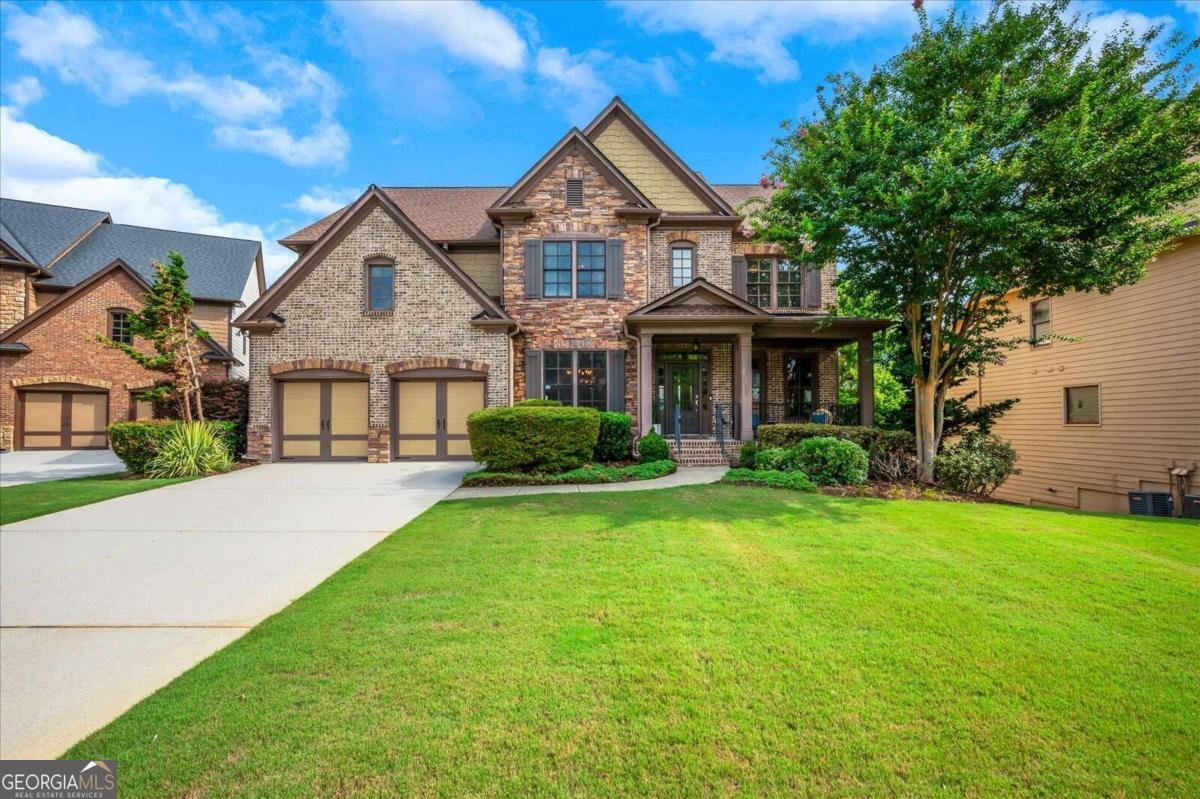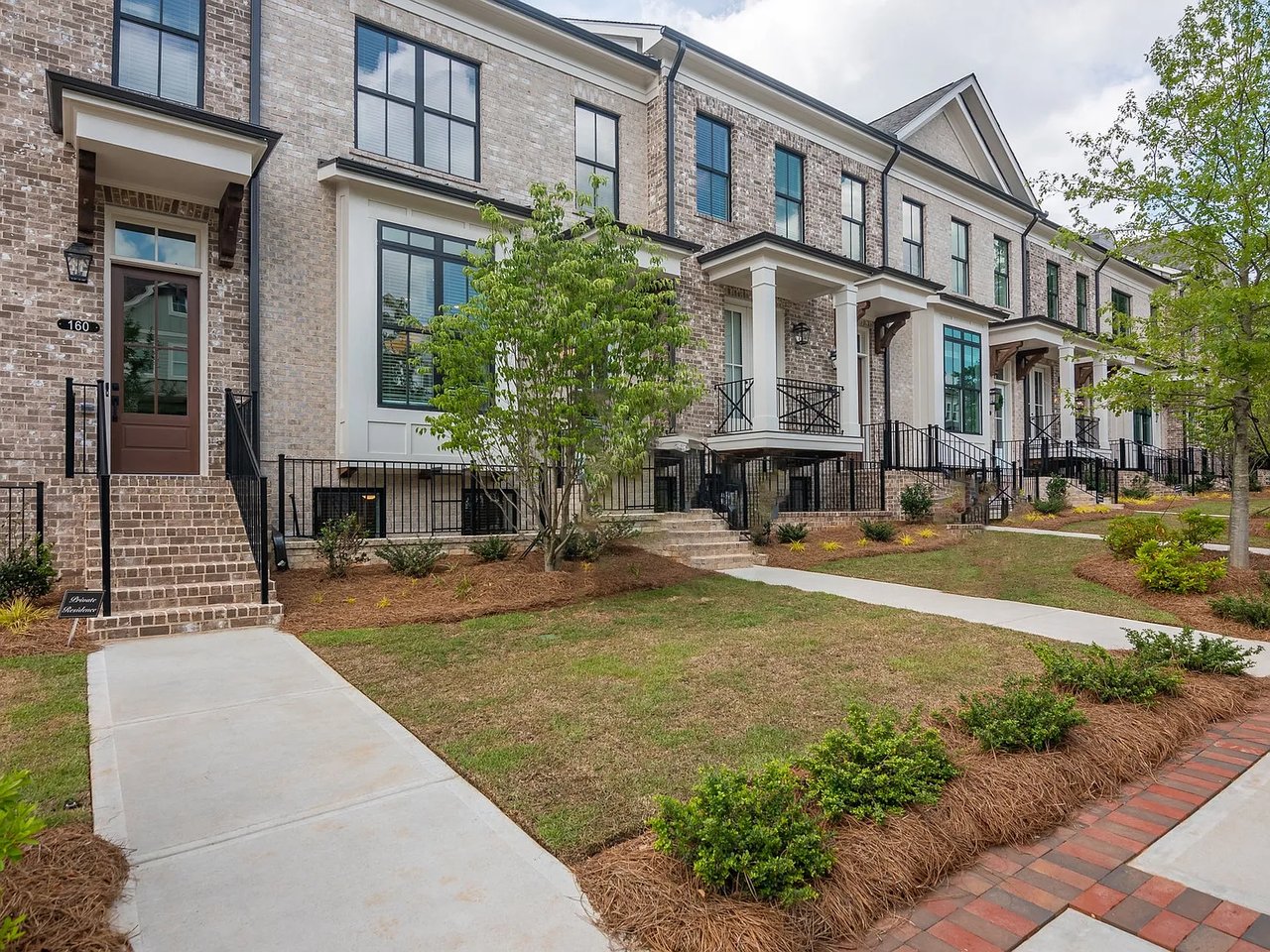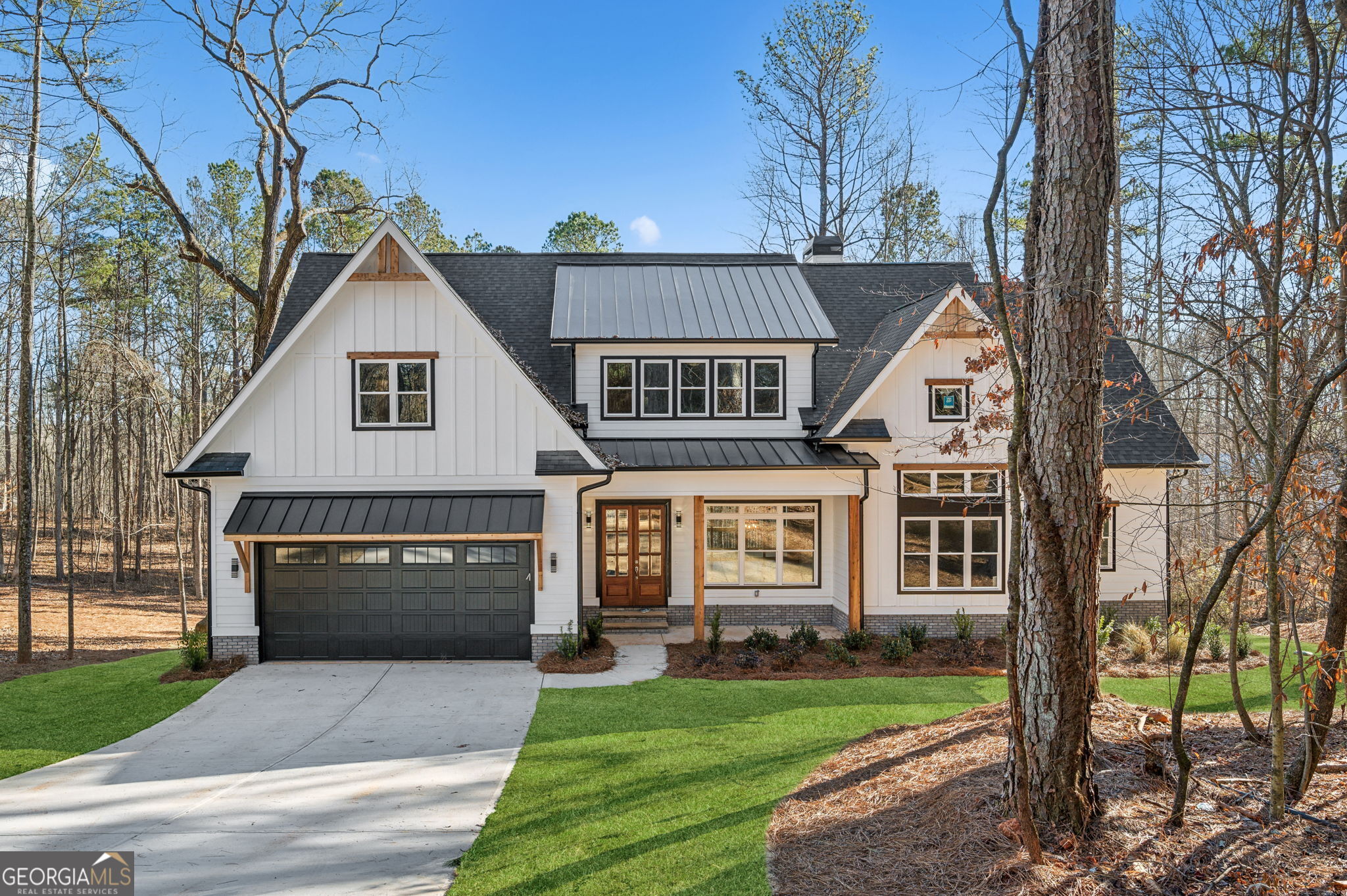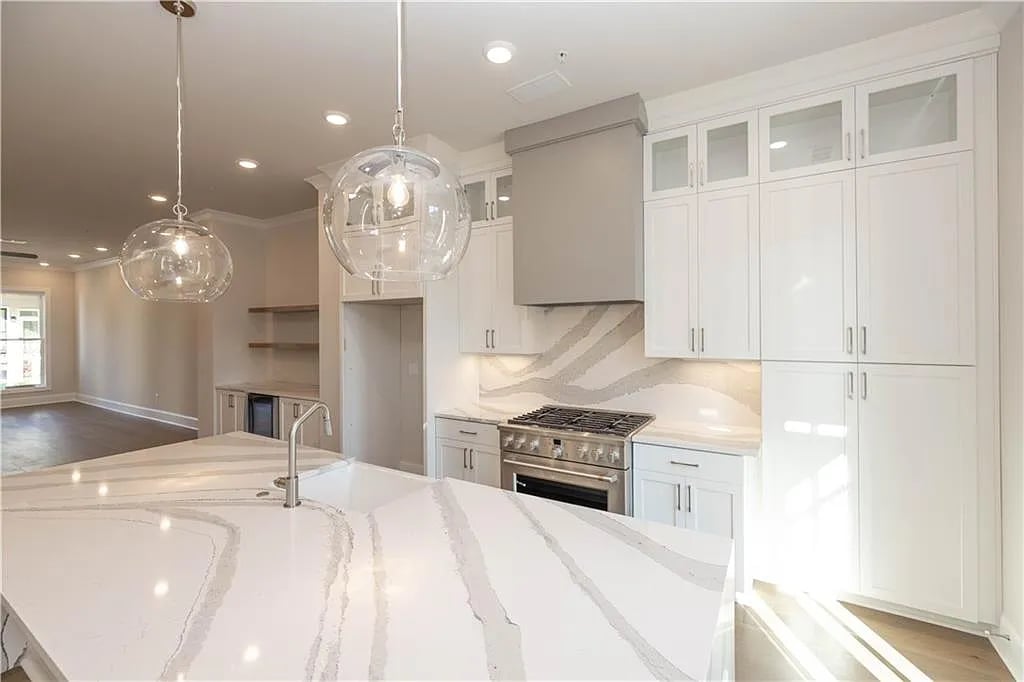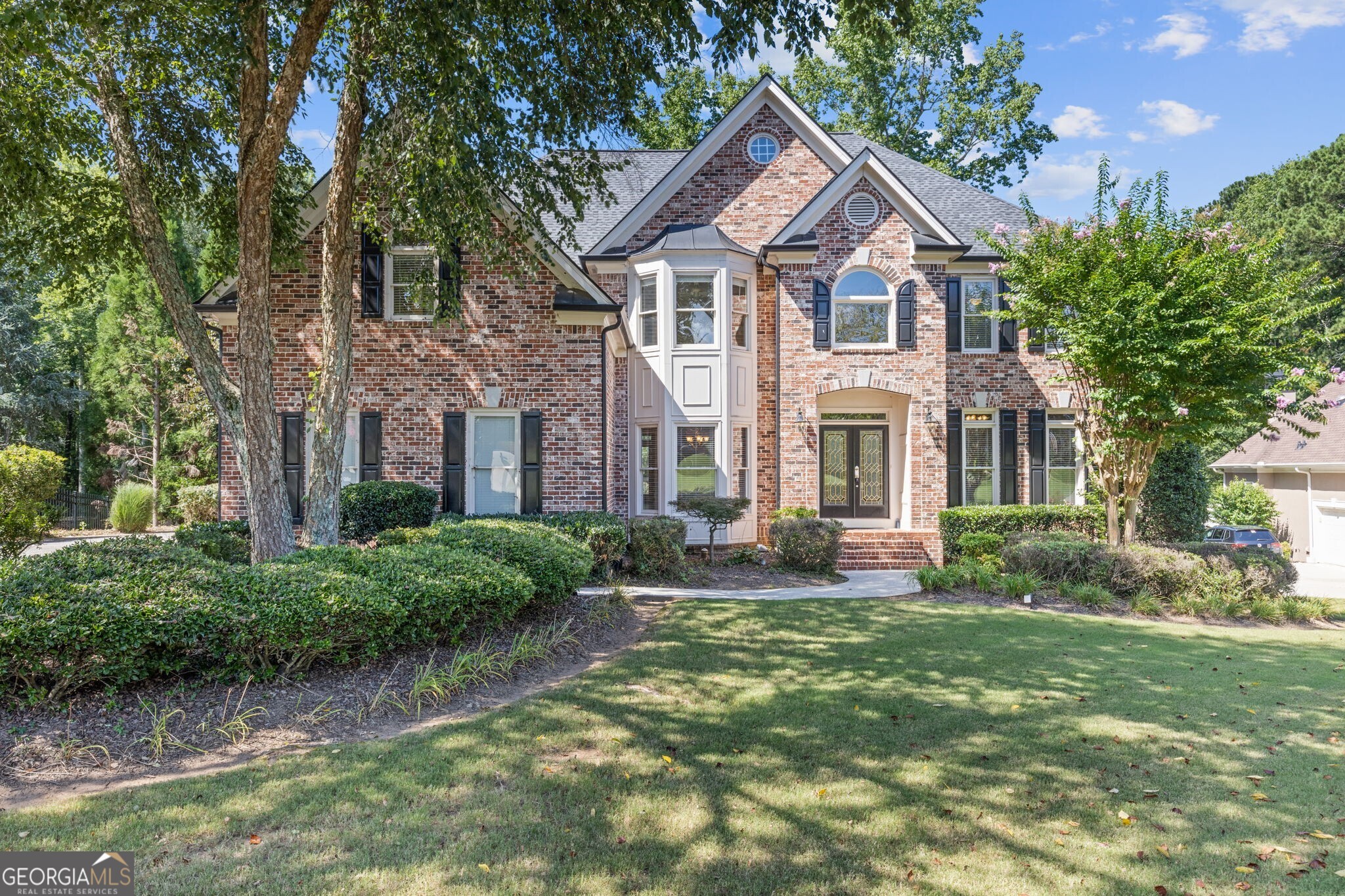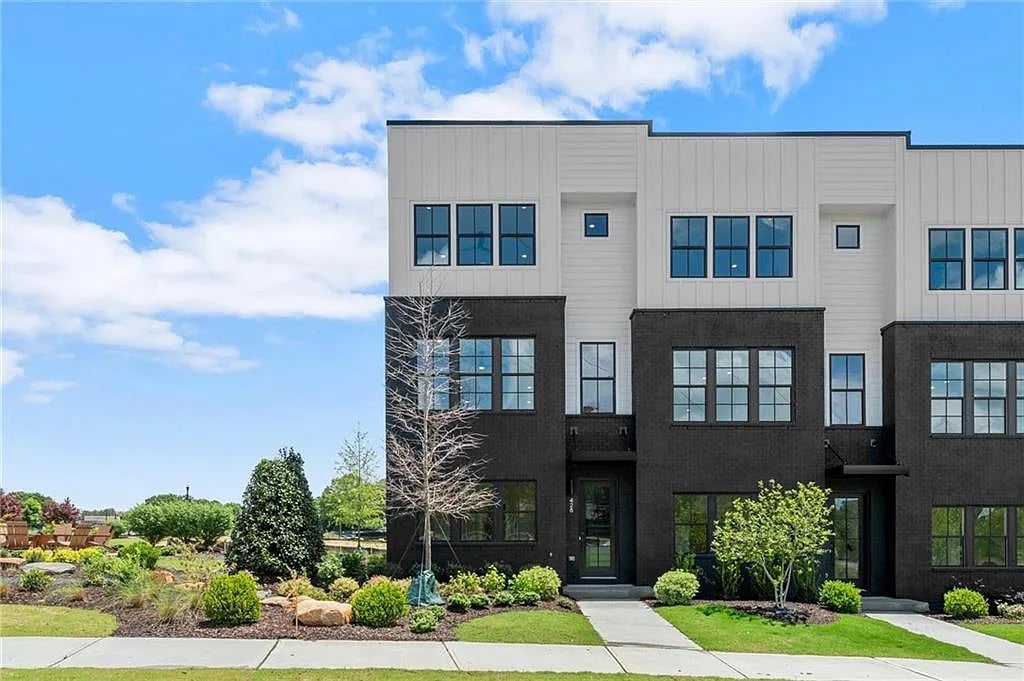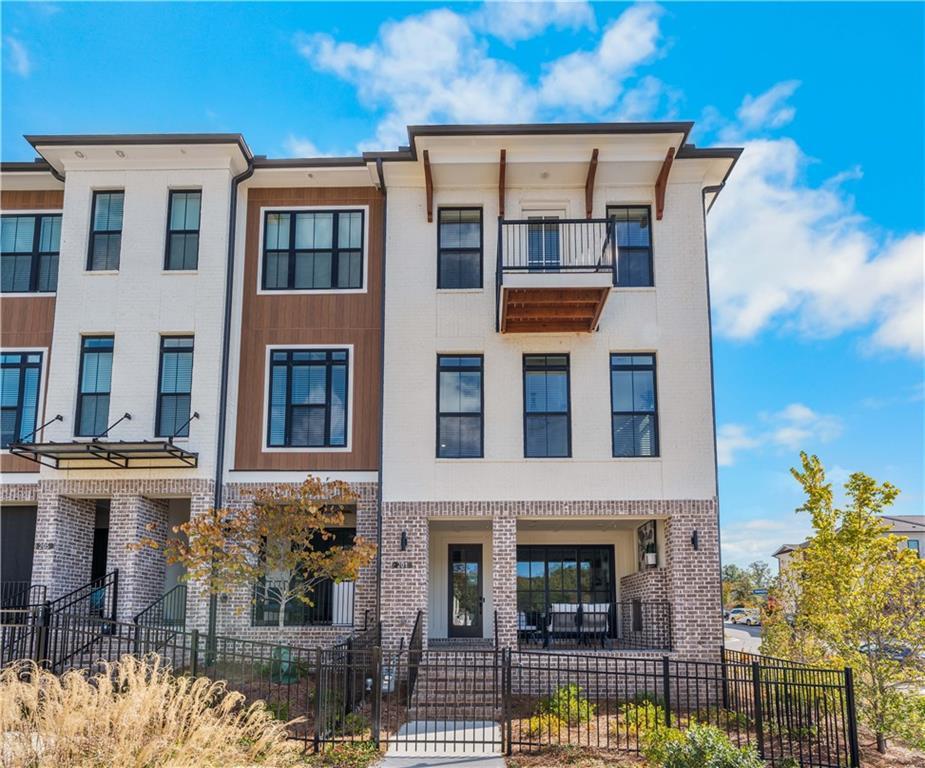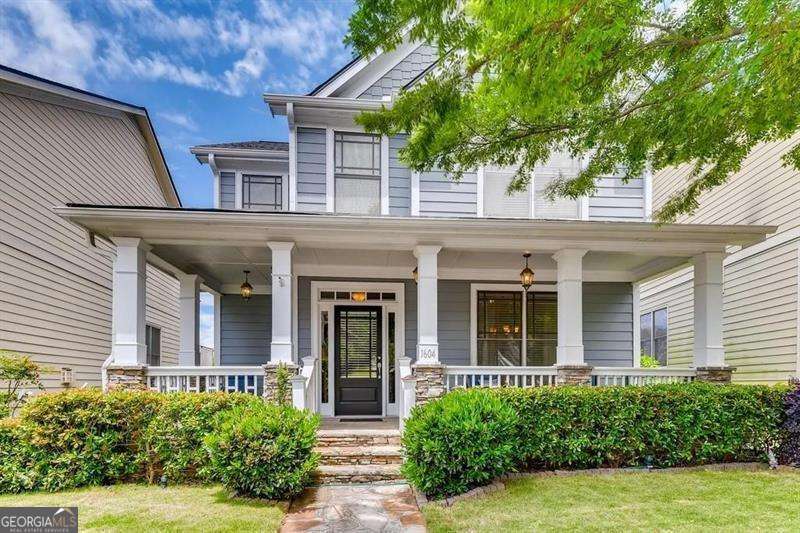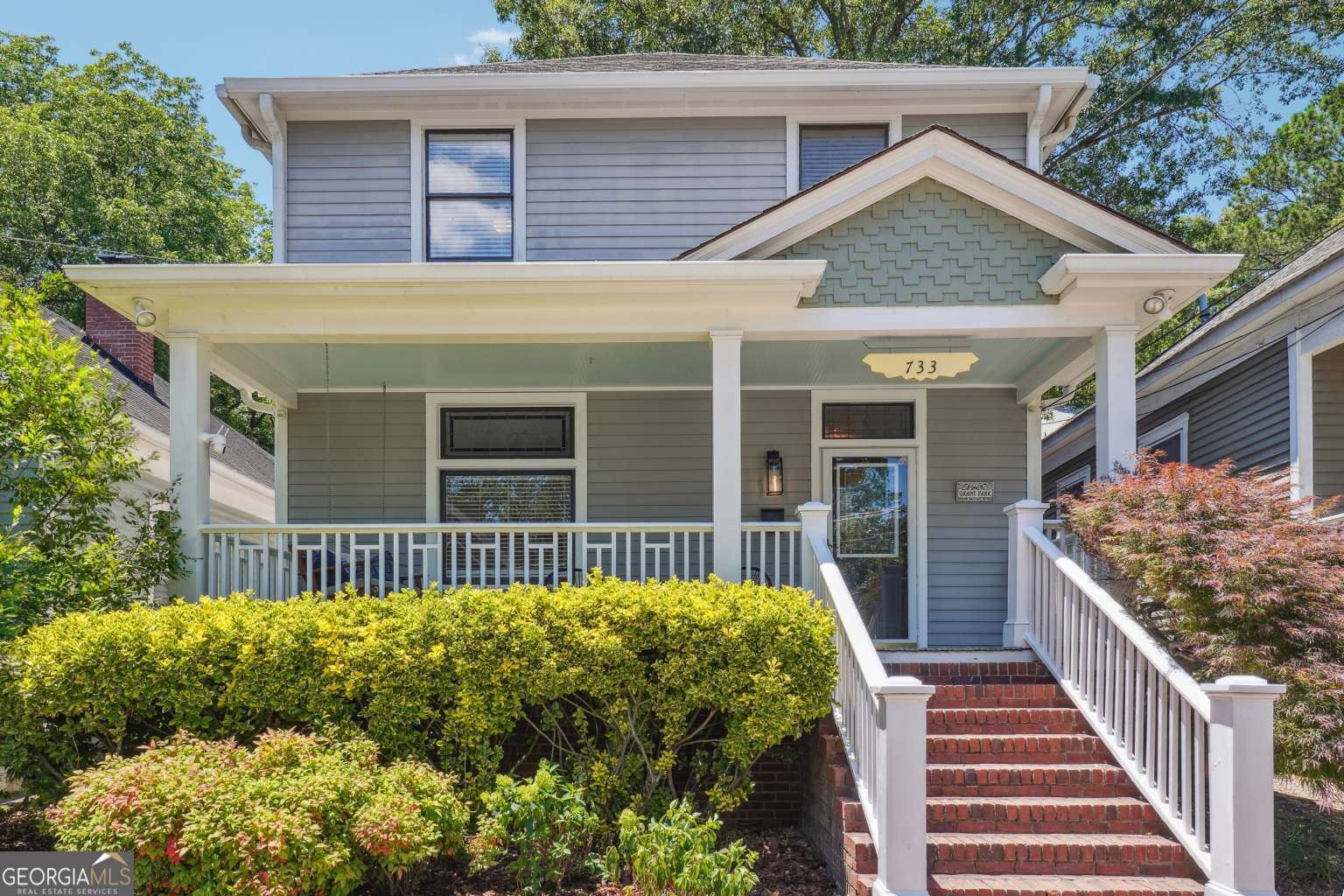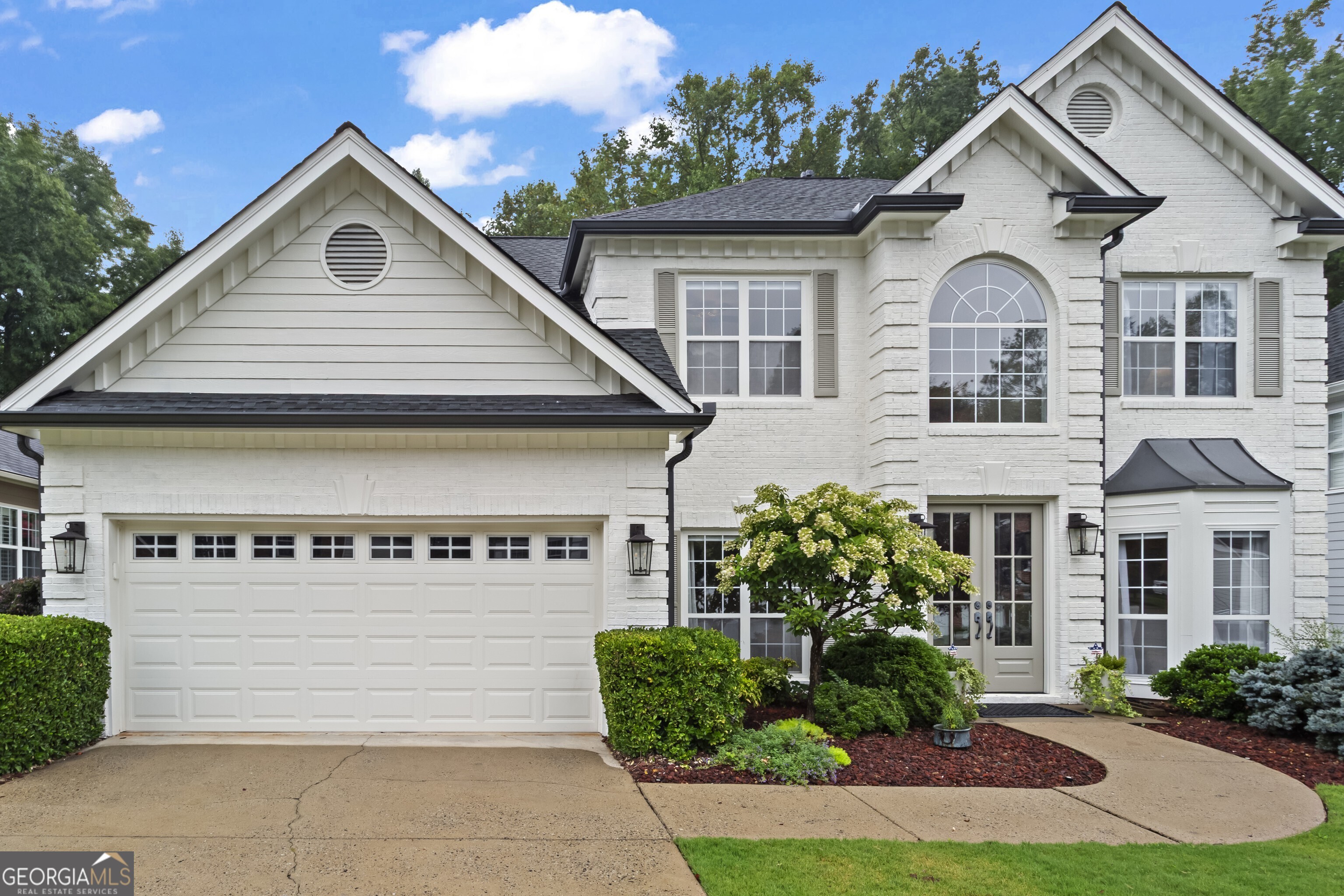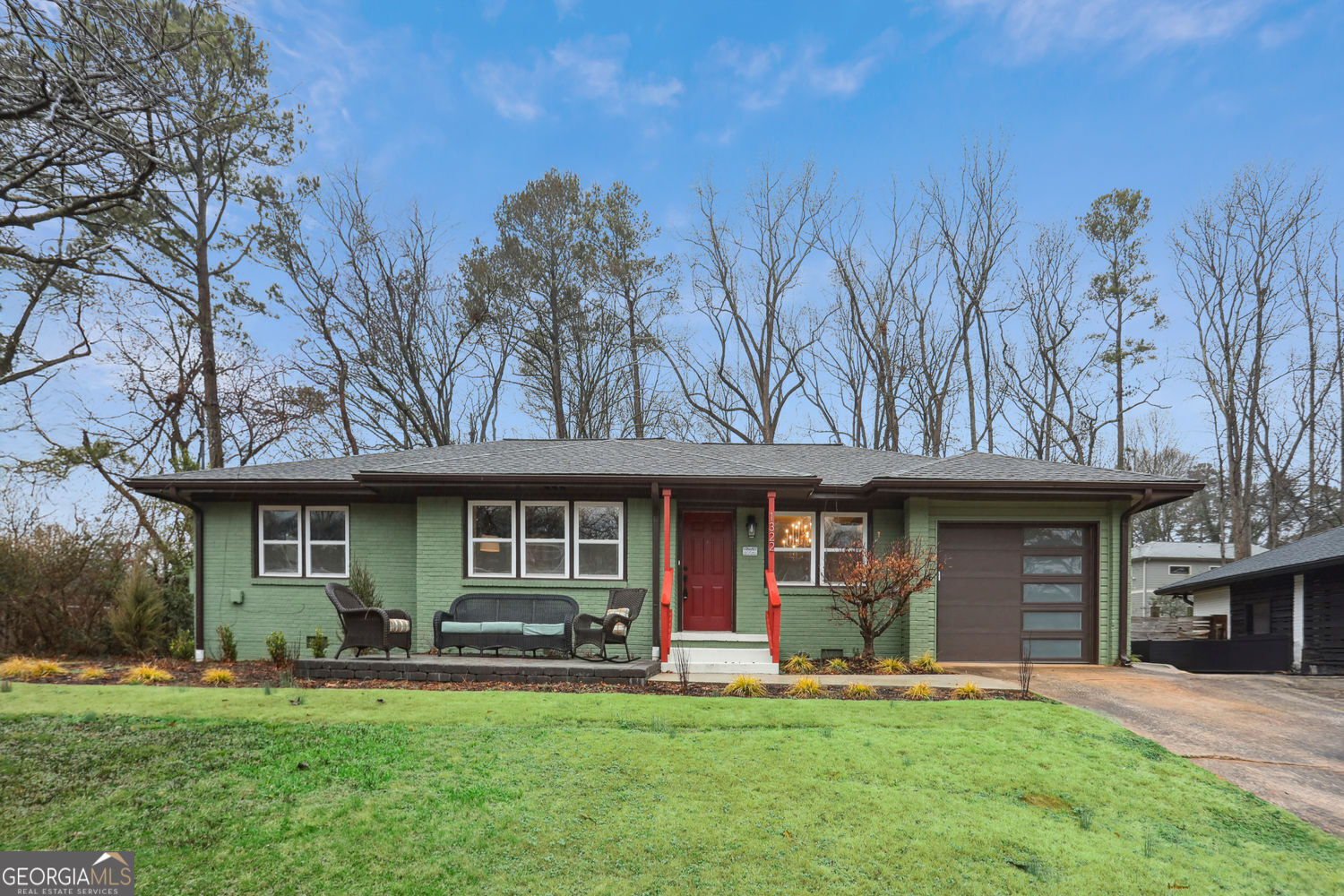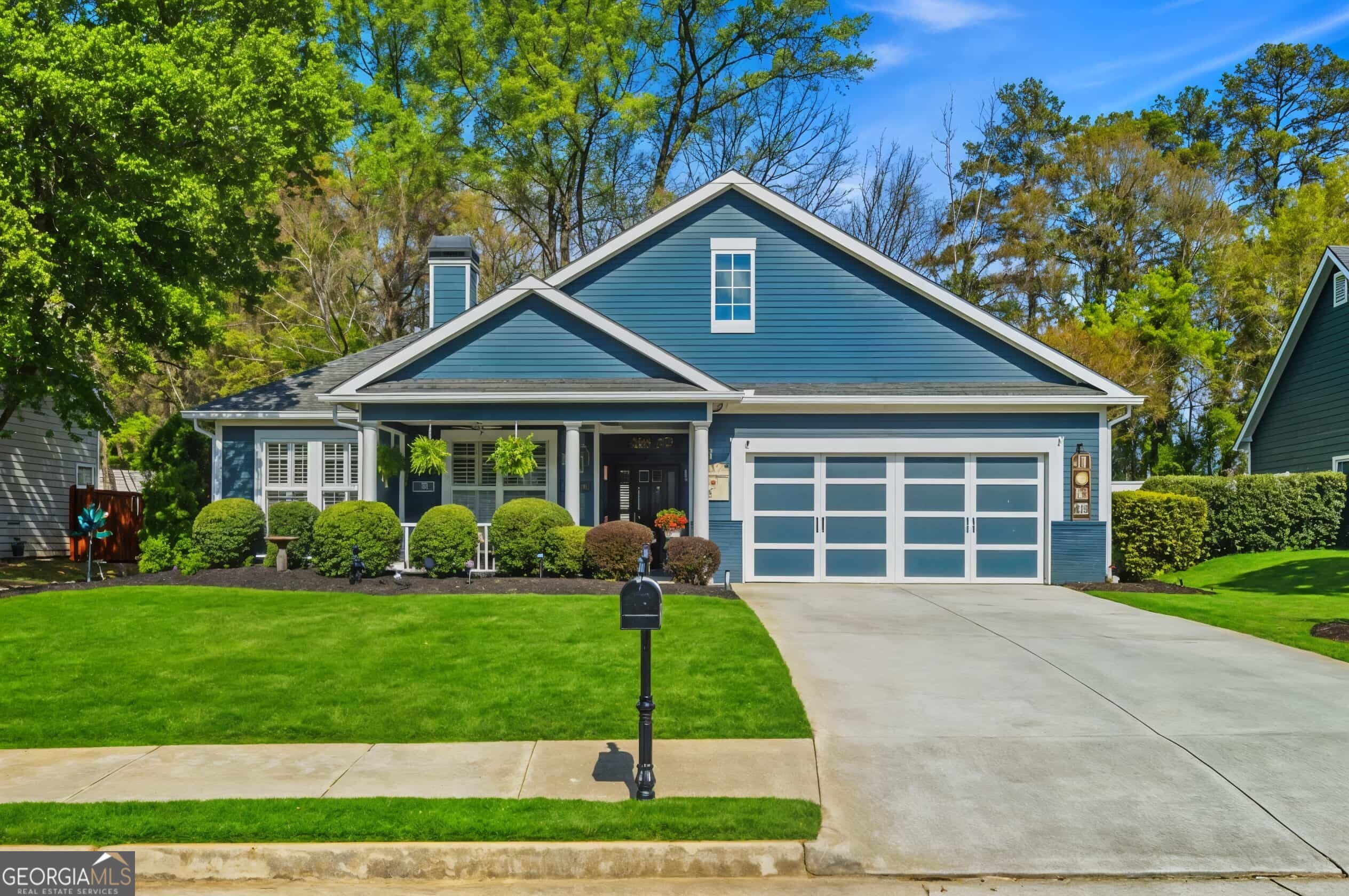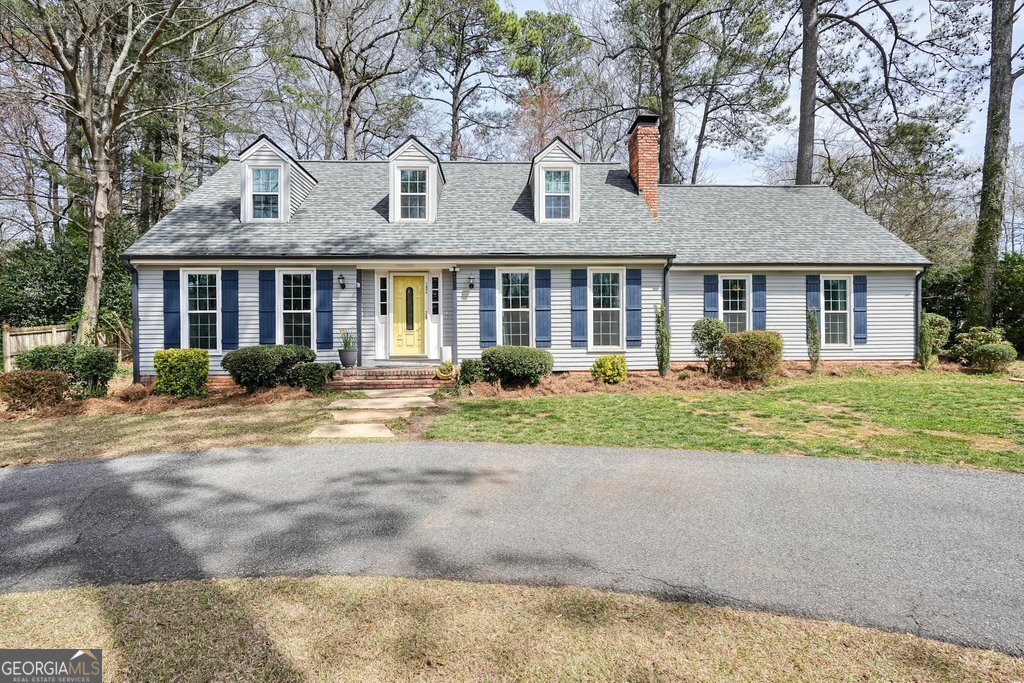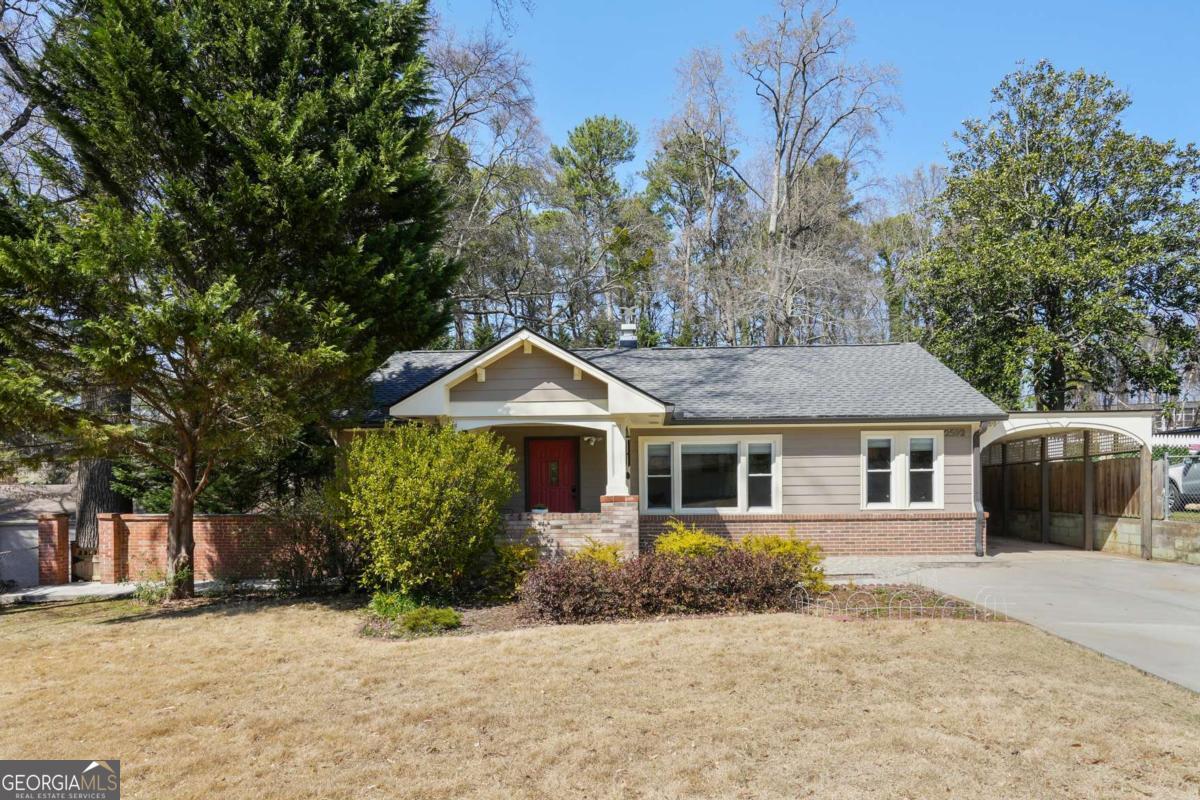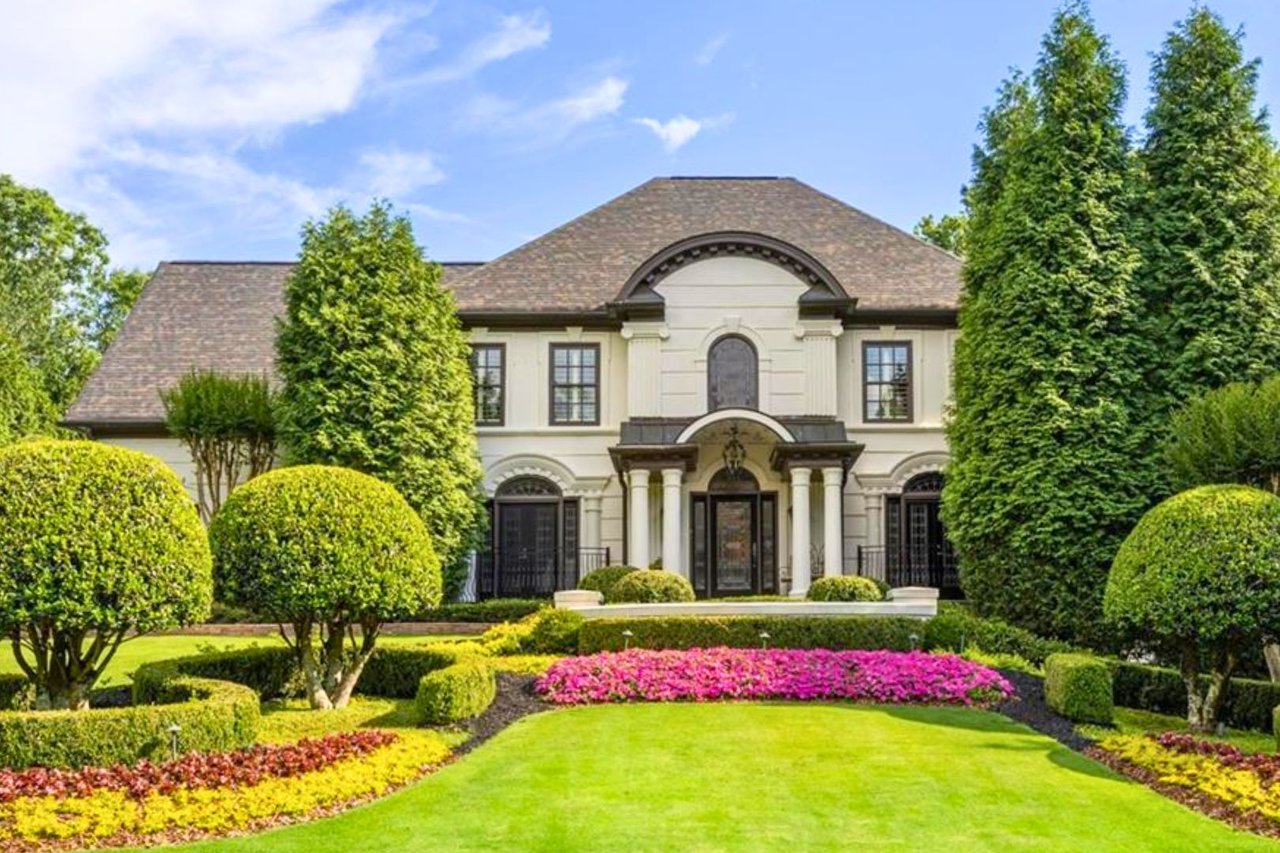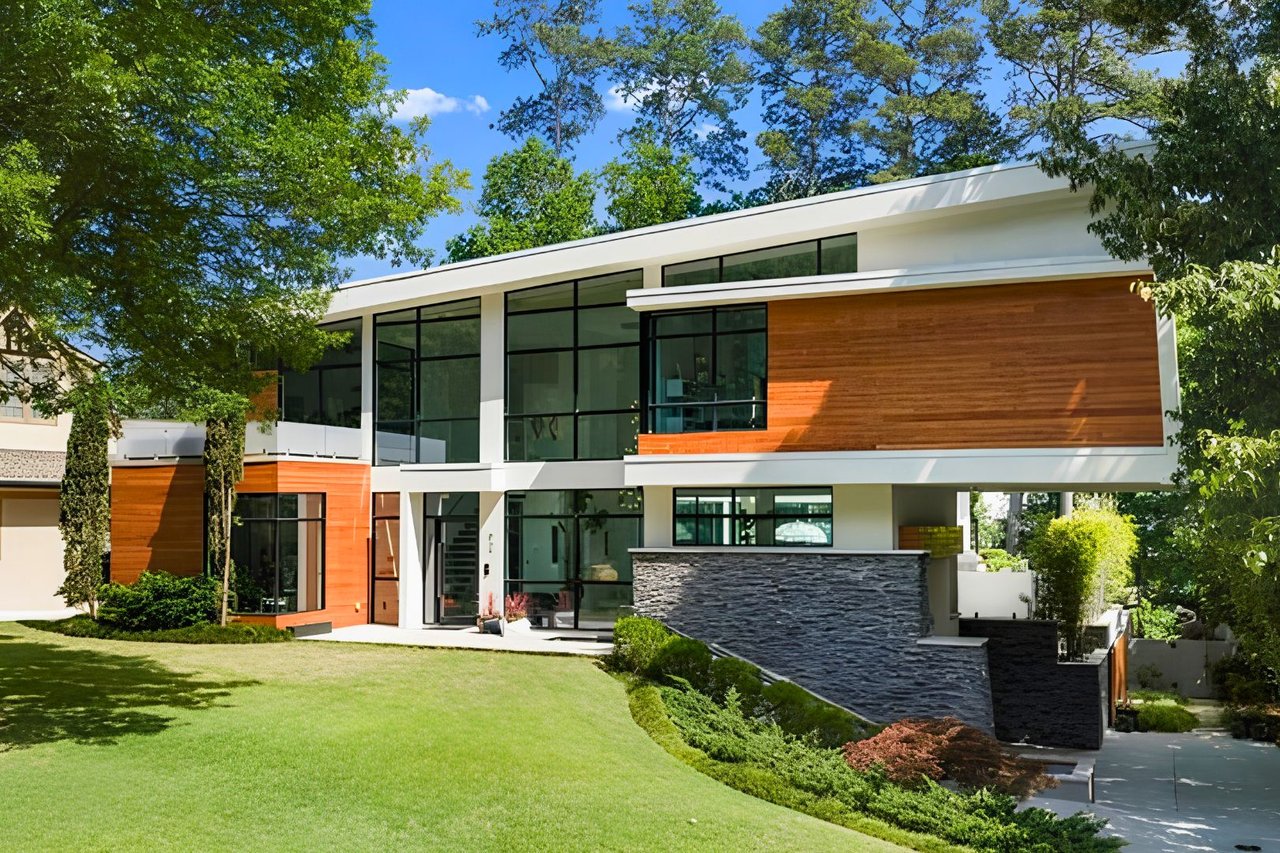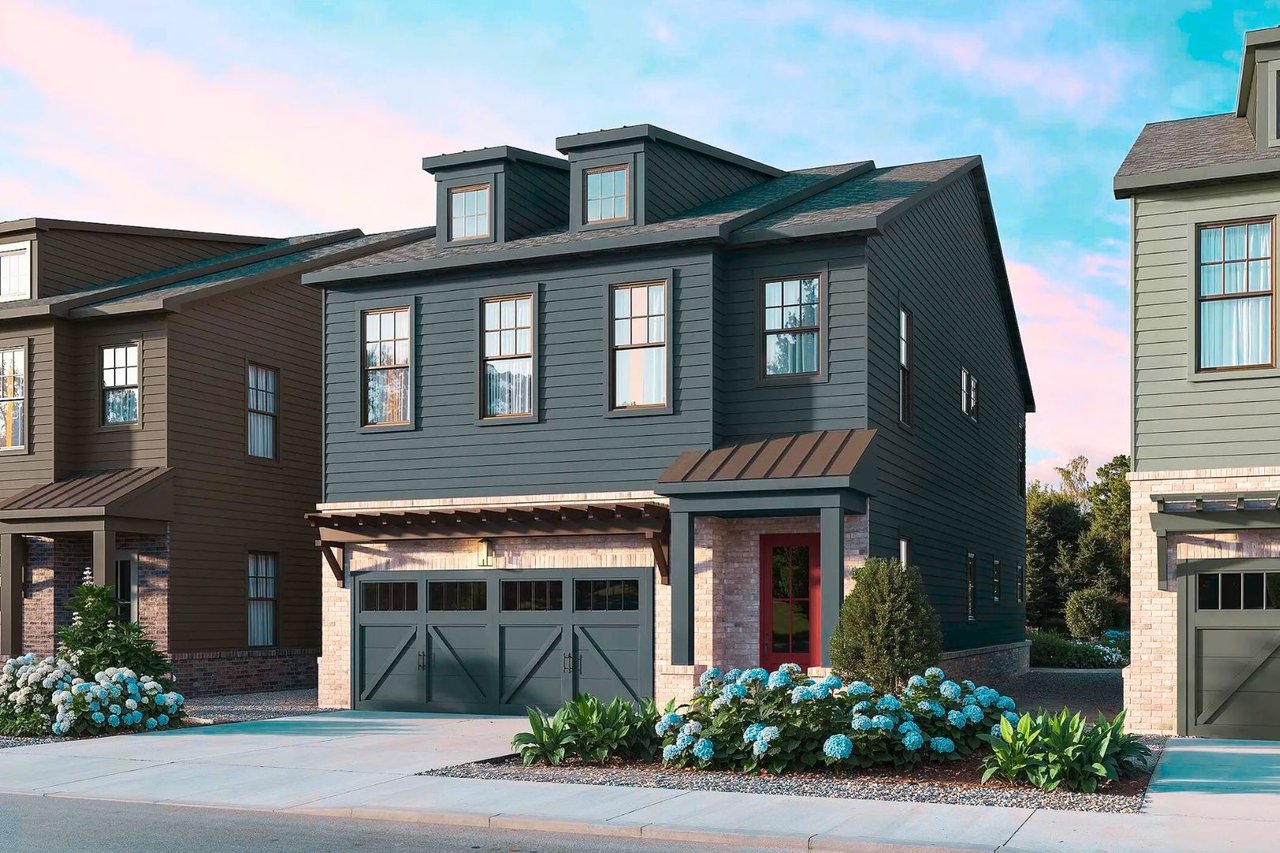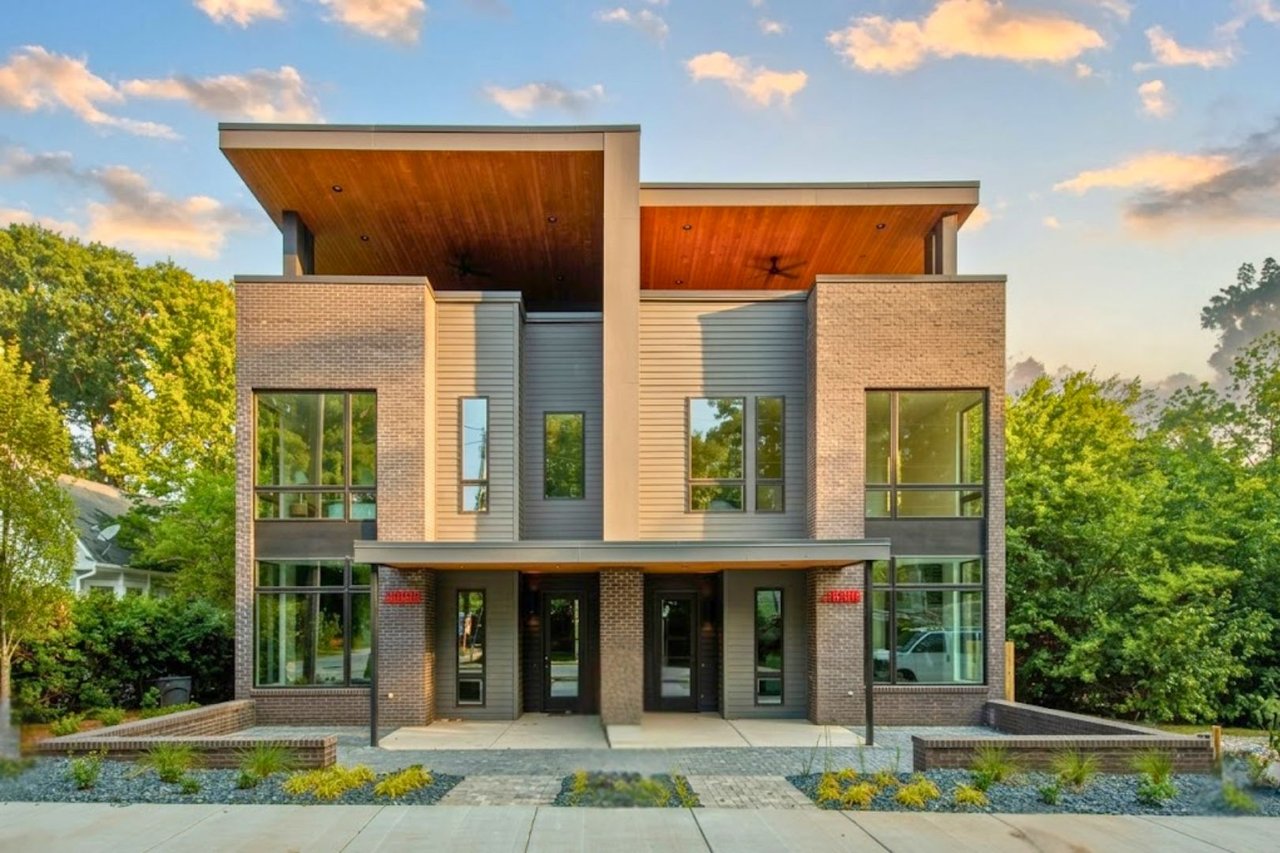
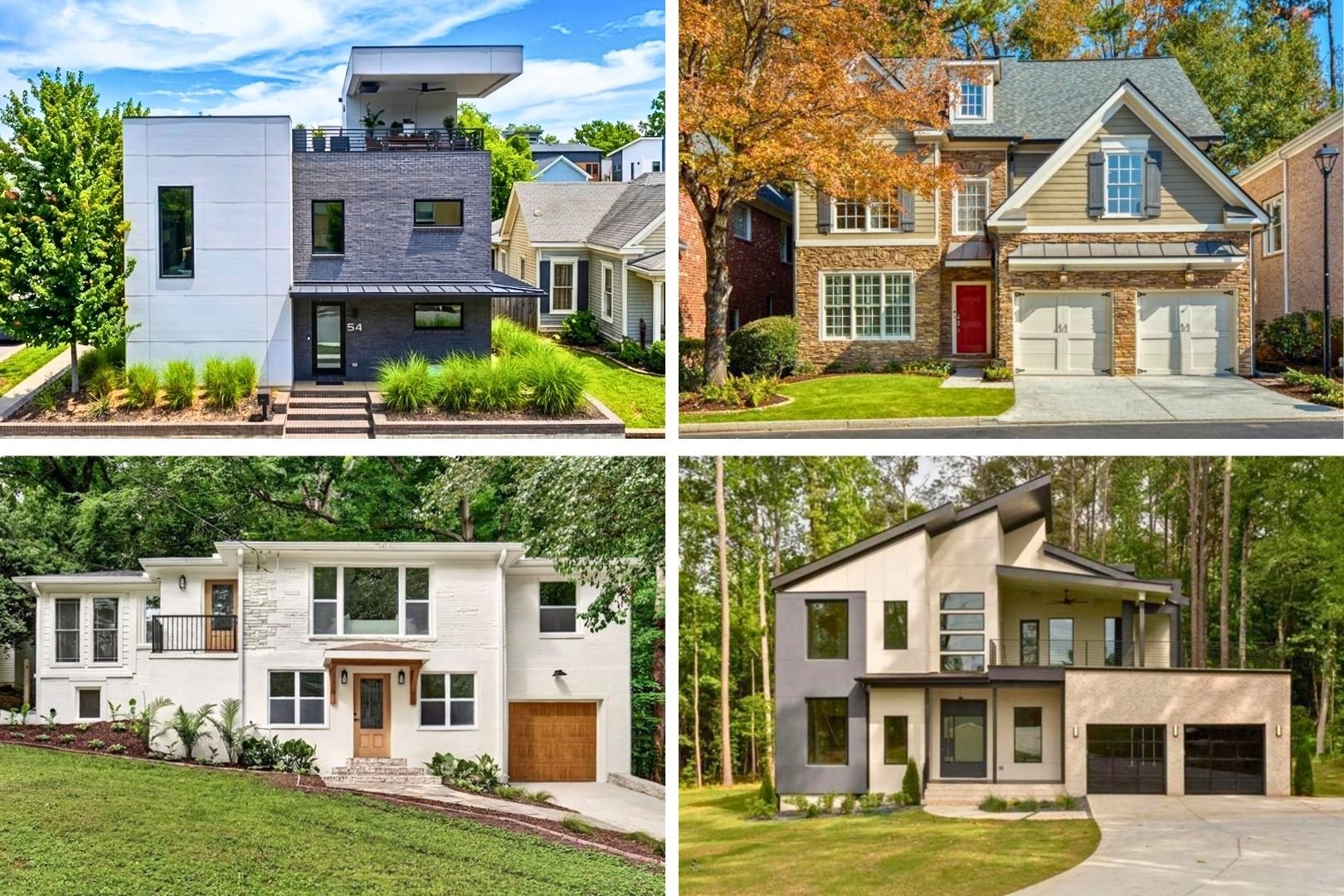
Atlanta's brutal summers don't just test your patience — they test your utility bill. When July temperatures push air conditioners to their limits for months at a stretch, the gap between a standard home and a high-performance one becomes impossible to ignore.
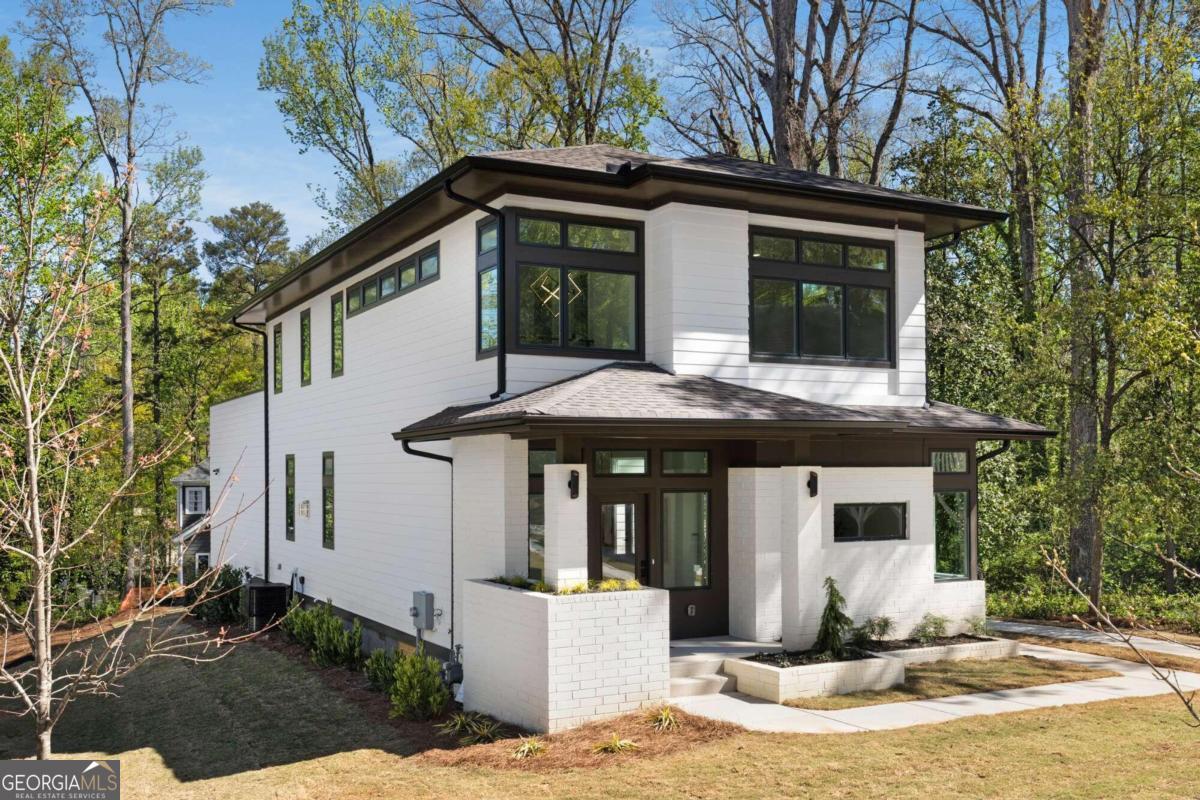
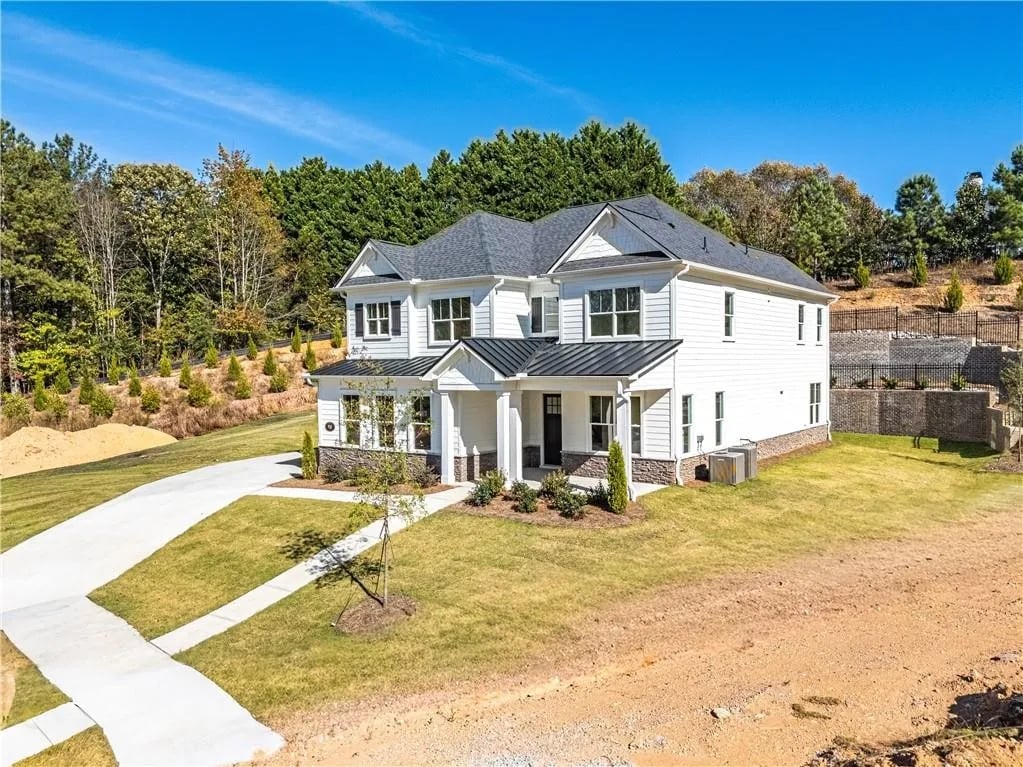
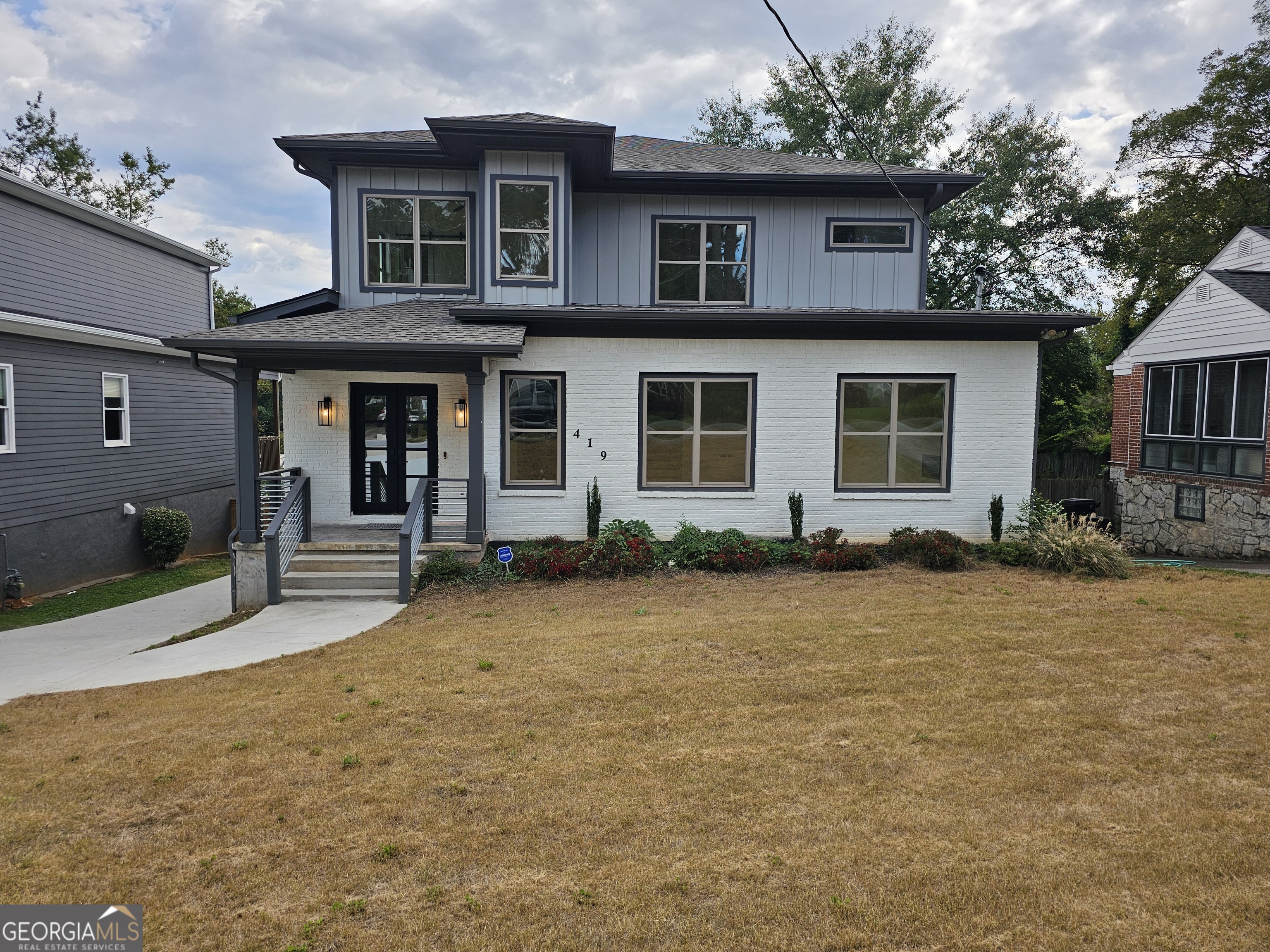
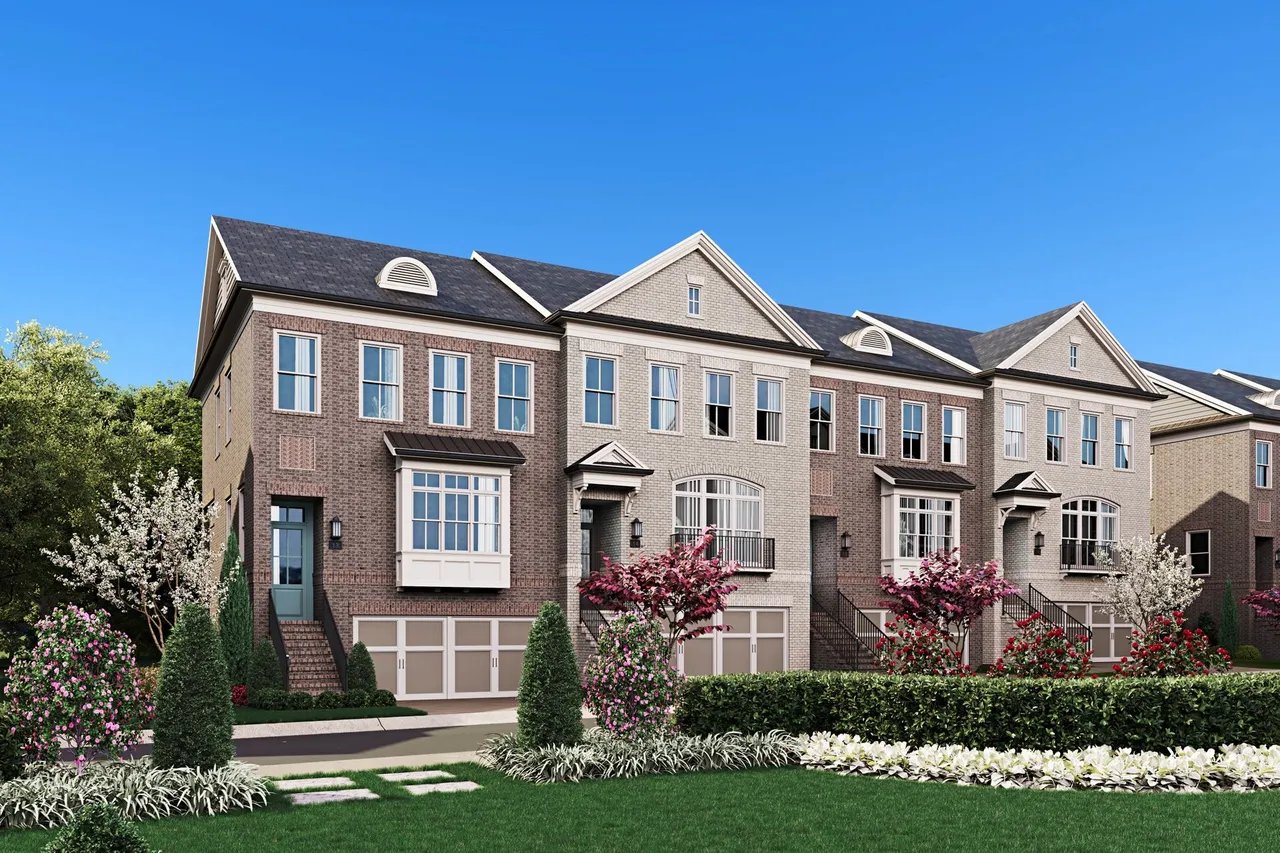
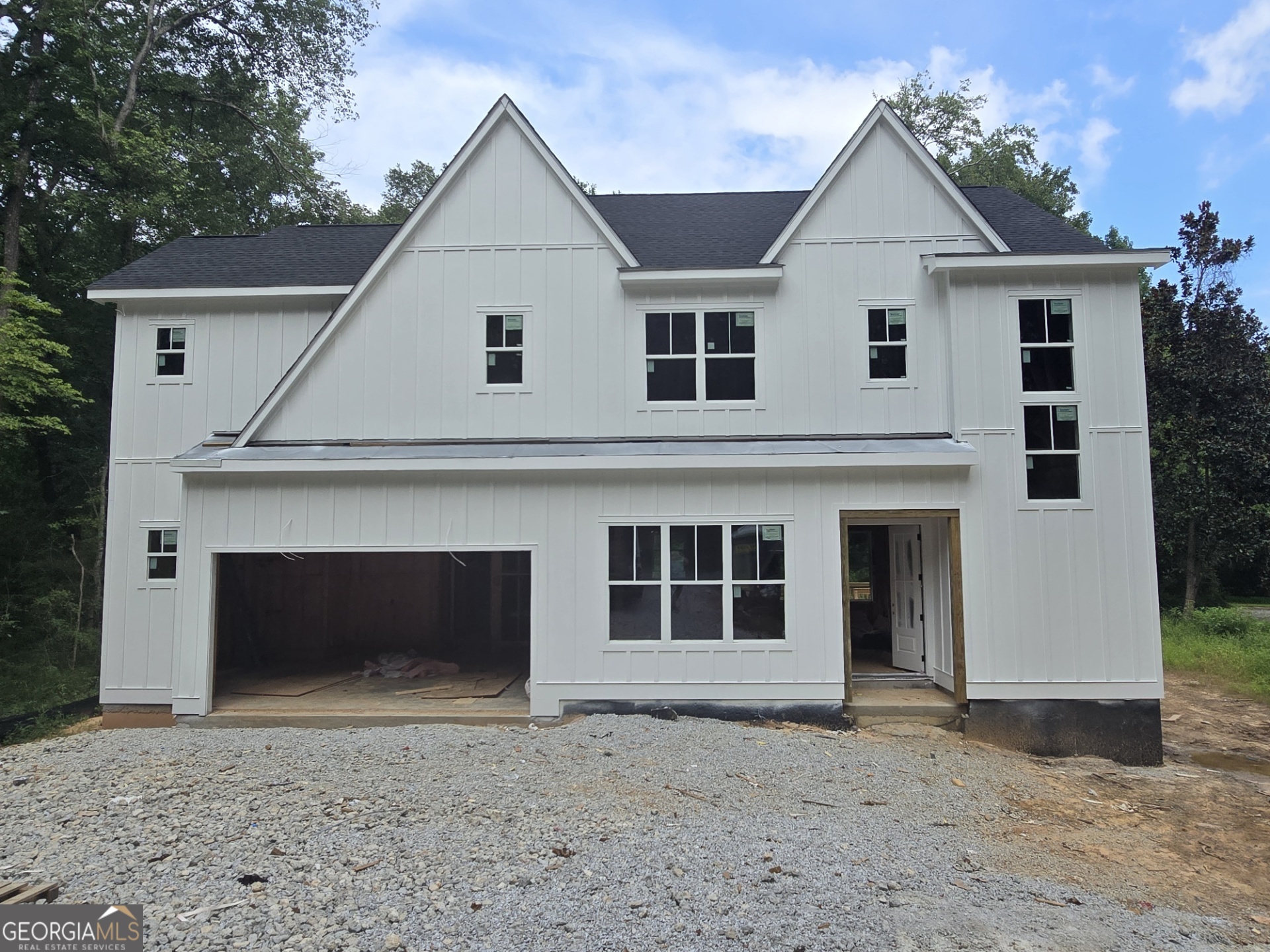
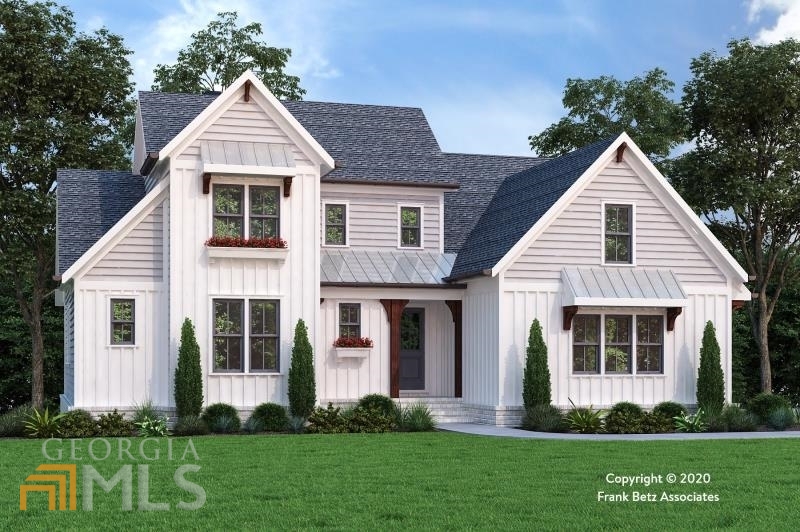
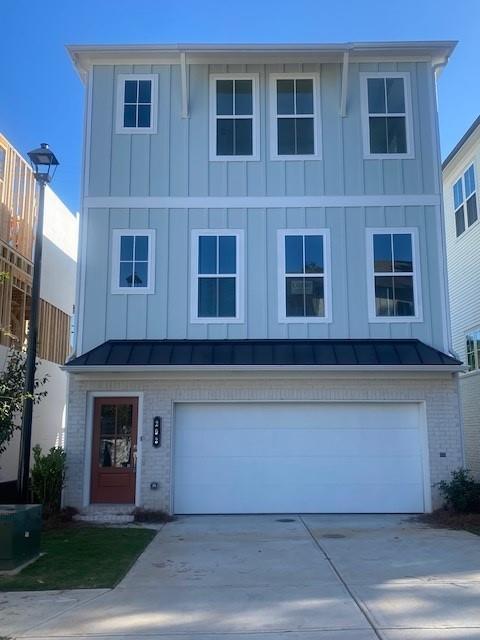
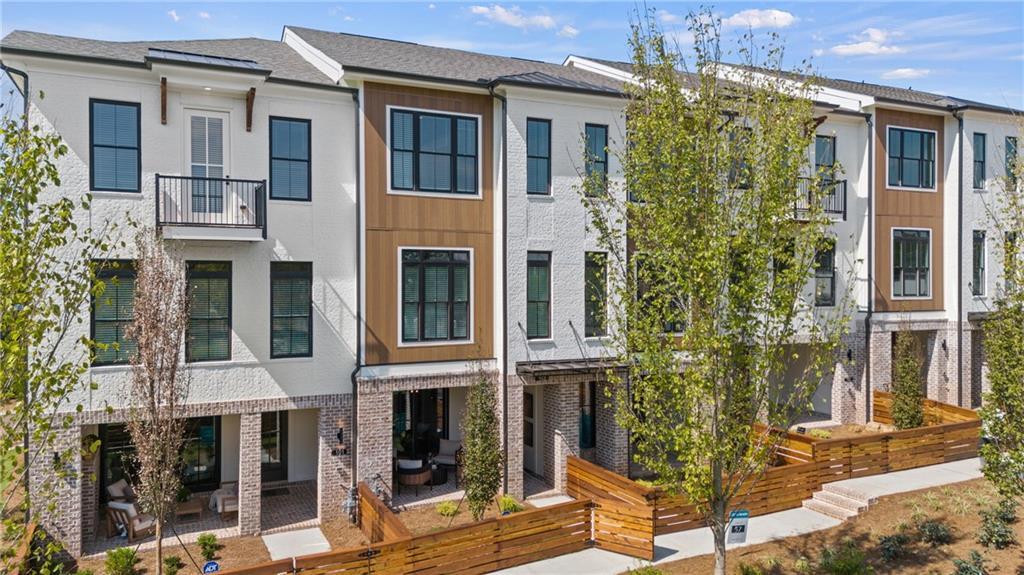
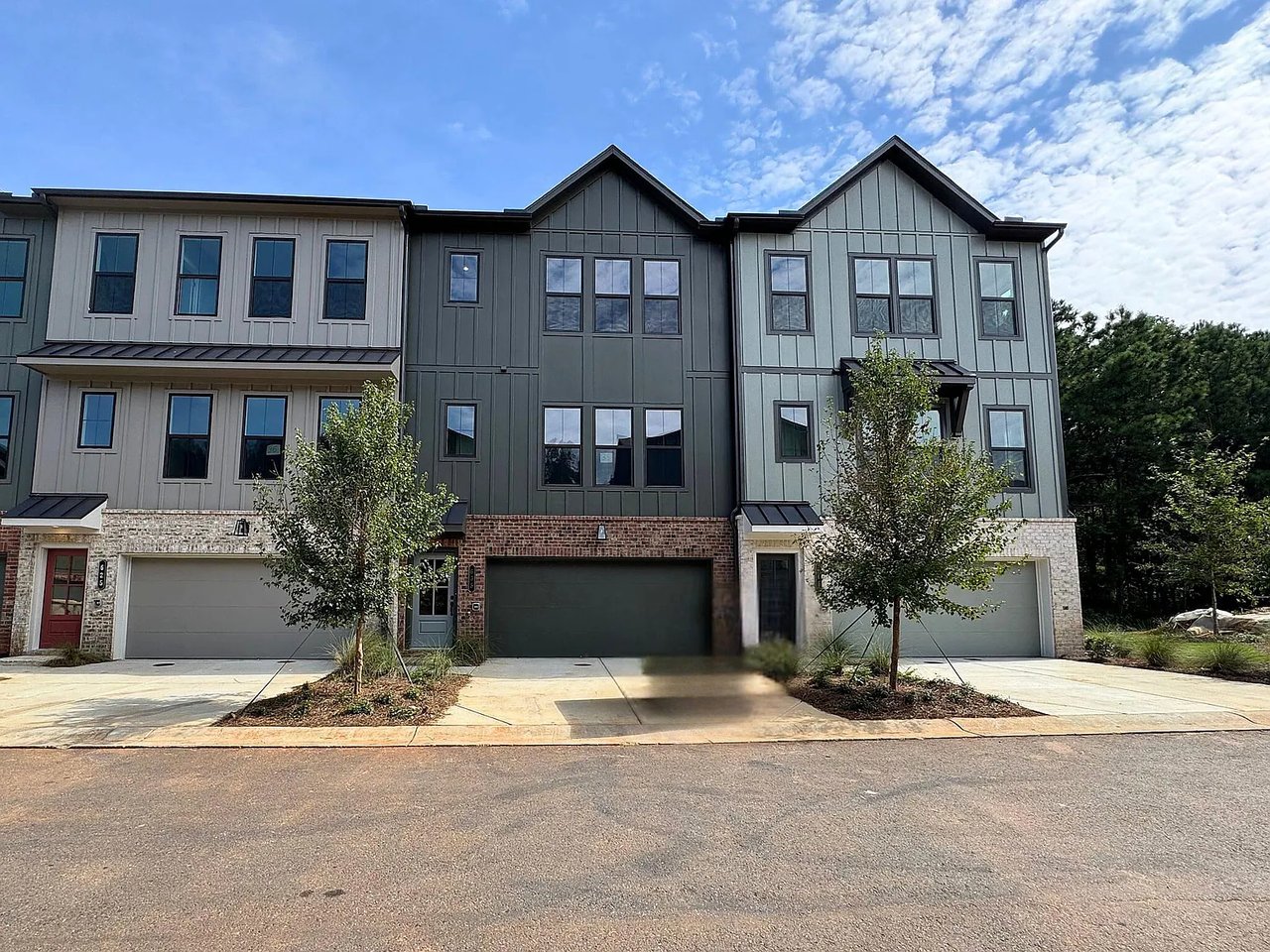
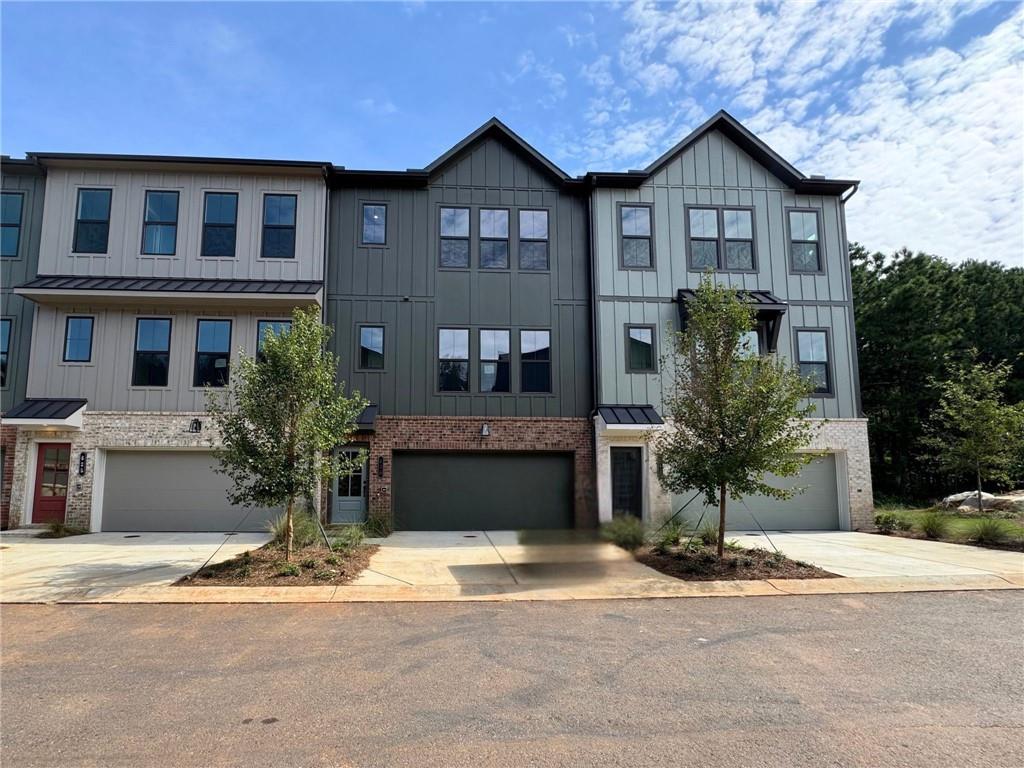
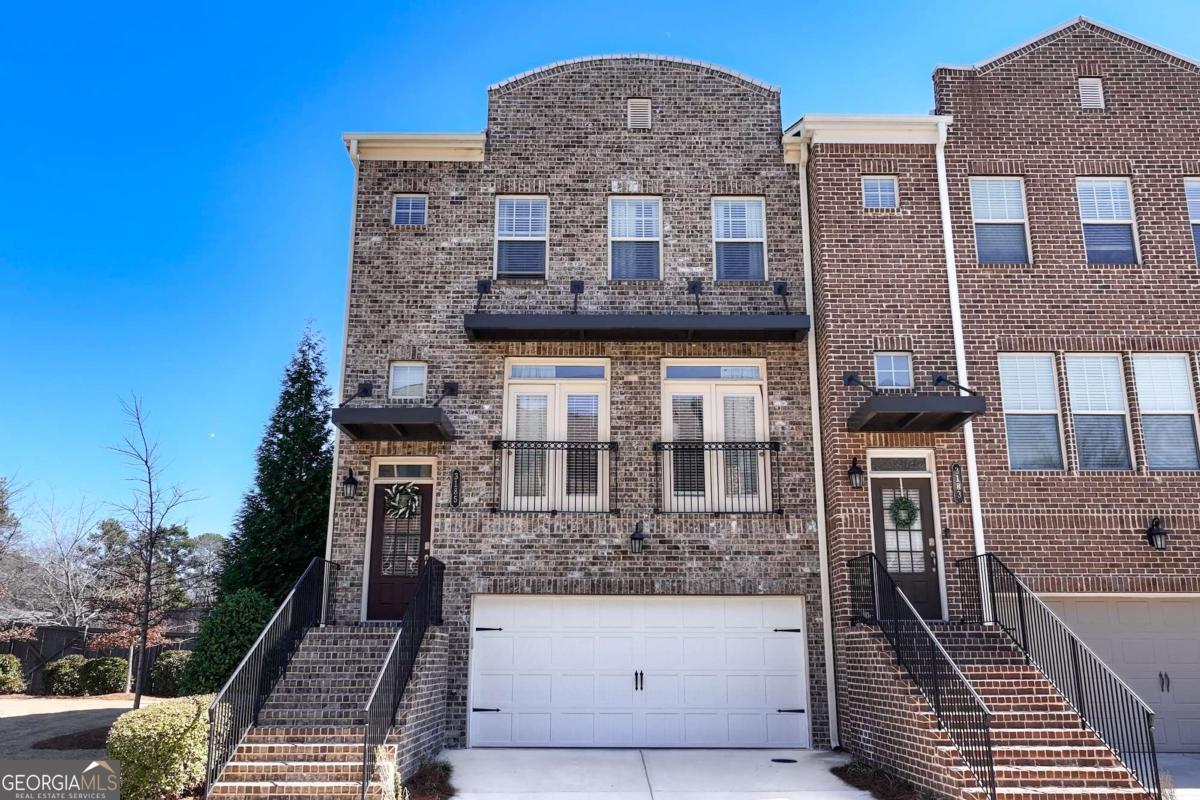
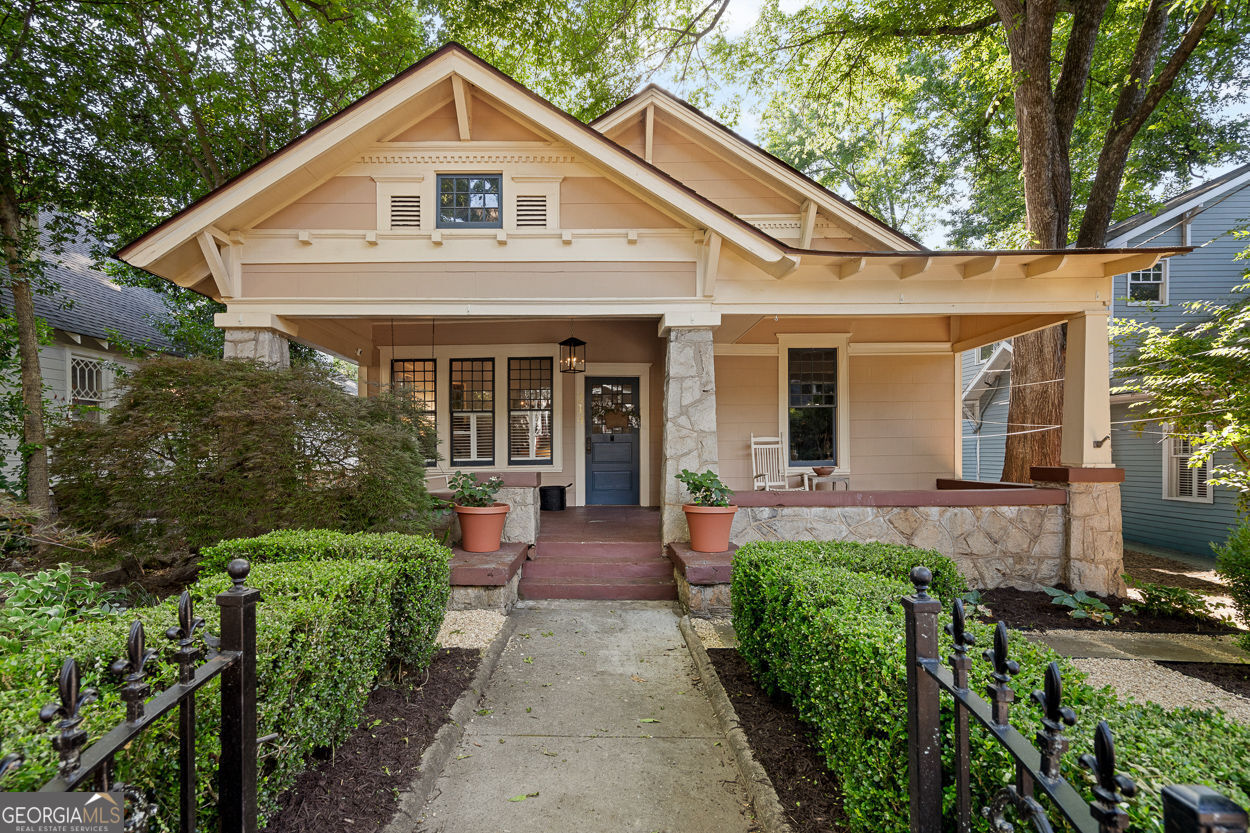
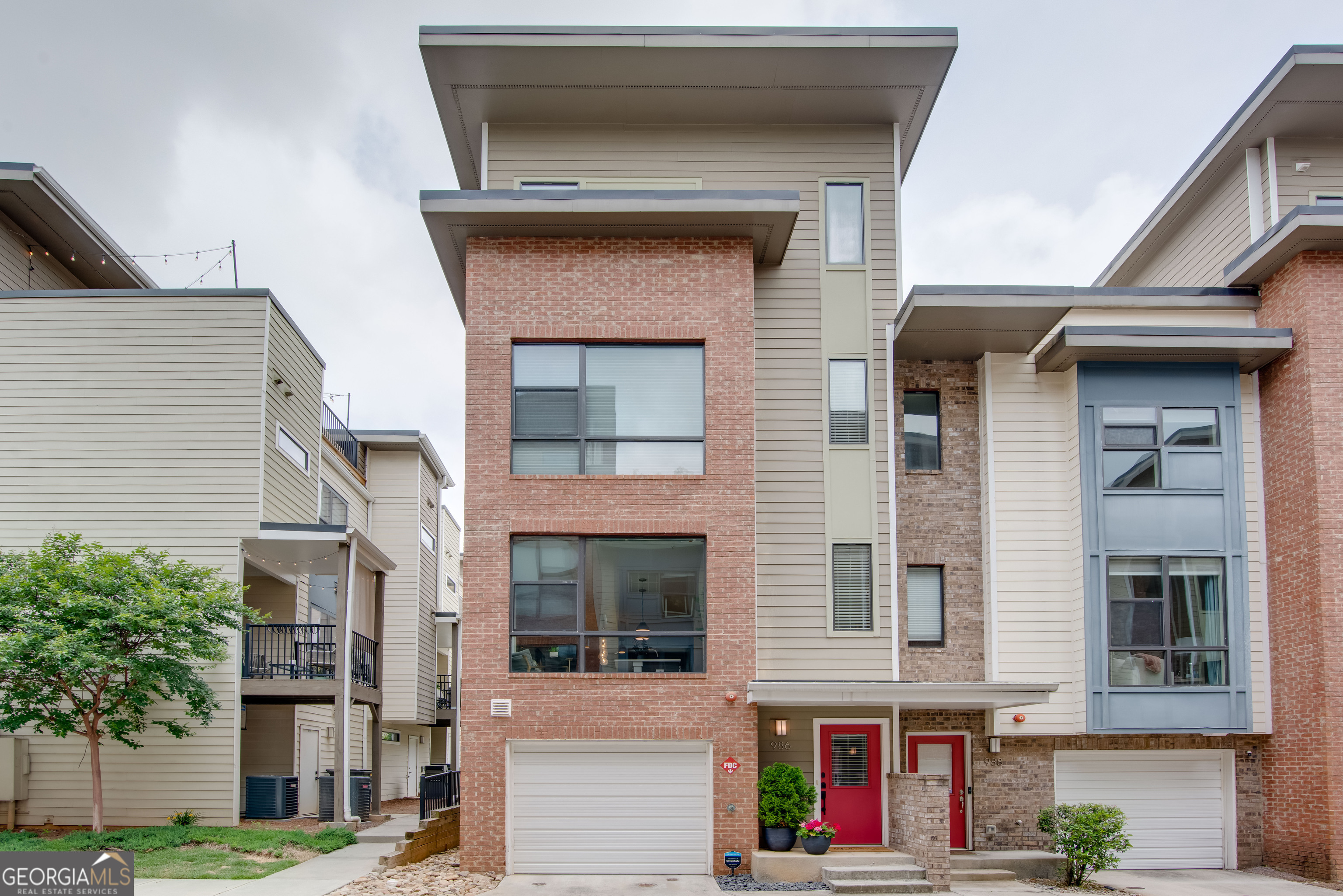
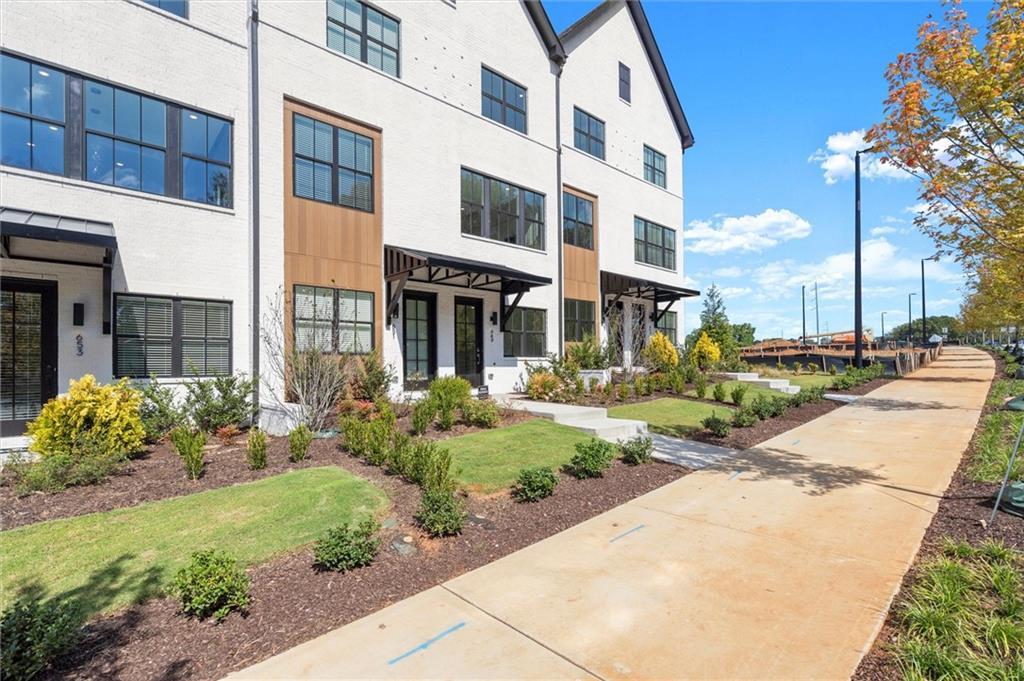
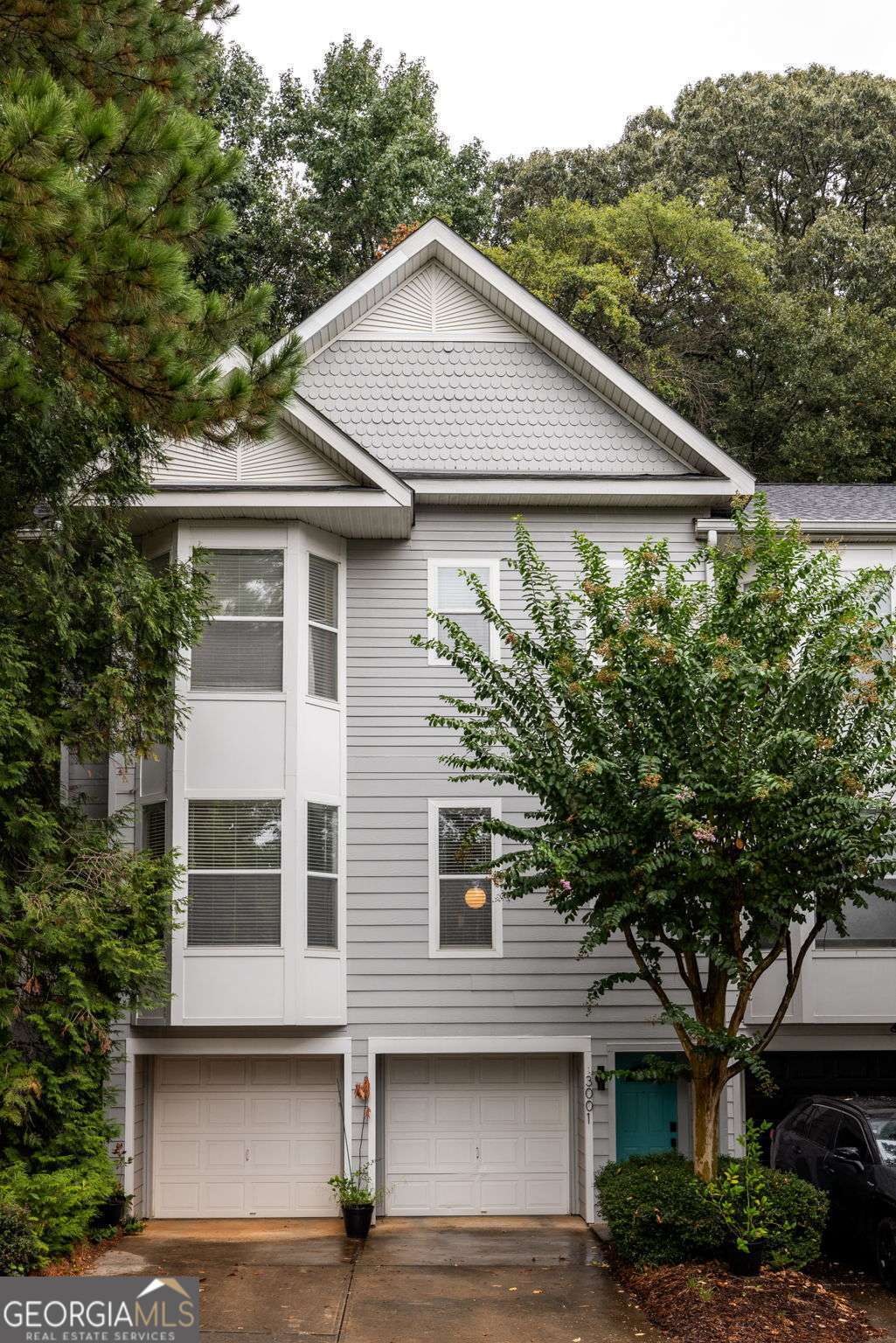
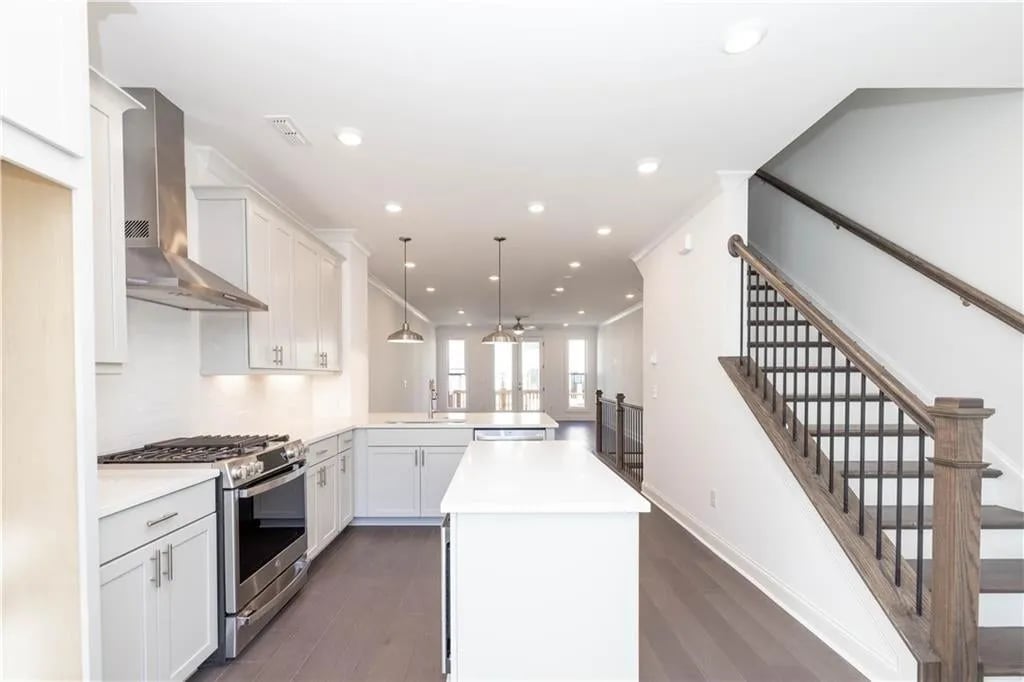
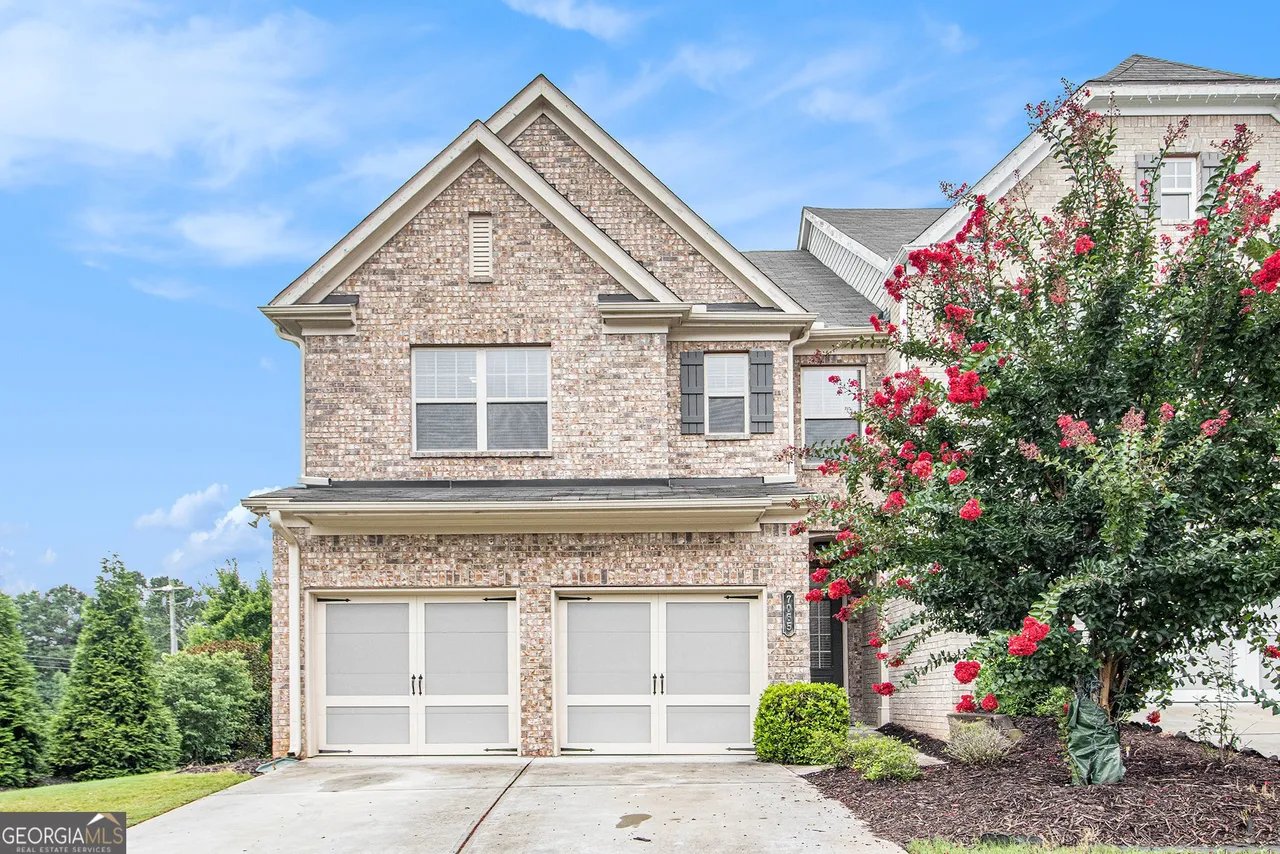
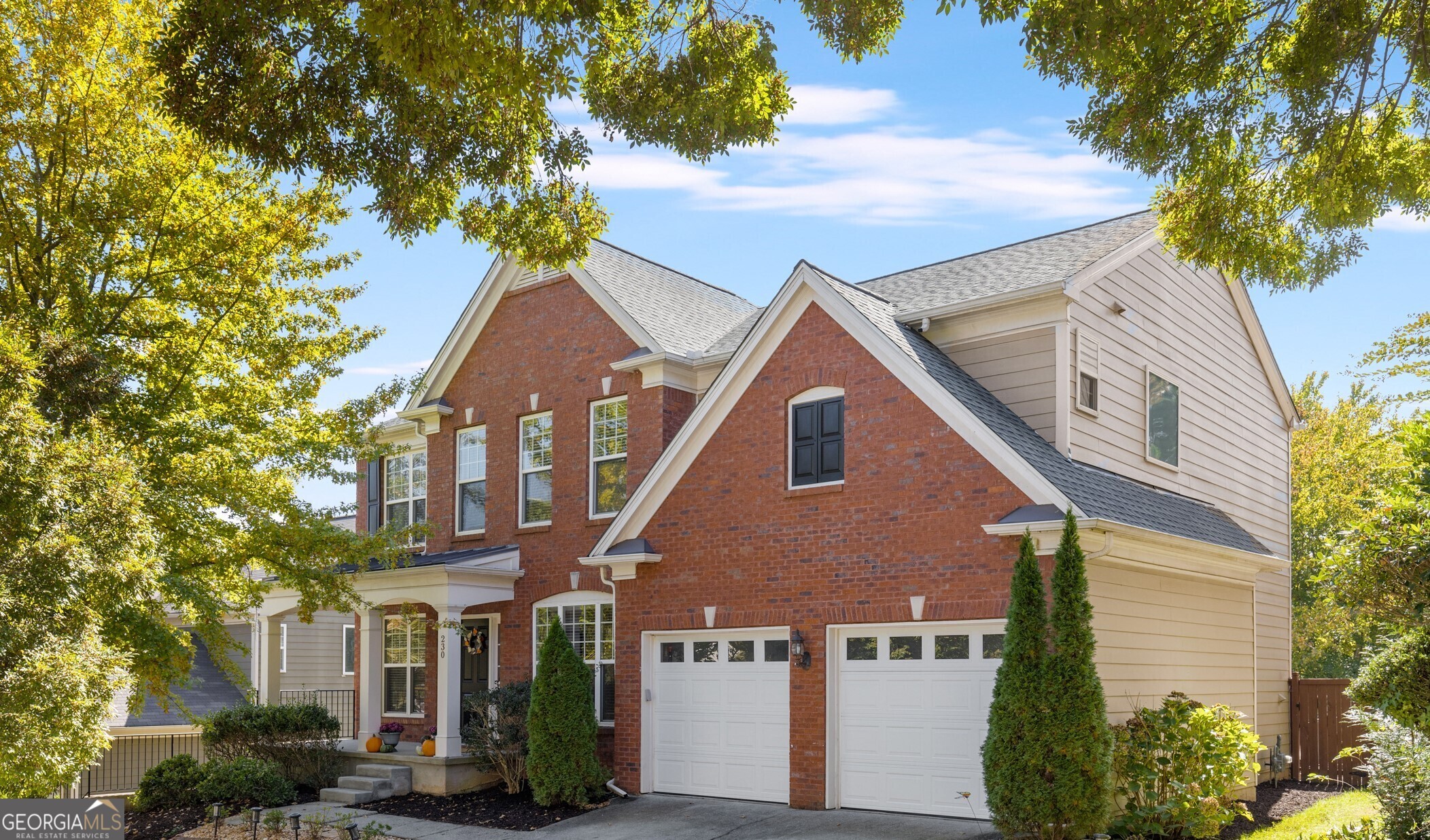
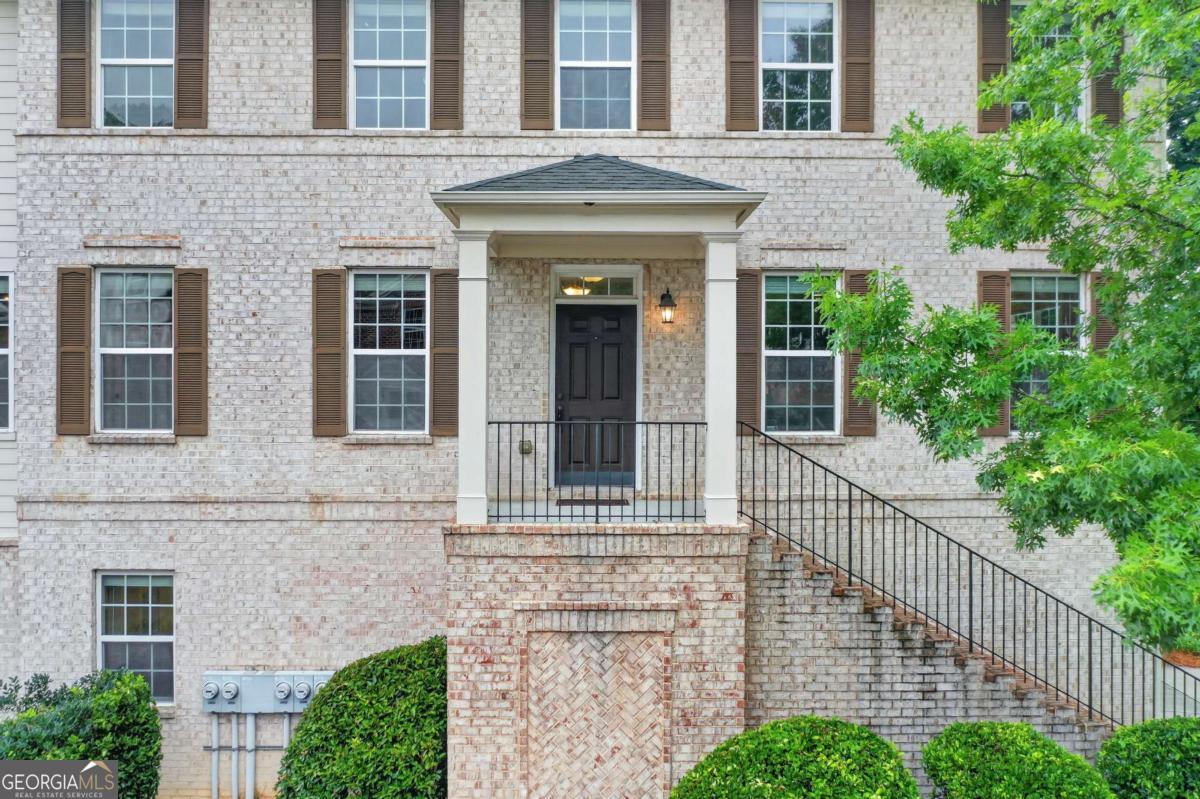
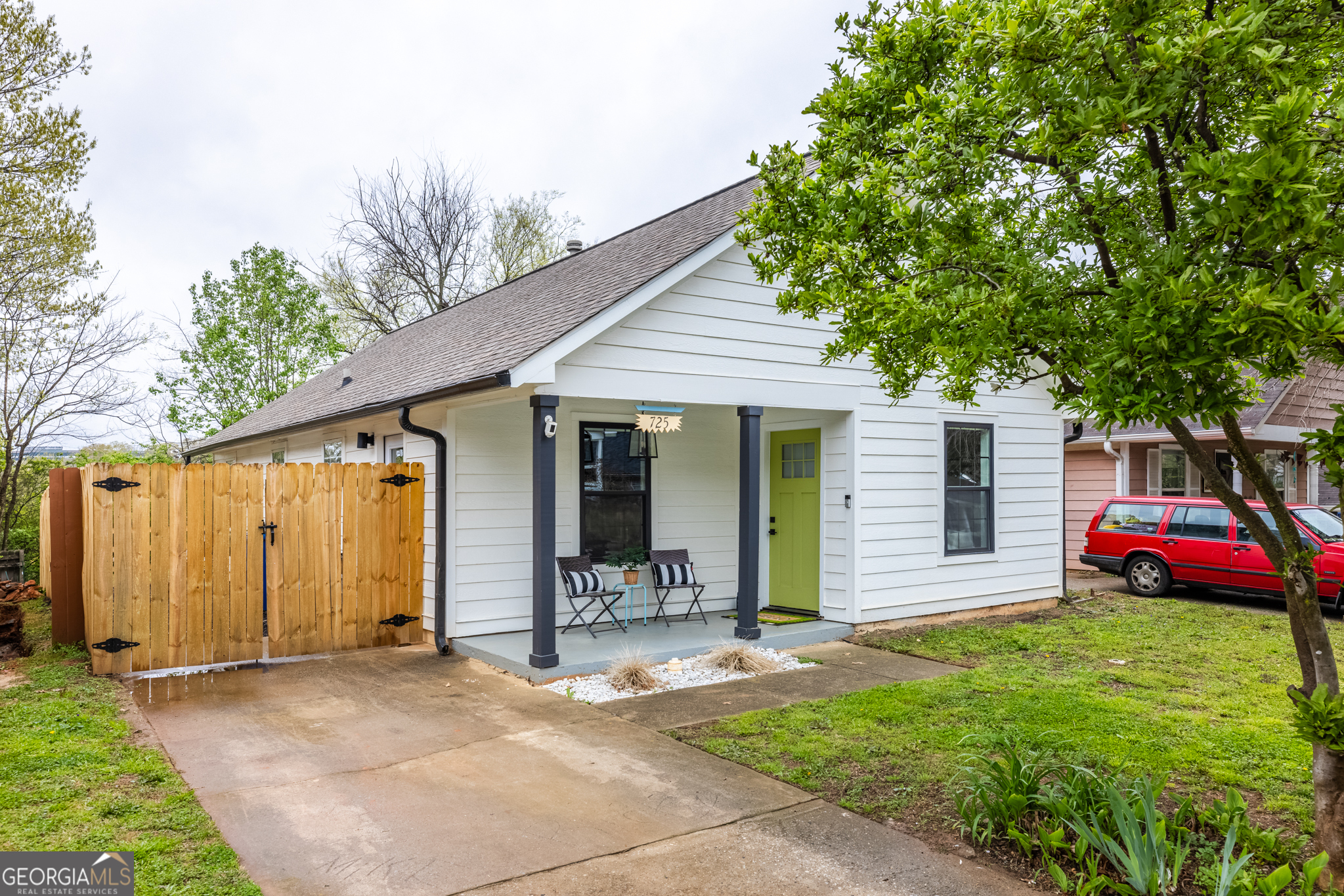
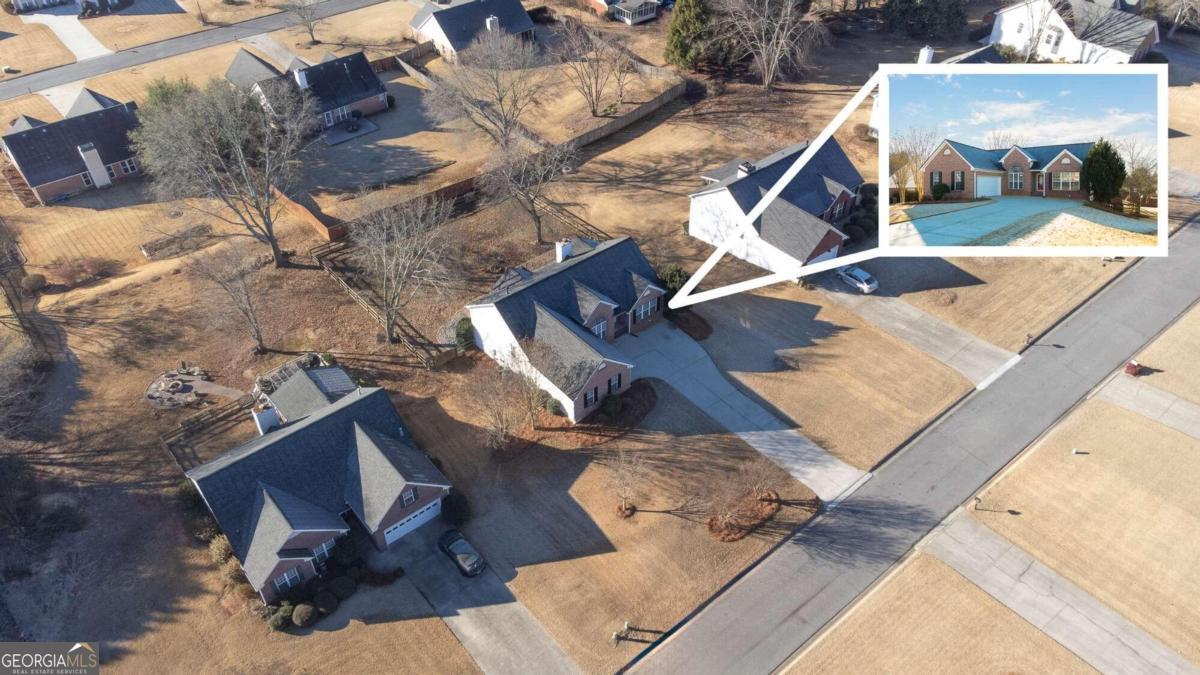
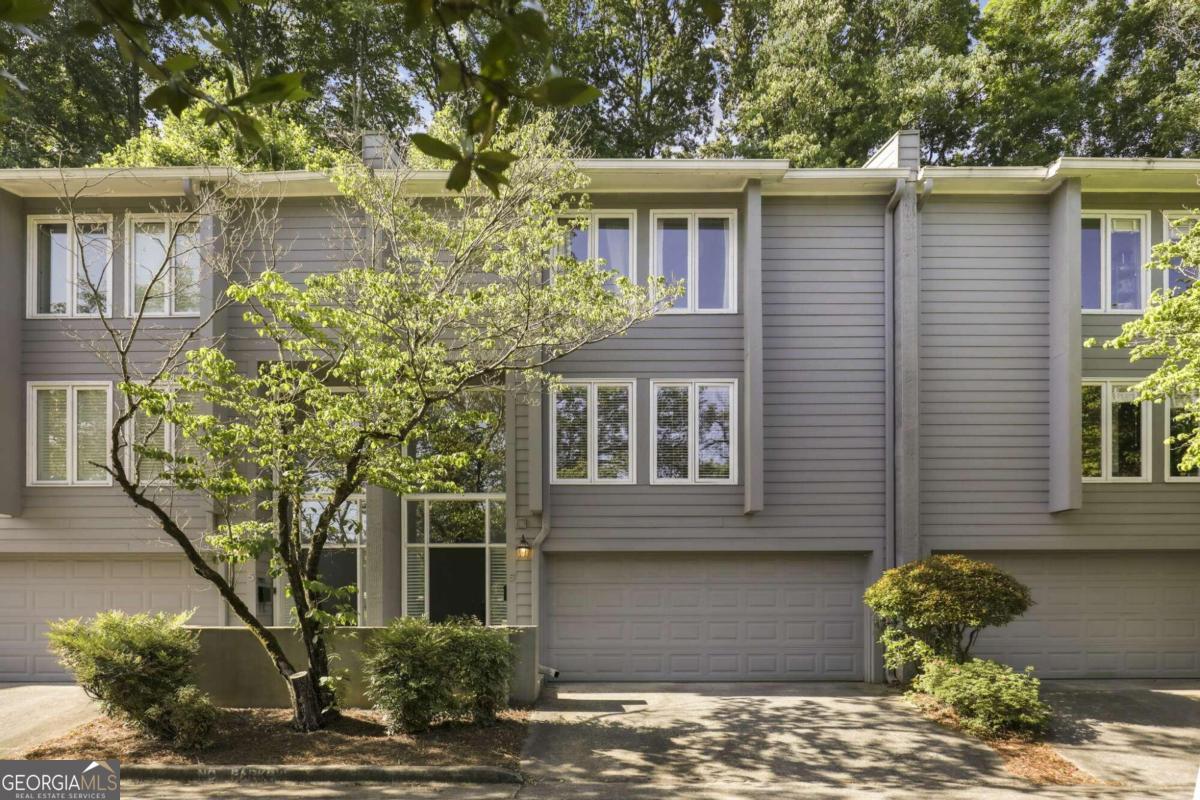
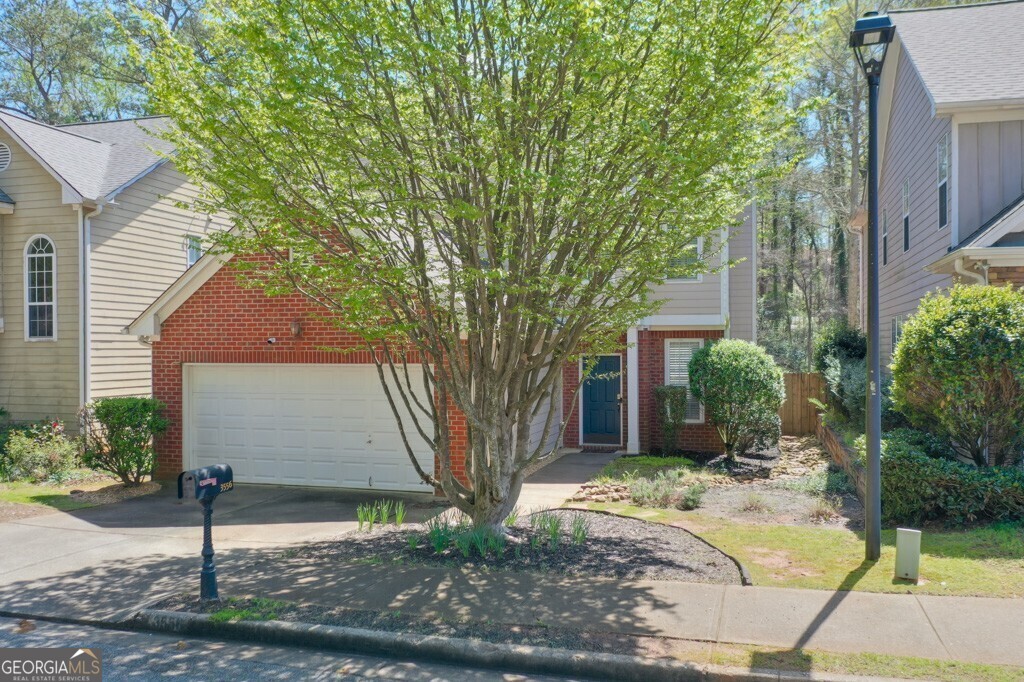
That reality is driving more Metro Atlanta buyers toward new construction built with high-performance insulation, smart HVAC systems, and green certifications that translate into measurable monthly savings. The options have never been stronger: across the metro, buyers can choose from more than 8,000 active new construction listings spanning 160-plus builders, from intown townhomes near the BeltLine to family communities in Forsyth and Cherokee counties.
Why Energy Efficiency Matters More in Atlanta Than Almost Anywhere Else
Atlanta's Climate Demands More From Your Home
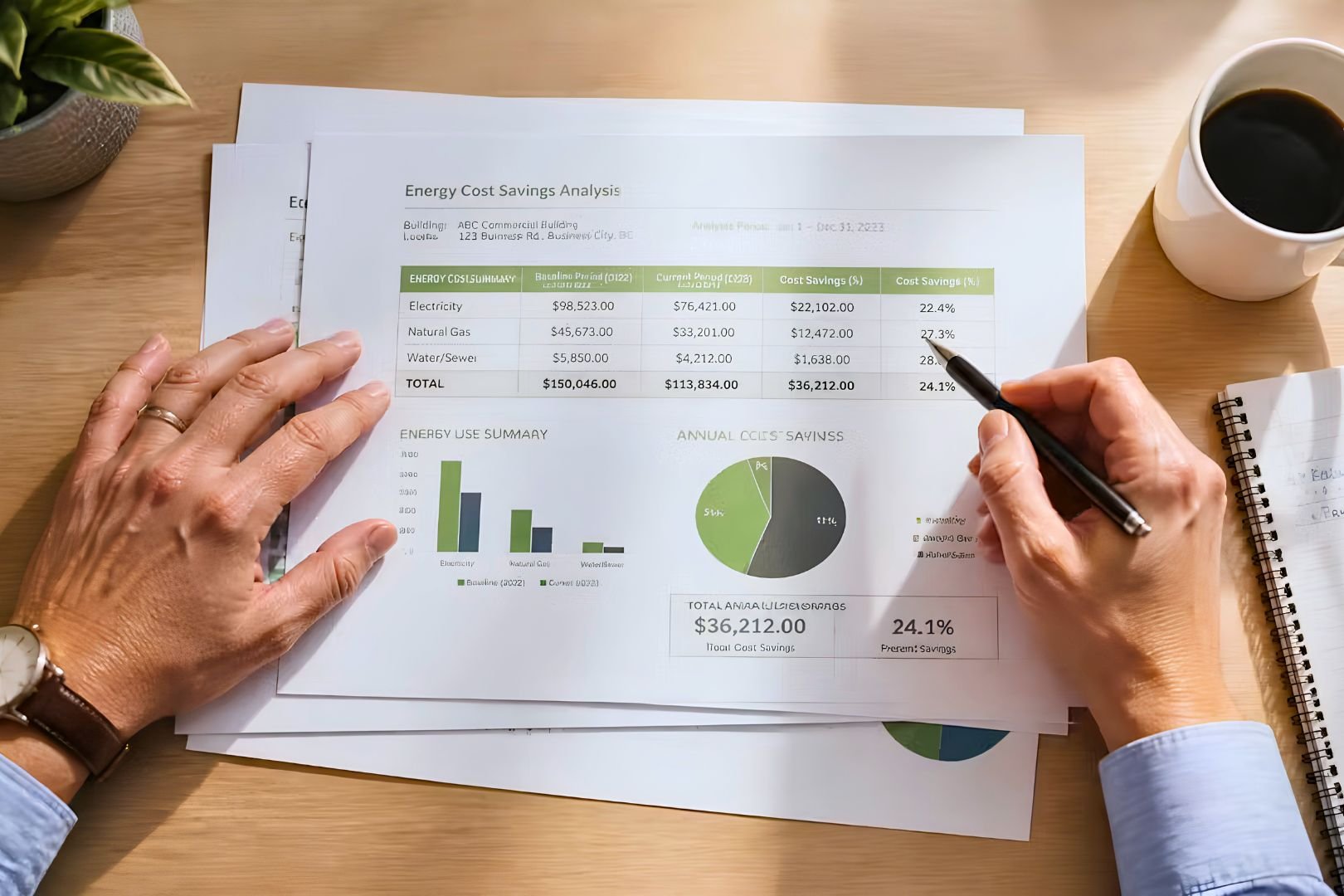
Georgia's climate ranks among the most demanding in the country for residential energy use. Summers are long, humid, and punishing — and HVAC systems bear the heaviest load of any system in the house.
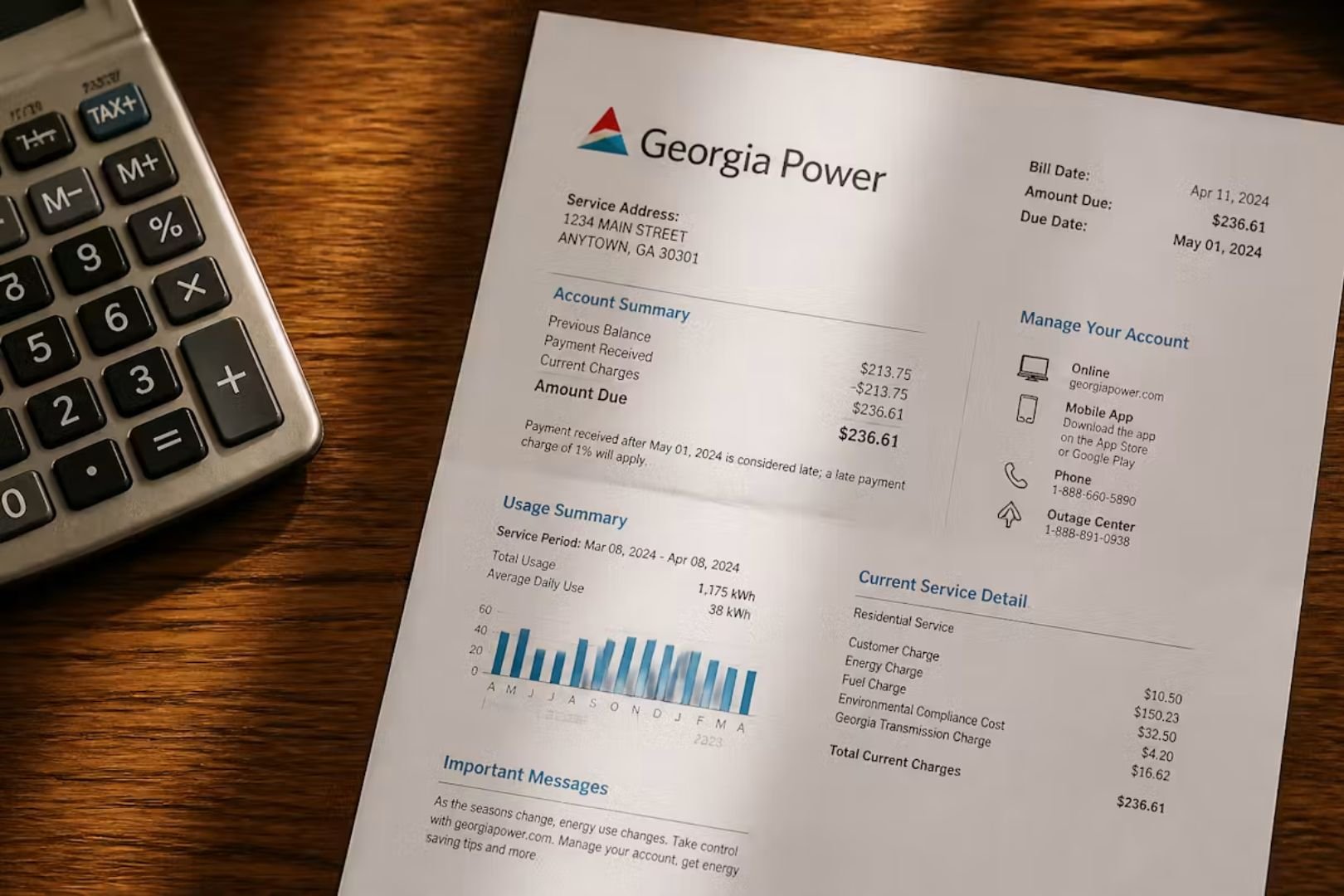
$266 — the average Georgia Power residential bill in July, compared to roughly $171 on an annualized basis. That's nearly a $100 monthly spike driven almost entirely by cooling costs.
High-efficiency HVAC systems, well-sealed building envelopes, and properly rated insulation are not luxury upgrades in Atlanta. They're practical necessities. Features like reflective roofing materials, low-E window coatings, and airtight wall assemblies can significantly reduce the heat gain that forces your cooling system to work overtime from May through October.
The Financial Case for Going Green in Atlanta
Energy-efficient new homes deliver savings in two directions: lower monthly utility costs and stronger resale appeal. ENERGY STAR estimates that certified homes save owners approximately $200 to $400 per year under average conditions — and in Atlanta's high-cooling-load climate, real-world savings can run meaningfully above that national baseline.
1,035 kWh — the average monthly electricity consumption for Georgia households, well above the national average, which means total bills run high regardless of the state's relatively favorable 15-cents-per-kilowatt-hour rate.
An energy-efficient home reduces that consumption figure directly, making every efficiency gain compound over time. That's the math that makes green construction worth pursuing in this market.
Top Energy-Efficient Features Found in Atlanta's New Construction Homes
Building Envelope and Insulation
The foundation of any energy-efficient home is the building envelope — the walls, roof, windows, and doors that separate conditioned interior space from the outside environment. In Metro Atlanta new construction, look for spray foam or advanced cellulose insulation combined with thorough air sealing at penetrations and joints.
Energy-efficient windows with double or triple panes and low-E coatings significantly reduce solar heat gain without sacrificing natural light. Airtight construction paired with proper mechanical ventilation is particularly important in Atlanta's climate, where humidity management is as critical as temperature control.
High-Performance HVAC and Smart Systems
High-efficiency heat pumps and zoned HVAC systems allow for targeted climate control across different areas of the home, eliminating wasted energy from conditioning rooms that aren't in use. Modern Atlanta new construction increasingly features variable-speed compressors that run efficiently at partial load — which is most of the time — rather than cycling on and off at full capacity.
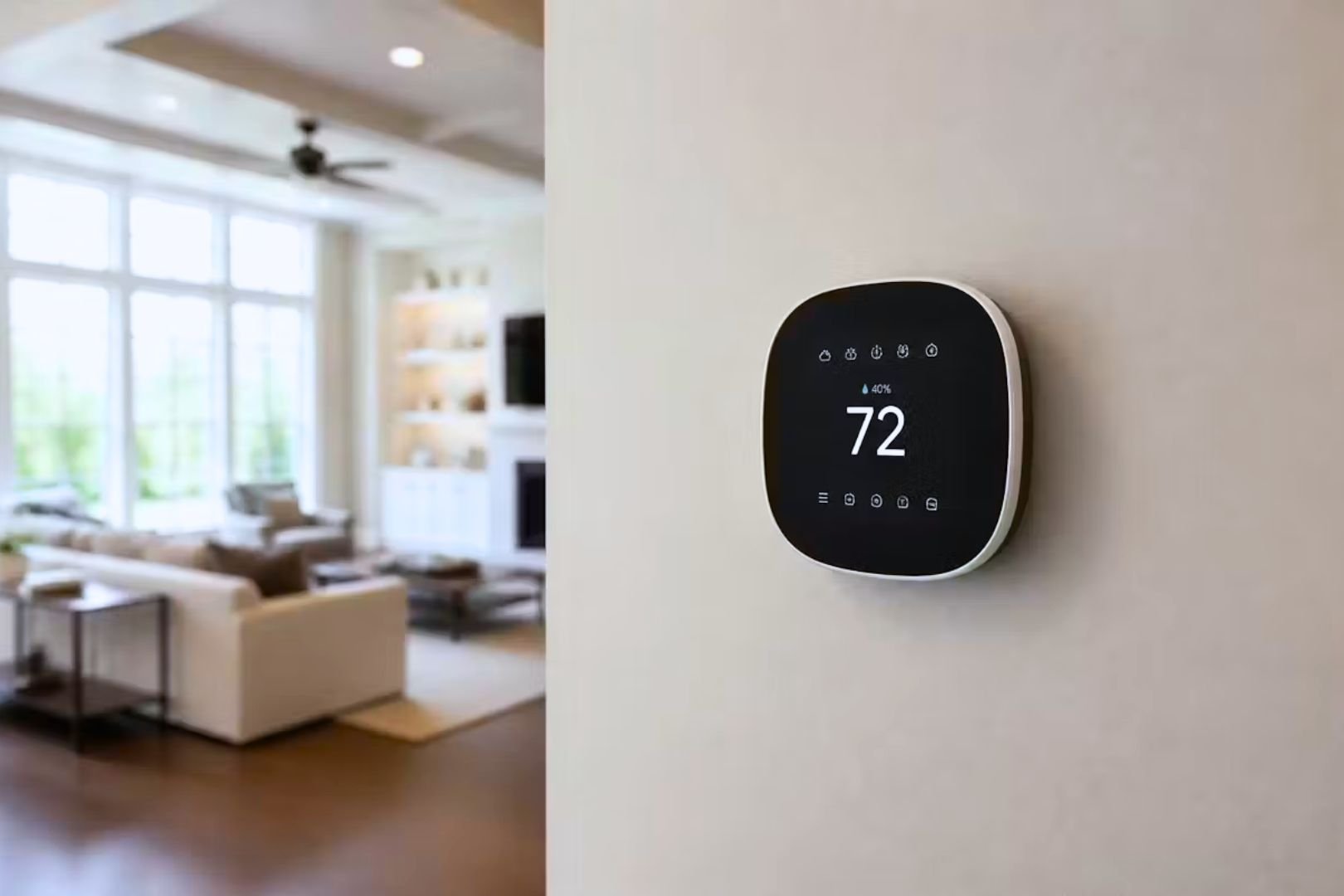
Smart thermostats that adjust based on occupancy patterns are now standard in many new communities. Paired with LED lighting throughout and remote appliance monitoring, these systems give homeowners real-time visibility into energy use and the ability to make adjustments from anywhere.
Solar-Ready and Solar-Powered Homes
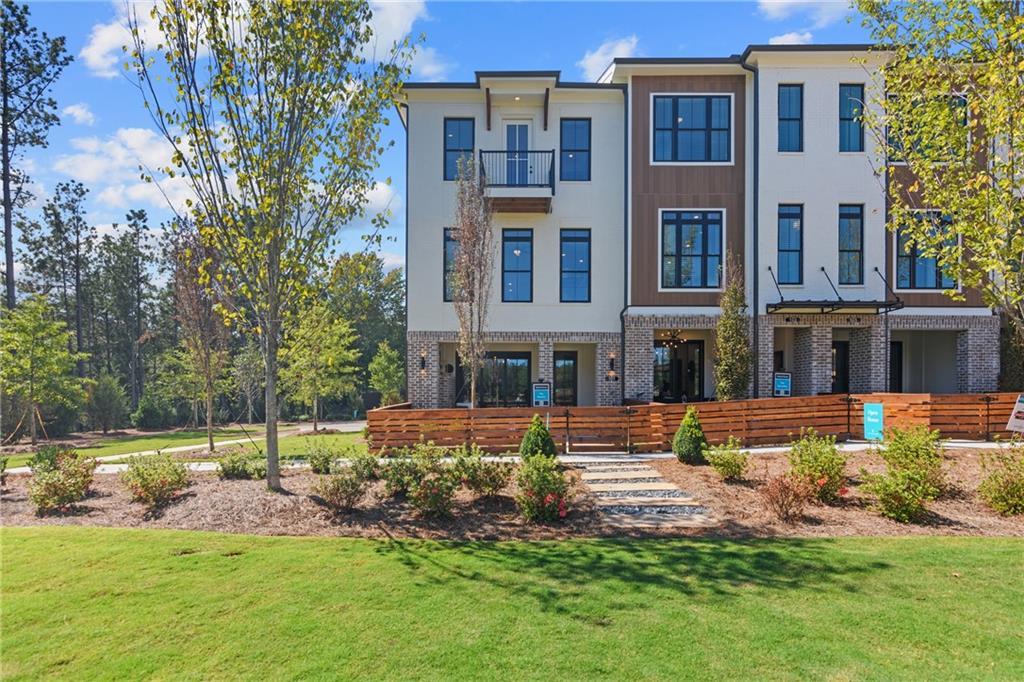
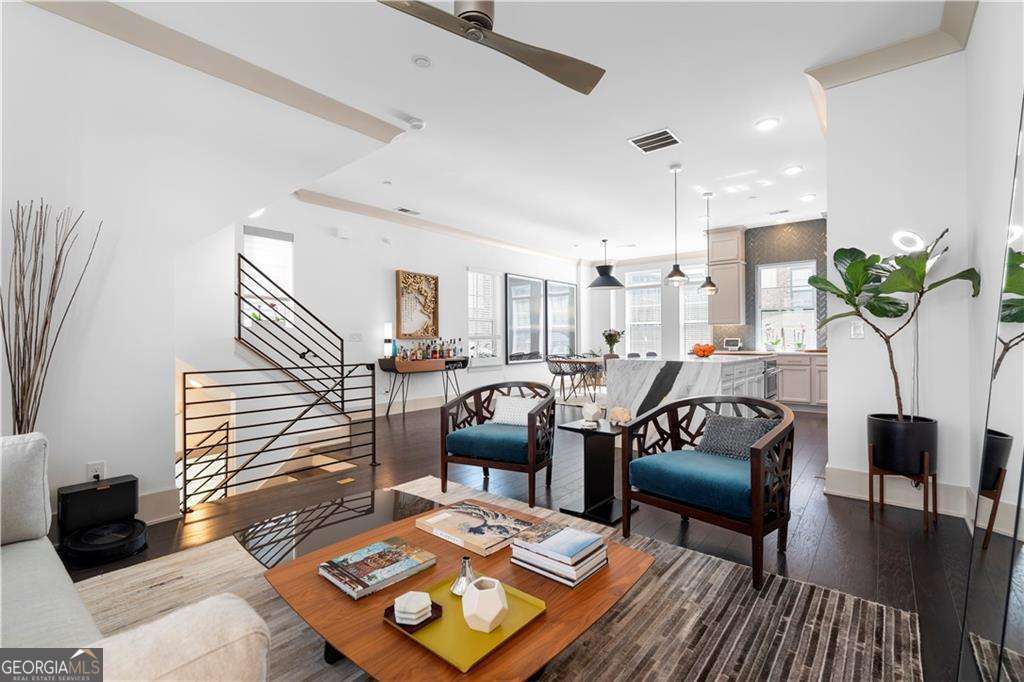
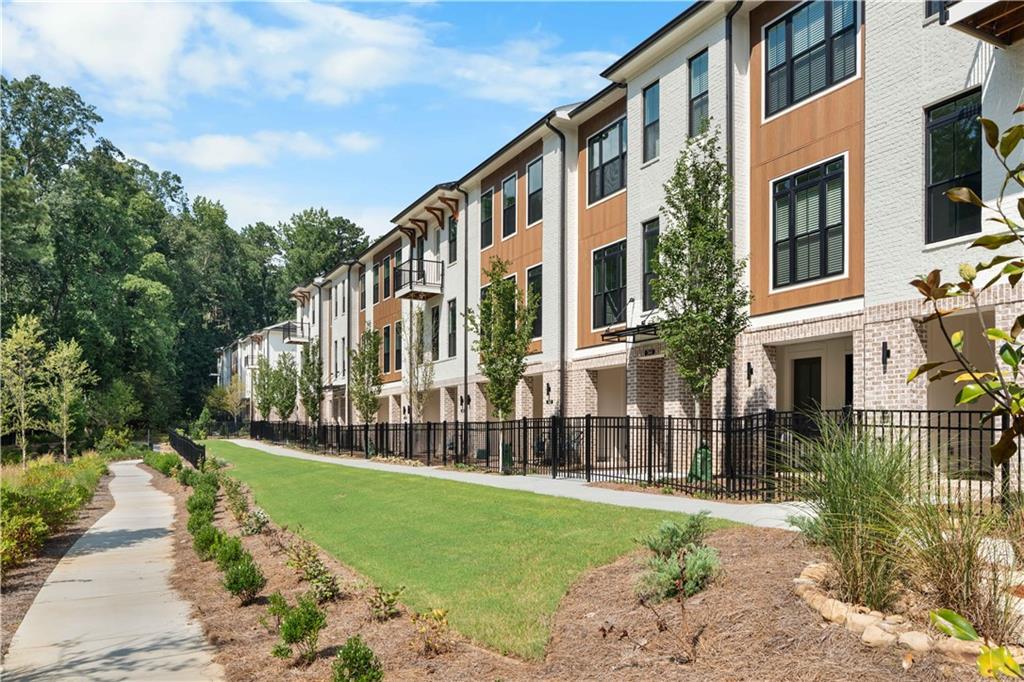
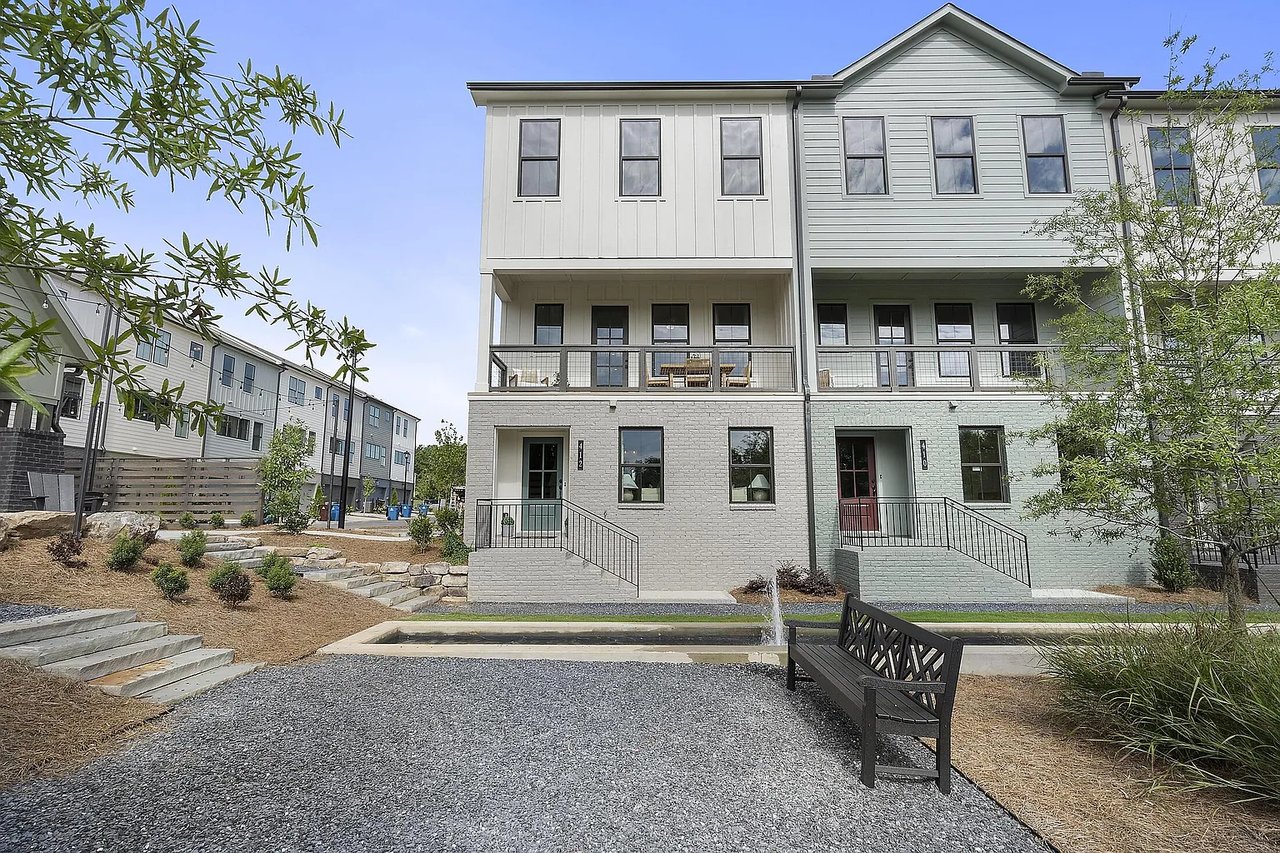
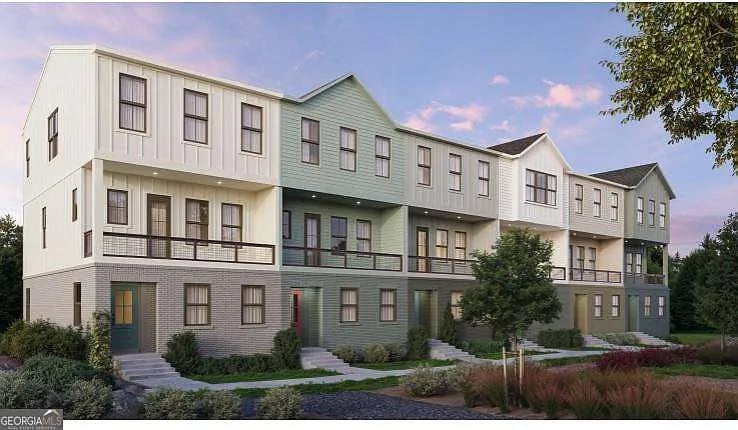
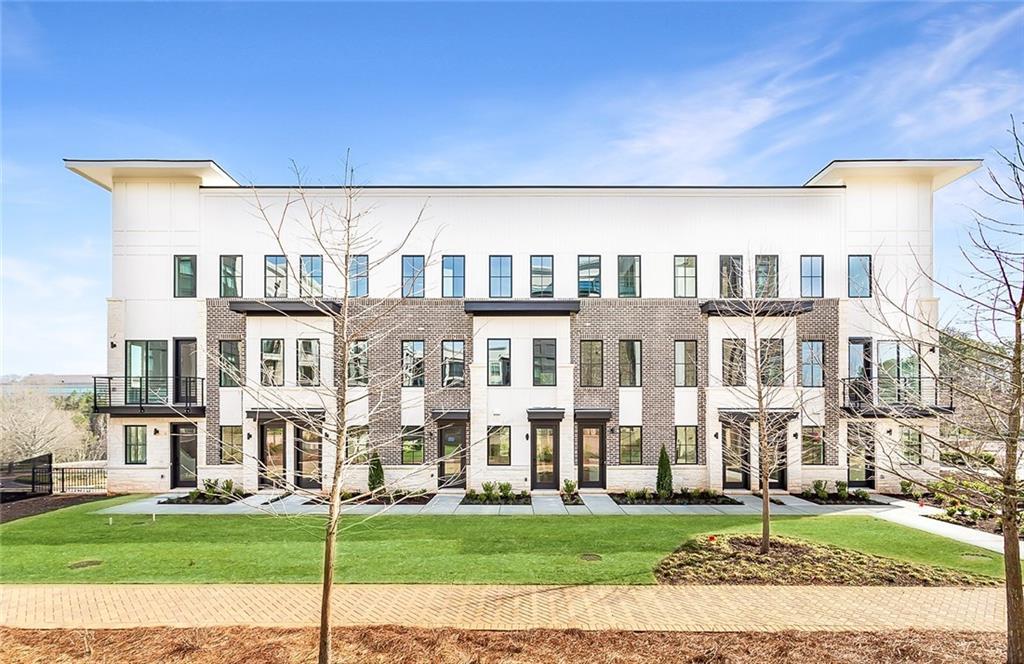
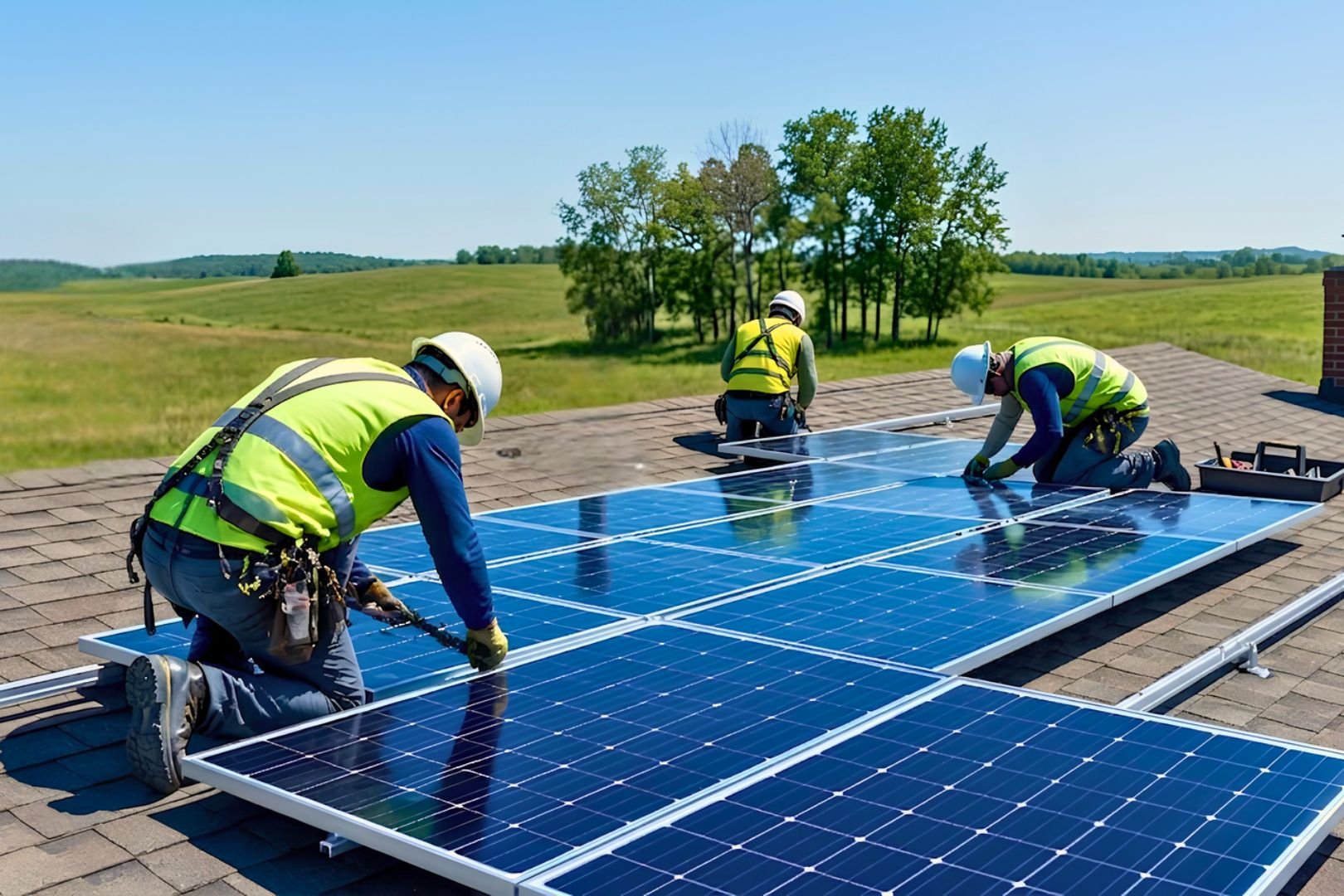
Georgia's abundant sunshine makes solar a particularly strong investment, and many Metro Atlanta builders now offer solar-ready pre-wiring as a standard or low-cost option. The U.S. Department of Energy's Altus at The Quarter development — a community of 46 smart townhomes in Atlanta — serves as a living laboratory for DOE researchers evaluating how homeowners use energy in real-world smart home environments.
Buyers who opt into rooftop solar at the time of purchase can combine that investment with the federal Residential Clean Energy Tax Credit, which covers 30% of installation costs for systems placed in service through 2025. Pre-wiring for electric vehicle charging is another feature gaining traction across Metro Atlanta communities, adding everyday convenience and supporting future resale value.
Green Certifications Explained — What ENERGY STAR, LEED, and DOE Labels Mean for Atlanta Buyers
ENERGY STAR Certified New Homes
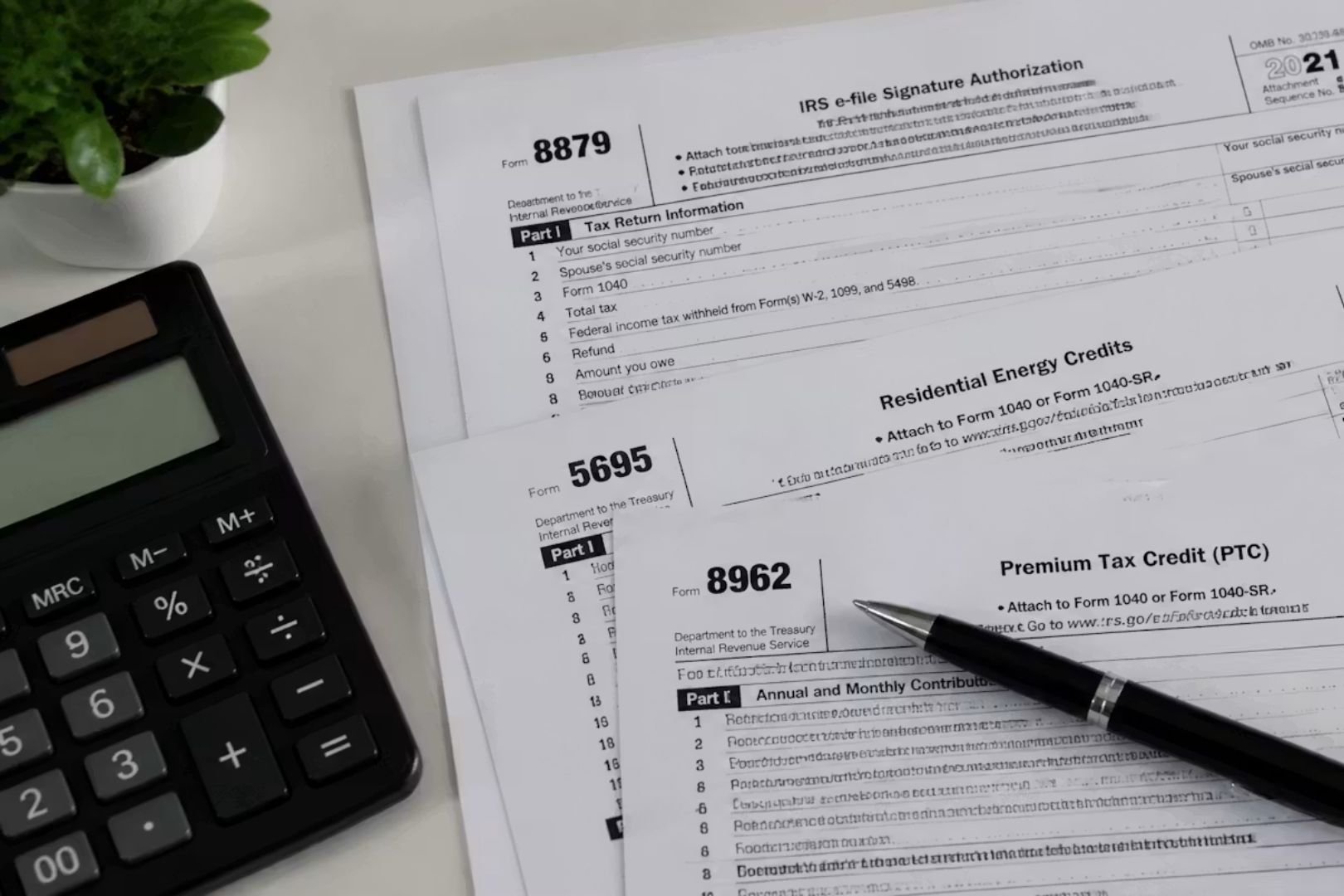
ENERGY STAR certification requires third-party verification that a home meets EPA performance standards for insulation, windows, air sealing, HVAC, and ductwork. The financial significance is direct: homes that earn ENERGY STAR certification qualify the builder for the Section 45L New Energy Efficient Home Credit — $2,500 for certified single-family homes acquired after January 1, 2023 and before July 1, 2026. Builders typically pass this benefit along through pricing or incentives.
LEED Certification
LEED (Leadership in Energy and Environmental Design) takes a broader view of sustainability, encompassing site selection, water efficiency, indoor air quality, and materials sourcing alongside energy performance. Atlanta has demonstrated real institutional commitment here — the city has led the nation in participation in the U.S. Department of Energy's Better Buildings Challenge, with 114 million square feet of building space committed to reducing energy and water consumption by at least 20%.
DOE Efficient New Homes
The highest residential certification tier is DOE Efficient New Homes, the successor to the Zero Energy Ready Home program. Homes certified under this program must meet rigorous standards that position them to achieve net-zero energy performance with the addition of solar.
$5,000 — the Section 45L tax credit available to buyers of DOE Efficient New Homes-certified properties, double the ENERGY STAR credit and the most financially impactful certification available to Atlanta buyers.
Georgia and Federal Incentives That Make Energy-Efficient Homes More Affordable
Federal Tax Credits for New Home Buyers
Beyond the Section 45L builder credit, buyers who make qualified energy-efficient improvements after moving in may be eligible for the Energy Efficient Home Improvement Credit — up to $3,200 for improvements made through December 31, 2025. Separately, the Residential Clean Energy Tax Credit covers 30% of costs for solar, wind, geothermal, fuel cells, or battery storage systems installed between 2022 and 2025.
Georgia-Specific Rebates and Programs
Georgia's Home Energy Rebates program provides incentives on the purchase and installation of electric appliances, insulation, air sealing, HVAC, and other home improvement measures. Eligible households can receive up to $16,000 in savings depending on household income and expected energy savings — and this state-level program can be layered on top of federal credits for substantially higher total incentives.
Georgia Power's Home Energy Improvement Program (HEIP) offers rebates covering up to 50% back on select products and services for eligible customers, including duct sealing, air sealing, heat pump water heaters, and smart thermostats. Atlanta also offers residential property owners access to PACE (Property Assessed Clean Energy) financing, which allows energy efficiency and renewable energy improvements to be repaid through property tax assessments rather than upfront.
Stacking Incentives for Maximum Savings
The programs above are designed to work together — and a well-informed buyer can stack them strategically. A Metro Atlanta buyer purchasing a DOE Efficient New Homes-certified property and adding rooftop solar could realistically combine:
- A $5,000 Section 45L builder tax credit passed through in pricing
- Georgia HEIP rebates on smart thermostats and water heating
- A 30% federal solar tax credit on installation costs
Total combined incentives can realistically exceed $10,000. A knowledgeable buyer's agent can help identify which combinations apply to a specific home and builder.
Pro Tip: Ask your builder for documentation of the home's certification tier before signing. The difference between ENERGY STAR and DOE Efficient New Homes is worth $2,500 in available tax credits — a question worth asking before you're under contract.
Where to Find Energy-Efficient New Construction in Metro Atlanta
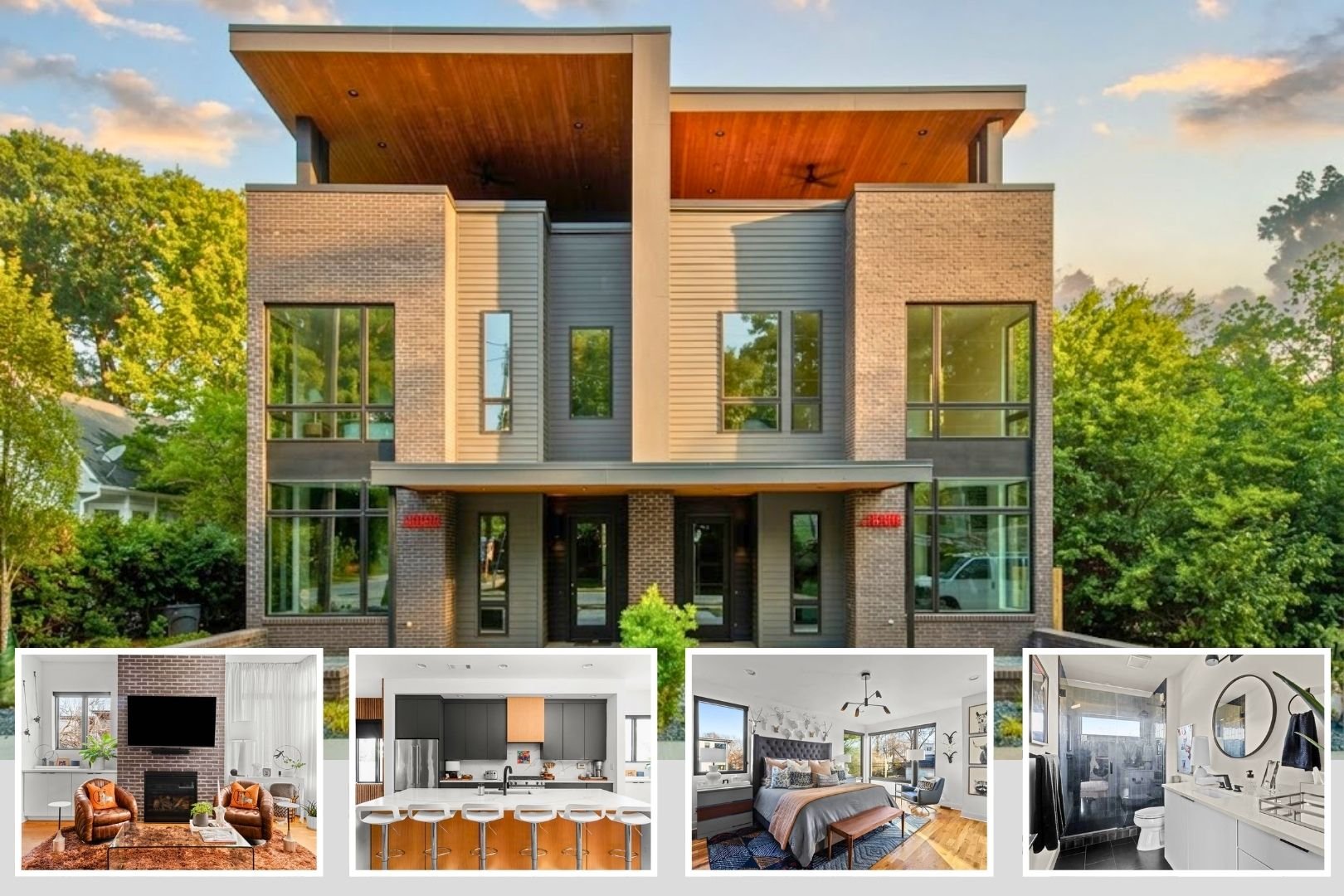
Intown Atlanta — BeltLine, Midtown, Buckhead, and Brookhaven
Intown Atlanta's new construction landscape is defined by infill townhome communities and mid-rise condos rising on former surface parking lots and older commercial sites near Midtown, Buckhead, Old Fourth Ward, and the BeltLine corridor. These homes tend to be built to current energy codes with high-efficiency systems as standard.
The walkable location itself reduces transportation energy costs — a meaningful component of a household's total environmental footprint. Proximity to Piedmont Park, the Atlanta Botanical Garden, and the 22-mile BeltLine trail system is a lifestyle benefit that complements the sustainability values driving green home purchases. Ponce City Market in Old Fourth Ward, directly on the BeltLine, anchors one of the metro's most walkable neighborhoods and serves as a daily destination for residents of surrounding new construction communities.
North Metro Suburbs — Alpharetta, Roswell, Milton, Johns Creek, and Cumming
North Fulton and South Forsyth represent the highest concentration of active new construction in Metro Atlanta. Forsyth and Cherokee counties are each growing at a 2.4% annual rate according to the Atlanta Regional Commission — the fastest in the region.
Builders including Toll Brothers have active communities in Alpharetta and Smyrna, with additional communities coming to Marietta. In Cumming and the surrounding Forsyth County area, large master-planned communities often include green building standards as part of their brand positioning, making it easier to find certified homes without custom-searching builder by builder.
Cobb County — Marietta, Smyrna, Kennesaw, and East Cobb
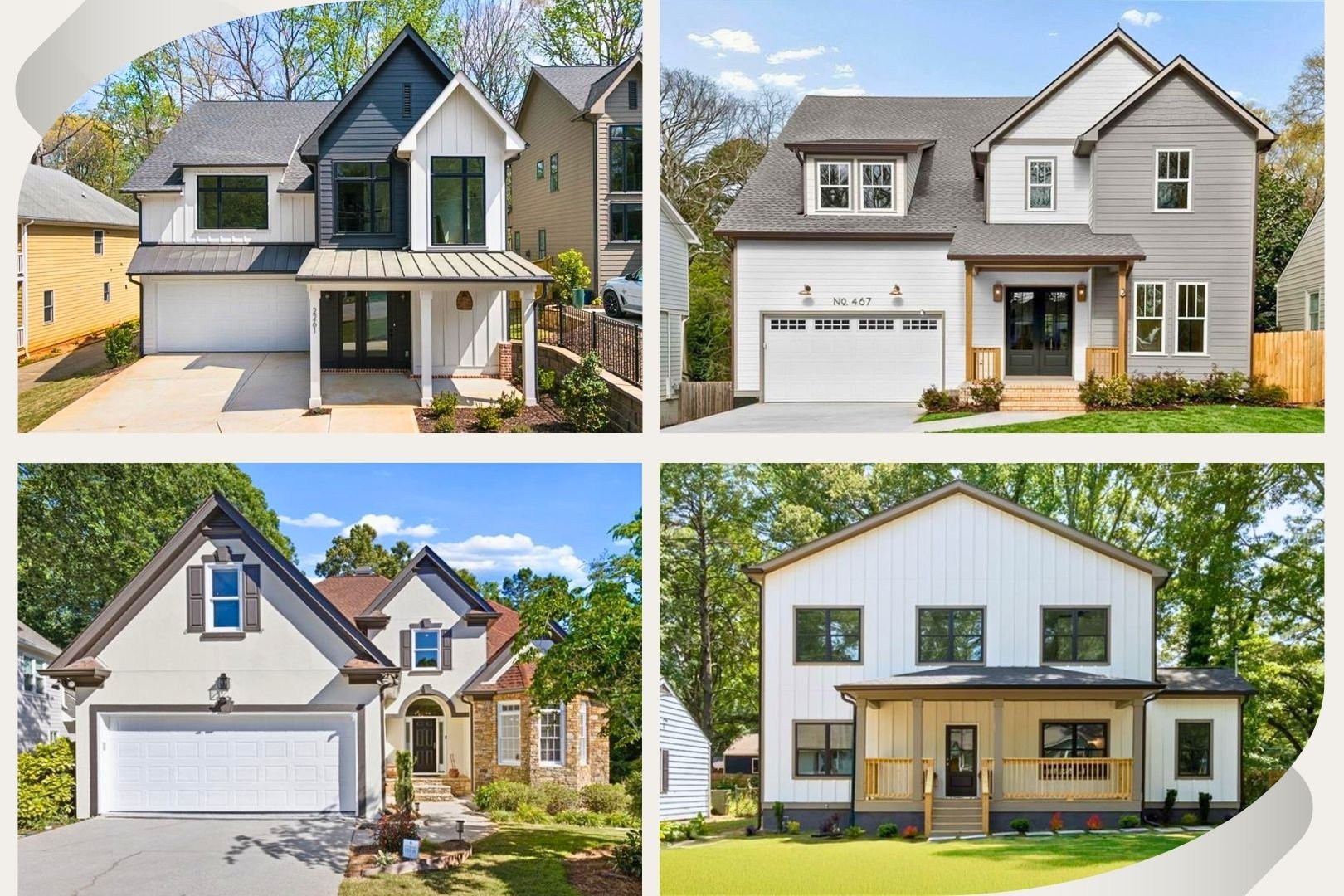
Cobb County offers some of the strongest new construction activity in the metro, anchored by builders like Ashton Woods and Traton Homes. Traton Homes has earned Best Builder in Cobb County for six consecutive years in Cobb Life magazine's Best of Cobb awards — a reflection of the local builder culture of quality and community investment.
Kennesaw Mountain National Battlefield Park, a 2,965-acre preserve with extensive hiking trails, makes Cobb County a compelling choice for buyers who want green space alongside green homes. The combination of outdoor access, strong schools, and active builder communities keeps Cobb County high on the list for families relocating to the metro.
South and East Metro — Hapeville, East Point, Decatur, and College Park
South and east metro communities near Hartsfield-Jackson Atlanta International Airport — including East Point, College Park, and Hapeville — have seen growing new construction activity. Single-family subdivisions and townhome communities here are often positioned near BeltLine Southside and Westside segments, and they appeal particularly to buyers in healthcare, aviation, and logistics who need quick access to the airport corridor without sacrificing new construction quality.
Metro Atlanta issued 29,482 residential building permits in 2024, a 3% increase over the prior year, with the City of Atlanta alone accounting for 8,109 permits. Green new construction options are expanding across every part of the metro, not just the established northern corridors.
Tips for Buying an Energy-Efficient New Home in Metro Atlanta
Ask the Right Questions Before You Sign
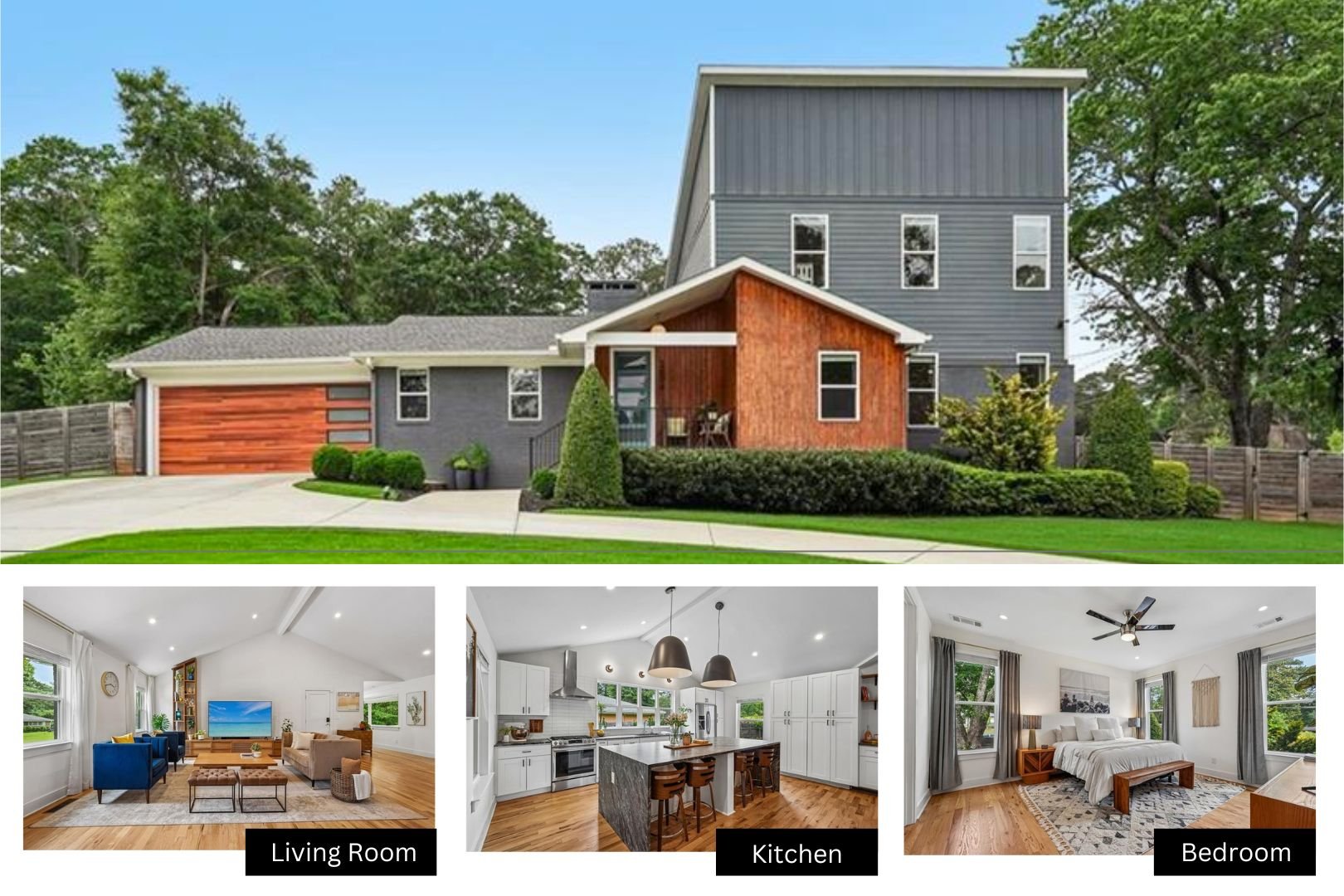
Before signing a purchase agreement on any new construction home, ask the builder directly which certification the home carries — ENERGY STAR, LEED, or DOE Efficient New Homes — and whether the home qualifies for the Section 45L tax credit. Not every new home that markets itself as "energy efficient" carries a third-party certification. That distinction matters both for your utility bills and for the incentives available to you.
New construction also comes with builder warranties covering major systems and structural elements, which means lower maintenance costs in the early years and predictable ownership expenses. Many builders offer upgrade options — additional insulation packages, higher-tier HVAC systems, solar pre-wiring — that can meaningfully improve a home's efficiency for a fraction of what those same upgrades would cost after closing.
Understand Upgrade Options That Pay Off
The upgrades that deliver the strongest long-term return in Atlanta's climate are those that reduce cooling load. The highest-impact options to prioritize:
- Enhanced insulation packages and whole-house air sealing
- Upgraded low-E windows rated for Southern climate zones
- High-SEER HVAC systems with variable-speed compressors
- Solar pre-wiring — a low-cost upgrade at build that eliminates substantial retrofit expense later
Well-designed homes can also incorporate features that allow for future upgrades in line with advancing energy standards, which matters for long-term ownership and eventual resale.
Pro Tip: Solar pre-wiring typically adds only a few hundred dollars at the time of construction. Adding it as a retrofit after closing can cost several times more. If solar is anywhere on your five-year radar, add the pre-wiring now.
Evaluate Location Against Employment and Schools
Metro Atlanta's 3.1 million nonfarm jobs are spread across a diverse set of employment centers — Georgia Tech and Emory in the urban core, Northside Hospital and Children's Healthcare of Atlanta in Sandy Springs and Brookhaven, Delta Air Lines and major logistics operations near the airport, and one of the country's highest concentrations of Fortune 500 headquarters across the metro. Choosing a community close to your employment center reduces commute time, transportation costs, and your household's total environmental footprint.
School quality varies significantly across the metro. Atlanta Public Schools maintains a 12:1 student-teacher ratio with per-pupil spending of $20,862 — above the Georgia state average. Buyers with school-age children should research the specific district serving any community they're considering, as suburban districts in Johns Creek, North Fulton, and Cobb County — including Walton High School — consistently rank among Georgia's strongest.
Frequently Asked Questions About Energy-Efficient New Homes in Metro Atlanta
What does "energy-efficient" actually mean in a new Atlanta home?
In practical terms, it means a combination of high-performance insulation, a tightly sealed building envelope, low-E windows, an efficient HVAC system, and smart home technology that together reduce the home's total energy consumption compared to standard code-built homes. Third-party certifications like ENERGY STAR and DOE Efficient New Homes provide independent verification that performance claims are backed by measurable outcomes — not just marketing language.
How much can I save on utility bills with an energy-efficient new home in Atlanta?
ENERGY STAR estimates certified homes save owners approximately $200 to $400 per year compared to standard construction. In Atlanta's climate, where July electric bills for average households can reach $266, a home that materially reduces cooling load can exceed that national baseline. Over a 10-year period, cumulative utility savings often offset a meaningful portion of any price premium paid for a certified home.
Are there tax credits or rebates available for buying a green new home in Georgia?
| Program | Benefit | Who Benefits |
|---|---|---|
| Section 45L — ENERGY STAR | $2,500 tax credit | Builder (typically passed through in pricing) |
| Section 45L — DOE Efficient New Homes | $5,000 tax credit | Builder (typically passed through in pricing) |
| Georgia Home Energy Rebates | Up to $16,000 | Qualifying households |
| Georgia Power HEIP | Up to 50% back on select products | Georgia Power customers |
| Federal Residential Clean Energy Credit | 30% of solar/storage costs | Homeowner |
These programs are designed to stack — a knowledgeable buyer's agent can help identify which combinations apply to your specific home and builder.
Which Metro Atlanta neighborhoods have the most new energy-efficient homes?
The highest concentrations of active new construction are in North Fulton and South Forsyth (Alpharetta, Milton, Cumming), Cobb County (Marietta, Smyrna, Kennesaw, East Cobb), and intown Atlanta along the BeltLine corridor. South and east metro communities near the airport are growing in activity as well. Forsyth and Cherokee counties are currently the fastest-growing areas in the metro at 2.4% annual growth, which corresponds to the highest volume of new builder communities.
What's the difference between ENERGY STAR, LEED, and DOE Efficient New Homes certification?
| Certification | Focus | Tax Credit | Availability |
|---|---|---|---|
| ENERGY STAR | Energy performance: insulation, windows, HVAC, air sealing | $2,500 (Section 45L) | Most widely available |
| LEED | Broad sustainability: energy, water, air quality, materials, site | Varies | Moderate availability |
| DOE Efficient New Homes | Near-zero-energy standards, highest energy-specific tier | $5,000 (Section 45L) | Least common; most rigorous |
All three are third-party verified. DOE Efficient New Homes is the most rigorous and carries the largest buyer tax credit — worth seeking out if you can find it in the Metro Atlanta market.
Do energy-efficient new homes have better resale value in Atlanta?
The trend is clearly moving in that direction. The NAR 2024 Sustainability Report found that more buyers value green features and are willing to pay a premium for them — a shift particularly pronounced among millennial and Gen X buyers, who make up a large share of Atlanta's market given the city's median age of 34.2. Atlanta's institutional sustainability commitments, from the BeltLine to the city's clean energy goals, create favorable long-term tailwinds for green home demand and resale performance.
The Bottom Line on Green New Construction in Metro Atlanta
Buying an energy-efficient new home in Metro Atlanta is one of the soundest financial and lifestyle decisions a buyer can make right now. Atlanta's climate makes efficiency features genuinely valuable — the summer cooling costs are real, the savings are measurable, and the certifications are widely available across the metro's active builder landscape.
The combination of federal Section 45L tax credits, Georgia's Home Energy Rebates, Georgia Power's HEIP, and solar incentives means the premium for certified green construction can often be partially or fully offset through available programs. With more than 8,000 new construction listings active across the metro and 29,482 residential building permits issued in 2024 alone, buyers have real choice across price points, locations, and community types.
From a walkable intown townhome near the BeltLine to a family community in Alpharetta or Cumming to a Cobb County neighborhood close to Kennesaw Mountain's trails, Metro Atlanta has energy-efficient new construction worth exploring at every price point. Reach out to our team — we're here to help you find the right home at every step of the process.