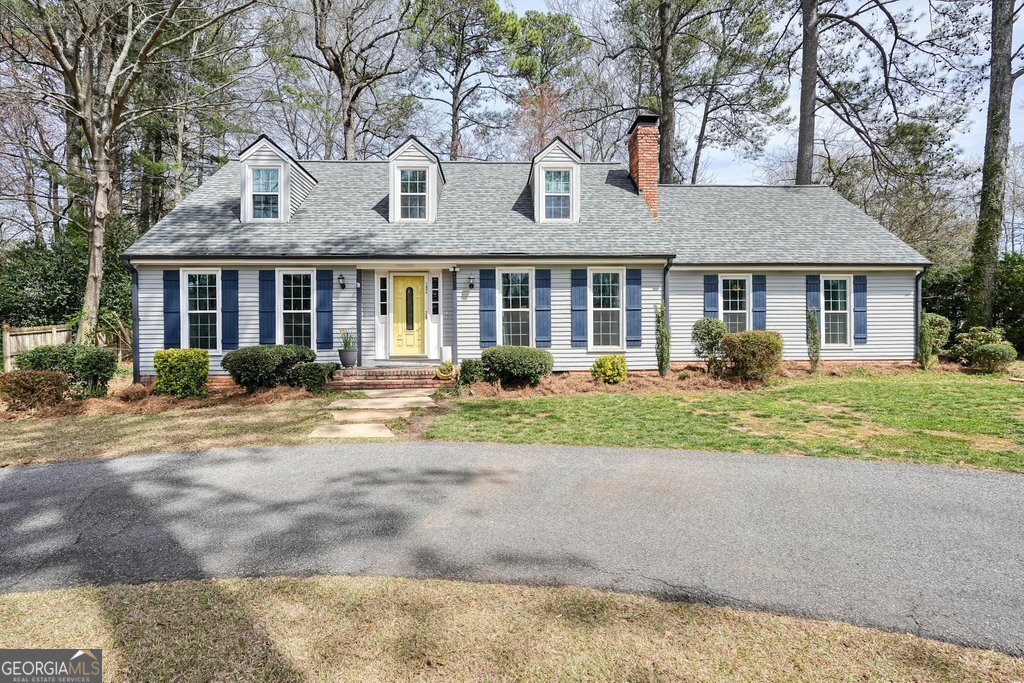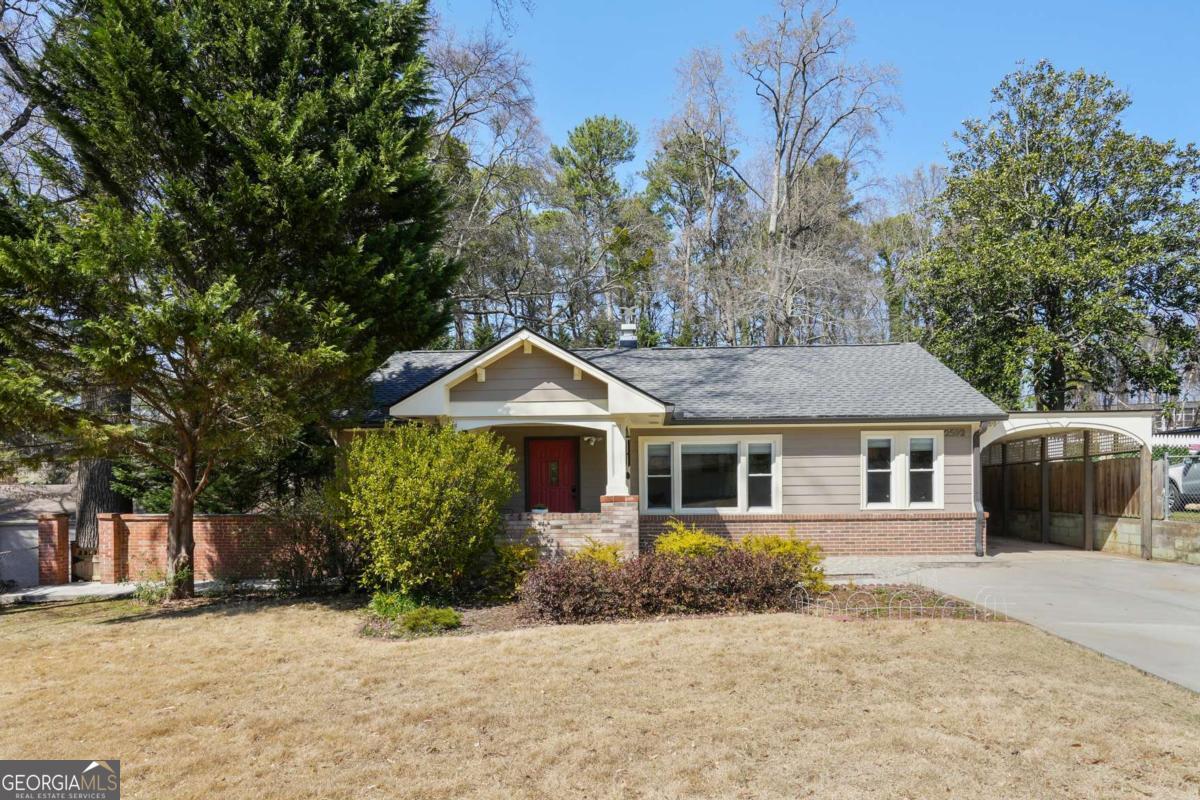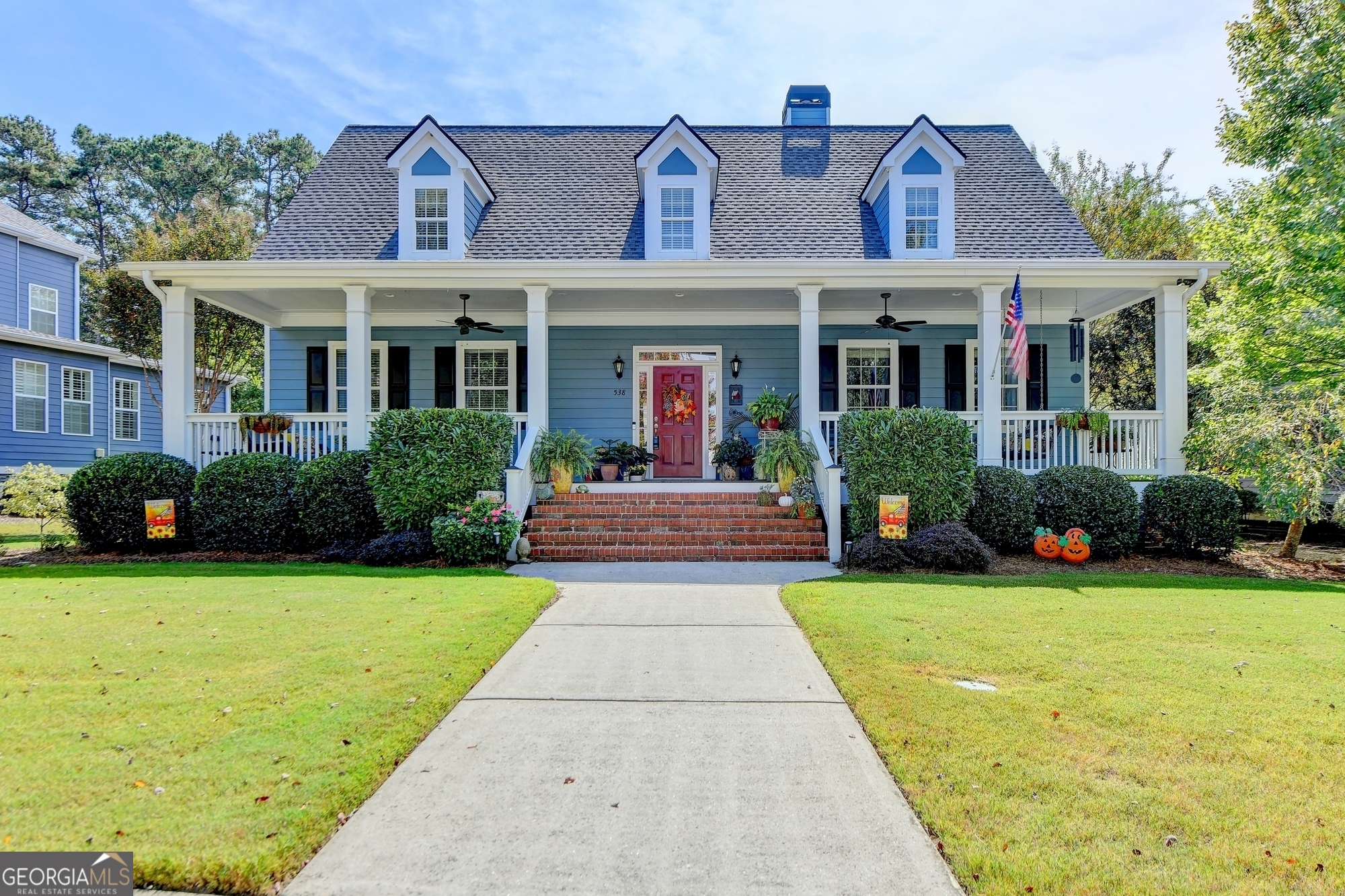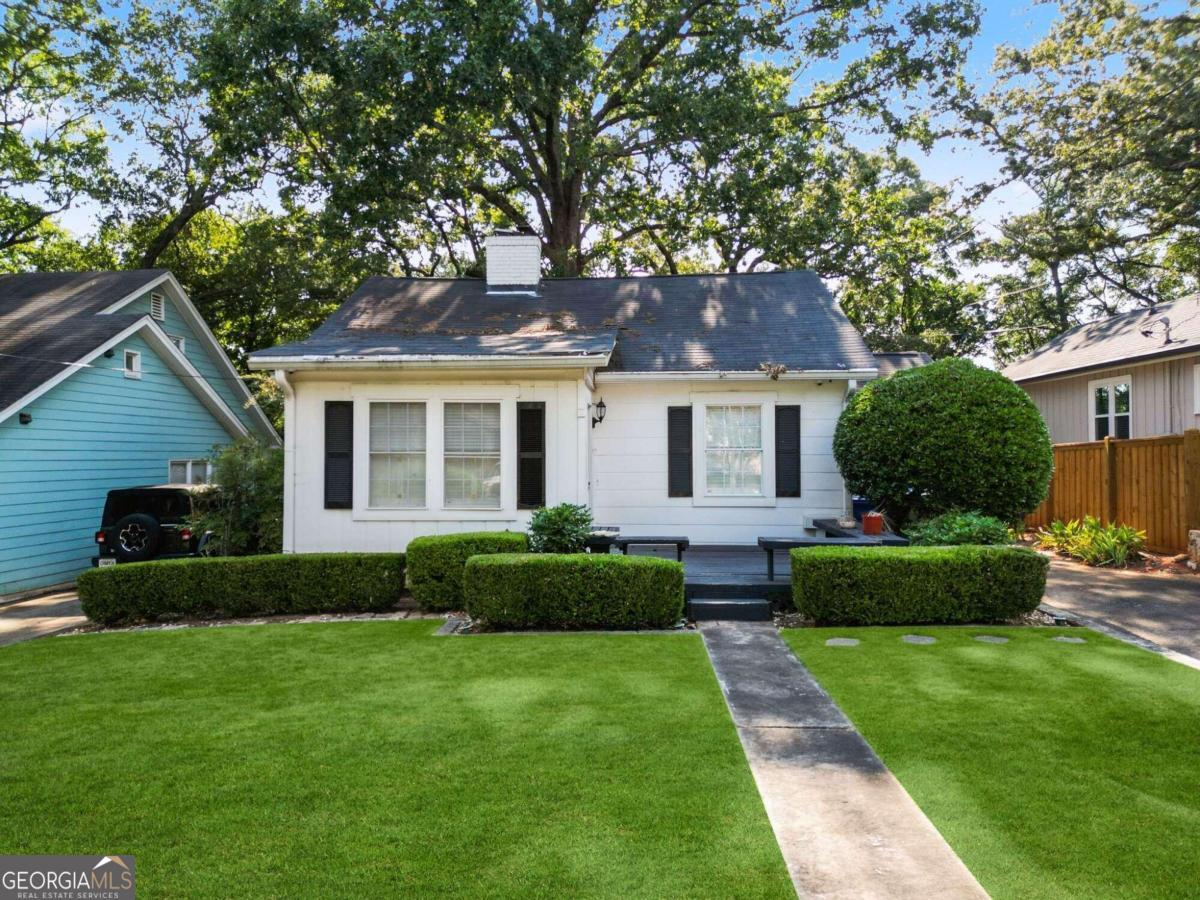
Gainesville GA Home Prices in 2026: What Hall County's Growth Means for Your Move
Gainesville, Georgia is undergoing a high-stakes real estate evolution that is redefining the landscape of North Georgia. Positioned along the deep-water shorelines of Lake Lanier, this economic powerhouse has outgrown its quiet lakeside origins to become a primary destination for families, investors, and relocating professionals. As capital pours into Hall County, securing a home here in 2026 requires a sharp, data-driven strategy.
This market presents a unique landscape of opportunity balanced by steady demand and strategic growth.
To make a smart purchase, buyers must understand the balance between expanding local industries, the enduring allure of Lake Lanier, and projected real estate appreciation trends.
As more people discover the benefits of living in North Georgia, the competition for housing continues to shape local home values. This guide explores the economic forces, neighborhood dynamics, and pricing trends that define Gainesville's real estate market in 2026.
The Economic Engines Driving Hall County's Growth

The sustained demand for housing in Gainesville and Hall County is not a coincidence. It is driven by robust, structural economic factors that continue to attract thousands of new residents to the region each year.
Healthcare and Industrial Expansion
At the heart of Gainesville’s economic stability is the Northeast Georgia Health System (NGHS). Headquartered in Gainesville, NGHS is the region’s premier employer, supporting approximately 10,000 employees and a medical staff of more than 1,400 physicians.
The flagship Northeast Georgia Medical Center Gainesville—recently verified as a Level I Trauma Center—serves as a vital medical hub for over 1.8 million people across the region. This massive healthcare presence draws highly skilled professionals to the area, creating a reliable foundation of high-income households looking for quality local housing.
Beyond healthcare, the Interstate 985 corridor has become a thriving hub for manufacturing, logistics, and food processing. Hall County features more than 330 manufacturing concerns and dozens of international companies, including major employers like Kubota Manufacturing of America and ZF Gainesville. This industrial diversity provides a steady stream of well-paying jobs, shielding the local housing market from the volatility seen in other parts of the country.
The Lake Lanier Lifestyle and Tourism Draw
Lake Lanier is far more than a scenic backdrop; it is a massive economic driver and a central lifestyle anchor. Offering hundreds of miles of shoreline, the lake attracts millions of visitors annually for boating, fishing, and lakeside dining.
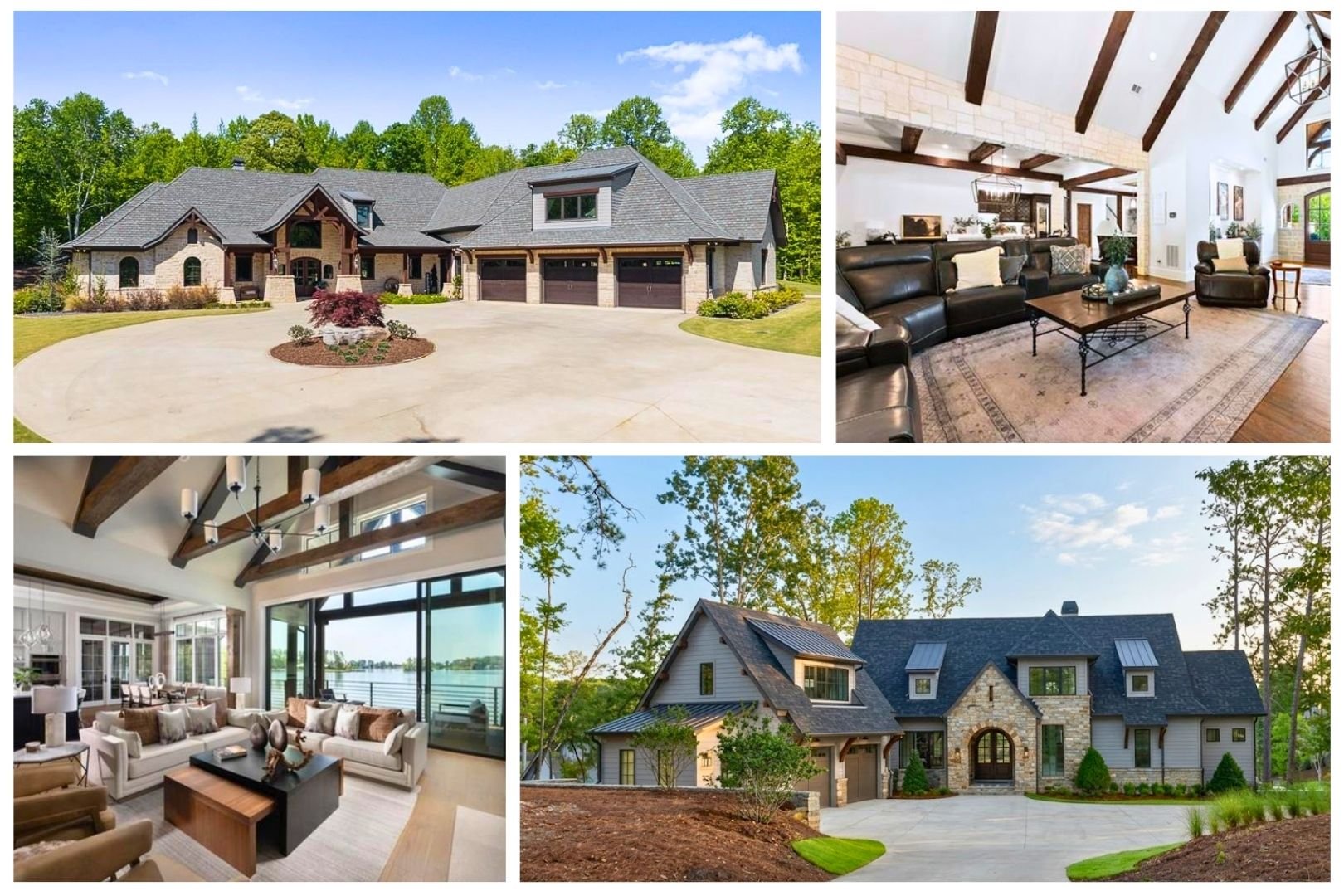
For the real estate market, Lake Lanier acts as a luxury and recreational anchor. Waterfront properties and lake-access communities command premium pricing, remaining highly resilient even during broader economic resets.
The desire for a lakeside lifestyle continues to attract affluent retirees, remote workers, and second-home buyers from across the country.
Local attractions like the Lake Lanier Olympic Park, which hosted the 1996 Olympic rowing events, continue to draw national attention and athletic tourism. This blend of natural beauty and active recreation ensures that Gainesville remains a highly desirable place to live, work, and play.
Gainesville GA Home Prices: Current Trends vs. 2026 Projections
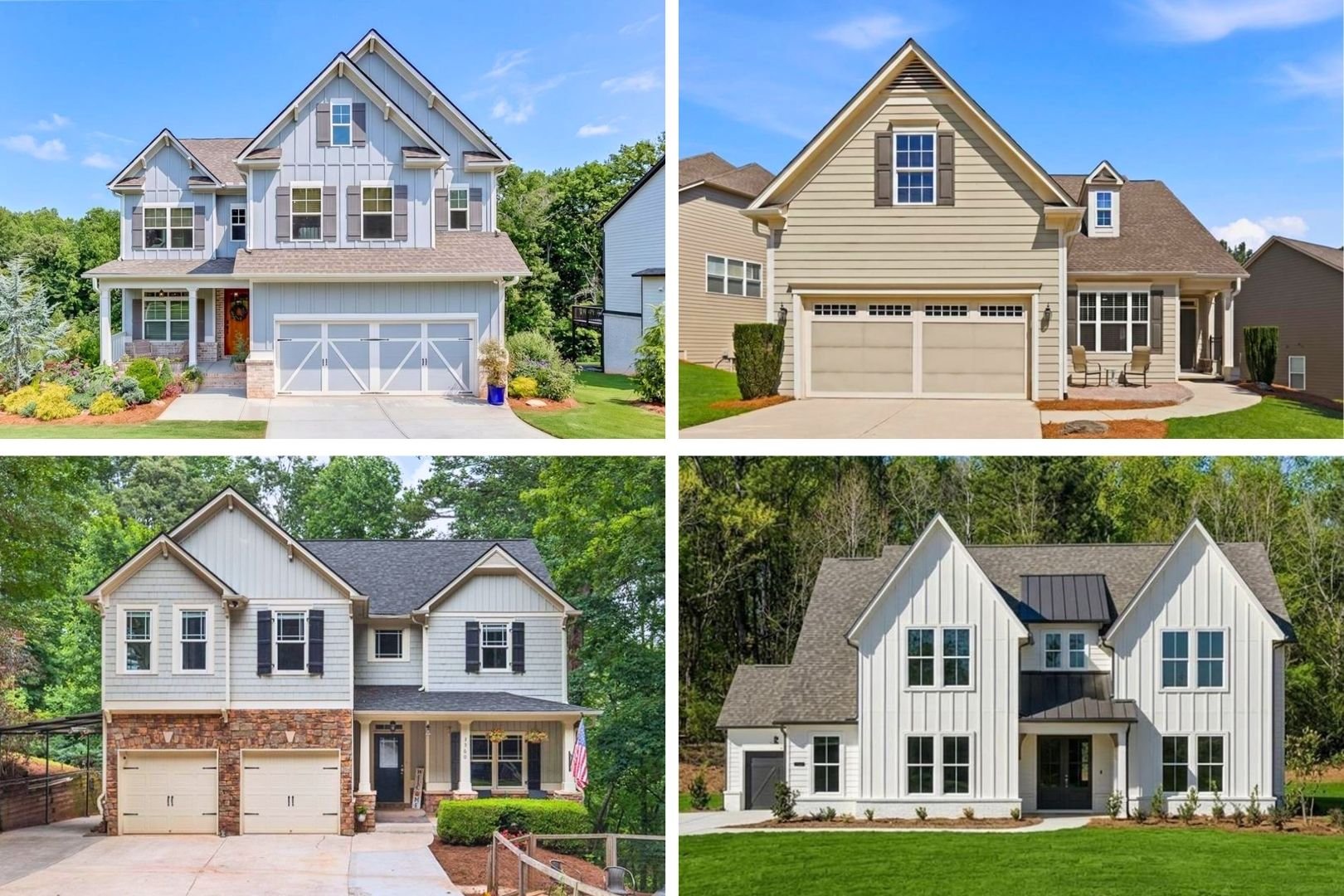
If you are tracking home prices, the data tells a clear story of a market that has matured rapidly while still offering excellent relative value compared to nearby metropolitan areas.
72.0% rise in Gainesville home values over a six-year period, significantly outstripping broader national real estate averages.
Historical Appreciation and Current Median Prices
According to recent market data, the median home sale price in Gainesville, Georgia, stands at $418,835. To put this in perspective, the median price in April 2019 was just $243,450. This represents a staggering 72.0% increase in home values over a six-year period.
Gainesville’s home price appreciation has significantly outpaced the national average appreciation of 55.4% over the same period. This rapid growth demonstrates the strong demand and economic vitality of the Hall County region.
Despite this rapid appreciation, Gainesville remains highly affordable compared to Atlanta's northern suburbs, such as Alpharetta or Cumming.
89.6 is Gainesville's overall cost of living index, sitting comfortably below the national baseline of 100.
By comparison, neighboring Atlanta’s cost of living index sits at 107.5, making Gainesville an attractive alternative for budget-conscious buyers who still want access to premium amenities.
2026 Market Outlook: What Will Your Budget Buy?
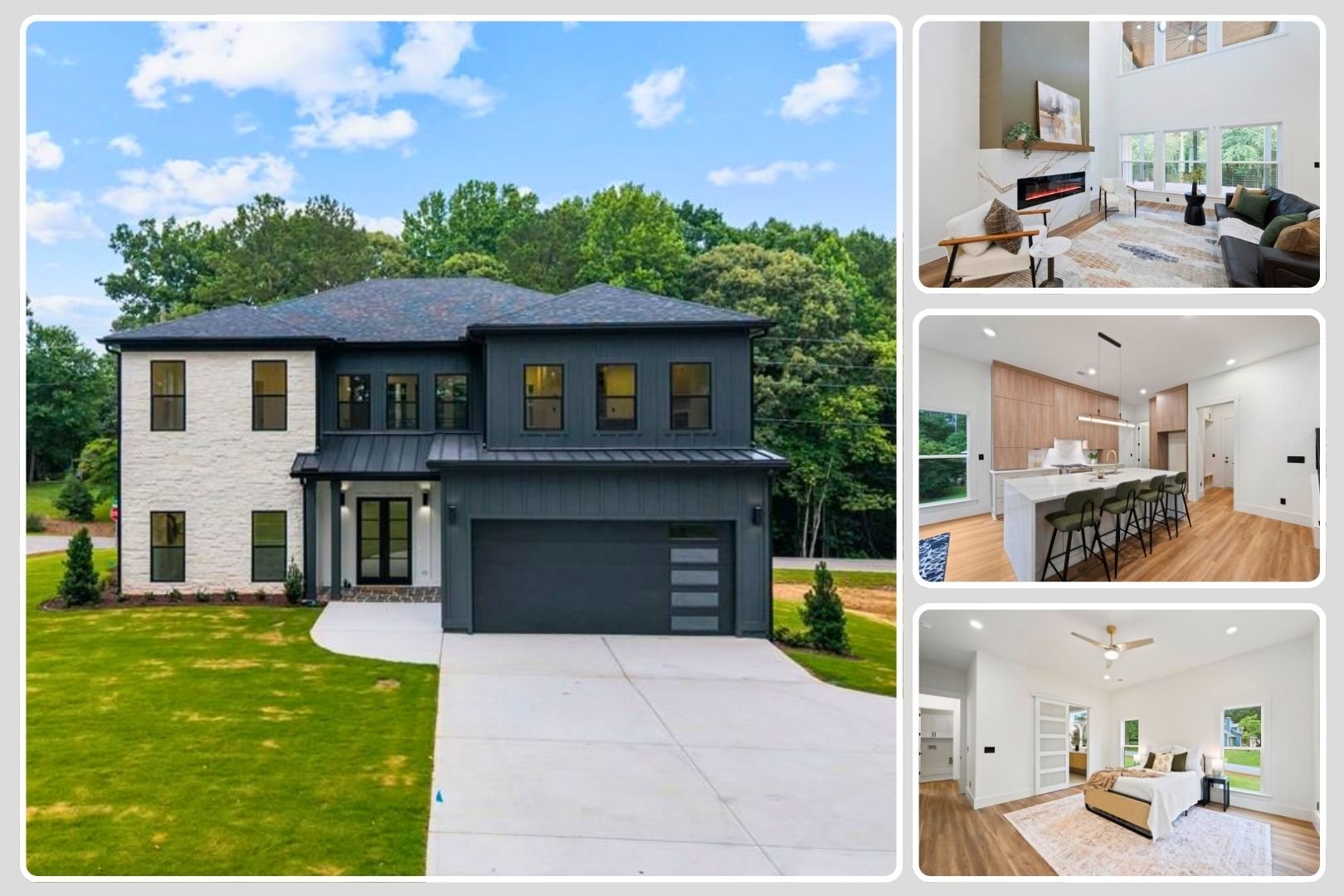
In 2026, the housing market is undergoing a gradual, healthy stabilization. Price growth has normalized, giving buyers a more predictable environment to plan their moves. However, inventory remains relatively tight, with homes in Gainesville selling in an average of 60 days, down from an average of 68 days in the prior year.
Here is what you can generally expect across different price points in the current market:
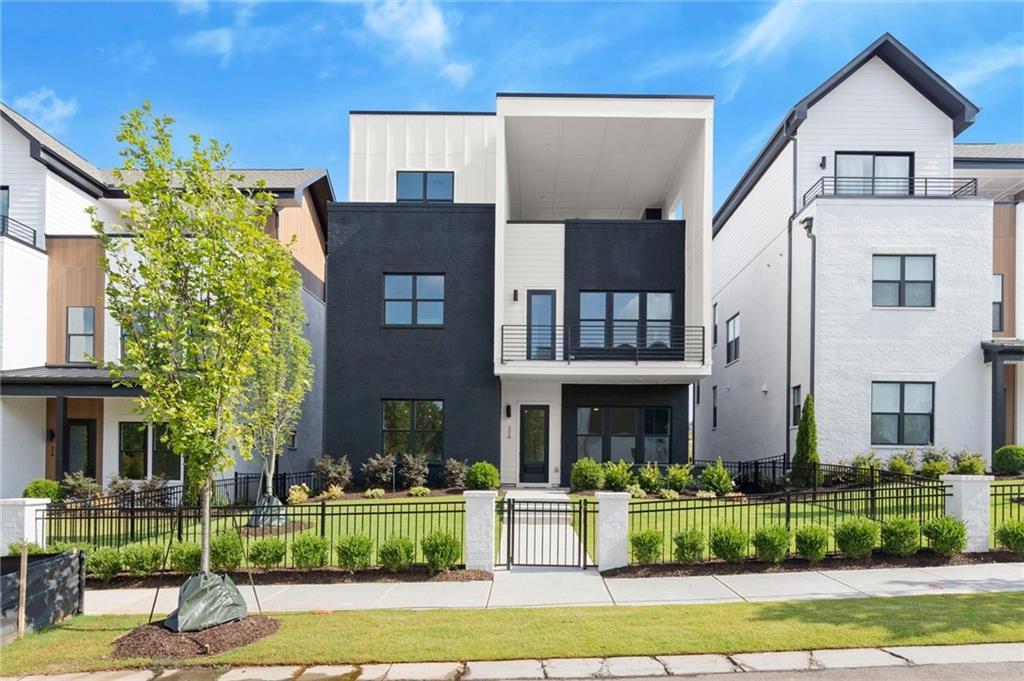
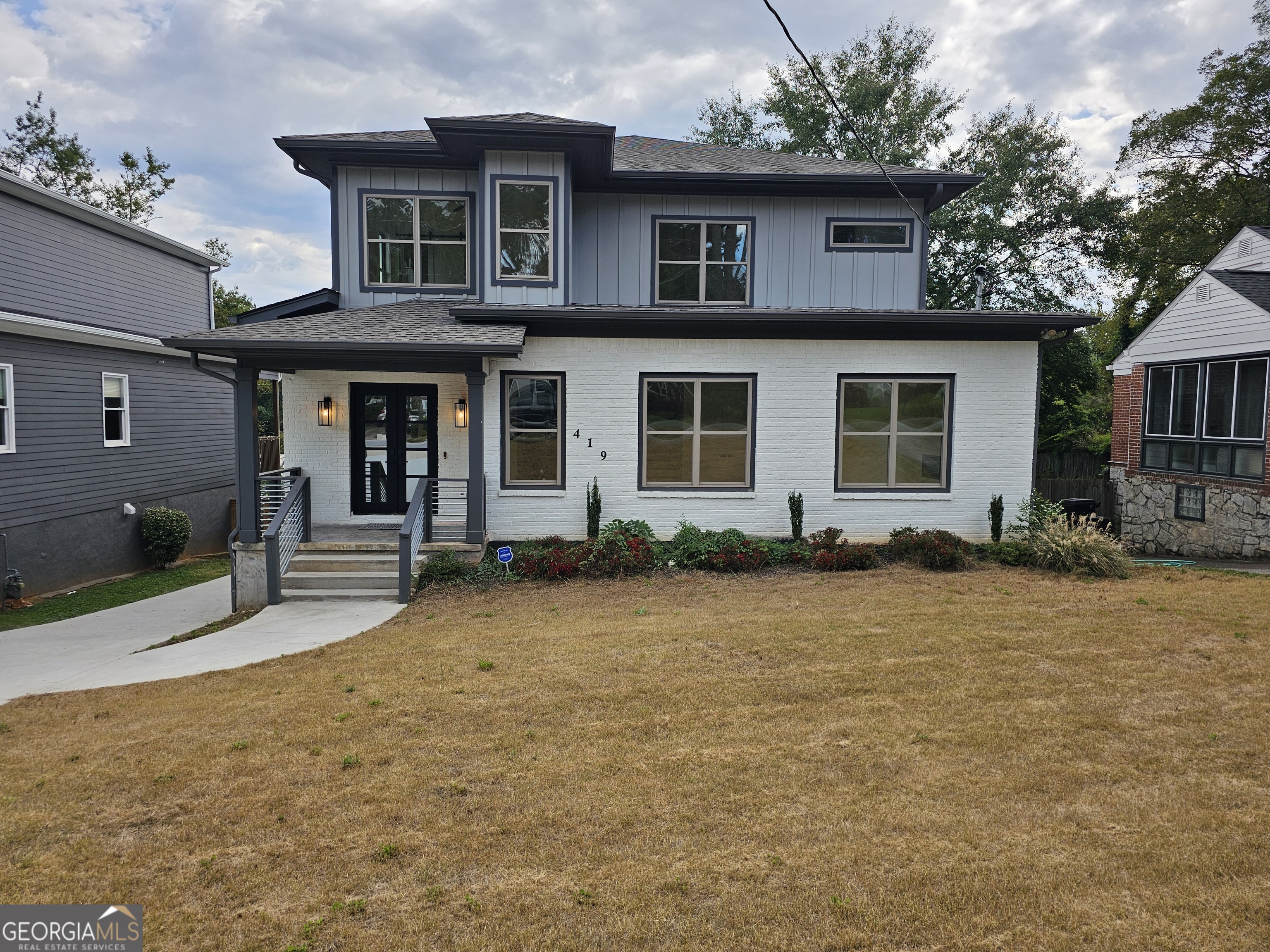
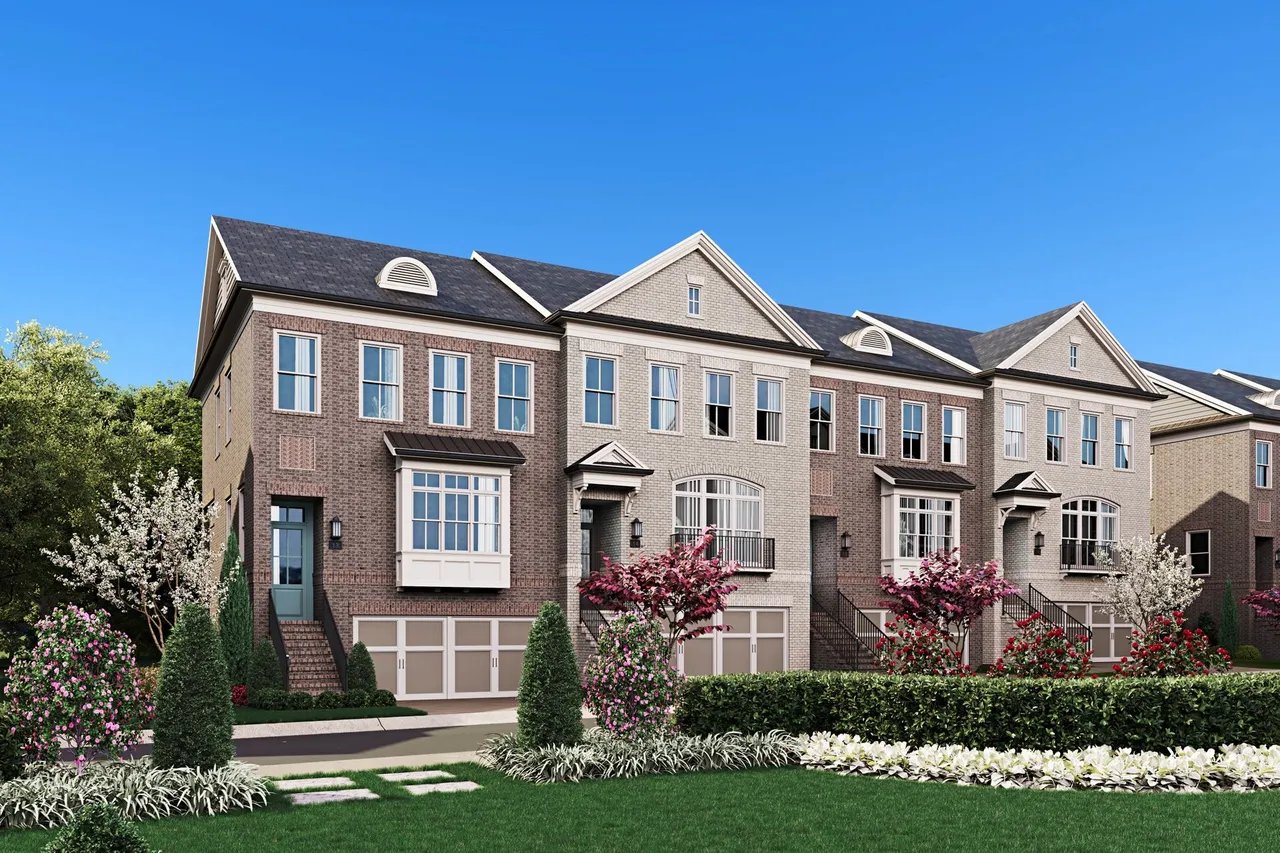
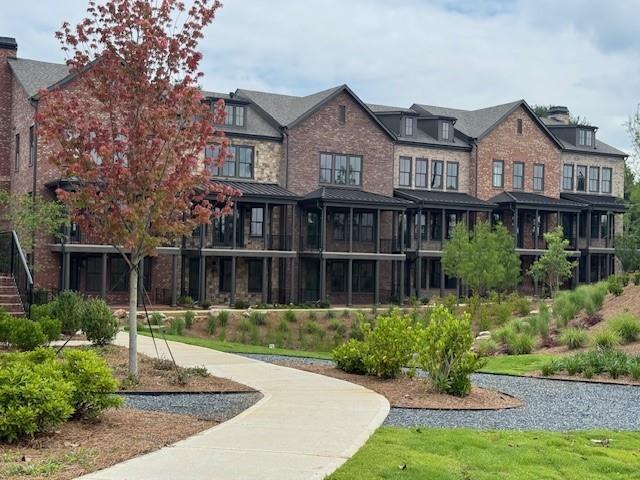
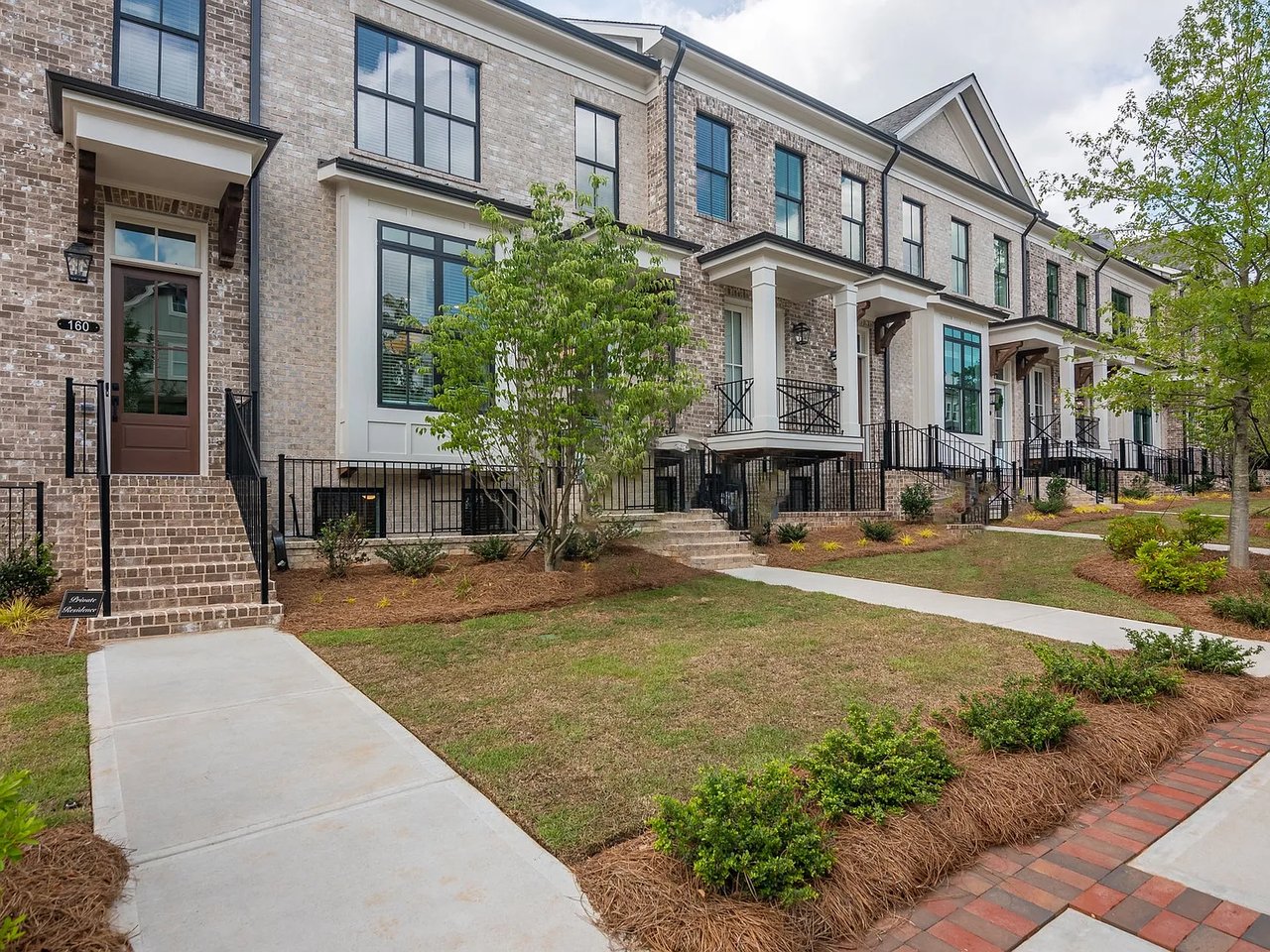
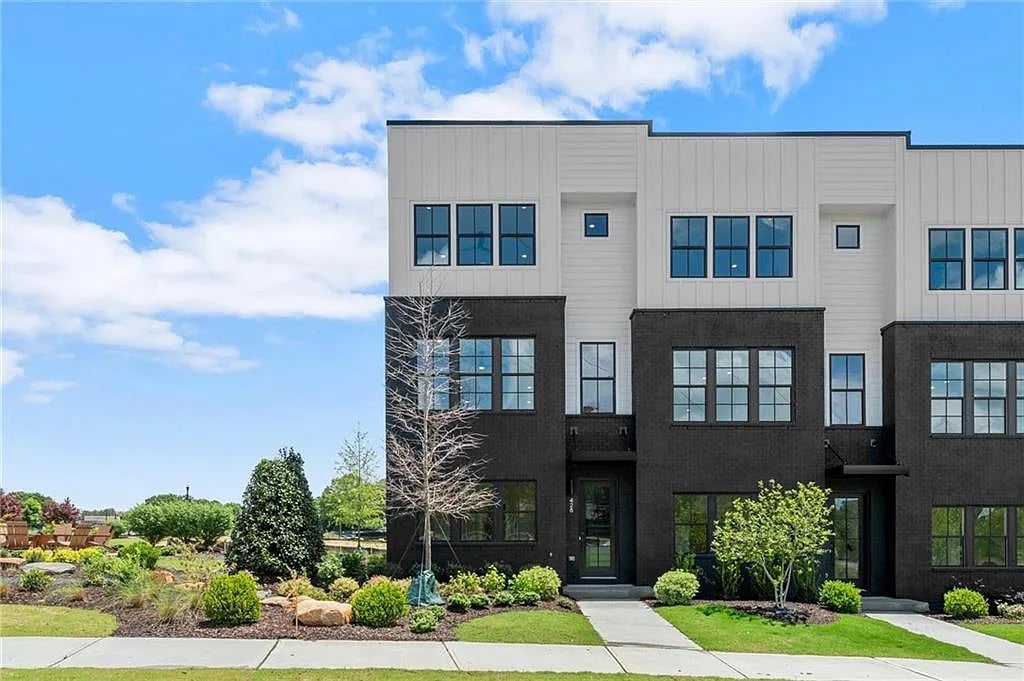
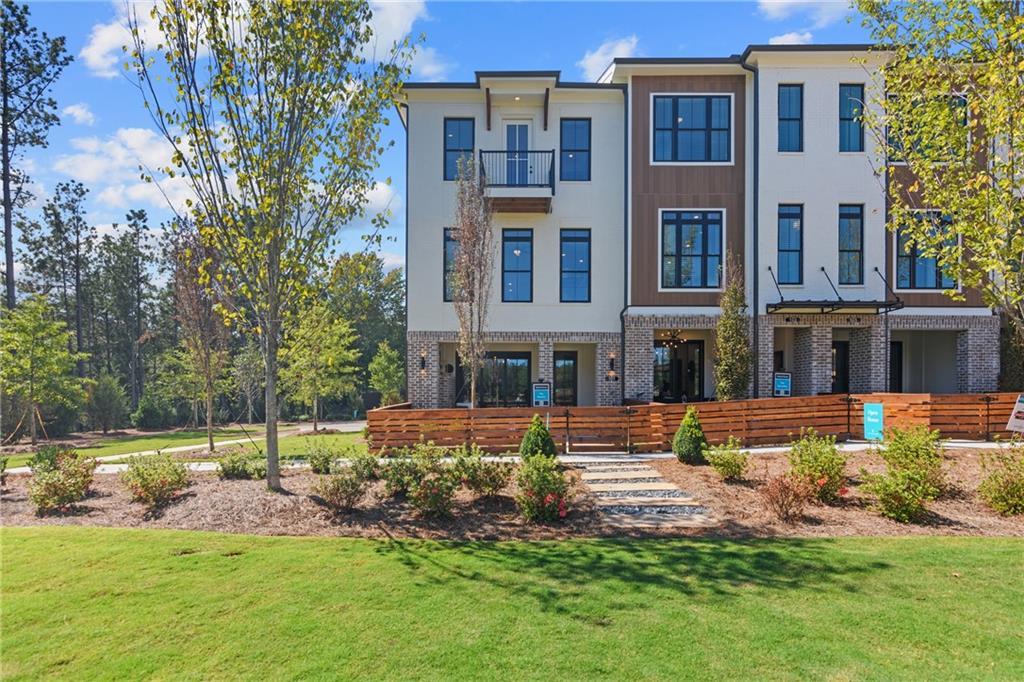
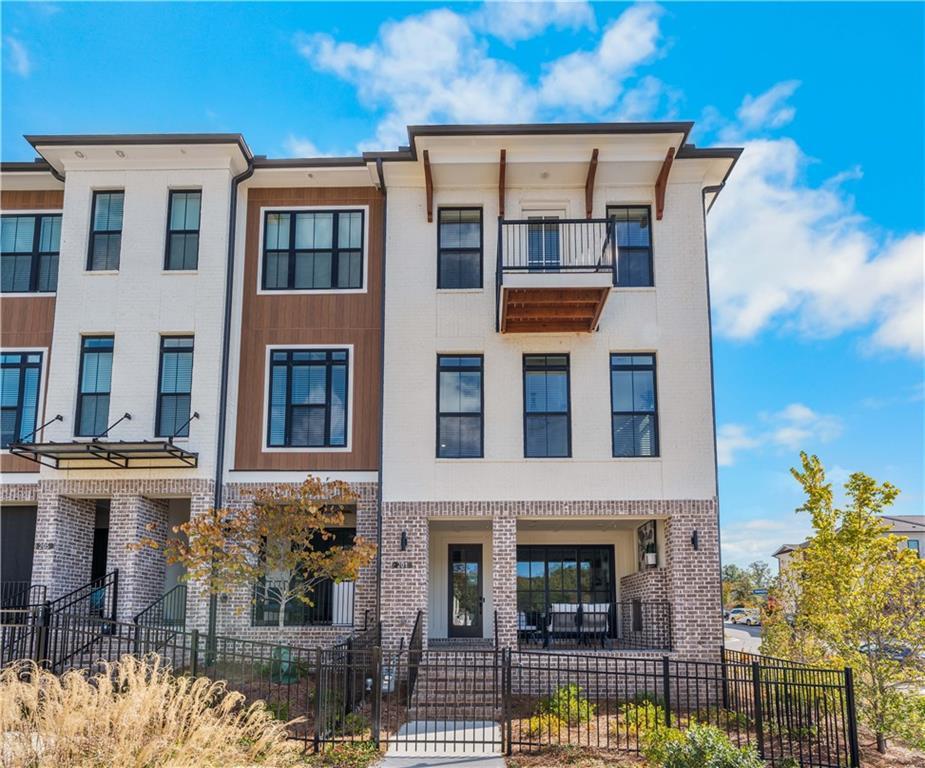
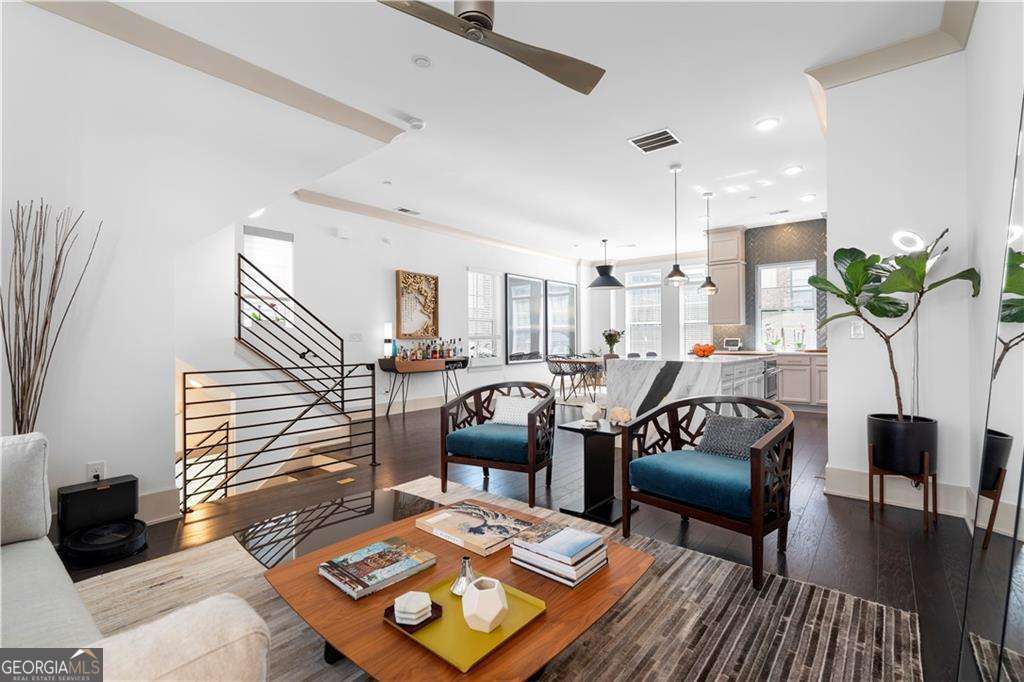
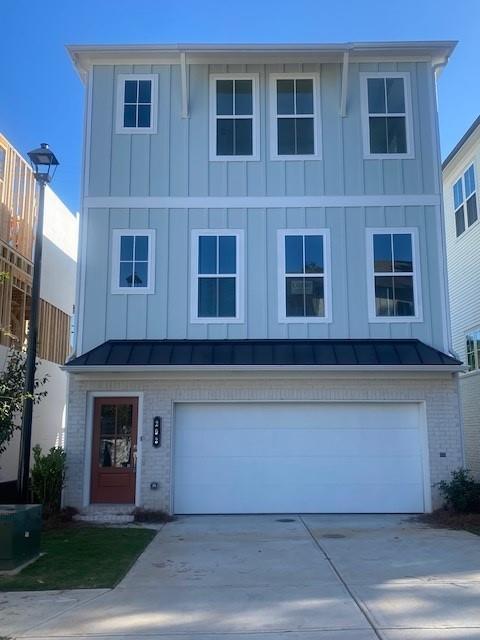
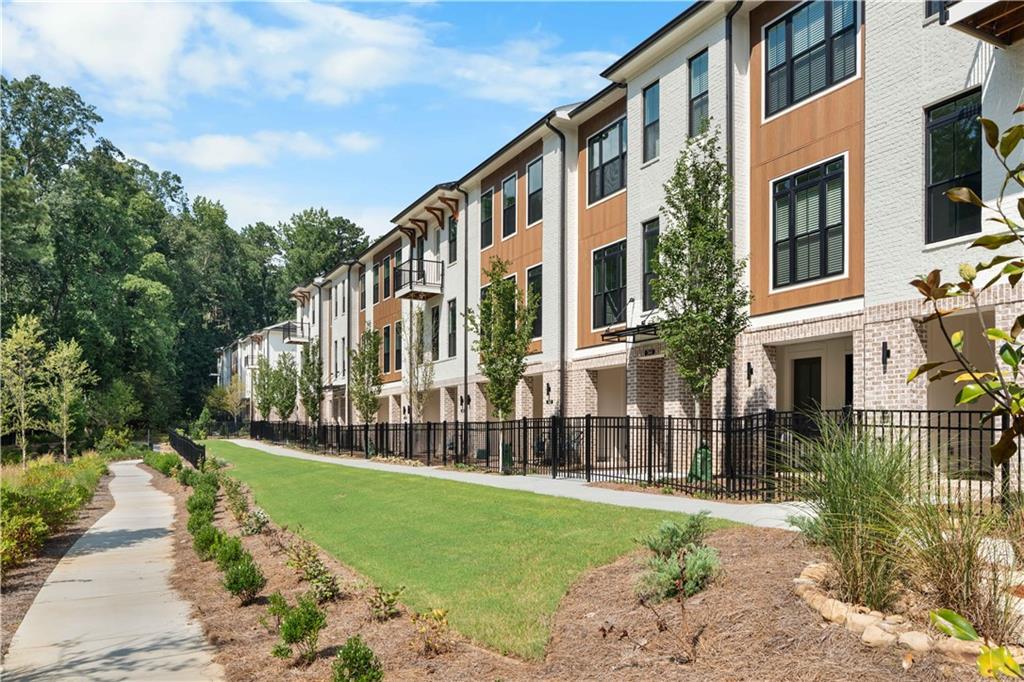
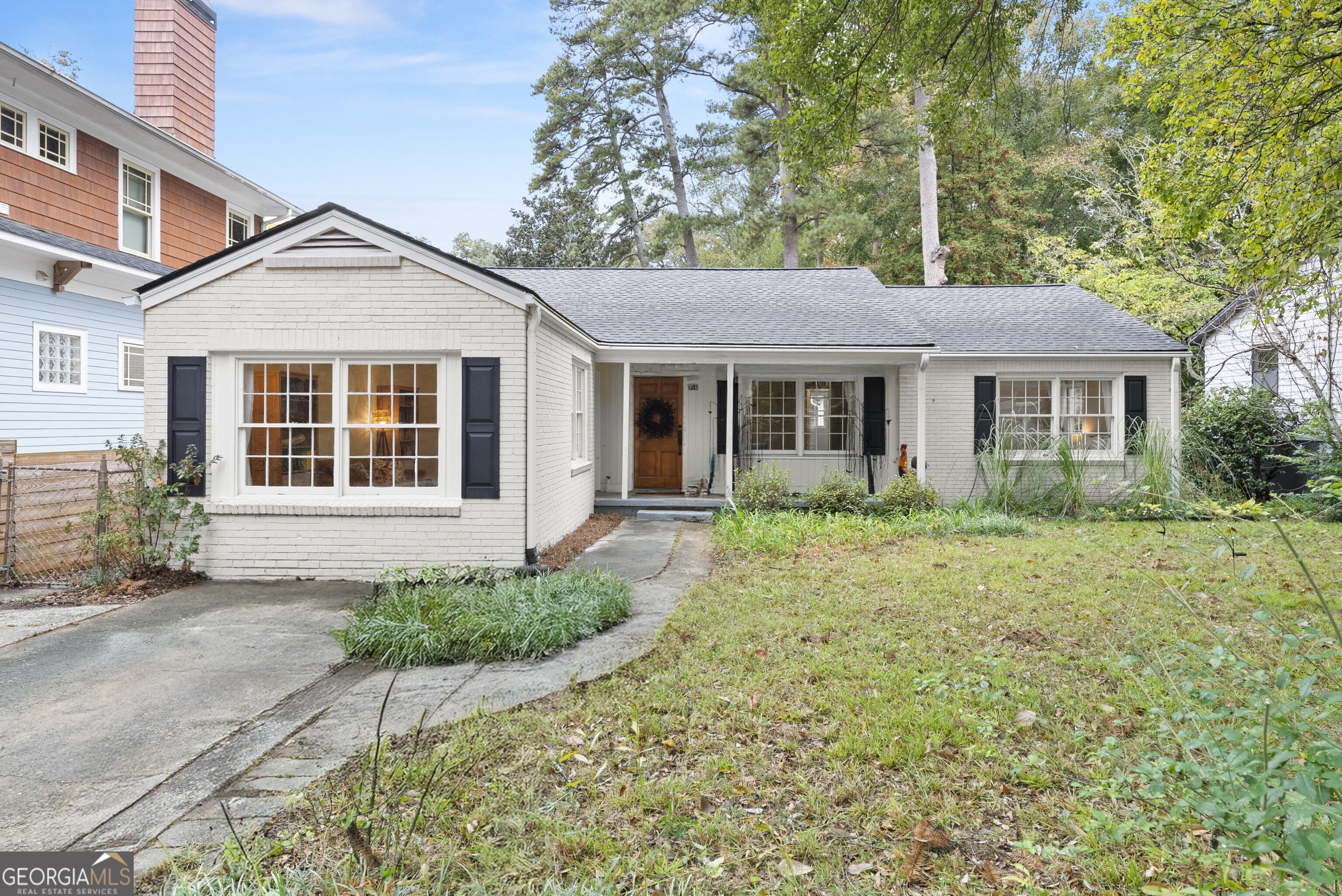
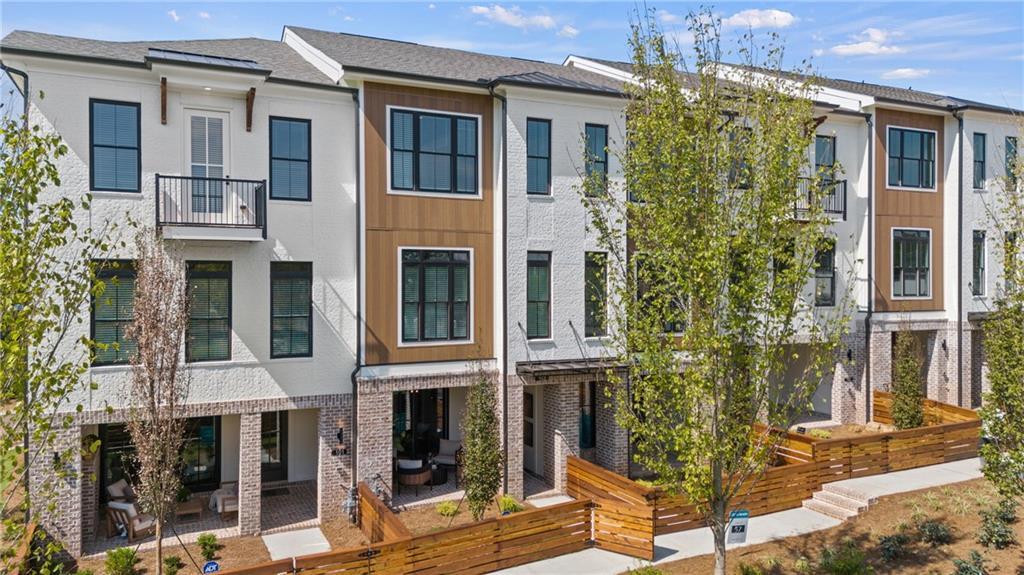
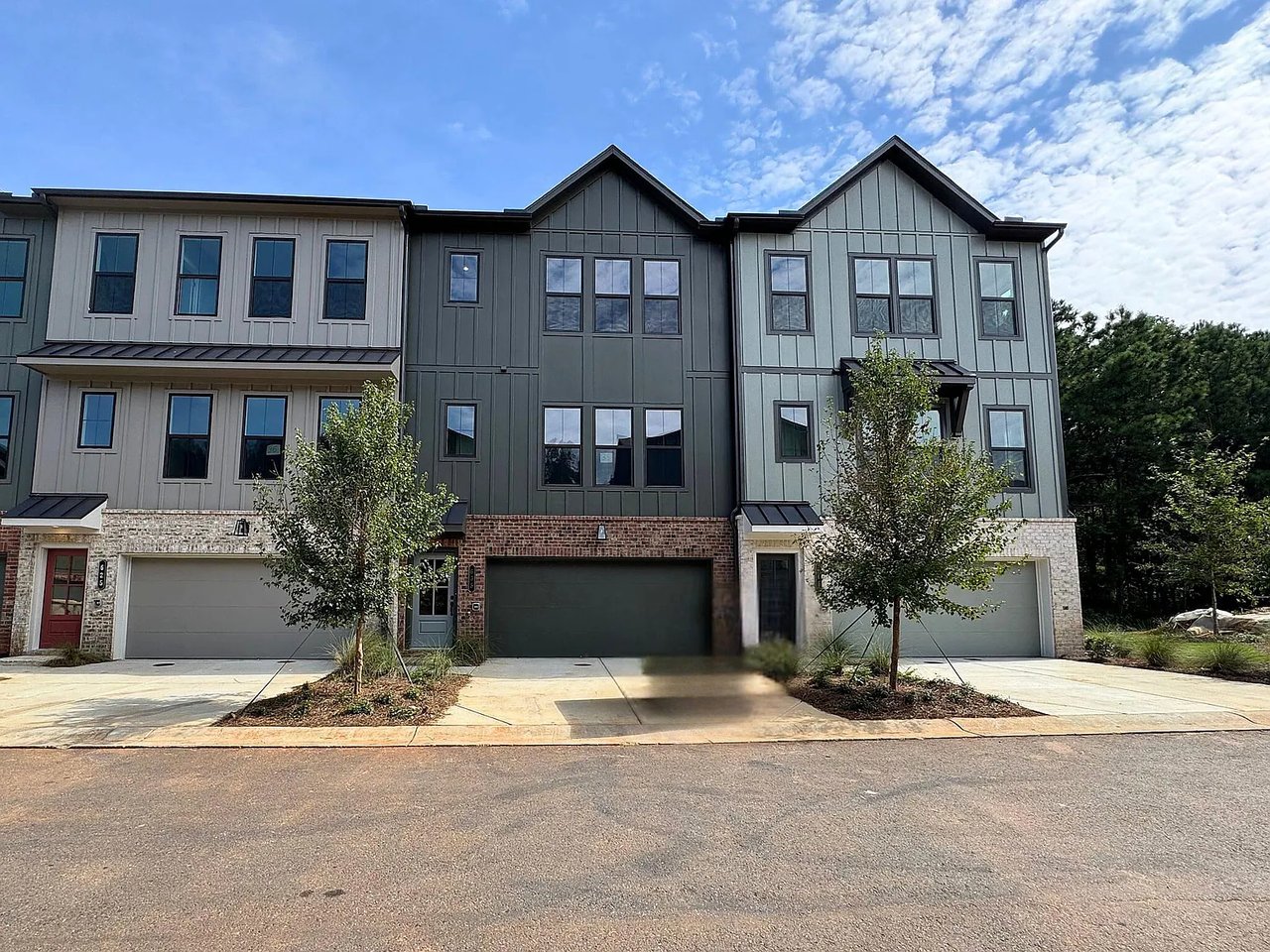
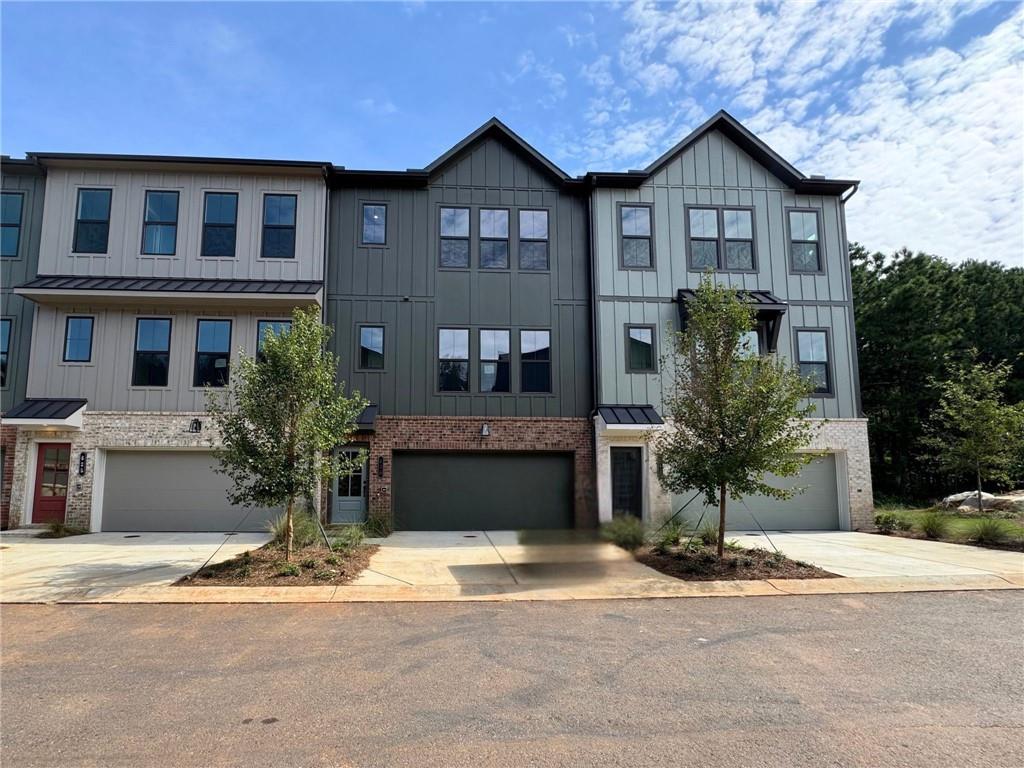
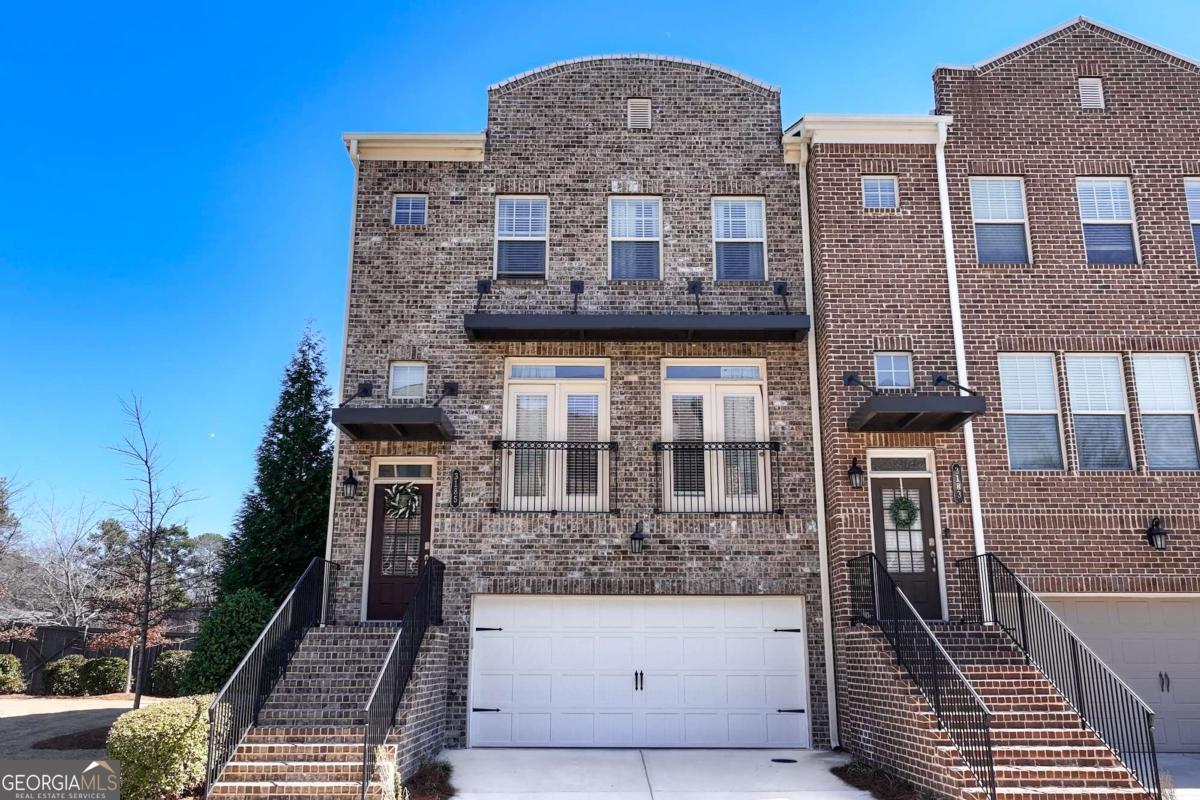
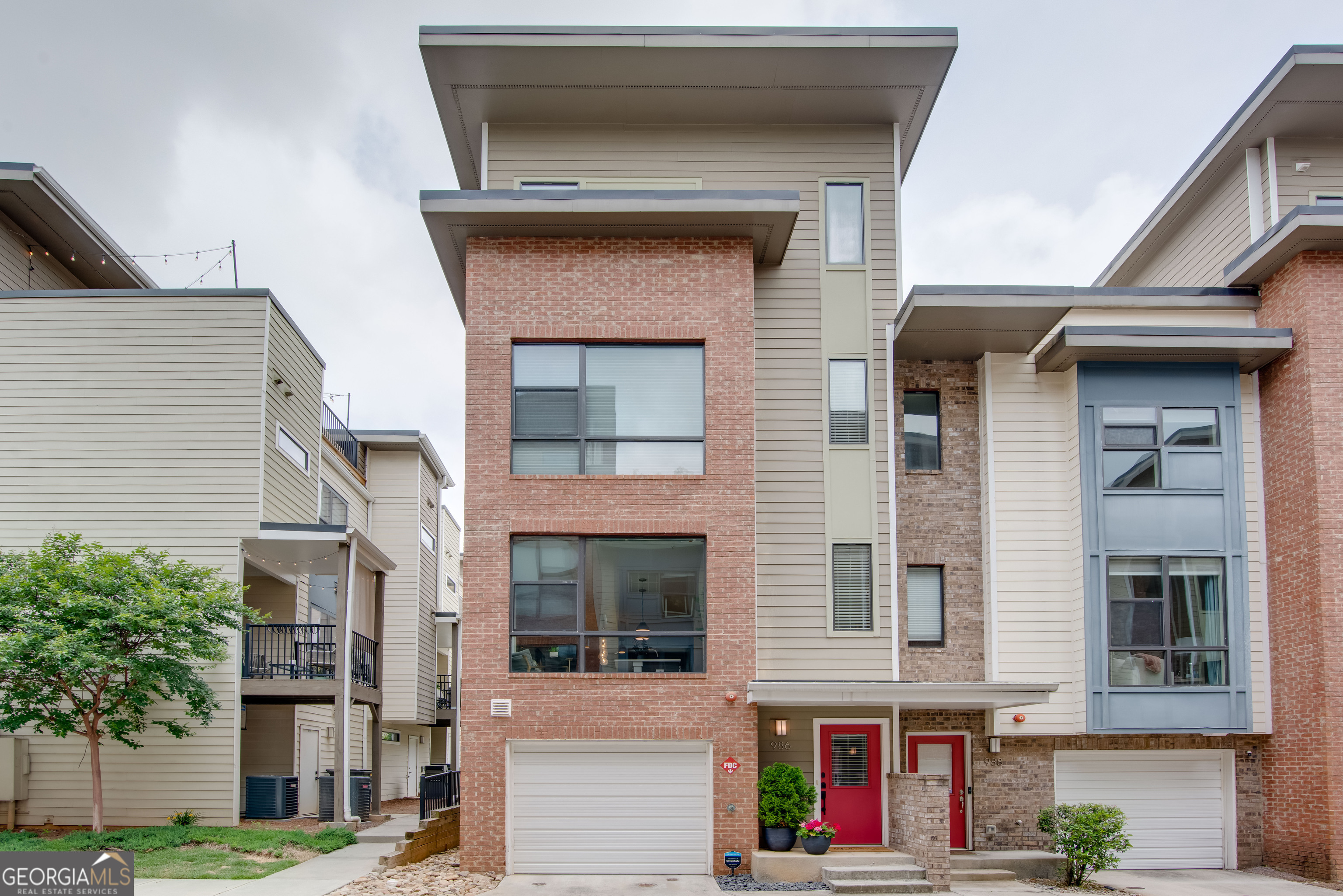
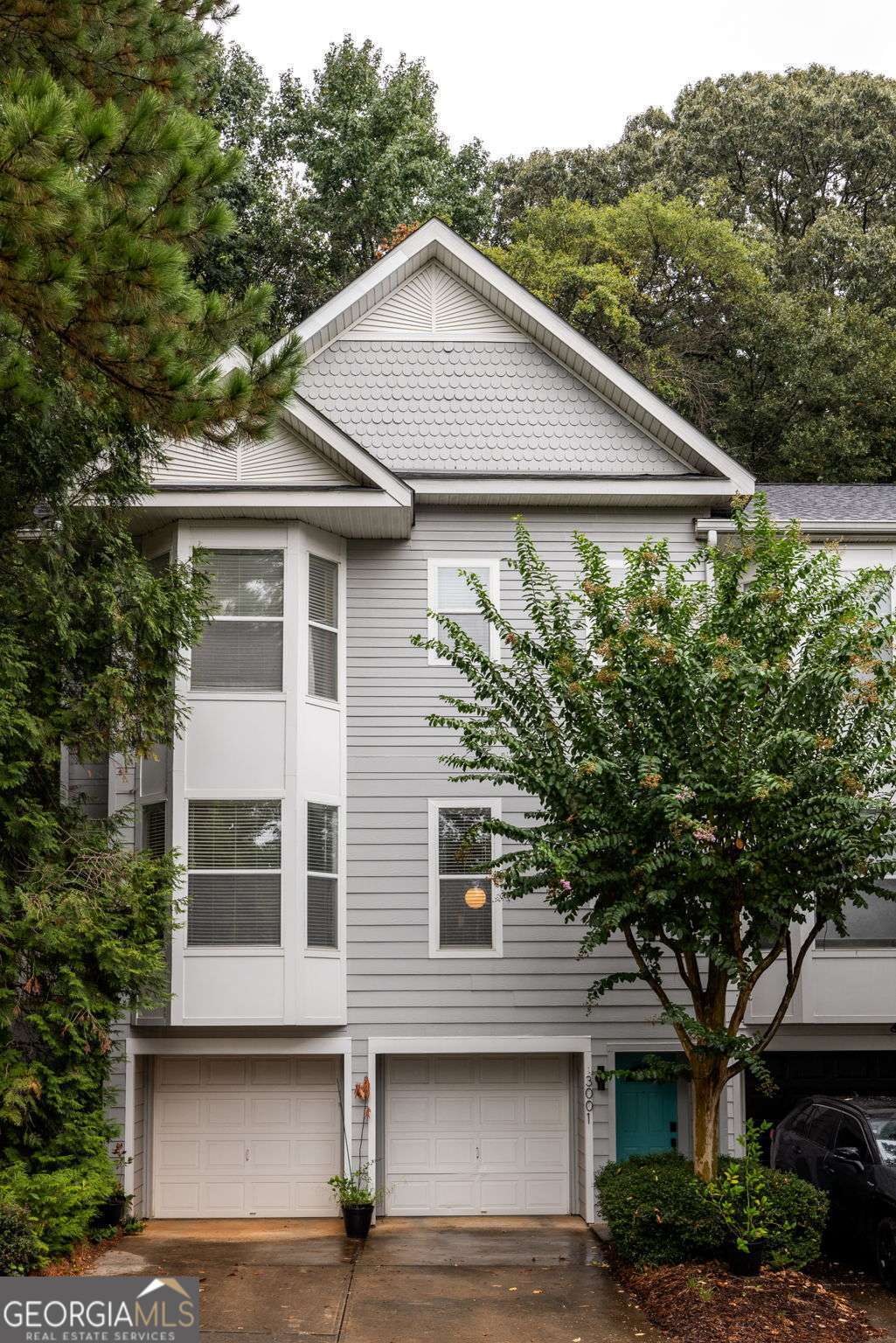
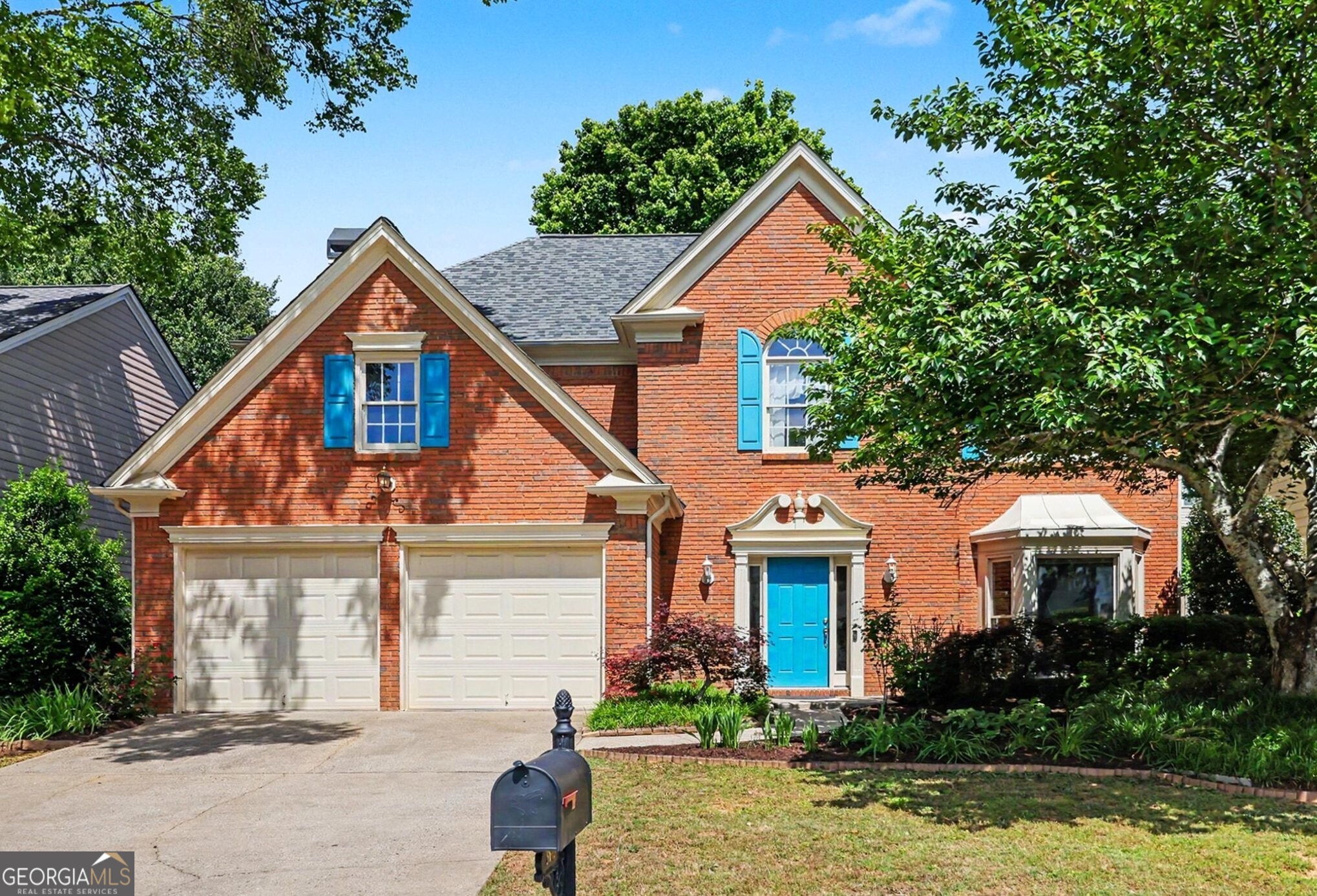
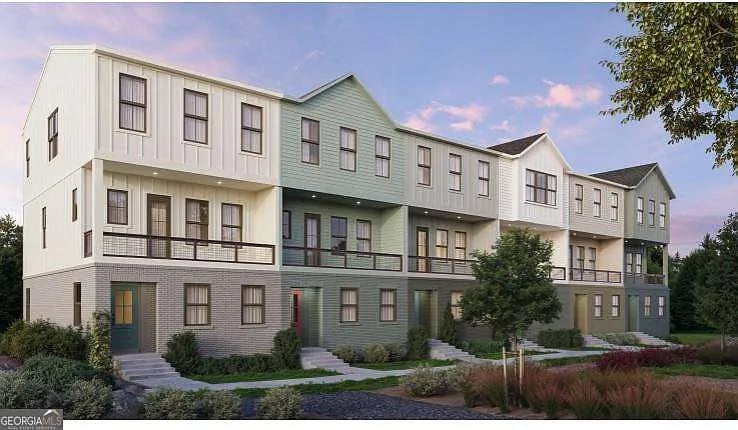
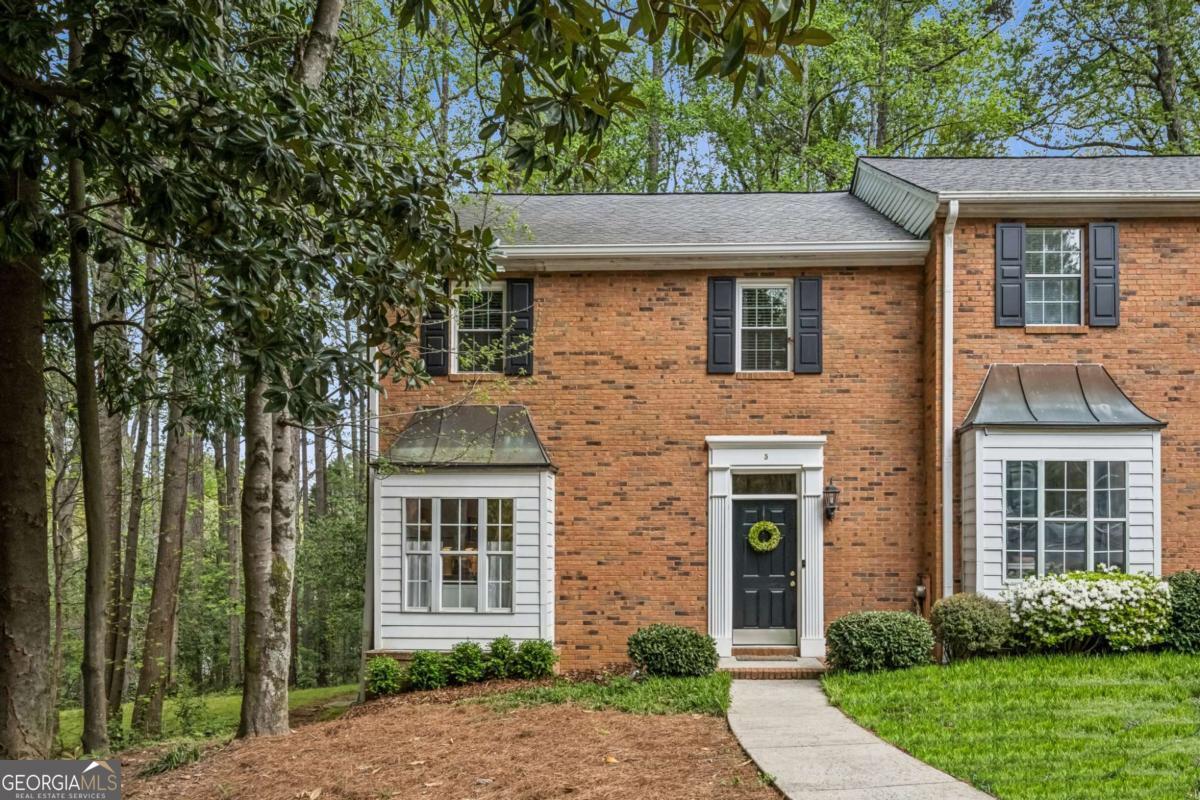
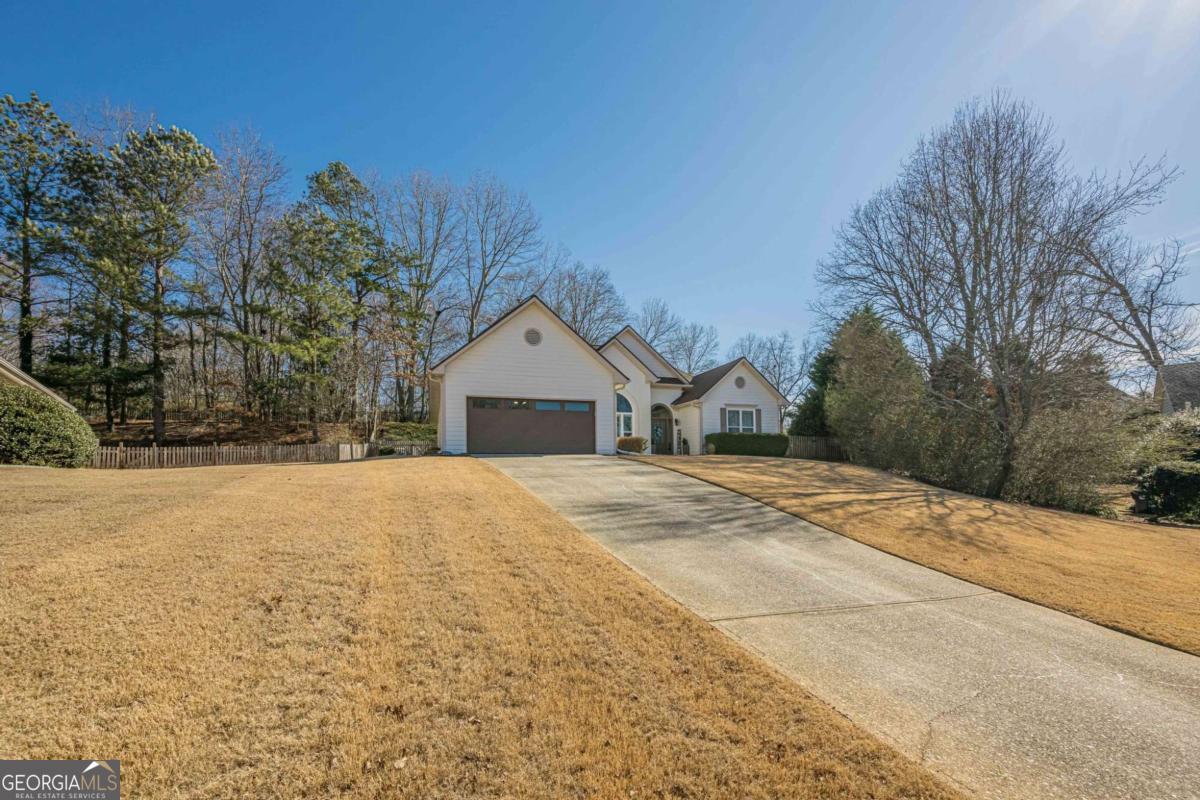
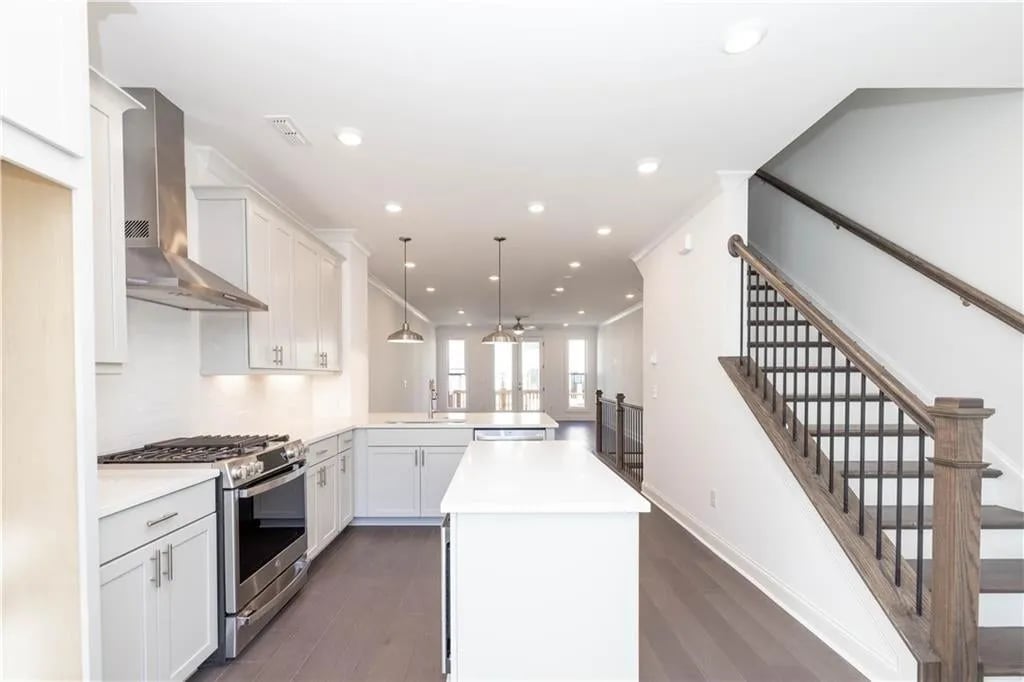
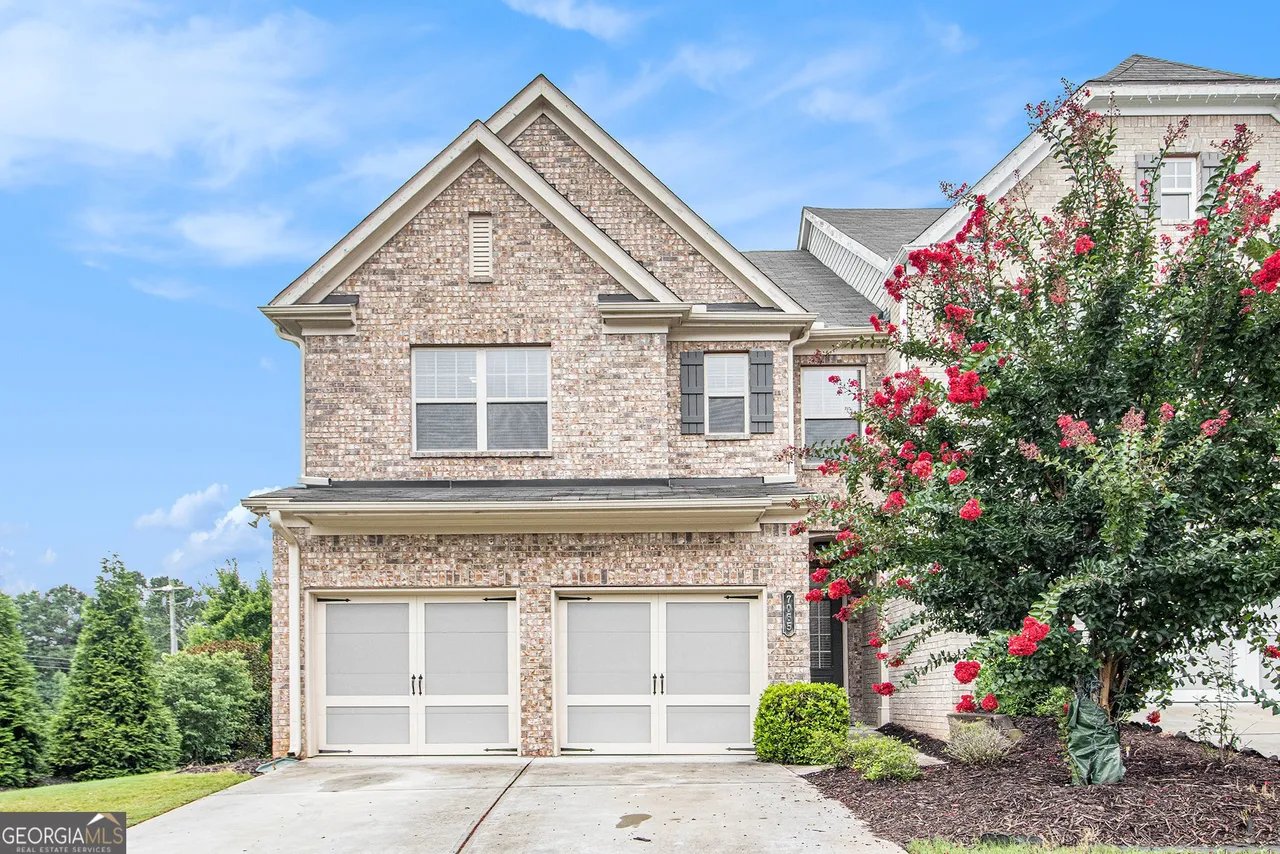
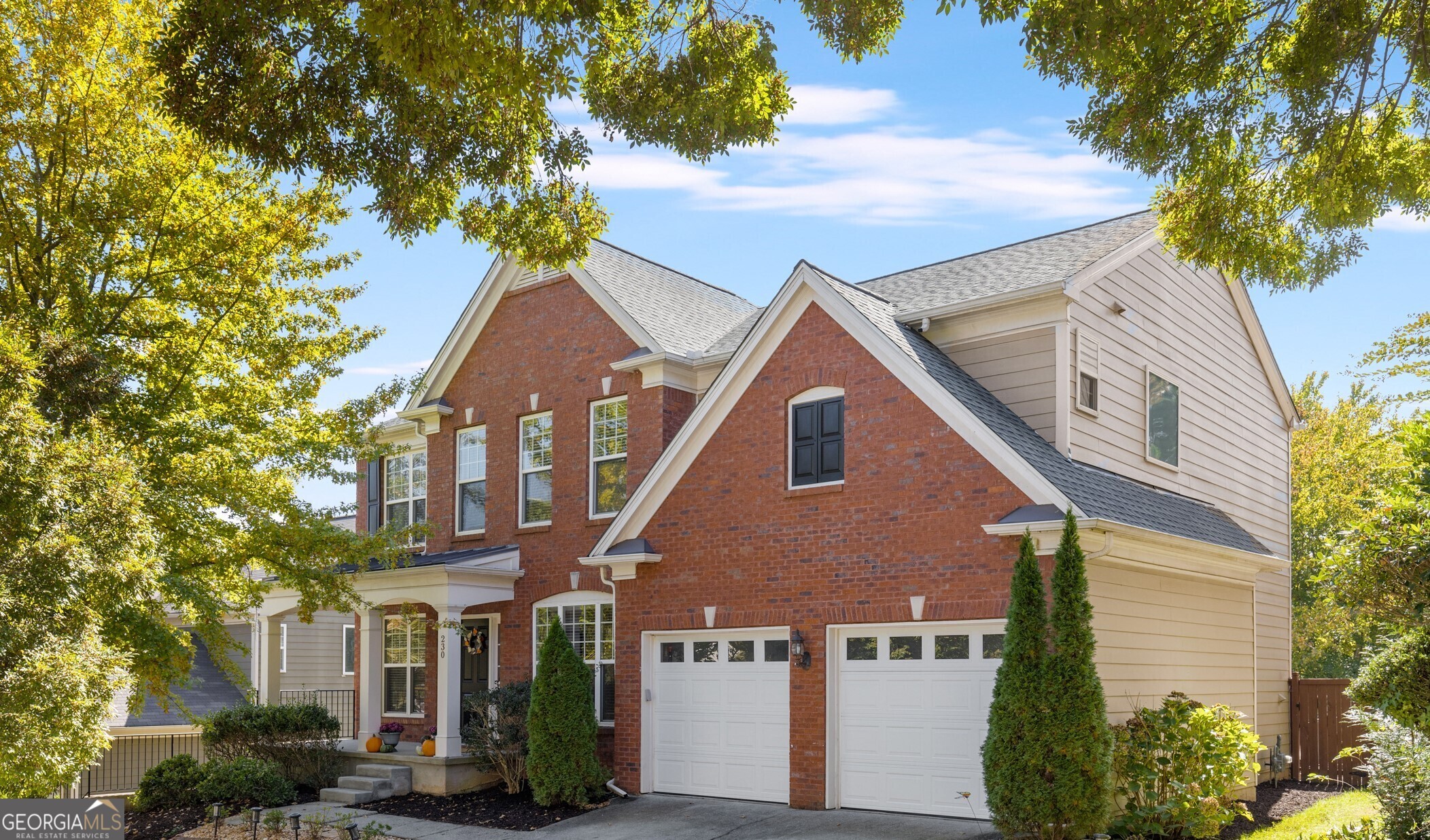
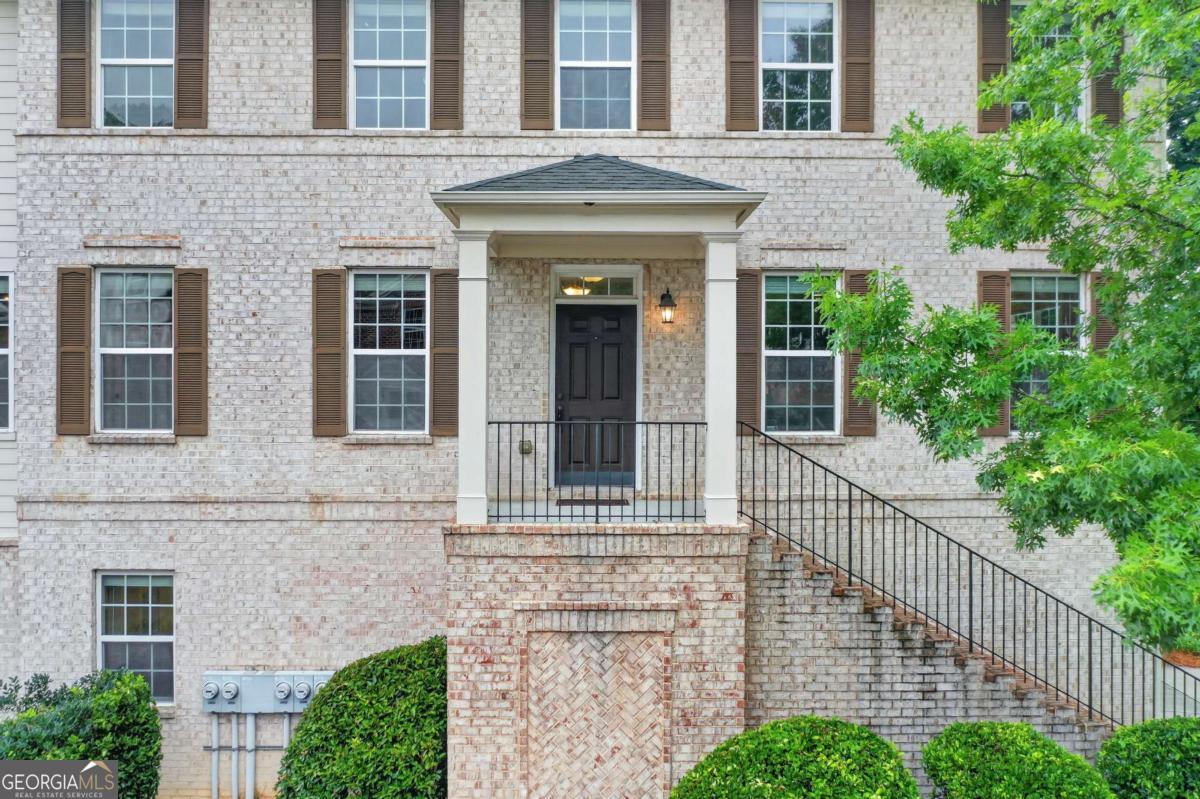
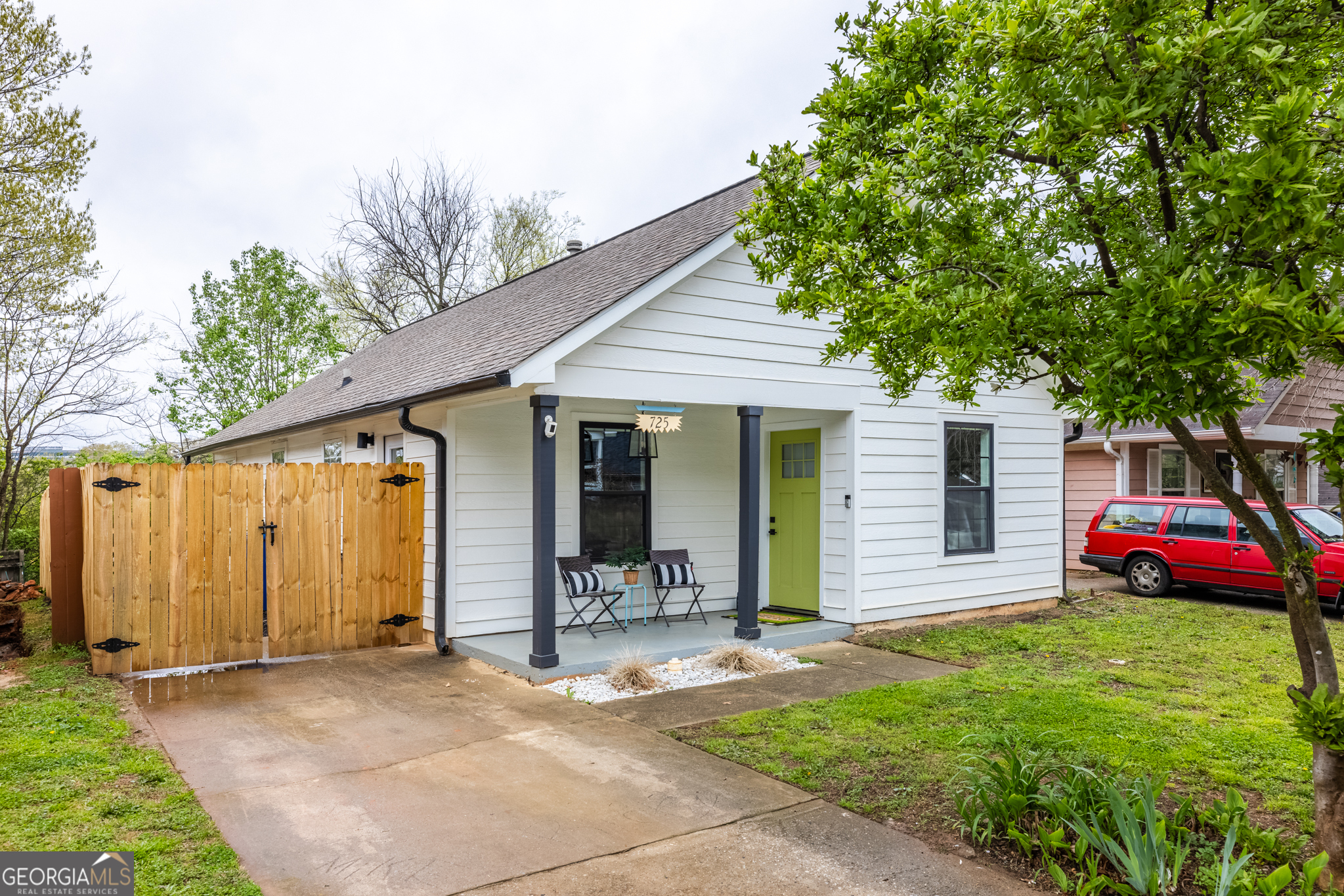
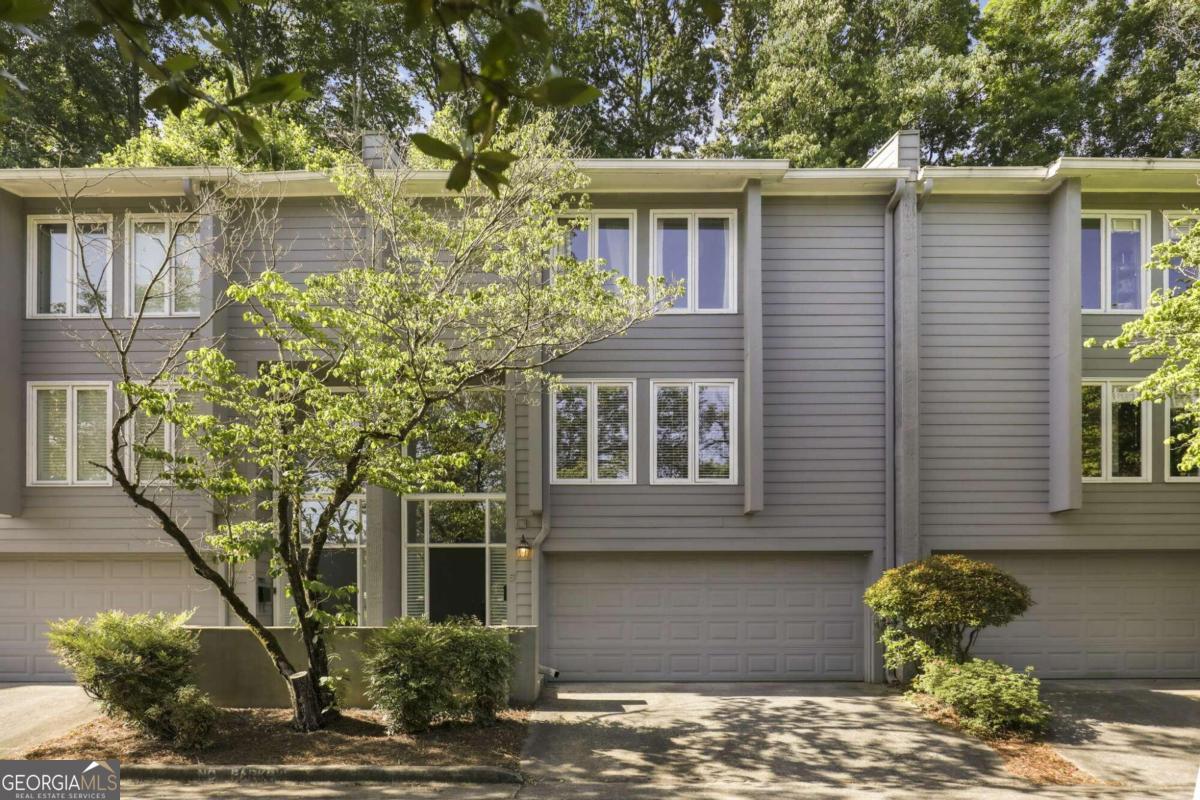
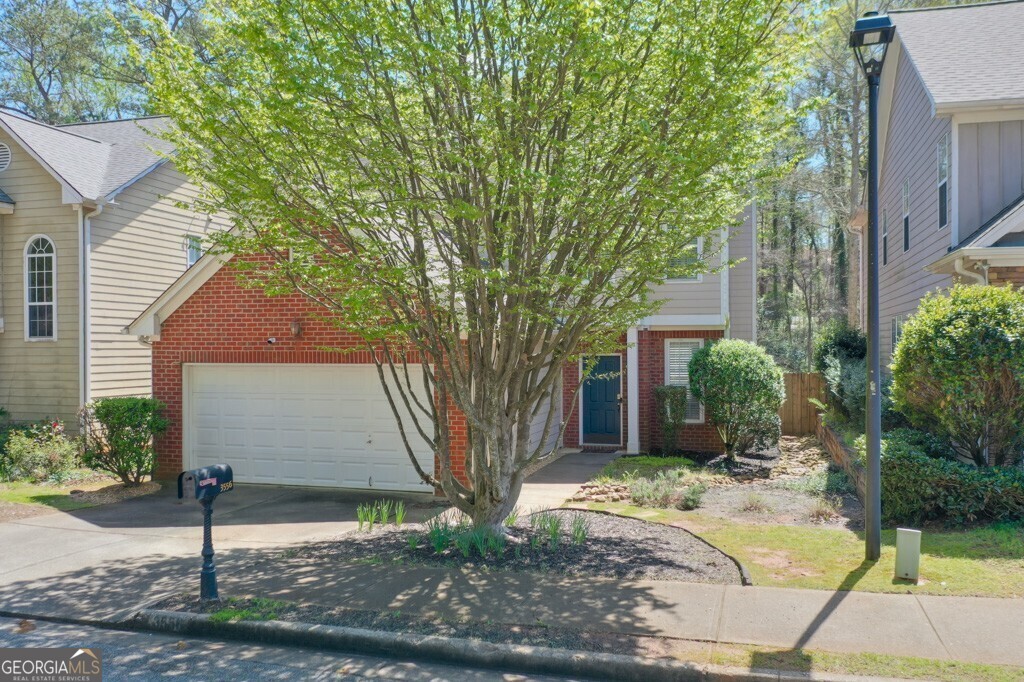
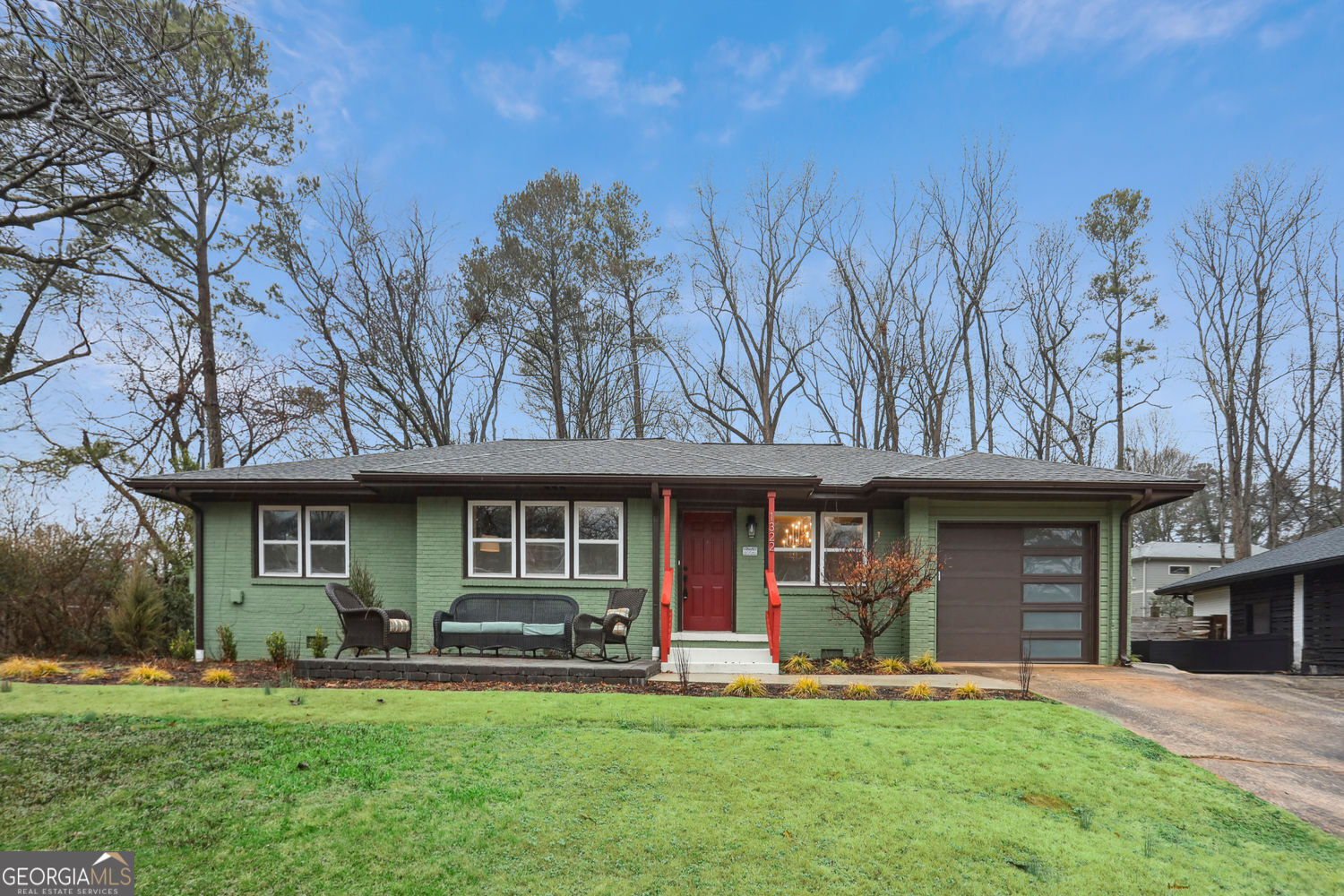
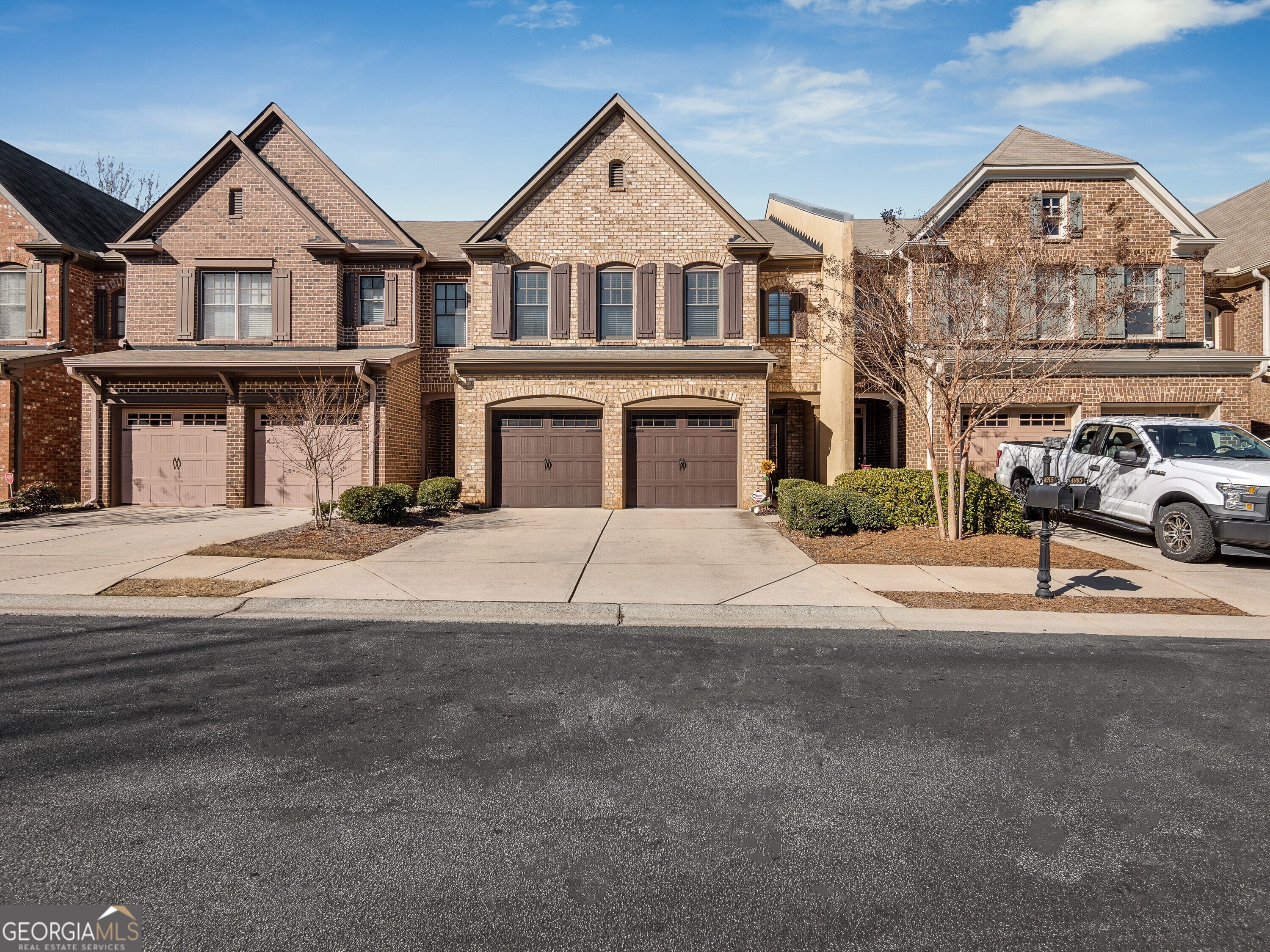
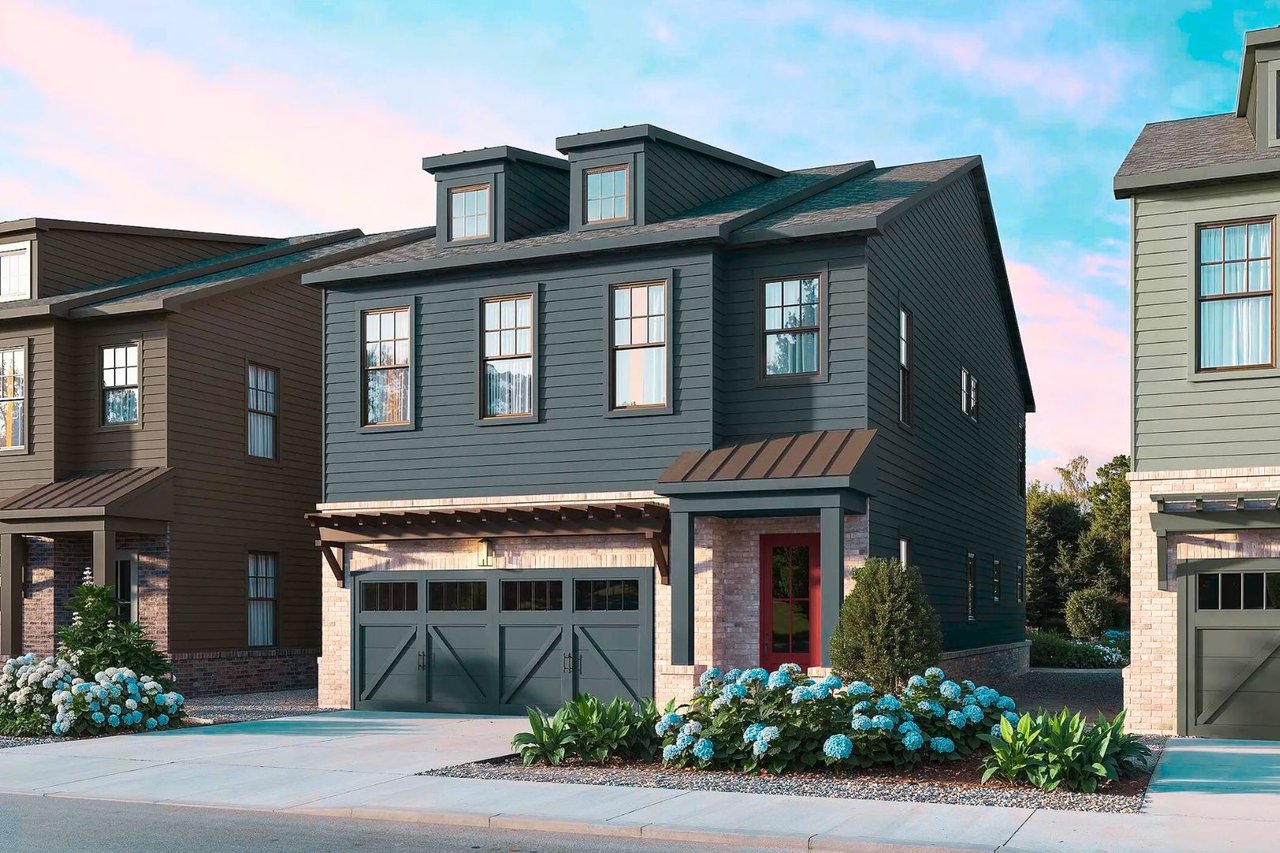
$300,000 to $375,000: Primarily entry-level townhomes, low-maintenance properties, and established suburban single-family homes in South Hall and East Gainesville.
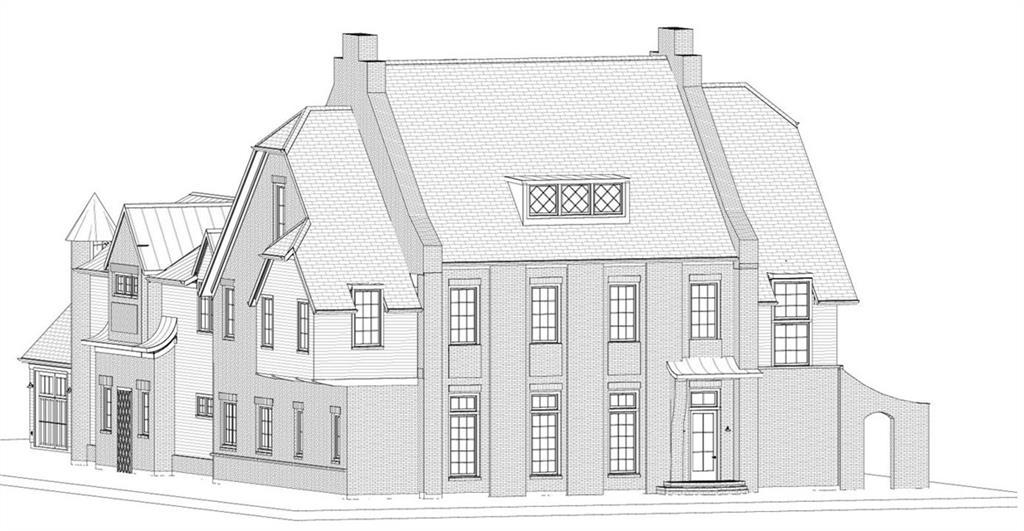
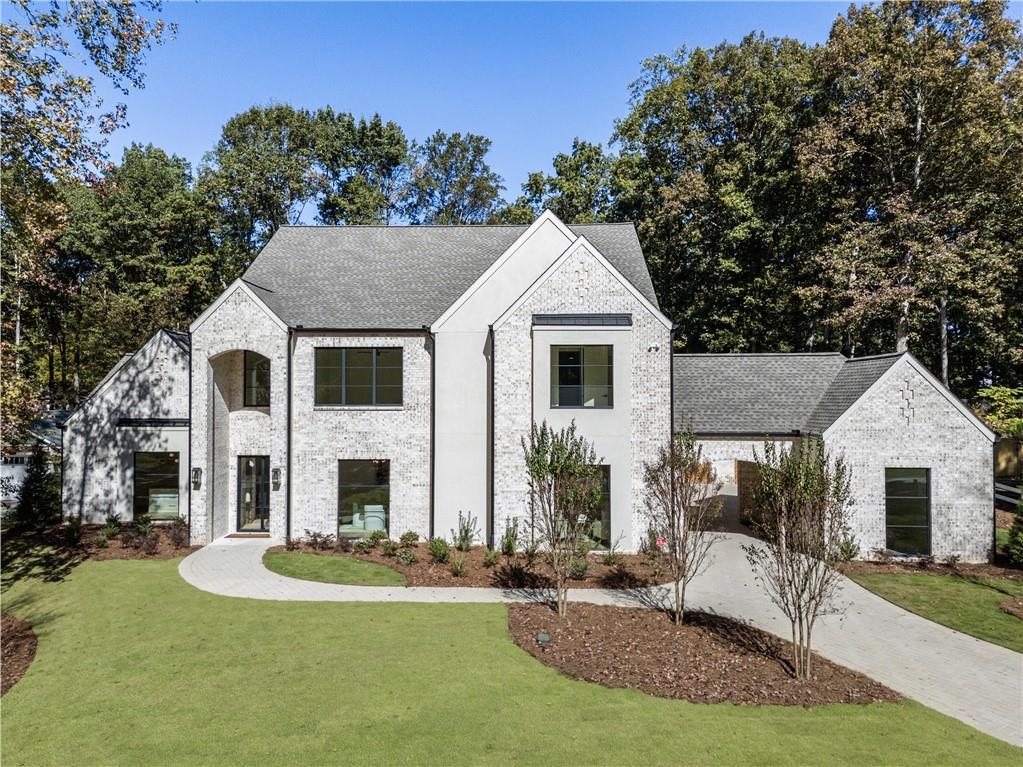
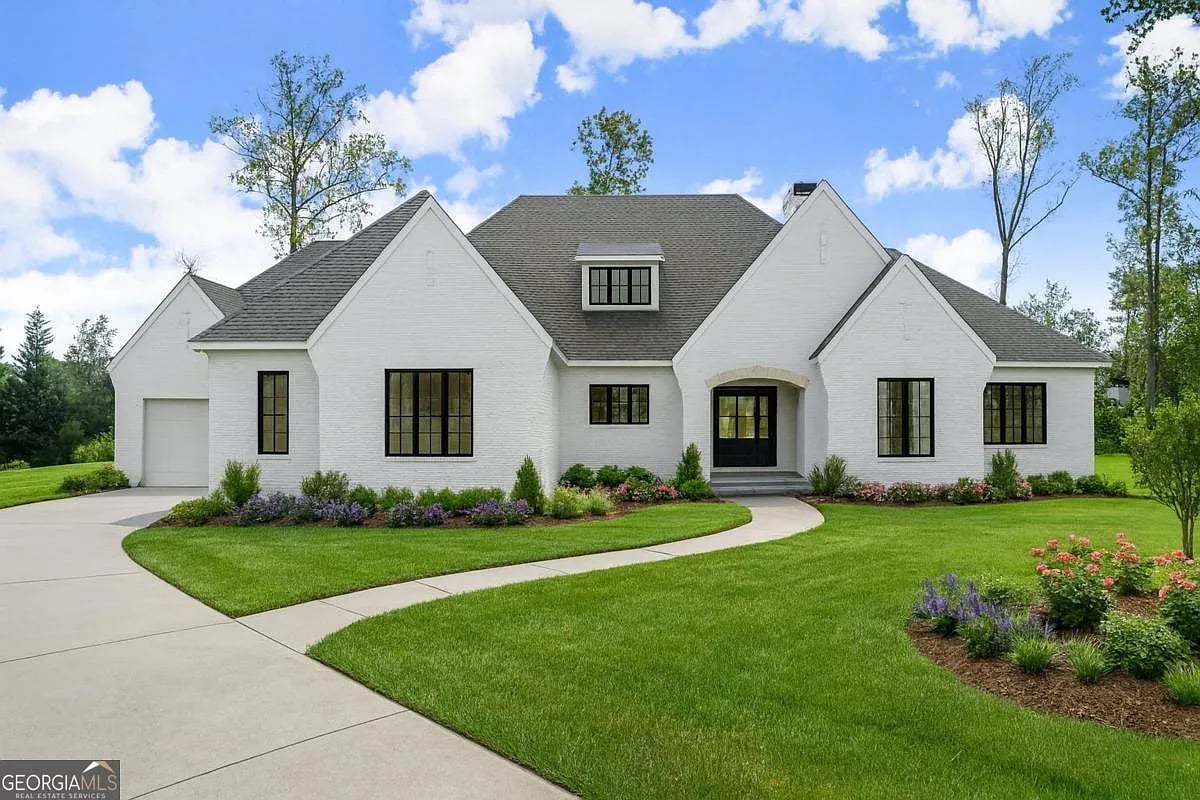
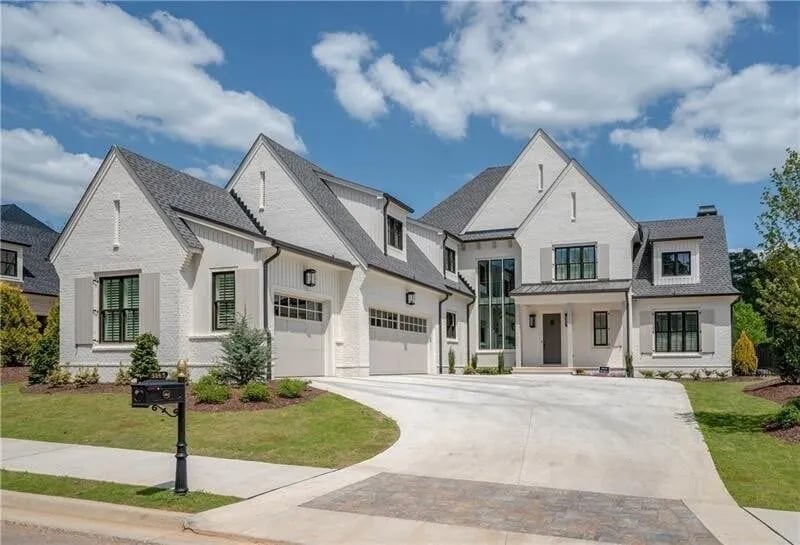
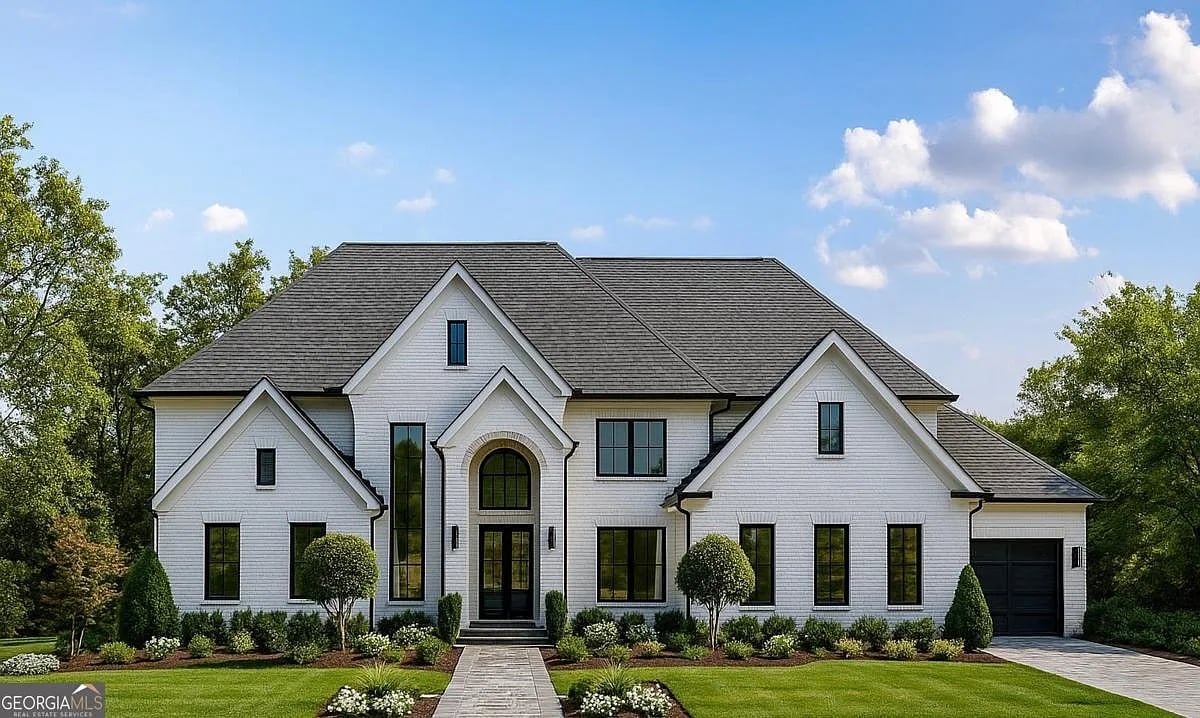
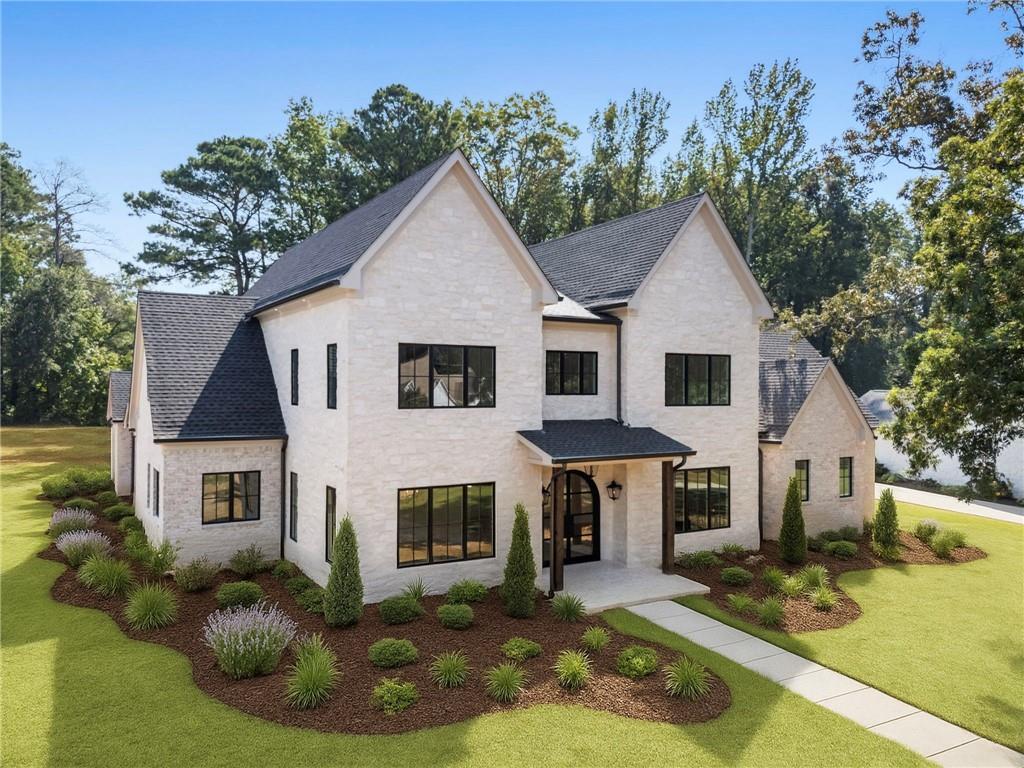
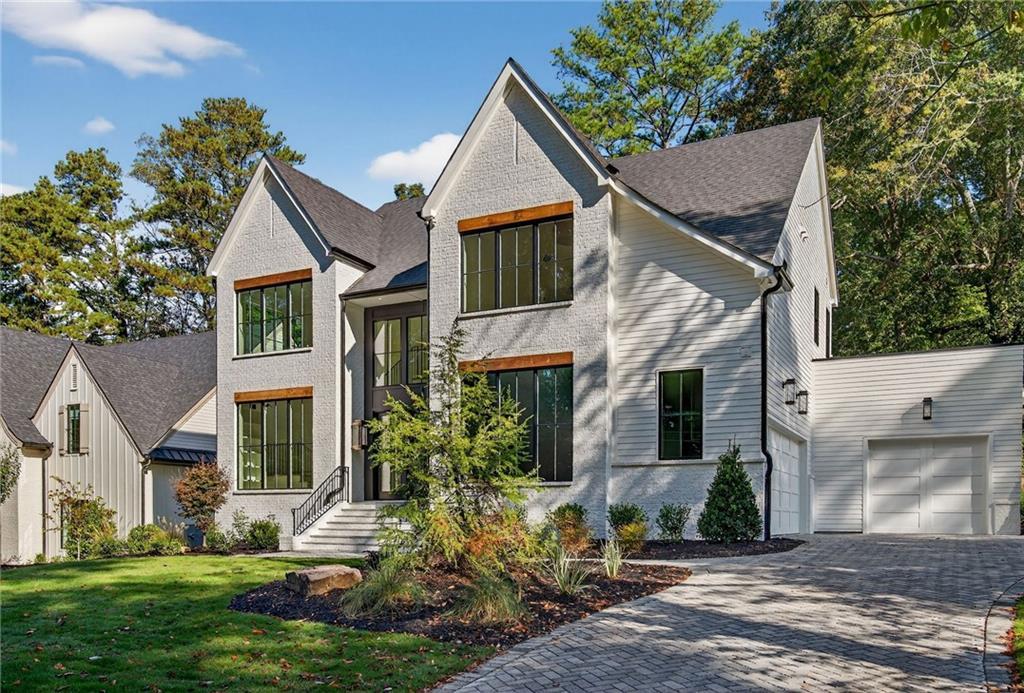
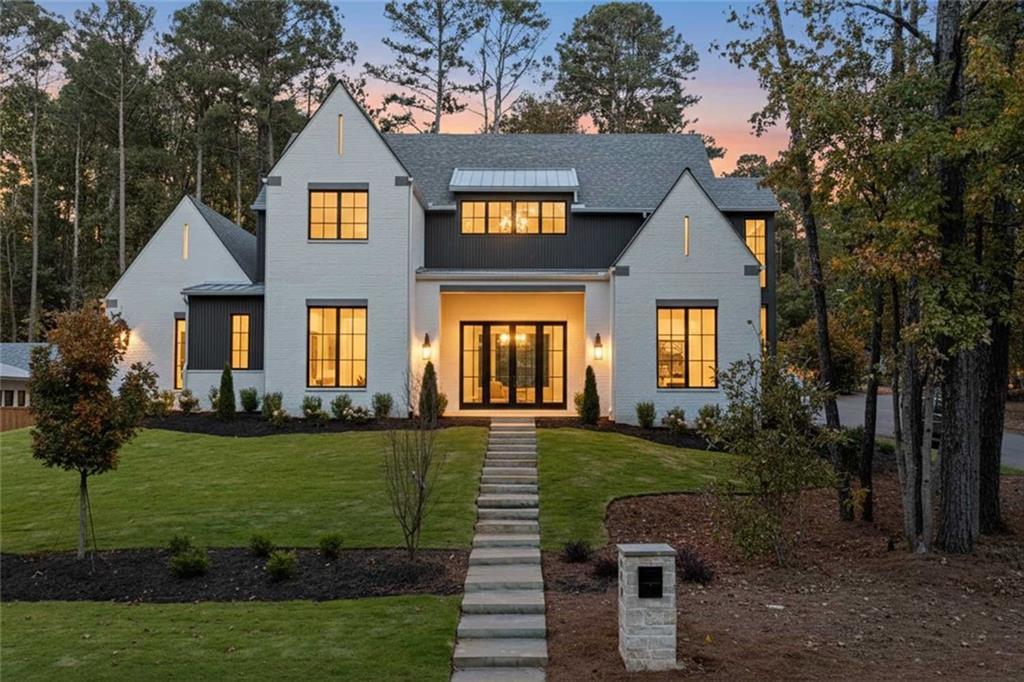
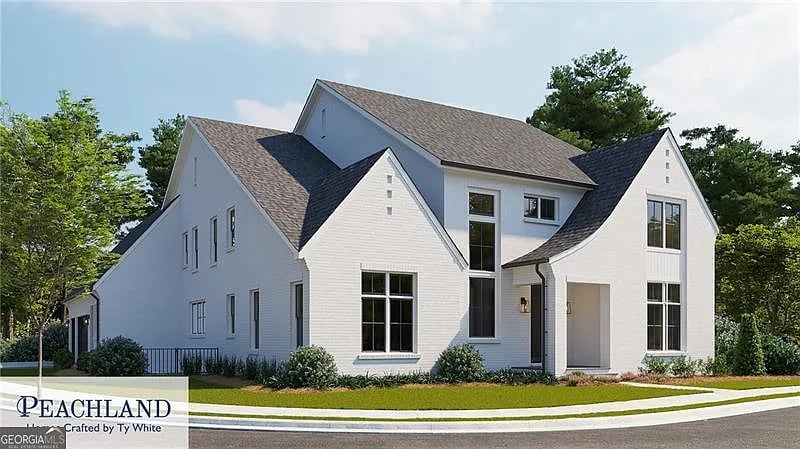
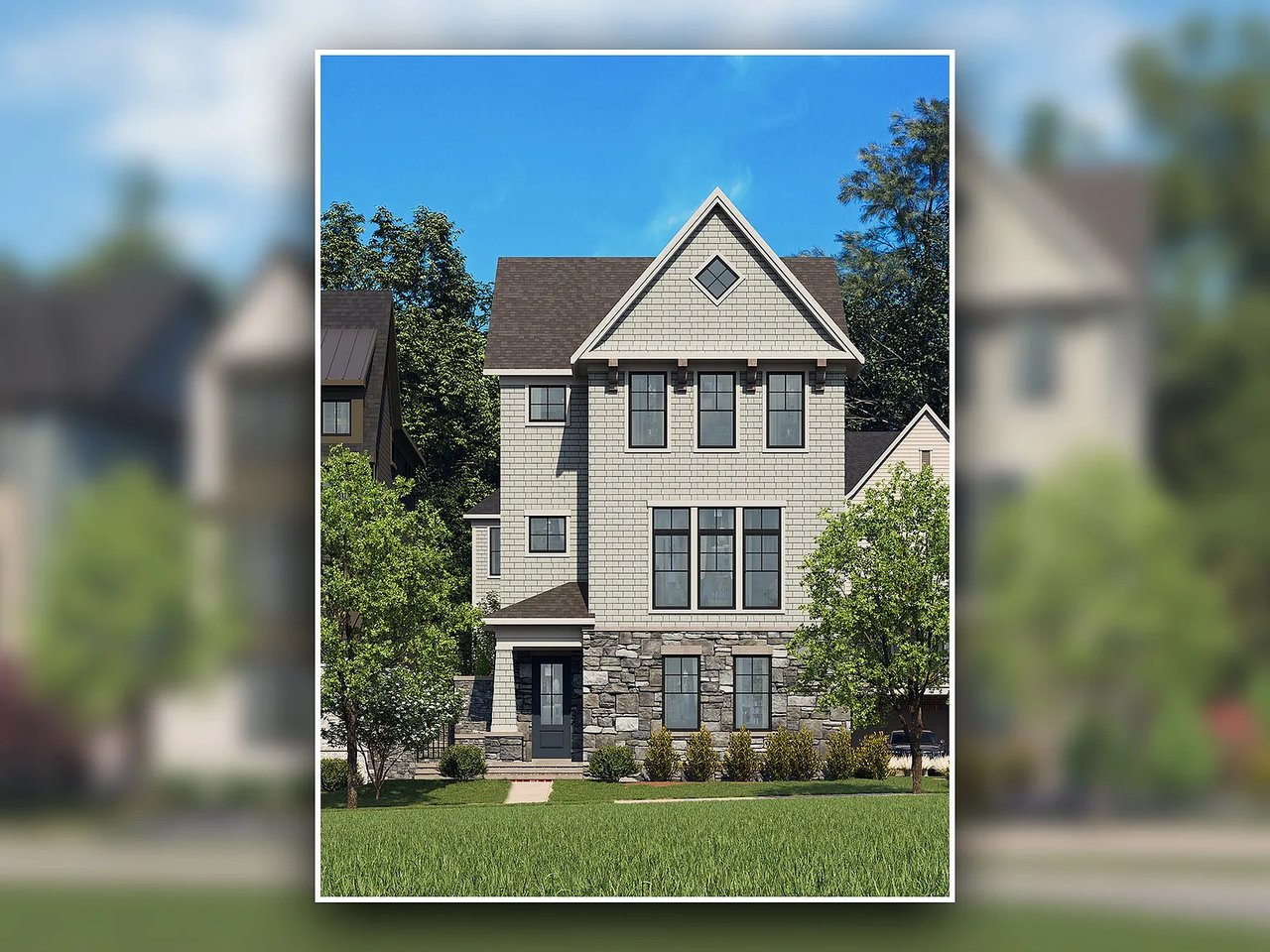
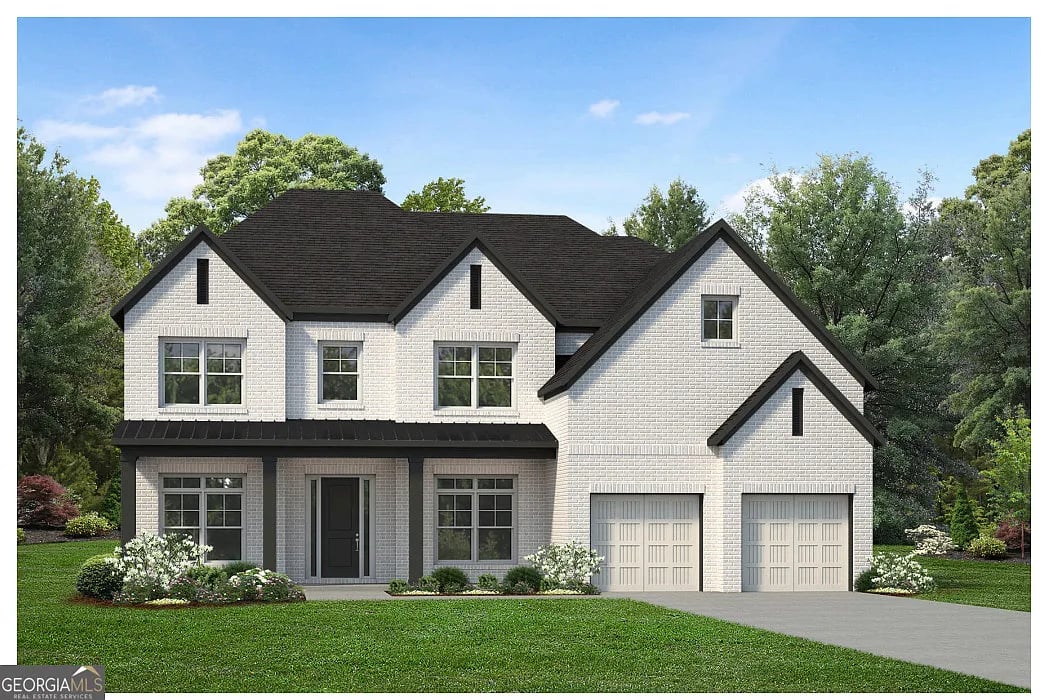
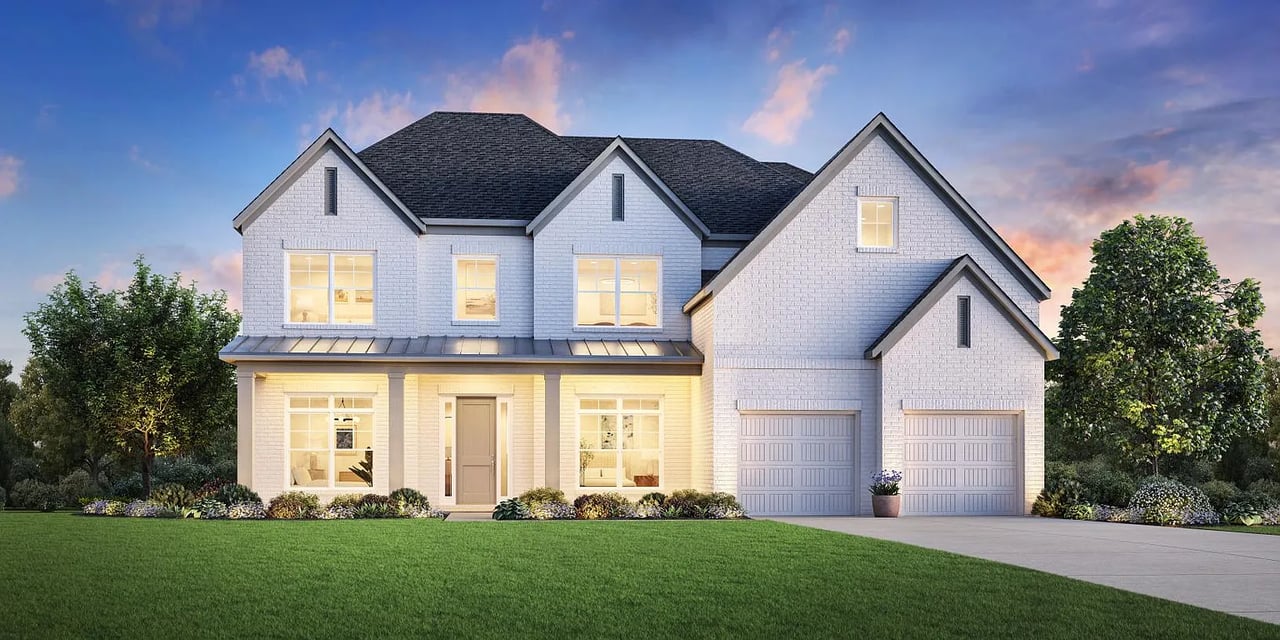
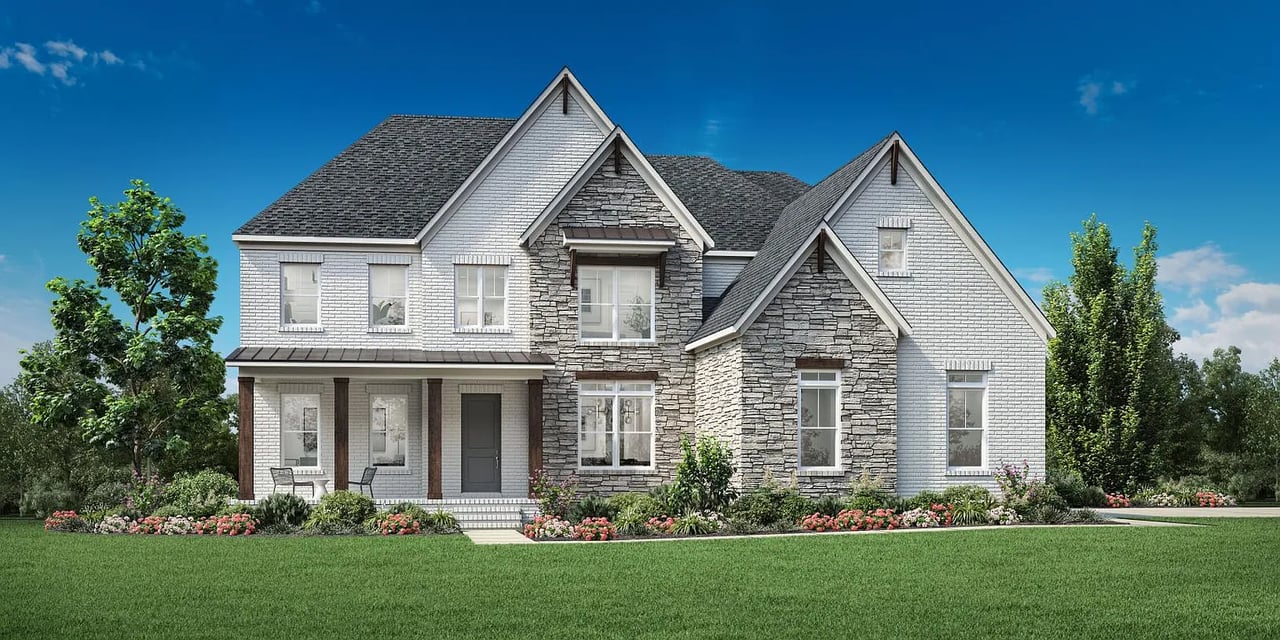
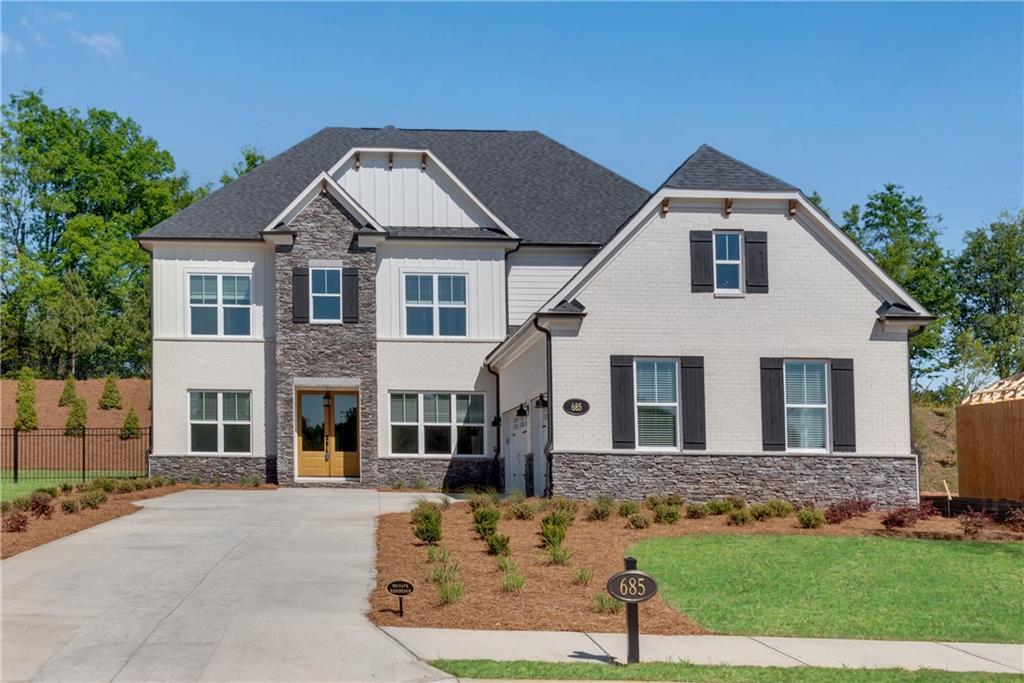
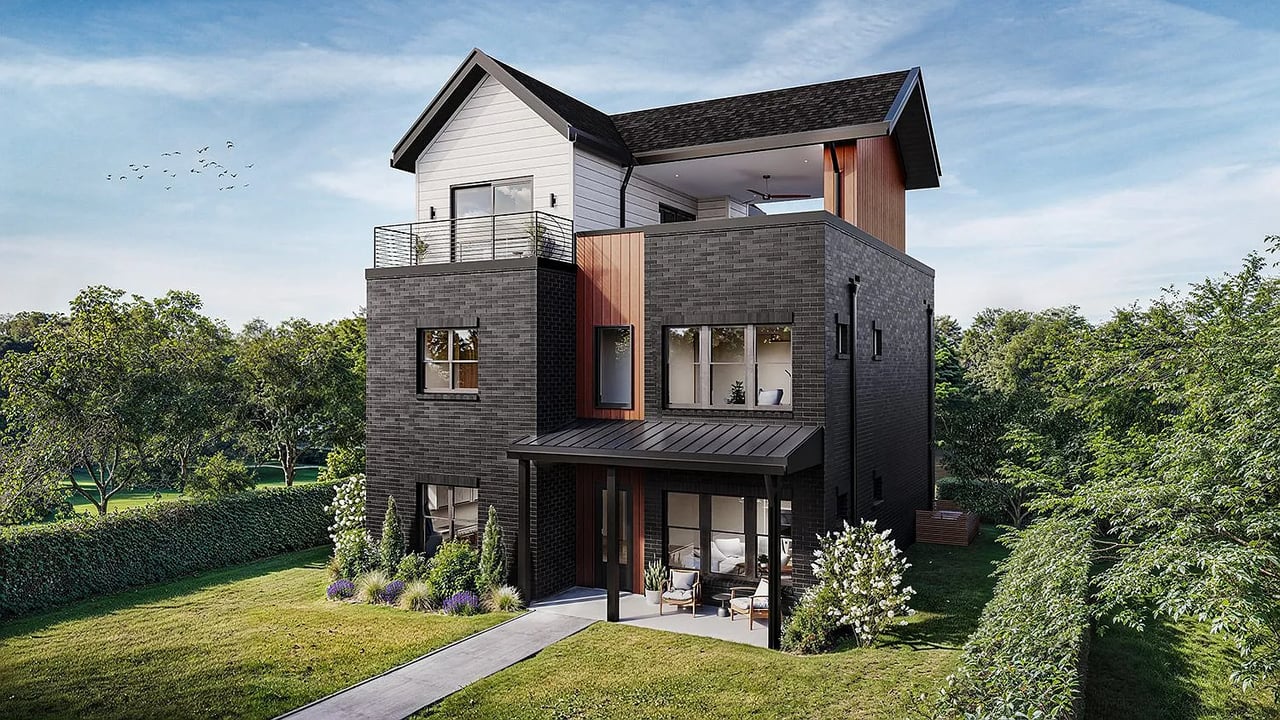
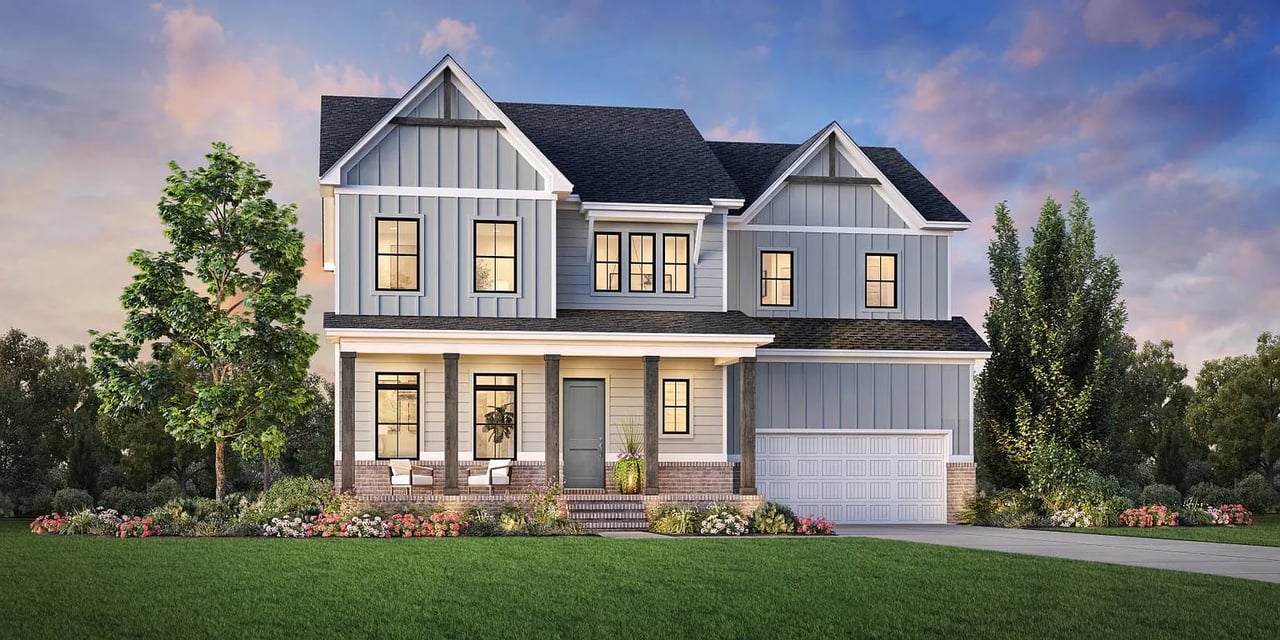
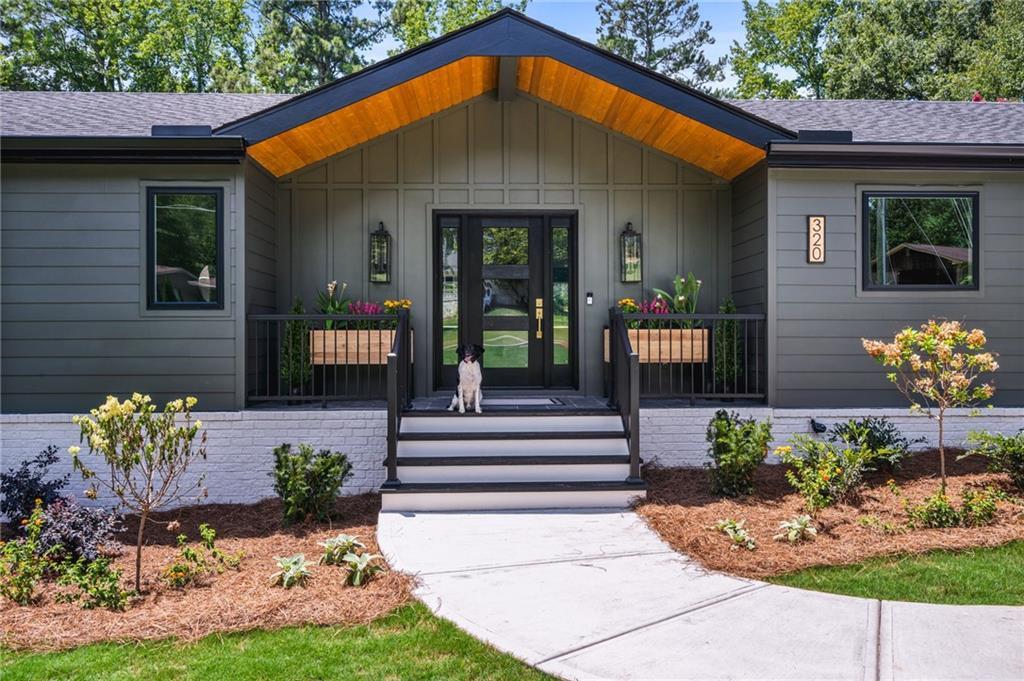
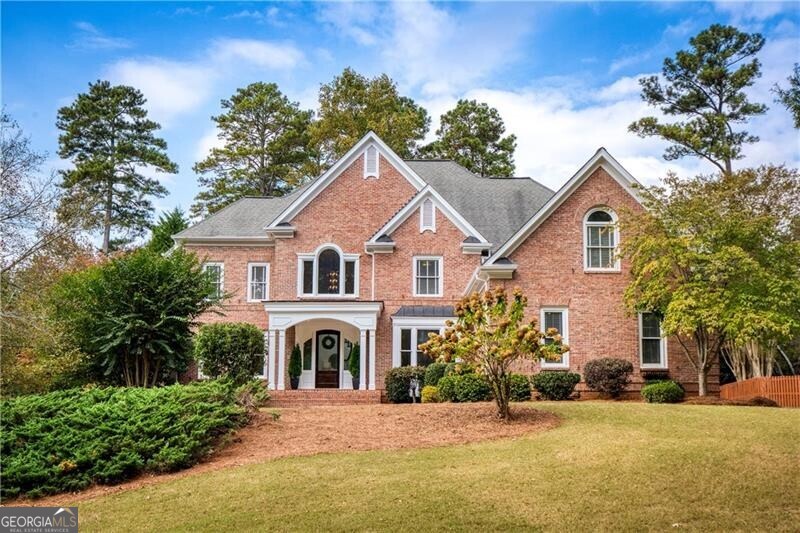
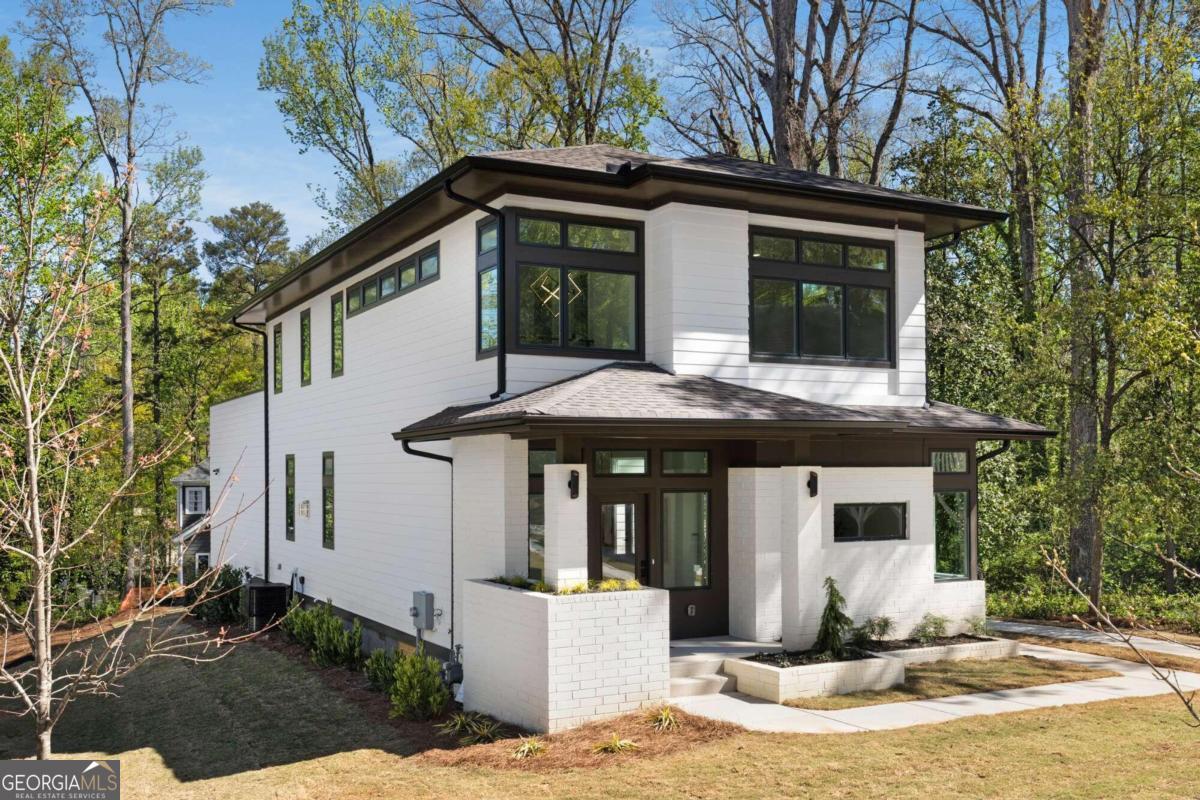
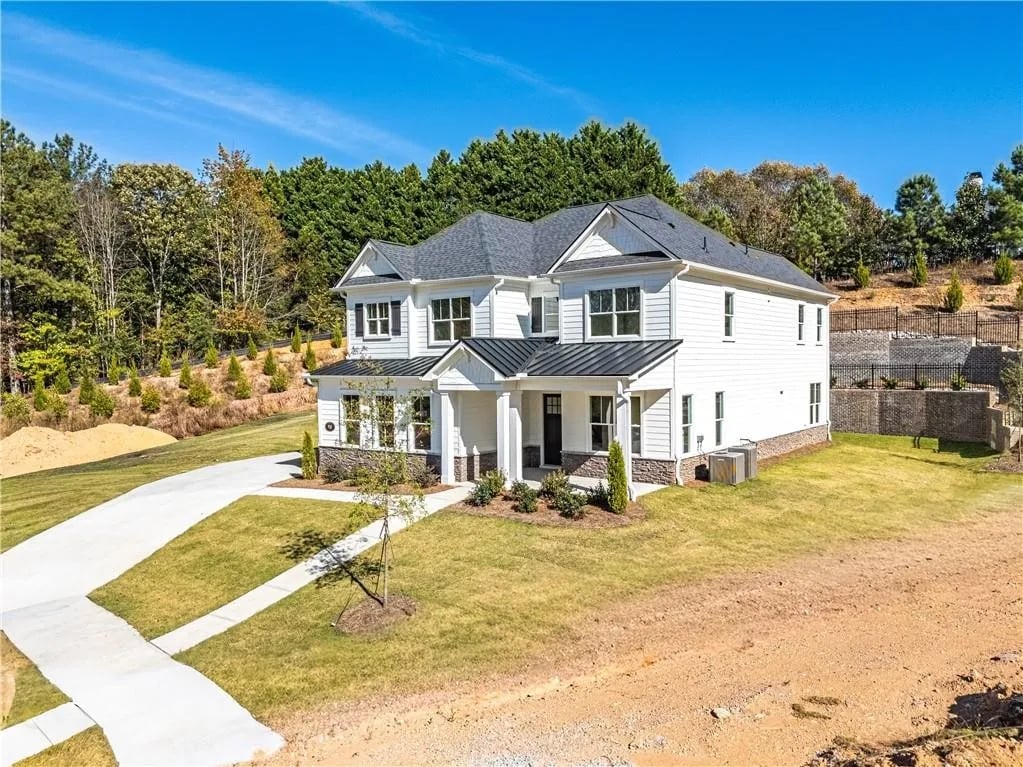
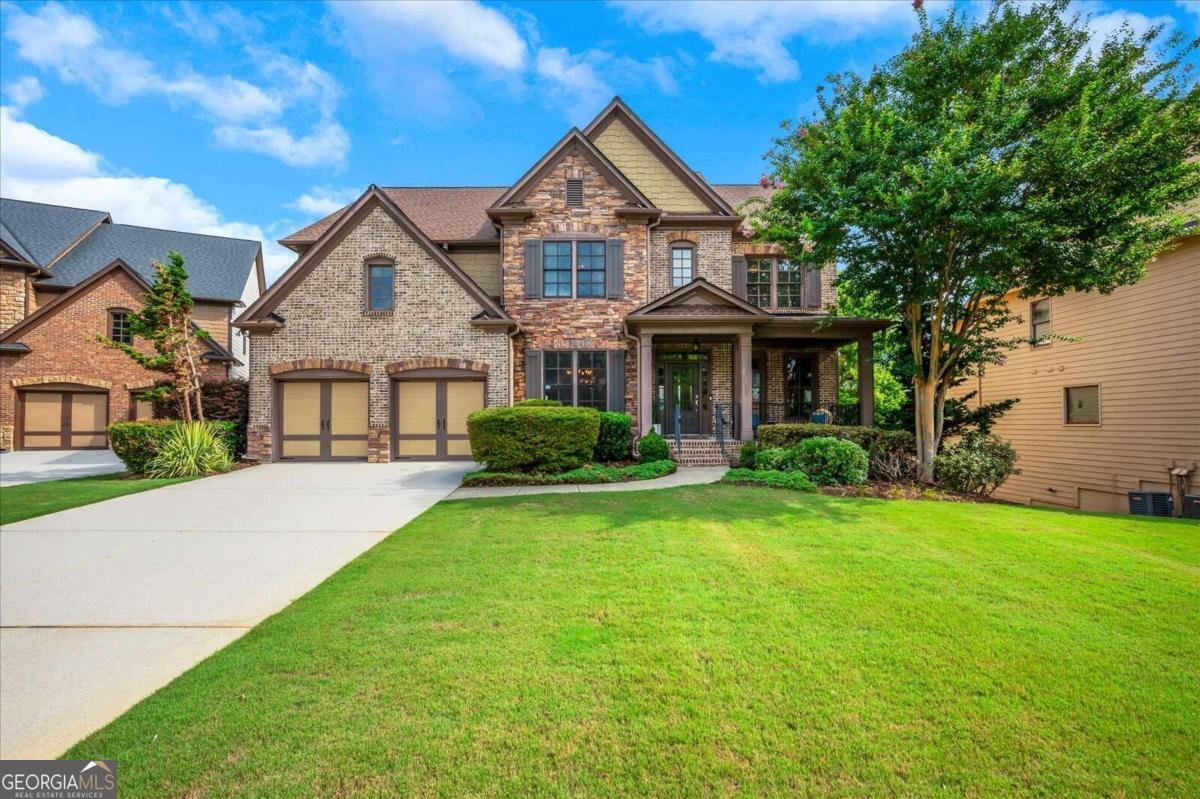
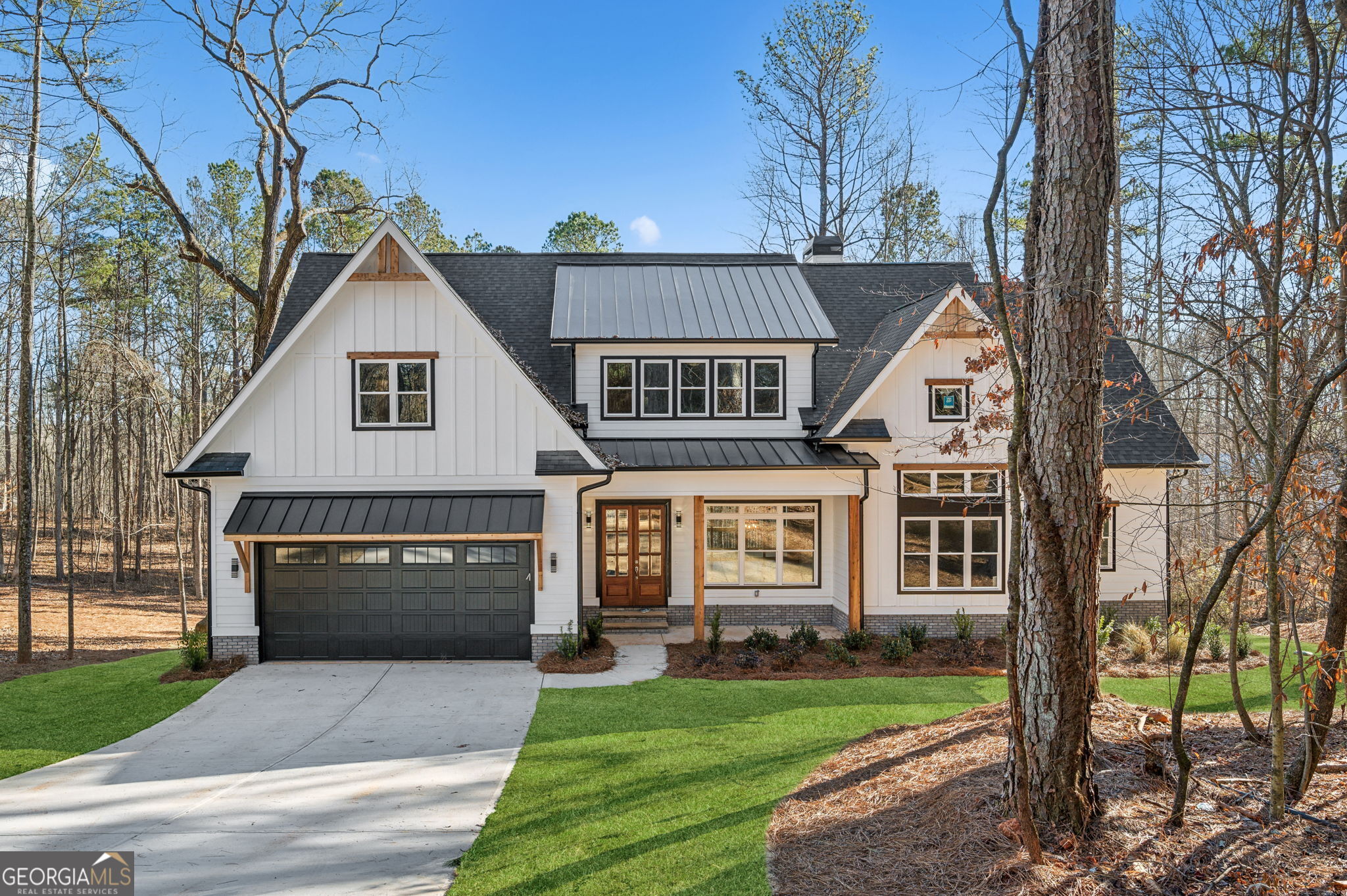
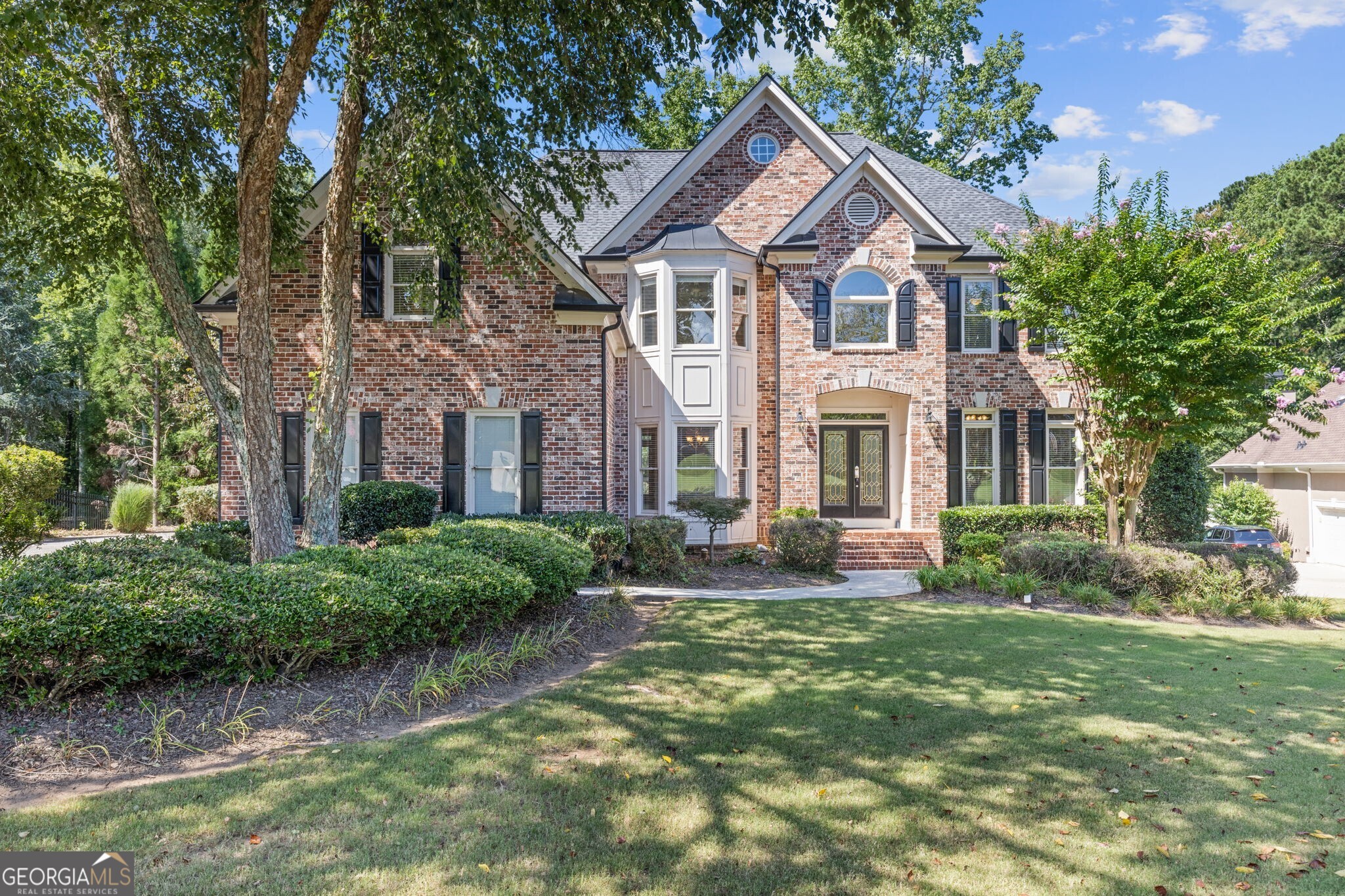
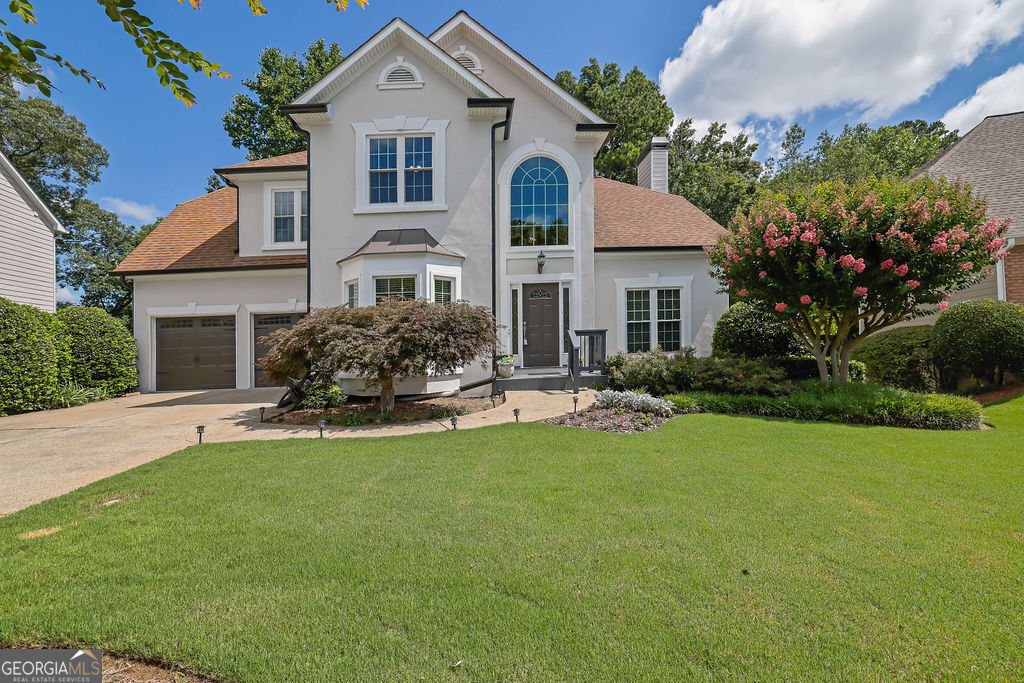
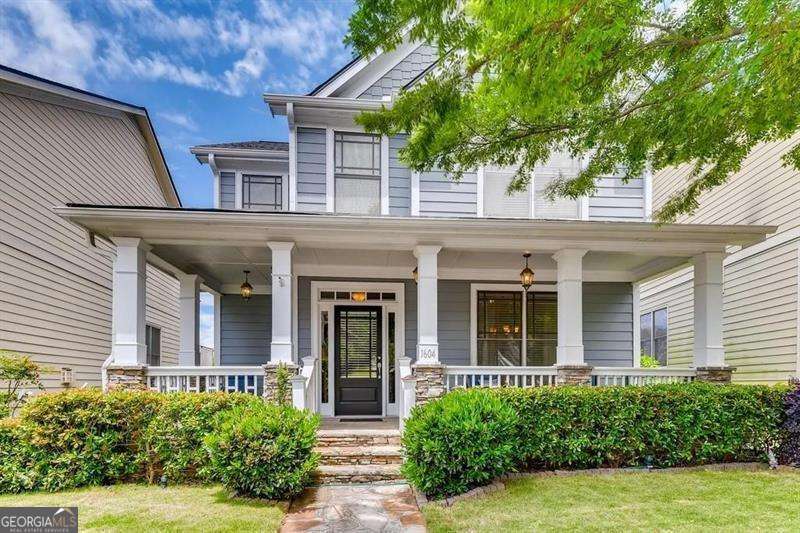
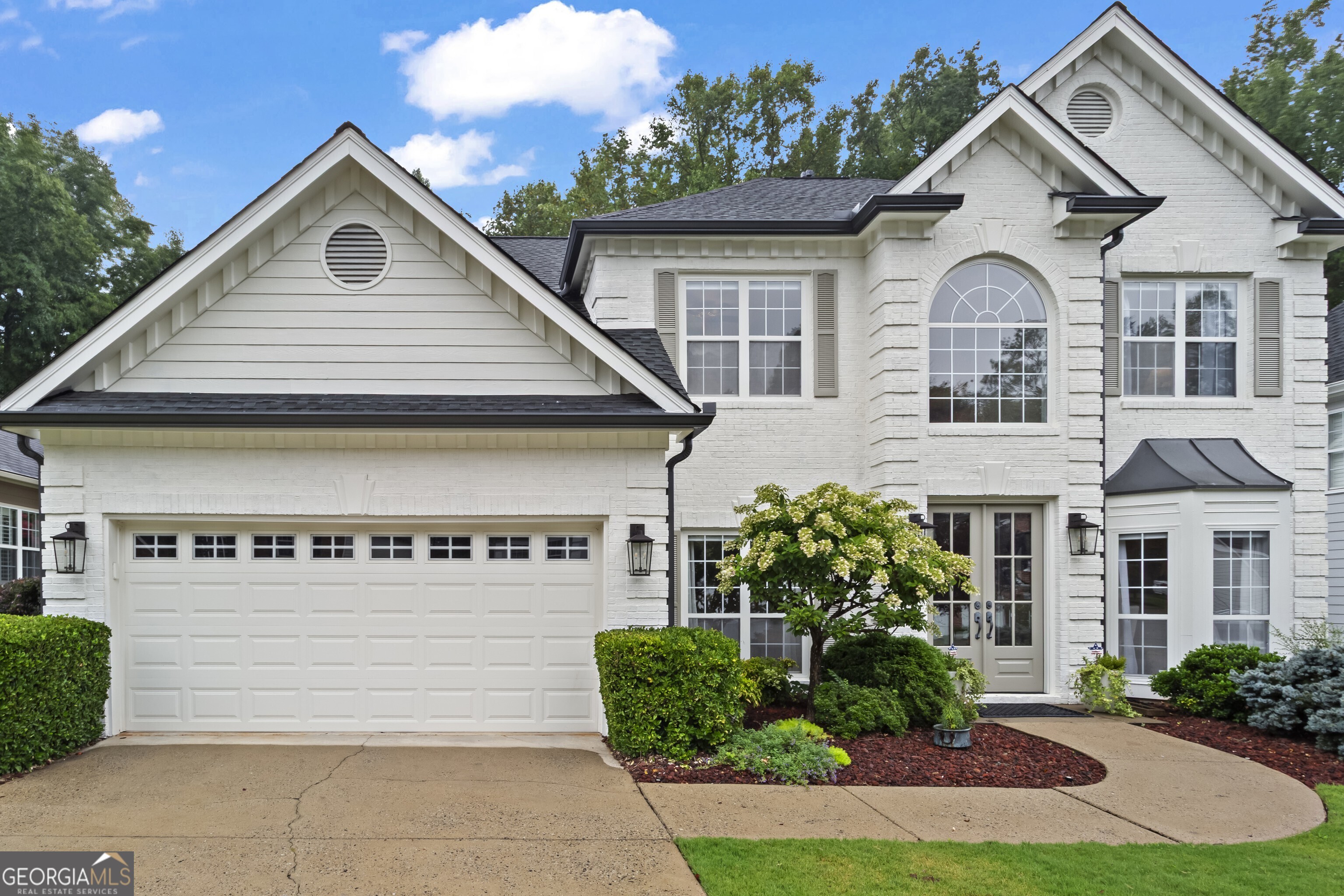
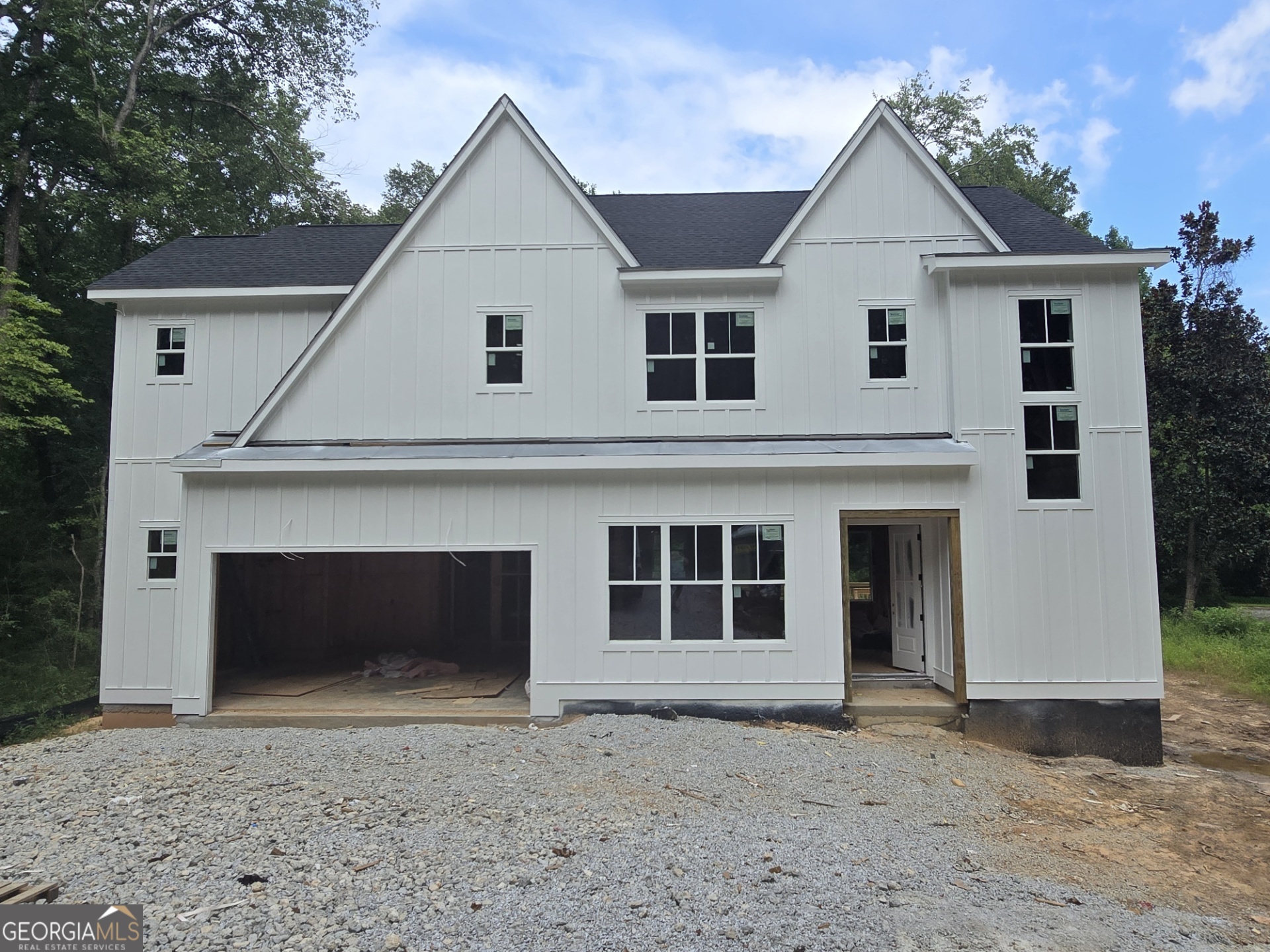
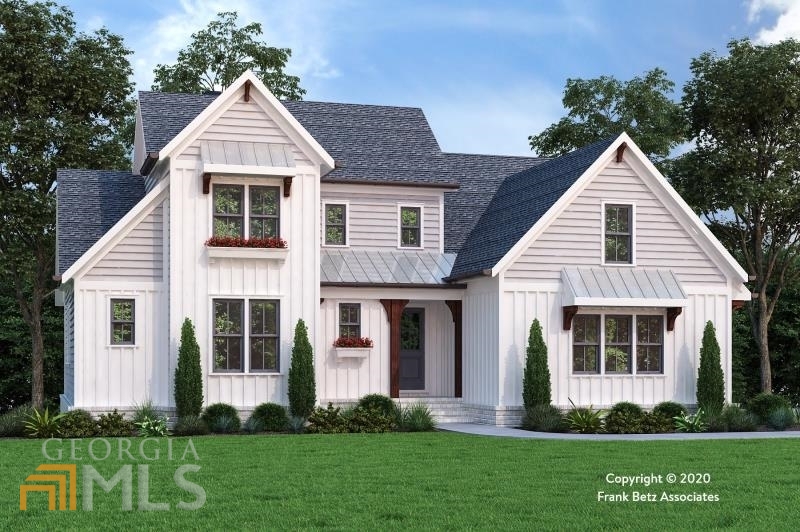
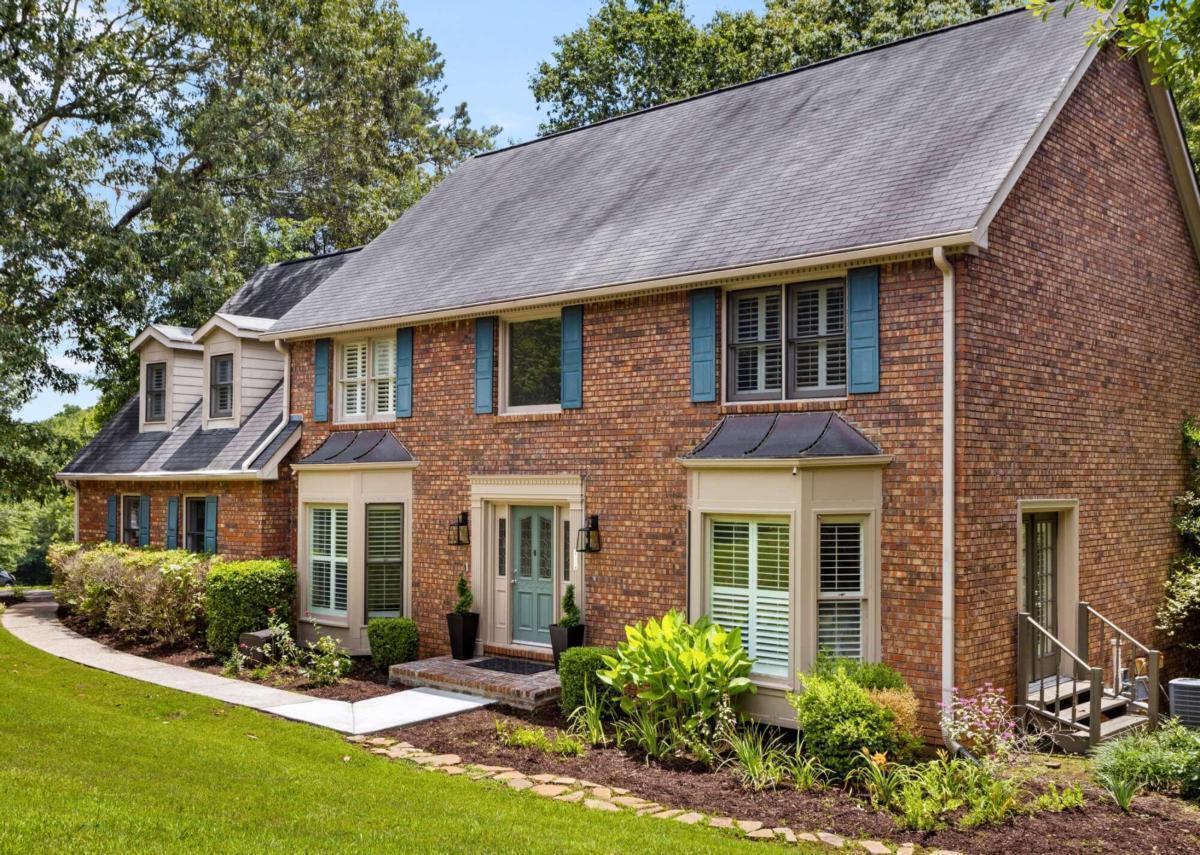
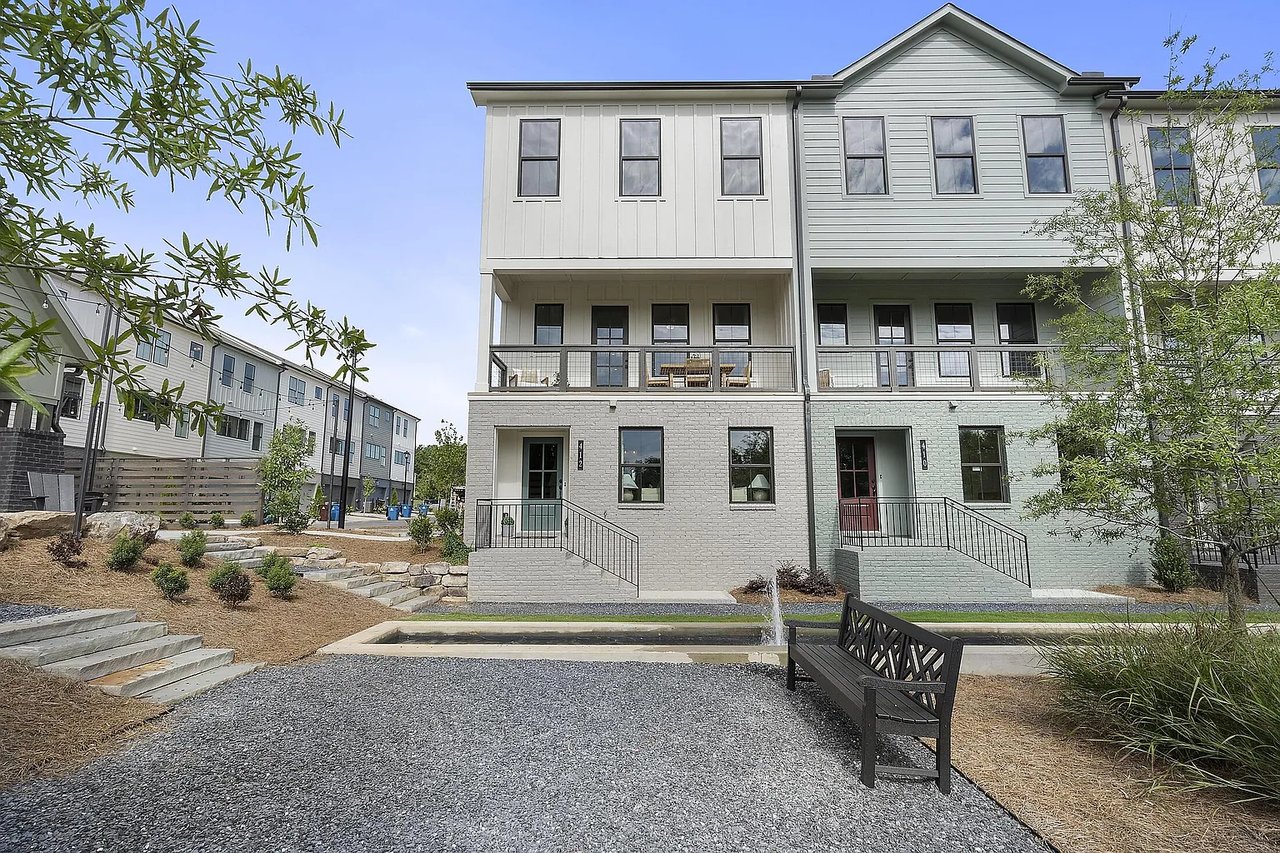
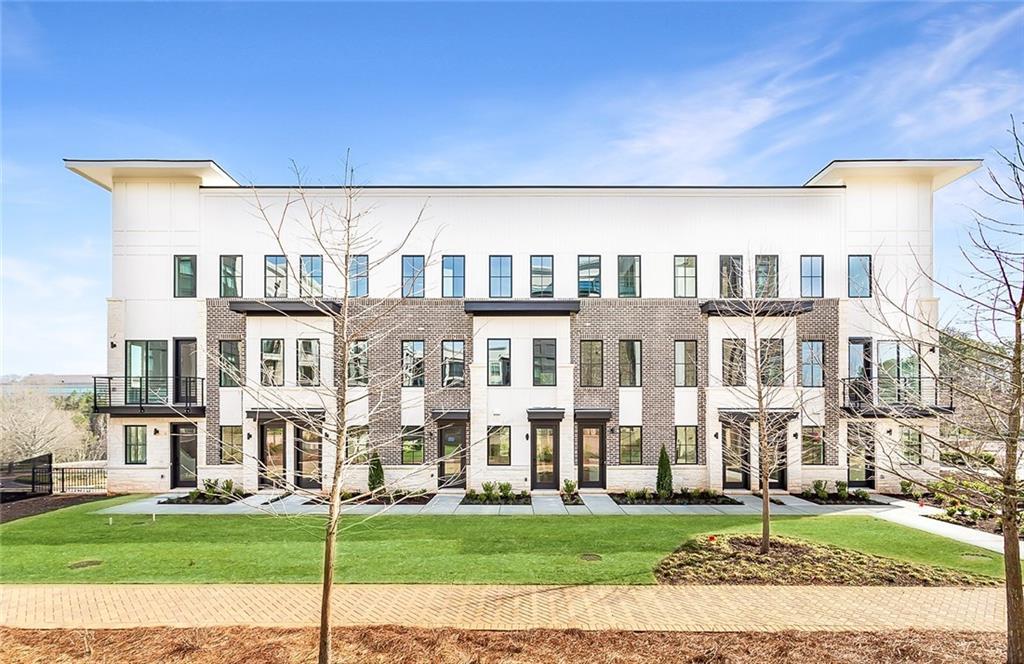
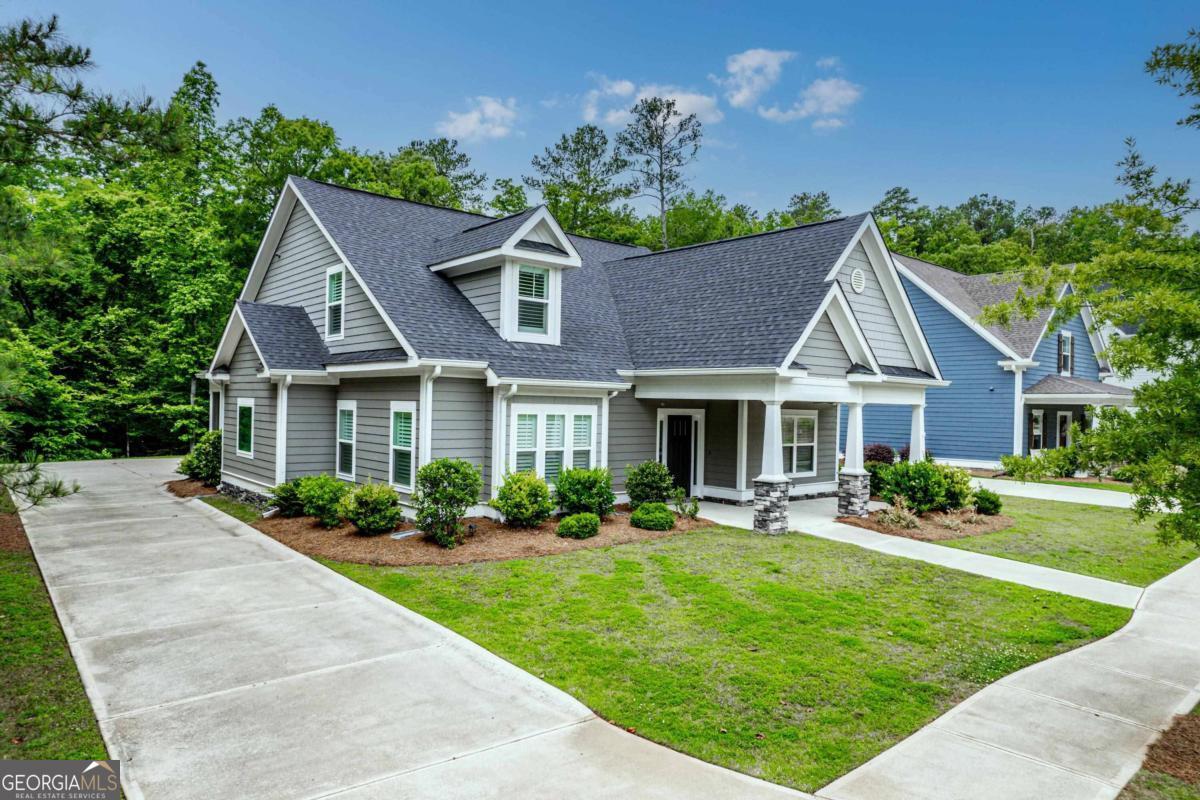
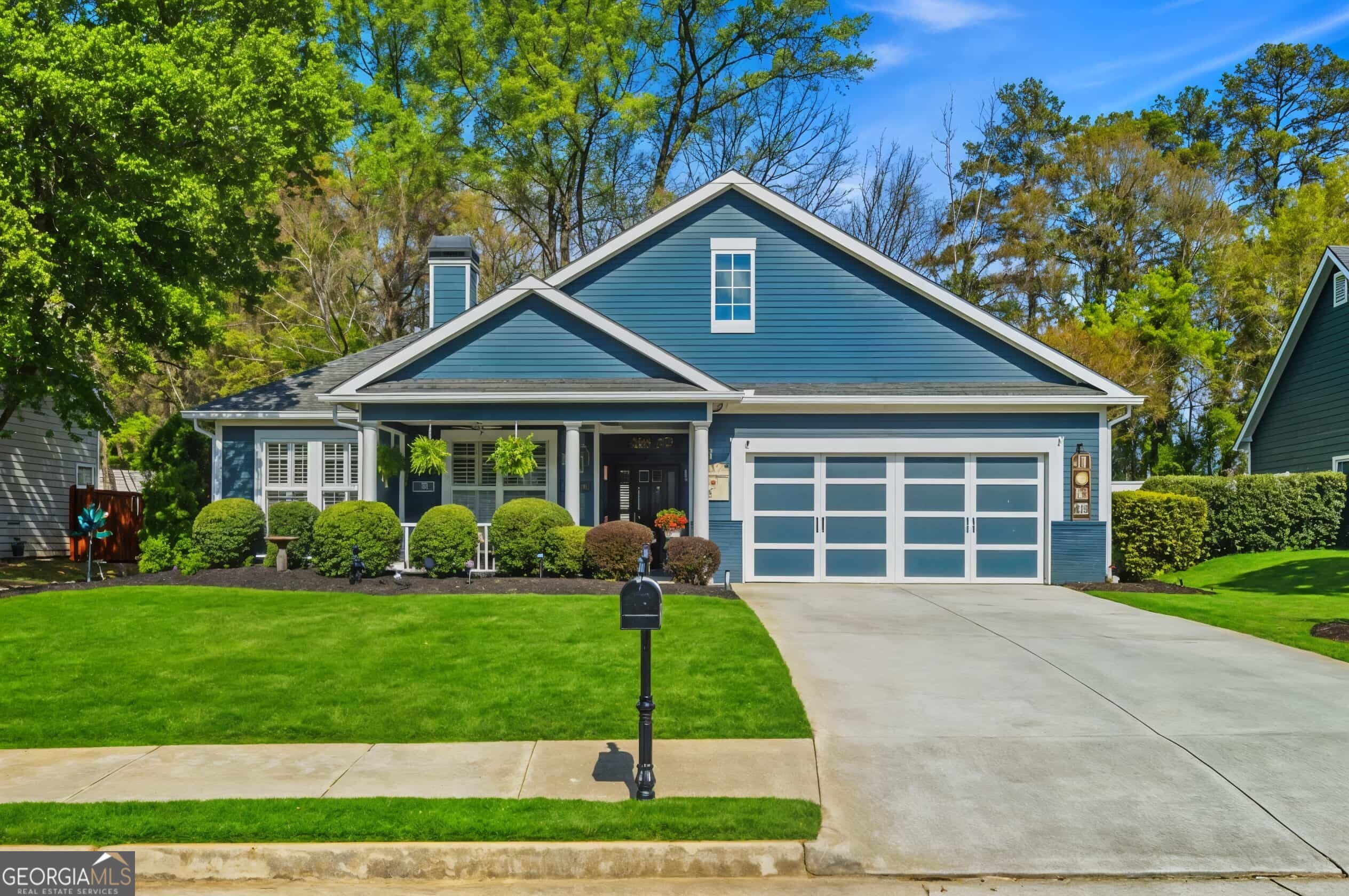
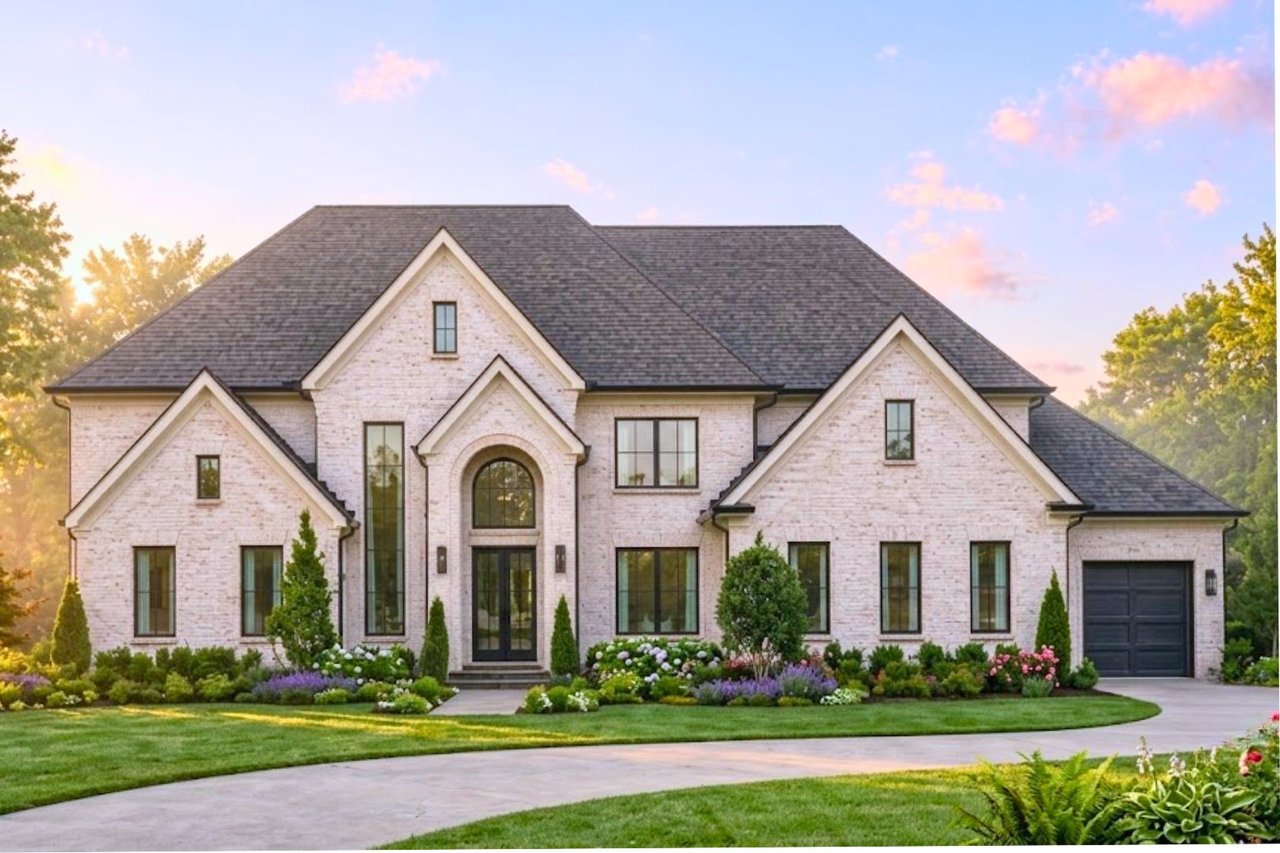
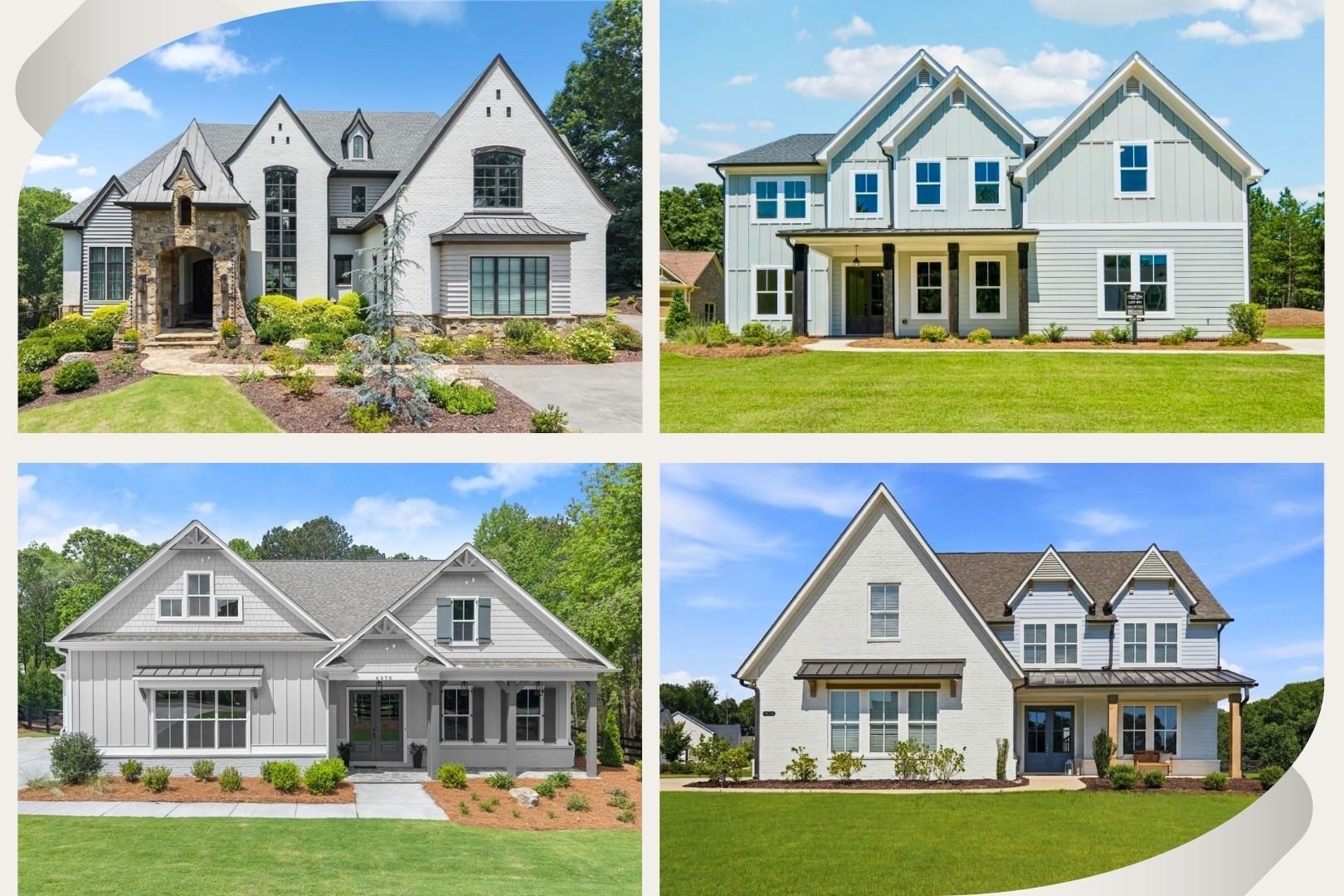
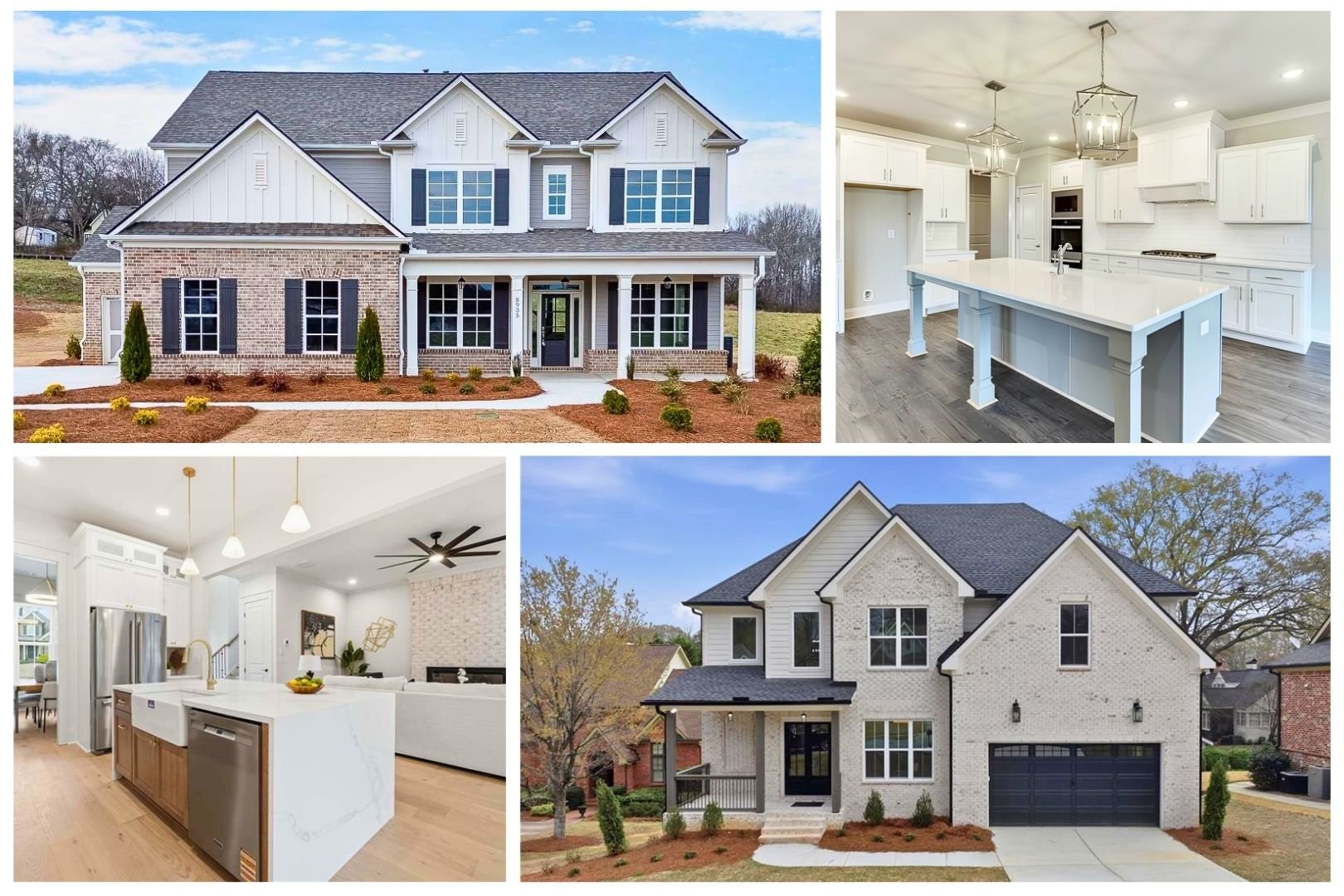
$375,000 to $500,000: Spacious, newer-construction single-family homes in master-planned communities, particularly in the highly sought-after North Gainesville and South Hall corridors.
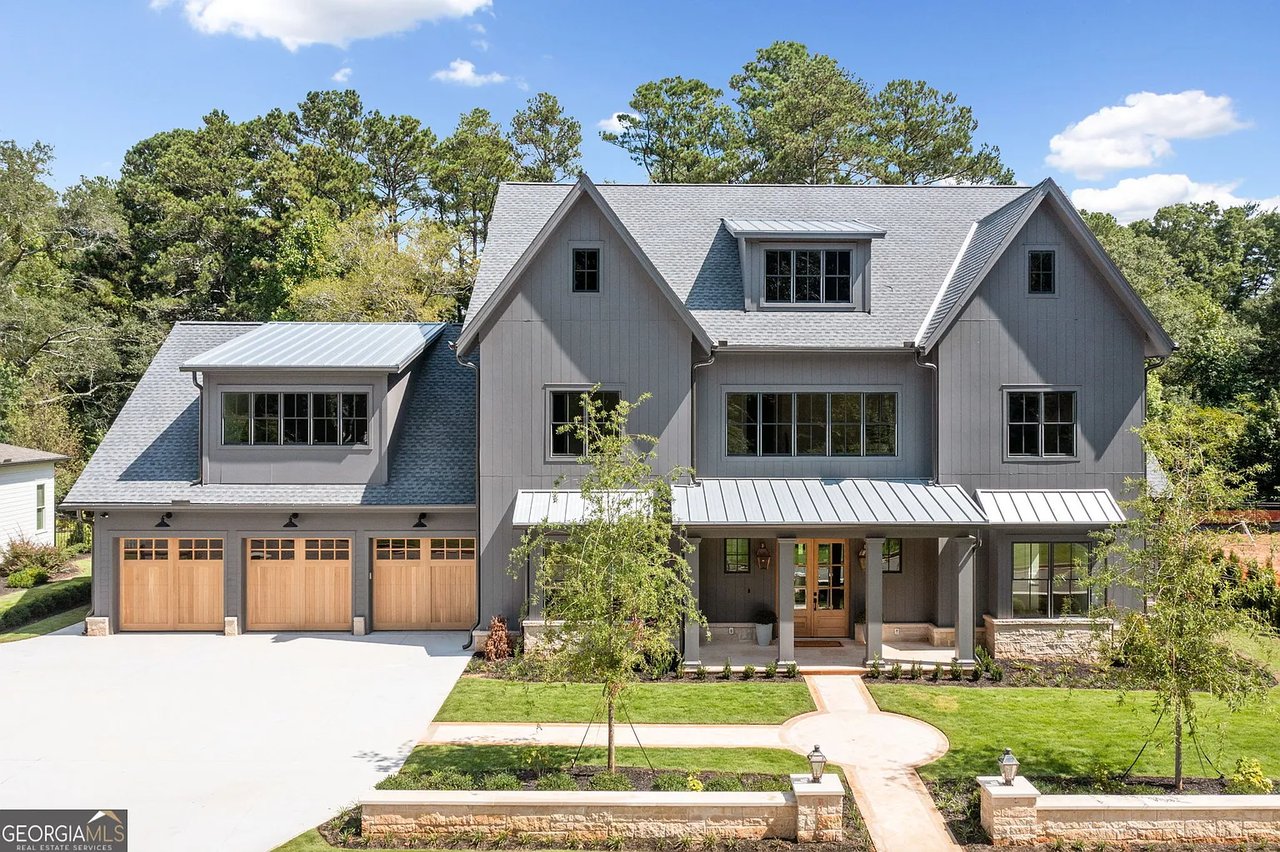
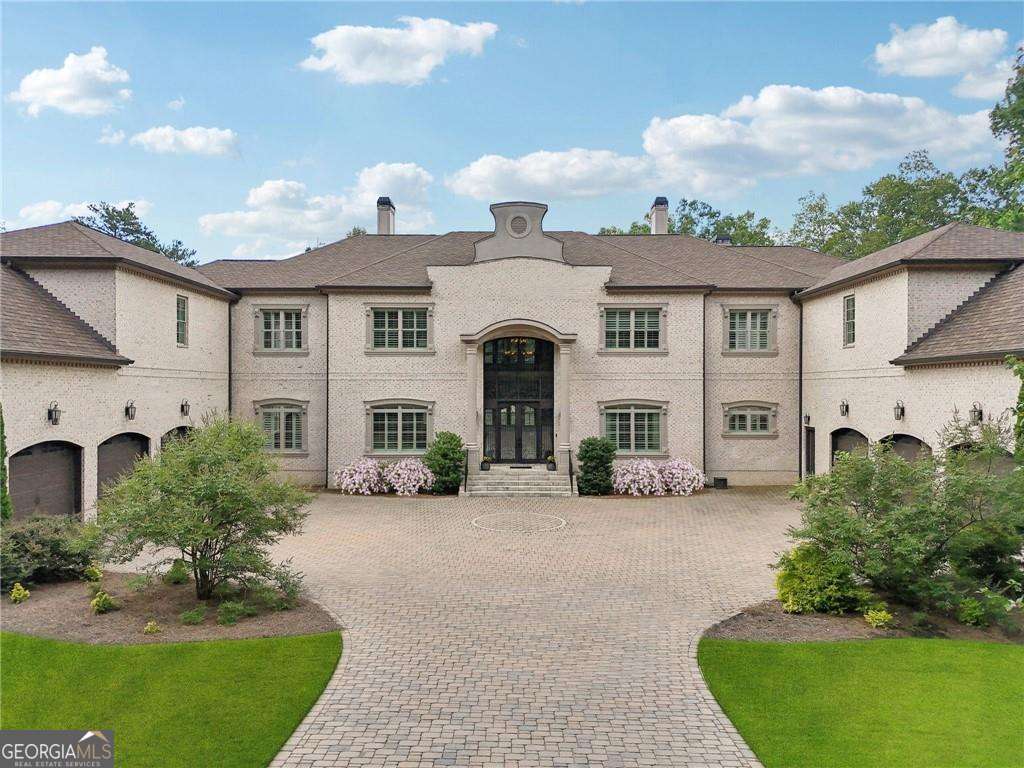
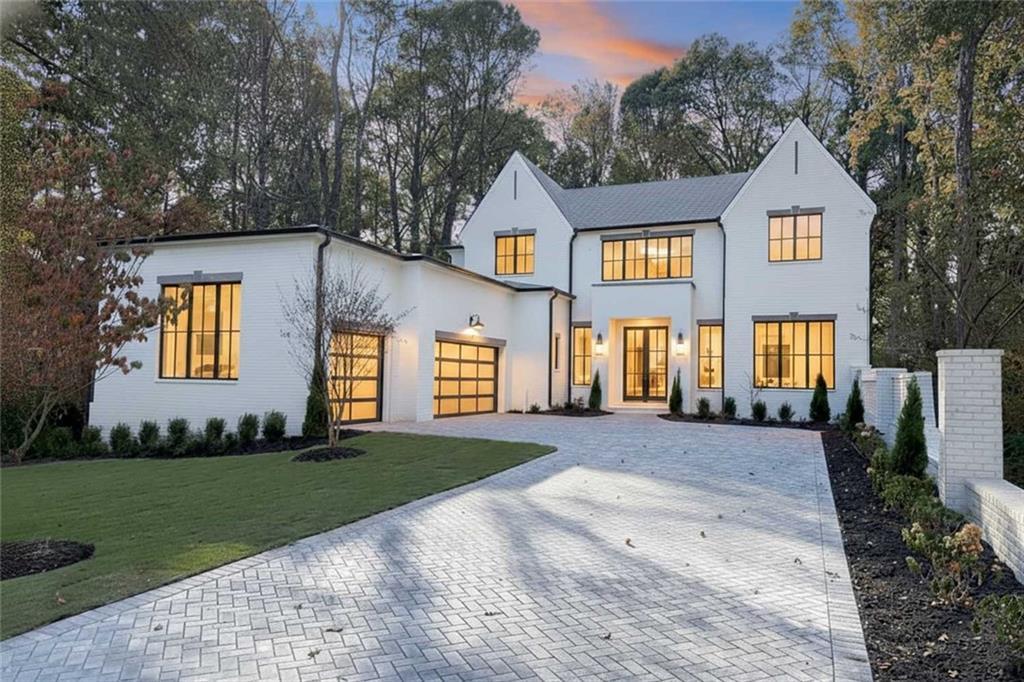
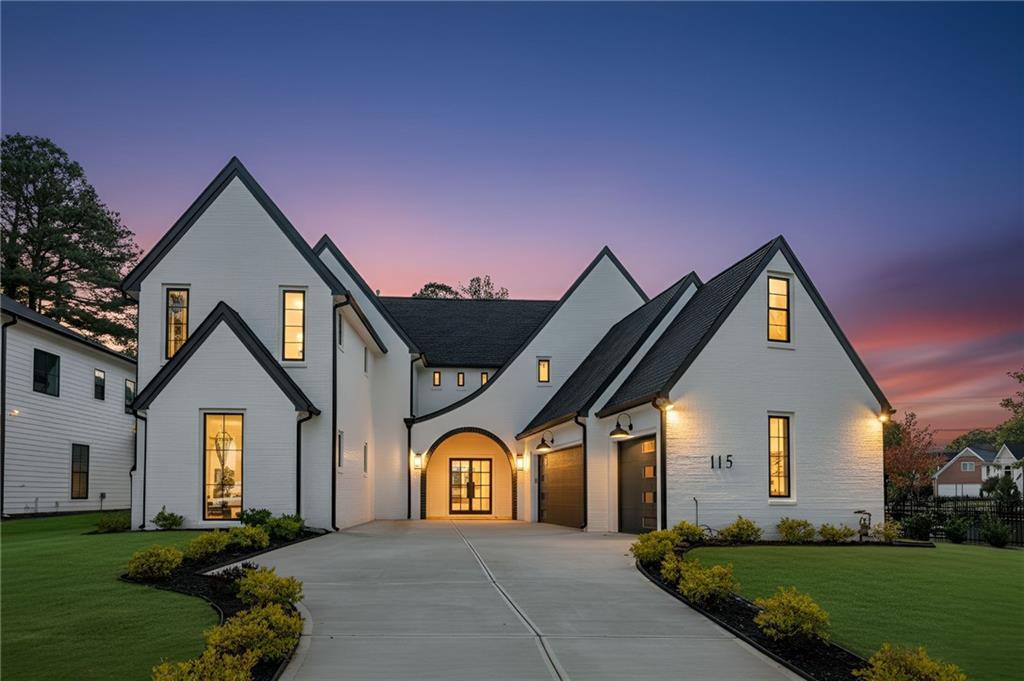
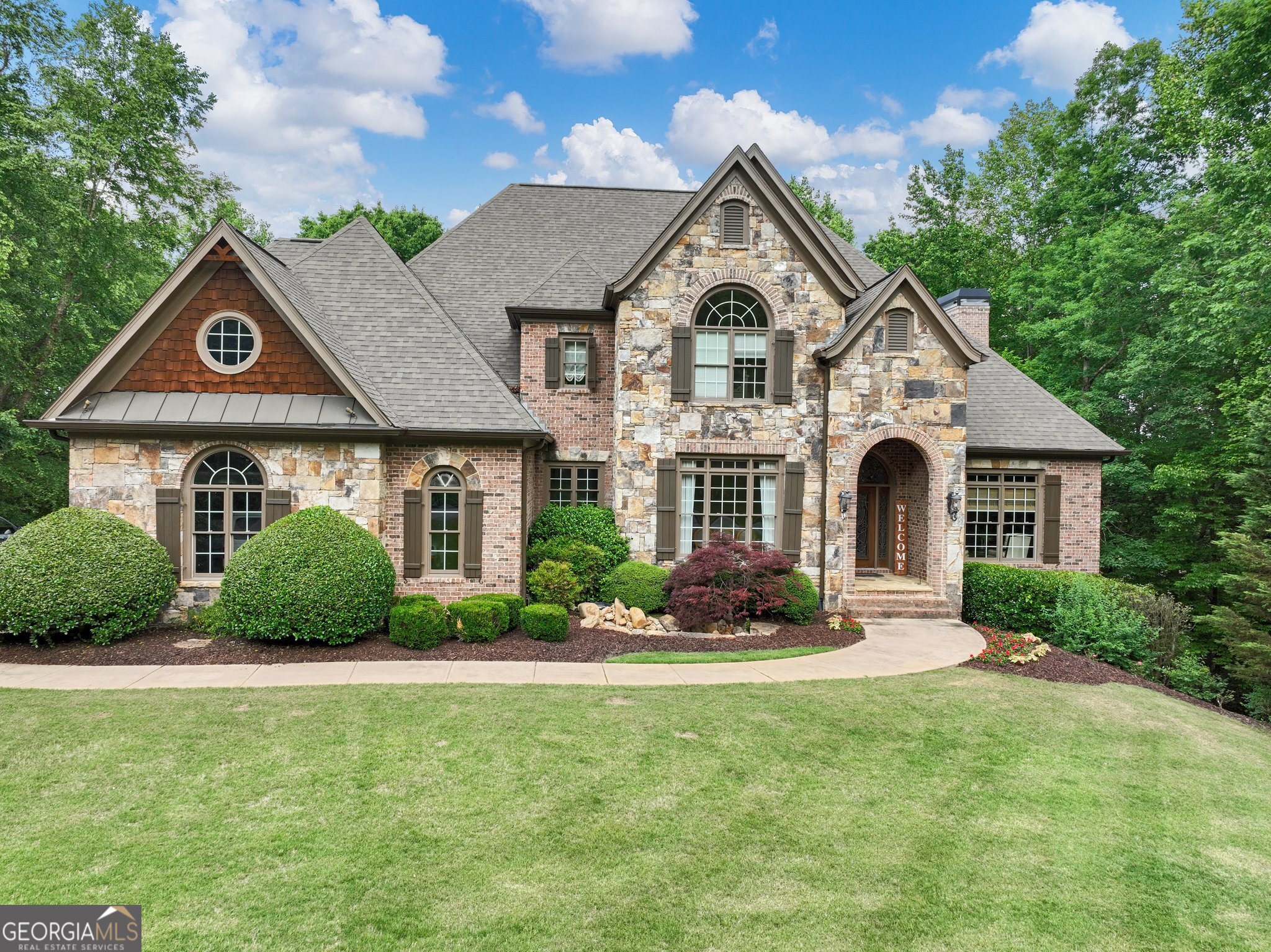
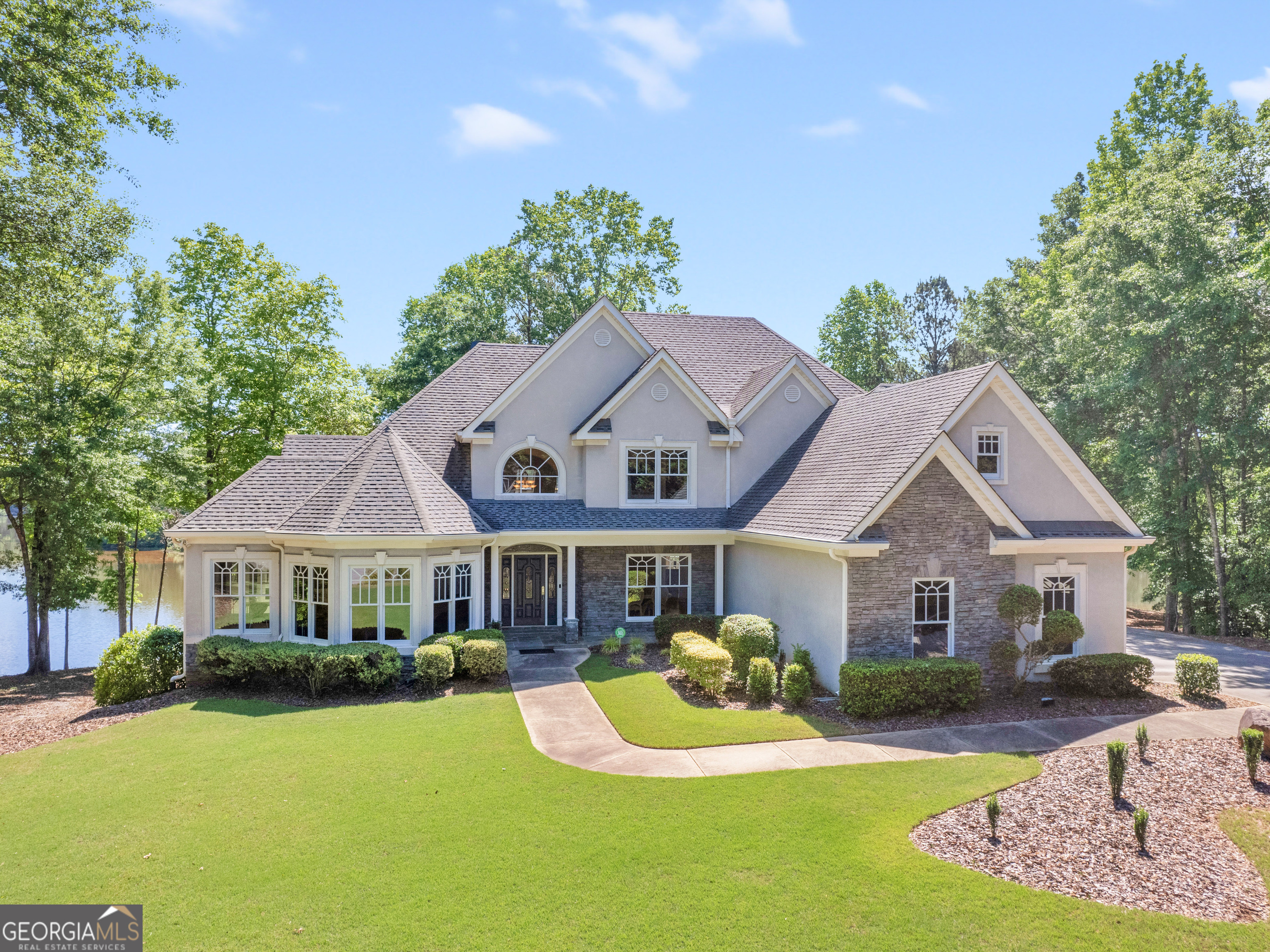
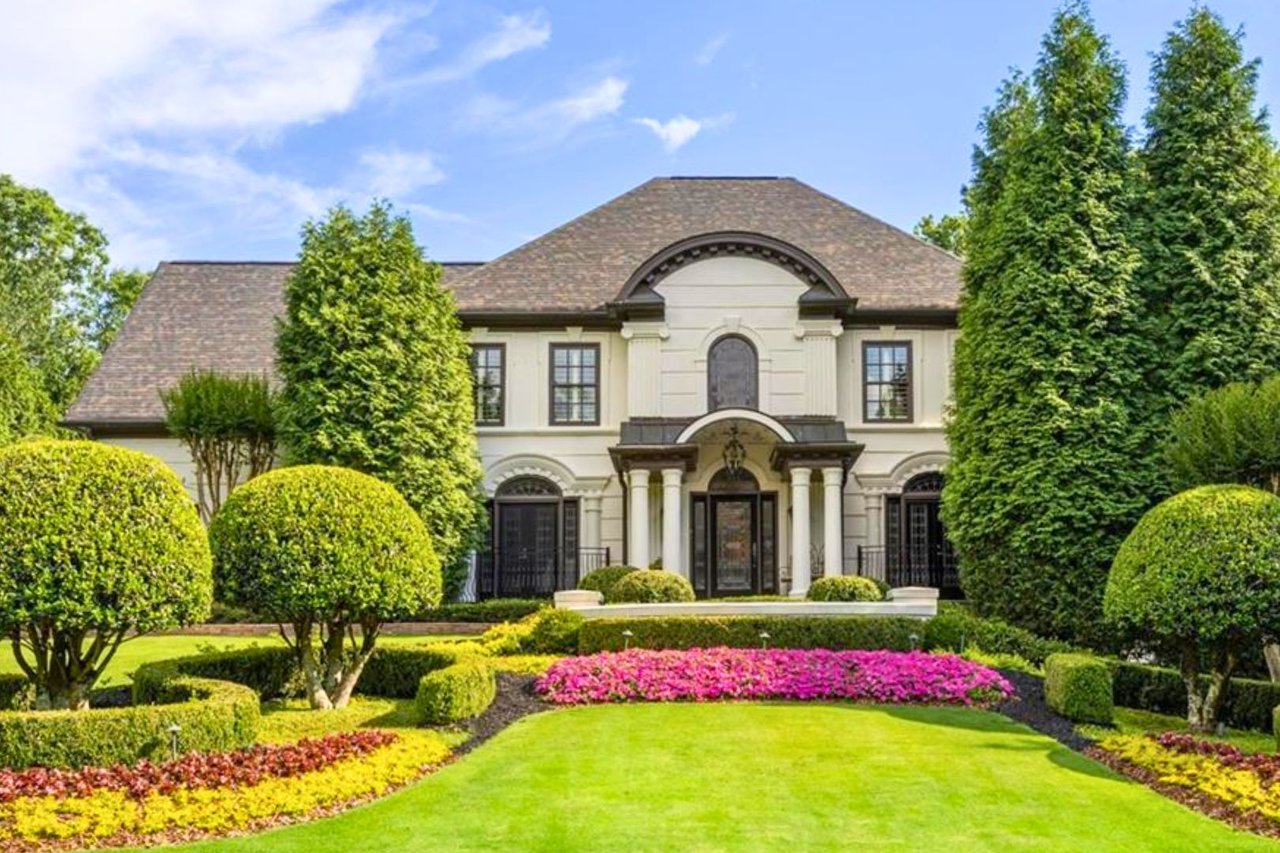
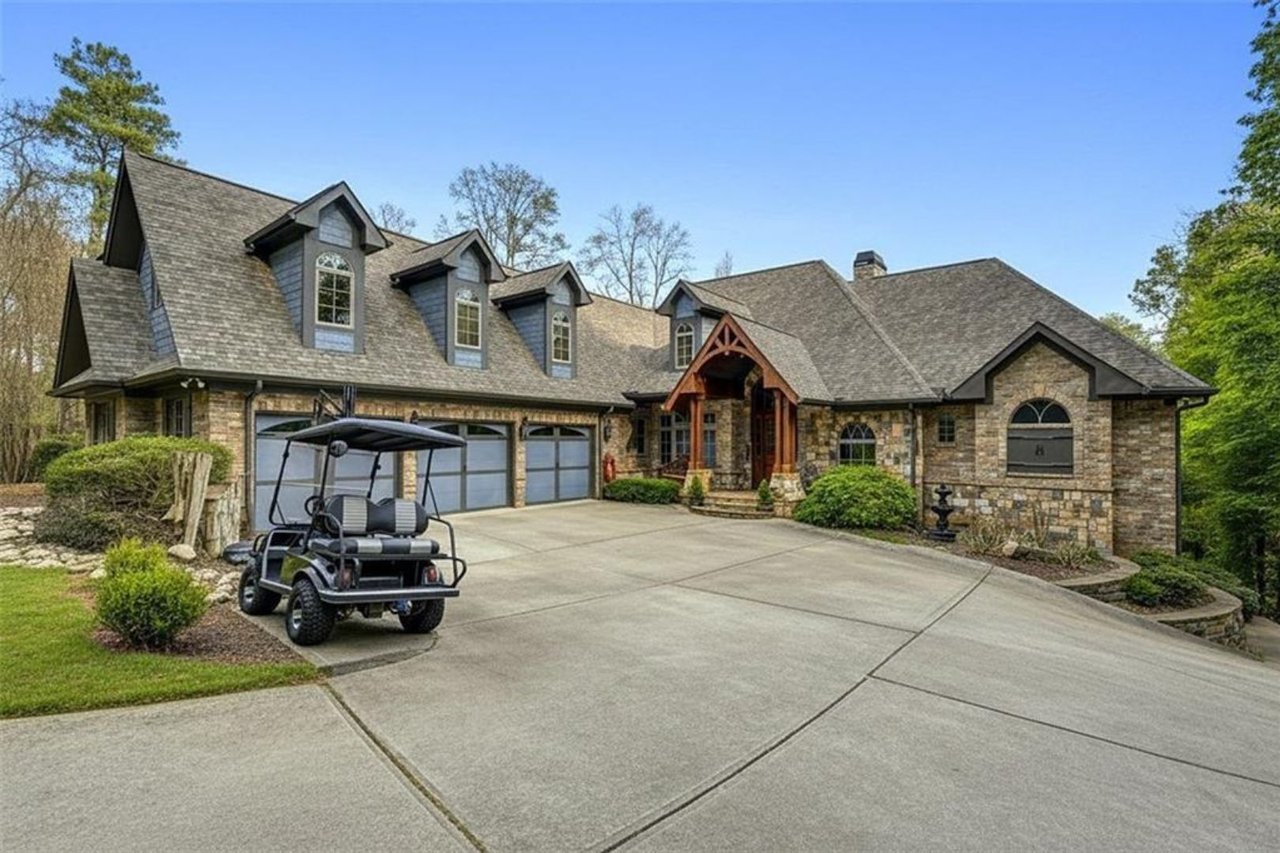
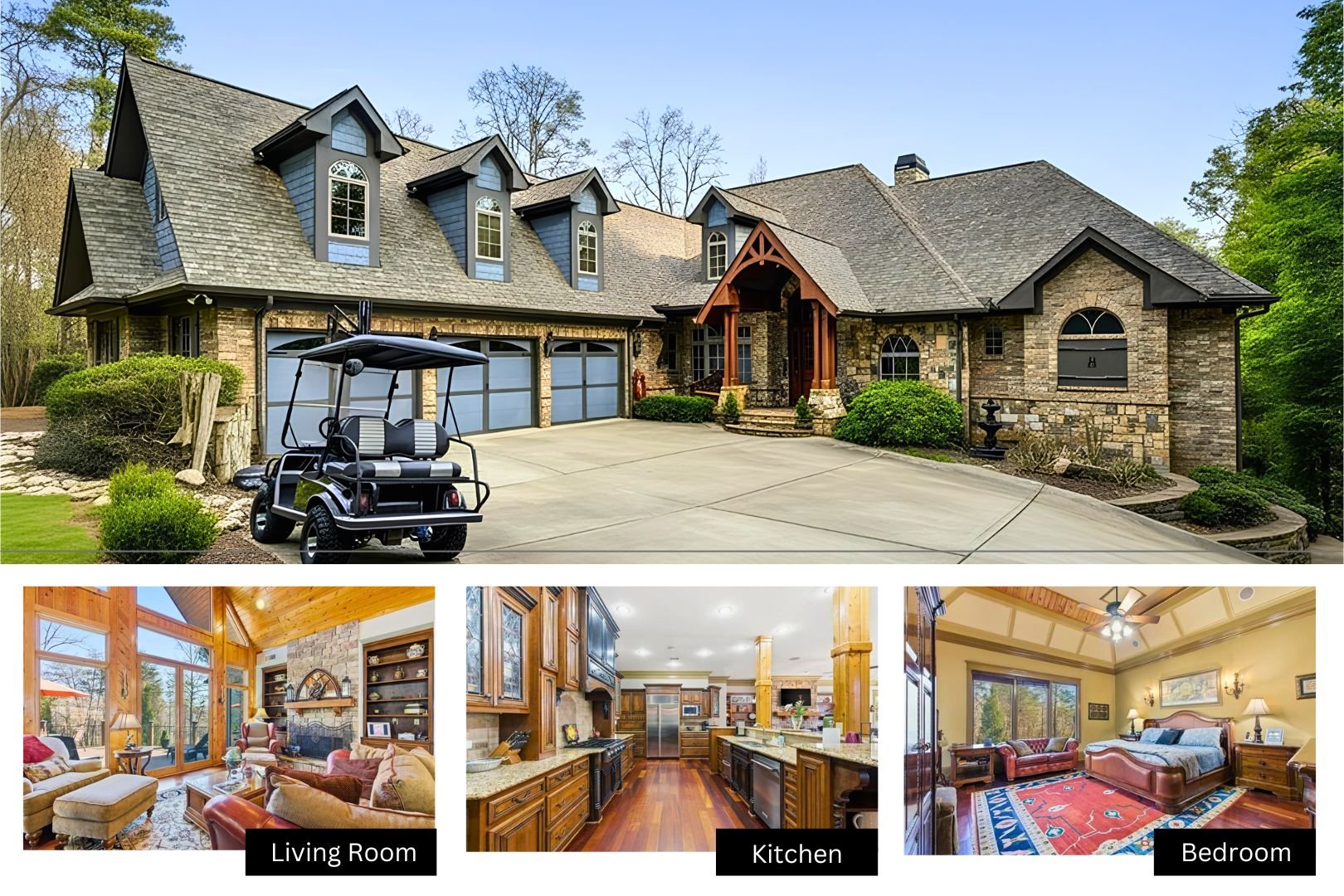
$600,000 and Up: Custom builds, estate homes with acreage, and properties situated along or near the Lake Lanier shoreline.
Hall County Sub-Market Comparison
To help you visualize the differences across the county, this table outlines key housing metrics for Gainesville and its surrounding municipalities in 2026:
Sub-Market | Median Home Price | Avg. Days on Market | Primary Housing Style |
|---|---|---|---|
Gainesville (City) | $418,835 | 60 Days | Historic, Suburban, & Lakefront |
Flowery Branch | $465,000 | 48 Days | Master-Planned & New Construction |
Oakwood | $385,000 | 52 Days | Starter Homes & Townhomes |
Clermont / North Hall | $495,000 | 65 Days | Acreage Estates & Custom Builds |
Neighborhood Spotlight: Where to Buy in Gainesville and Hall County
Gainesville and Hall County offer distinct sub-markets, each catering to different lifestyles, budgets, and long-term goals. Finding the right fit depends on your daily commute, lifestyle preferences, and housing needs.
Historic Downtown Gainesville & Green Street
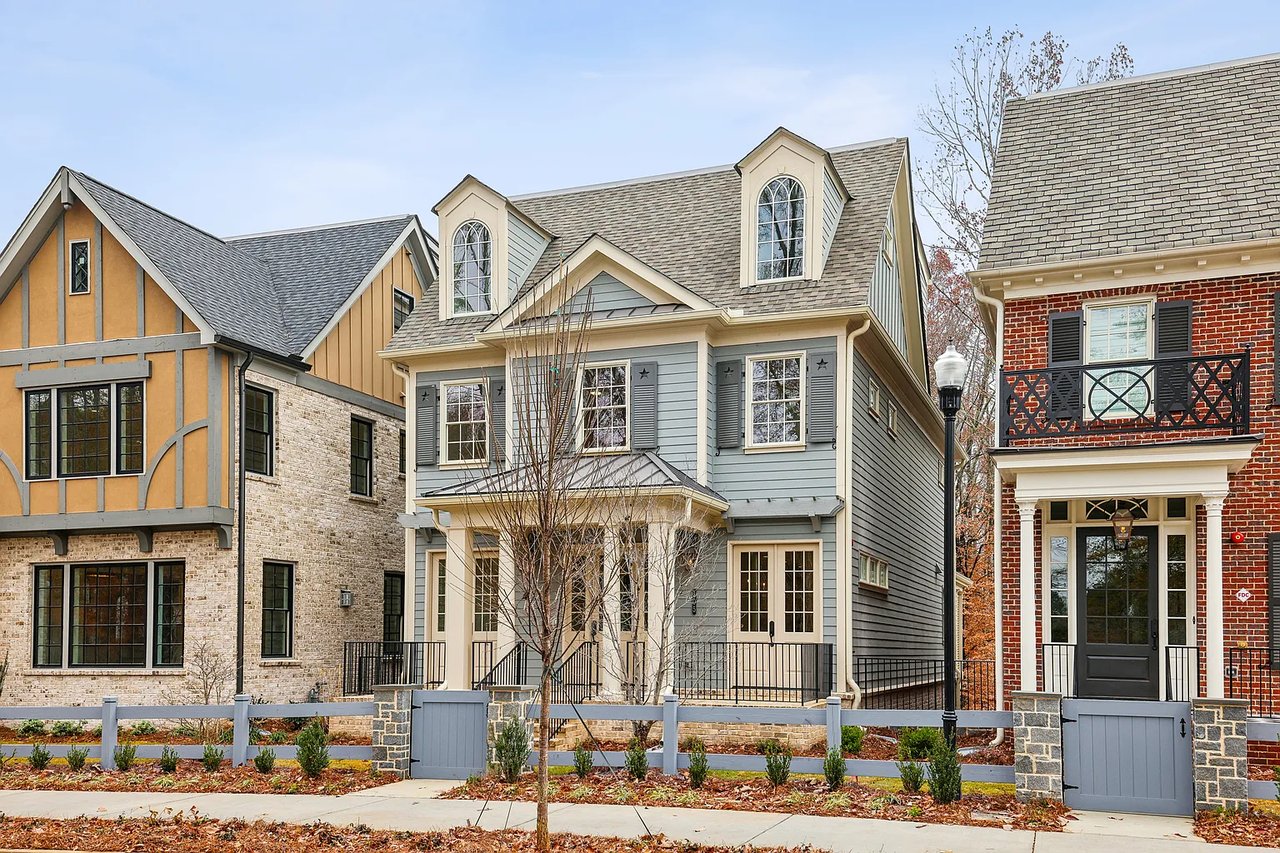
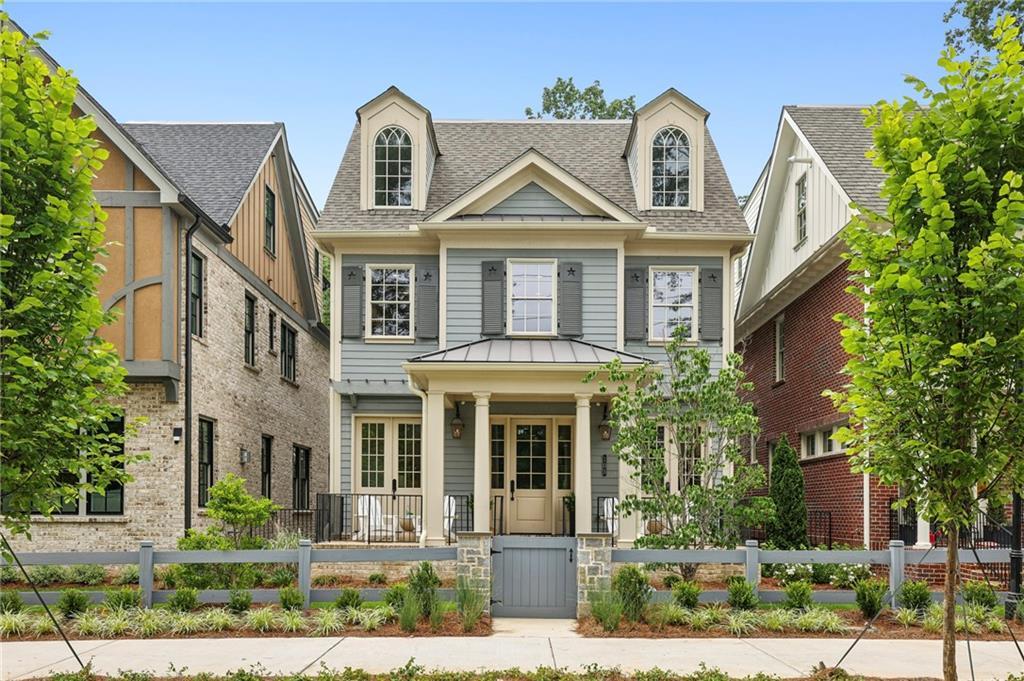
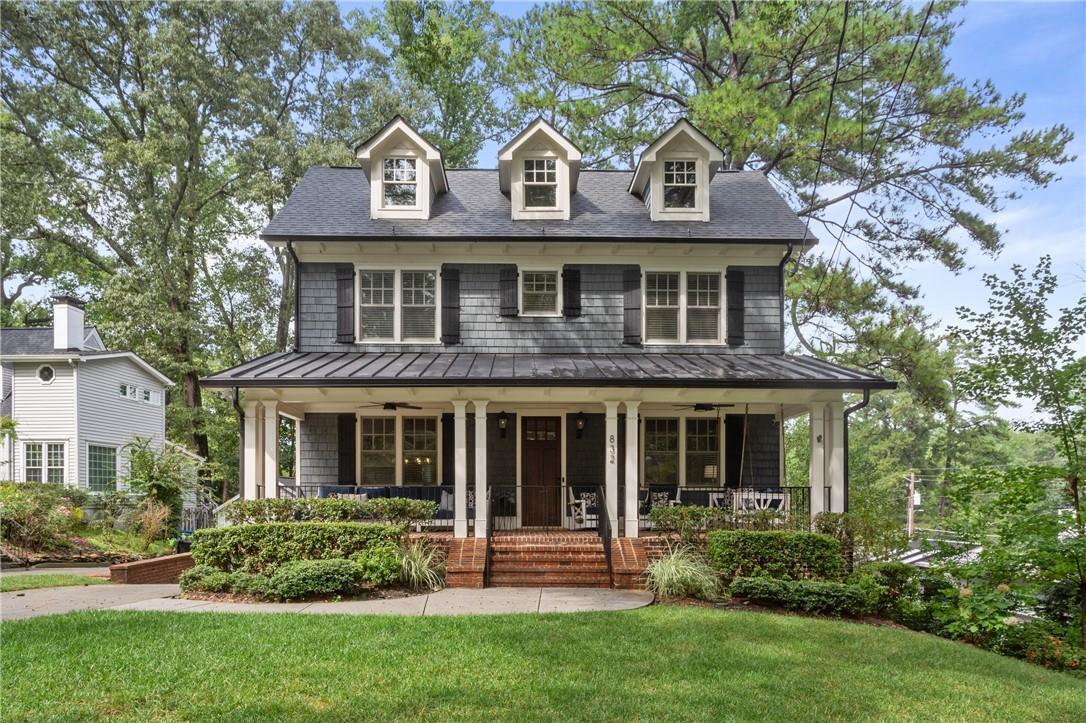
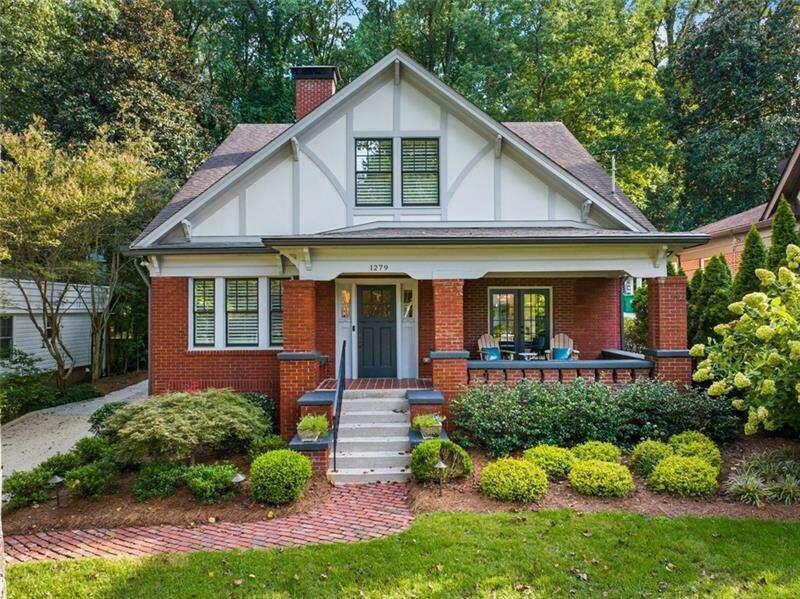
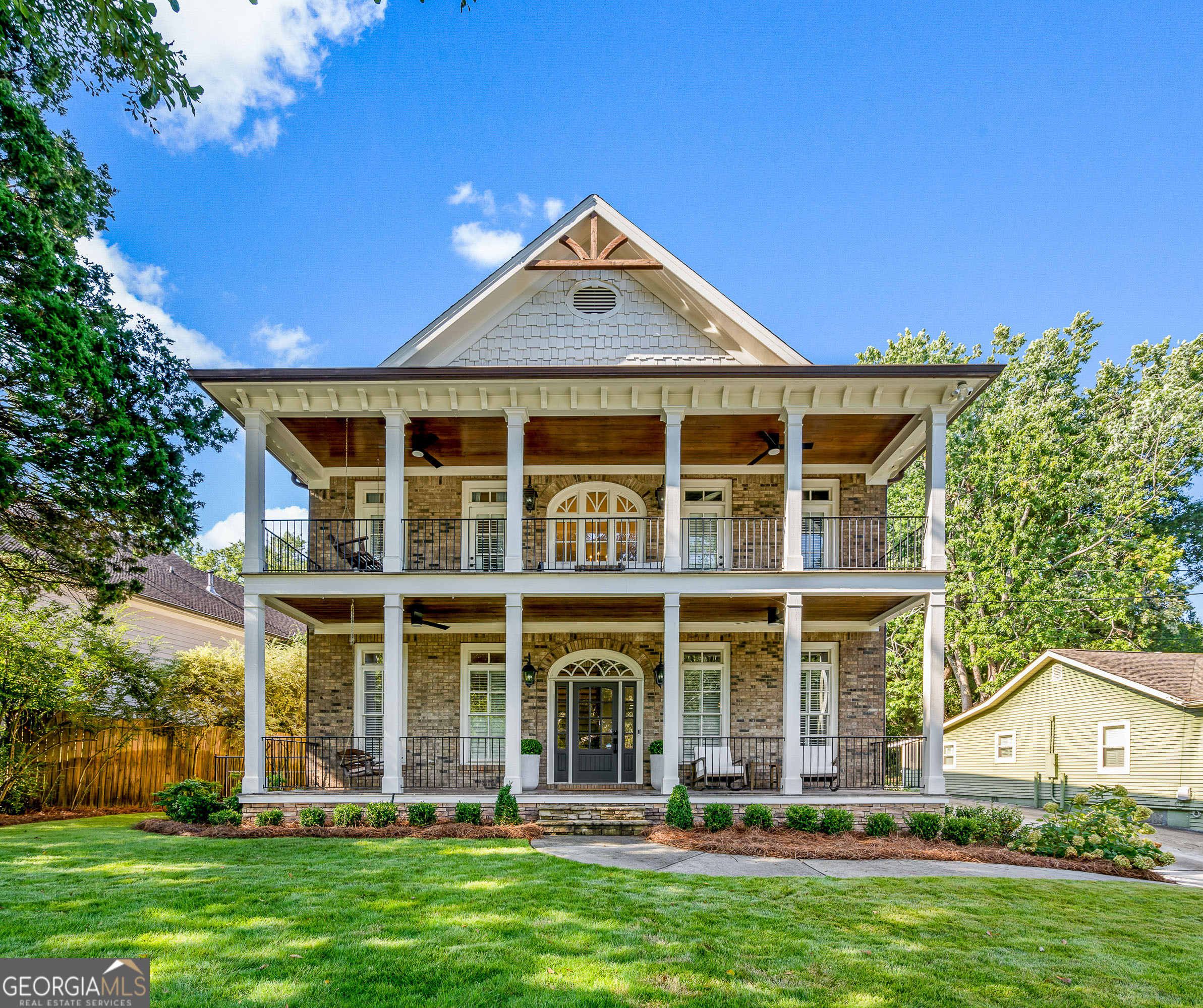
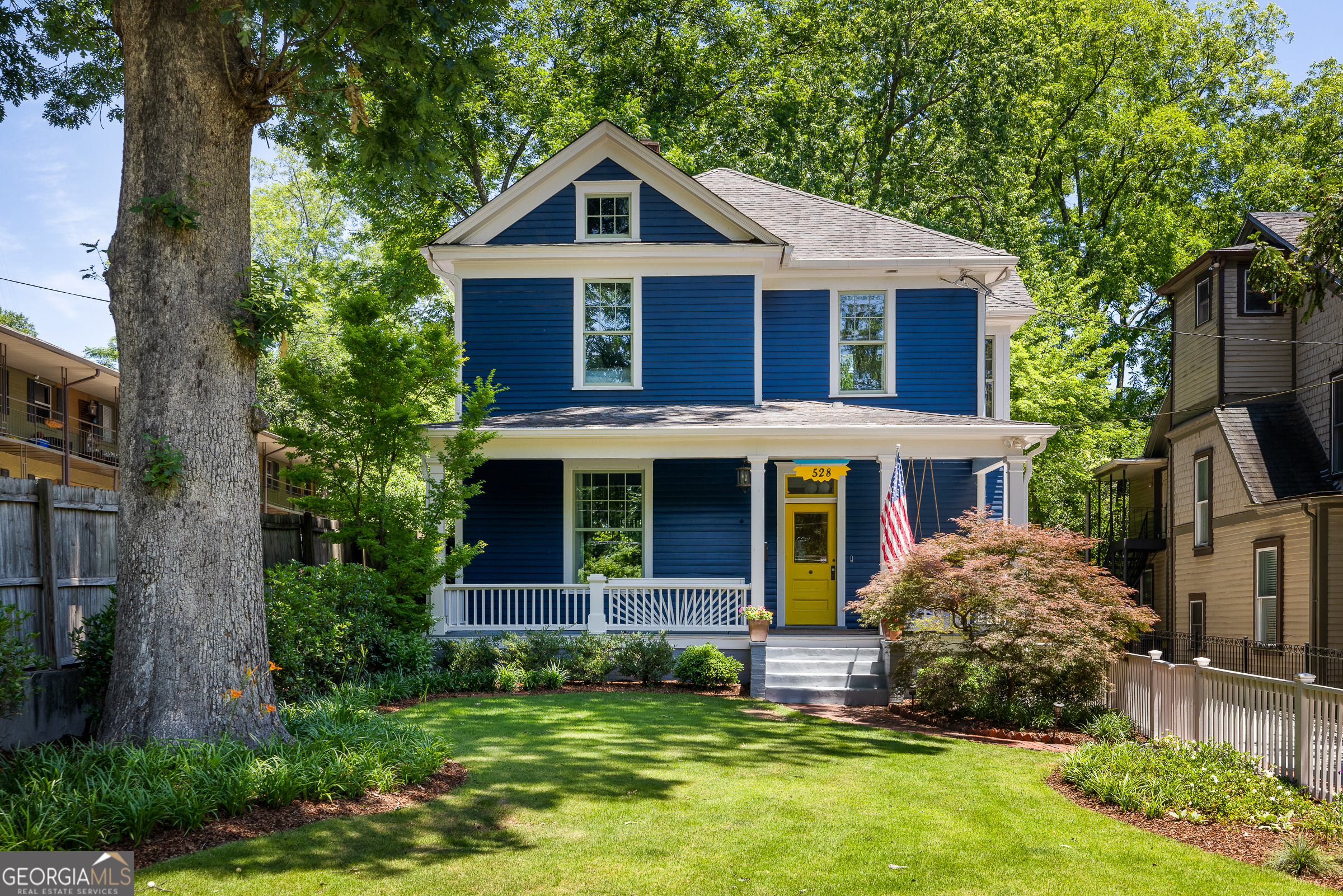
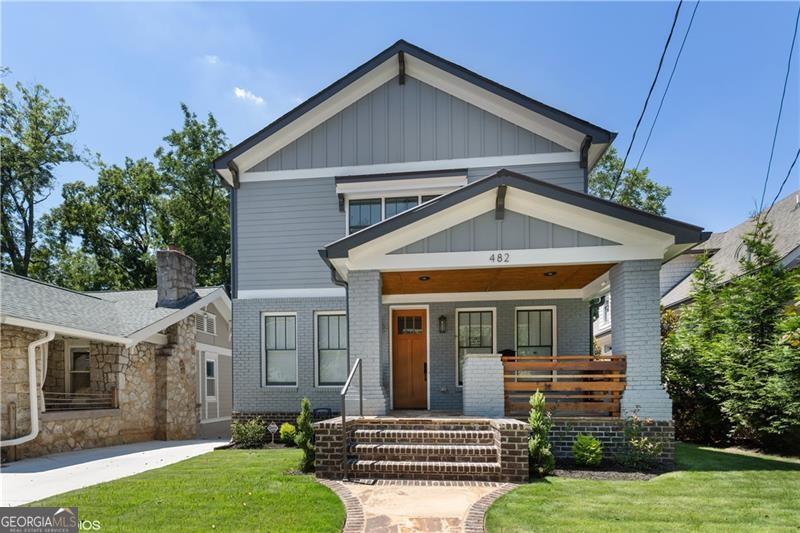
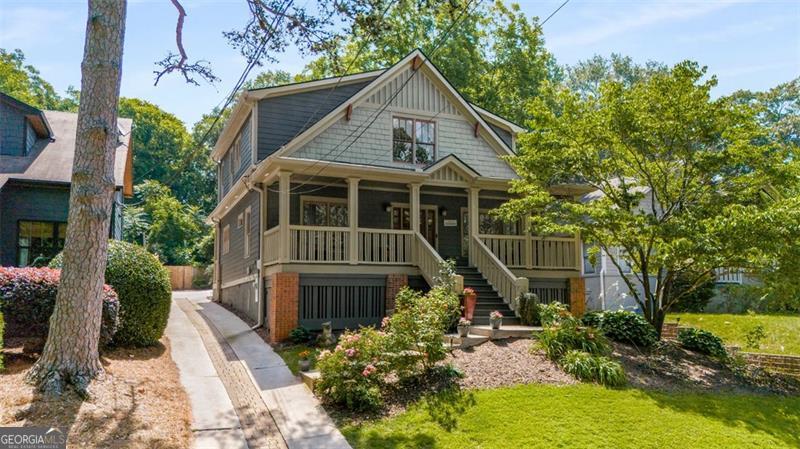
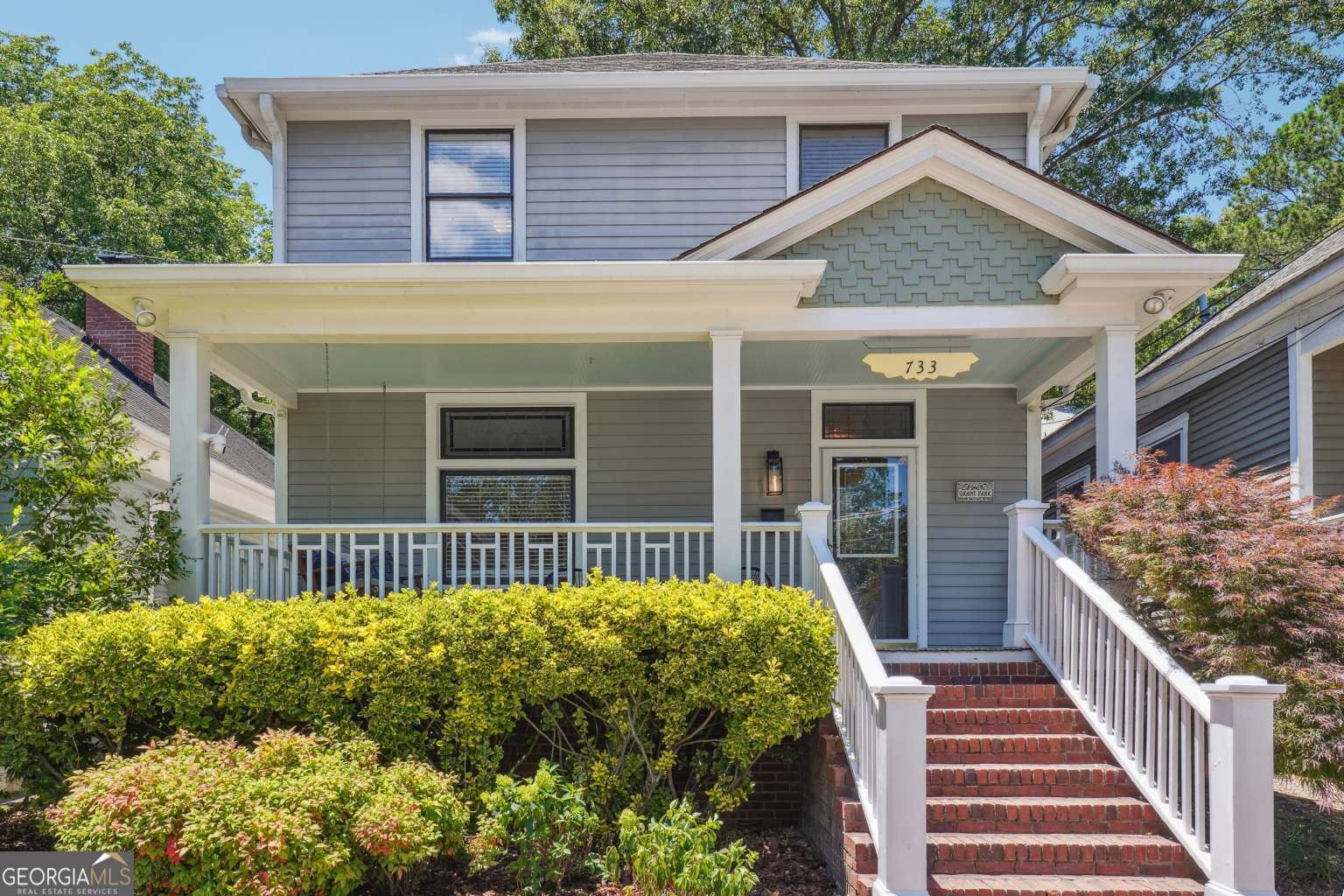
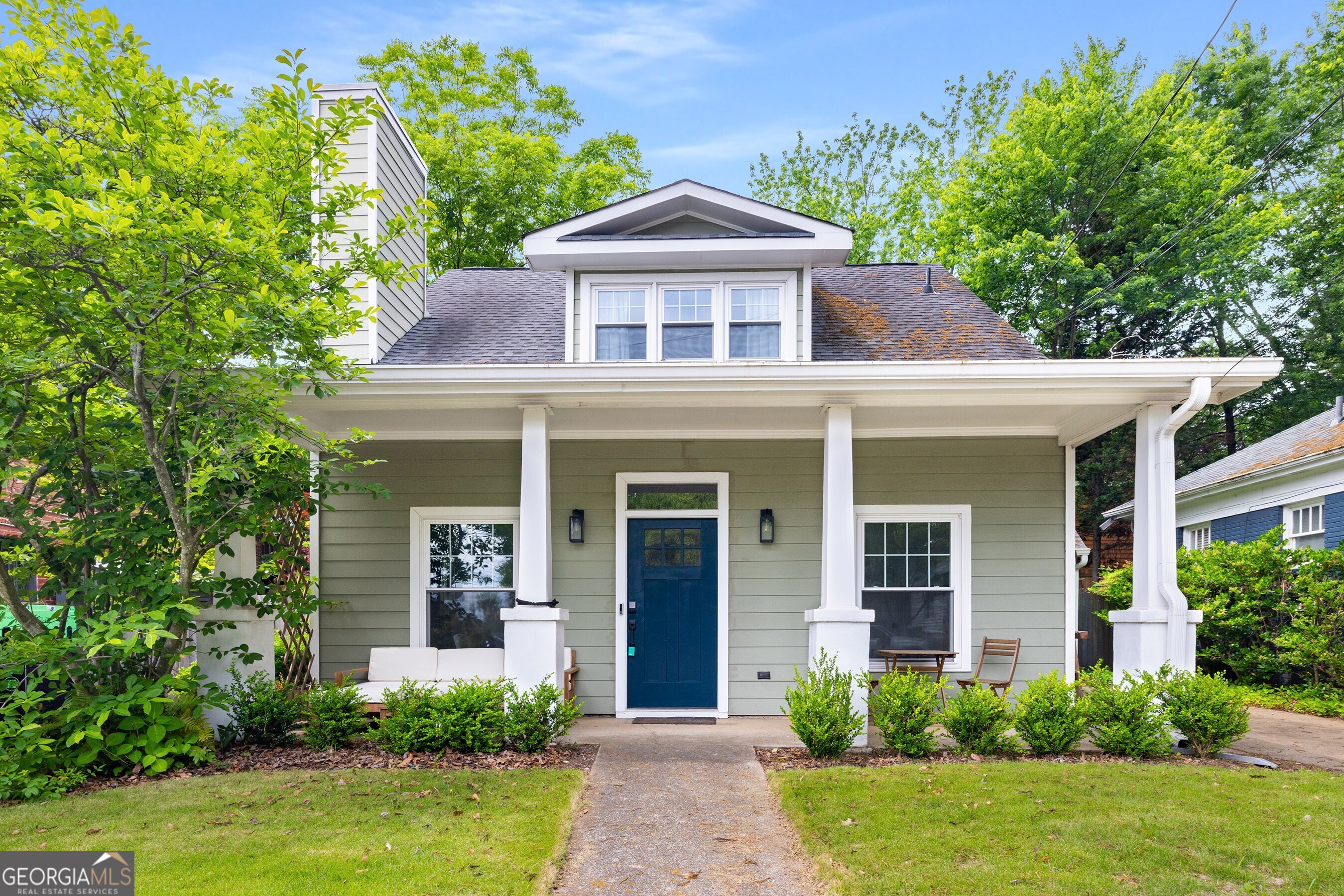
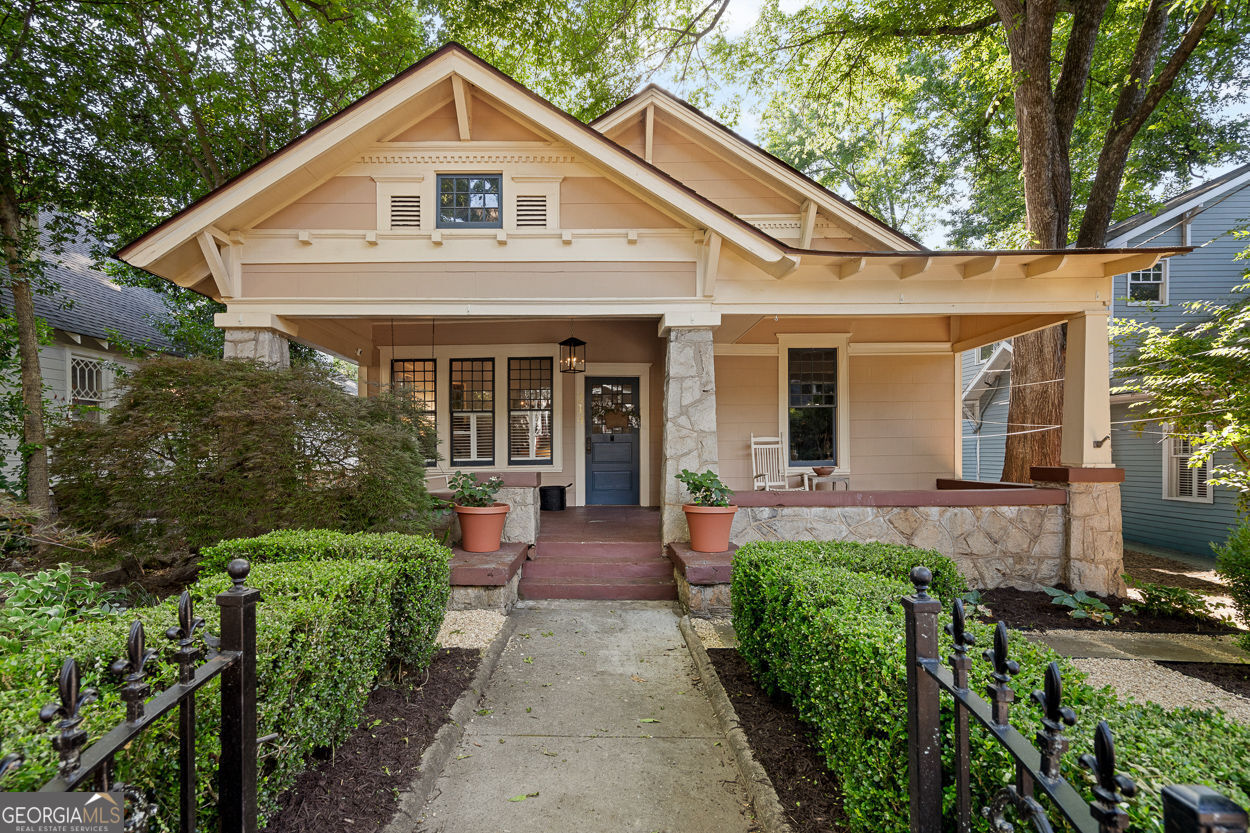
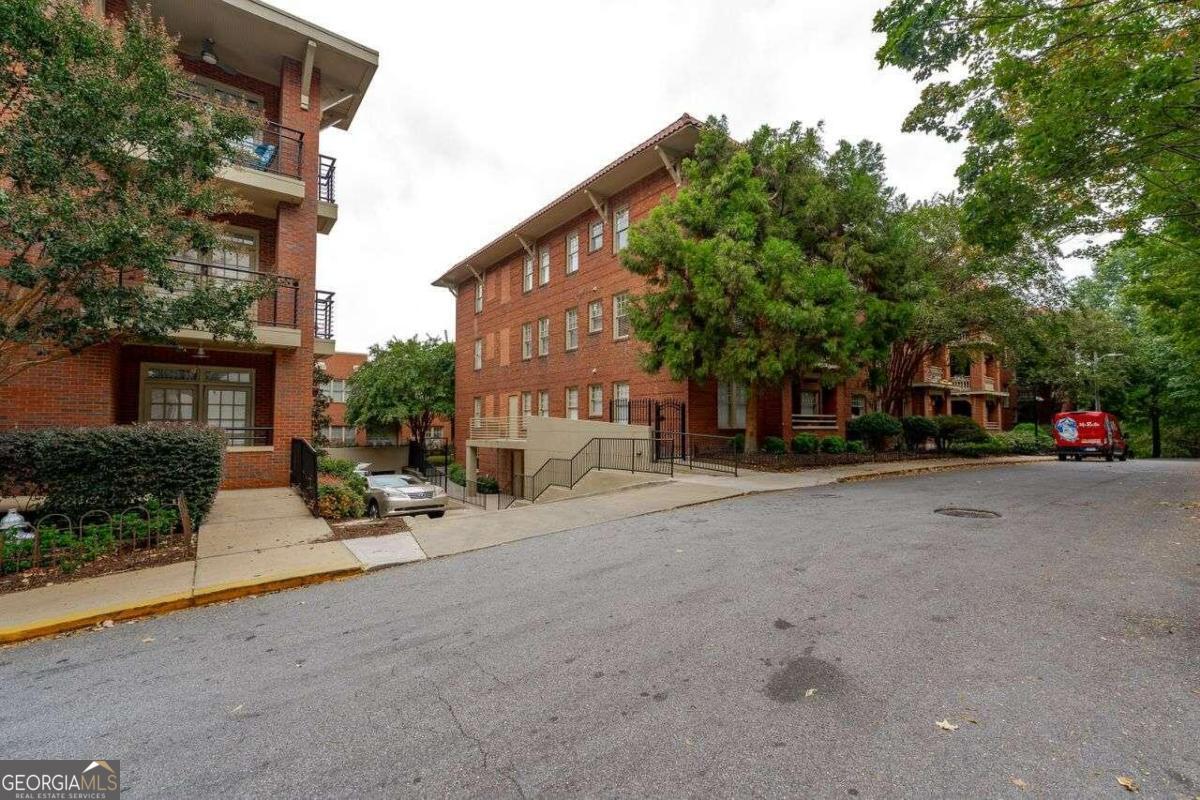
For those who value architectural character and walkability, the historic district is unmatched. Lined with beautiful Victorian and craftsman-style homes, this area offers immediate access to the Gainesville Square. Residents can easily walk to local boutiques, seasonal events, and popular dining spots like Luna's Fine Dining and CHR Steak.
Homes in this central corridor maintain highly resilient values due to their architectural uniqueness and historical significance. The tree-lined streets of Green Street provide a scenic backdrop, blending the charm of the past with the convenience of modern downtown living.
Lake Lanier Waterfront & Peninsula Communities
Stretching along the northern and western peninsulas of the lake, these neighborhoods represent the premier luxury market in the area. Buyers here pay a premium for private covered docks, deep-water access, and panoramic lake views. Properties along the water operate in their own micro-market, driven by limited shoreline availability and high demand.
Living on the lake offers a resort-like lifestyle, with easy access to boating, paddleboarding, and lakeside dining. Communities in this area range from quiet, wooded enclaves to prestigious gated developments like Marina Bay and the active-adult community of Cresswind at Lake Lanier.
Pro Tip: When buying on Lake Lanier, always verify the dock permit status with the U.S. Army Corps of Engineers. Do not assume an existing dock can be upgraded or that a vacant waterfront lot has grandfathered dock rights.
North Gainesville & Clermont Border
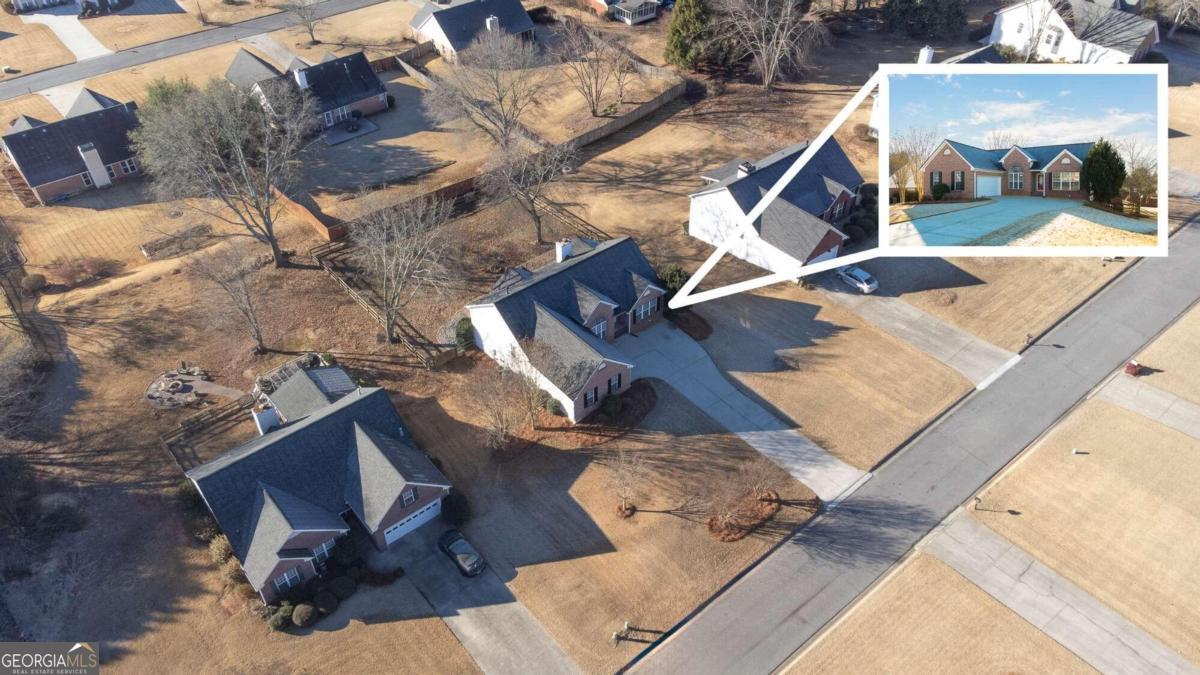
If you are looking for larger lot sizes, scenic views of the North Georgia foothills, and a quieter, more rural atmosphere, North Hall is ideal. This region offers a peaceful, country feel while remaining a convenient 15-minute drive from the medical and retail centers of downtown Gainesville.
Many neighborhoods in North Gainesville feature custom-built homes on acreage, providing plenty of privacy and space. It is an excellent option for buyers who want to enjoy the natural beauty of the North Georgia landscape without sacrificing suburban conveniences.
South Hall (Flowery Branch & Oakwood Borders)
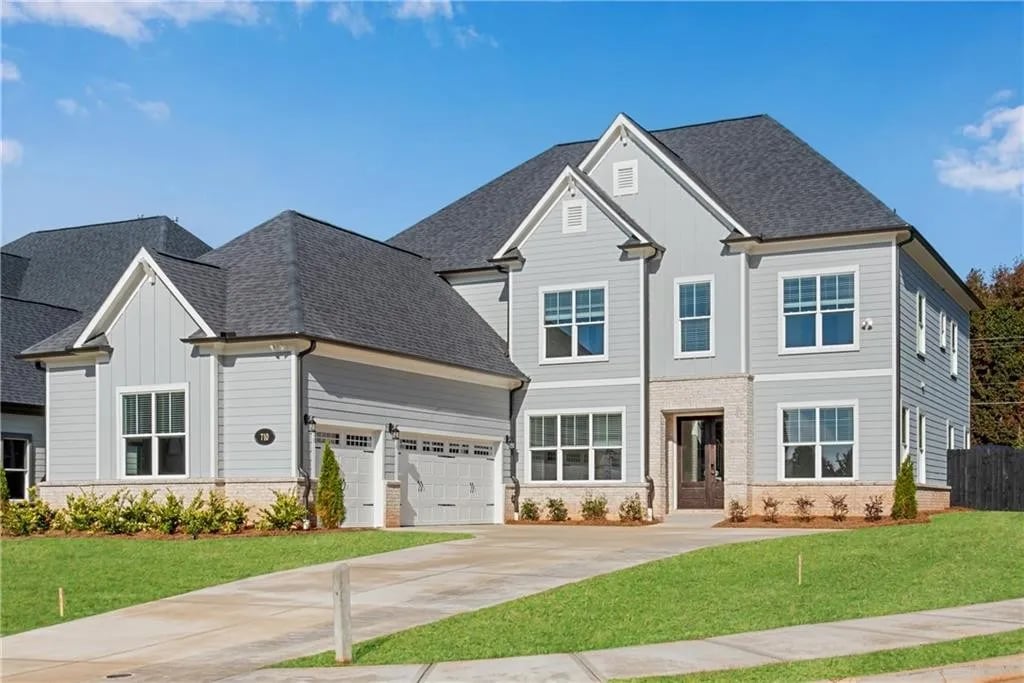
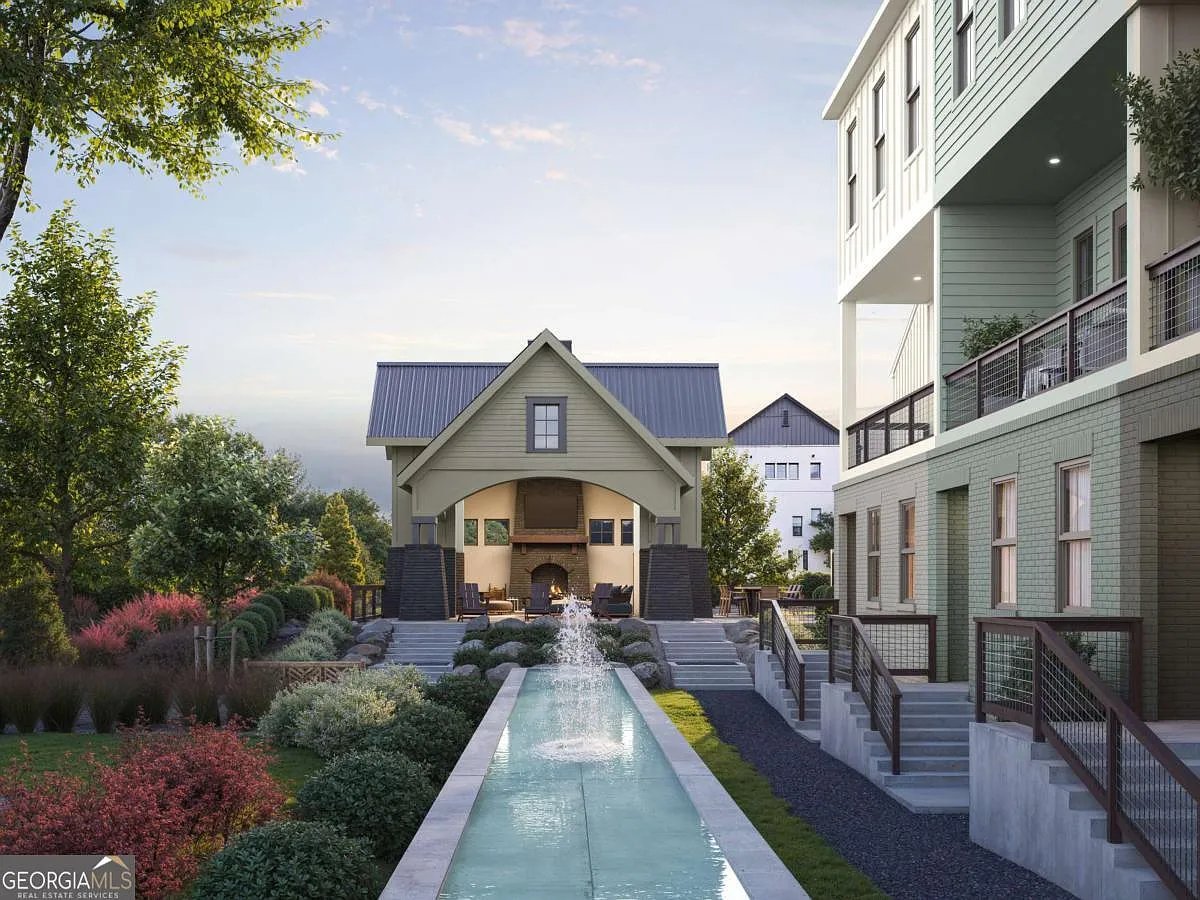
As the fastest-growing corridor in the county, South Hall is highly popular with commuters due to its immediate access to Interstate 985. This area is characterized by modern, master-planned subdivisions, excellent neighborhood amenities, and abundant new construction options.
Communities like Oakwood and Flowery Branch offer a seamless blend of suburban convenience and community-focused living. With plenty of shopping centers, local parks, and new dining options like NoFo Brew Co, South Hall continues to attract young professionals and growing families.
Educational Landscape and Community Infrastructure

A major component of Gainesville’s appeal for families and retirees alike is the high quality of local public infrastructure, educational resources, and recreational facilities.
School Districts Serving Gainesville and Hall County
The area is served by two distinct public school systems, both focusing on specialized pathways to prepare students for the future:
Gainesville City School System: Headquartered in the city, this system serves over 8,250 students with more than 1,000 employees. It operates 6 elementary schools, 2 middle schools, 1 traditional high school (Gainesville High), and 1 non-traditional high school. The district is known for its advanced charter programs and community-focused approach.
Hall County School District: A massive county-wide system educating nearly 26,000 students and employing 1,843 certified staff members. It operates 20 elementary schools, 6 middle schools, 6 high schools, and 1 evening/alternative high school. The district is highly regarded for its "Programs of Choice," which include specialized STEM, STEAM, and dual-language immersion programs.
Higher Education and Parks
Gainesville is a regional hub for higher education, hosting Brenau University, a historic private institution near the downtown square. Additionally, the University of North Georgia’s Gainesville campus in nearby Oakwood serves thousands of students, contributing to the area's forward-thinking community.
The community’s commitment to quality of life is evident in its exceptional parks. Residents enjoy the world-class Atlanta Botanical Garden (Gainesville location), which features beautiful woodland trails and outdoor exhibits.
Other local favorites include the scenic walking paths of Wilshire Trails and the Elachee Nature Science Center, which provides direct access to the pristine Chicopee Woods Nature Preserve.
Strategic Buying Advice for Navigating the 2026 Gainesville Market
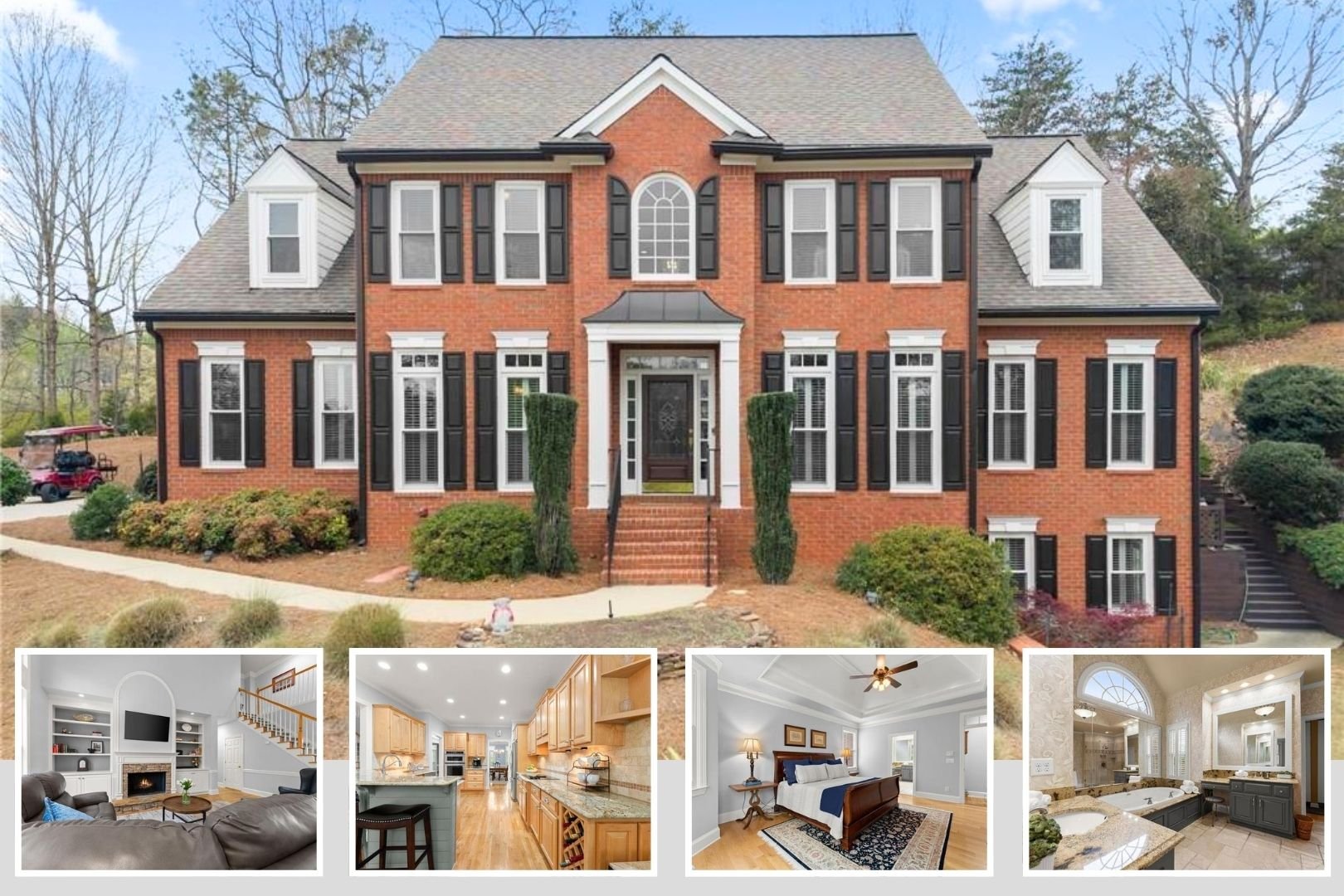
Navigating a growing market like Hall County requires a clear strategy. Whether you are looking for a suburban home or a lakeside retreat, keeping a few key principles in mind will help you secure the right property.
Managing Competition and Inventory Shortages
With days on market averaging 60 days, well-priced homes in desirable neighborhoods still sell quickly. To stand out in a competitive environment, buyers should get fully pre-approved with a local lender before beginning their search. Having your financial paperwork in order shows sellers that you are a serious and prepared buyer.
If you are looking to purchase a property near Lake Lanier, it is essential to work with an agent who understands the U.S. Army Corps of Engineers guidelines. Rules regarding dock permits, shoreline buffer lines, and maximum dock sizes can significantly impact a property's value and usability. Understanding these nuances before making an offer will protect your investment.
Pro Tip: Homeowners in Hall County who are 62 or older may qualify for significant school tax exemptions. This local tax benefit saves retirees thousands of dollars annually and makes the area one of the most tax-friendly regions in Georgia.
Timing Your Move: Should You Buy Now or Wait?
Waiting for prices to drop significantly may not be a winning strategy in Hall County. The Gainesville Metropolitan Statistical Area (MSA) population reached 226,568, representing a substantial 25.8% long-term increase from 180,070 in 2010.
This steady population growth ensures a consistent demand for housing that is expected to keep home values stable.
Additionally, Hall County offers a significant local property tax advantage. Georgia's average effective property tax rate is 0.83% of market value, which is well below the national average. Local millage rollbacks help keep average annual property tax bills highly manageable, making homeownership in Hall County an excellent long-term financial decision.
Frequently Asked Questions About Gainesville, GA Real Estate
What is driving the population growth in Gainesville and Hall County?
Growth is fueled by a combination of strong local employment, led by the Northeast Georgia Health System, a diverse manufacturing sector, and the recreational draw of Lake Lanier. Additionally, the lower cost of living and highly favorable property tax rates make the area highly attractive to families, retirees, and professionals relocating from higher-cost metros.
Are home prices in Gainesville, GA lower than in Atlanta?
Yes. While Gainesville has seen healthy appreciation, its median home price of $418,835 and cost of living index of 89.6 offer significantly more purchasing power and land value for your dollar than close-in Atlanta suburbs. Buyers can typically find larger lots and more square footage in Hall County compared to Fulton or Gwinnett counties.

What should I know about buying a home near Lake Lanier?
It is critical to verify the property's dock permit status with the U.S. Army Corps of Engineers. Not all waterfront homes have dock rights, and understanding the boundary line (commonly referred to as the "Corps line") is essential for knowing where your private property ends and public land begins.
Is Gainesville, GA commuter-friendly?
Absolutely. Gainesville offers direct access to Atlanta via Interstate 985 and GA-400. However, because Gainesville has a self-sustaining economy with massive healthcare, education, and industrial sectors, many residents live and work entirely within Hall County, avoiding the need for a daily commute into the city.
What types of new construction are available in Hall County?
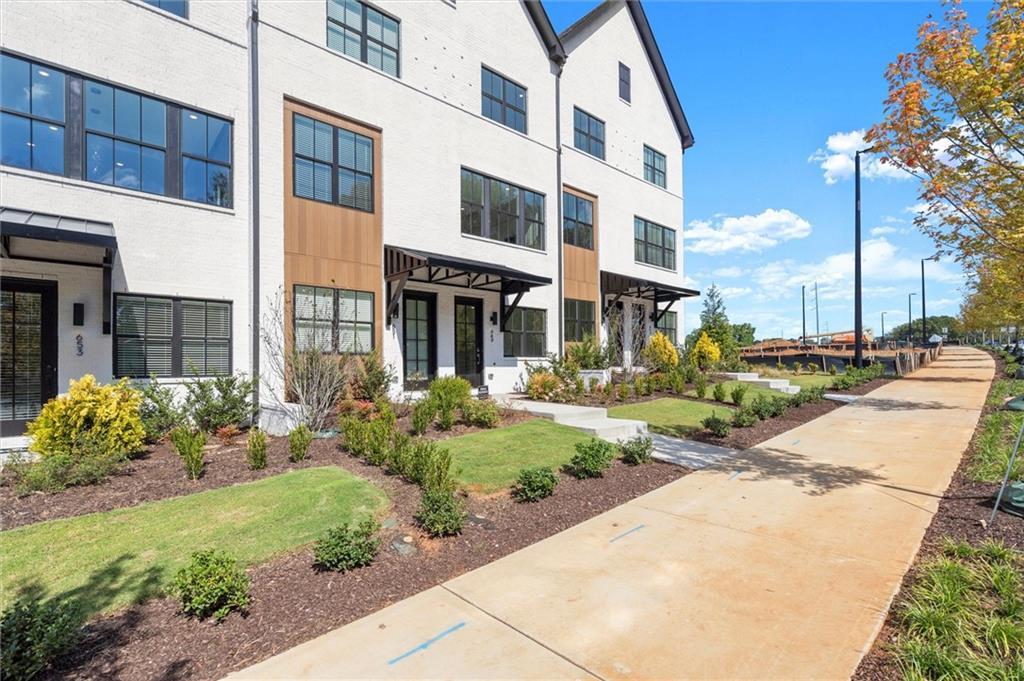
The South Hall corridor features a wide variety of new construction, ranging from low-maintenance townhomes near local transit points to large, family-friendly master-planned communities with resort-style pools and tennis courts. Custom-built homes on larger acreage are also common in the northern parts of the county near Clermont.
Conclusion

Gainesville has successfully transitioned from a quiet lakeside retreat into a thriving, self-sustaining economic hub. While home prices have risen to reflect this growth, the lifestyle benefits, economic stability, and geographic beauty of Hall County continue to make it an exceptional investment.
By aligning your budget with the right neighborhood and understanding the local market dynamics, you can successfully secure your piece of this beautiful North Georgia region.
If you are planning a move to the area or have questions about the local housing market, please reach out to our team today.