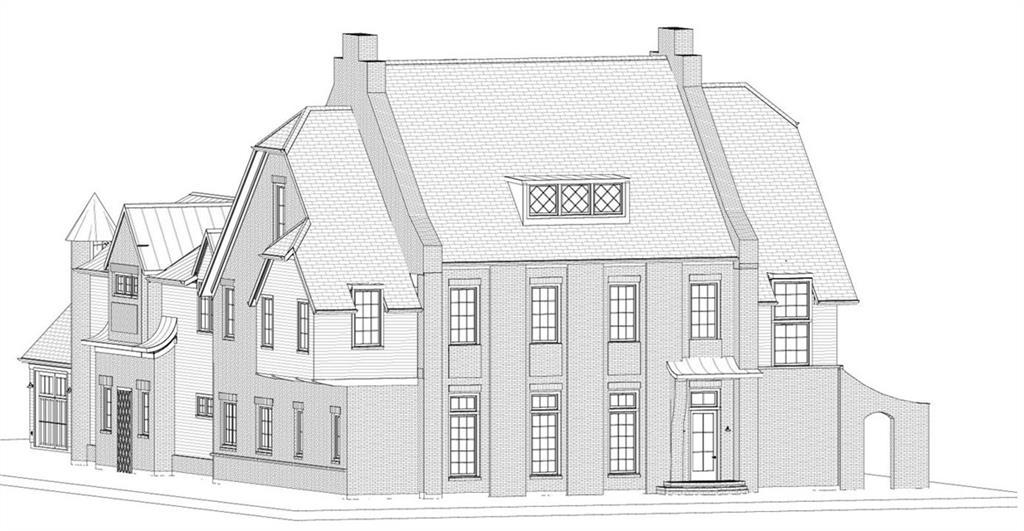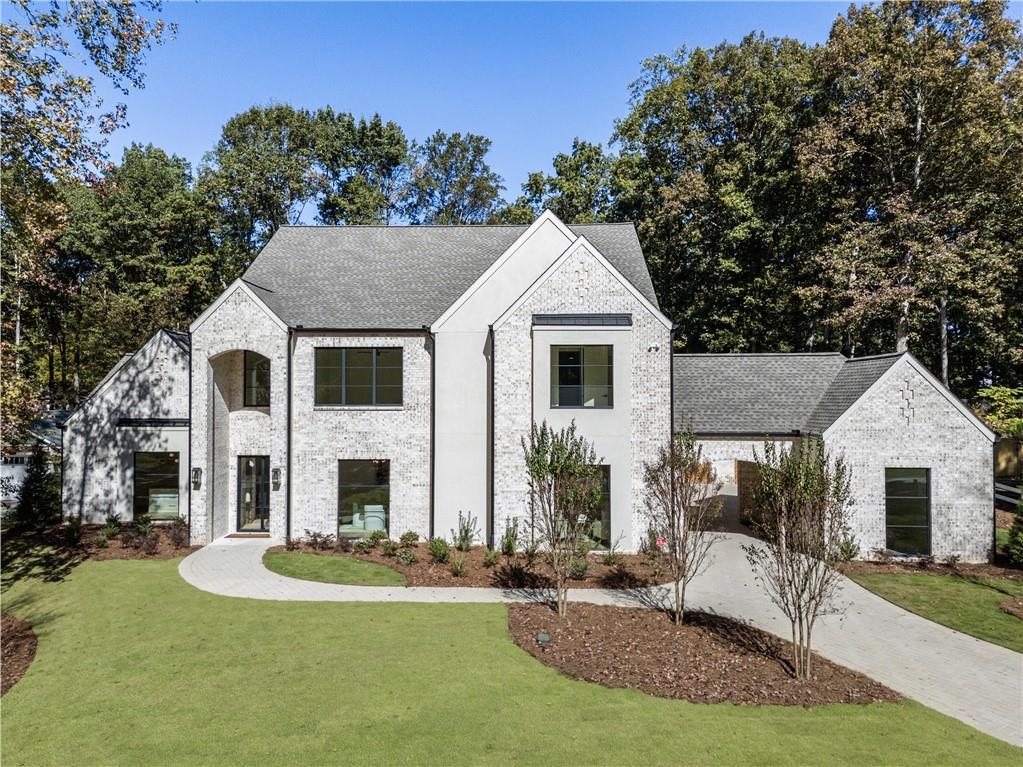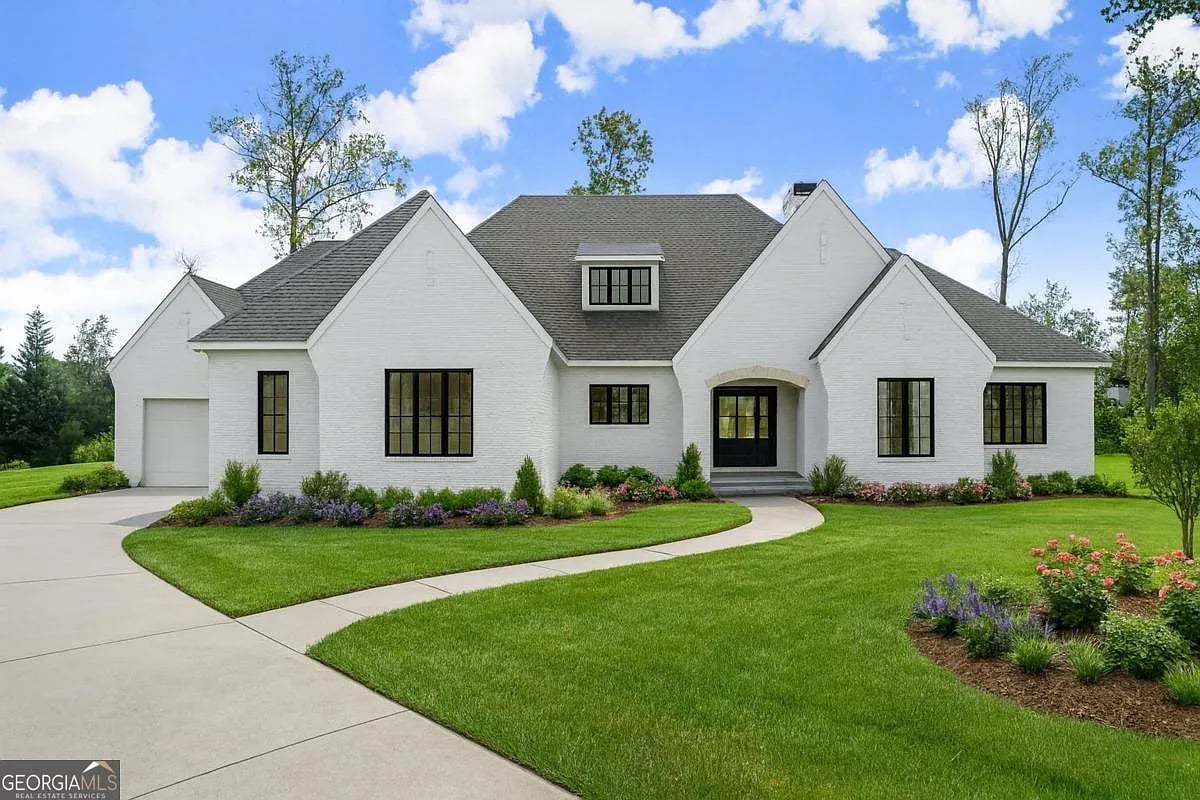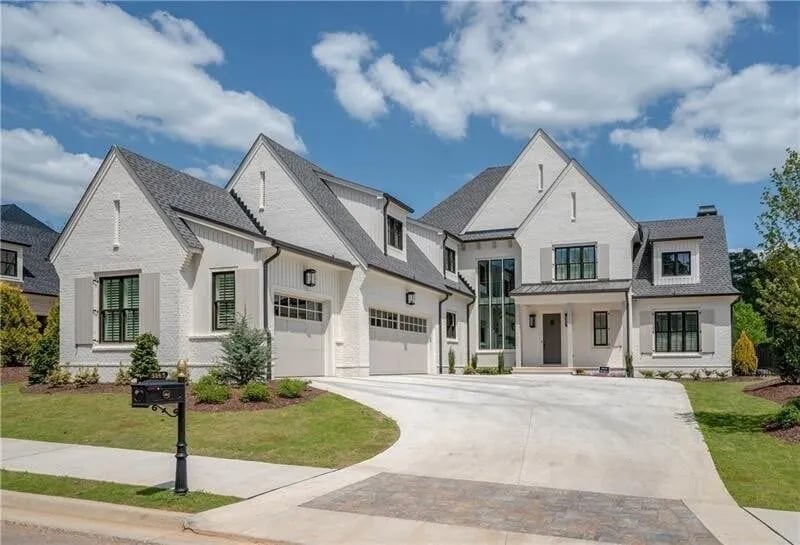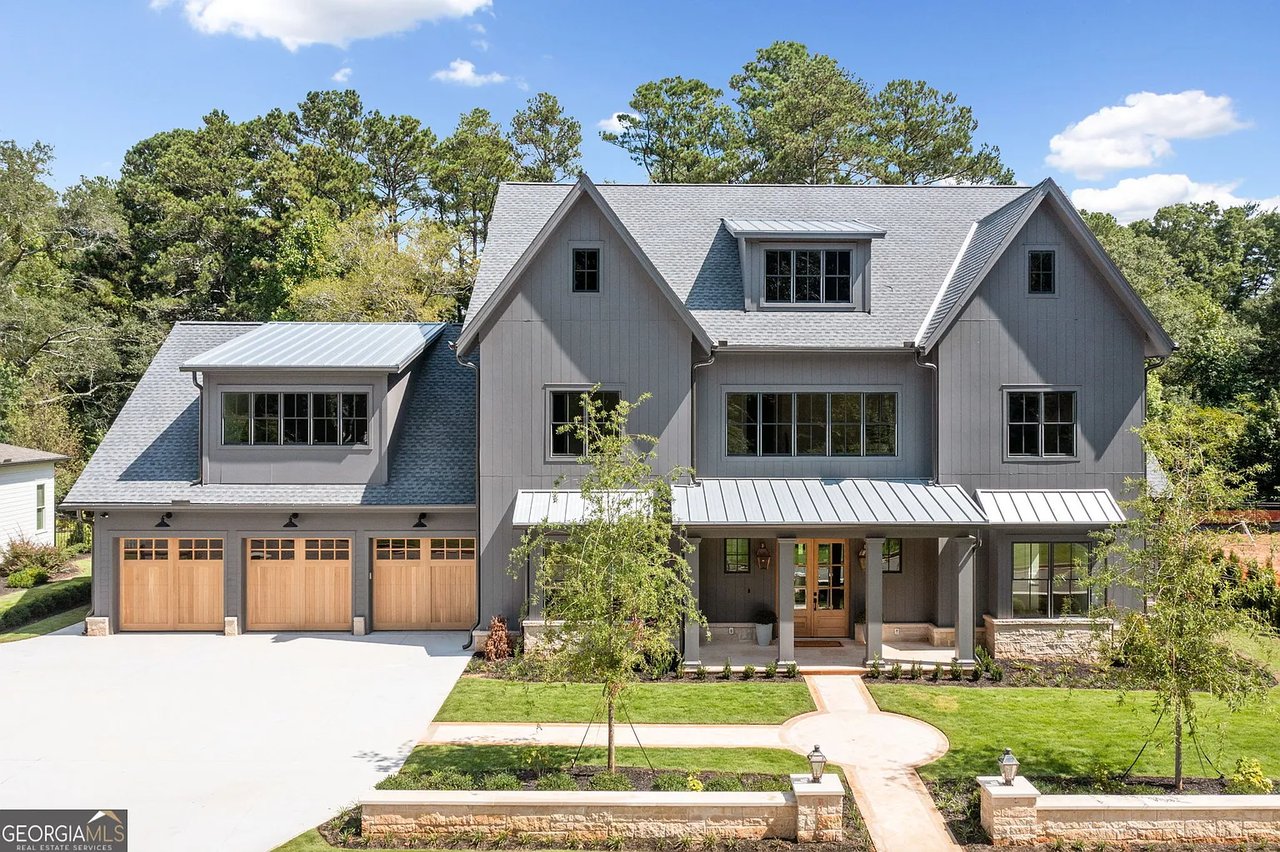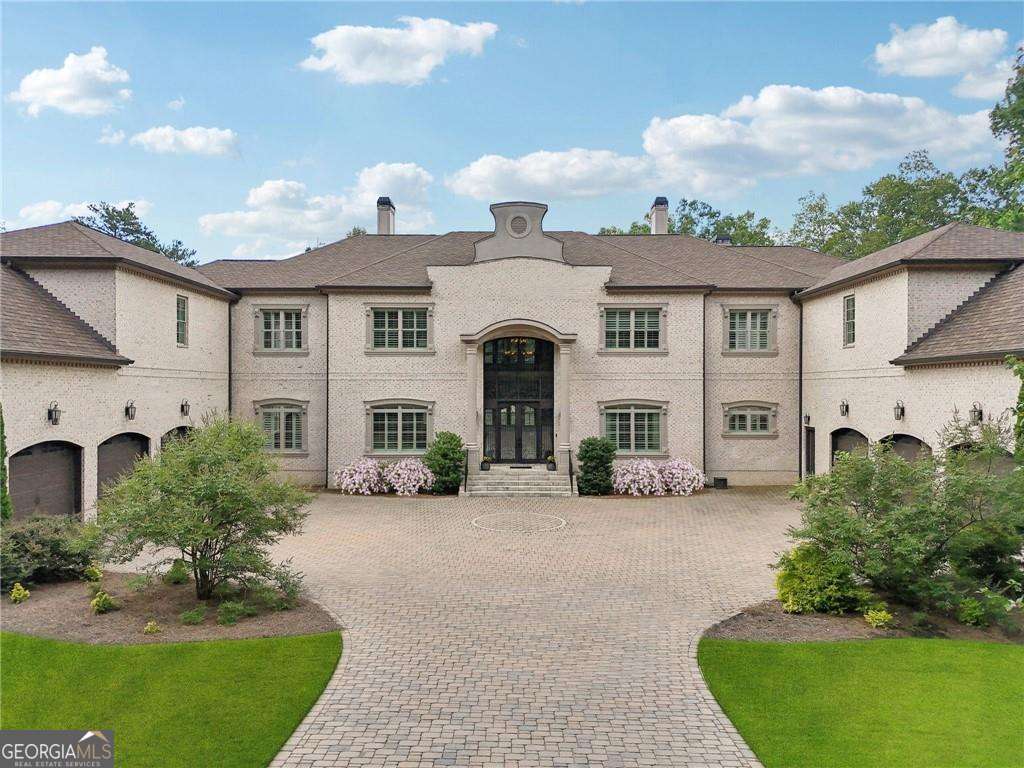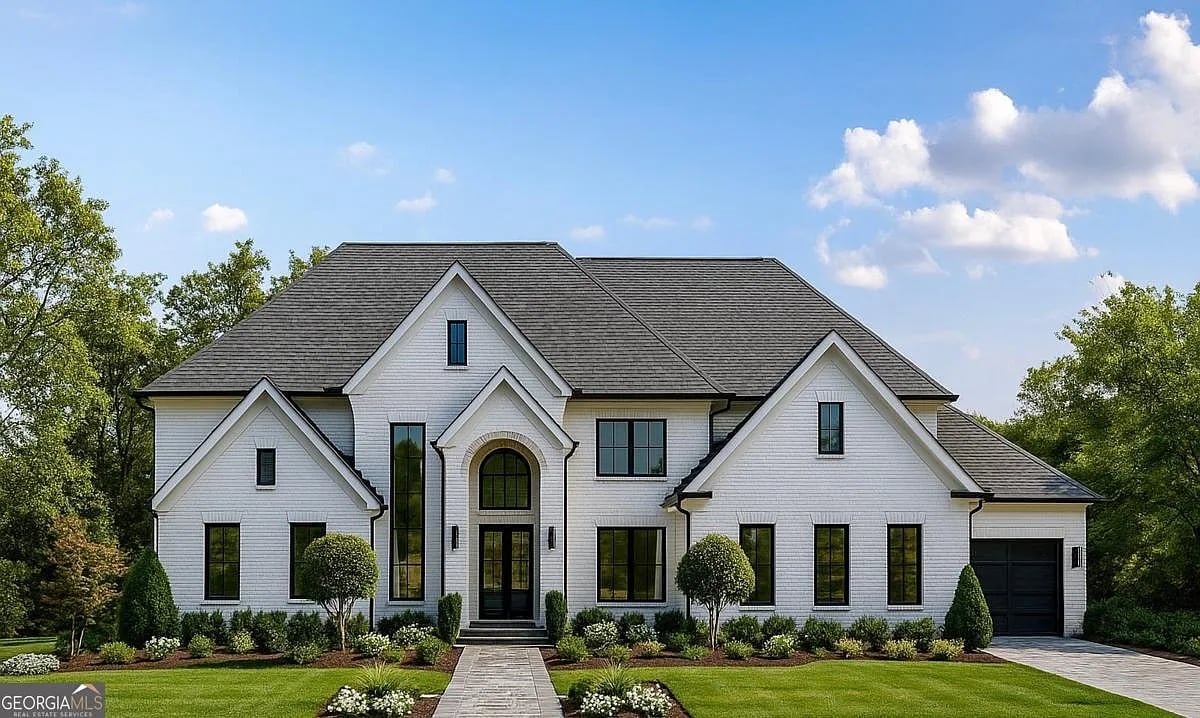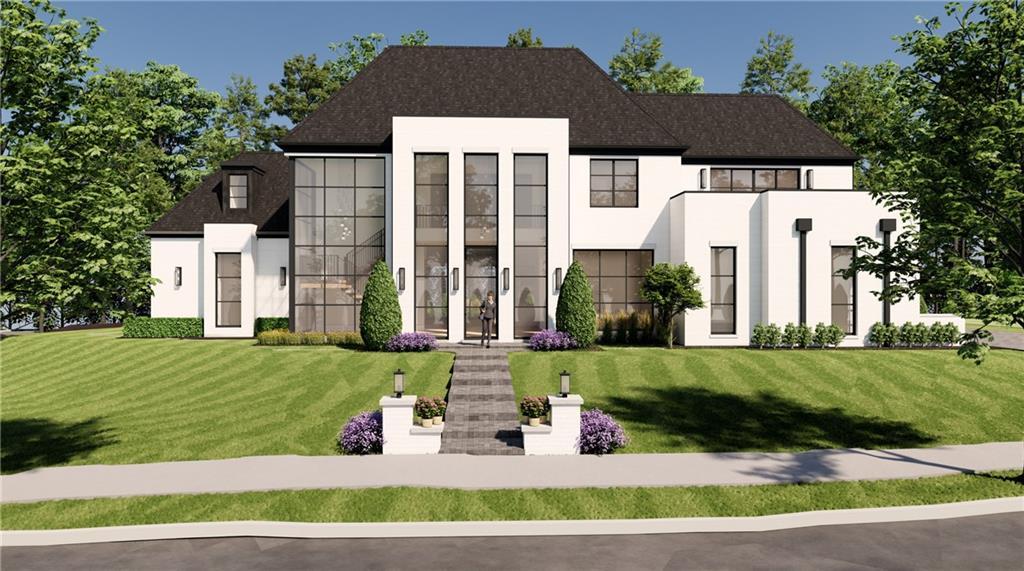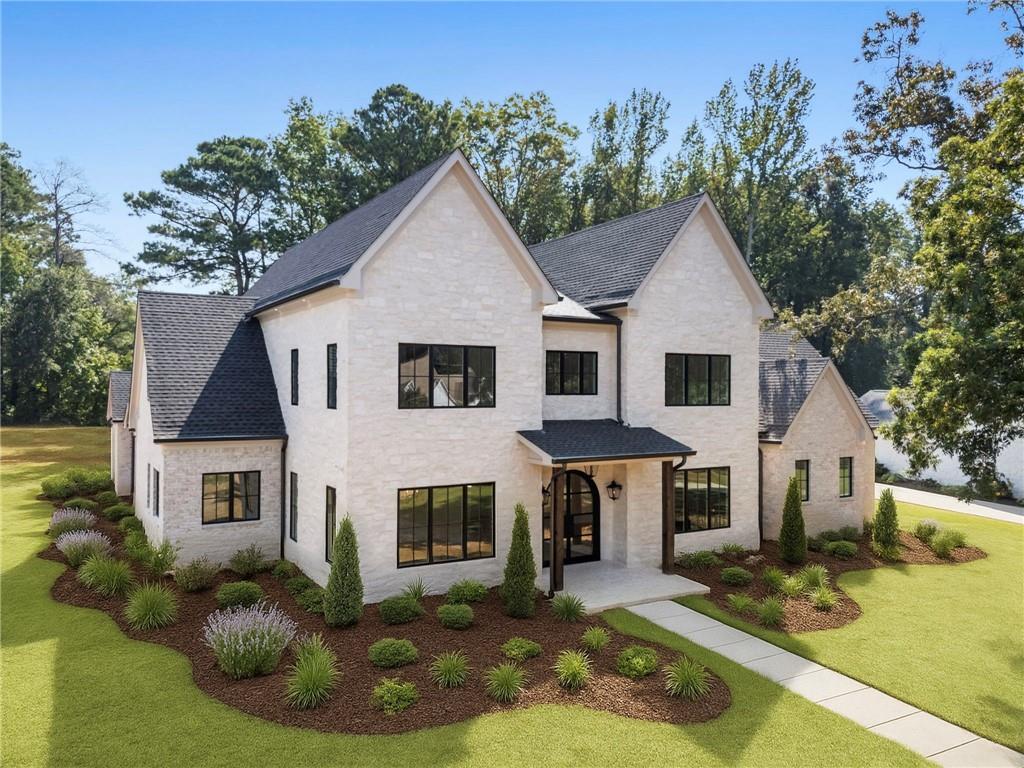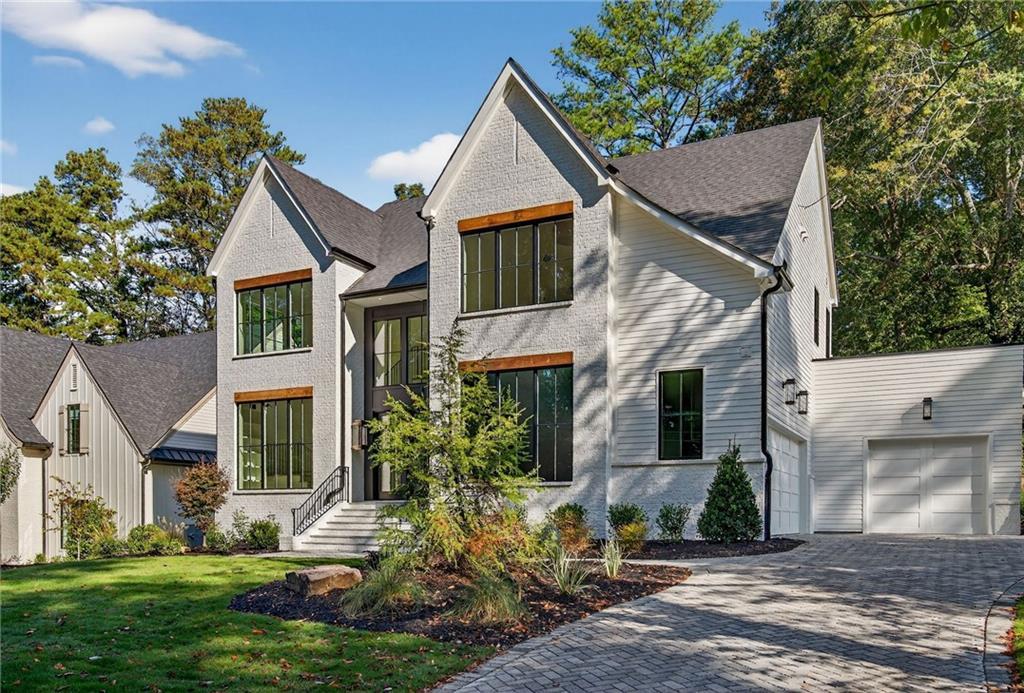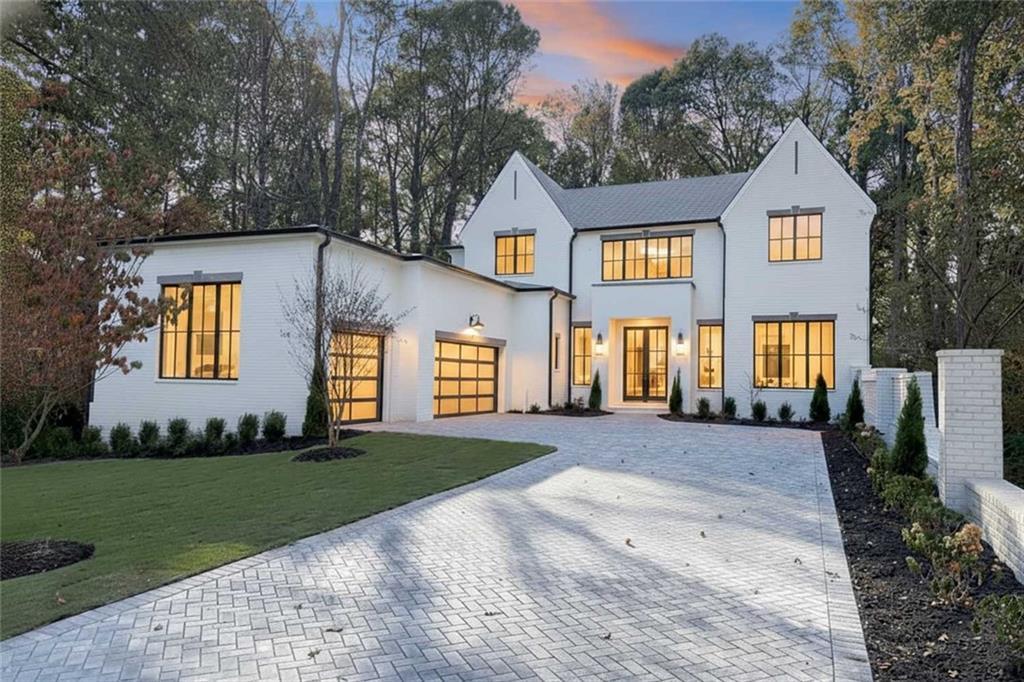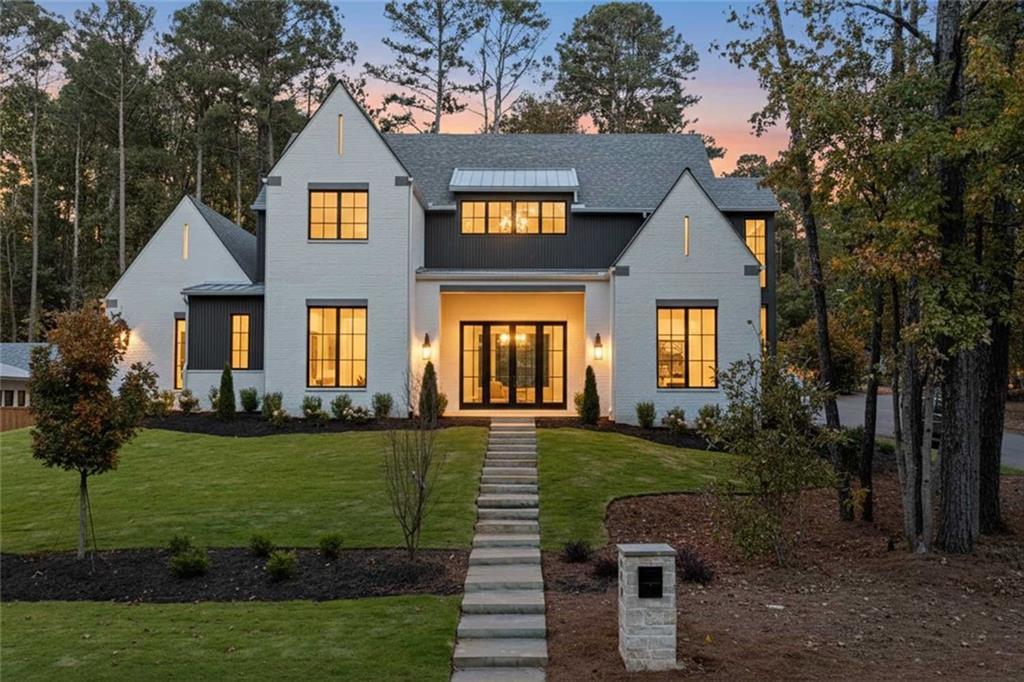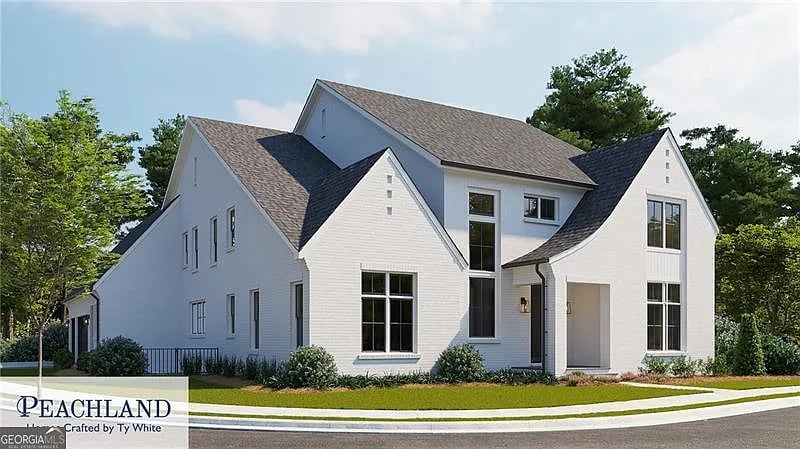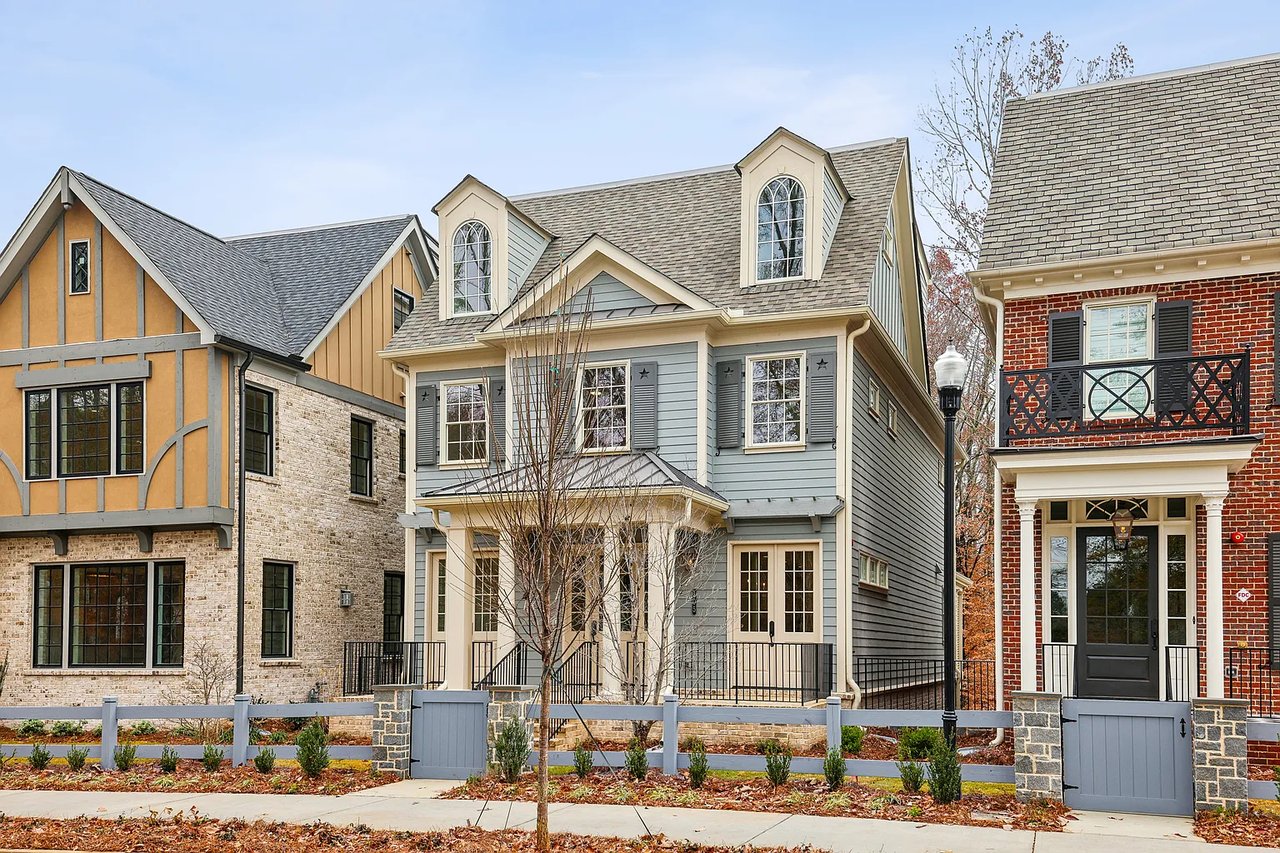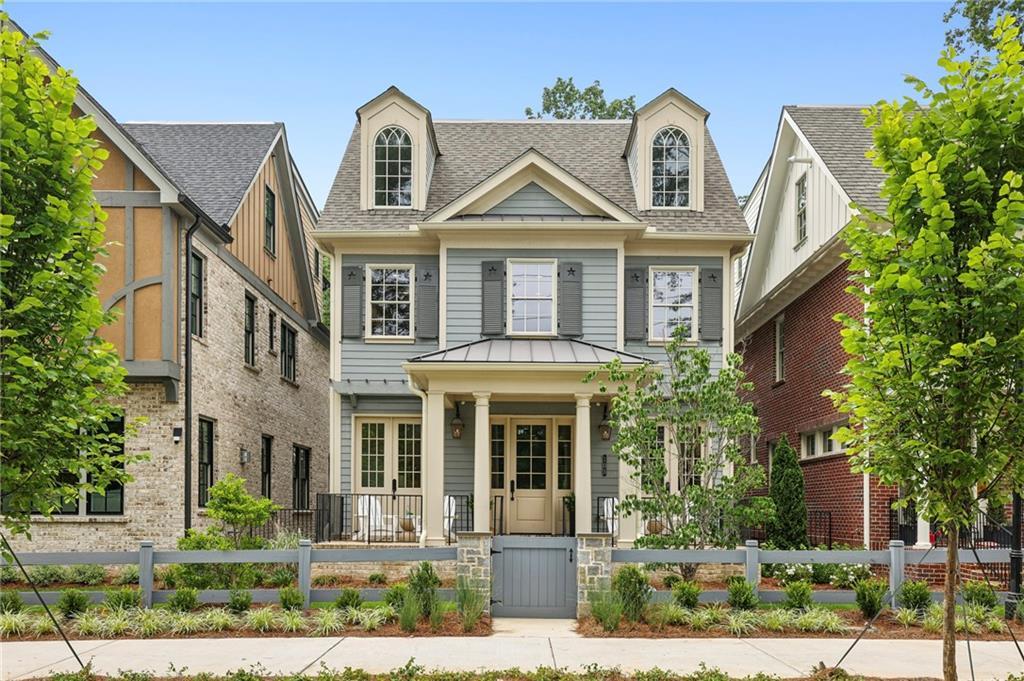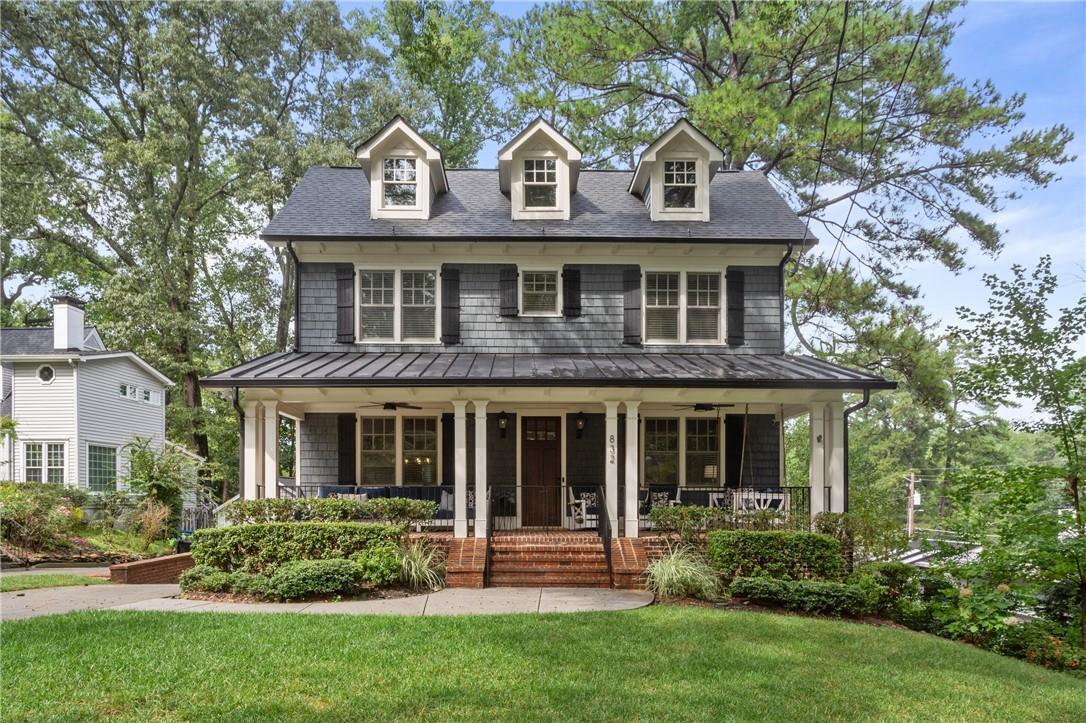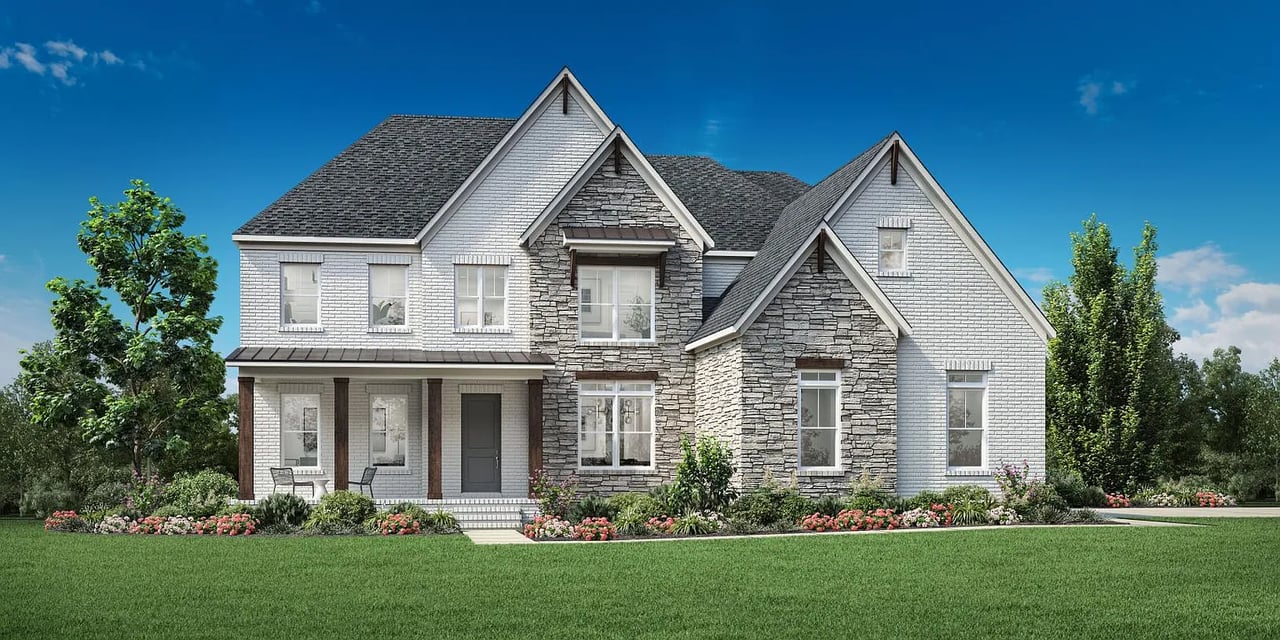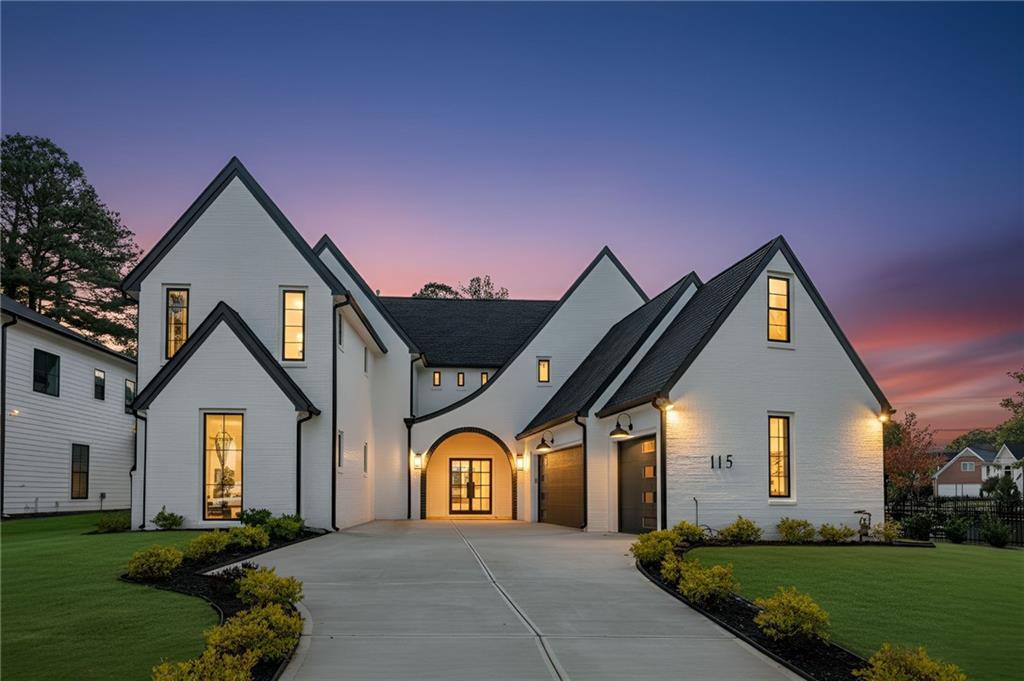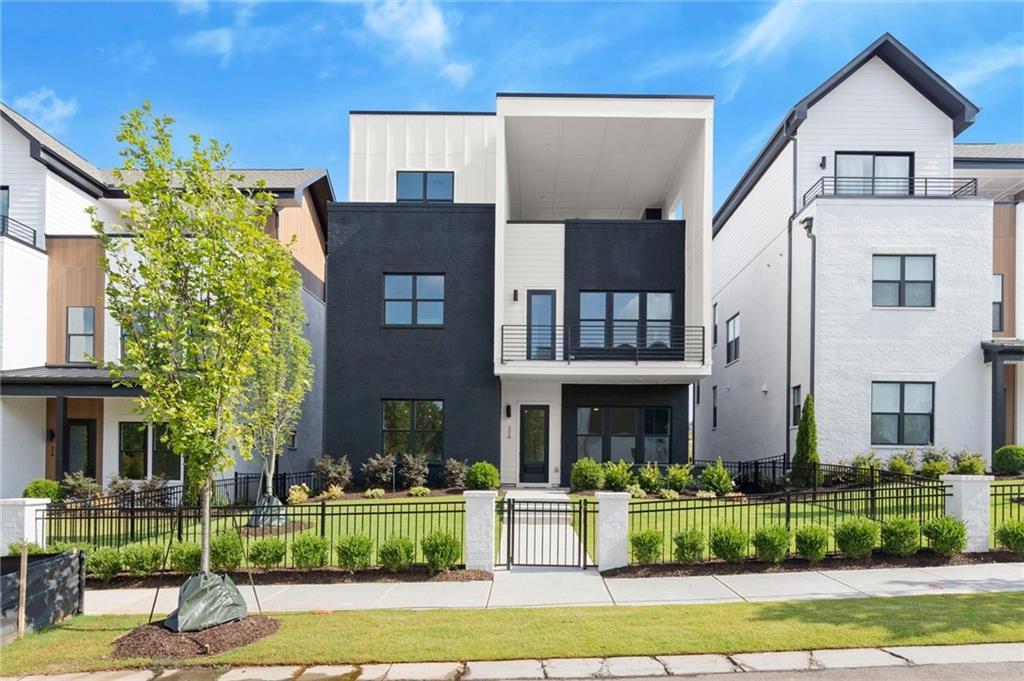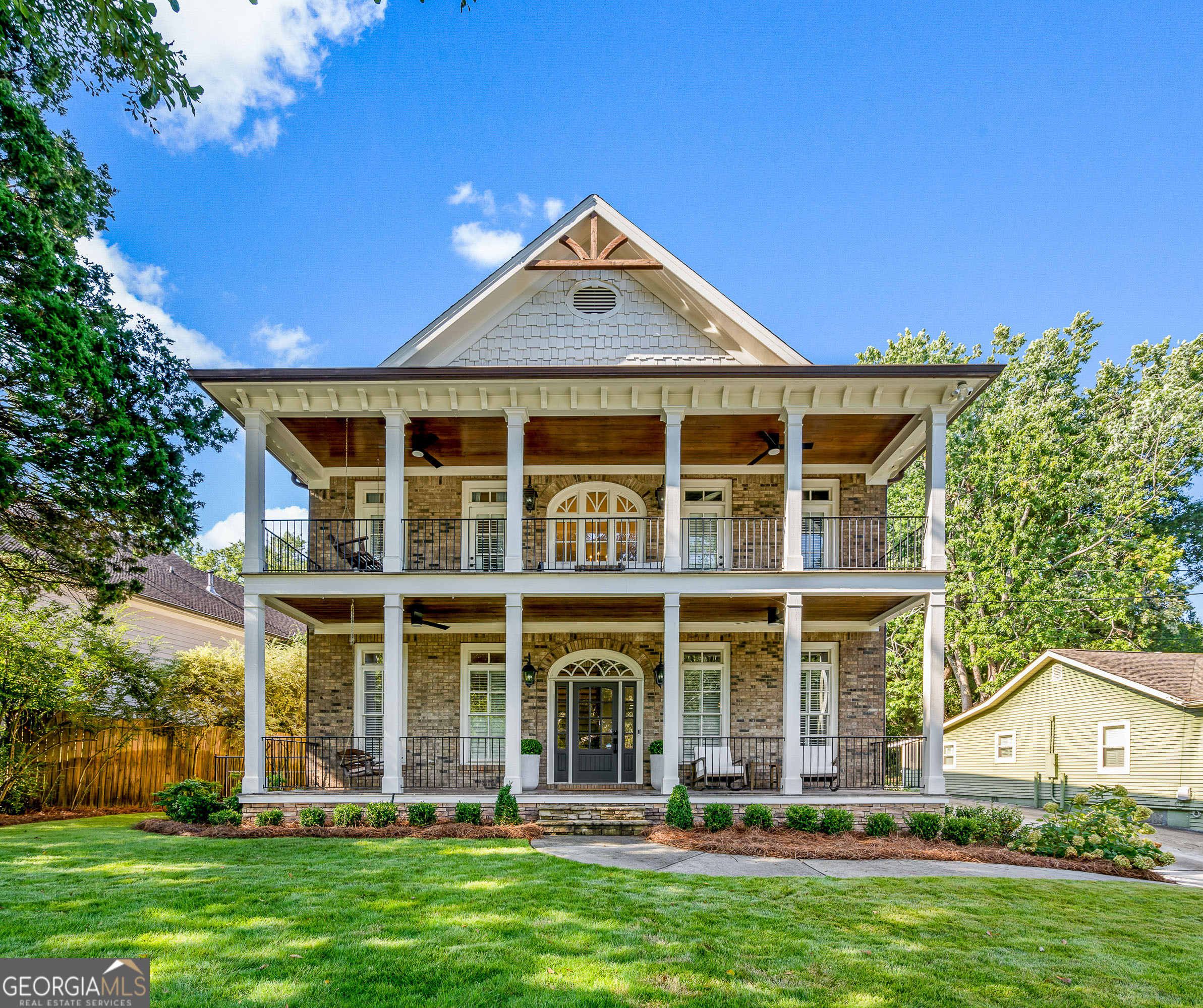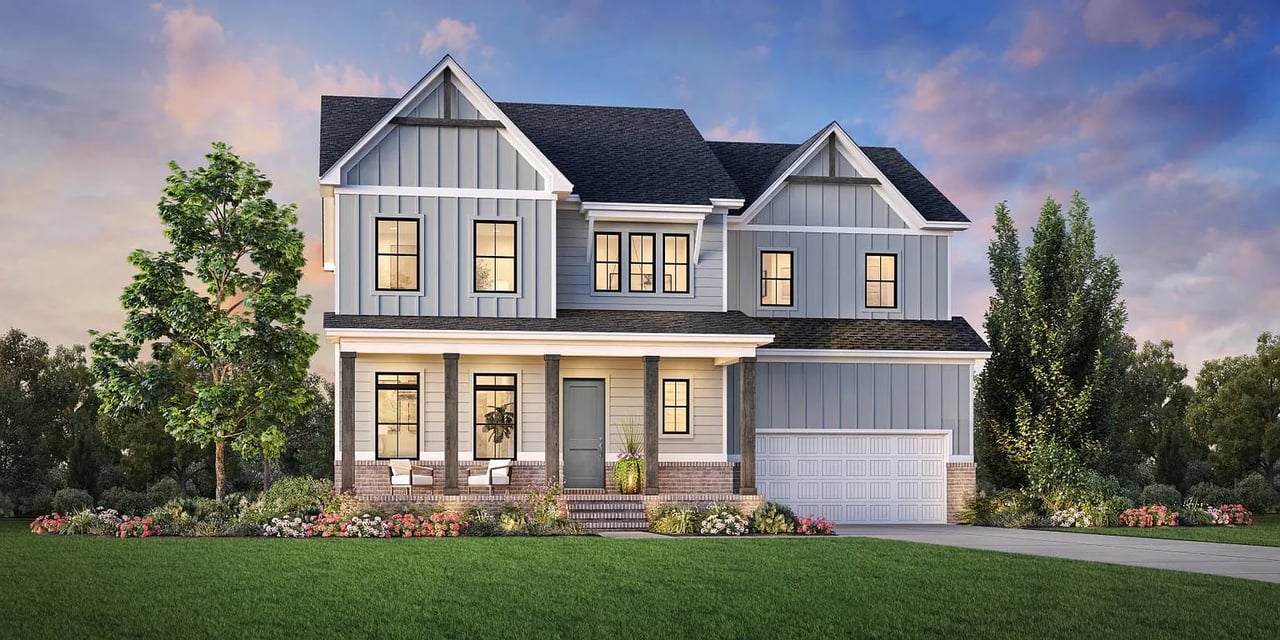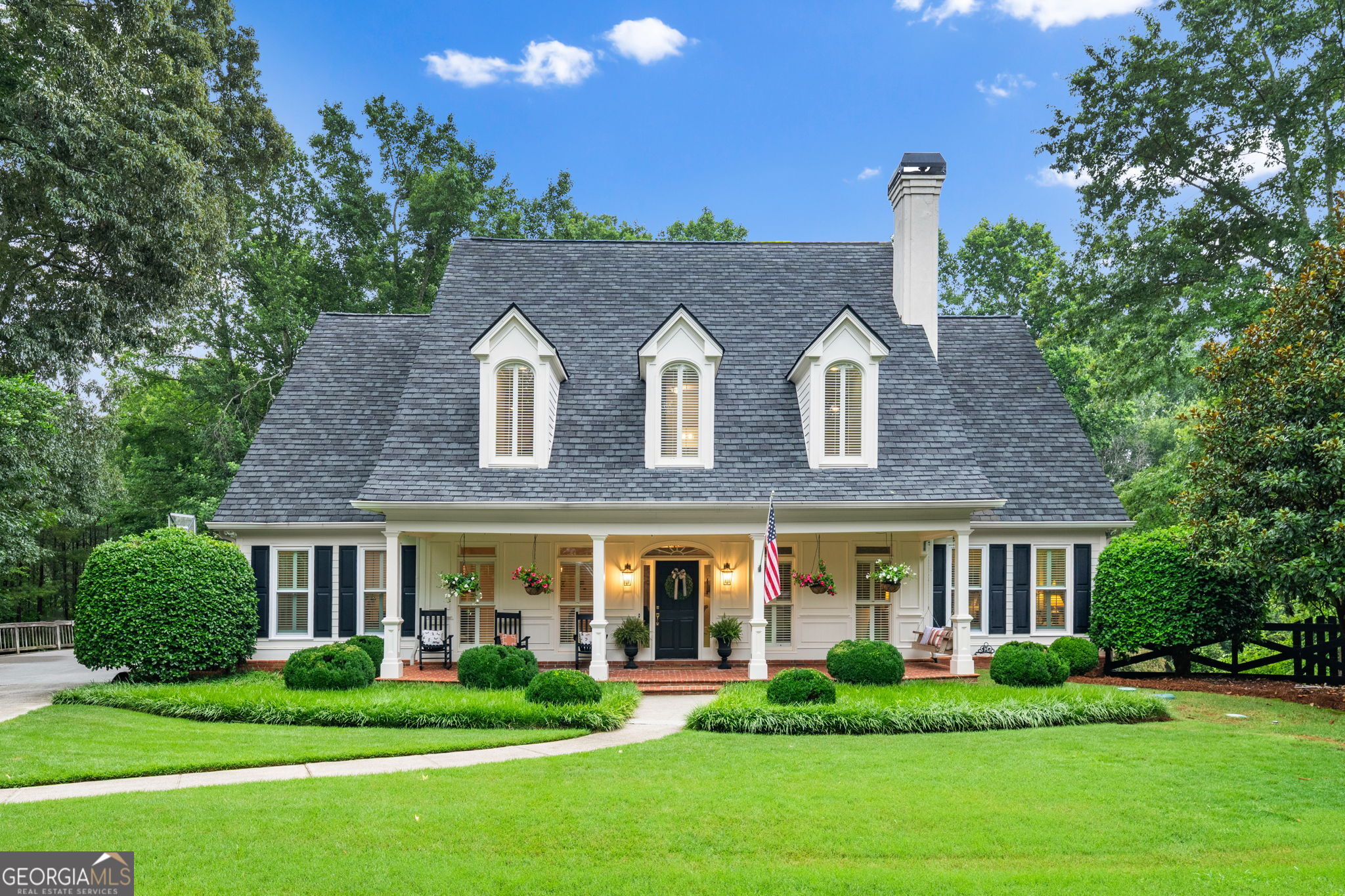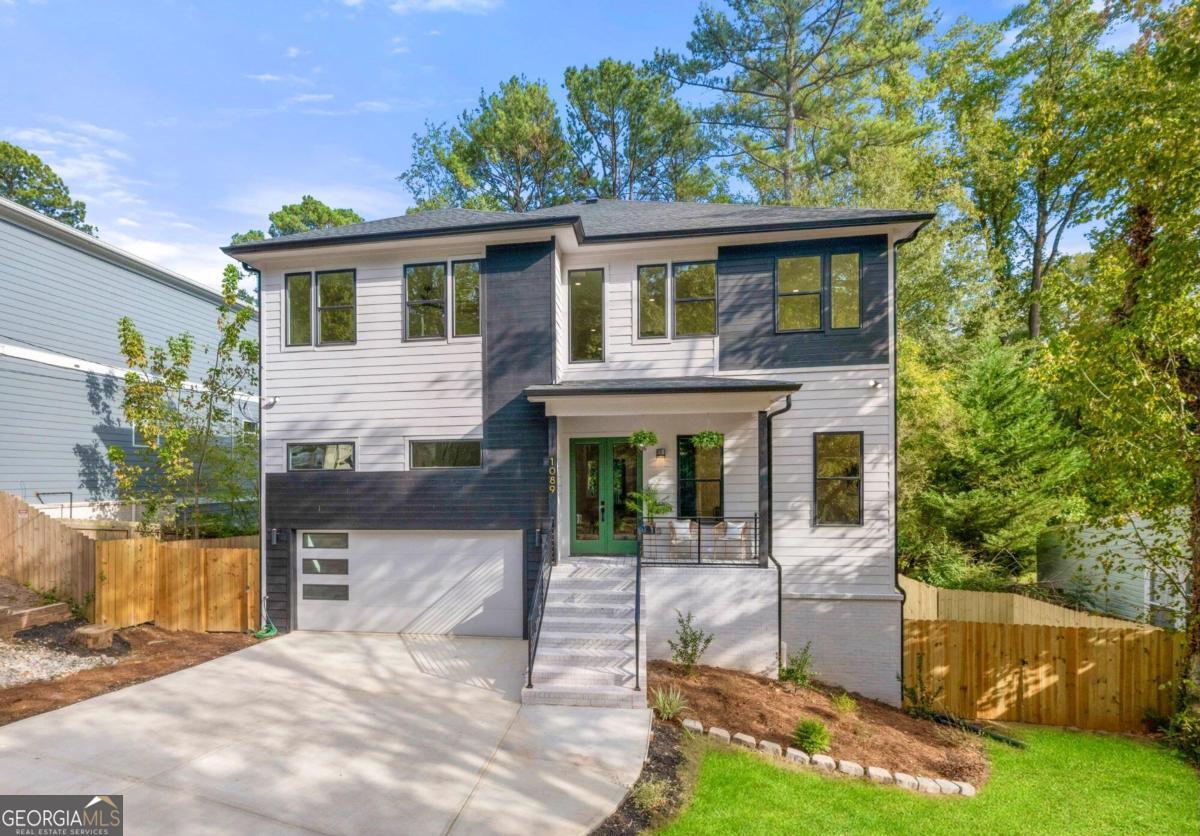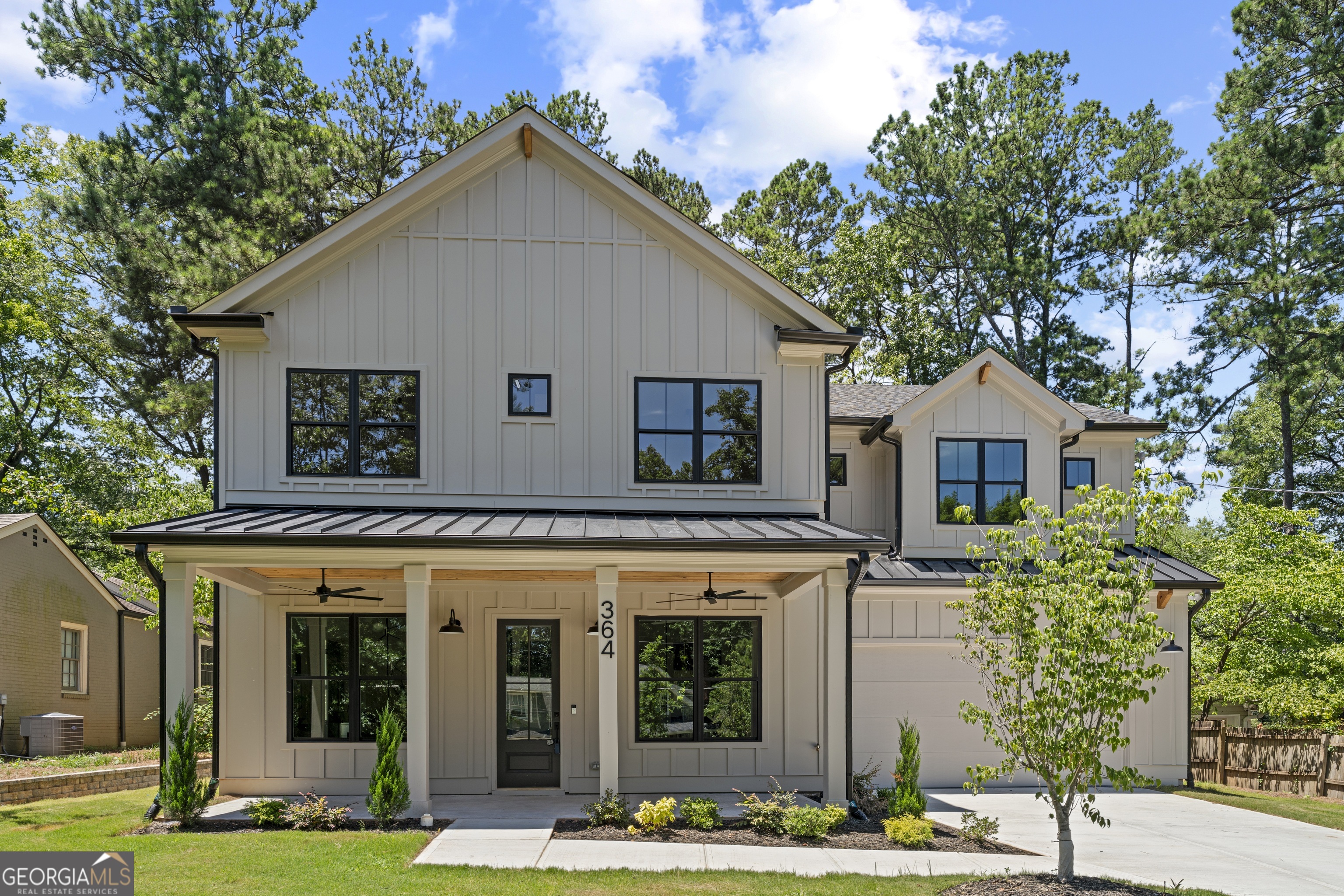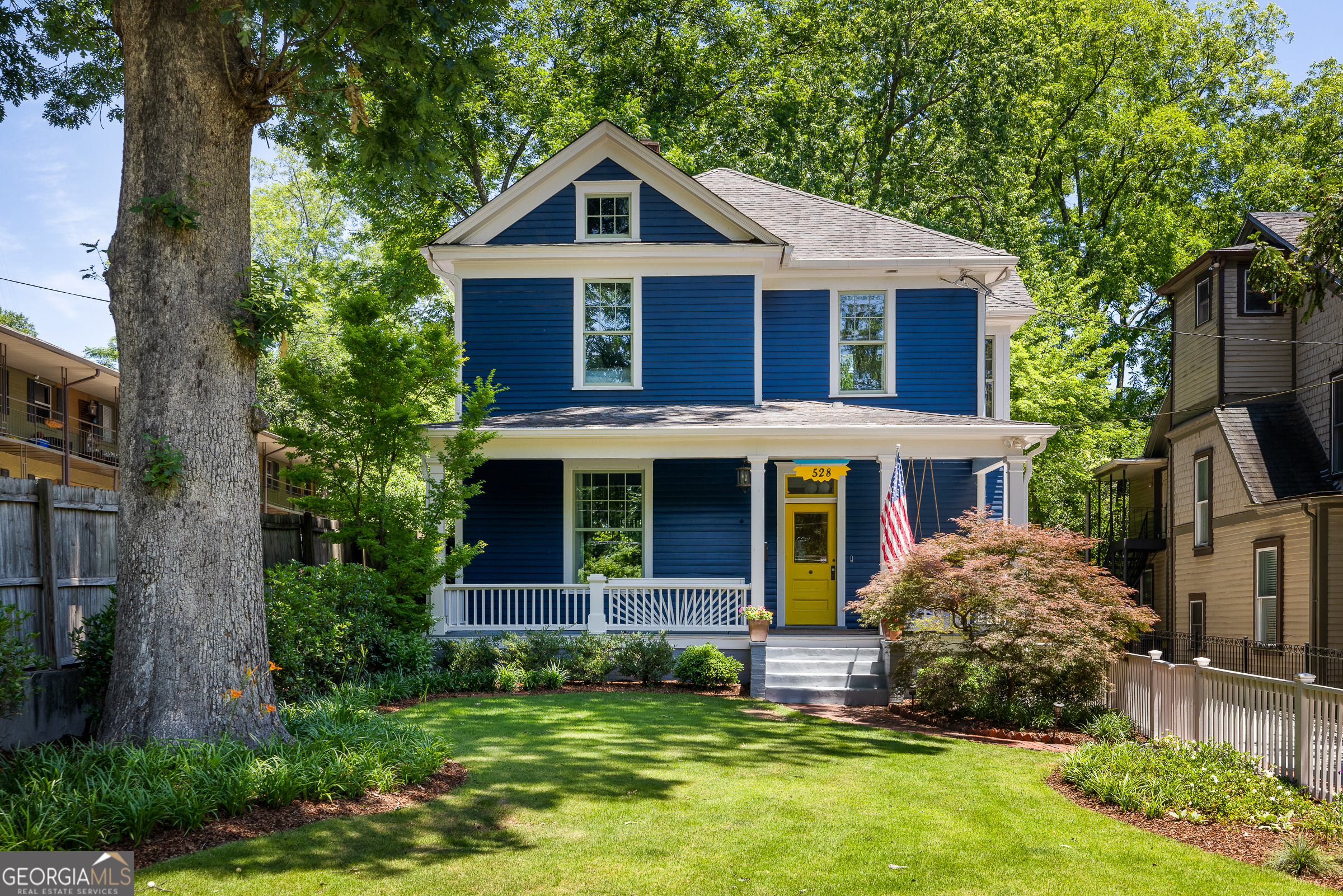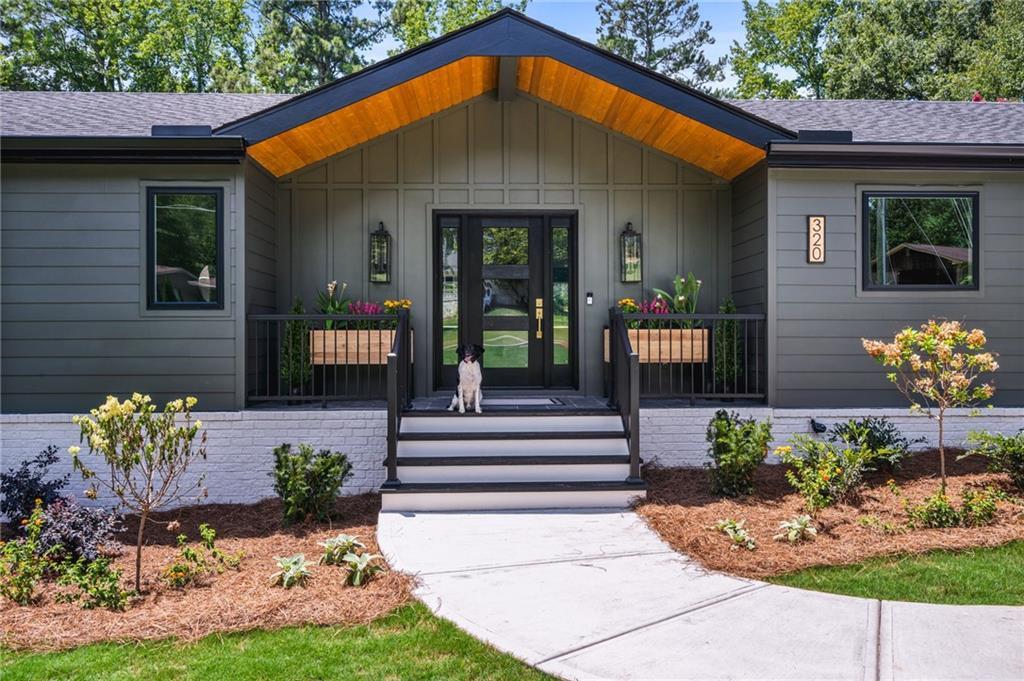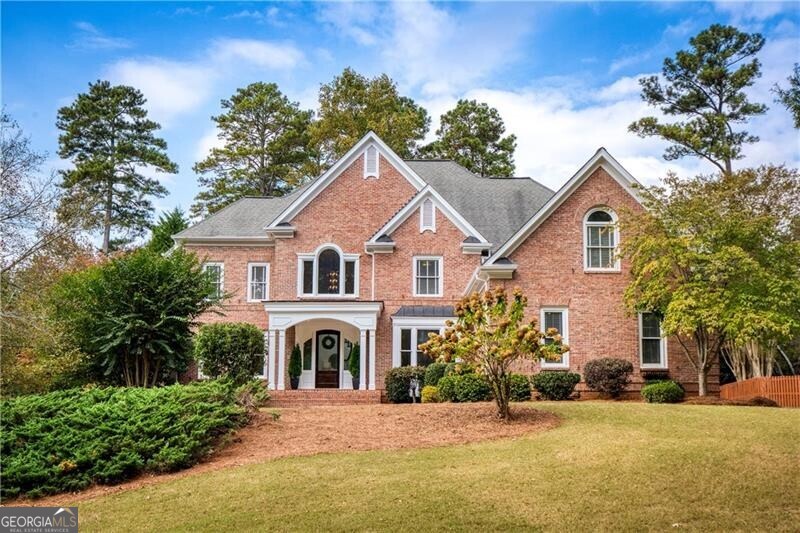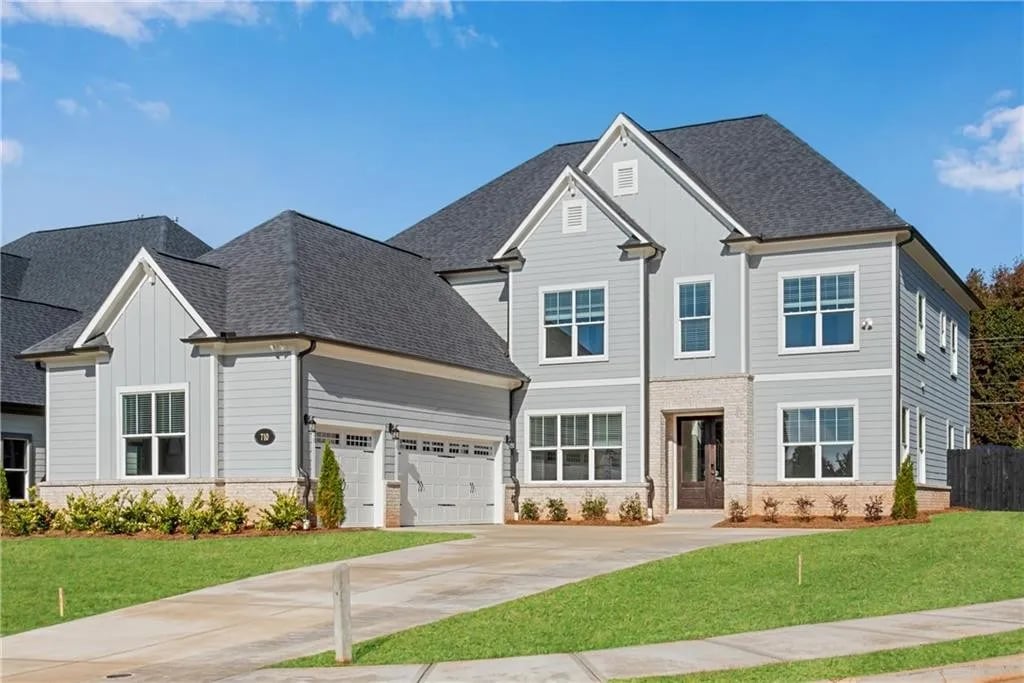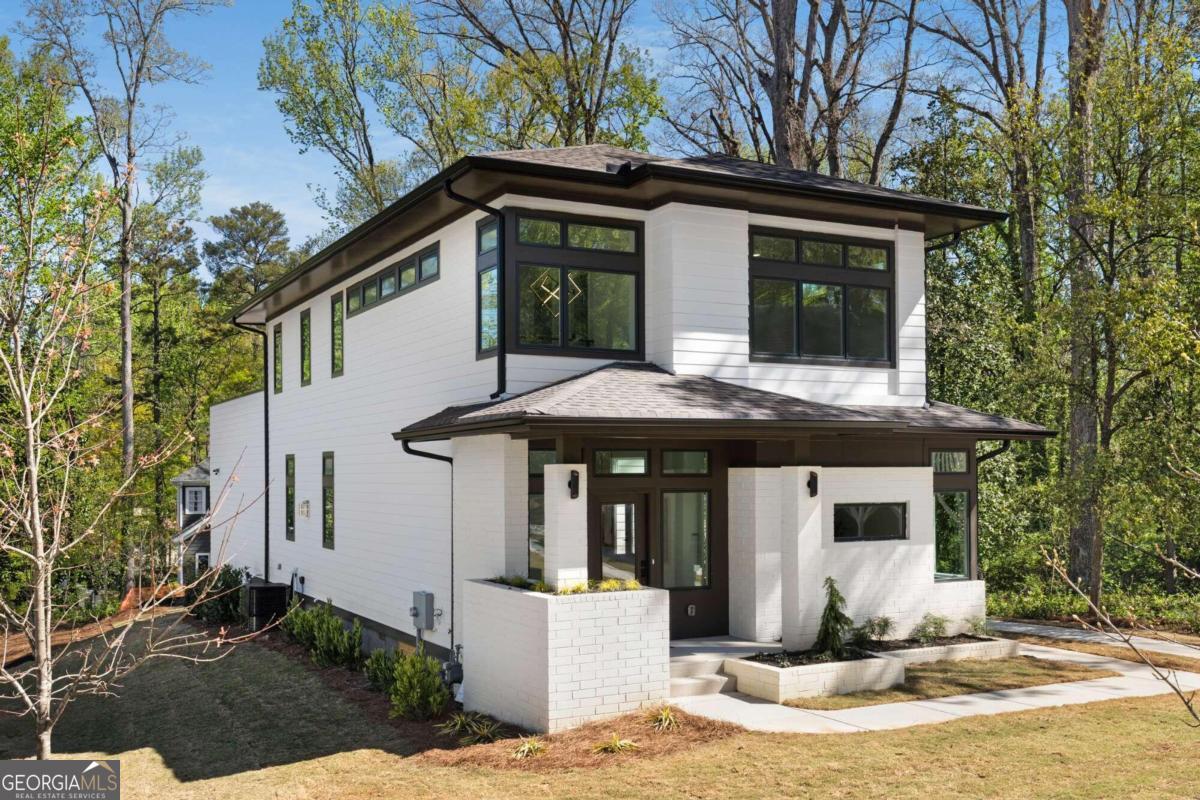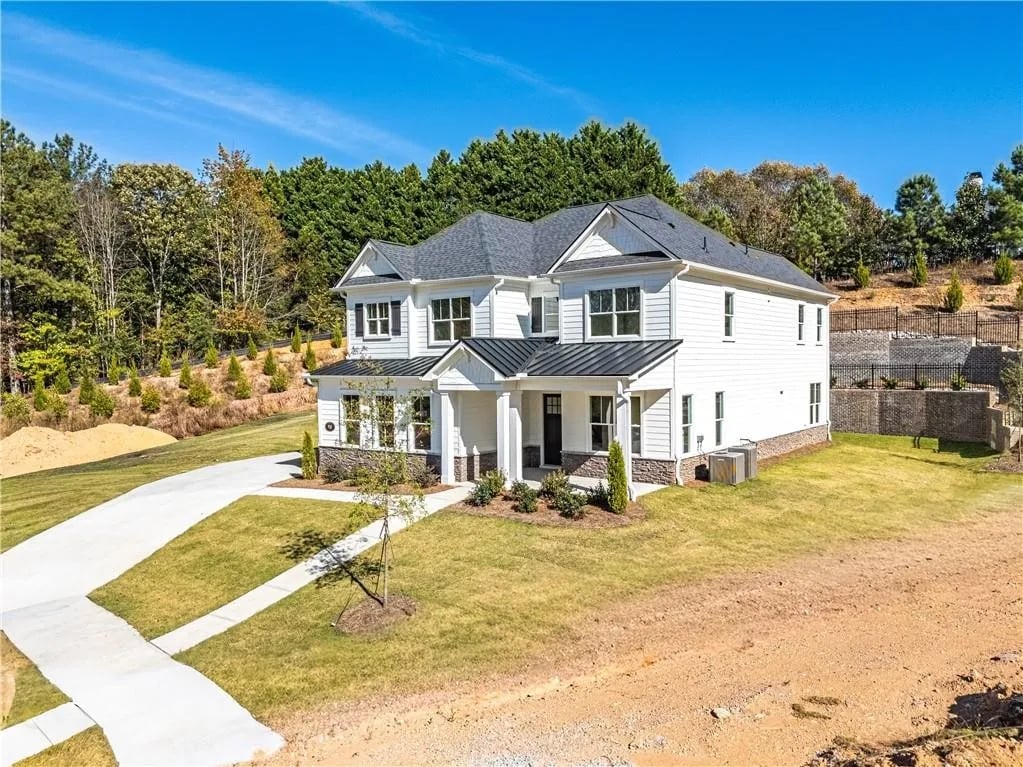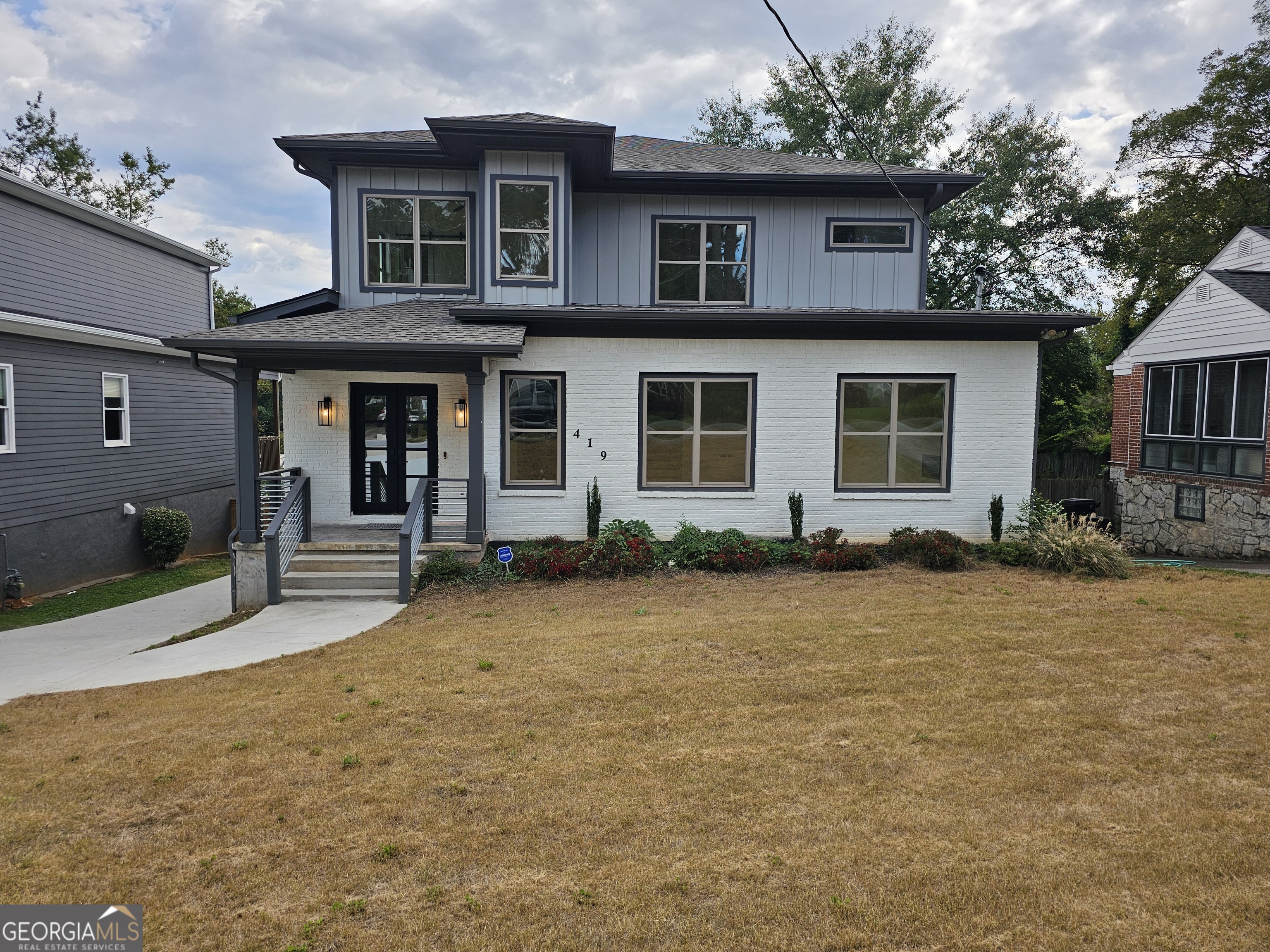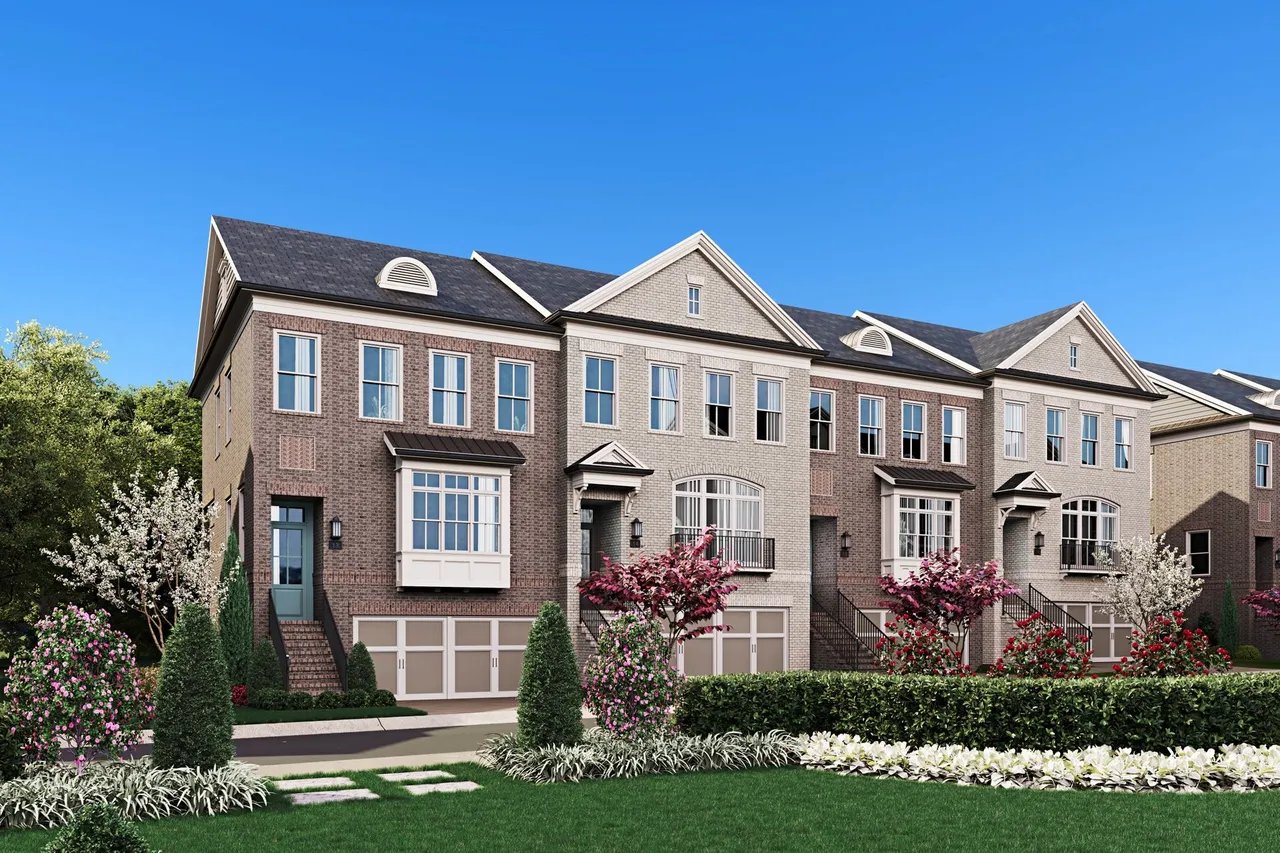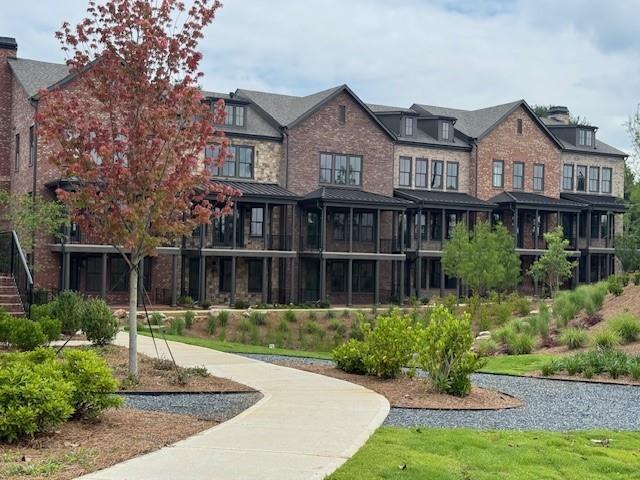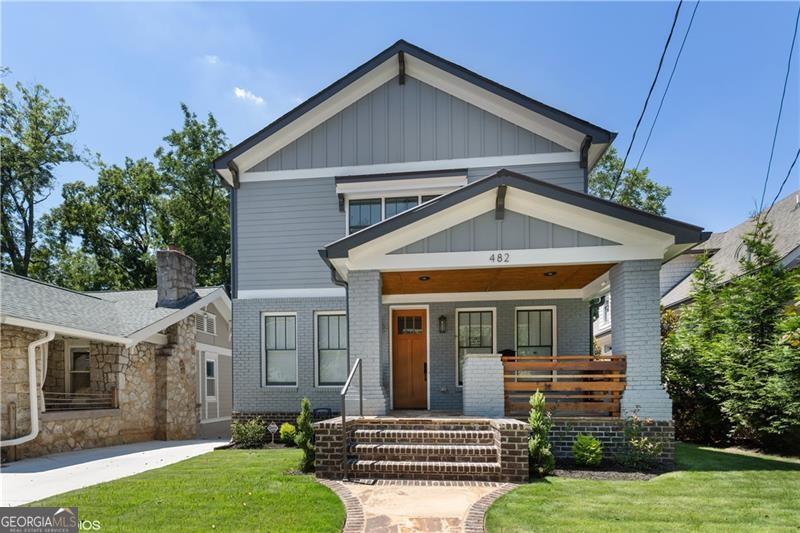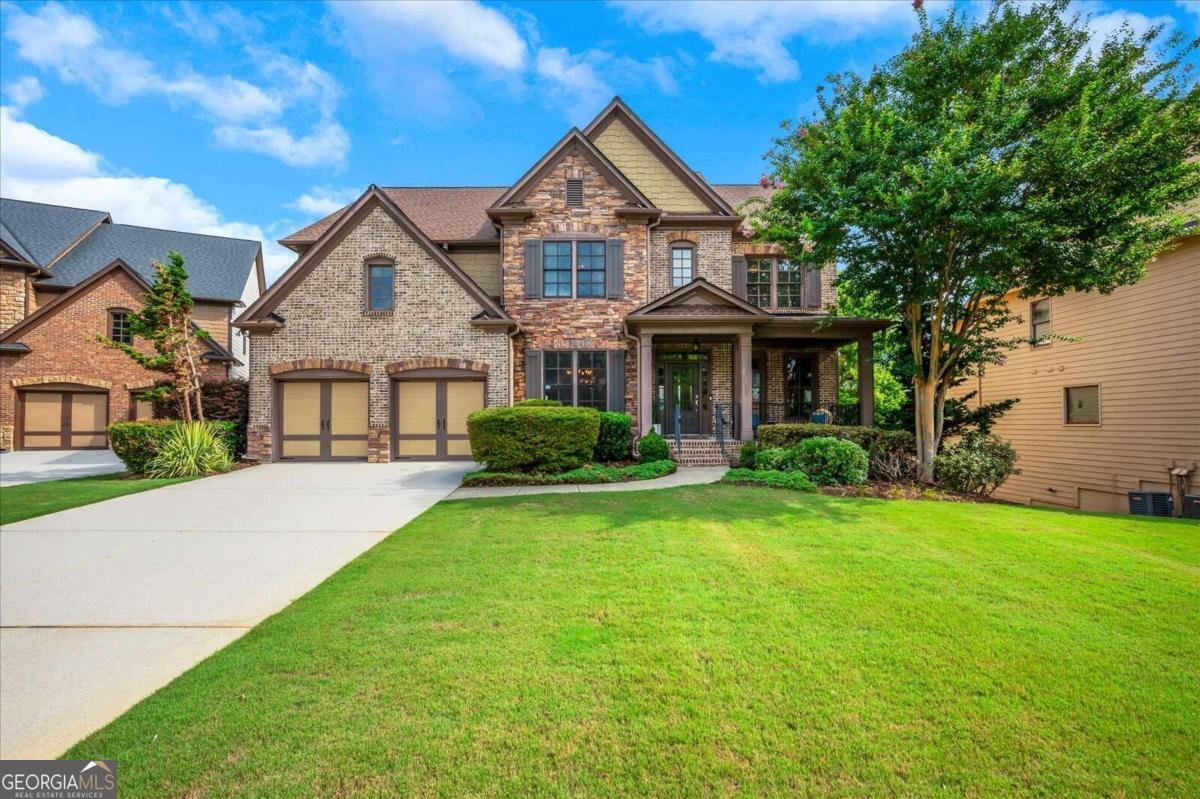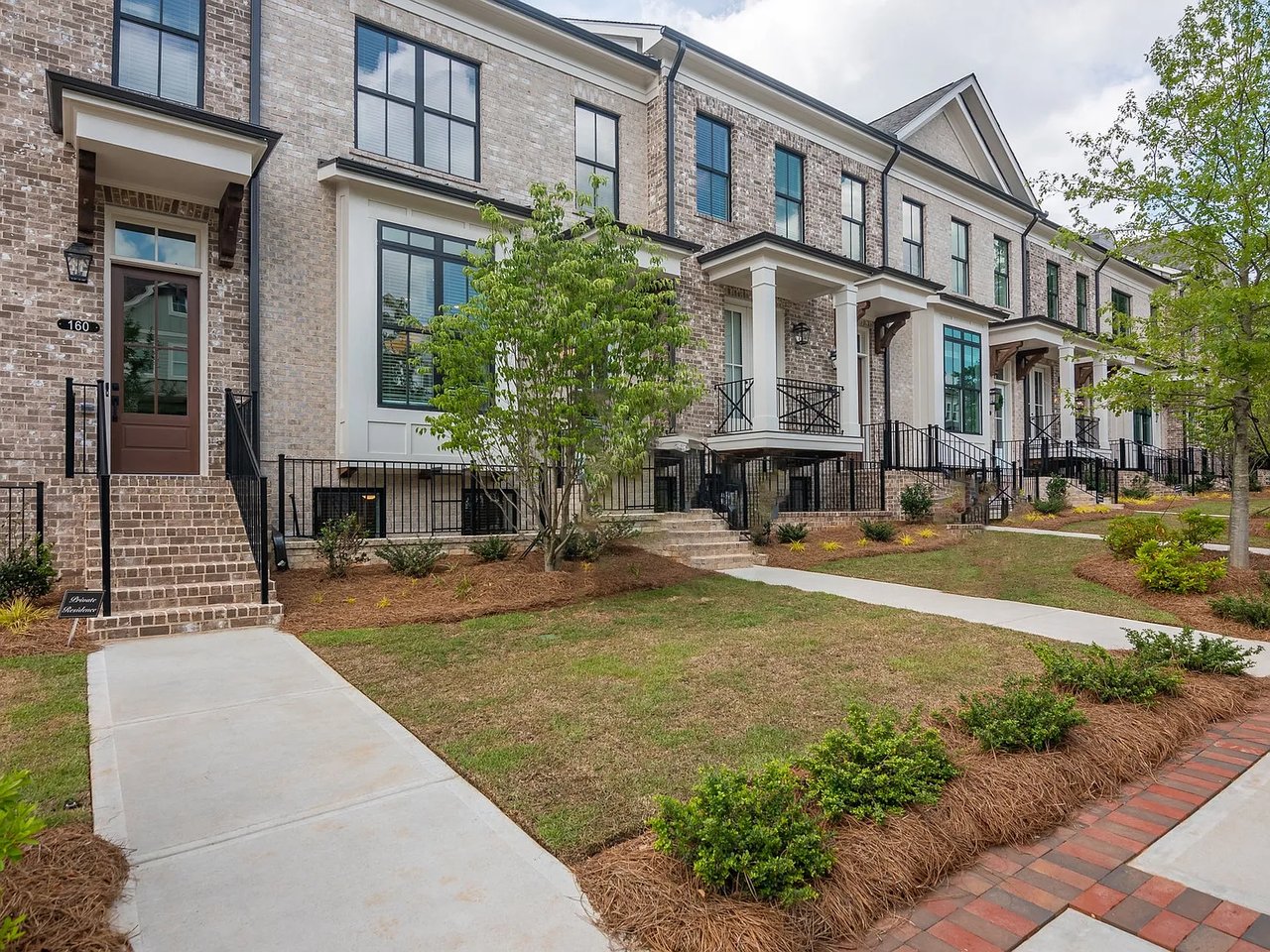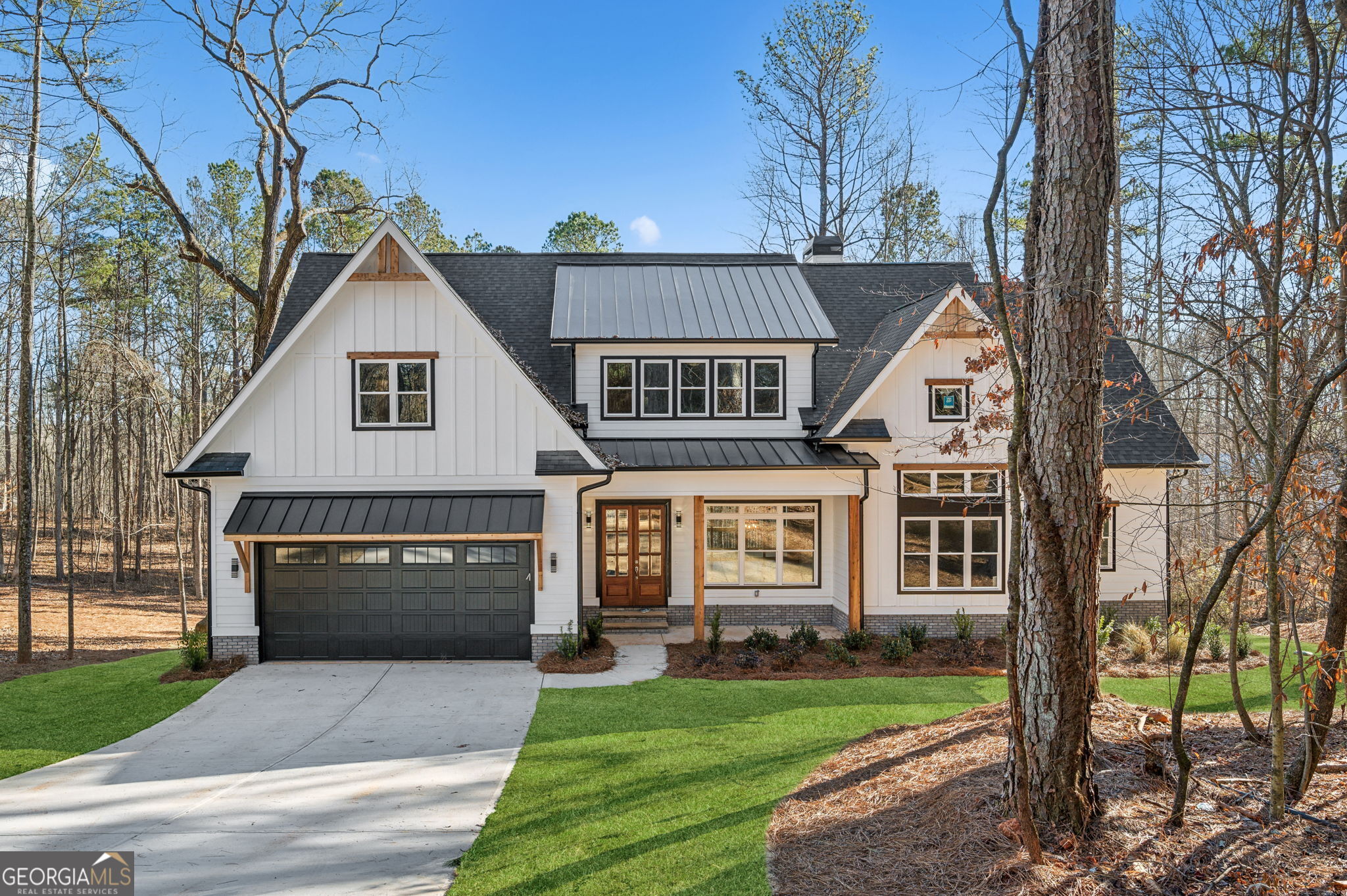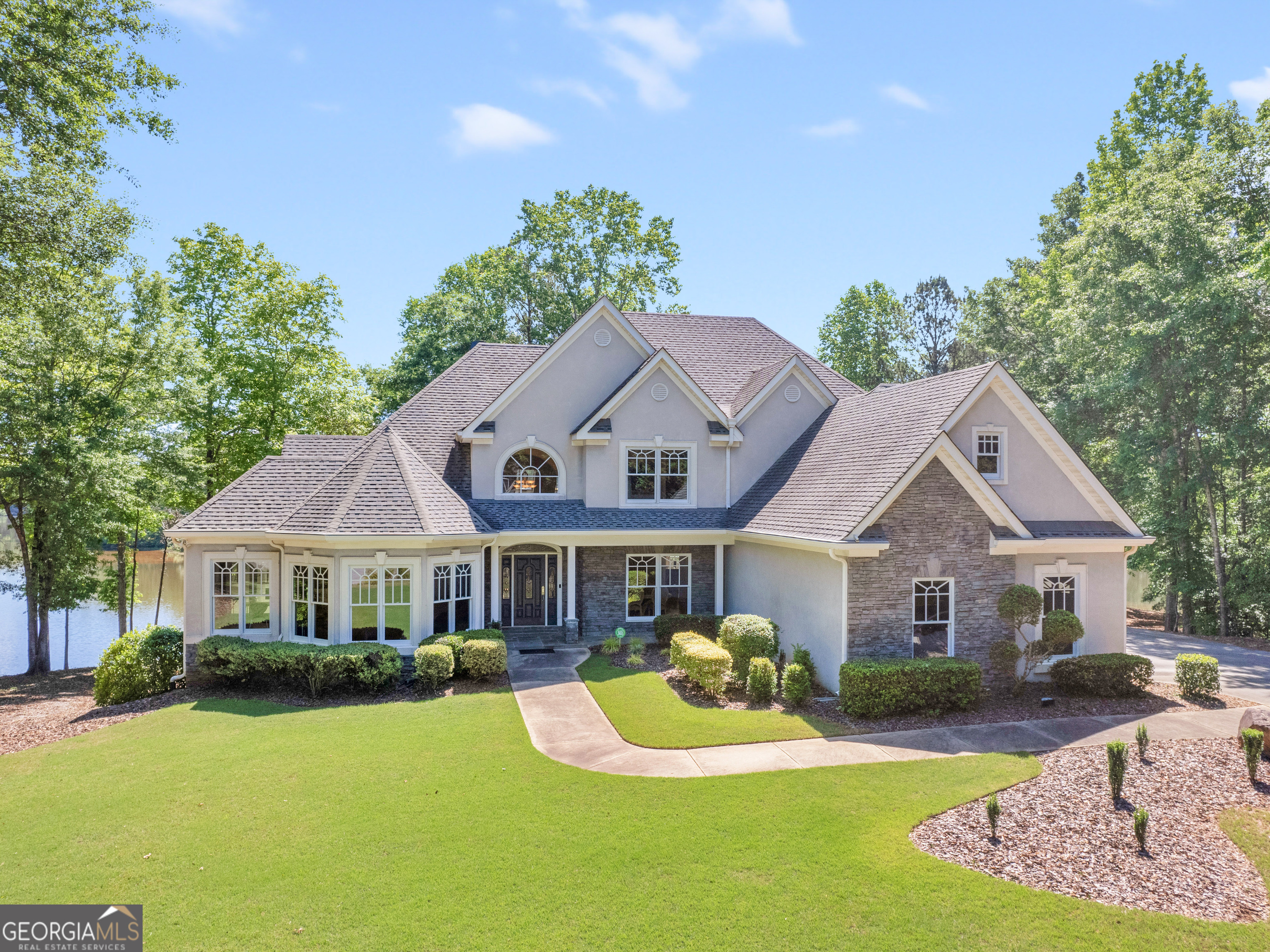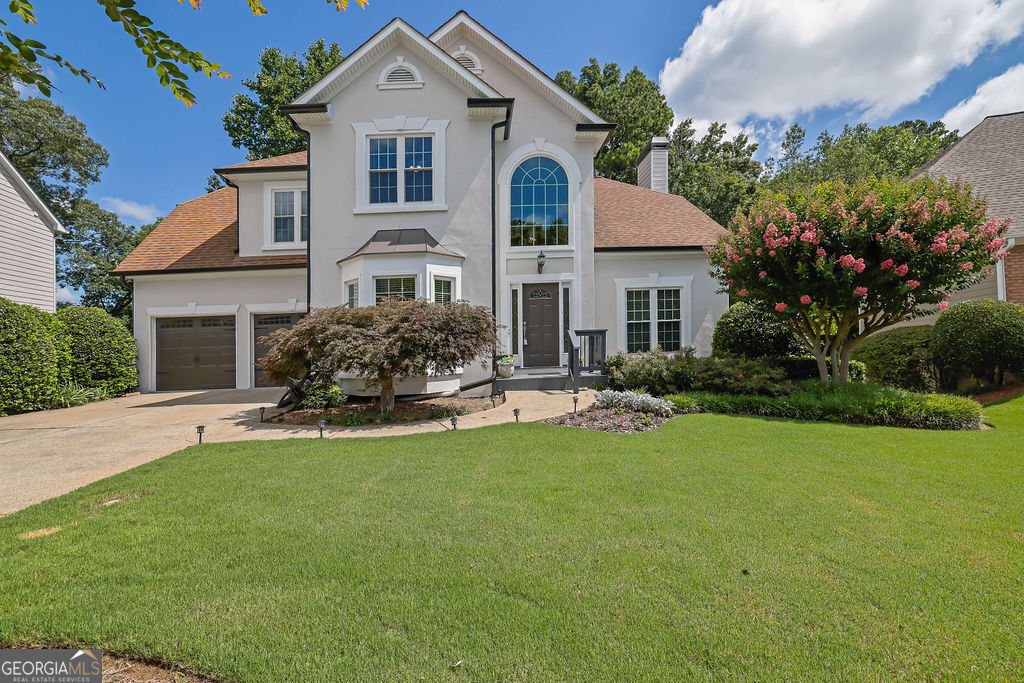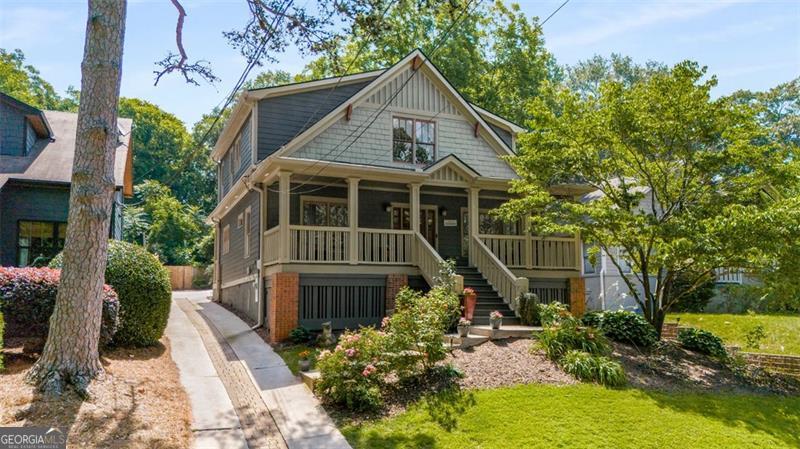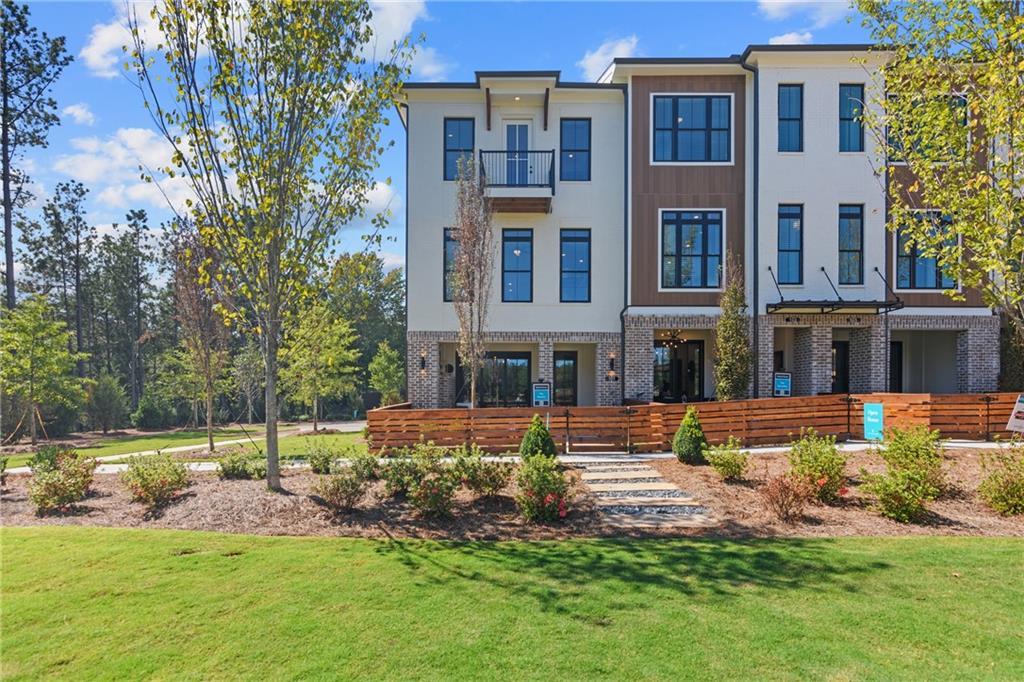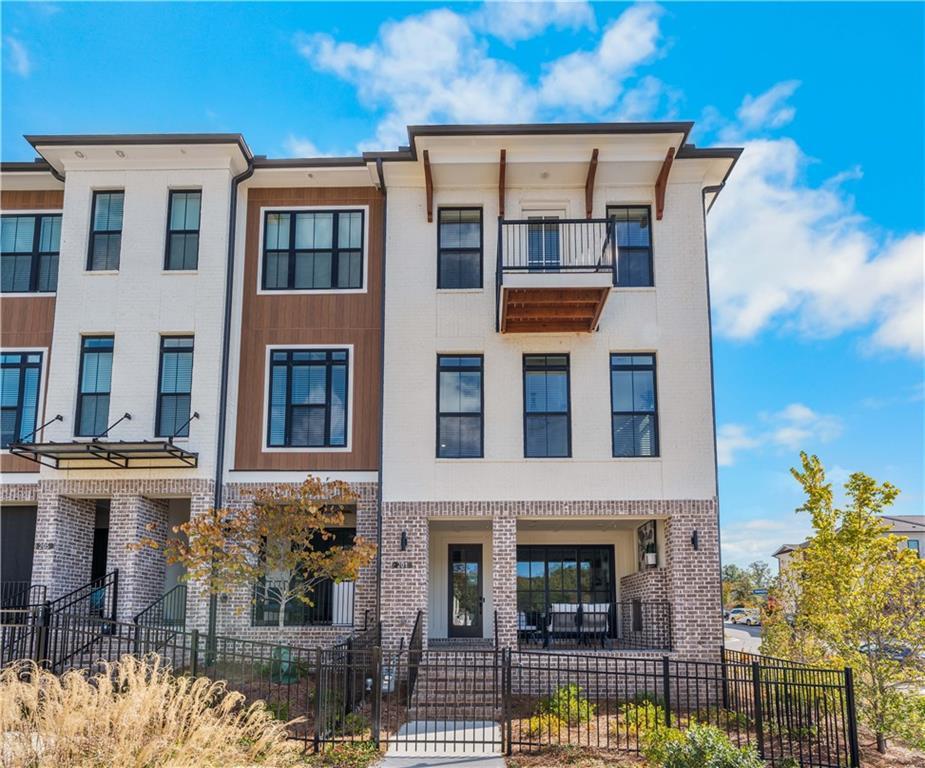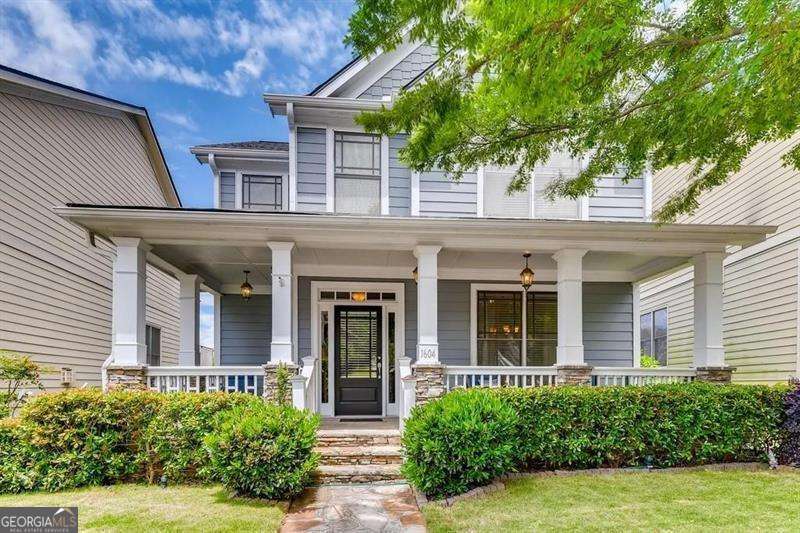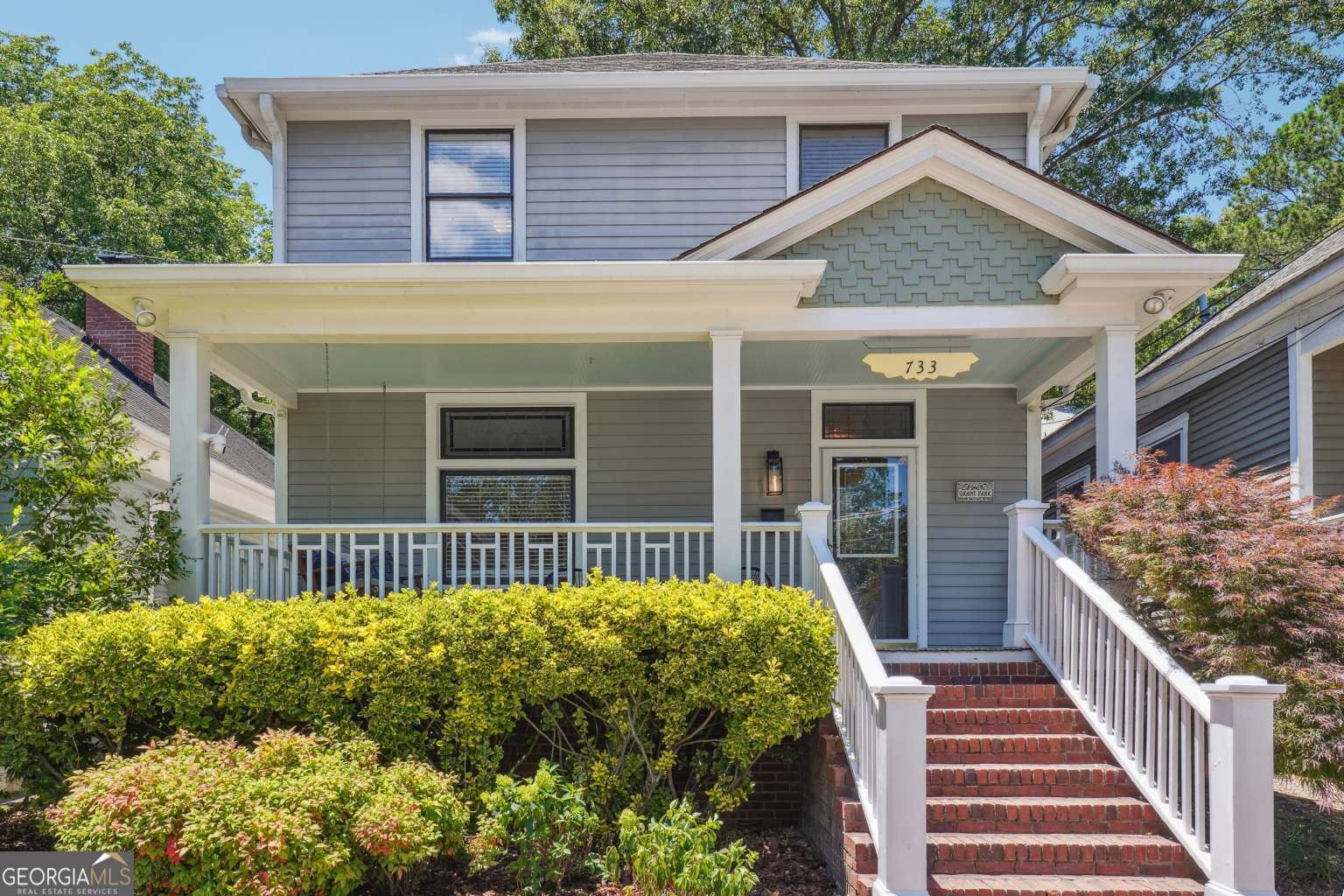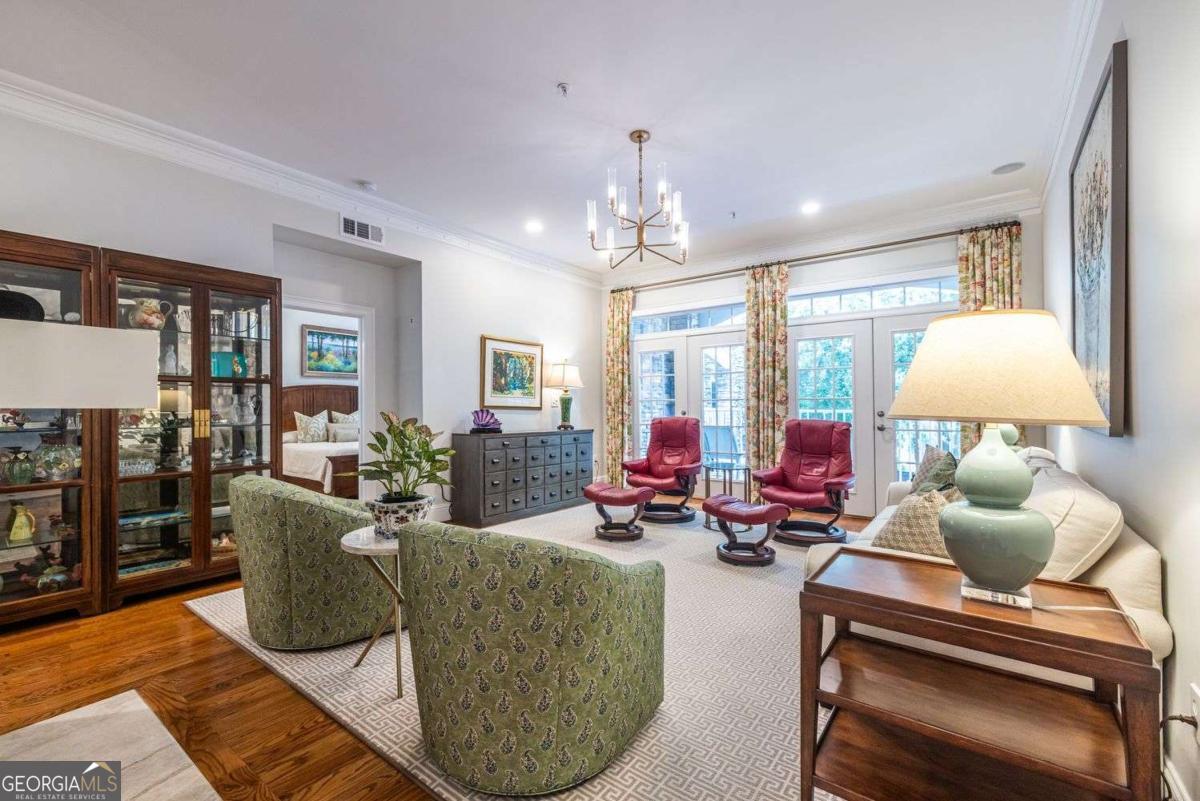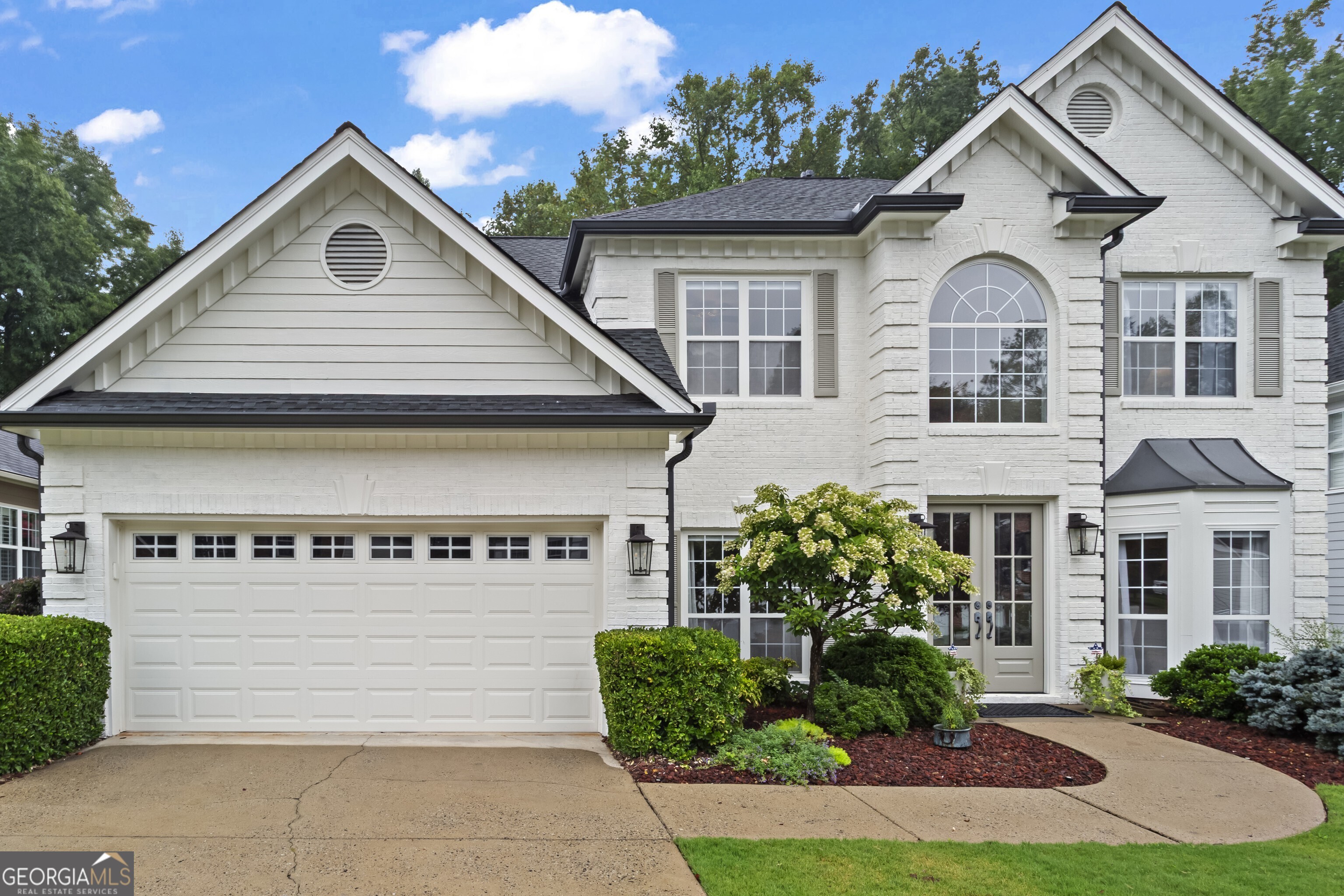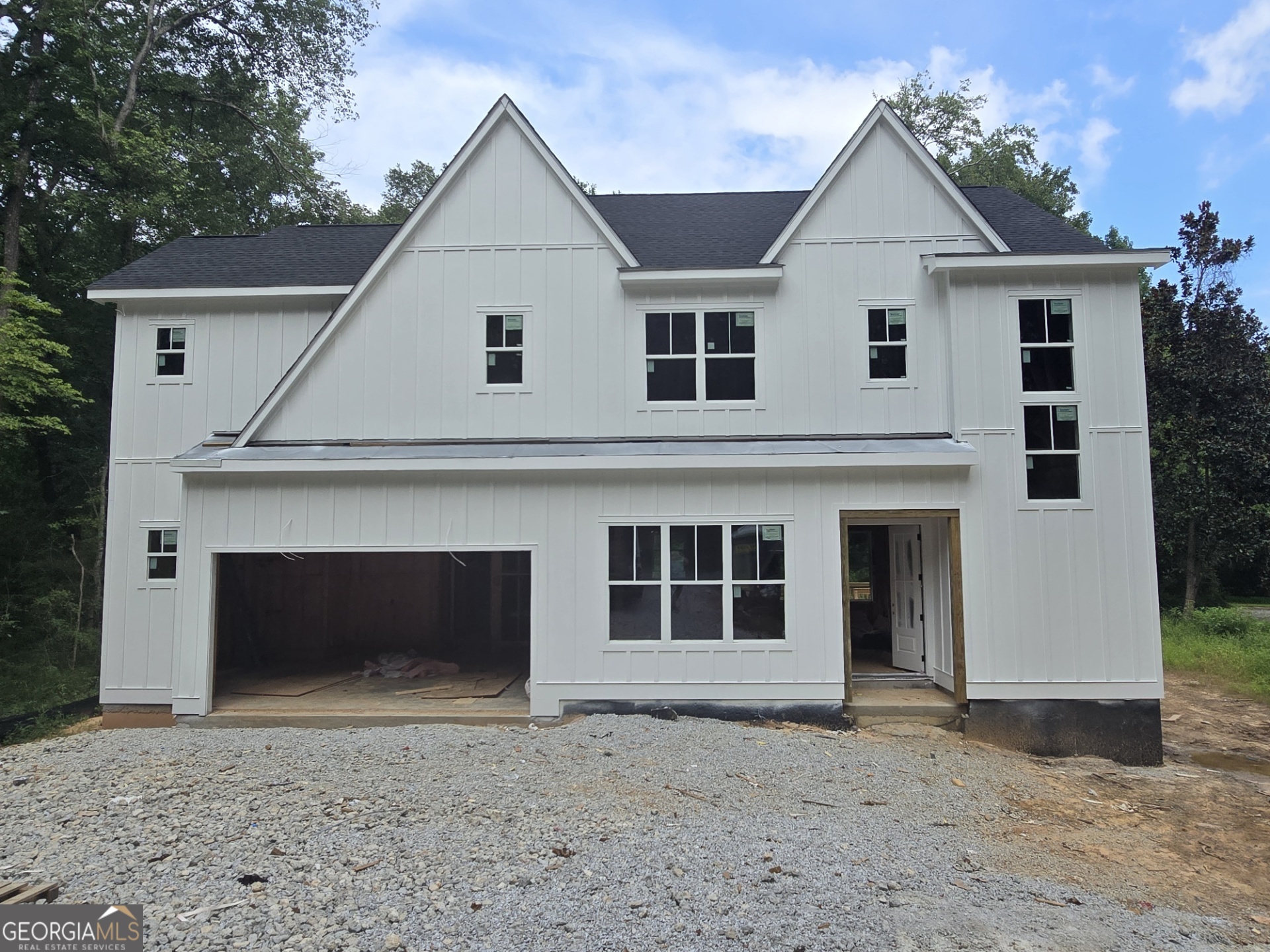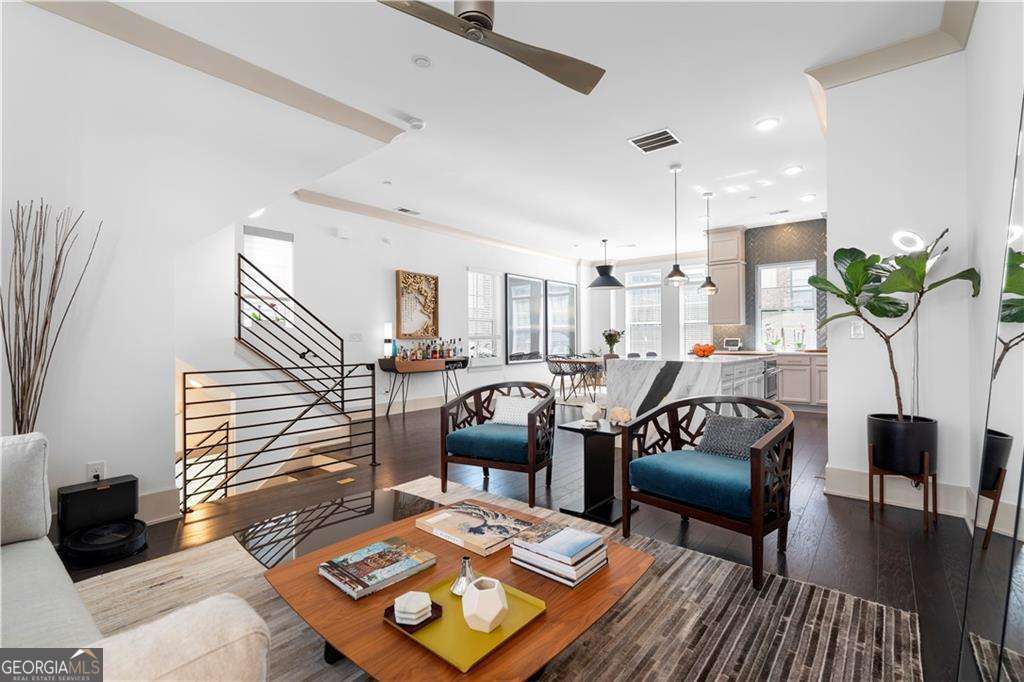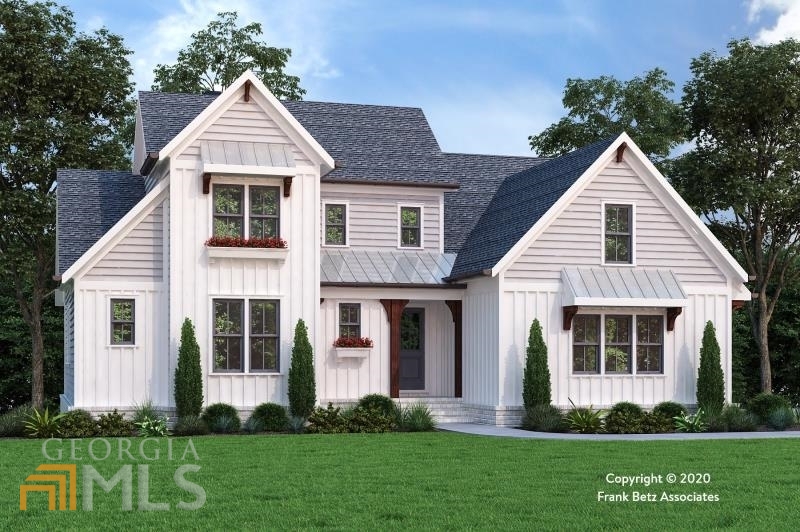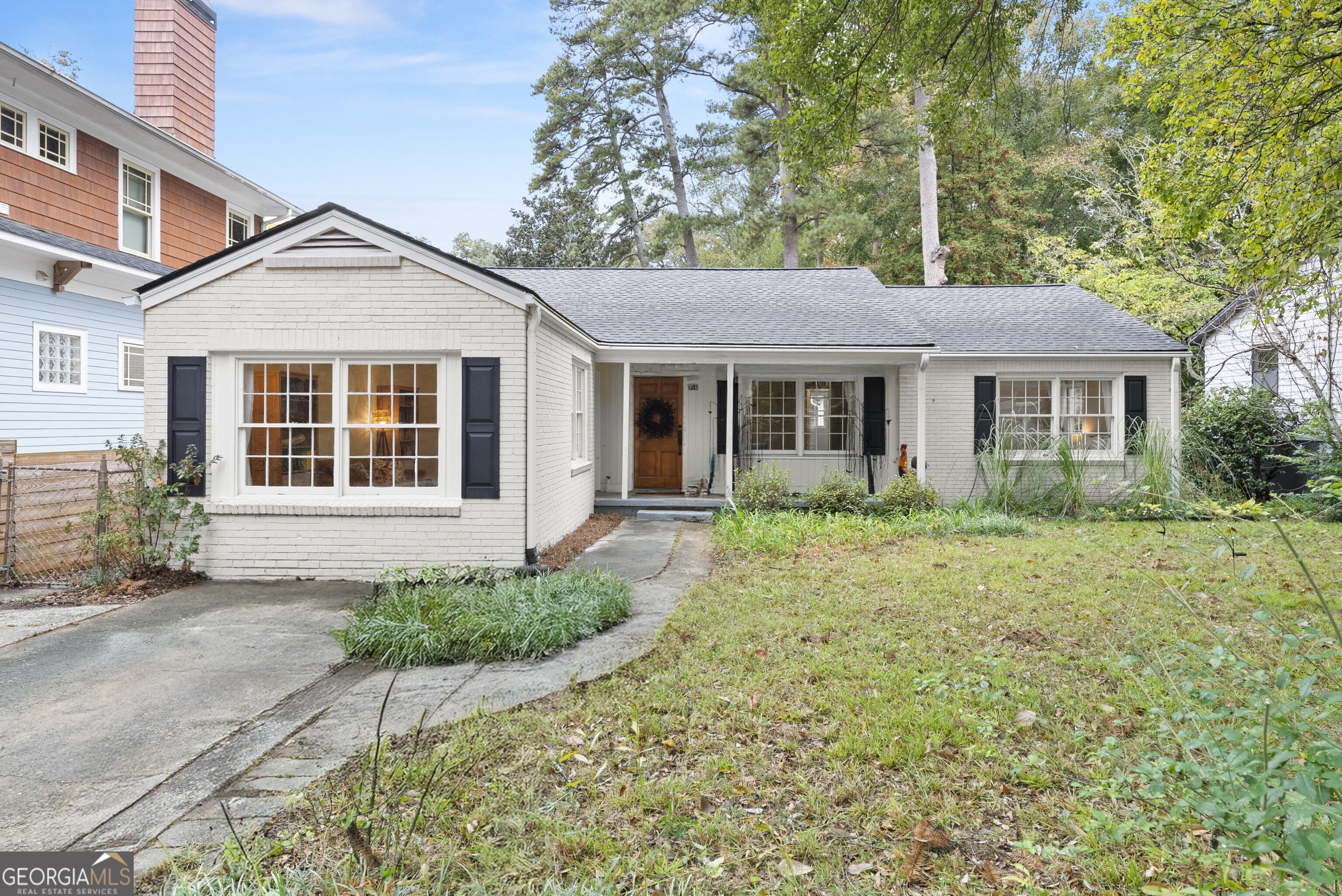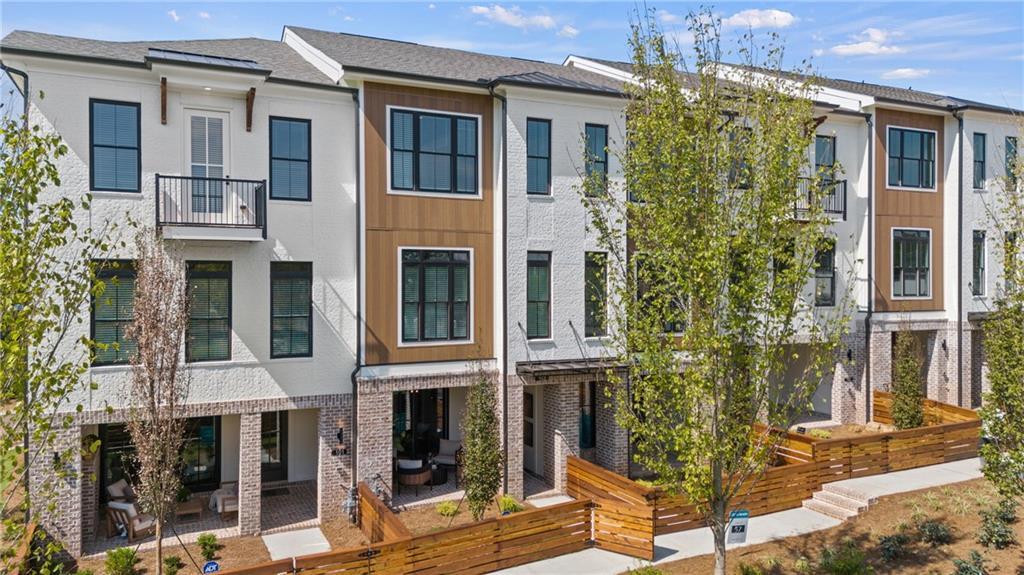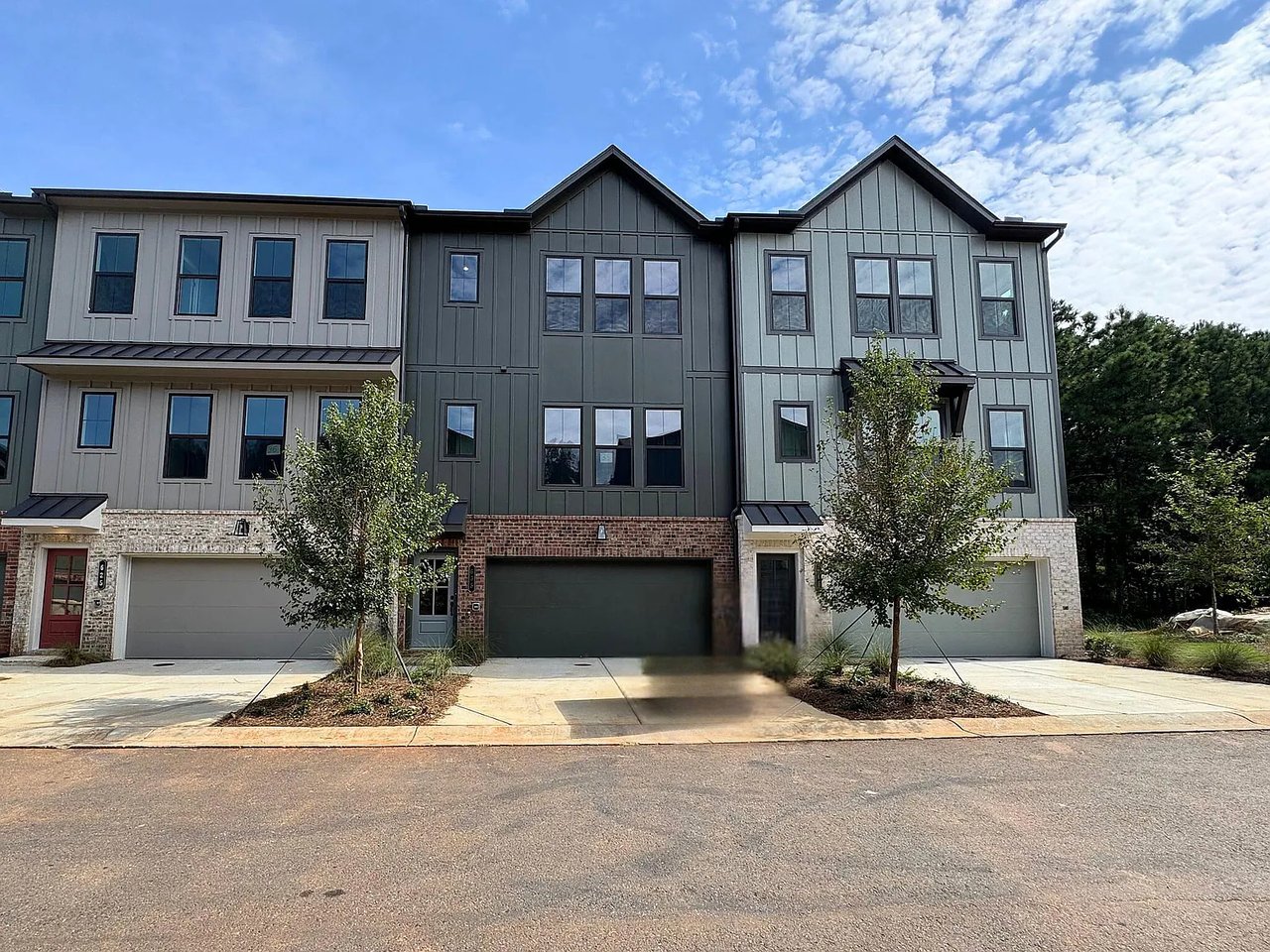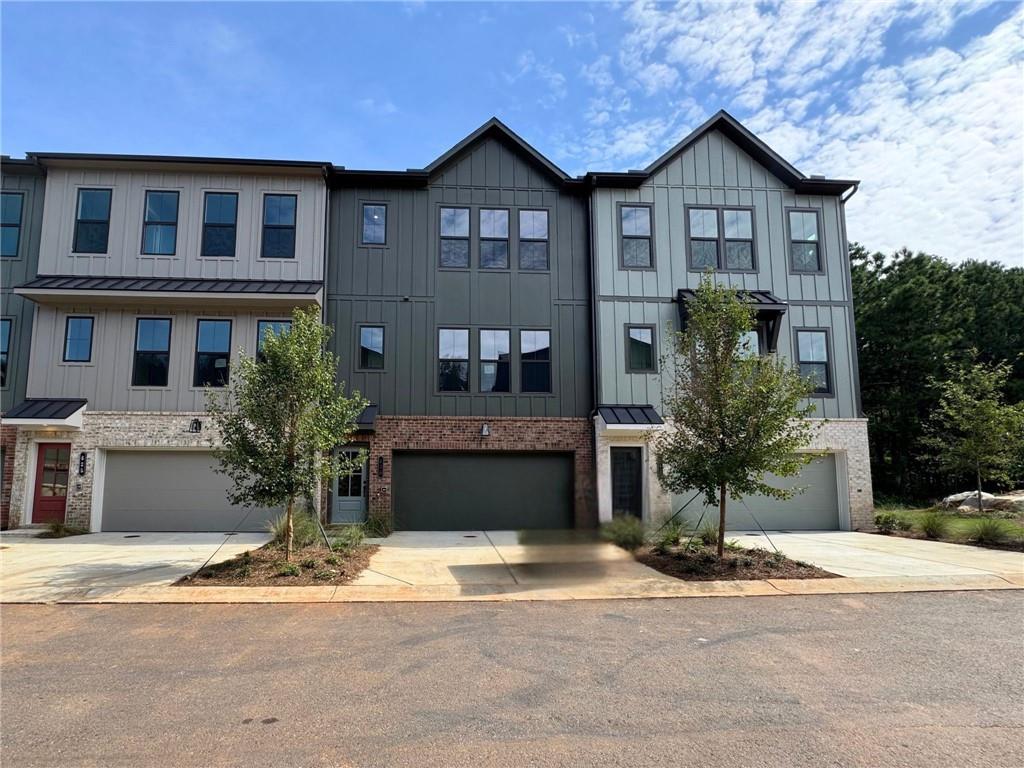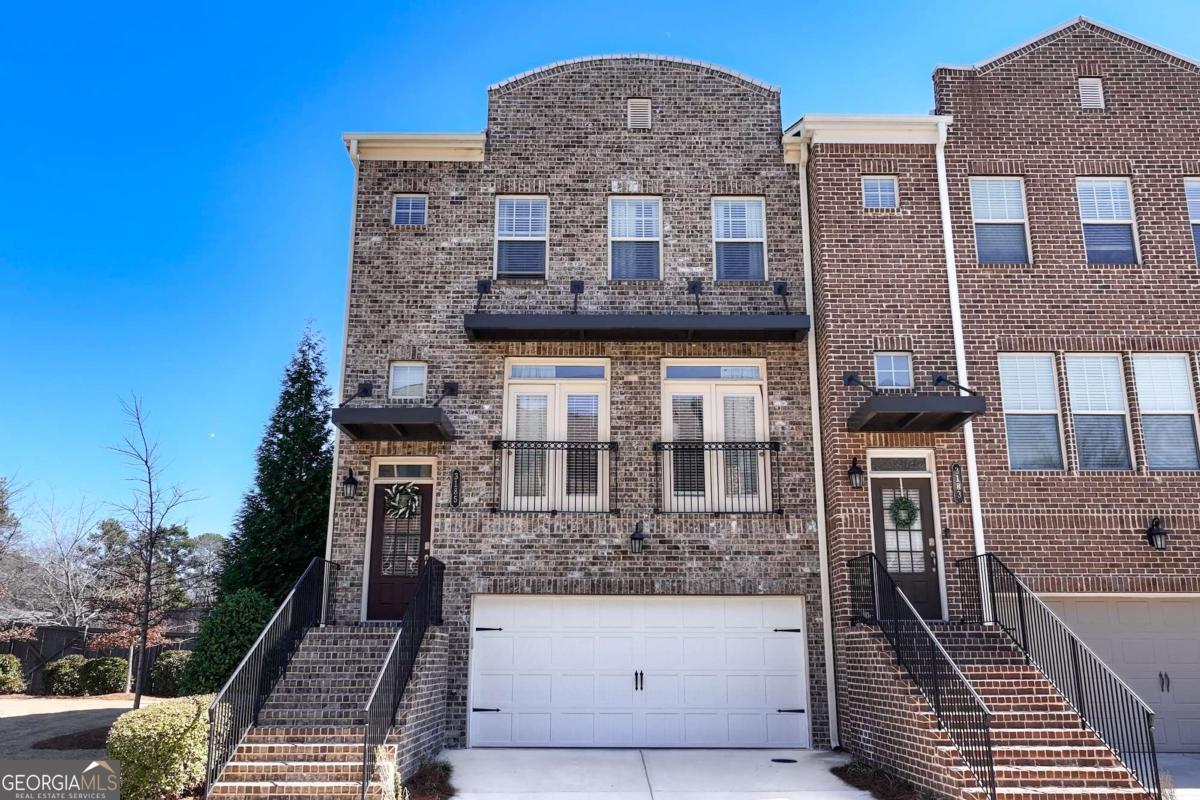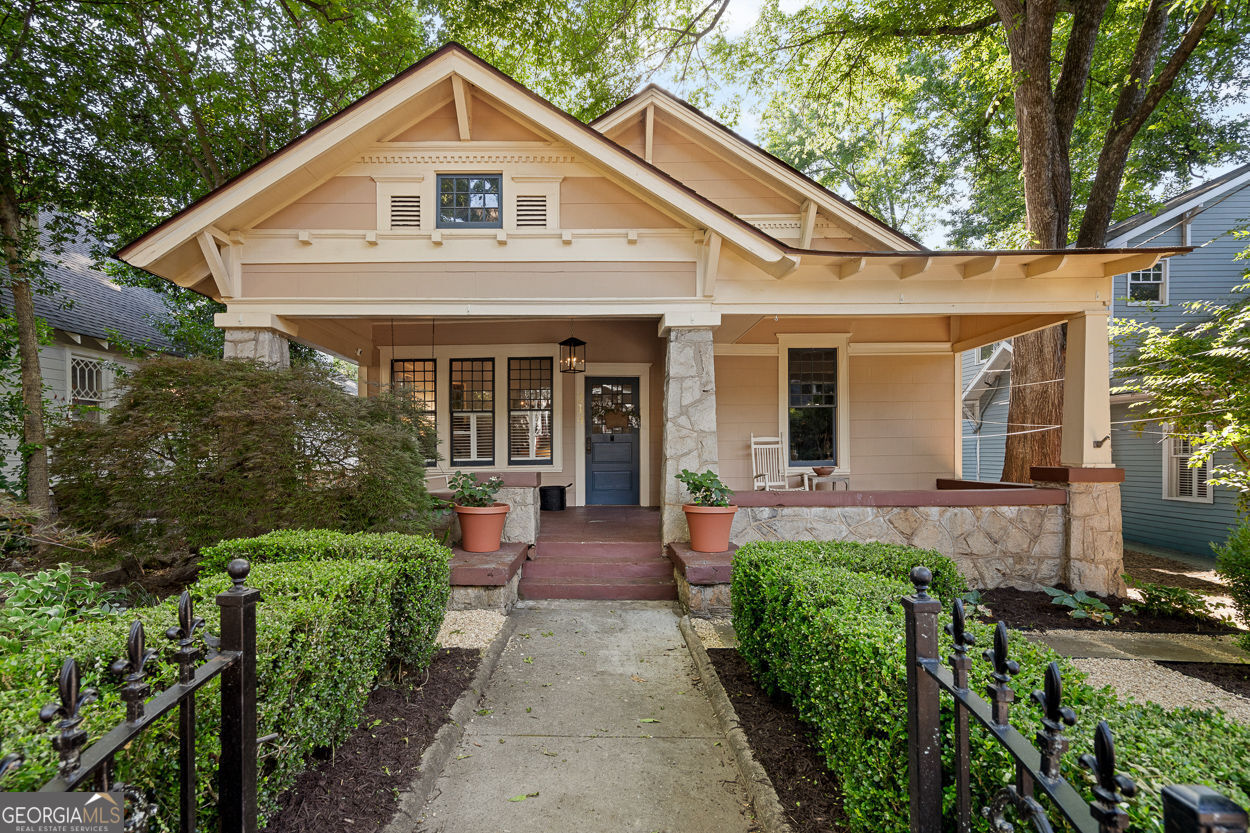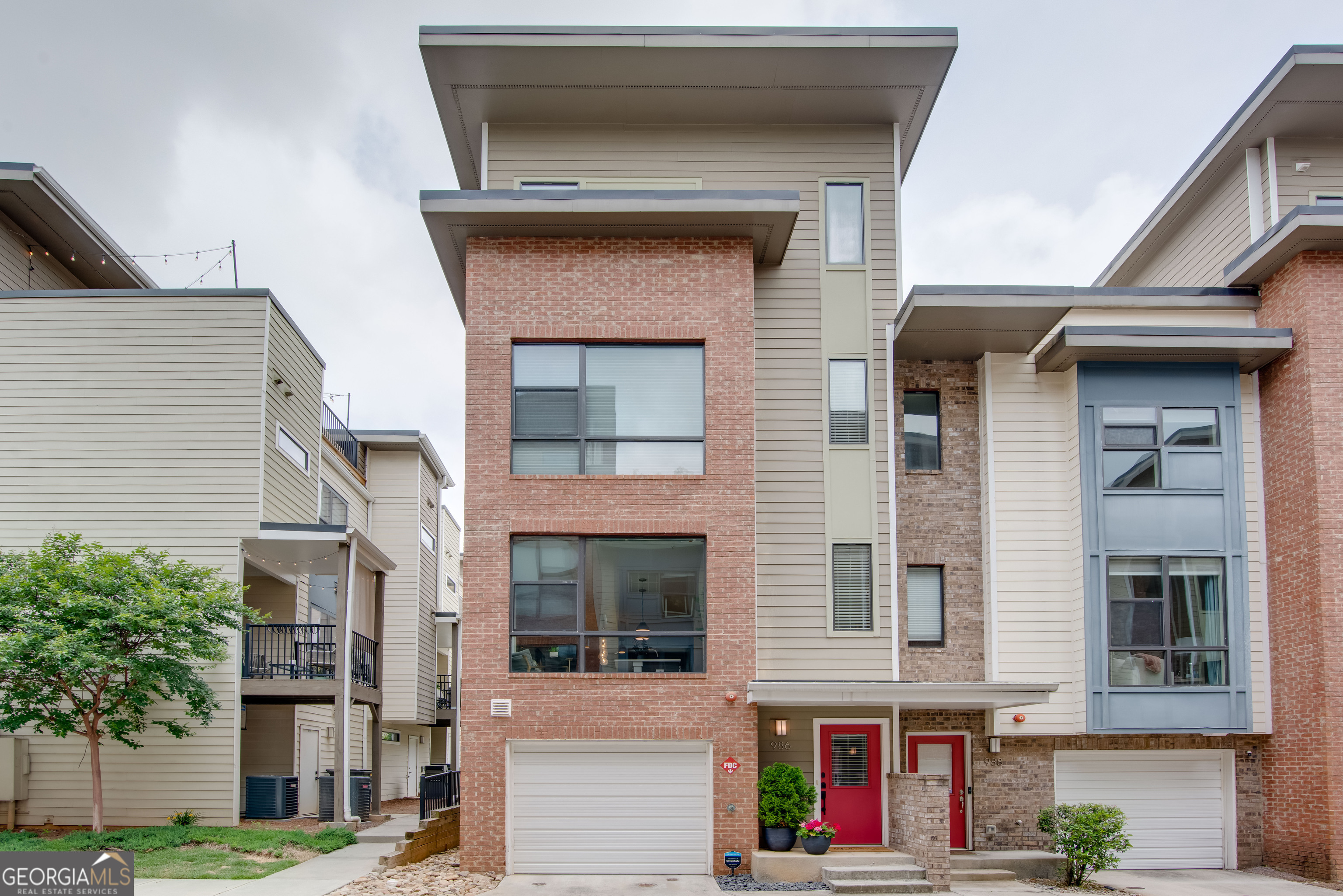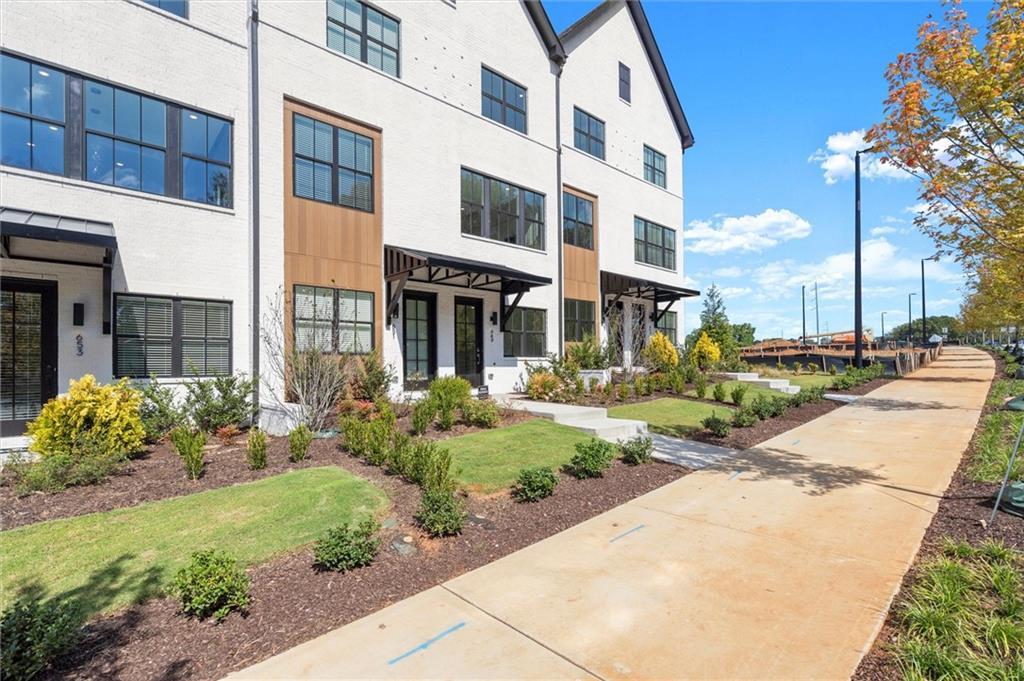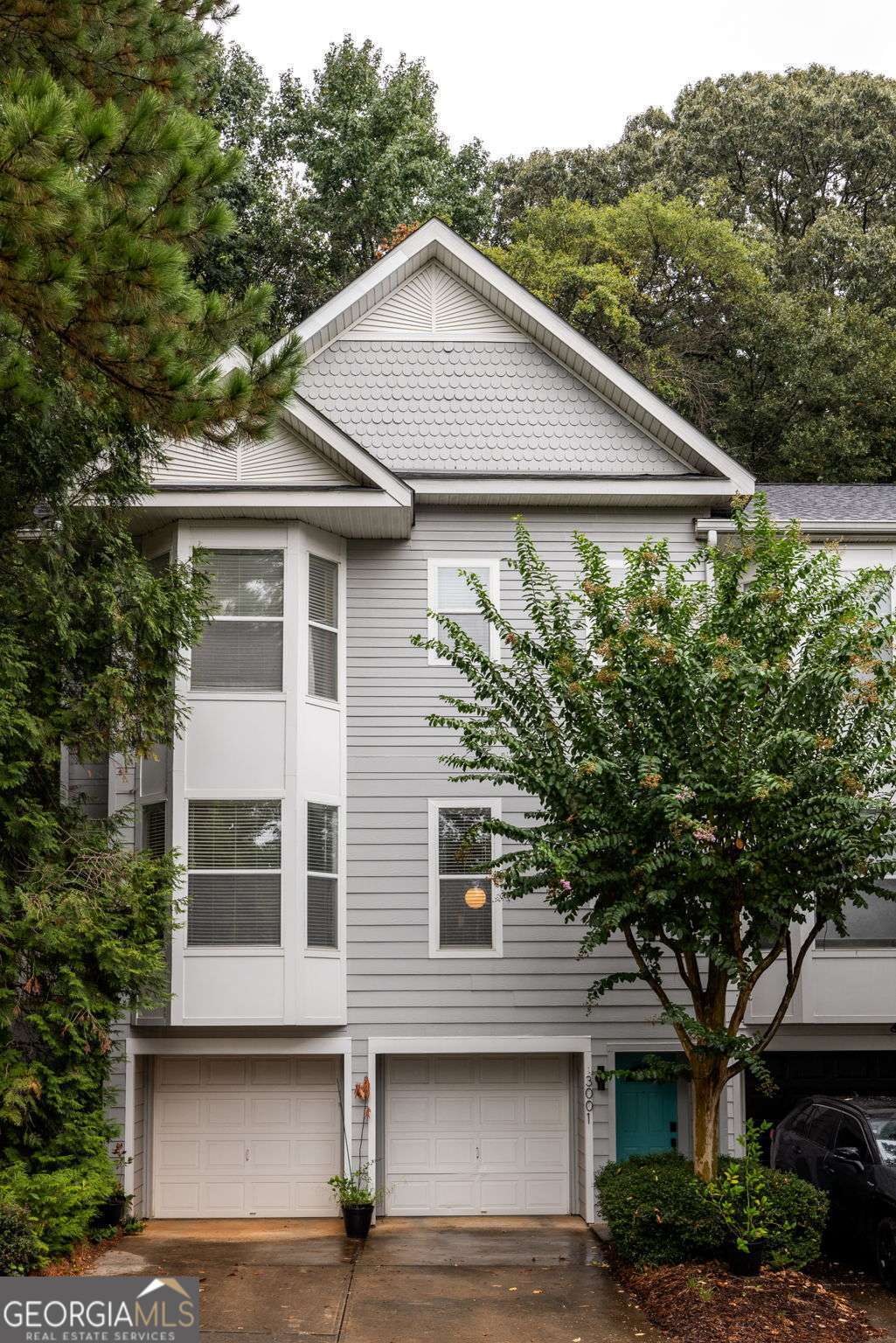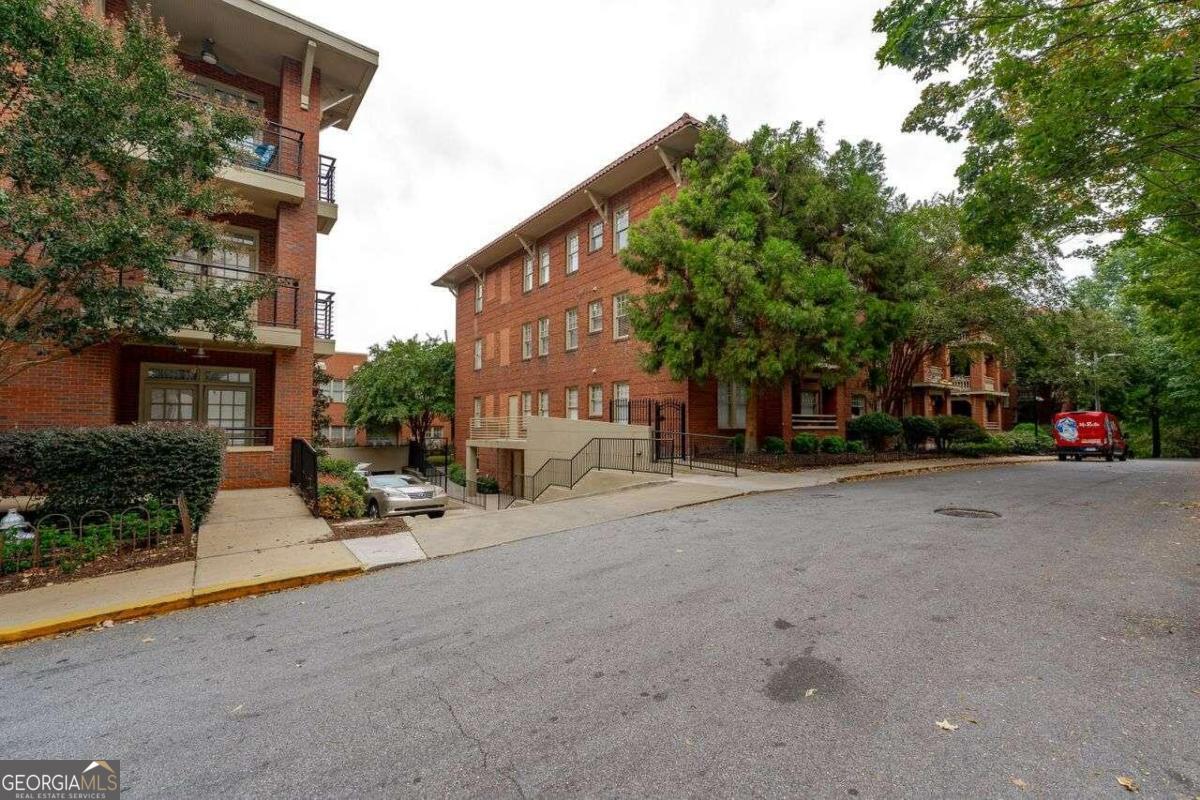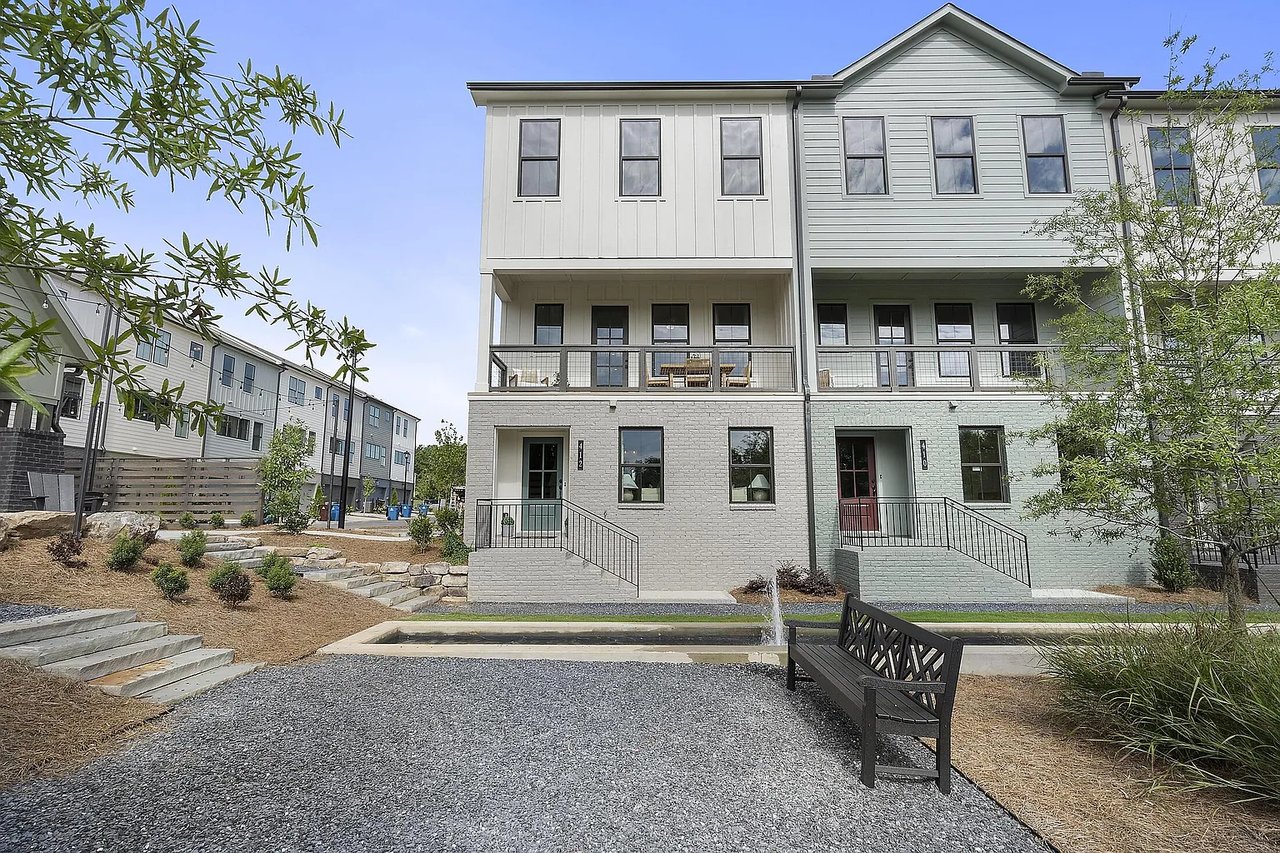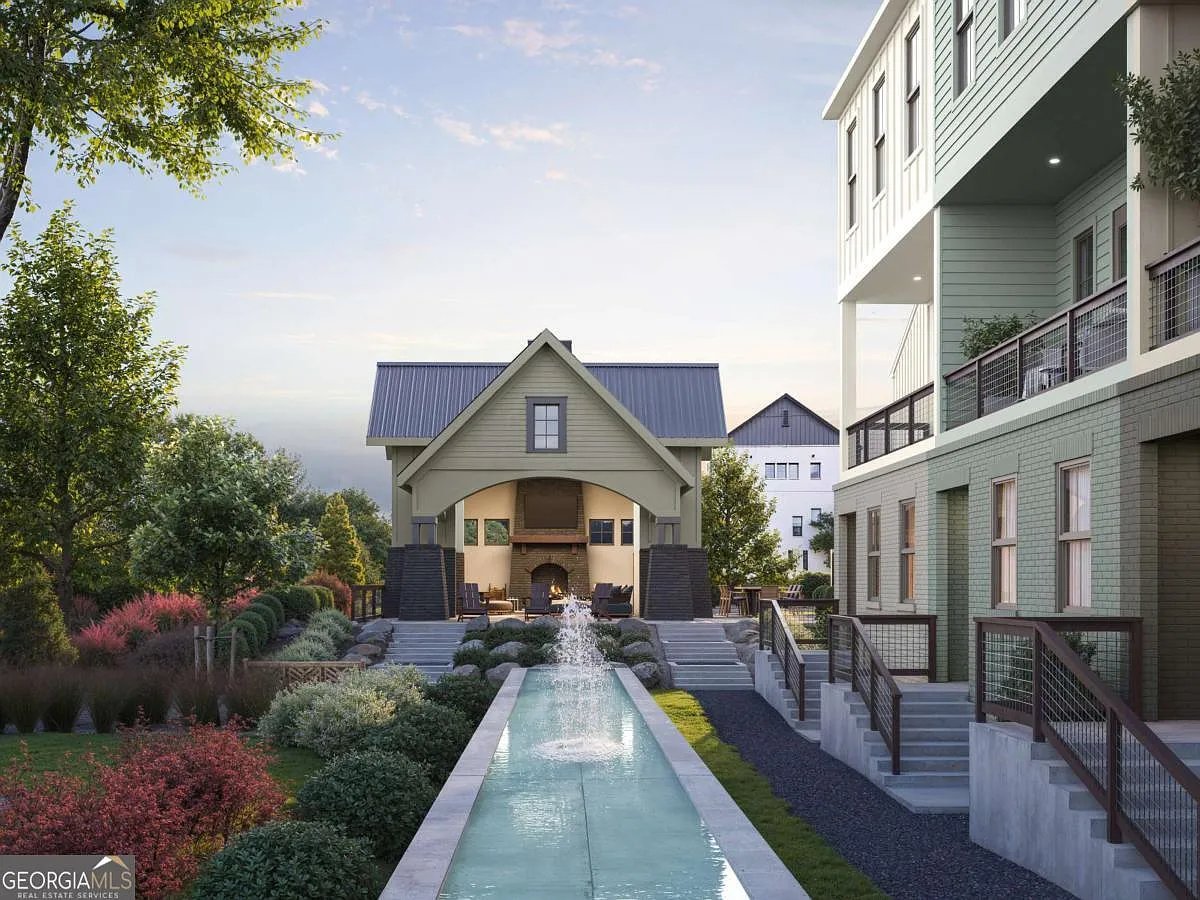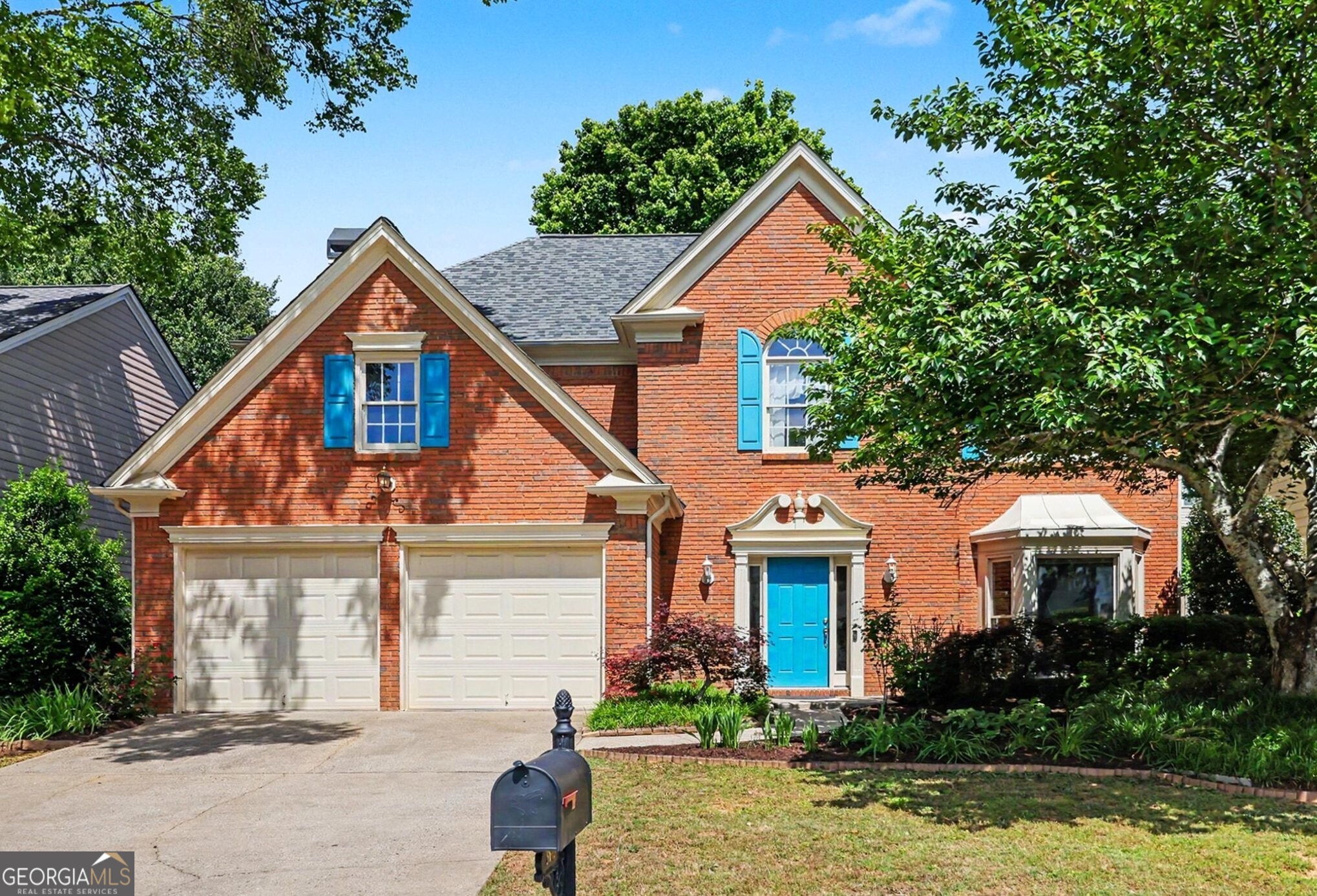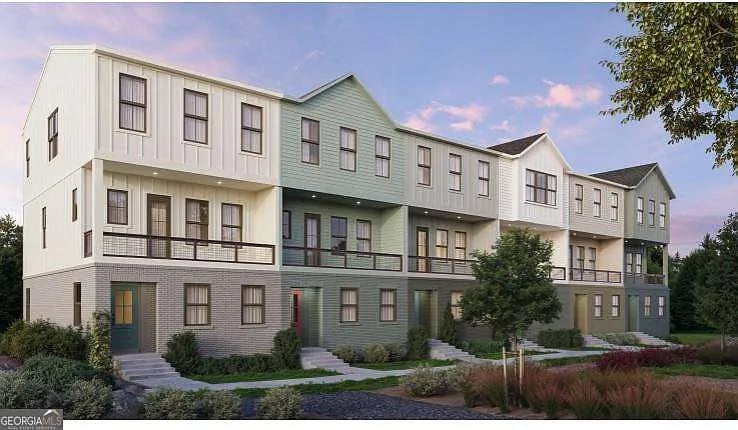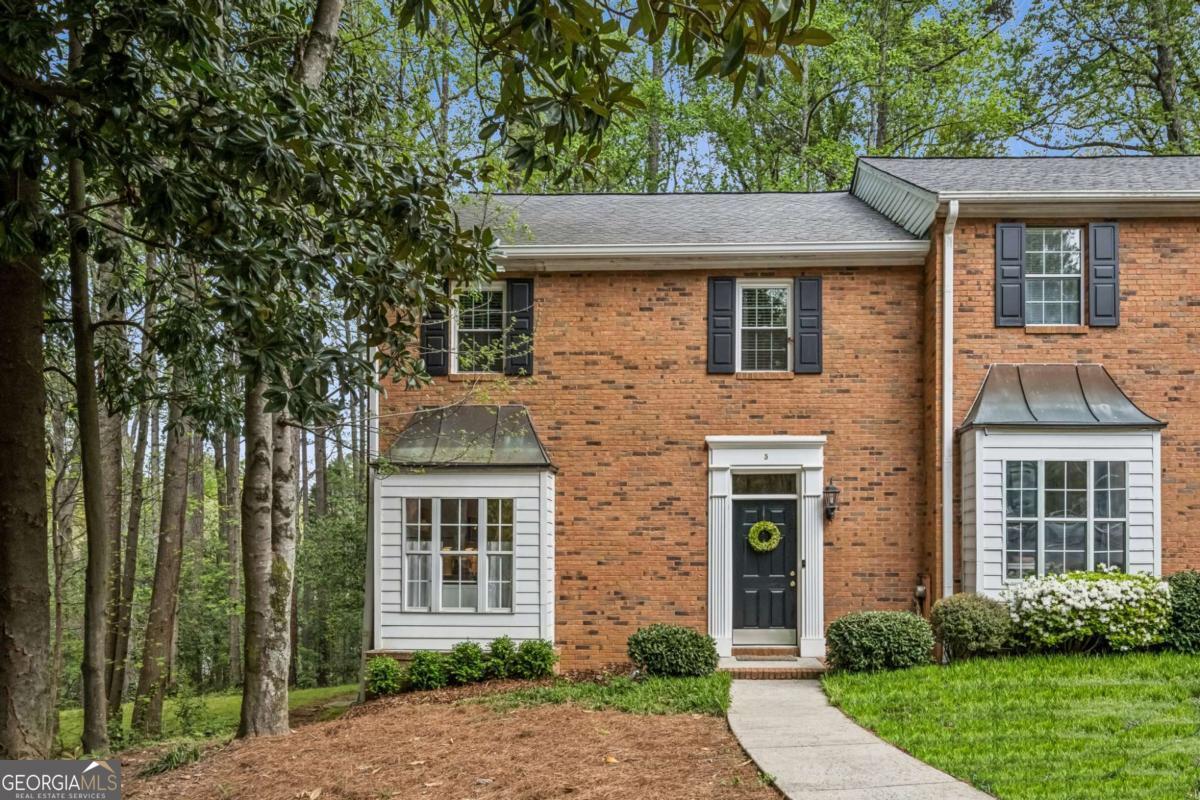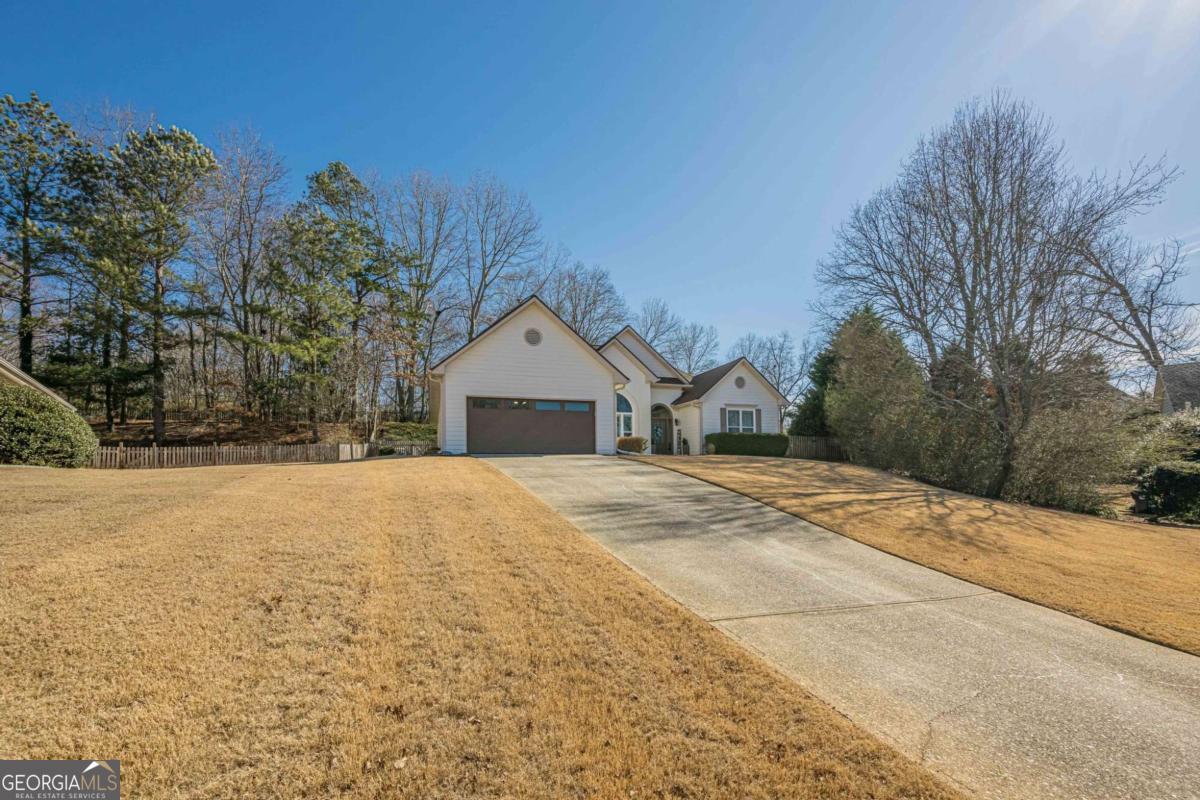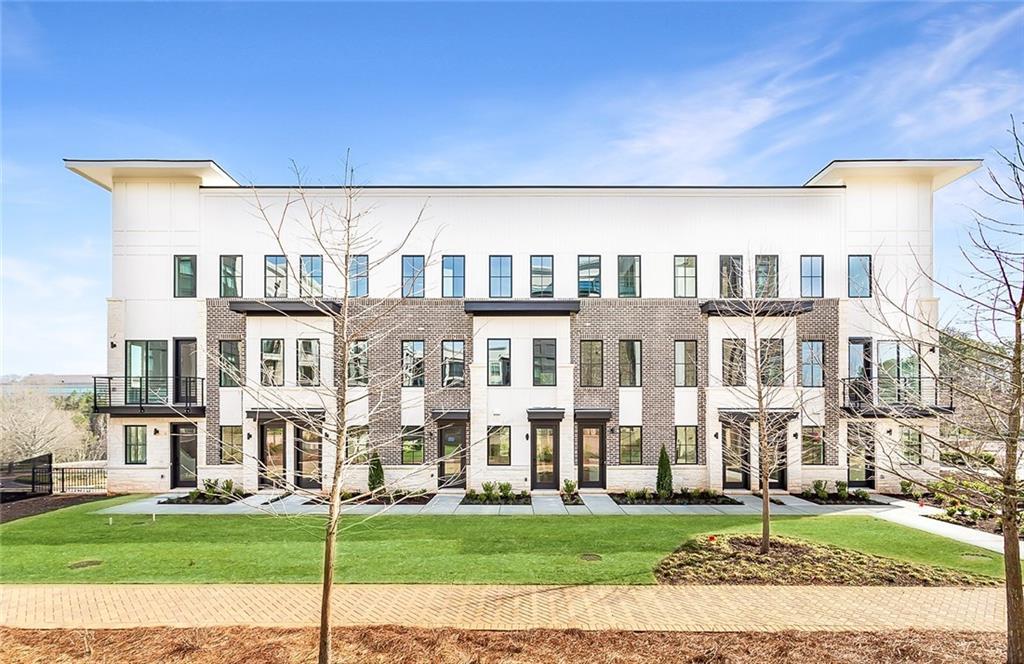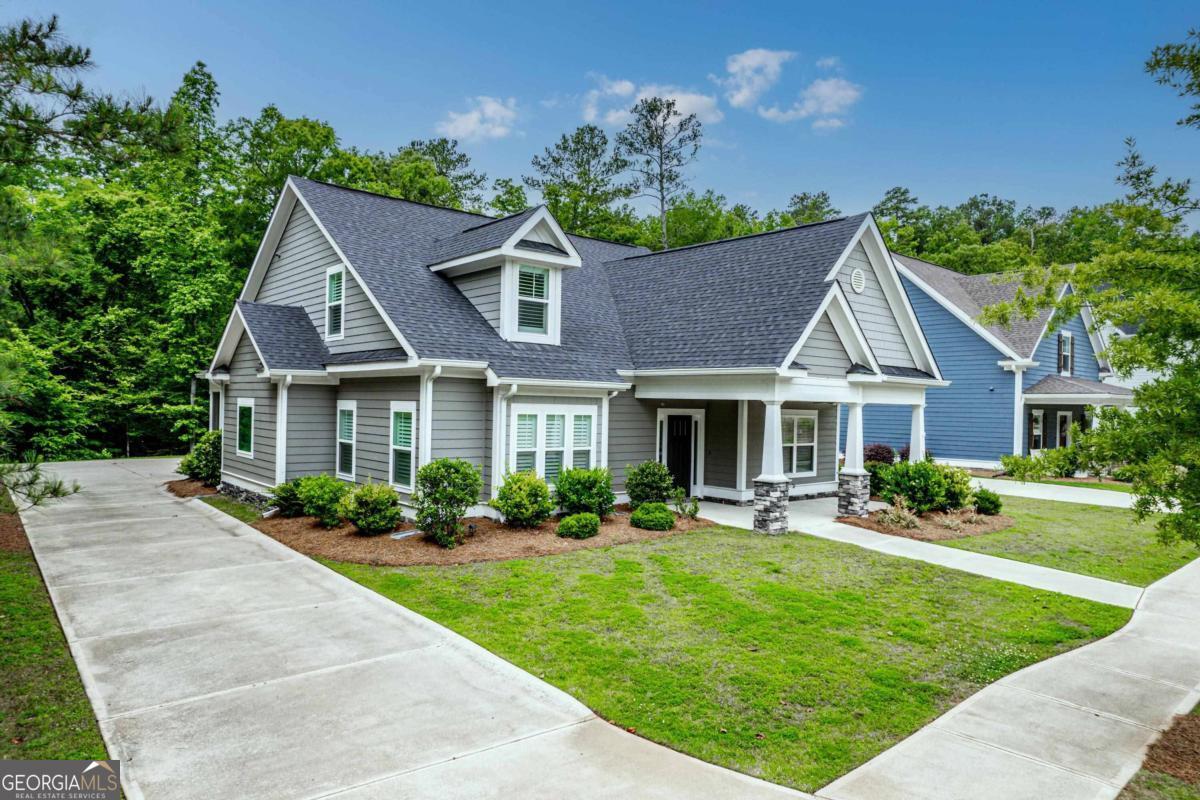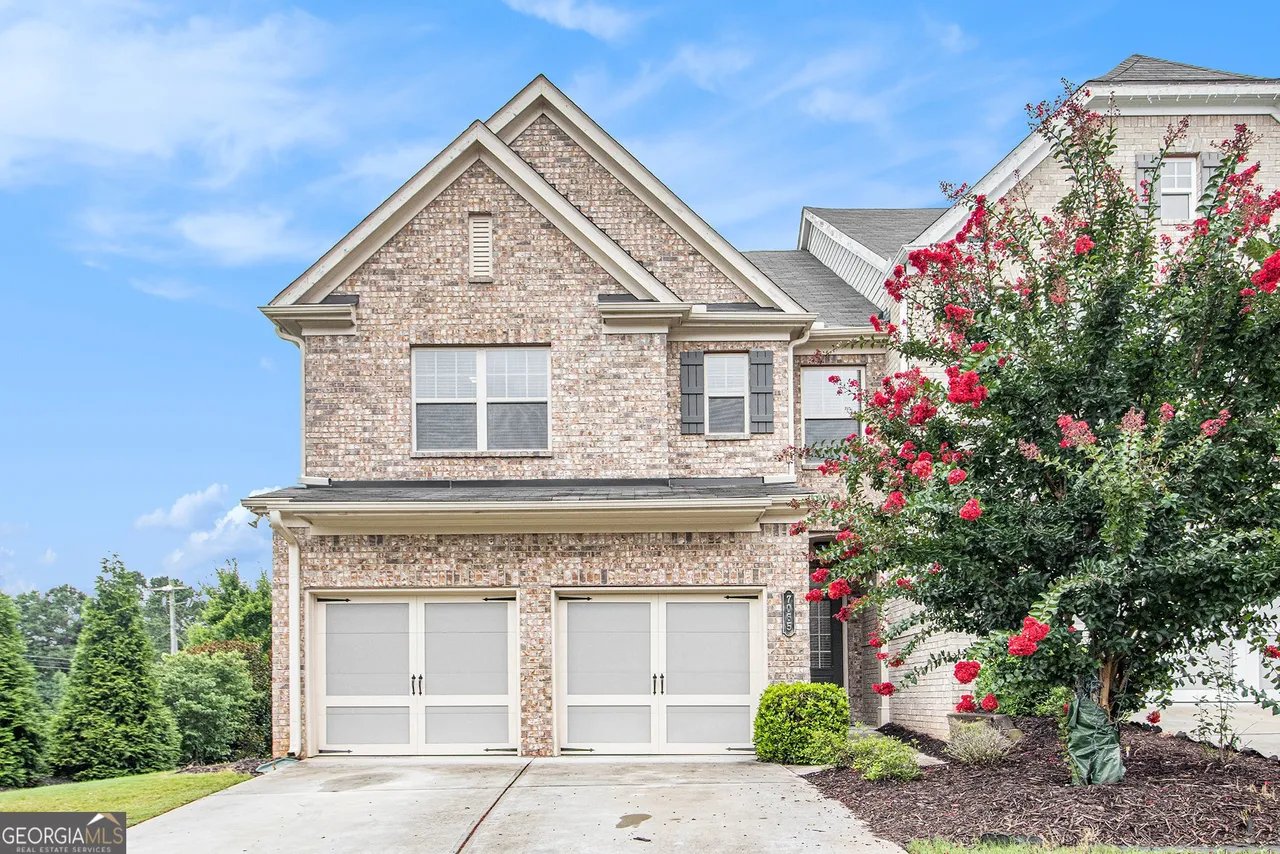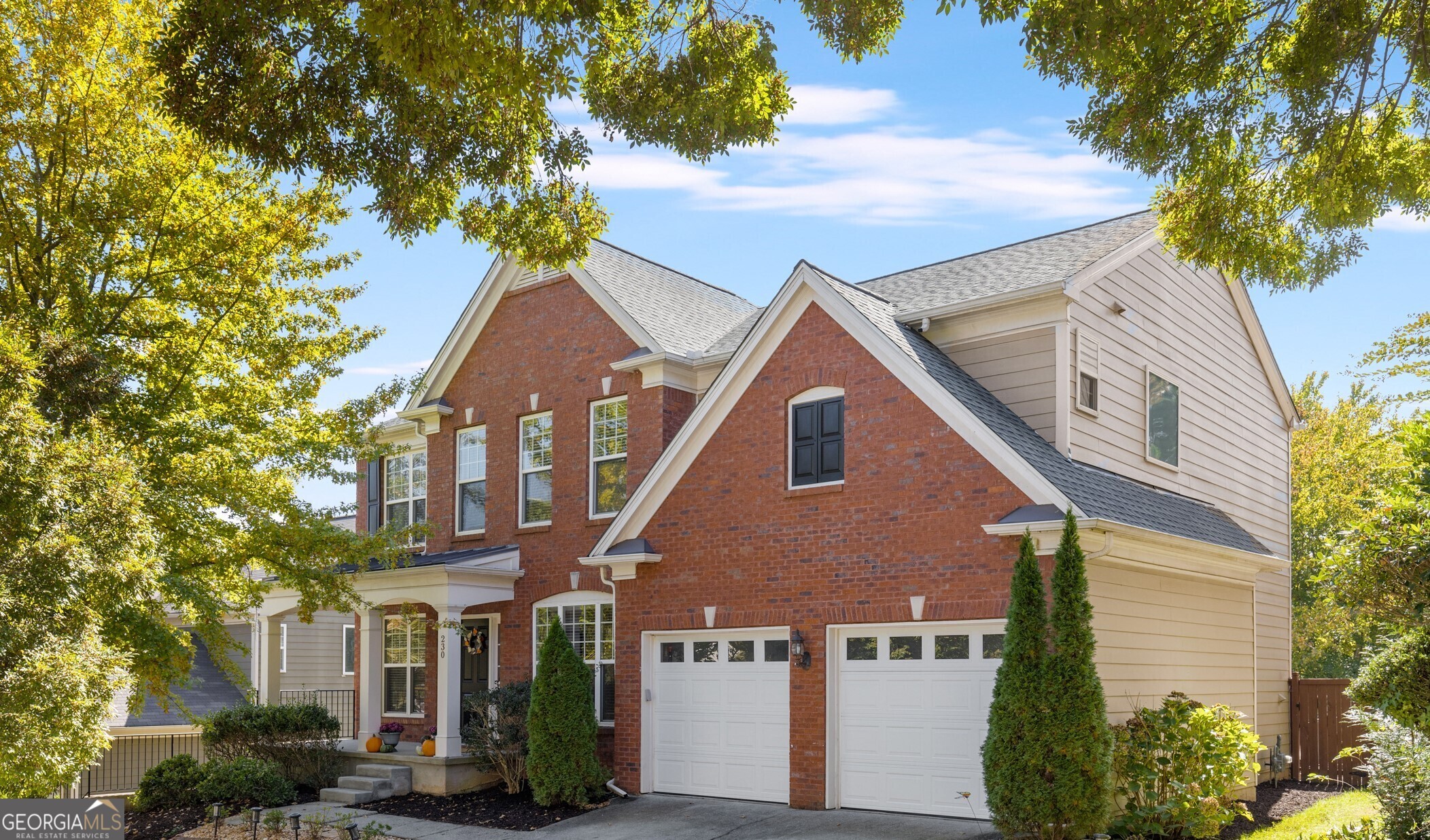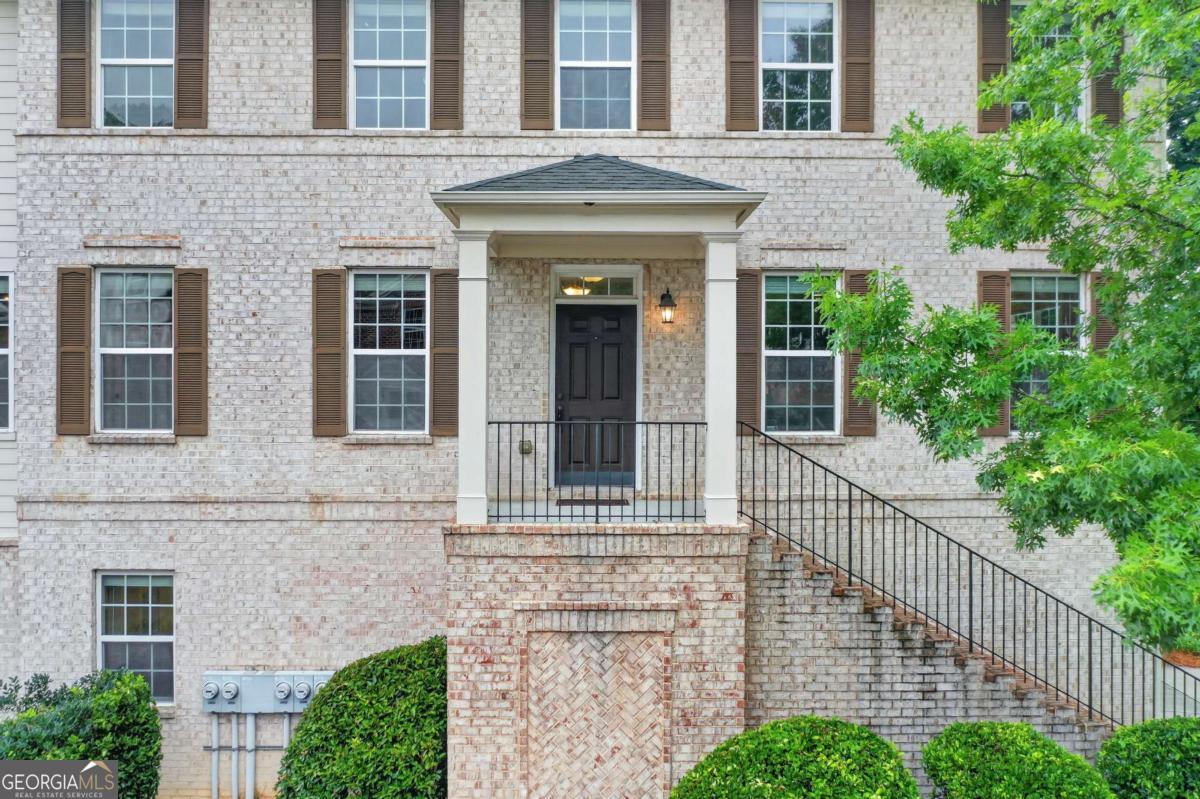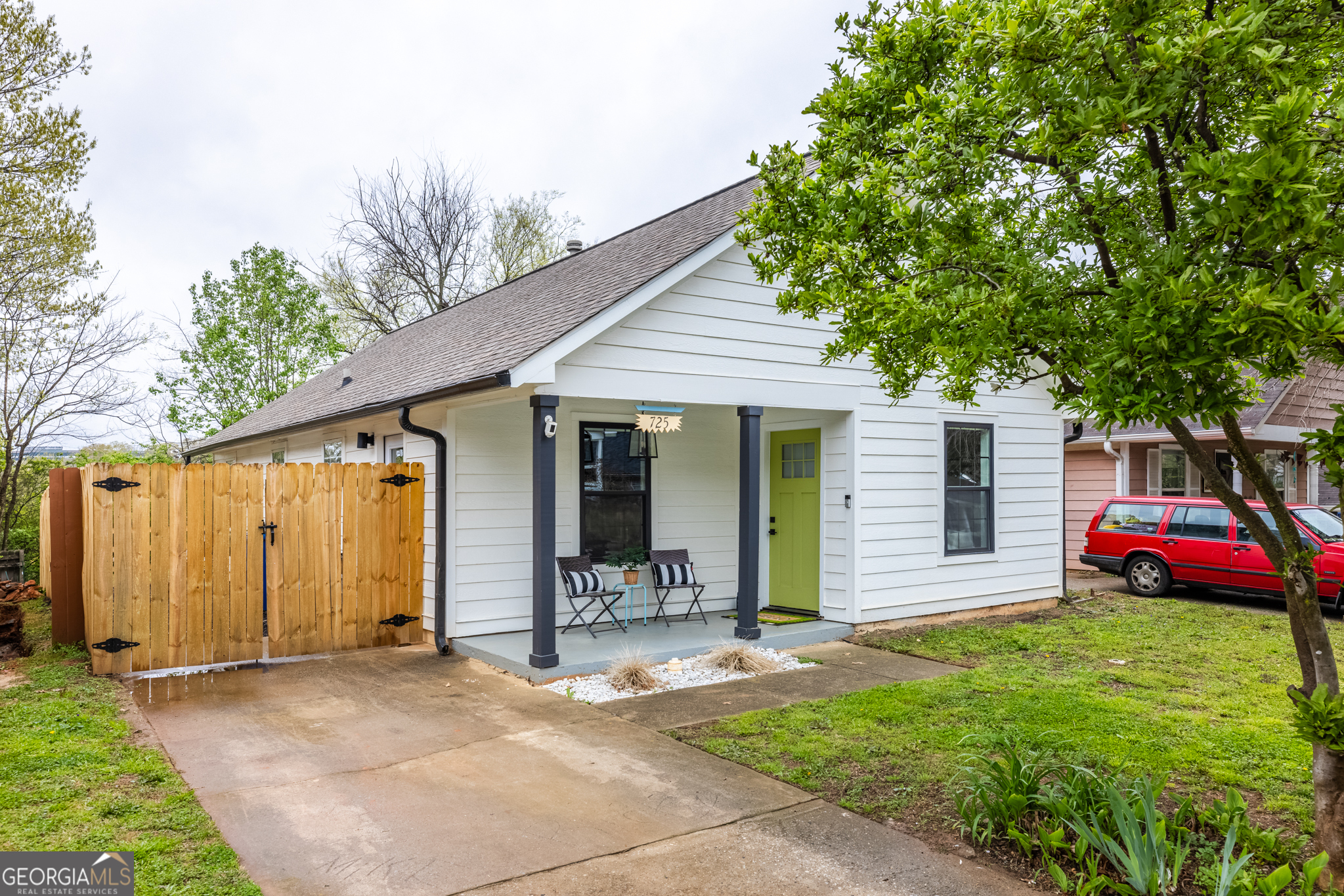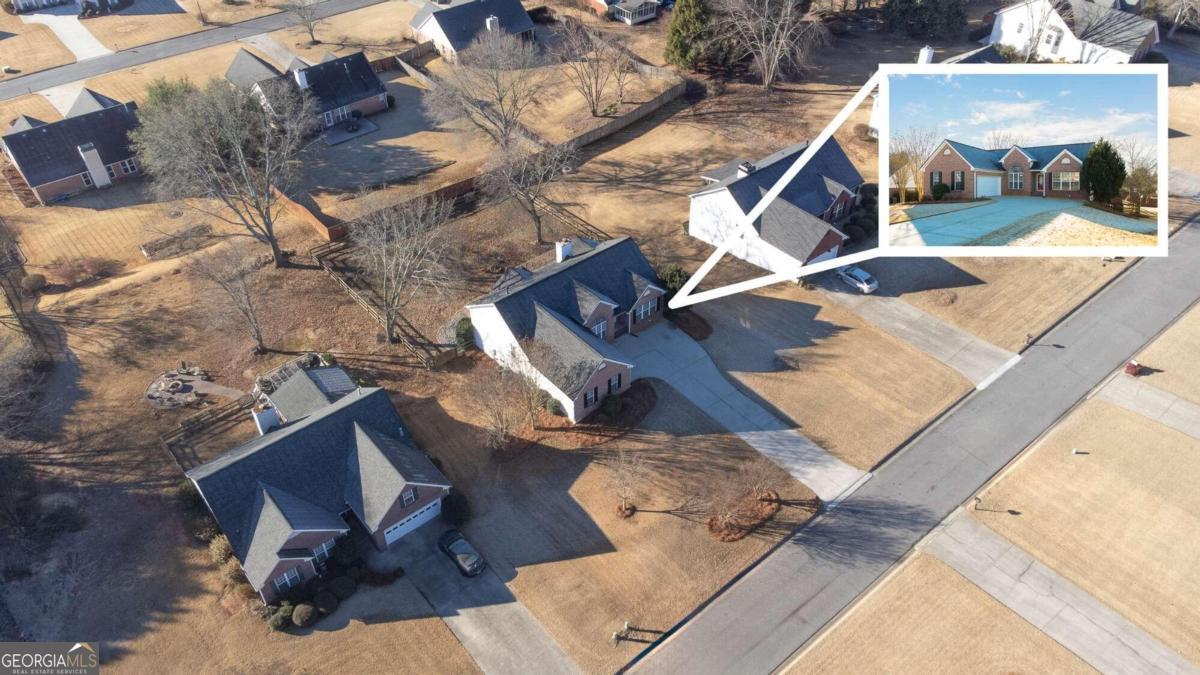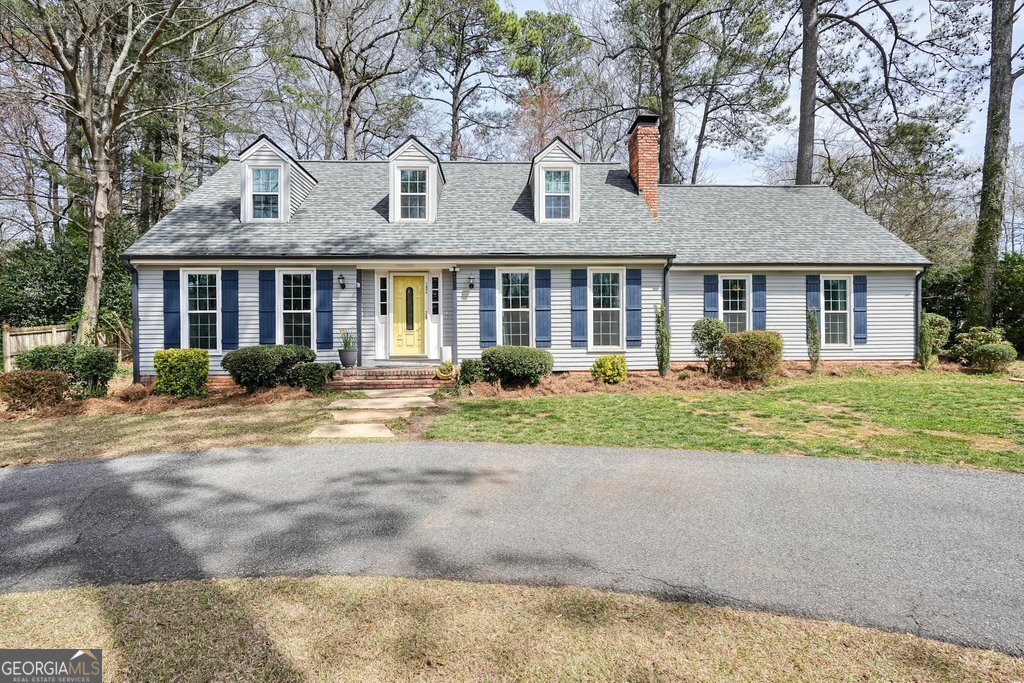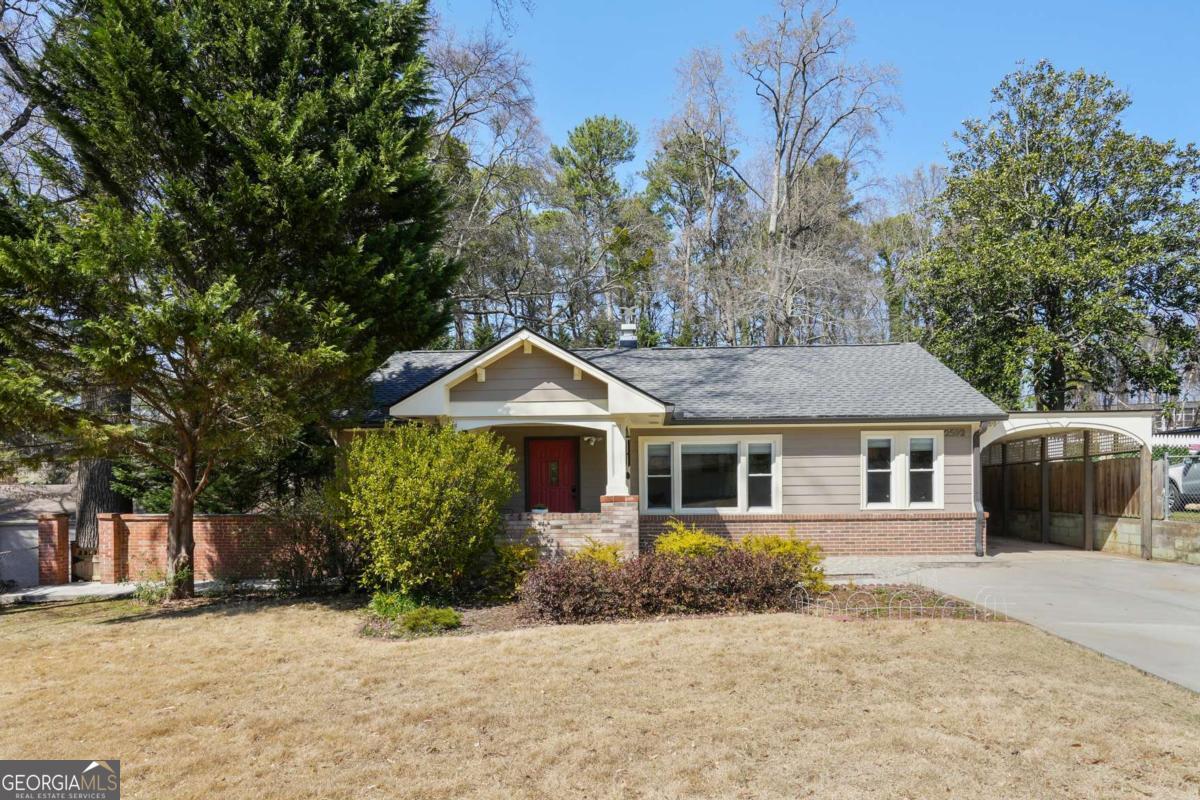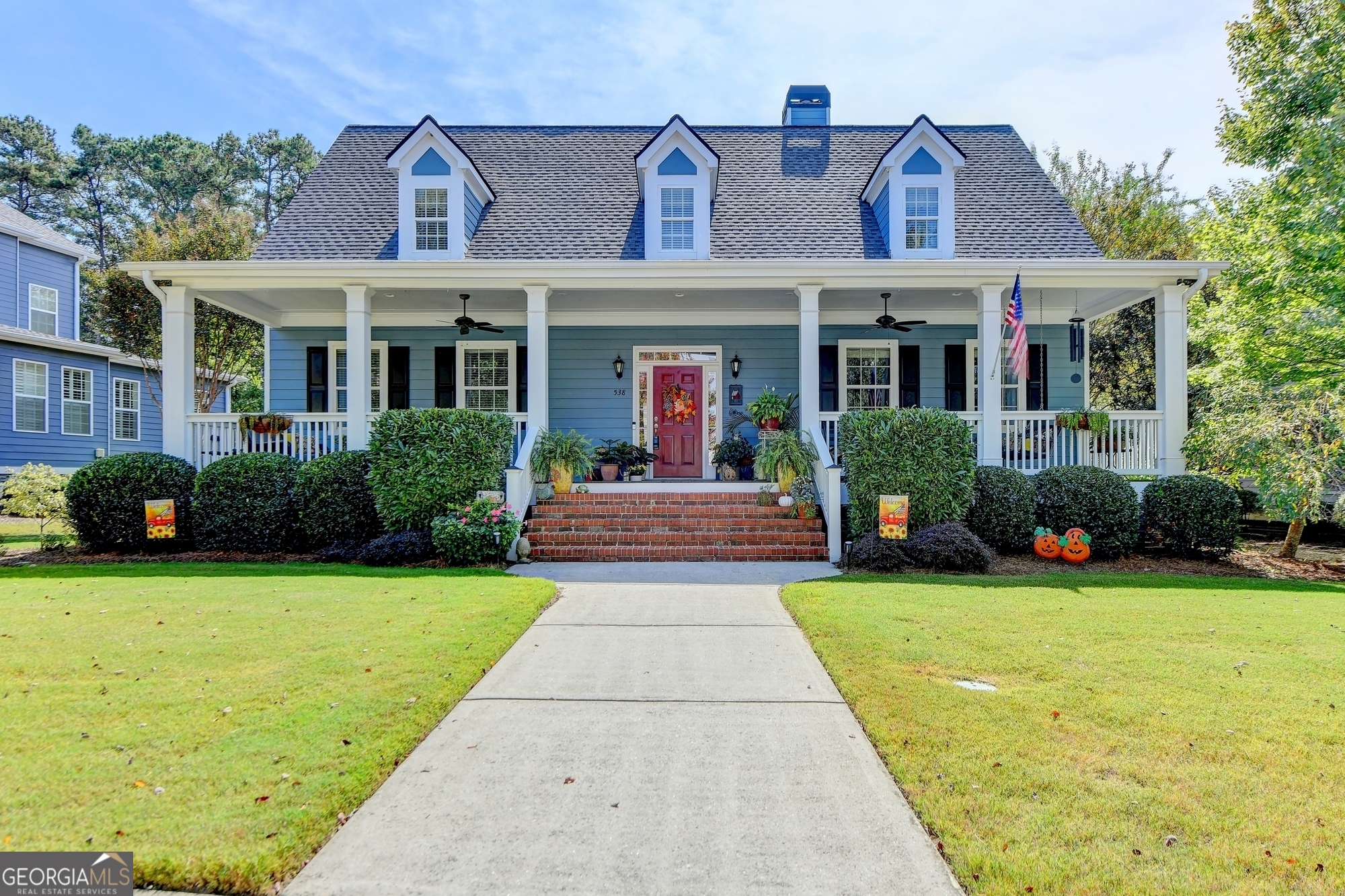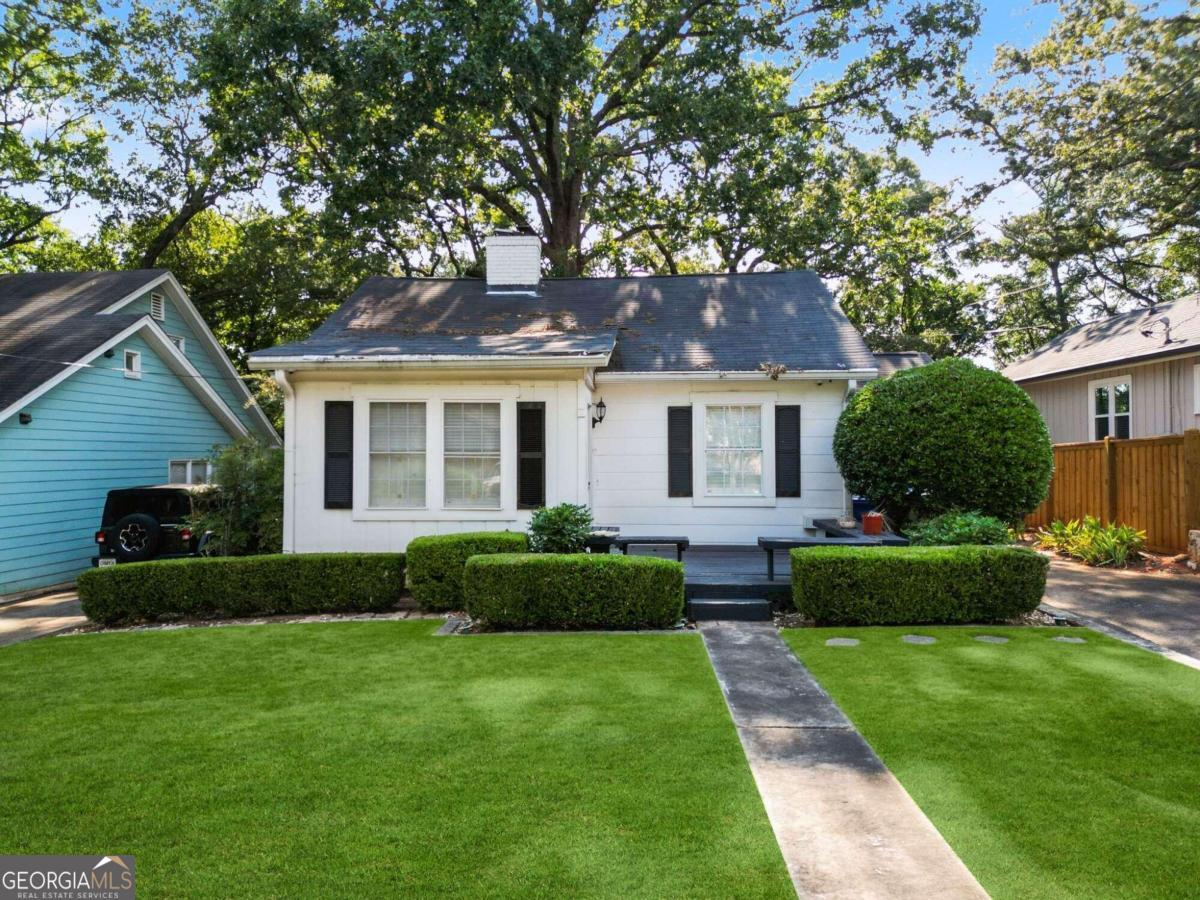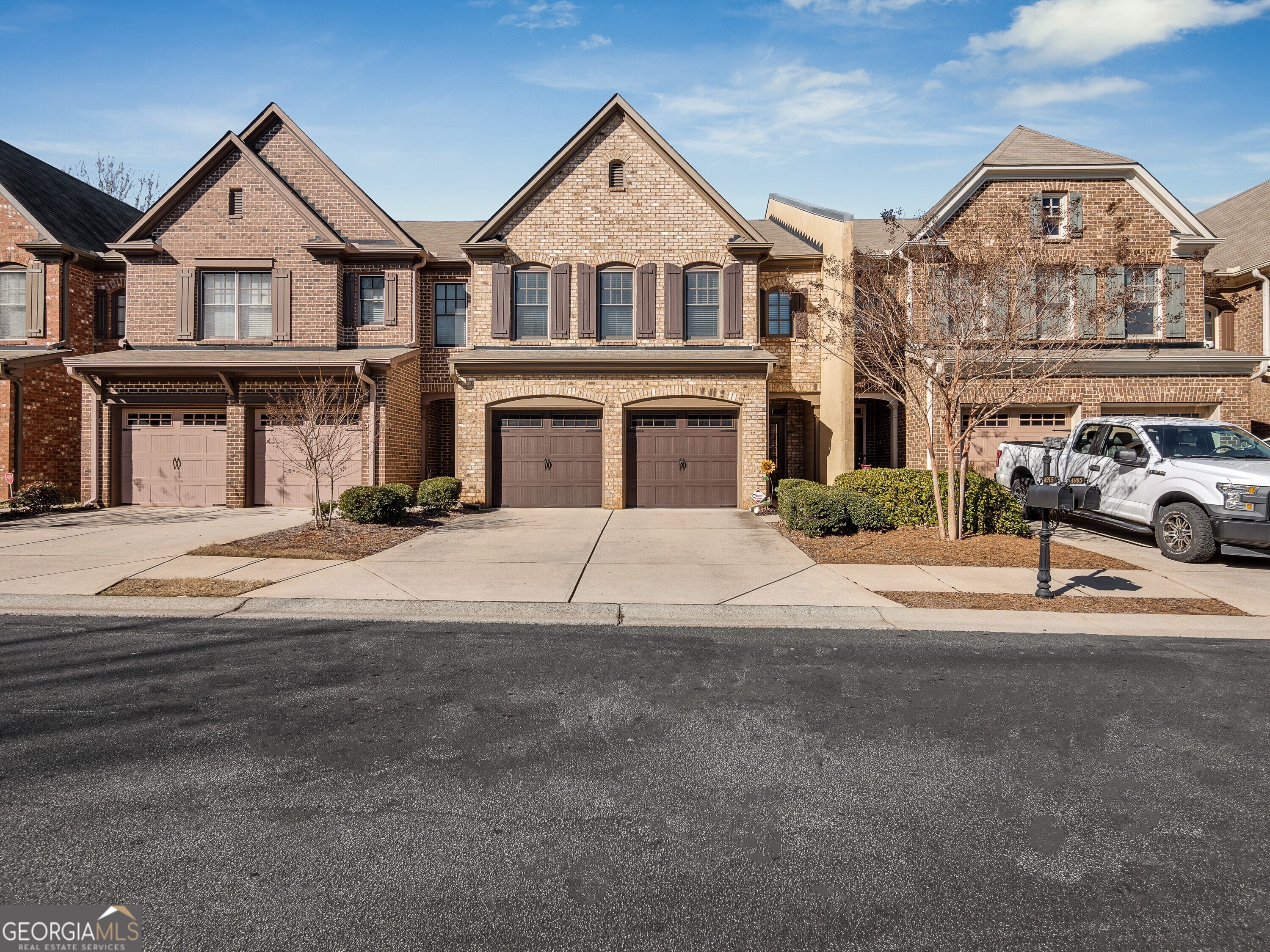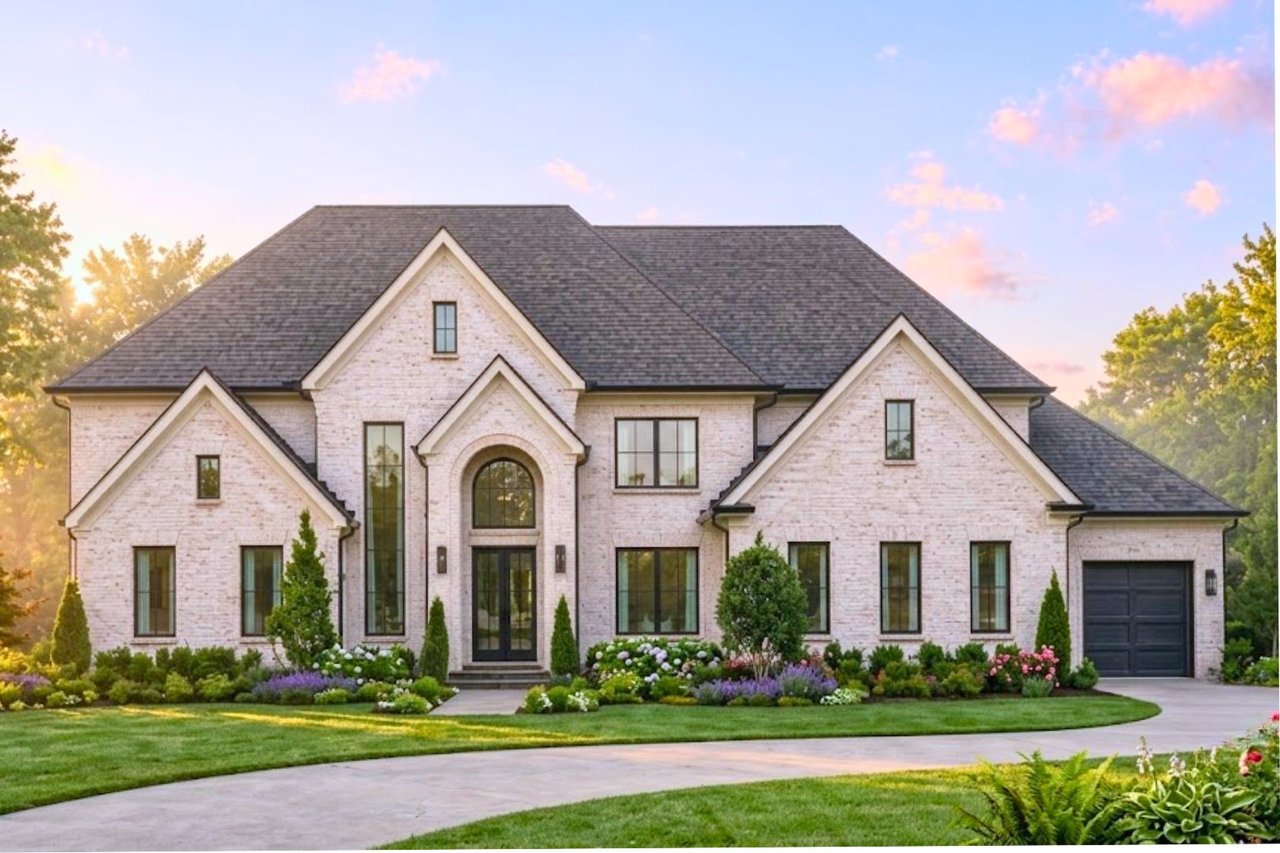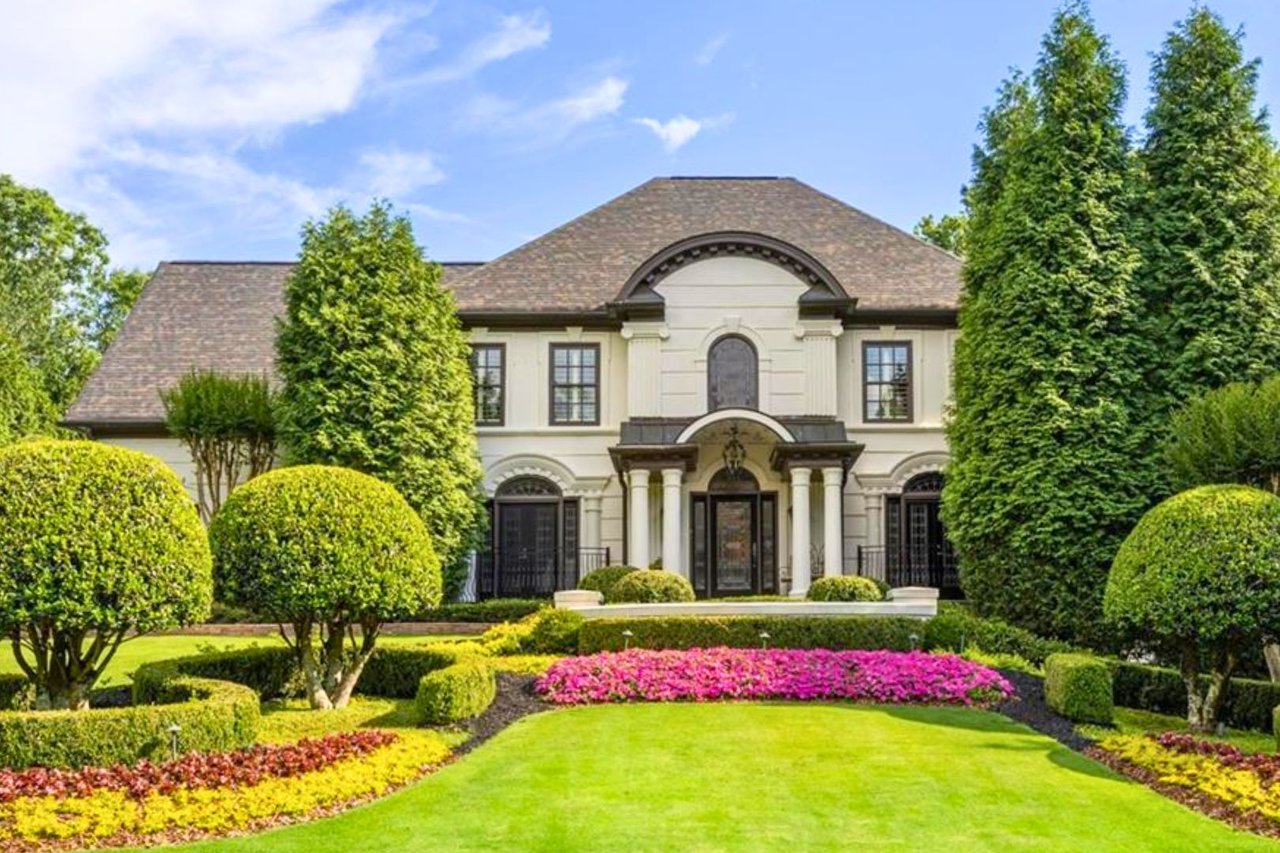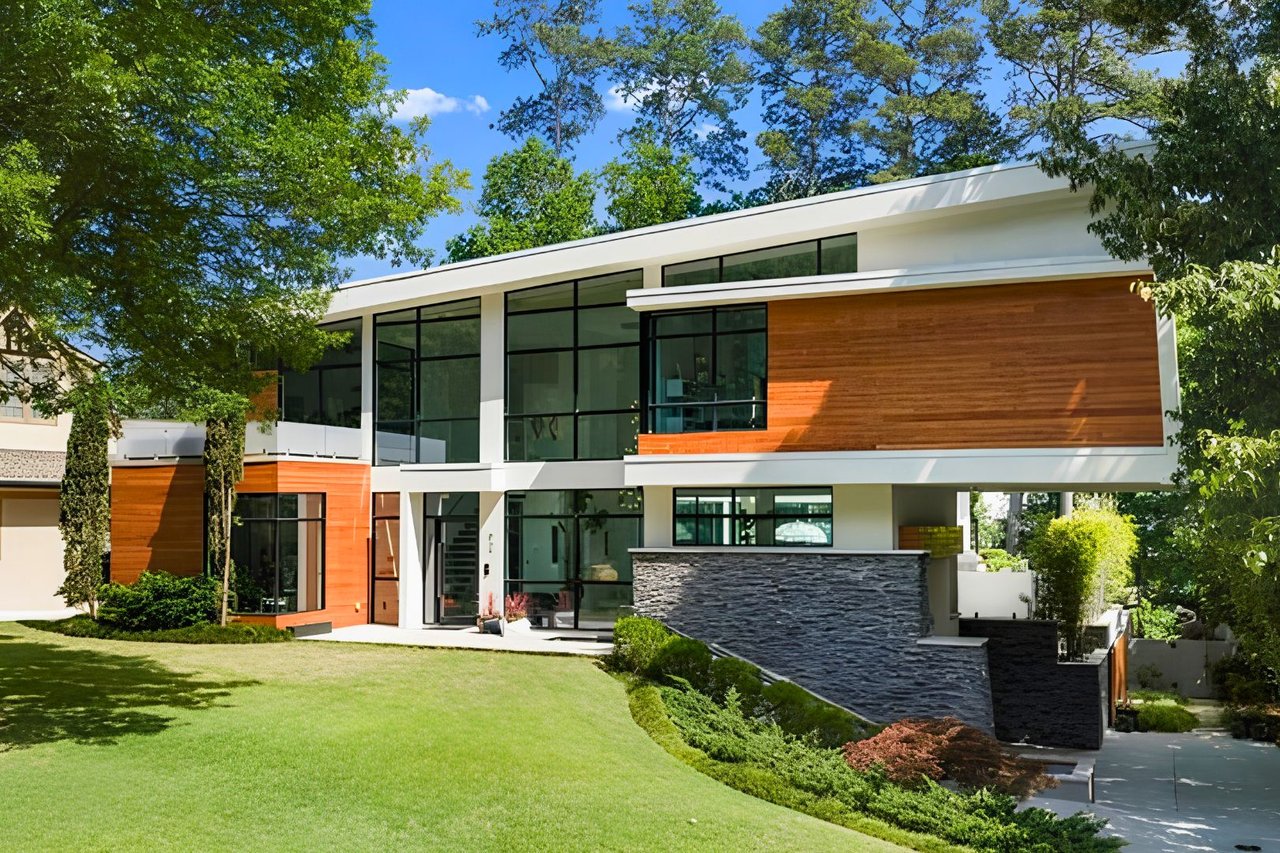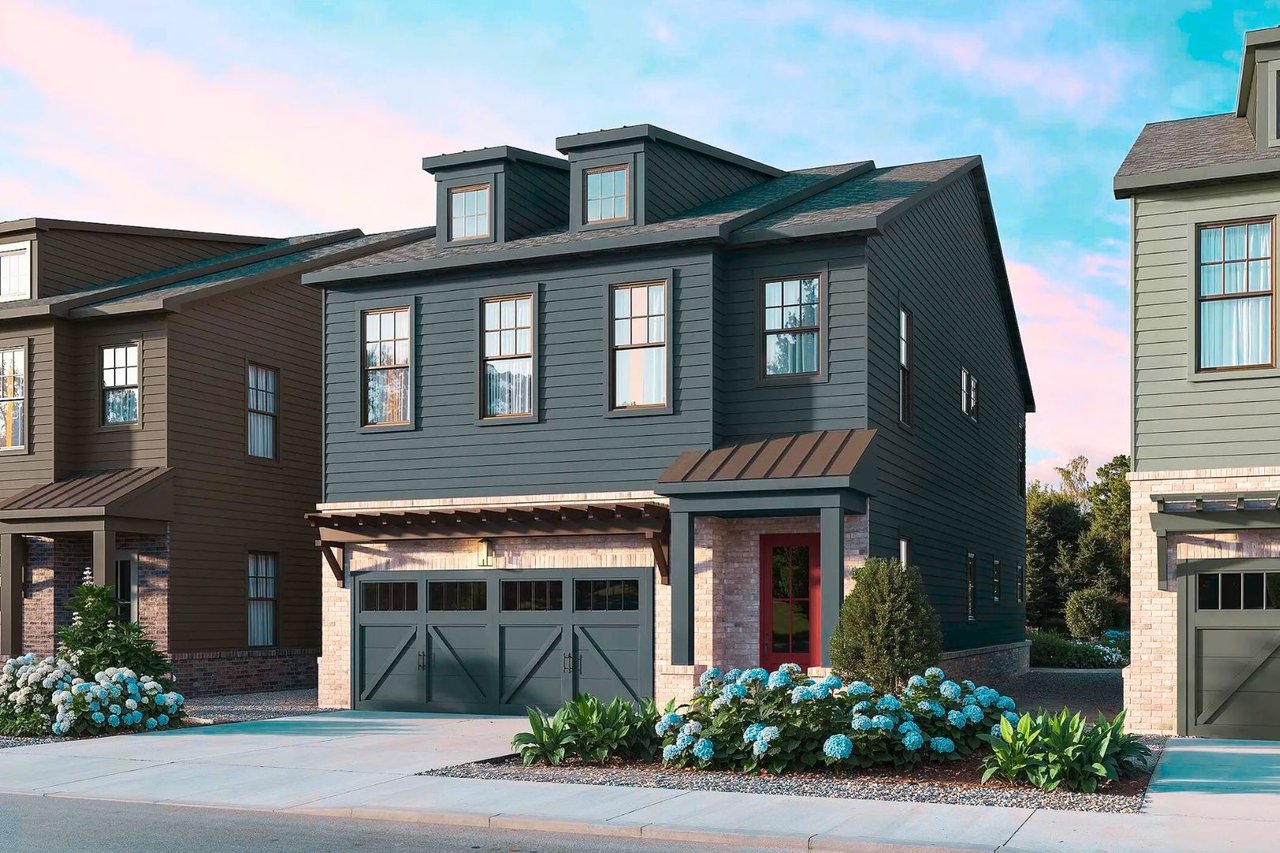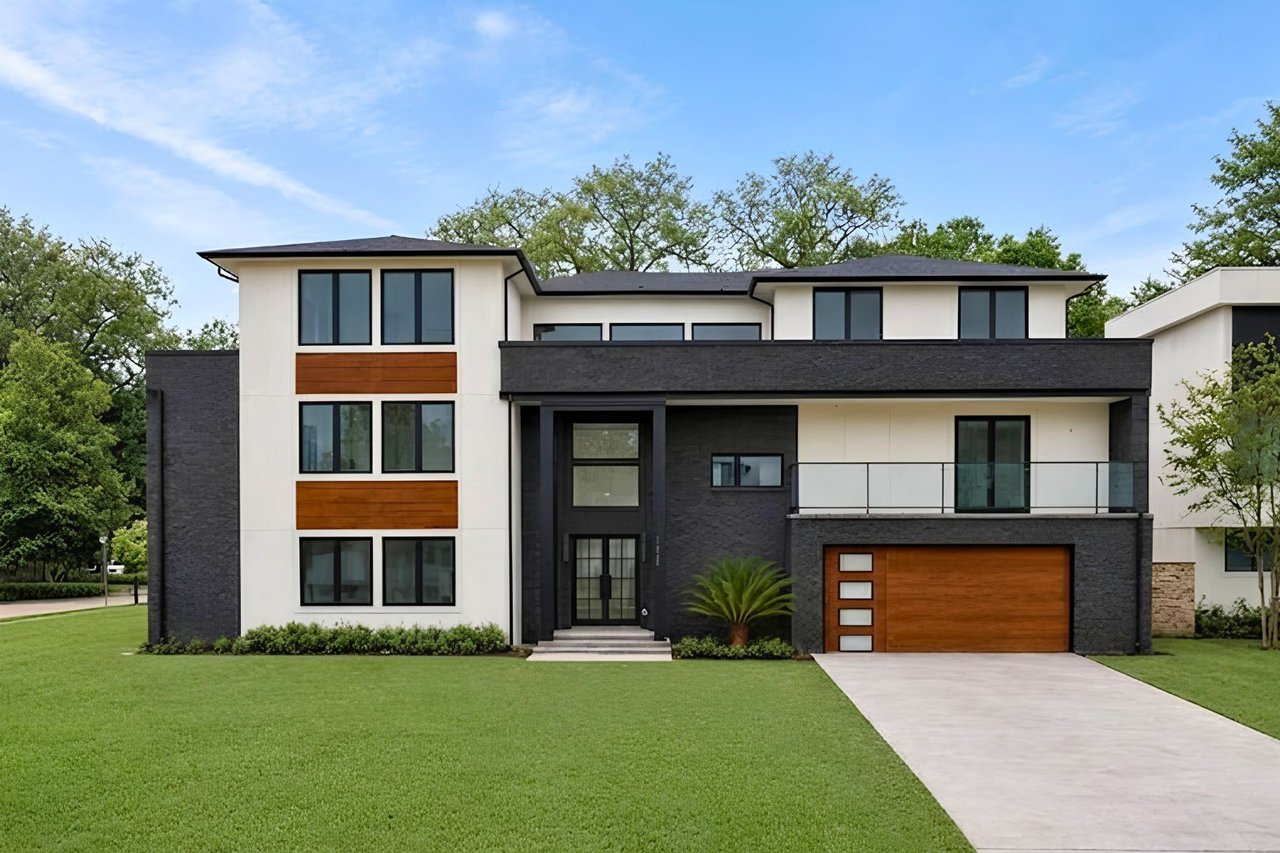
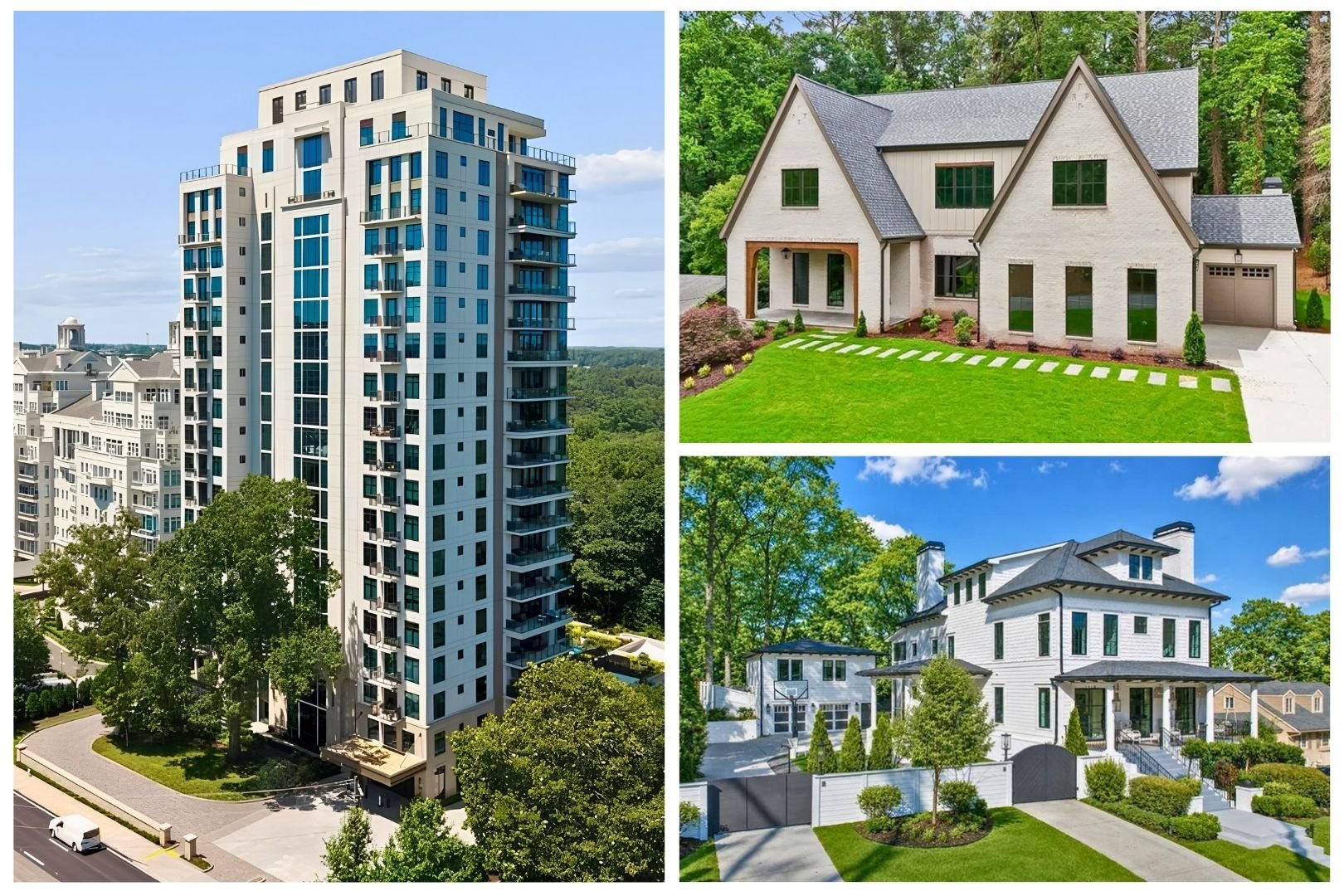
Atlanta's real estate arena is undergoing a dramatic summer shift as buyers face a high-stakes decision between sleek, modern new builds and character-rich historic properties inside the Perimeter. Navigating this fast-moving market requires balancing immediate financial incentives against the long-term equity potential of established neighborhoods. This strategic breakdown of costs, timing, and local trends will reveal your smartest path forward in the Metro Atlanta market.
Deciding where to plant roots in this sprawling metropolitan landscape requires balancing immediate daily commutes with long-term wealth building. From high-energy urban corridors Inside the Perimeter (ITP) to expansive, manicured suburbs Outside the Perimeter (OTP), your choice will shape your daily lifestyle and financial portfolio. Let us dissect the current market data to establish a clear picture of what buyers face this season.
The State of the Metro Atlanta Real Estate Market in Summer 2026

The Metro Atlanta housing market has transitioned into a highly anticipated period of healthy stabilization. The hyper-competitive seller-dominated market of the early 2020s has cooled, giving buyers much-needed breathing room to make deliberate decisions. Active inventory across the local area has expanded, providing a healthier environment where buyers have more properties to compare and greater leverage during negotiations.
Inventory Stabilization and Market Balance
Supply levels across the region have reached their healthiest point in years, offering buyers unprecedented variety. This expansion of choices has completely transformed the negotiation table.
25,000 active listings entered the Metro Atlanta market this year, representing approximately 3.4 to 4 months of supply across the primary 11-county metro area.
This is a massive increase from the sub-one-month inventory levels recorded during the peak of the pandemic-era housing rush, when active listings frequently dipped below 16,000. Homebuyers can enjoy a more deliberate shopping experience, with ample time to schedule multiple showings and thoroughly inspect properties before making an offer.
Pricing Dynamics and Timeline Shifts
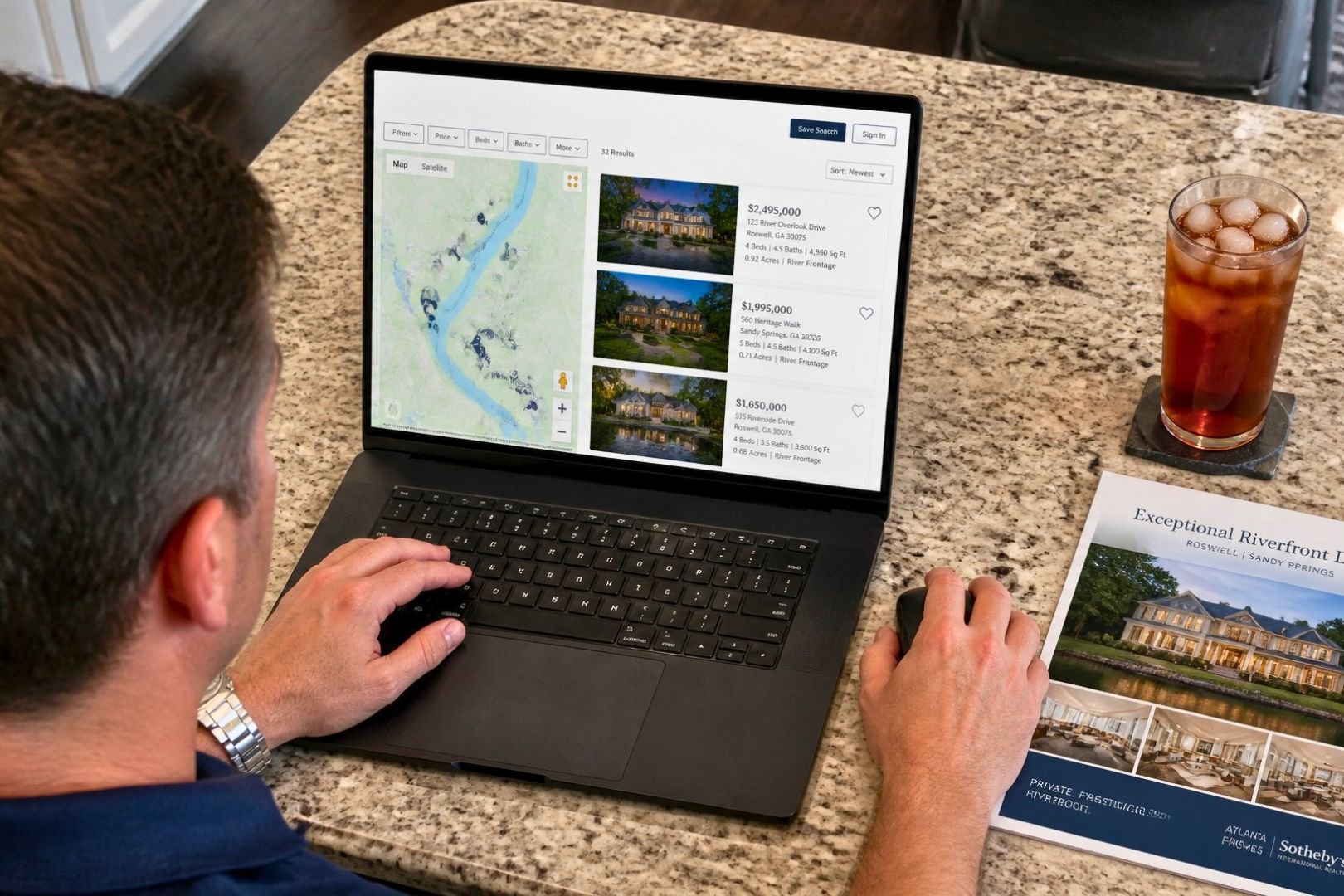
Pricing trends have adjusted to match this calmer pace of activity. Buyers now have the upper hand when it comes to negotiating repairs and structural contingencies.
The median sale price for homes in Atlanta sits at approximately $429,238, representing a minor year-over-year decrease of 1.6% with homes averaging 54 days on the market.
This extended timeline gives buyers a distinct advantage, allowing for more thorough home inspections and negotiation of repair costs. This cooling pace is largely driven by the current interest rate environment, which has settled into a predictable pattern.
According to Freddie Mac data, the 30-year fixed mortgage rate has hovered around 6.5%. Despite these rates, demand remains robust as Metro Atlanta continues to attract relocators from across the country.
The Atlanta Metropolitan Statistical Area (MSA) added 61,953 residents in a single year, officially becoming the 6th largest metro area in the nation.
This steady influx of new residents ensures that housing demand remains durable. This demographic tailwind supports long-term property values across the entire region.
The Pros and Cons of Buying New Construction in Atlanta
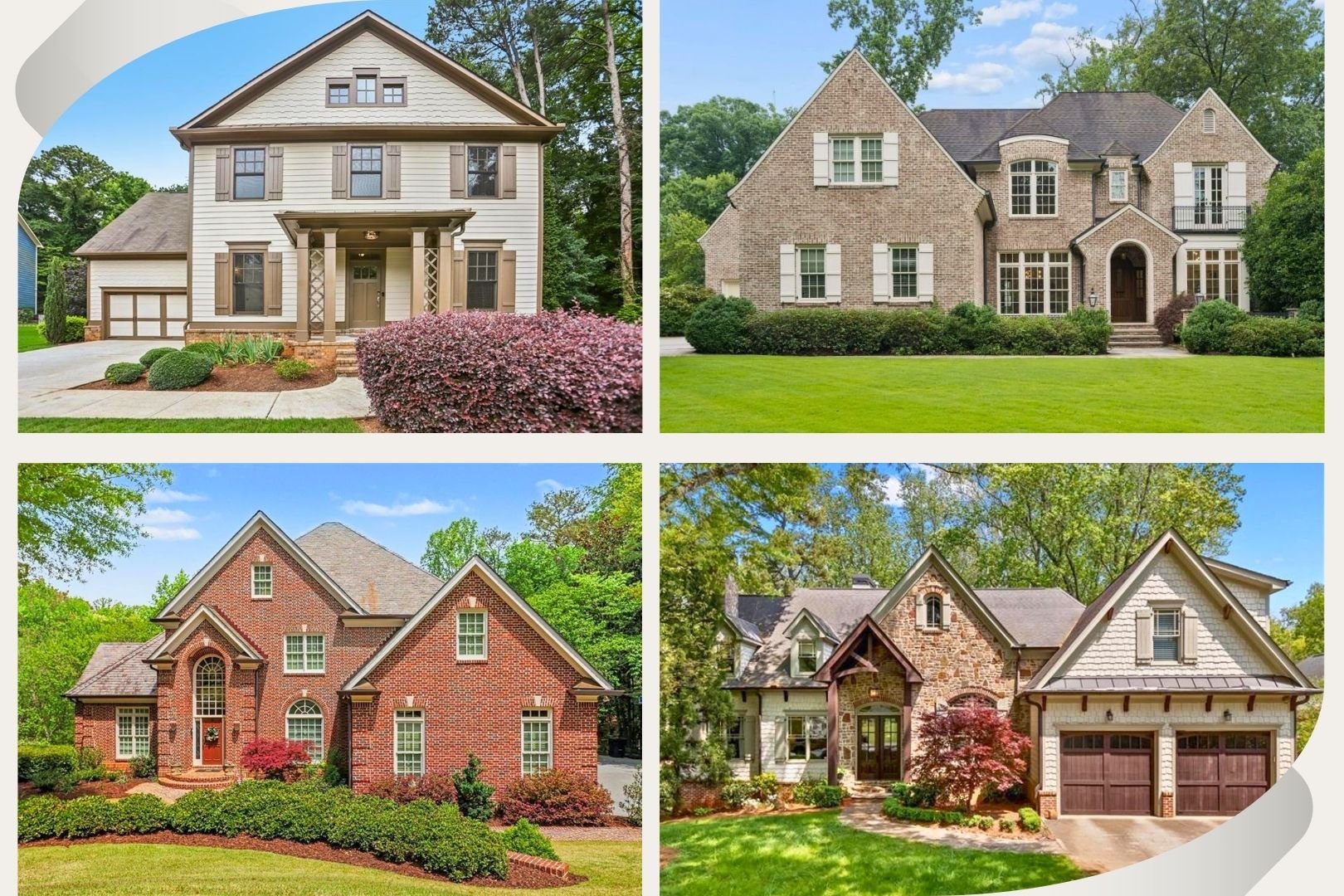
The Benefits: Energy Efficiency, Modern Layouts, and Builder Incentives
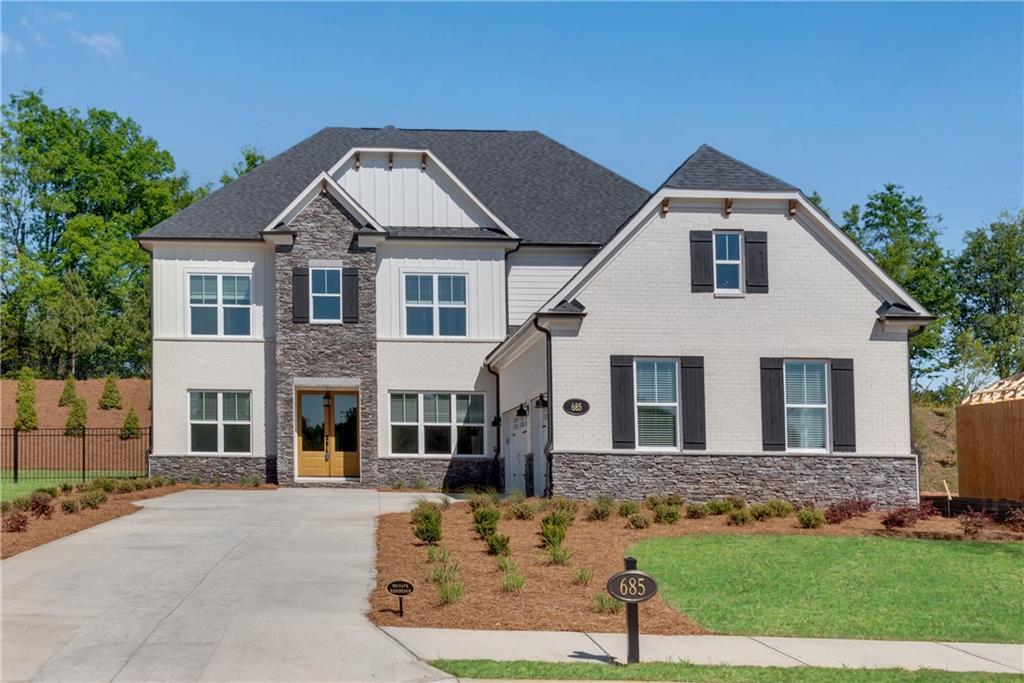
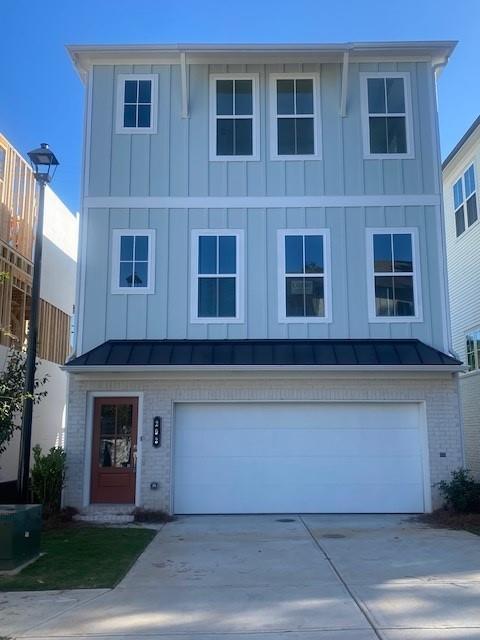
Purchasing a newly constructed home in Metro Atlanta offers several distinct advantages, particularly in today's financial climate. One of the most compelling reasons to buy new this season is the financial assistance builders are offering to offset current mortgage rates.
To attract buyers, roughly 6 in 10 national builders have utilized financing incentives, with many offering lucrative mortgage rate buy-downs. In Georgia, prominent builders like Smith Douglas Homes have offered promotional mortgage rates near 5% on quick move-in properties, providing significant monthly savings compared to traditional resale financing.
Beyond the financial incentives, brand-new builds offer state-of-the-art energy efficiency. Built under modern building codes, these homes feature radiant barrier roof decking, spray-foam insulation, double-pane Low-E windows, and high-efficiency HVAC systems.
These features result in significantly lower monthly utility bills, which is a major benefit during the hot, humid Atlanta summer months when air conditioning units run continuously to combat the Southern heat. Modern functional layouts are another major draw for today's buyers.
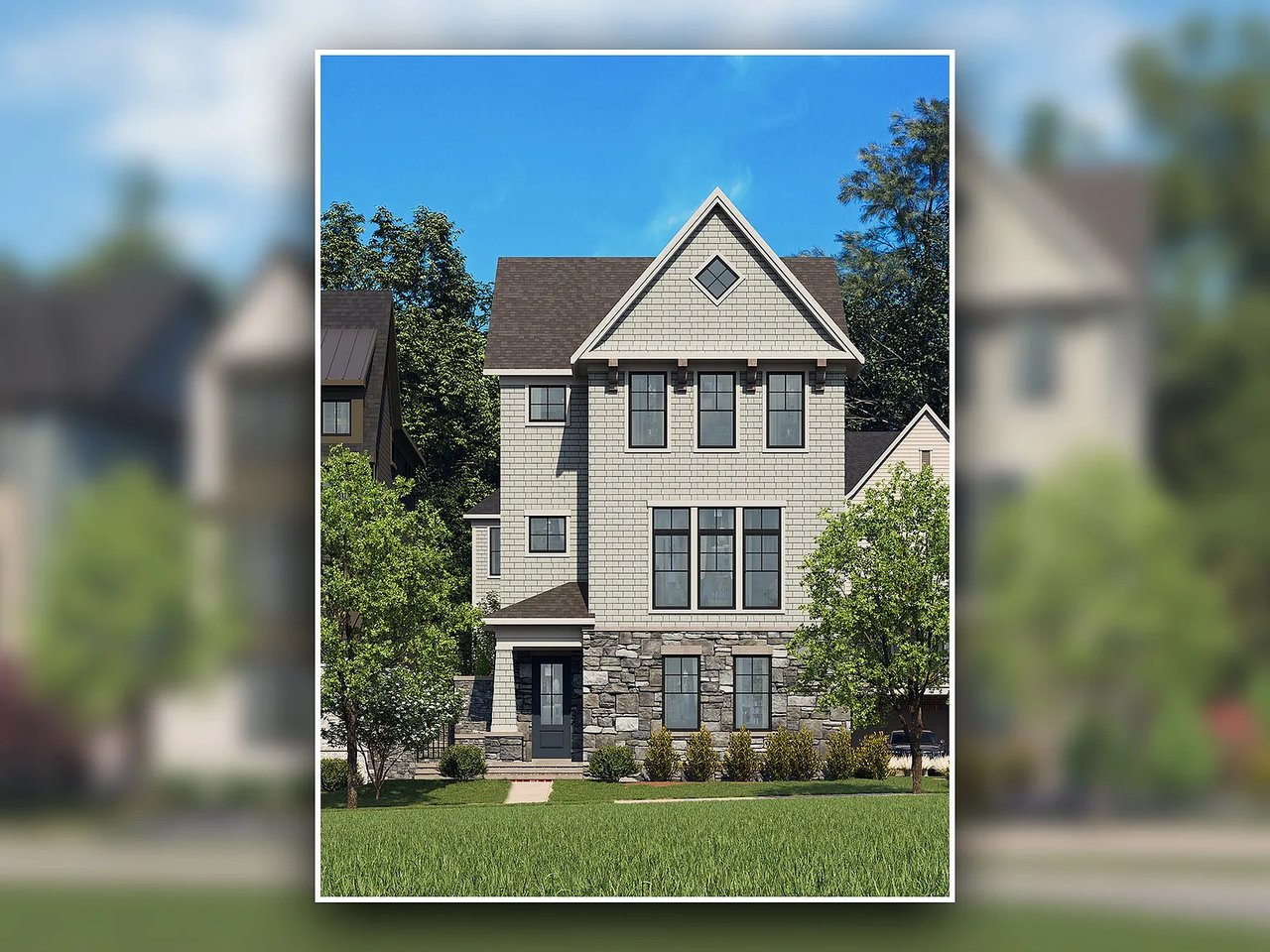
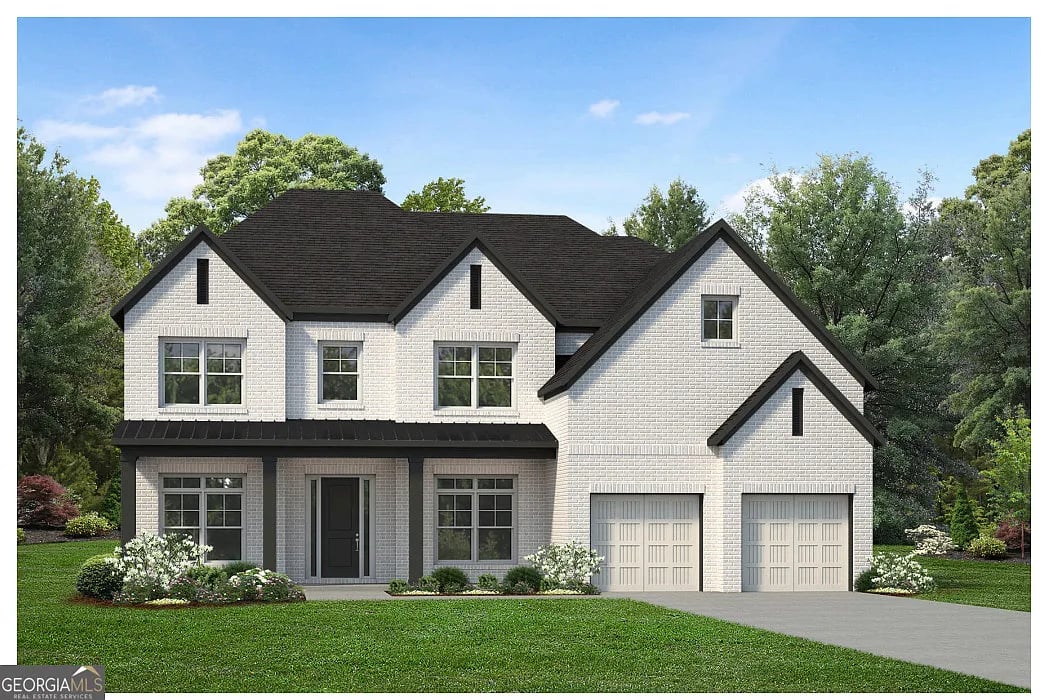
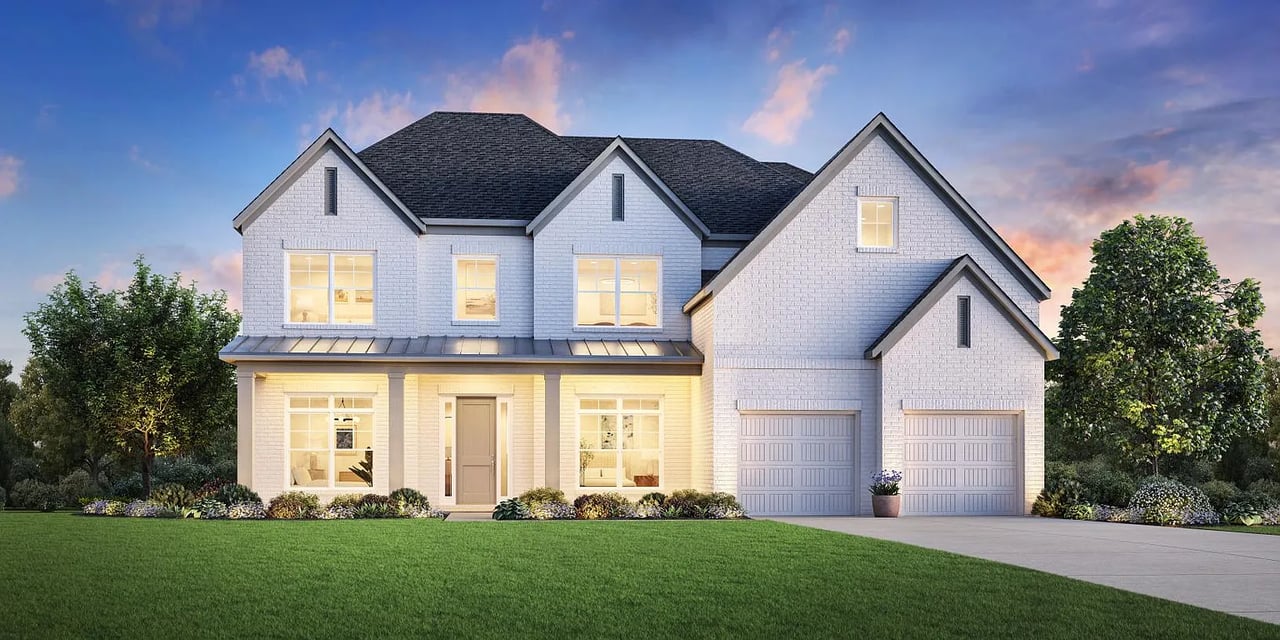
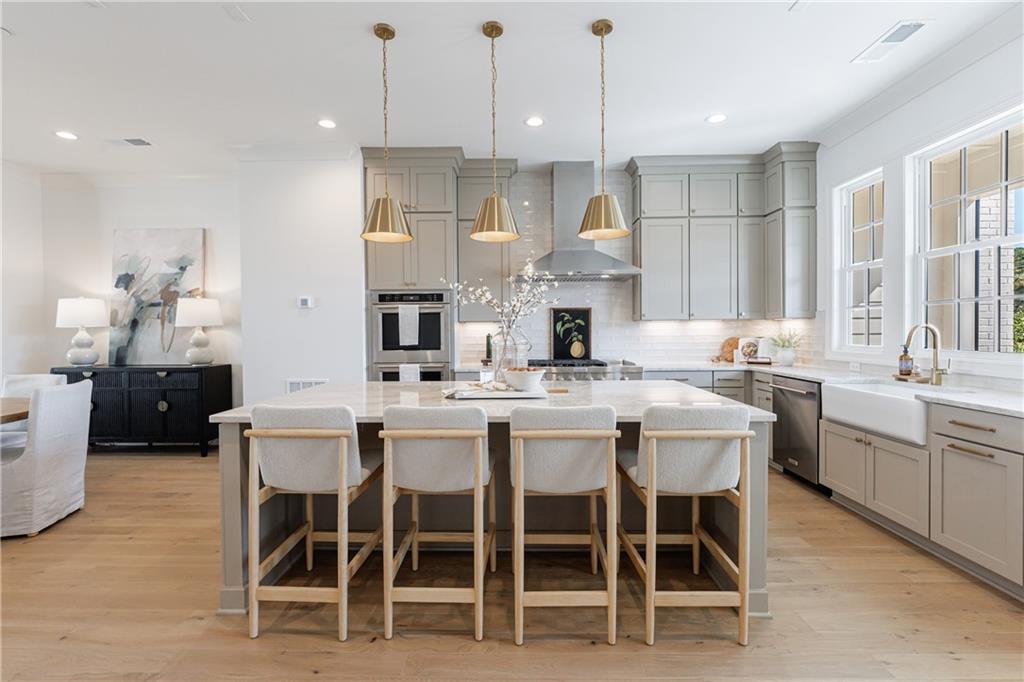
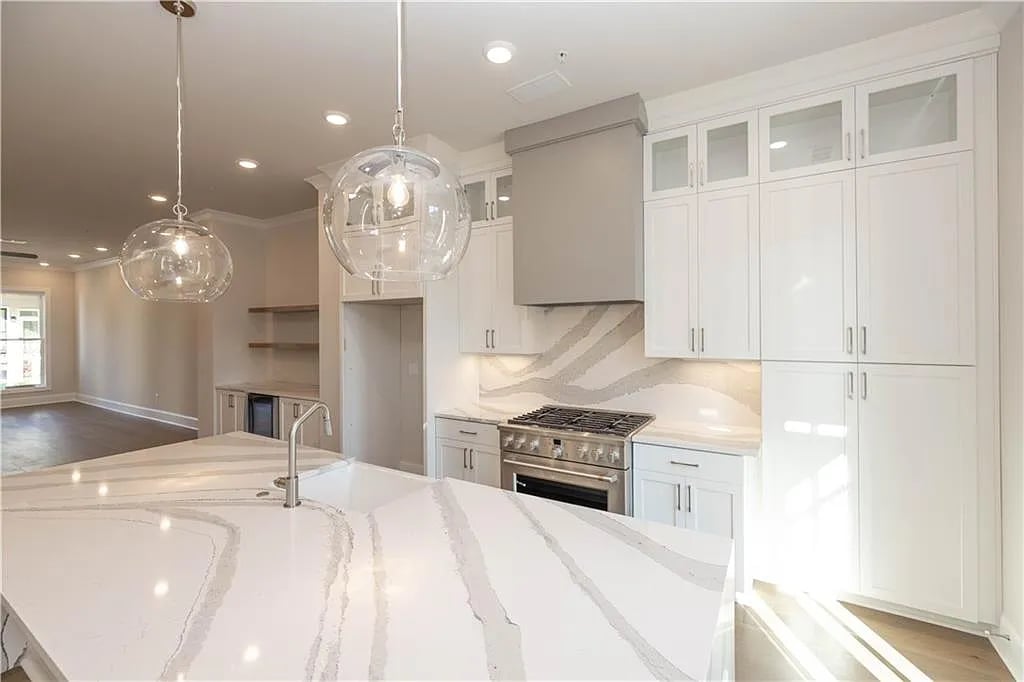
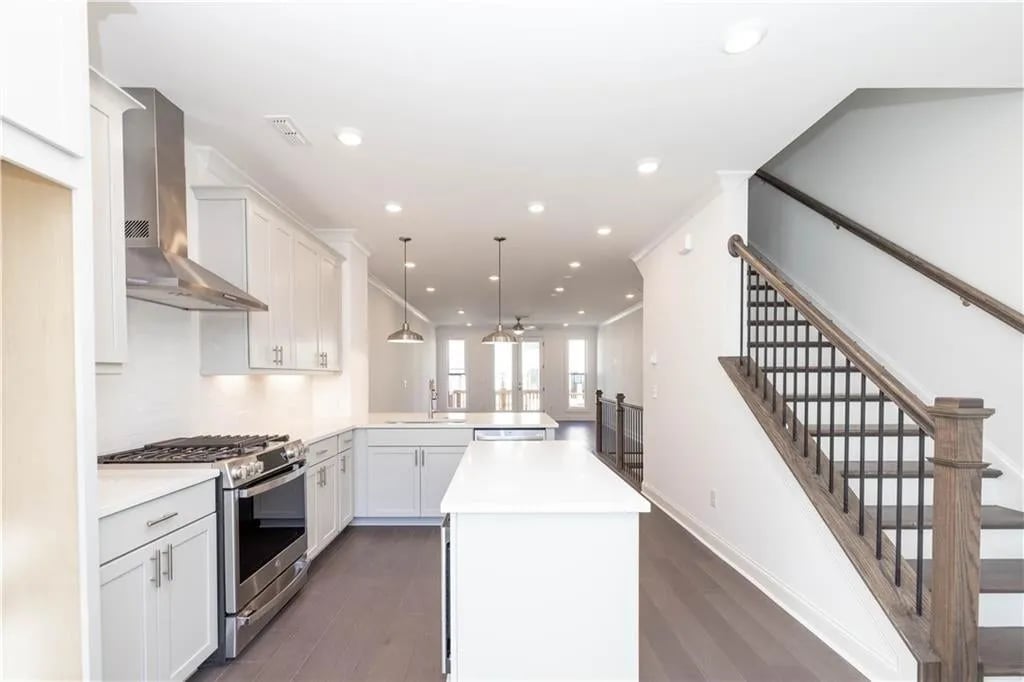
New construction homes are designed for how we live today, featuring open-concept main levels, expansive kitchen islands, dedicated home offices, and generous walk-in closets. Additionally, buying new means enjoying low initial maintenance, with a brand-new roof, plumbing, and appliances, all backed by a comprehensive builder warranty that provides peace of mind for the first several years of ownership.
Furthermore, new construction communities often feature contemporary design choices that reflect current interior design trends. Buyers frequently have the opportunity to select their own finishes, including quartz countertops, engineered hardwood flooring, and custom cabinetry, depending on the stage of construction. This customization eliminates the need for immediate, dusty renovations after moving in, allowing homeowners to enjoy their space from day one.
PRO TIP: When buying new construction, hire an independent home inspector to perform a "pre-drywall" inspection and a final pre-closing inspection. Builders are human, and having a third-party expert verify that framing, wiring, and plumbing are correct before the walls go up can prevent major headaches down the road.
The Drawbacks: Premium Pricing, Timelines, and Setting Up Landscaping
Despite the appeal of a fresh, untouched home, new construction carries unique financial and practical challenges. According to local building data, standard entry-level new construction in Atlanta typically ranges from $225 to $275 per square foot, while custom builds can easily reach $350 to $500+ per square foot, excluding the cost of land.
This premium pricing can limit your purchasing power or force you to look farther outside the city center to find options within your budget. Construction timelines also present a challenge for buyers with strict moving schedules.
While supply chain backlogs have normalized and average build times have stabilized to 6 to 9 months, weather delays, permitting issues, or labor shortages can still push back your closing date. If you are building from the ground up, you must be prepared for a flexible moving timeline and potentially arrange for short-term housing if your current home sells before the new one is complete.
Finally, many buyers forget to budget for post-closing expenses that are typically included with a resale home. The sticker price of a new home rarely covers finishing touches like window treatments, backyard fencing, or mature landscaping.
Installing these items can quickly add thousands of dollars to your initial move-in costs, which must be paid out of pocket rather than rolled into your mortgage. Additionally, new construction yards often use sod that requires intensive watering and care to establish roots in the Georgia red clay, adding to early utility costs.
The Pros and Cons of Resale Homes in Metro Atlanta
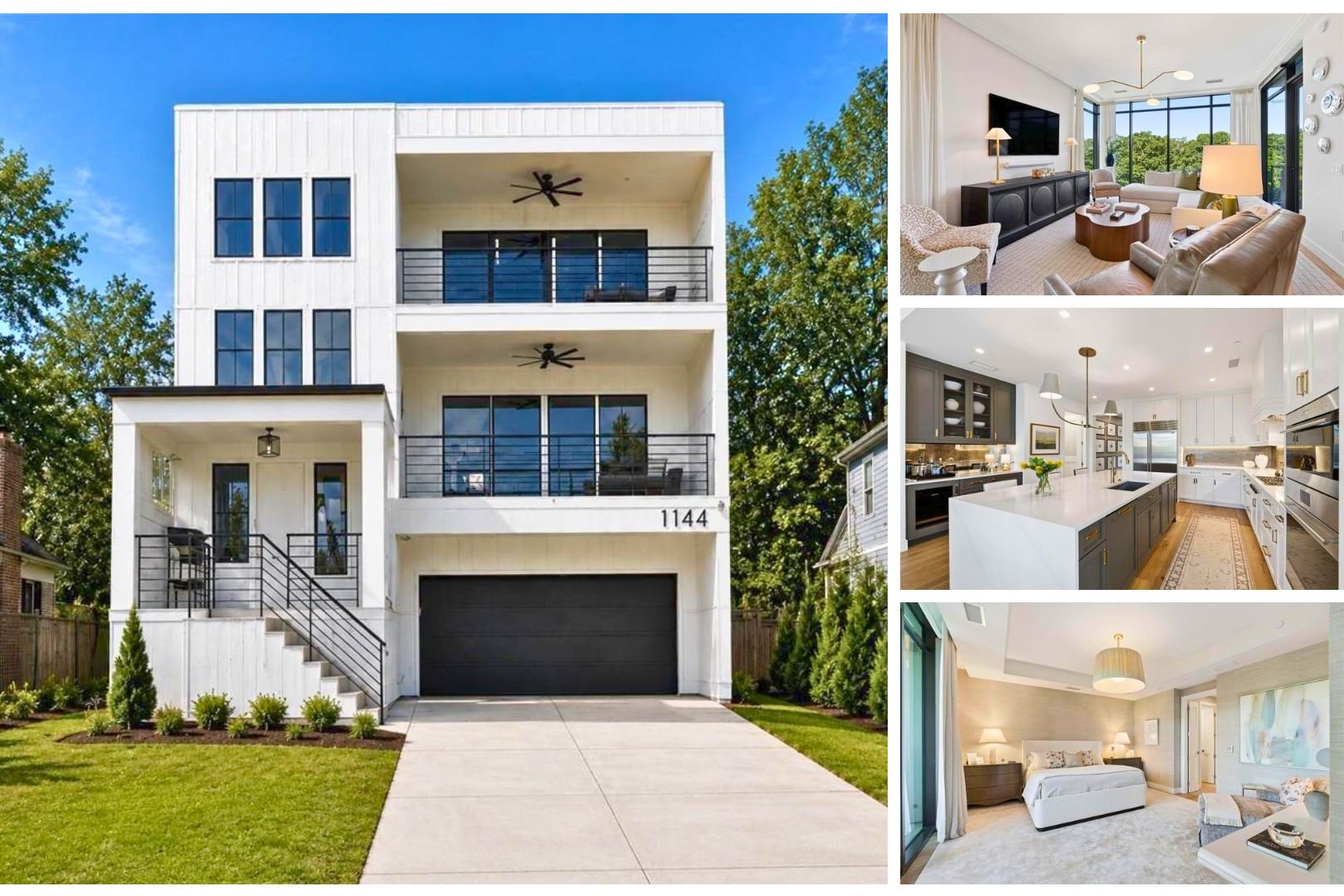
The Benefits: Established Neighborhoods, Prime Locations, and Mature Trees
Resale homes continue to represent a significant portion of Metro Atlanta’s real estate transactions, offering benefits that money can rarely buy in a brand-new subdivision. If your priority is prime location, resale properties are often the superior choice.
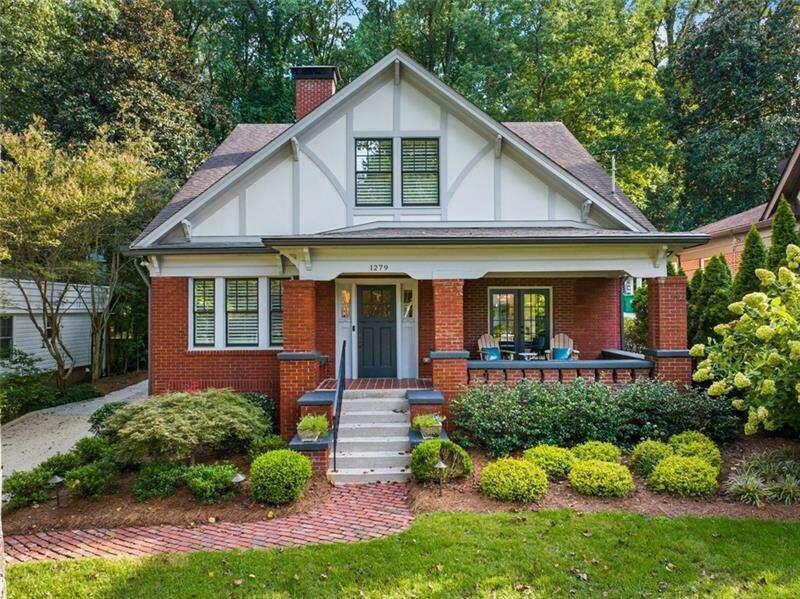
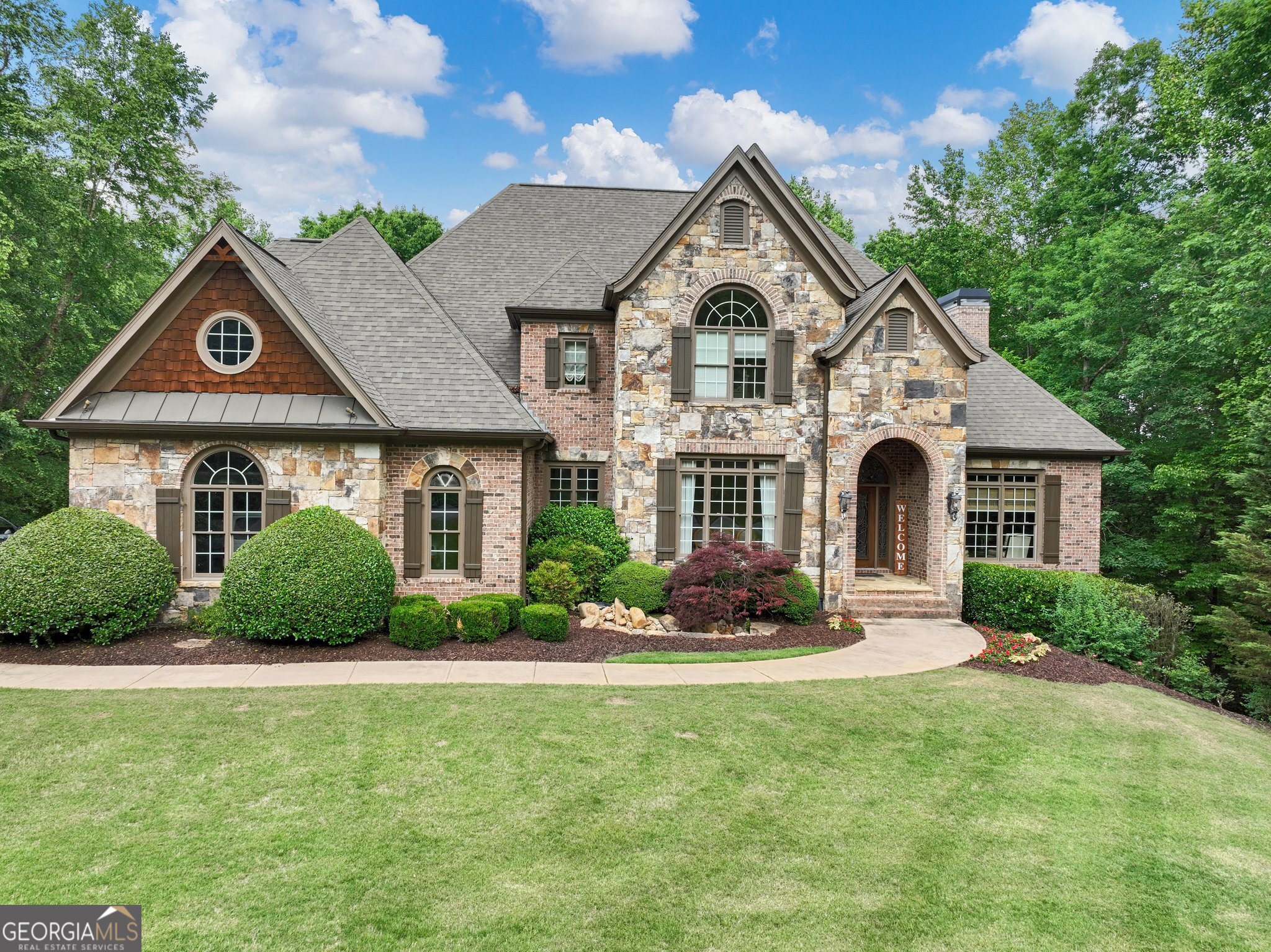
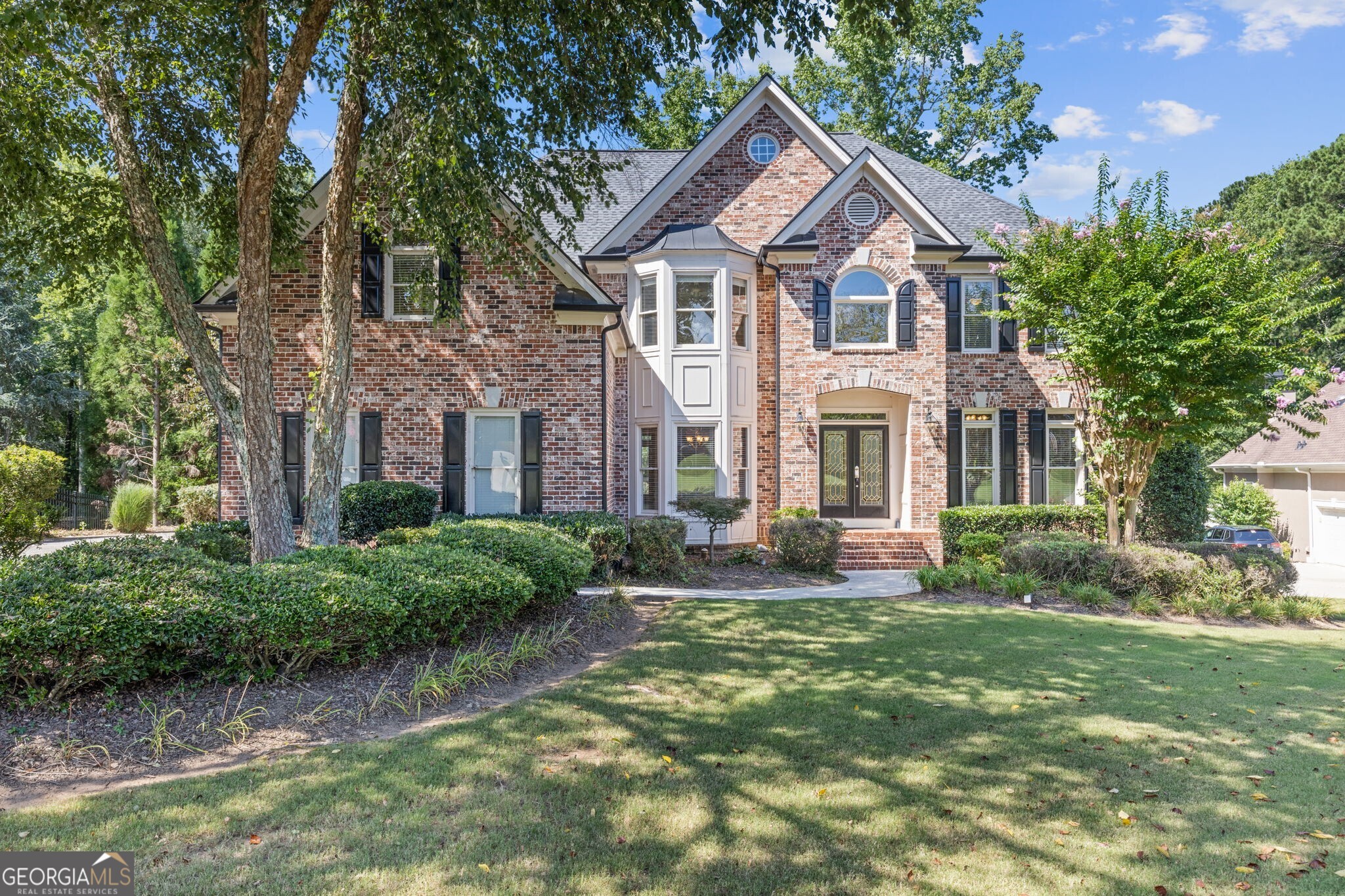
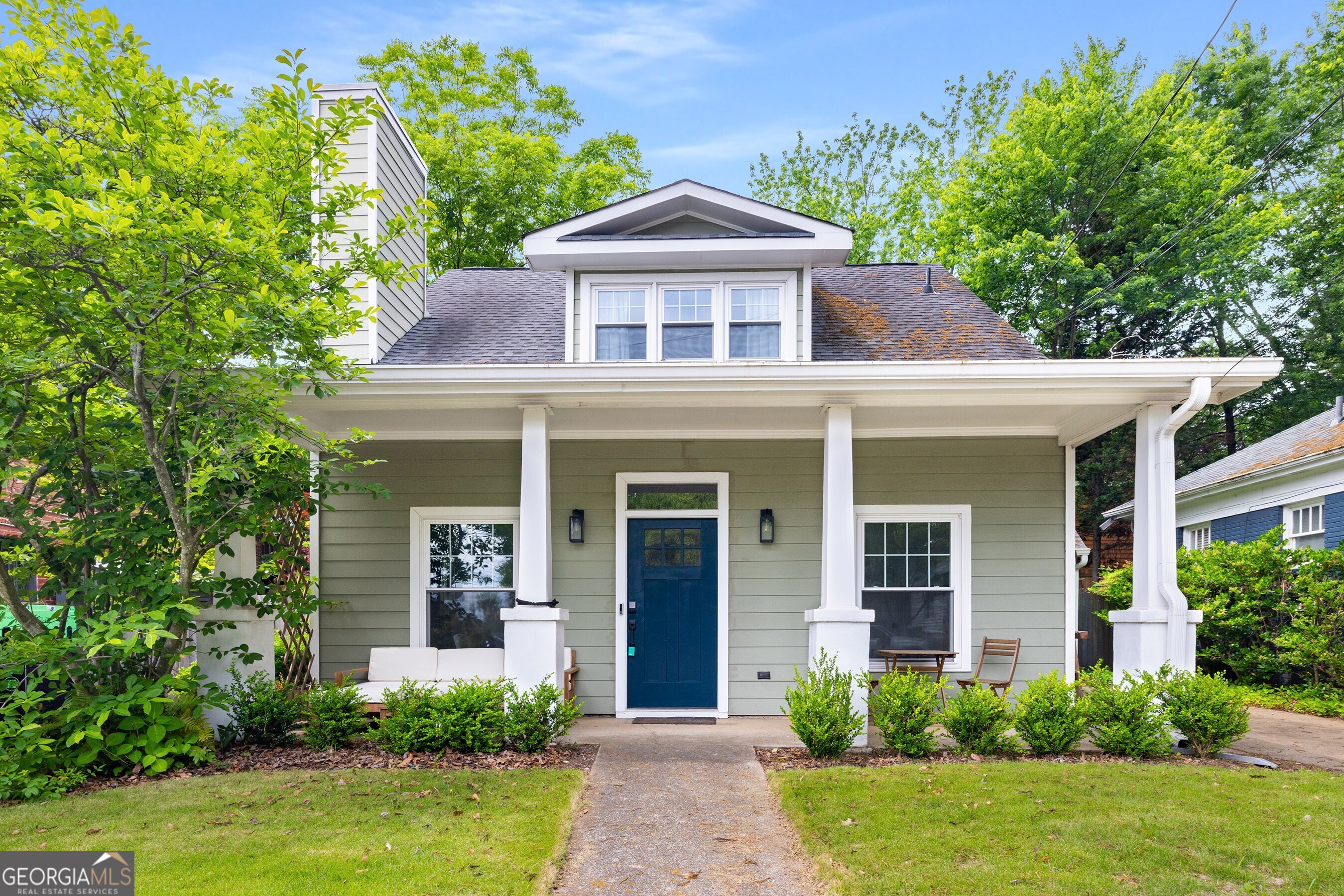
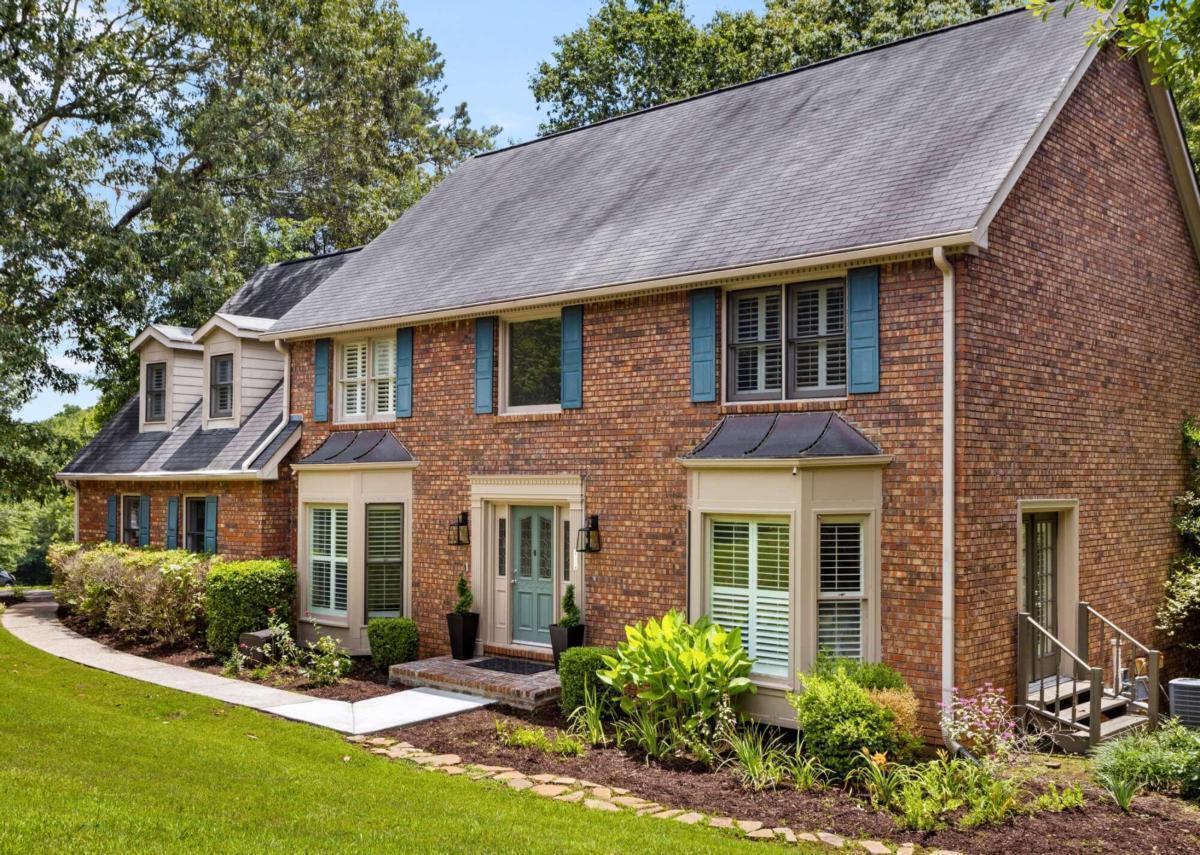
In highly sought-after Inside the Perimeter (ITP) neighborhoods like Decatur, Midtown, or Buckhead, vacant land is virtually non-existent, making resale homes the only viable option for buyers who want to live close to the city center. Established neighborhoods typically feature larger lot sizes, mature tree canopies, and unique architectural character that you won't find in modern master-planned subdivisions.
From historic Craftsman bungalows in Virginia-Highland to mid-century modern ranches in North Atlanta, older homes offer a sense of history and individuality. These communities also feature fully established neighborhood associations and predictable surroundings, with no risk of ongoing construction noise or heavy machinery outside your door.
Atlanta is famous for its dense tree canopy, often referred to as a "city in a forest." Older neighborhoods showcase this green legacy with massive white oaks, maples, and dogwoods that provide natural shade, keeping neighborhood temperatures cooler during peak summer days.
This established greenery also provides immediate privacy between homes, a feature that can take a decade or more to achieve in a newly cleared and graded subdivision. Living in an established neighborhood also means immediate proximity to local amenities.
Many older communities are situated near historic walkable shopping districts, local boutiques, and beloved community landmarks. Residents can enjoy easy weekend outings to destinations like Piedmont Park, Chastain Park, or the Atlanta Botanical Garden without facing a lengthy commute from the outer suburbs. This immediate access to culture and recreation adds significant value to the daily living experience.
The Drawbacks: Aging Systems, Deferred Maintenance, and Competitive Bidding
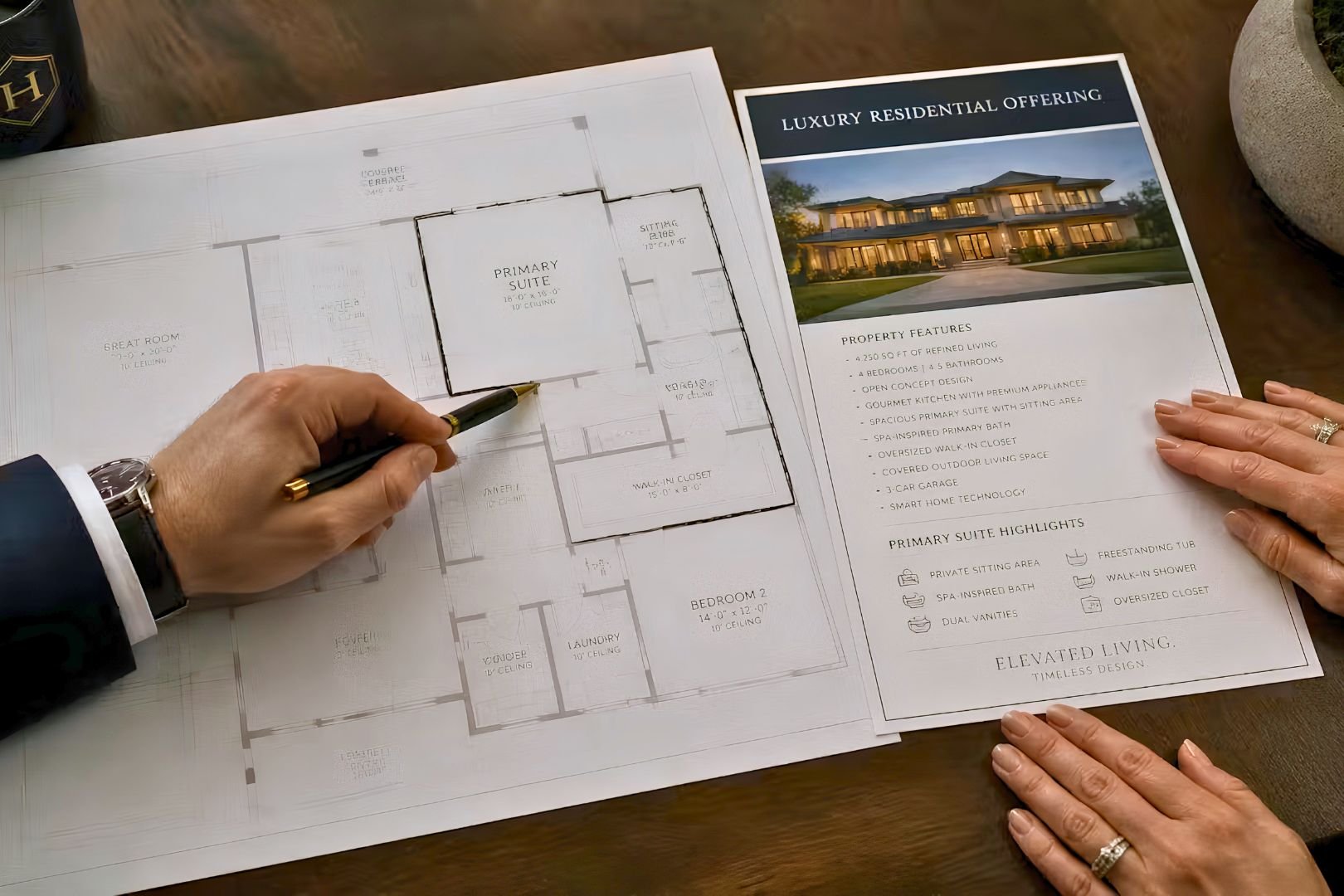
Opting for a home with history means preparing for the financial responsibilities of homeownership much sooner. The primary risk of buying an older home is the potential for deferred maintenance and aging systems.
Major structural components like roofs, HVAC units, water heaters, and plumbing systems may be nearing the end of their lifespans, requiring immediate, costly replacements shortly after move-in. Buyers must budget carefully for these contingencies and ensure they have a healthy emergency fund.
Older homes also feature design limitations that may not align with modern lifestyle preferences. Many mid-century or historic properties feature smaller, compartmentalized rooms, minimal closet space, and closed-off kitchens.
Remodeling these spaces to create an open-concept layout or add modern amenities can be incredibly expensive and structurally challenging, particularly when dealing with load-bearing walls, historic preservation guidelines, or outdated electrical wiring. Furthermore, because inventory remains relatively tight in prime, landlocked school districts and highly desirable ITP neighborhoods, highly sought-after resale homes priced correctly still face multiple-offer scenarios.
Buyers looking in these competitive pockets must be prepared to act quickly and potentially compete against other motivated offers, reducing their negotiating leverage compared to buying in a new construction development where inventory is more predictable.
Cost Comparison: Upfront Purchase Price vs. Long-Term Value in Atlanta
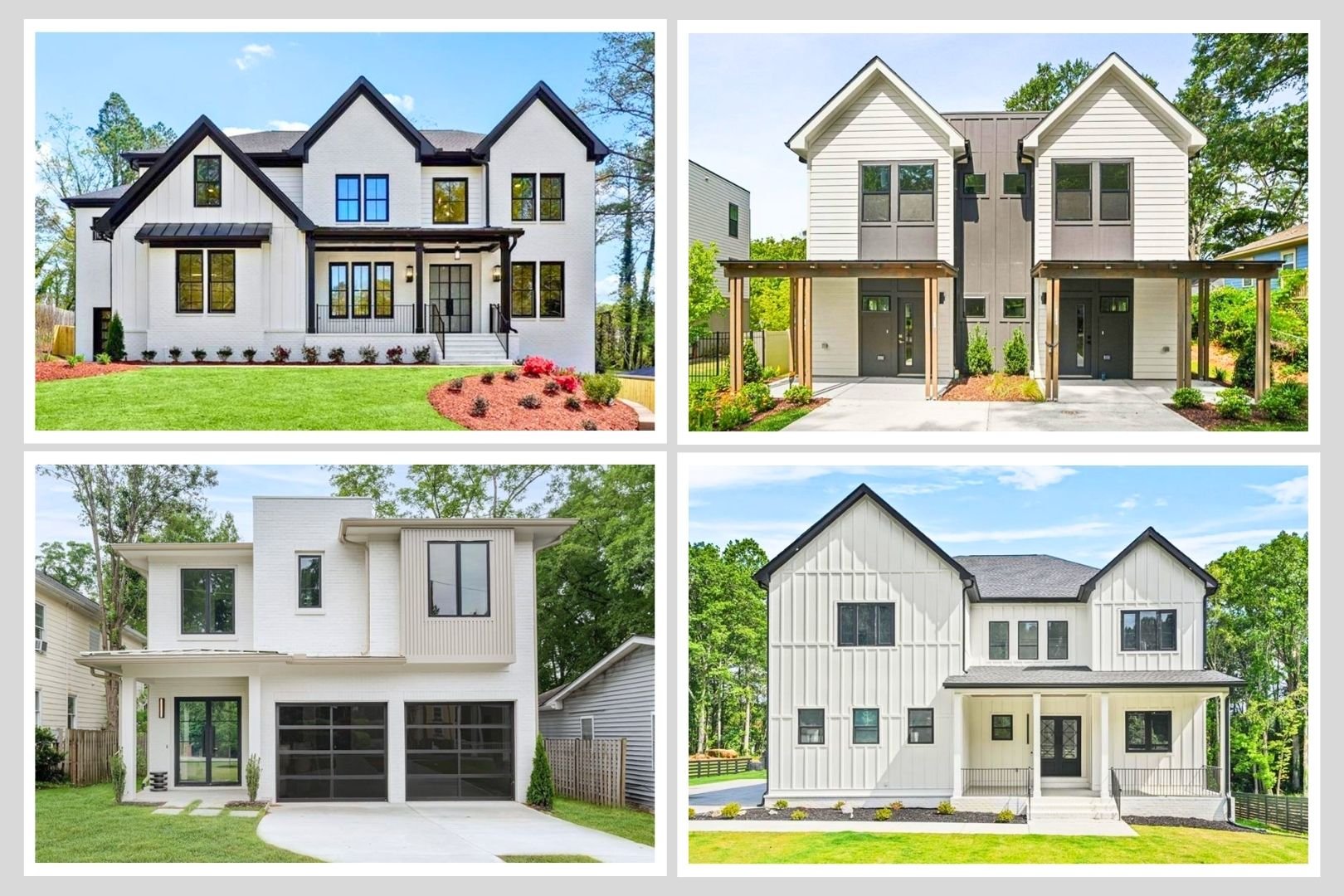
To understand which option is the smarter buy, it is essential to look at both the upfront purchase price and the long-term cost of ownership across Fulton, Cobb, and Gwinnett counties. While new construction carries a higher initial price per square foot, the effective monthly payment can sometimes be comparable to or even lower than a resale home due to builder-financed rate buy-downs and reduced energy costs.
Property taxes also vary significantly depending on the county and whether you choose an incorporated city limit. For example, Fulton County and DeKalb County property taxes can differ substantially from Cobb County, which features unique senior tax exemptions that influence long-term holding costs.
Buyers must factor these localized tax structures into their overall financial calculations when comparing new and old homes. The following table illustrates typical pricing structures and cost differences between new construction and resale properties in key Metro Atlanta submarkets:
Submarket / Location | Typical Resale Cost (per sq. ft.) | Typical New Construction Cost (per sq. ft.) |
|---|---|---|
North Atlanta OTP | $240 – $270 | $280 – $320 |
Intown Atlanta ITP | $350 – $450+ | $500+ (luxury townhomes or infill) |
East Metro OTP | $180 – $210 | $220 – $260 |
West Metro OTP | $210 – $240 | $250 – $290 |
Long-term operational costs heavily favor new construction. A modern home's utility bills are often 20% to 30% lower than those of a 30-year-old resale home of comparable size, thanks to energy-efficient building materials, insulated ductwork, and smart home technology.
Over a ten-year period, these monthly savings can add up to thousands of dollars in reduced living expenses, helping to offset the initial purchase premium. Warranties also play a major role in your financial planning.
New construction homes come with robust, builder-provided warranties, typically covering cosmetic finishes for the first year, mechanical systems for two years, and major structural components for ten years. Conversely, resale buyers must rely on one-year, buyer-purchased home warranties, which often feature lower coverage limits, exclusions for pre-existing conditions, and mandatory service call fees for every repair. This makes budgeting for unexpected maintenance much easier in a newly constructed home.
Location and Lifestyle: Choosing Between ITP Charm and OTP Space

Your choice between new construction and resale in Metro Atlanta is deeply tied to the classic geographic divide of the region: Inside the Perimeter (ITP) versus Outside the Perimeter (OTP). This geographical distinction dictates not only the style of home you can buy but also your daily commute, lifestyle, and weekend activities.
Inside the Perimeter (ITP): Cultural Hubs and Walkability
The City of Atlanta itself continues to grow, with a population of approximately 534,278 and a median household income of $85,652, according to recent U.S. Census Bureau data. Living ITP places you at the center of Atlanta's cultural, dining, and employment hubs where resale homes dominate this market.
Residents can spend their weekends exploring the Atlanta History Center in Buckhead, taking a stroll along the Atlanta BeltLine, or enjoying a meal at local favorites like Fox Bros. Bar-B-Q. The Atlanta BeltLine, a massive loop of multi-use trails and light rail transit utilizing historic railroad corridors, has fundamentally transformed ITP living.
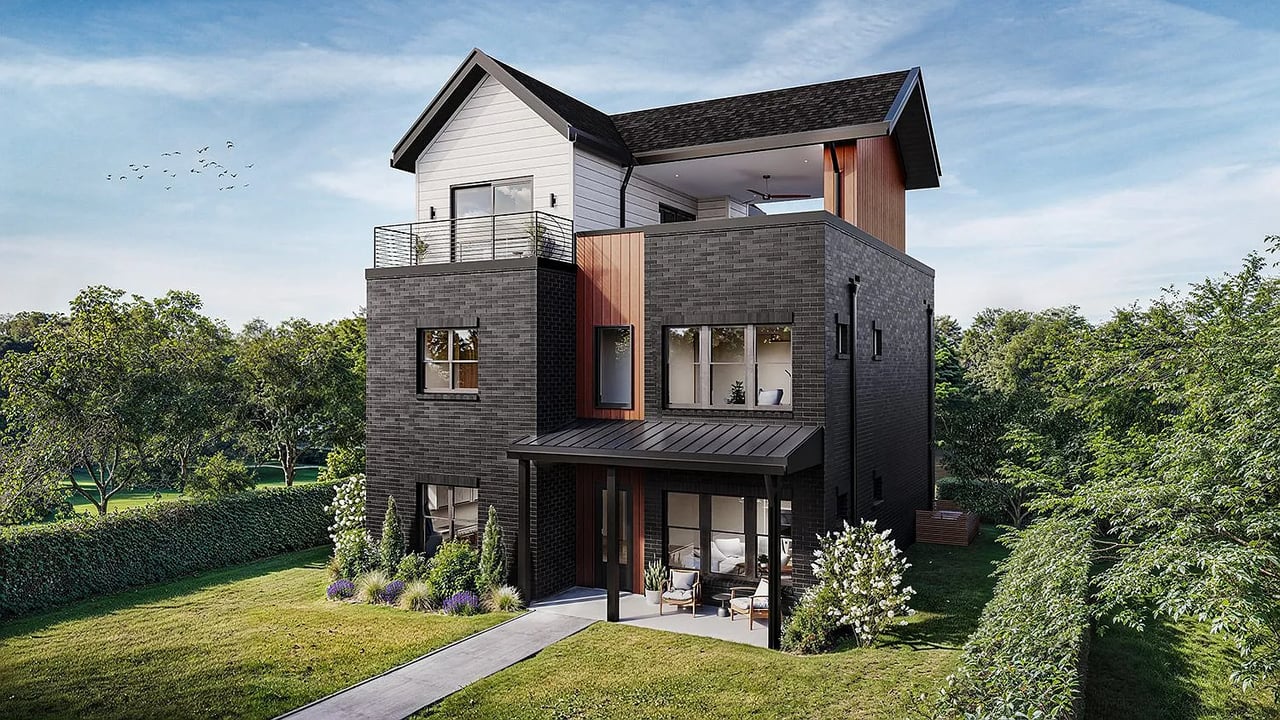
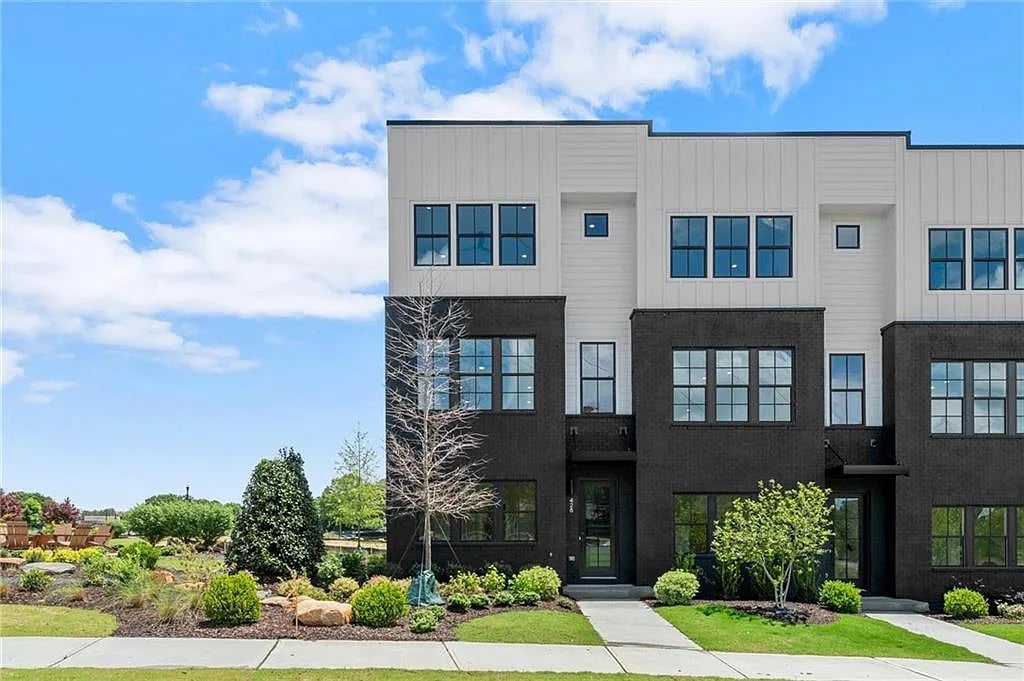
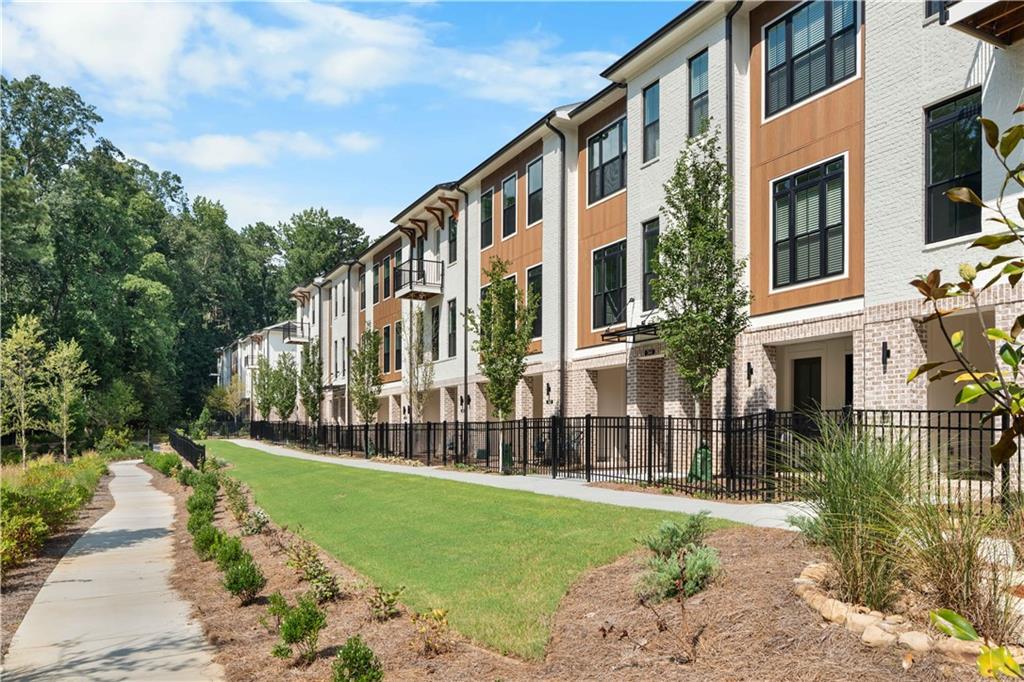
Neighborhoods along the Eastside and Westside trails have seen high demand, where historic resale homes and occasional new construction infill townhomes command premium prices. Living near the BeltLine offers an active, car-optional lifestyle that is highly valued by modern buyers who prefer walking or biking to local coffee shops, breweries, and parks.
Outside the Perimeter (OTP): Suburban Expansion and Master-Planned Communities
If your priority is maximizing indoor and outdoor space, the OTP suburbs are thriving. Much of this growth is concentrated in OTP suburban hubs like Alpharetta, Marietta, and Lawrenceville, where master-planned new construction communities are expanding rapidly.
Metro Atlanta’s 11-county core added 64,400 people in a single year, with Fulton County adding 18,800 residents and Gwinnett County adding 15,200.
These OTP developments offer resort-style amenities, including zero-entry community pools, tennis and pickleball courts, pocket parks, and direct access to local walking trails. Residents in these areas enjoy a comfortable, amenity-rich lifestyle, with local dining options like Canoe in nearby Vinings offering scenic riverside views just a short drive away.
Choosing OTP space often means getting a larger, more modern home with state-of-the-art community amenities at a more accessible price point, making it an attractive option for growing households.
FAQ: Navigating Your Atlanta Home Search in Summer 2026
Are Atlanta builders still offering interest rate buy-down incentives in Summer 2026?
Yes. Because traditional market mortgage rates remain in the mid-6s, Metro Atlanta builders continue to leverage their in-house financing arms to offer aggressive rate buy-downs.
These programs can temporarily or permanently lower a buyer’s interest rate into the mid-to-high 5s, saving hundreds of dollars on monthly mortgage payments compared to buying a resale home at market rates. Buyers should always compare the builder's preferred lender terms with independent mortgage brokers to ensure they are receiving the best overall financial package.
How long does it typically take to build a new construction home in Metro Atlanta?
For standard production homes in master-planned communities, construction typically takes between 6 to 9 months from the time the foundation is poured. If you purchase a "spec" or "quick move-in" home that is already under construction, you can often close in 30 to 60 days.
However, if you are opting for a fully custom home on an individual lot, you should prepare for a timeline of 12 to 18 months to account for architectural design, custom permitting, and site preparation in counties like Fulton or Cobb.
PRO TIP: When buying in a new development, check the Homeowners Association (HOA) rules for leasing restrictions. Many new communities place a cap on the percentage of homes that can be rented out, which is vital to know if you plan to convert the property into an investment rental in the future.
Can I negotiate the price of a resale home more easily than a new build in Atlanta?
Generally, yes. Individual resale sellers are typically more flexible on the actual sales price, especially if the home has been on the market close to the local average of 54 days.
Builders, on the other hand, strongly resist lowering their base sales prices because it negatively impacts the appraised value of future homes in the same development phase. Instead of price drops, builders prefer to negotiate by offering concessions, such as upgrading kitchen finishes, adding structural options, or paying for your closing costs.

Which option is better for local school access in the Metro Atlanta area?
Metro Atlanta is home to several large, highly regarded public school systems, including Cobb County School District, Gwinnett County Public Schools, and Fulton County Schools. Both new construction developments and established neighborhoods feed into these expansive districts, which offer diverse learning academies, specialized magnet programs, and charter options.
Buyers should review specific district boundary maps based on their preferred neighborhood to understand the options available to them. For context, these major districts are massive, well-resourced operations:
Gwinnett County Public Schools: The largest public school district in Georgia, serving over 182,000 students across 142 school facilities.
Cobb County School District: The second-largest district in the state, serving approximately 103,283 students across 112 schools.
Fulton County Schools: Serves a projected 86,031 students across 94 schools for the academic year.
Do resale homes in Atlanta hold their value better than new construction?
Resale homes in historic, highly landlocked ITP neighborhoods often hold their value exceptionally well due to permanent land scarcity and high demand. New construction homes carry an initial premium up front, similar to a new car.
However, once the community is fully built out and the builder departs, these homes transition into the resale market. They appreciate beautifully as the surrounding suburban infrastructure, retail, and commercial centers develop around the new communities.
What are the typical HOA differences between new construction and resale in Atlanta?
New construction communities, especially master-planned OTP developments, often feature higher Homeowners Association (HOA) fees to cover the maintenance of top-tier amenities like resort-style pools, clubhouse facilities, and shared green spaces. Resale homes in older, established neighborhoods may have lower fees, or even voluntary HOAs, which offers more freedom but fewer shared amenities.
It is important to review the HOA bylaws, financial reserves, and fee structures for any property you consider.
Conclusion: Making Your Decision in the Summer 2026 Market

The decision between new construction and a resale home in Metro Atlanta ultimately depends on your lifestyle priorities, budget, and timeline. Choosing new construction is the smarter buy if you prioritize modern energy efficiency, low immediate maintenance, open floor plans, and want to take advantage of builder-financed interest rate buy-downs.
It is an excellent path for those looking to maximize their square footage in growing suburban corridors. On the other hand, opting for a resale home is the smarter buy if you desire a premier, highly walkable ITP location, prefer a larger yard with mature trees, and value historic architectural character.
With Metro Atlanta's job market remaining incredibly strong—registering 3,118,500 nonfarm payroll jobs as of April 2026—the regional housing market remains a secure and active place to plant your roots. If you are weighing your options between a brand-new build and a classic established home in the Metro Atlanta area this summer, reach out to our team today to help you navigate the local inventory and find the perfect fit for your lifestyle.