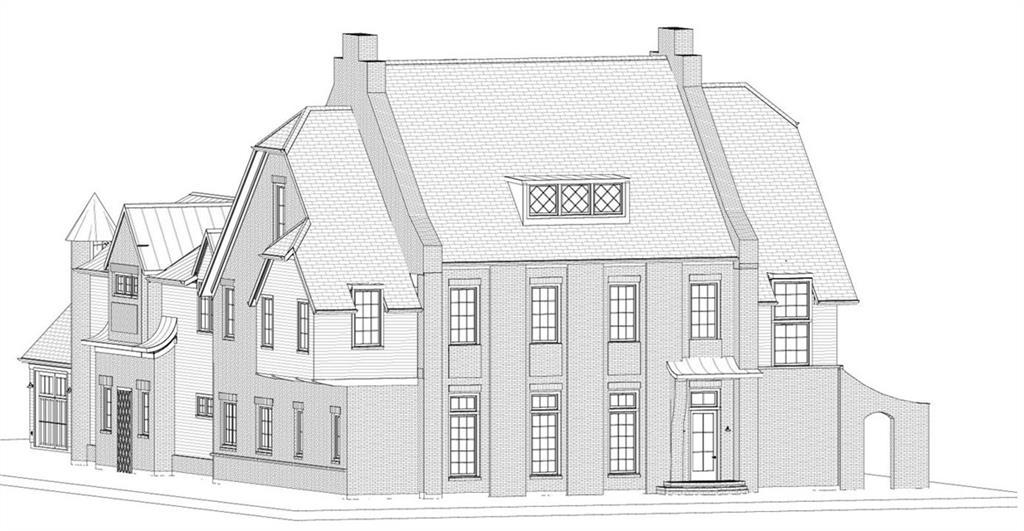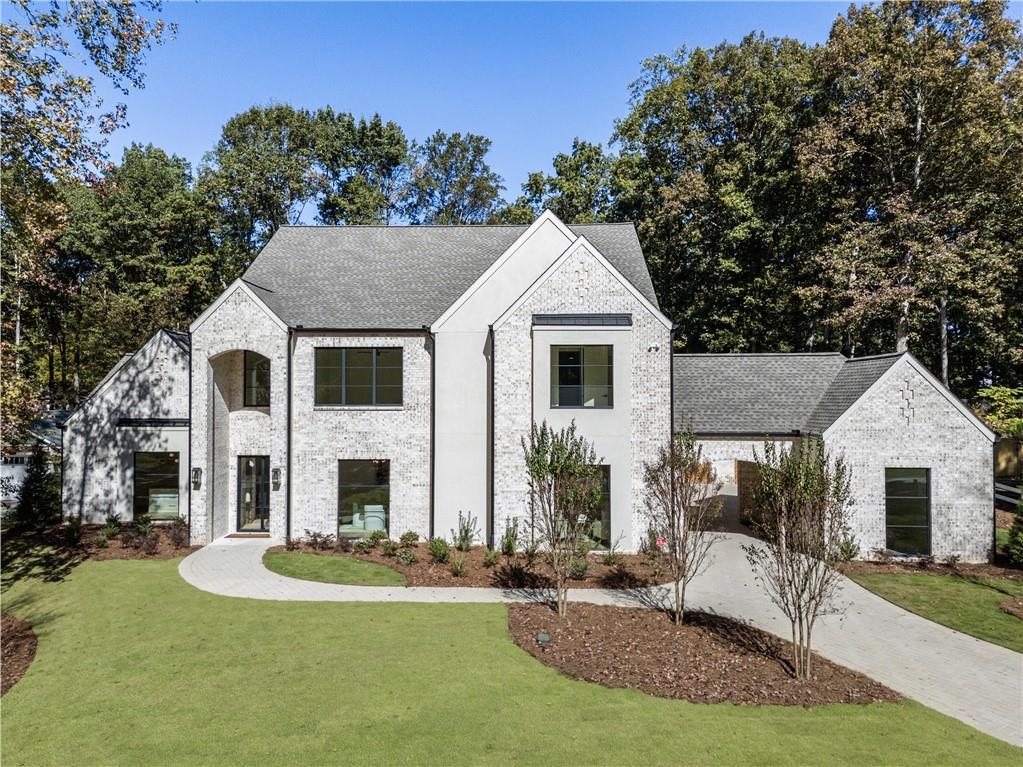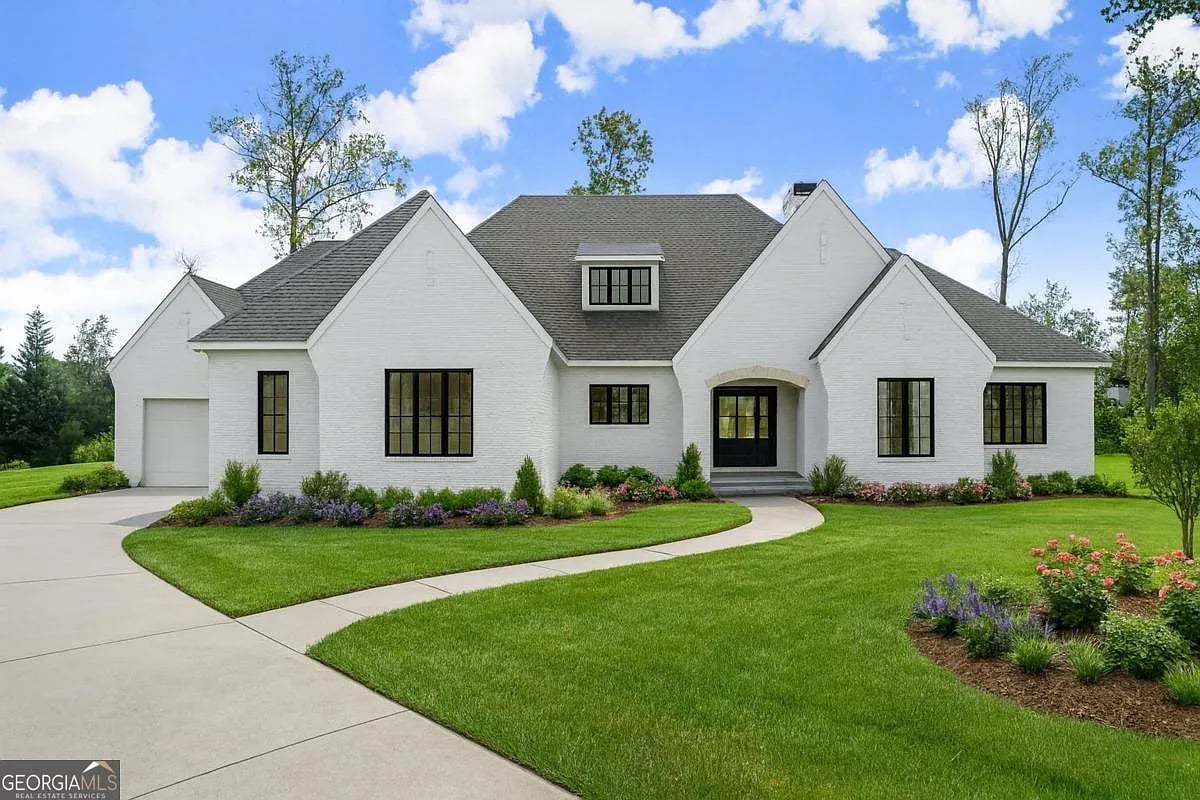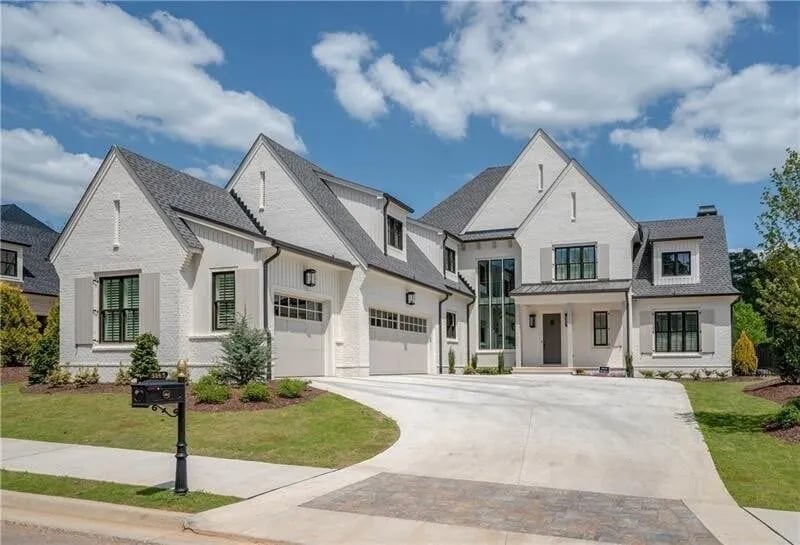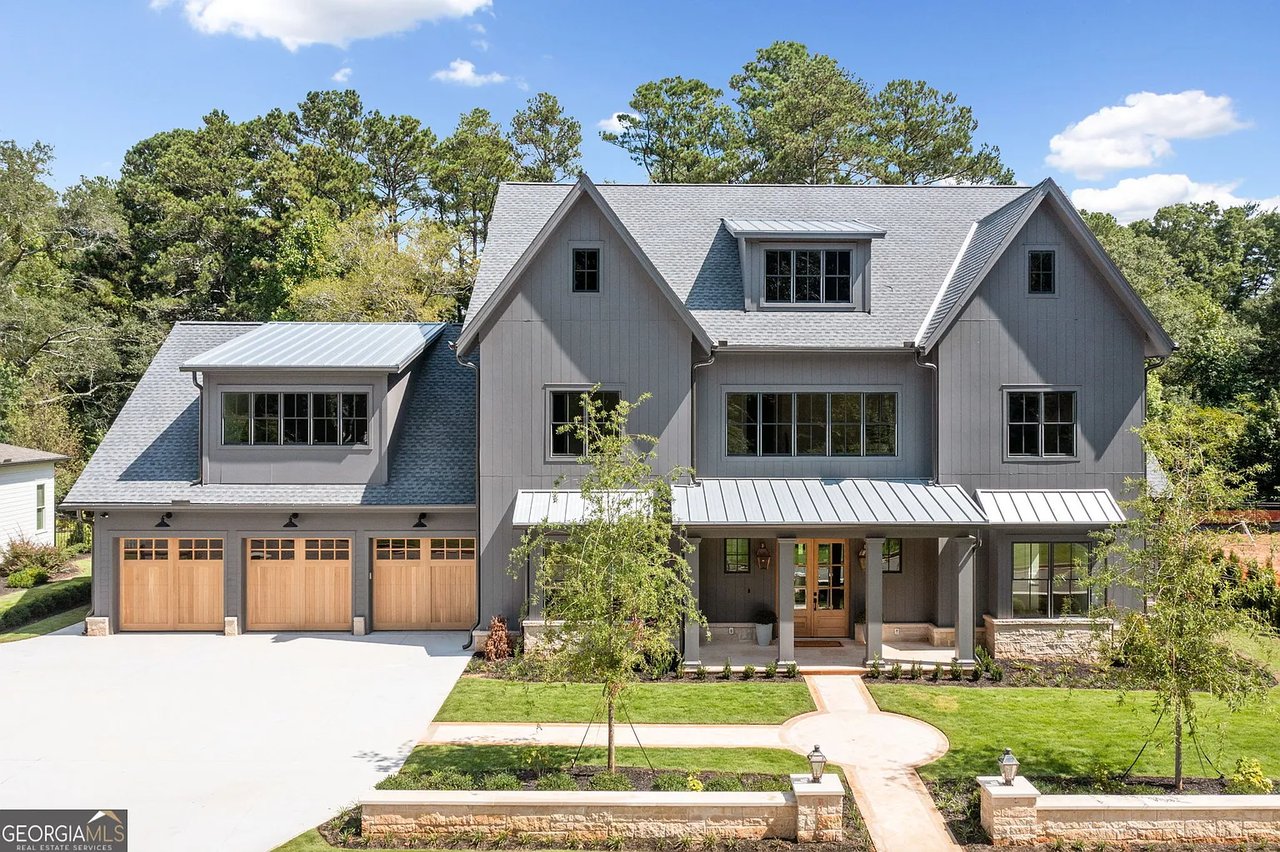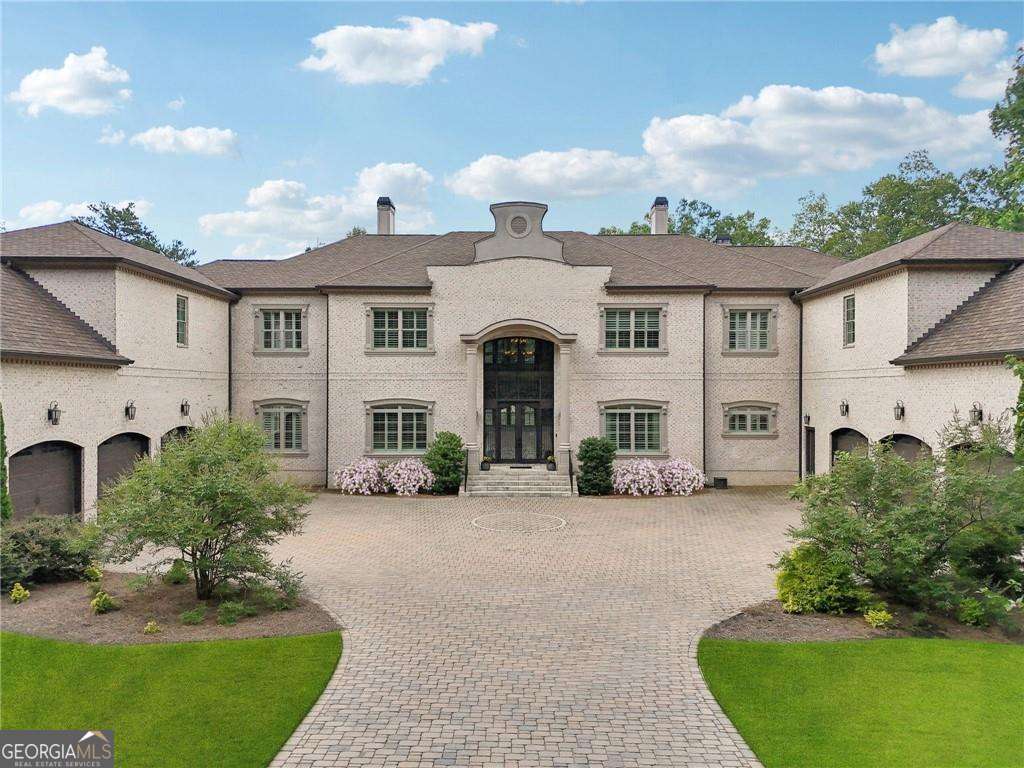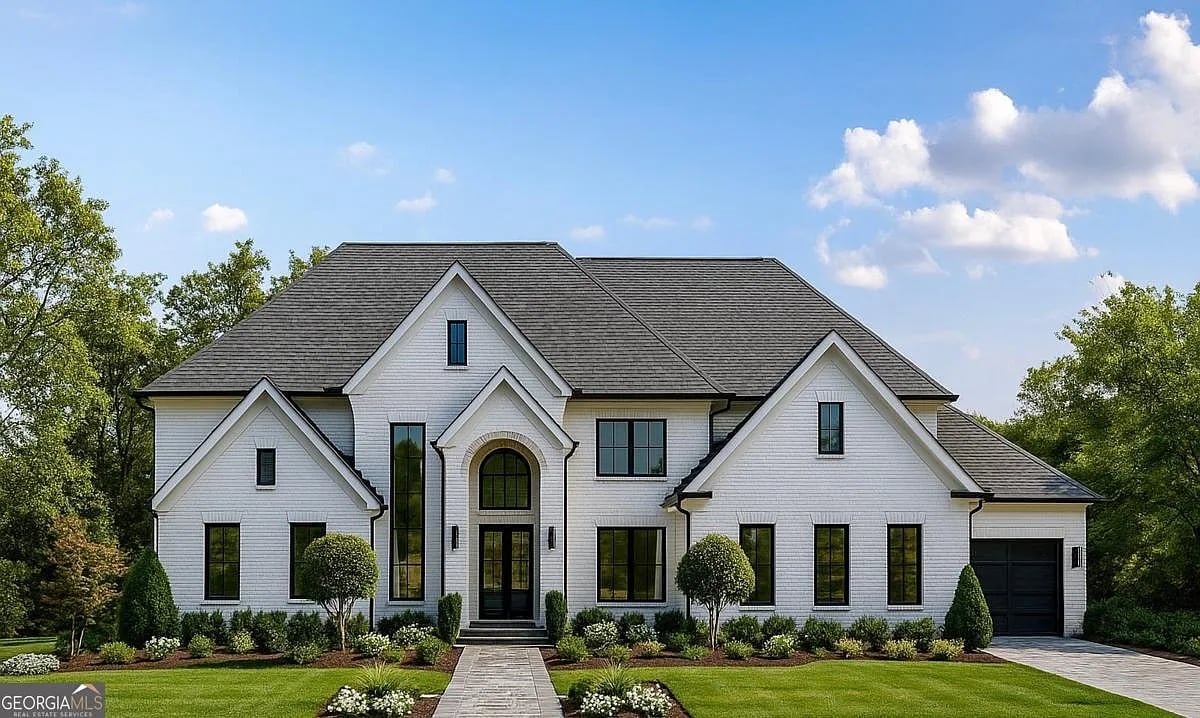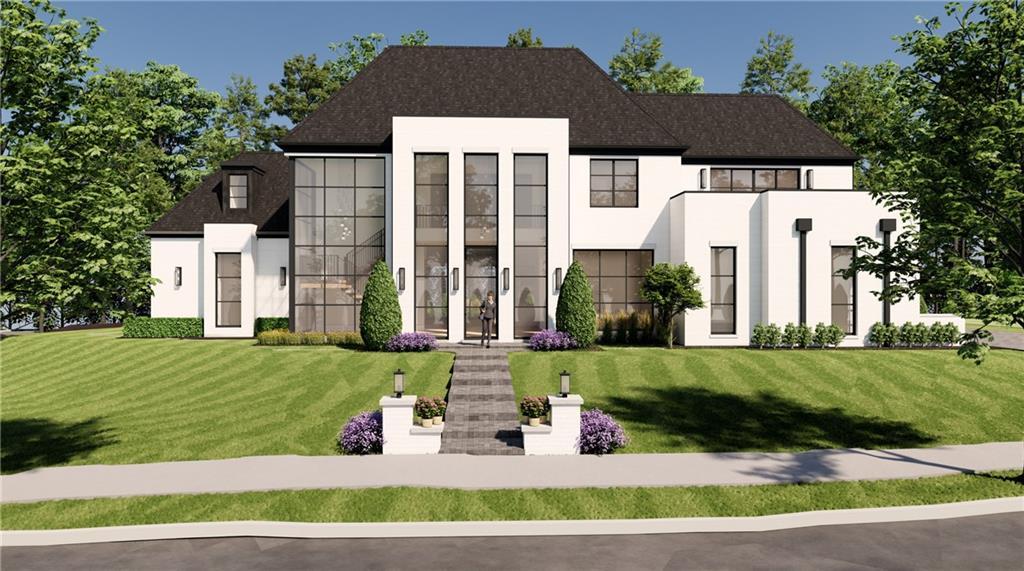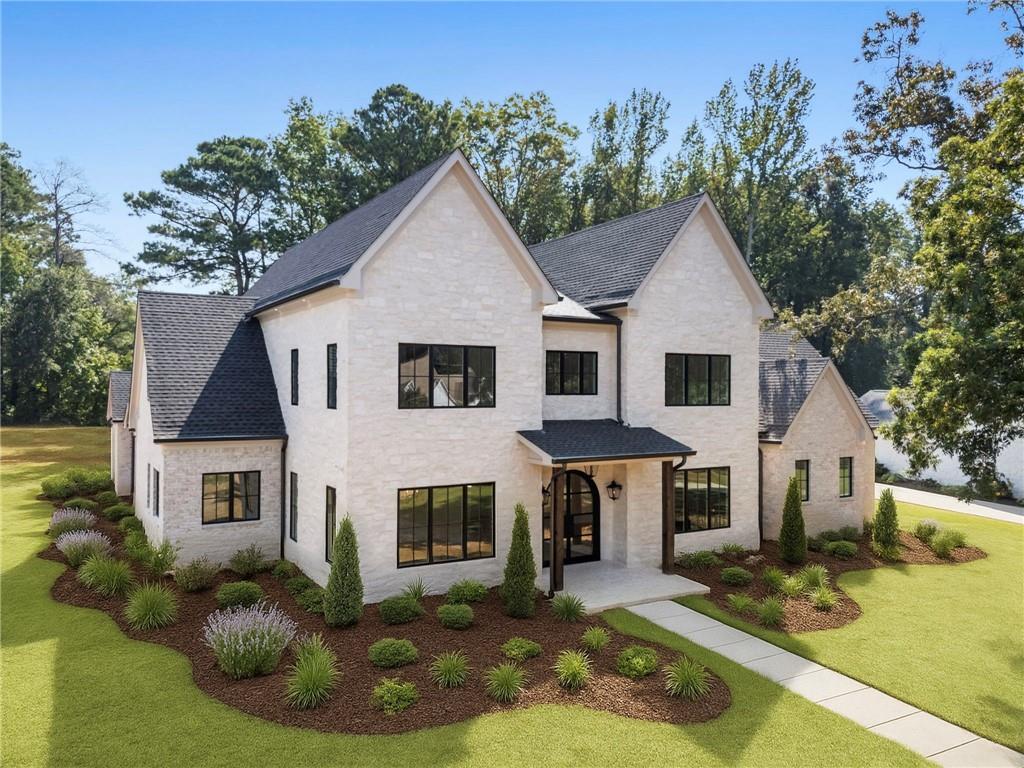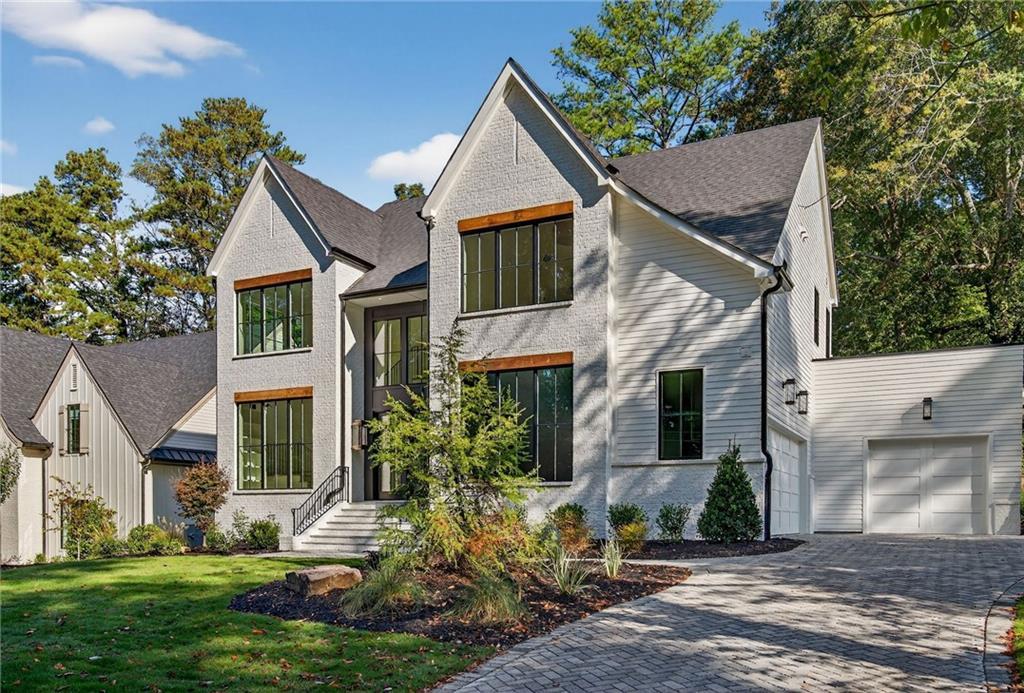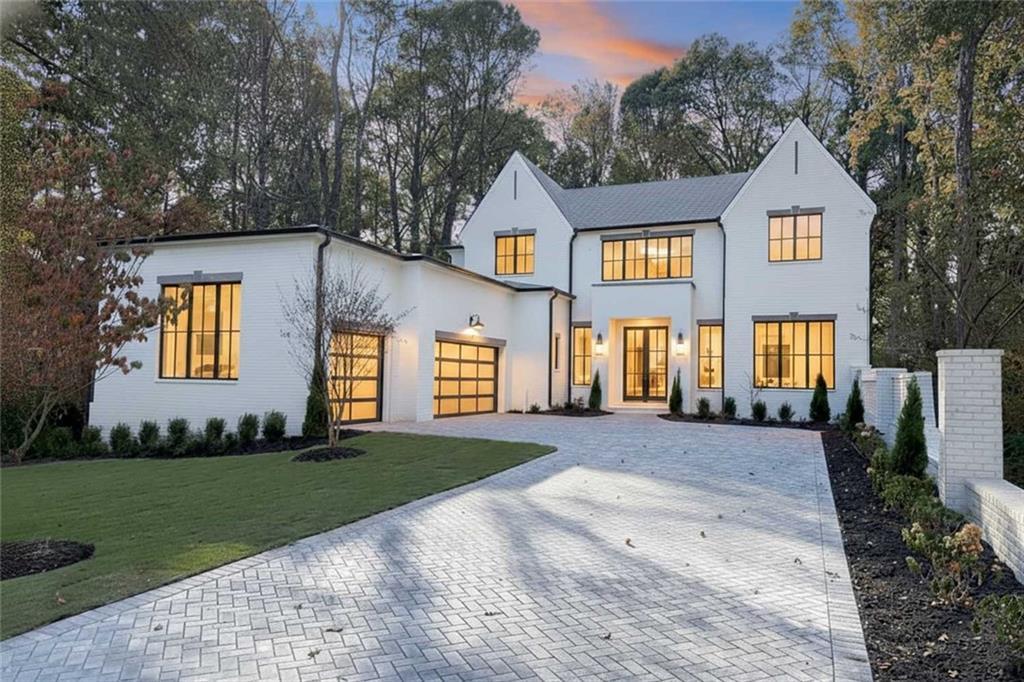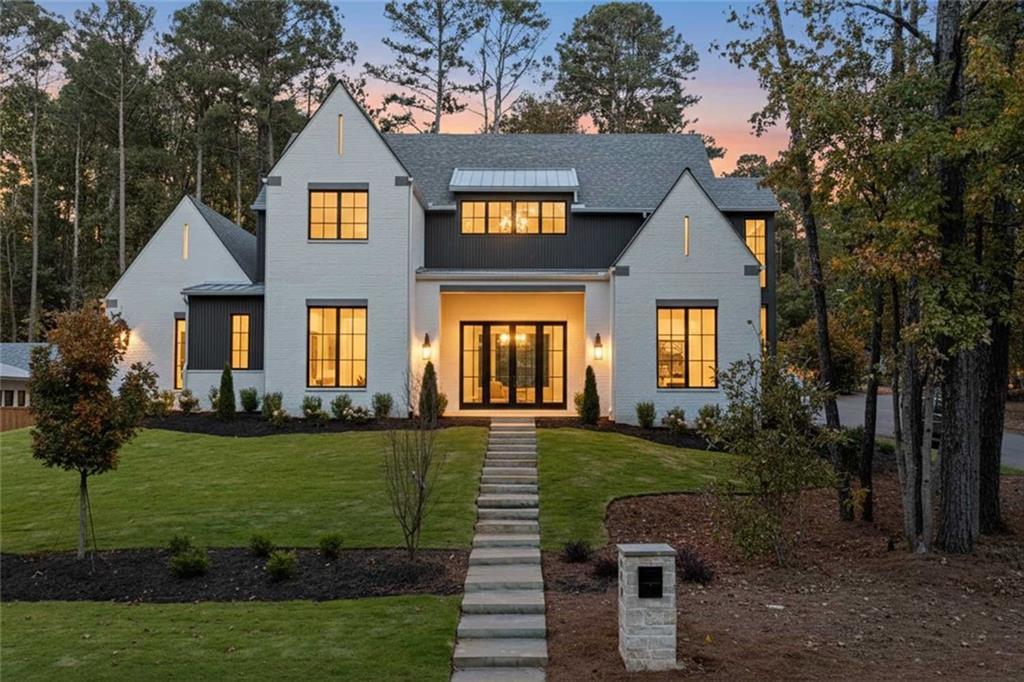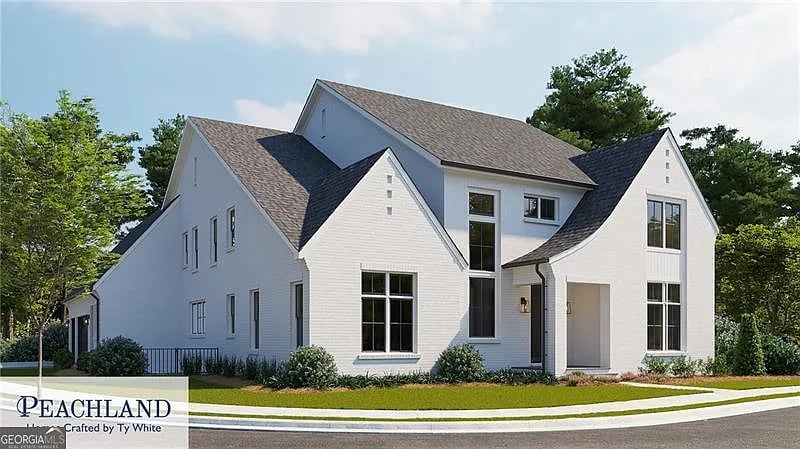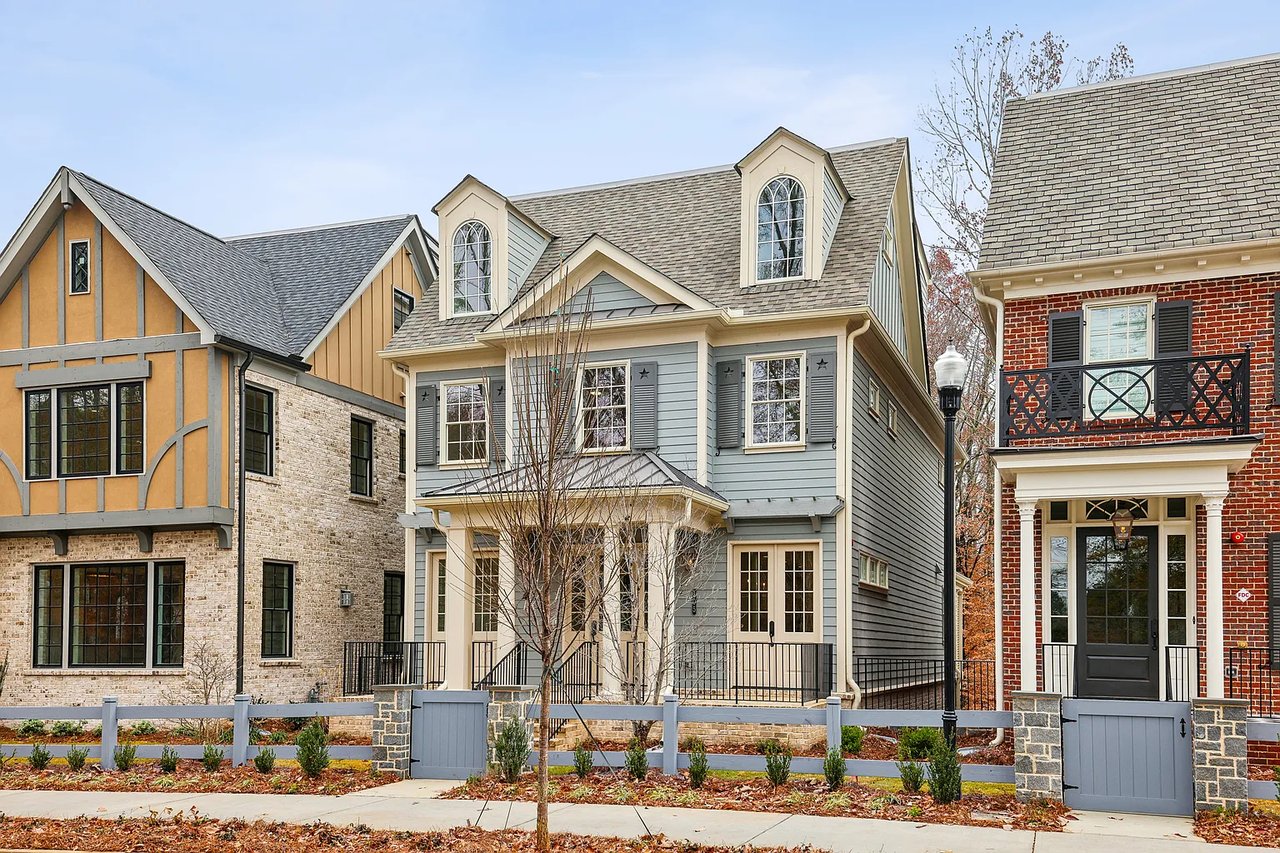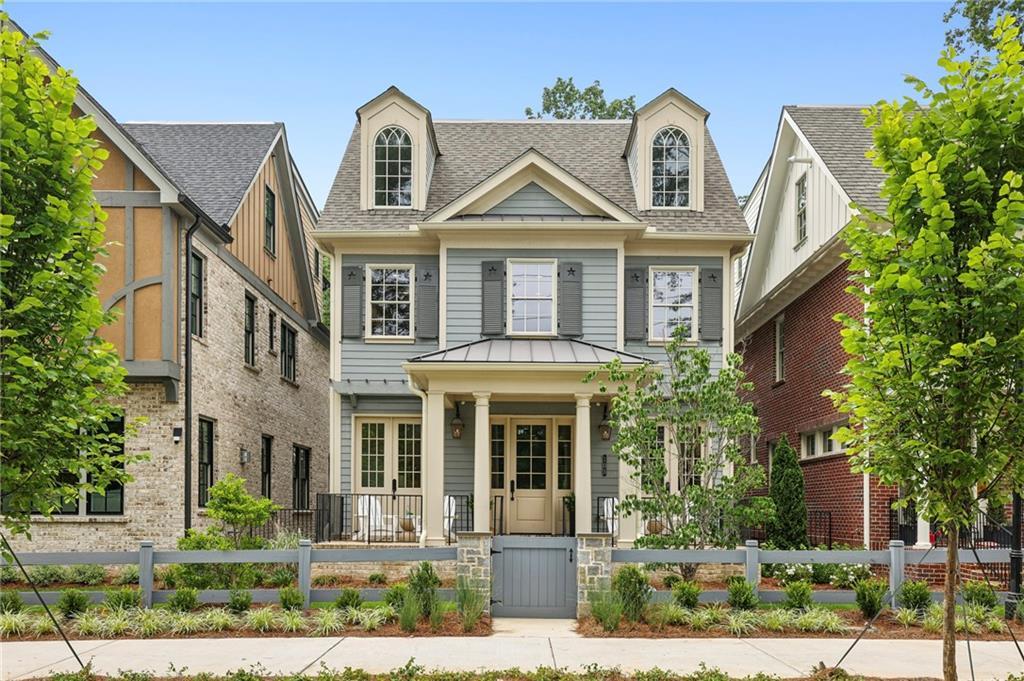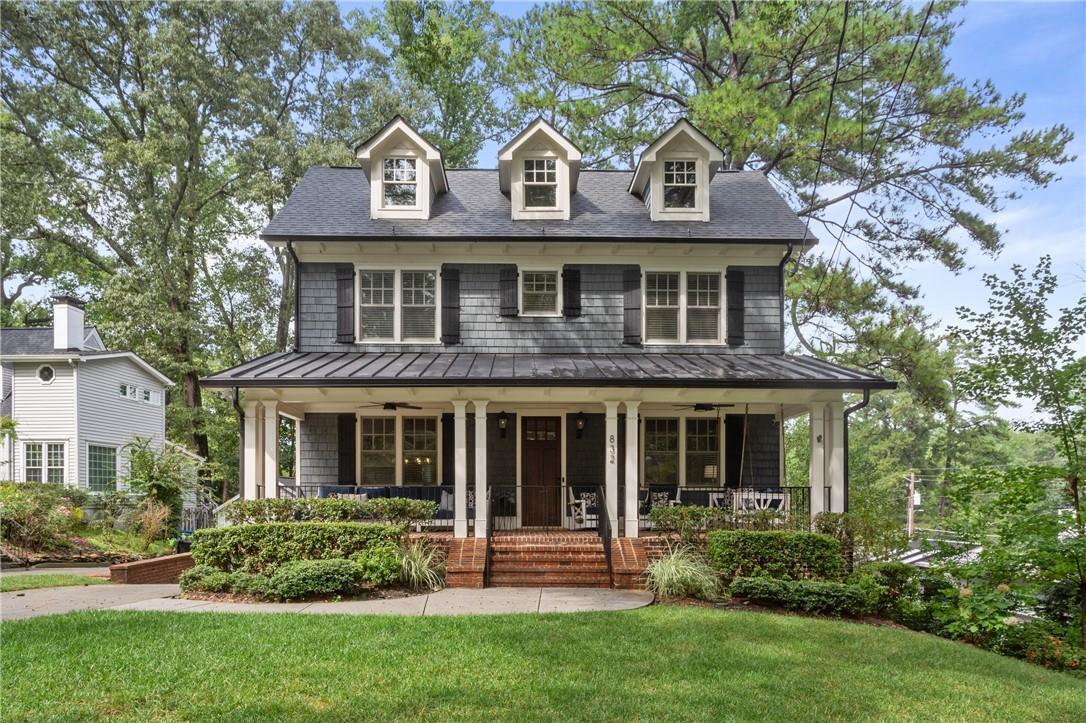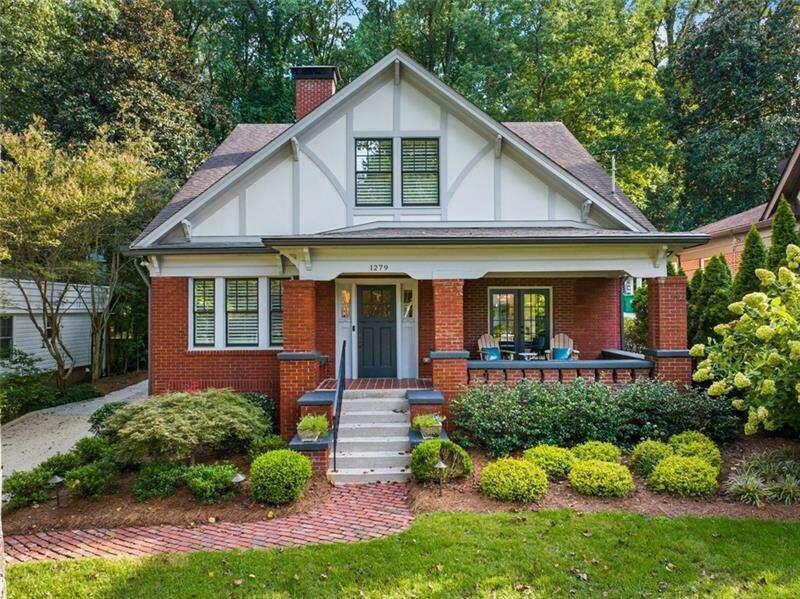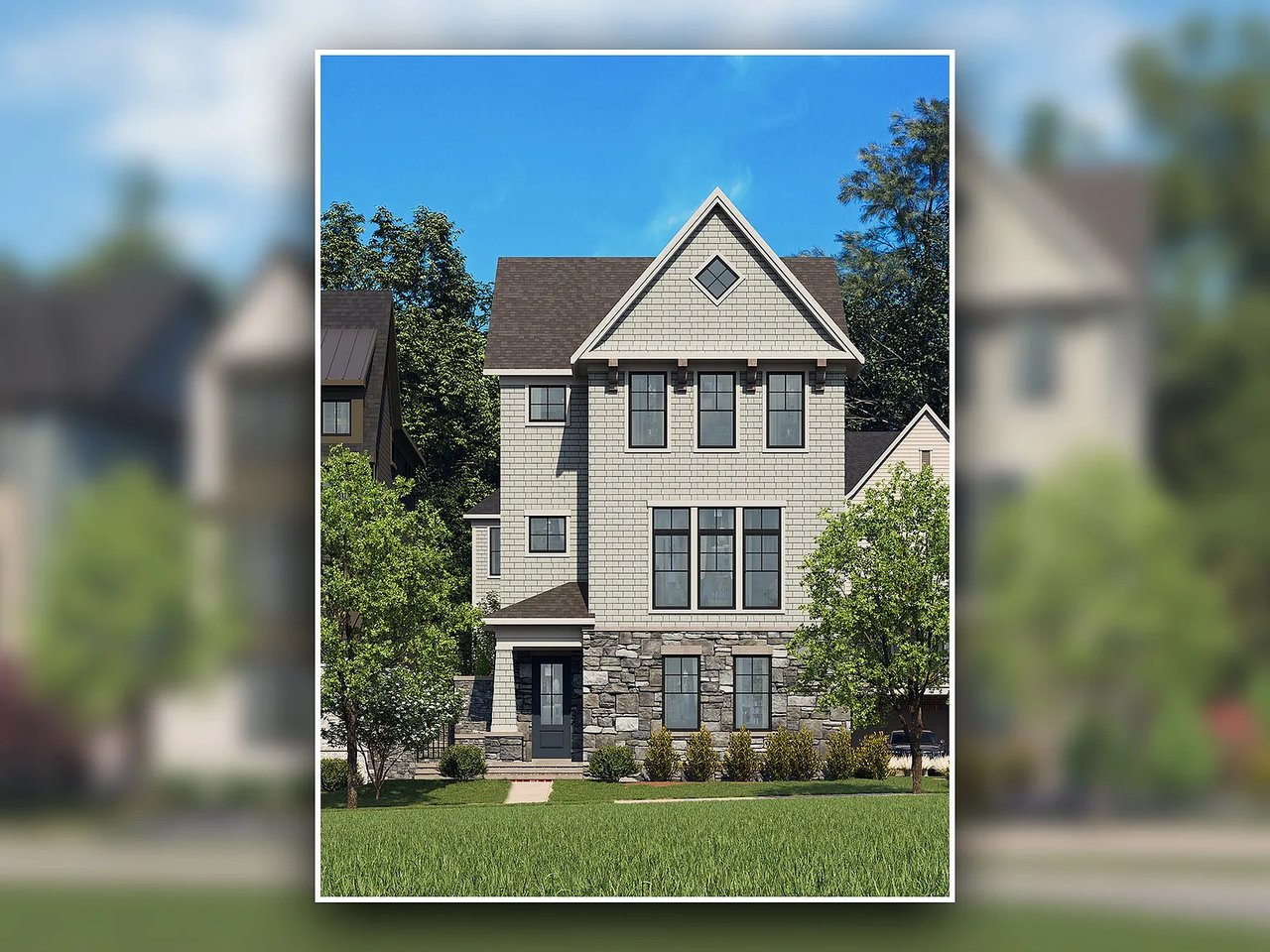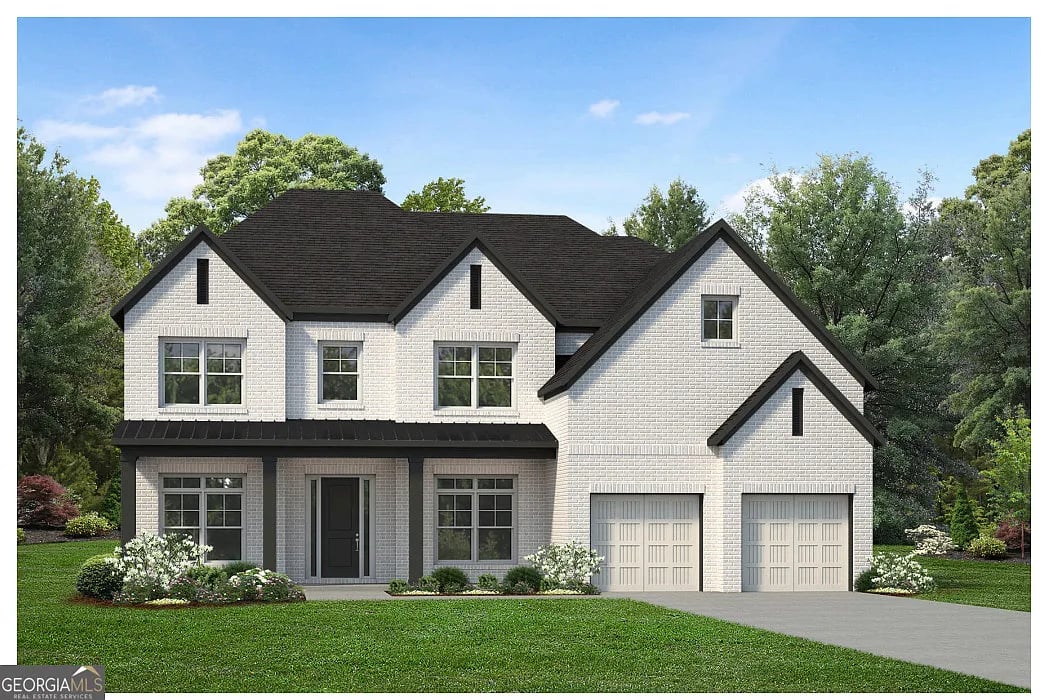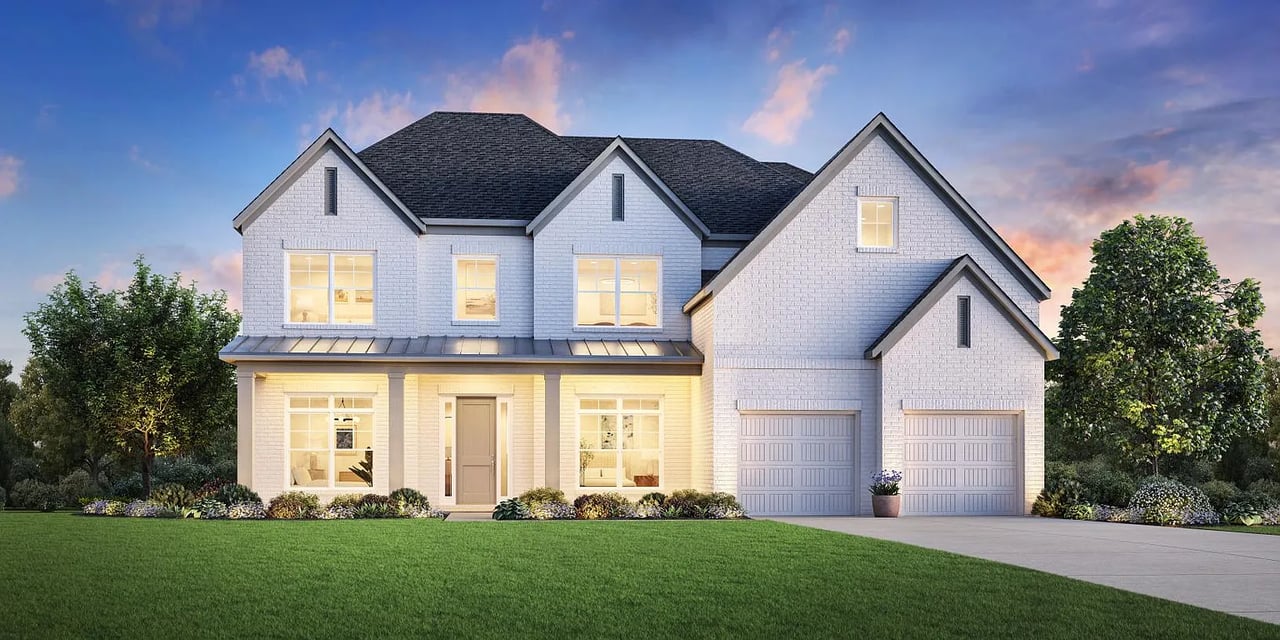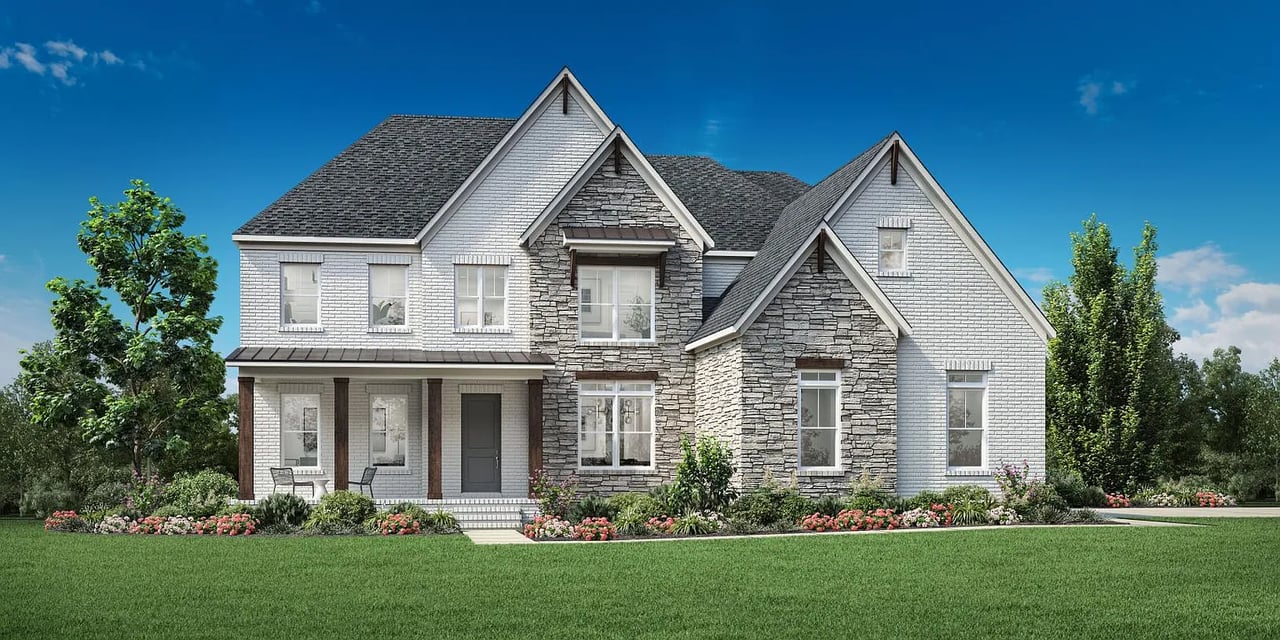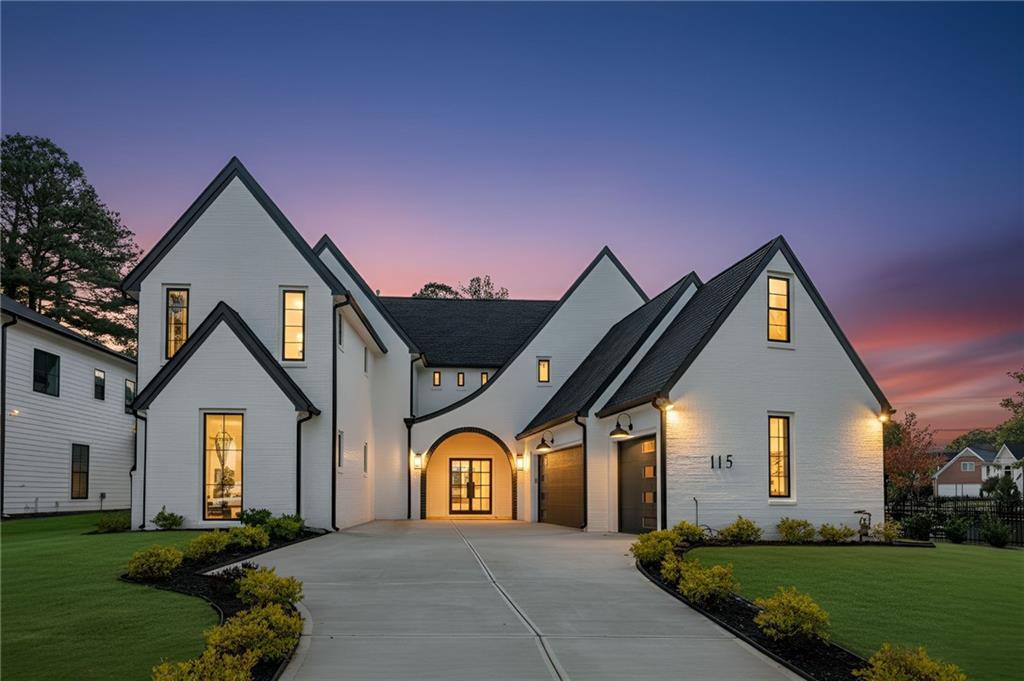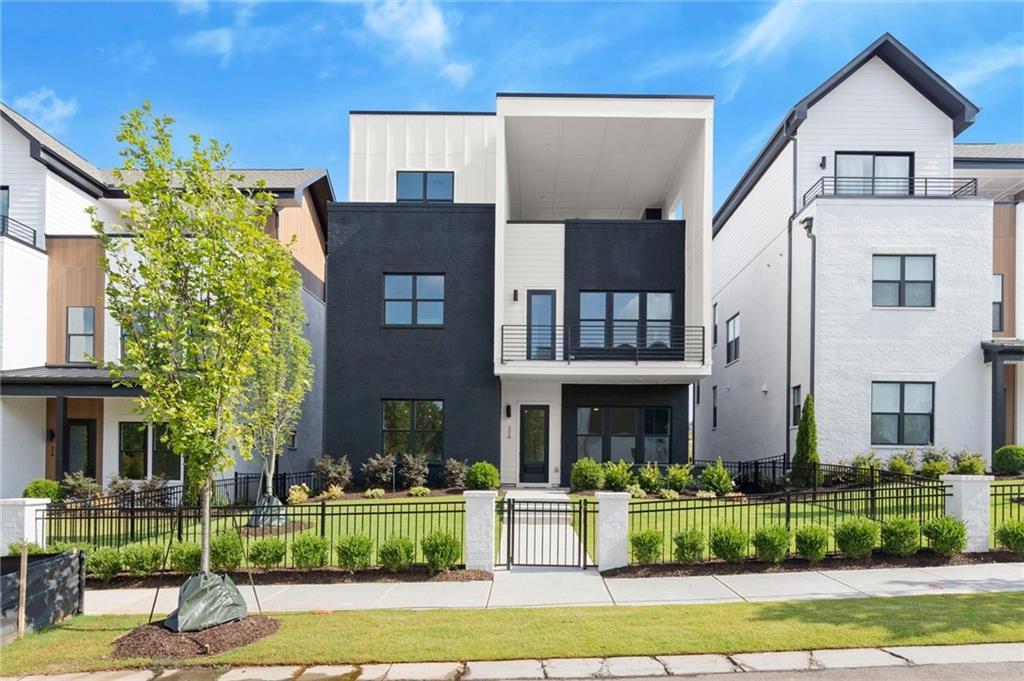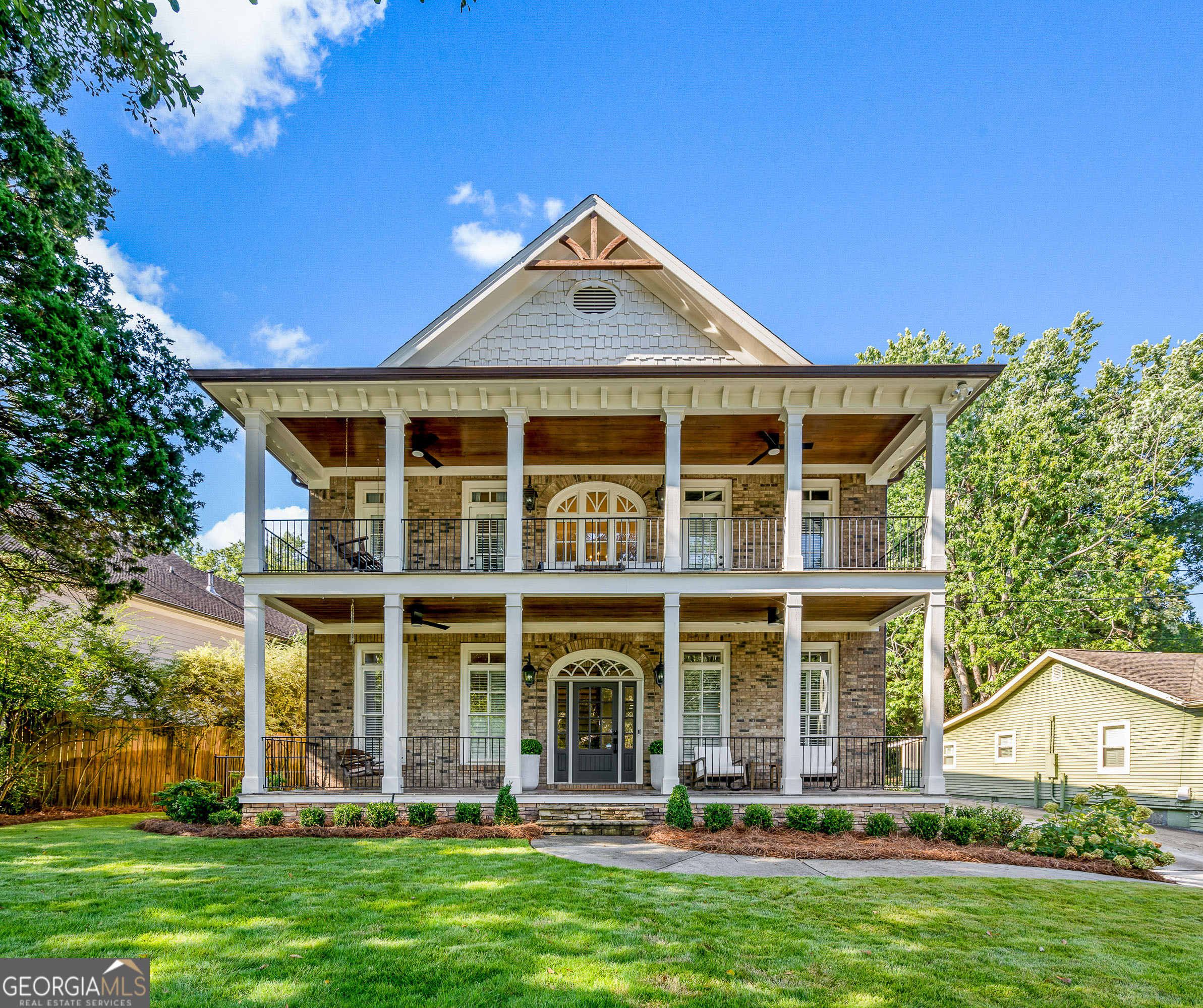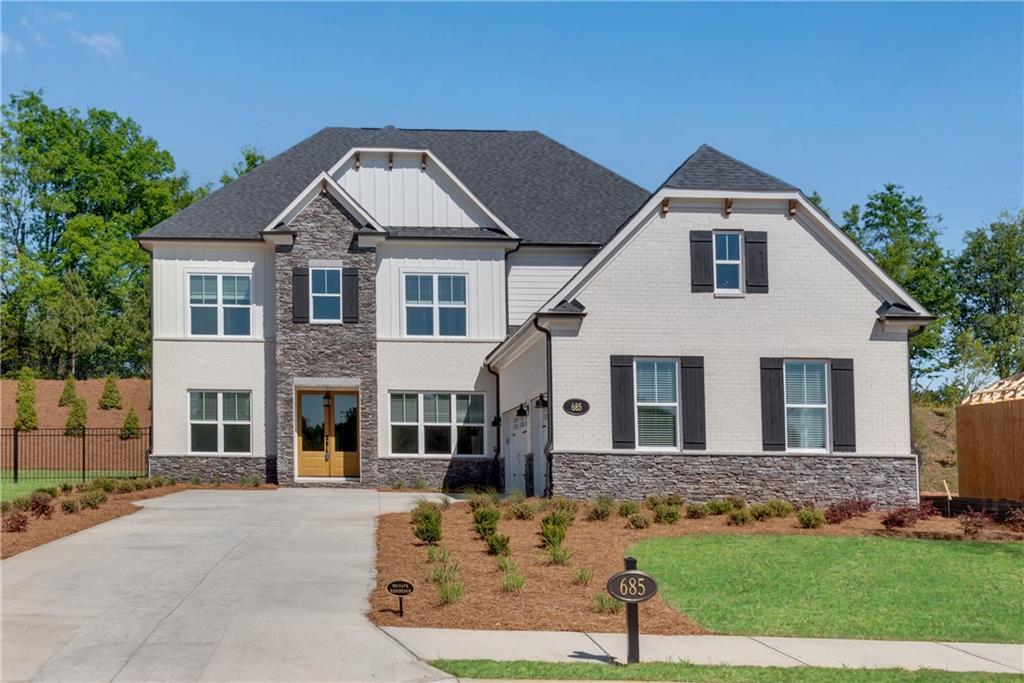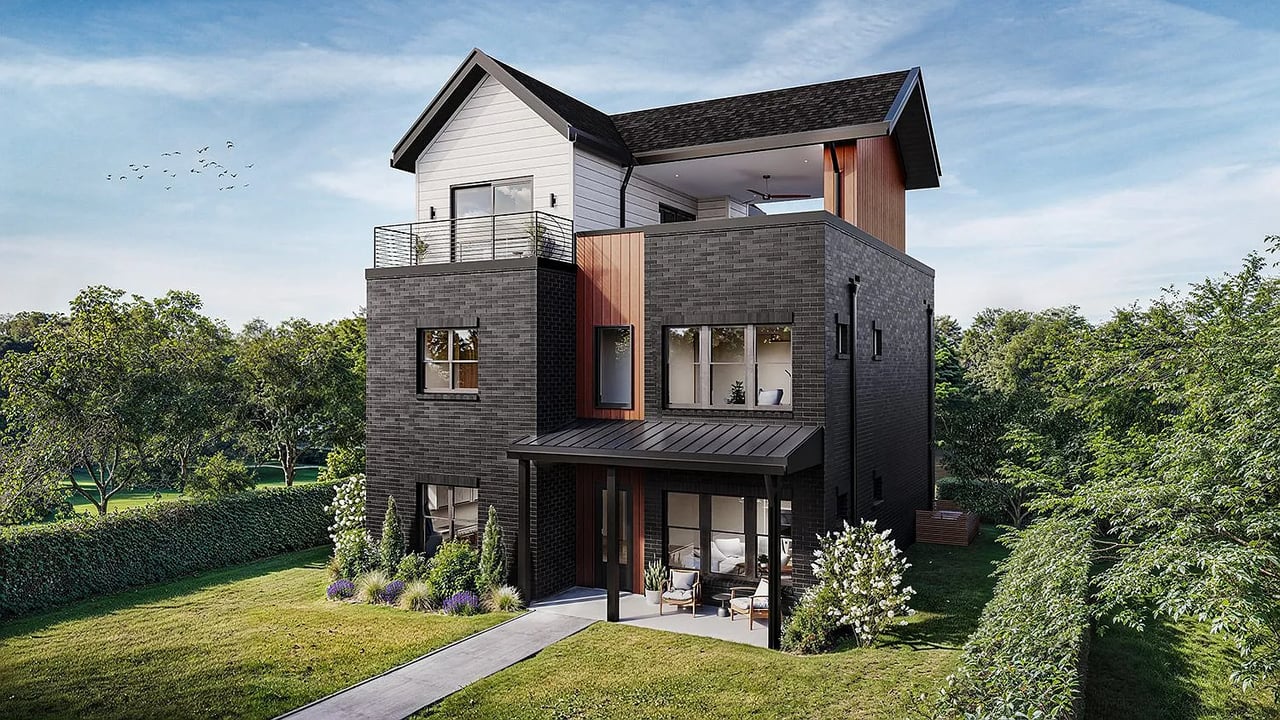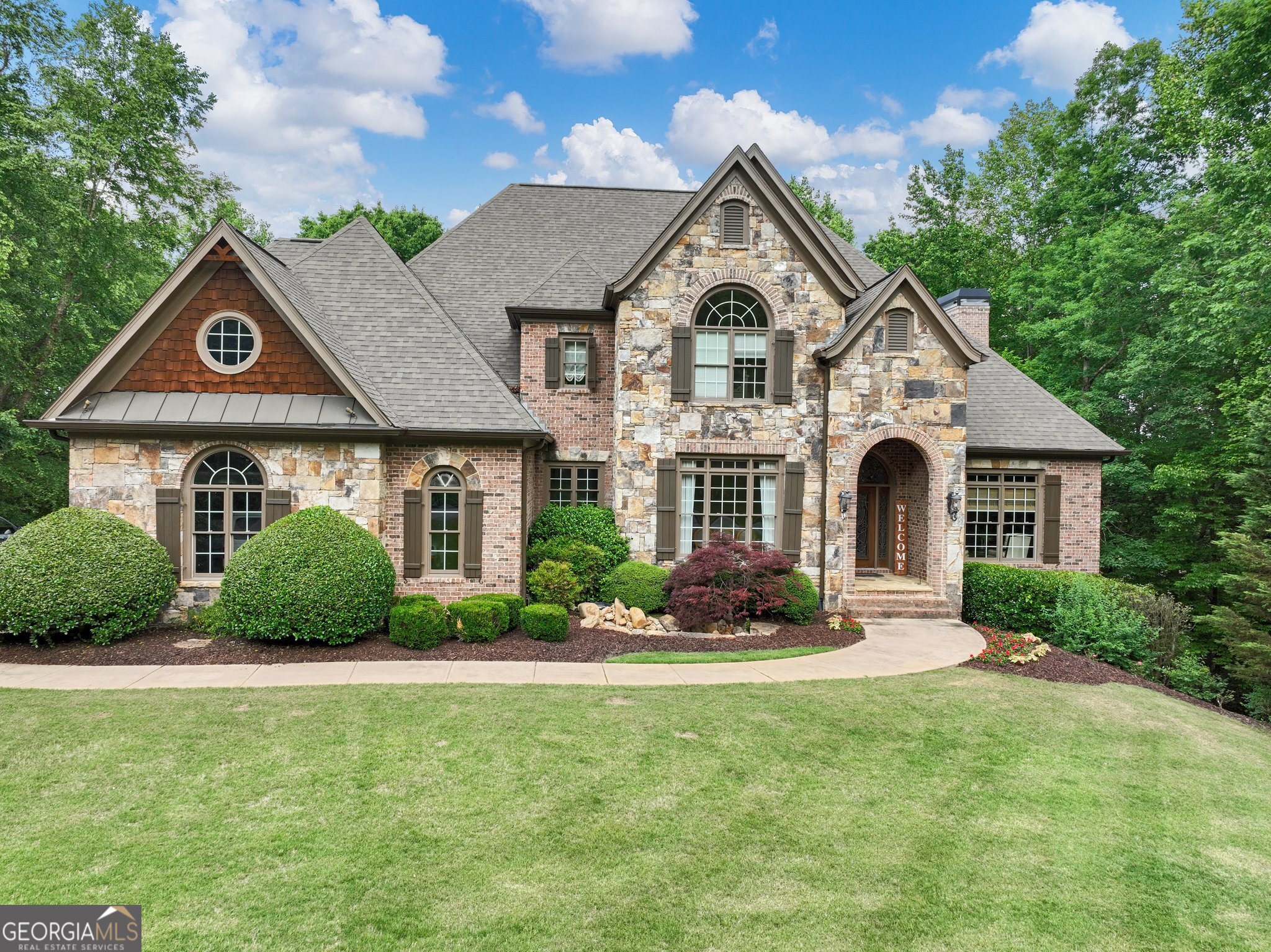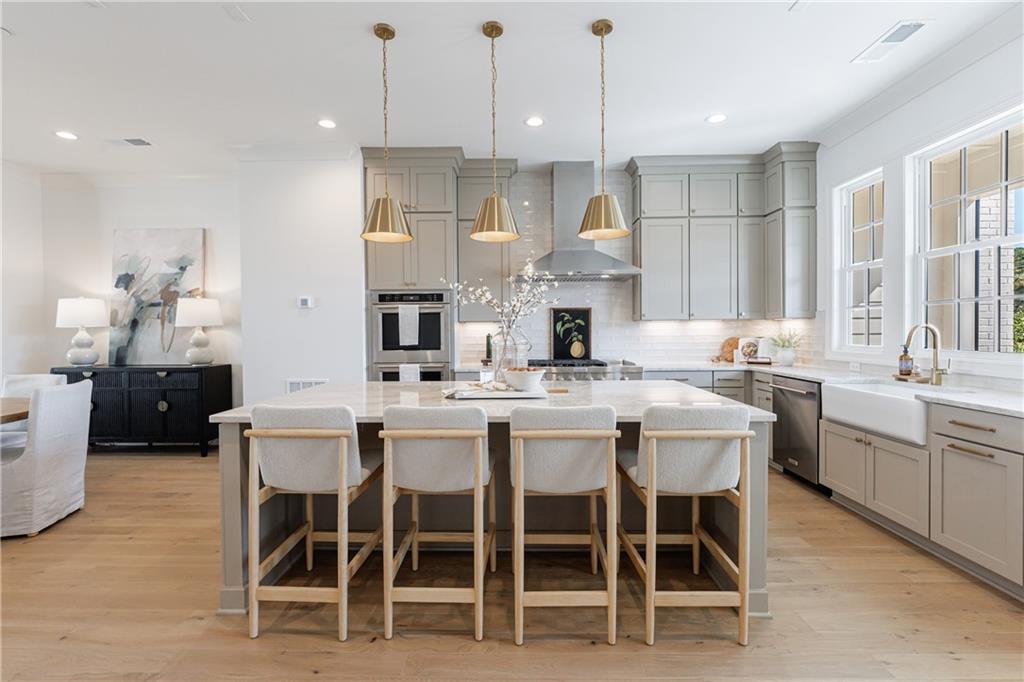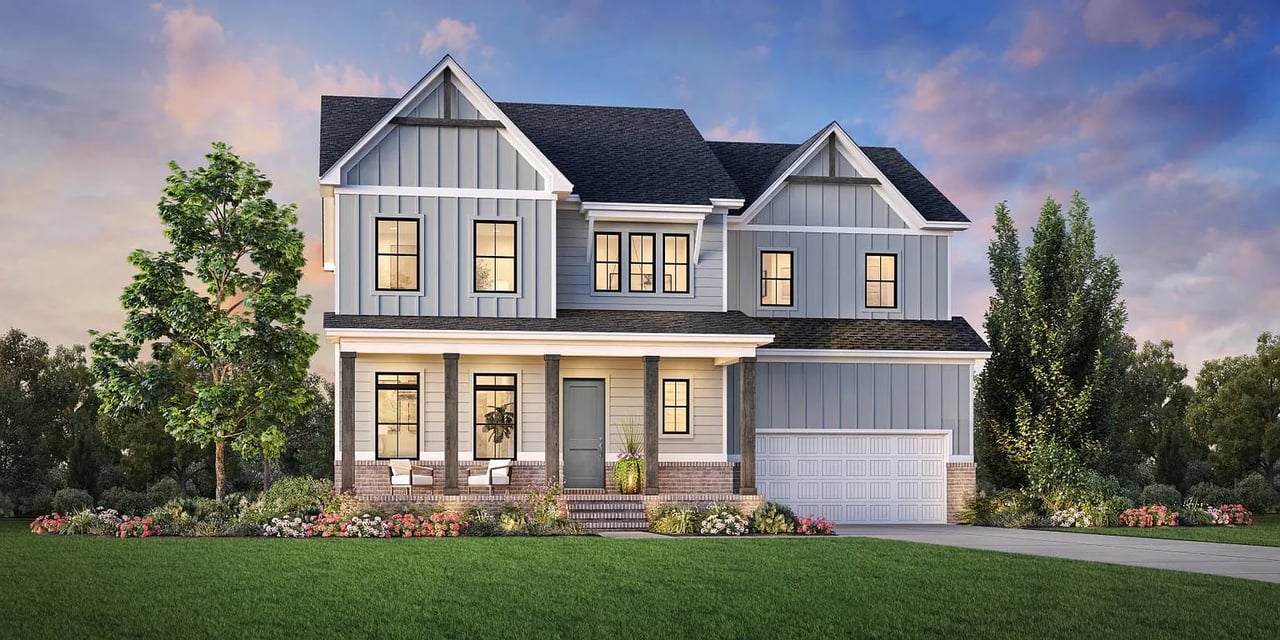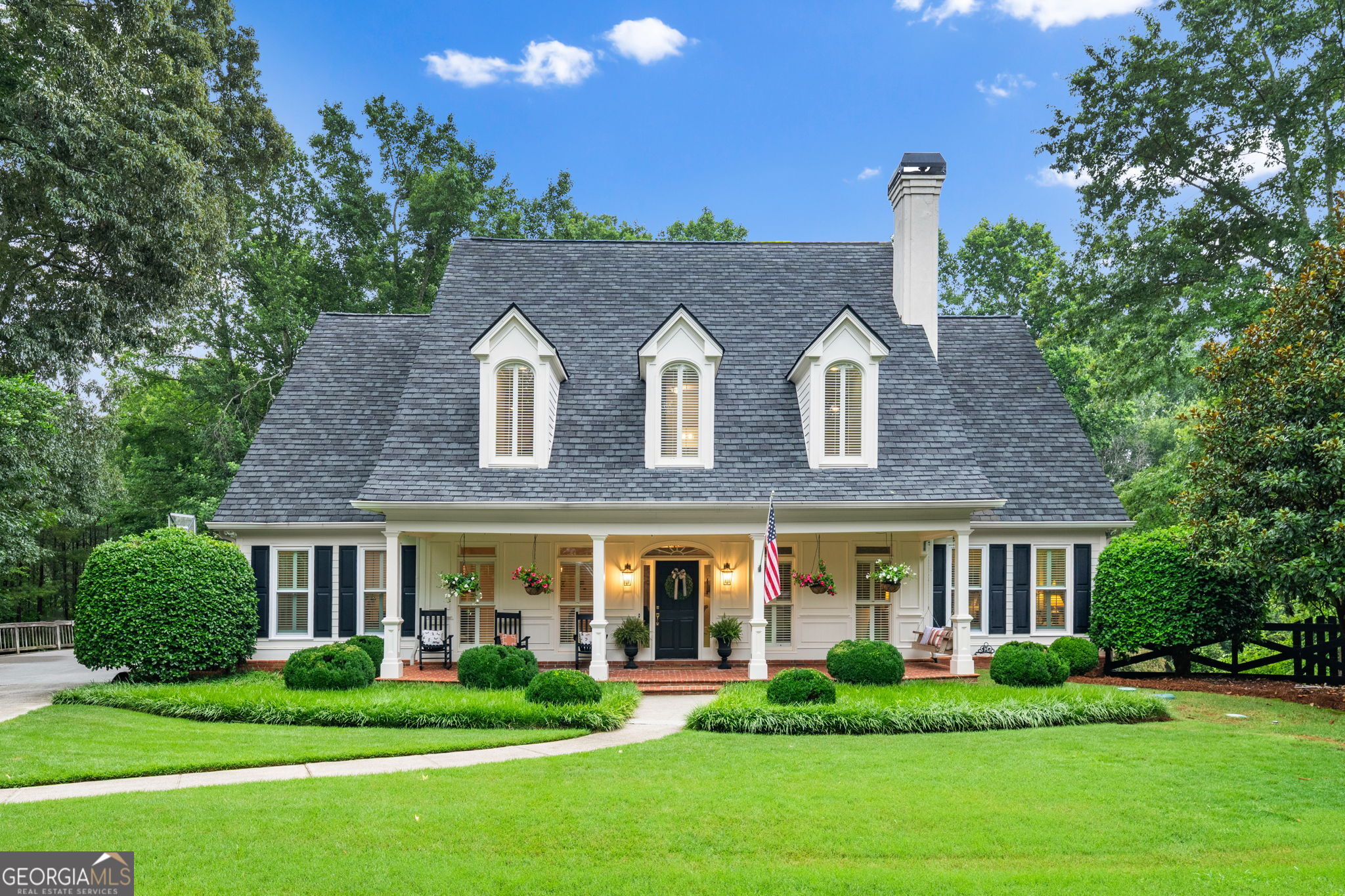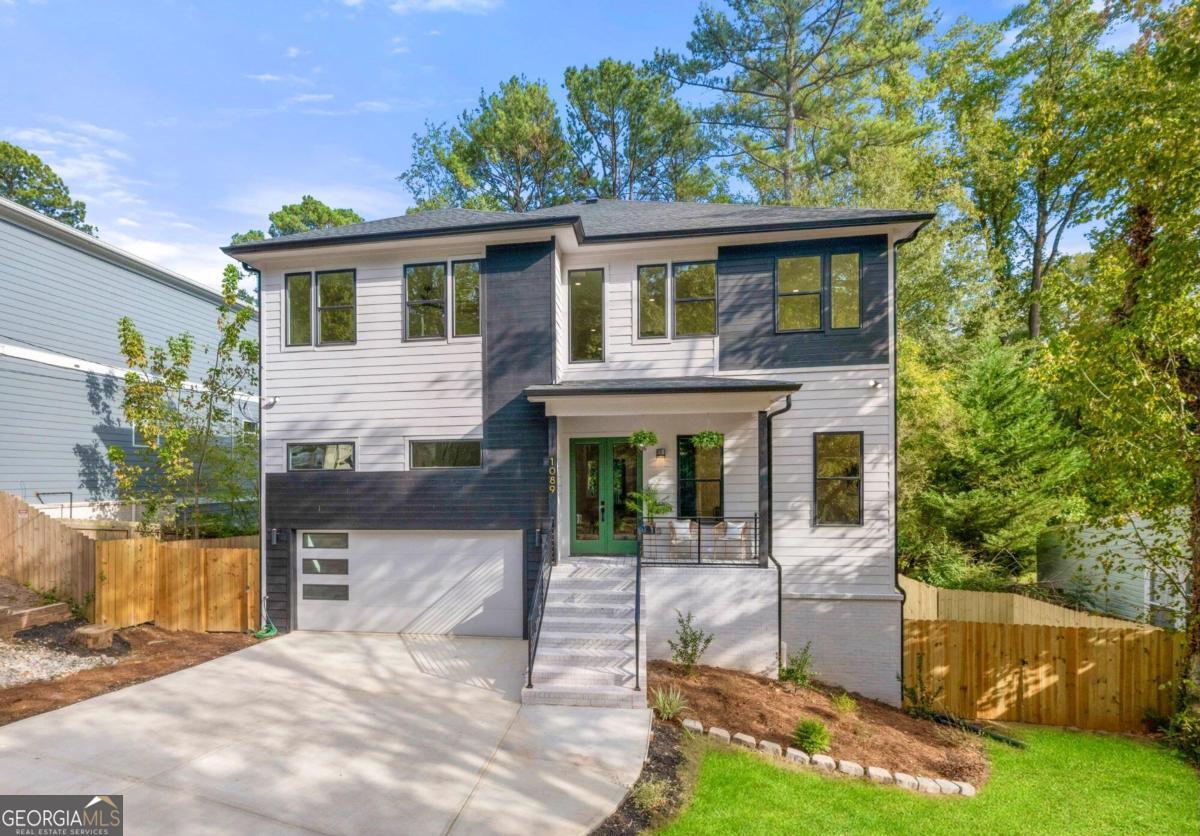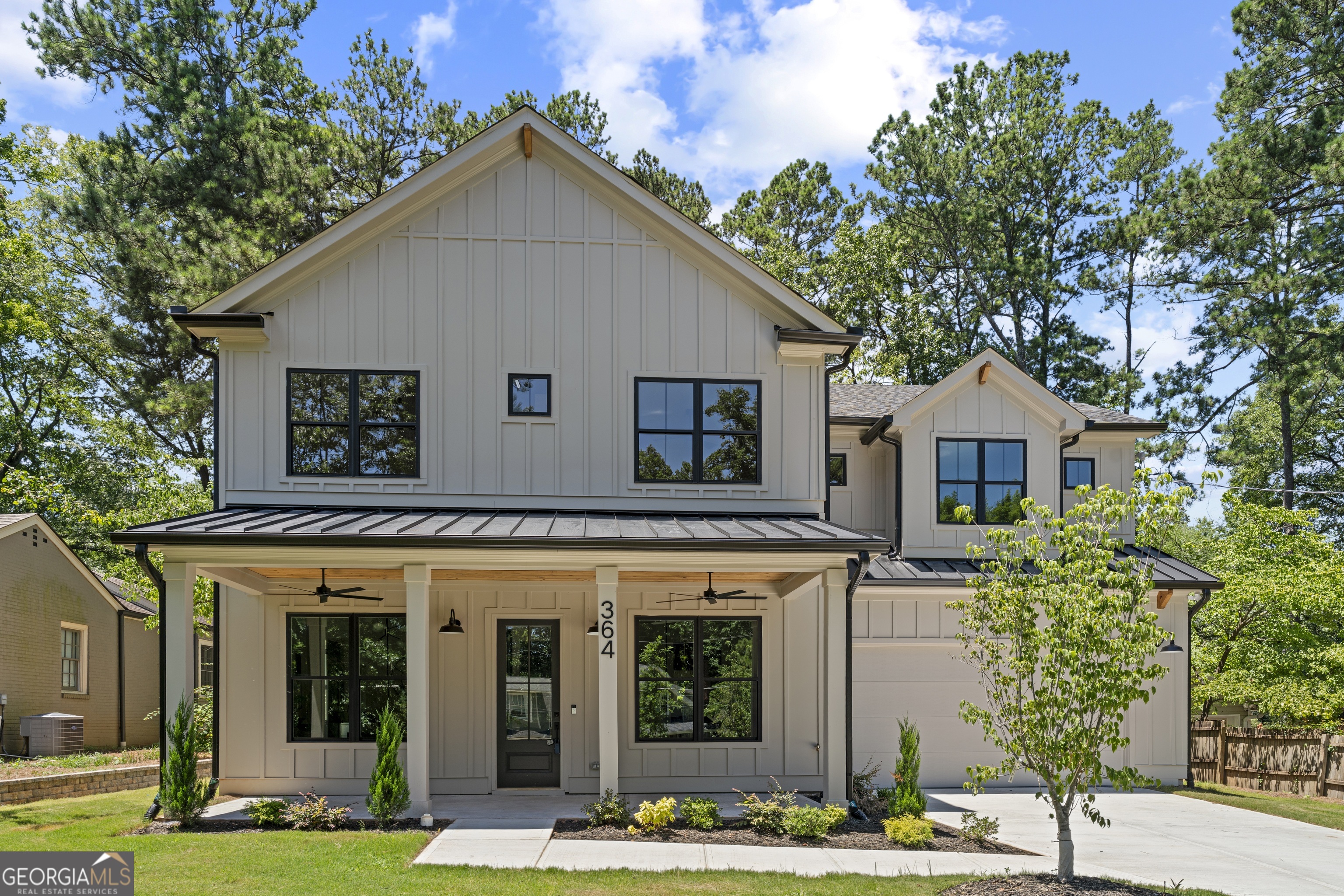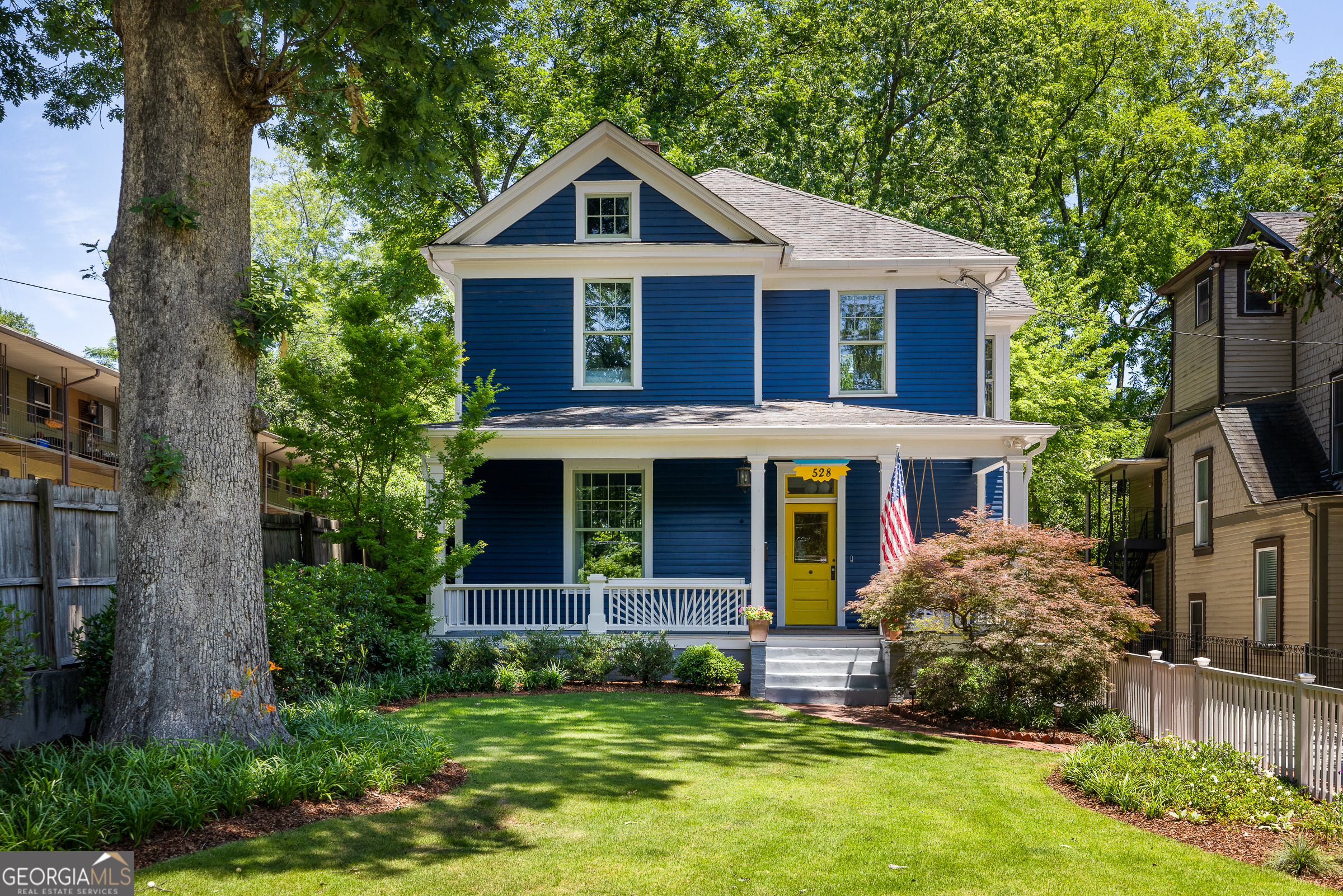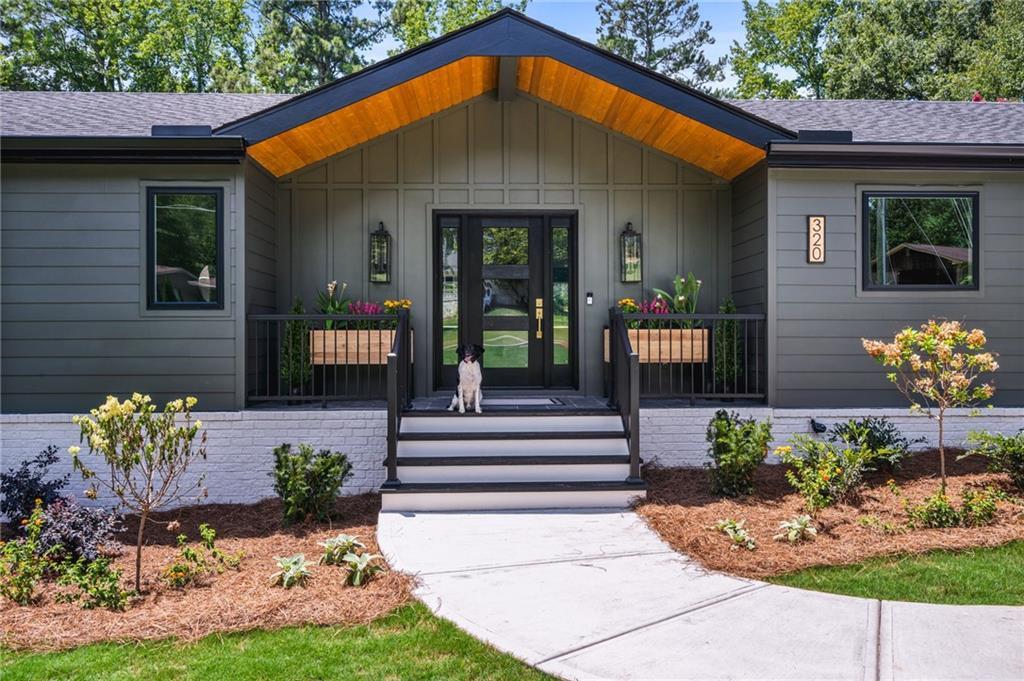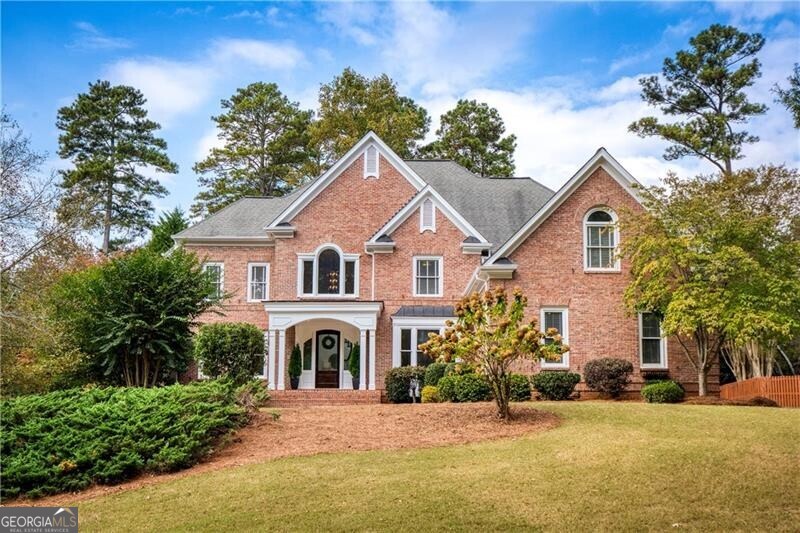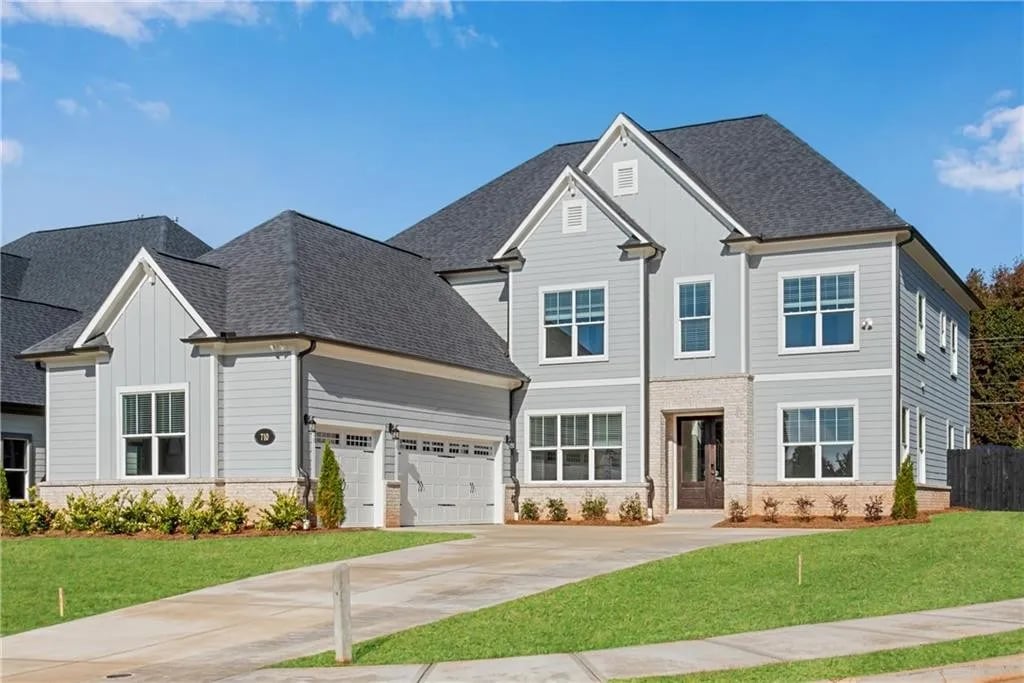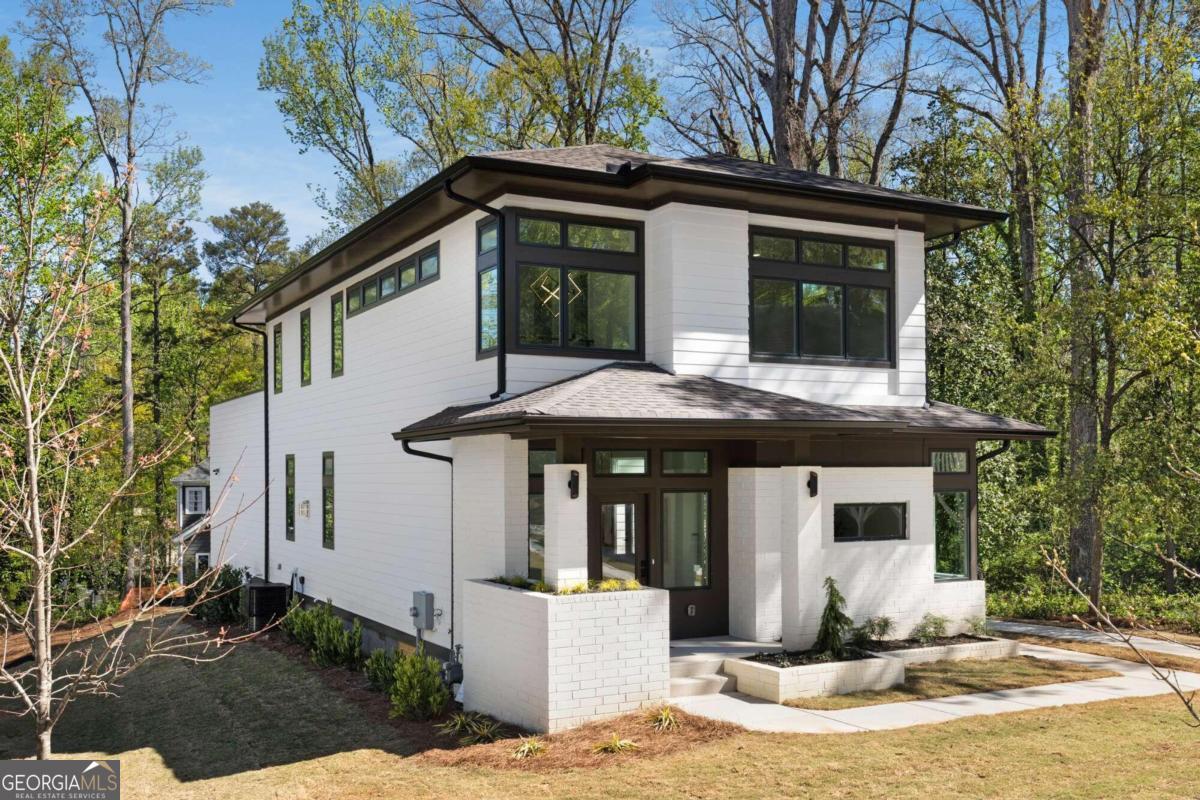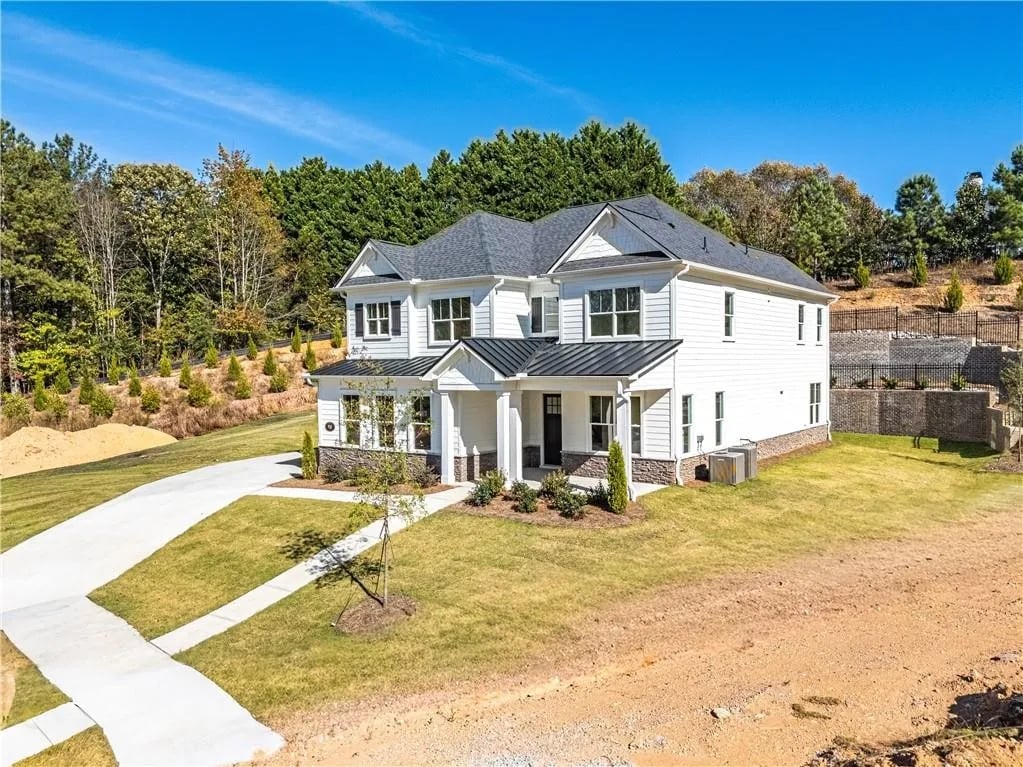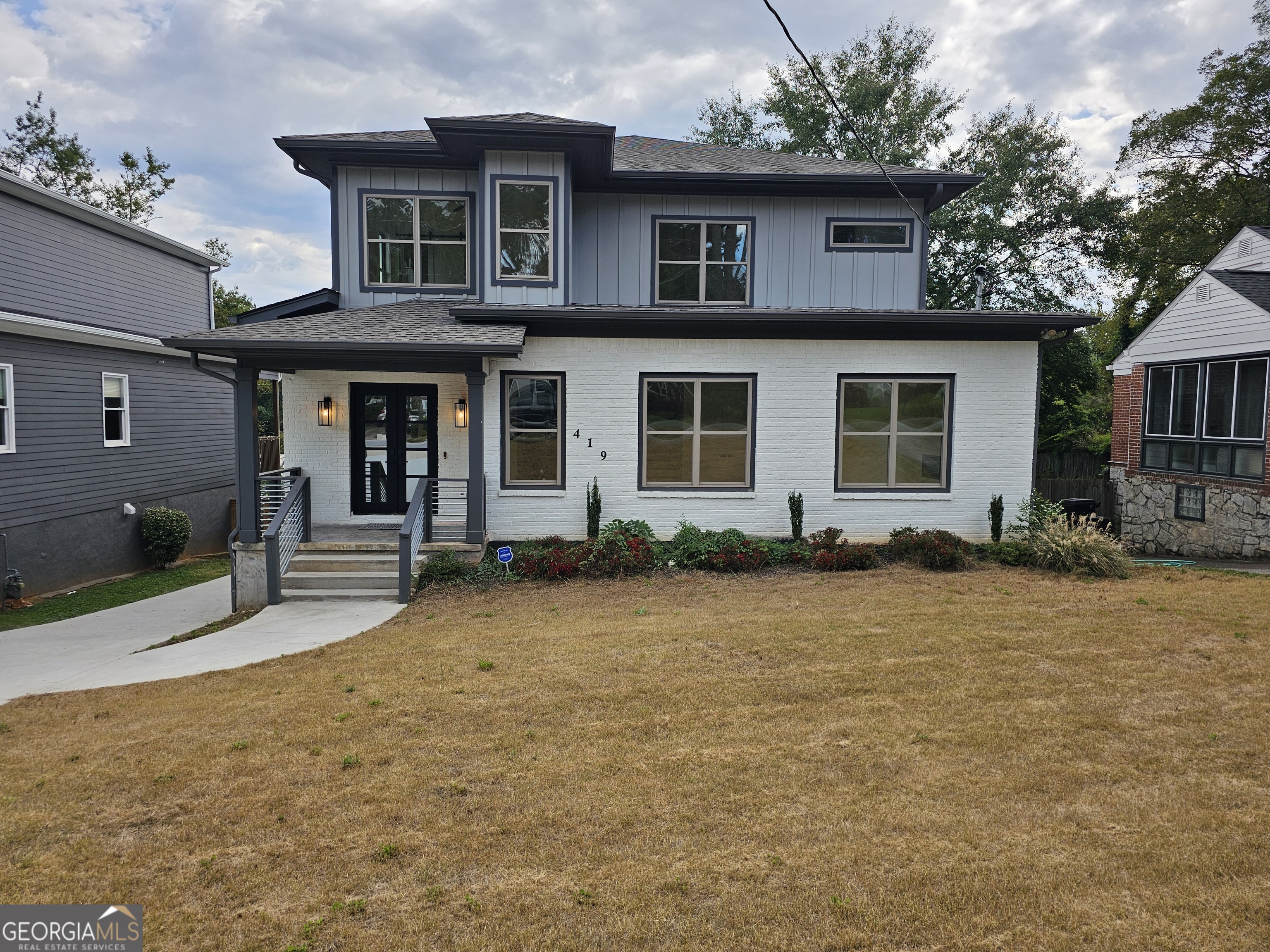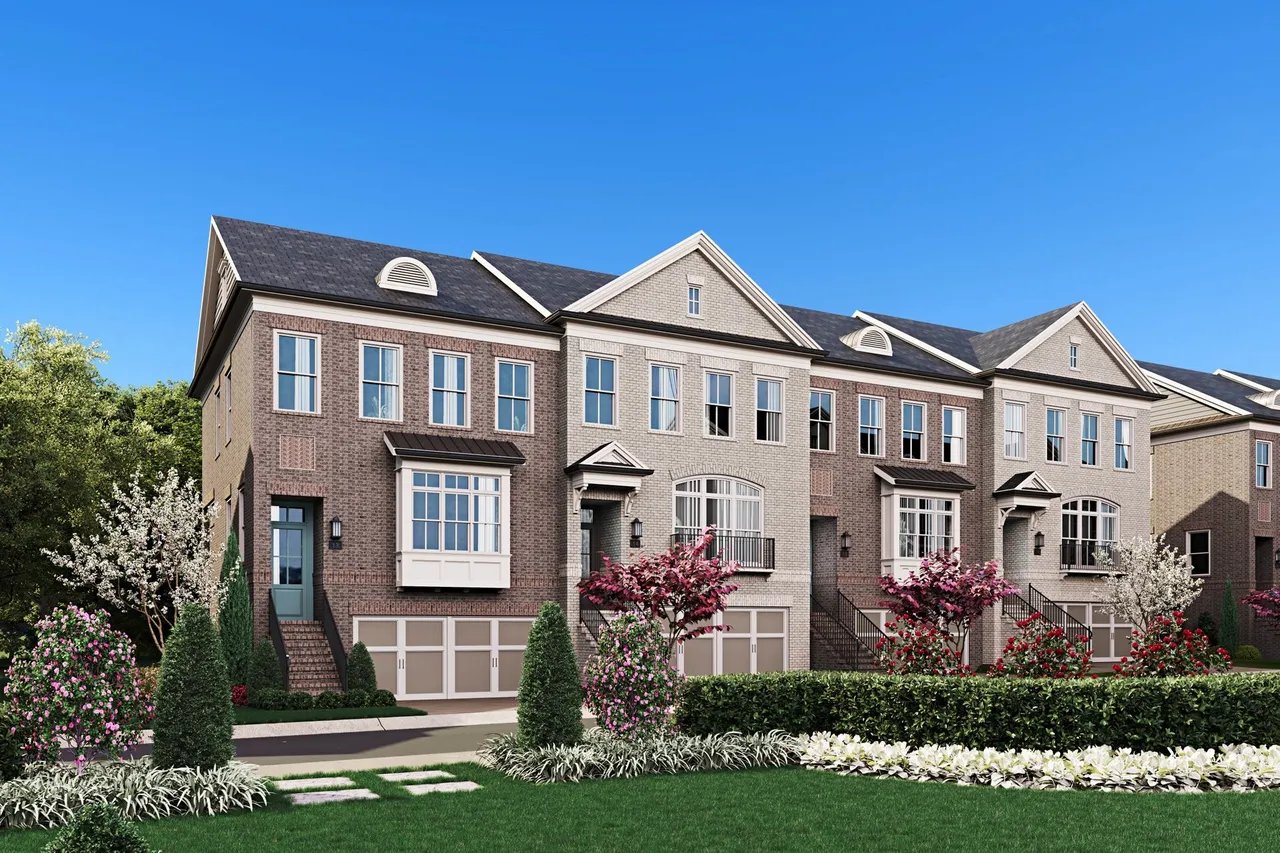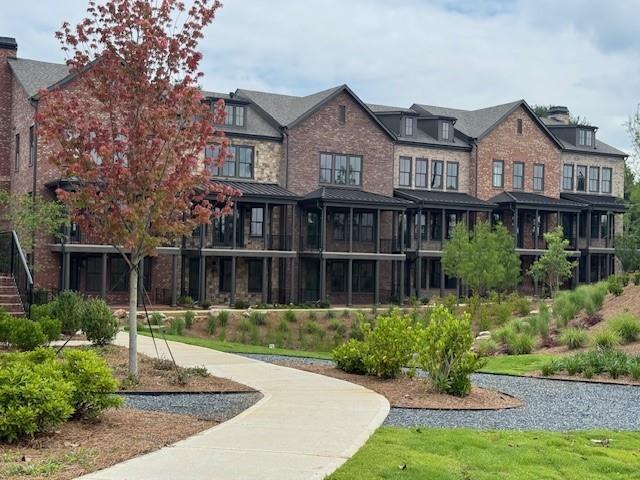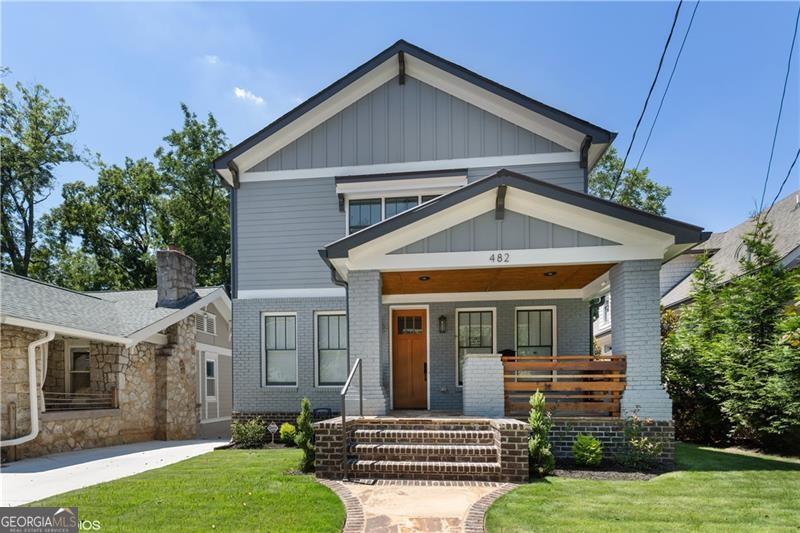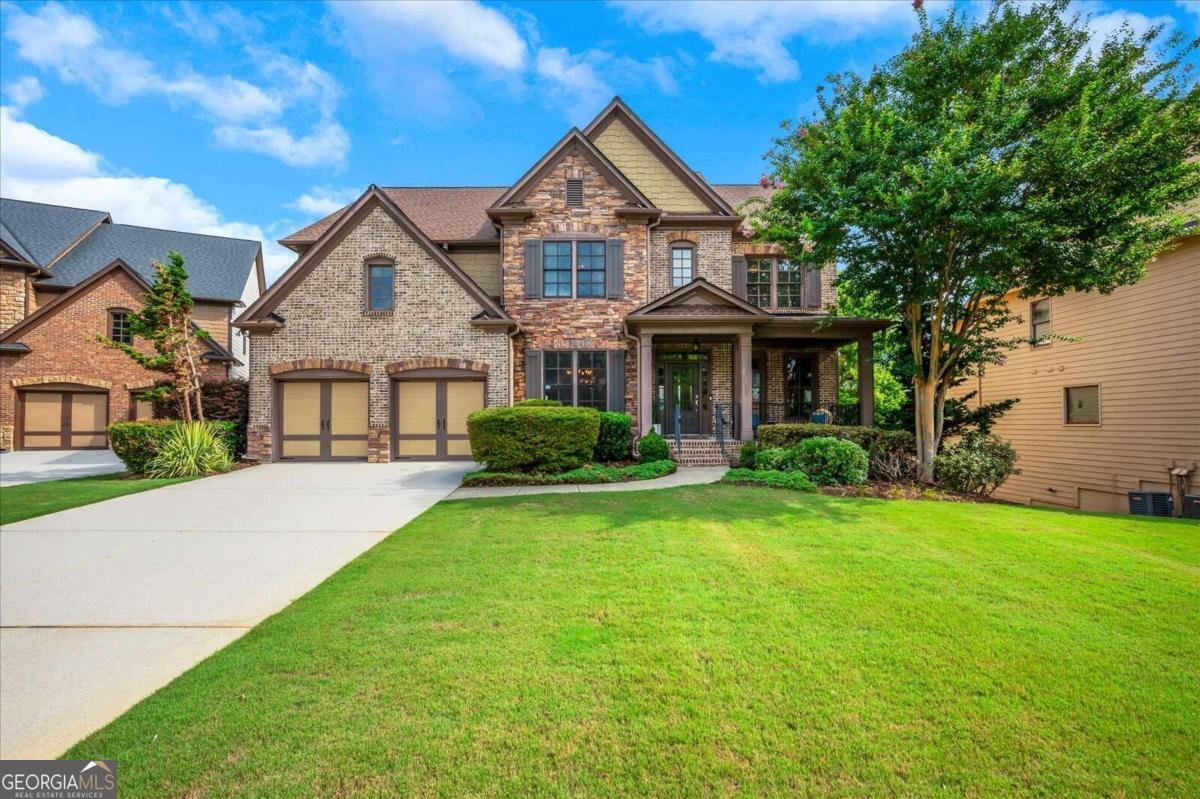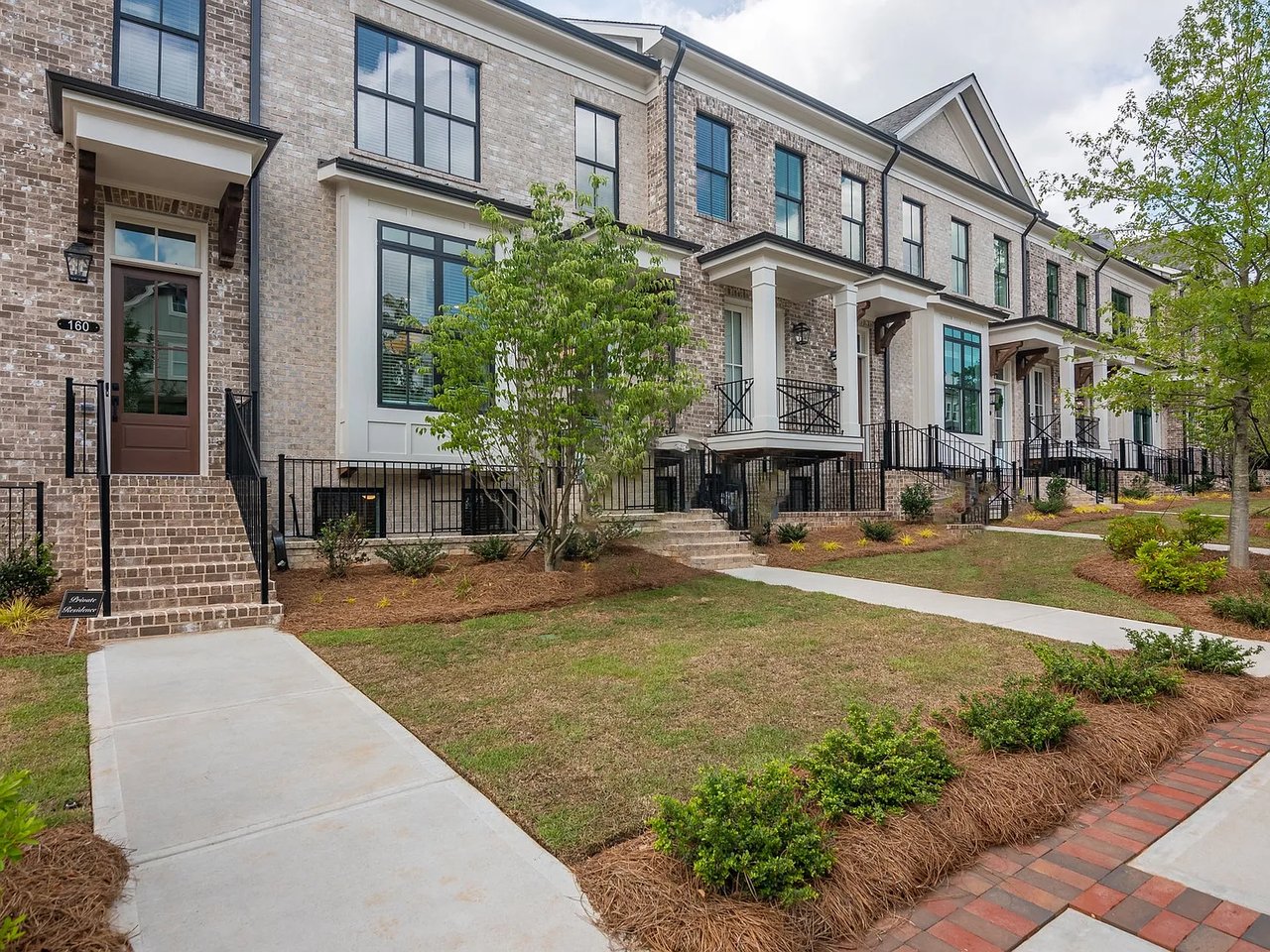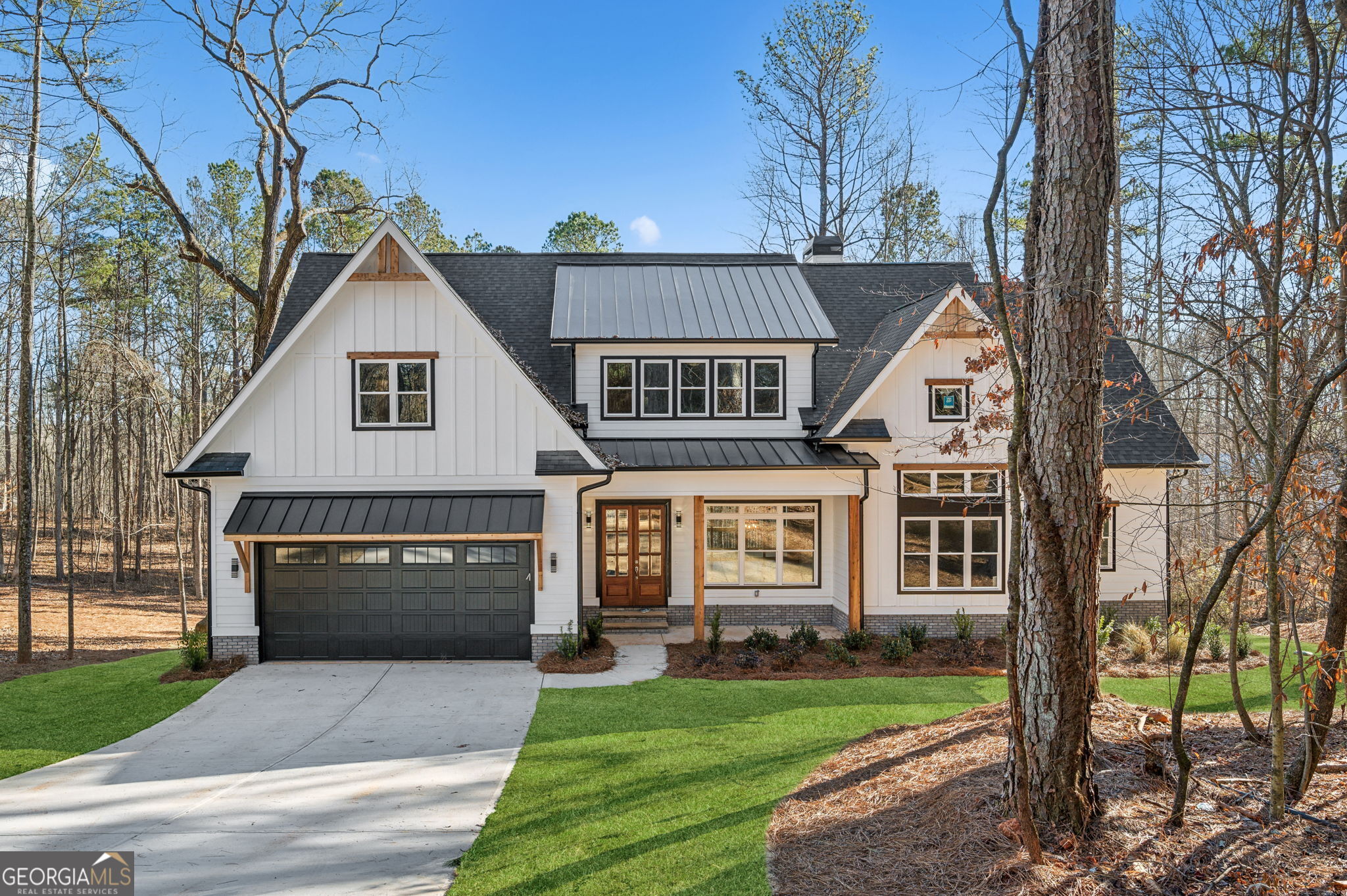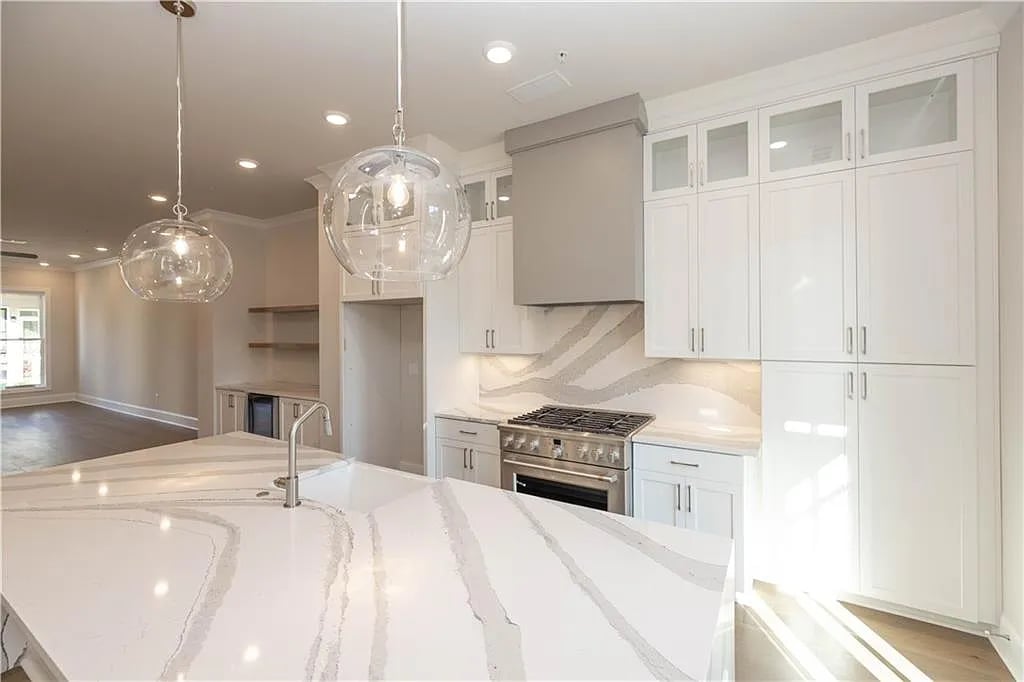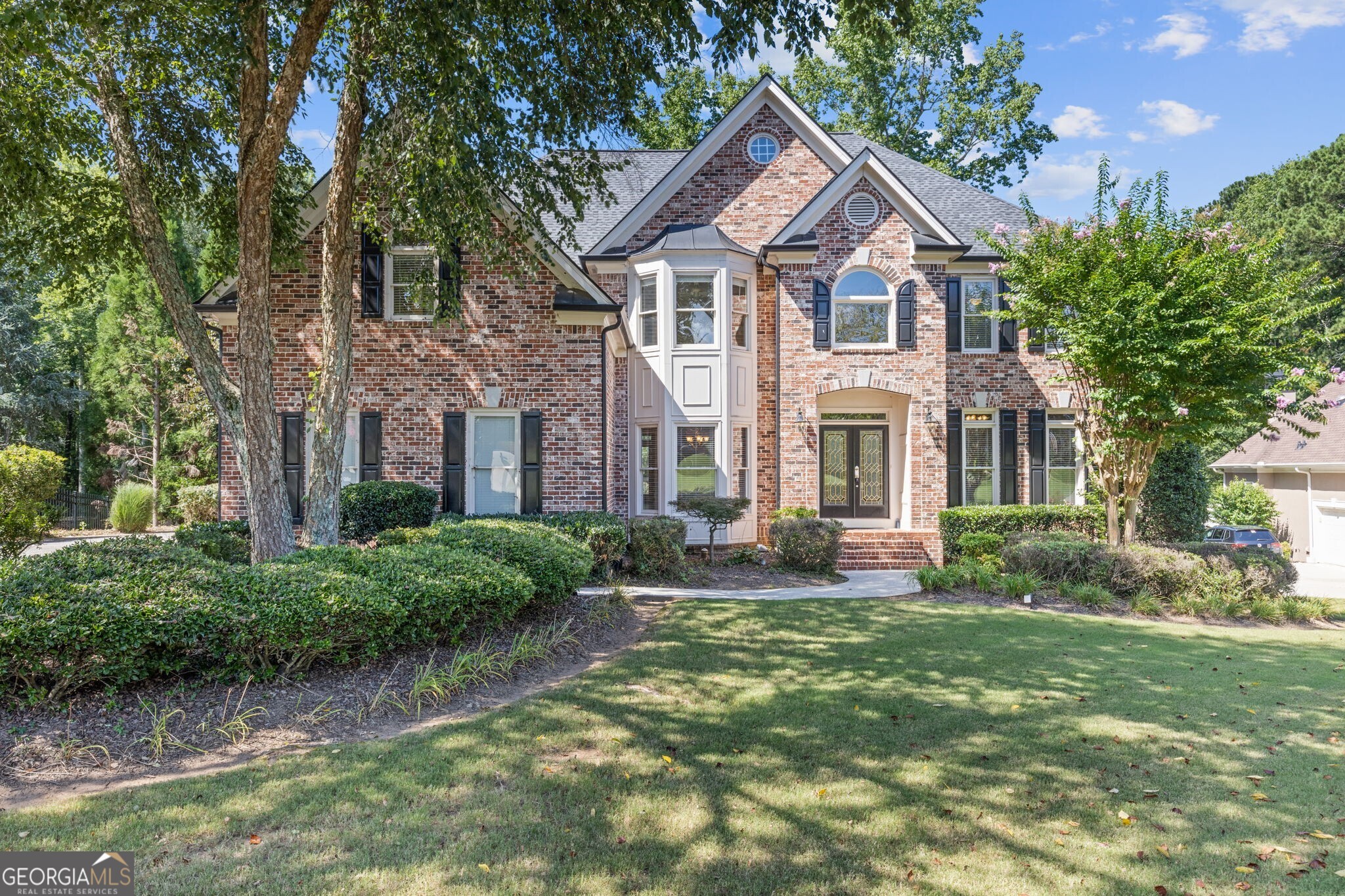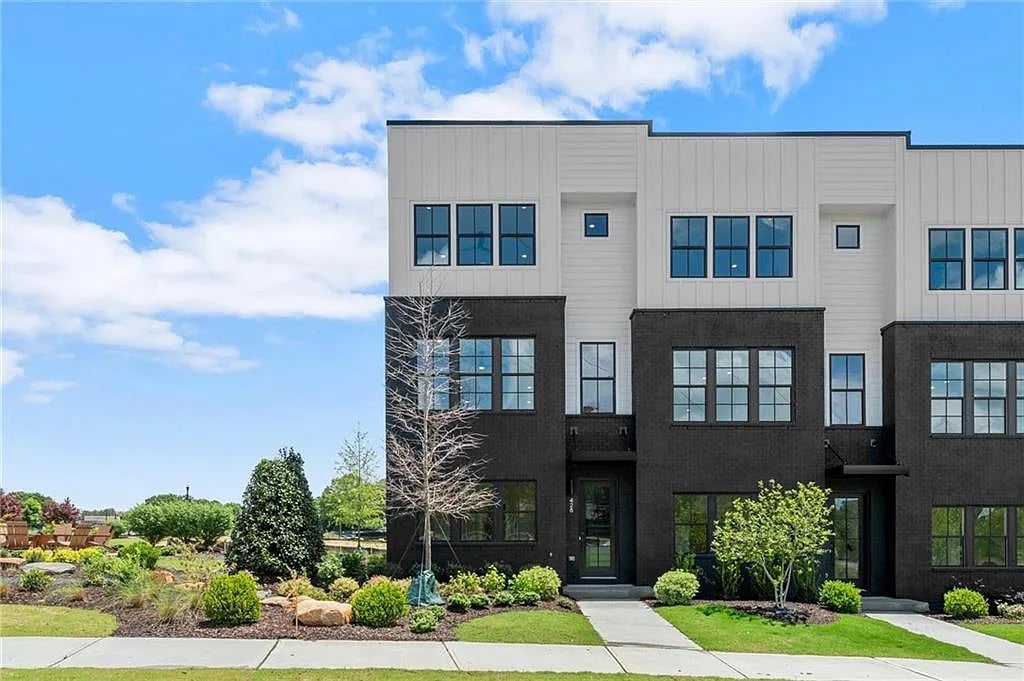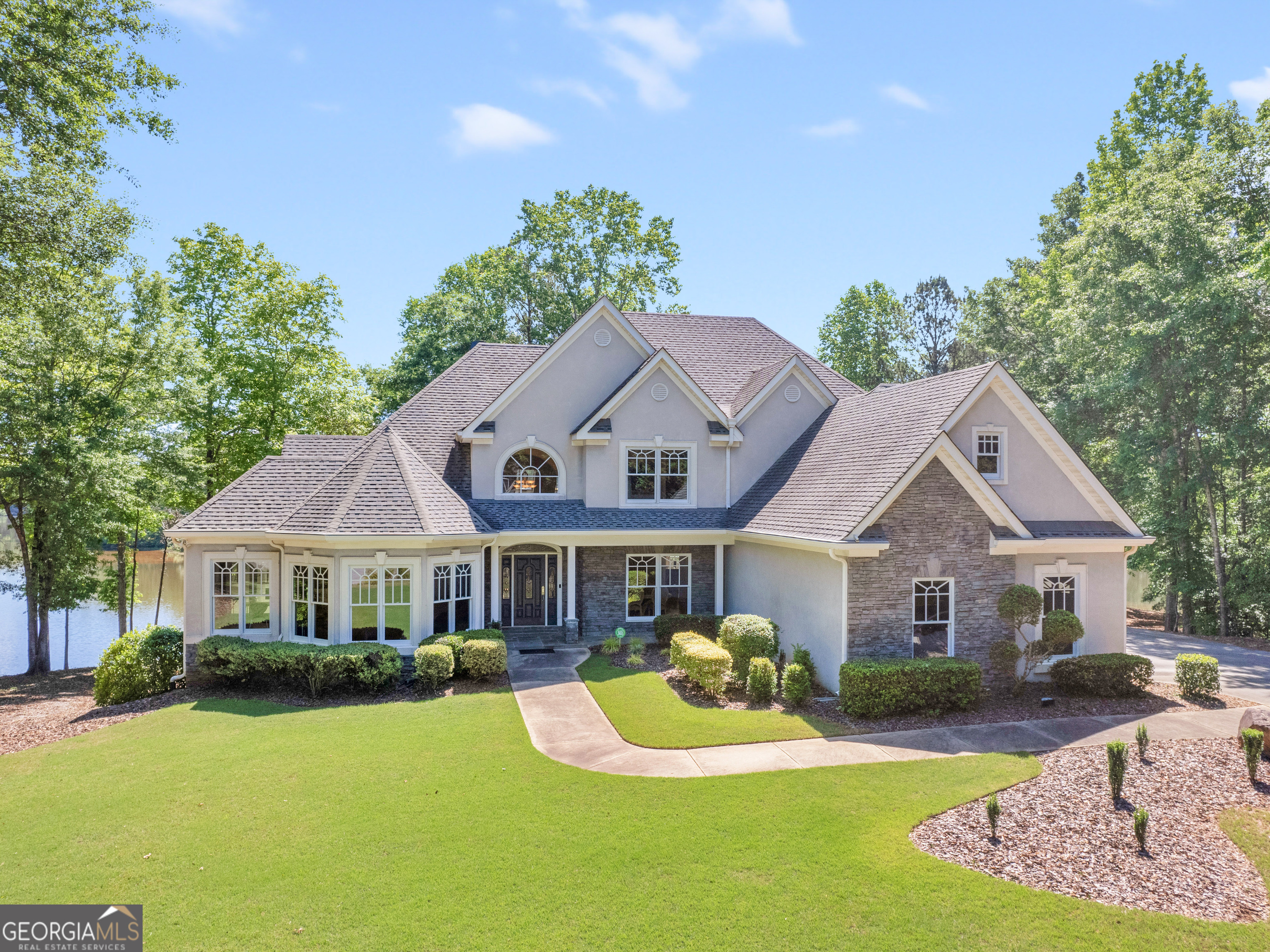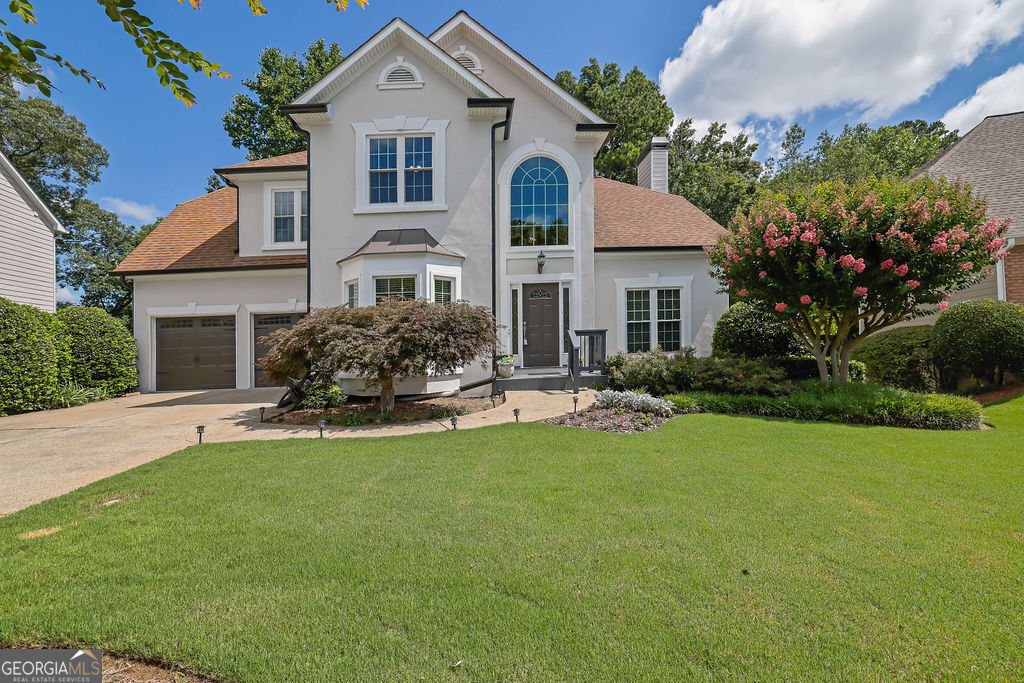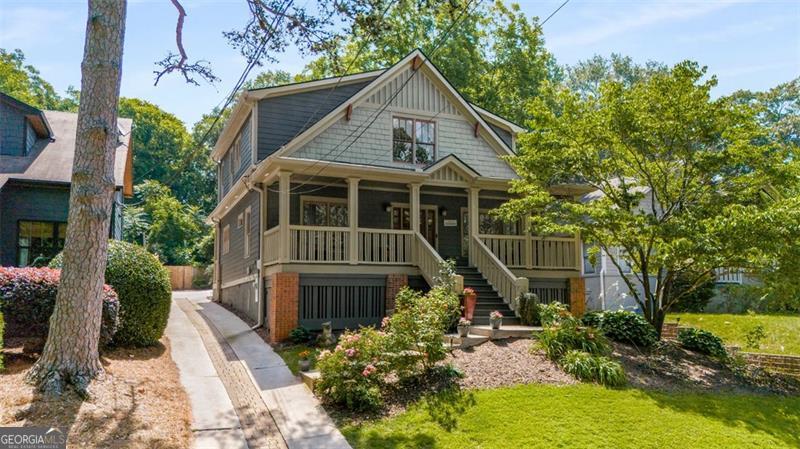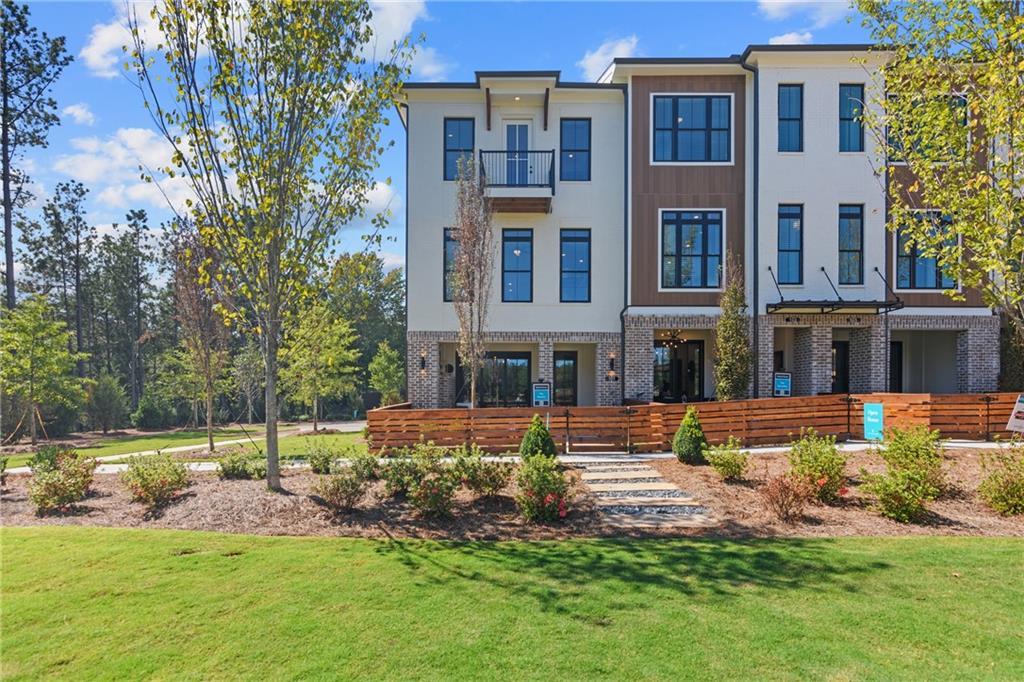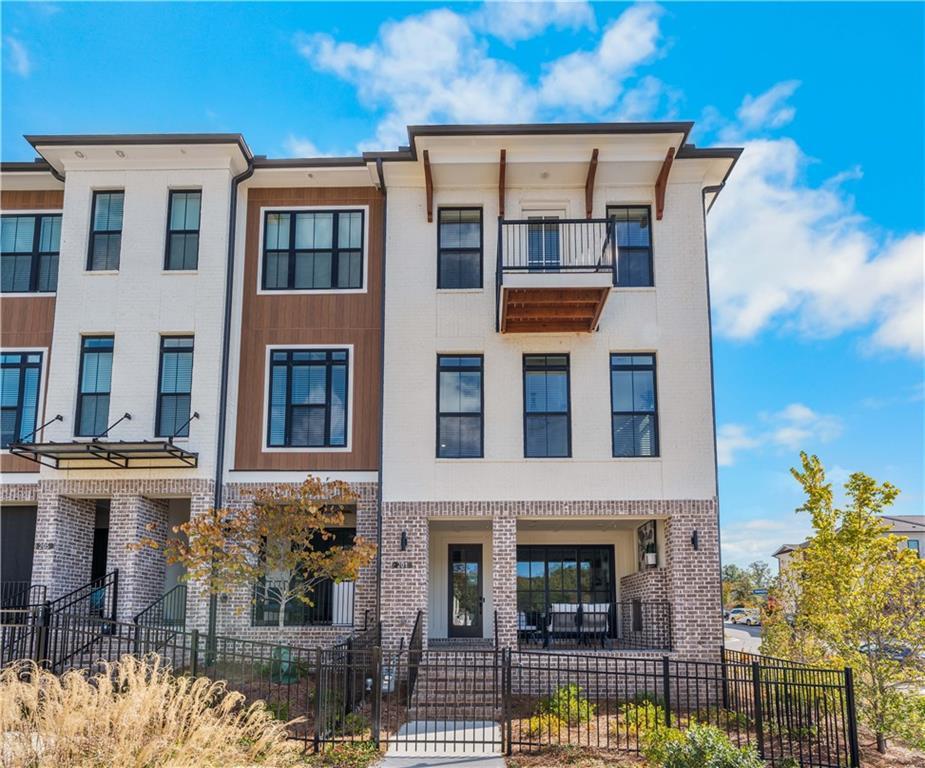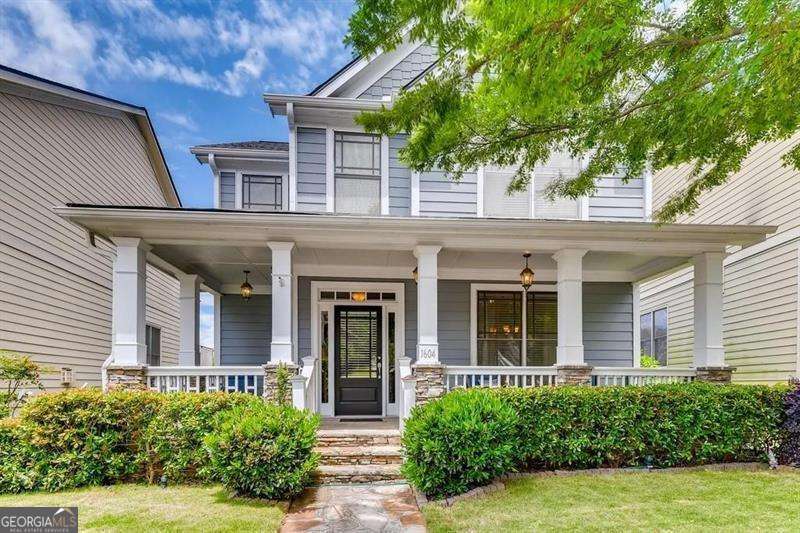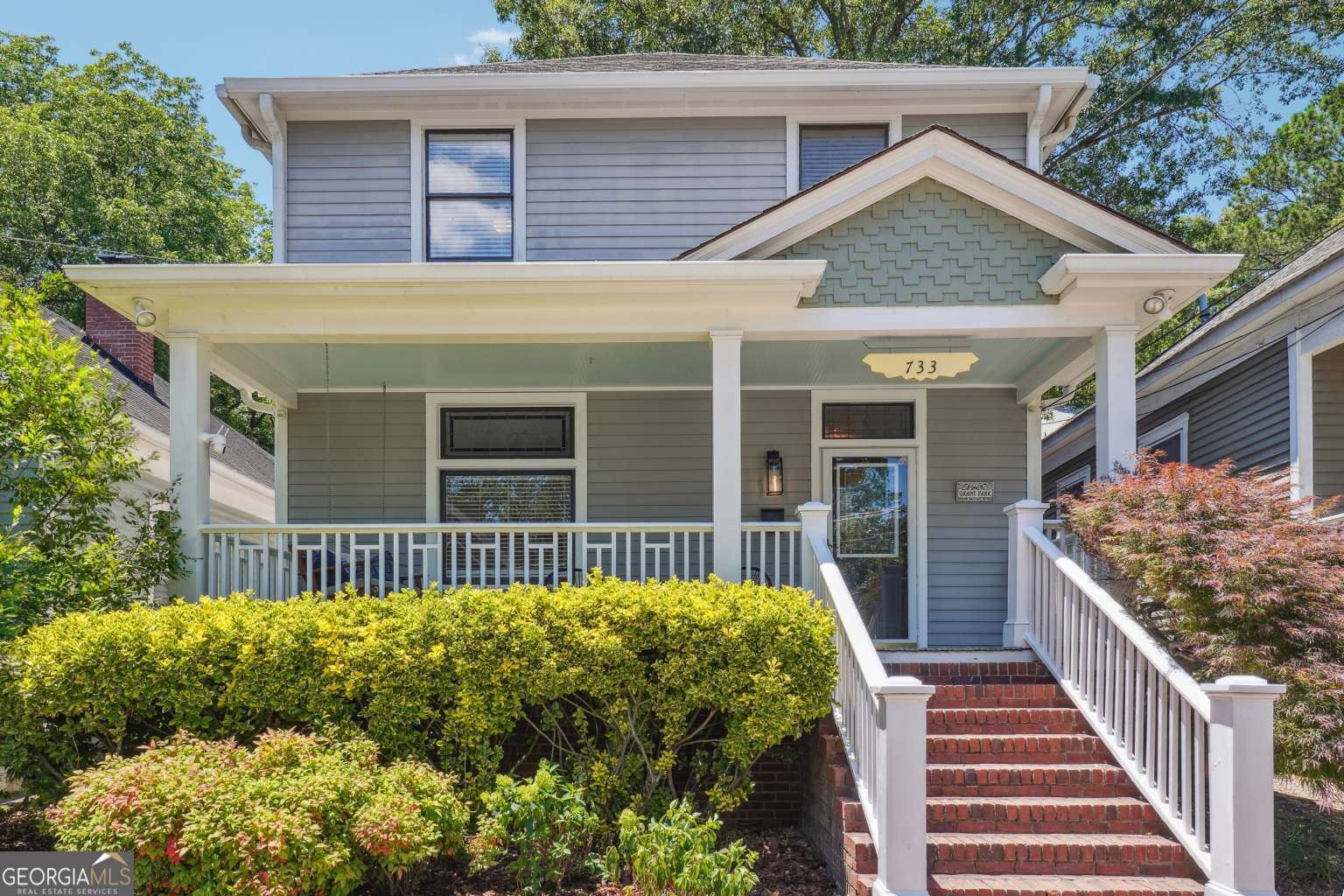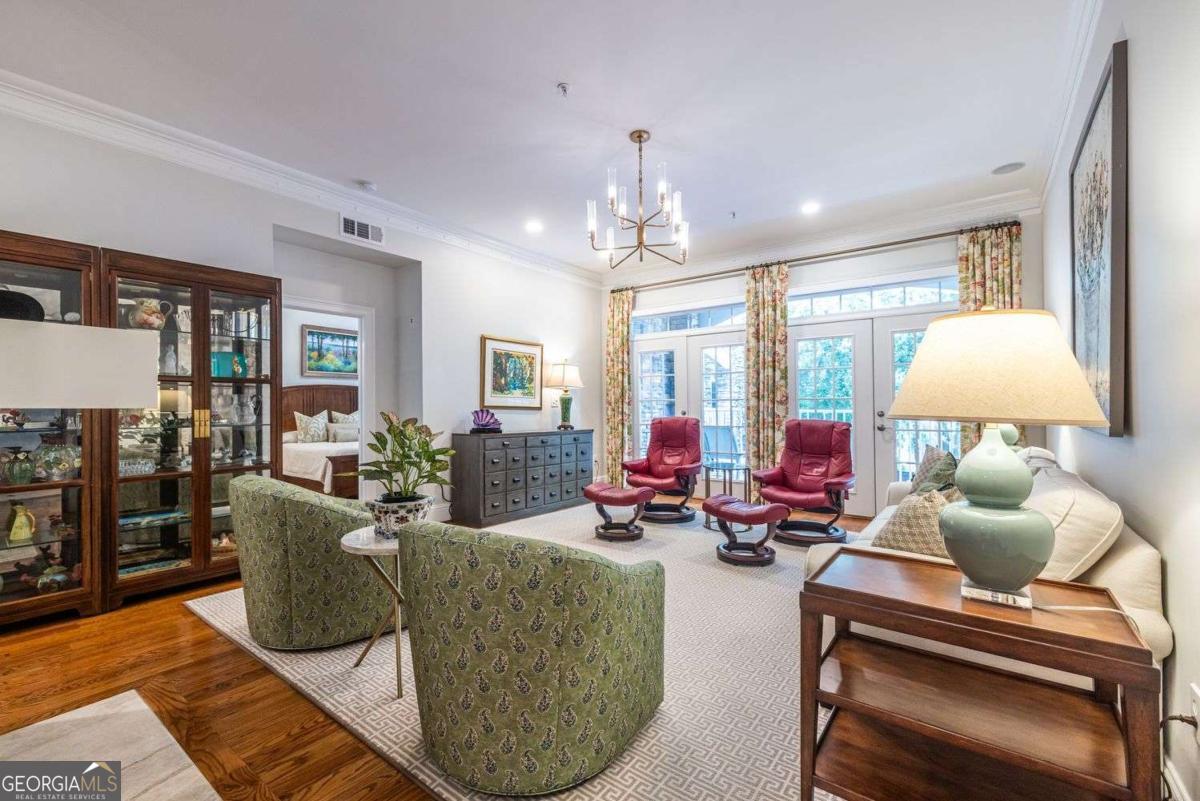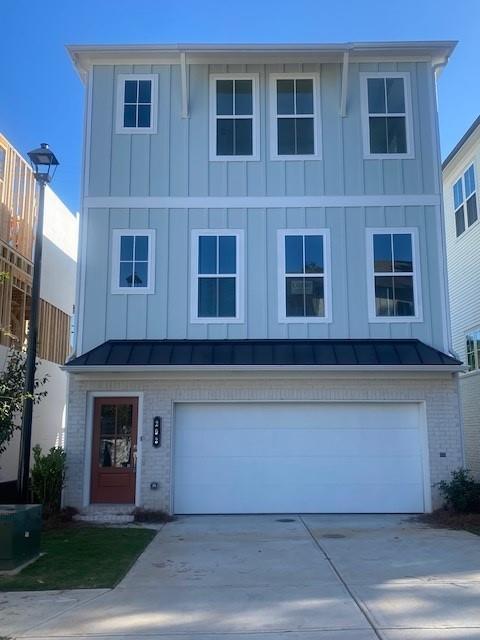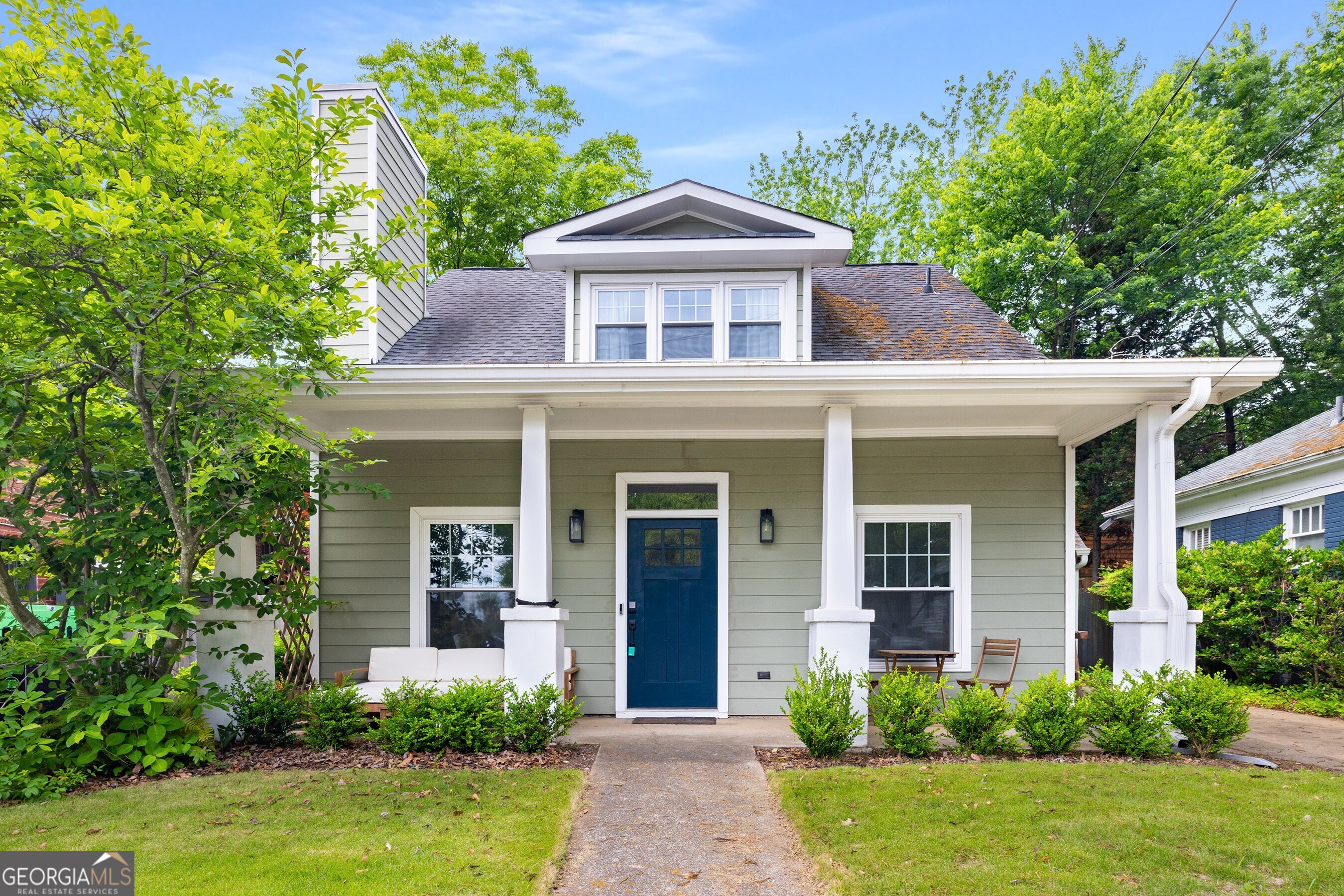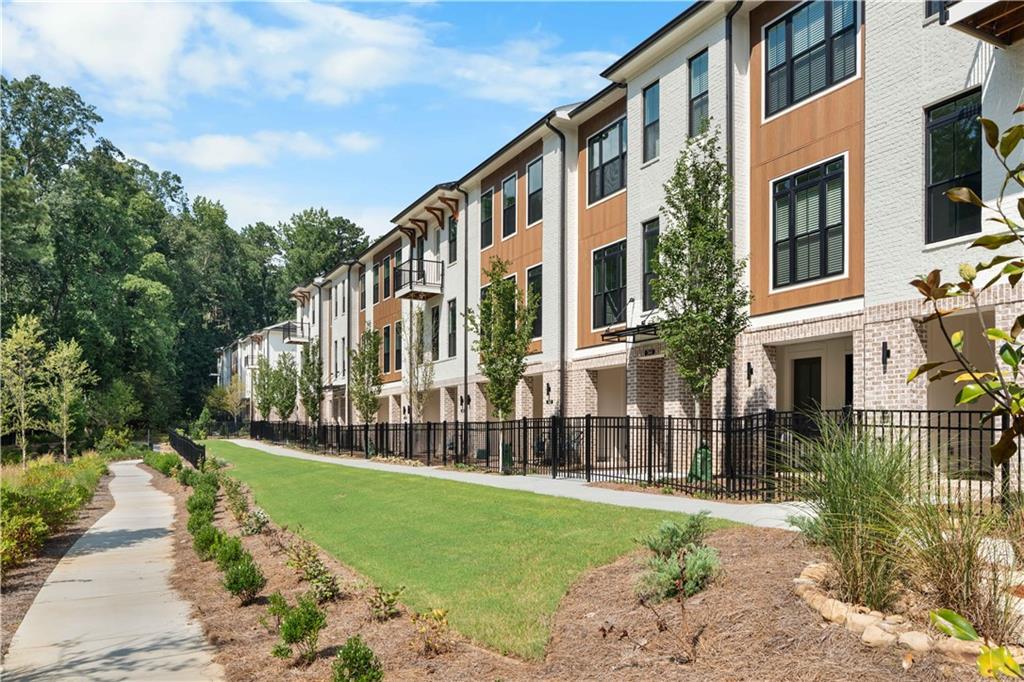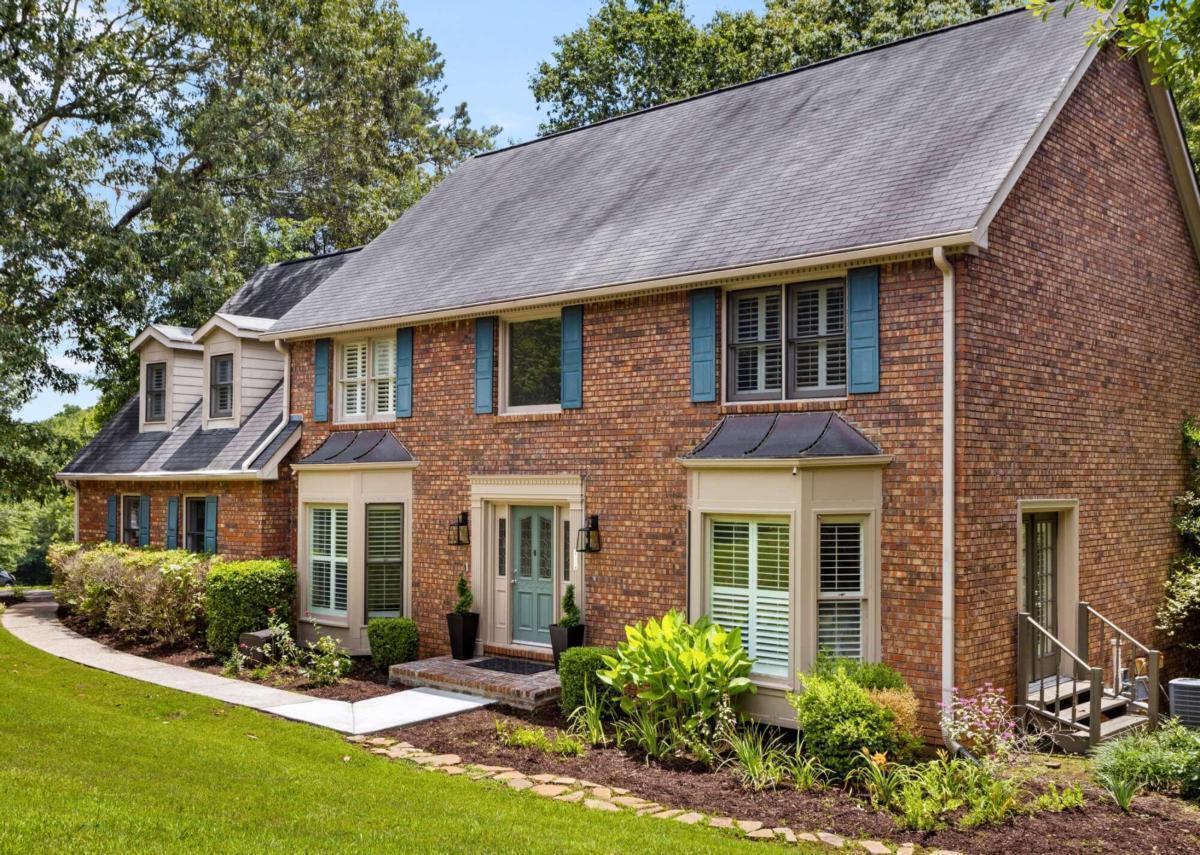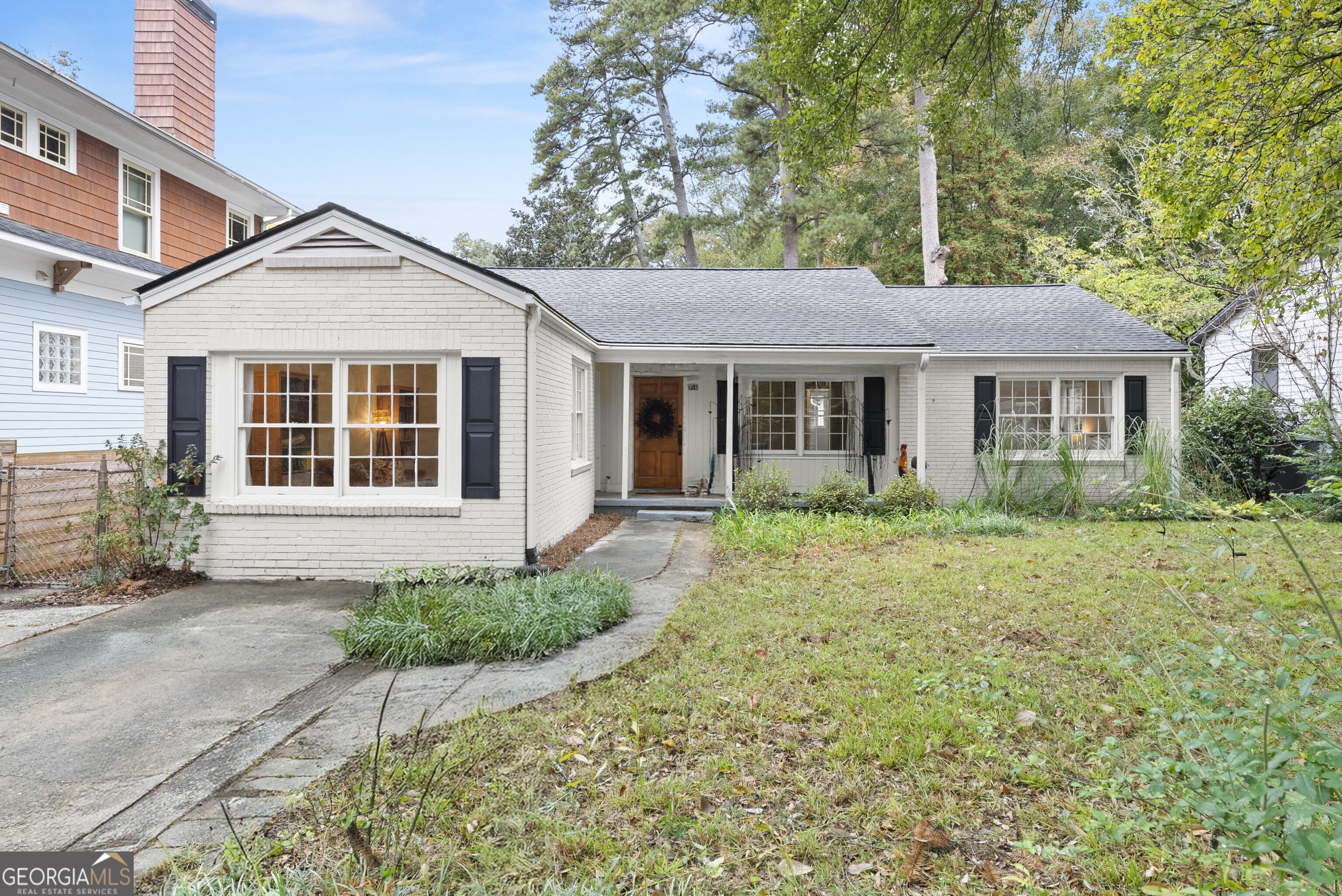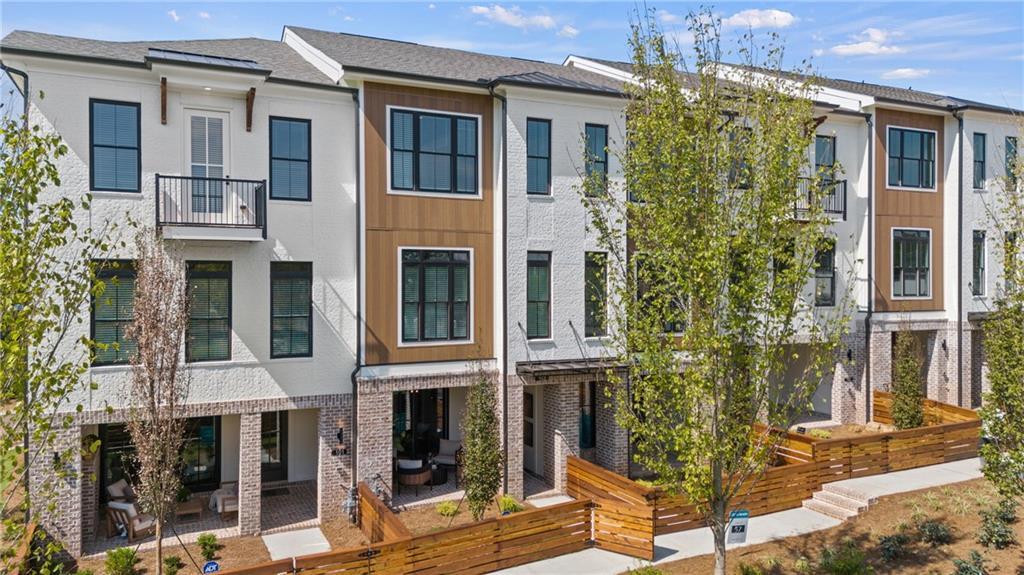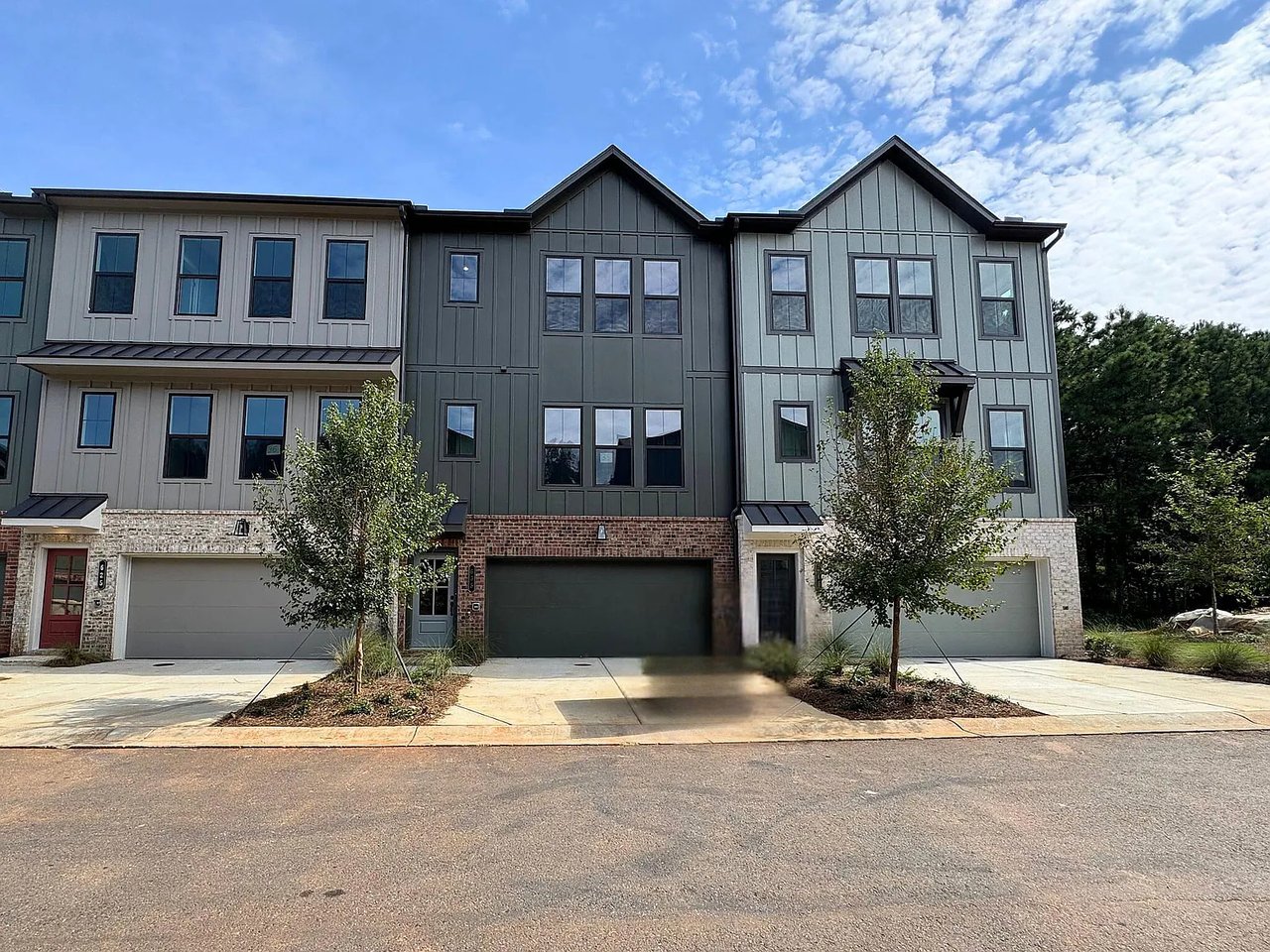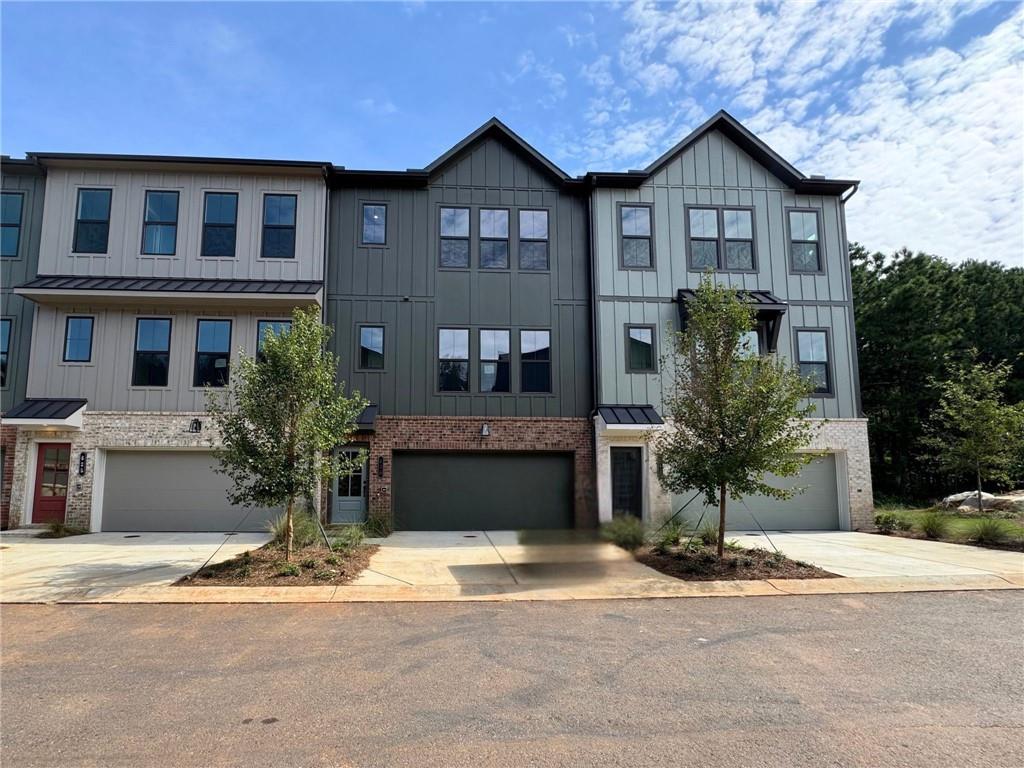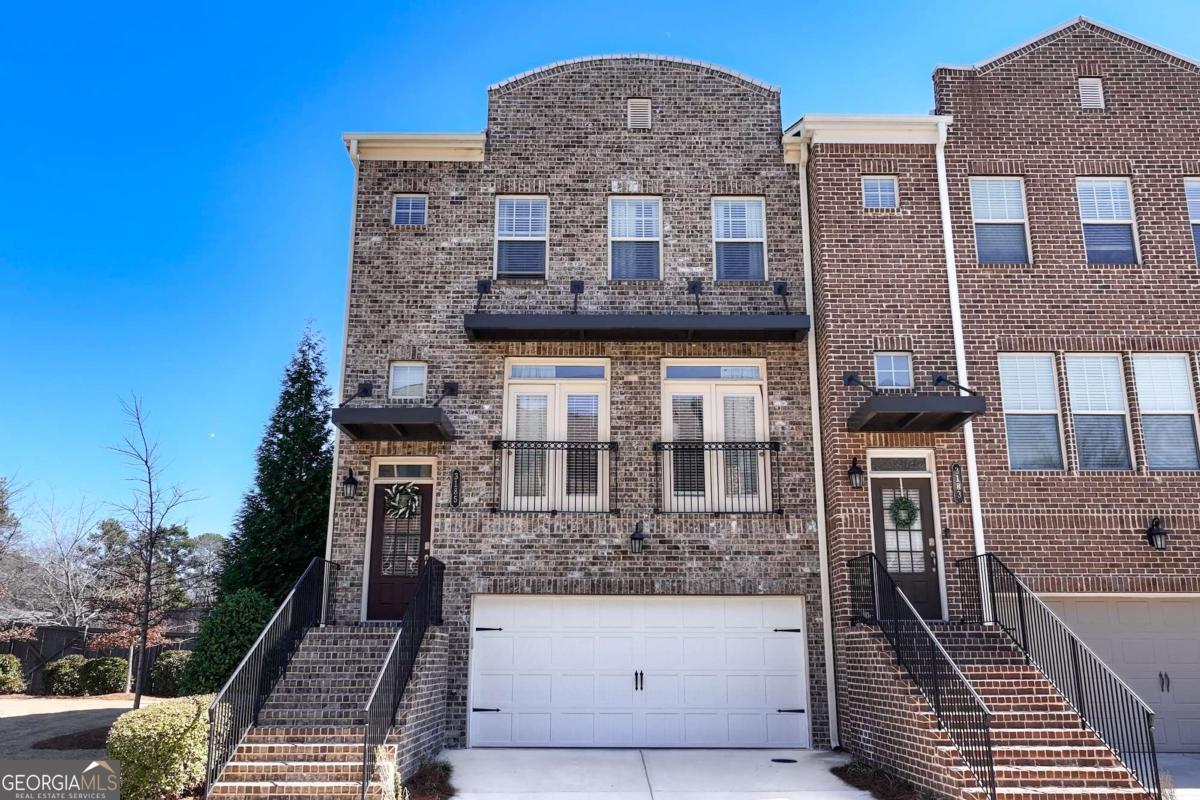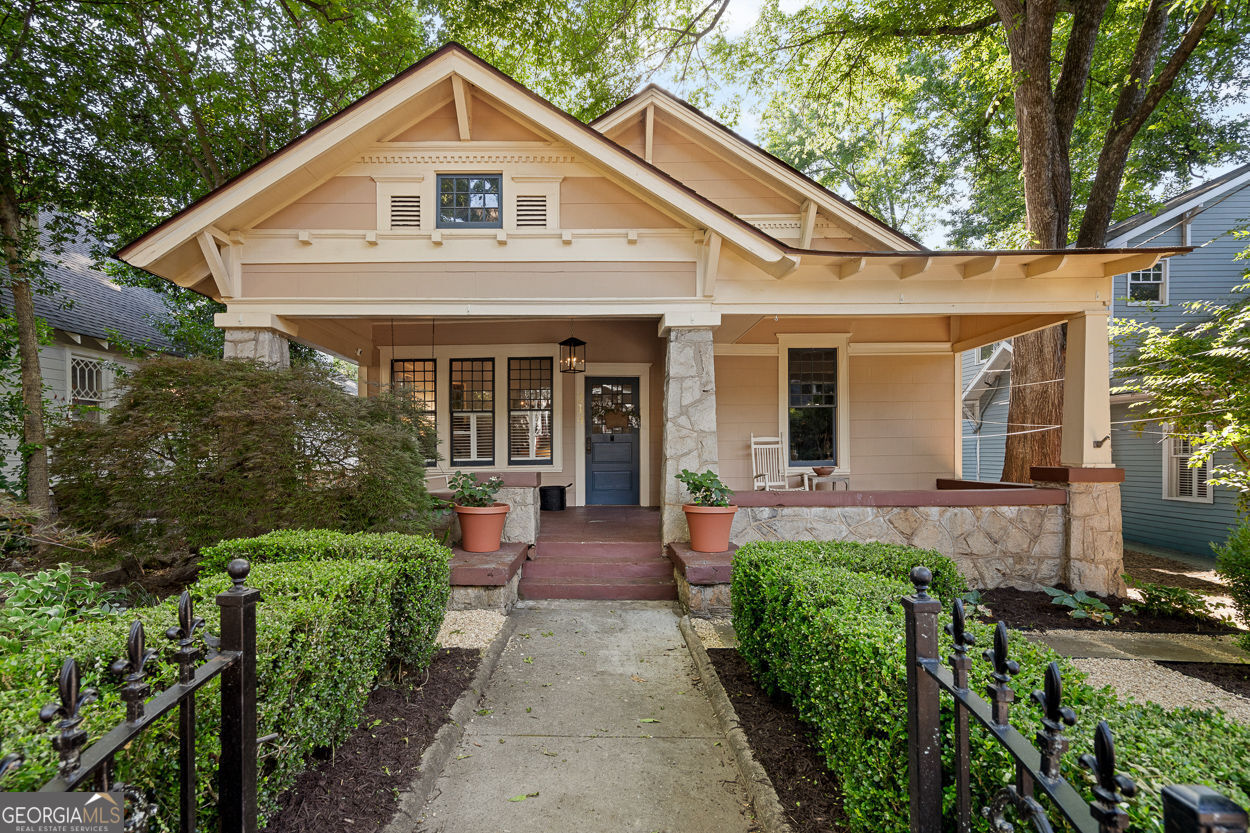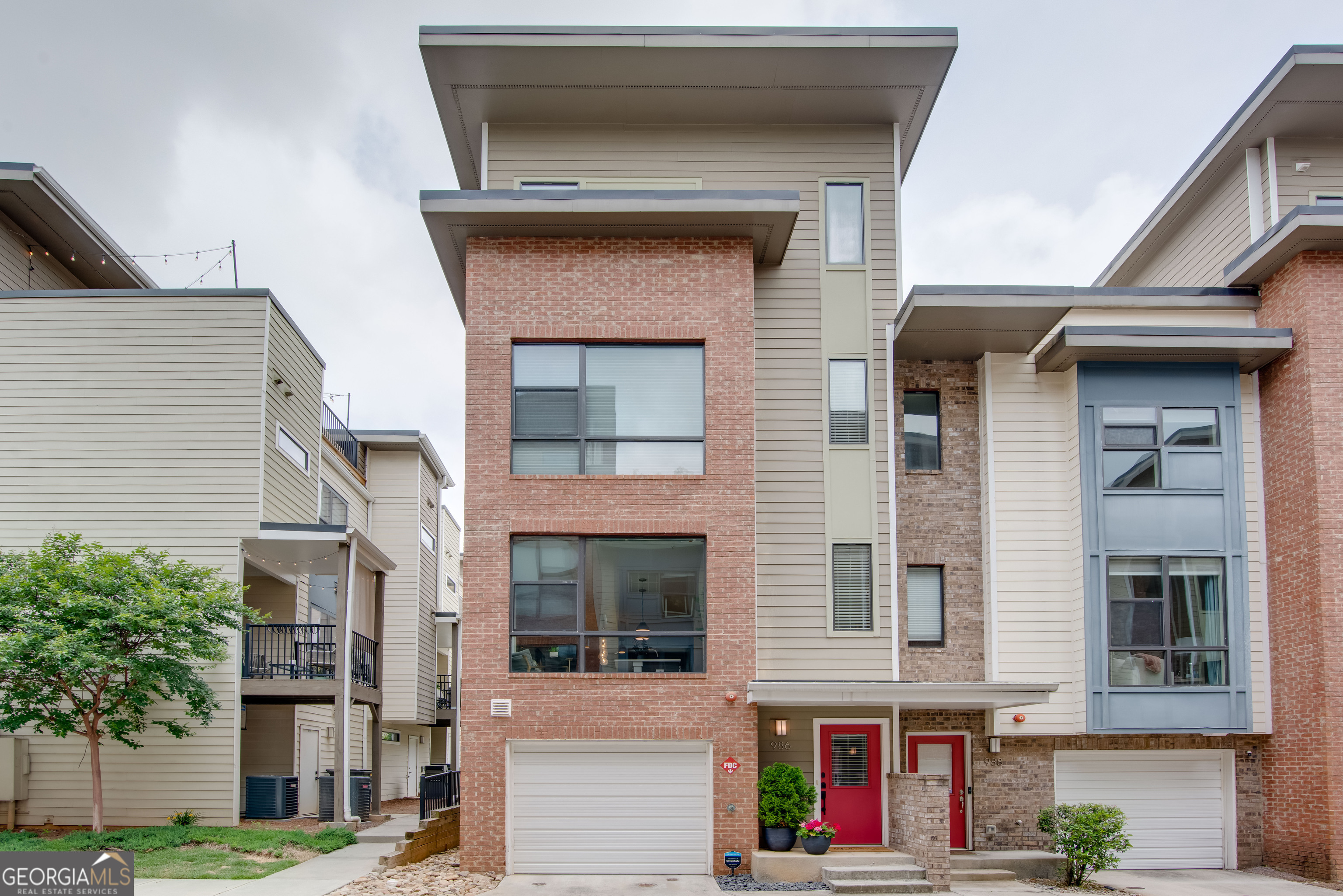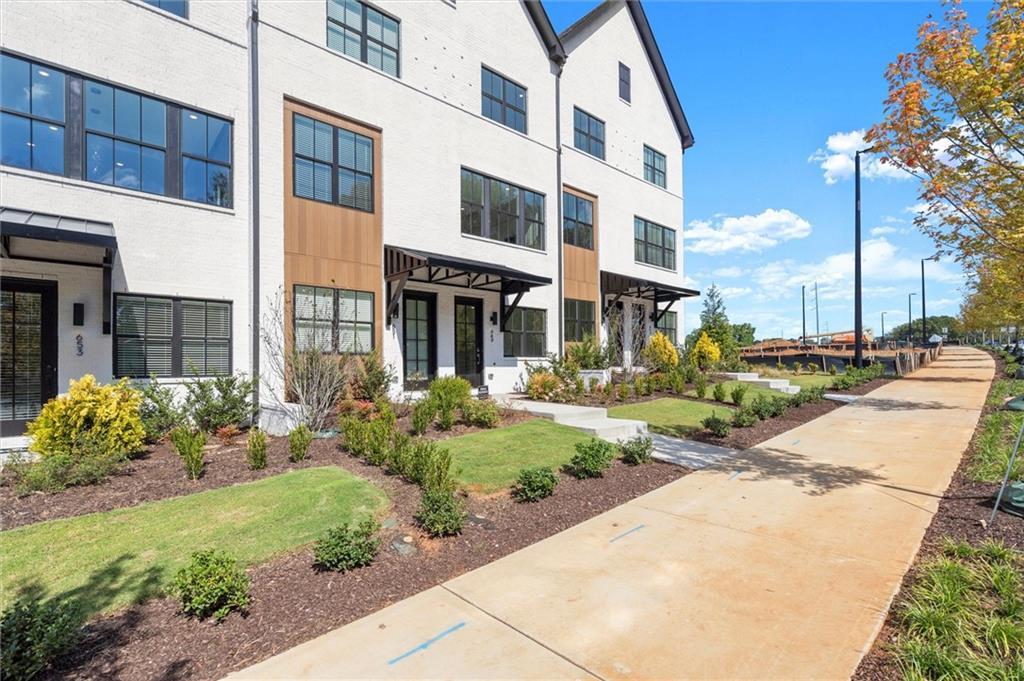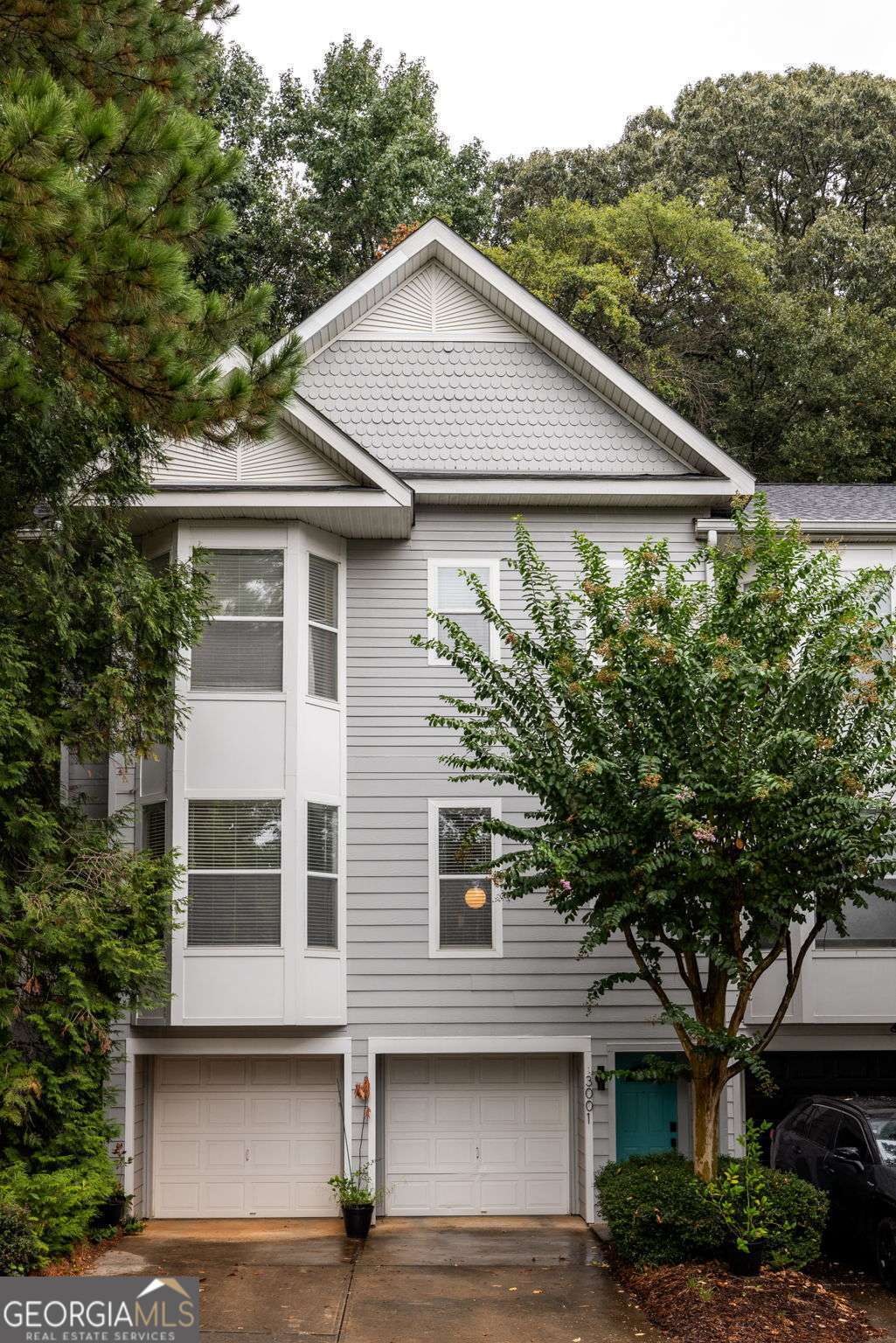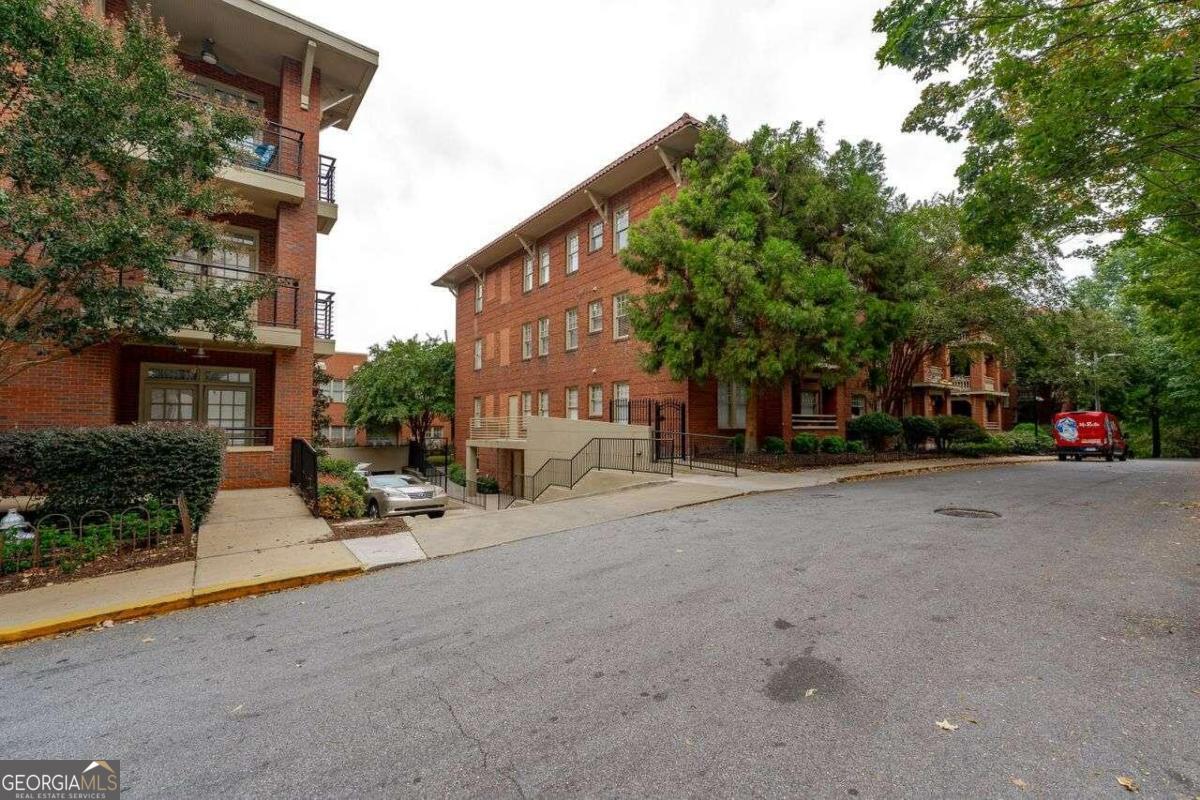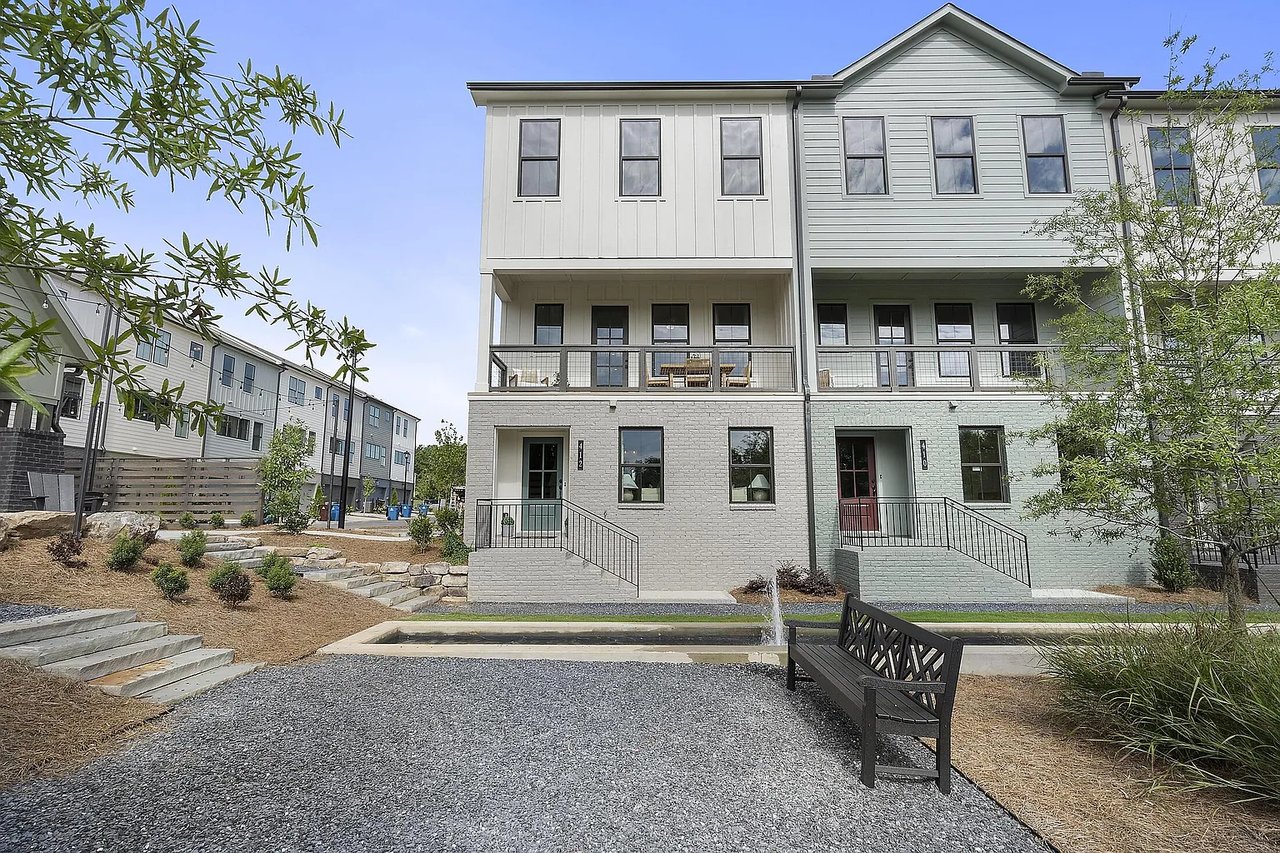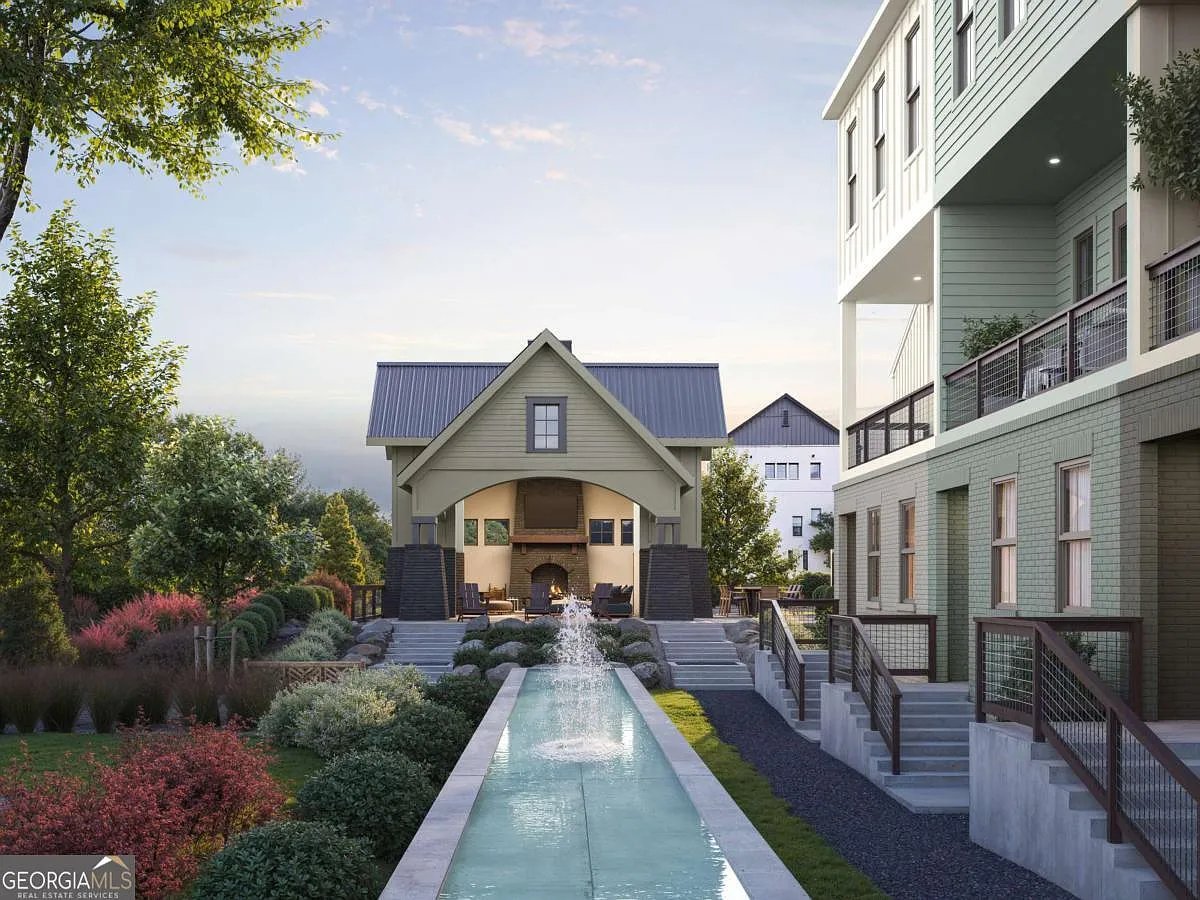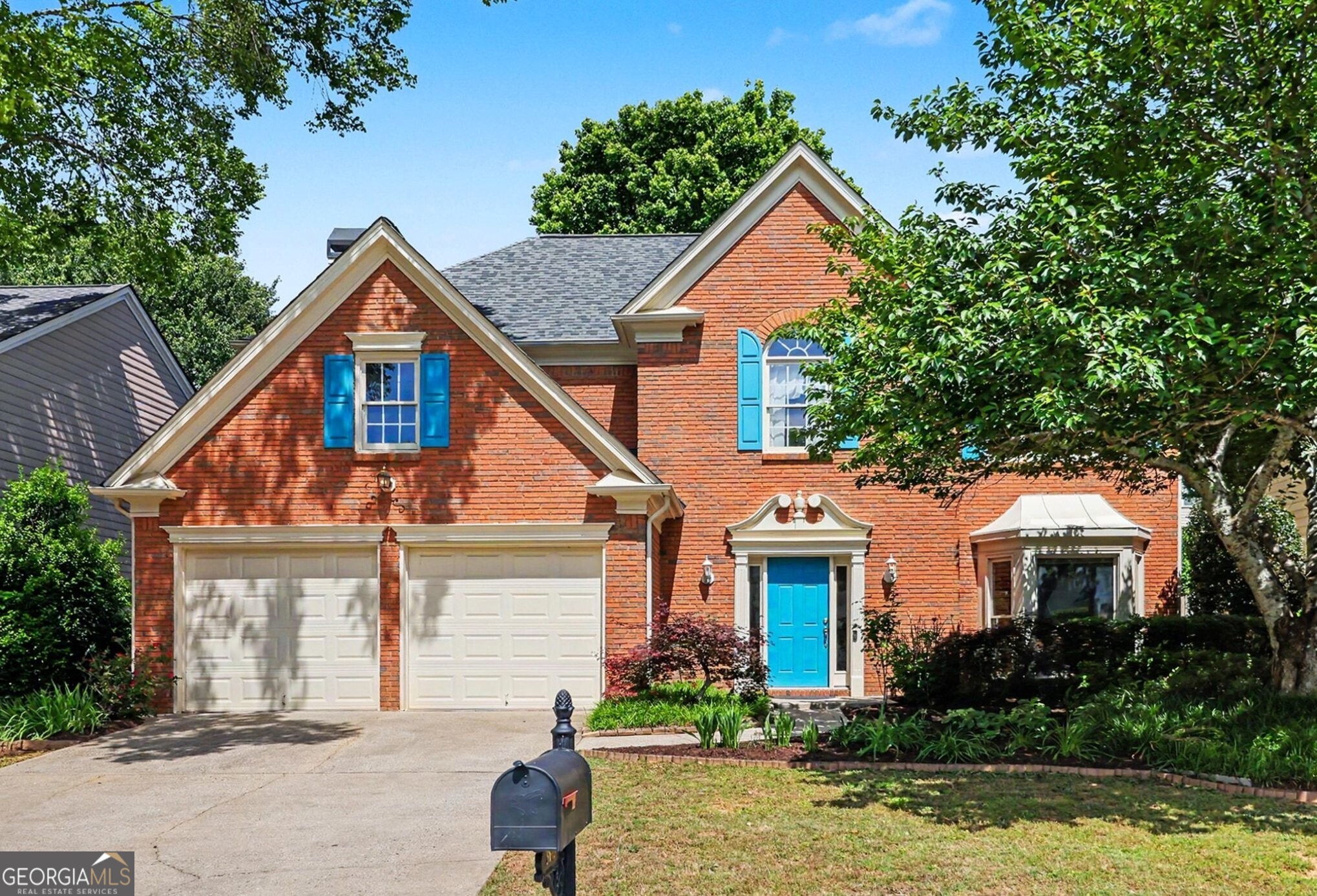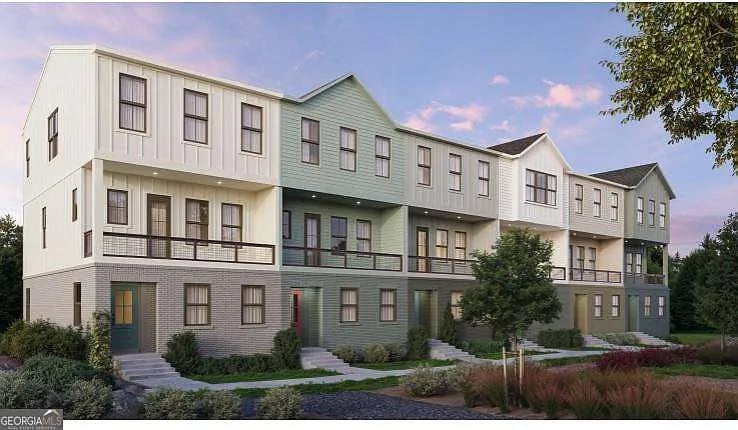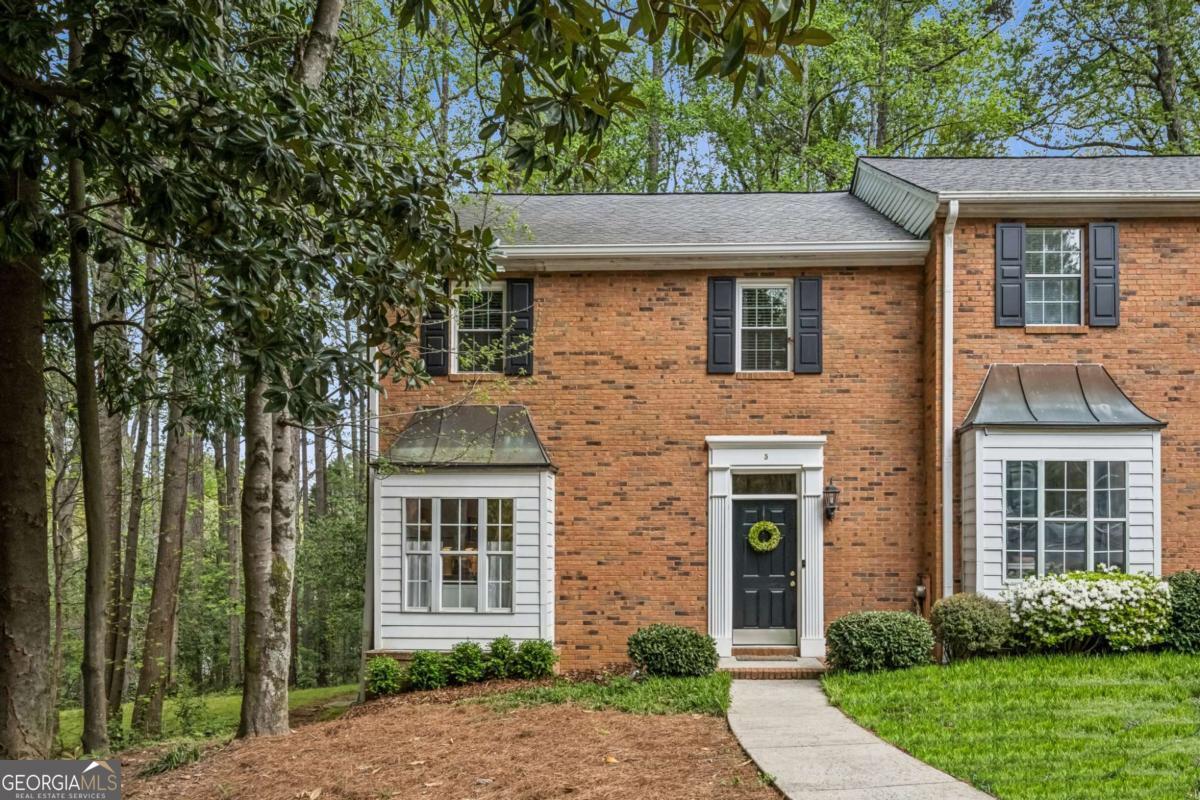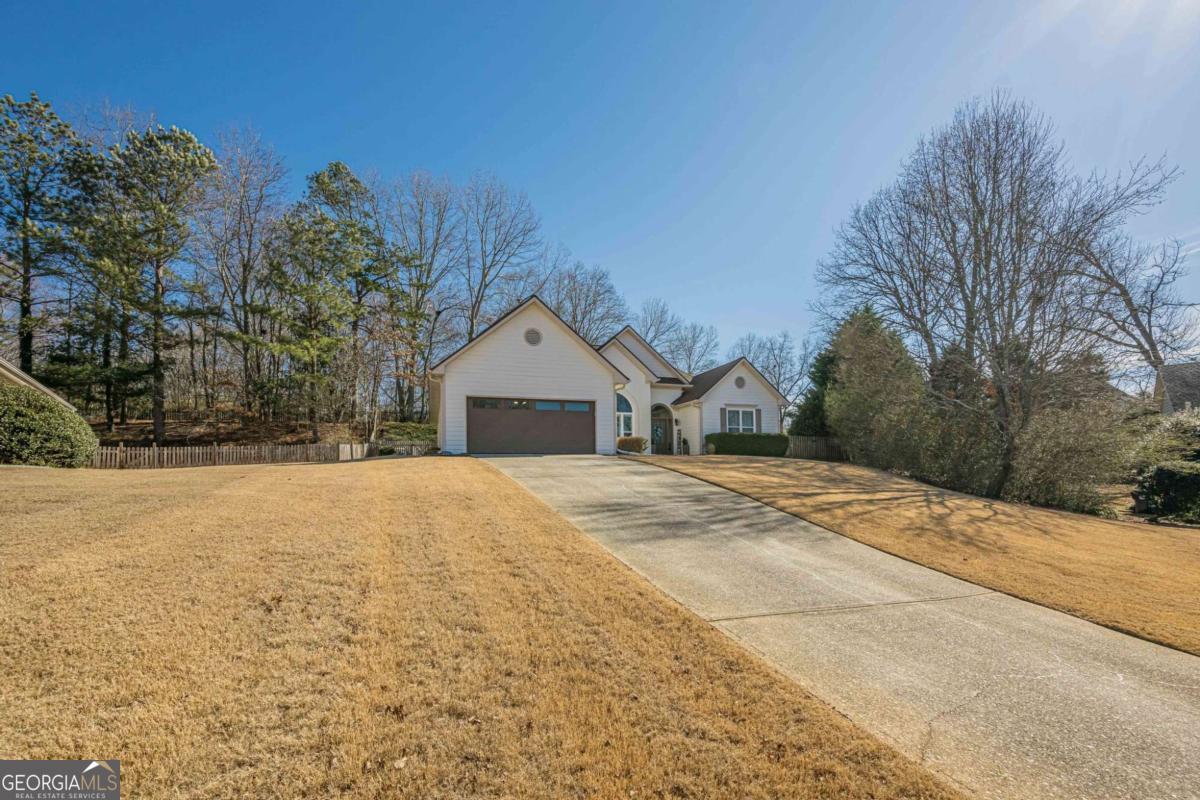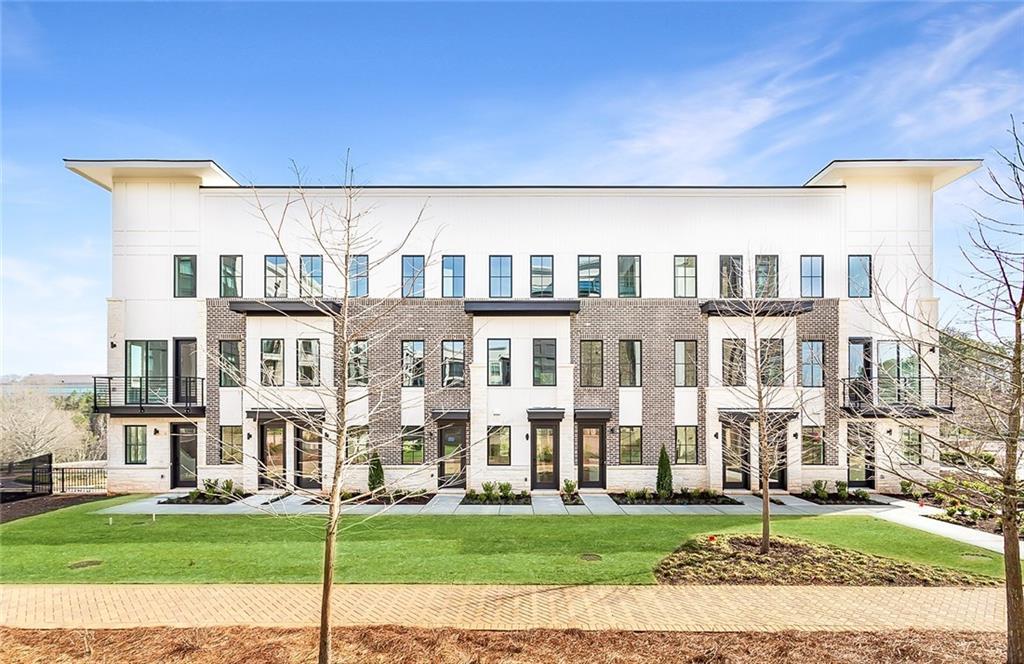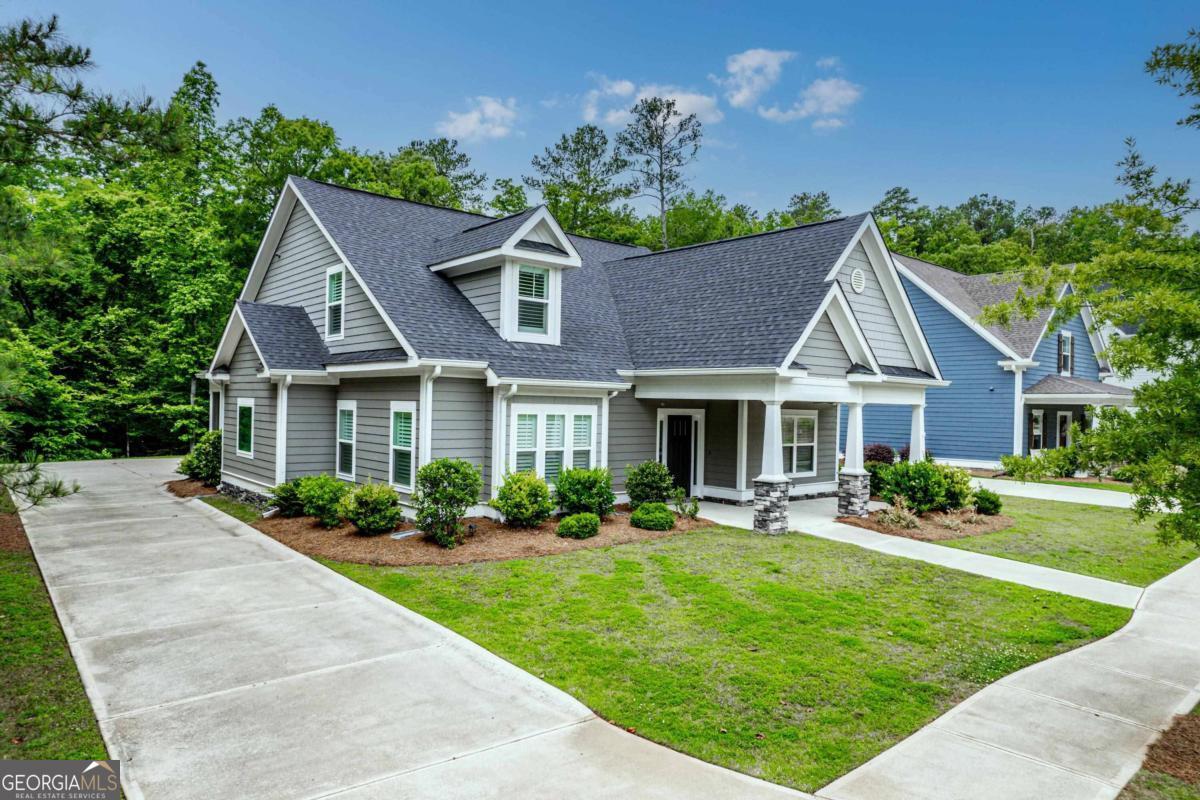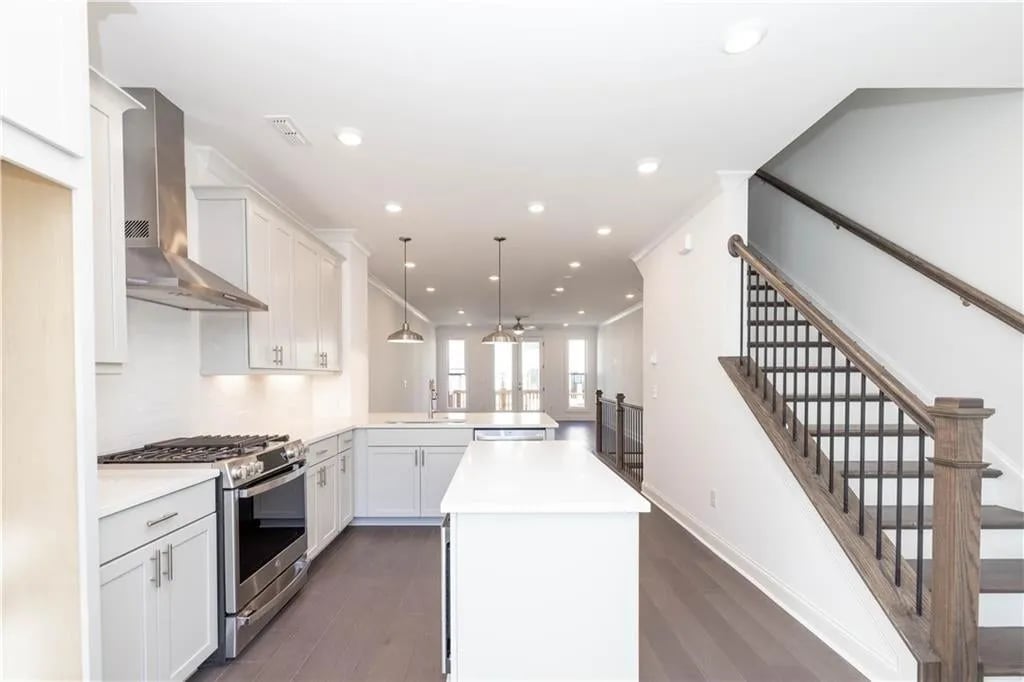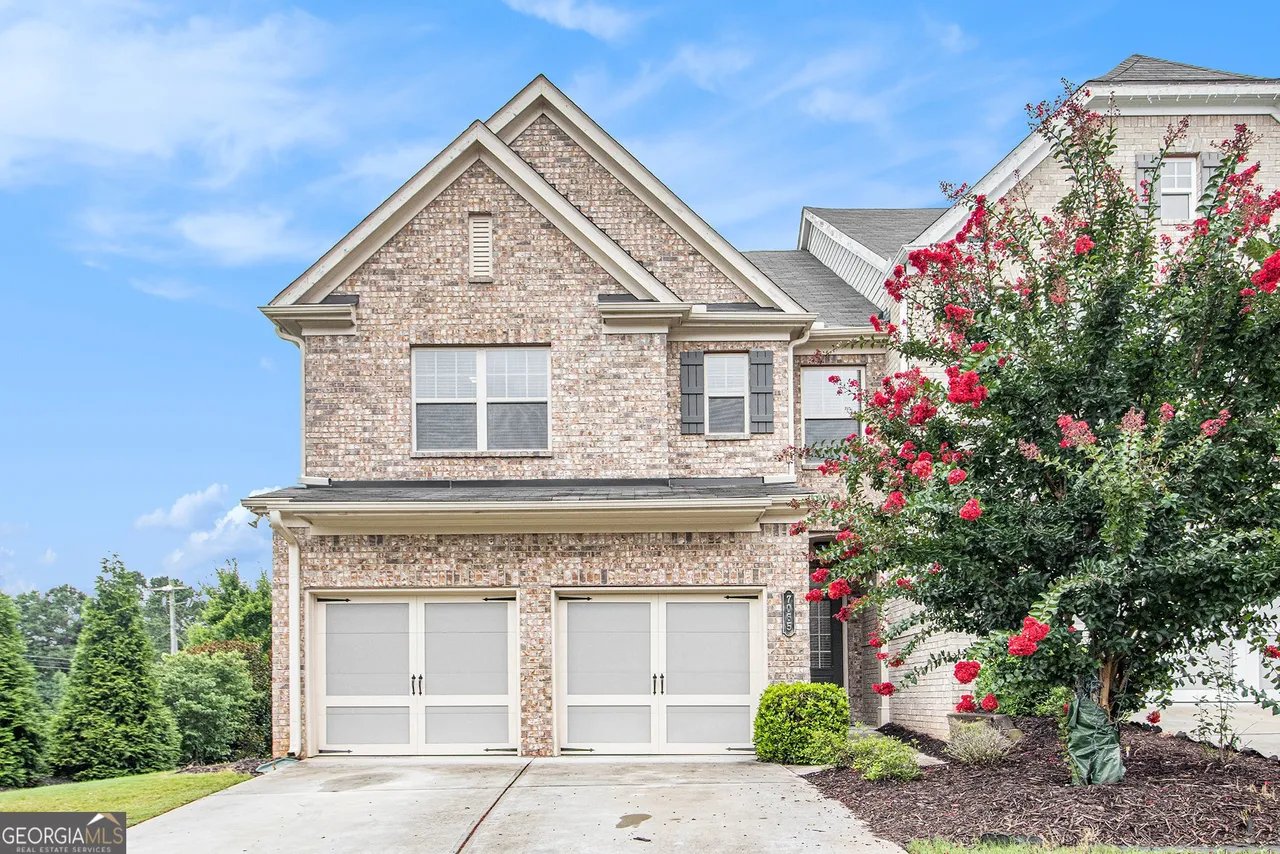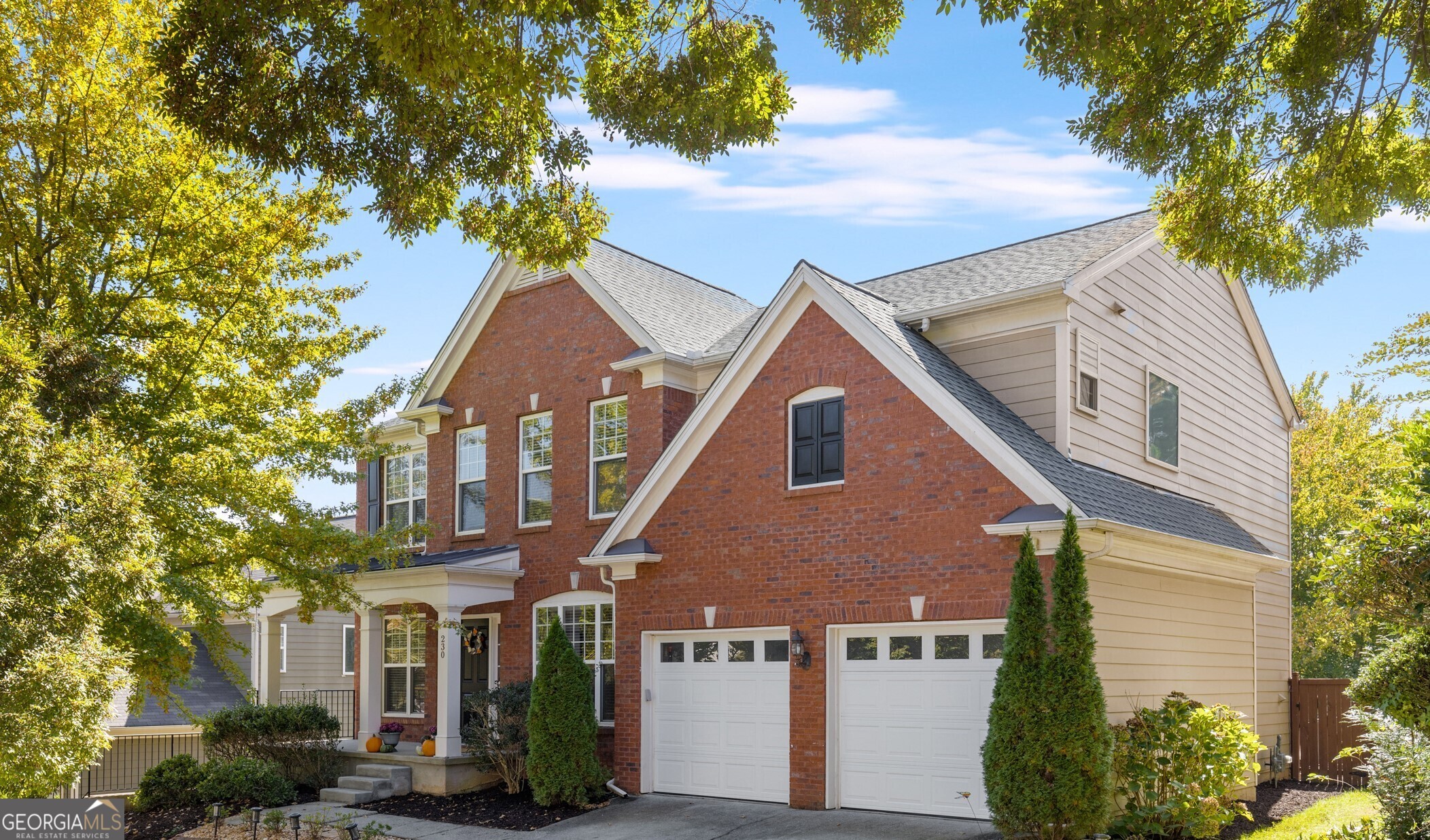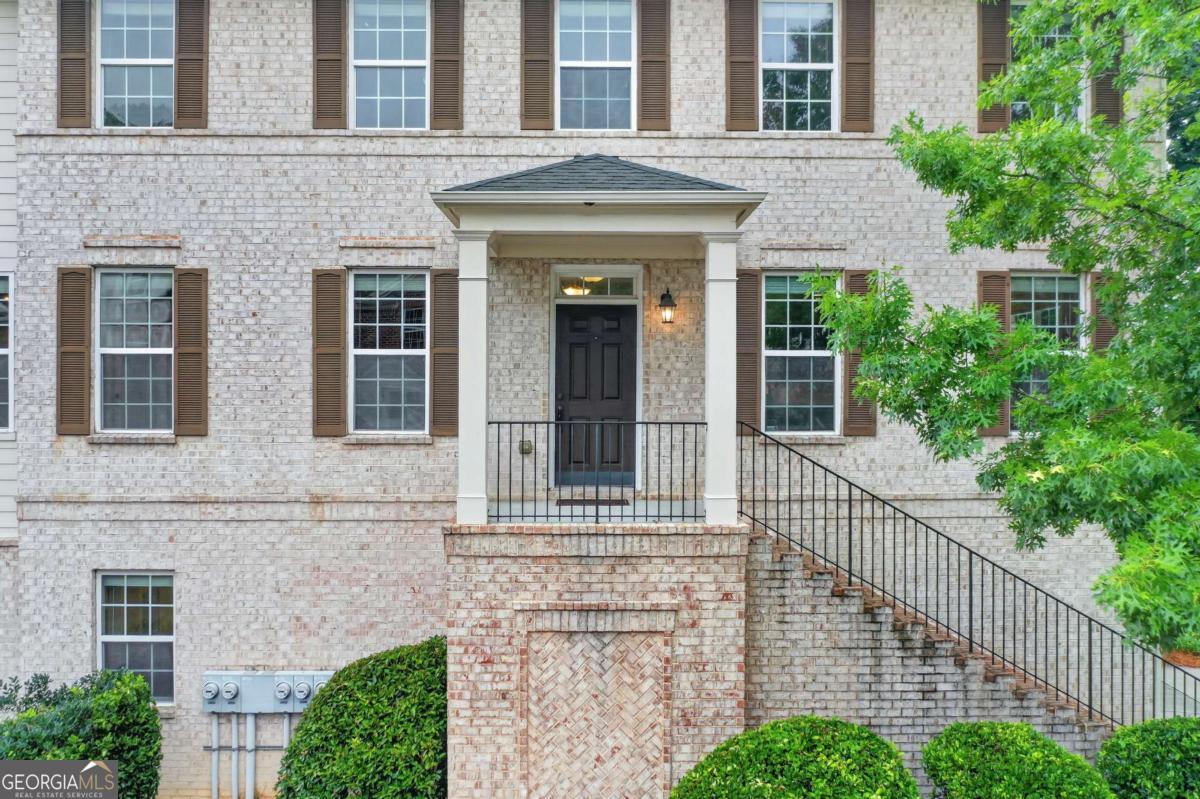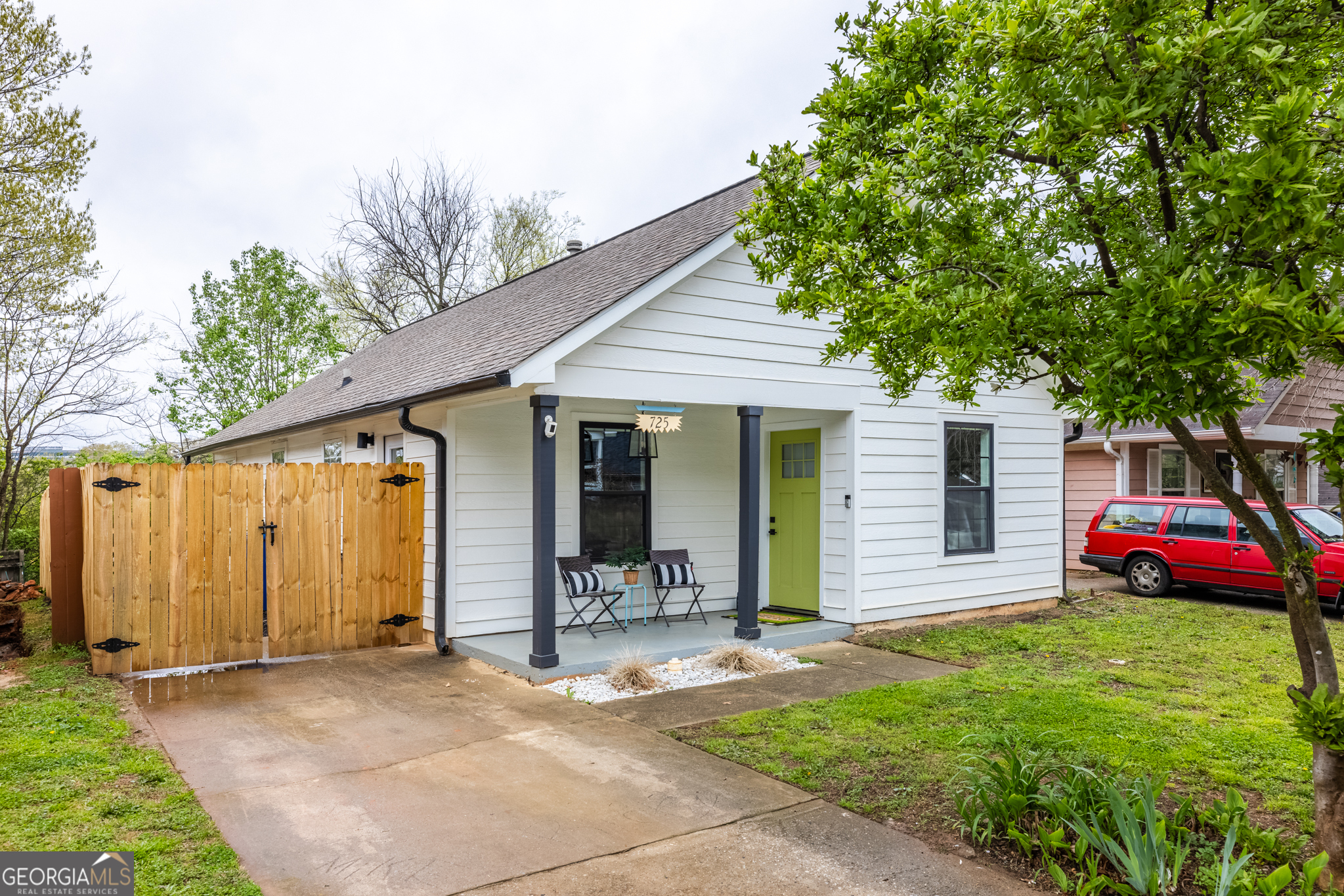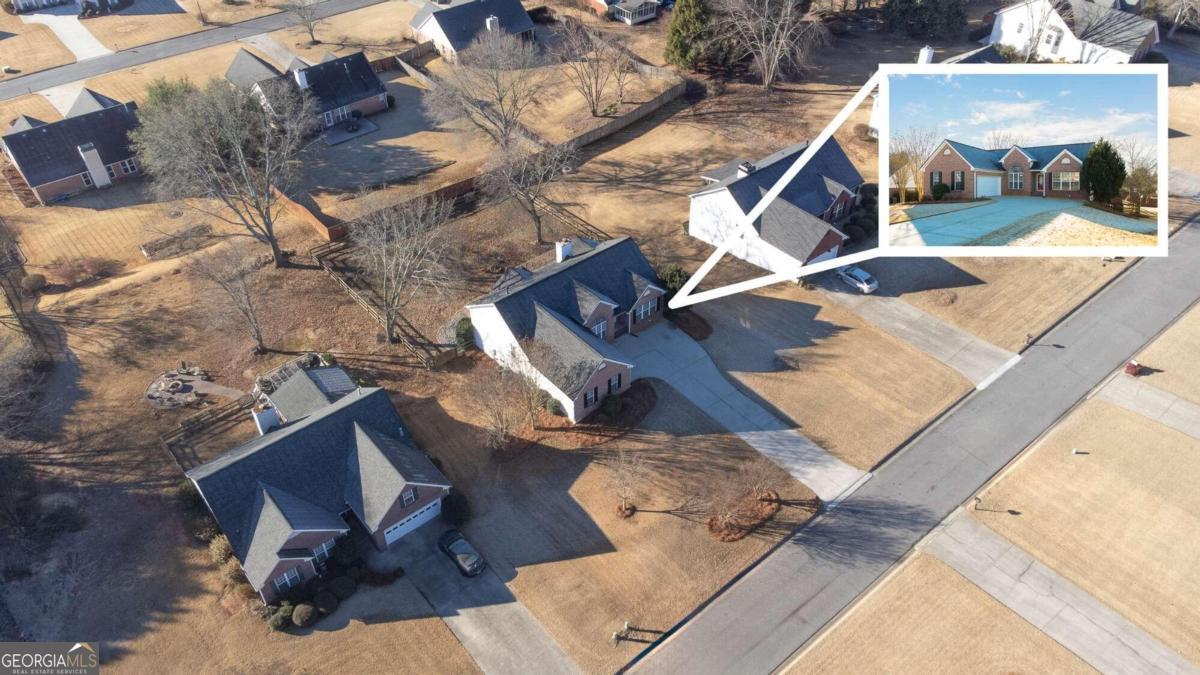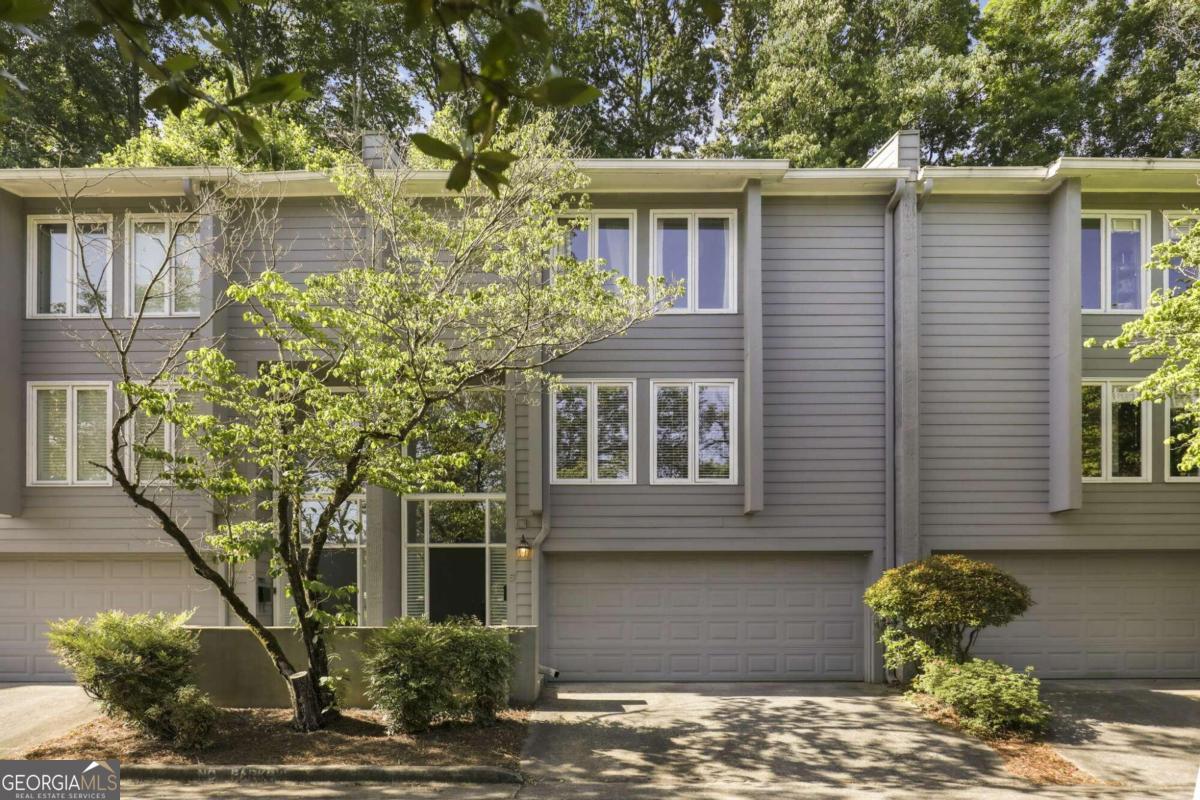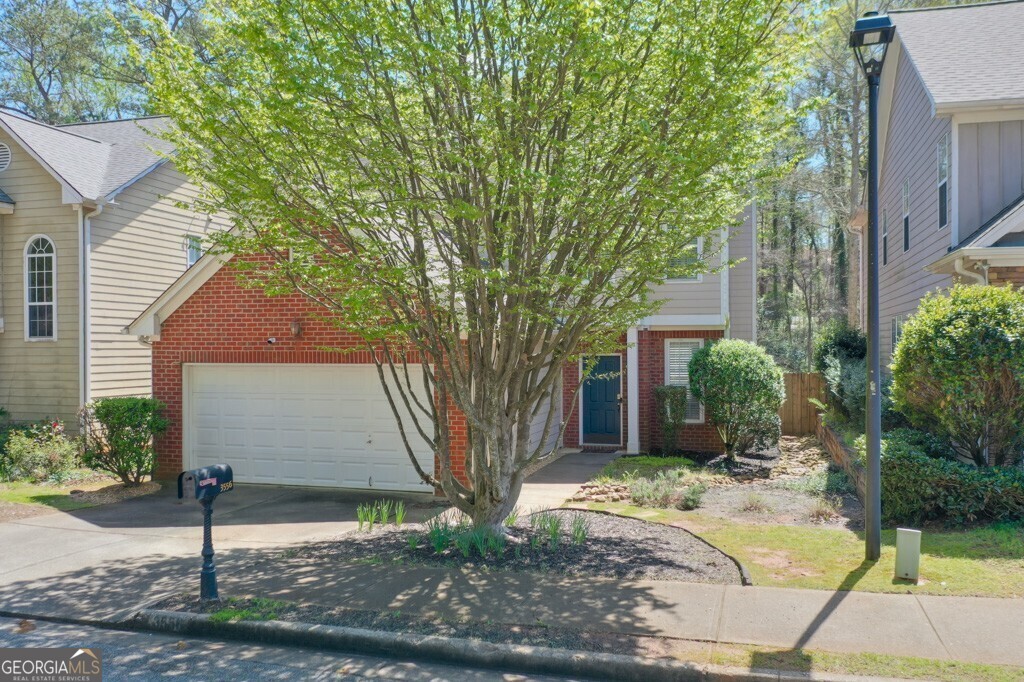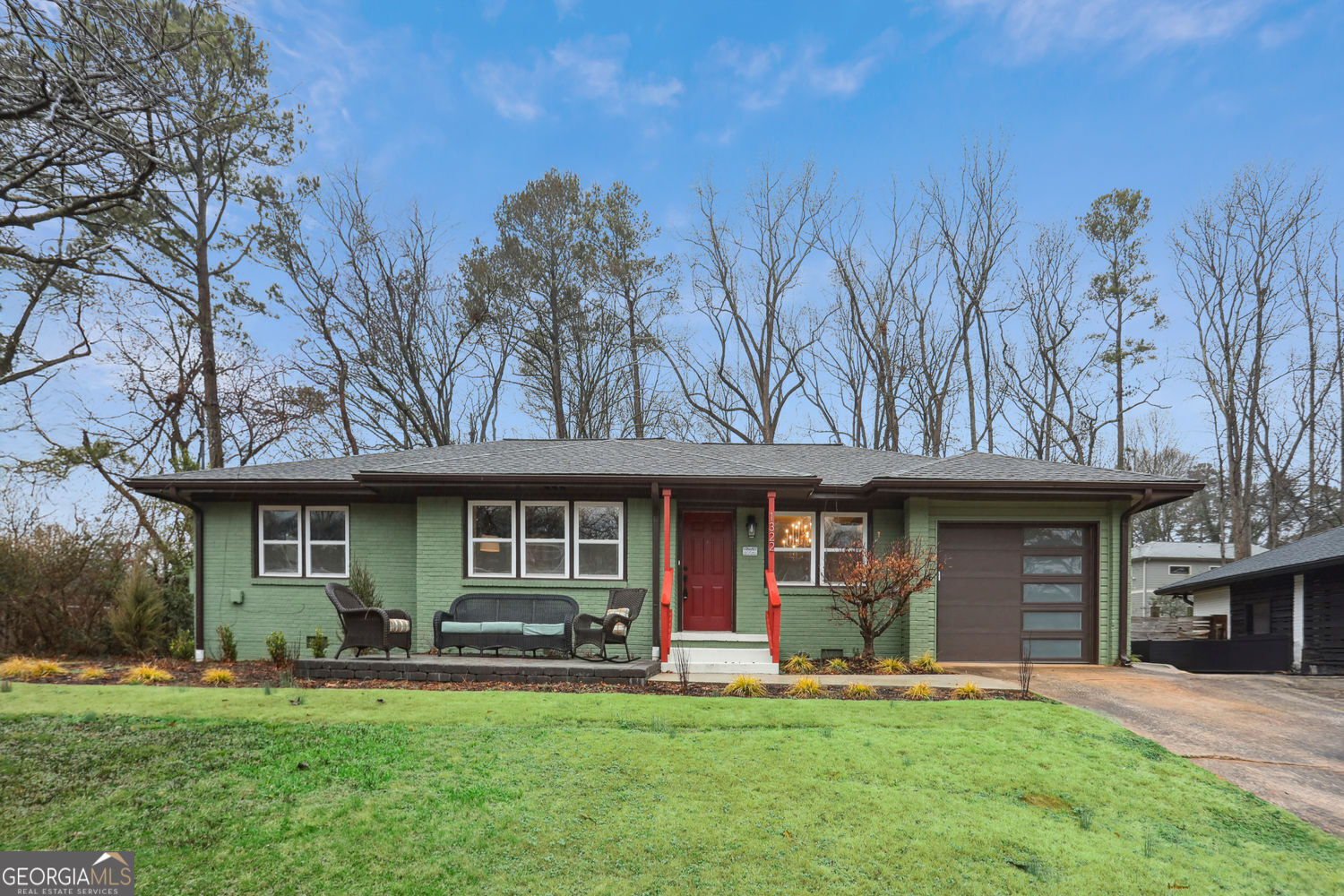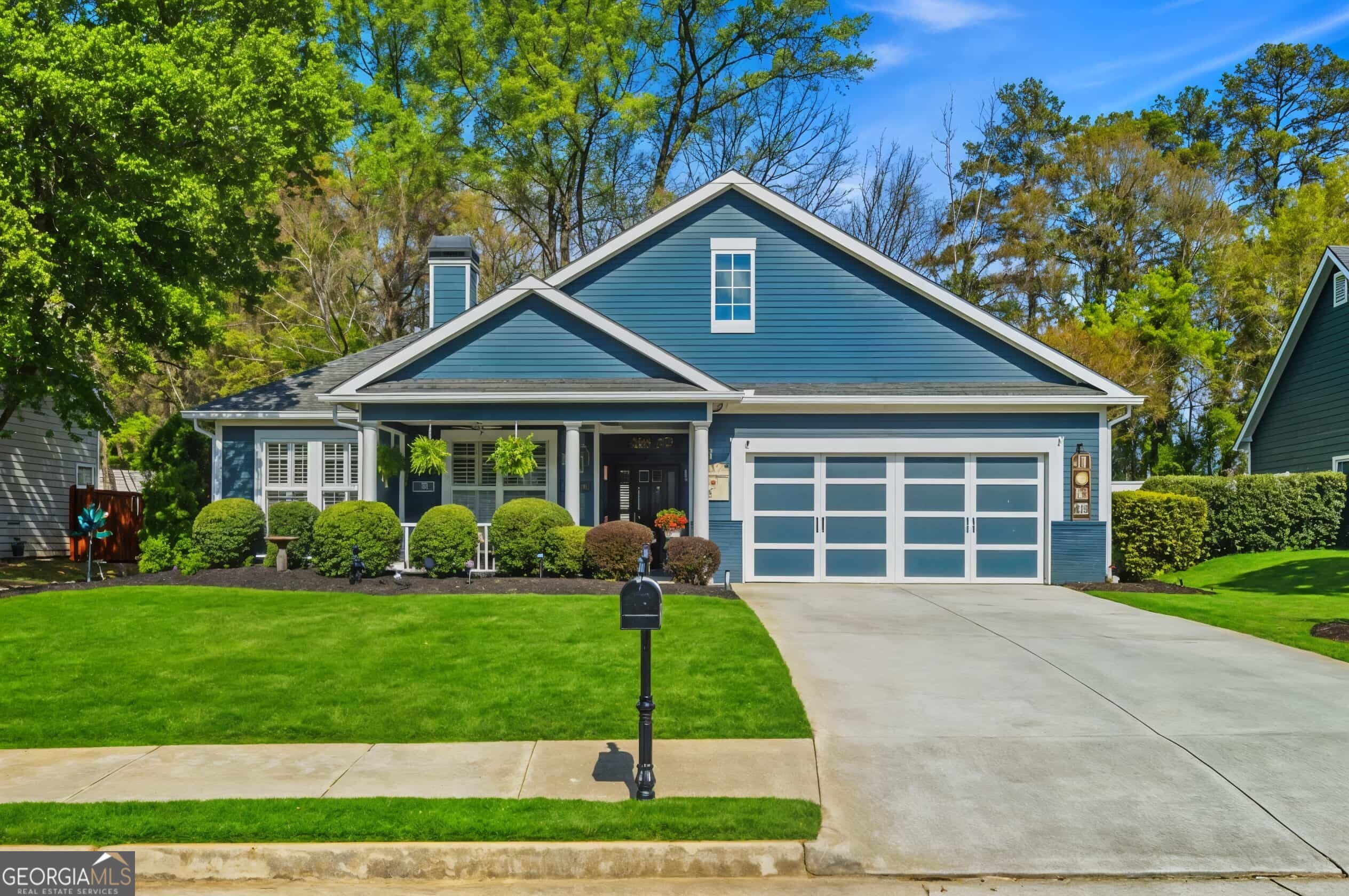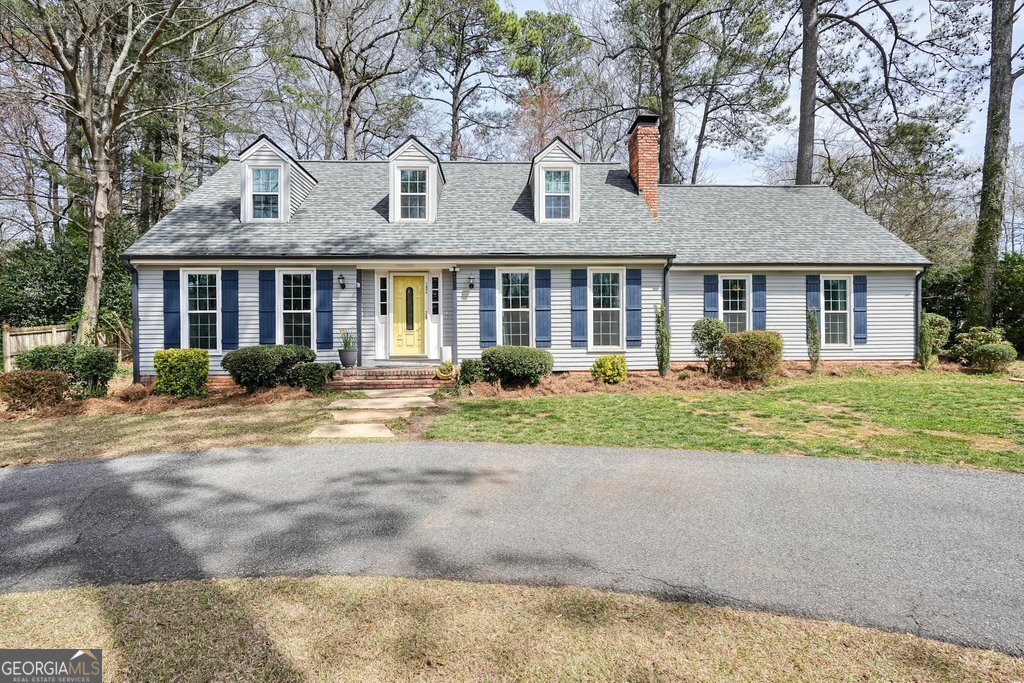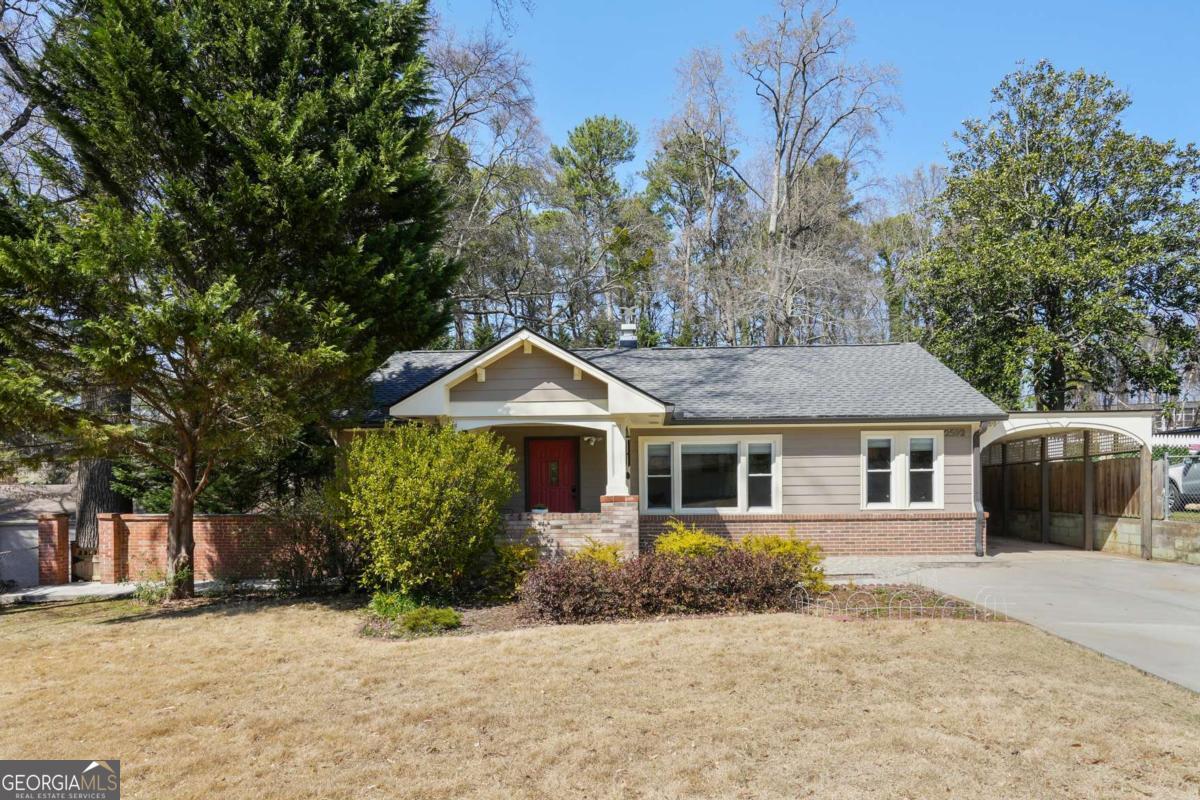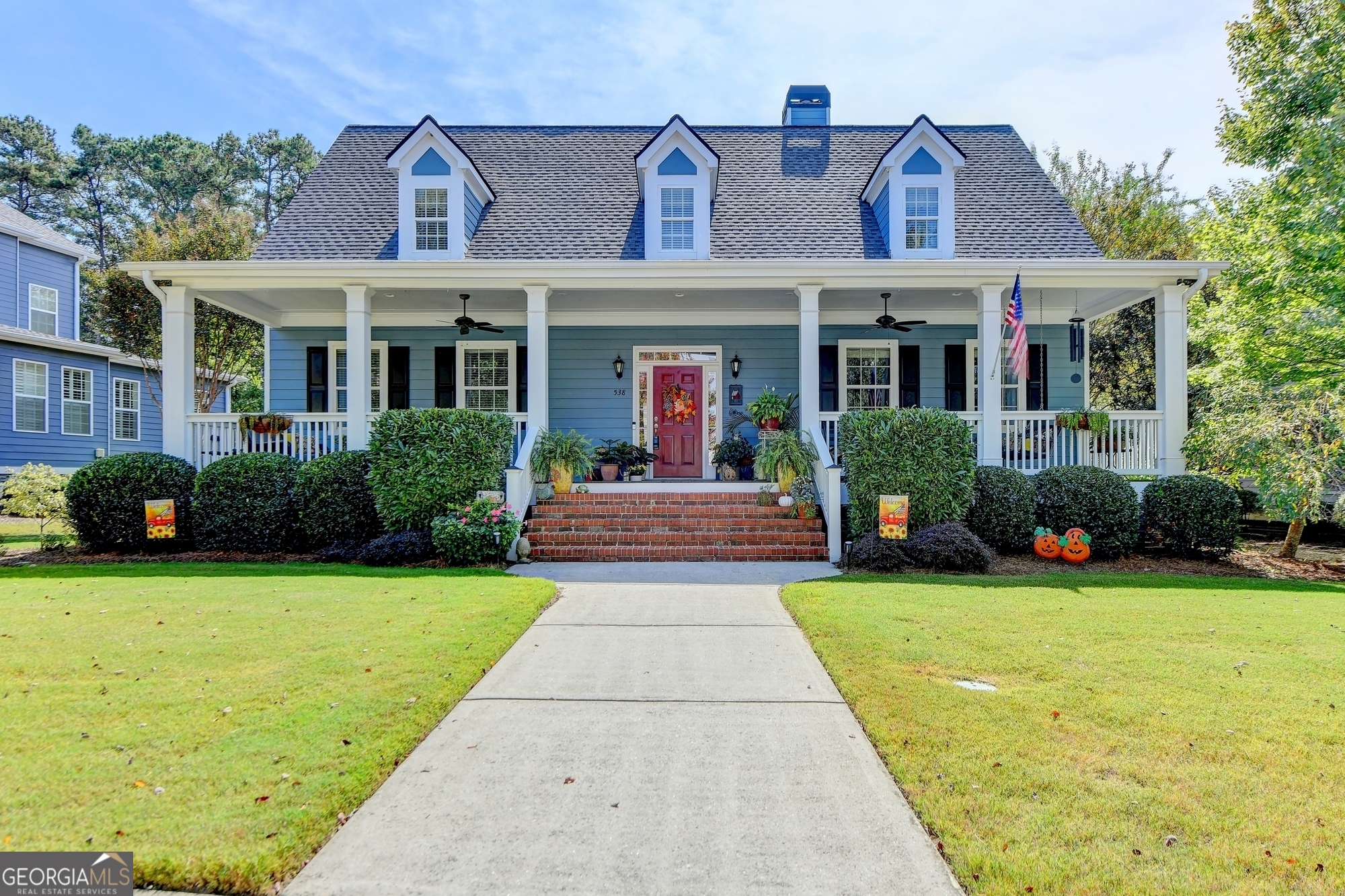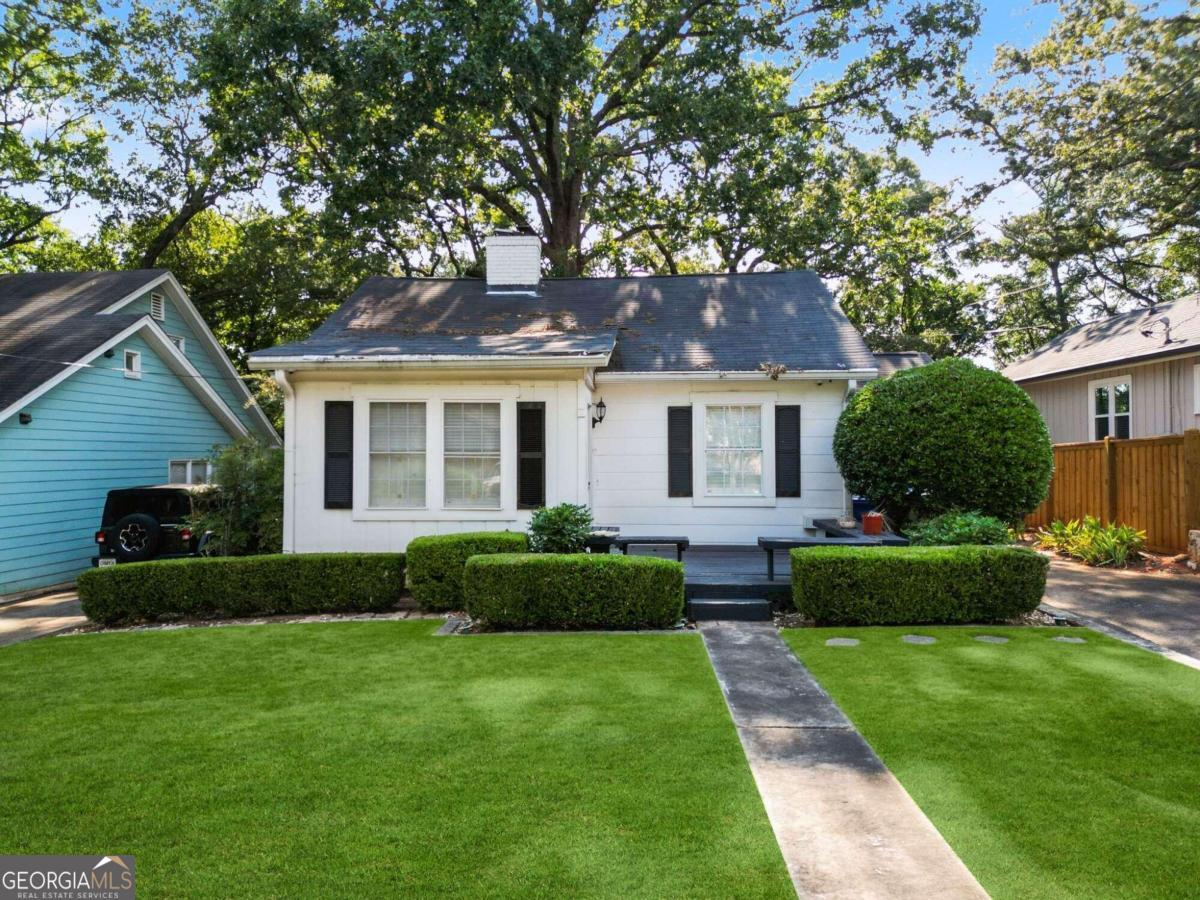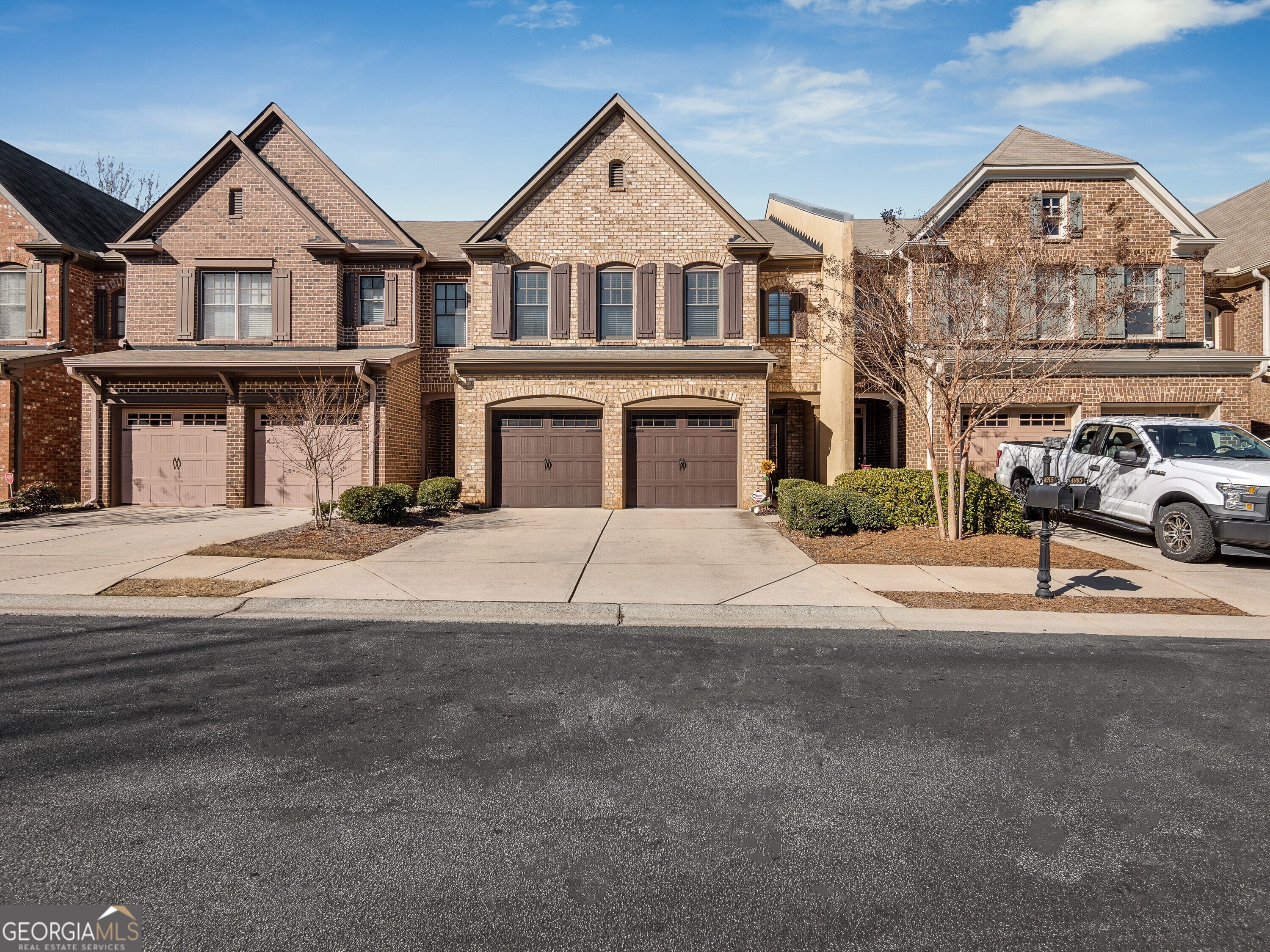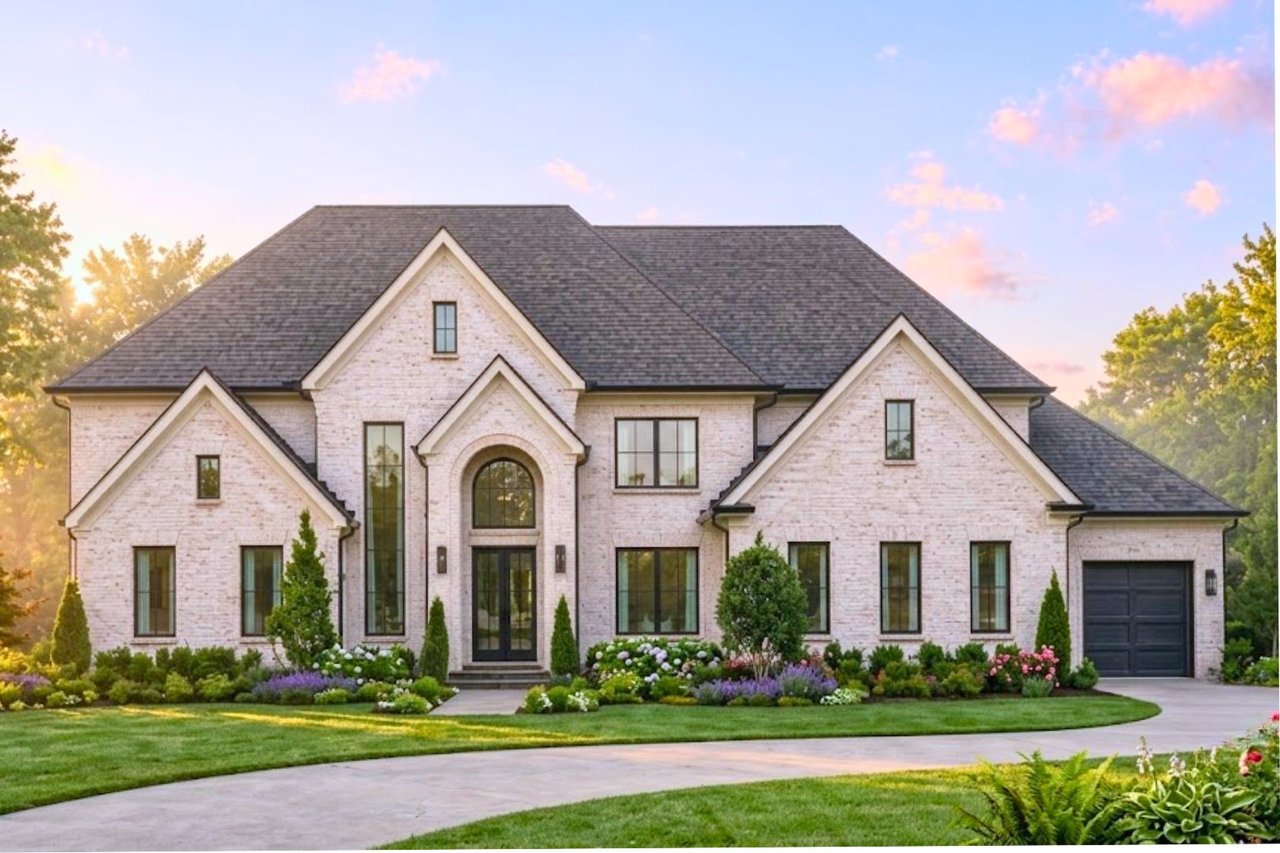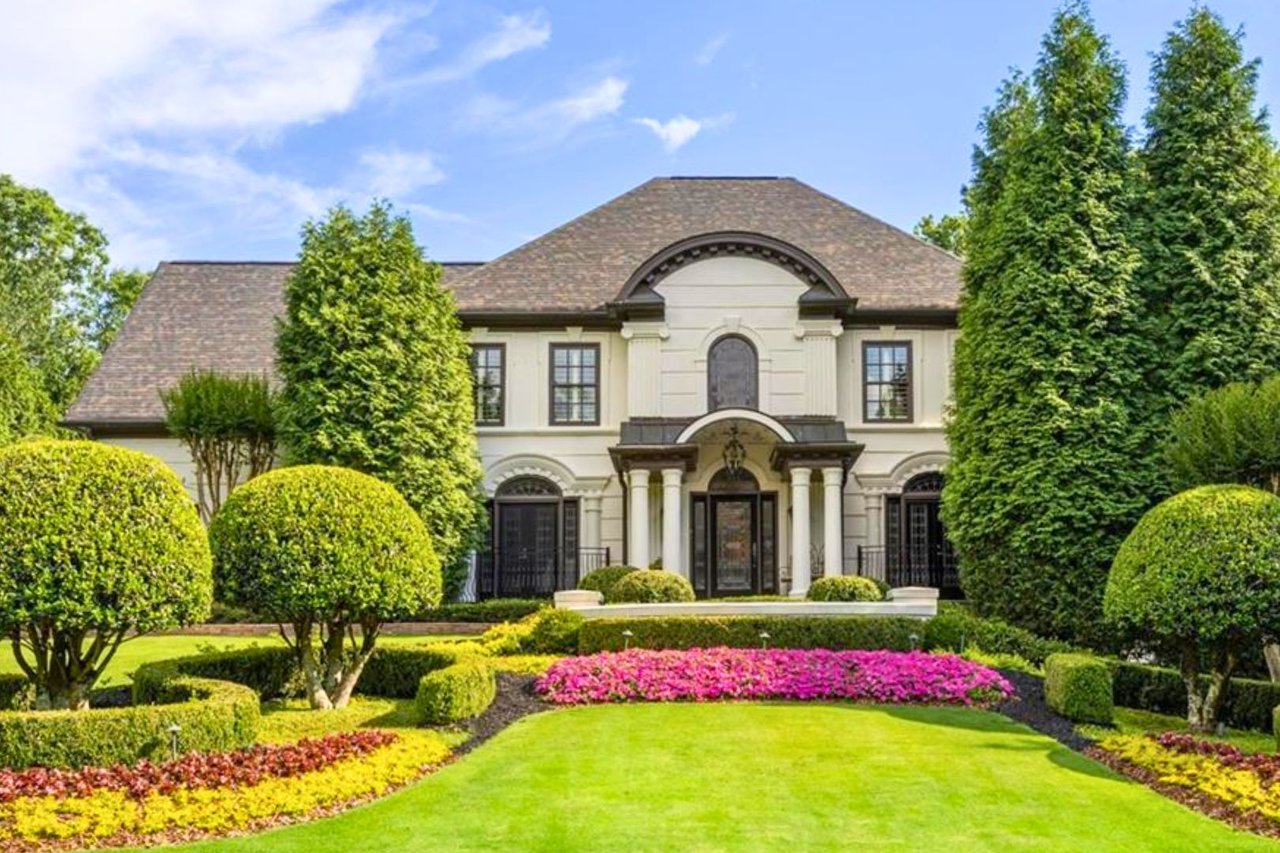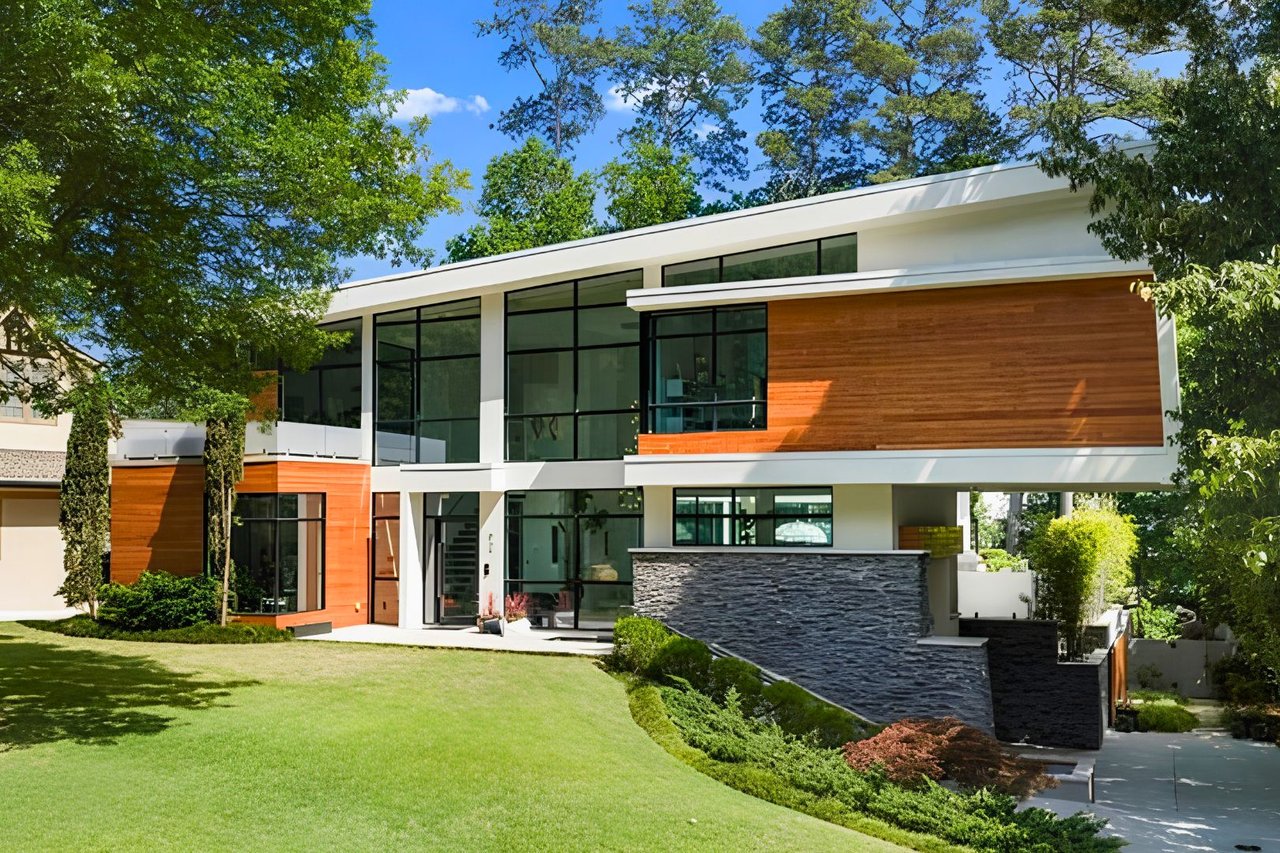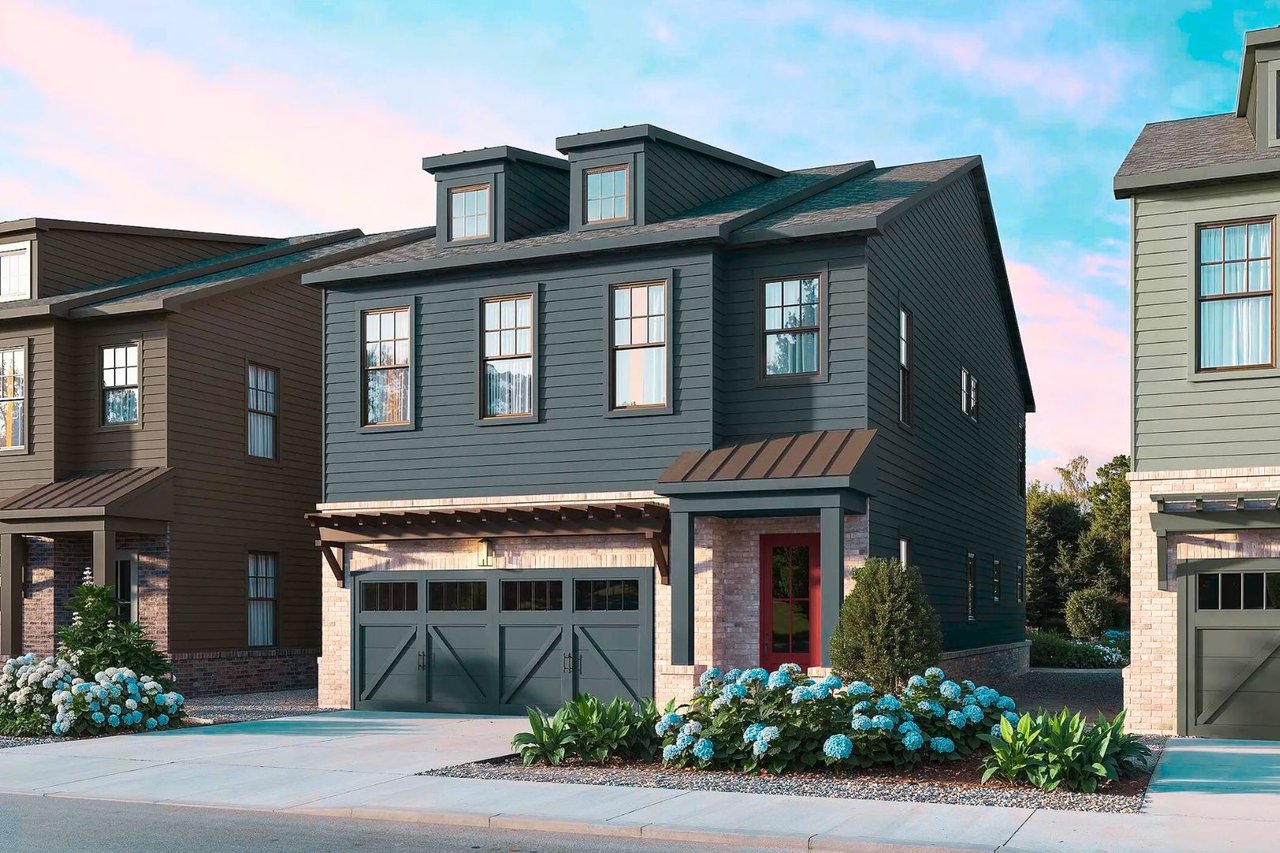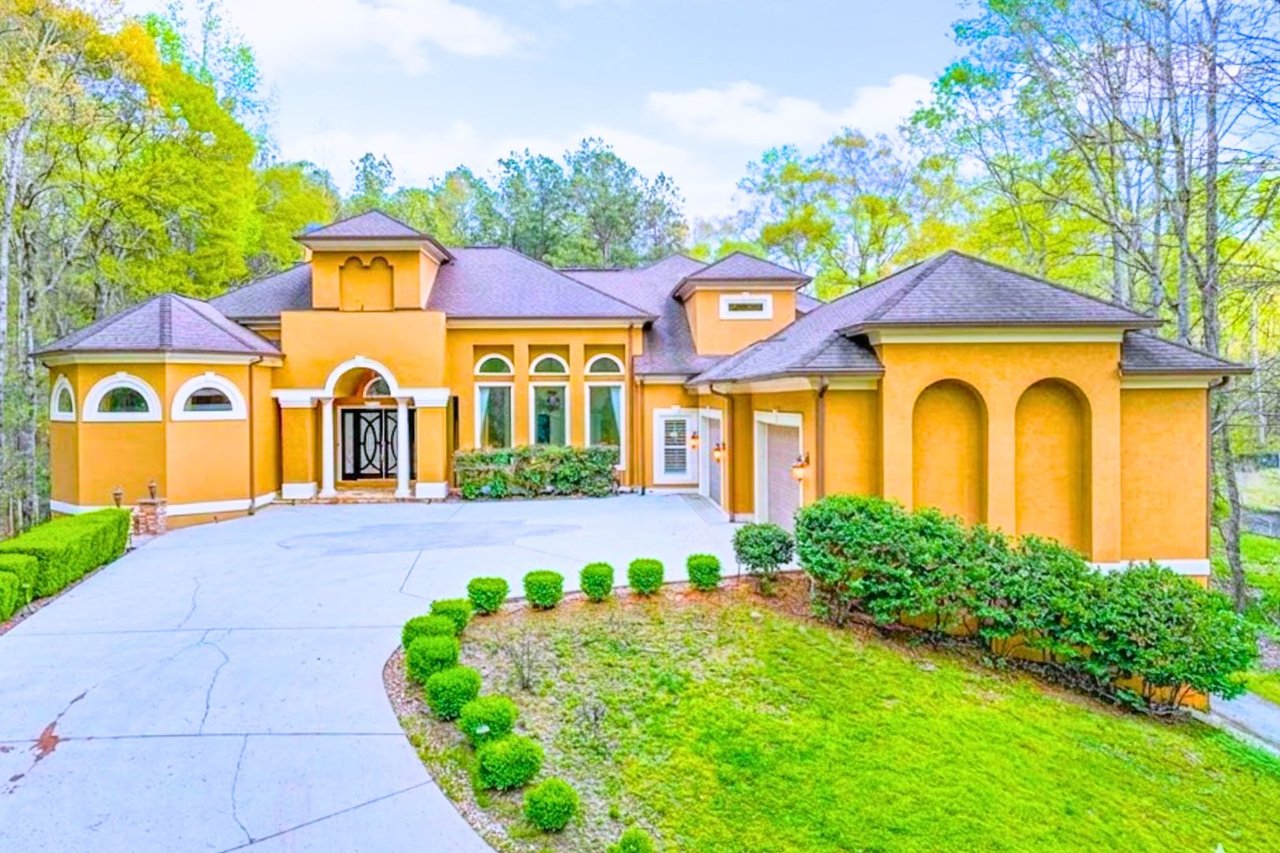
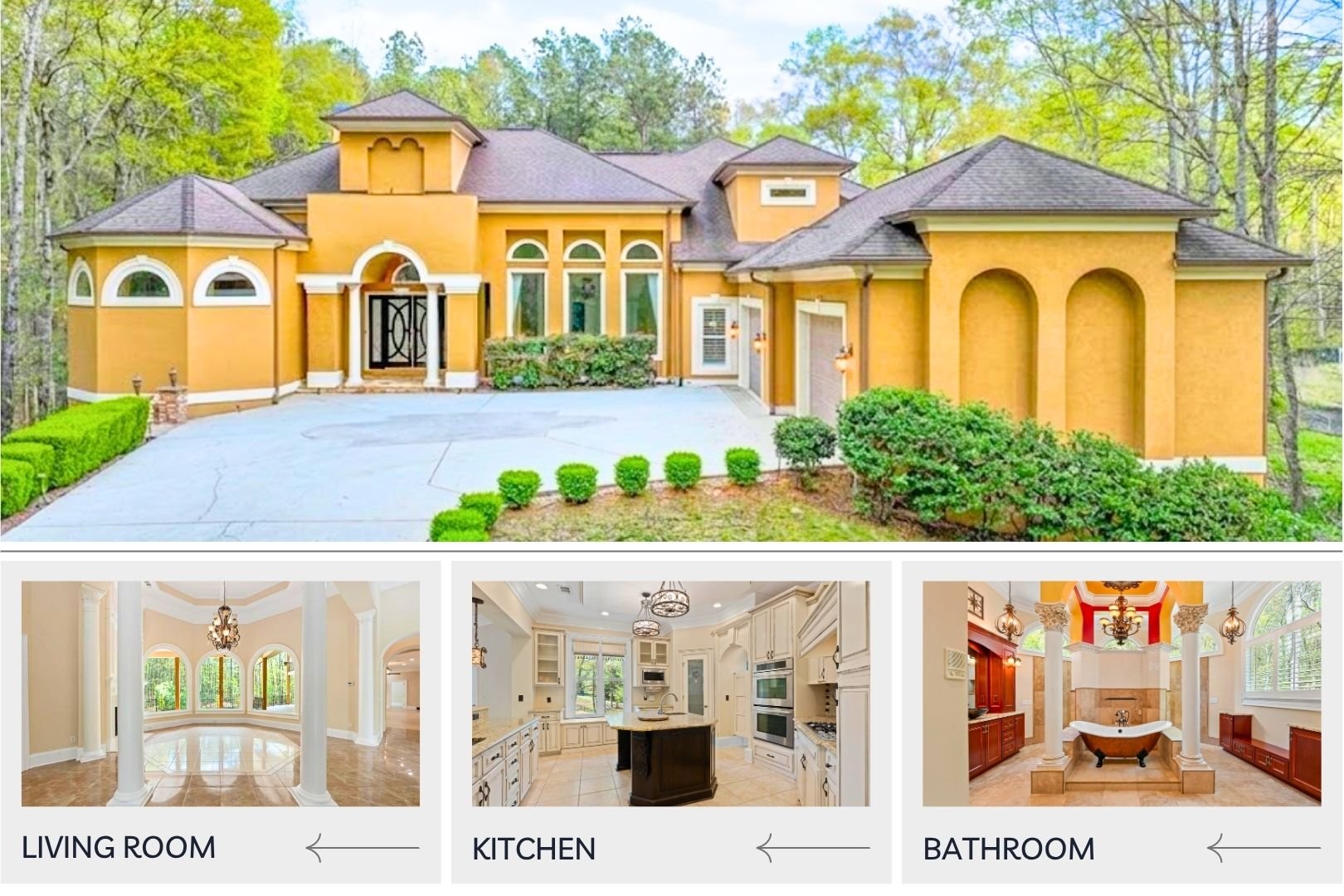
South Atlanta's new construction market spans 103 builders, 296 communities, and 2,574 available homes — and that scale cuts both ways. The opportunity is real, but so is the variation in builder quality, pricing, and post-closing support.
From the affordability of Fairburn to the family-friendly subdivisions of Stockbridge and the growing neighborhoods of McDonough, the south metro corridor gives buyers an impressive range of options. What it doesn't give you is an easy way to sort the good builders from the rest. This guide does that work.
Why Builder Selection Matters More Than You Might Think
South Atlanta's New Construction Boom
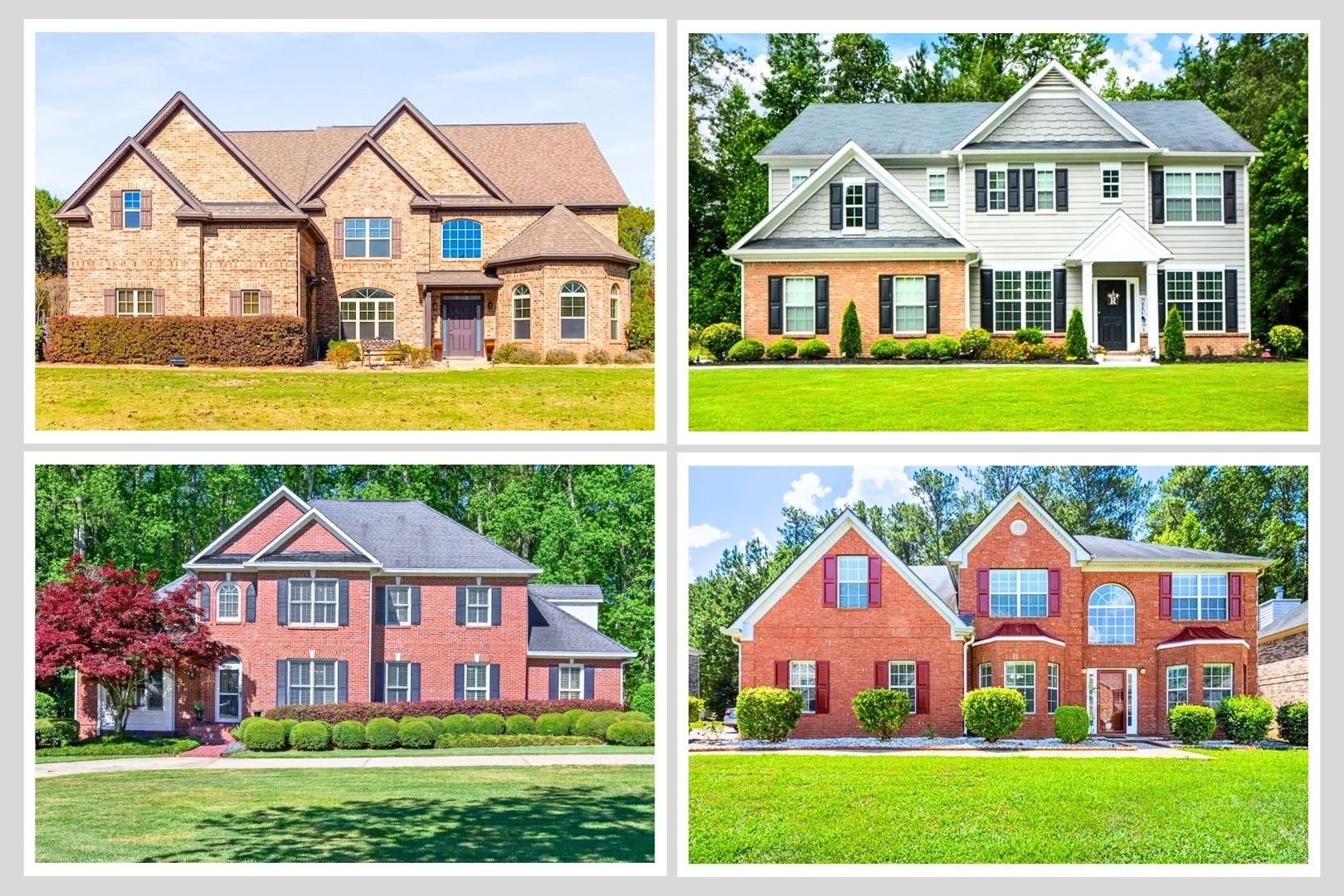
The growth corridor south of I-20 has become one of Georgia's most dynamic real estate stories. Cities like McDonough, Hampton, Jonesboro, Riverdale, and Stockbridge are seeing consistent builder activity as demand from local buyers and relocating families pushes development deeper into Henry, Clayton, Fayette, and South Fulton counties.
Georgia's housing inventory climbed 13.1% year-over-year at the end of 2025, with new construction playing a central role in addressing supply pressure across the south metro.
That growth also means inconsistency. With more than 100 builders operating in this corridor simultaneously — ranging from large national companies to small regional builders working a handful of projects at a time — buyer experiences vary enormously. Knowing how to evaluate them before you sign anything is the foundation of a smart purchase.
The Financial Stakes Are Real
Buying new construction is a significant financial commitment. The median price of a new home in metro Atlanta was $469,900 at the end of Q4 2024, compared to $376,000 for an existing home — a meaningful premium that makes builder selection a major decision. In Henry County specifically, new construction homes carry a median price of $403,800, with 576 active new homes across 21 builders as of late 2025.
Georgia statewide, sellers received an average of 95.4% of their original list price in 2025. That figure reflects a market that still rewards quality inventory — a well-built home from a reputable builder holds its value, while a poorly constructed one costs you in repairs, resale challenges, and frustration for years.
Research Builder Reputation and Local Track Record
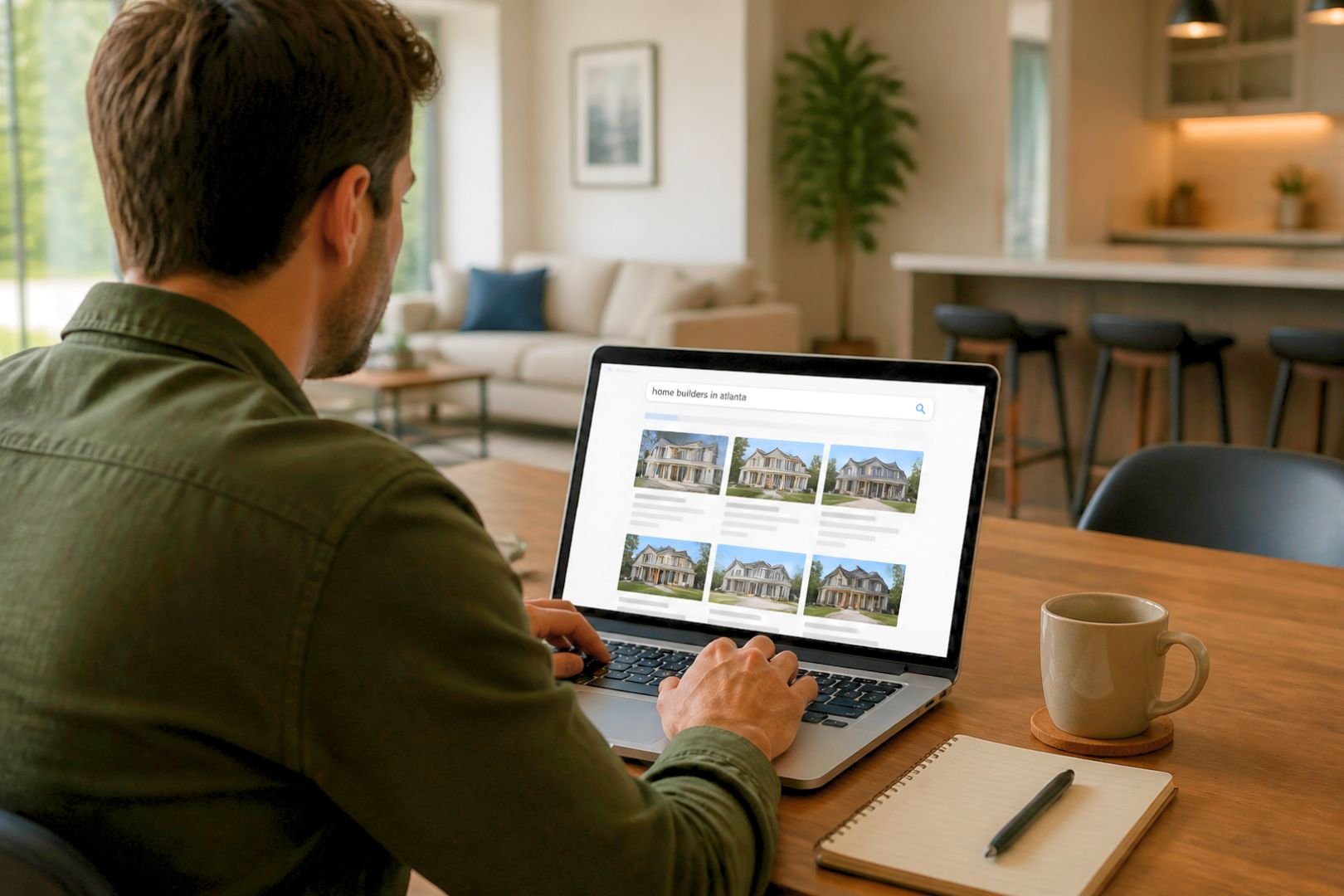
Local Experience in South Atlanta Counts
A builder who has completed projects specifically in Clayton County, Henry County, or Fayette County brings something genuinely valuable: working relationships with local permit offices, familiarity with municipal timelines, and an understanding of the utility infrastructure and HOA norms specific to these jurisdictions. The permitting environment in Jonesboro differs from the process in McDonough, and a builder navigating those processes for the first time is a risk you don't need to absorb.
Georgia's new-home market has been recalibrating after years of outsized growth. **Builders who survived that cycle with their reputations intact in South Atlanta communities are worth paying attention to.** Local track record isn't just a credential — it's evidence of staying power.
Where to Check Reviews and Ratings
Start with Google Reviews, the Better Business Bureau, Yelp, and Houzz. Look for patterns across multiple reviews rather than isolated complaints or isolated praise. The most revealing themes tend to cluster around three areas:
- Communication during construction — are buyers kept informed, or left guessing at every stage?
- Build quality at handoff — does the home match what was promised, or does the punch list run long?
- Responsiveness to warranty claims — does the builder show up after closing, or go quiet?
Beyond online research, verify the builder's standing through the Georgia Secretary of State's Corporations Division to confirm they are properly registered and in good standing. Then do something no website can replicate: drive through completed subdivisions the builder has delivered in Stockbridge, Hampton, or Union City and knock on doors. Homeowners who have lived in their homes for one to two years will give you an unfiltered picture of what to expect.
National, Regional, or Custom: Understanding the Trade-Offs
The South Atlanta market features all three builder types, and each comes with a distinct set of trade-offs.
| Builder Type | Strengths | Considerations | Best Fit For |
|---|---|---|---|
| National Builder | Streamlined process, design centers, in-house financing incentives | Less customization, standardized finishes | First-time buyers who value predictability |
| Regional Builder | More customization, direct access to decision-makers | May require more conversations and flexibility on timing | Buyers with specific design preferences |
| Custom Builder | High attention to detail, focused project load | Longer timelines, typically higher cost | Buyers with unique needs and flexible schedules |
Neither type is universally better. What matters is whether the builder's operating model aligns with what you actually need.
Visit Model Homes Strategically — Not Just Emotionally
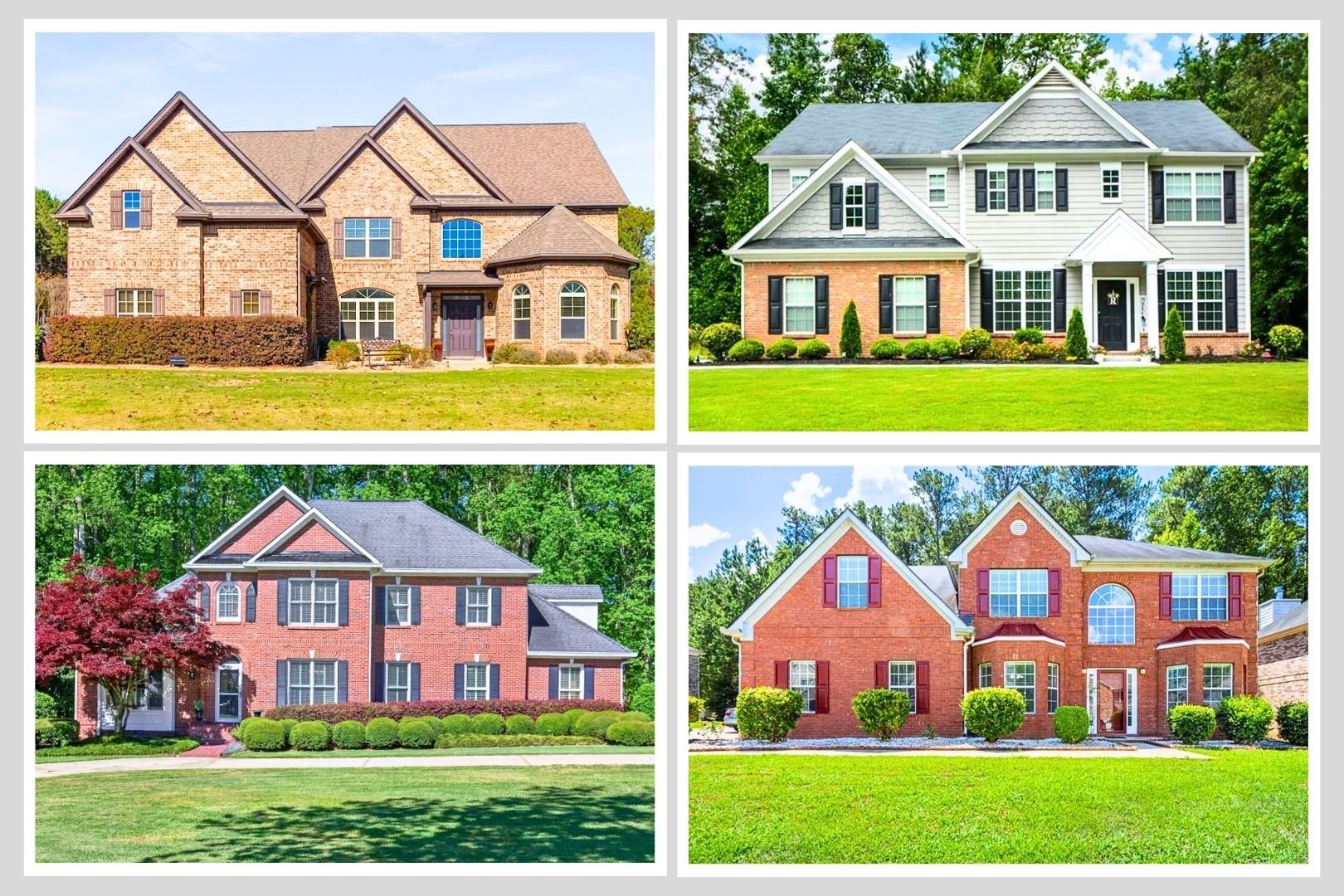
Look Past the Staged Décor
Model homes are merchandised by professional interior designers to showcase the absolute best version of what a builder can deliver — and nearly every finish, fixture, and upgrade on display carries an additional cost above the base price. Walk in with that awareness. Instead of responding to the curated atmosphere, train your eye on the things that reveal true build quality:
- How tightly trim work is joined at corners
- Whether cabinet doors hang plumb
- How grout lines are finished in wet areas
- How smoothly interior doors open and close
Ask the sales agent to walk you through a completed but uninhabited home in the same community in addition to the model. A recently finished standard-package home tells you far more about day-to-day build quality than a $50,000-over-base showpiece.
Pro Tip: Bring a level and a notepad to every model home visit. Check whether countertops and shelving are truly level, and write down every upgrade you see — then price them out before you fall in love with the space.
Compare Included Features Across Builders
Request the "included features" sheet from every builder you're seriously considering and compare them side by side. Modern new construction homes are built with energy-efficient materials and systems that can meaningfully reduce utility costs — but the specifics vary widely. Key areas to compare include:
- HVAC system brands and SEER ratings
- Window efficiency ratings
- Insulation type and R-value
- Roofing materials and warranty length
- Smart home integration standards
A home that appears less expensive at the base price may quickly exceed the competition once you price out the upgrades you actually want. The included features sheet cuts through that ambiguity.
Evaluate the Community's Long-Term Buildout
Ask how many phases remain in the development and how long the builder expects to be actively constructing in the neighborhood. A community with three more phases and an estimated five-year buildout means ongoing construction traffic, noise, and dust well after you've moved in.
For buyers with children in Clayton County Public Schools or Henry County Schools, proximity to school zones and commute access along I-75 or I-85 South should factor into the decision as well. South Atlanta also offers meaningful recreational assets nearby — including the 204-acre Nash Farm Battlefield Park in Hampton with its walking trails and fishing lake, and the Clayton County International Park in Jonesboro, the former 1996 Olympic venue, with tennis courts, fitness facilities, and family programming. Proximity to community anchors like these adds long-term quality of life that square footage alone can't replace.
Ask the Right Questions About Warranties and After-Sale Support
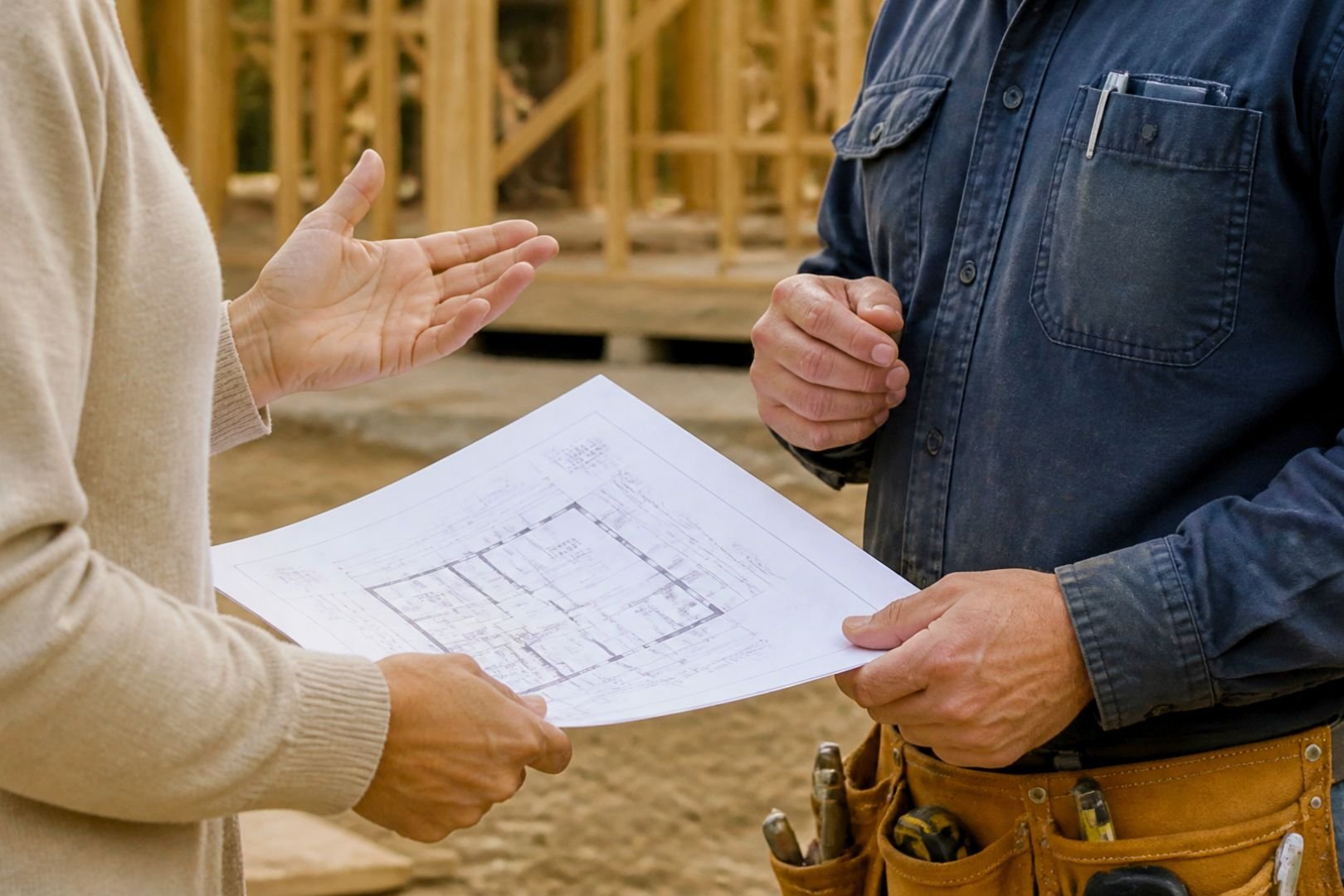
Understanding the Standard Warranty Structure
Most reputable builders in the South Atlanta market offer a tiered warranty structure. Get familiar with what's standard — and what sets certain builders apart.
| Coverage Type | Standard Term | What It Covers |
|---|---|---|
| Workmanship & Materials | 1 year | Visible defects, finishes, installation quality |
| Mechanical Systems | 2 years | HVAC, plumbing, electrical |
| Structural Defects | 10 years | Foundation, load-bearing elements |
Some builders offer more comprehensive coverage that explicitly extends to materials across all categories and pairs enhanced mechanical coverage with a full decade of structural protection. **That level of commitment is a meaningful differentiator worth asking about directly.** Never assume warranty terms are standard — get every detail in writing before you sign.
Post-Closing Responsiveness Is the Real Test
A builder's reputation is ultimately made or broken not by how the model home looks, but by how they respond when something needs attention after you move in. During your research phase, ask directly:
- How are warranty claims submitted, and what is the stated response time?
- Is there a dedicated warranty department, or does everything route through the sales office?
- Can you provide references from buyers who closed 12 to 18 months ago?
That last point matters more than it might seem. Buyers who just moved in are still in the honeymoon phase. Buyers who have lived in their home for over a year can tell you exactly what the builder is like when the punch list is long and the sales team has moved on to the next community. Henry County homes are averaging 91 days on market in recent data, which means builders are motivated to earn referrals through service quality, not just speed.
Navigate the Builder Contract With Open Eyes
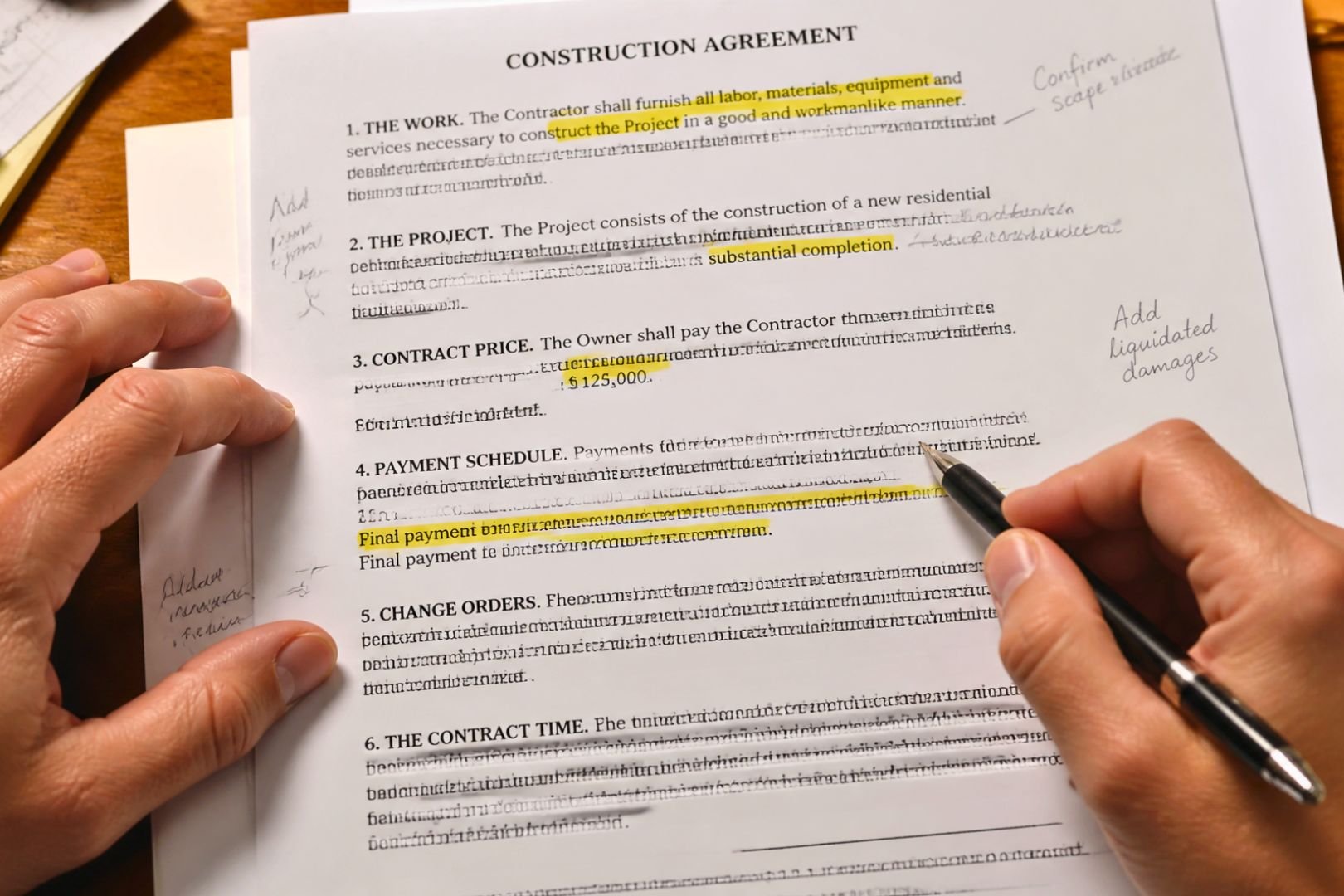
Builder Contracts Are Built for the Builder
The contract you'll sign with a South Atlanta builder was written by the builder's legal team, and it is not structured the same way as a standard resale purchase agreement. That doesn't mean you're powerless — but it does mean you need to go in informed. Incentives, upgrade credits, and closing cost contributions are all legitimately negotiable, especially in the current environment where builders across the south metro are adjusting pricing and incentive packages to sustain buyer demand.
Georgia's cost of living runs about 8% below the national average, with housing costs roughly 20% below the national norm. That relative affordability attracts a significant share of buyers relocating from higher-cost states who may not be familiar with Georgia-specific builder contract conventions. If you're new to the area, having a local professional review the contract before you sign is not optional — it's essential.
Red Flags to Watch For in Builder Contracts
These provisions are more common than most buyers expect, and they carry real consequences. Watch for:
- Vague completion language with no remedies for builder delays
- Restrictive clauses that limit your right to representation by your own real estate agent
- Upgrade pricing that locks in costs without a detailed written scope of work
- Arbitration clauses that waive your ability to pursue legal remedies in court
Pro Tip: Before signing, ask the builder's agent to walk you through the contract section by section and explain each clause in plain language. If they can't — or won't — that's information too.
Hire an Independent Inspector — Even on a New Home
Brand-new homes in South Atlanta communities are not immune to construction defects. **A Georgia-licensed independent home inspector should conduct at minimum two inspections:** a pre-drywall inspection that lets you see framing, plumbing, and electrical before the walls close, and a final walkthrough inspection before closing. What the inspector documents becomes your punch list — a written record of items the builder must address before you take possession. This single step has saved countless buyers from inheriting problems that would have been expensive to fix after the fact.
Work With a Real Estate Agent Who Knows South Atlanta's Builders

One of the most persistent misconceptions in new construction is that the builder's on-site sales representative can serve both sides of the transaction. They cannot. The agent in that model home office works for the builder — their job is to sell that community at the best possible terms for their employer.
A buyer's agent with direct knowledge of Henry County, Clayton County, Fayette County, and South Fulton communities can help you compare builders objectively across McDonough, Stockbridge, Fairburn, and Jonesboro without the filter of any single builder's sales pitch. They know which builders are currently offering the strongest incentive packages, which communities have HOA structures worth examining closely, and how to negotiate upgrade credits and closing cost contributions you may not know to ask for. **Critically, builder commissions are paid by the builder — working with a buyer's agent typically costs you nothing out of pocket** while providing significant protection throughout the process.
Incentives and pricing adjustments are expected to remain part of the builder toolkit through 2026, even as construction costs slowly ease and lot availability remains a challenge in the most active south metro corridors. An experienced local agent knows which builders are motivated to negotiate right now — and that intelligence is difficult to replicate on your own.
Frequently Asked Questions About Choosing a Builder in South Atlanta
How many new home builders are currently active in South Atlanta, GA?
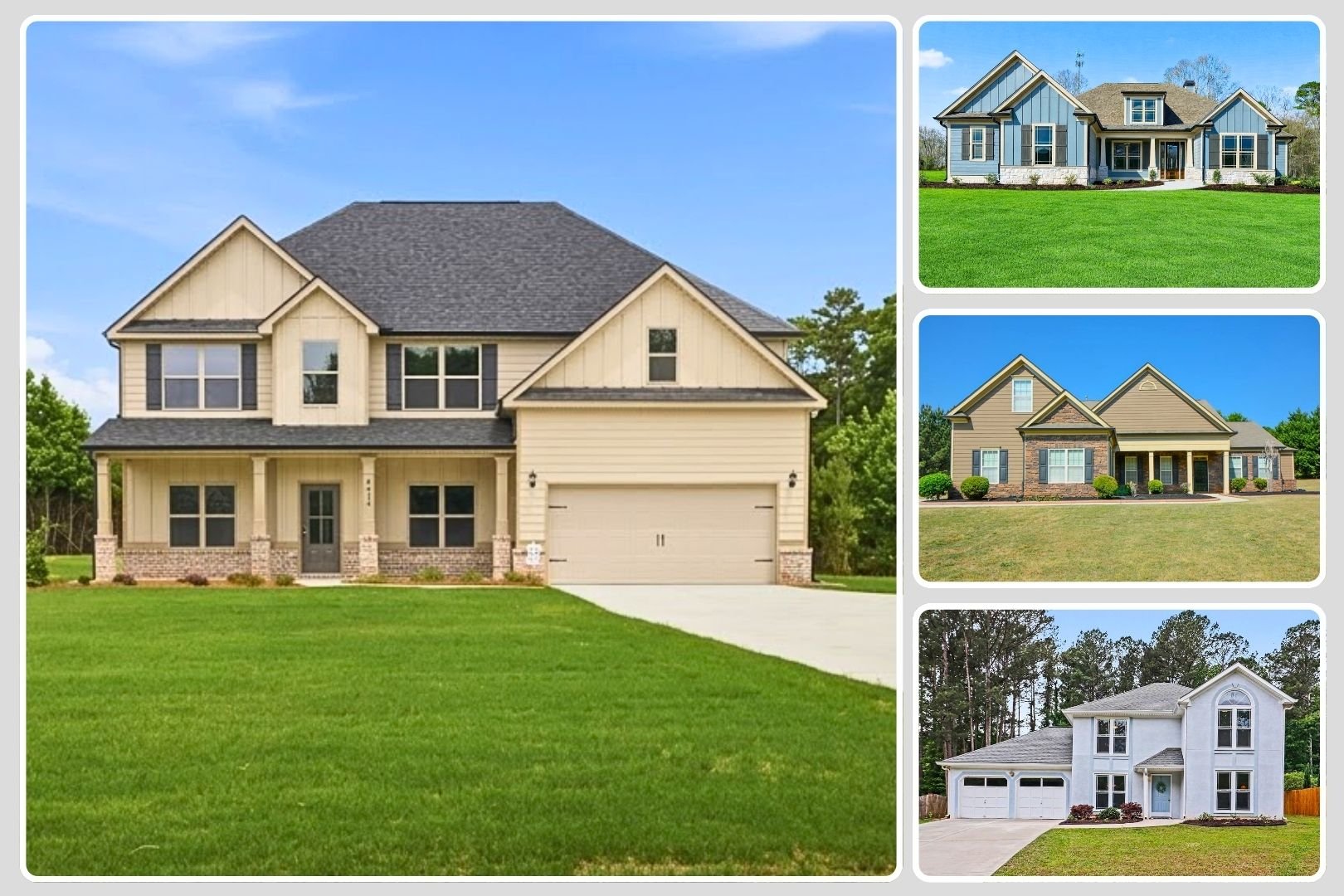
There are currently 2,574 new homes available in South Atlanta across 103 builders operating in 296 communities and subdivisions. Buyers have a wide range of choices at various price points and community types throughout the south metro corridor.
What is the price range for new construction homes in South Atlanta?
New construction home prices in the South Atlanta area currently range from approximately $208,990 to $9,850,000, with home sizes spanning from 640 to over 9,000 square feet. In Henry County, the median new construction price sits at $403,800, while Clayton County — which includes Jonesboro, Riverdale, and College Park — carries a significantly lower median of around $244,000, making it one of the most affordable entry points in the metro.
Do I need my own real estate agent when buying from a South Atlanta builder?
Yes, and the cost to you is typically nothing. The builder's on-site representative works for the builder, not for you. A buyer's agent familiar with South Atlanta's communities, active builders, and county-specific processes in Henry, Clayton, and Fayette counties can help you compare options objectively, review contract terms, and negotiate incentives — all while being compensated by the builder.
What kind of warranty should I expect from a new home builder in Georgia?
Standard new construction warranties in Georgia typically cover workmanship and materials for one year, mechanical systems including HVAC, plumbing, and electrical for two years, and structural defects for up to ten years. Some builders offer more comprehensive tiered protection across all categories. Always request warranty terms in writing before signing and compare them directly across builders you're evaluating.
Should I get a home inspection on a brand-new home in South Atlanta?
Absolutely. New construction is not automatically defect-free. A Georgia-licensed independent inspector should perform a pre-drywall inspection and a final walkthrough inspection. Findings from these inspections give you a documented punch list that the builder must address before closing. Skipping this step is one of the most common — and most costly — mistakes new construction buyers make.
Are South Atlanta builders currently offering incentives or price reductions?
Yes. The metro Atlanta new-home market has been moving at a more measured pace after several years of rapid price growth, and builders across the south metro are actively adjusting pricing and offering incentive packages — including closing cost contributions, upgrade credits, and rate buydowns — to sustain buyer engagement. Henry County homes are averaging 91 days on market, signaling that buyers currently have meaningful negotiating leverage.
Making a Confident Decision in South Atlanta's New Construction Market
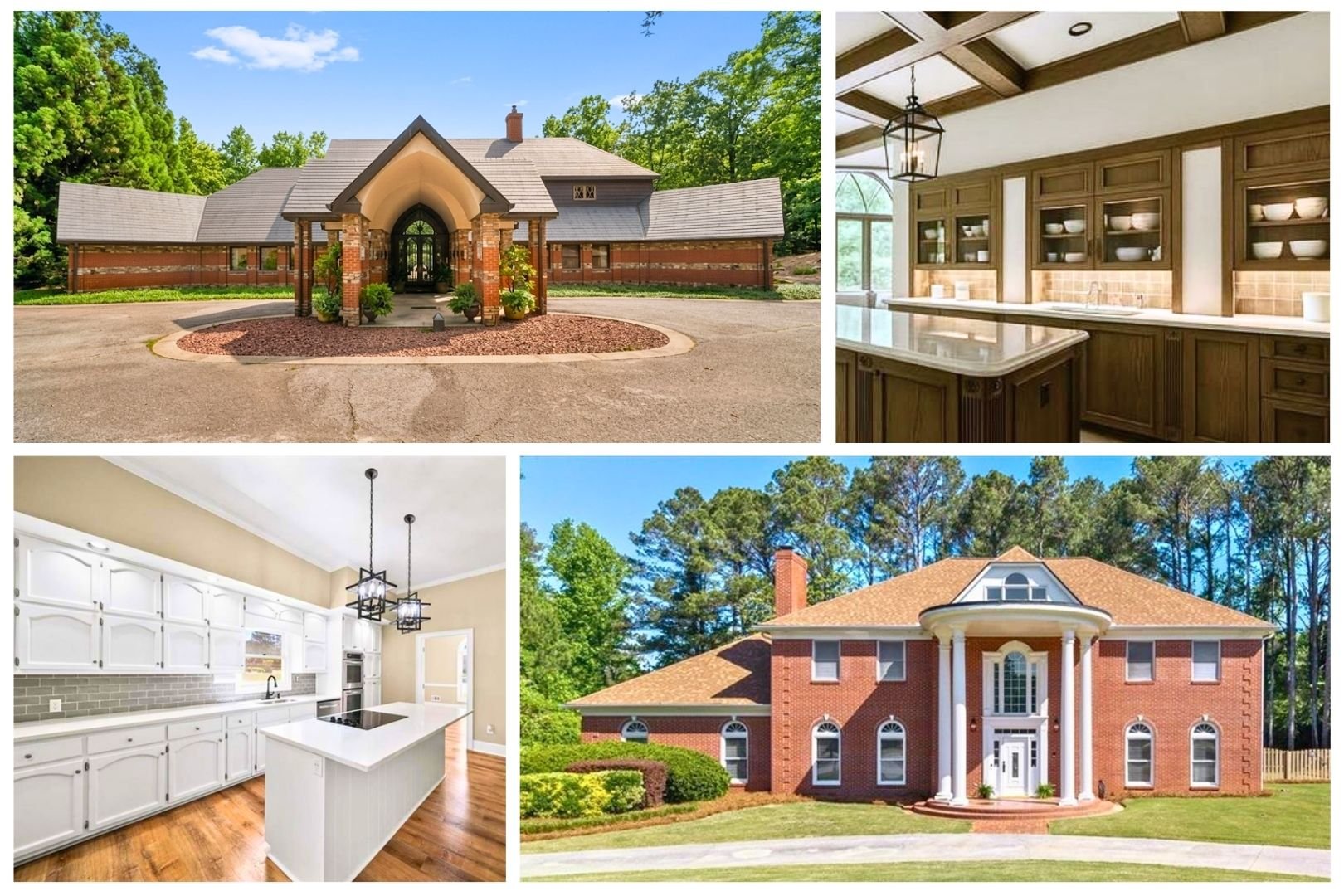
South Atlanta's new construction landscape offers something genuinely rare: a wide range of price points, builder types, and community settings within a single corridor. From value-priced starter homes in Fairburn and the Clayton County communities along I-75 to established move-up neighborhoods in McDonough and Stockbridge, the opportunity is substantial.
For buyers who approach the process with the right framework — vetting builder reputations, touring homes strategically, understanding warranty coverage, scrutinizing contract language, and securing independent inspections — the outcome can be exceptional. Cutting through 103 builders and nearly 300 communities on your own is a tall task. The guidance here gives you a foundation, but local knowledge and professional support make the difference between a good decision and a great one. Feel free to reach out to our team — we'd be glad to help you navigate South Atlanta's new construction market and find a home and builder that are the right fit for you.