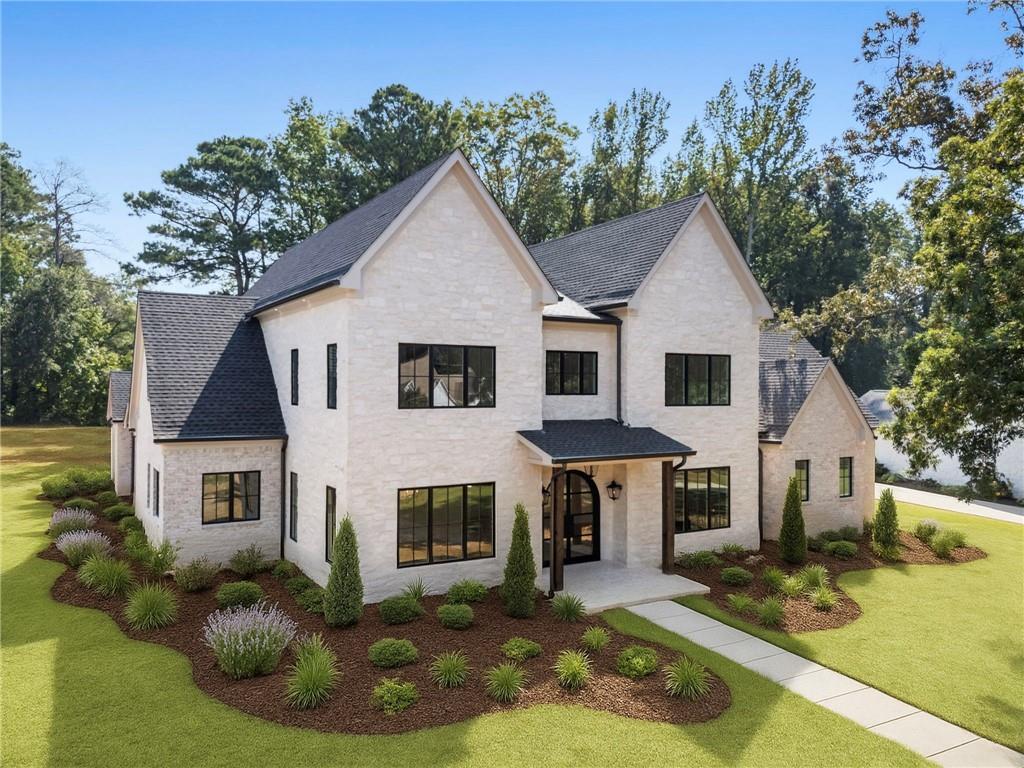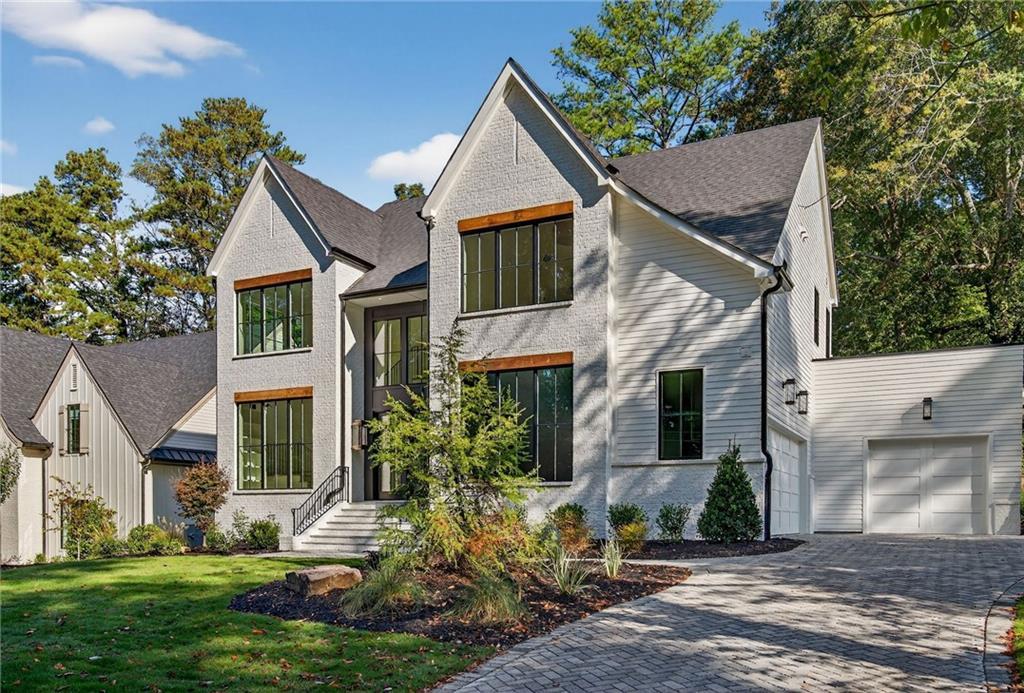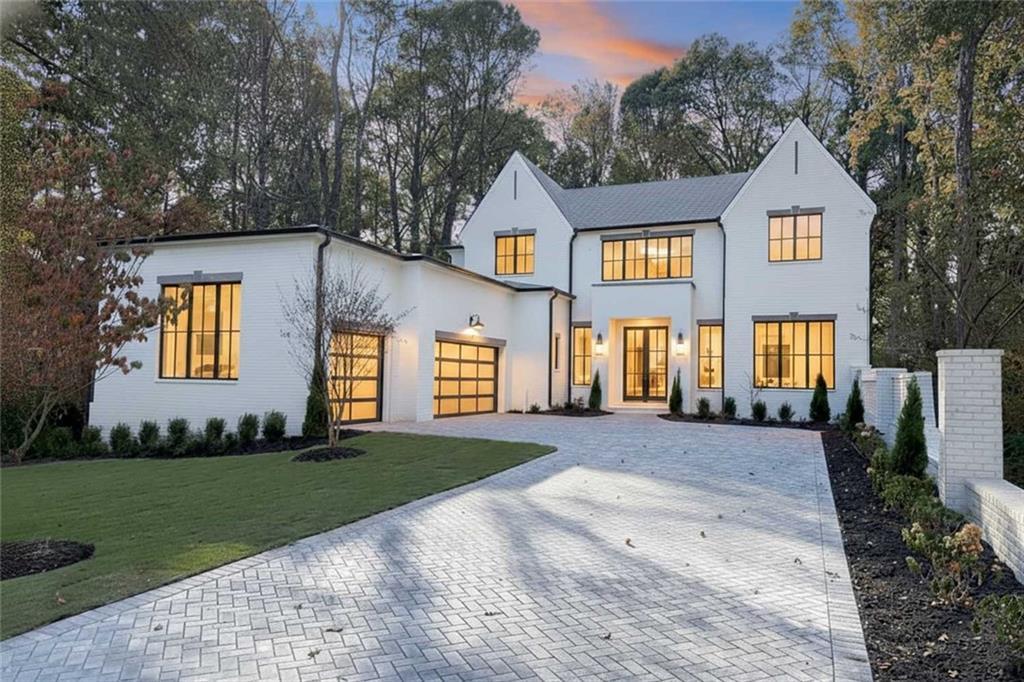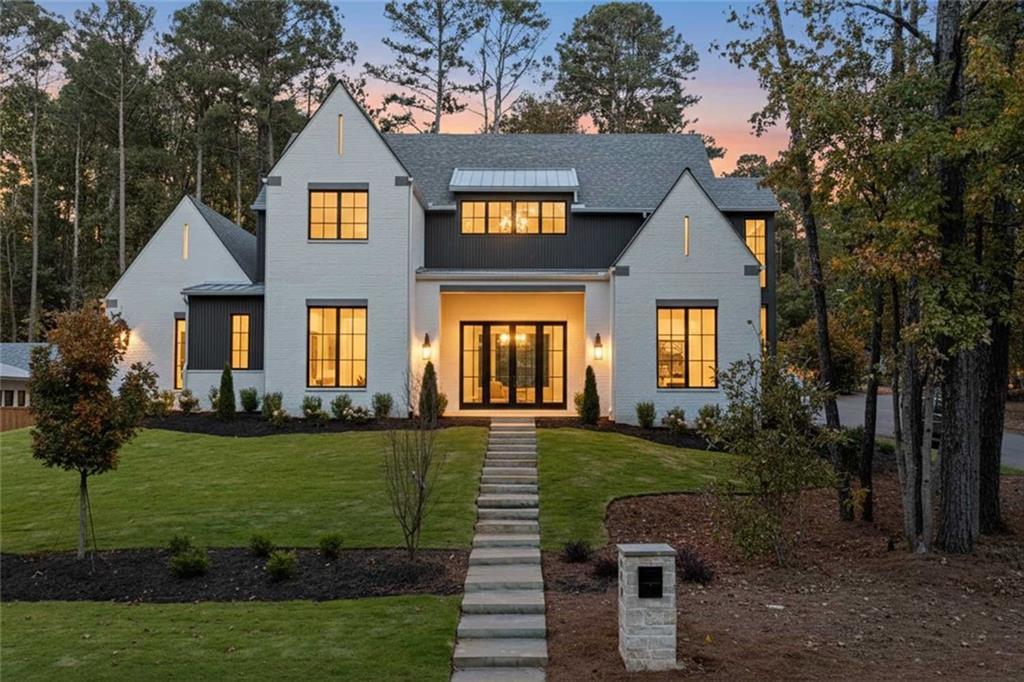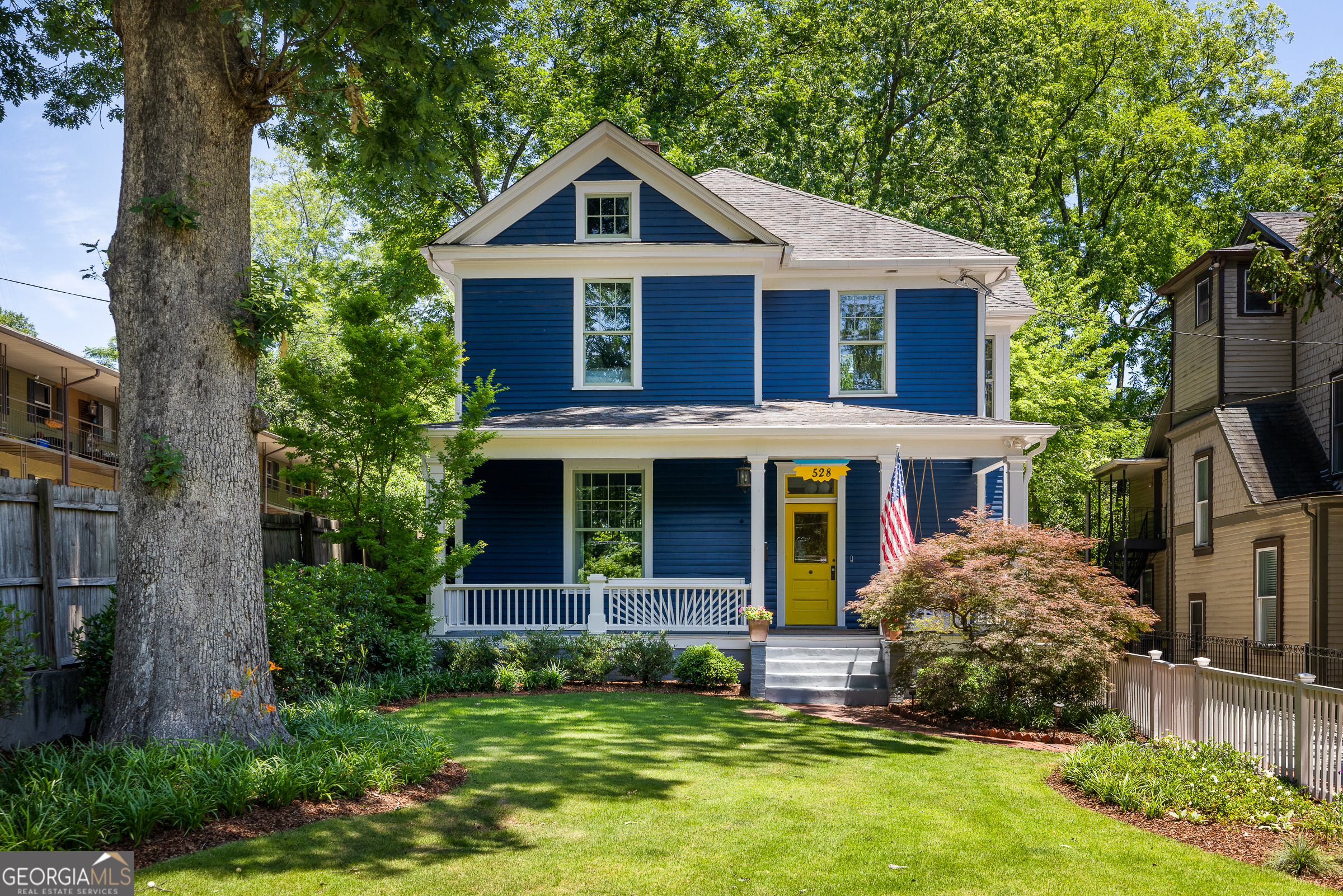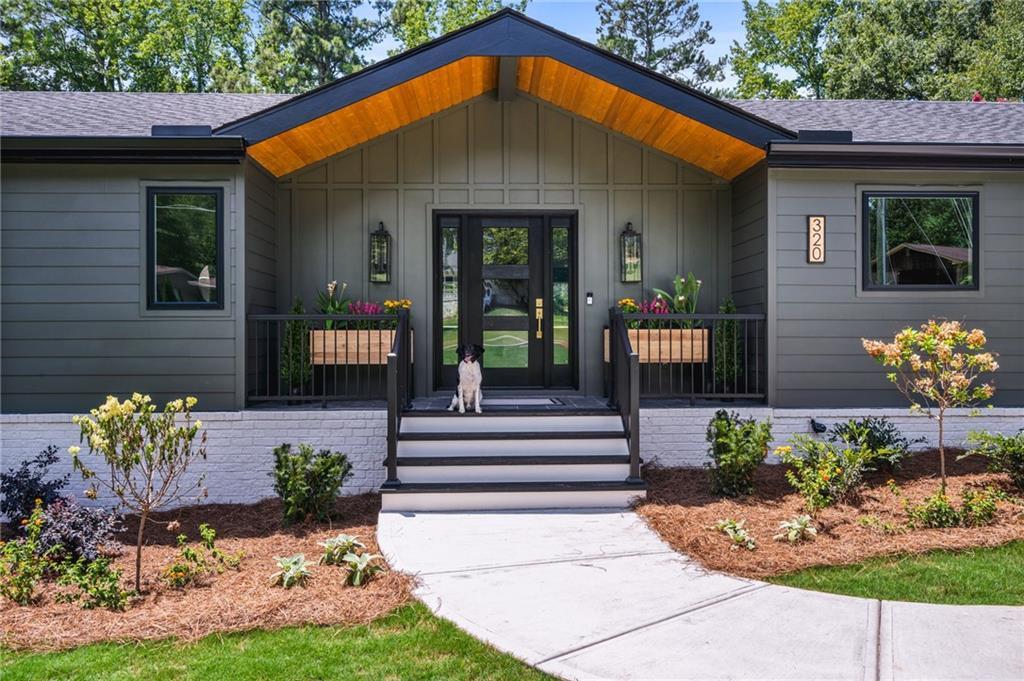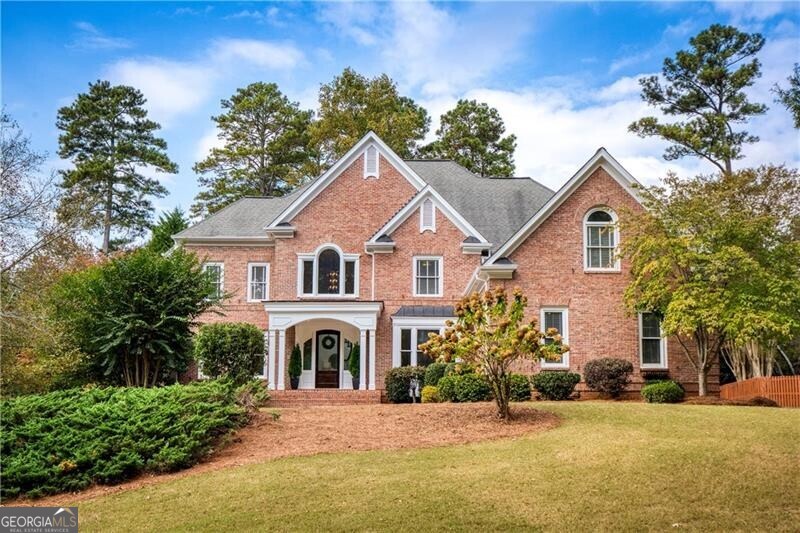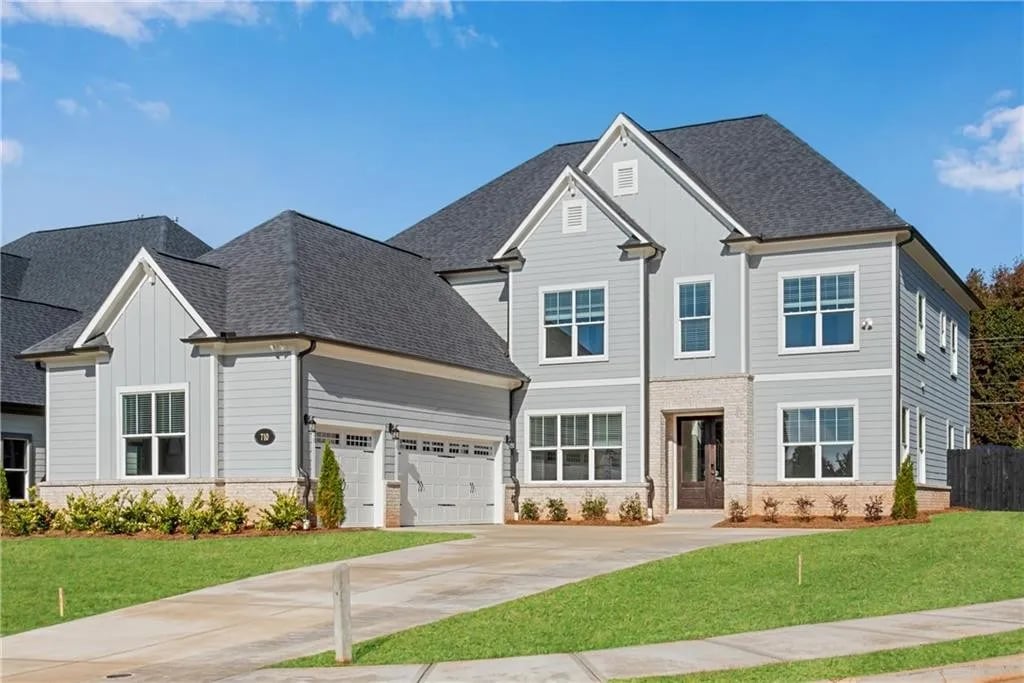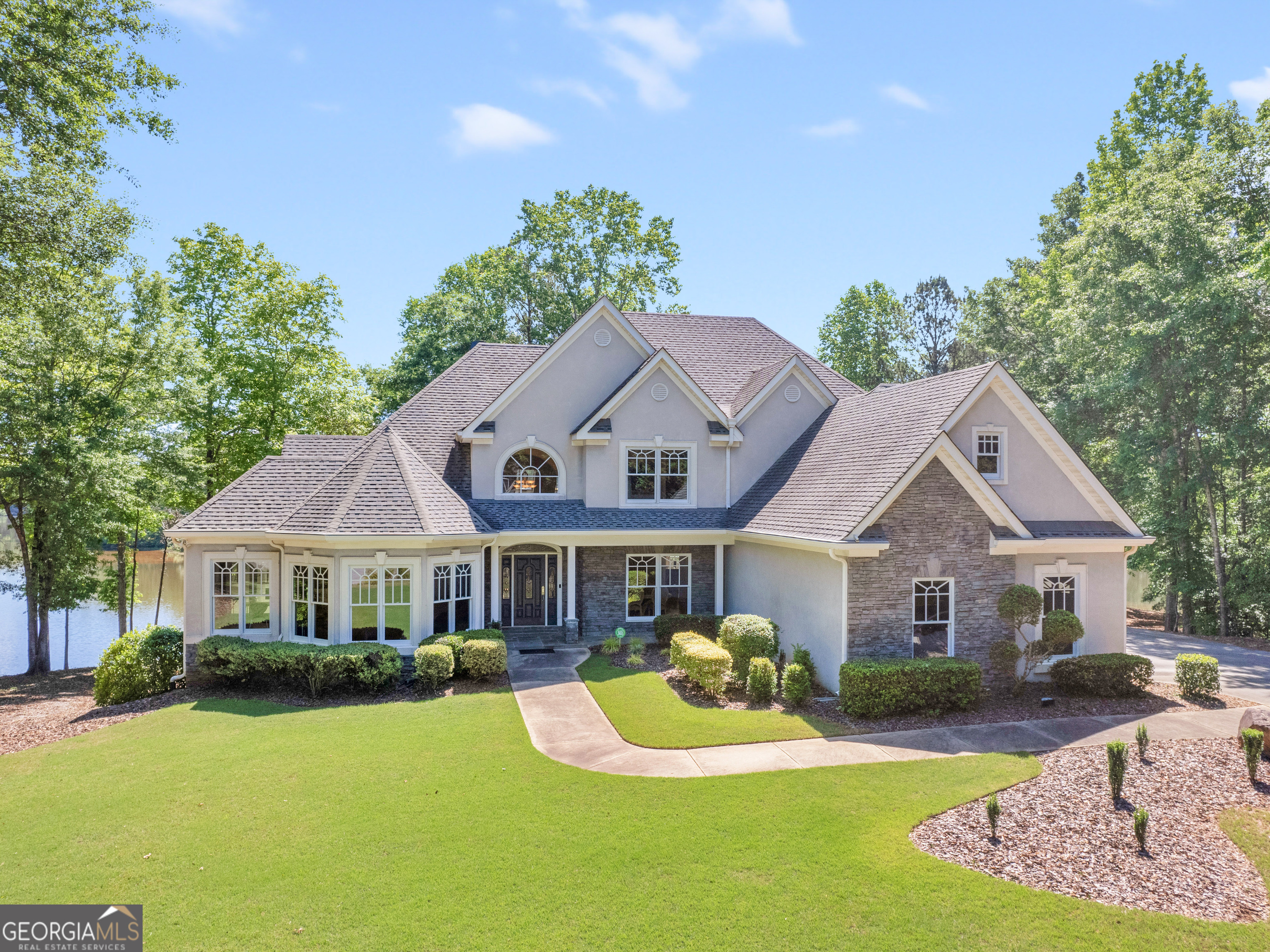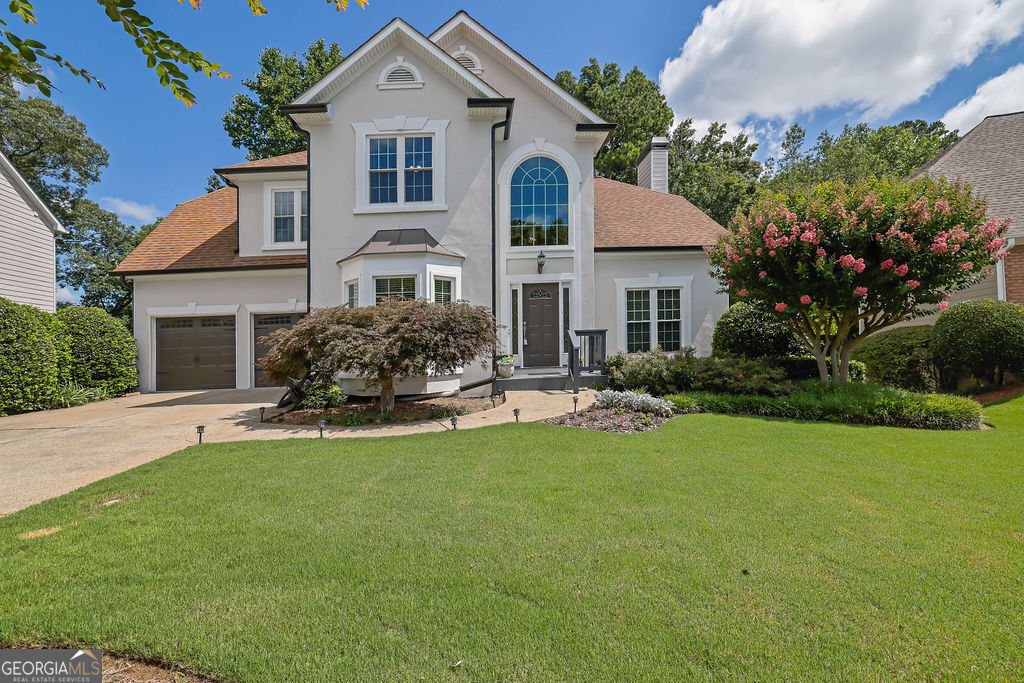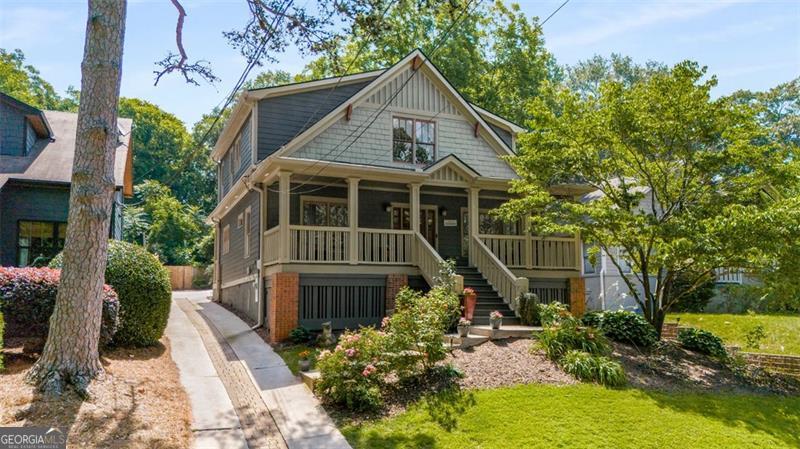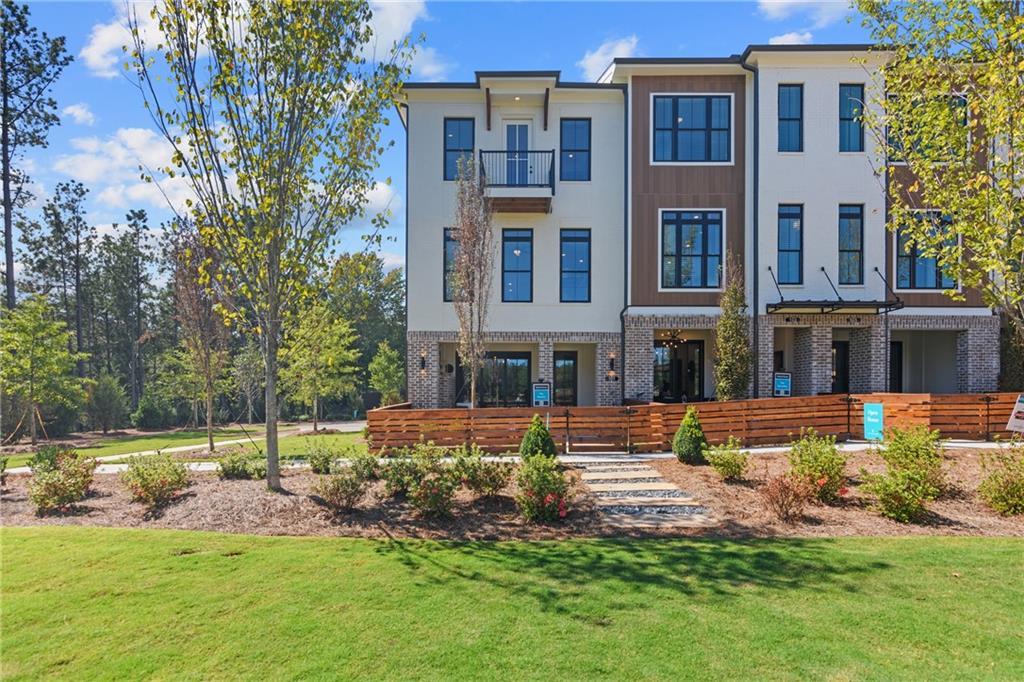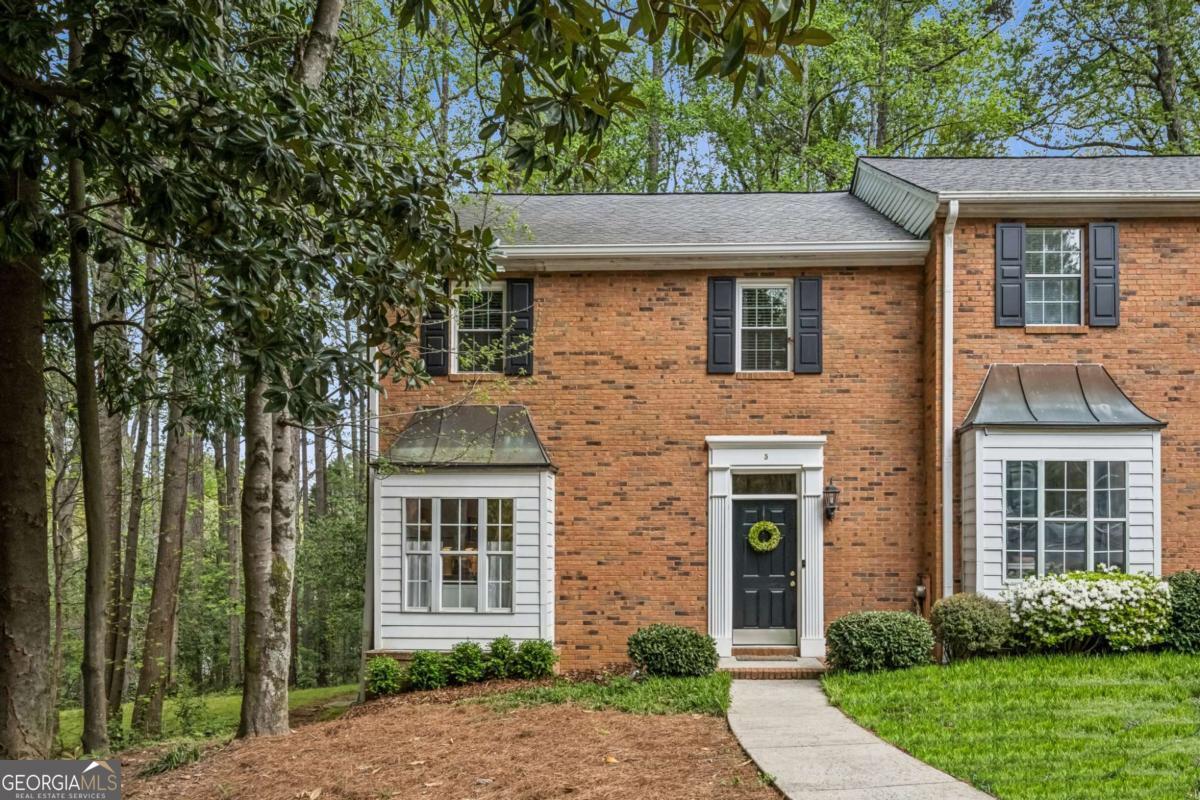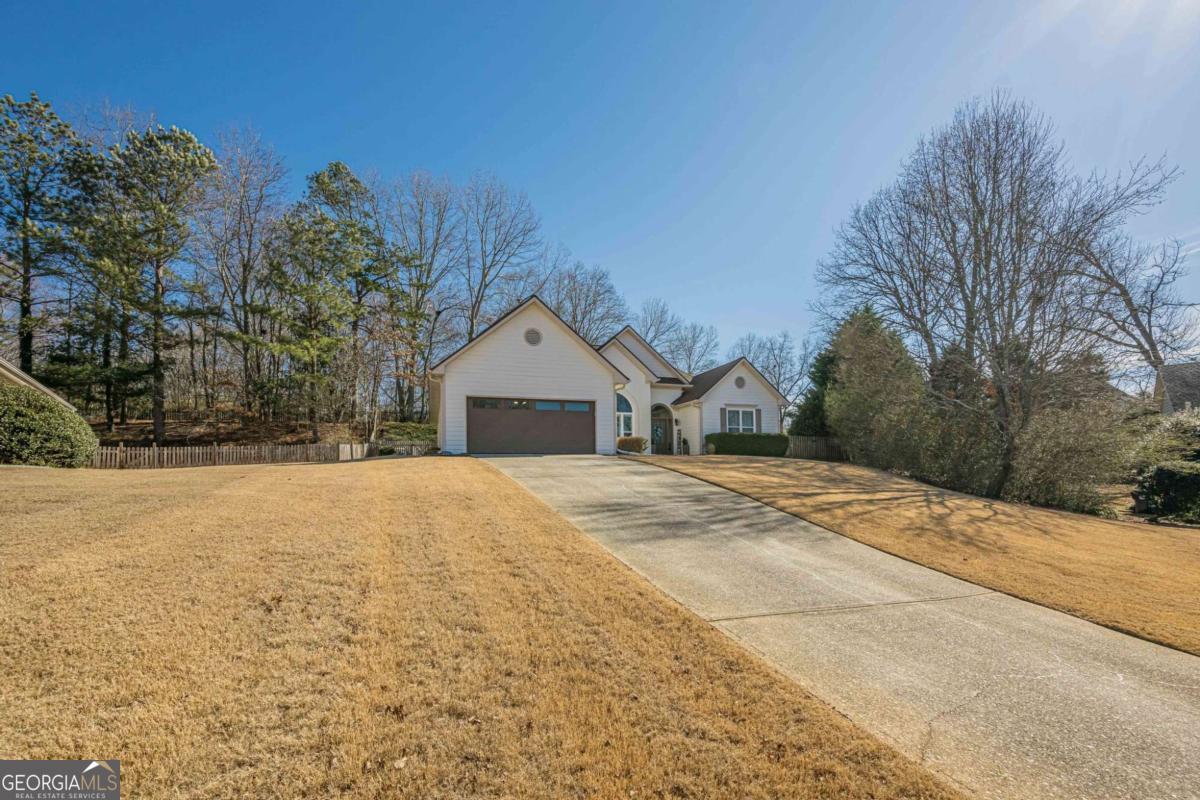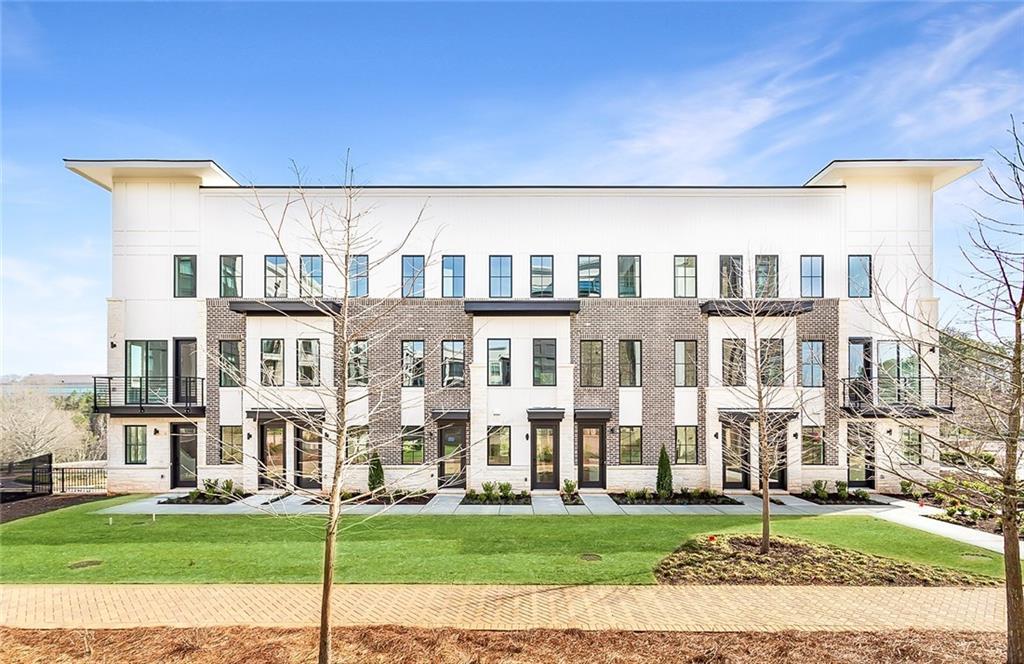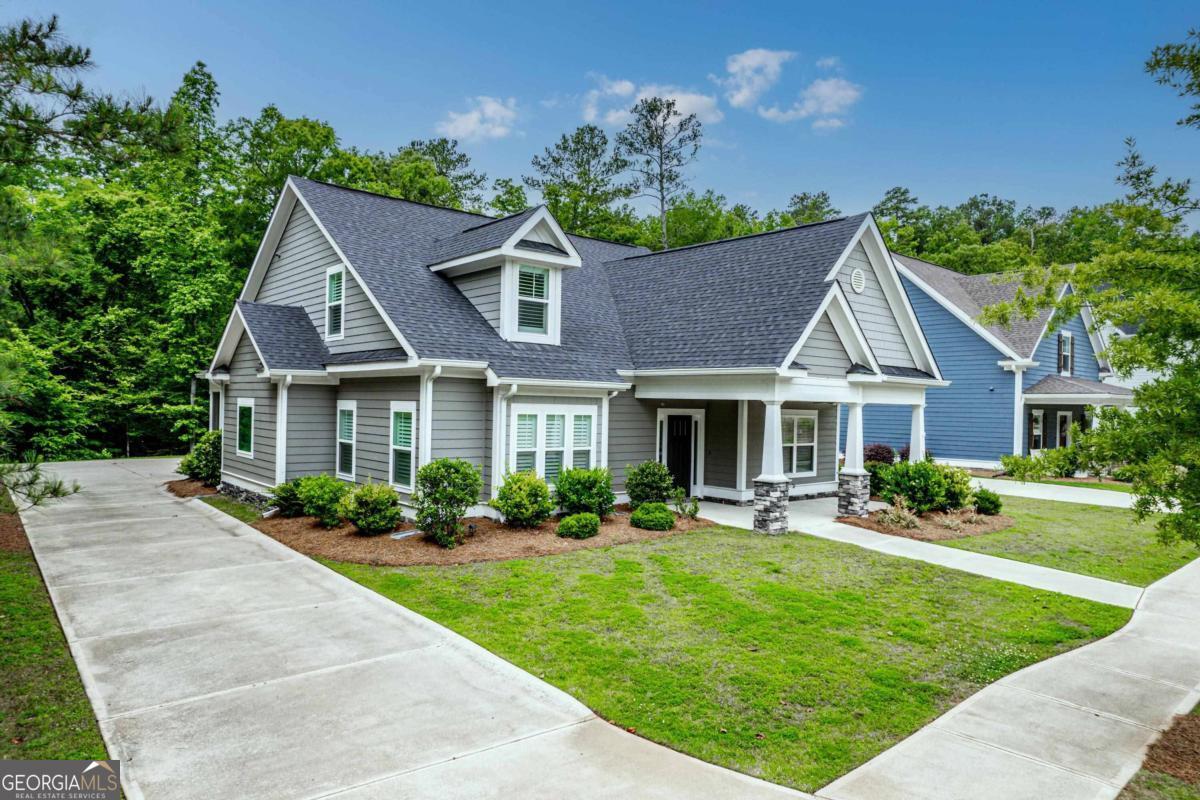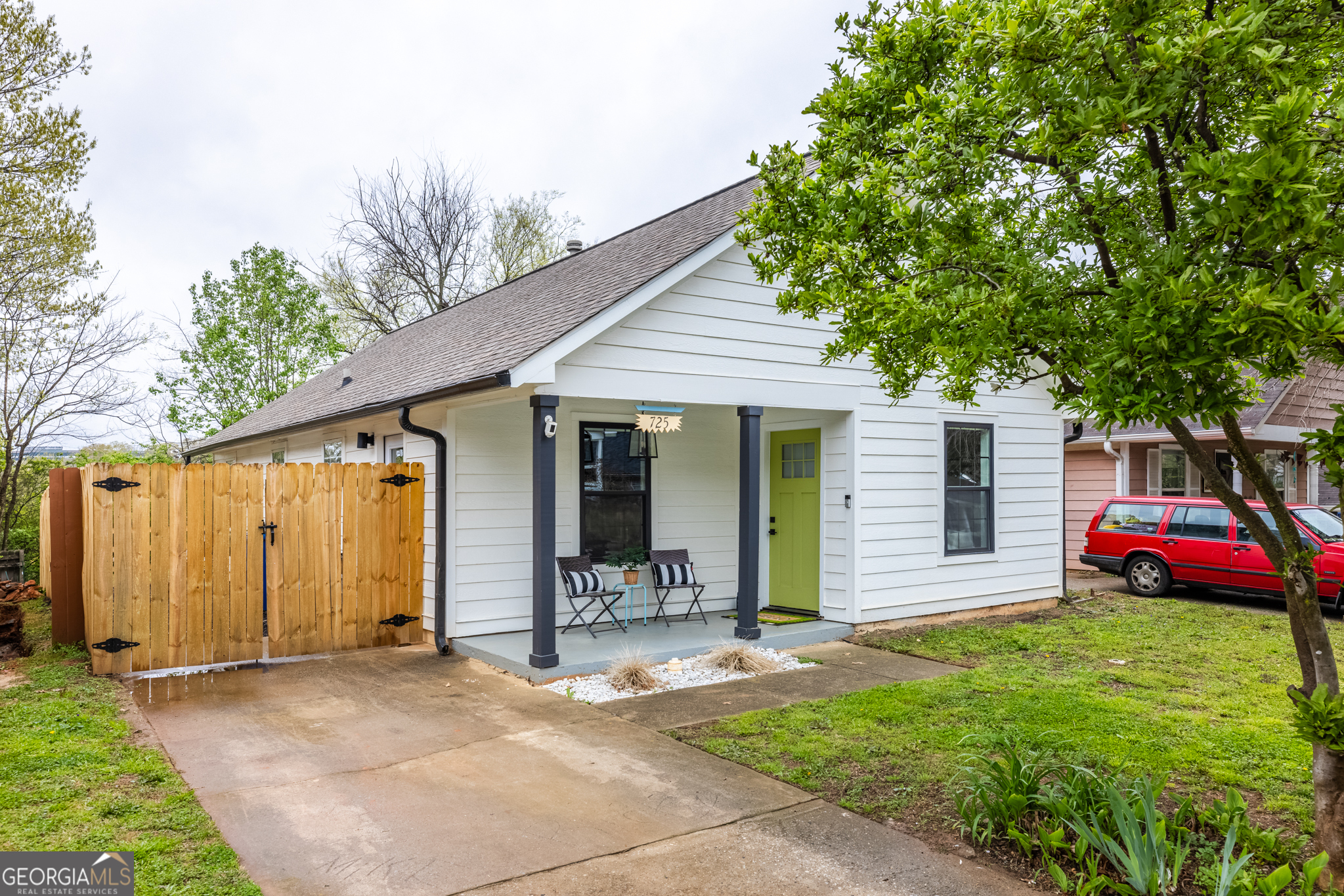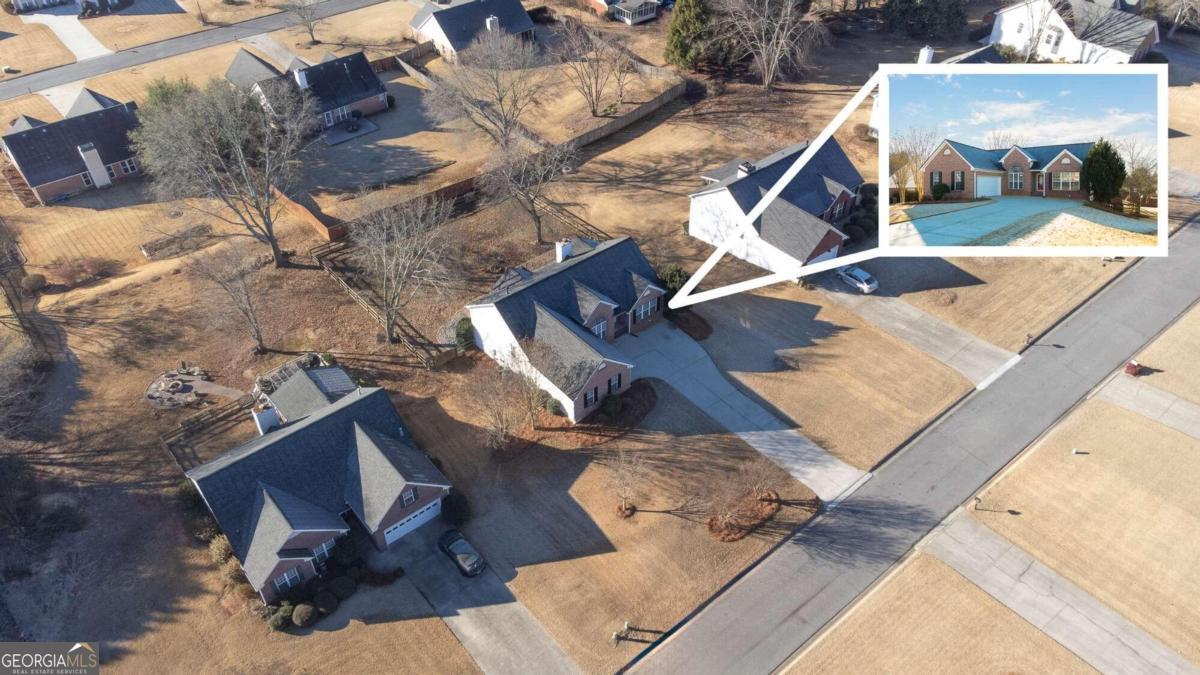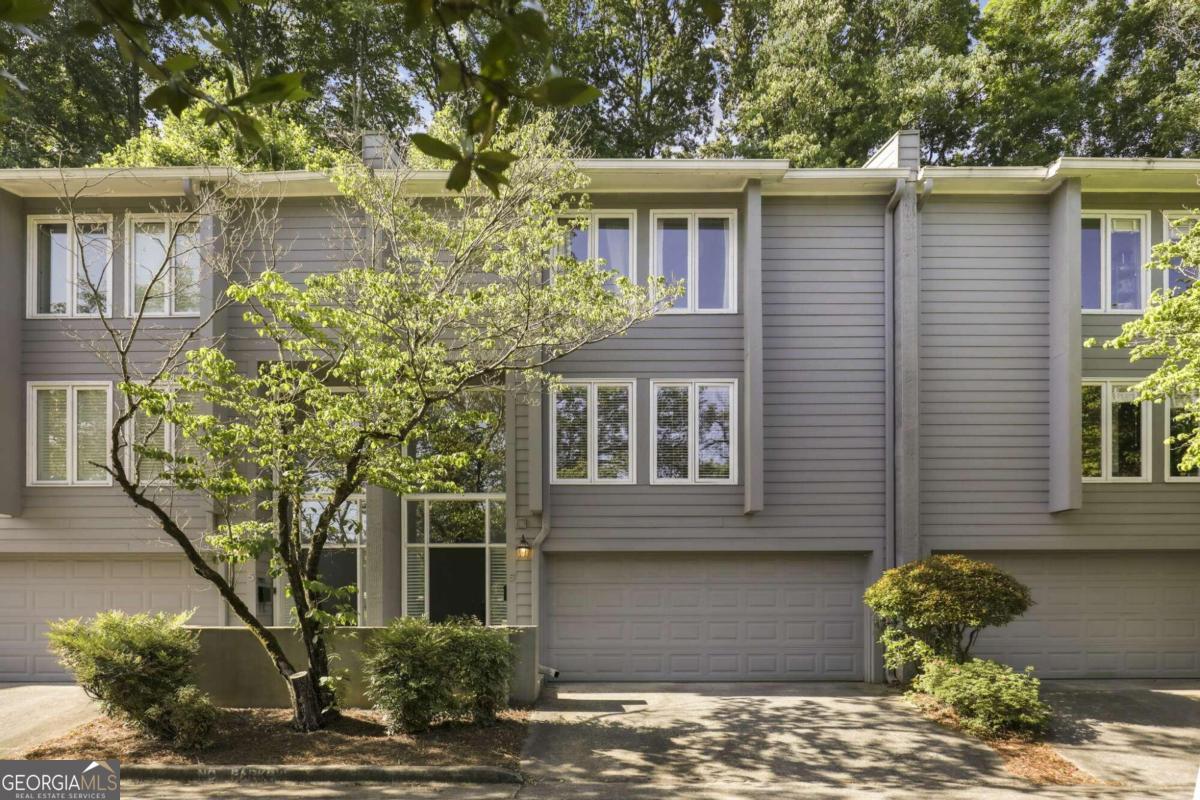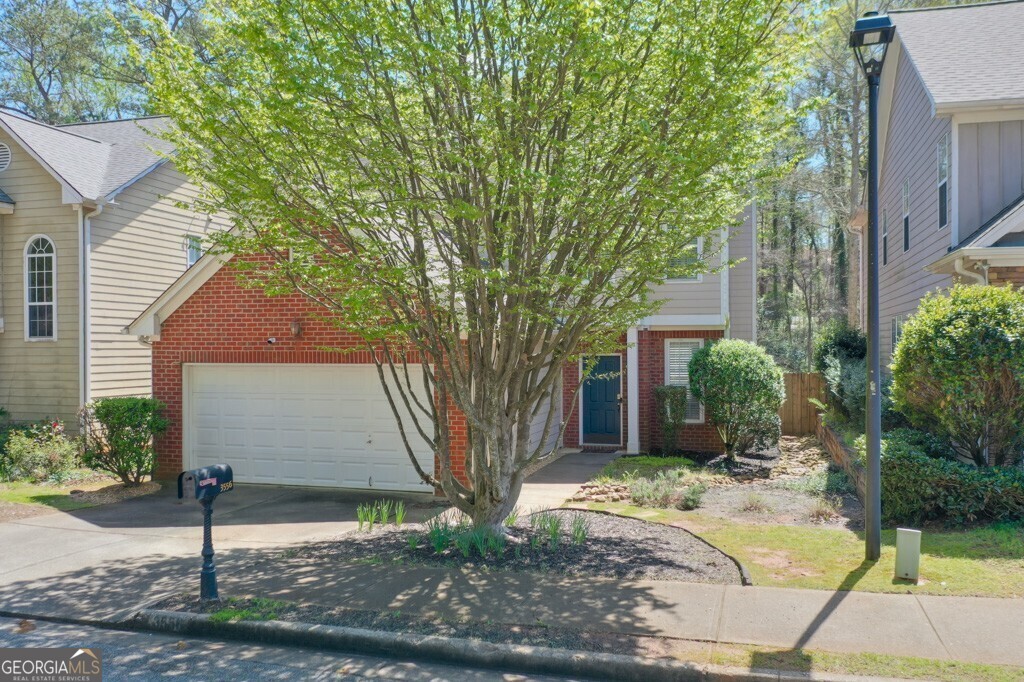
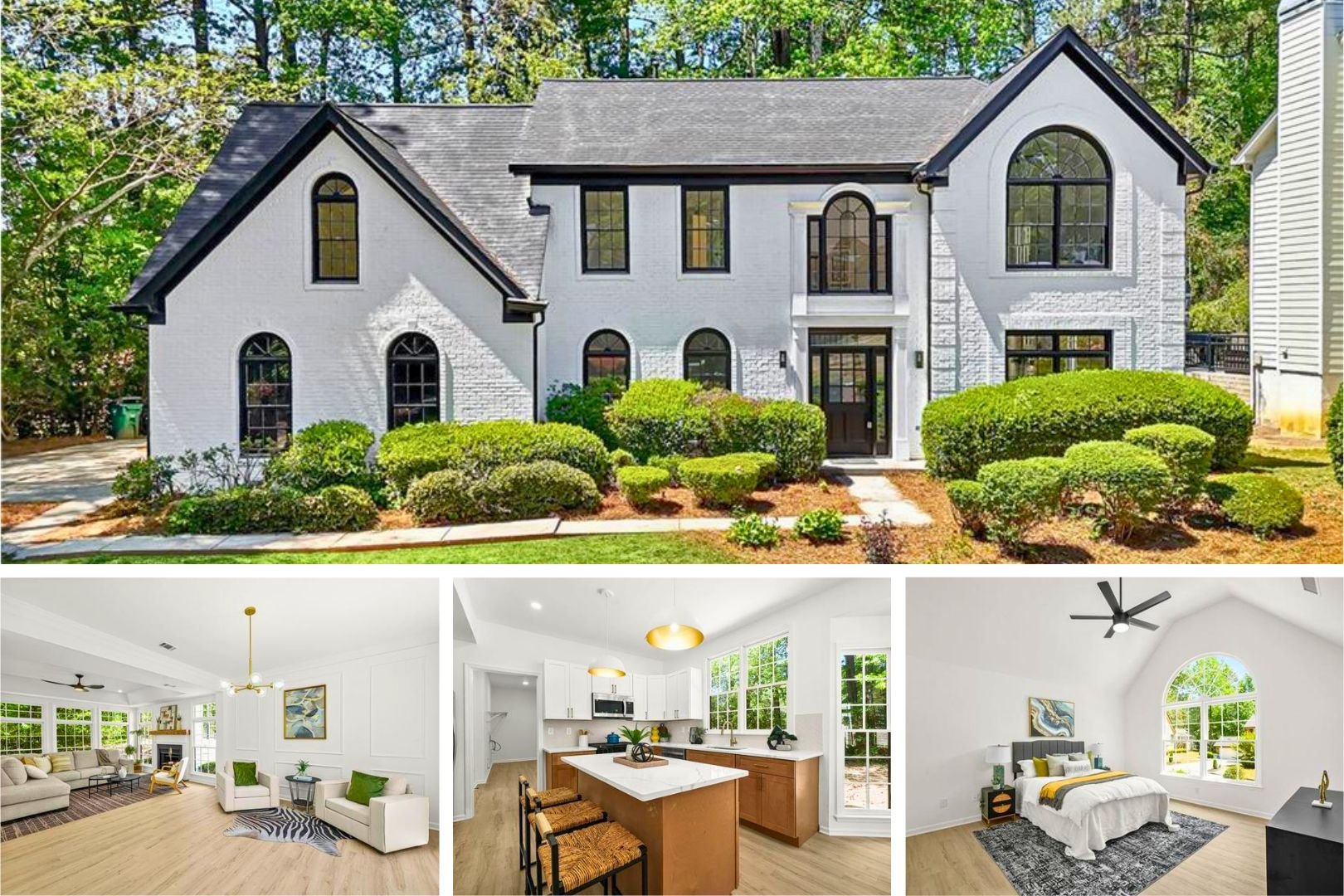
The shadow of the world's largest piece of exposed granite dictates more than just the local skyline; it actively shapes one of the most dynamic real estate landscapes in the Atlanta metro area. Selling a home in Stone Mountain, Georgia, is a high-stakes financial transaction that demands a hyper-localized strategy. If your property sits near the historic streets of the Village or within the quiet subdivisions of DeKalb and Gwinnett counties, navigating this unique market requires deep local precision.
The enduring appeal of this area is anchored by incredible local assets, including the historic Main Street corridor and the breathtaking Stone Mountain Park. This 3,200-acre natural wonder hosts over 4 million visitors annually and provides a beautiful backdrop for local residents. Proximity to world-class recreation, paired with a relaxed suburban lifestyle just 15 miles east of downtown Atlanta, continues to draw strong interest from a diverse pool of buyers.
To help you successfully navigate the listing process and maximize your return on investment, we have compiled and answered the top five questions Stone Mountain home sellers ask before placing their properties on the market.
1. What Is the Current Real Estate Market Like in Stone Mountain, GA?
The DeKalb vs. Gwinnett County Tax Divide
One of the first things sellers must understand is that a Stone Mountain mailing address can span across both DeKalb County and Gwinnett County. This geographic split is highly significant because it impacts local property tax structures, municipal services, and school district alignments. For instance, homes located in the unincorporated Gwinnett County portion of Stone Mountain align with Gwinnett County Government services, while those on the western side fall under DeKalb County Government jurisdiction.
These county differences can influence a buyer's purchasing power and long-term holding costs. Buyers often compare the millage rates and homestead exemptions of both counties before making an offer on your home. Consequently, your marketing strategy must clearly articulate which county services apply to your property.

Commuter Patterns and Atlanta Accessibility
Regardless of which county your home lies in, Stone Mountain remains a highly sought-after suburb for buyers seeking a balance of natural beauty and urban accessibility. Commuters benefit from direct access to major transit corridors, including Highway 78 (the Stone Mountain Freeway) and Interstate 285.
26.2 minutes is the average travel time to work for local residents, making it a highly practical location for professionals working in downtown Atlanta or Decatur.
This convenient commute makes the area highly attractive to young professionals and growing families alike. Proximity to the Emory University system and the Clifton Corridor further enhances the local buyer pool. Highlighting these transit advantages can significantly elevate your property's appeal.
Current Inventory and Price Points
The local real estate market has shown steady activity, presenting a balanced opportunity for sellers who price their homes strategically. According to recent housing market indicators, the local area features a healthy mix of housing inventory that caters to various price points.
$265,000 is the current median sold price in the Stone Mountain housing market, reflecting steady demand for suburban properties.
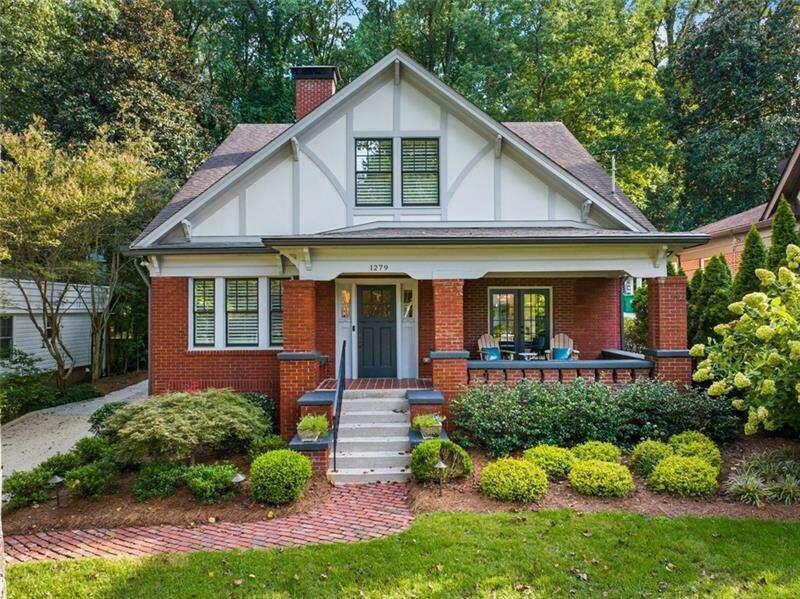
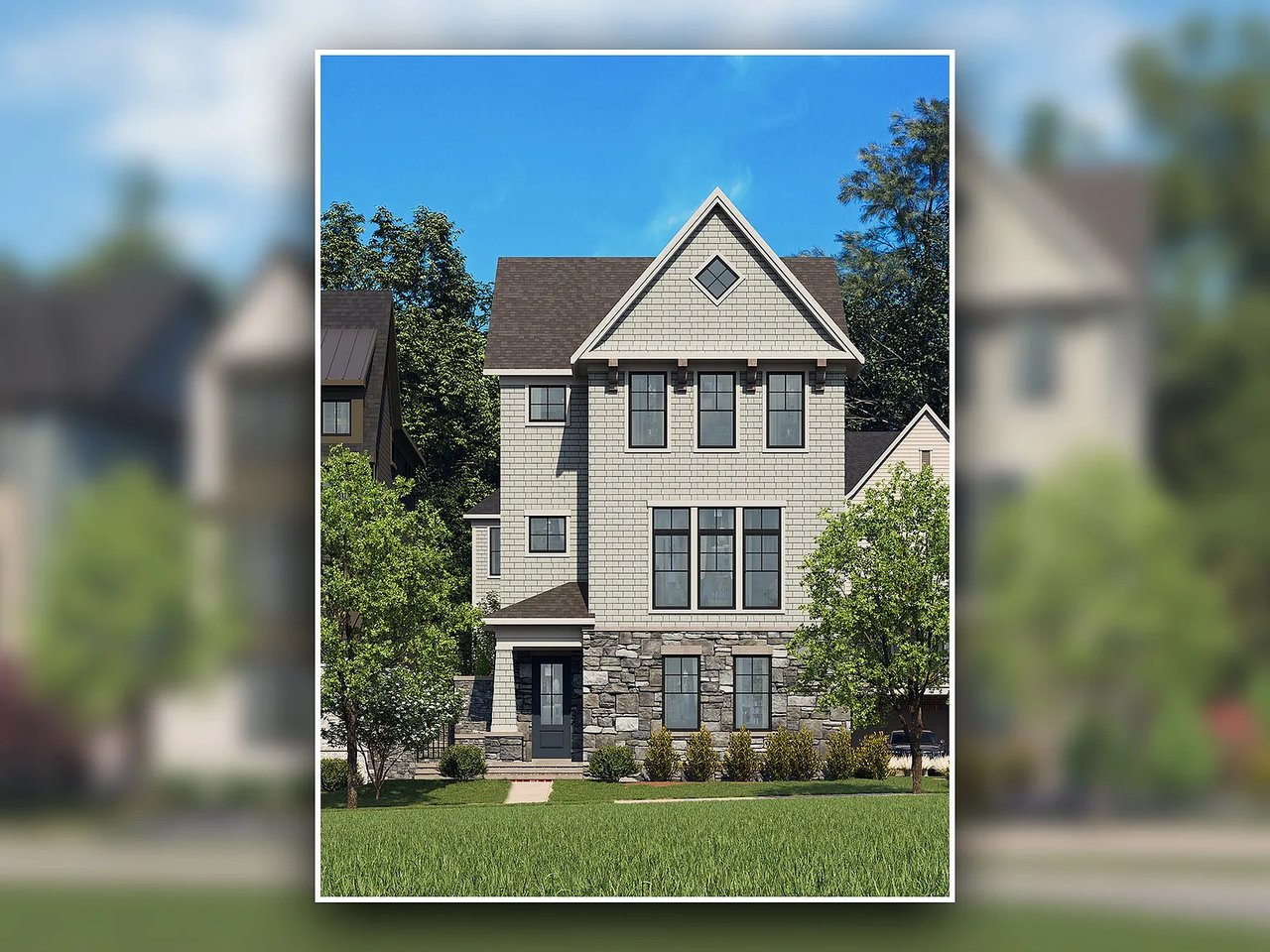
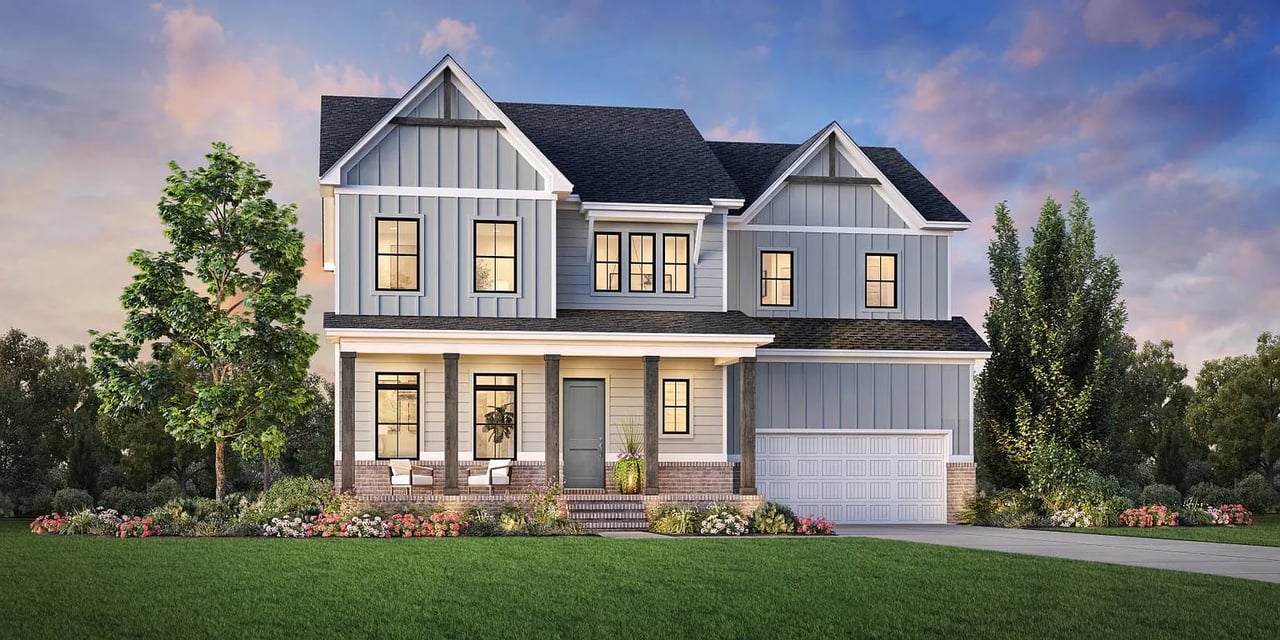
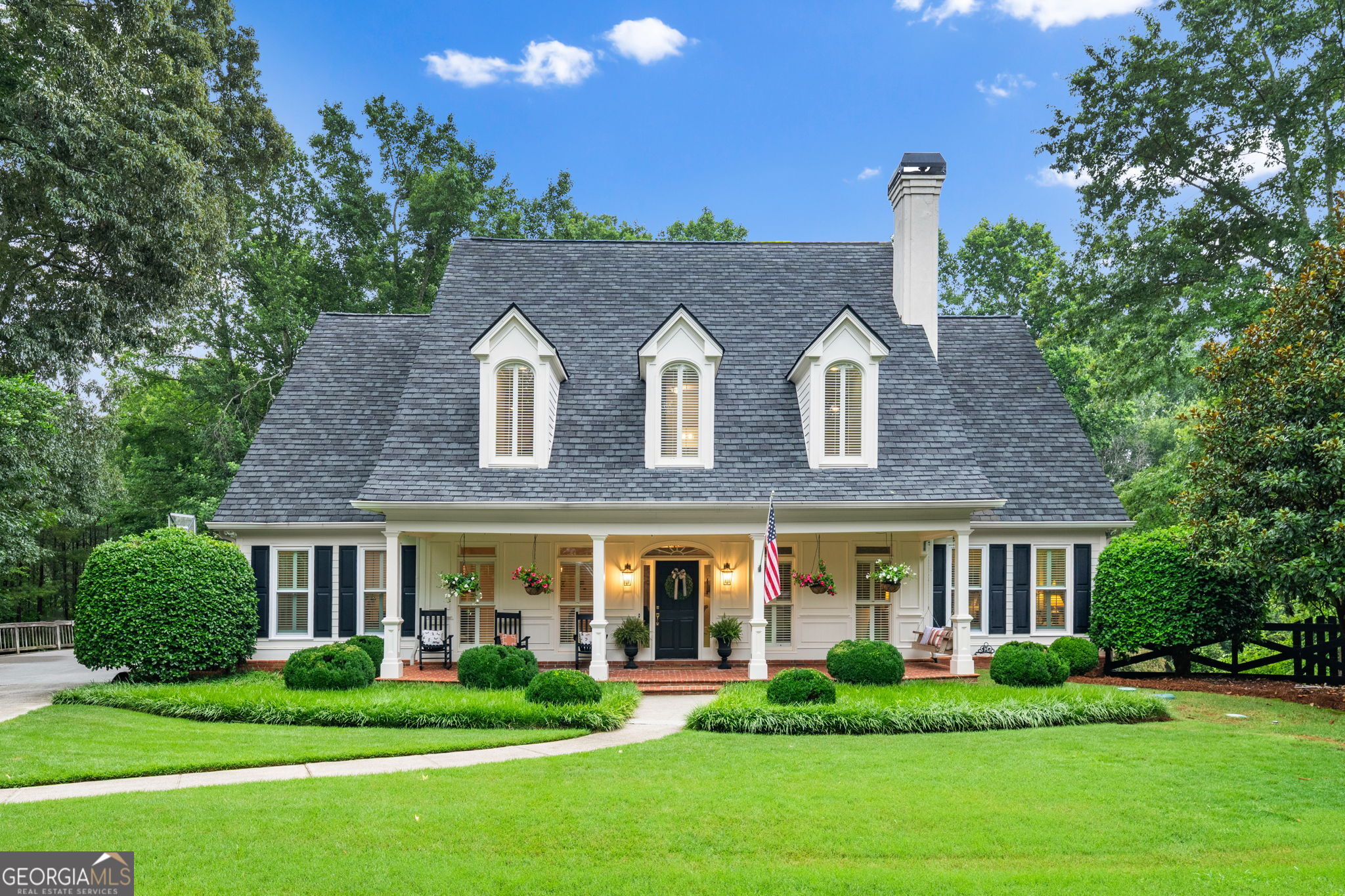
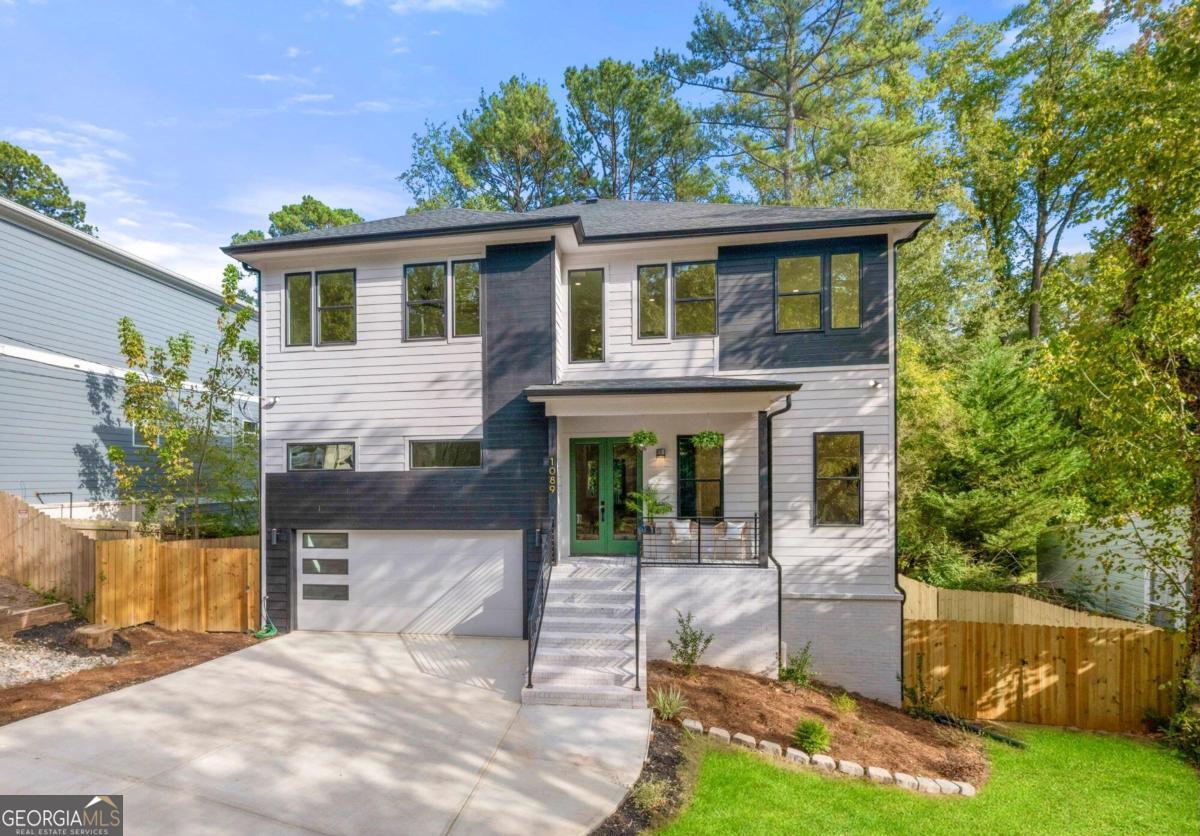
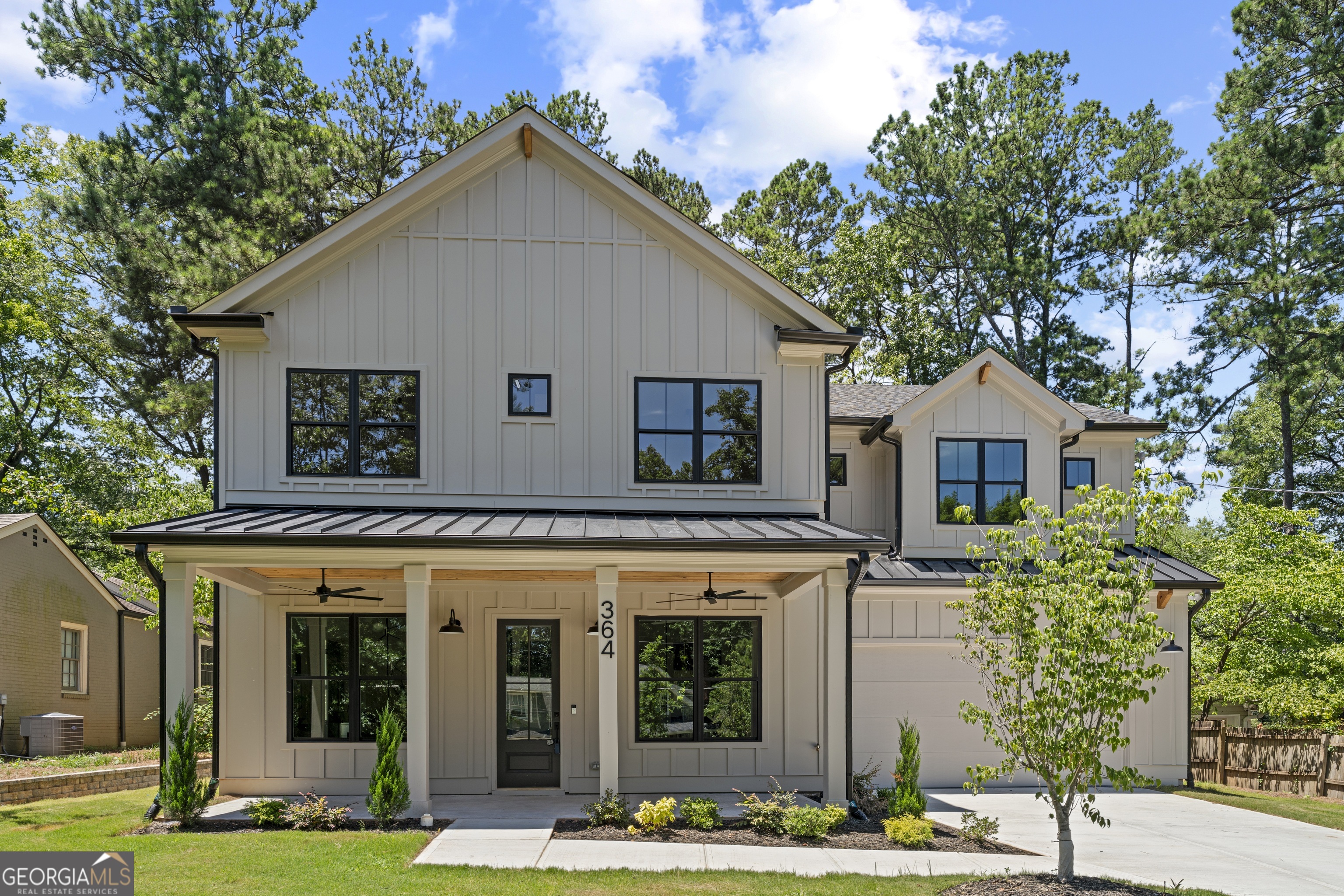
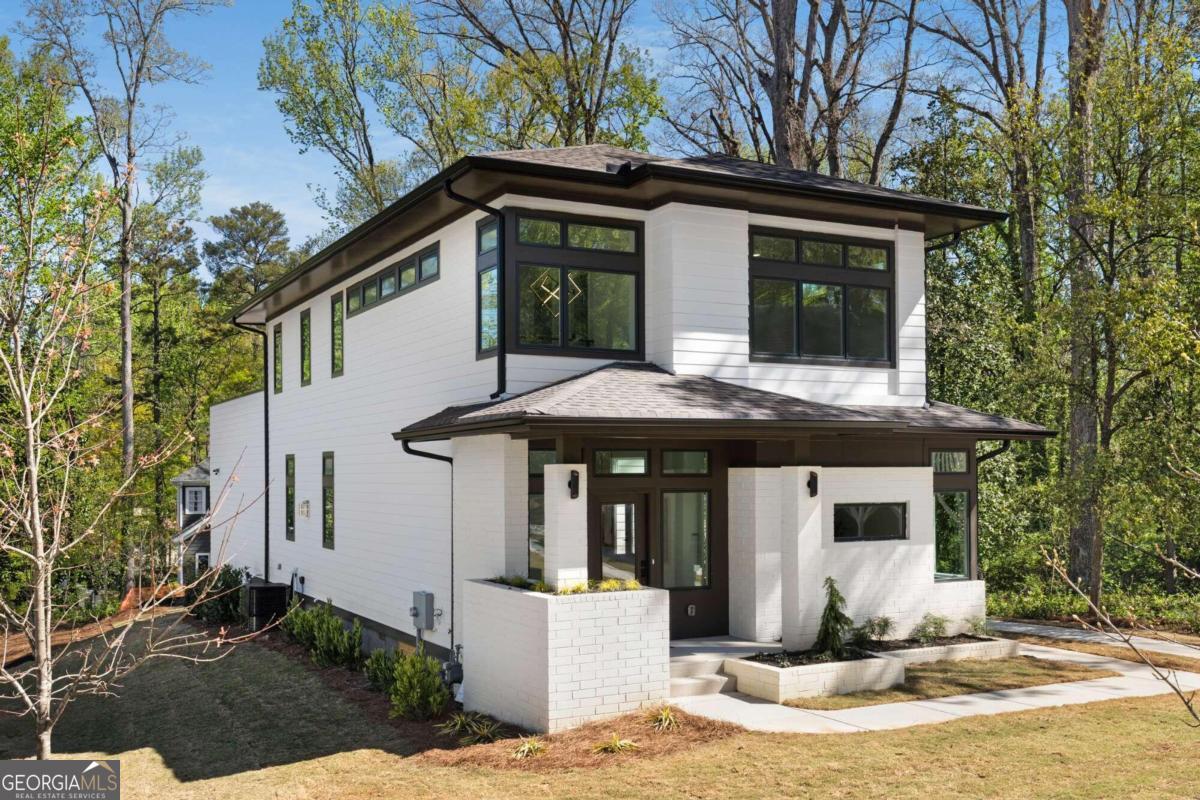
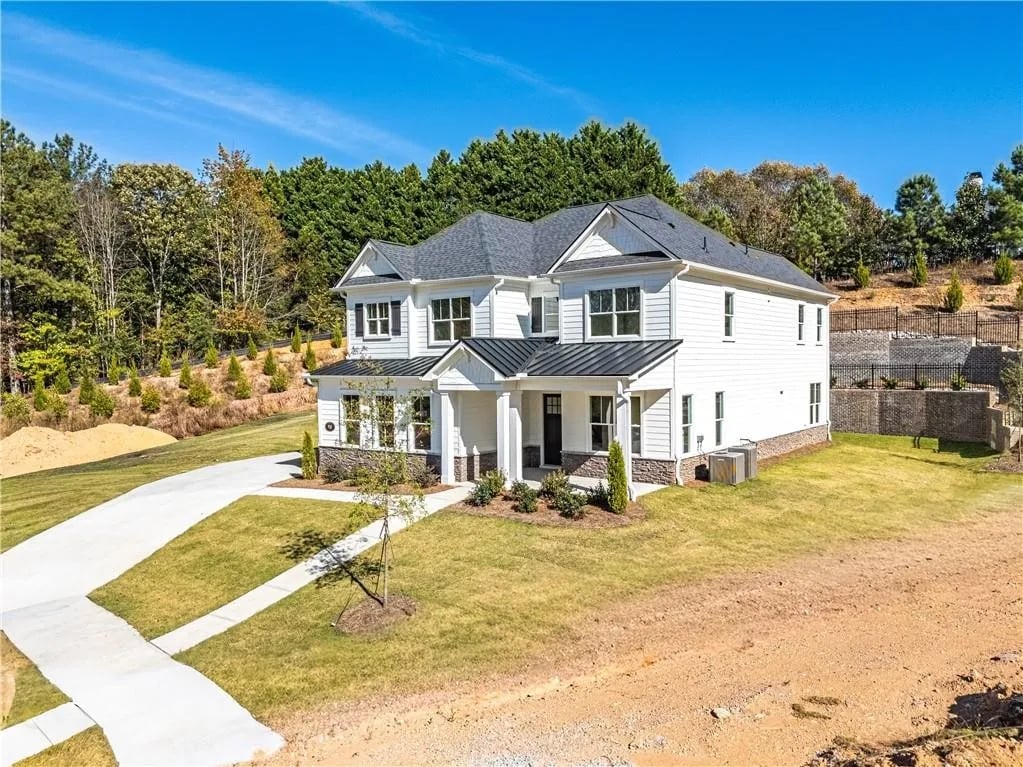
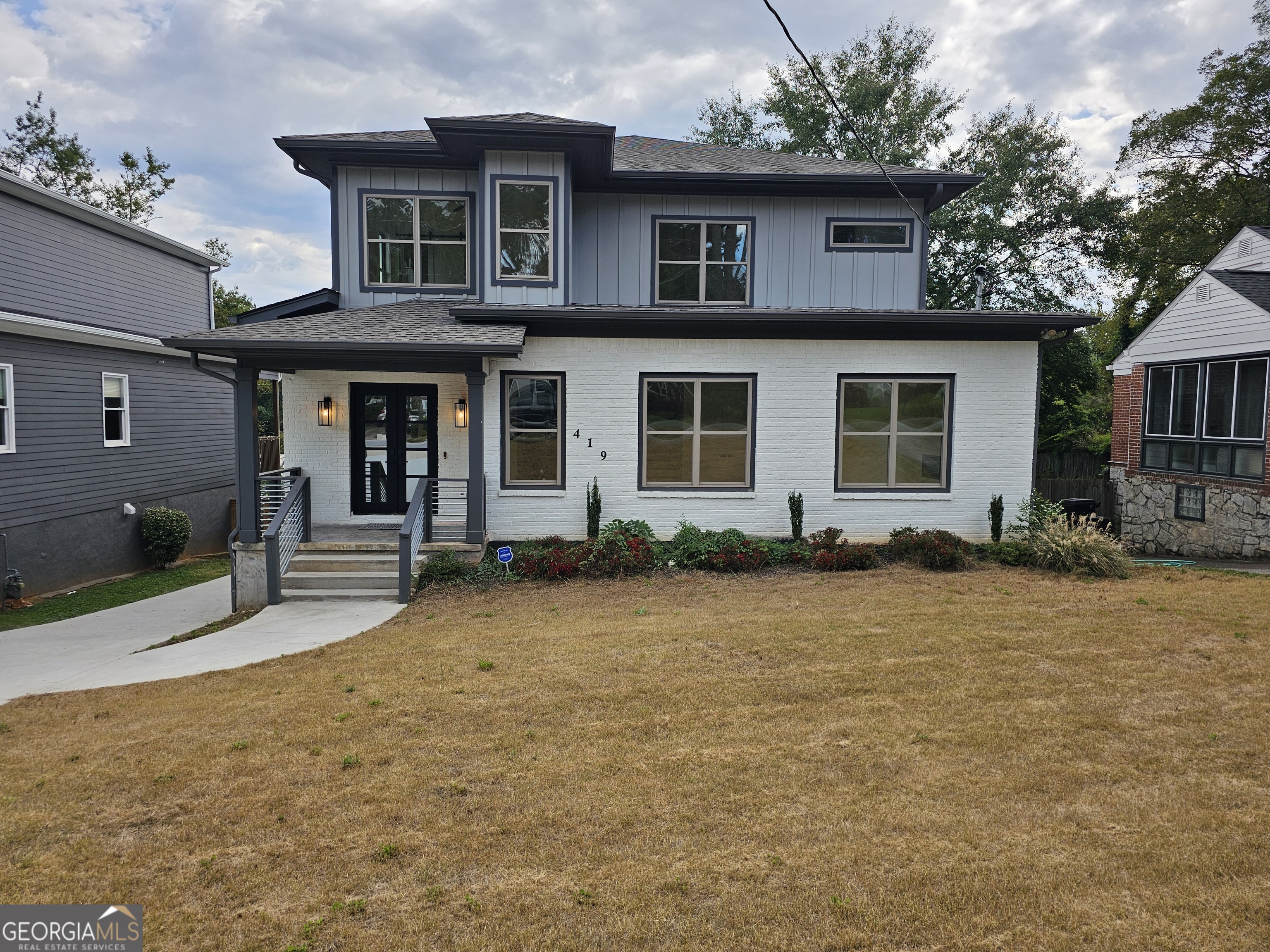
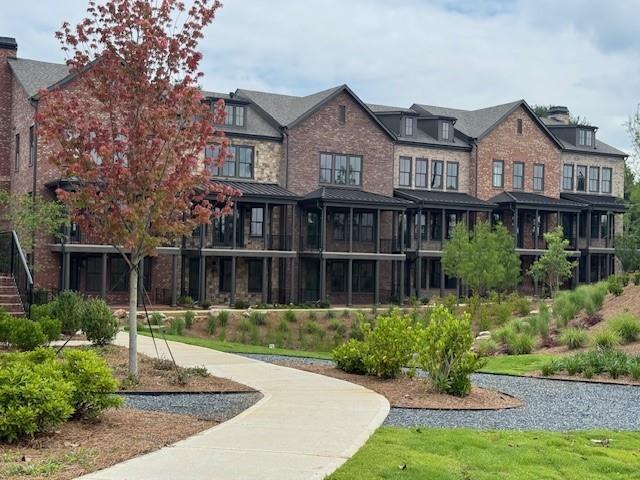
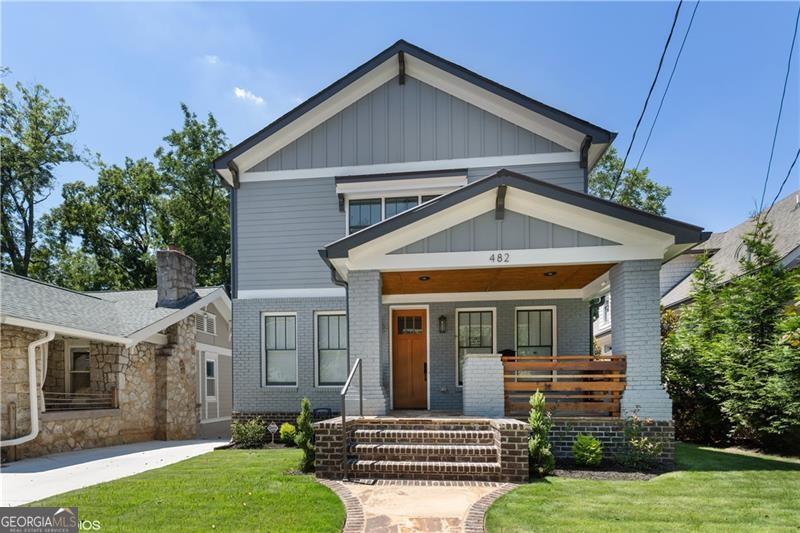
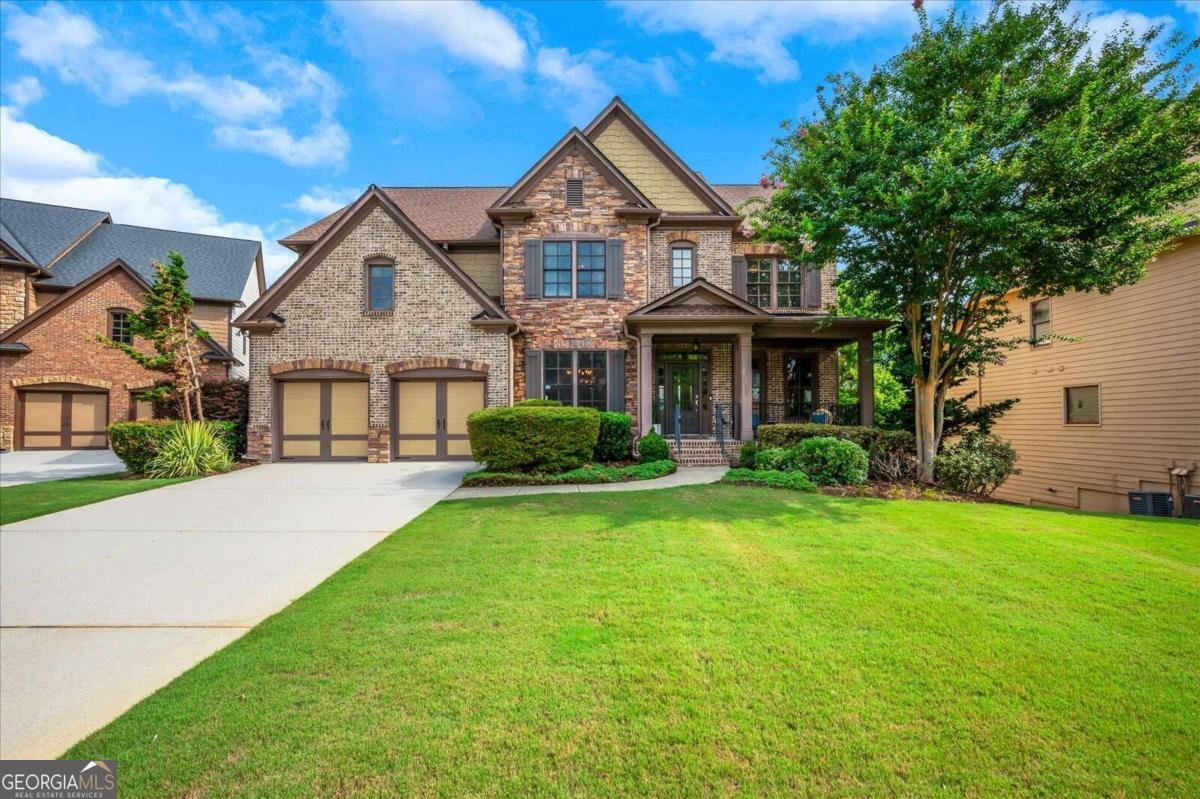
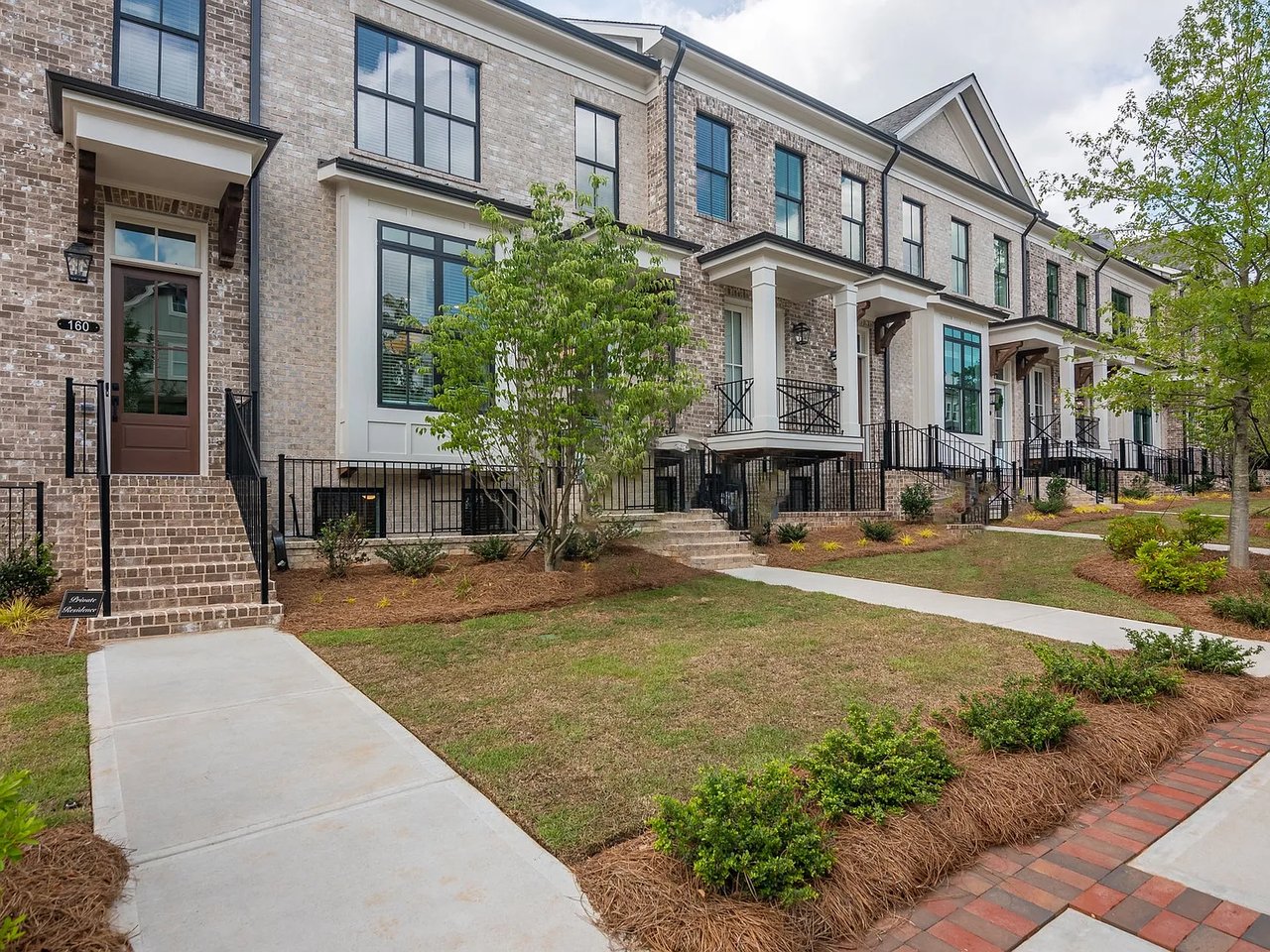
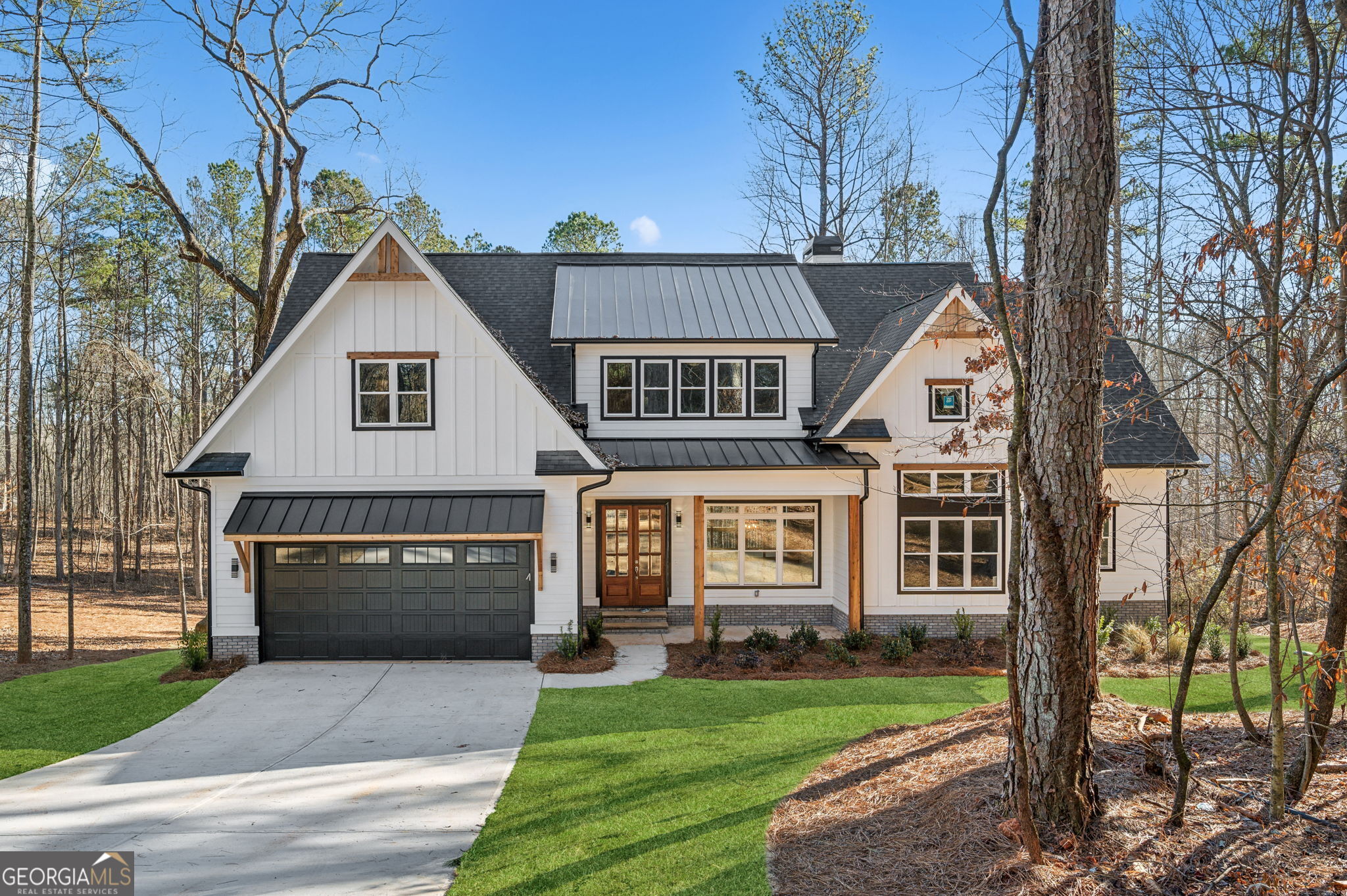
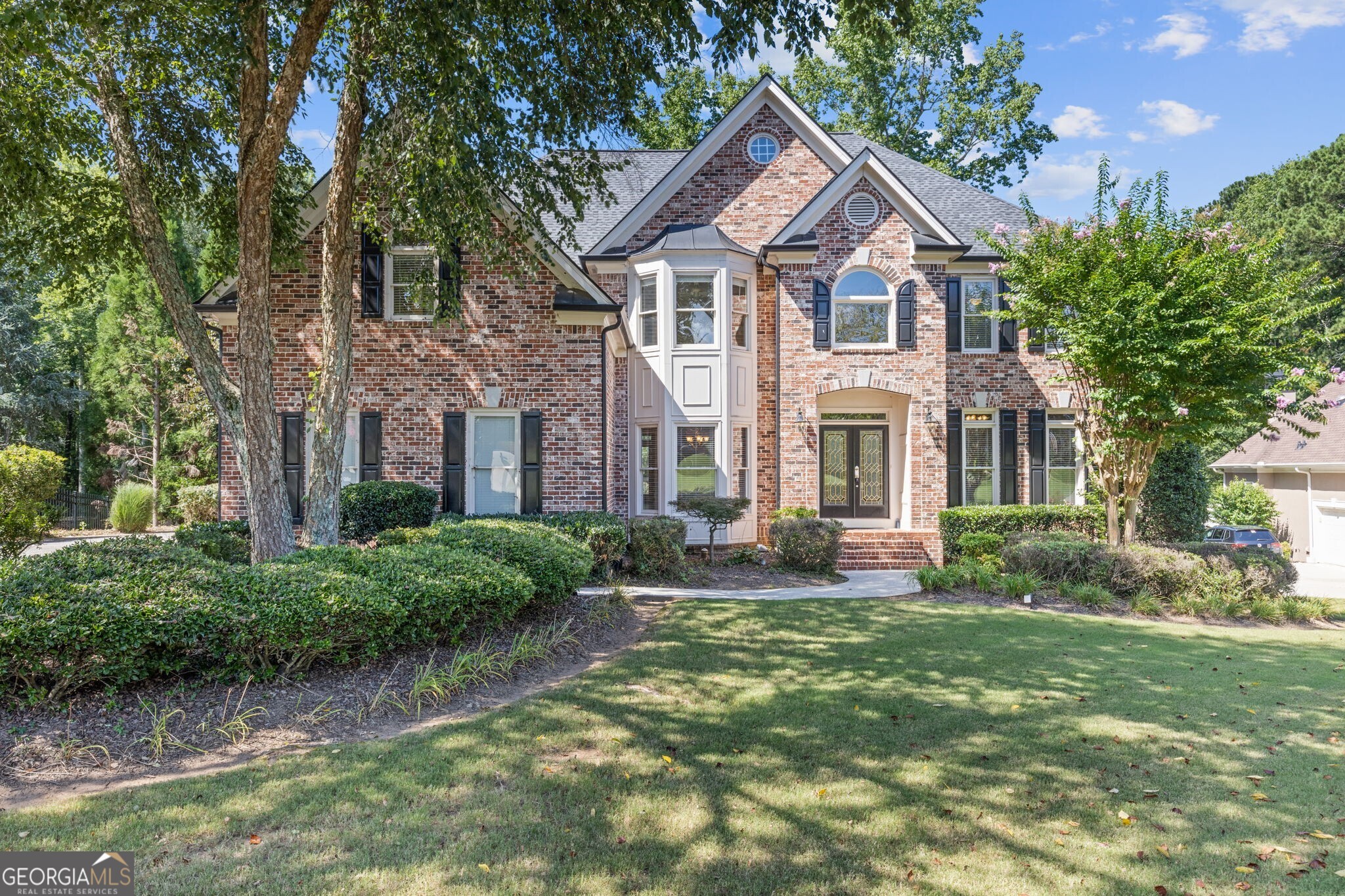
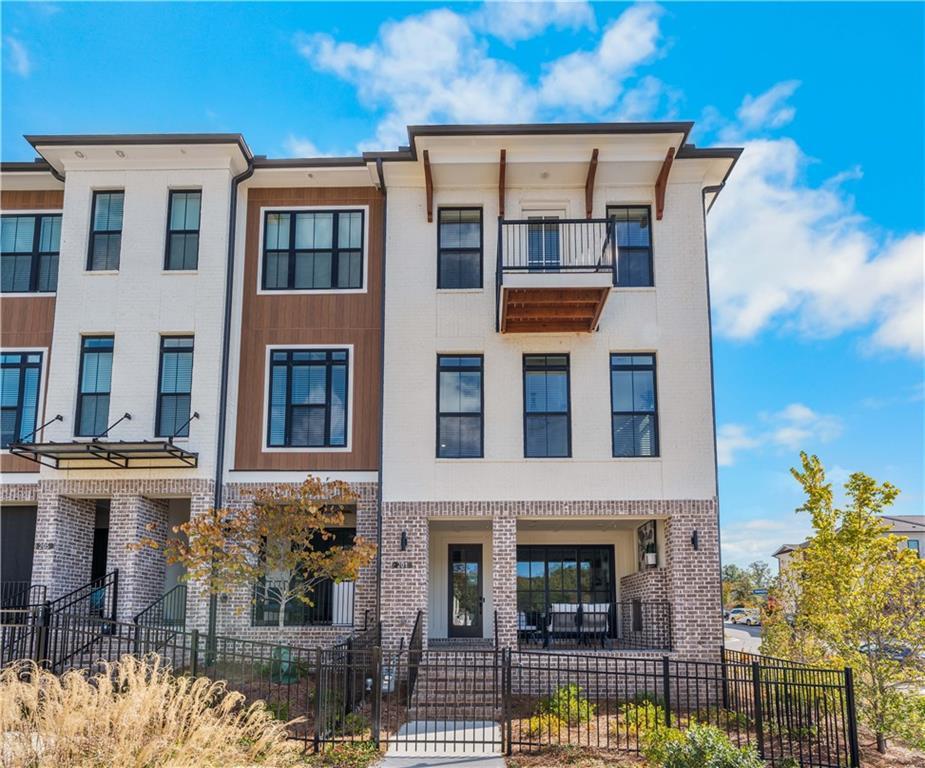
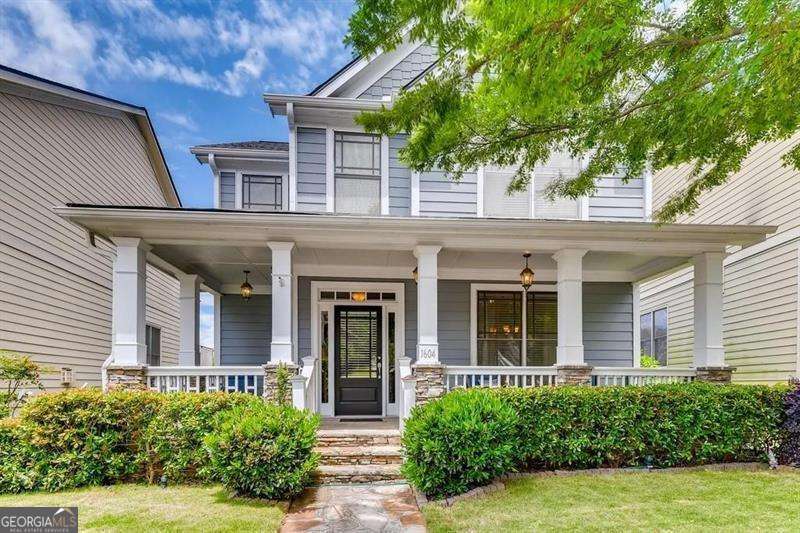
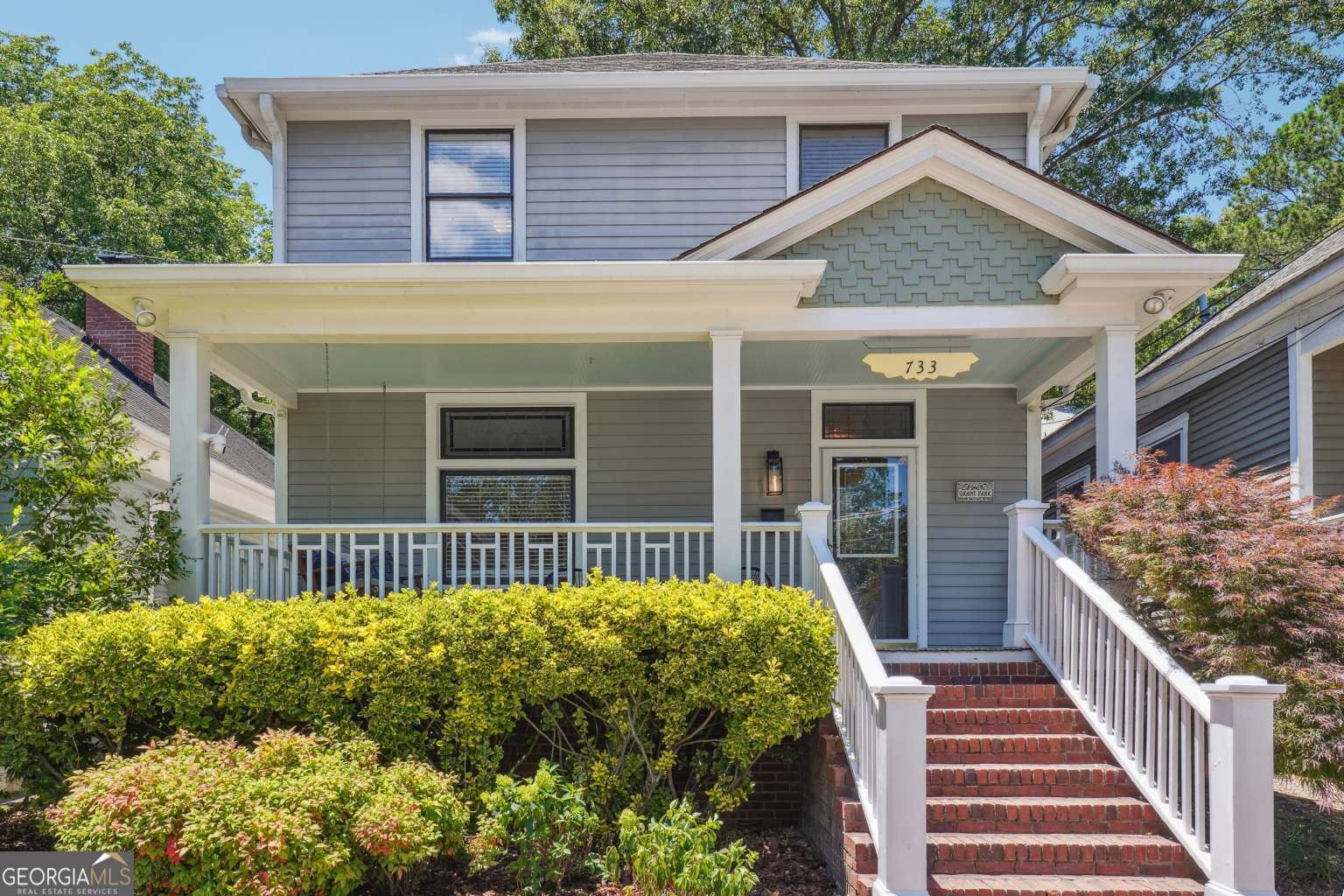
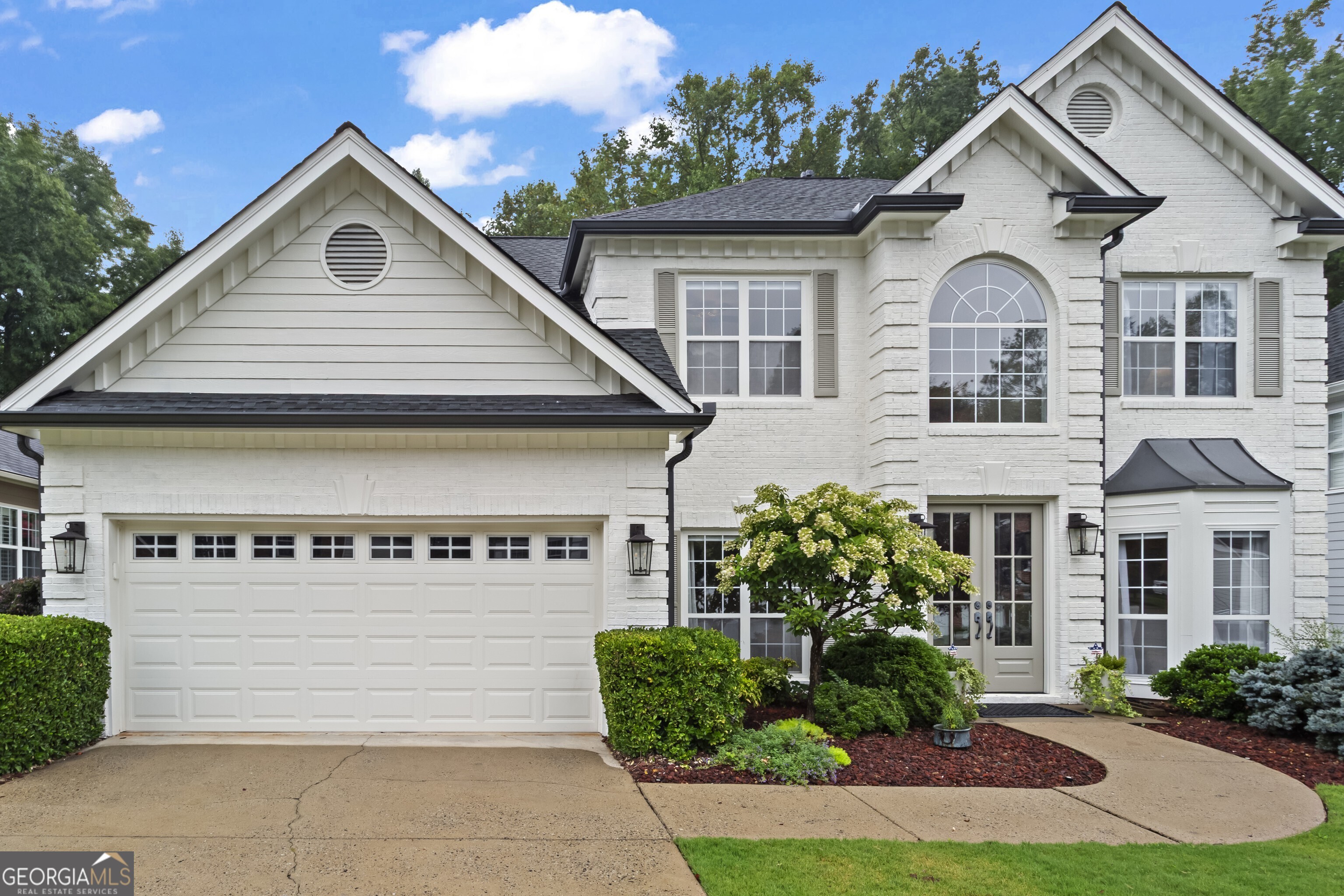
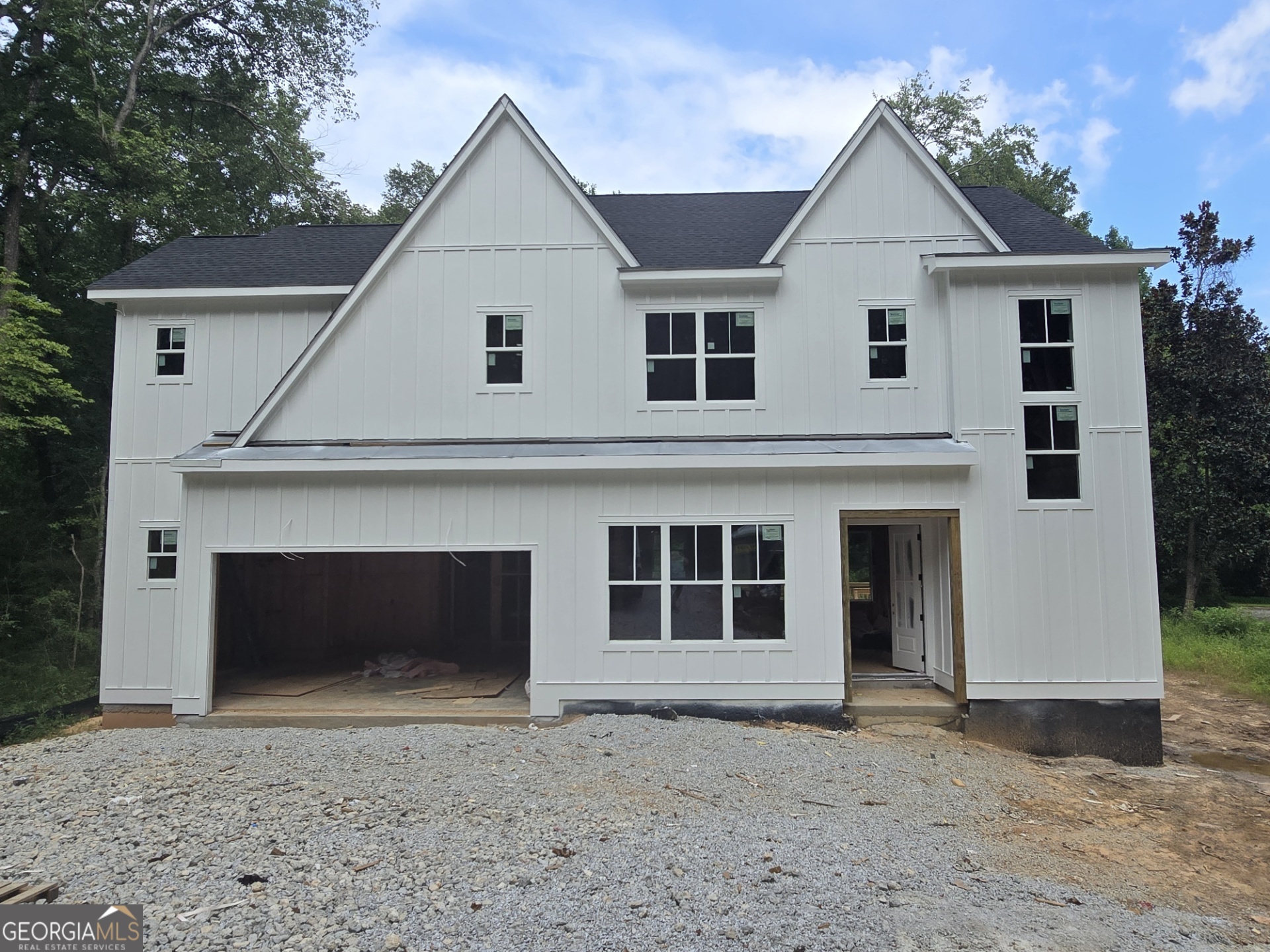
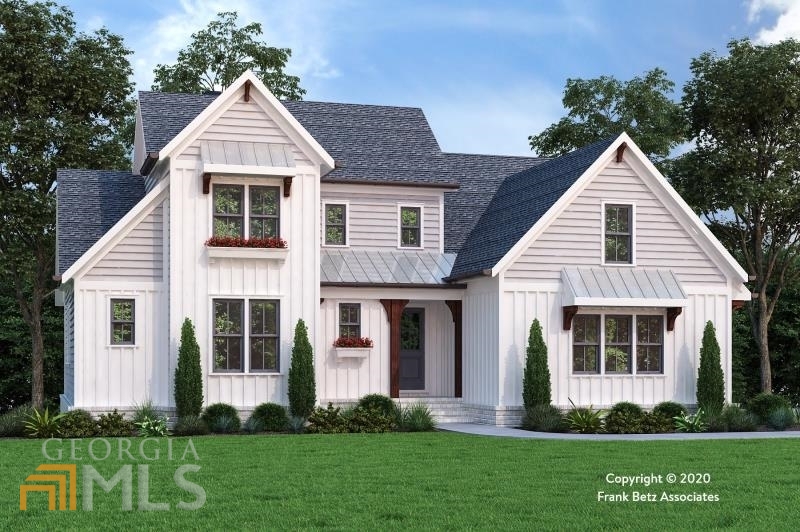
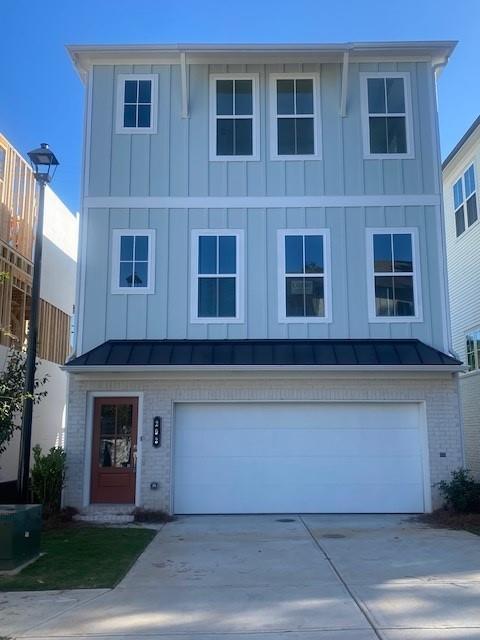
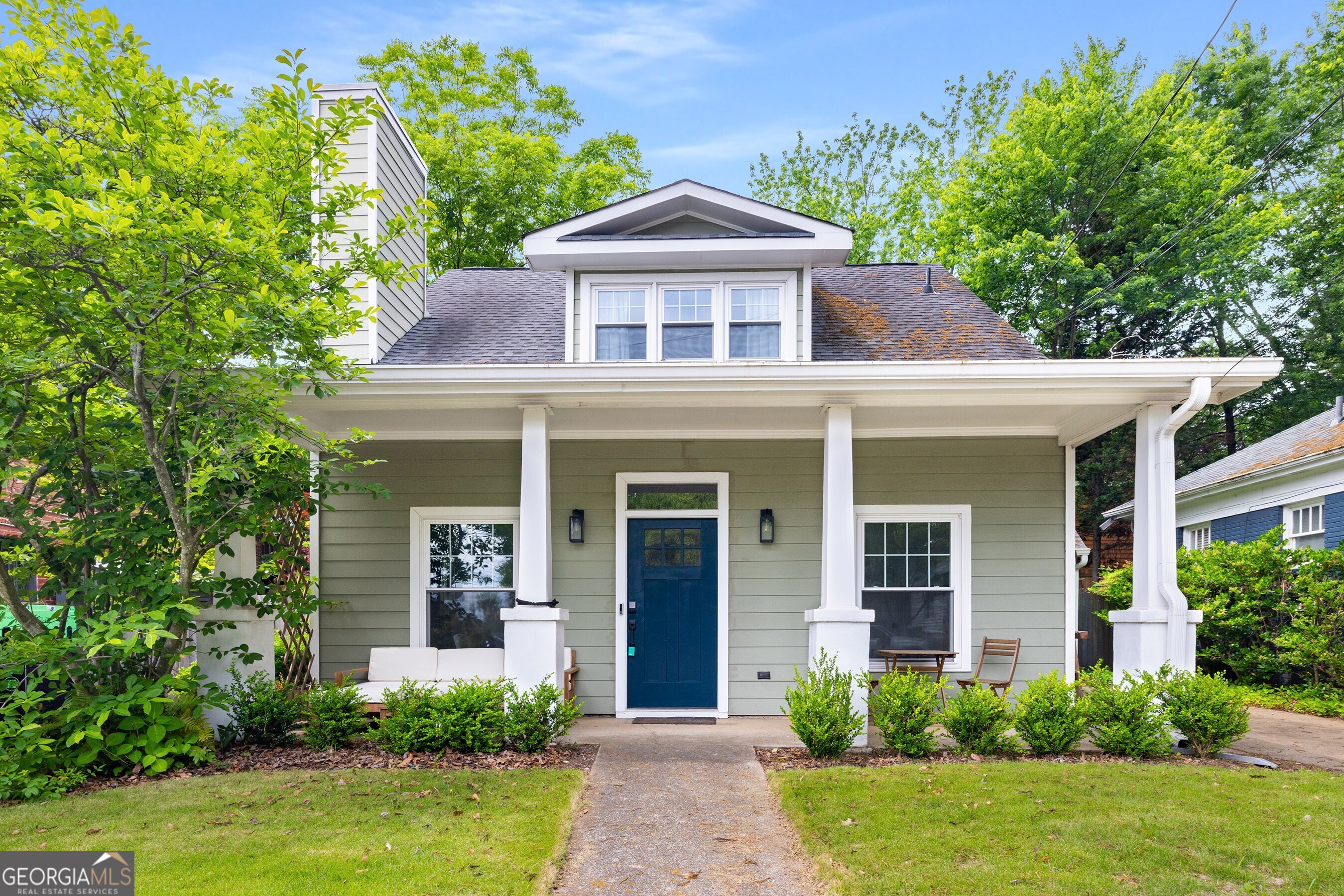
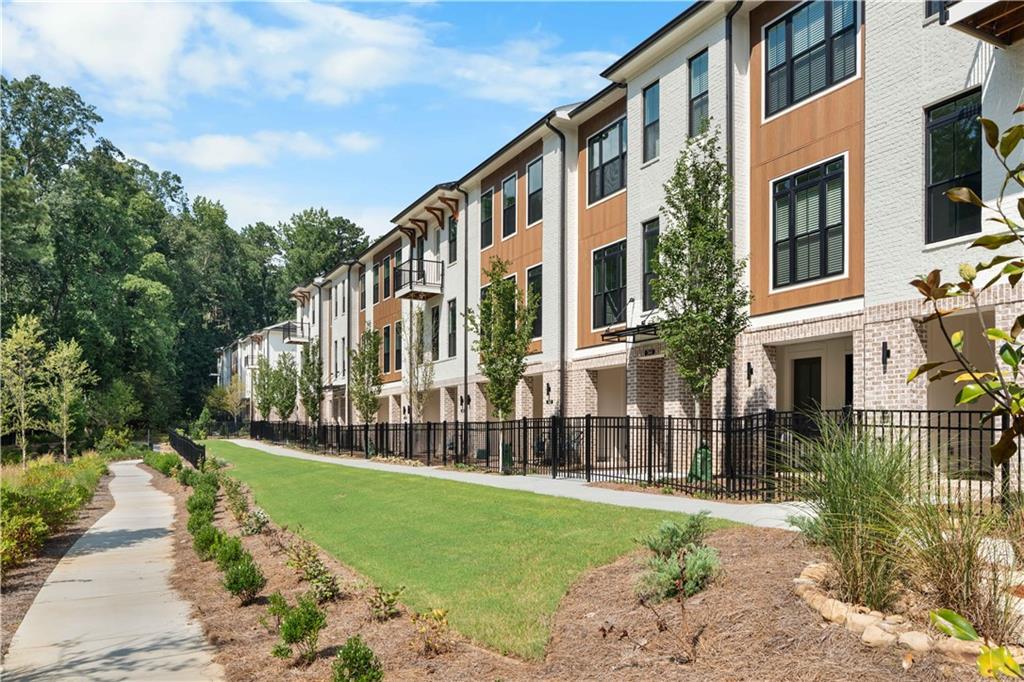
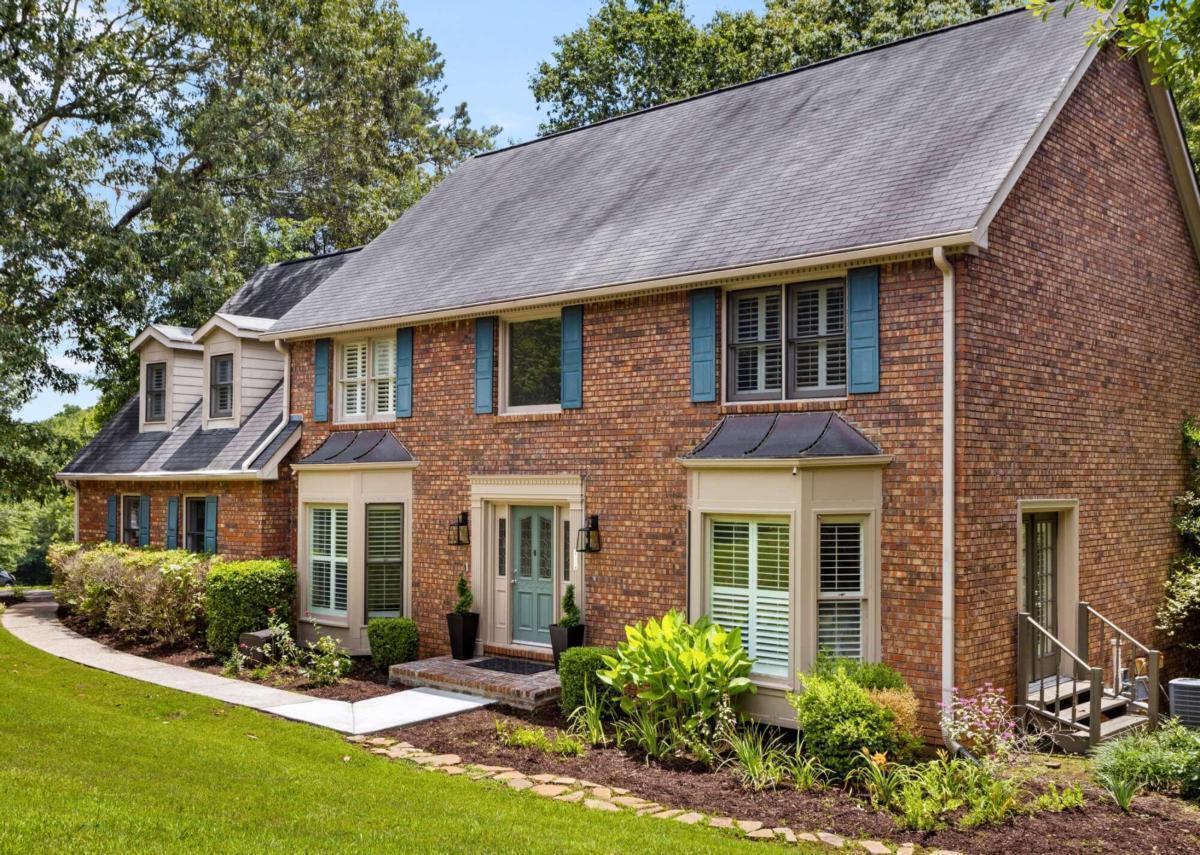
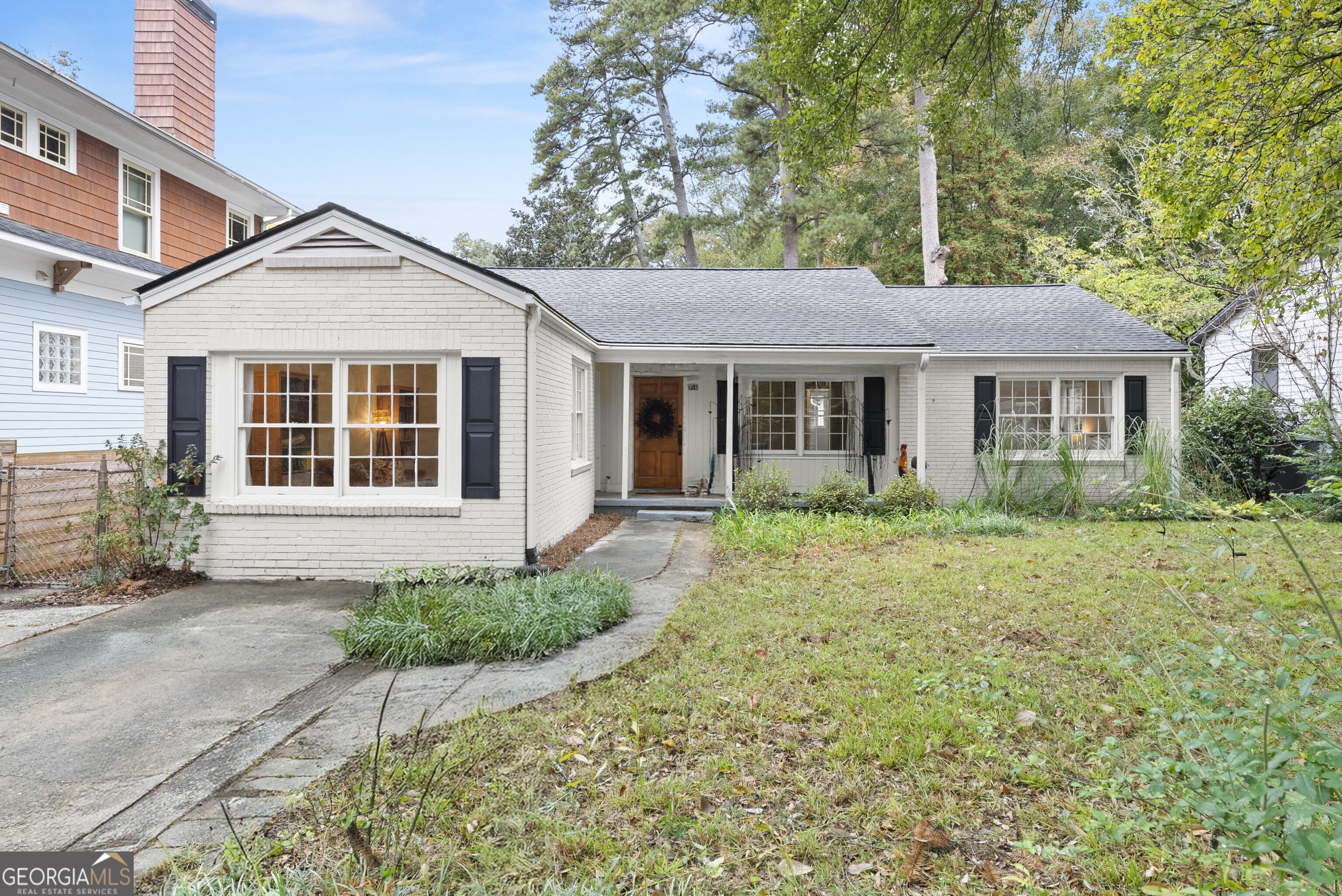
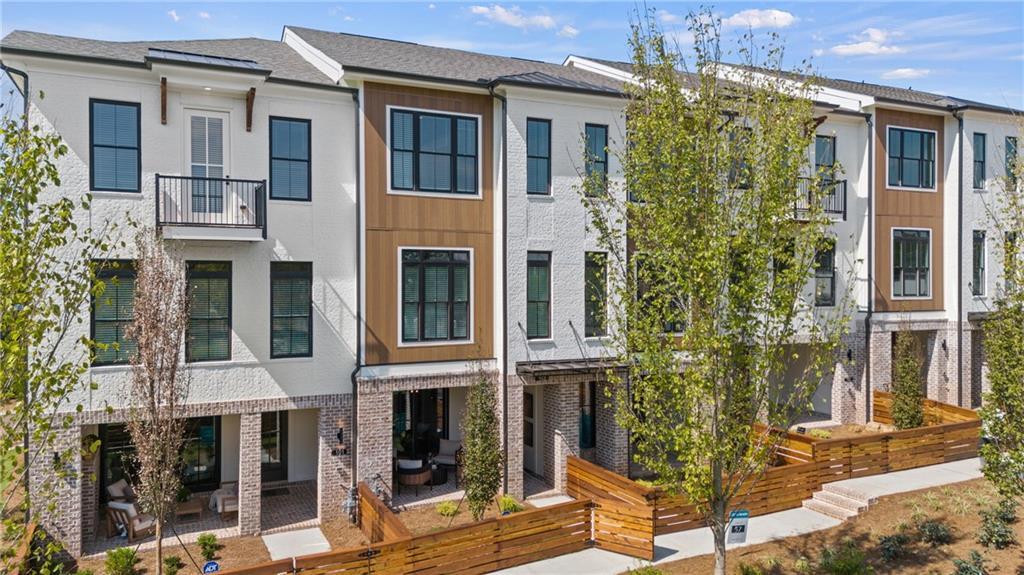
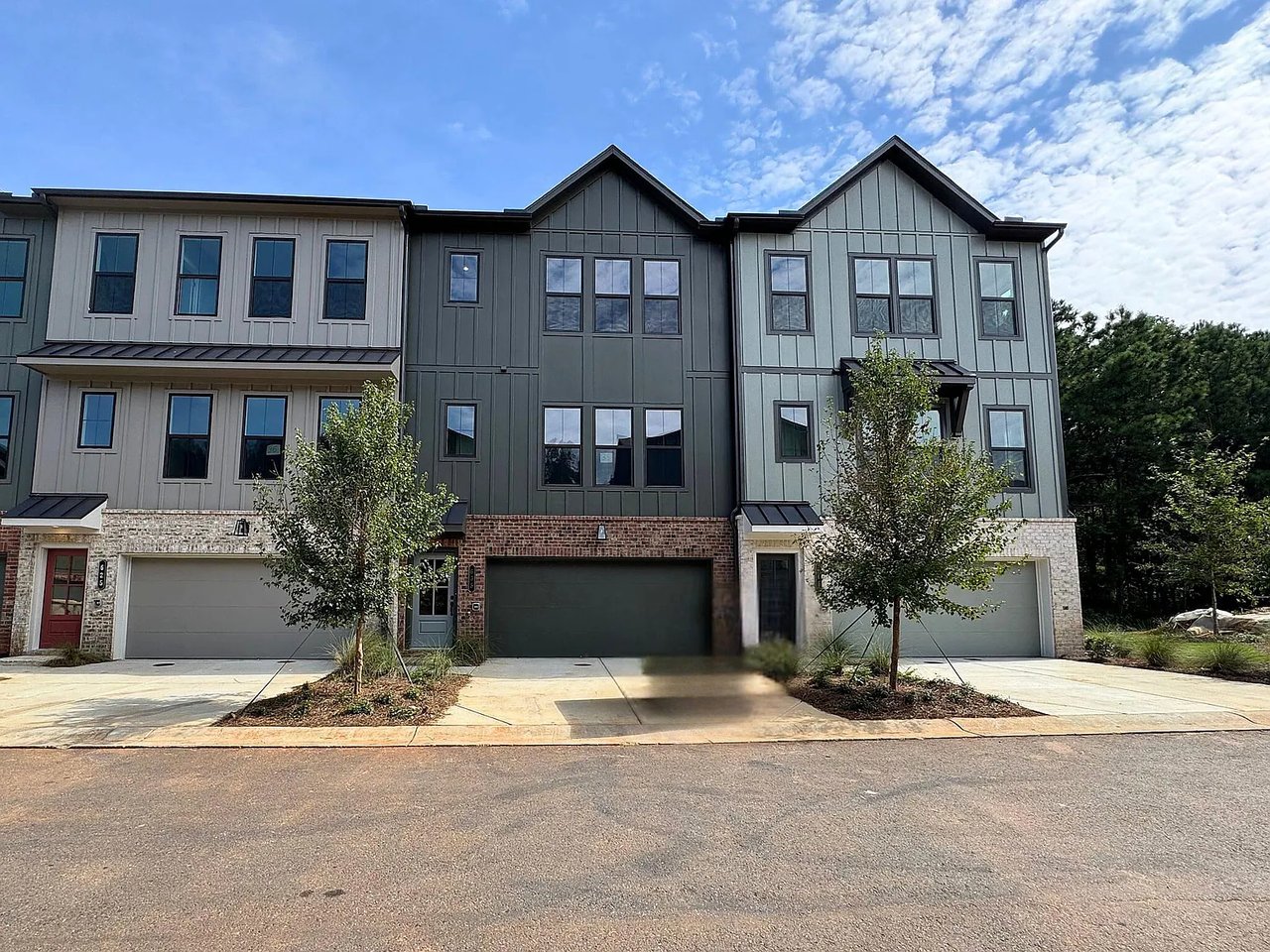
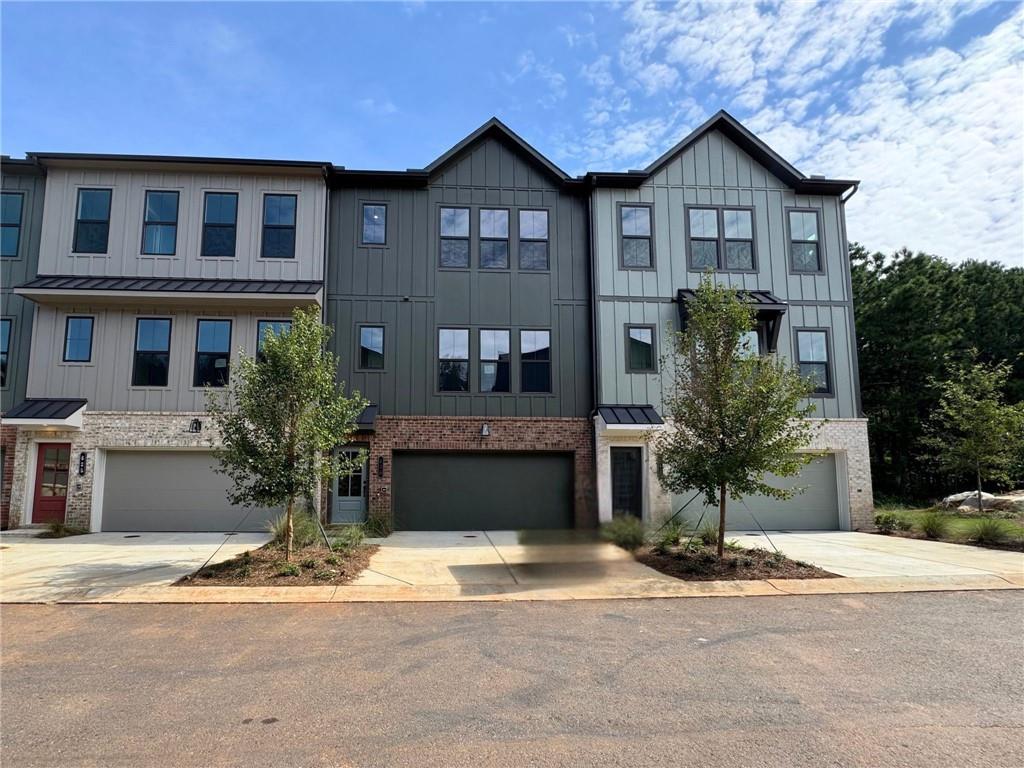
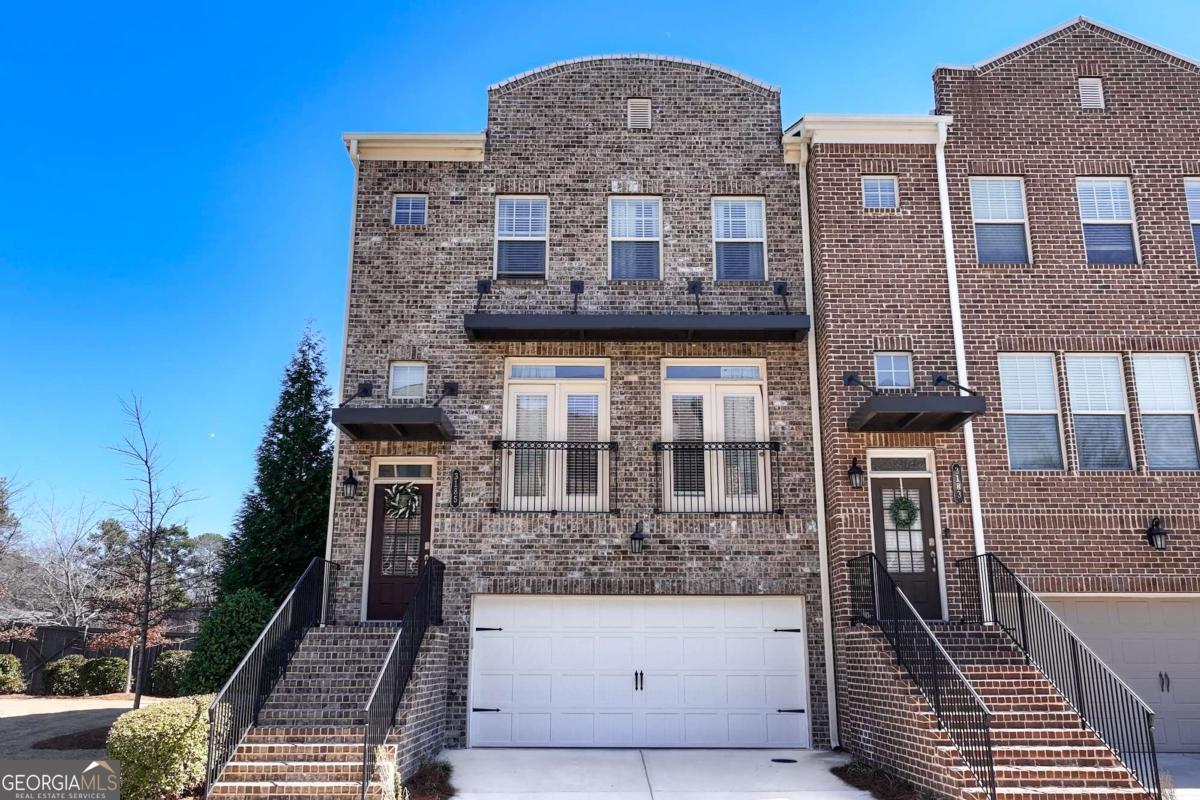
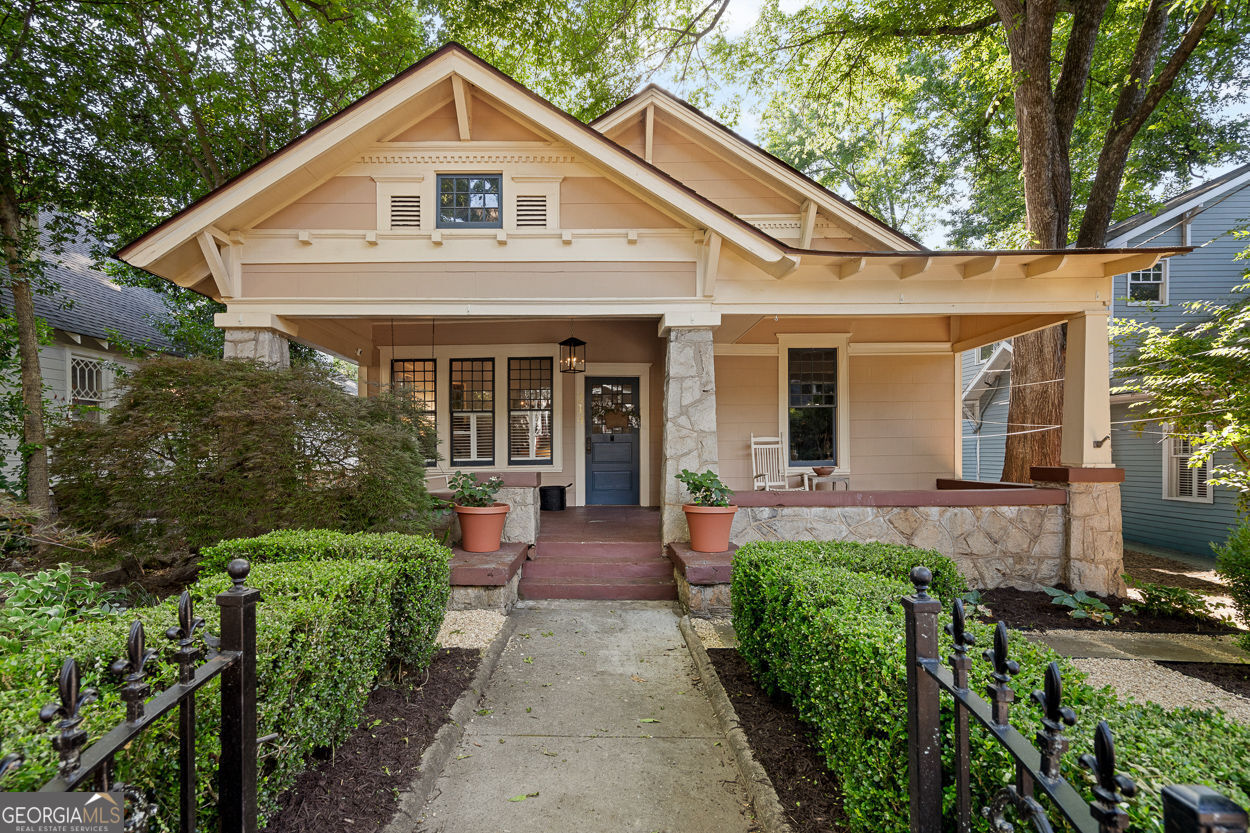
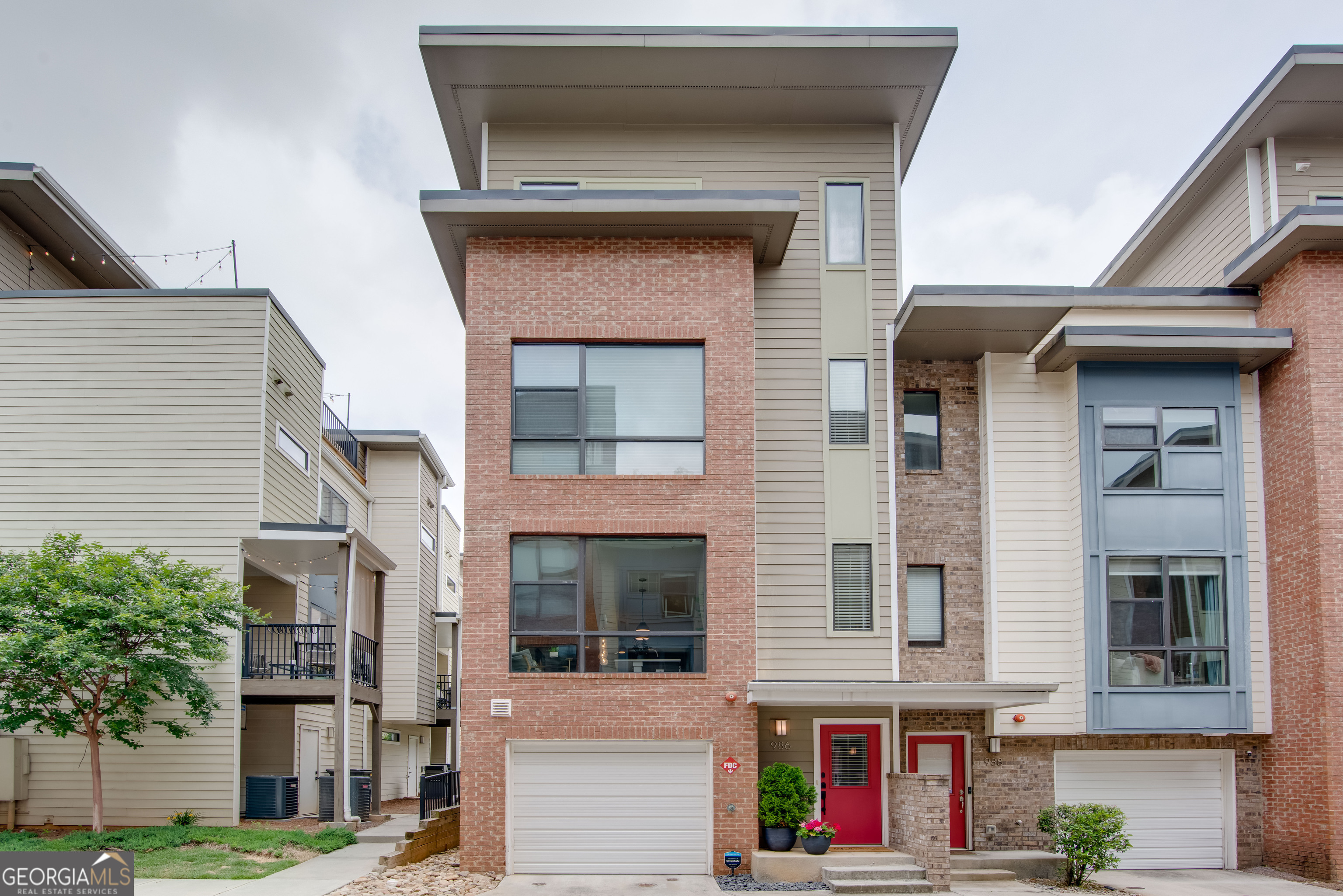
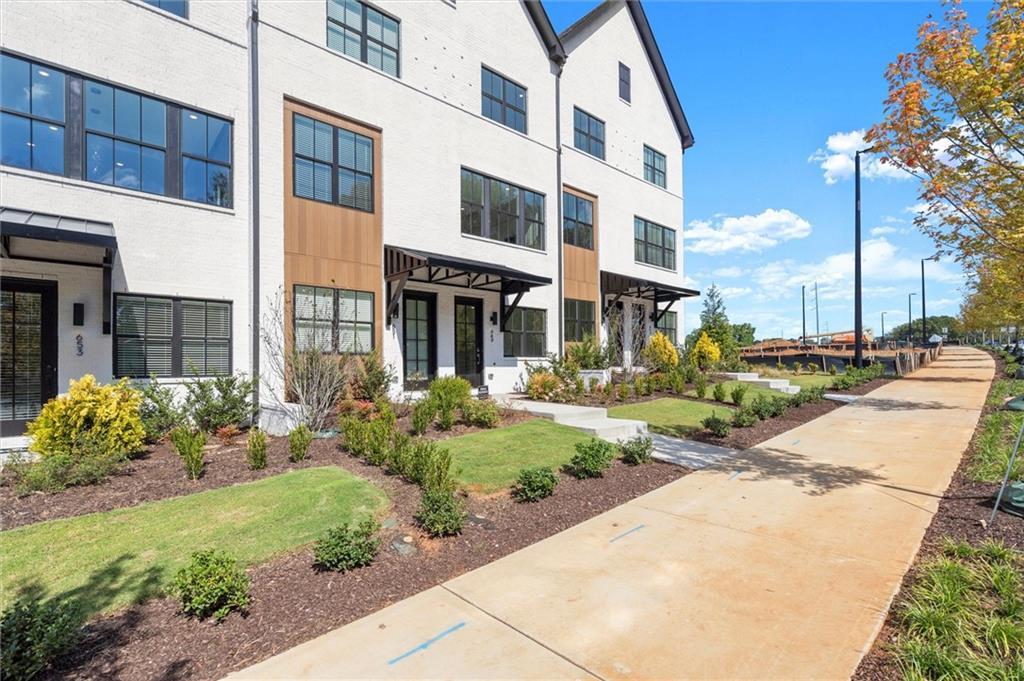
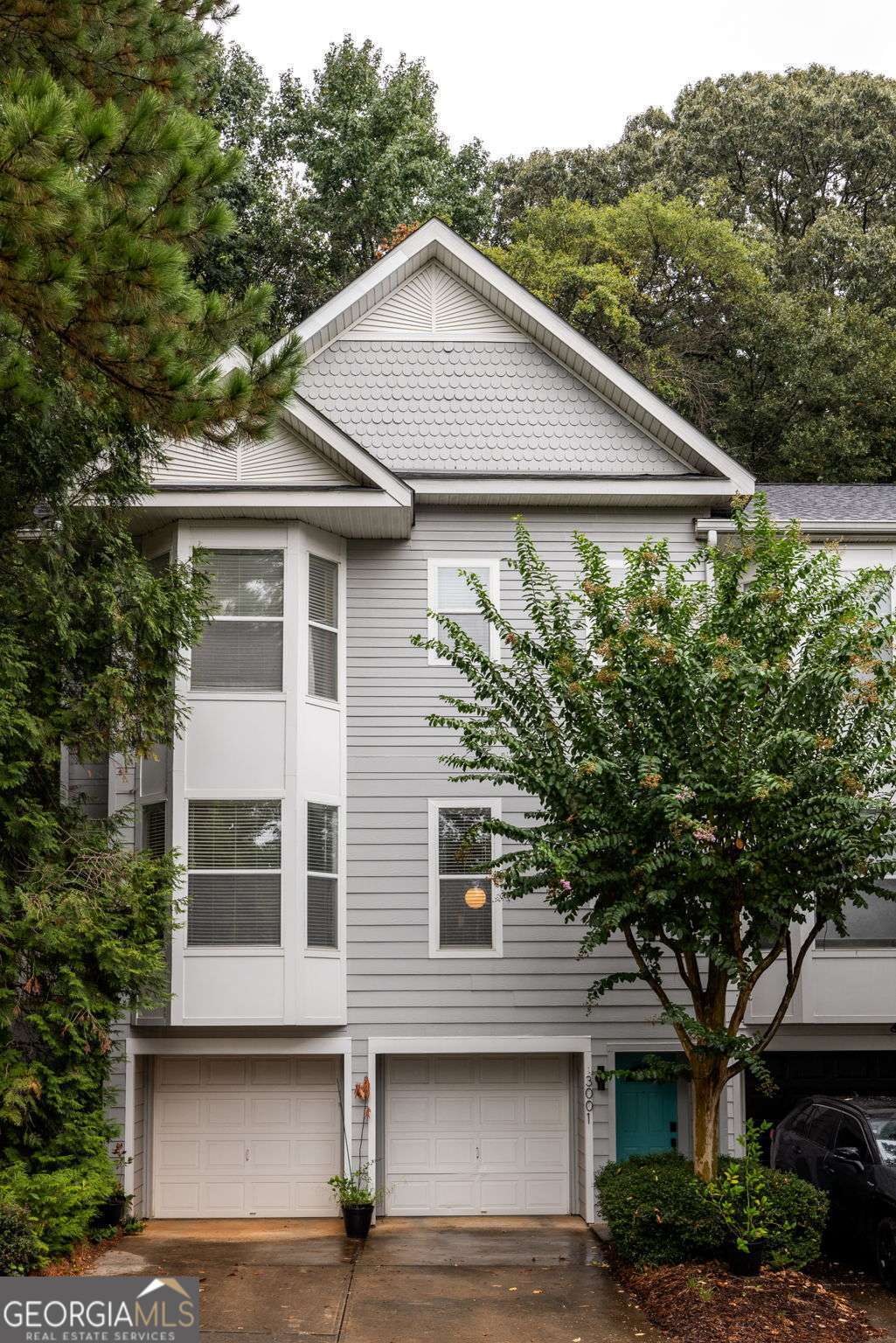
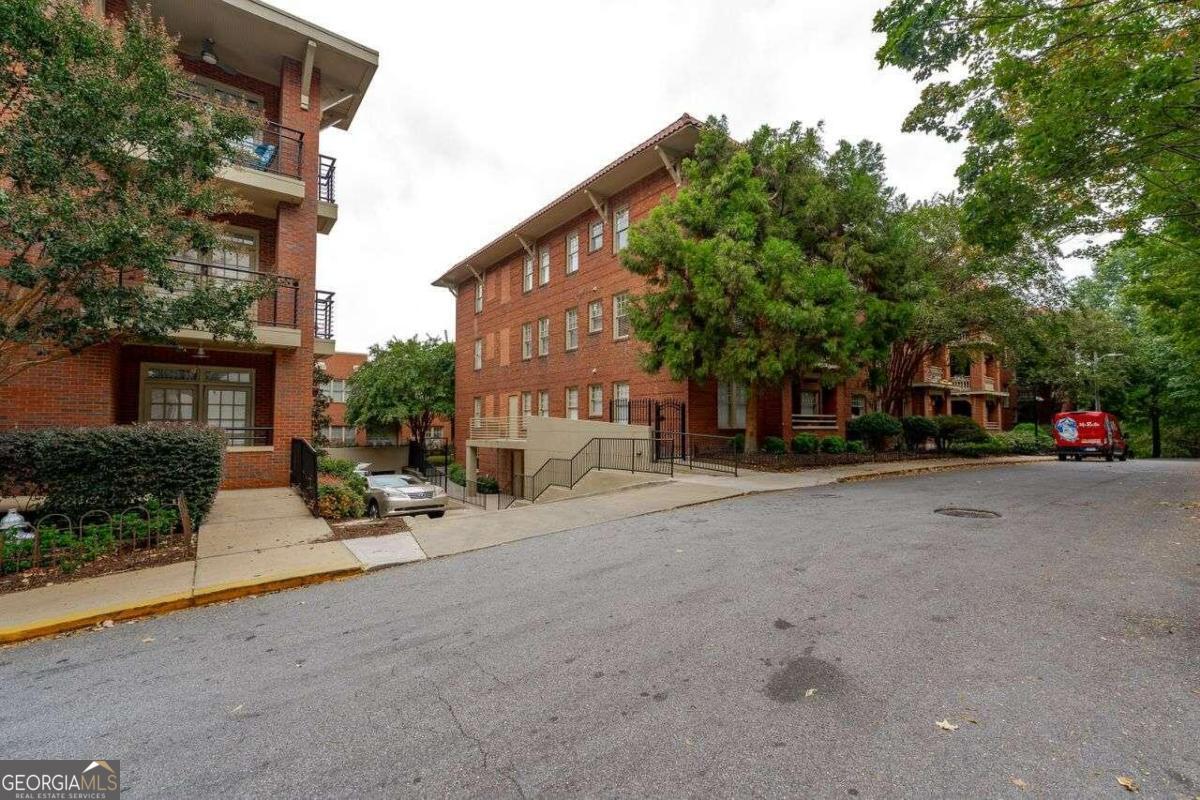
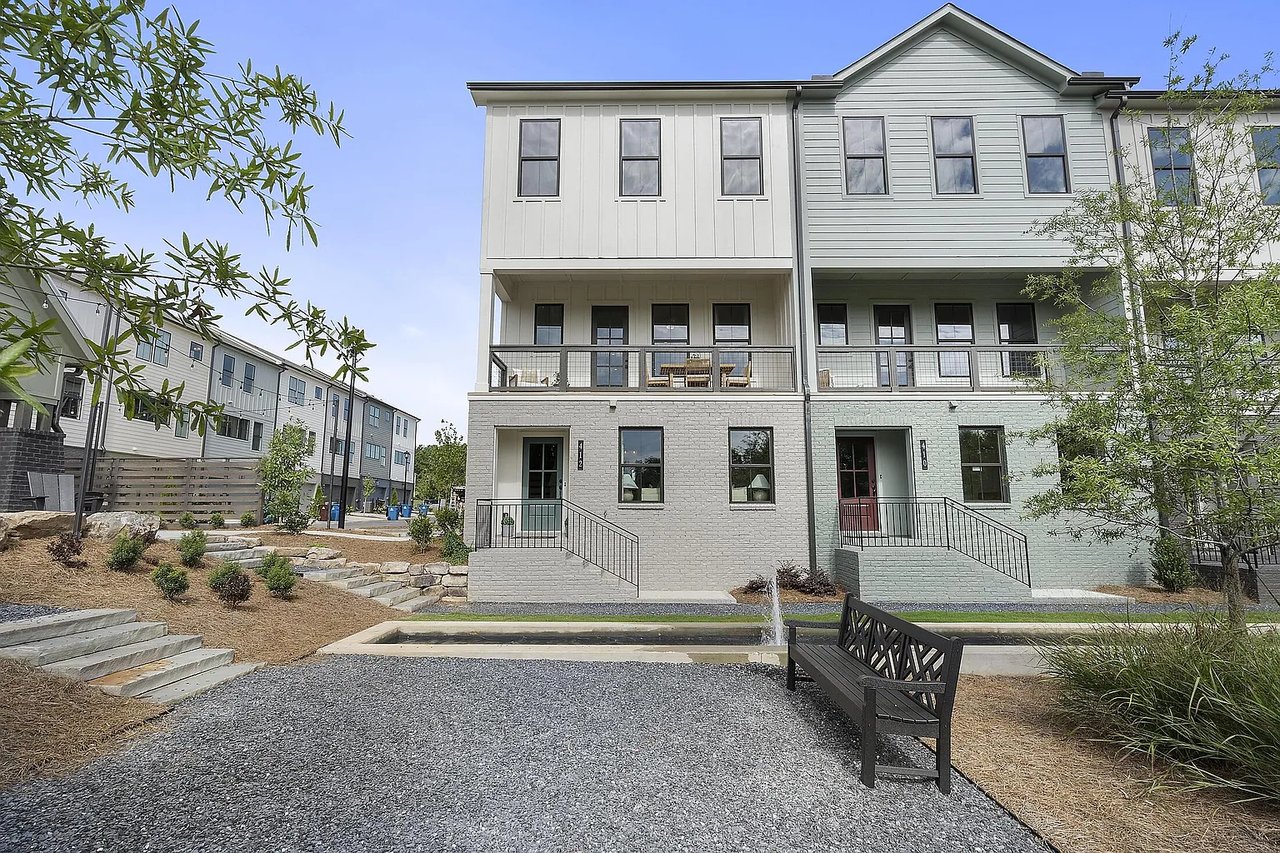
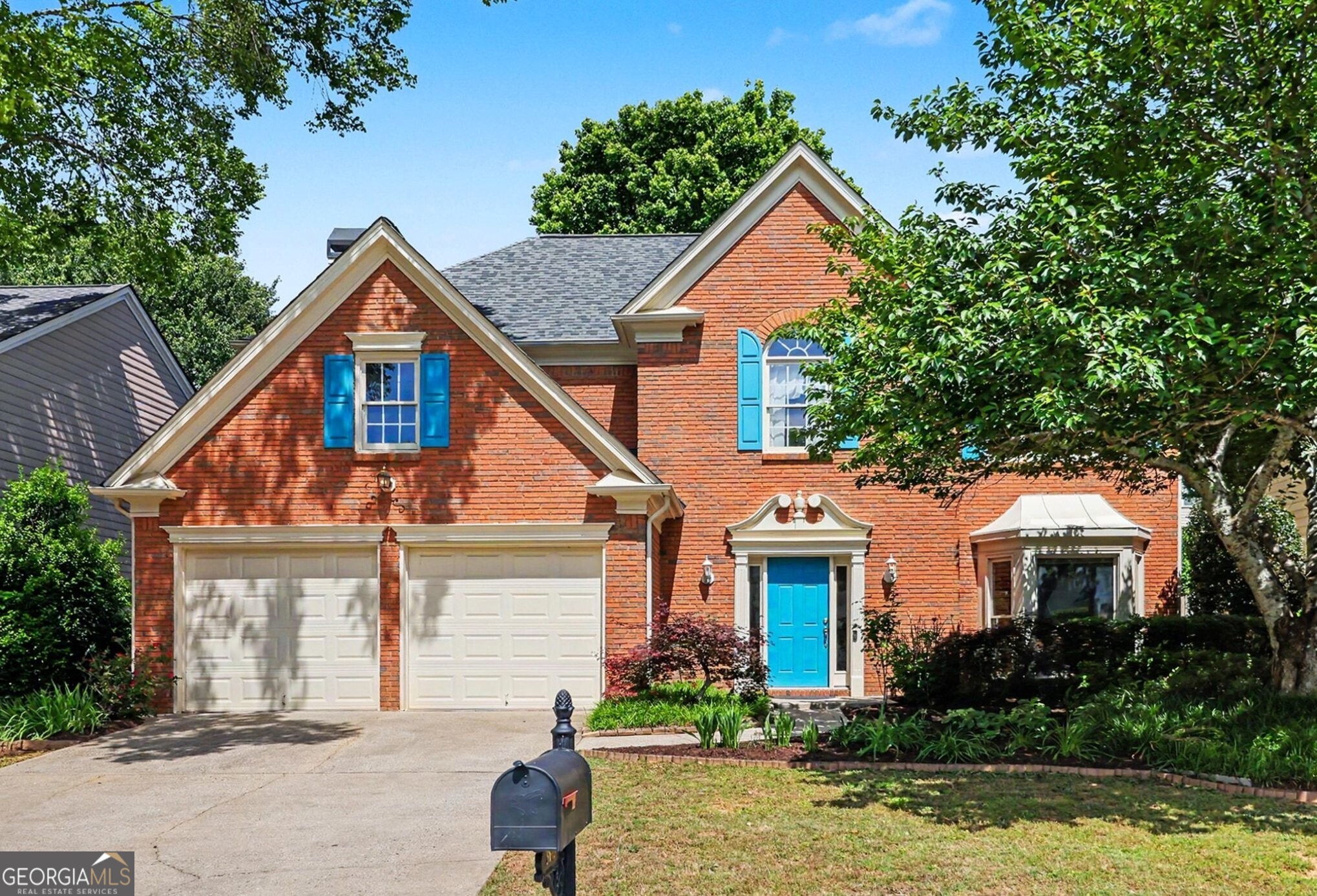
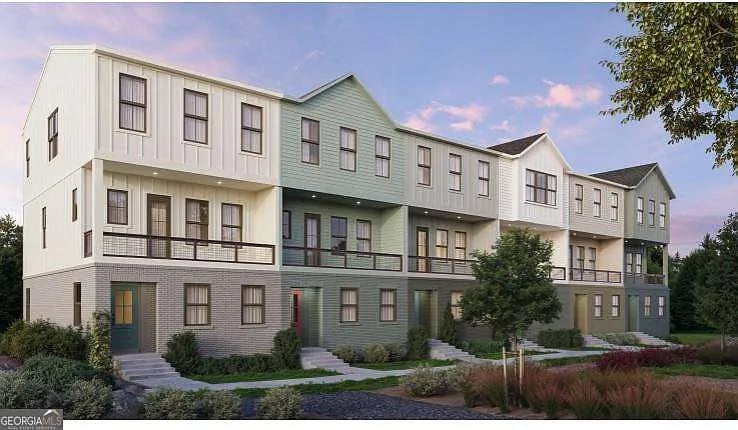
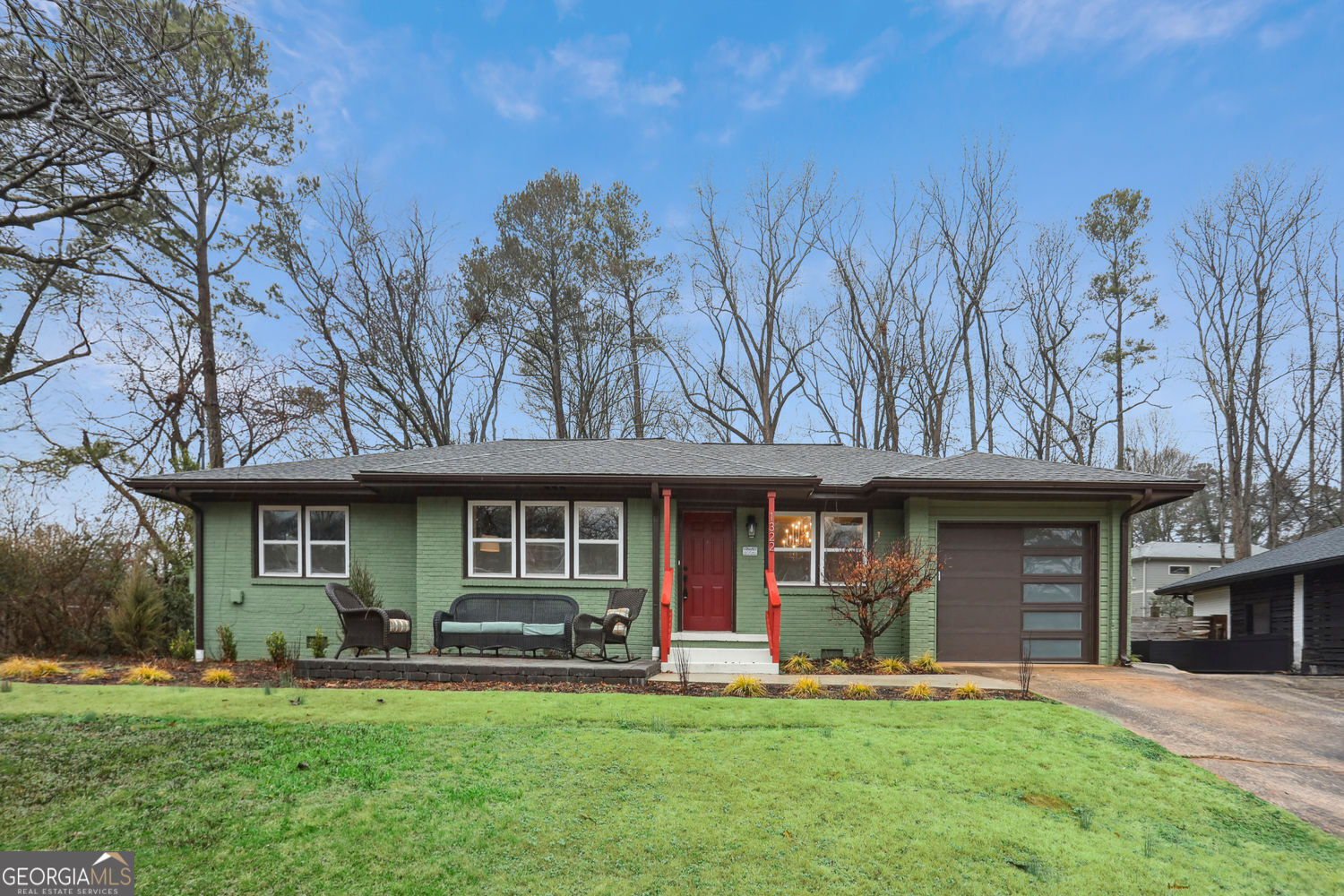
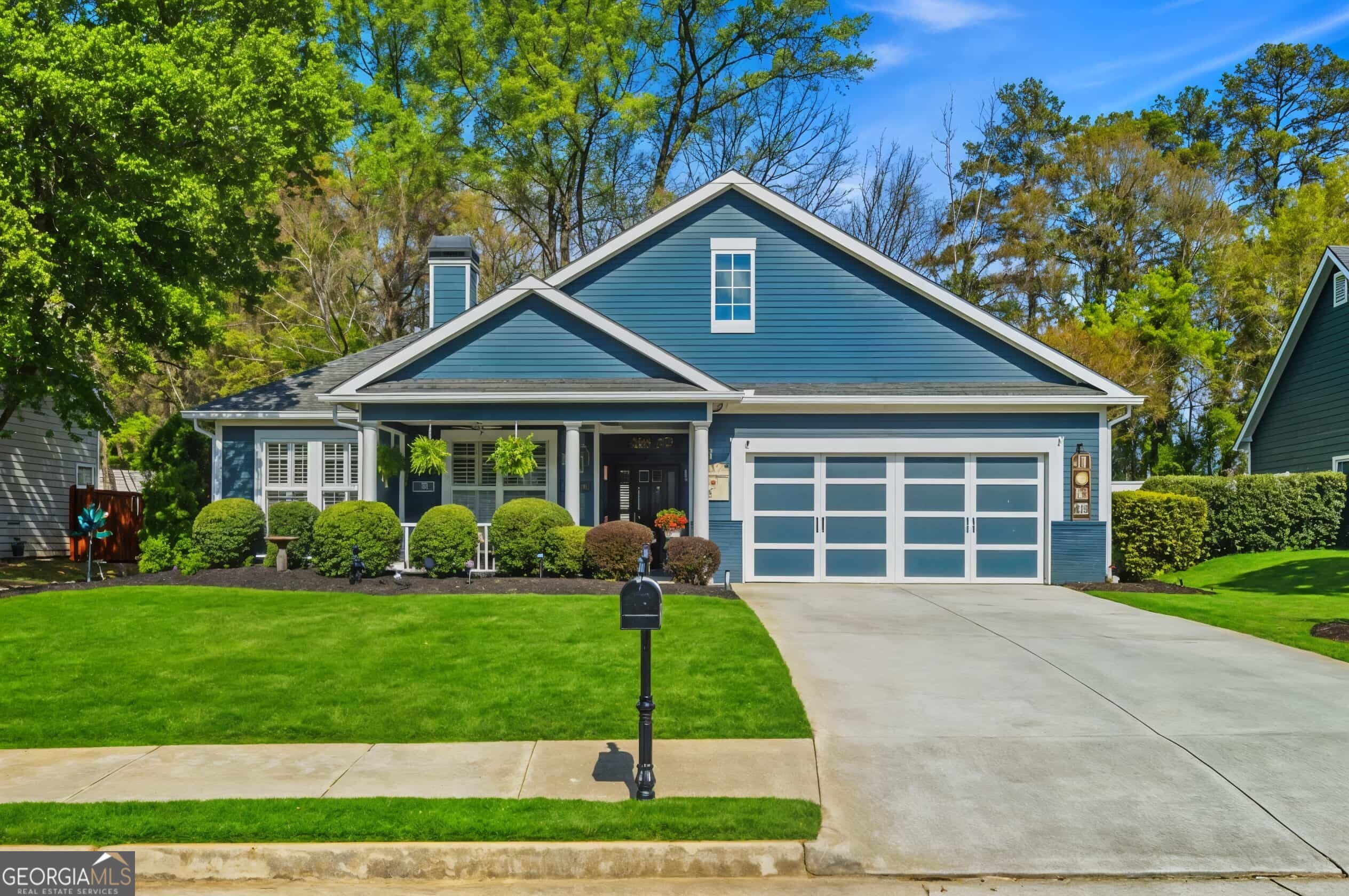
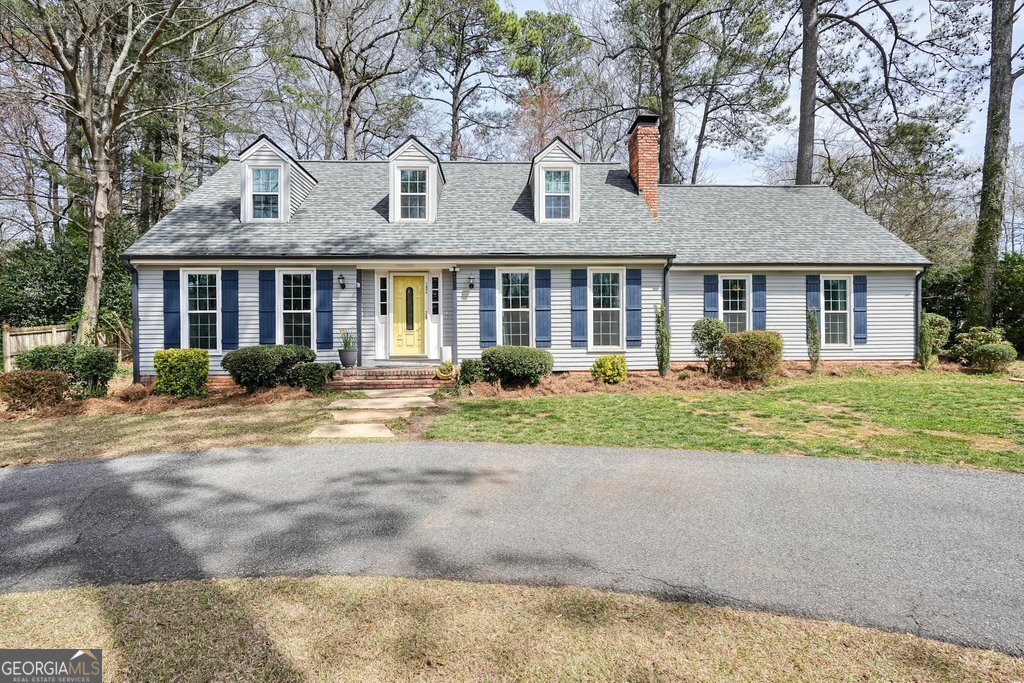
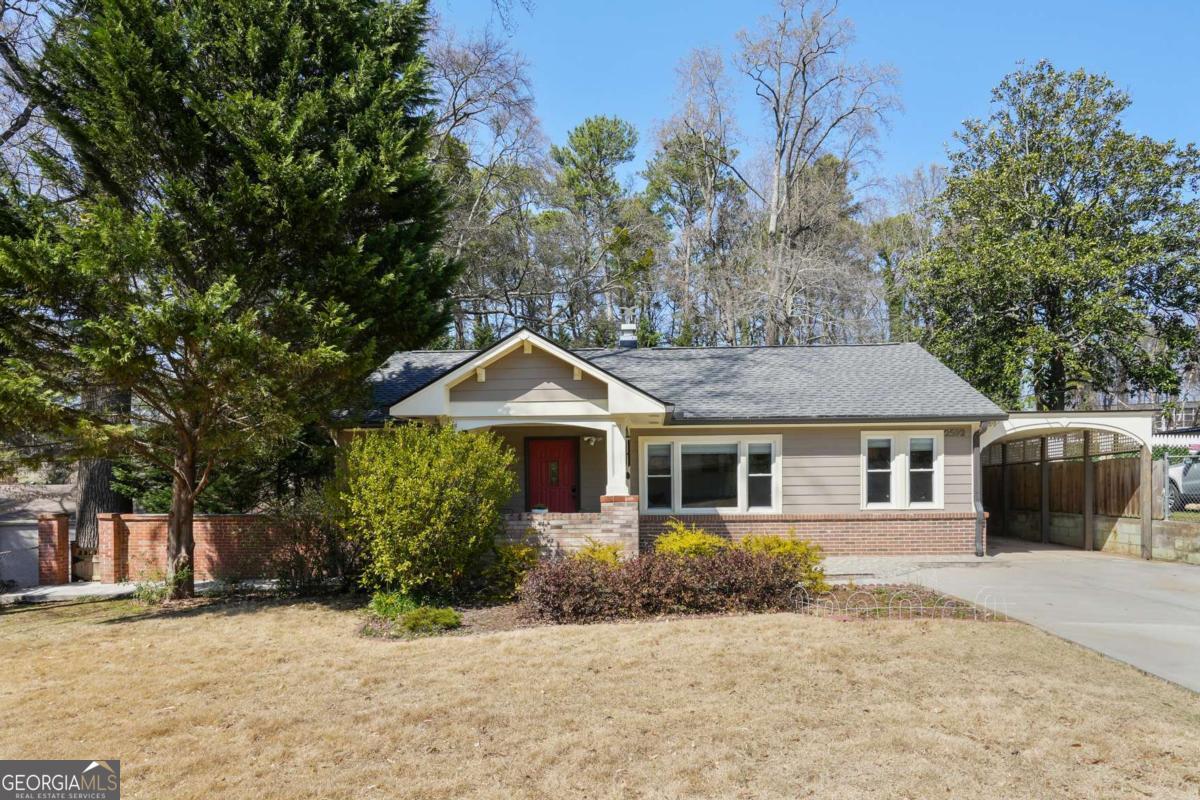
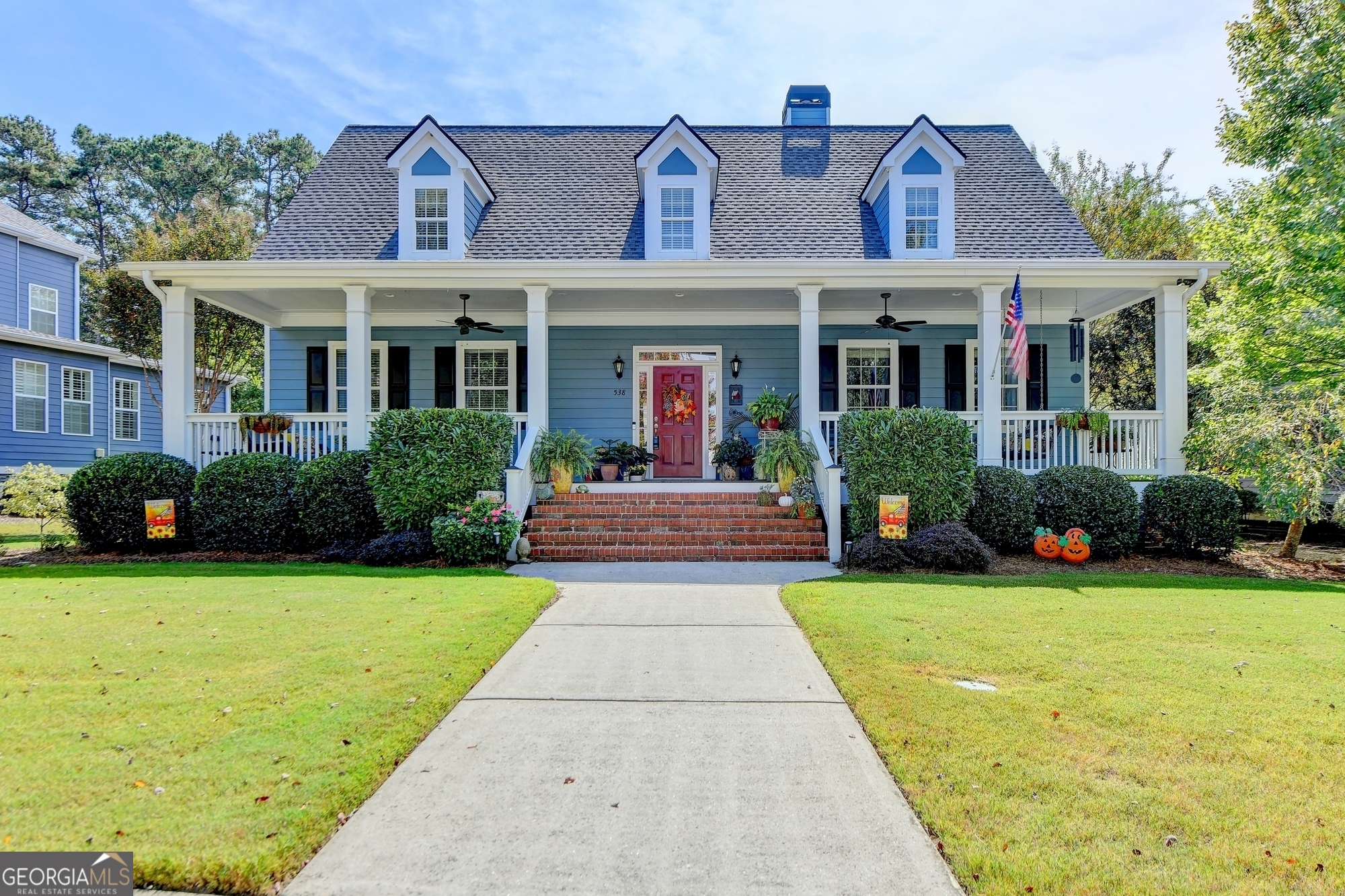
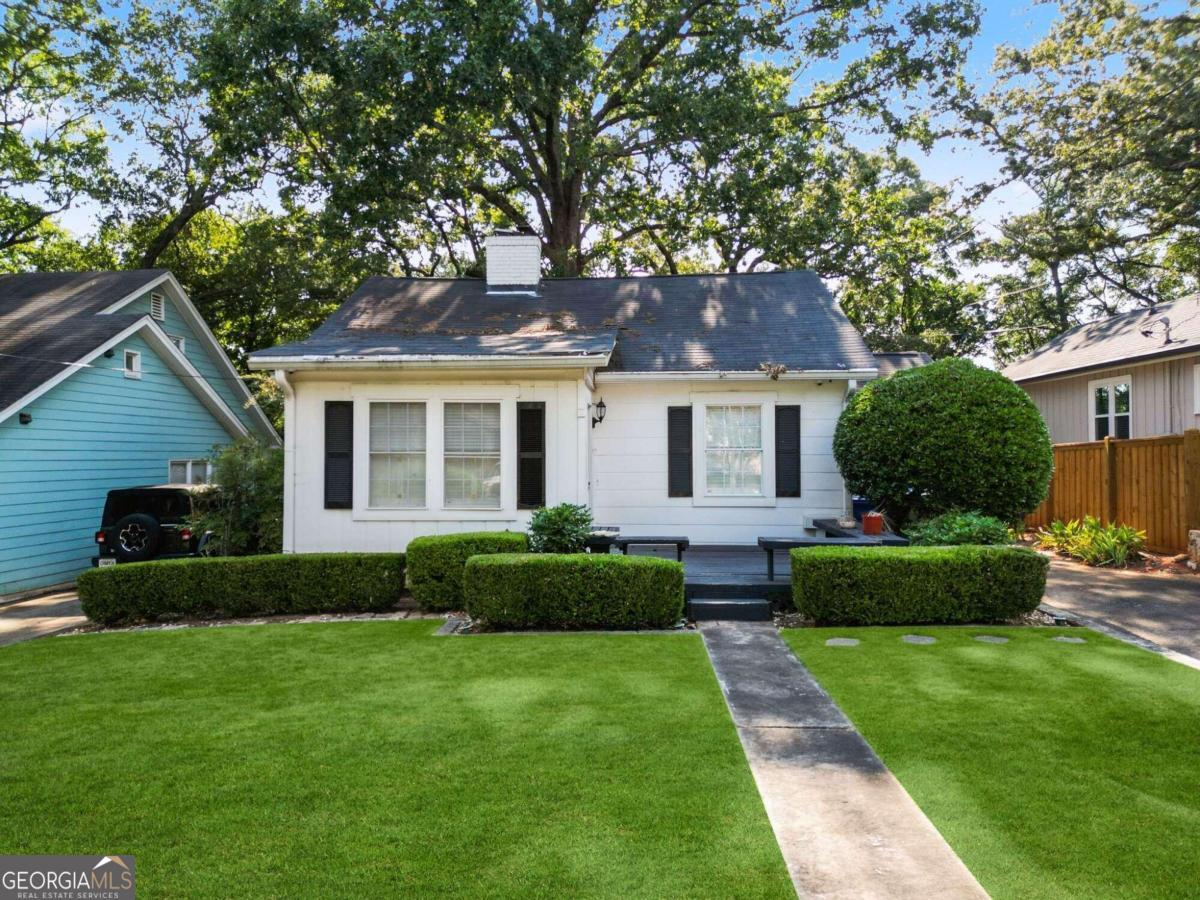
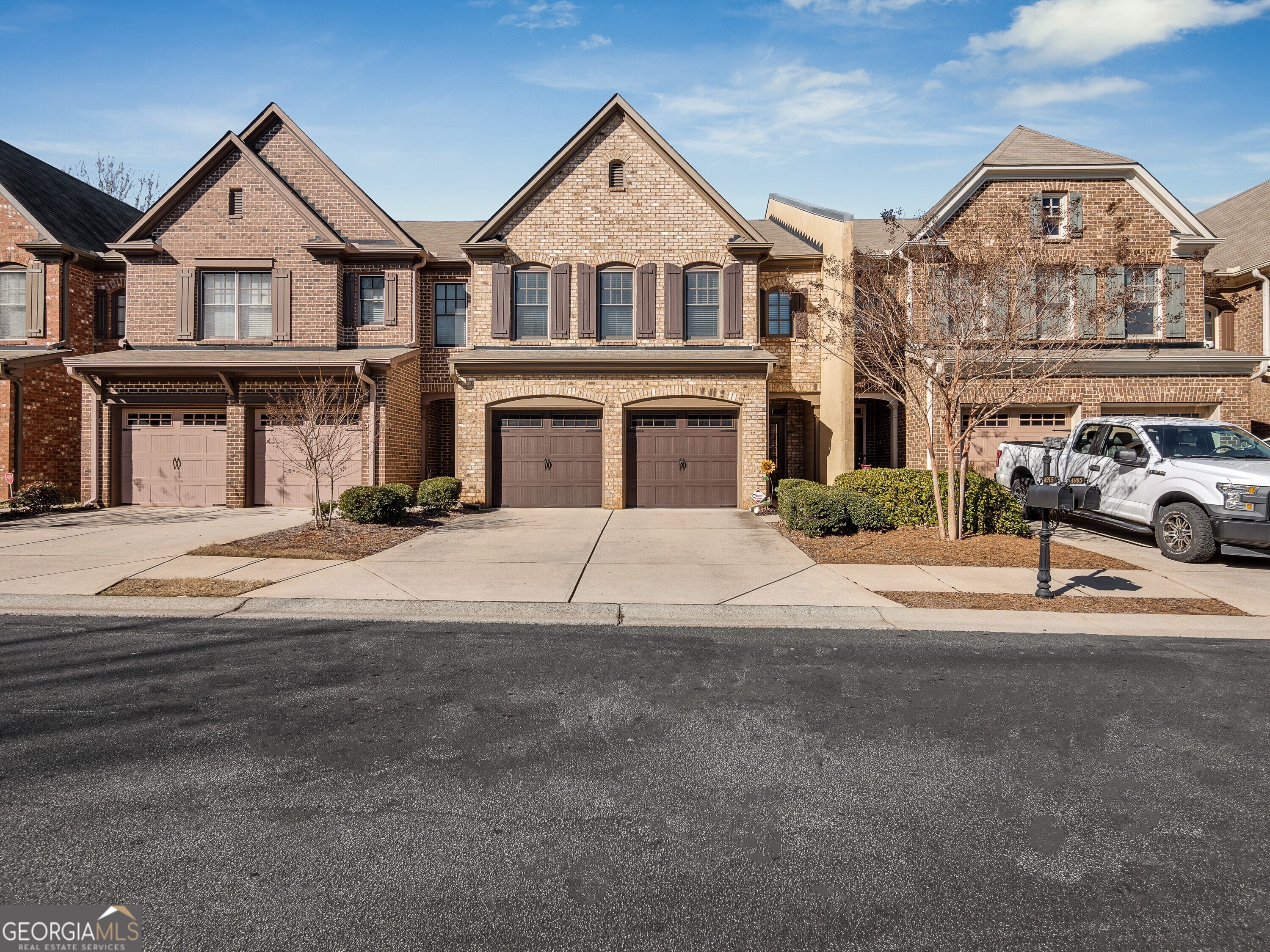
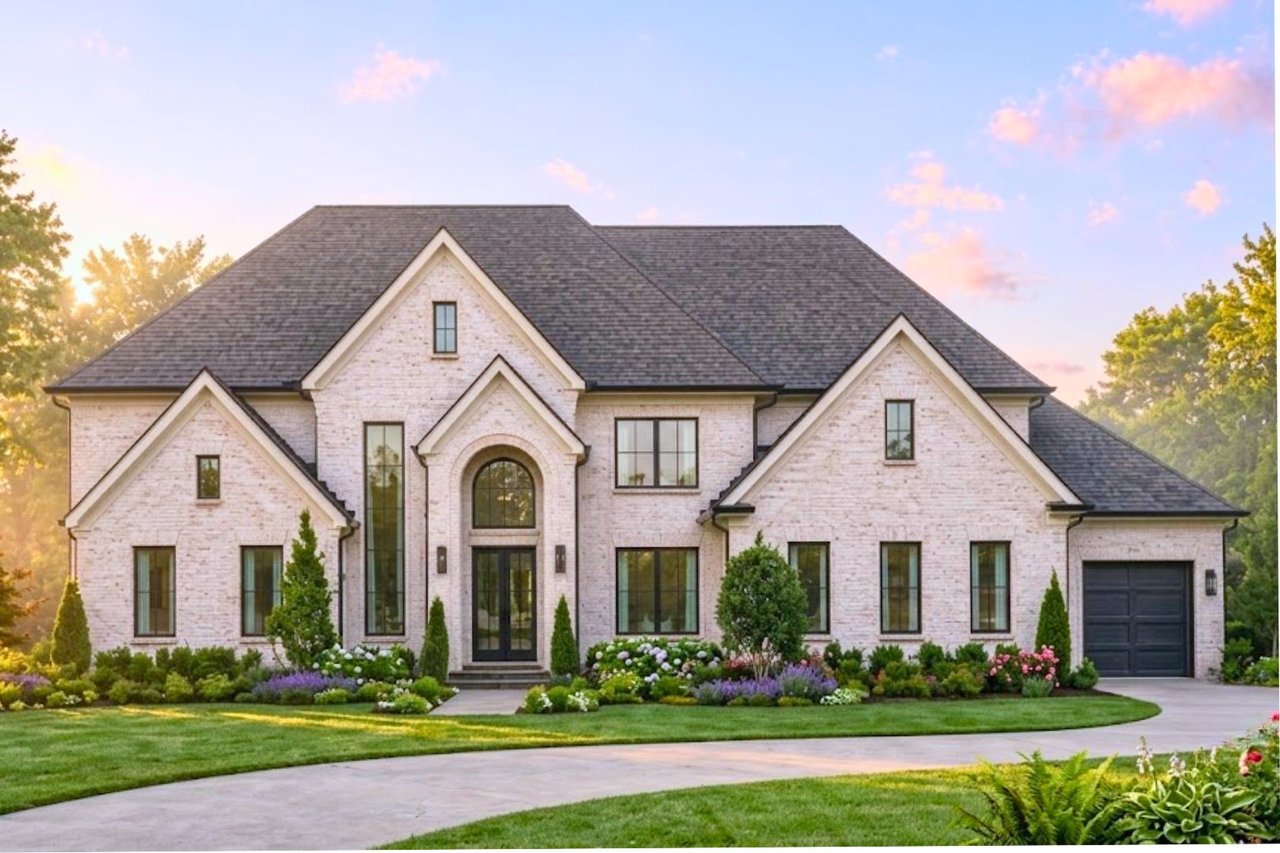
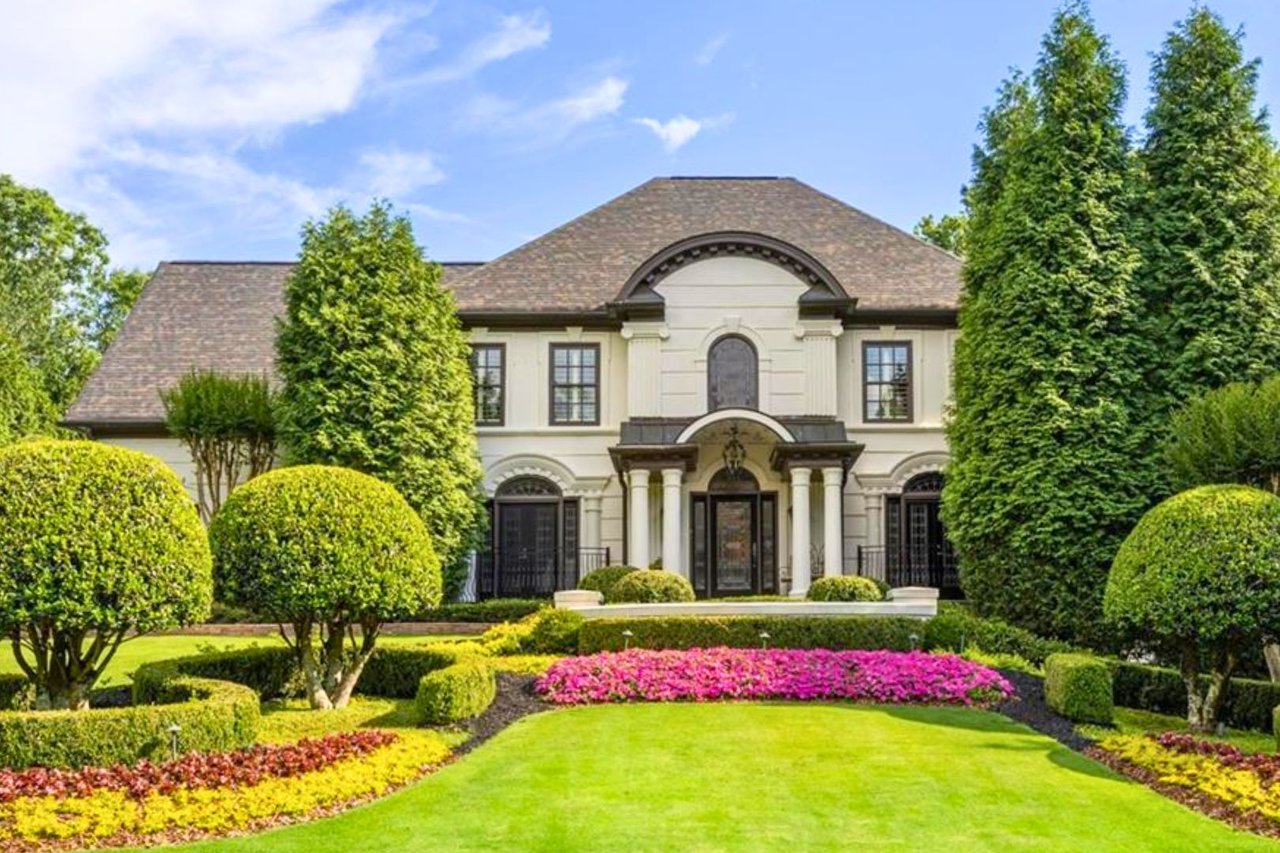
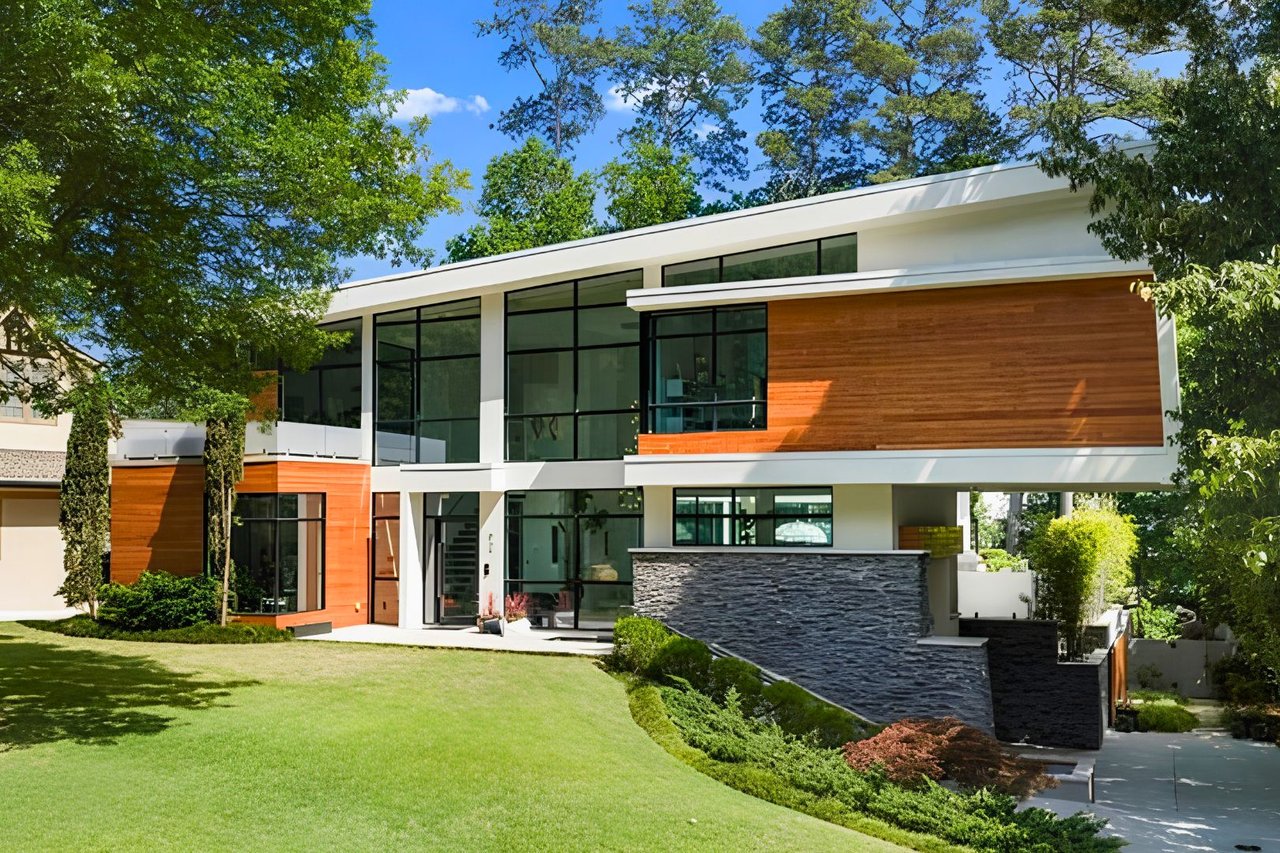
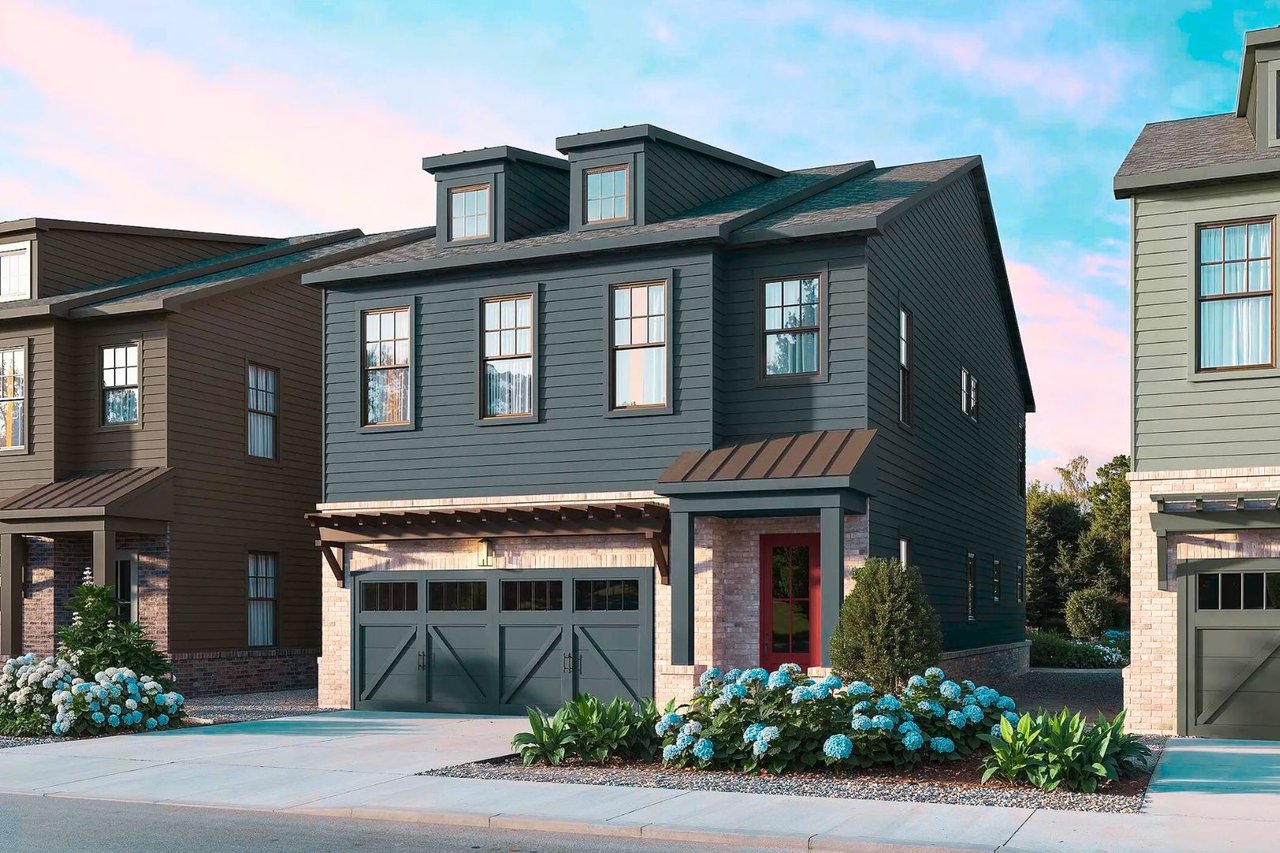
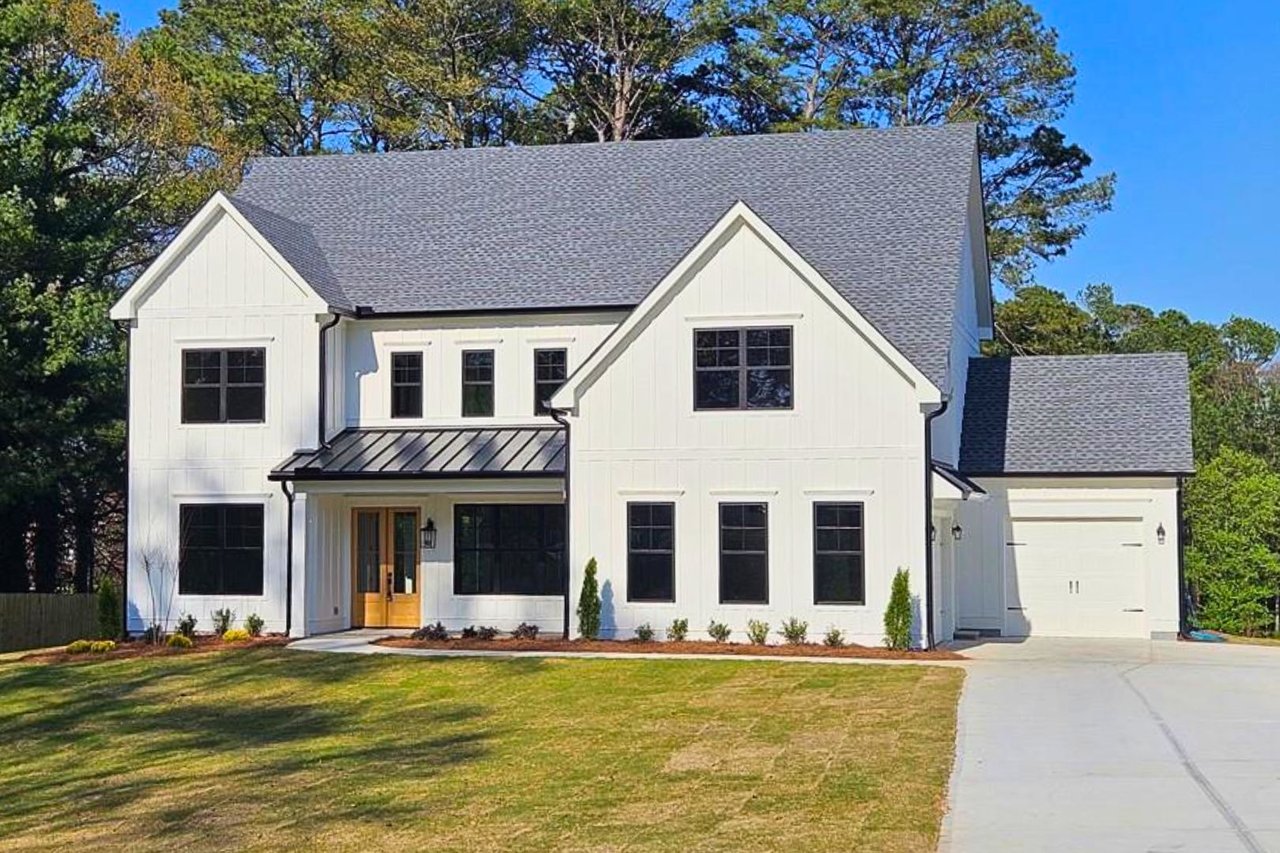
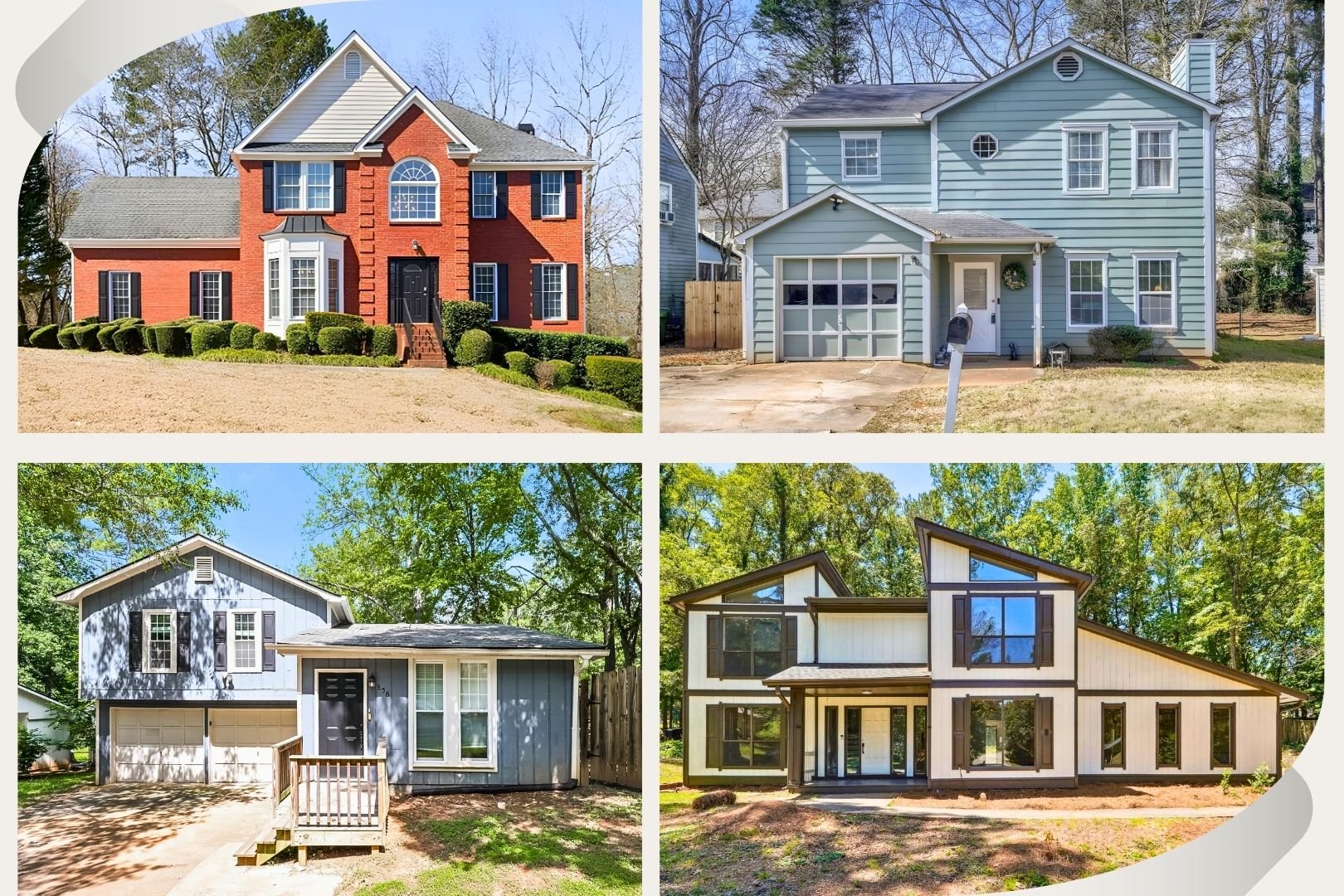
The market features a diverse mix of housing stock, ranging from mid-century ranch homes situated on spacious, wooded lots to modern craftsman-style new construction. Because inventory levels remain relatively stable, homes that are well-maintained and properly positioned tend to capture the attention of active buyers quickly. Understanding these baseline numbers helps you set realistic expectations for your own home sale.
2. How Do I Determine the Right Listing Price for My Stone Mountain Home?
The Role of Comparative Market Analysis (CMA)
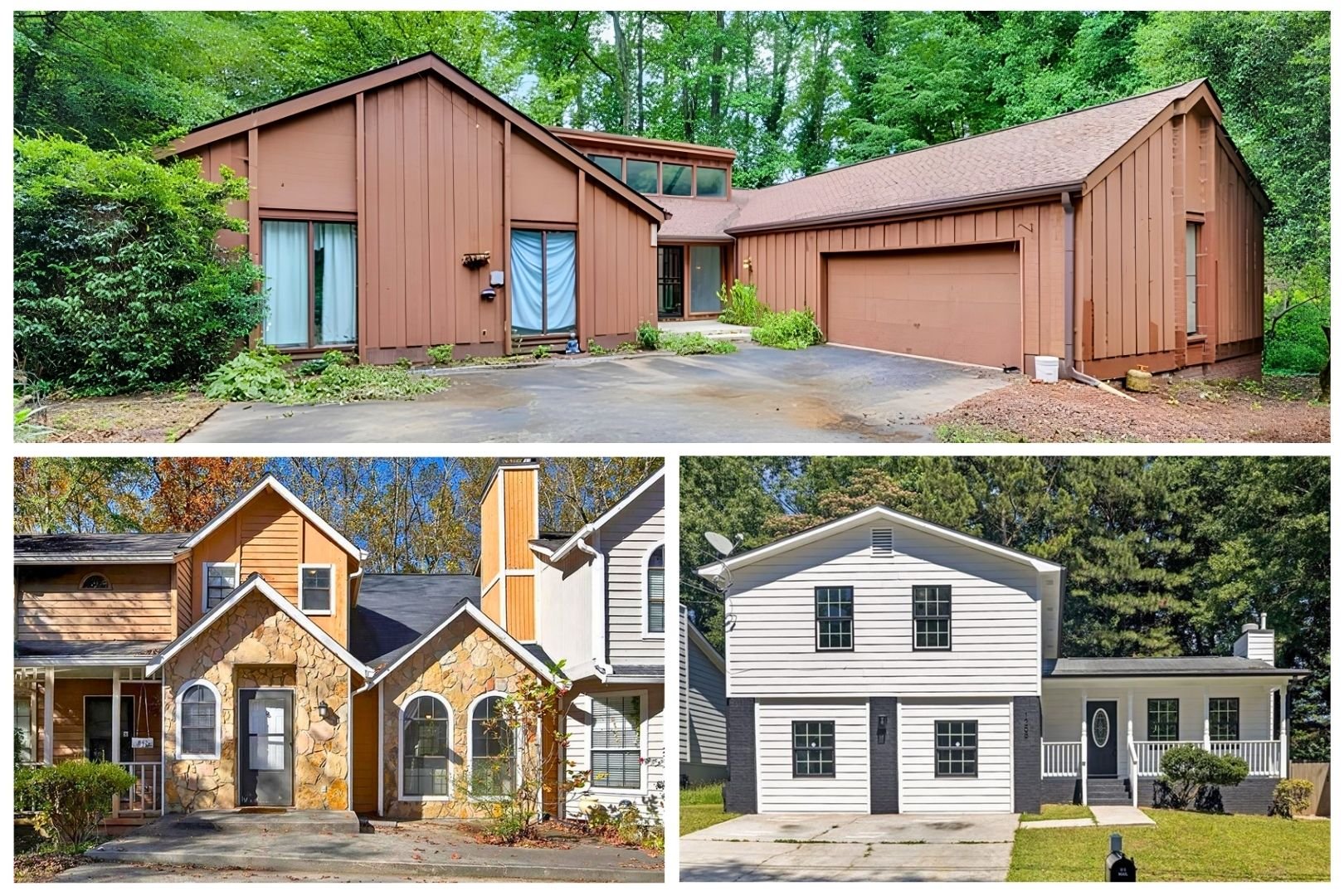
Determining your home's value in Stone Mountain is not a matter of guesswork; it requires a detailed analysis of recent sales of comparable properties (known as "comps") within a tight 1-to-3-mile radius. A professional Comparative Market Analysis (CMA) will look at homes with similar square footage, age, and layout that have successfully closed within the past three to six months.
Paying close attention to homes that went under contract quickly versus those that languished on the market will give you a clear picture of what local buyers are actively willing to pay. This data prevents you from overpricing your home and missing out on the initial surge of buyer interest. Accurate pricing is the single most important factor in securing a timely sale.
Analyzing Micro-Markets and ZIP Code Disparities
Because Stone Mountain encompasses several distinct ZIP codes, pricing can vary substantially depending on your exact location. For example, ZIP code 30083 in DeKalb County features different average home values compared to ZIP code 30087 on the Gwinnett County portion.
To showcase these variations, consider the comparative data below:
ZIP Code | Primary County | Median Home Value | Key Characteristic |
|---|---|---|---|
30083 | DeKalb County | $248,965 | High density of mid-century ranch homes near Memorial Drive. |
30087 | Gwinnett County | $347,280 | Larger lots, established subdivisions, Parkview High cluster. |
30088 | DeKalb County | $232,000 | Affordable entry-level homes near Hairston Road corridor. |
These variances illustrate how hyper-local micro-markets can impact your pricing strategy. A home on one side of Rockbridge Road may command a completely different price than a similar home on the other side. Working with a local expert ensures you do not leave money on the table.
The Impact of Proximity to Stone Mountain Park
Beyond basic square footage, your home’s proximity to local landmarks plays a massive role in its valuation. Homes within walking distance of Historic Stone Mountain Village or those backing up directly to the boundaries of Stone Mountain Park command a premium.
Buyers love the lifestyle of being able to stroll down Main Street to grab a bite at the farm-to-table Sweet Potato Cafe, enjoy a craft brew at Outrun Brewing Co., or meet friends at the community-focused Gilly Brew Bar. Additionally, access to premier local amenities like Wade-Walker Park serves as a major selling point for families.
PRO TIP: The County Line Advantage
If your home is in the Gwinnett County portion of Stone Mountain (ZIP 30087), highlight the Gwinnett County Public Schools system in your marketing. Buyers actively search for homes in the Parkview High School cluster, which can command a notable pricing premium.
3. What Repairs or Upgrades Offer the Best ROI for Stone Mountain Sellers?

Curb Appeal in the Georgia Pine Canopy
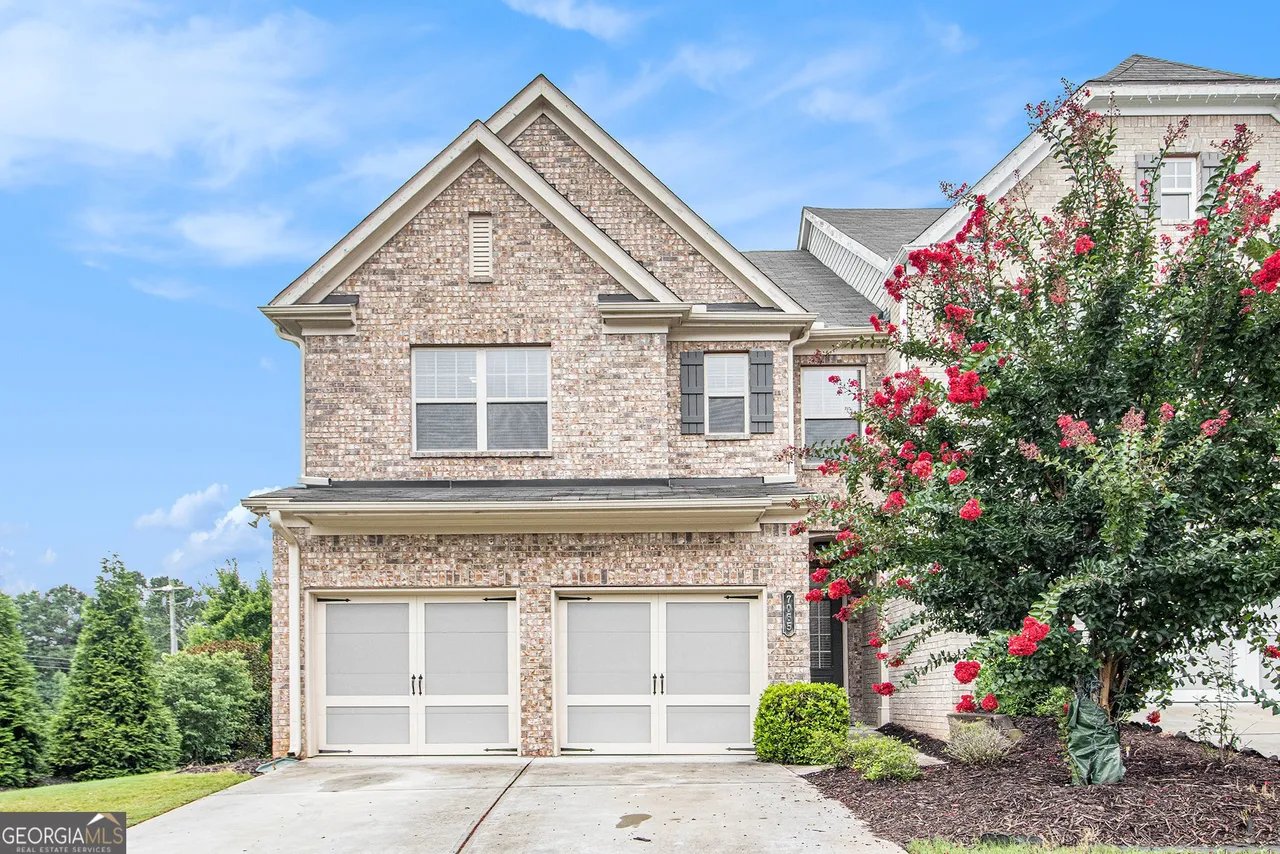
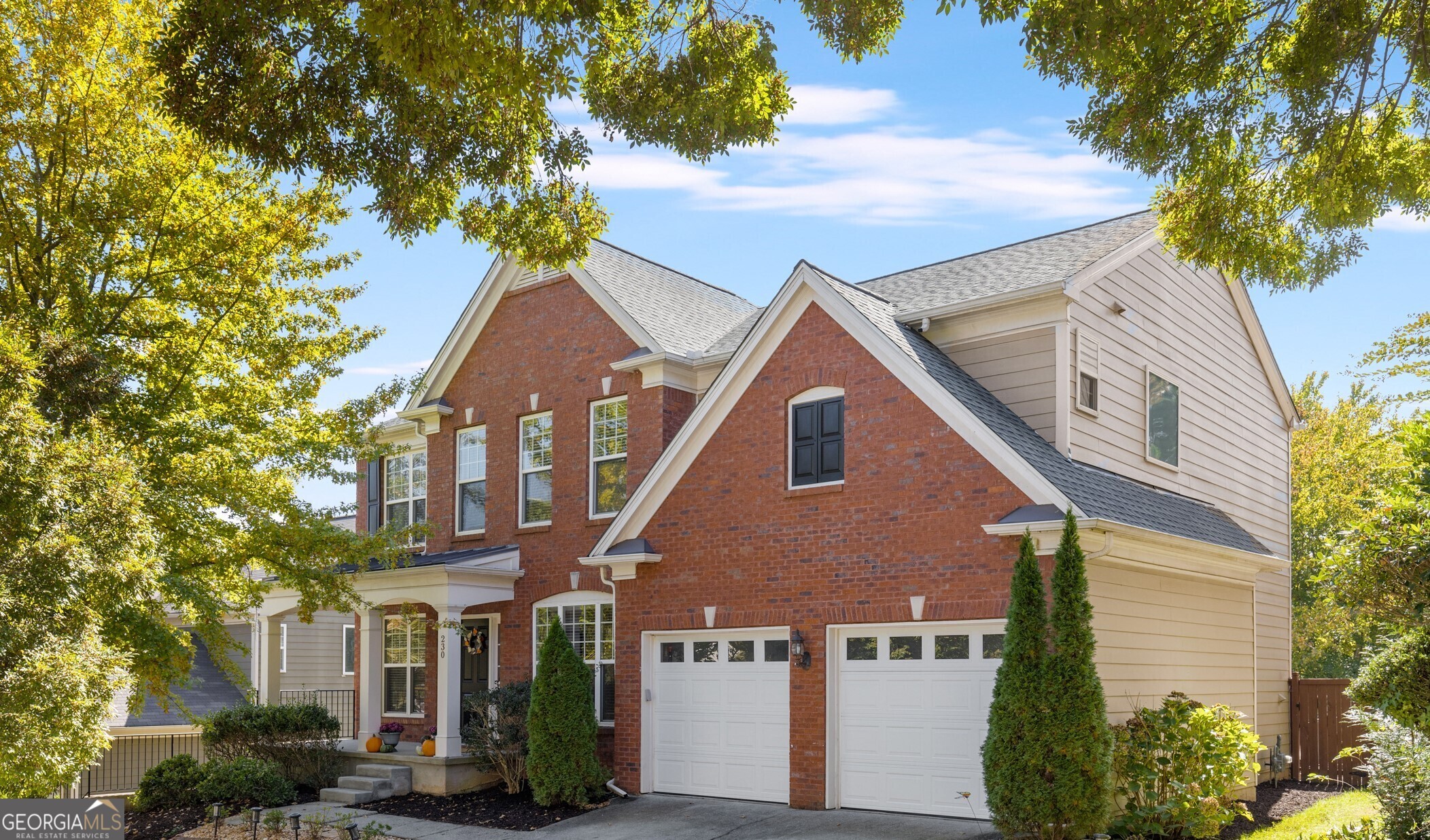
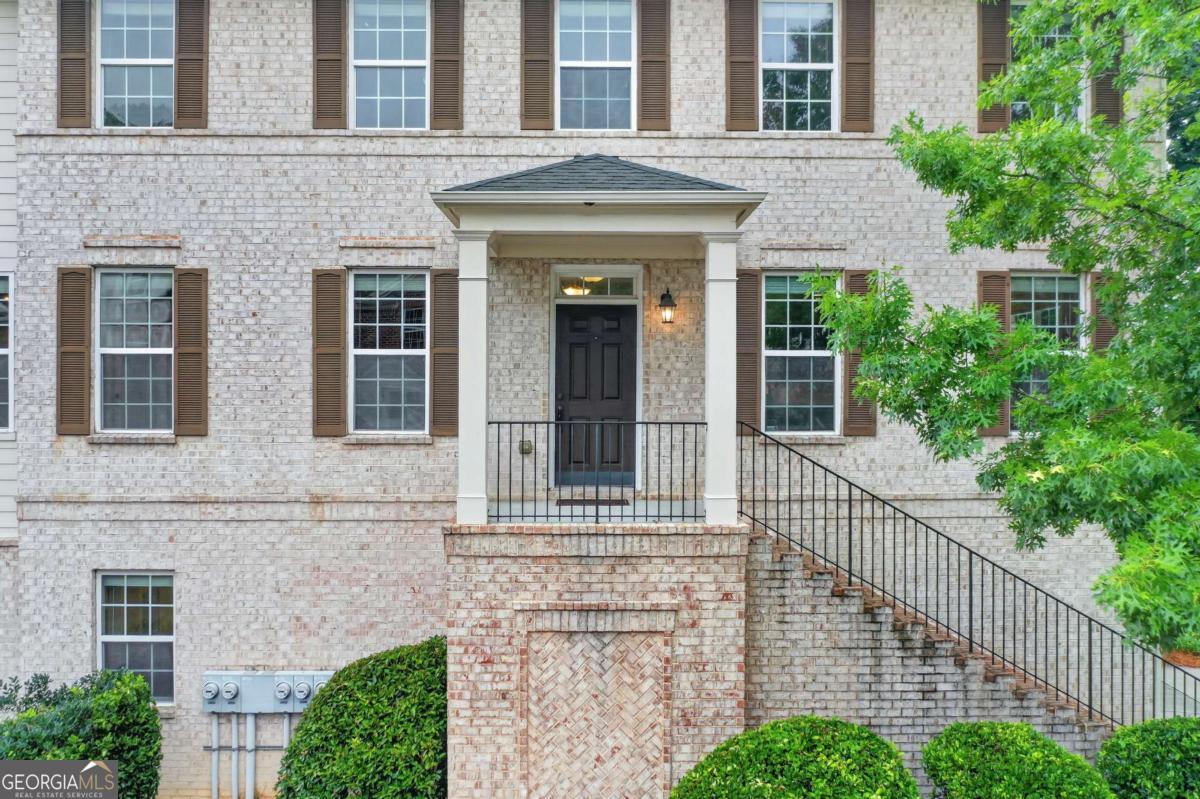
First impressions are everything, especially in the lush, tree-lined neighborhoods of Stone Mountain. Buyers touring homes in this area expect classic Southern curb appeal that blends with the natural pine and hardwood surroundings. Fortunately, some of the highest-return investments are relatively low-cost and can be completed over a single weekend.
Simple outdoor projects can transform the look of your property and invite buyers inside:
Lay down fresh pine straw or mulch along your garden beds to instantly clean up the landscape.
Pressure wash your siding, driveway, sidewalks, and back deck to remove seasonal pollen and Georgia red clay.
Paint the front door a welcoming, contrasting color and replace dated brass hardware with modern matte black fixtures.
High-Yield Interior Cosmetic Refinements
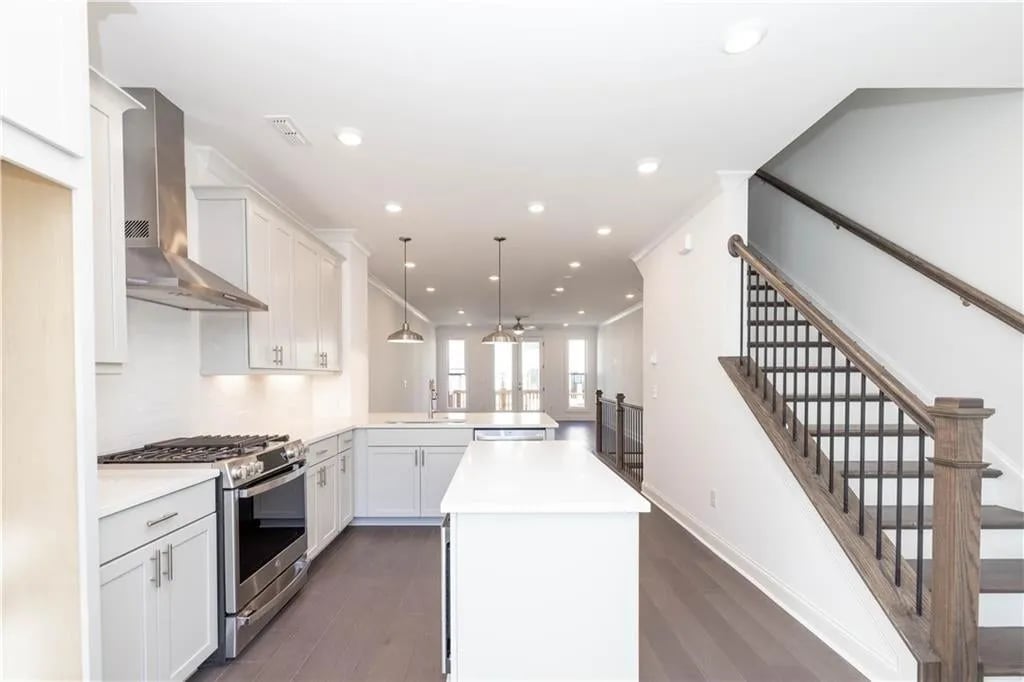
Inside the home, you do not need to execute a down-to-the-studs remodel to attract buyers. Focus on minor cosmetic updates that yield a high return on investment (ROI). A fresh coat of warm neutral paint (like soft greys, beiges, or off-whites) makes rooms feel larger, brighter, and cleaner.
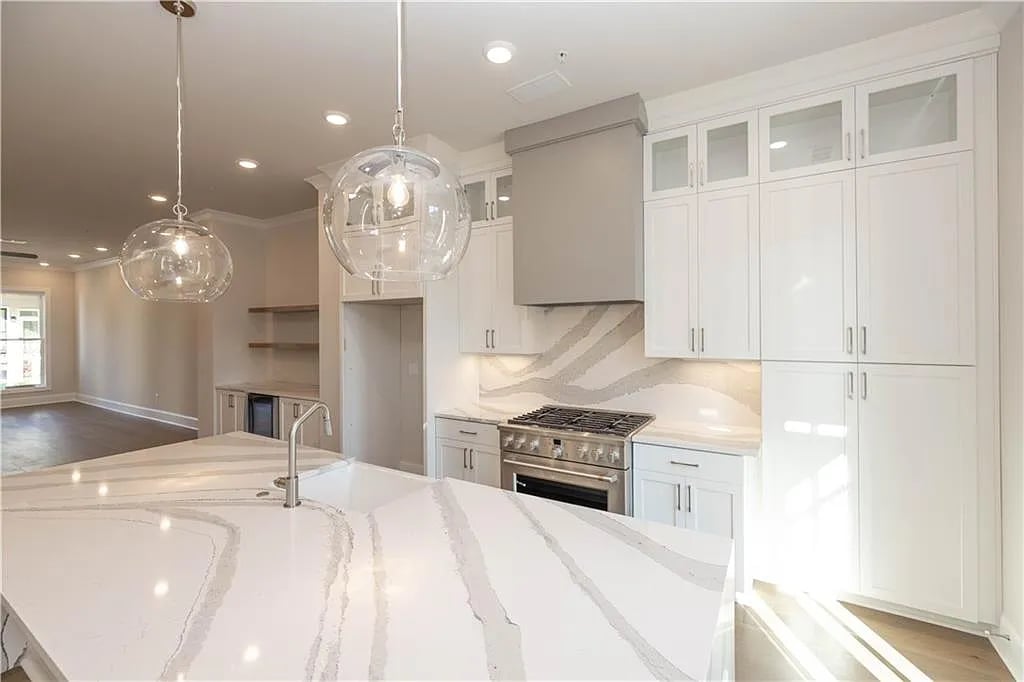
In the kitchen and bathrooms, replacing outdated cabinet hardware and installing modern light fixtures can make the spaces feel refreshed. These small touches create a modern aesthetic without the heavy price tag. Buyers appreciate a home that feels move-in ready and updated.
Addressing Aging Systems and Crawl Spaces
Because many neighborhoods in Stone Mountain feature homes built in the mid-to-late 20th century, buyers will closely inspect your home's major systems. Ensure your HVAC system is serviced and running efficiently, clean out the gutters, and make sure your crawl space or basement is dry and clean.
PRO TIP: Pre-Invasive Inspection Prep
Because Stone Mountain features beautiful, mature pine and hardwood canopies, local homes are highly susceptible to hidden root intrusion in sewer lines and moisture issues in crawl spaces. Investing $200 in a pre-listing sewer scope and crawl space inspection can prevent buyers from walking away during the due diligence period.
4. How Long Will It Take to Sell My Home in the Stone Mountain Area?
Understanding Days on Market (DOM) Metrics
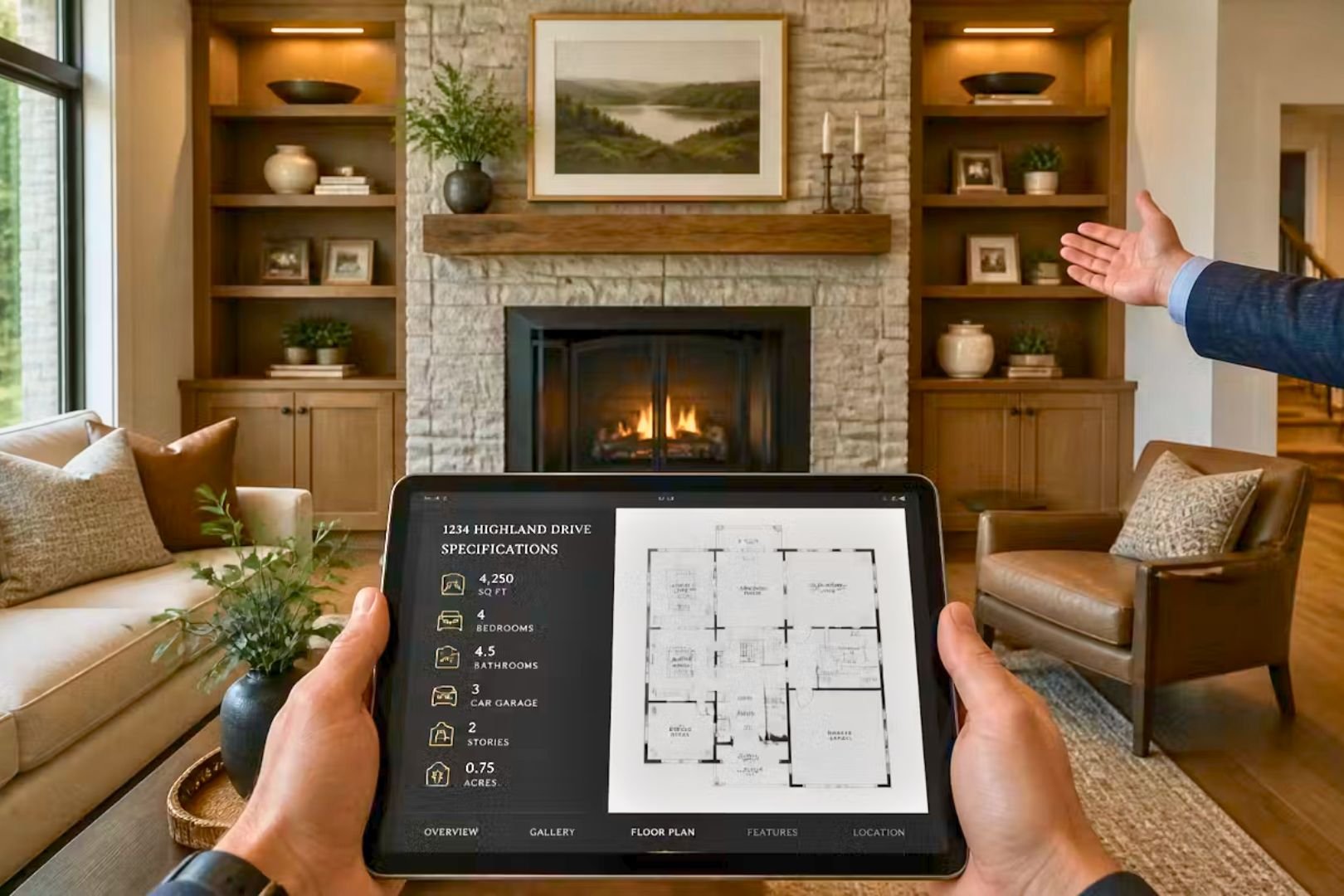
"Days on Market" (DOM) measures the average number of days between a home being listed and going under contract. In the current Stone Mountain real estate market, the median days on market stands at 58 days. This metric serves as a helpful baseline, but individual results will vary based on your home's condition, price point, and specific neighborhood.
58 Days represents the median time on market, though strategically priced homes often secure offers much faster.
Homes that are priced accurately from day one, professionally photographed, and staged effectively often see competitive offers within the first two to three weeks of listing. Conversely, homes that are overpriced or require significant unaddressed repairs can linger, eventually requiring price drops to stimulate buyer interest. Working with a professional to position your home correctly from the start is the best way to minimize your days on market.
Seasonal Fluctuations in DeKalb and Gwinnett Counties
Like much of the Atlanta metropolitan area, Stone Mountain experiences seasonal shifts in buyer activity. The spring and summer months typically bring a surge in buyer activity, as families aim to complete their moves before the start of the new school year. This high demand can lead to quicker sales and potentially more competitive bidding scenarios.
However, do not discount the fall and winter months. While buyer volume may be slightly lower, winter buyers are often highly motivated and eager to close quickly. Selling during the cooler months also allows you to showcase the cozy, scenic charm of Stone Mountain’s wooded properties, especially if your home features a fireplace or a beautiful view of the changing leaves.
Cozy dining spots like Live Oak Tap or The Village Corner Restaurant and Bakery highlight the warm community vibe that remains active year-round. Buyers looking during this time are rarely window shoppers; they are ready to make a serious move. Capitalizing on this seasonal focus can lead to a highly efficient and successful transaction.
5. What Costs Are Involved in Selling a Home in Stone Mountain, Georgia?
Real Estate Commissions and Attorney Fees
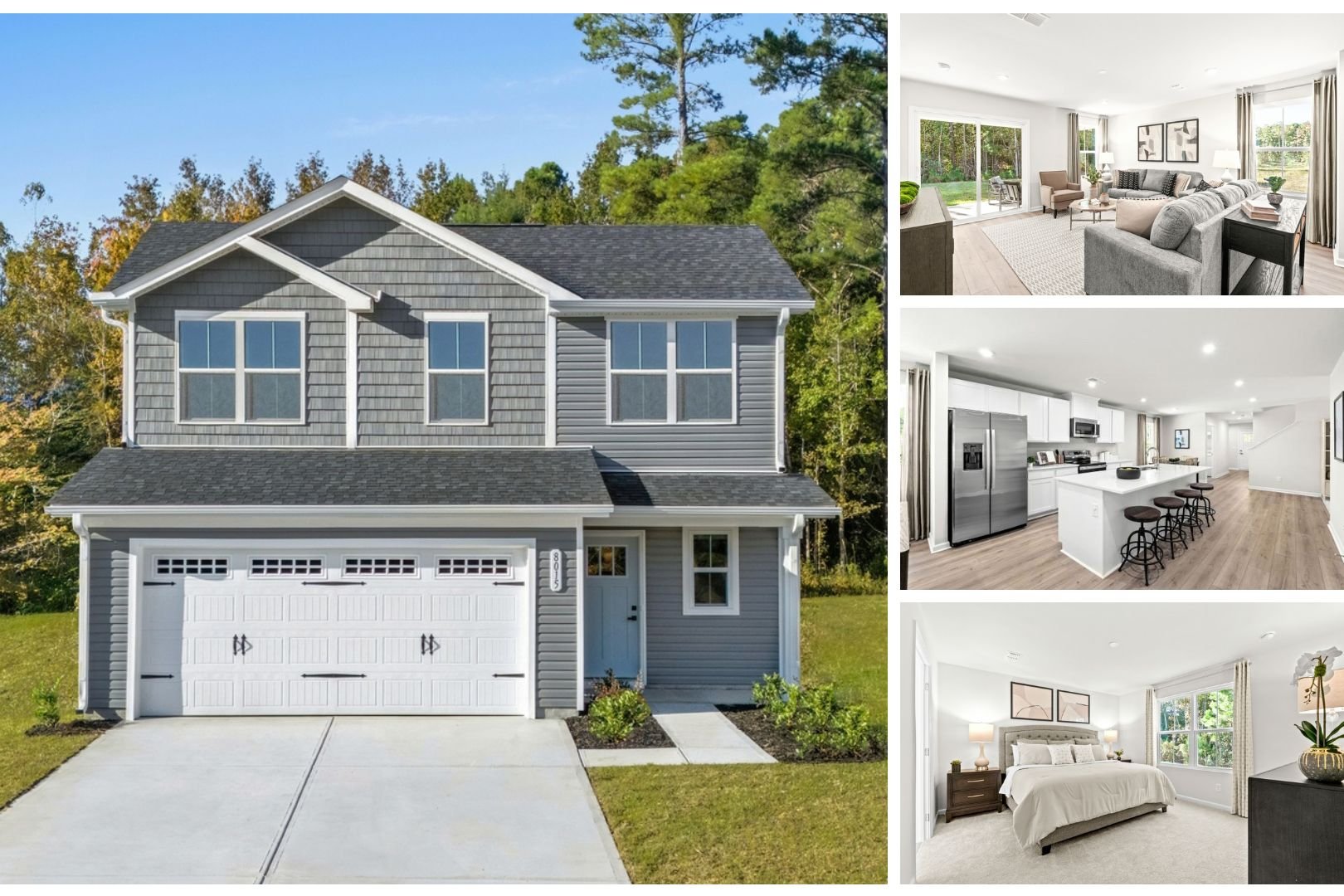
When calculating your net proceeds from a home sale, it is crucial to account for closing costs rather than just focusing on the final sale price. The primary costs include real estate commissions, which cover the services of both the listing brokerage and the buyer's brokerage for marketing and transaction management. Additionally, Georgia is an attorney-closing state, meaning a real estate attorney will oversee the transaction, deed preparation, and title transfer.
These legal fees are standard across the state but are essential to factor into your bottom line. The closing attorney represents the lender but coordinates with both parties to ensure a clean title transfer. Having your paperwork organized early can prevent costly delays during this final phase of the transaction.
Georgia Transfer Tax and Seller Concessions
Sellers in Georgia are also typically responsible for the state-mandated real estate transfer tax. This excise tax is levied on the conveyance of real property and is calculated at a standard rate of $1.00 per $1,000 of the final sales price (or $0.10 per $100).
$270 is the exact transfer tax due on a home sold at the median price of $270,000, which is deducted directly from the seller's proceeds at closing.
Depending on current market conditions, you may also choose to budget for seller concessions. In a balanced market, buyers may request financial assistance with their closing costs or credits to cover specific repairs found during the home inspection. Proactively addressing repairs can prevent these negotiation hurdles later in the transaction.
Key Steps to Prepare Your Stone Mountain Home for the Market

If you are ready to move forward with listing your home, following a structured preparation checklist will set your property up for maximum exposure and a successful sale:
De-clutter and Depersonalize: Pack away family photos, personal collections, and excess furniture to allow prospective buyers to easily picture their own lives and belongings in the space.
Deep Clean Everything: A spotless home signals to buyers that the property has been meticulously maintained, so pay close attention to baseboards, windows, grout lines, and appliances.
Invest in Professional Photography: Over 90% of buyers start their home search online, making high-resolution, professionally lit photos—including twilight shots or aerial drone photography of your wooded backyard—essential to making your listing stand out.
Gather Important Documentation: Compile a folder containing warranties for your roof, HVAC system, and major appliances, along with records of your termite bond and utility bills, to build trust and confidence with potential buyers.
Frequently Asked Questions (FAQ)
Do I need to stage my Stone Mountain home before listing?
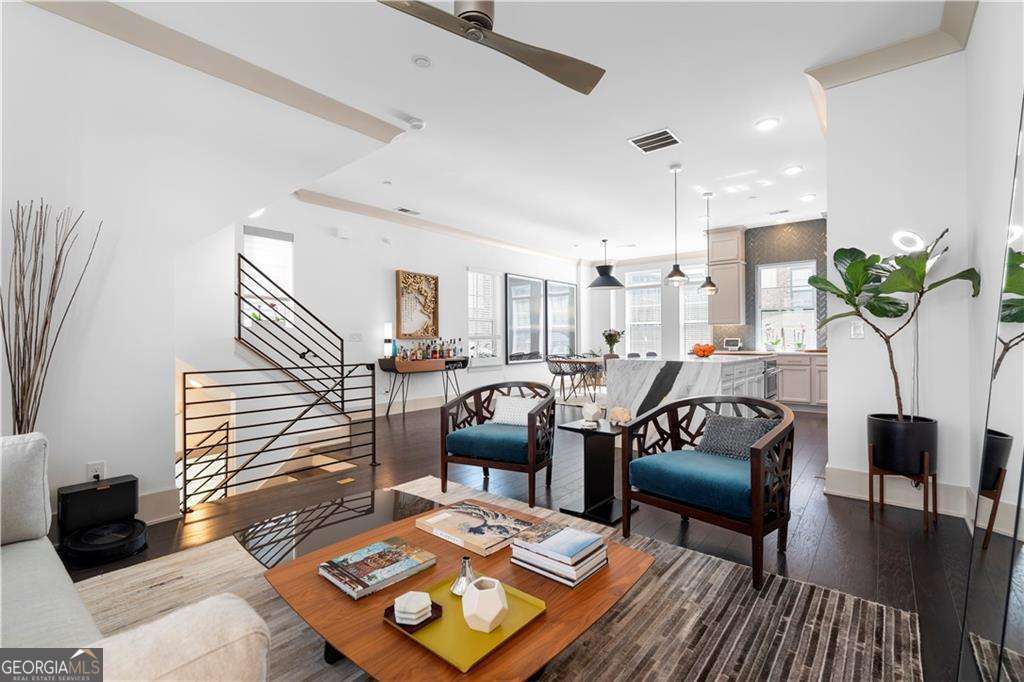
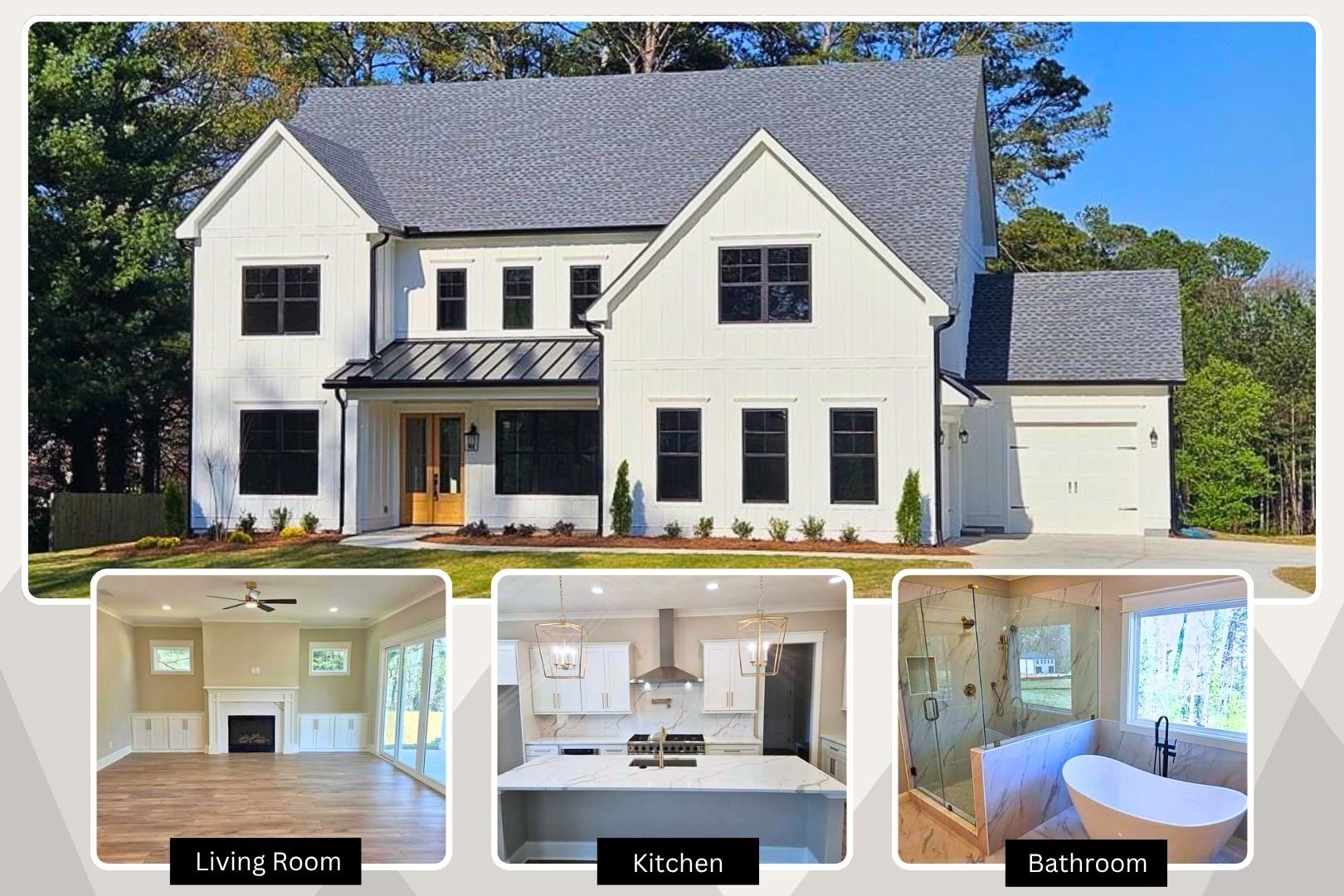
While professional, full-home staging is not strictly mandatory, it is highly recommended. If your home is vacant, virtual staging can be an excellent, cost-effective alternative to show online buyers how furniture fits into key spaces like the living room and primary bedroom. Staging helps define open floor plans and demonstrates how to maximize the square footage of older, historic layouts.
How do local school districts affect my home's selling potential in Stone Mountain?
School options are a major point of consideration for families relocating within the Atlanta metro area. Because Stone Mountain addresses fall into both DeKalb and Gwinnett counties, your property will be served by one of two major public school systems. The DeKalb County School District is a large, diverse district serving over 92,000 students across 138 schools and centers, while Gwinnett County Public Schools is the largest school system in the state of Georgia, serving more than 180,000 students. Highlighting proximity to these expansive public options, as well as local charter and private schools, can be a strong selling point for your listing.
Should I sell my home "as-is" or make repairs first?
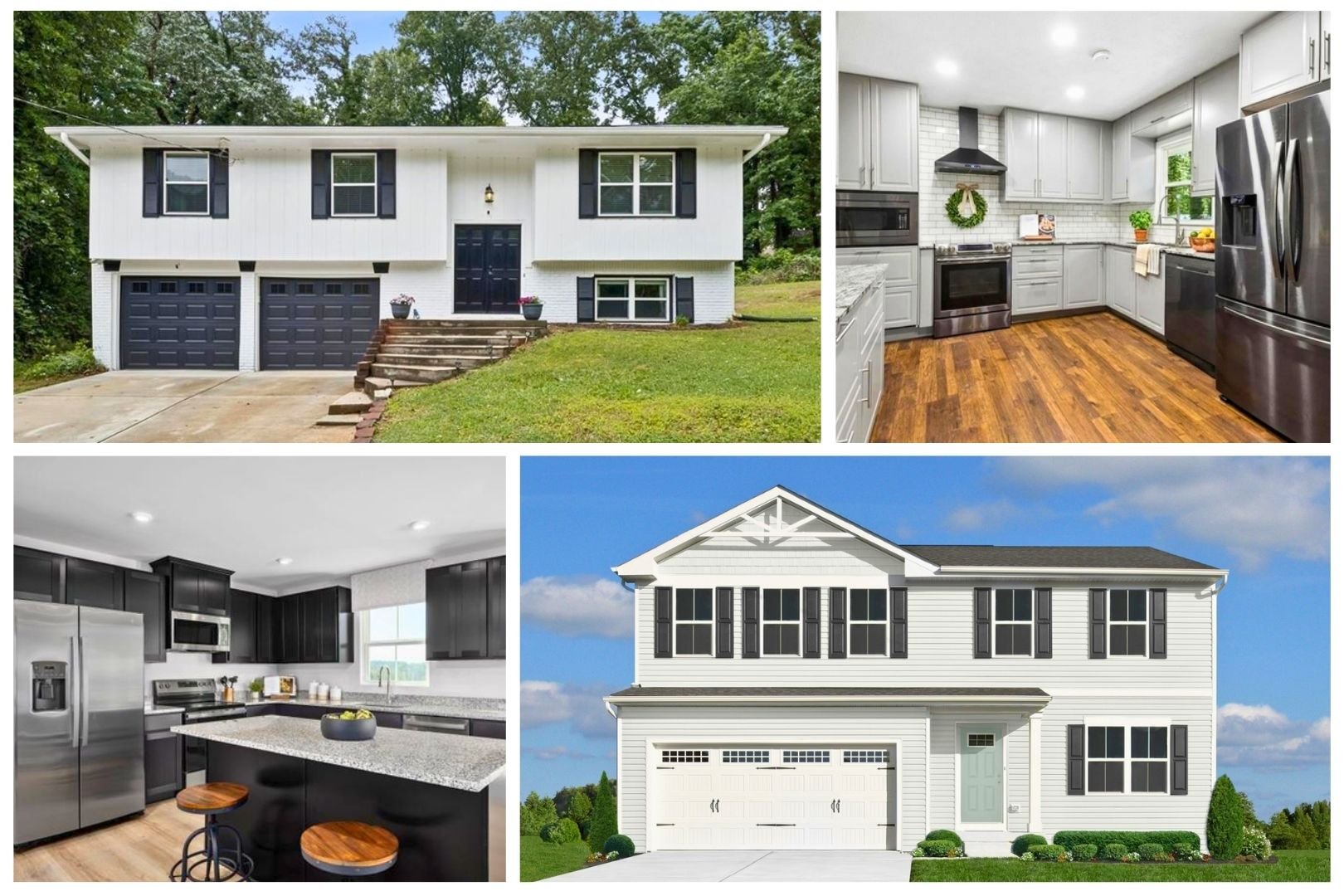
Selling "as-is" can save you time and upfront stress, but it typically attracts real estate investors who expect a steep discount. Making key cosmetic repairs and ensuring major systems are in good working order allows you to market to traditional, turn-key buyers who are willing to pay a premium for a move-in-ready property. If you cannot afford major repairs, focusing on deep cleaning and basic curb appeal is the best alternative.
How does the Historic Preservation District affect selling a home in Stone Mountain Village?
If your home is located within the designated boundaries of the Historic Stone Mountain Village, certain exterior modifications and historical preservation guidelines established by the local Historic Preservation Commission may apply. While these guidelines help maintain the charming, historic character of the neighborhood, they can impact future renovation plans. It is important to be fully transparent about these guidelines with prospective buyers so they understand the rules governing exterior changes.
Can I sell my home while it is currently occupied by tenants?
Yes, you can sell a tenant-occupied property, but it requires careful coordination and communication. You will need to review the existing lease agreement to understand the tenant's rights, respect tenant notification laws for showings, and decide whether to market the home to real estate investors who want to keep the tenant in place or wait until the lease expires to market to traditional owner-occupant buyers. Many sellers find success by offering tenants a small incentive, such as a temporary rent reduction, in exchange for keeping the home clean and accommodating showing requests.
Conclusion
Successfully listing and selling a home in Stone Mountain, GA, requires a clear understanding of the local market, pricing your property accurately based on county and ZIP code dynamics, and ensuring your home stands out both online and in person. By addressing key repairs, highlighting local lifestyle drivers like Stone Mountain Park, and understanding your closing expenses, you can navigate the transaction smoothly and secure the best possible return on your home equity.
If you are considering listing your property or simply want to know more about the value of your home in the current market, please reach out to our team to start the conversation.